A room for Cocteau, without reconstructing his room
The Cocteau Room composes an indirect portrait of the writer through furniture, objects and works. The interior is real as an installation, fictitious as a historical dwelling.
Read the story →For Marc Camille Chaimowicz an interior may resemble both a real room and an imagined stage. Worn shoes painted silver, arranged objects or a room invoking Cocteau are not simply props. They become ways of thinking about presence, absence and the relationships among art, design and memory.
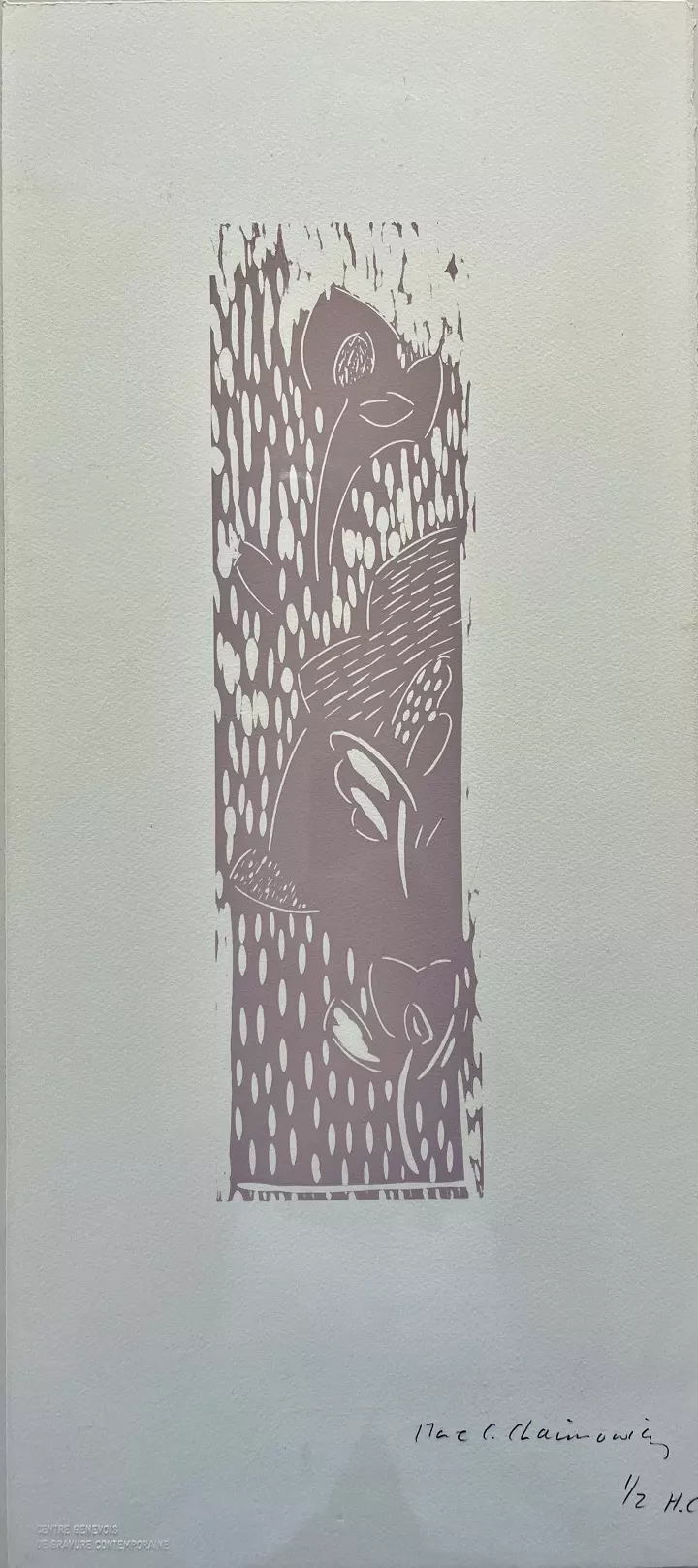 Gallery artwork
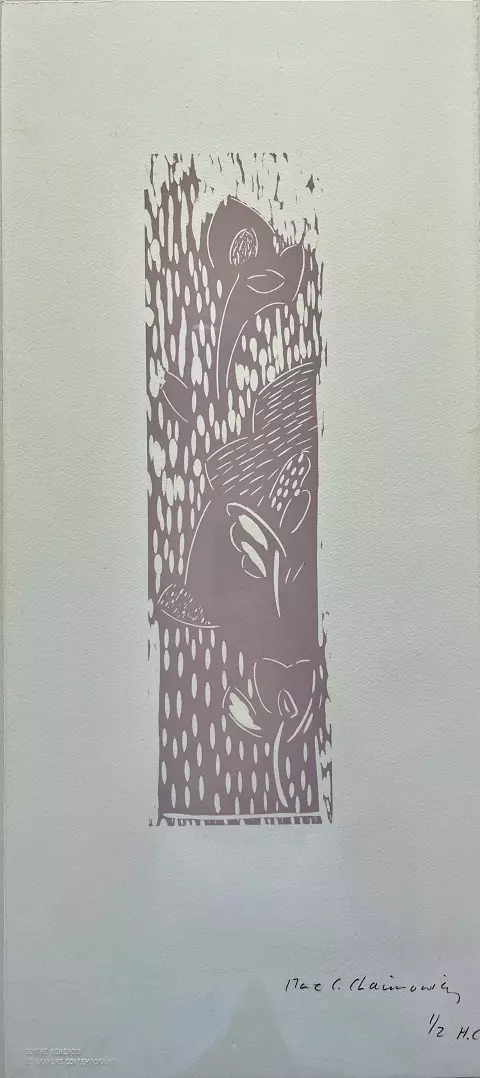
Swiss Art Gallery · Photograph in the catalogue: Marc Camille Chaimowicz — Gravure 3
The Cocteau Room offers an indirect portrait of the writer through objects, not a historical reconstruction of his bedroom. In Shoe Waste? unmatched shoes become a collective installation through their altered appearance and arrangement.
Celebration?, originally made in 1972 and revisited in 2000, does not literally recreate an earlier party. Likewise, Doubts, a 1977 performance that became a video, changes audience and means of circulation. These stories ask viewers to consider each version and setting.
The Cocteau Room composes an indirect portrait of the writer through furniture, objects and works. The interior is real as an installation, fictitious as a historical dwelling.
Read the story →Shoe Waste? gathers worn shoes painted silver. Losing the pairs transforms an object attached to the body into a collective presence on the floor.
Read the story →Created in 1972, the installation takes form again in 2000. Music, light and objects let an artistic situation survive without confusing it with a party actually recovered.
Read the story →A performance of 1977, recorded at the Paris Biennale, becomes a video work preserved at the Centre Pompidou. Its subtitle already distinguishes camera and audience.
Read the story →Movable panels and paintings brought together give Chaimowicz’s return to painting a form that remains close to installation.
Read the story →Spice Container, designed in 2018, makes cooperation between an artist and manufacture visible. The Jewish Museum preserves this small-scale object.
Read the story →