Marc Camille Chaimowicz · 4 min read
A room for Cocteau, without reconstructing his room
The Cocteau Room composes an indirect portrait of the writer through furniture, objects and works. The interior is real as an installation, fictitious as a historical dwelling.
Published on October 3, 2026
The Cocteau Room bears the name of an absent artist. Marc Camille Chaimowicz does not seek to show us an exact photograph of the room where Jean Cocteau might have lived. The Migros Museum guide presents this installation, dated 2003/2004/2006, as an imagined interior, a subjective and narrative portrait. A room is constructed within another room. Real objects thus compose a fictitious place. This distinction is the encounter’s starting point: we enter a proposition about Cocteau without materially entering his biography.
Choosing an interior broadens the possibility of portraiture. A face gives features; a room proposes relationships between things. Objects can evoke tastes, activities or affinities without reducing them to an attested inventory. Chaimowicz therefore has freedom, but this freedom belongs to the work and must remain visible to viewers. A bed in the installation is not, simply by being there, Cocteau’s historical bed. The distinction between evocation and reconstruction allows the place to be viewed as a composition in its own right.
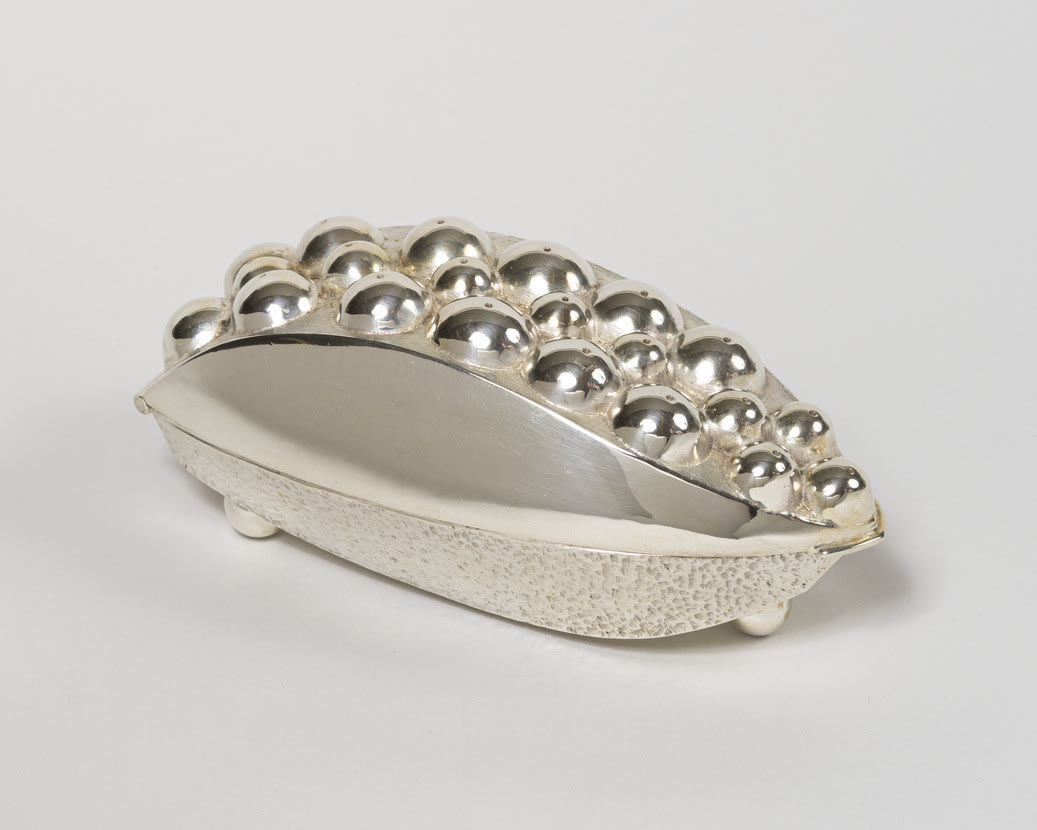
The guide notes furniture and ceramics created by Chaimowicz, found objects and works by other artists. A chair by Marcel Breuer is among these elements. The presence of several authors gives the room a conversational character. Chaimowicz does not sign every thing as though he had made it. He composes with objects whose histories remain different. This act of association becomes one means of portraiture: an artistic personality is approached through an ensemble of affinities rather than a directly painted likeness.
Cocteau lends himself particularly well to such an approach. His activity passes through writing, cinema, drawing and the performing arts. The guide emphasises this passage between media. Chaimowicz can respond with an installation that likewise refuses to be limited to a single category. The association does not prove a personal meeting between the two men or an identical influence in every work. It proposes a lineage of practices: a name becomes the point around which different means can gather.
A bedroom usually evokes an intimacy the visitor does not know. In the museum, this intimacy is constructed to be viewed. The situation creates a strange presence: we can feel invited while knowing that the occupant designated by the title will not arrive. Absence does not empty the room. It gives objects a capacity for evocation. The portrait develops without a central body, in the space our gaze travels between elements. It asks us to connect, imagine and recognise the limits of that imagination.
The installation therefore does not transform every object into evidence. It makes them available as signs within an artistic proposition. This way of working differs from a house museum where a person’s spaces and furnishings are preserved as far as possible. Chaimowicz creates a space from his view of Cocteau. The guide speaks of a room within a room, emphasising its making. The museum accommodates a supposed dwelling; the supposed dwelling remains a work installed in a museum. Neither framework disappears completely.
The Cocteau Room finally invites us to shift our expectations. We no longer ask only: where did the writer sleep, what object did he own? We can ask: how does one artist look at another, and what forms does he give to this proximity? The gathered furniture, ceramics and works construct a provisional response. Their arrangement produces a portrait without a single face. Cocteau remains absent, but his name organises the visit. Chaimowicz makes this absence an indirect presence, open enough for viewers to participate in constructing the gaze.