Marc Camille Chaimowicz · 4 min read
Almost a thousand metres of ribbons for the museum
Chaimowicz’s collaboration with Neyret in Saint-Étienne transforms six motifs into ribbons. The result connects an exhibition with its territory’s industrial history.
Published on October 3, 2026
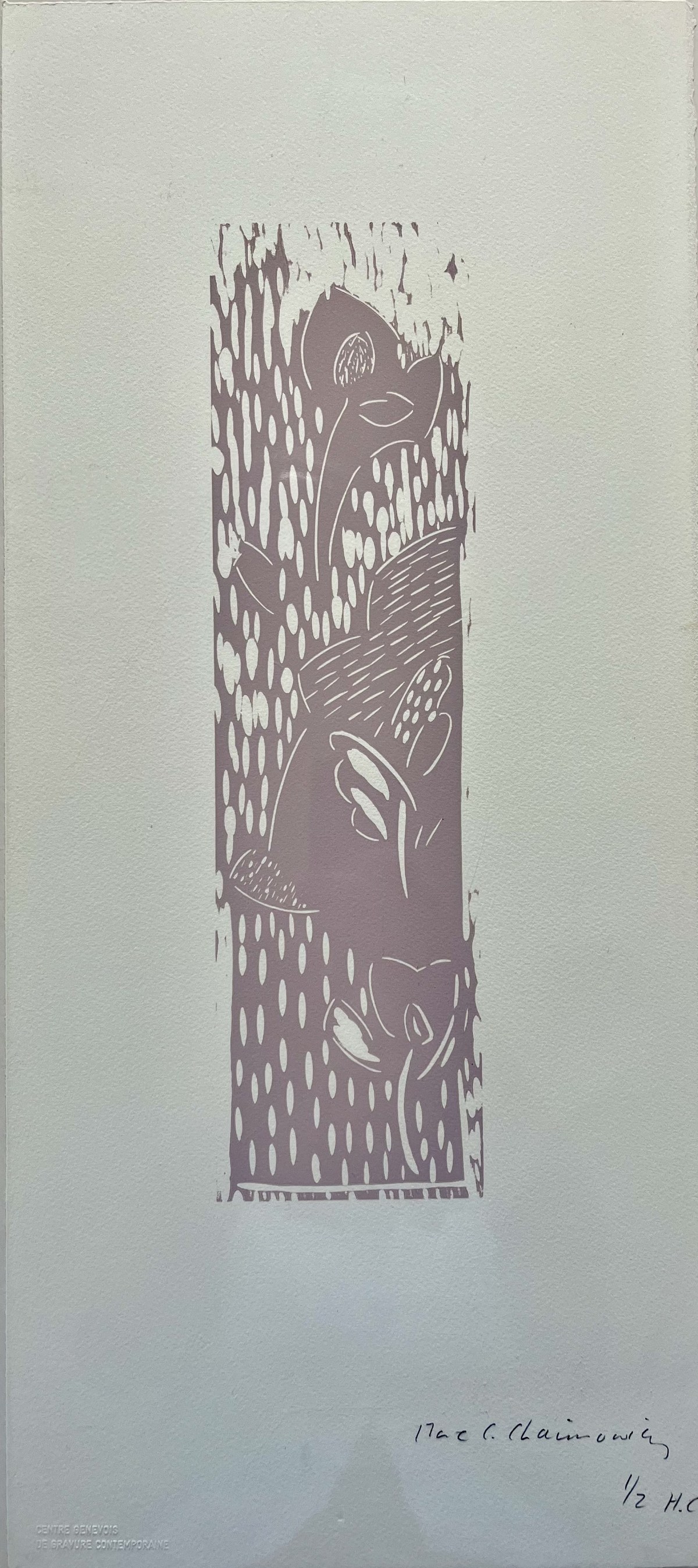
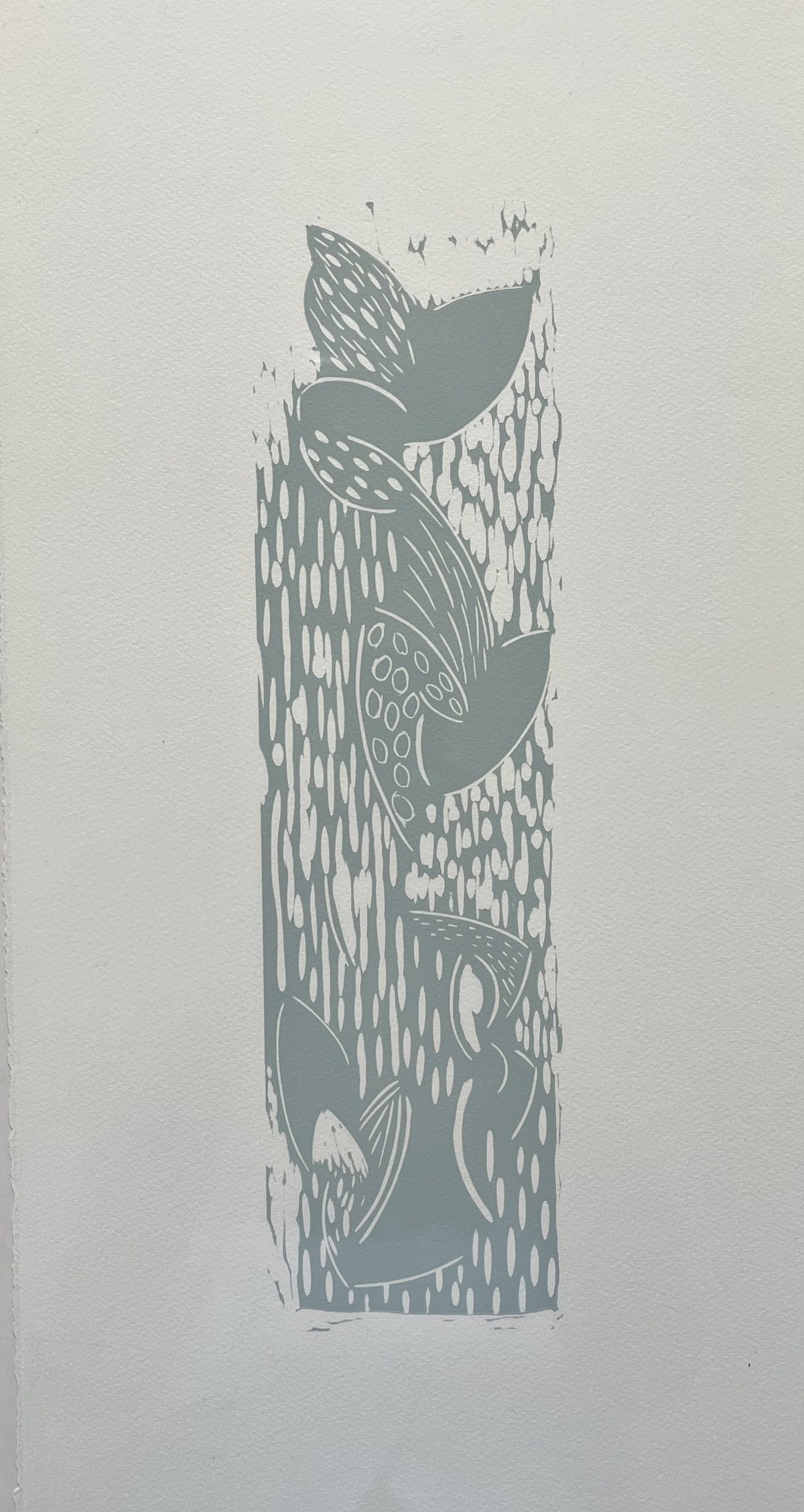
In the exhibition Zig Zag and Many Ribbons, a slender object receives considerable space: the ribbon. Marc Camille Chaimowicz works with the Neyret company in Saint-Étienne to develop six motifs. The MAMC+ guide speaks of almost a thousand metres of ribbons. Their presence connects the artistic project with local manufacture. This is not simply a matter of placing a few decorative accessories beside paintings. A drawn form encounters long, repeated production and becomes an object whose modest character contrasts with the extent of its multiplication.
The exhibition is presented from November 2022 to April 2023. It draws on the museum, its collections and the industrial history of its territory. The choice of ribbon therefore responds to a context. In Saint-Étienne, textile activity is not limited to an abstract memory; it has techniques, companies and objects. Chaimowicz does not necessarily have to copy these objects to integrate them into his work. He can engage with a manufacturing capability and propose motifs that will be subject to its material conditions.
Six motifs constitute a limited vocabulary, but the ribbons’ length unfolds it. Repetition transforms the perception of a drawing. On a sheet, a form can be grasped as an entire composition. On a ribbon, it returns, accompanies an unrolling and is sometimes interrupted by a cut or fold. The narrow support requires rhythm to be considered. It can allow links between elements while preserving their recognition. Drawing is now also measured within continuity, not only in a surface the eye takes in at once.
The collaboration does not erase the distinction between creating the motif and manufacturing the textile. The museum documents name the artist and Neyret. This double reference allows the work to be understood as an encounter of skills. We do not have the details of every production operation here, and inventing a dialogue in the workshops would be unnecessary. The documented result suffices: Chaimowicz’s motifs exist as ribbons made with a local company. The project becomes material through work extending beyond the solitary gesture of drawing.
Ribbon also carries a history of uses. It can tie, edge, signal or ornament. This familiarity makes its presence in the museum particularly interesting. Viewers do not need to learn what the object is to recognise it, but must reassess the attention given to it. An element often considered secondary becomes one of the exhibition’s subjects. Its slenderness does not diminish its ability to produce visual organisation. It can even make the work of repetitions and variations along a length more perceptible.
The ribbons also appear in the book published for the exhibition. The MAMC+ presentation indicates that a Neyret ribbon serves as a bookmark for the monograph Reverie, in Practice and in Its Forms. The project thus circulates between the space of the visit and the object readers can handle. The ribbon does not become merely the reproduction of a work seen in the museum; it finds a use within another support. This passage gives concrete continuity to Chaimowicz’s interest in the encounter between artistic form and ordinary life.
Almost a thousand metres may seem excessive for recounting something so light. Yet the figure gives the project a measure: the motif leaves uniqueness without losing its place in an artist’s approach. It enters a series, uses and a history of manufacture. The museum then opens a relationship with the surrounding territory. Chaimowicz does not simply add a tribute at the end of his exhibition. He makes ribbon a place of passage between drawing, industry and reading. The object unrolls, and with it unfolds another way of thinking about what art can share.