Marc Camille Chaimowicz · 4 min read
Curtains for Mies’s façade
In 2008 Chaimowicz’s fabrics encounter the large glazed surfaces of Berlin’s Neue Nationalgalerie. A decorative gesture changes how architecture is seen.
Published on October 3, 2026
Curtains belong so thoroughly to our idea of an interior that their appearance in a museum could pass for a practical detail. With MvdR Curtains, Marc Camille Chaimowicz makes them a meeting point between textile and architecture. The MAMC+ guide places this work in 2008 for the Berlin Biennale at the Neue Nationalgalerie. Mies van der Rohe’s building, opened in 1968, offers large glazed surfaces. A printed fabric accompanies them. The initials MvdR in the title designate the architect and make this dialogue explicit.
Glass proposes a direct relationship between interior and exterior. It admits light and gives views. A curtain introduces an additional layer: it can filter, cover, create rhythm or give an opening the quality of a surface. We must not attribute a uniform effect to the arrangement at every hour and location. Its principle is enough to shift the situation. Architecture does not disappear; it receives a supple element that alters its reading and makes the possibility of another degree of intimacy perceptible.
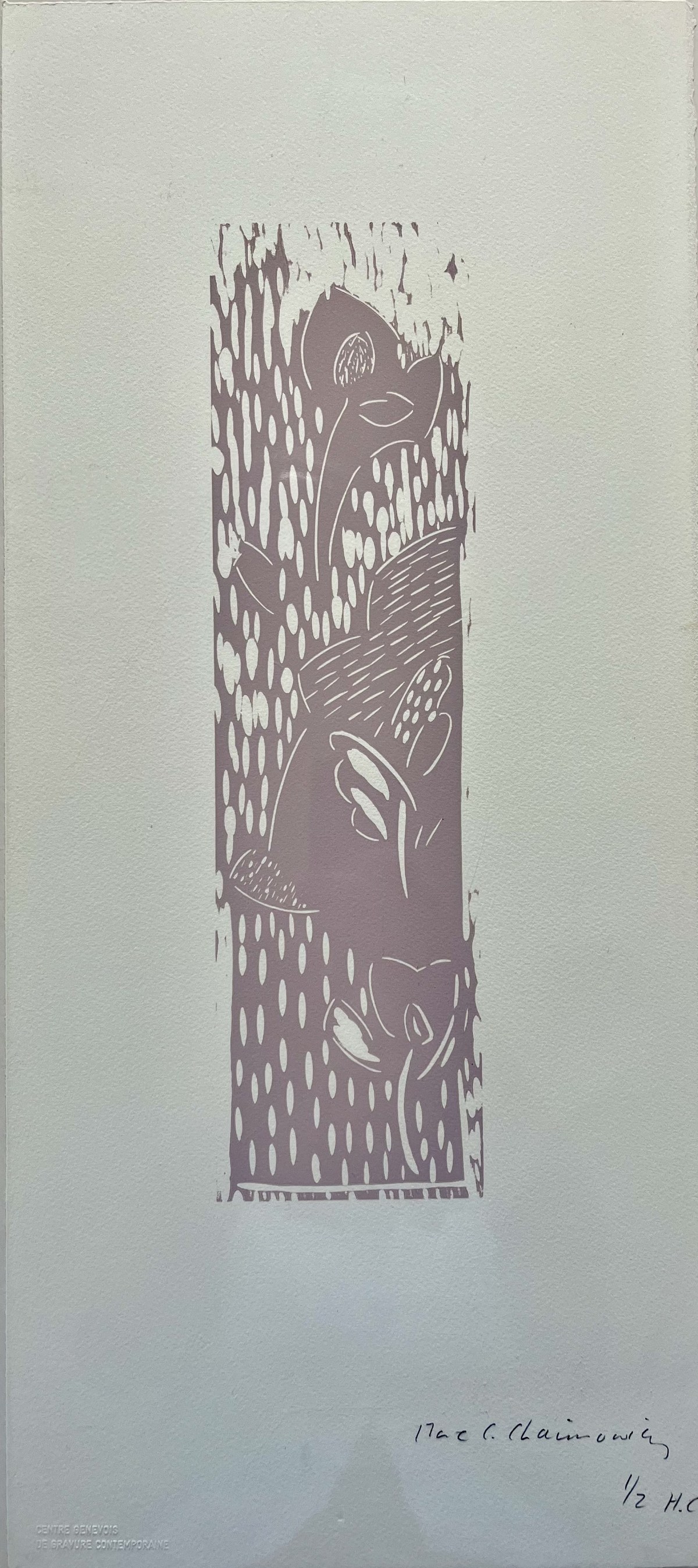
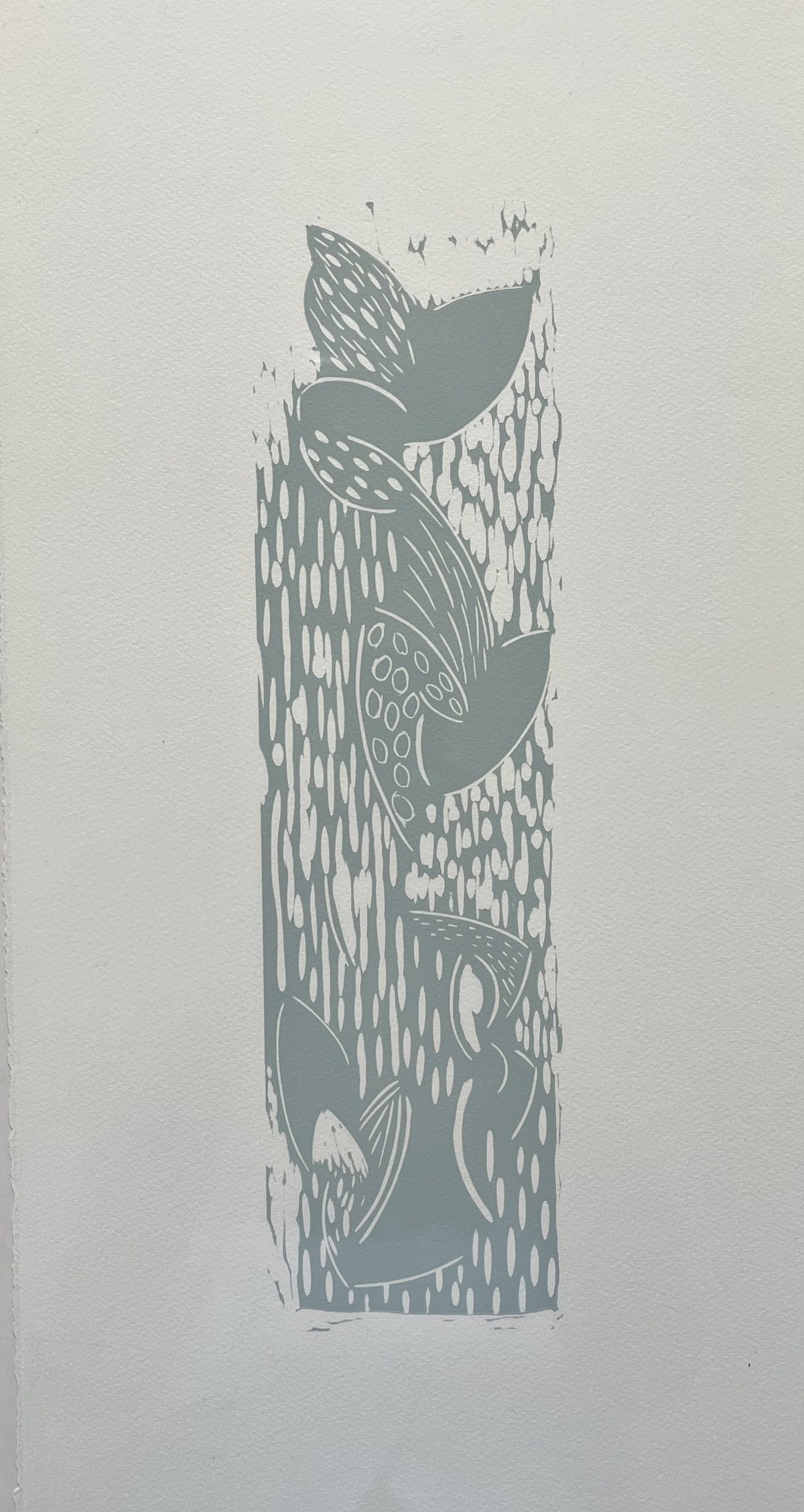
The guide distinguishes the fabric, designated MvdR Fabric, from the curtains resulting from it. It indicates a printed synthetic material. This precision is useful: the work passes from a motif to a produced surface, then from a surface to an installed element. Drawing is not simply exhibited for itself. It must develop over a length and encounter the folds, draping and variations of visibility of a textile. The motif’s qualities are then tested in a material capable of changing shape without changing its design.
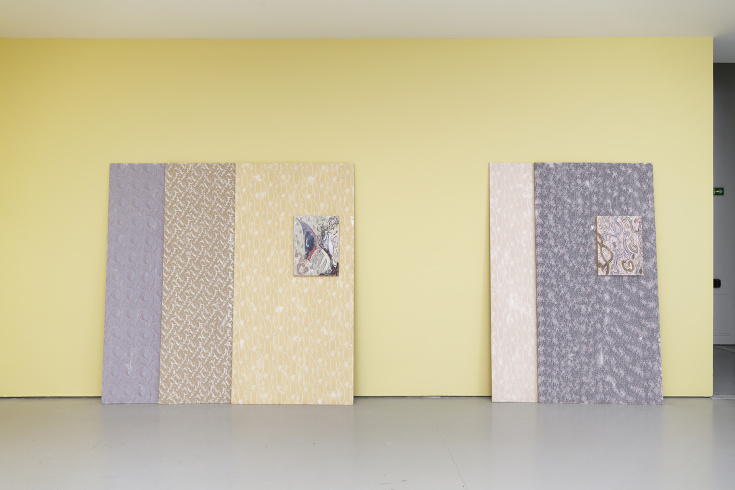
Chaimowicz has worked with textiles since long before this Berlin presentation. The MAMC+ document recalls early designs made for this field in Lyon in 1983. The 2008 project therefore does not appear as an improvised detour by a painter suddenly discovering a decorative use. It extends a practice in which motifs circulate between supports. This circulation is important for understanding the work: what is called decoration can become a means of composing a situation of looking at architecture’s scale.
The curtains’ title also invites us to examine the relationship with Mies without reducing it to opposition. We could recount the textile as an attack on the modern building, but the document supplies no such programme. It establishes an encounter. Supple material is added to rigorously defined surfaces; motif introduces another visual frequency. These elements can coexist, emphasise or contradict each other according to perception. The work’s interest lies in the relationship it opens rather than in one language’s declared victory over another.
The public thus receives an environment in which an ordinary element becomes particularly visible. Many curtains are noticed mainly when they prevent us from seeing. Here, they call for looking themselves. The textile forms part of what we come to encounter. Its presence reminds us that a building’s interior is not reduced to its permanent envelope. Objects, fabrics and arrangements can change its experience. The museum is not a neutral volume waiting for works; it can become one of the materials with which they are constructed.
MvdR Curtains therefore gives the motif an unusual breadth. A drawn form meets manufacture, then a glazed façade and visitors in motion. The fabric retains its closeness to domestic uses, but its installation engages an emblematic public place. Chaimowicz puts this change of scale to work without erasing the familiar object. Curtains remain curtains, with their ability to filter and envelop. They also become a proposal about how to inhabit a museum space. Our gaze discovers that suppleness can give new presence to what it believed it already knew.