Jean Roll
Born in Geneva (Switzerland) in 1921.
Died in Mies (Switzerland) in 2015.
Swiss · Swiss figurative painting associated with the Geneva school · geometrically structured, poetic-realist still life or “silent nature,” shaped by transparency and restrained light.
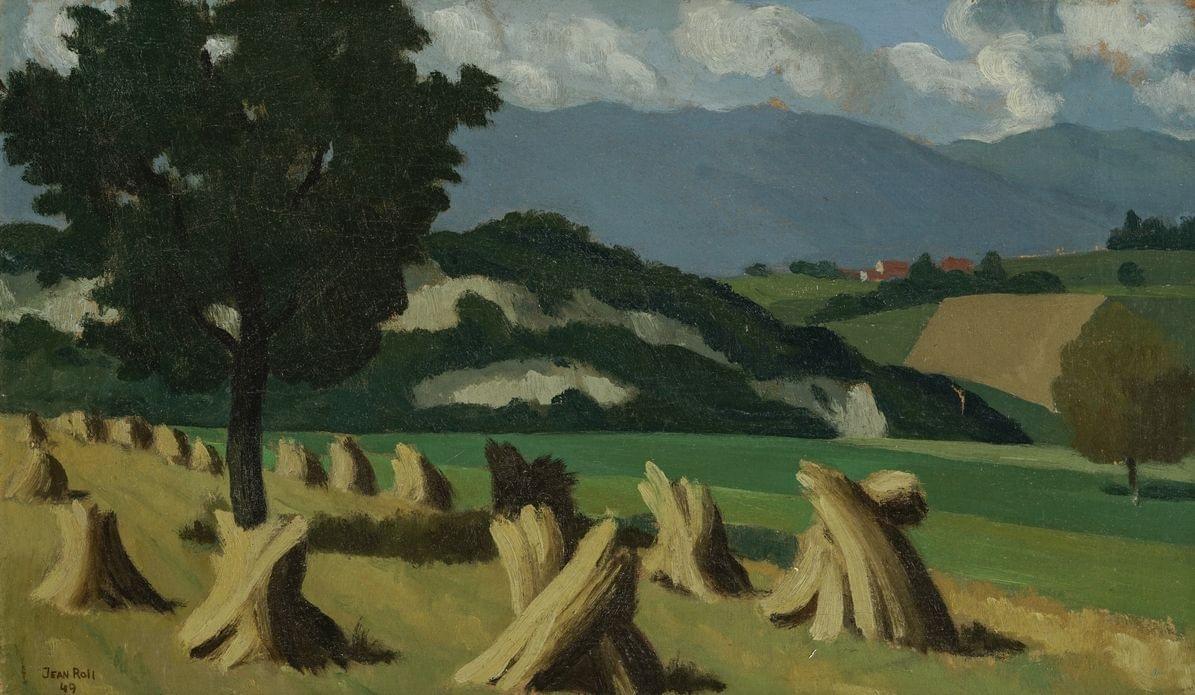
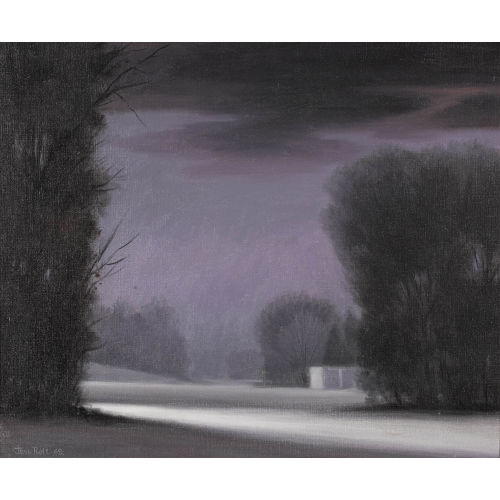
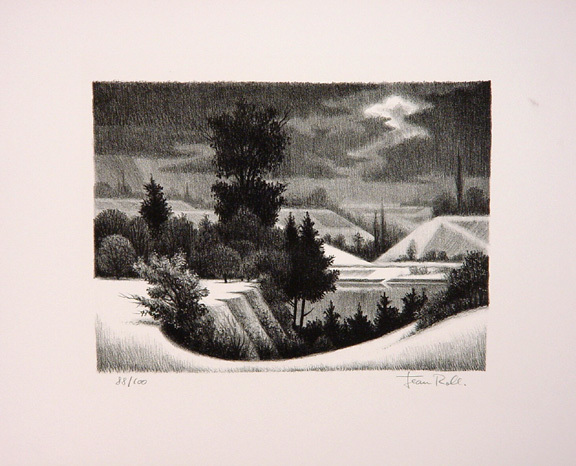
The Swiss figurative painter Jean Roll, associated with the Geneva school, developed an oeuvre grounded in precision of drawing, balance of form and deliberately restrained light. Faithful to representation, he nevertheless imbued his compositions with a stripped-down modernity, constructed through geometry, measured depth and subtle effects of transparency.
In 1943, he worked in Valais with Paul Monnier, who welcomed him into his studio and passed on his experience of religious and decorative art. This apprenticeship continued in an exceptionally wide-ranging practice: alongside easel painting, Roll designed theatre sets, mosaics, frescoes, tapestries and works integrated into architecture. Among the works documented are his designs for the side altars of the Church of Christ the King in Petit-Lancy, the commission for the rose window of the Sainte-Thérèse church, and the stained-glass window Vierge à l’Enfant in the Sainte-Bernadette chapel in Laconnex.
From 1952, he taught for more than three decades at the École des beaux-arts et des arts décoratifs de Genève. This long pedagogical activity accompanied a regular exhibition career and a sustained commitment to regional artistic networks. In 1973, he spent a year at the Swiss Institute in Rome, extending a career already enriched by numerous presentations in Switzerland.
He took part in the Exposition suisse des beaux-arts in Bern in 1951, exhibited in Schaffhausen in 1960 with the eight Geneva artists of the Groupe des Corps-Saints, and appeared at the Musée Rath in the exhibitions Groupe 68 and Artistes de Genève, 1980 : la peinture. In 1983, he also participated in L’Objet événement artistique at the Halles de l’Île. The retrospectives organised in Champéry and Clarens-Montreux in 2017 subsequently made it possible to consider the full extent of his production over a long period.
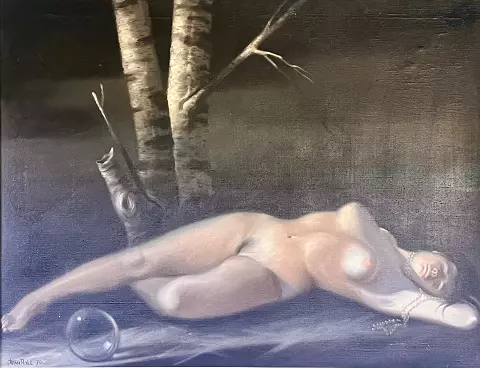
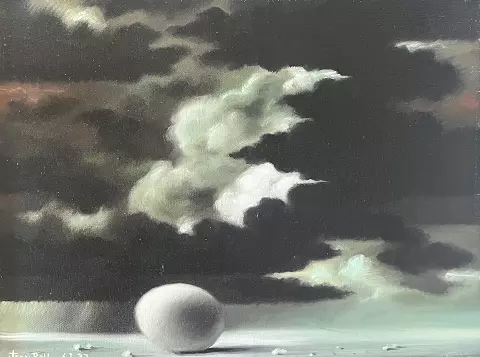
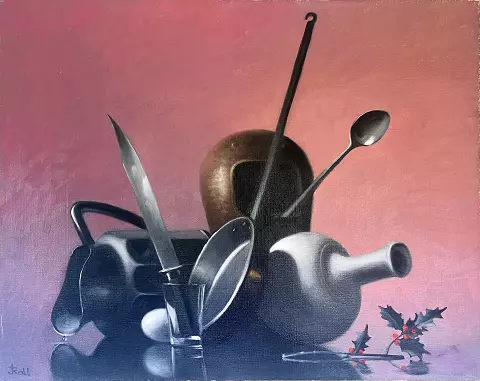
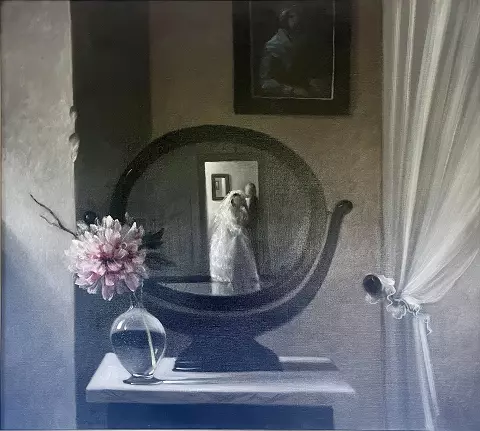
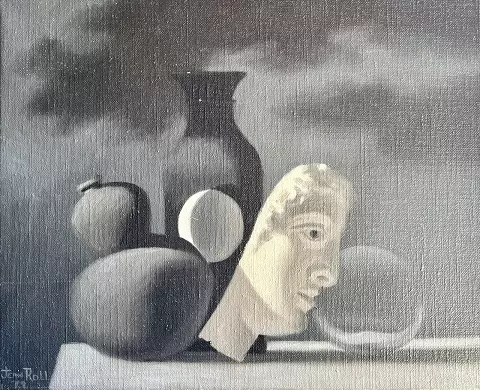
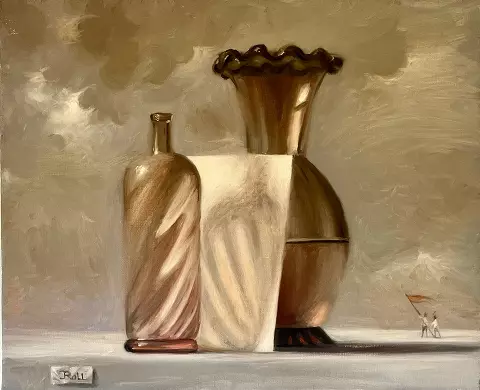
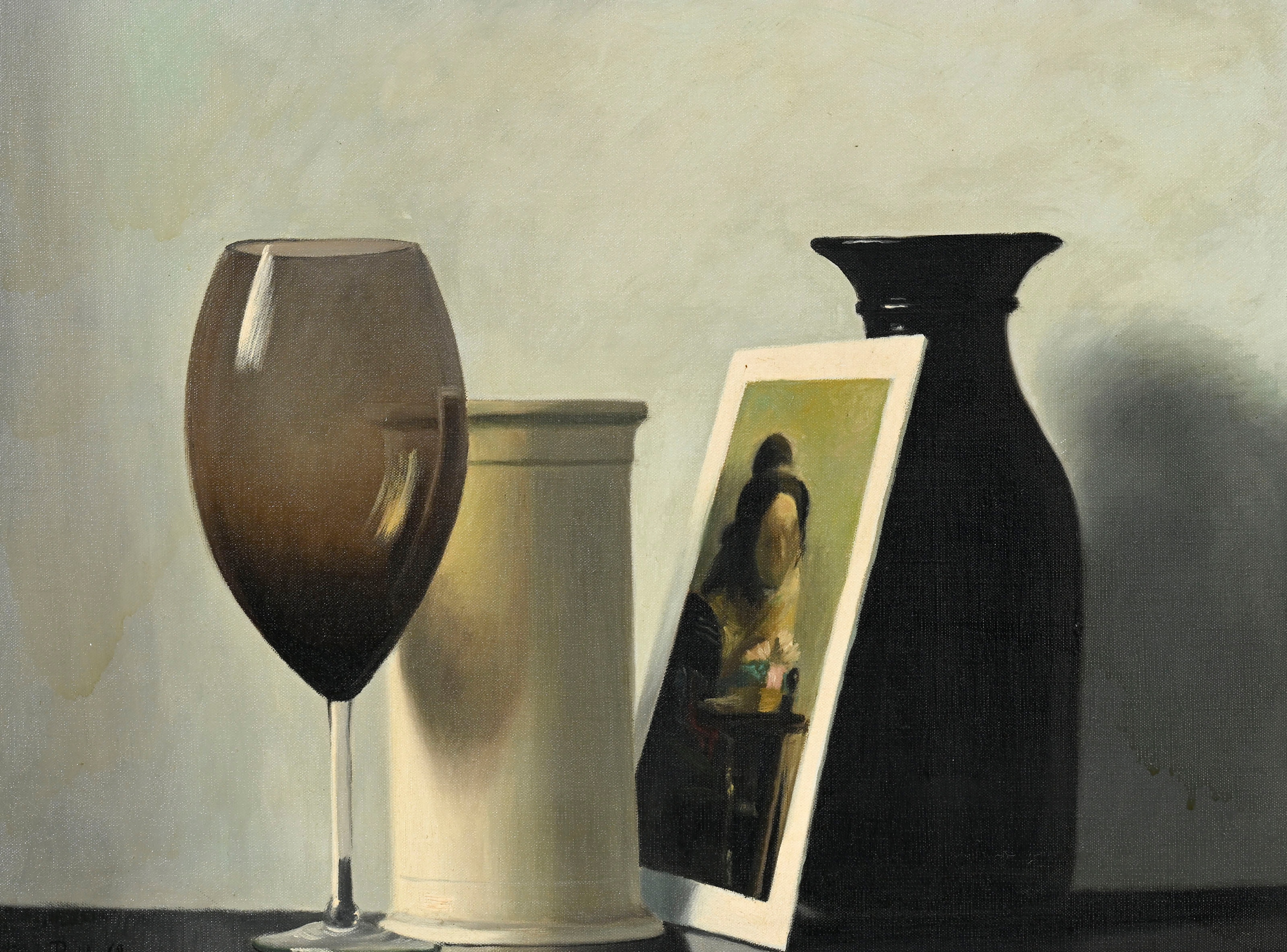
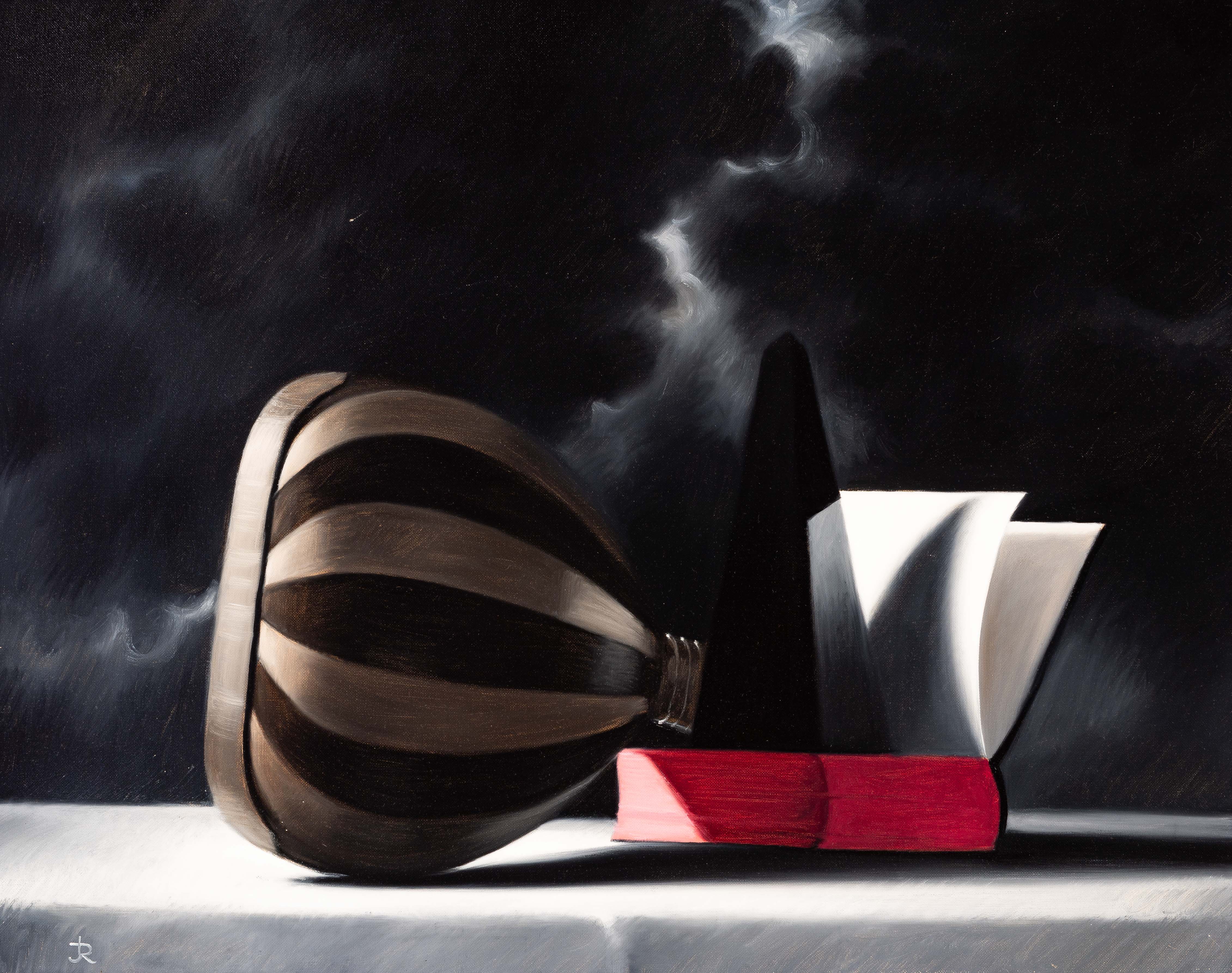
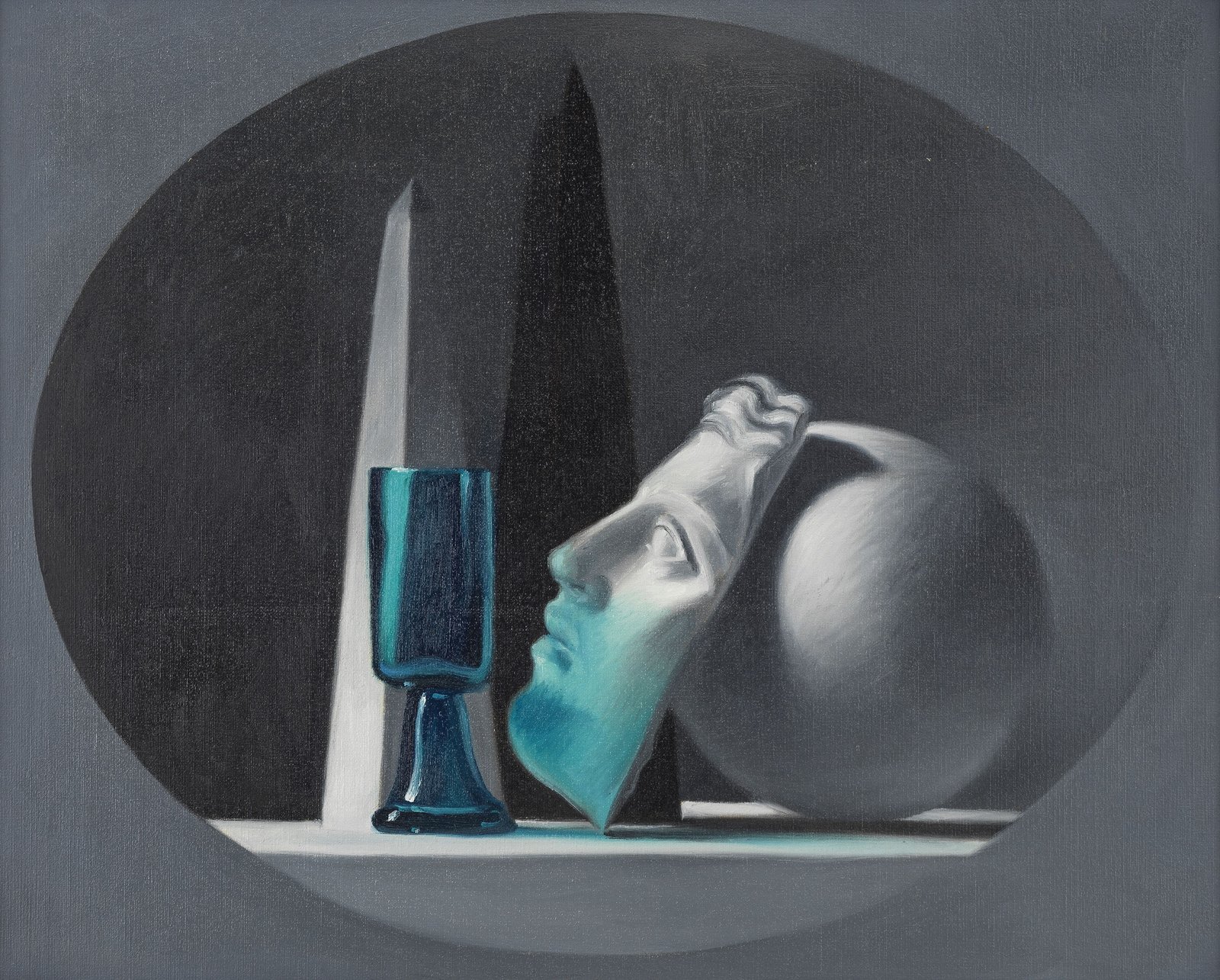
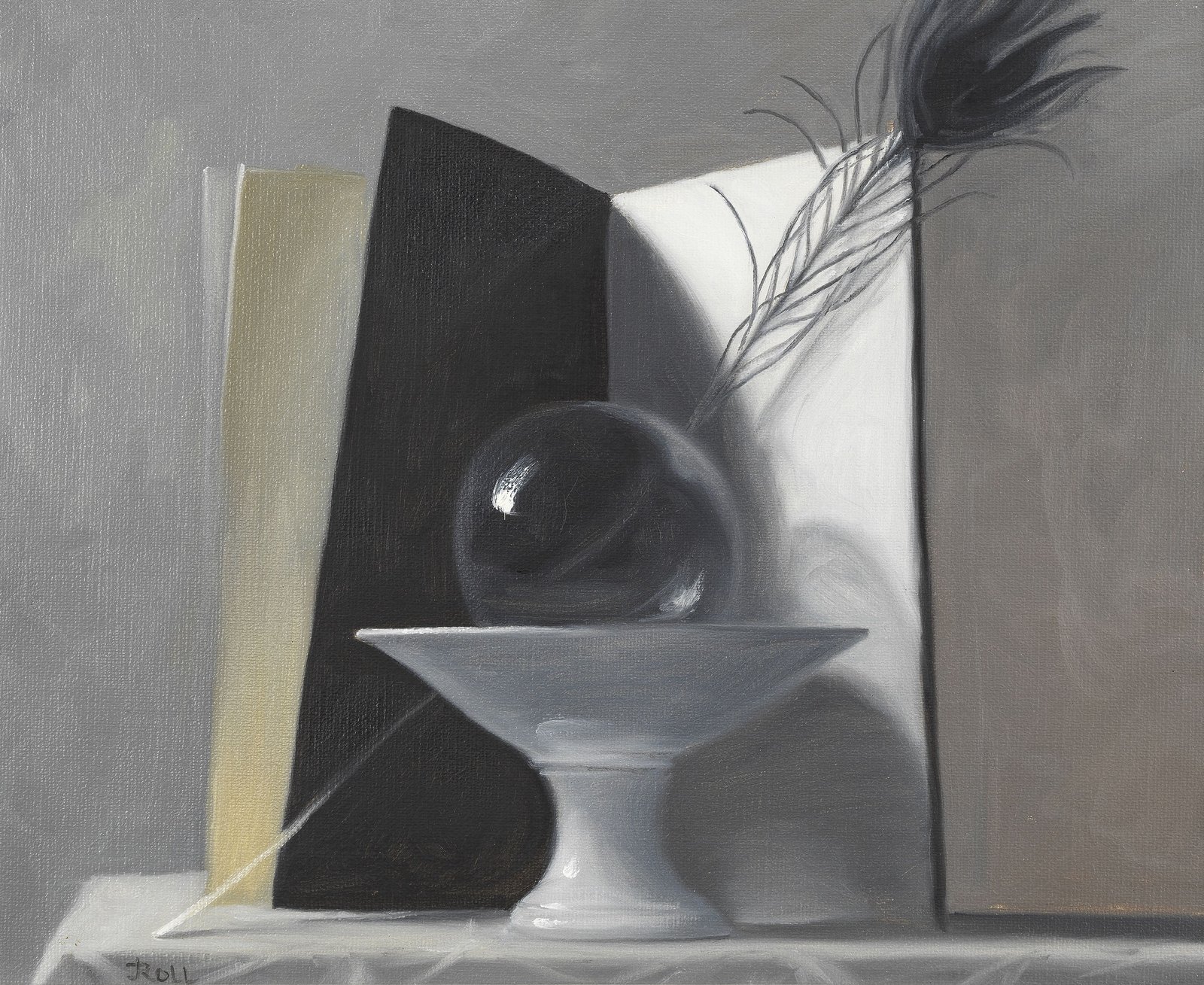
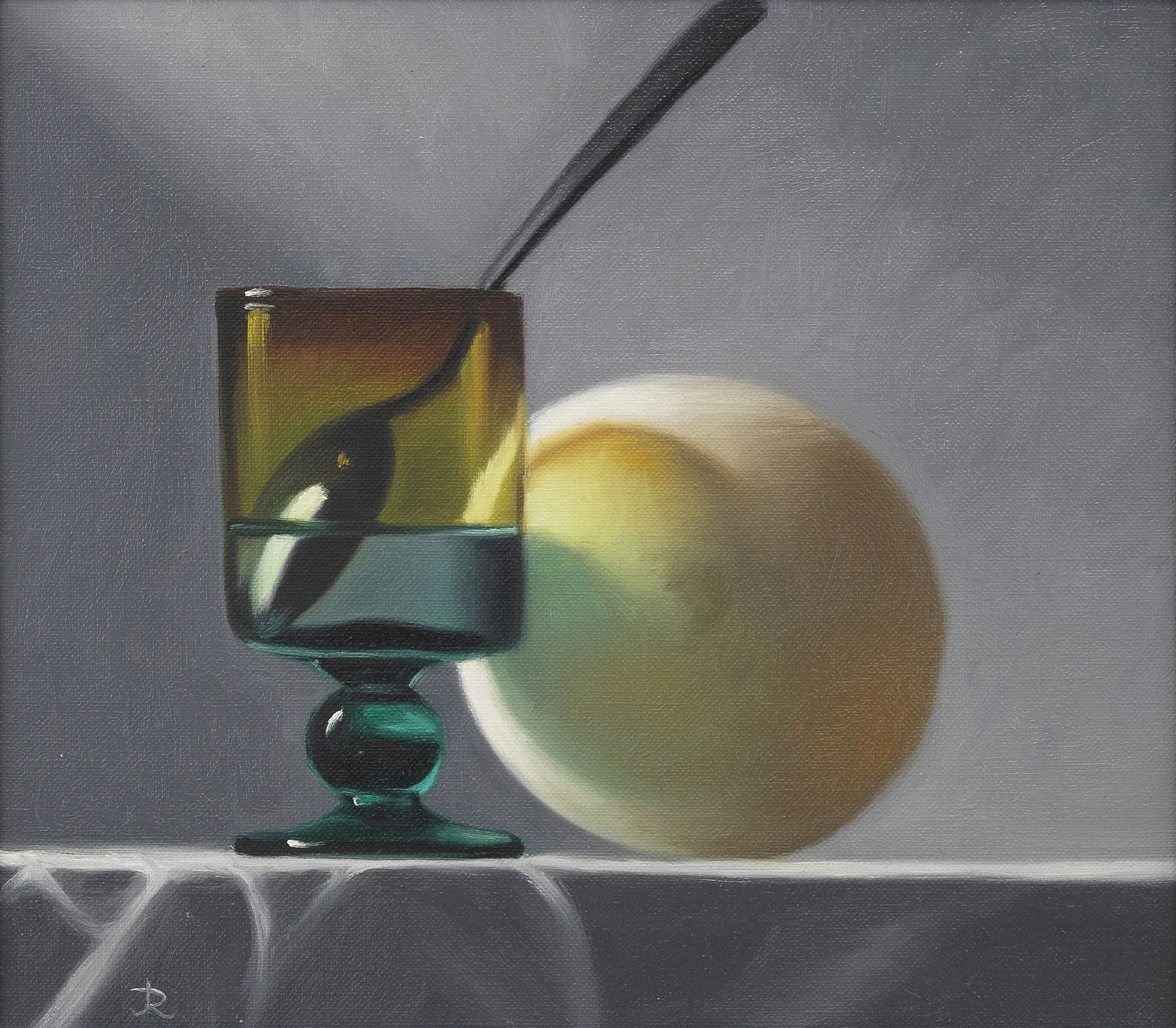
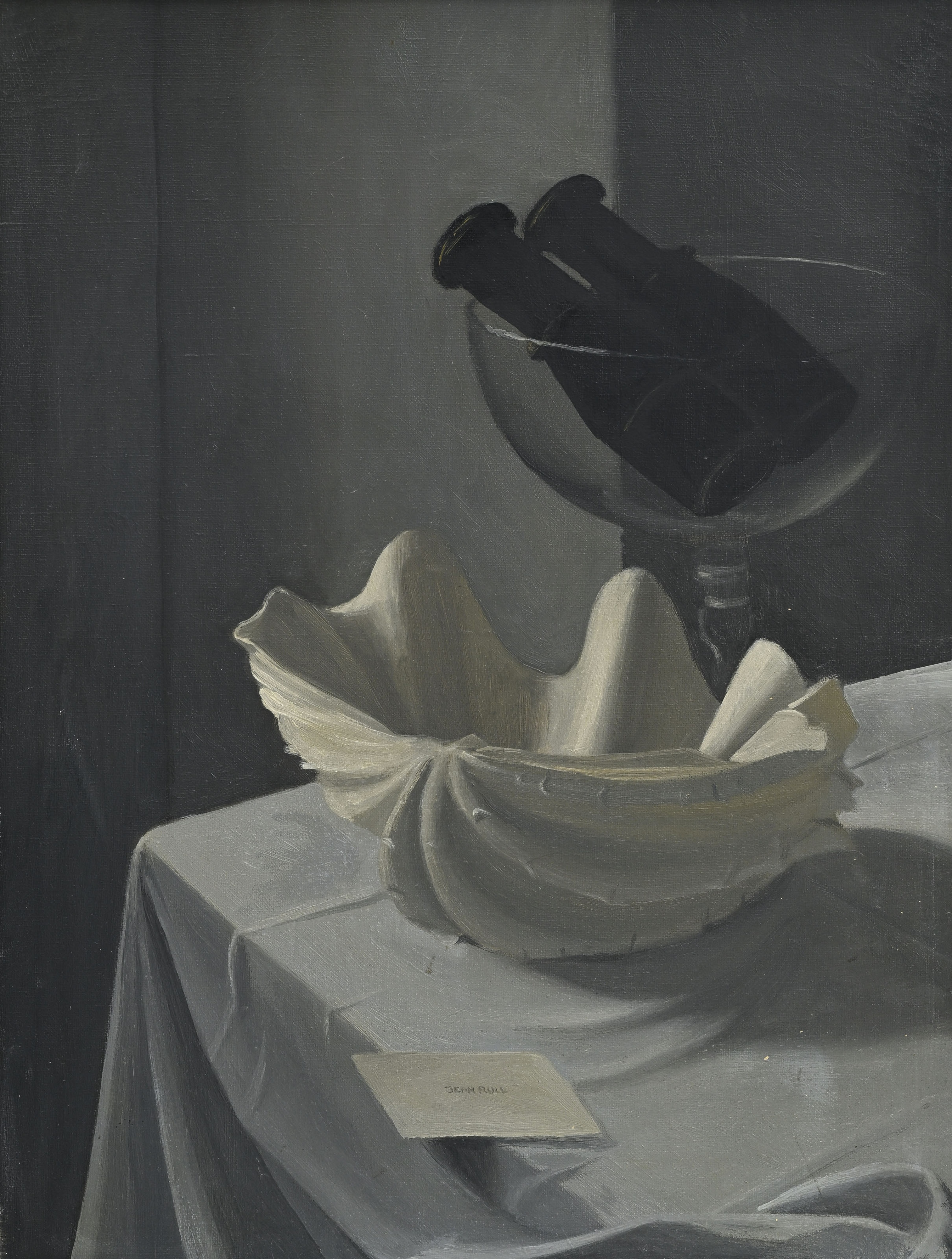
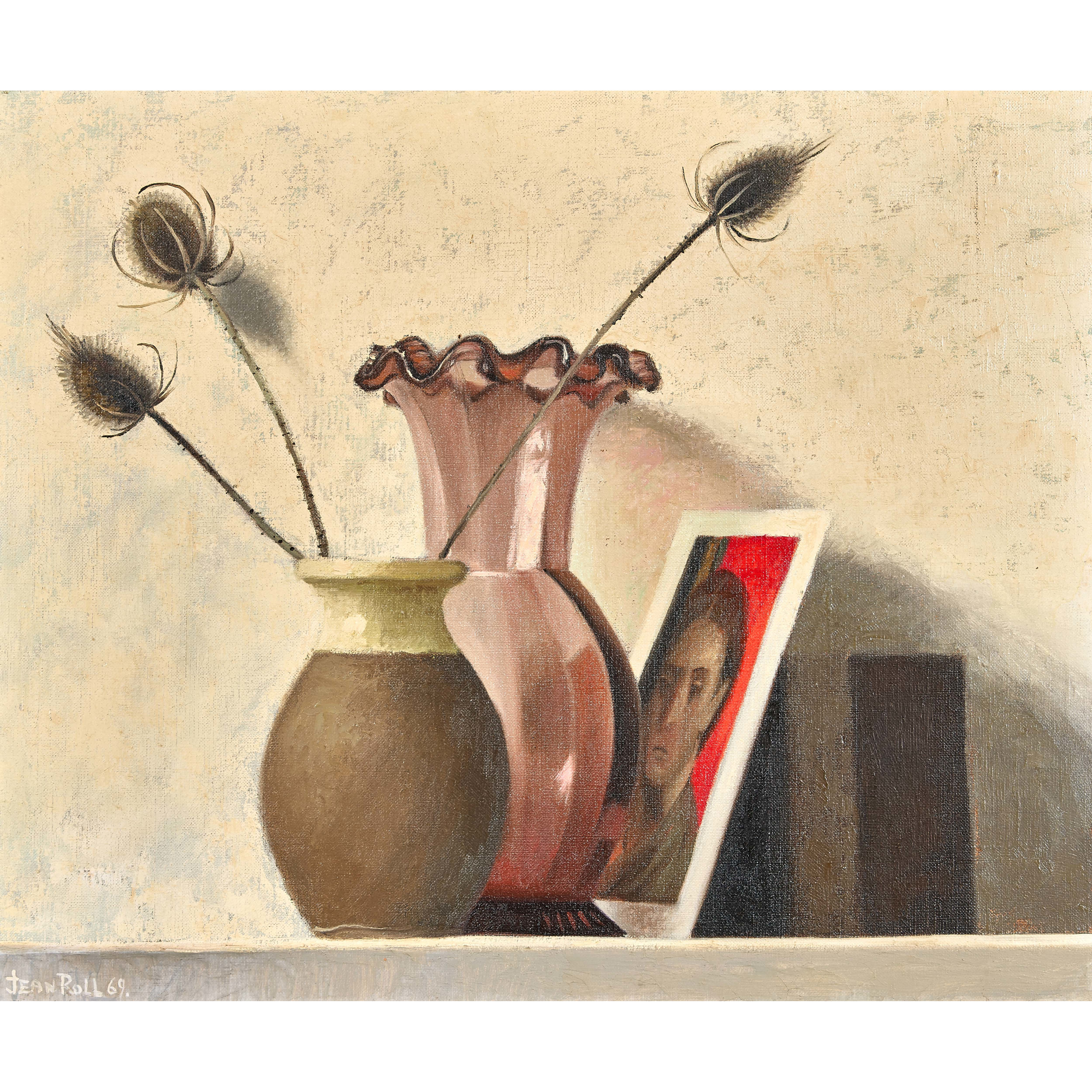
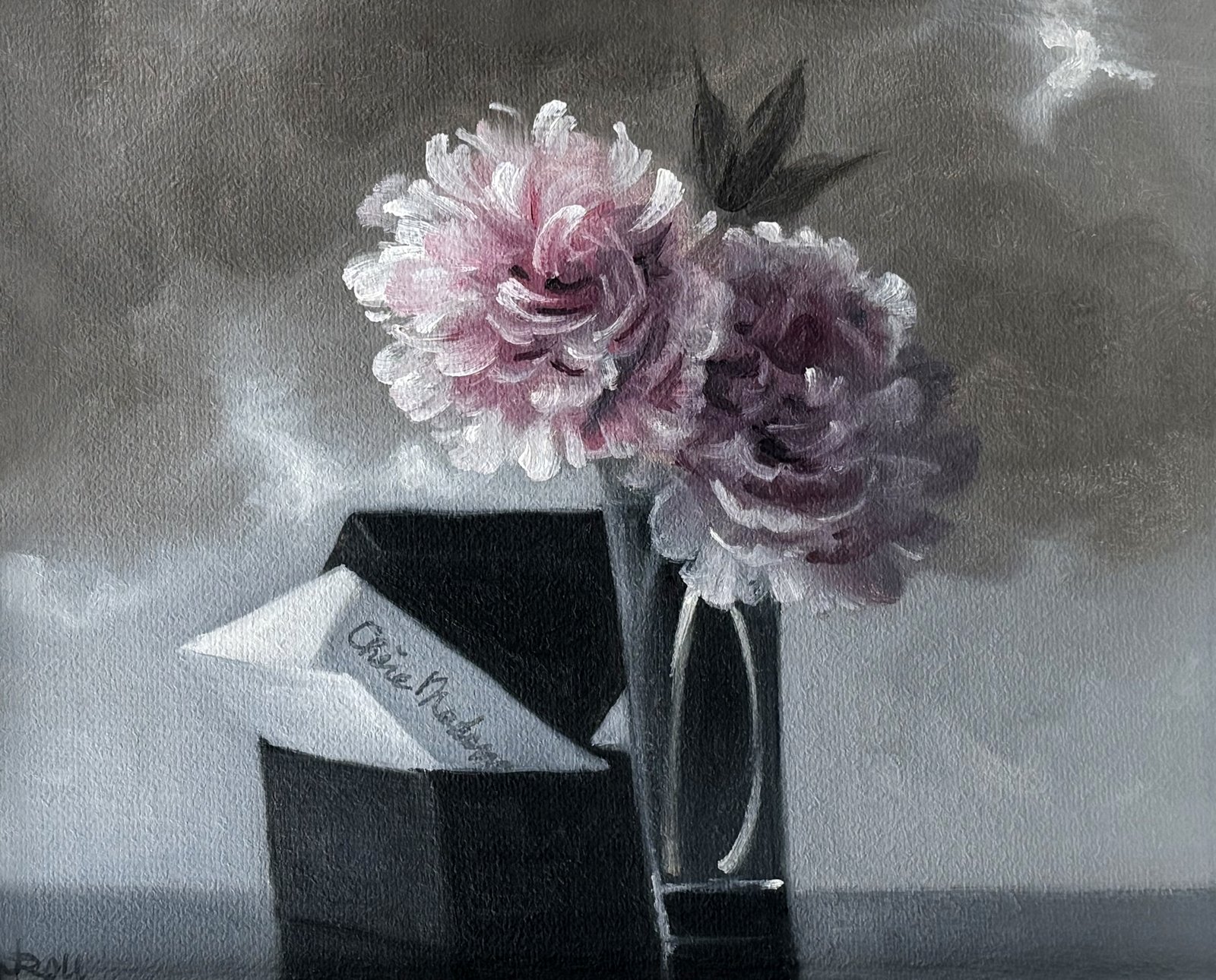
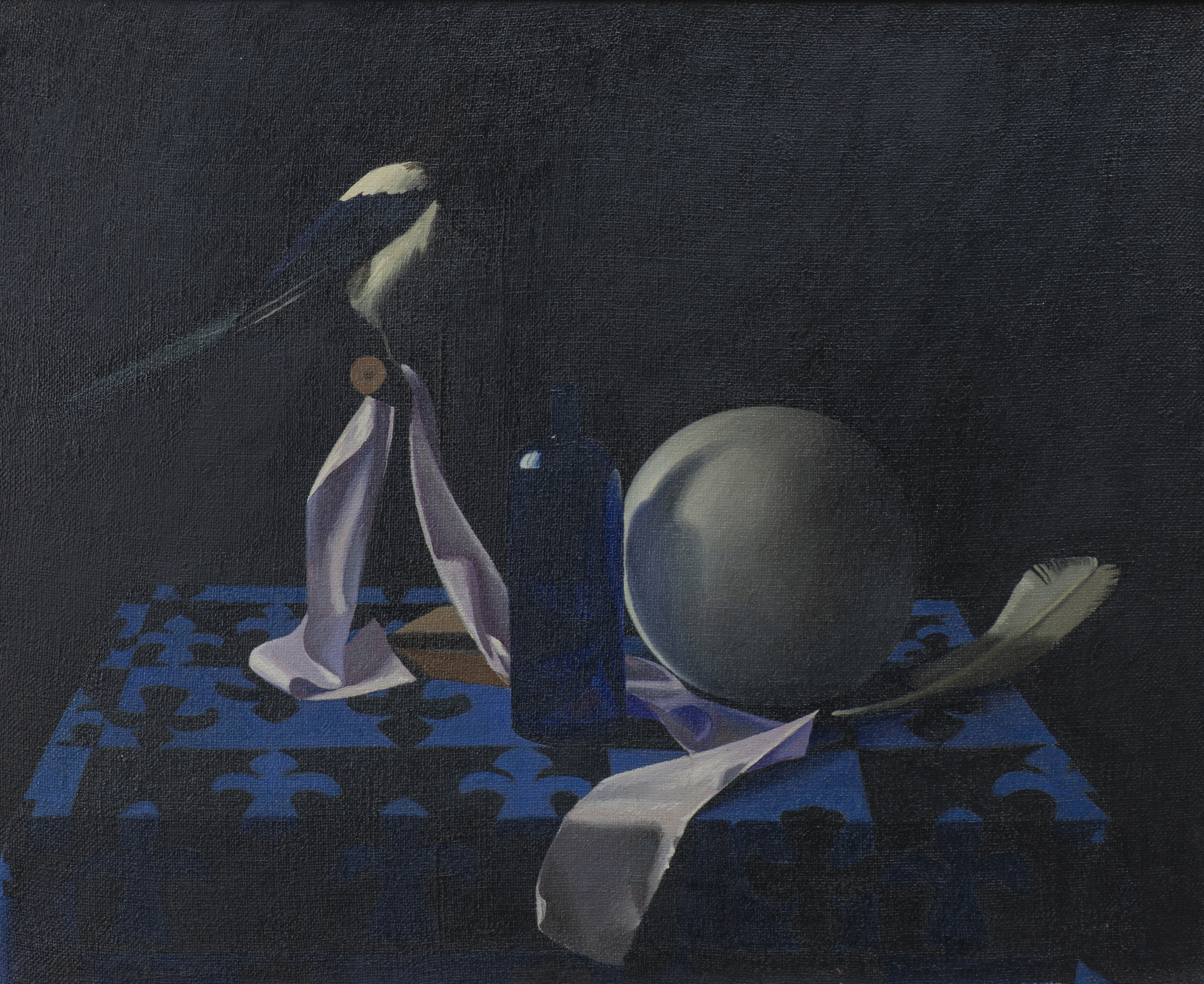
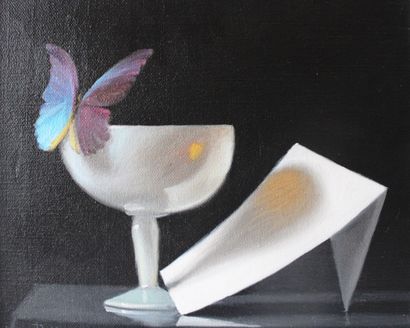
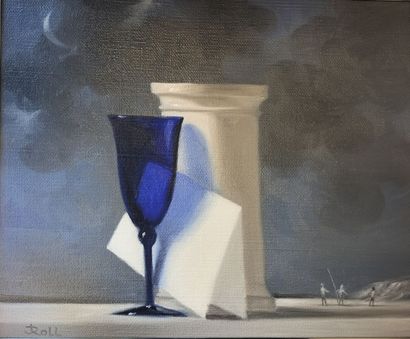
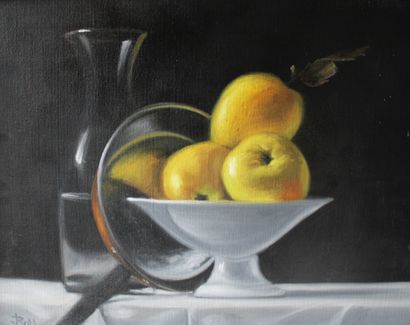
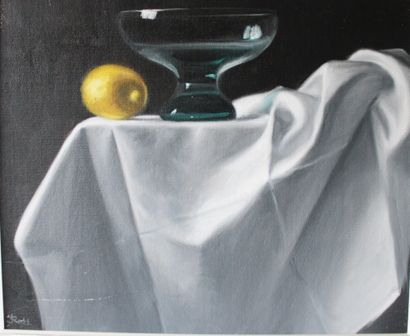
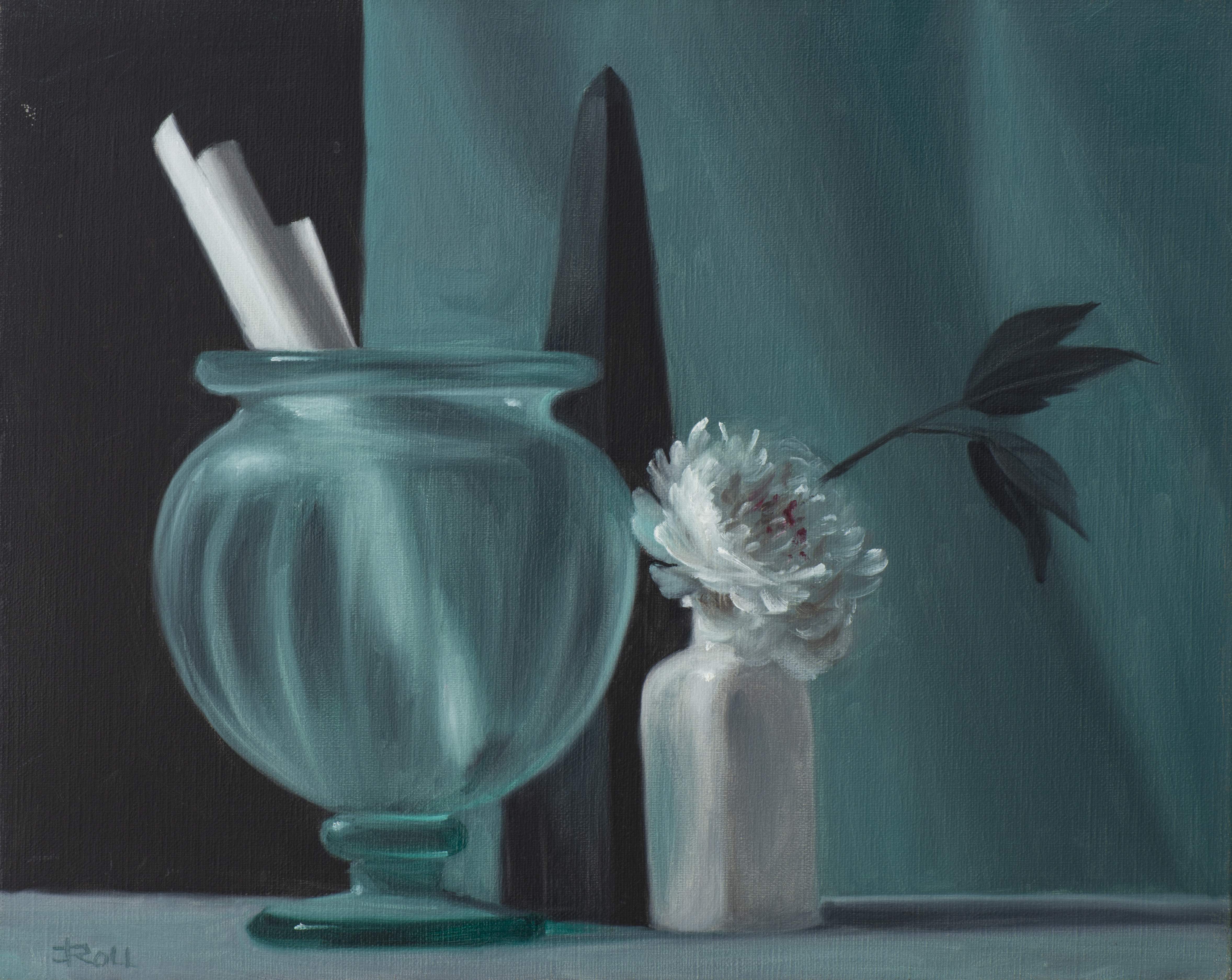
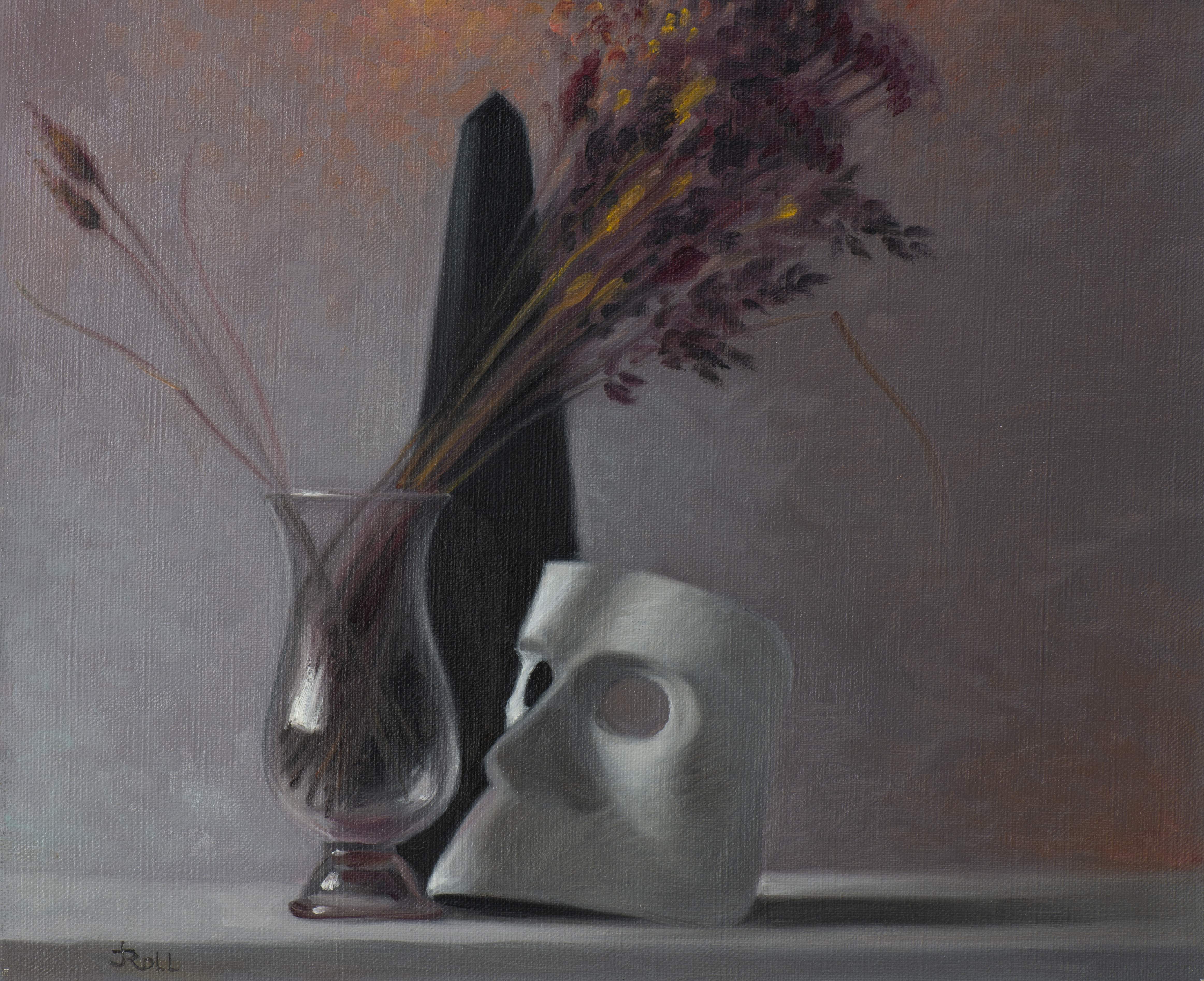
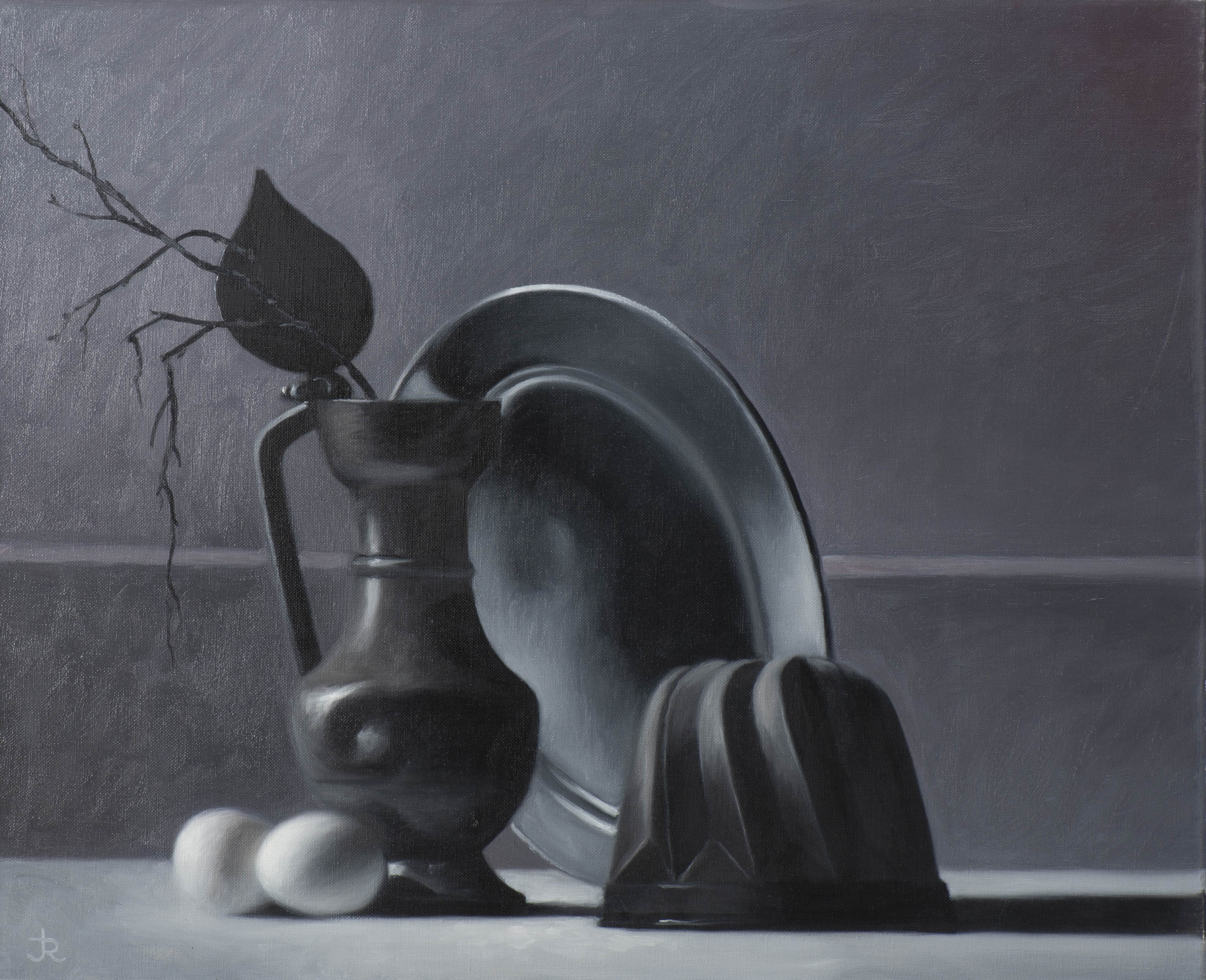
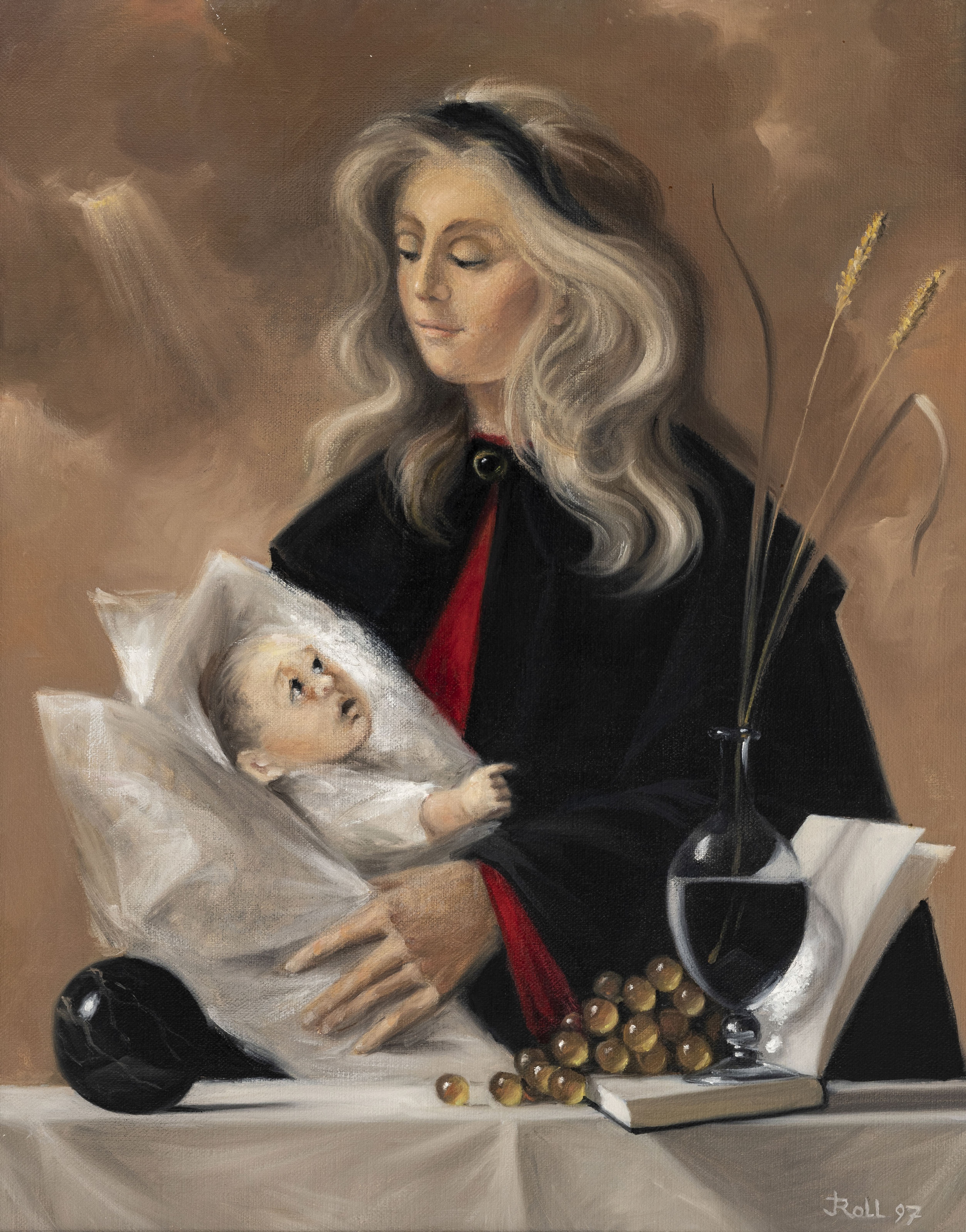
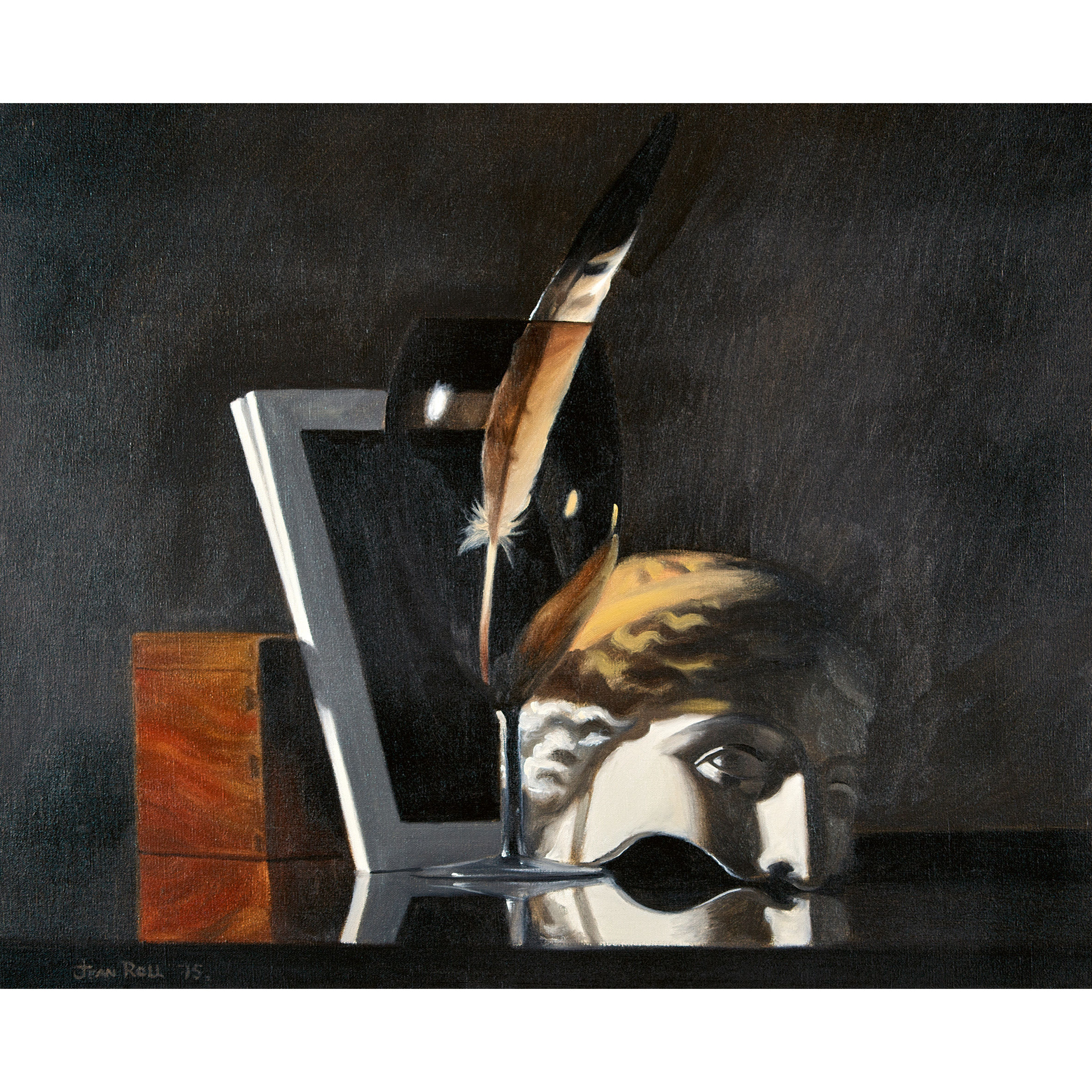
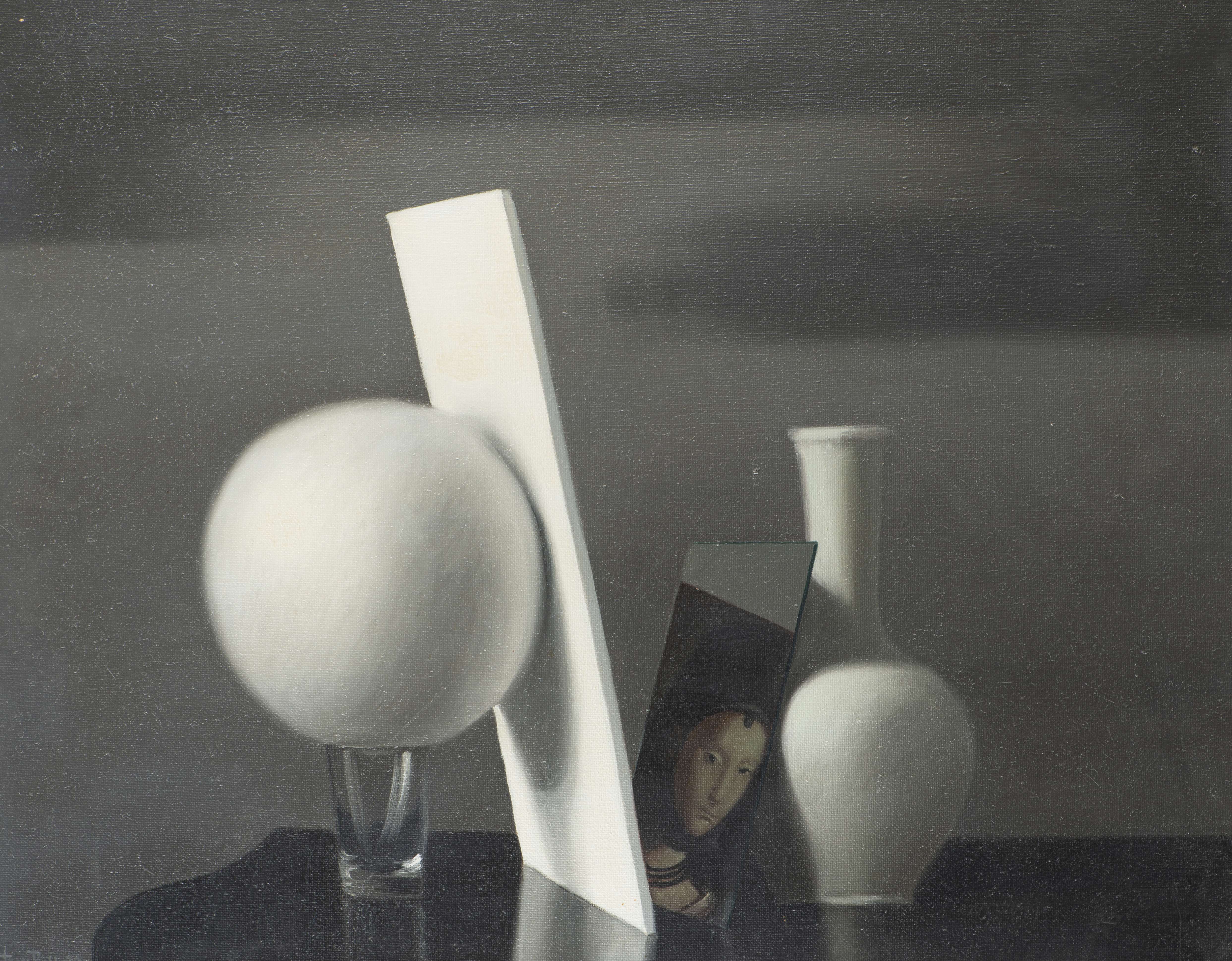
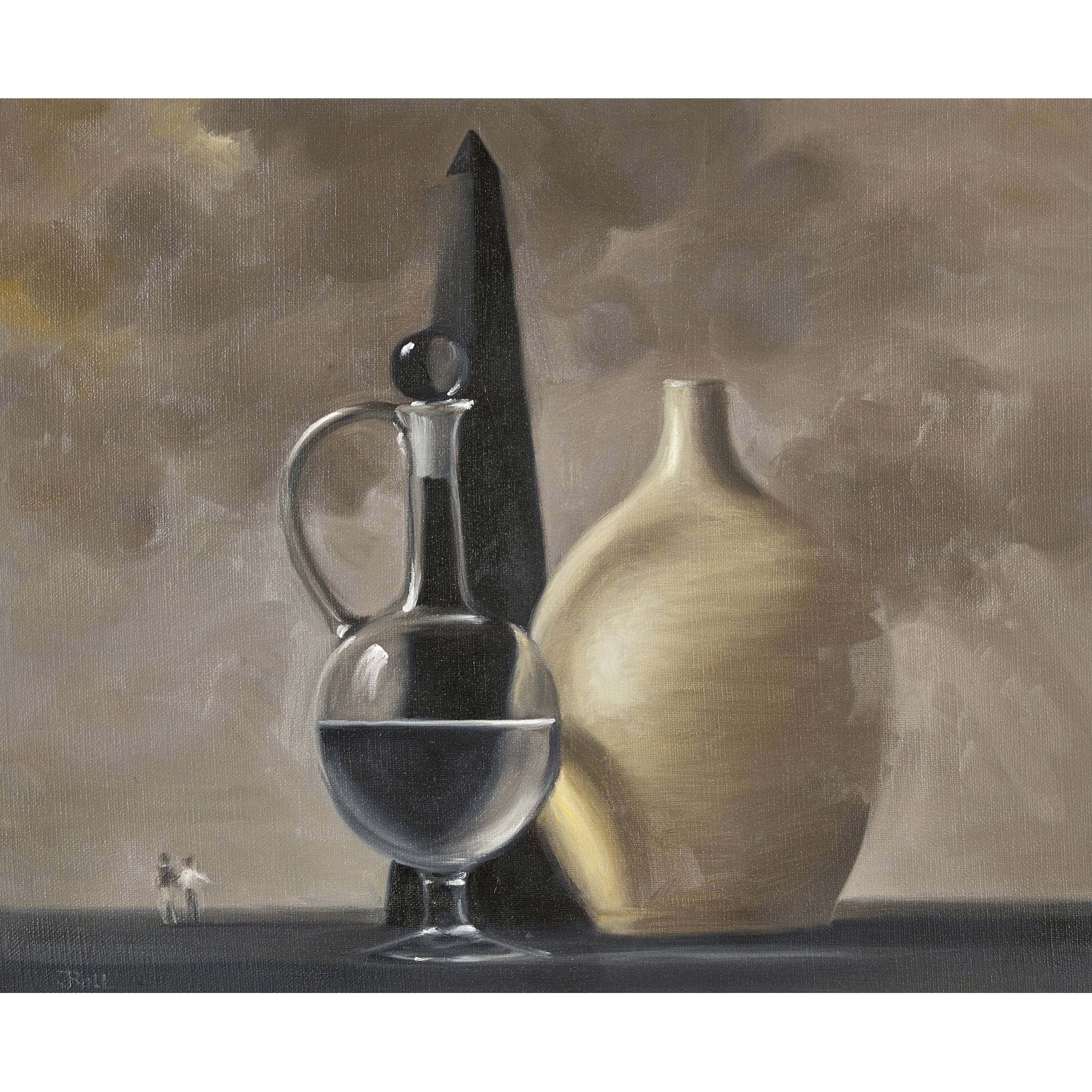
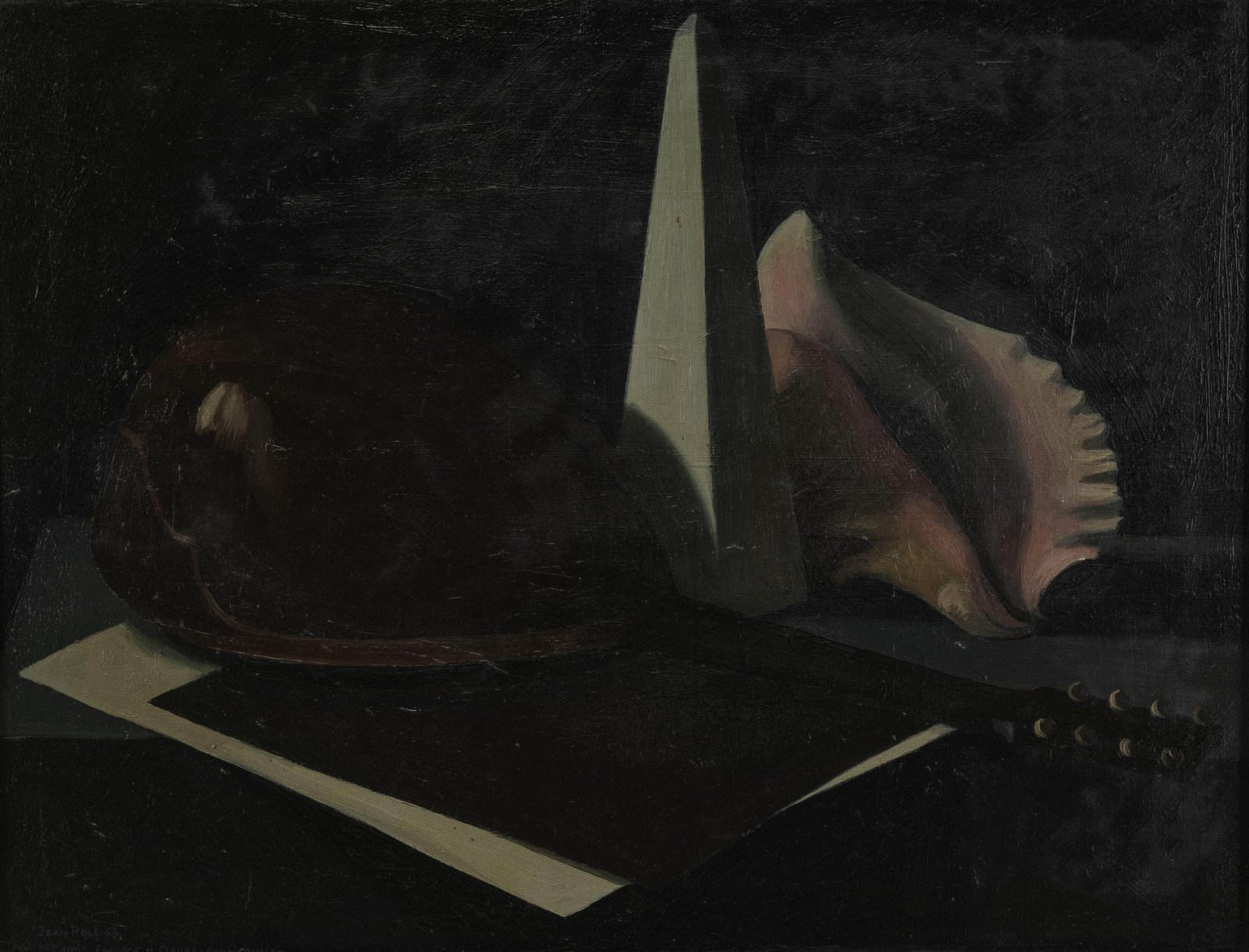
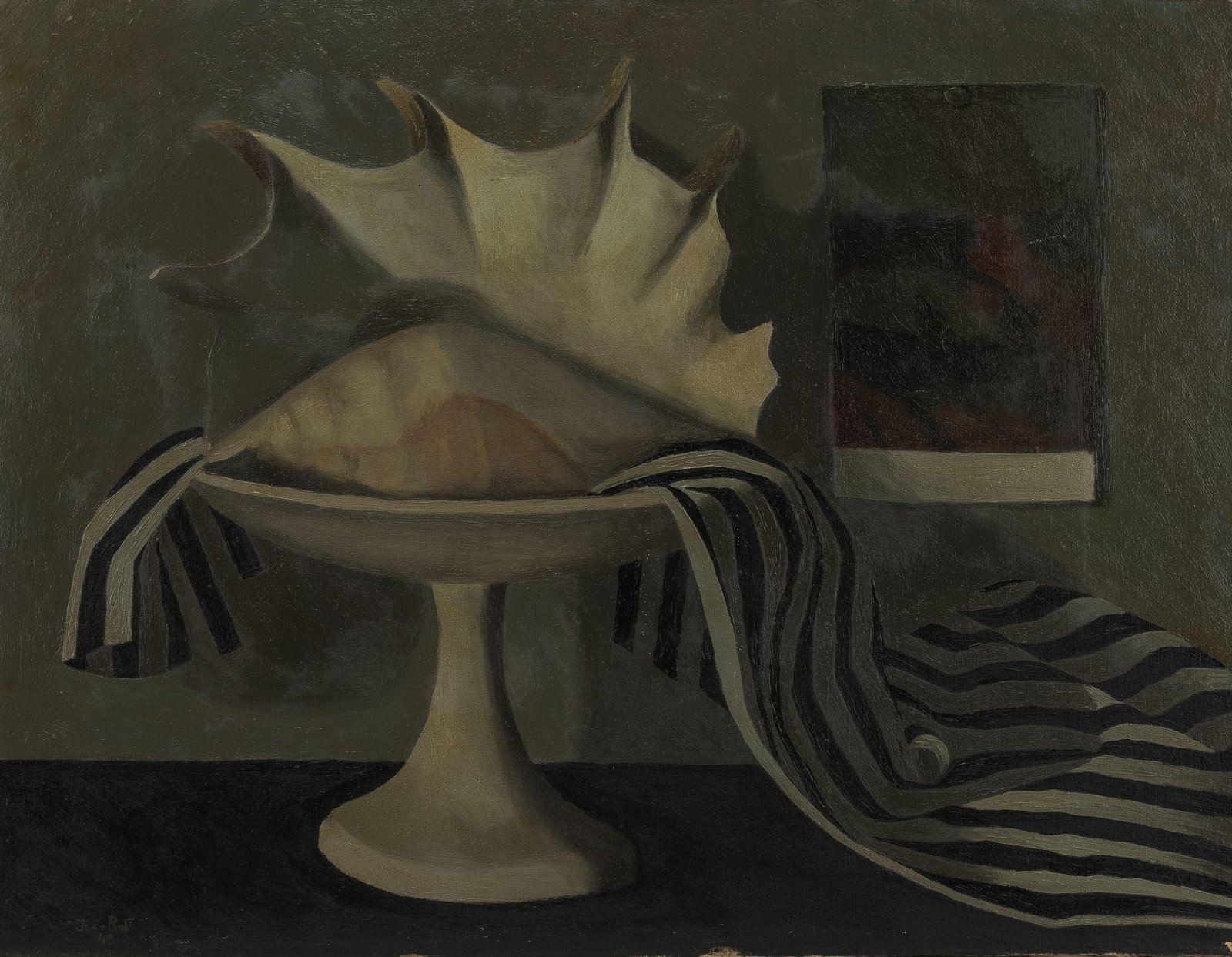
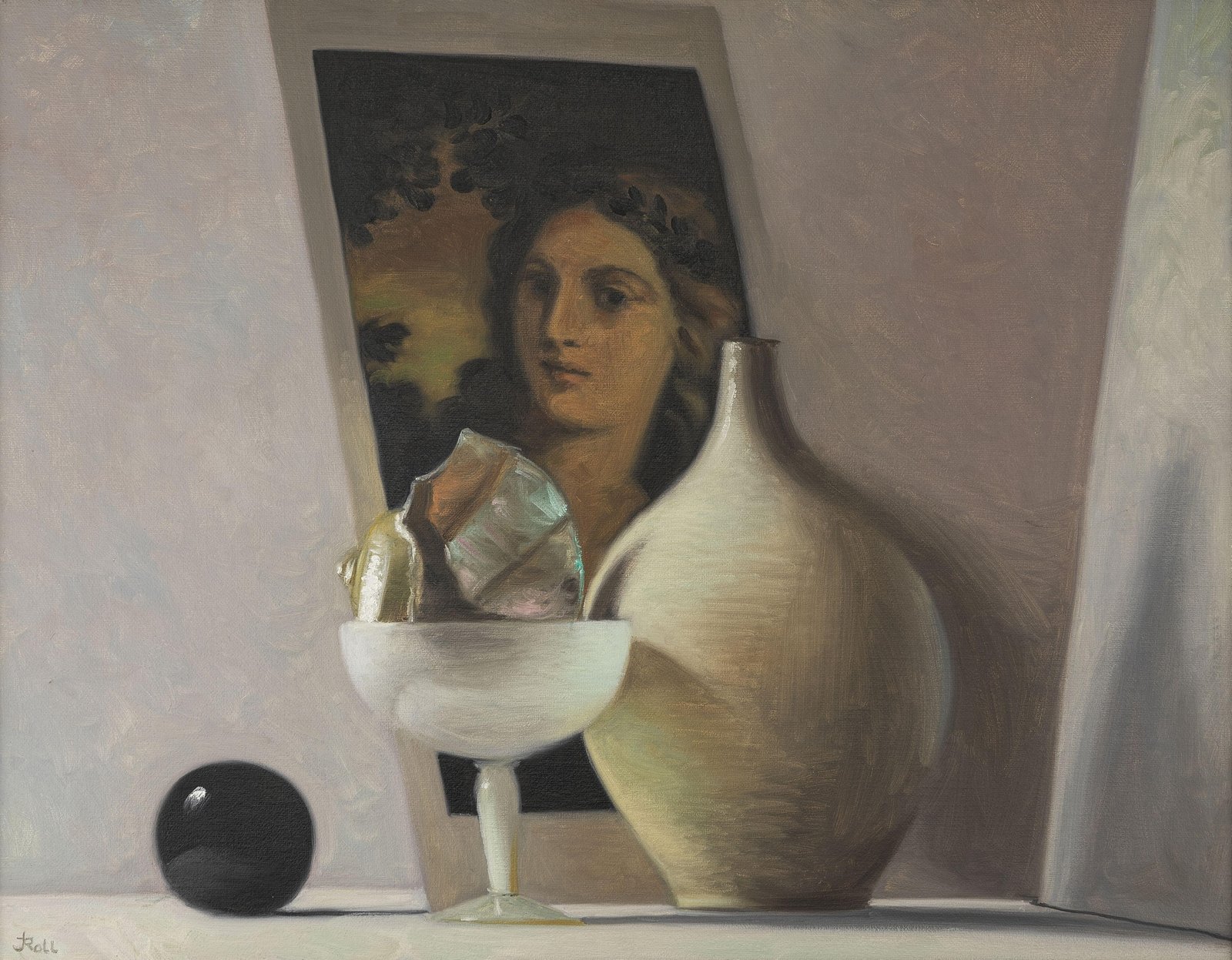
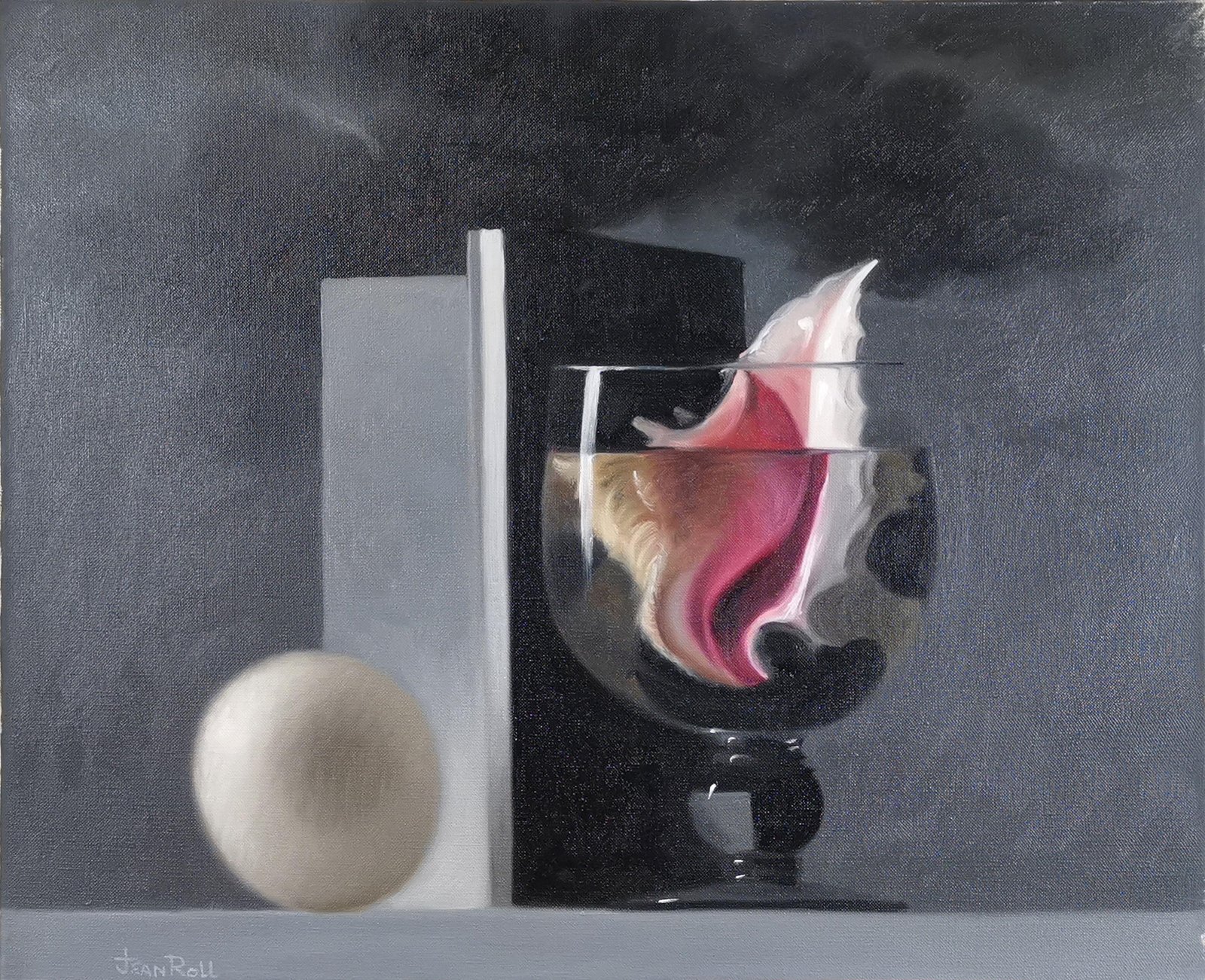
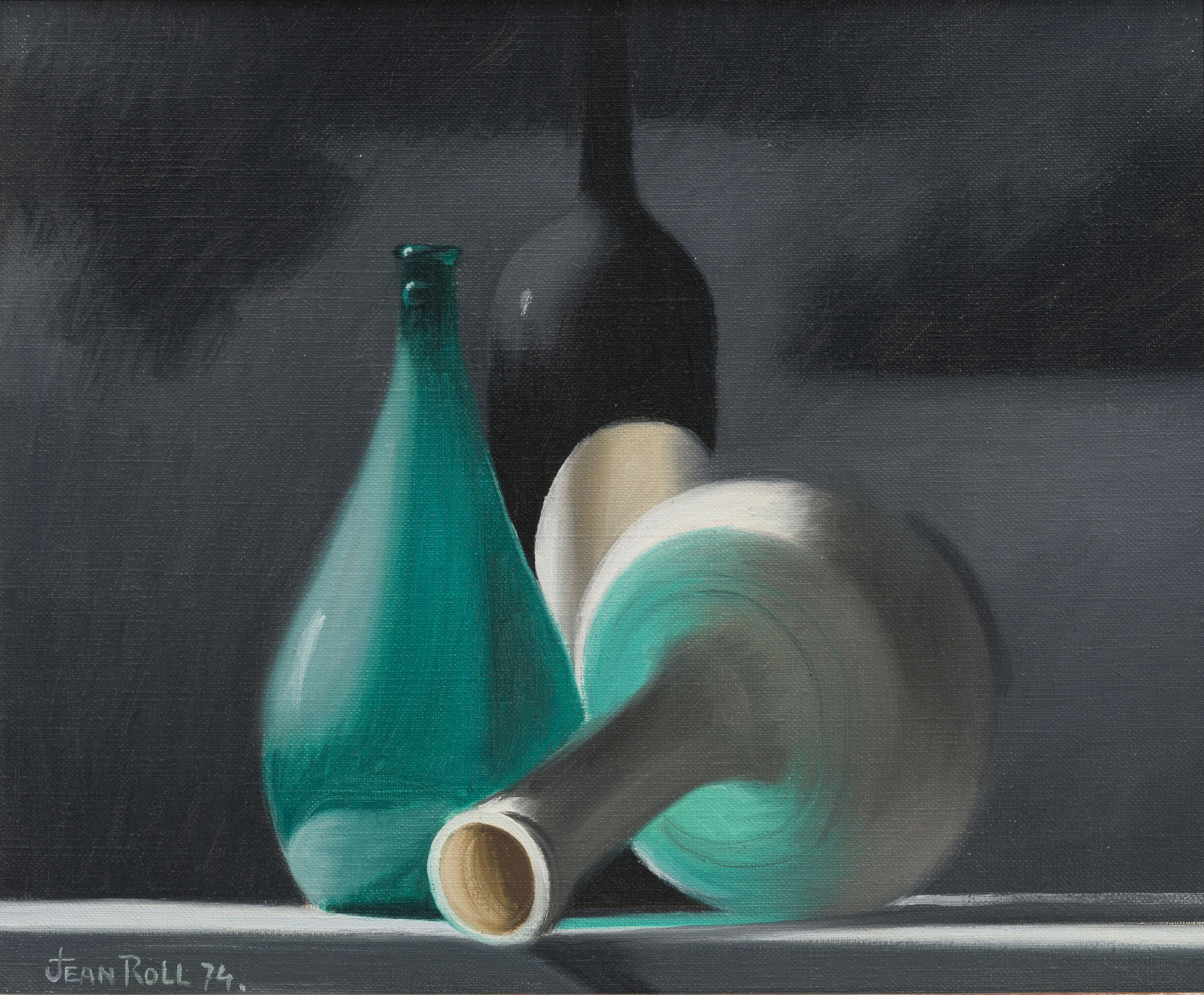
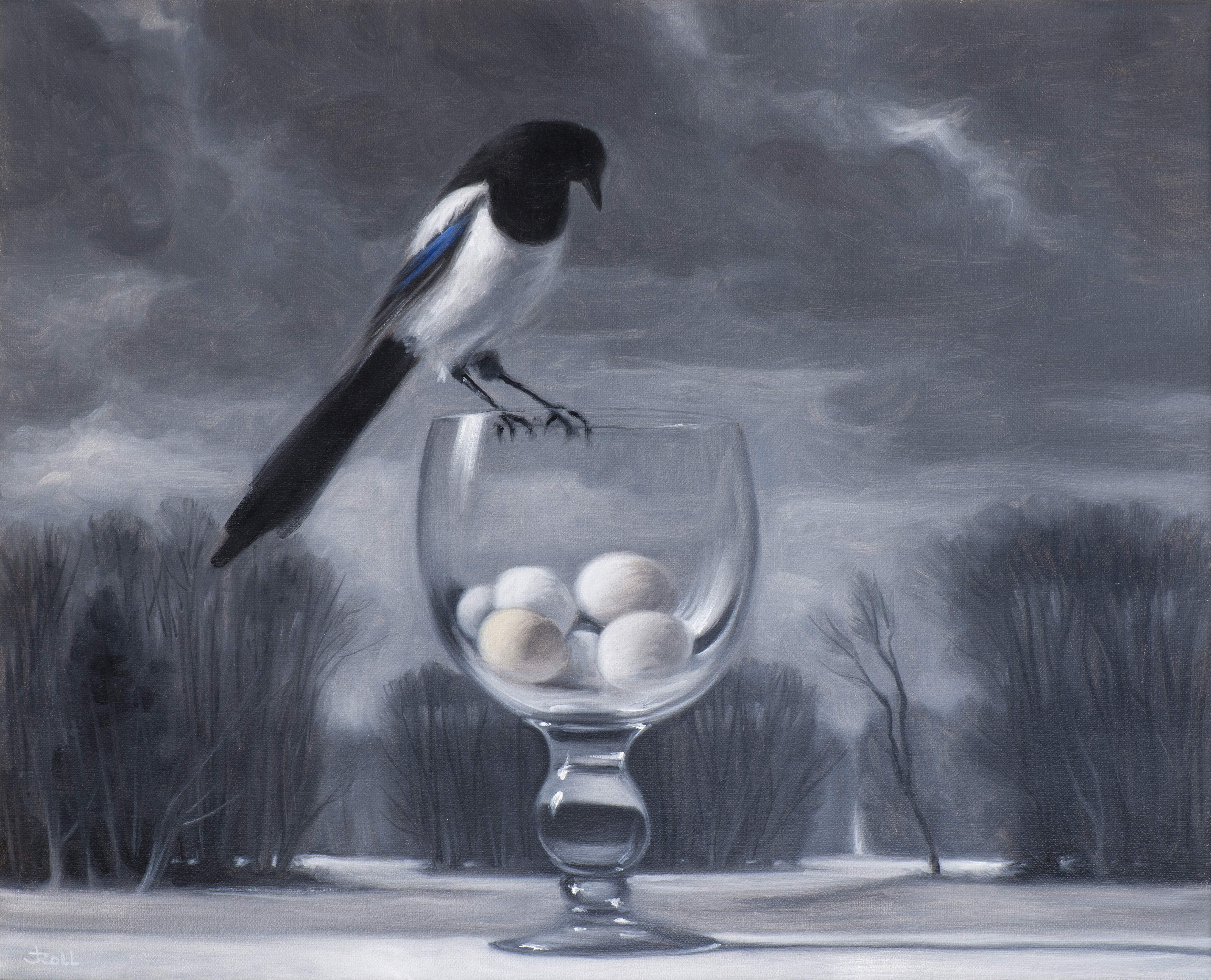
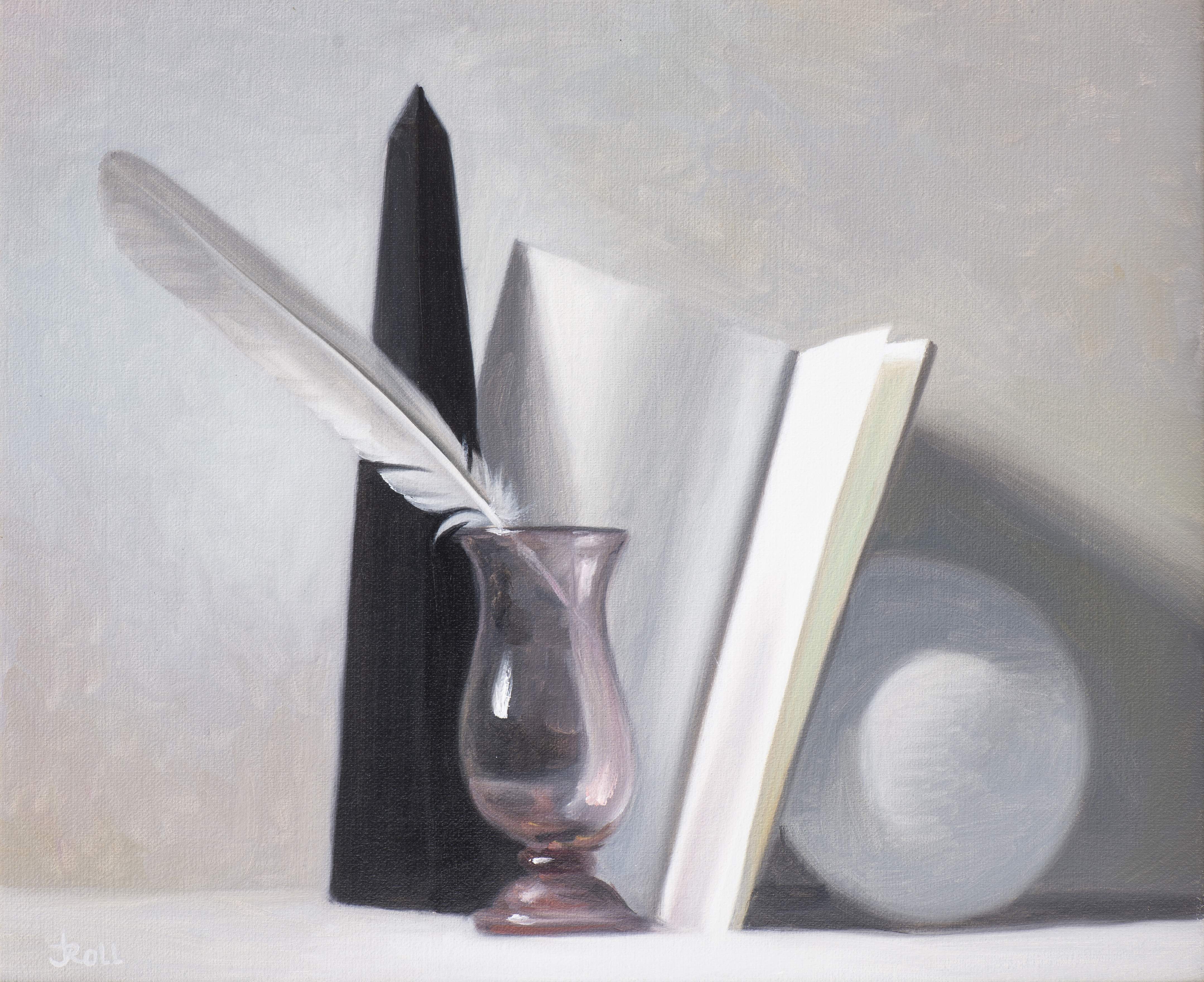
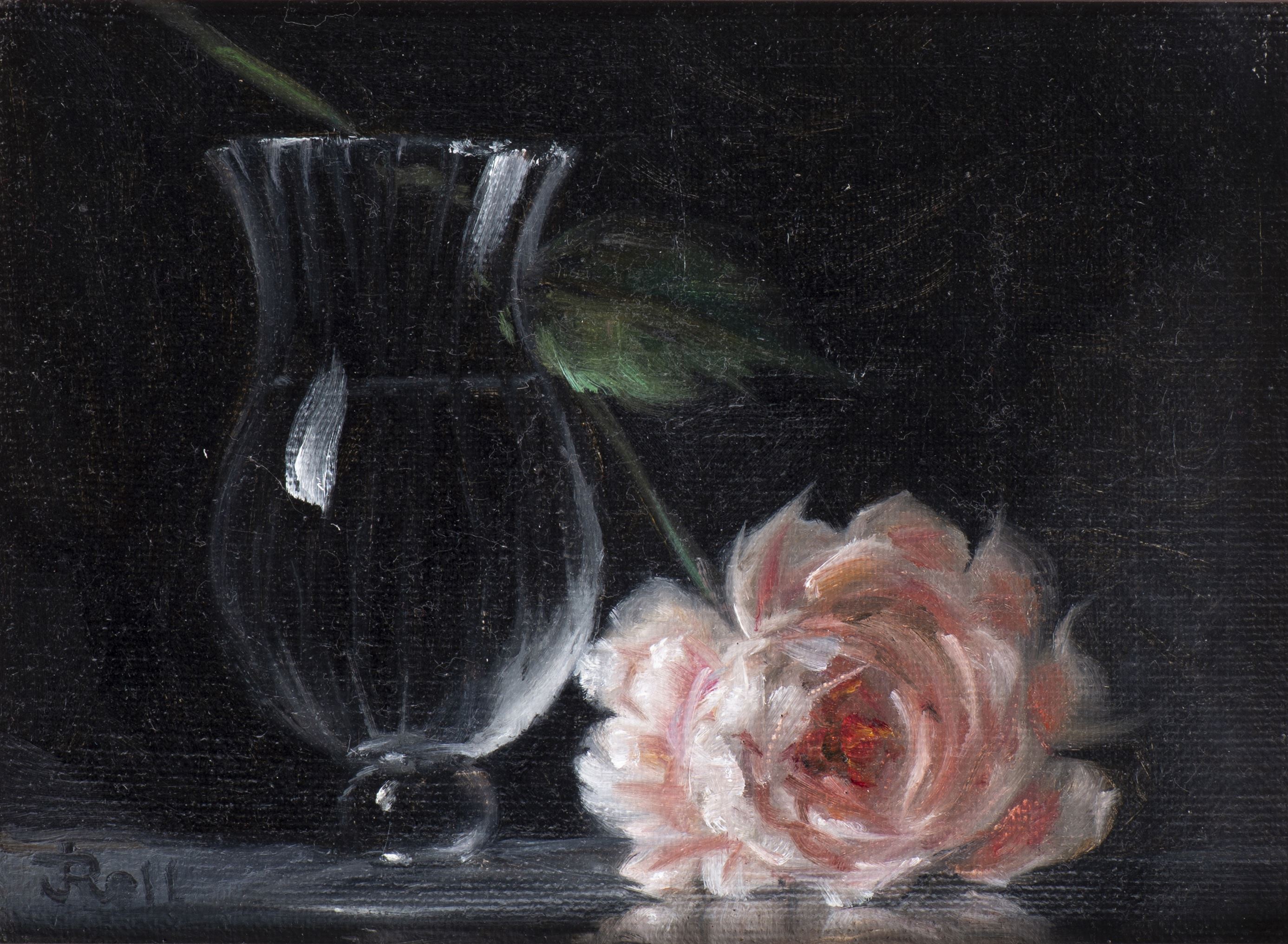
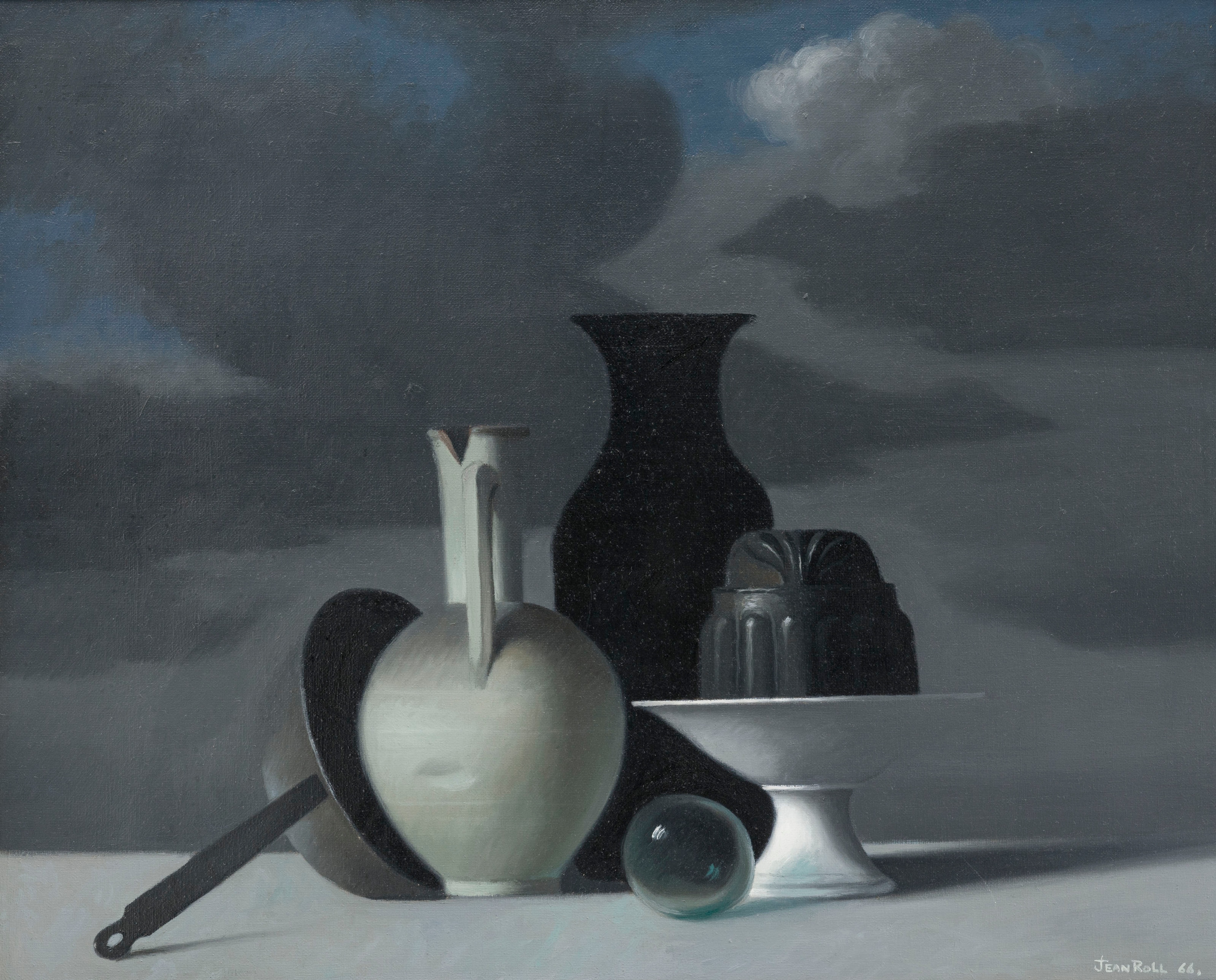
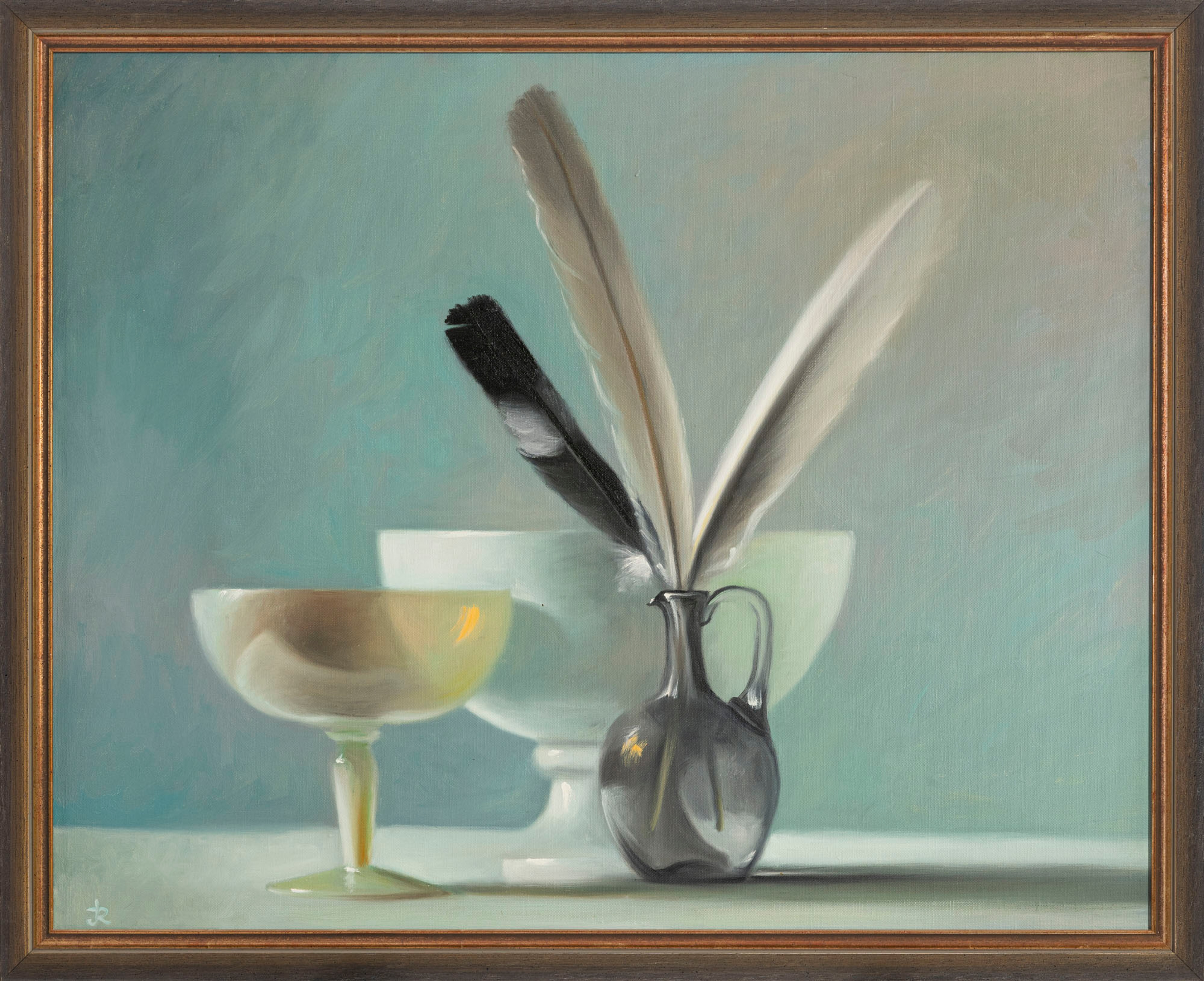
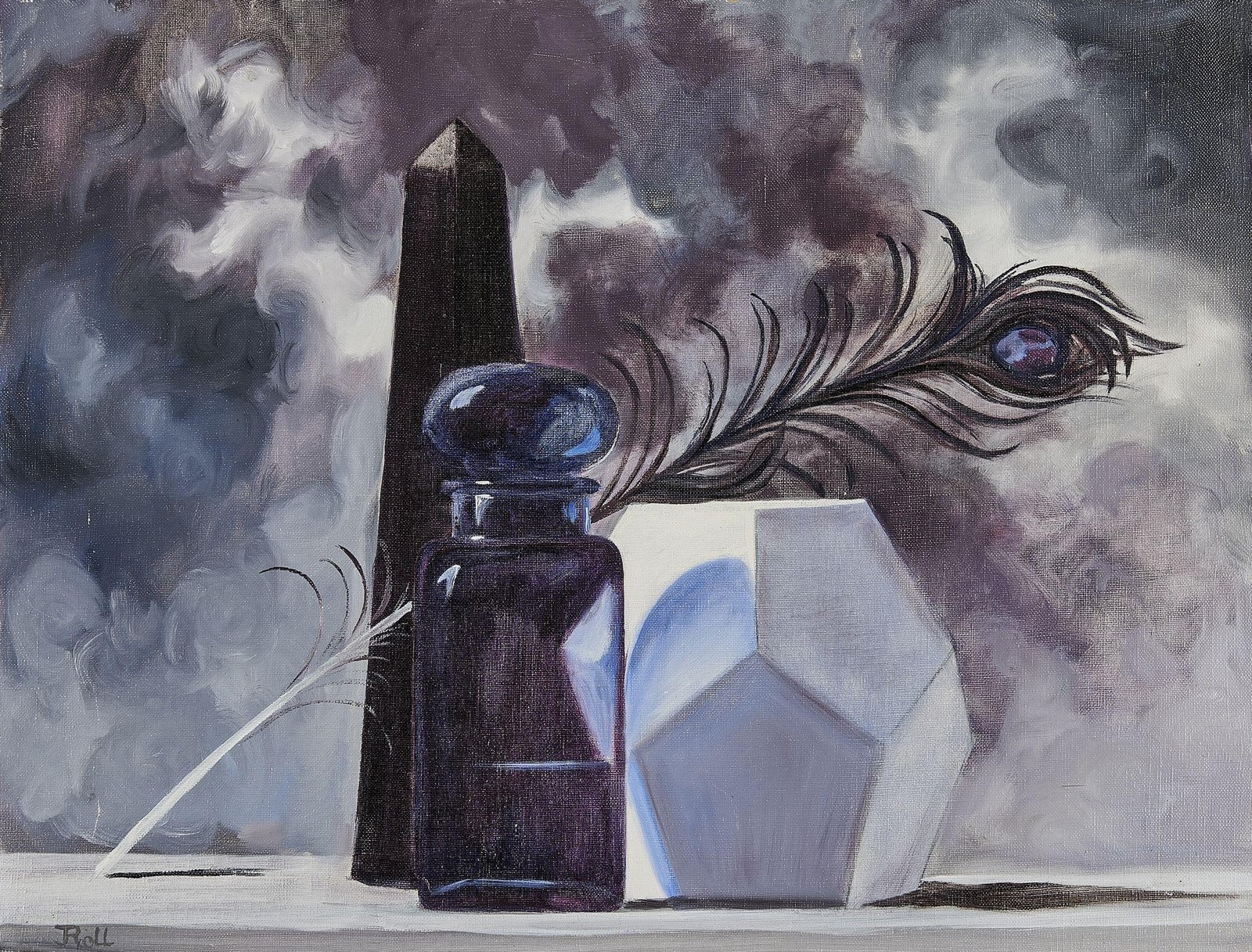
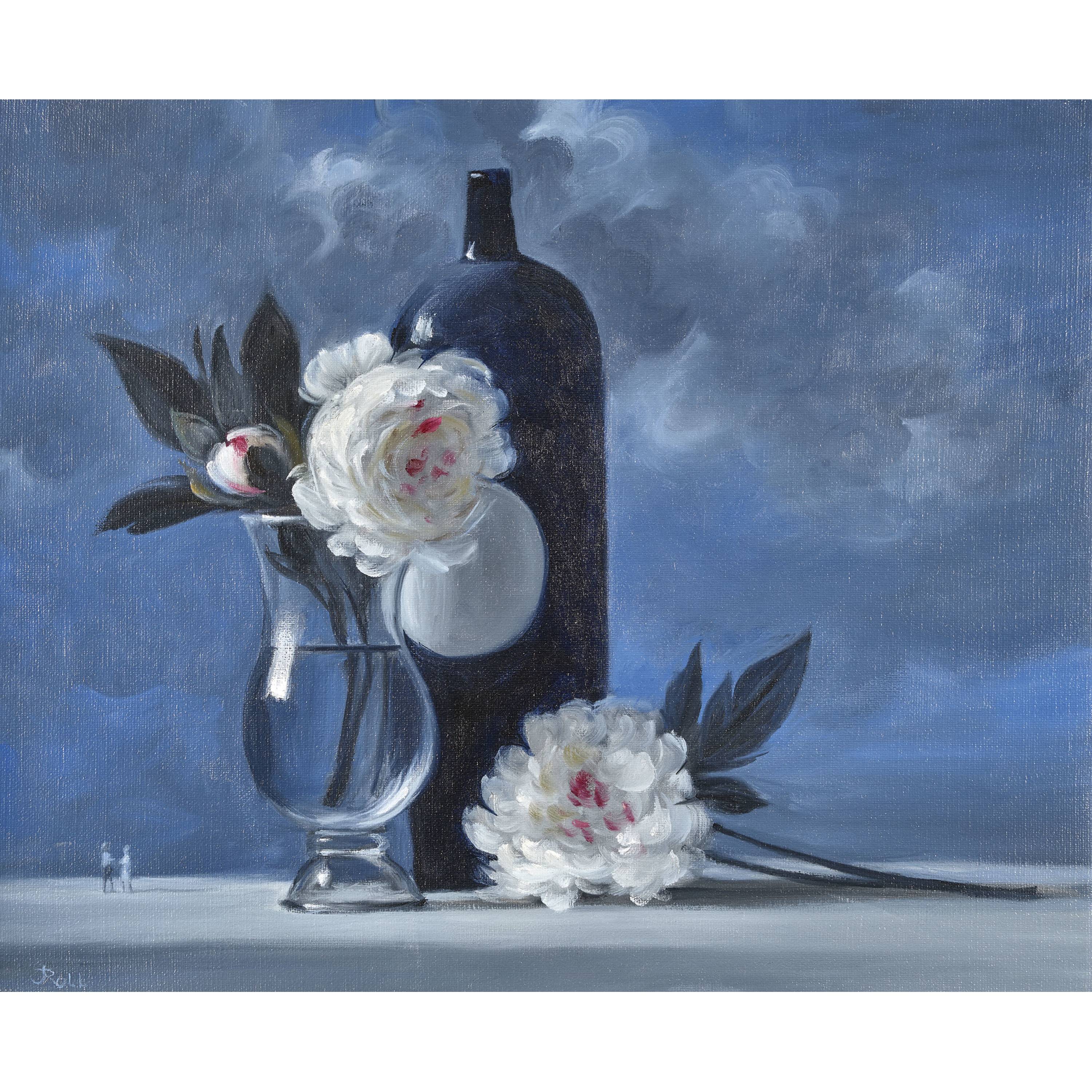
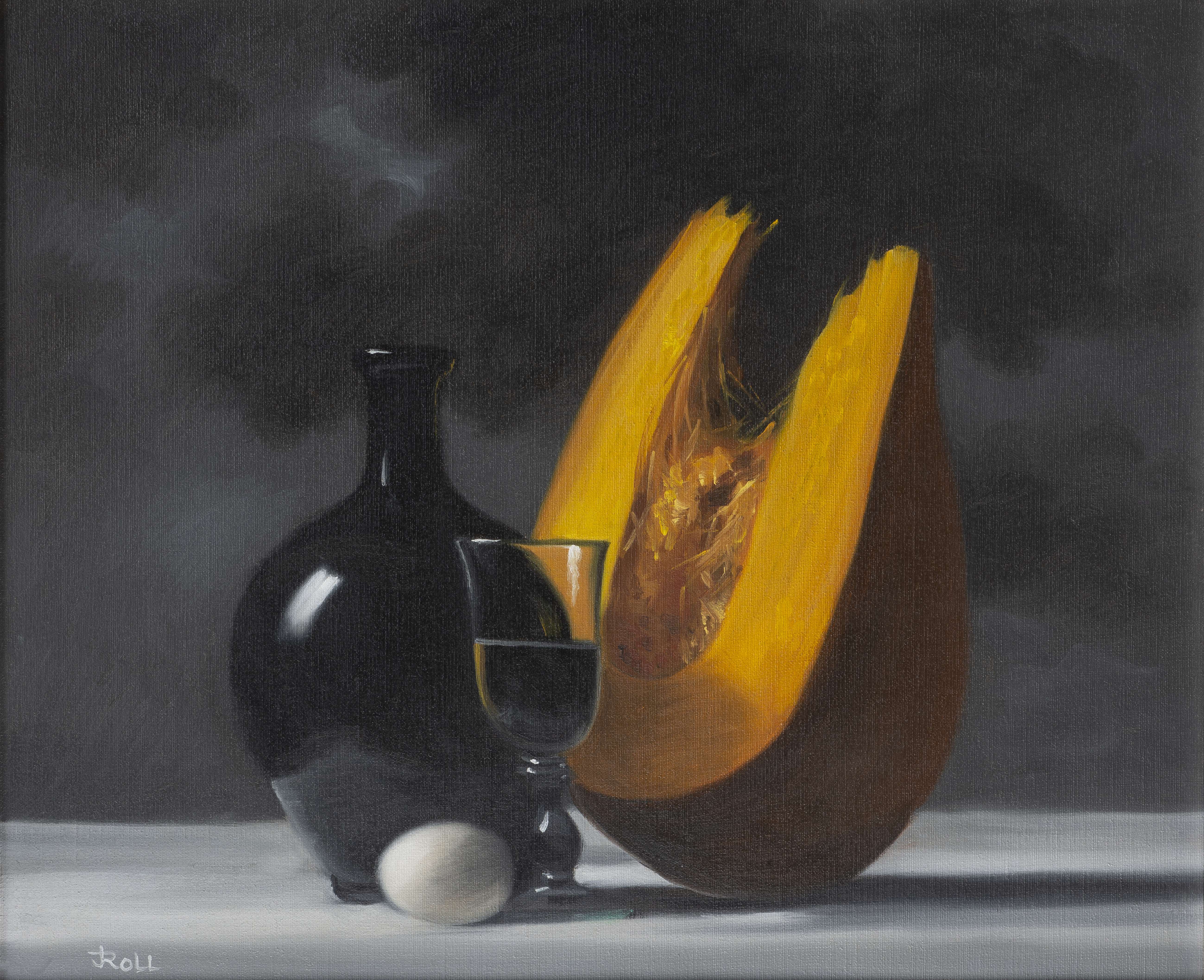
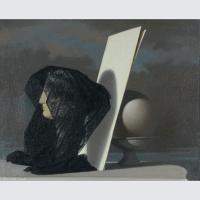
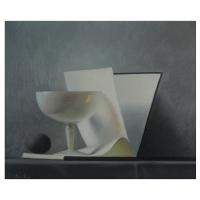
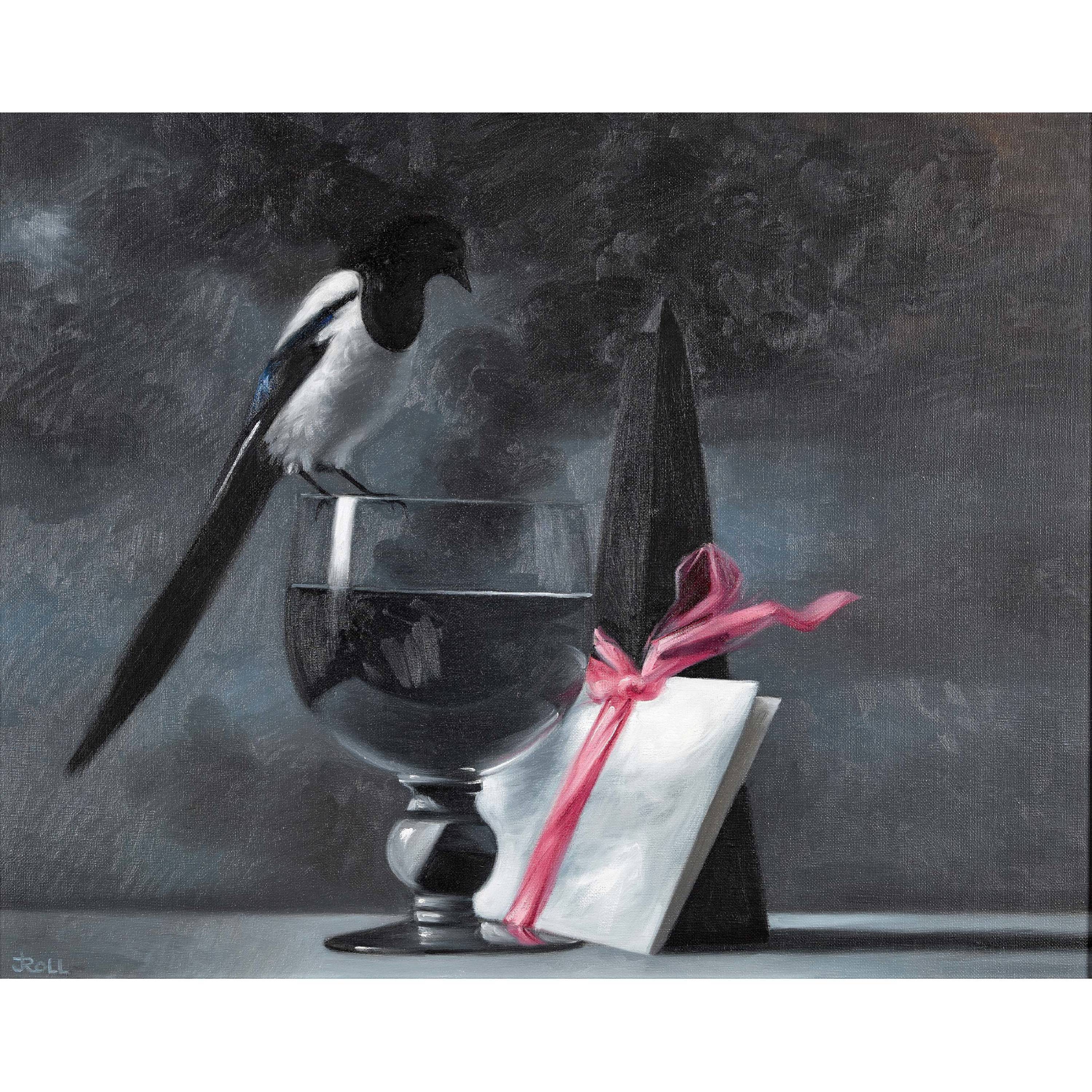
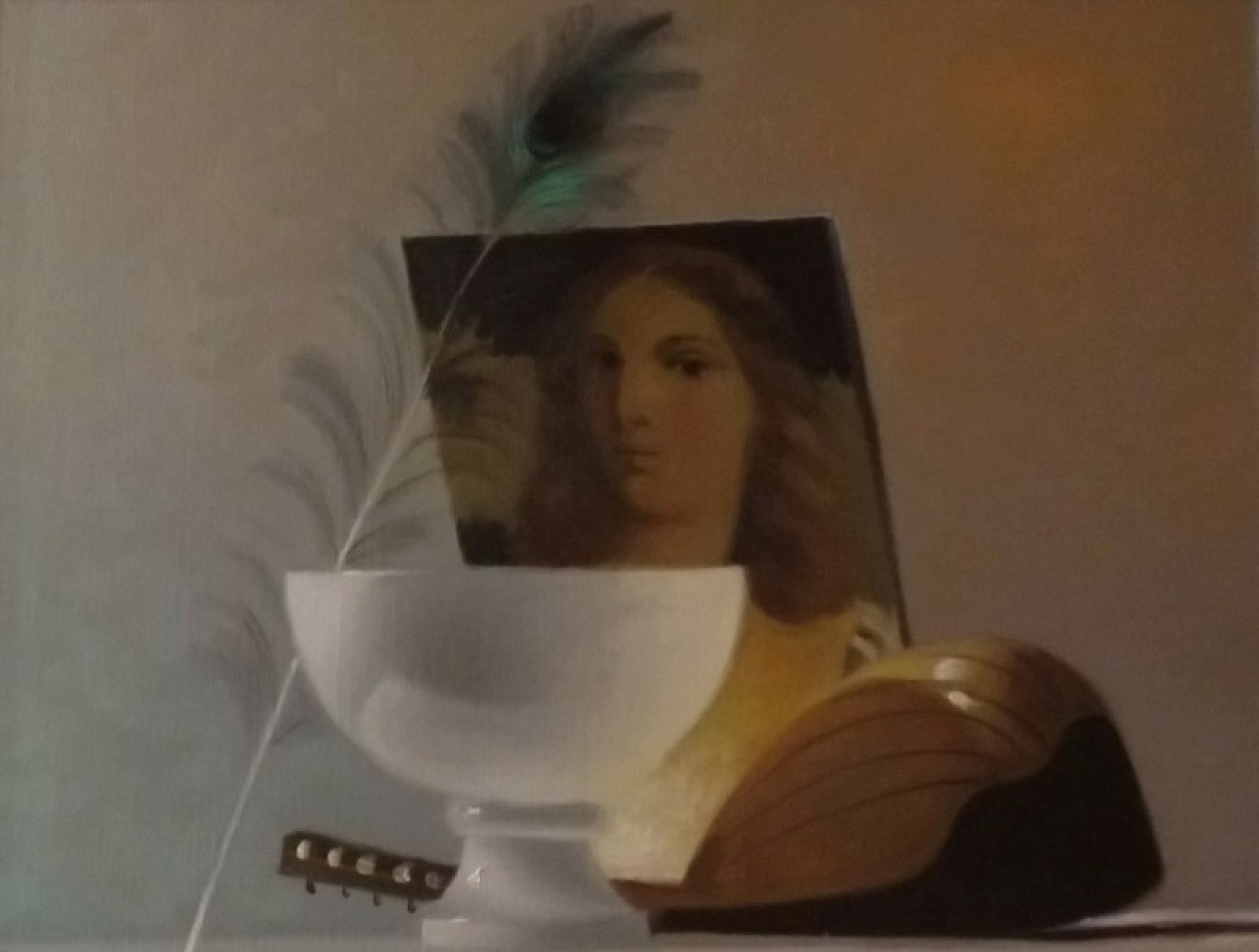
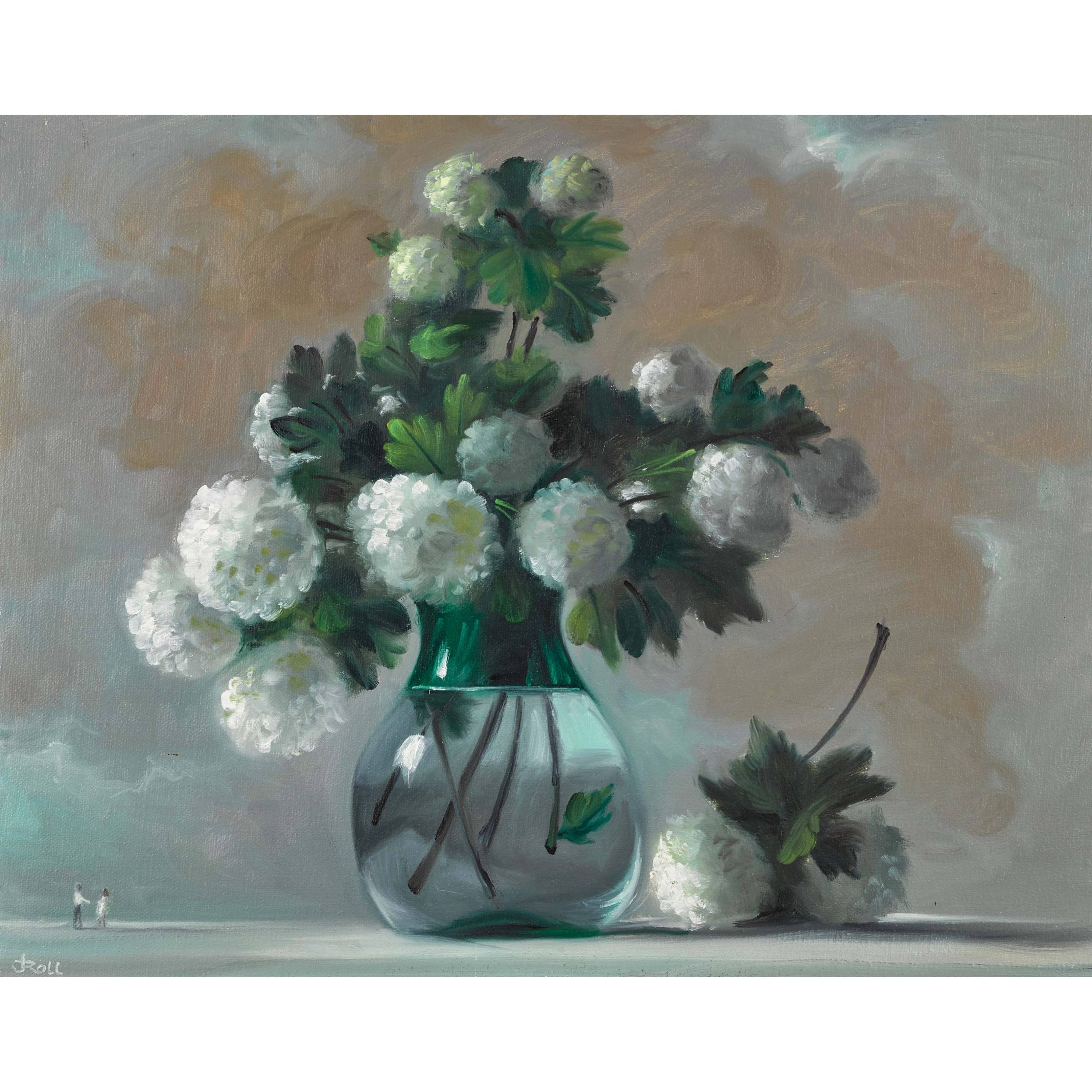
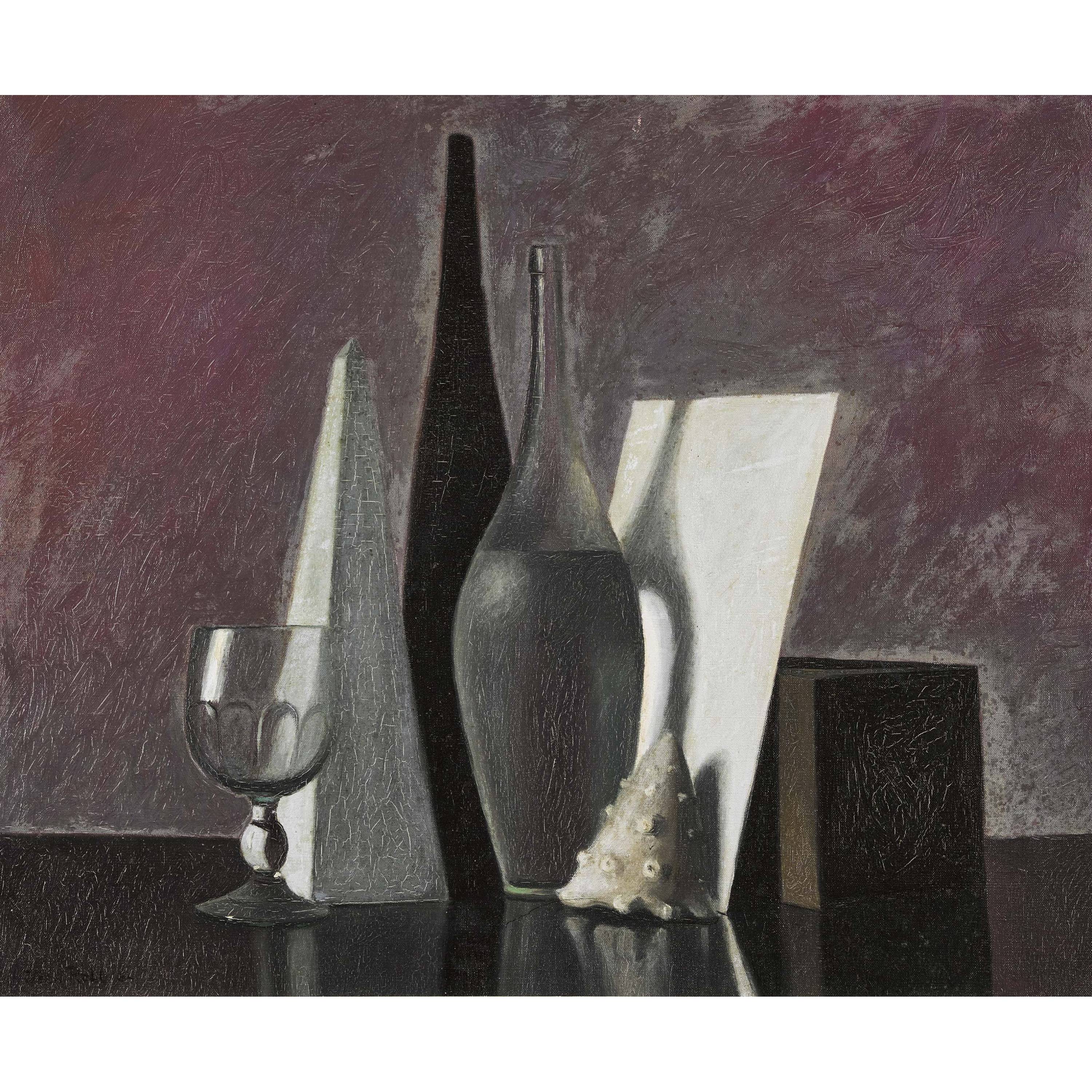
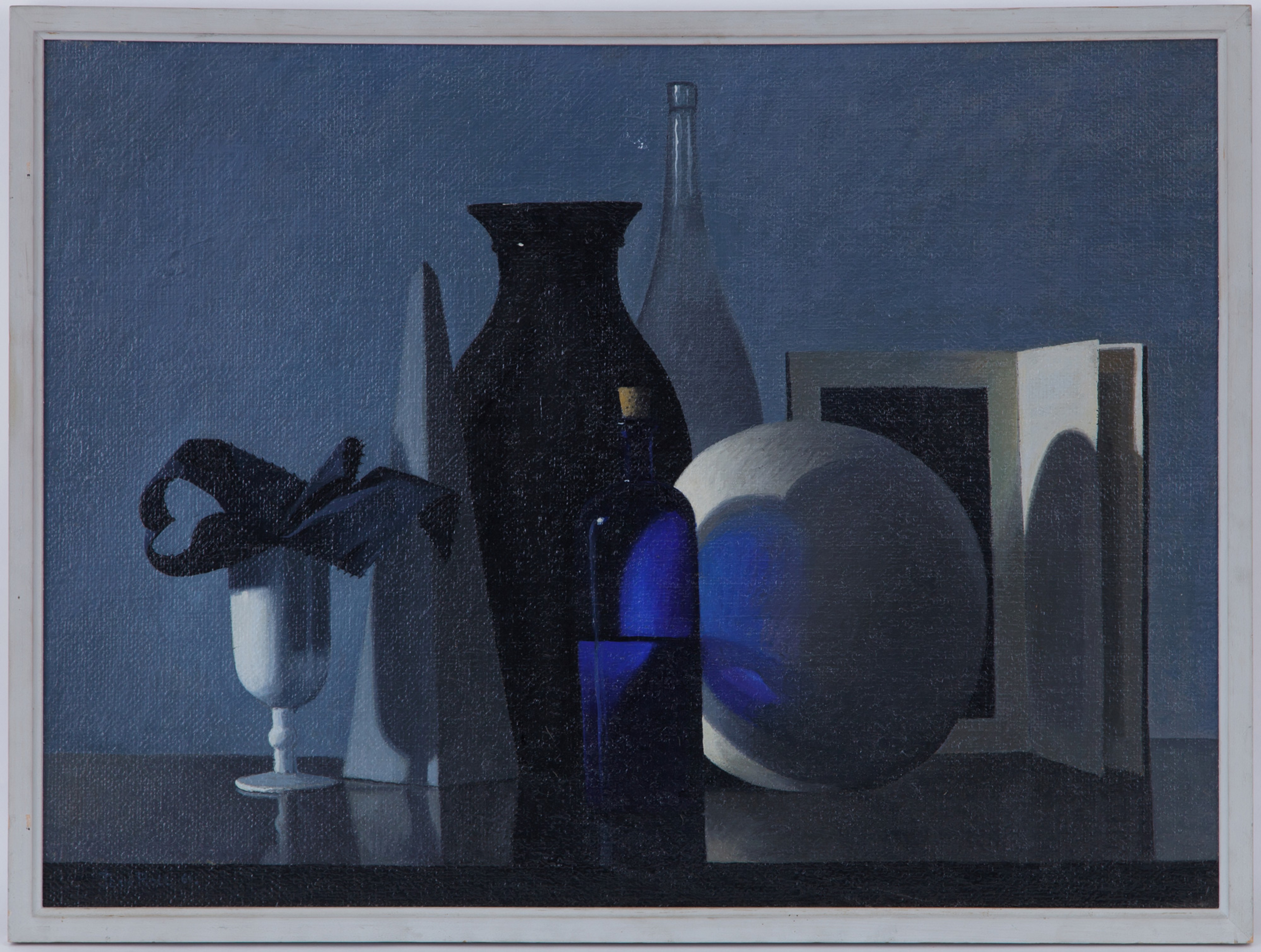
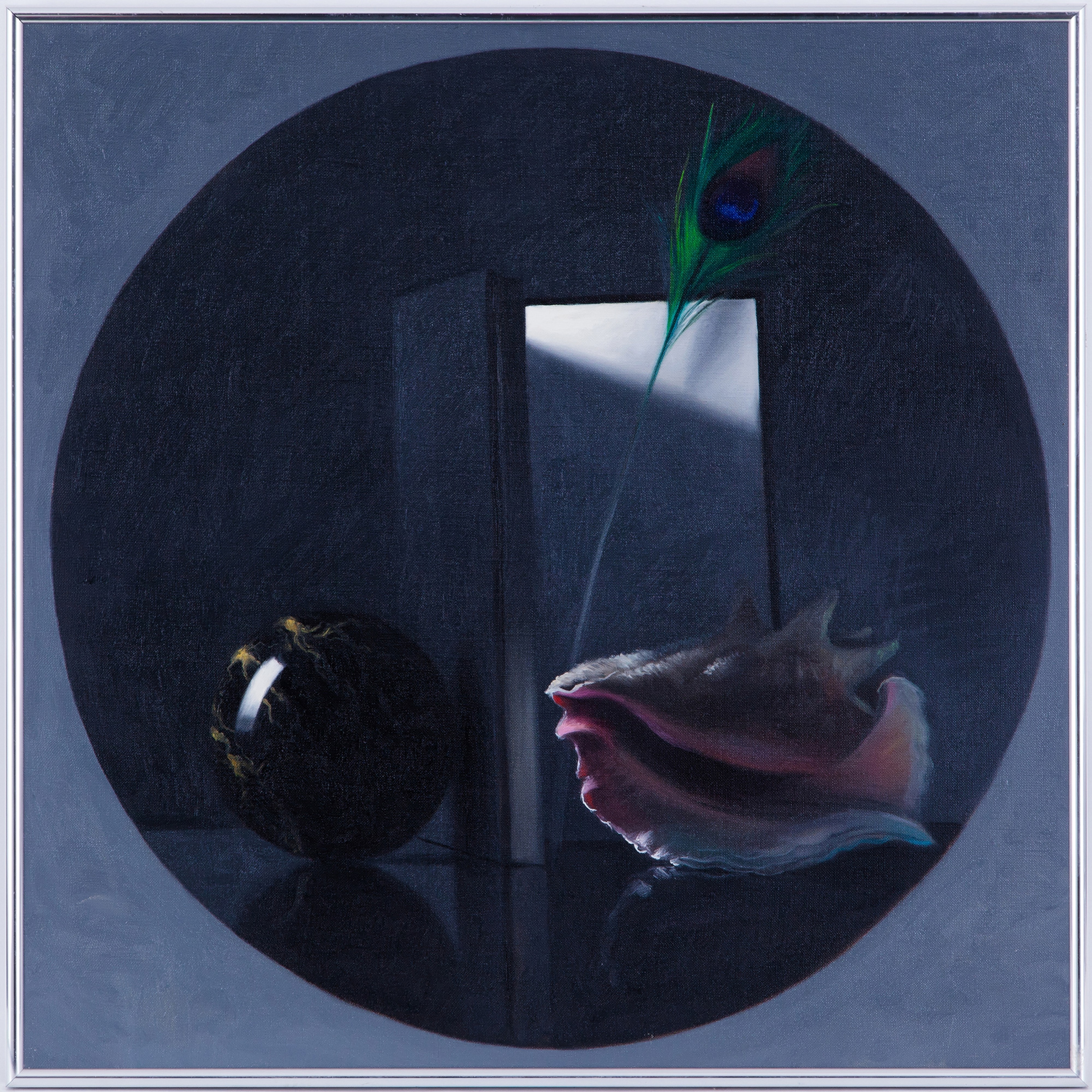
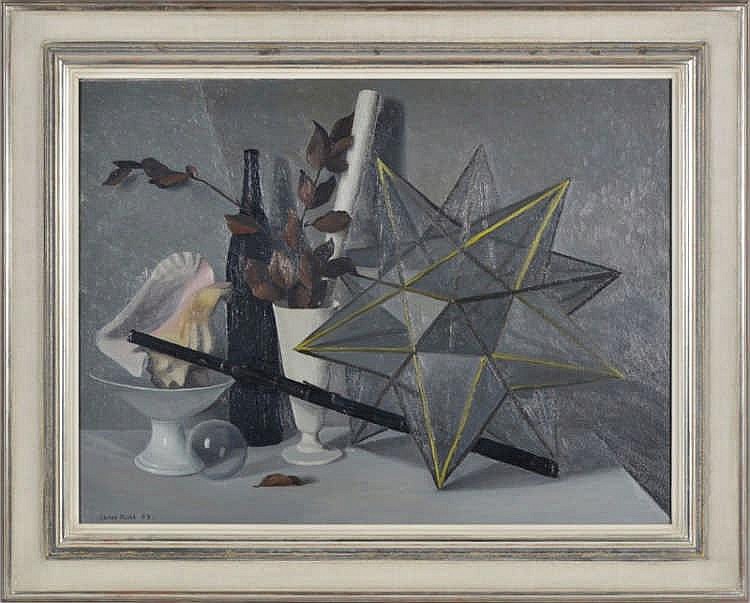
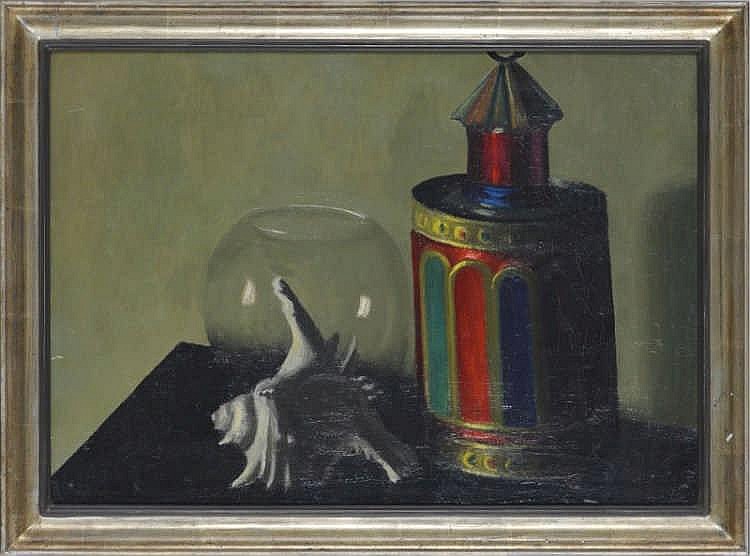
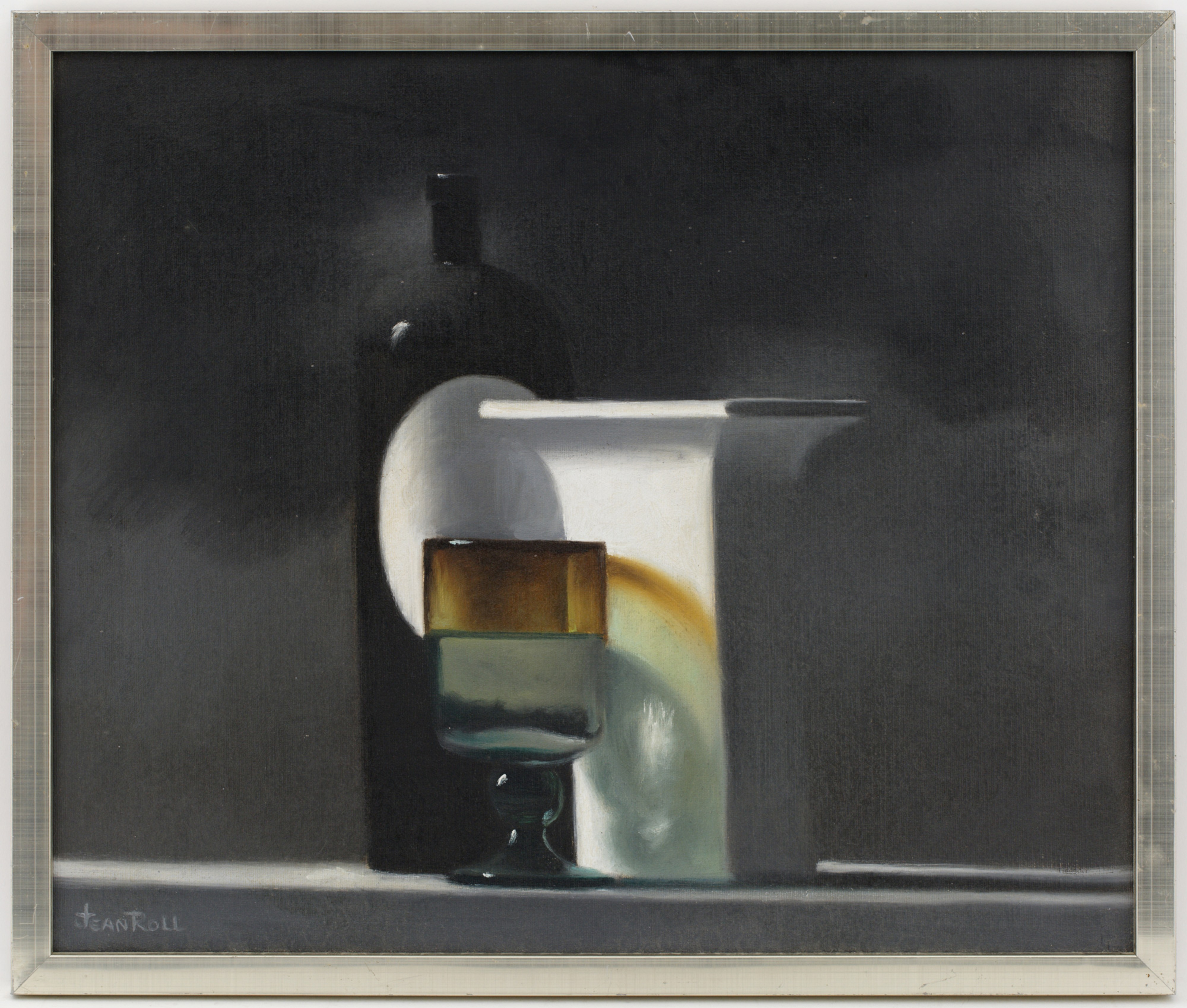
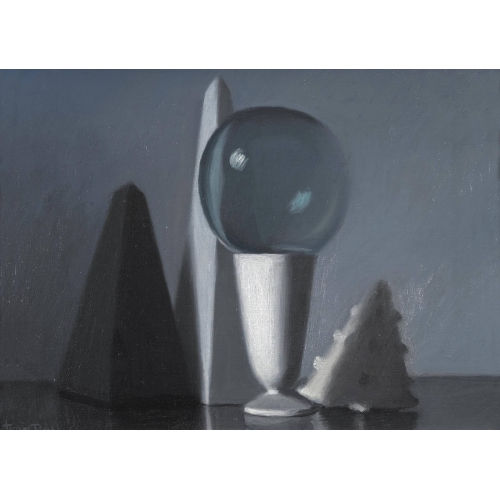
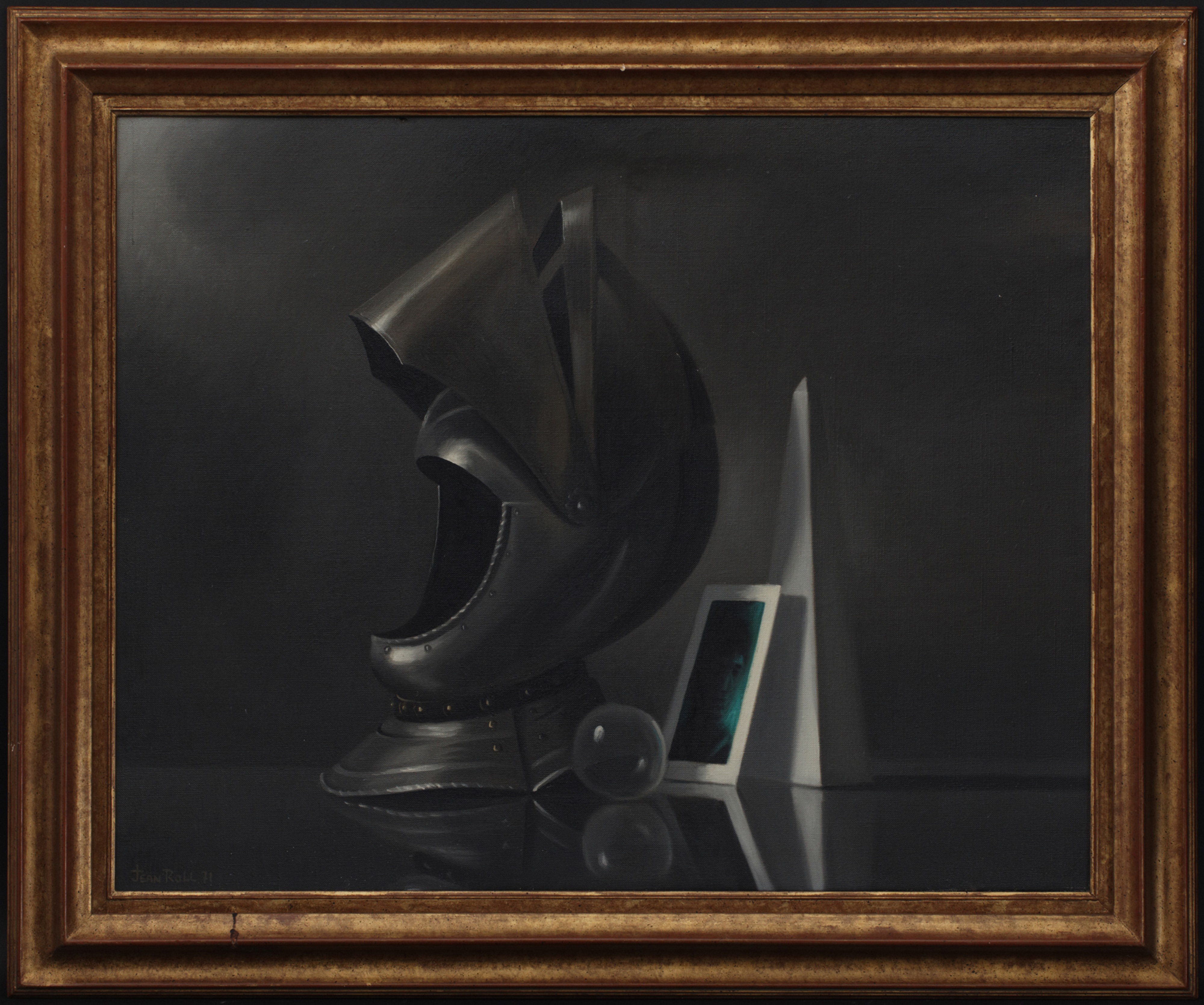
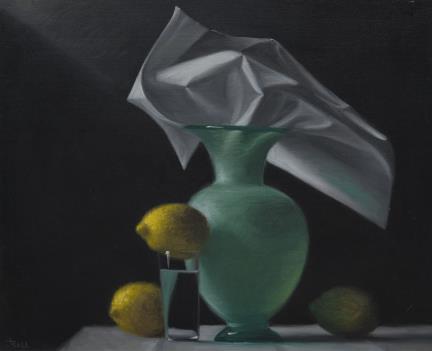
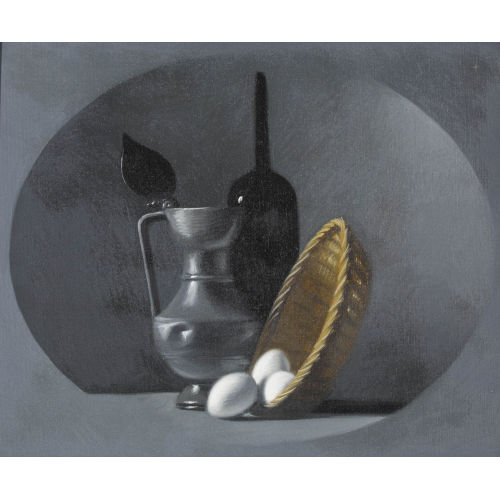
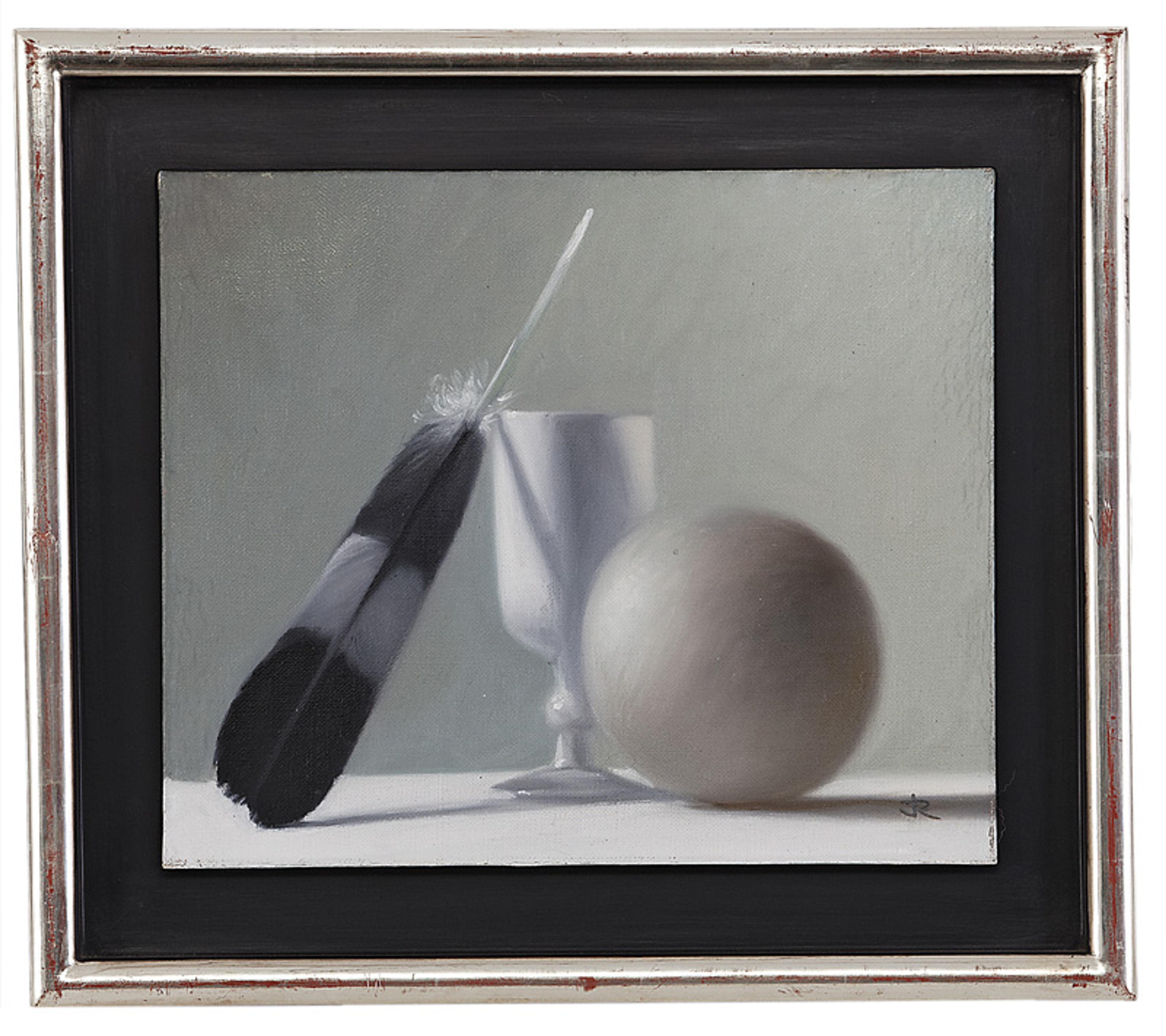
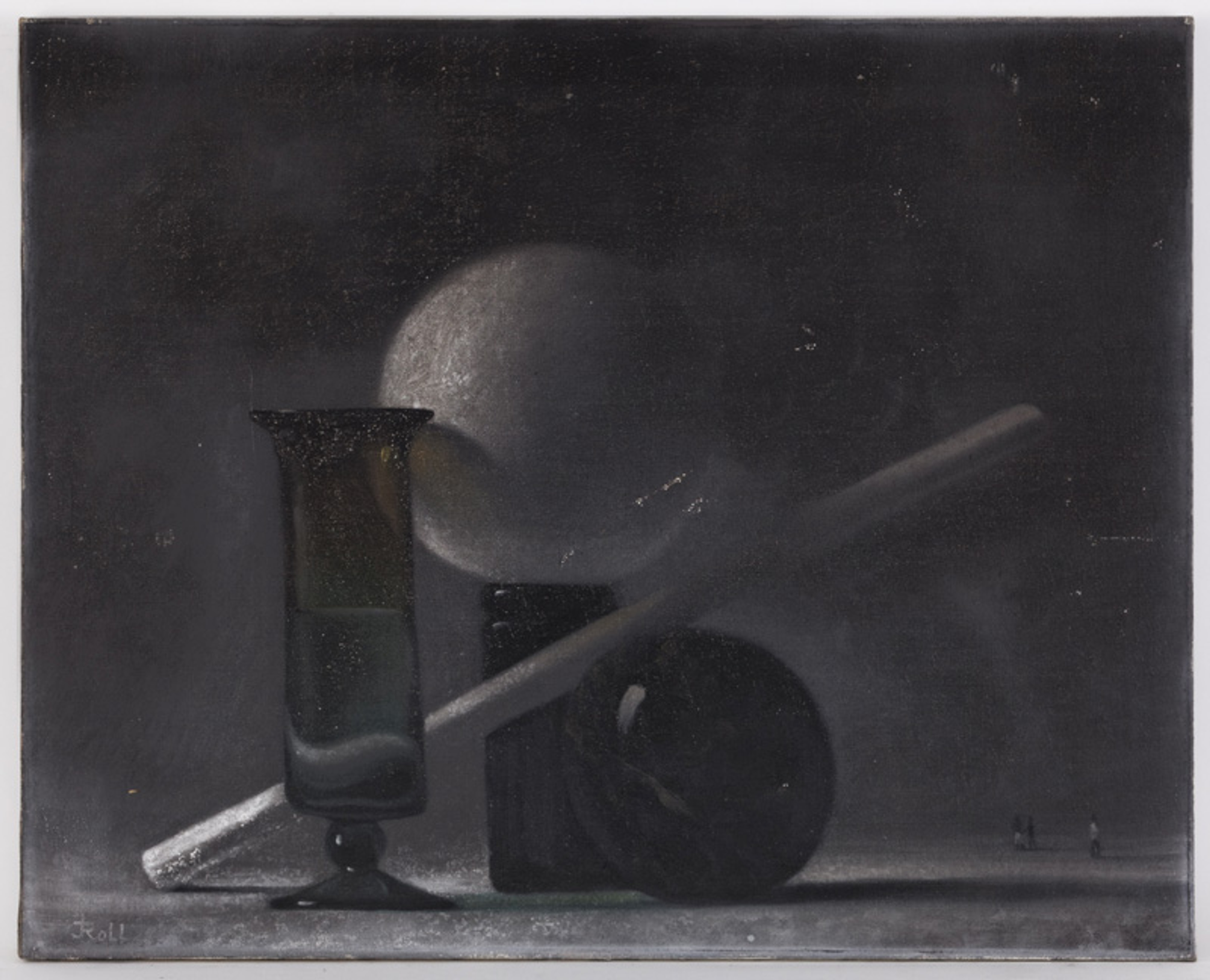
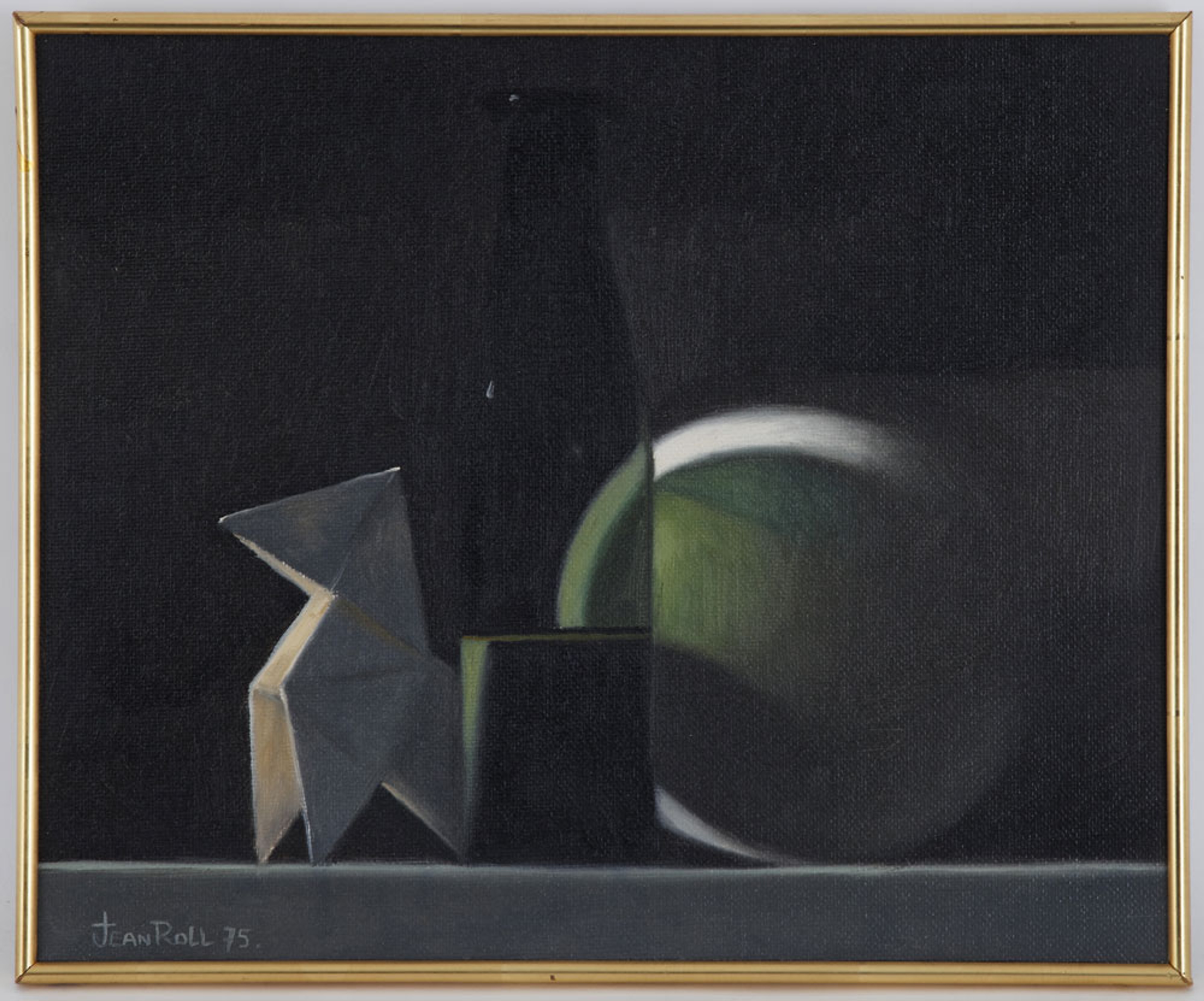
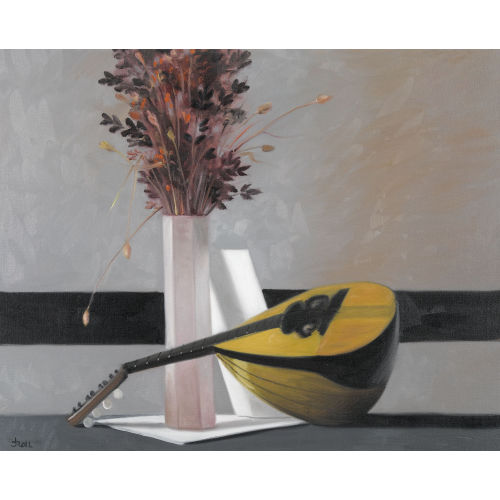
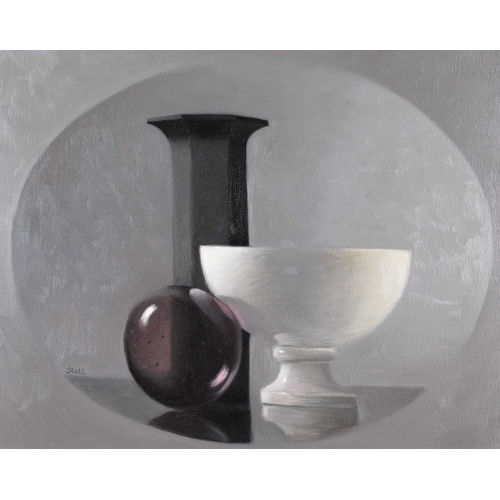
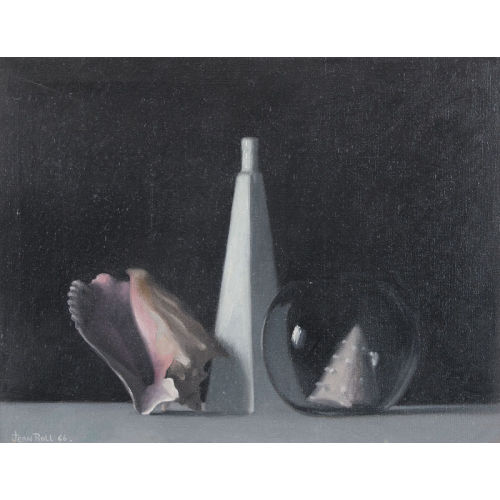
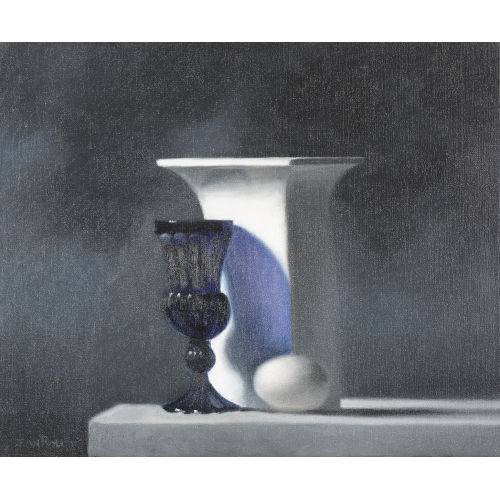
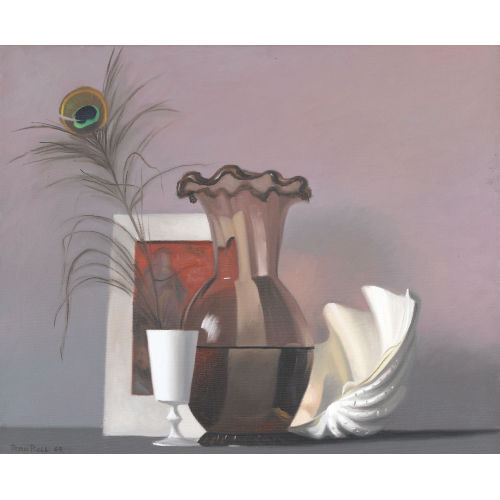
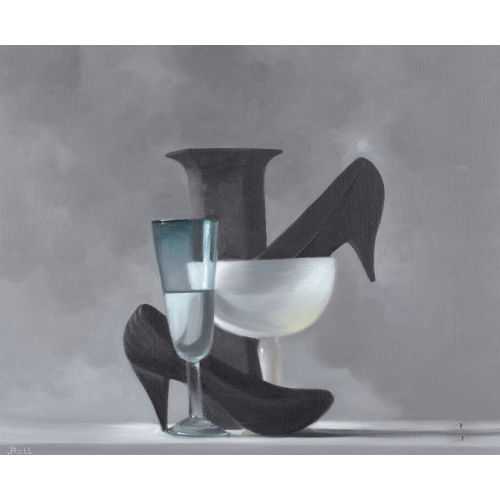
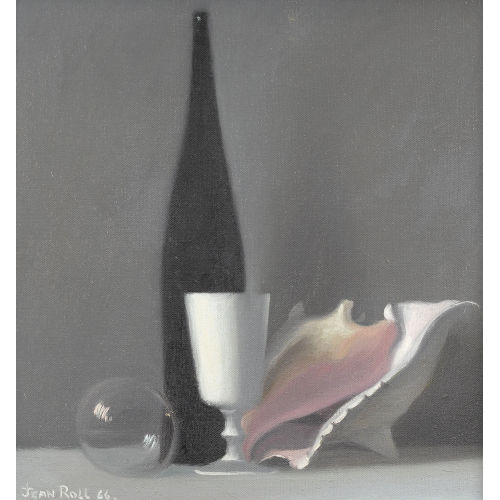
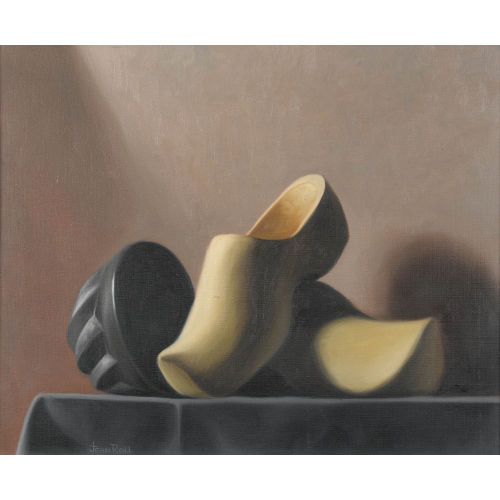
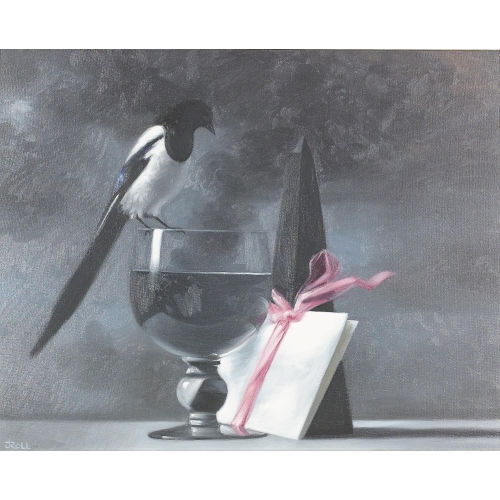
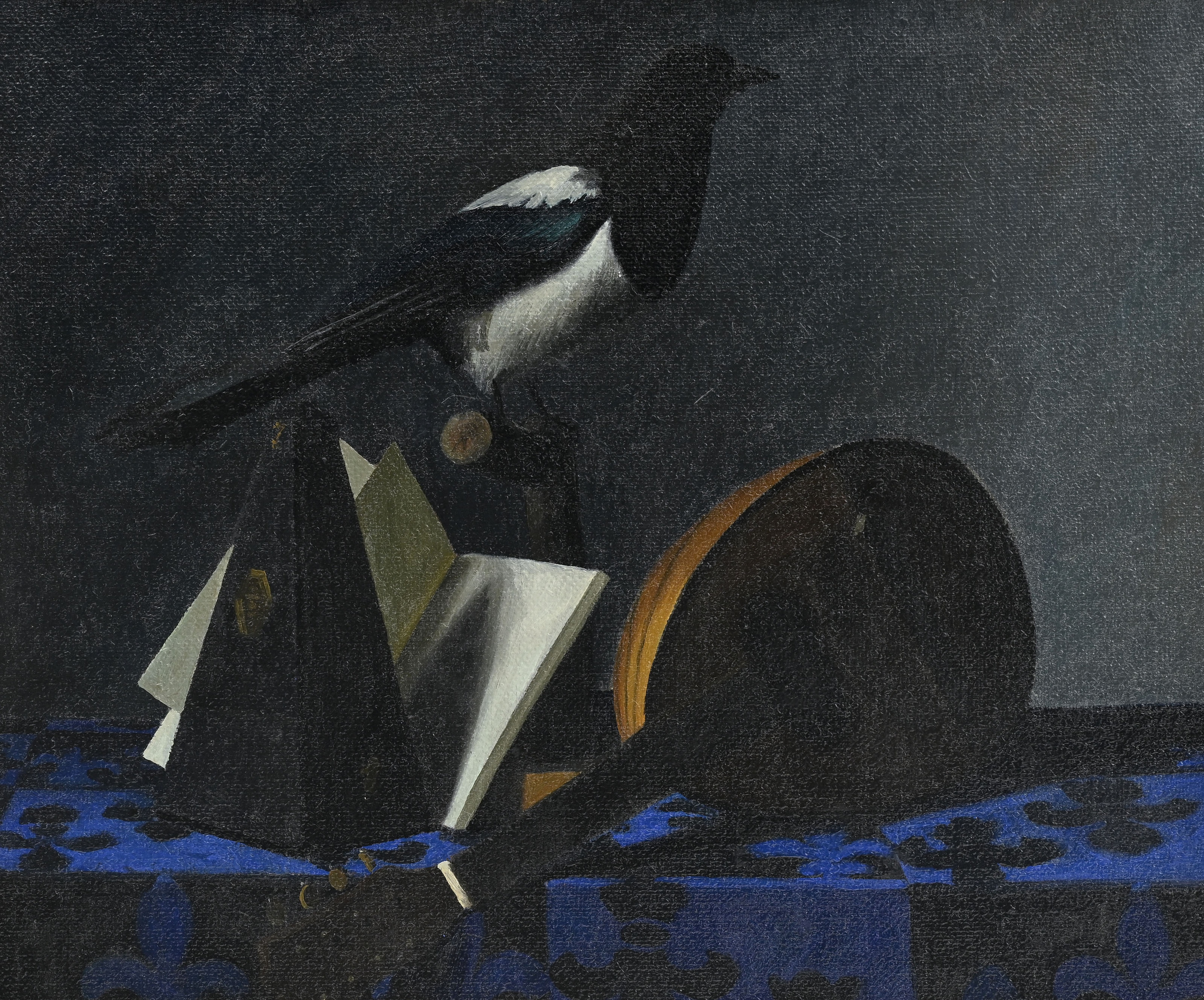
The most characteristic part of his painting lies in his still lifes, for which he preferred the expression “natures silencieuses”. Eggs, glass spheres, feathers, shells, books, vases, metronomes and obelisks inhabit austere spaces conceived as small theatres of stillness. The almost tactile precision of the objects never excludes mystery: through reflections, juxtapositions and empty intervals, Roll transforms the everyday presence of things into a meditation on time and silence.
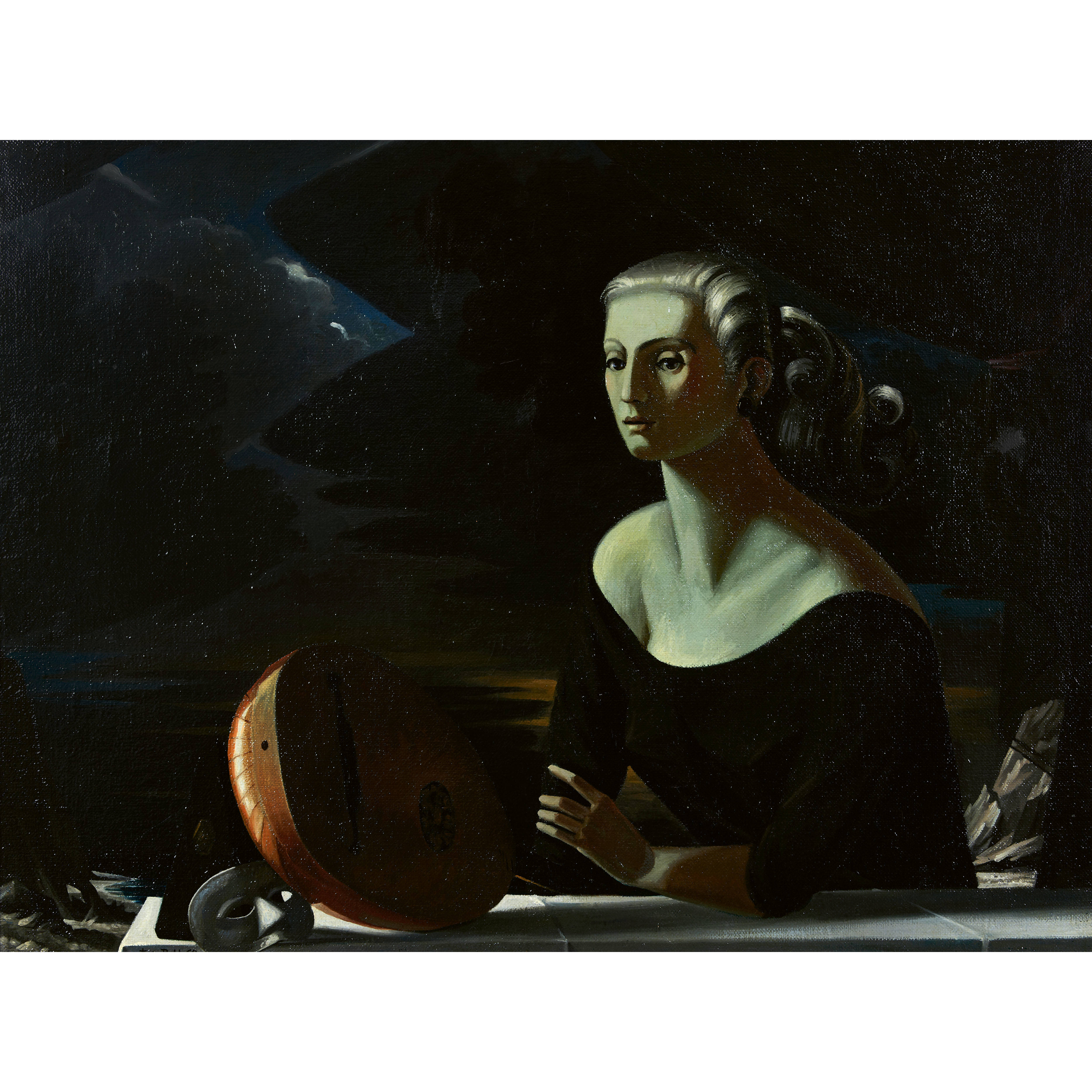
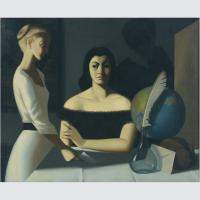
The oil paintings Nature morte, Le Jour de Gloire, Ainsi font-ils and Le Mariage Secret extend this universe within this corpus.