Hans Erni · 3 min read
Hans Erni: an avant-garde exhibition before the break
In the spring of 1935, Hans Erni conceived the international exhibition “These, Antithese, Synthese” in Lucerne, devoted to abstraction and Surrealism. Acclaimed by specialists but attracting little public interest, the exhibition took place shortly before his break with the avant-garde and his rapid return to figurative art.
Published on September 29, 2026
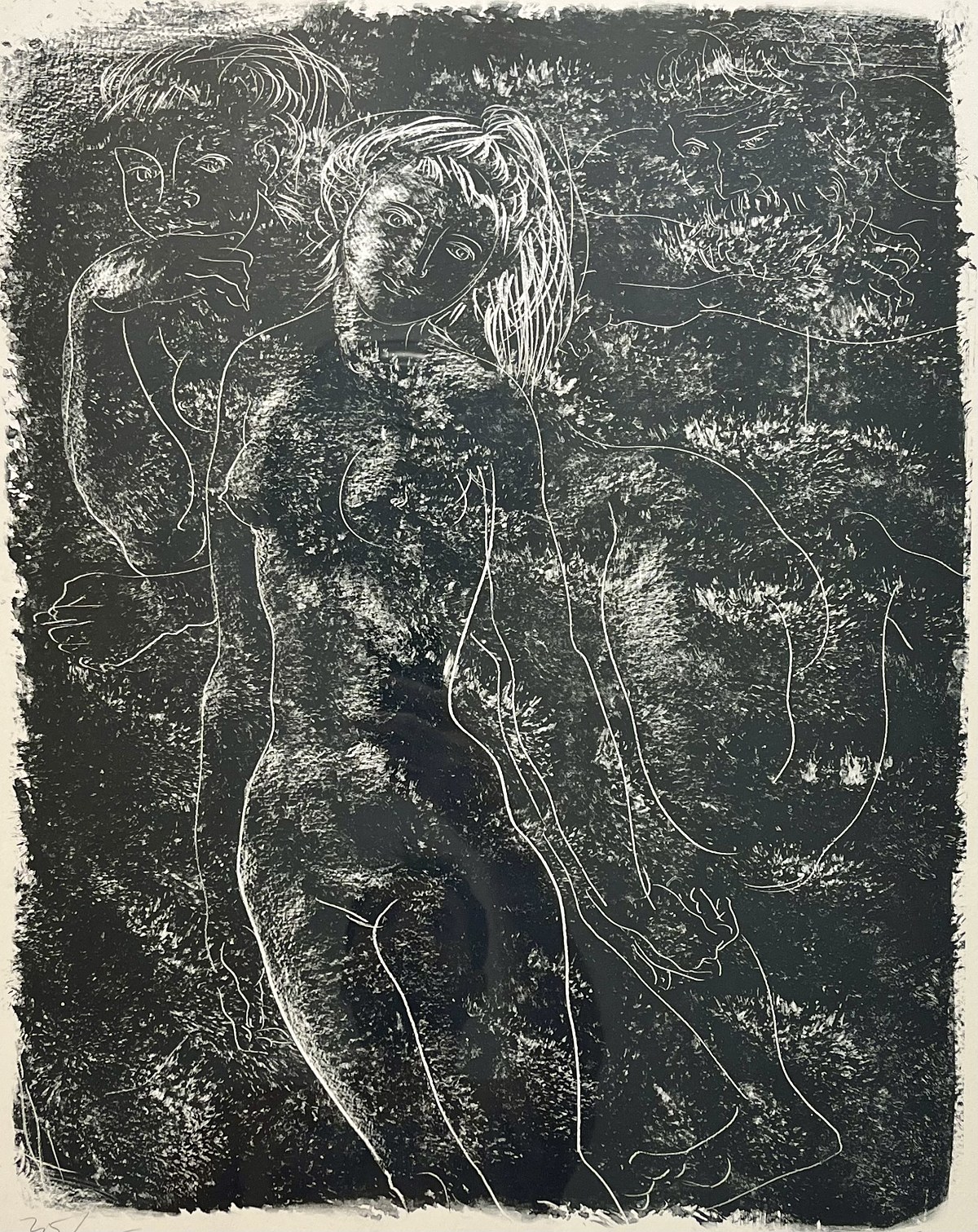
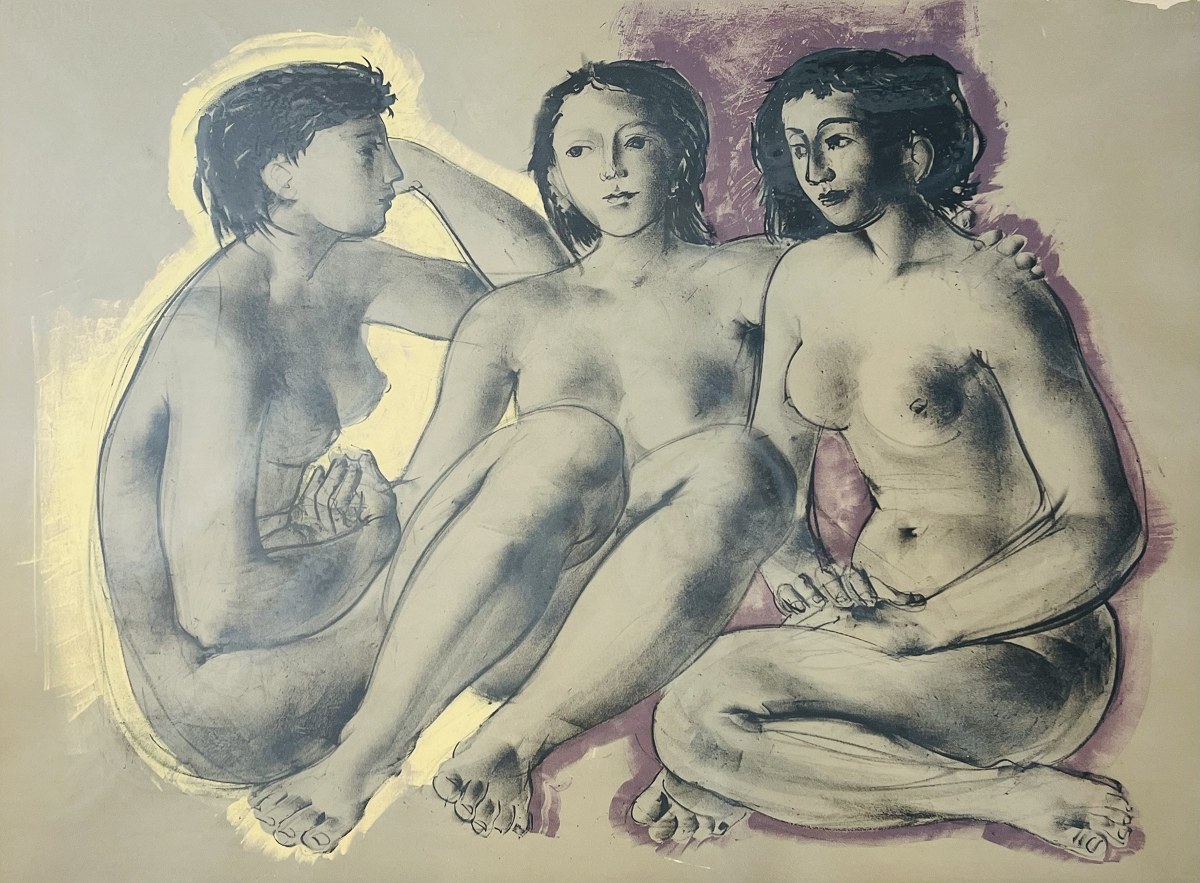
In the spring of 1935, the Kunstmuseum Lucerne presented an international avant-garde exhibition under the programmatic title “These, Antithese, Synthese”. Its initiator, the young Lucerne artist Hans Erni, did not merely show his own works there: in Paris, he assembled some of the works presented in the exhibition and developed its concept with the support of his intellectual mentor, Konrad Farner.
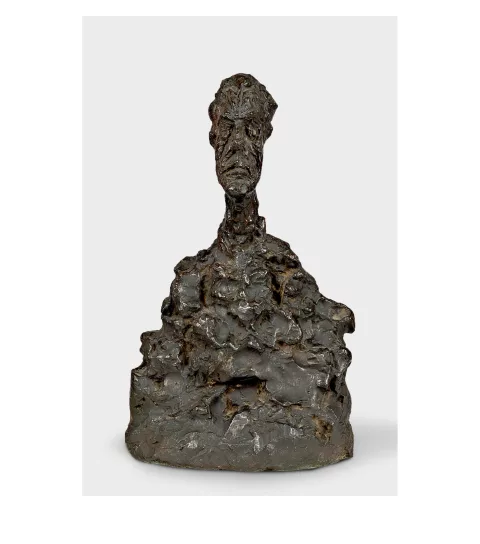
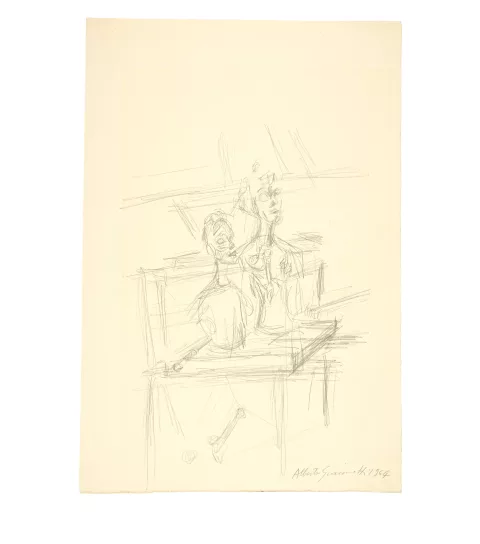
The exhibition adopted a division of the avant-garde then commonly drawn between “abstraction” and “Surrealism”. Erni, however, placed this opposition within a historical and evolutionary perspective. He assigned his own works, alongside those of Vassily Kandinsky, Alberto Giacometti and Jean Hélion, a position that he presented as holding promise for the future.
The title promised a synthesis, but the exhibition’s documented structure remained bipolar. Its distinctive character lay in the historical reading that Erni applied to the two movements and in the didactic intention already evident in its conception. The exhibition thus sought to organise and present to the public contemporary forms that were still unfamiliar.
The reception revealed a clear contrast. In specialist circles, the exhibition was greeted with respect and goodwill as a bold initiative in contemporary art. It did not, however, enjoy great success with the public.
The exhibition nevertheless holds a place in the history of the reception of Surrealism in Switzerland. According to SIK-ISEA, following the 1929 Zurich exhibition of abstract and Surrealist painting and sculpture, “These, Antithese, Synthese” helped to make this movement known in the country relatively early on.
Erni’s subsequent path must be described without turning the exhibition itself into a farewell. SIK-ISEA states that he broke with the avant-garde shortly after the exhibition and rapidly returned to figurative art. The Museum of Modern Art also holds a plate that he made for the collective portfolio “5 Constructionen + 5 Compositionen”, published in 1941; this later participation is documented, but it alone does not justify describing his return to figurative art as gradual.
During the Second World War, the Swiss National Bank commissioned Hans Erni to design the 50-, 500- and 1,000-franc notes for its fourth series. The 50- and 1,000-franc notes were sent to press, while the 500-franc note remained at the proof stage. None of these notes was put into circulation.
Commentary — In retrospect, the proximity between the 1935 exhibition and the break noted by SIK-ISEA creates a striking contrast: Erni was then claiming a place for himself in the future of the avant-garde, before moving away from it shortly afterwards. This contrast illuminates the episode, but does not turn the exhibition itself into a farewell ceremony.
Sources and context
- SIK-ISEA — « These – Antithese – Synthese ». Avantgarde ausstellen ↗
- SIK-ISEA — Surrealismus in der Schweiz ↗
- SIK-ISEA — Die Anfänge der konstruktiv-konkreten Kunst der Schweiz ↗
- Museum of Modern Art — Hans Erni ↗
- Banque nationale suisse — Anciennes séries de billets ↗
- Banque nationale suisse — Séries historiques de billets de banque ↗