Johann Heinrich Füssli
Born in 1741.
Died in 1825.
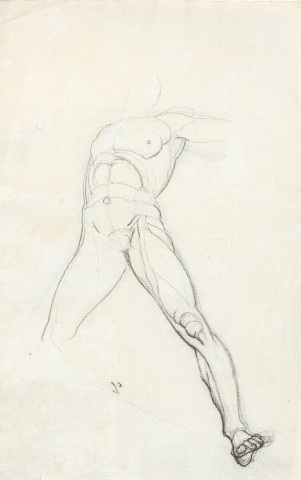
Johann Heinrich Füssli (1741–1825), known in Great Britain as Henry Fuseli, was a Swiss painter, draughtsman and theorist whose career unfolded primarily in London. The son of the painter and art historian Johann Caspar Füssli, he grew up in an intellectual and artistic milieu in Zurich. He studied theology and was ordained a pastor in 1761, while already drawing alongside his studies.
In 1763, after publishing a political pamphlet with his friend Johann Kaspar Lavater, he left Zurich. Arriving in London in 1764, he initially worked as a translator, writer and tutor. Joshua Reynolds encouraged him to choose painting; he then went to train in Rome, where he studied ancient art and Michelangelo from 1770 to 1778.
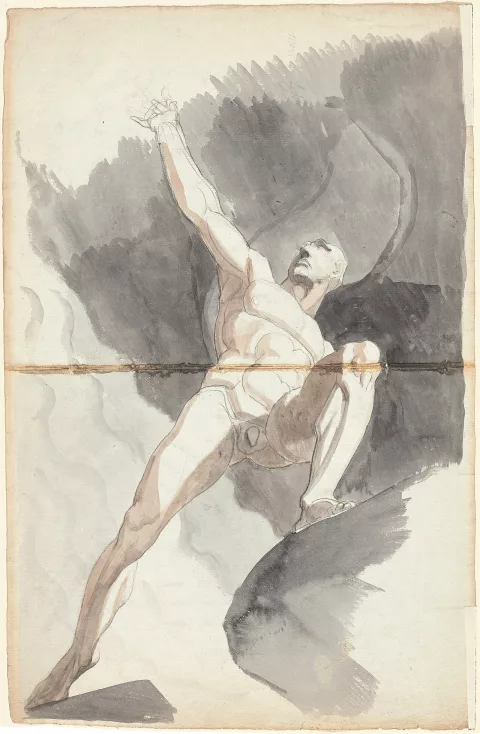
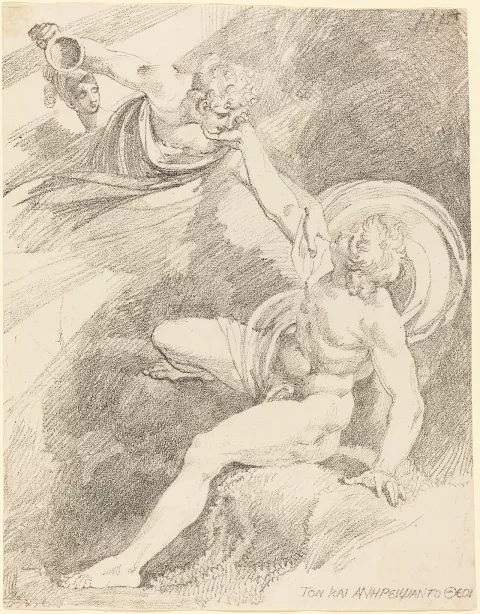
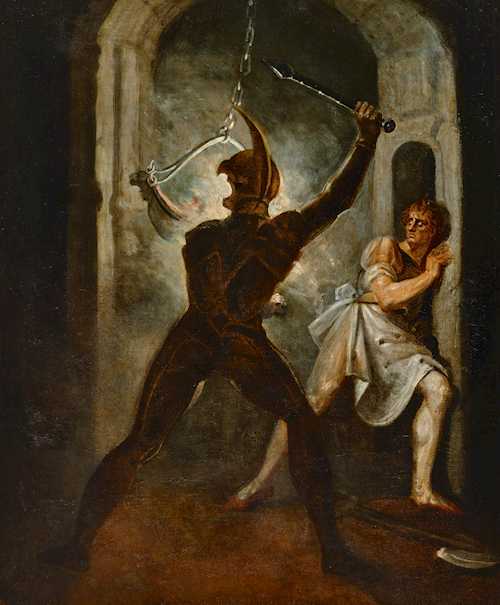
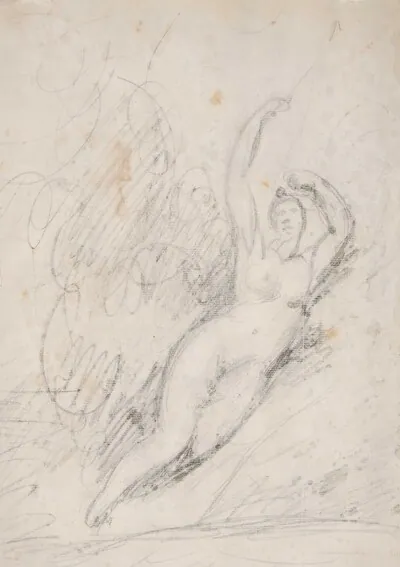
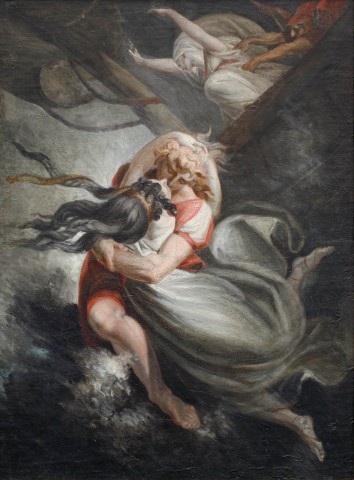
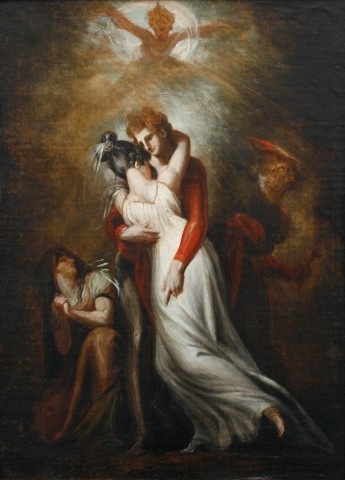
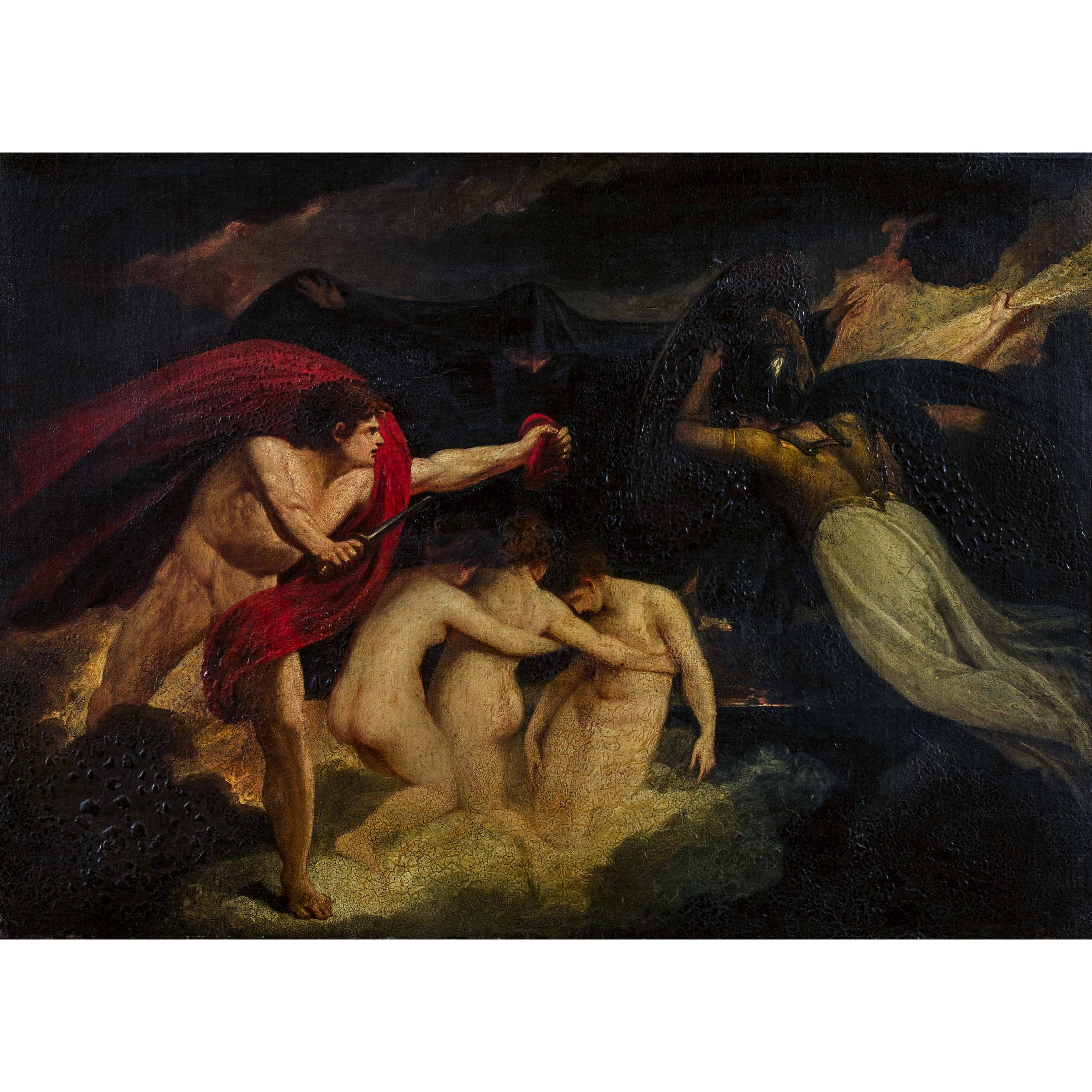
Back in London, Füssli established himself through ambitious compositions inspired by Shakespeare, Milton, Homer and Dante. His images transform literary subjects into scenes of physical and psychological intensity, populated by tense gestures, visions and fantastic creatures. «Le Cauchemar», painted in 1781 and shown at the Royal Academy the following year, became an emblematic image of this world.
In 1799, he was appointed Professor of Painting at the Royal Academy, and in 1804 became its Keeper. He also continued writing about art and teaching its history and theory.
The National Gallery of Art in Washington holds «Œdipe maudissant son fils Polynice» (1786), a painting inspired by Sophocles. In a dark, constricted space, the gestures of the four figures make visible the tragic conflict between the father and his children. The work illustrates Füssli’s ability to turn an ancient narrative into a scene of extreme emotions.
His name appears in the forms Johann Heinrich Füssli, Johann Heinrich Fuessli and Henry Fuseli, depending on the language and the institution.