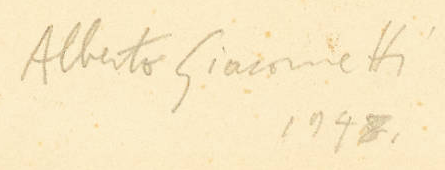
Alberto Giacometti
Born in 1901.
Died in 1966.
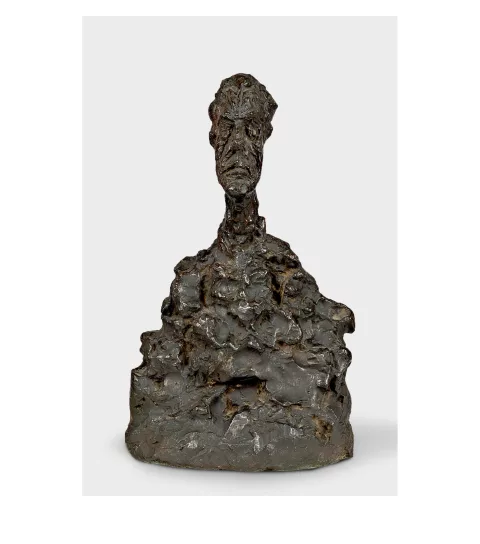
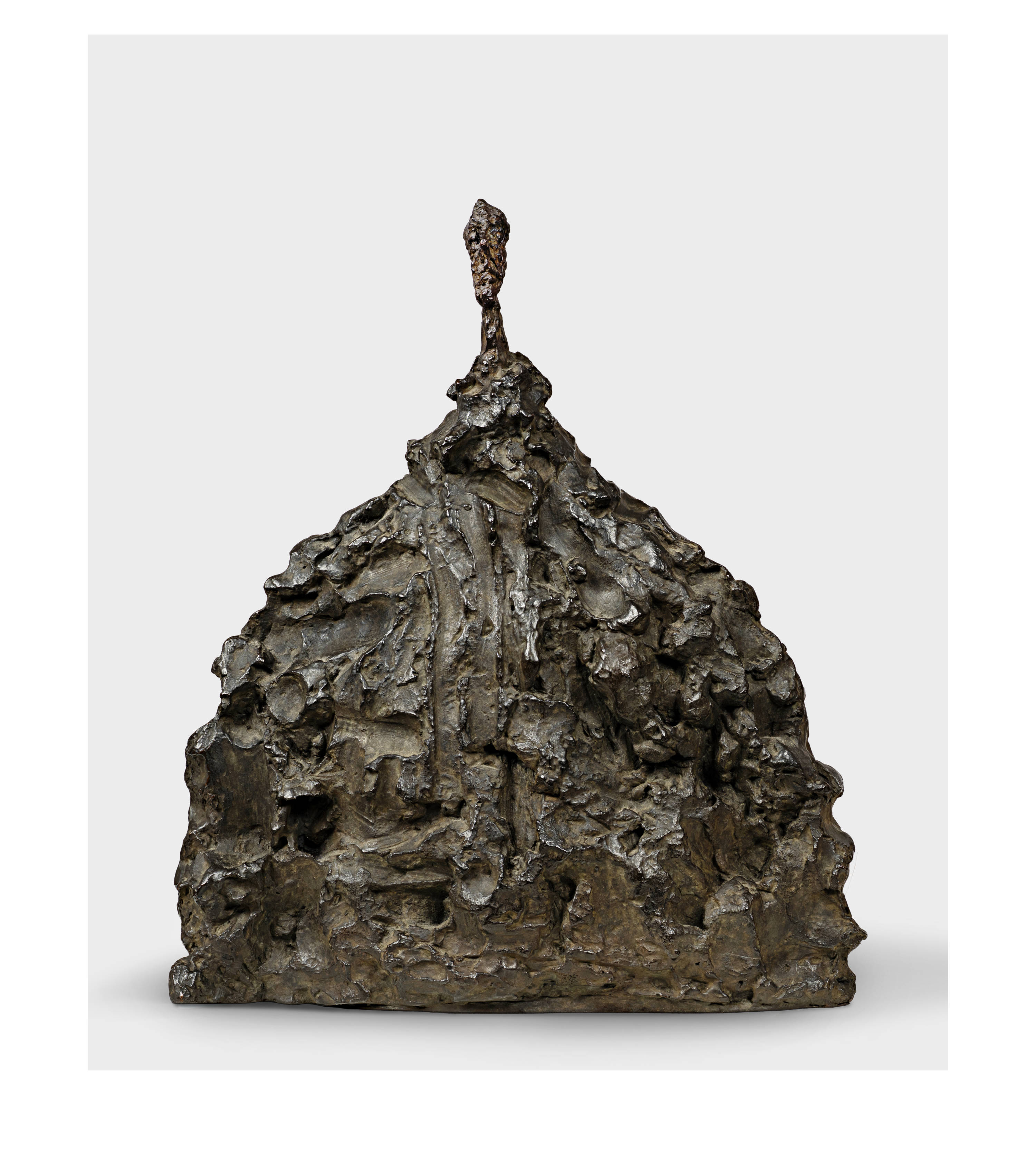
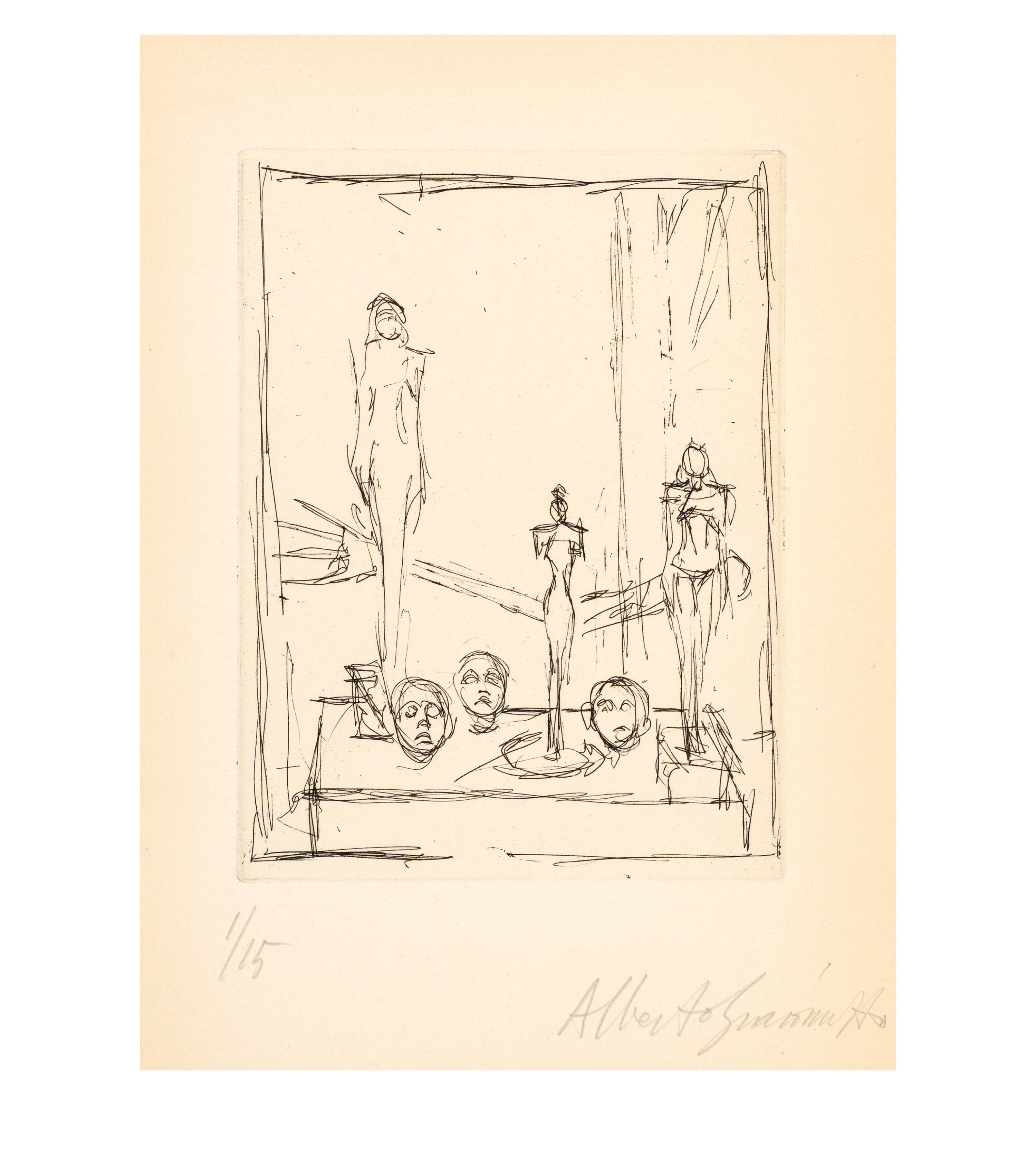
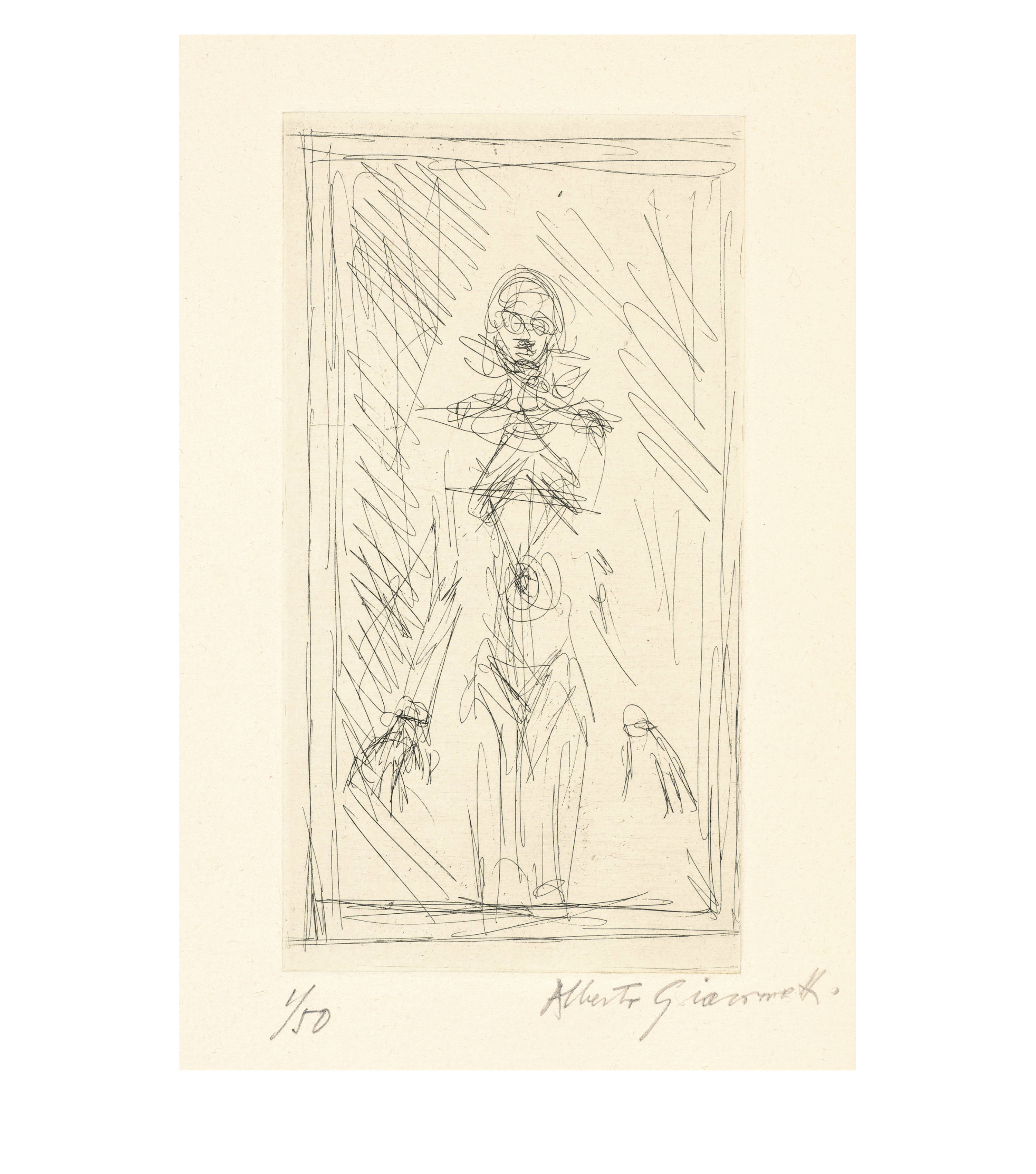
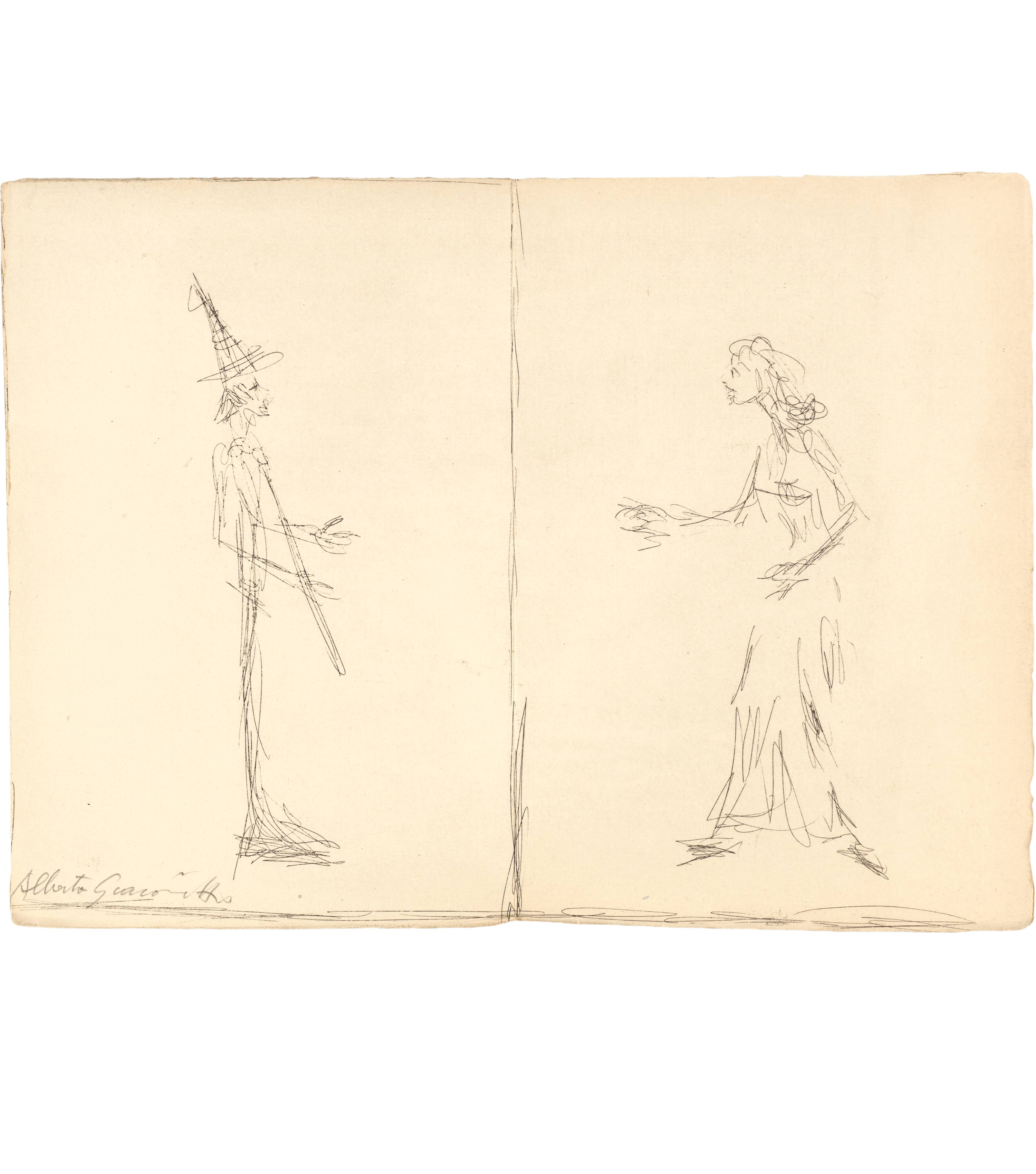
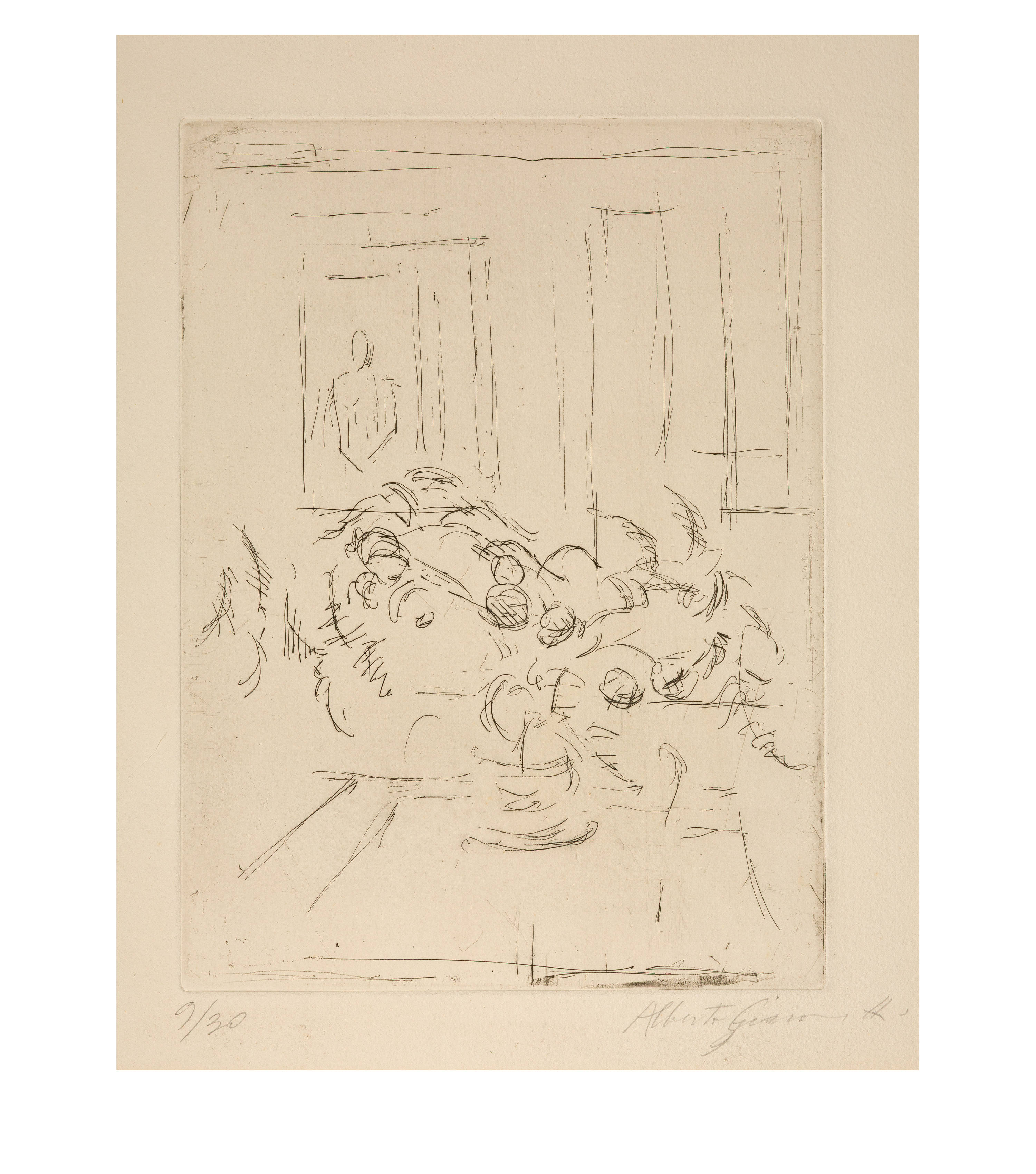
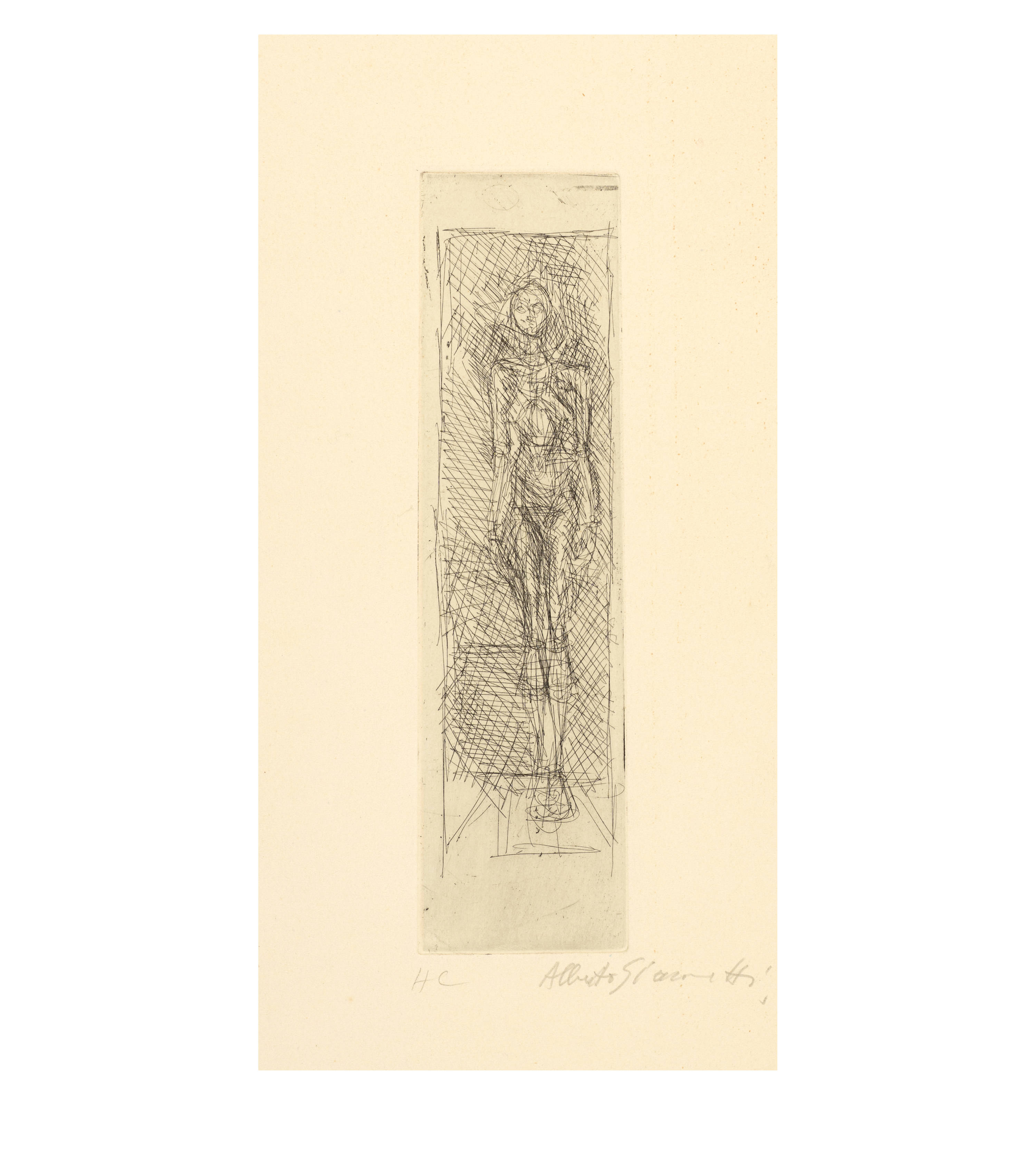
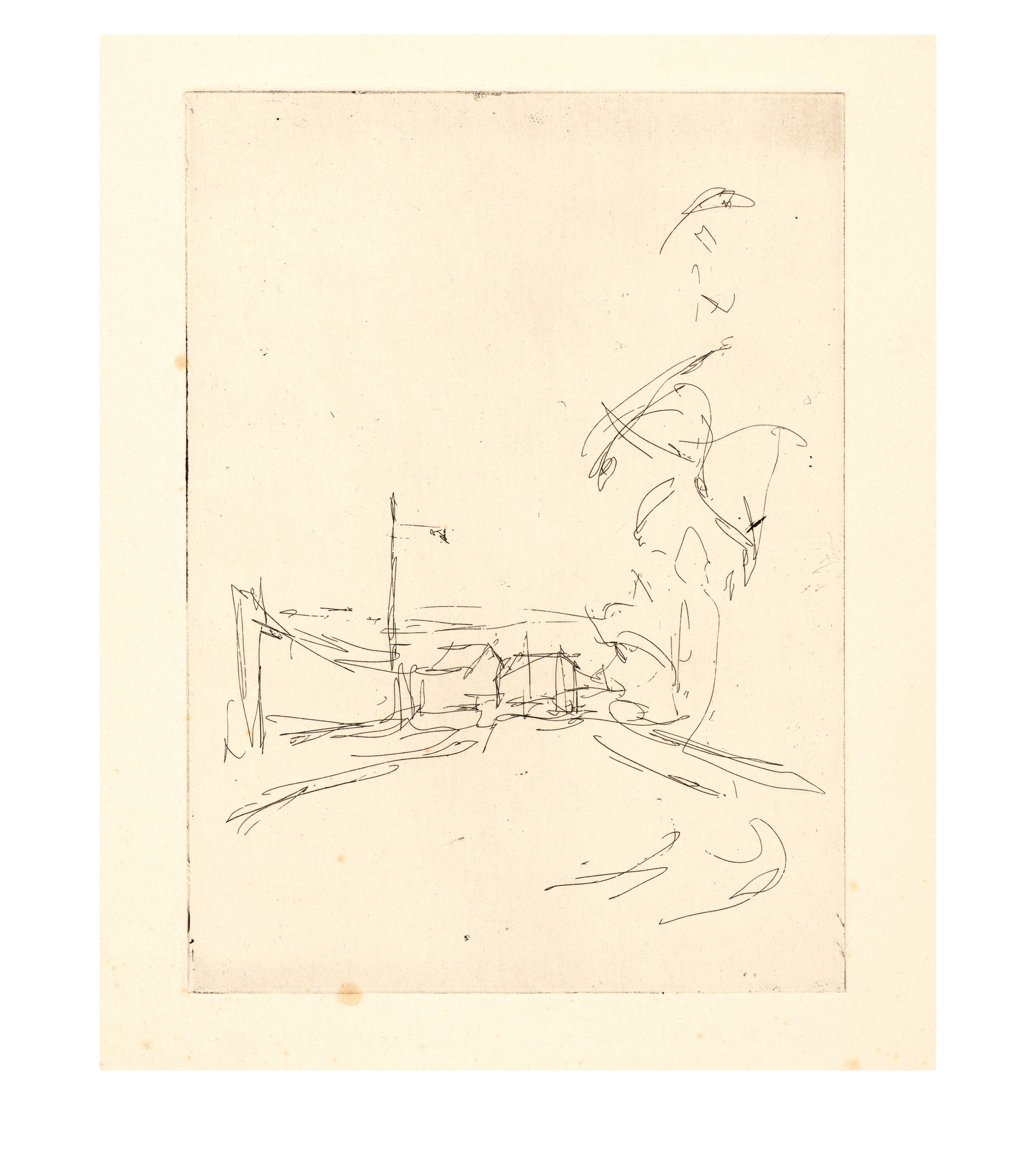
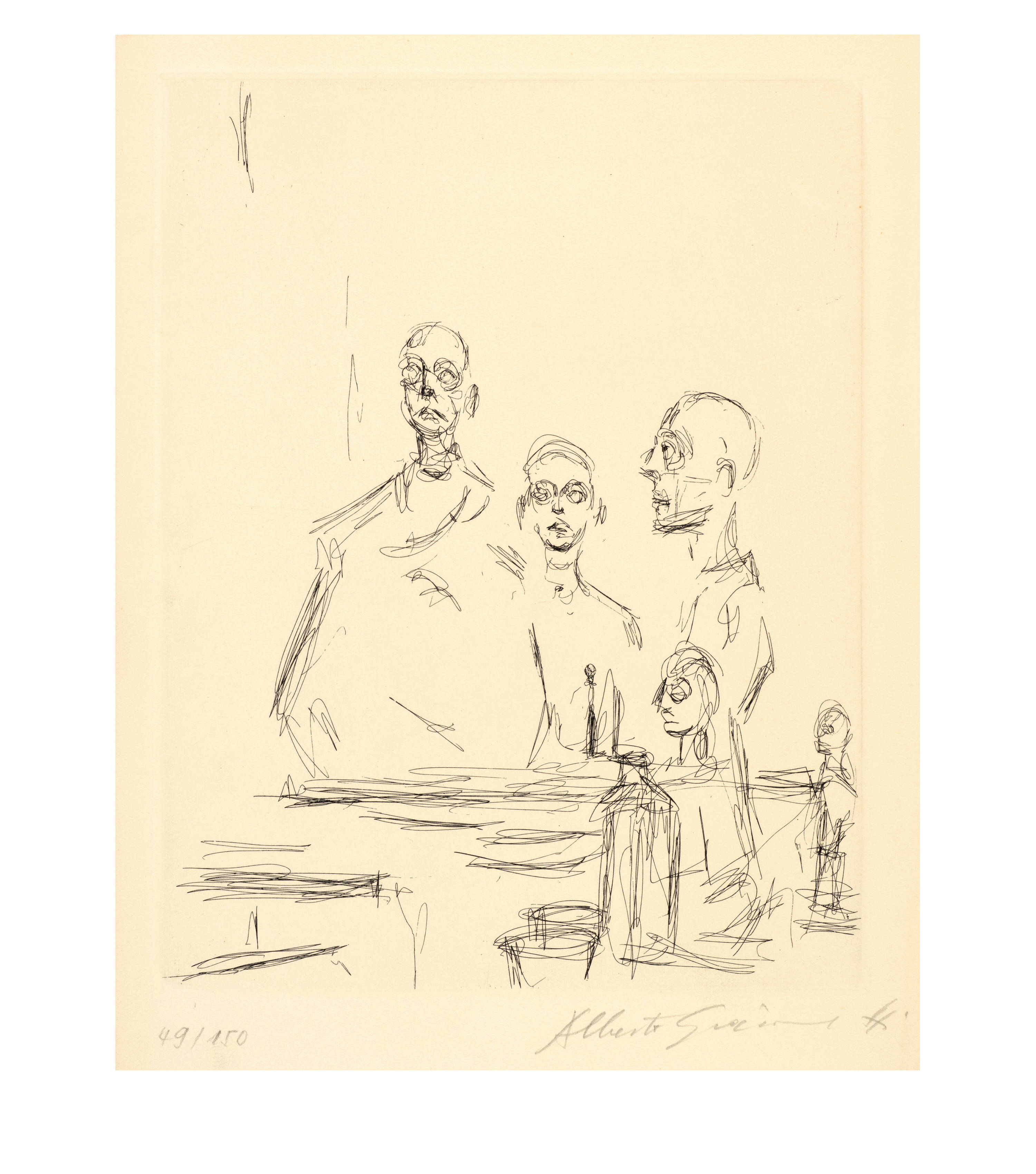
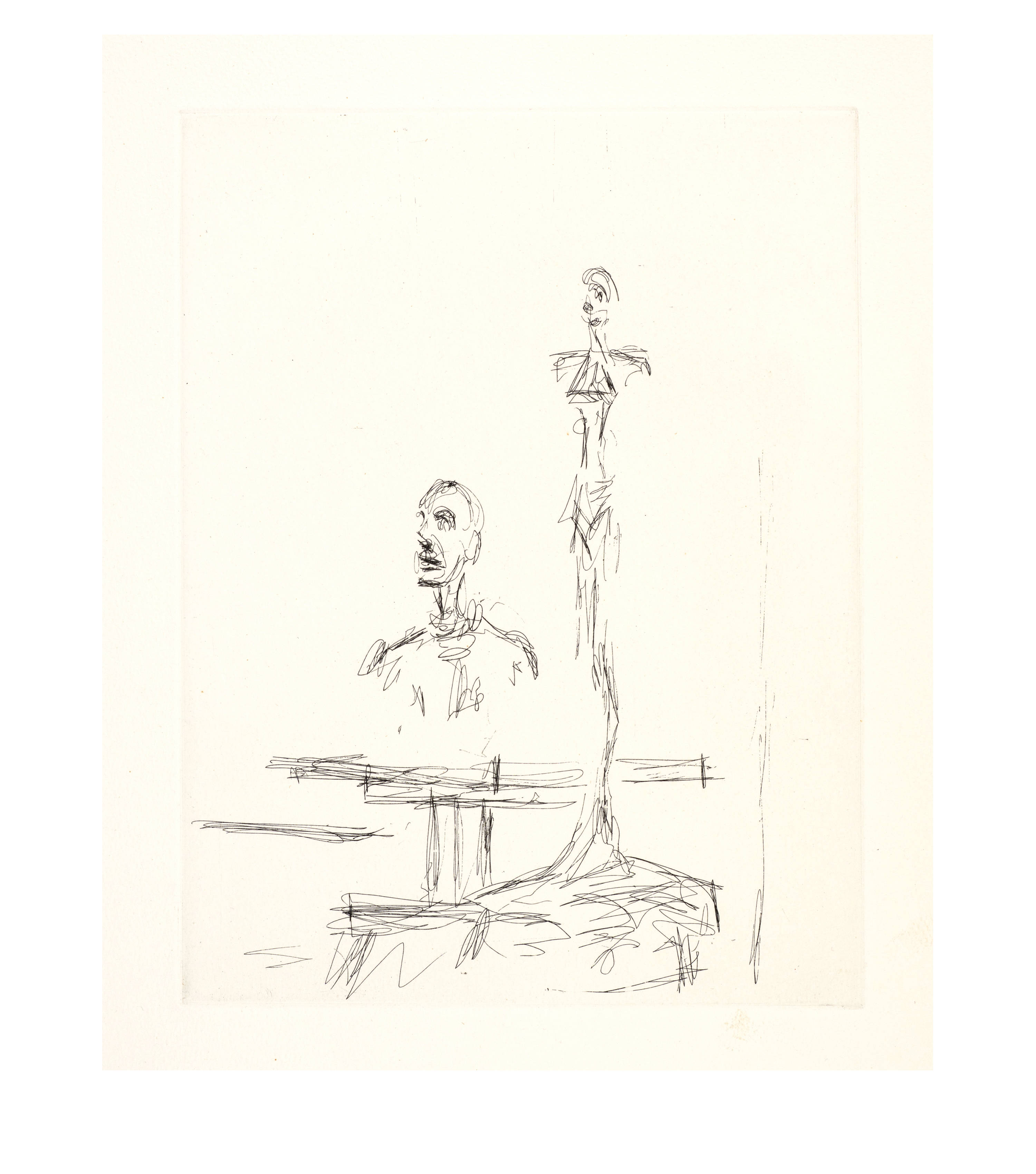
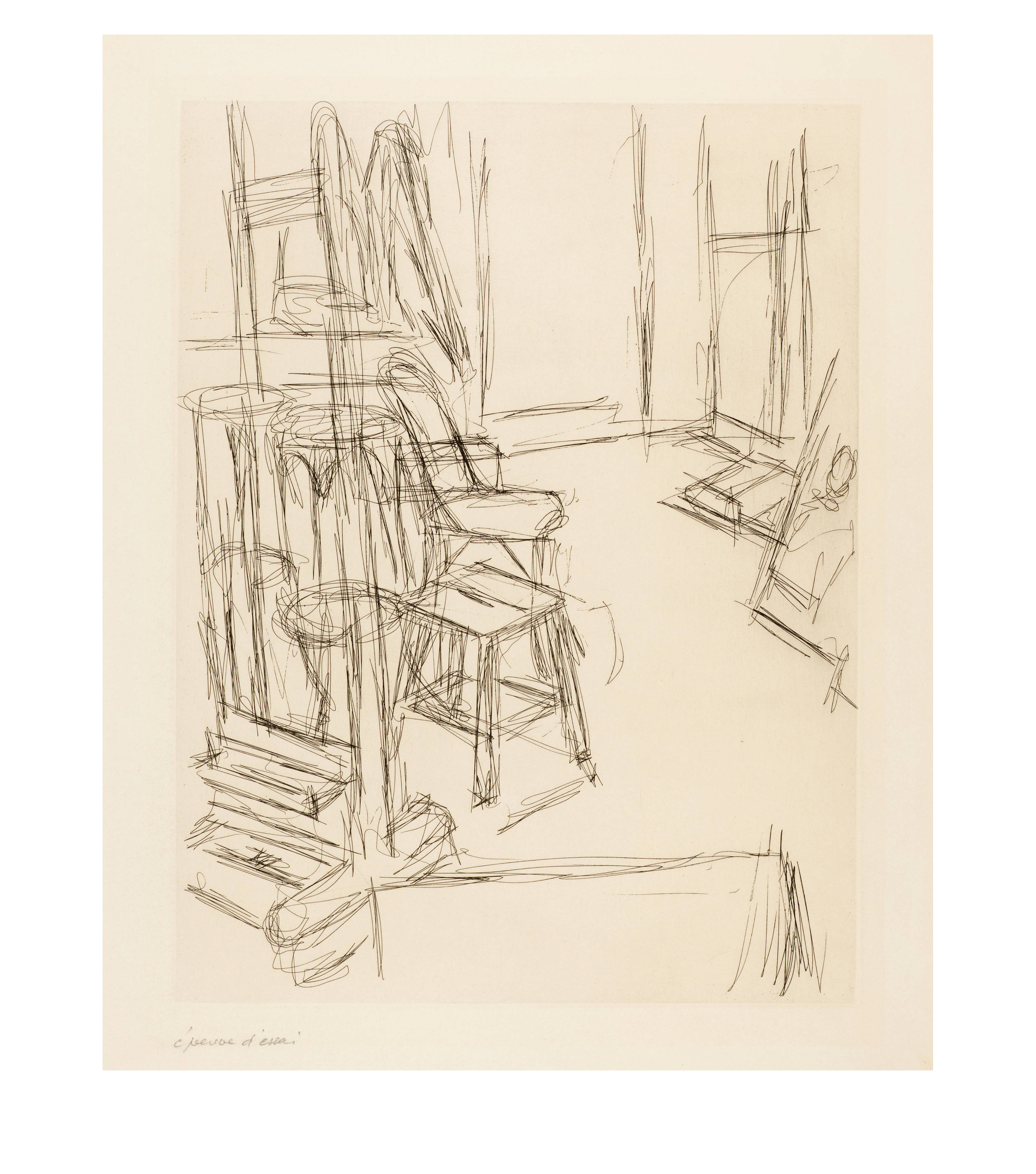
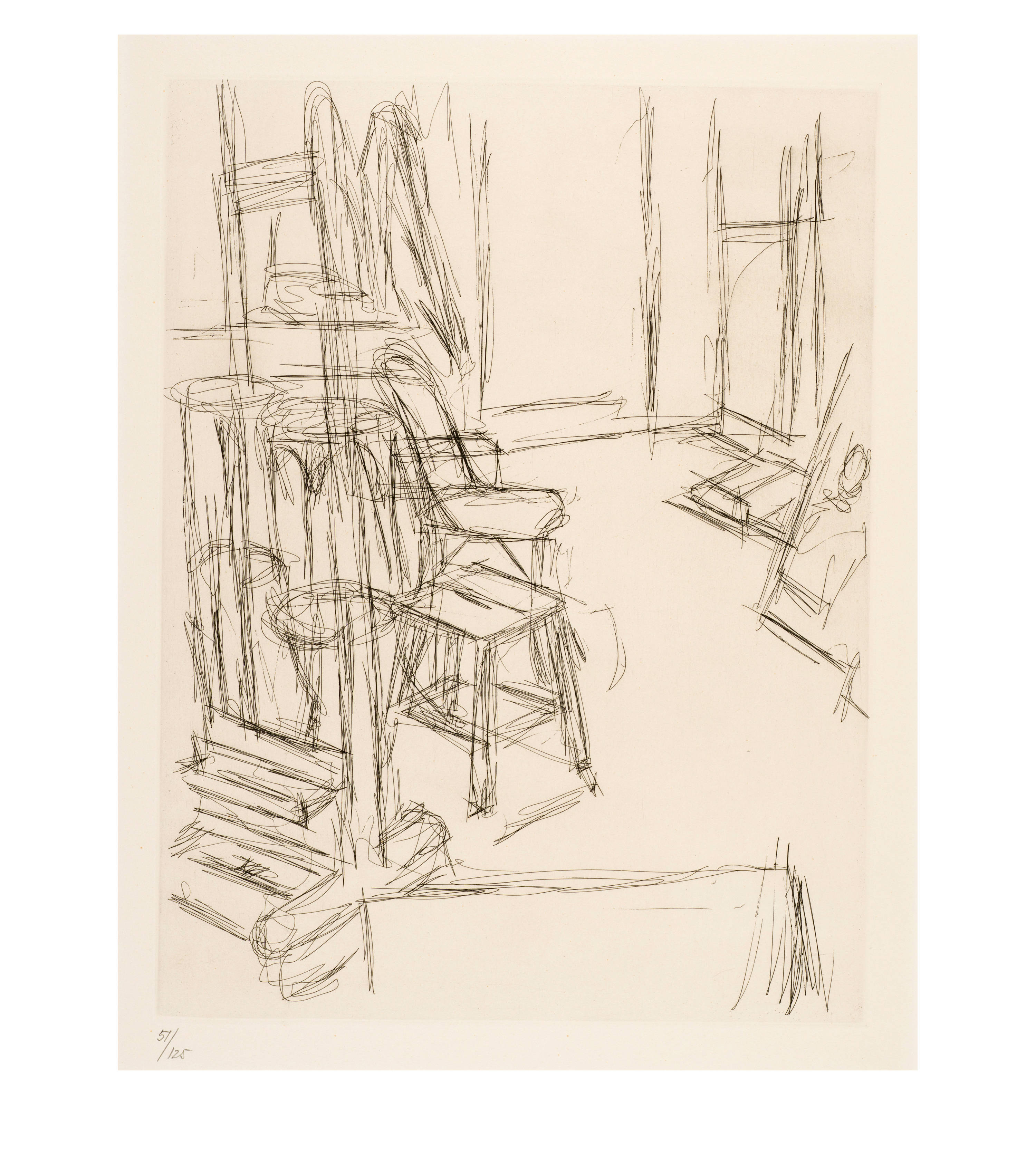
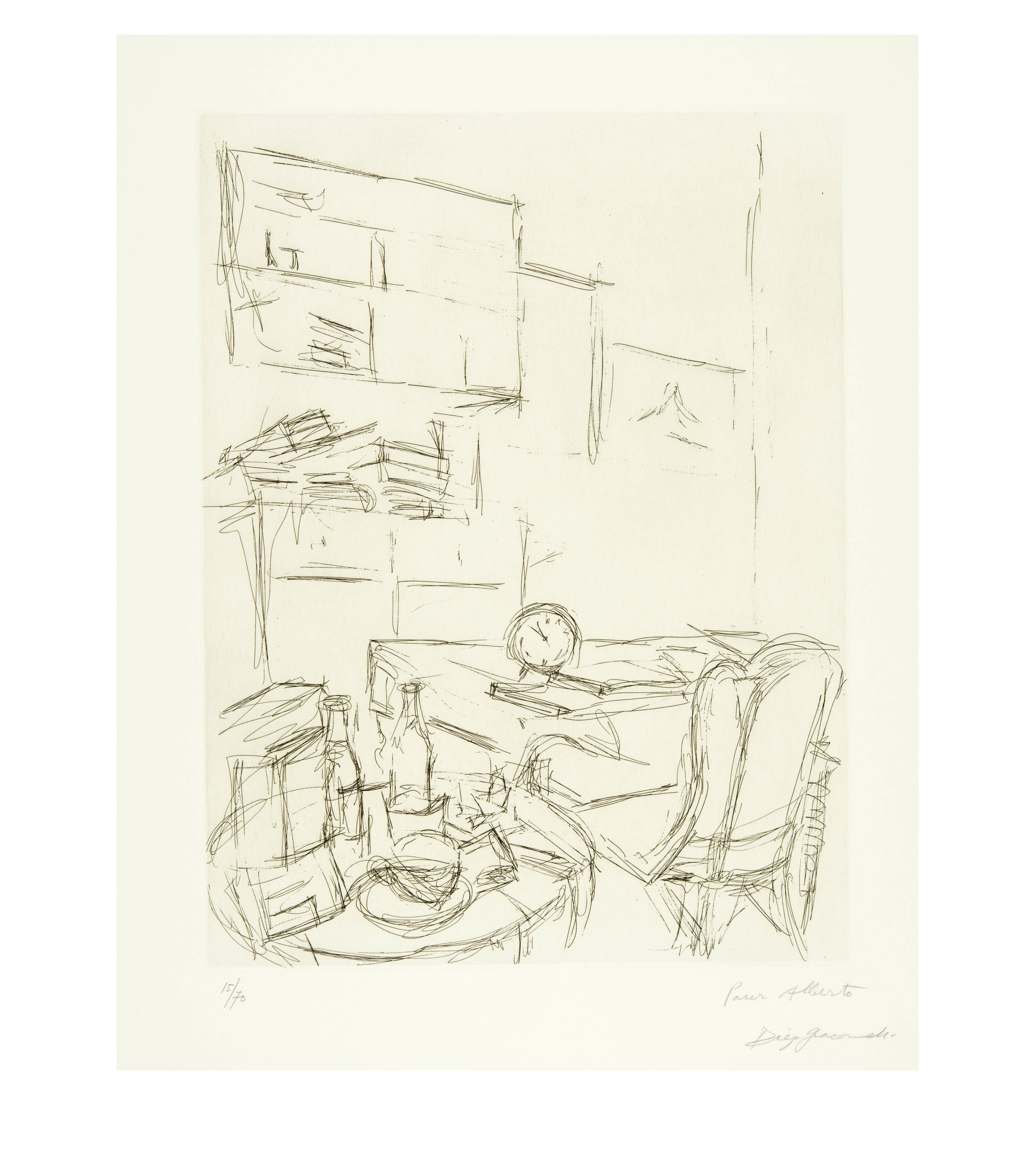
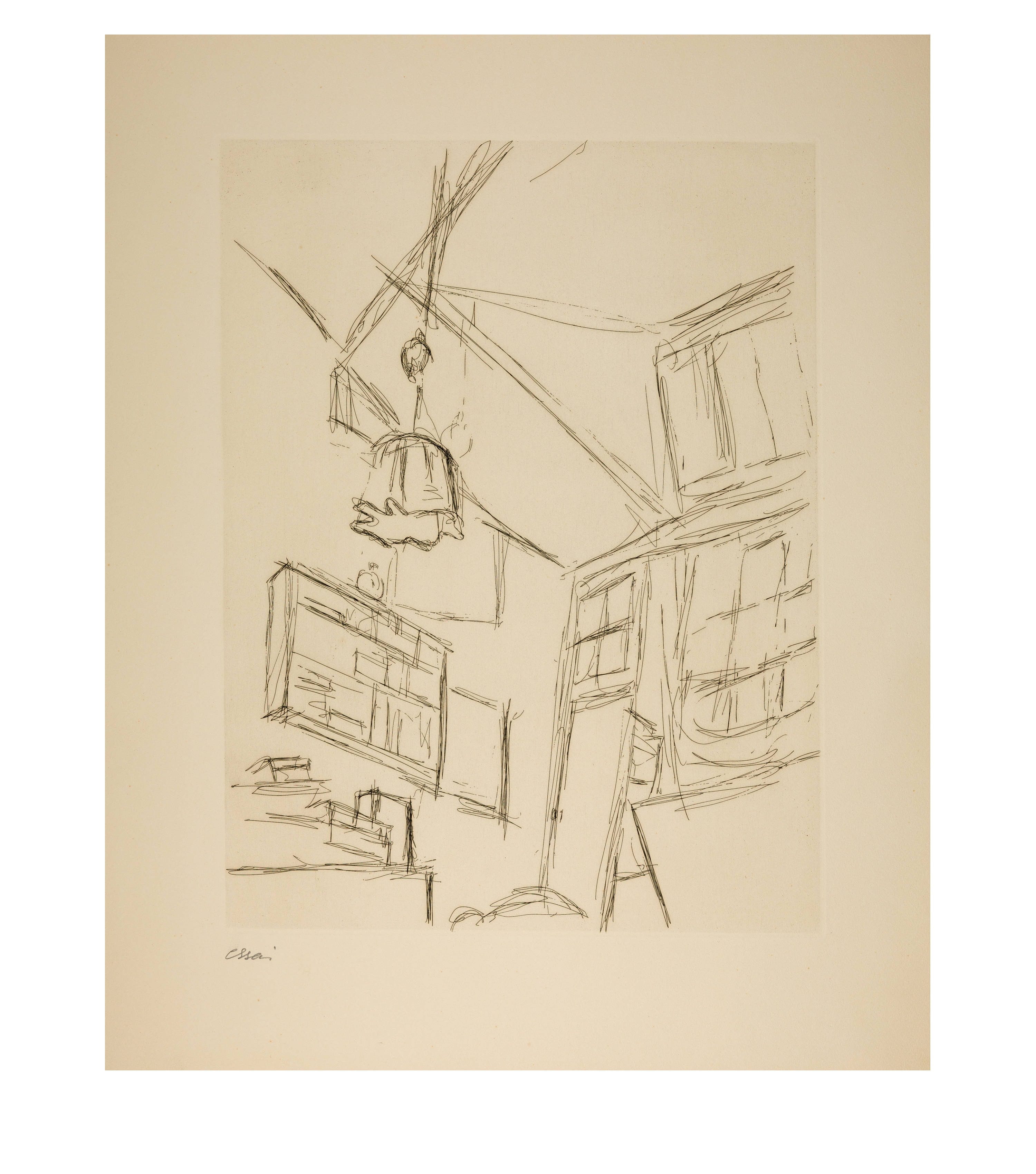
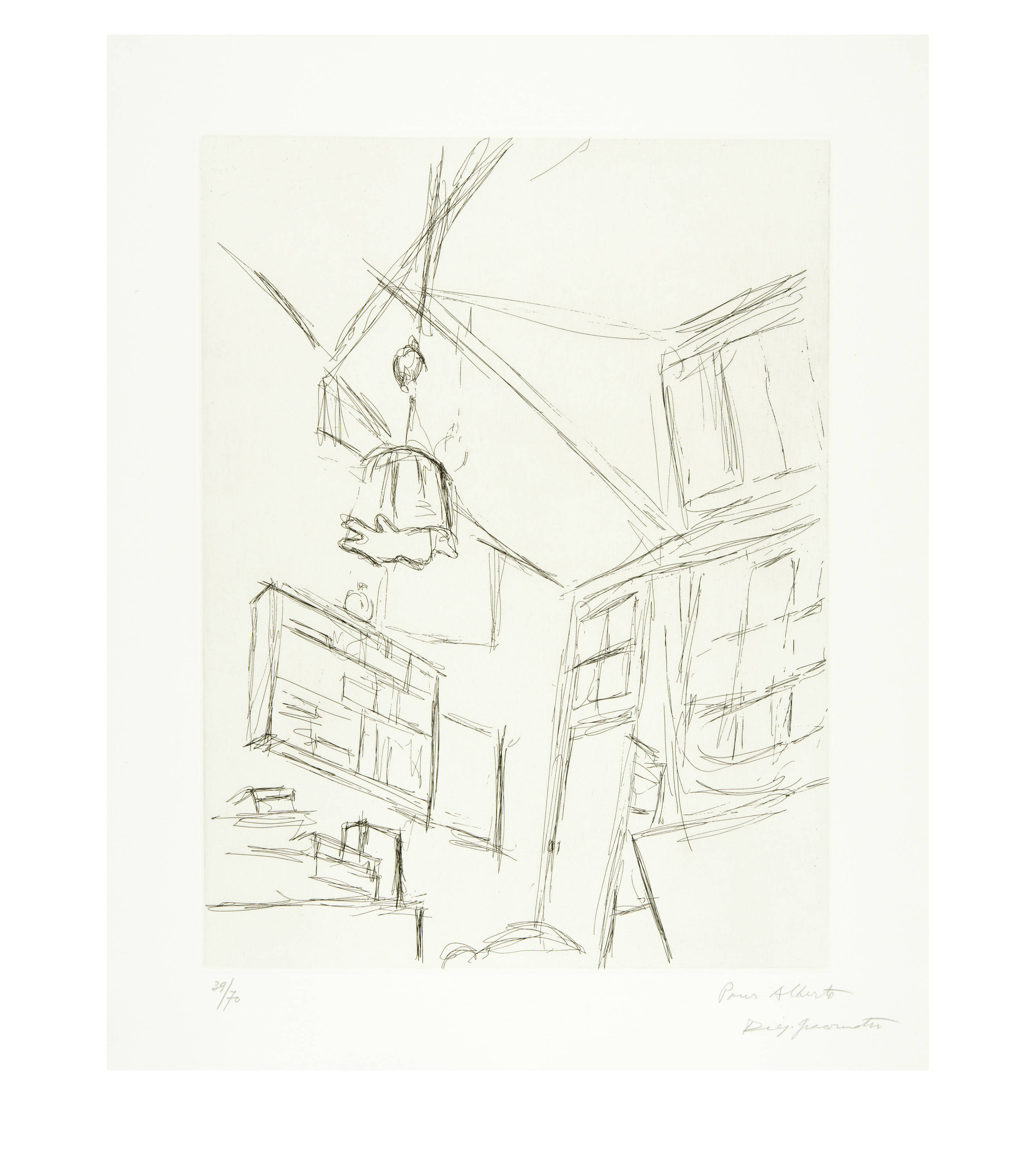
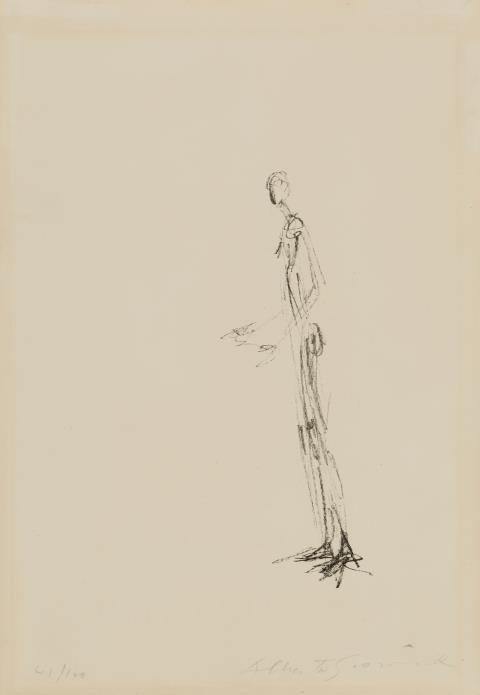
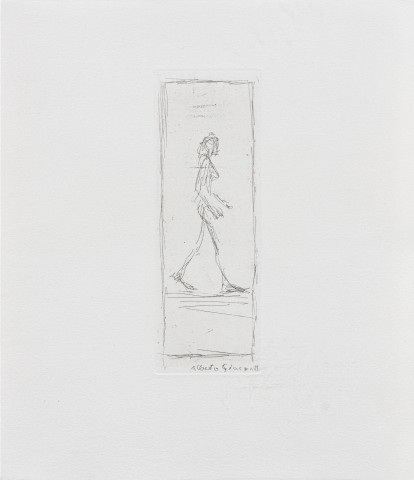
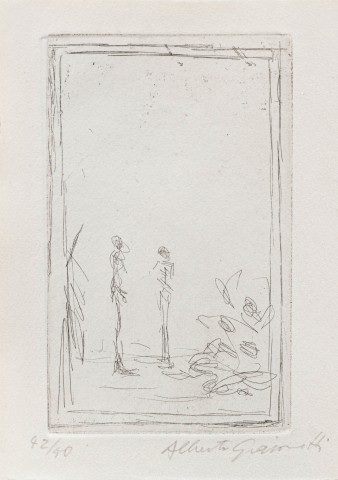
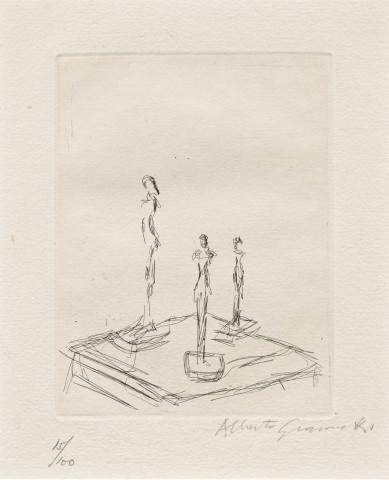
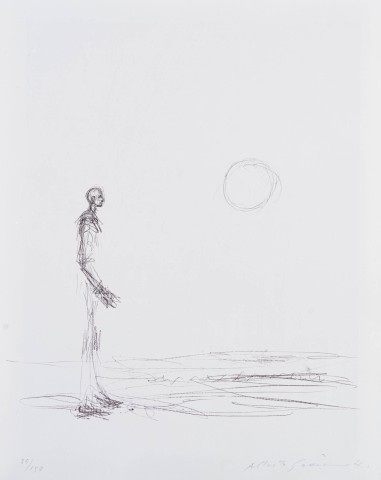
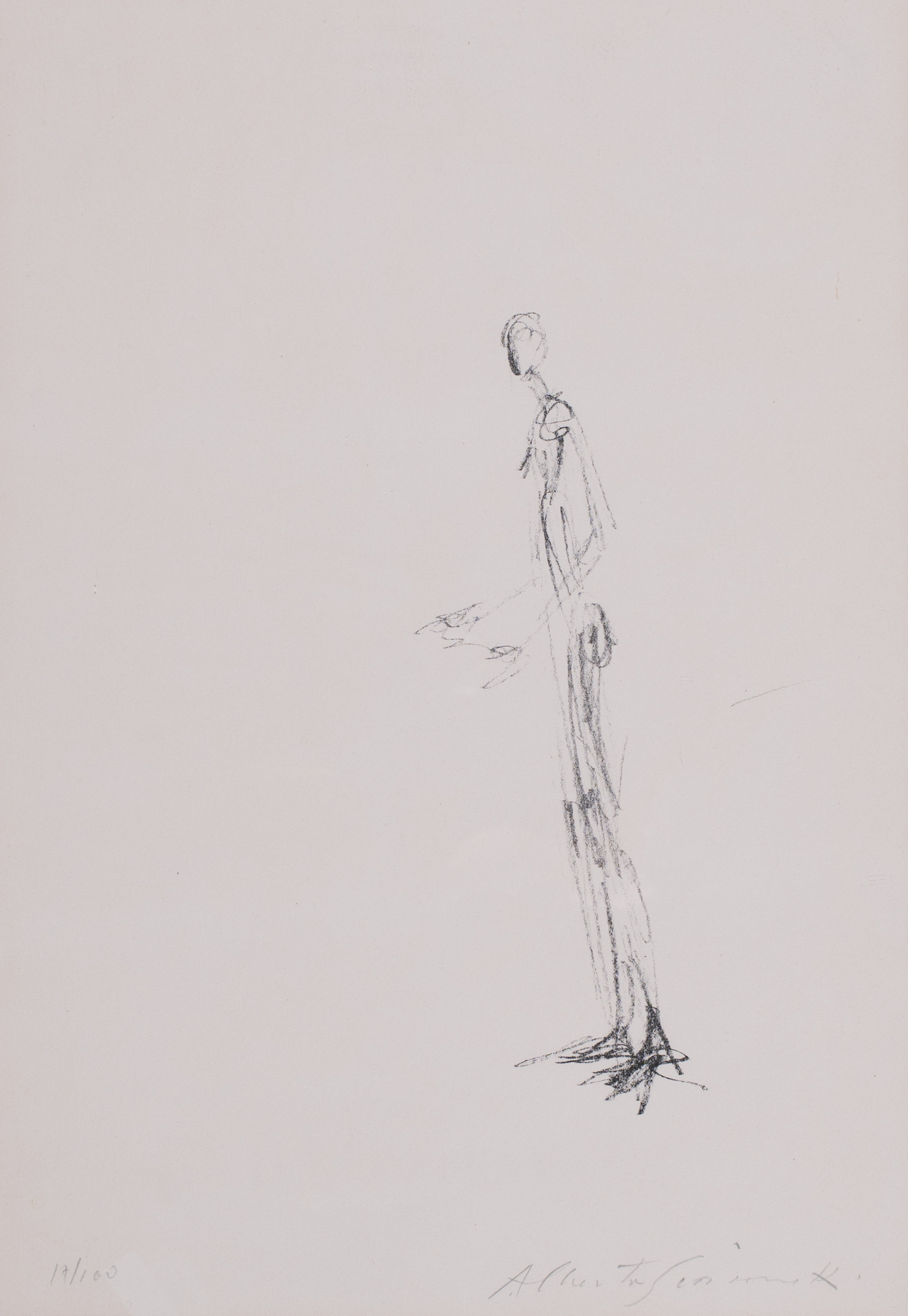
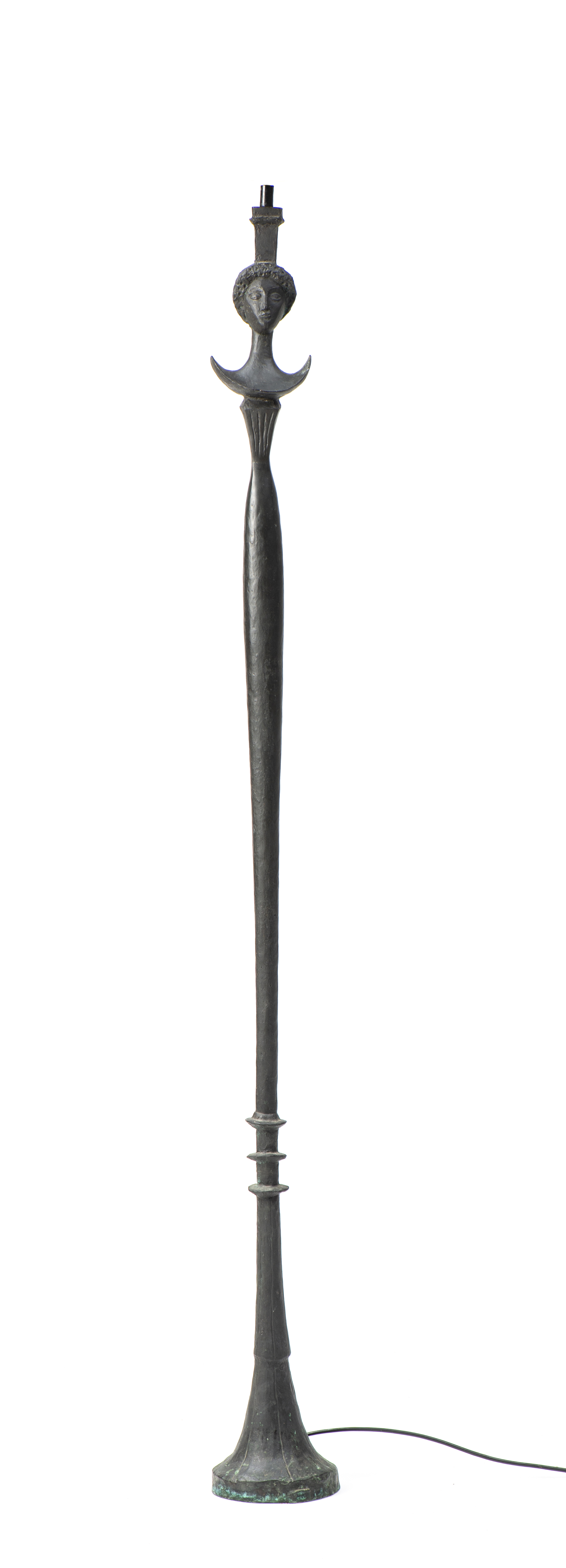
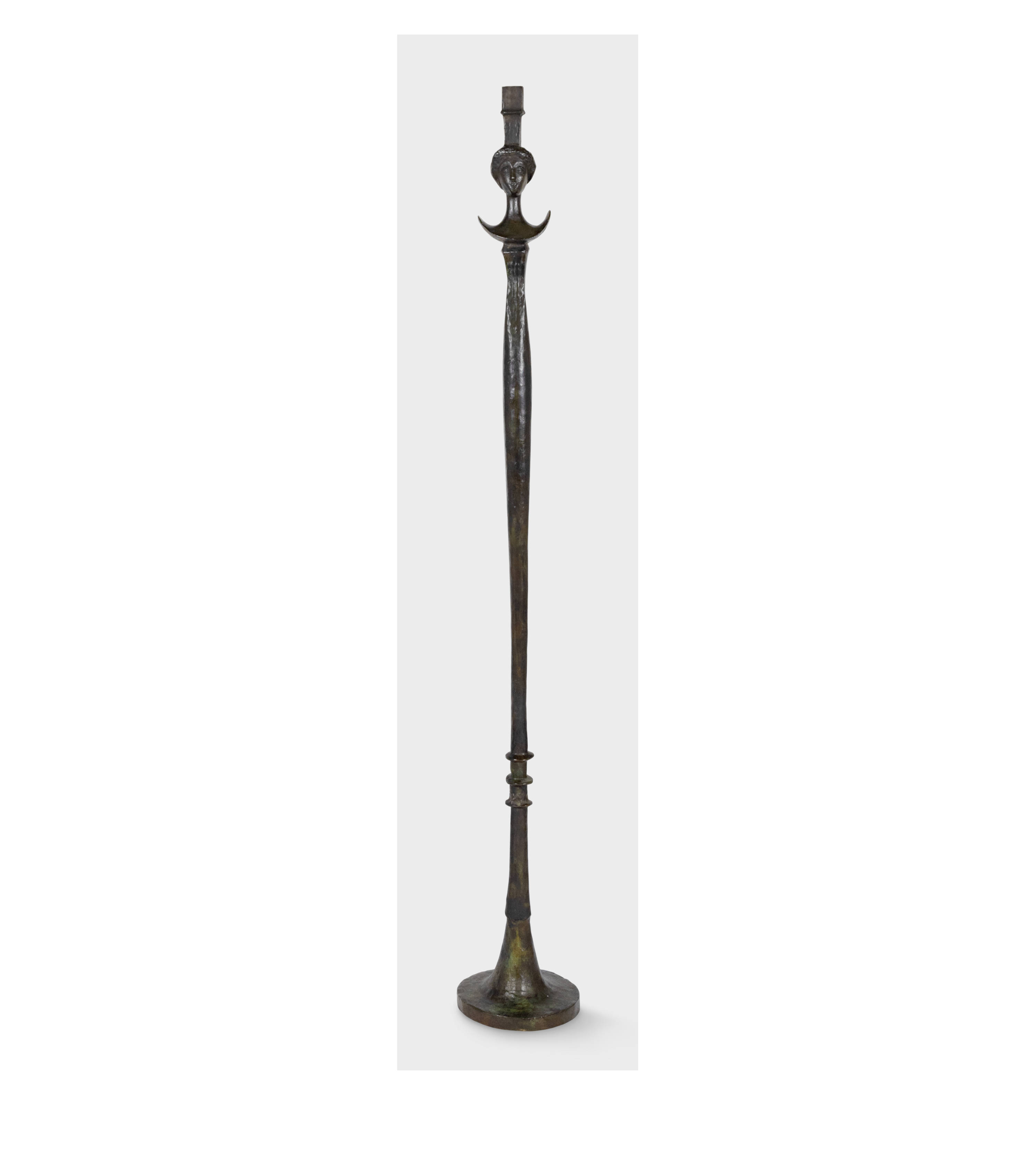
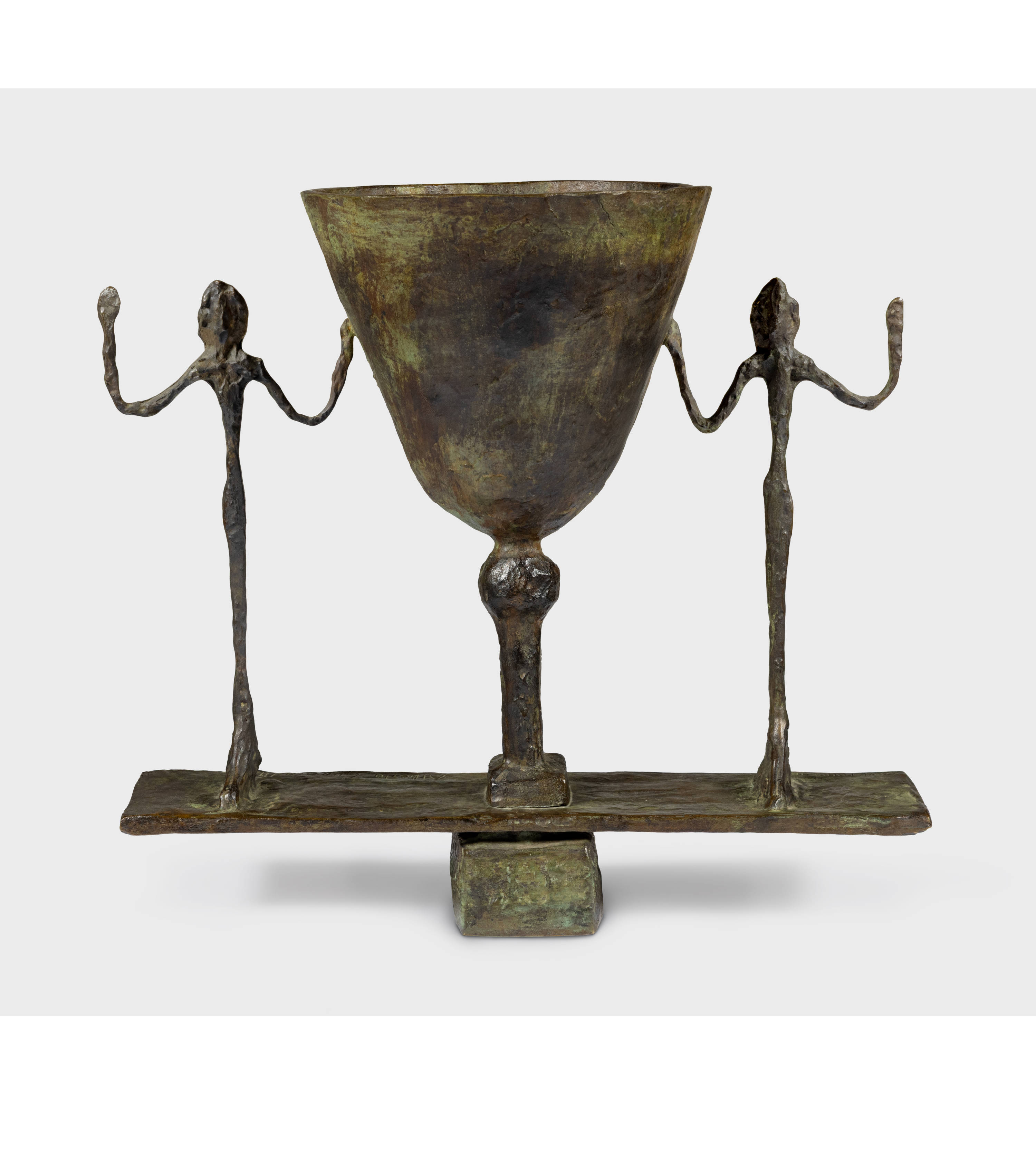
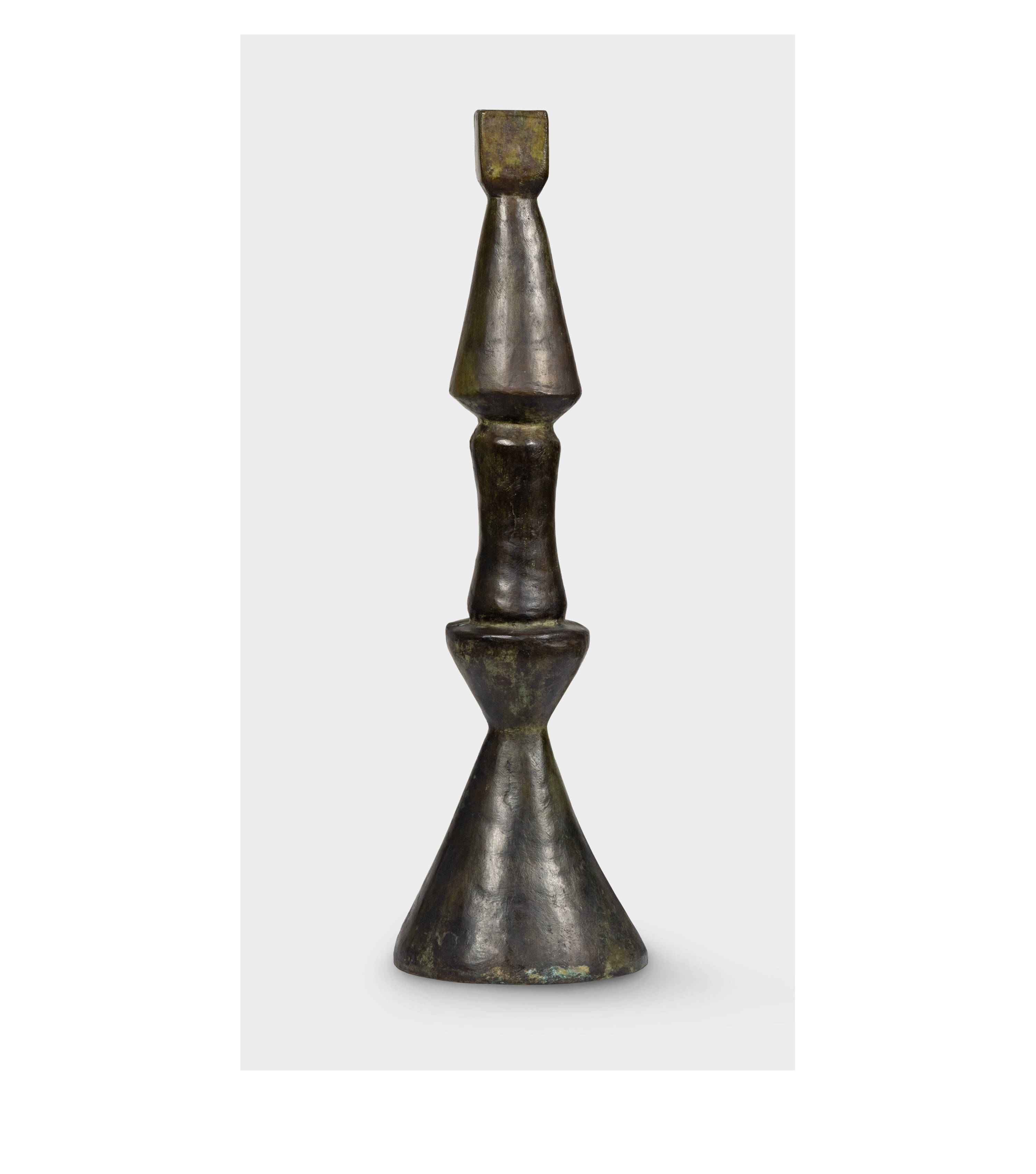
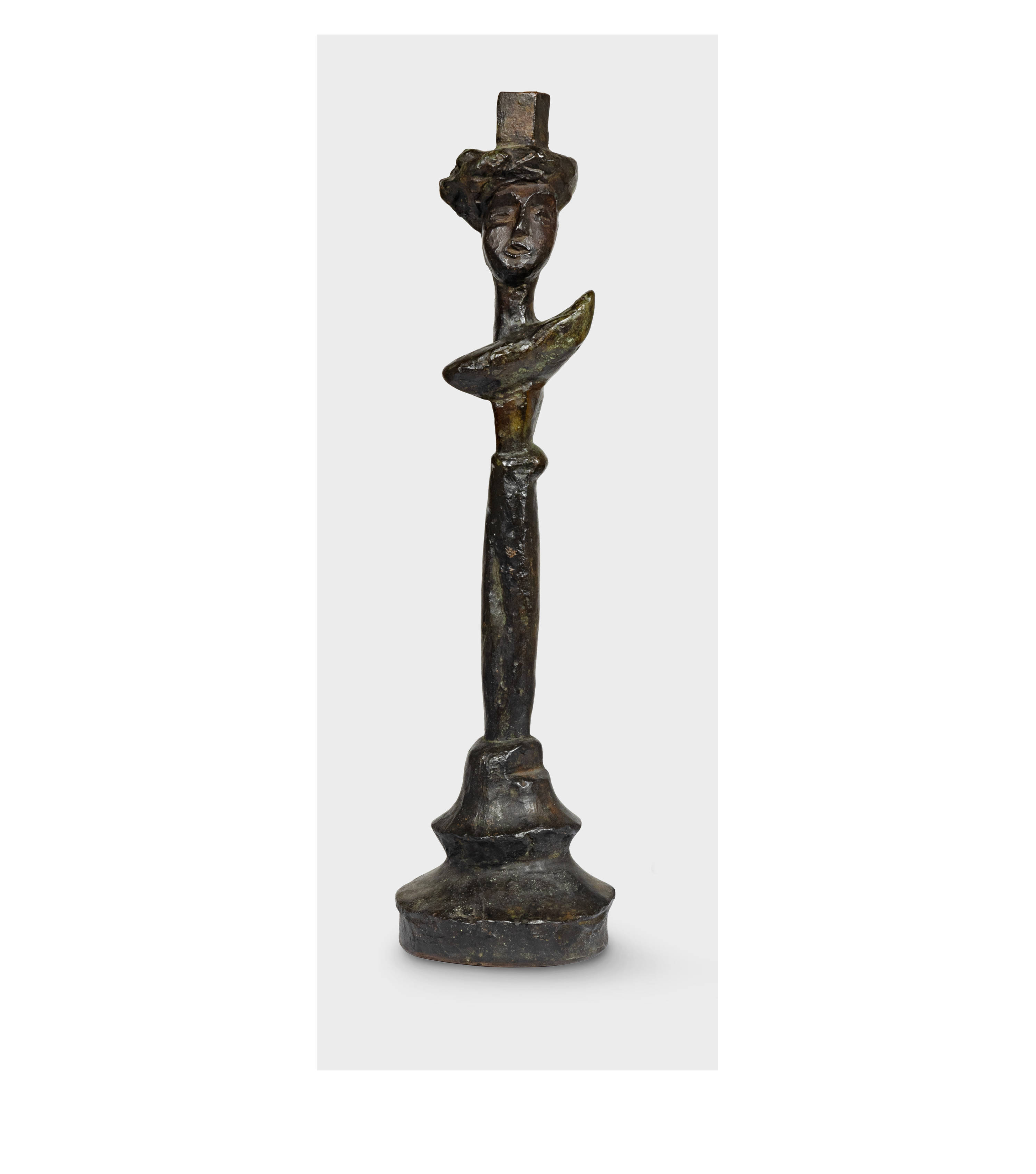
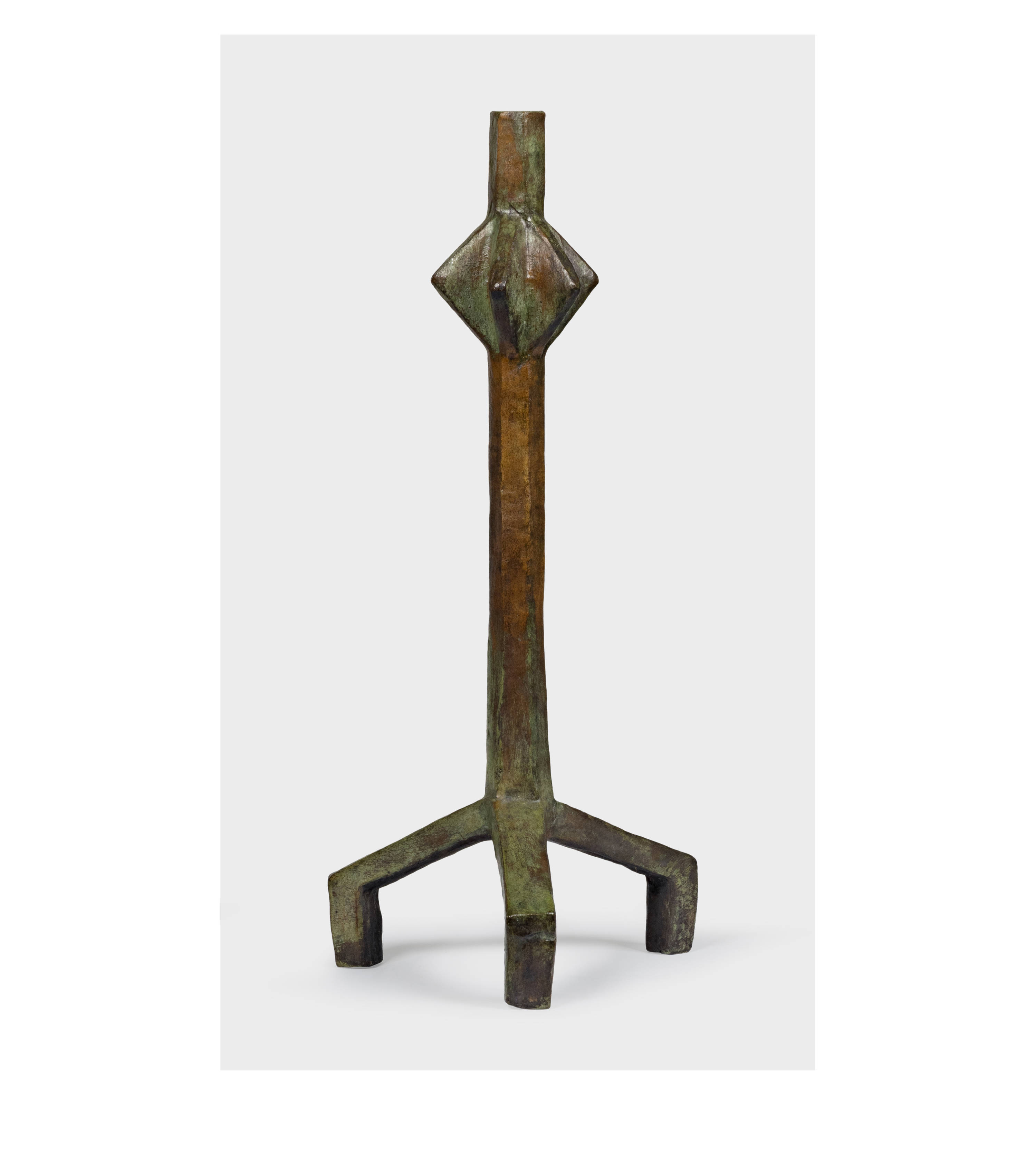
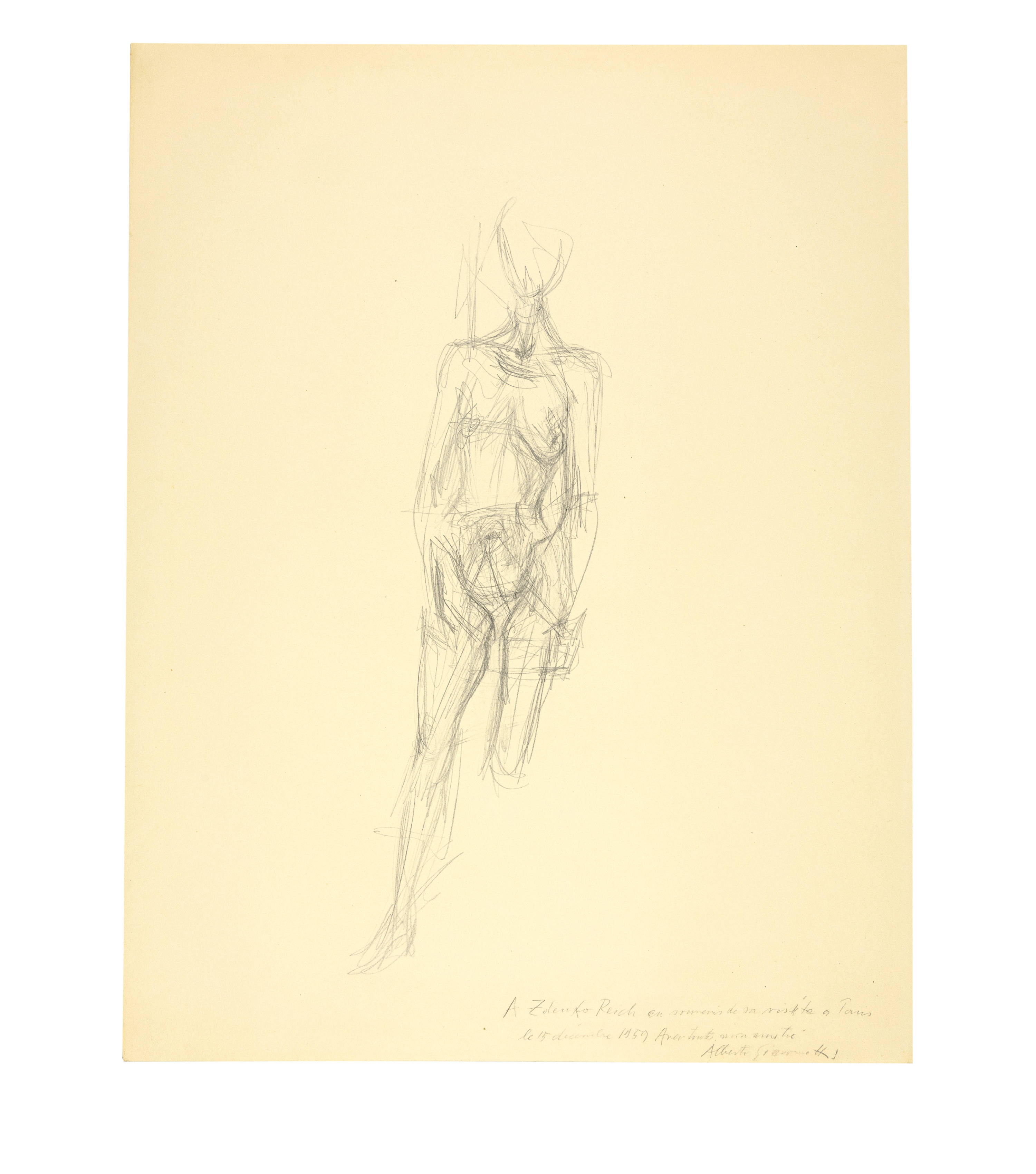
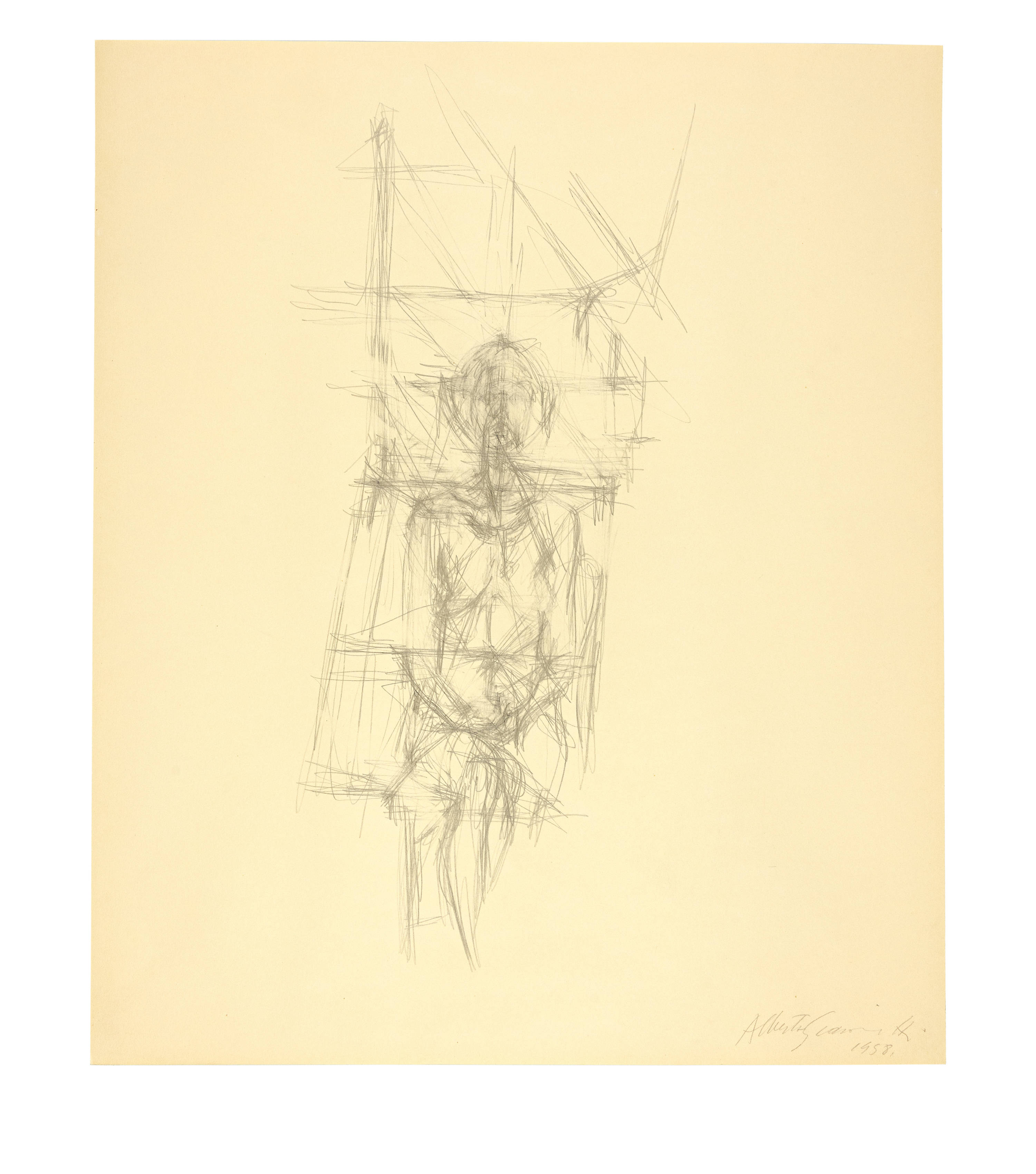
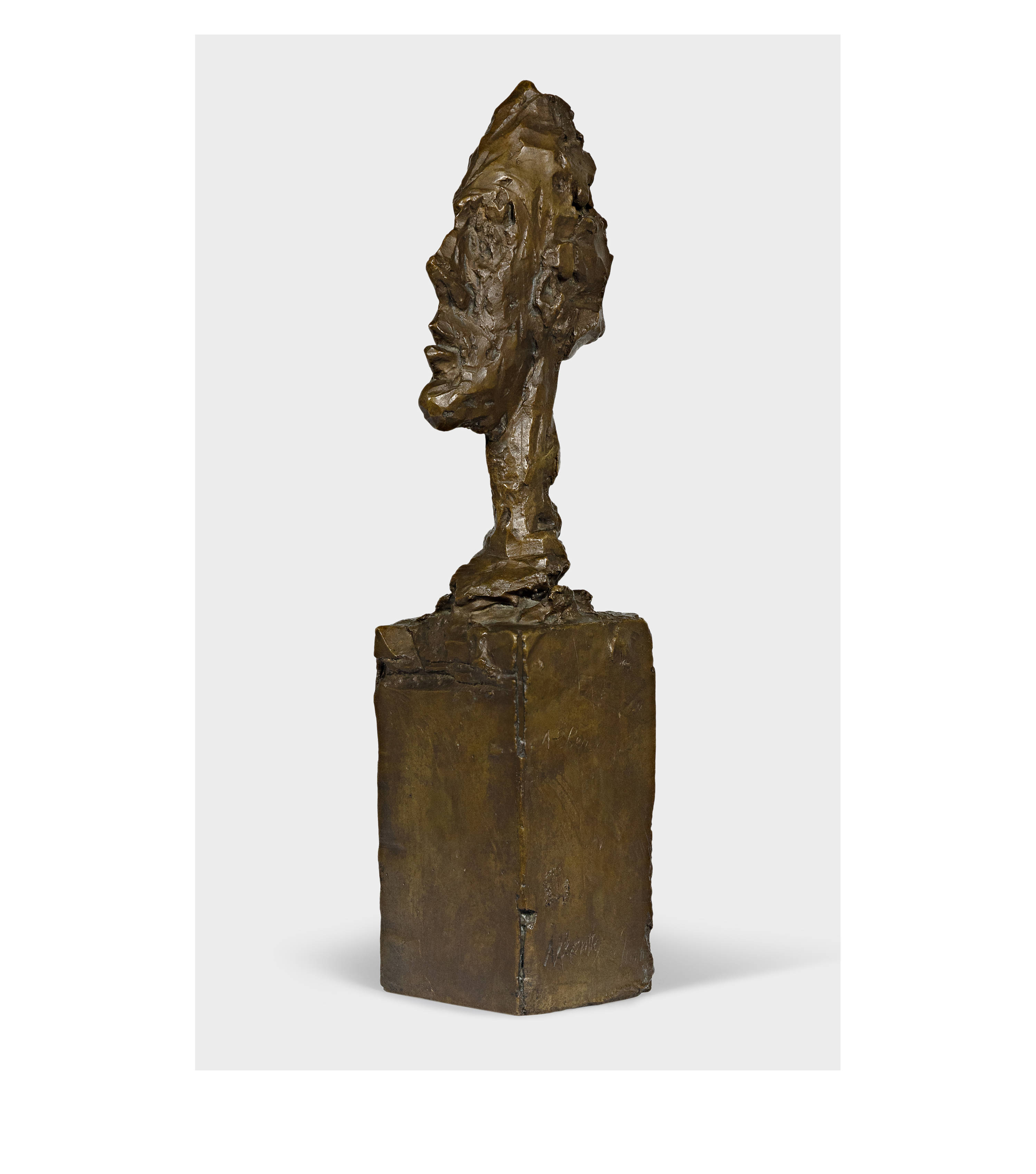
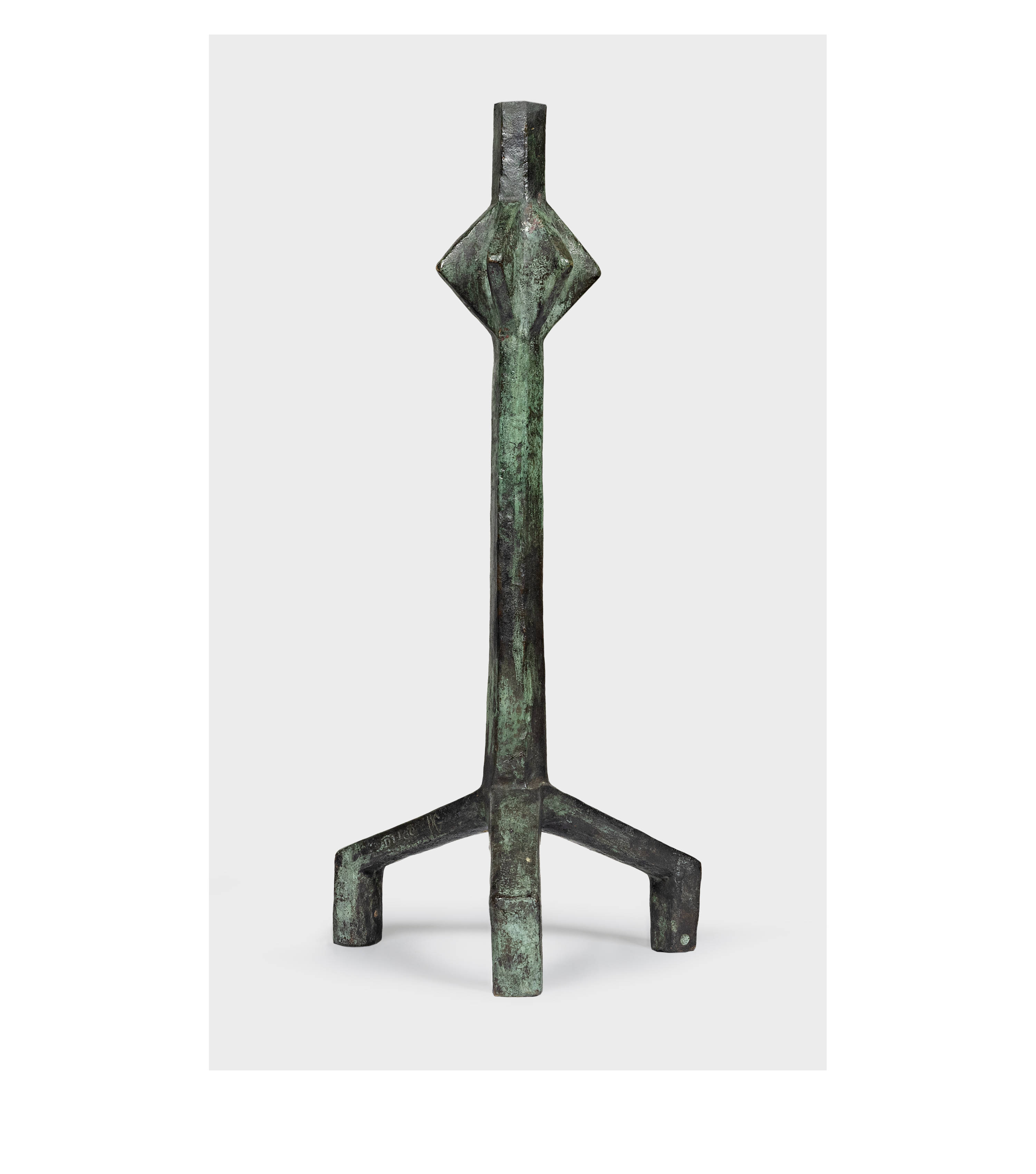
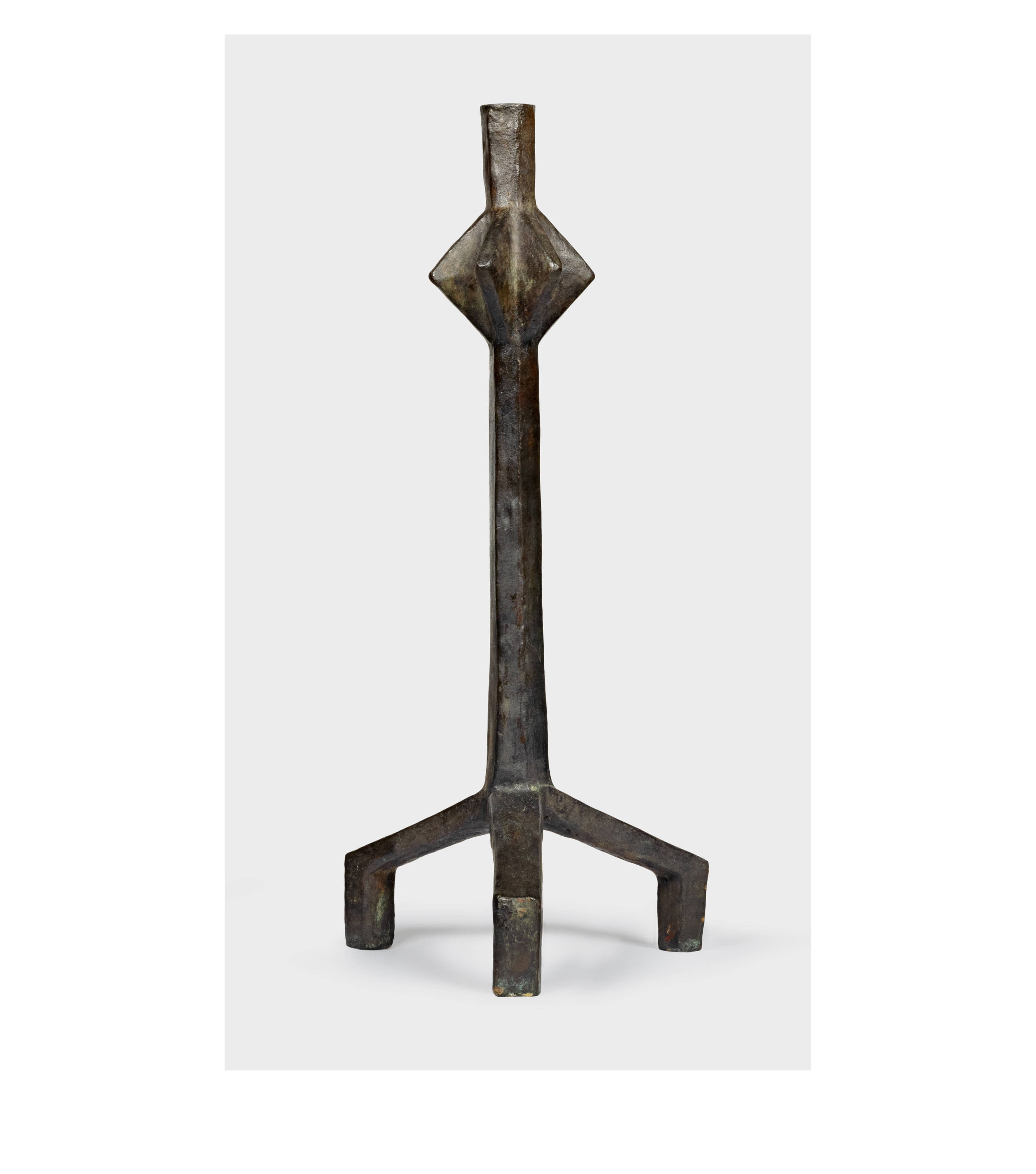
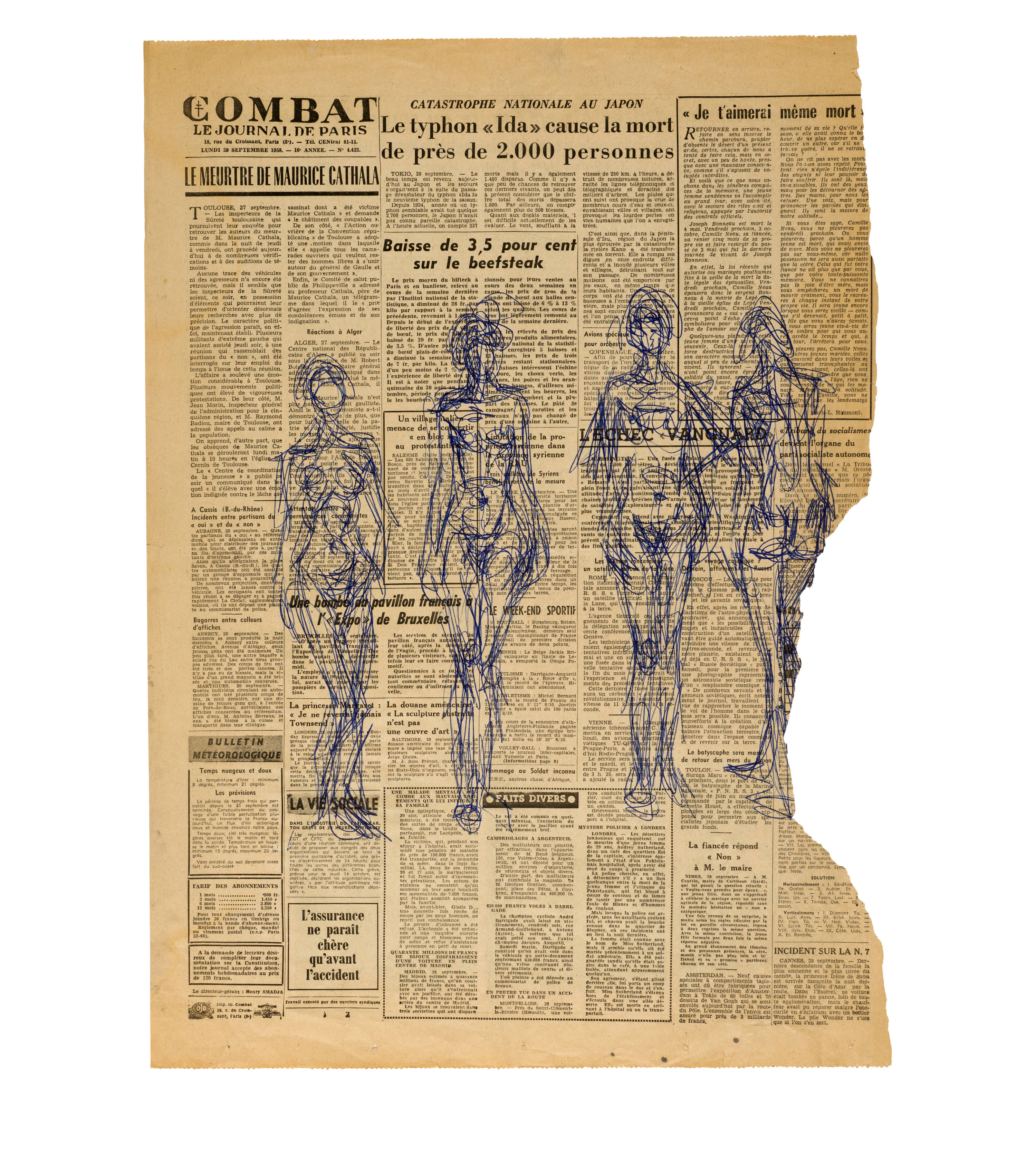
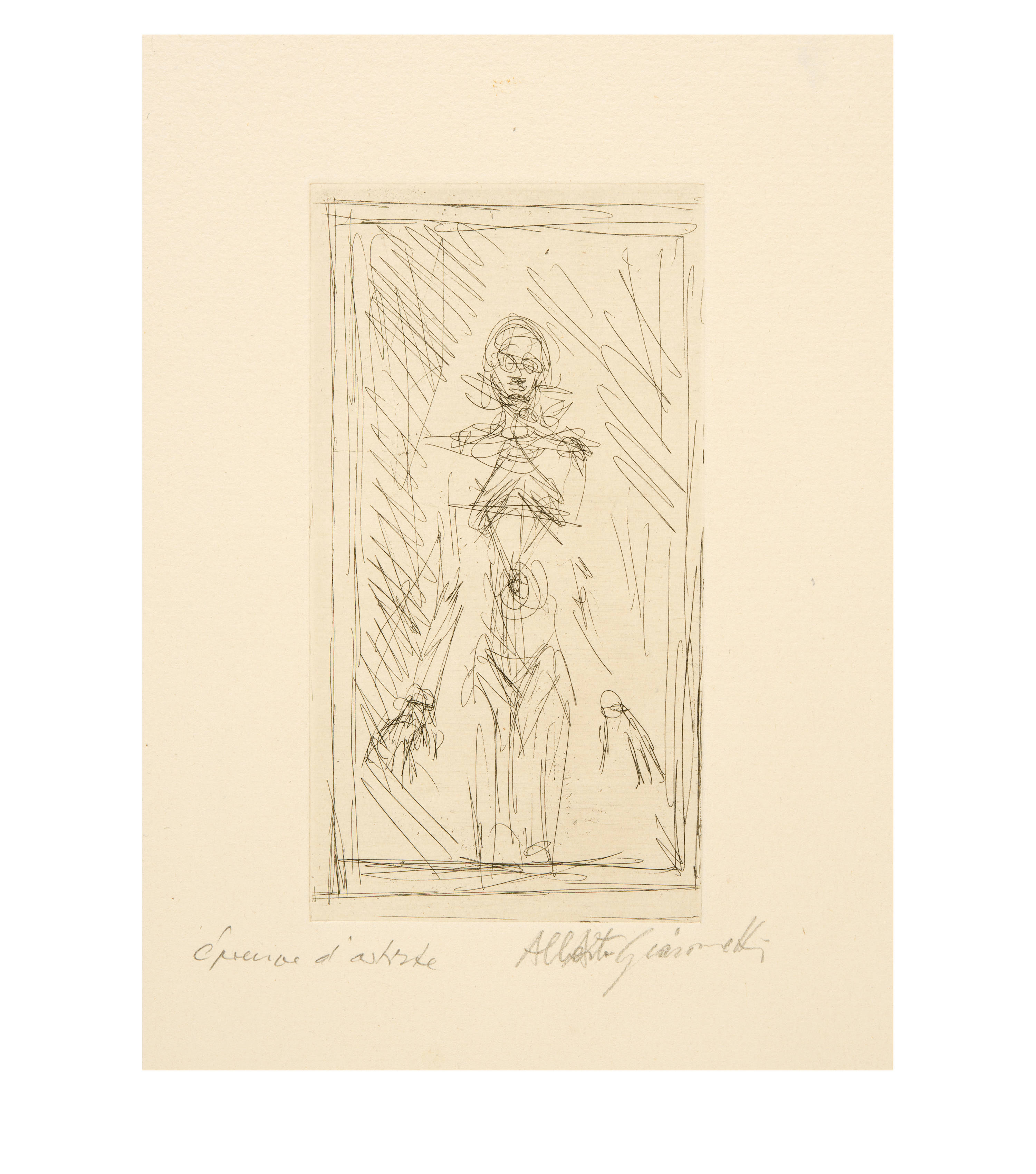
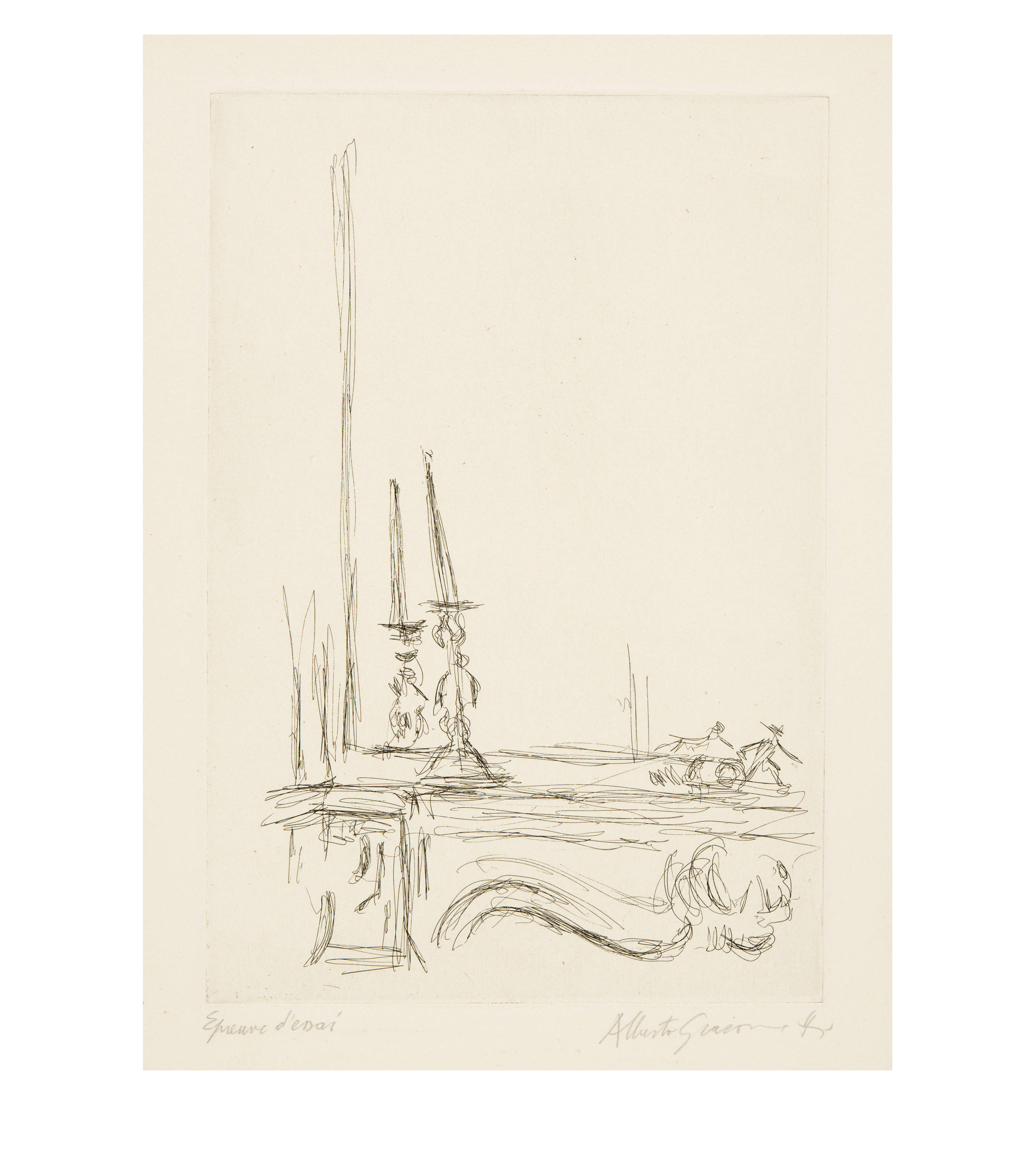
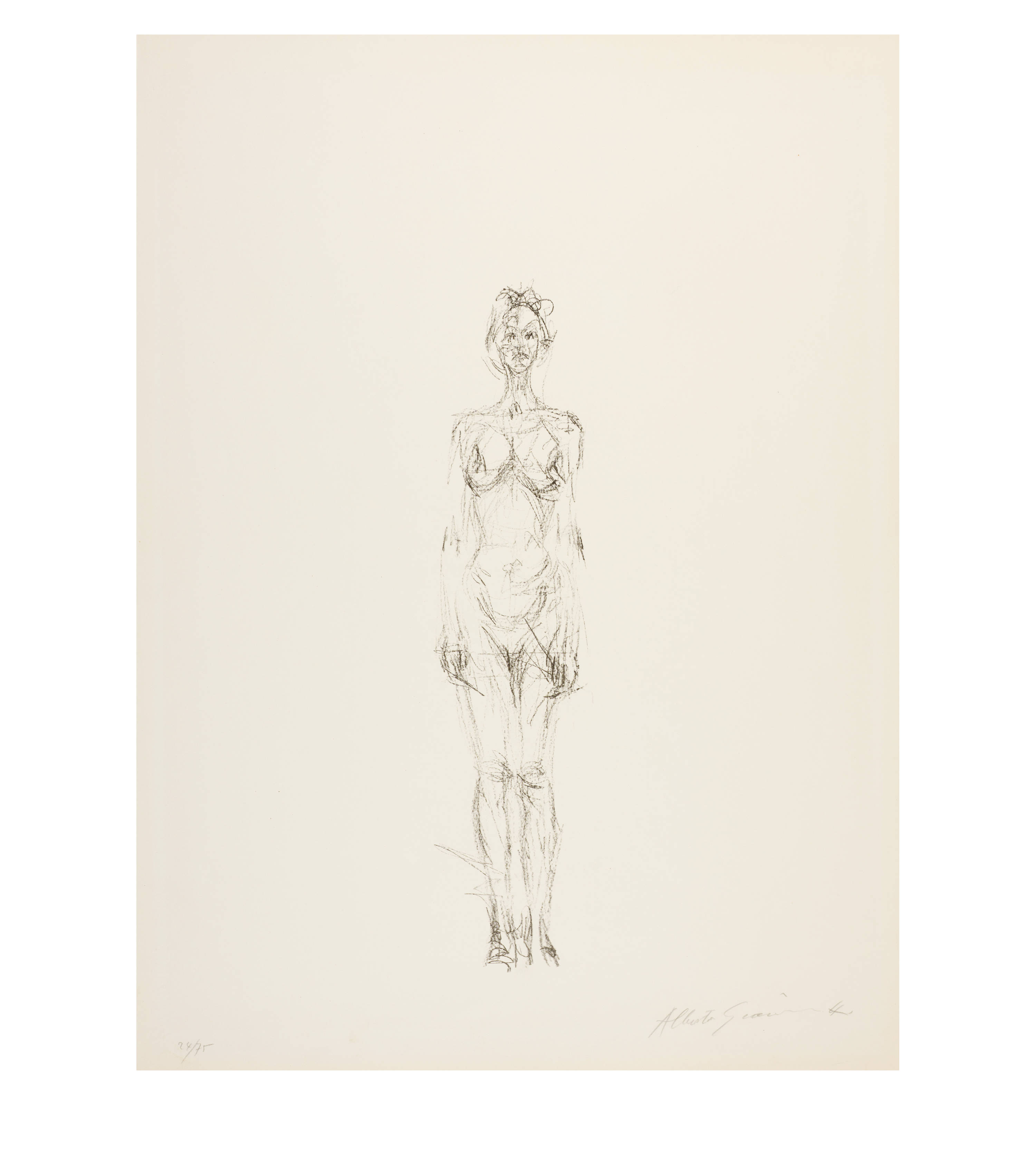
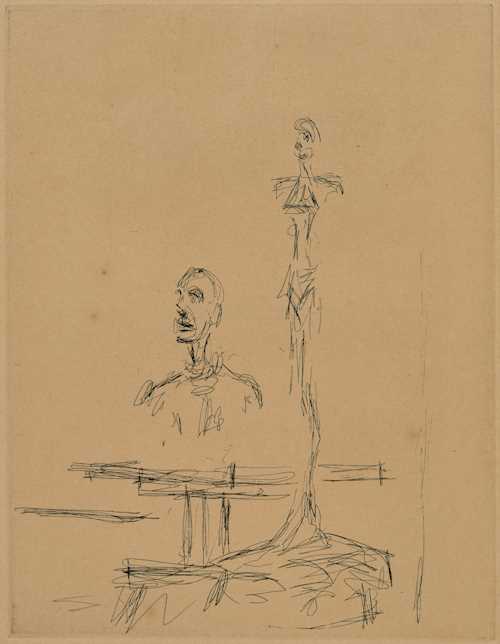
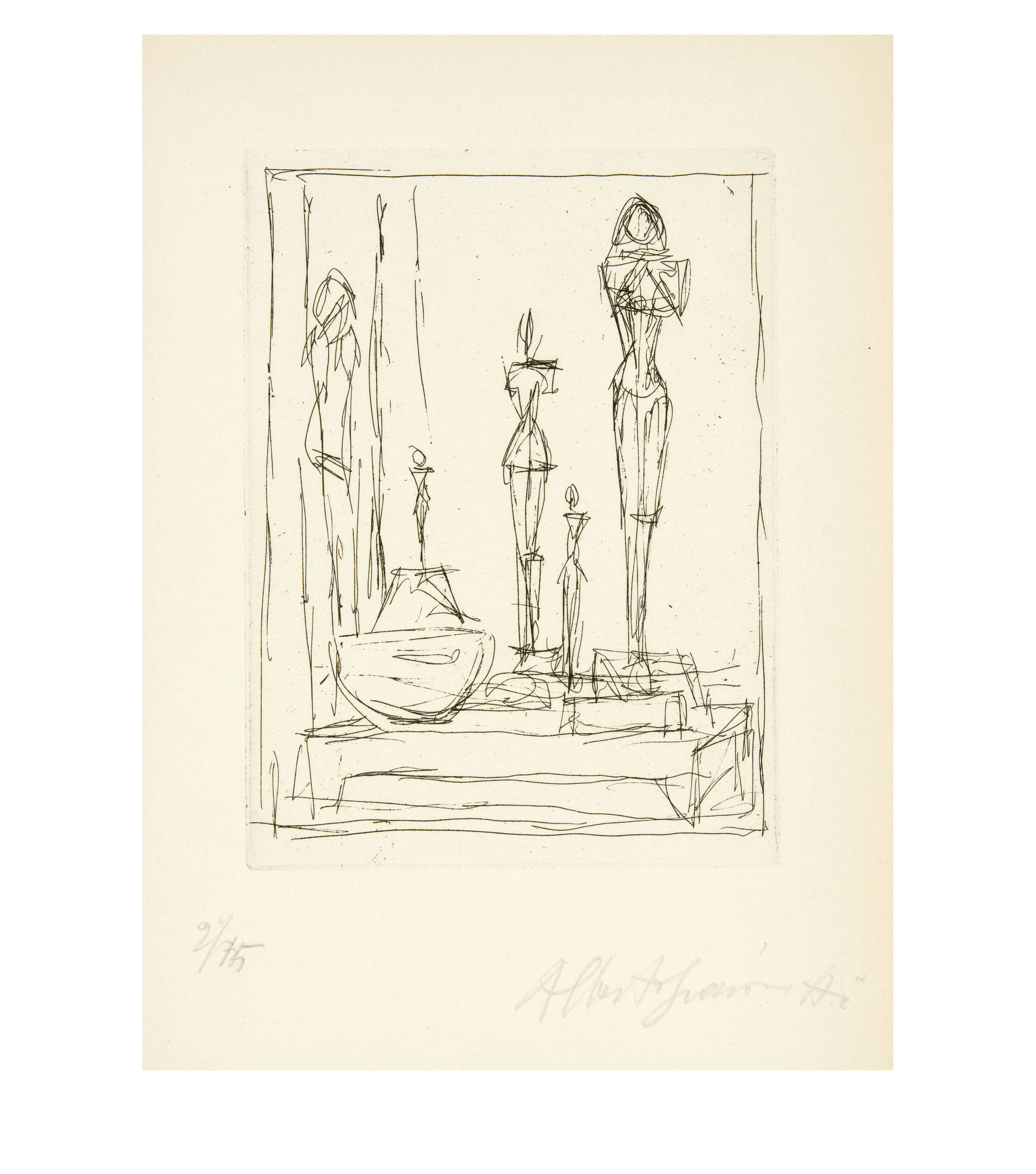
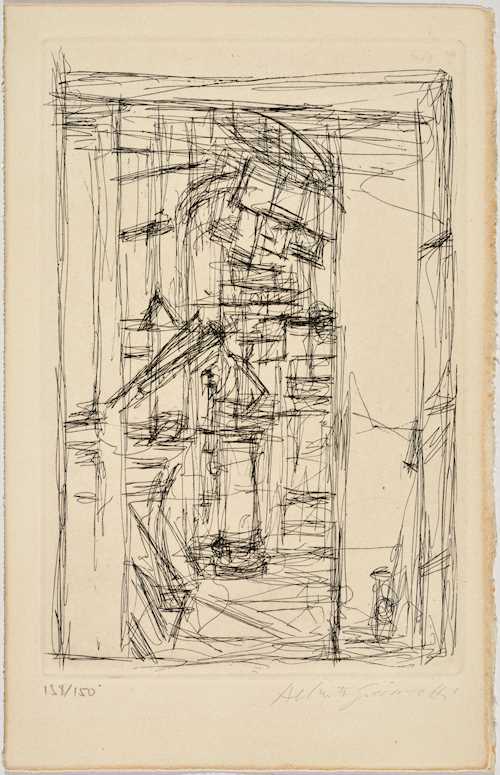
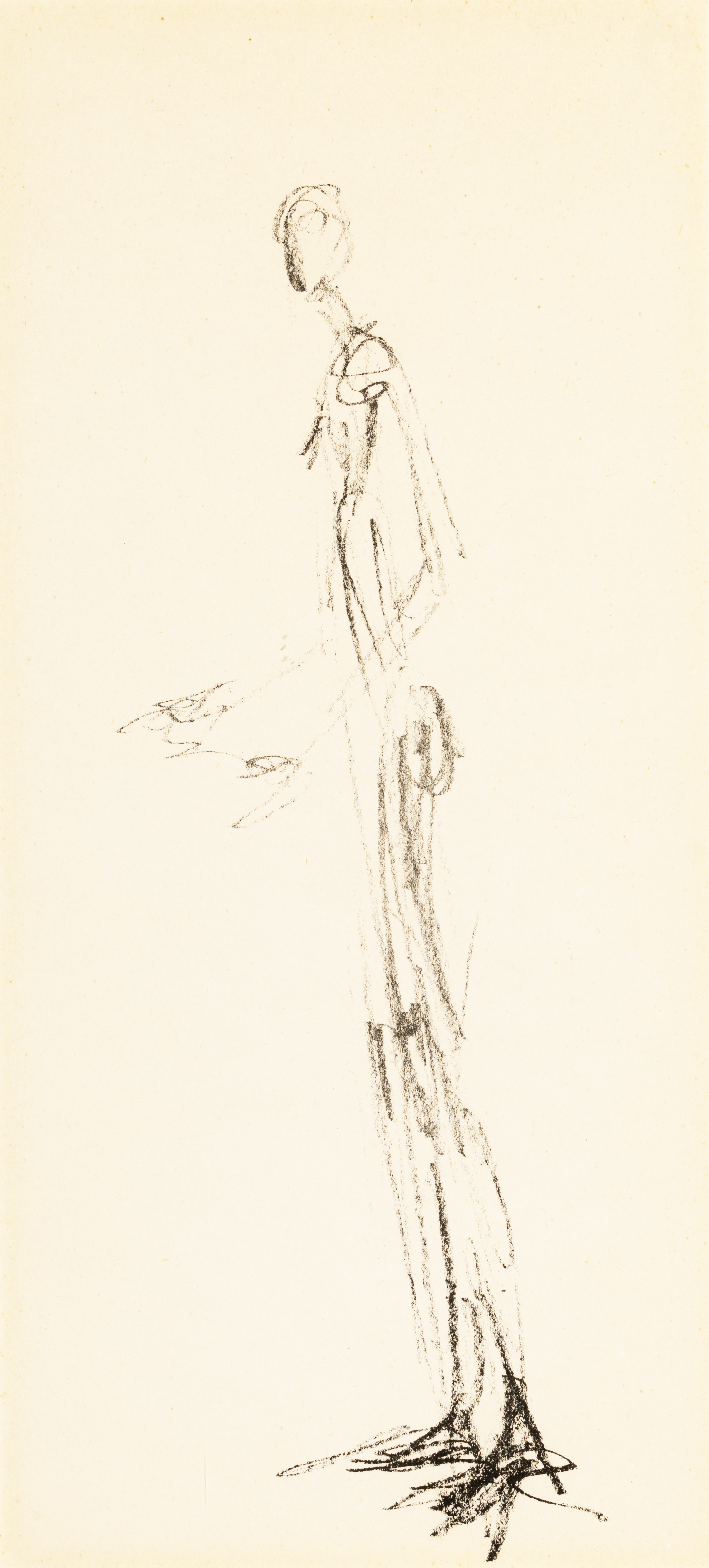
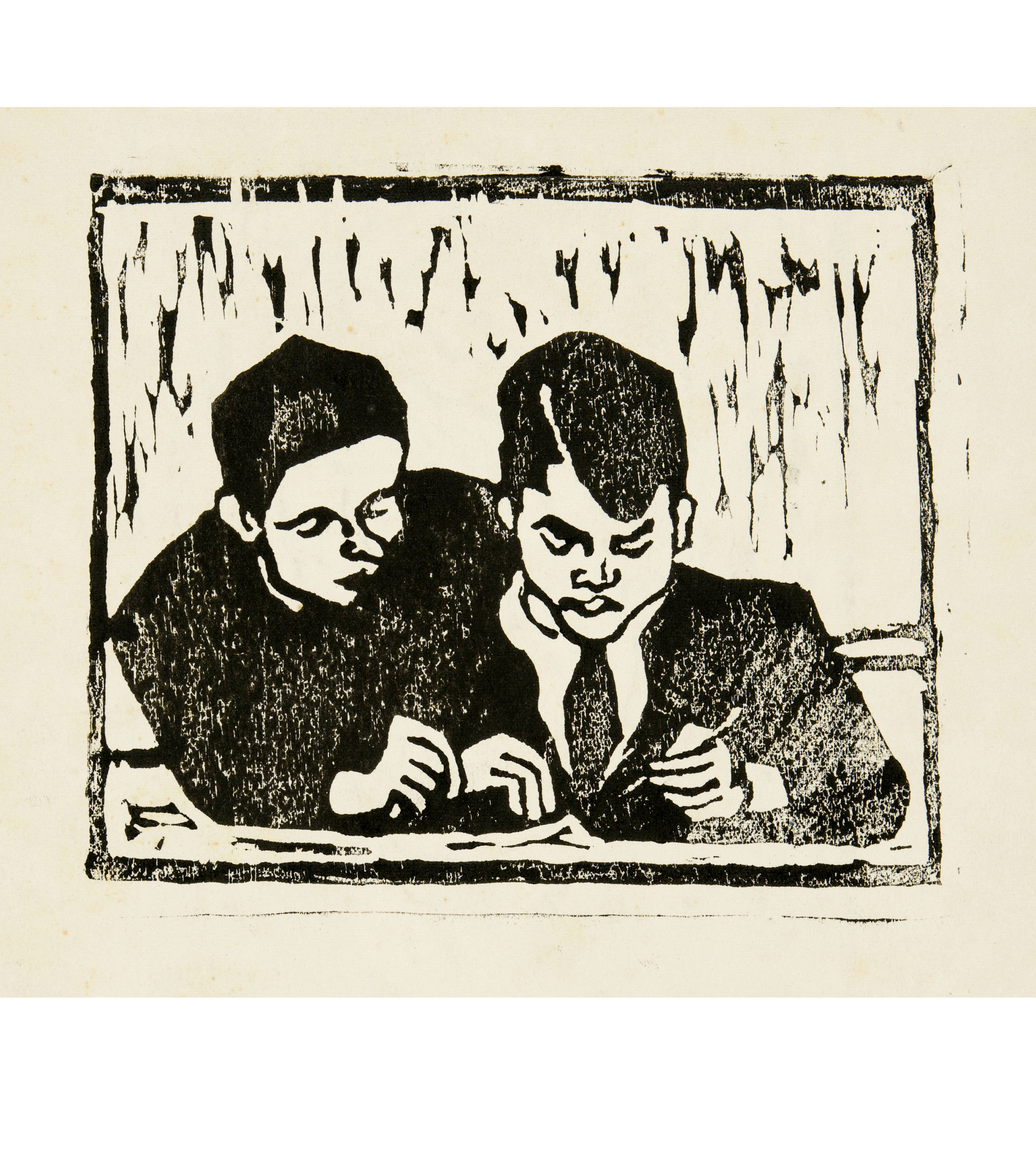
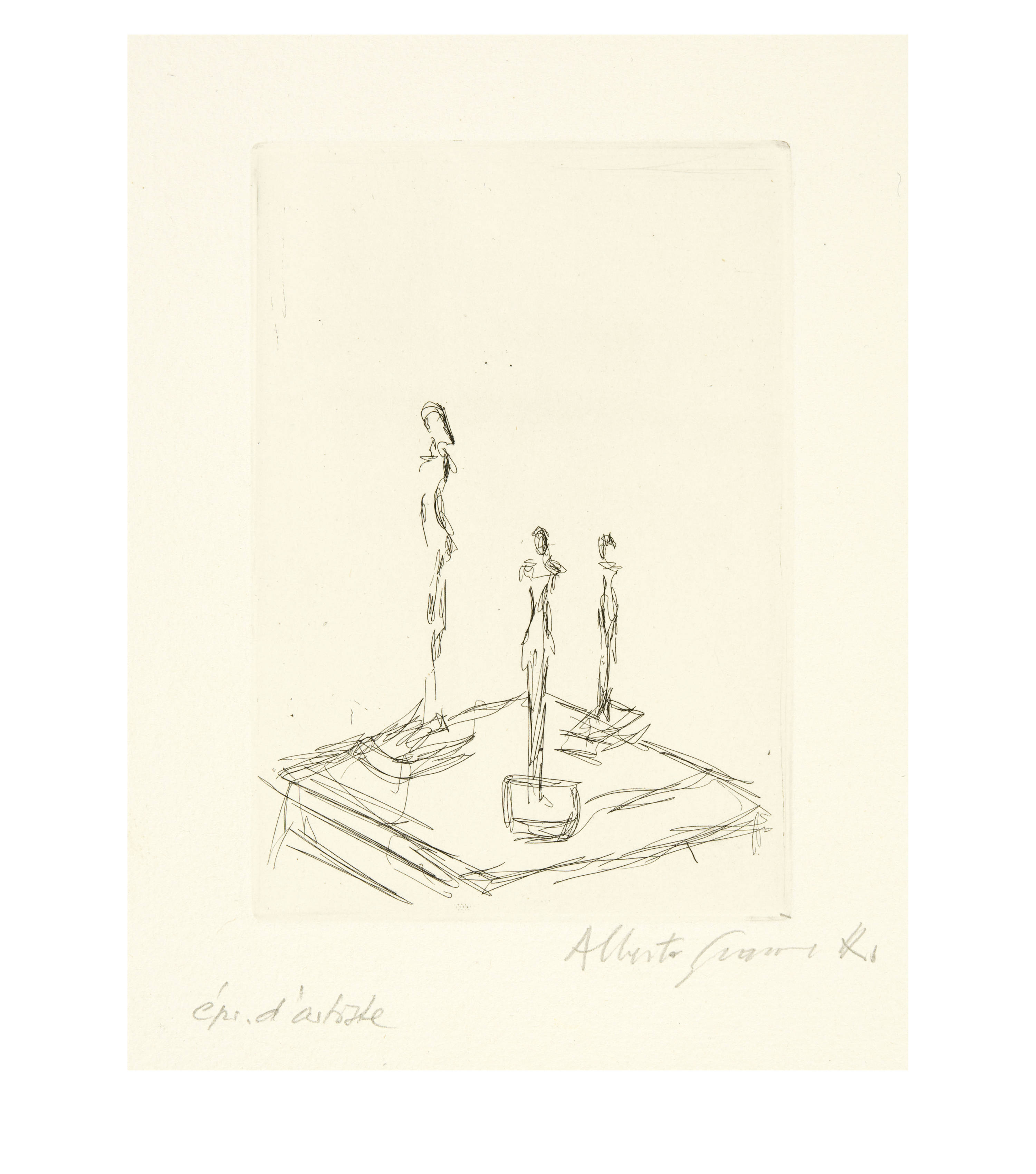
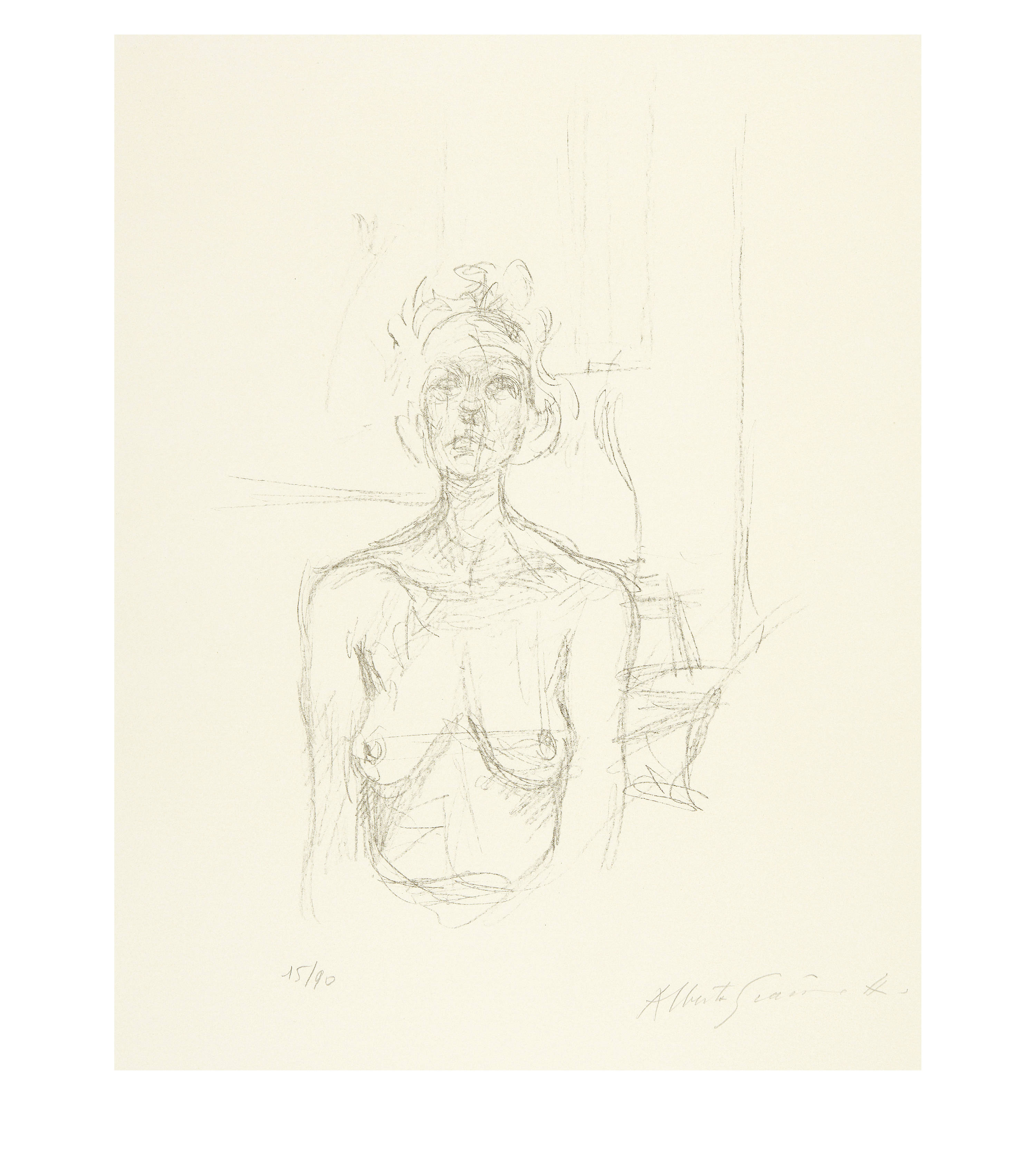
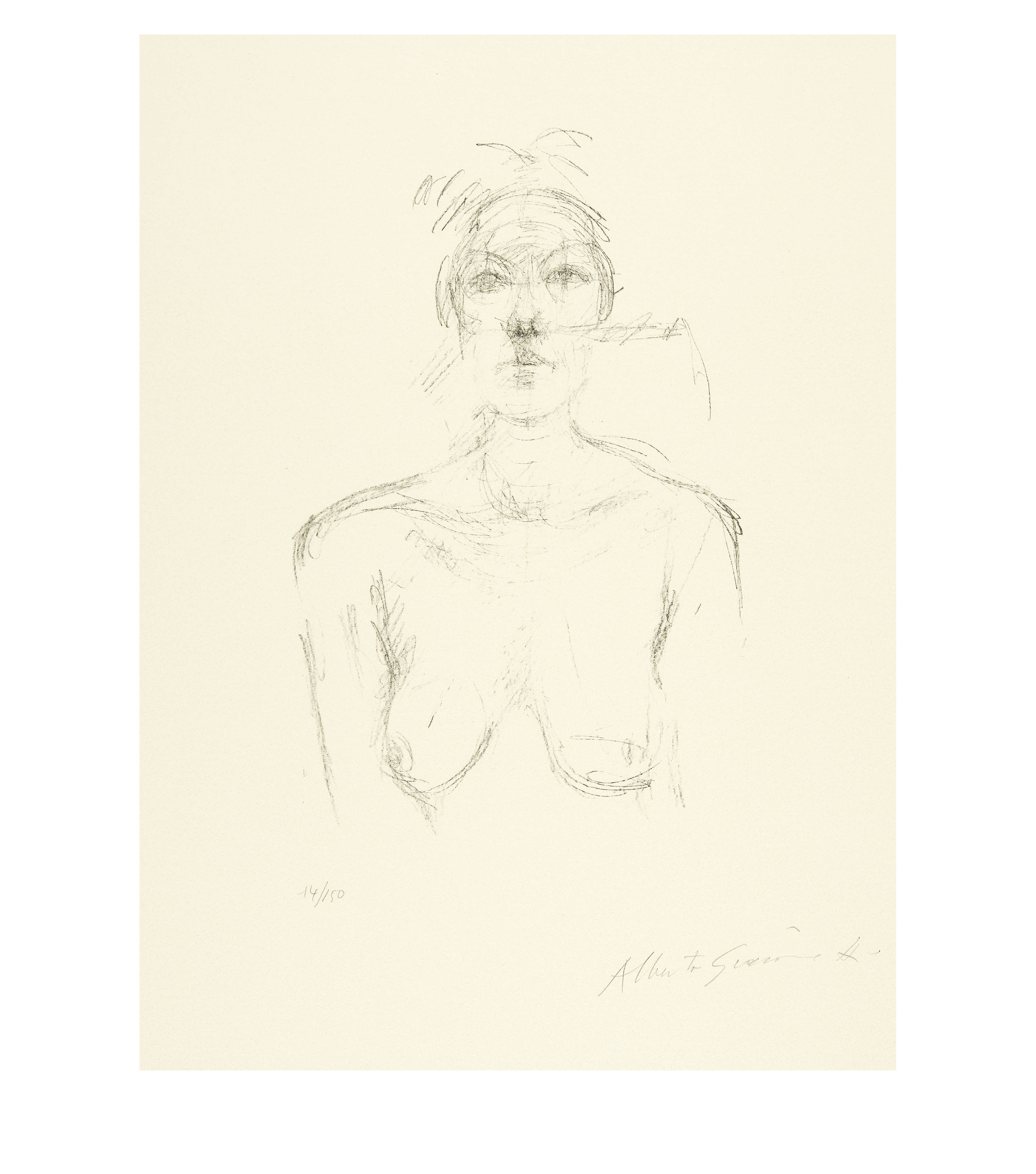
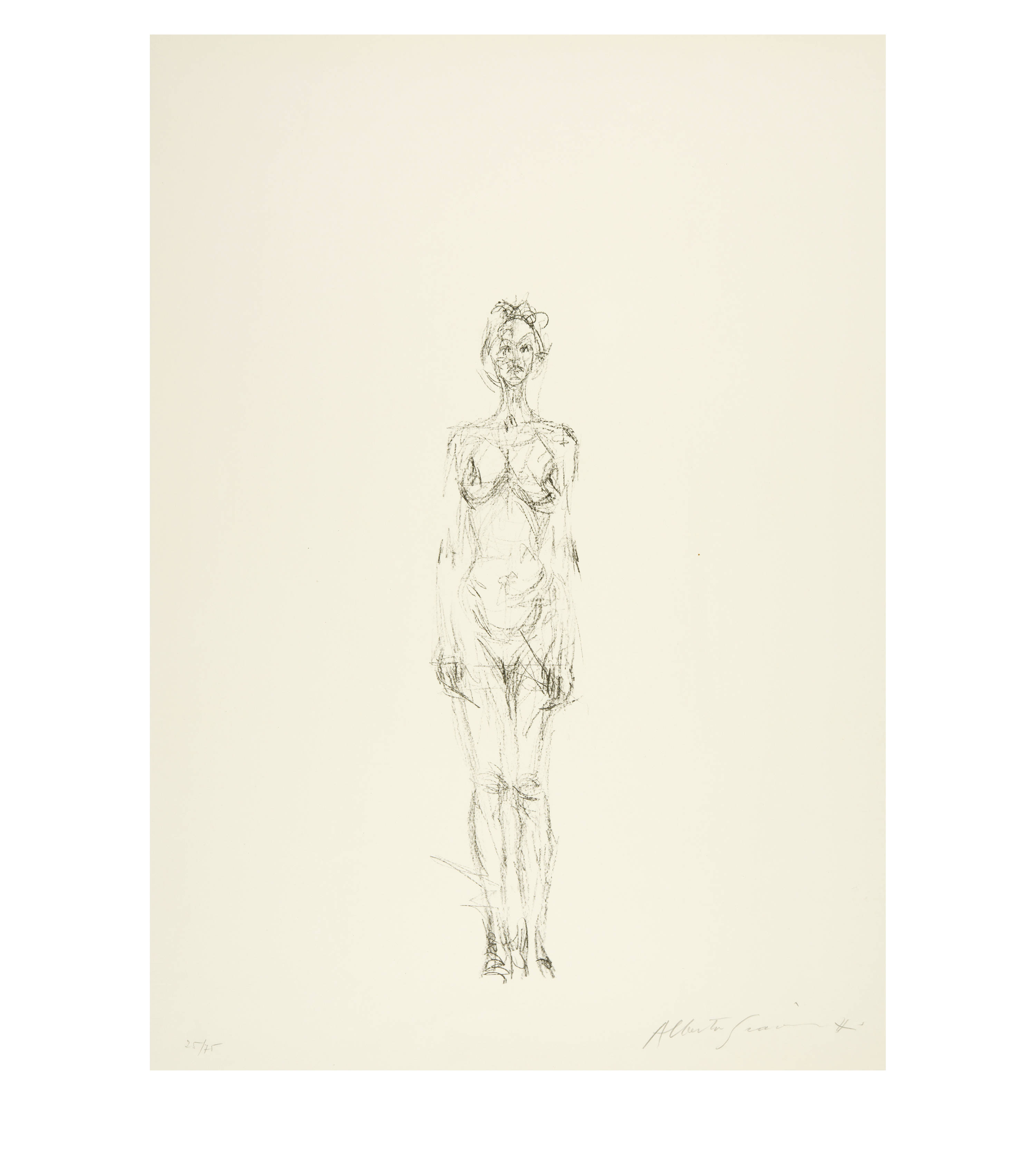
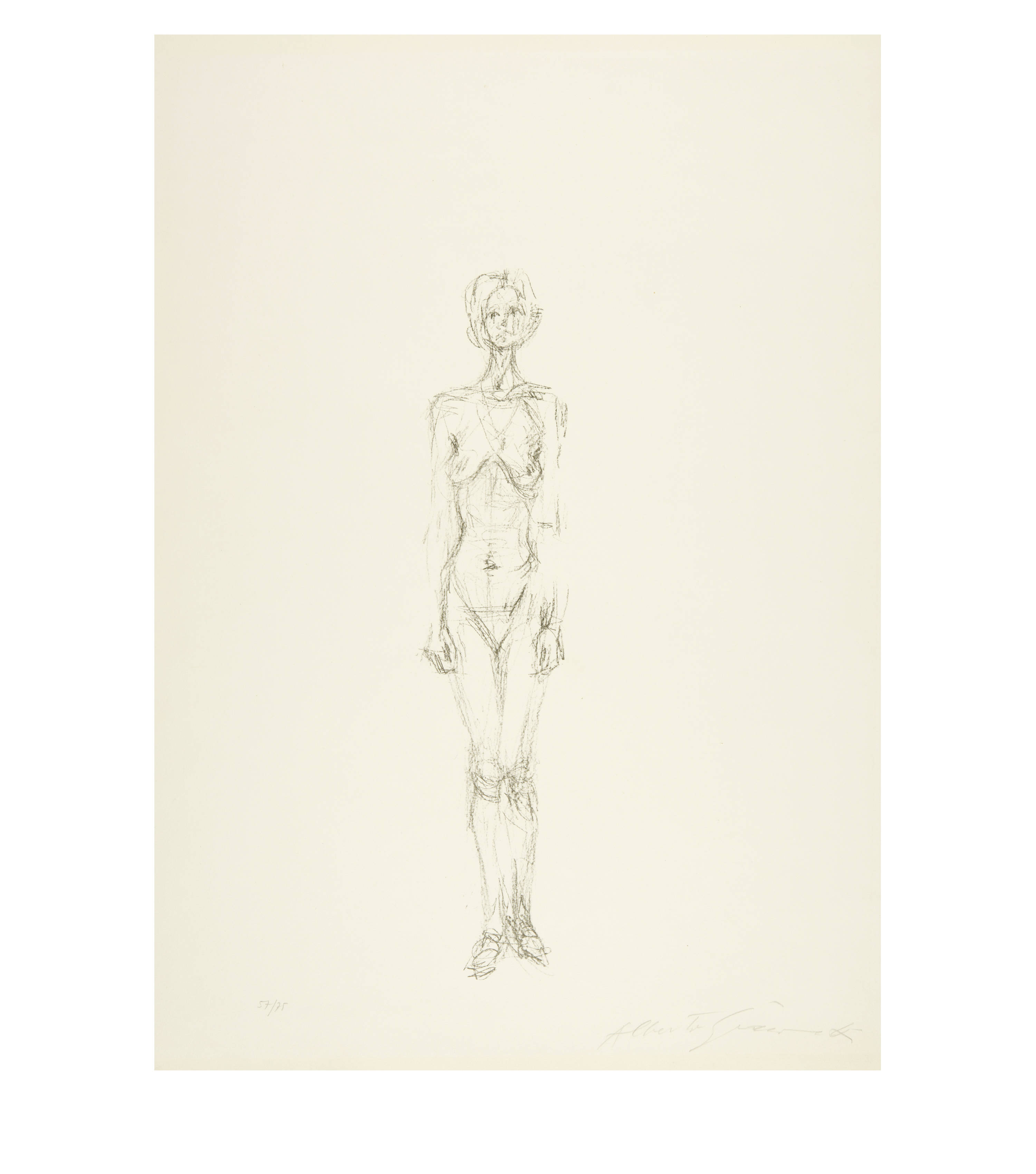
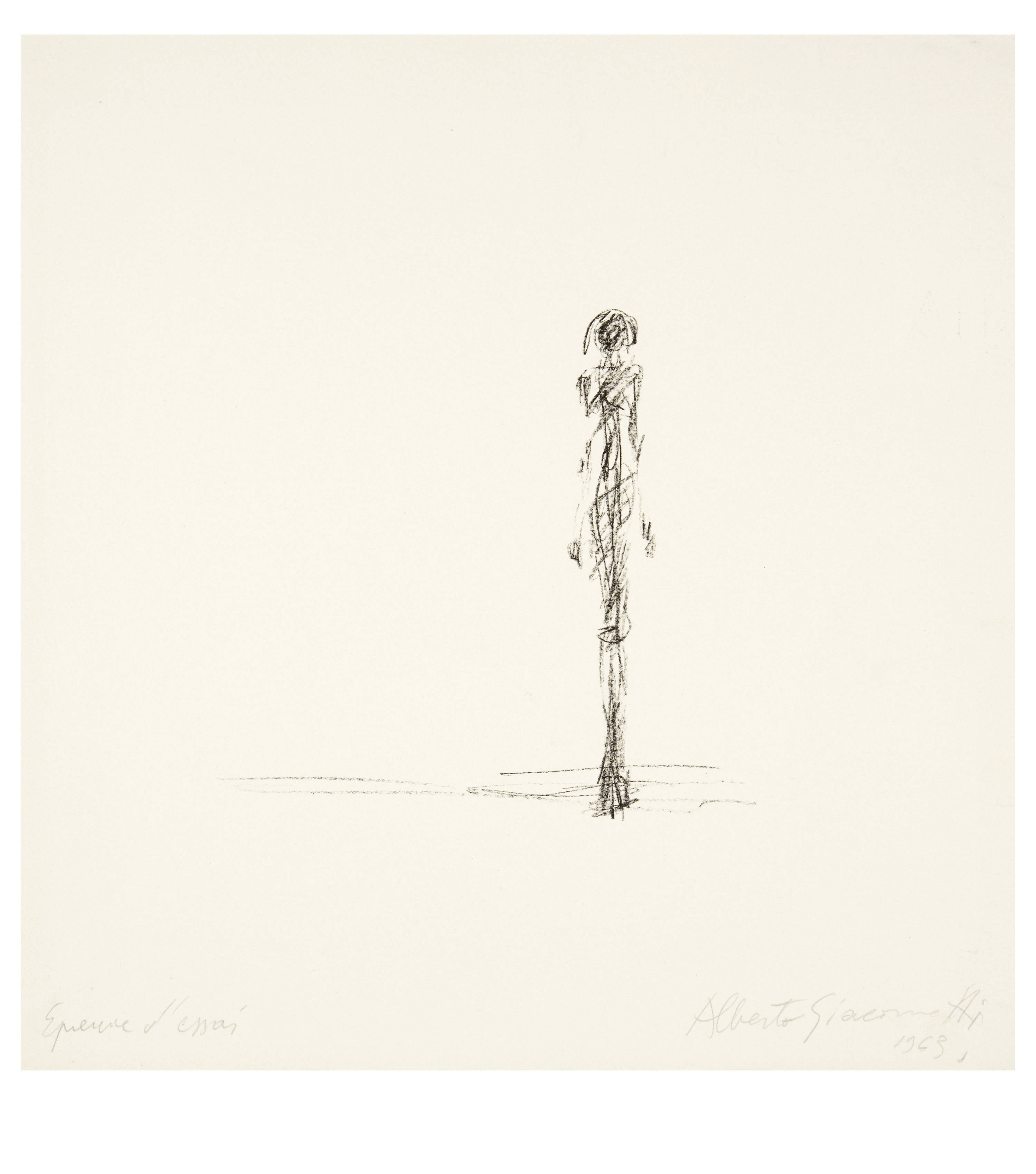
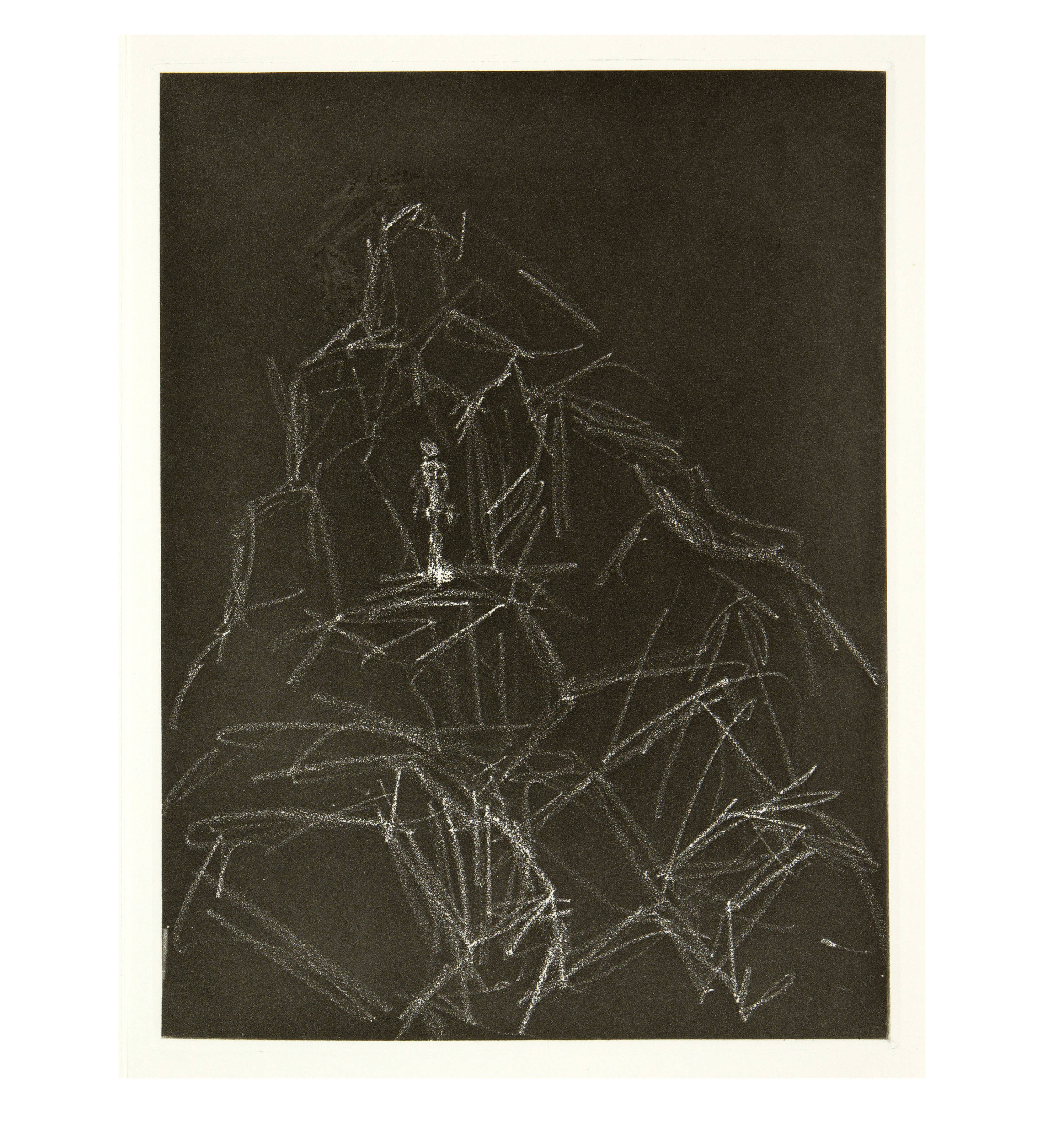
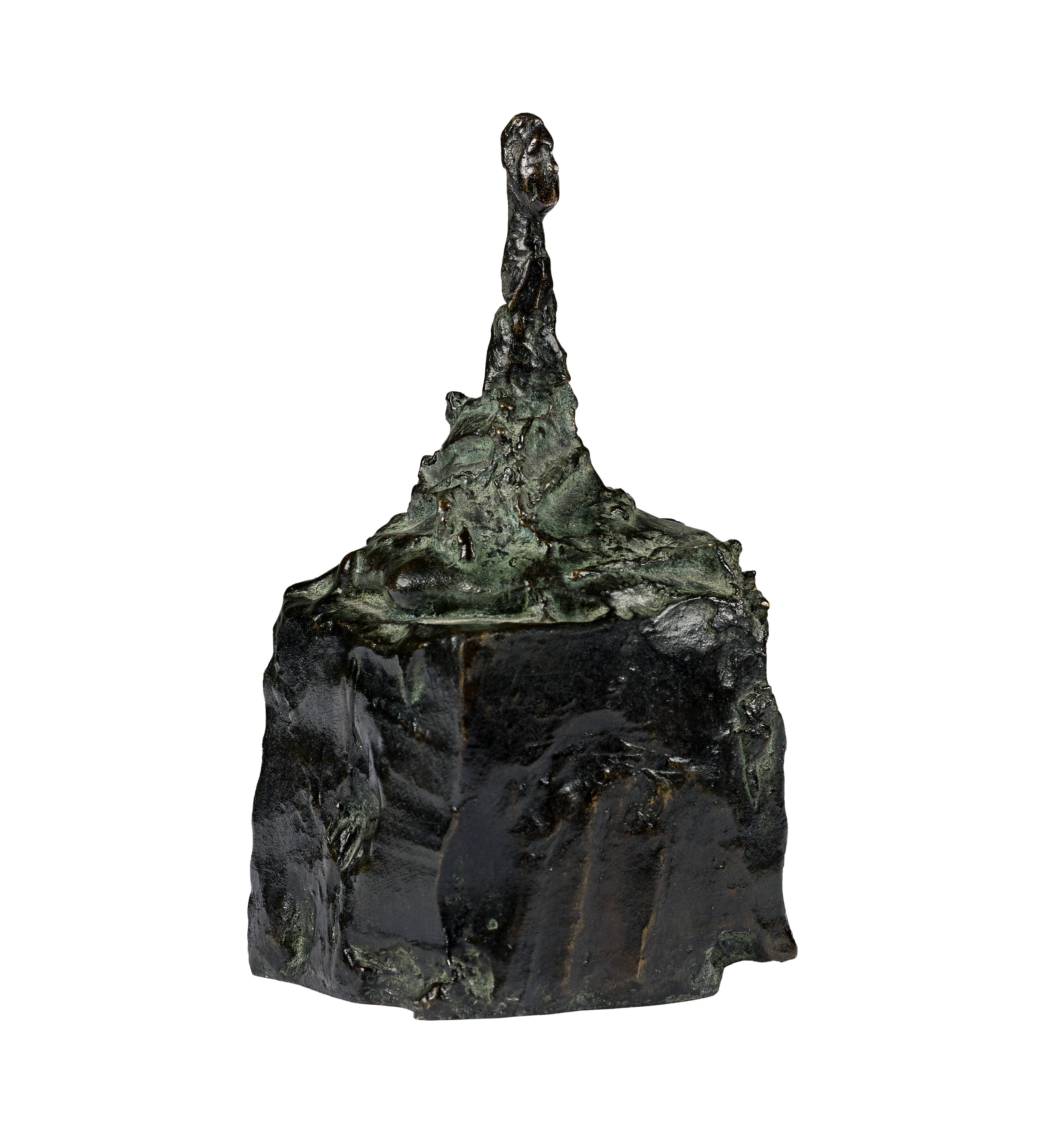
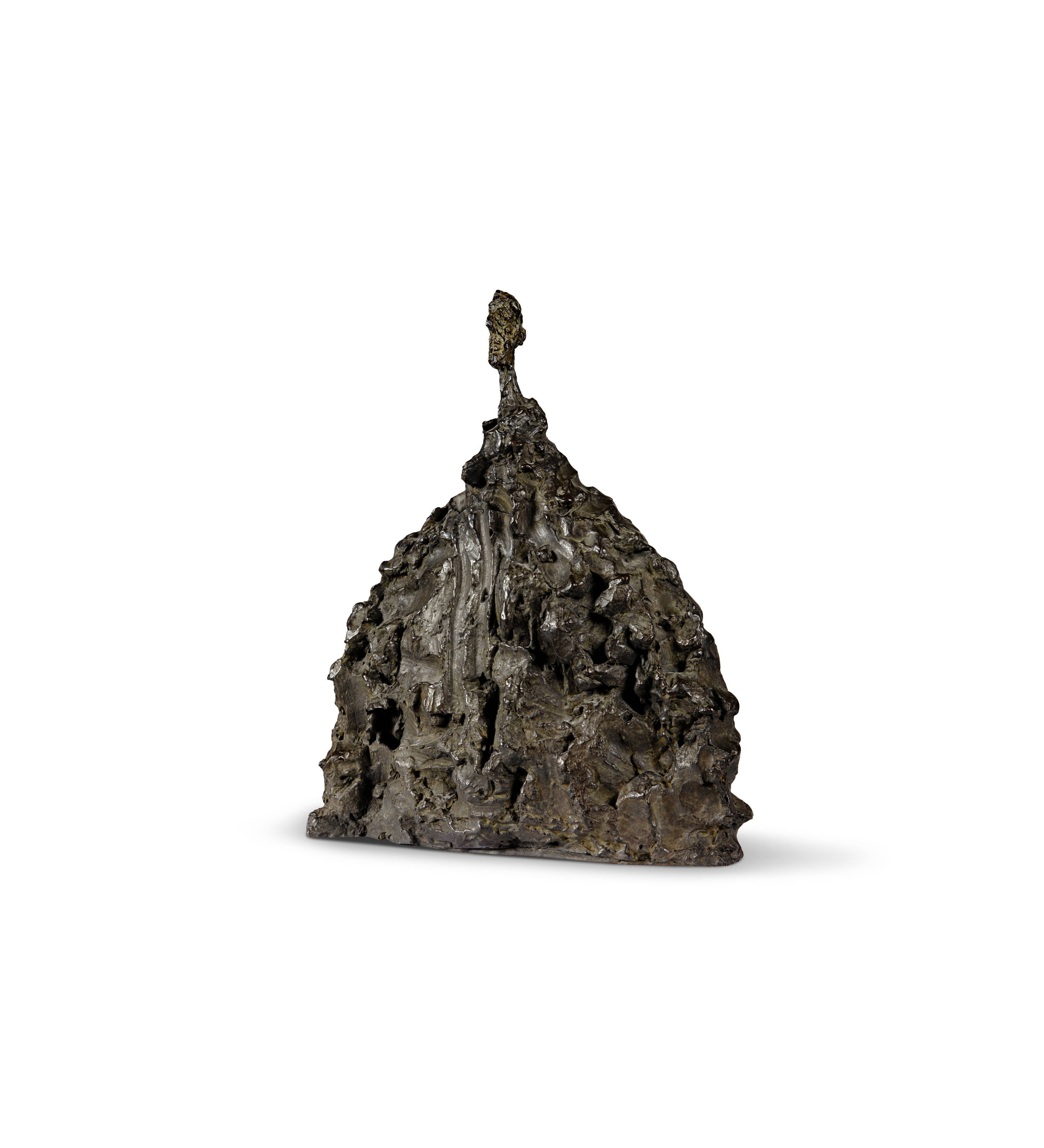
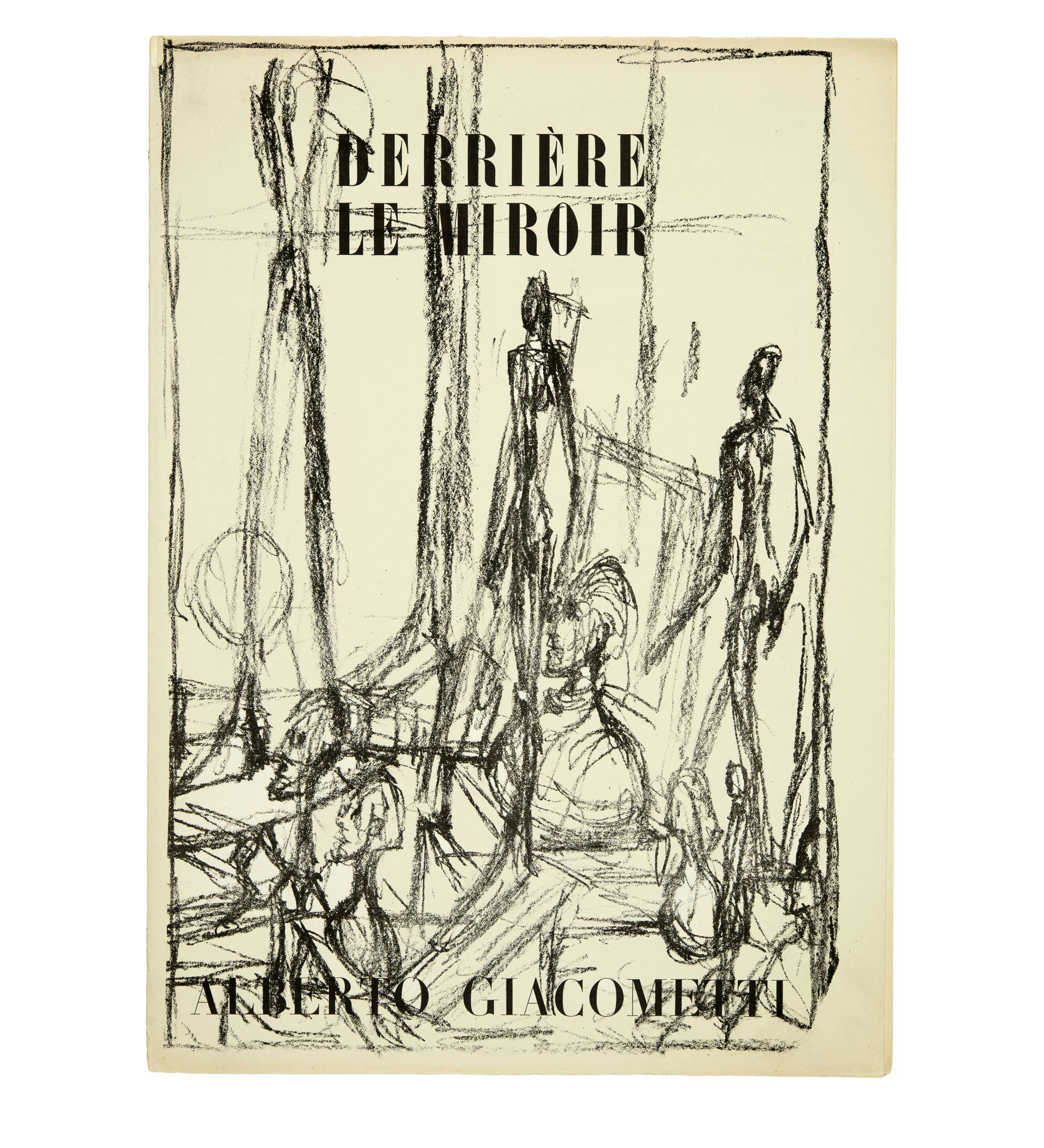
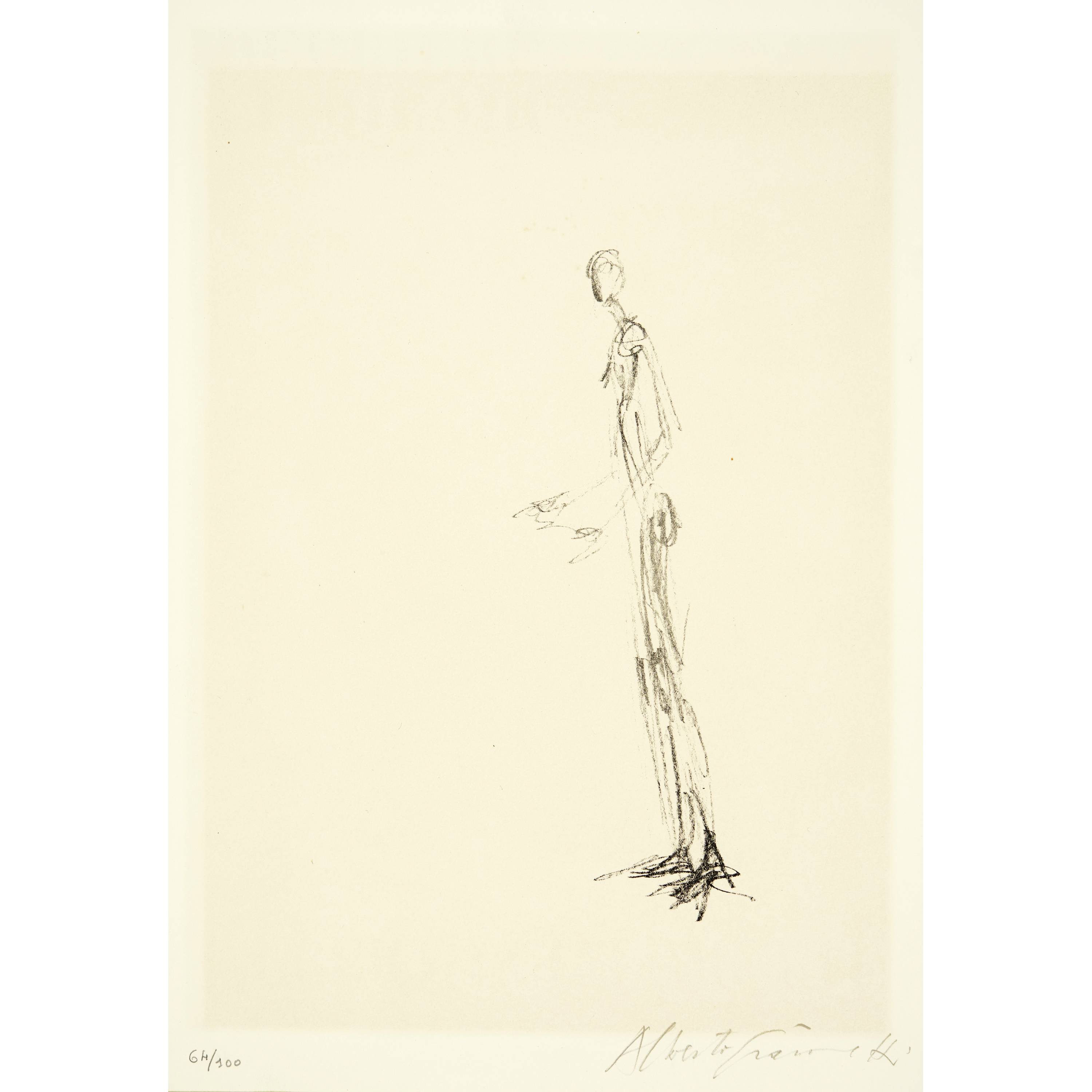
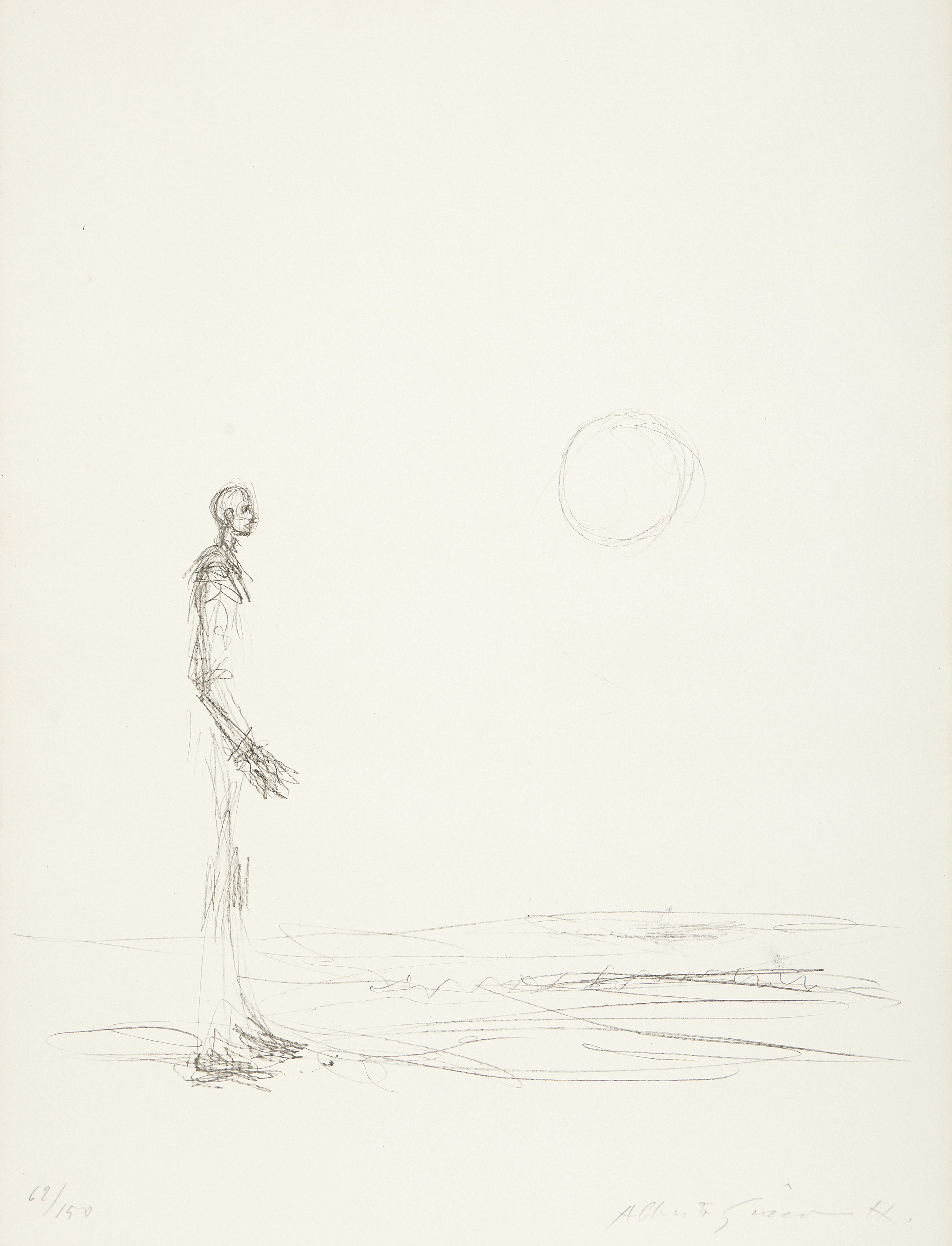
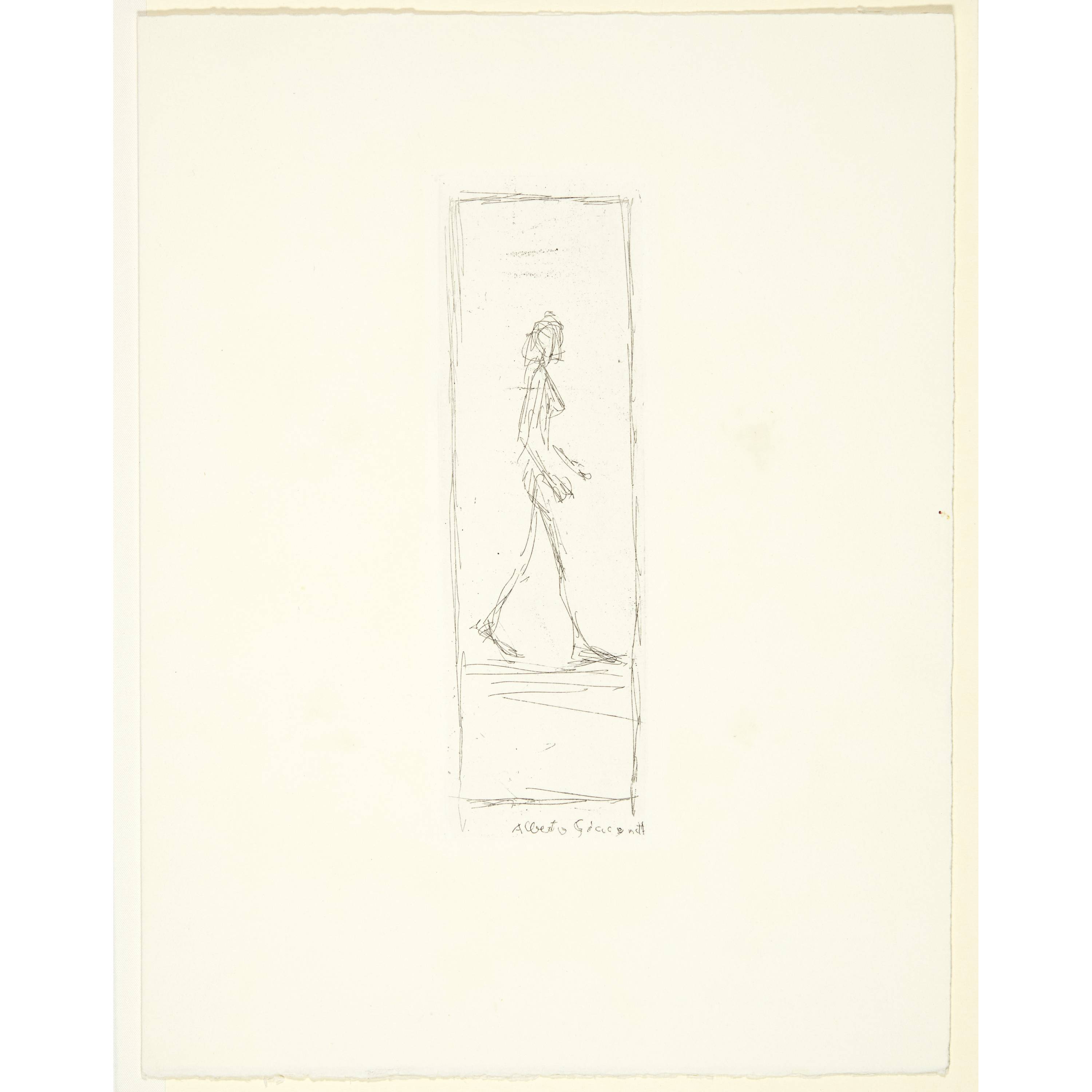
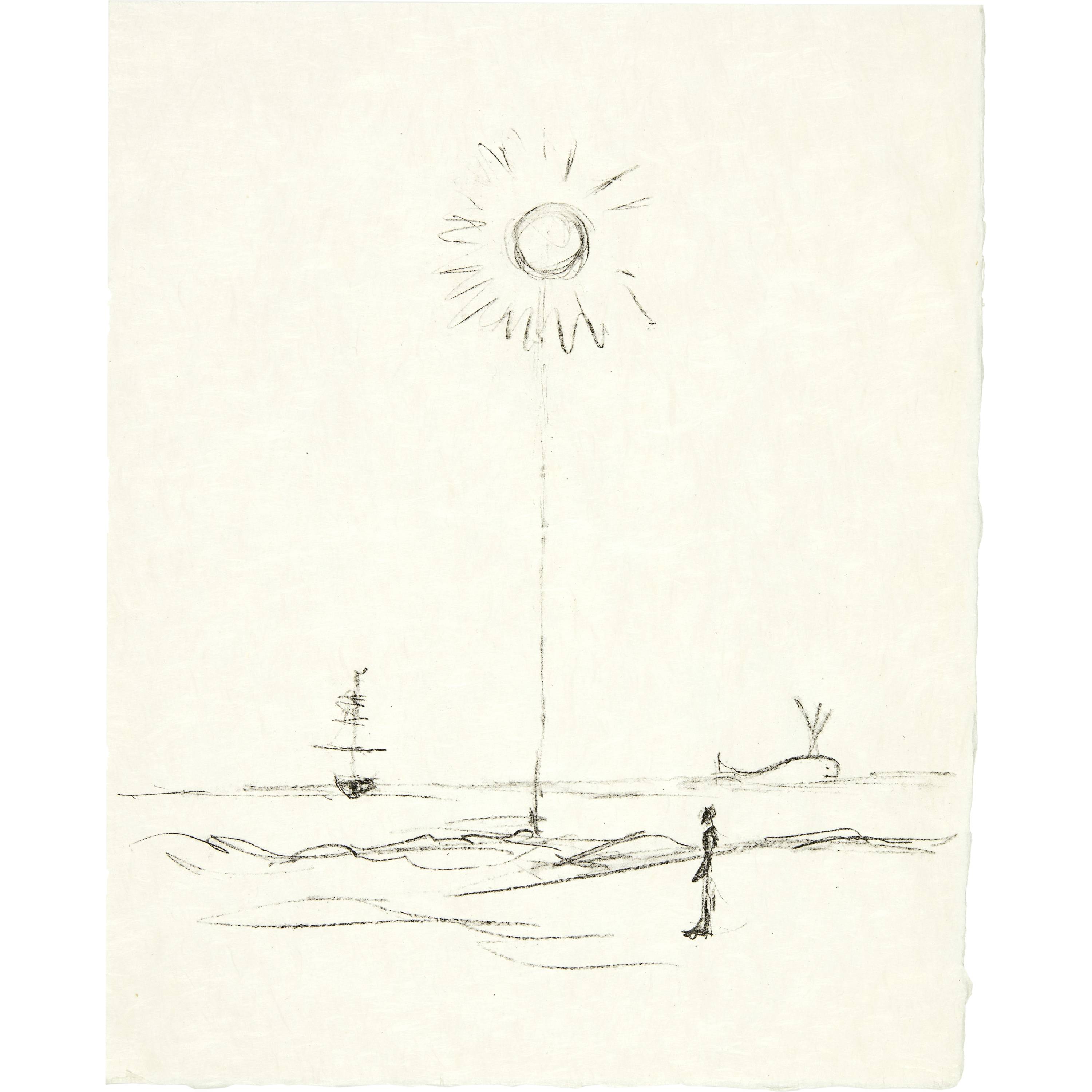
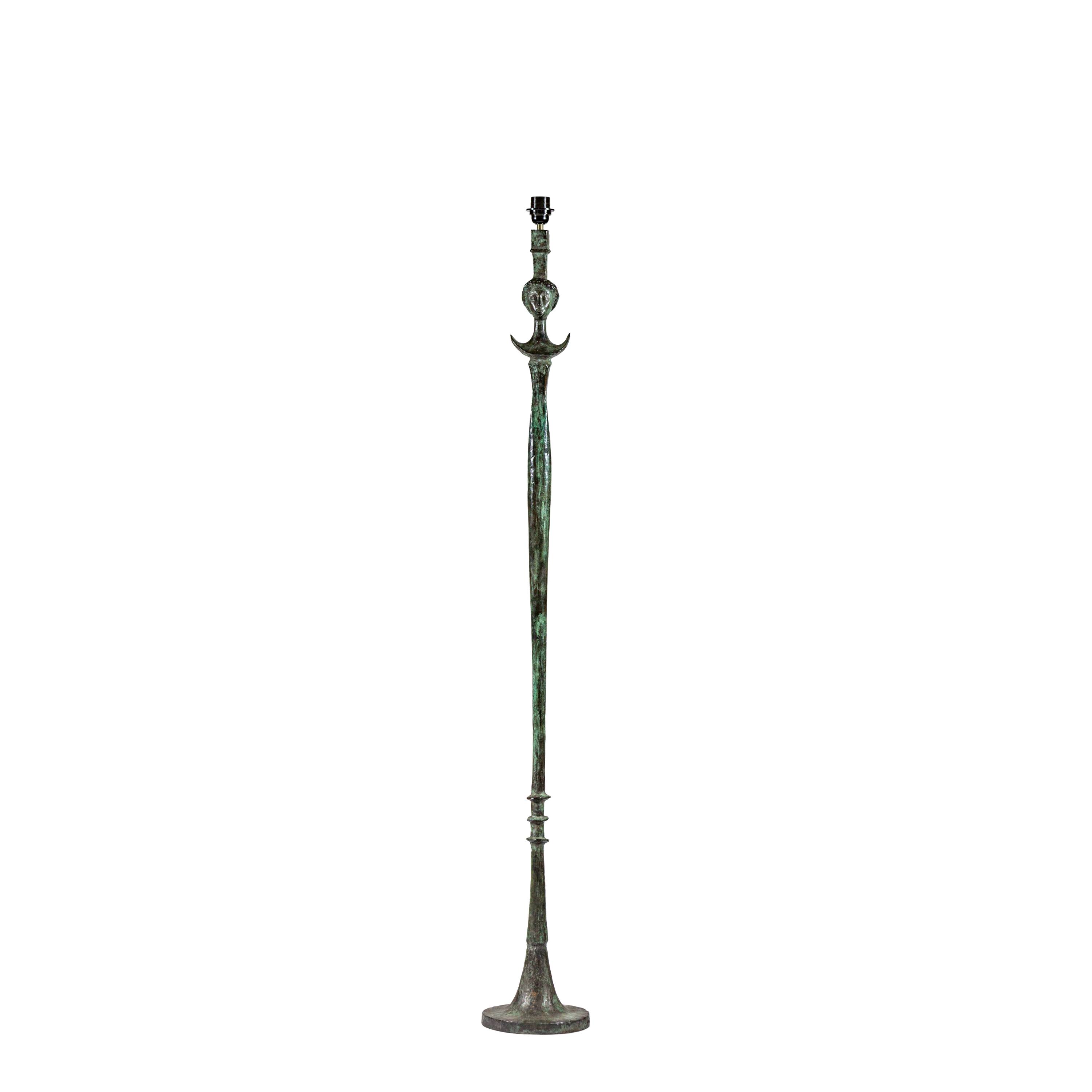
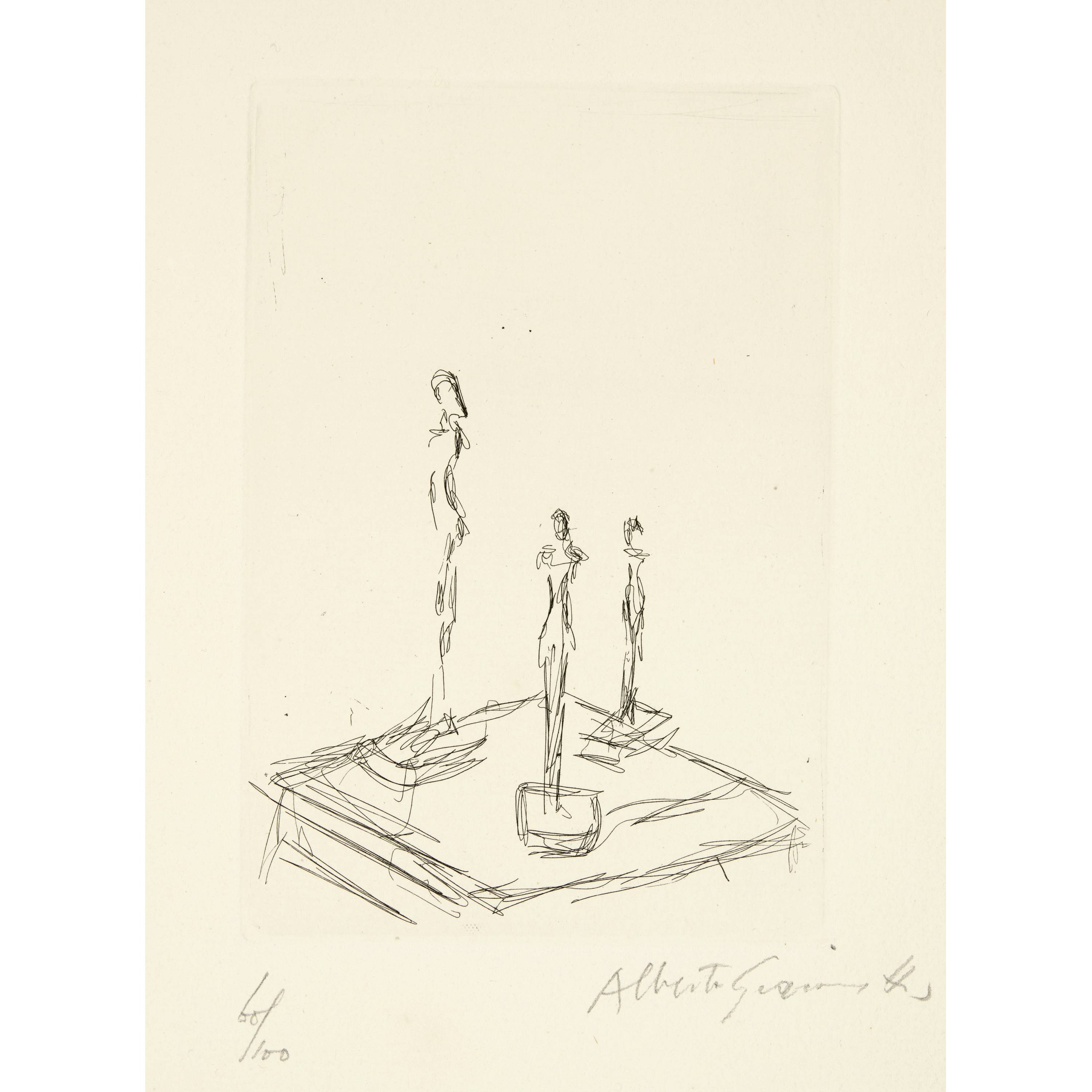
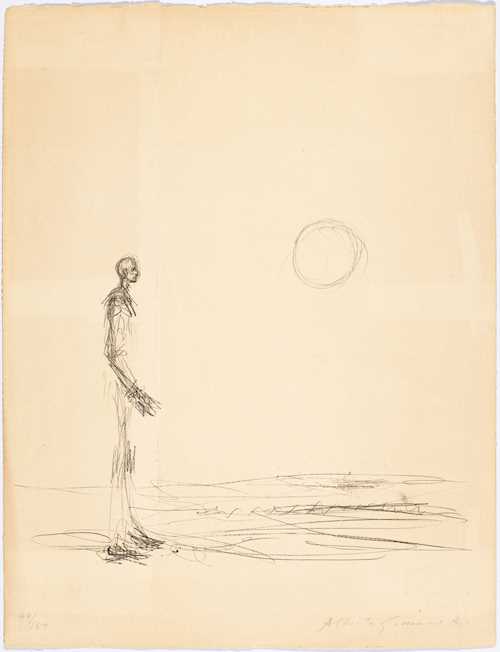
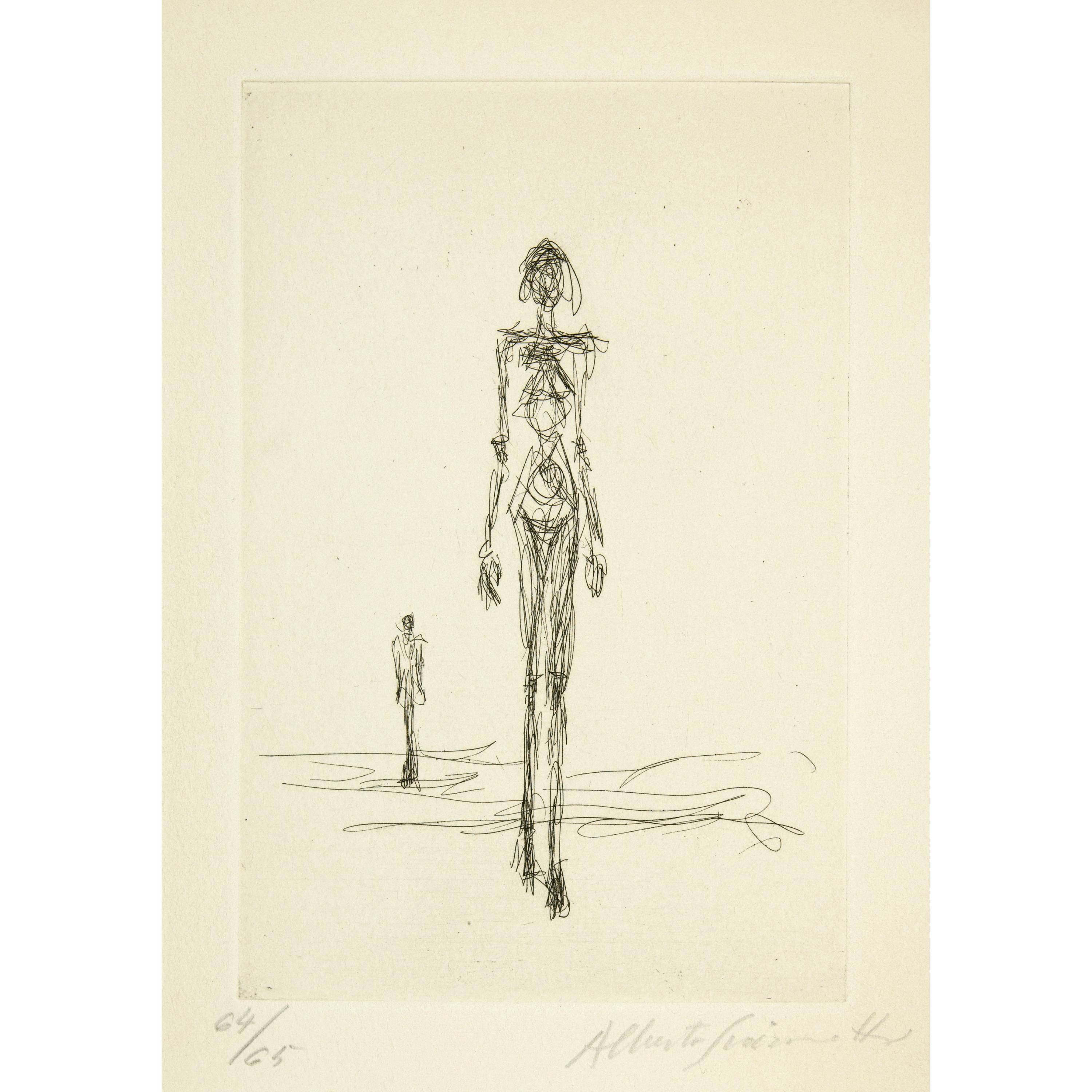
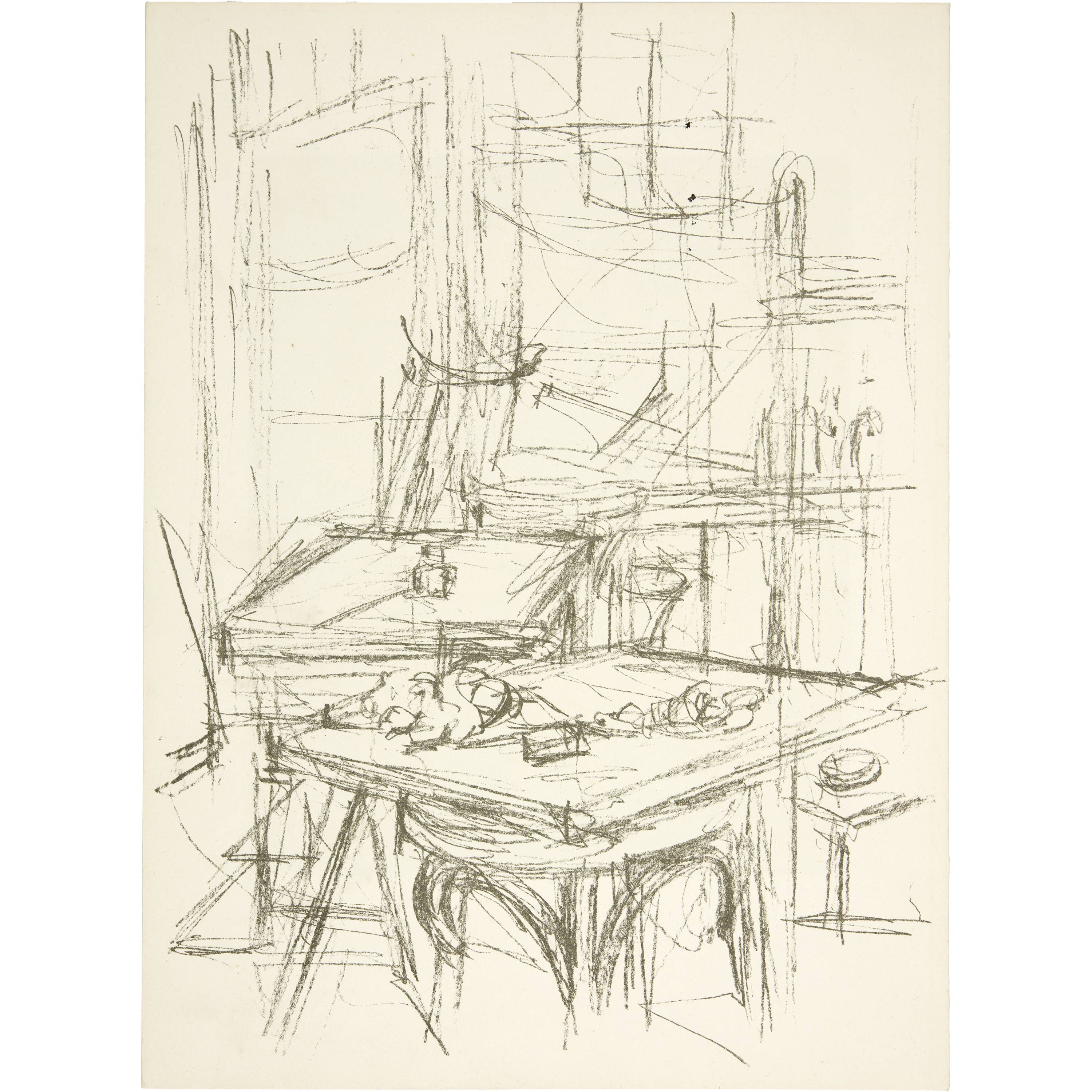
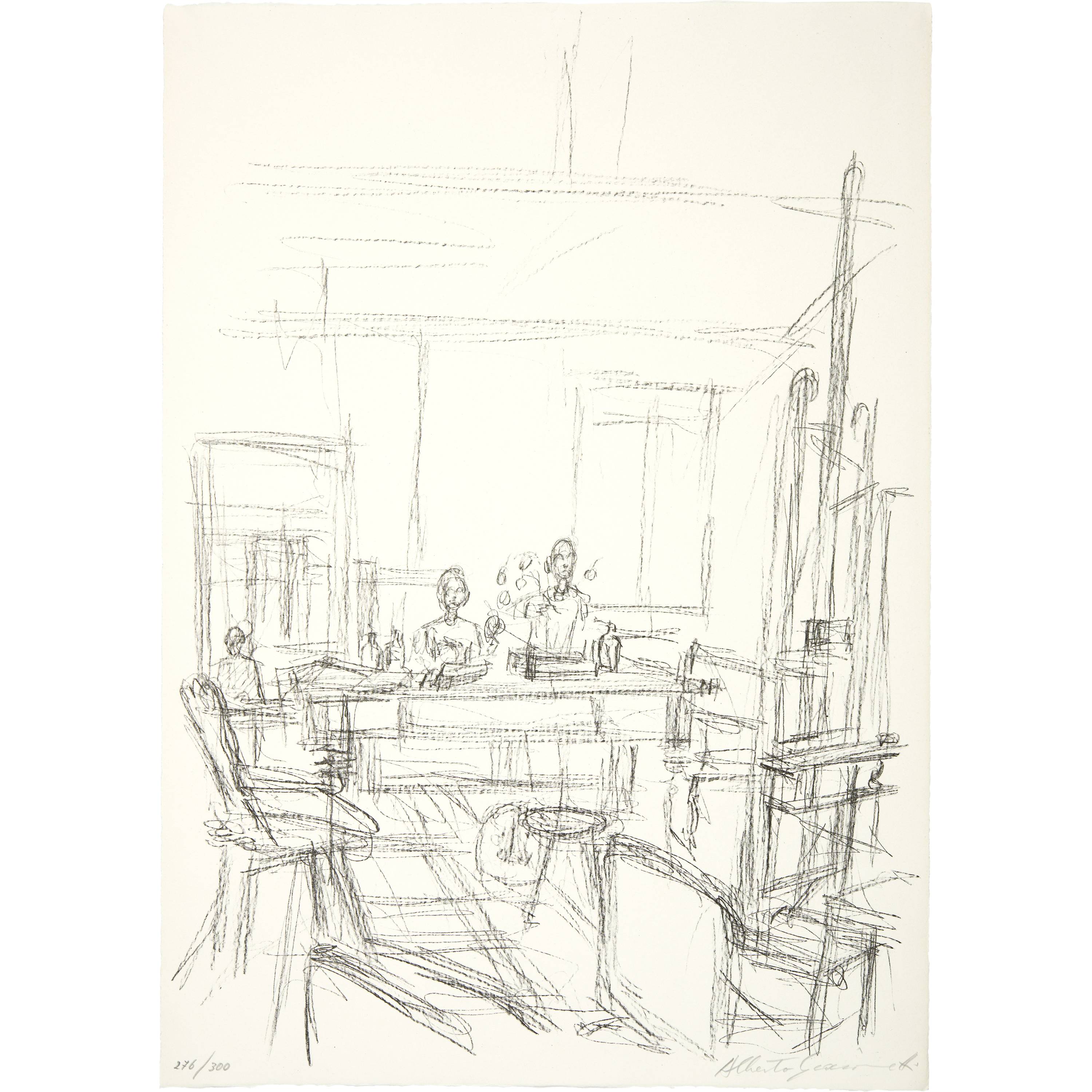
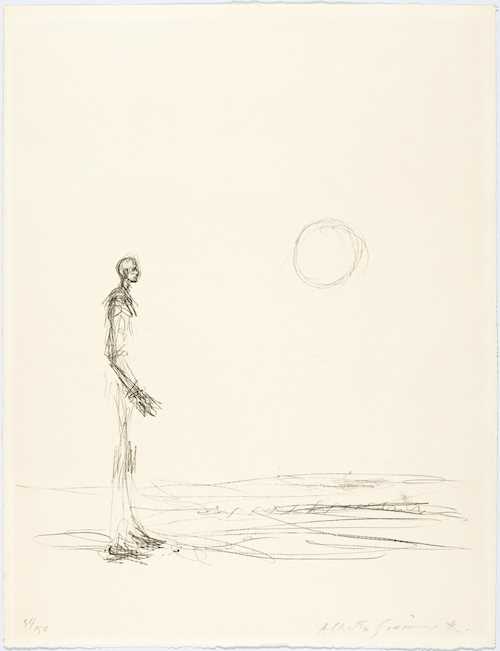
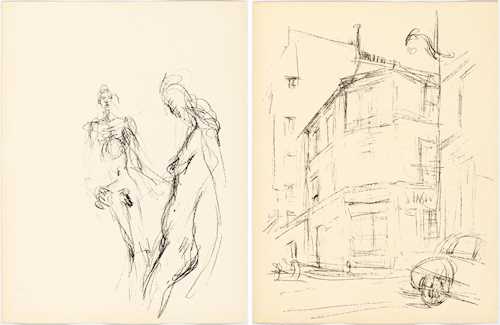
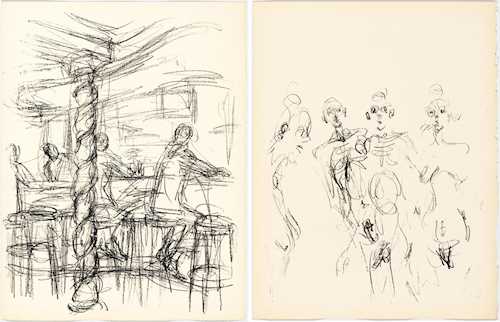
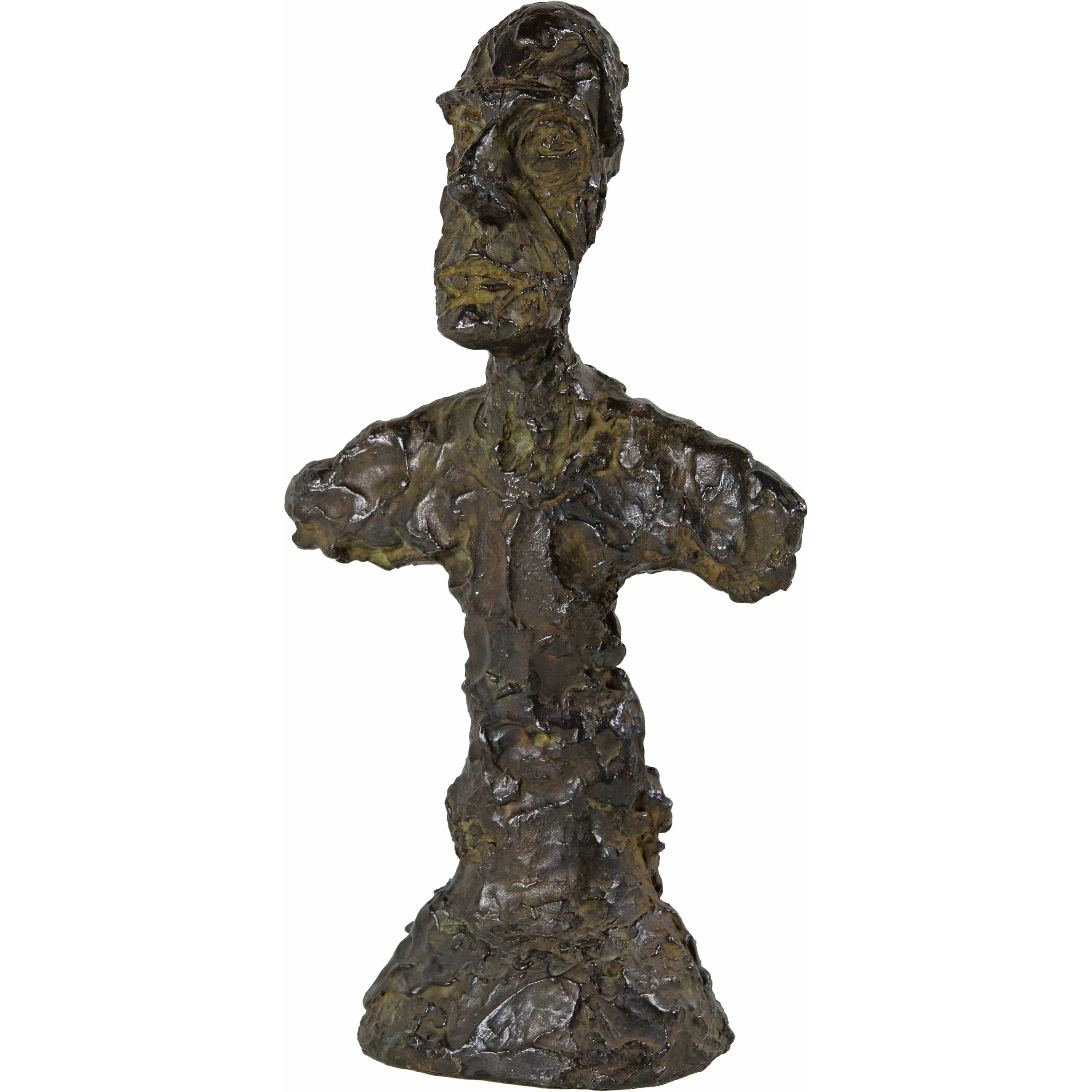
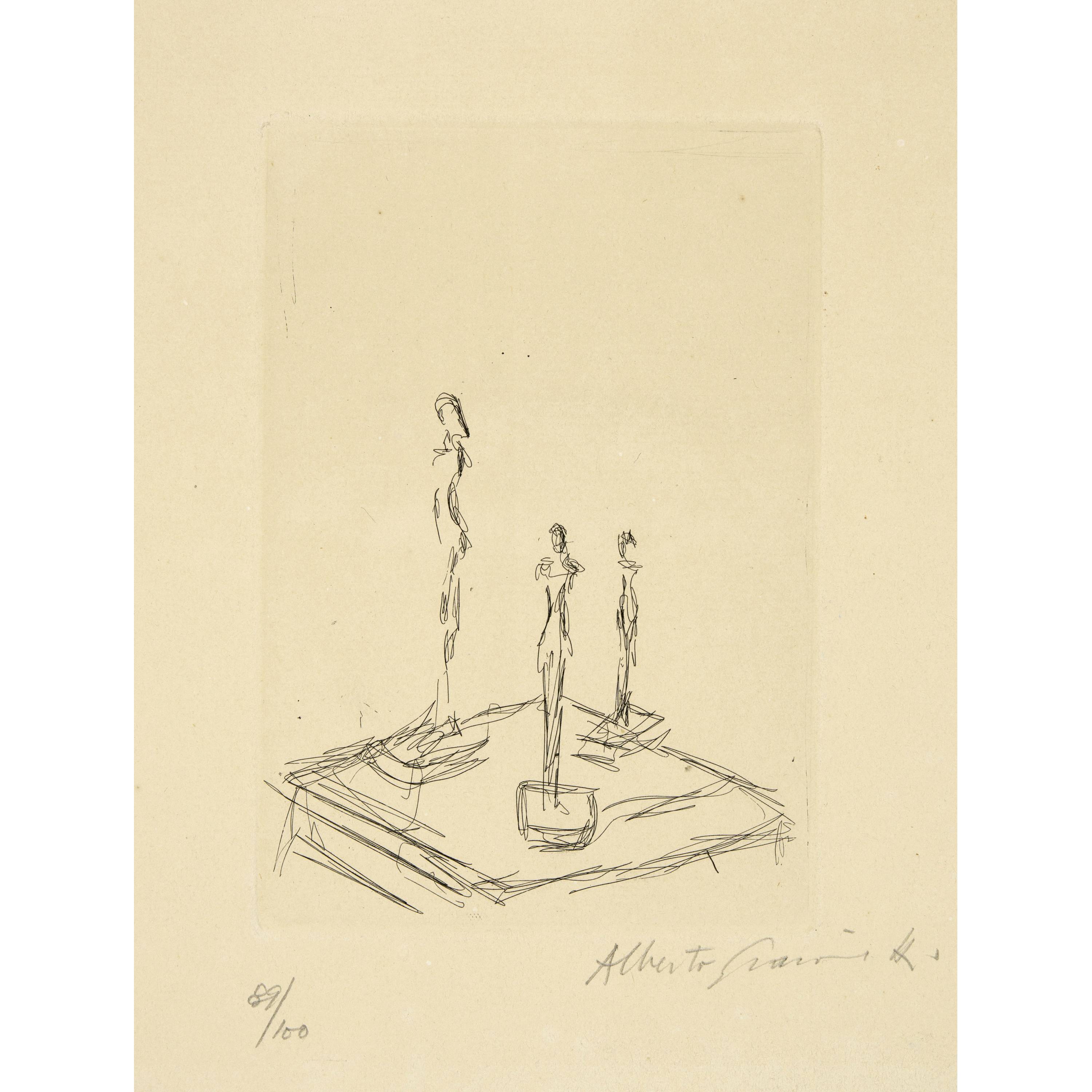
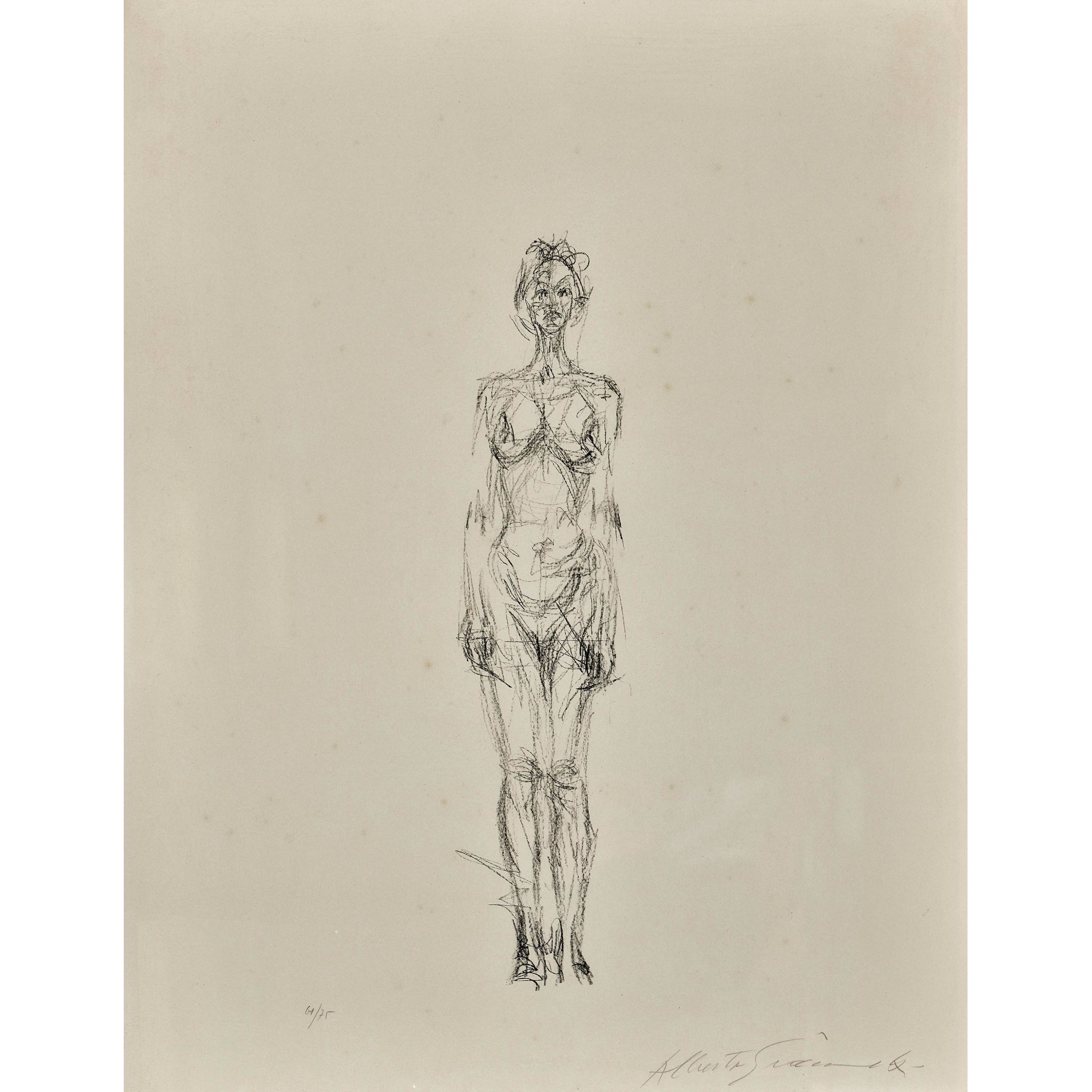
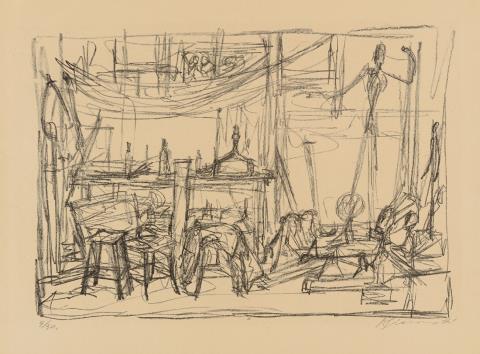
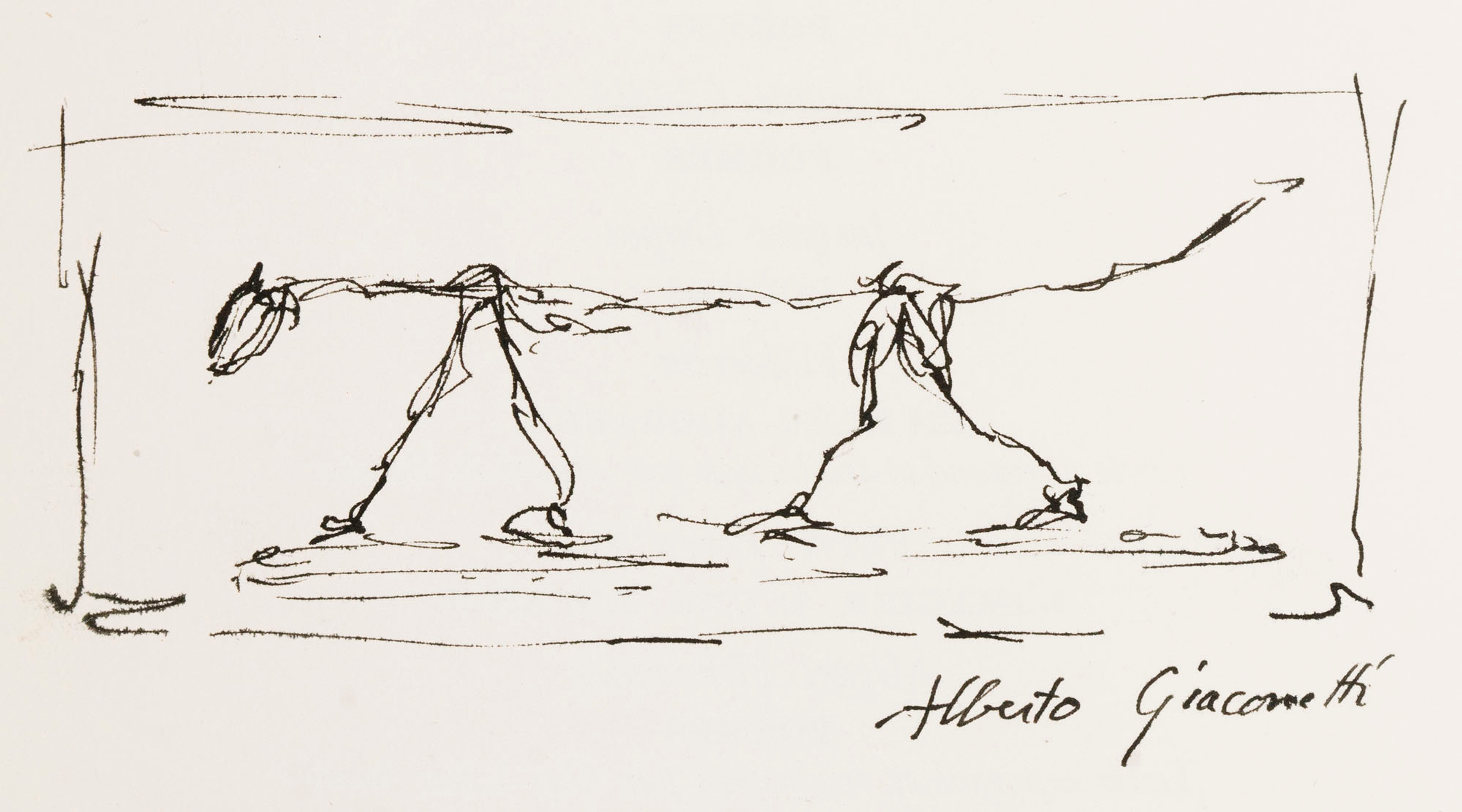
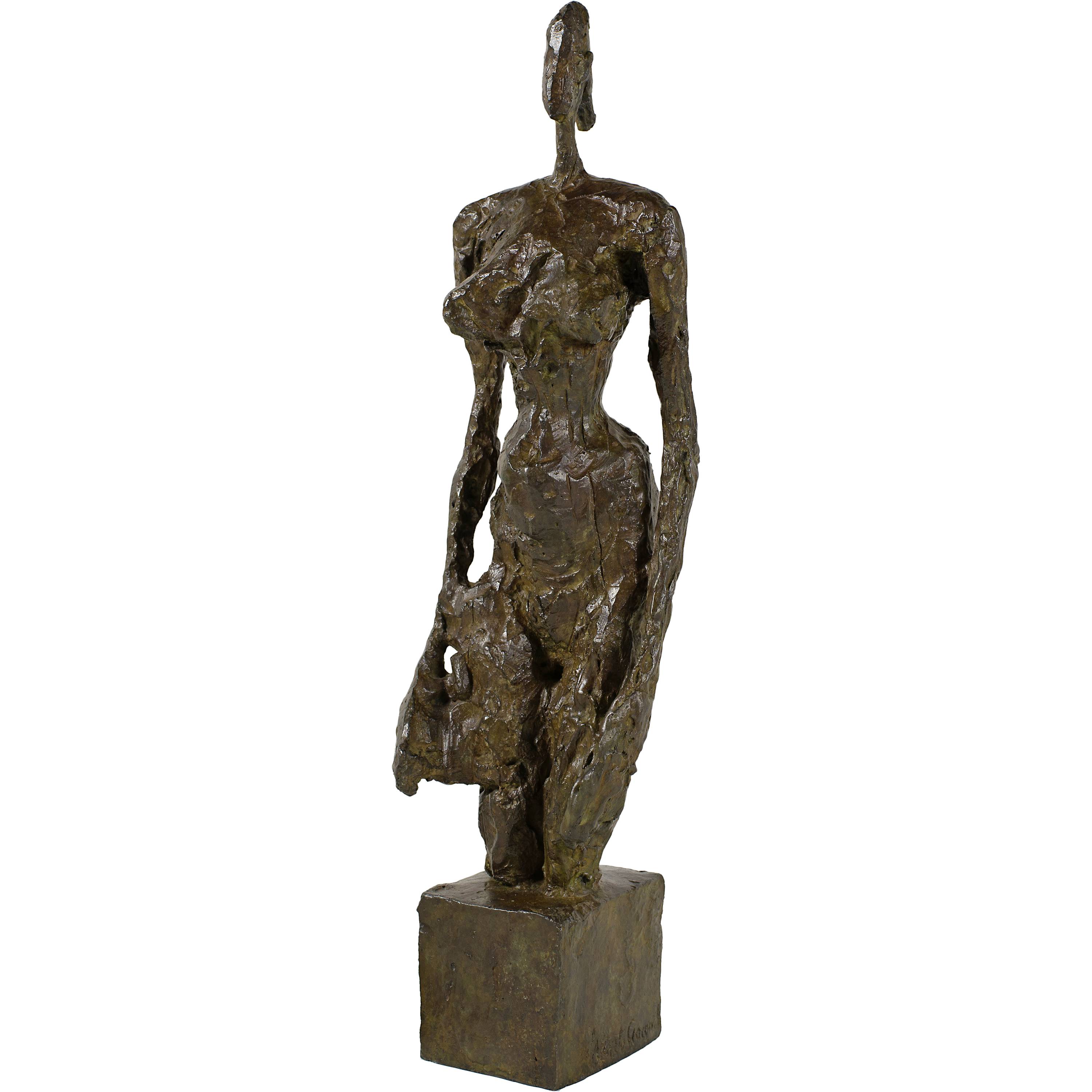
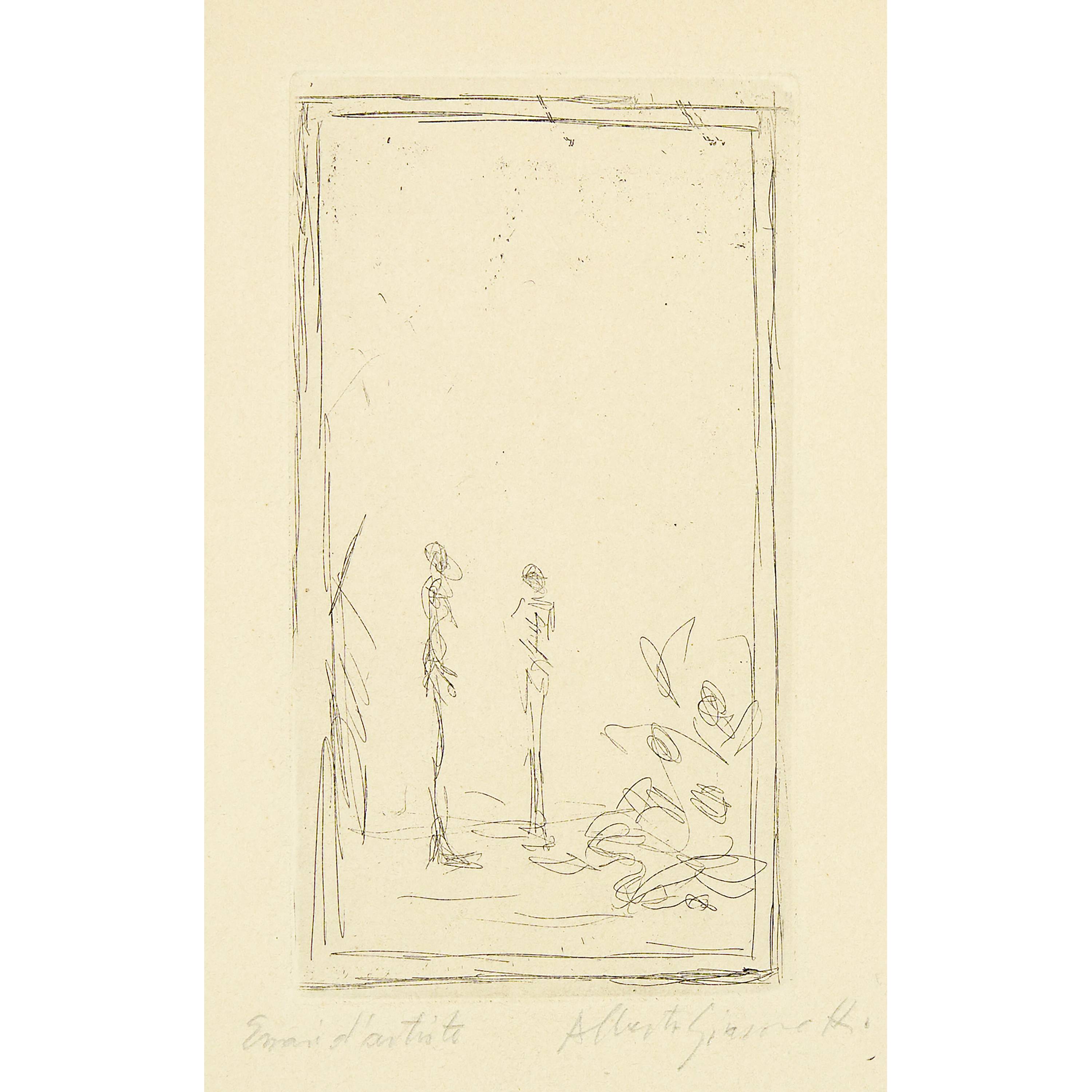
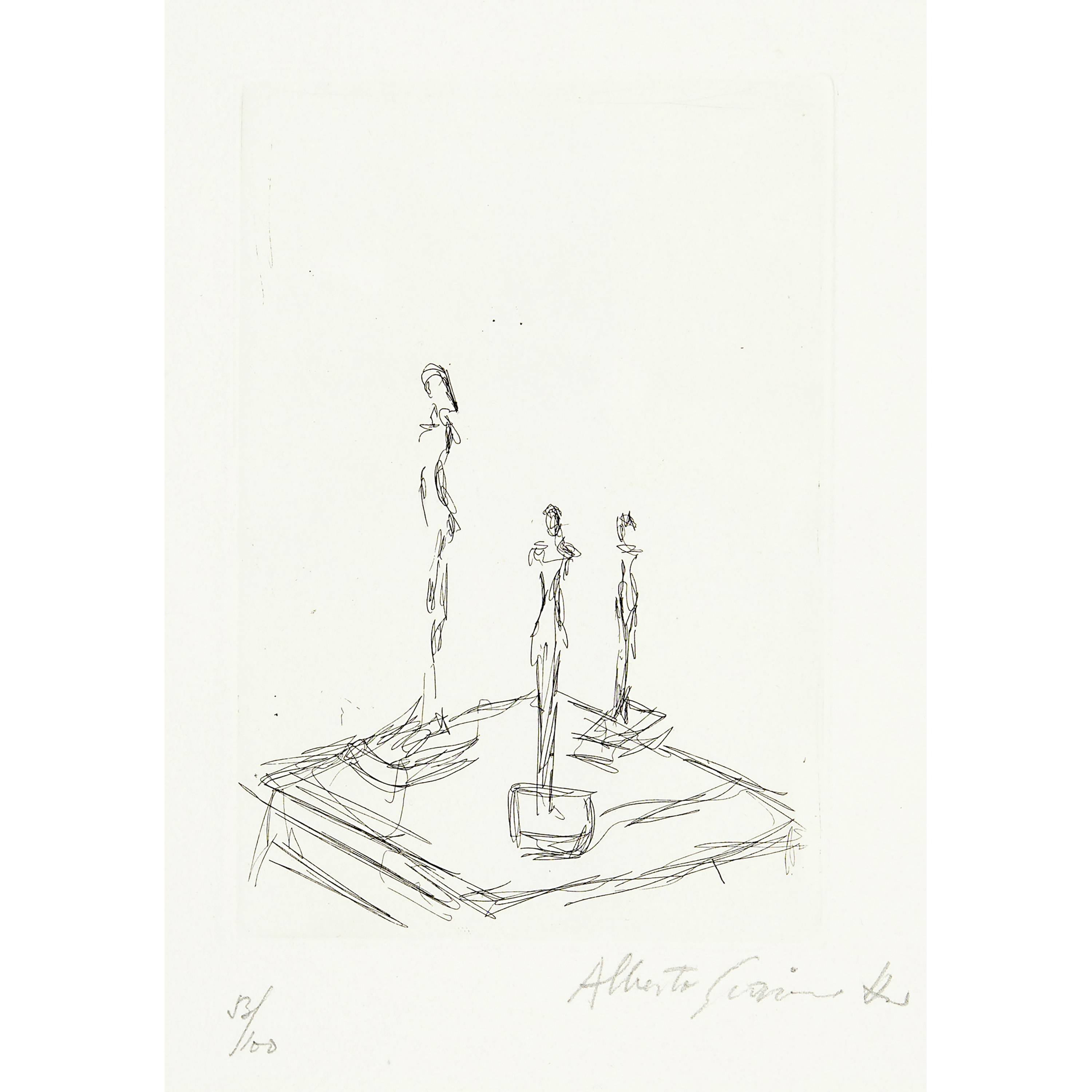
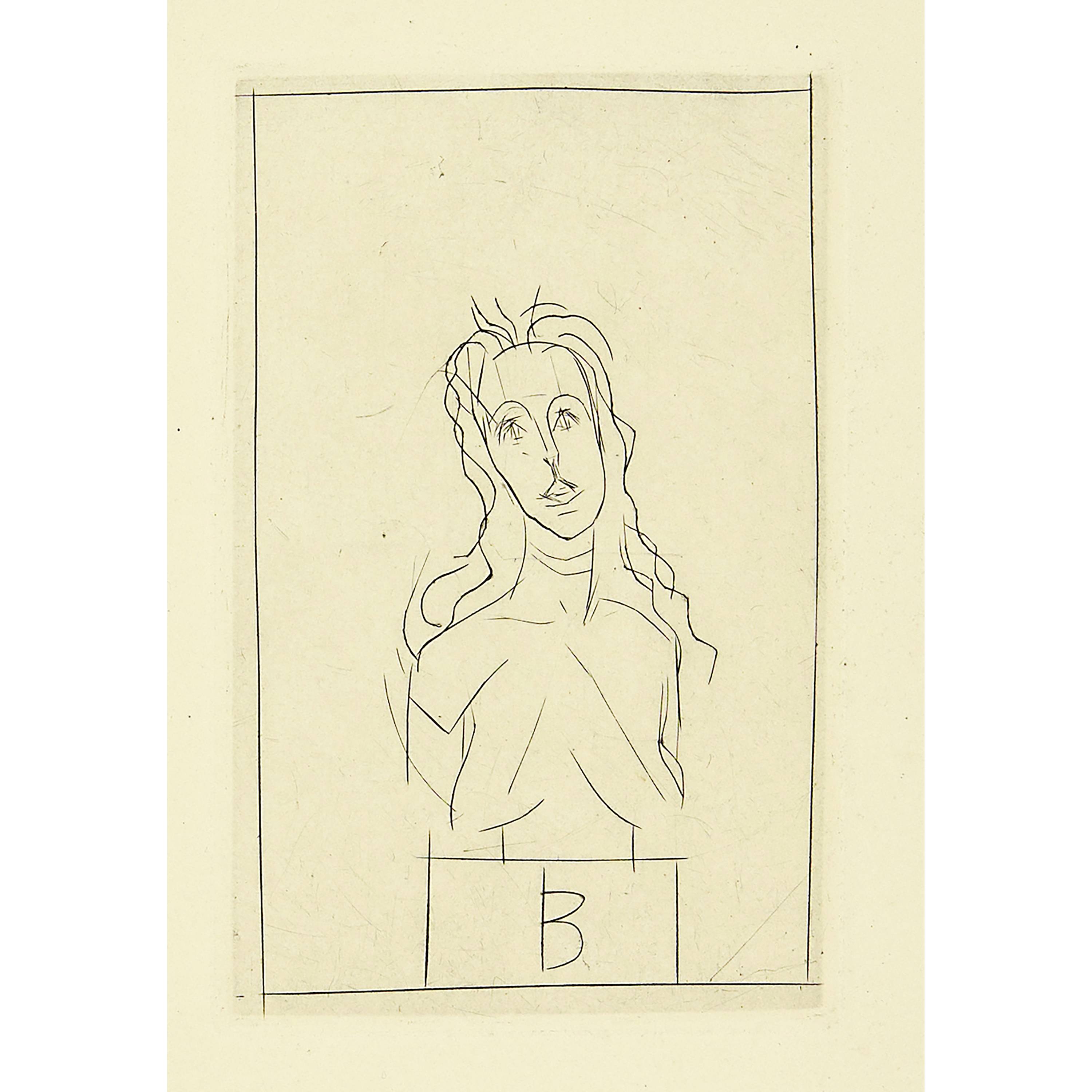
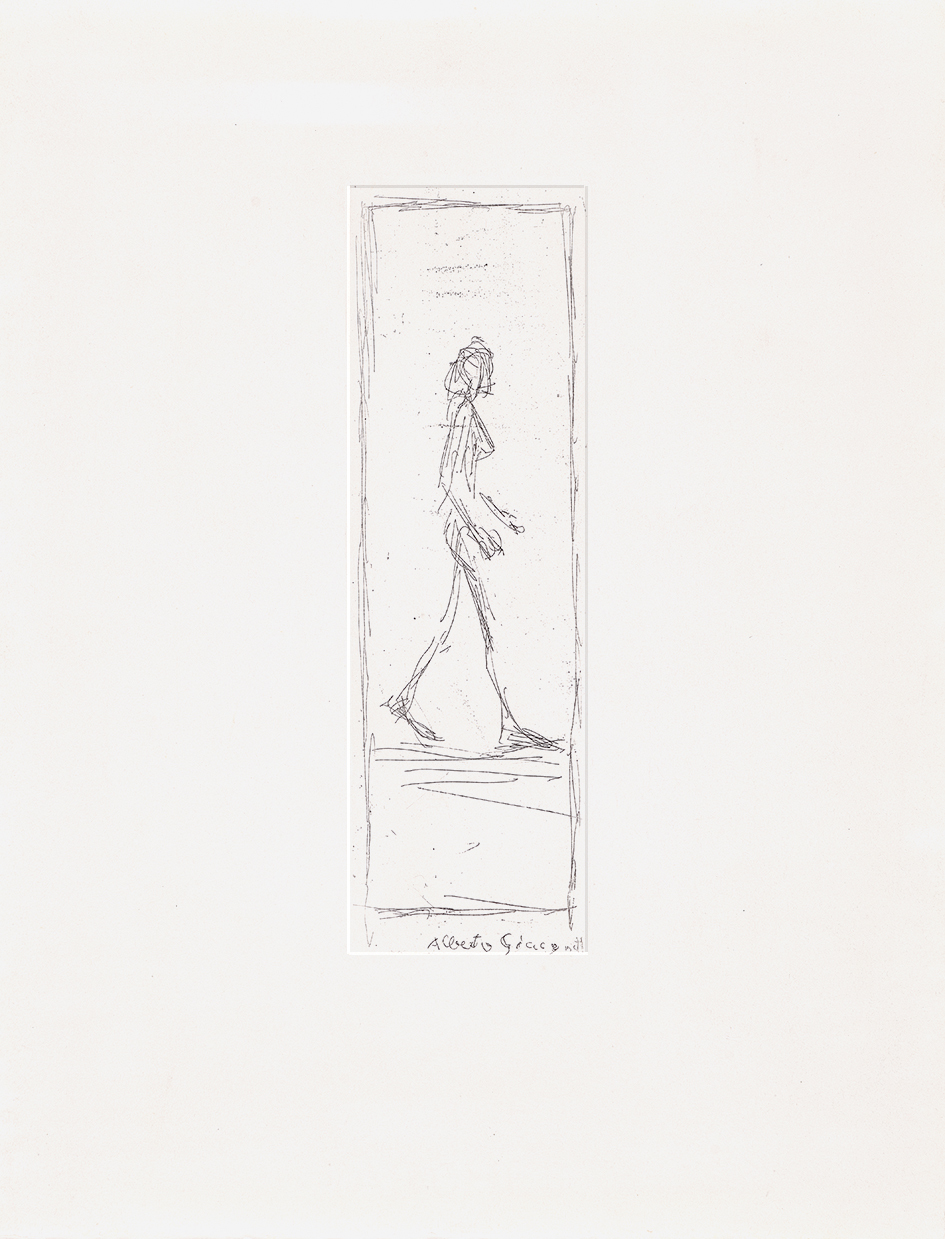
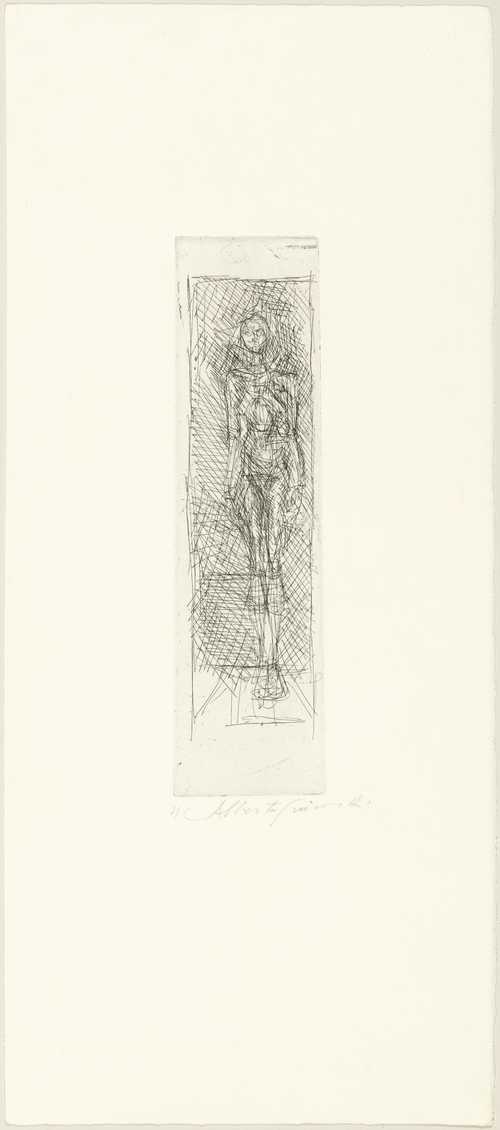
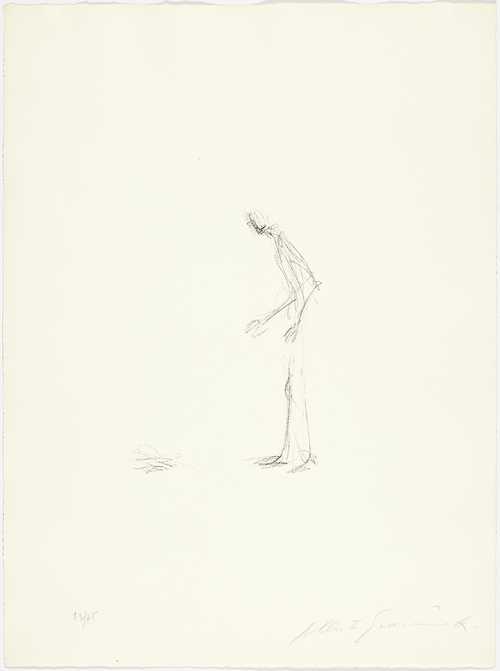
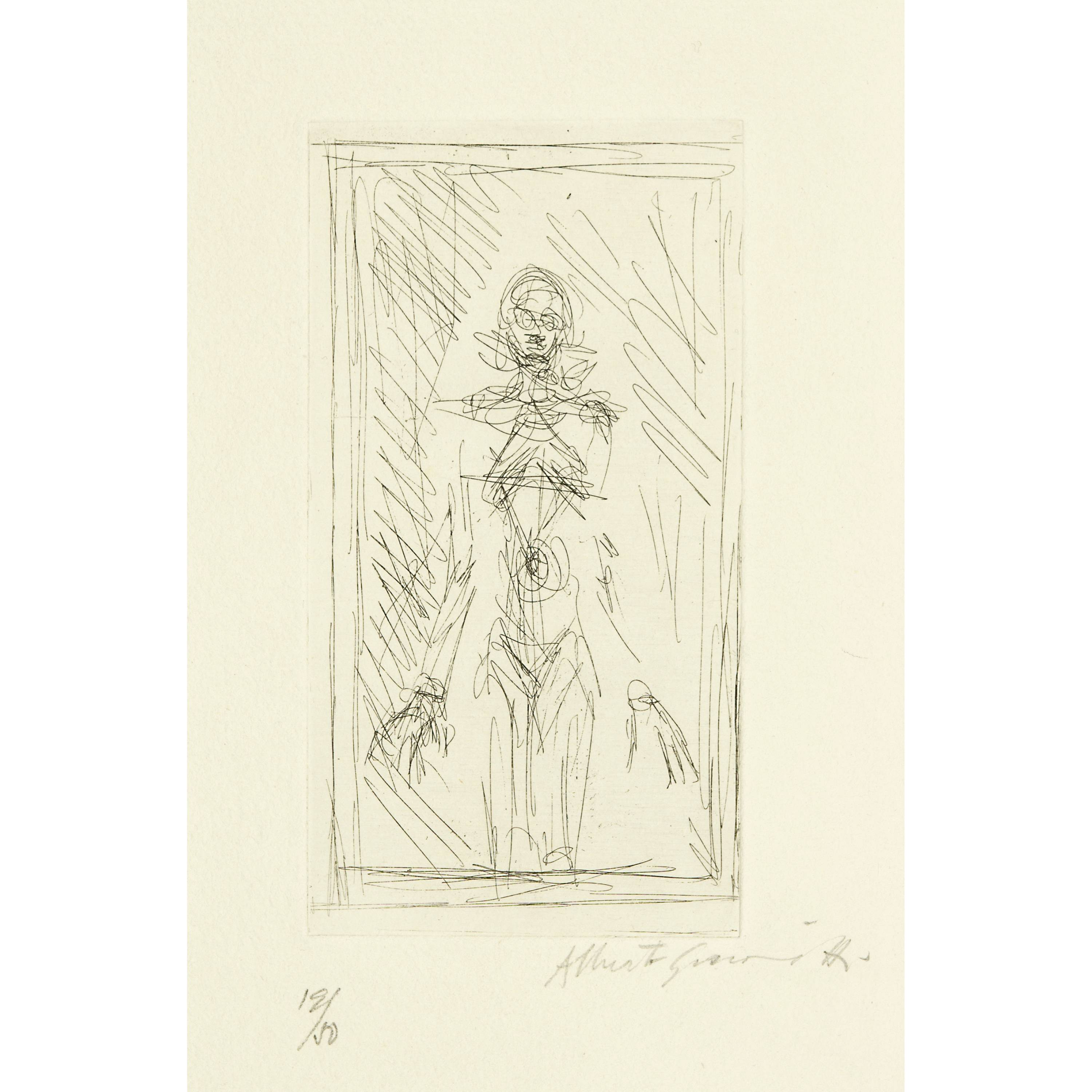
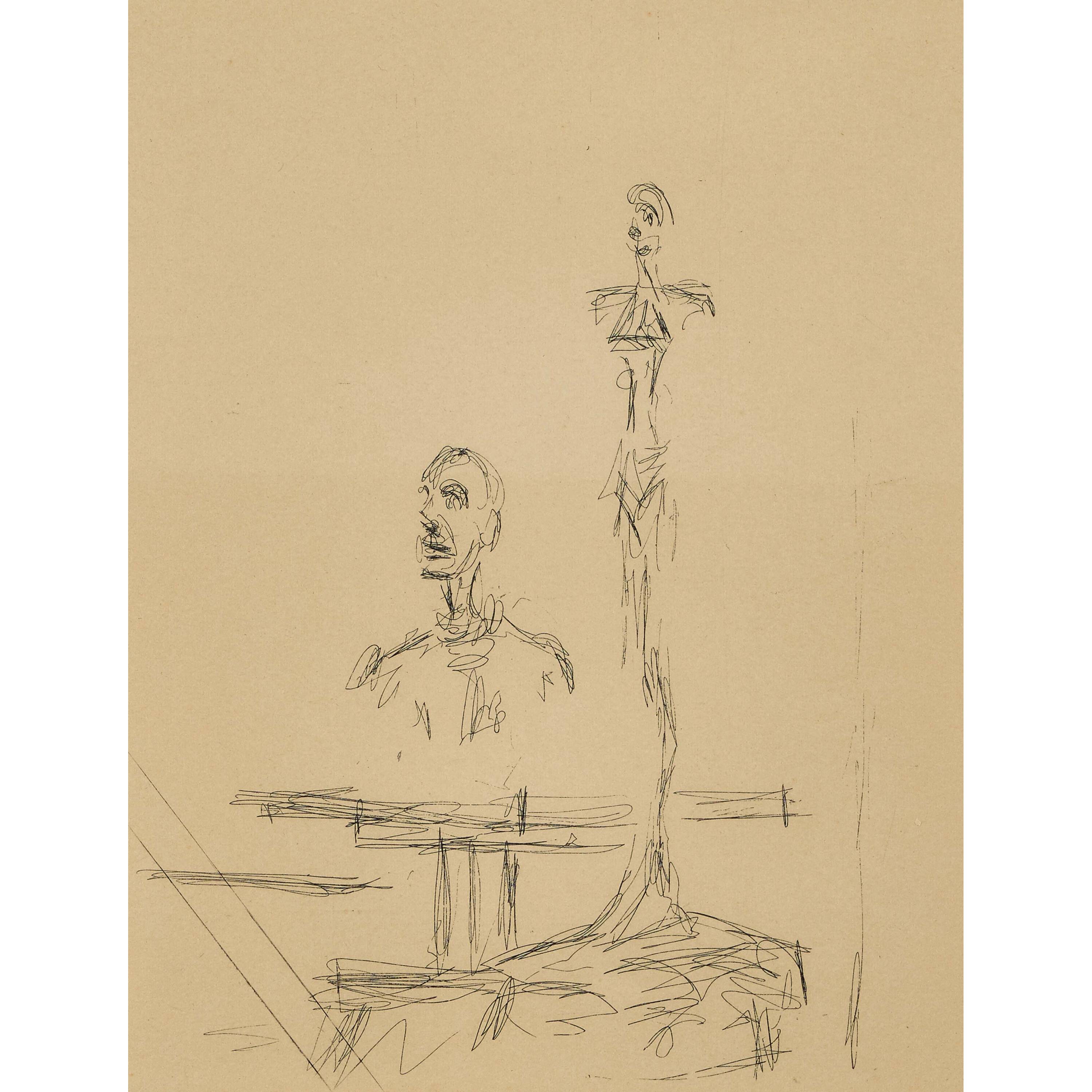
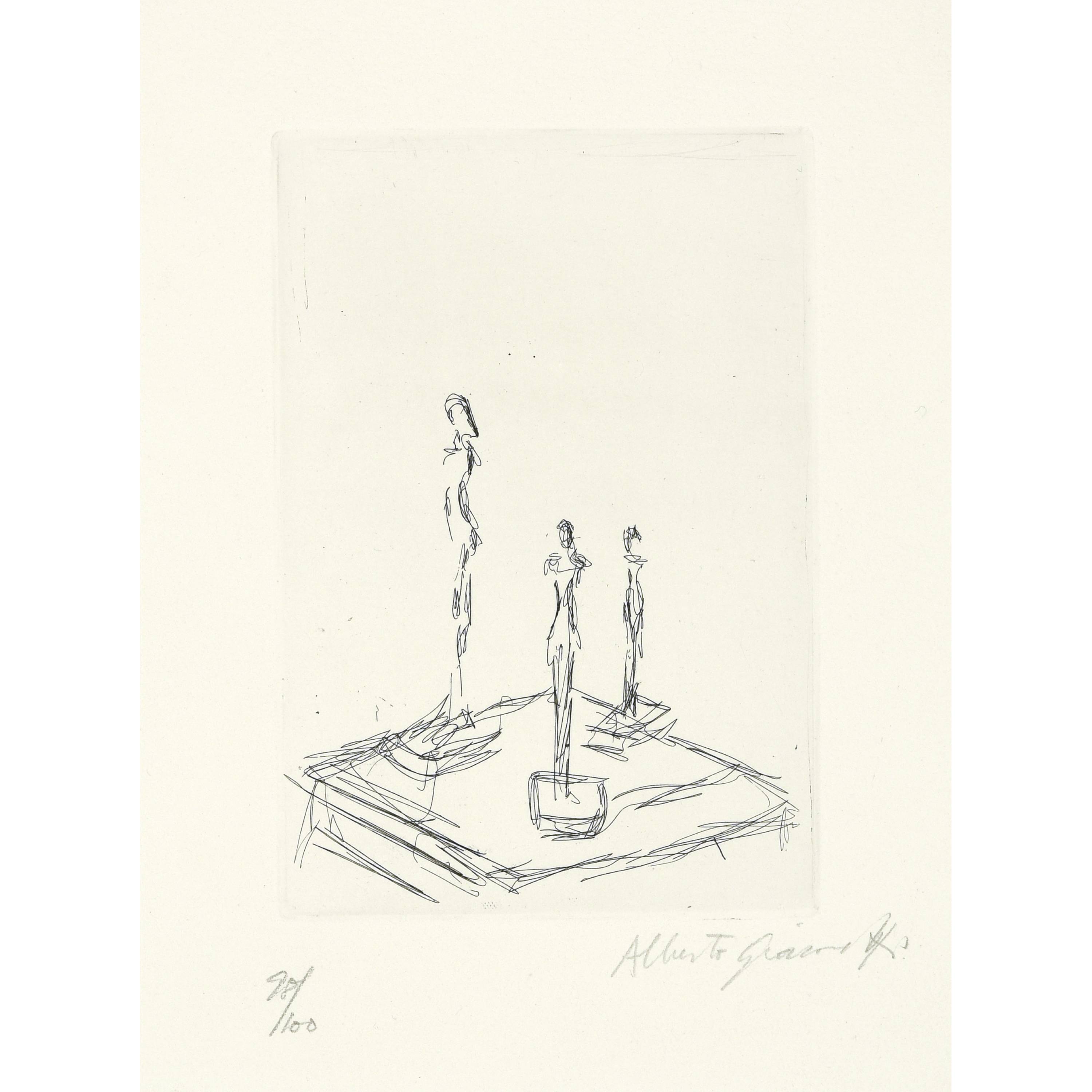
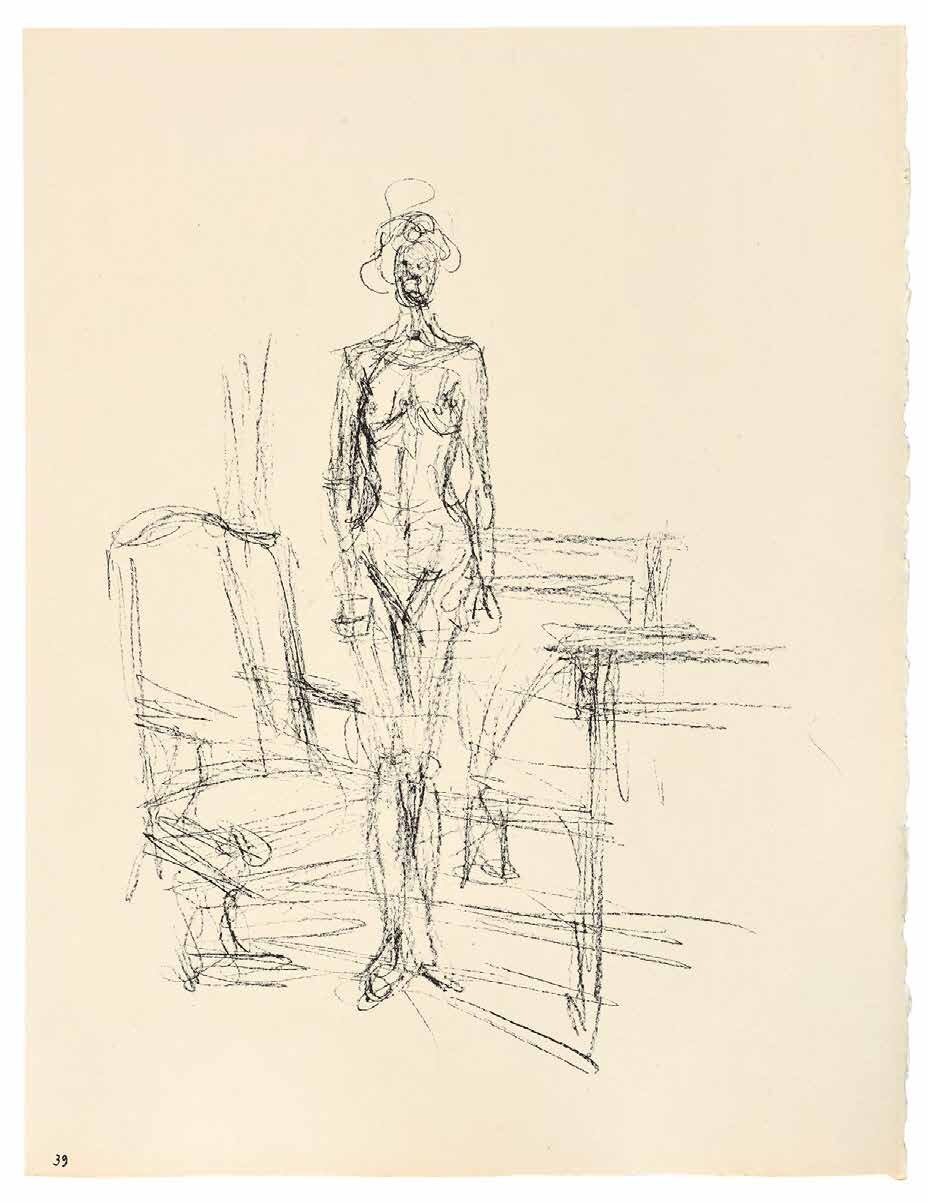
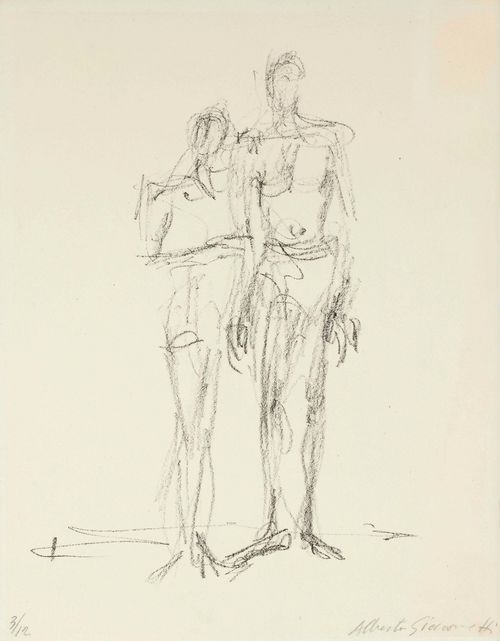
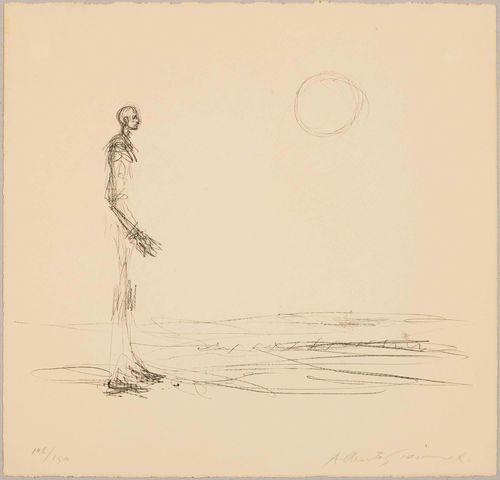
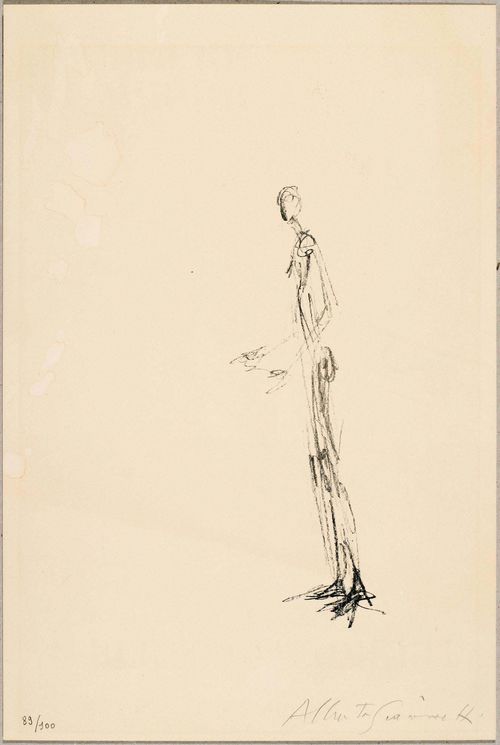
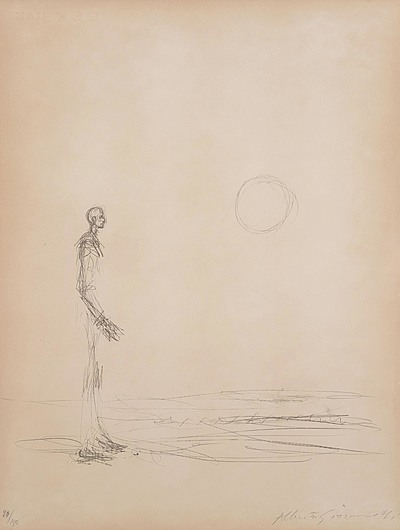
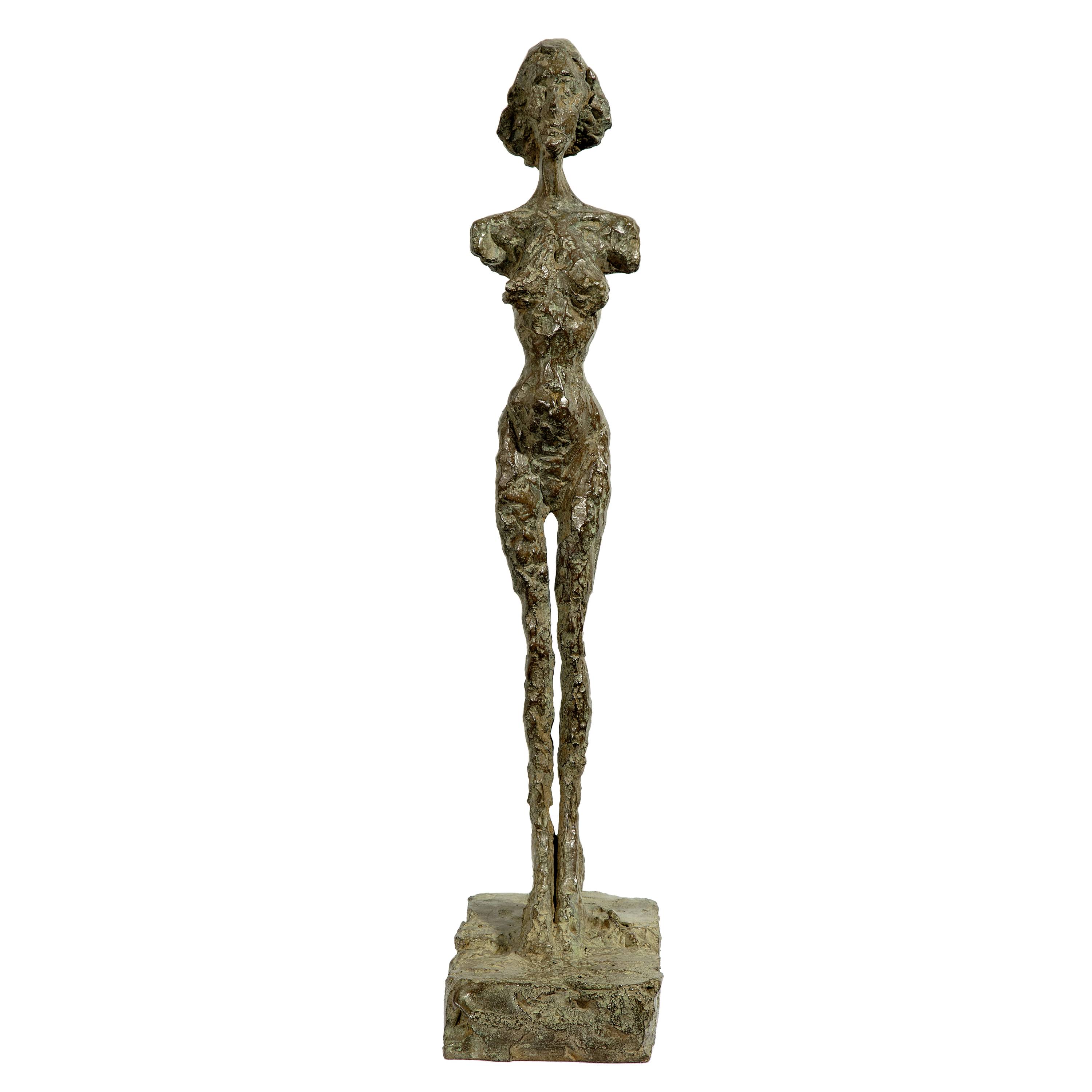
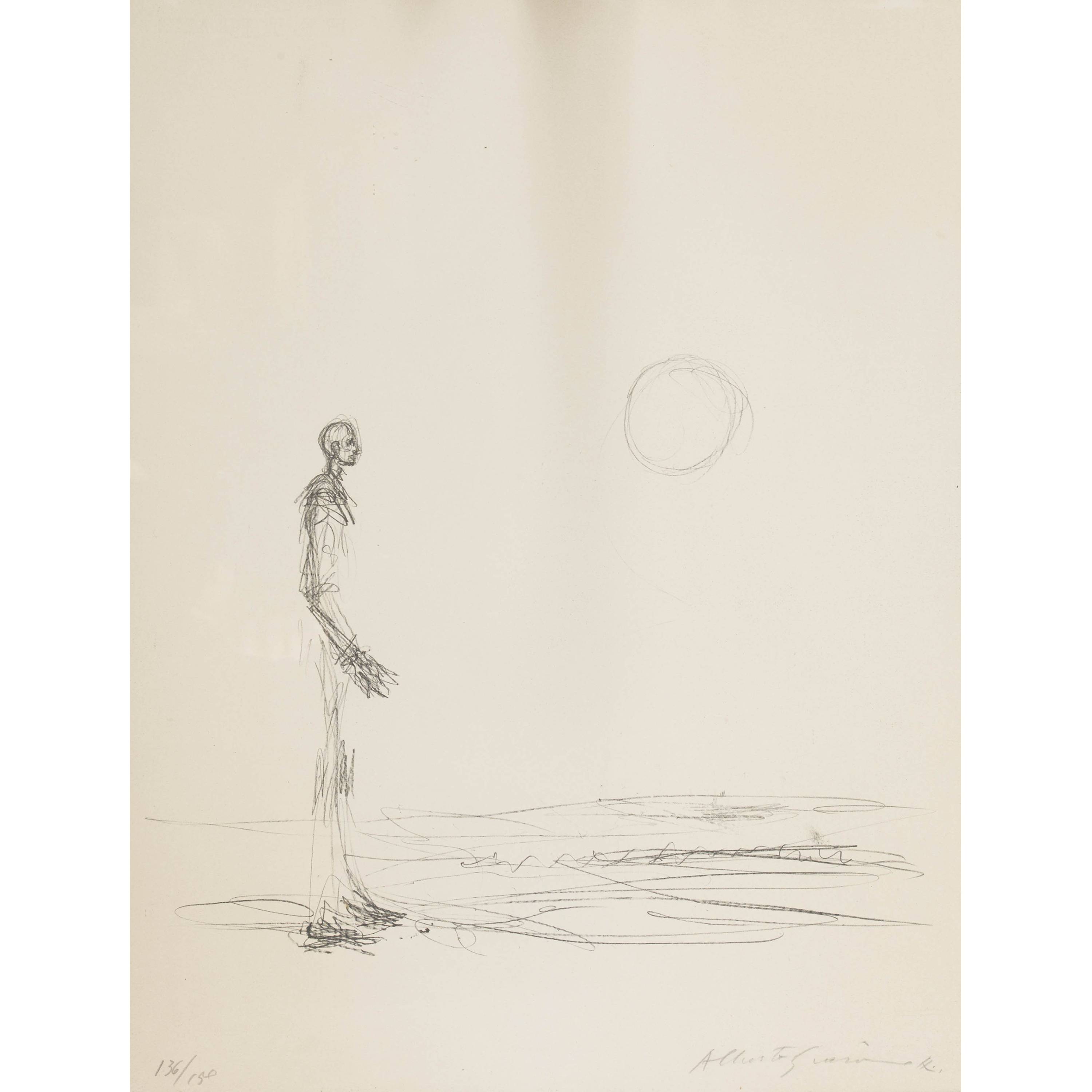
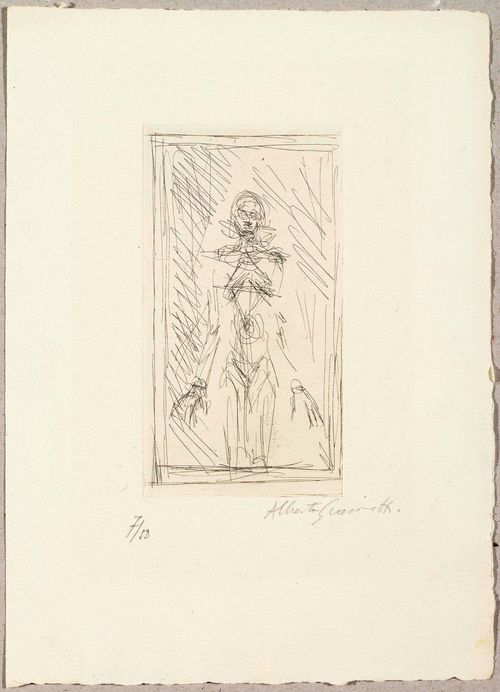
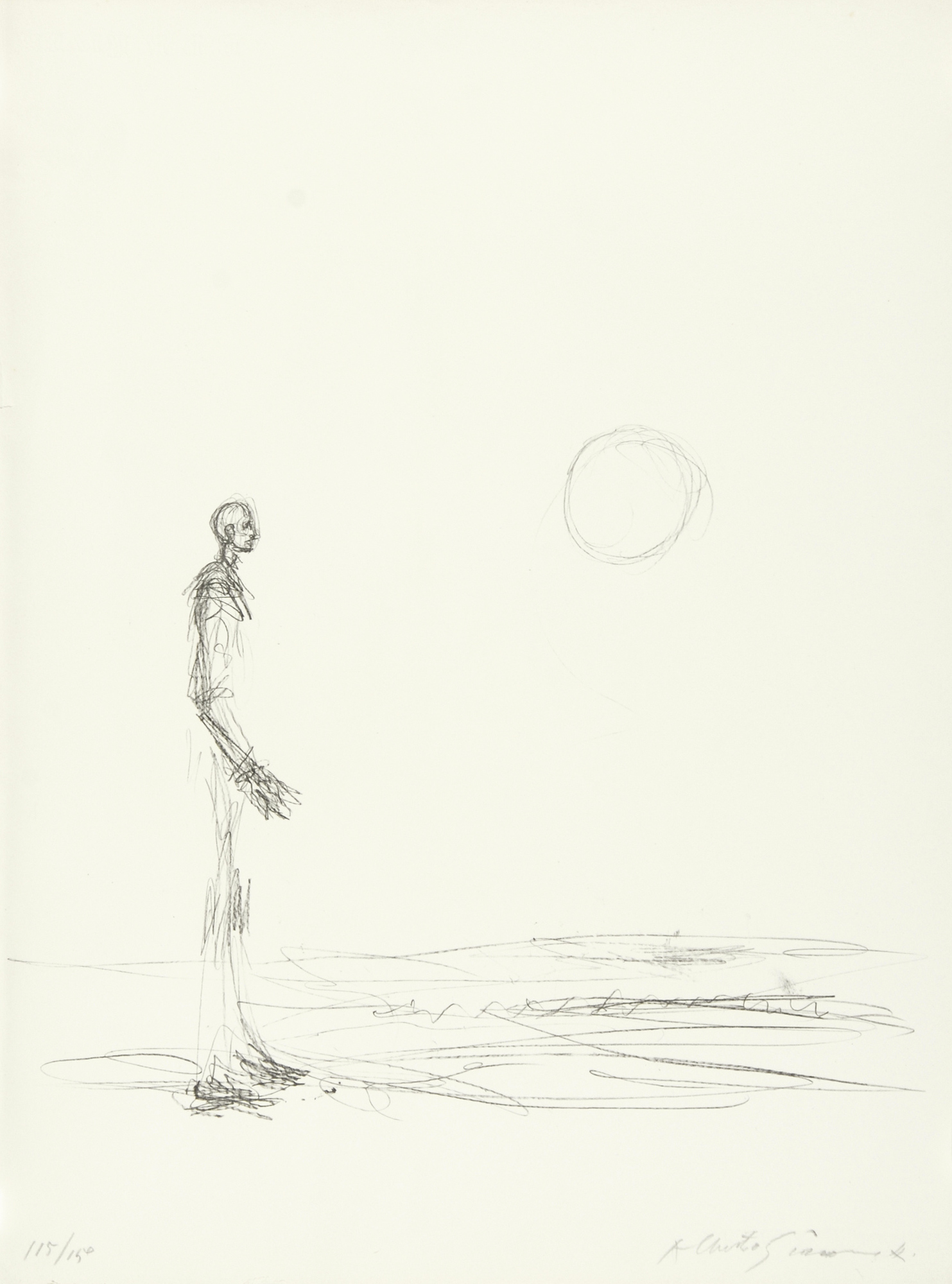
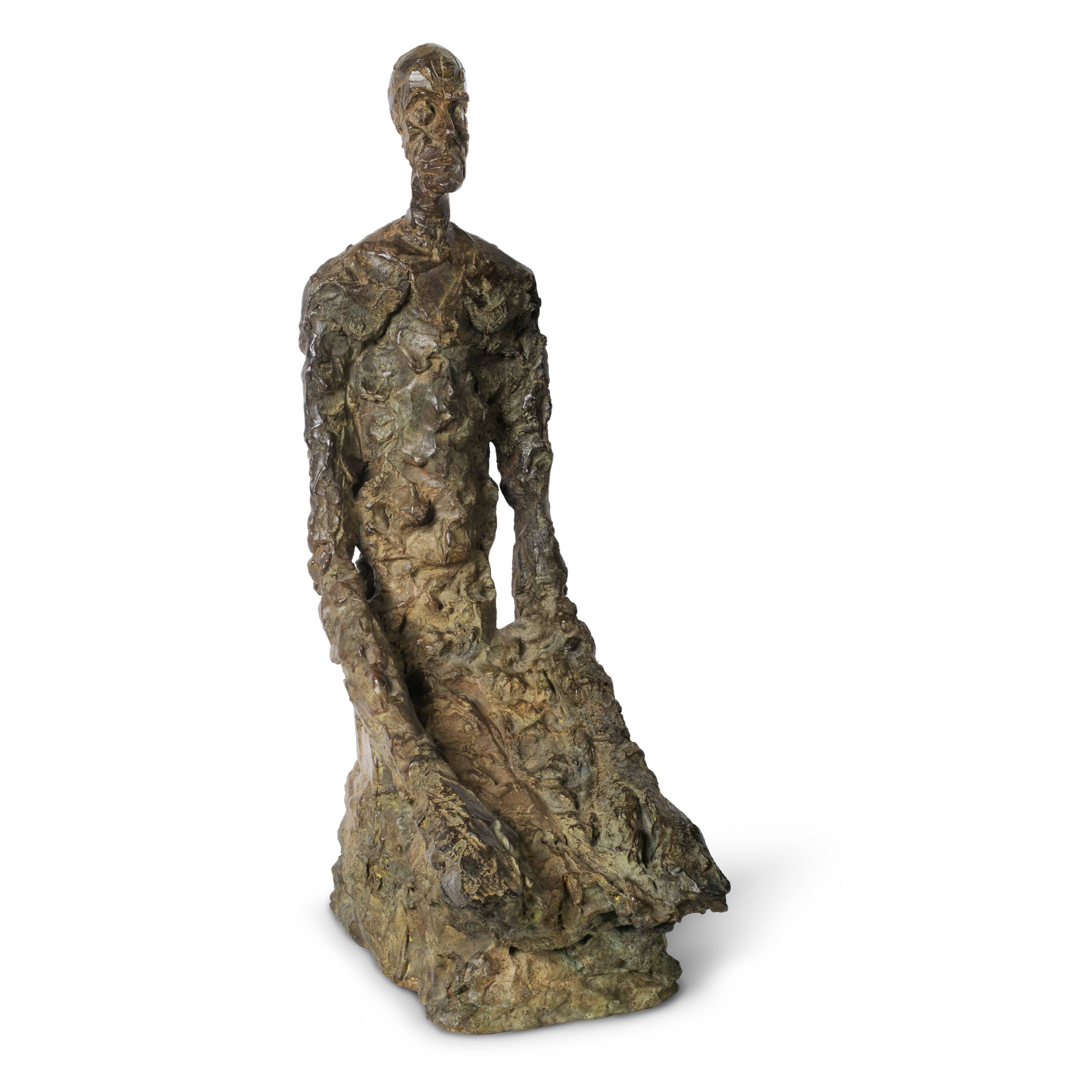
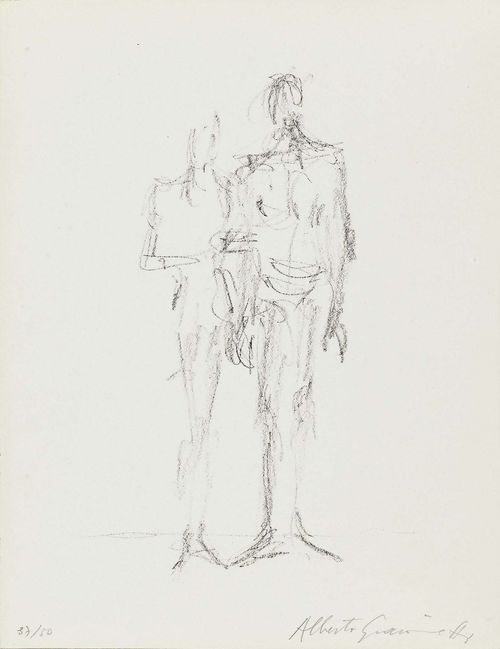
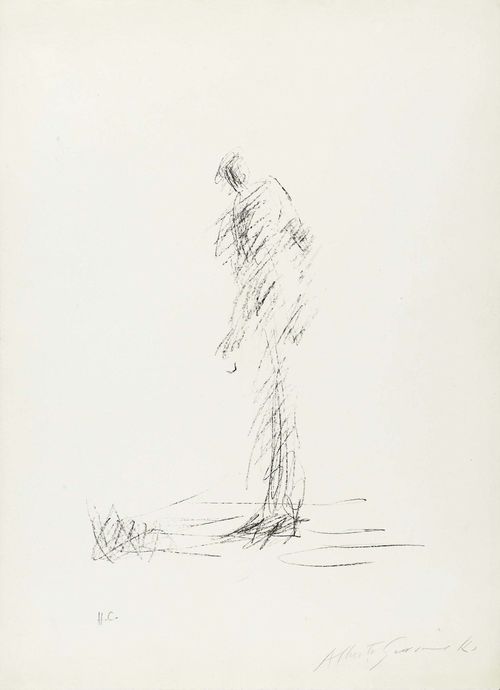
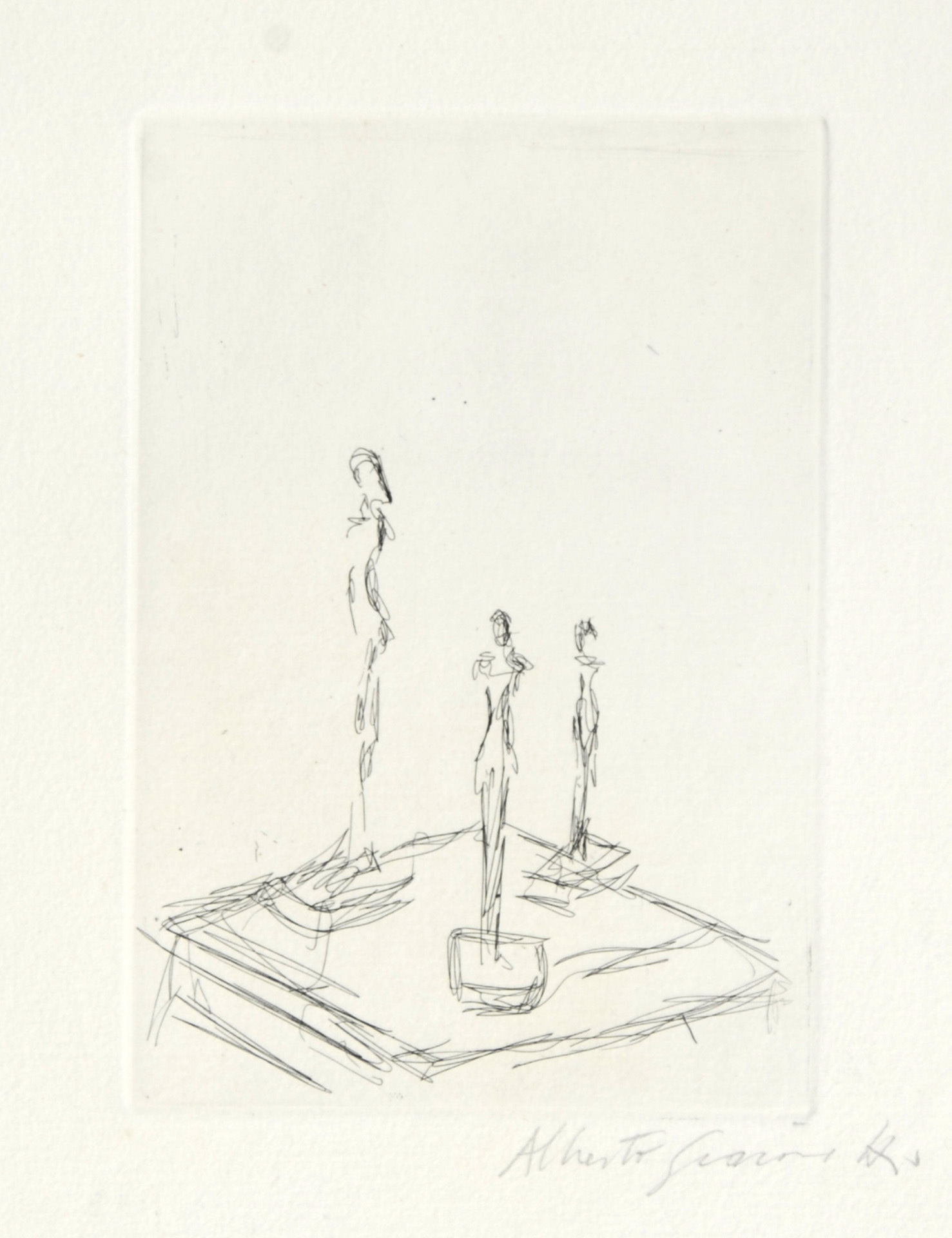
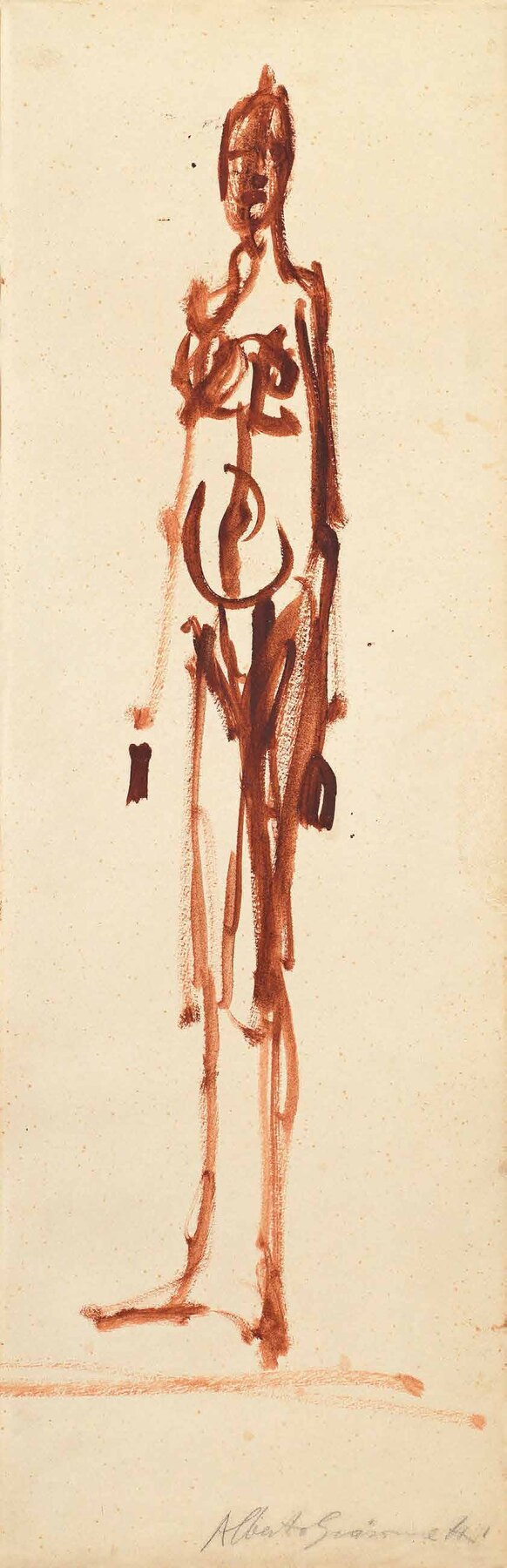
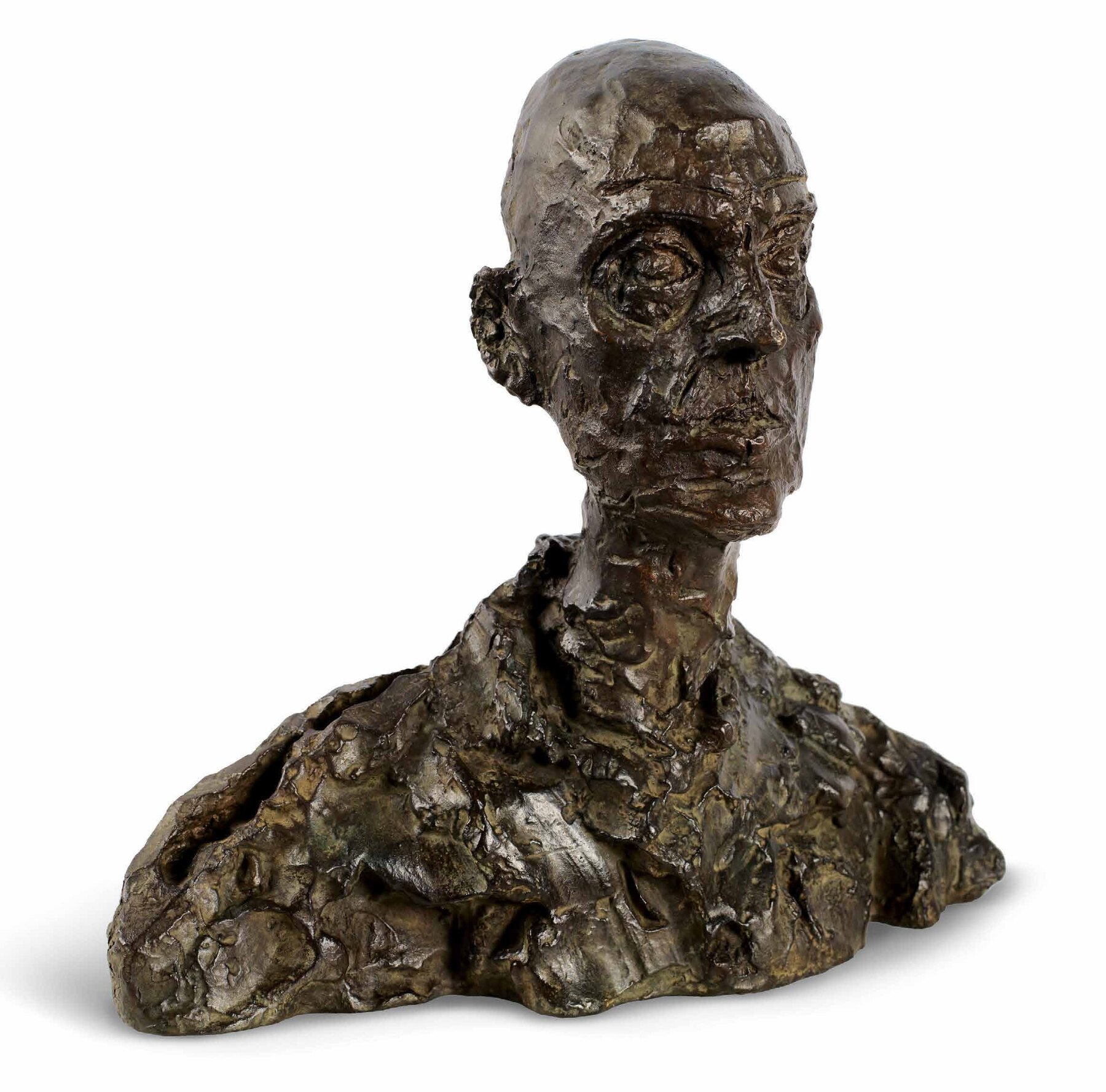
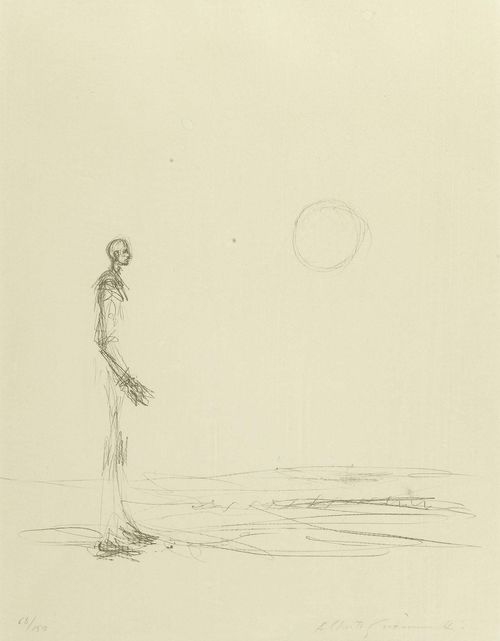
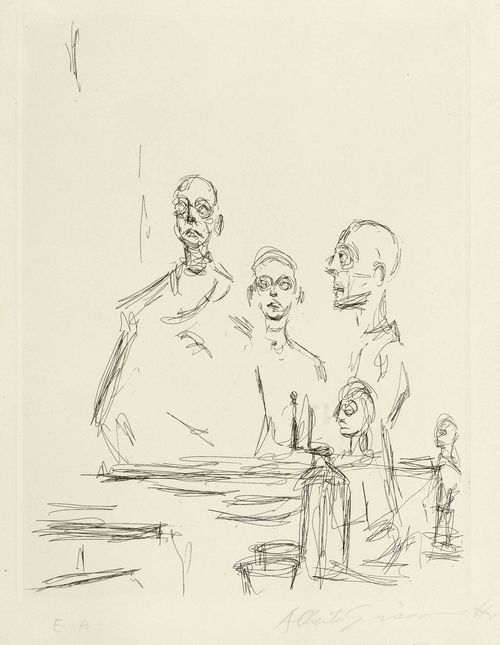
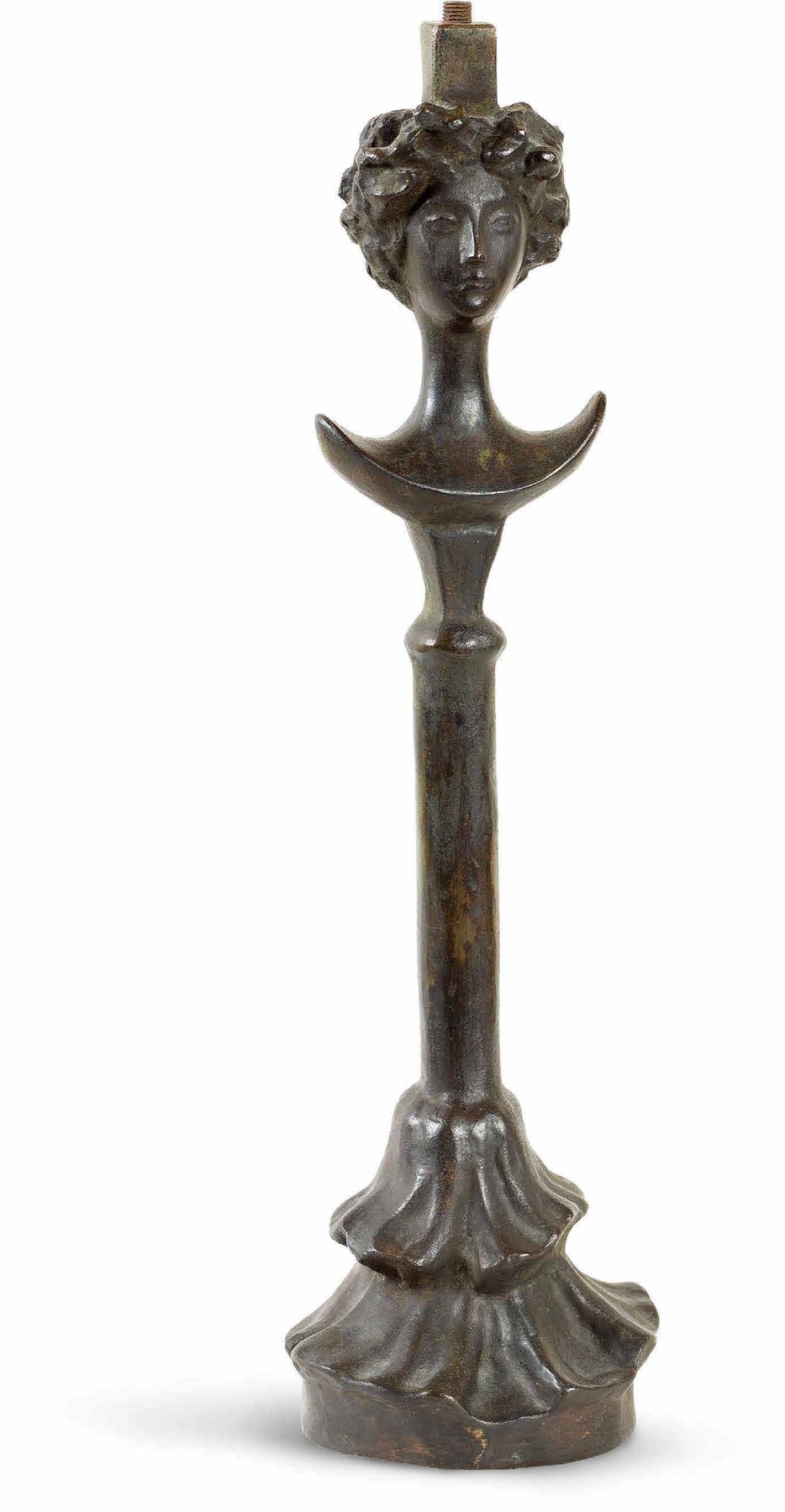
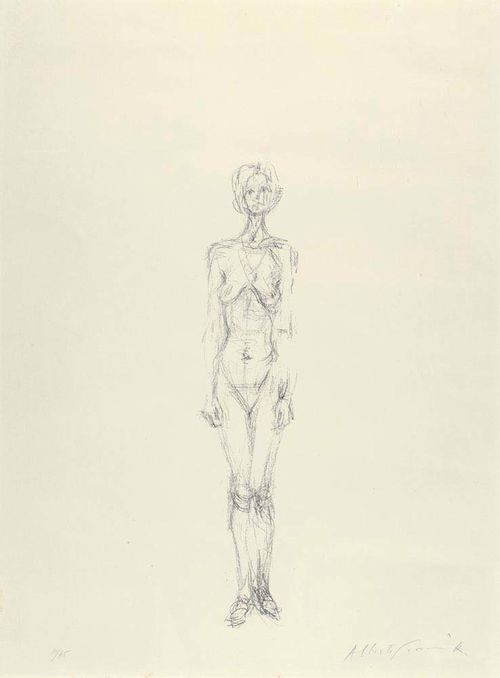
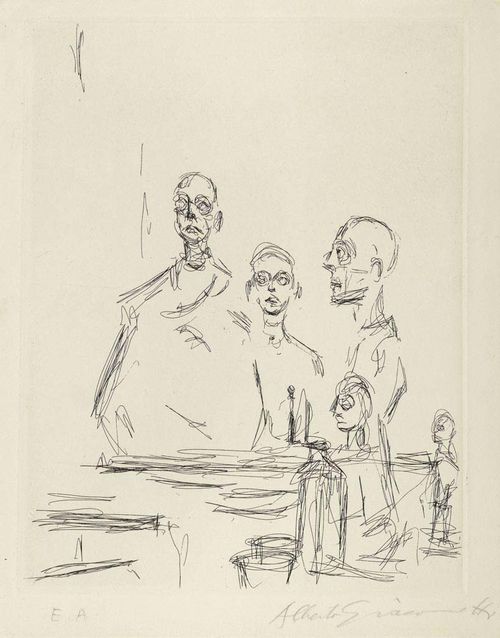
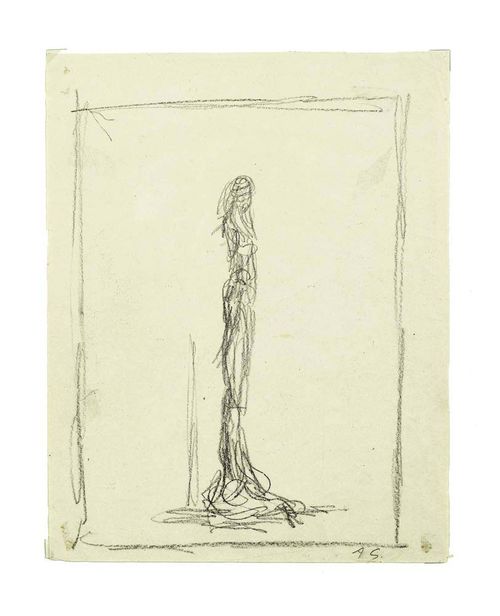
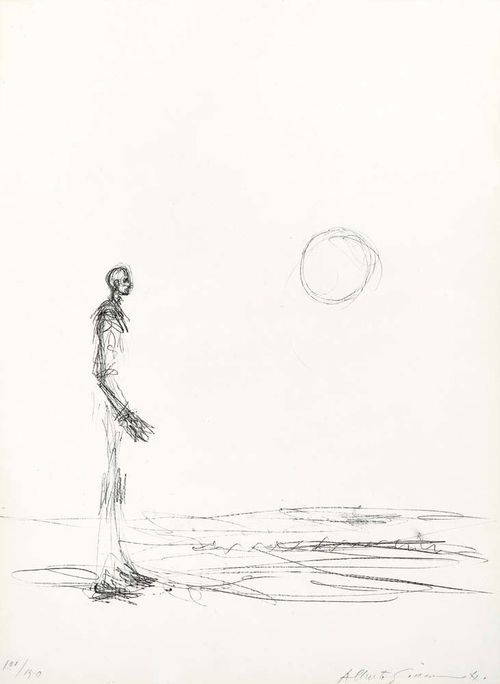
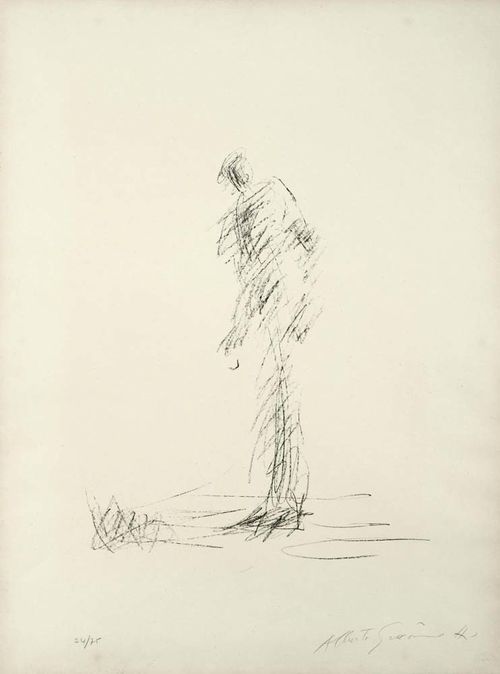
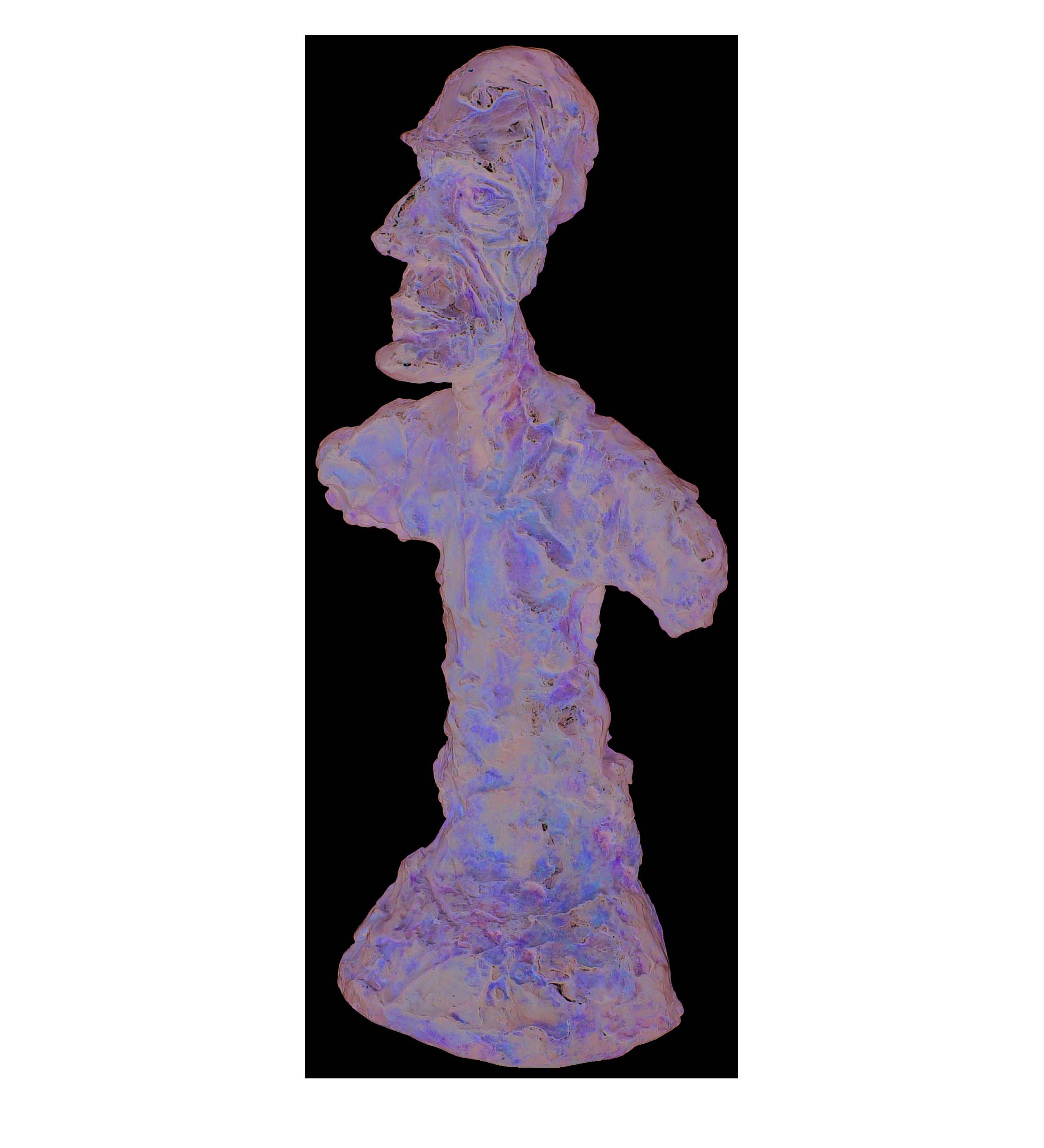
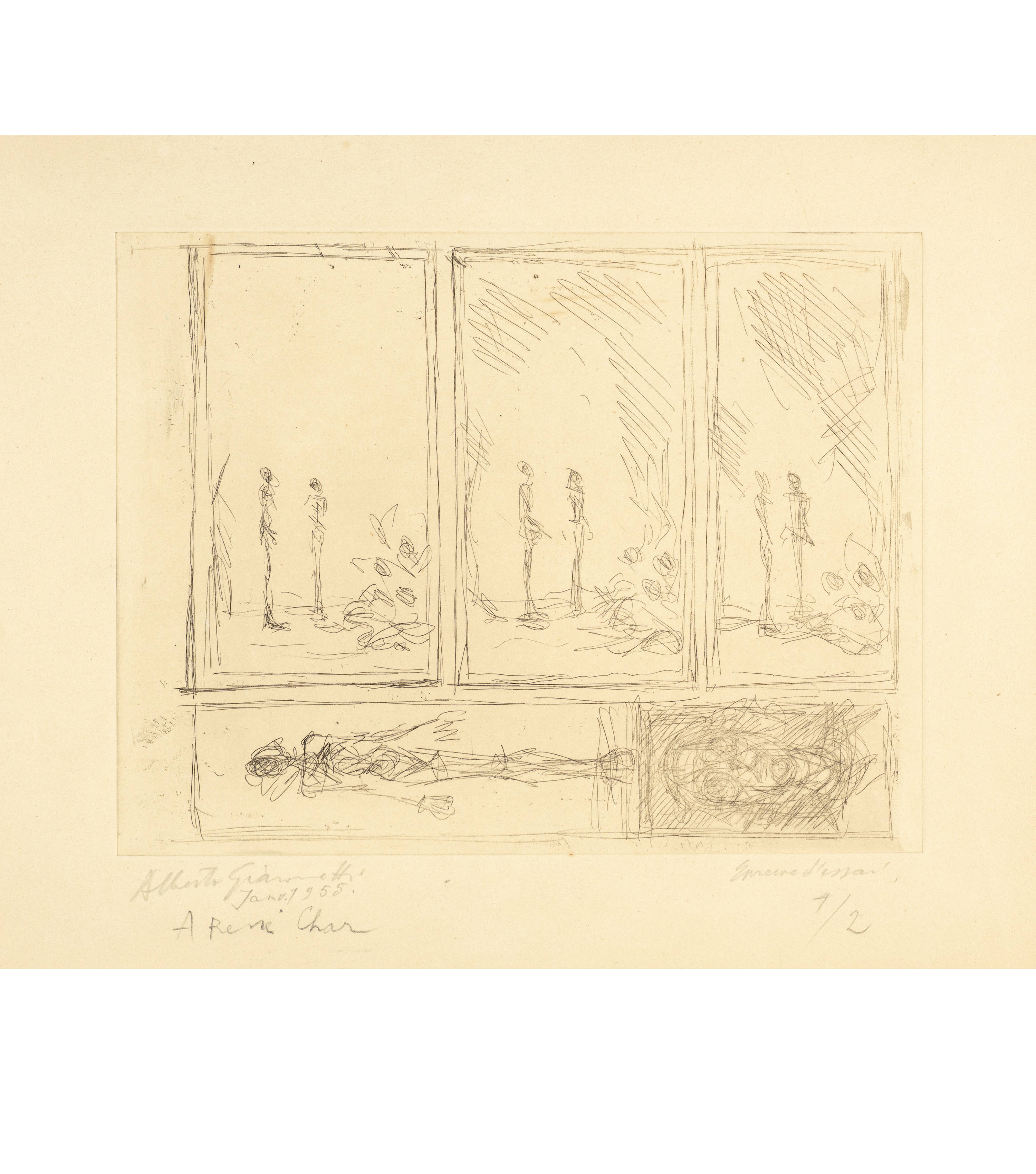
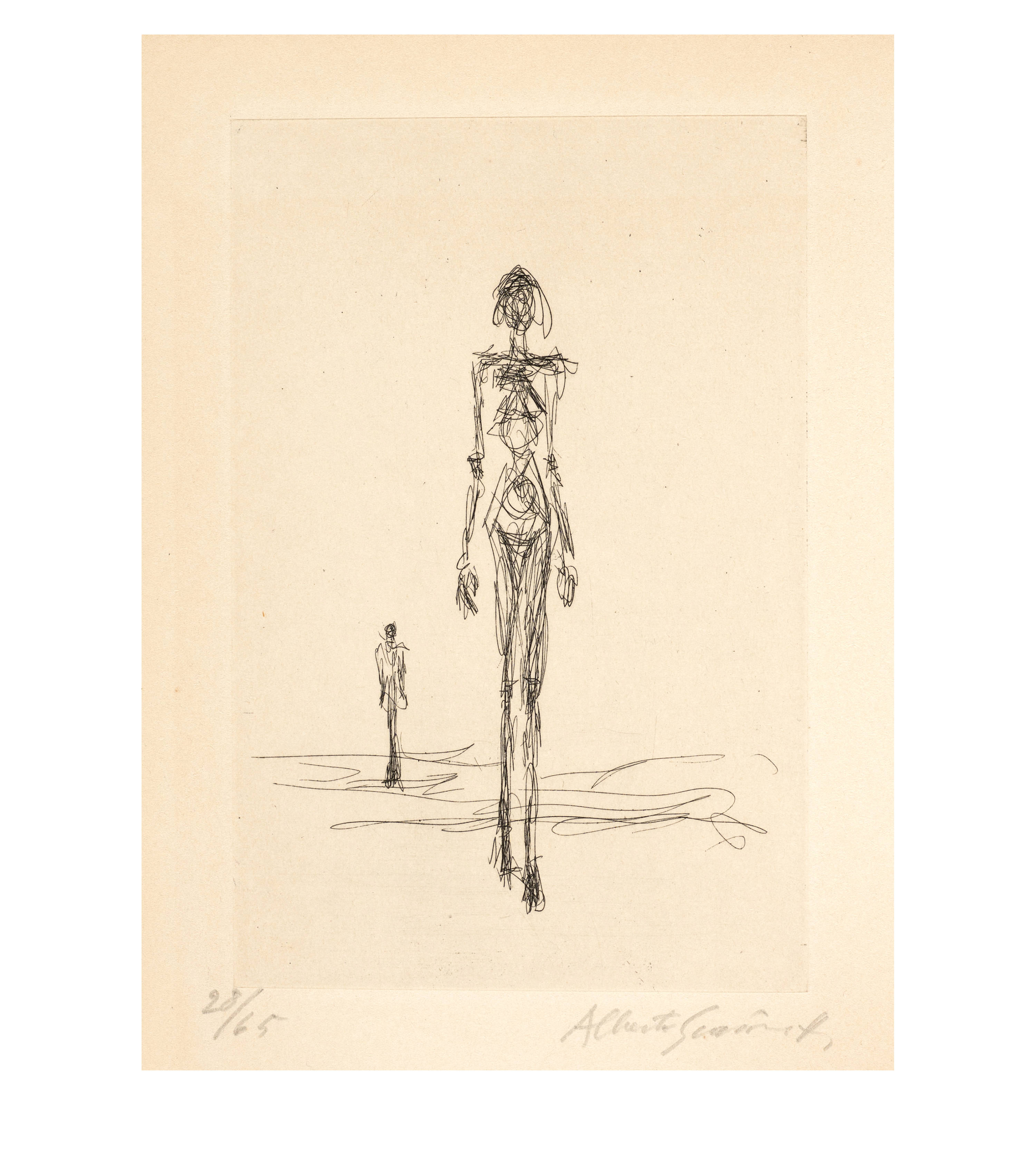
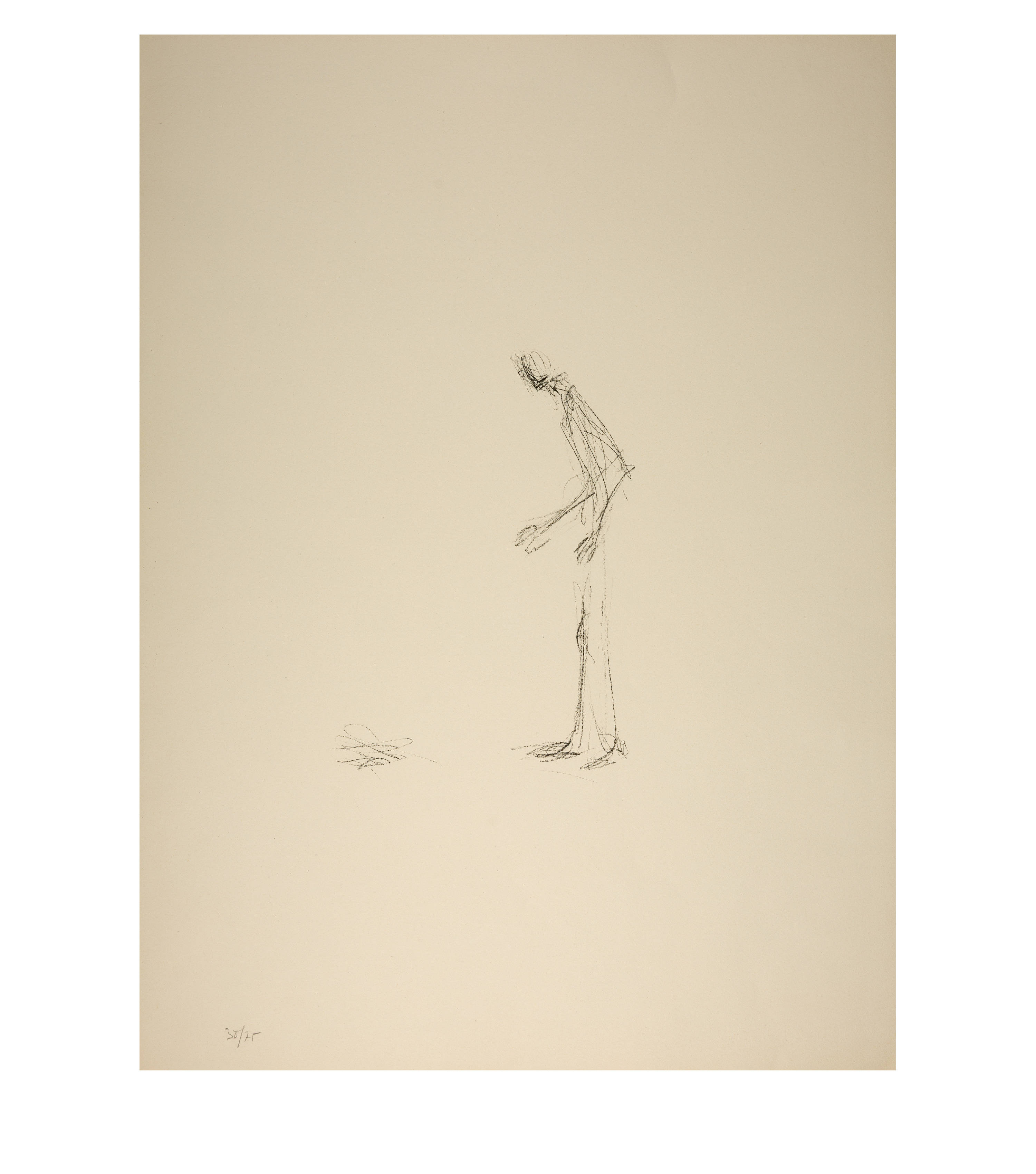
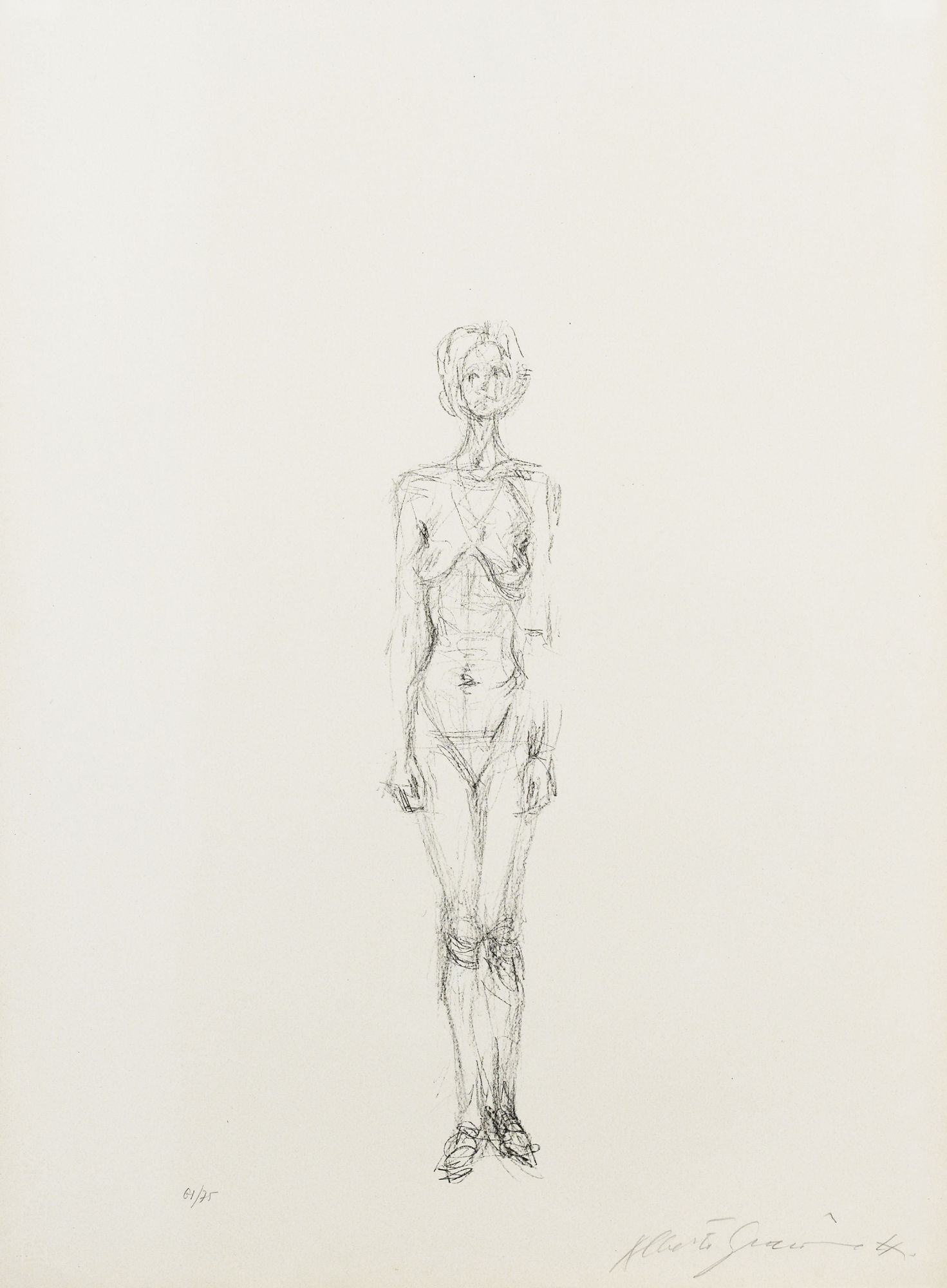
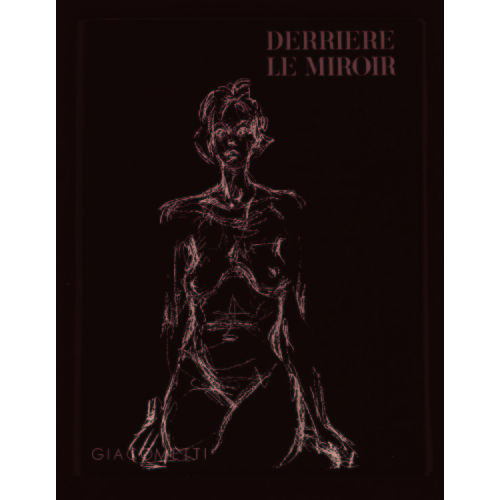
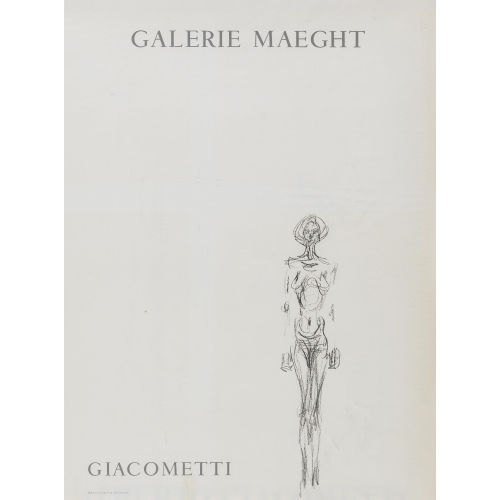
Before a figure by Alberto Giacometti (1901–1966), the eye encounters both a body and the space surrounding it. The extreme slenderness of certain silhouettes heightens the sense of distance: even when standing close together, they can seem separated by an immense interval. This tension gives their presence a particular intensity.
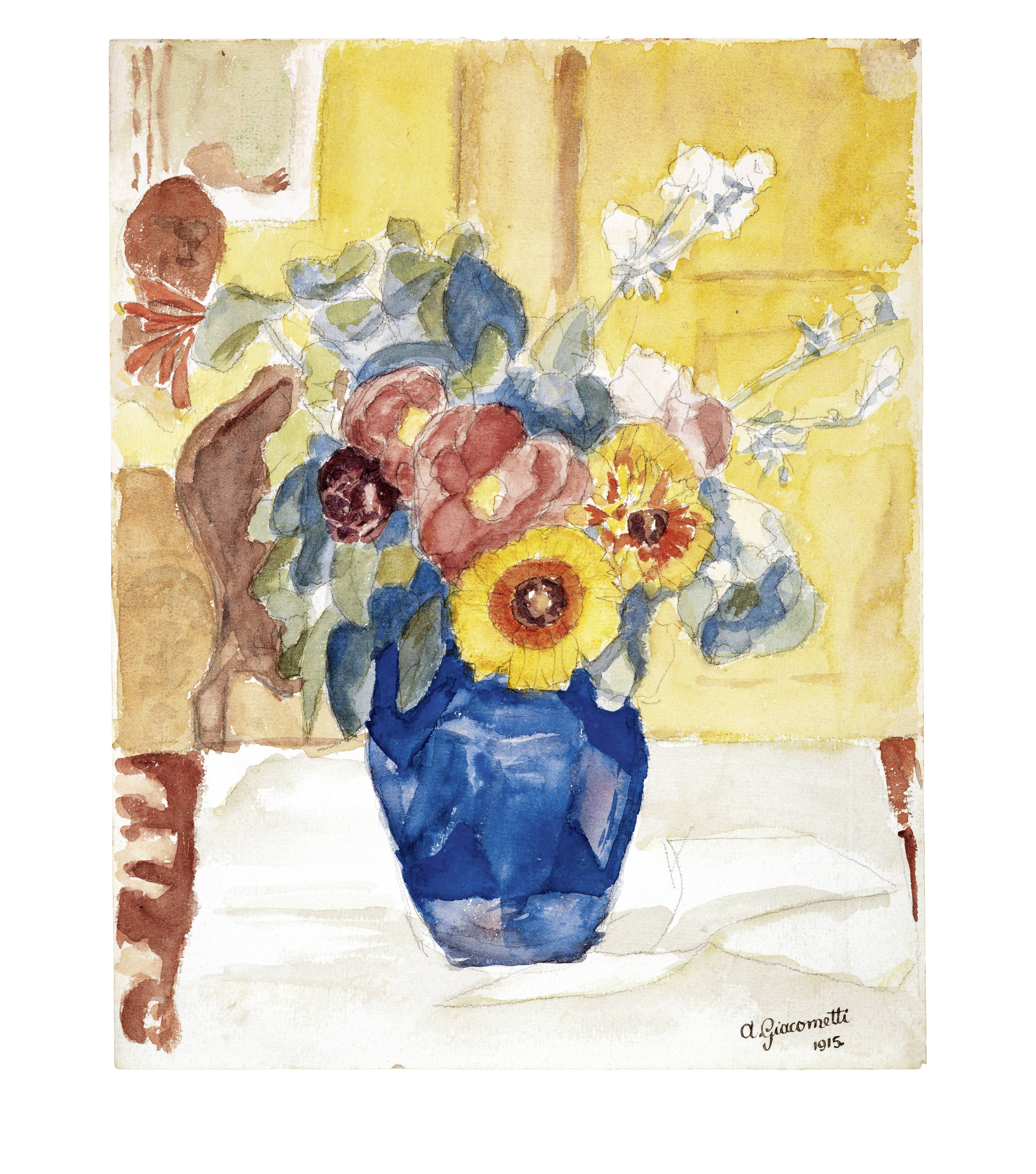
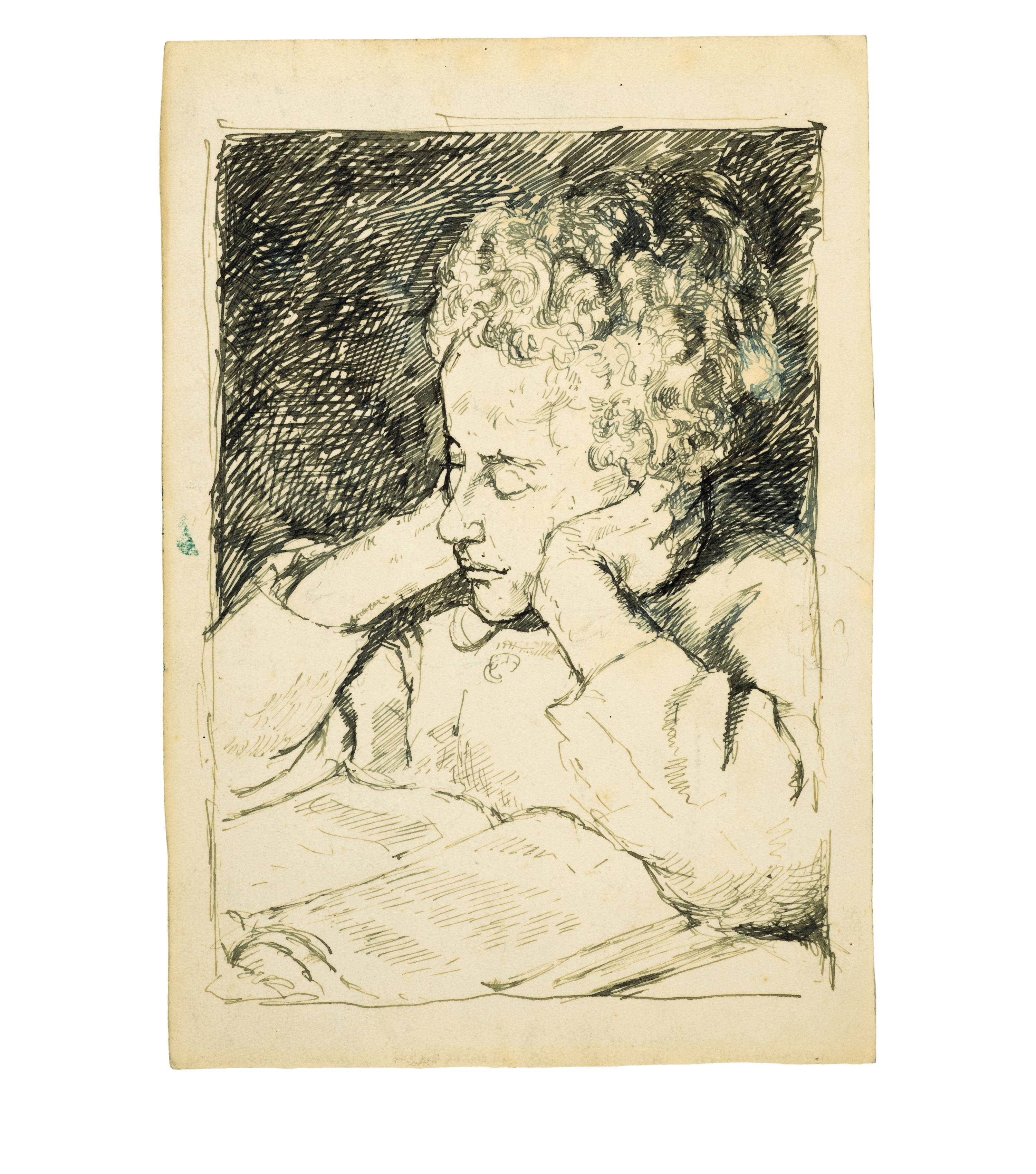
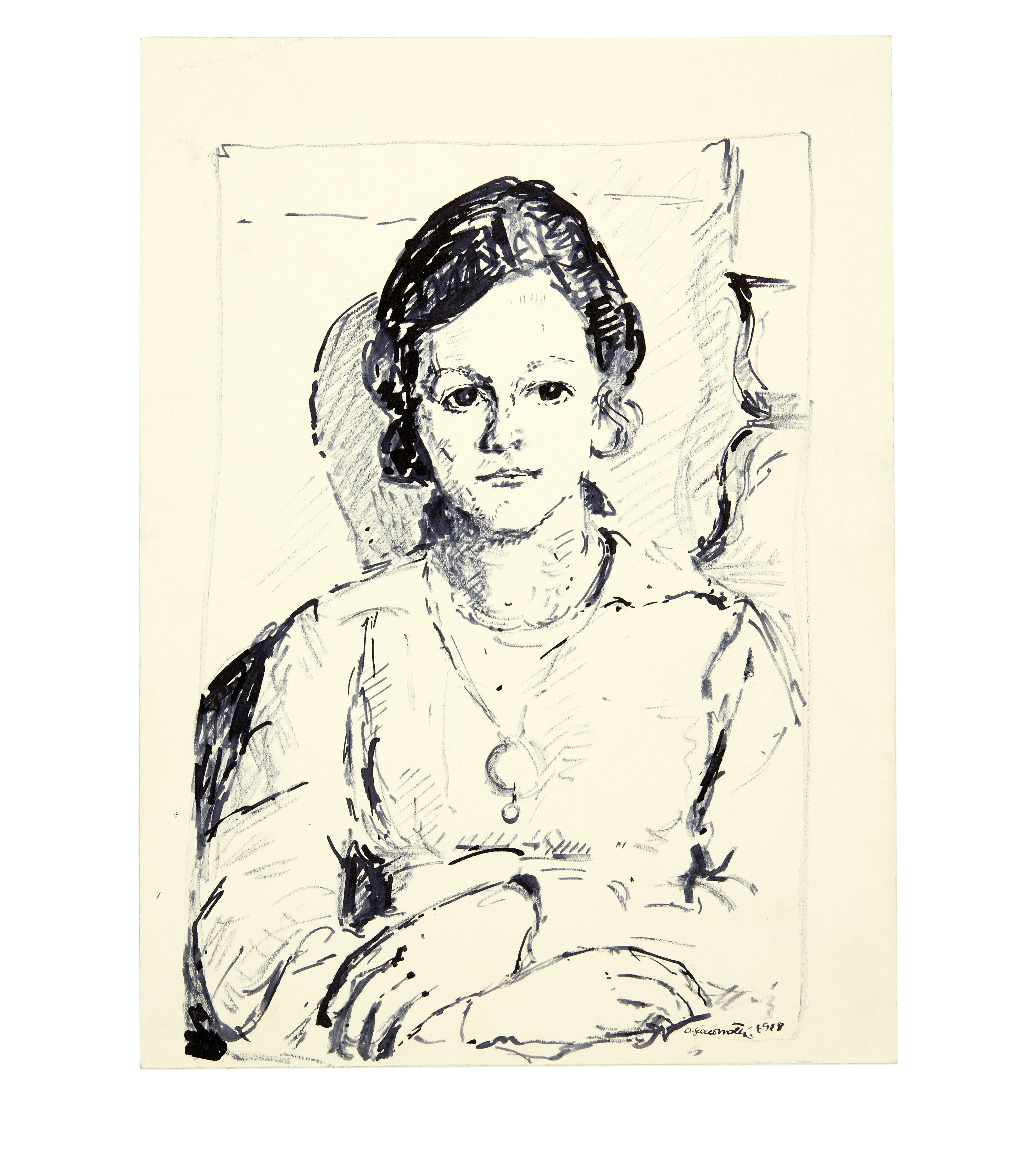
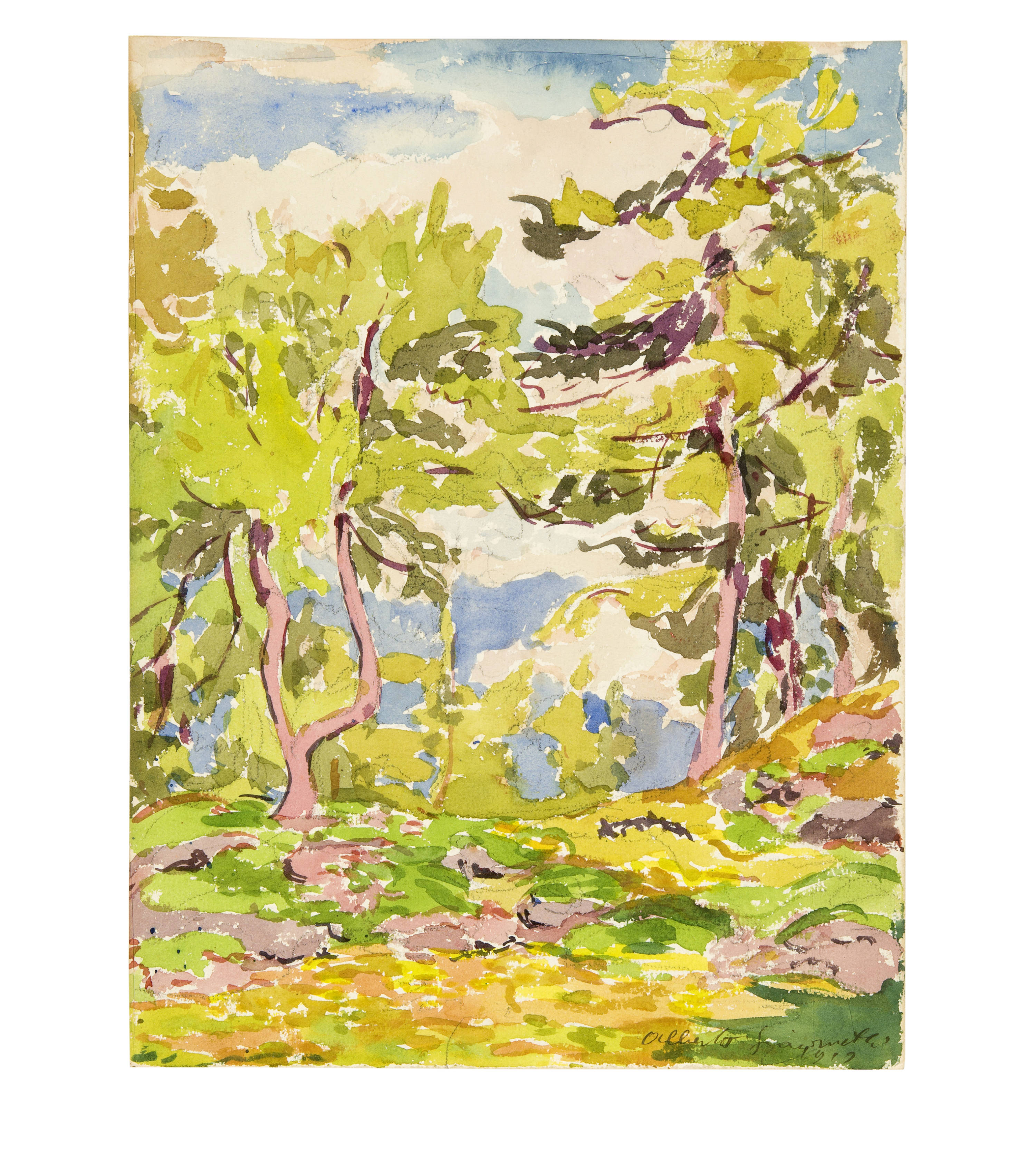
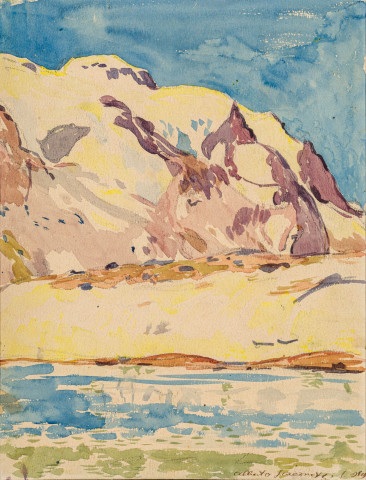
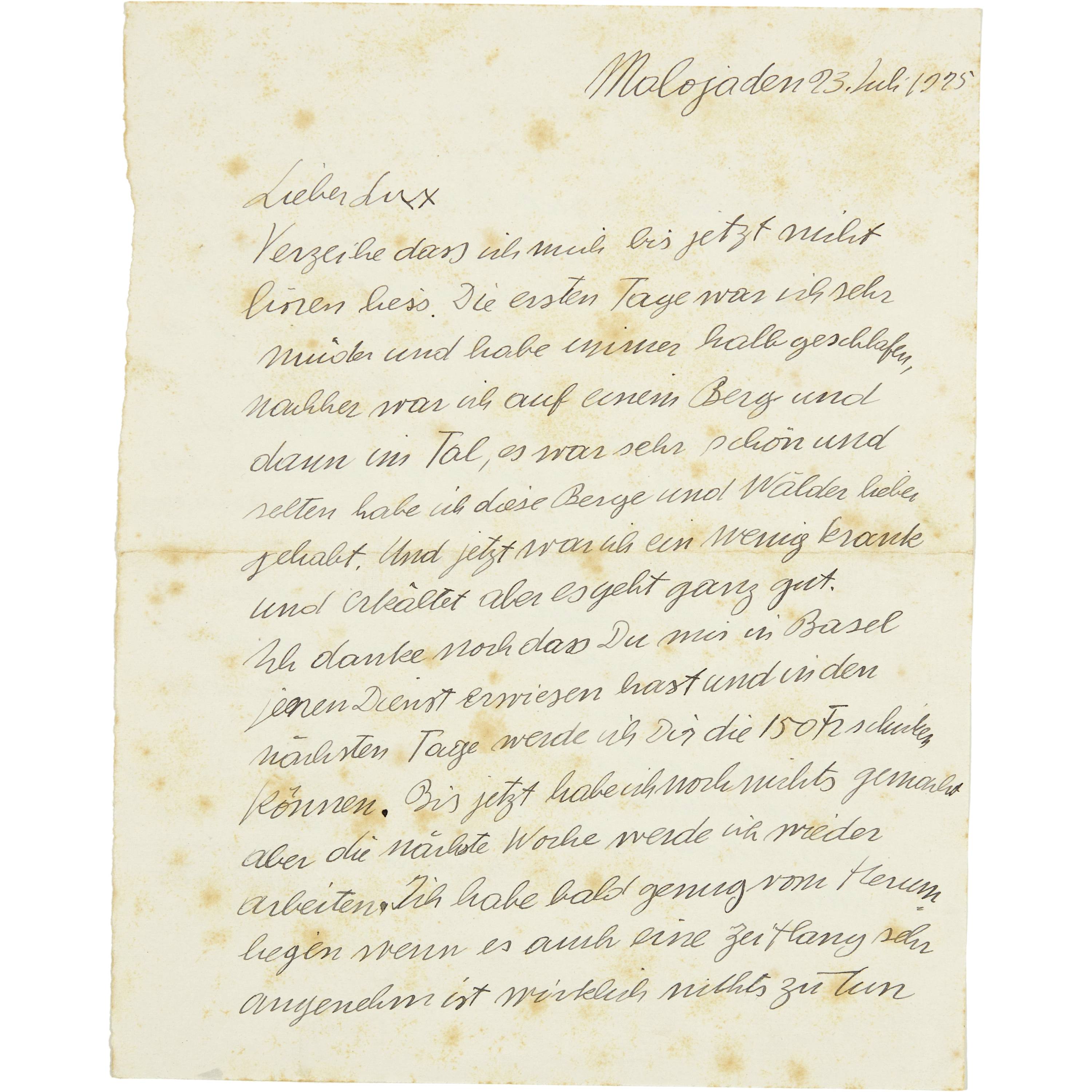
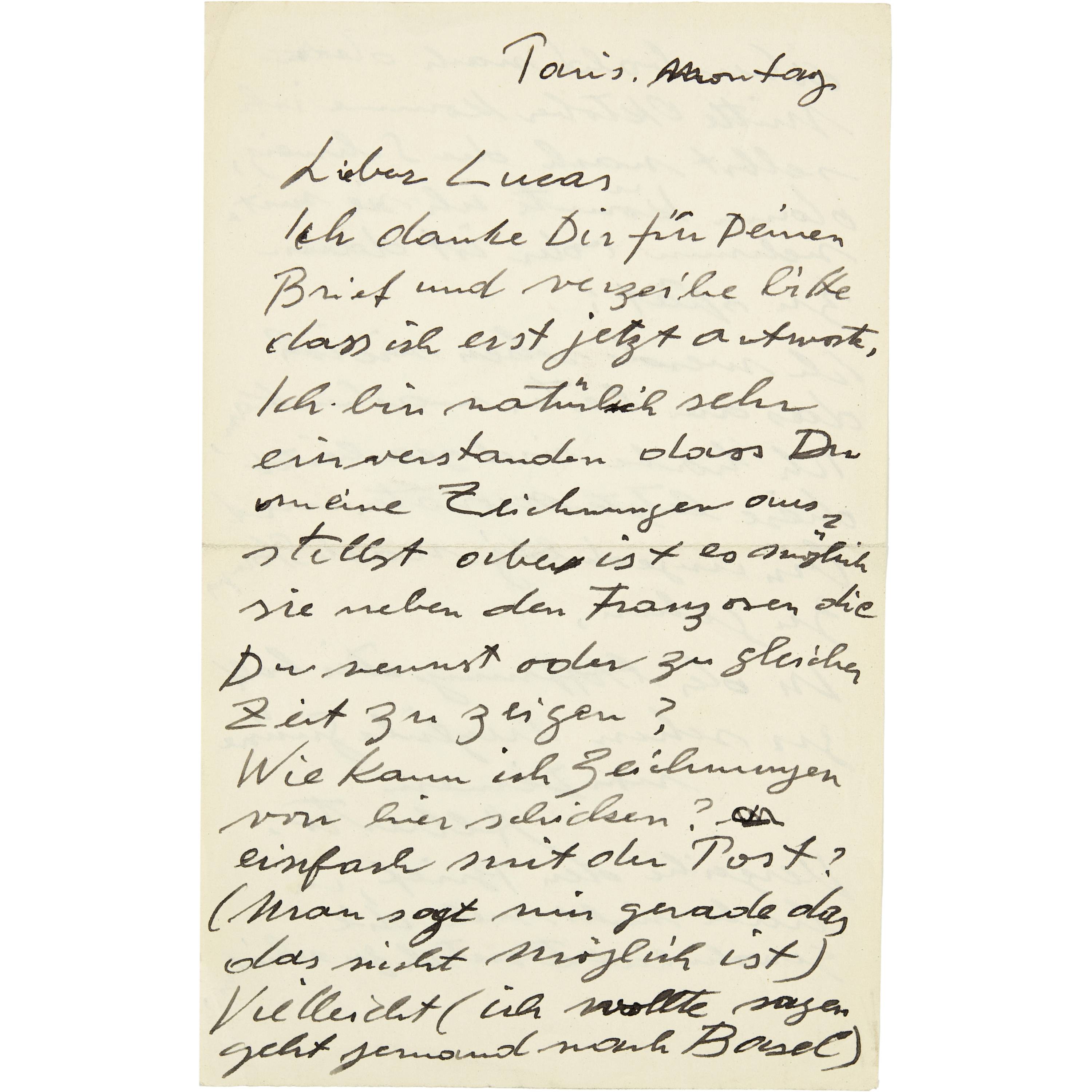
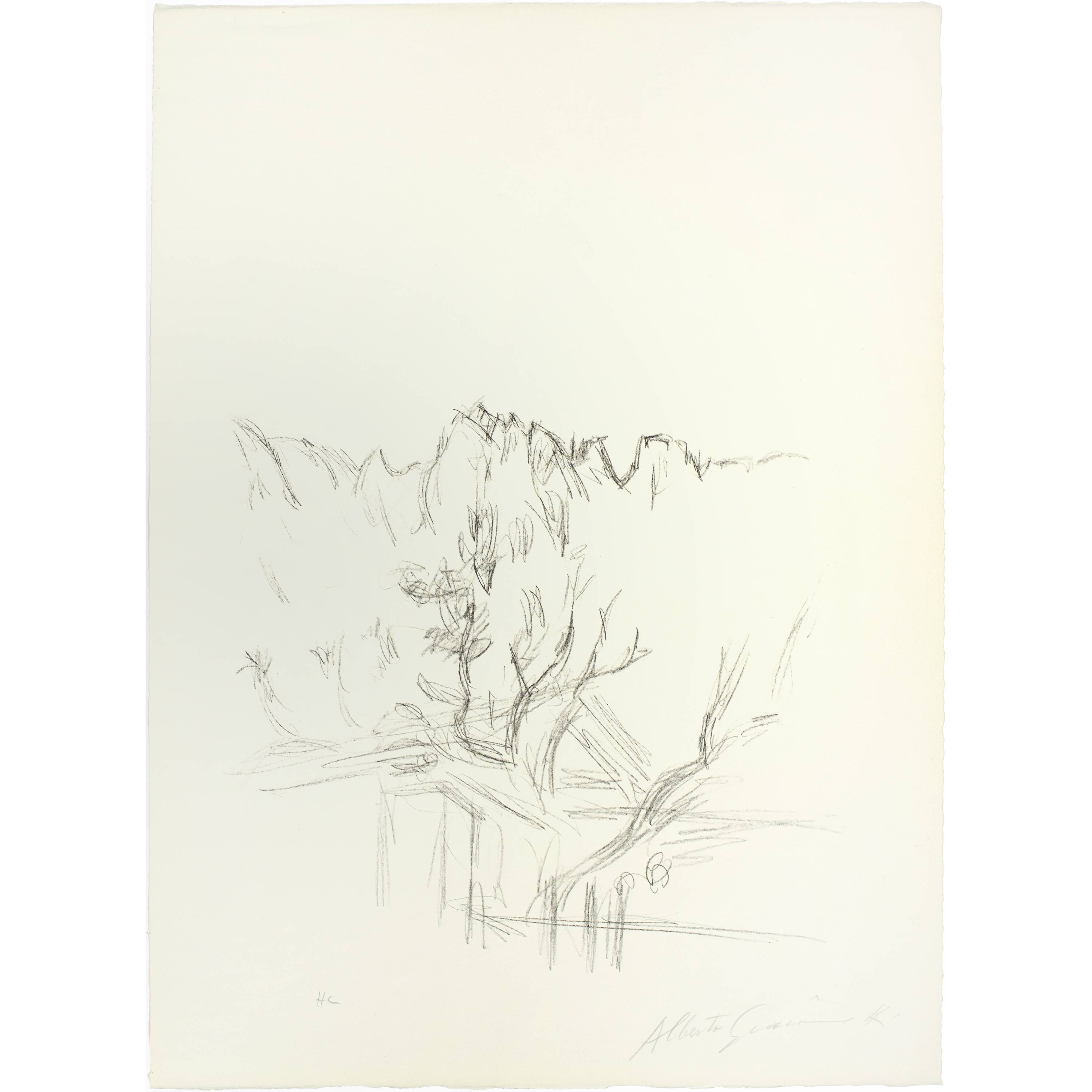
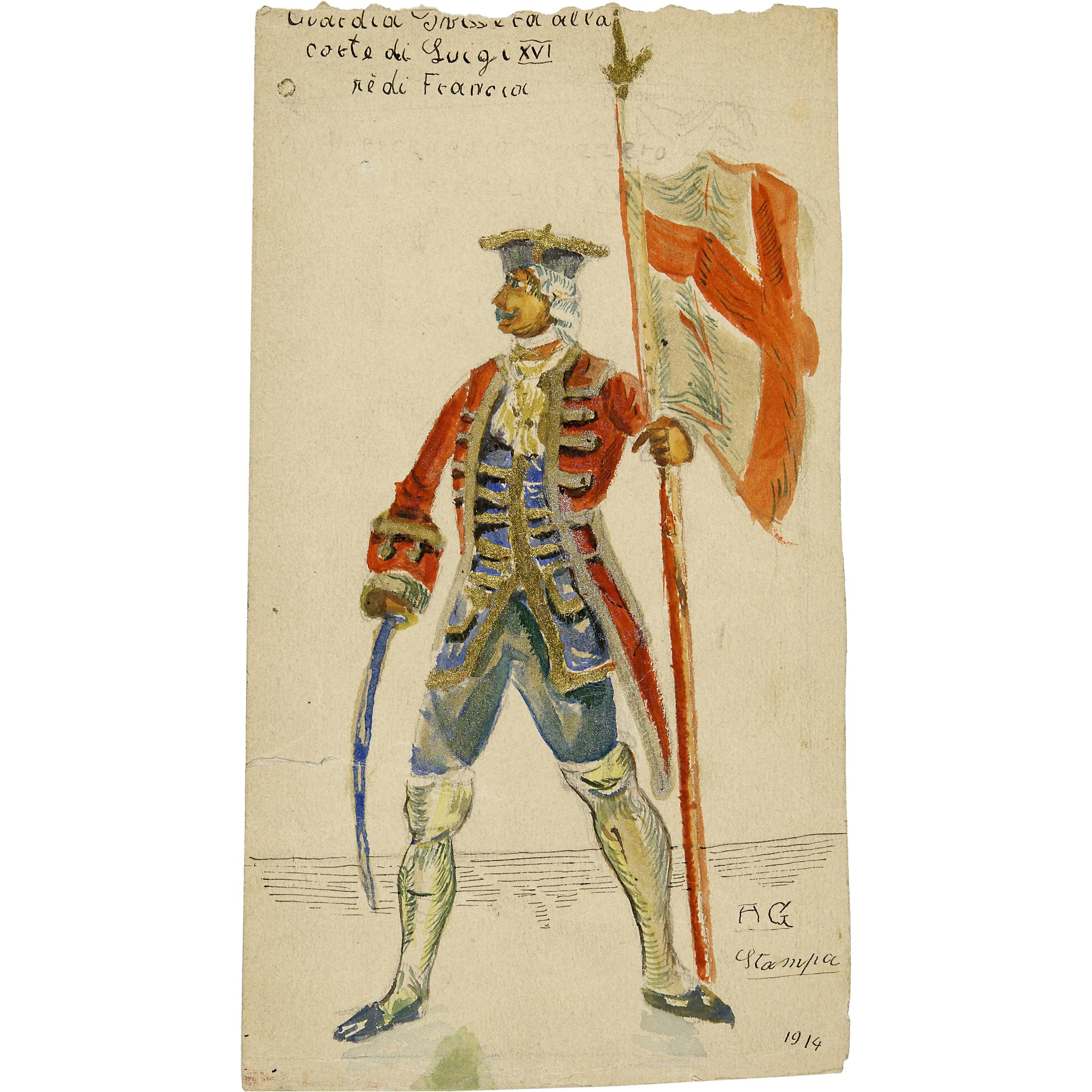
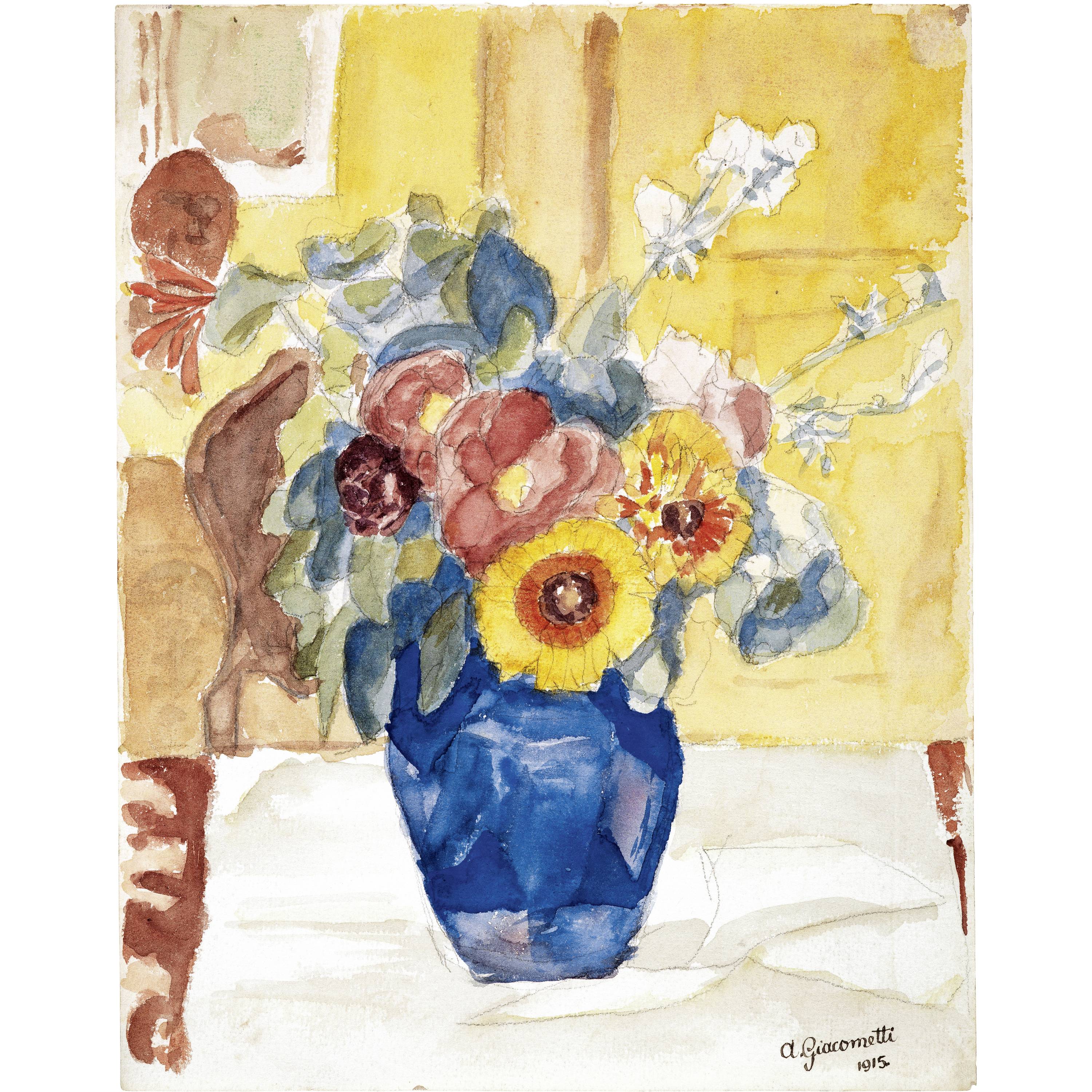
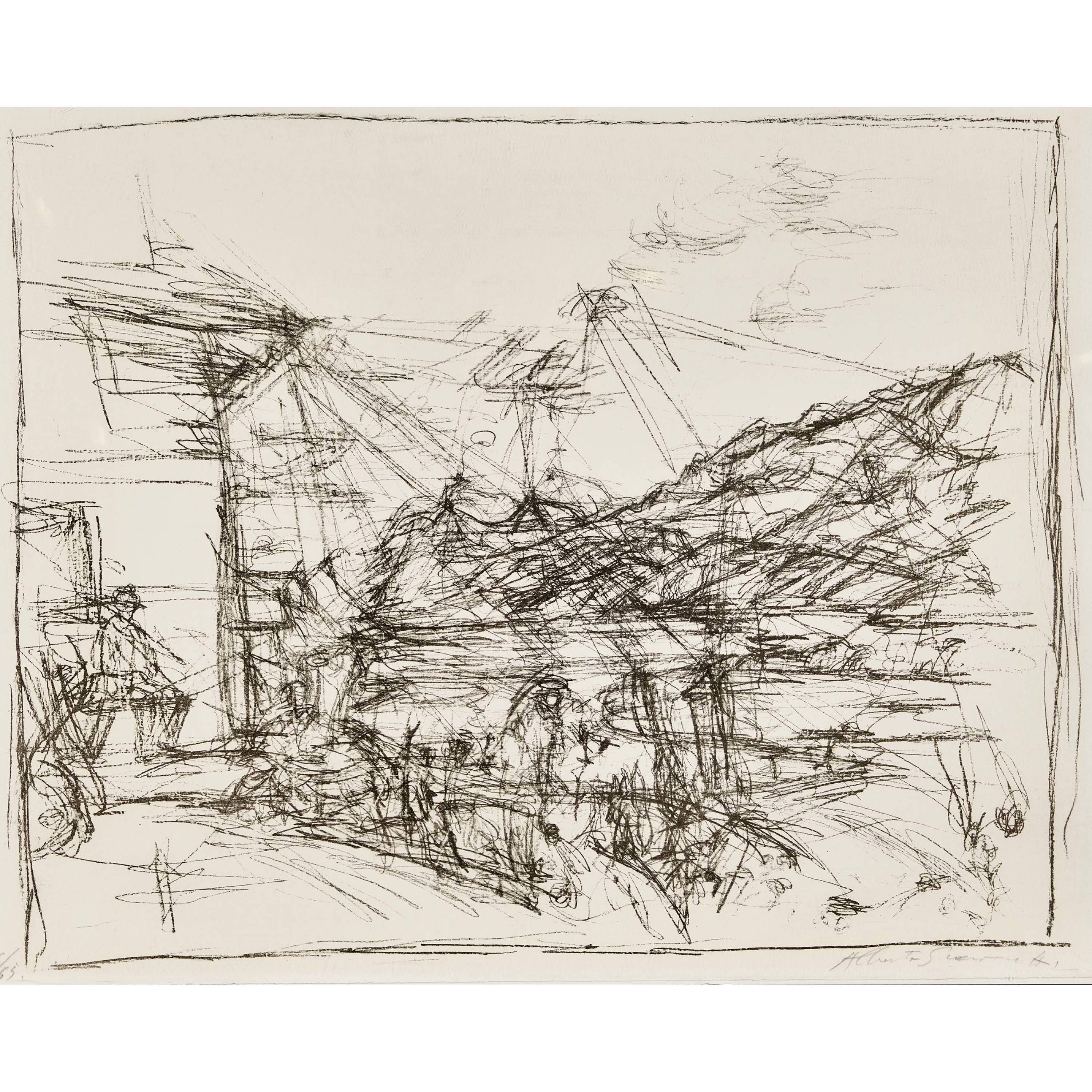
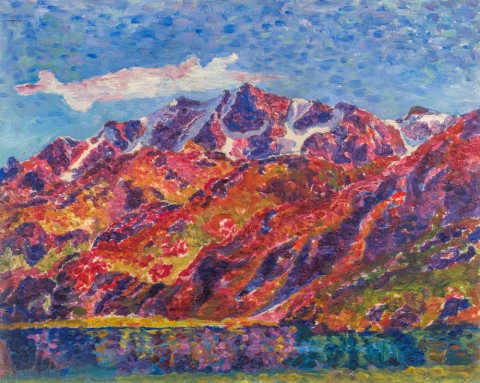
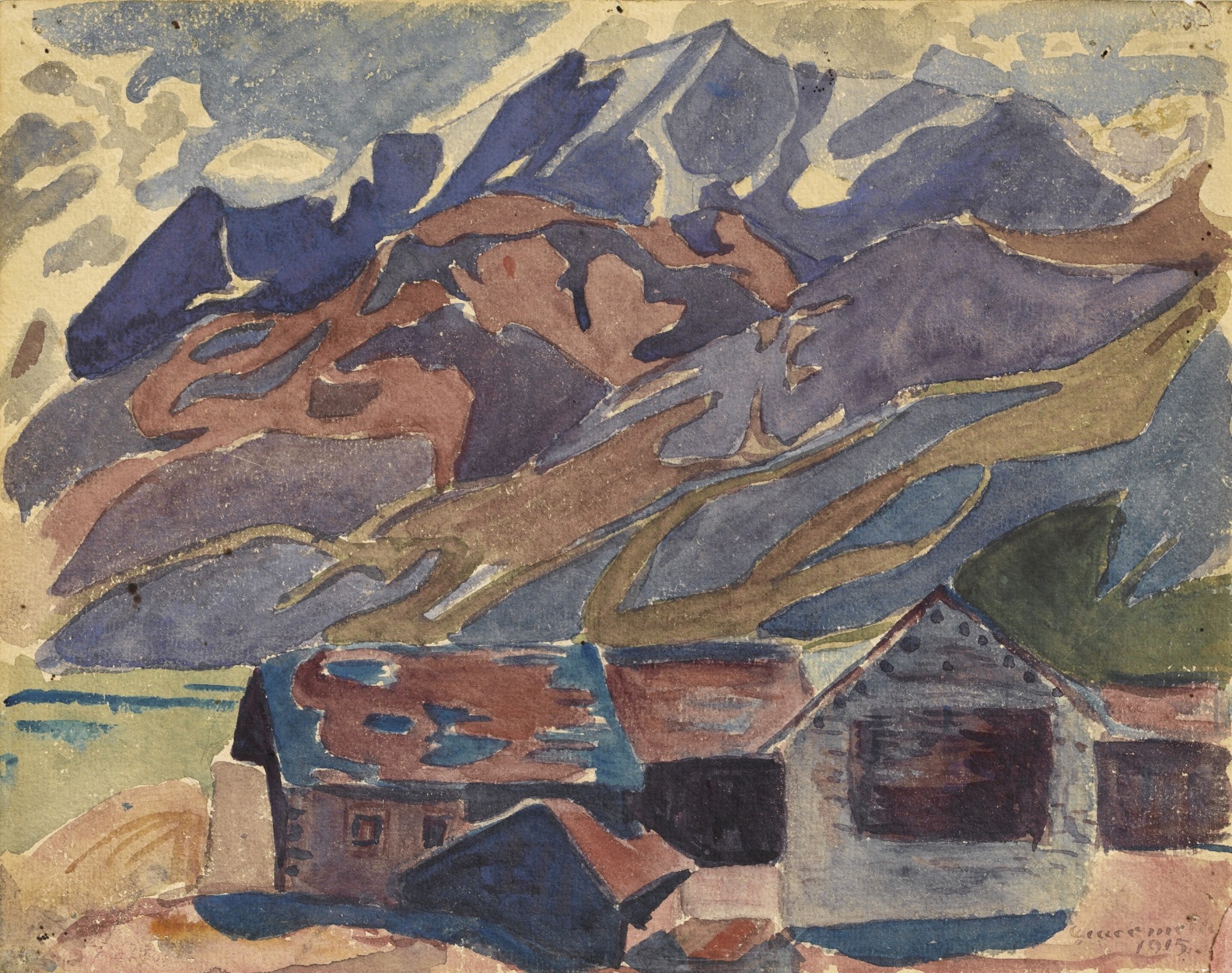
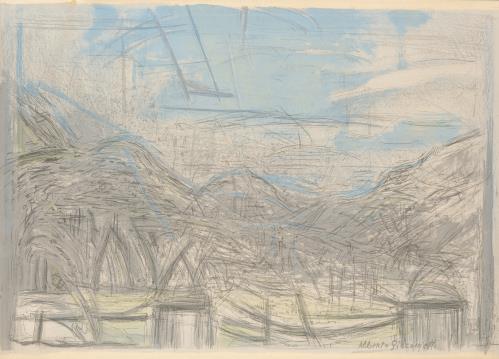
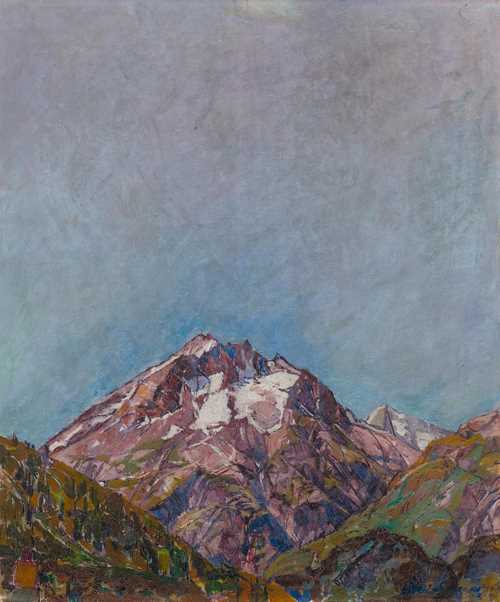
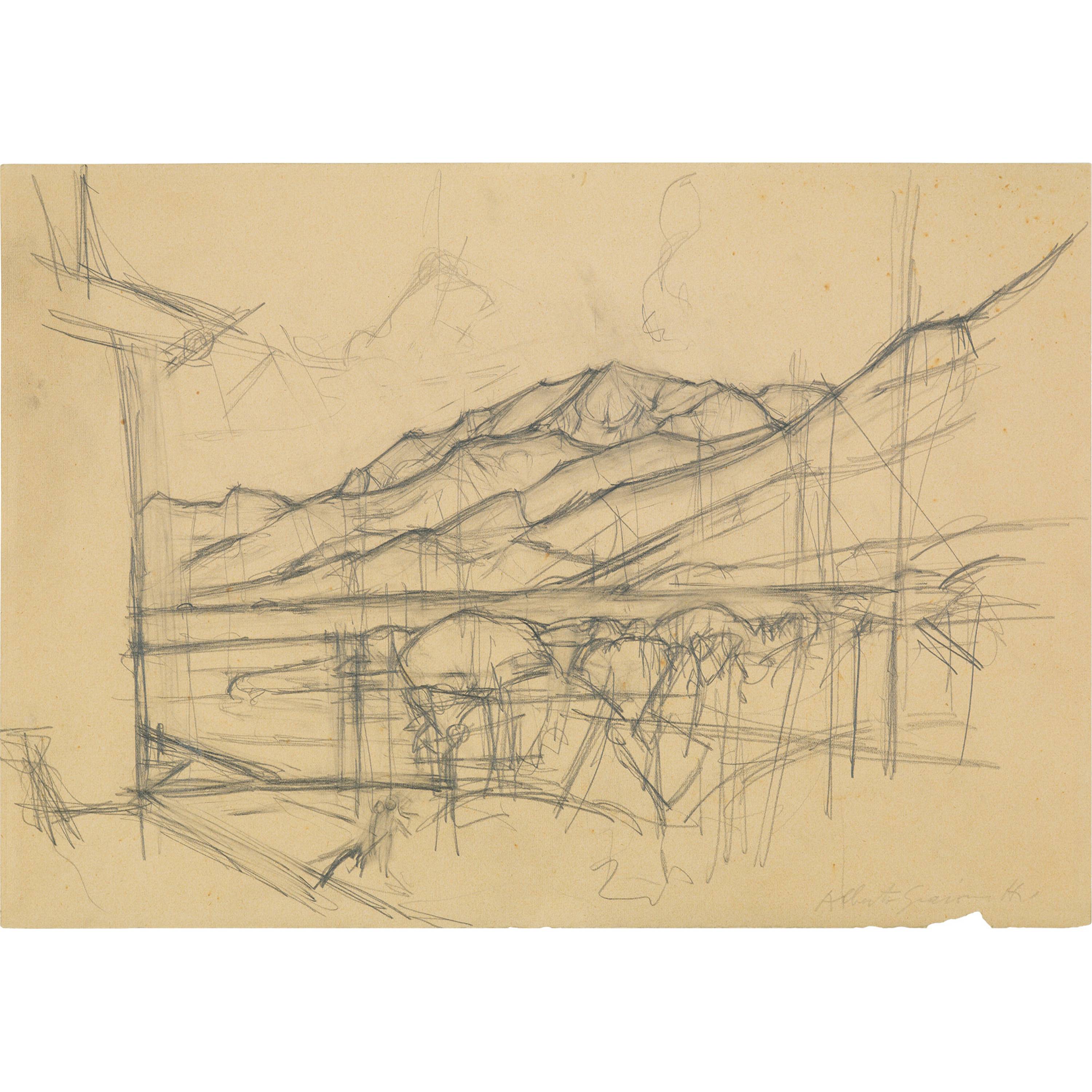
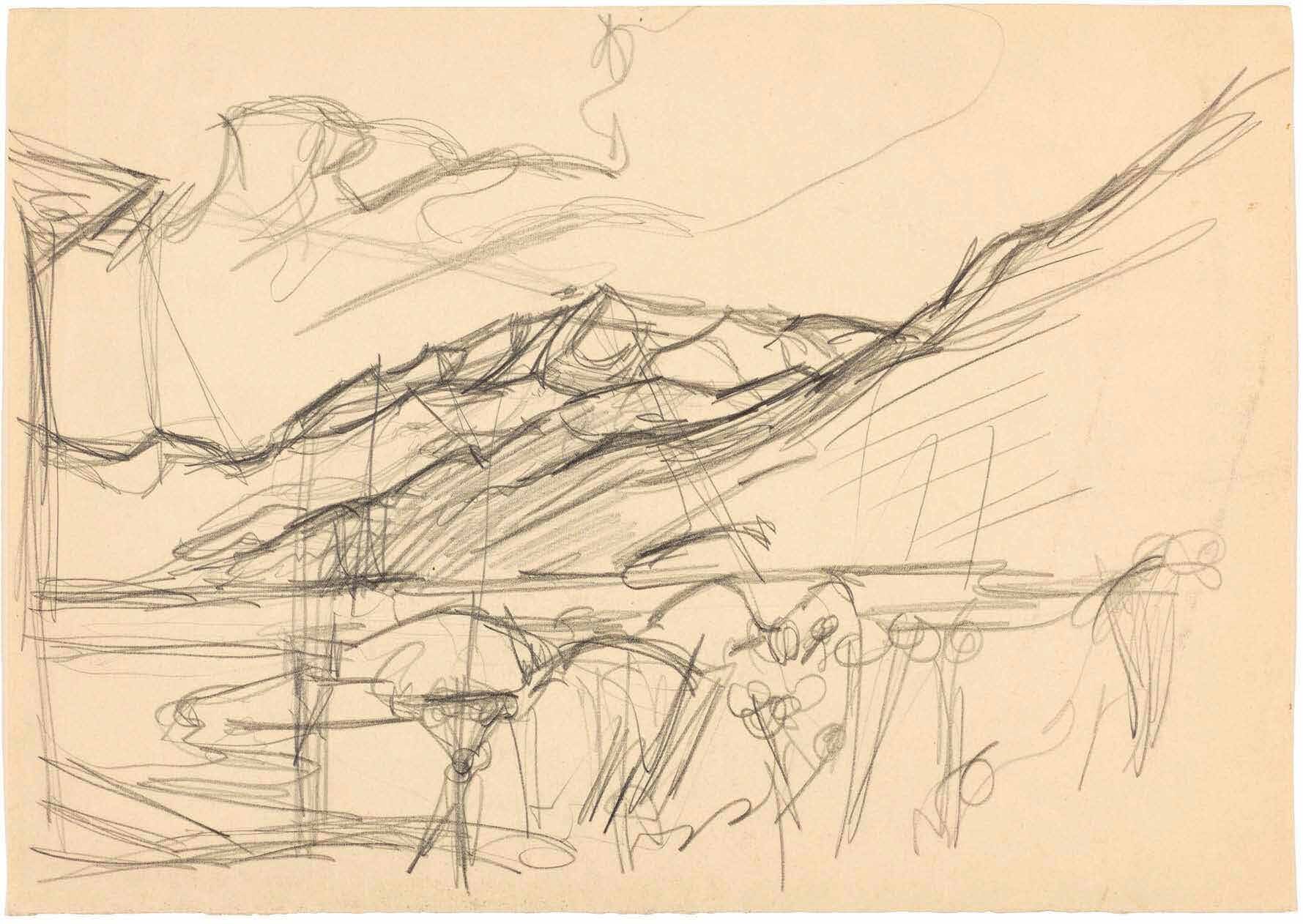
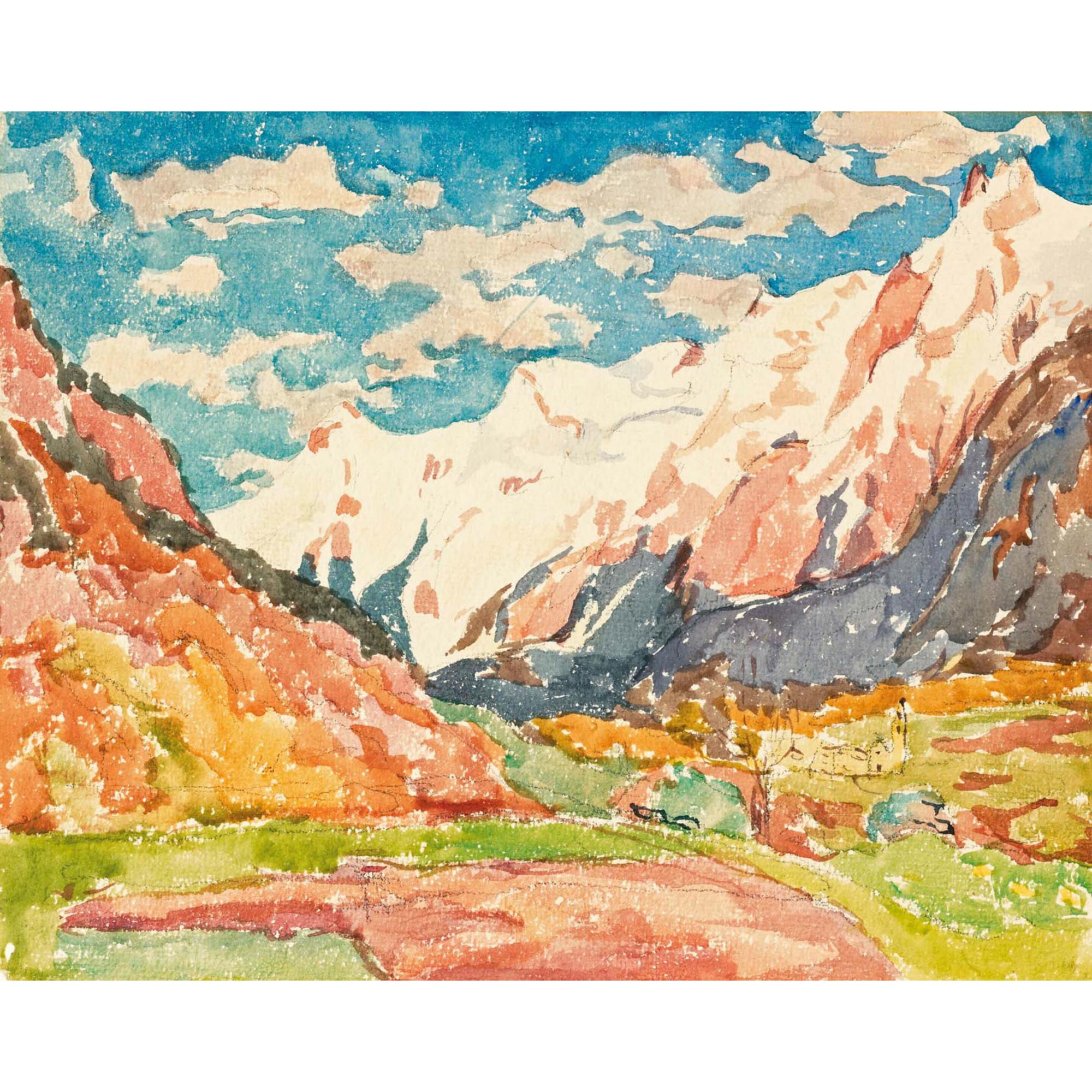
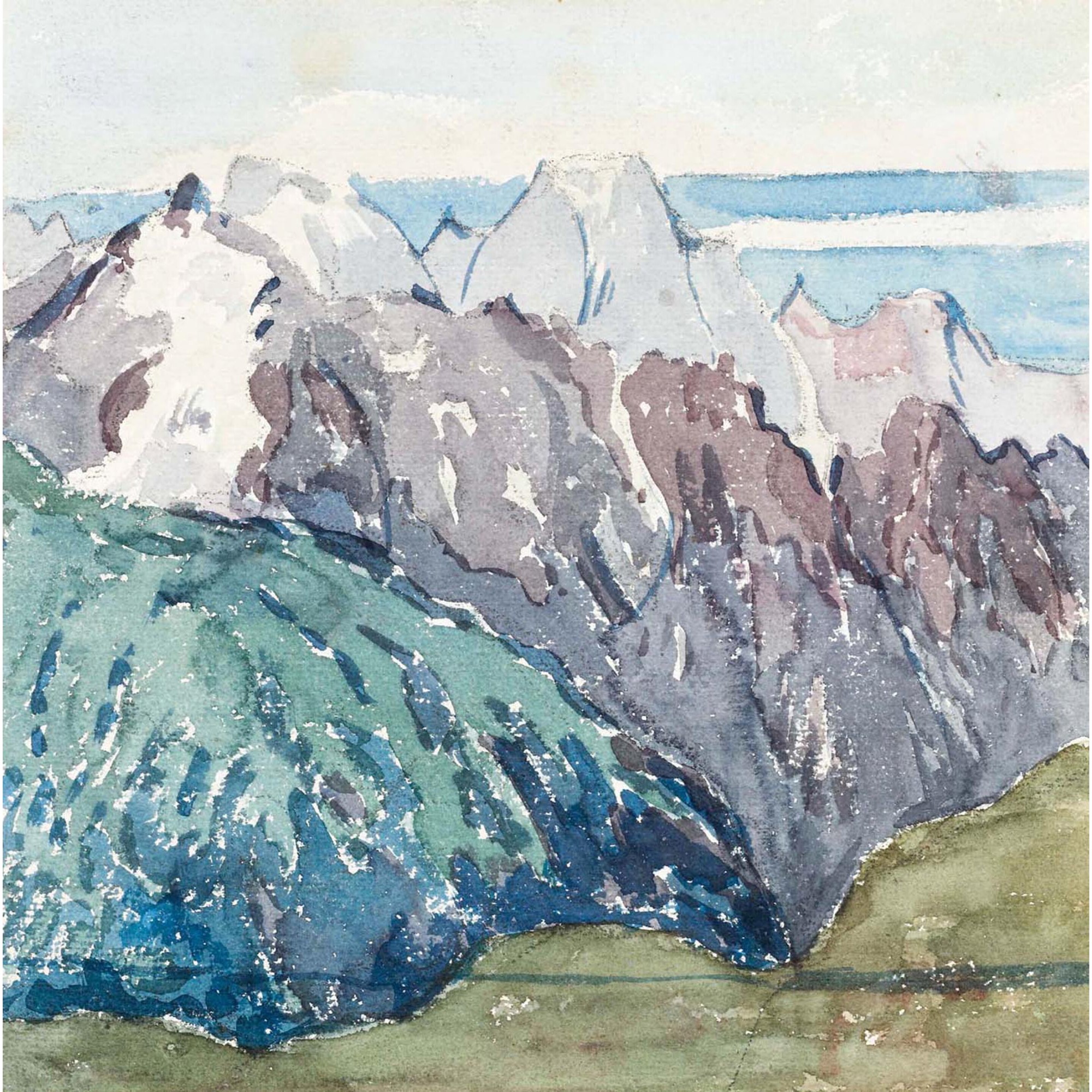
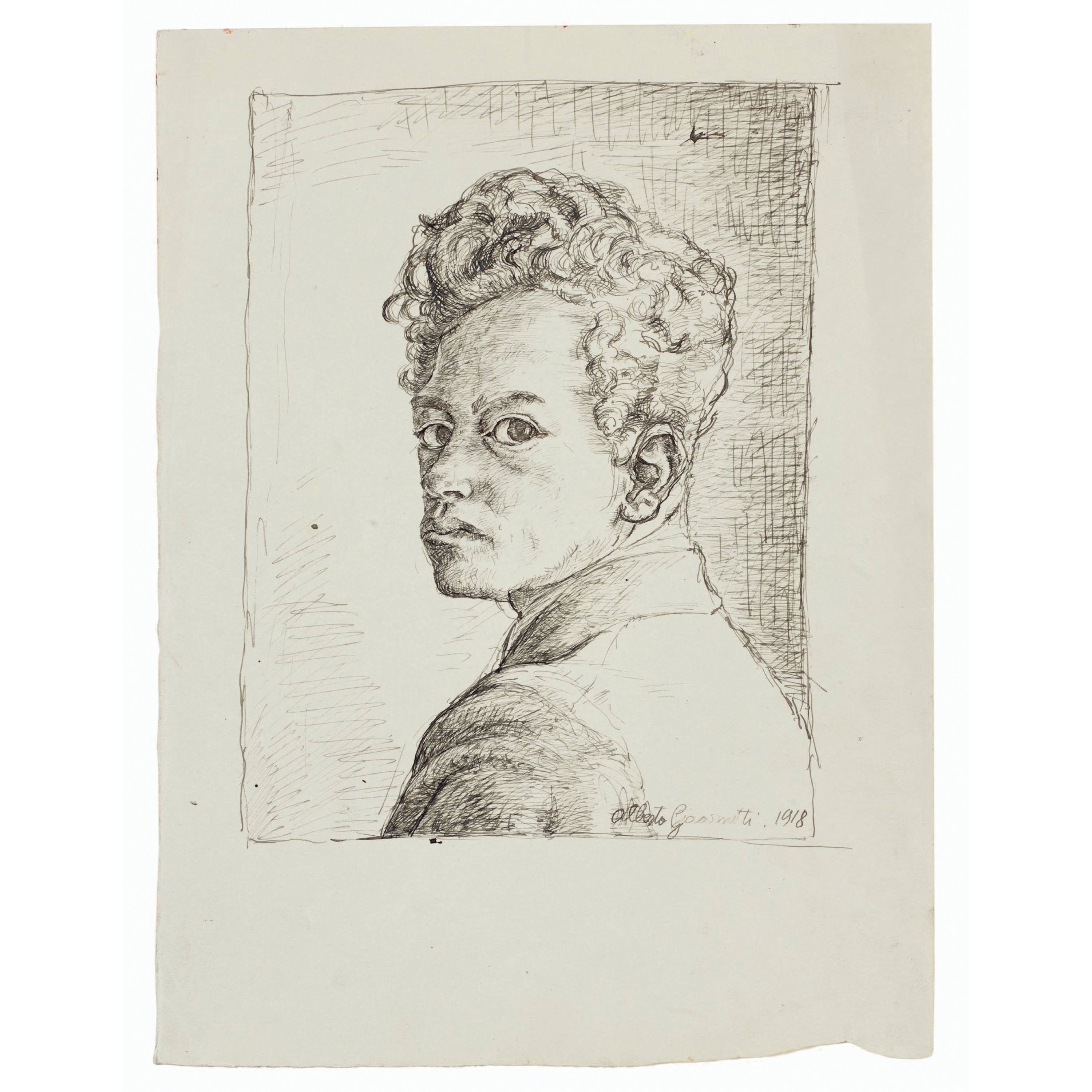
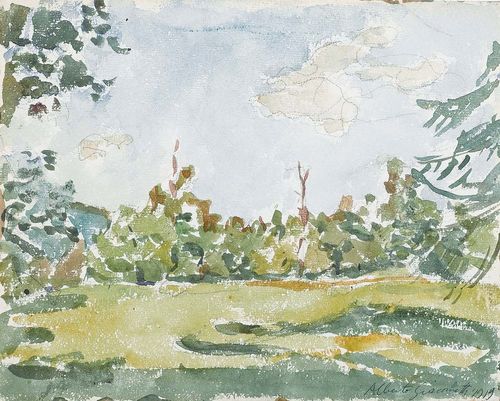
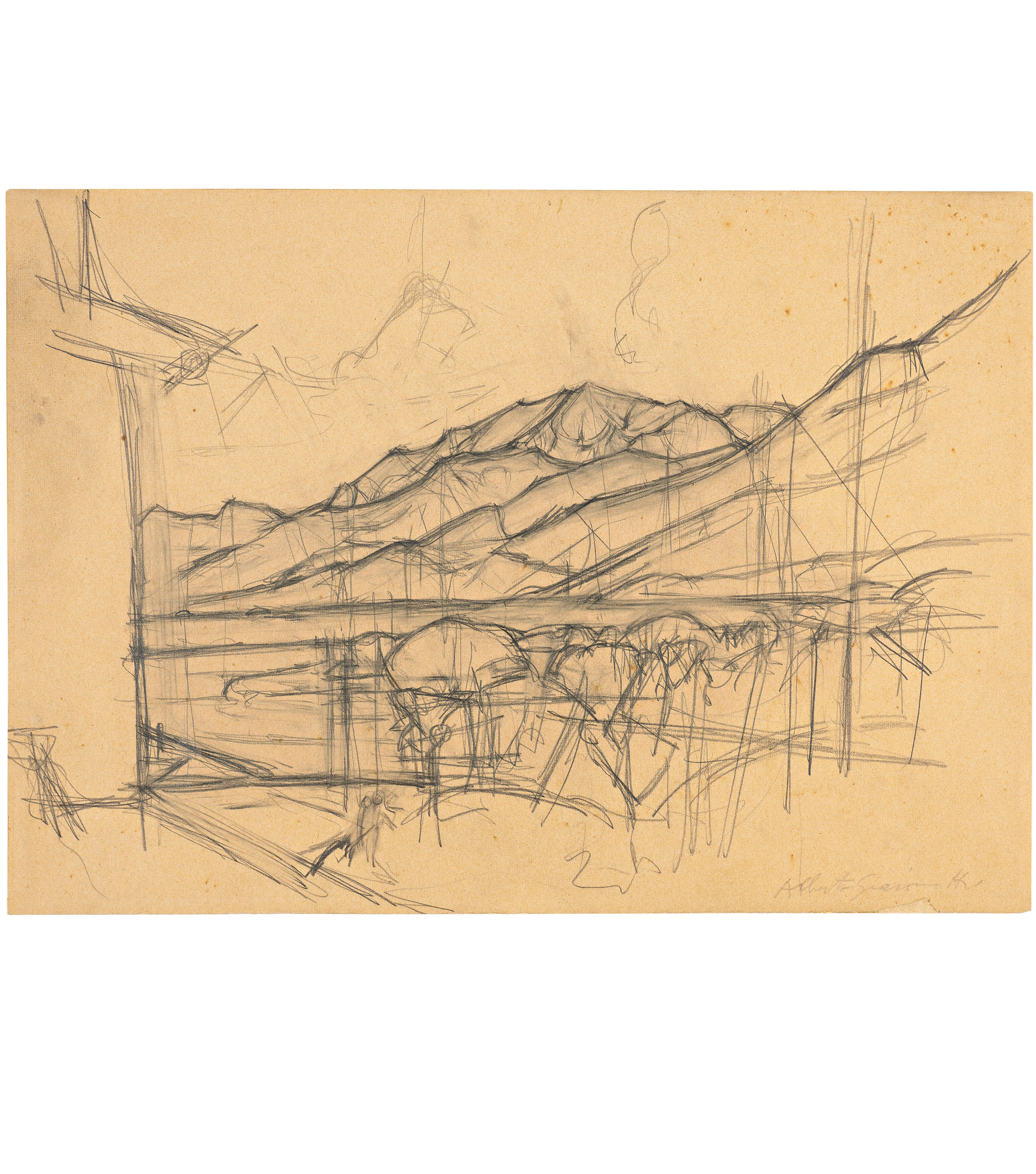
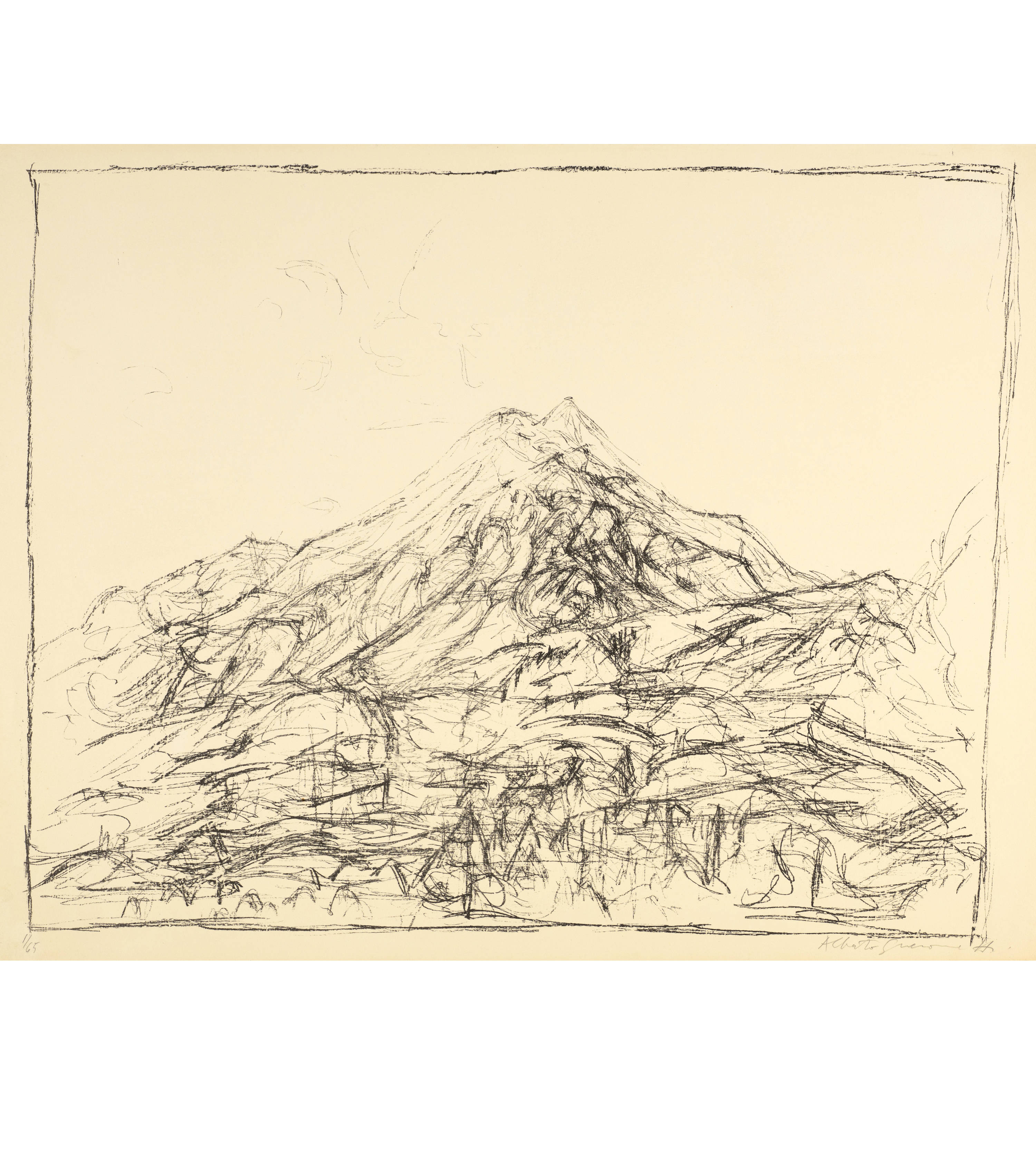
Born in Borgonovo, in the canton of Graubünden, Giacometti grew up alongside his father, the painter Giovanni Giacometti. He moved to Paris in 1922 and studied under Antoine Bourdelle at the Académie de la Grande Chaumière. His life continued to connect the Parisian artistic milieu with regular visits to his native valley.
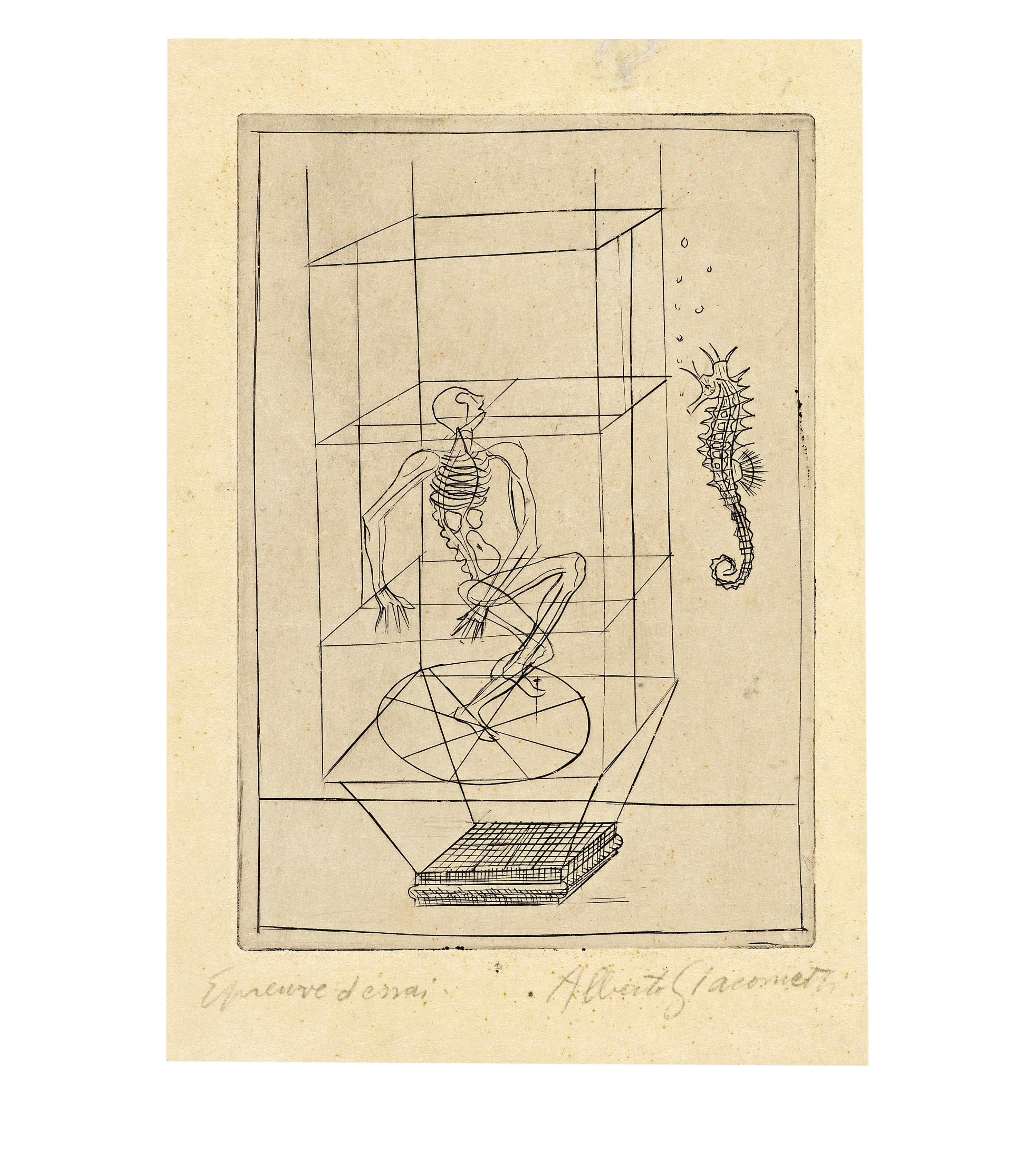
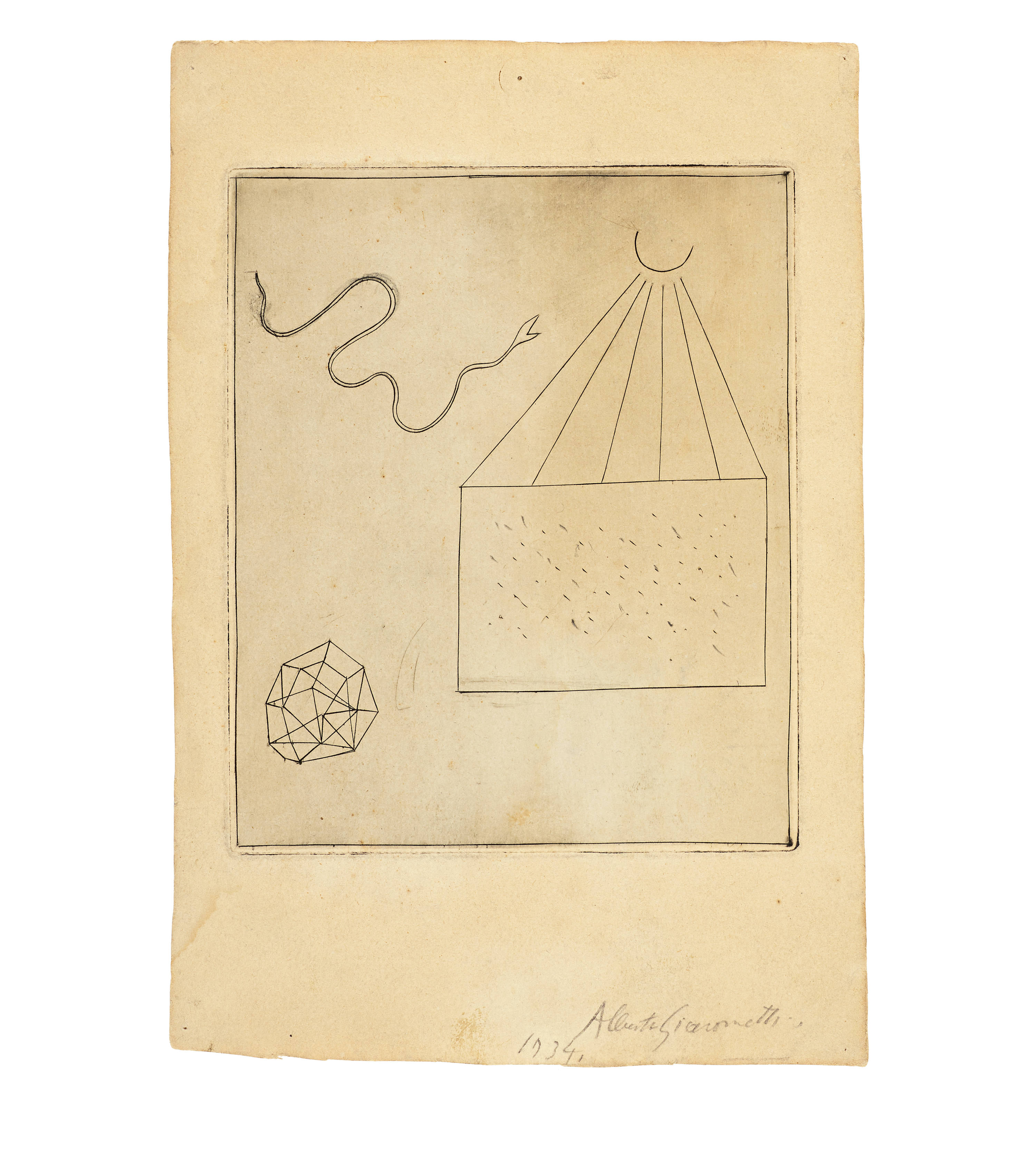
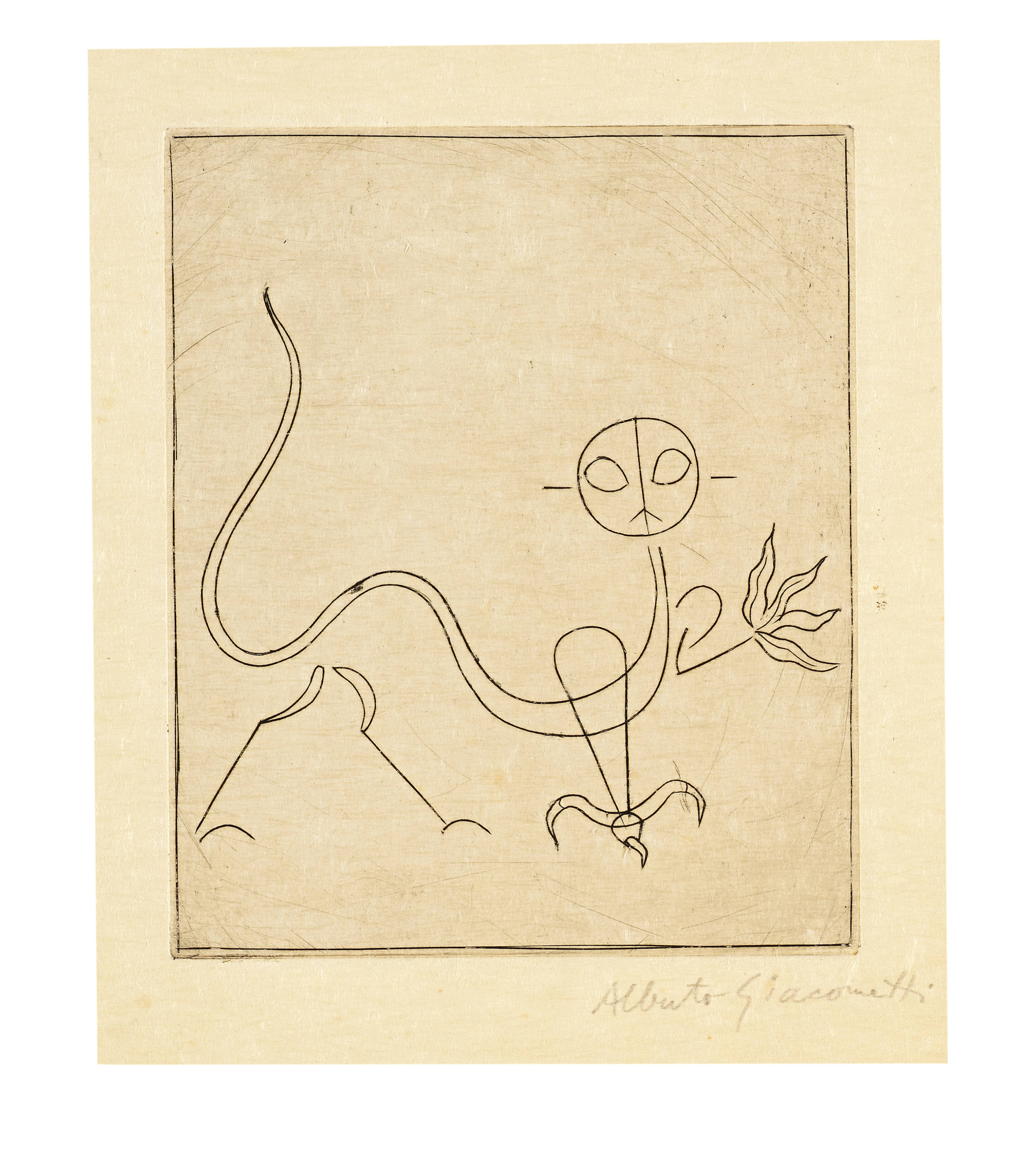
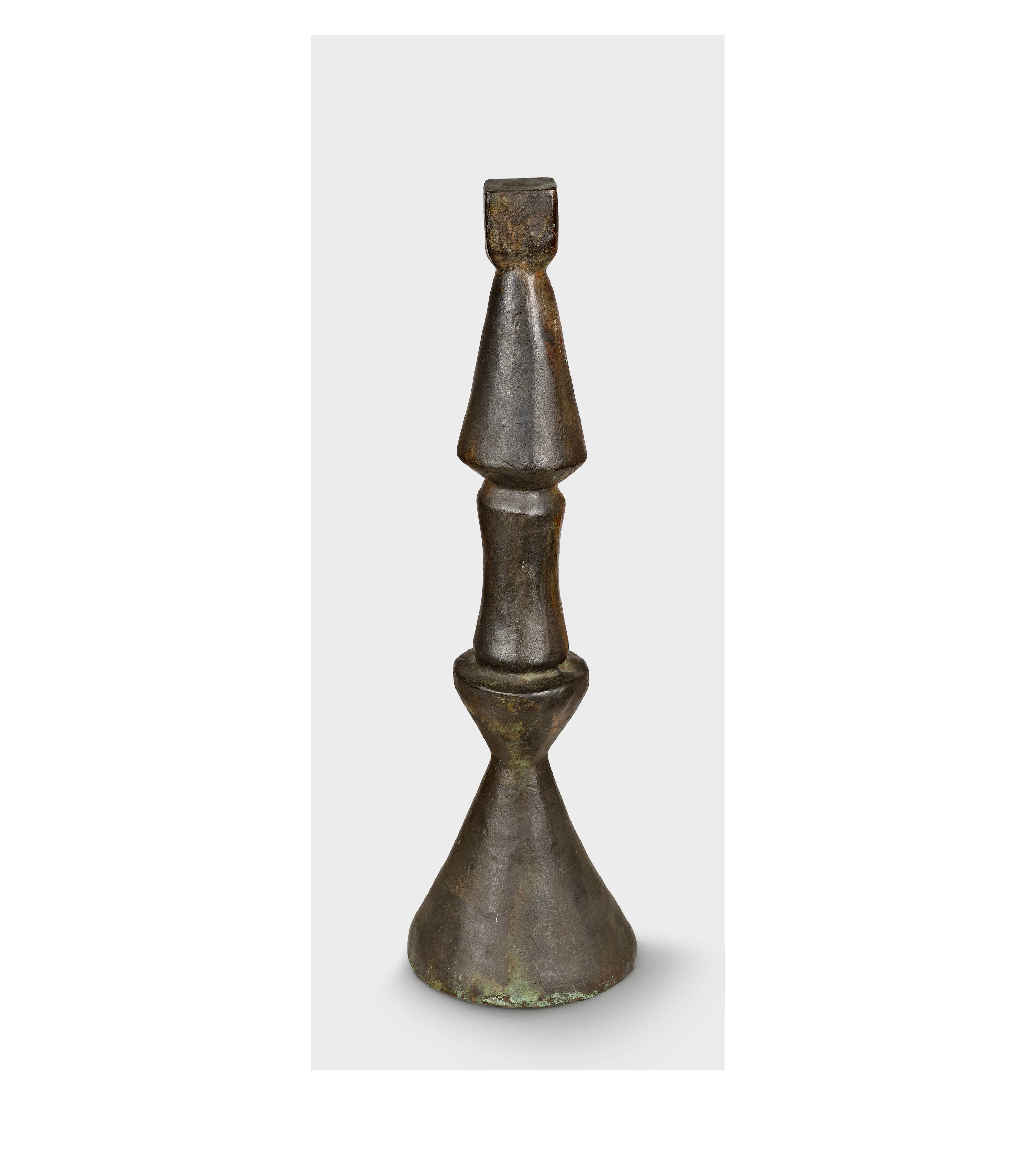
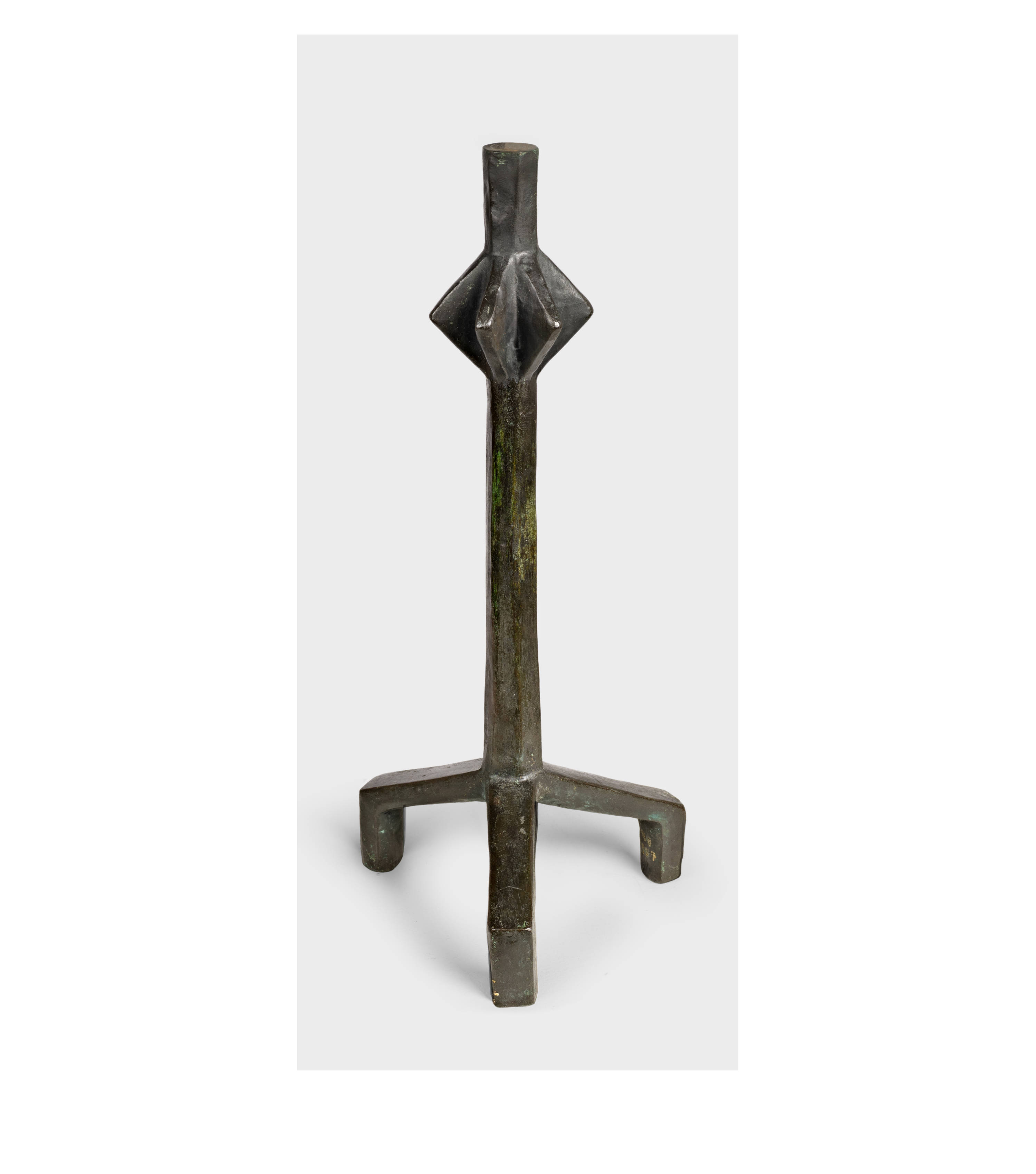
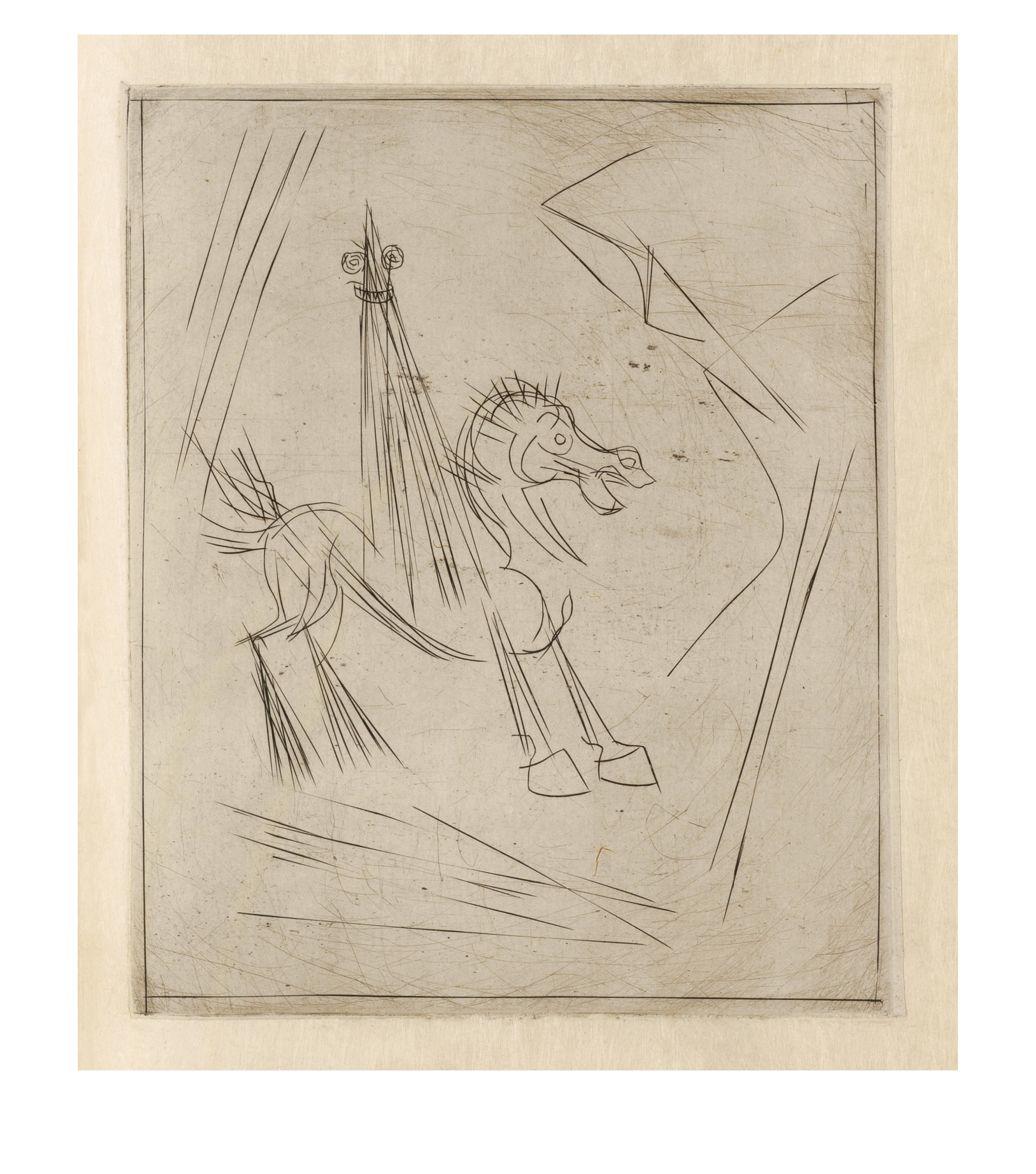
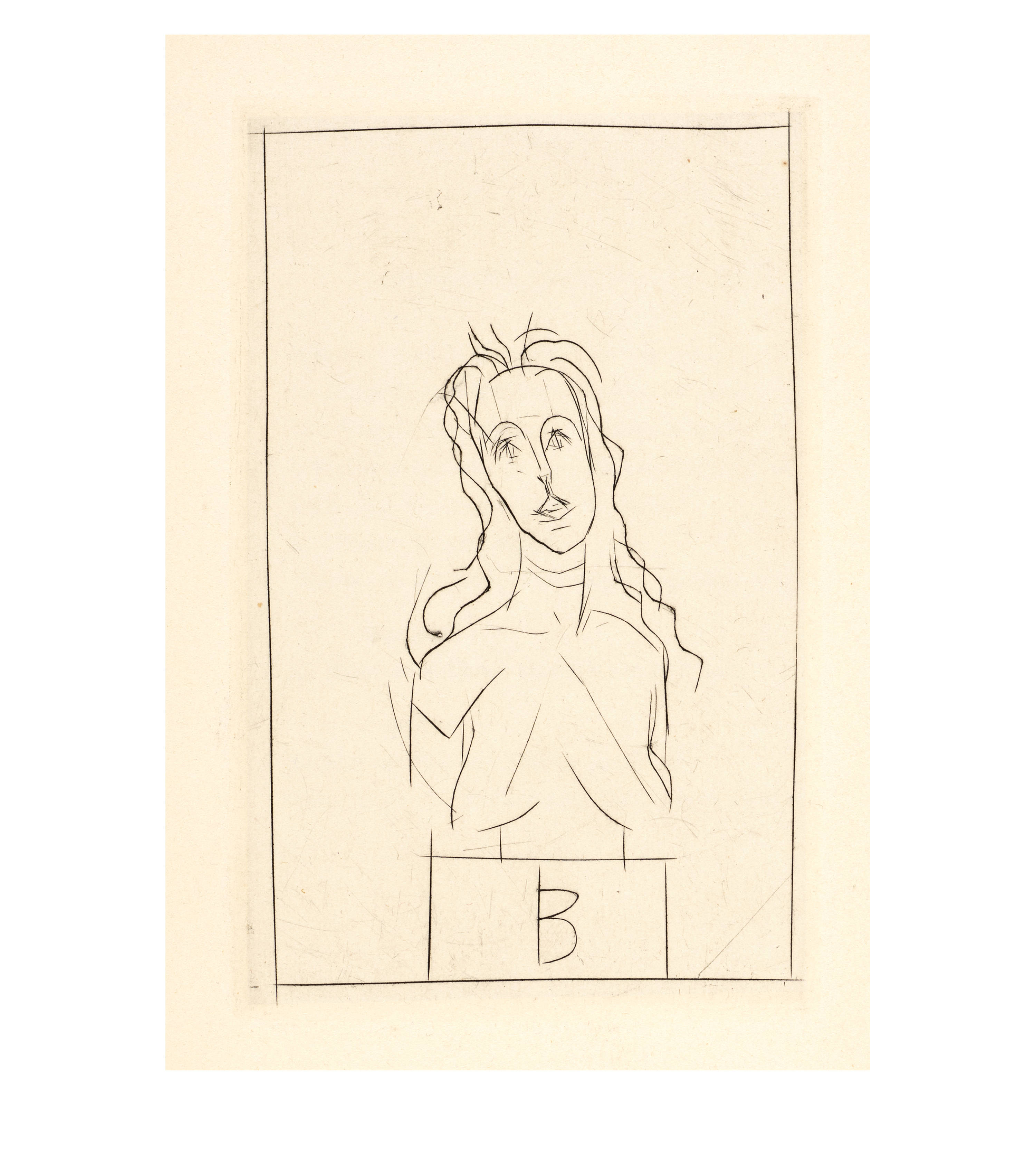
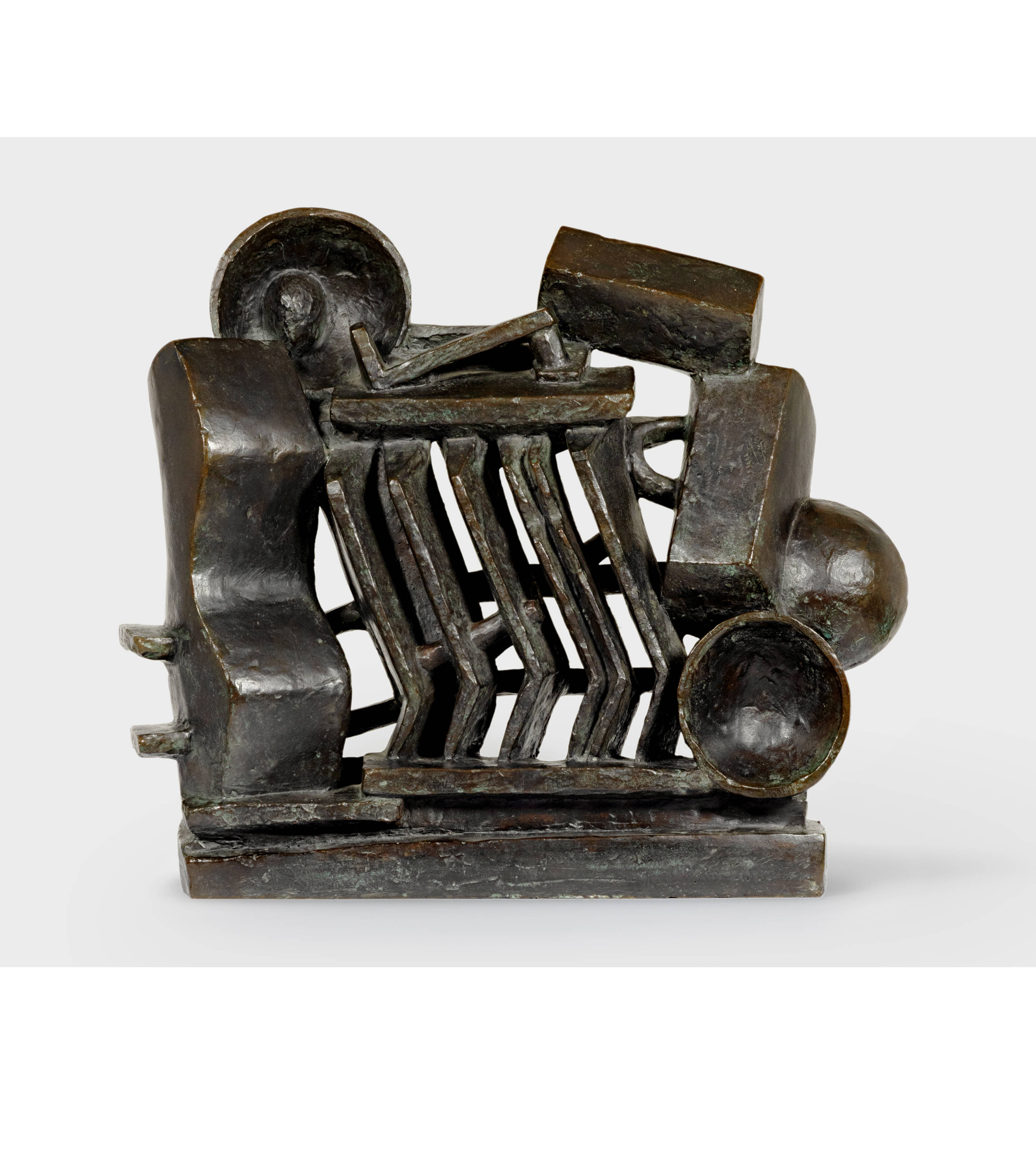
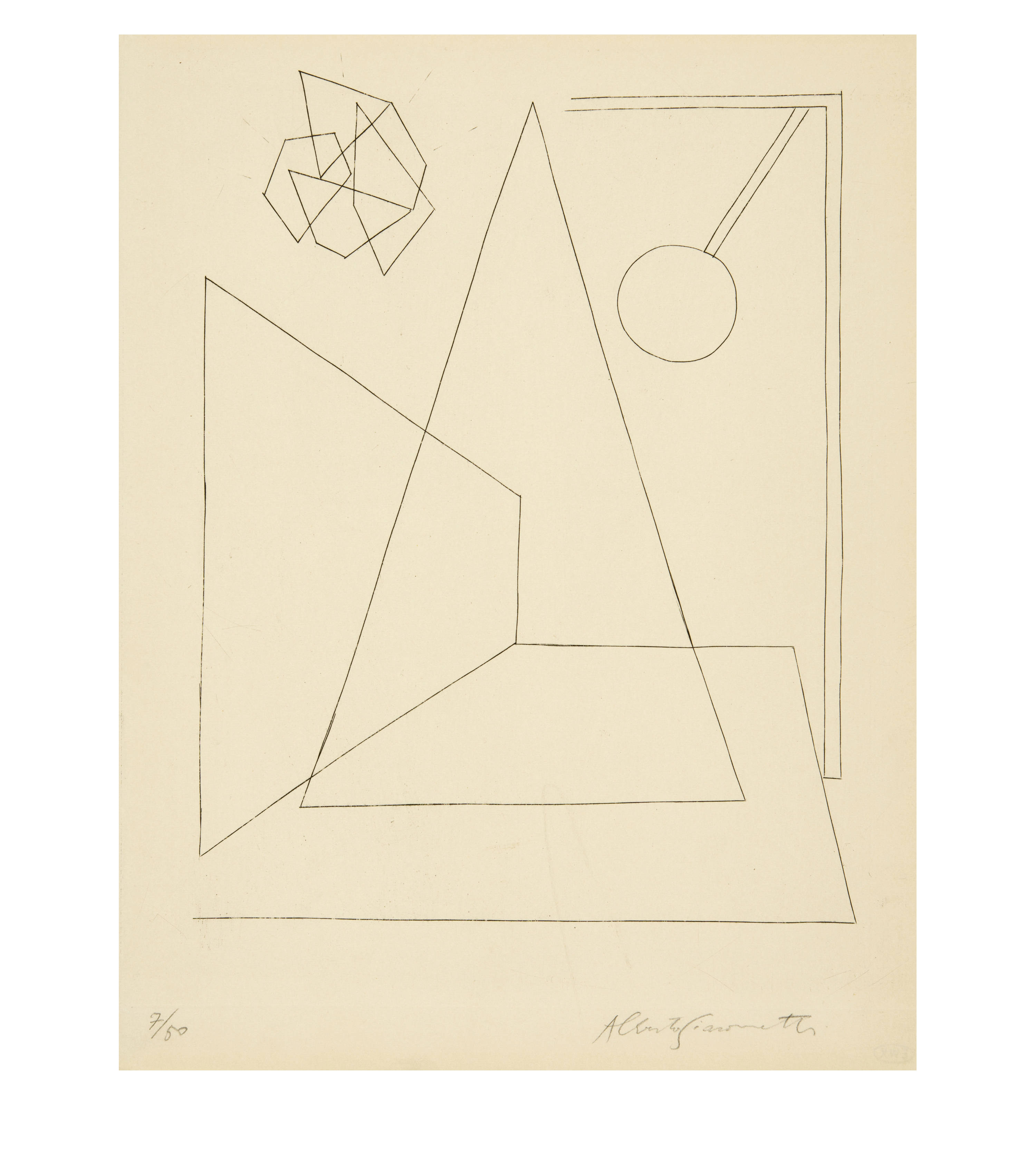
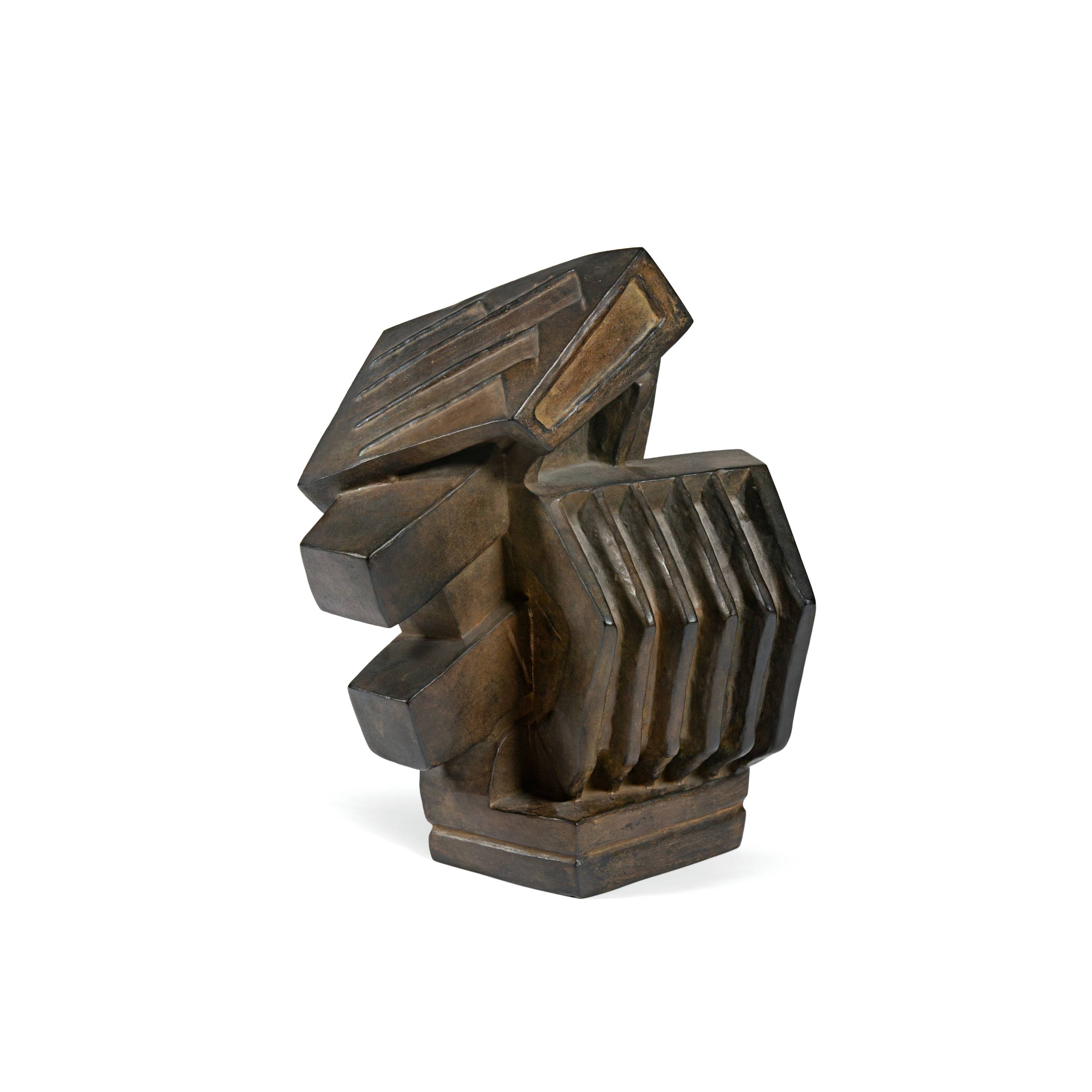
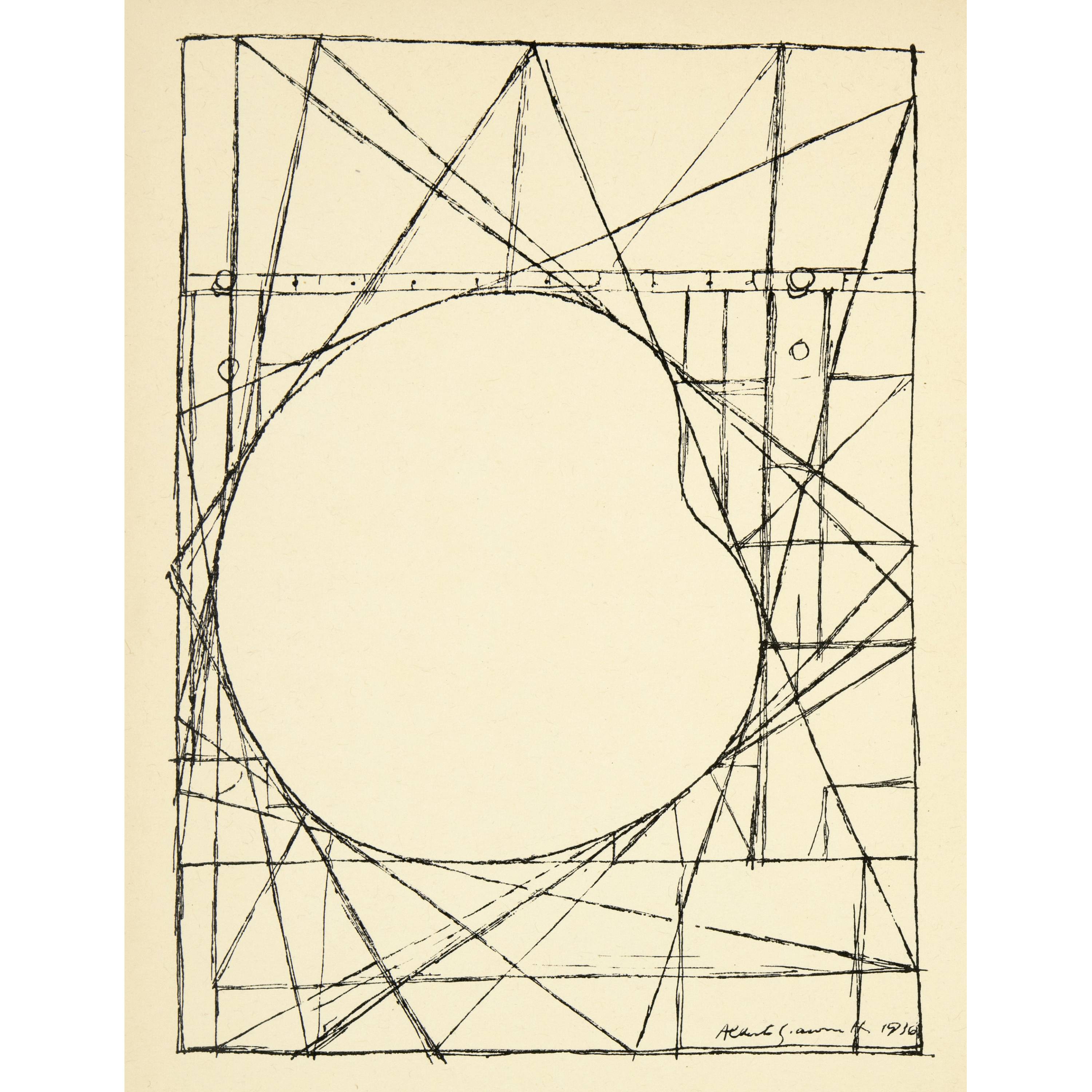
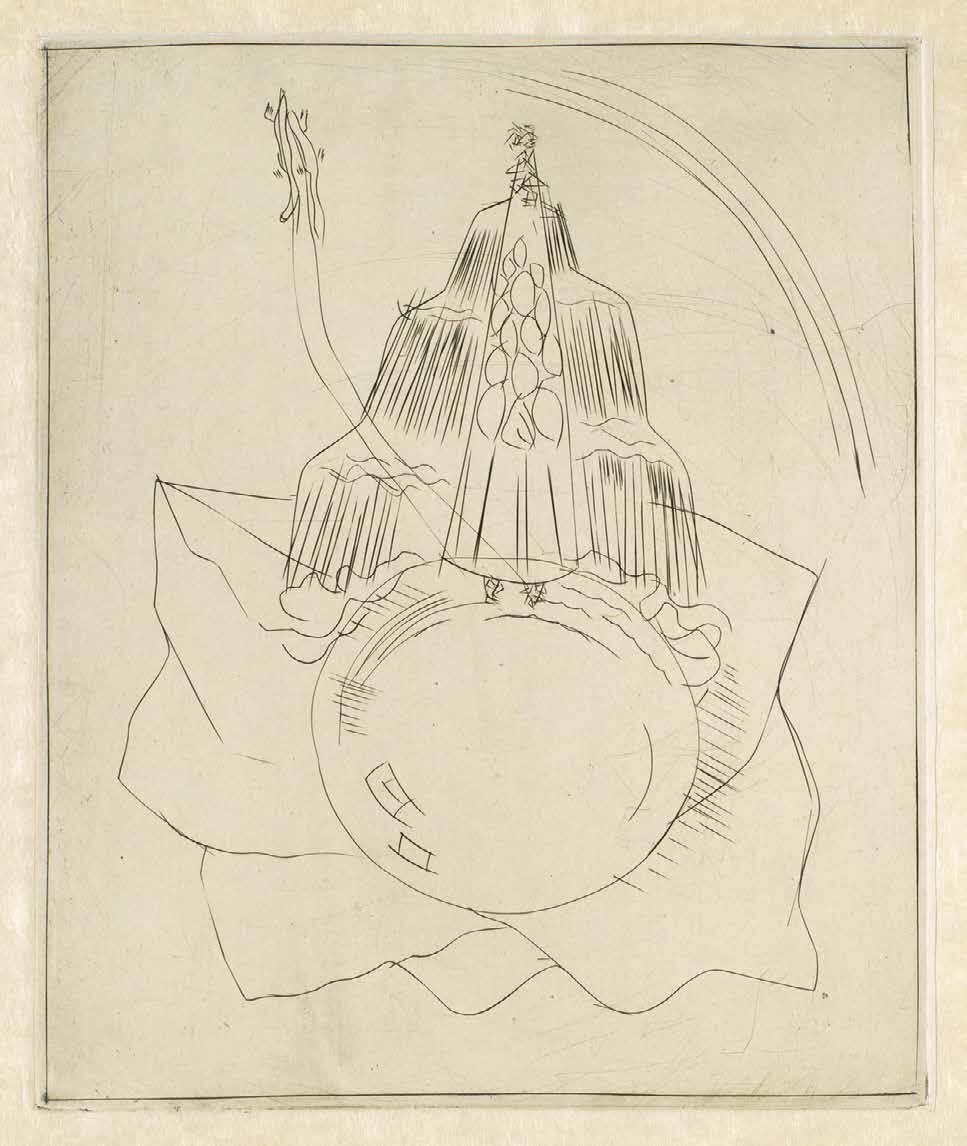
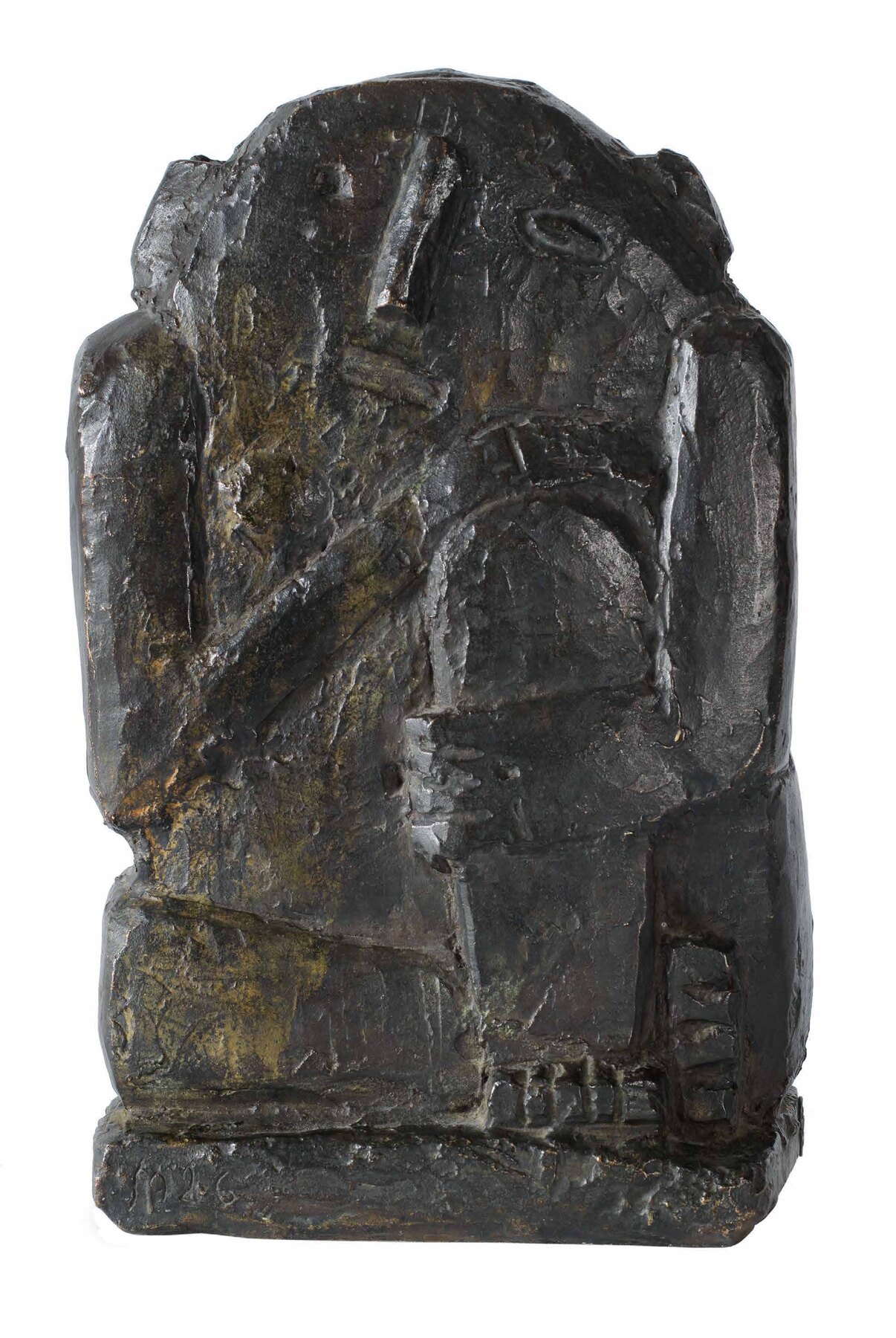
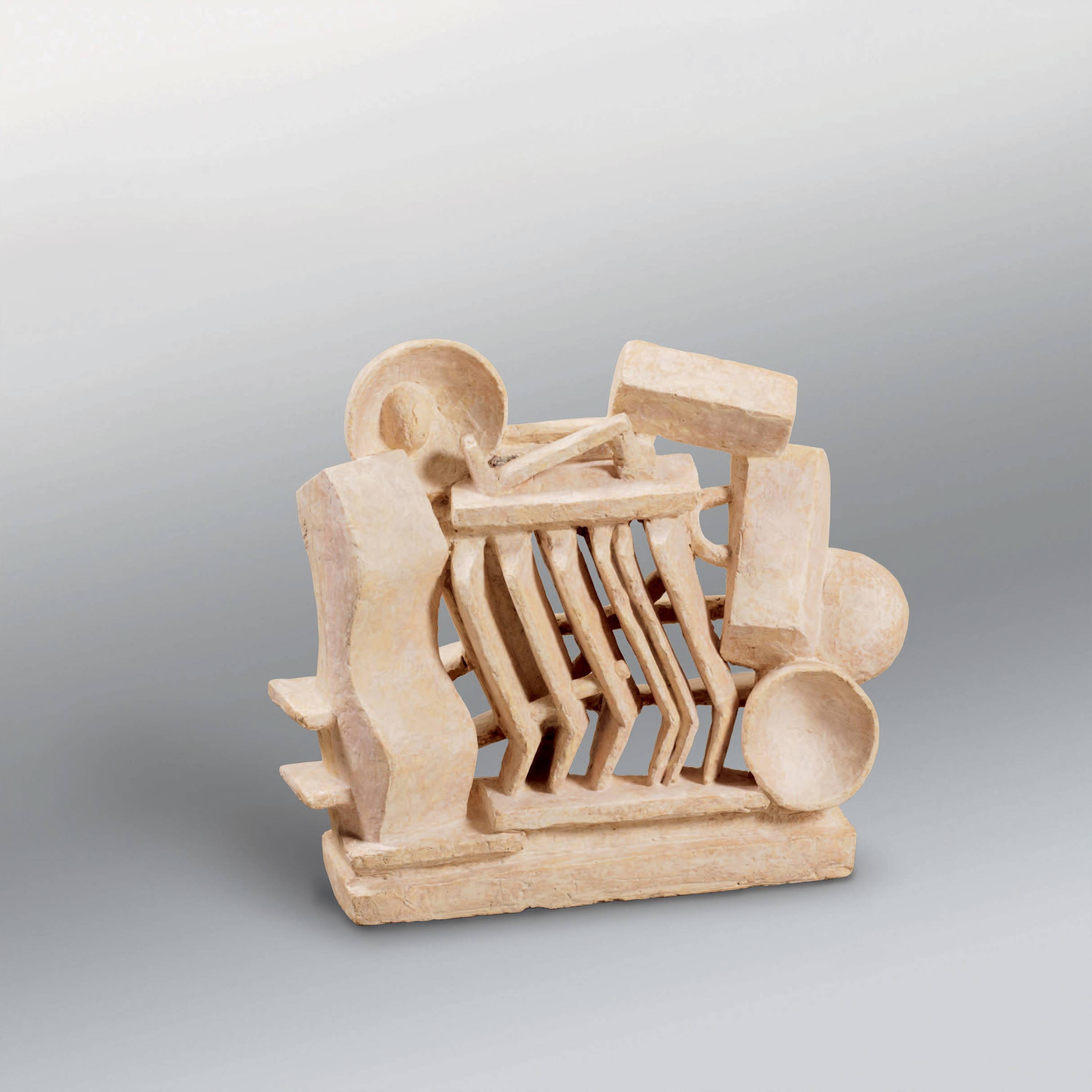
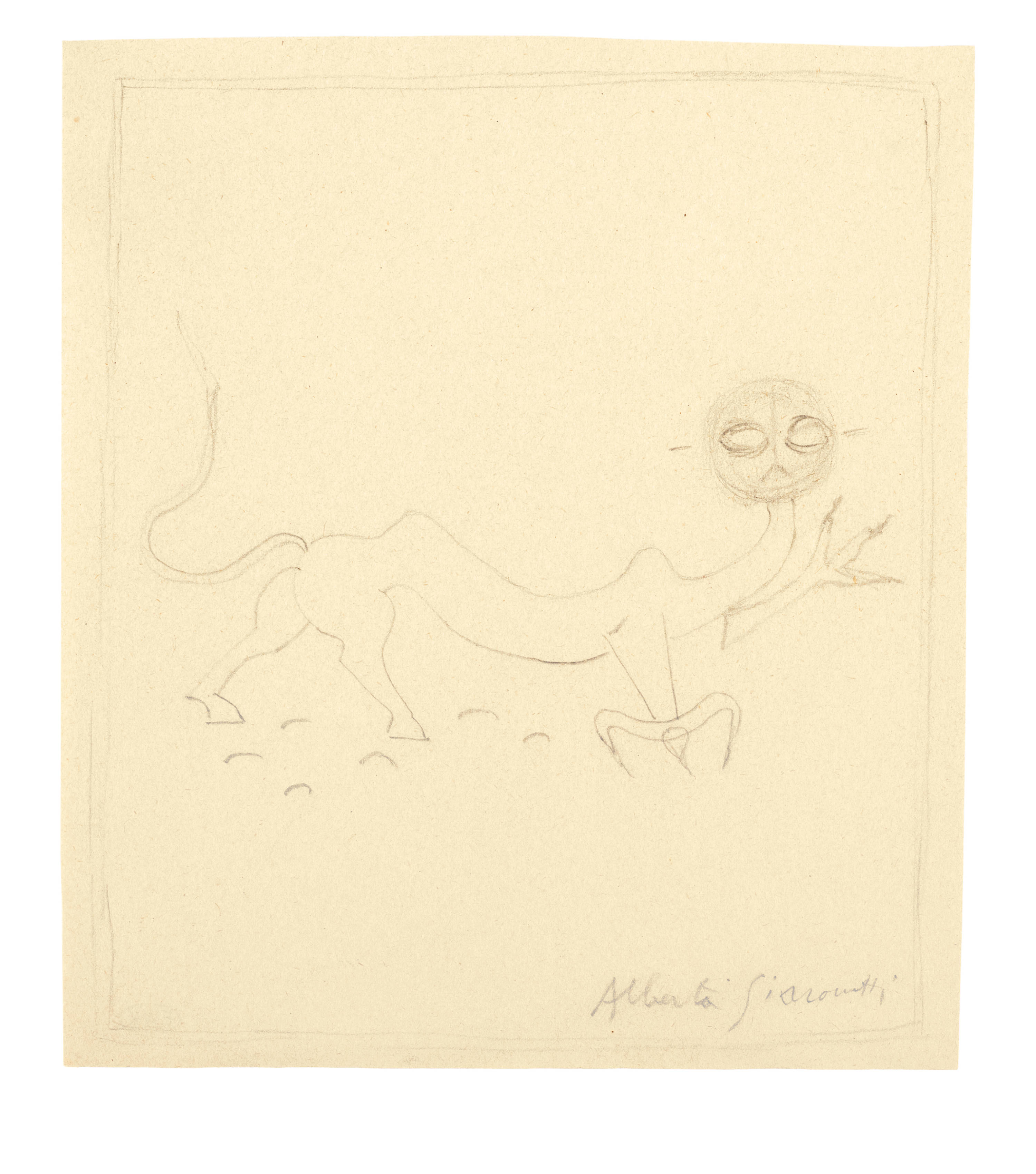
Suspended Ball, exhibited in 1930, attracted the attention of André Breton and Salvador Dalí. Giacometti subsequently joined the Surrealists. Enigmatic objects, unexpected associations and spatial constructions opened a period of experimentation.
His return to working from a model led to his exclusion from the group in 1935: representing what he saw became a question he would repeatedly revisit.
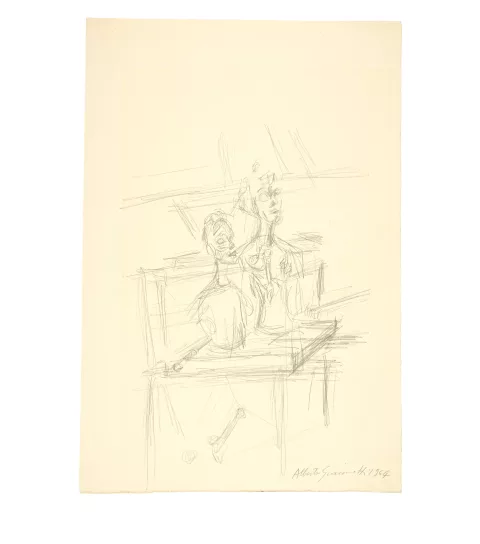
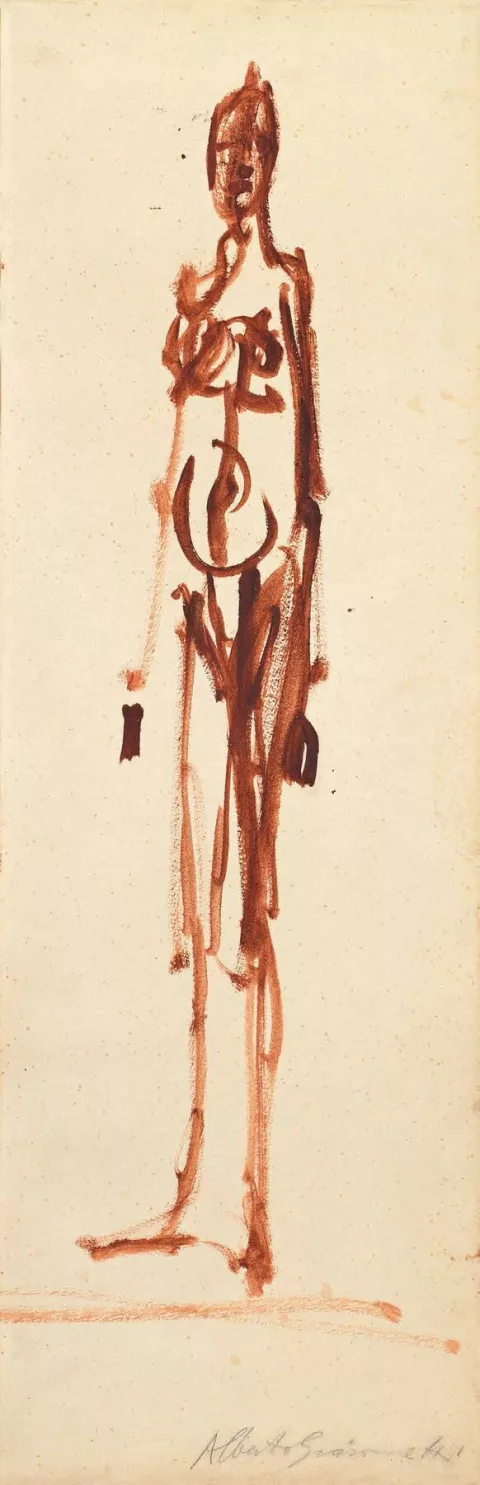
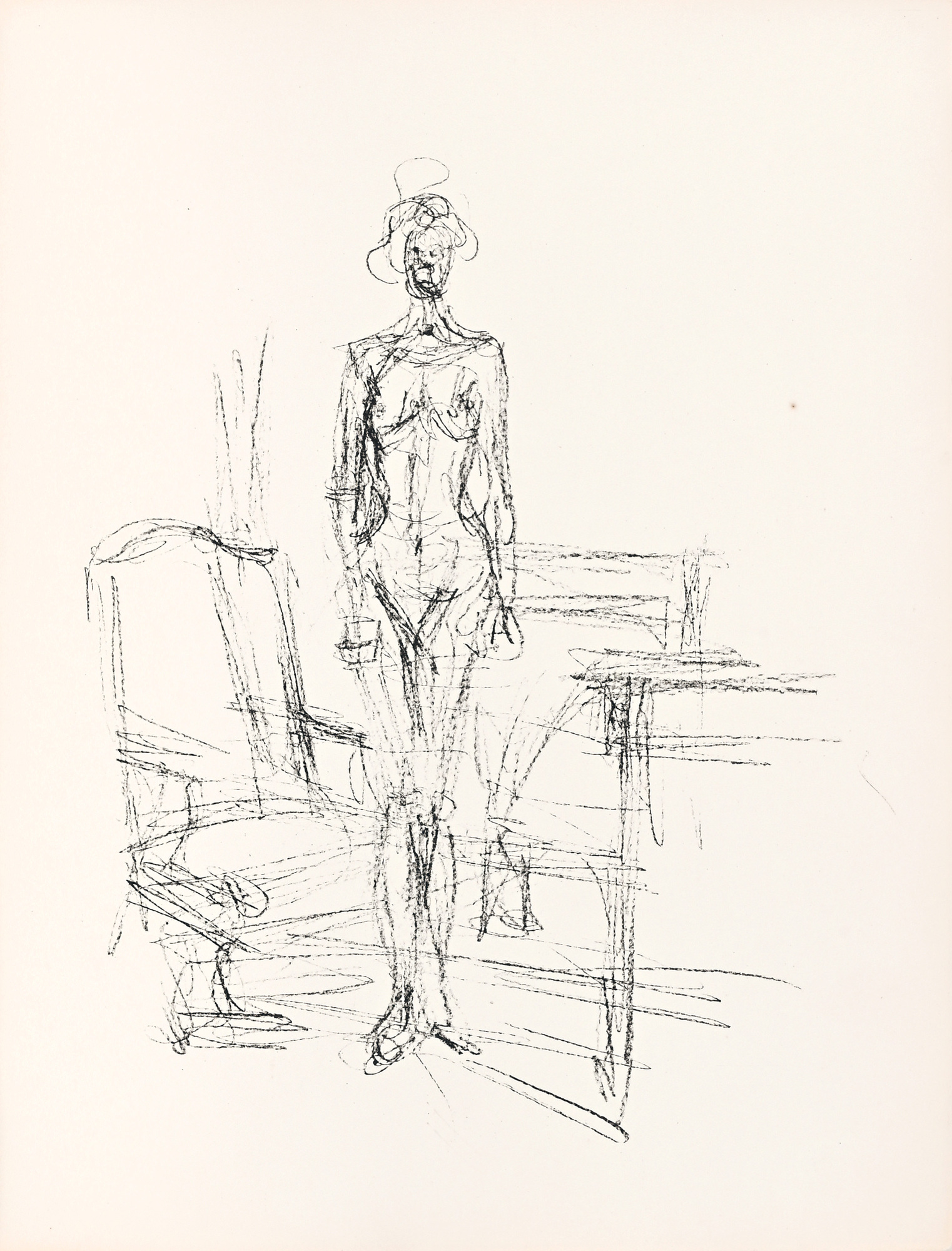
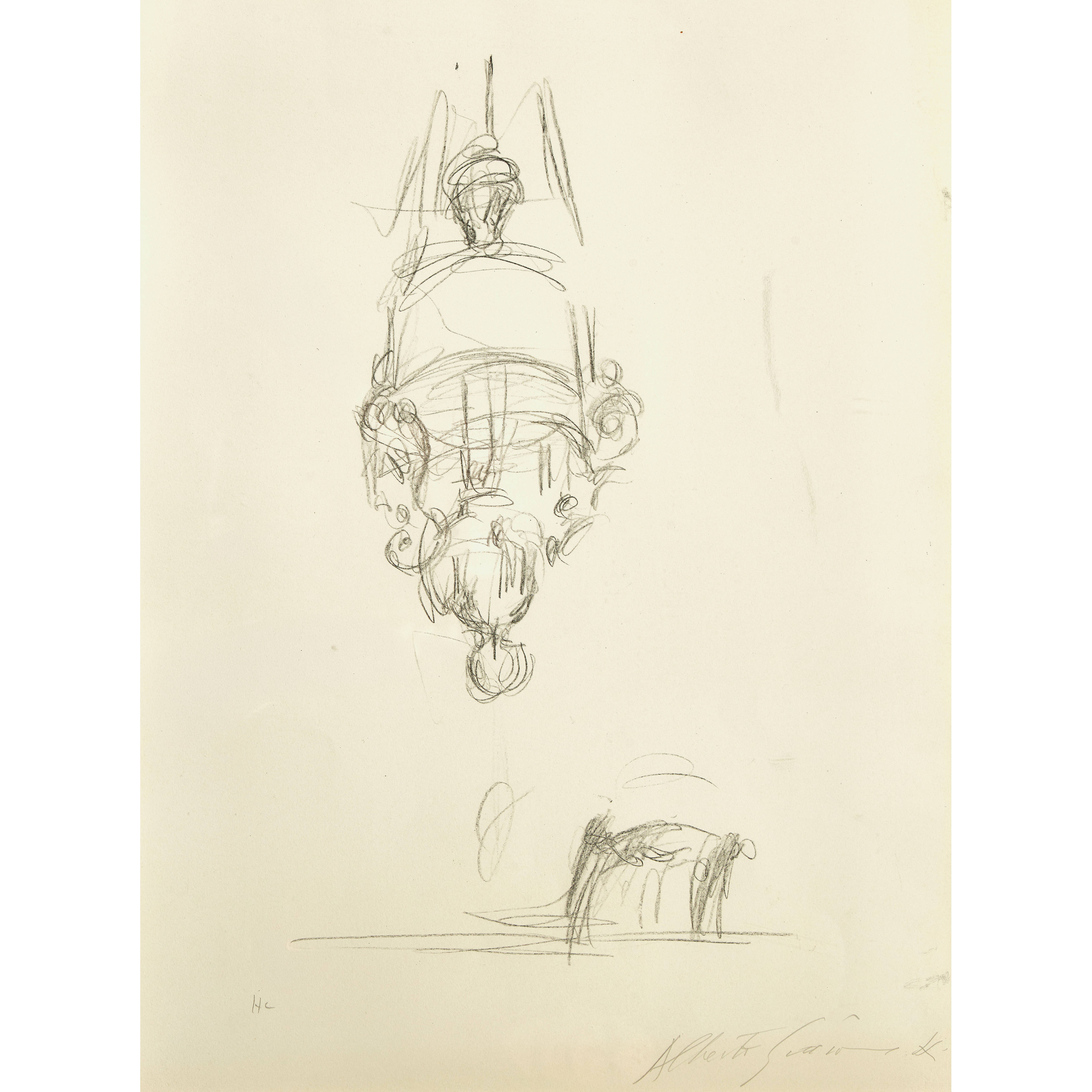
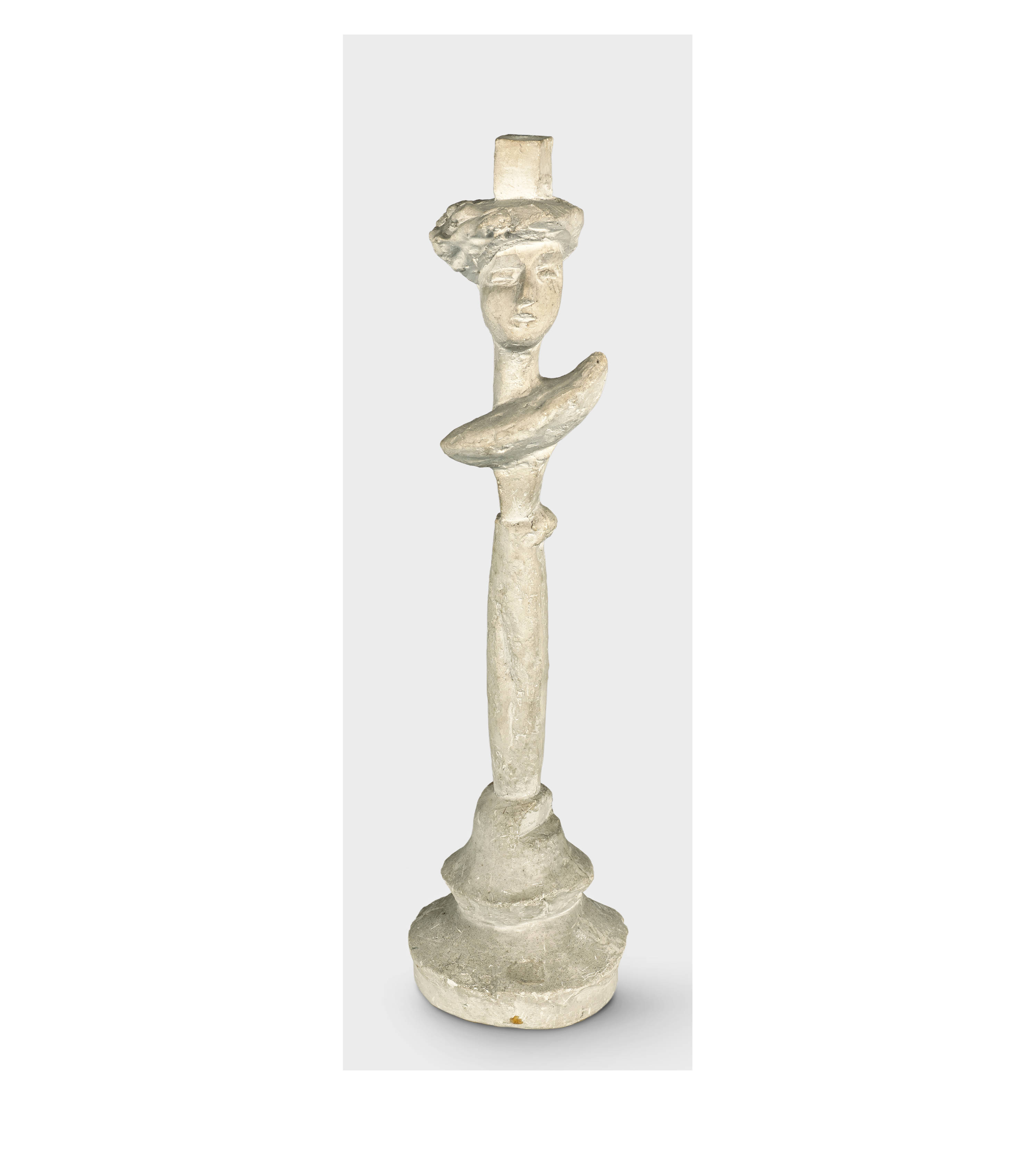
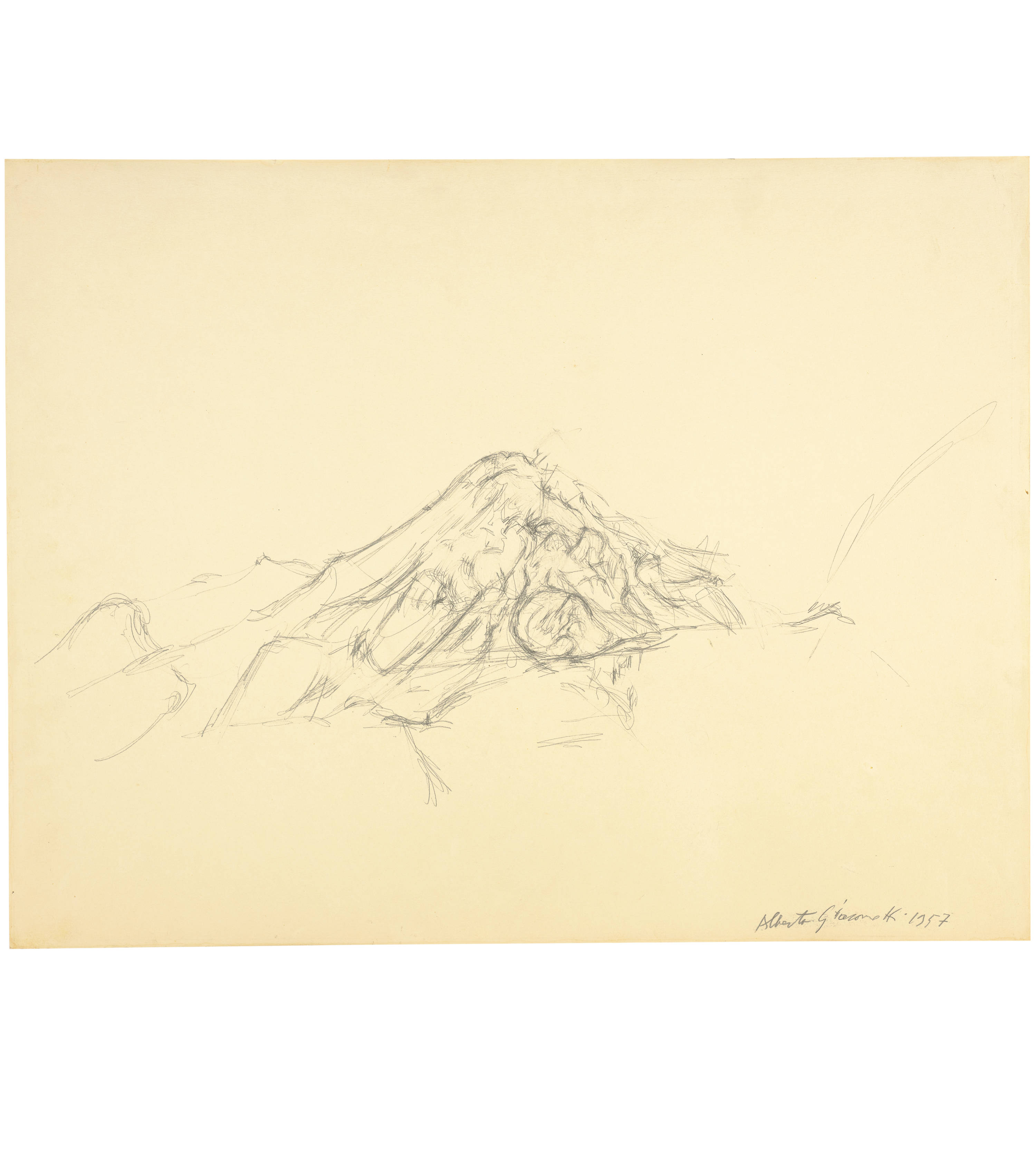
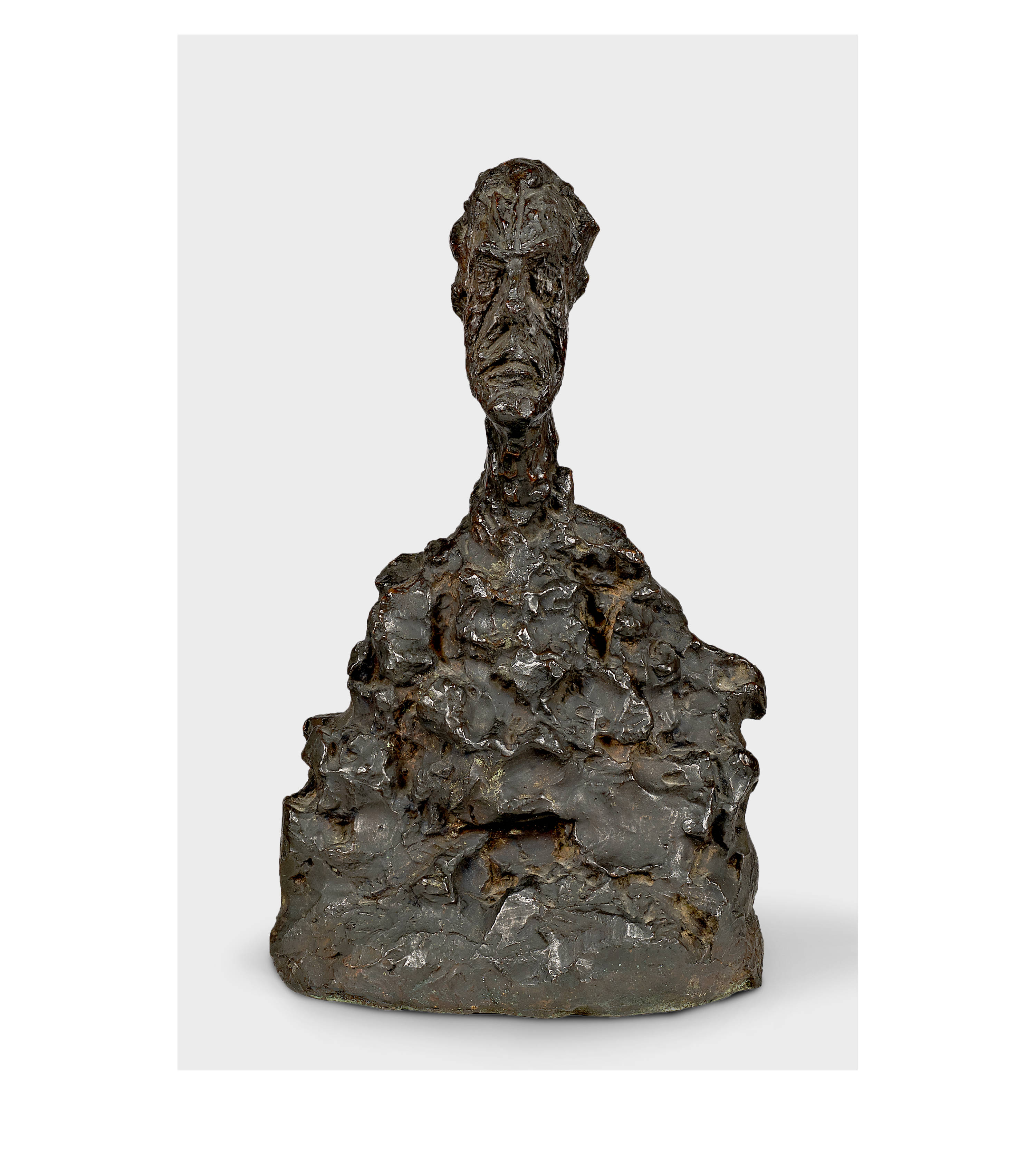
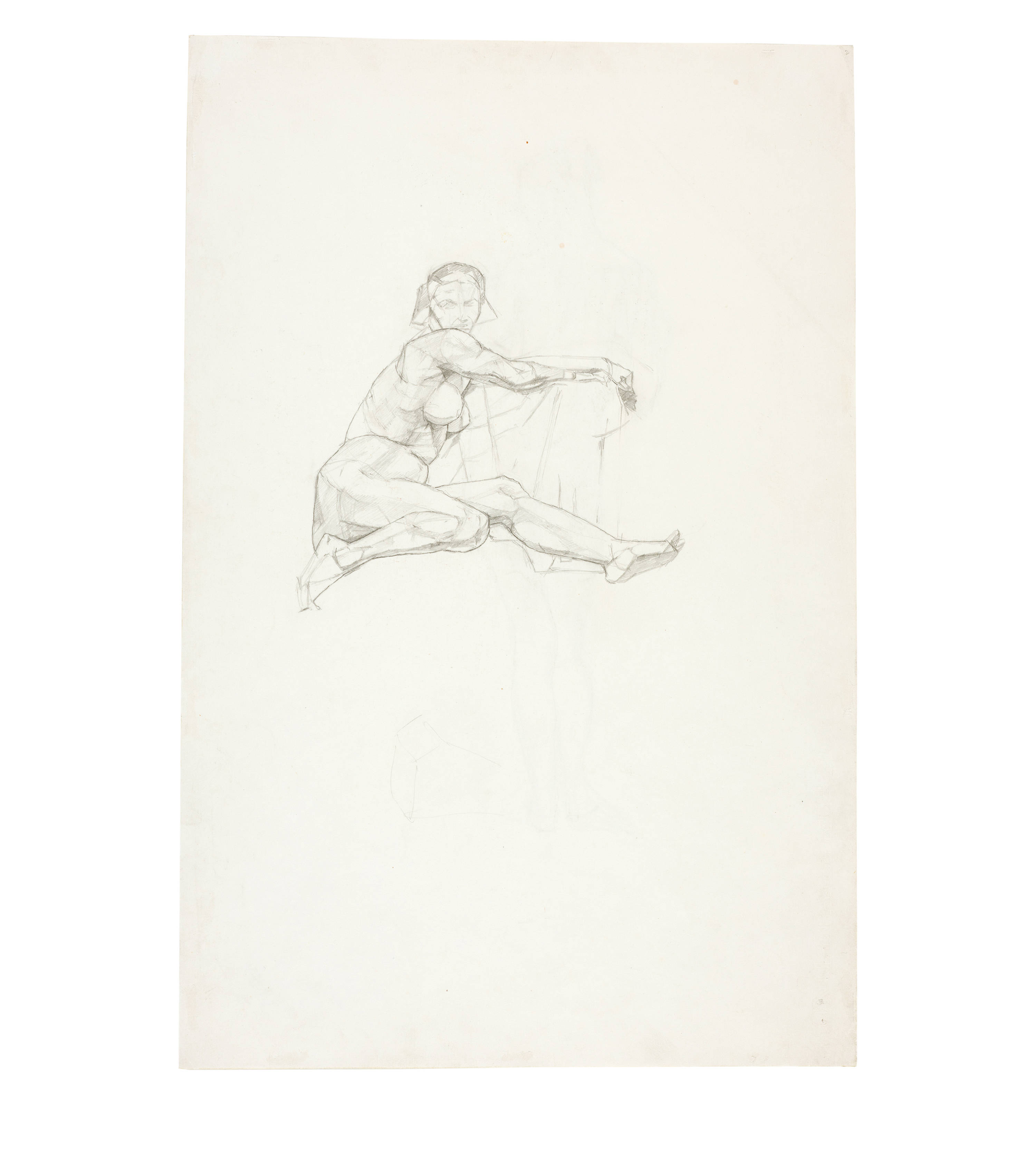
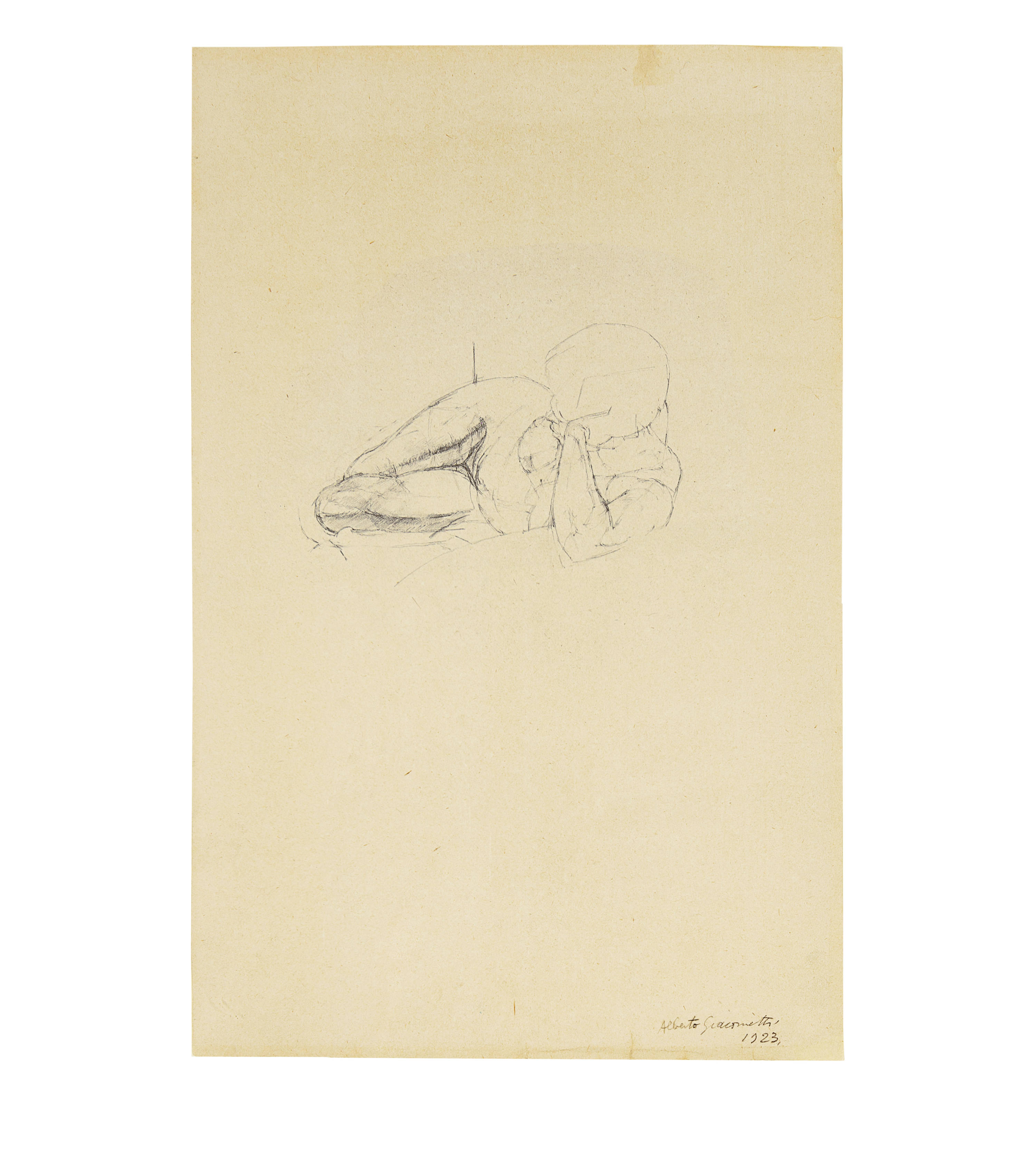
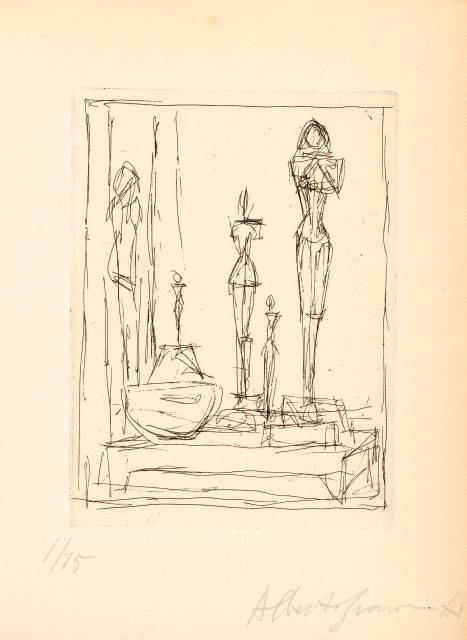
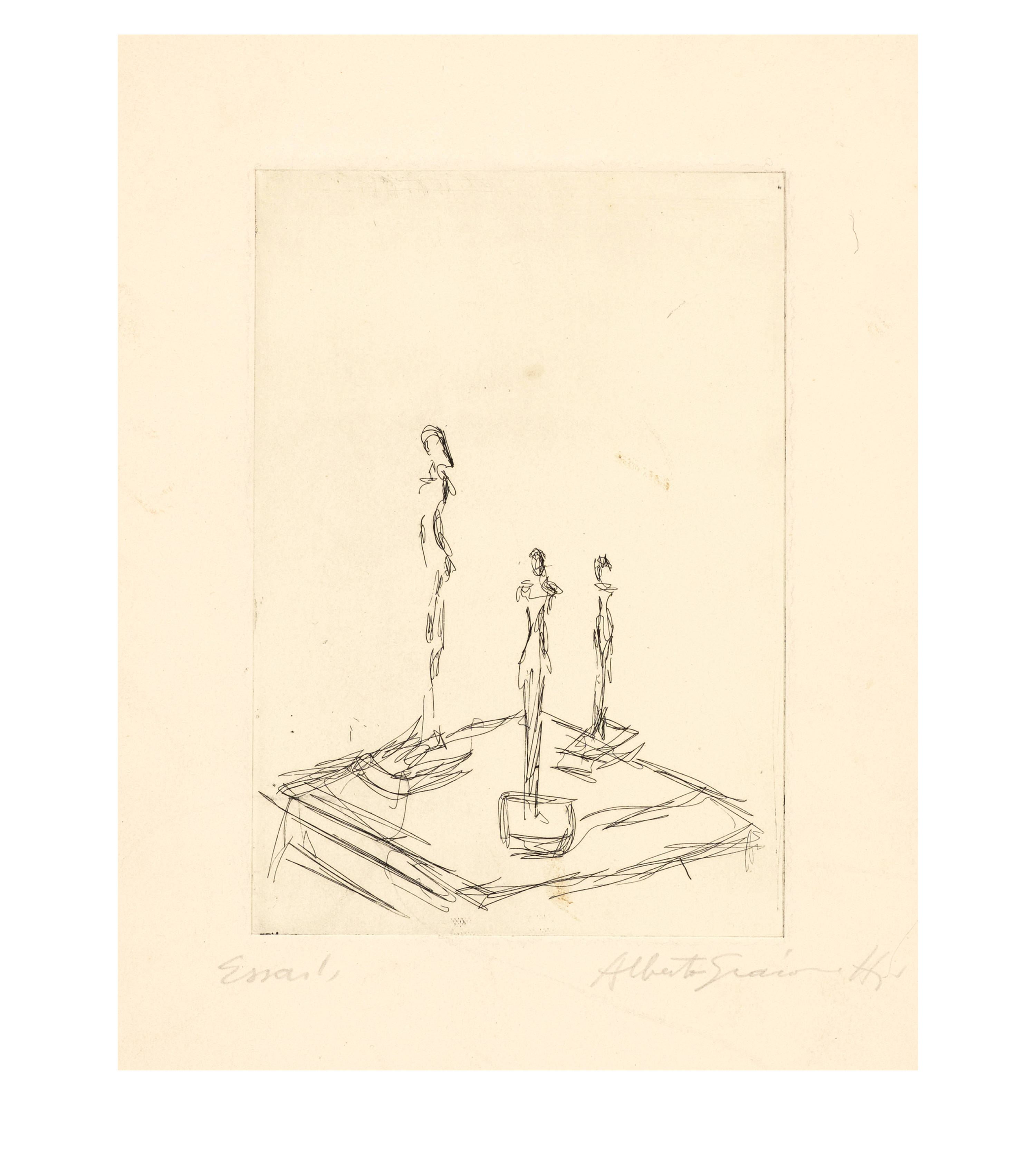
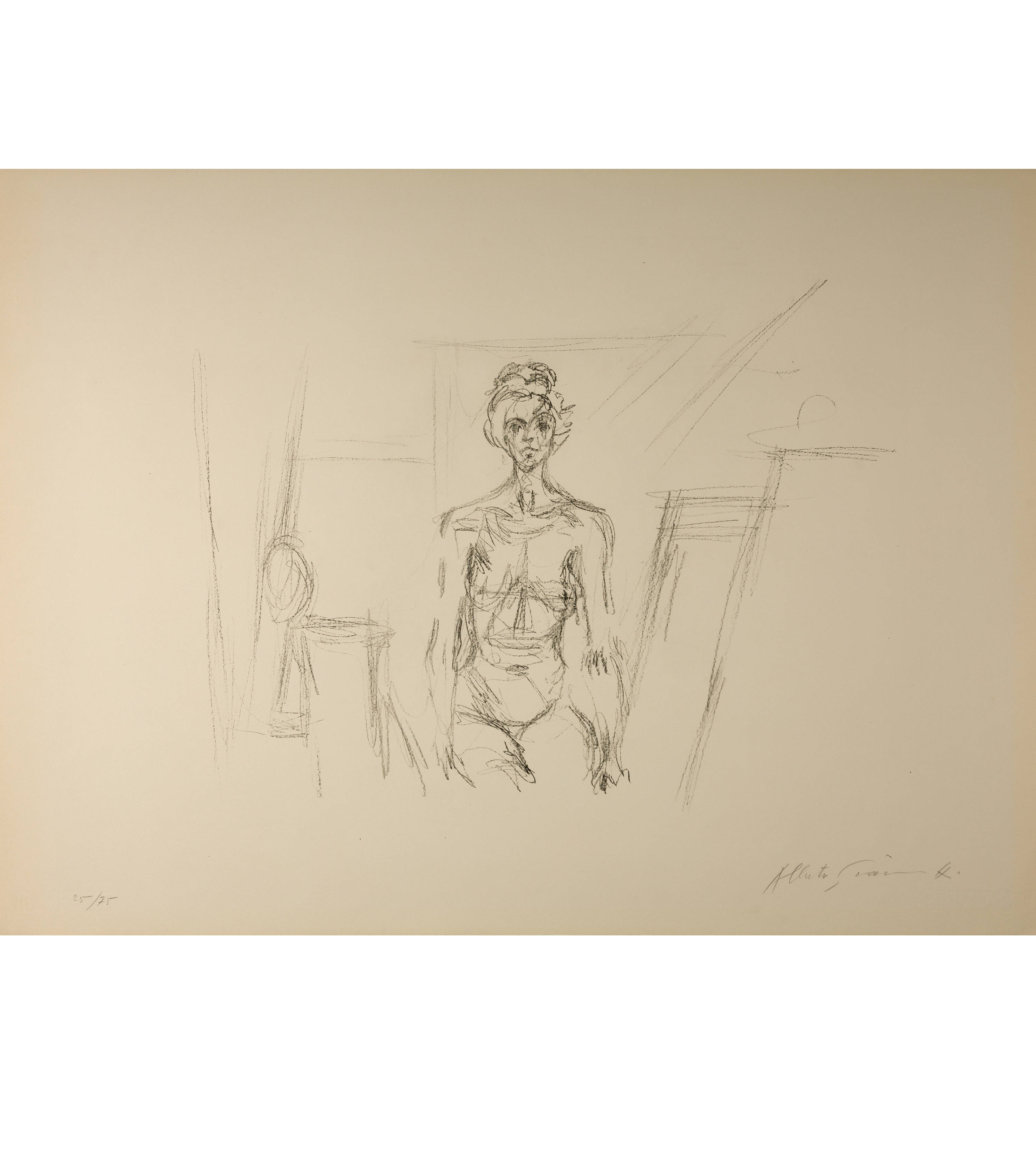
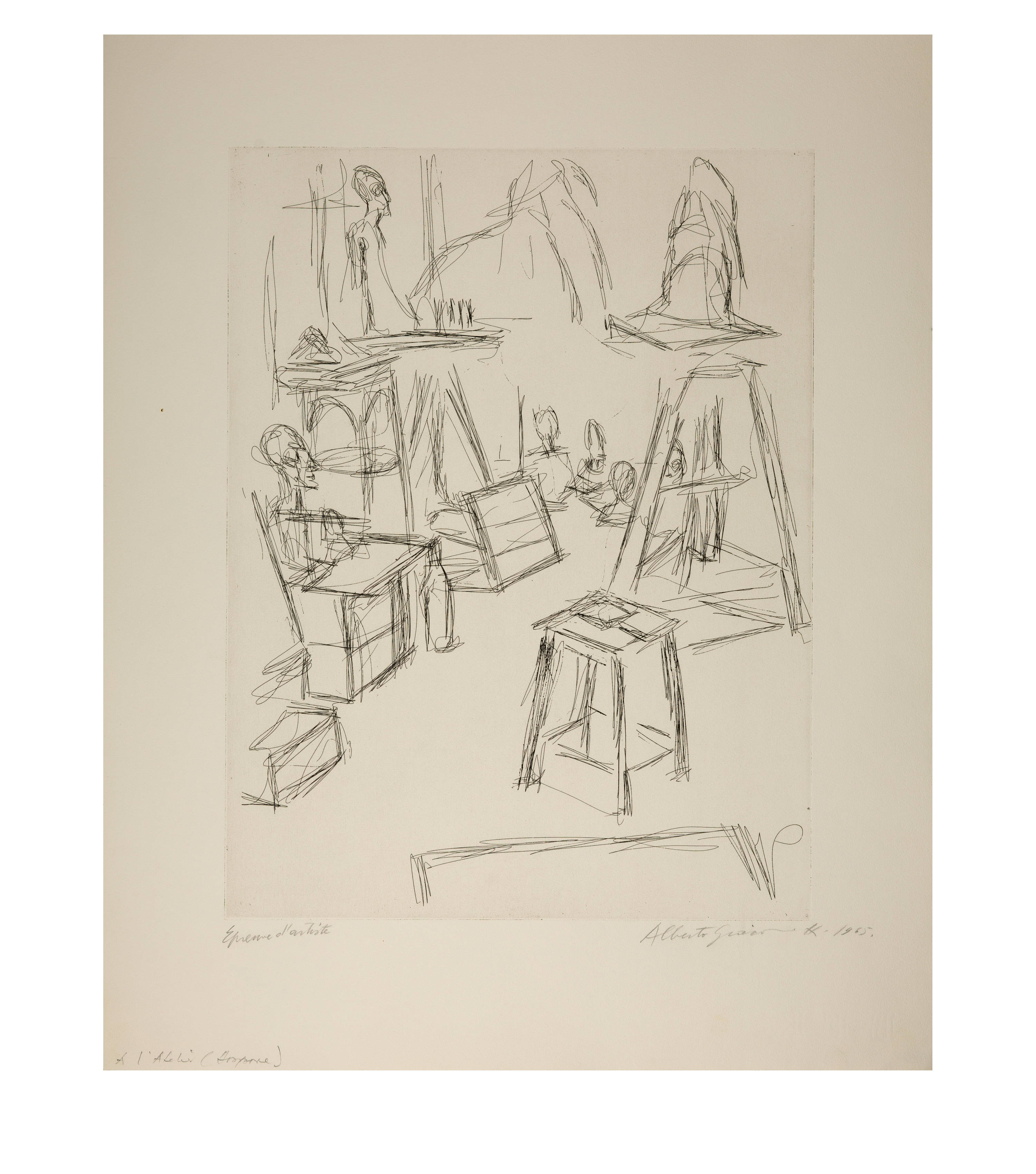
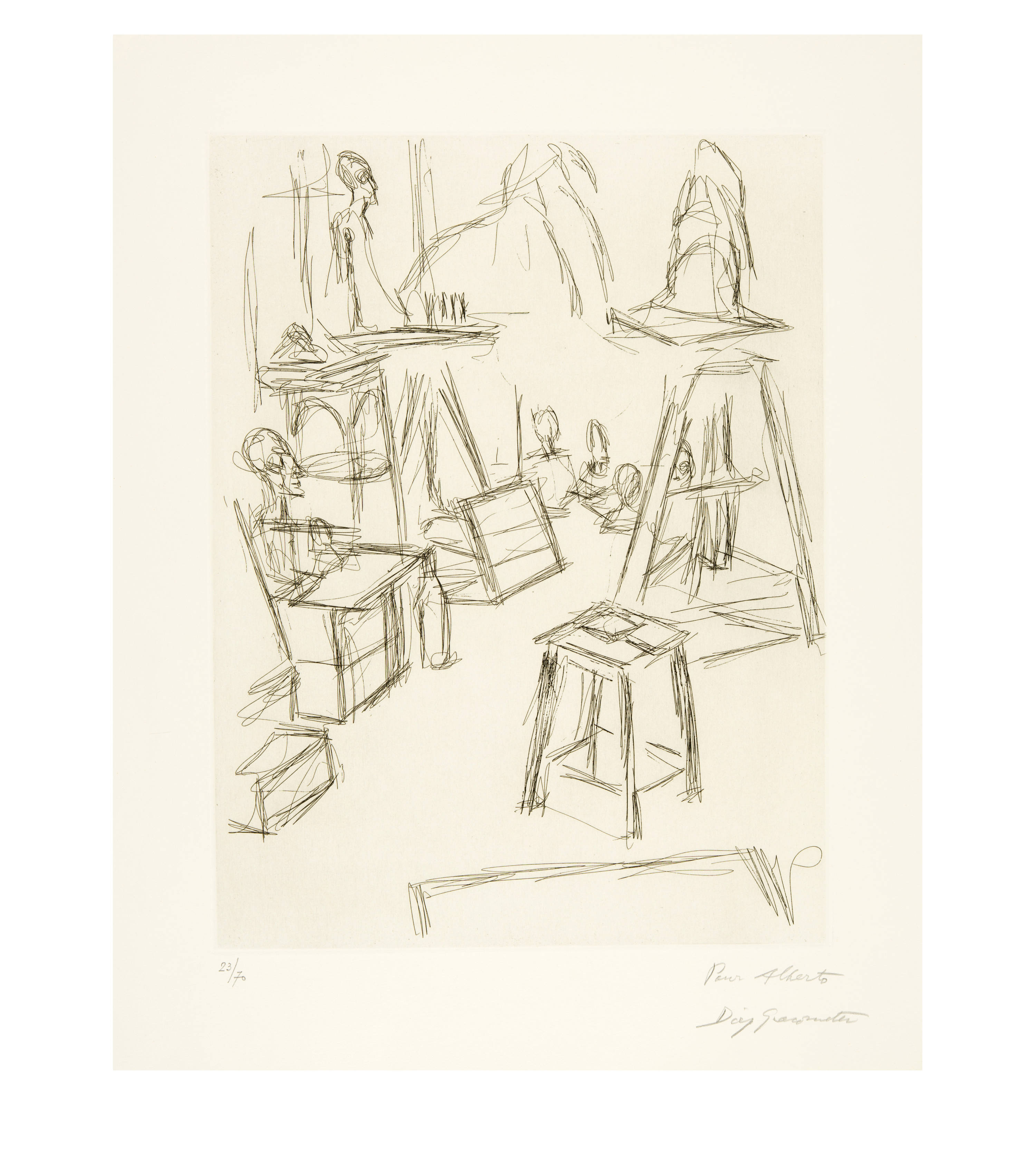
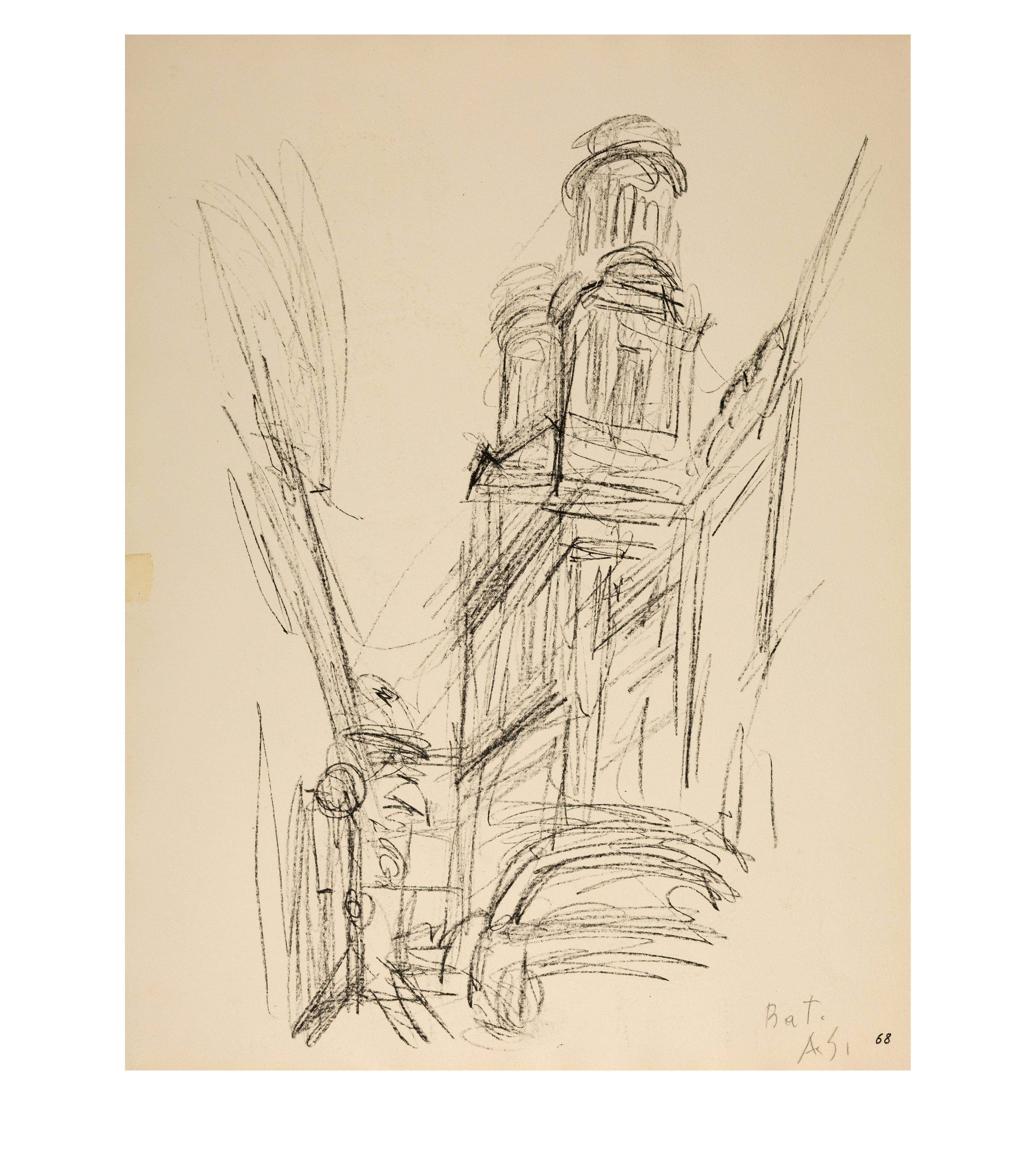
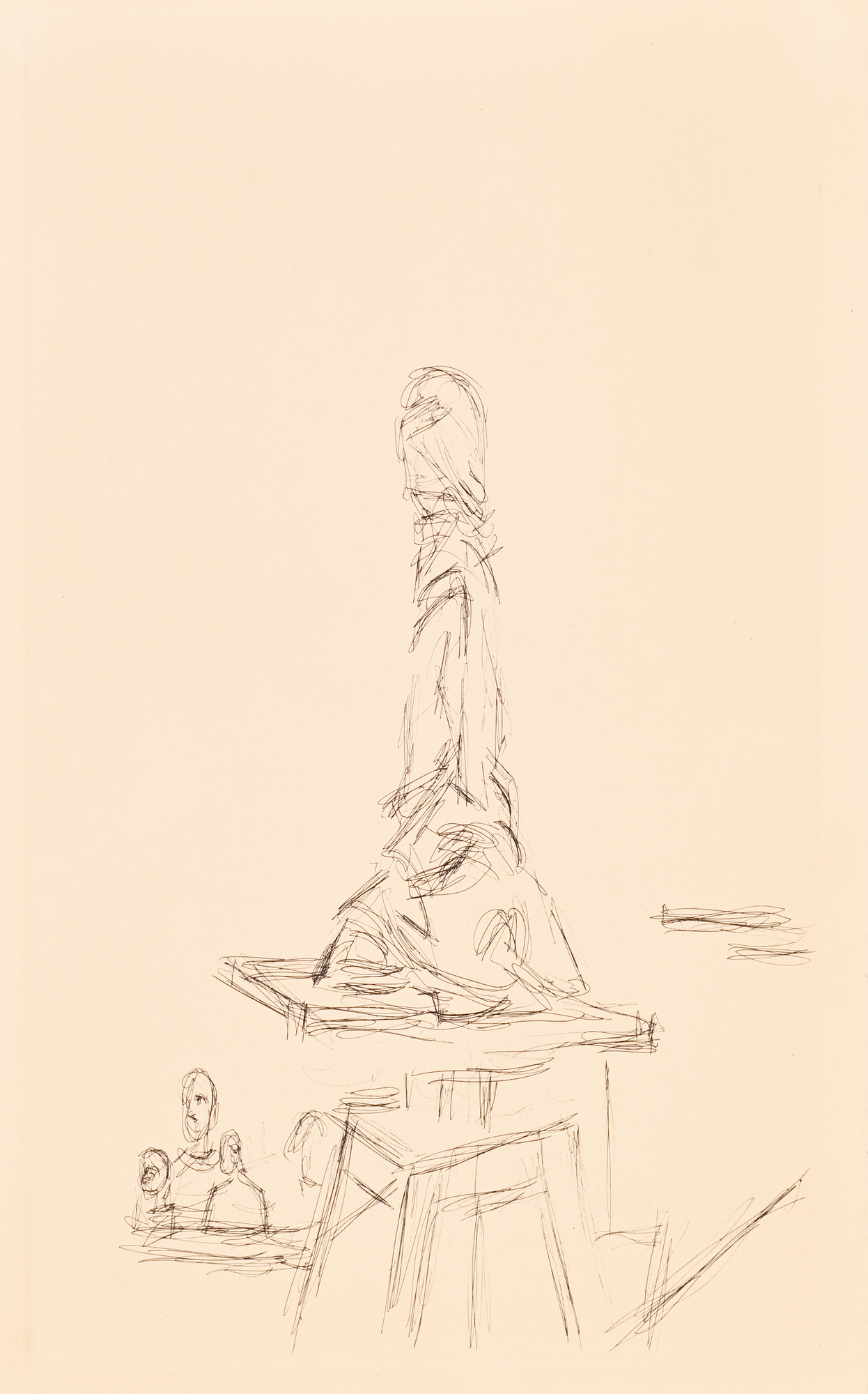
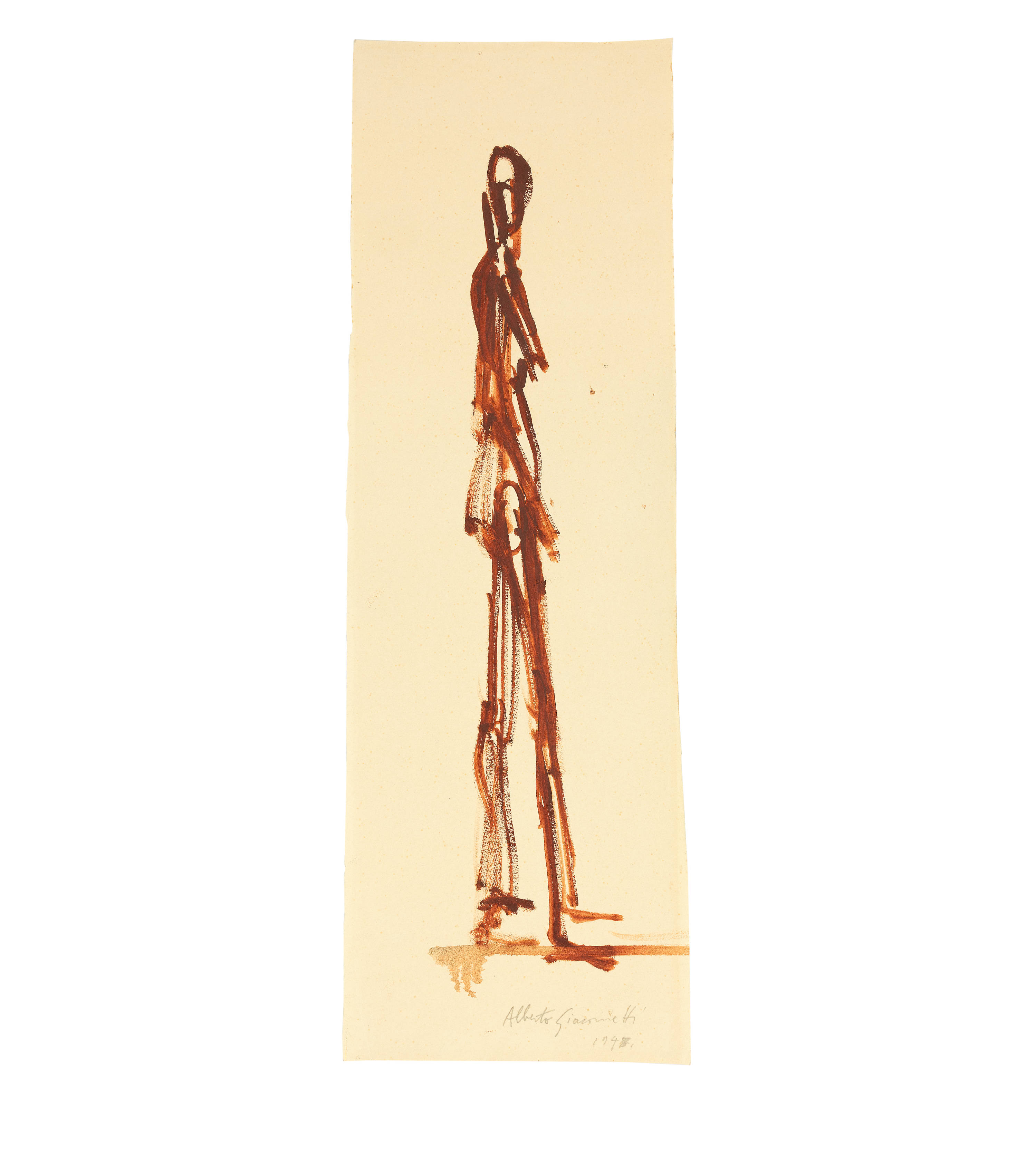
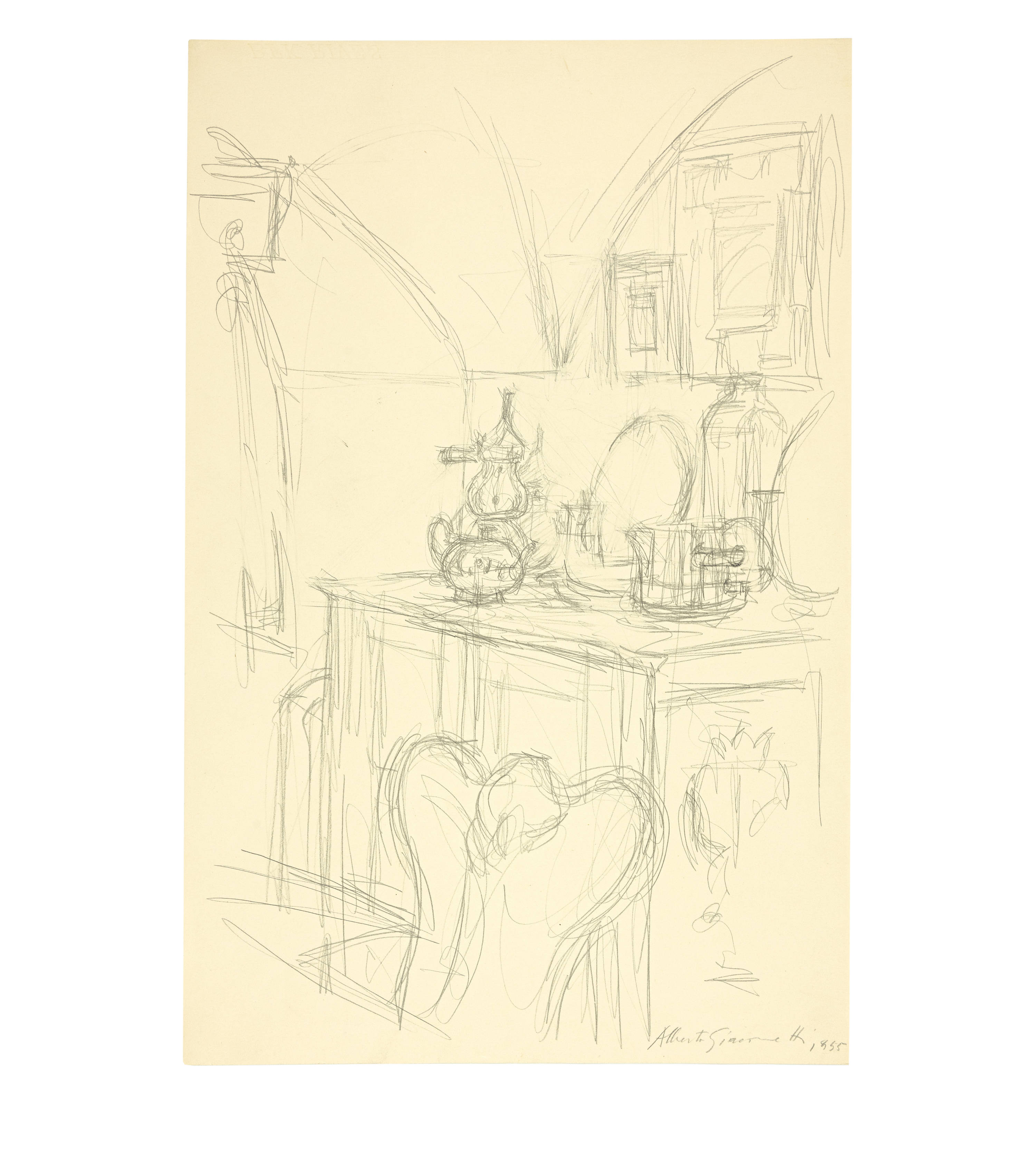
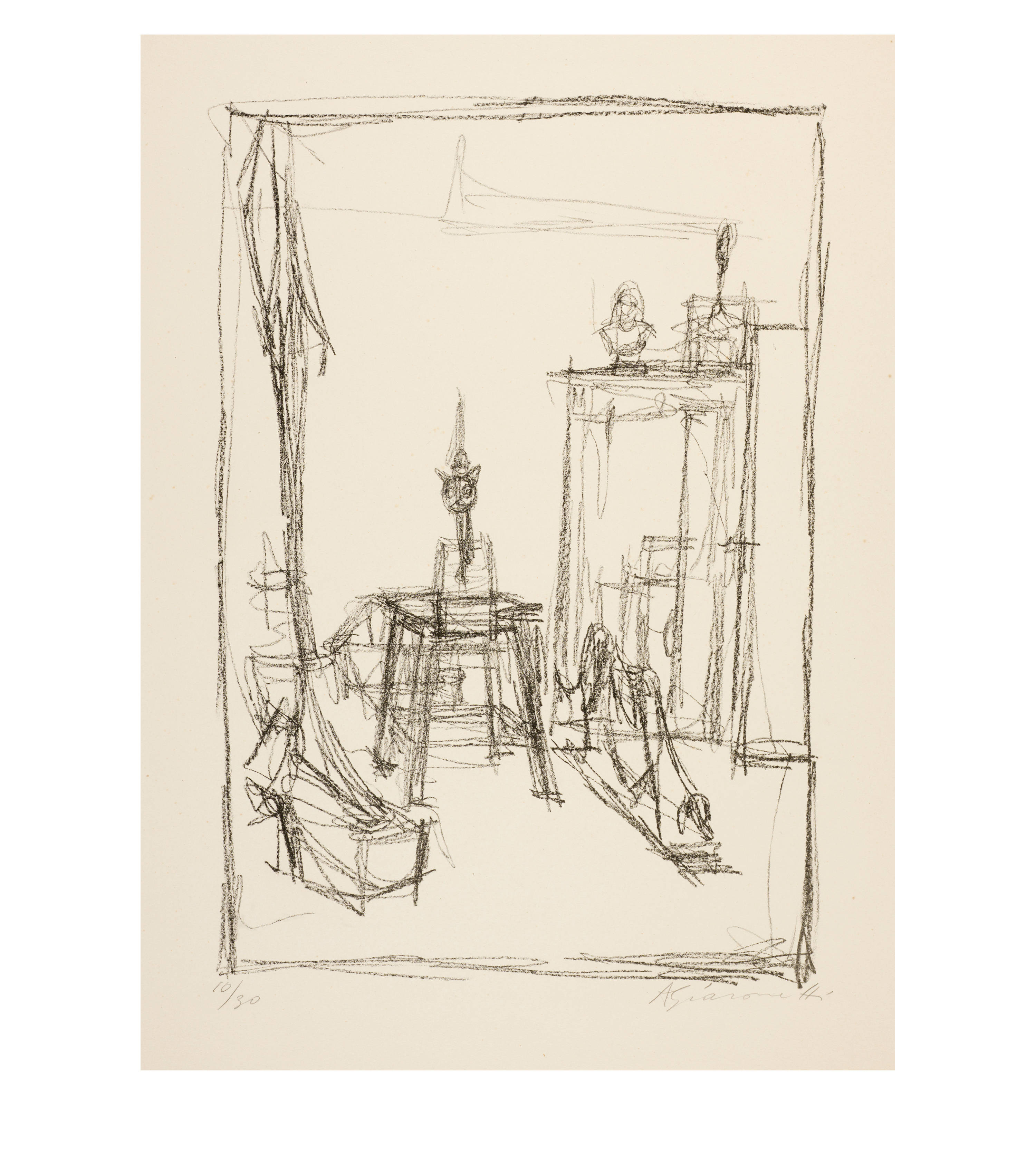
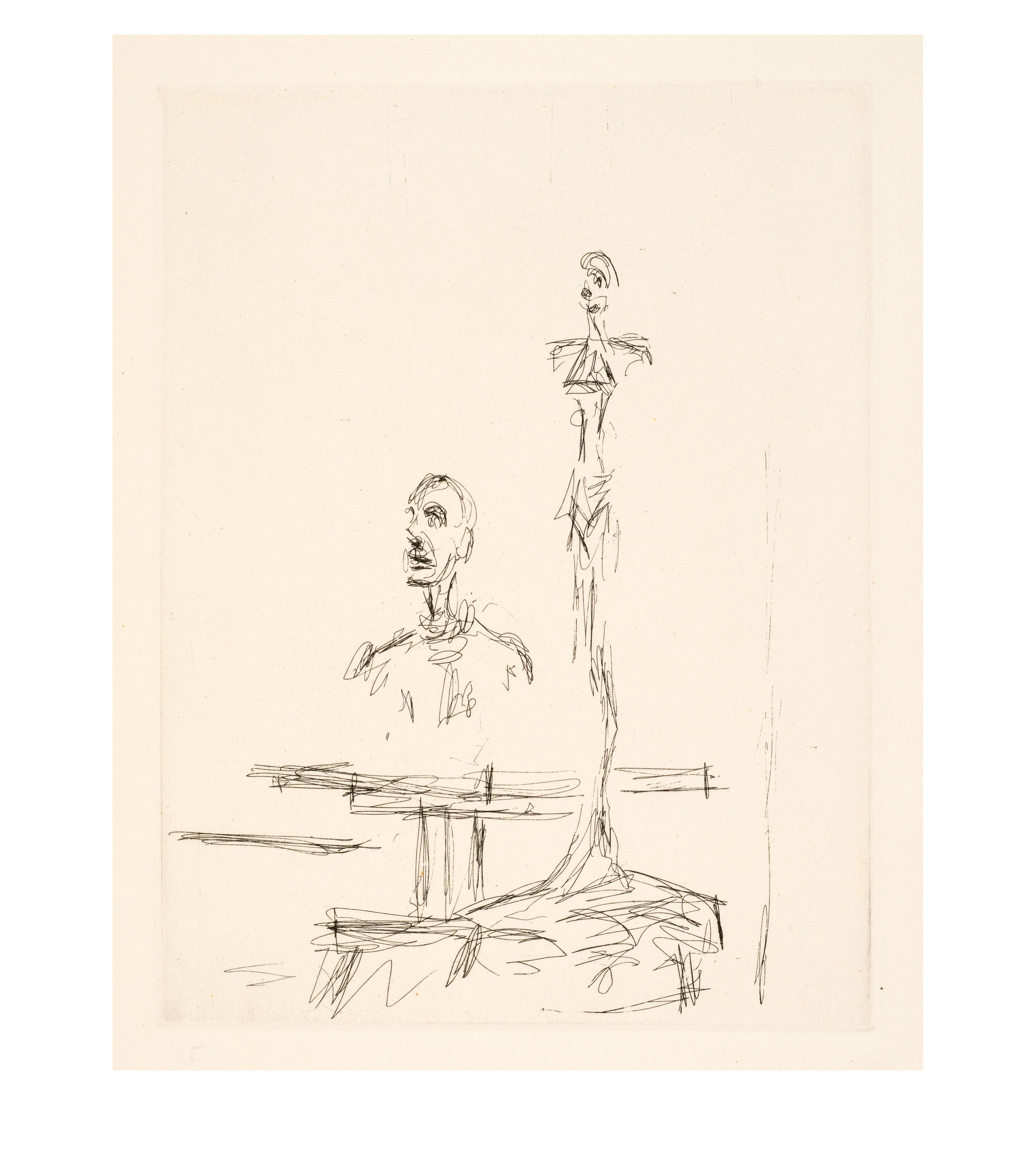
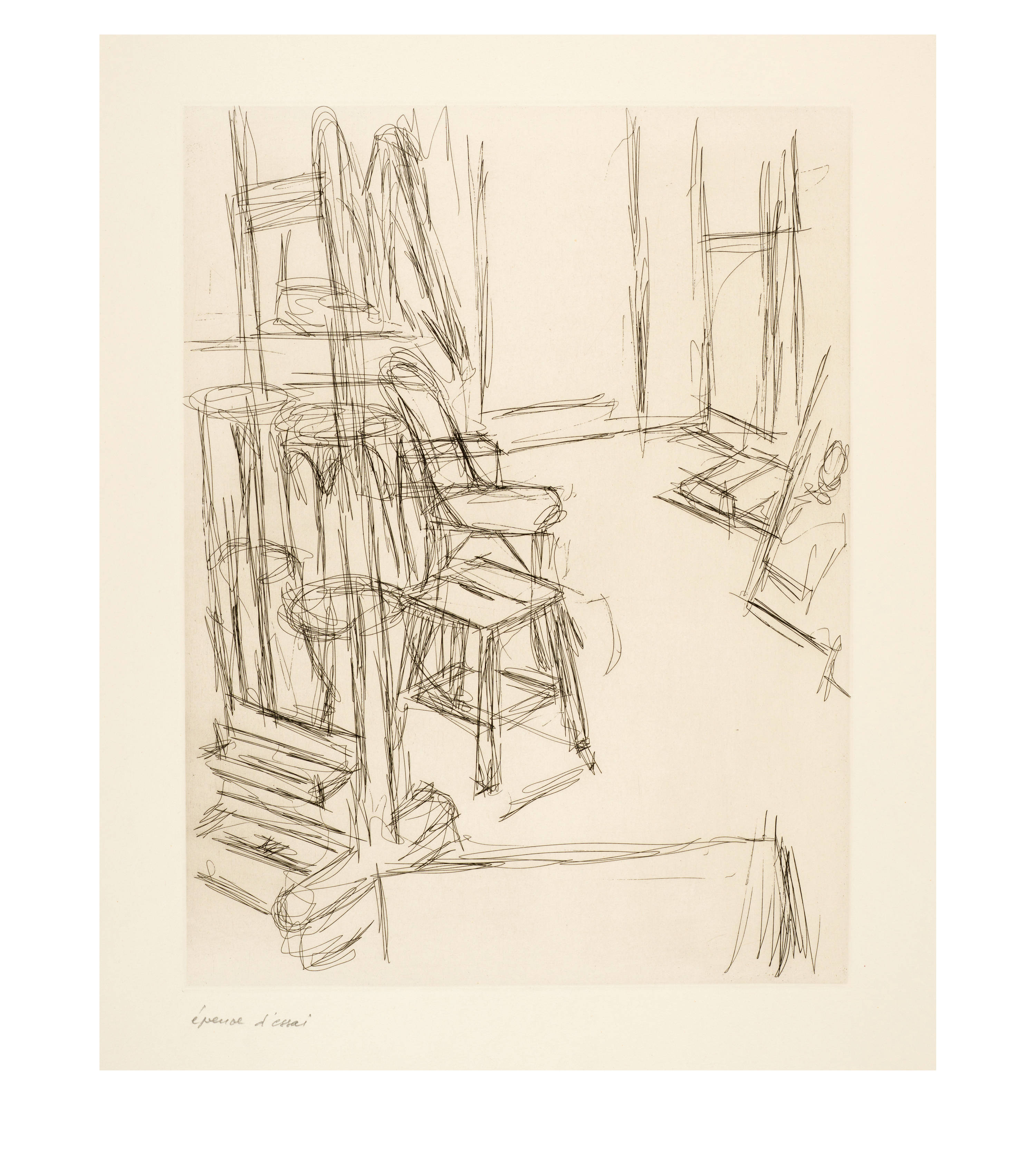
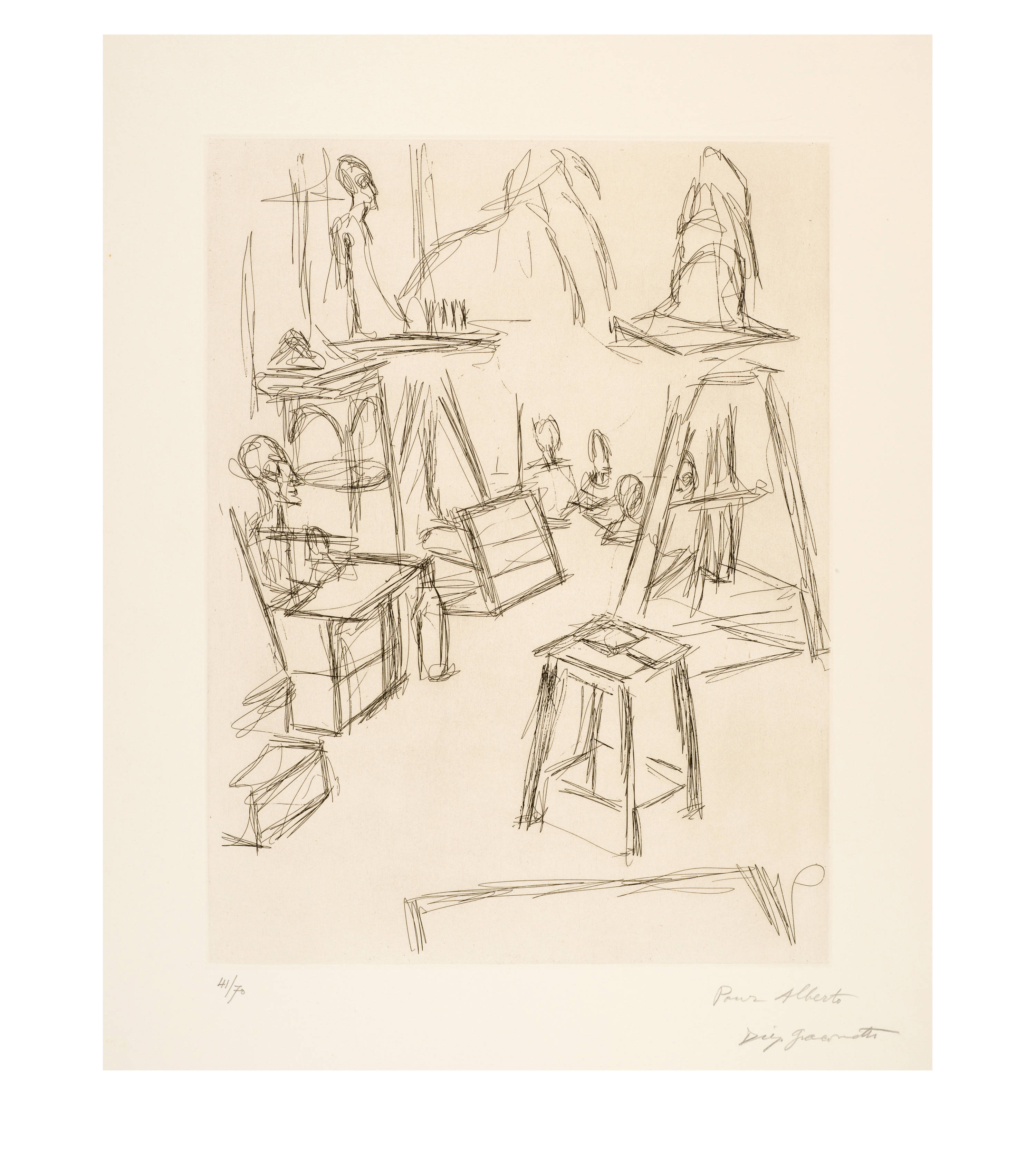
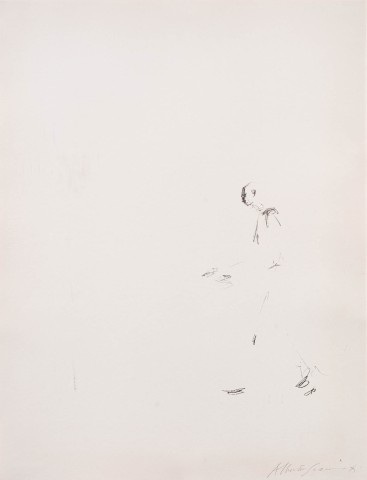
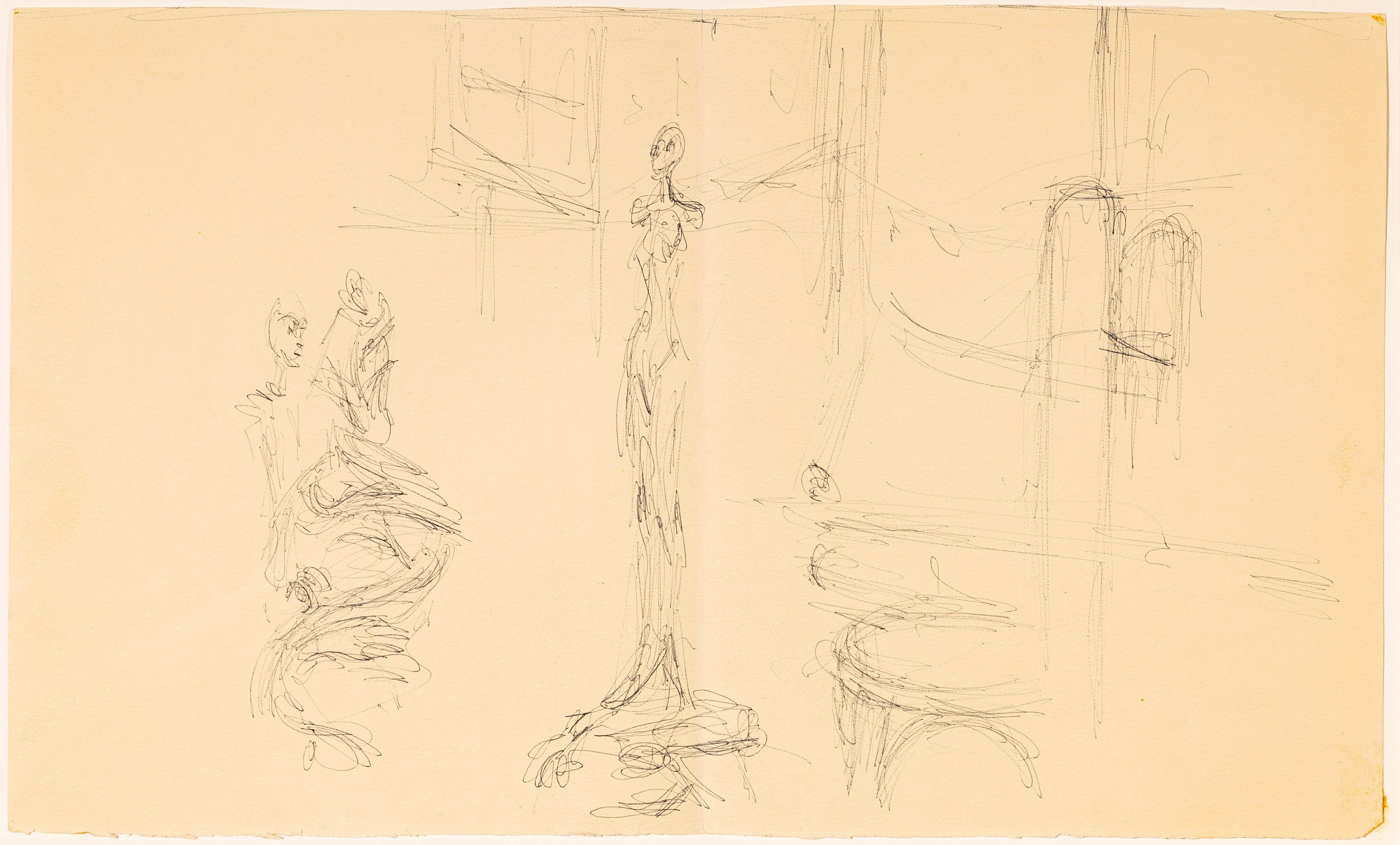
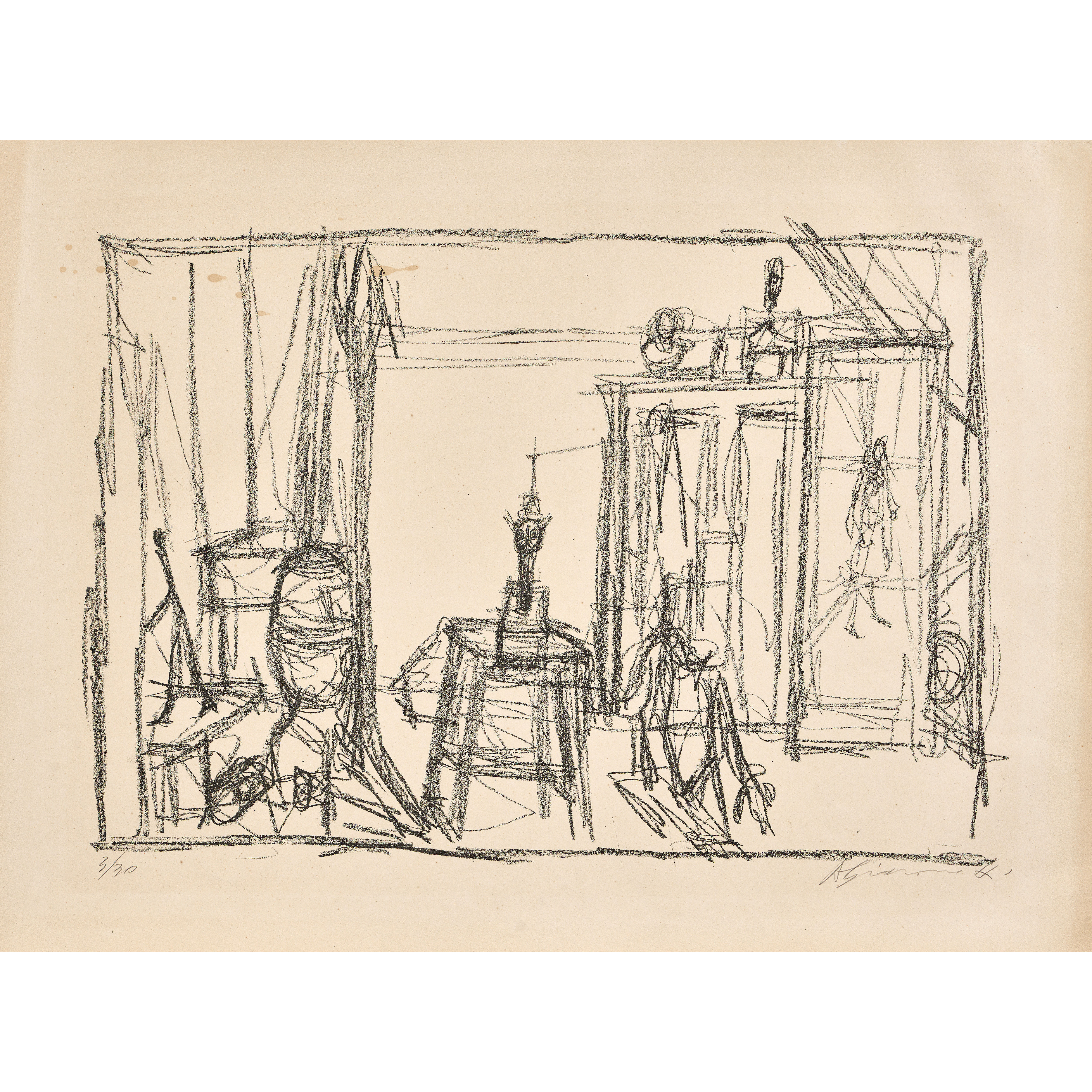
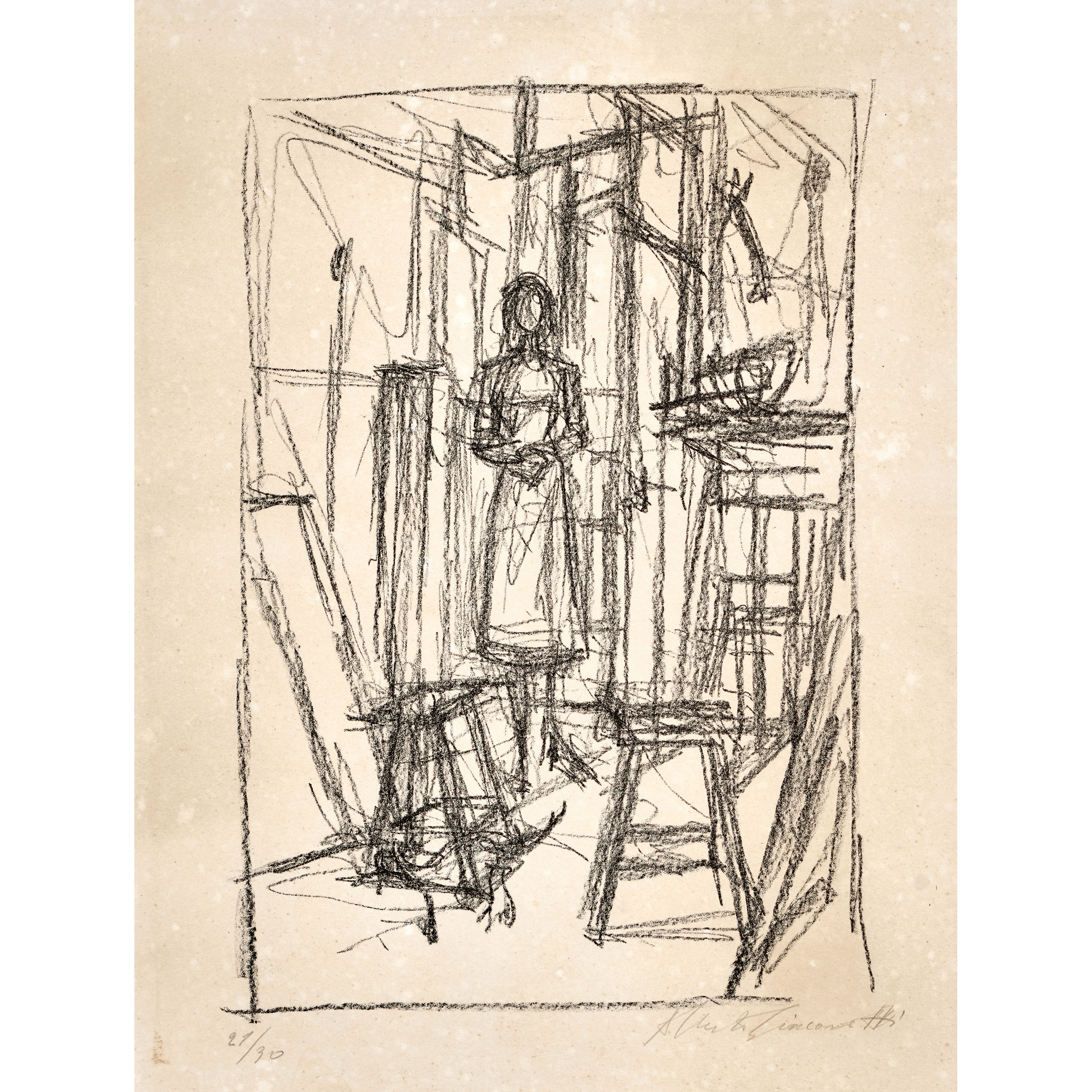
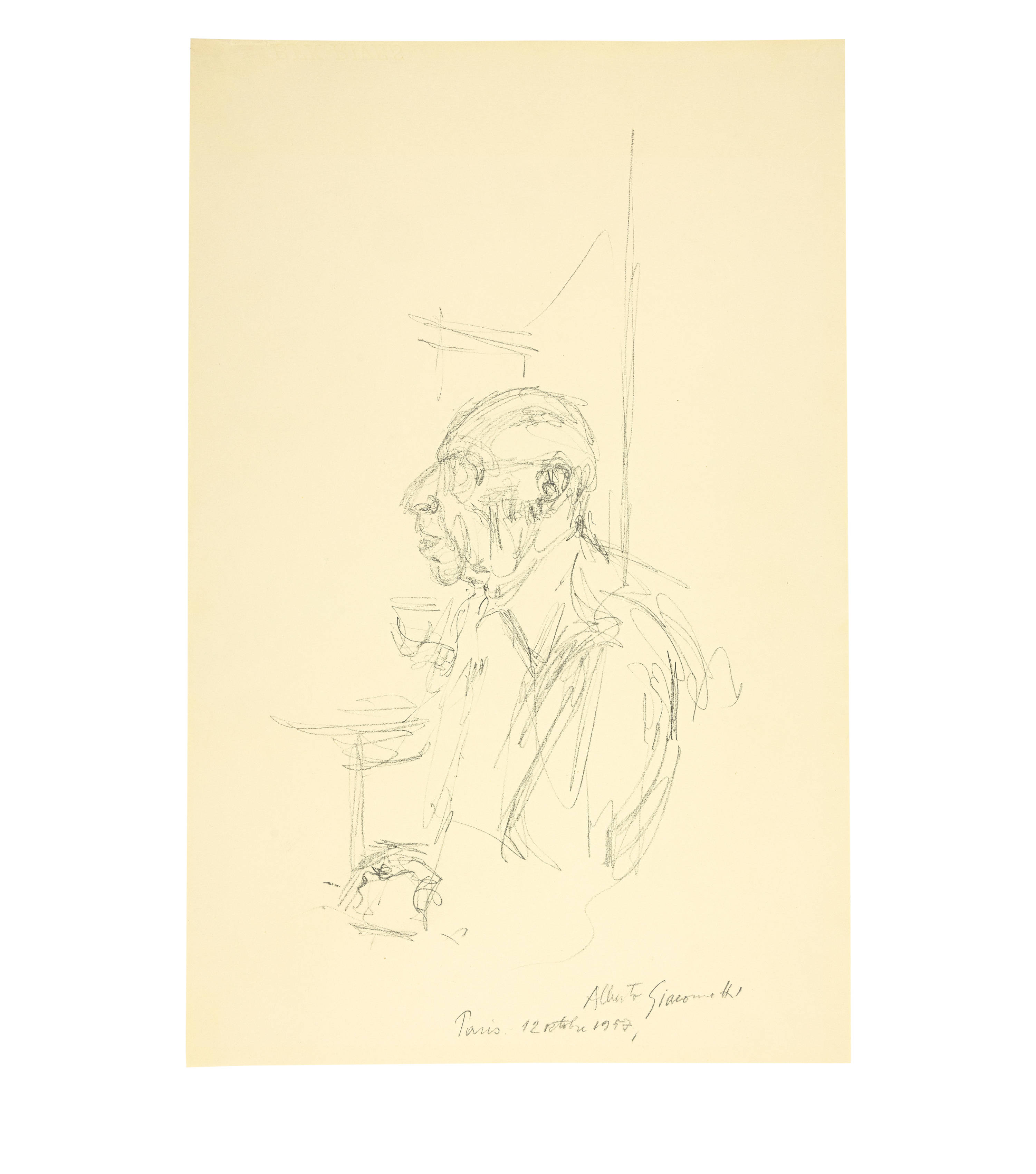
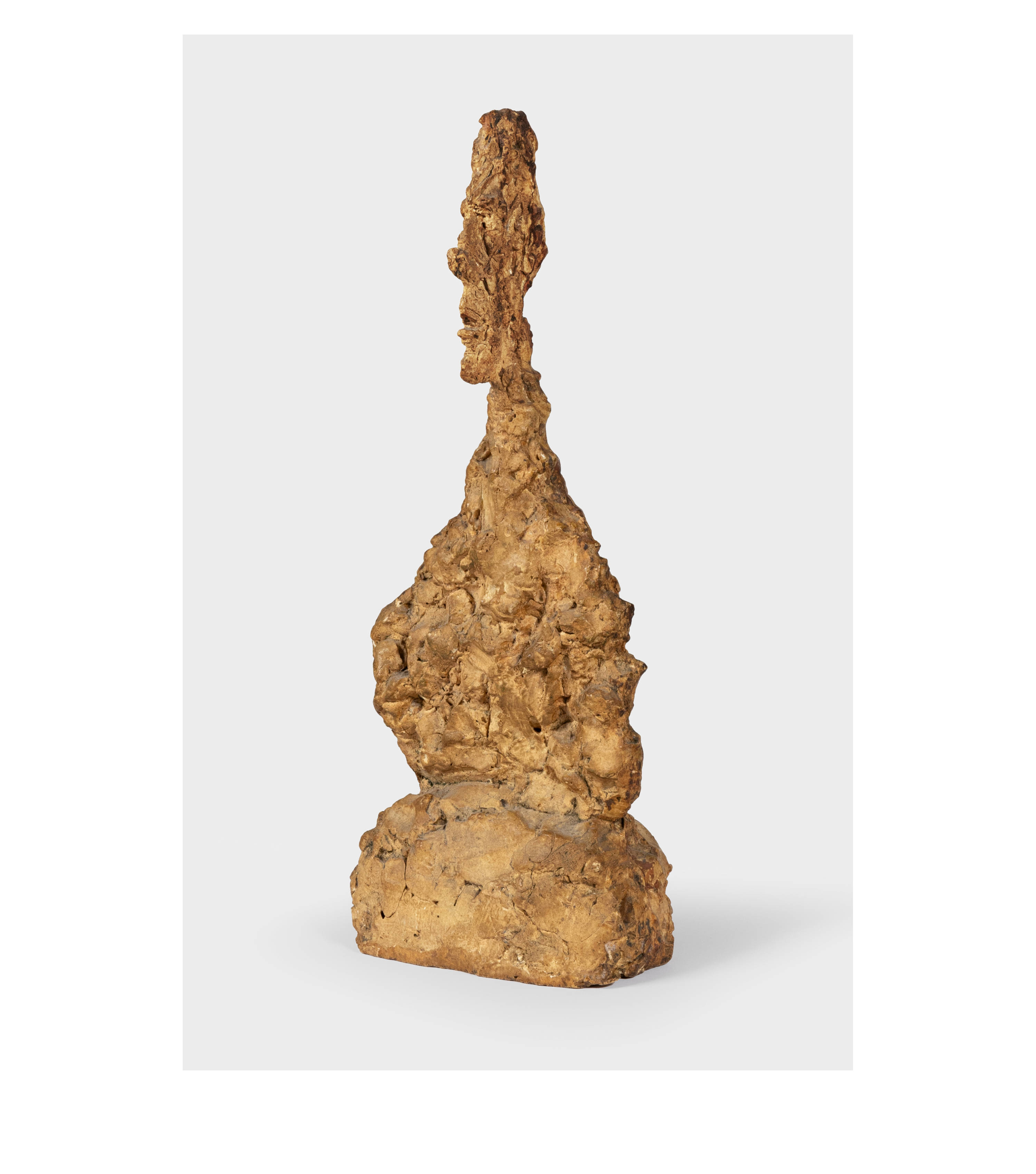
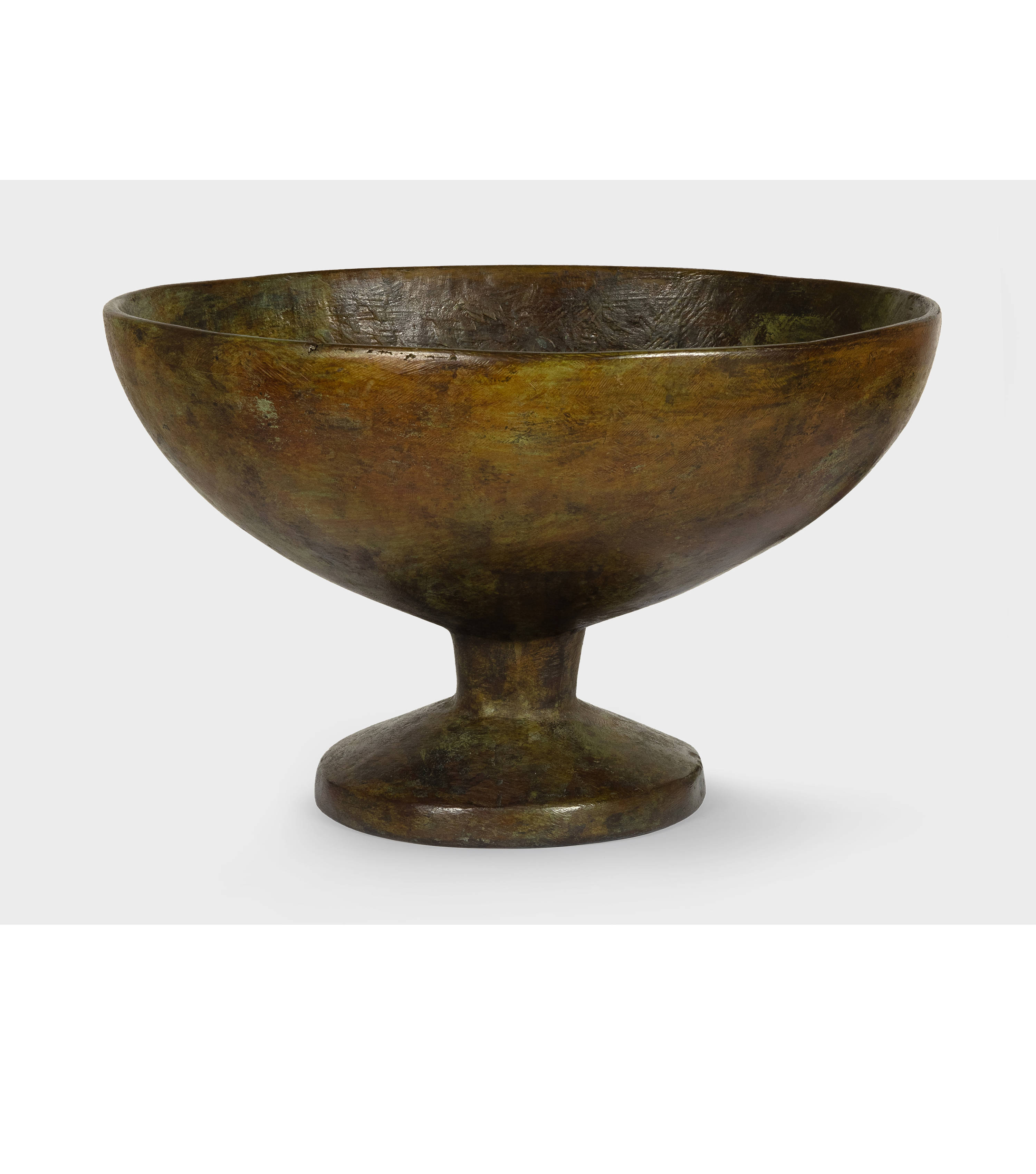
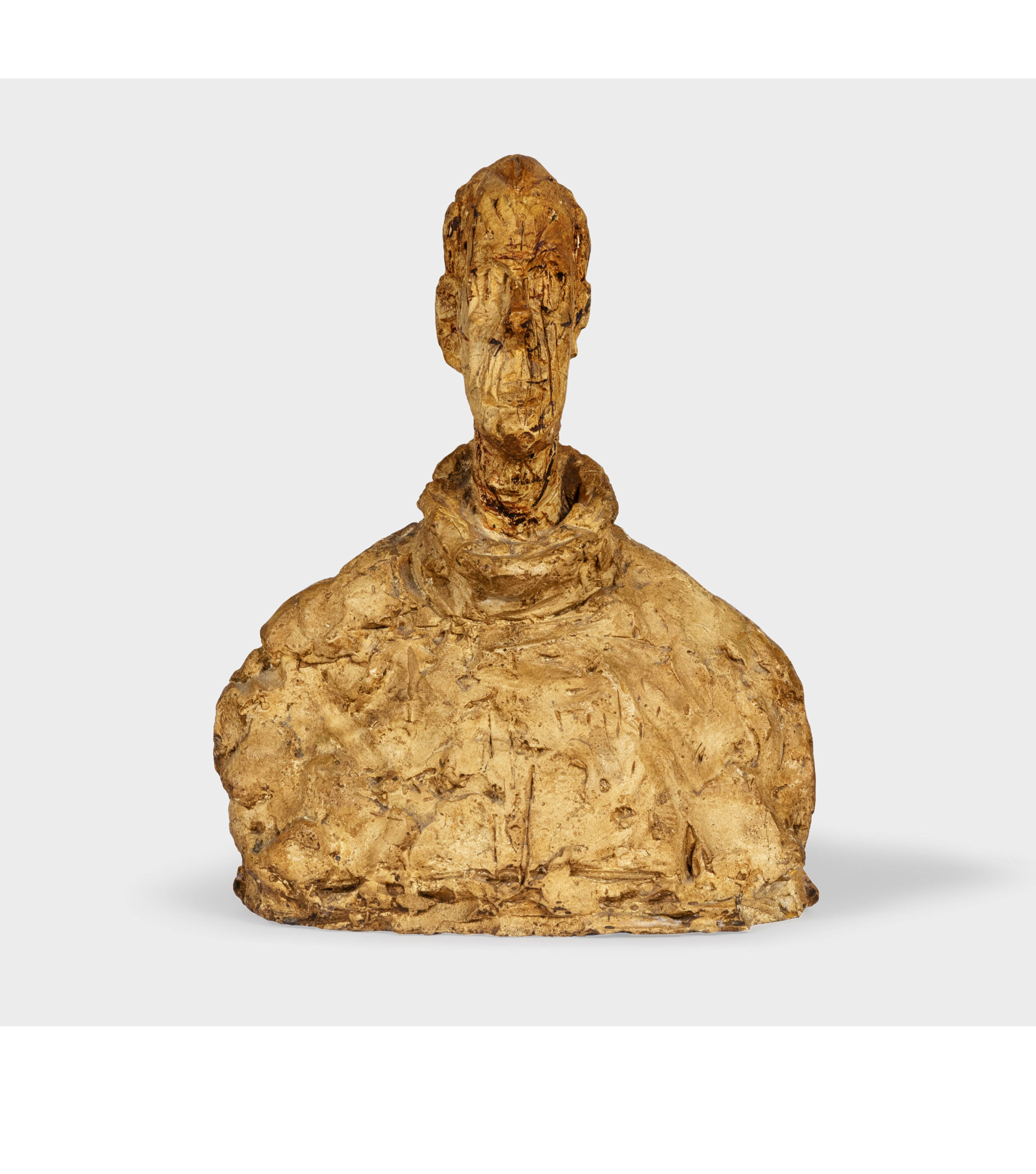
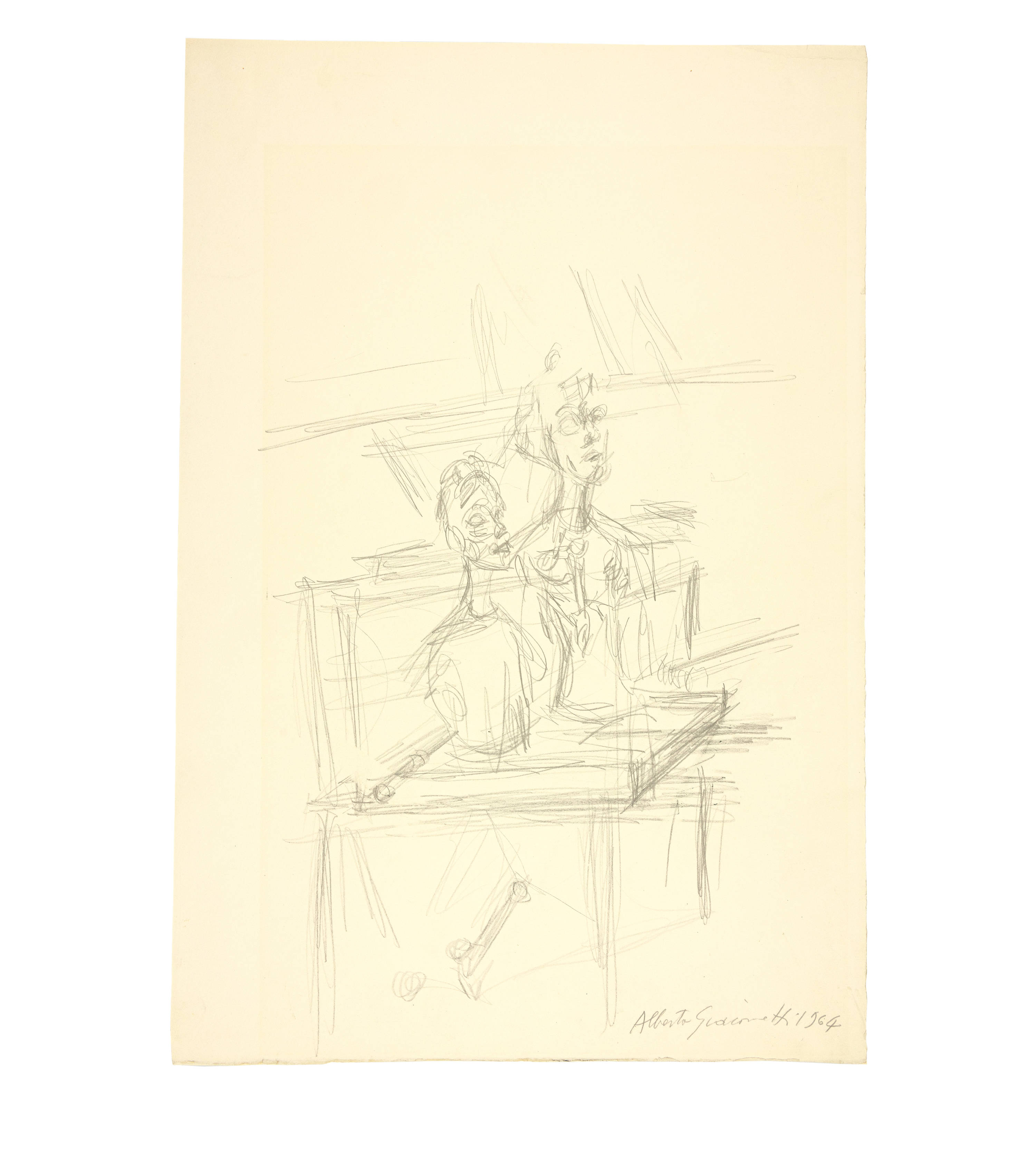
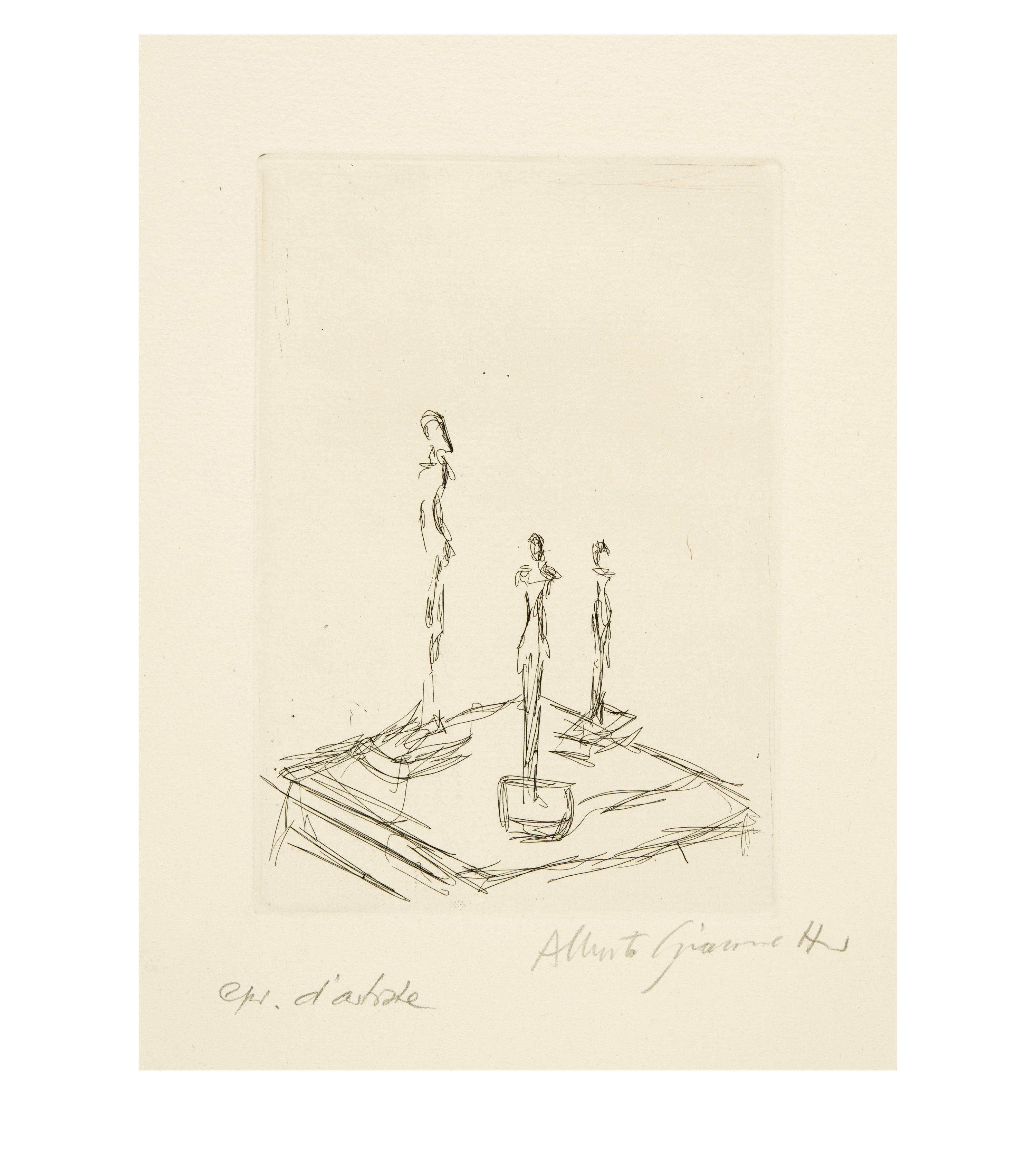
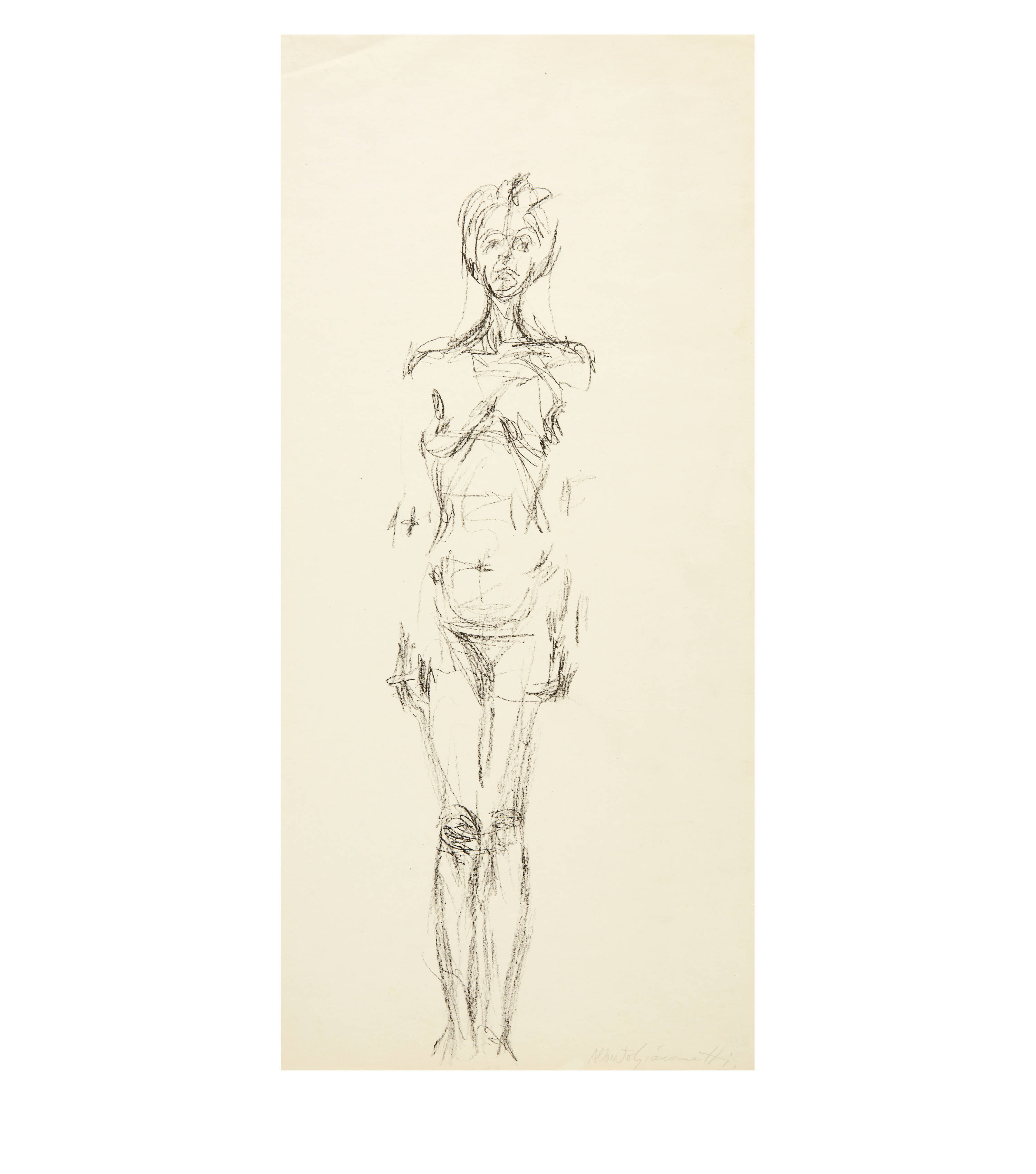
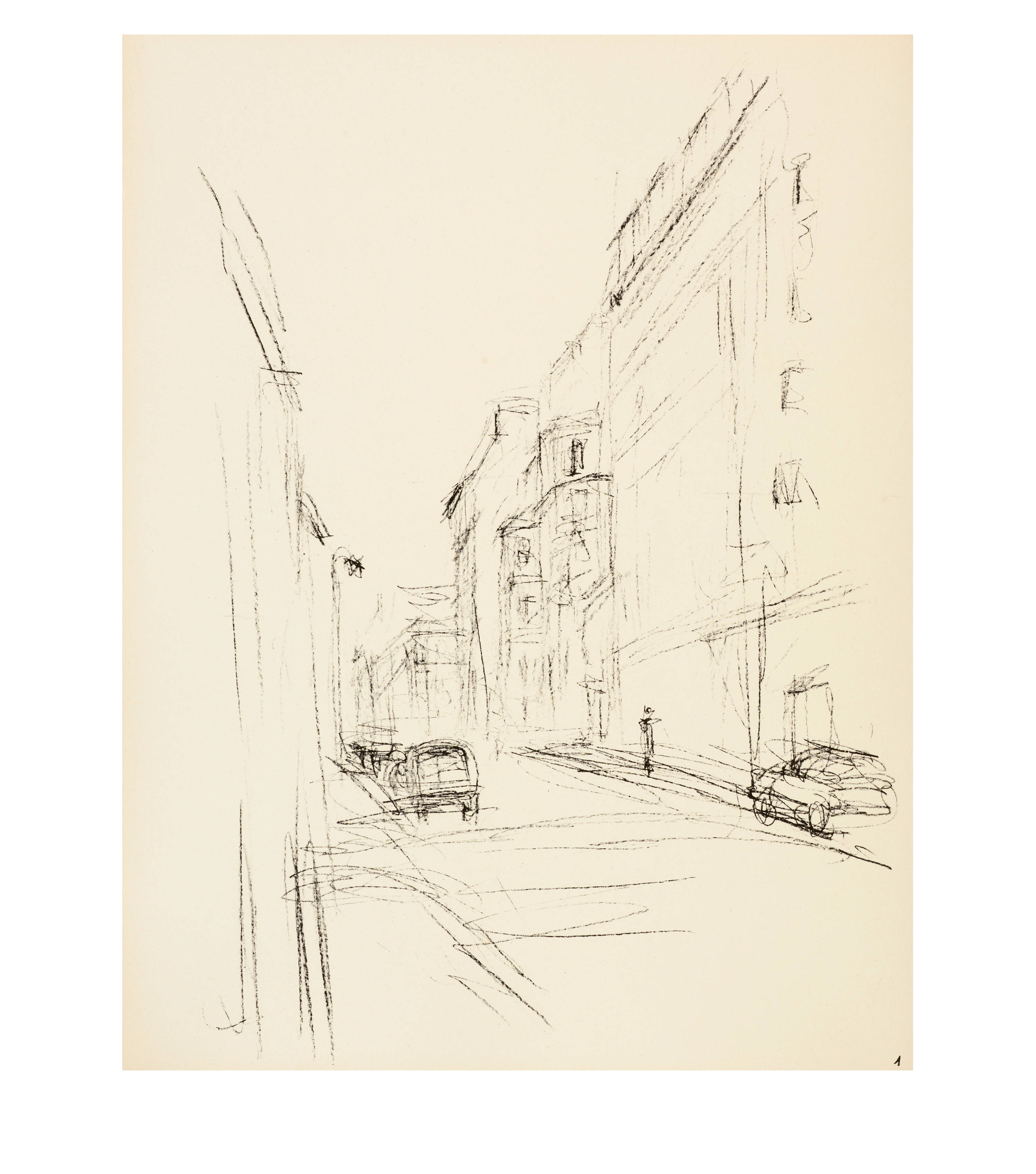
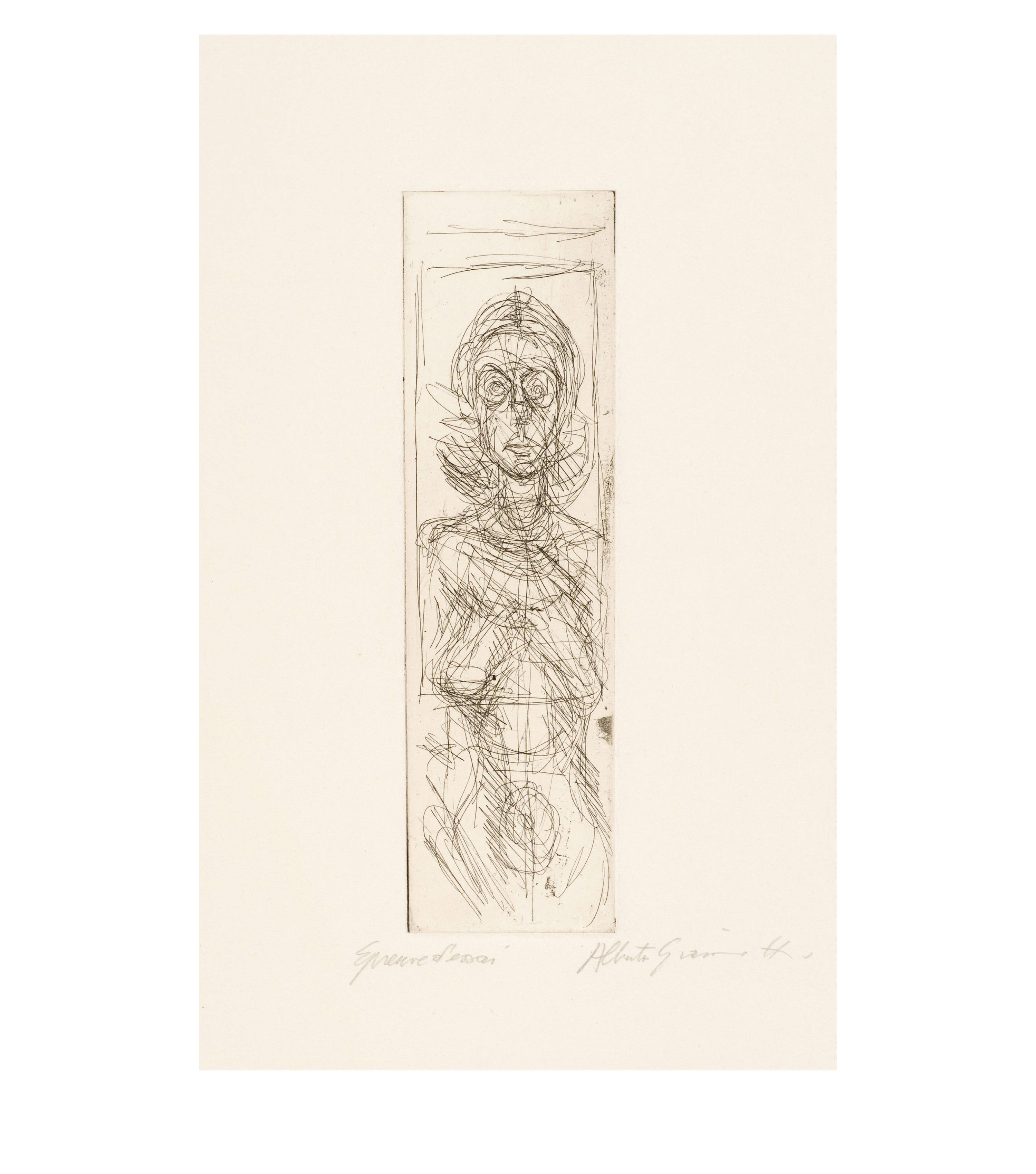
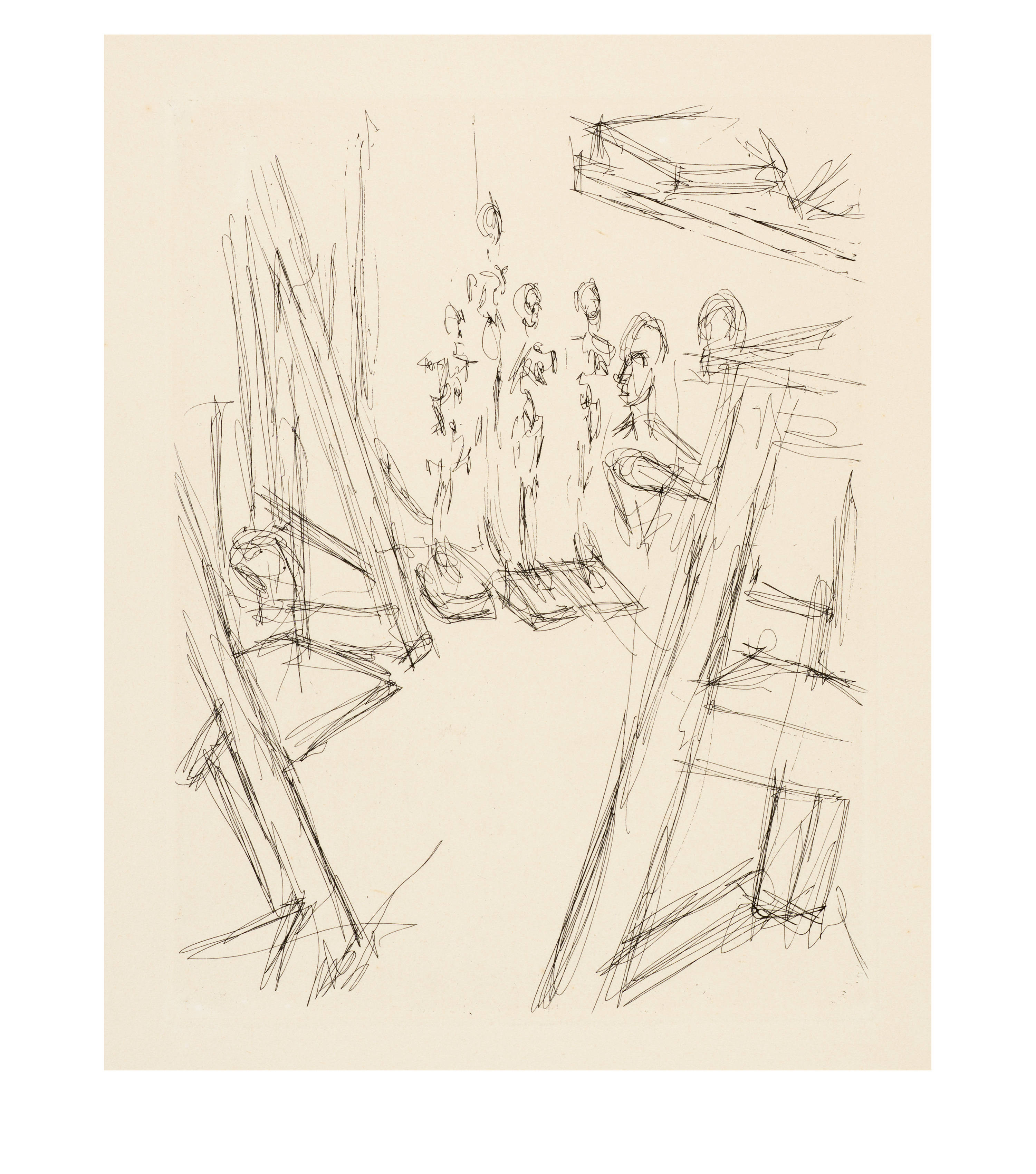
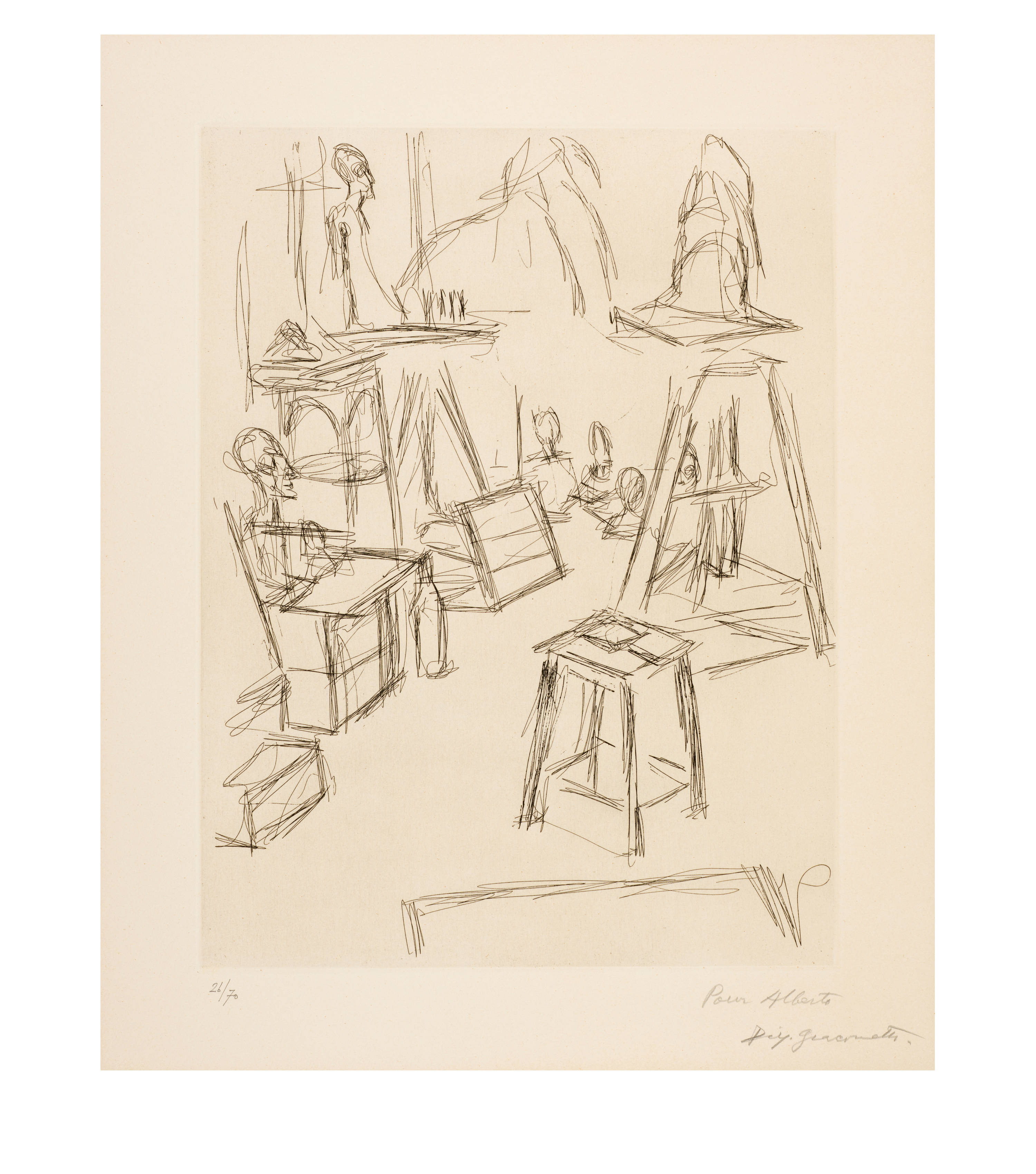
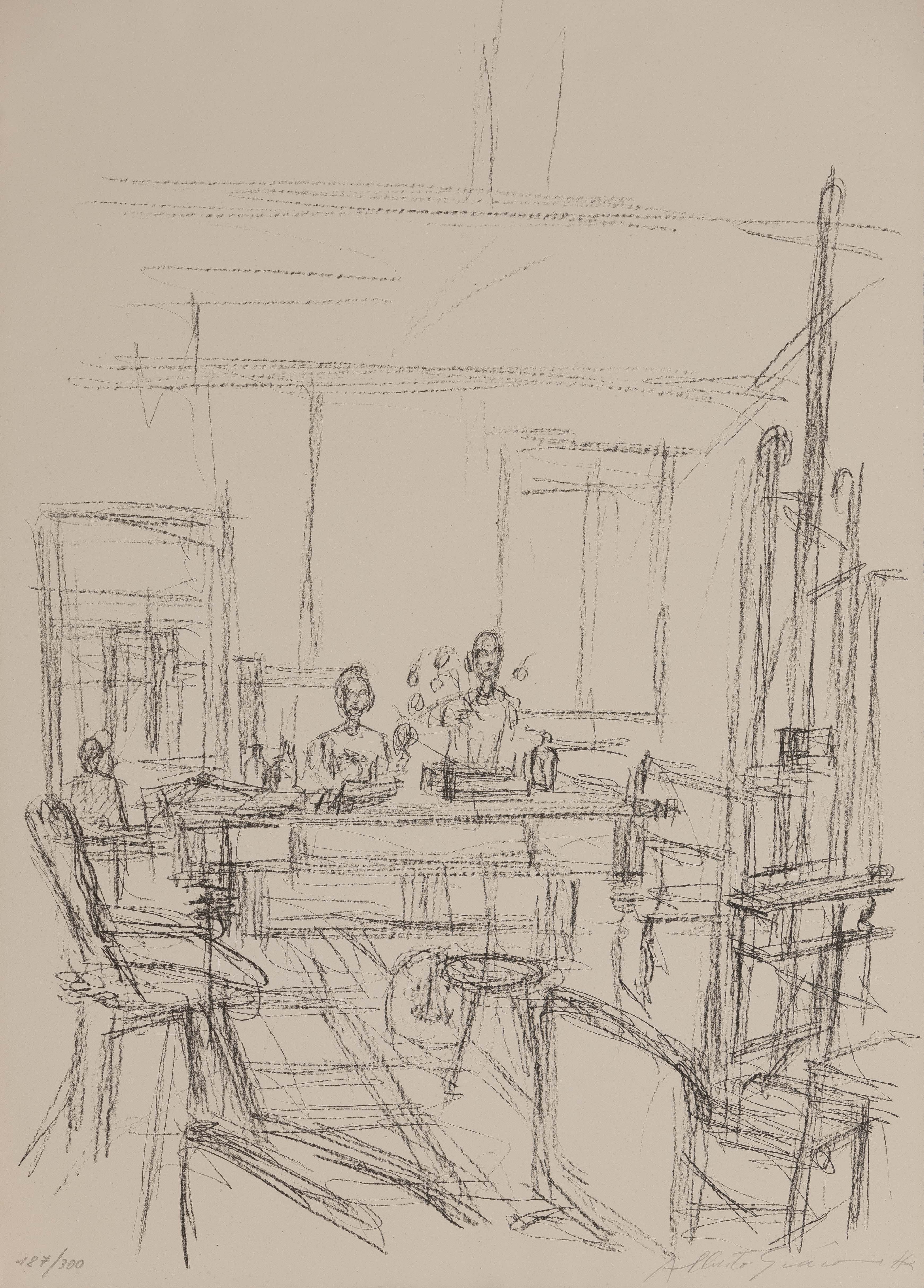
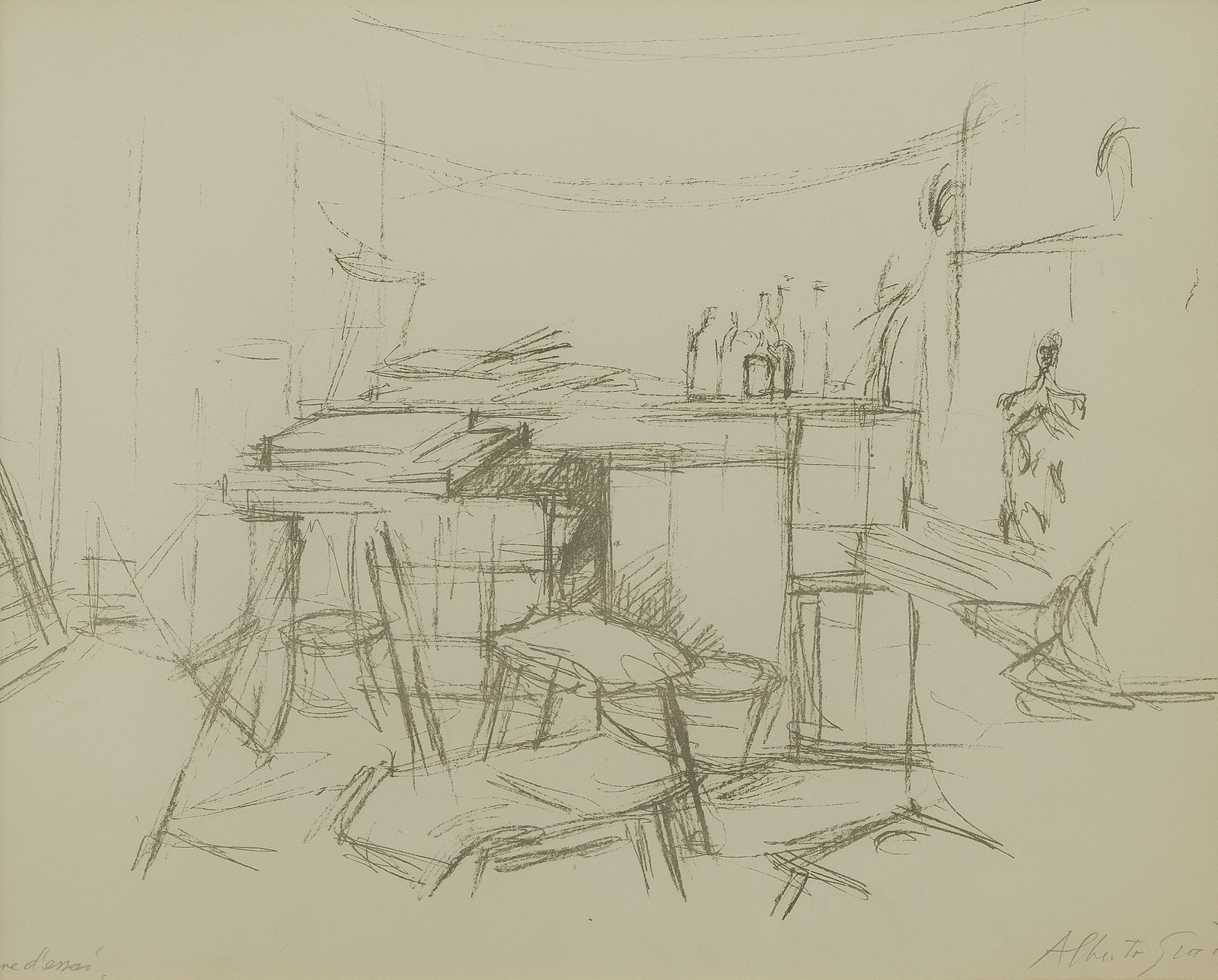
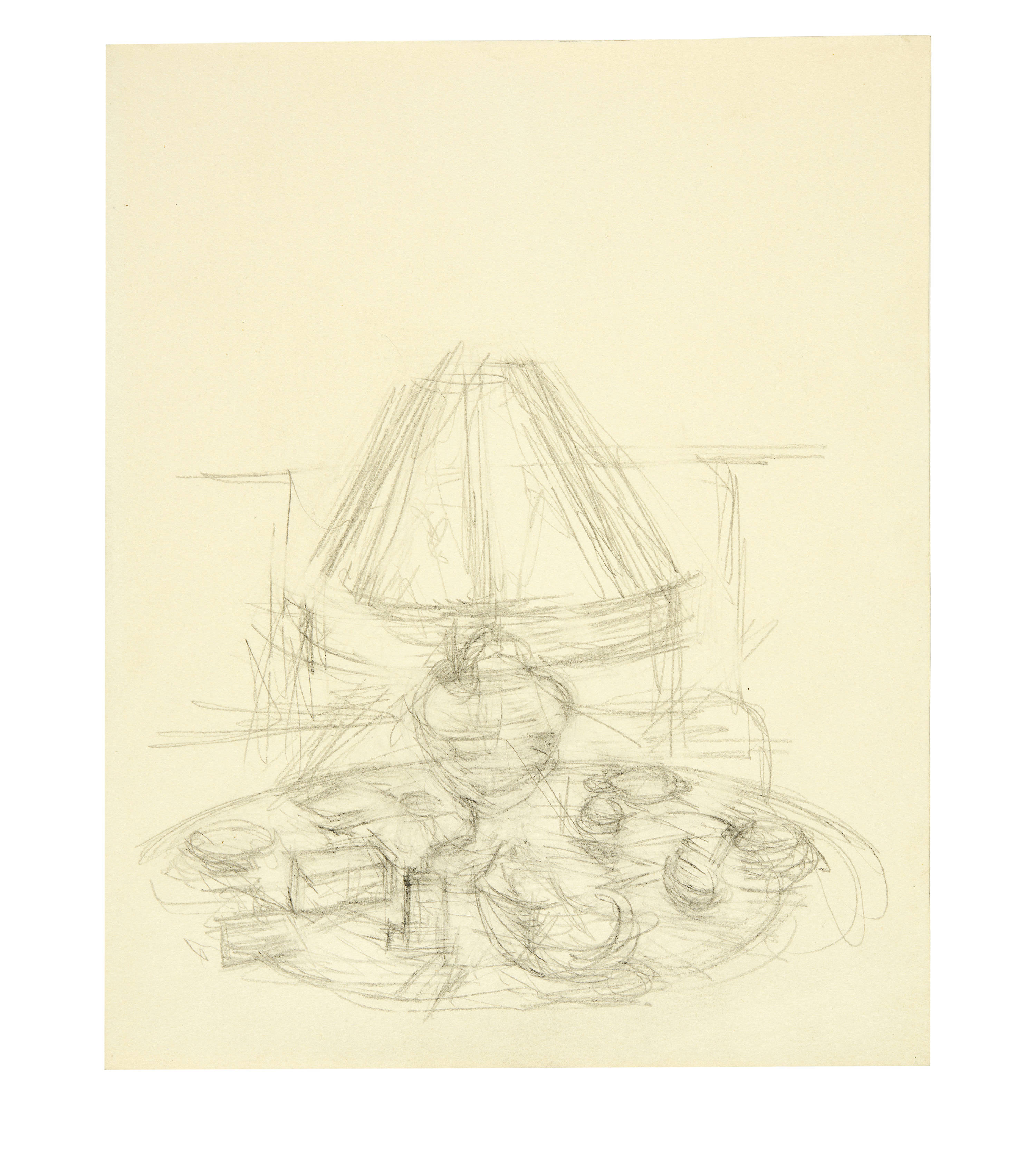
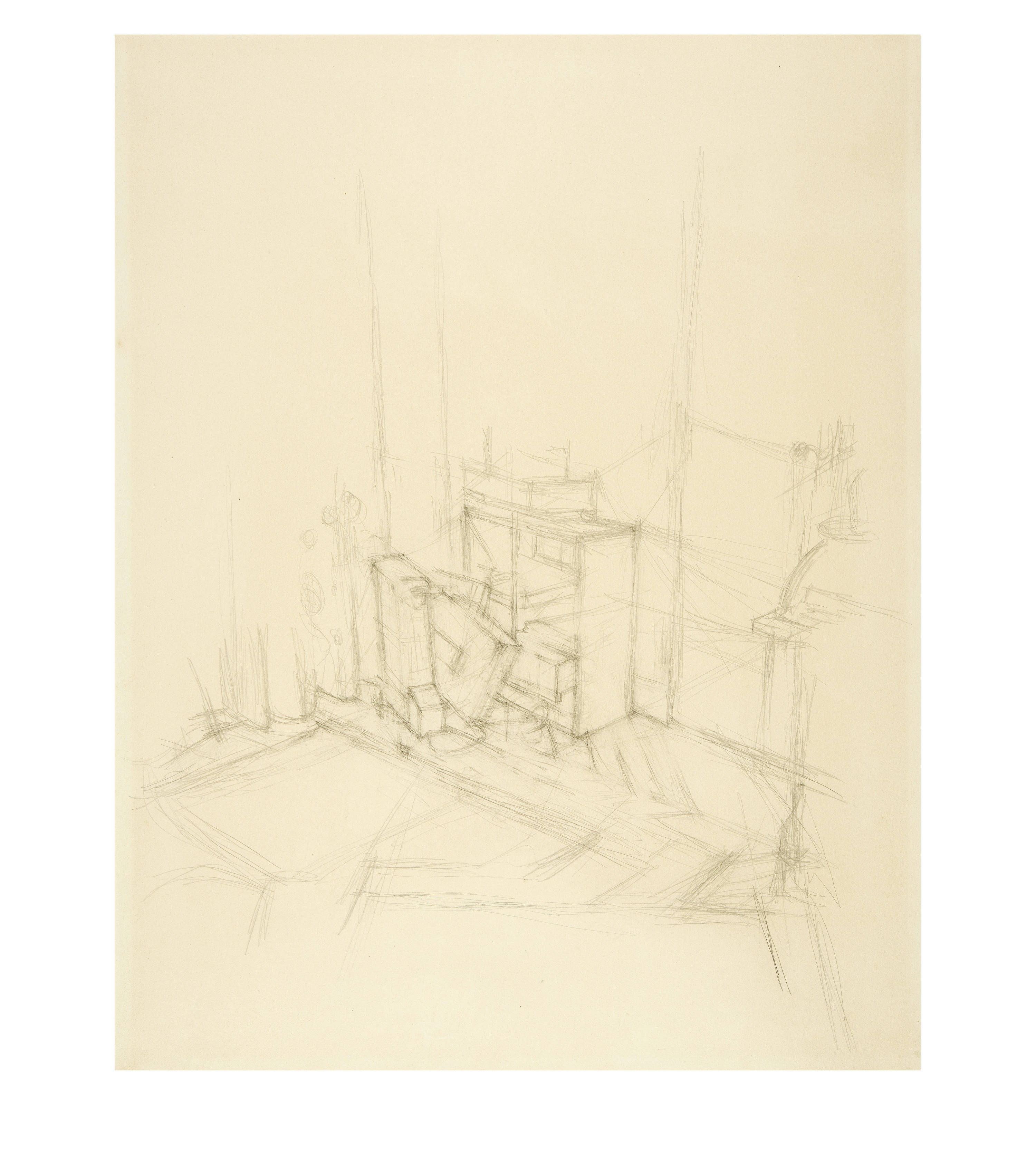
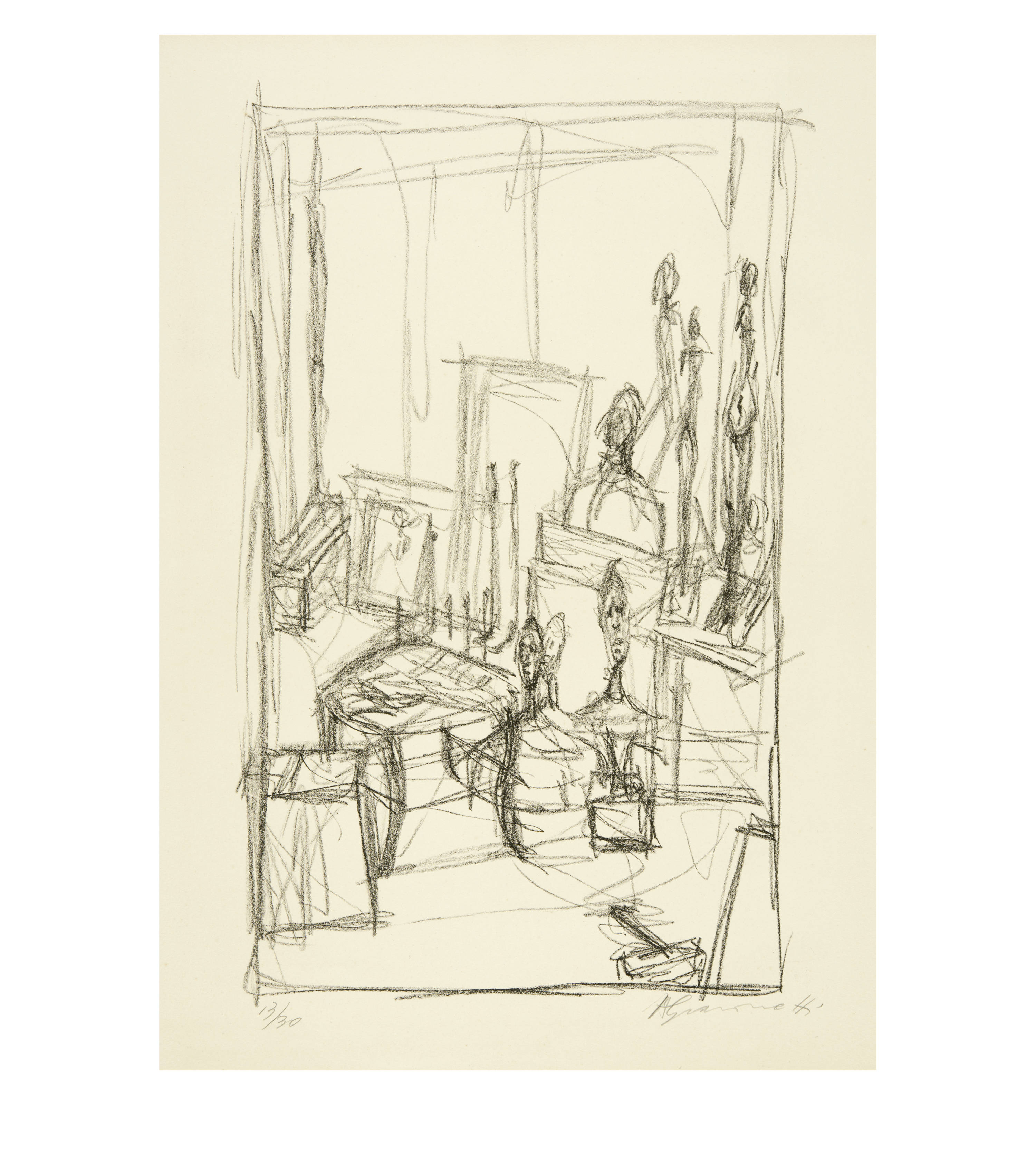
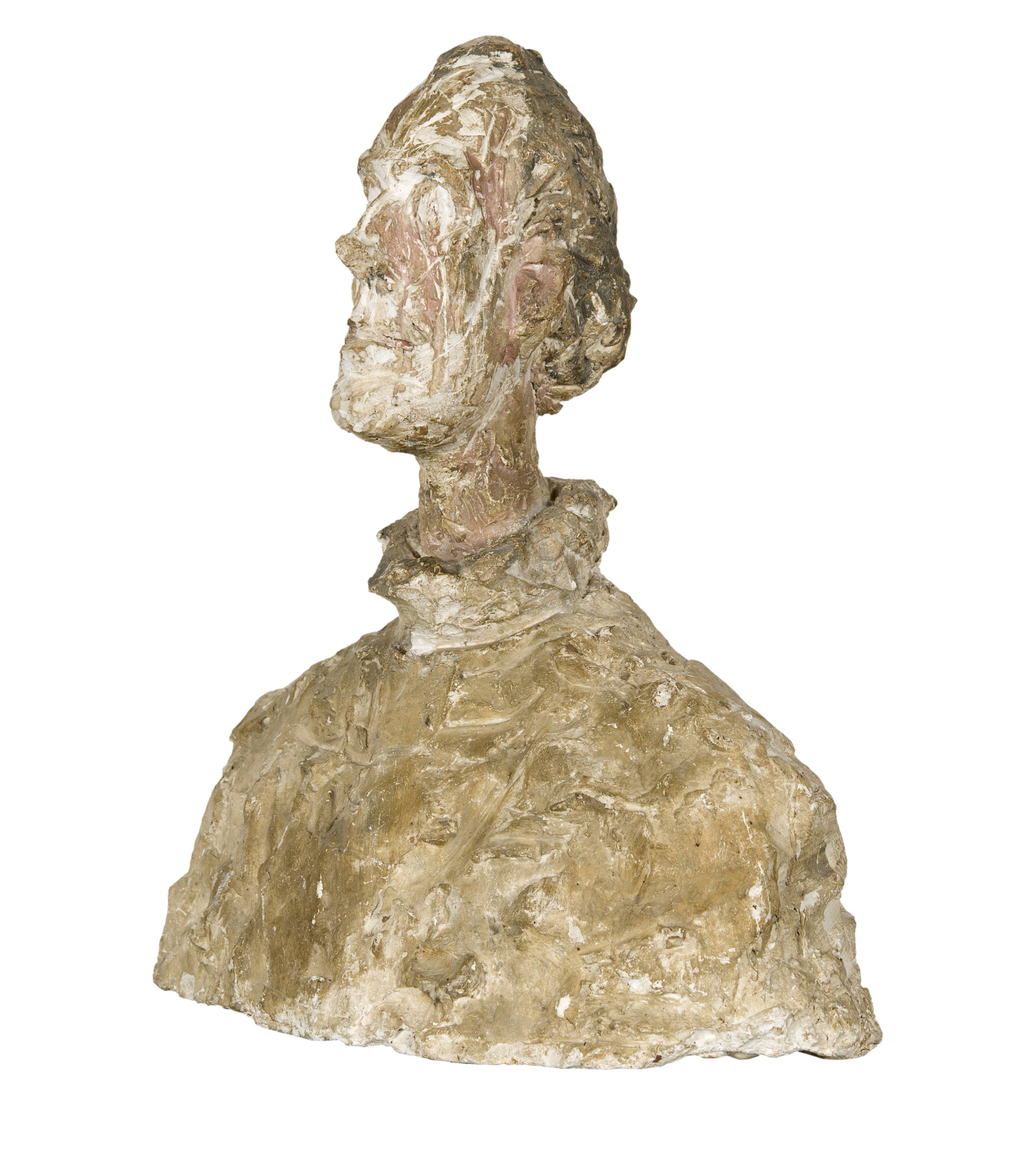
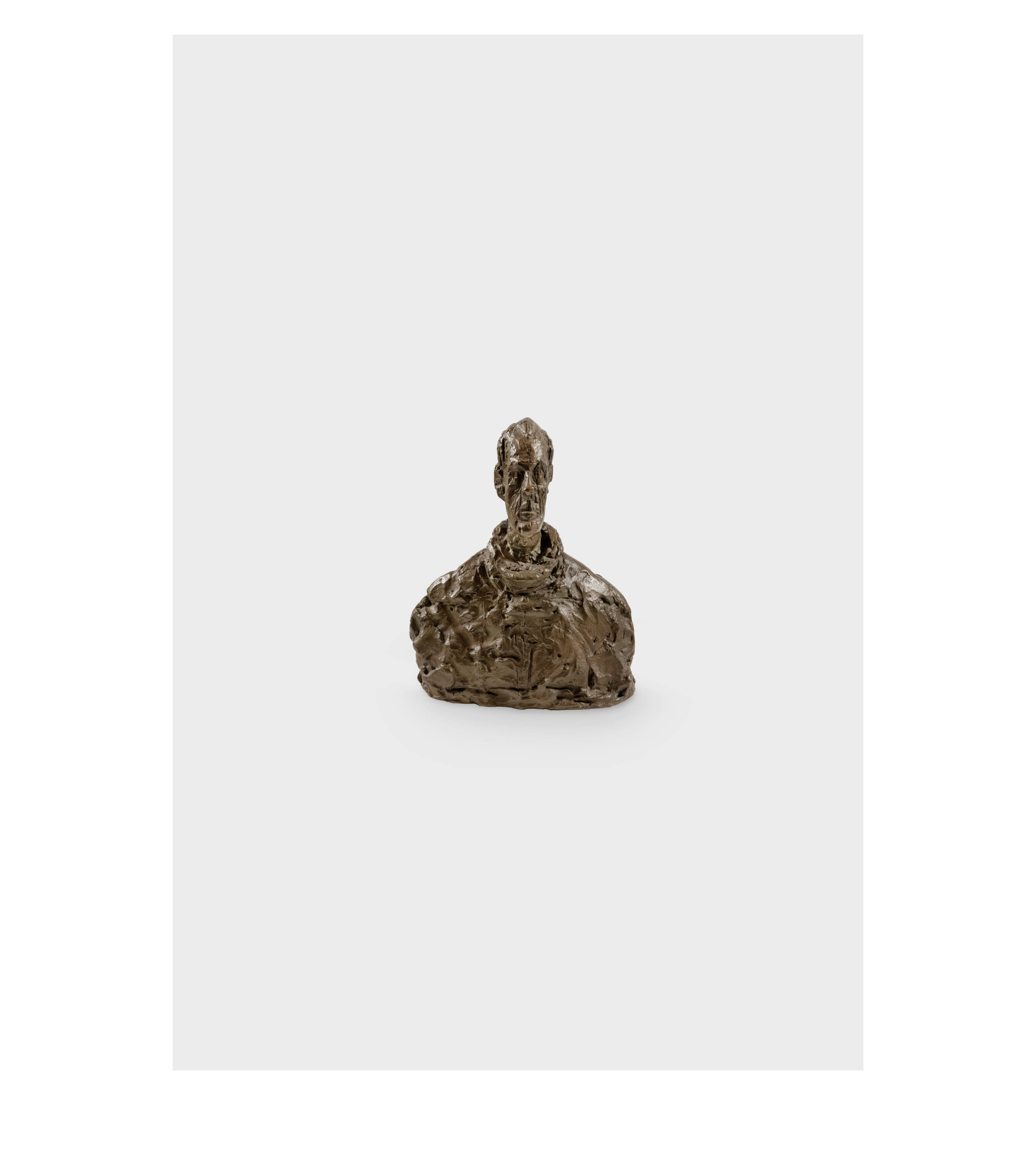
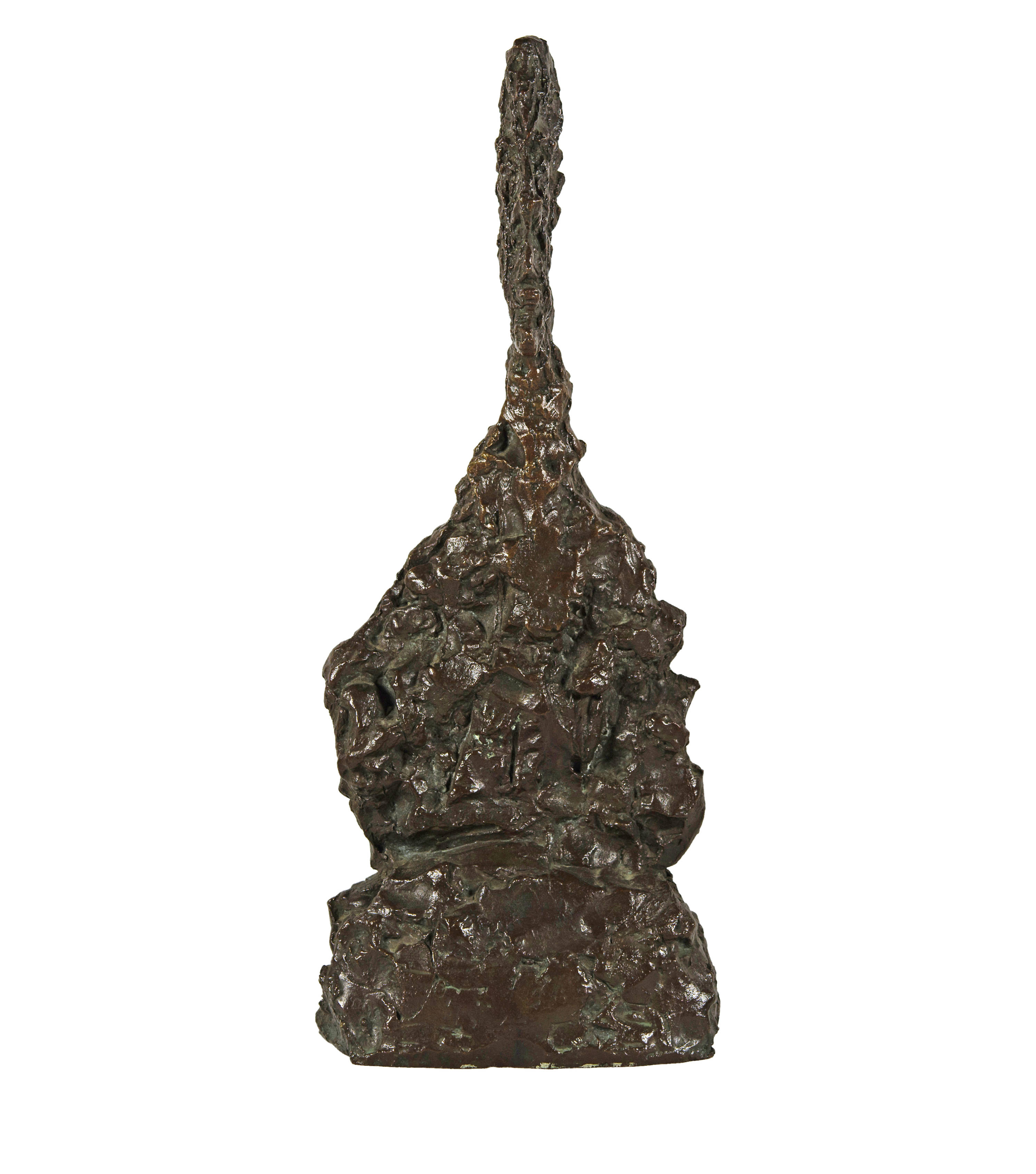
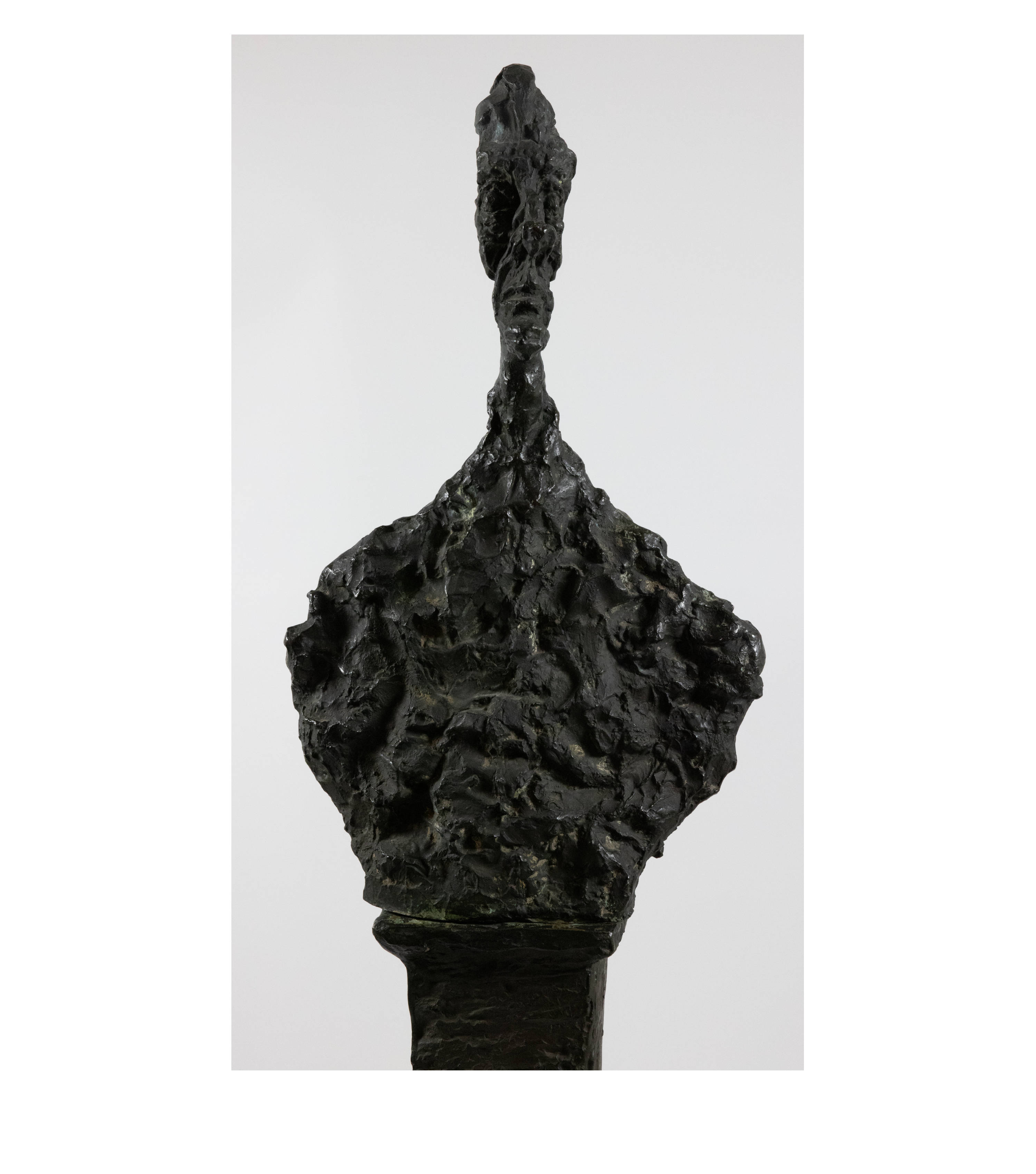
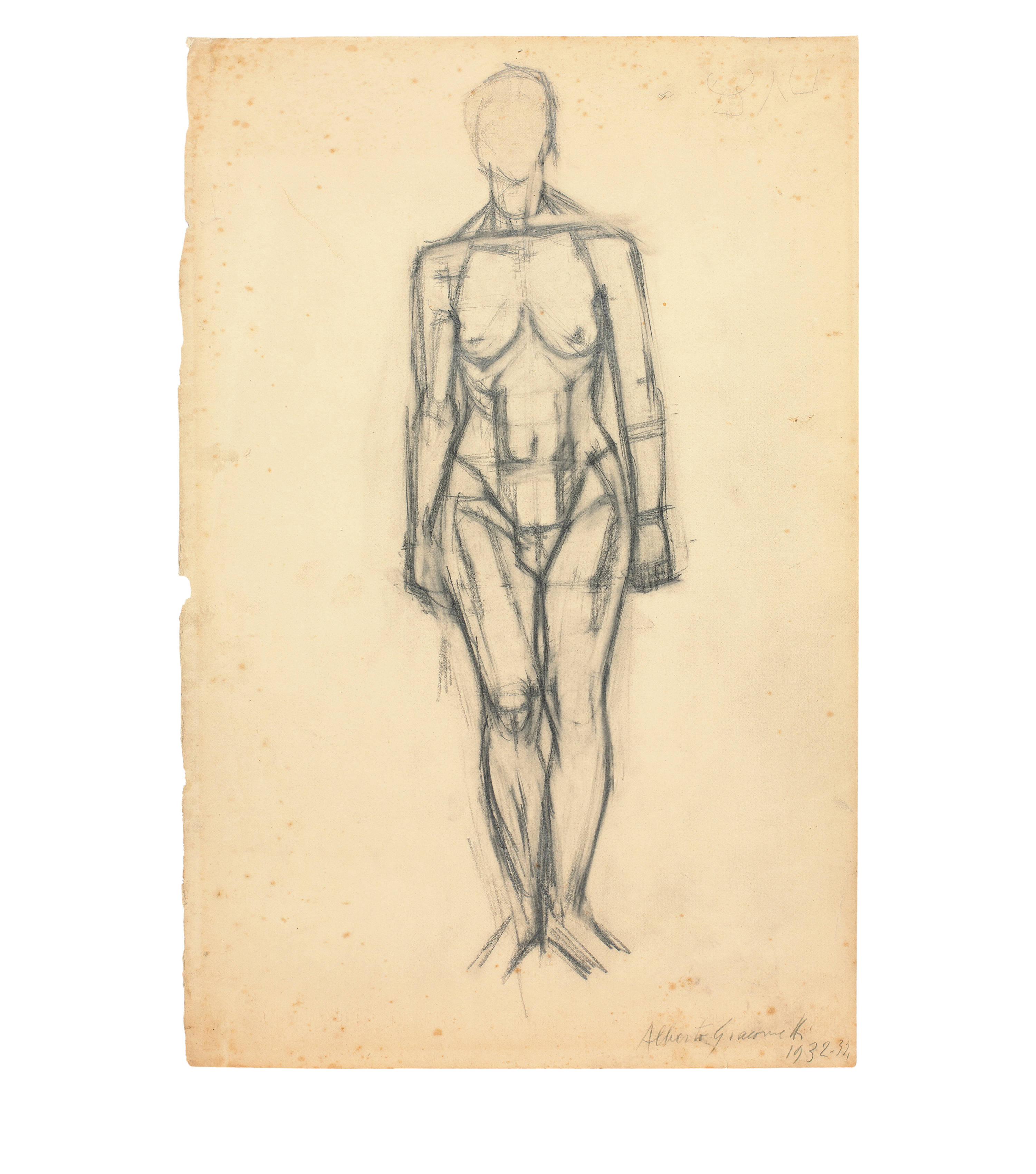
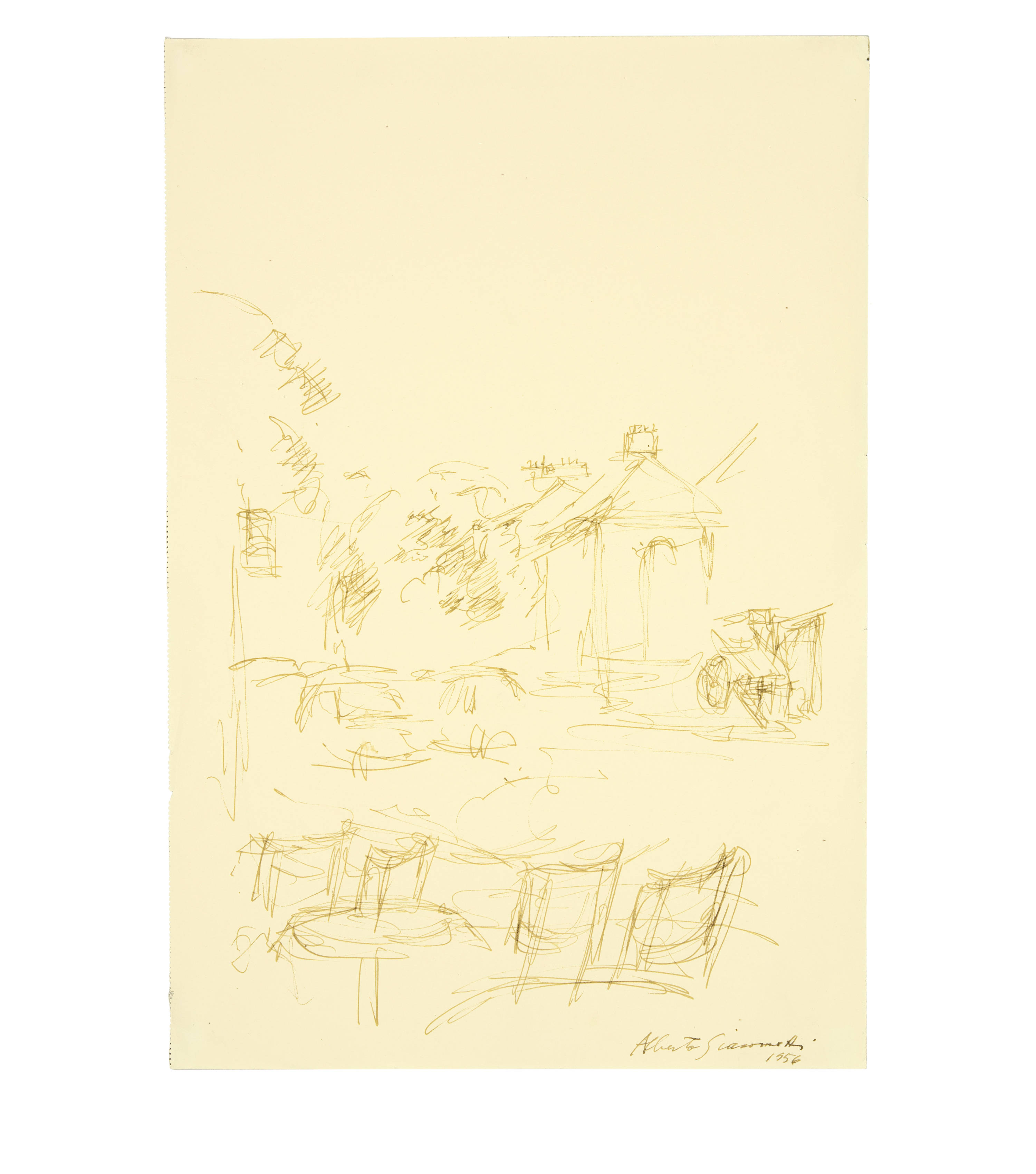
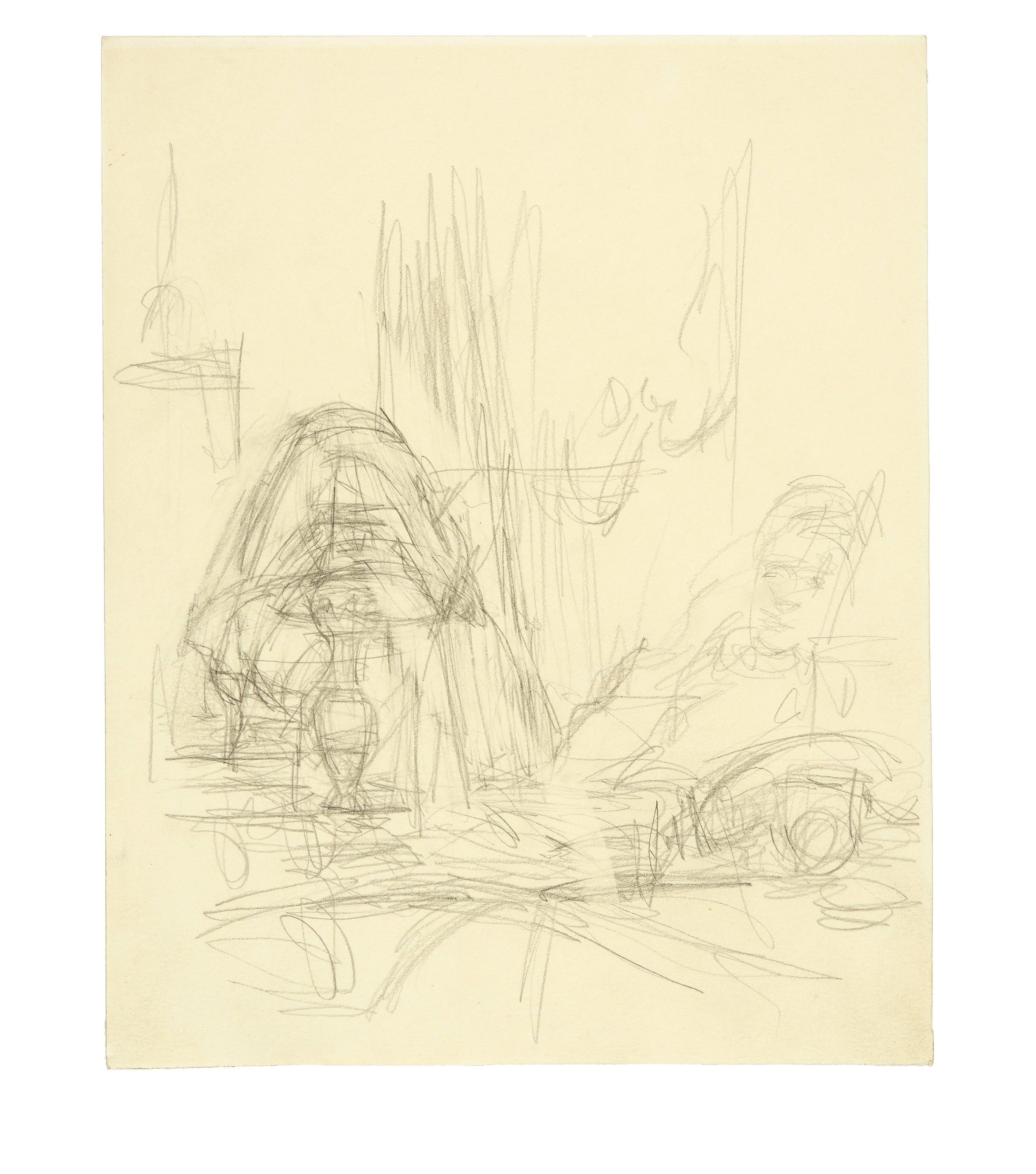
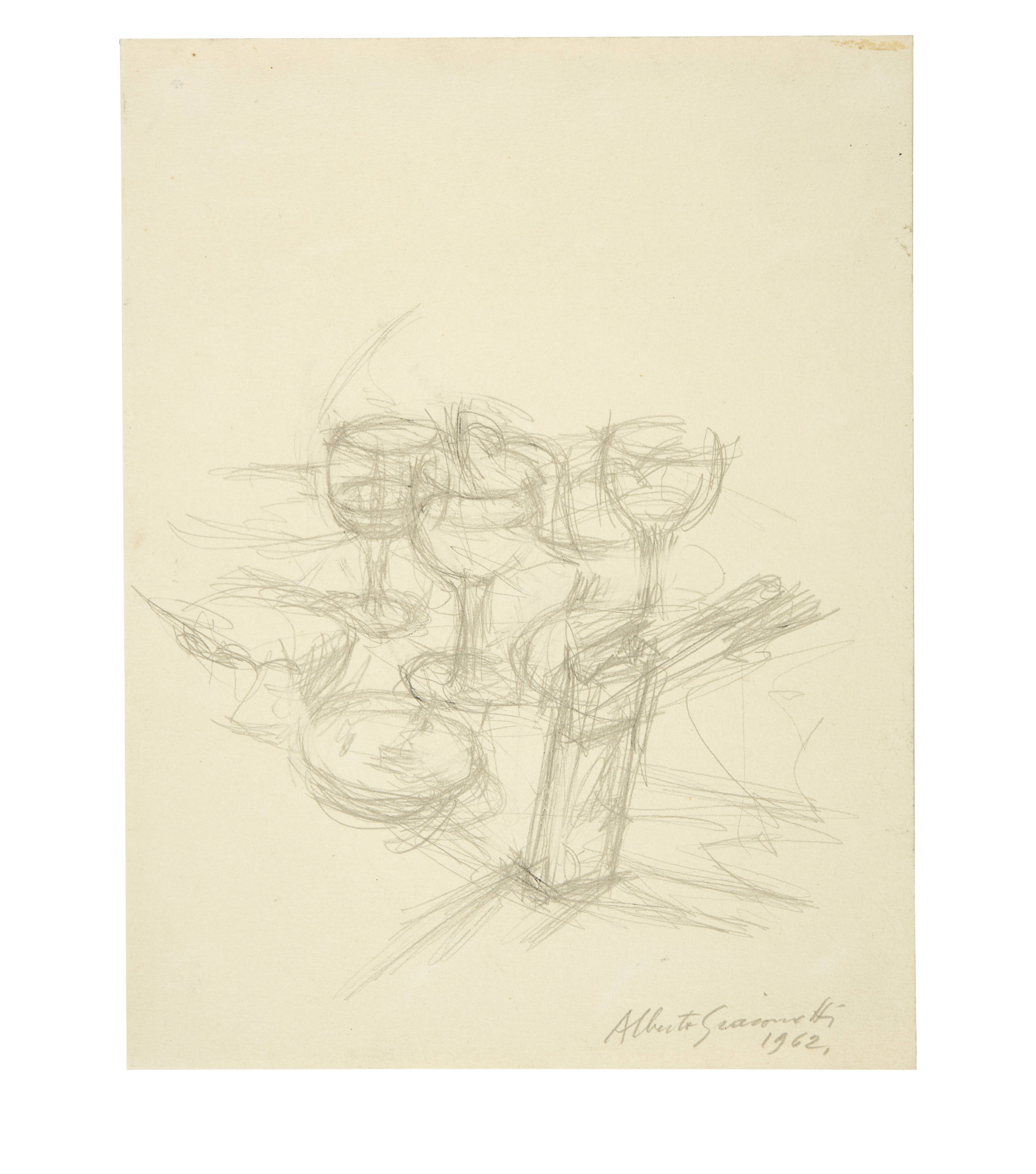
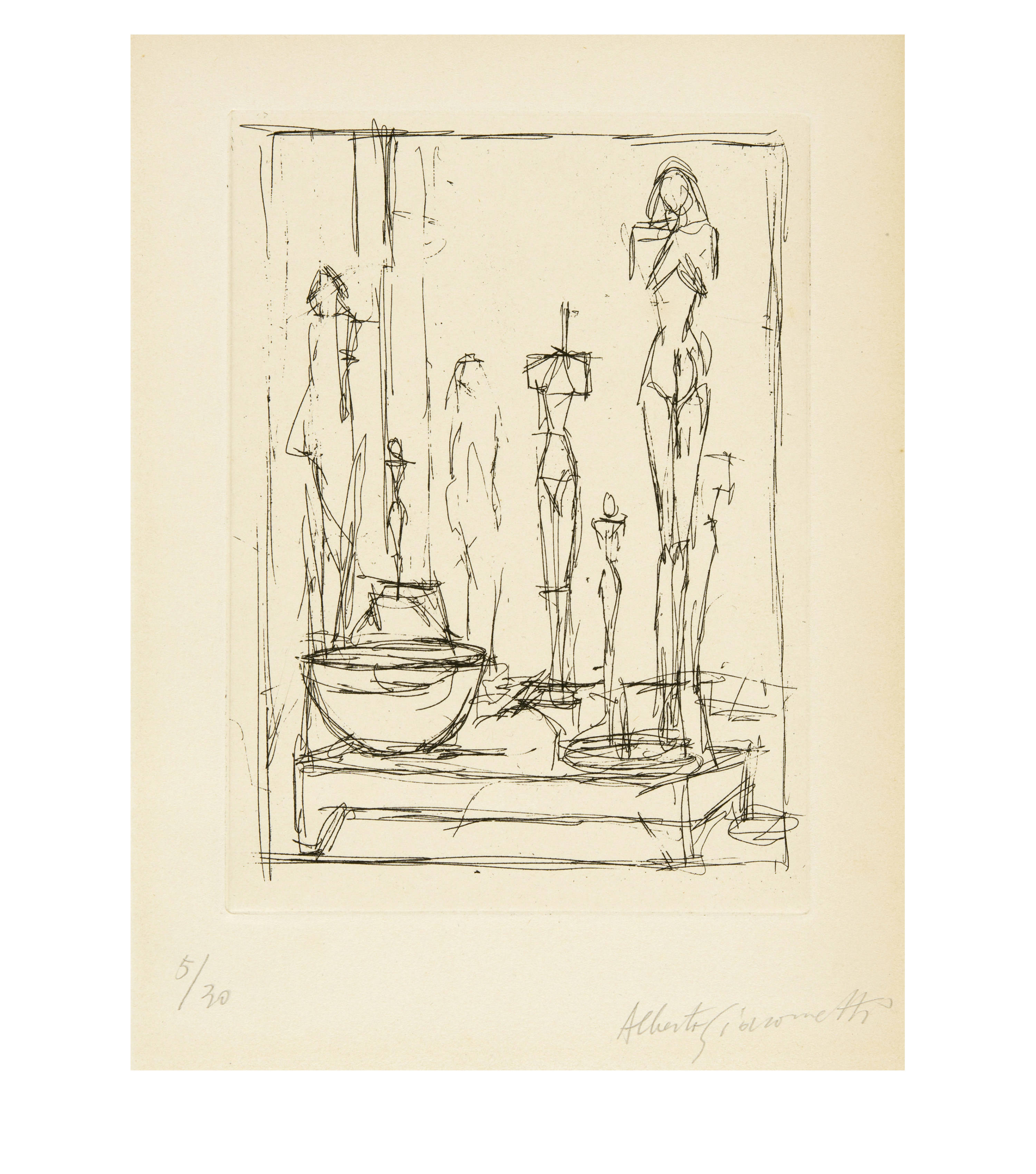
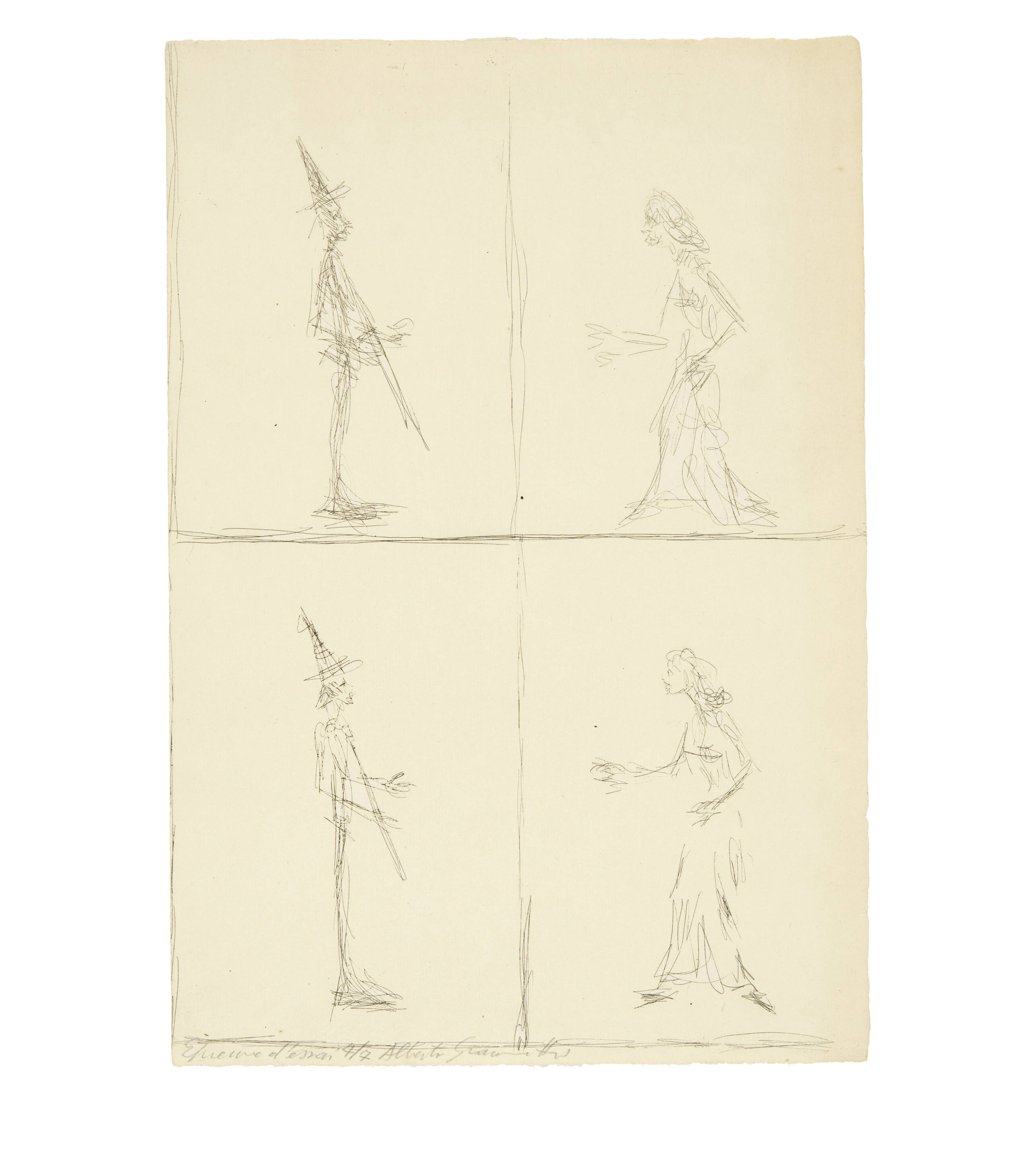
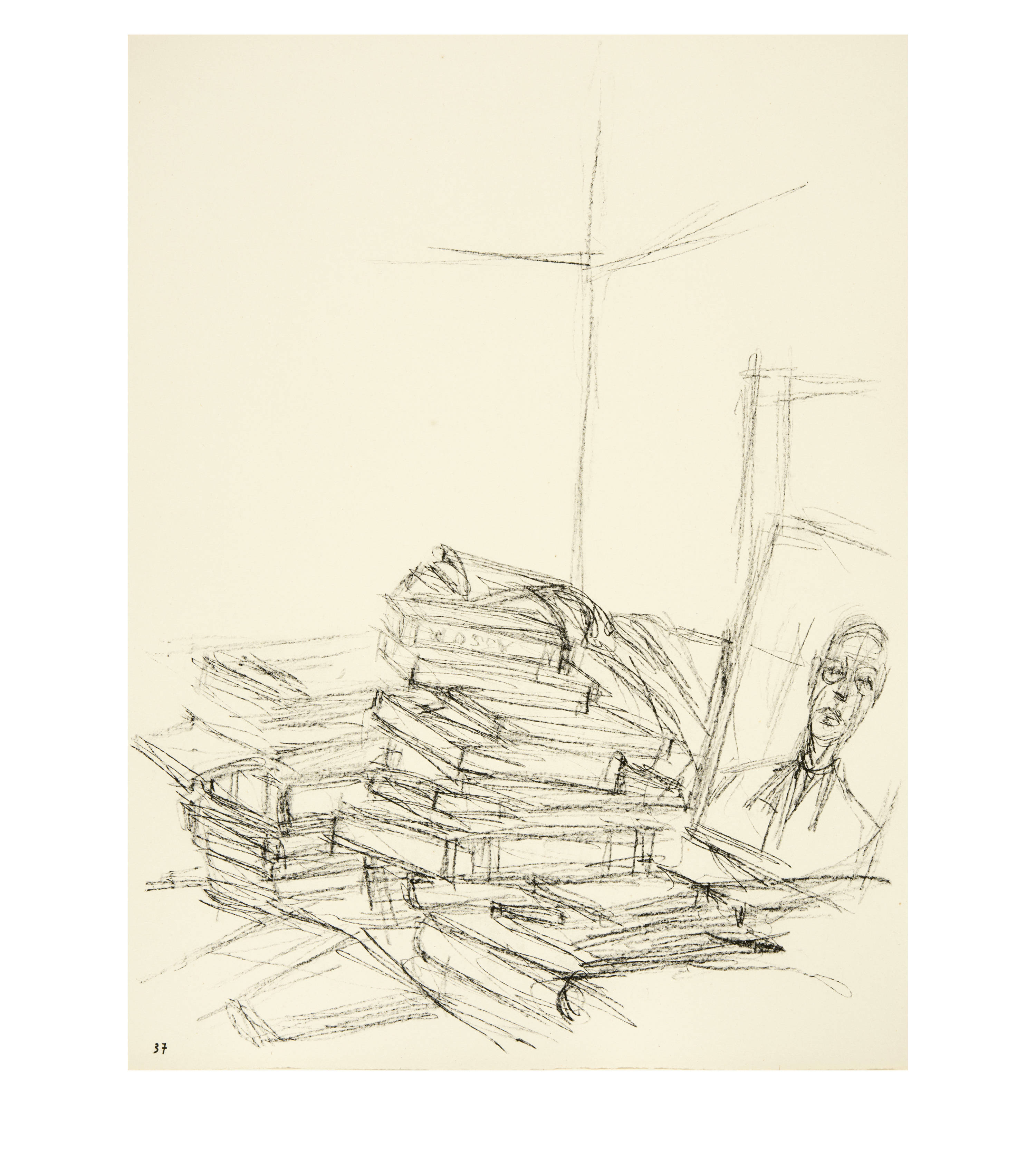
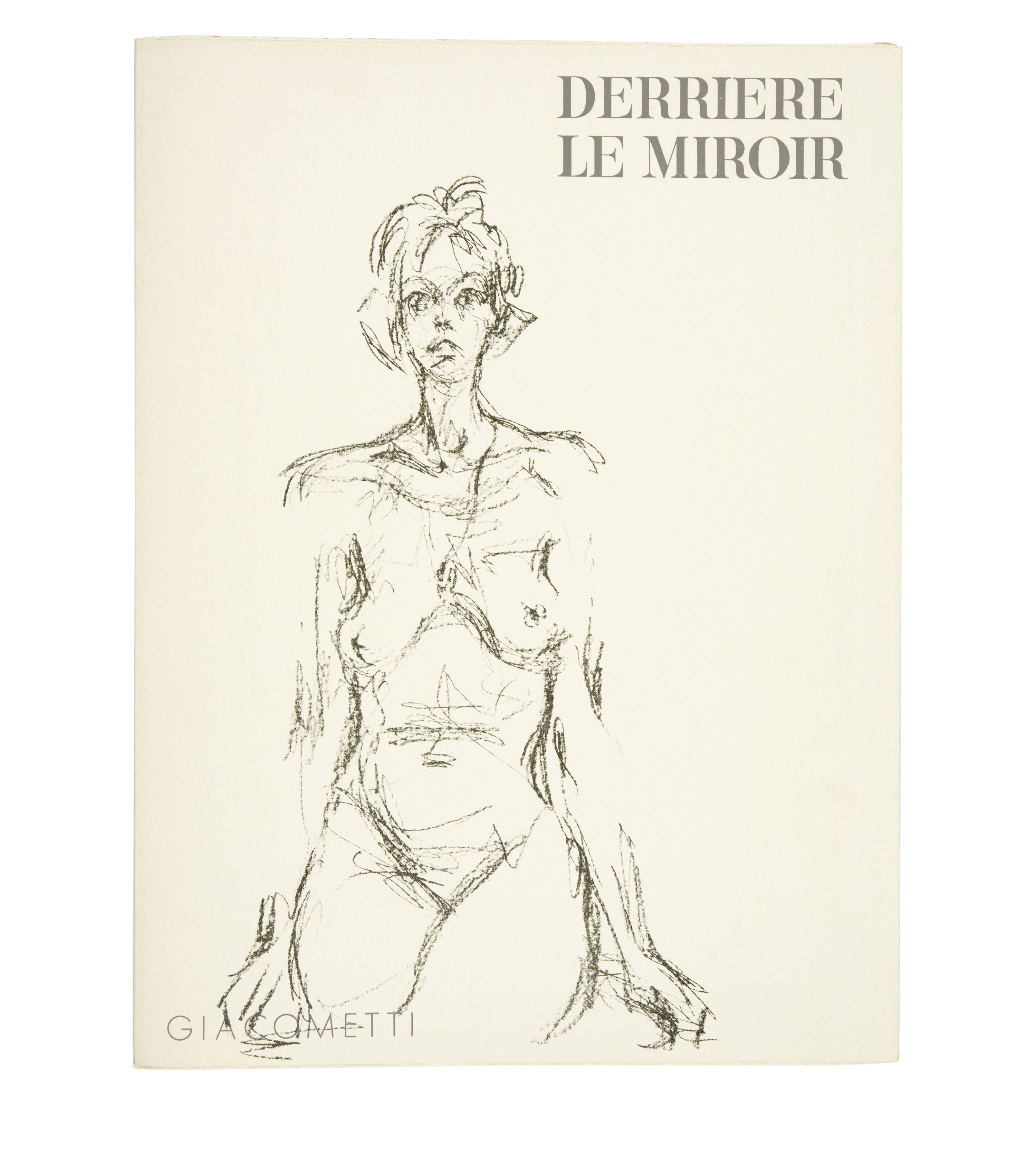
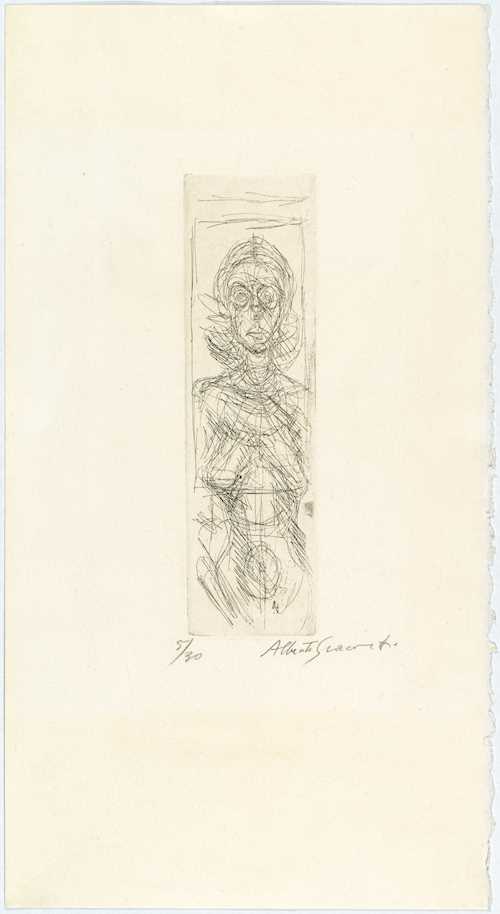
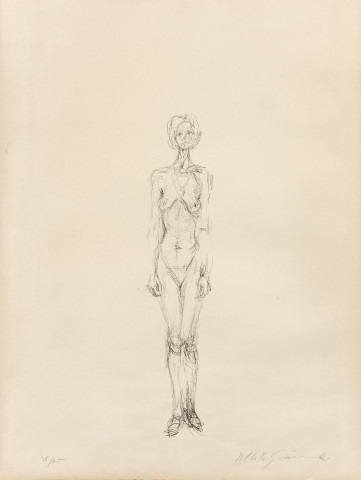
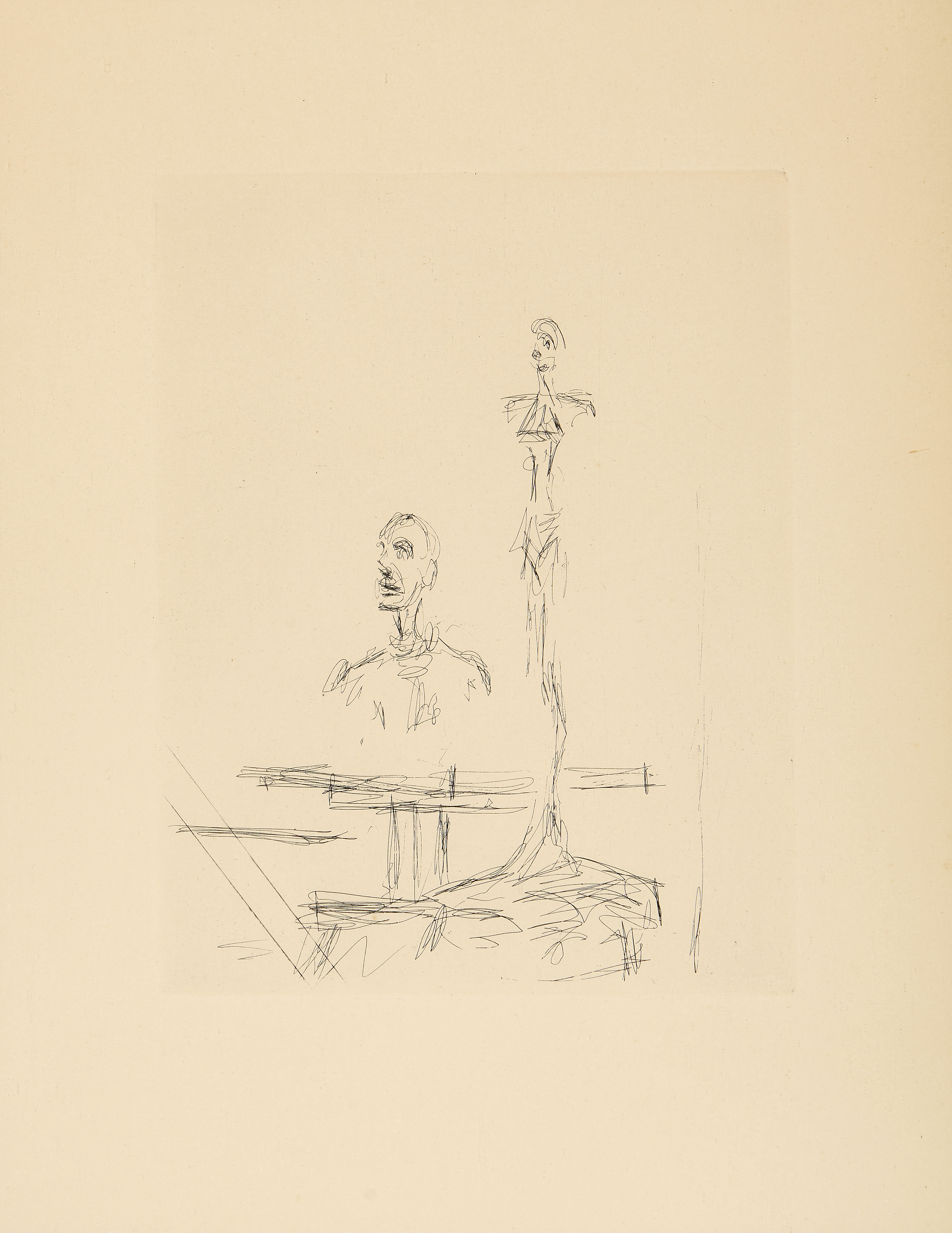
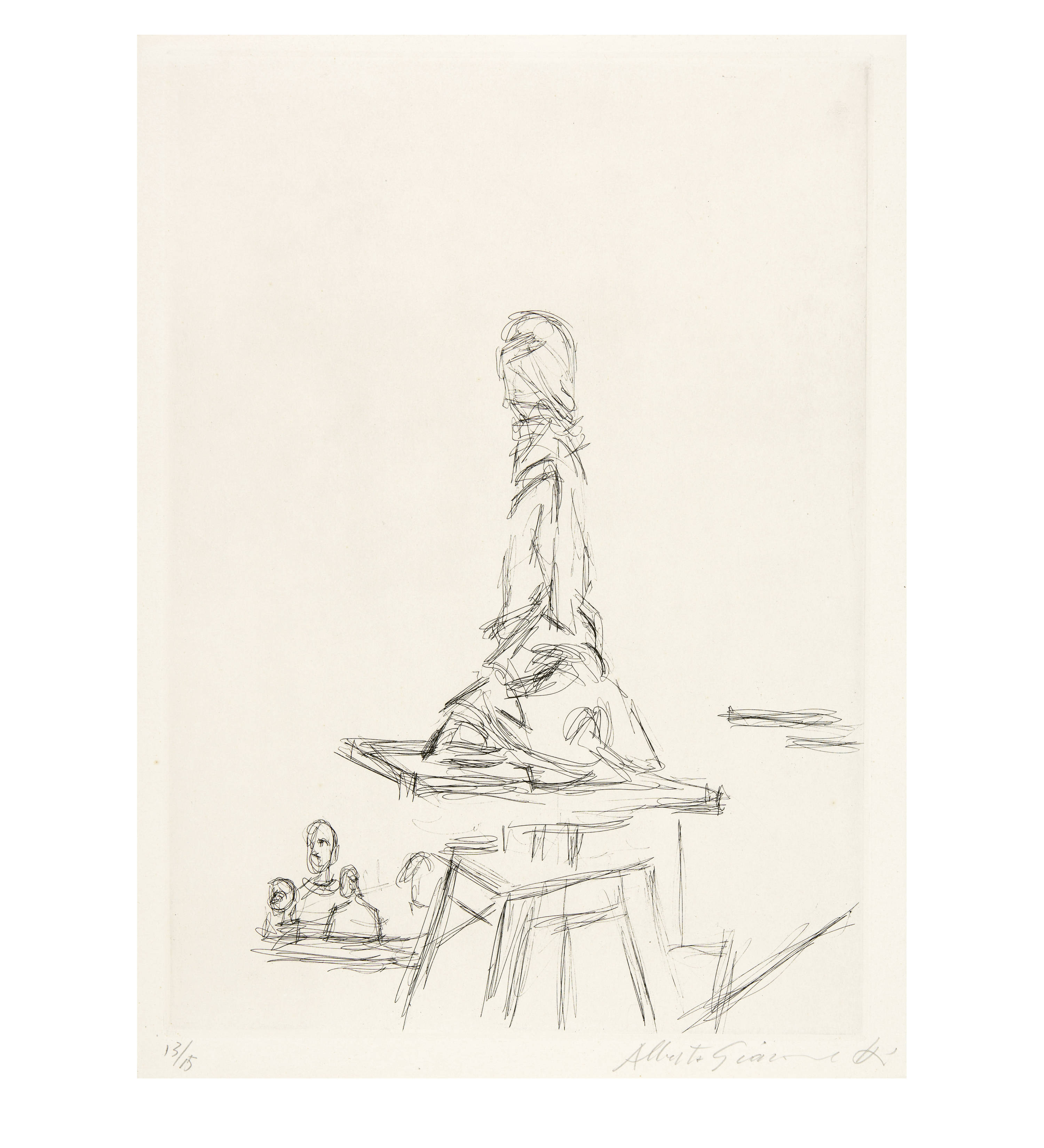
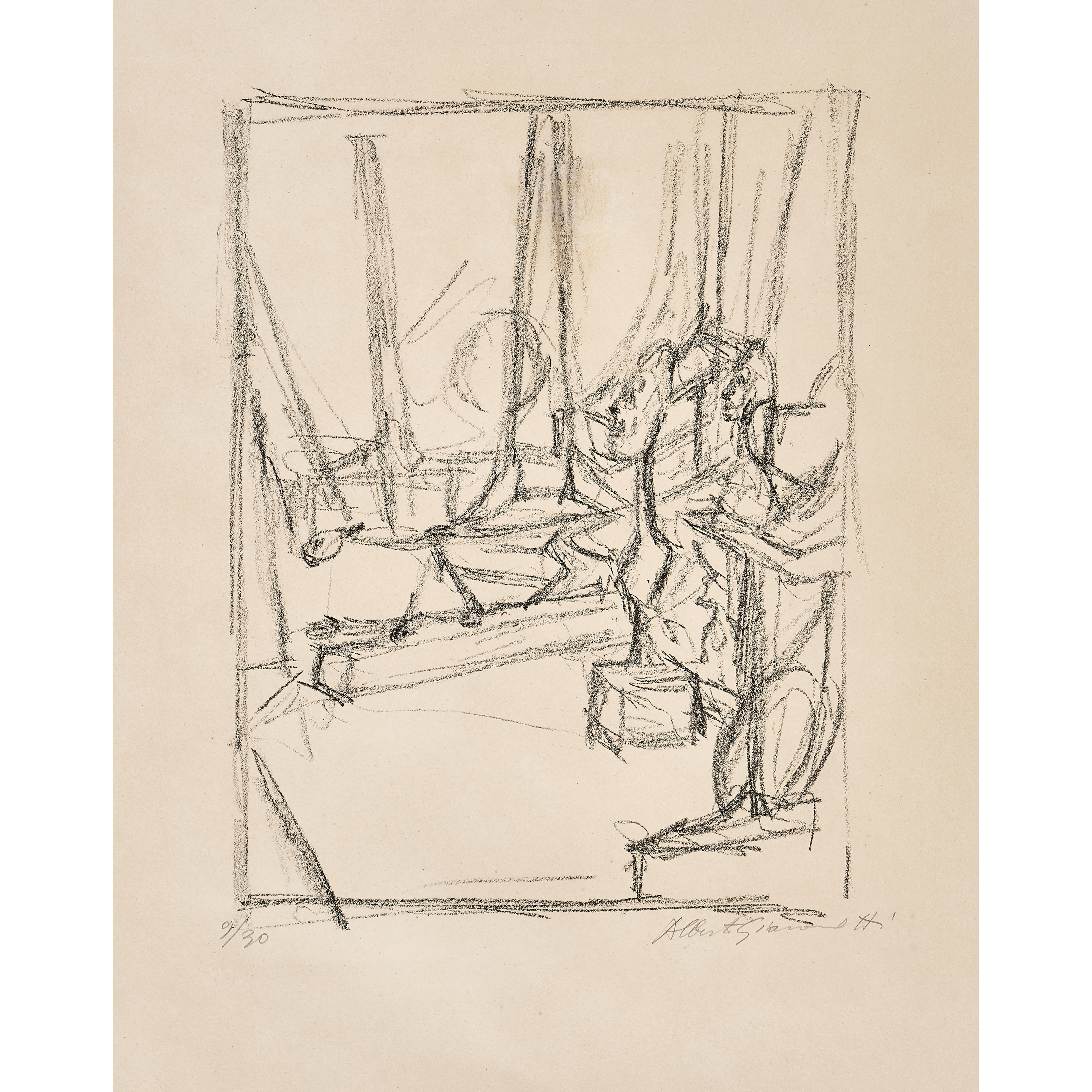
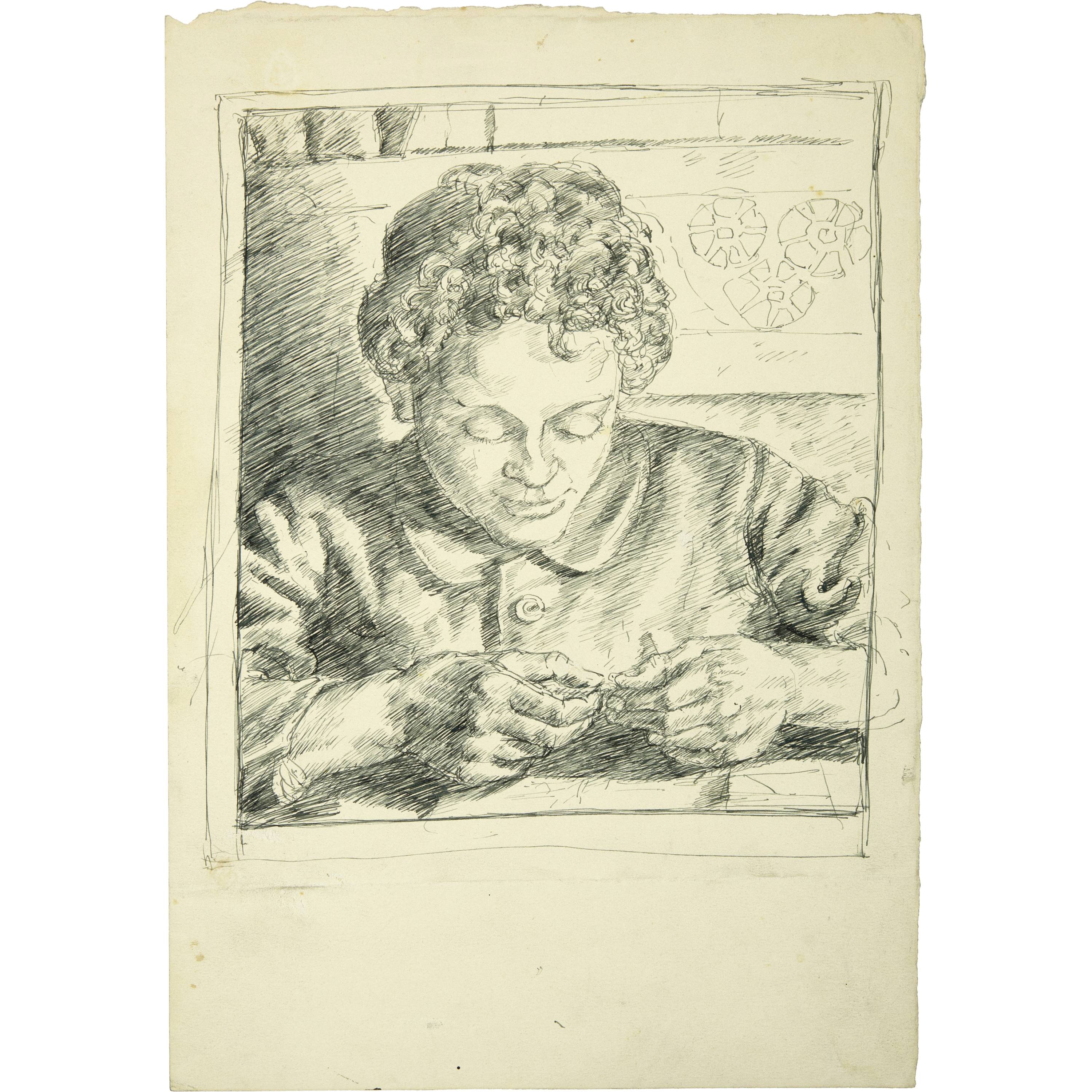
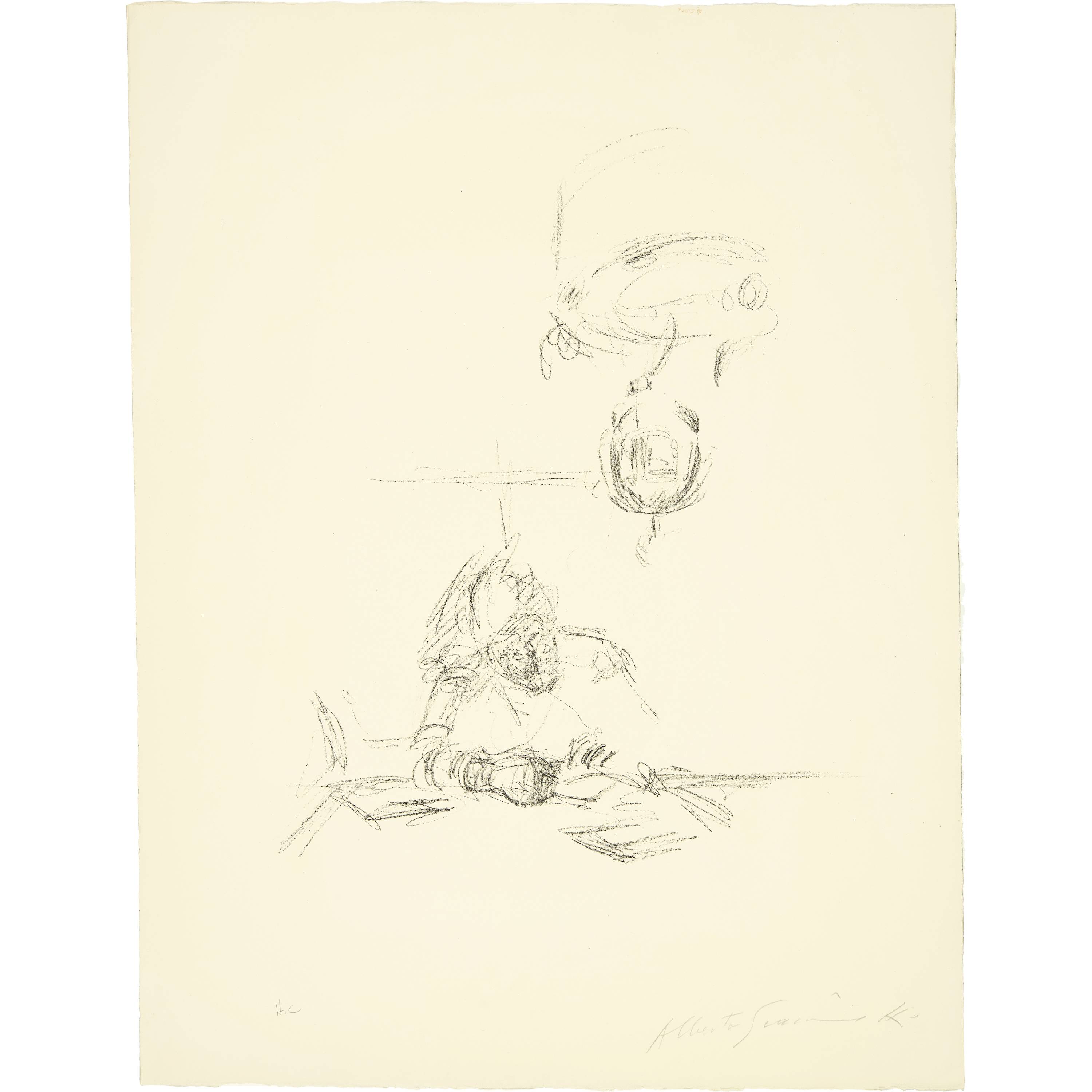
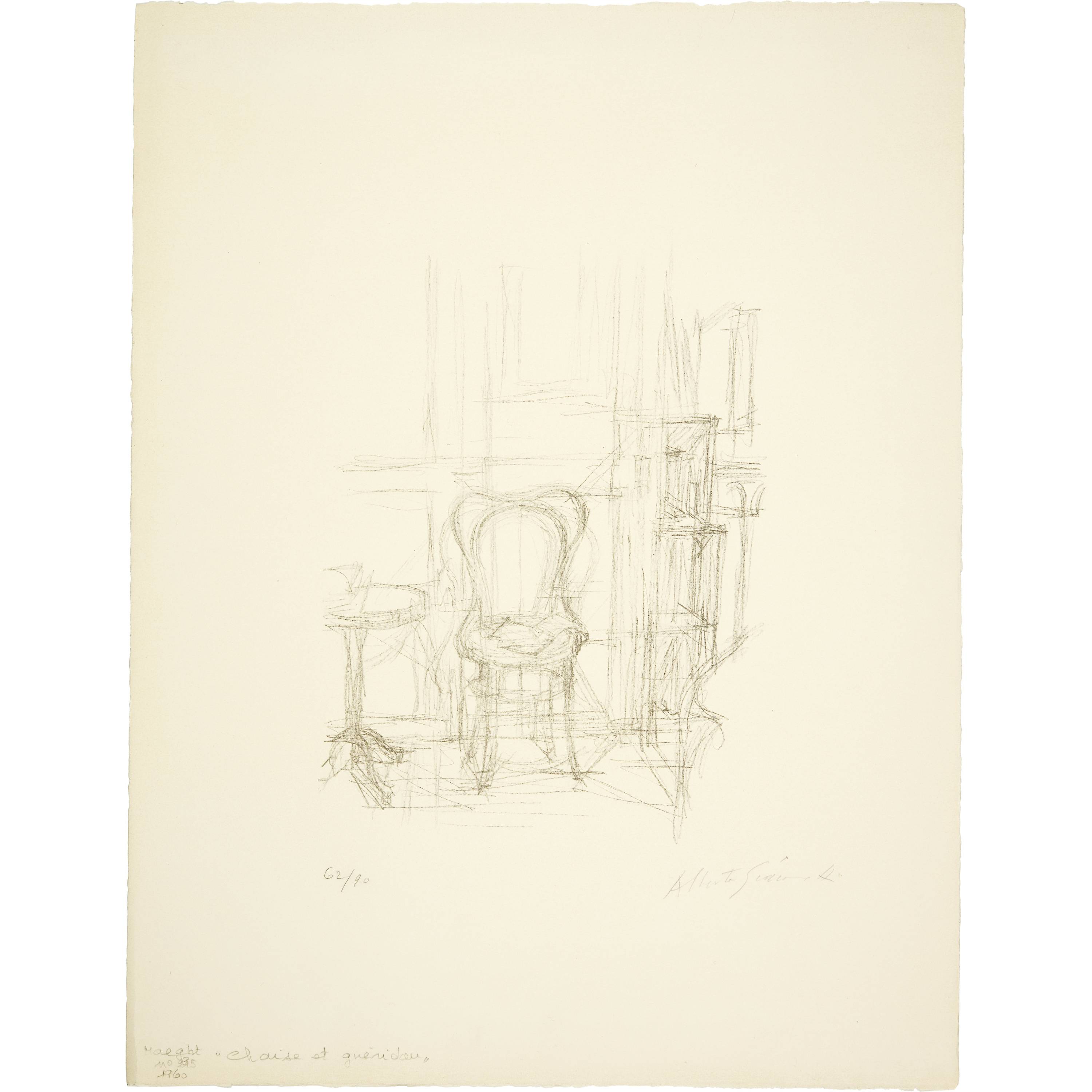
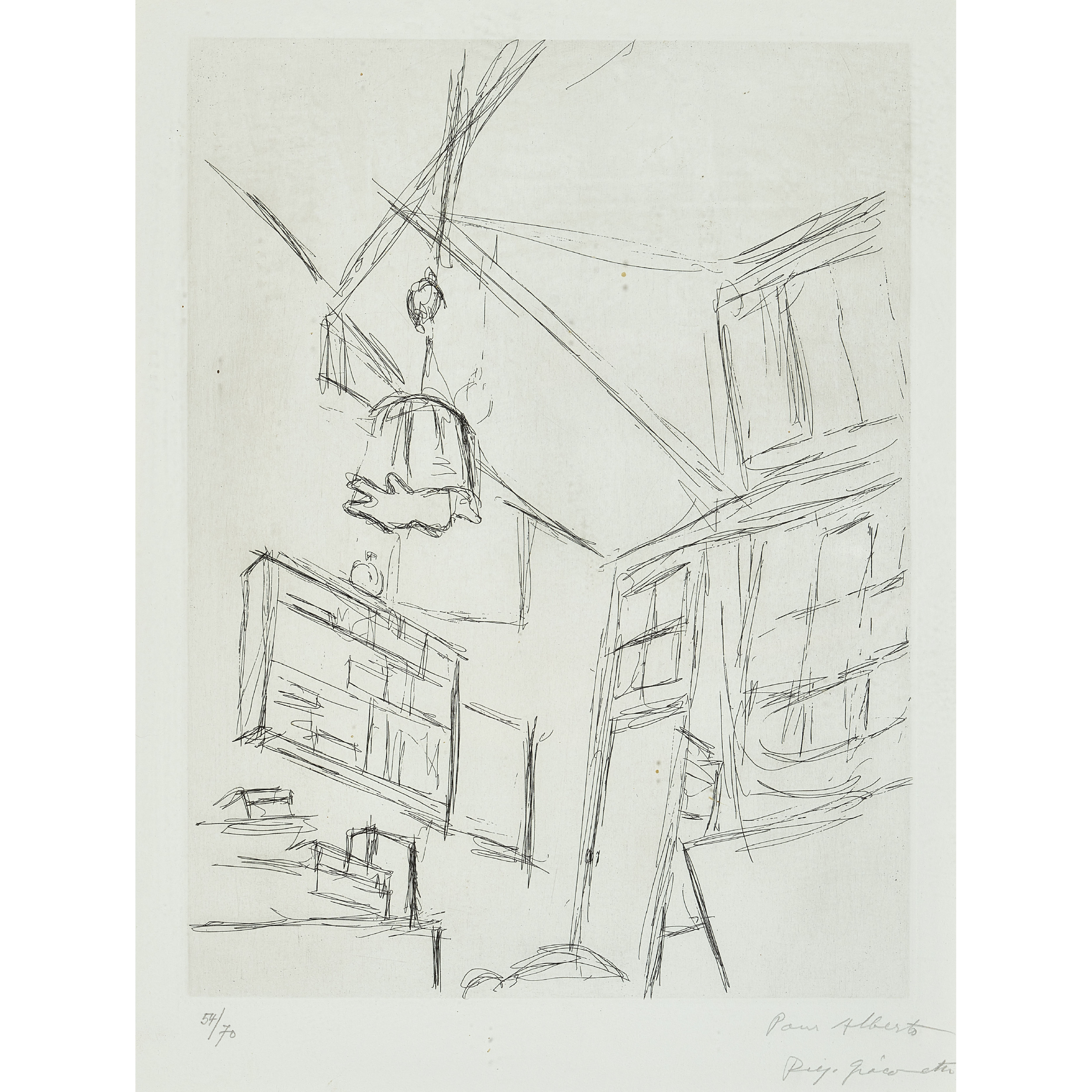
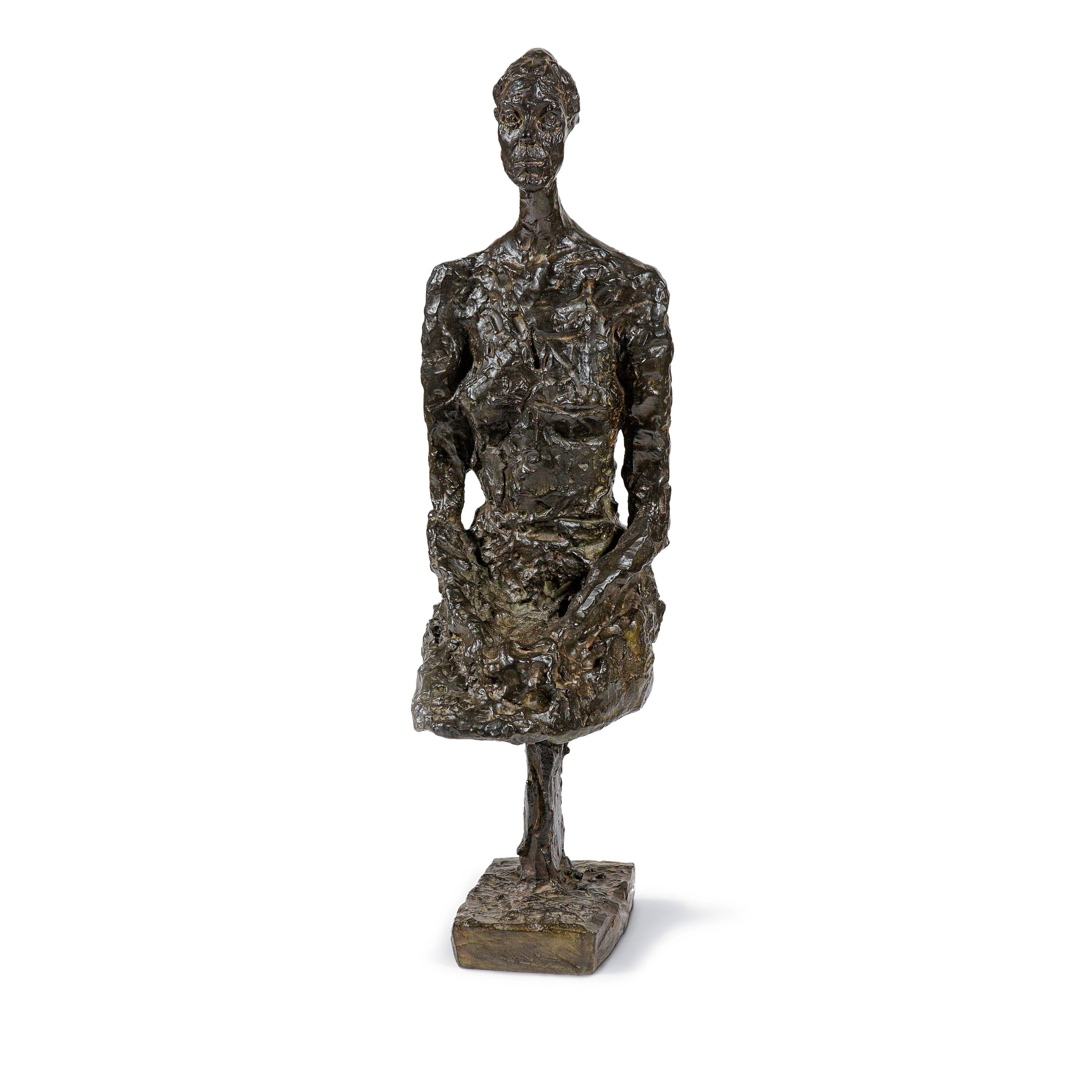
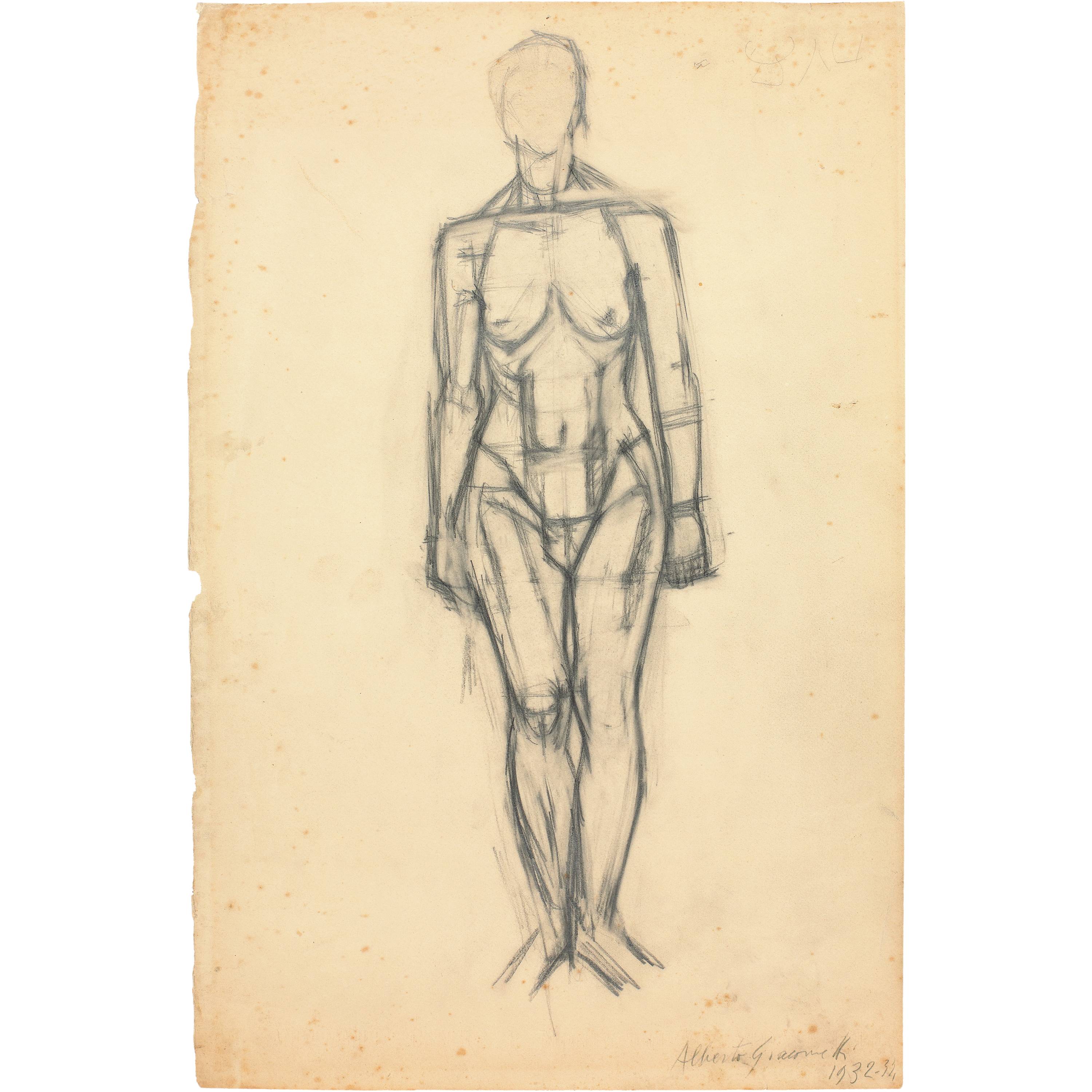
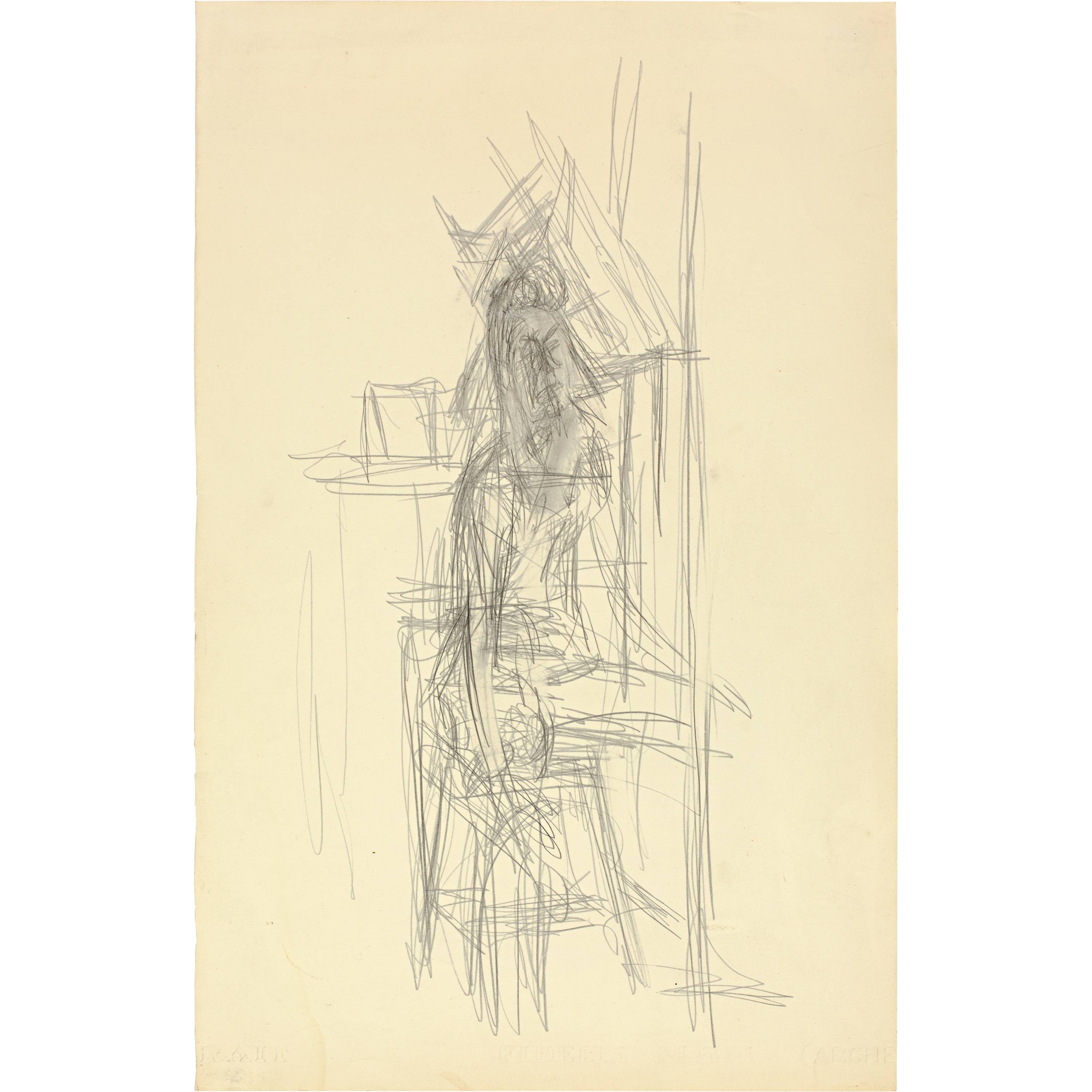
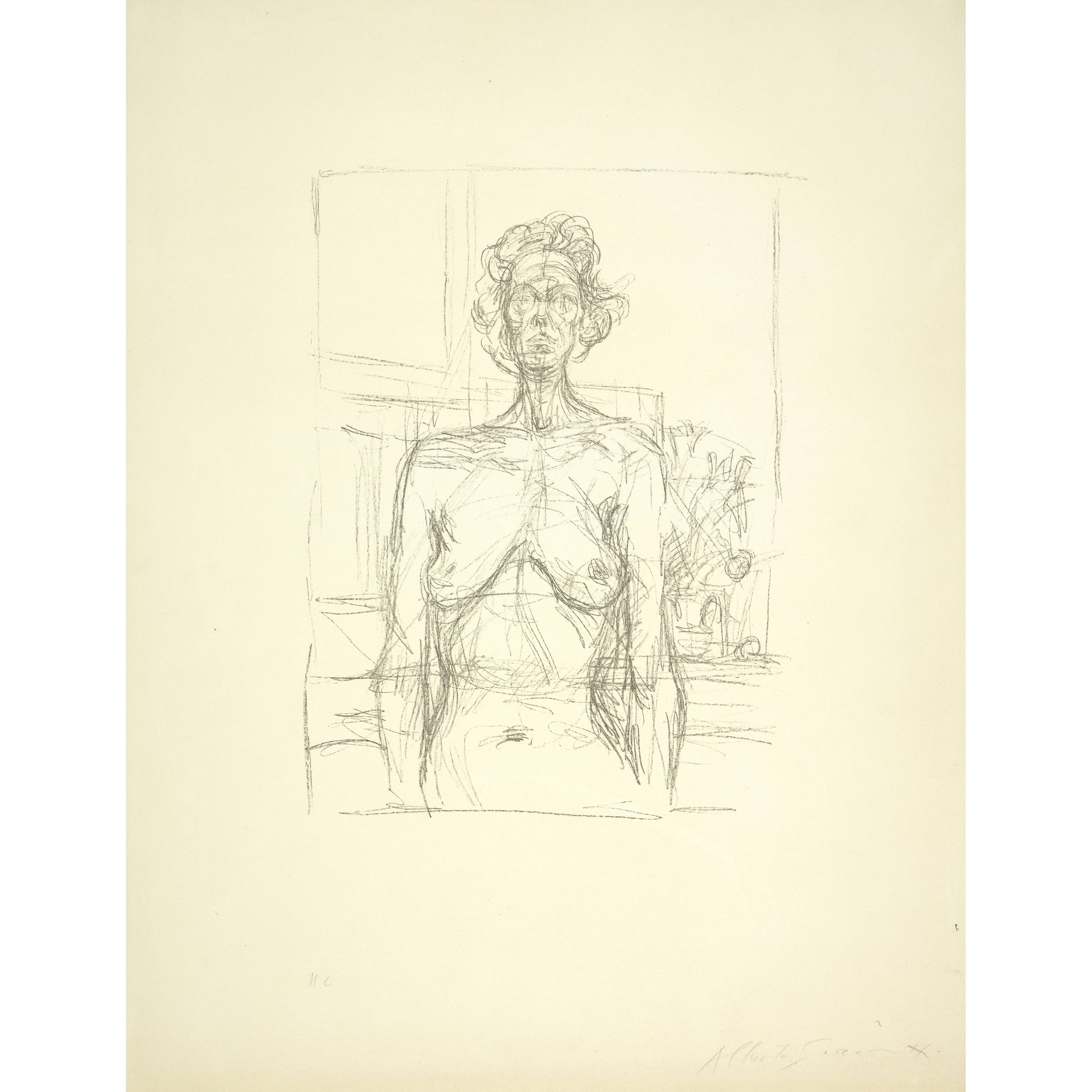
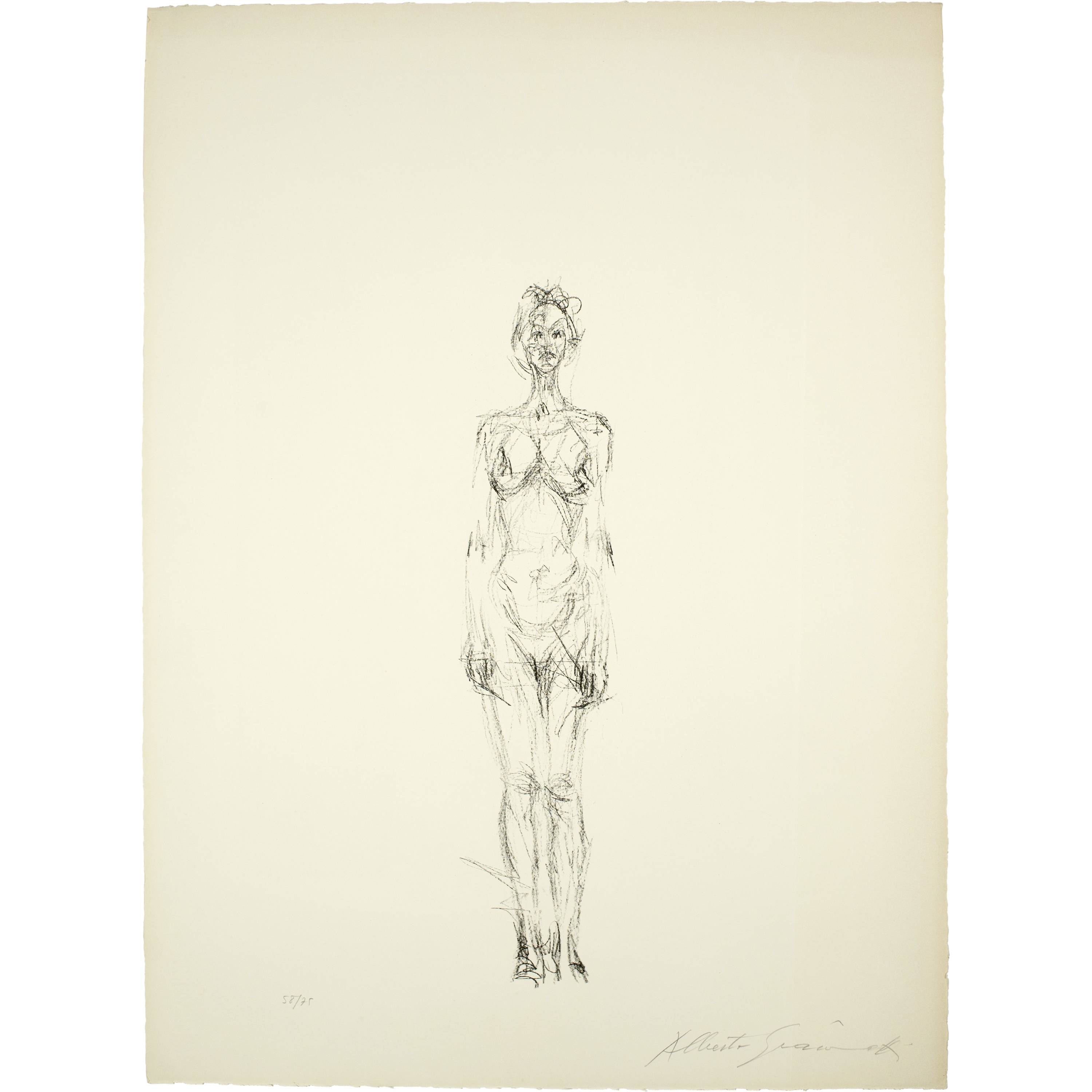
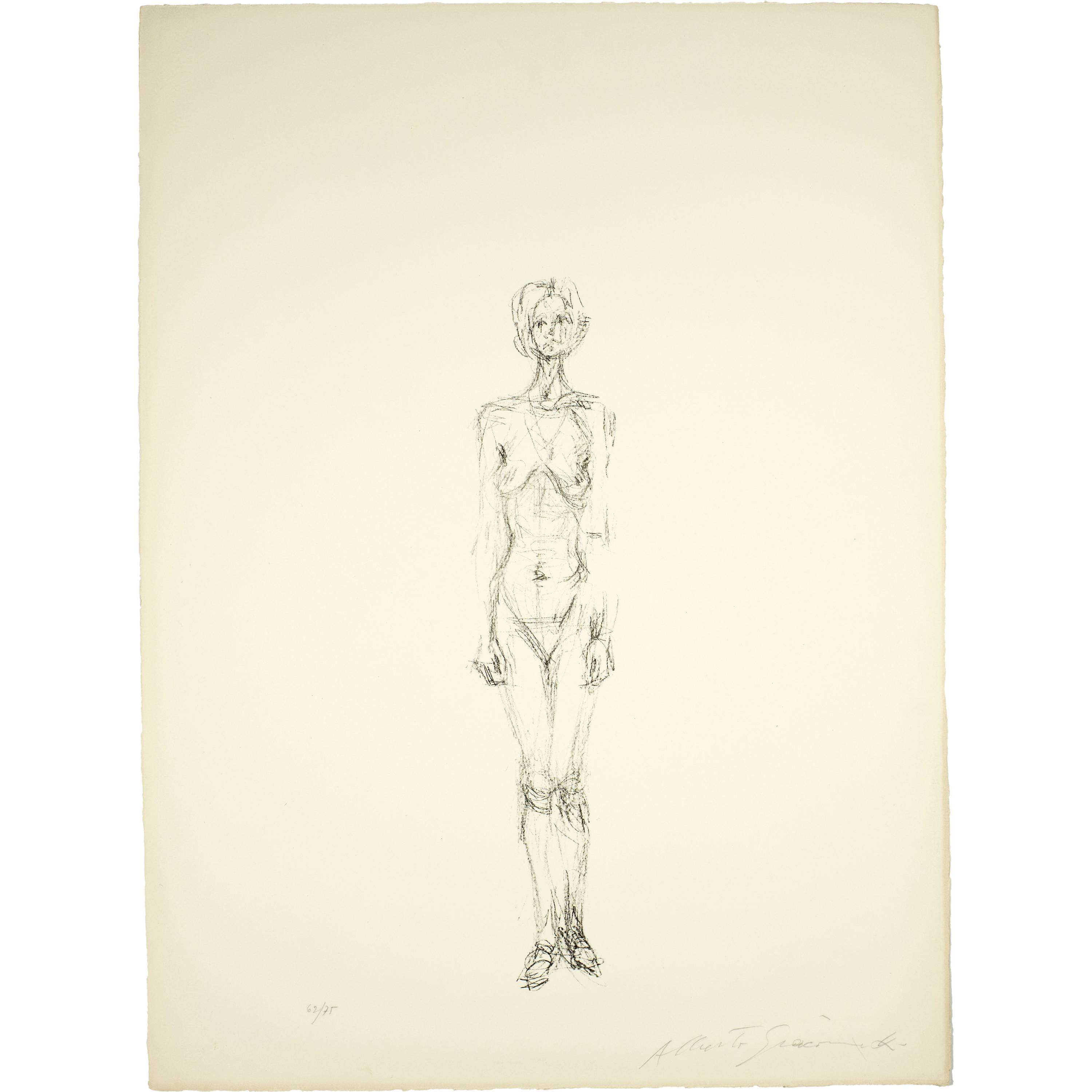
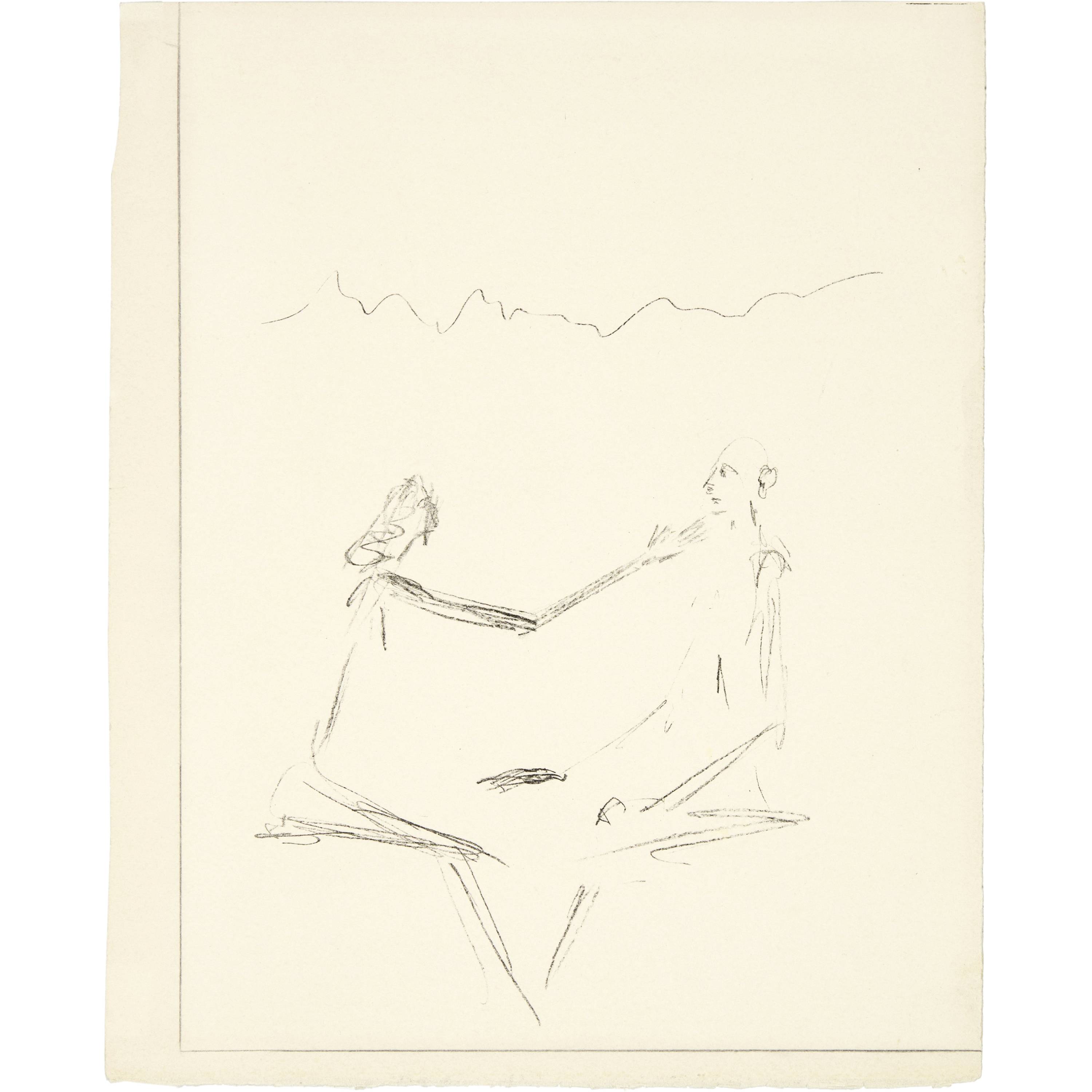
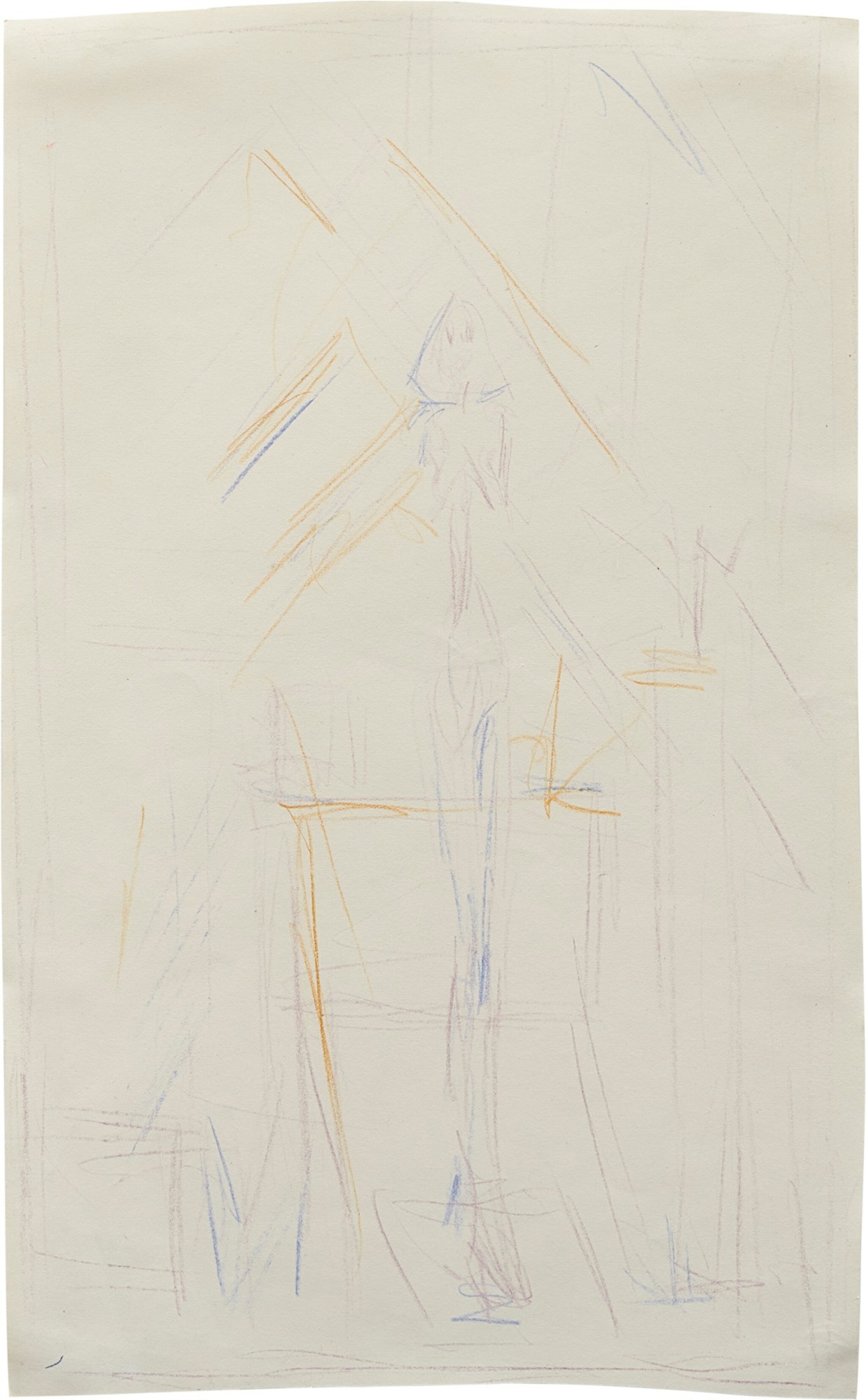
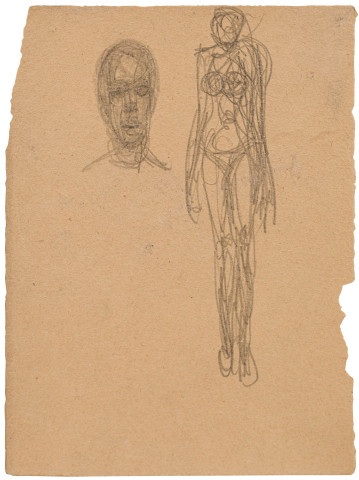
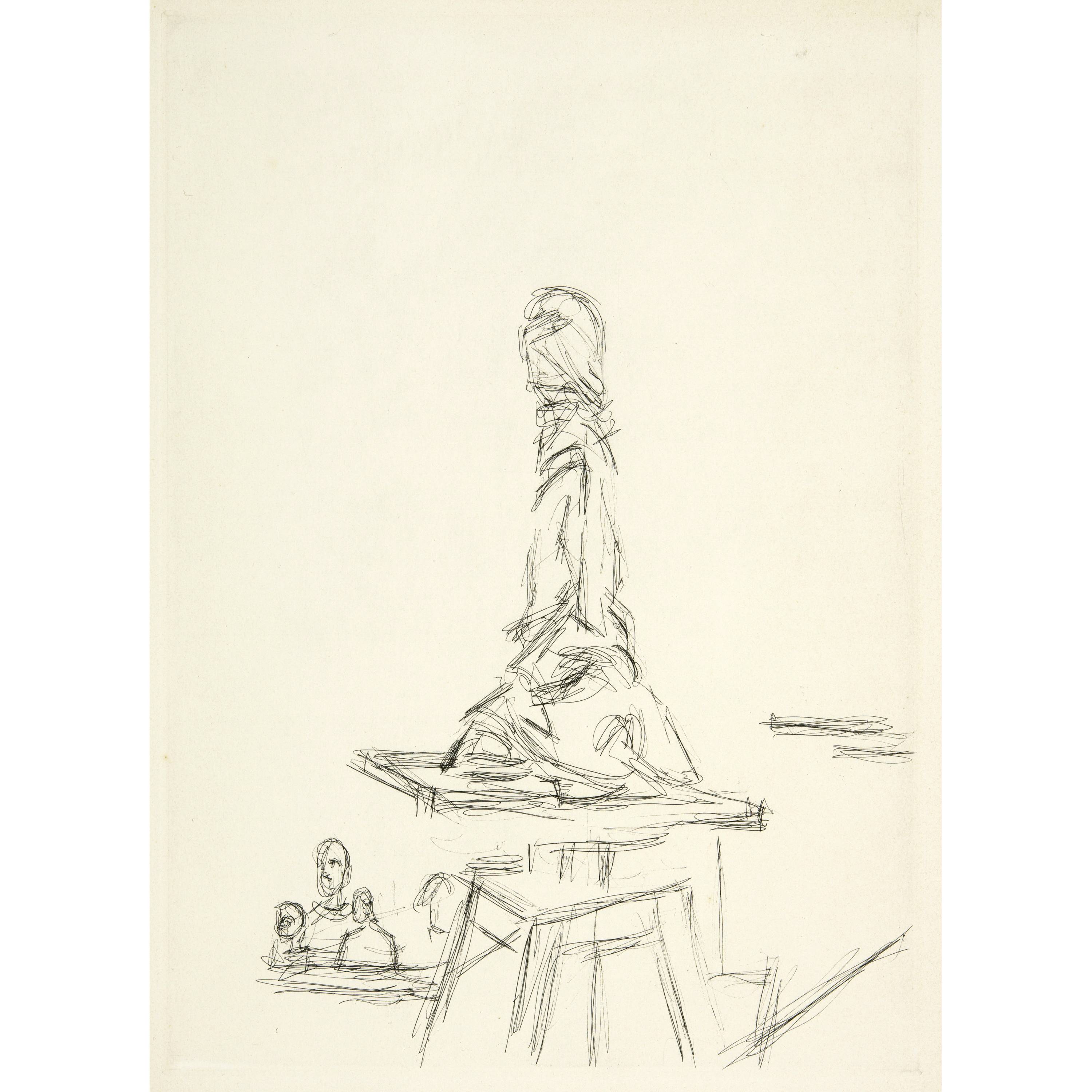
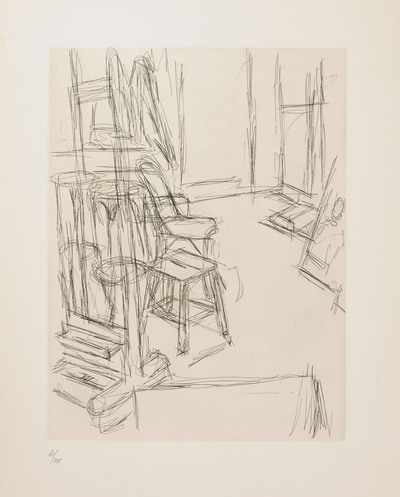
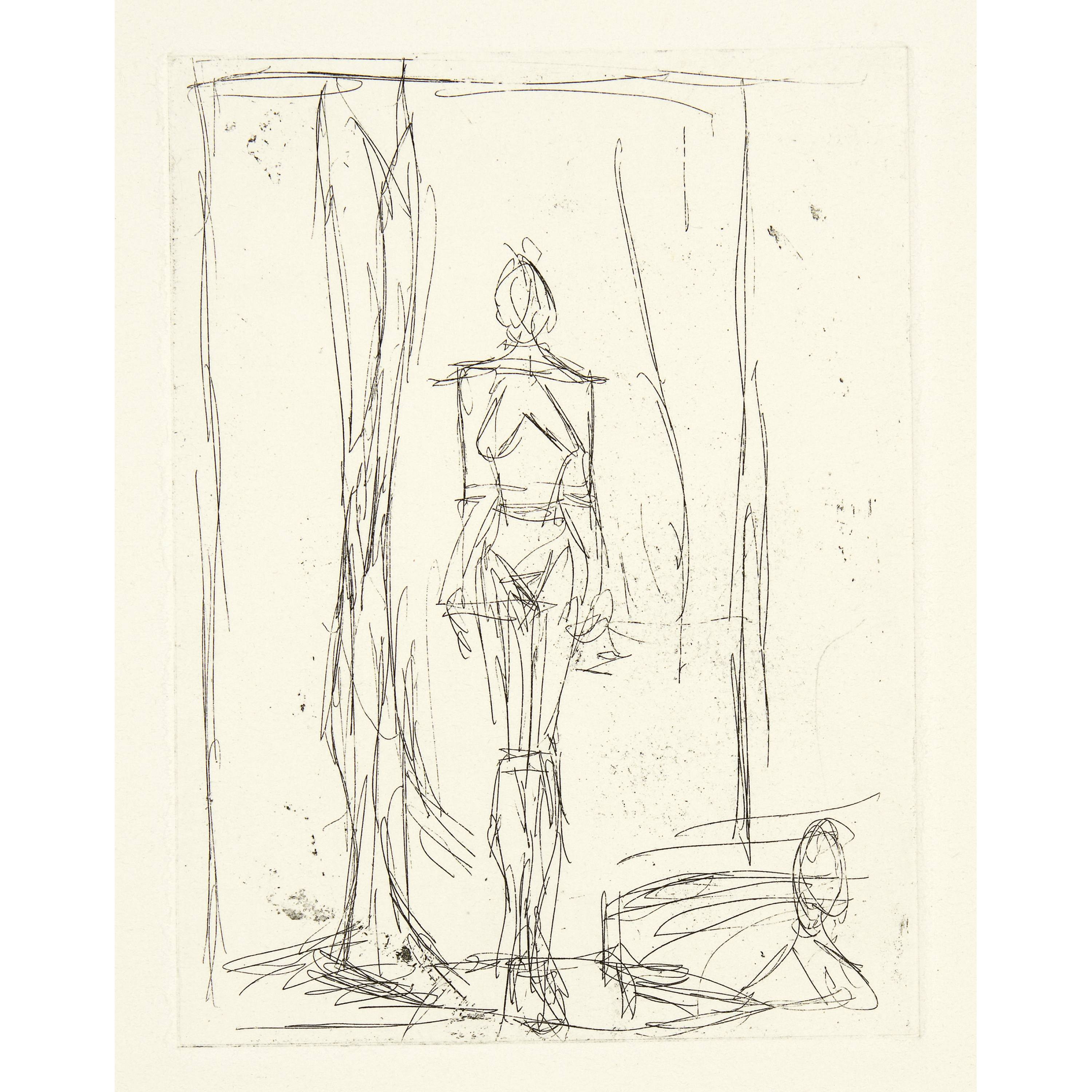
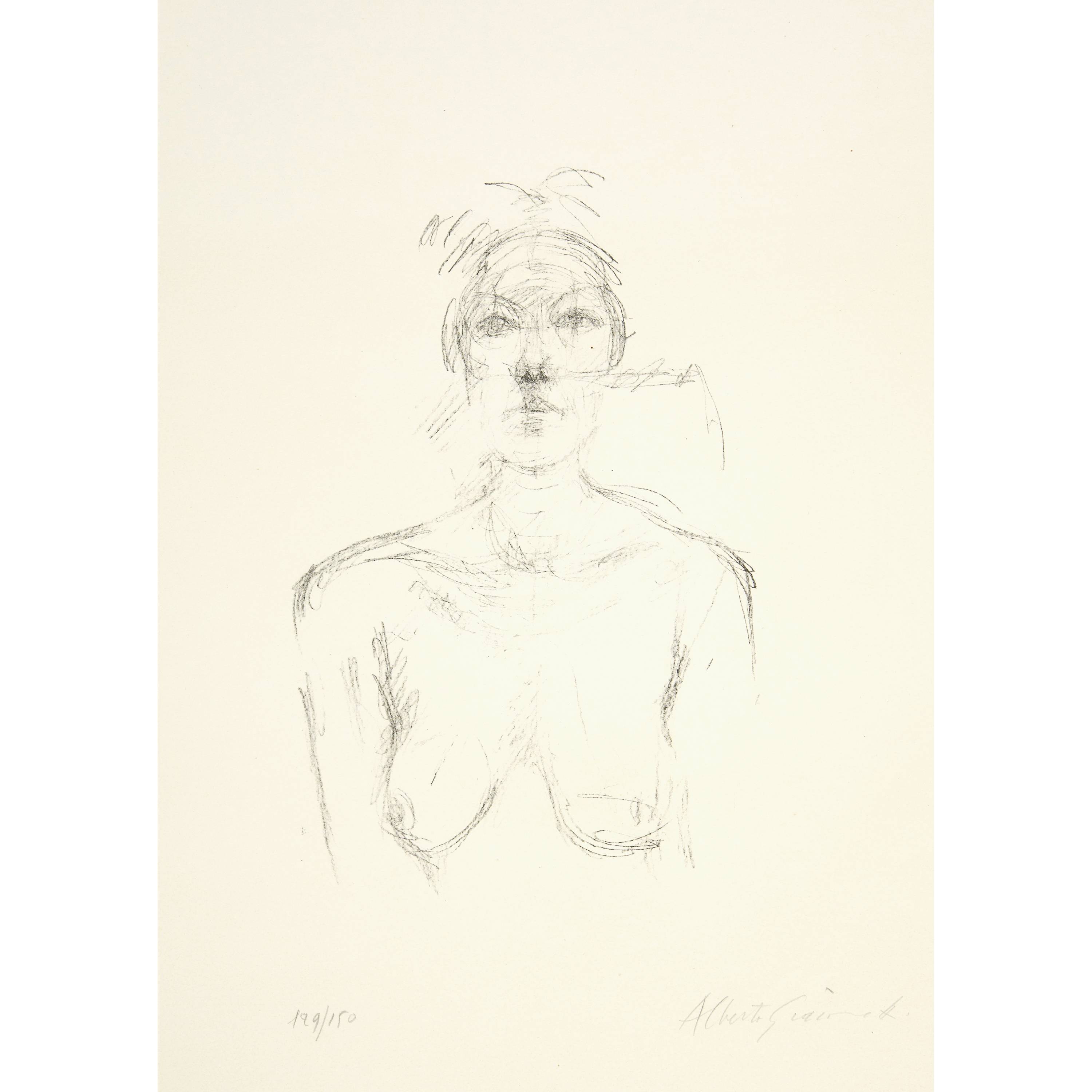
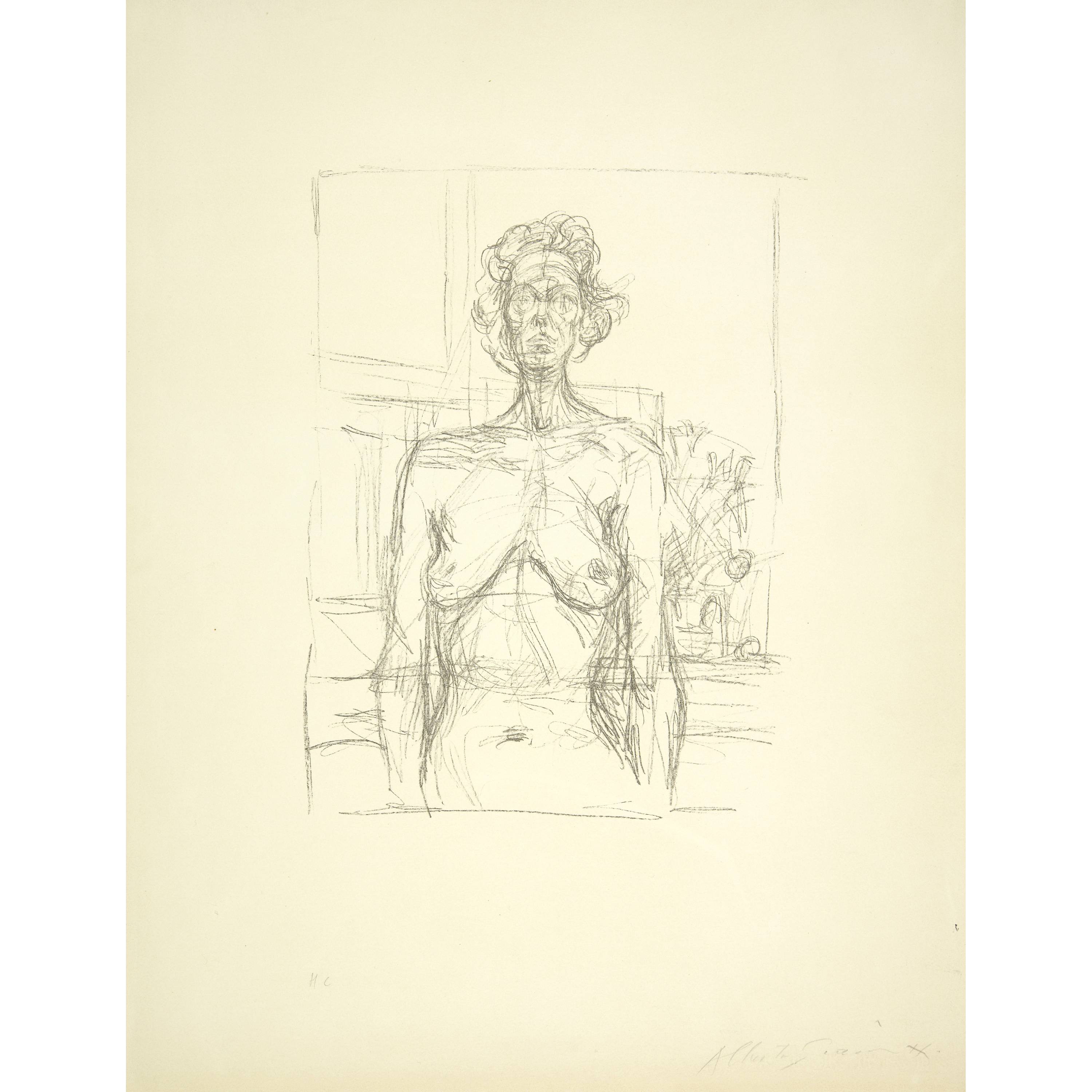
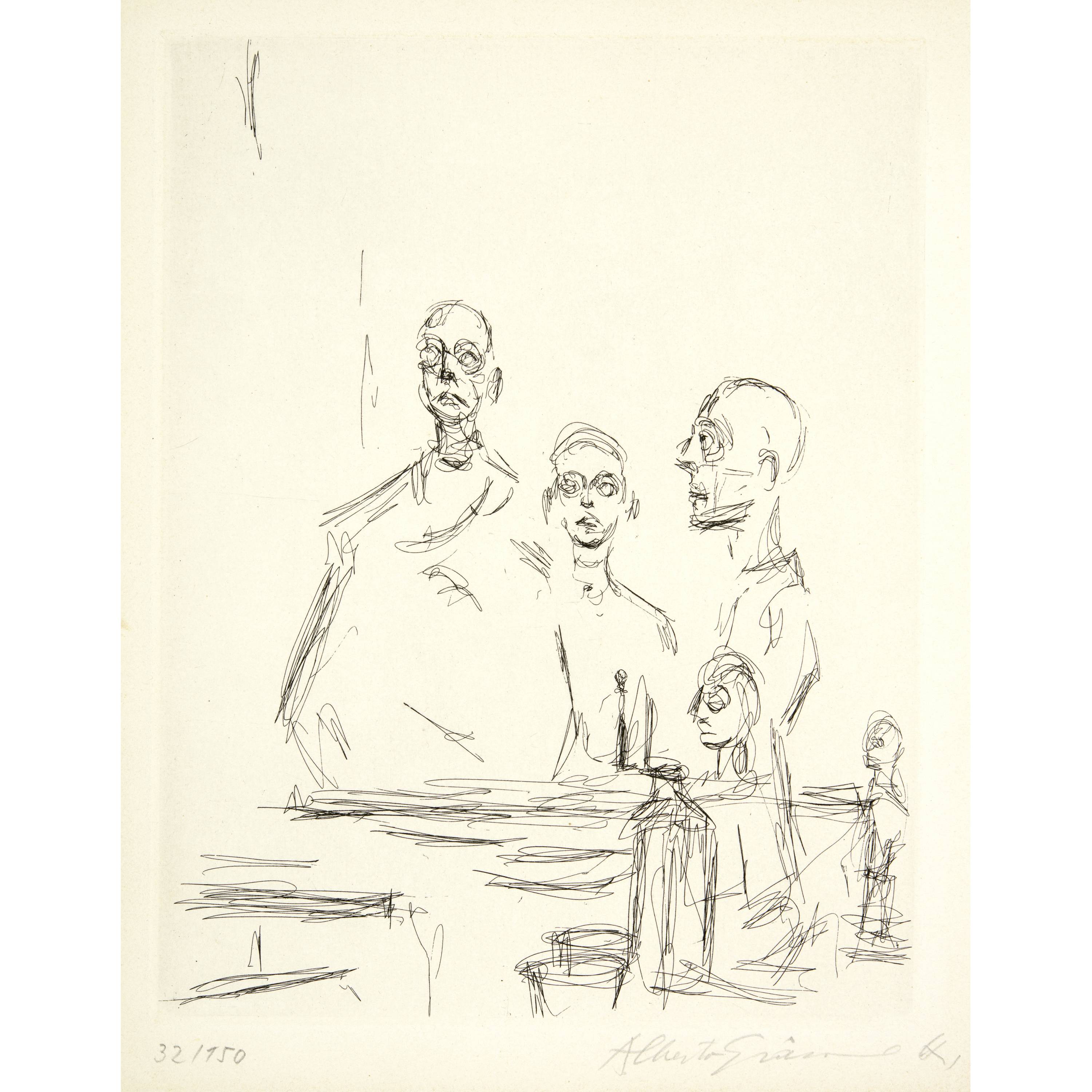
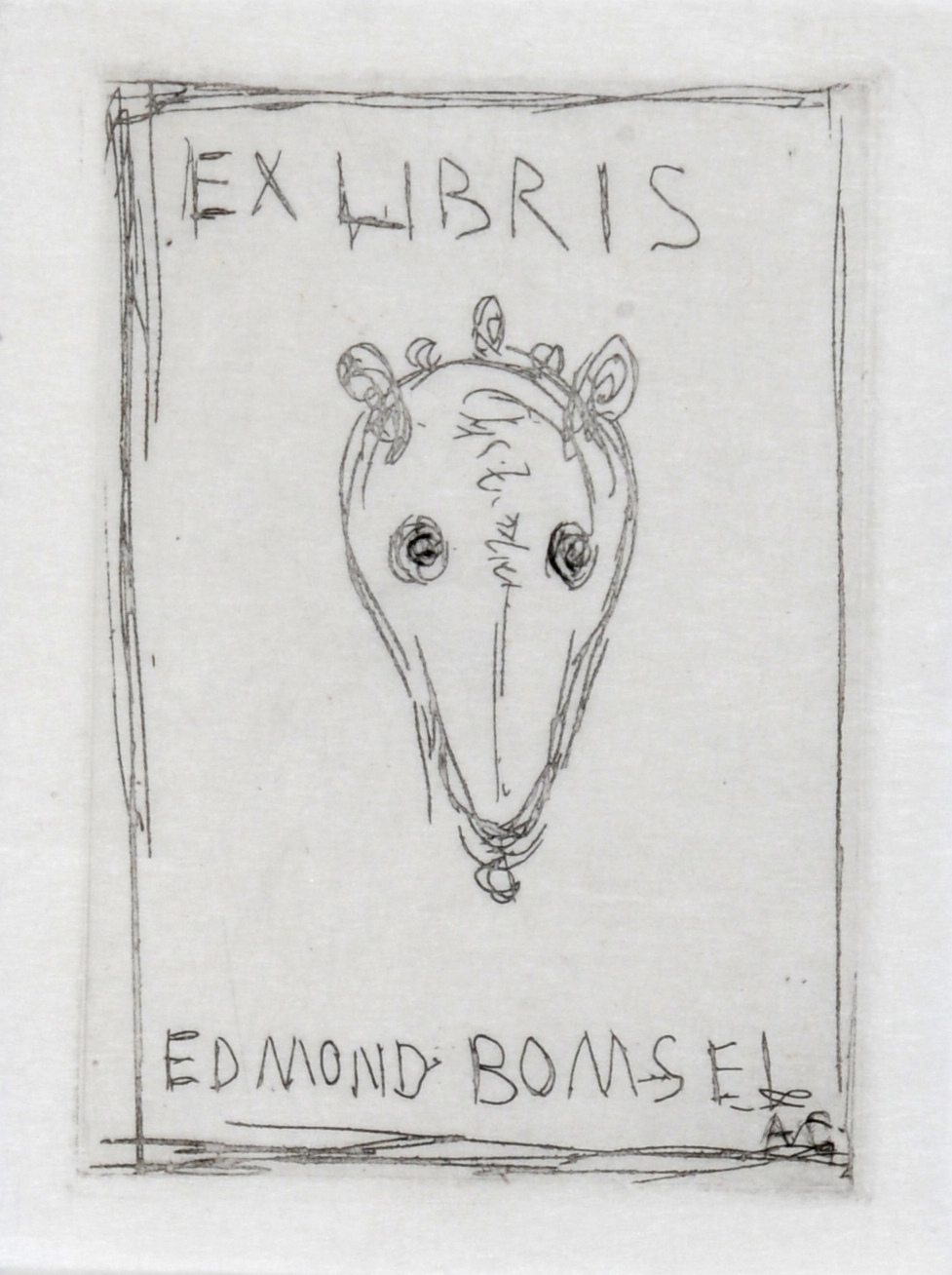
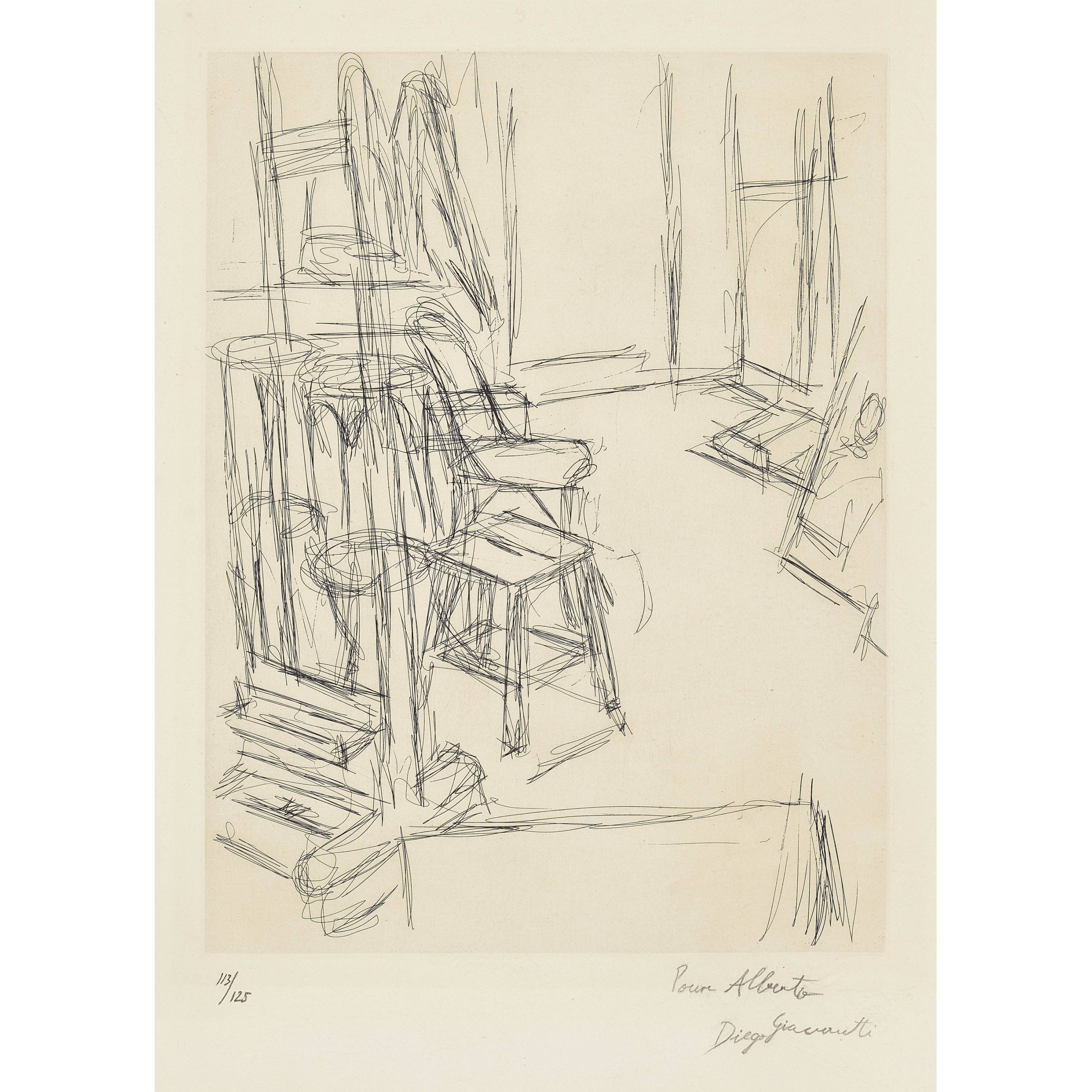
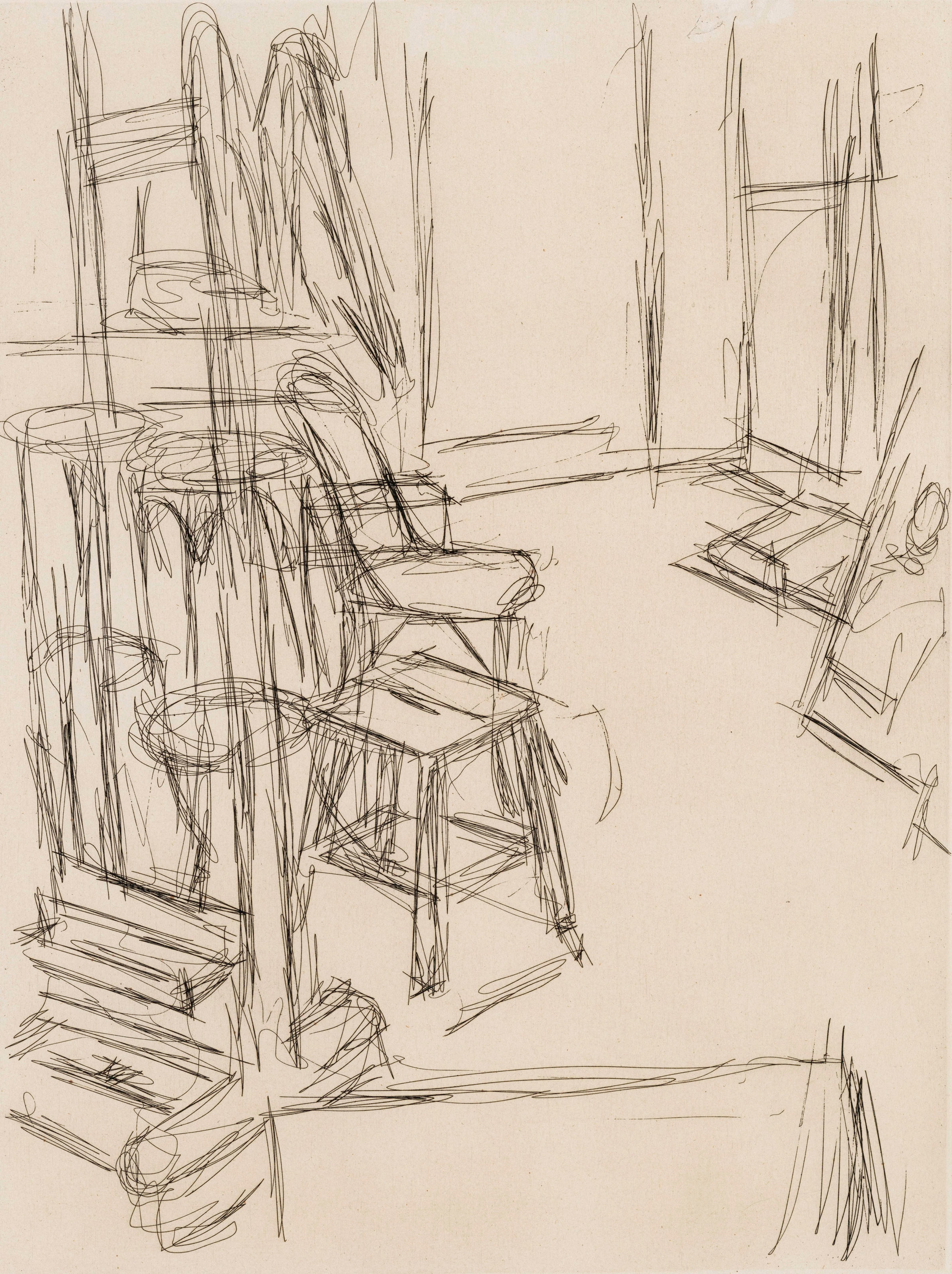
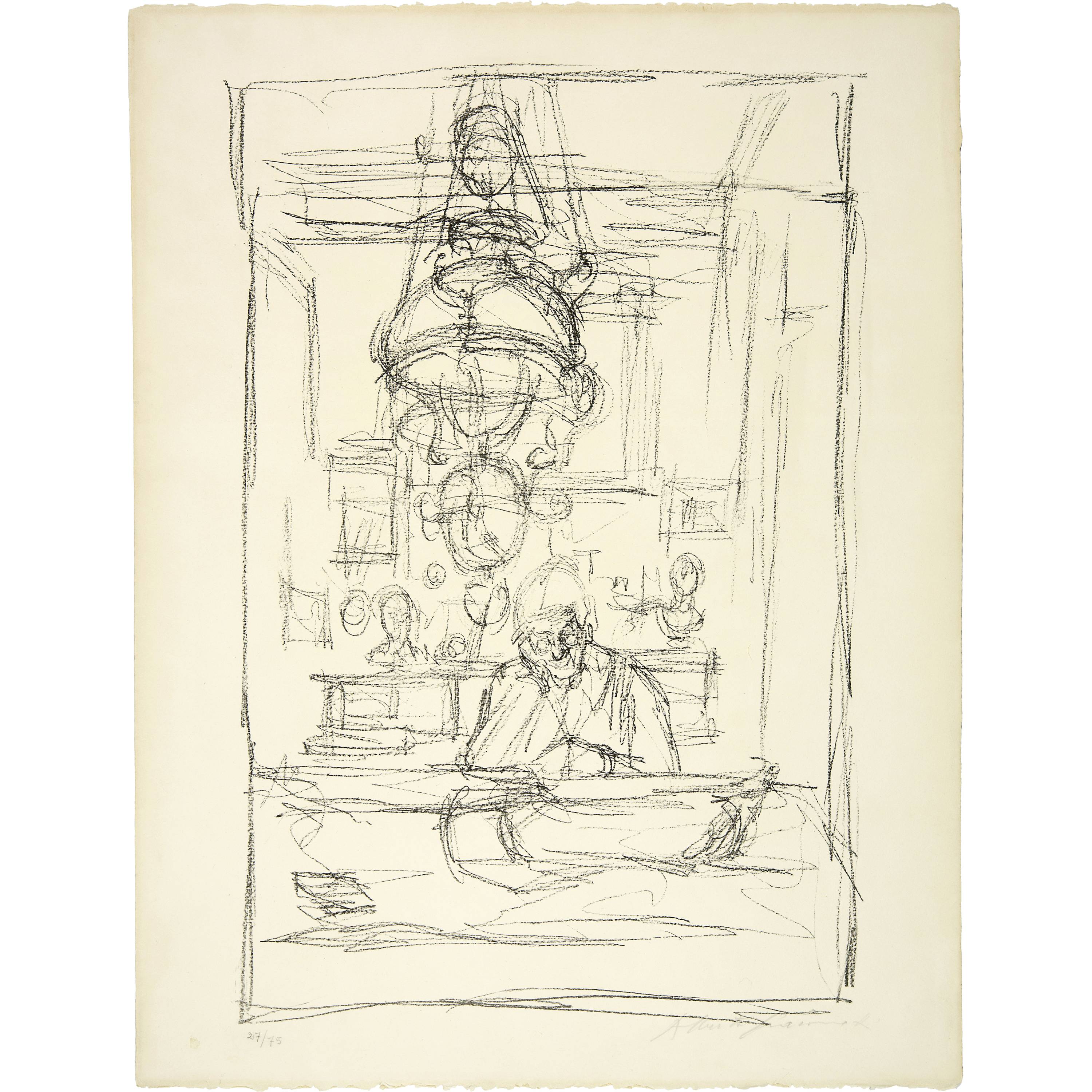
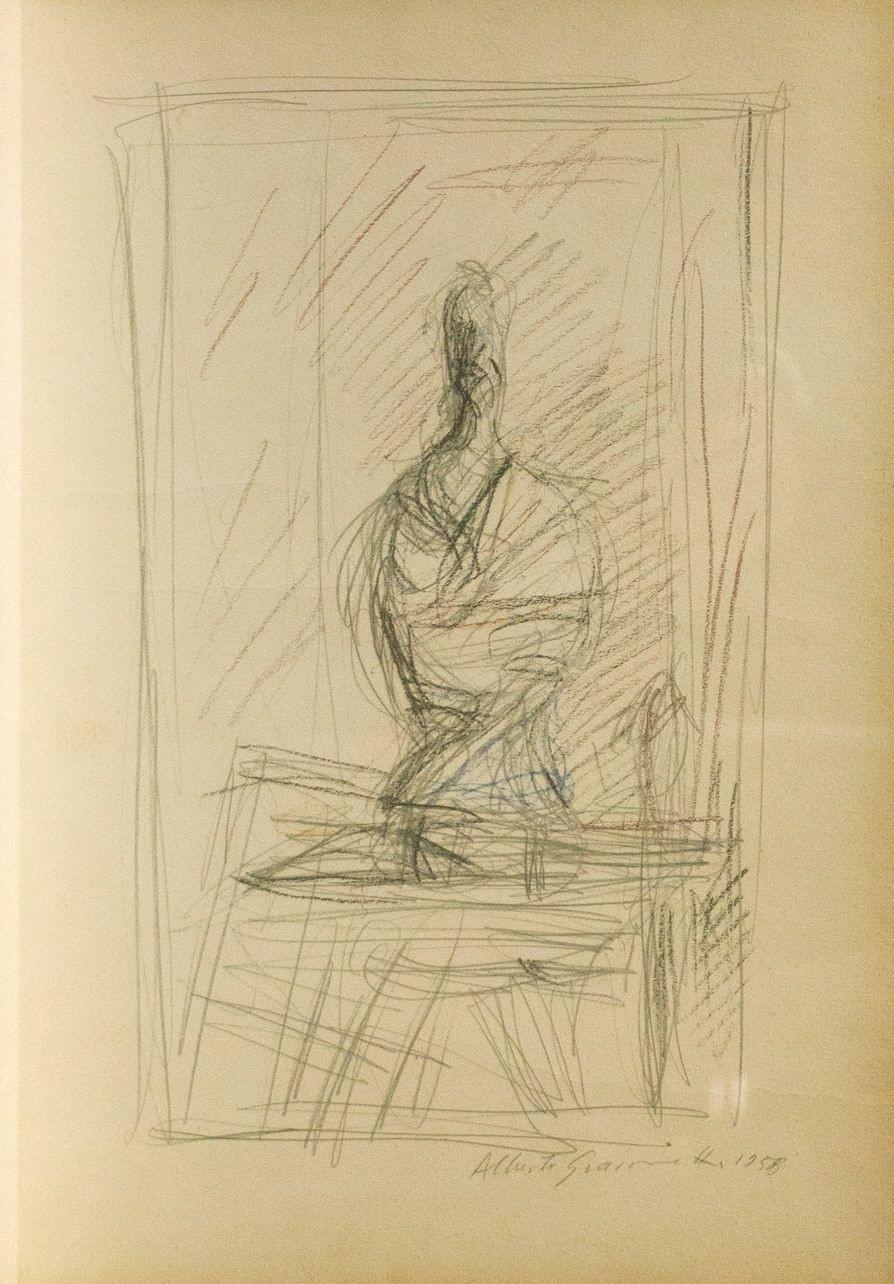
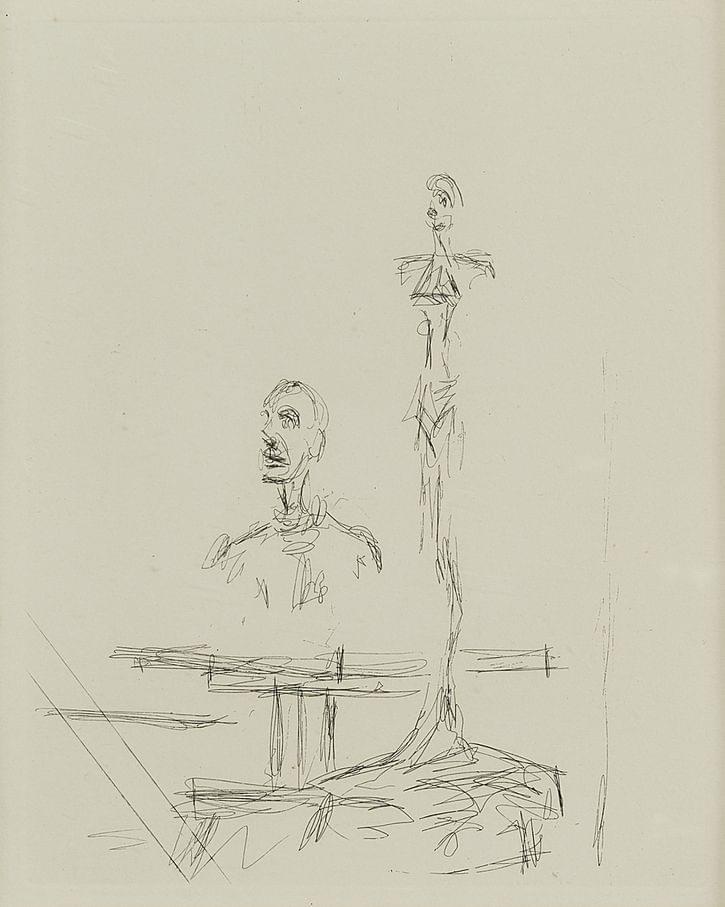
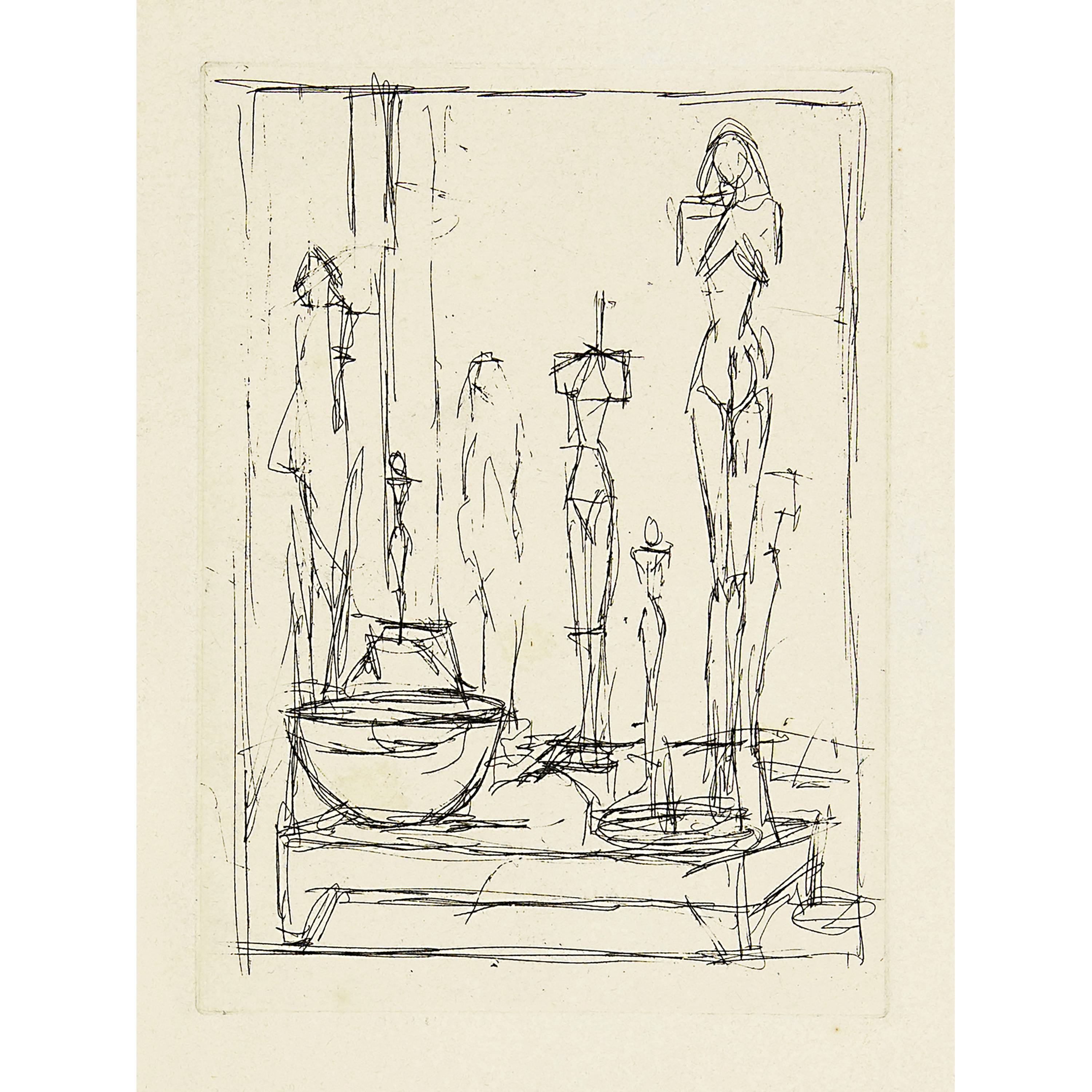
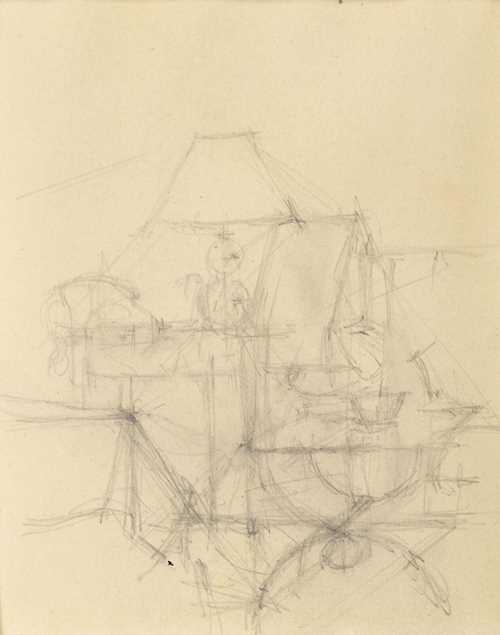
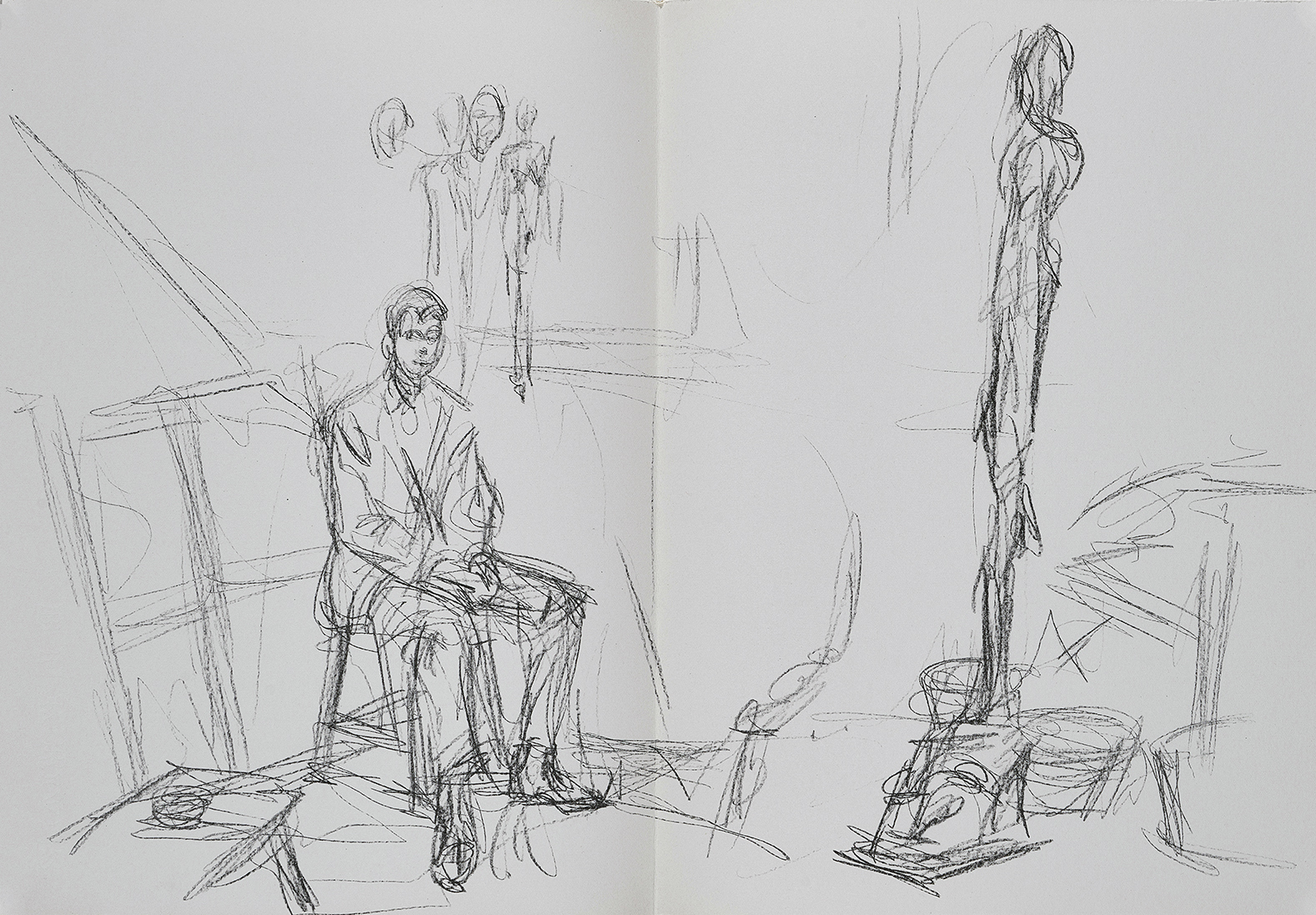
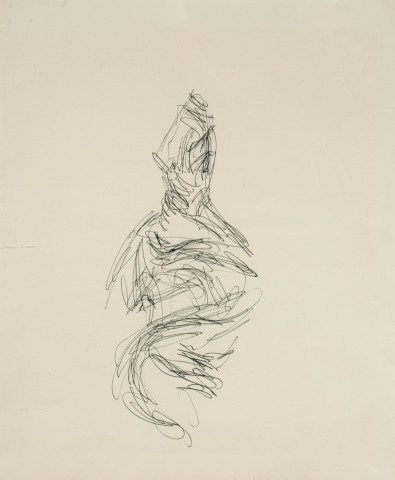
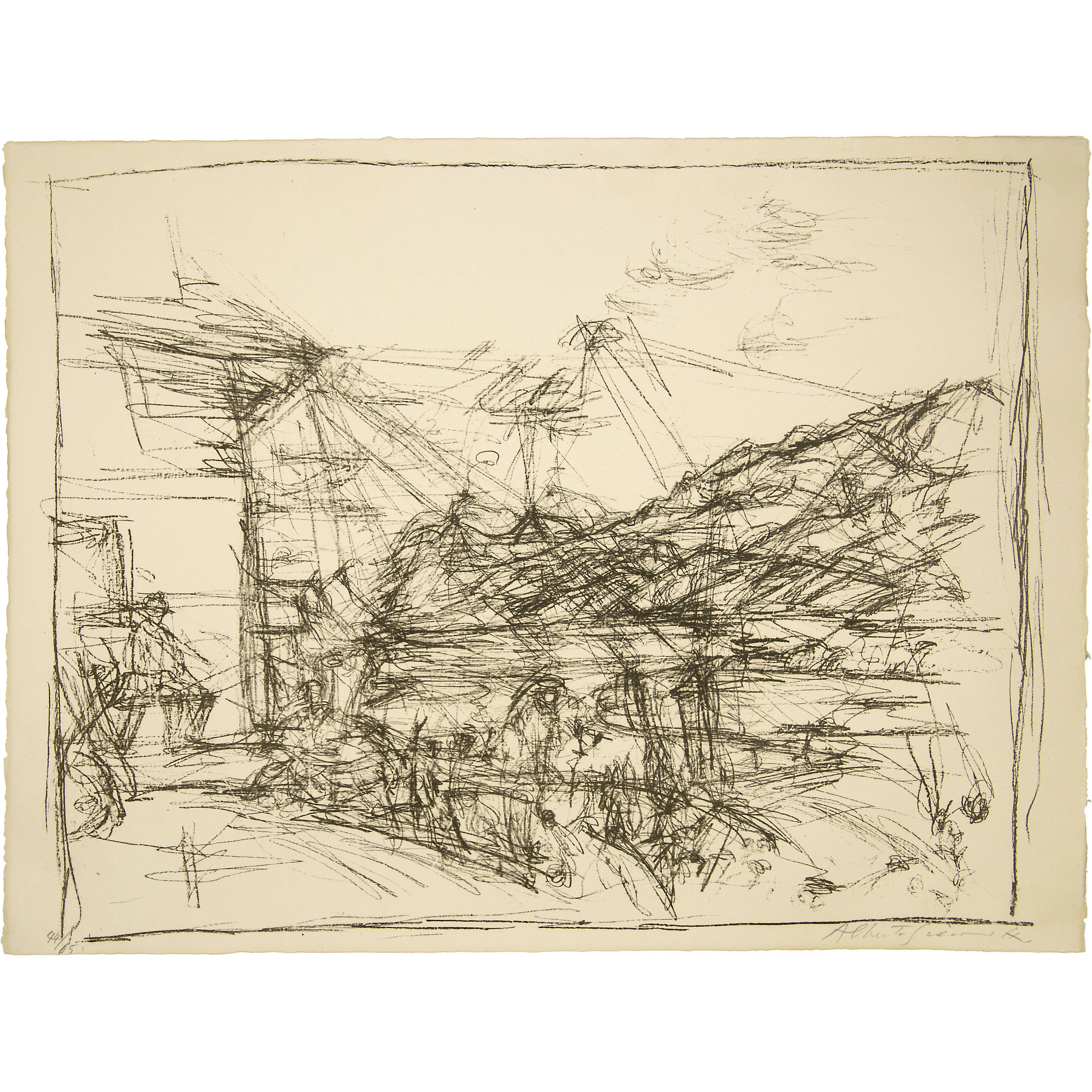
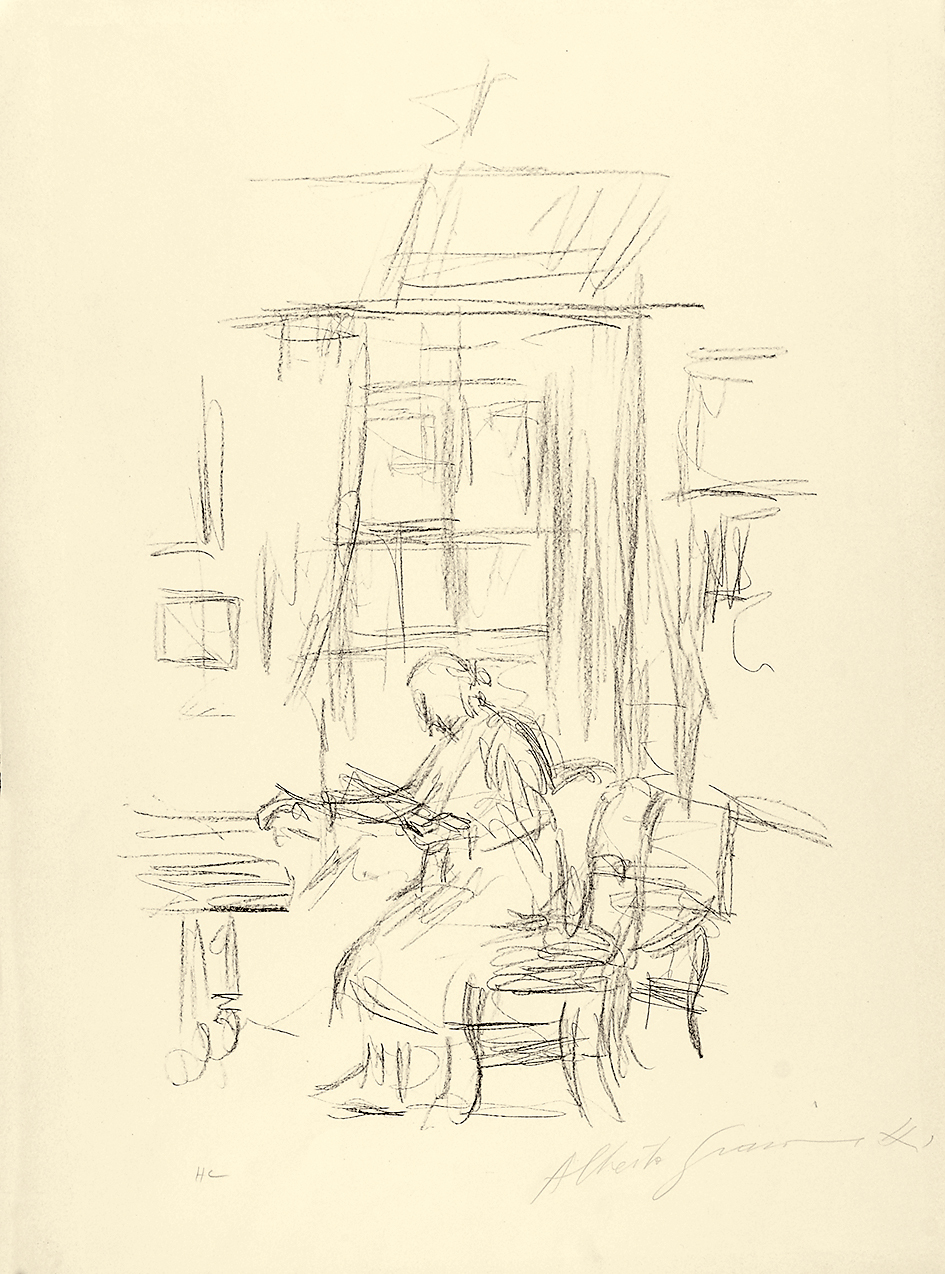
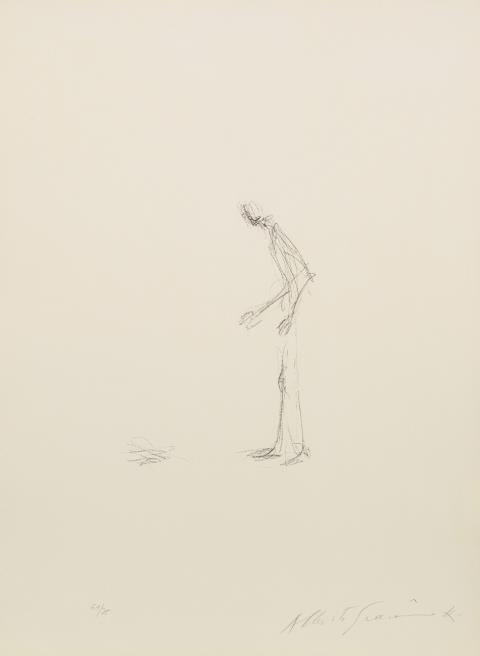
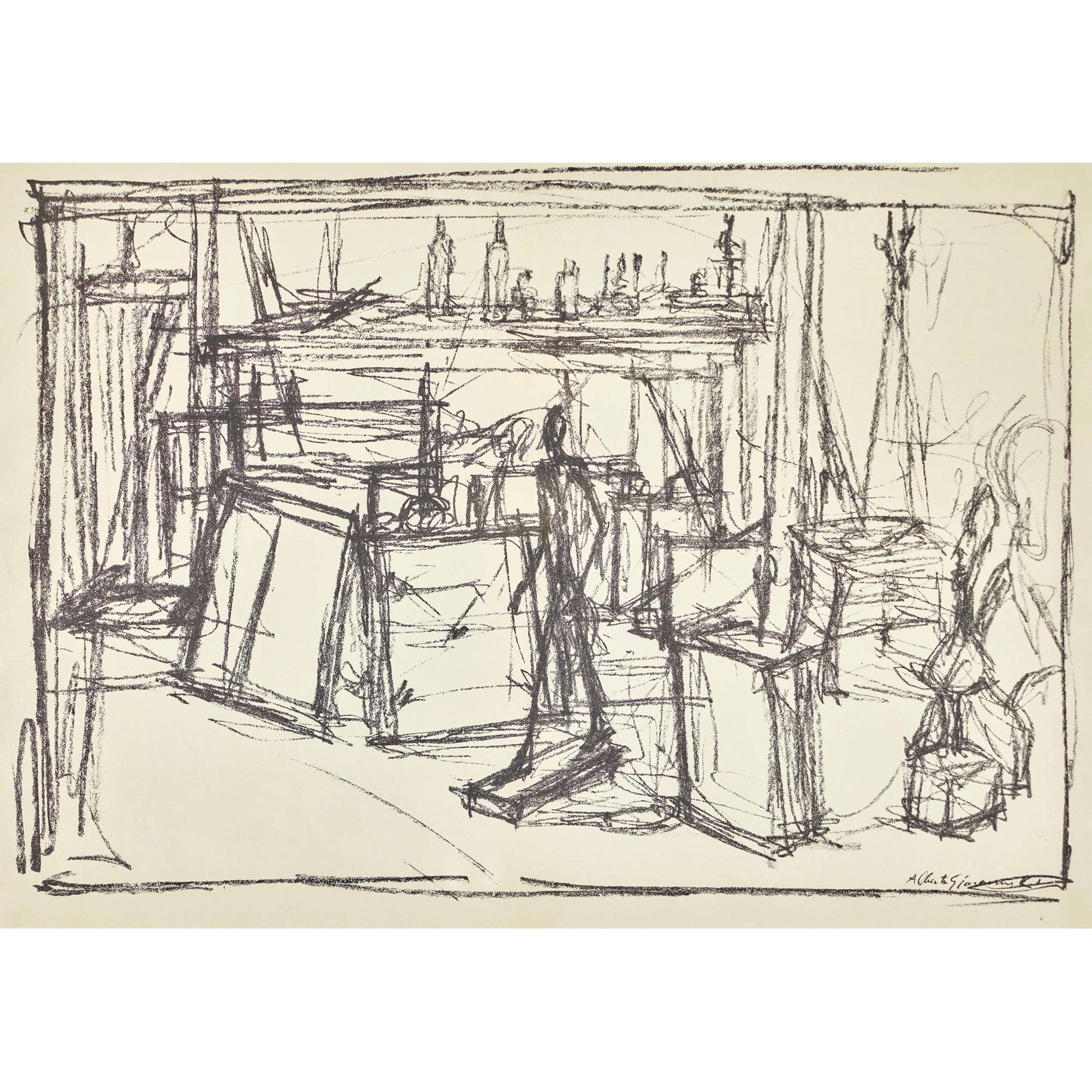
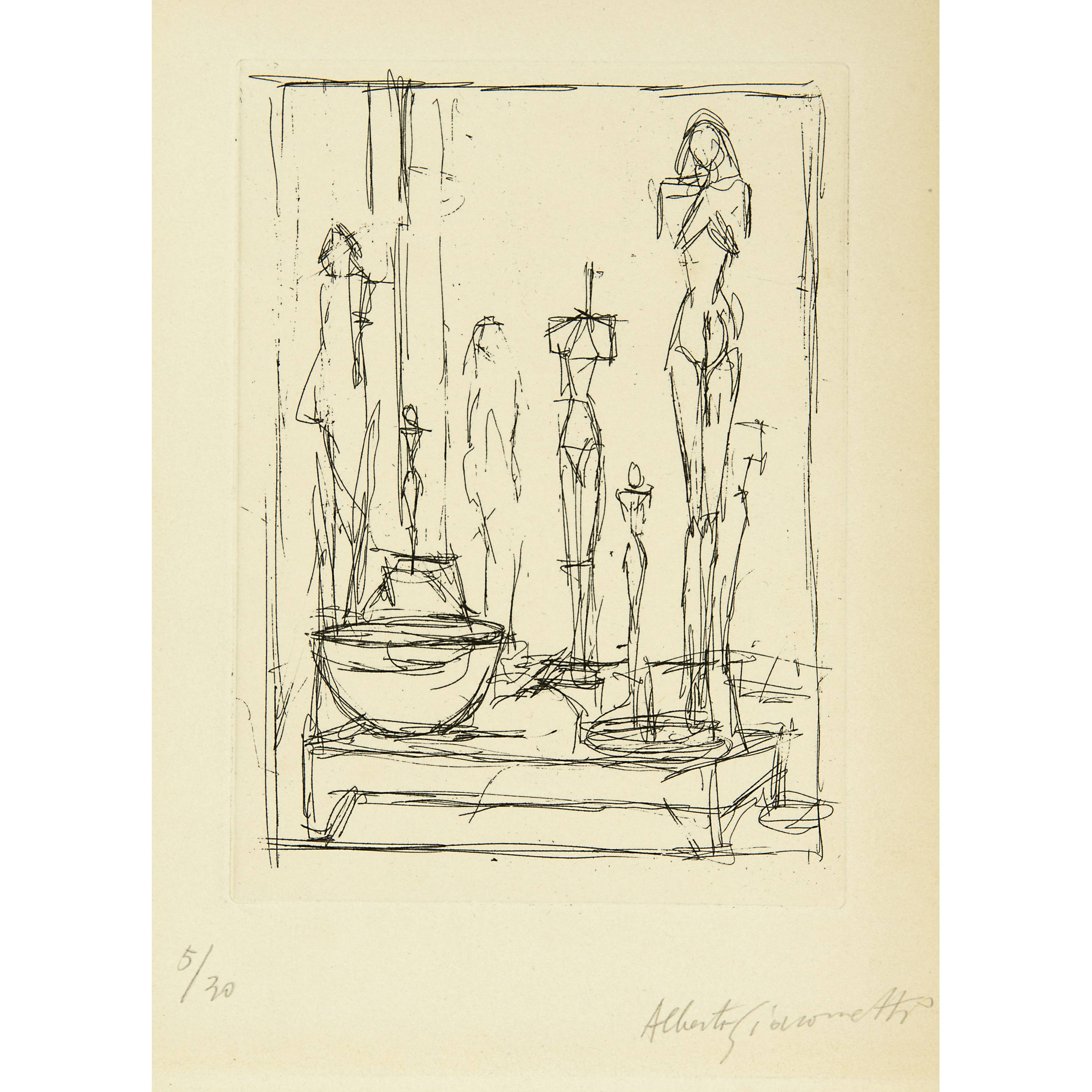
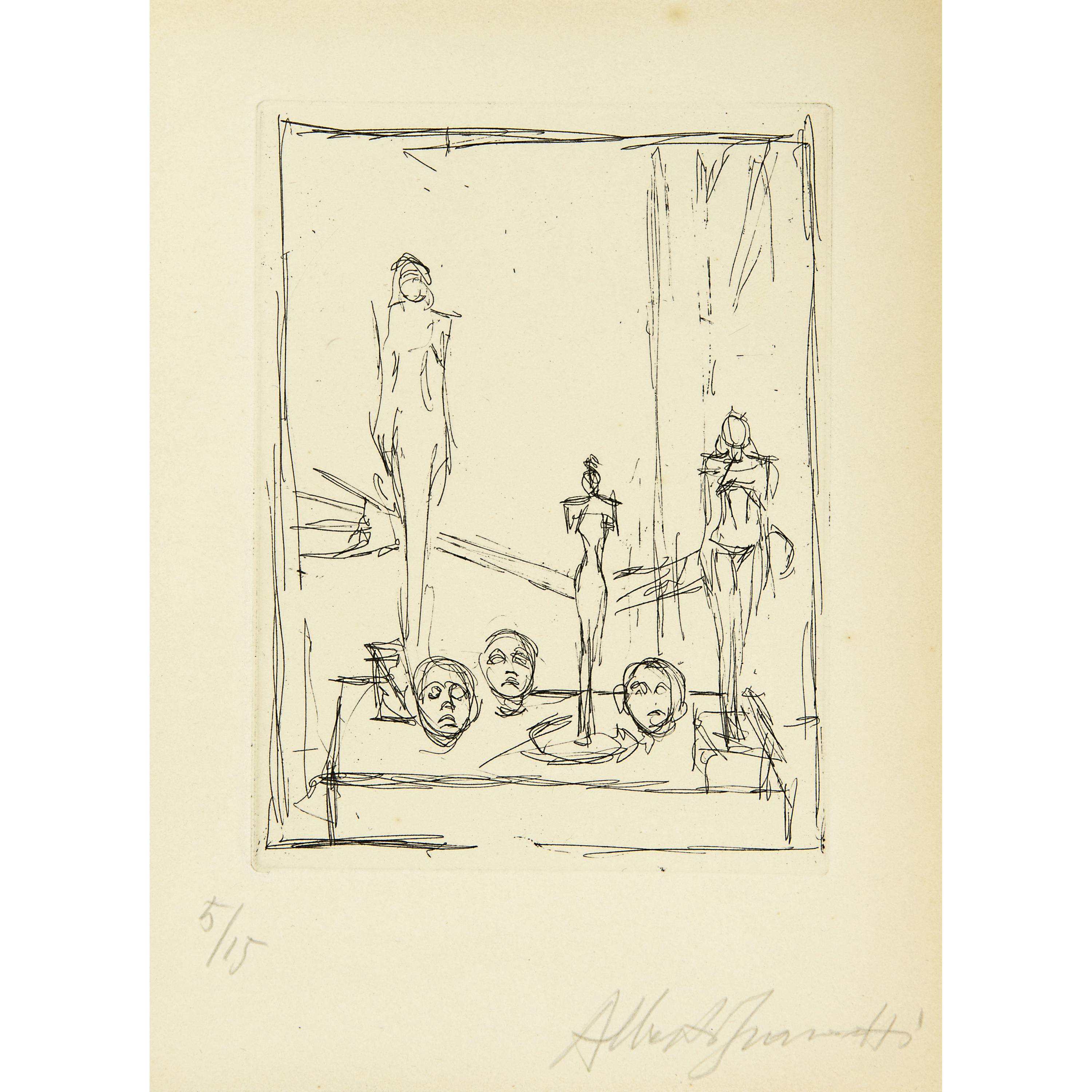
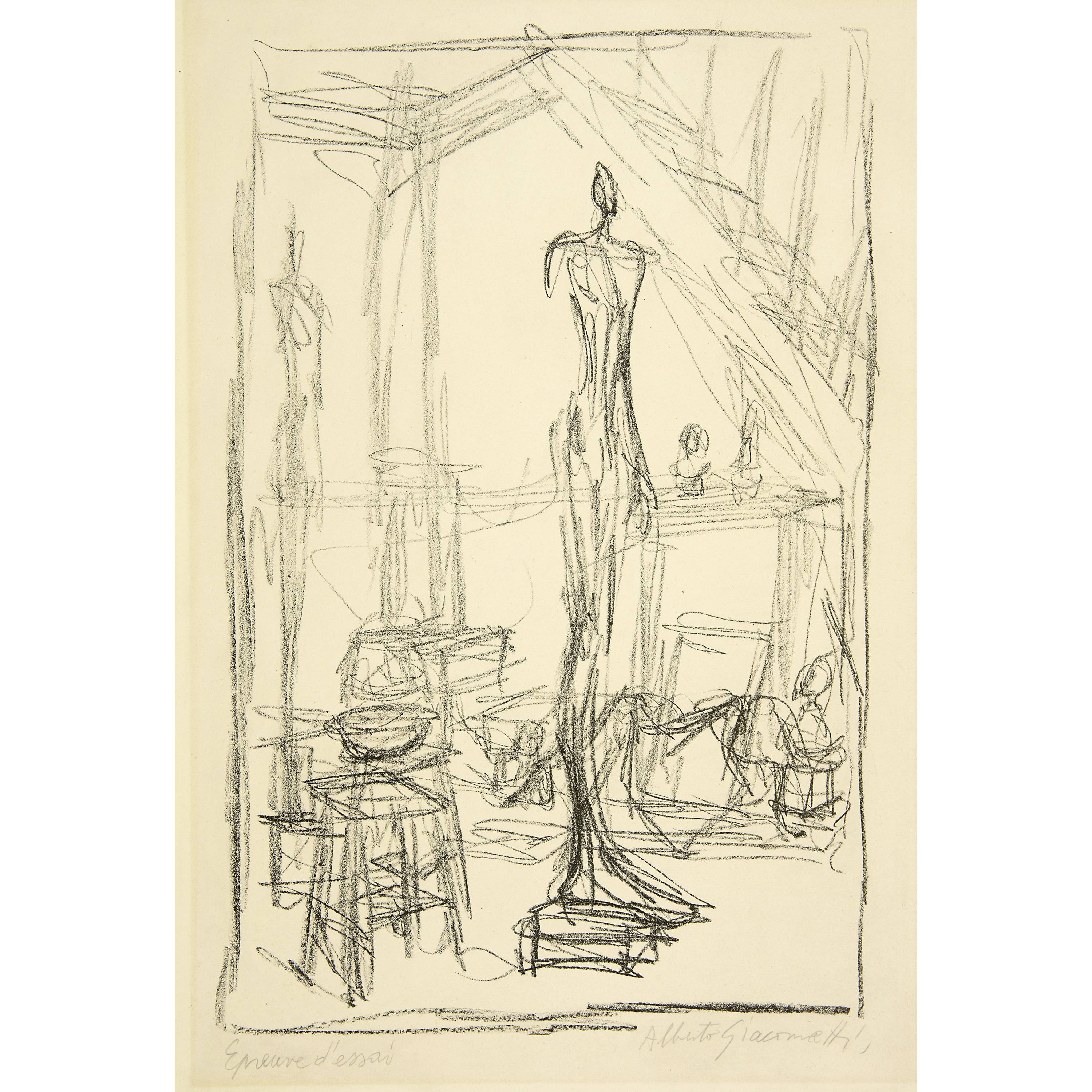
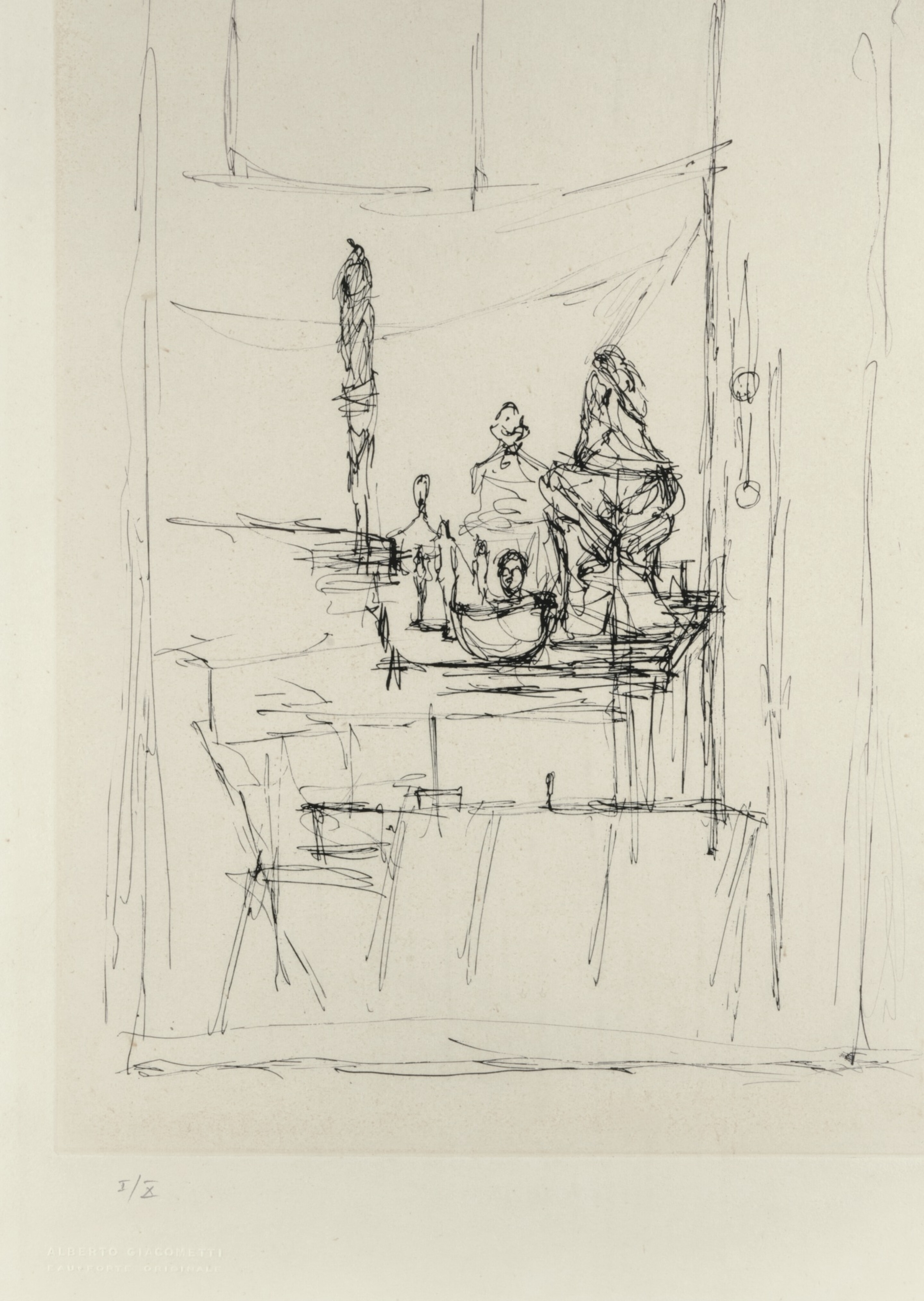
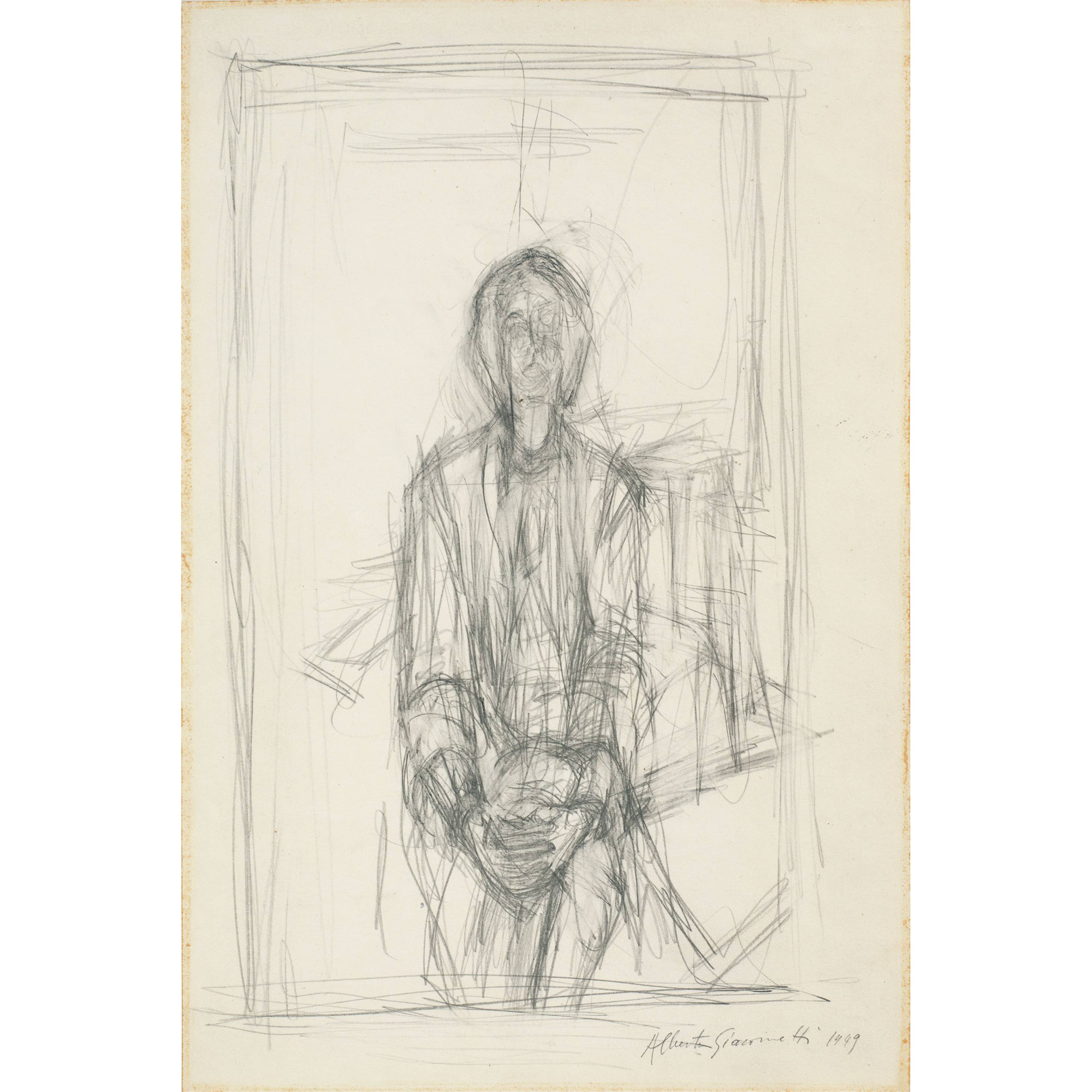
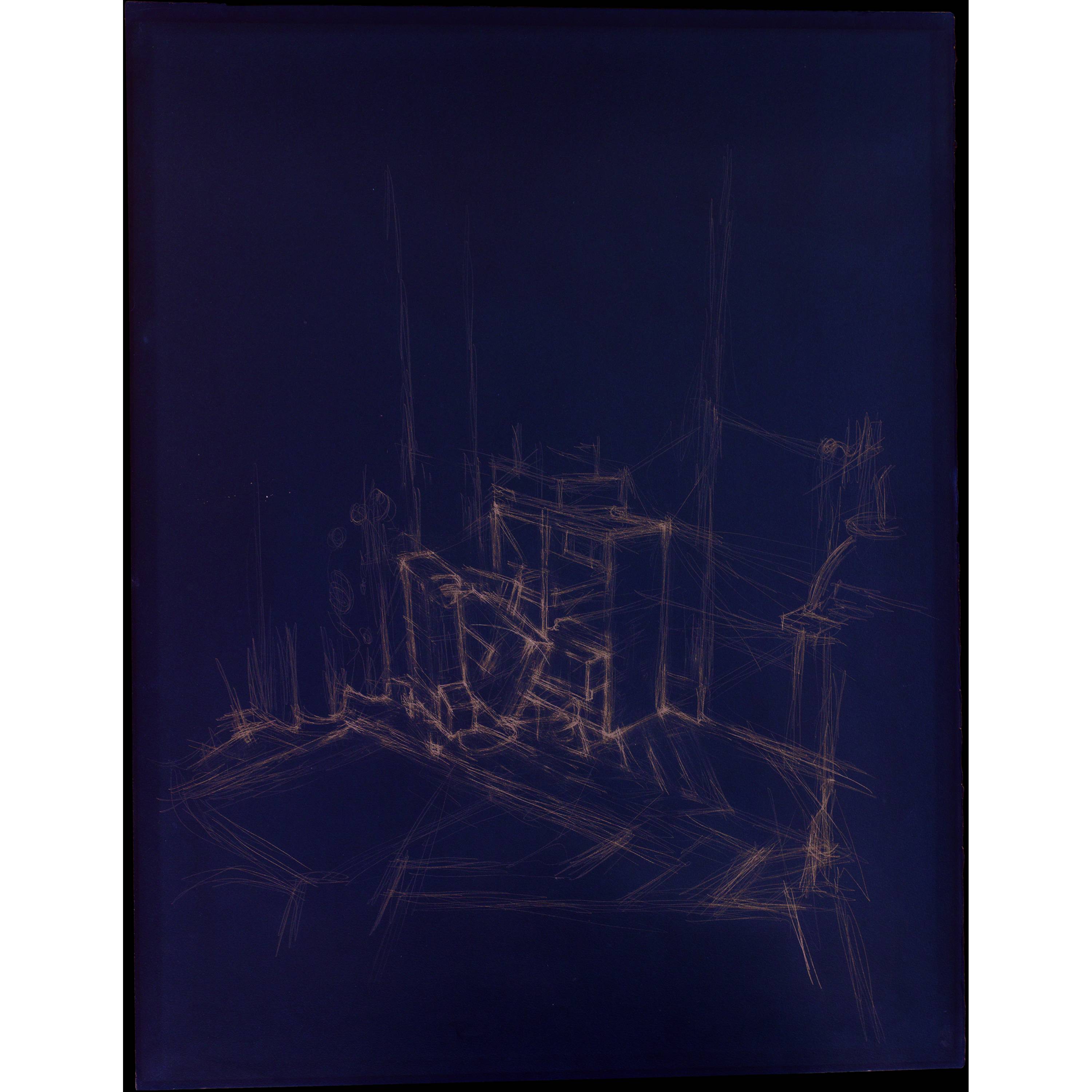
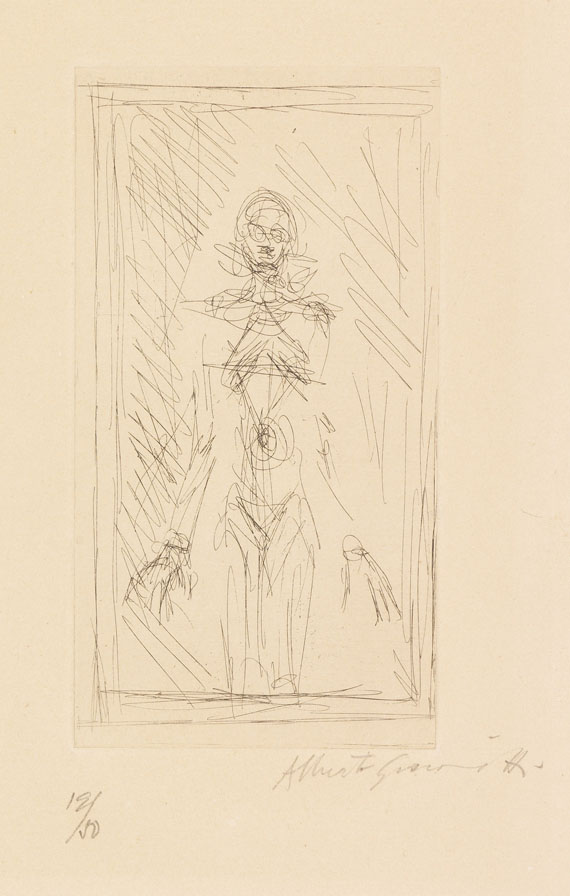
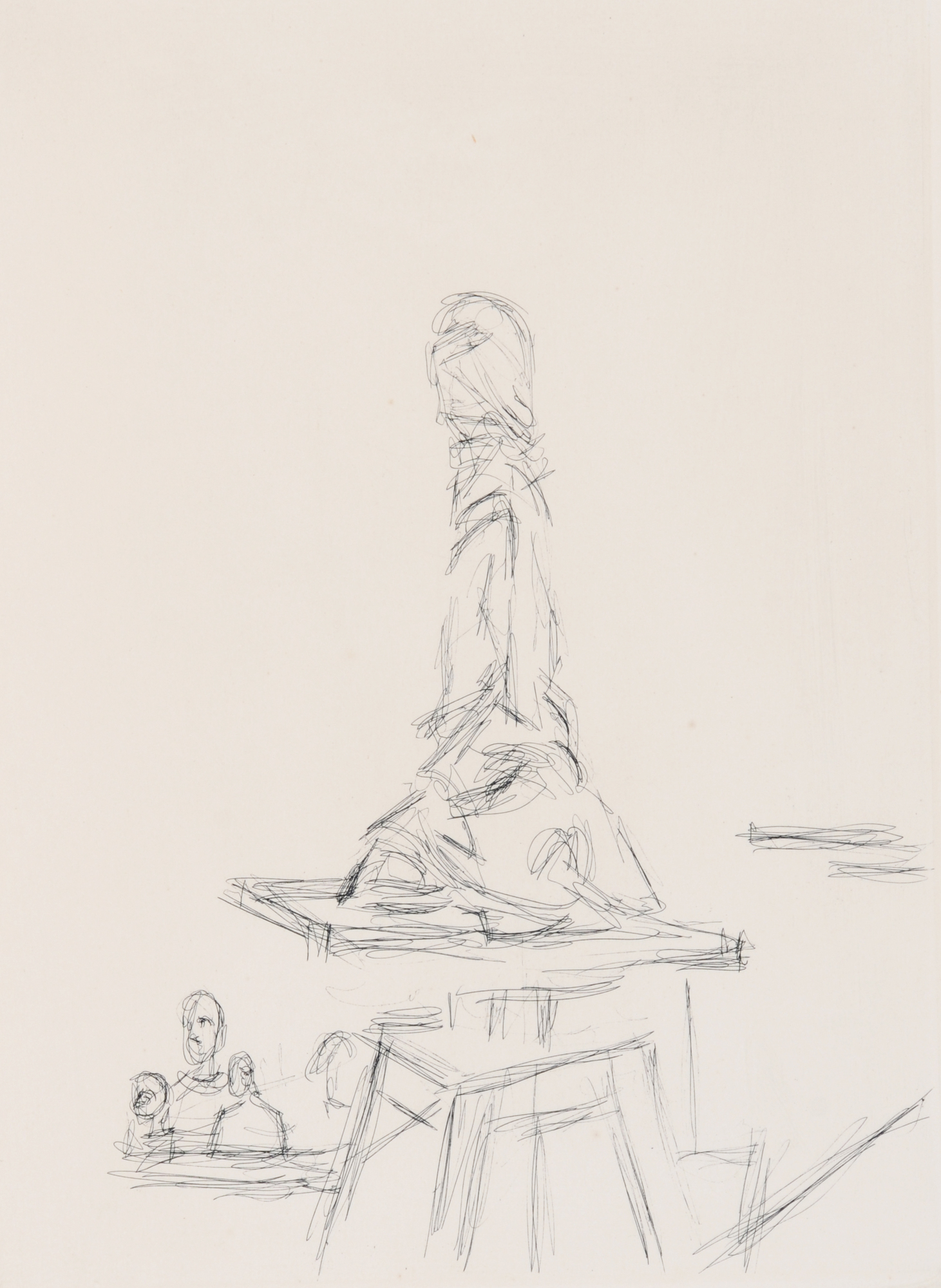
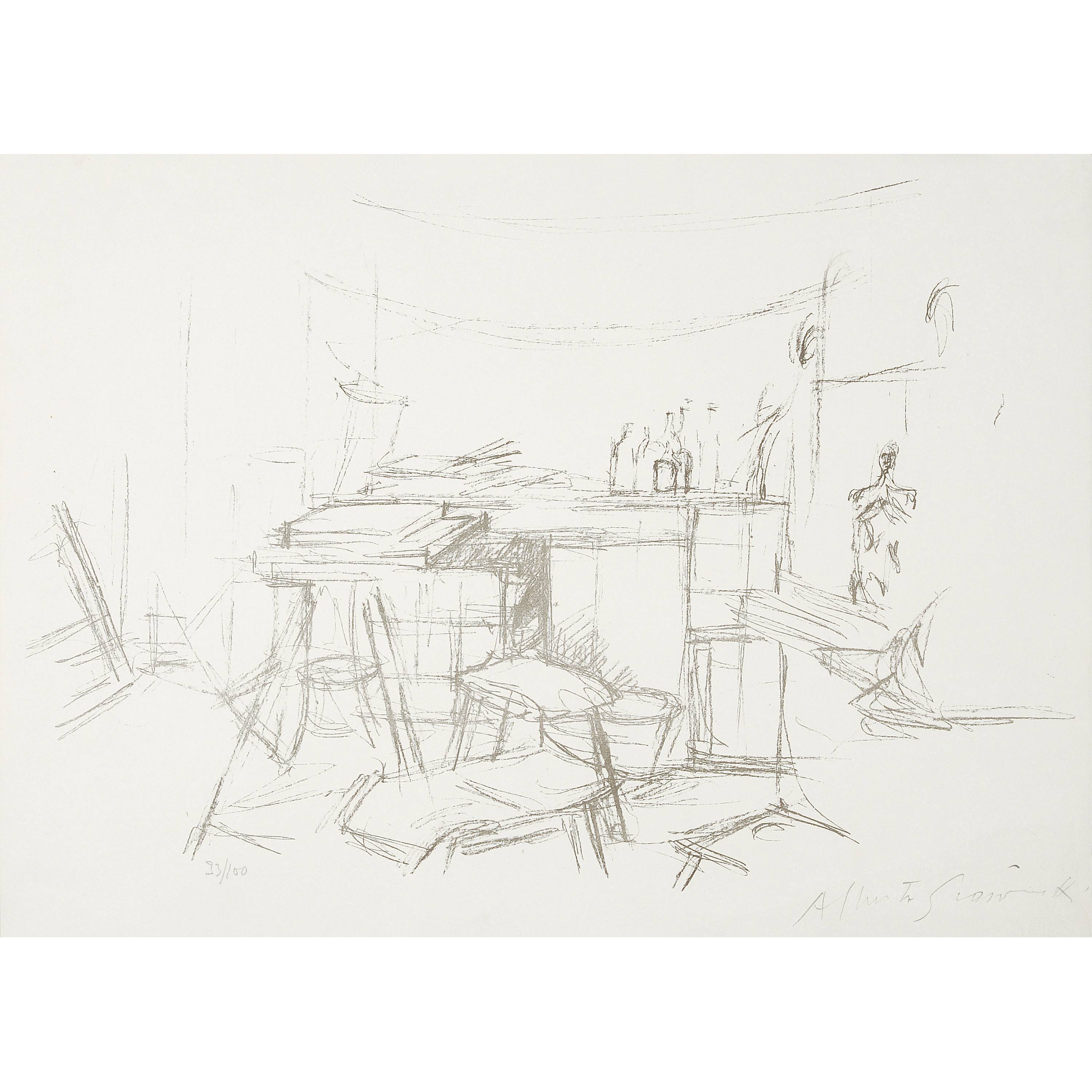
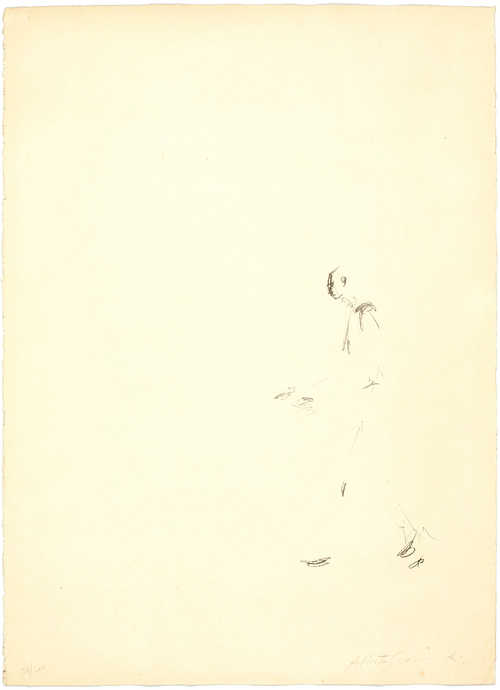
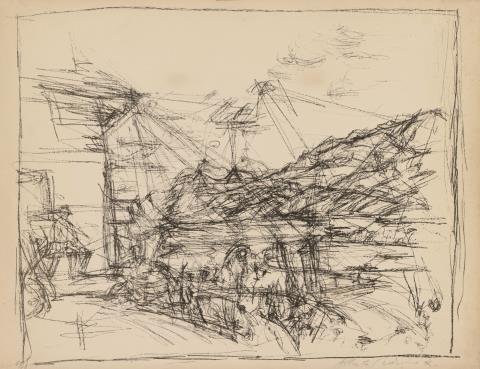
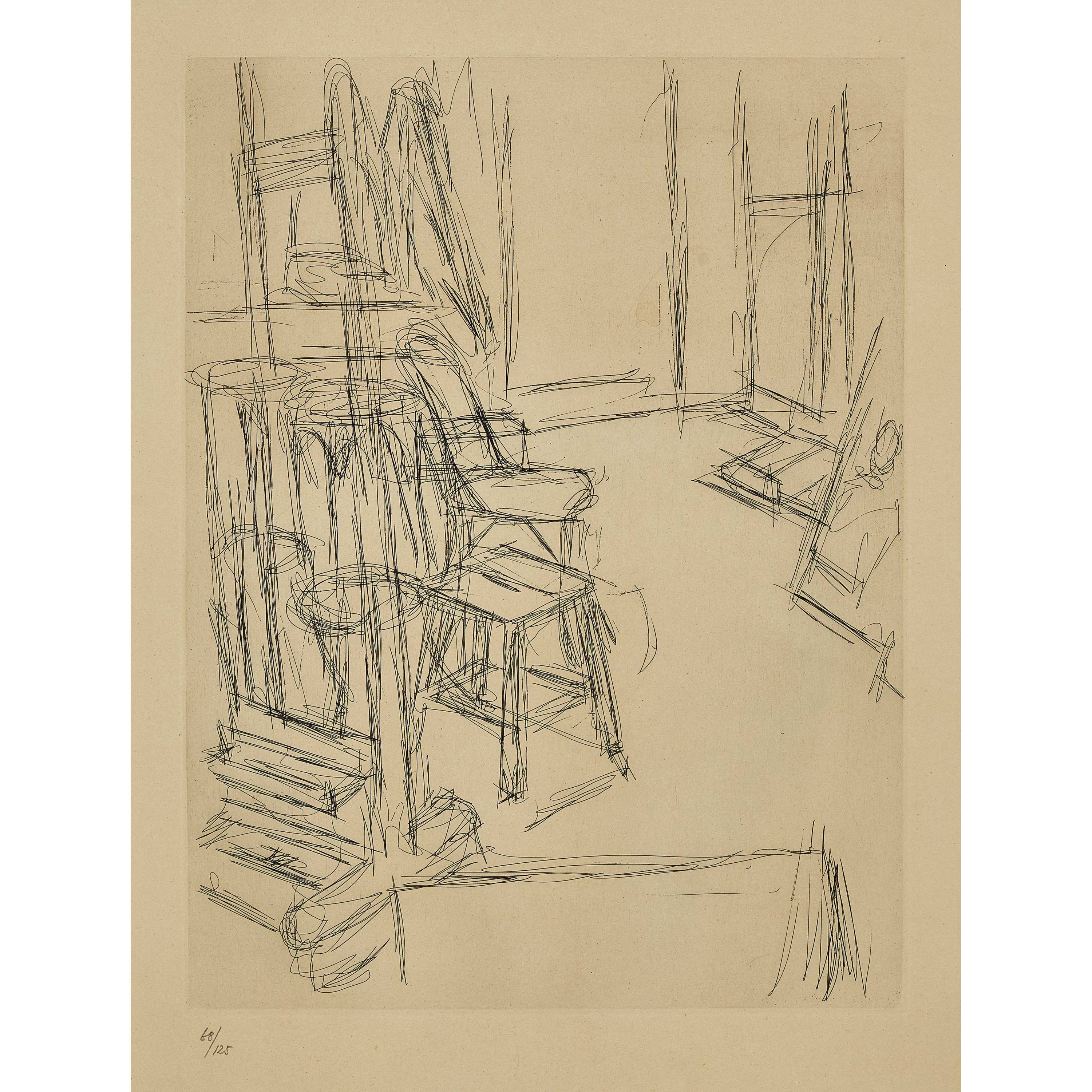
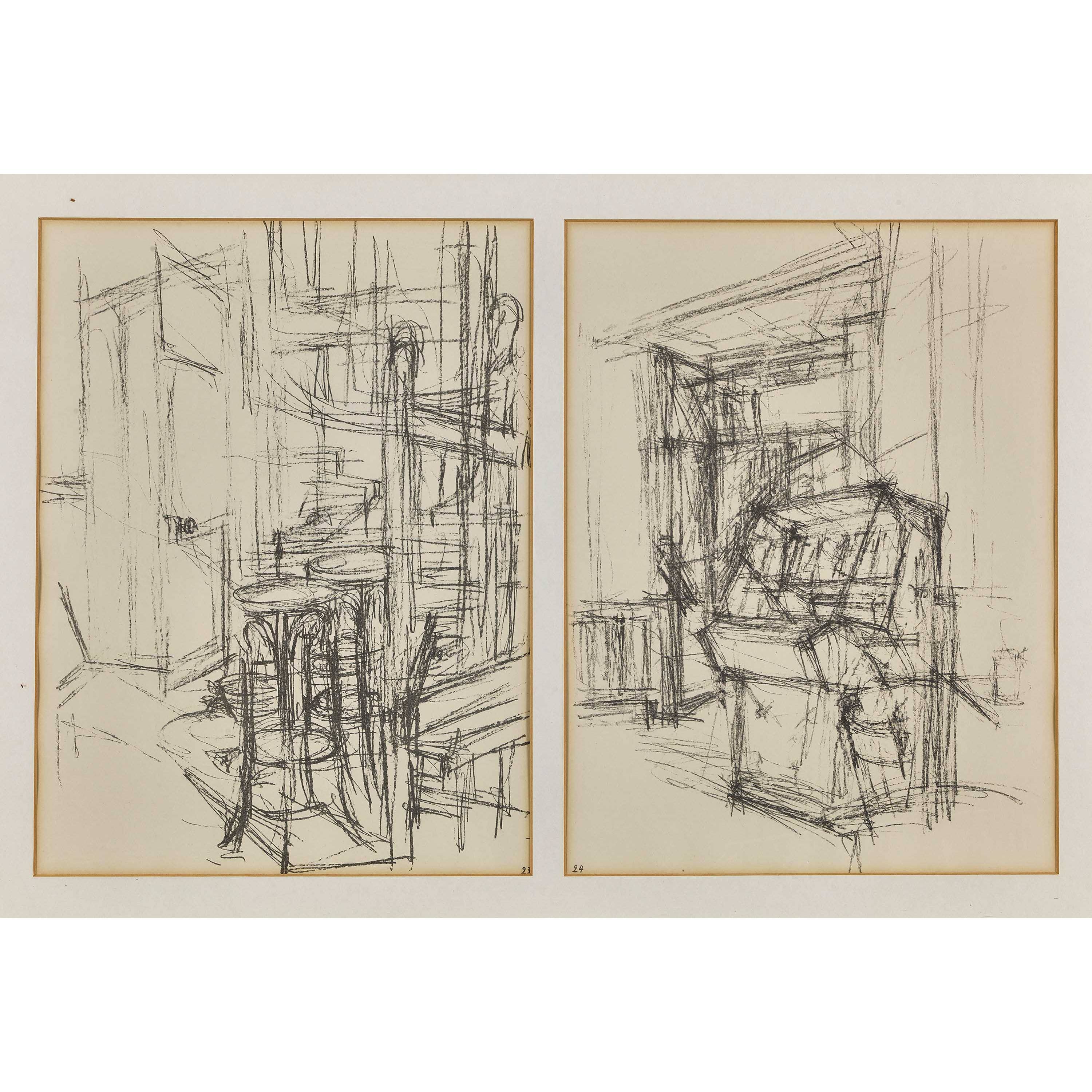
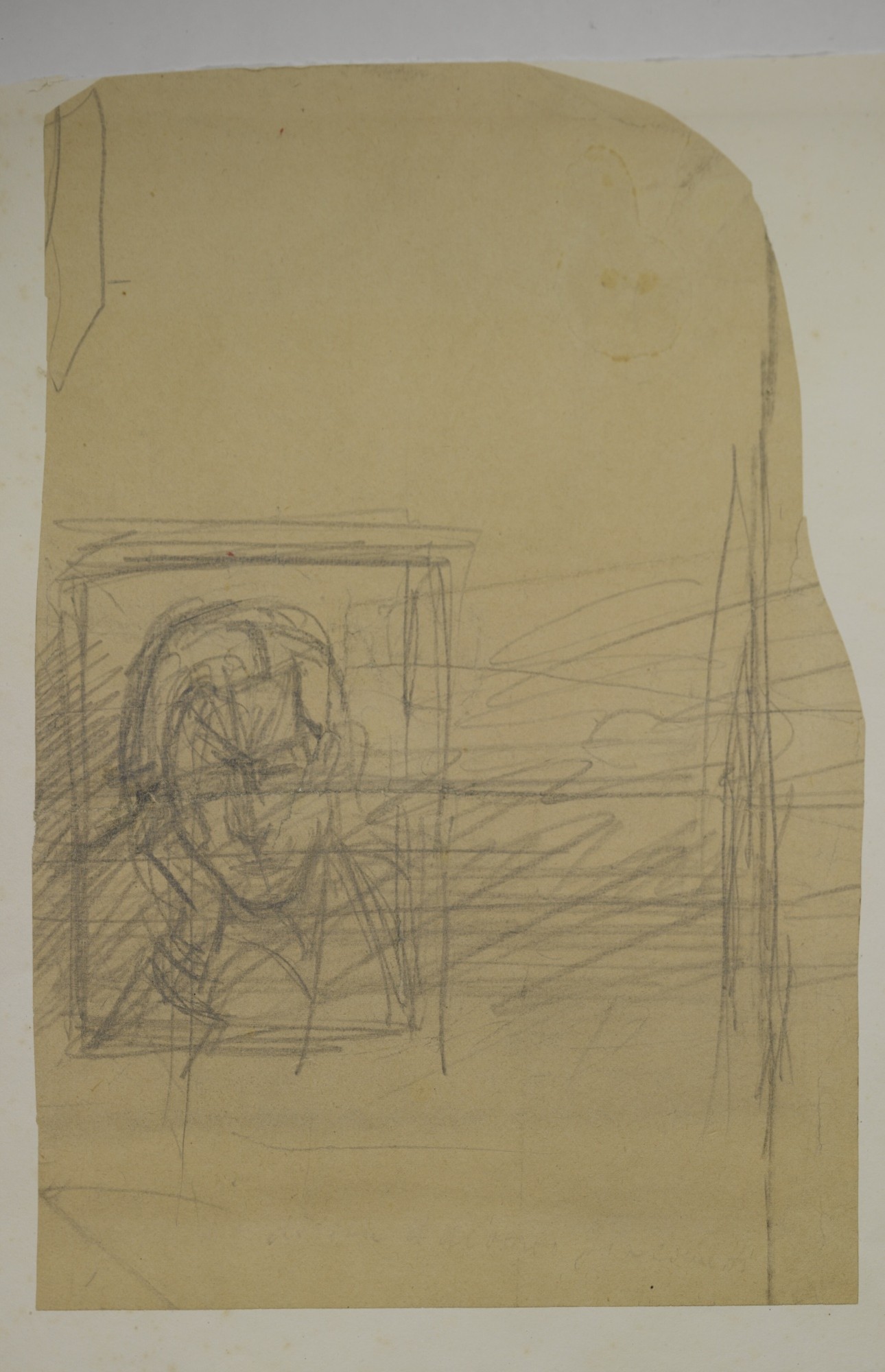
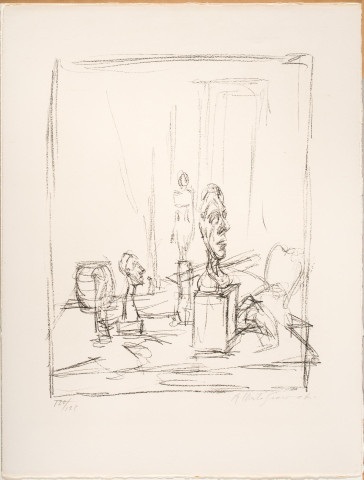
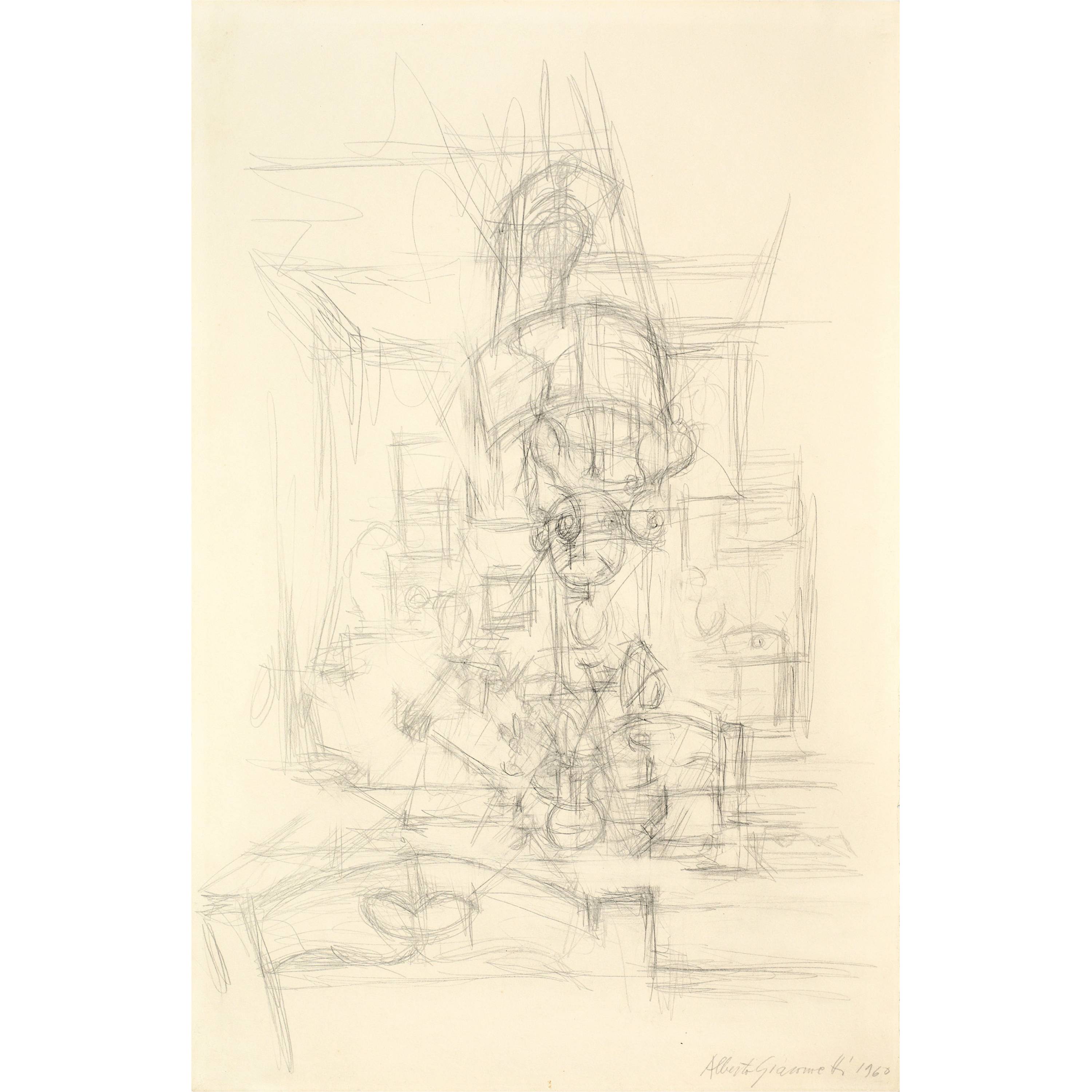
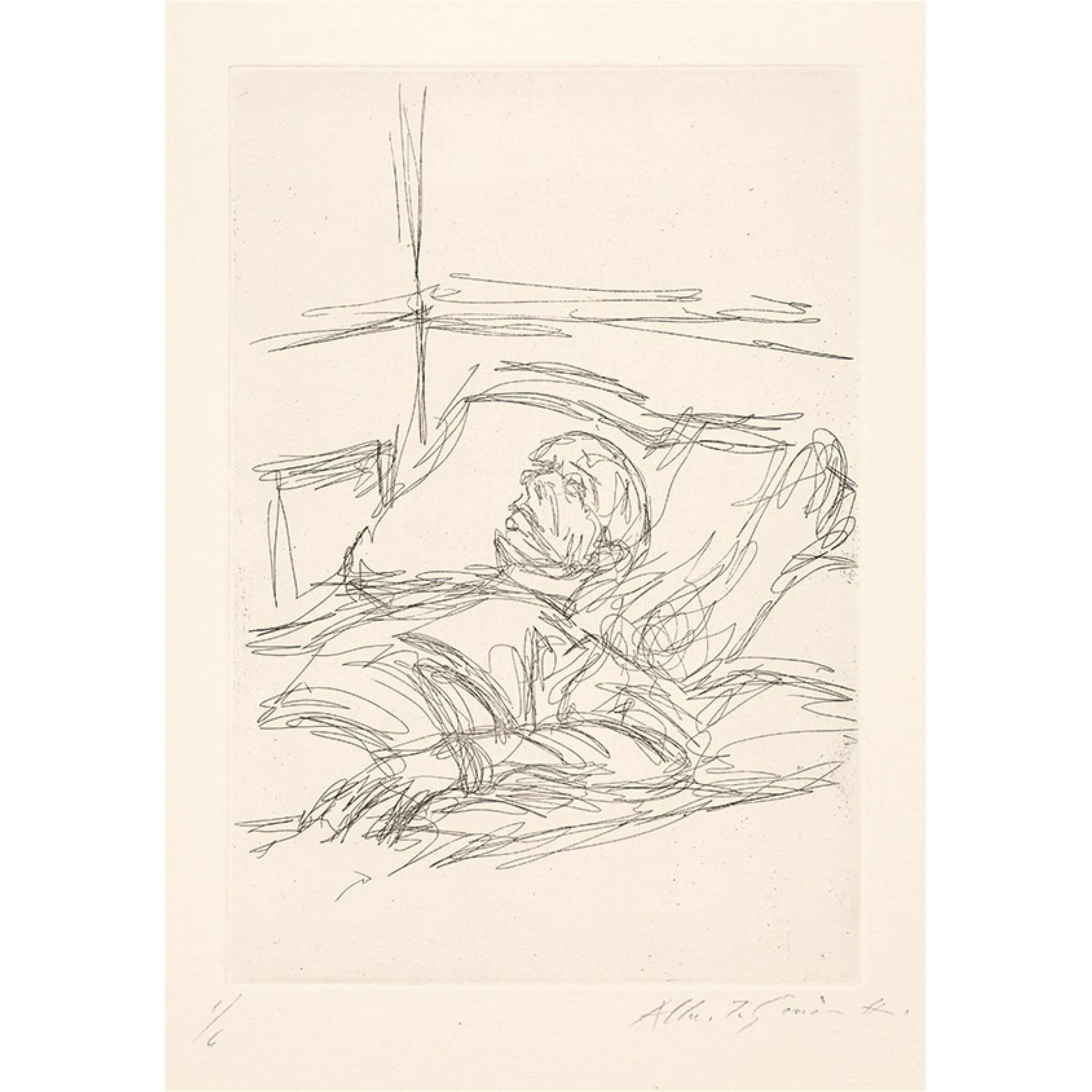
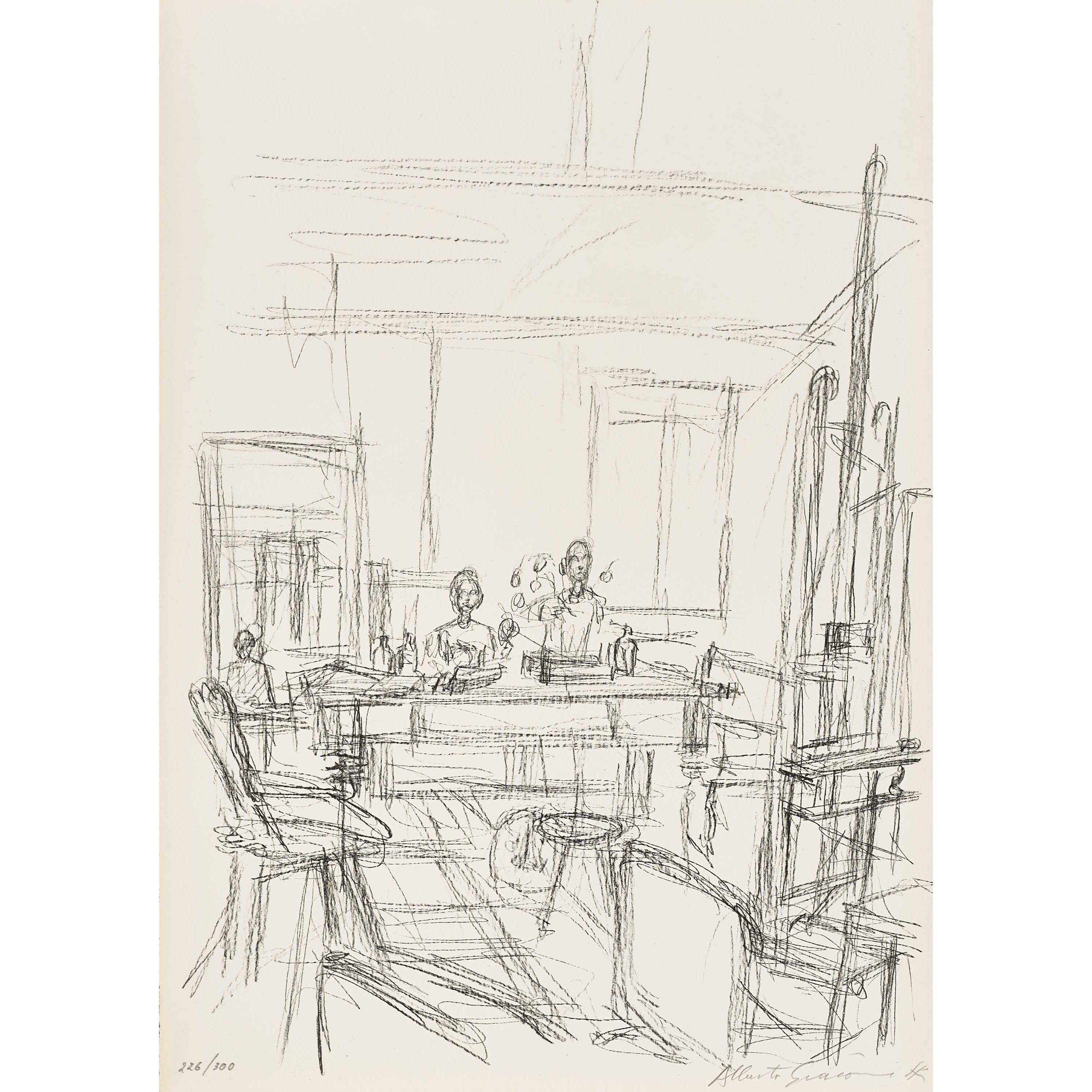
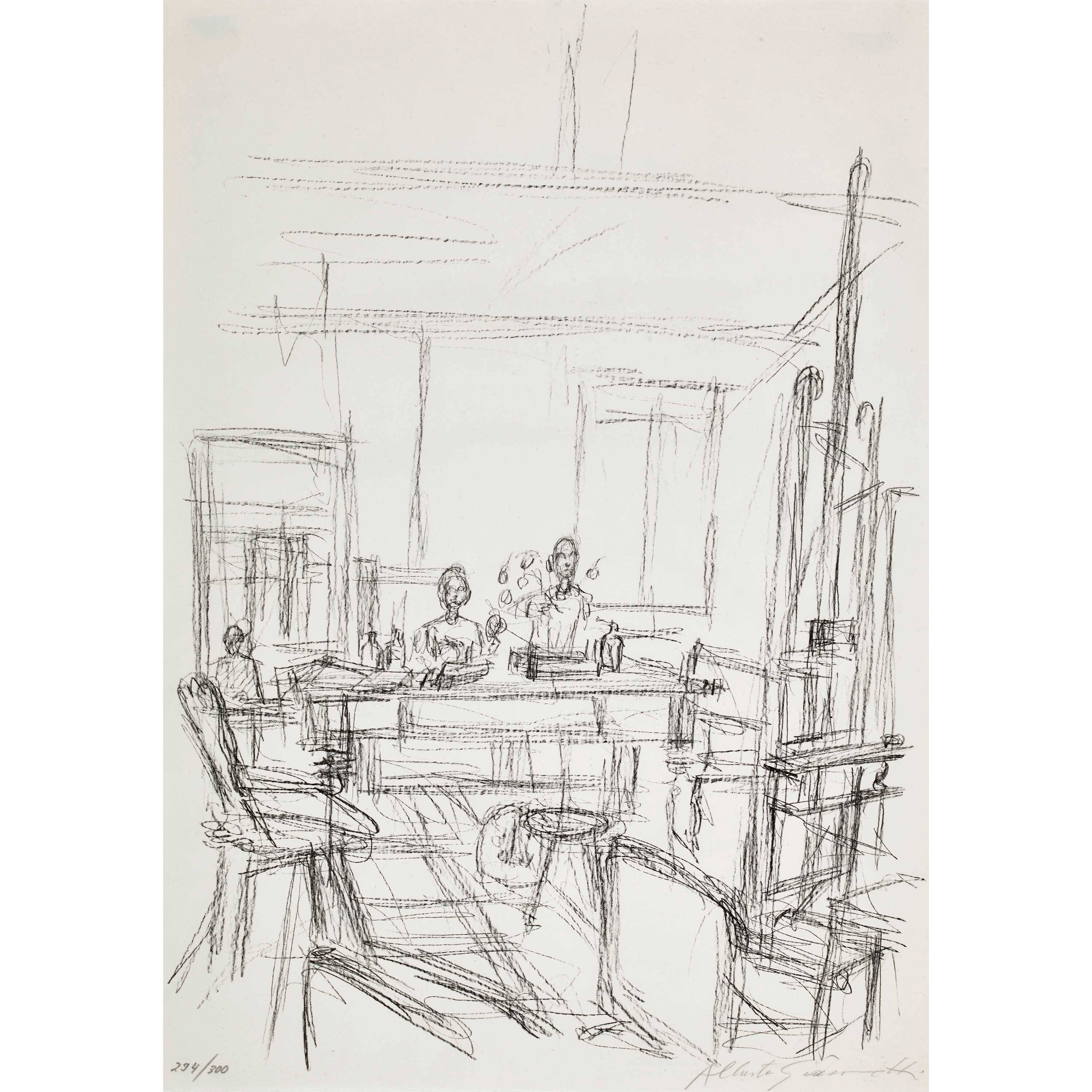
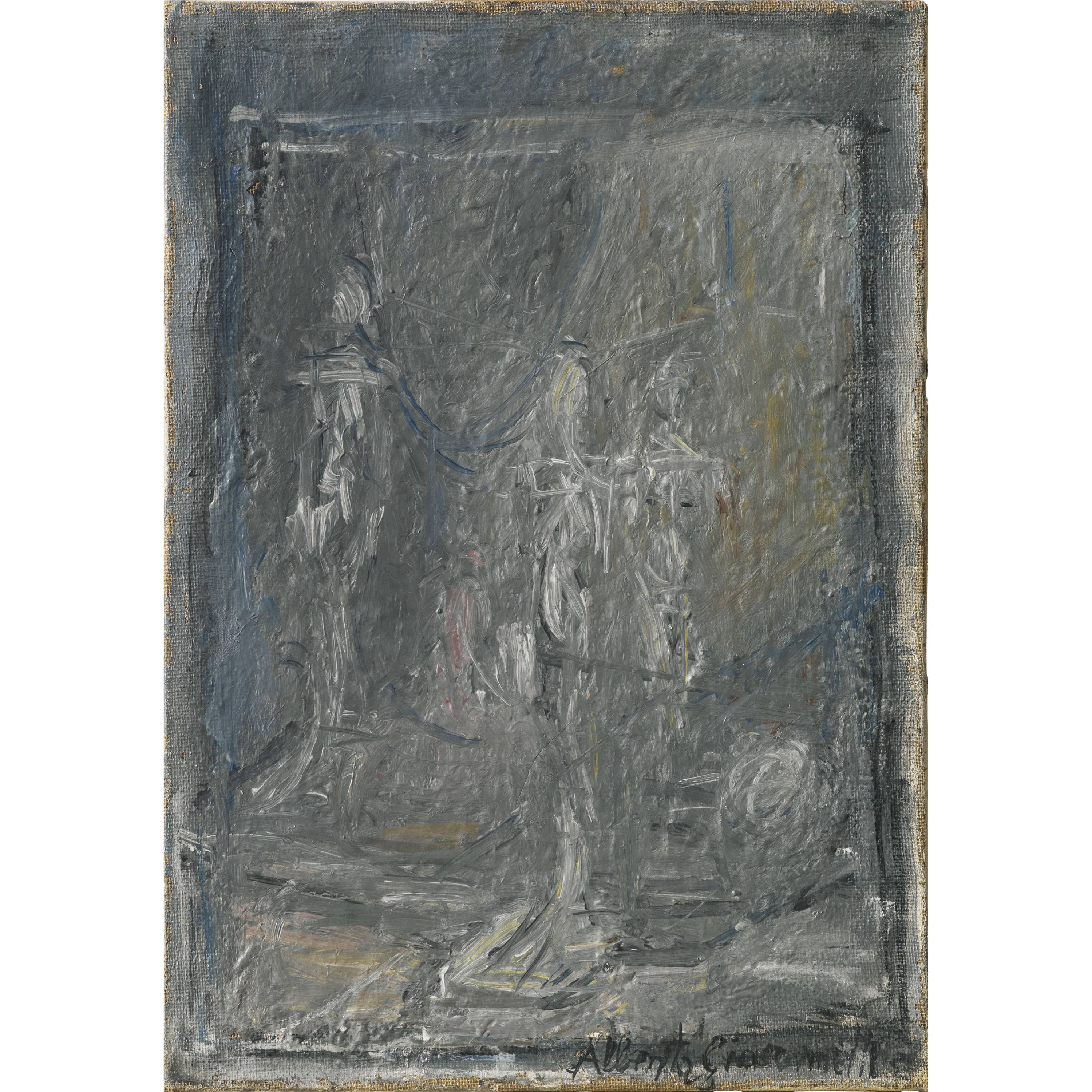
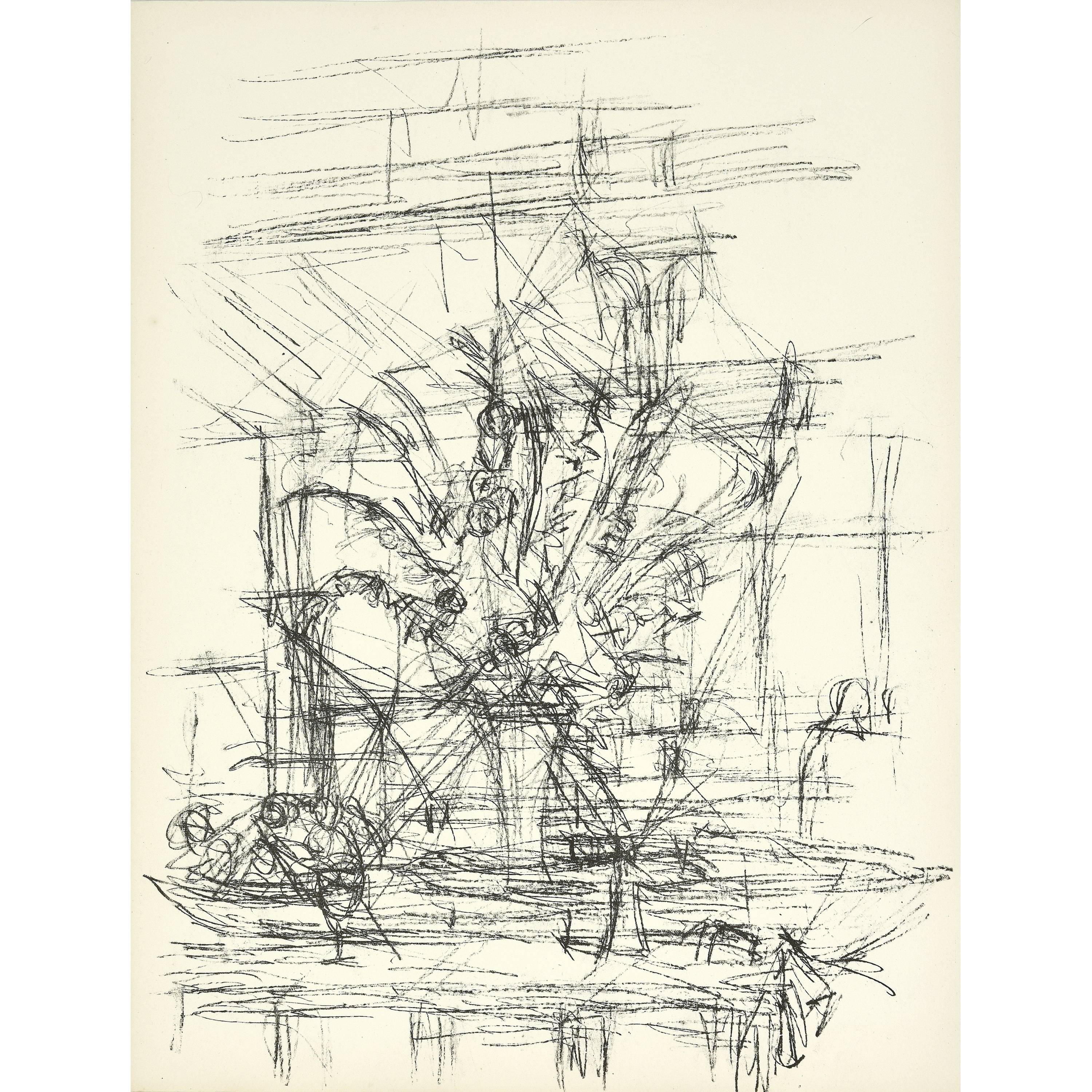
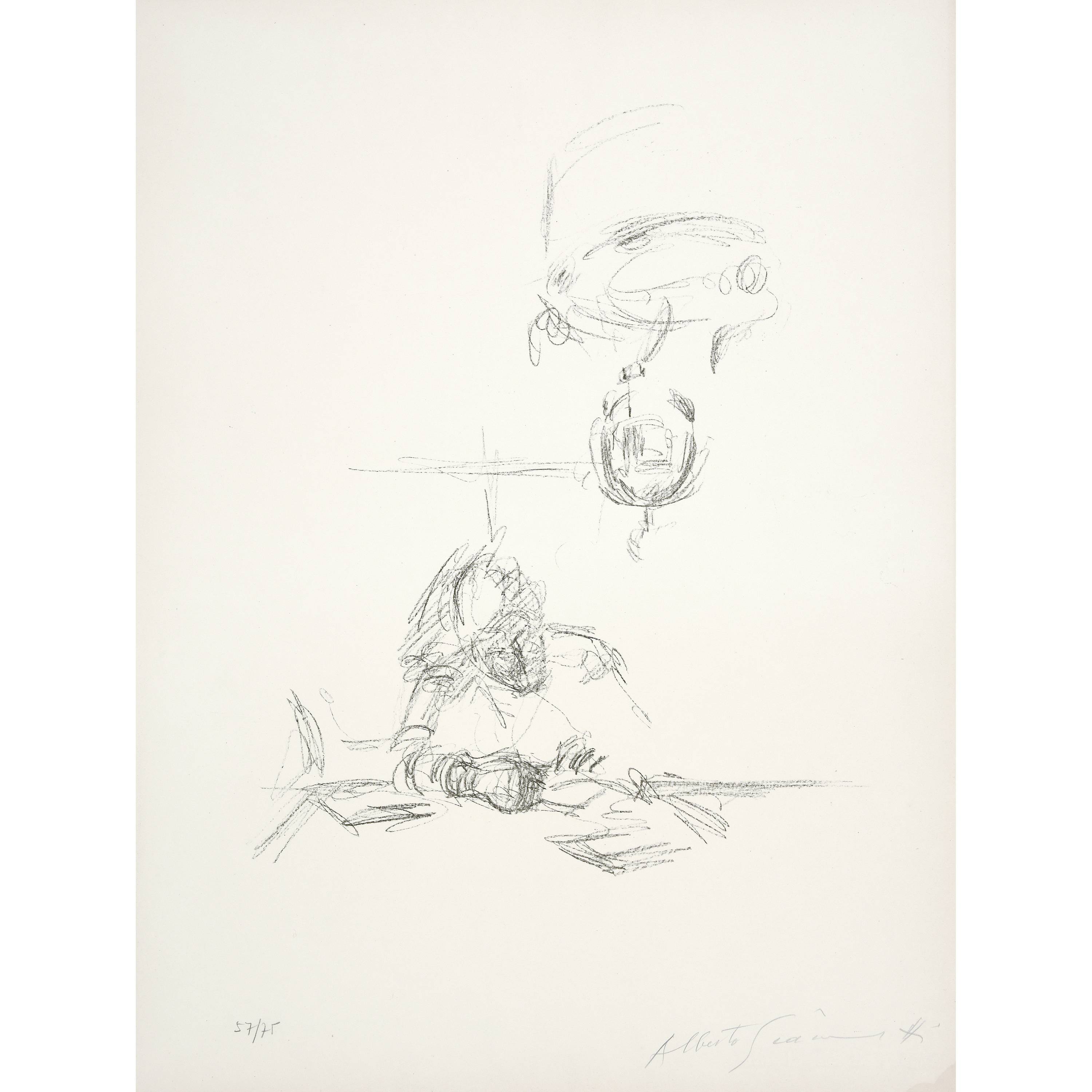
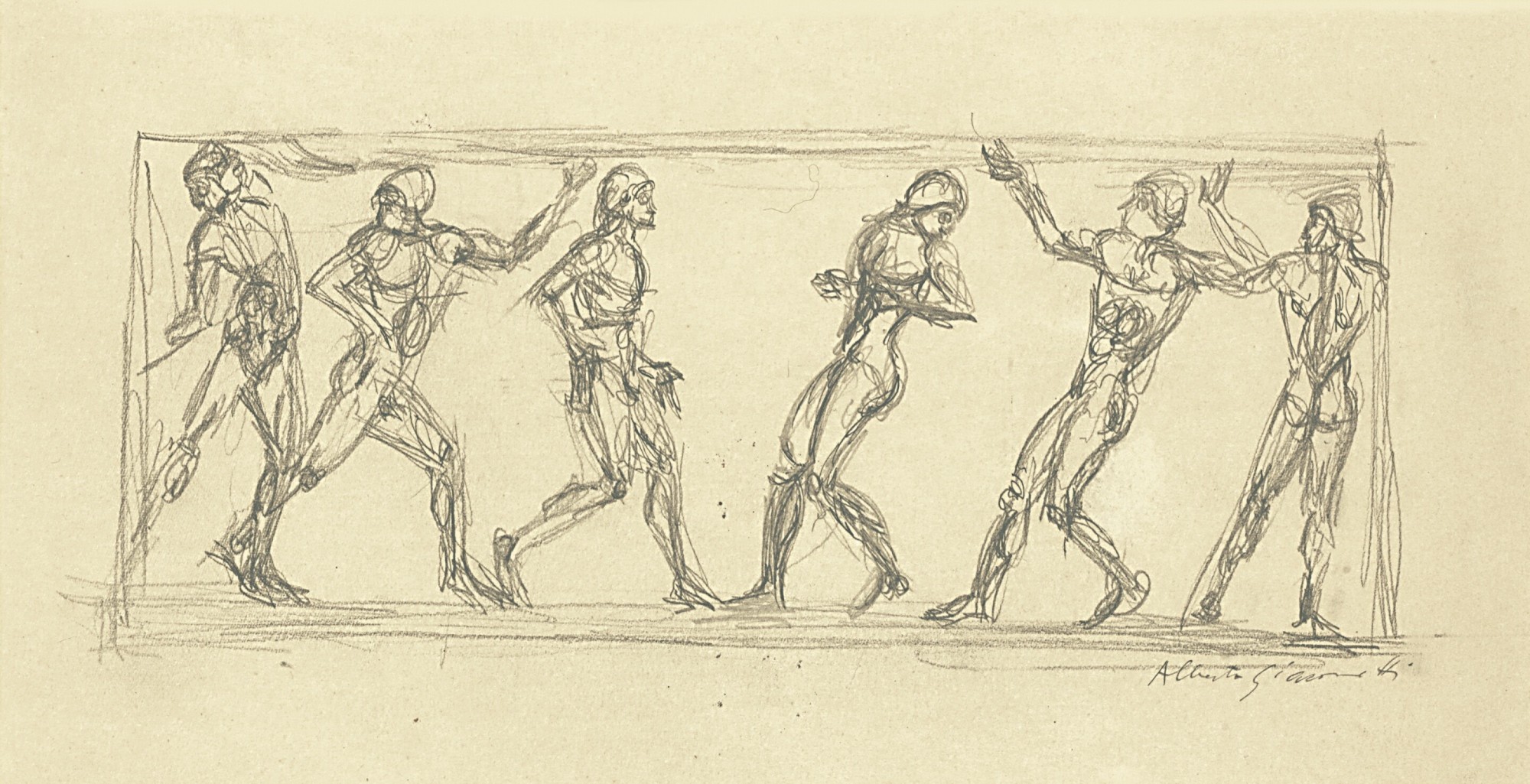
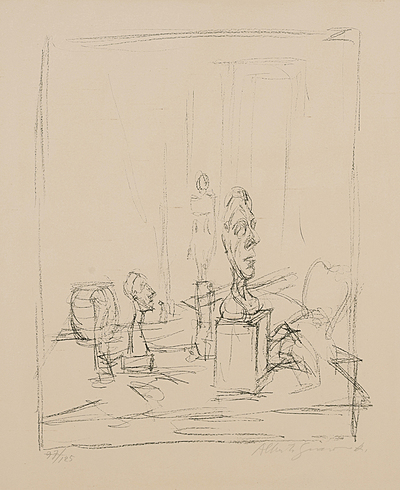
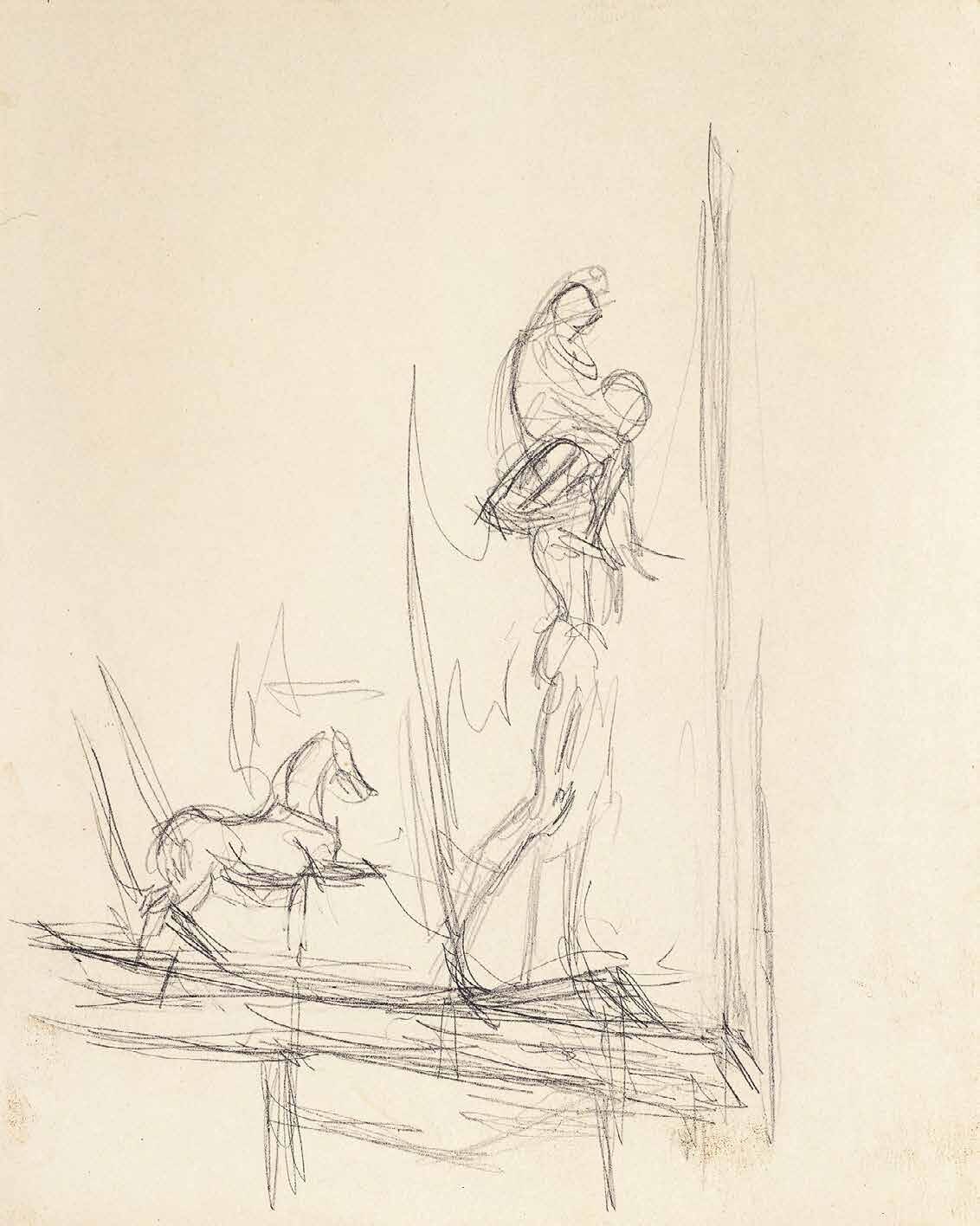
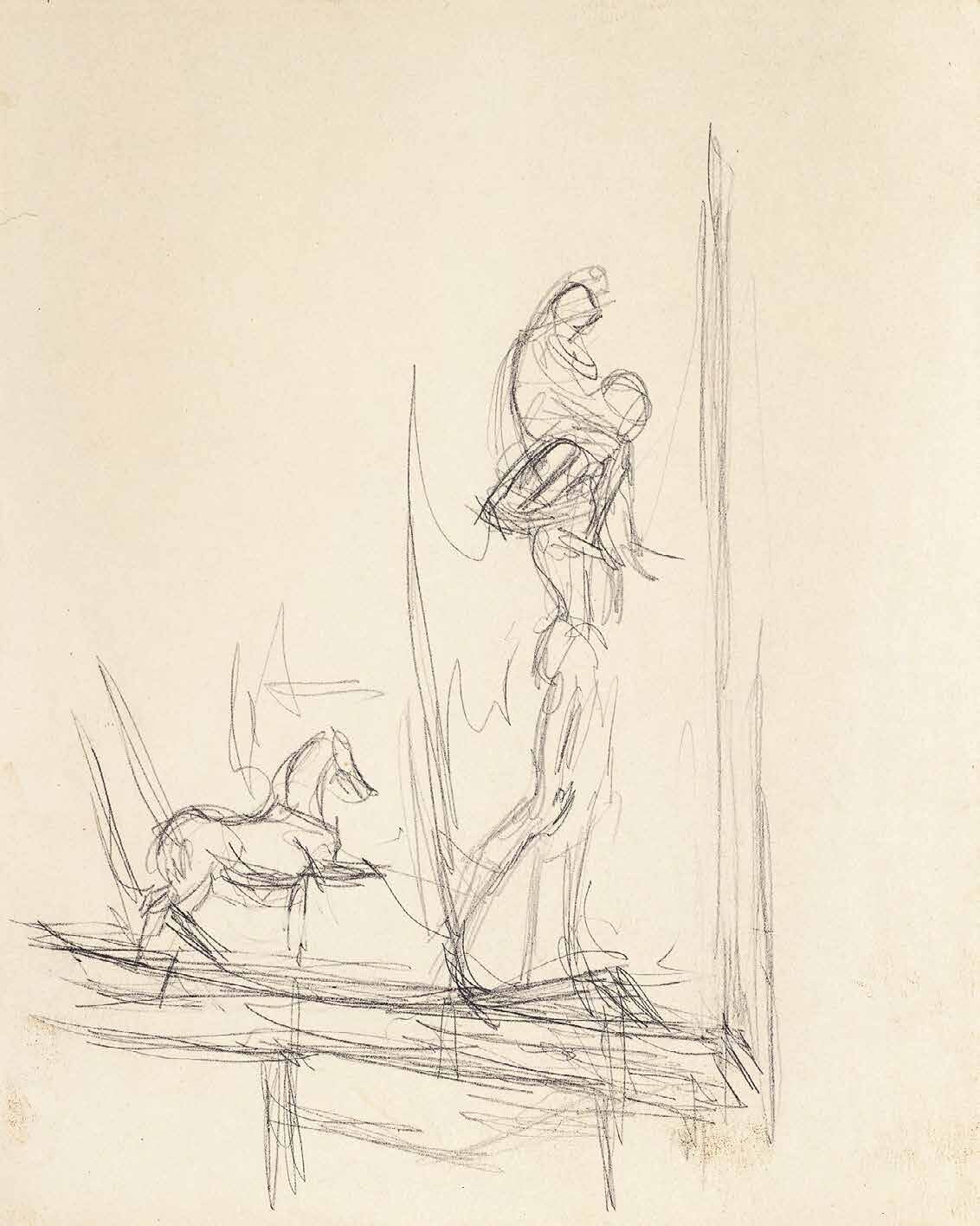
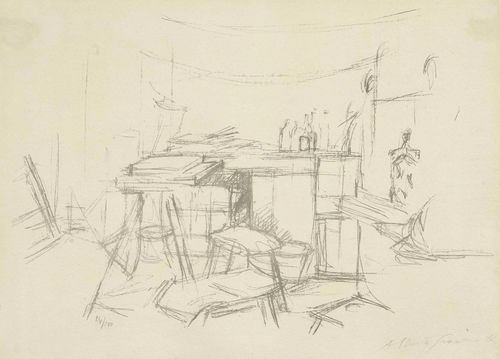
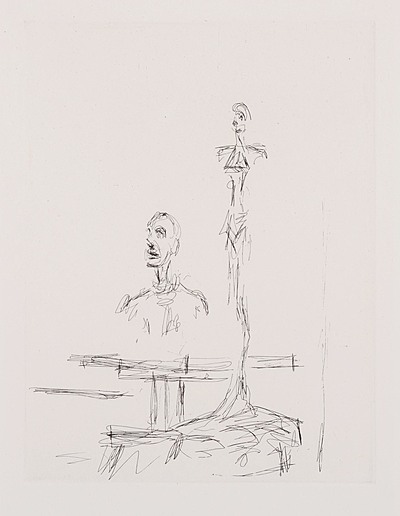
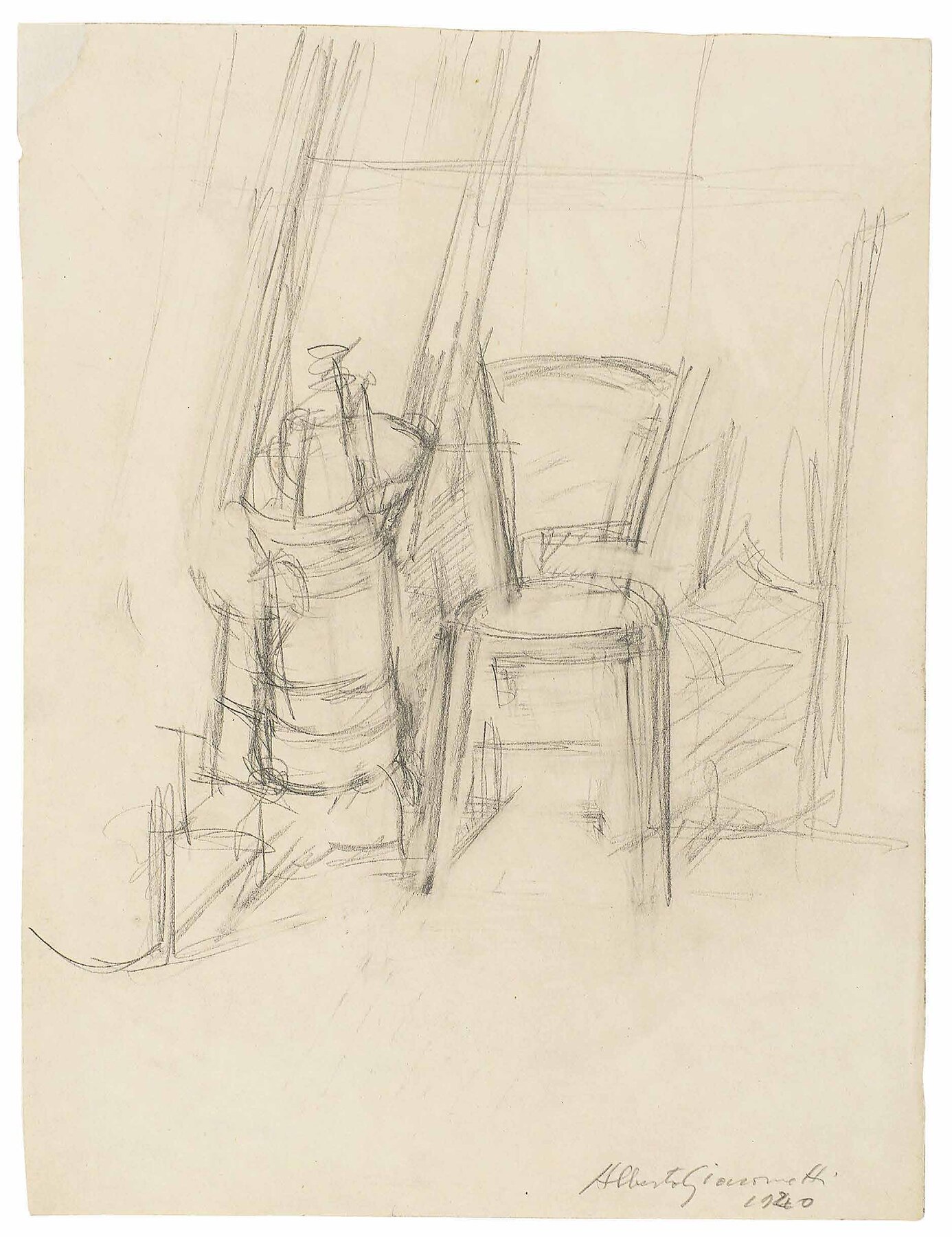
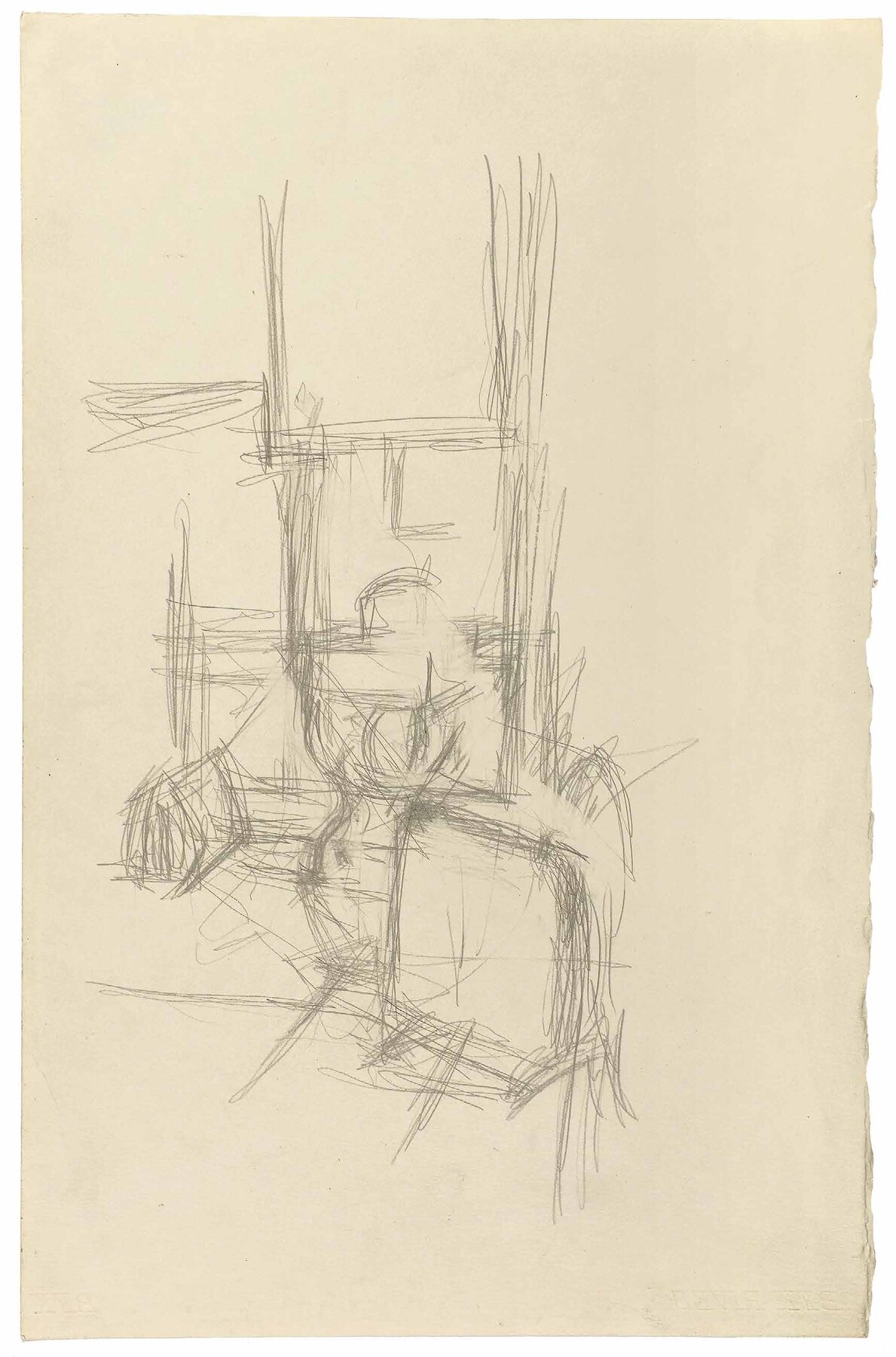
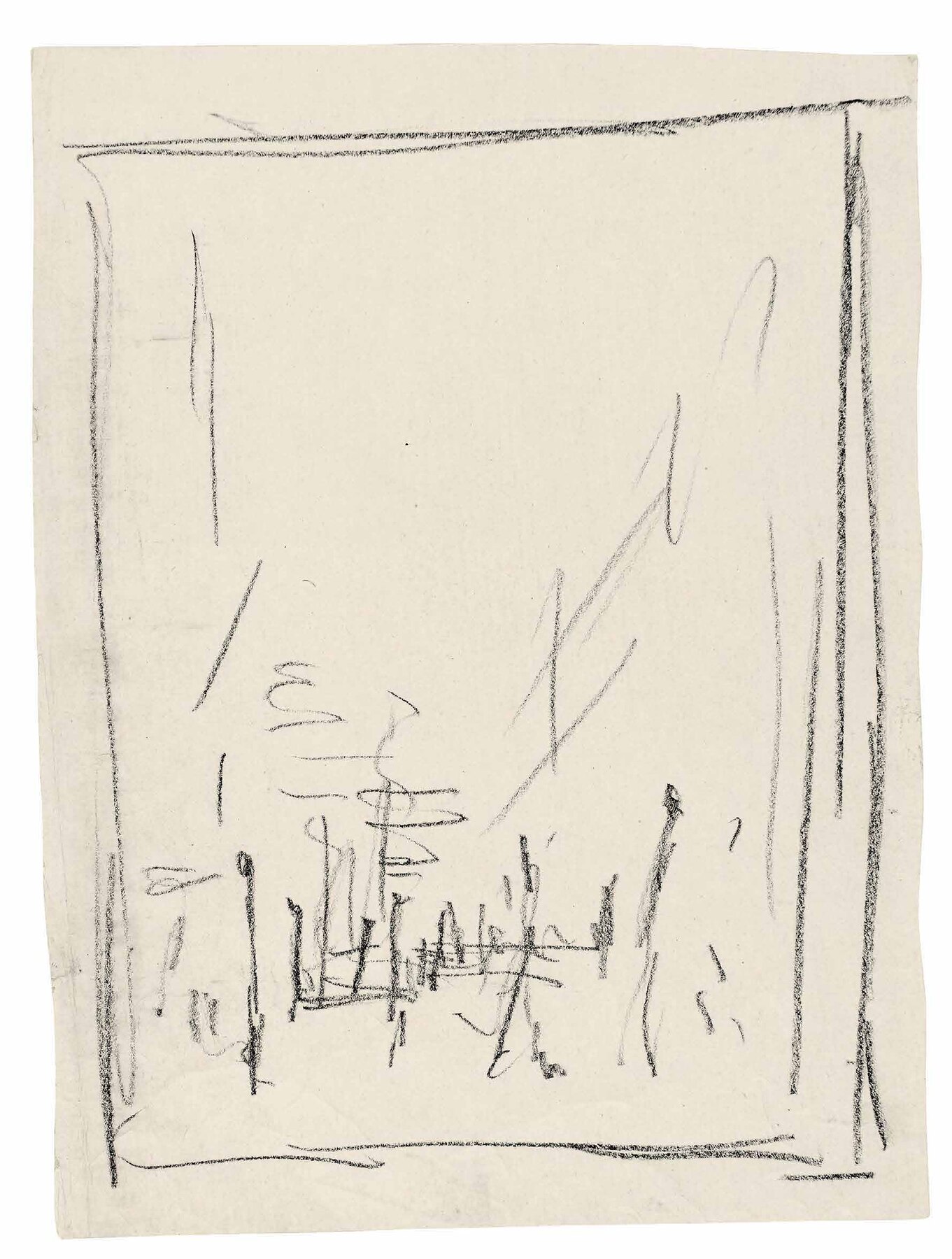
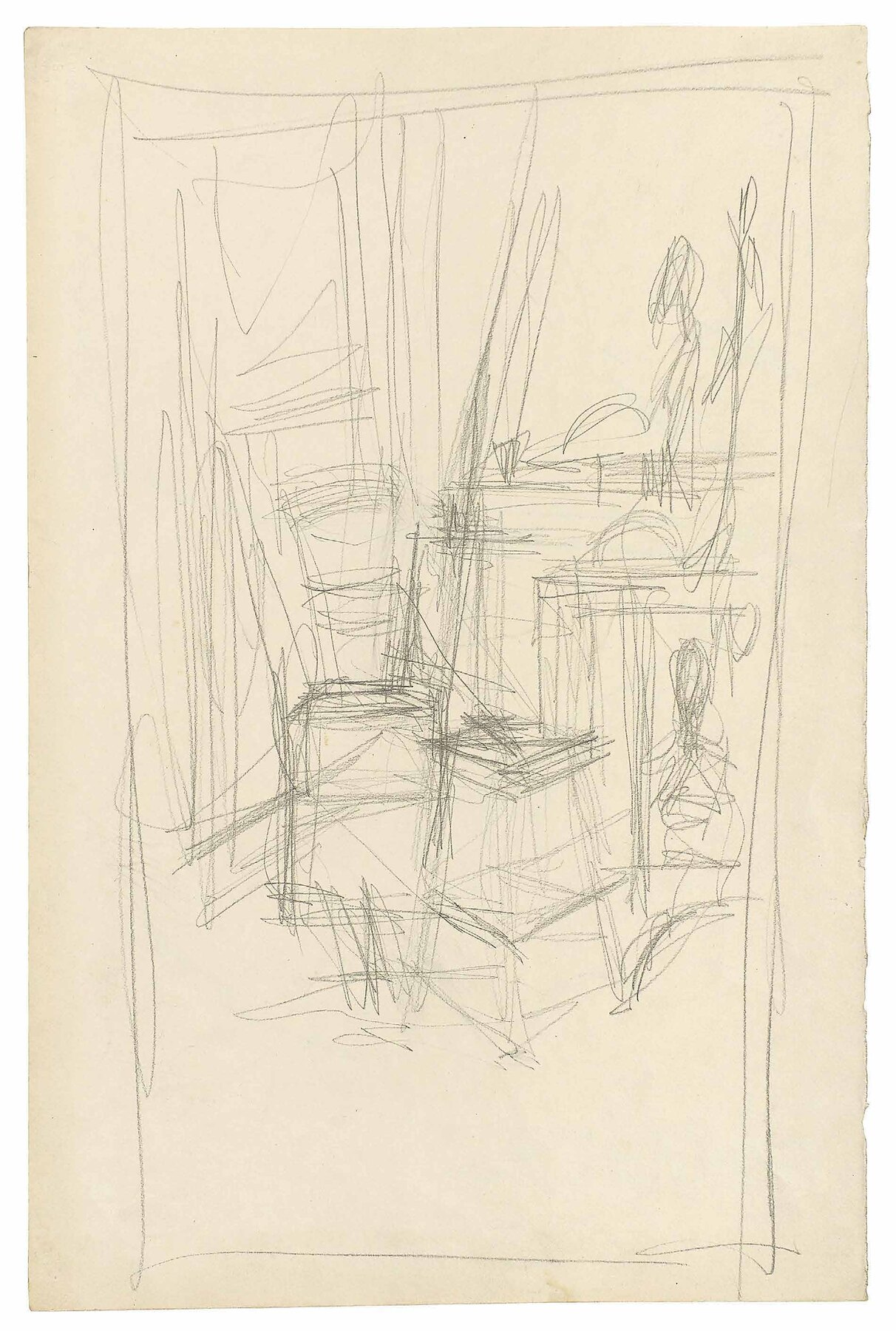
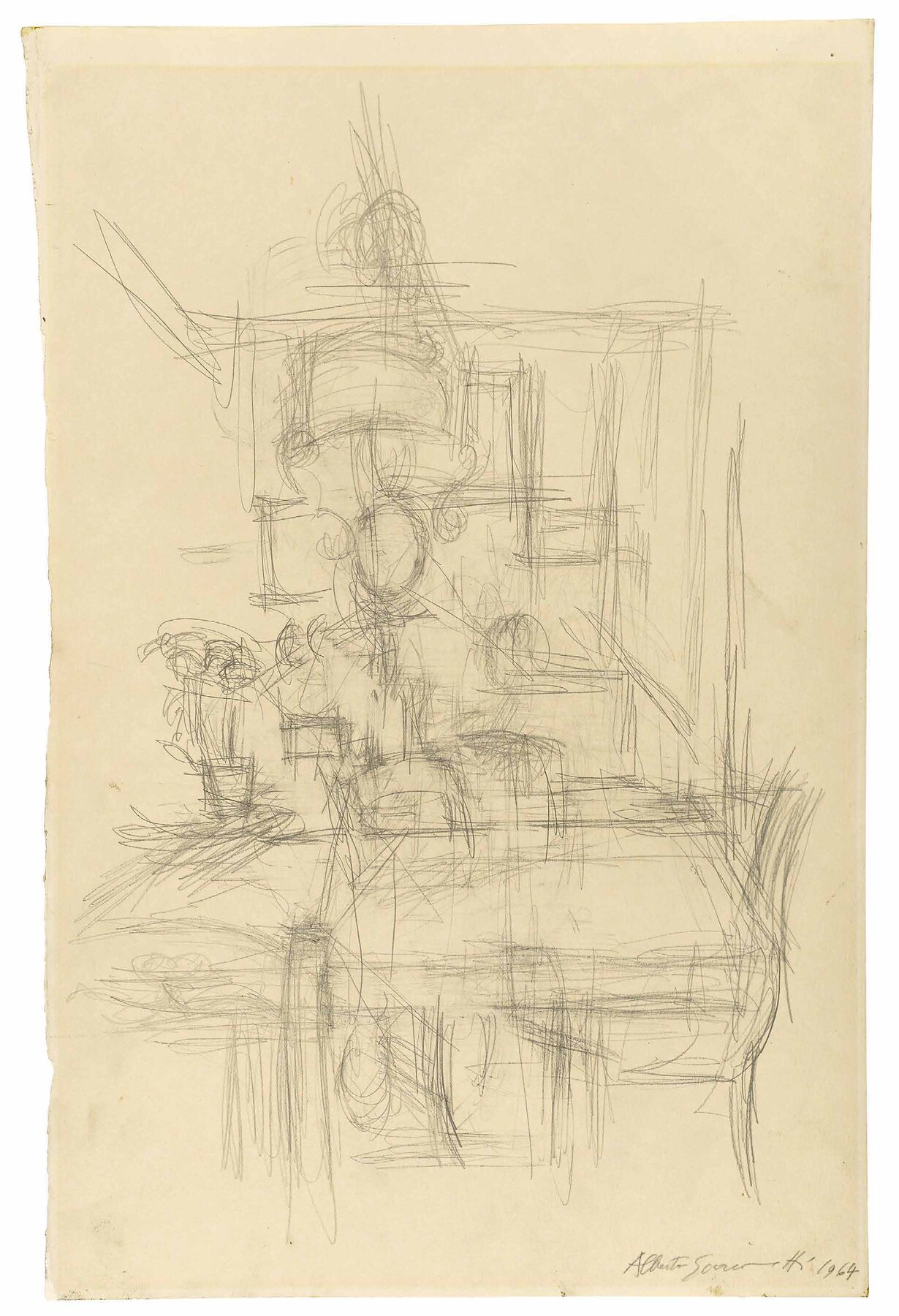
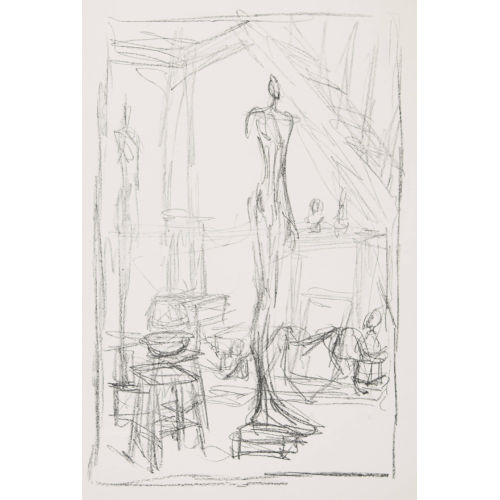
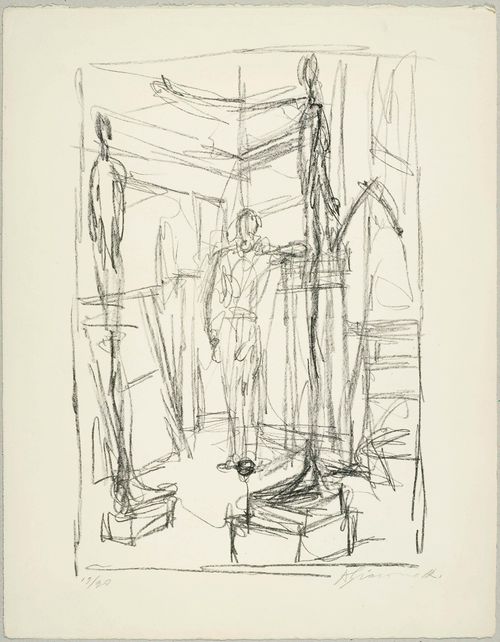
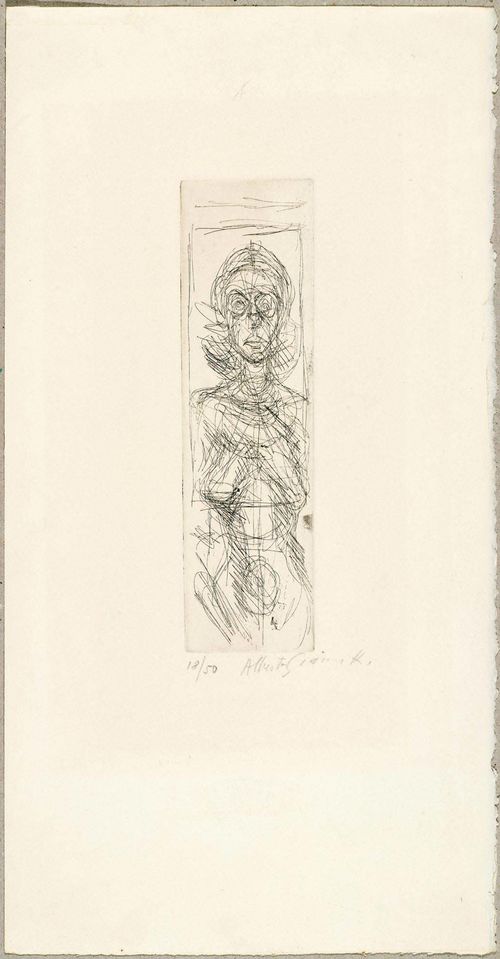
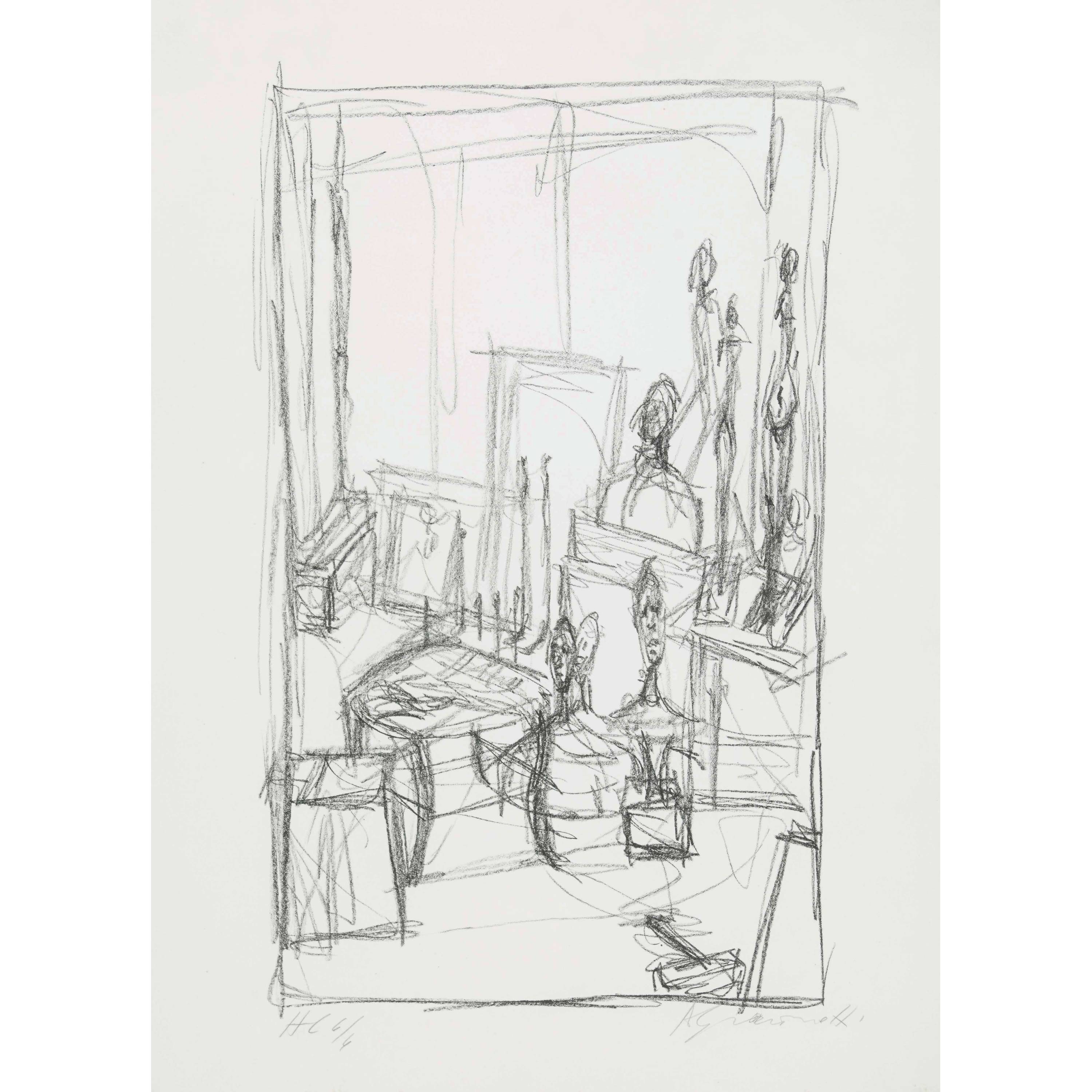
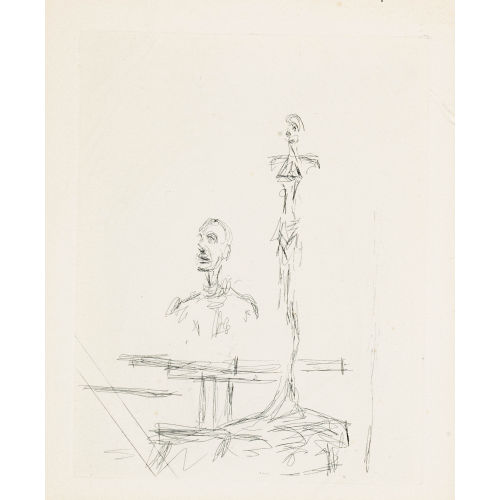
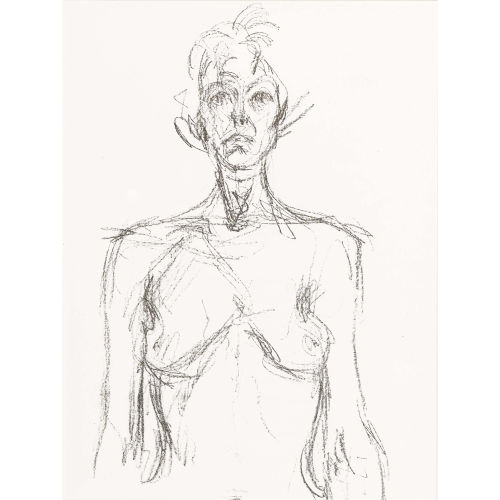
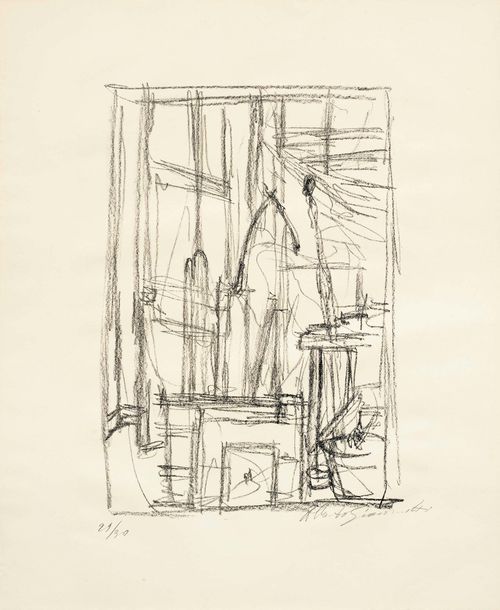
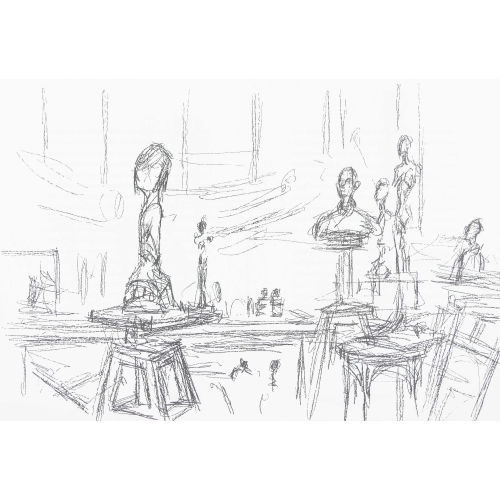
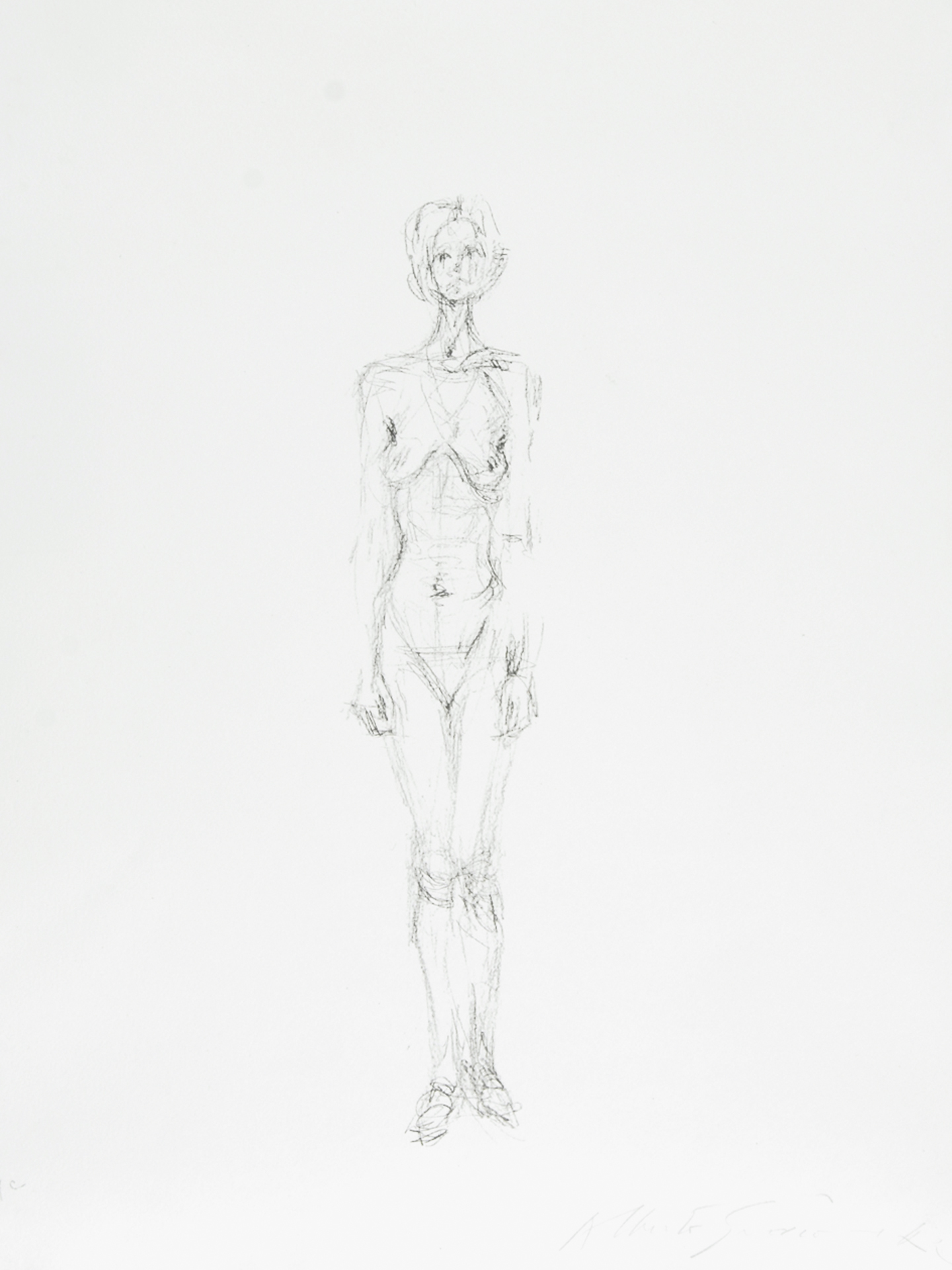
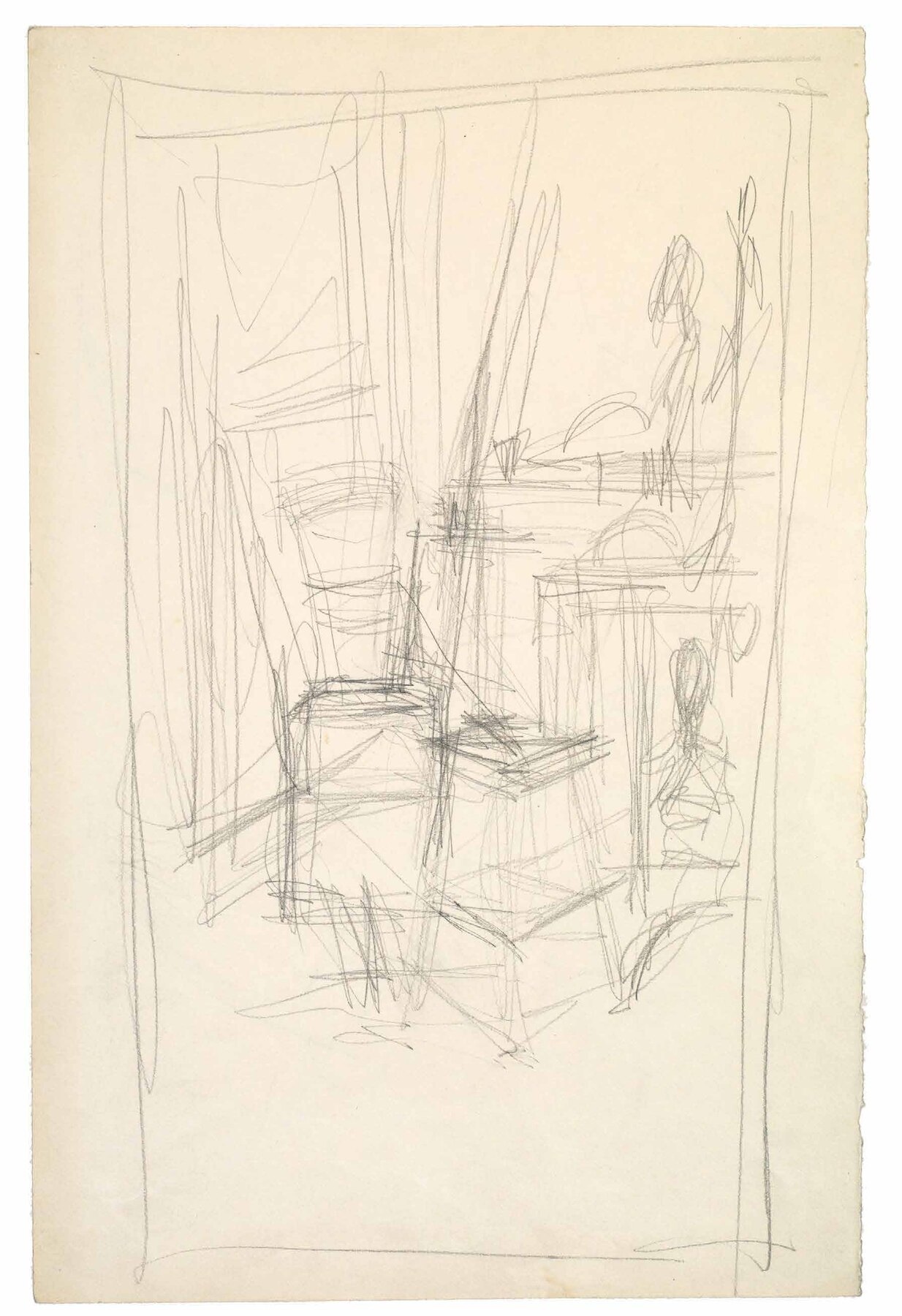
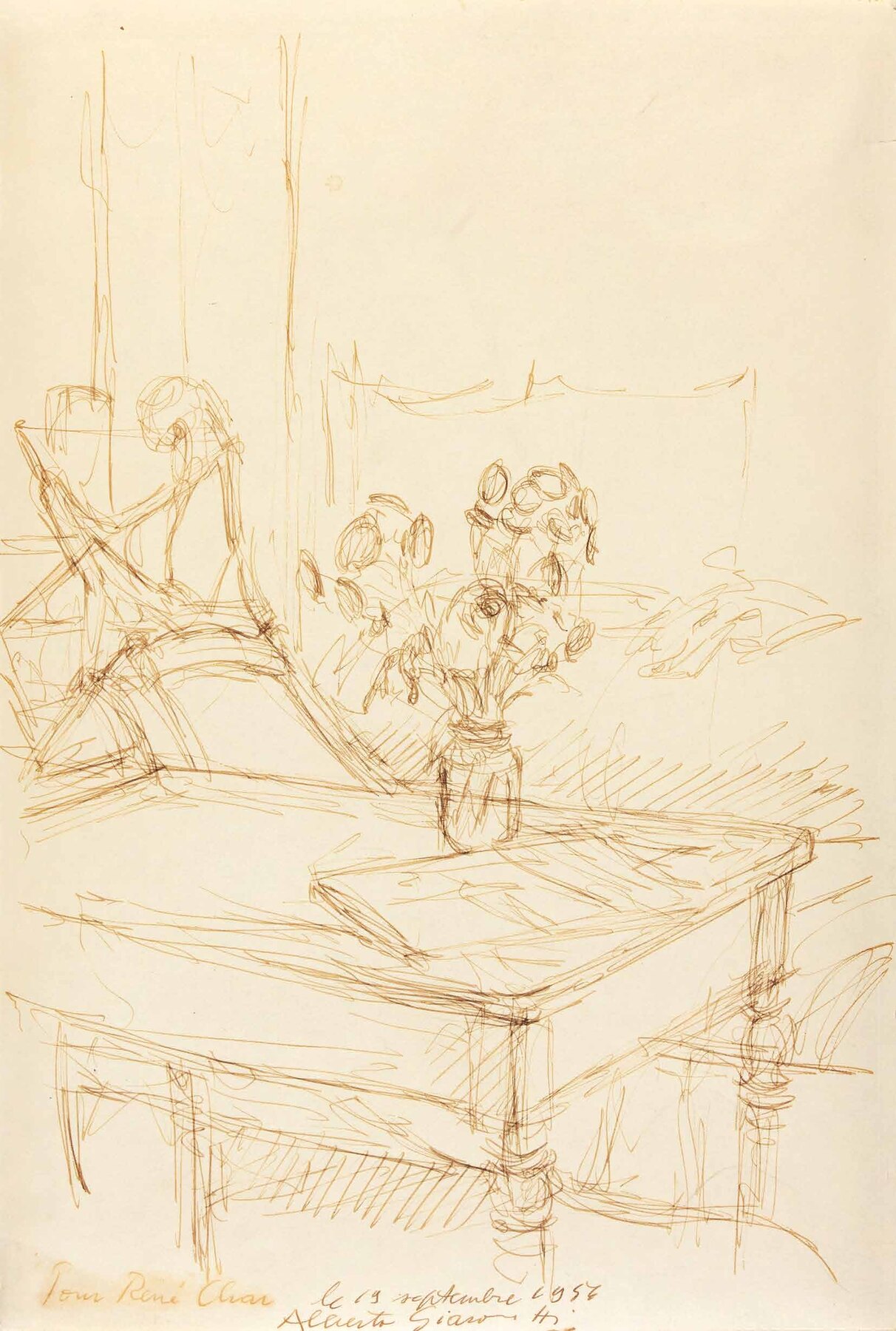
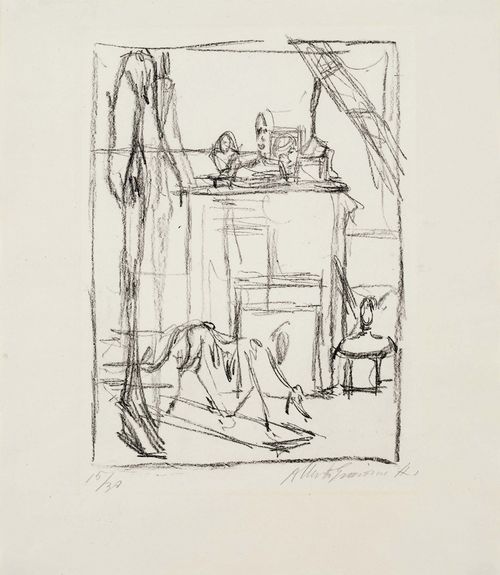
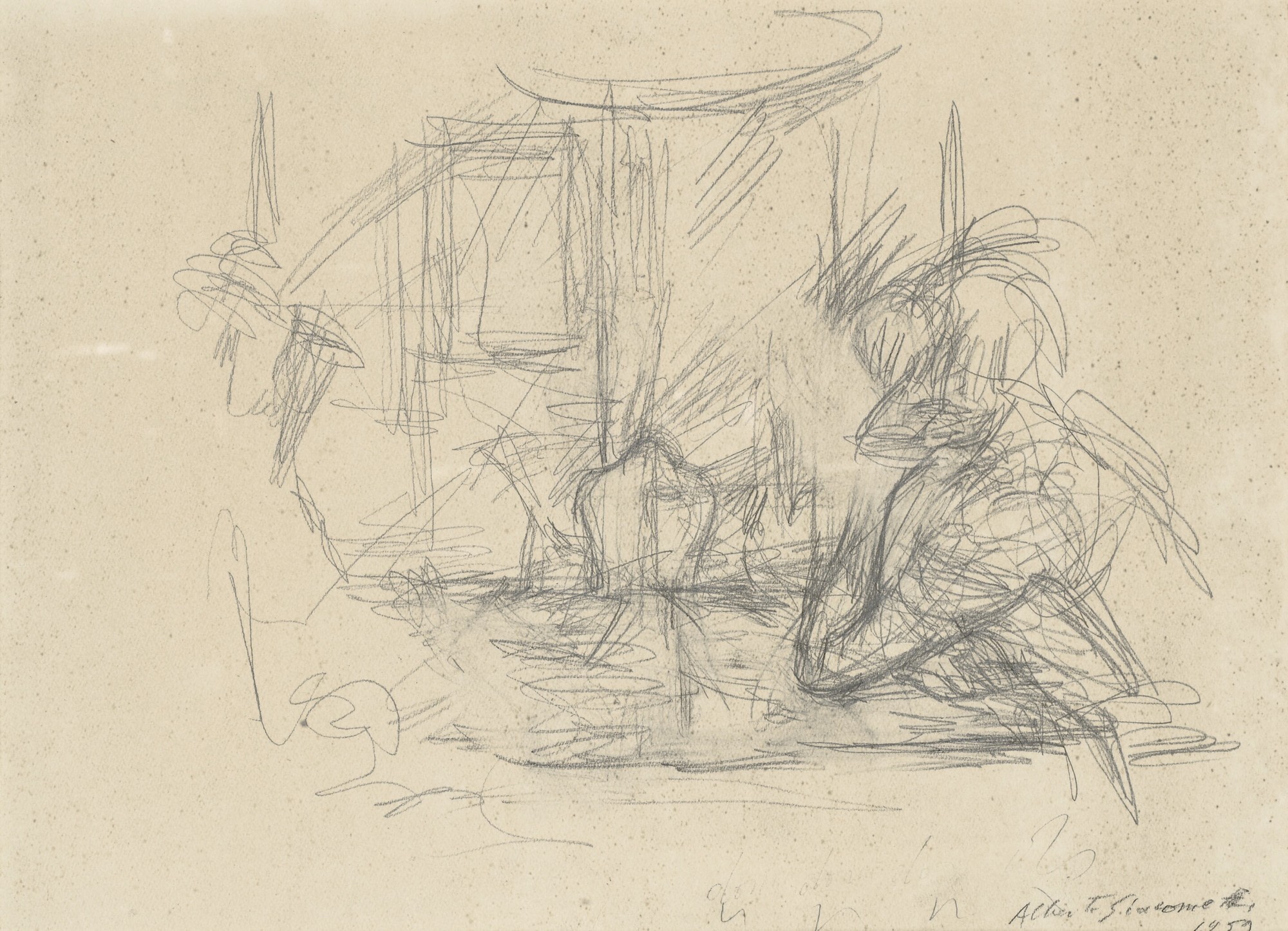
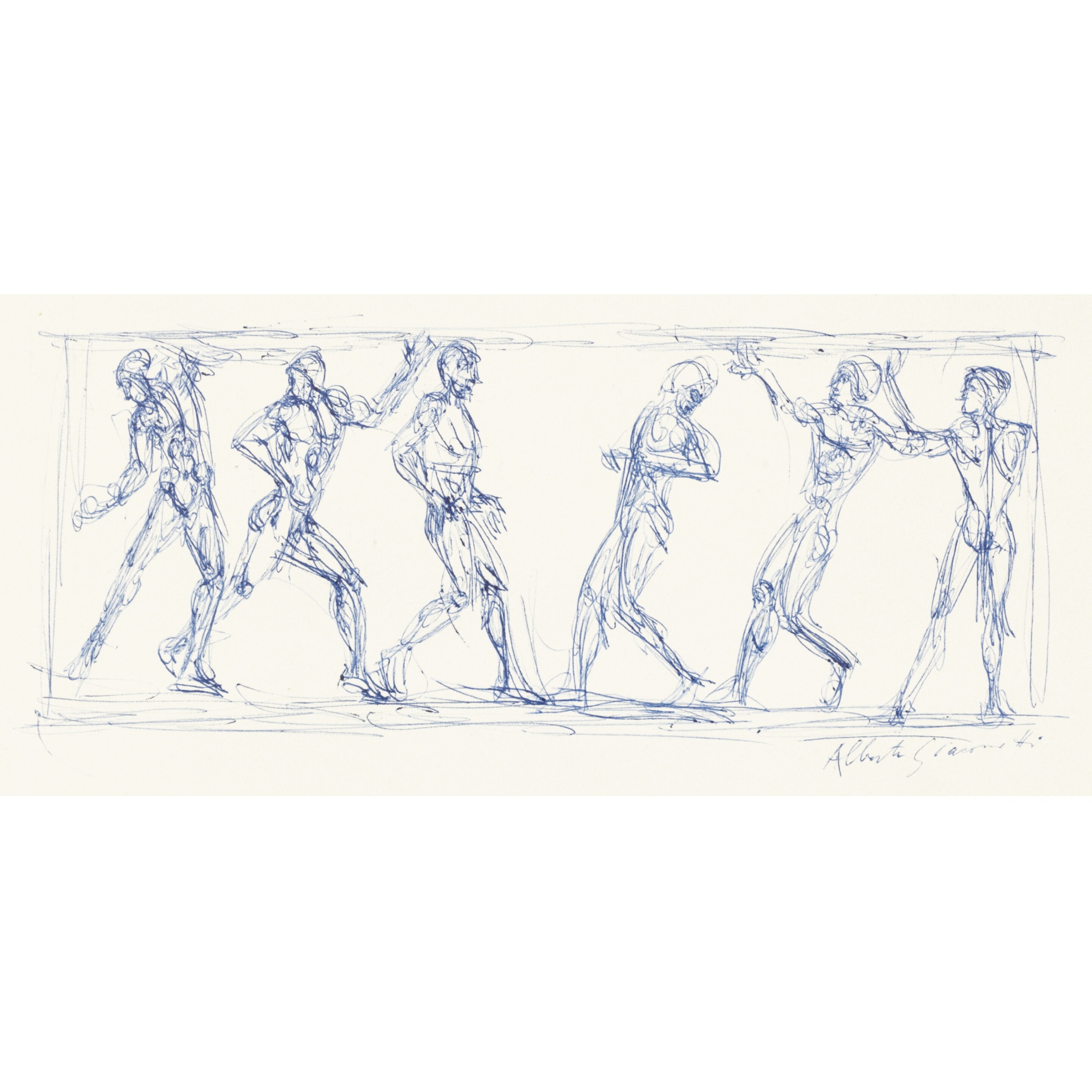
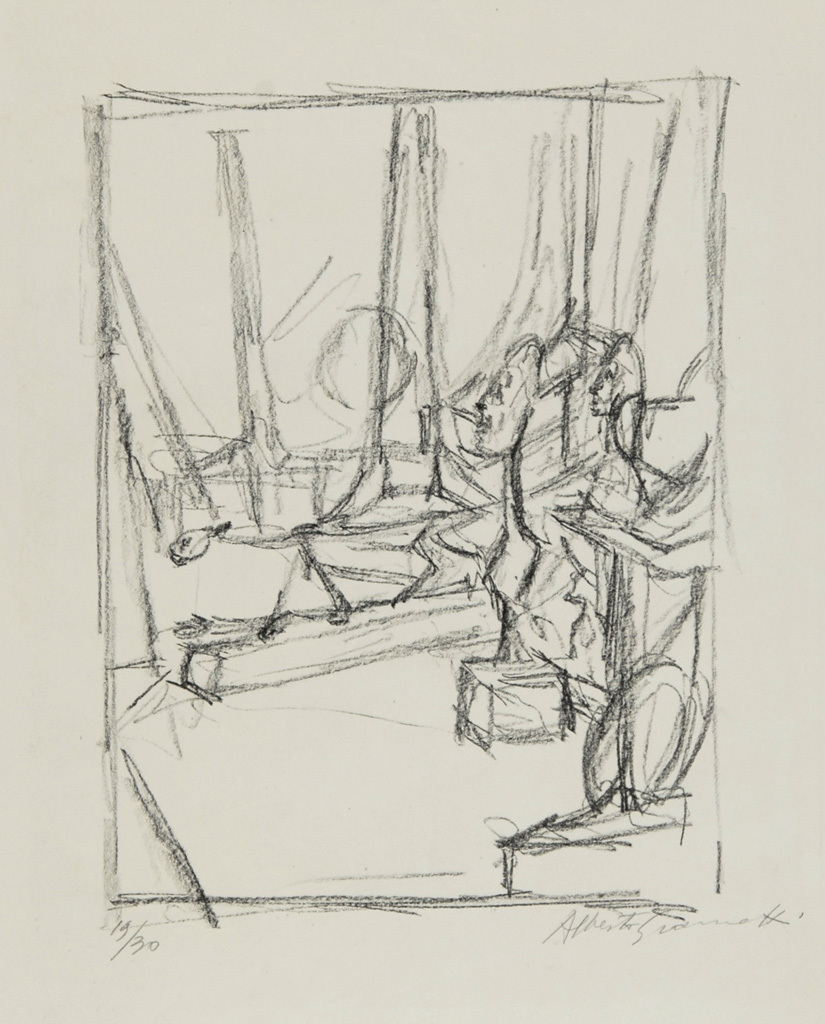
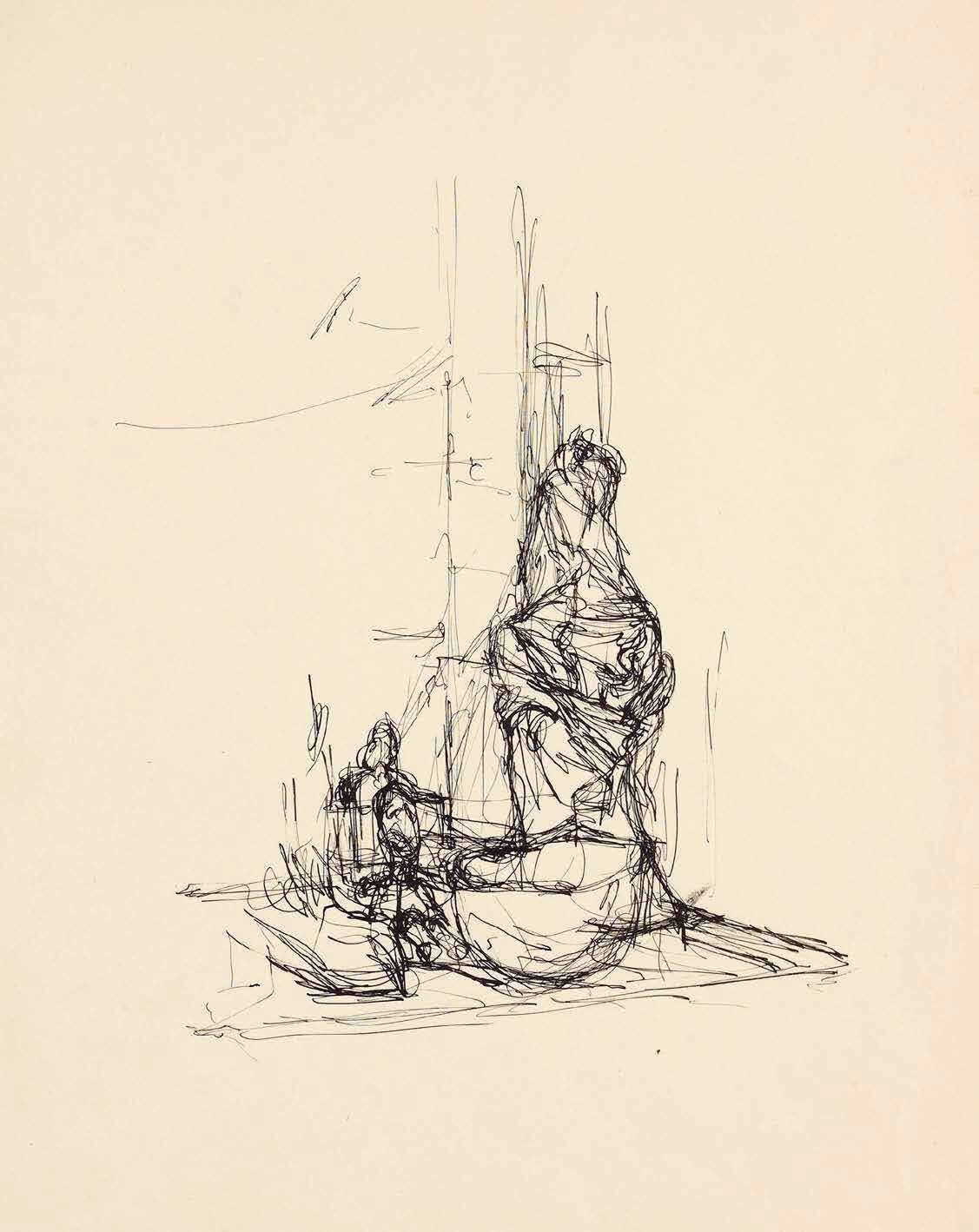
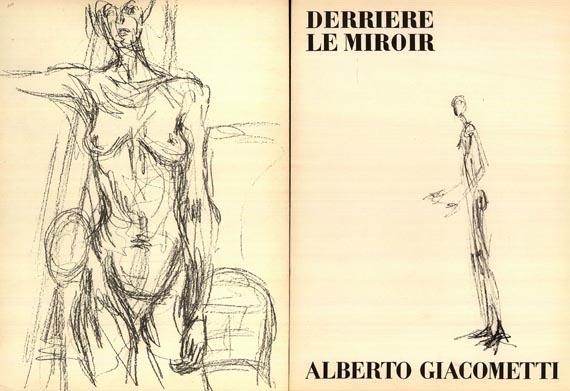
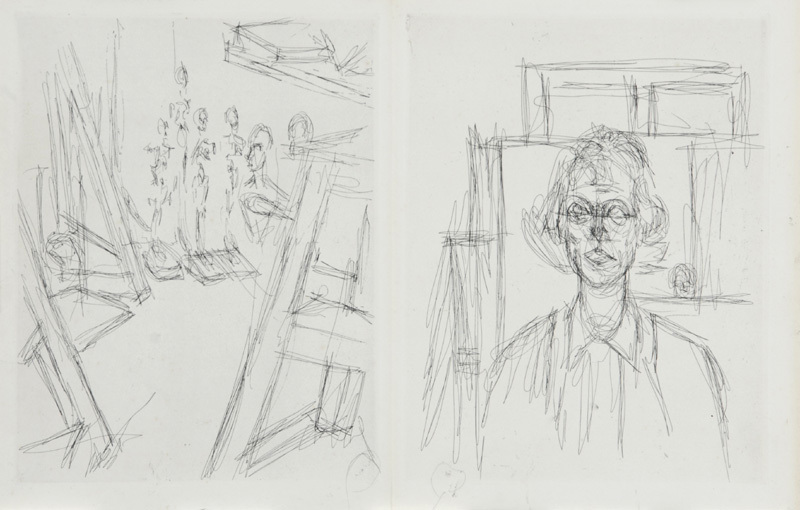
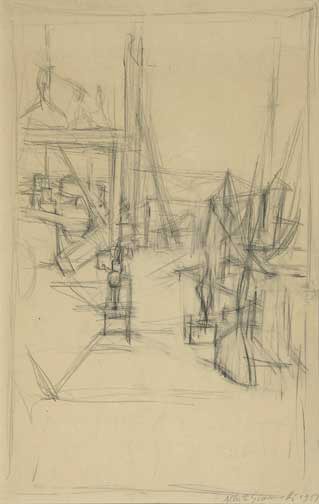
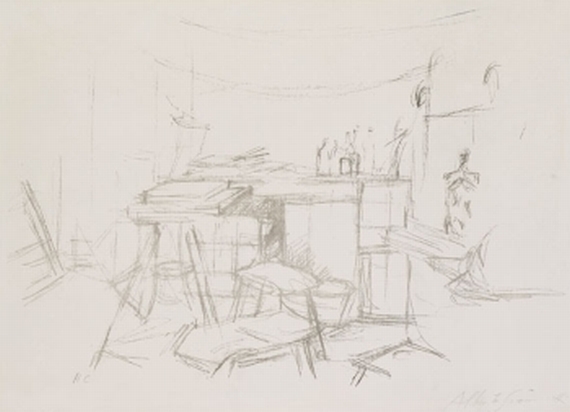
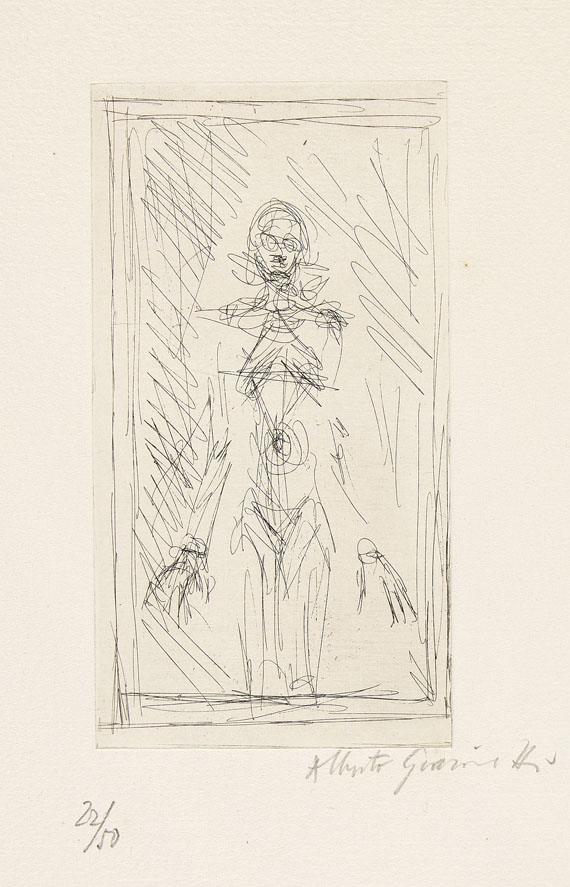
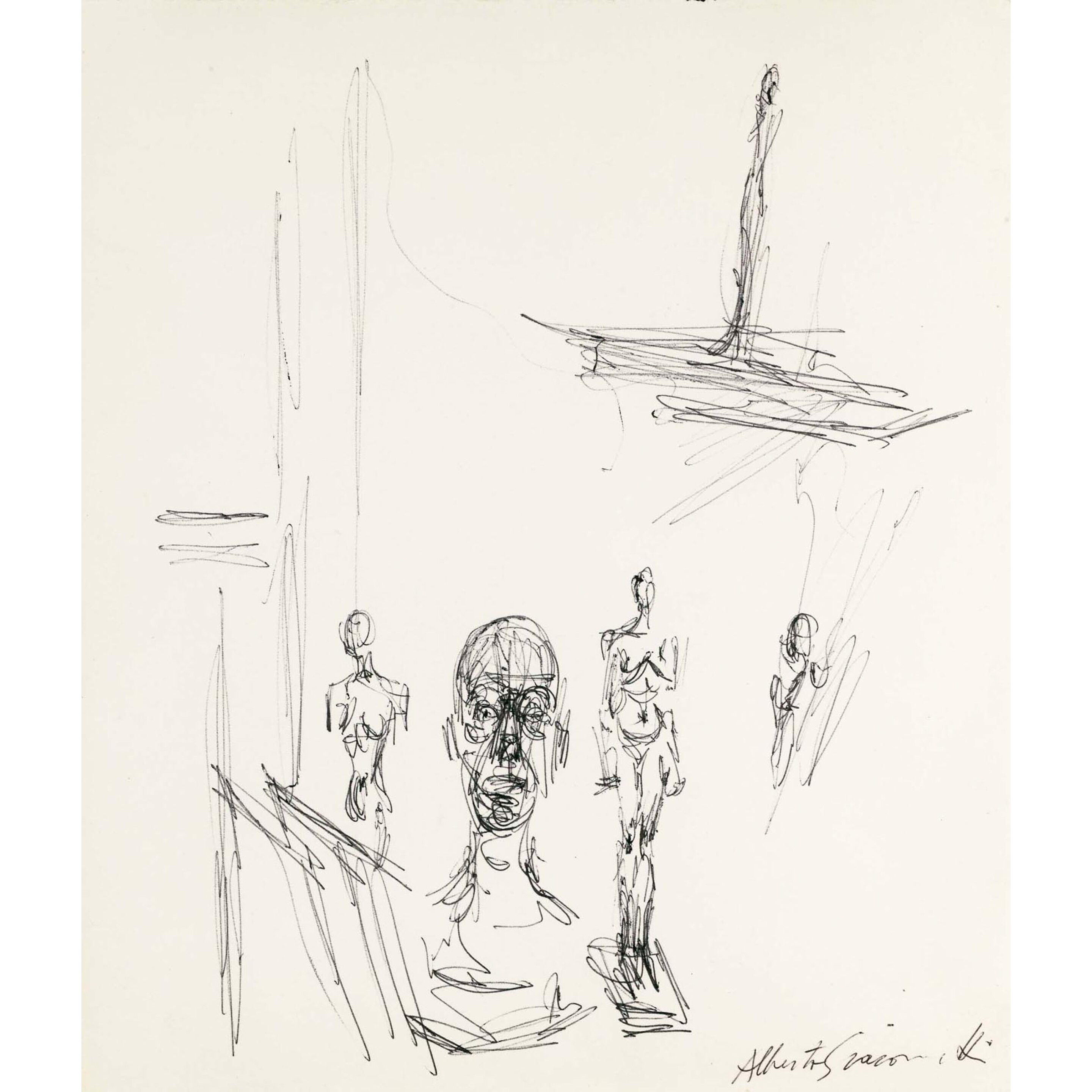
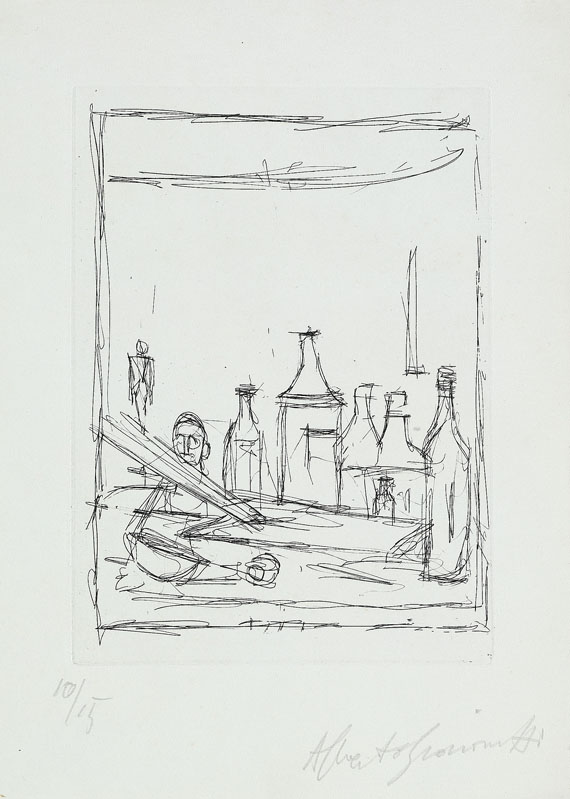
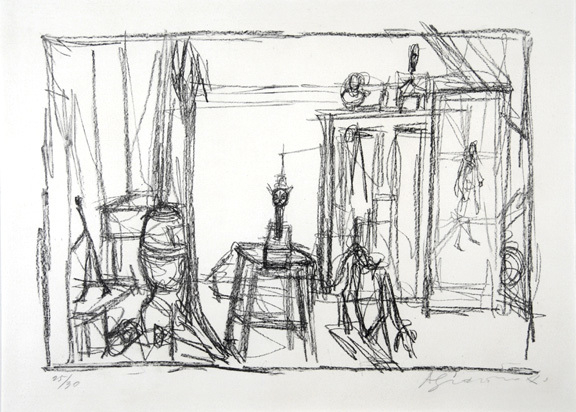
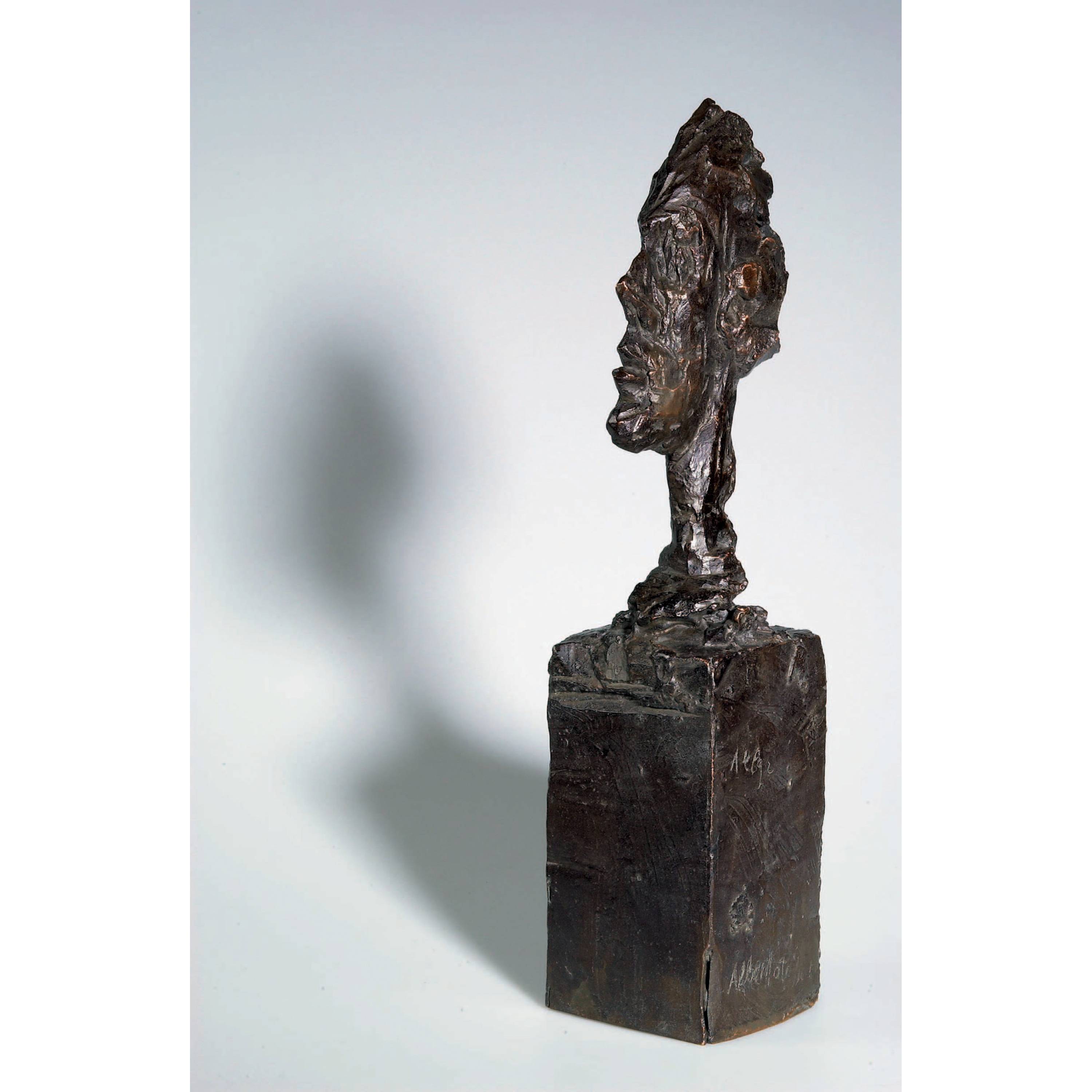
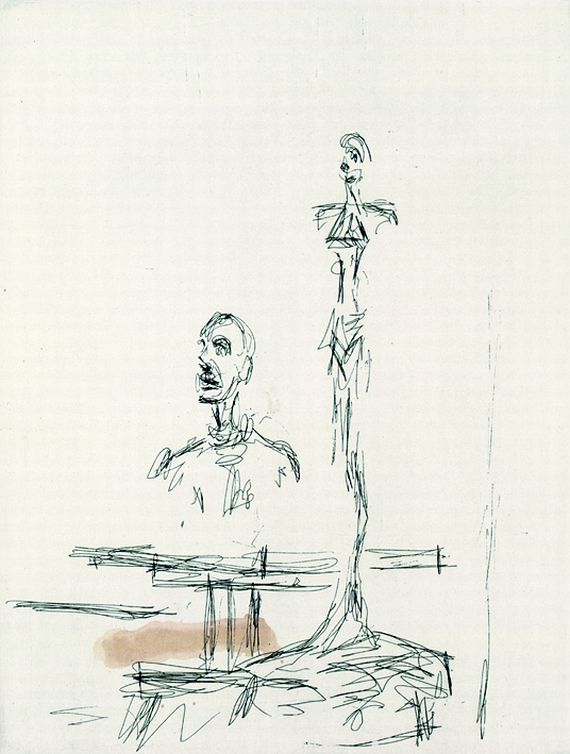
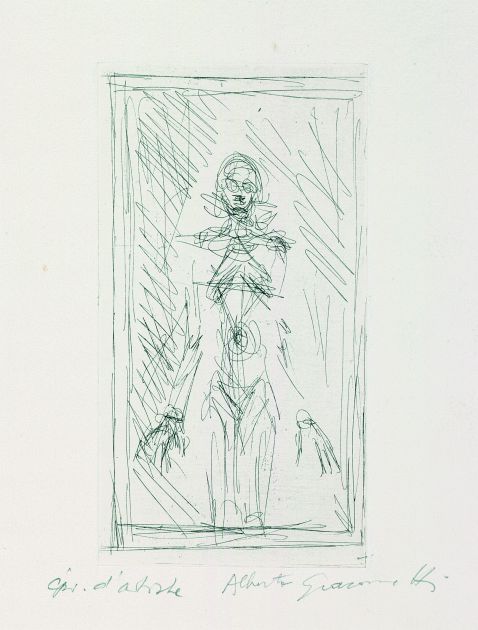
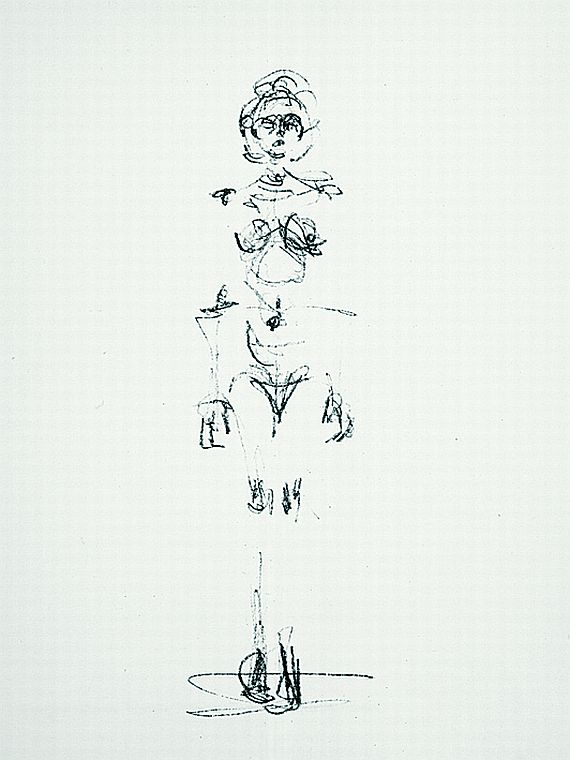
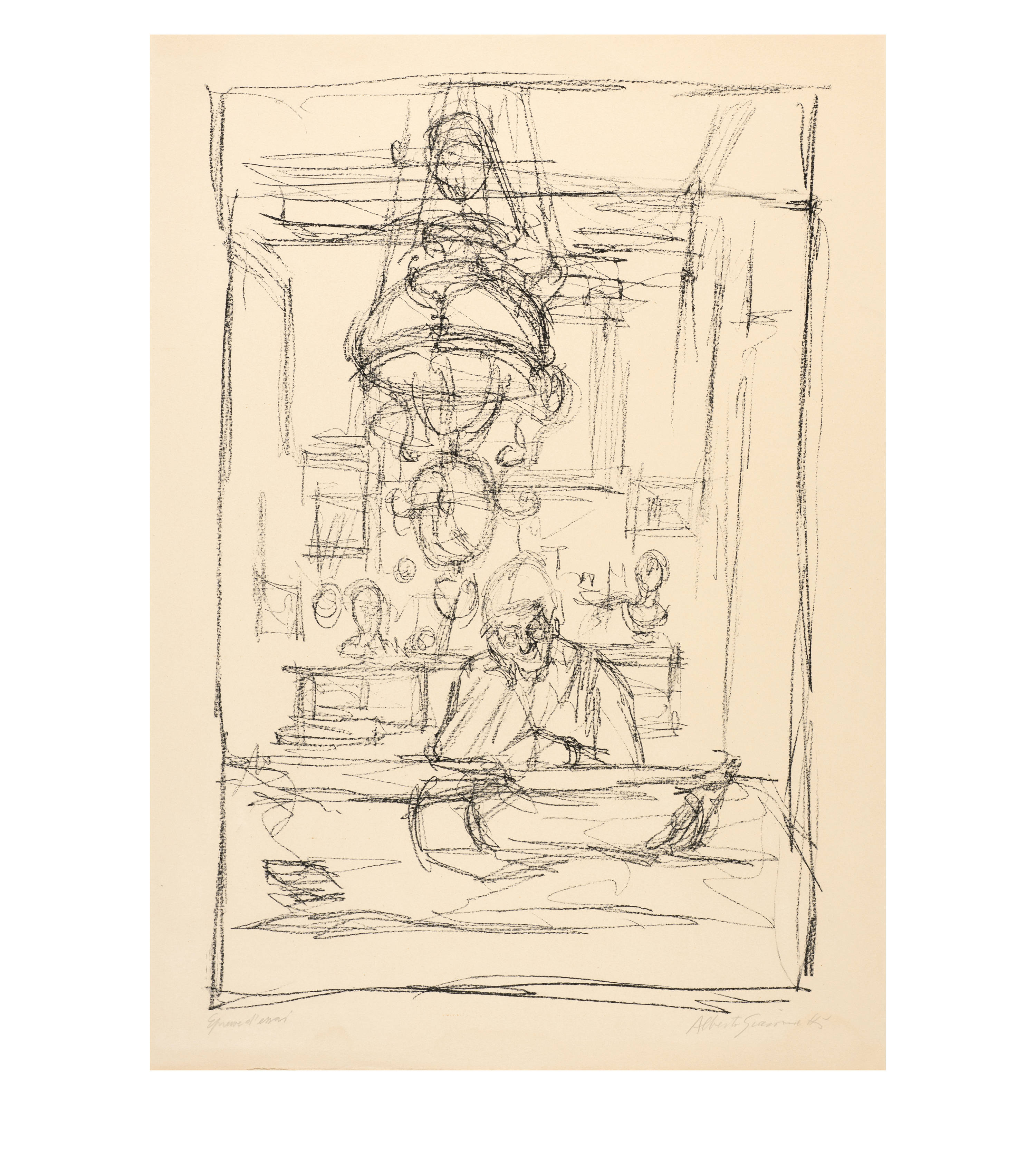
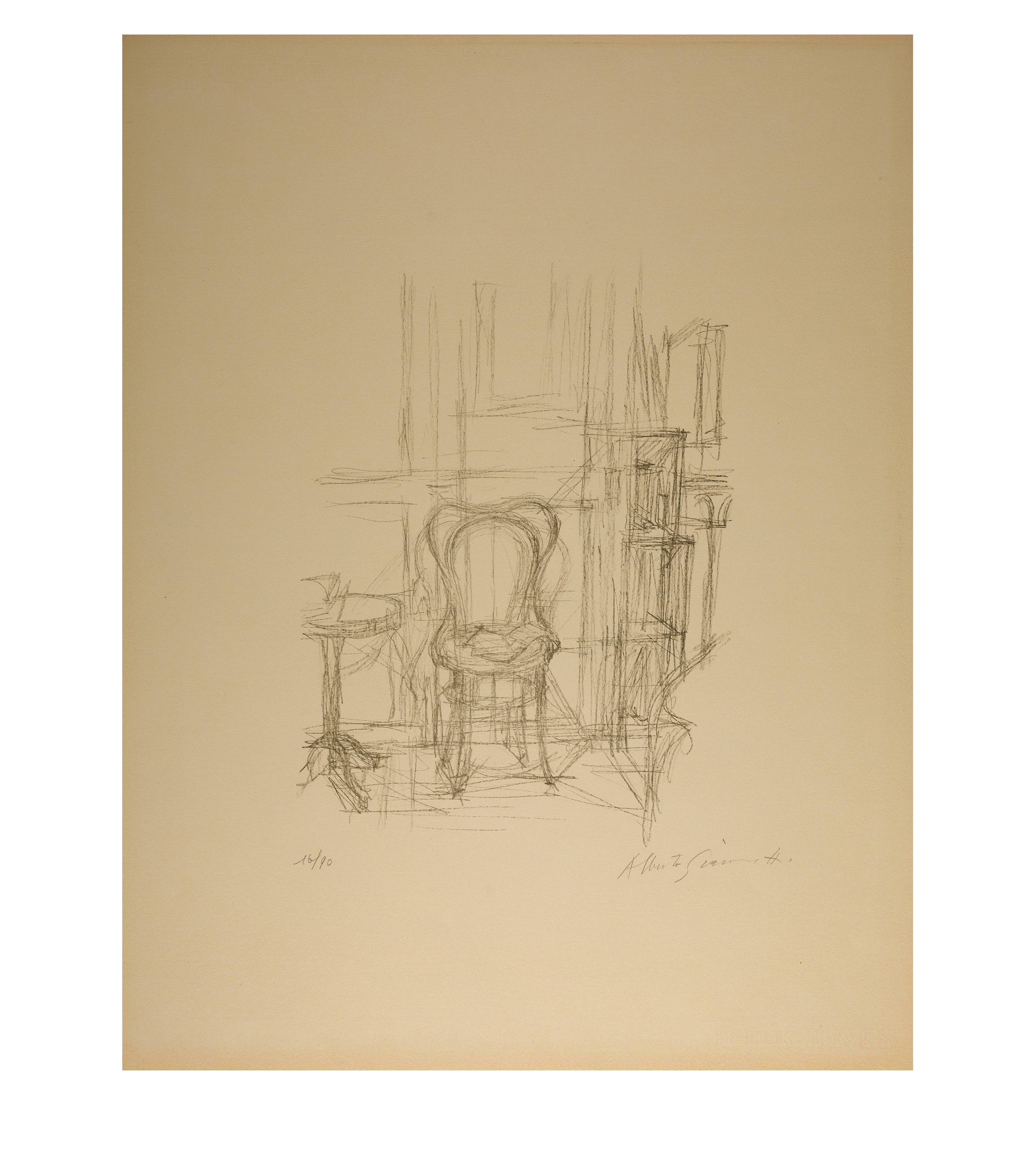
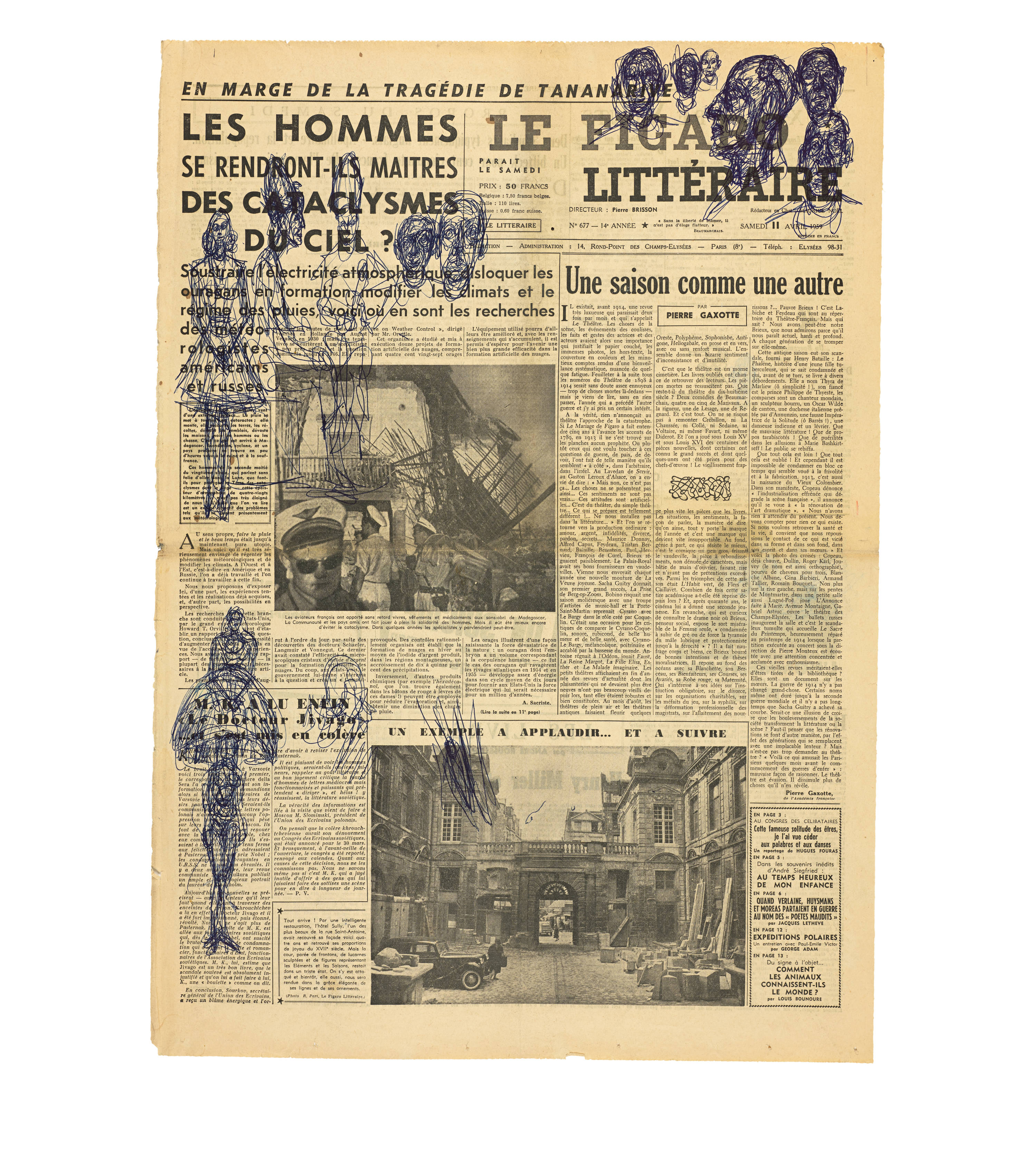
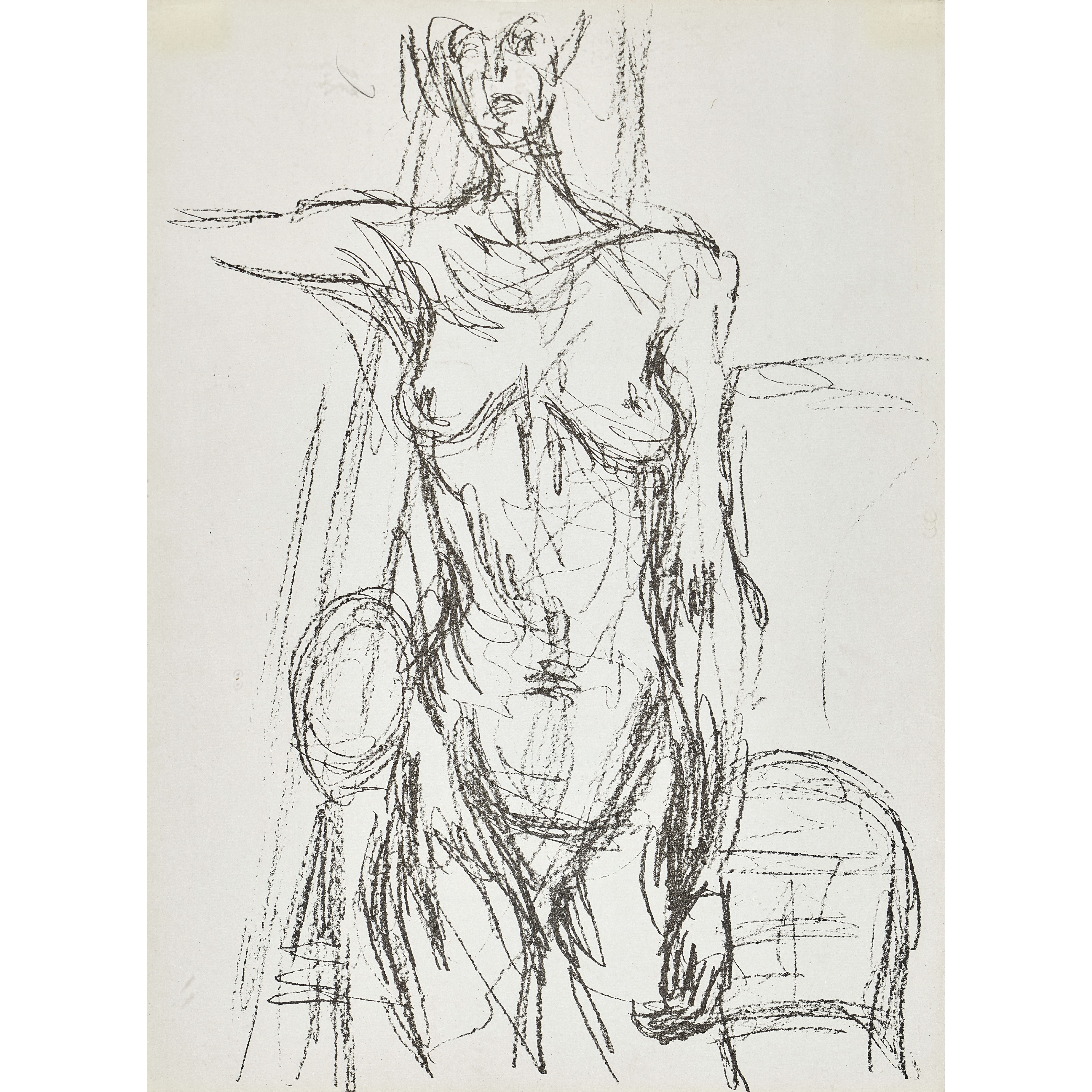
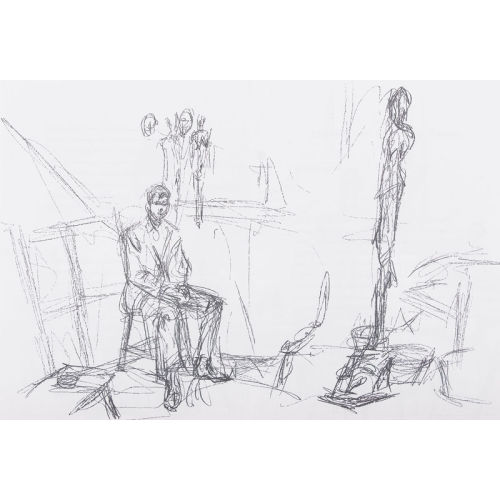
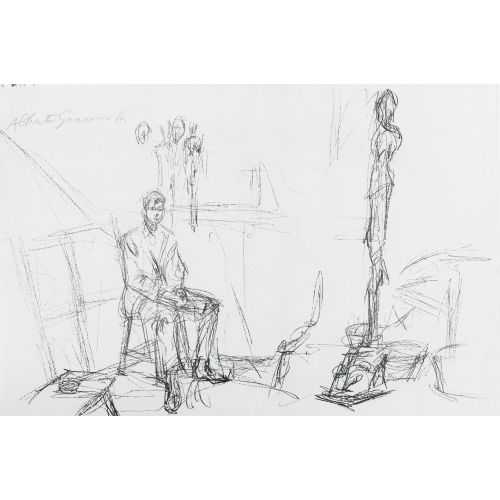
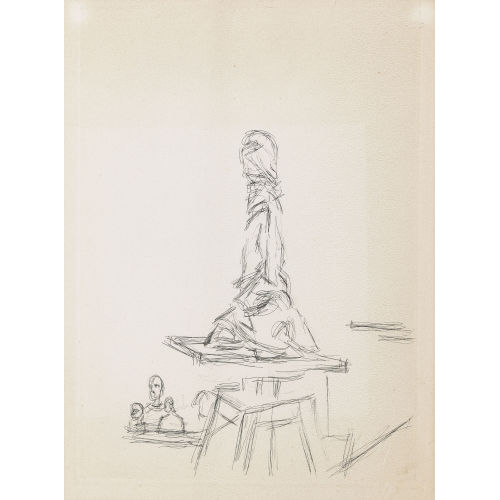
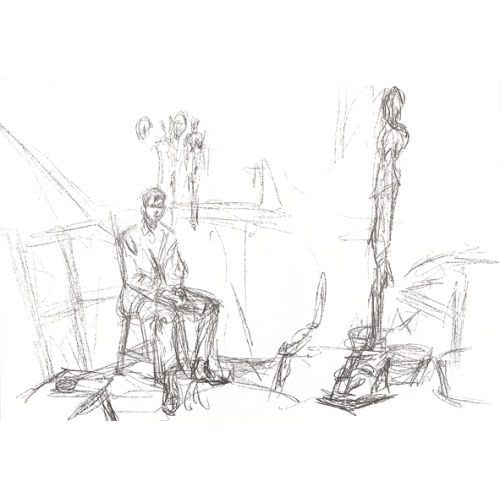
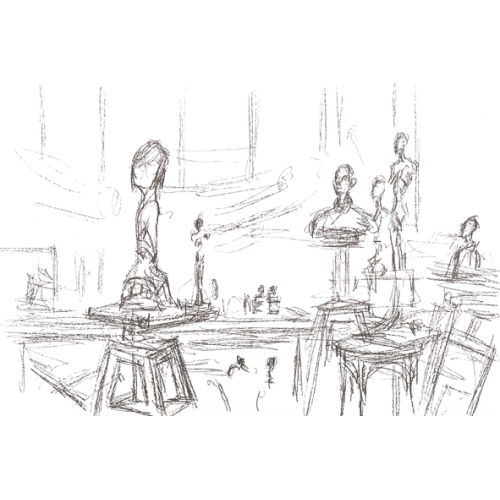
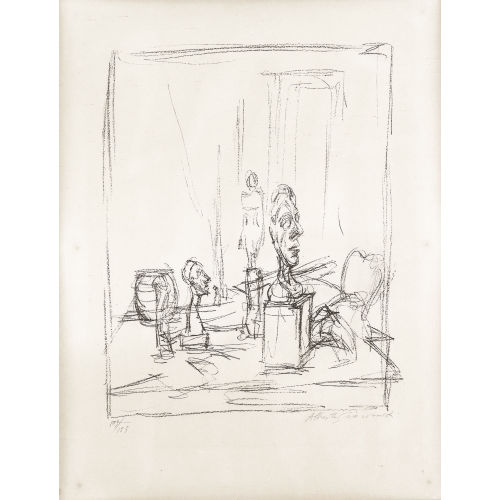
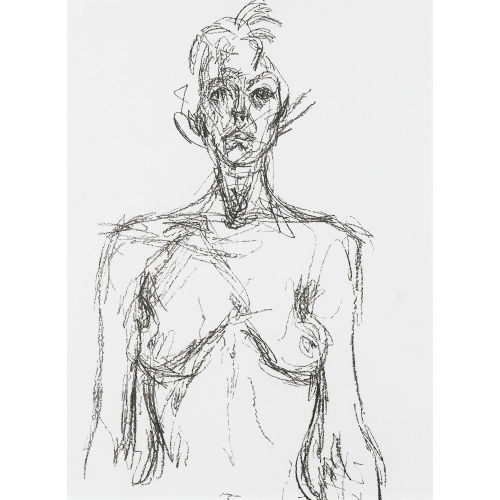
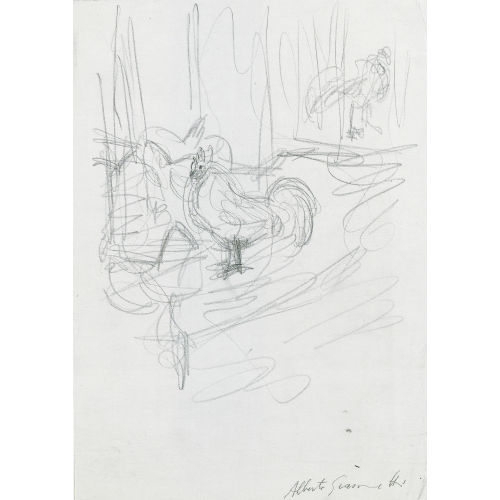
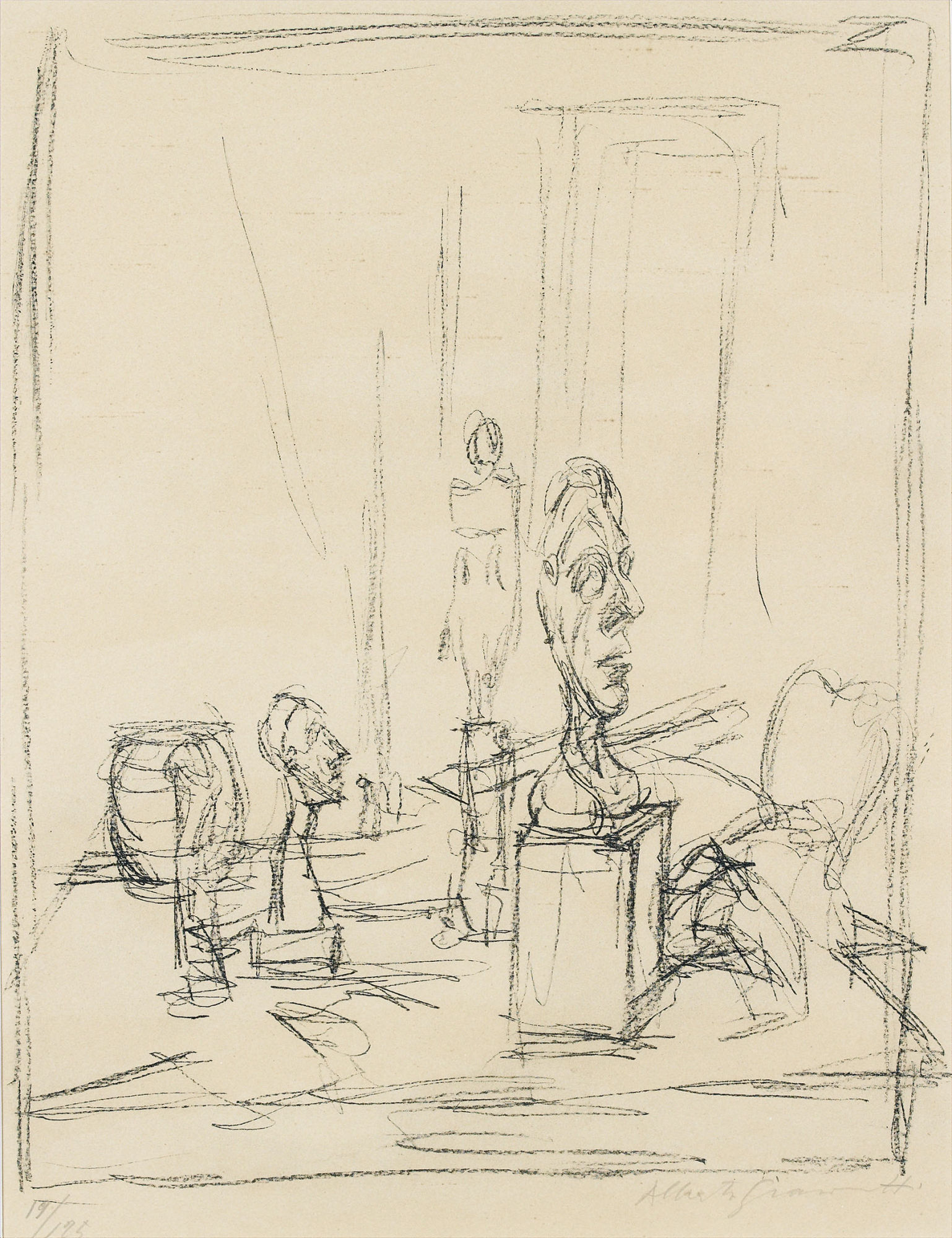
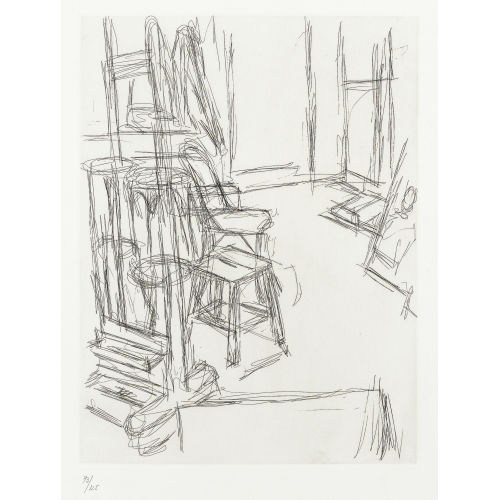
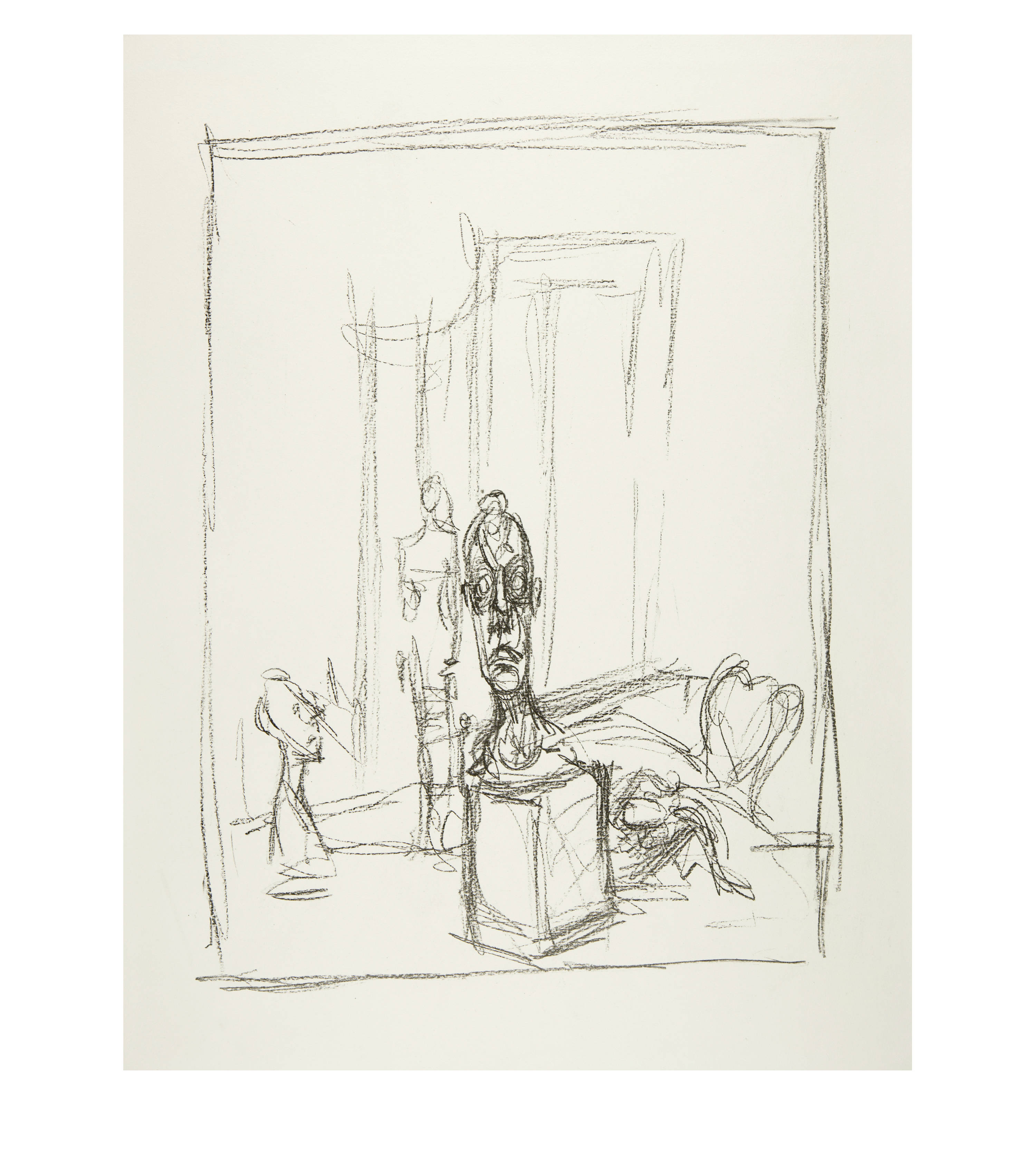
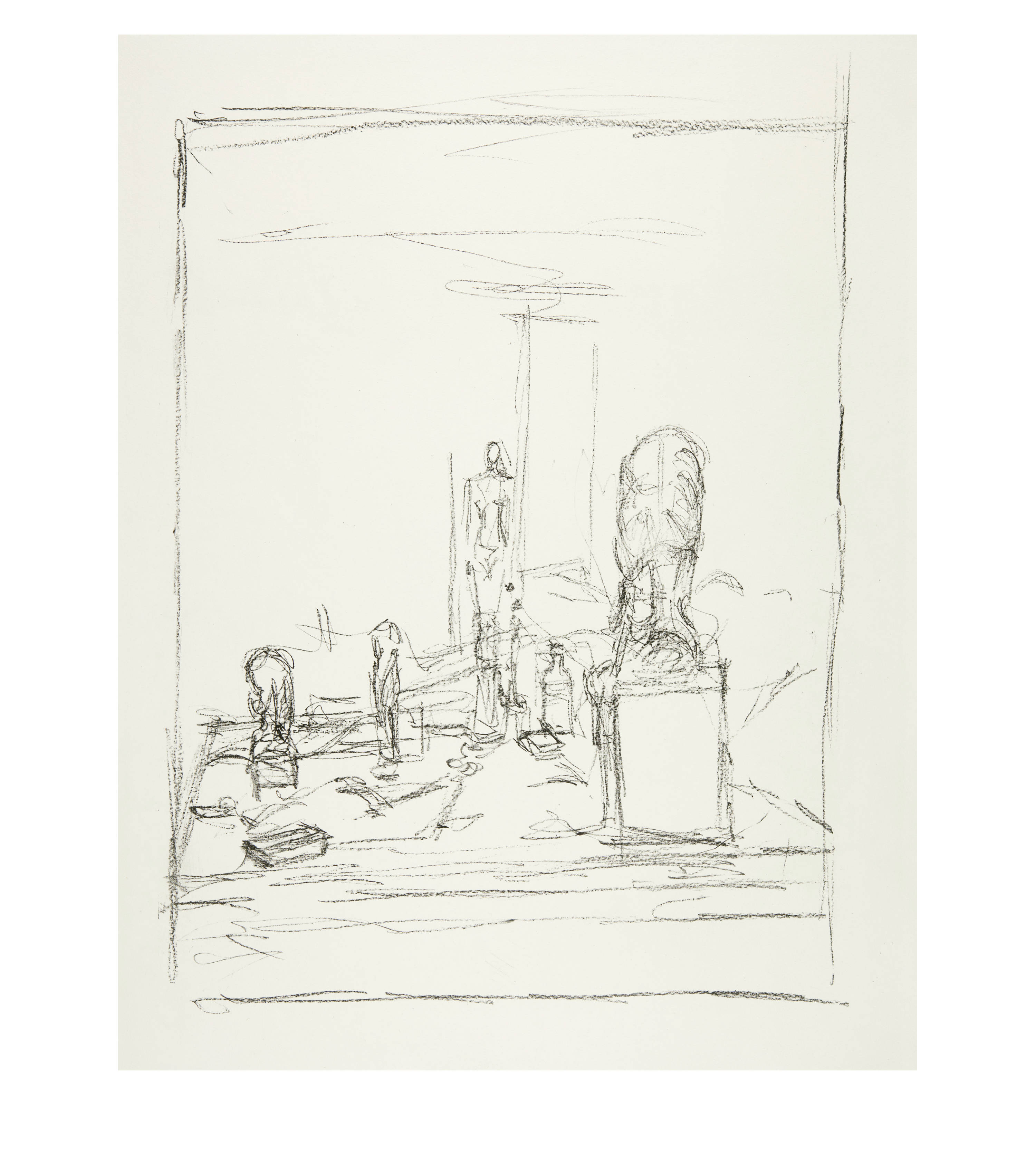
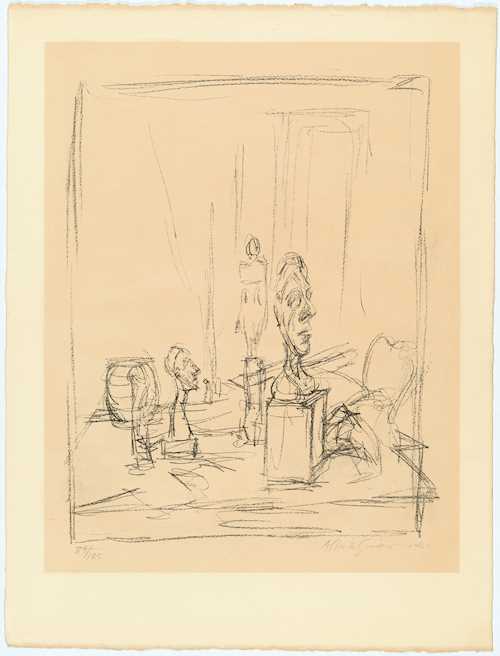
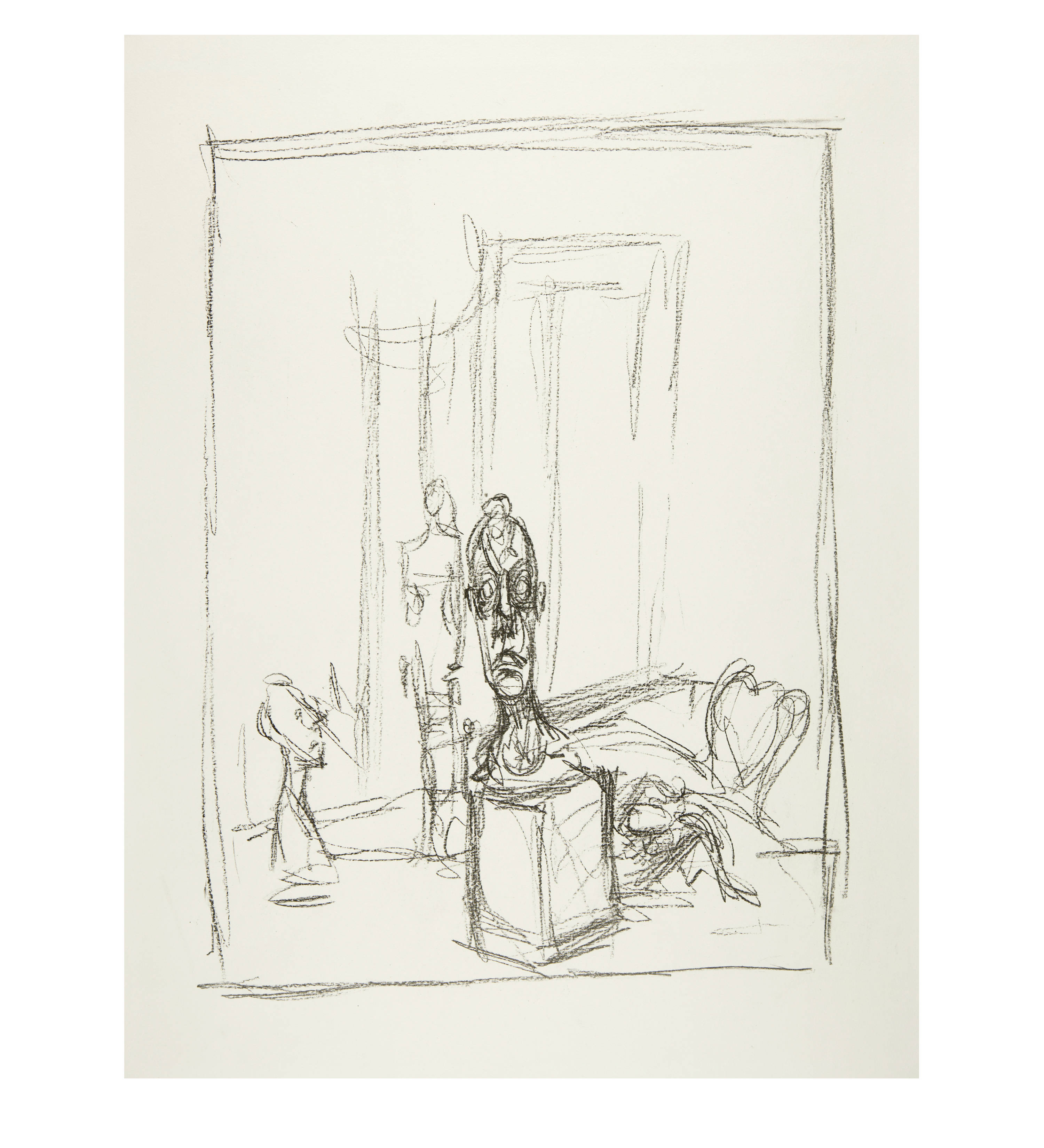
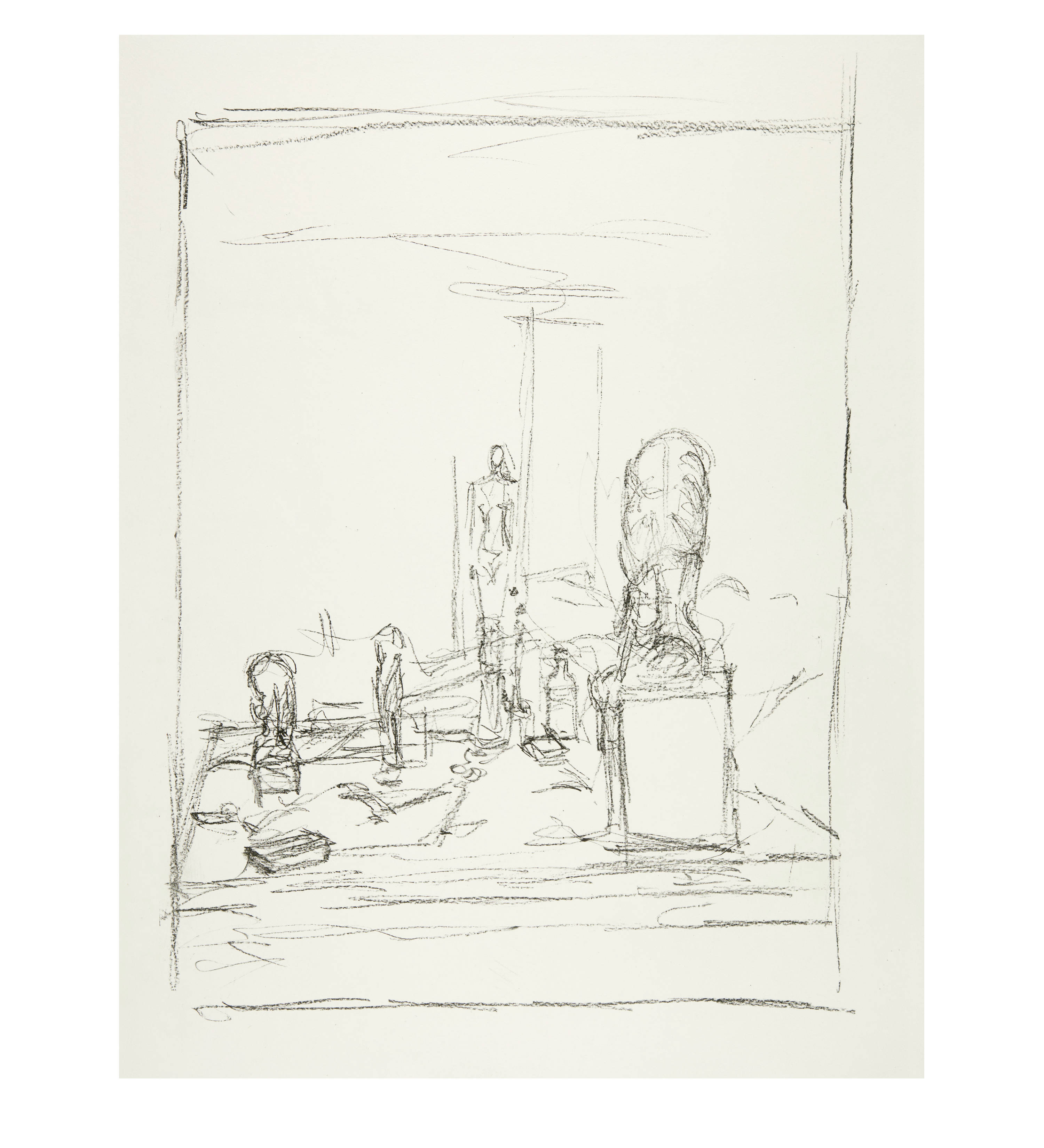
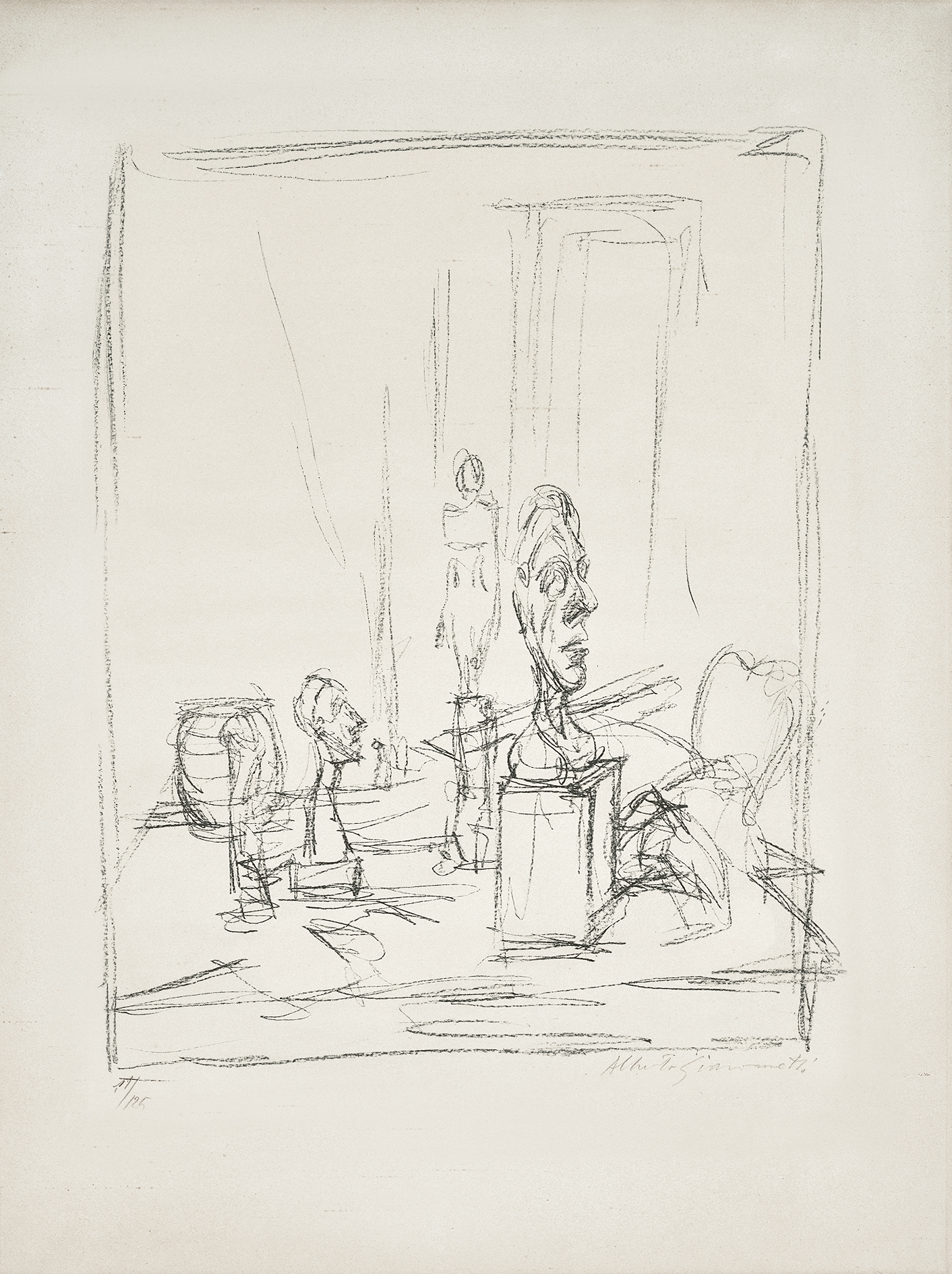
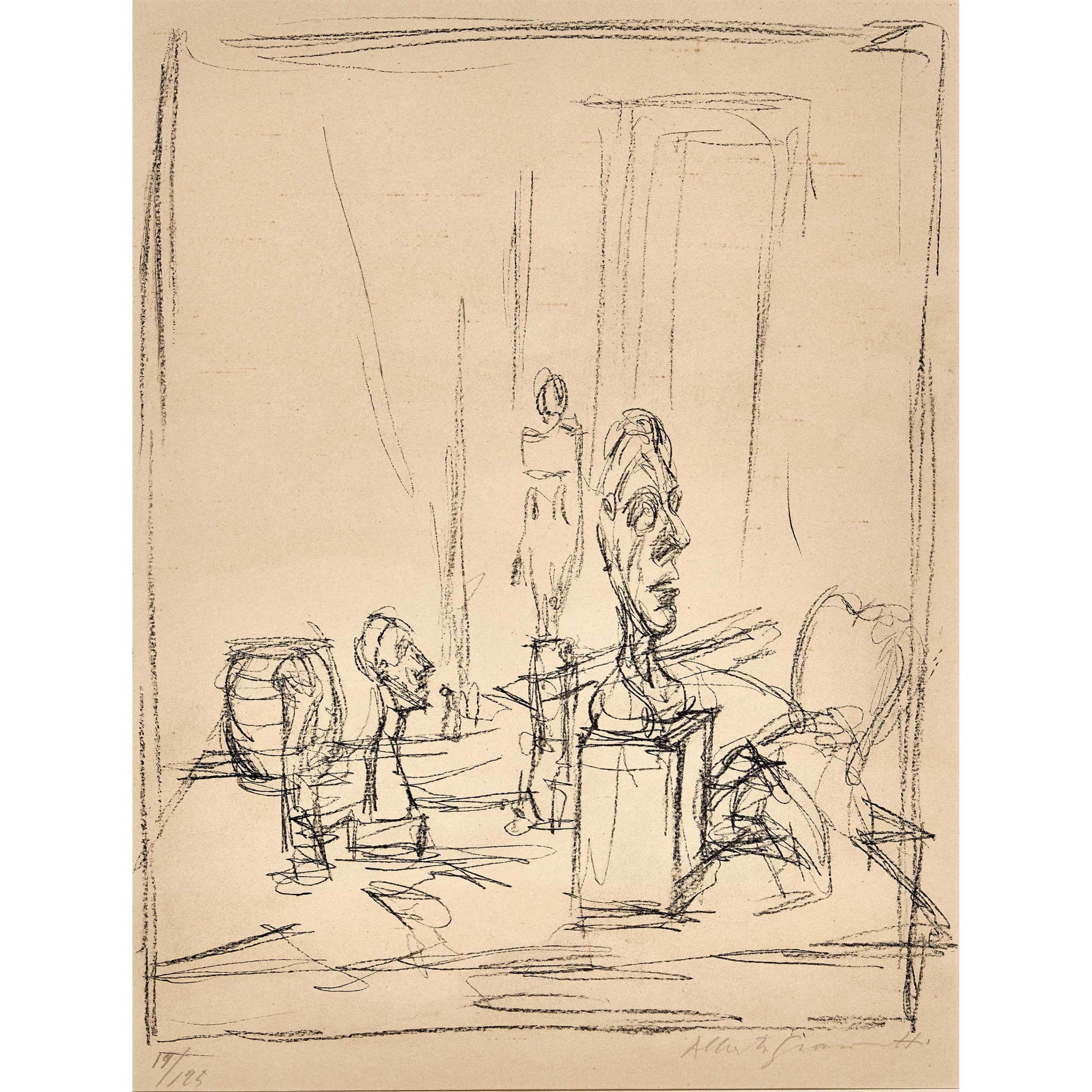
After the war, his elongated figures developed through drawing and sculpture. His brother and assistant Diego contributed to the practical work of the studio. The Women of Venice, exhibited in 1956, reveal variations within a sustained exploration of the standing figure, pursued through successive stages and revisions.
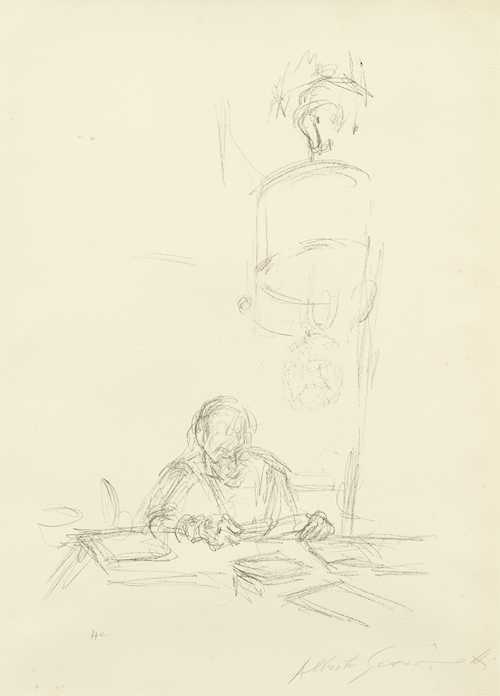
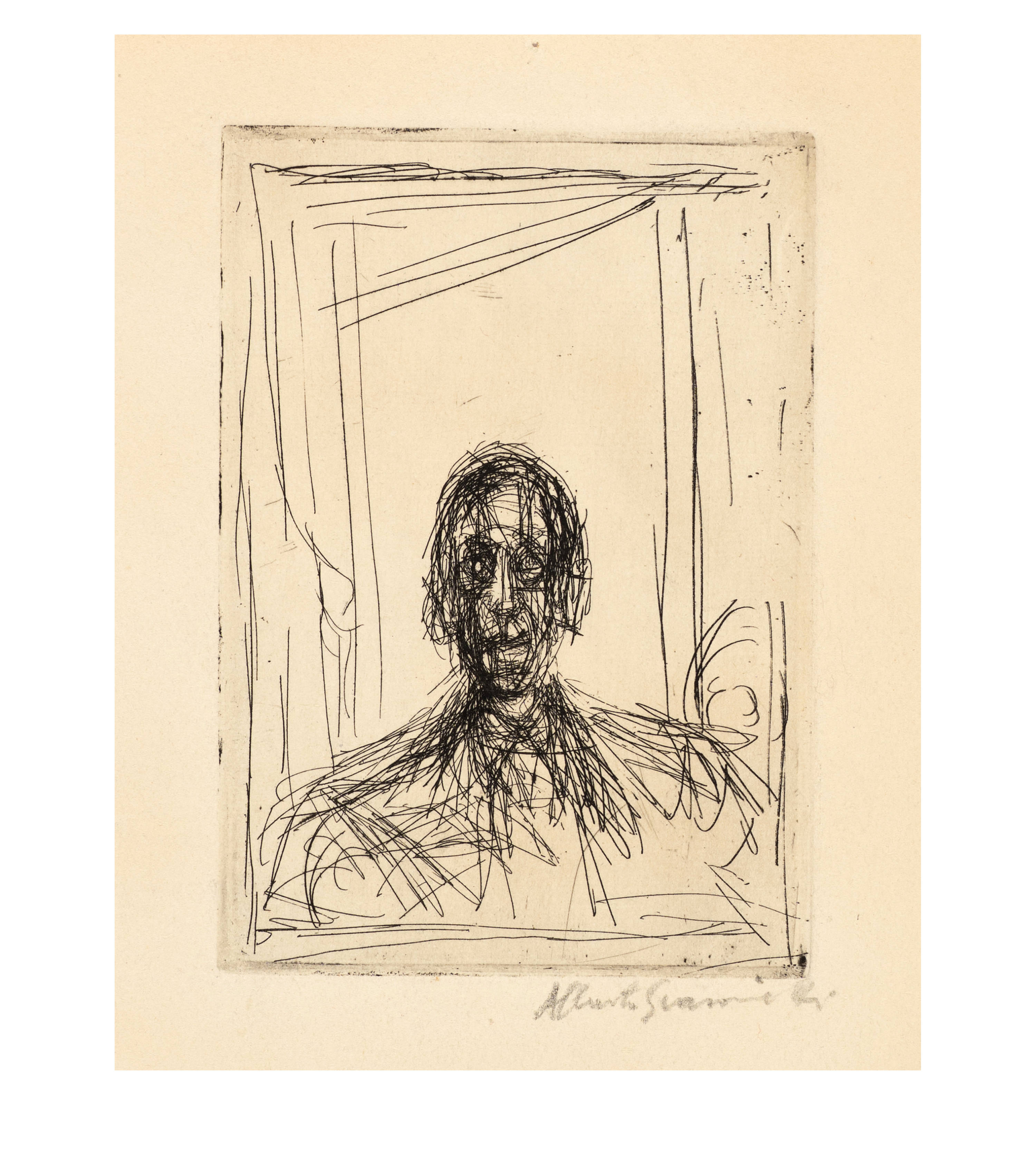
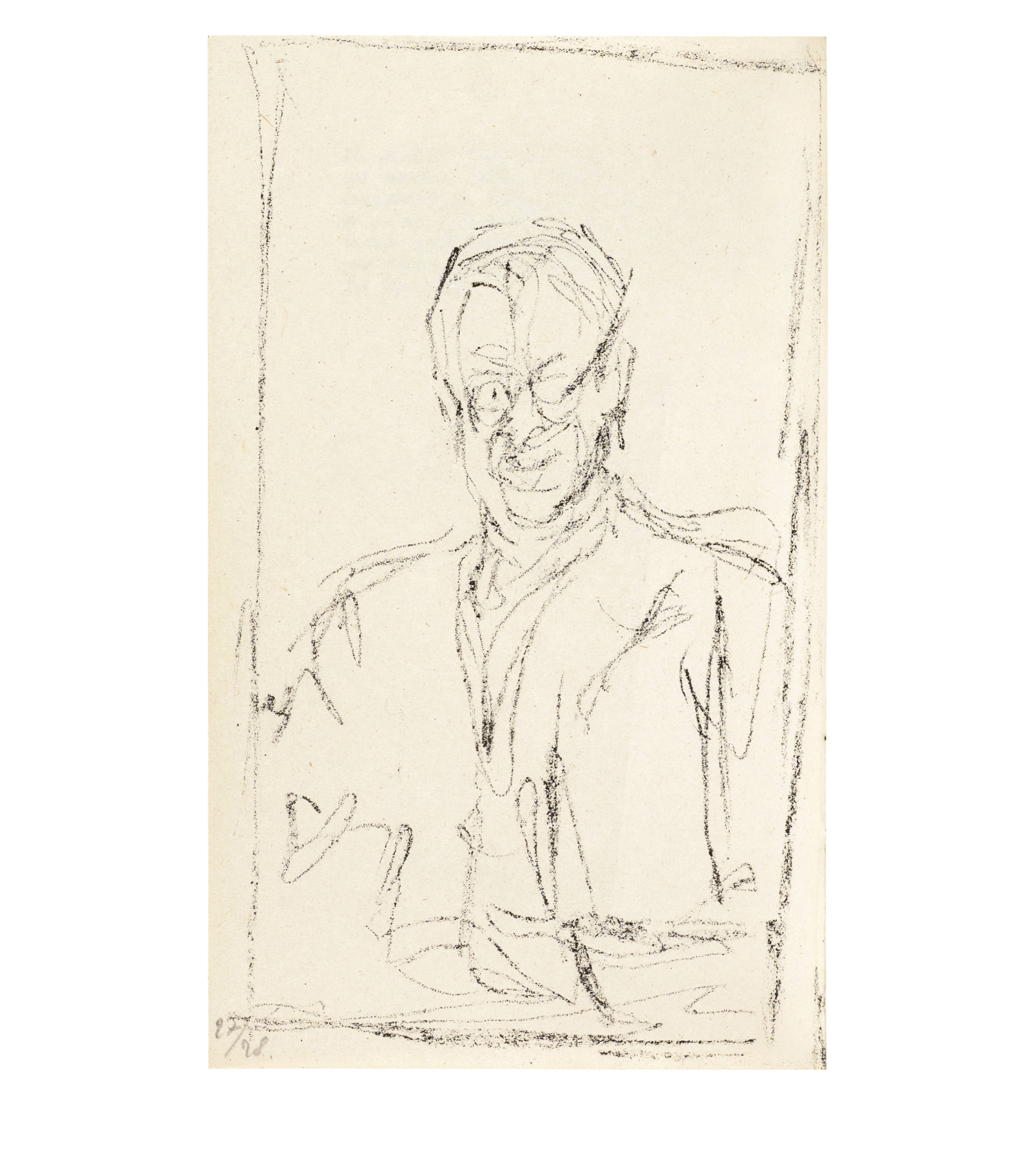
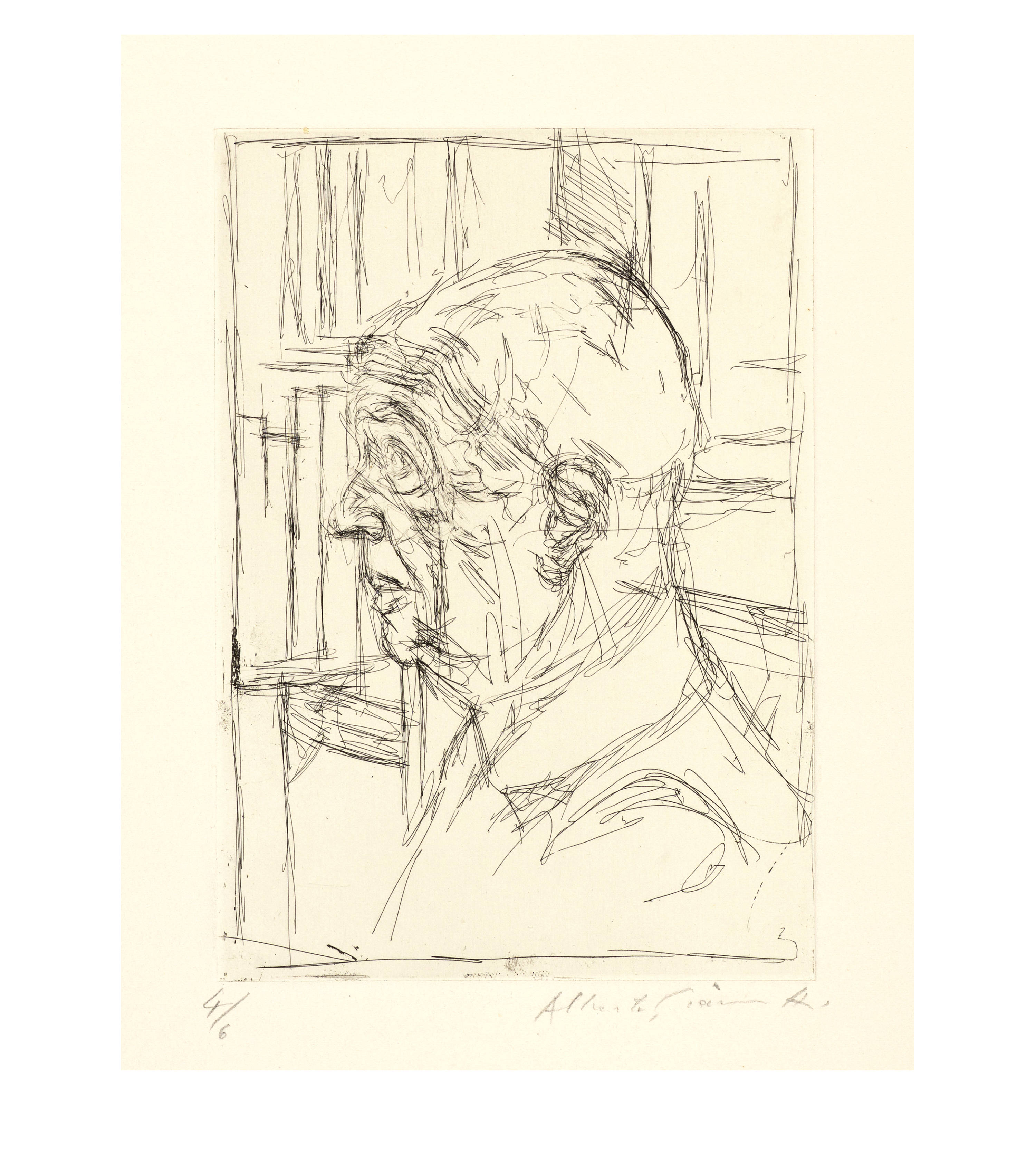
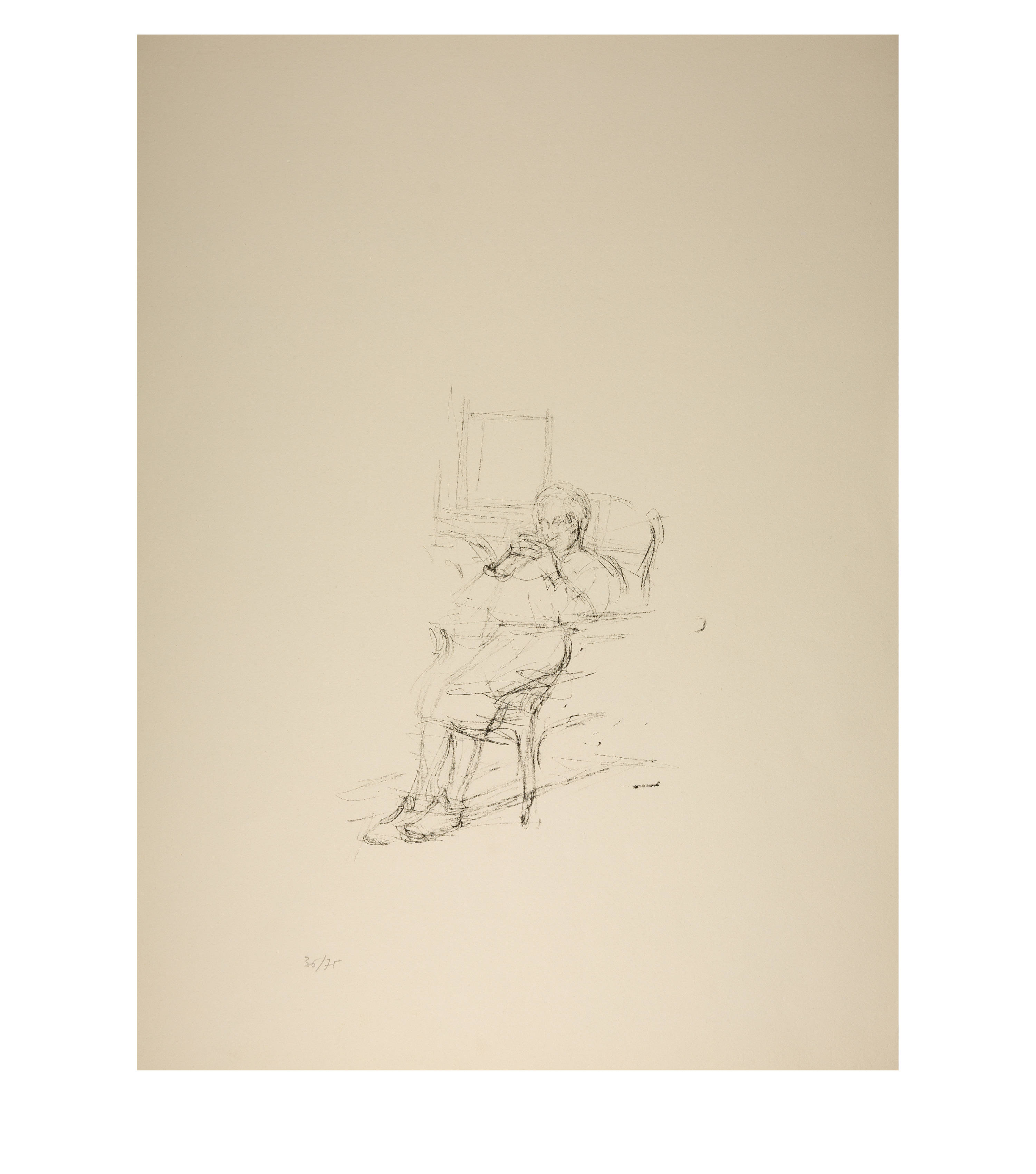
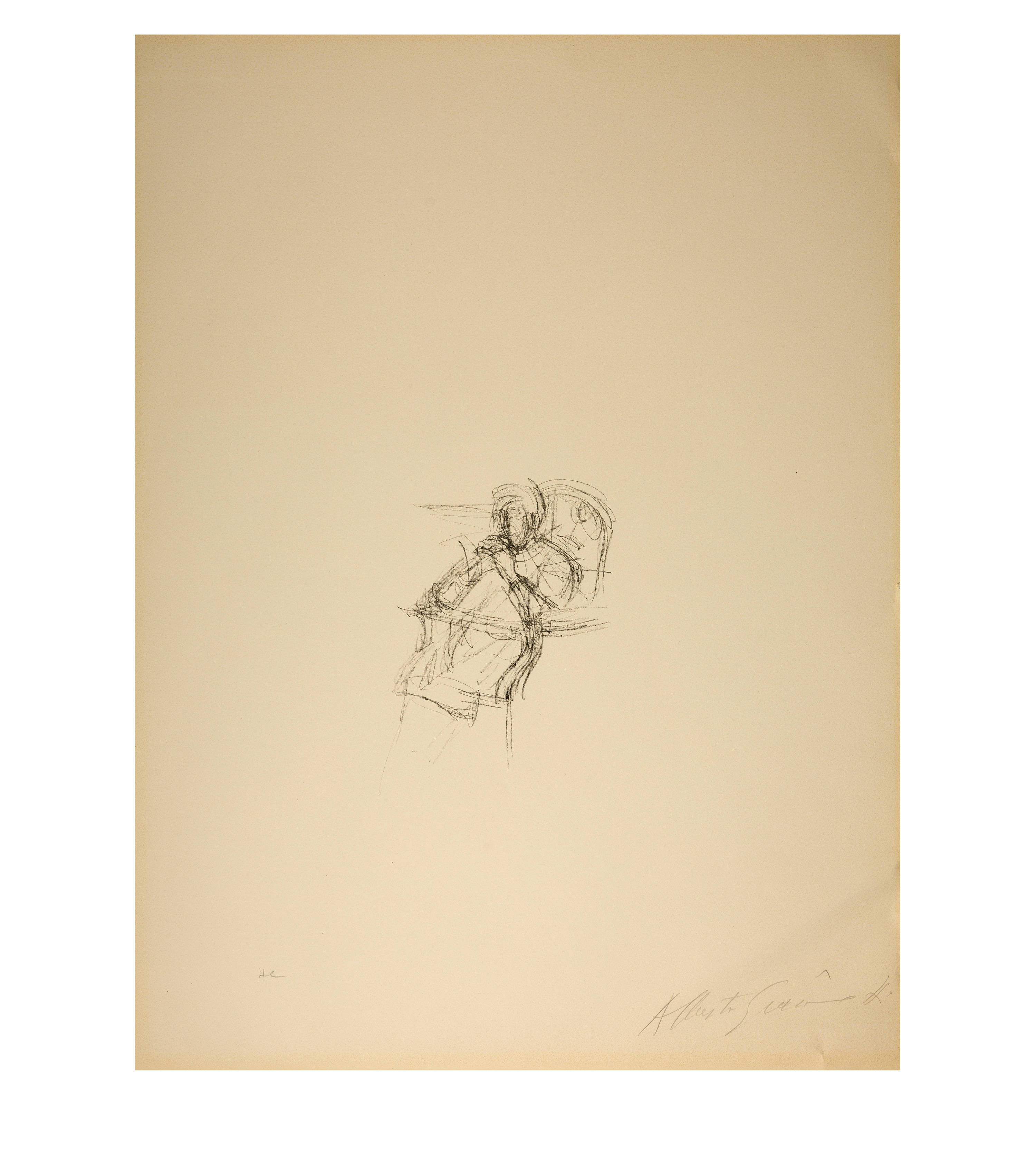
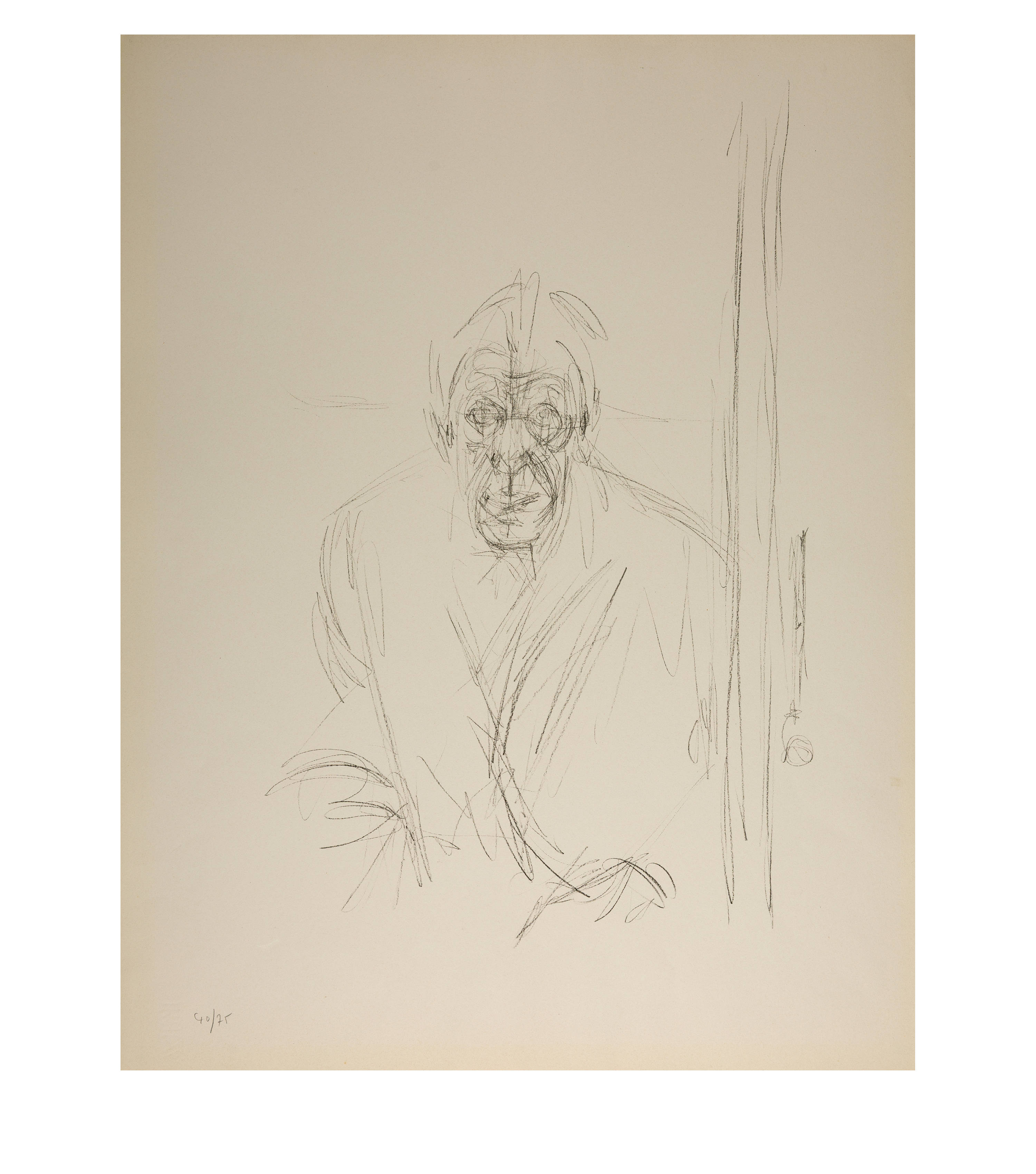
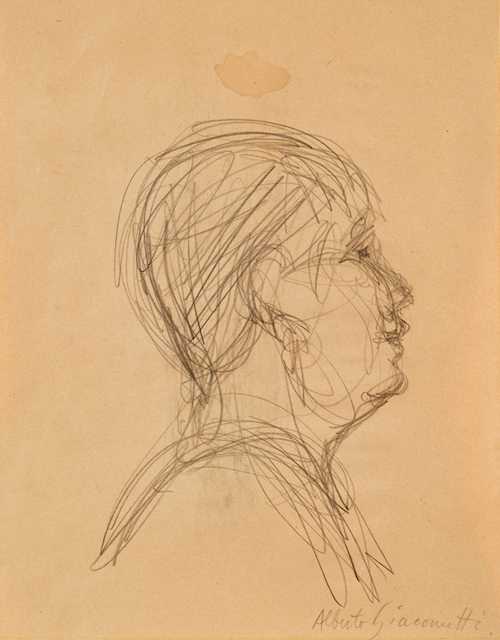
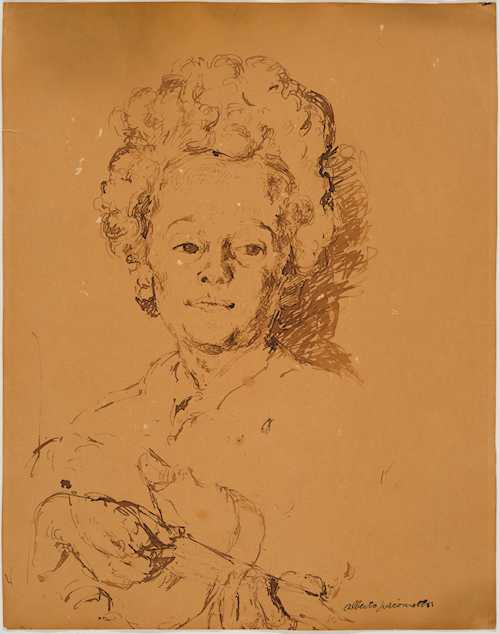
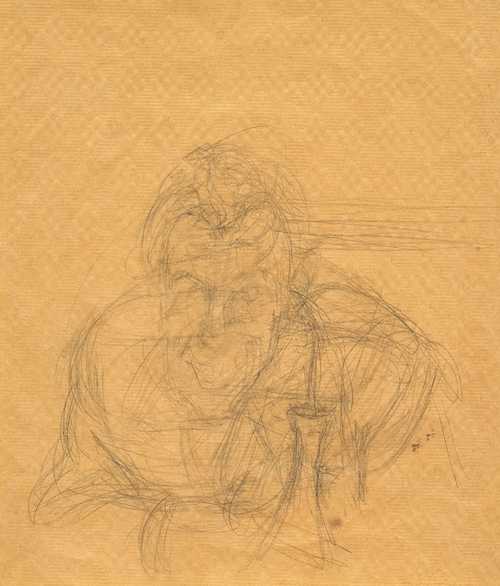
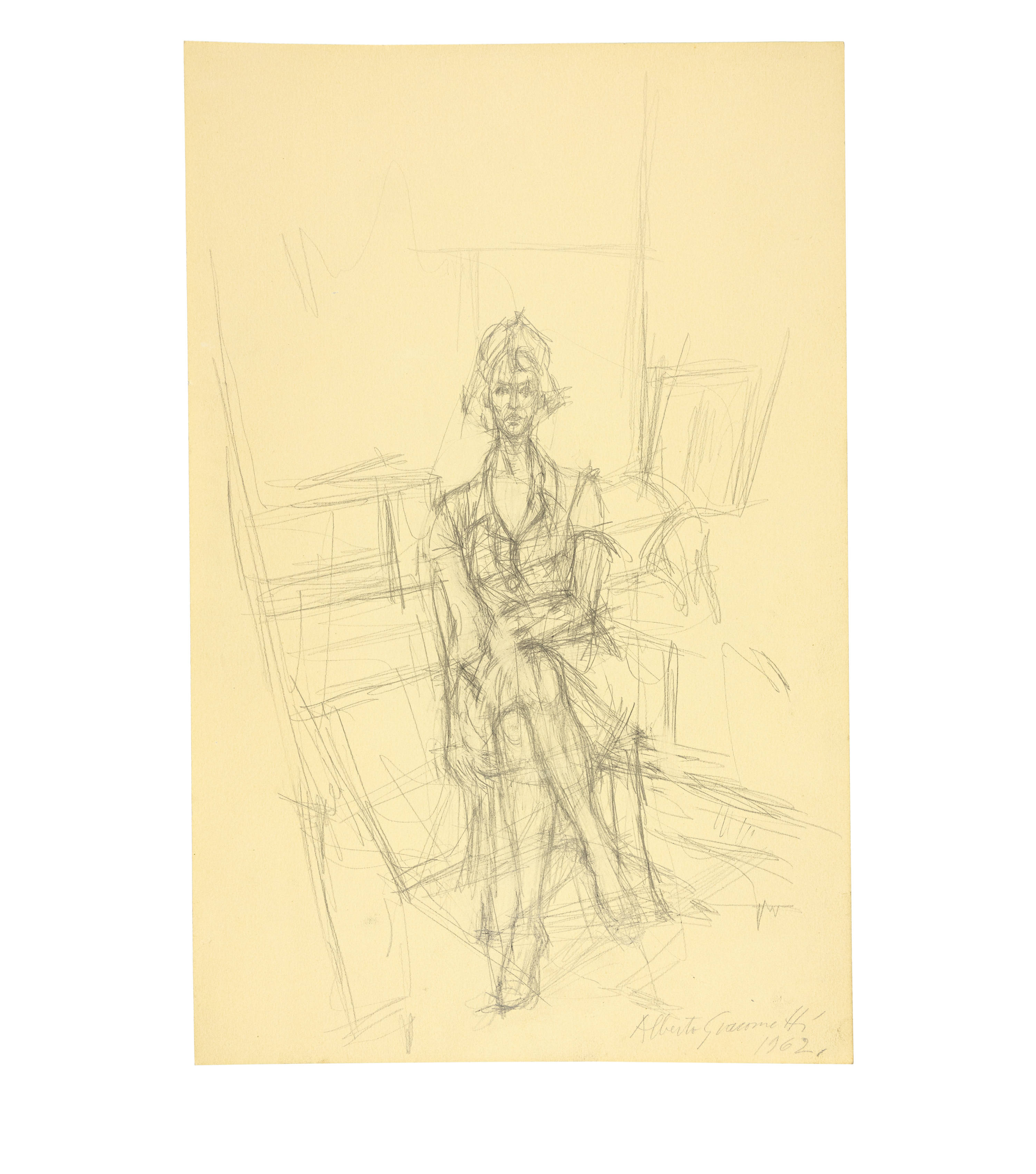
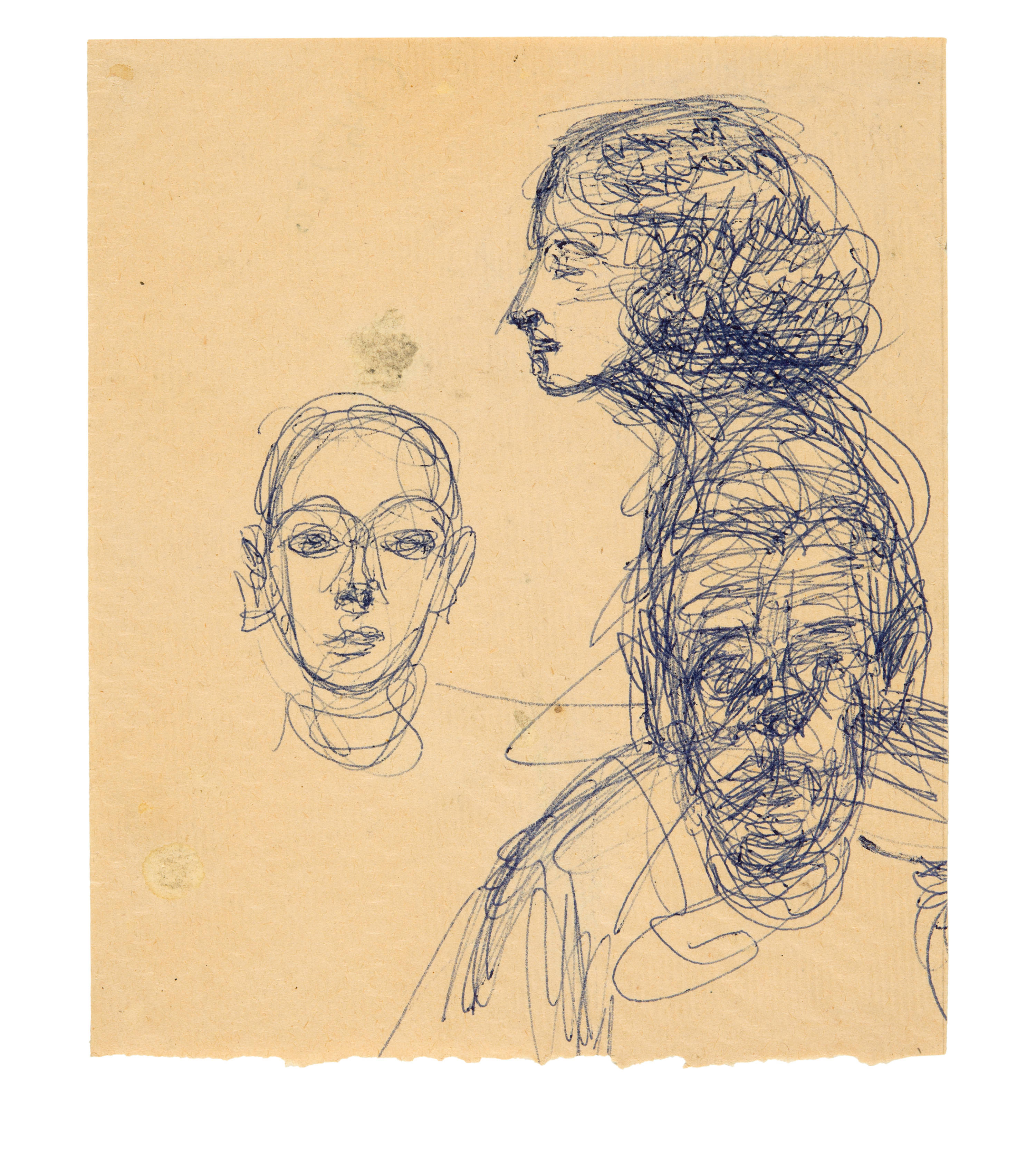
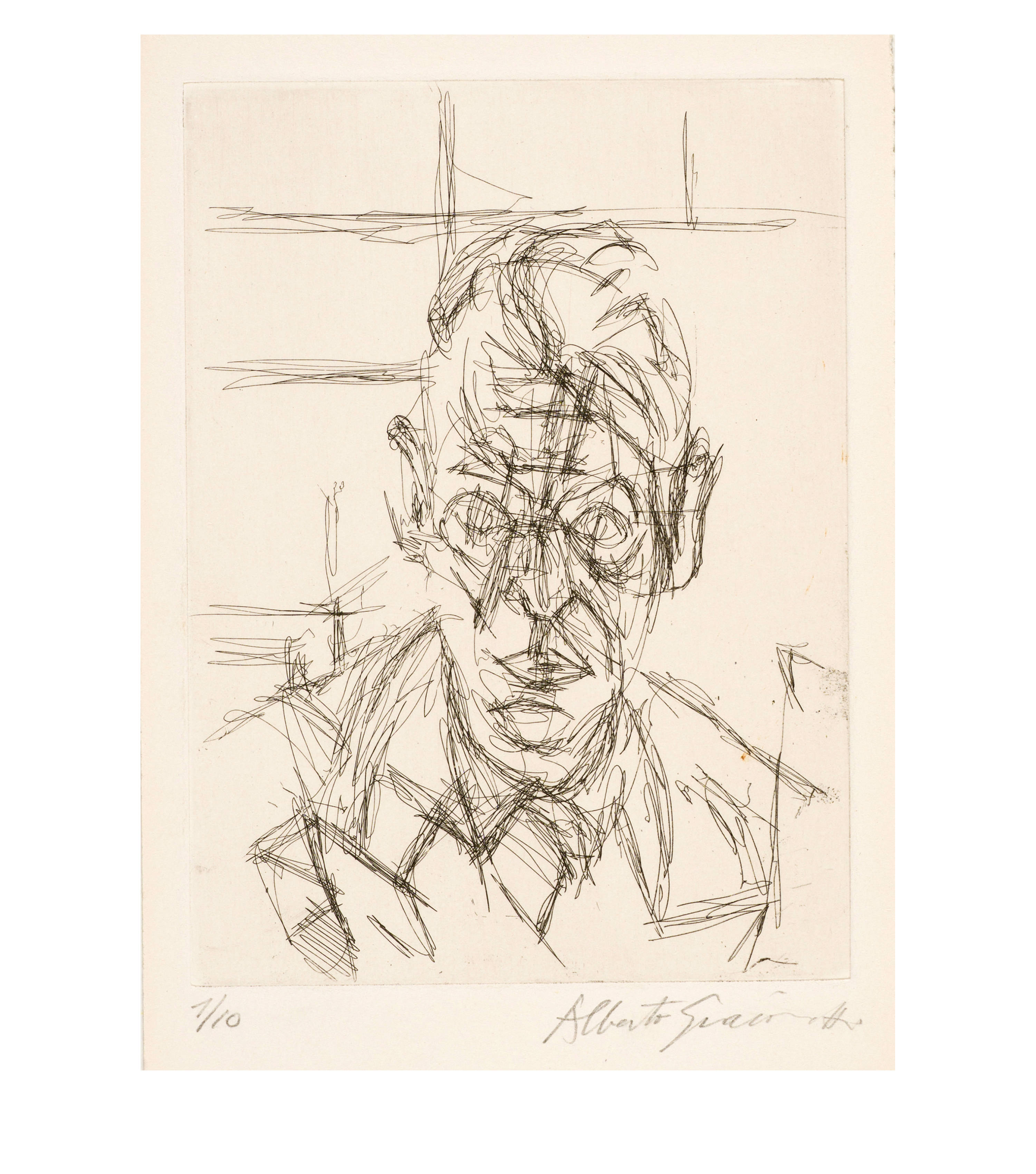
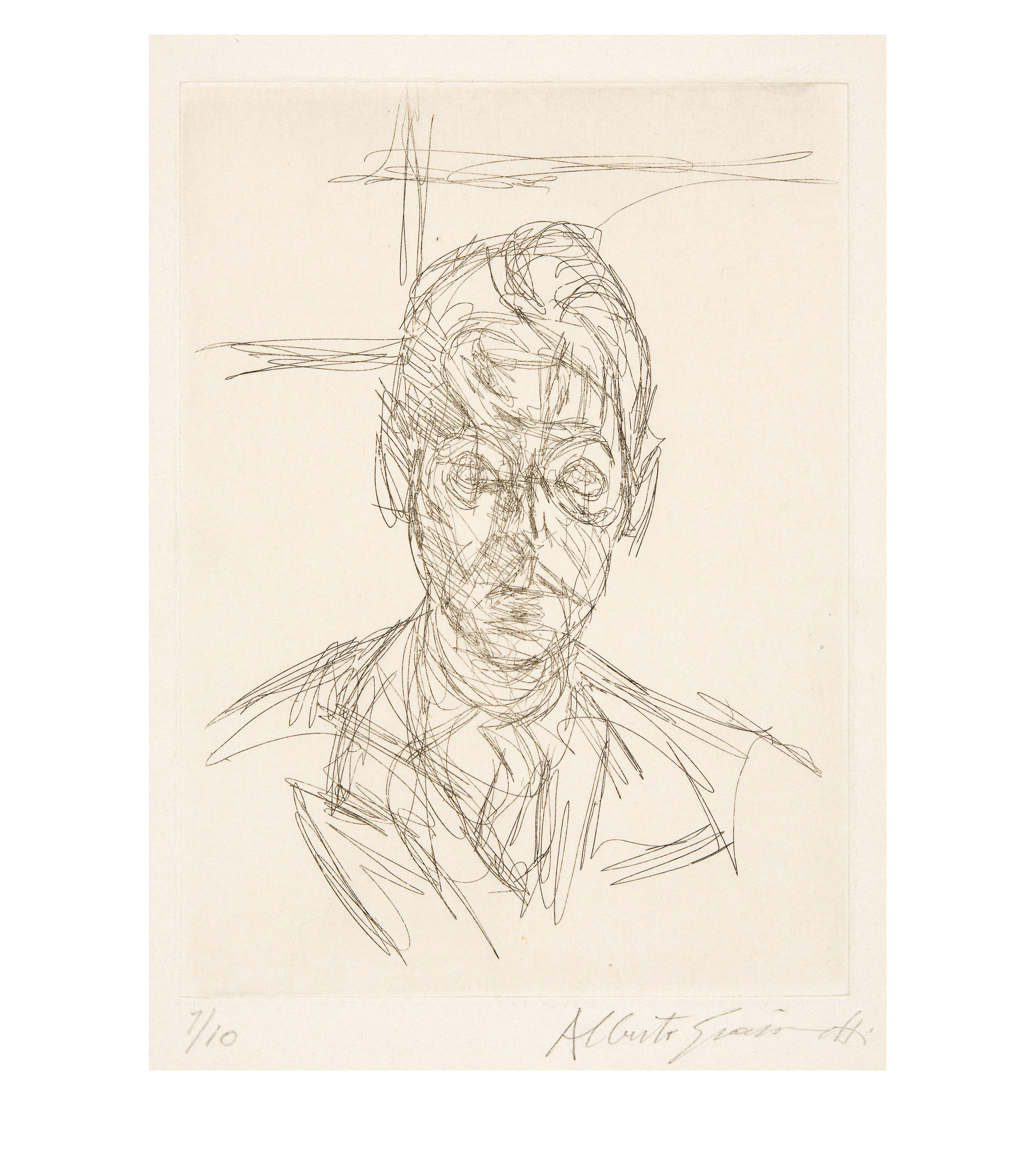
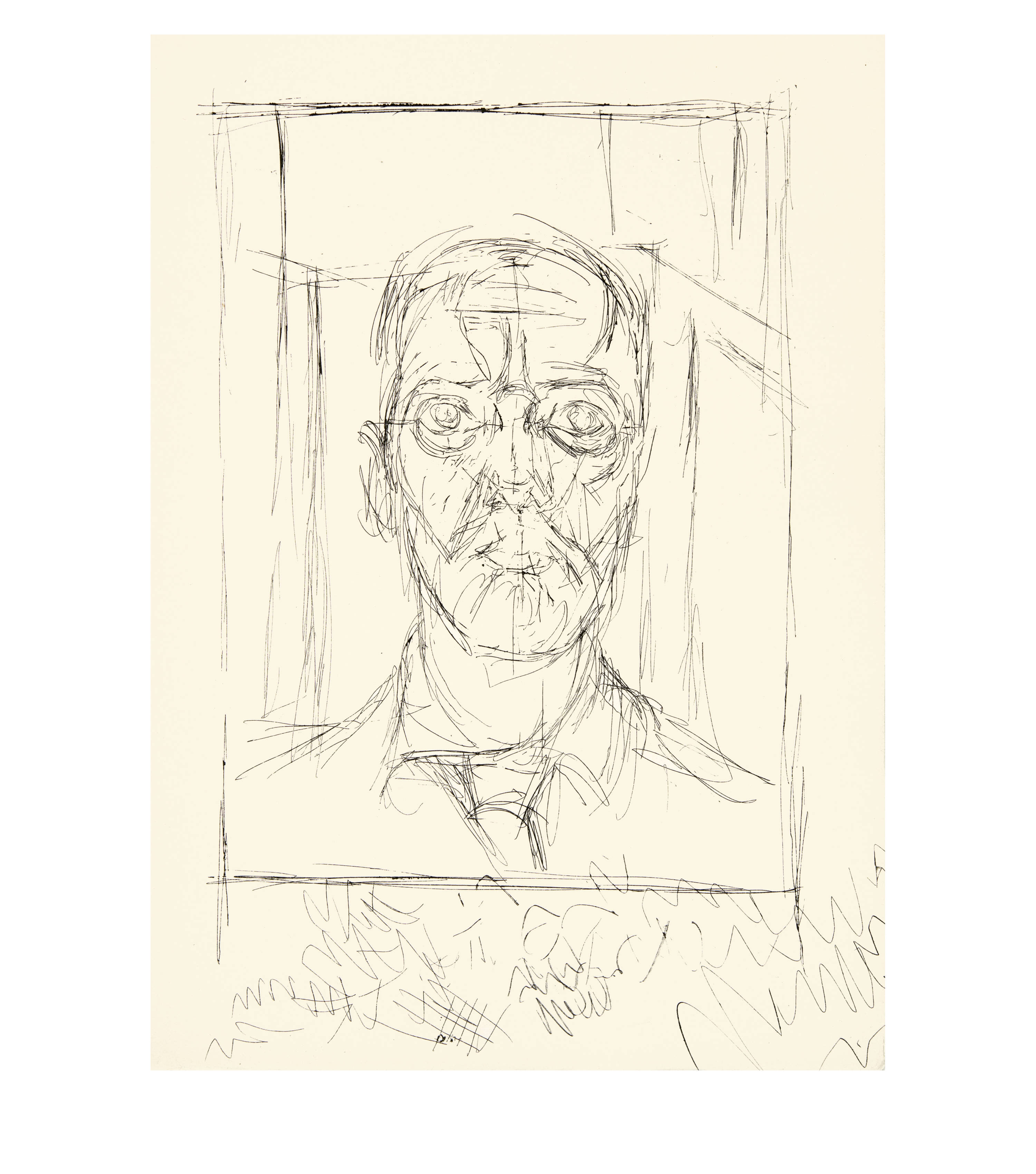
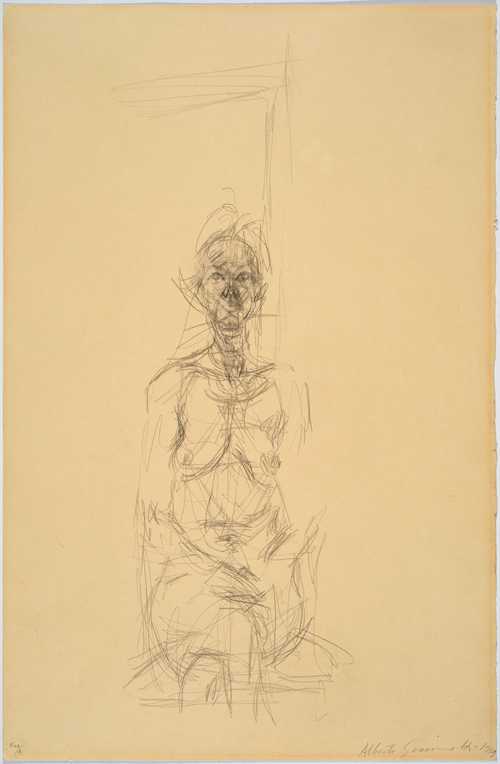
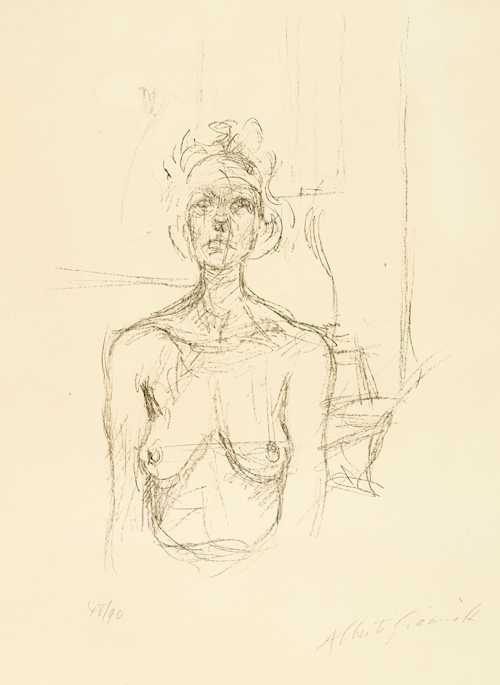
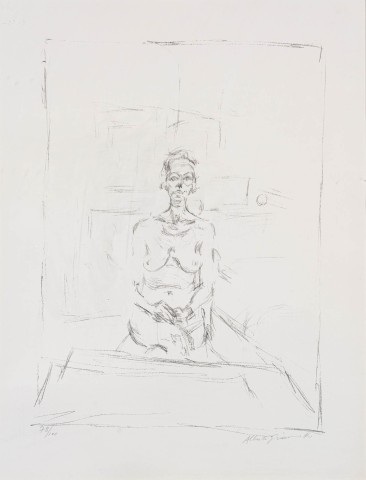
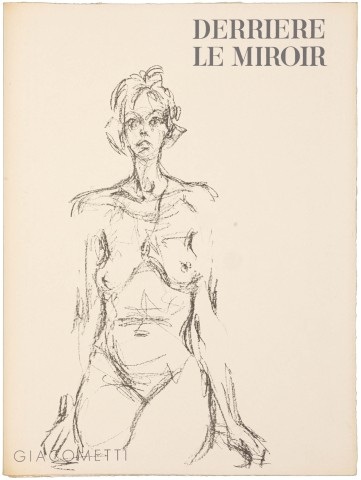
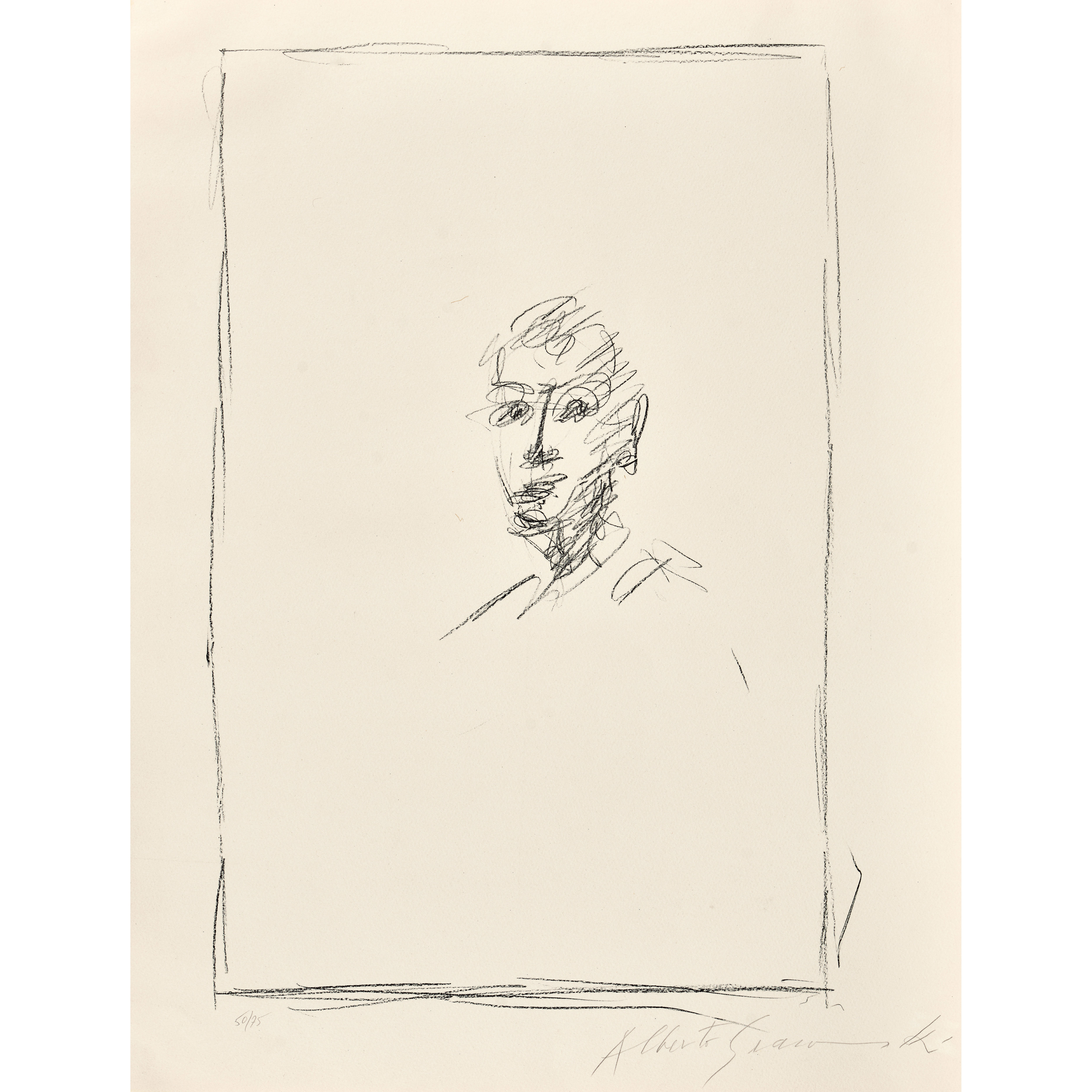
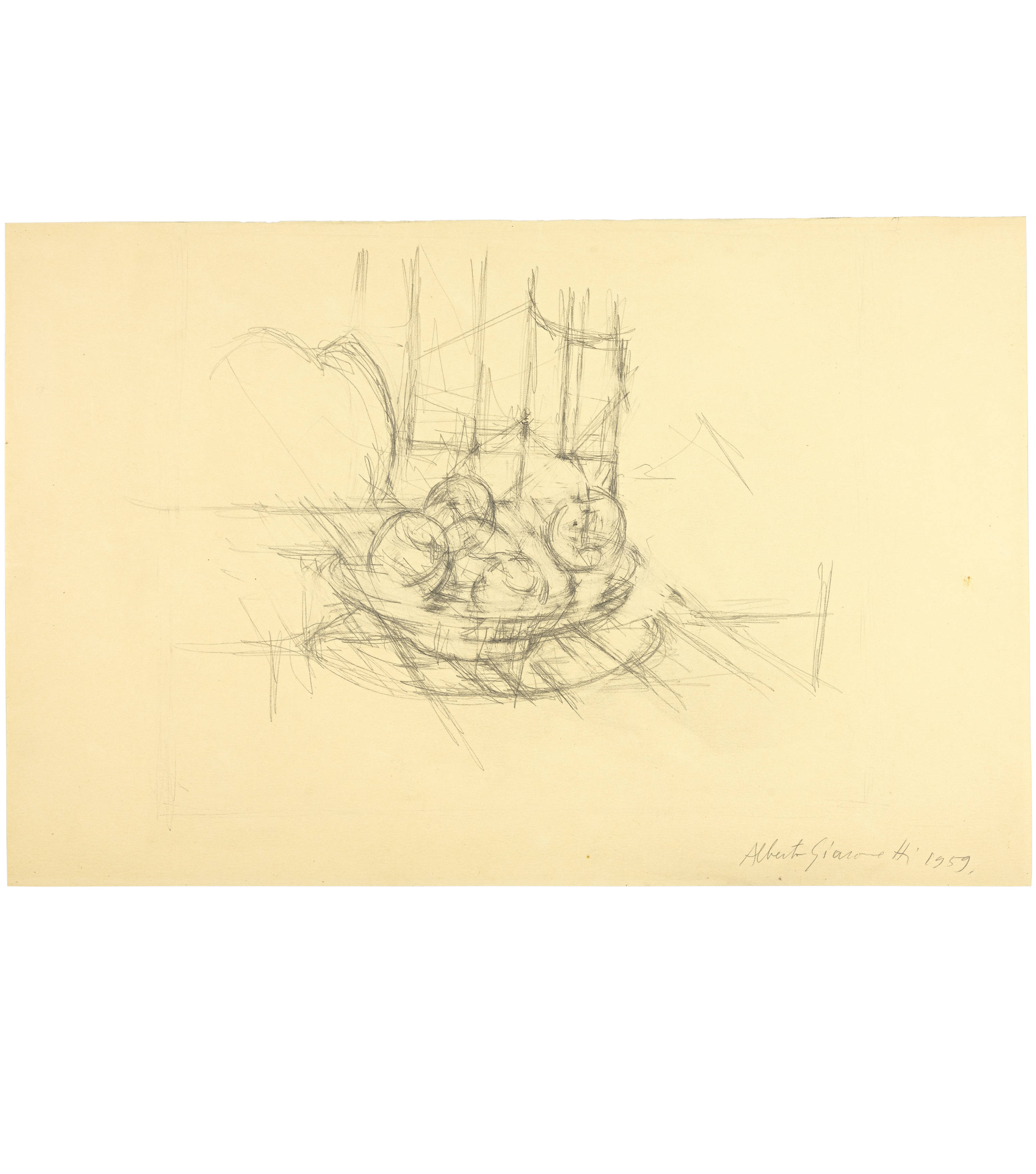
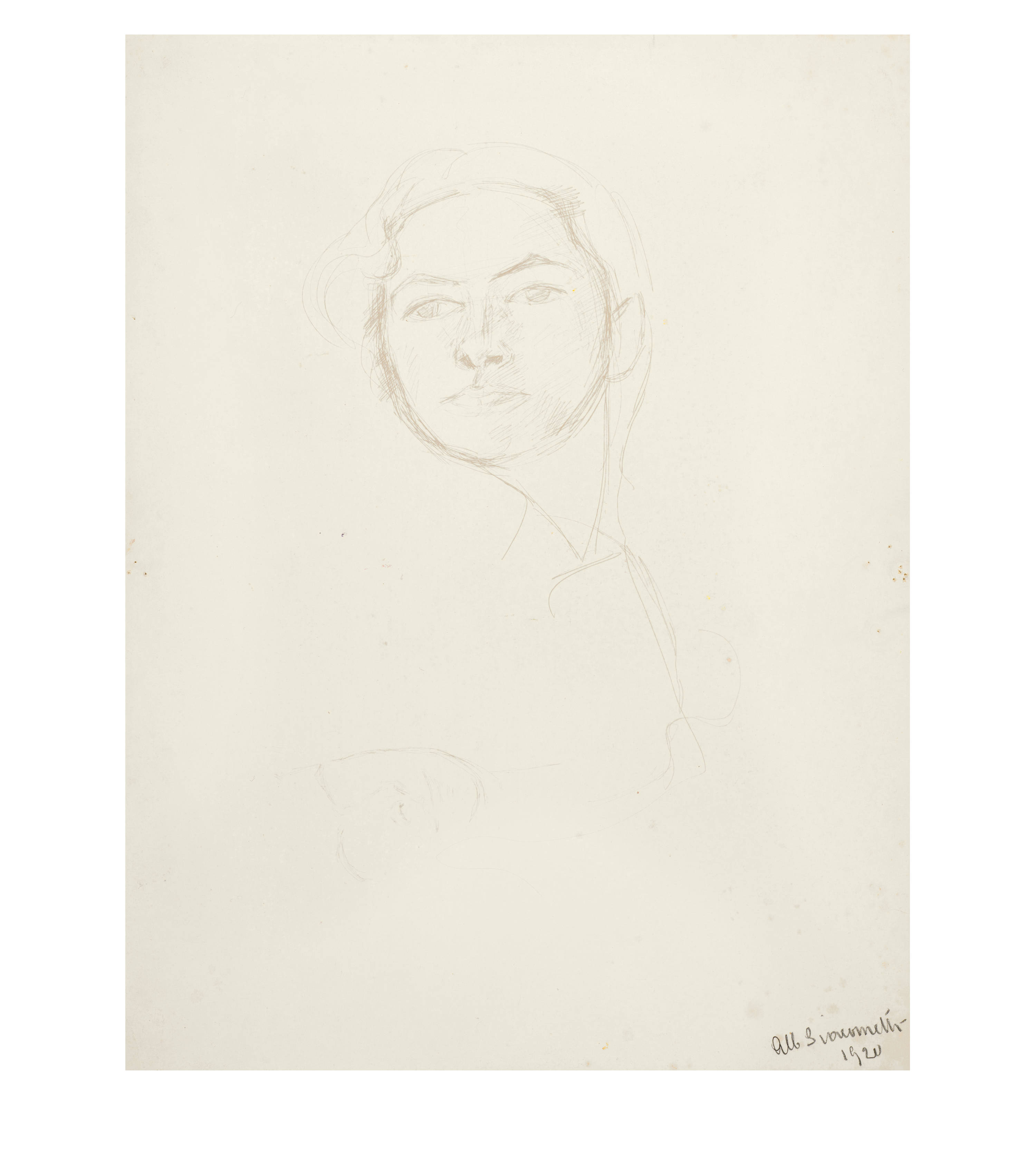
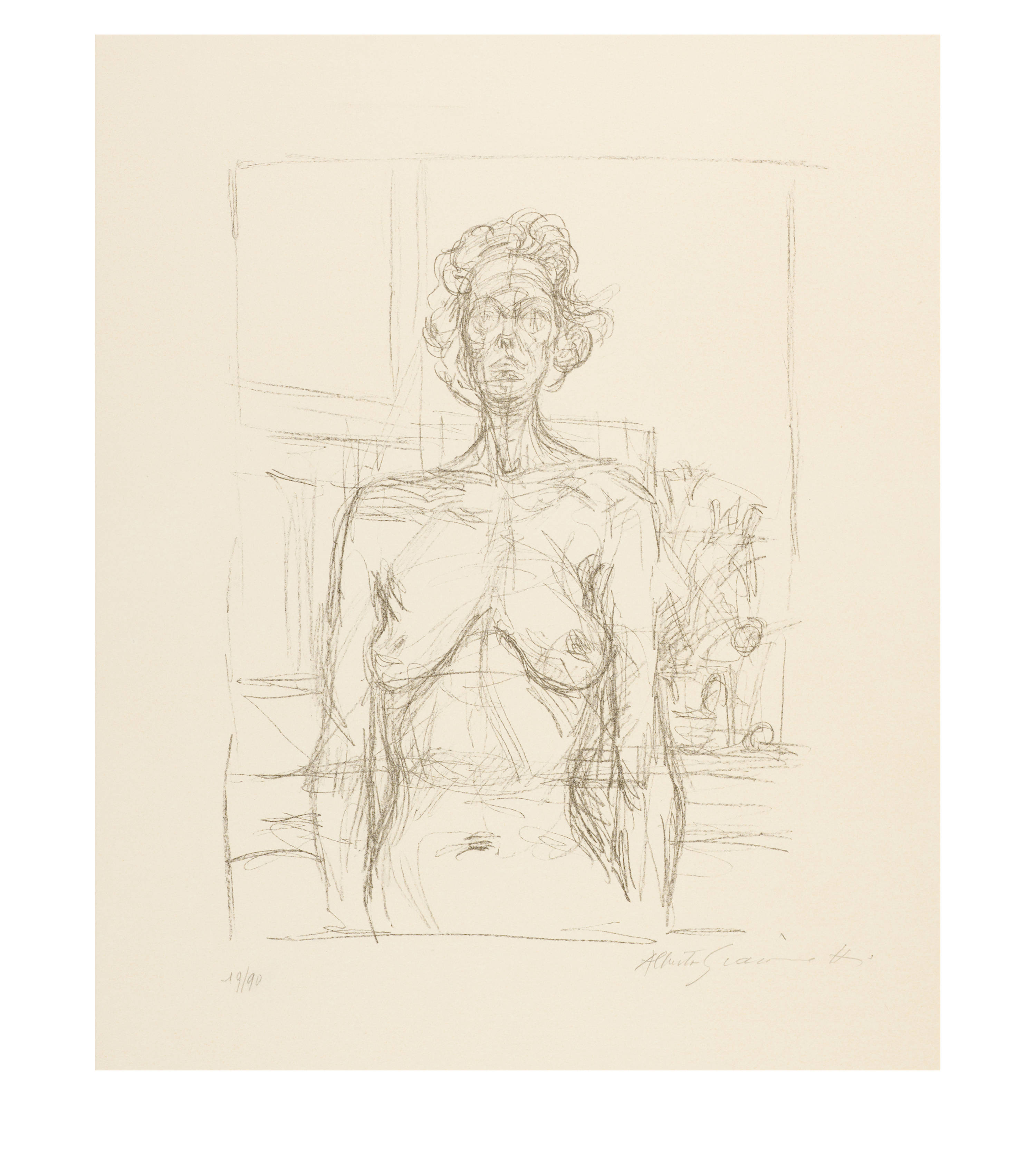
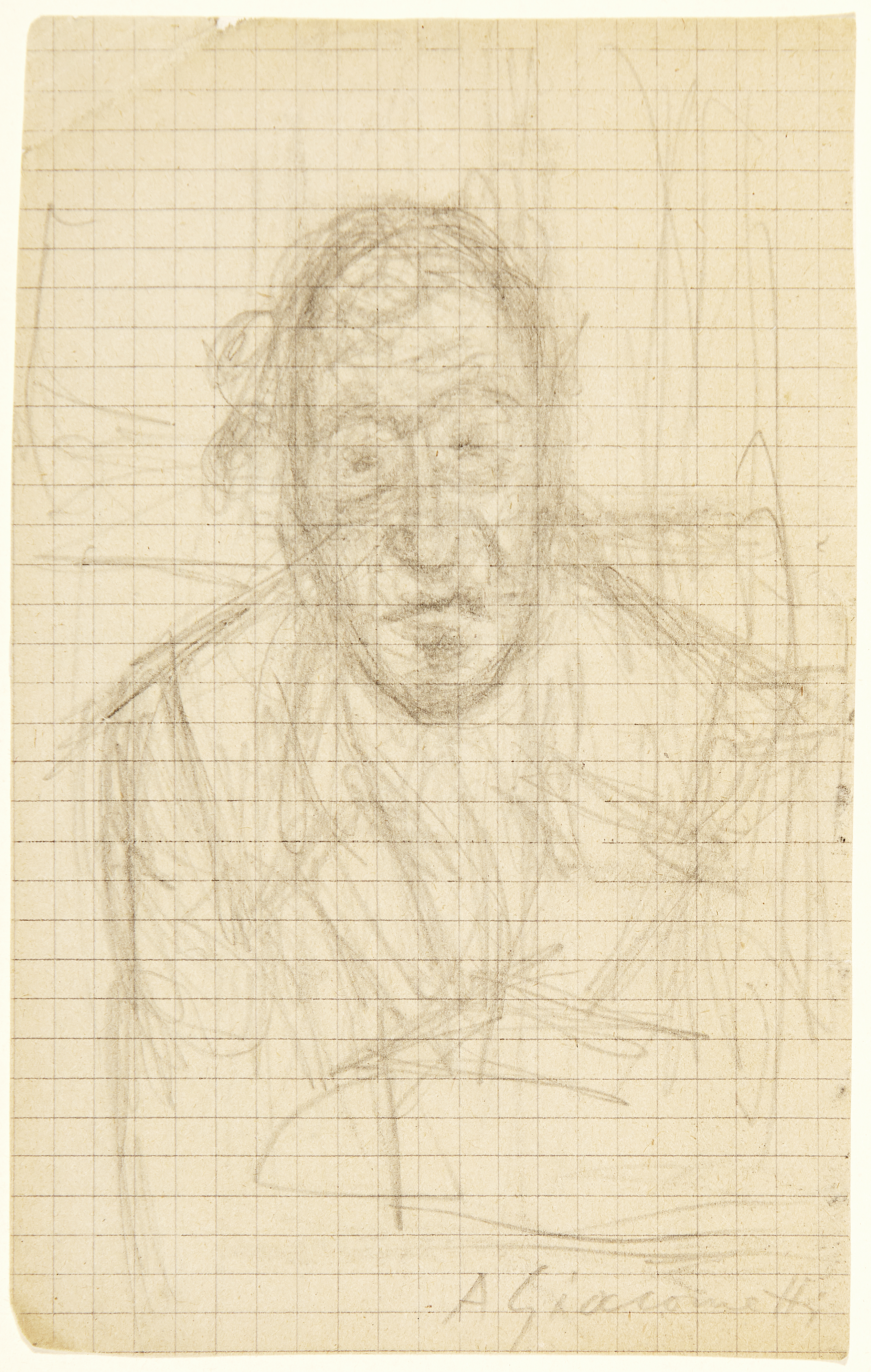
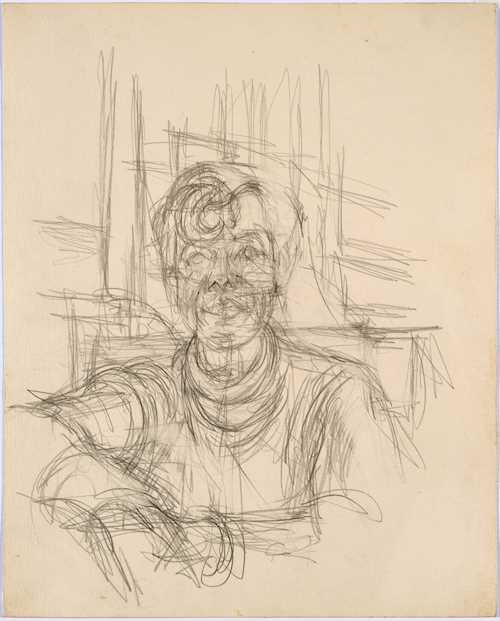
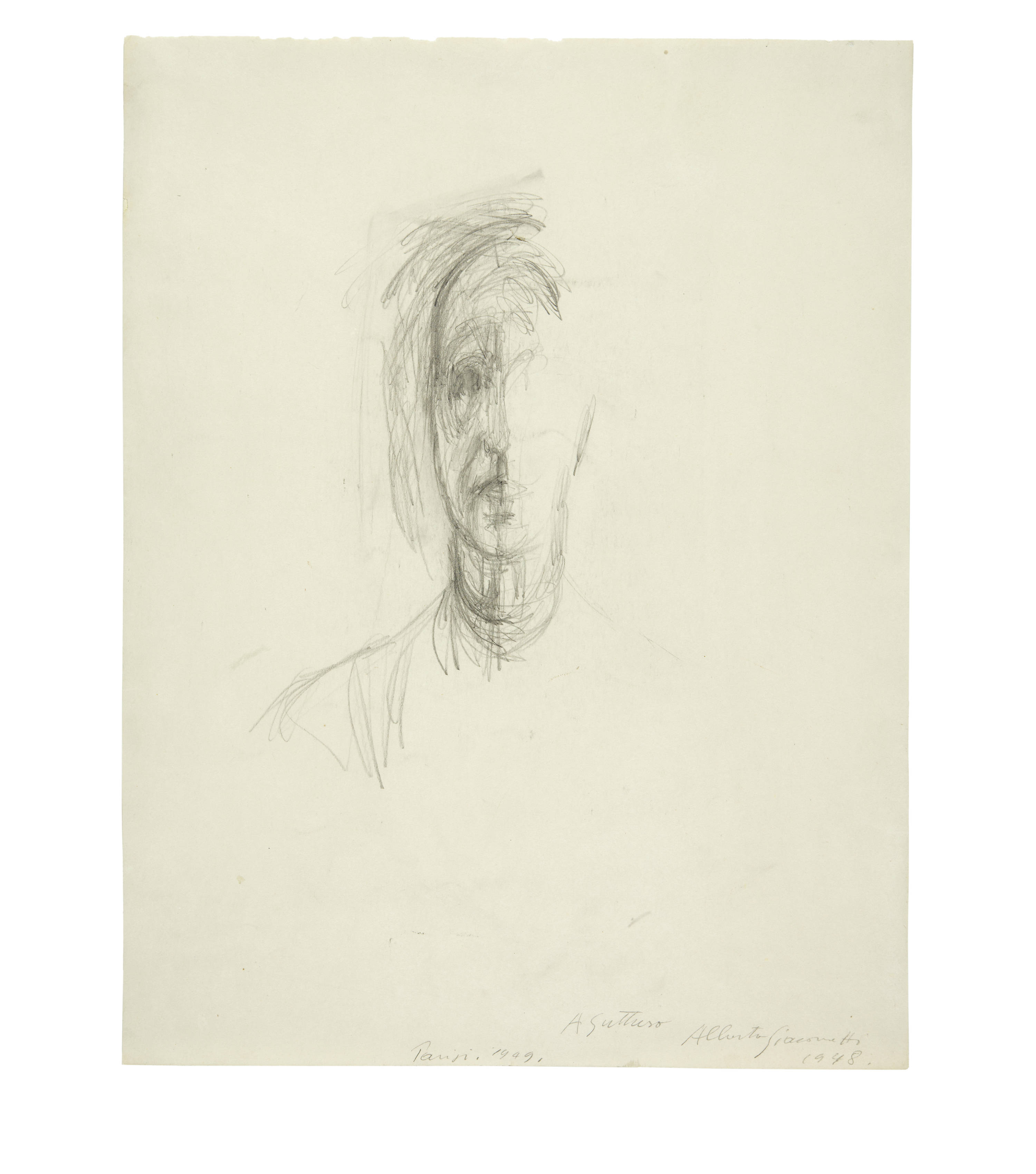
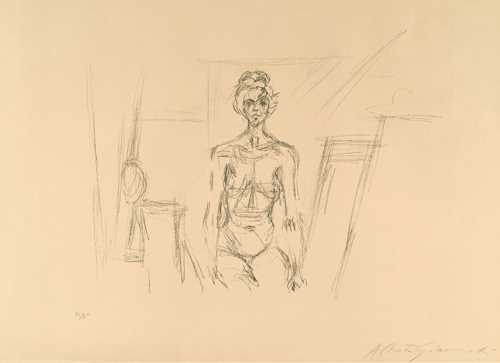
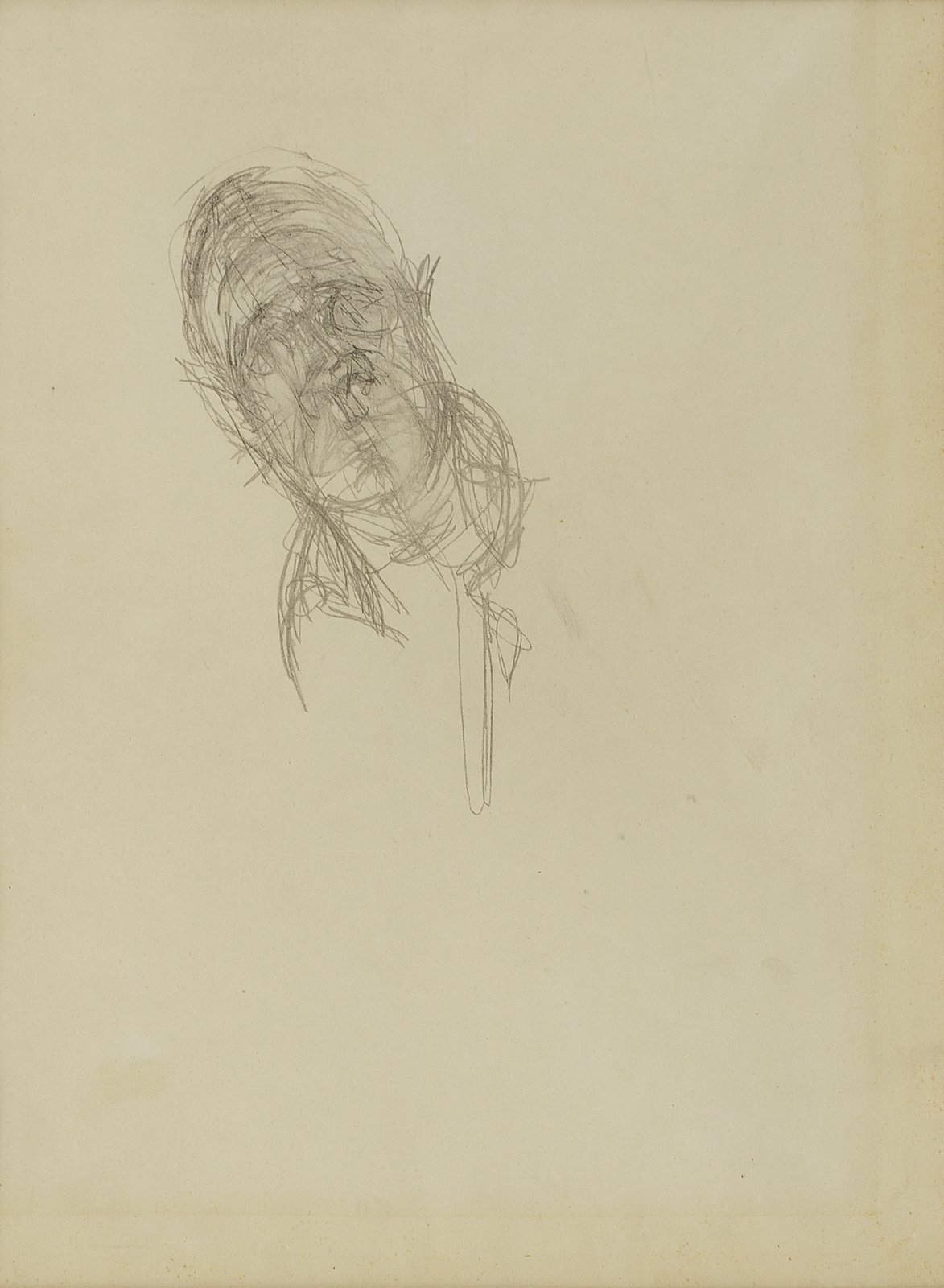
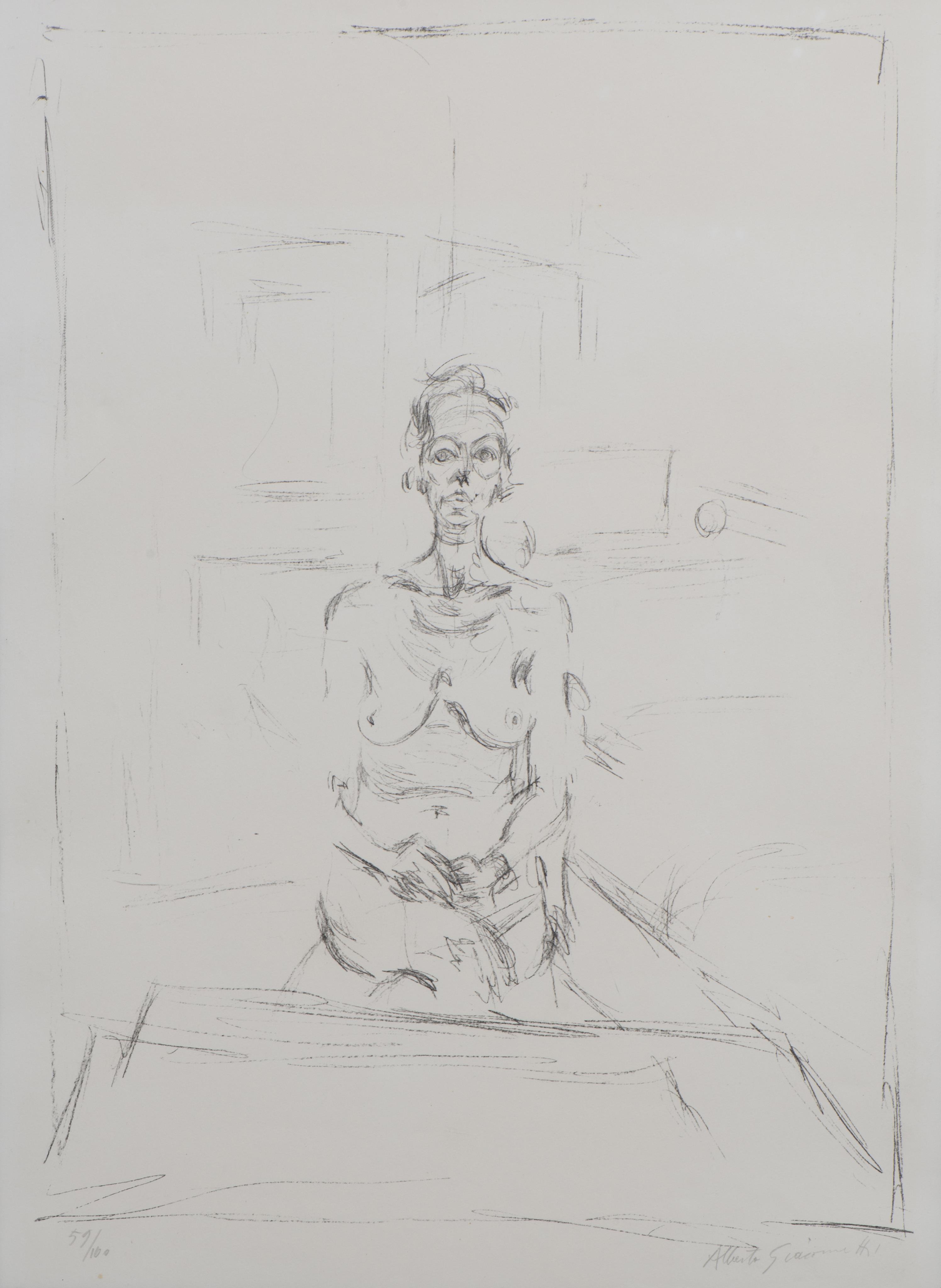
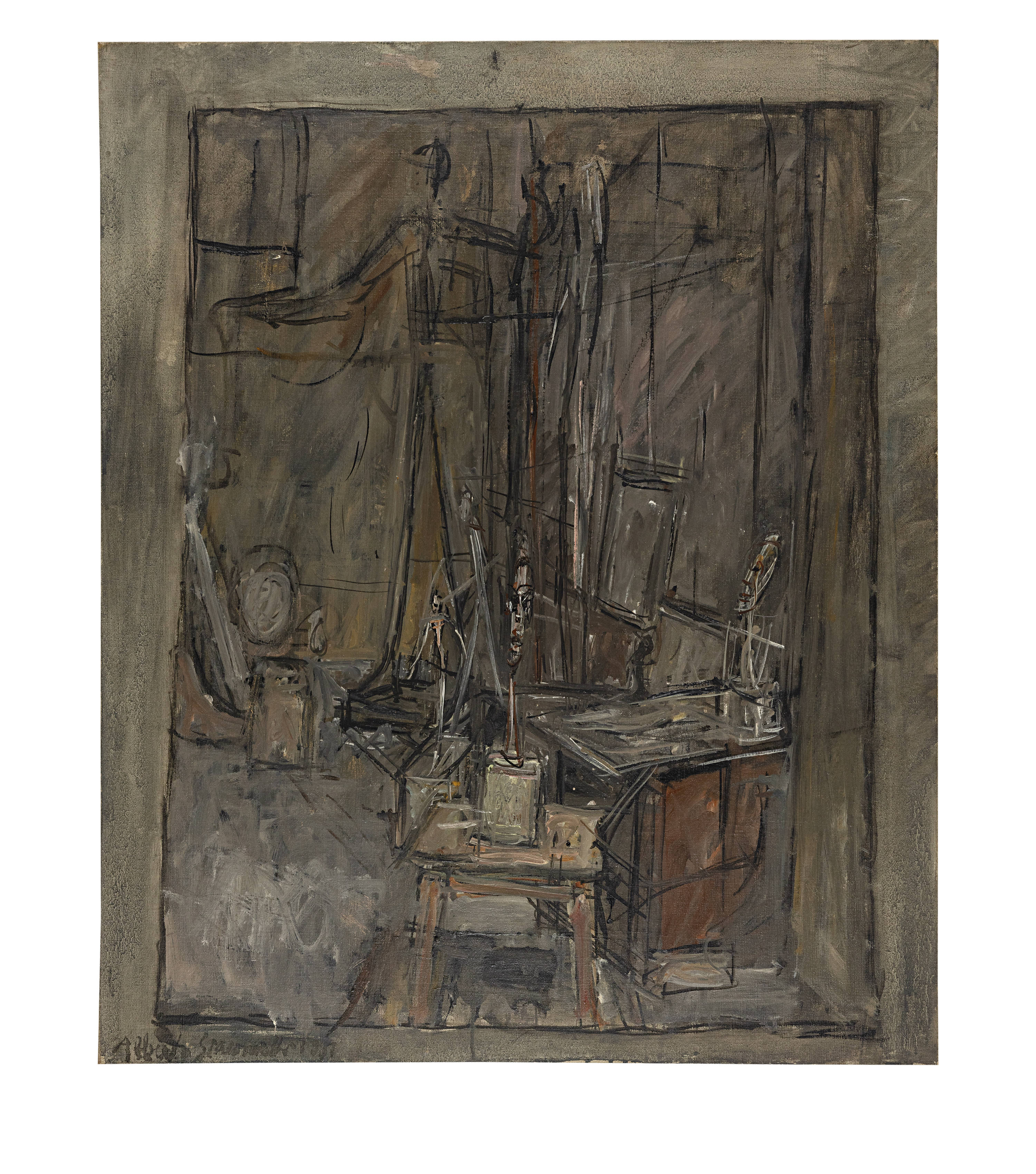
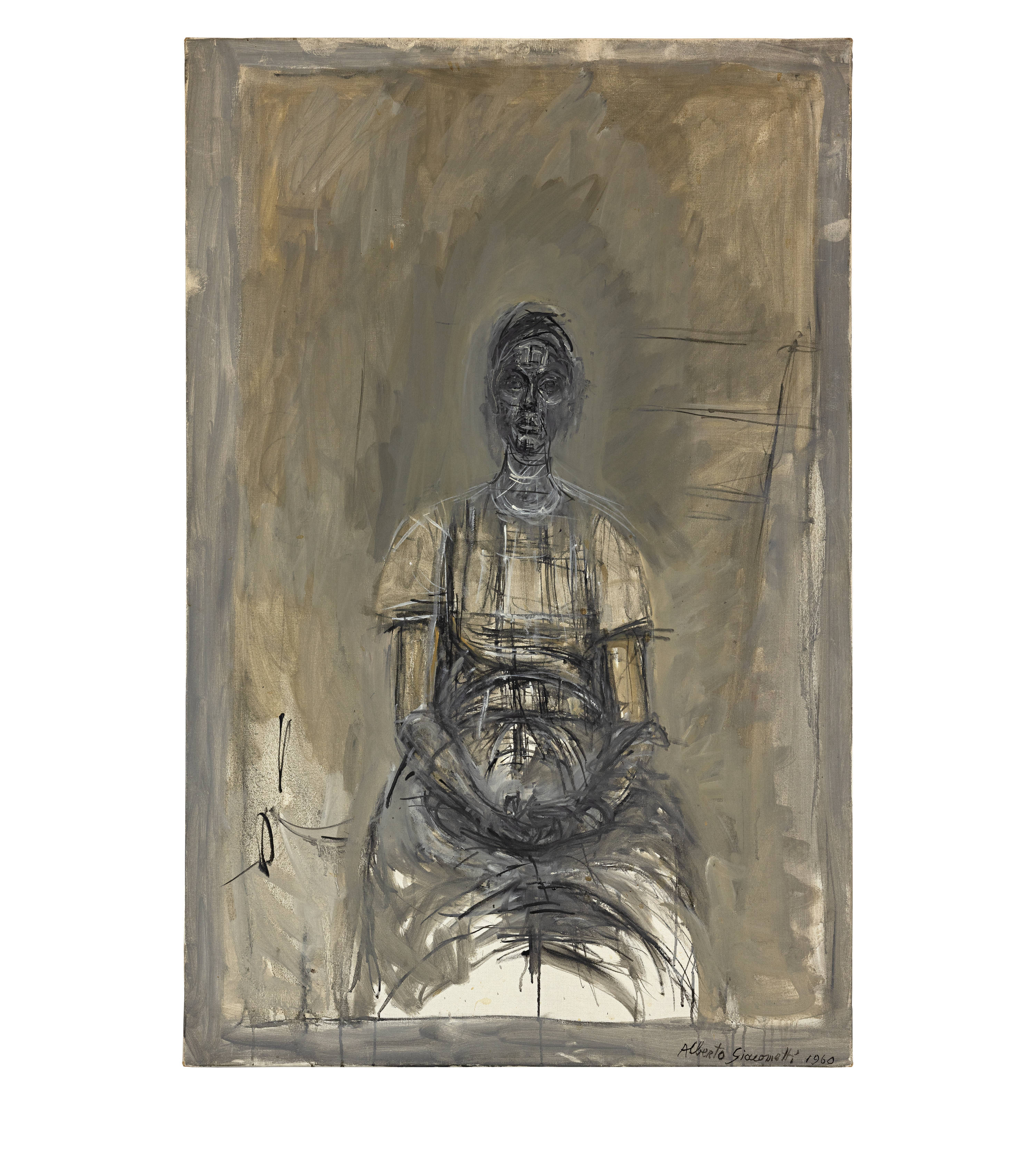
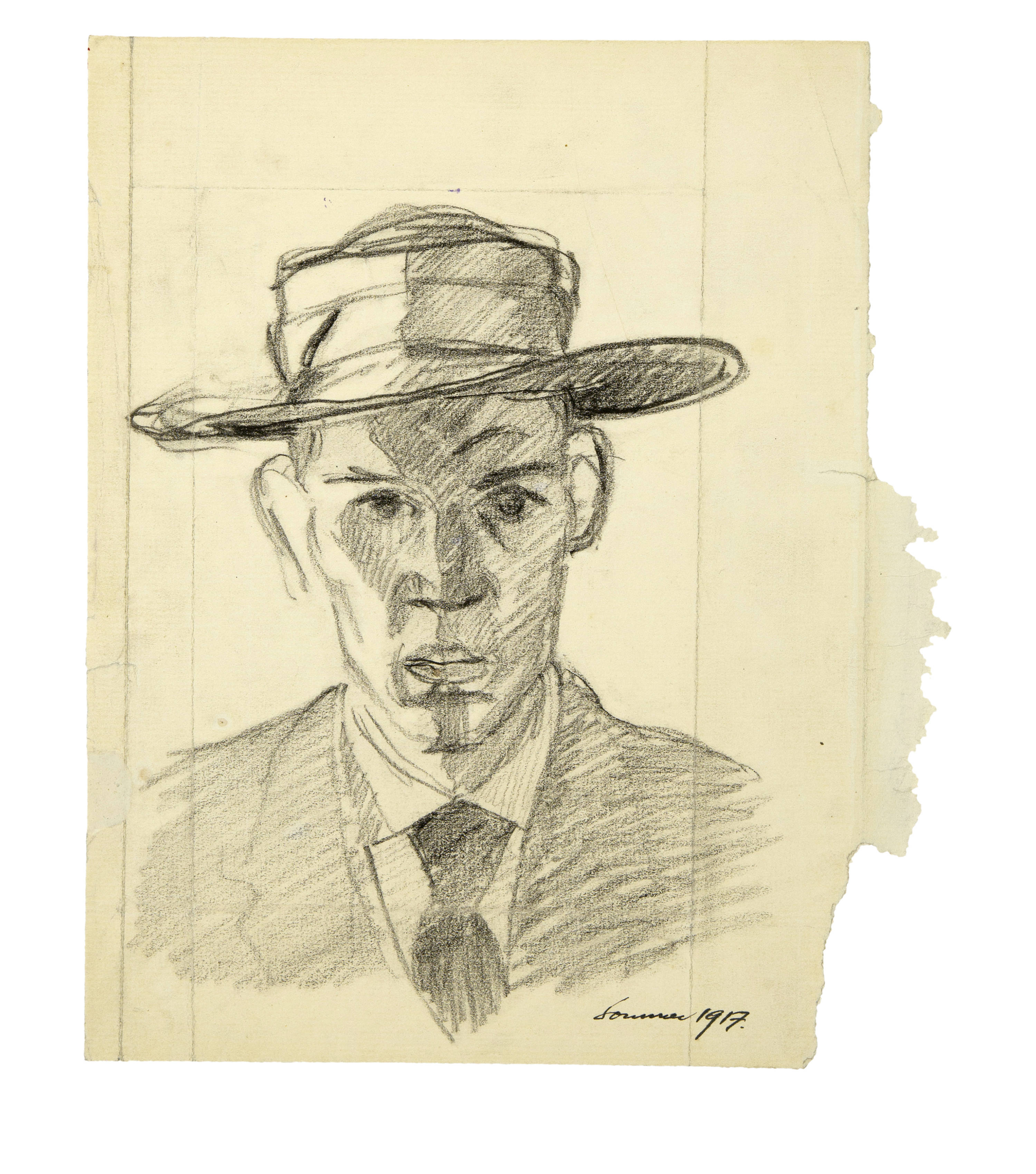
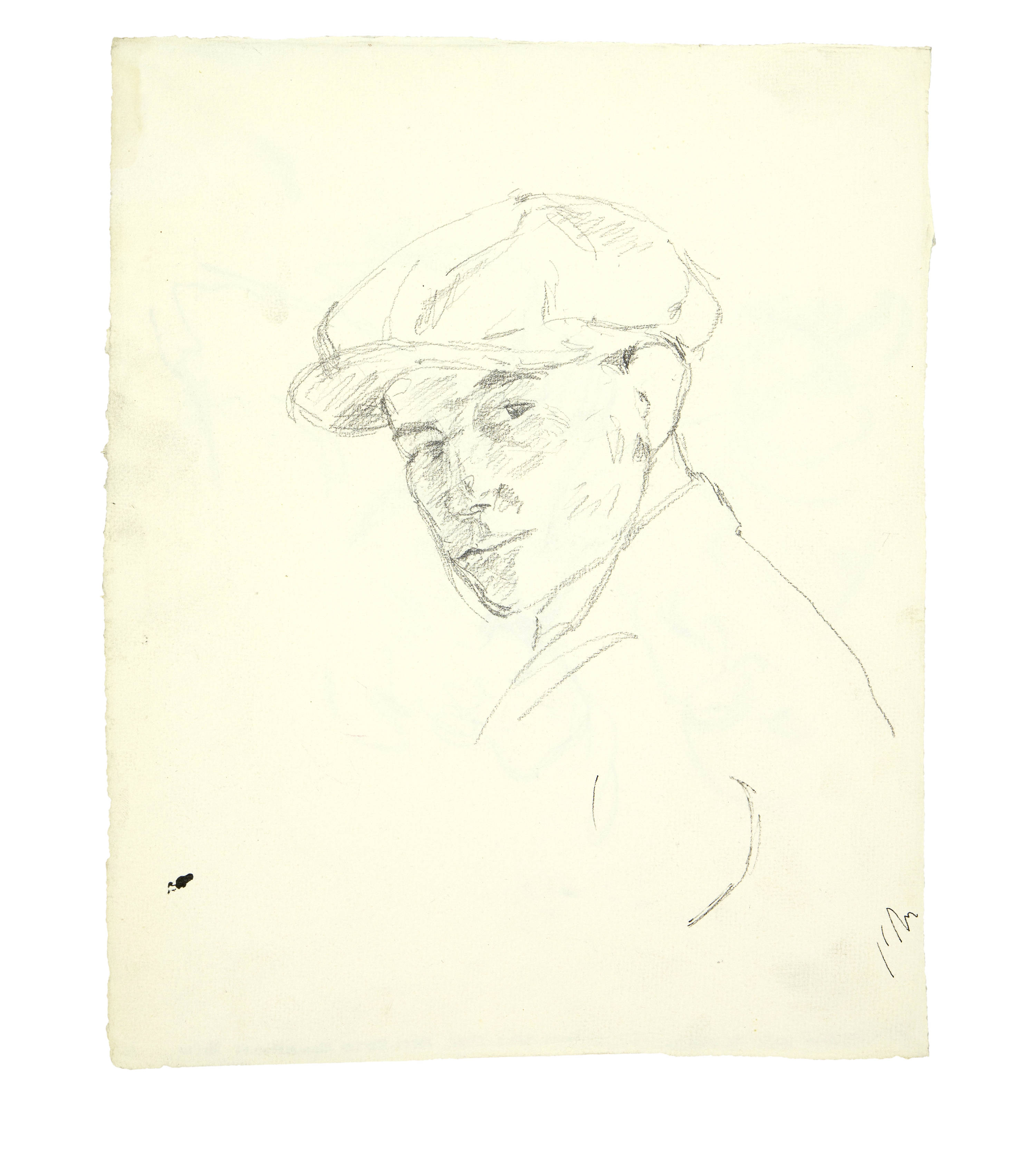
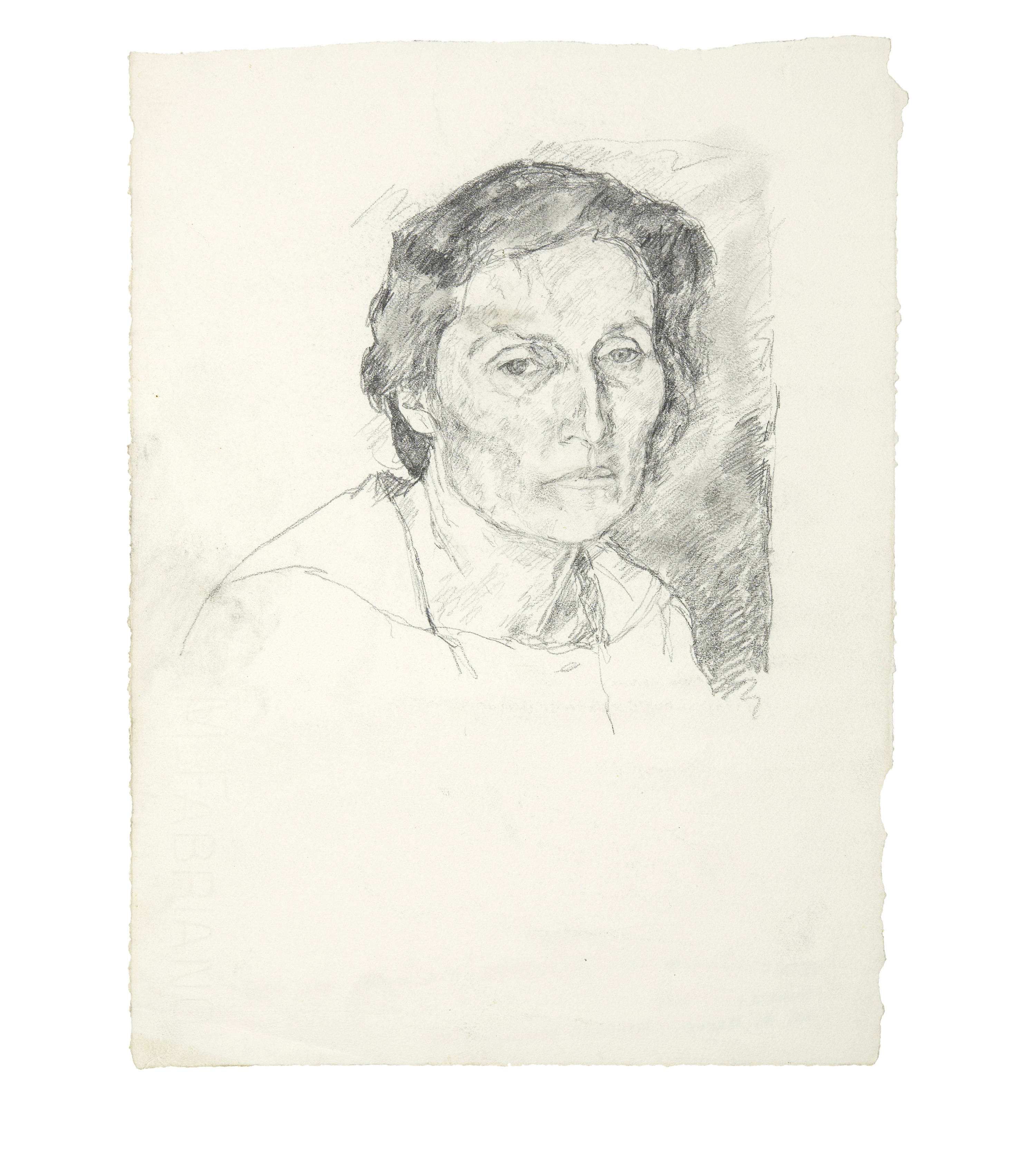
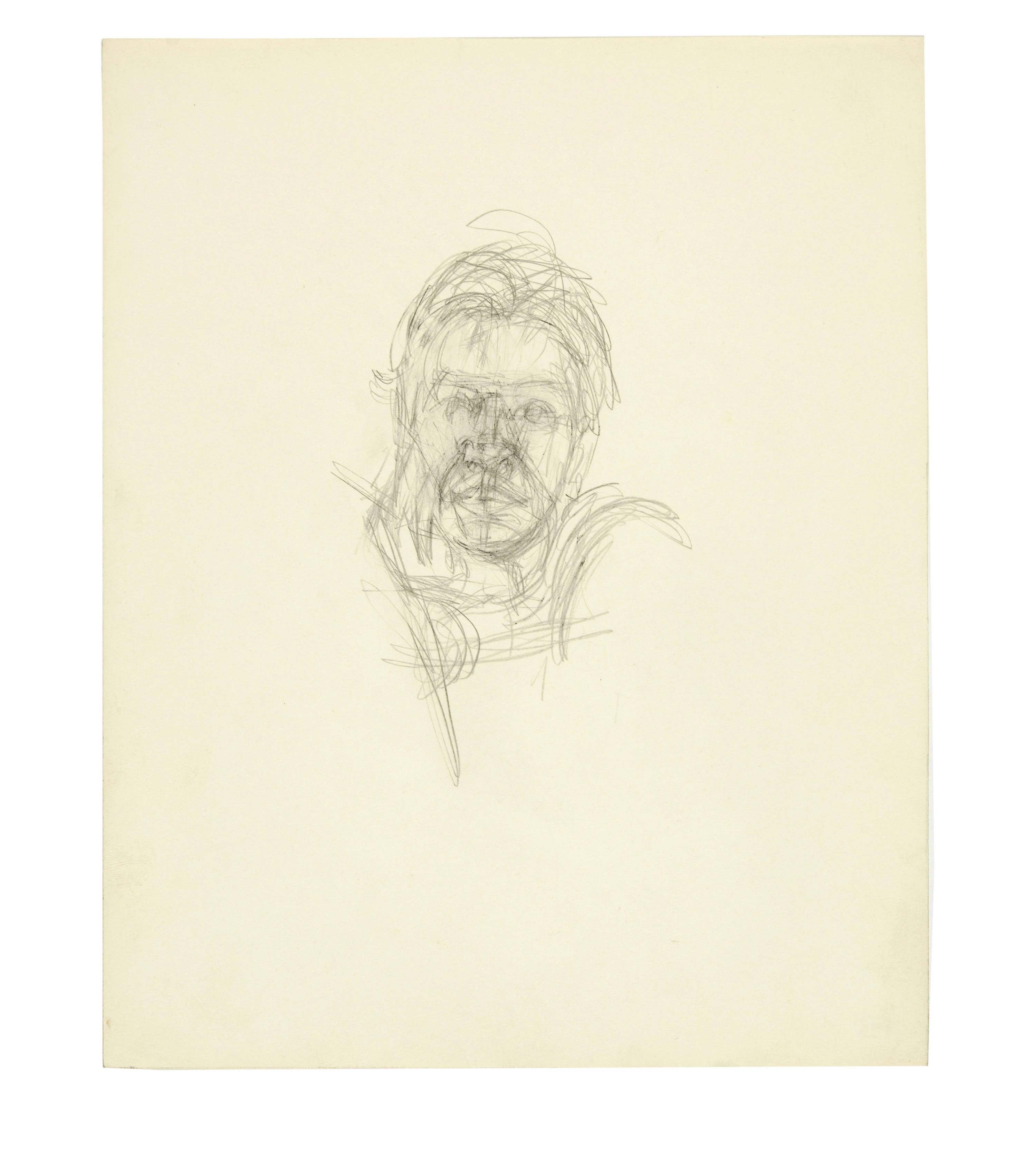
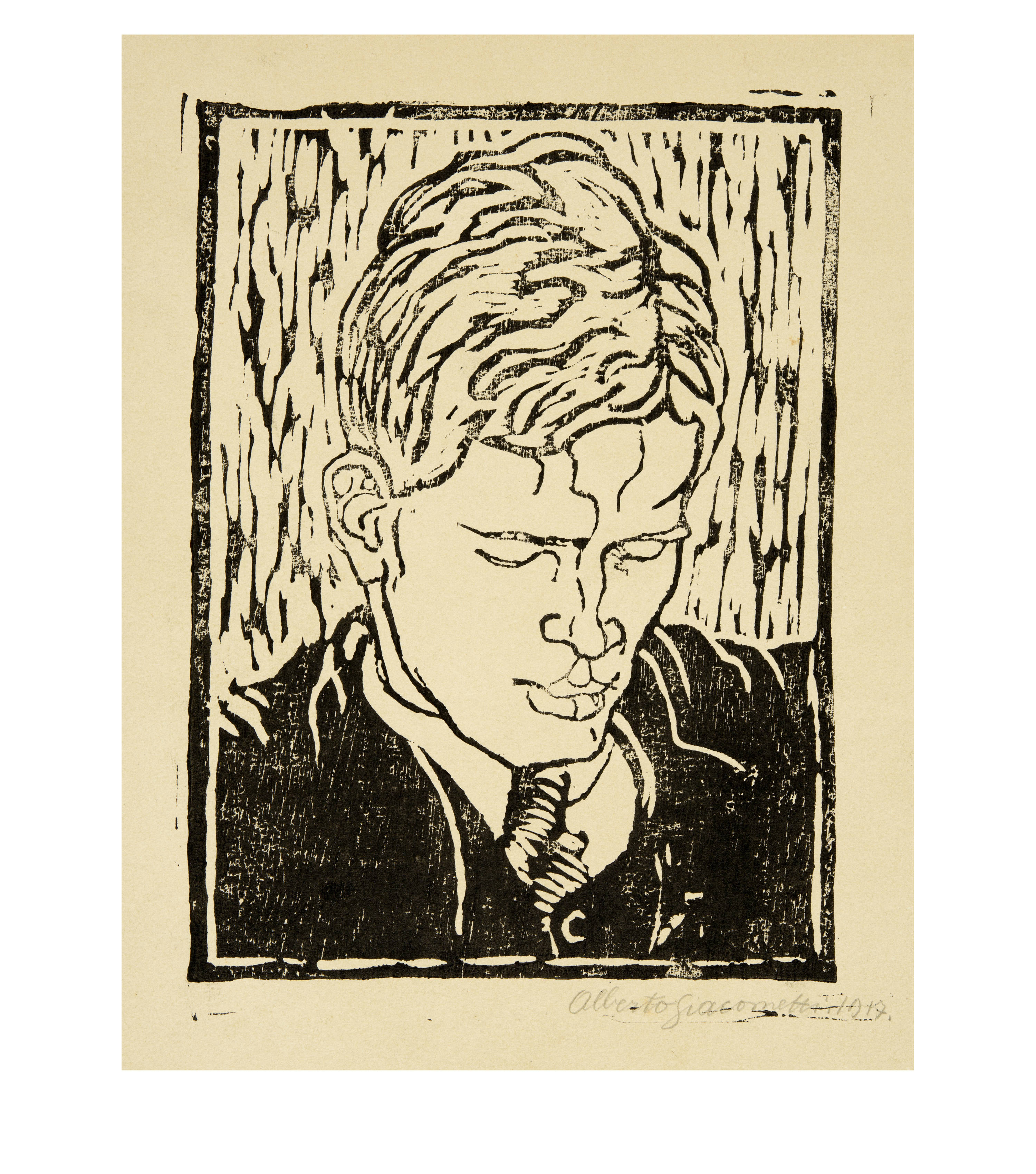
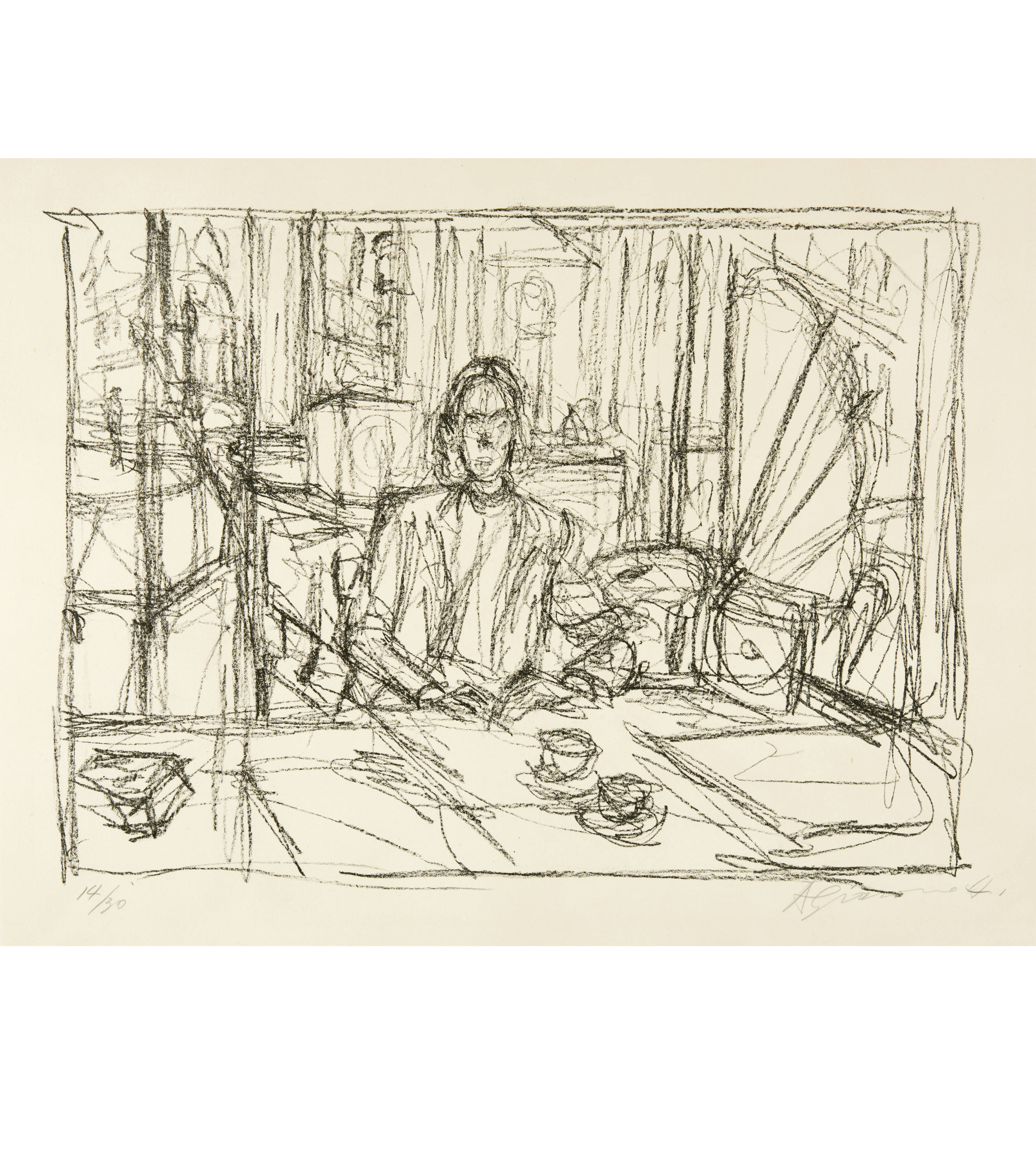
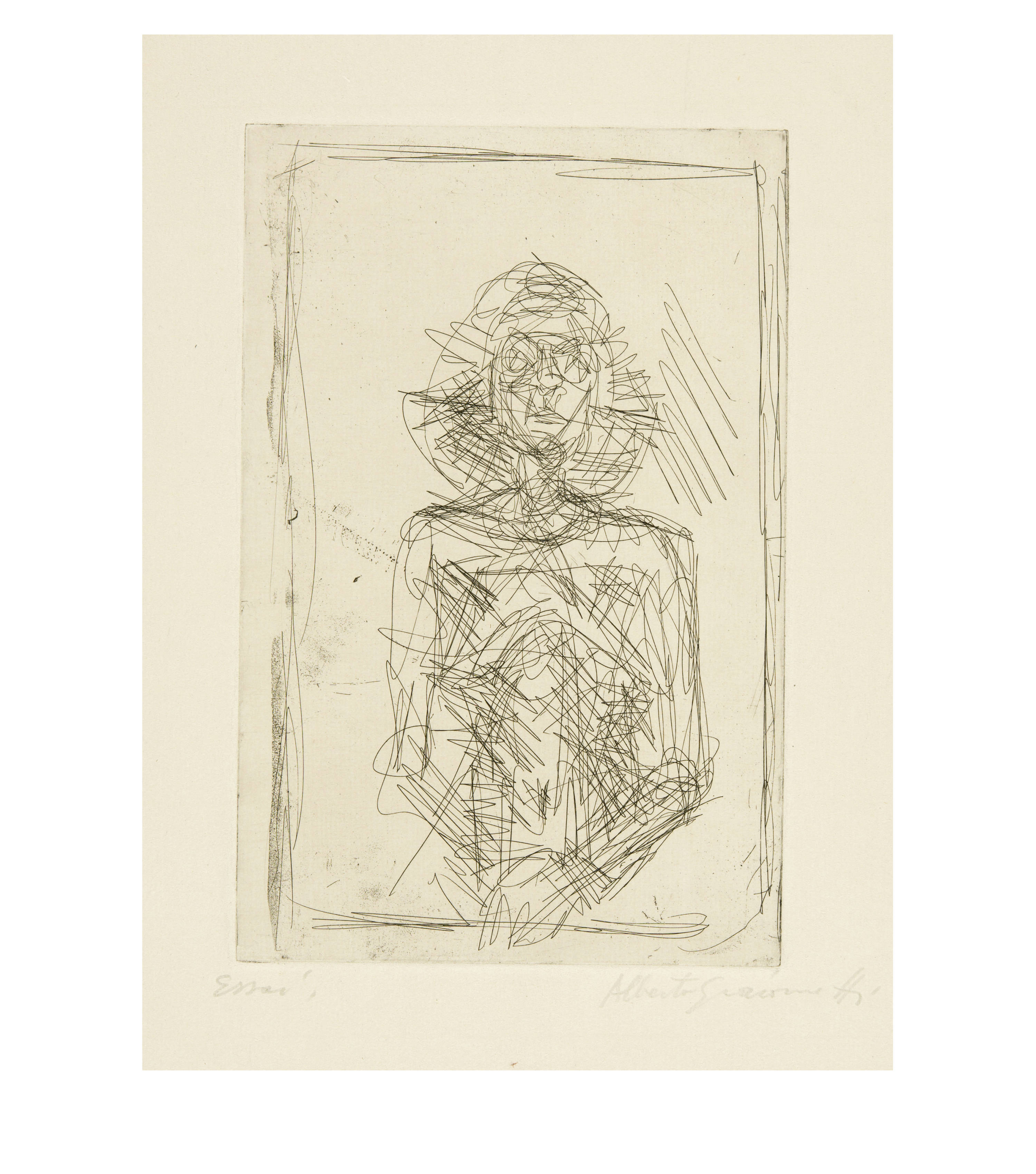
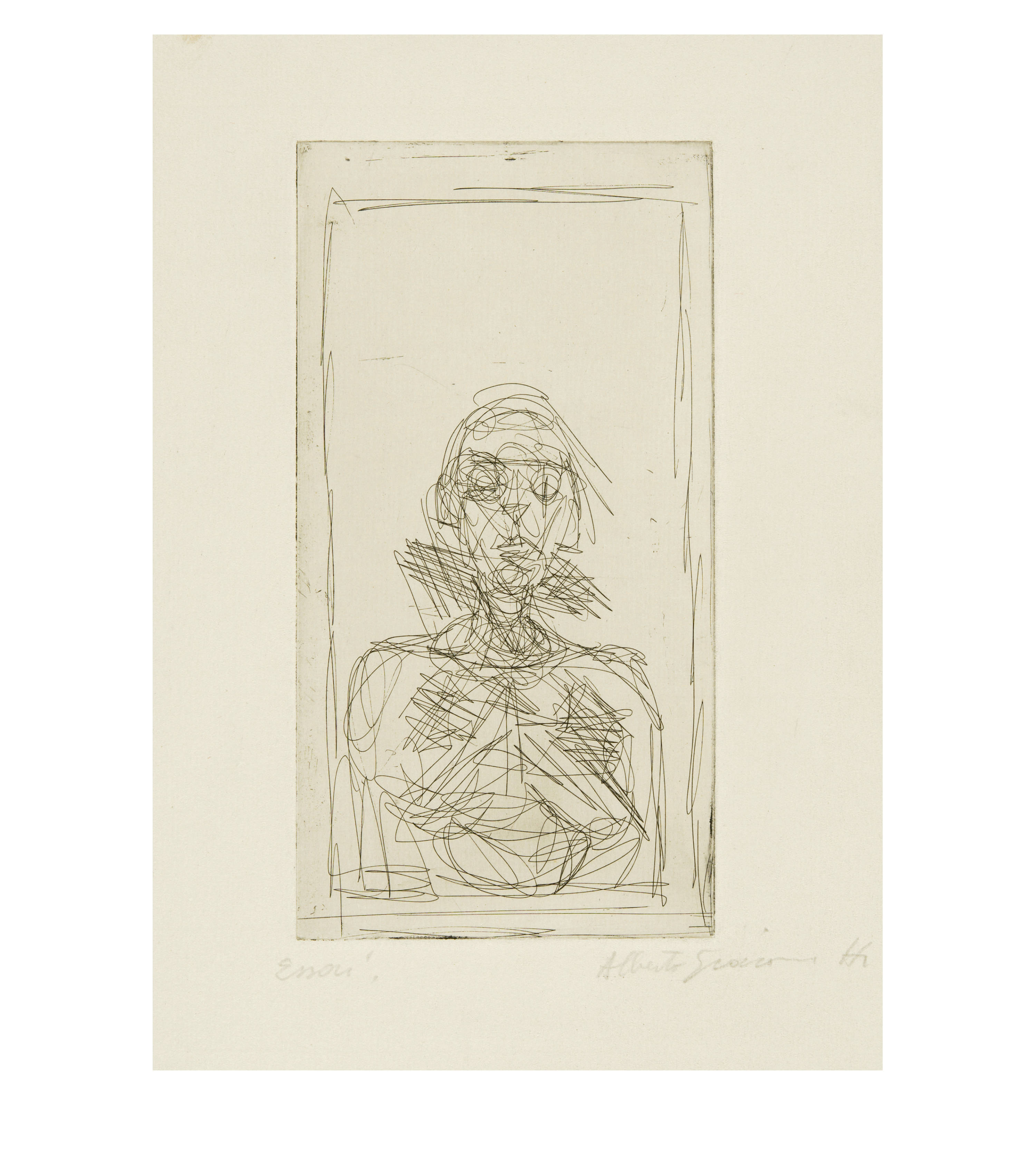
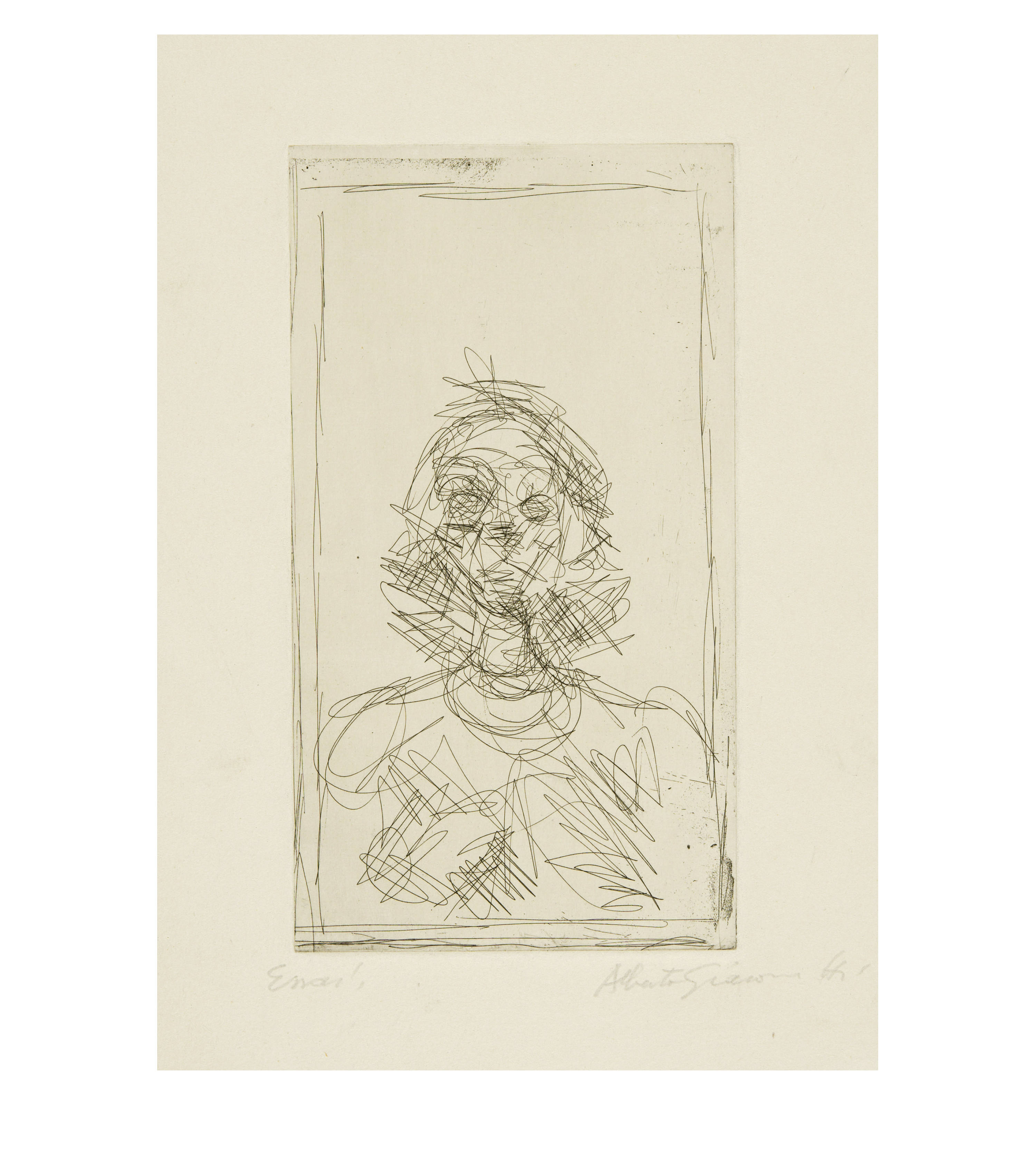
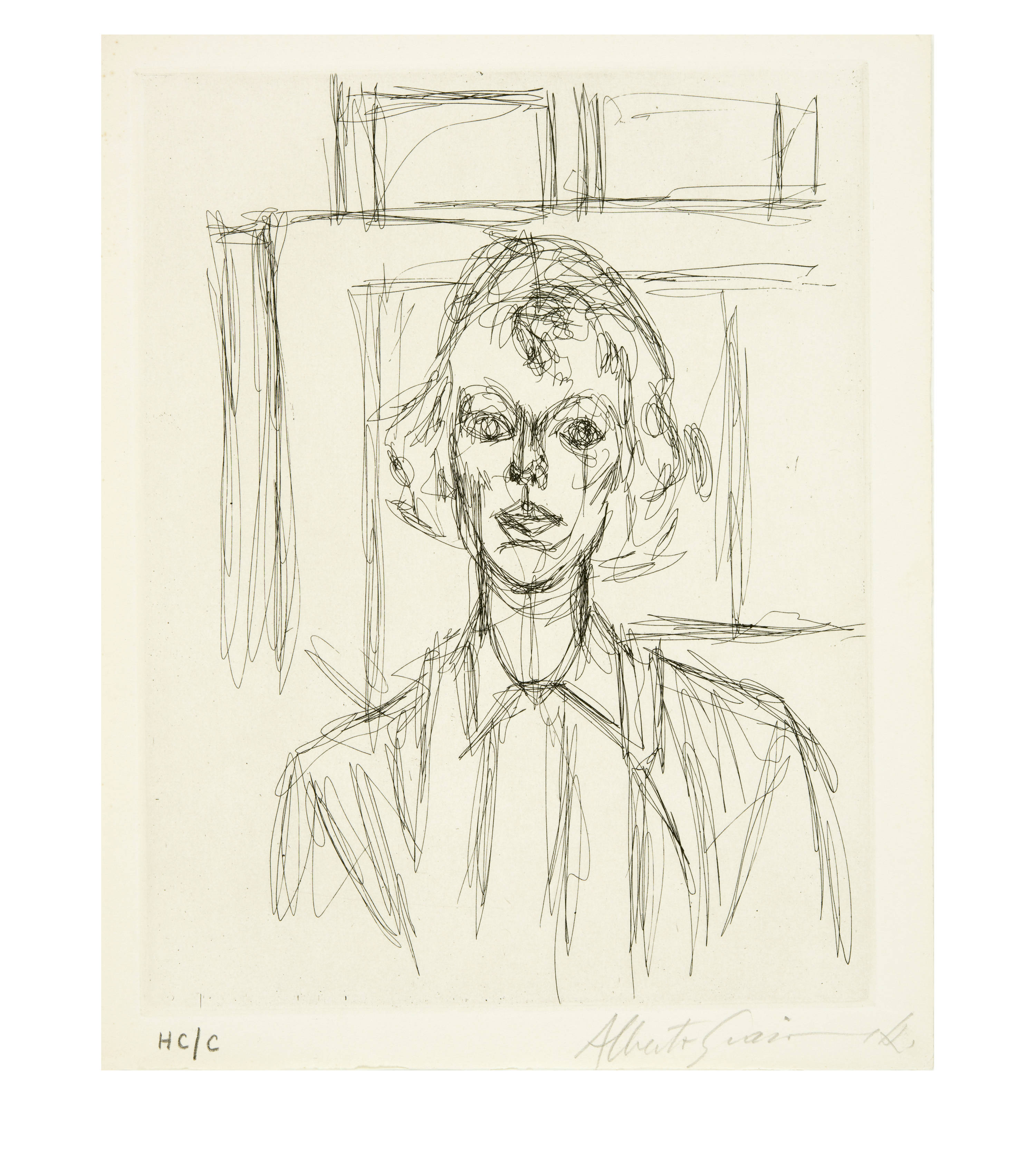
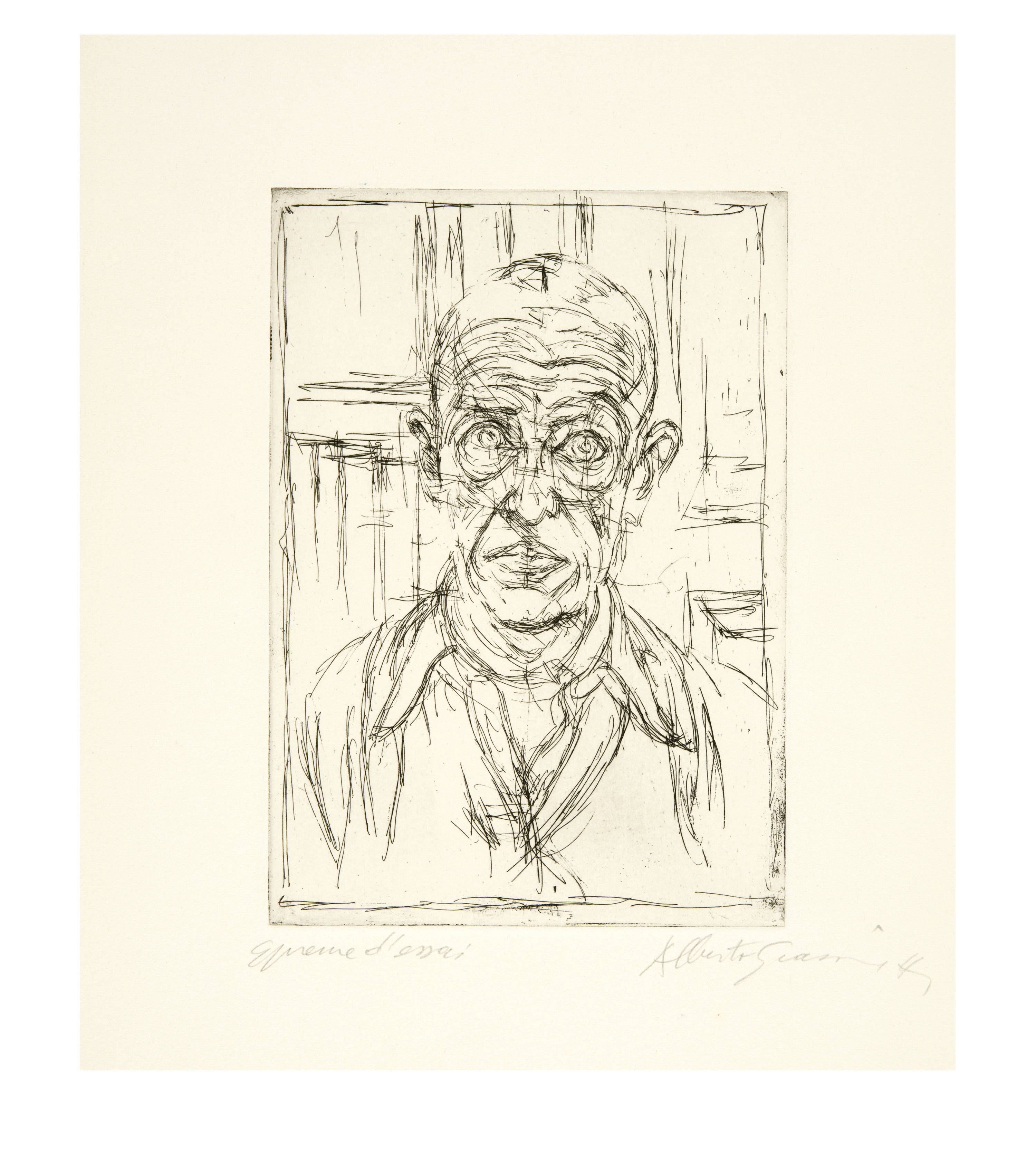
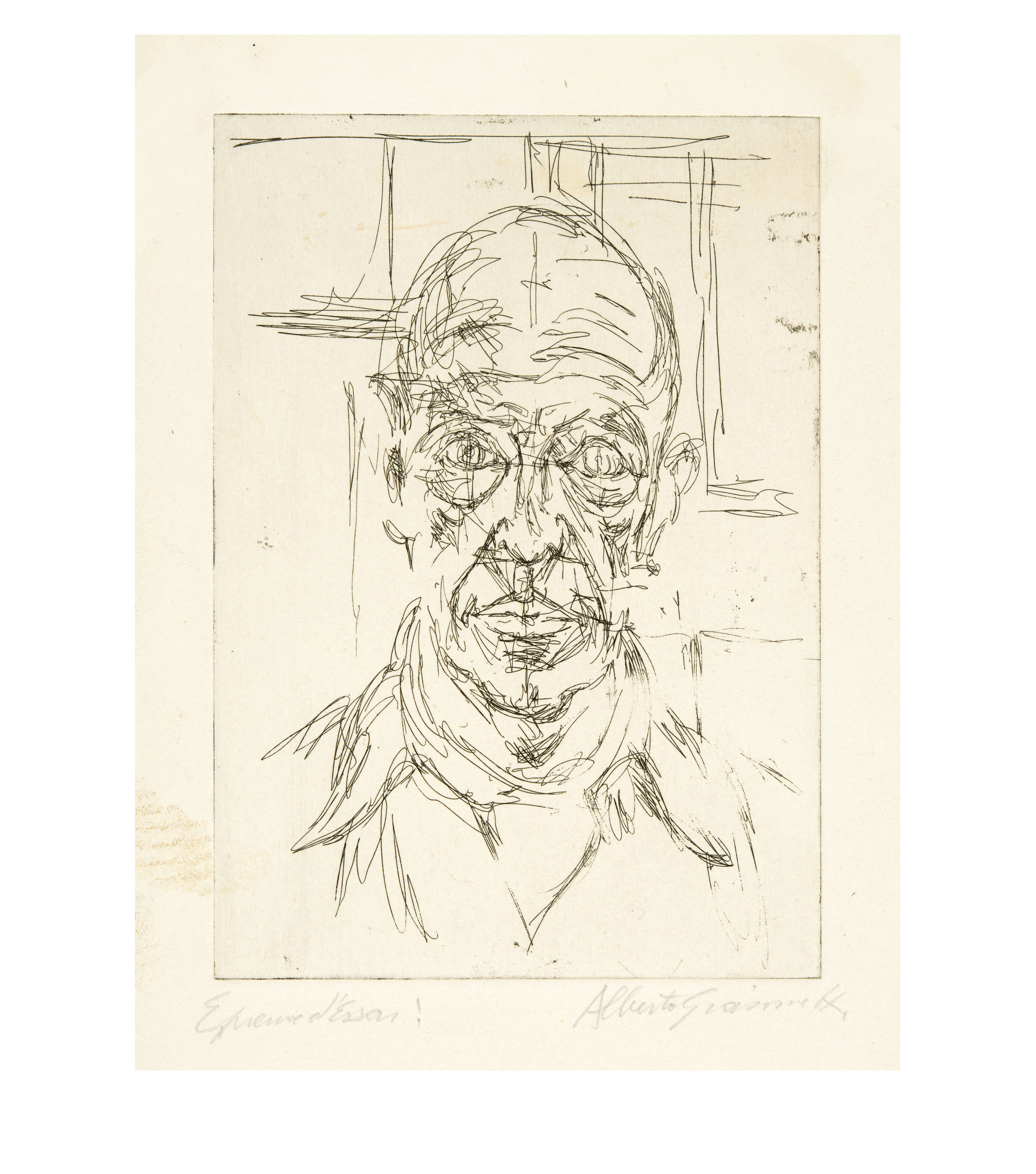
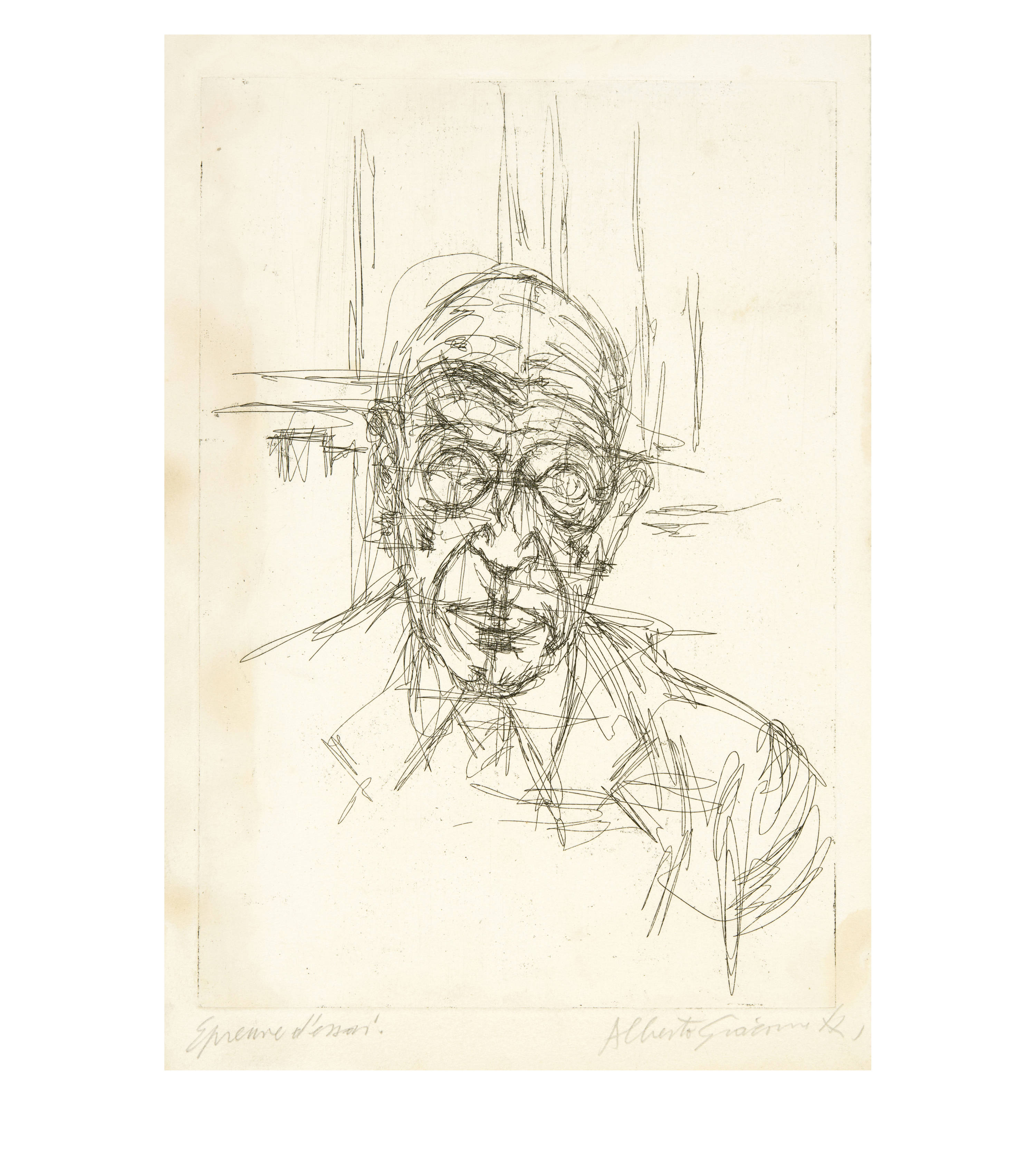
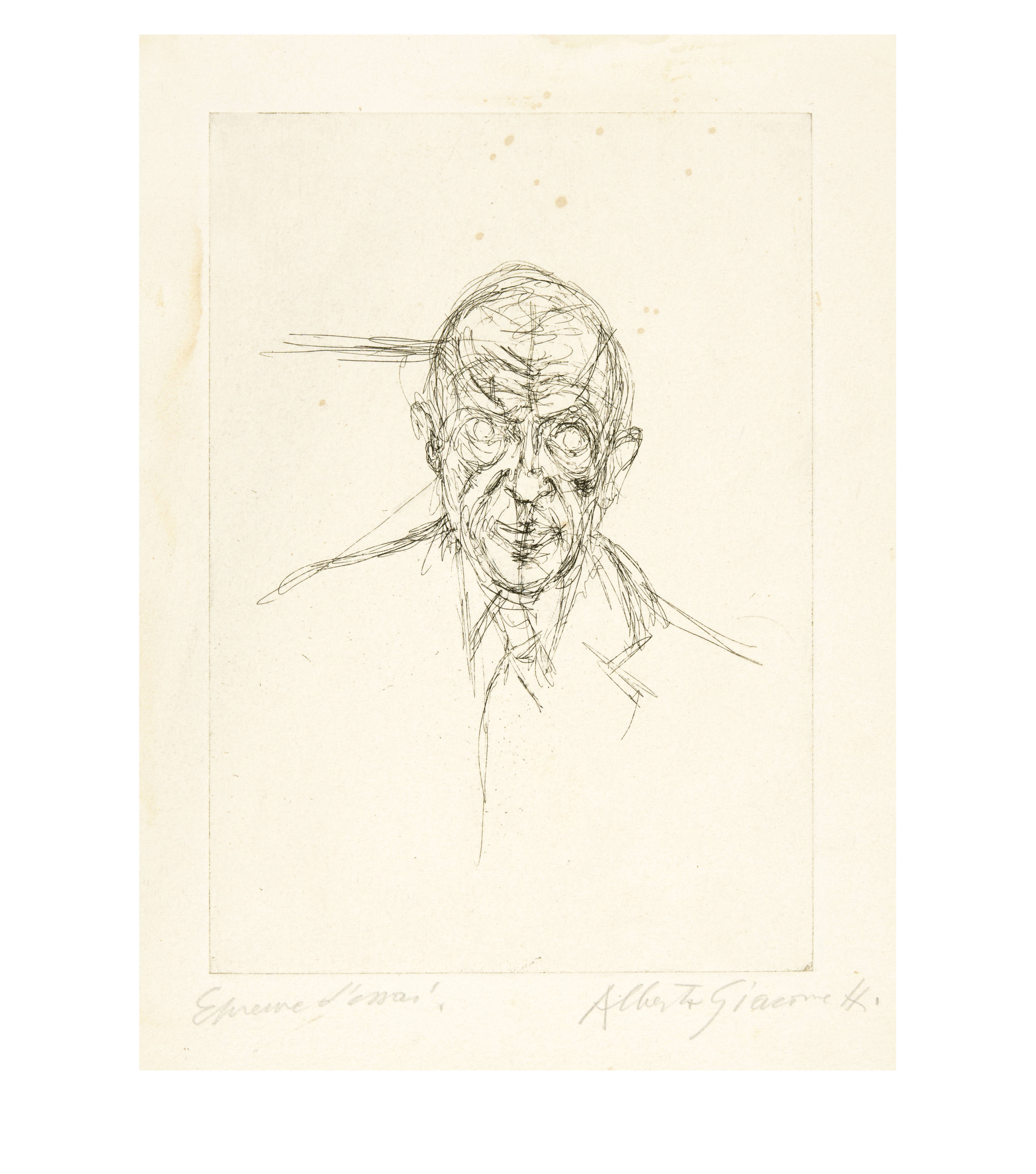
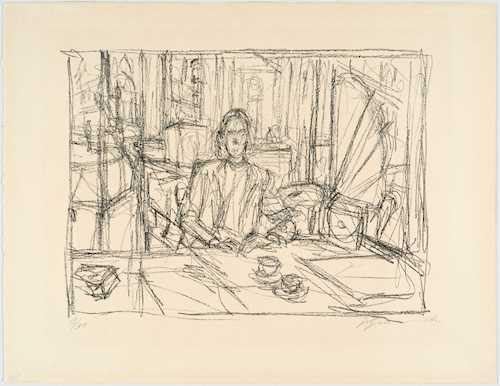
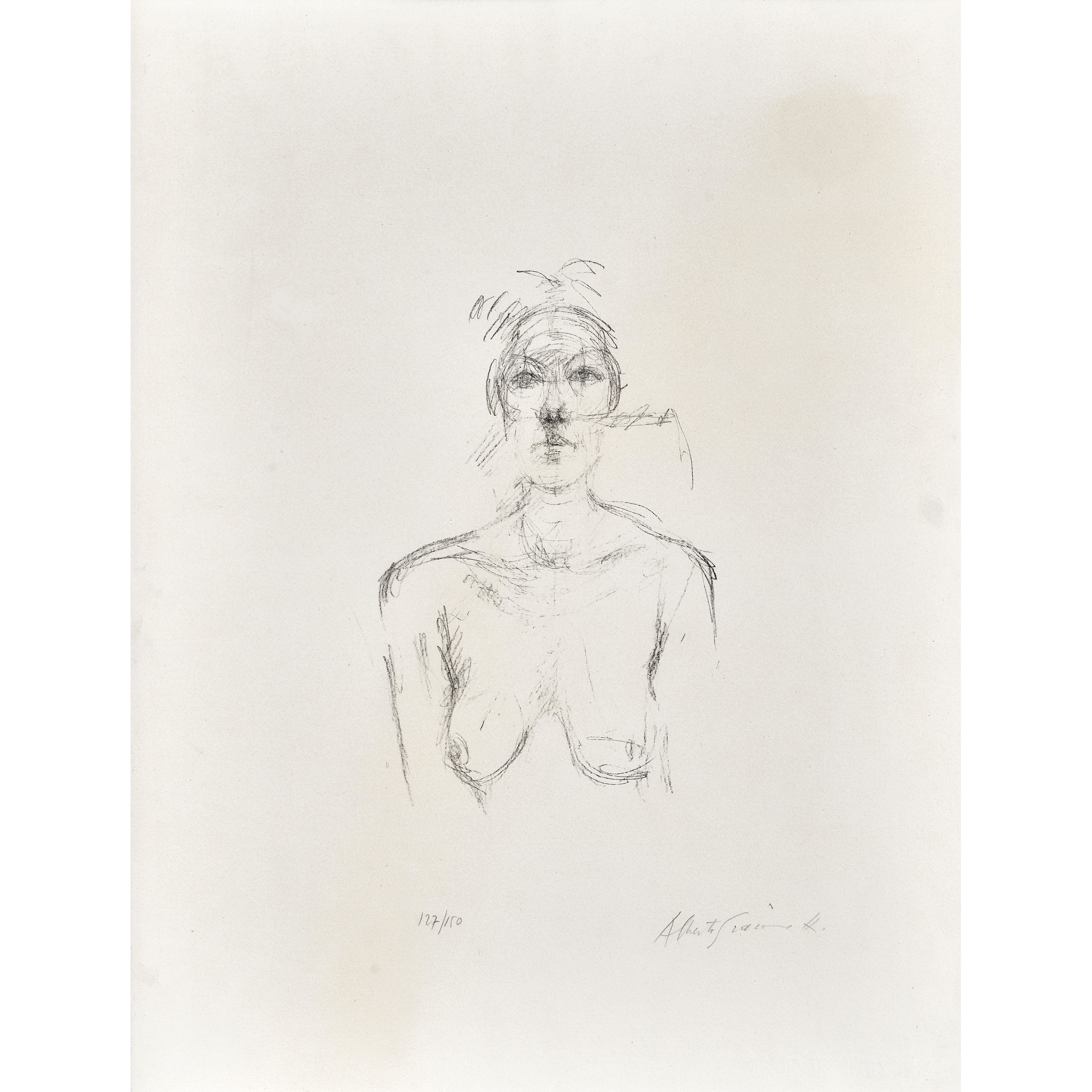
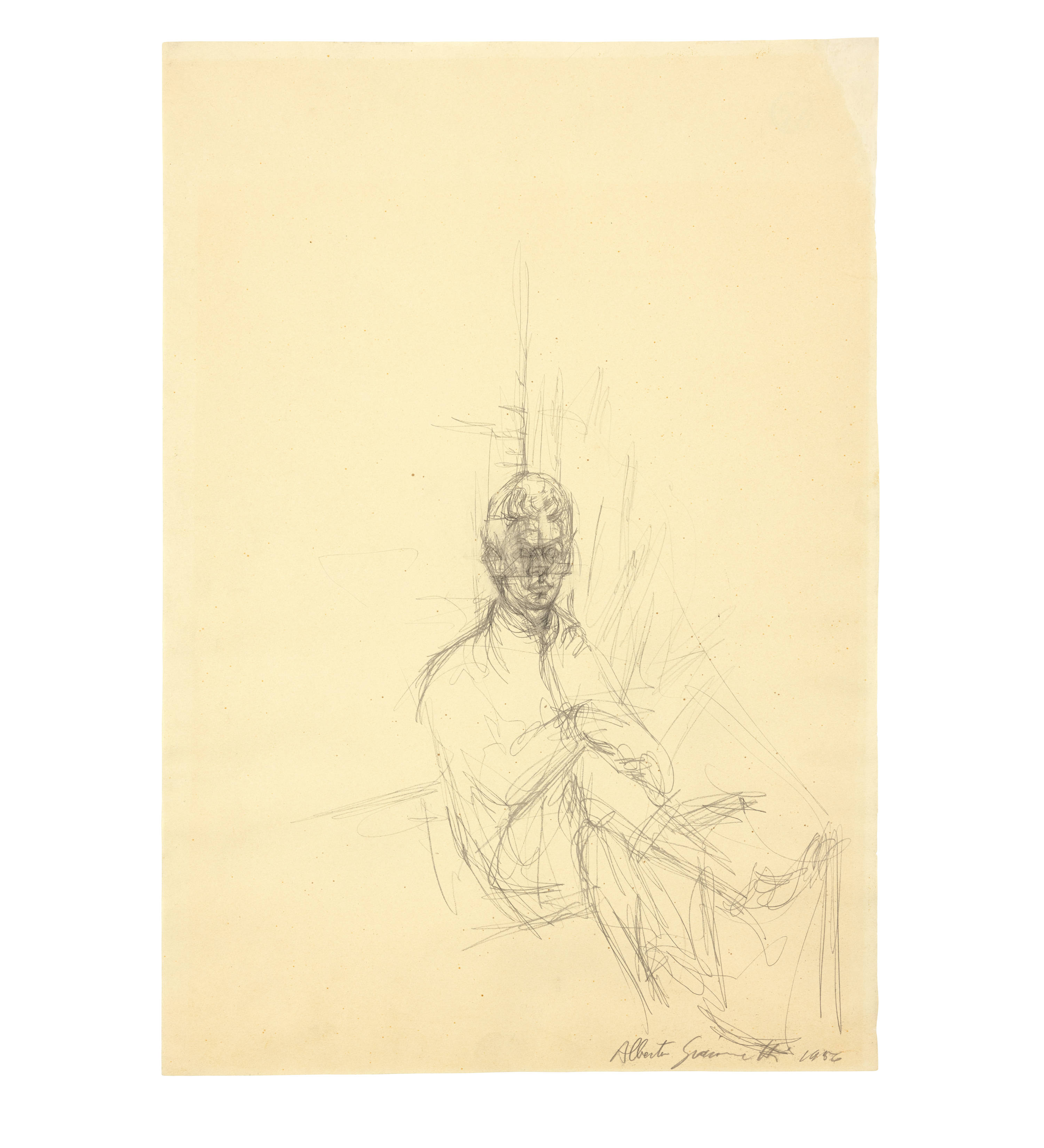
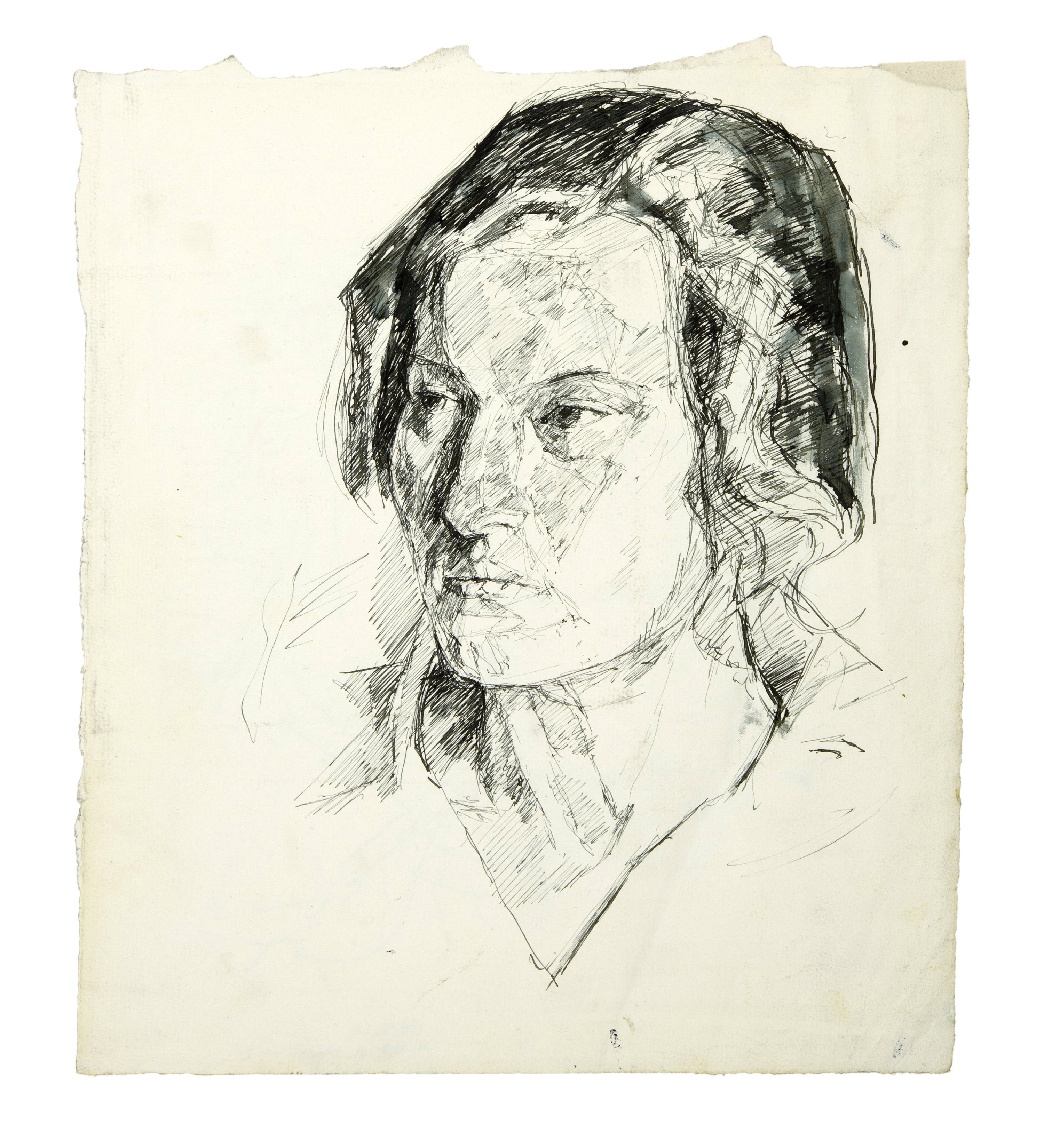
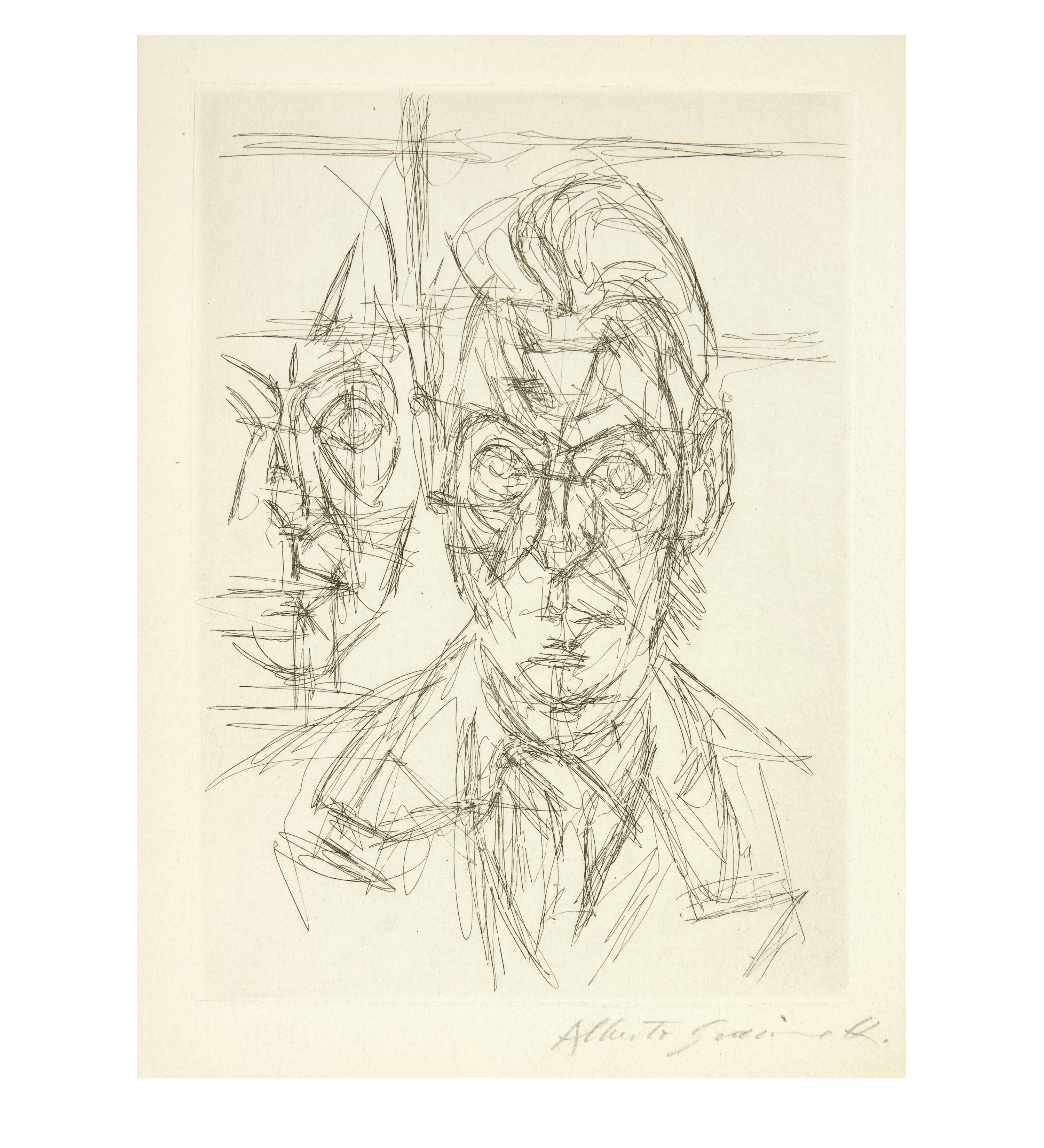
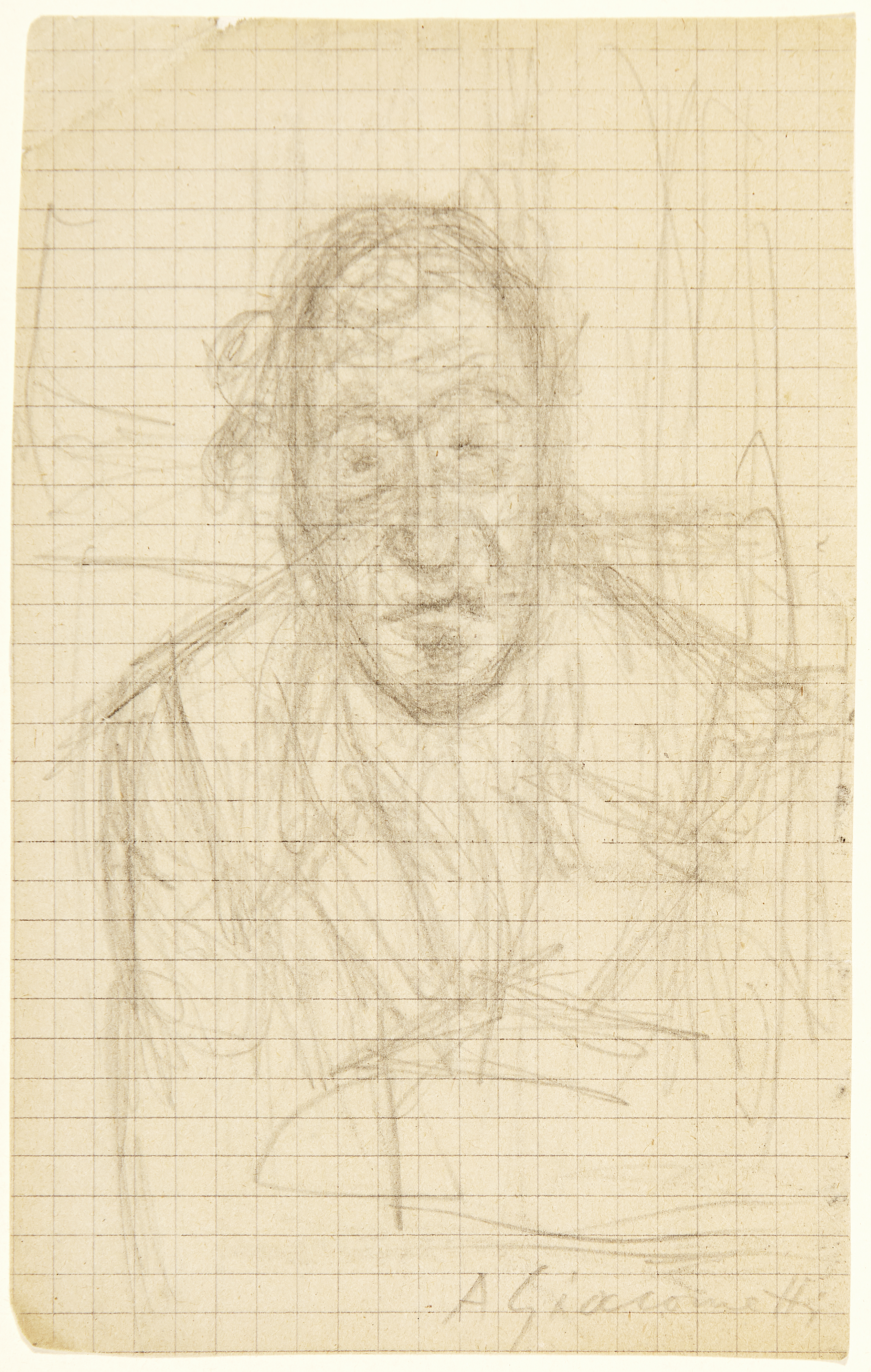
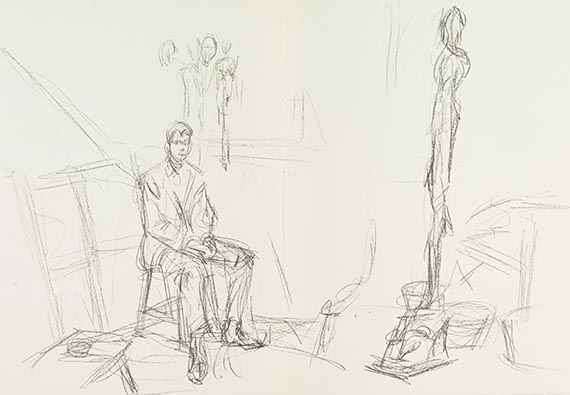
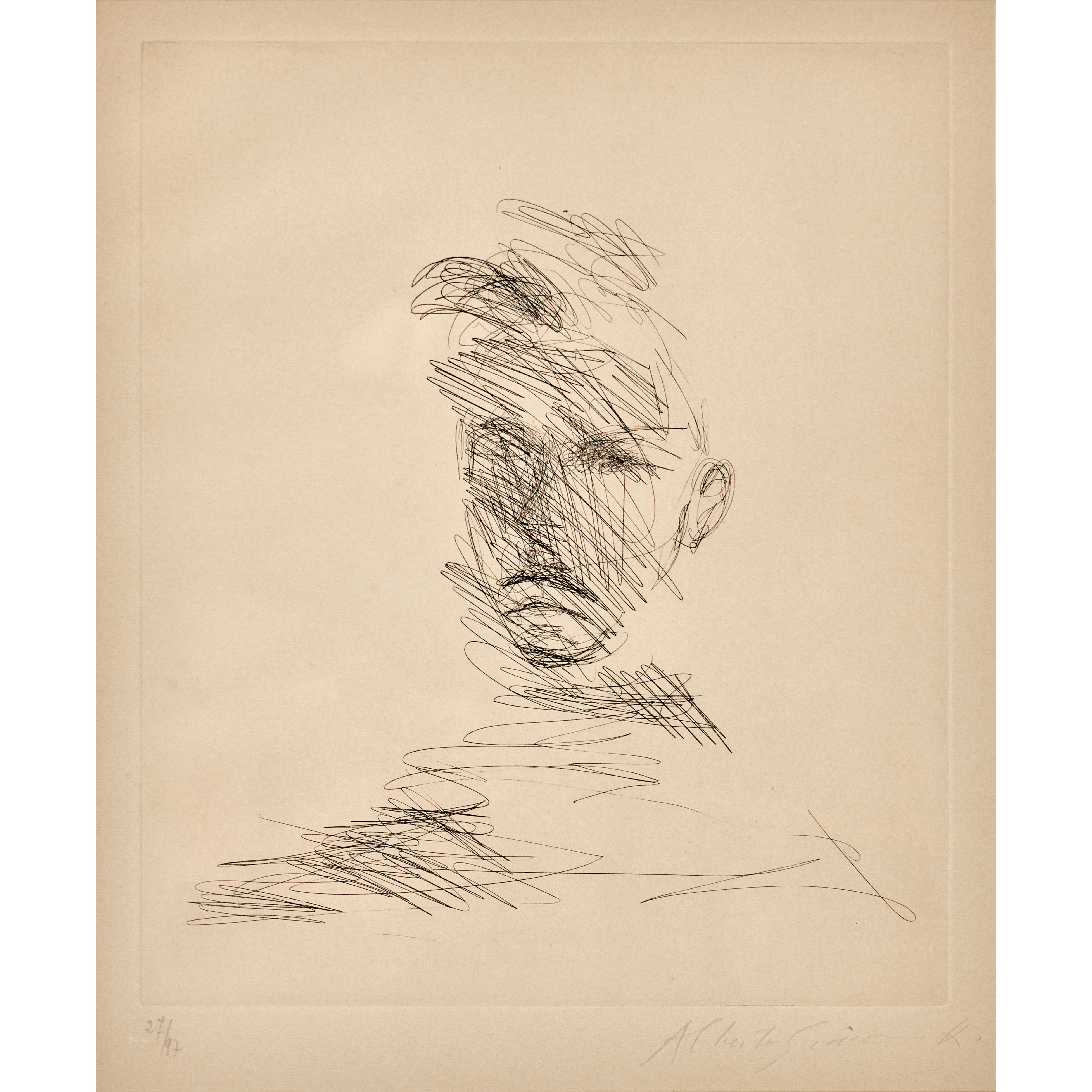
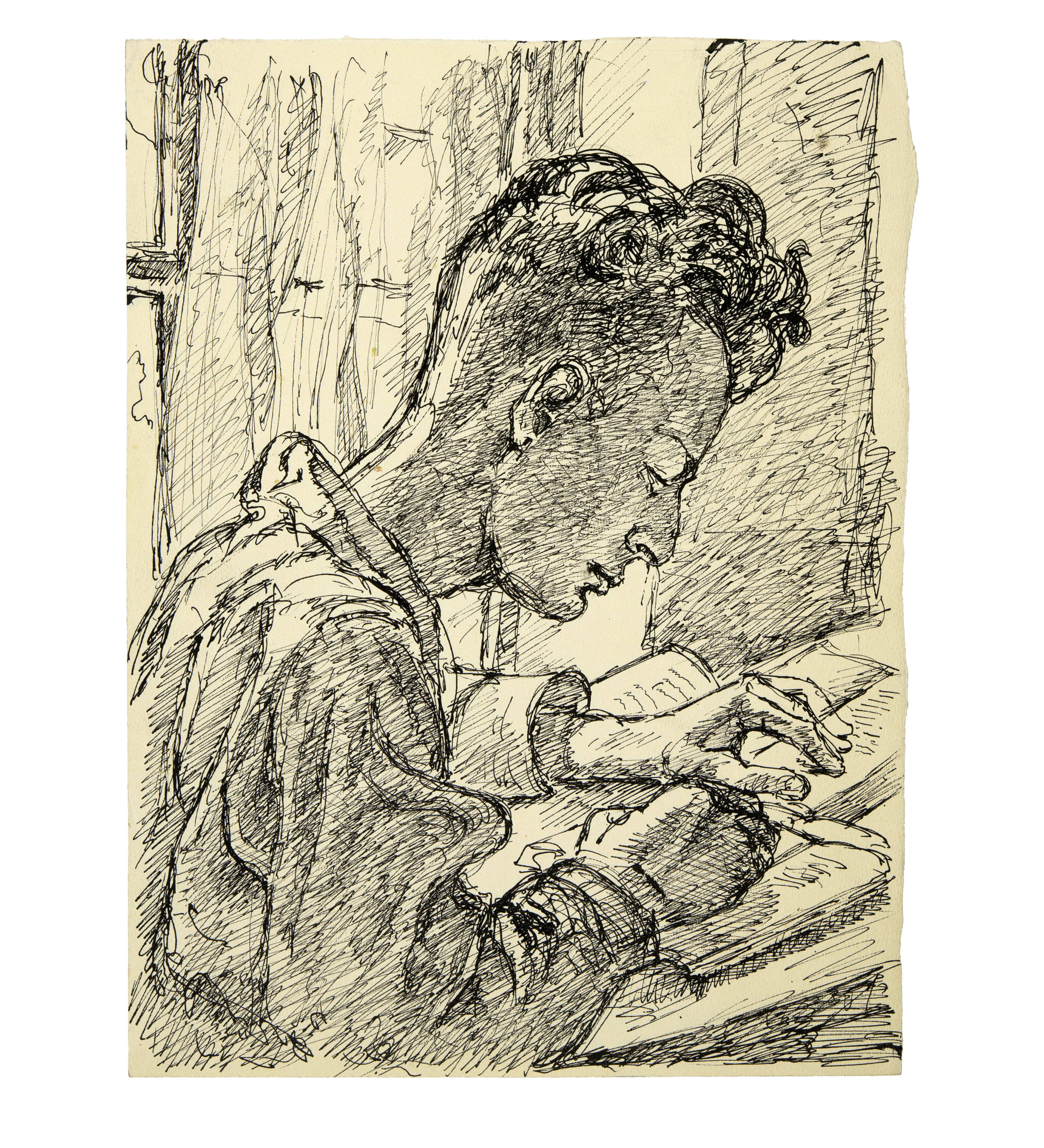
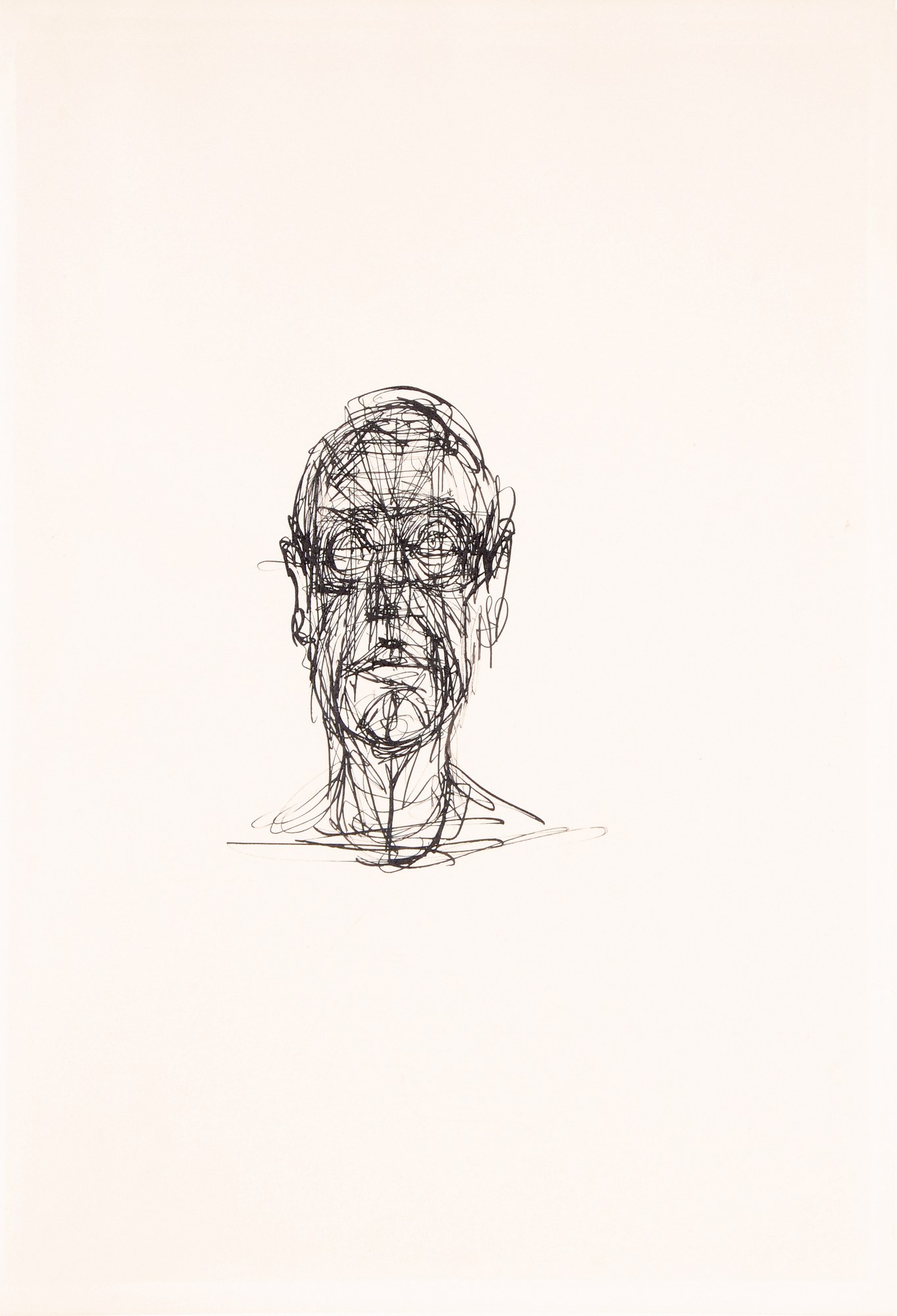
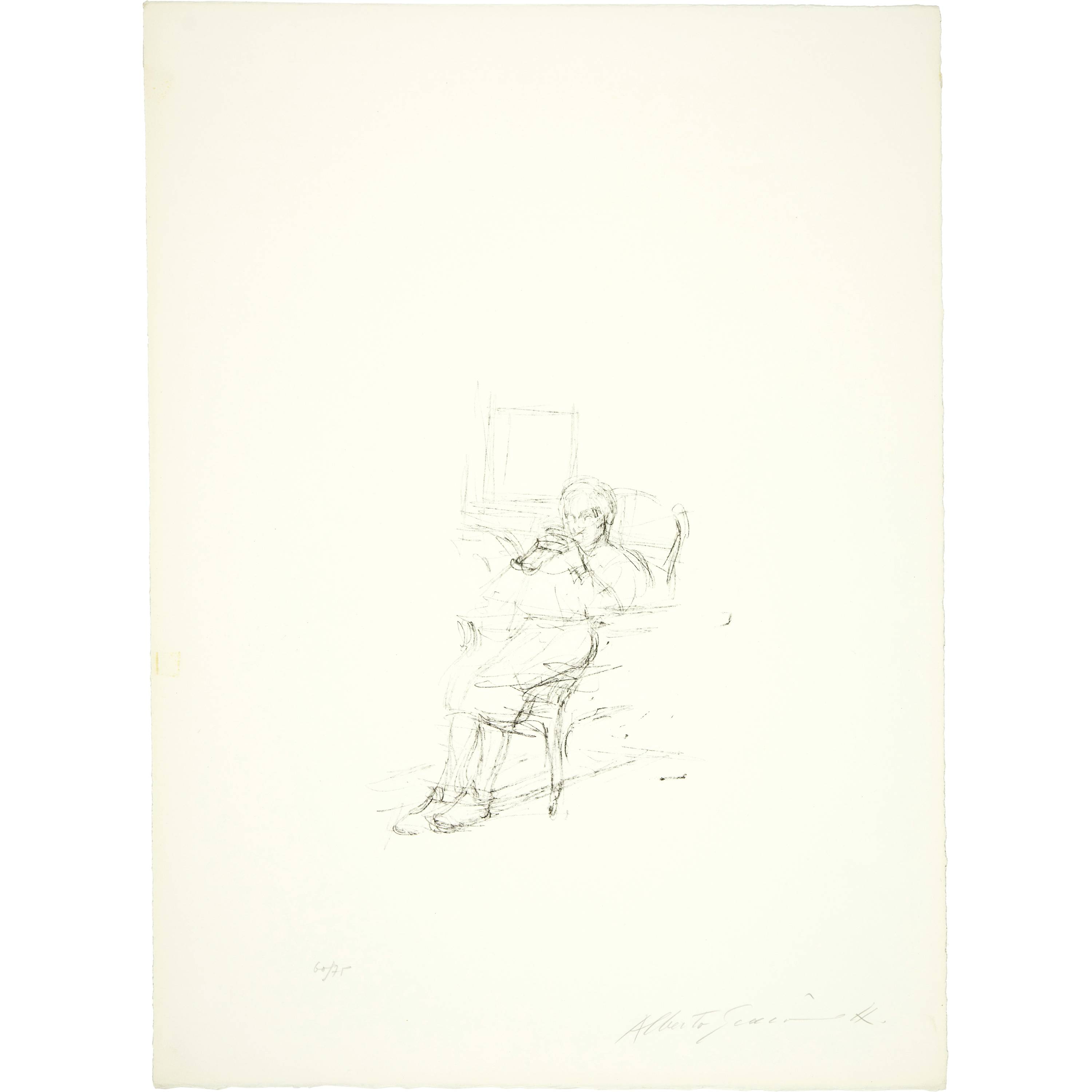
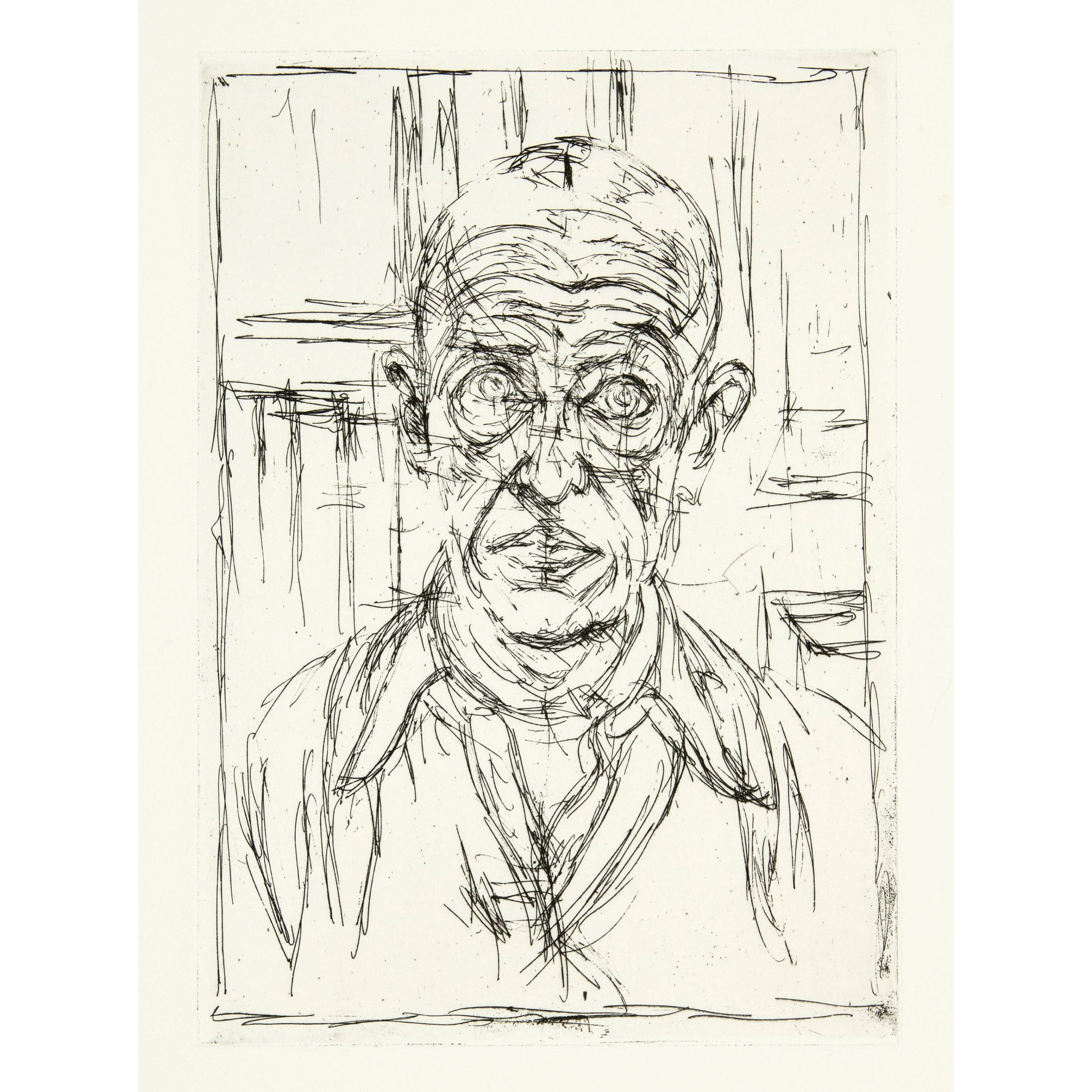
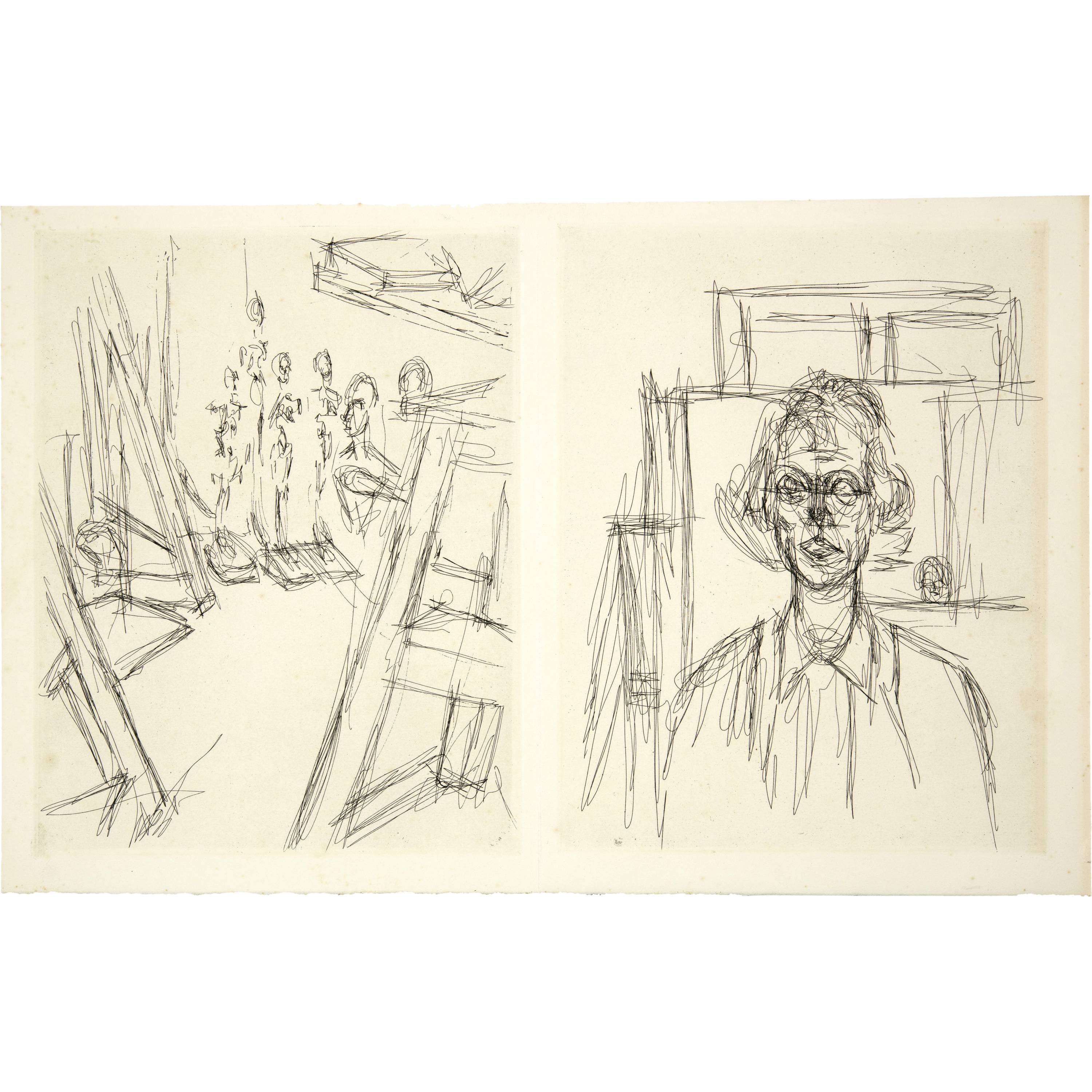
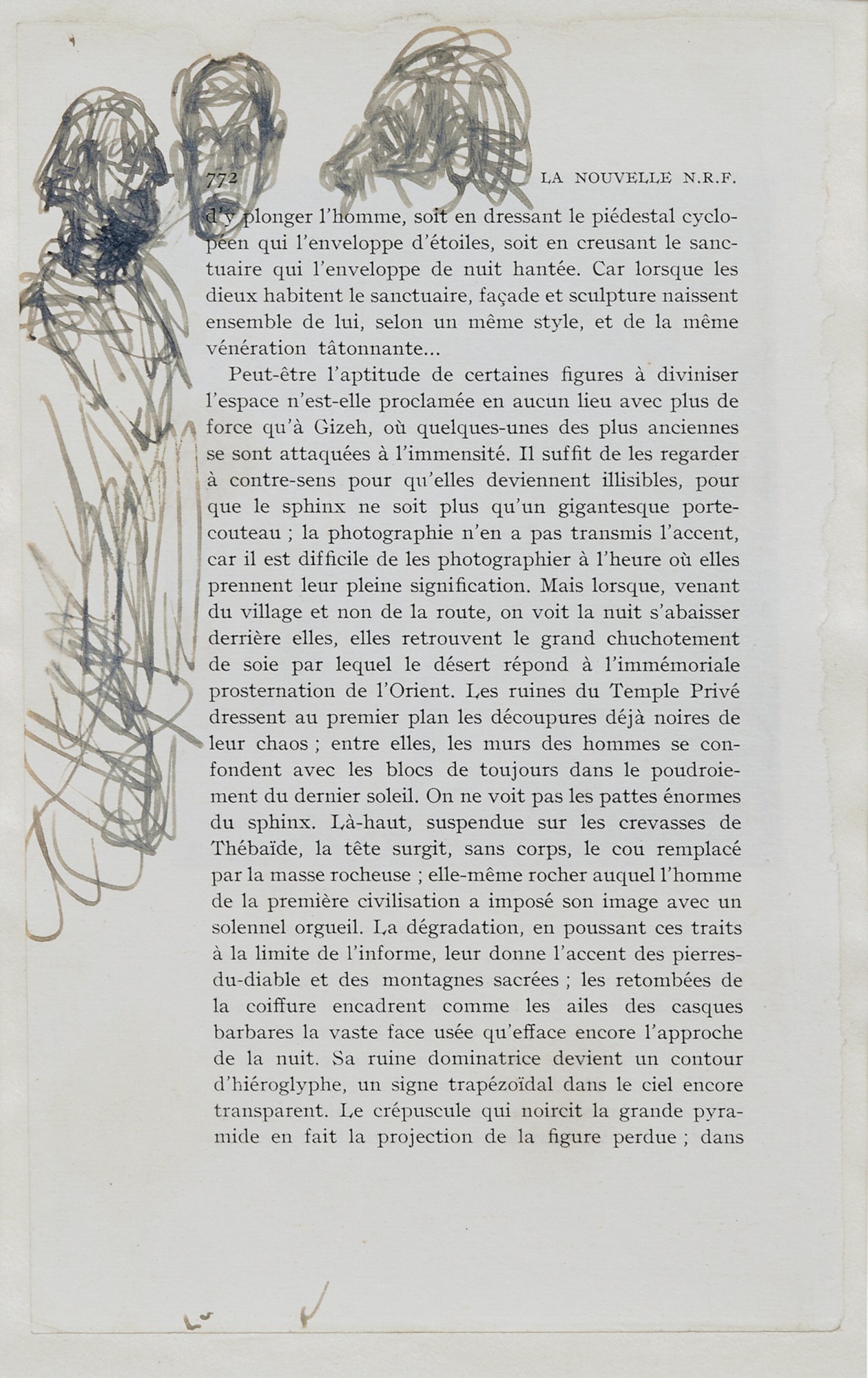
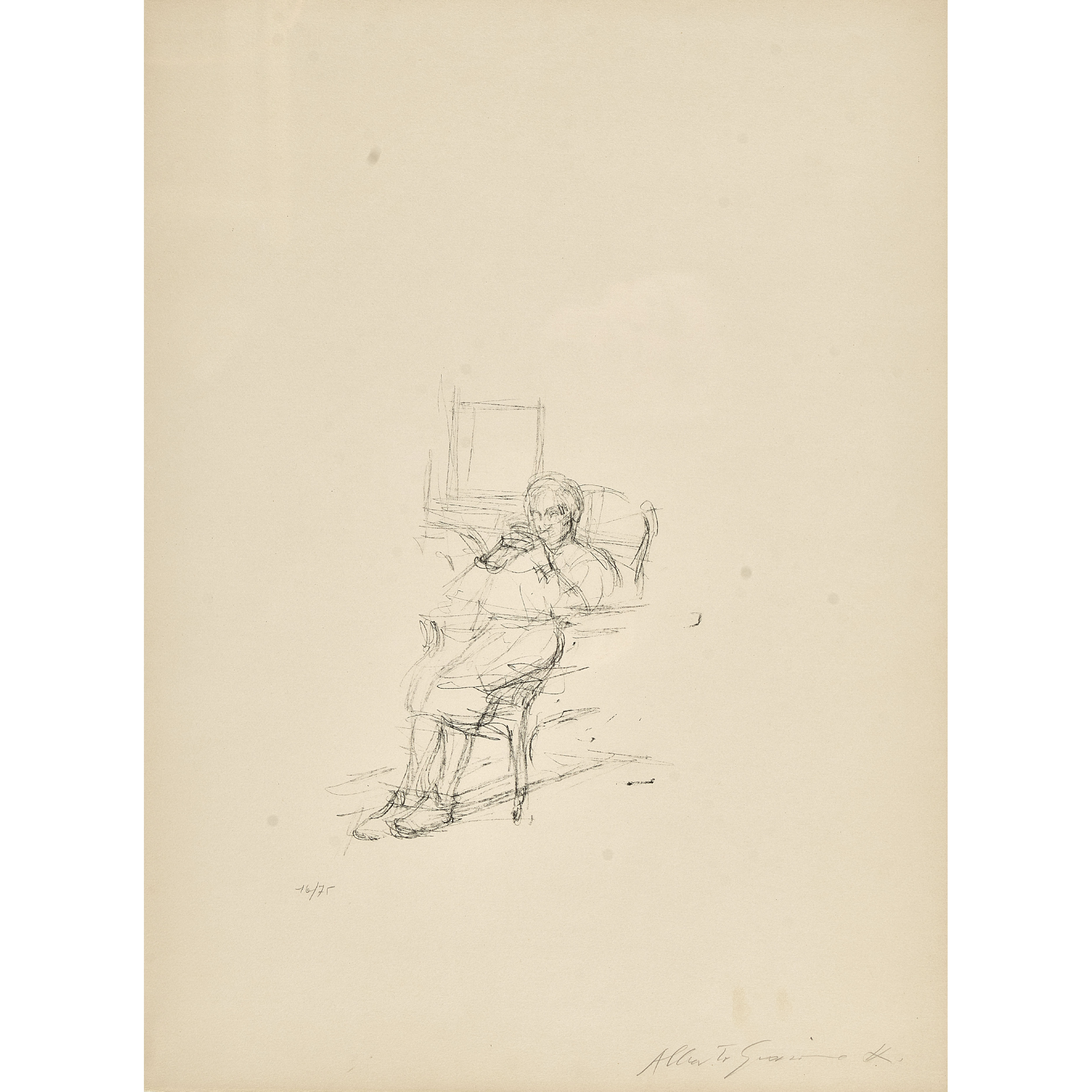
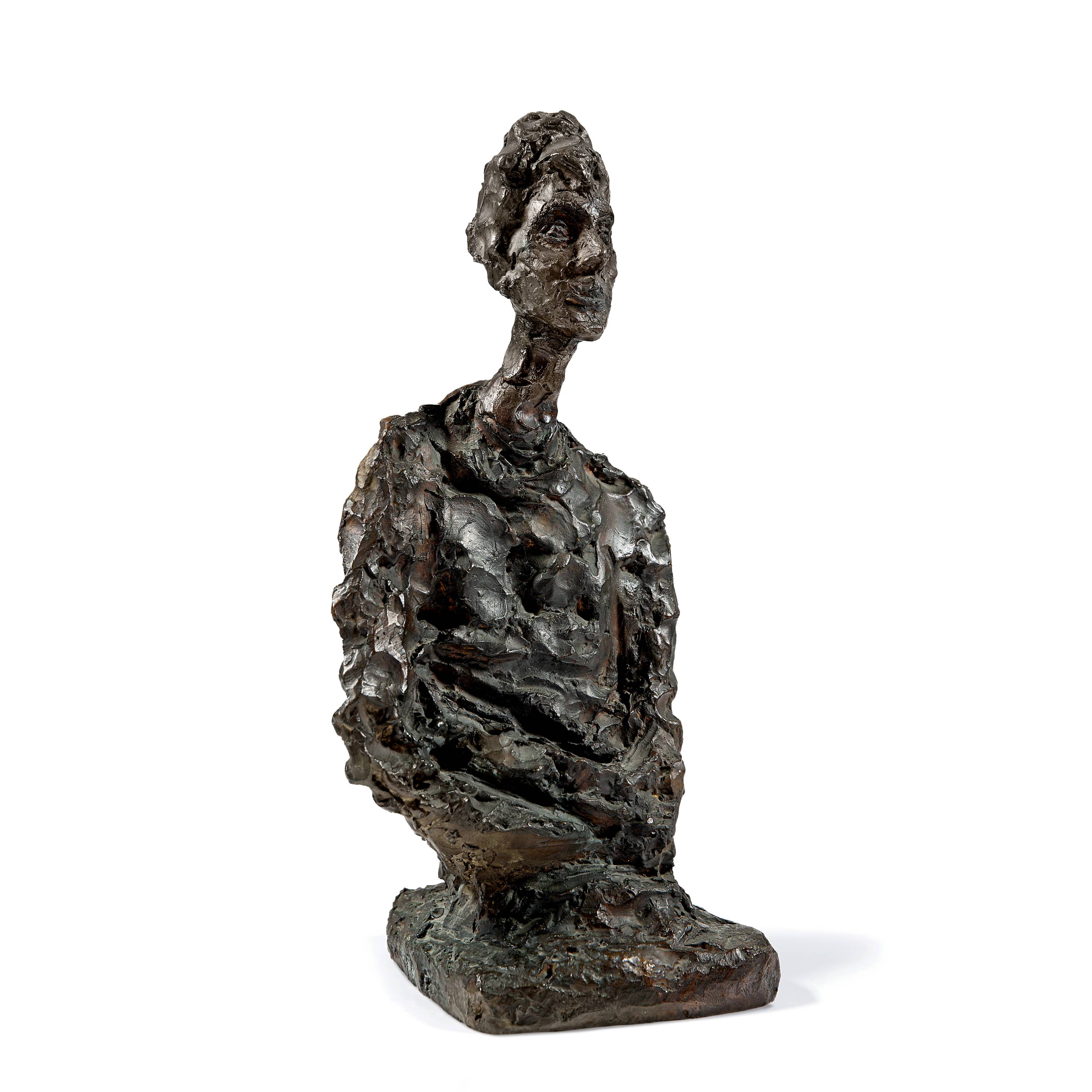
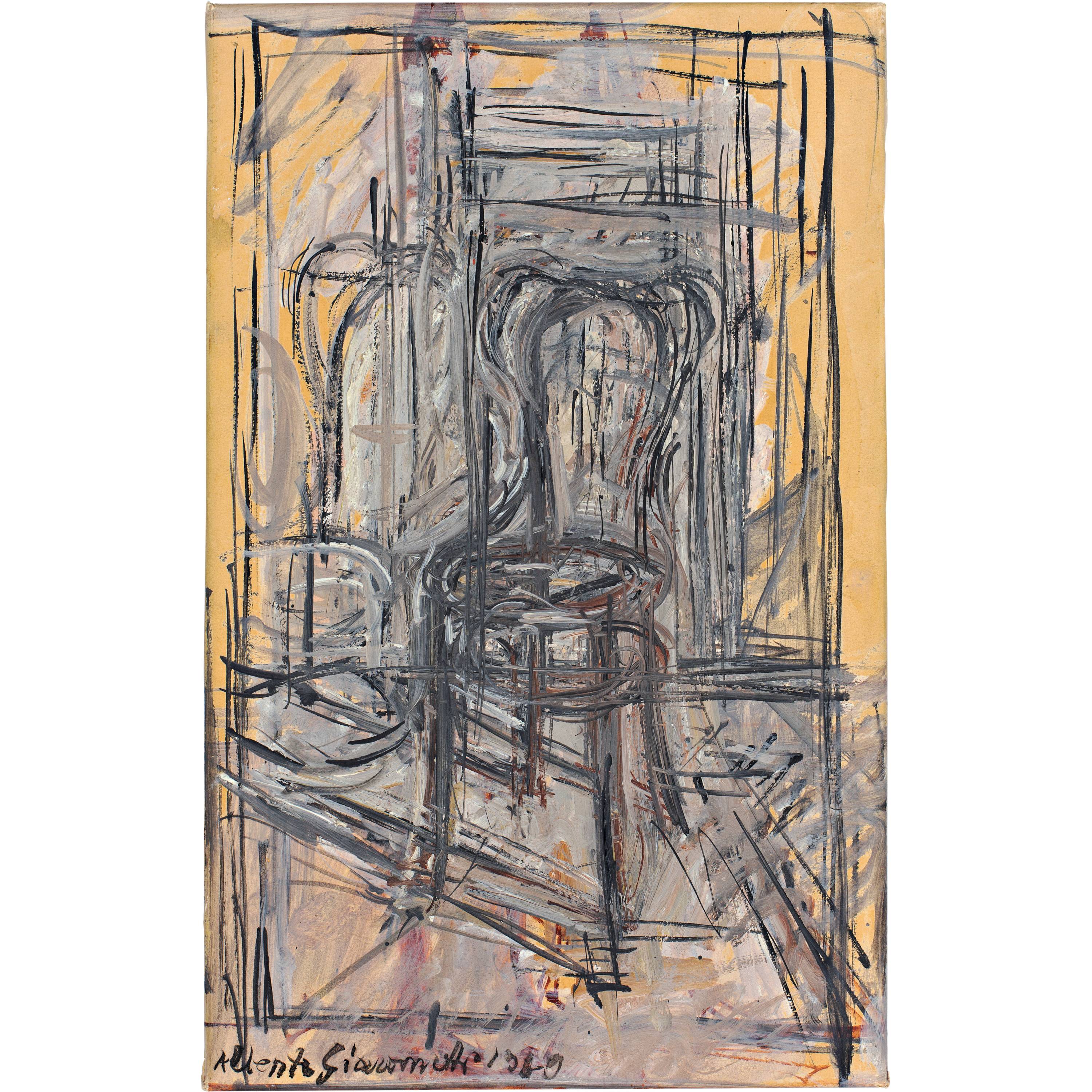
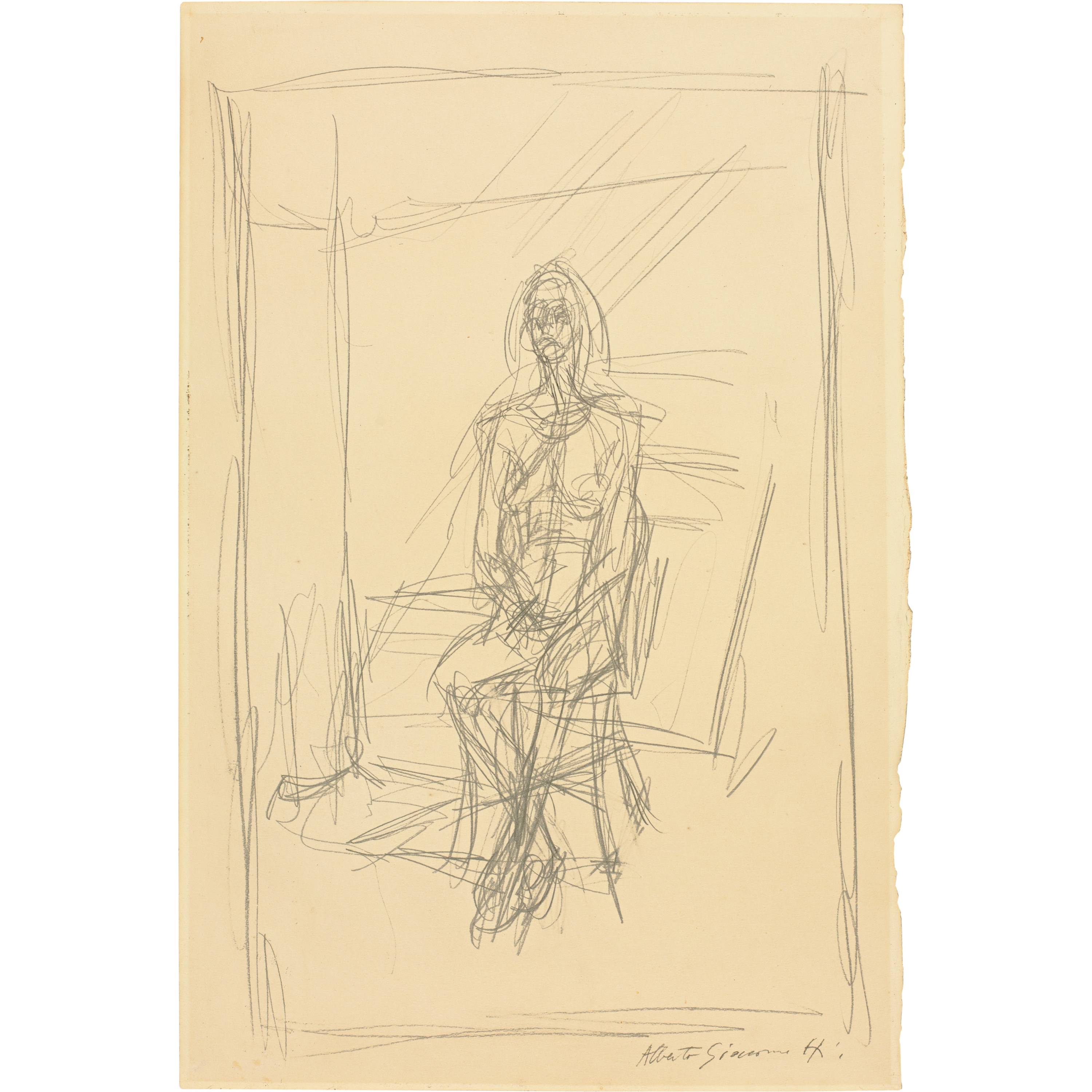
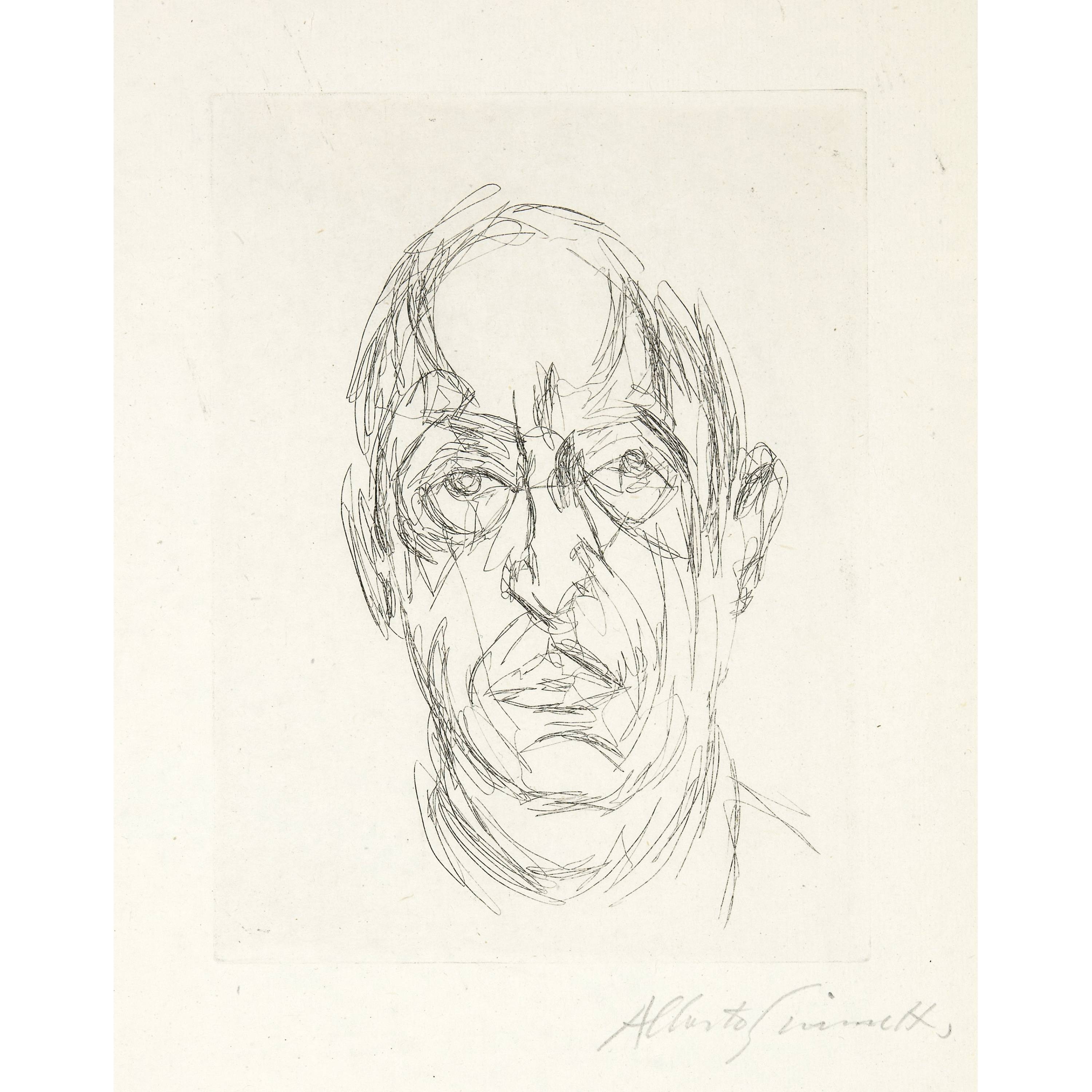
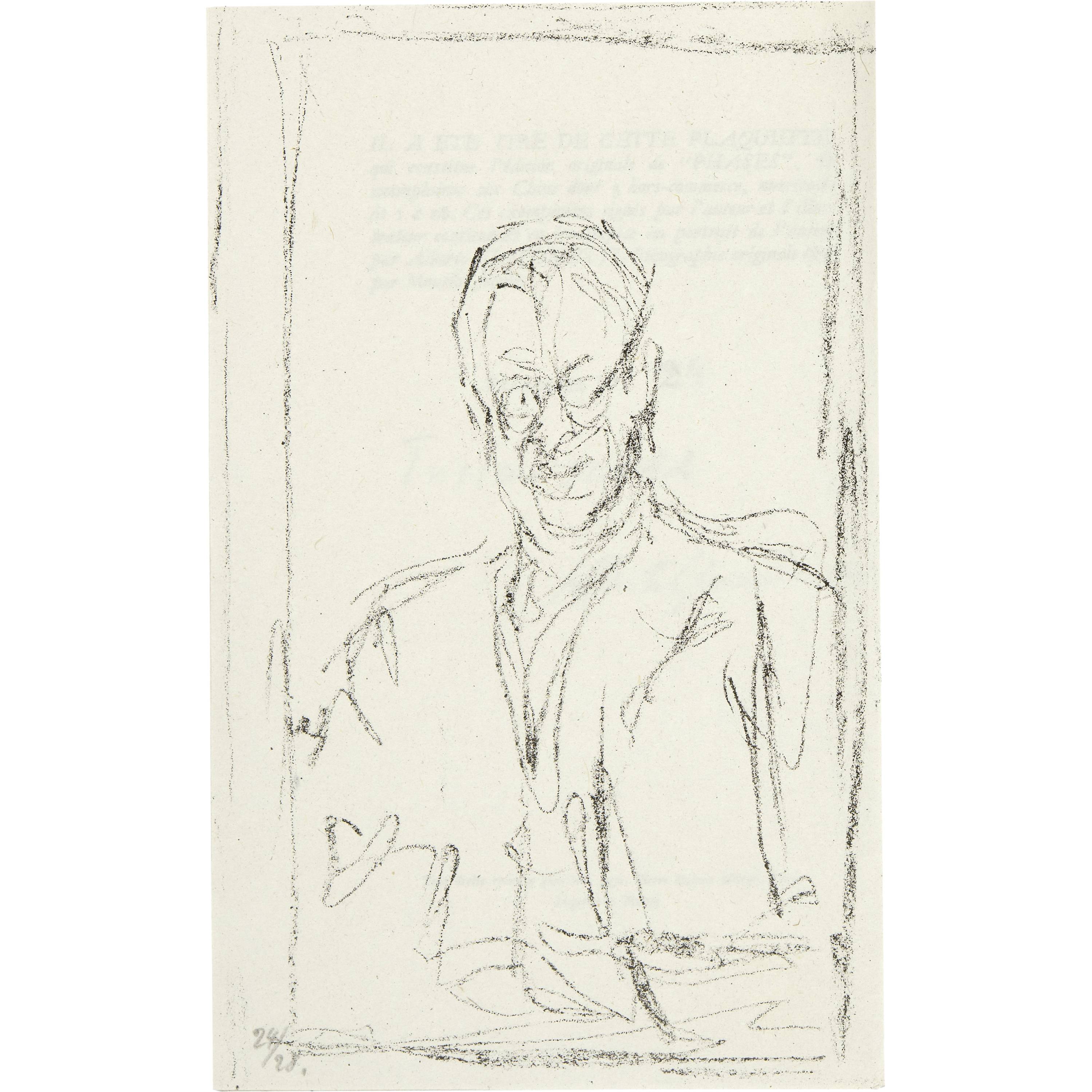
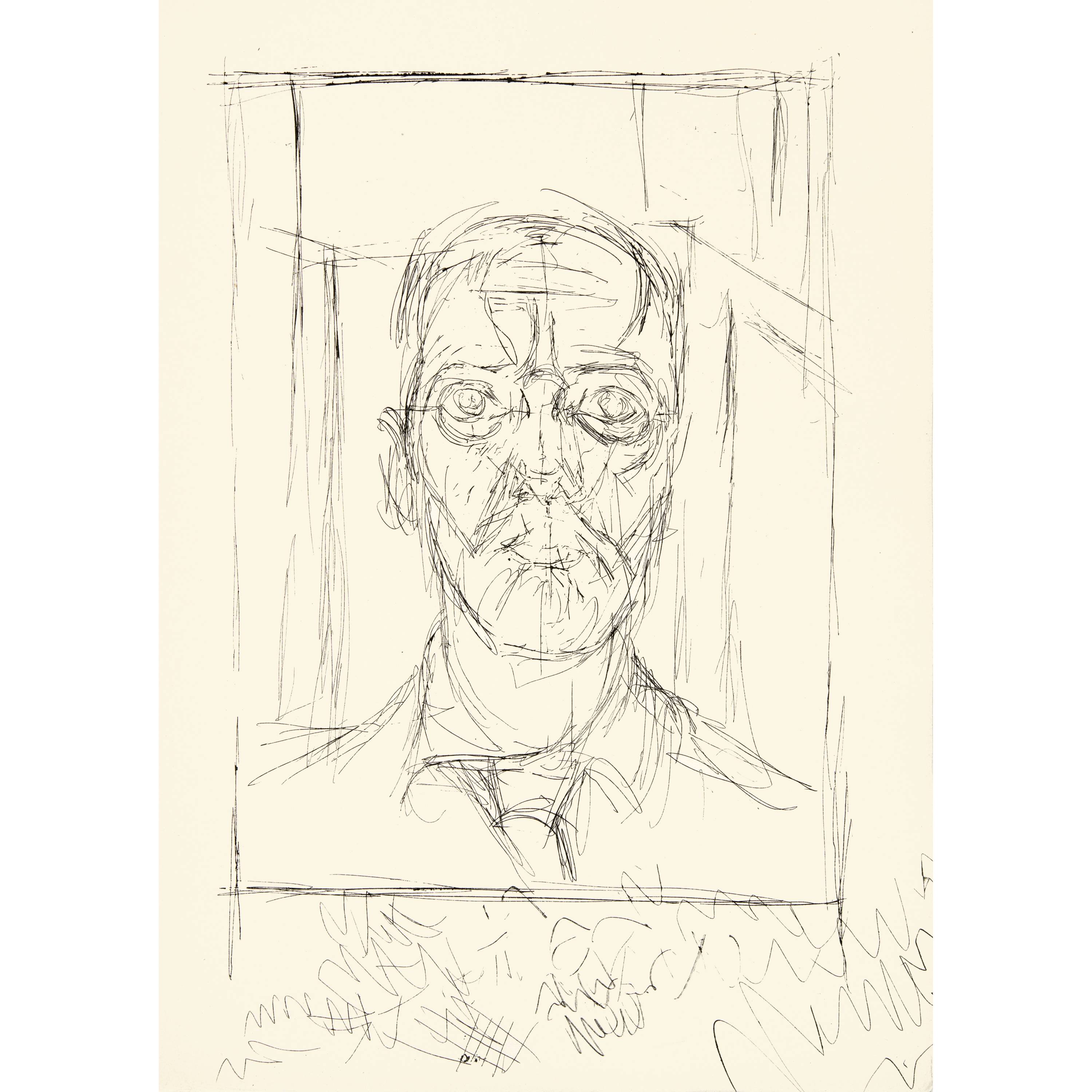
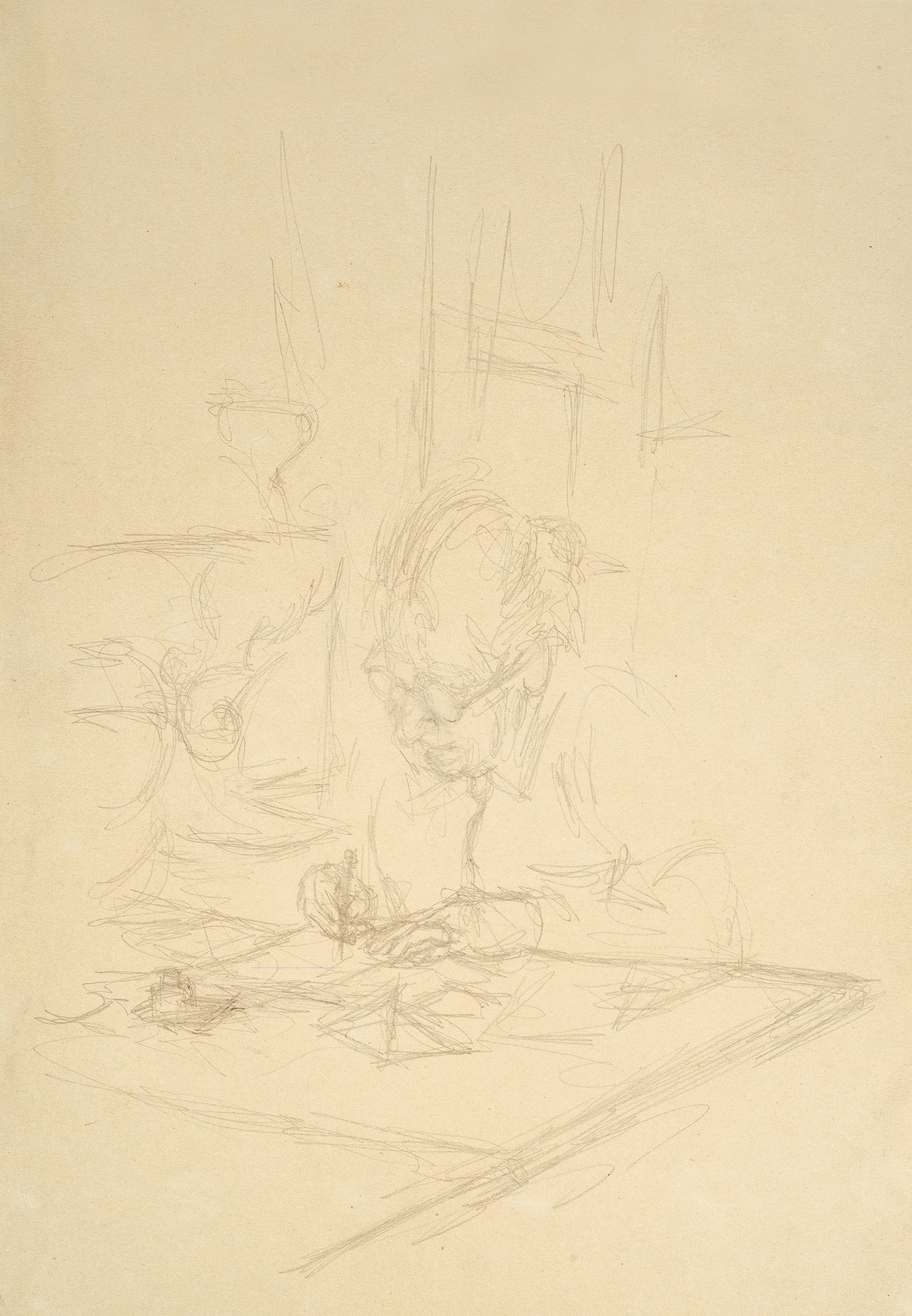
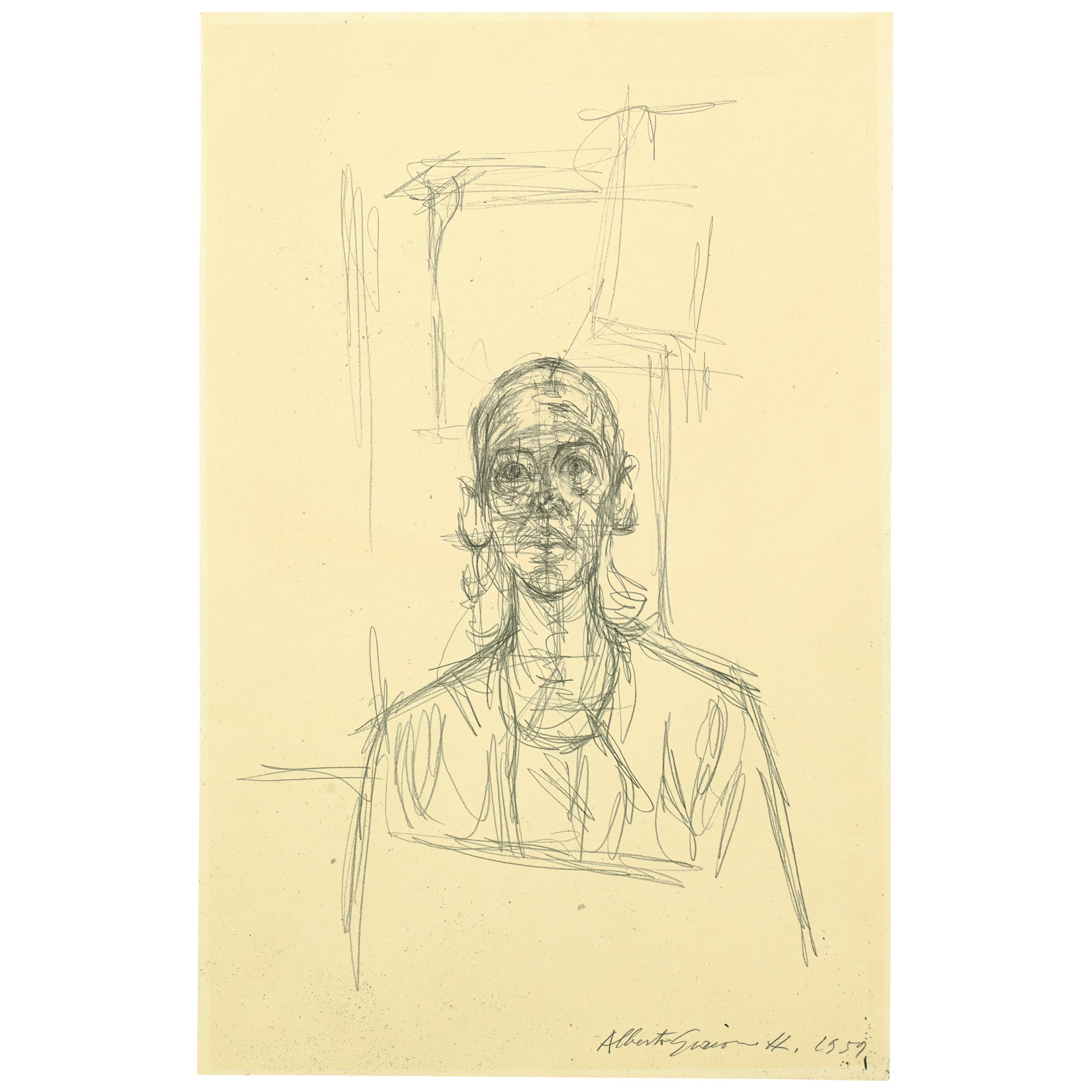
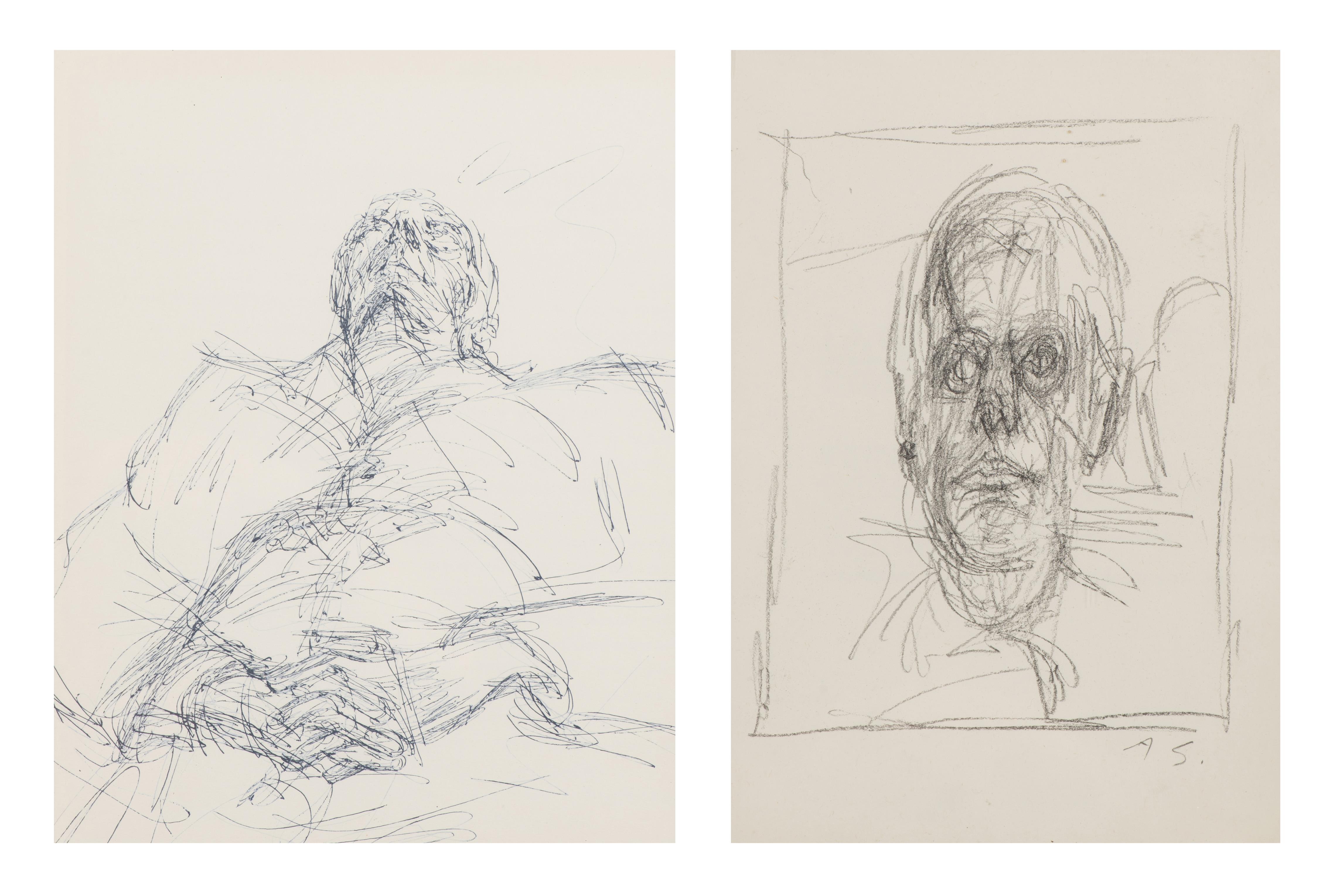
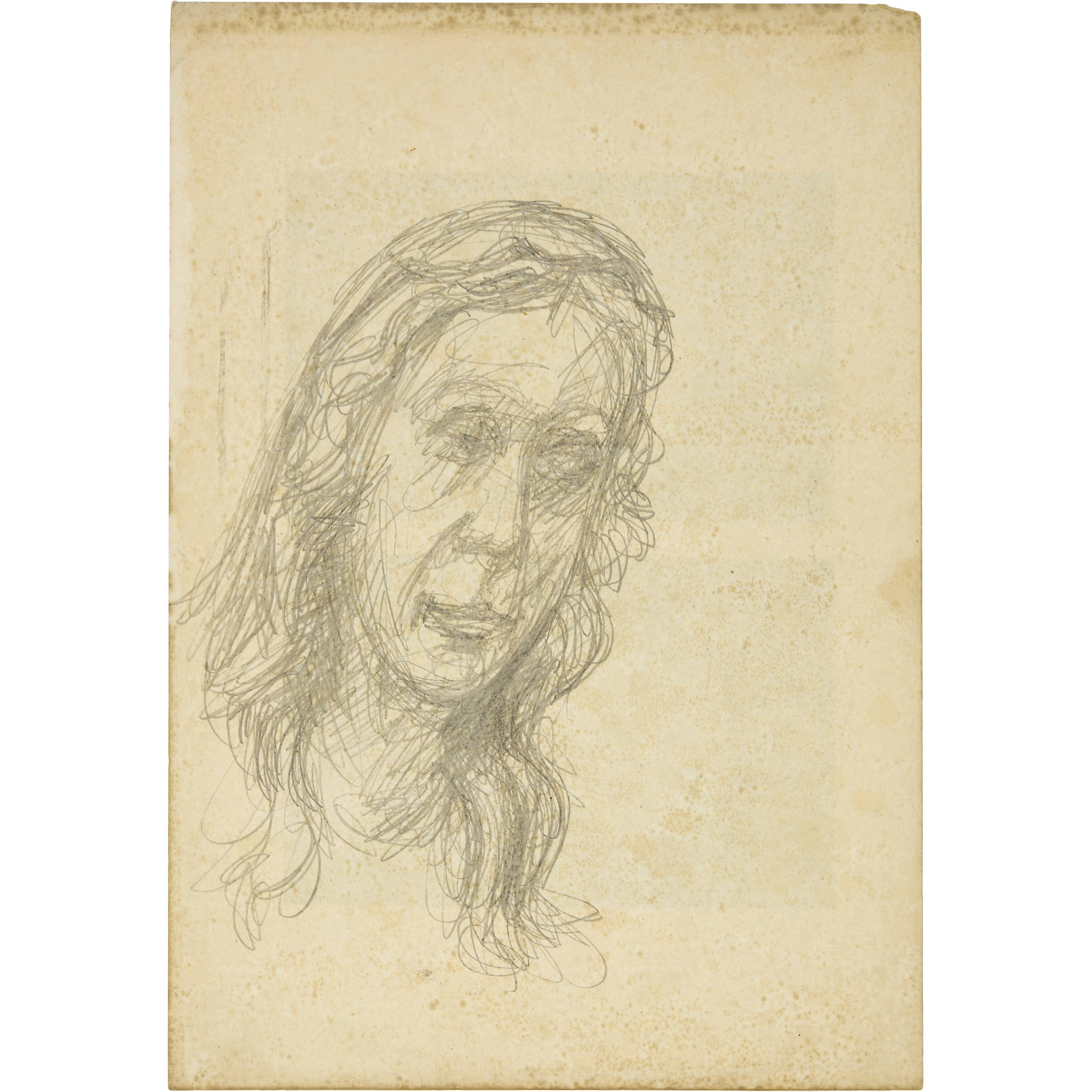
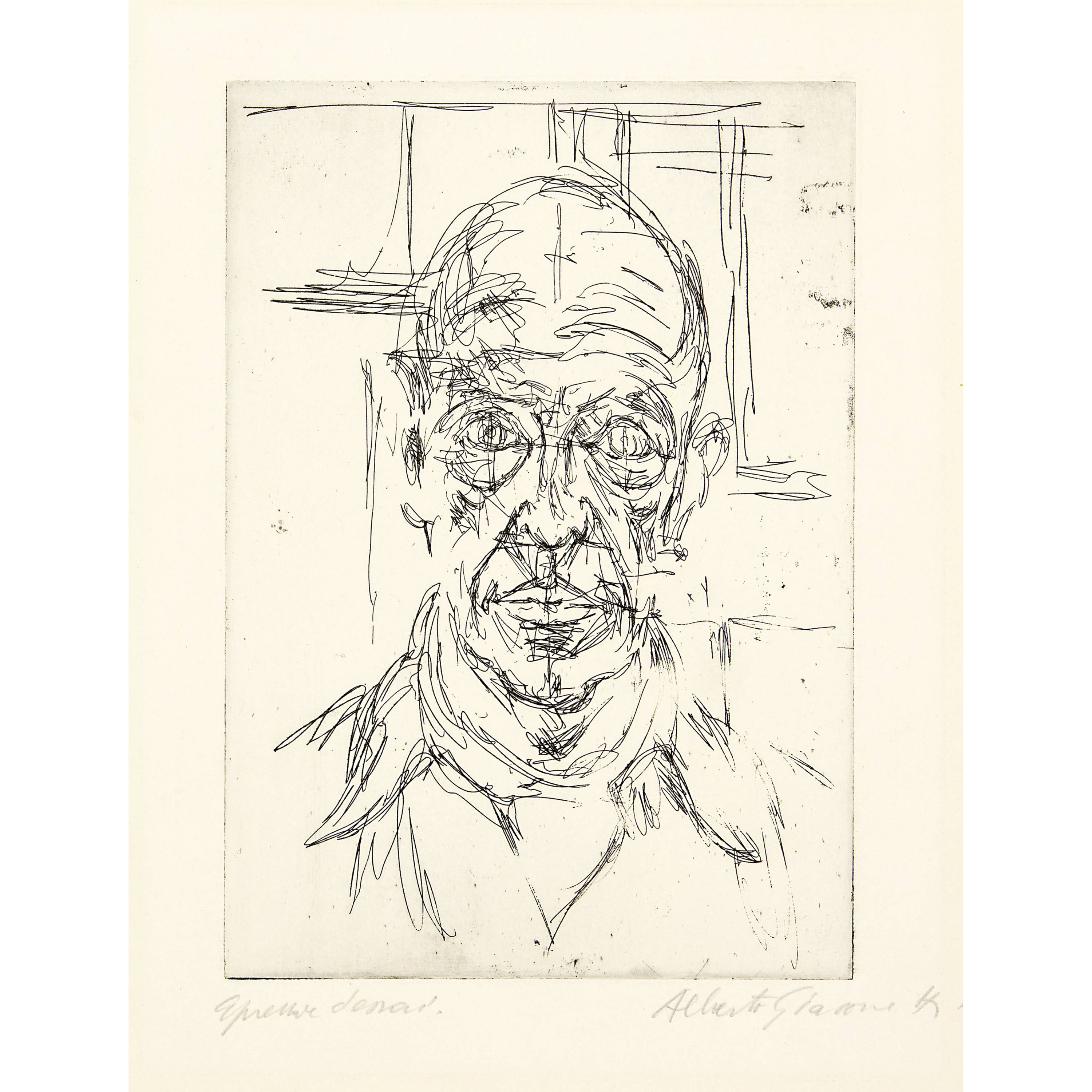
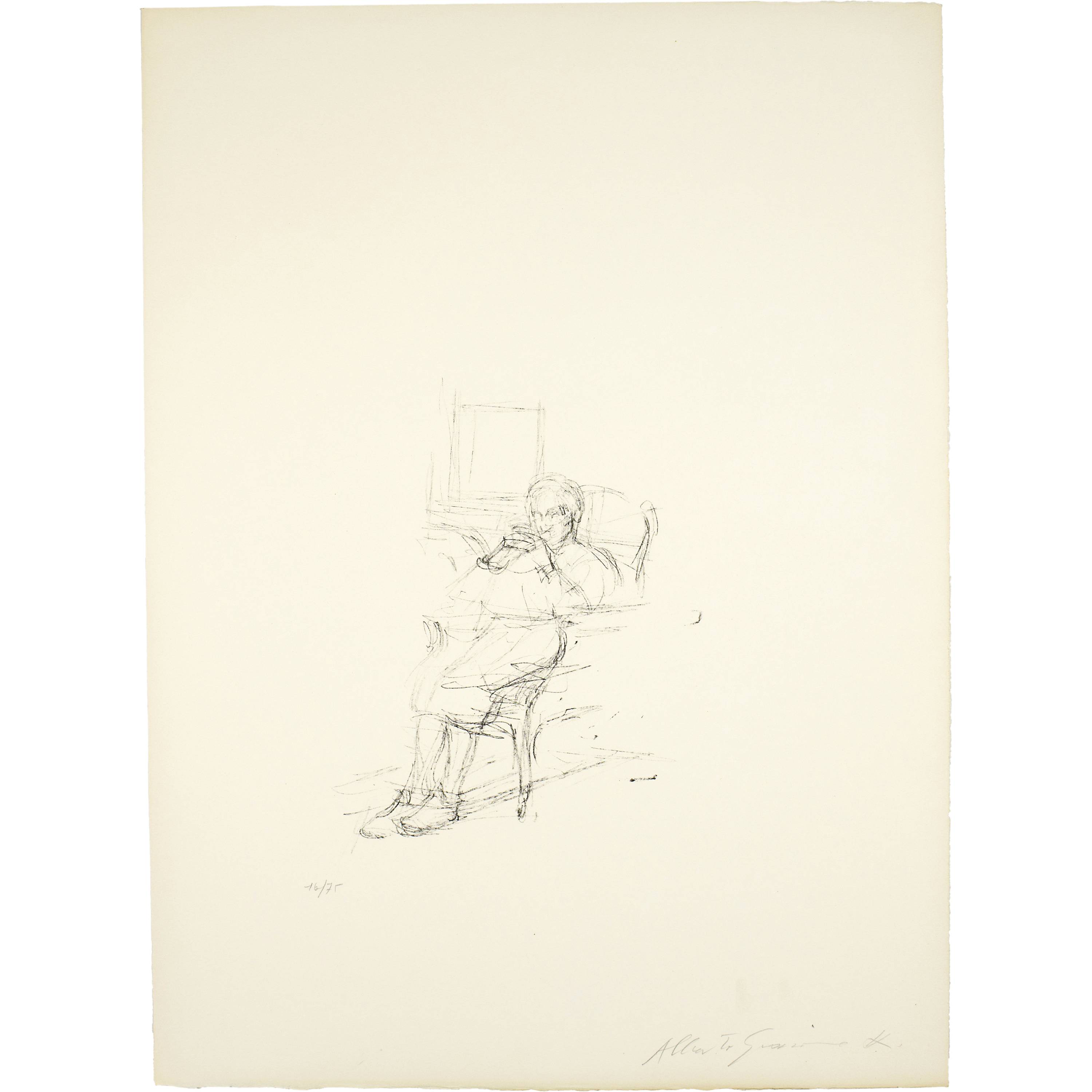
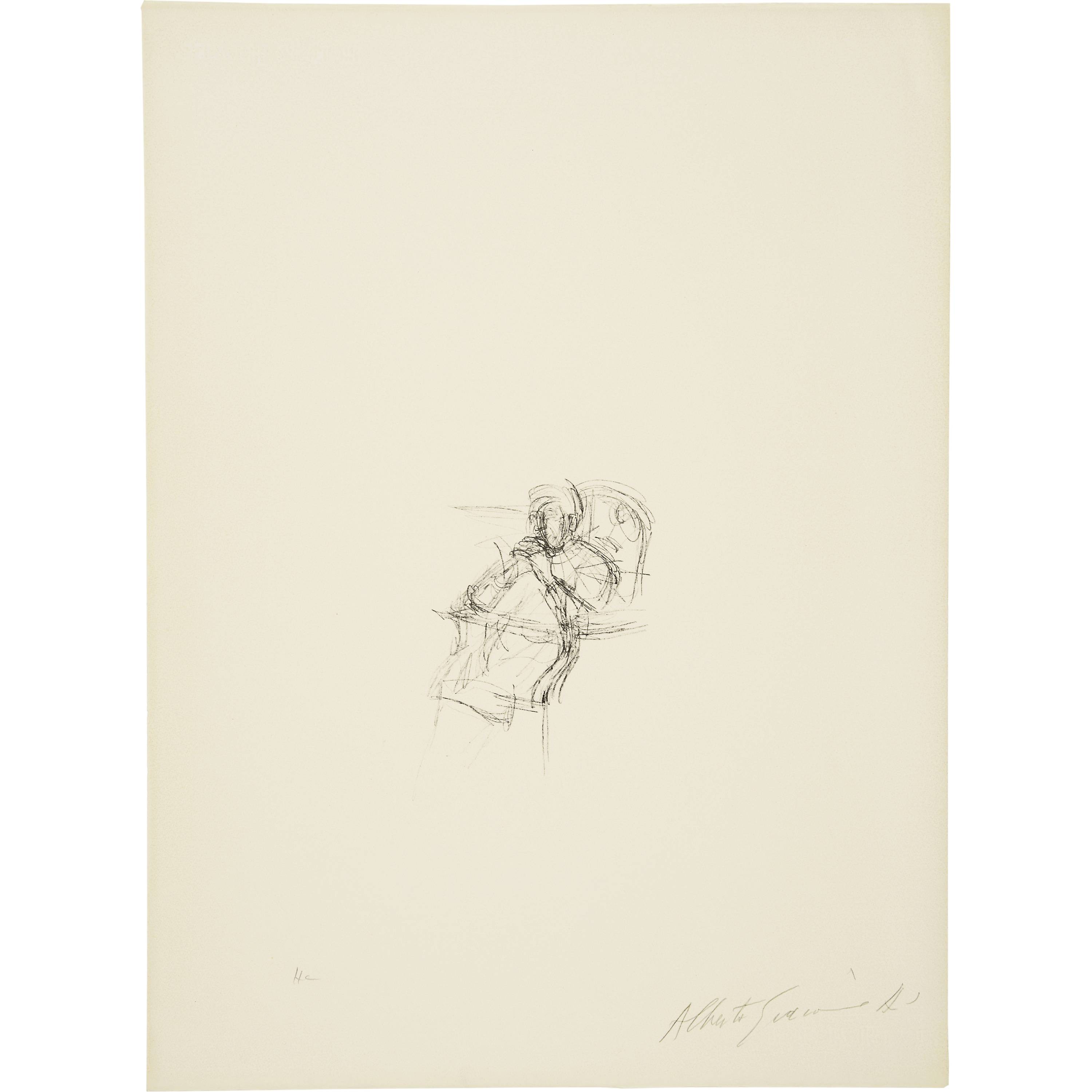
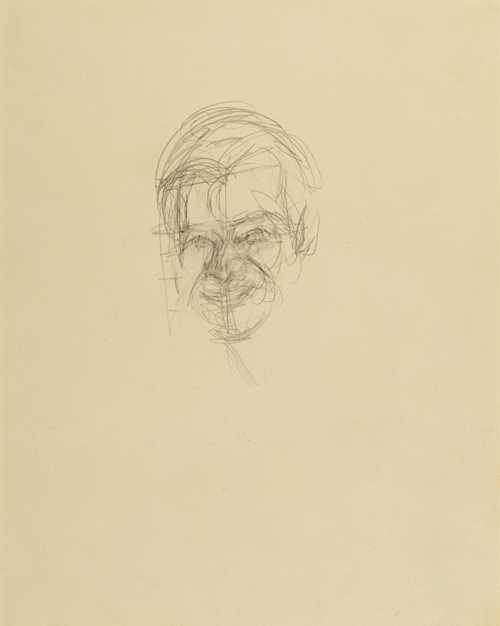
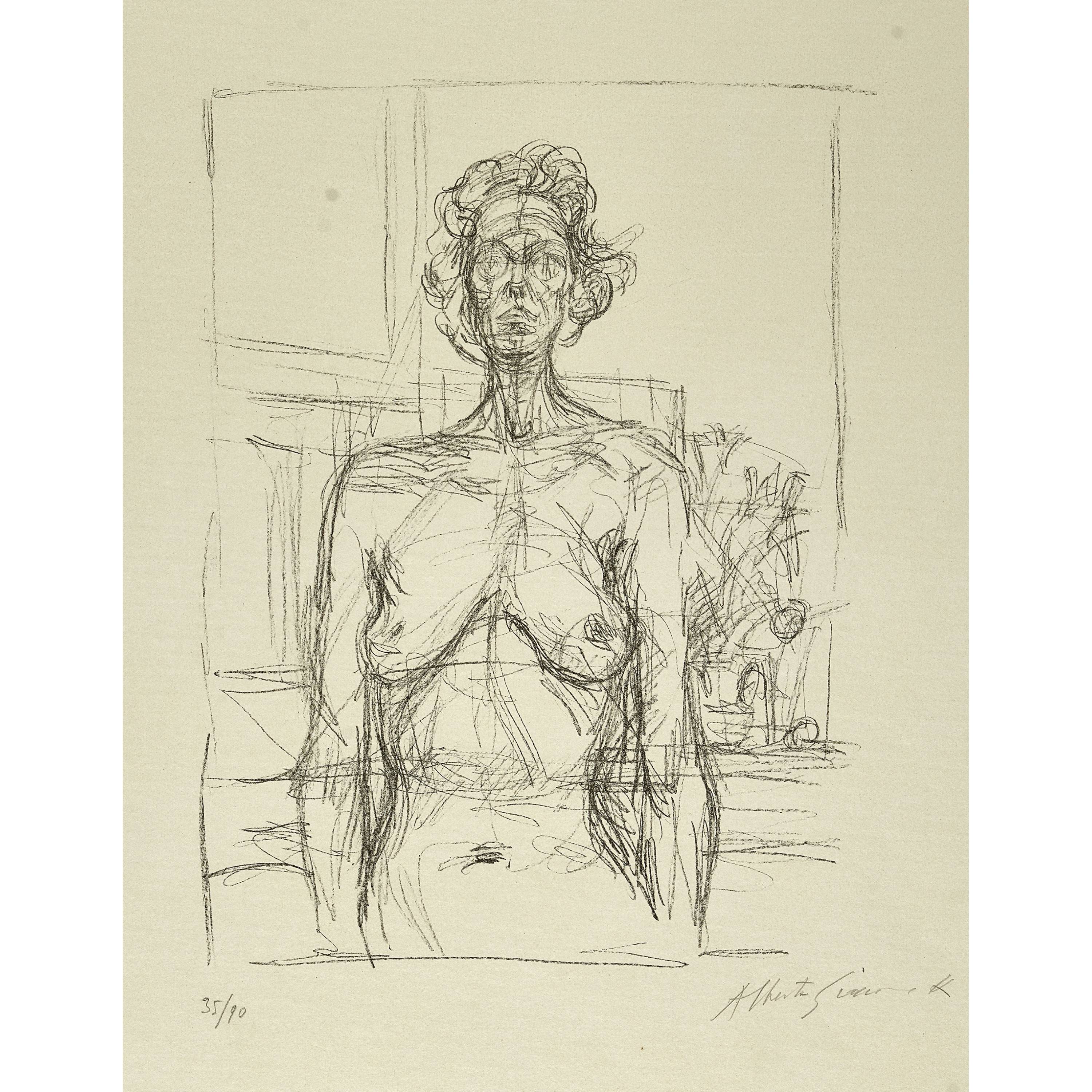
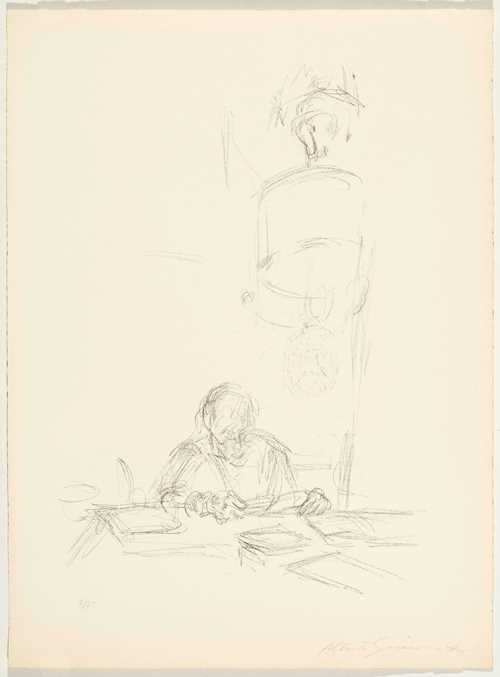
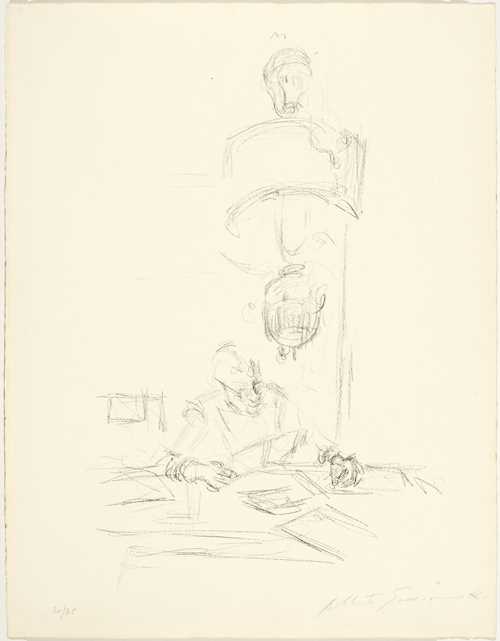
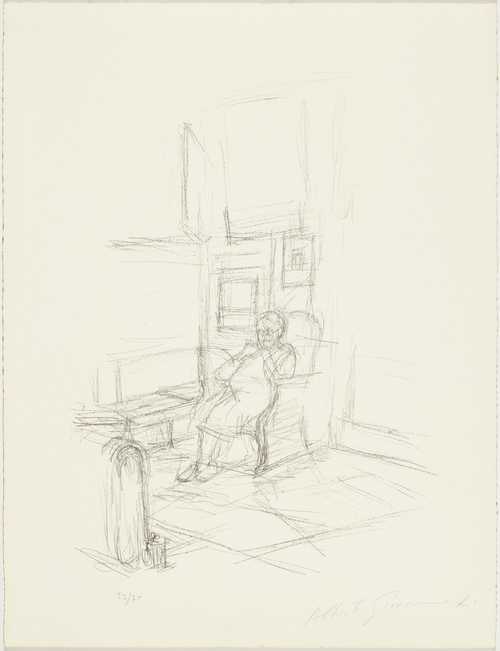
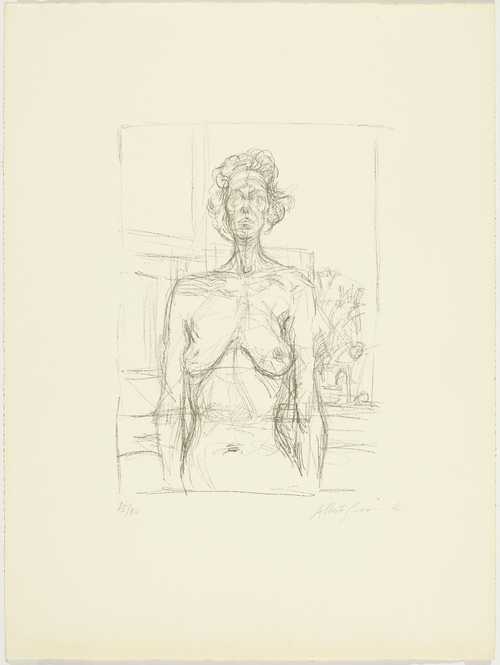
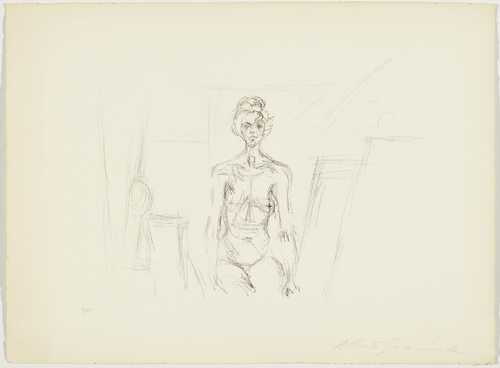
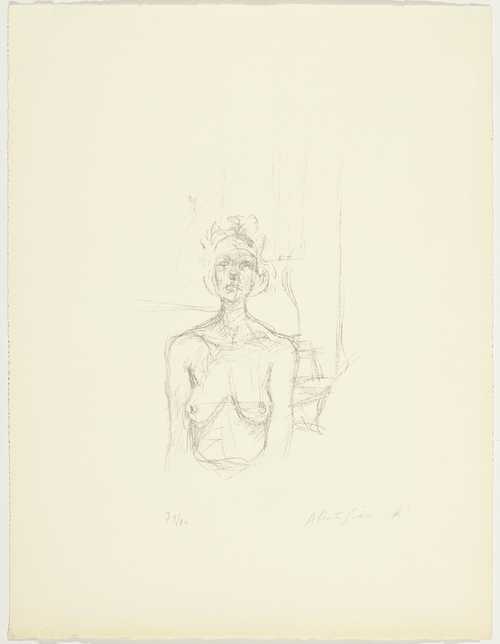
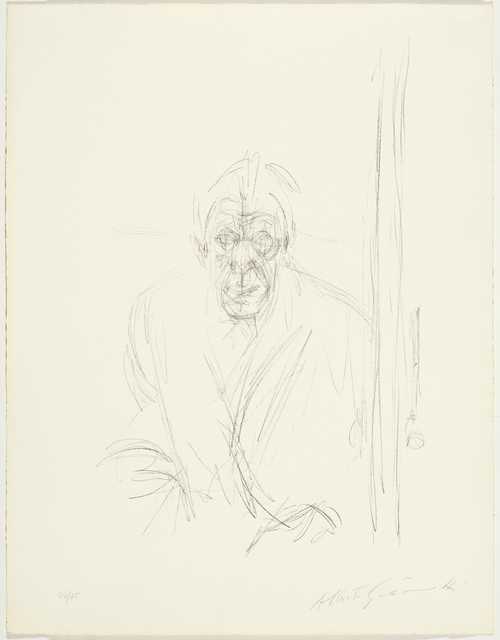
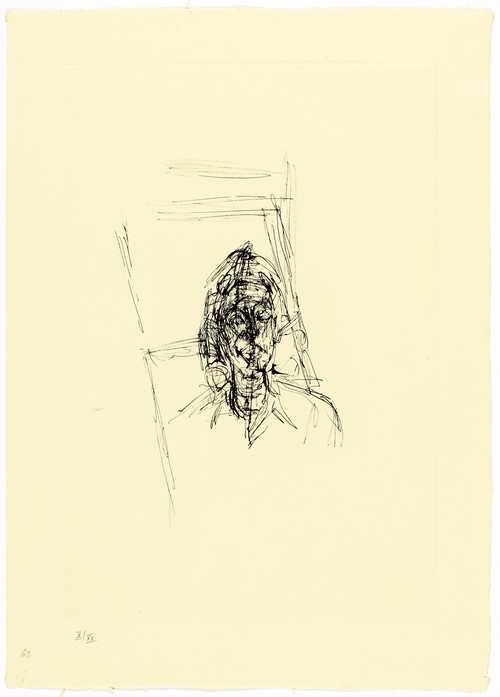
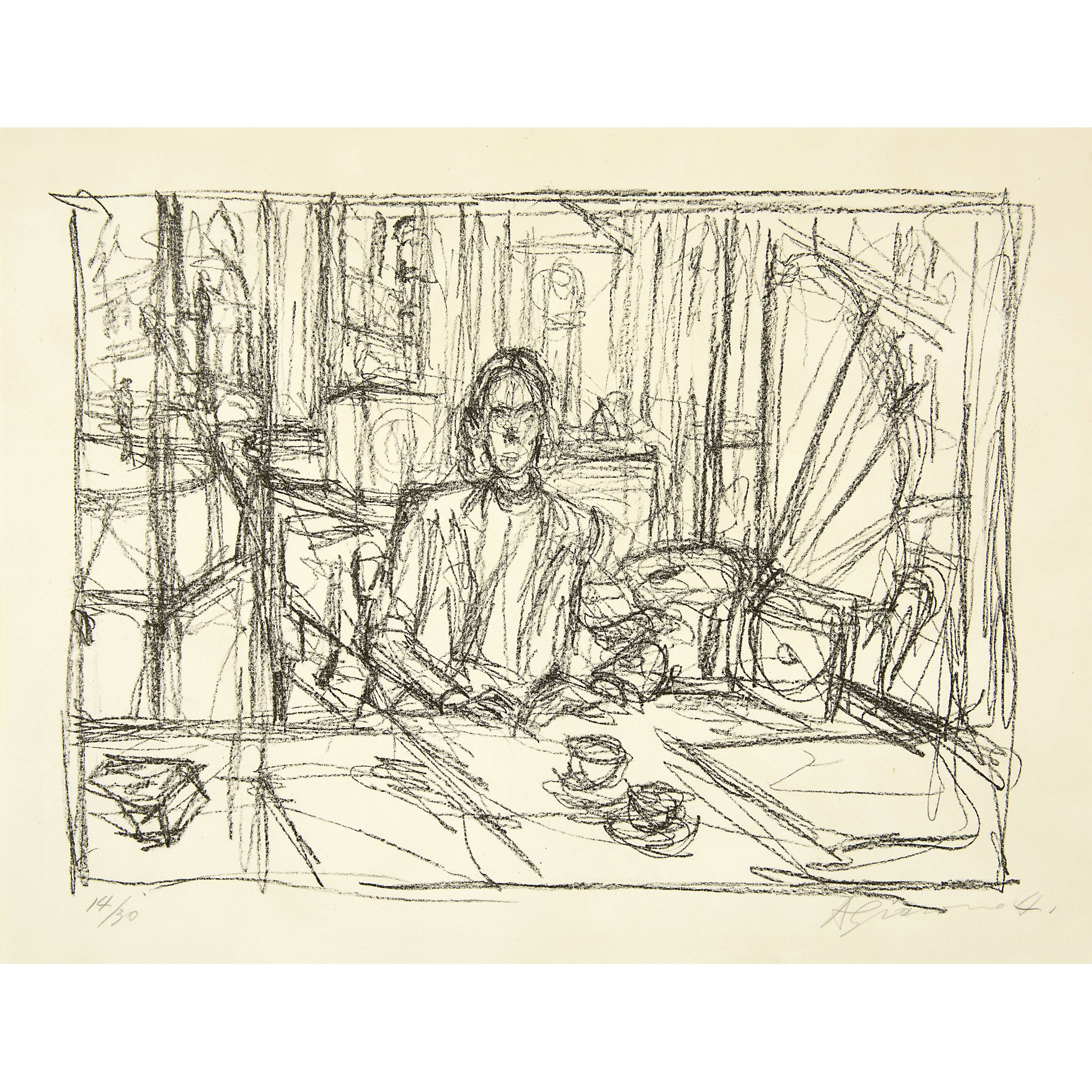
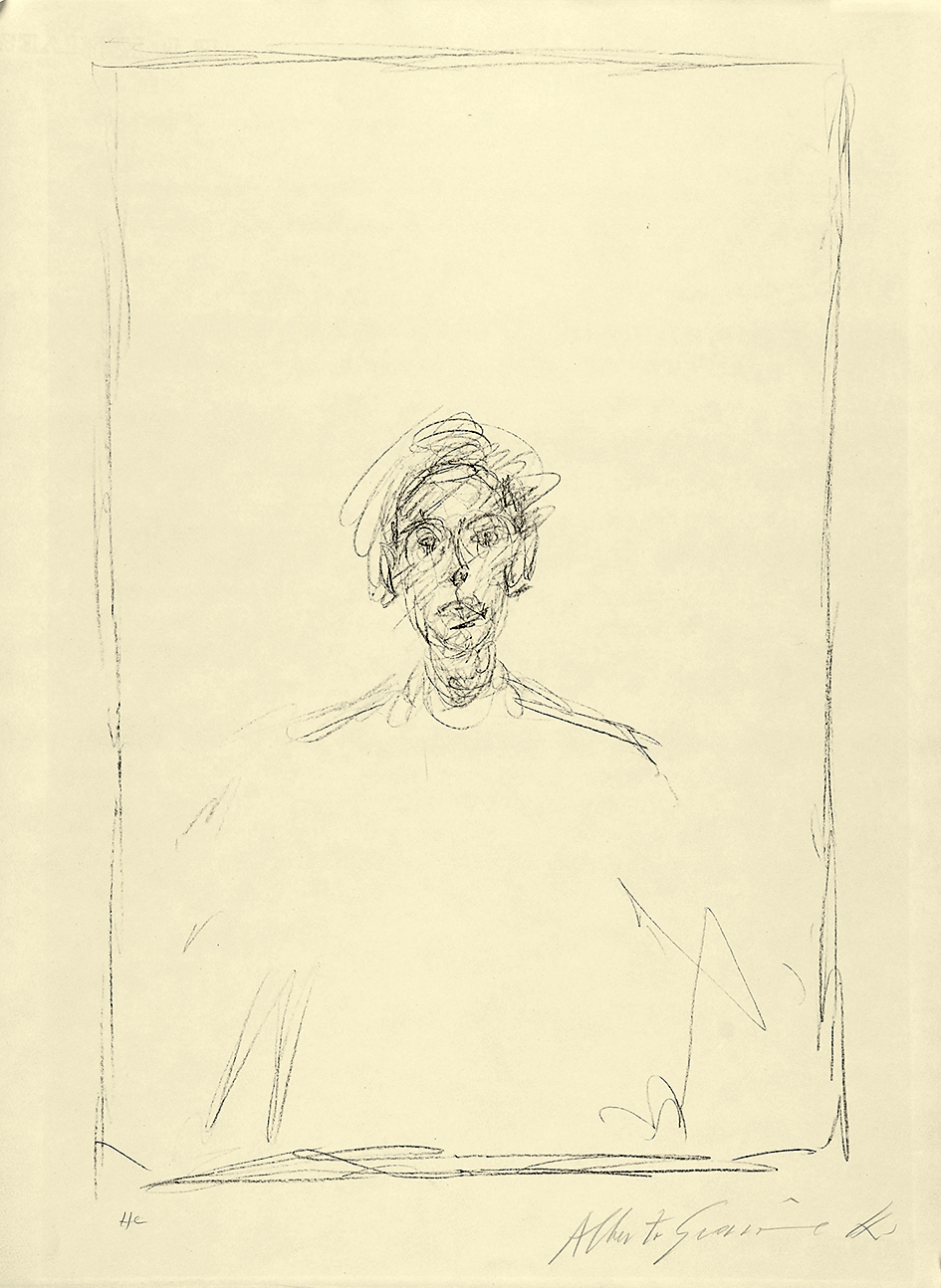
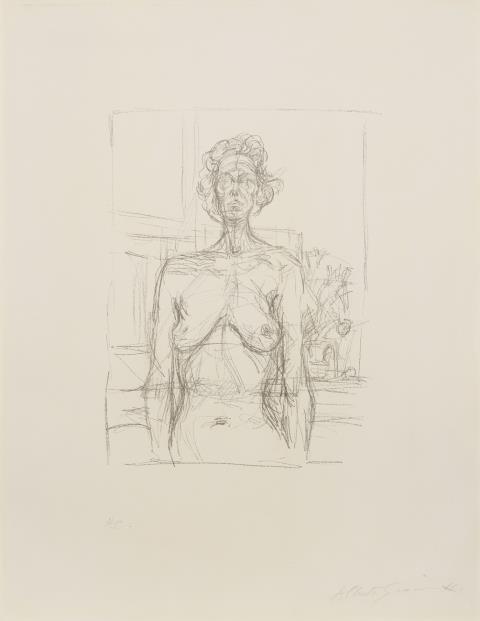
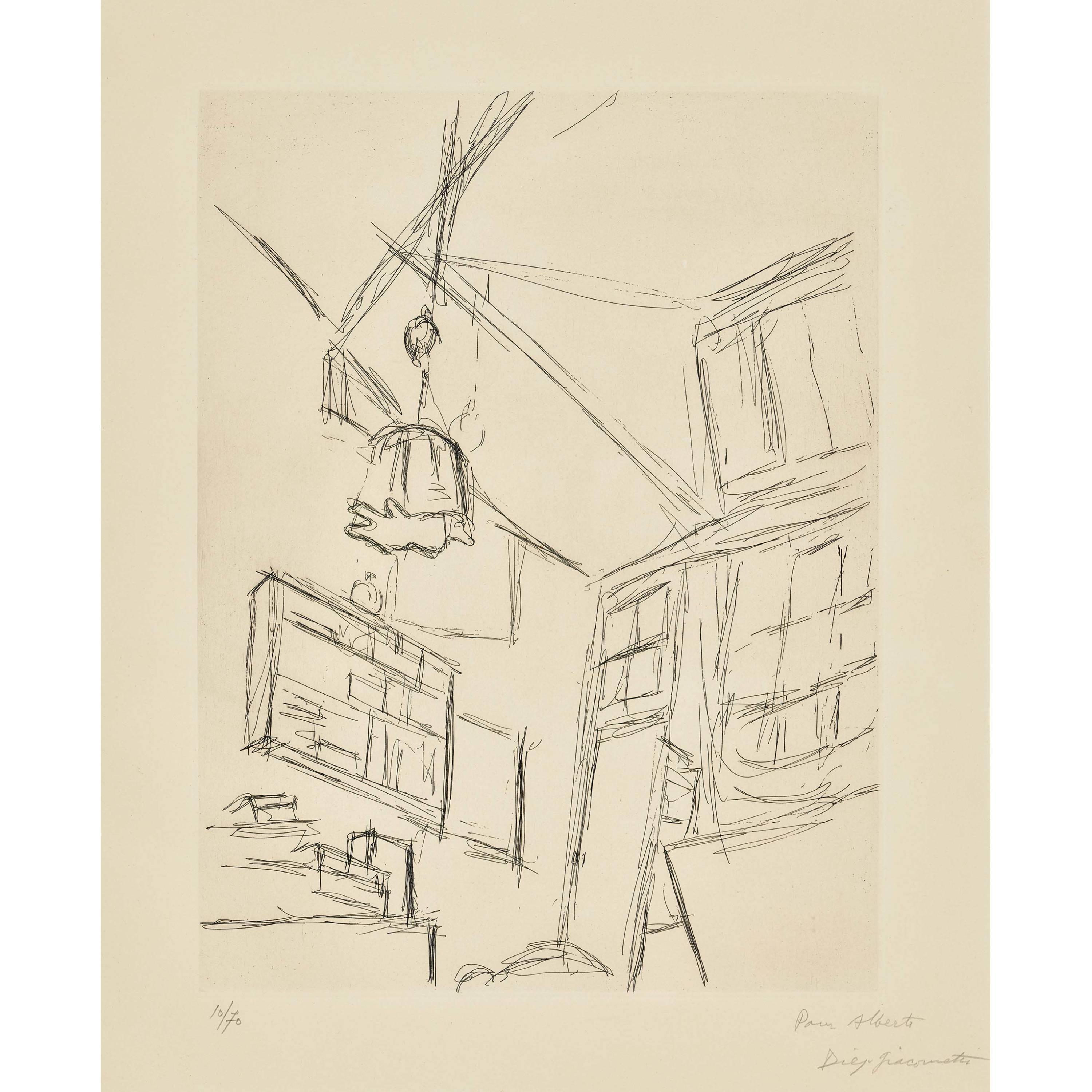
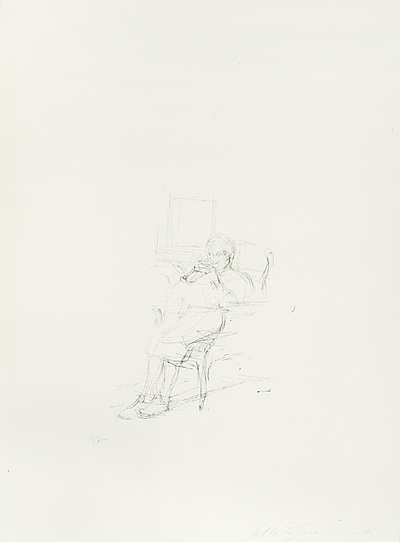
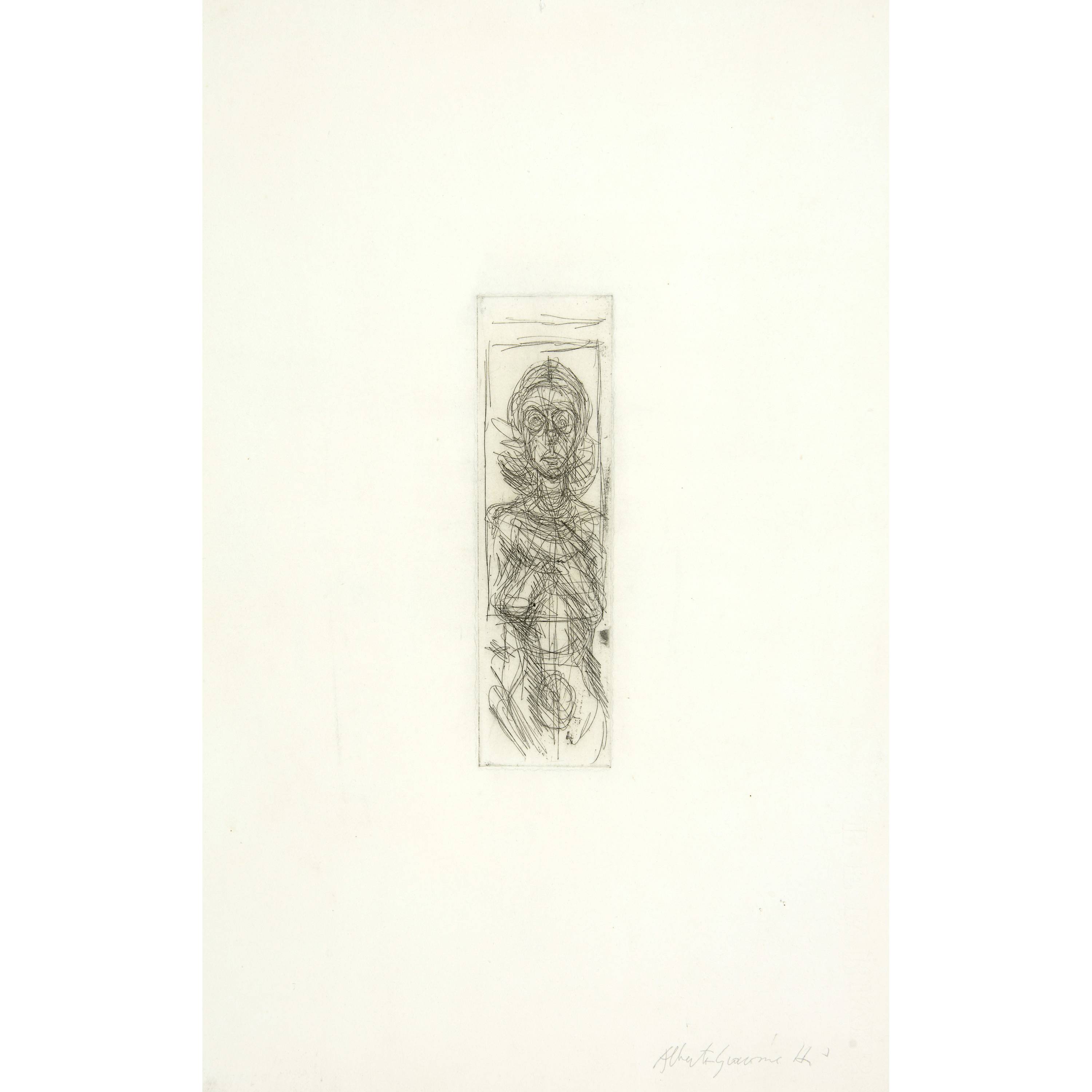
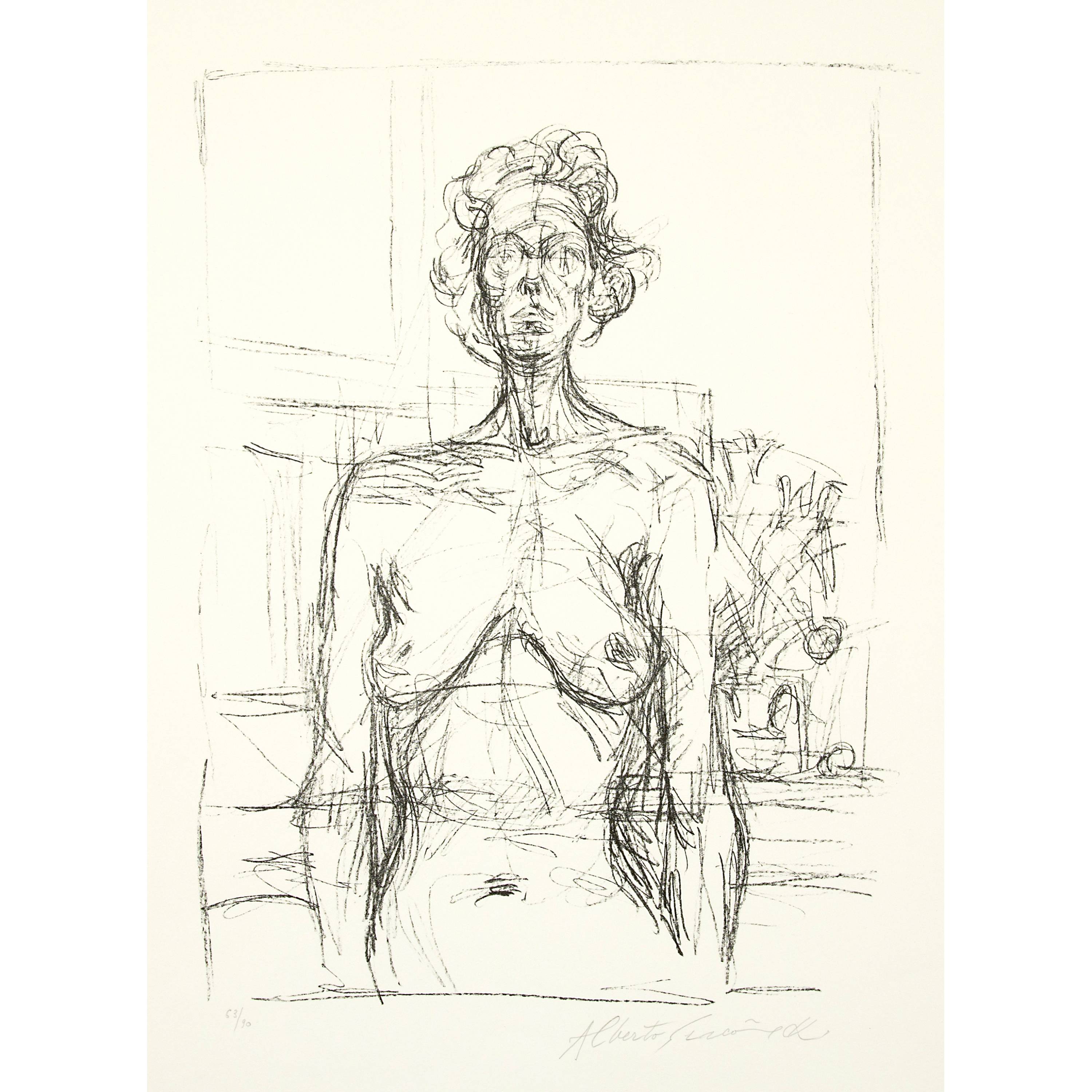
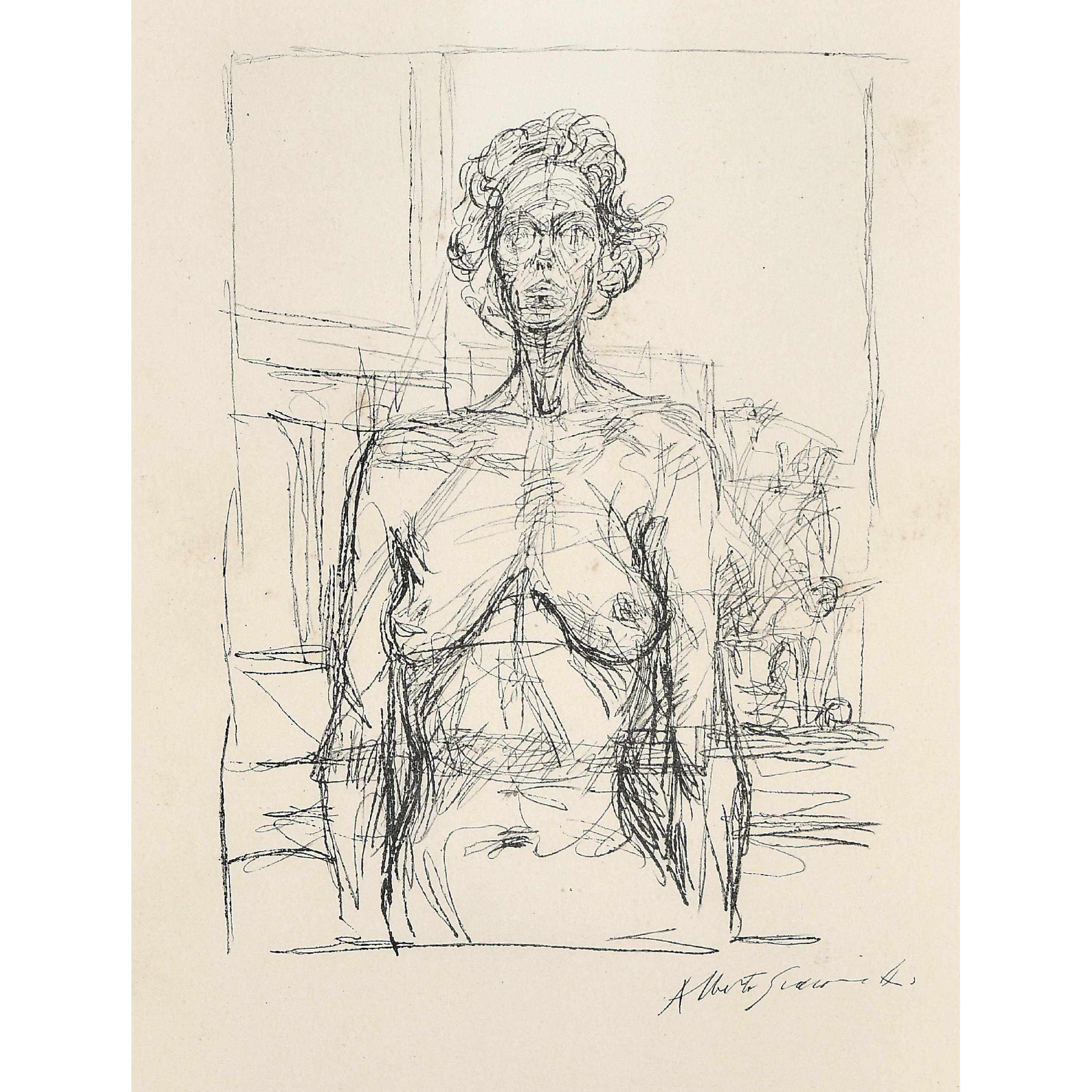
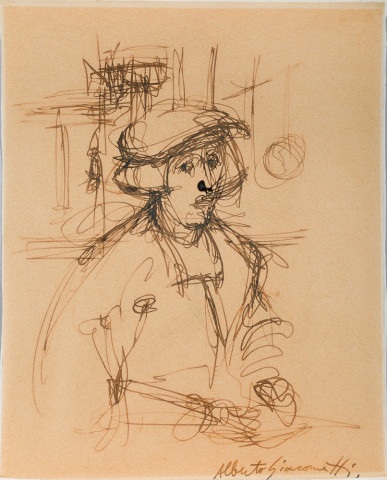
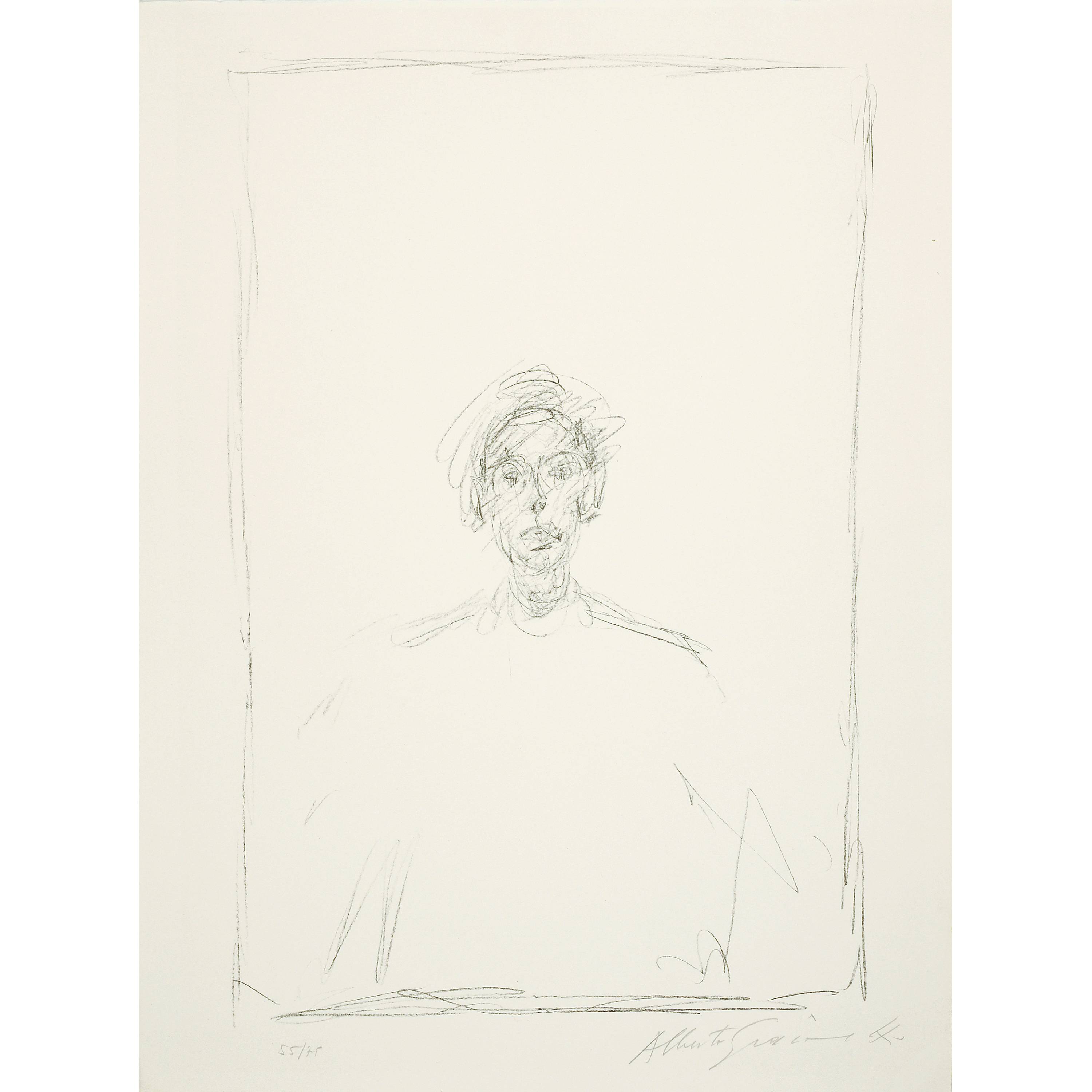
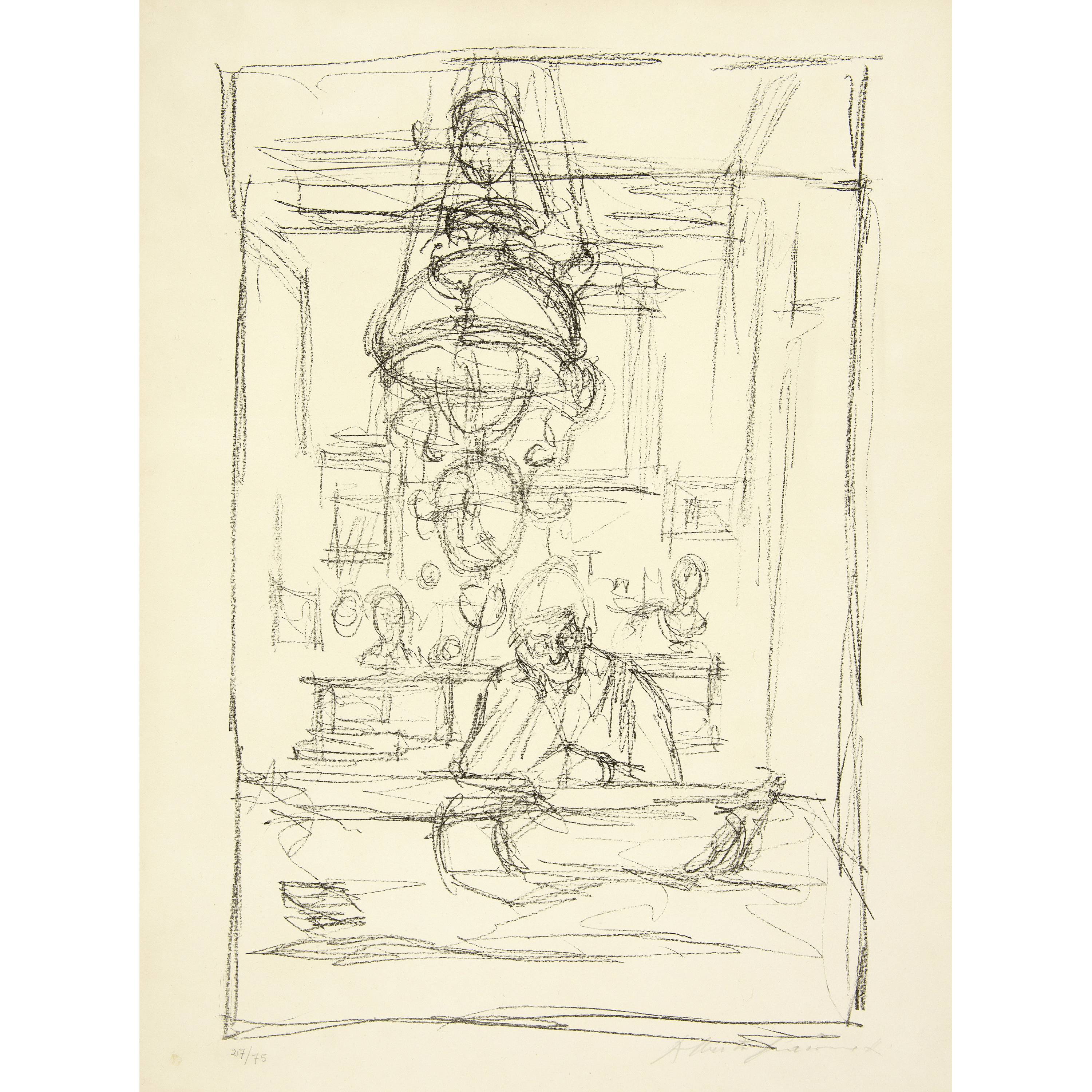
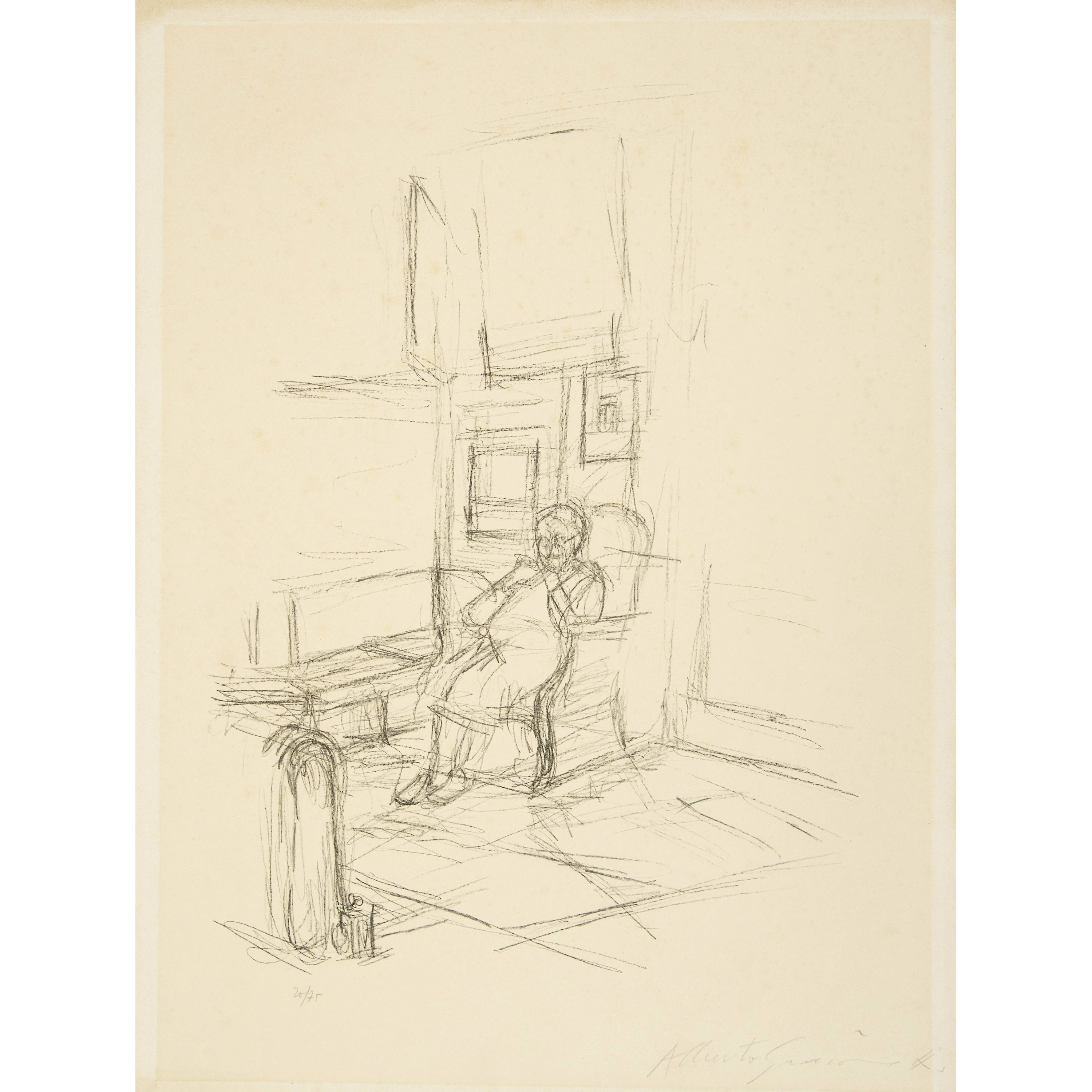
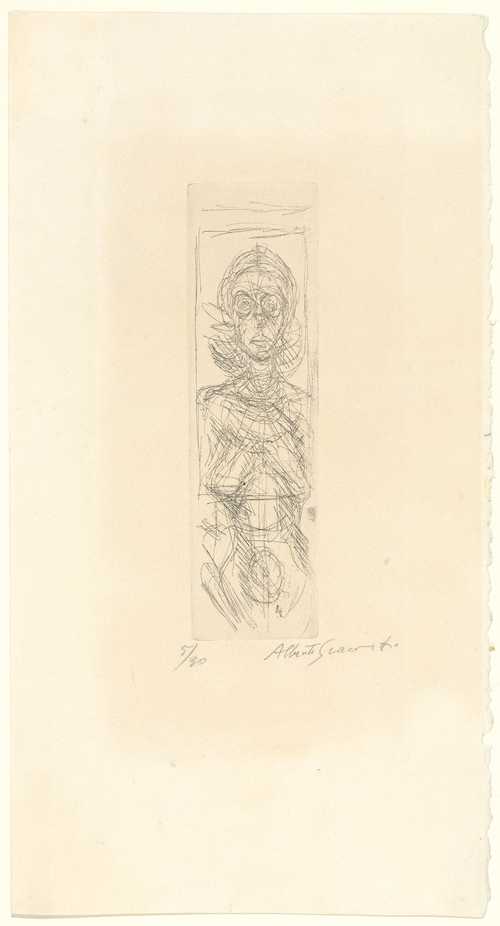
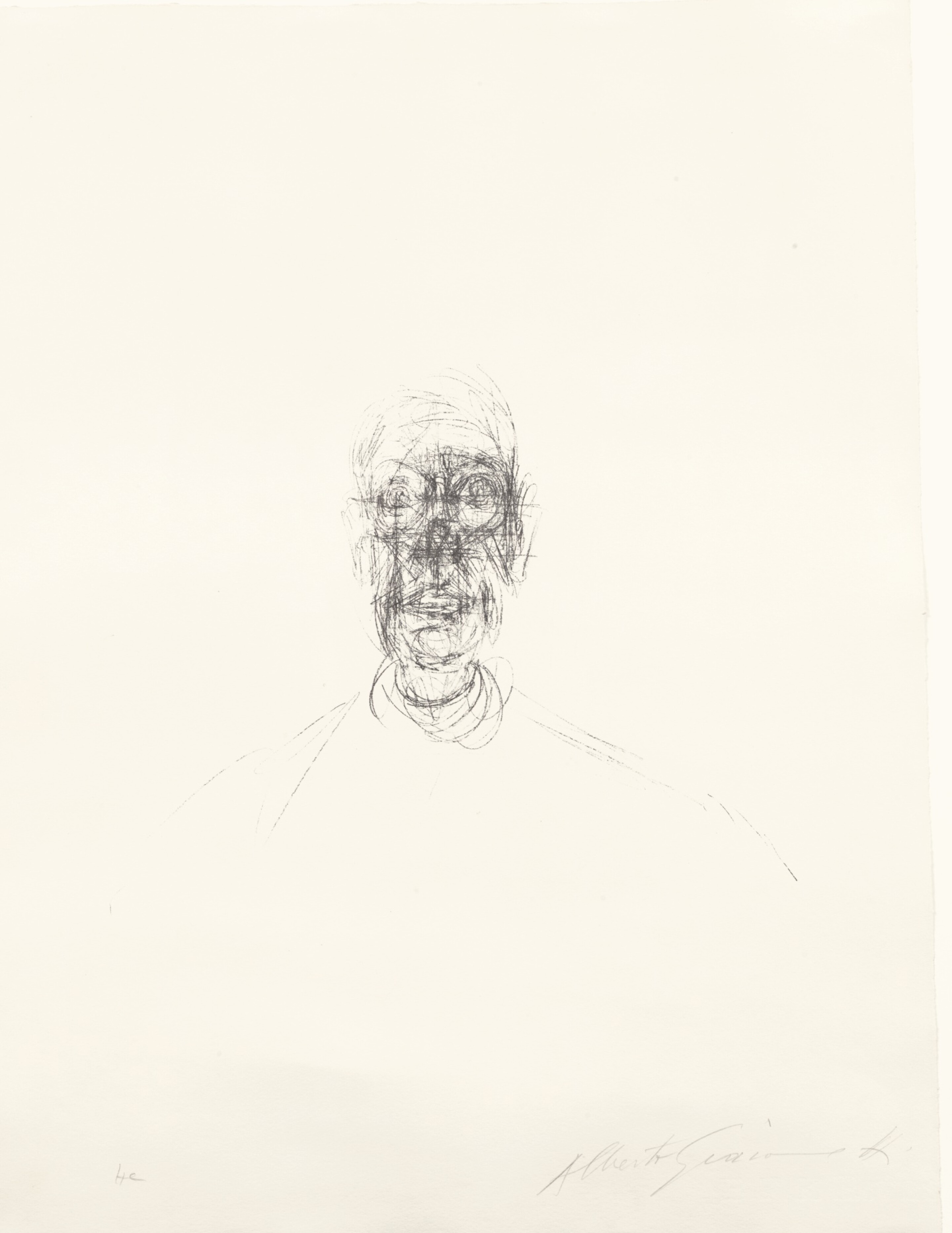
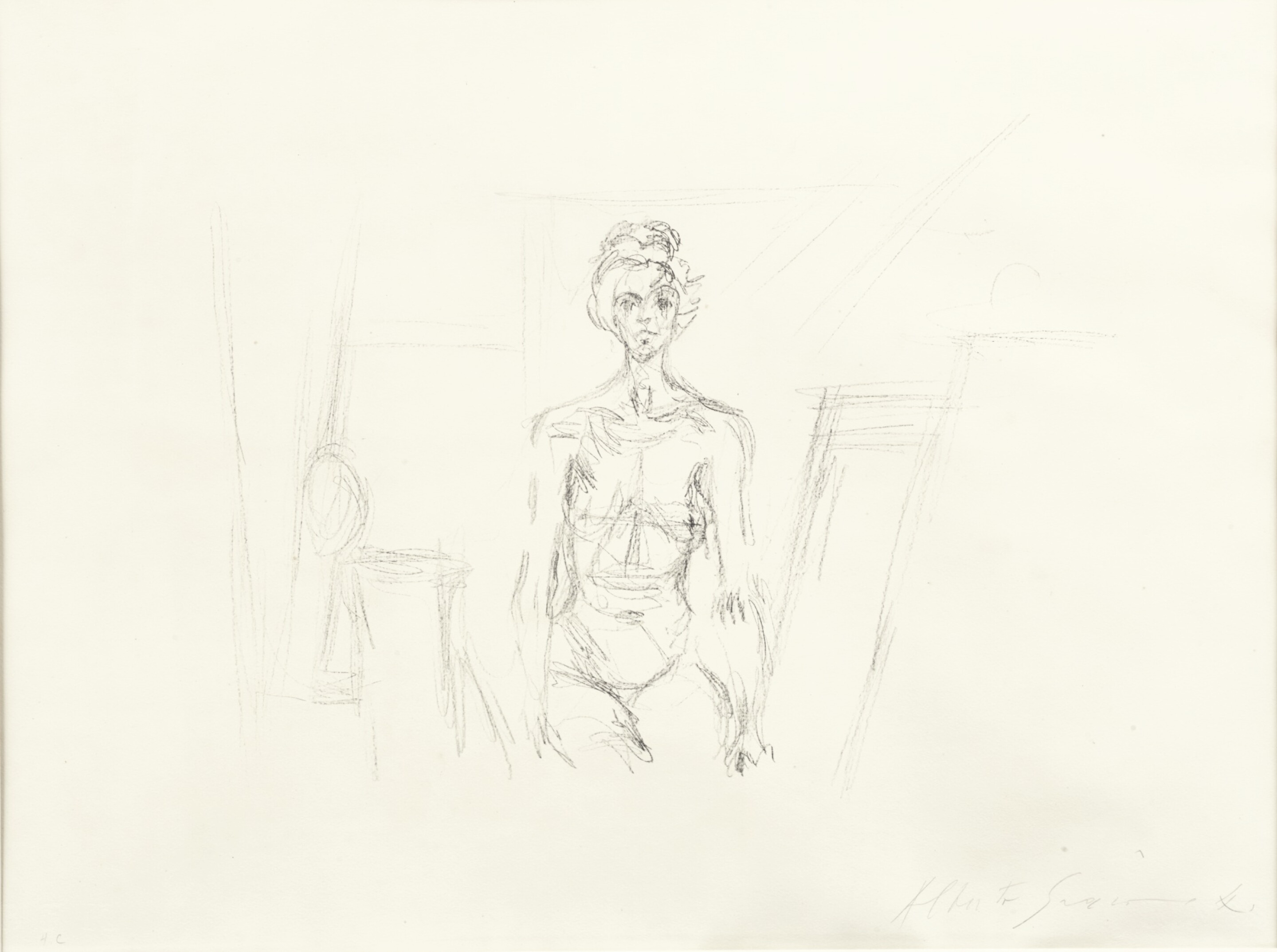
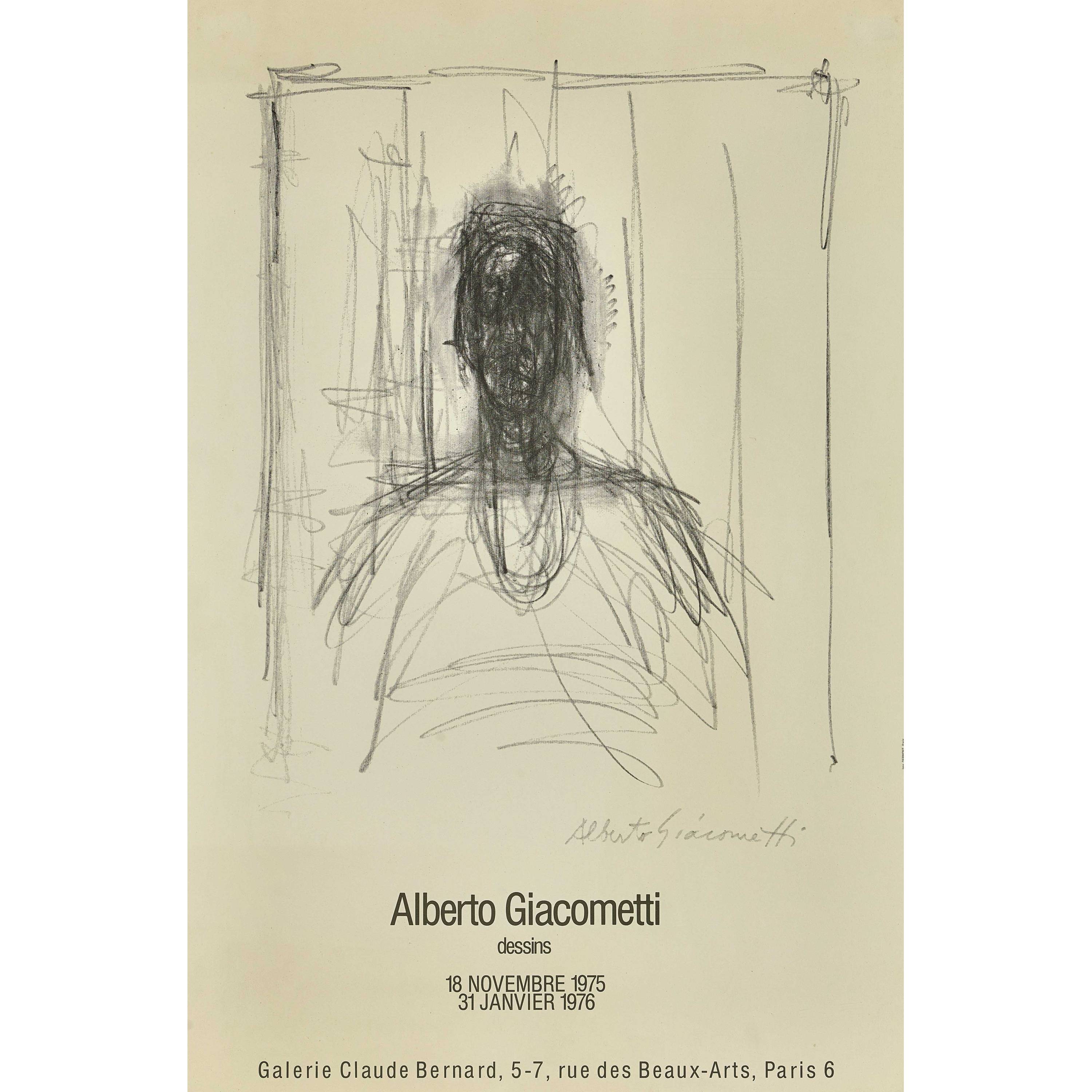
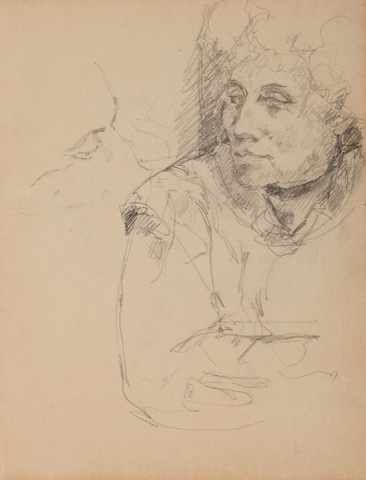
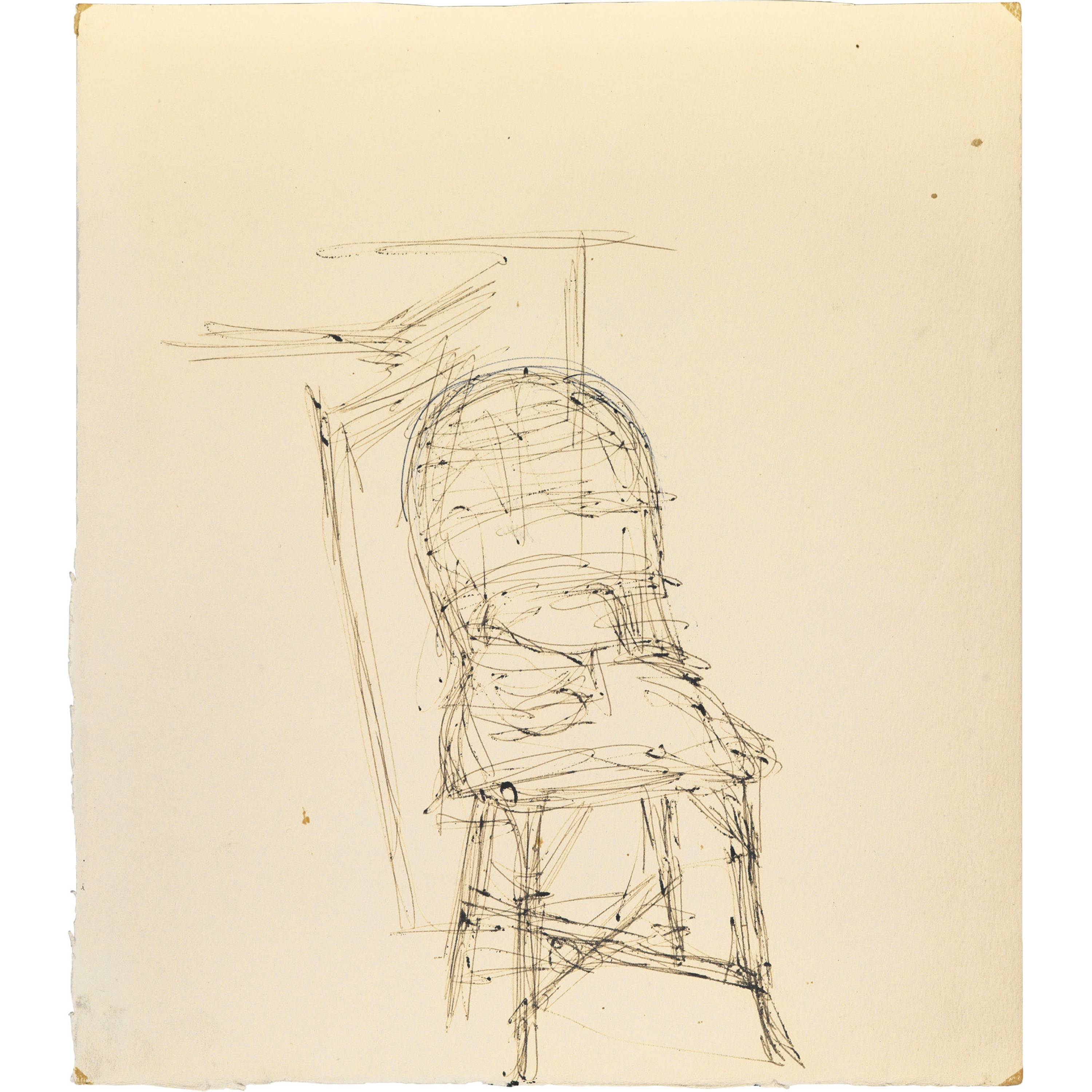
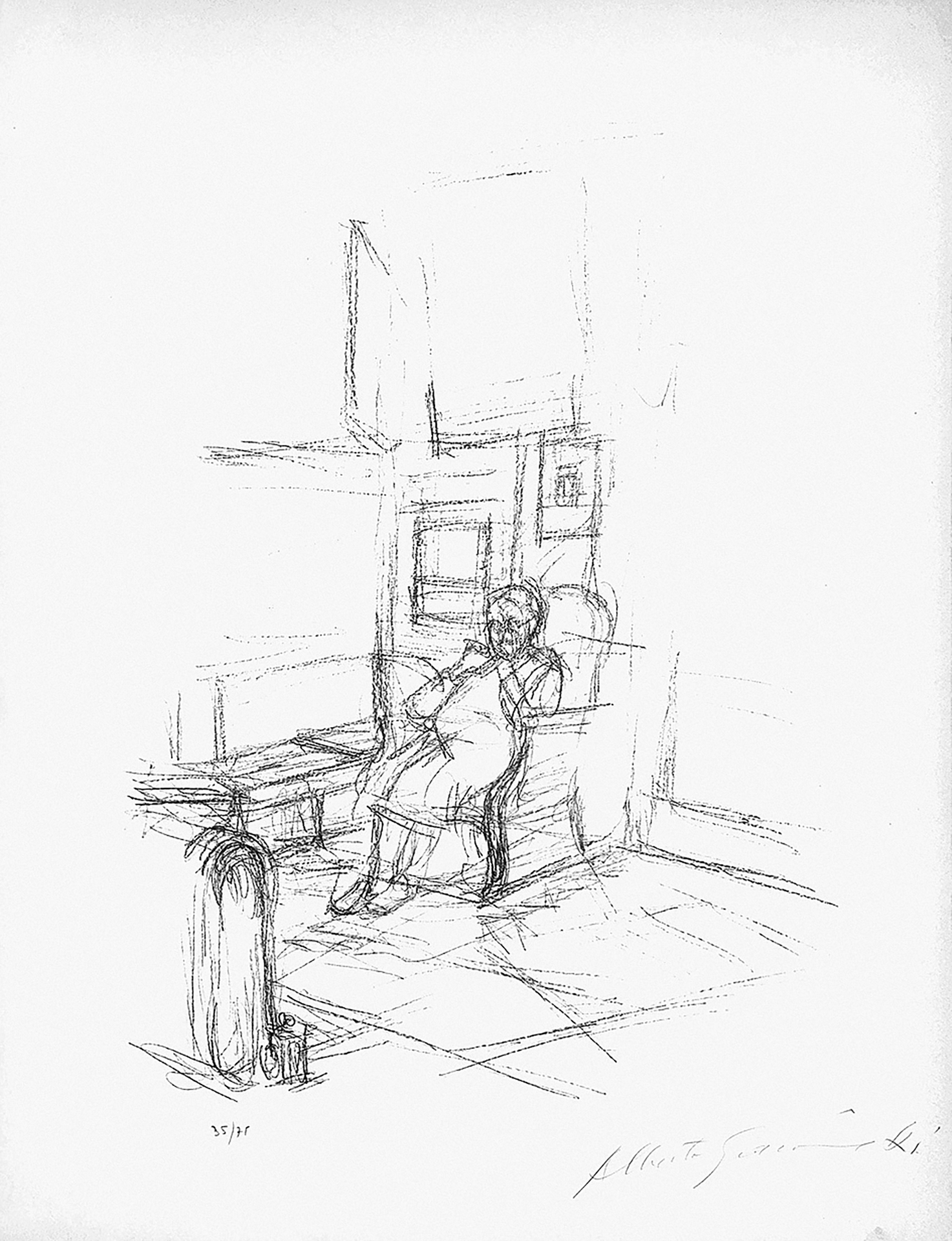
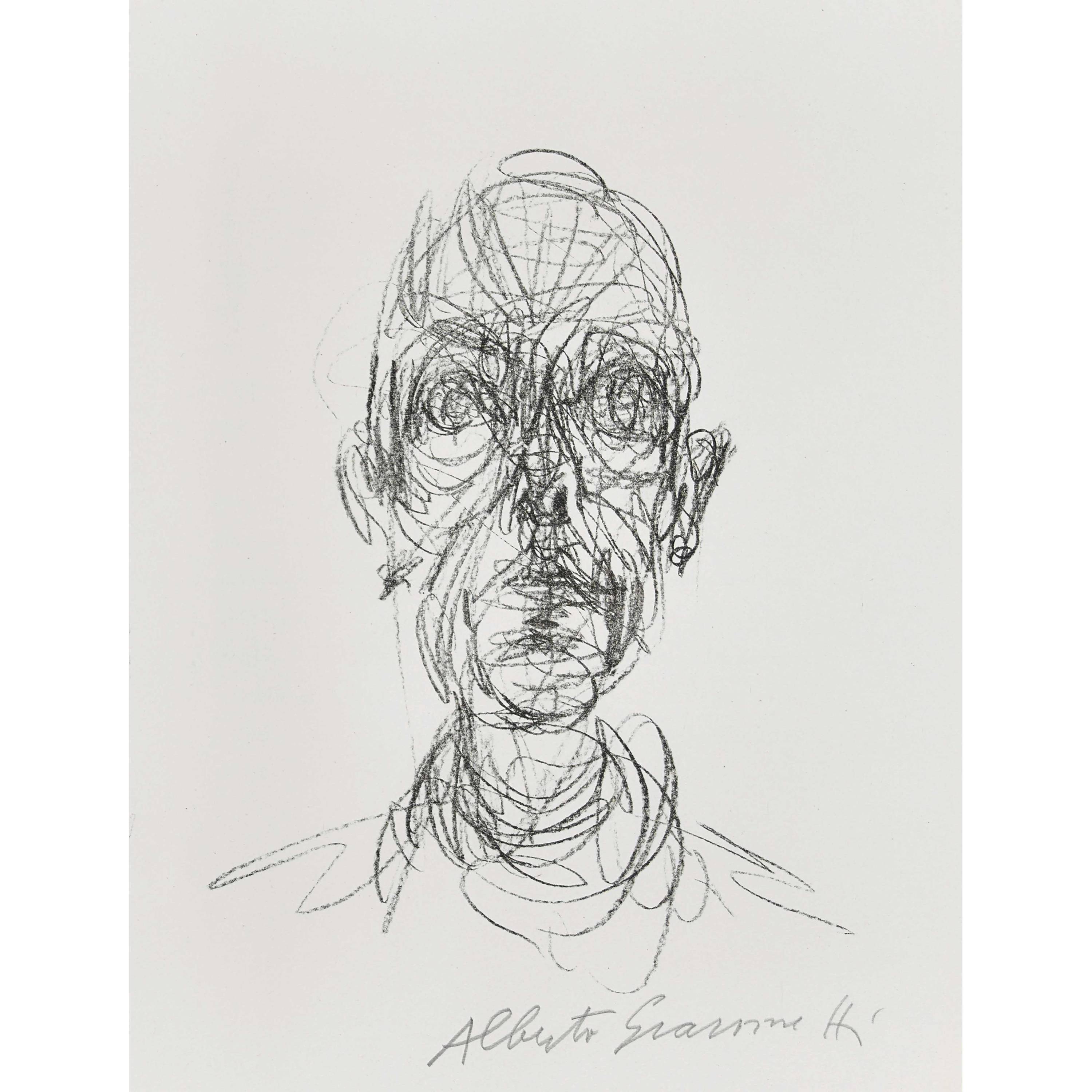
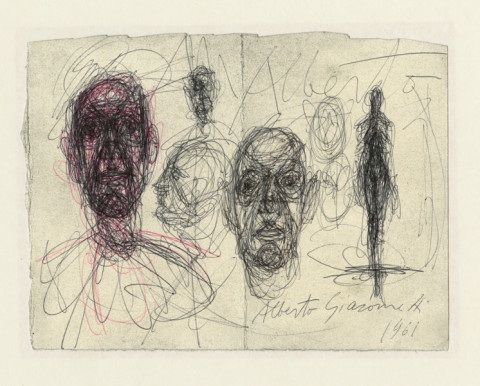
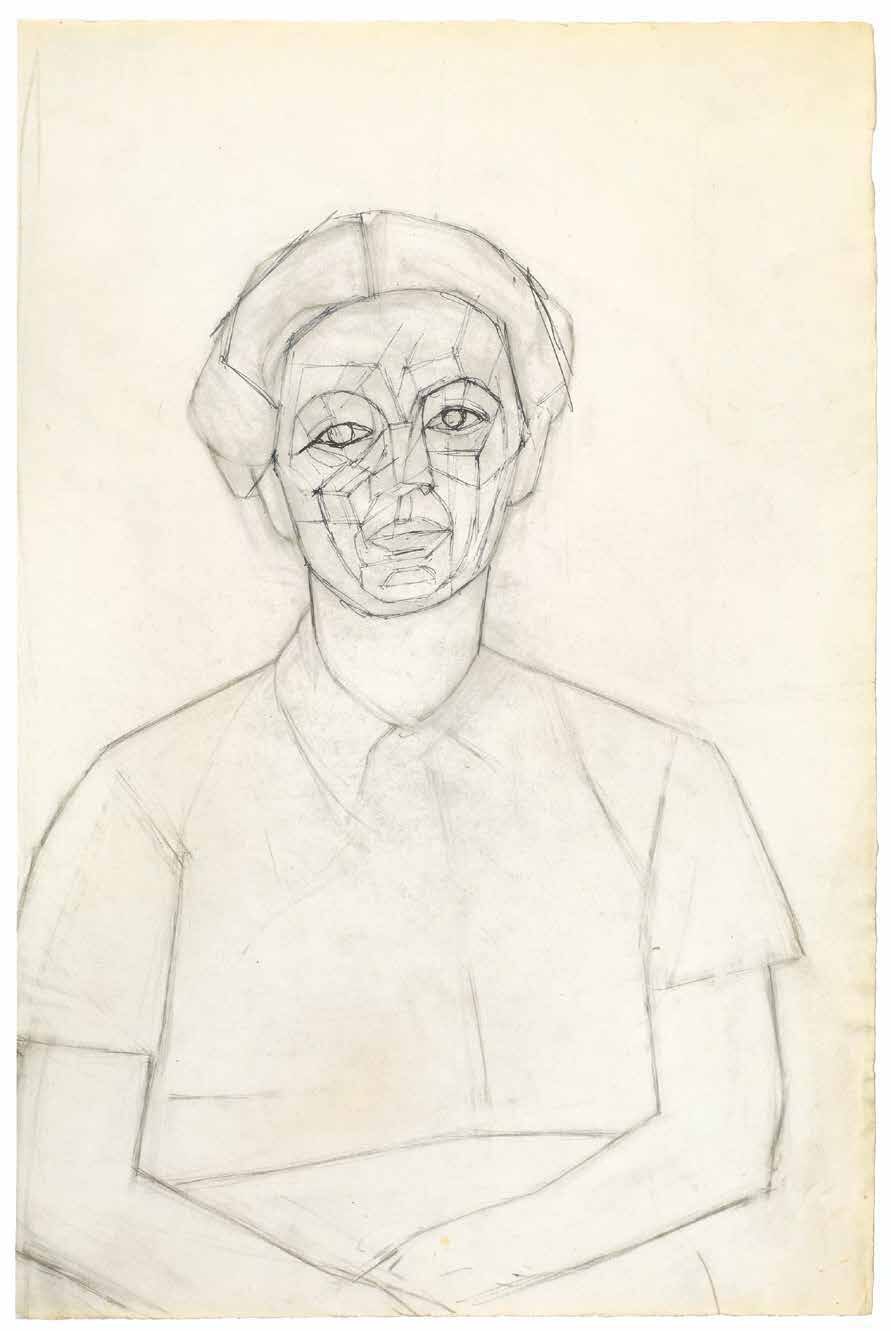
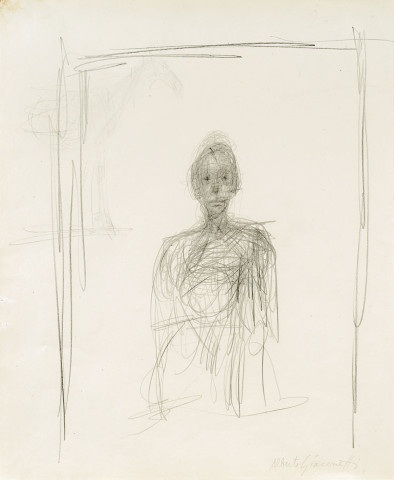
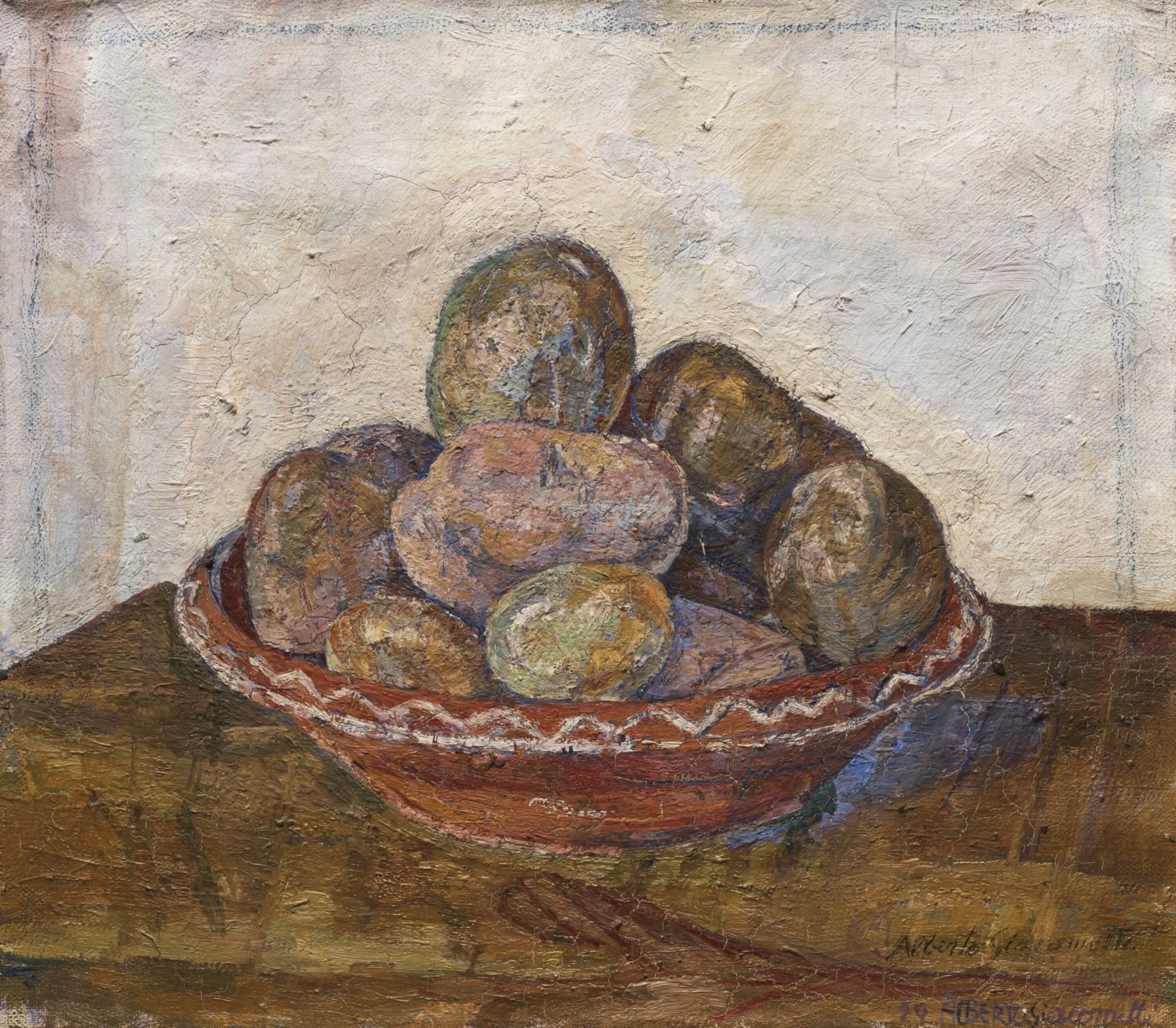
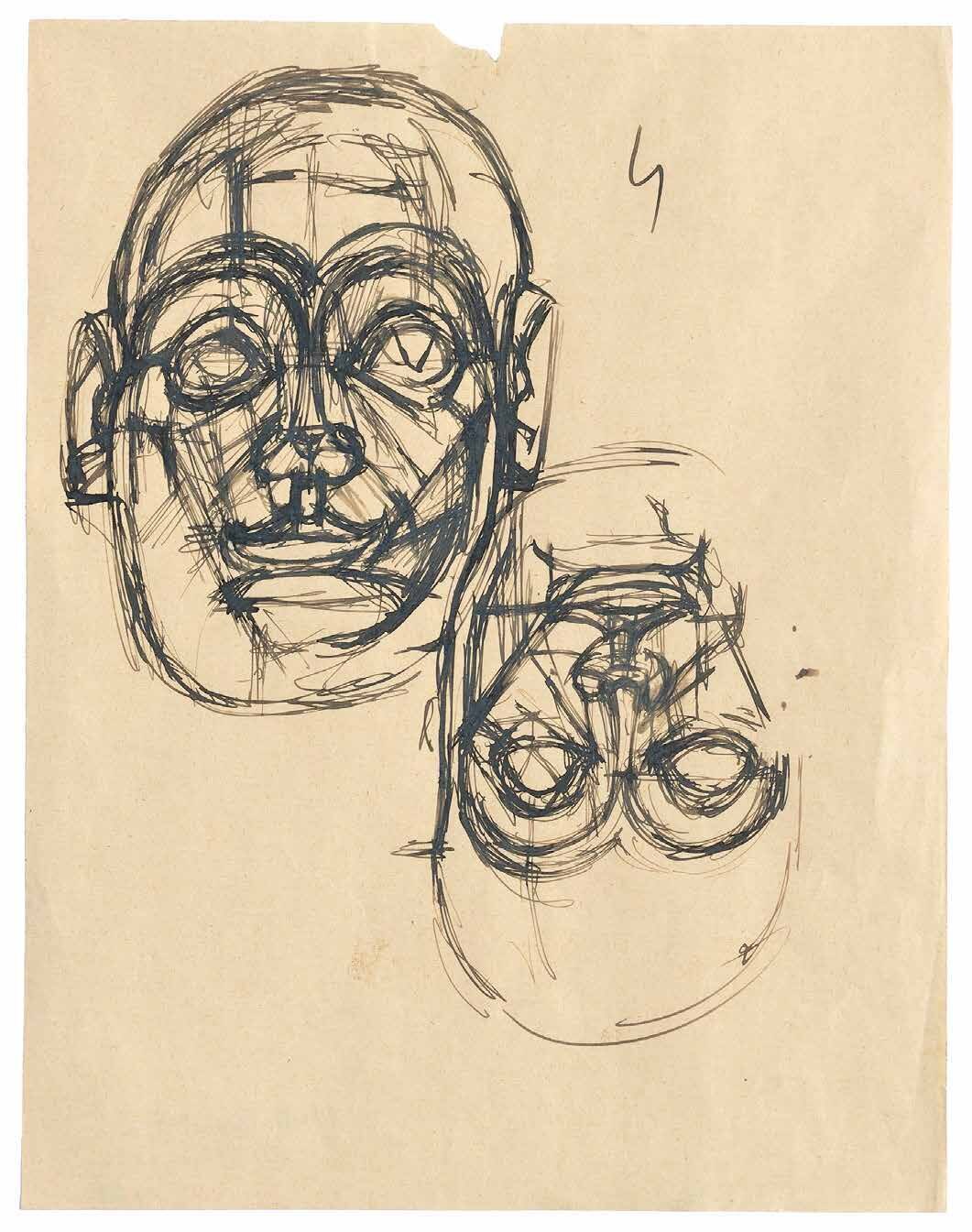
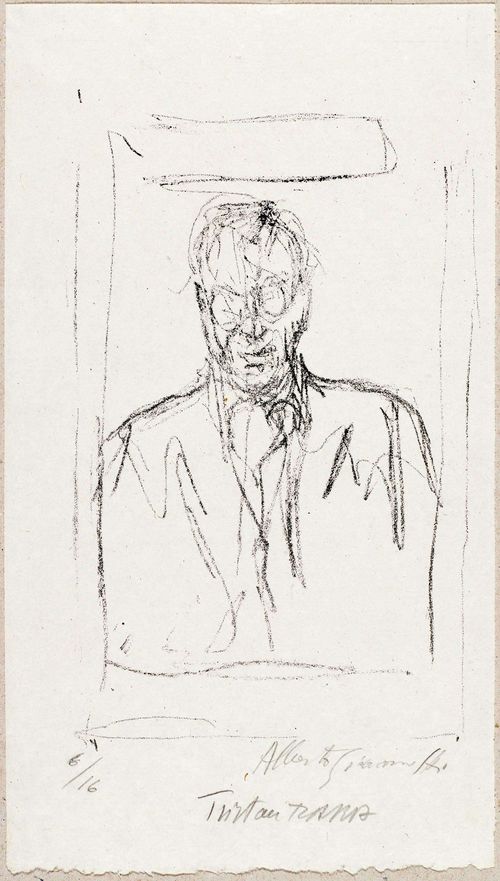
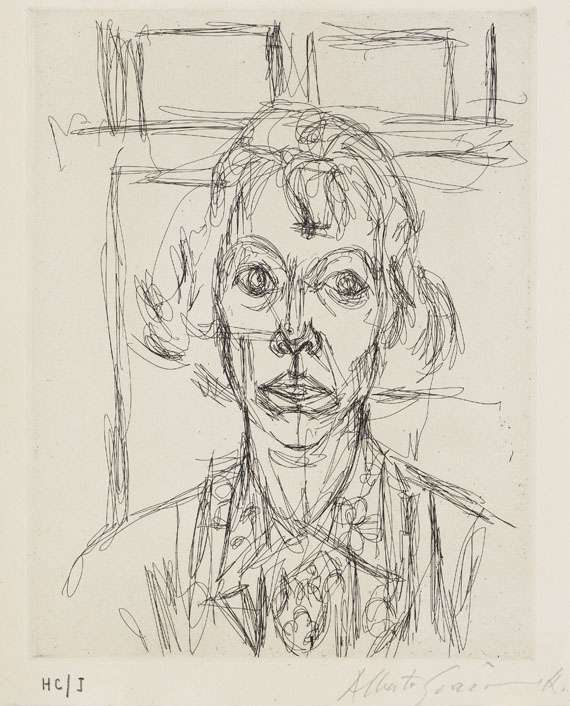
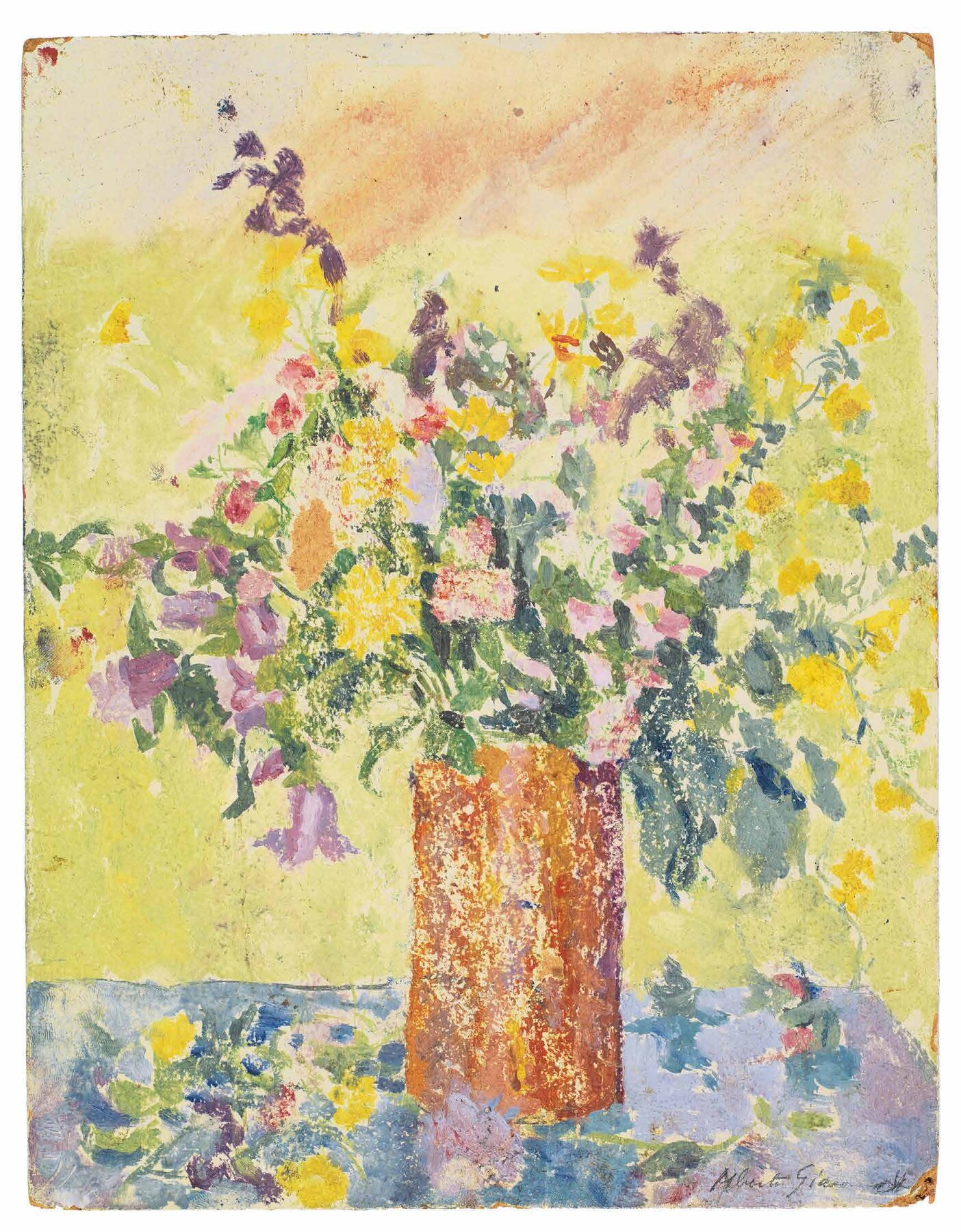
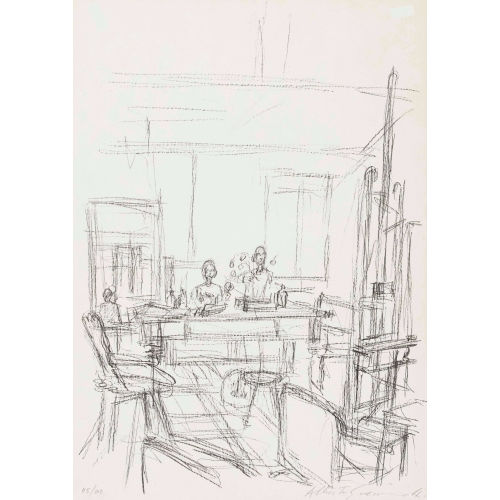
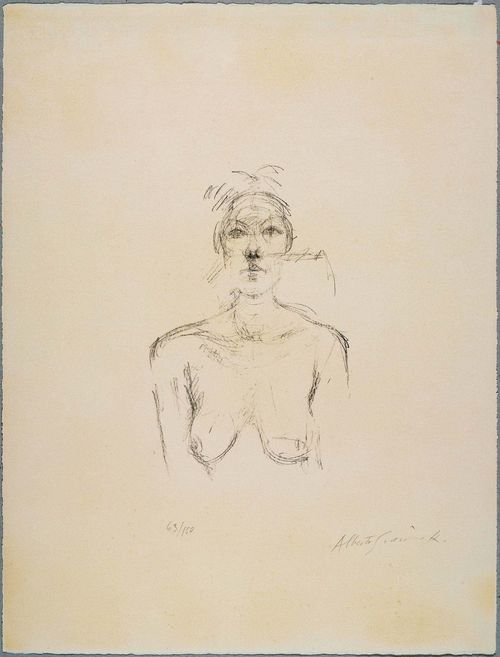
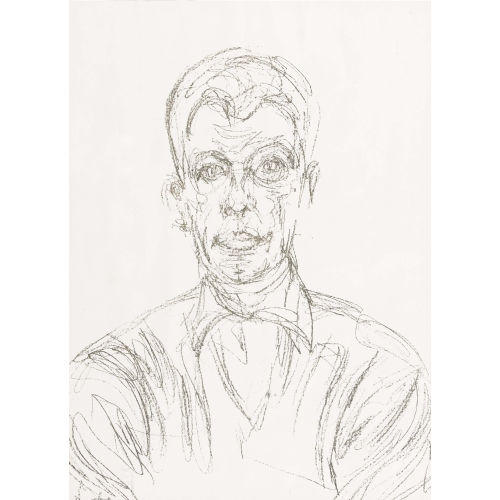
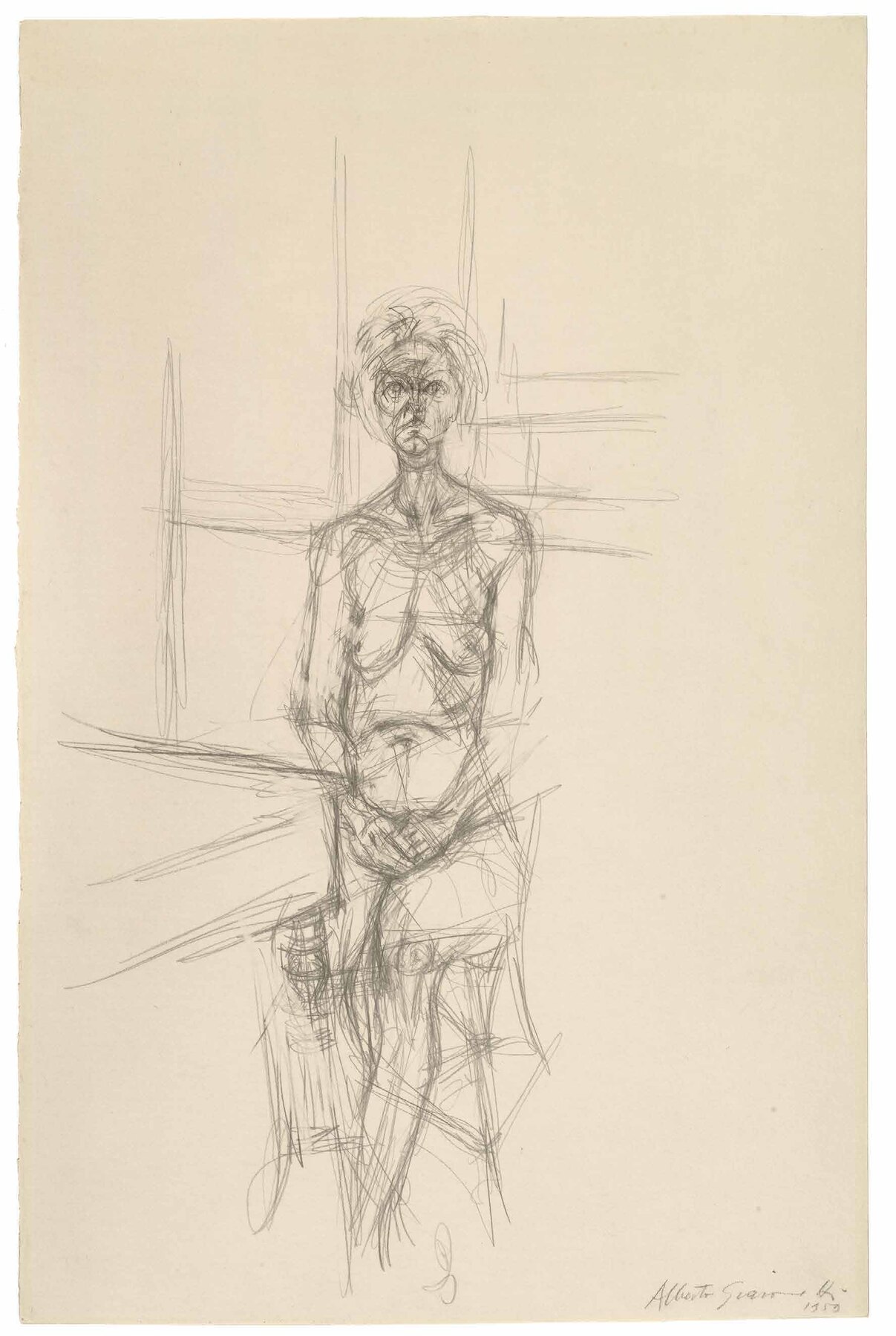
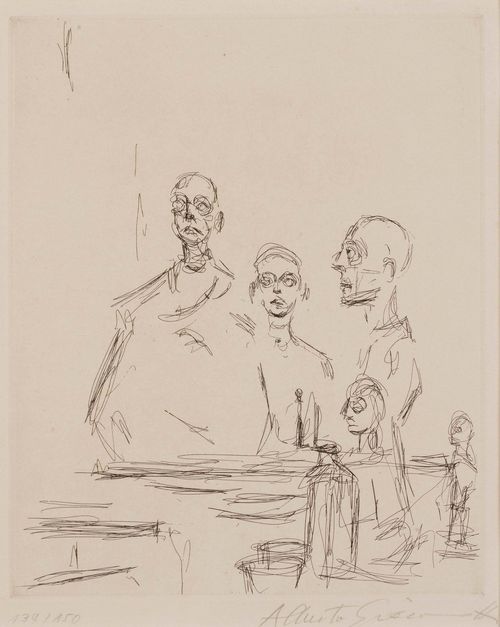
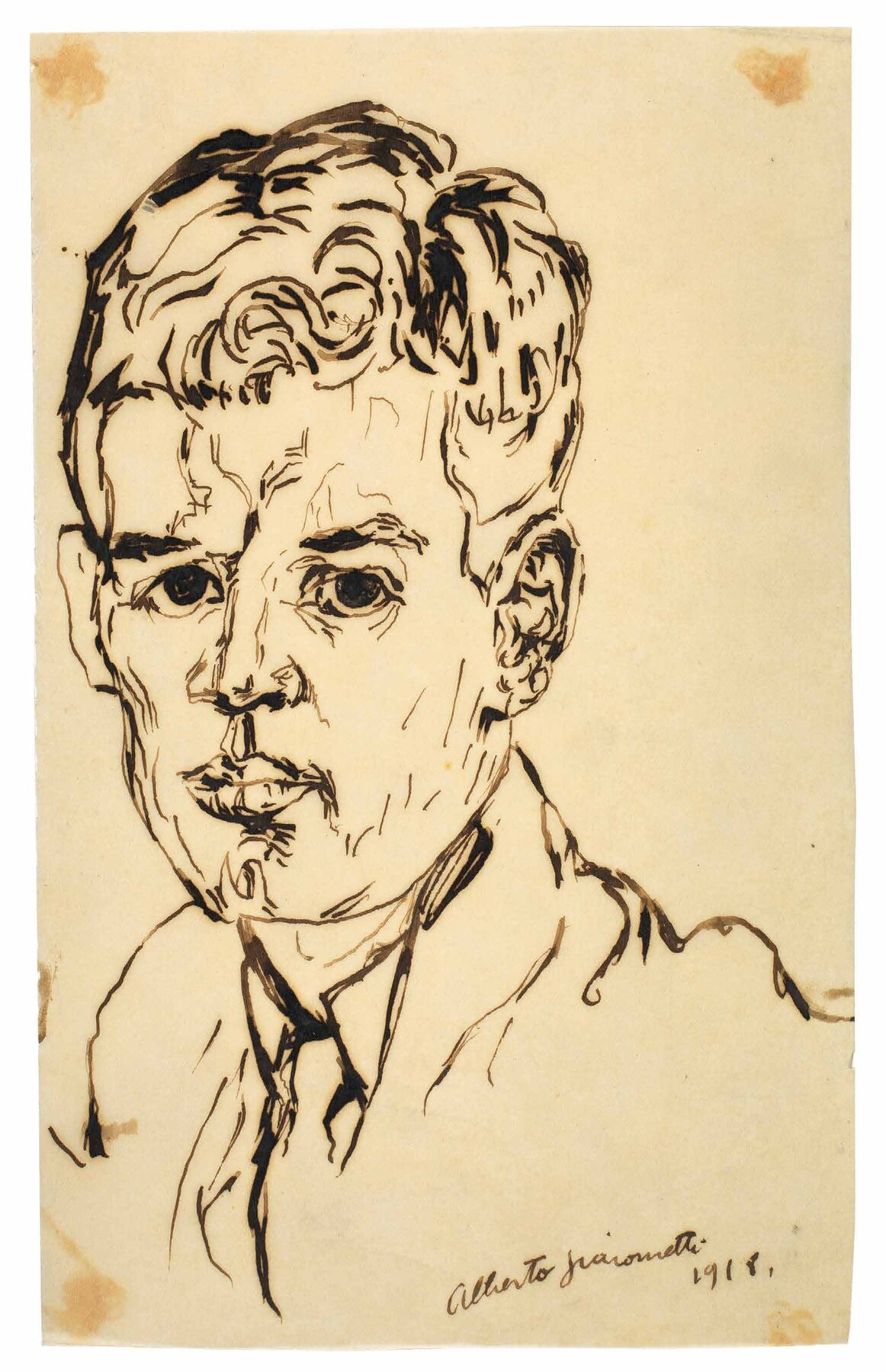
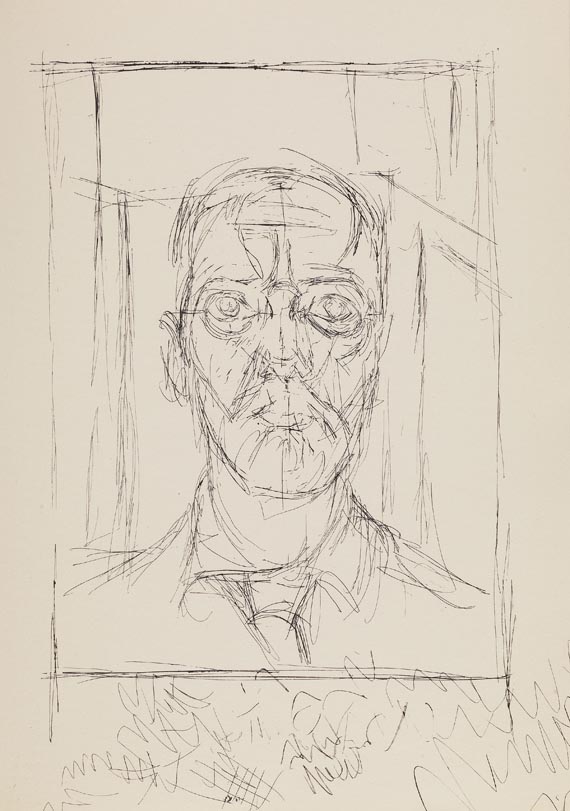
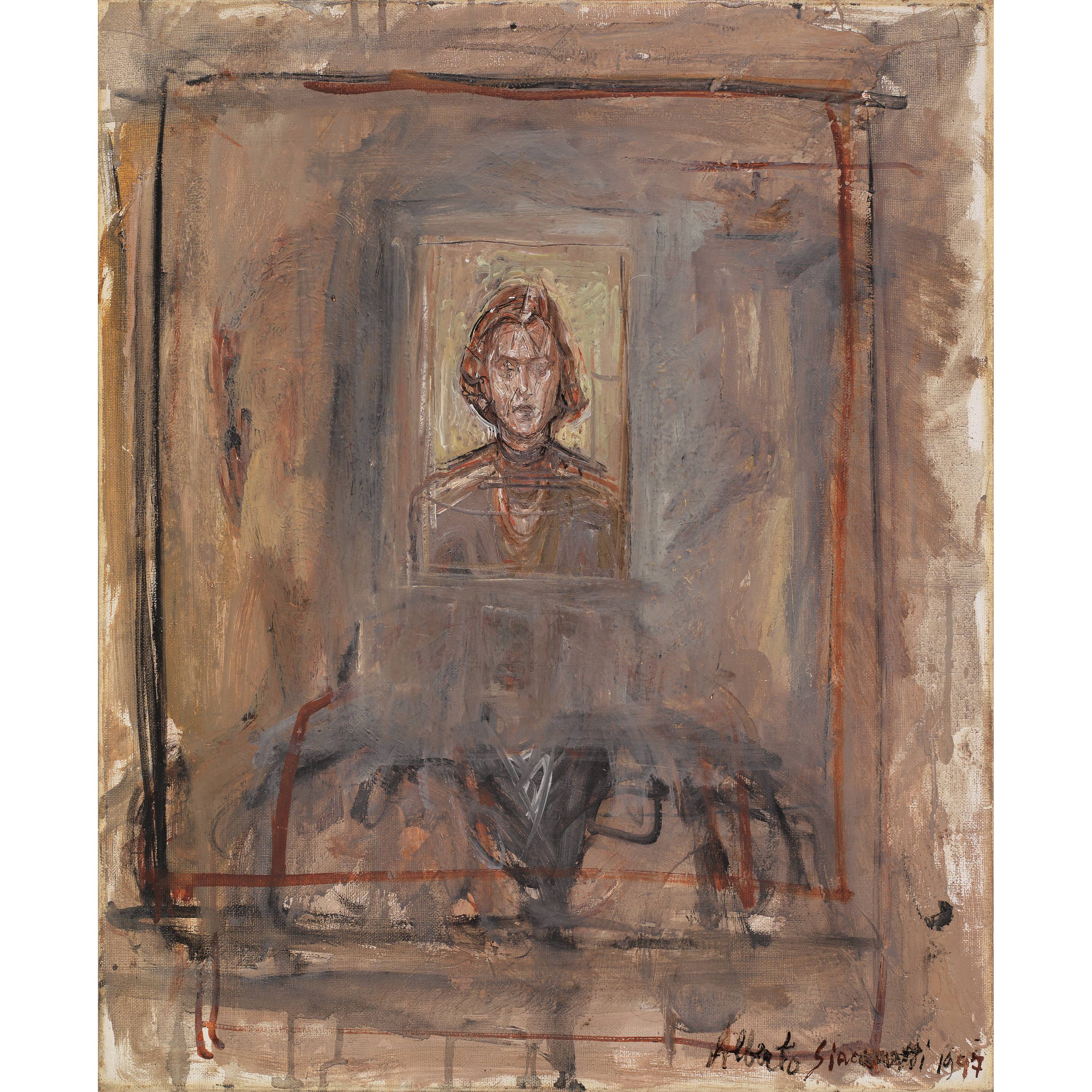
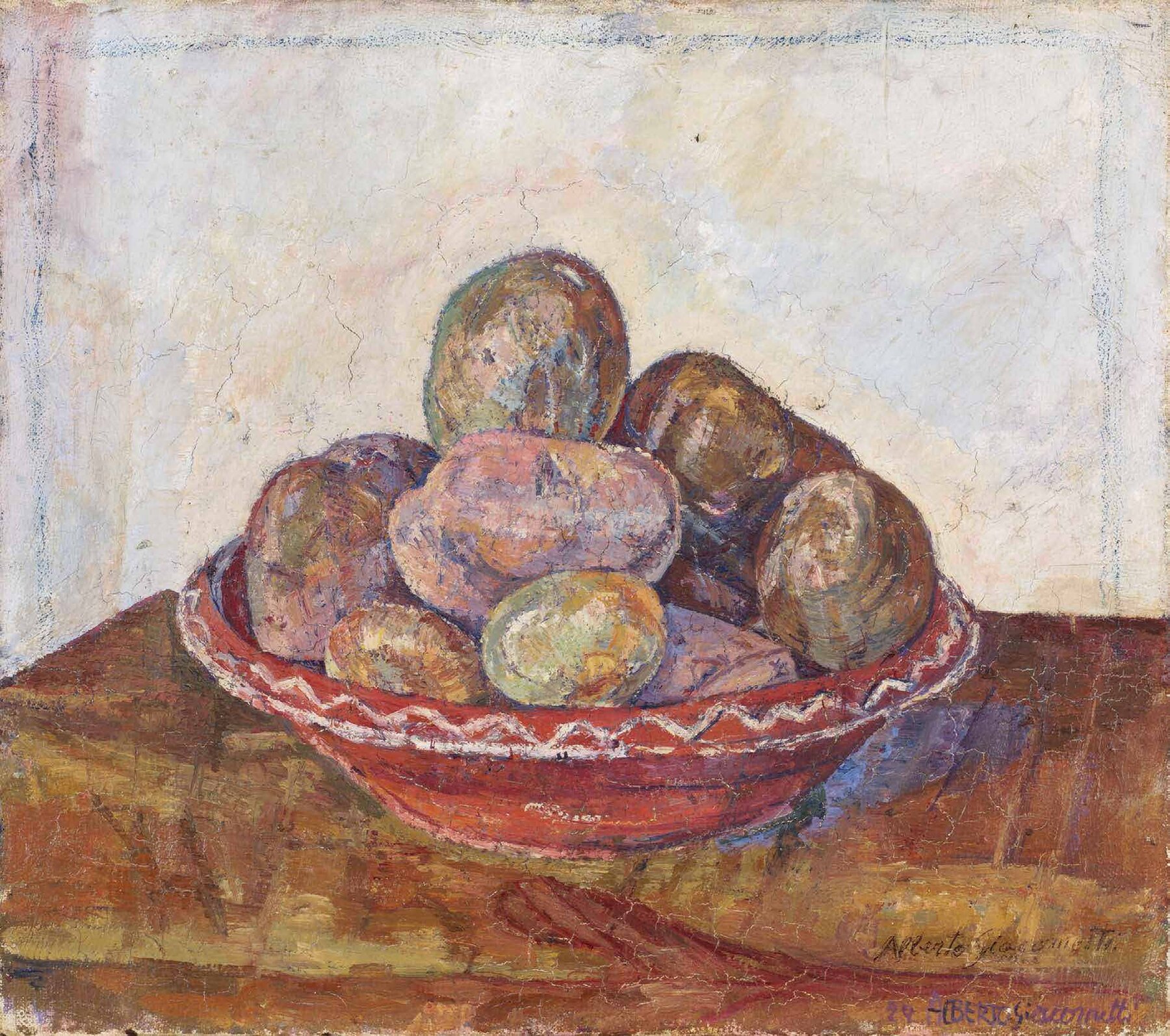
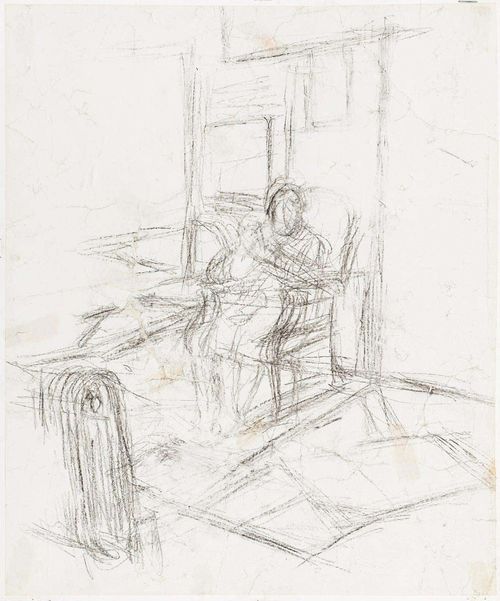
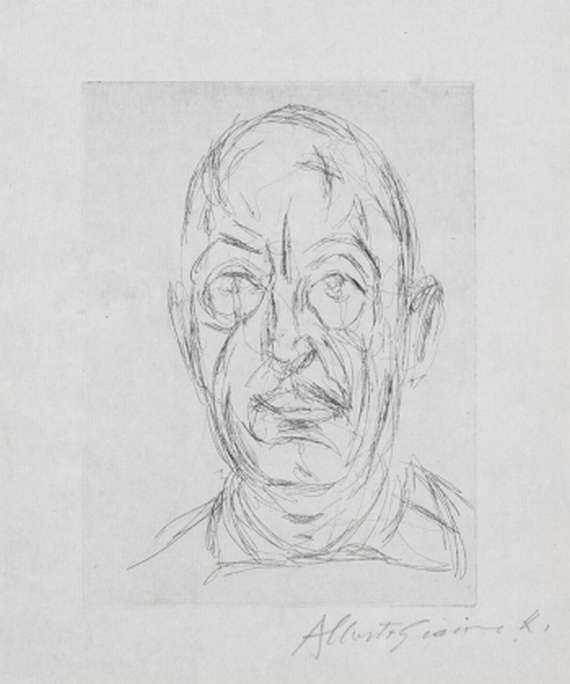
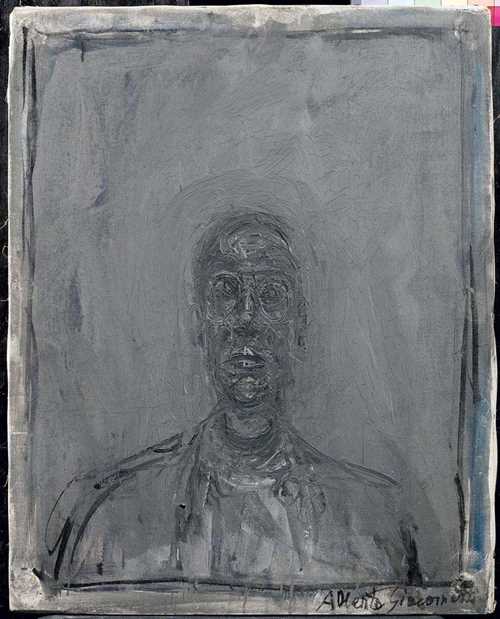
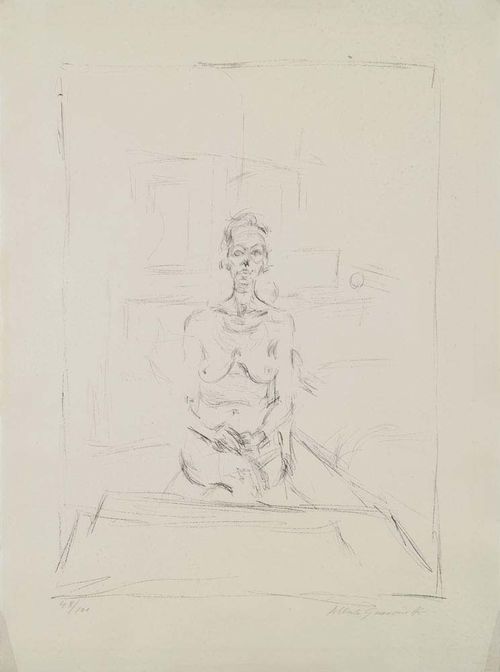
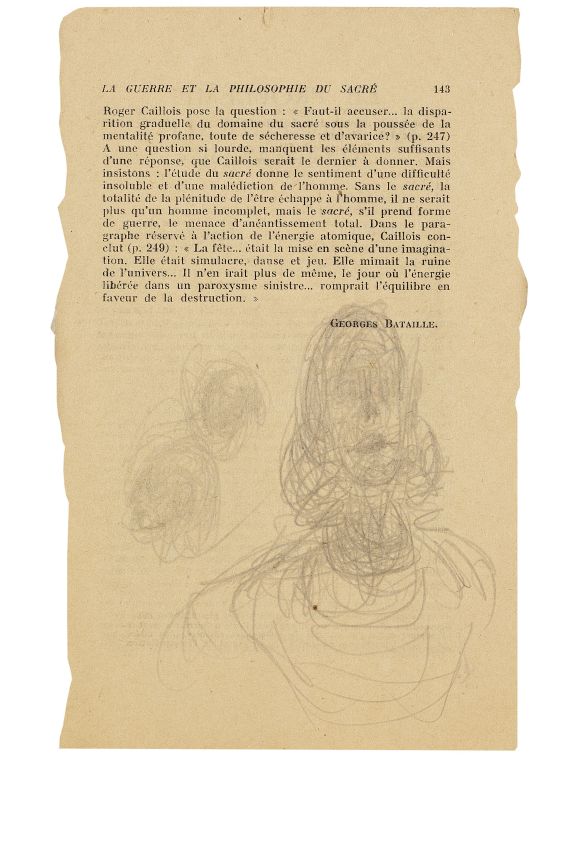
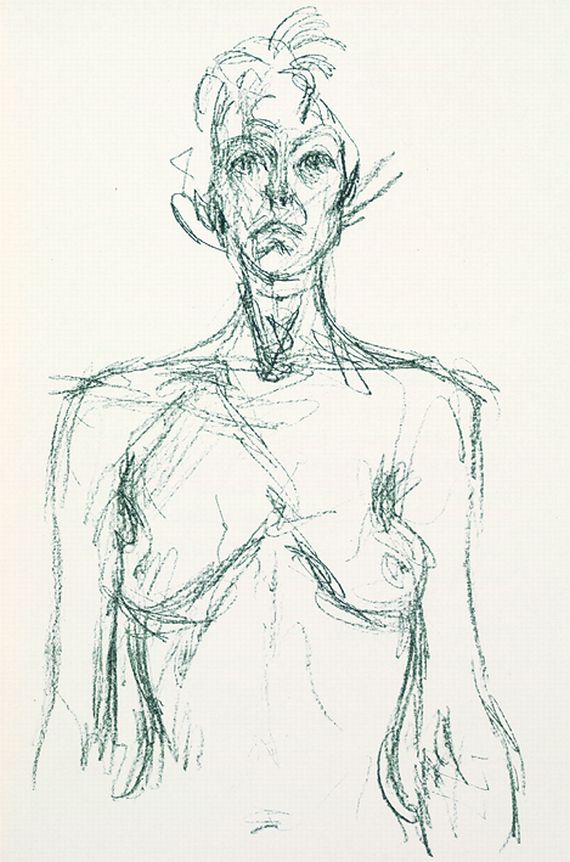
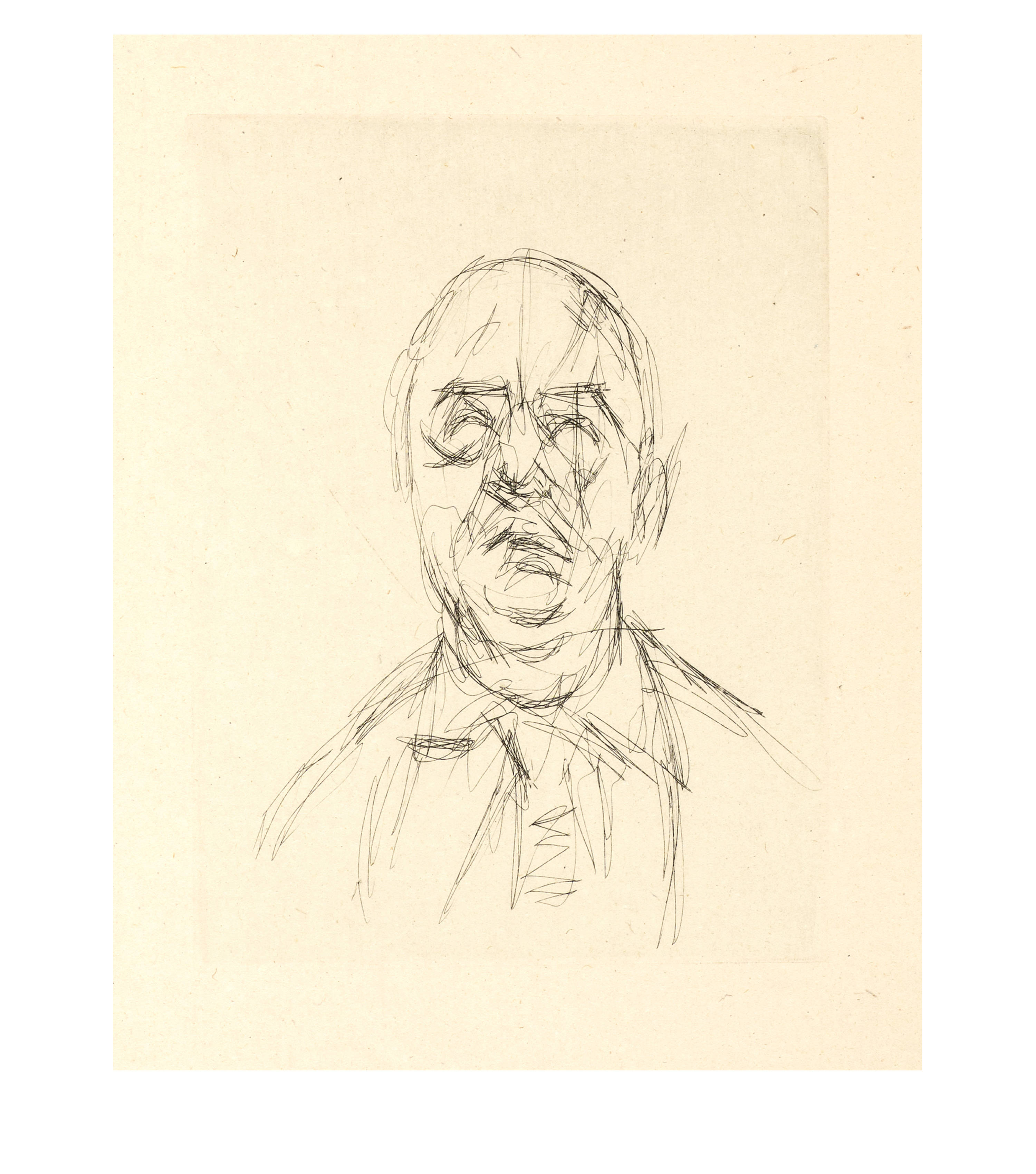
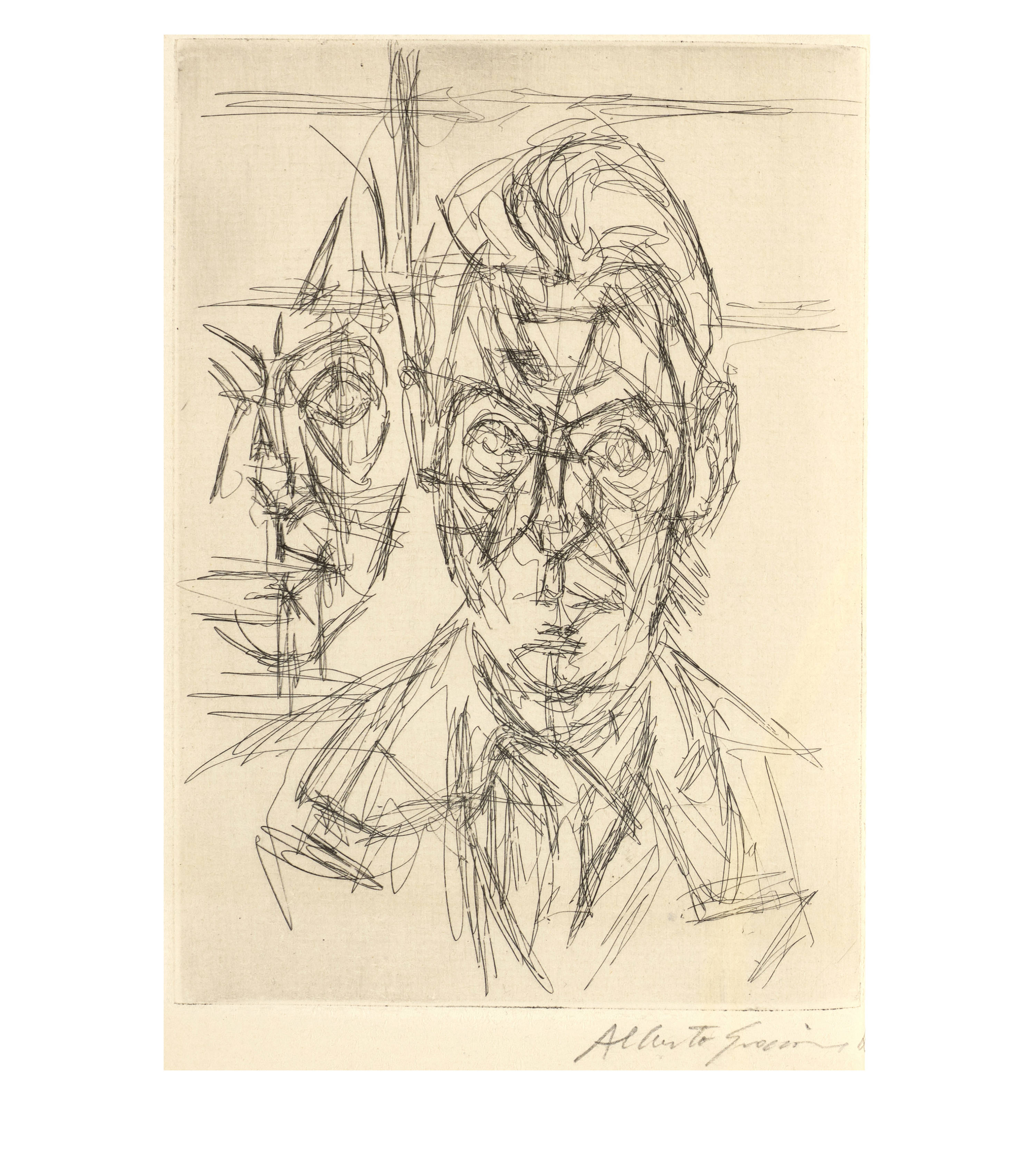
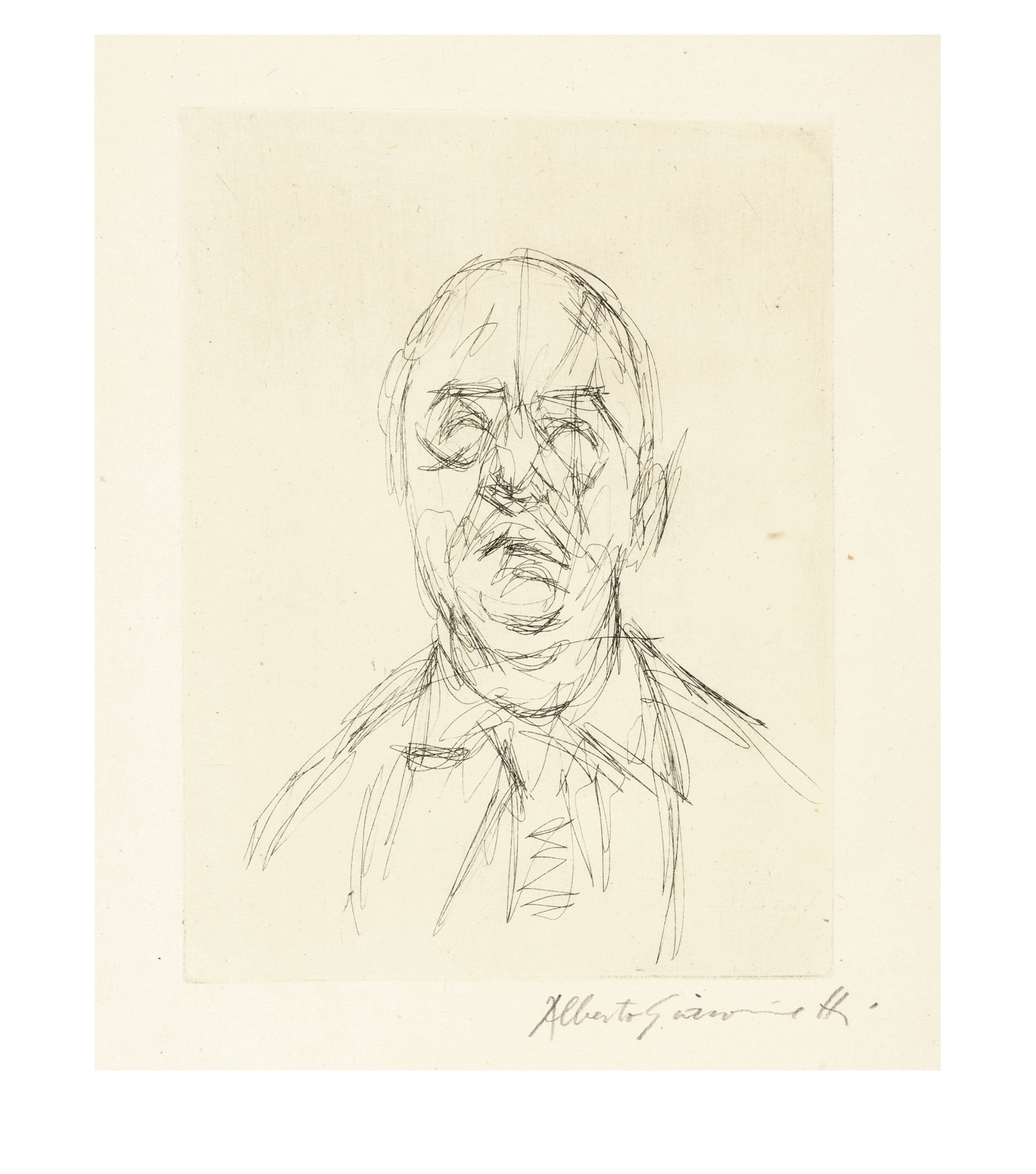
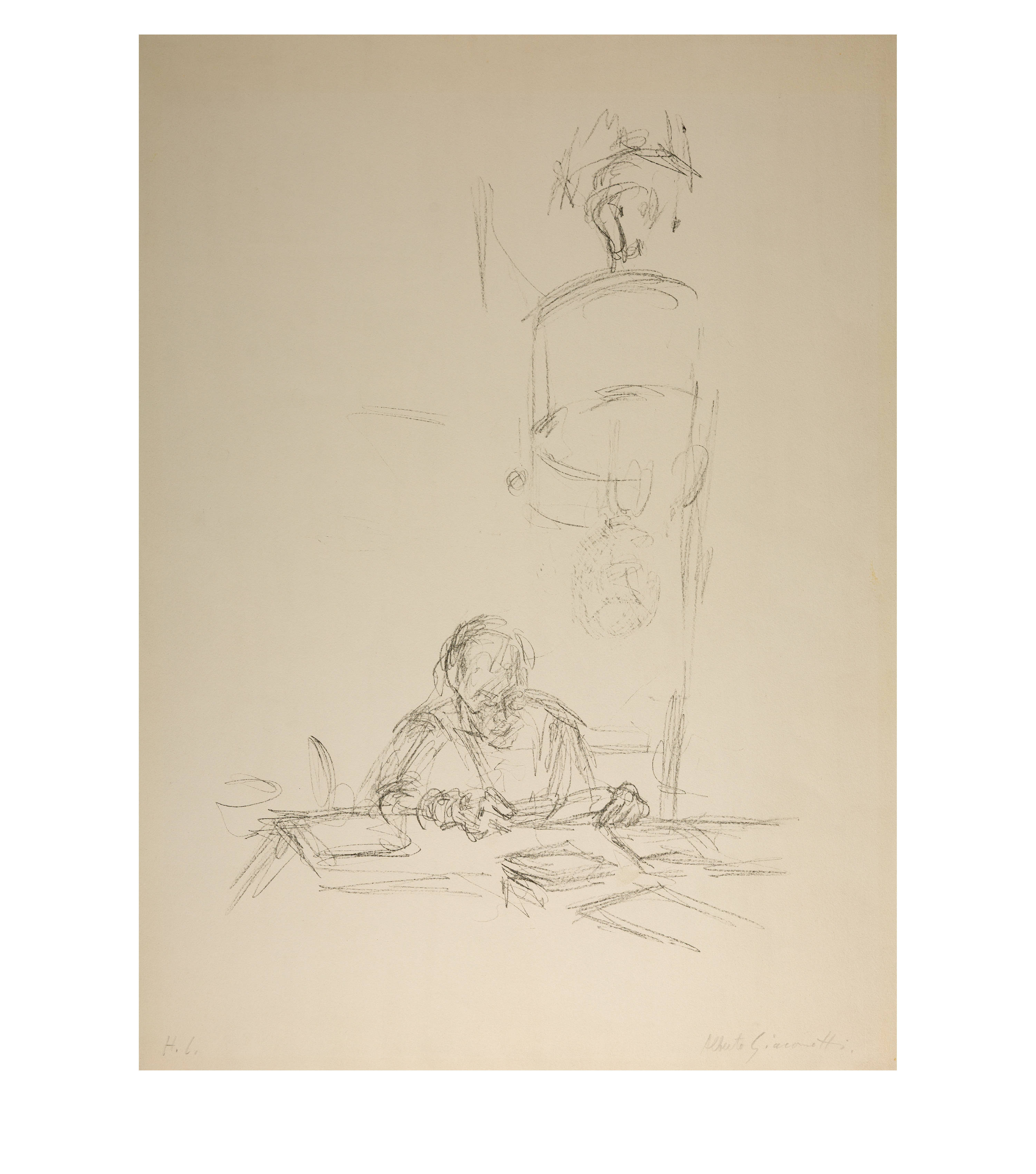
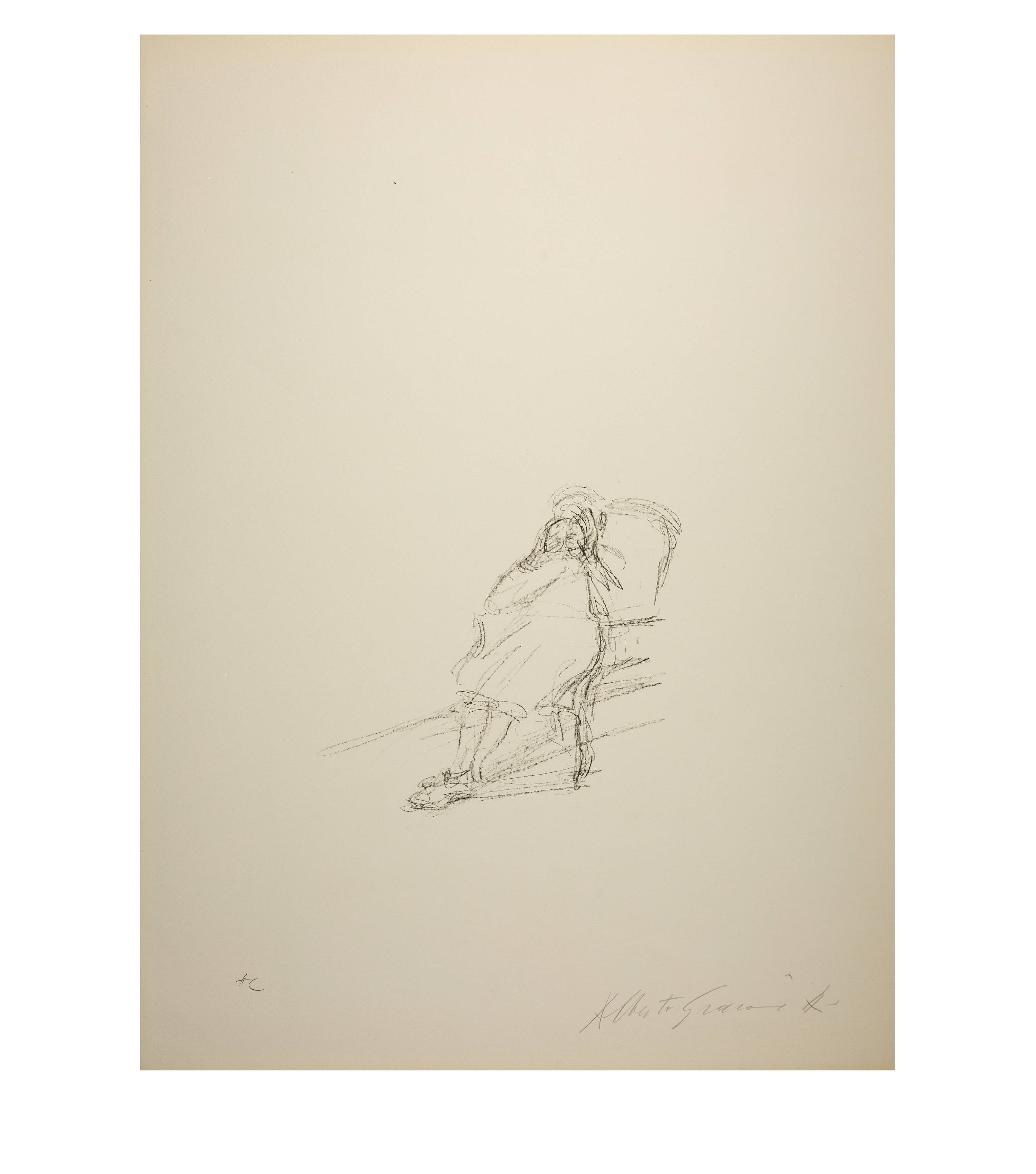
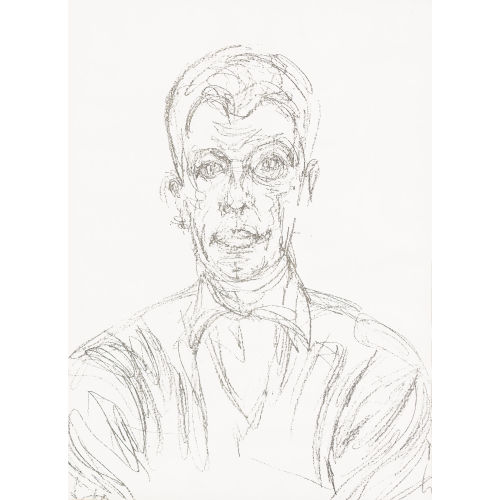
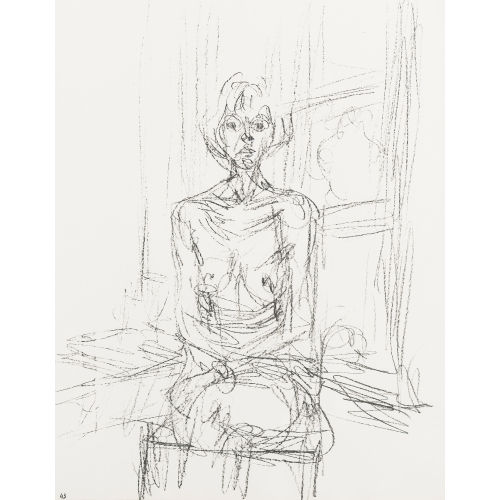
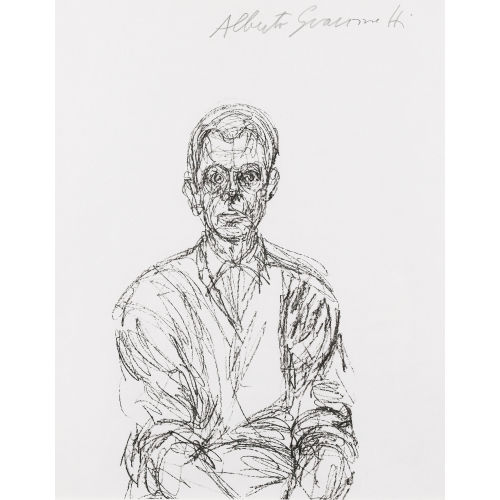
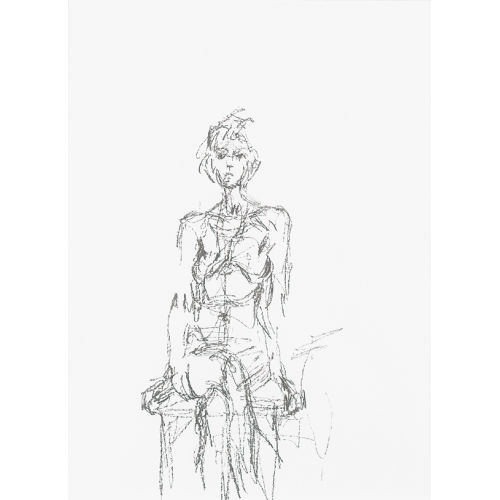
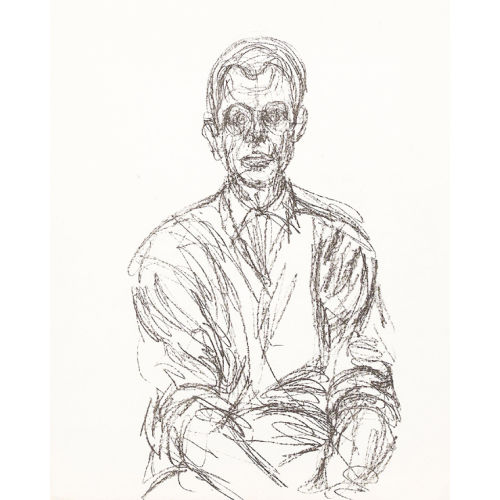
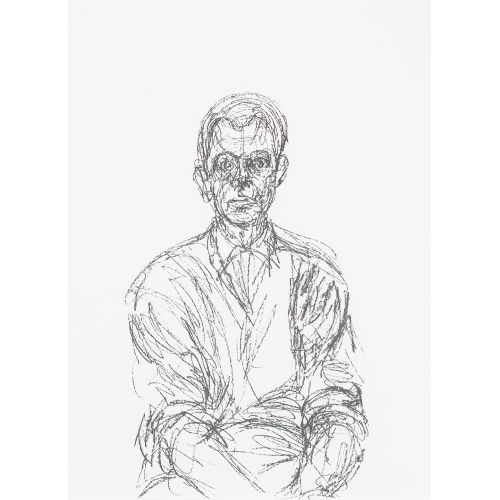
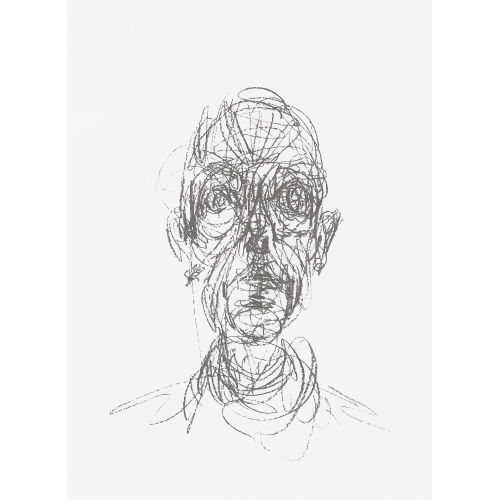
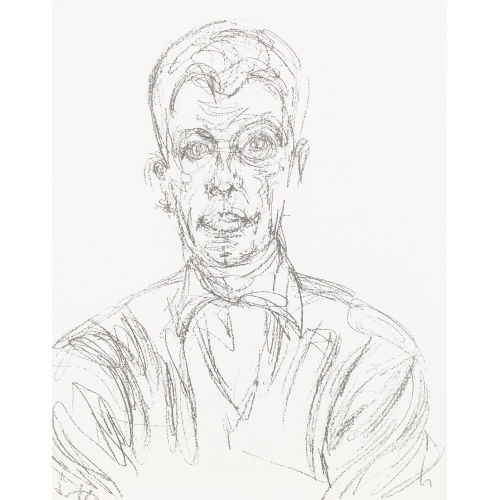
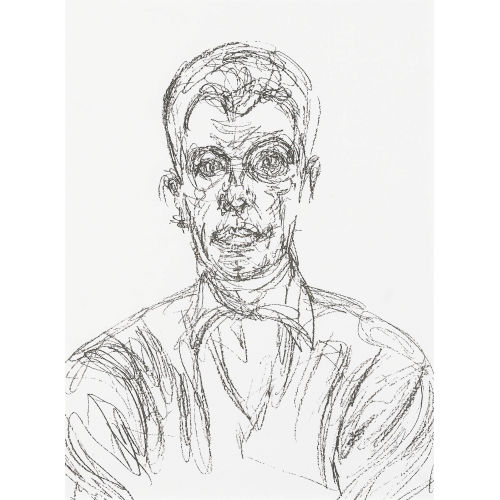
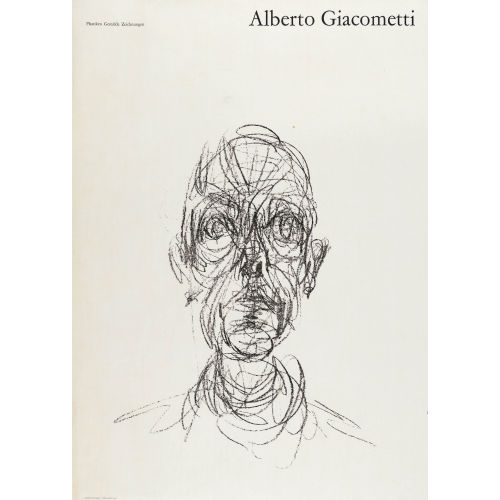
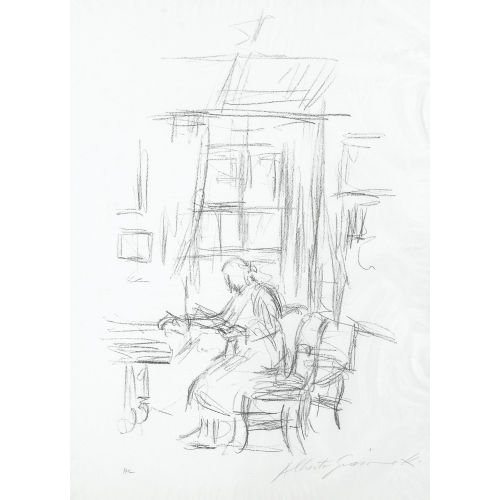
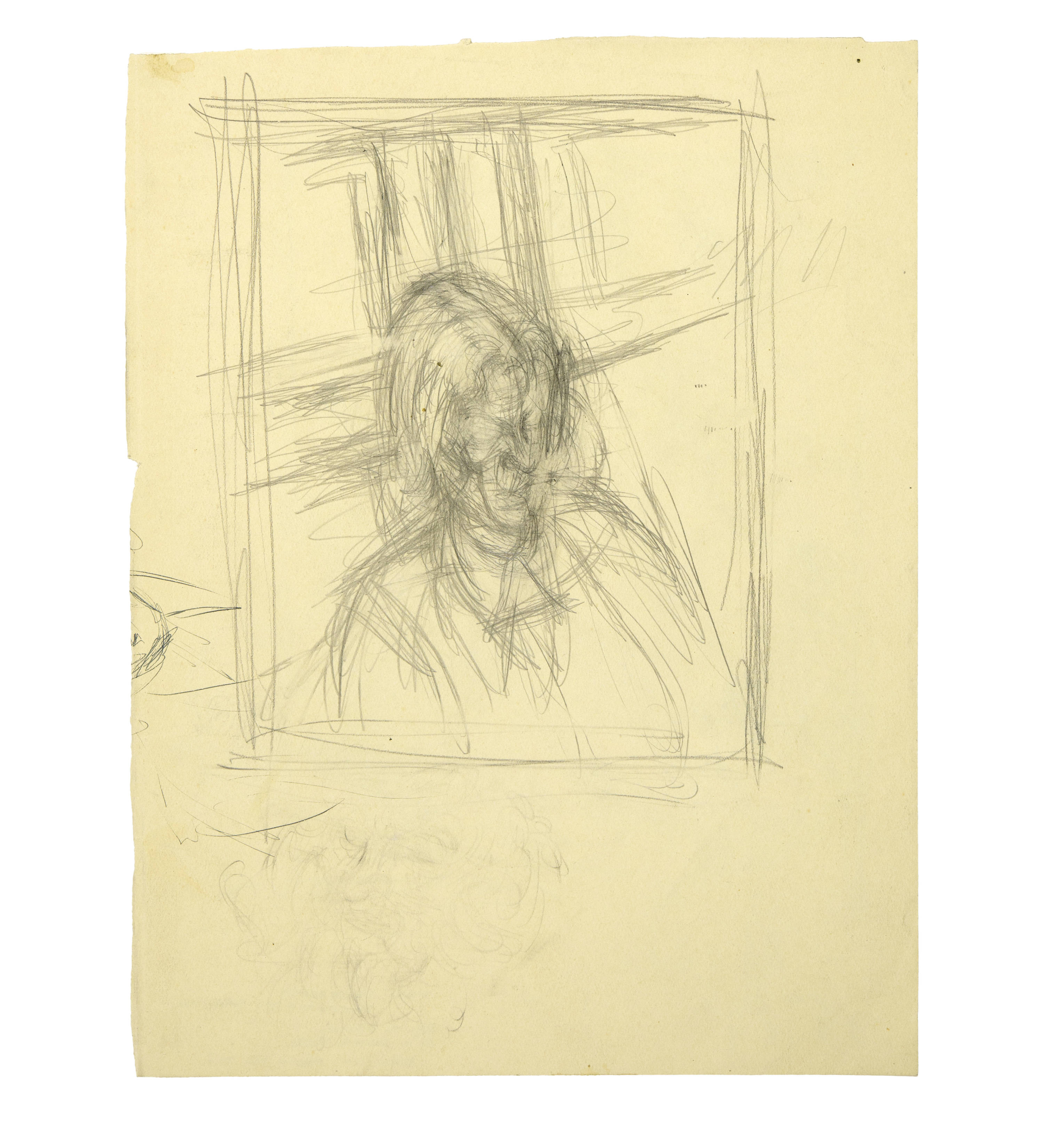
Painting occupies an essential place in this body of work. His wife Annette and Diego were among his preferred models. The long sittings sought more than a recognisable likeness: Giacometti attempted to convey an ever-changing presence.
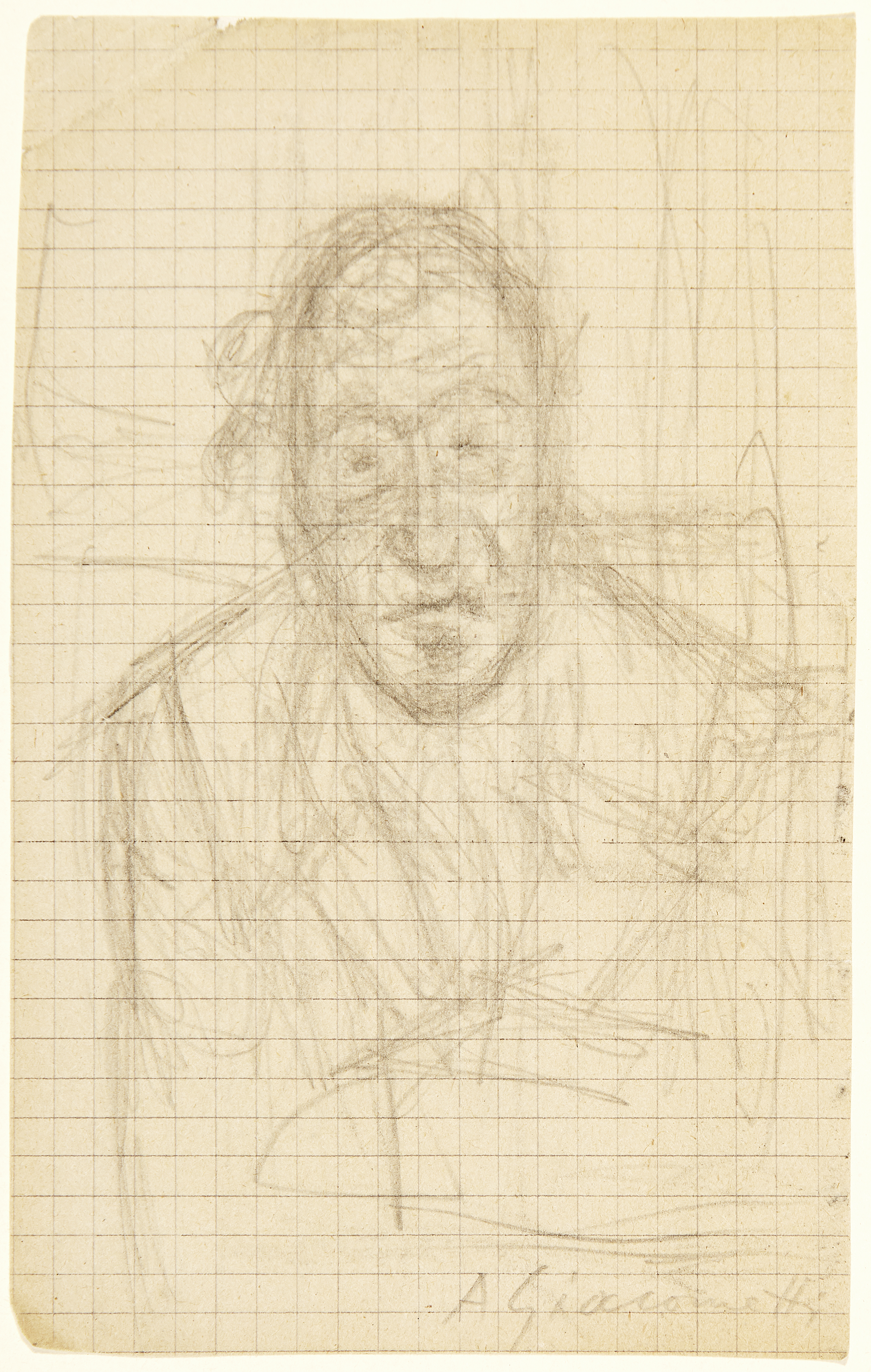
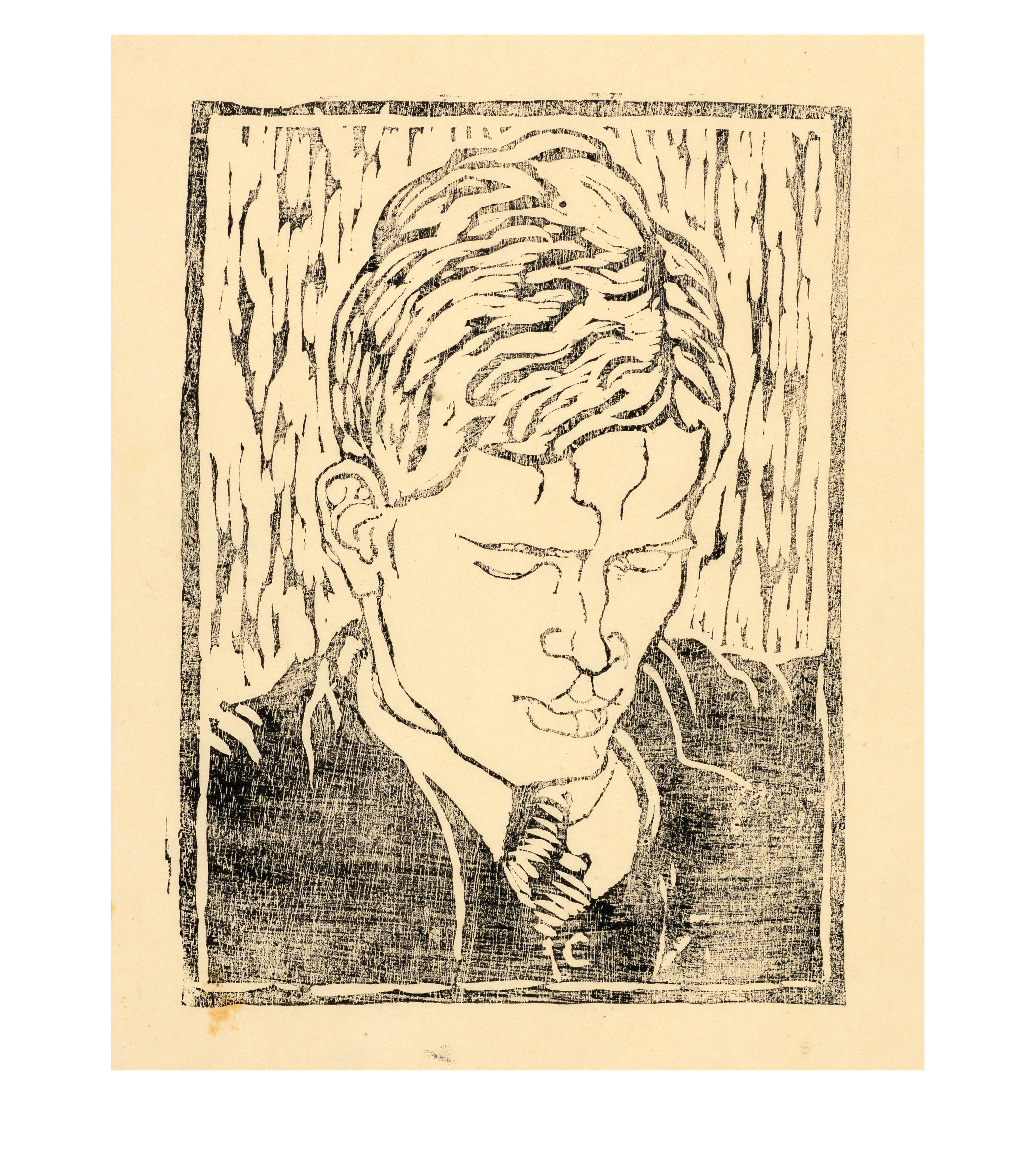
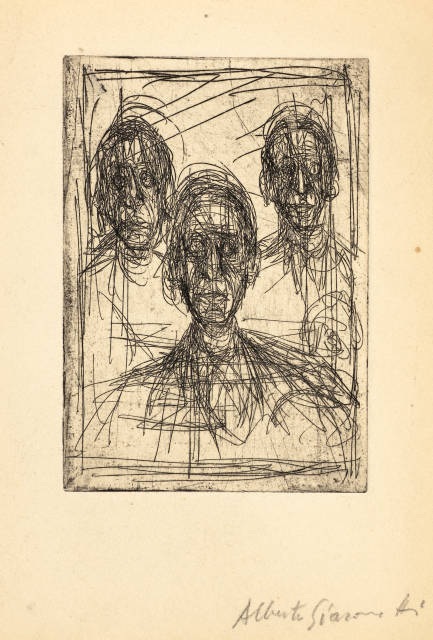
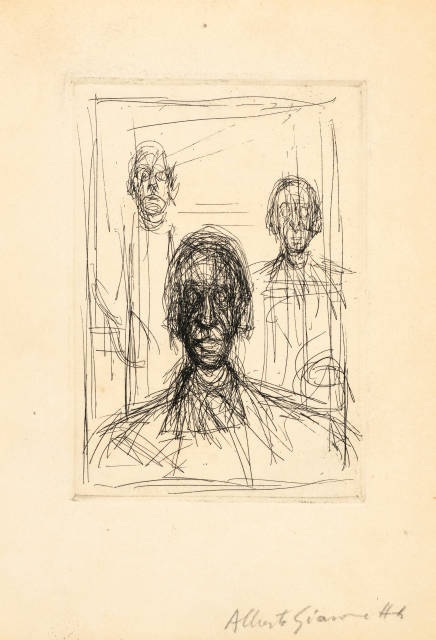
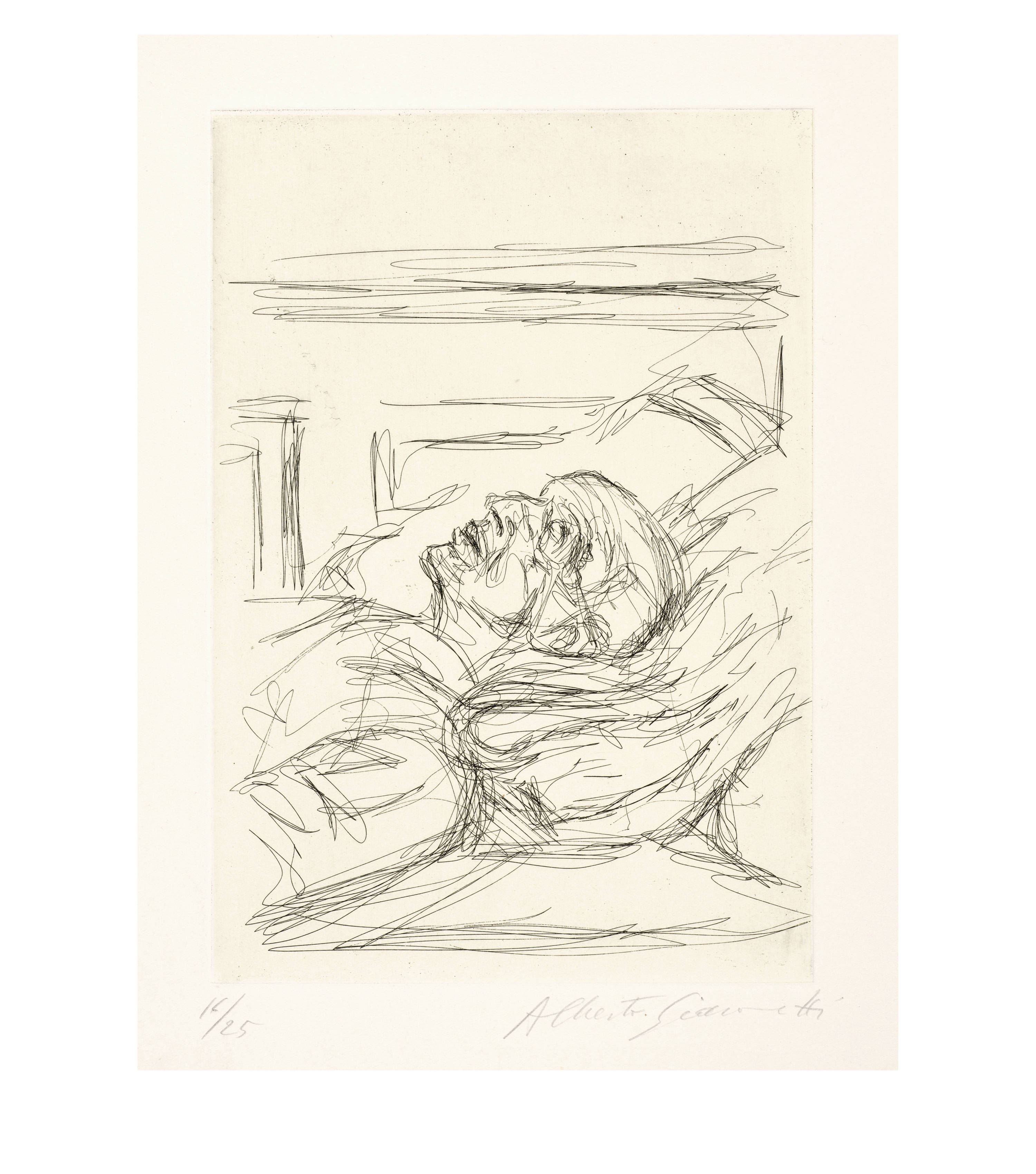
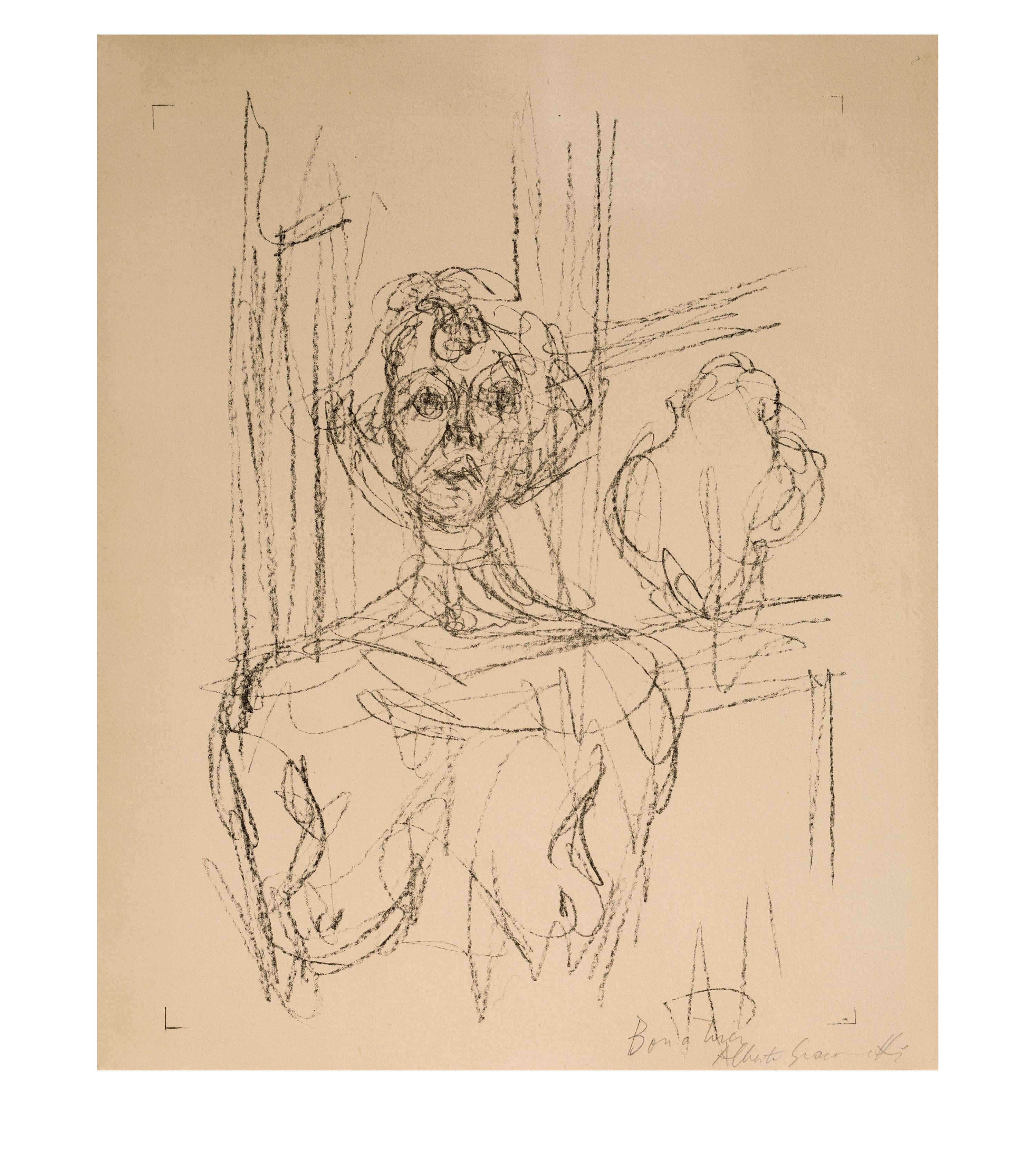
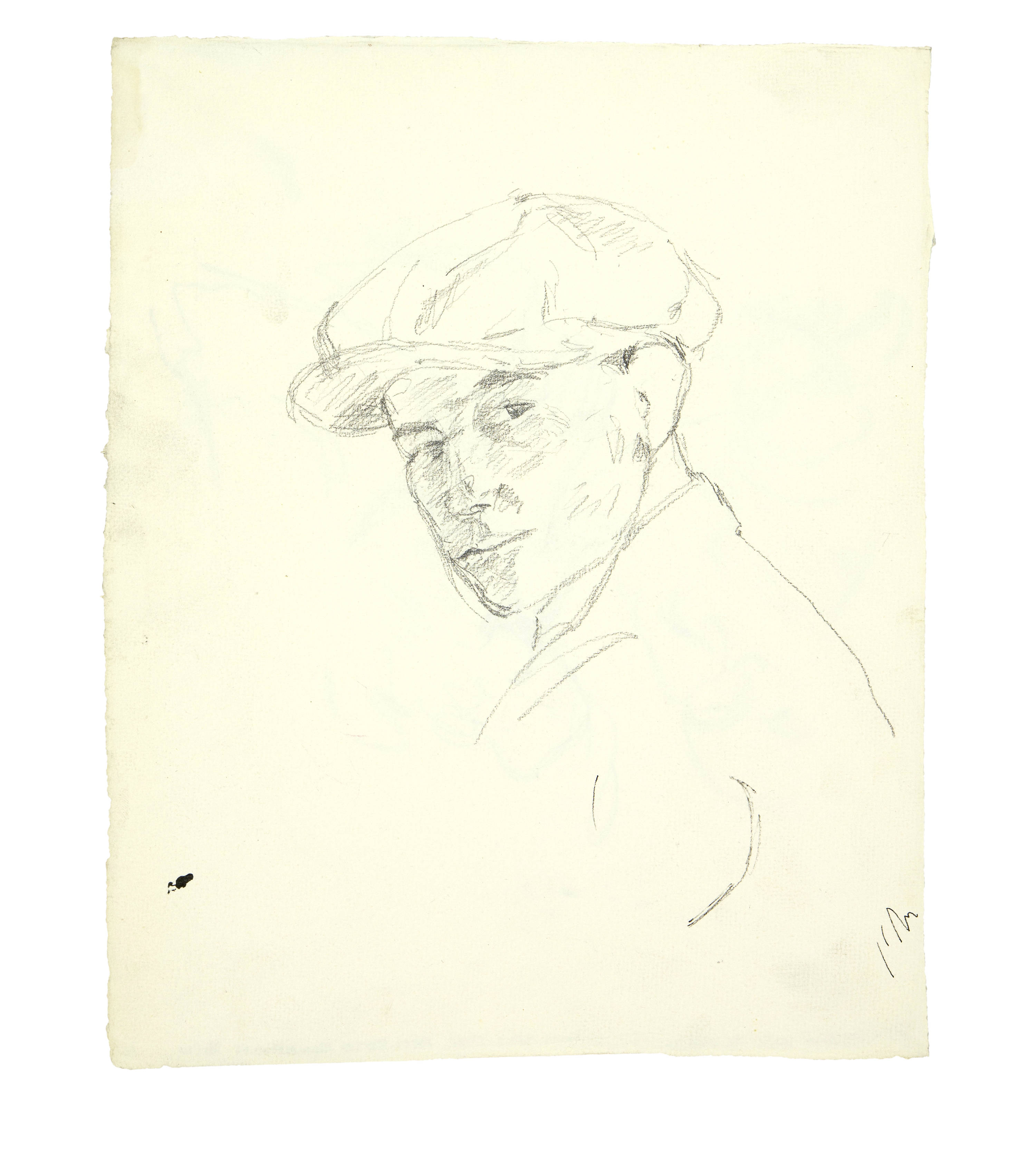
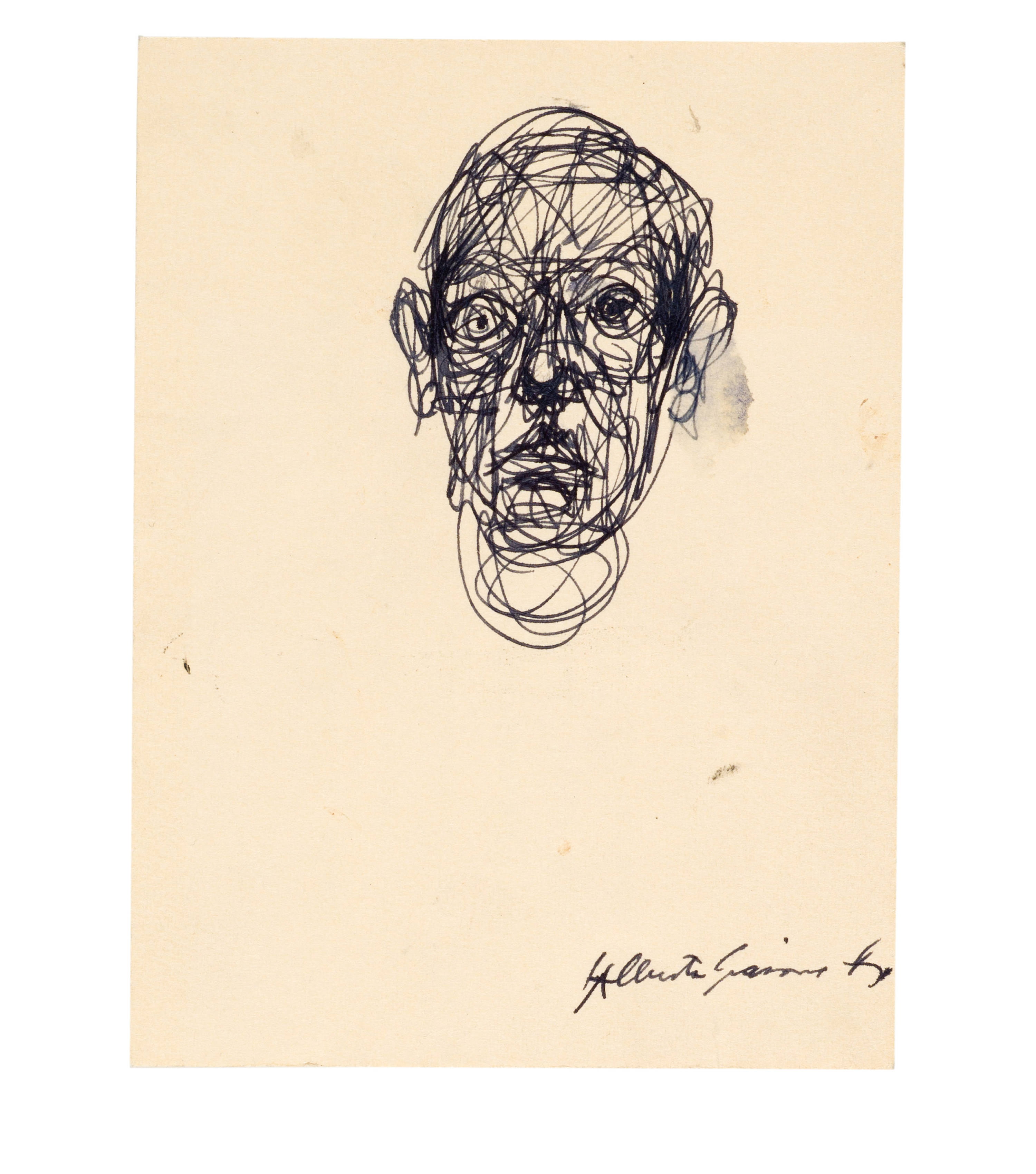
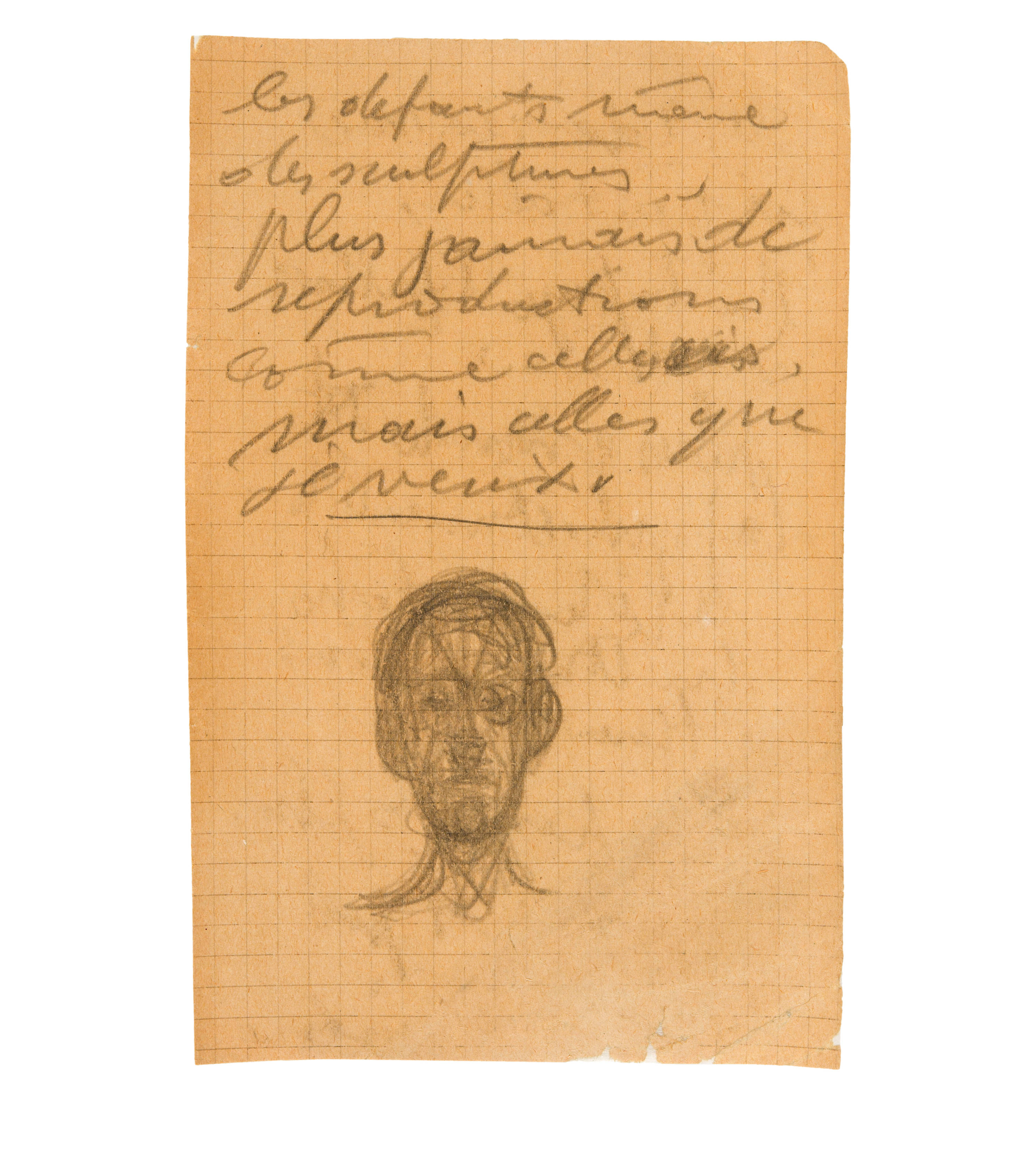
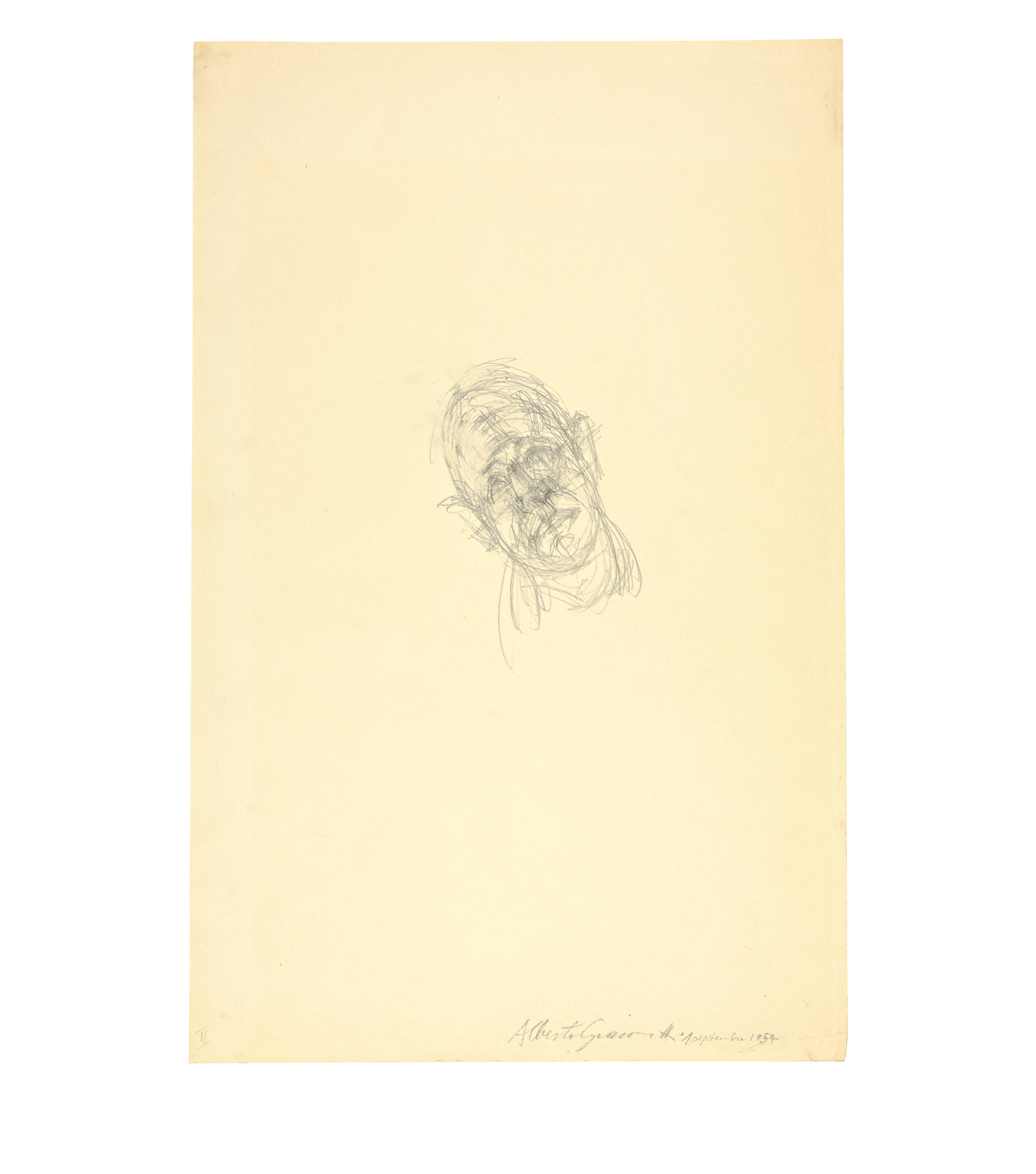
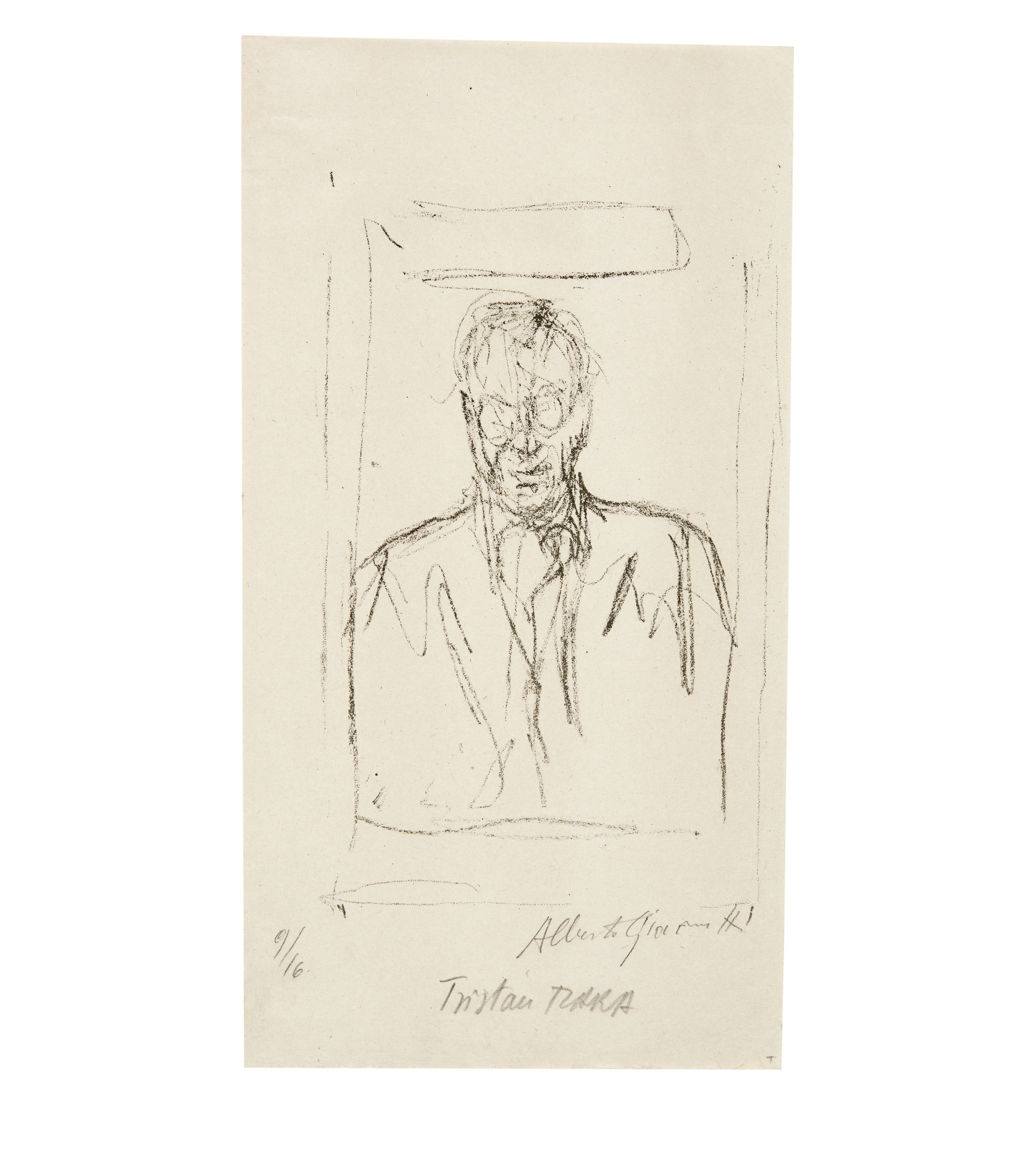
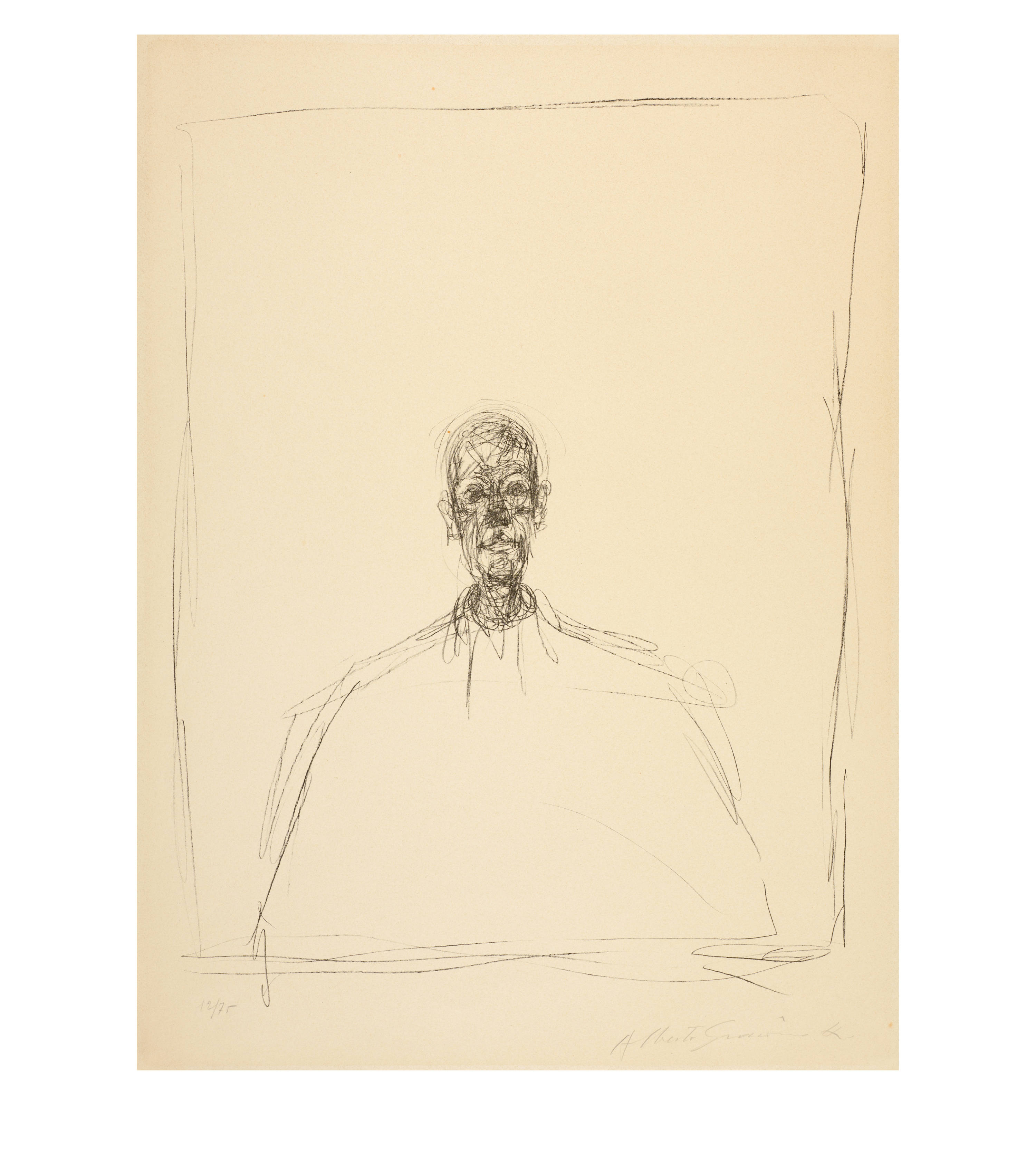
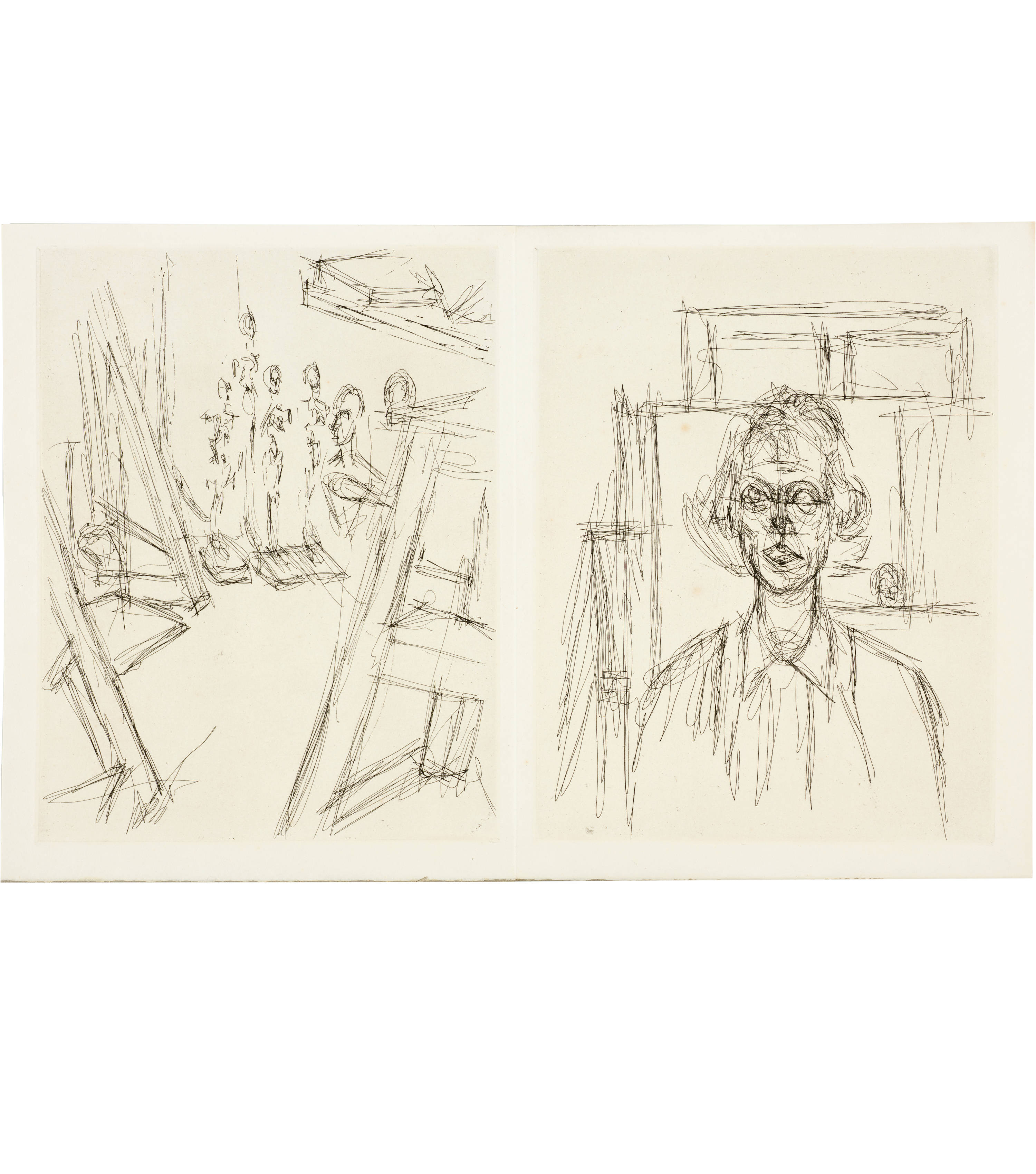
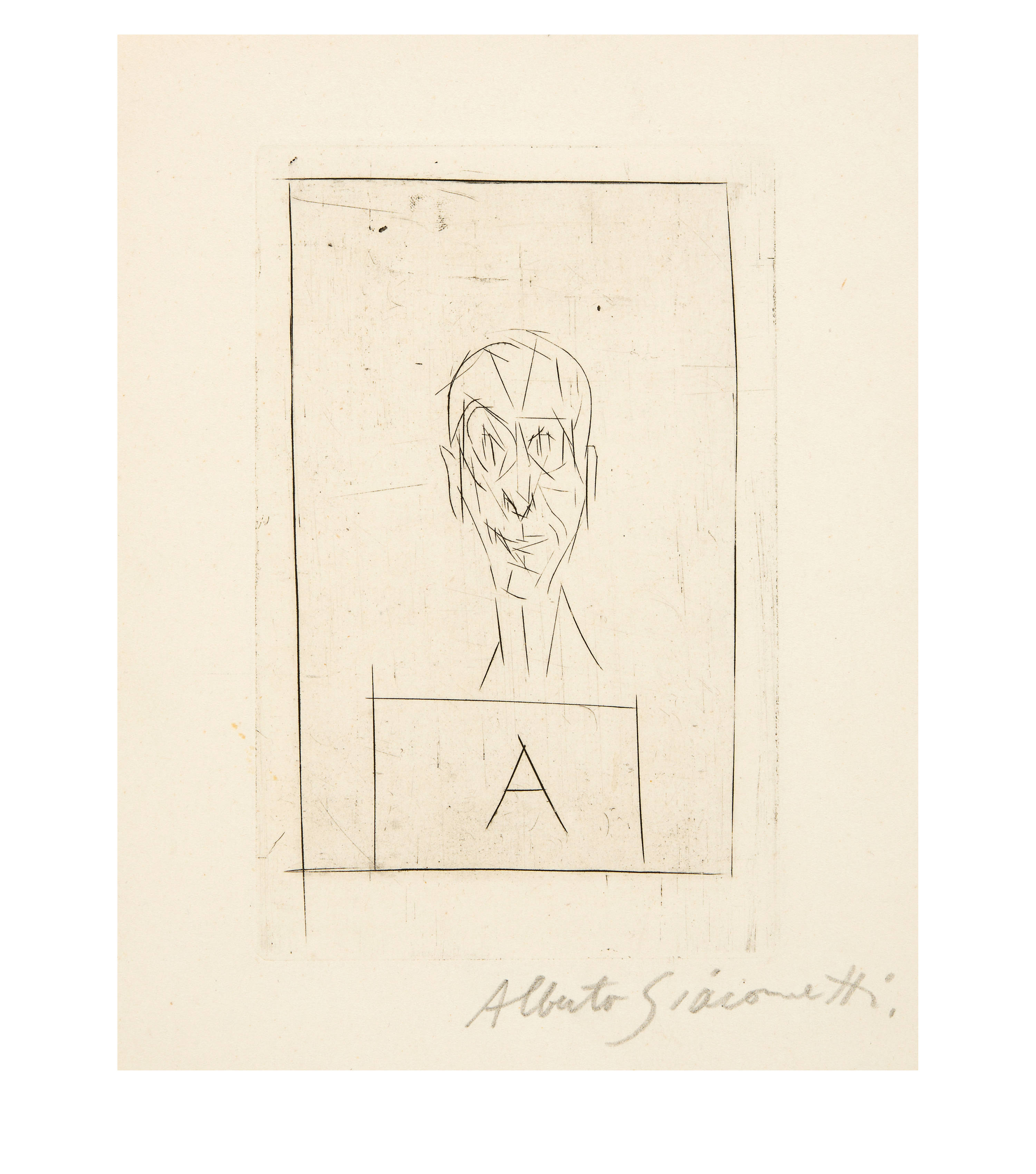
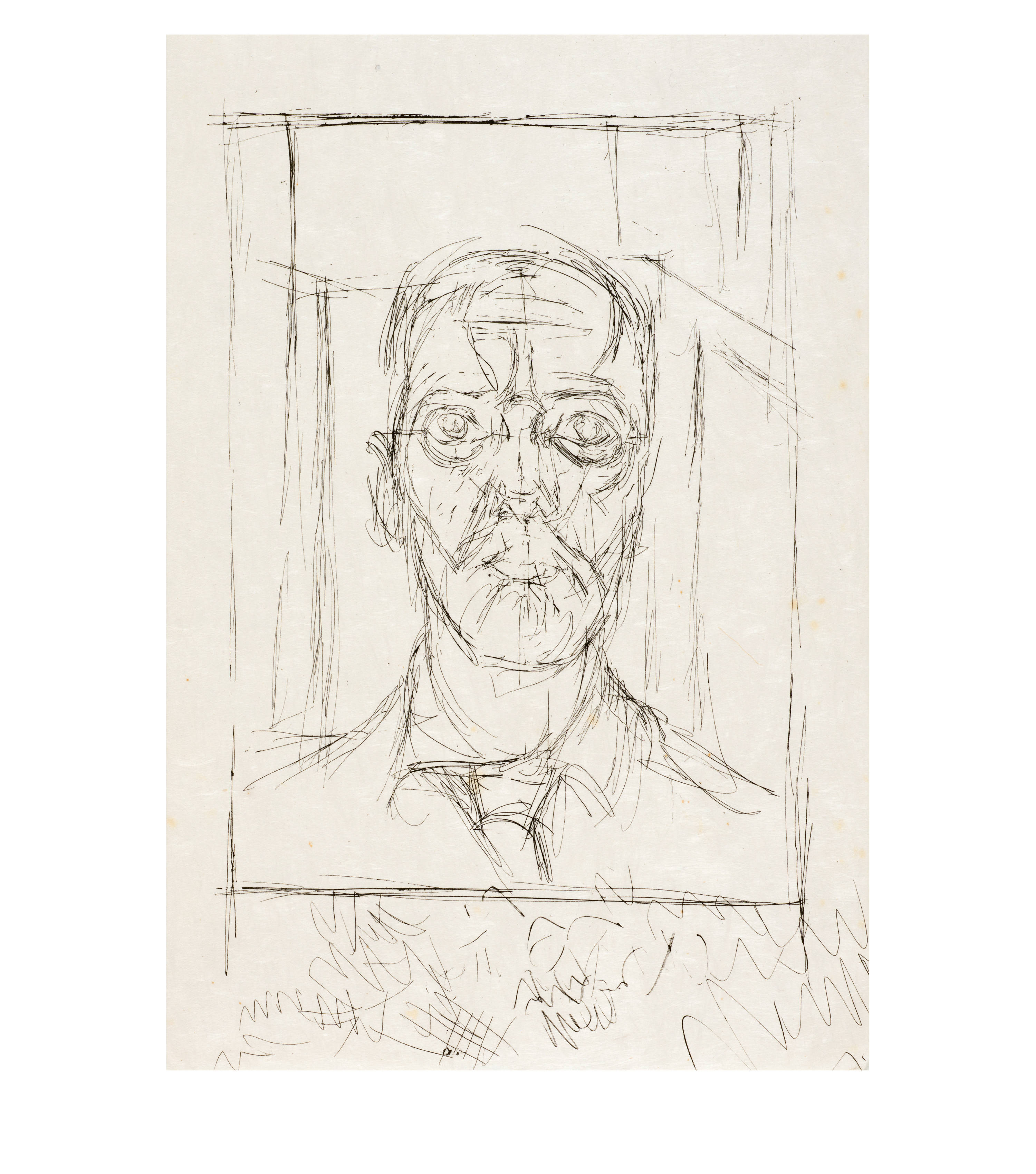
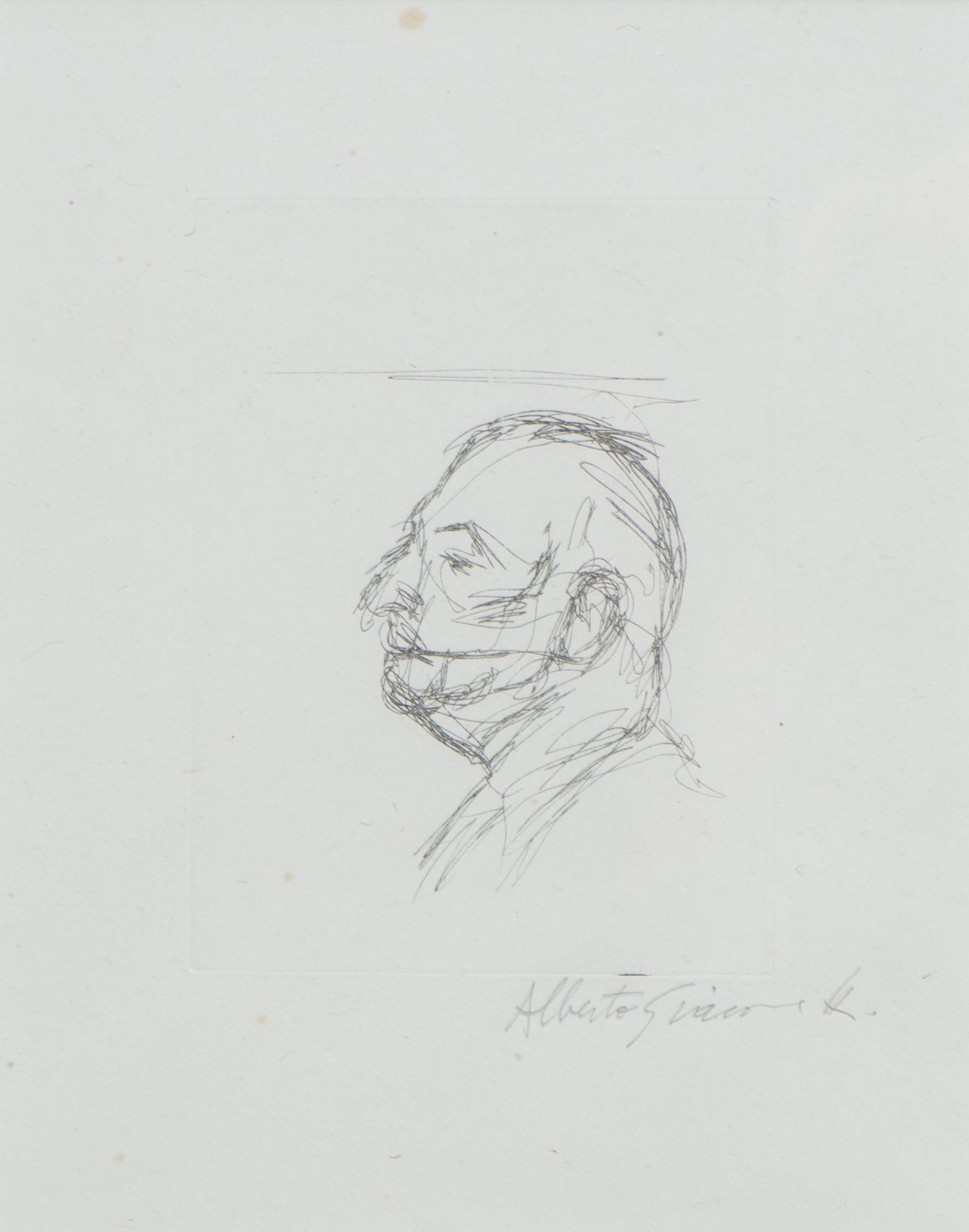
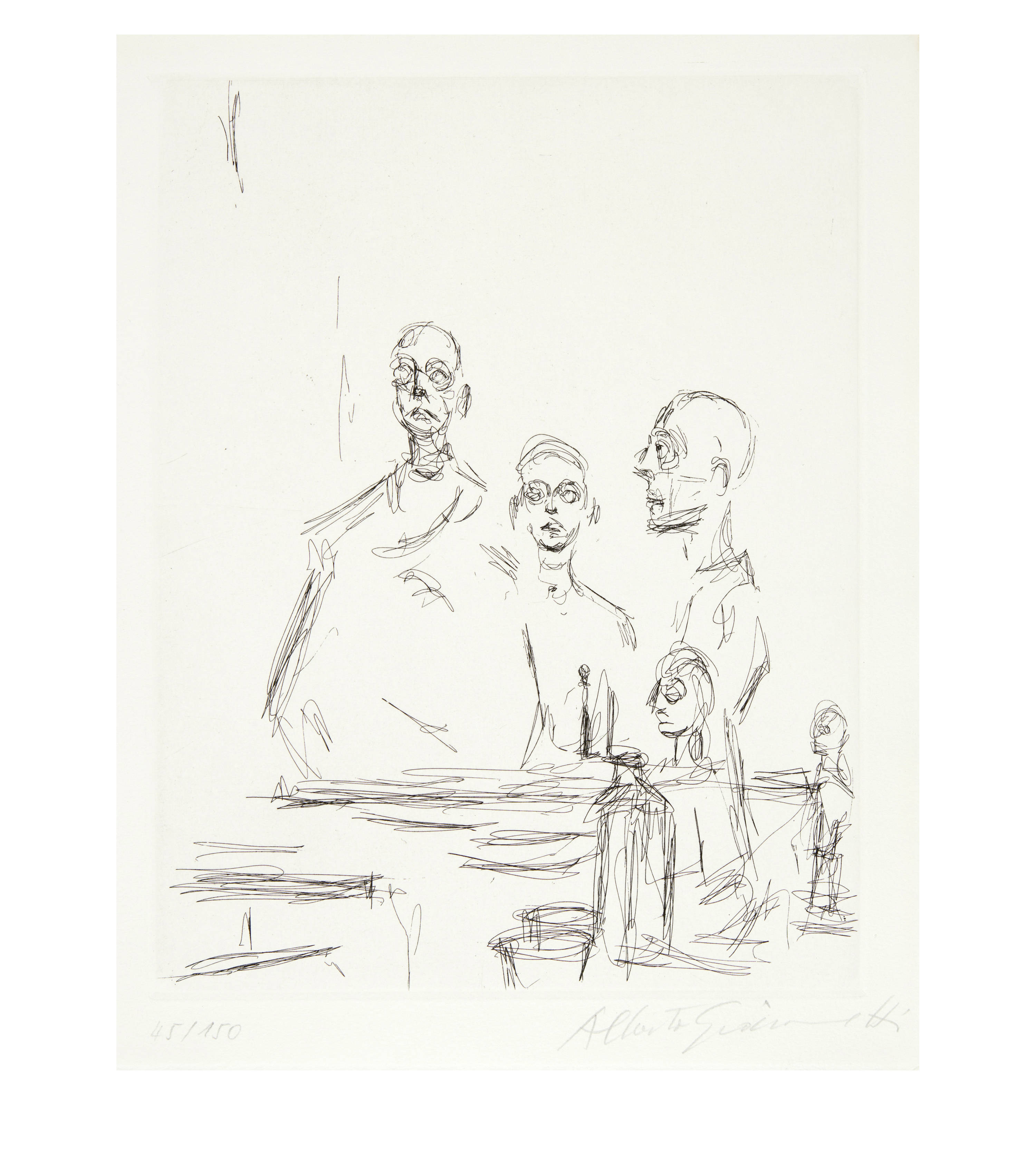
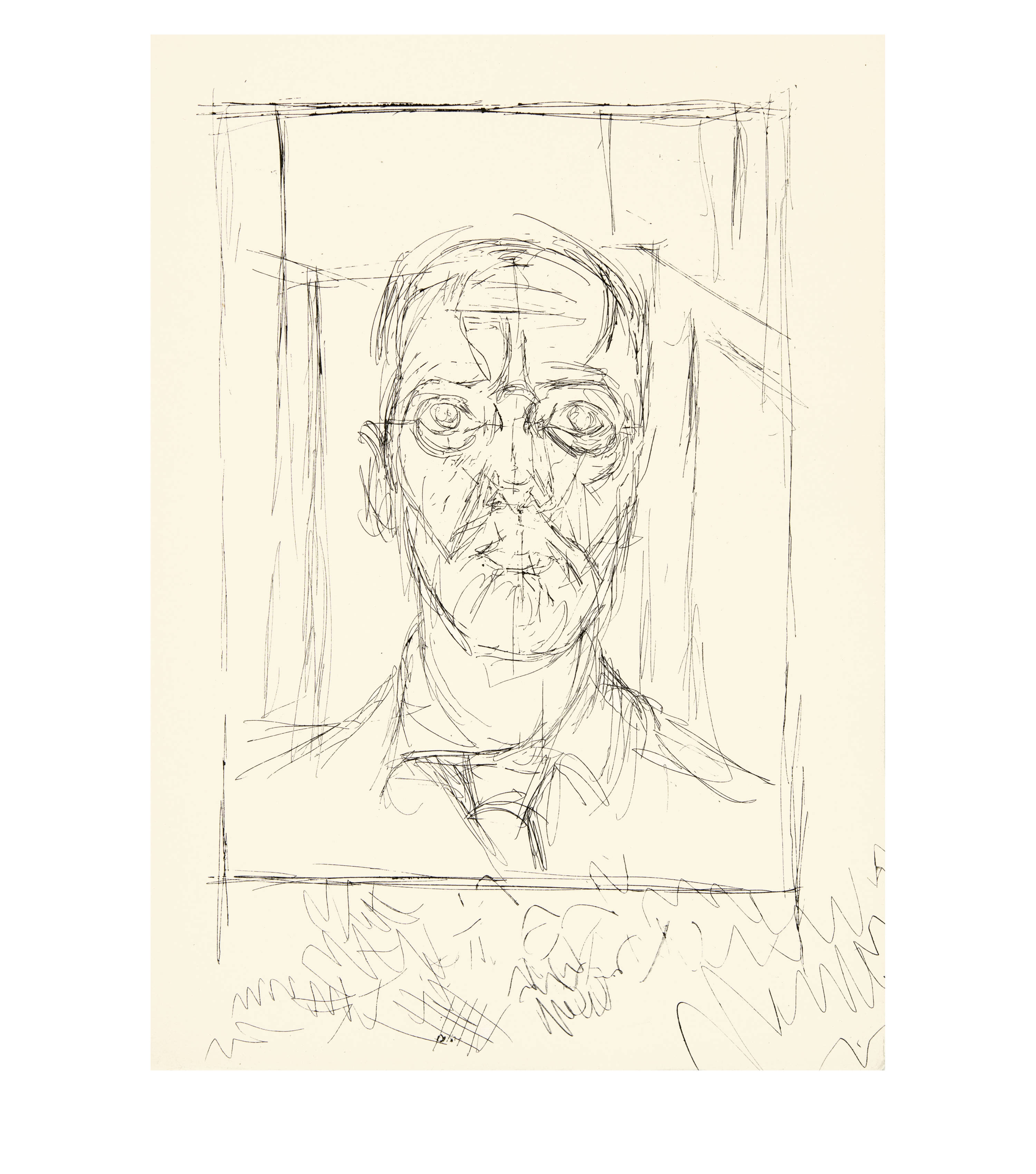
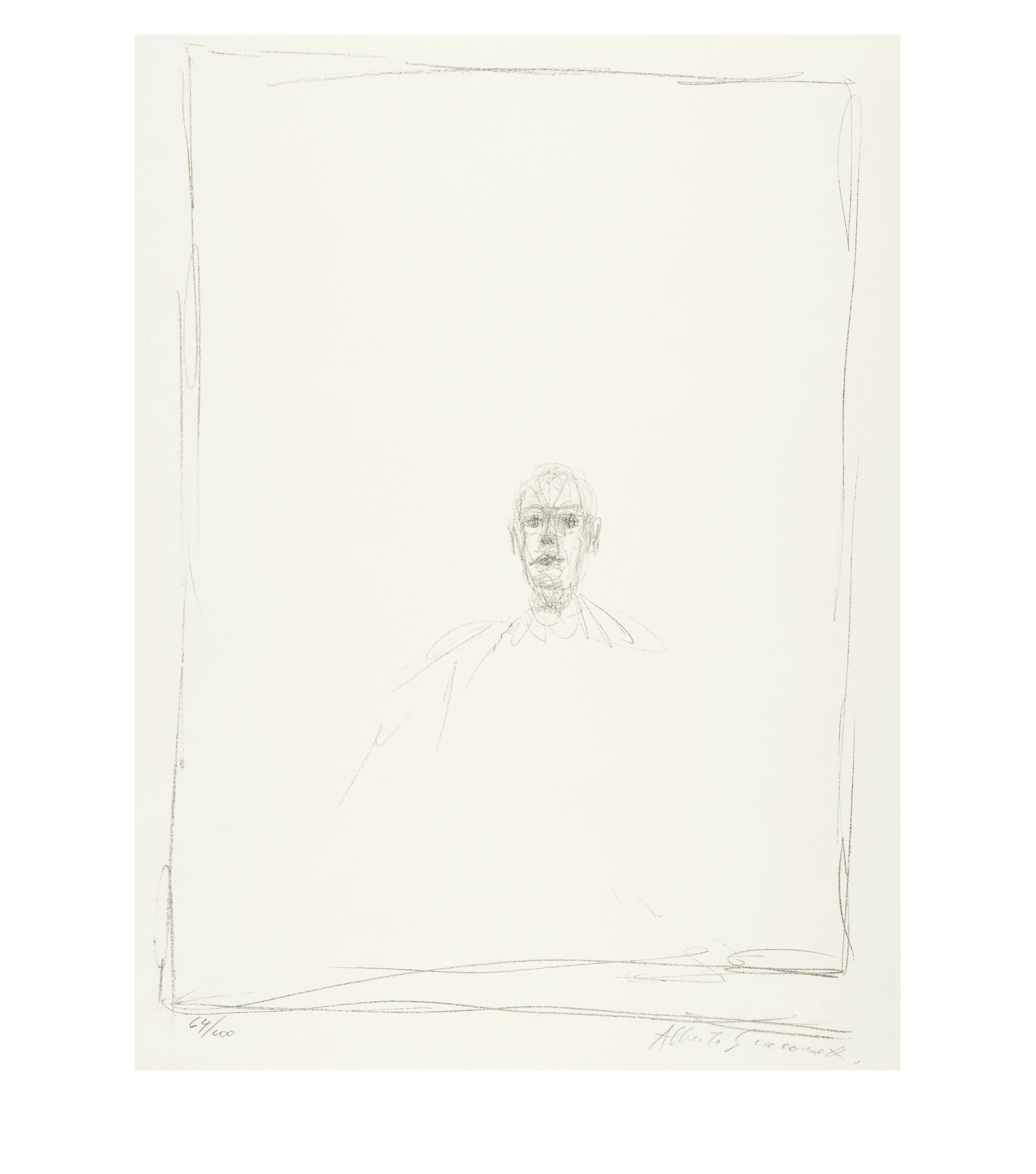
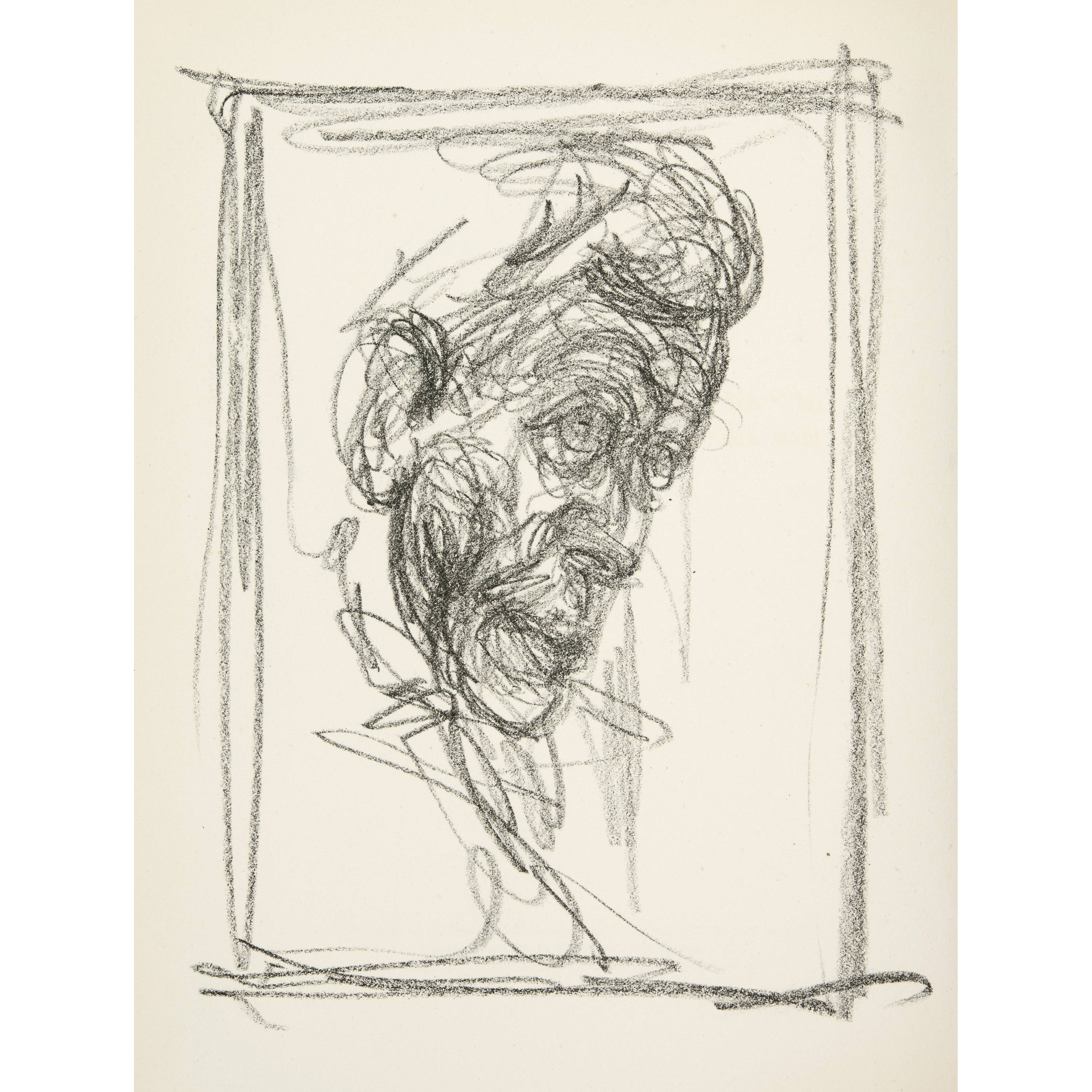
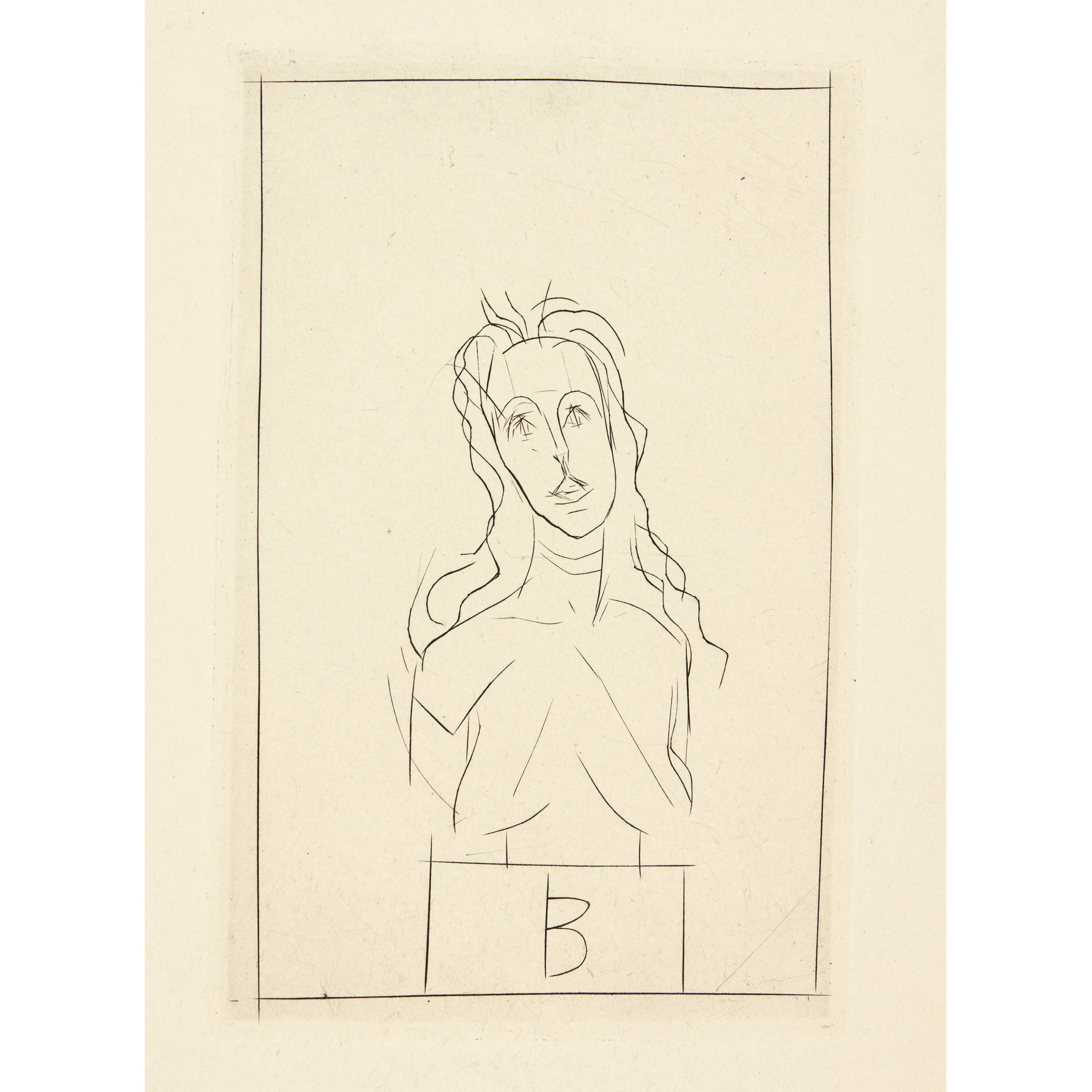
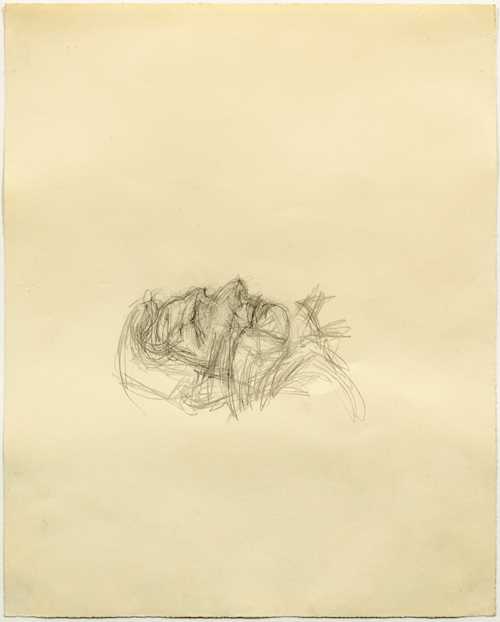
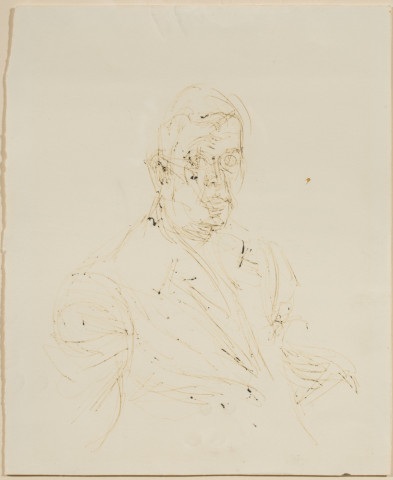
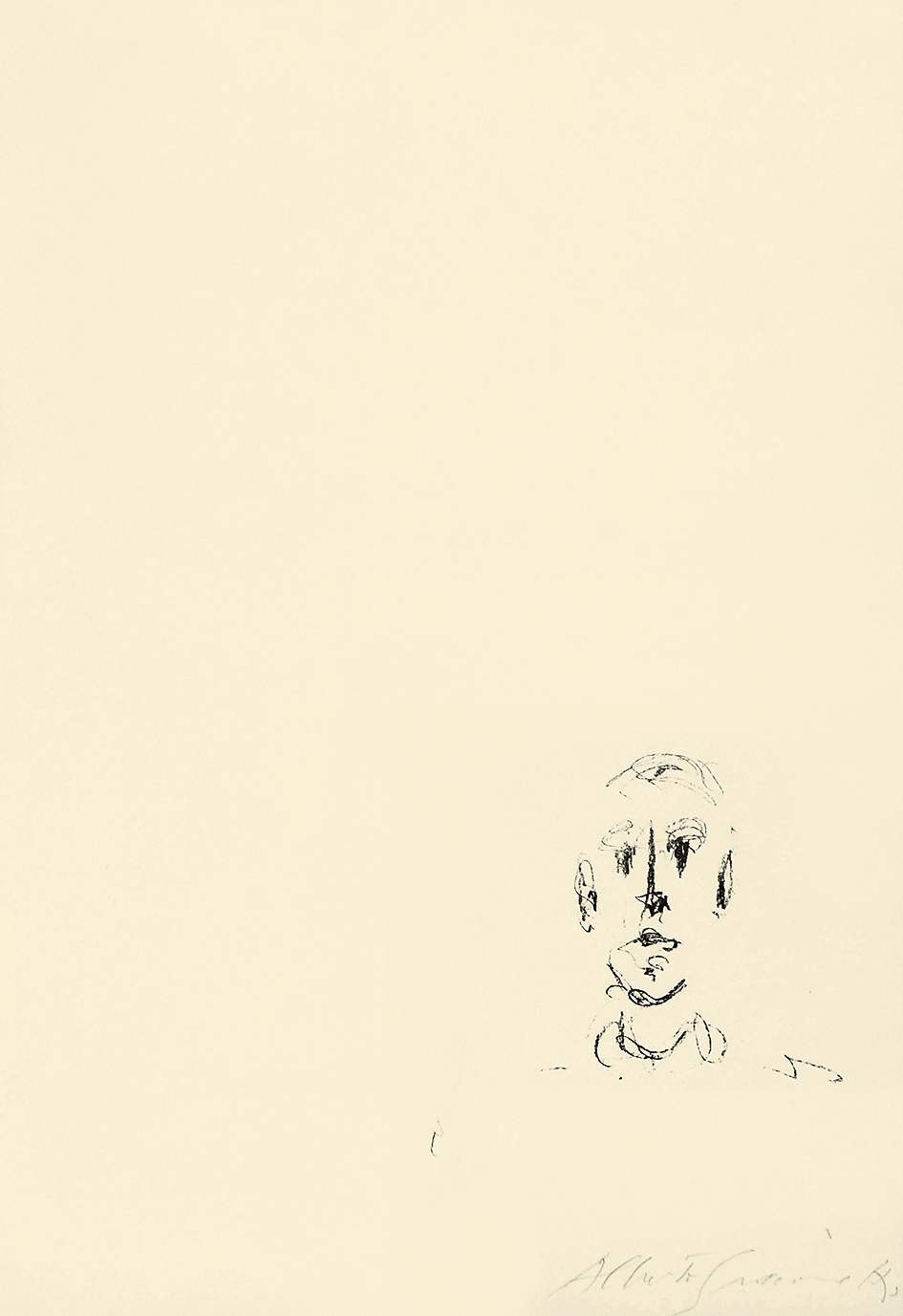
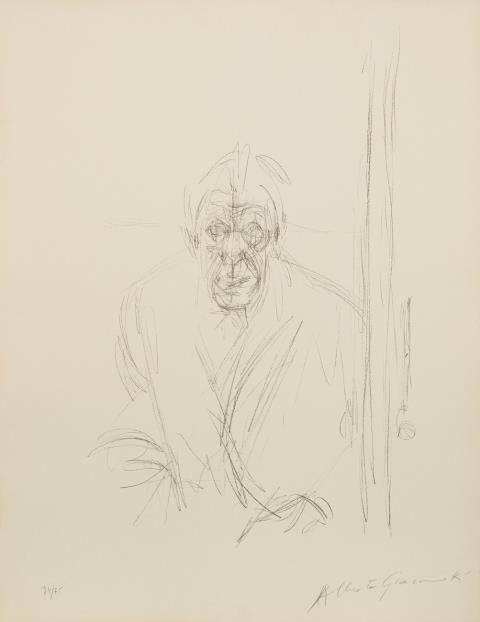
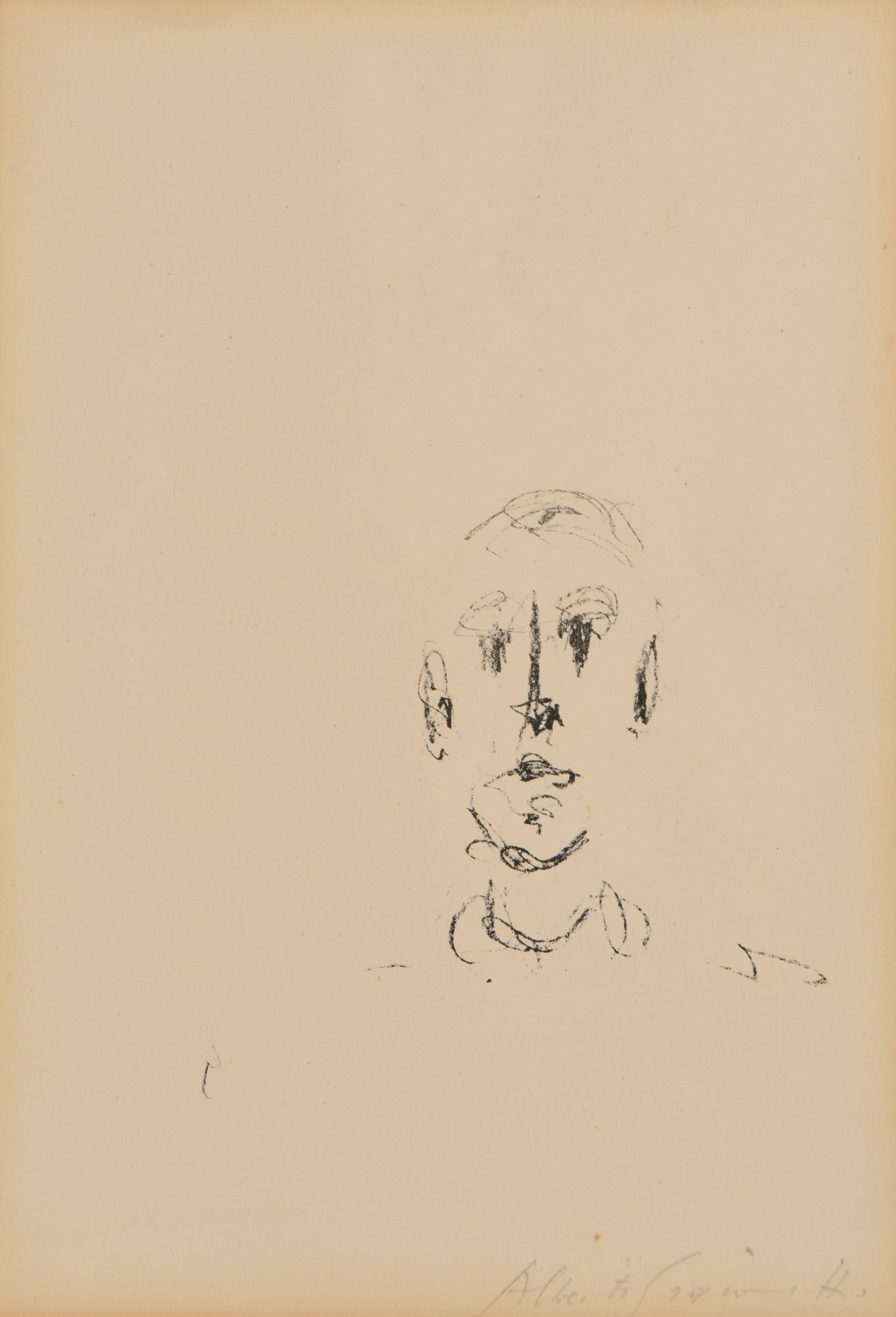
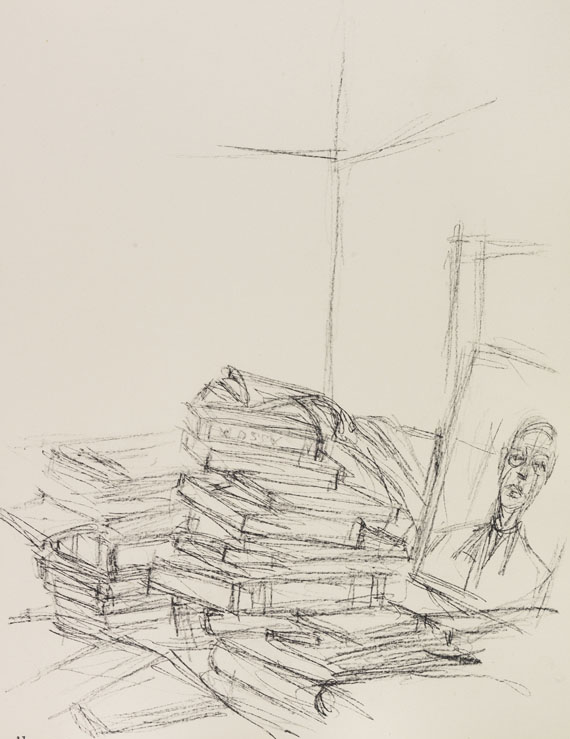
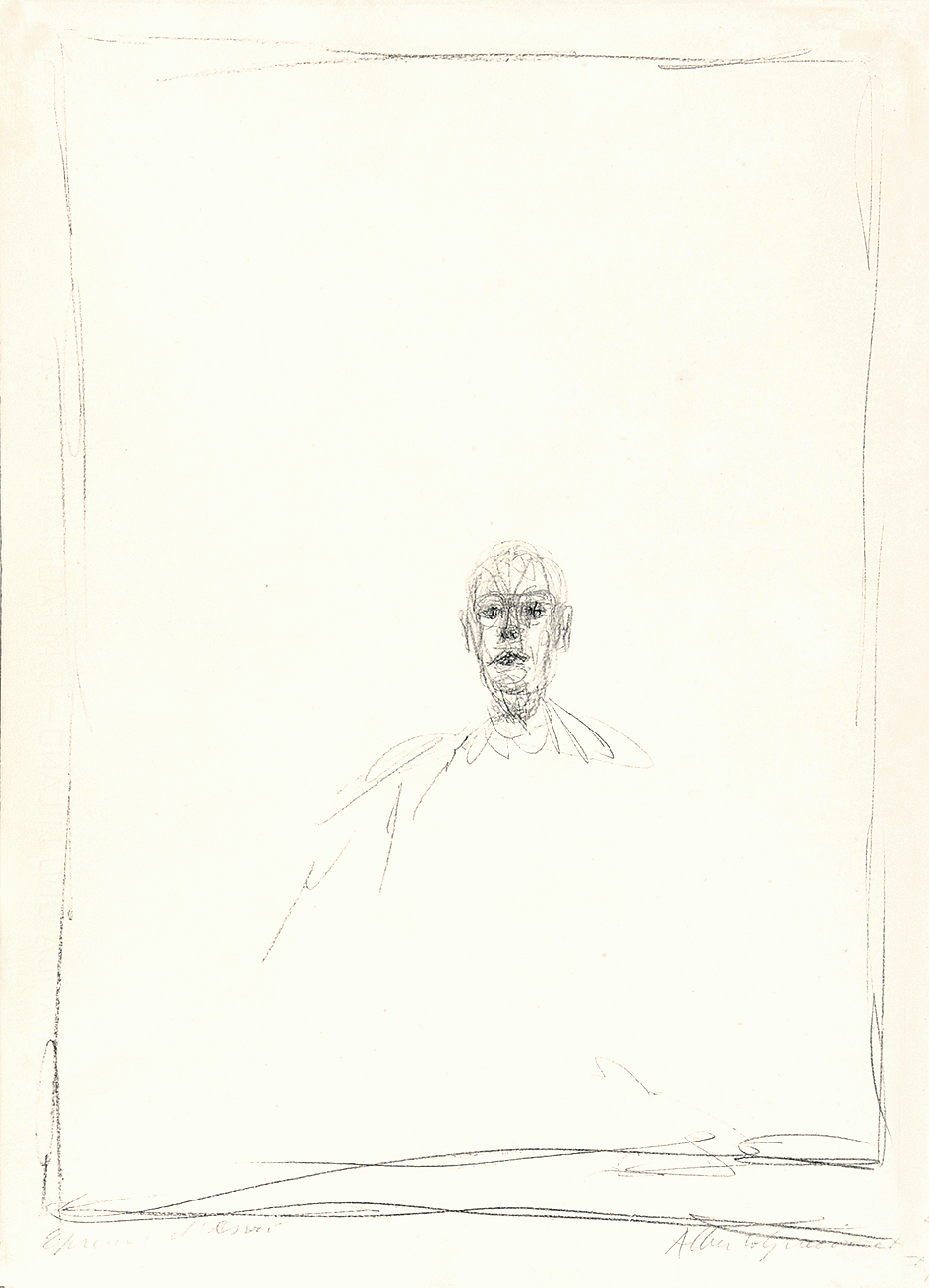
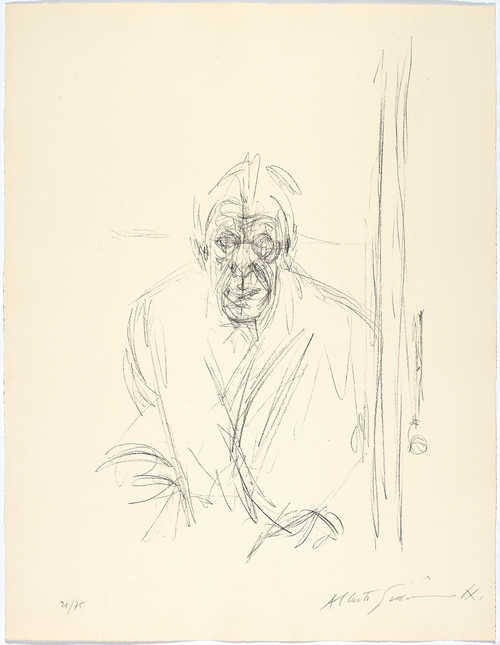
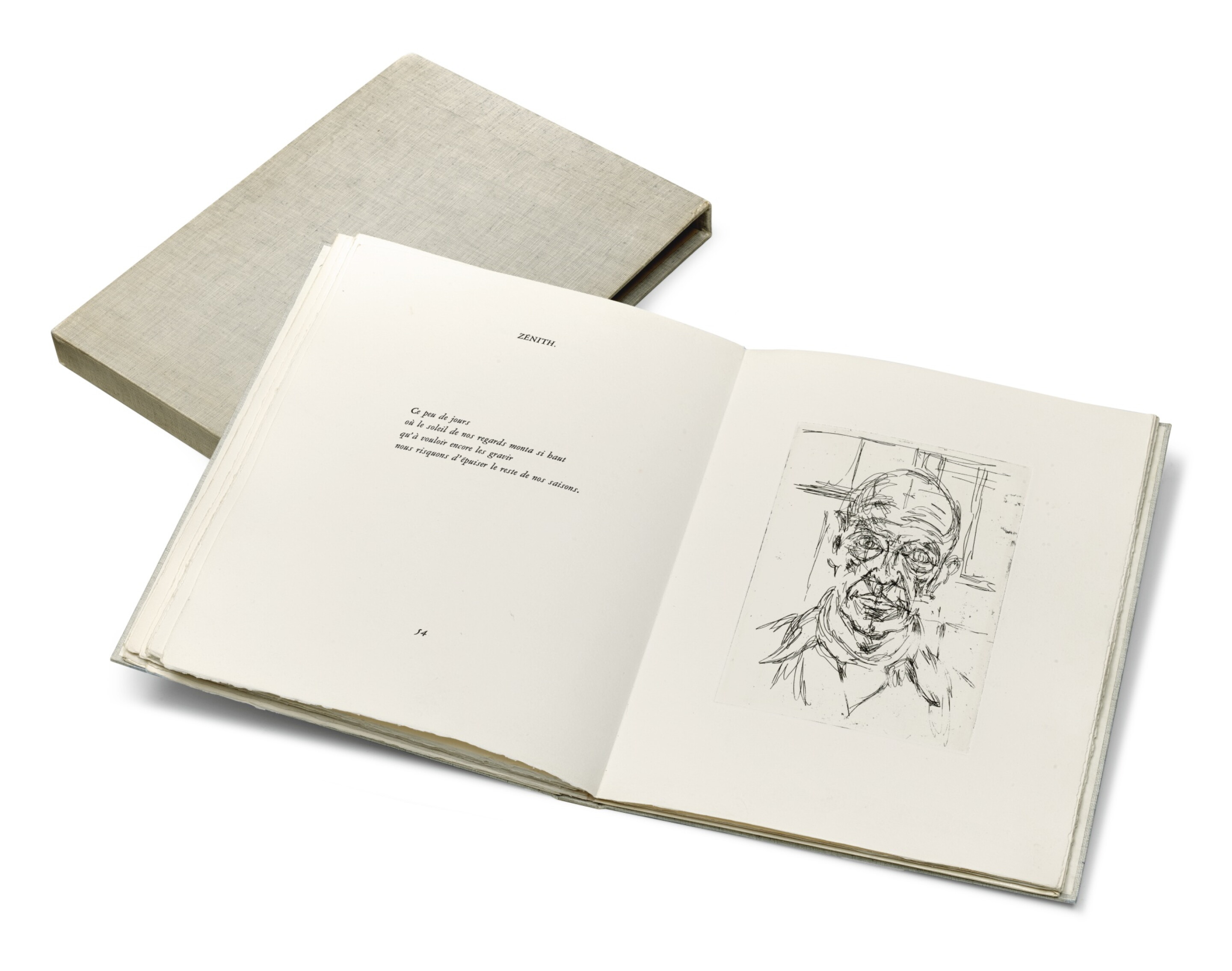
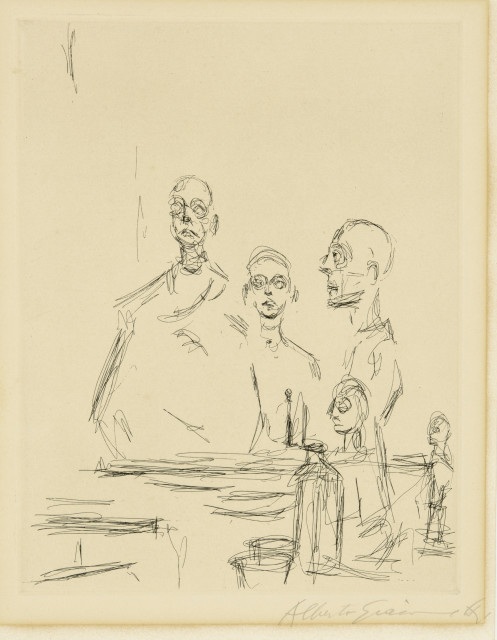
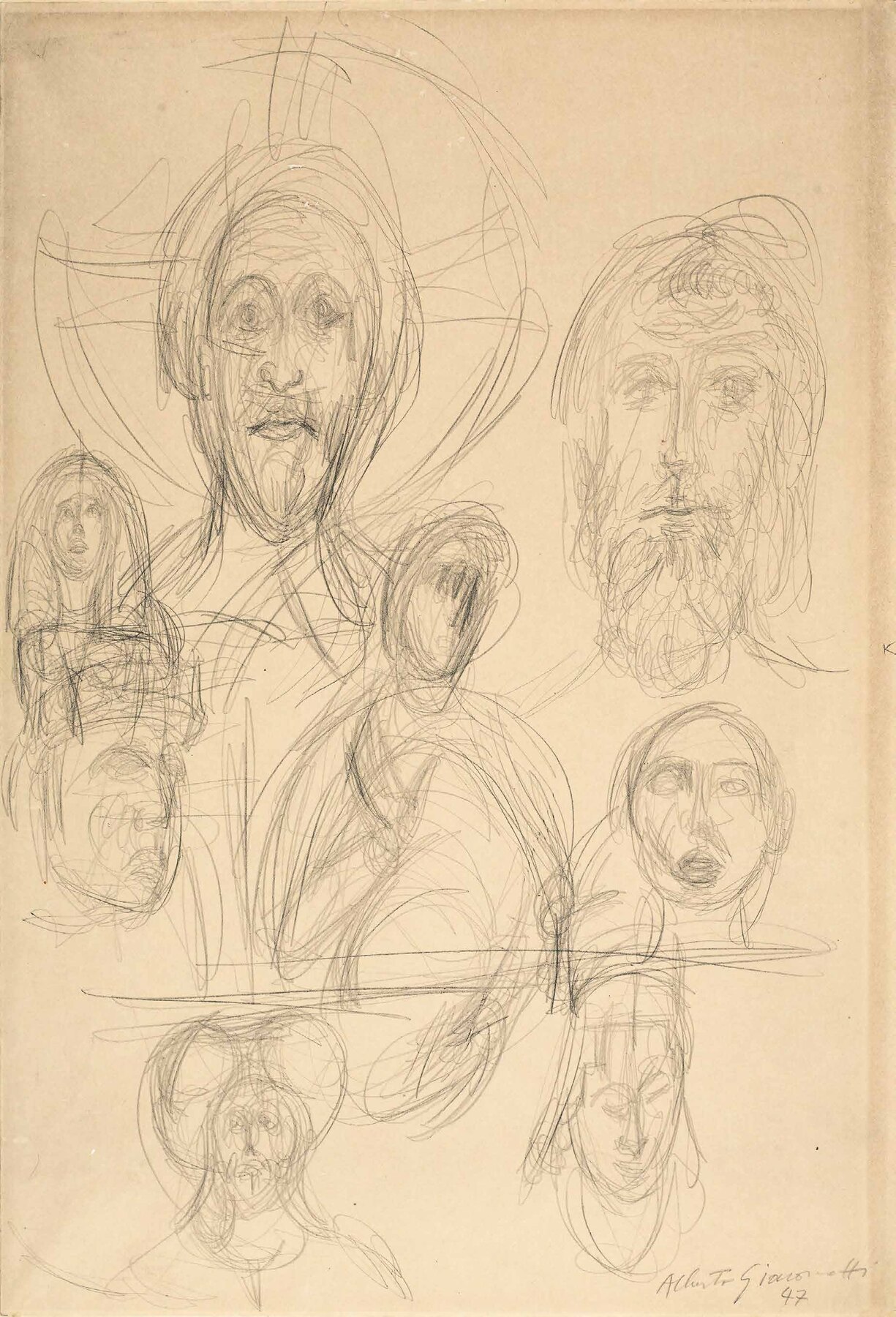
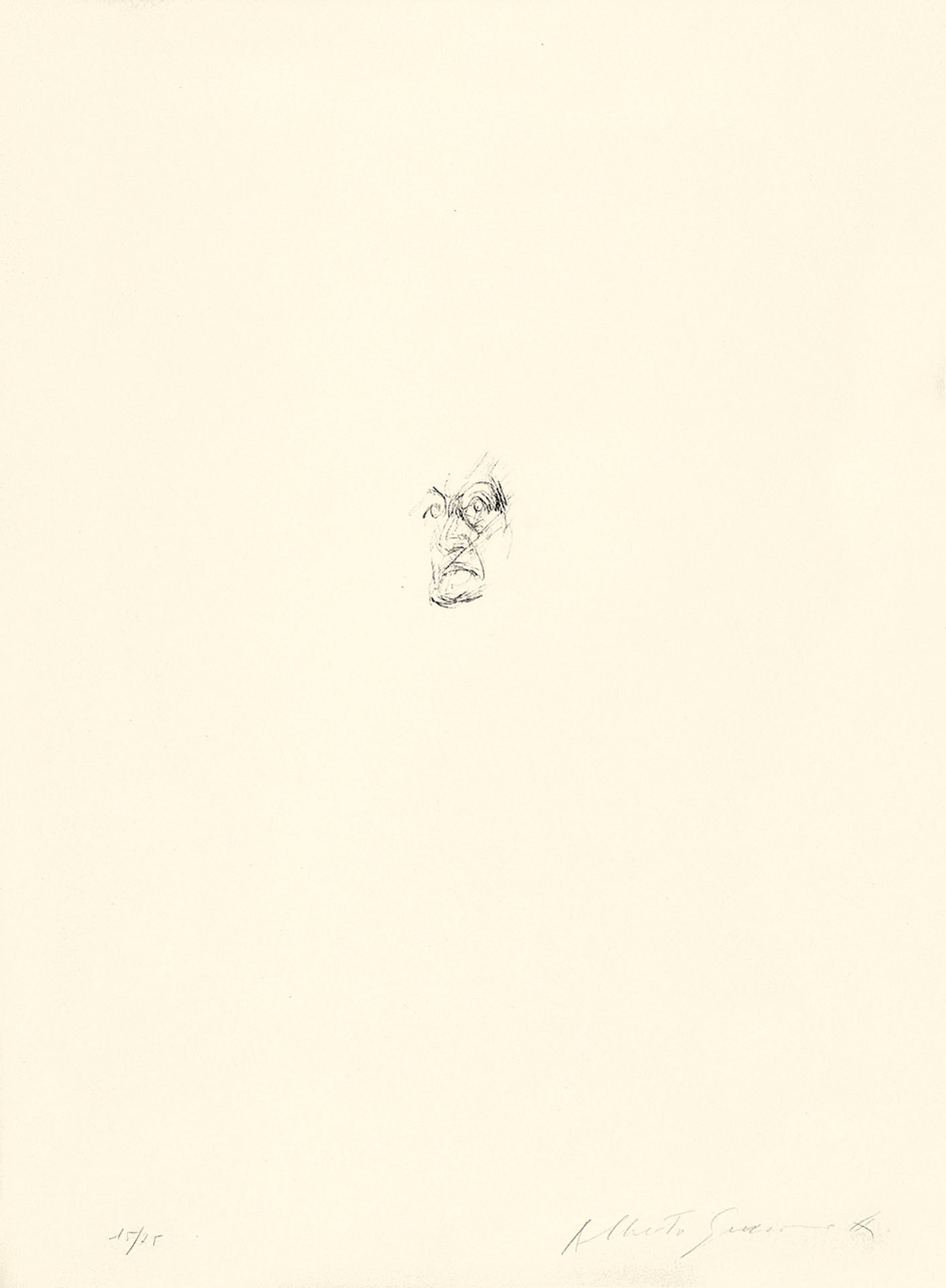
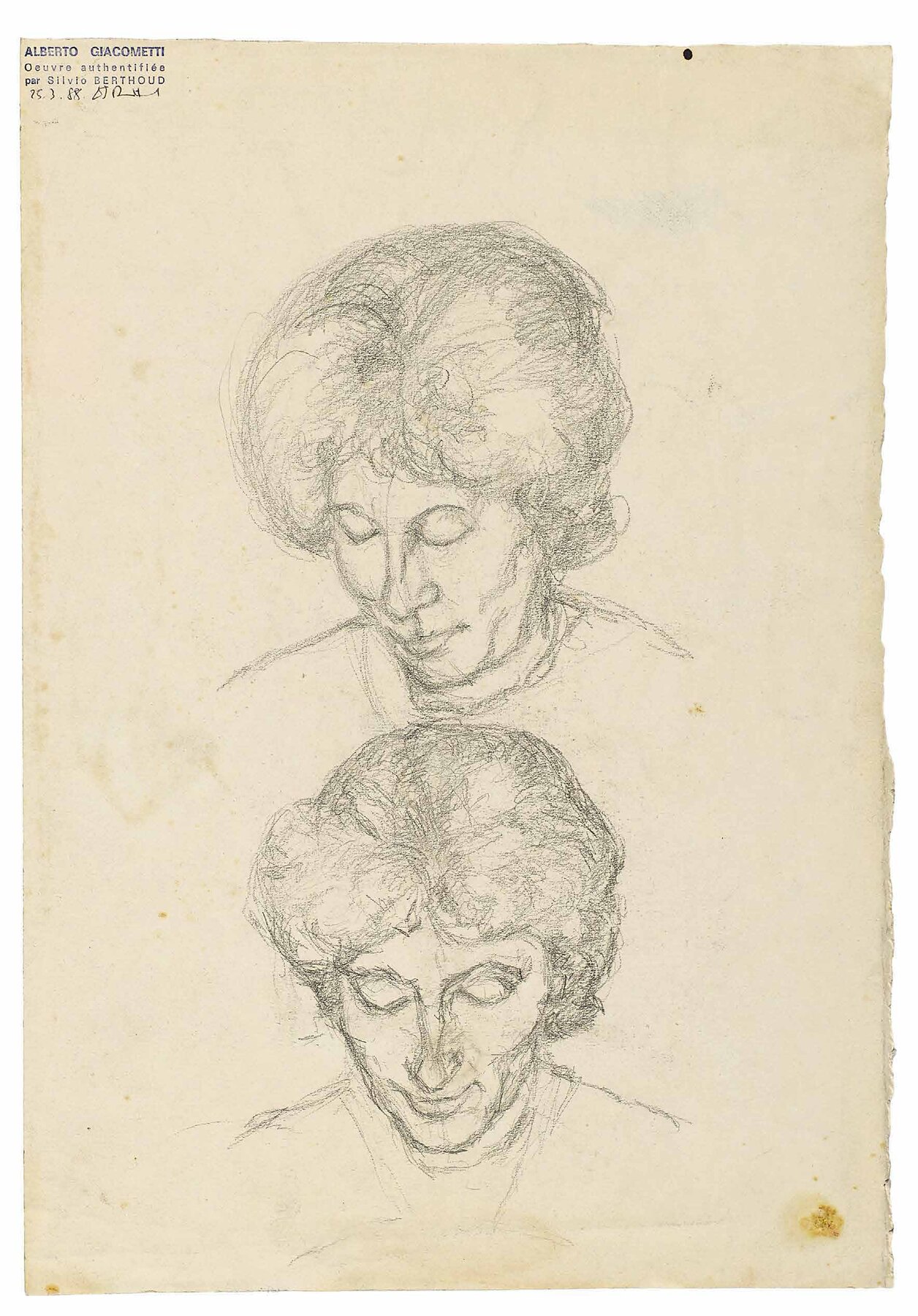
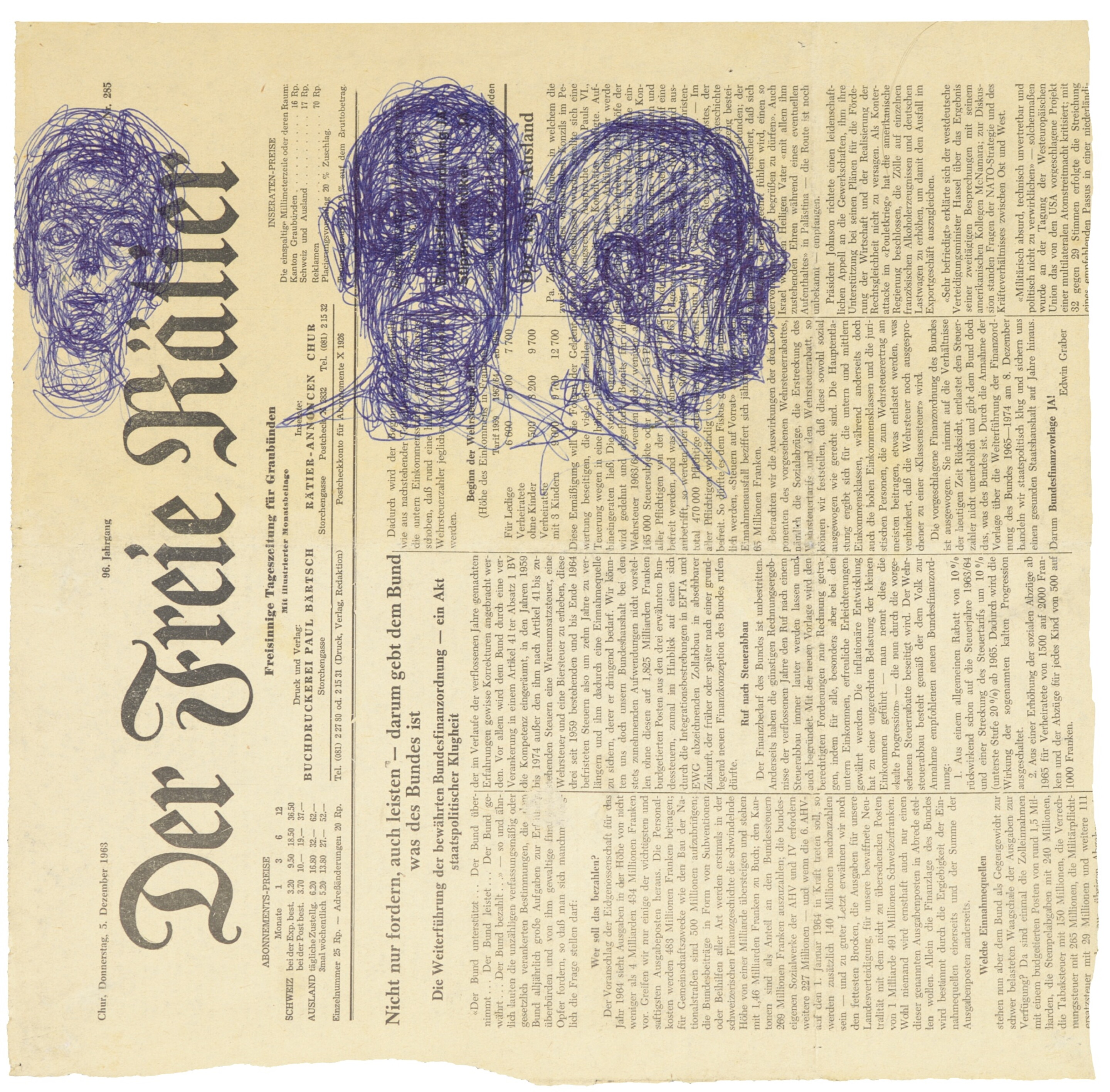
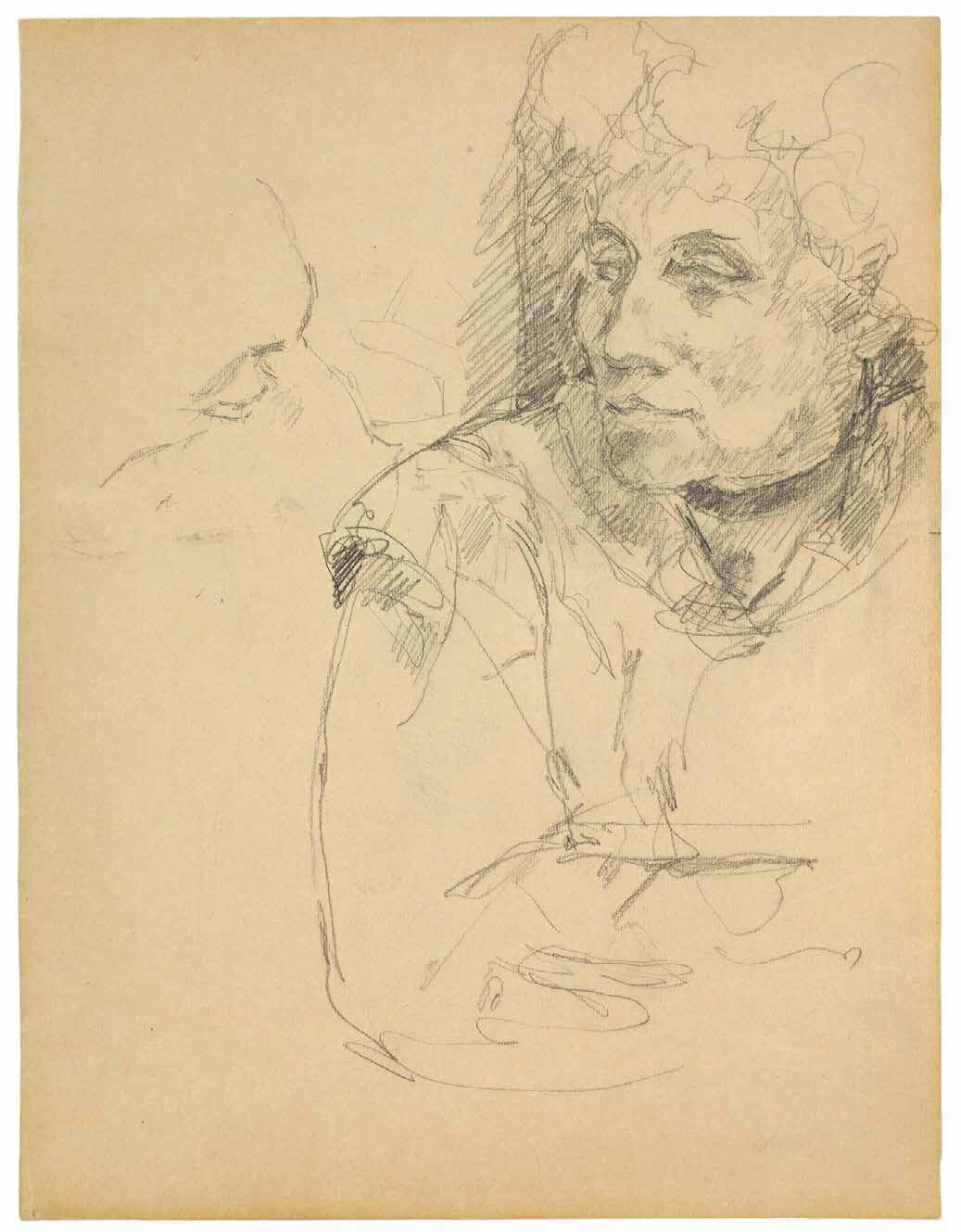
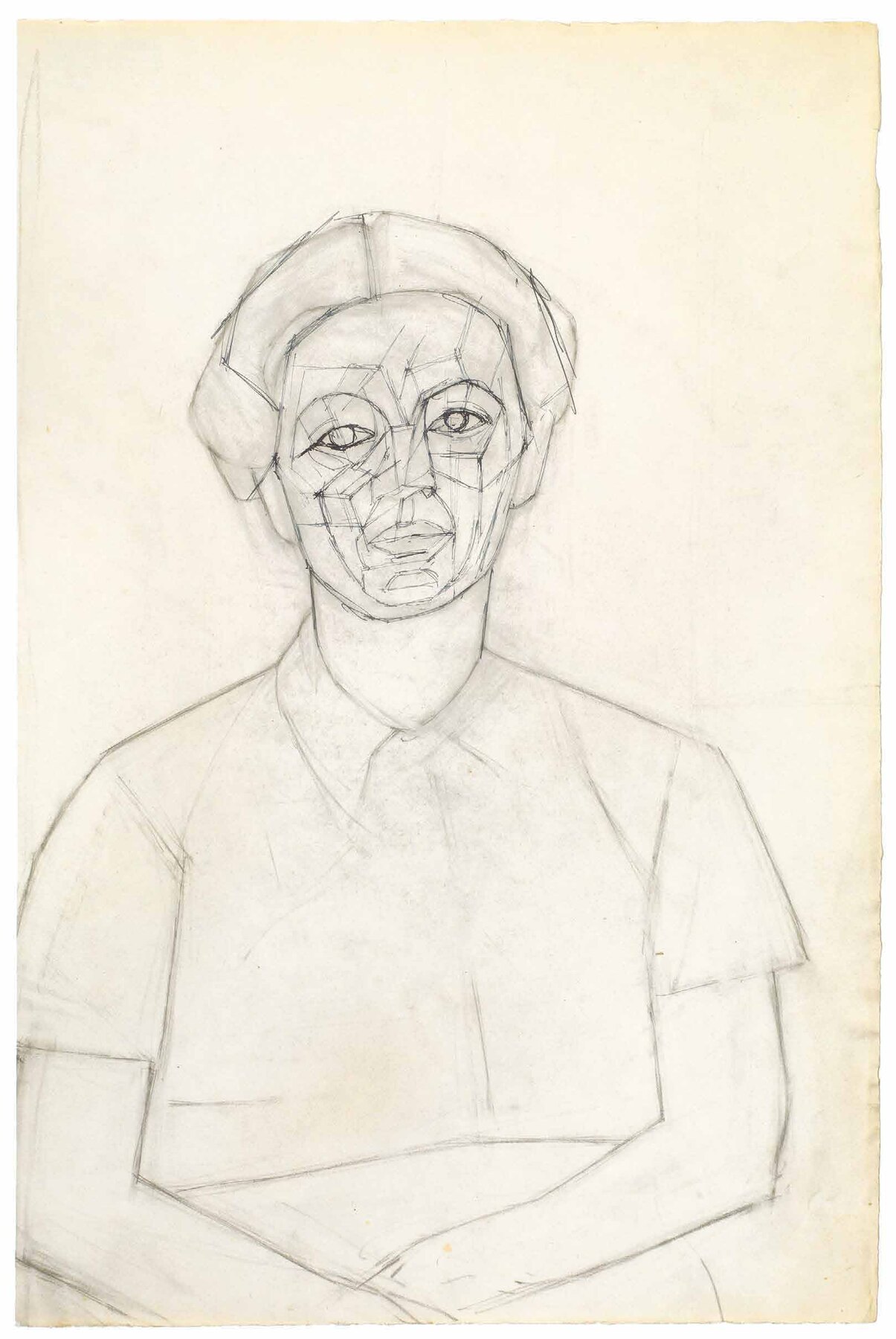
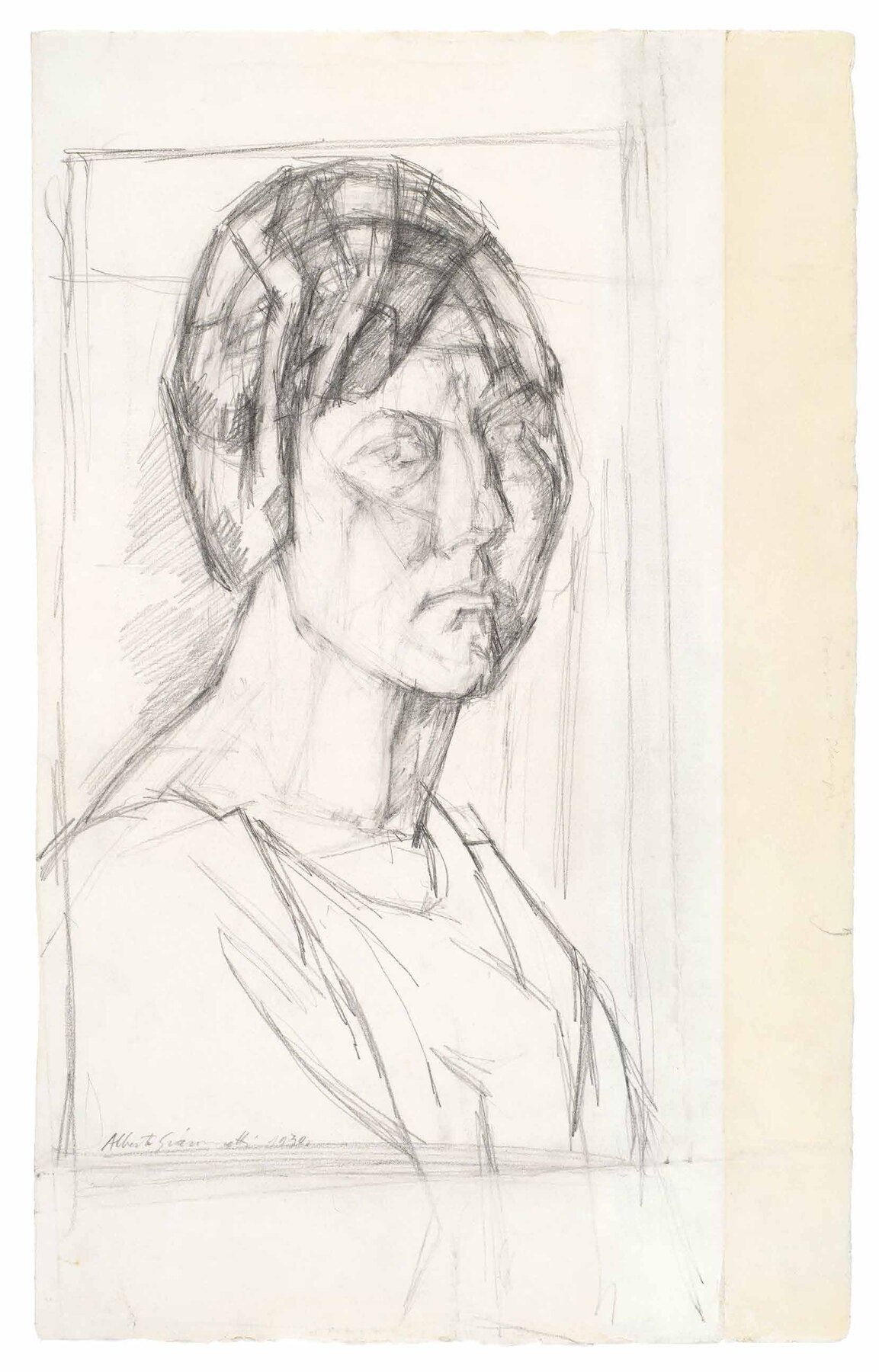
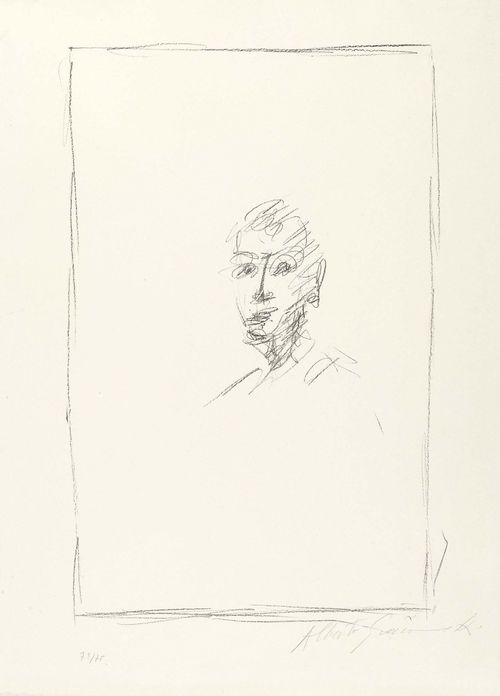
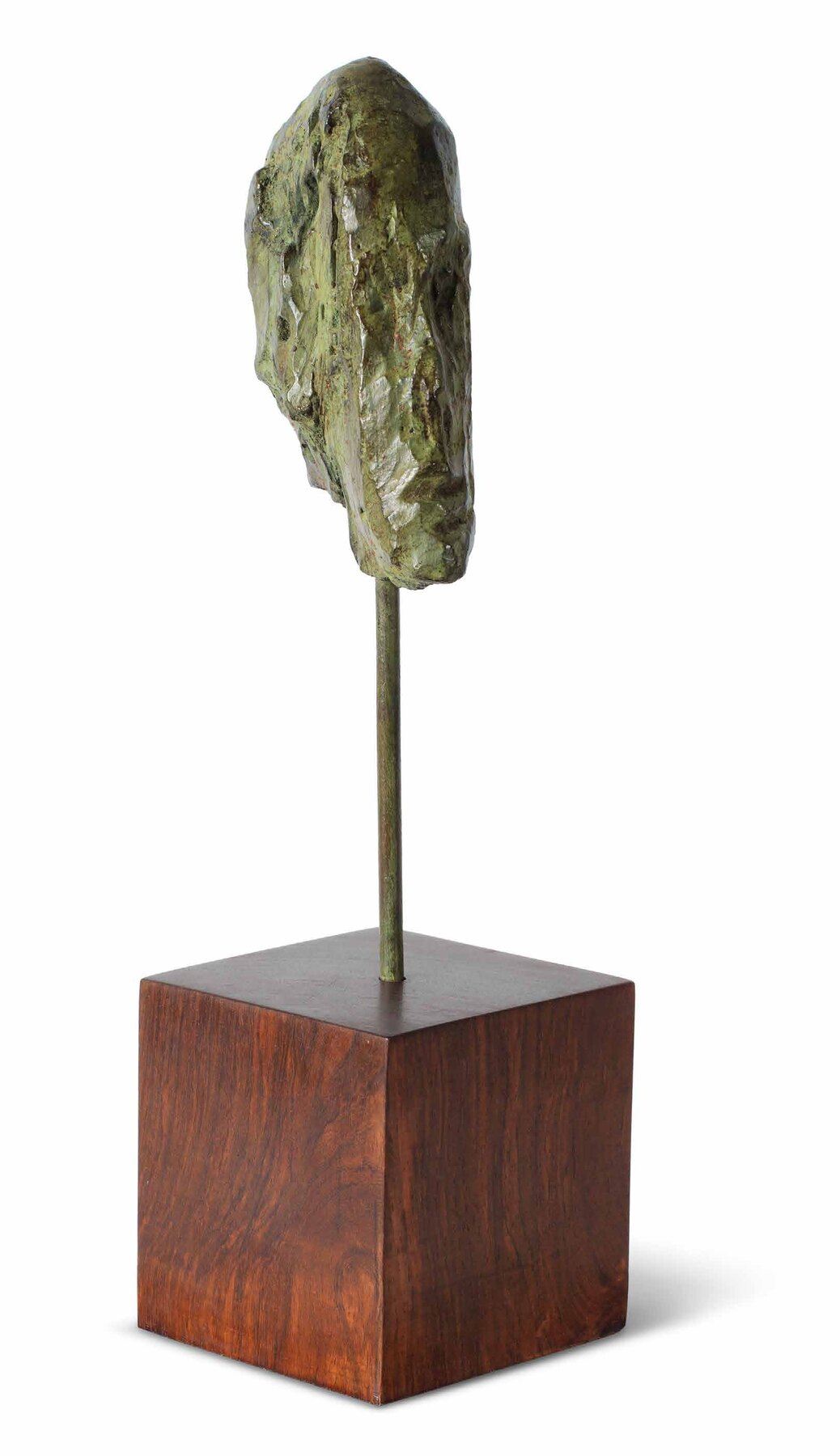
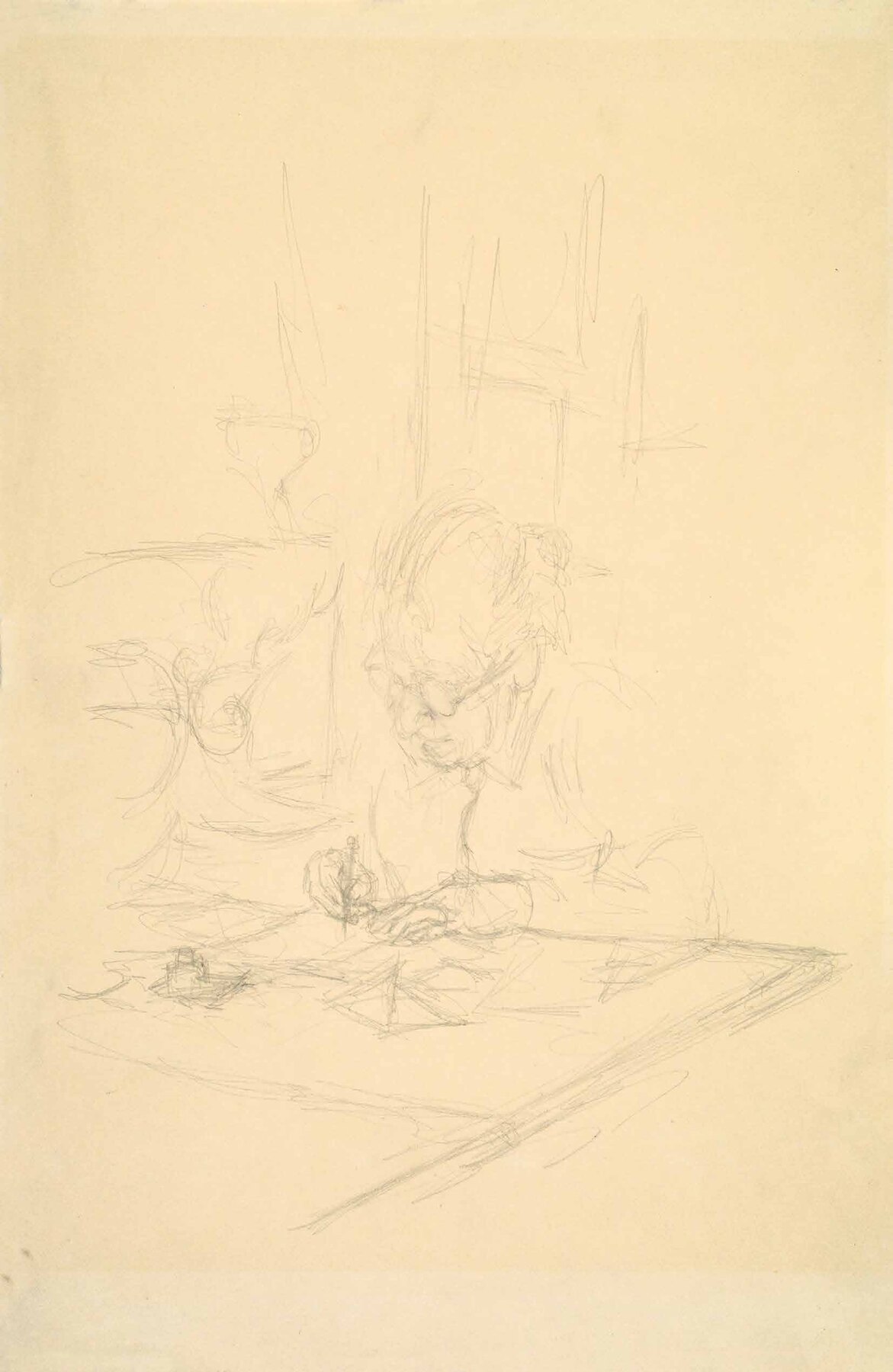
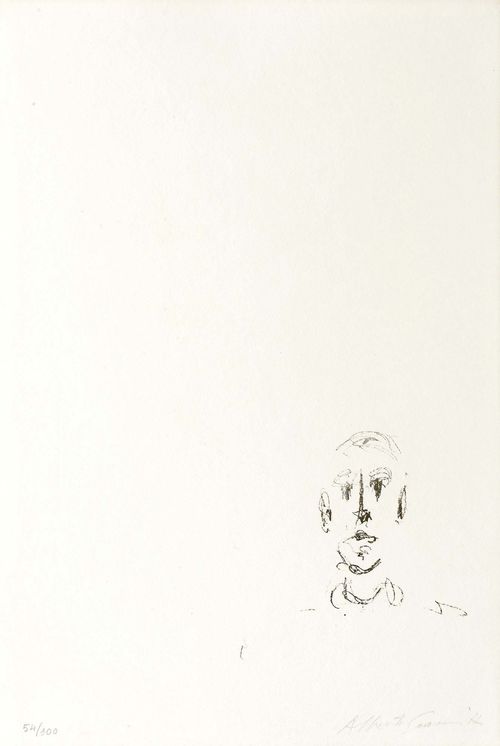
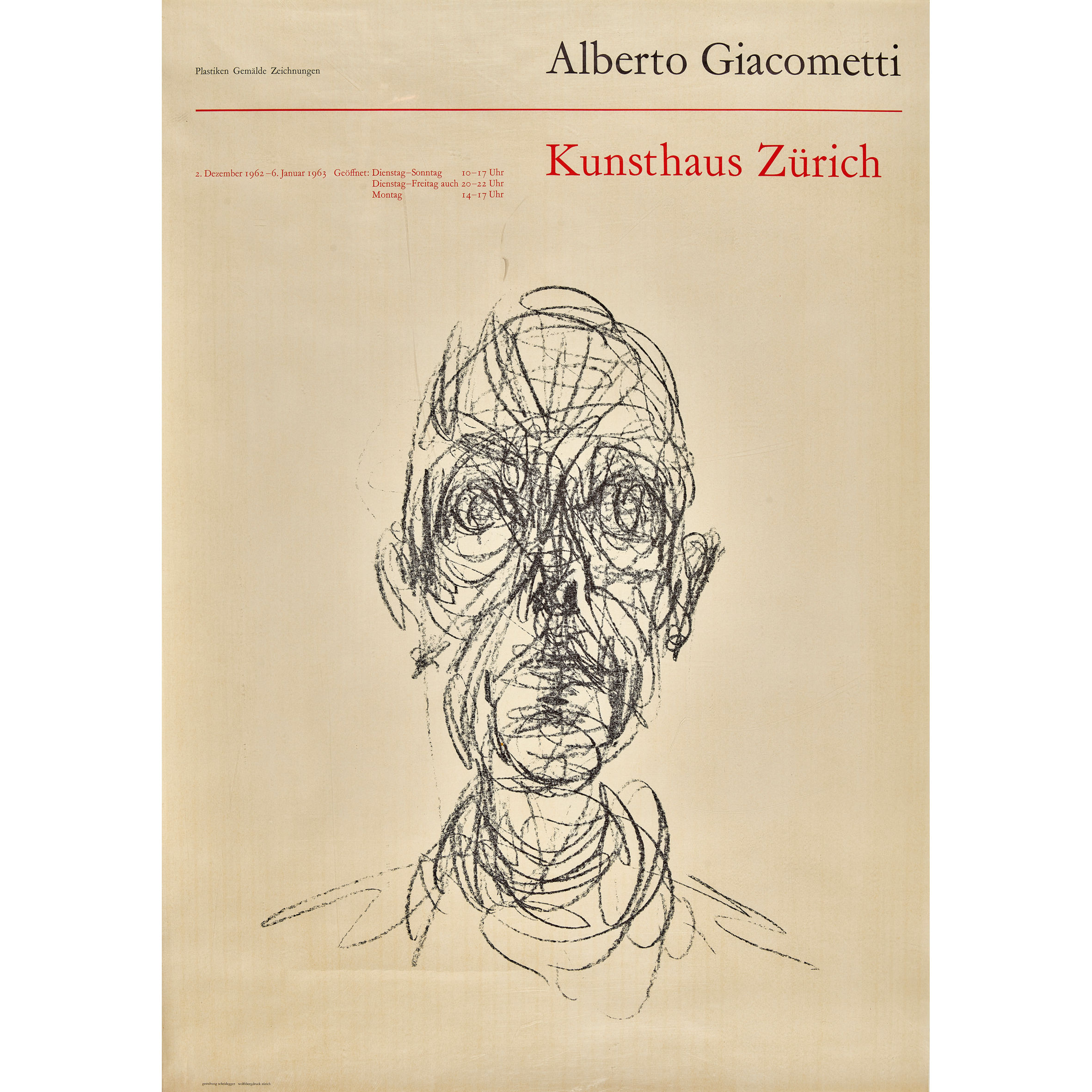
His portraits invite us to observe how a face emerges, becomes more defined and resists any definitive grasp.
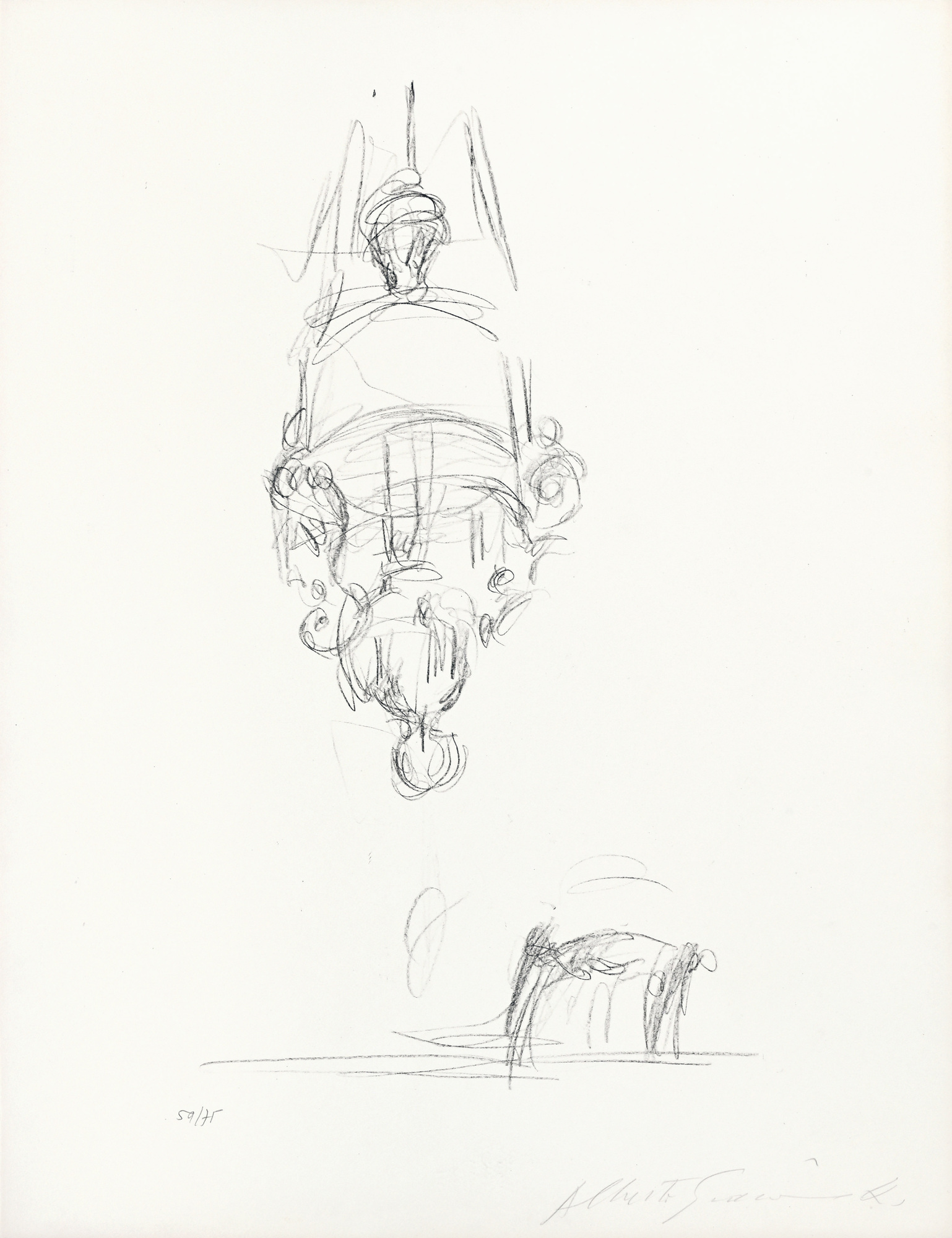
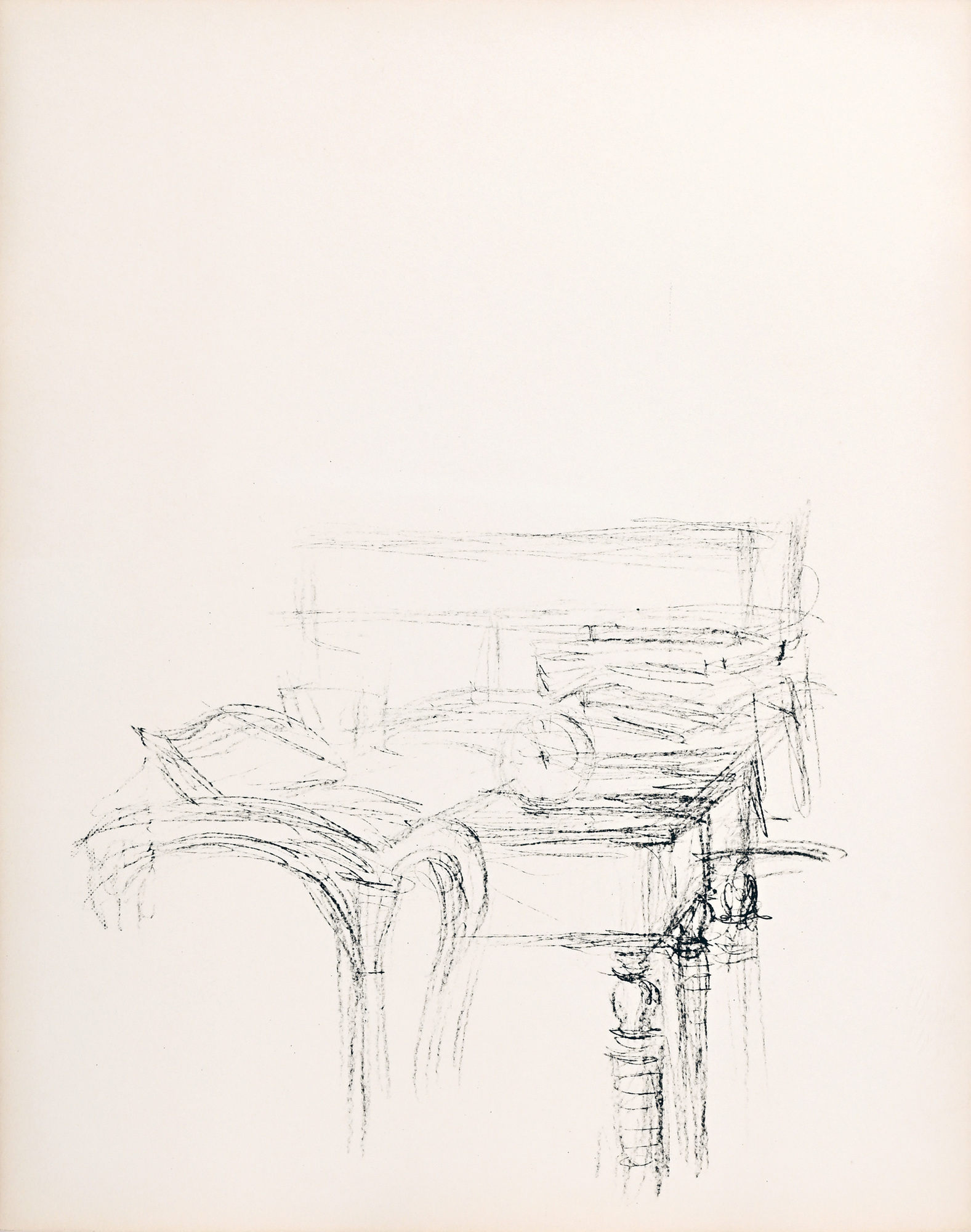
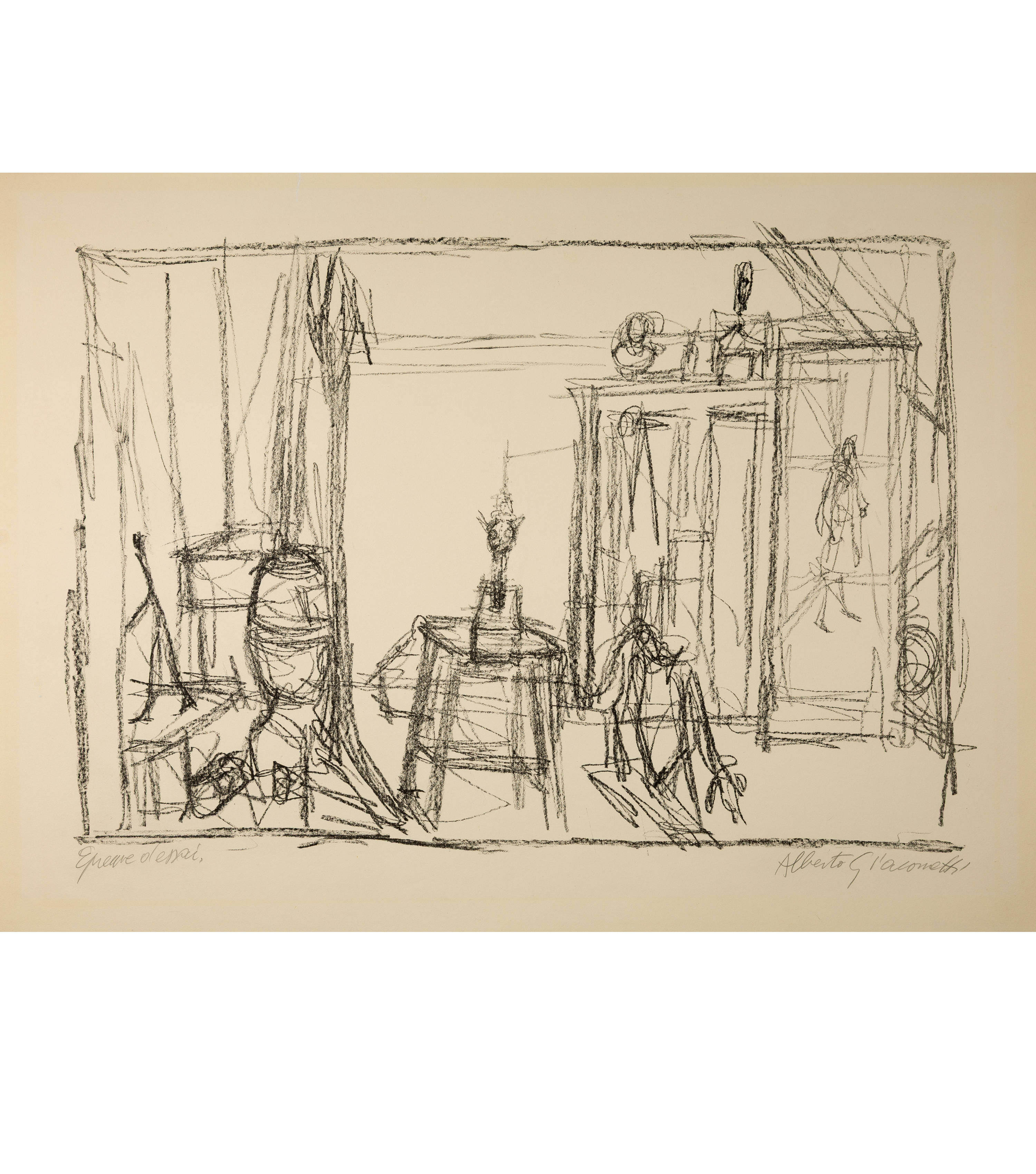
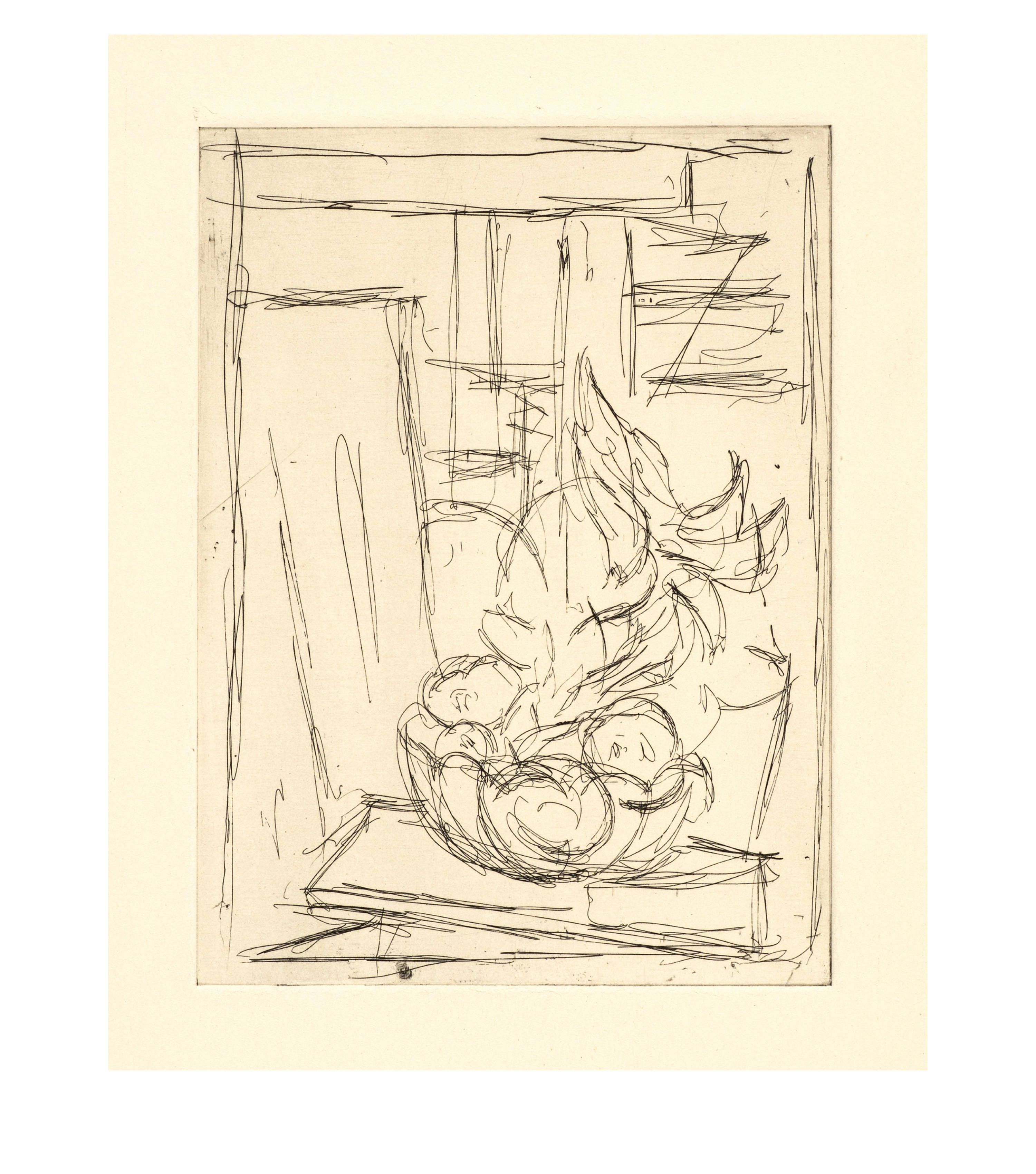
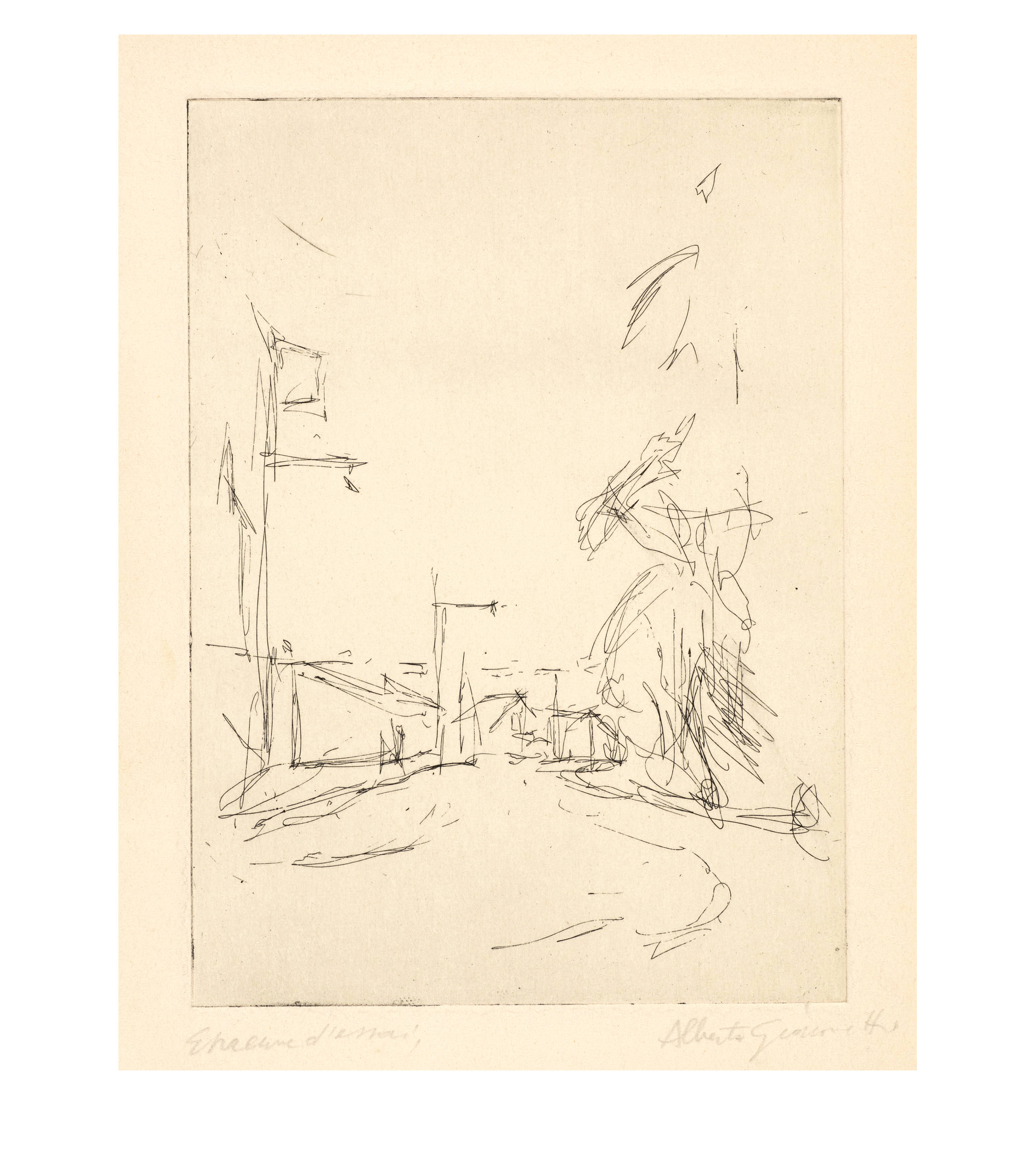
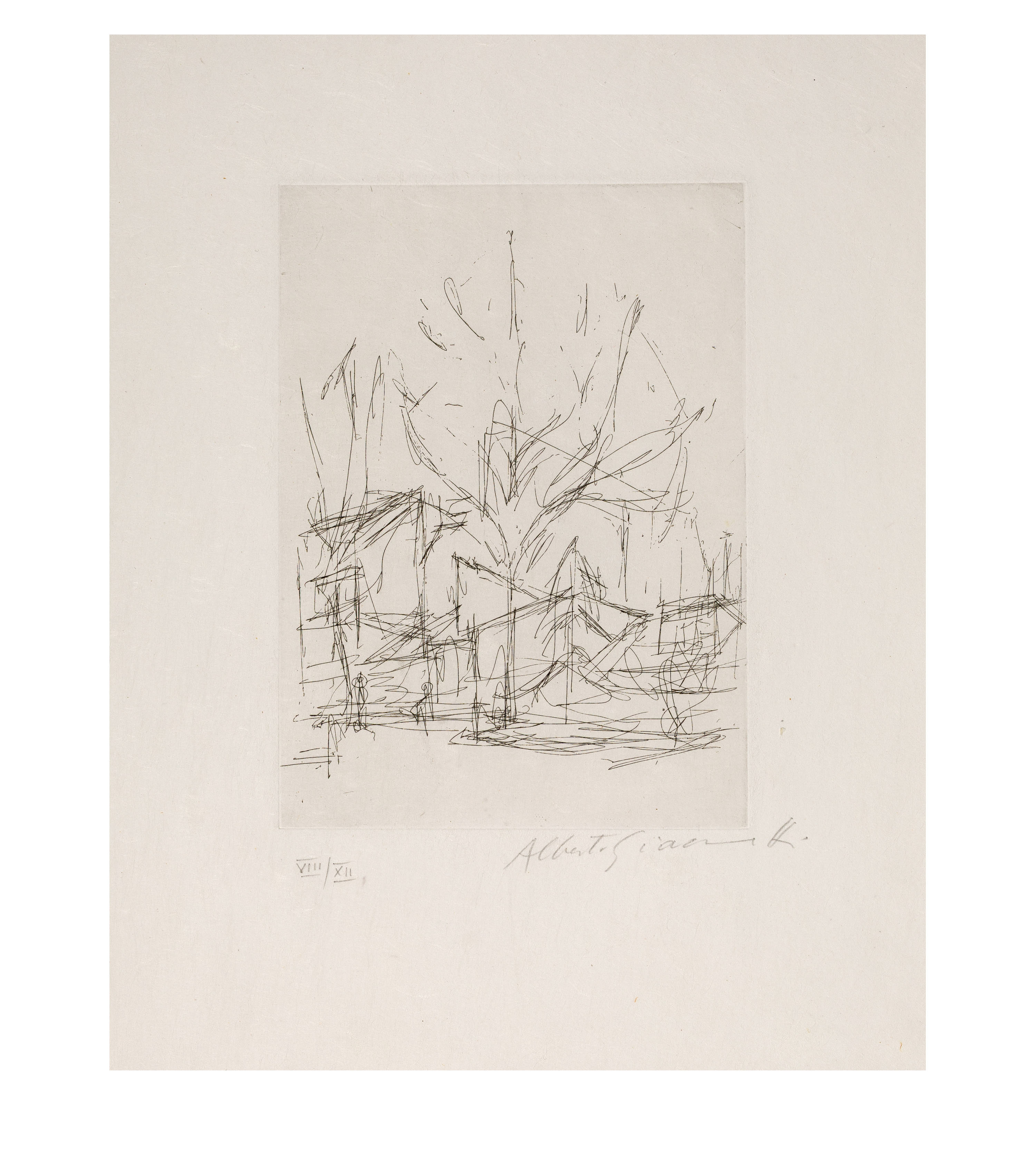
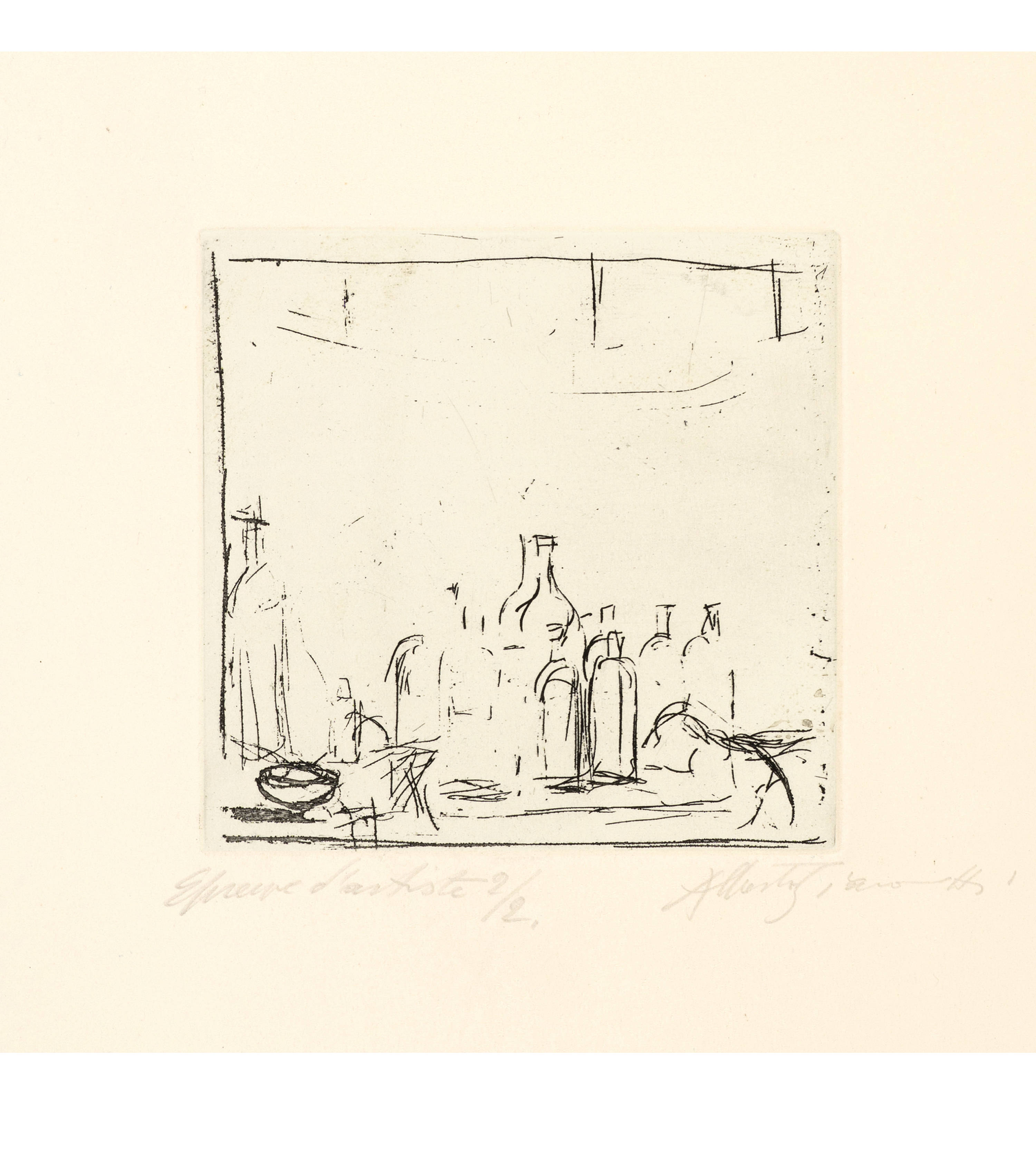
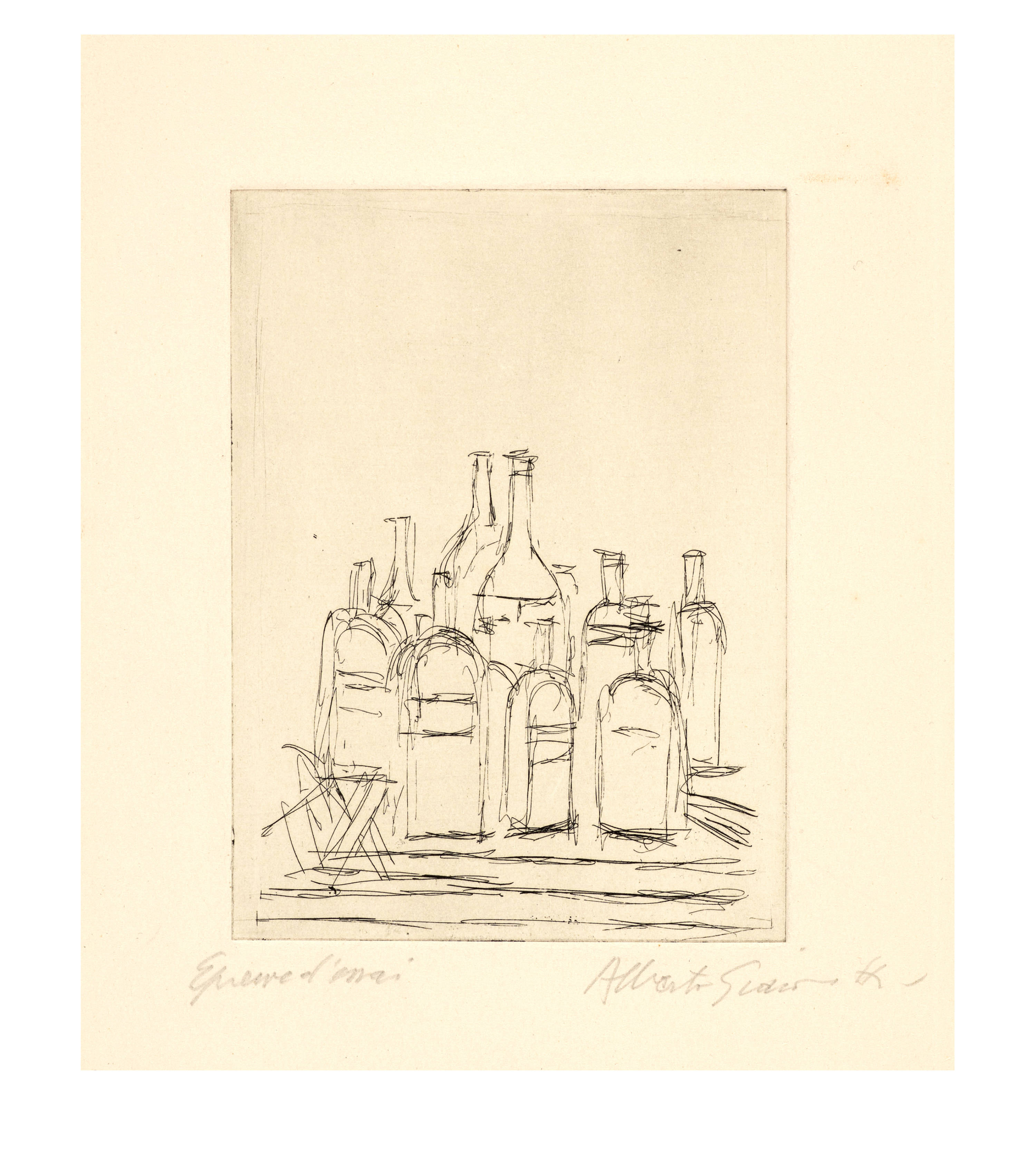
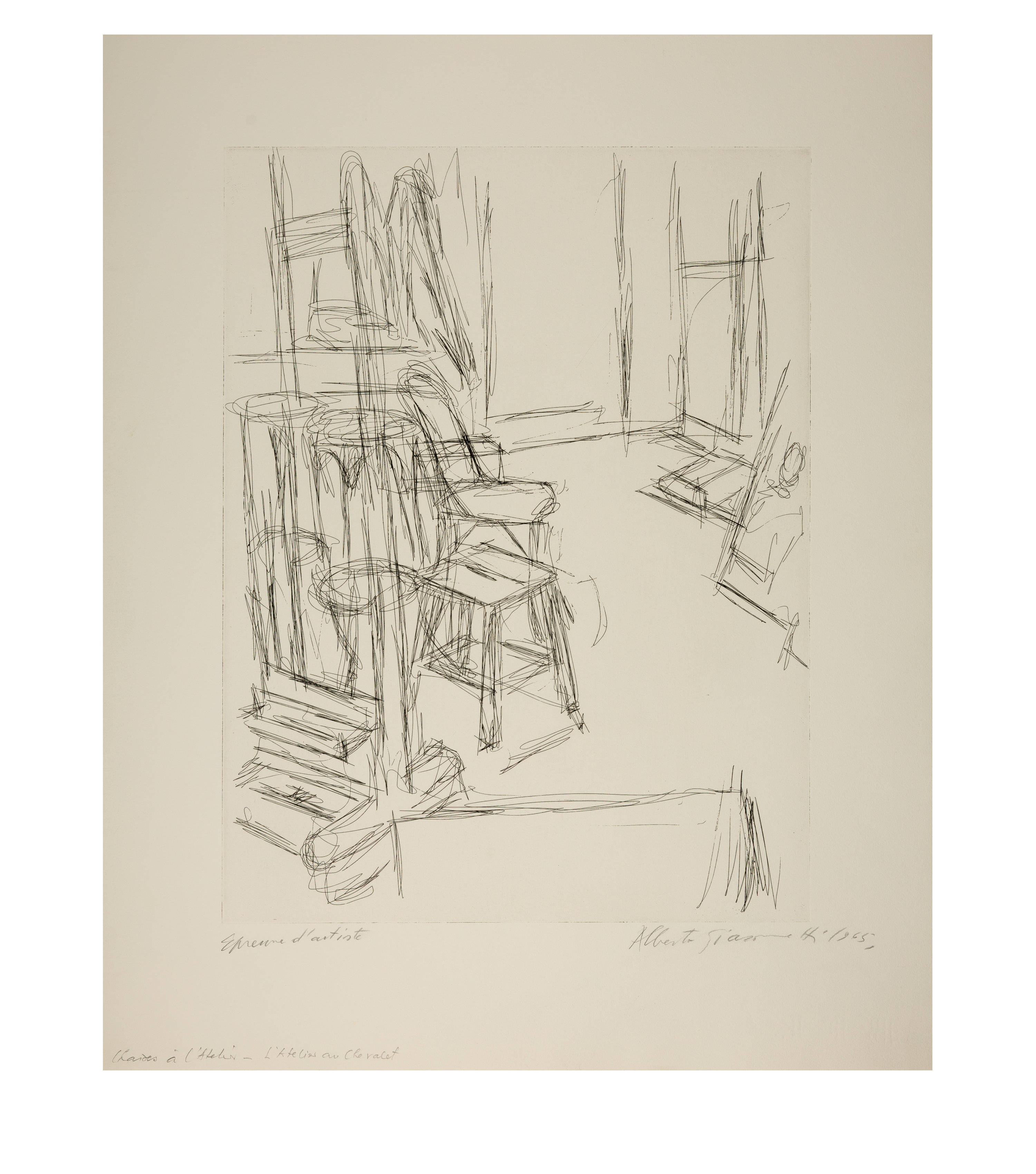
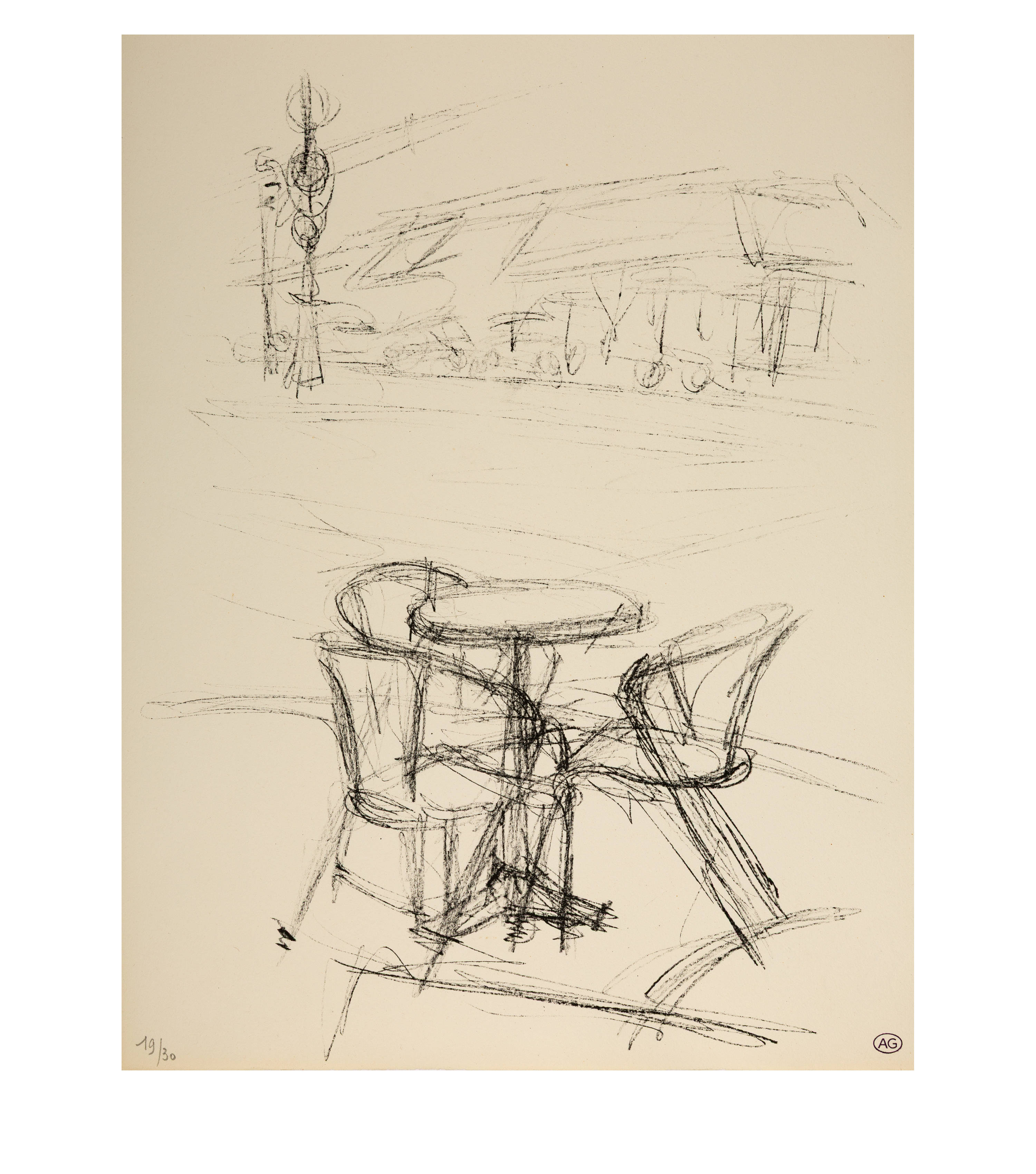
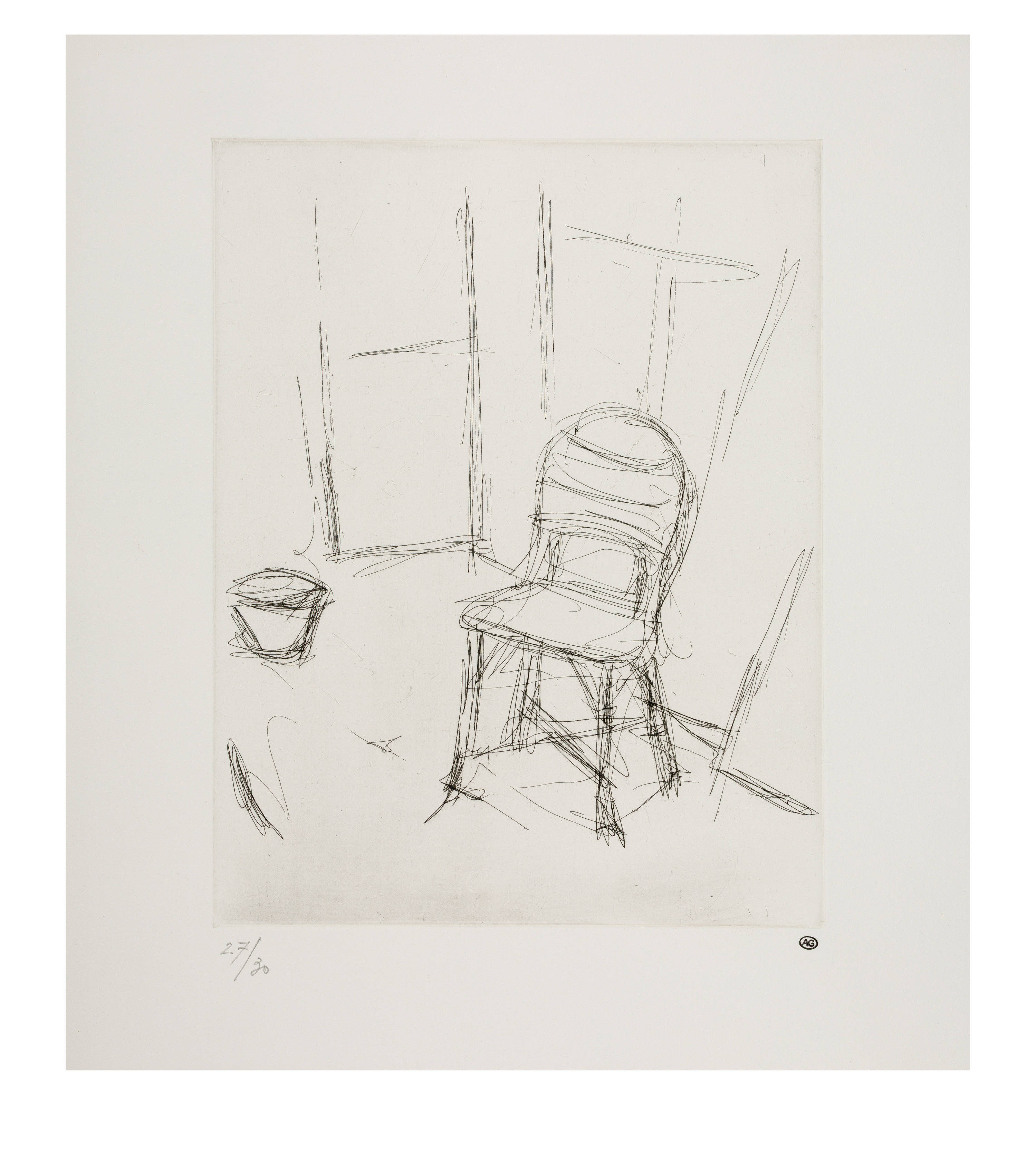
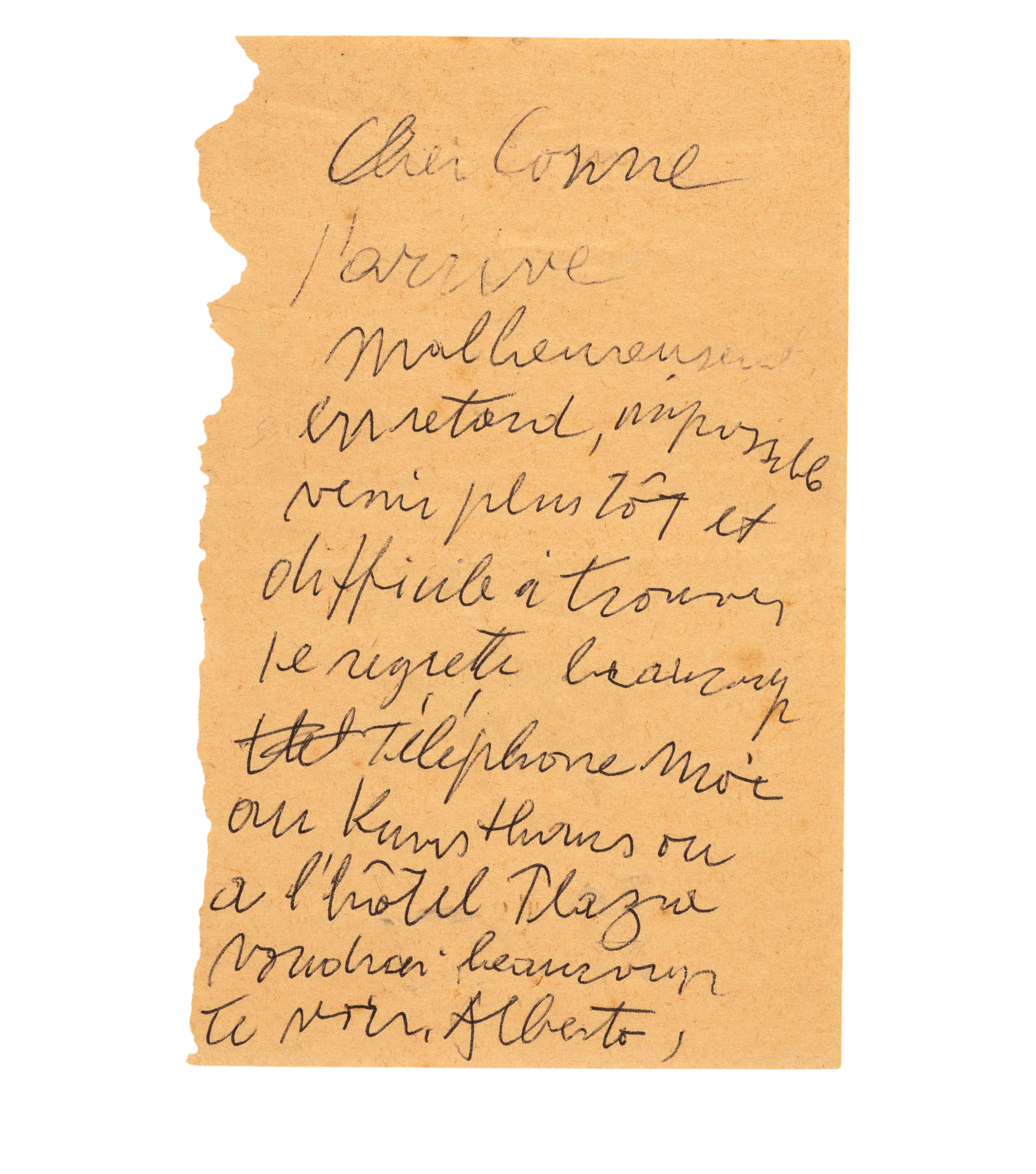
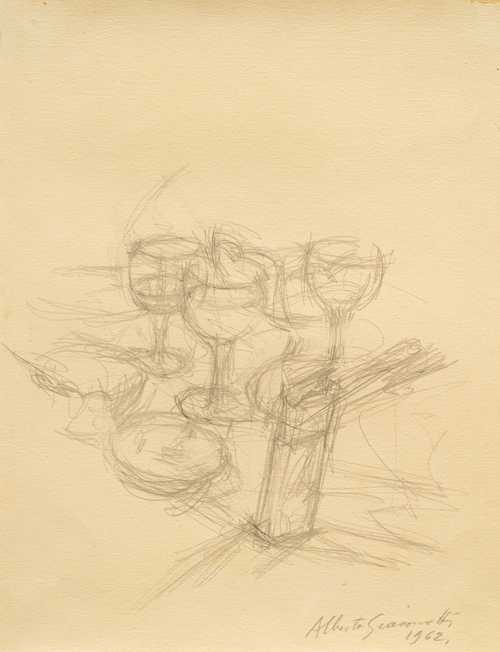
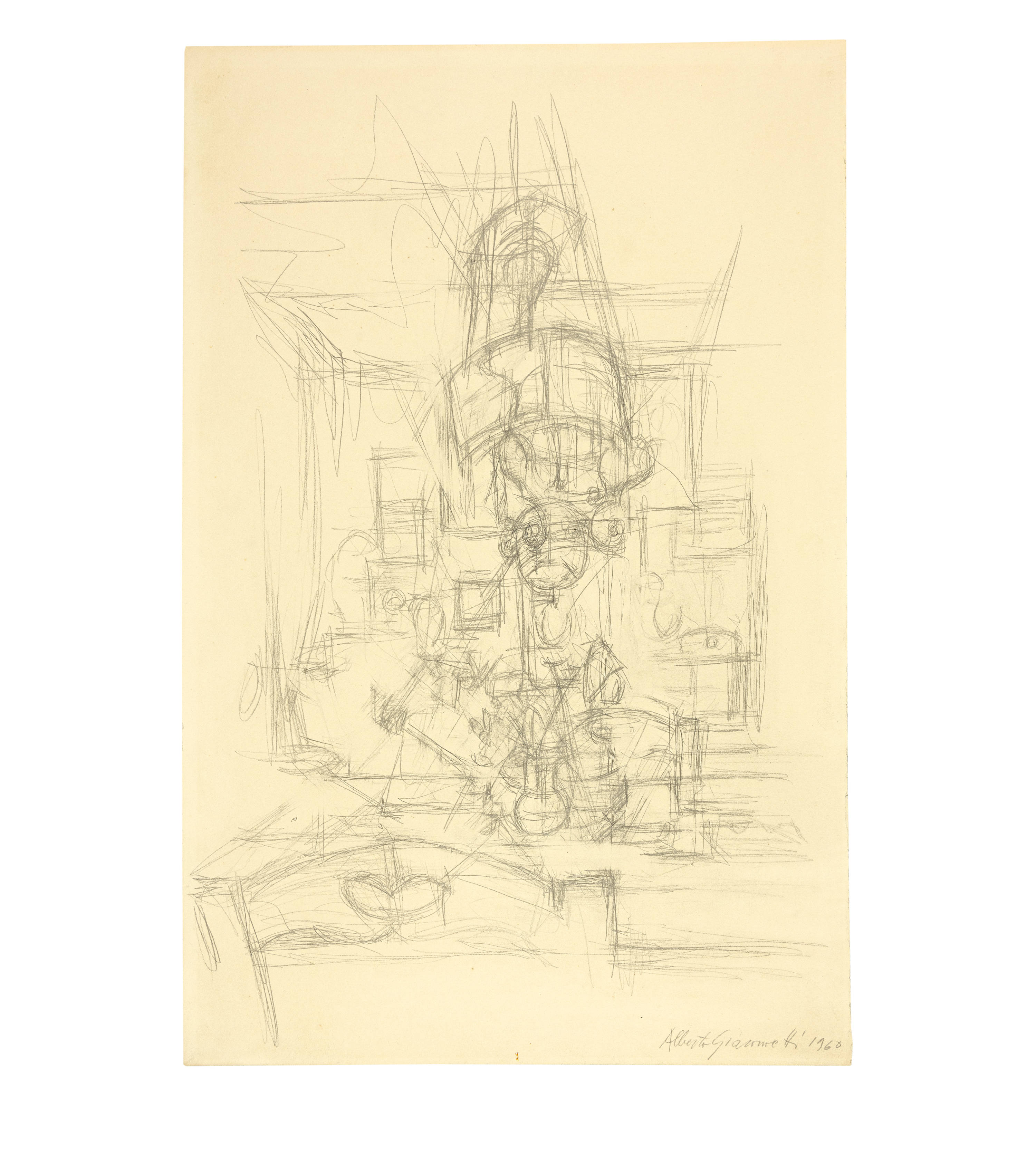
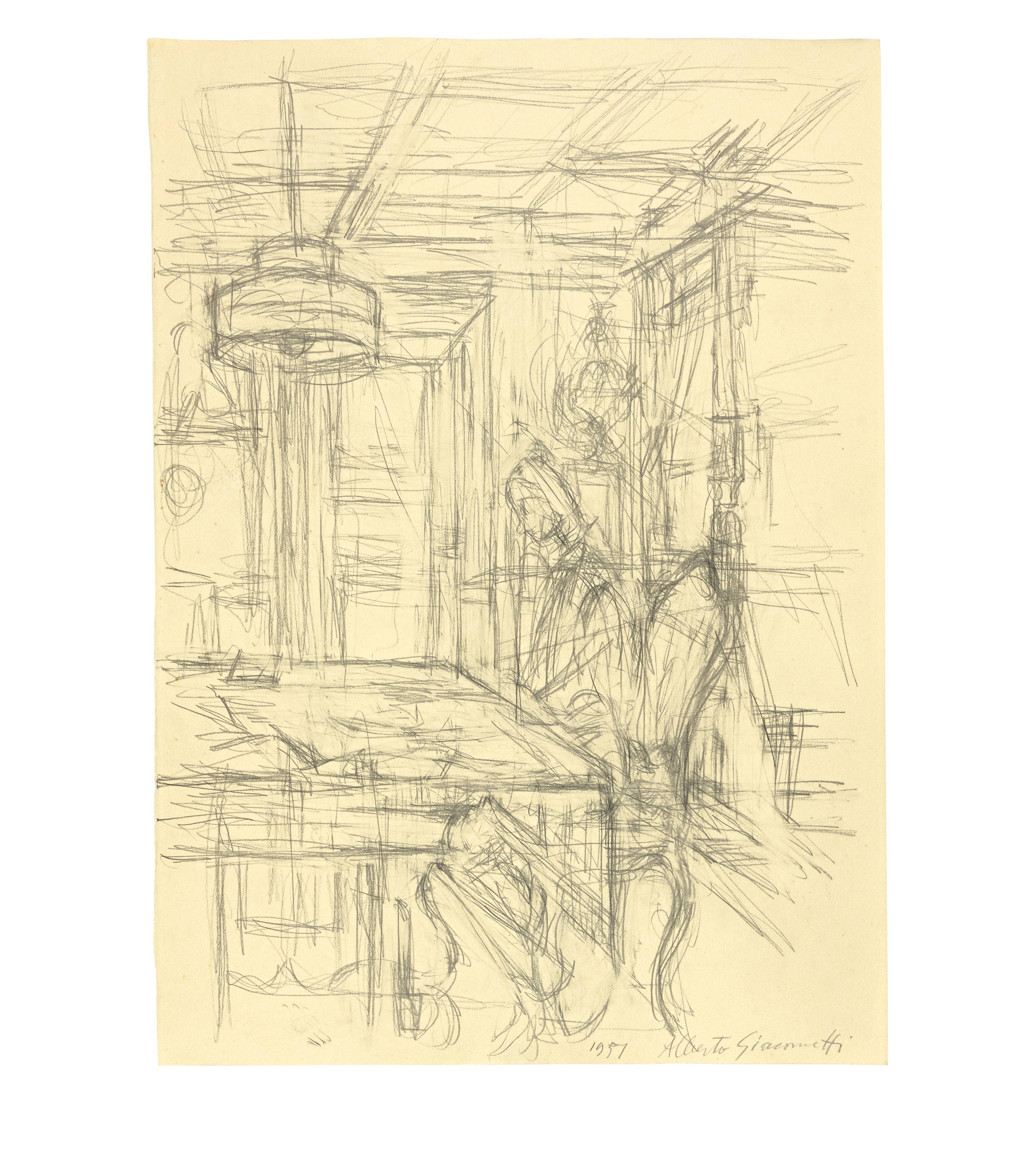
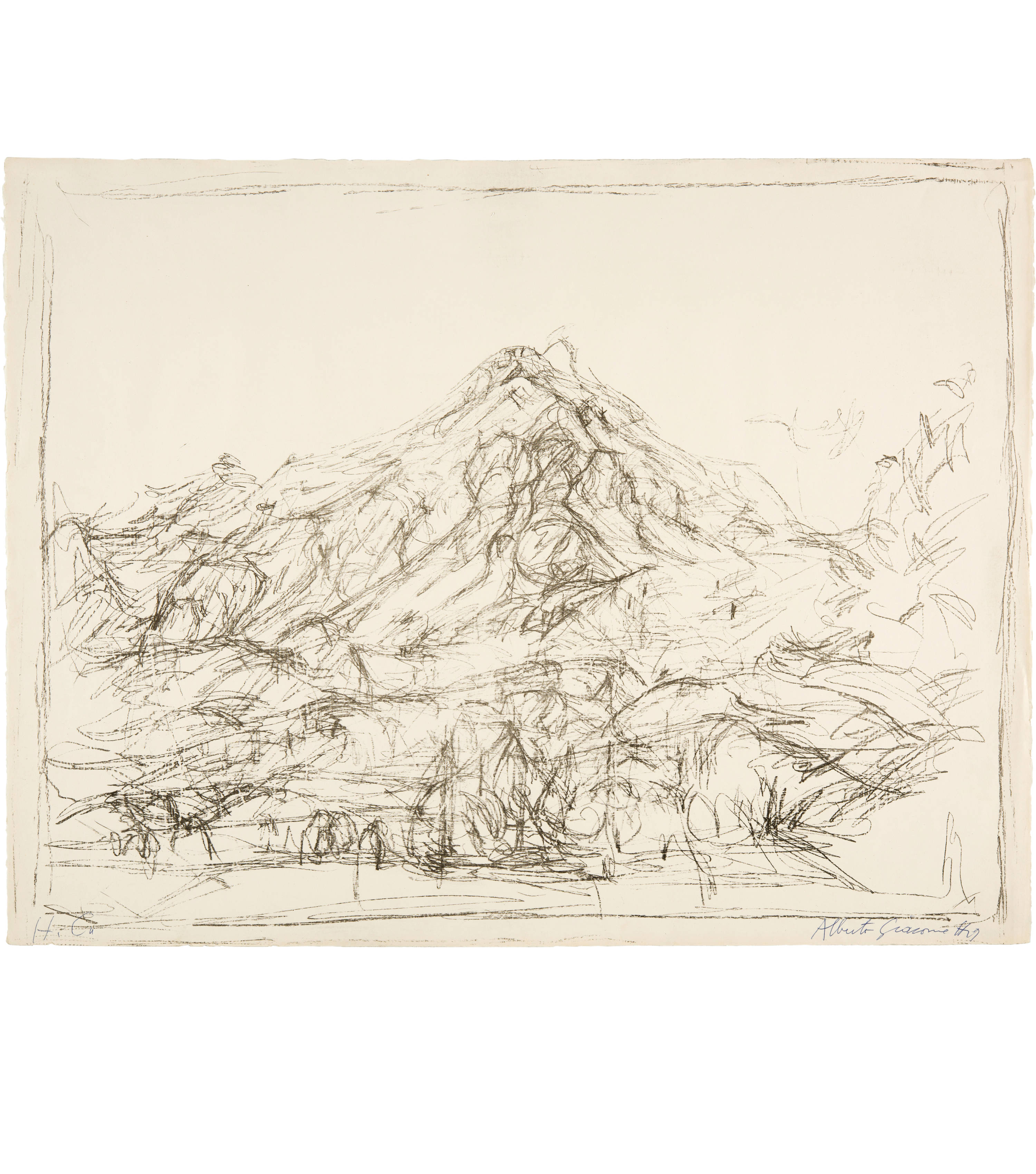
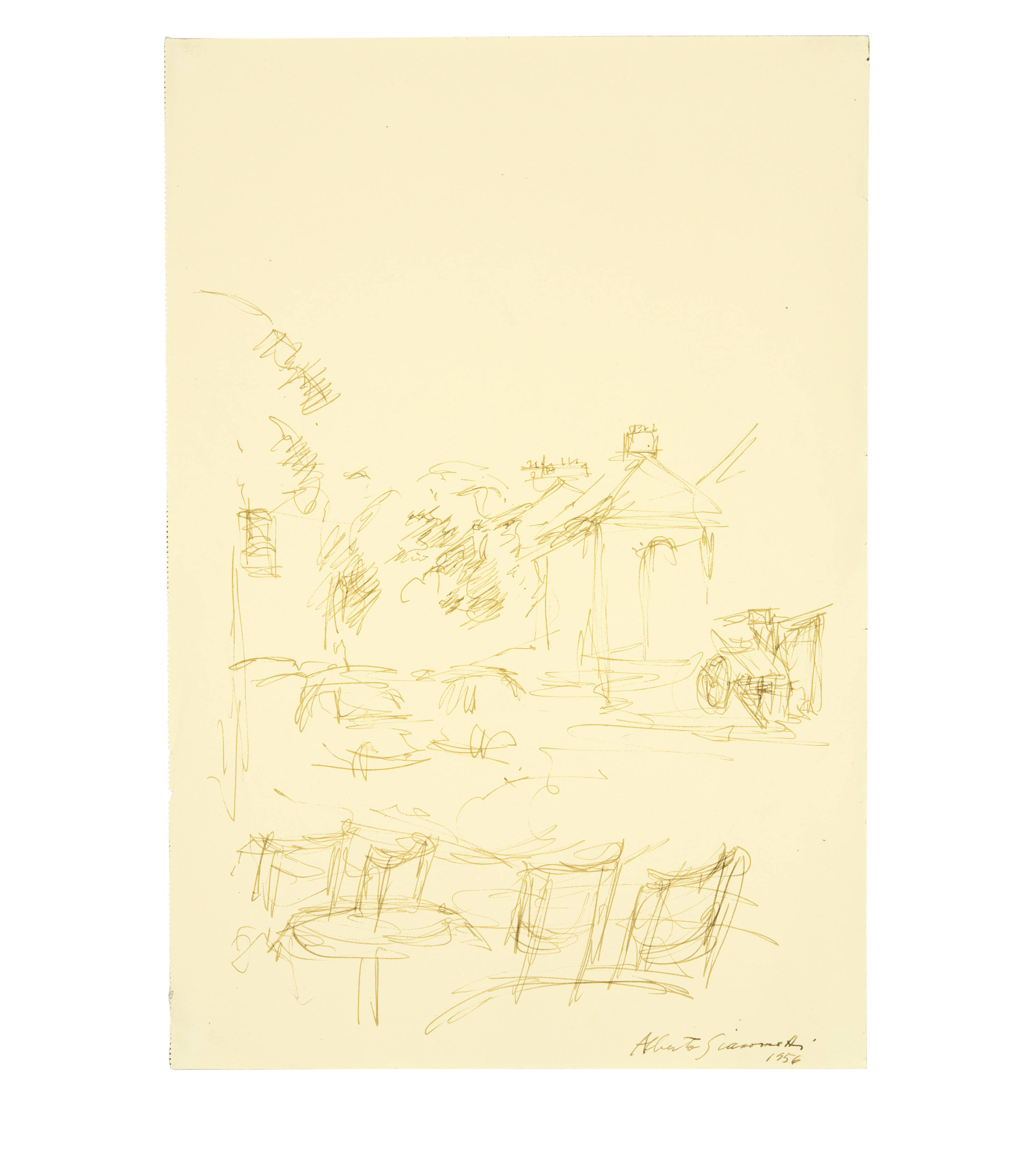
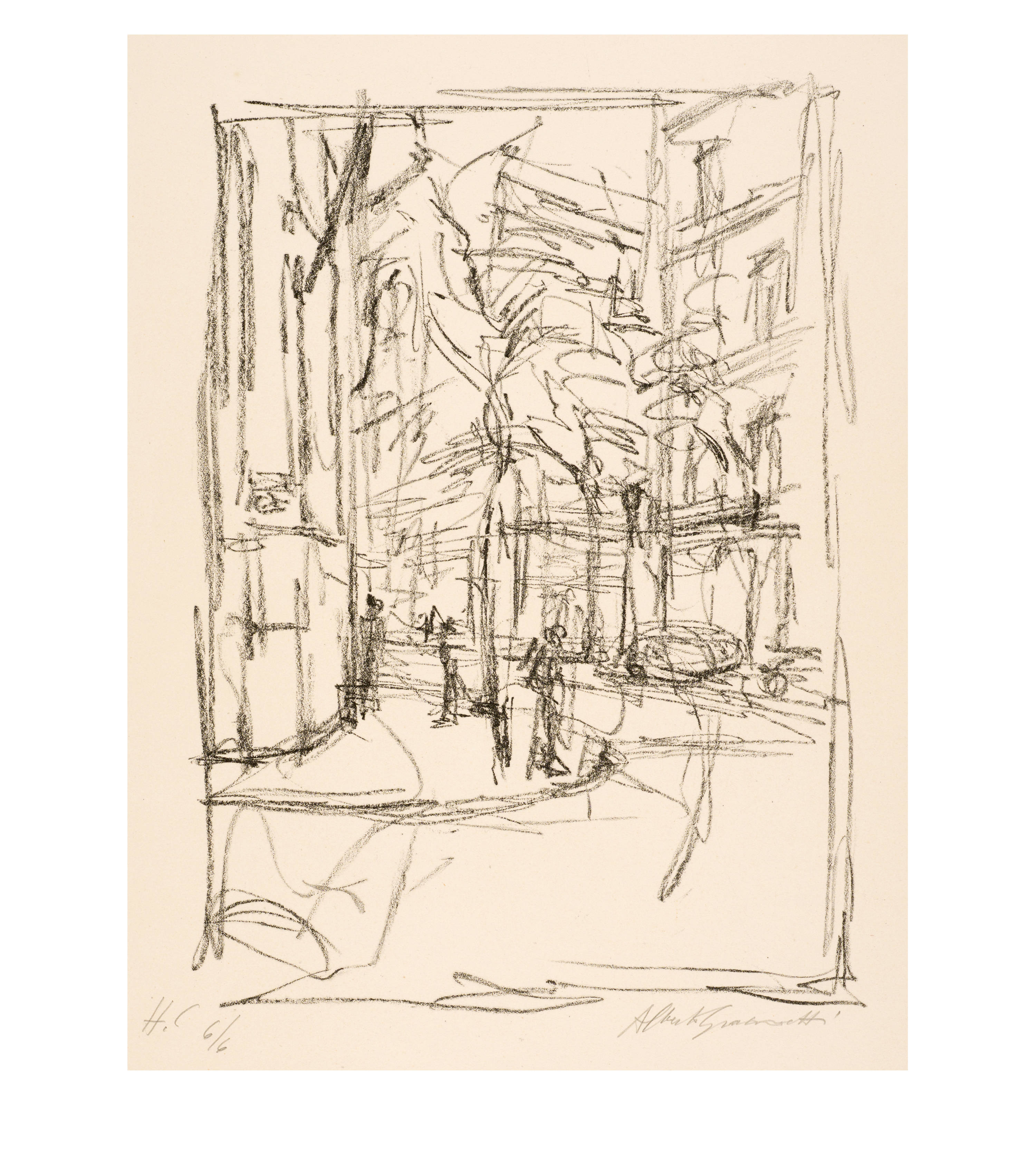
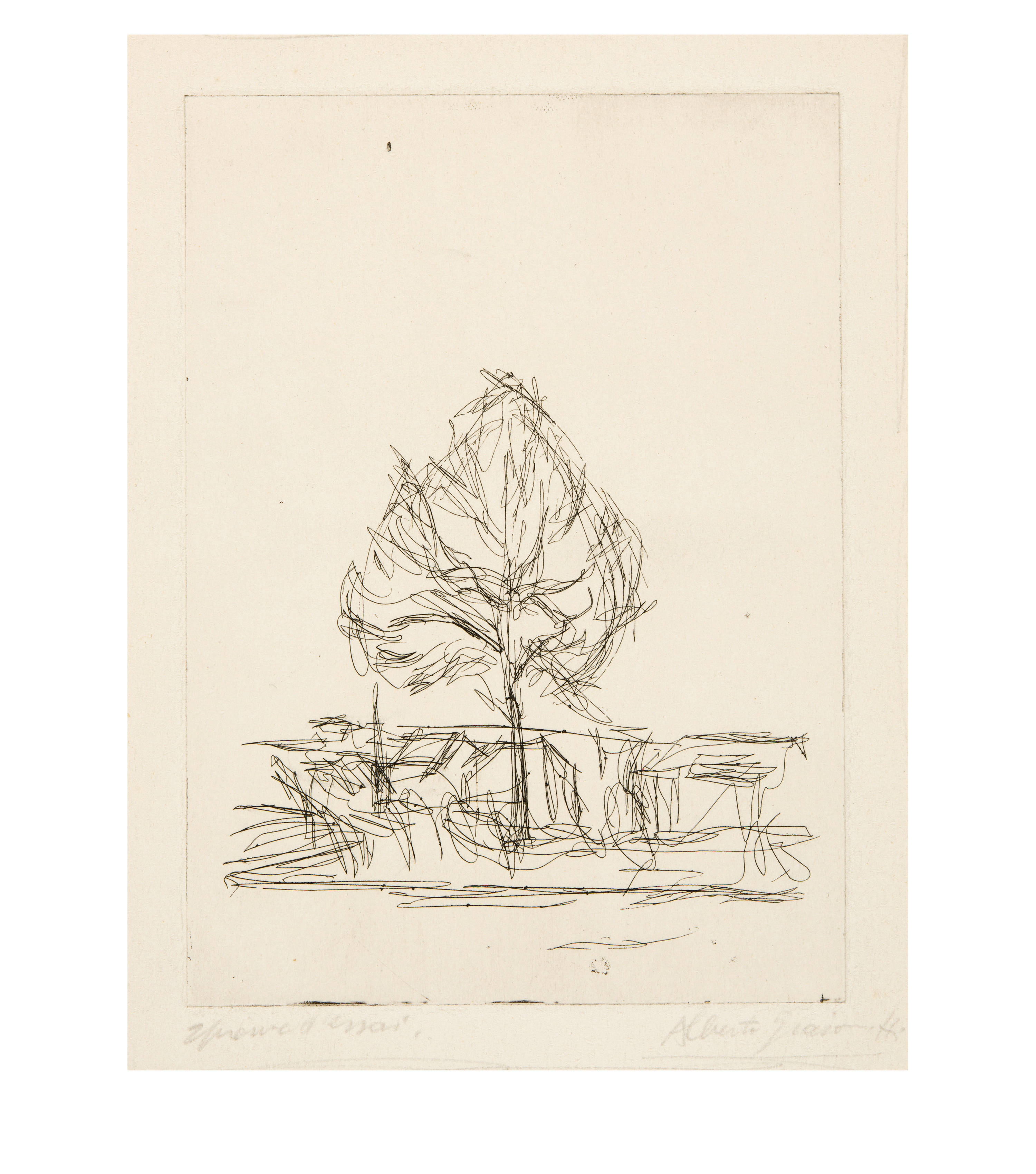
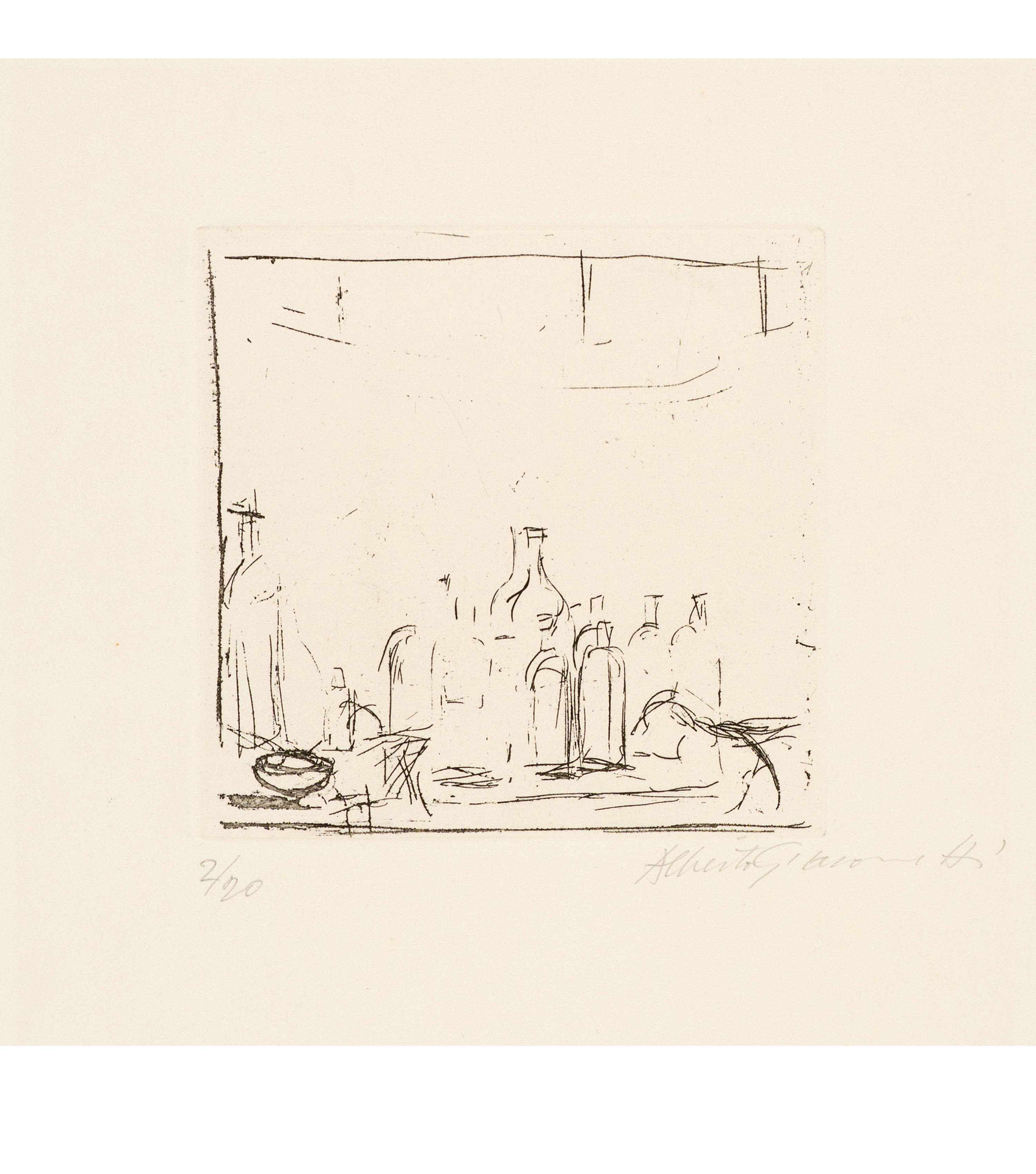
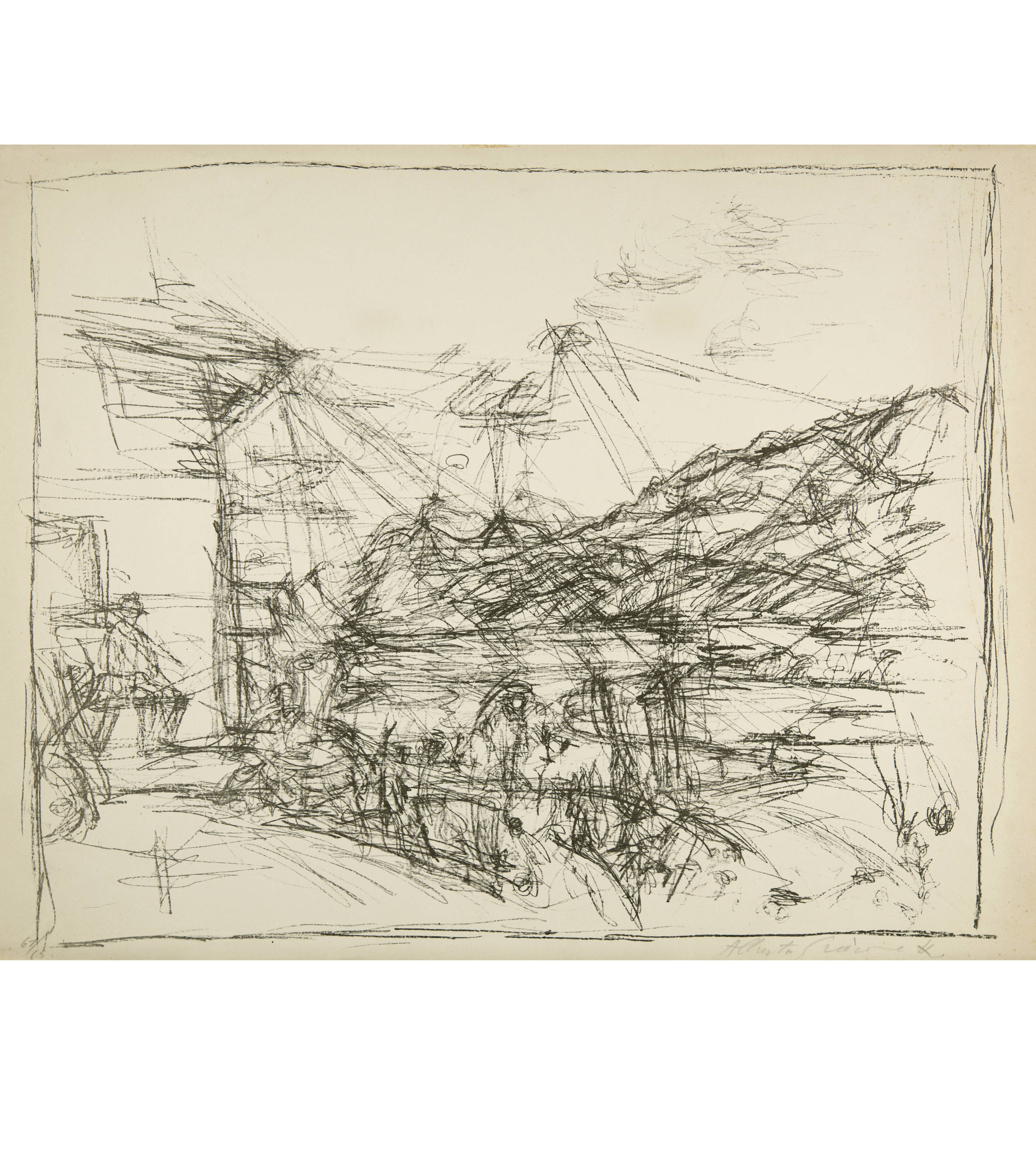
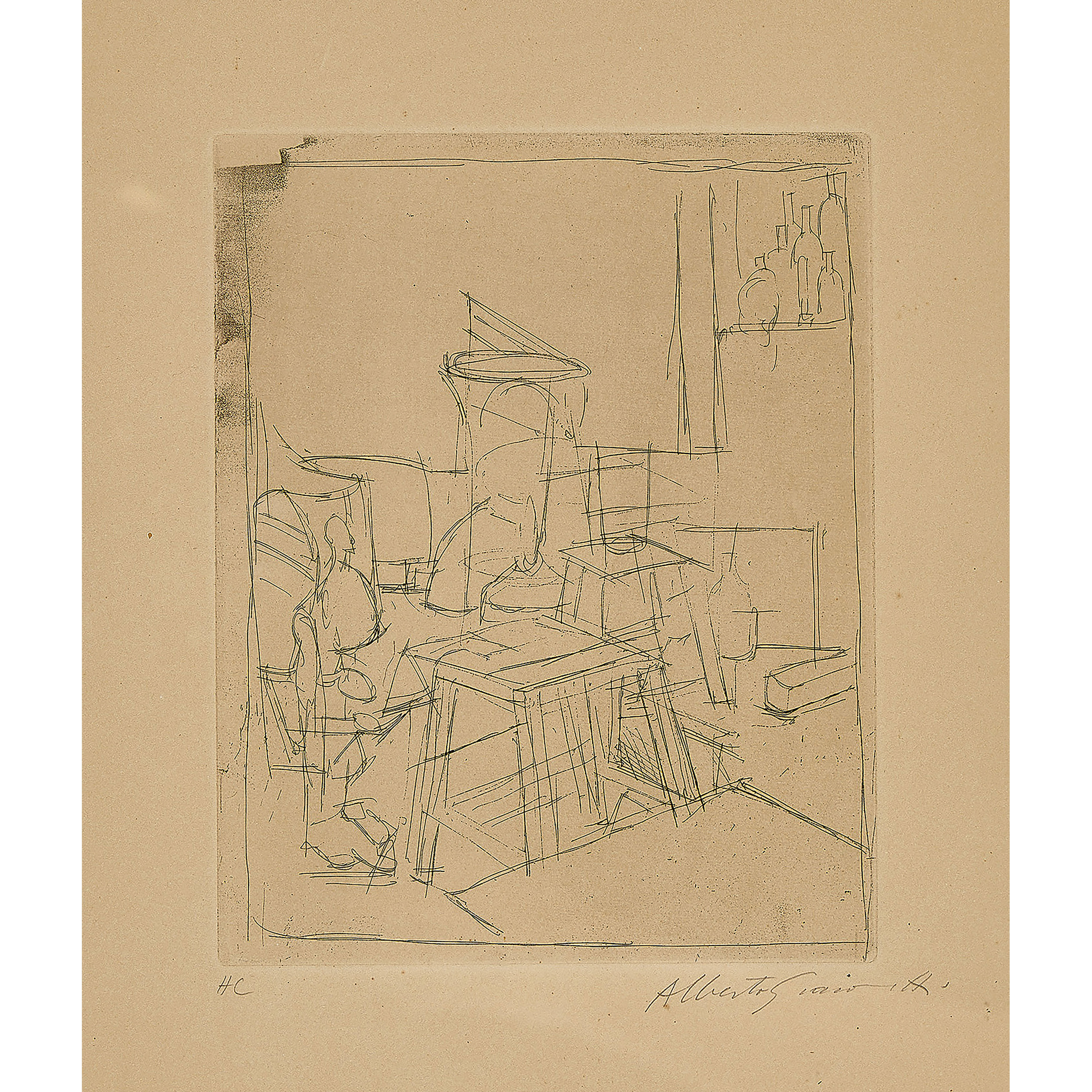
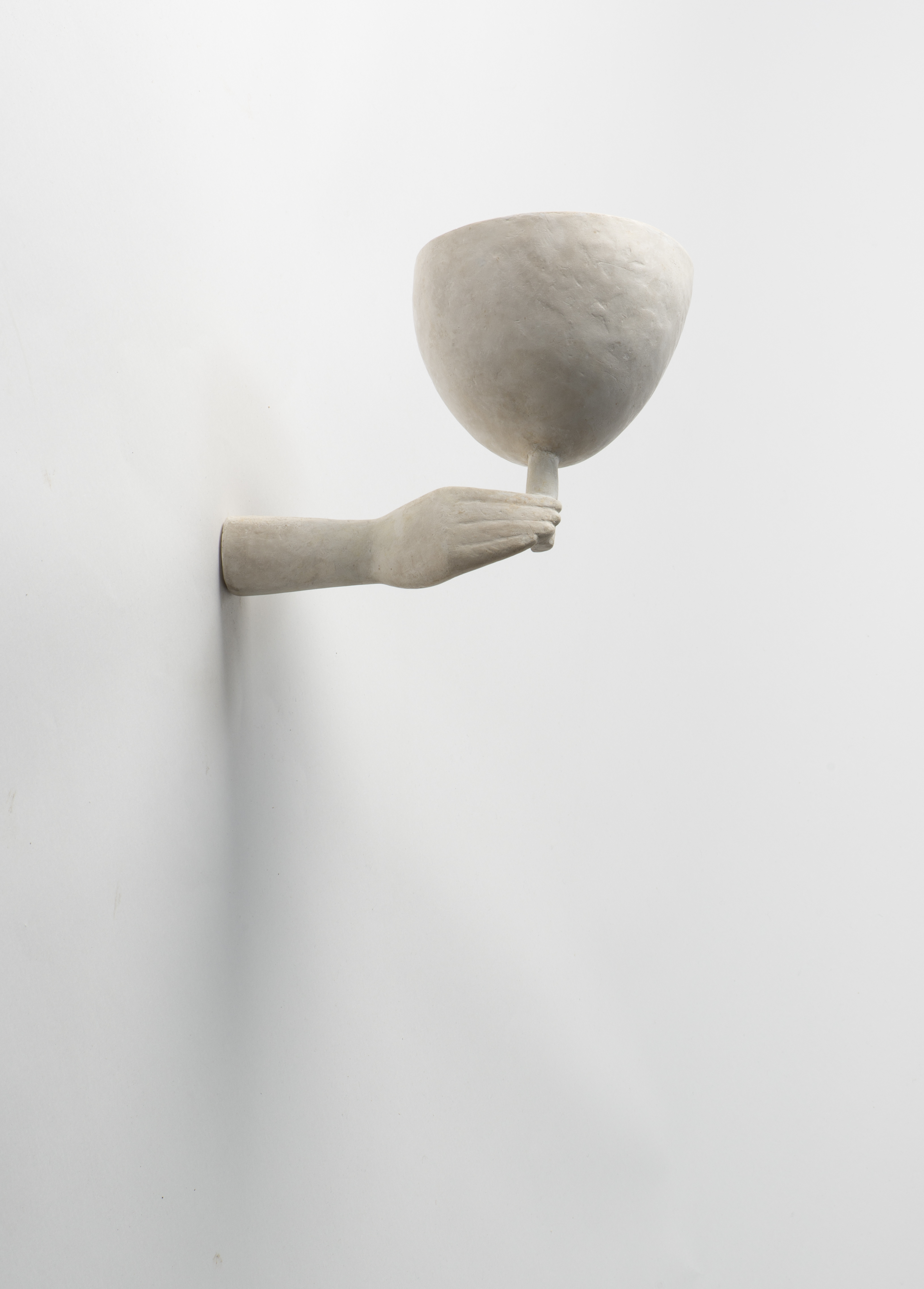
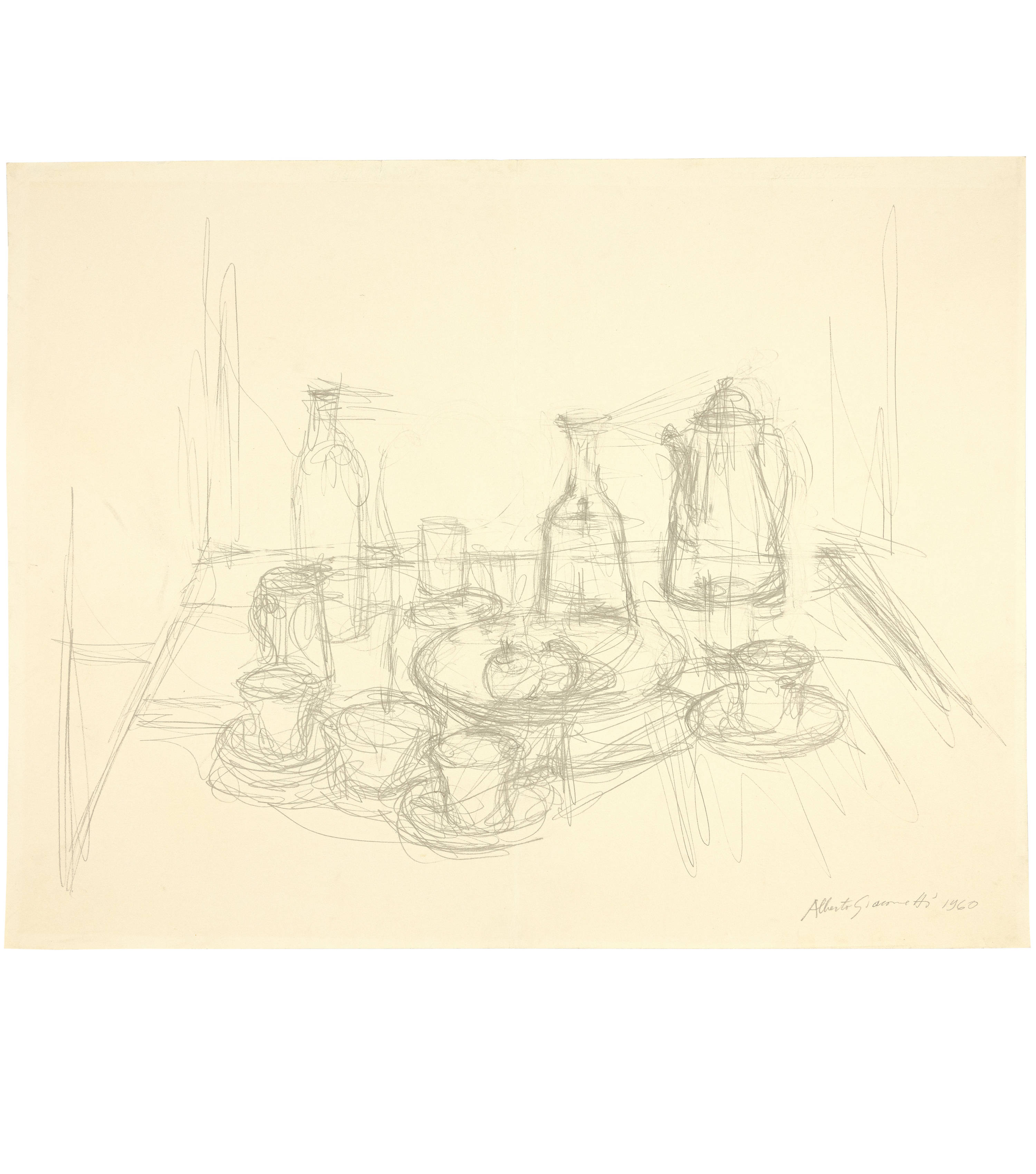
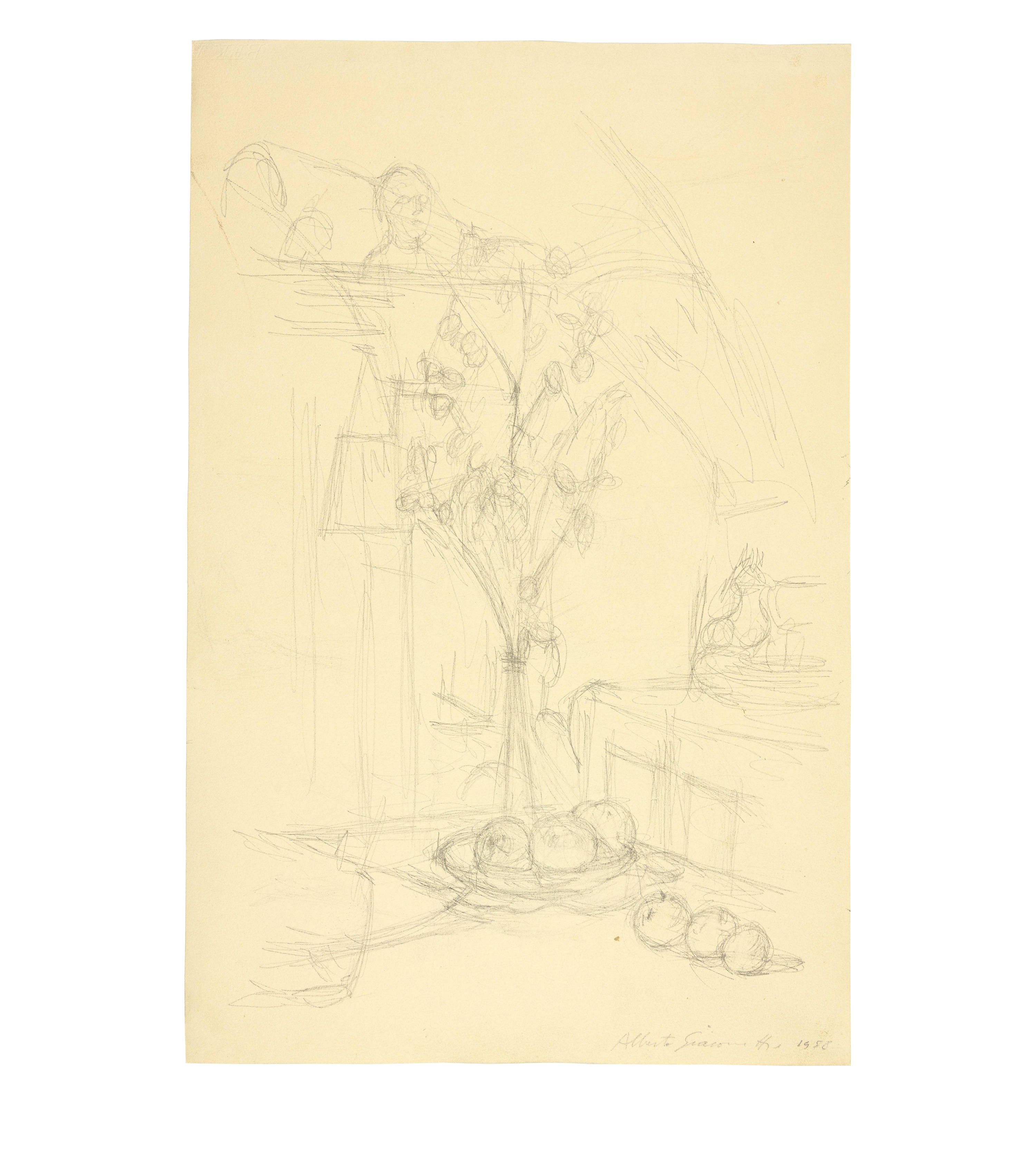
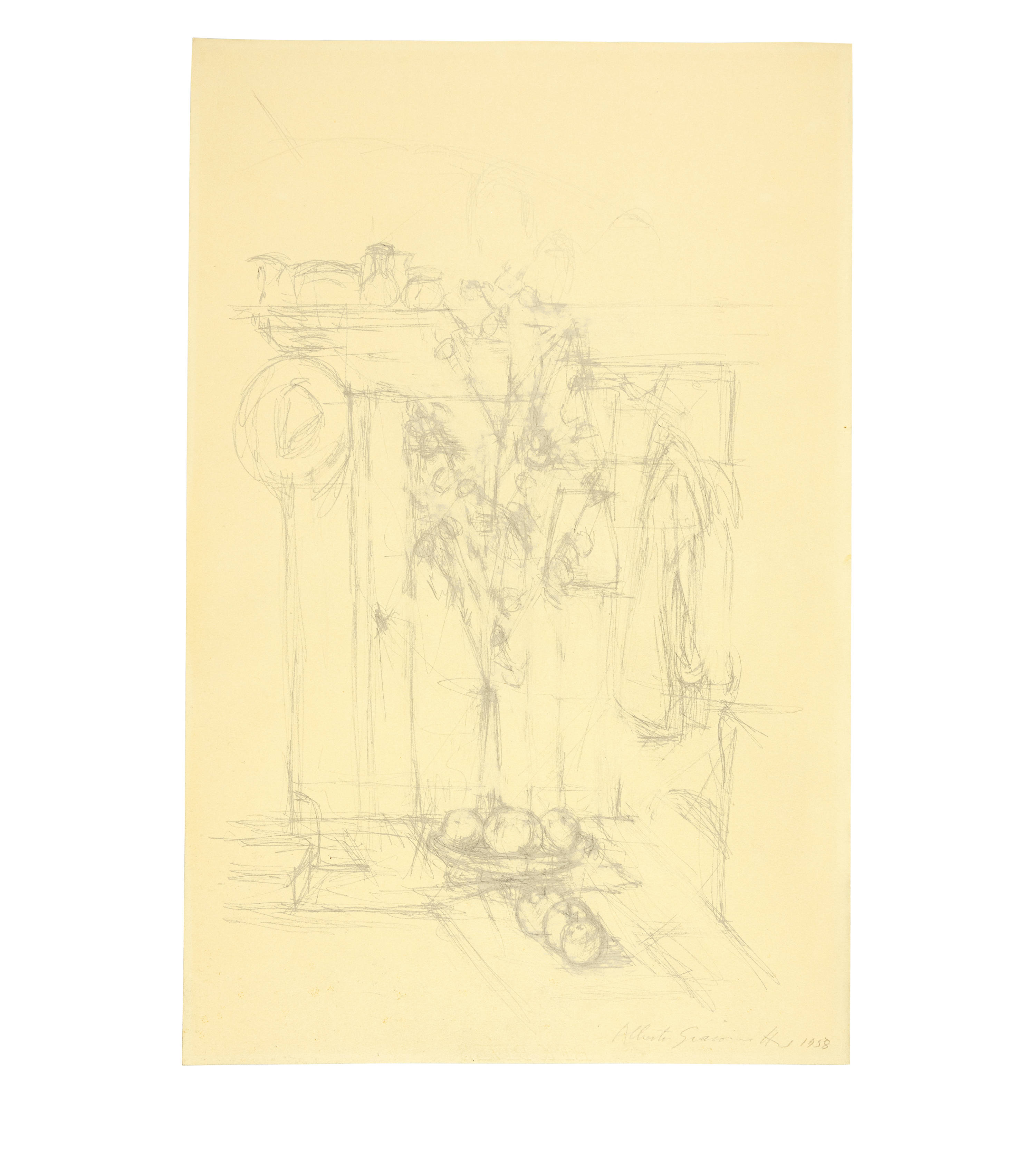
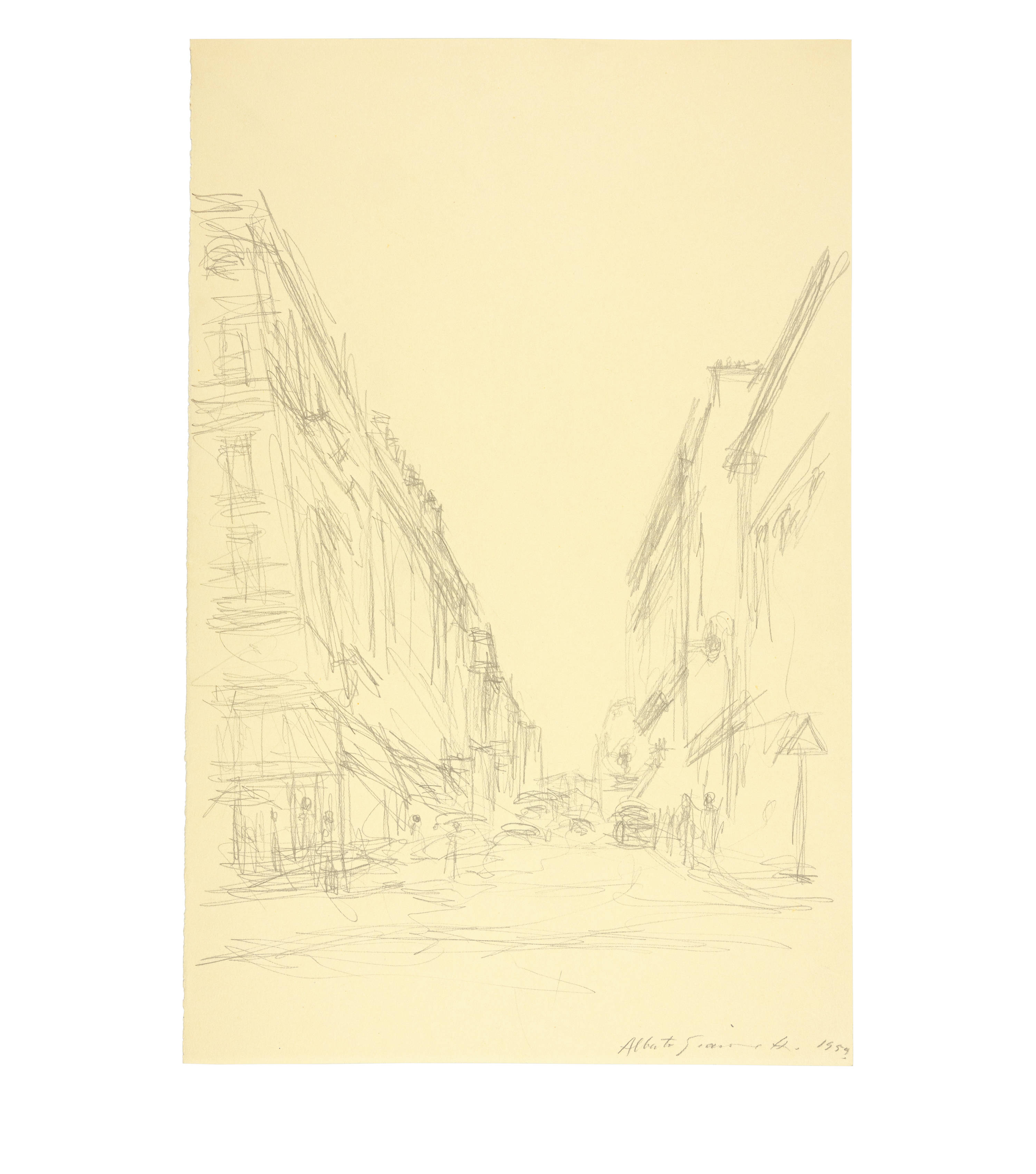
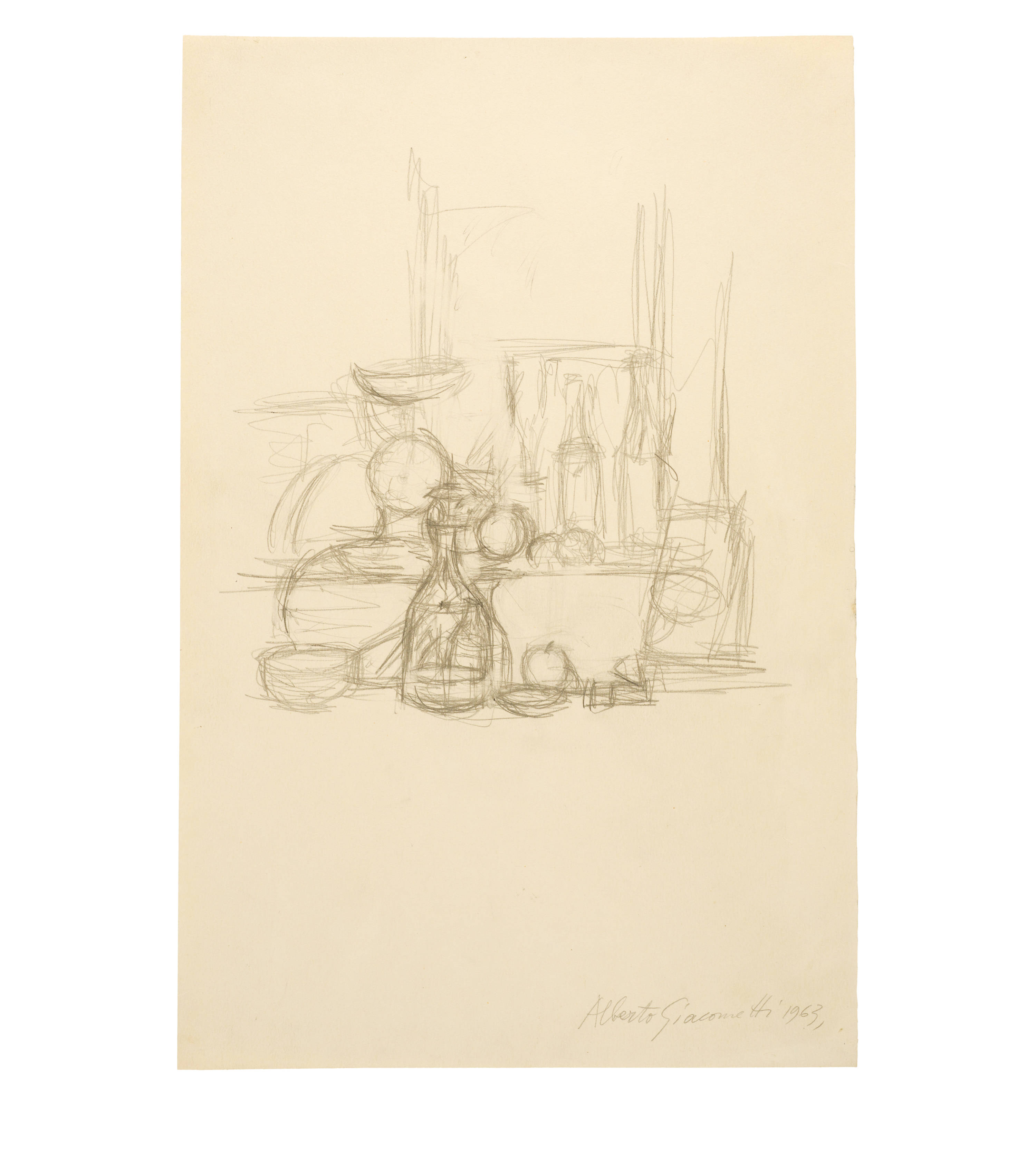
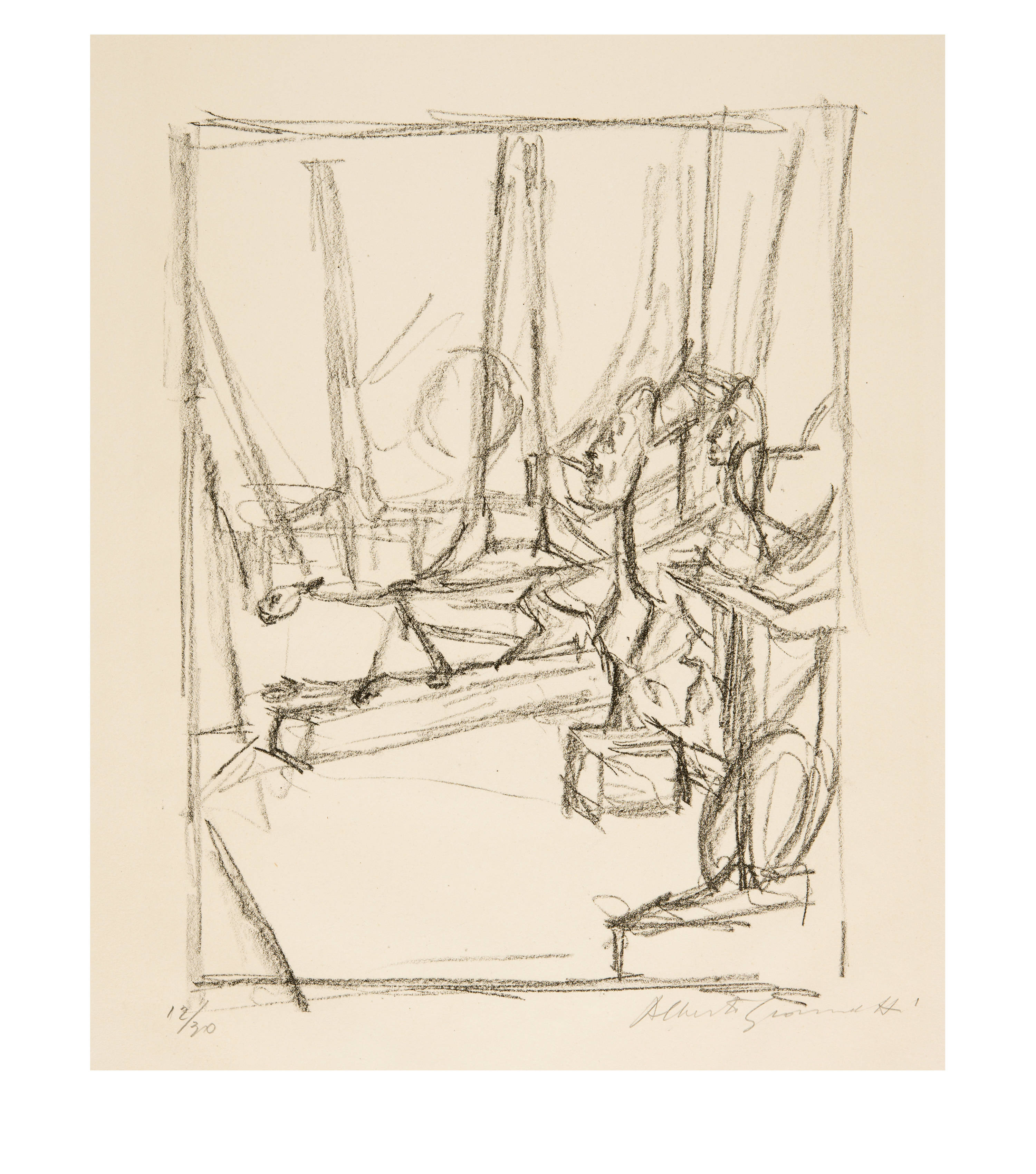
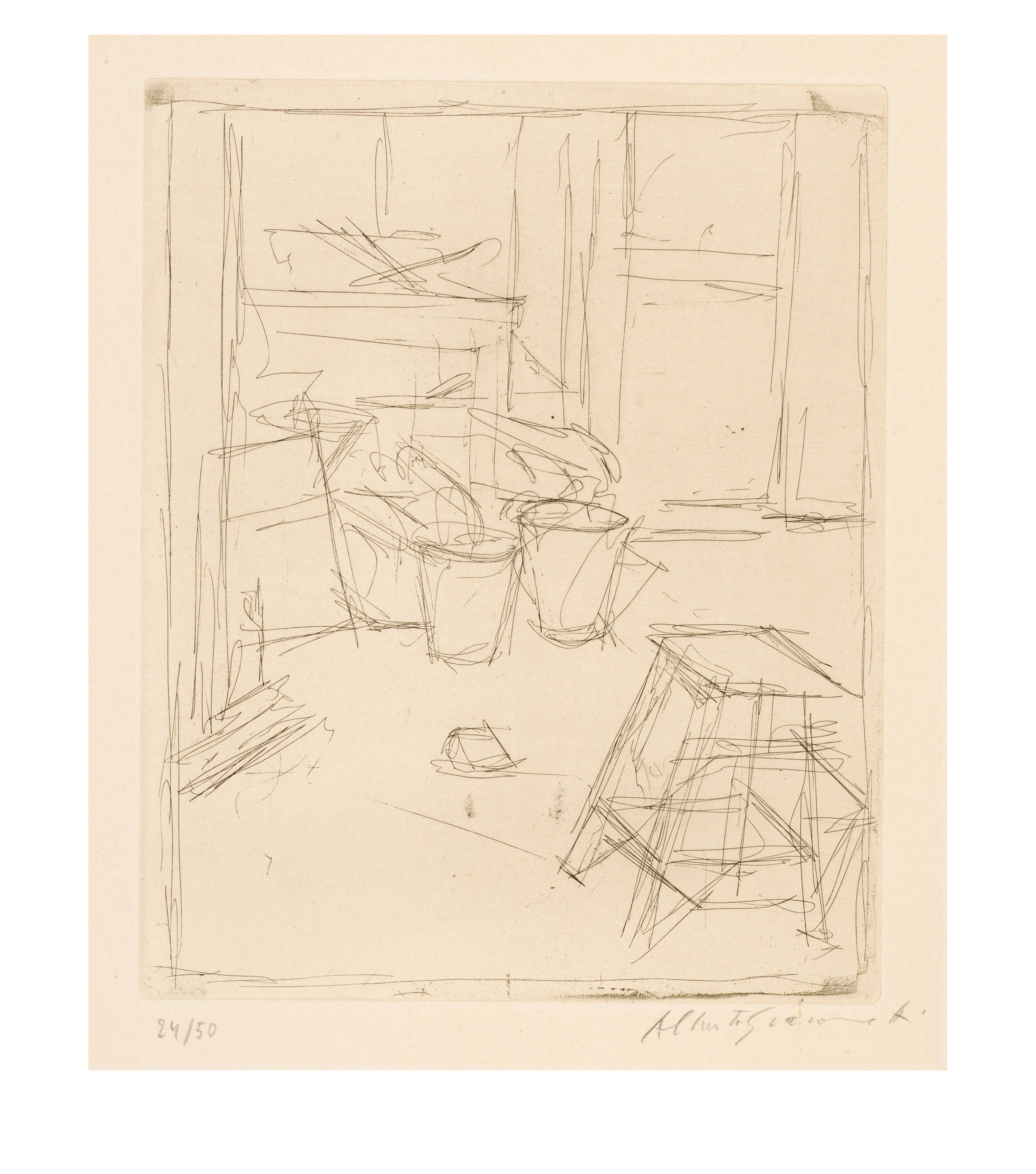
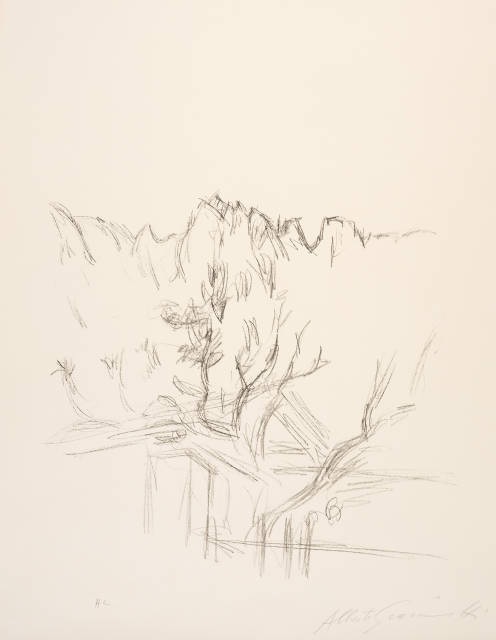
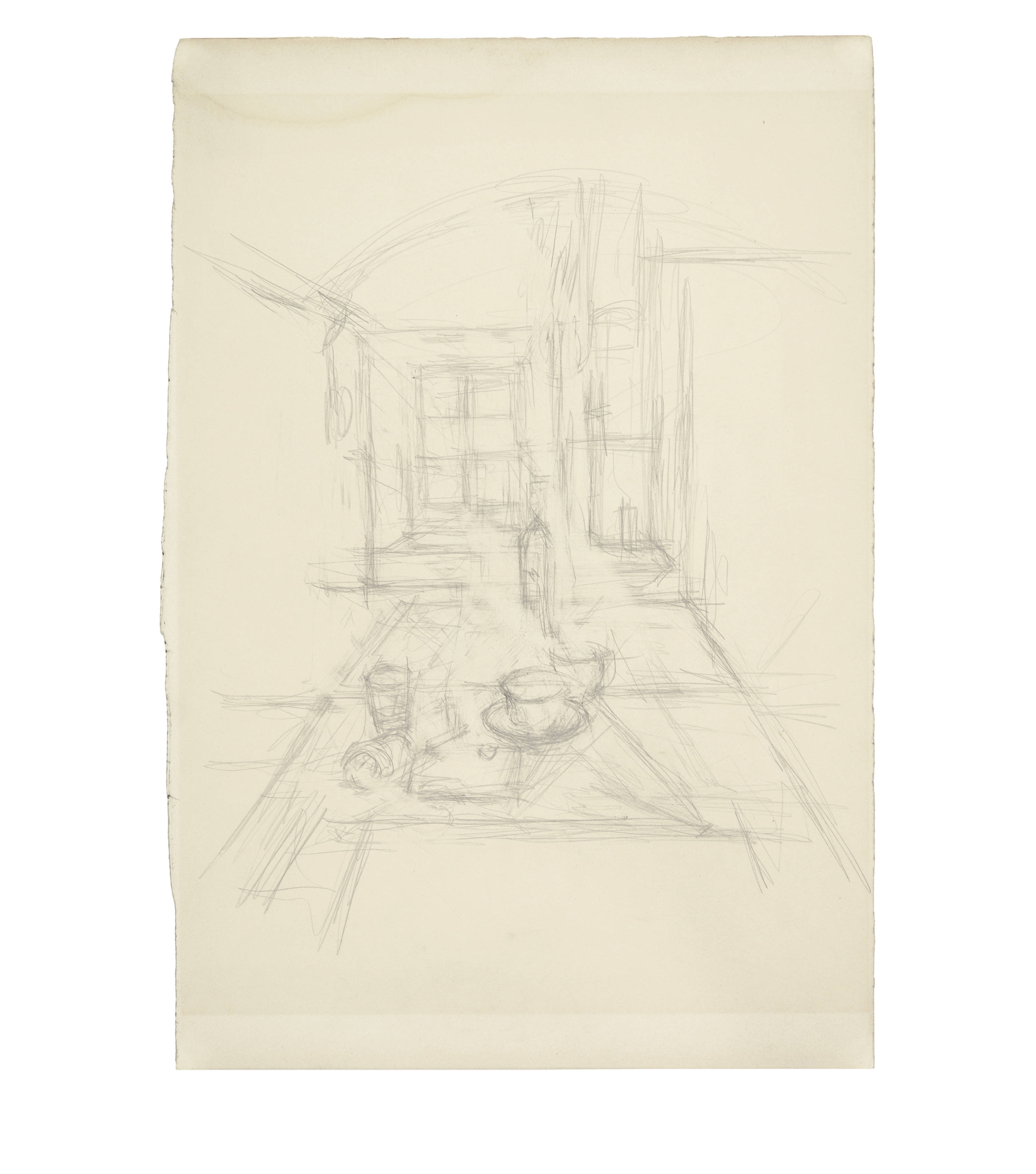
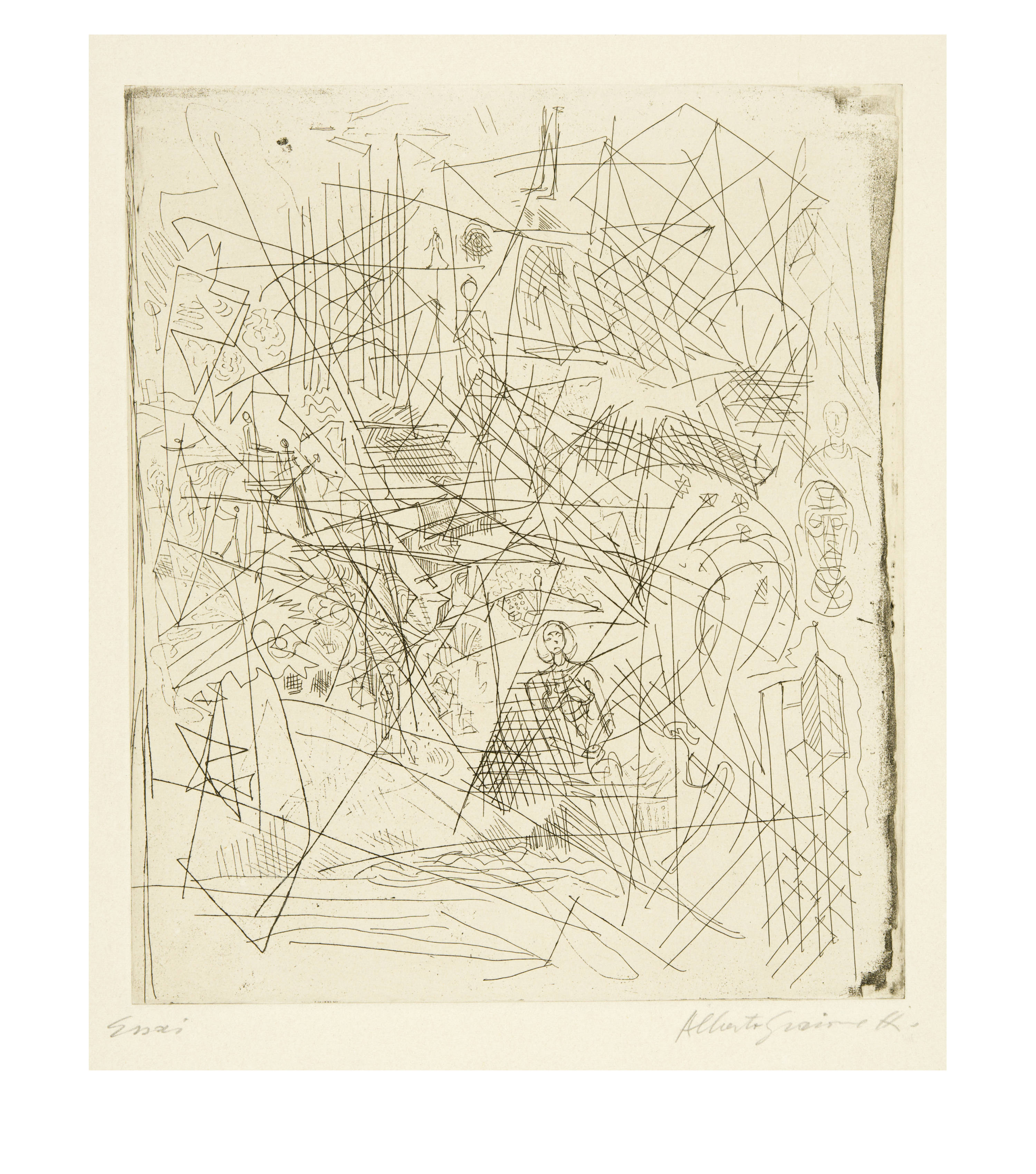
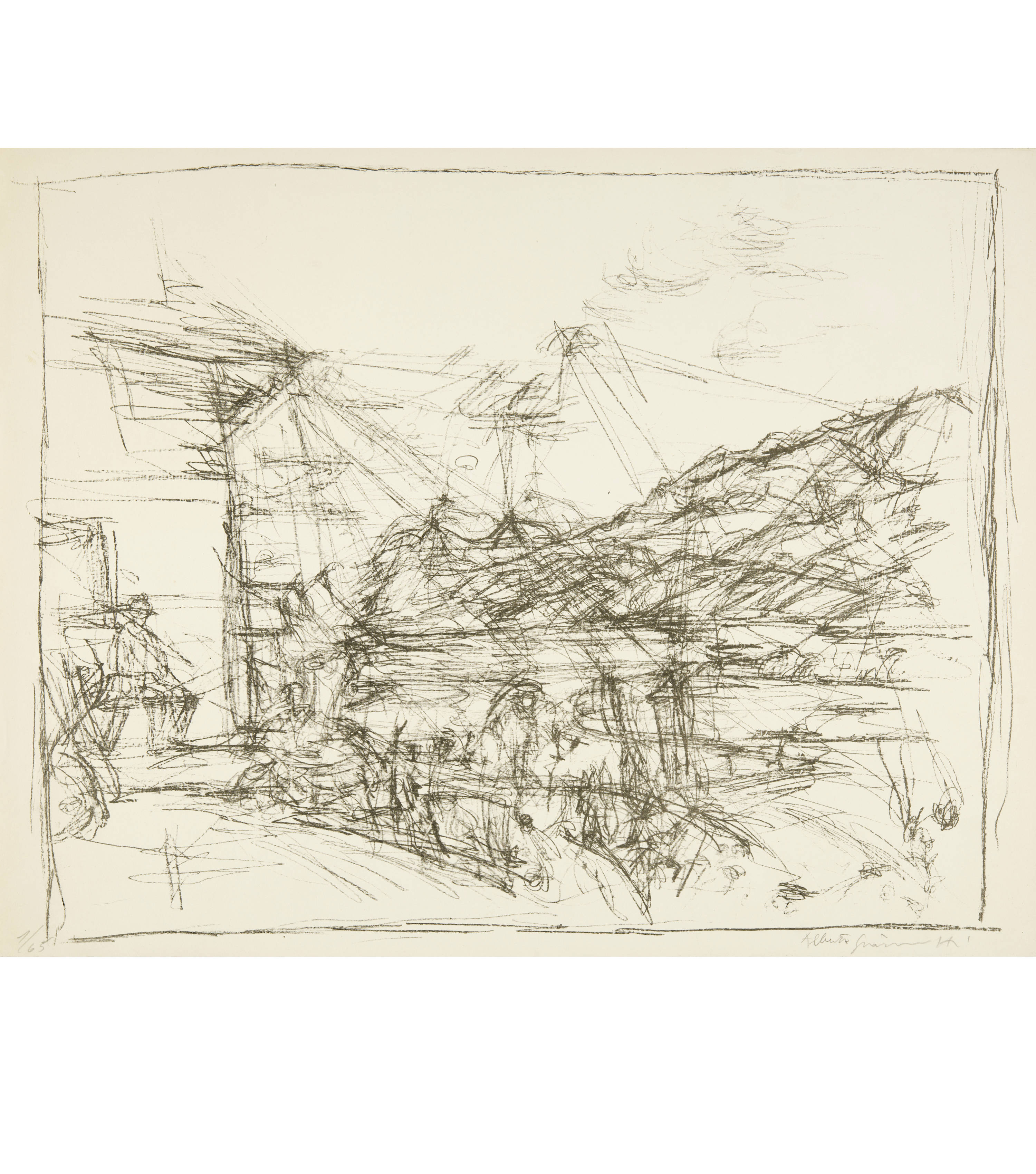
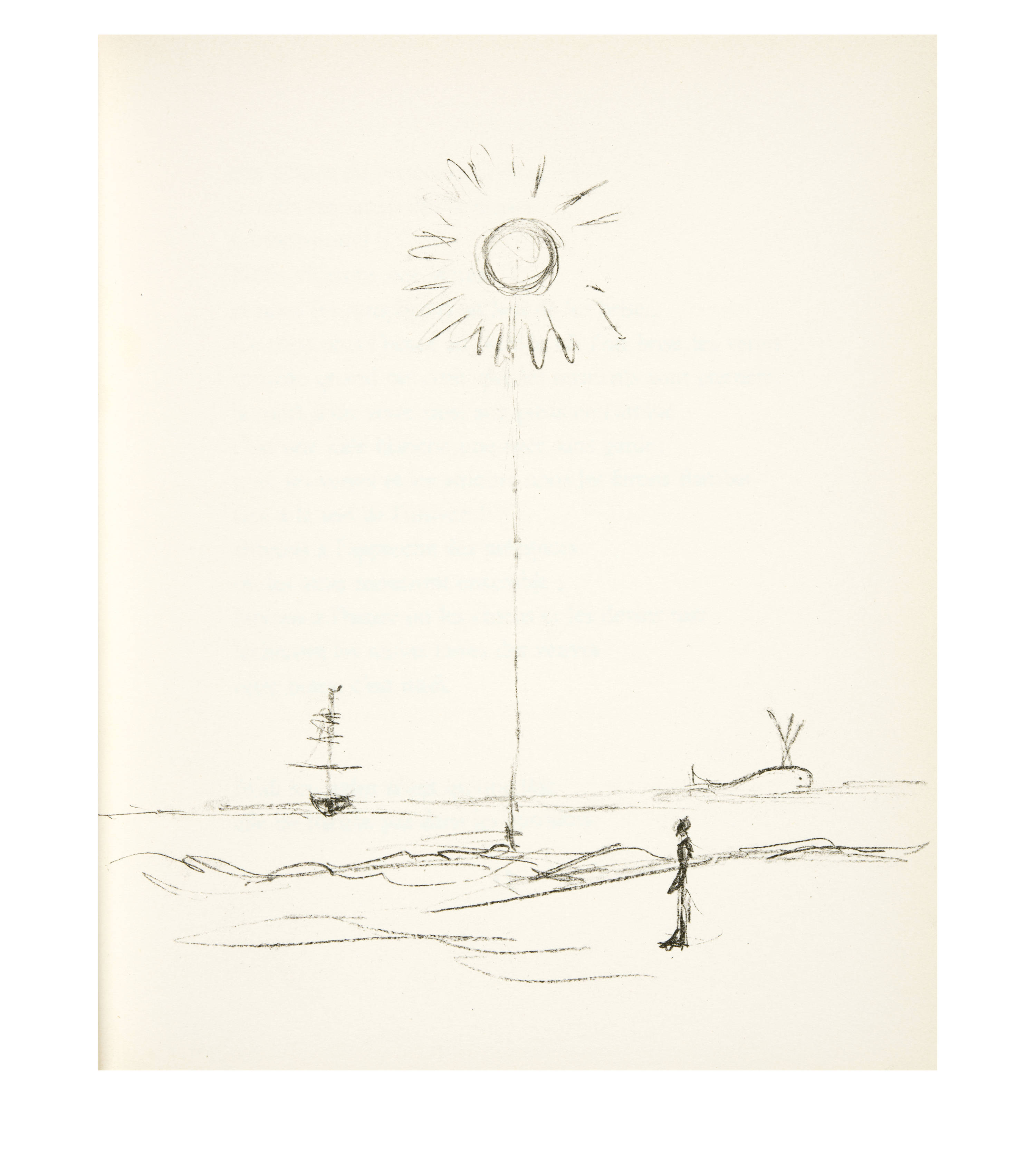
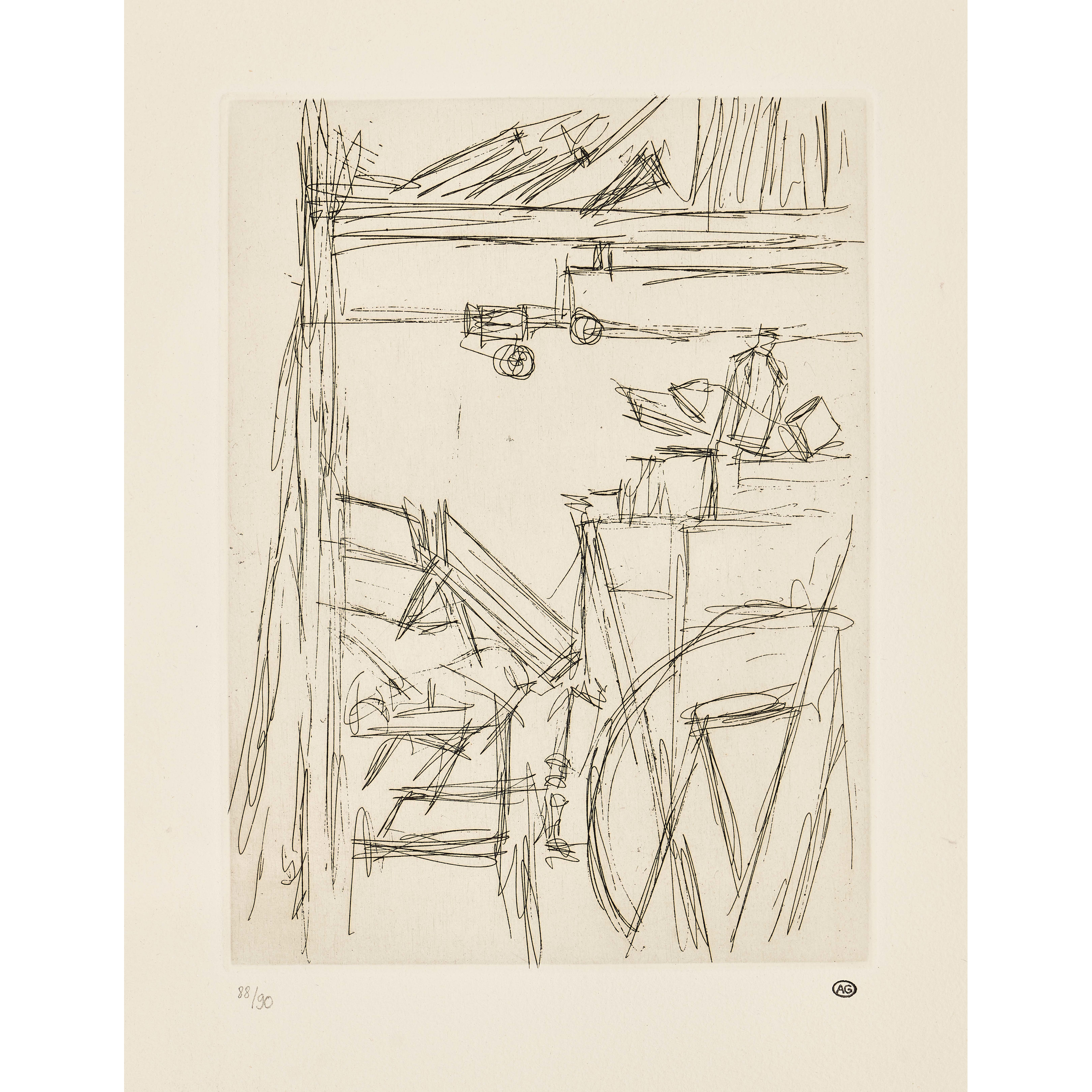
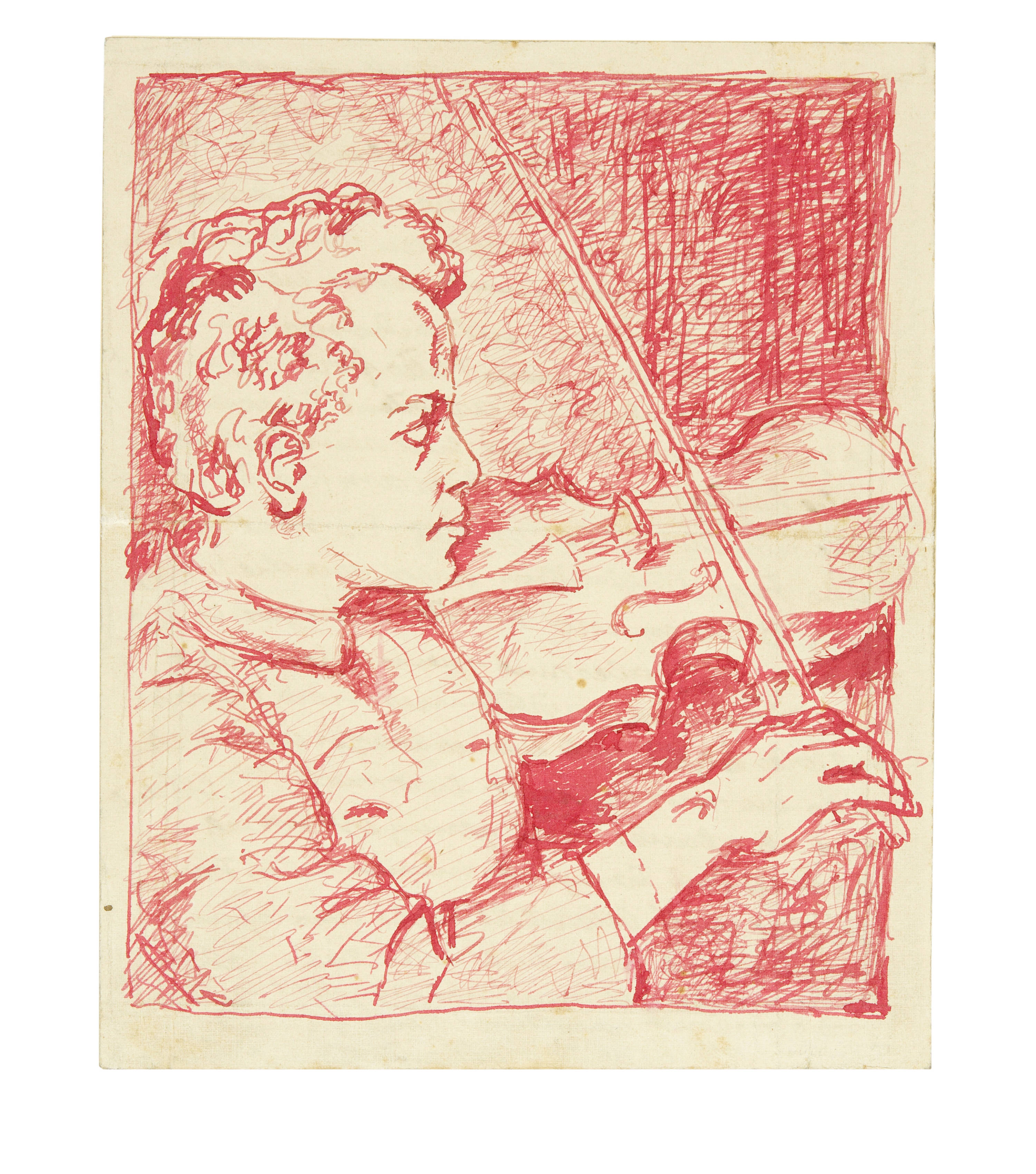
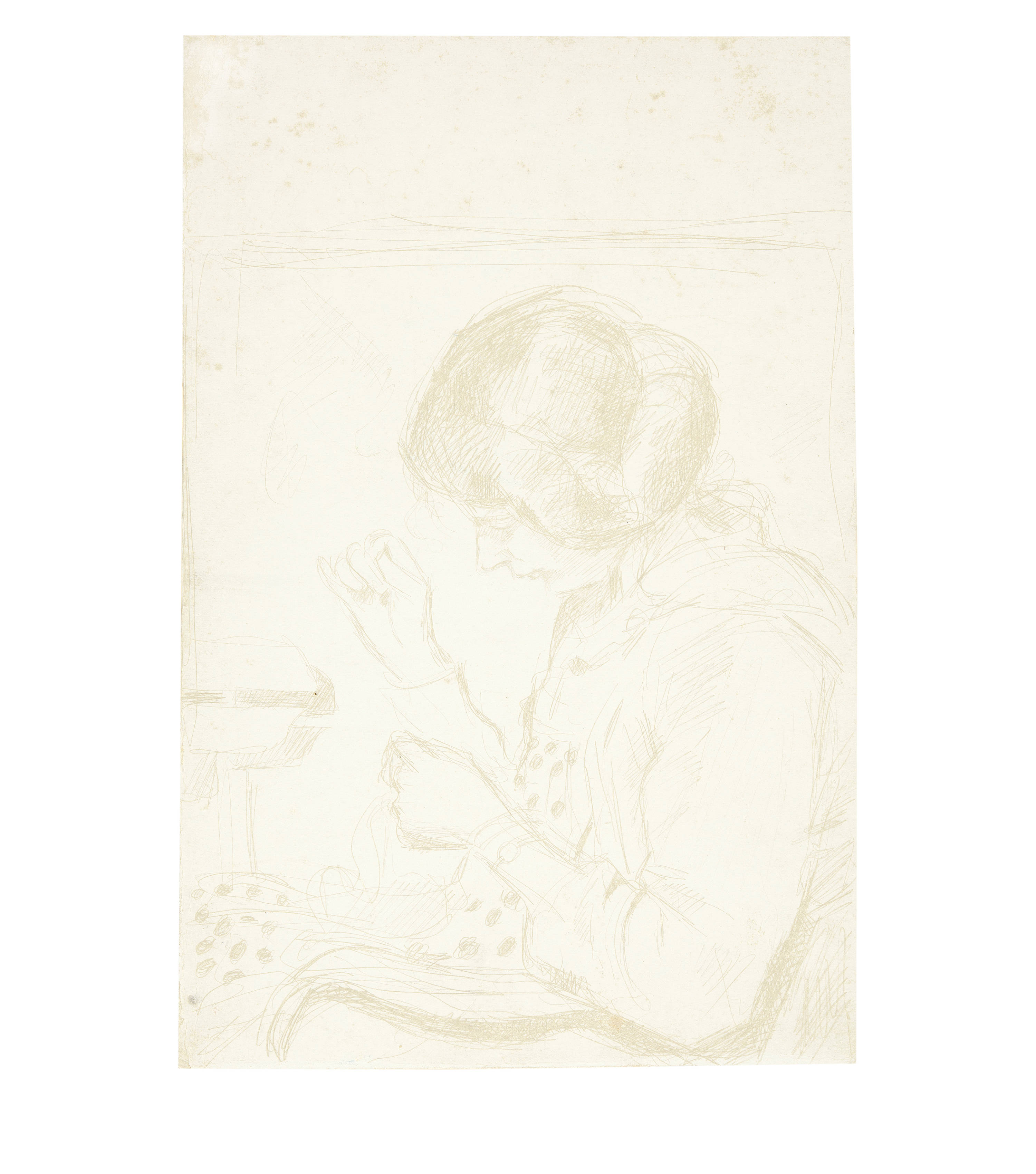
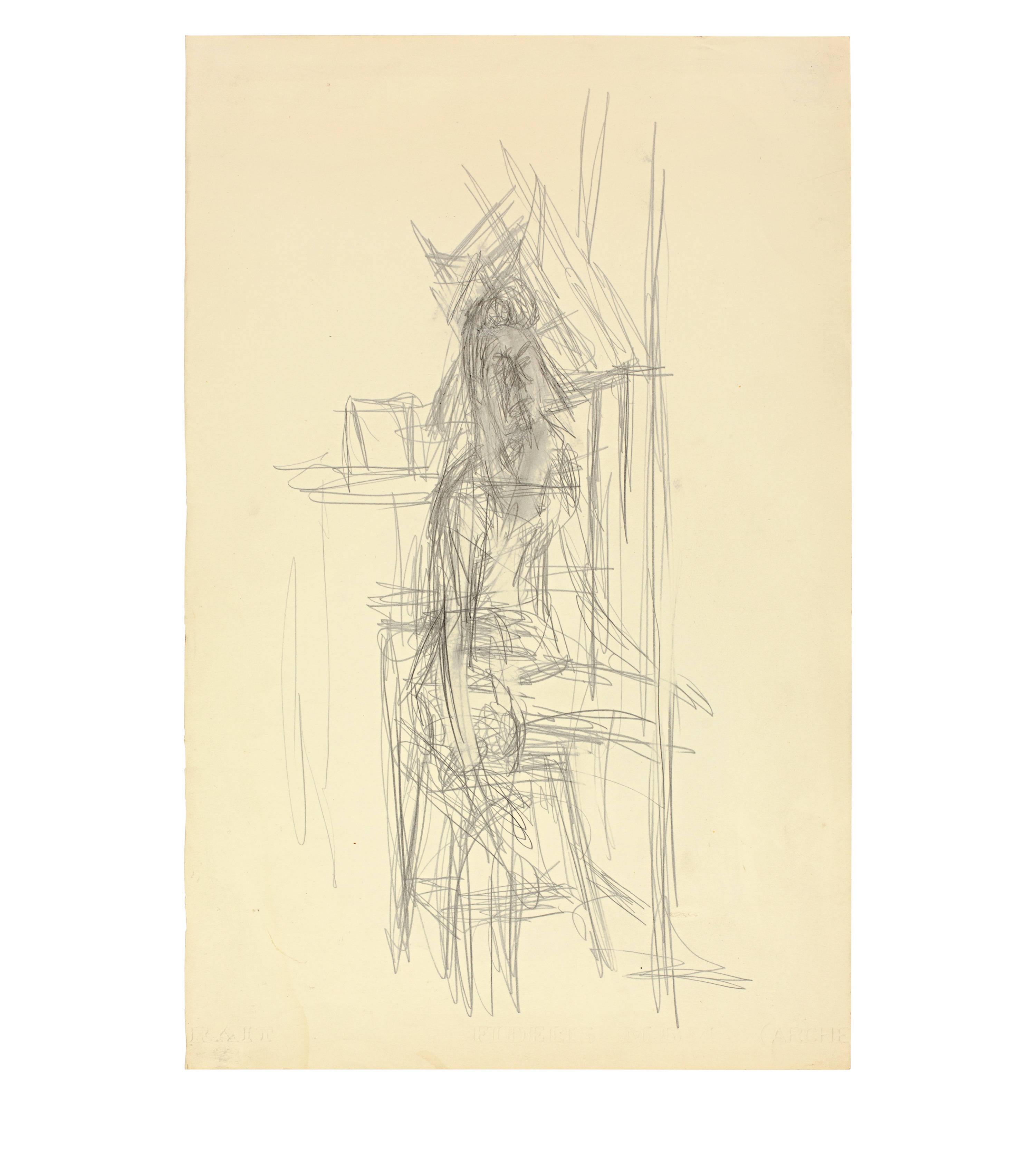
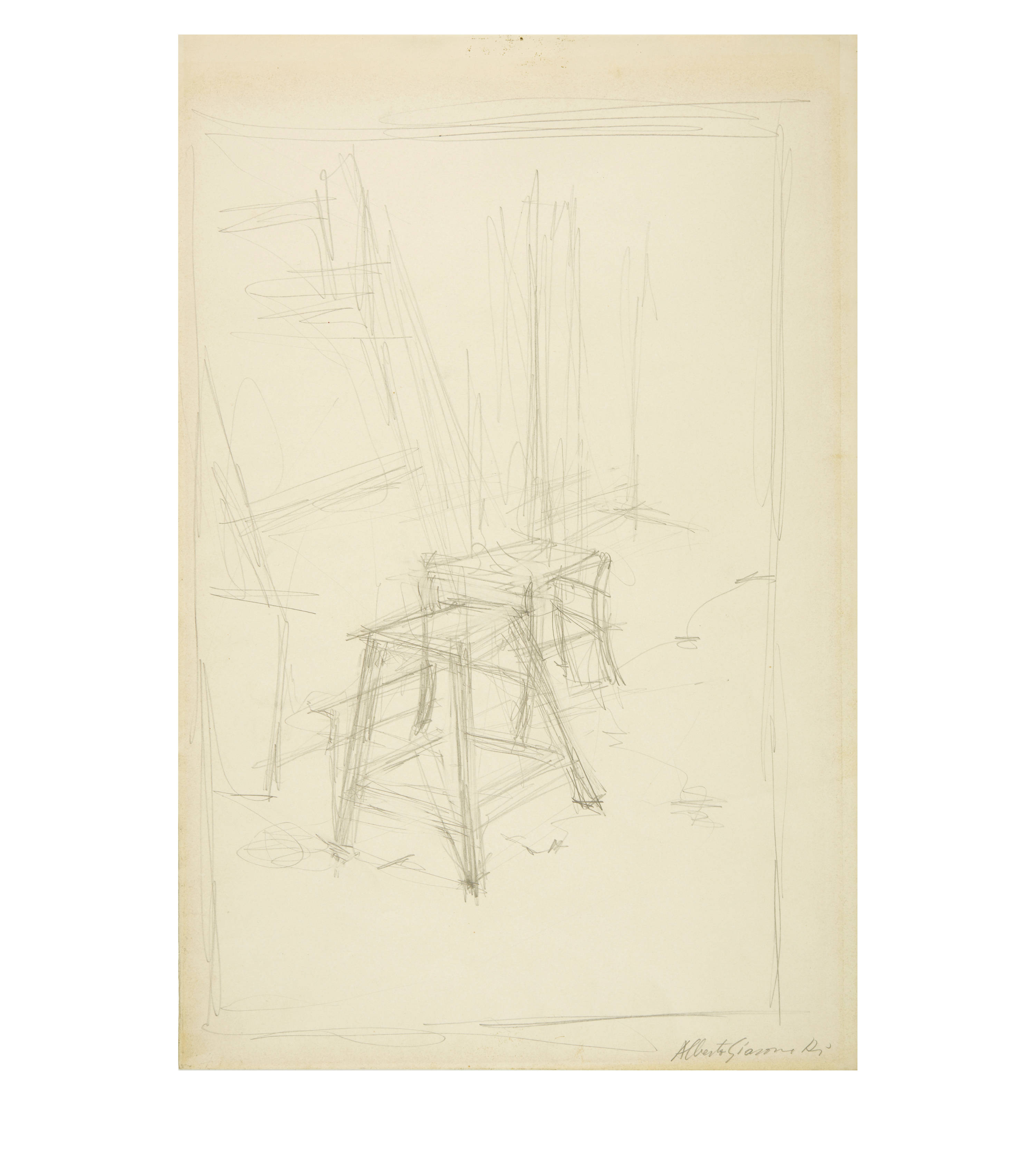
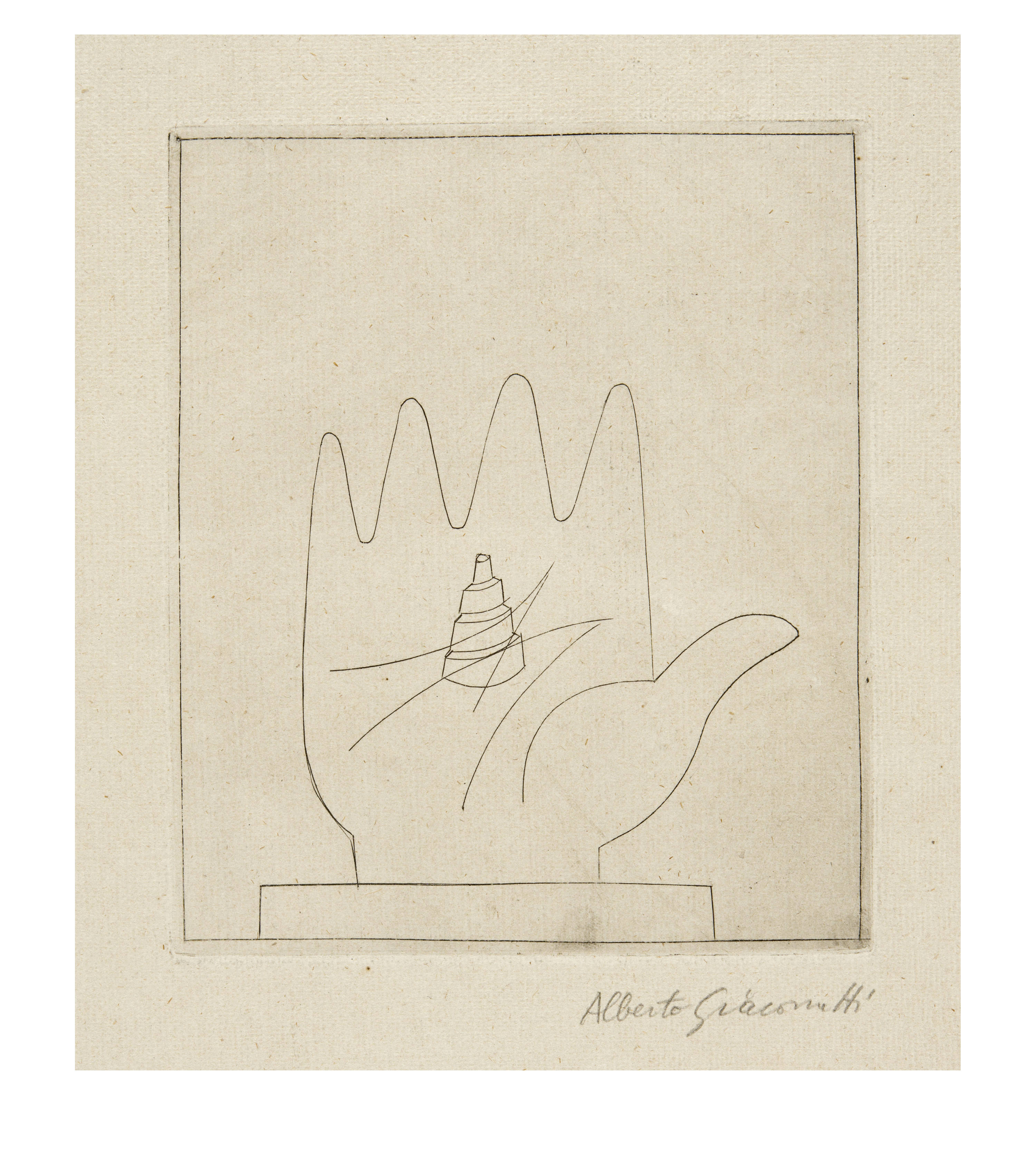
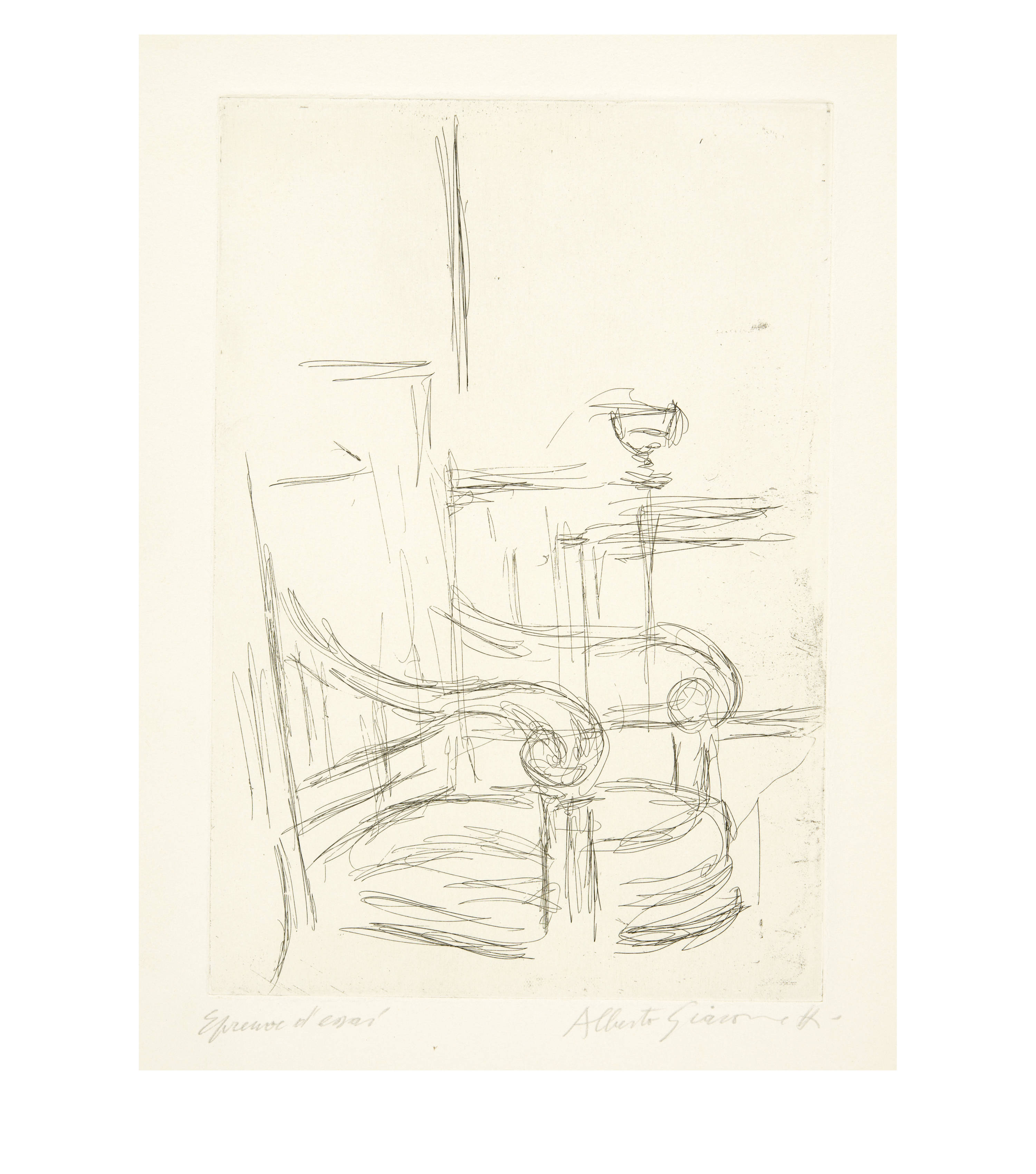
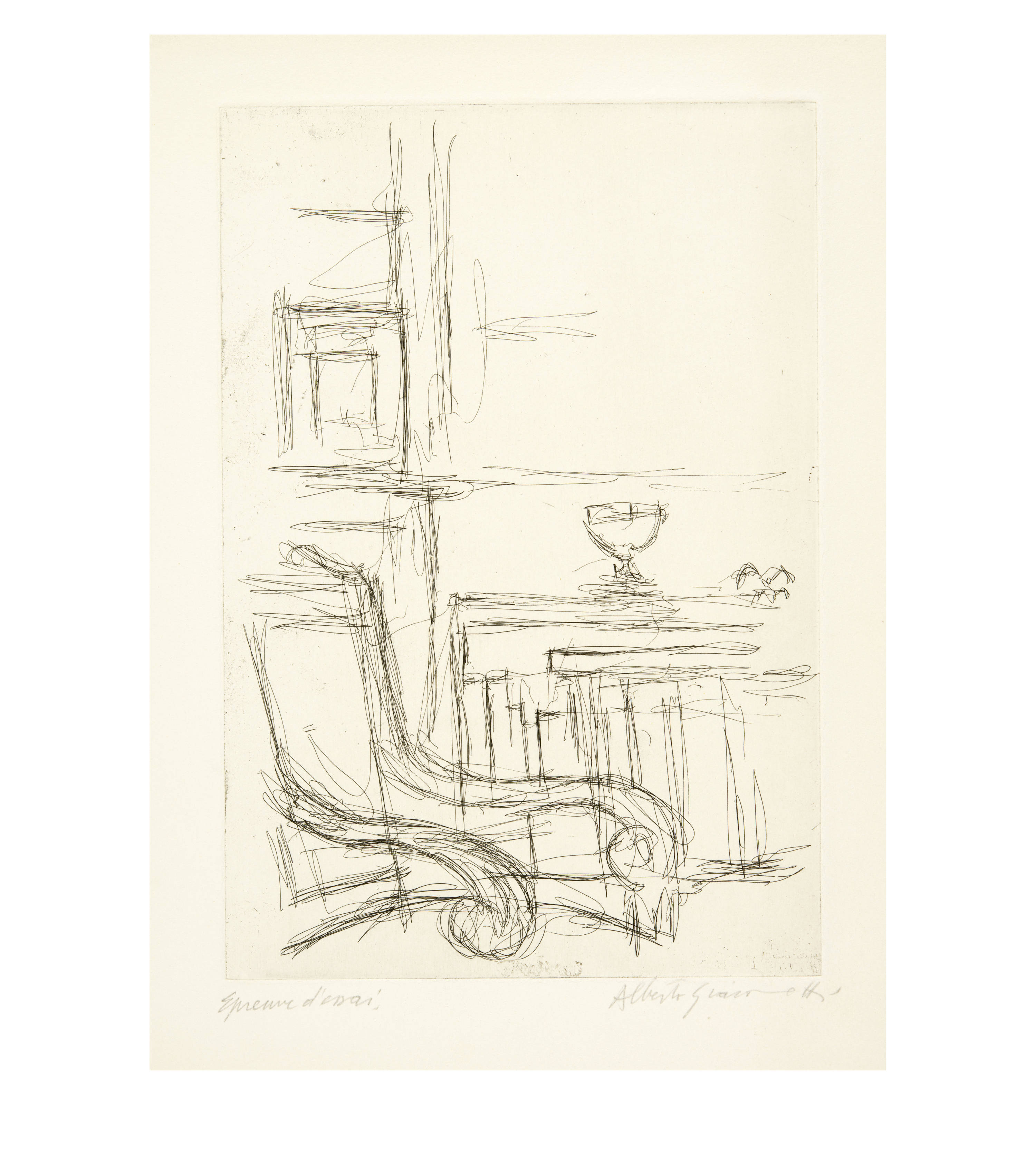
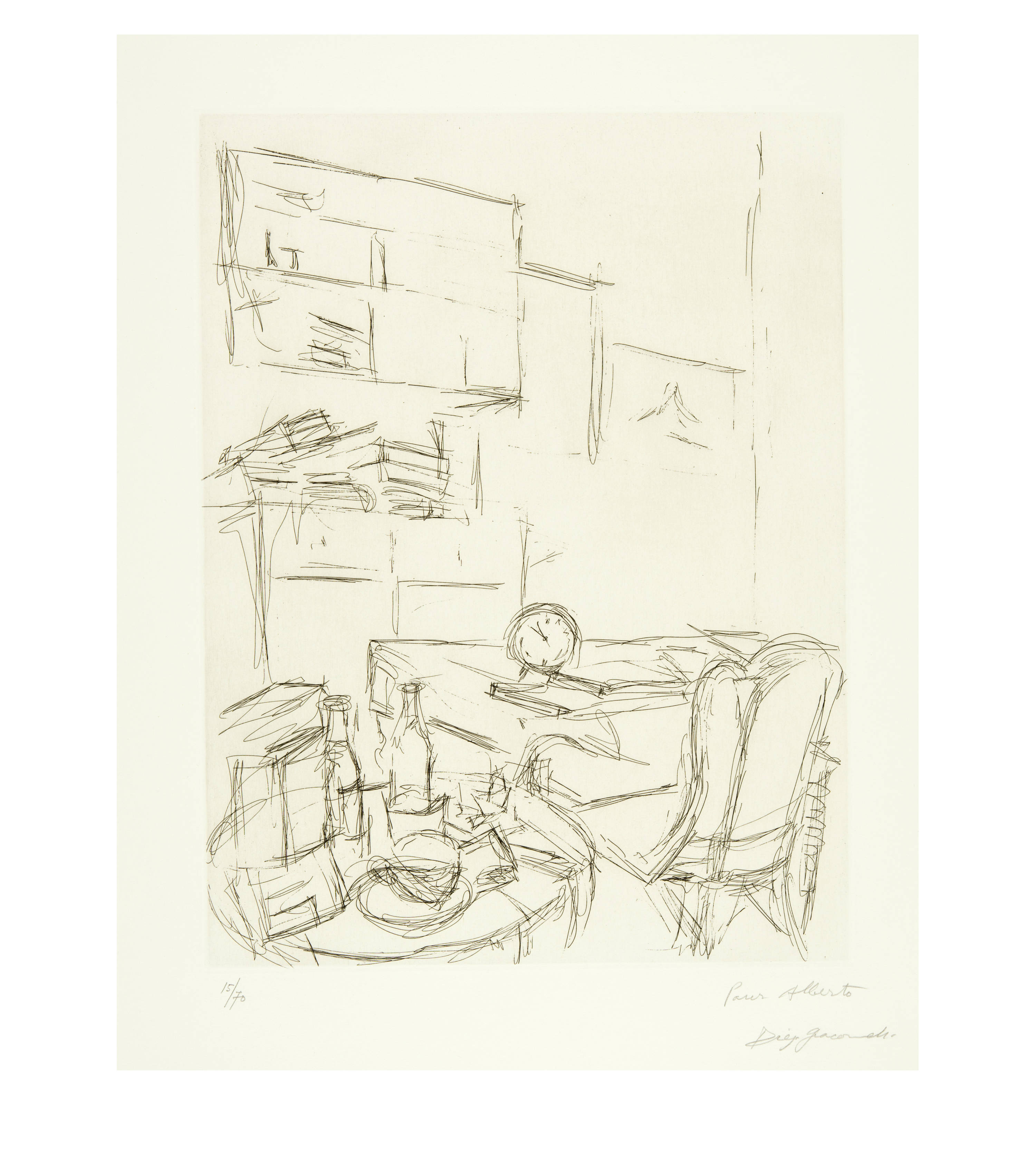
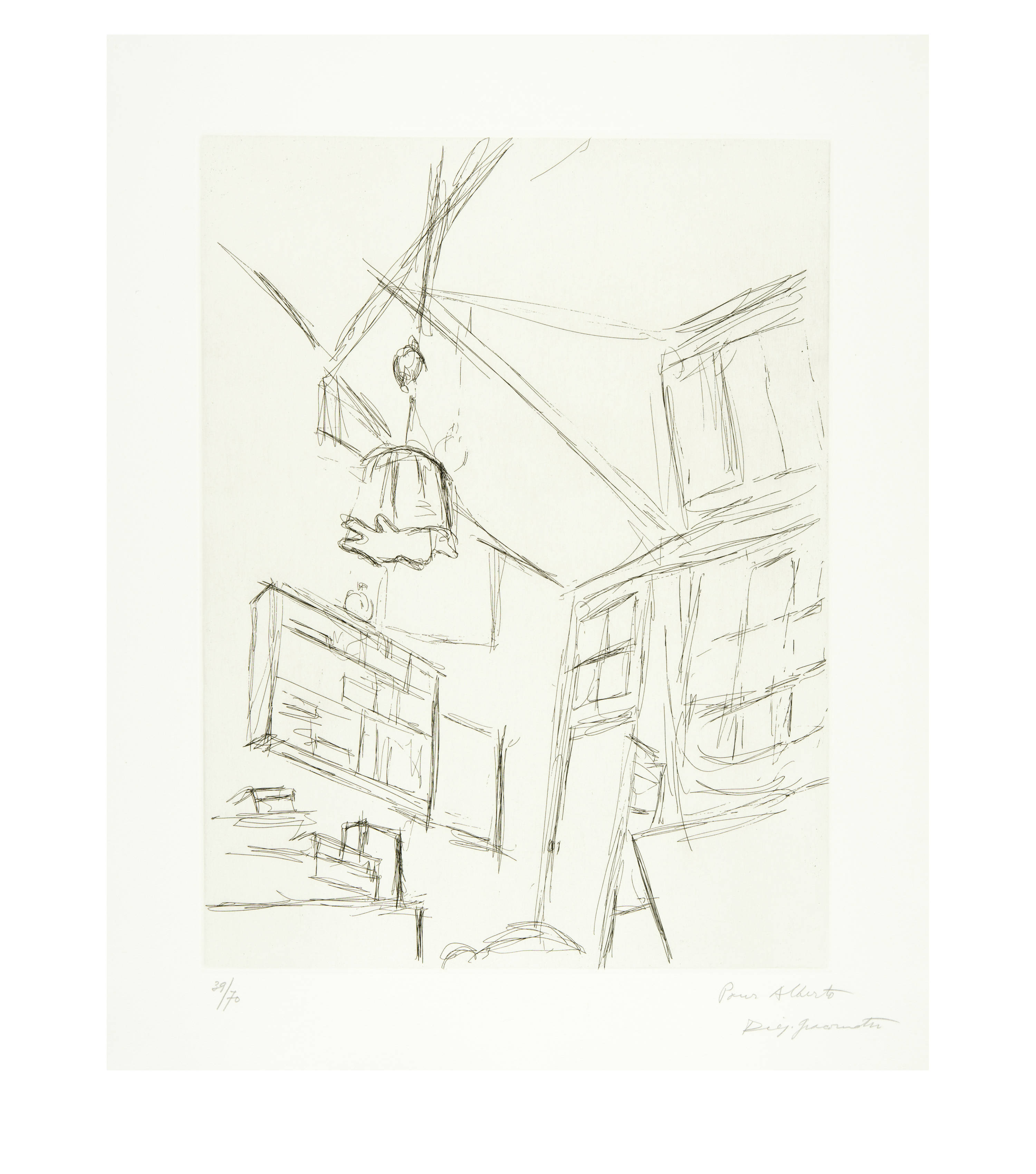
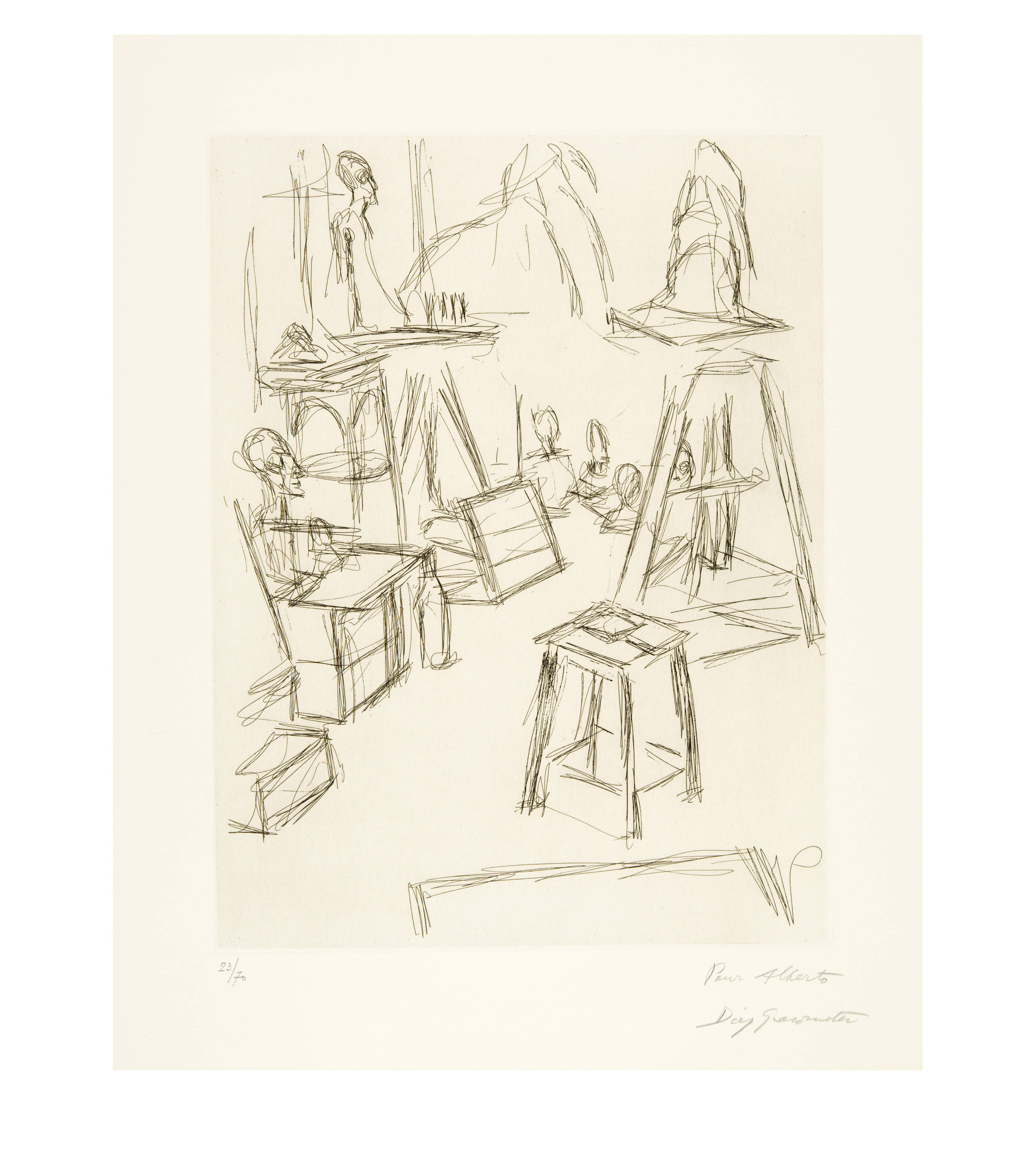
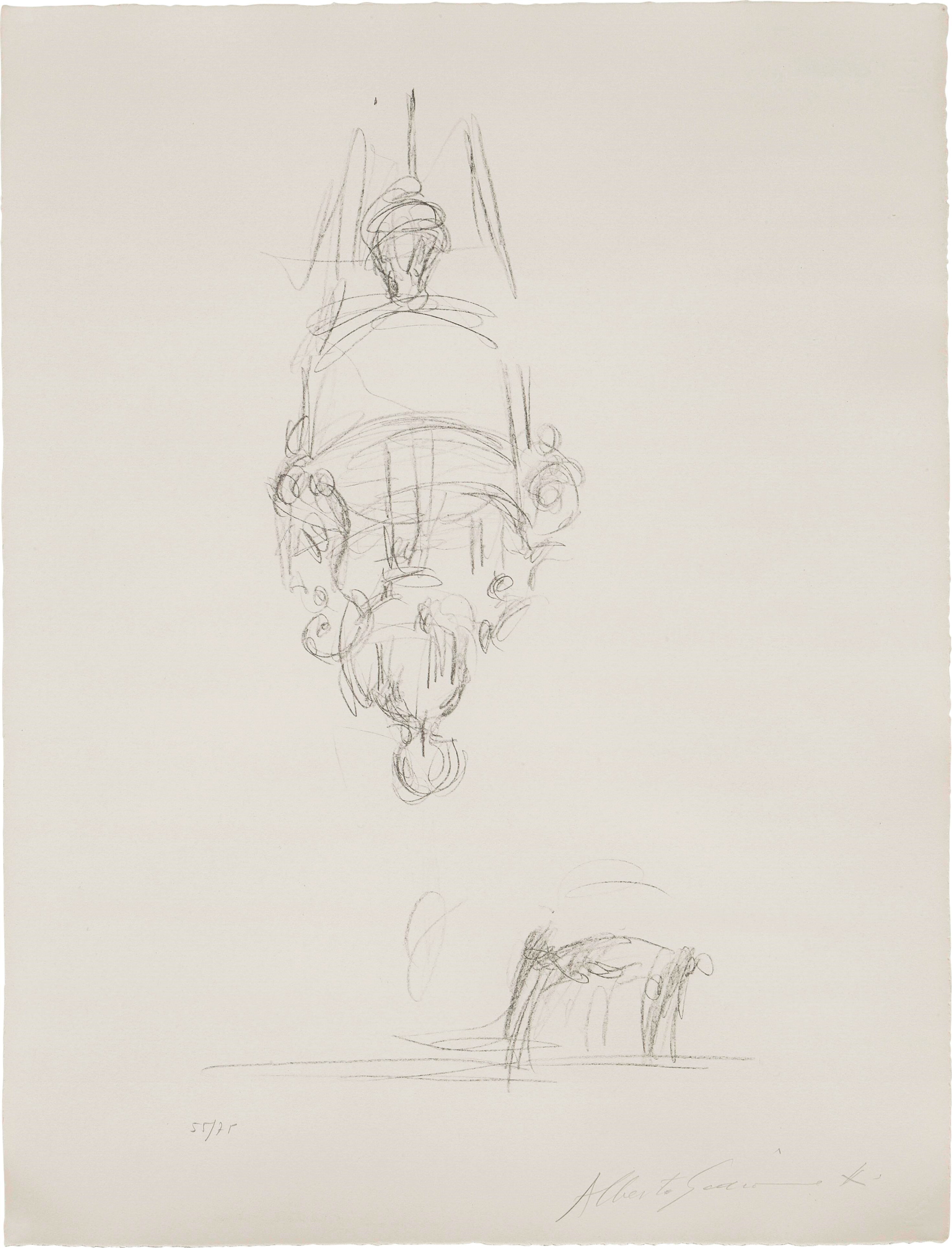
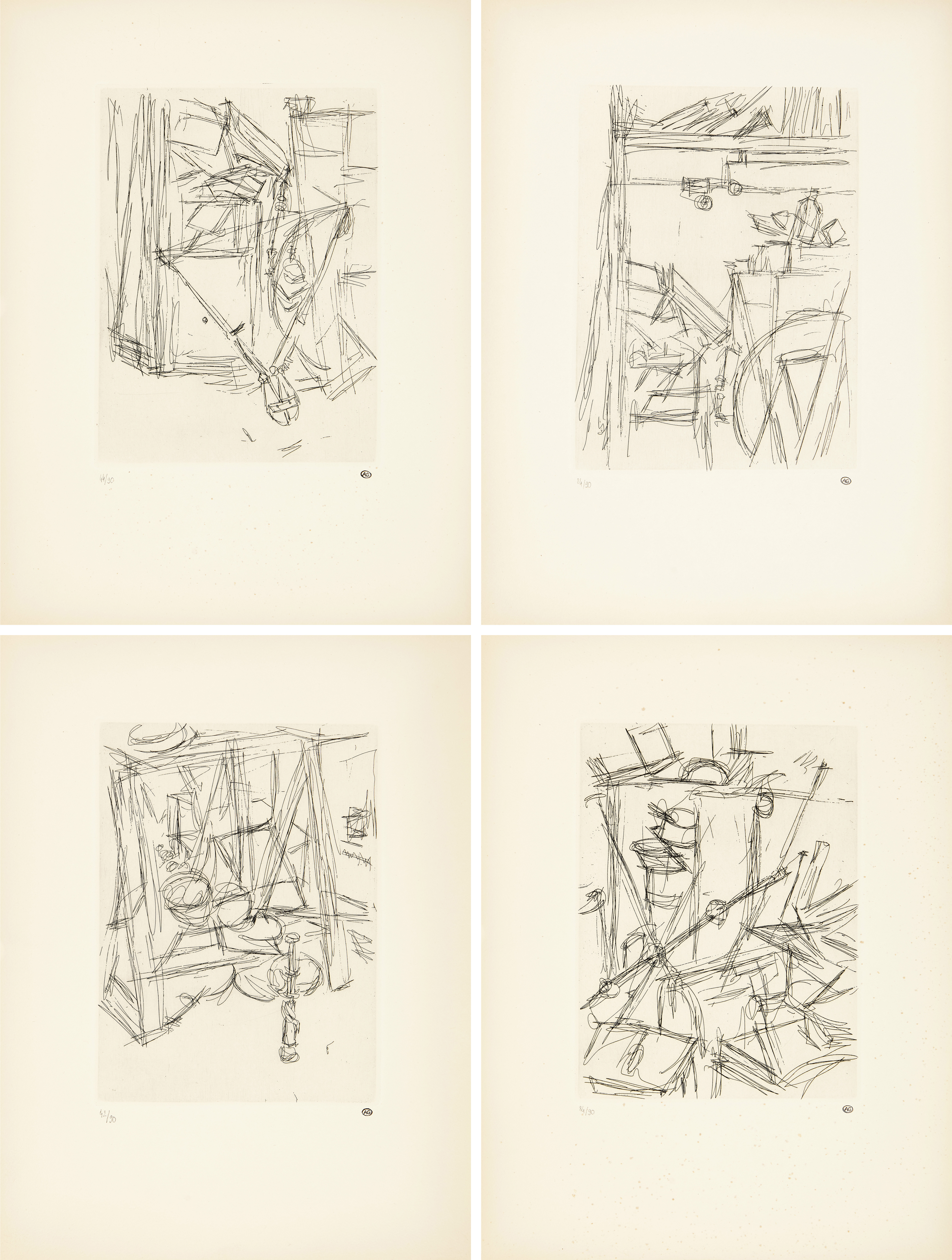
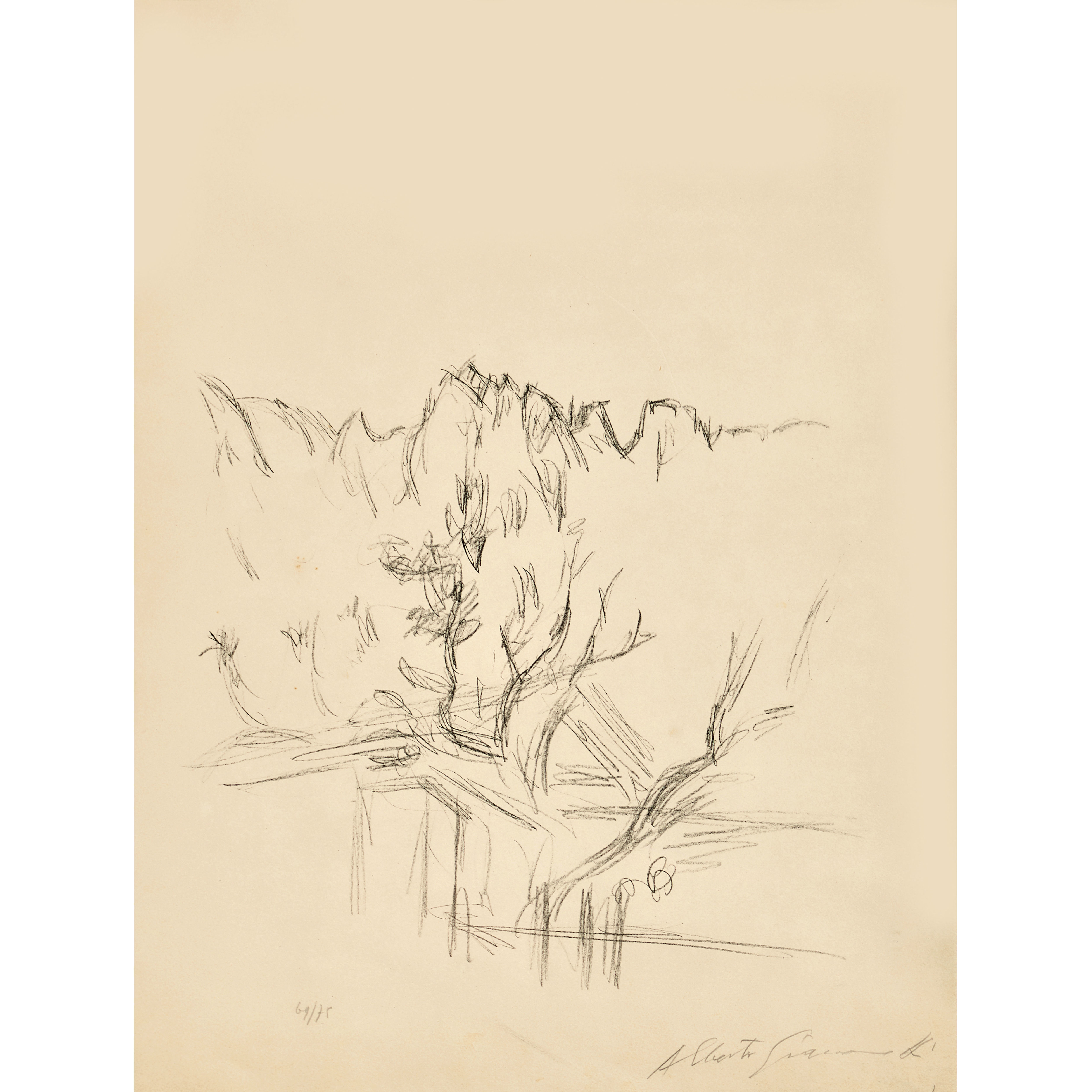
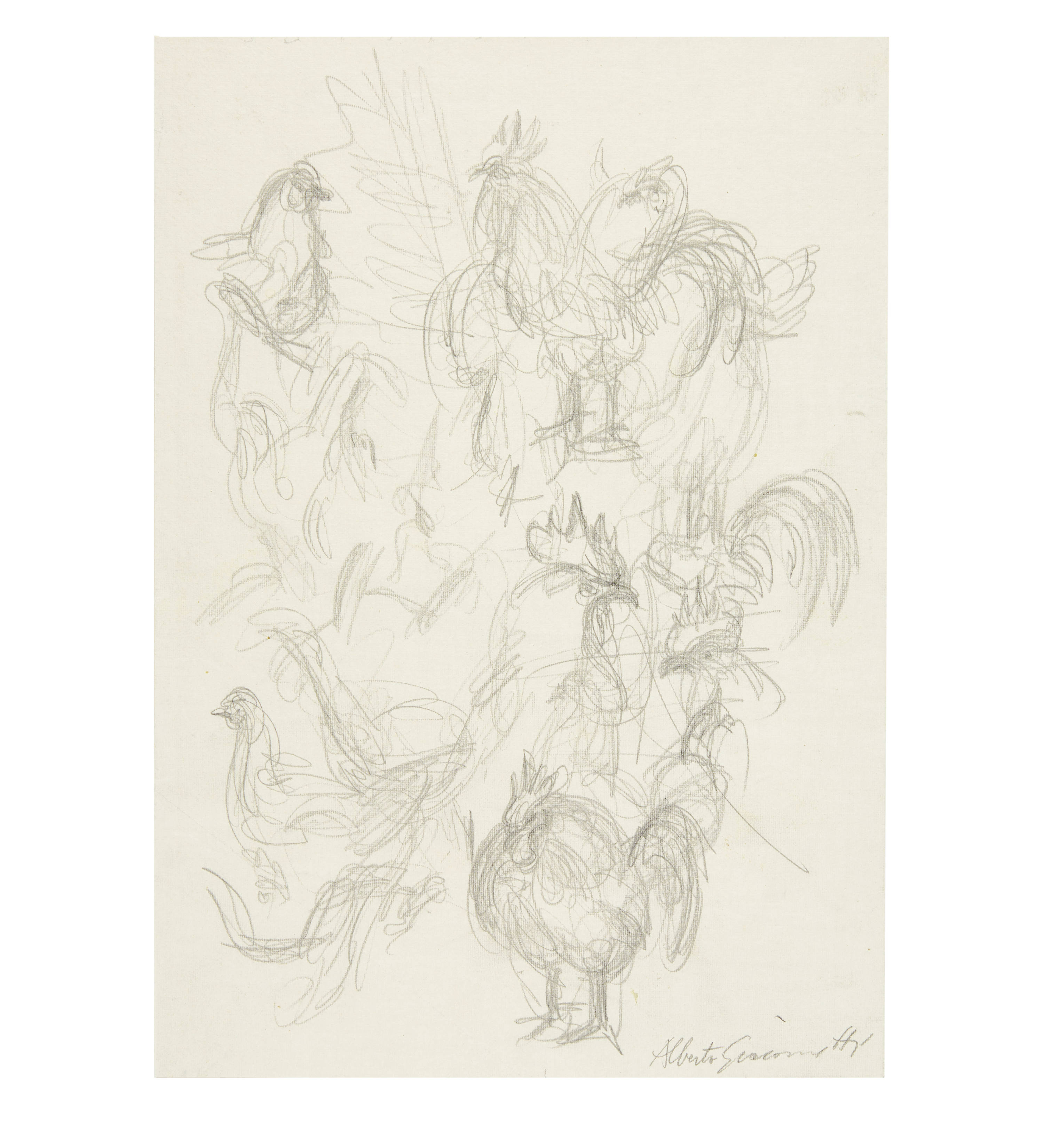
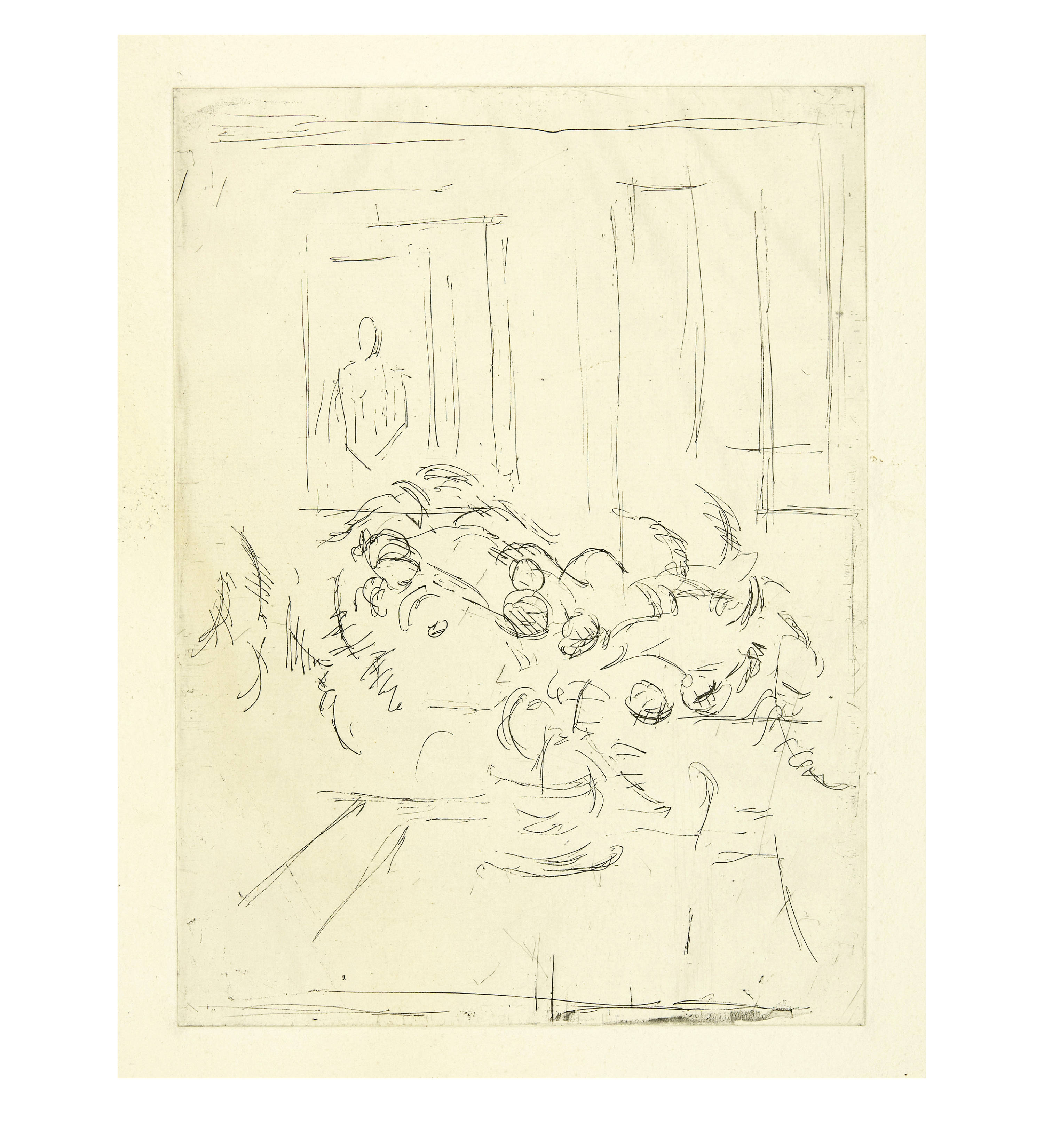
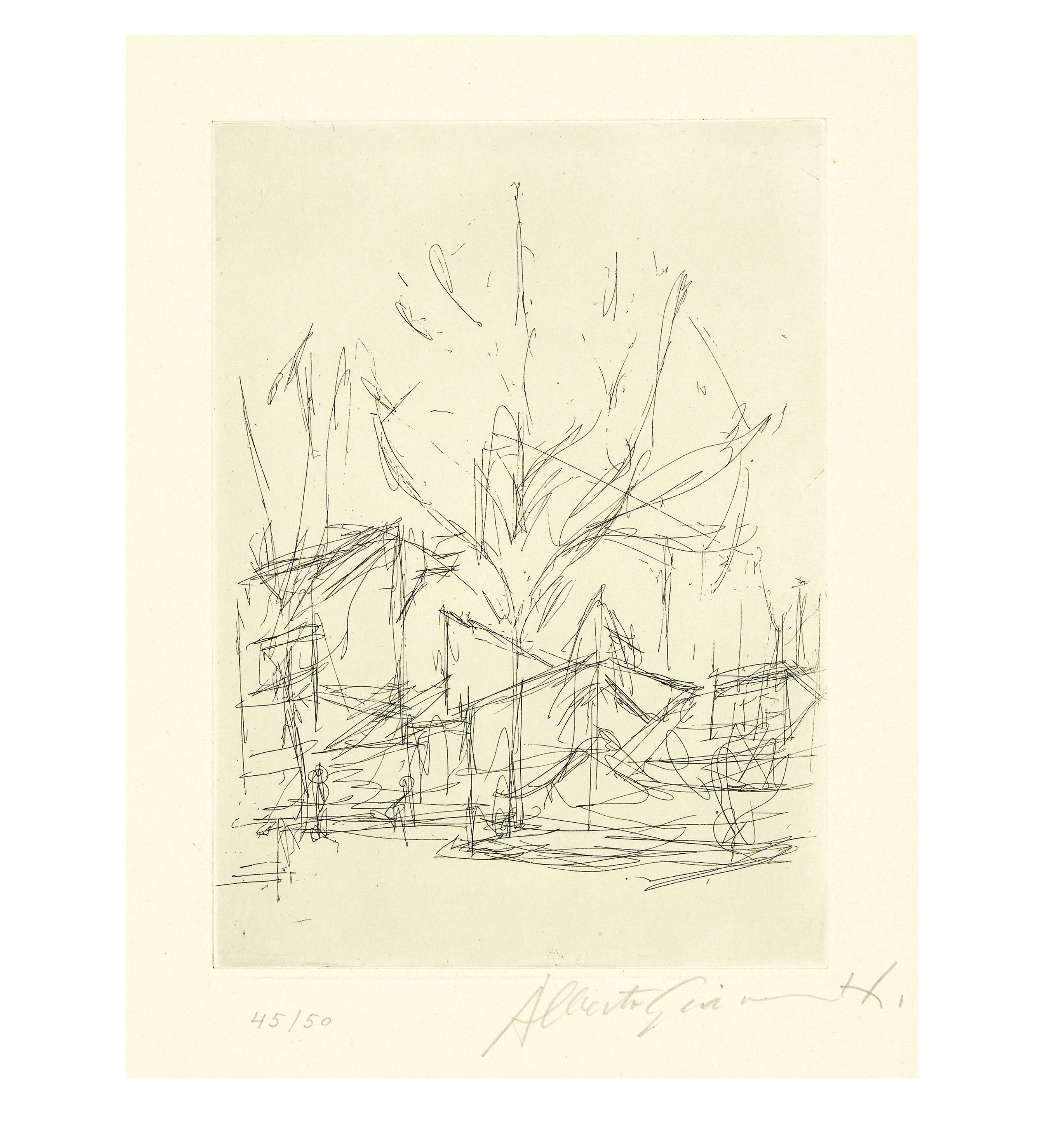
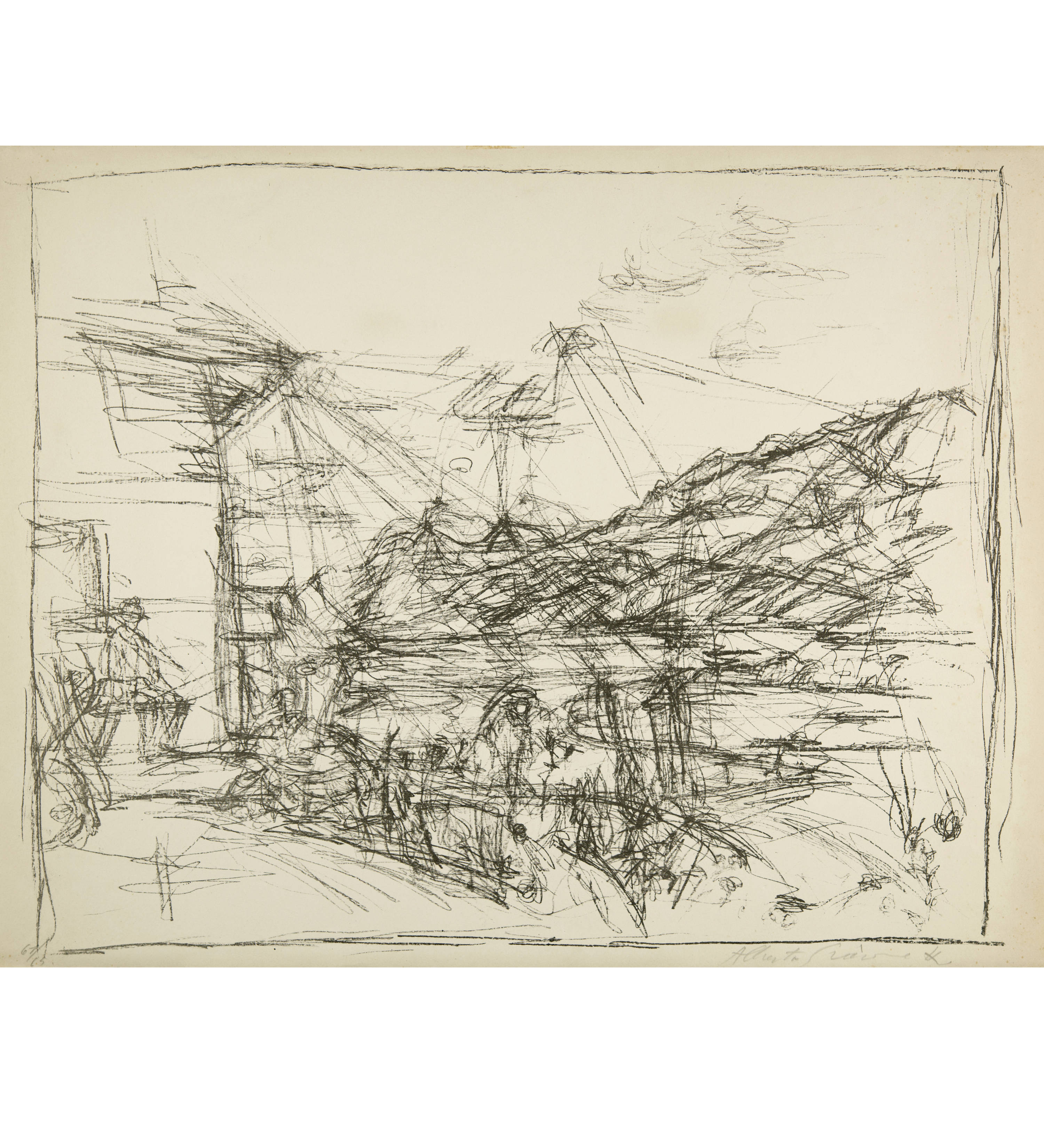
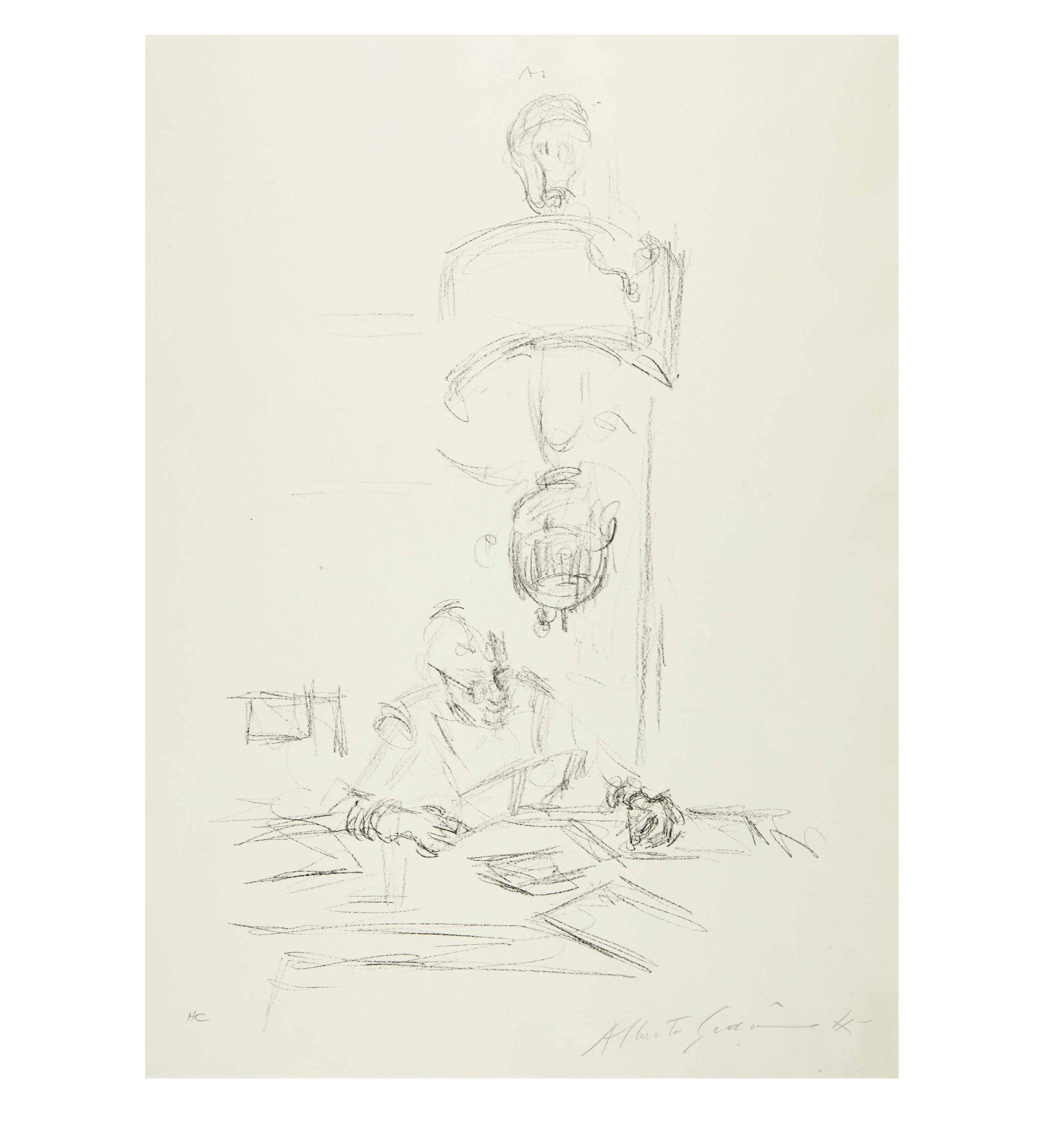
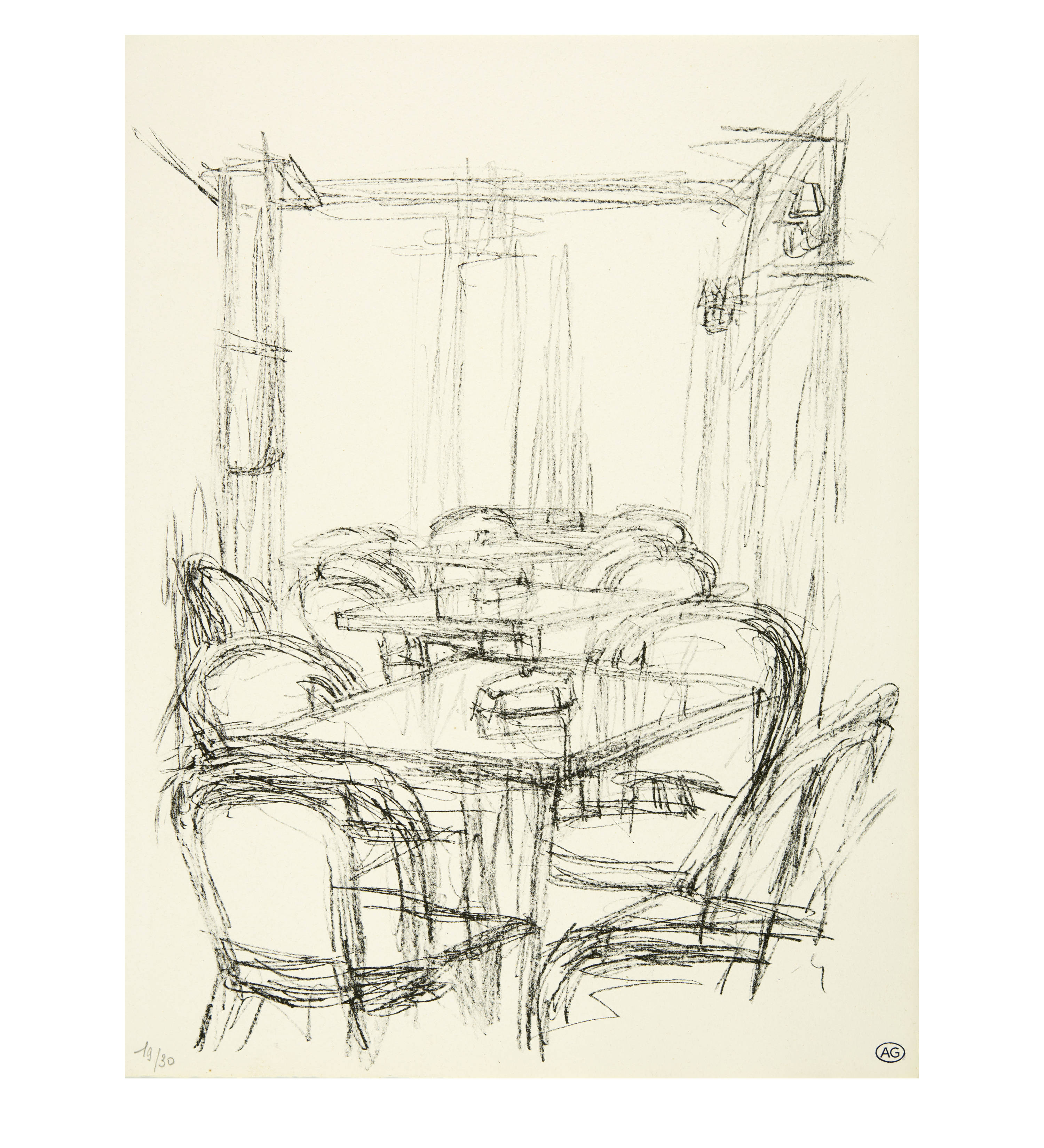
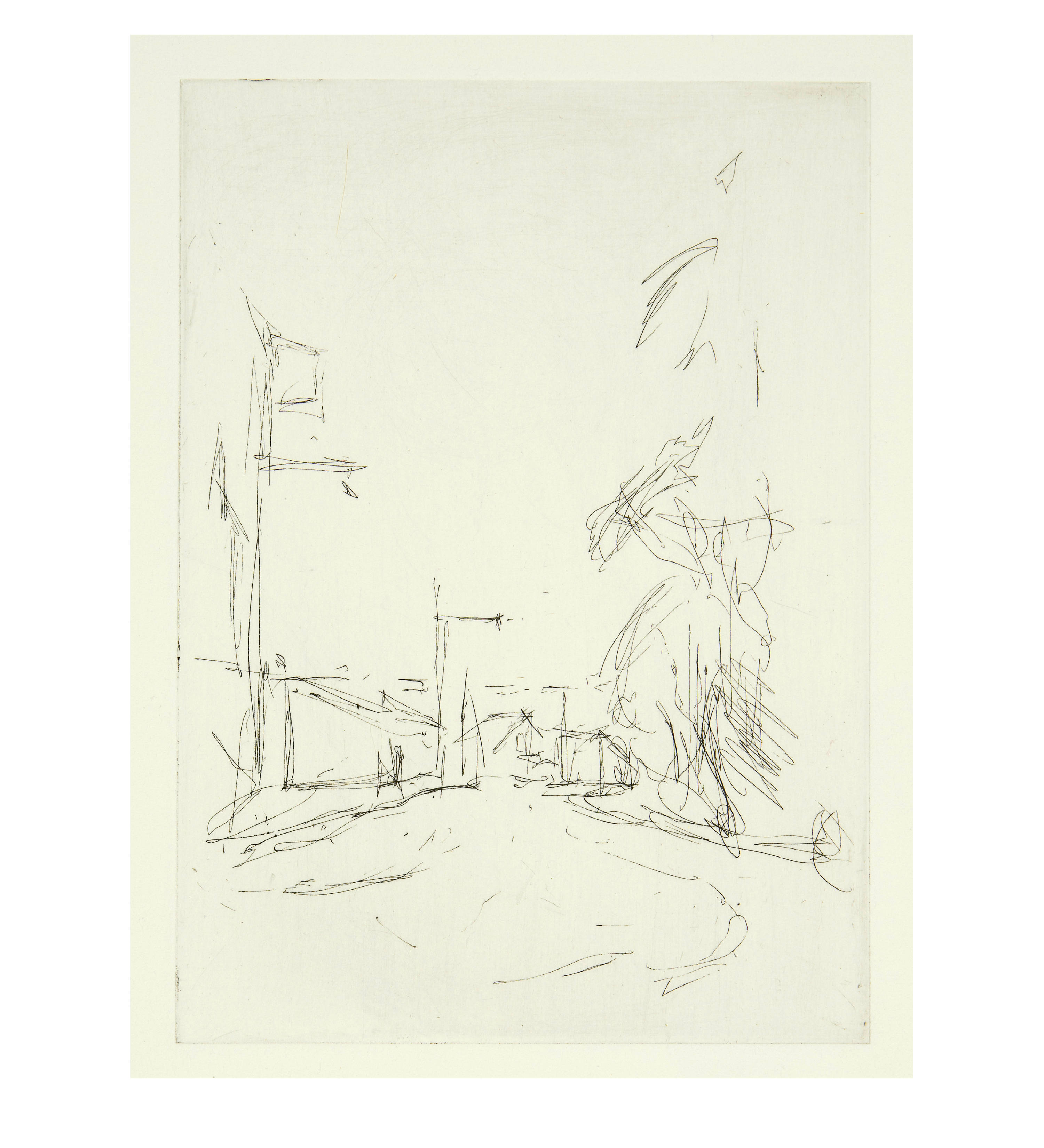
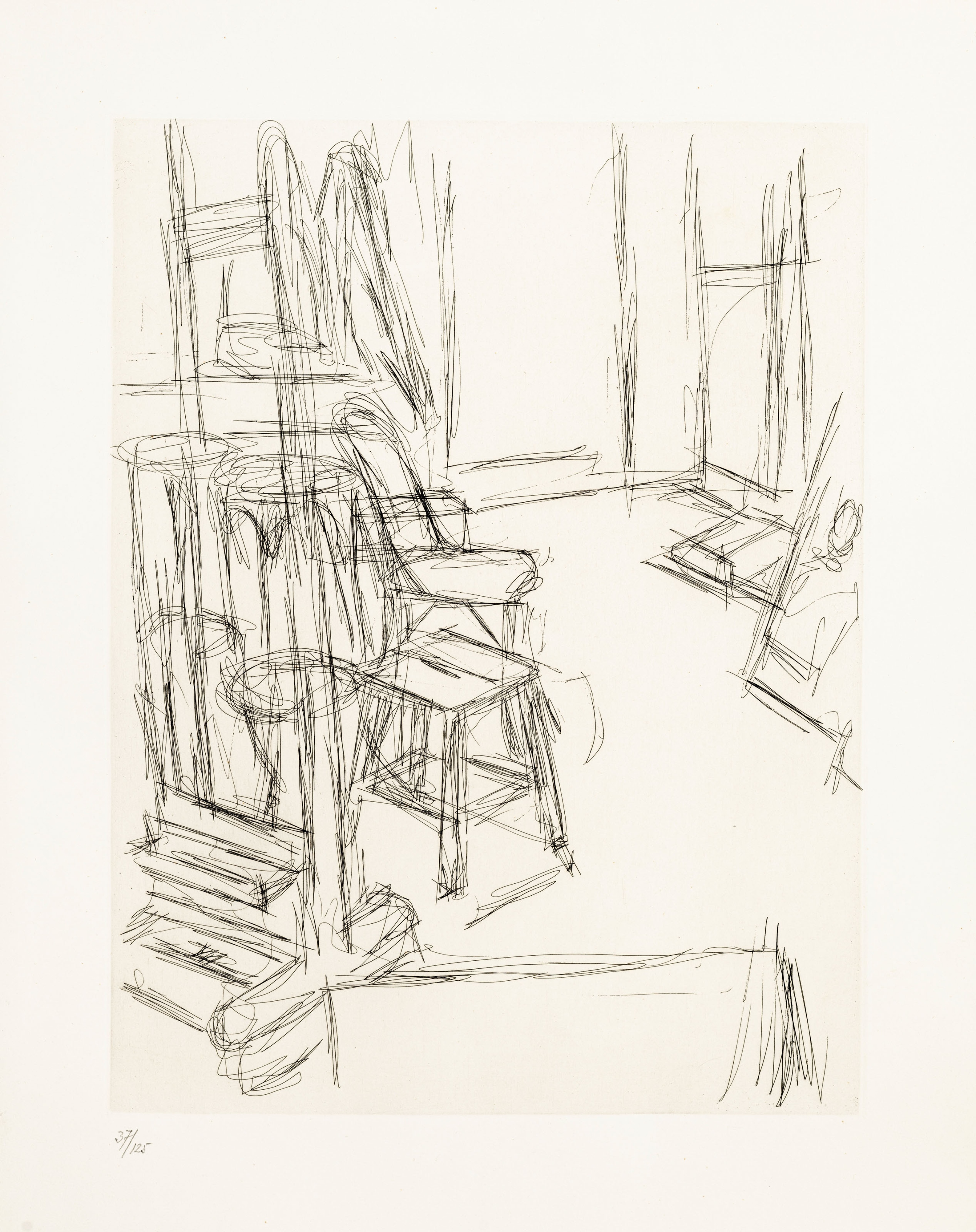
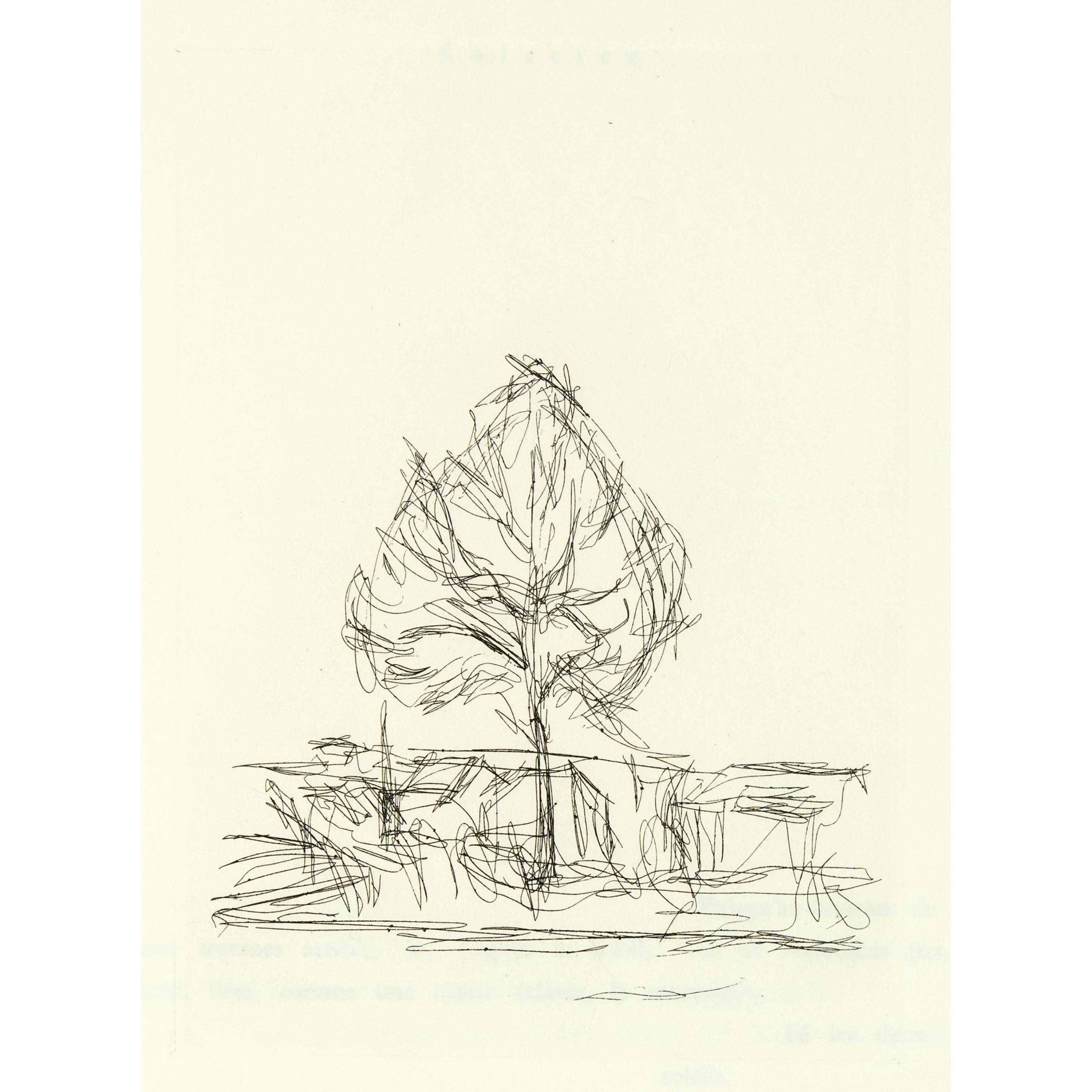
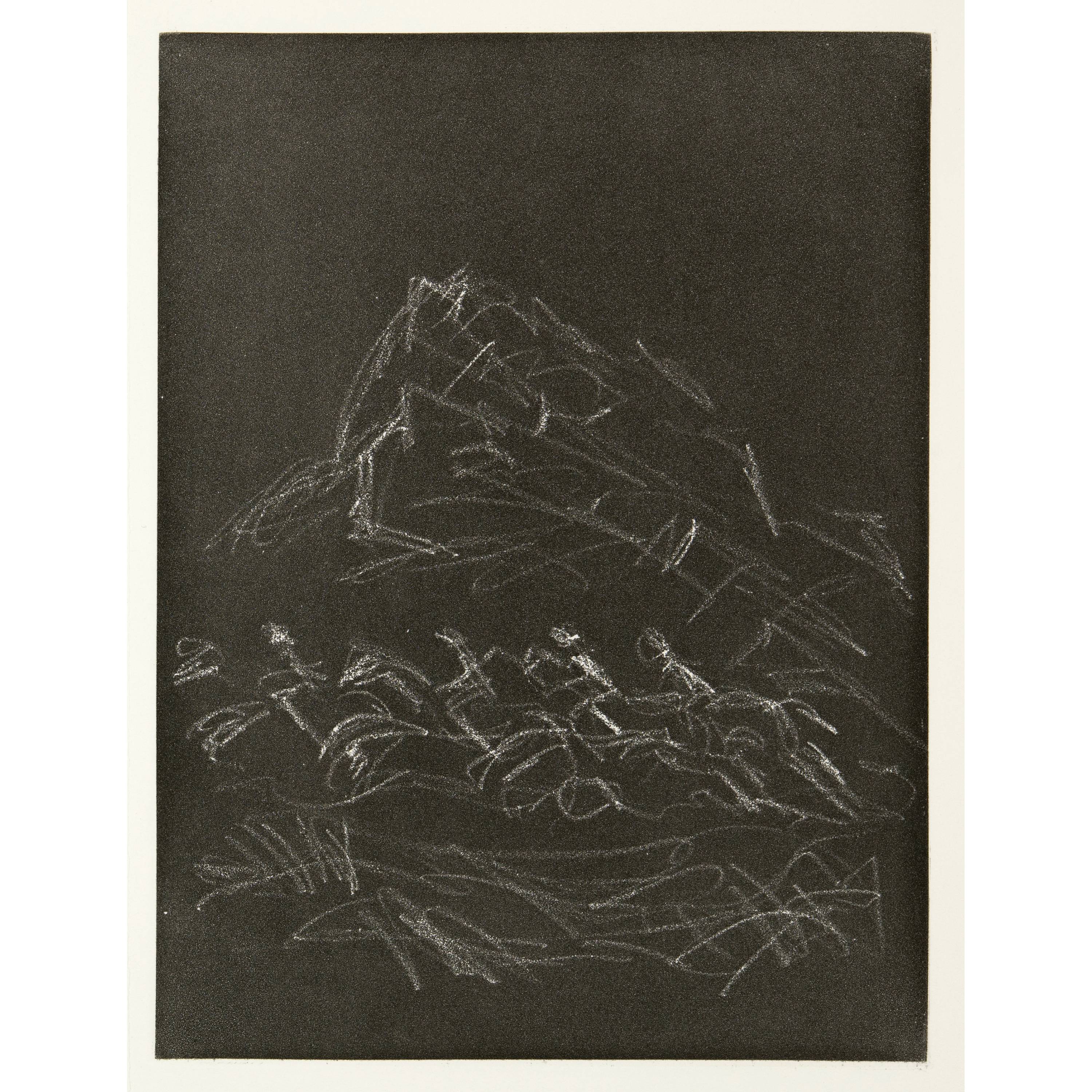
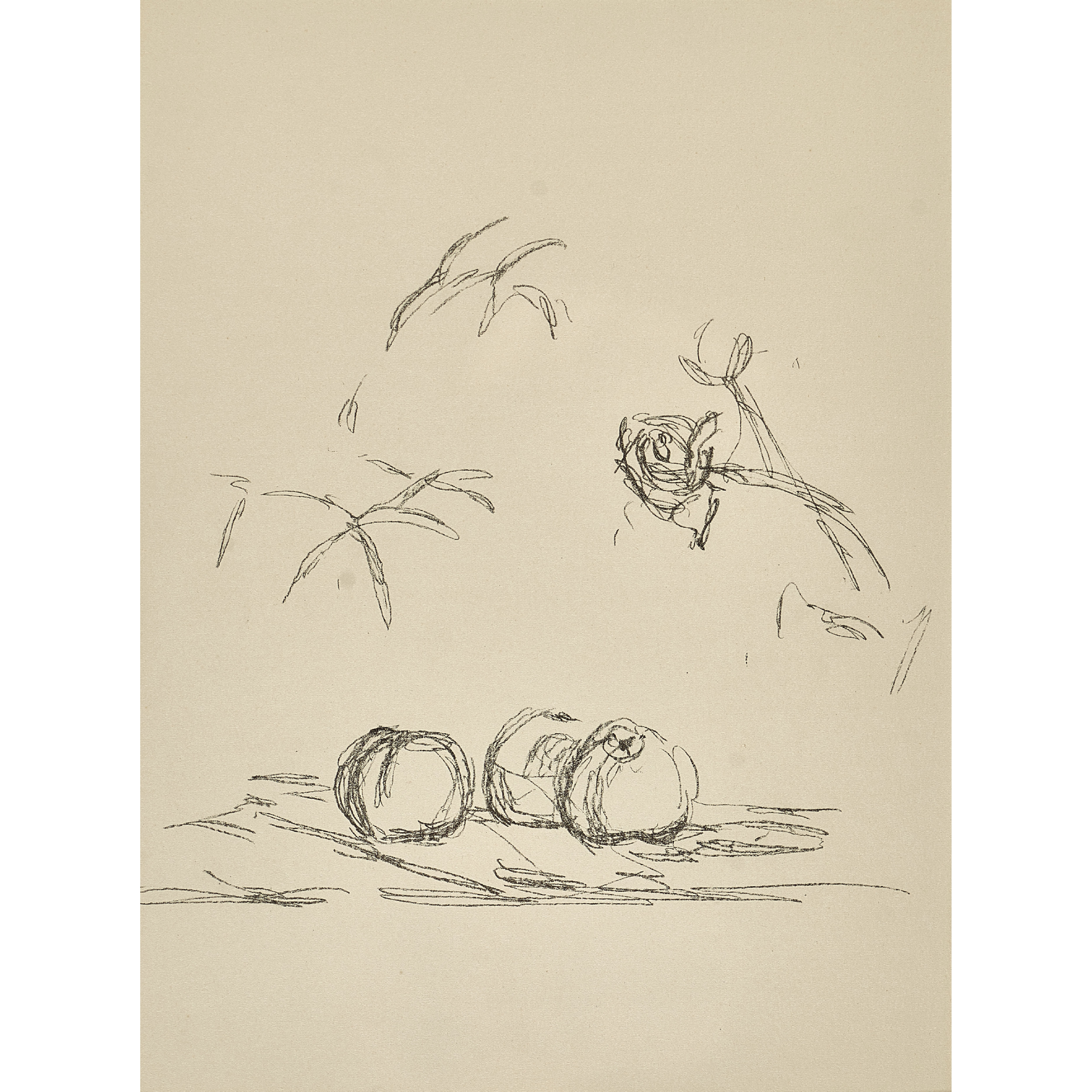
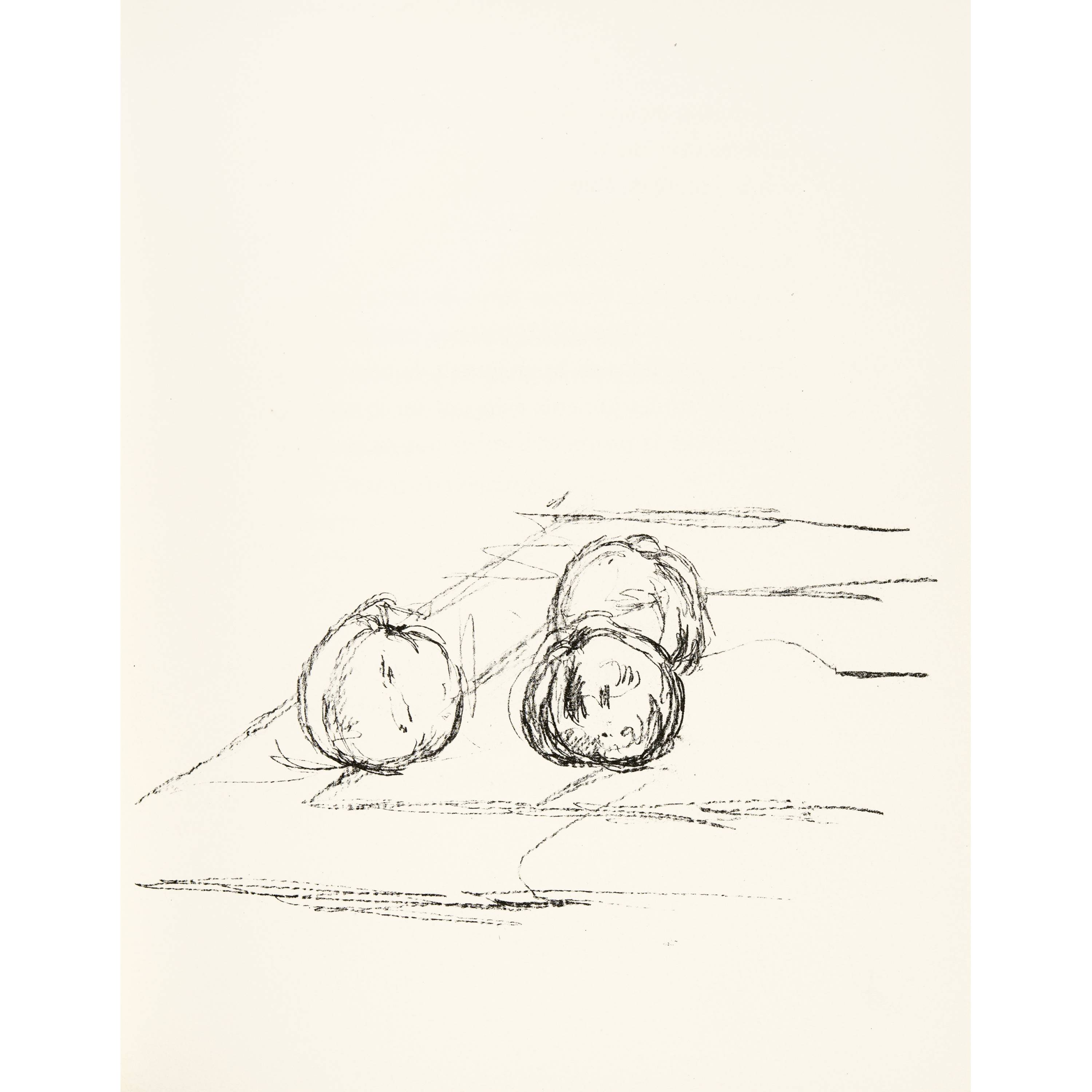
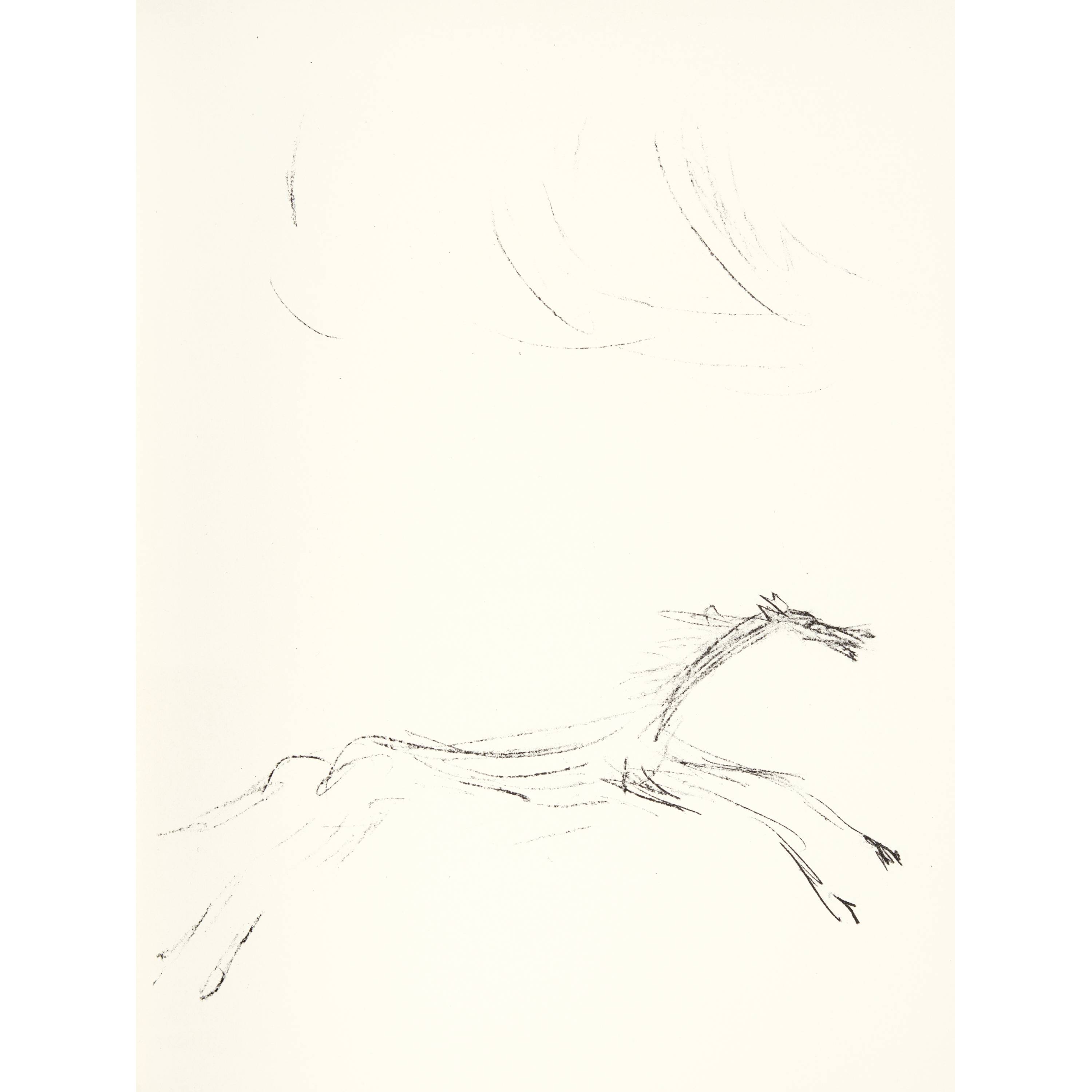
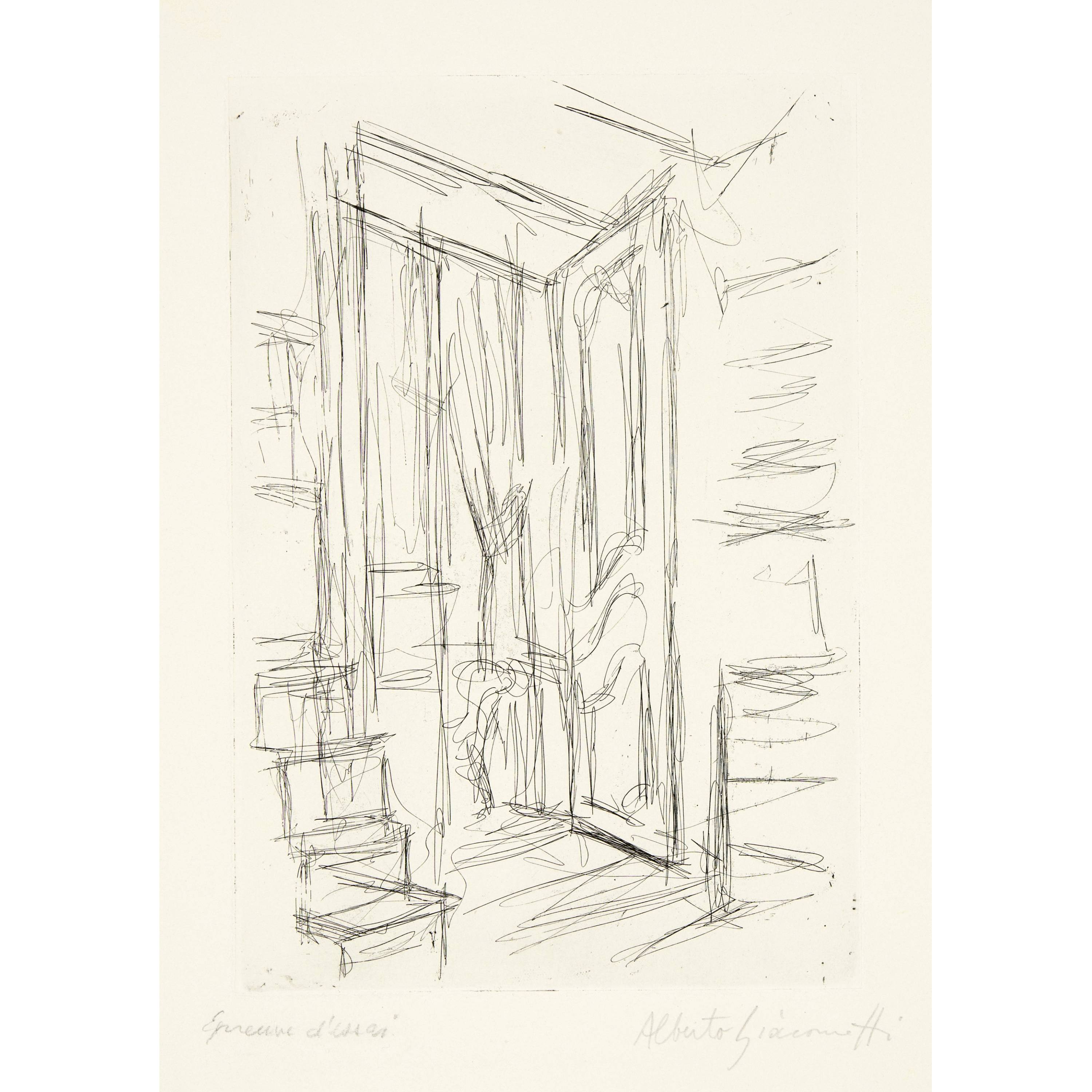
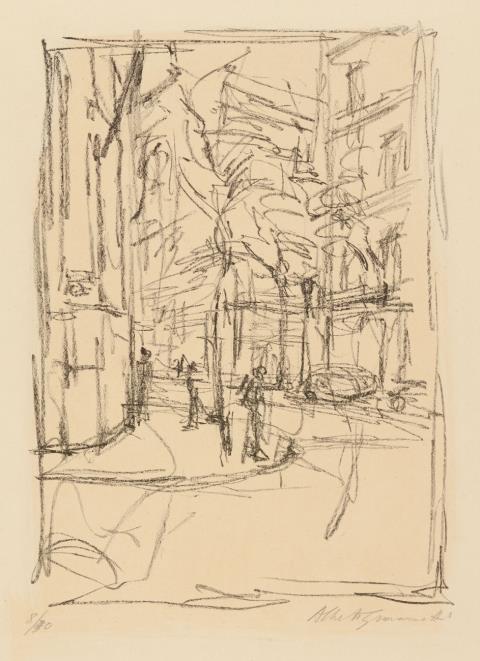
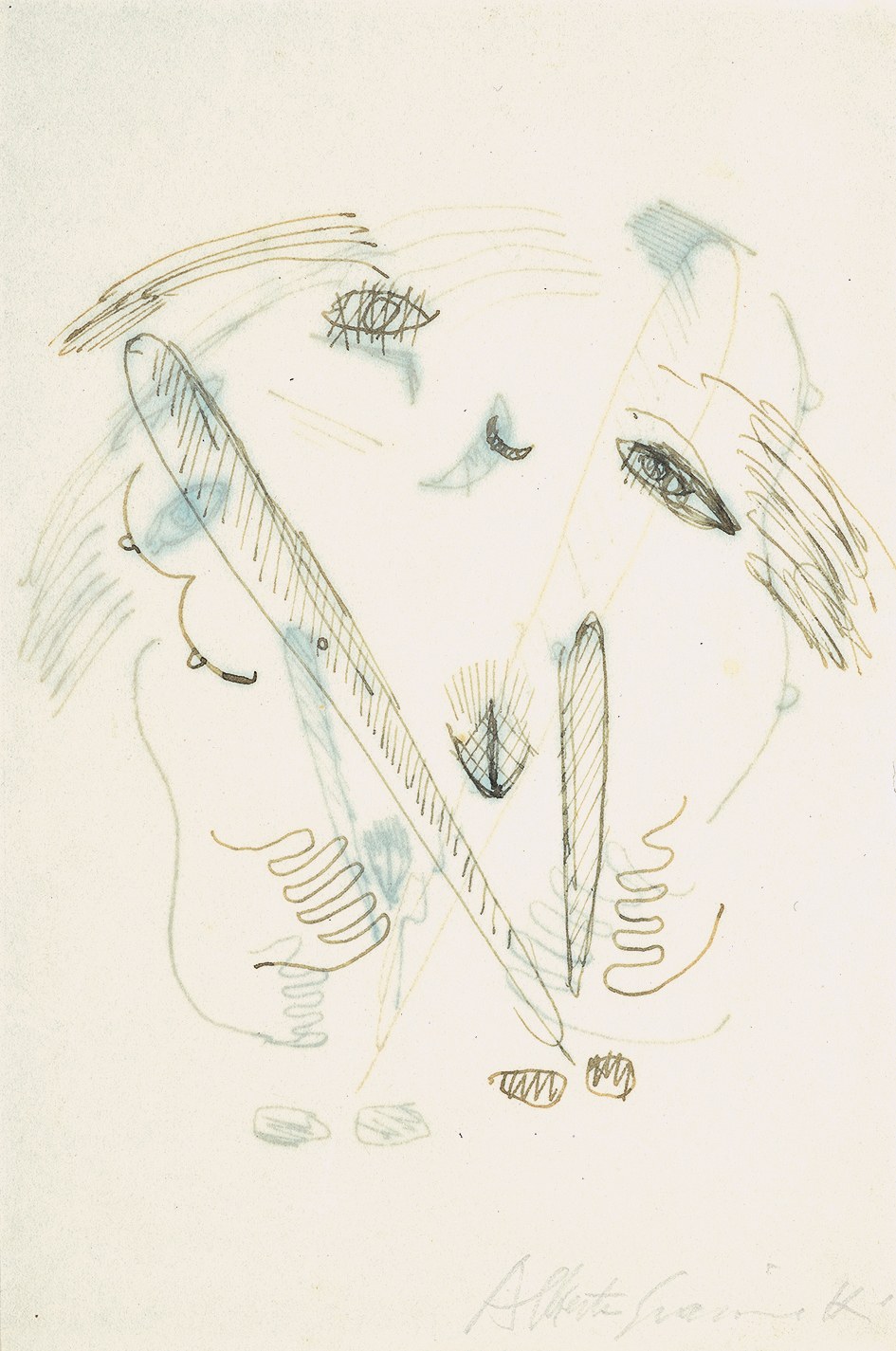
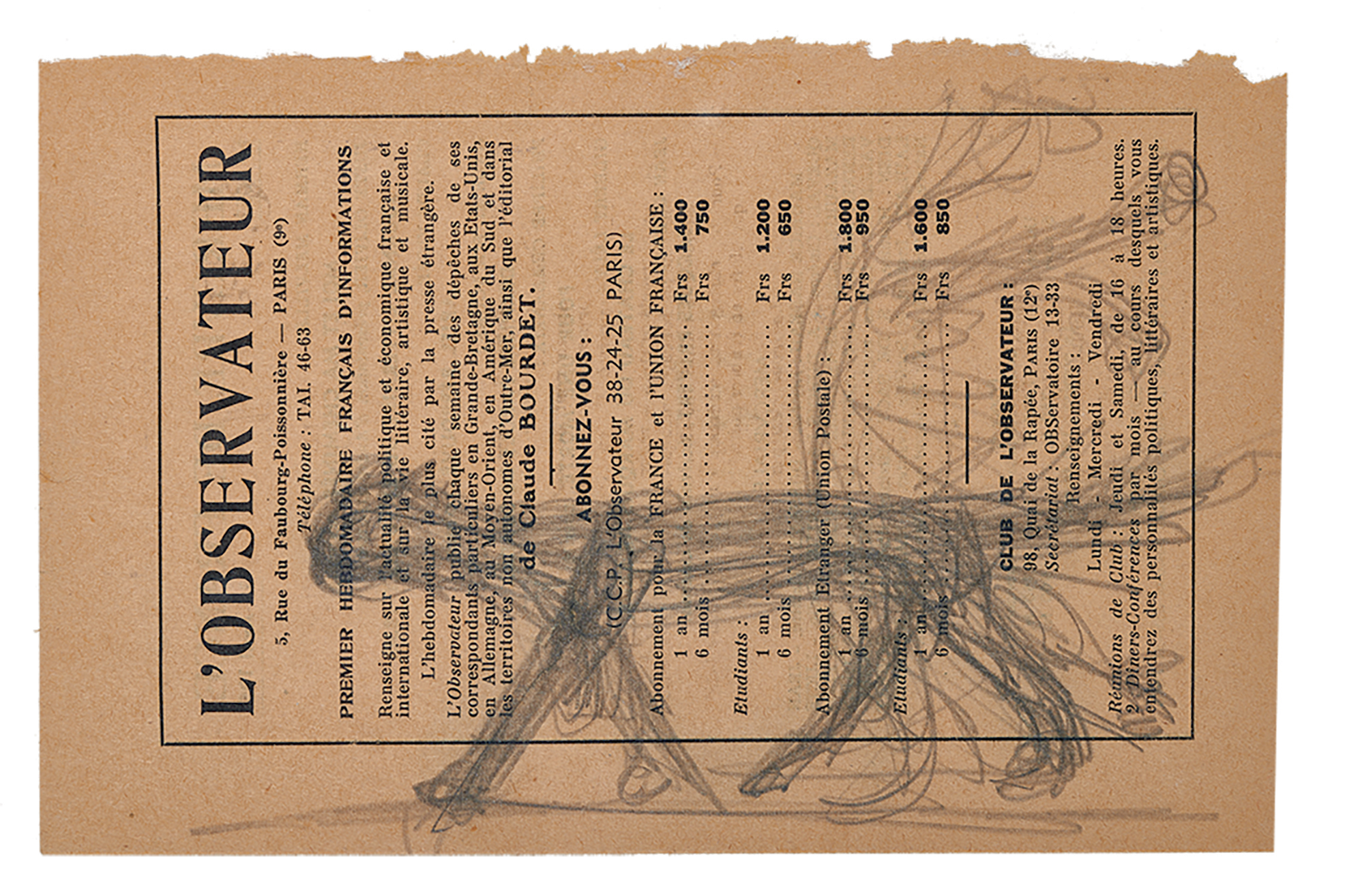
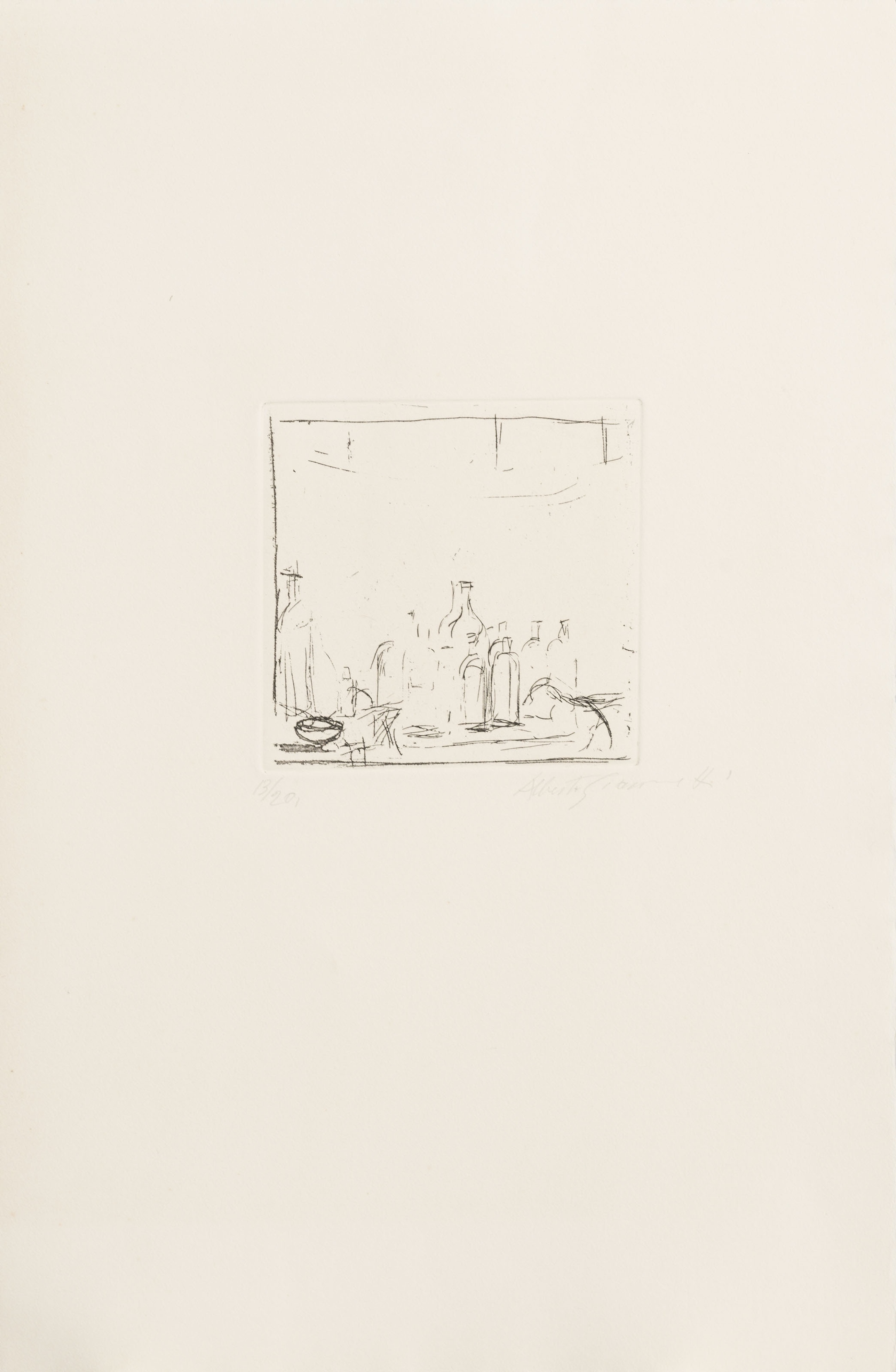
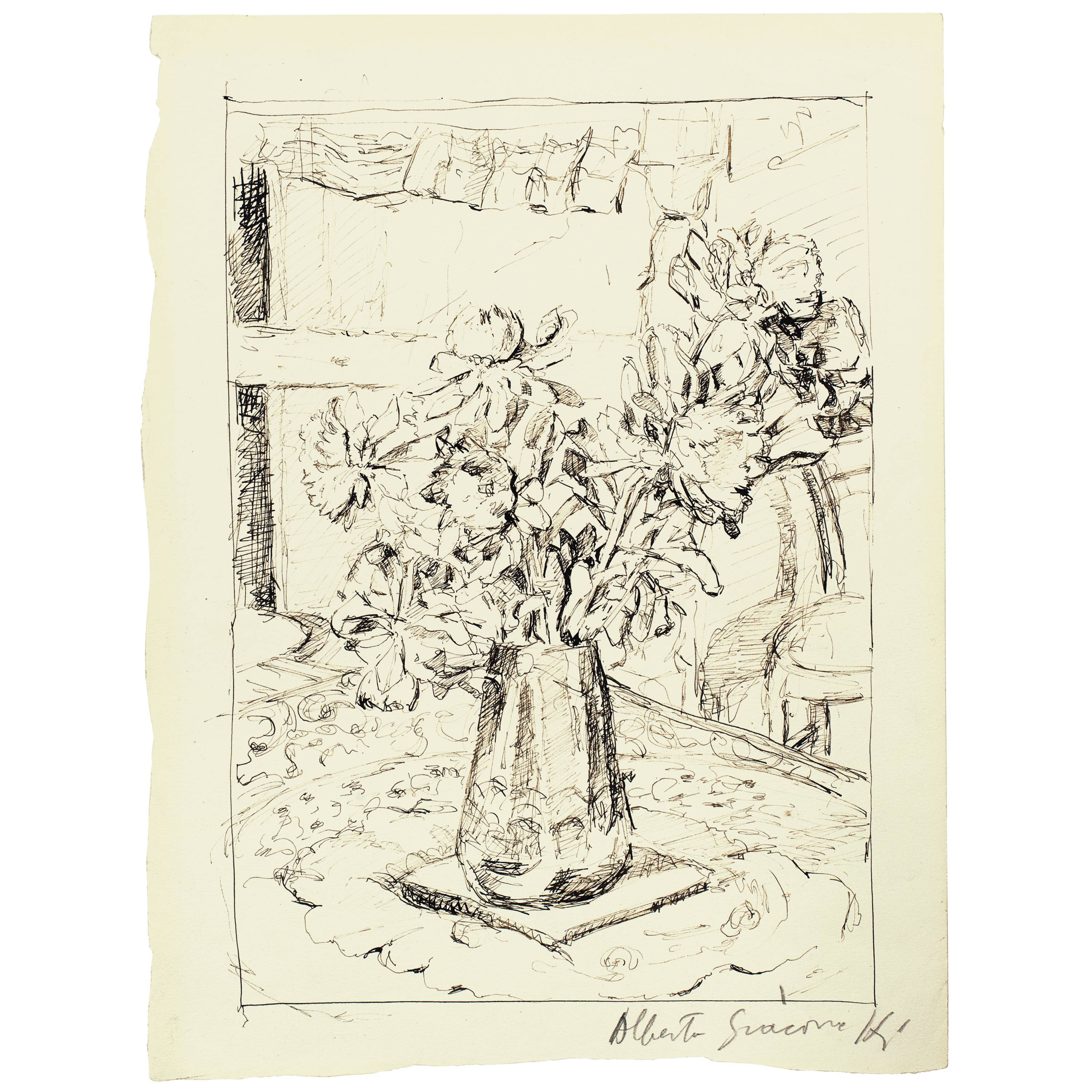
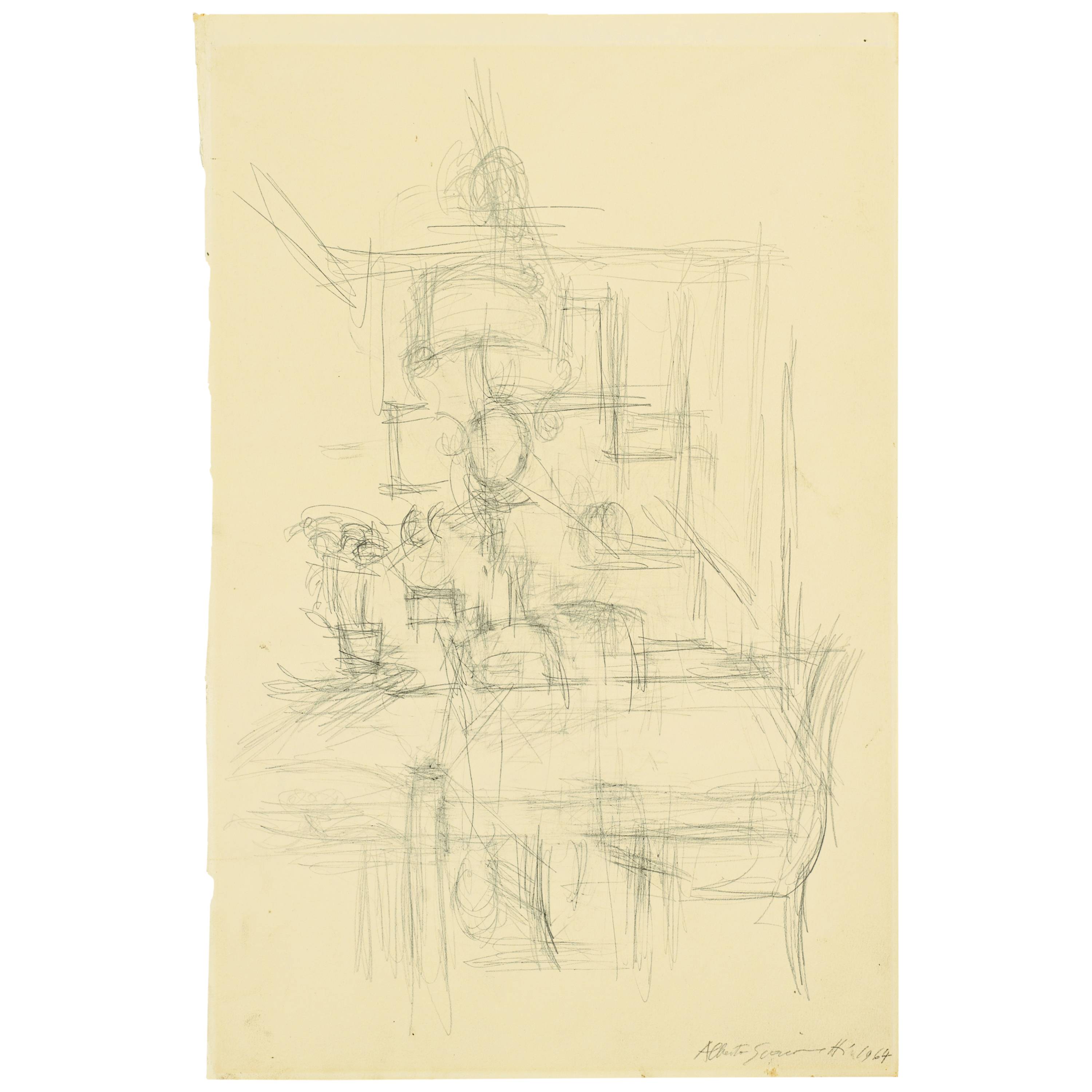
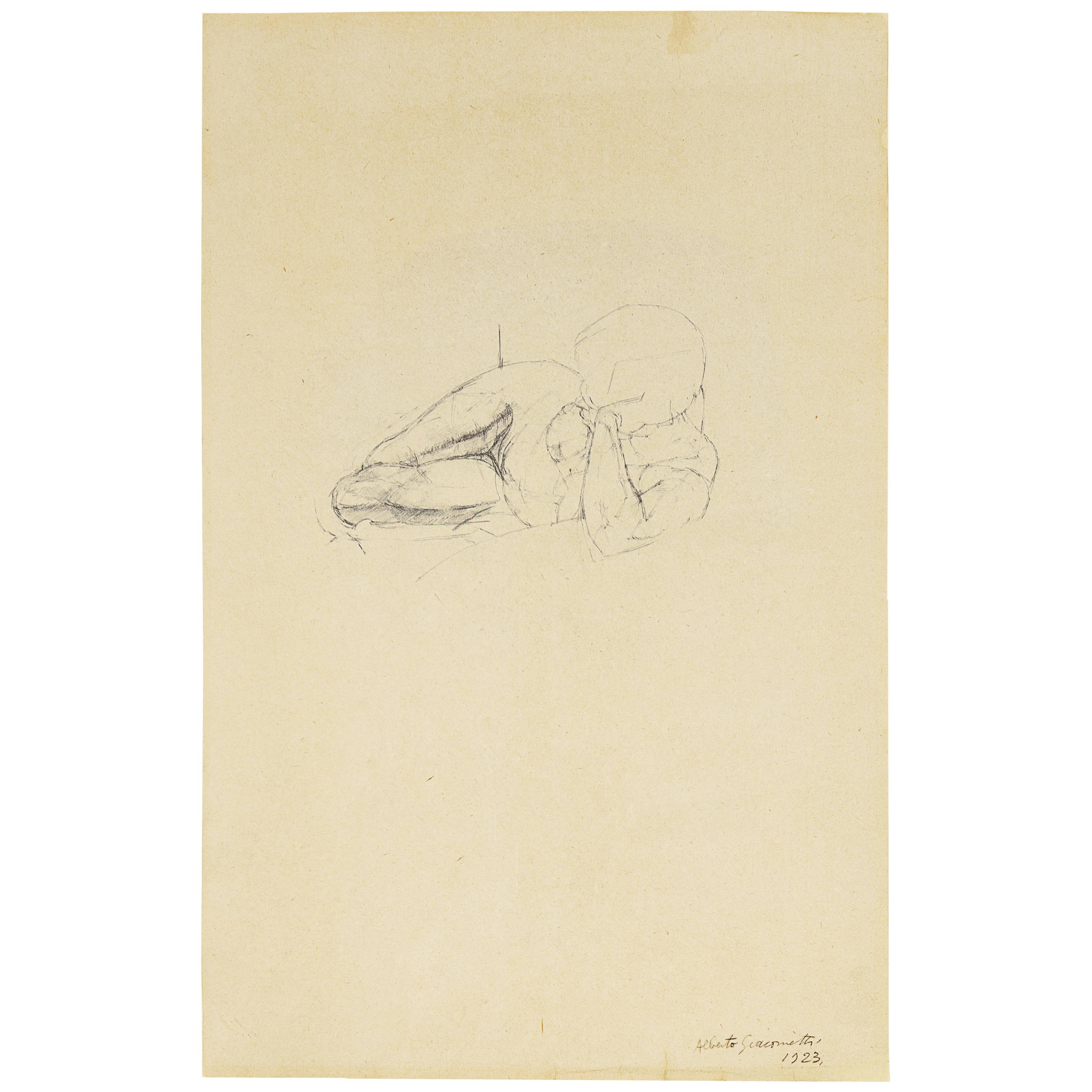
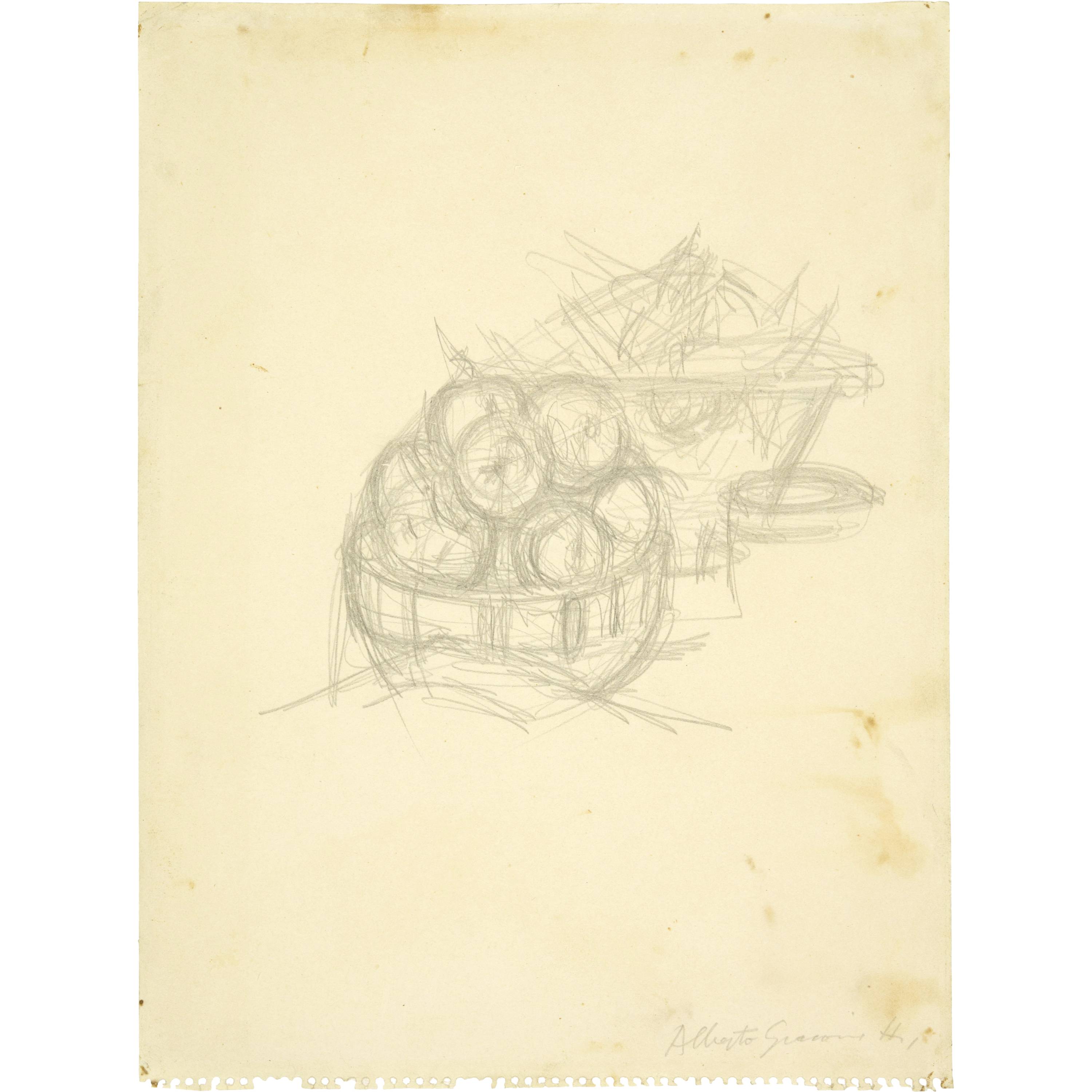
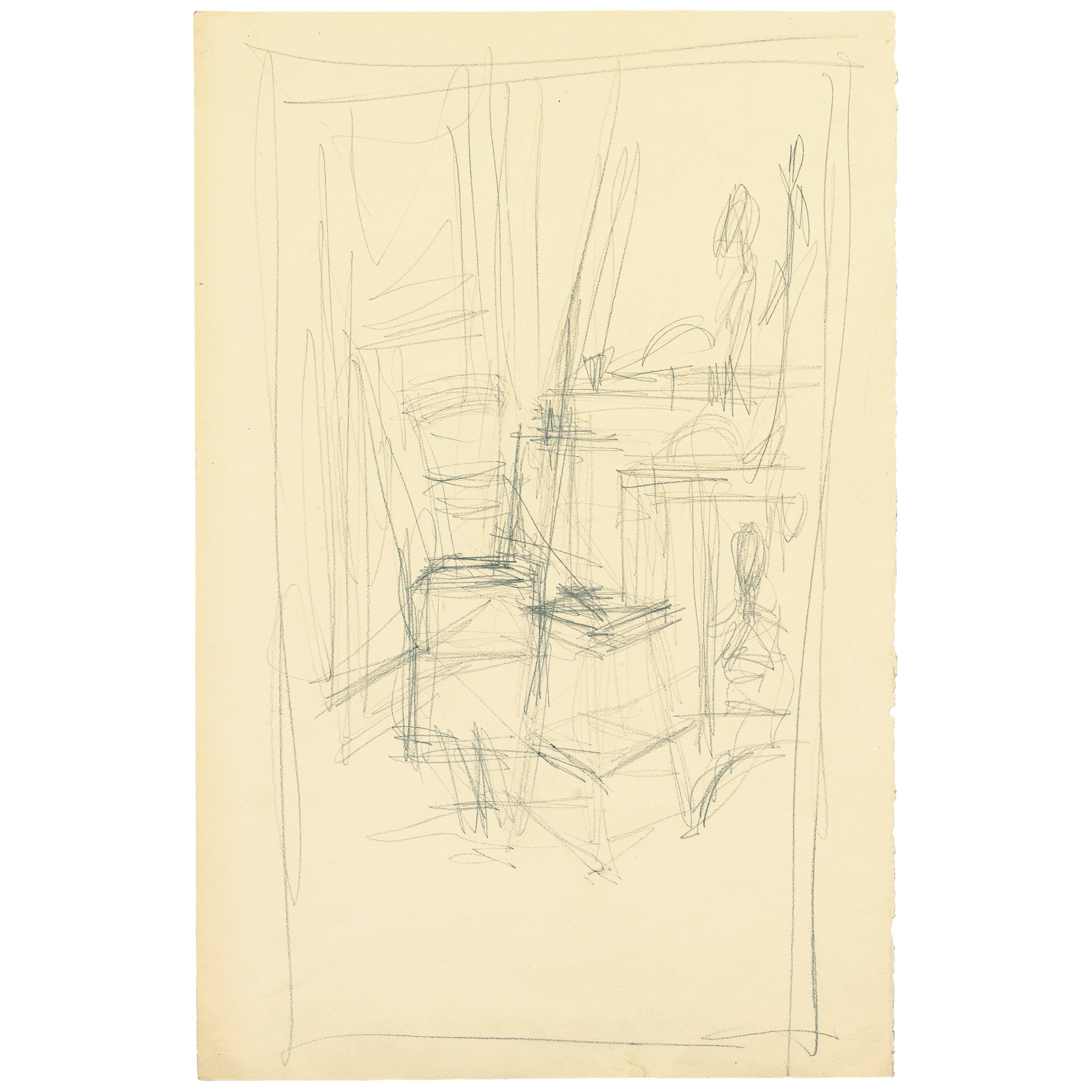
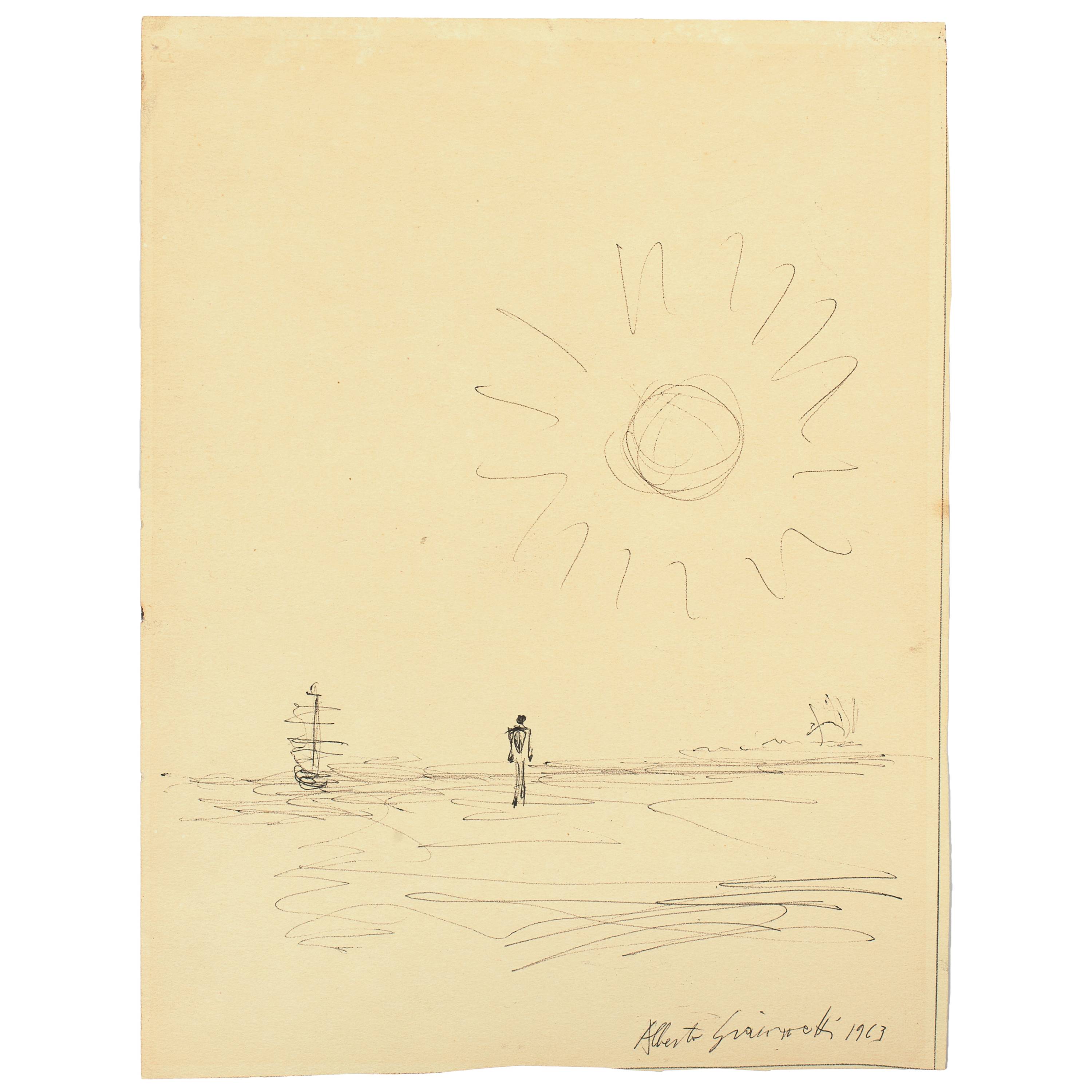
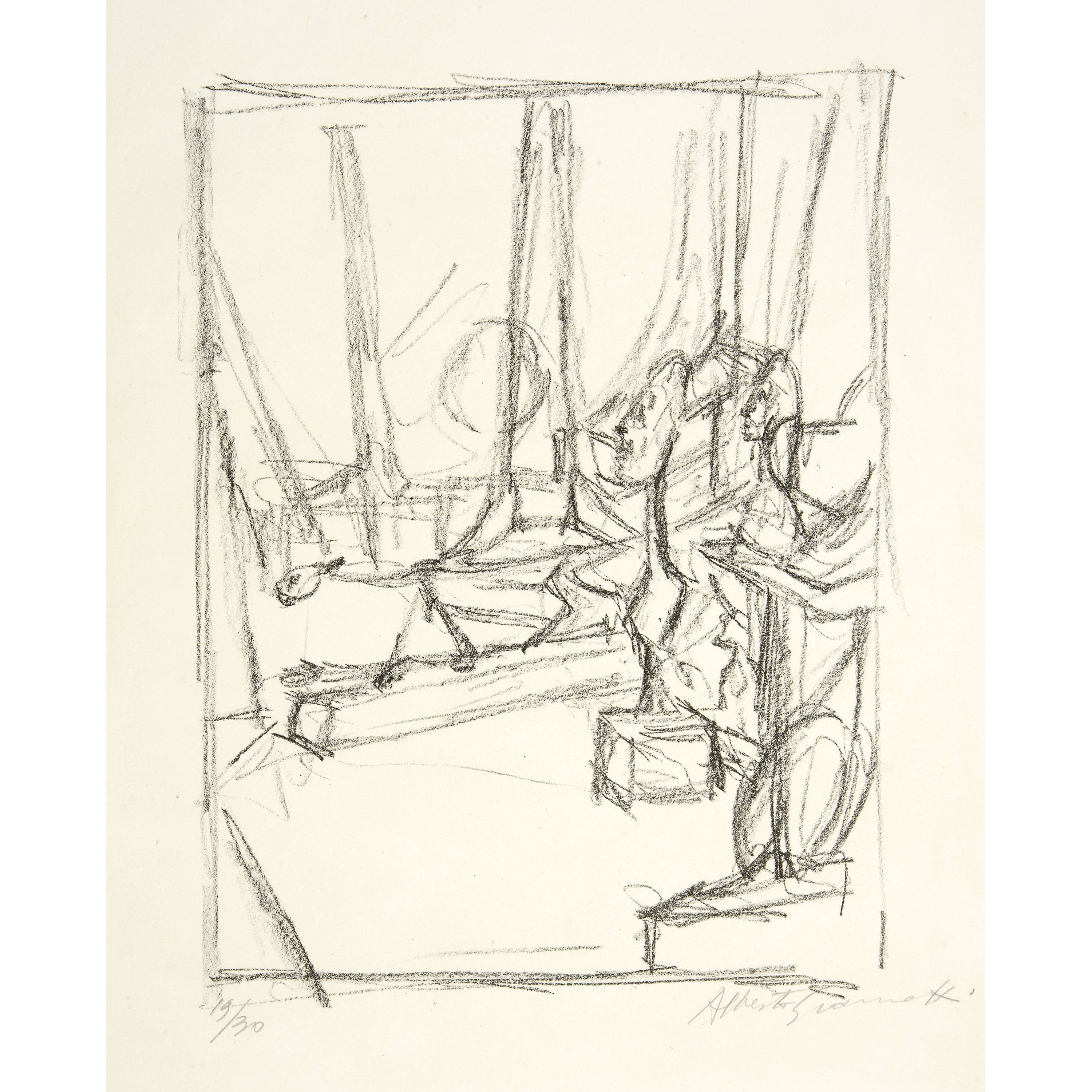
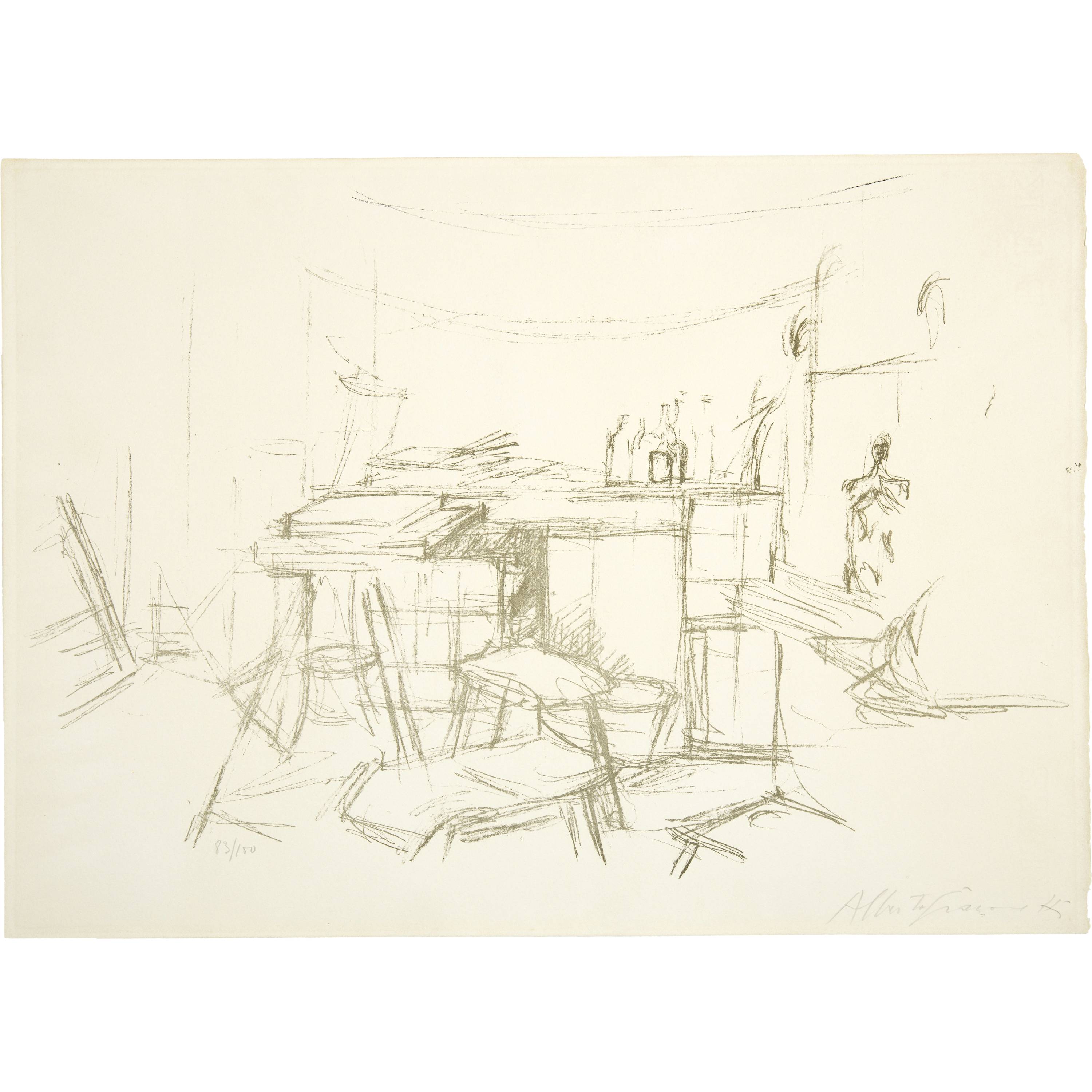
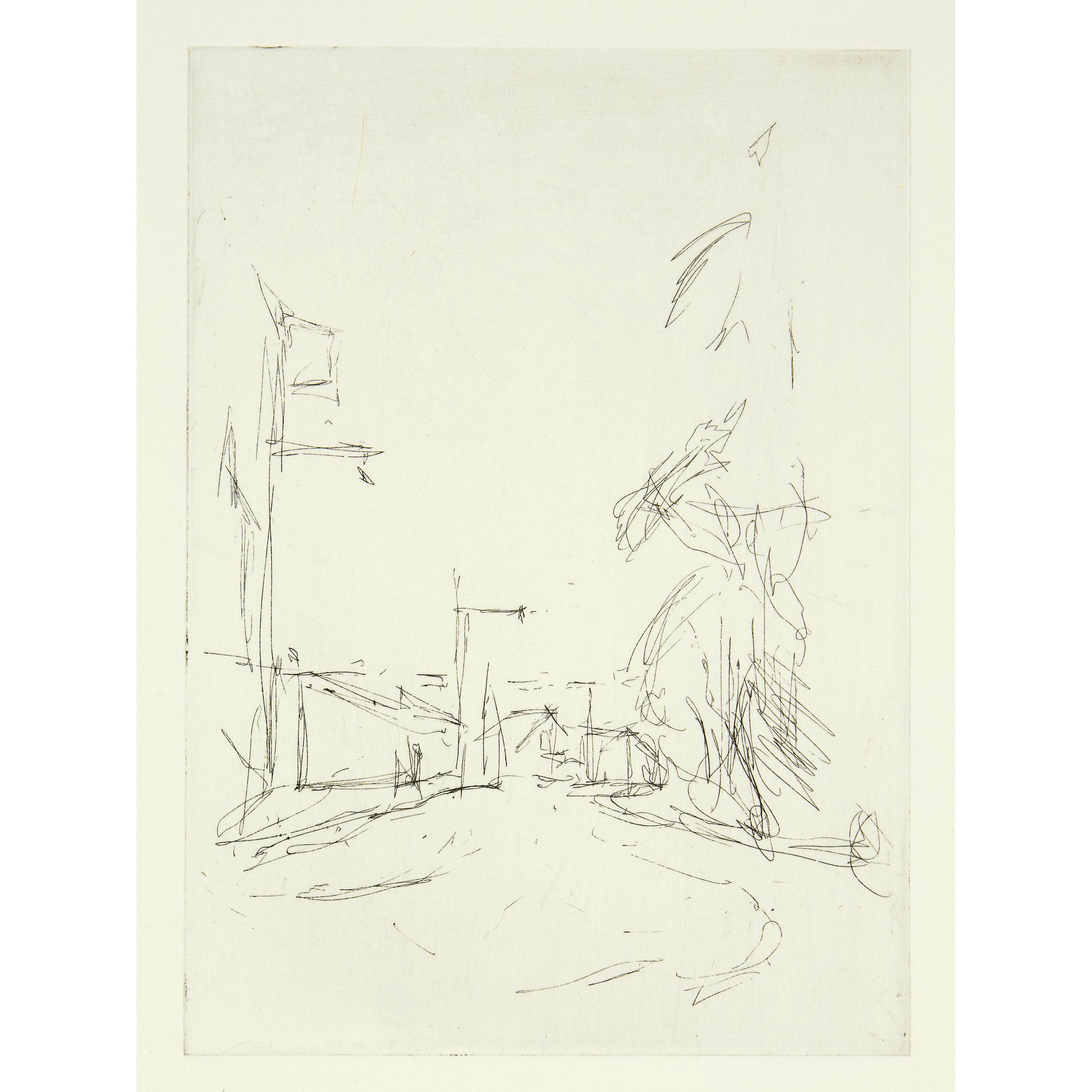
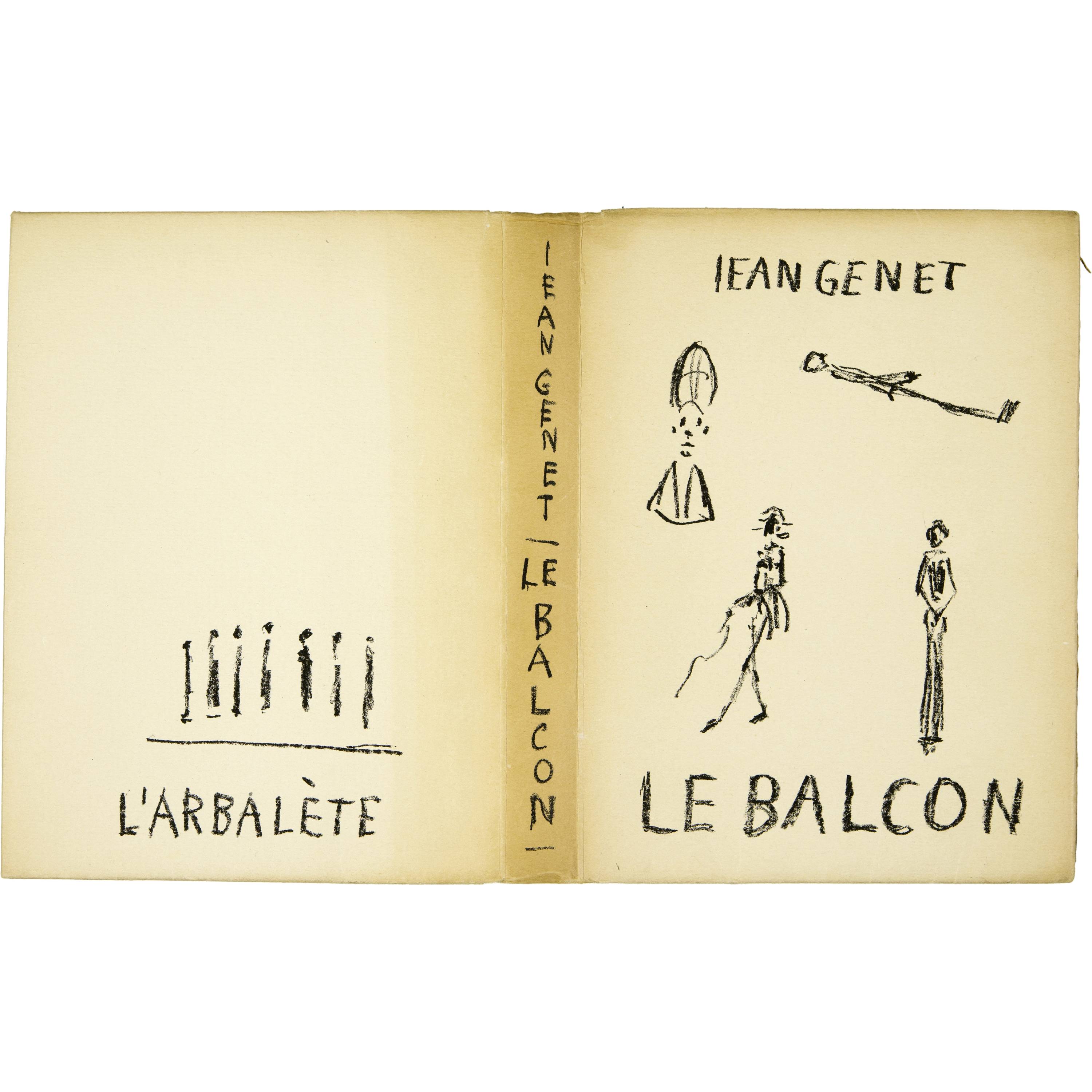
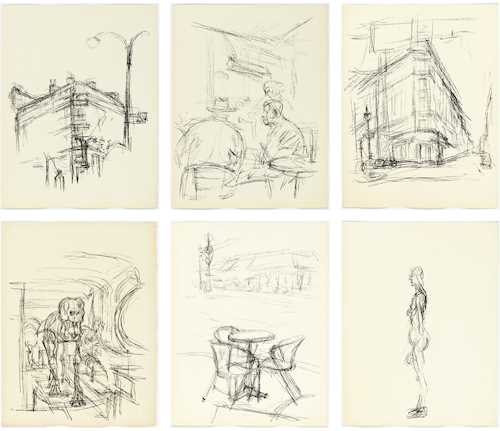
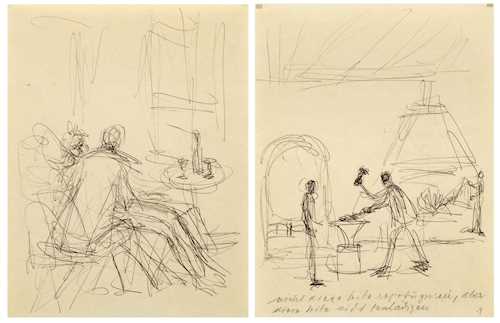
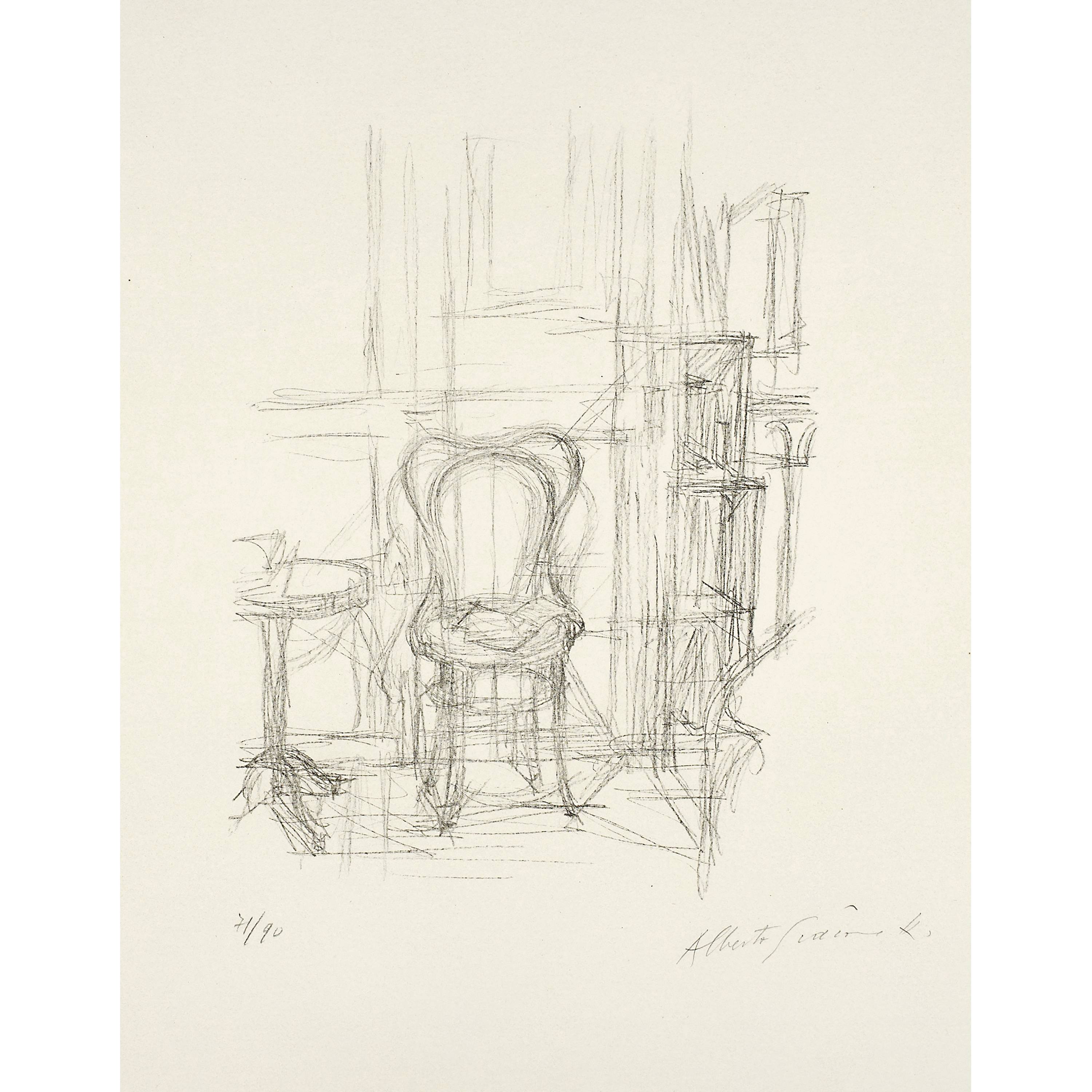
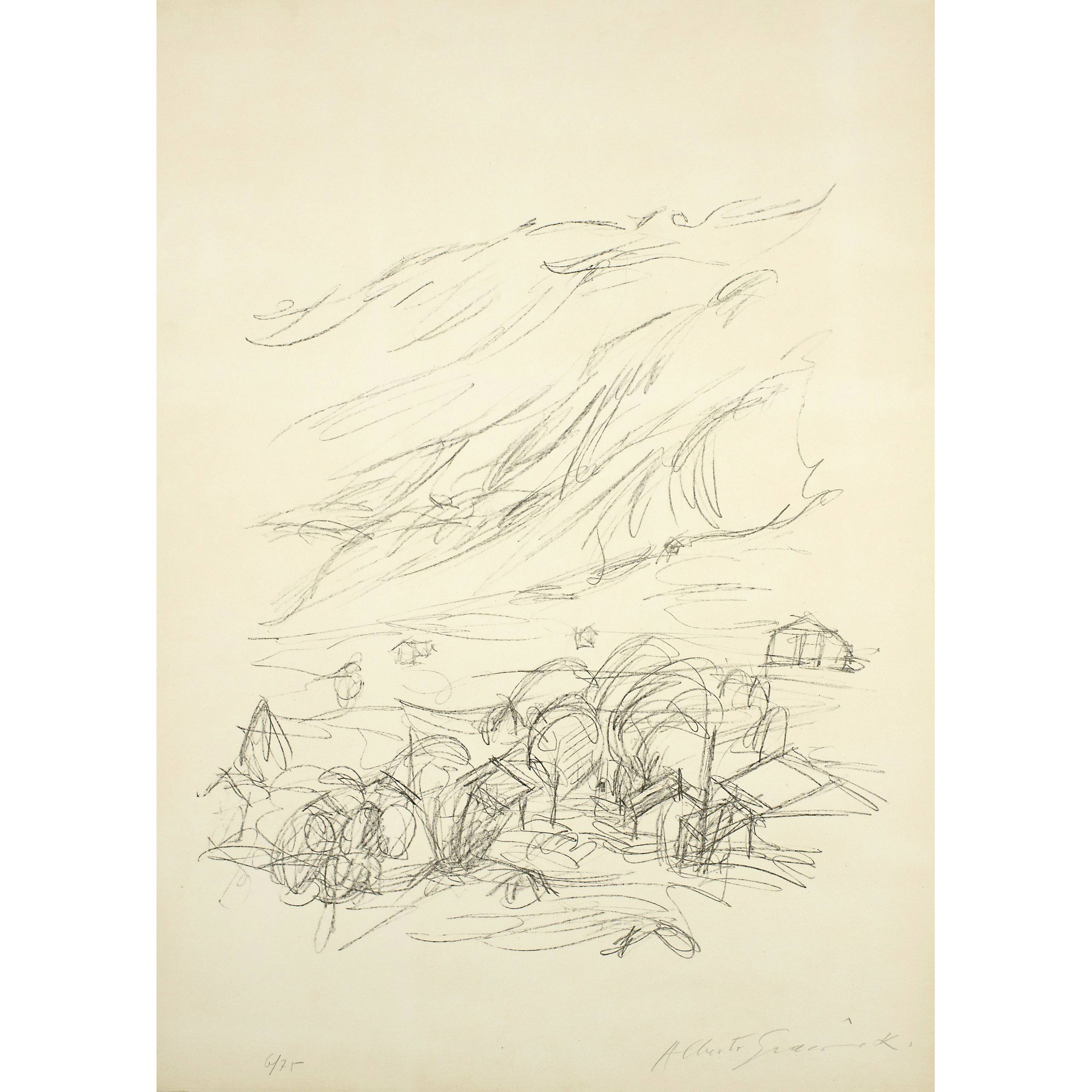
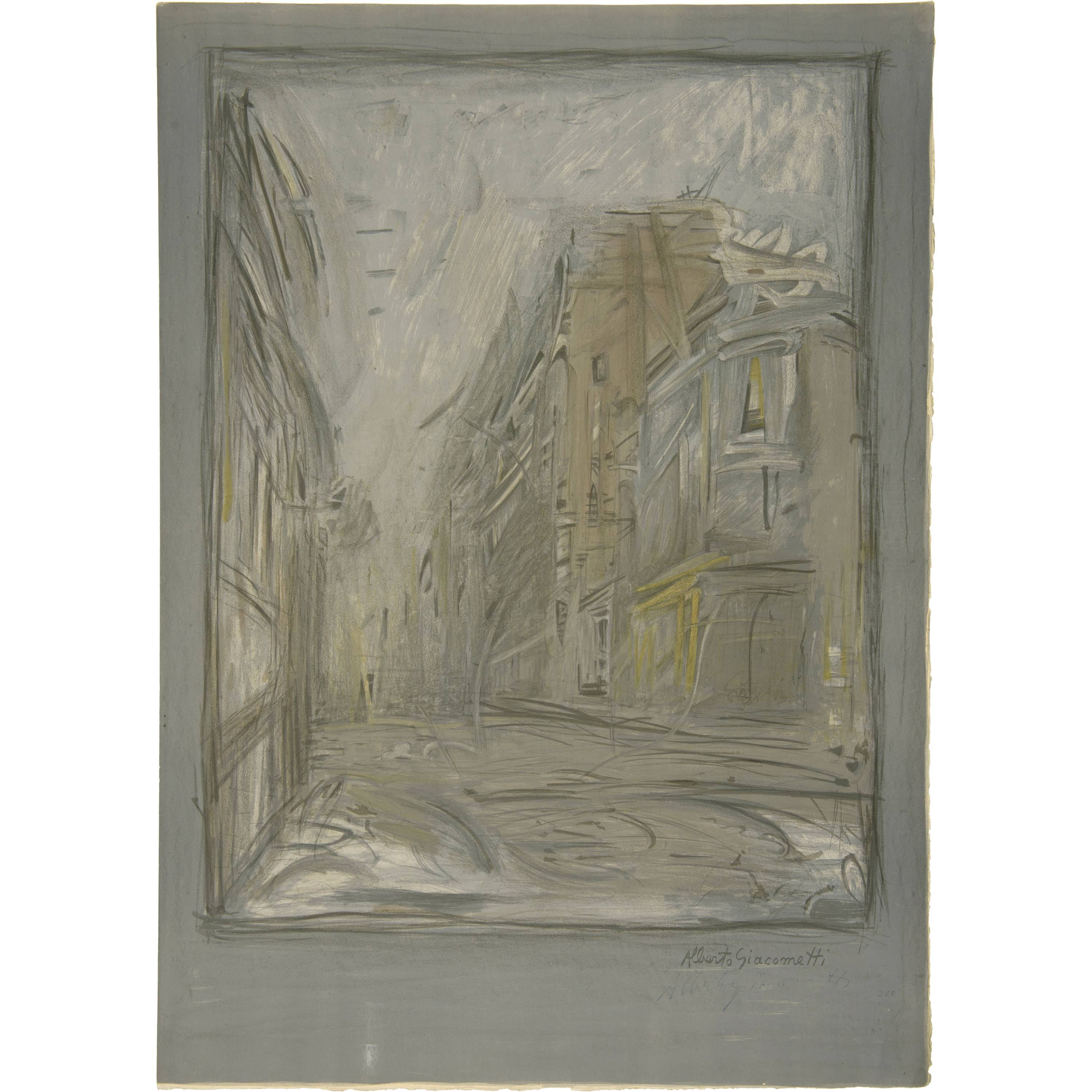
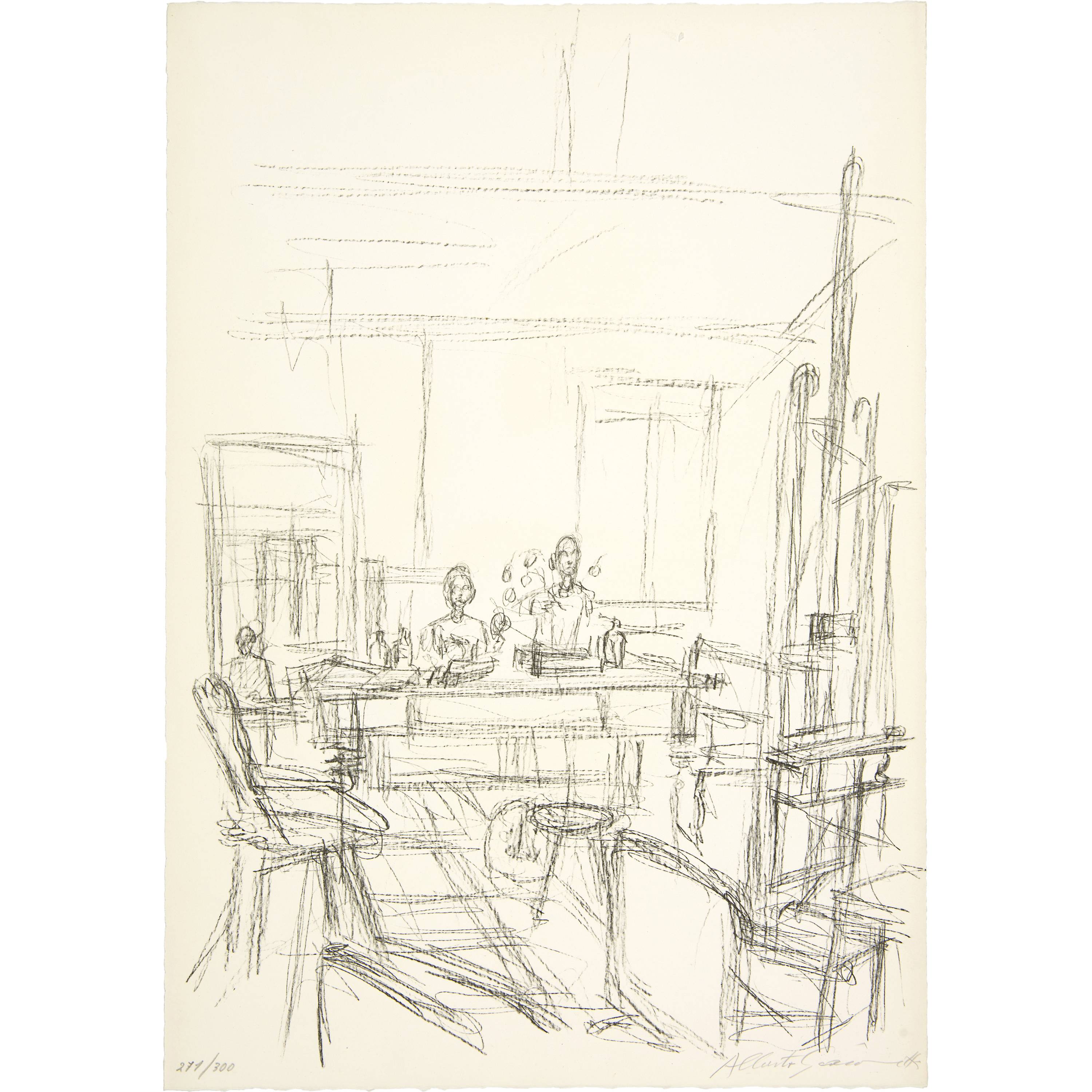
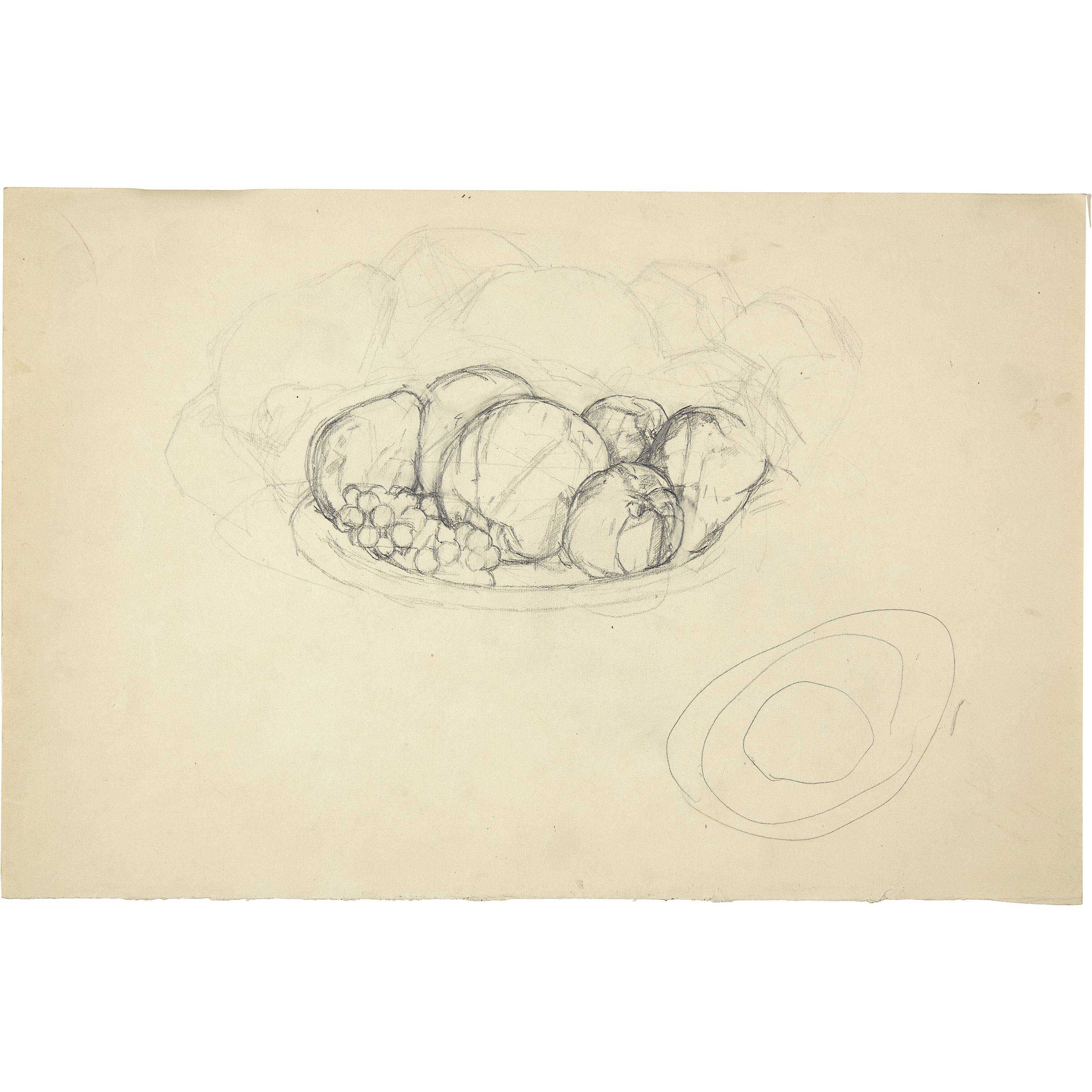
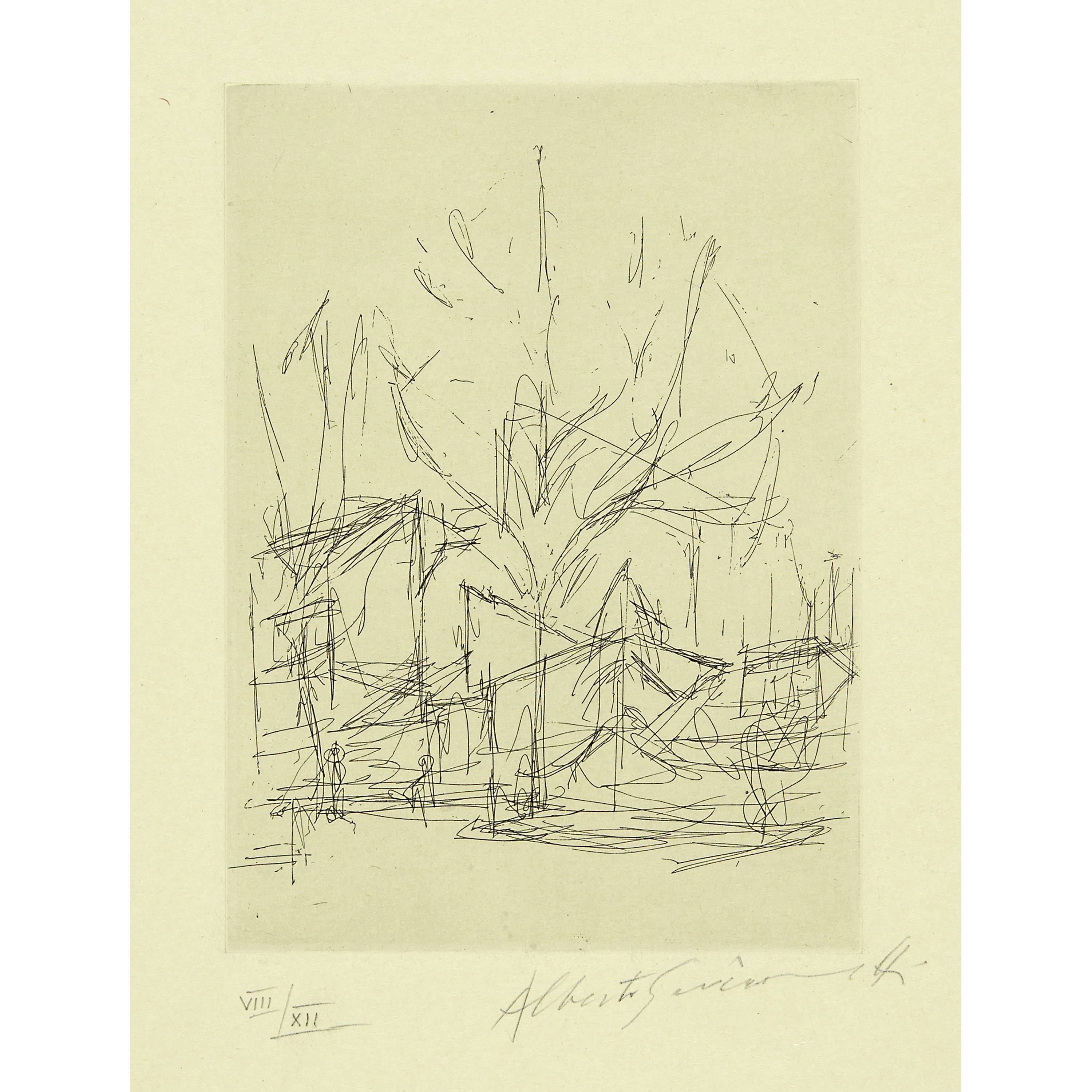
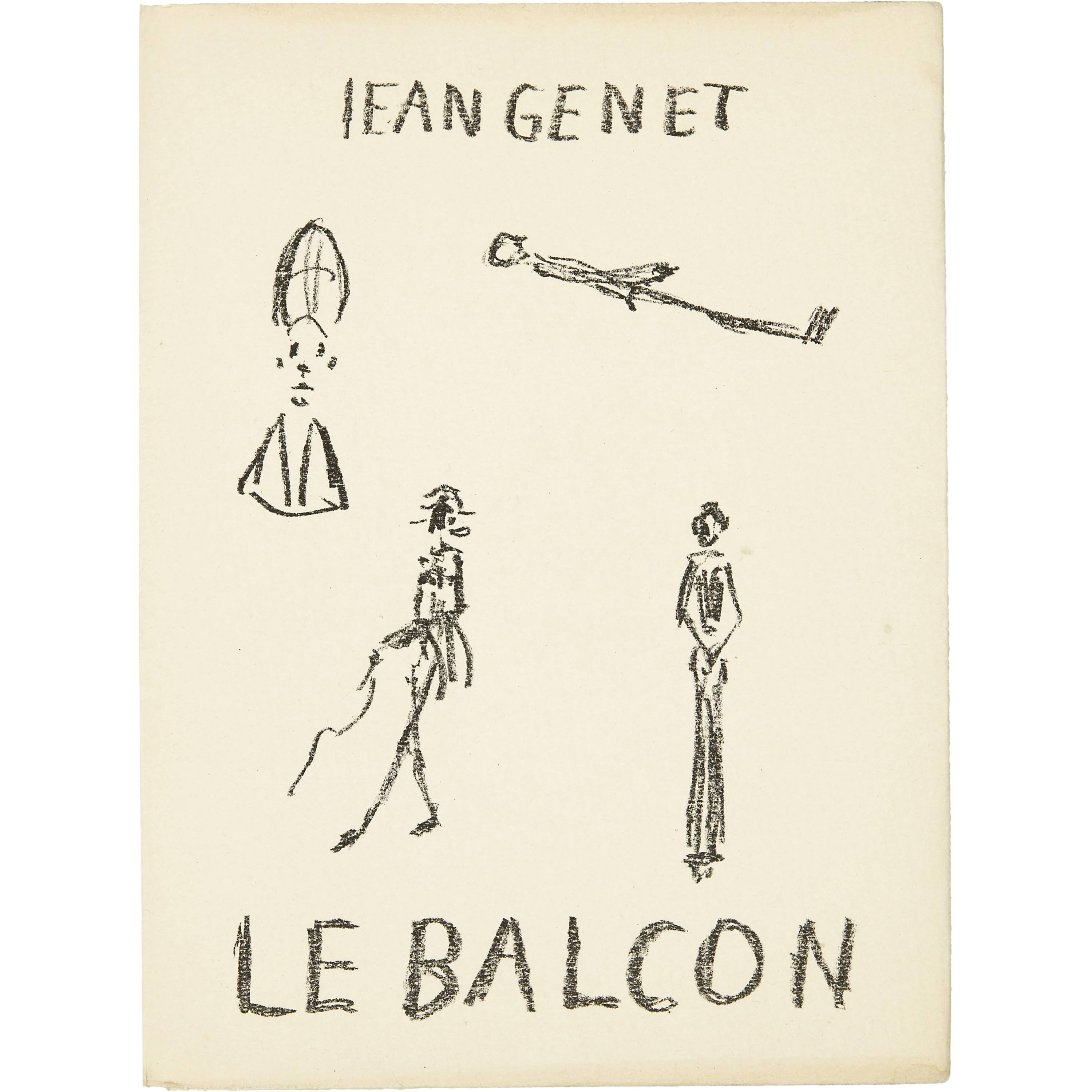
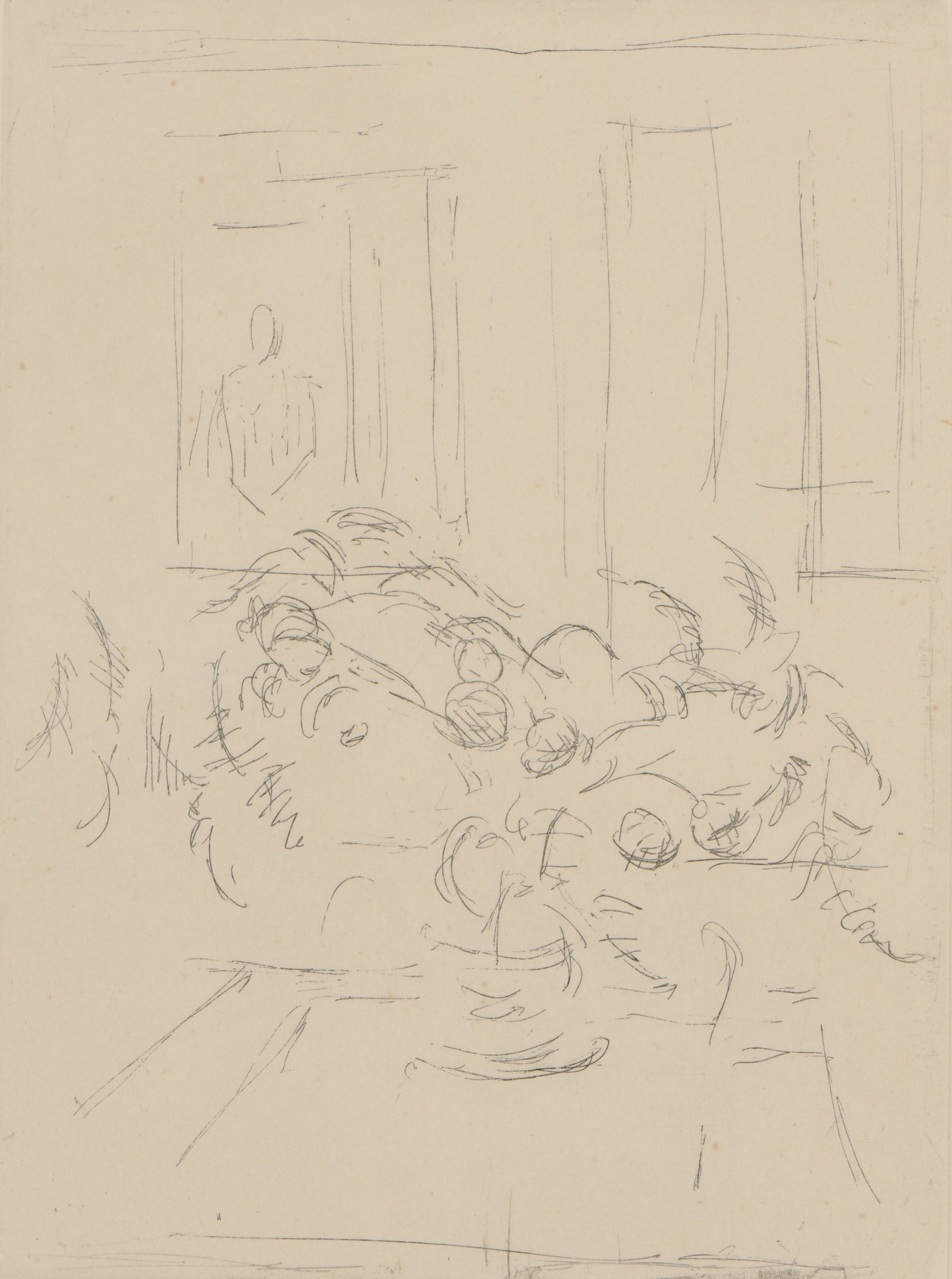
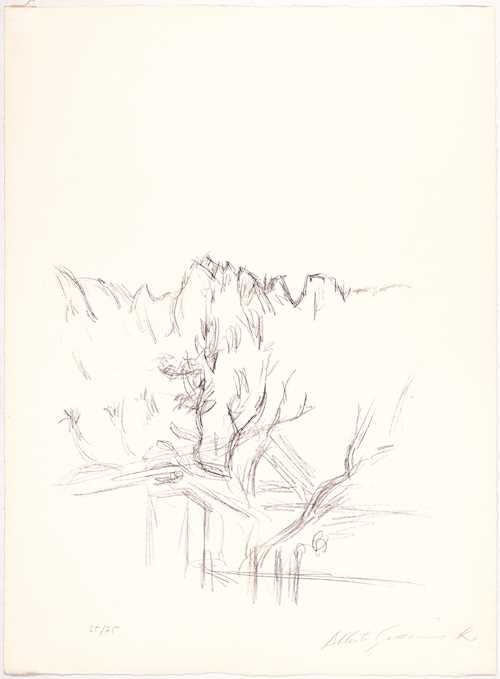
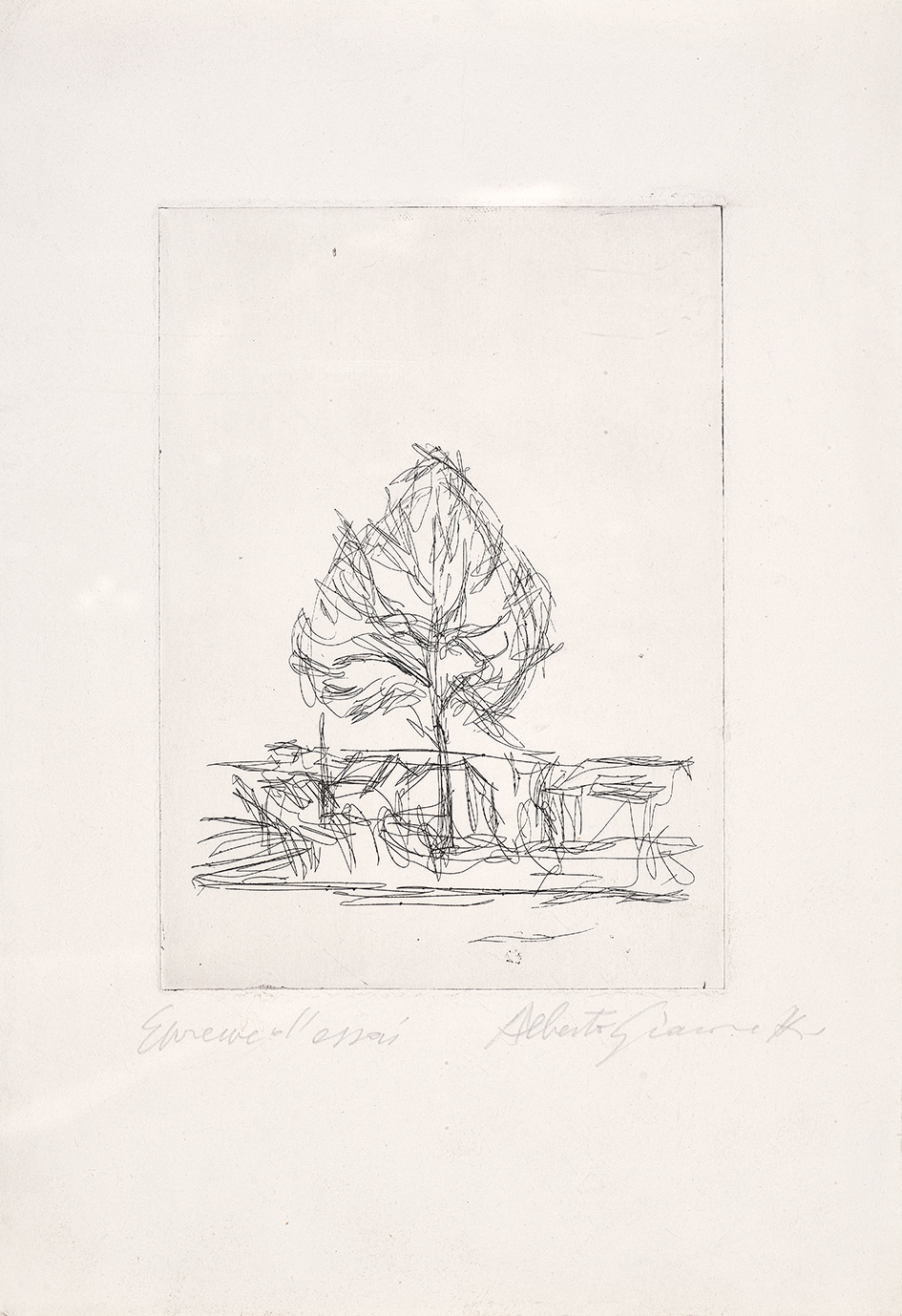
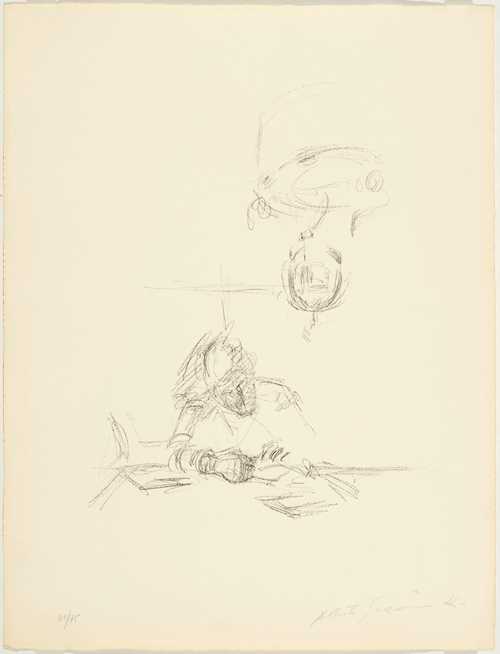
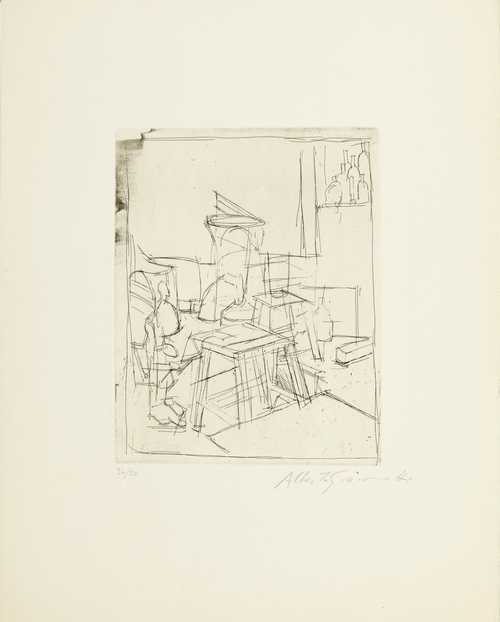
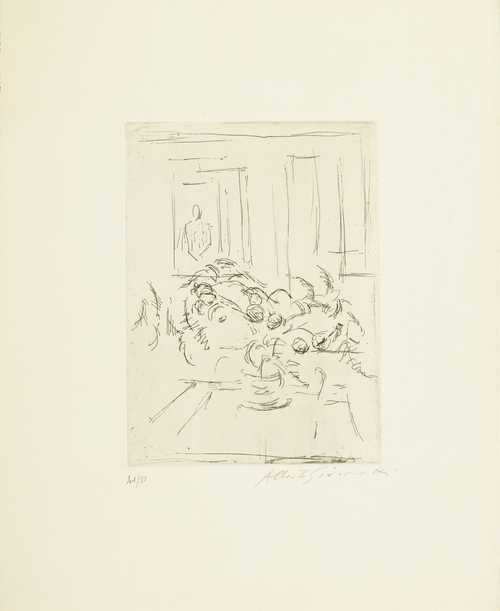
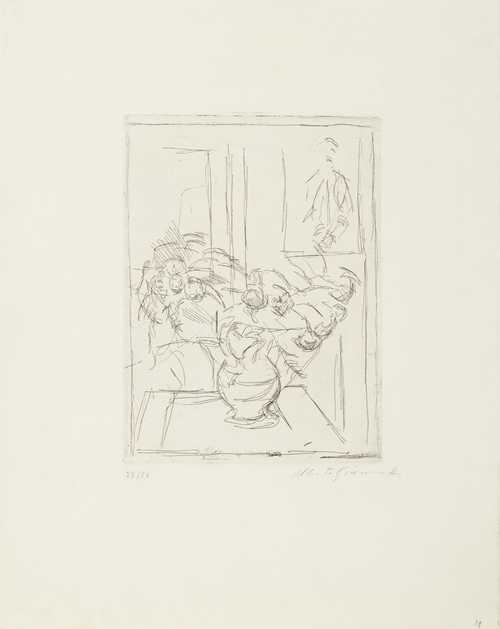
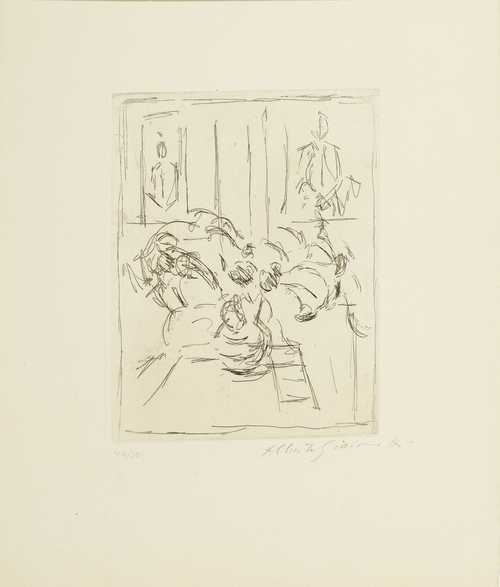
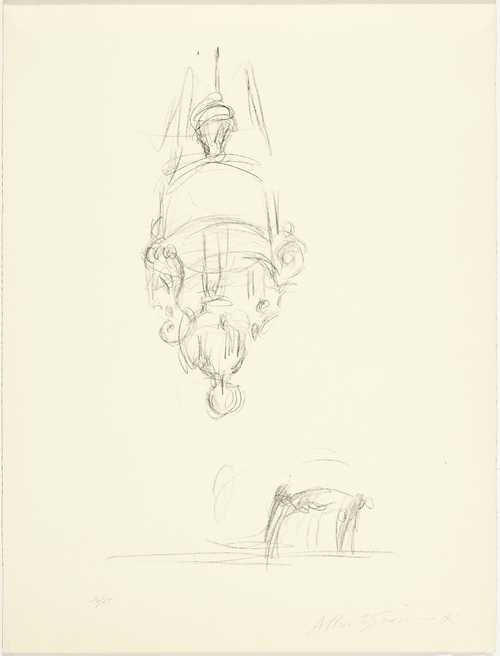
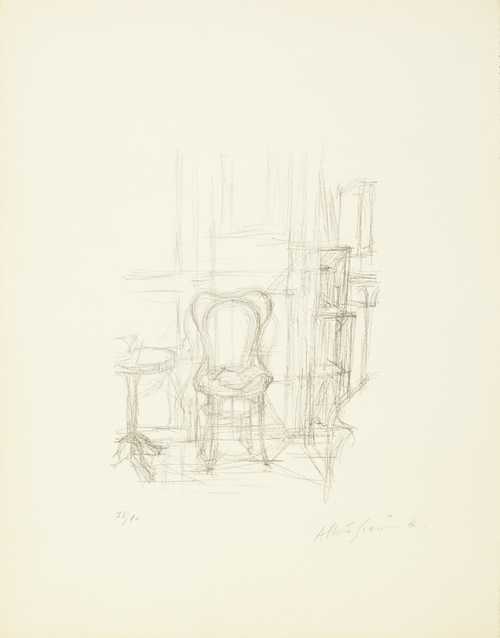
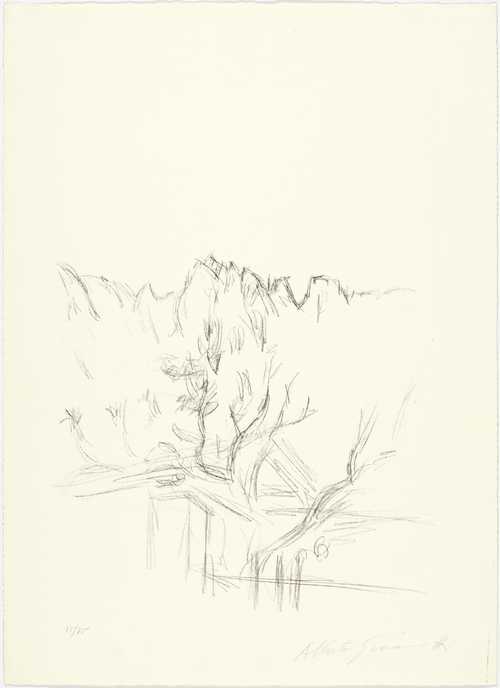
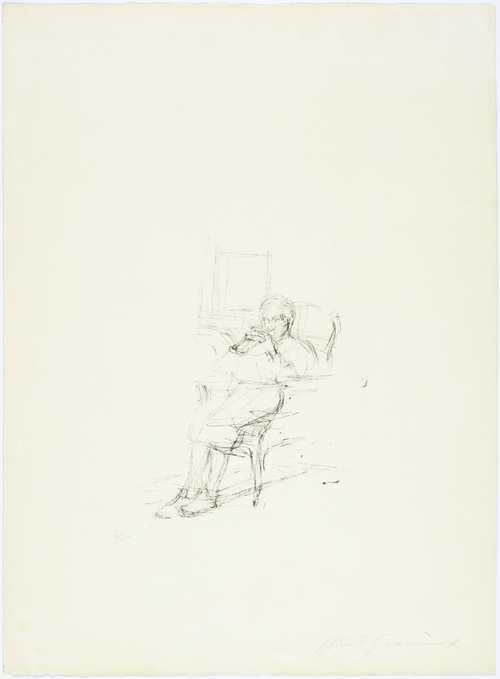
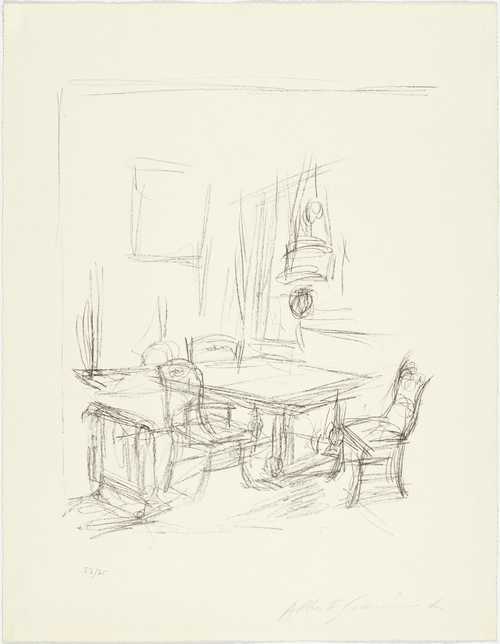
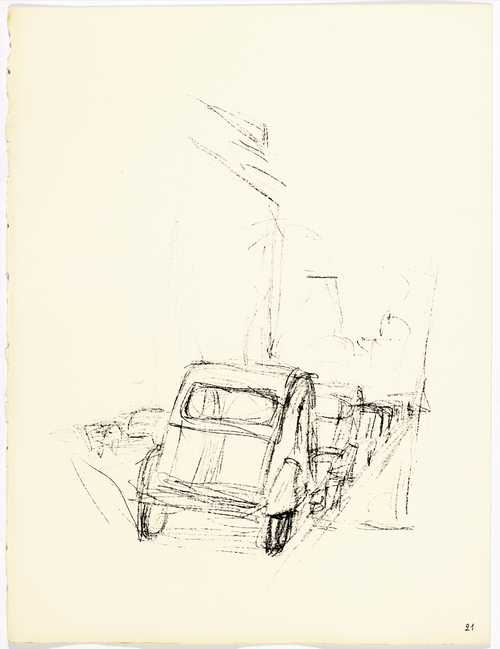
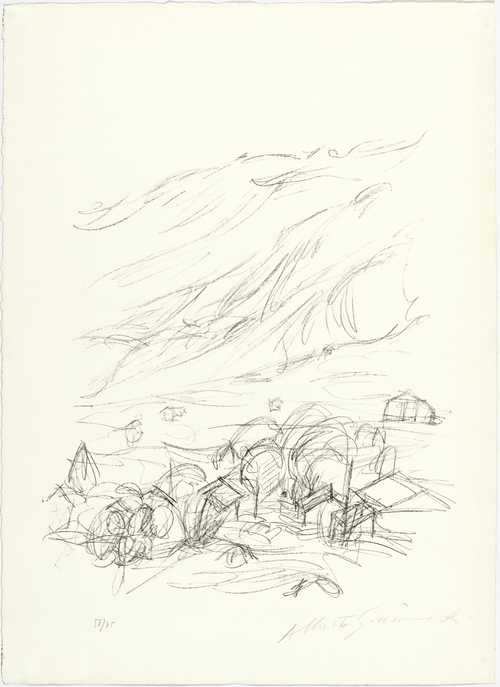
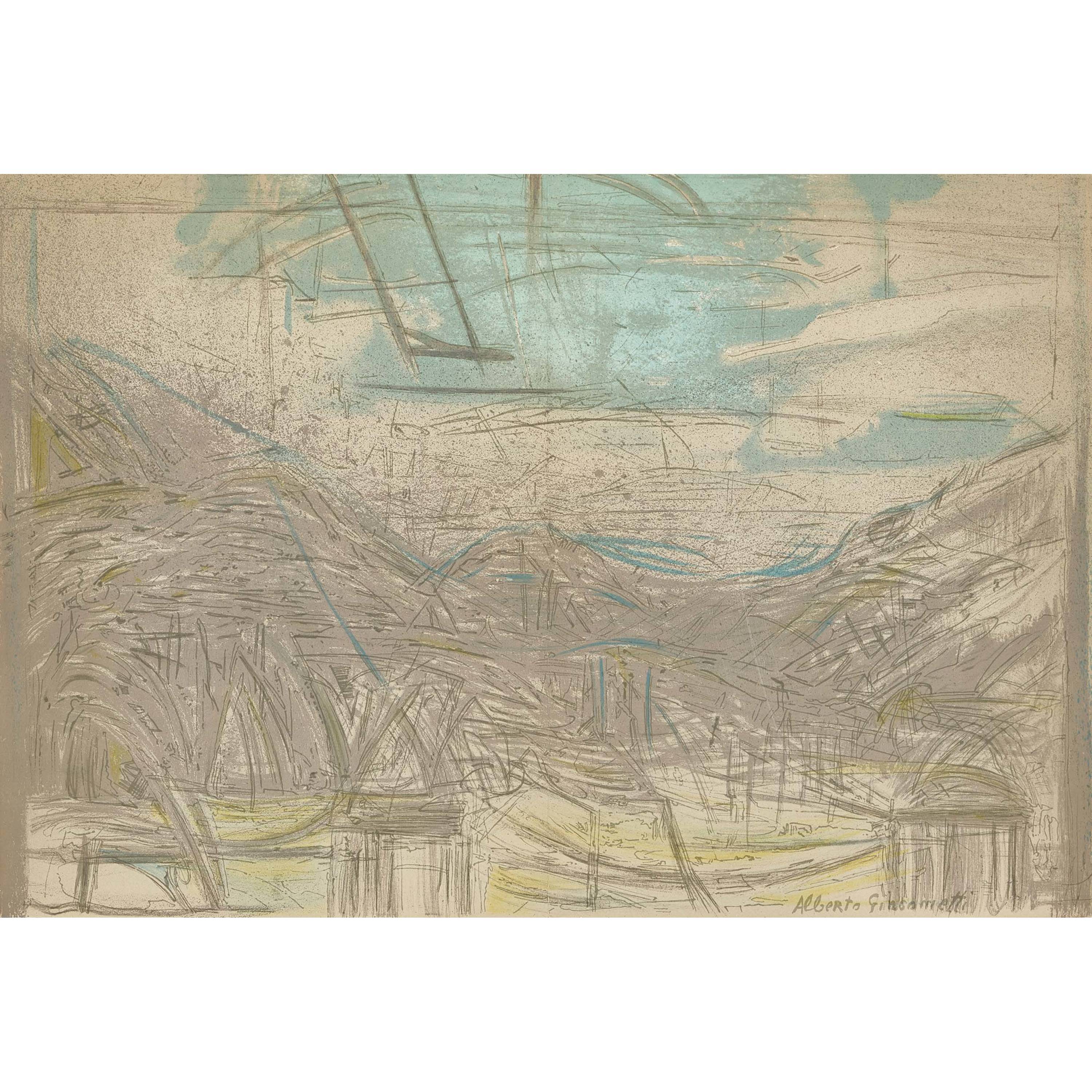
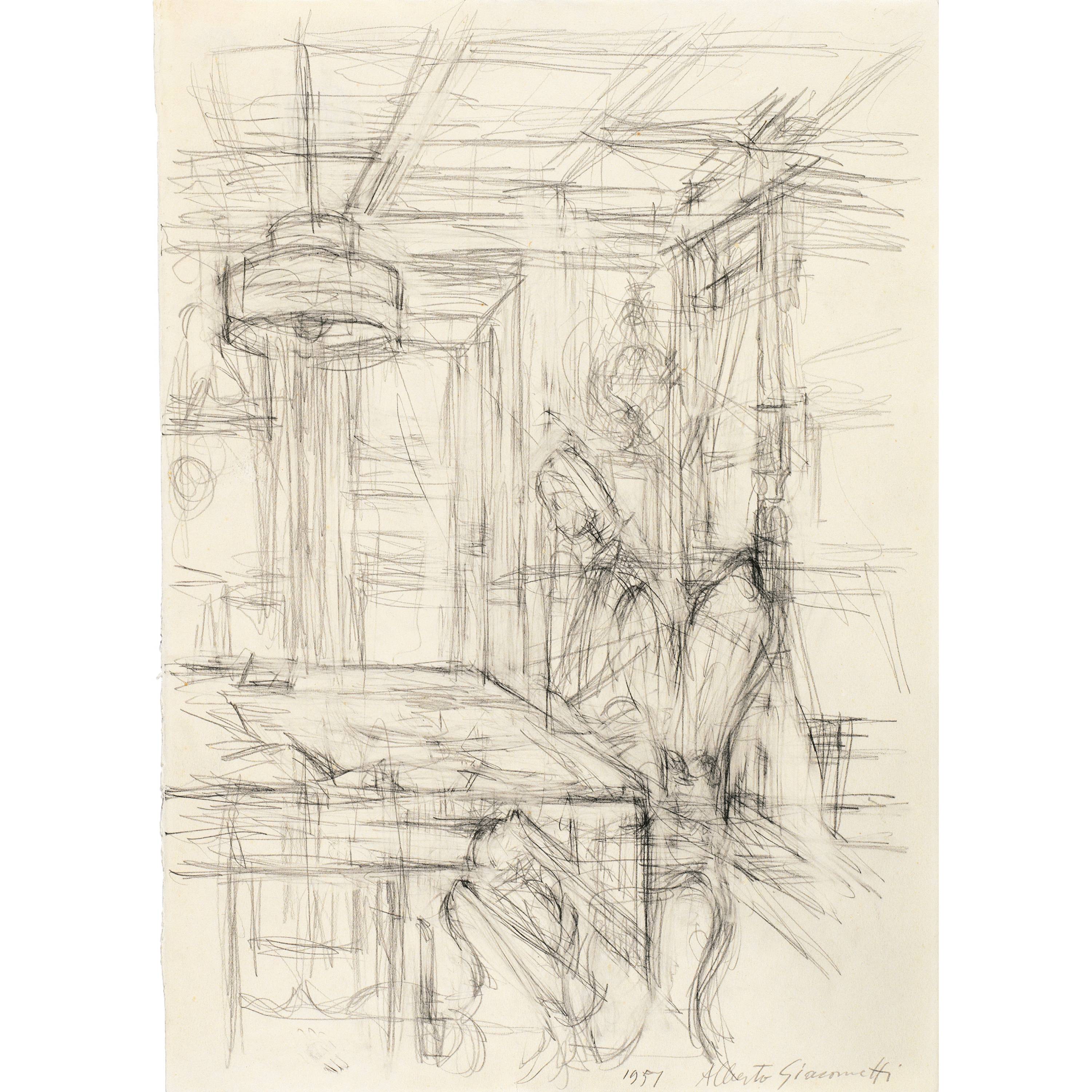
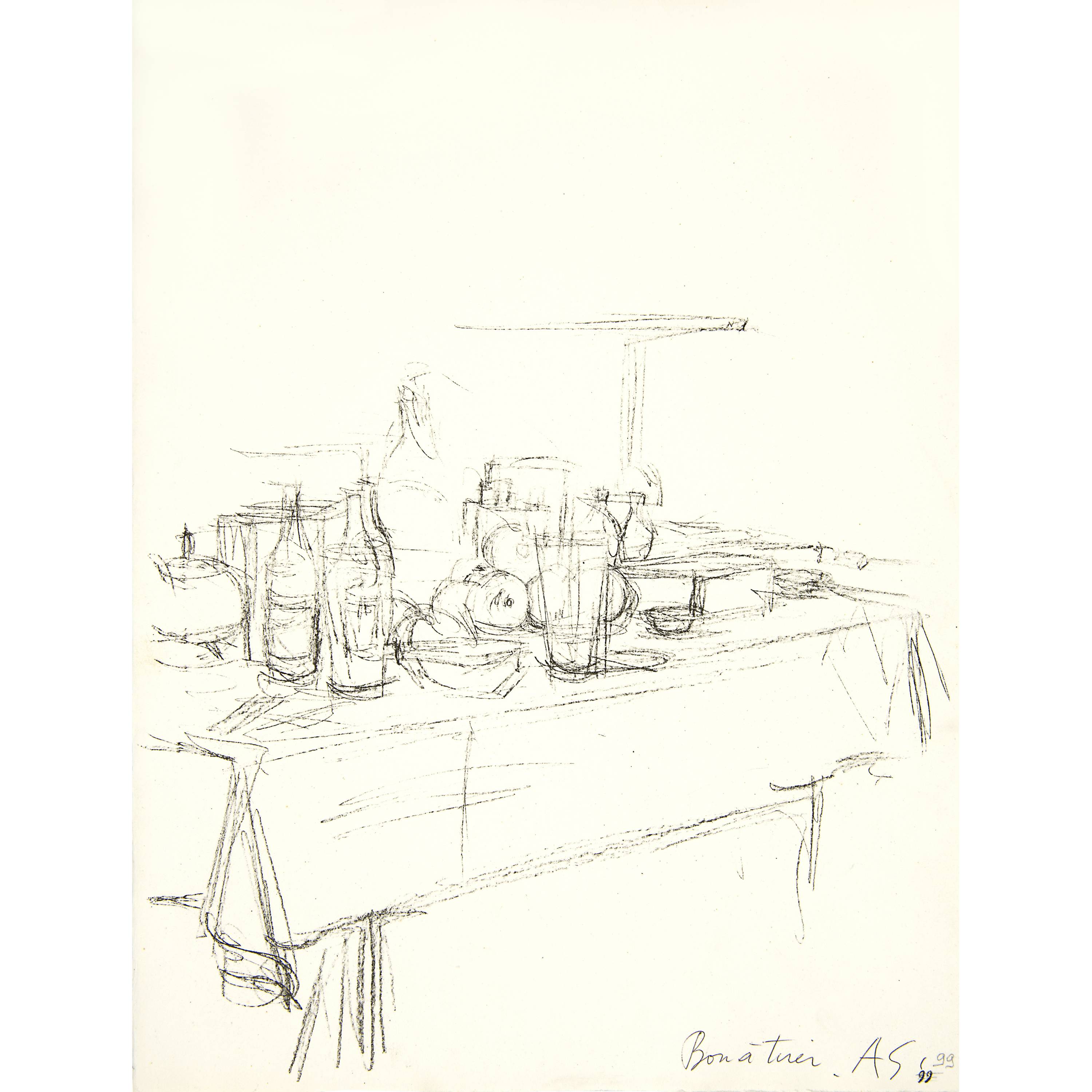
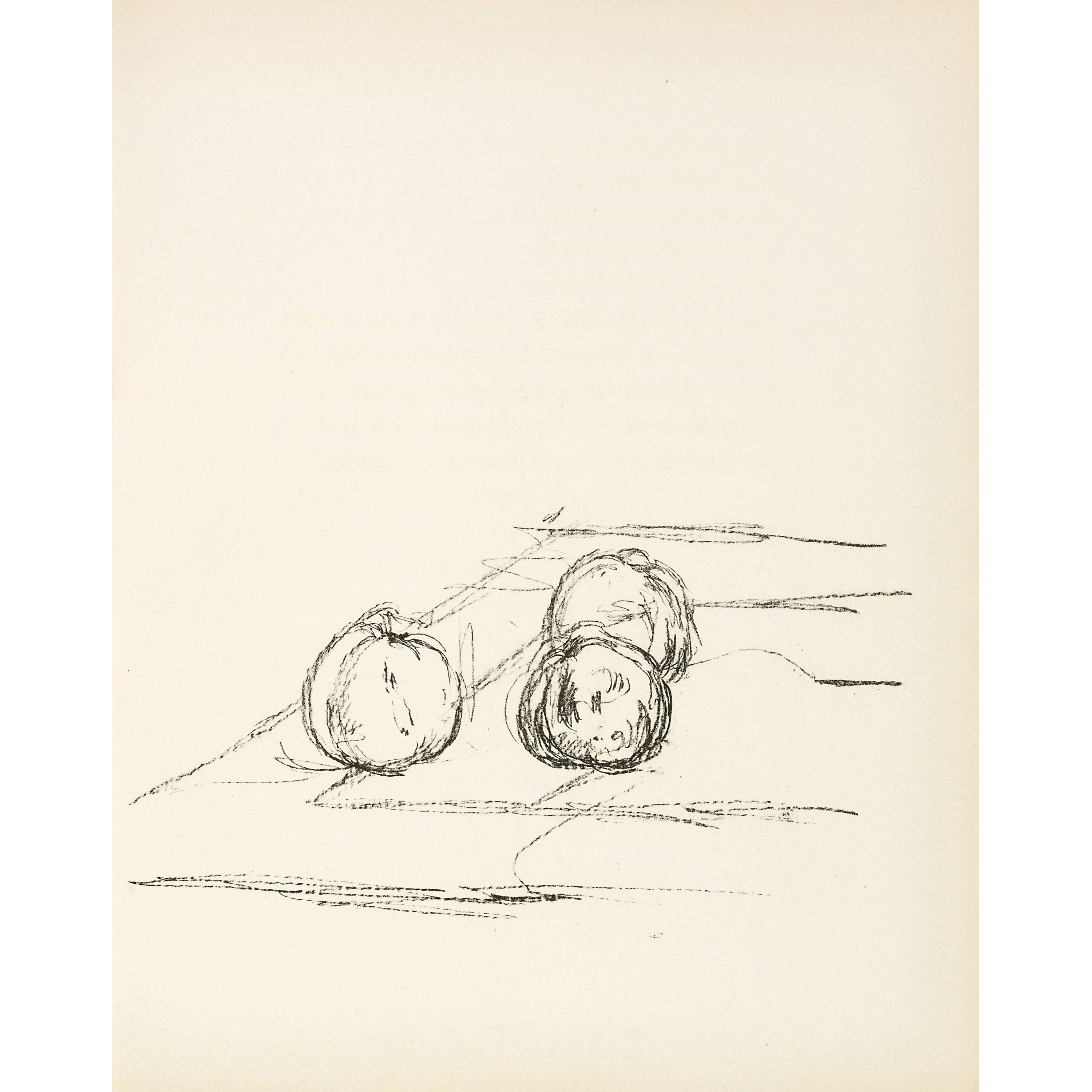
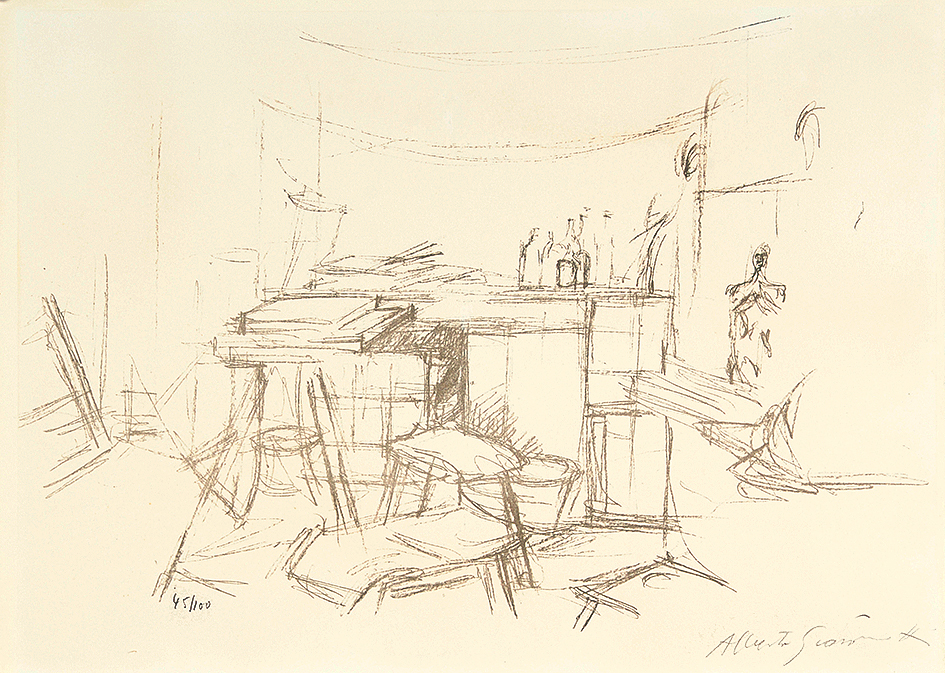
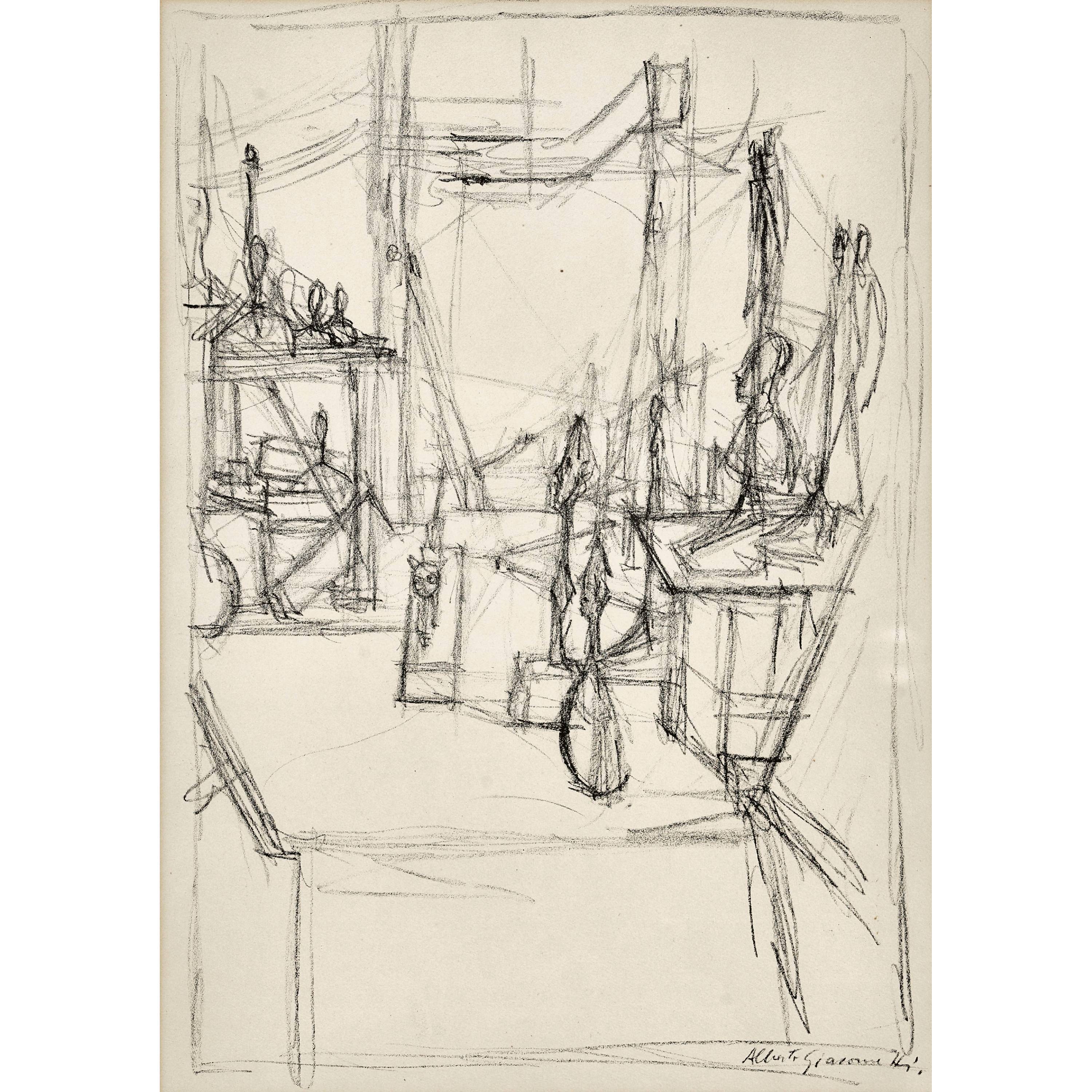
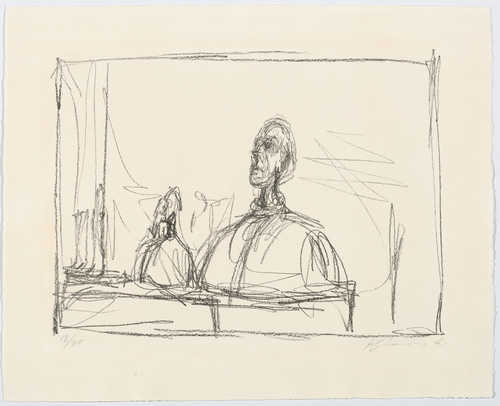
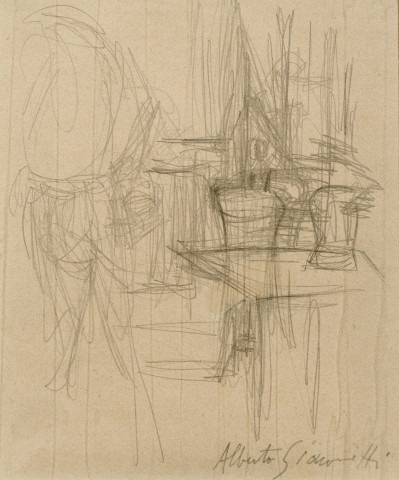
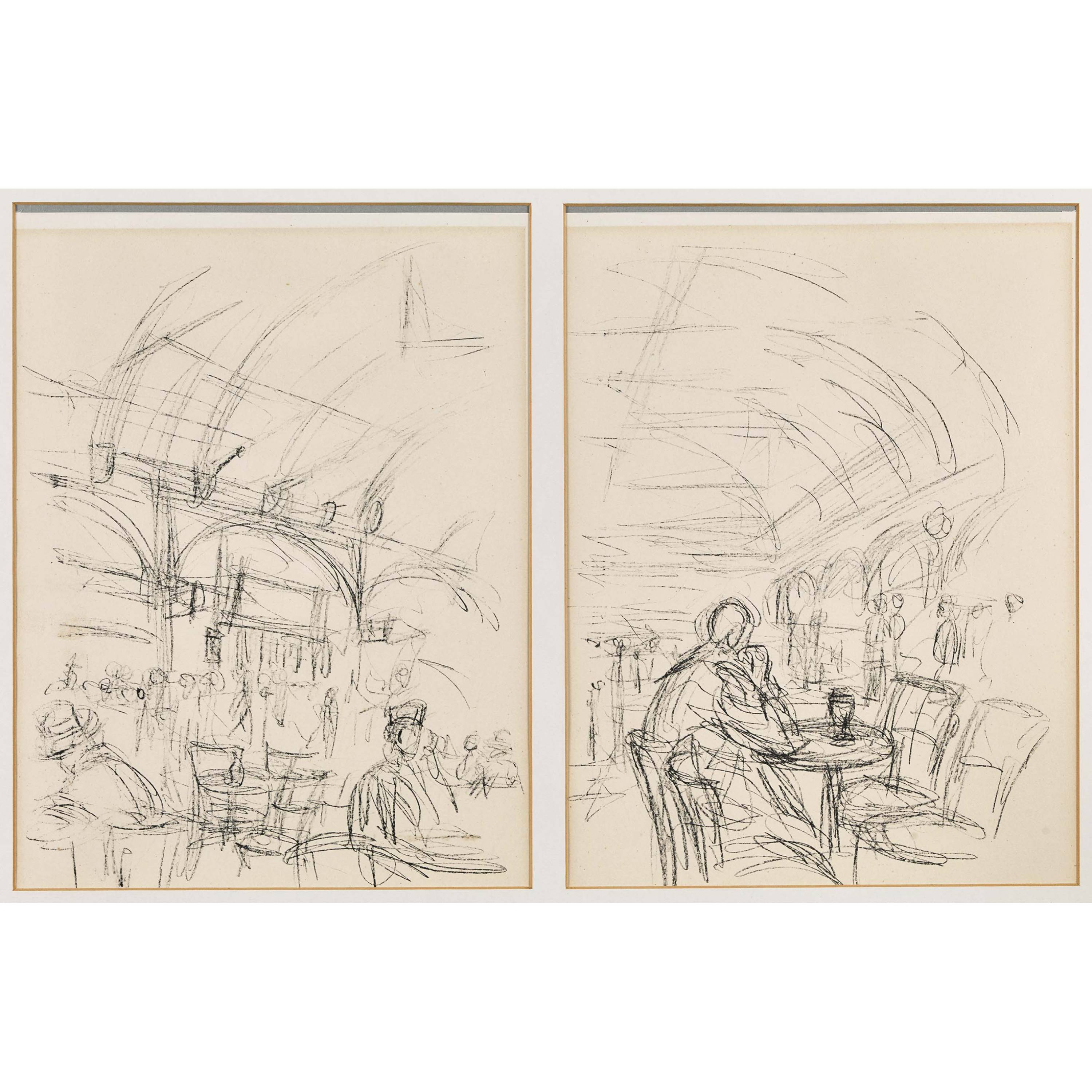
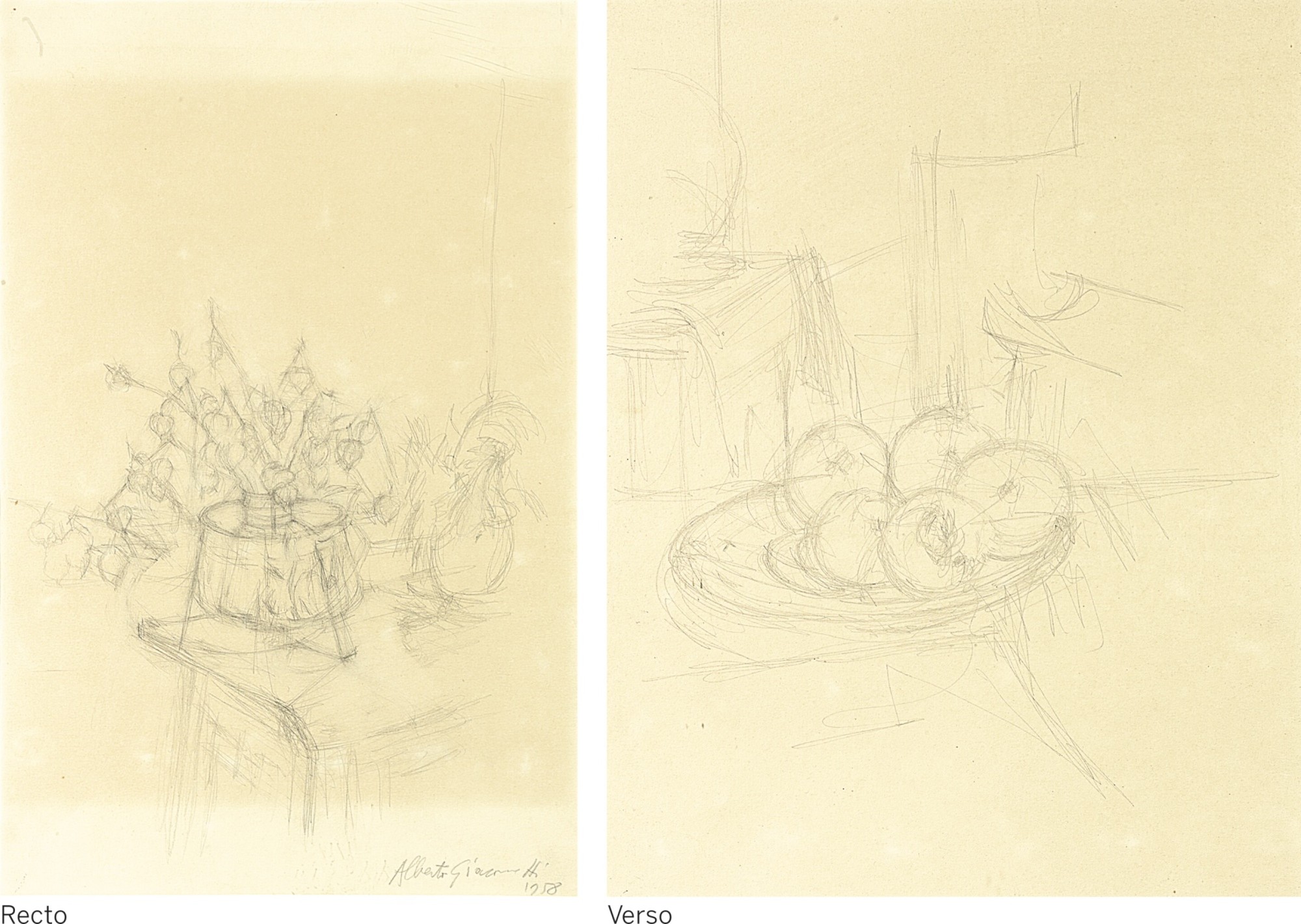
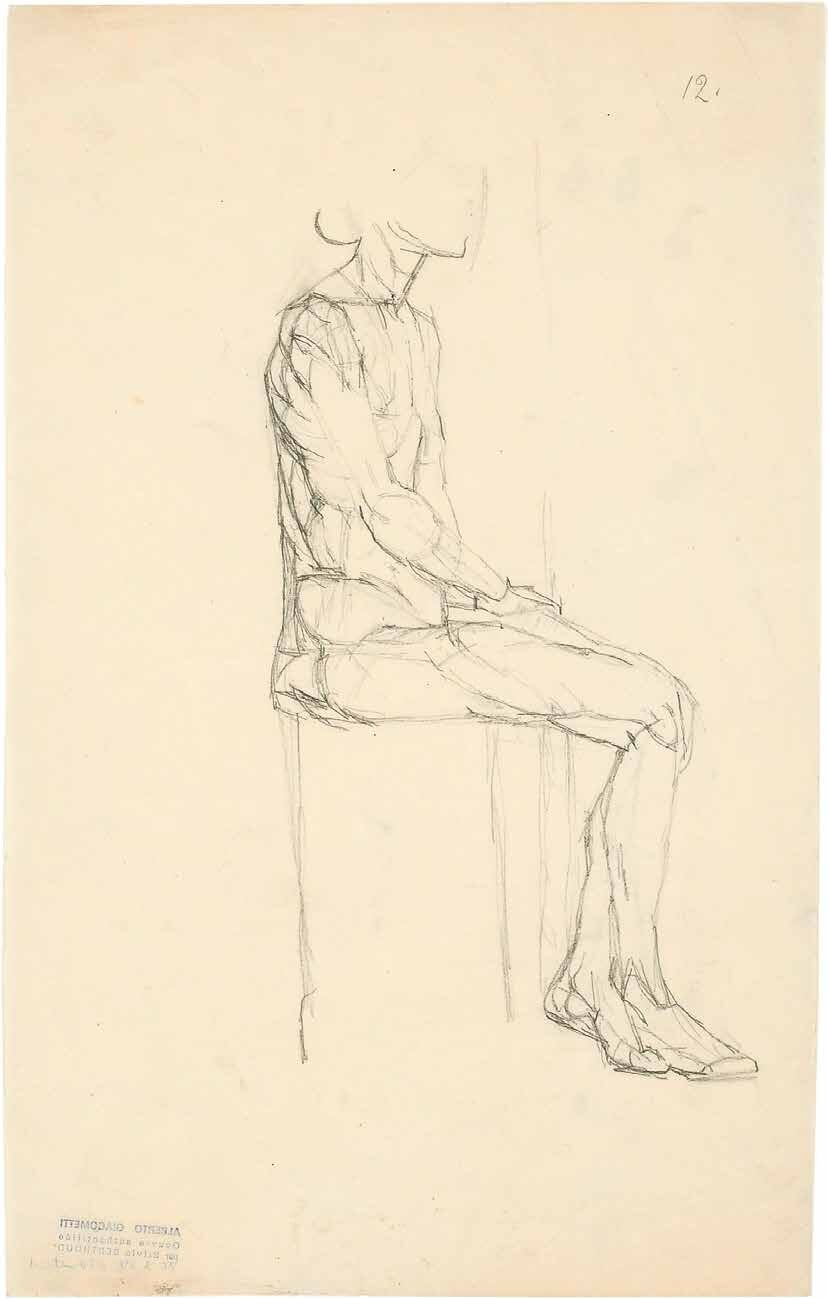
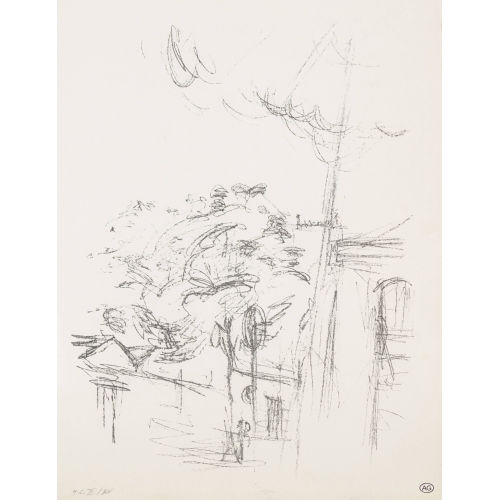
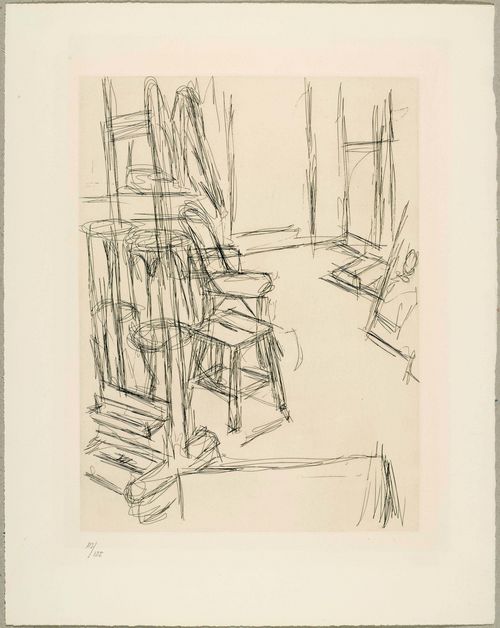
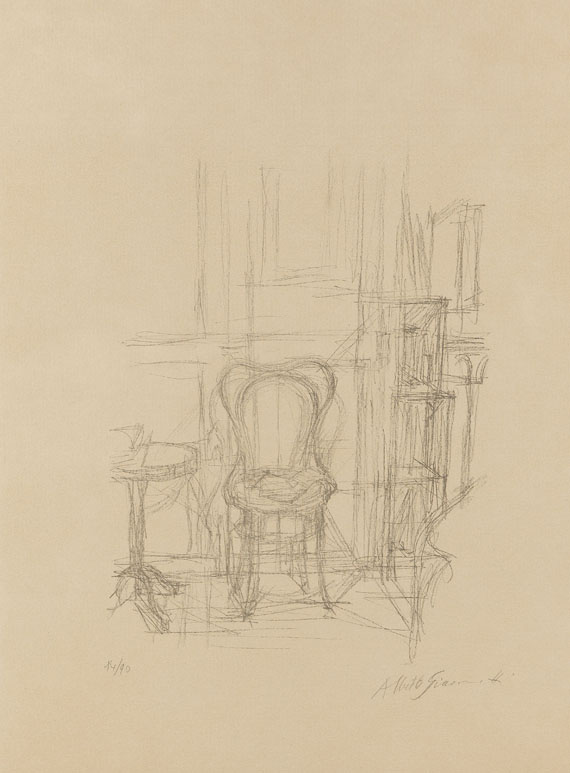
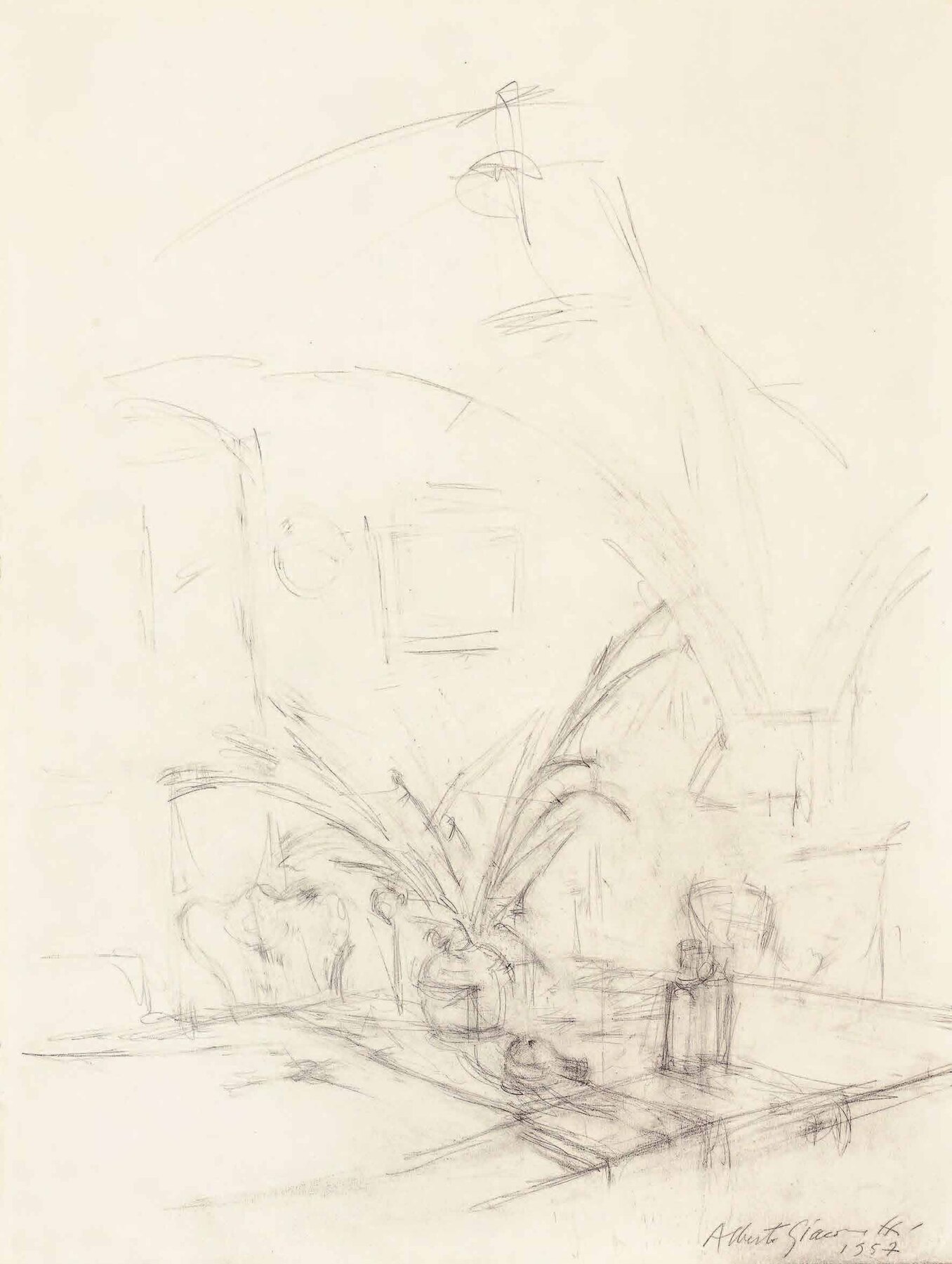
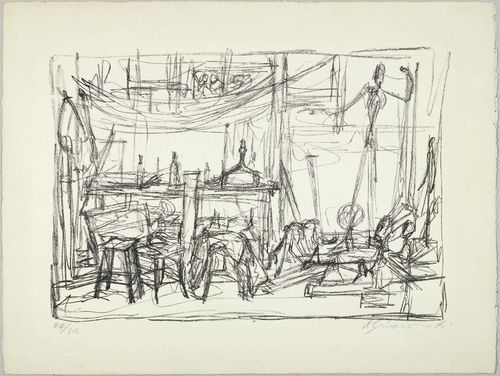
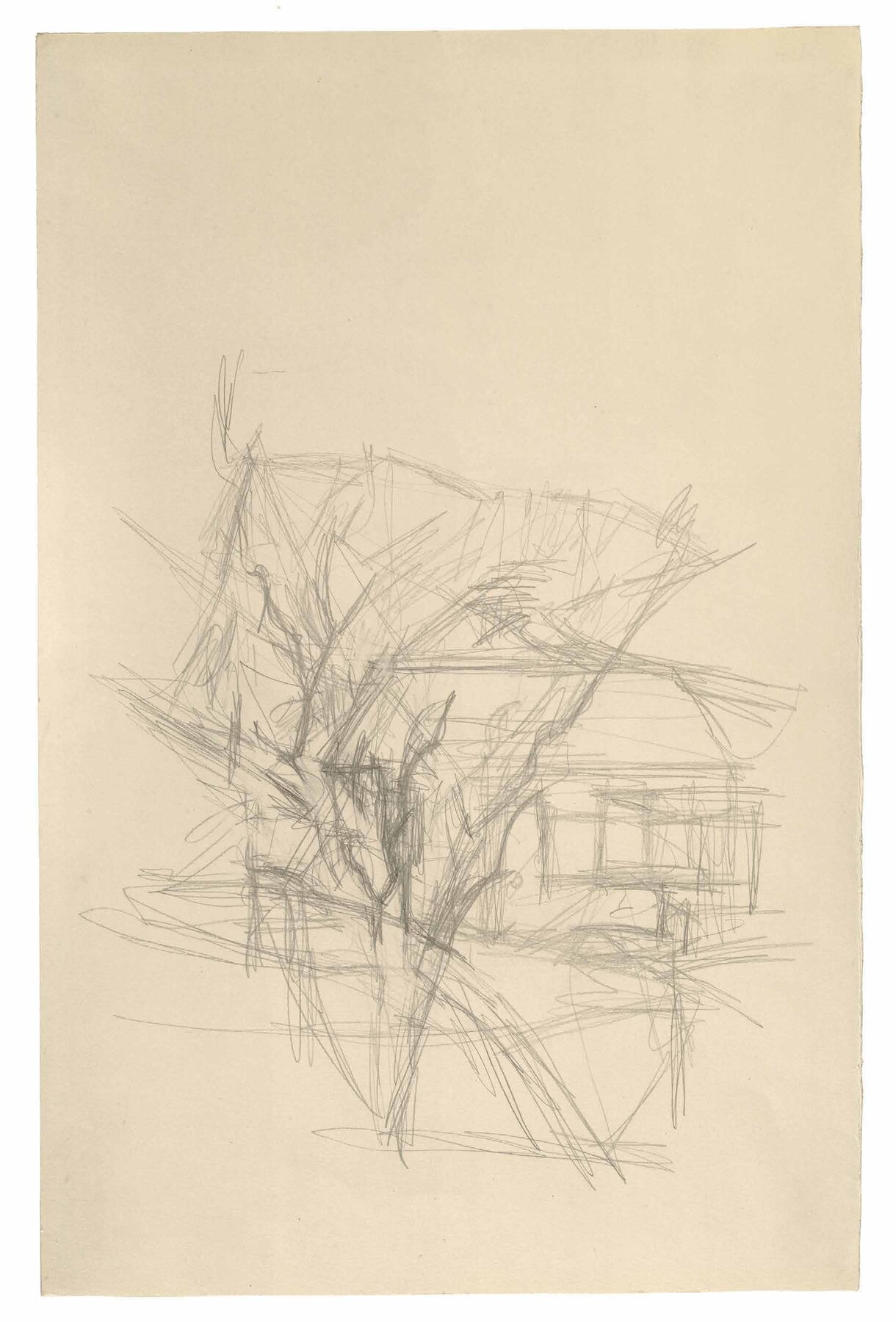
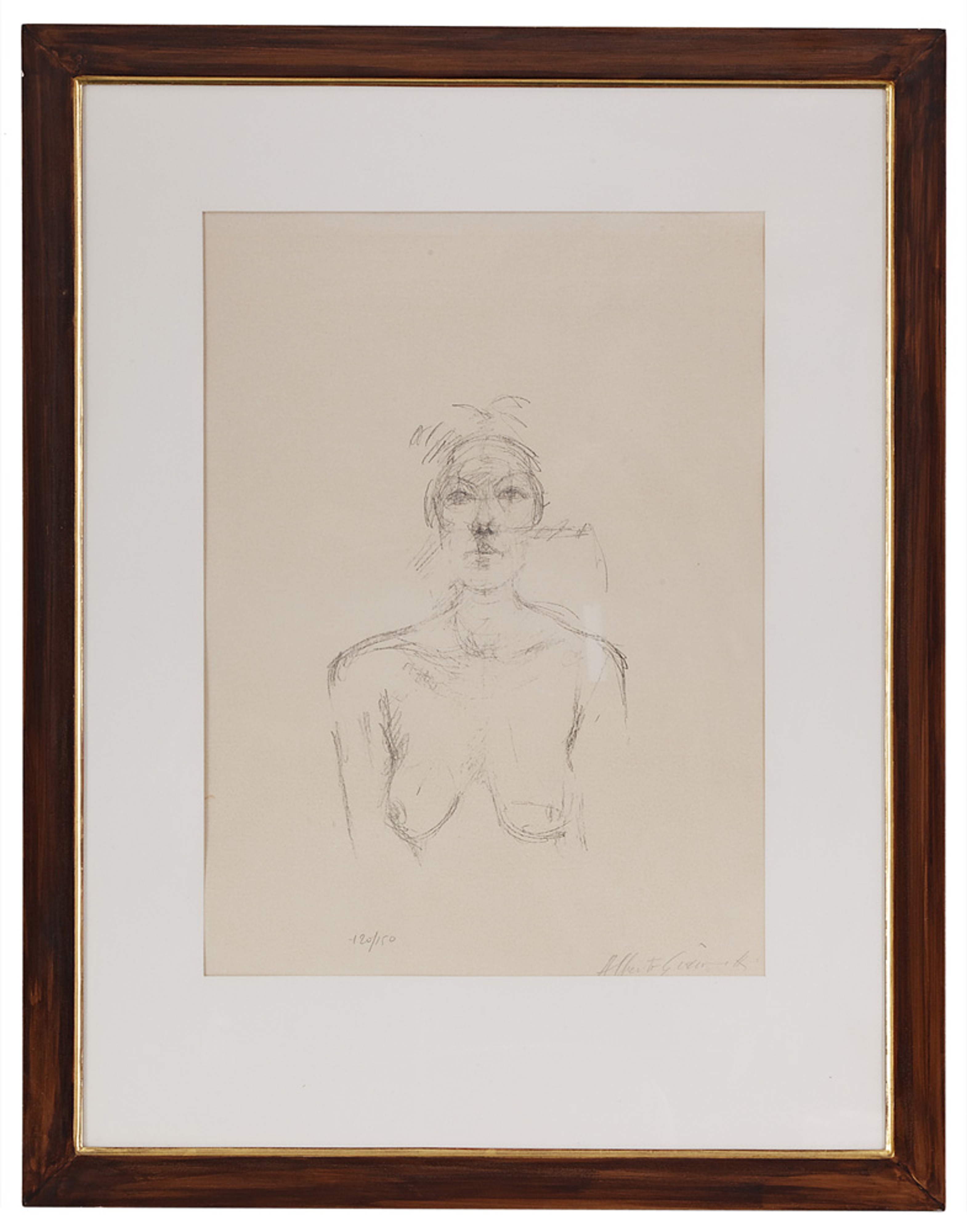
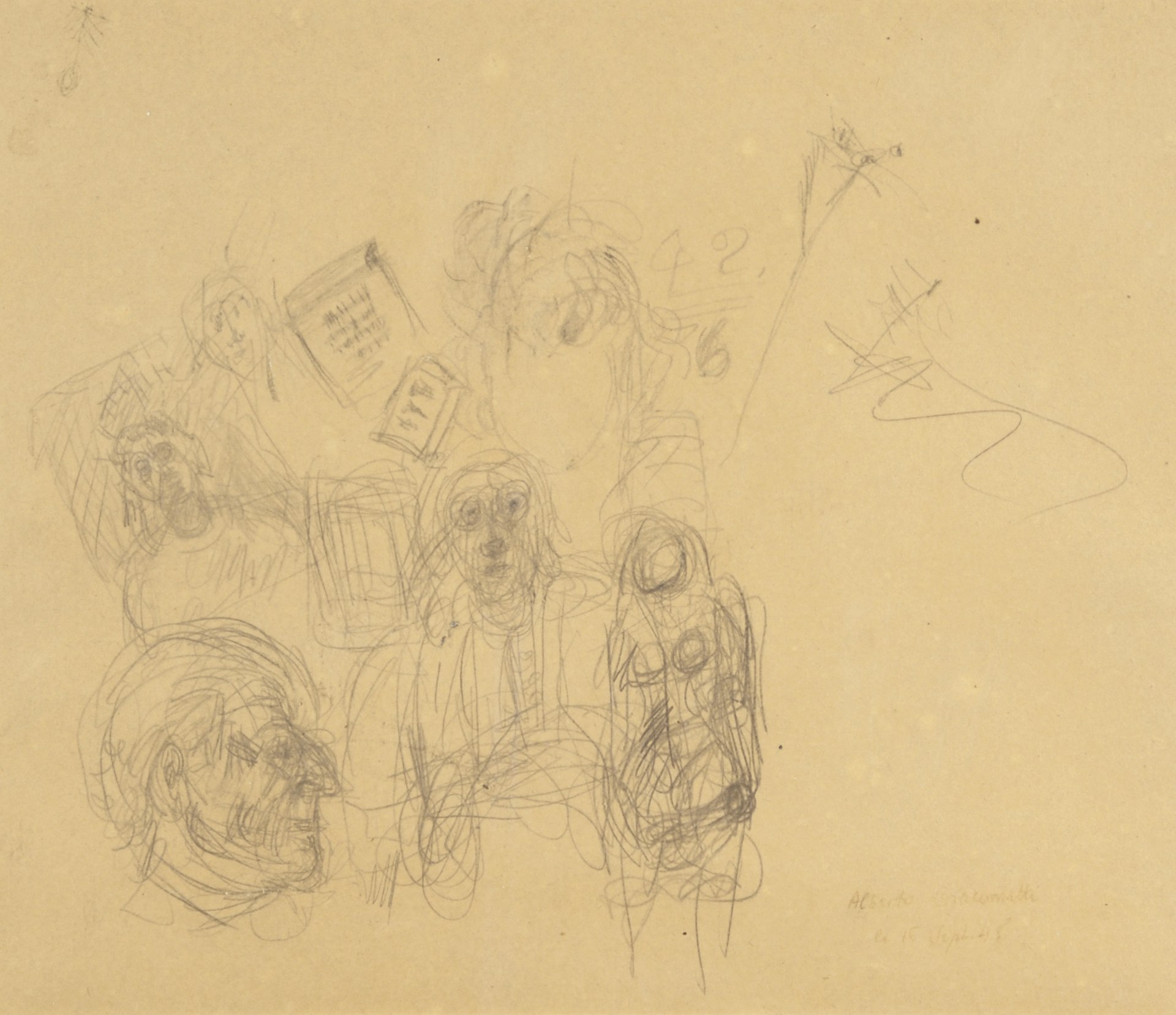
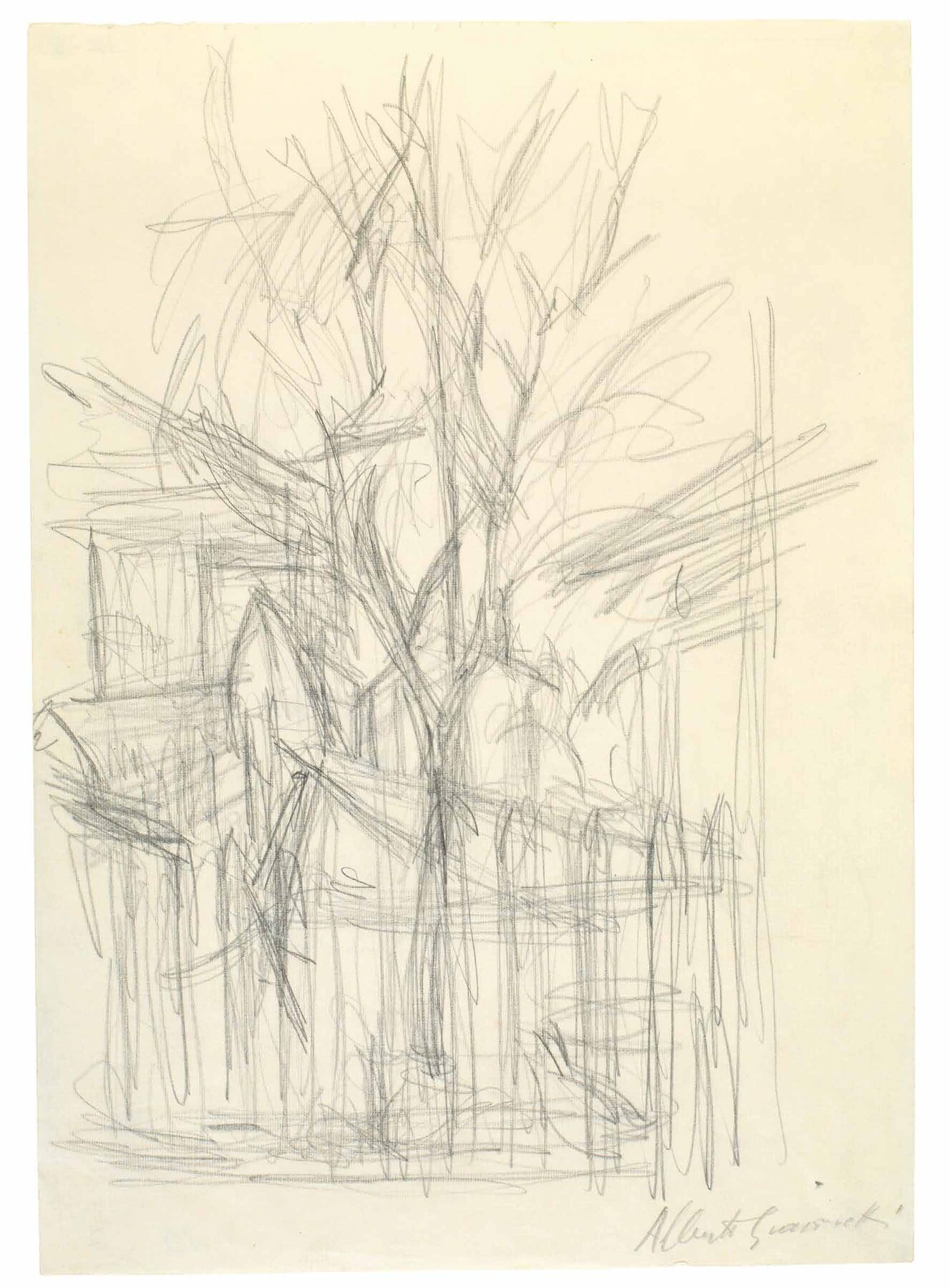
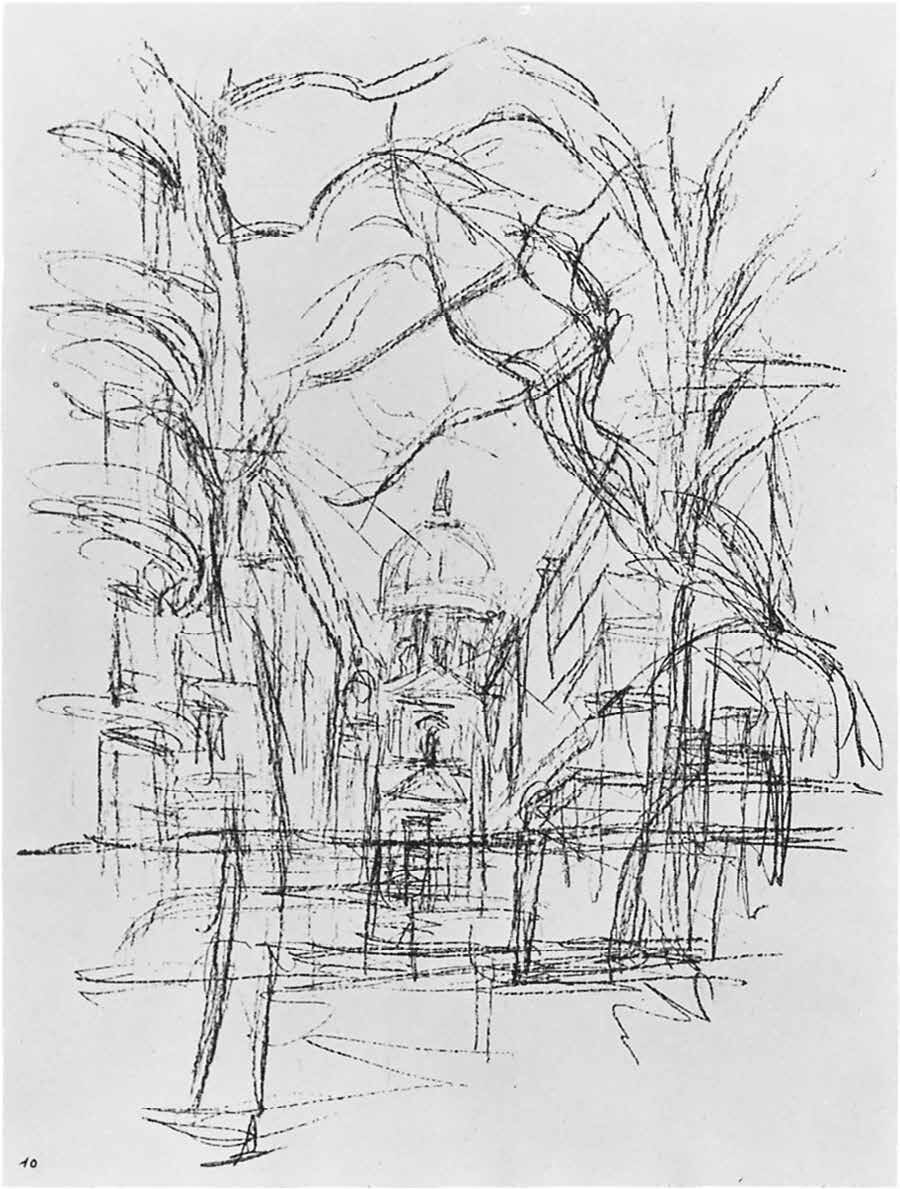
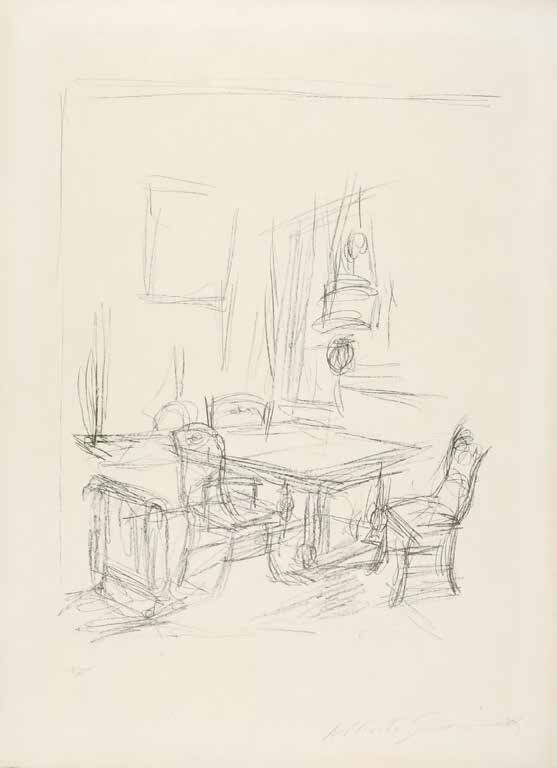
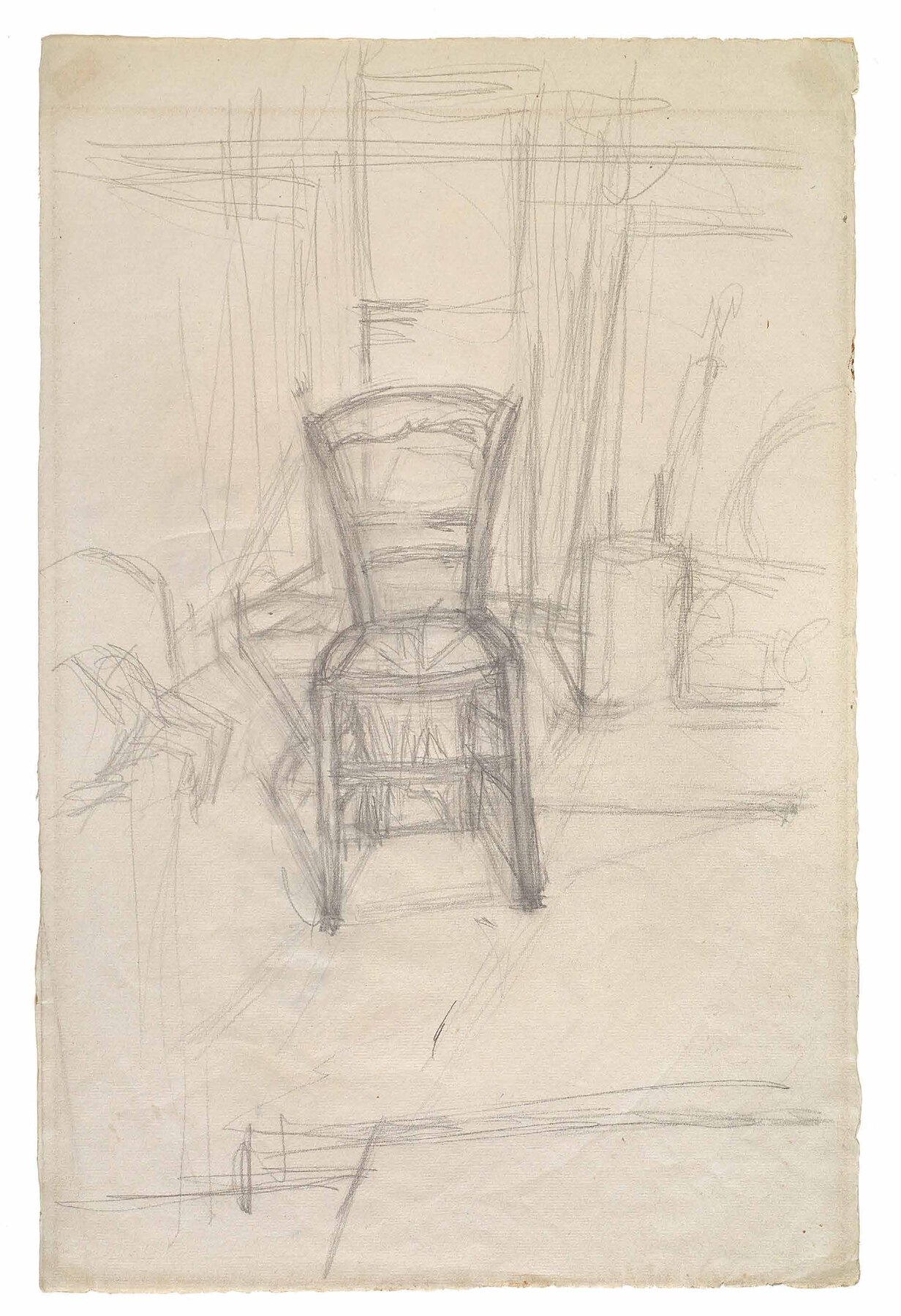
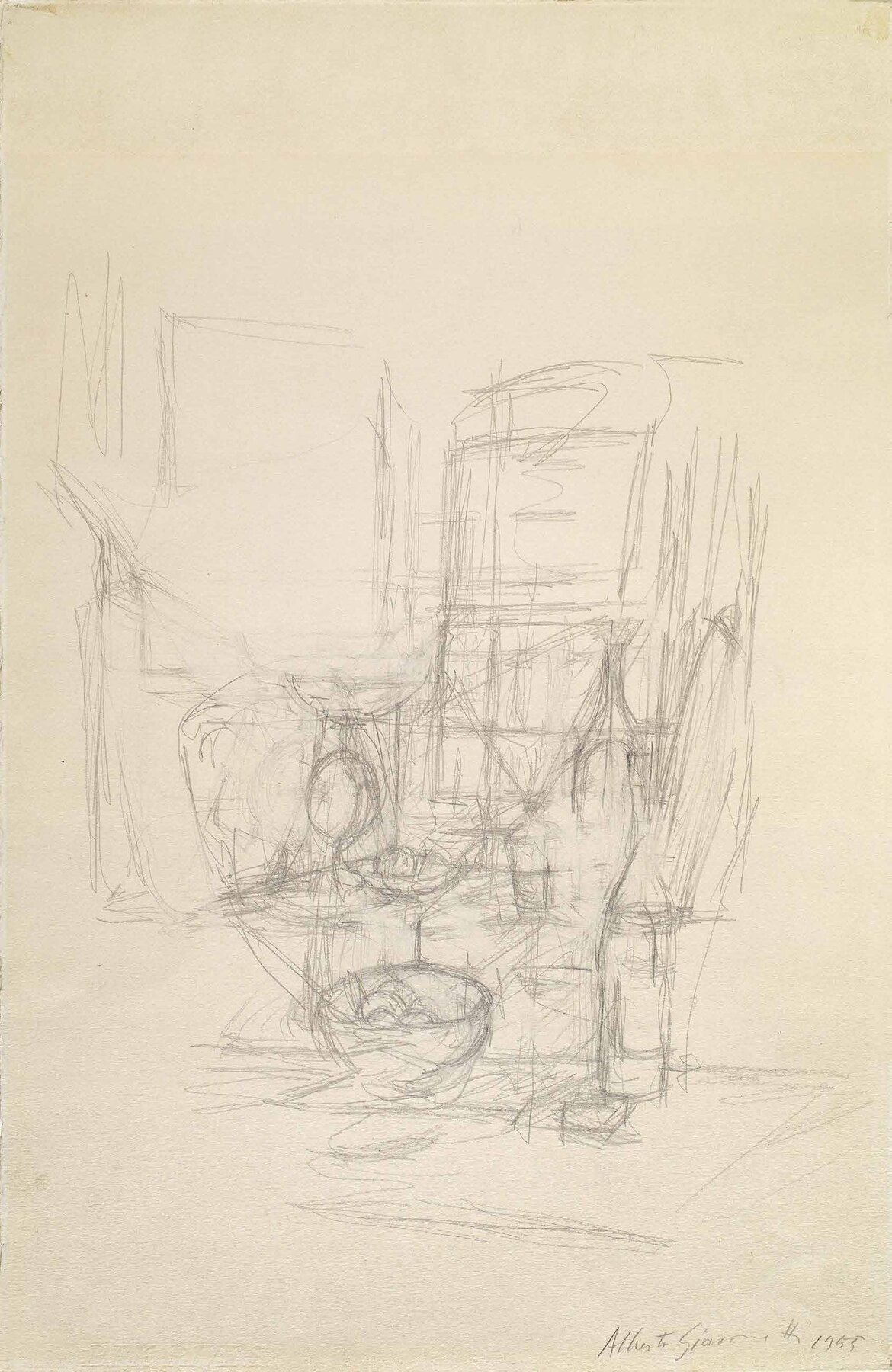
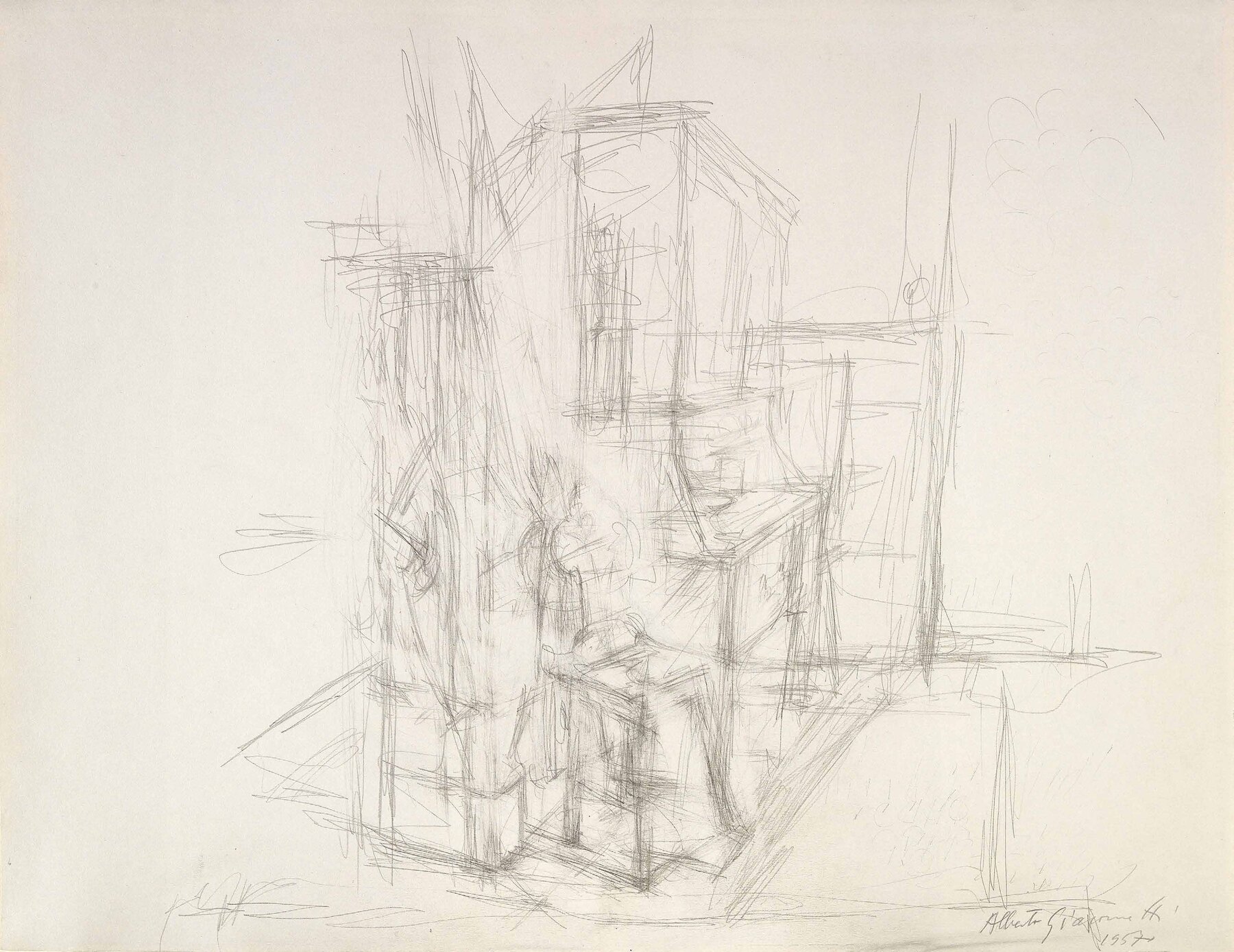
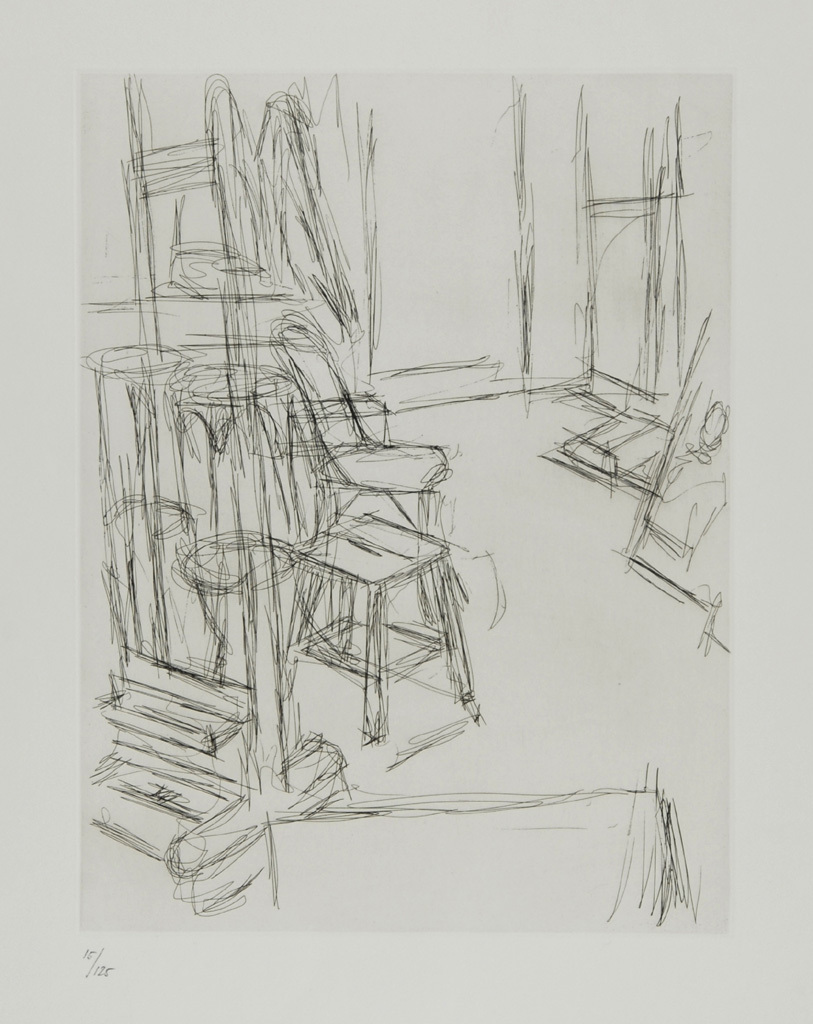
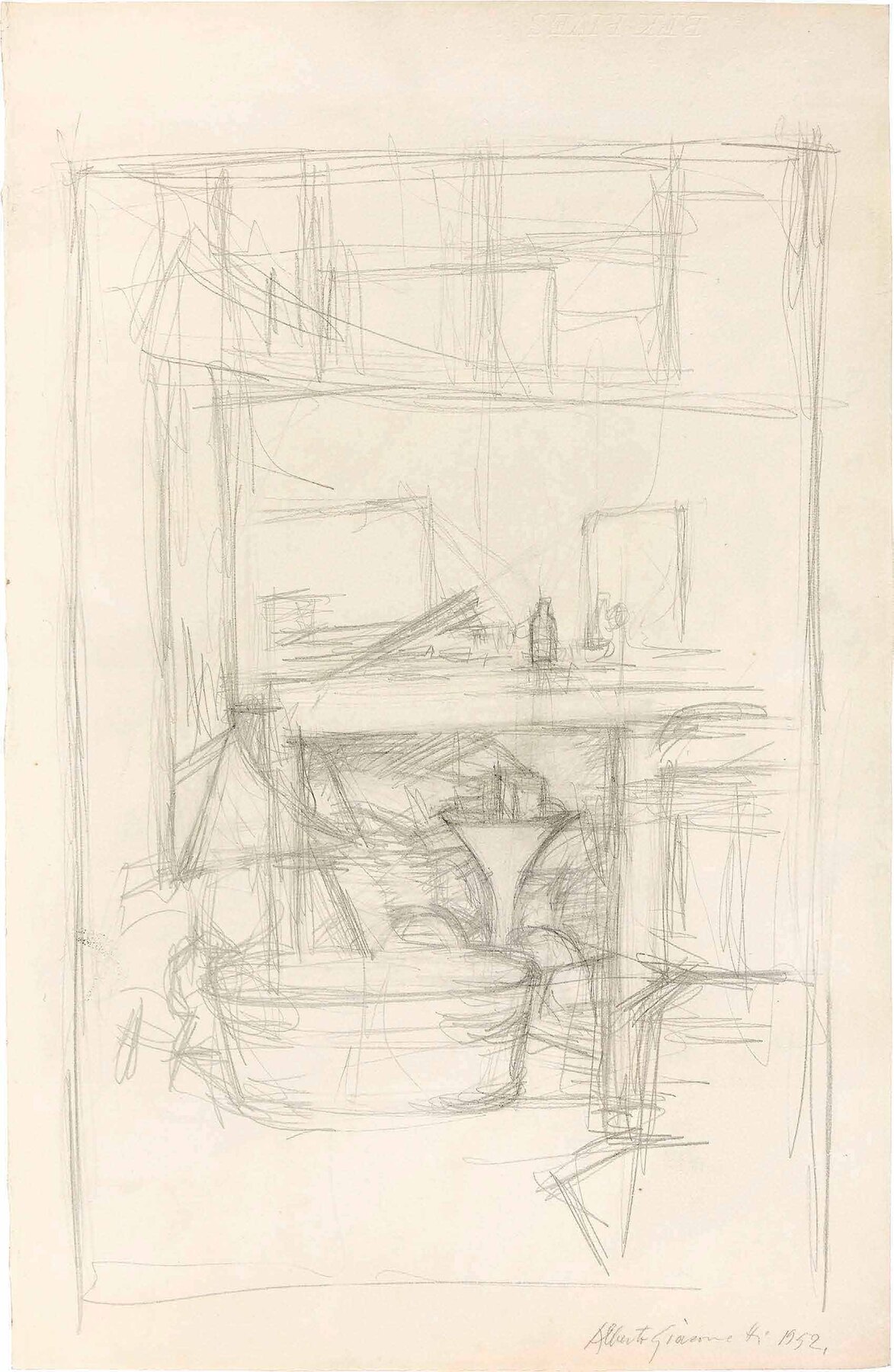
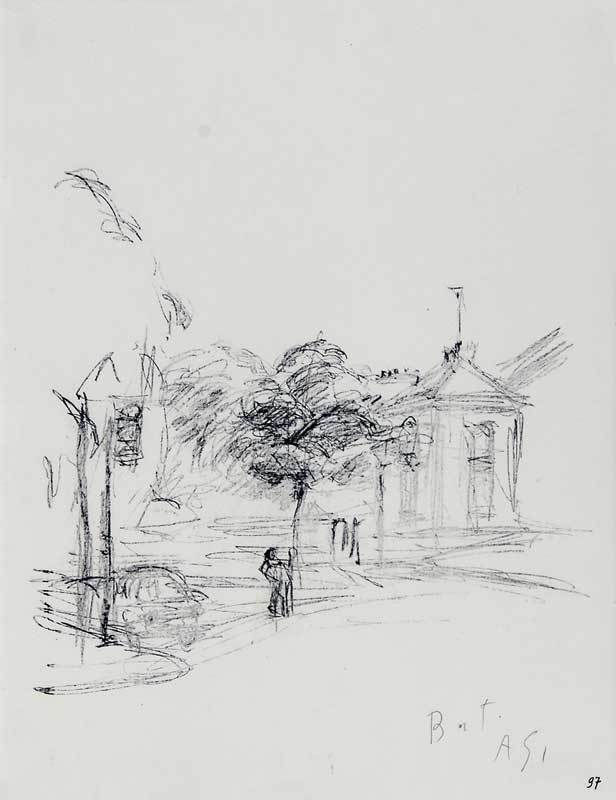
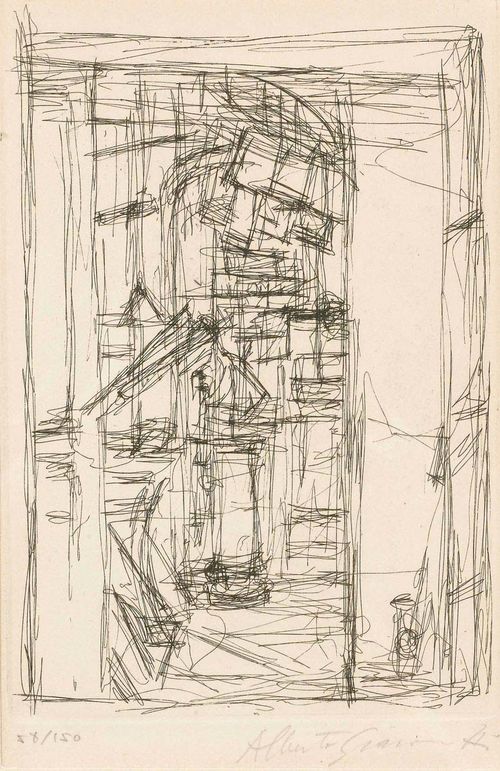
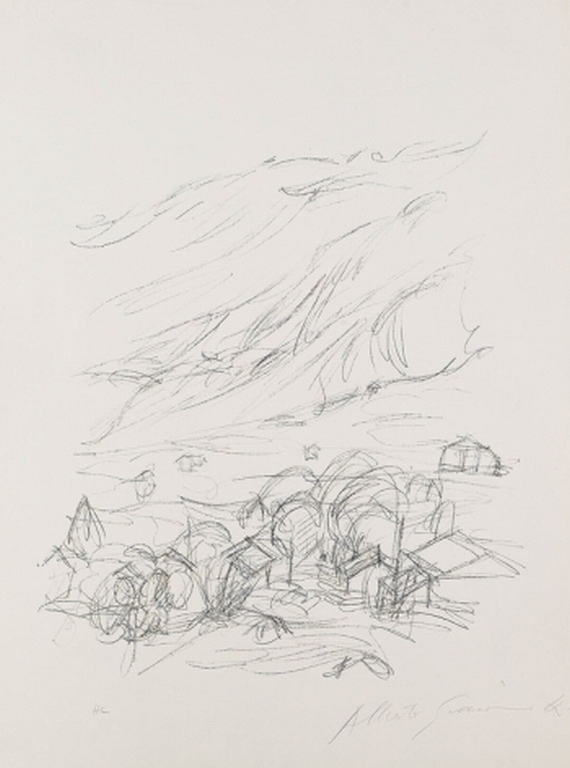
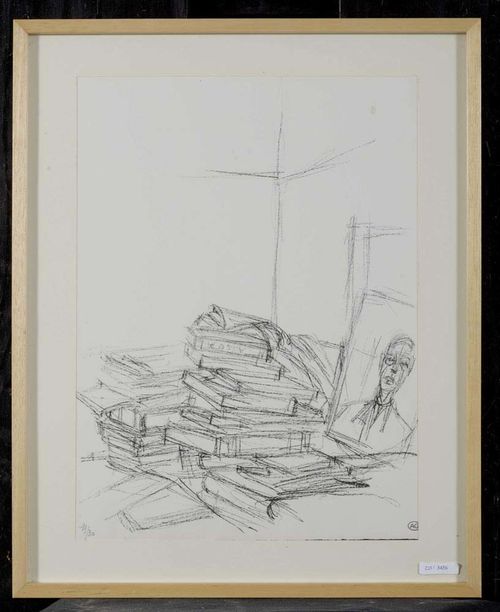
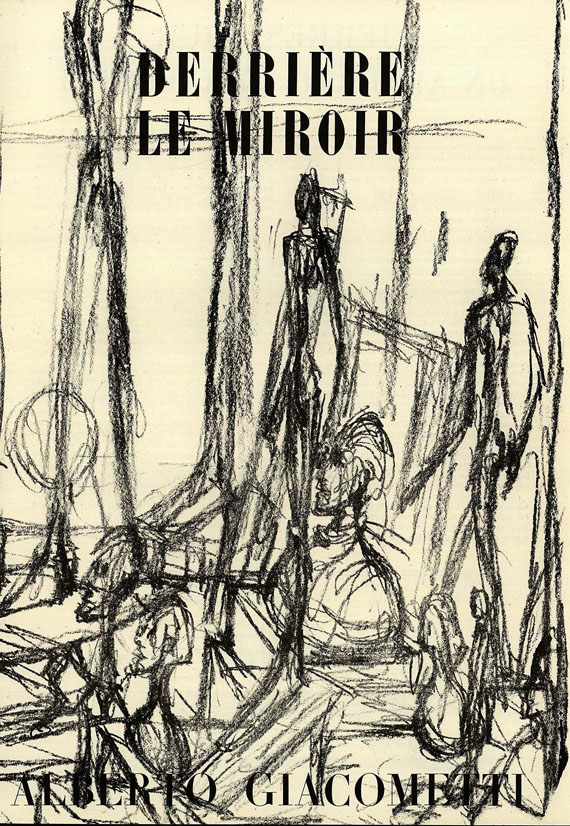
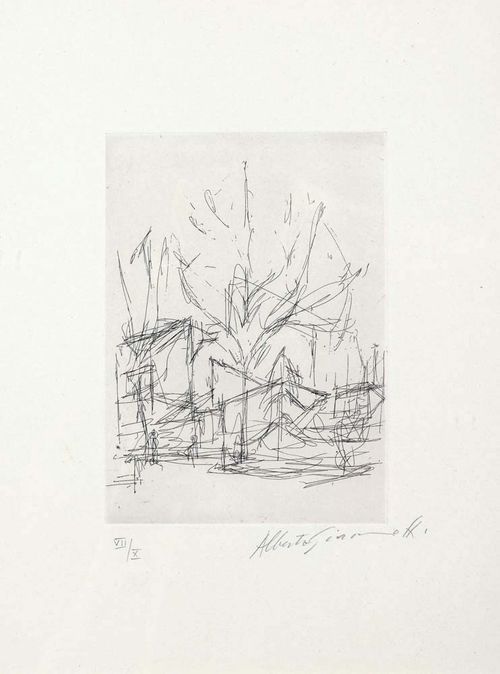
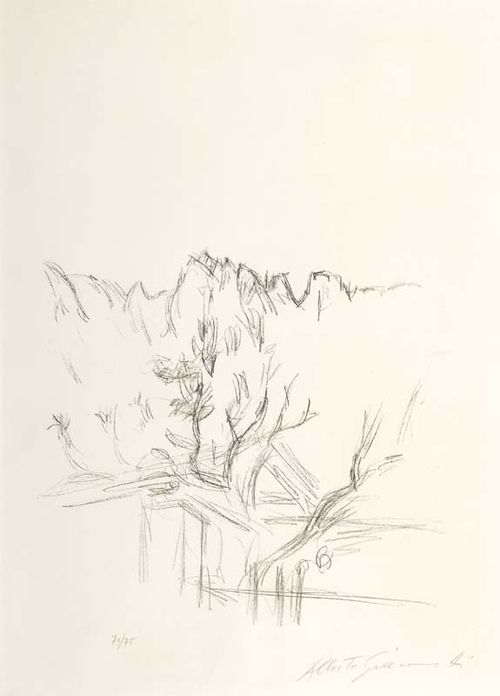
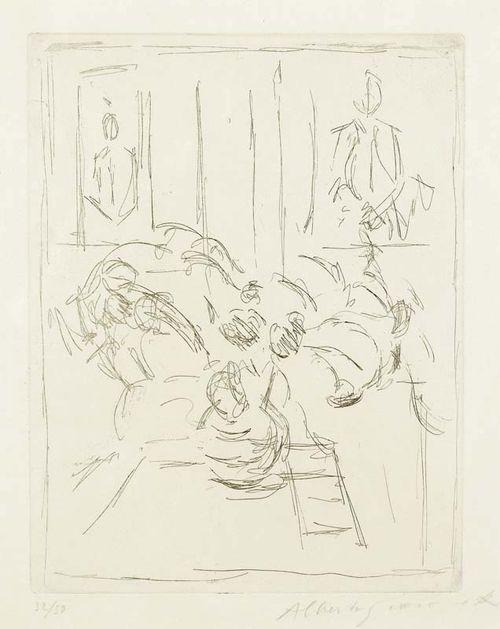
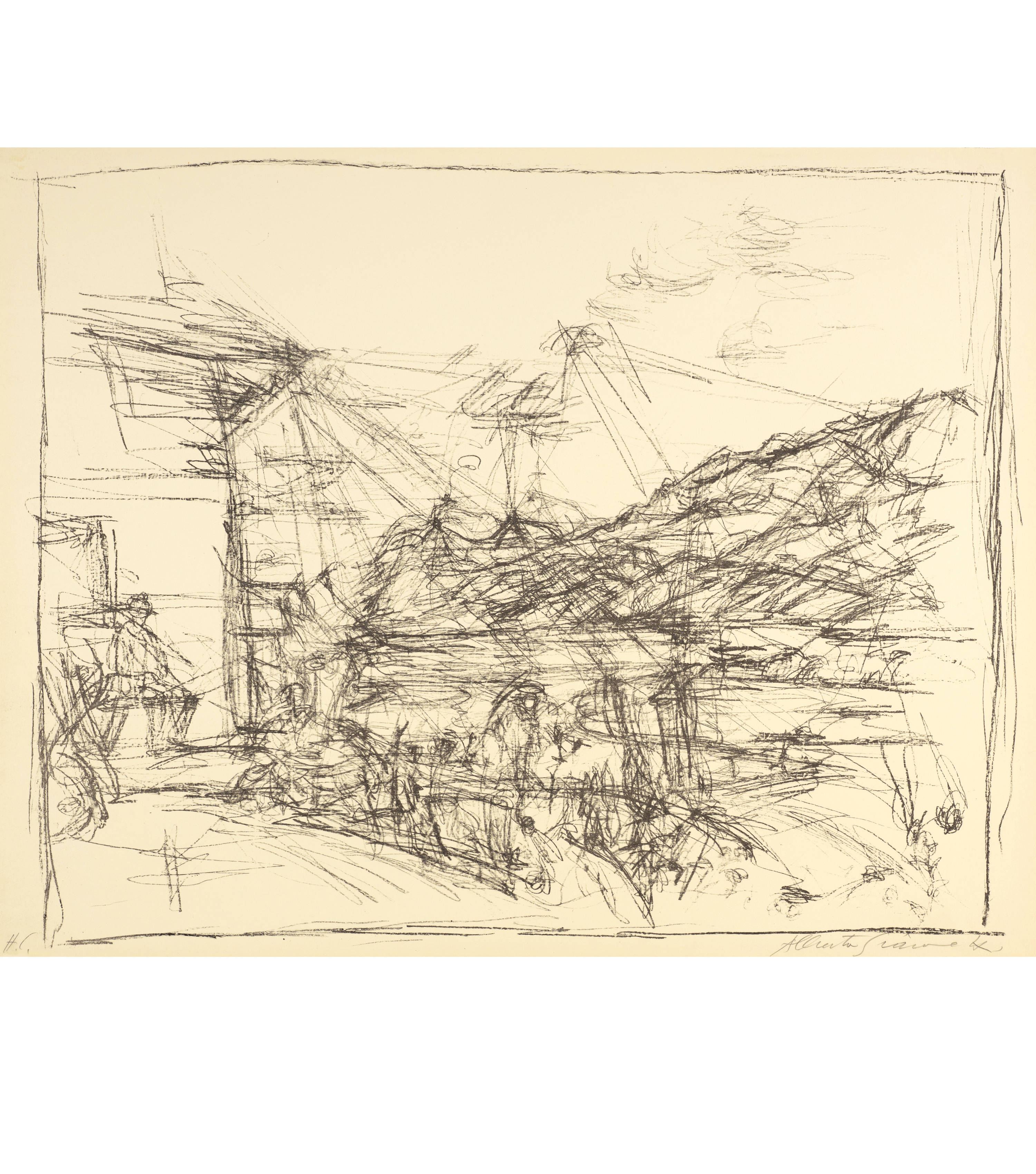
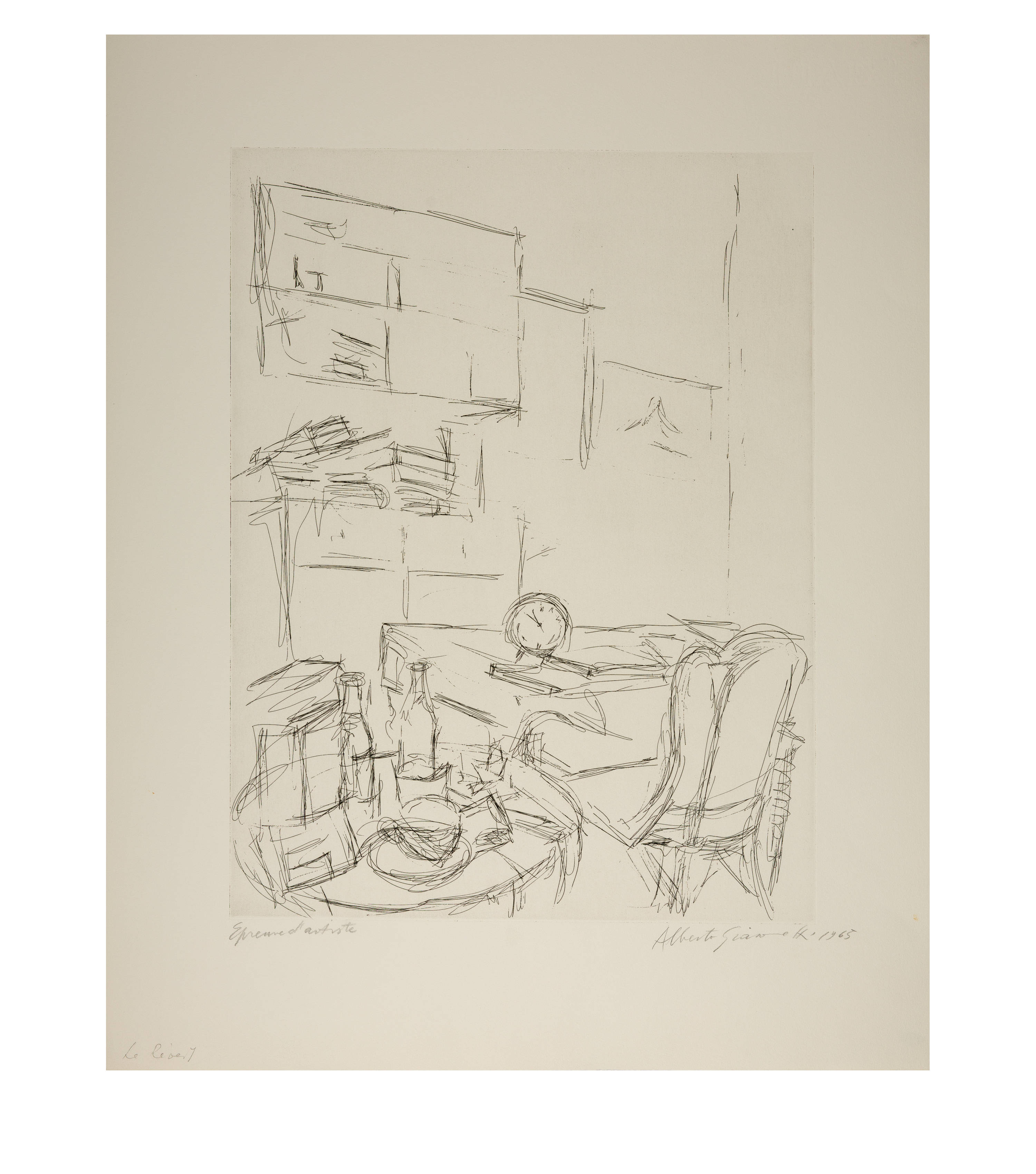
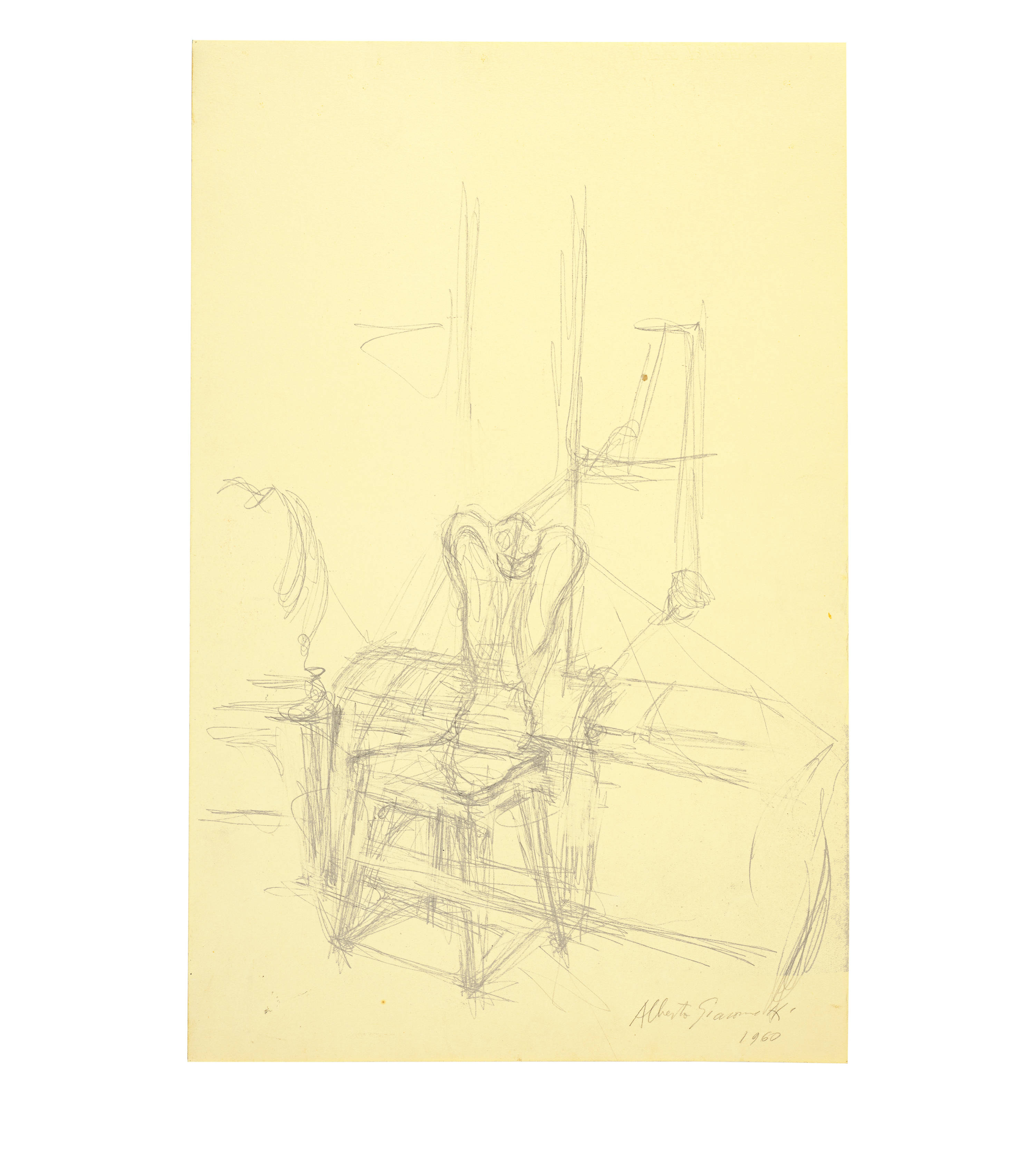
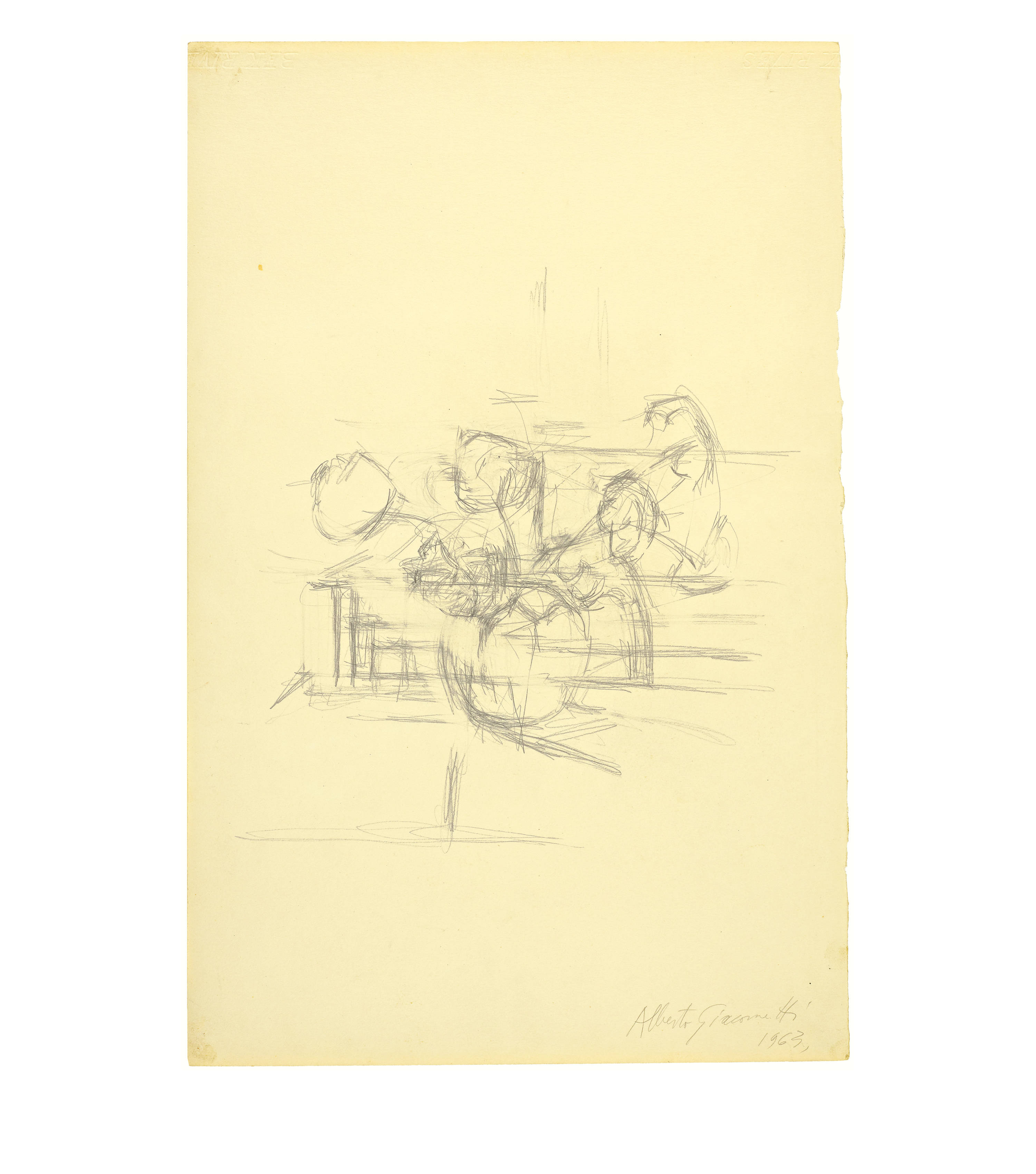
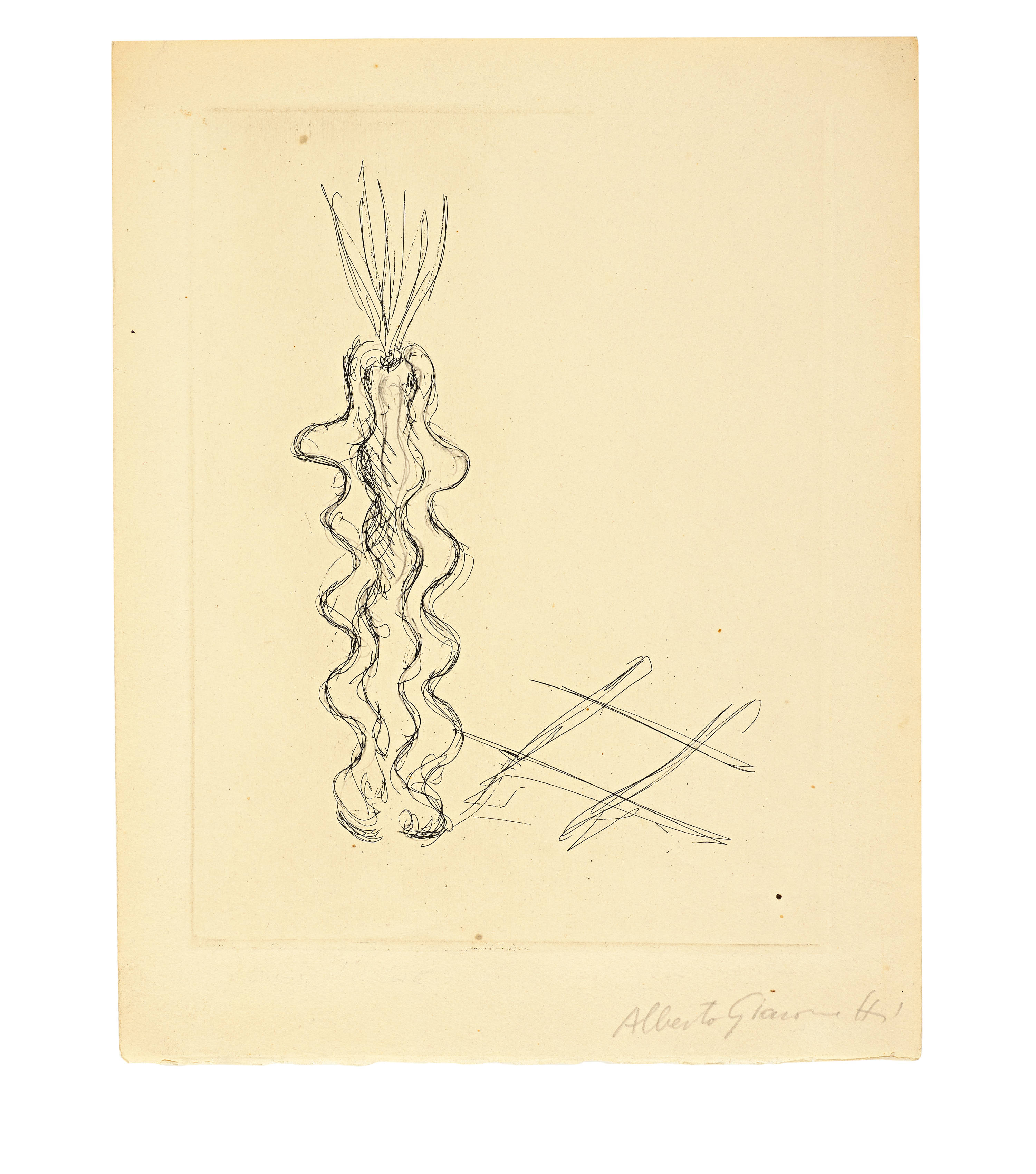
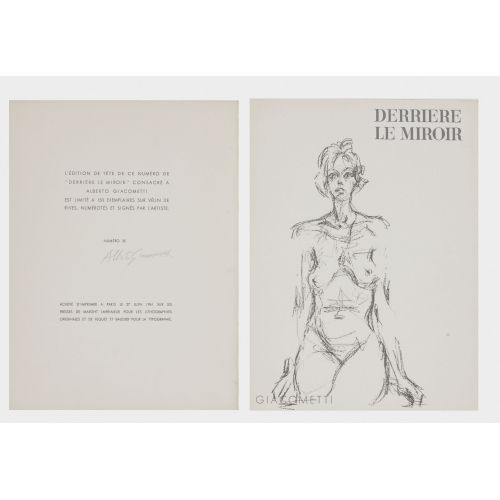
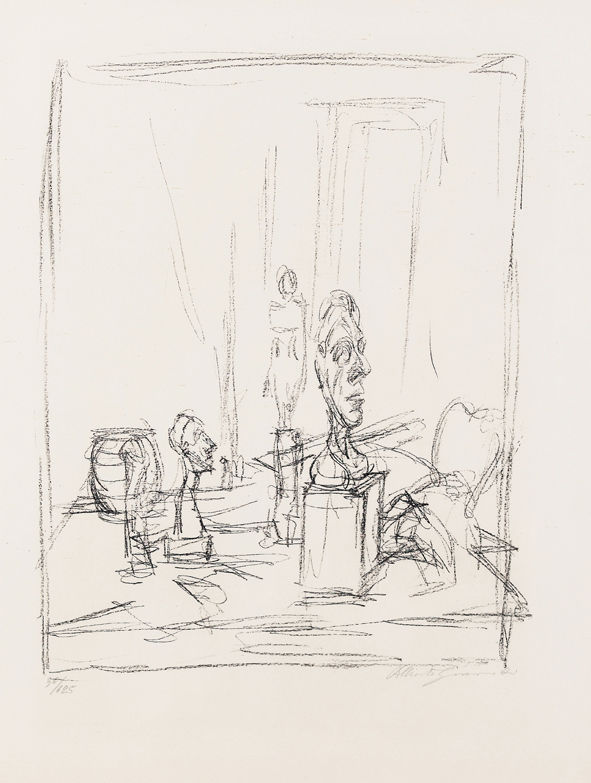
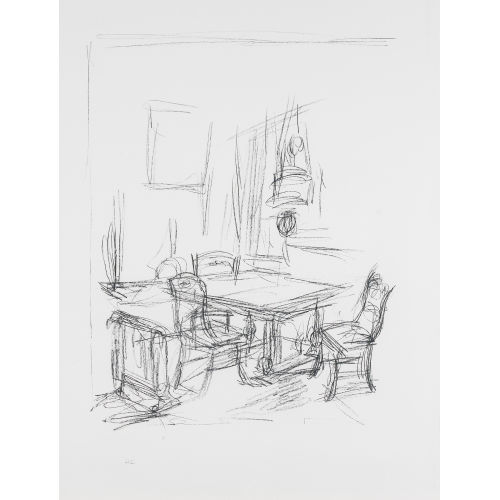
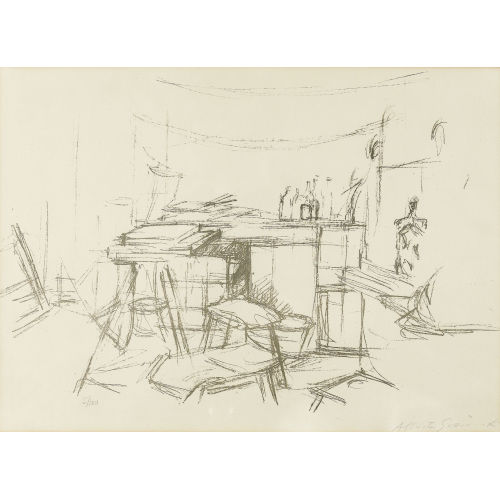
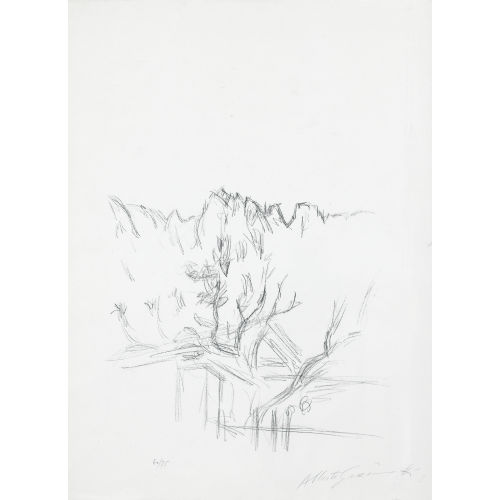
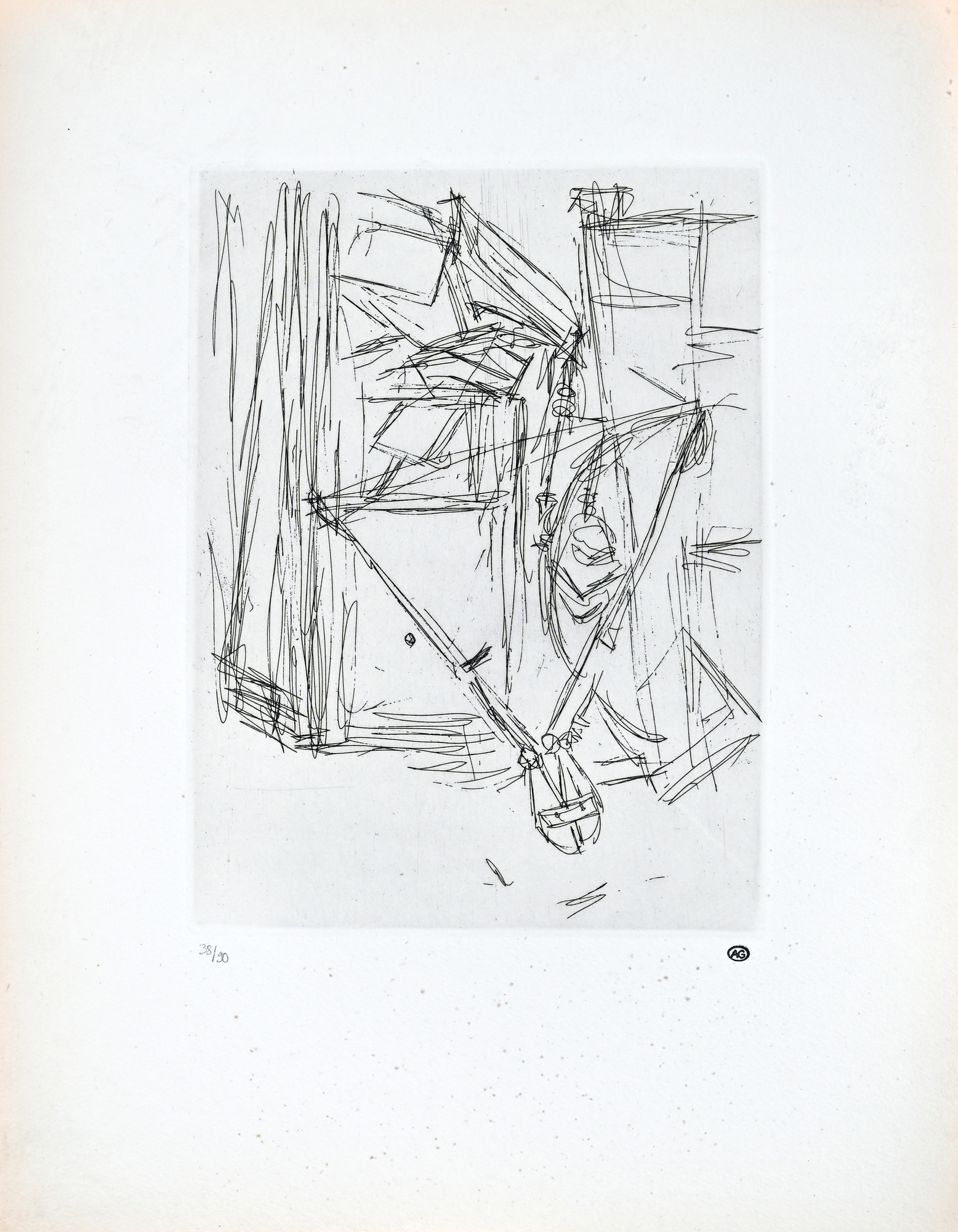
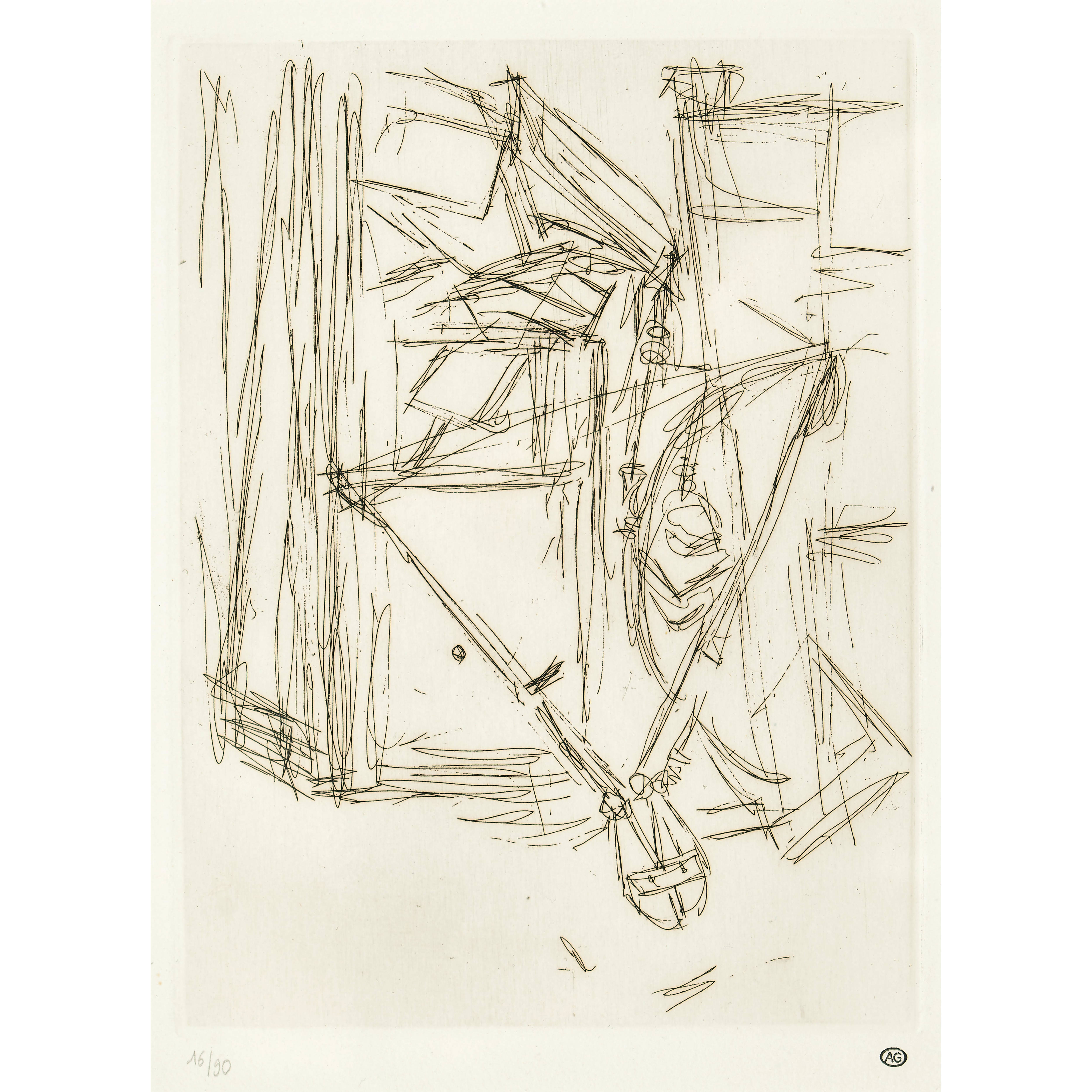
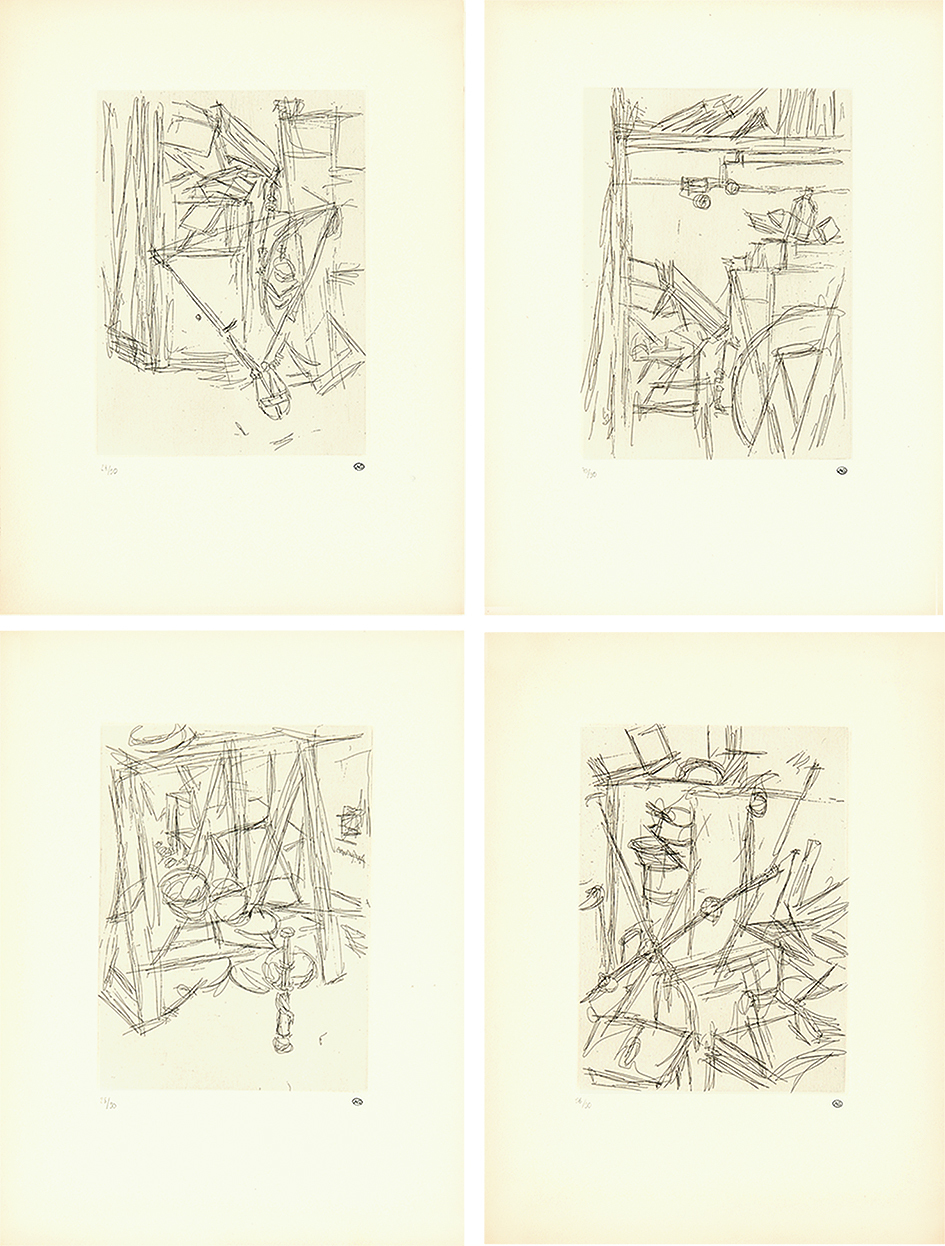
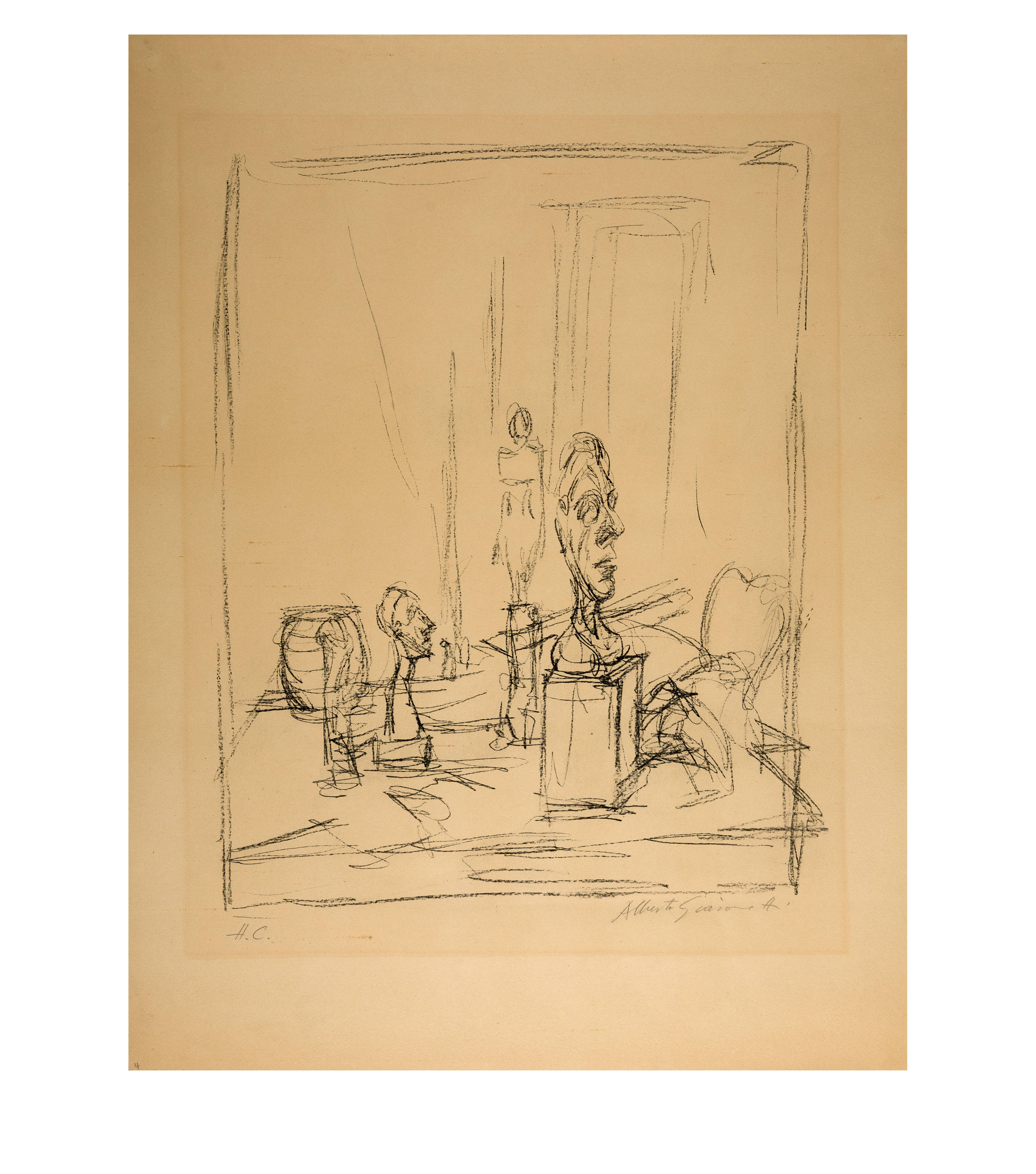
The Kunsthaus Zürich holds a major collection through which visitors can explore his sculptures, paintings and works on paper. This diversity reveals an artist who, in every medium, renewed the same demand: to keep looking.