Born : 1892Died : 1980Documented citizenships : France
At an early stage, painting and writing came together in Léon Zack’s work: trained in drawing and painting from adolescence, he went on to study literature in Moscow, published poetry and prose, and illustrated texts by Rimbaud and Racine. In 1913, together with the poet Cherchenevitch, he founded the Mezzanine de la poésie, a Moscow Futurist movement for which he designed covers and to which he contributed under the pseudonyms Khrisanf and M. Rossiyanski. For the Œuvres complètes d’Arthur Rimbaud, published in 1931, he produced 35 graphite compositions; Phèdre by Jean Racine, published in 1945, is accompanied by ten original wash drawings. In 1975, his collection of poems Des perles aux aigles was published, with a preface by Roman Jakobson and six drawings by the author.
Zack began painting at the age of thirteen and, from 1905 to 1907, attended Jakimchenko’s drawing and painting classes at private academies. From 1910, he studied literature at the University of Moscow, where he met Roman Jakobson. He first exhibited in 1907 at the Salon of the Federation of Moscow Painters. A few years later, his work with the Mezzanine de la poésie brought together visual practice and literary creation. After Florence, he went to Berlin in 1922, where he designed the sets and costumes for Boris Romanoff’s Ballets romantiques russes, presented in Paris in 1923. He settled in the city at the end of the year; his first solo exhibition took place in 1926 at the galerie d’Art contemporain. In Paris, he exhibited at the Salon d’automne, the Salon des indépendants and the Salon des surindépendants, of which he was one of the founders in 1929. Around 1930, he belonged to the Neo-Humanist group, alongside, among others, Christian Bérard, Tchelitchev, Eugène Bermann and Jean-Francis Laglenne. Double portrait d’hommes, an oil on canvas dated 1931, is held at the Musée Unterlinden in Colmar.
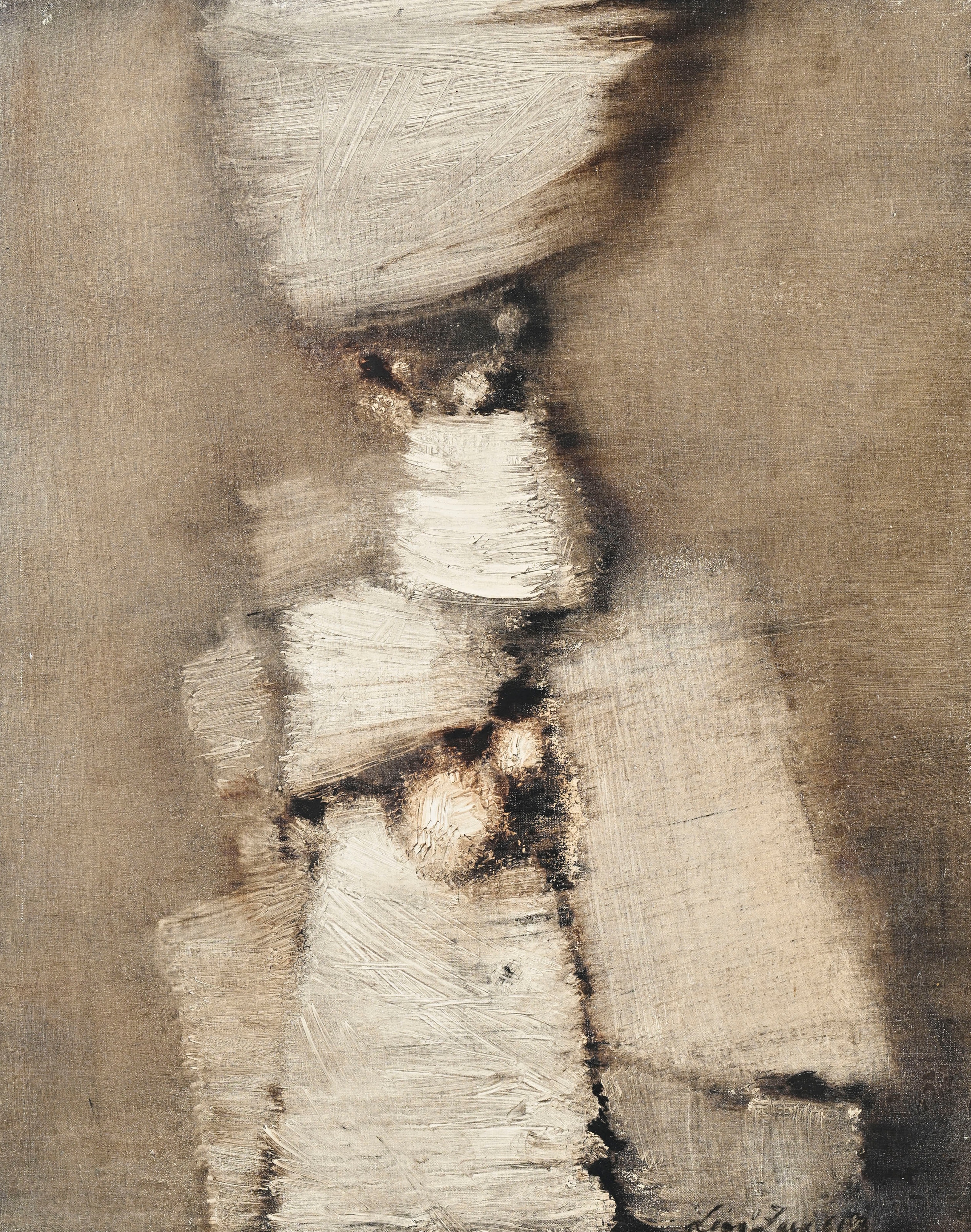
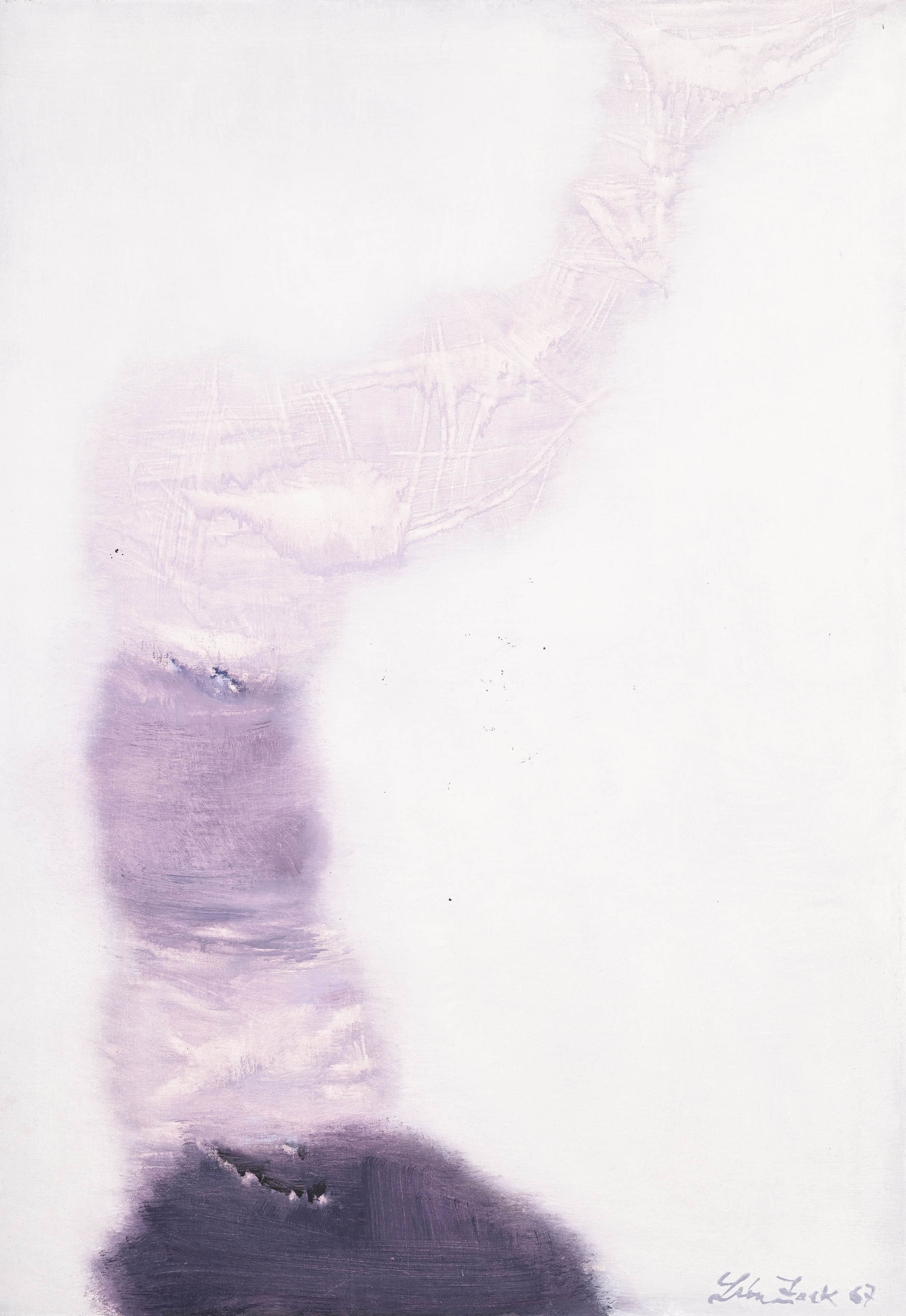
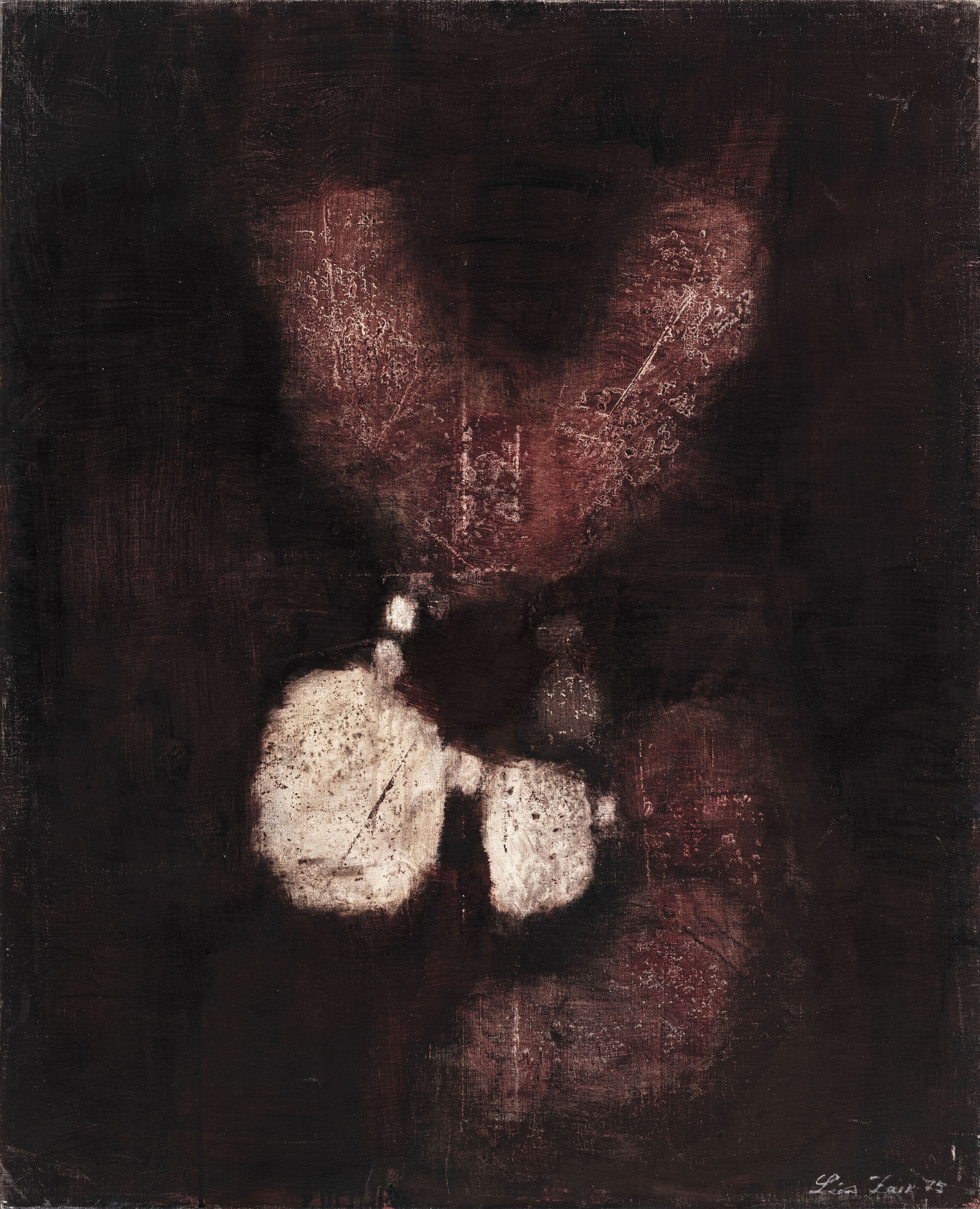
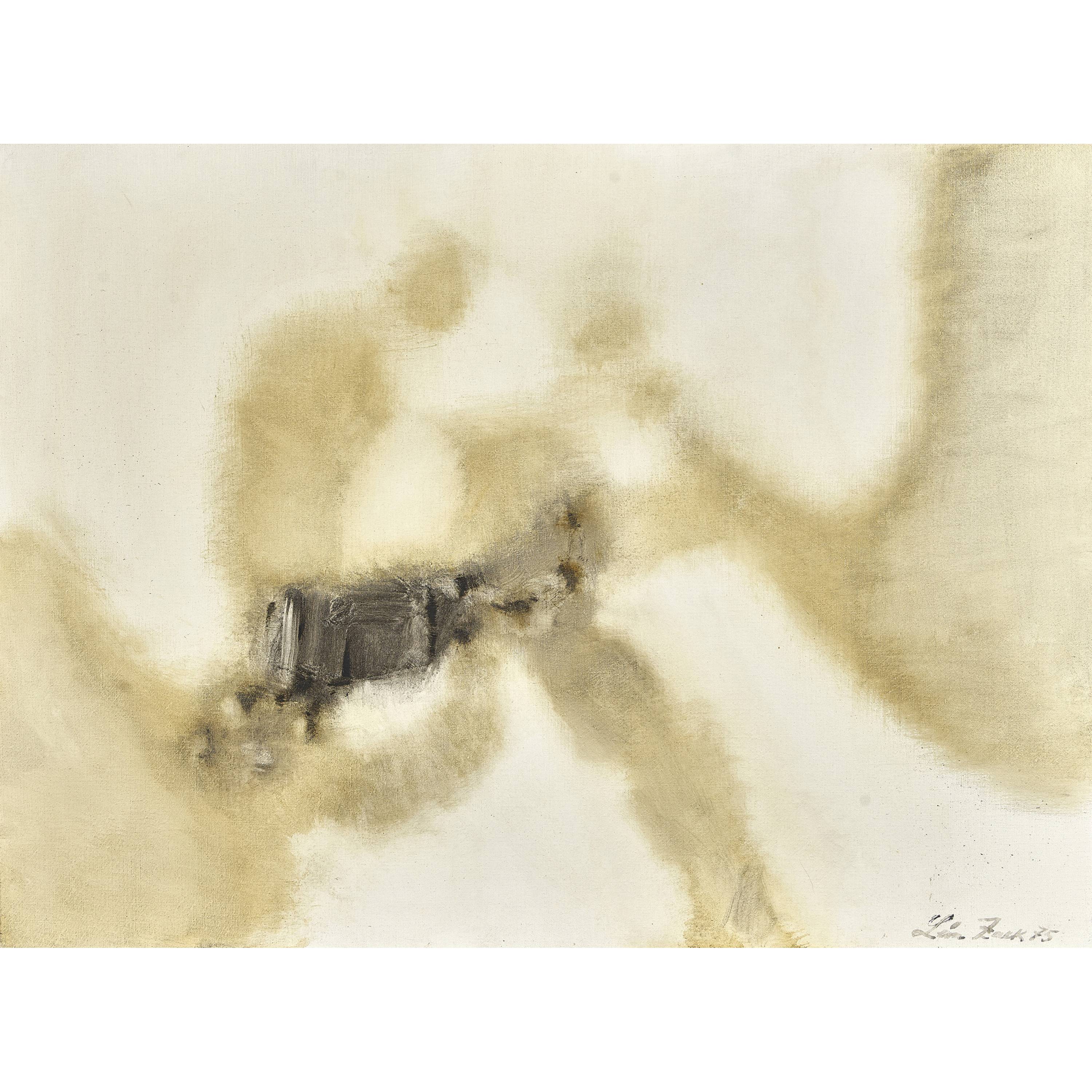
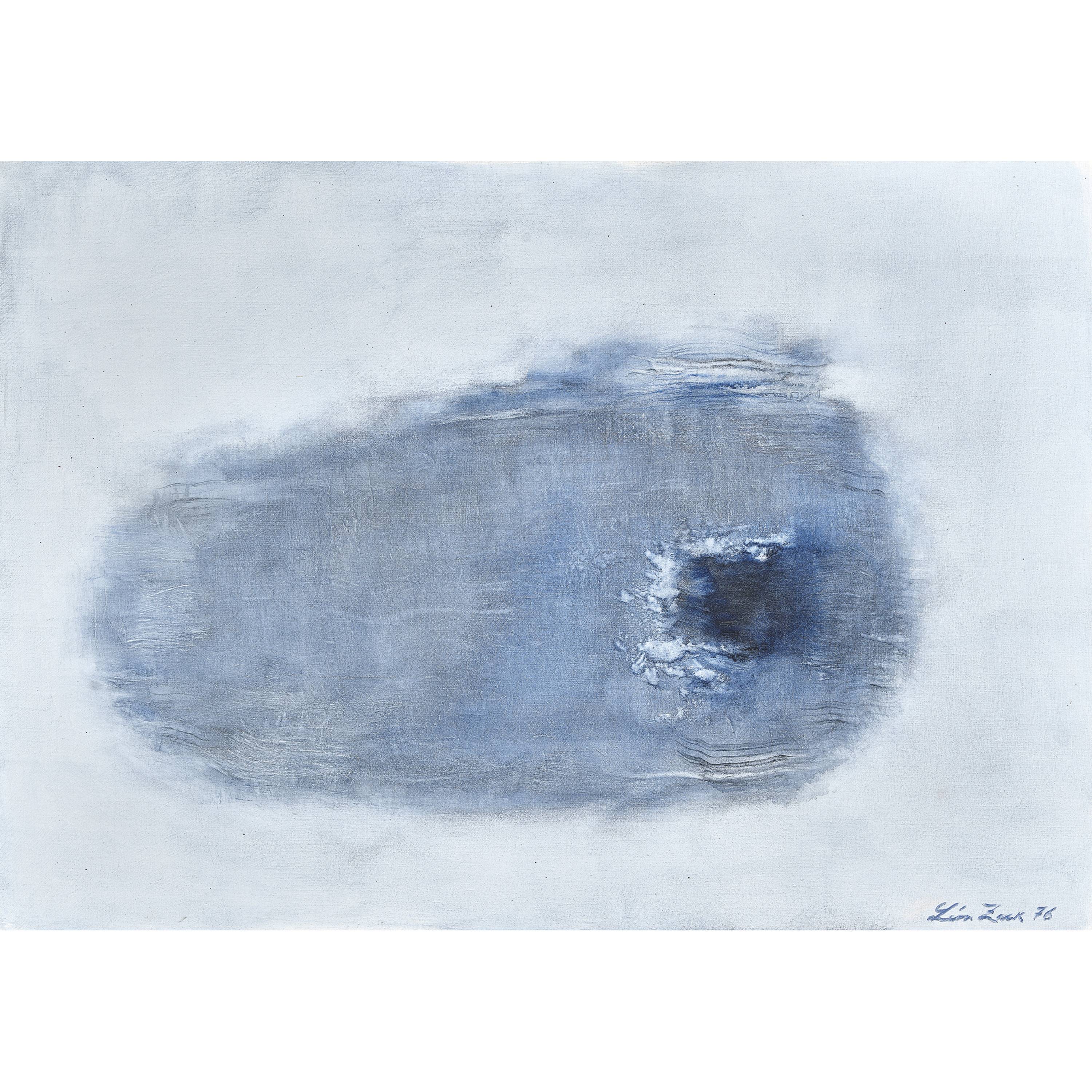
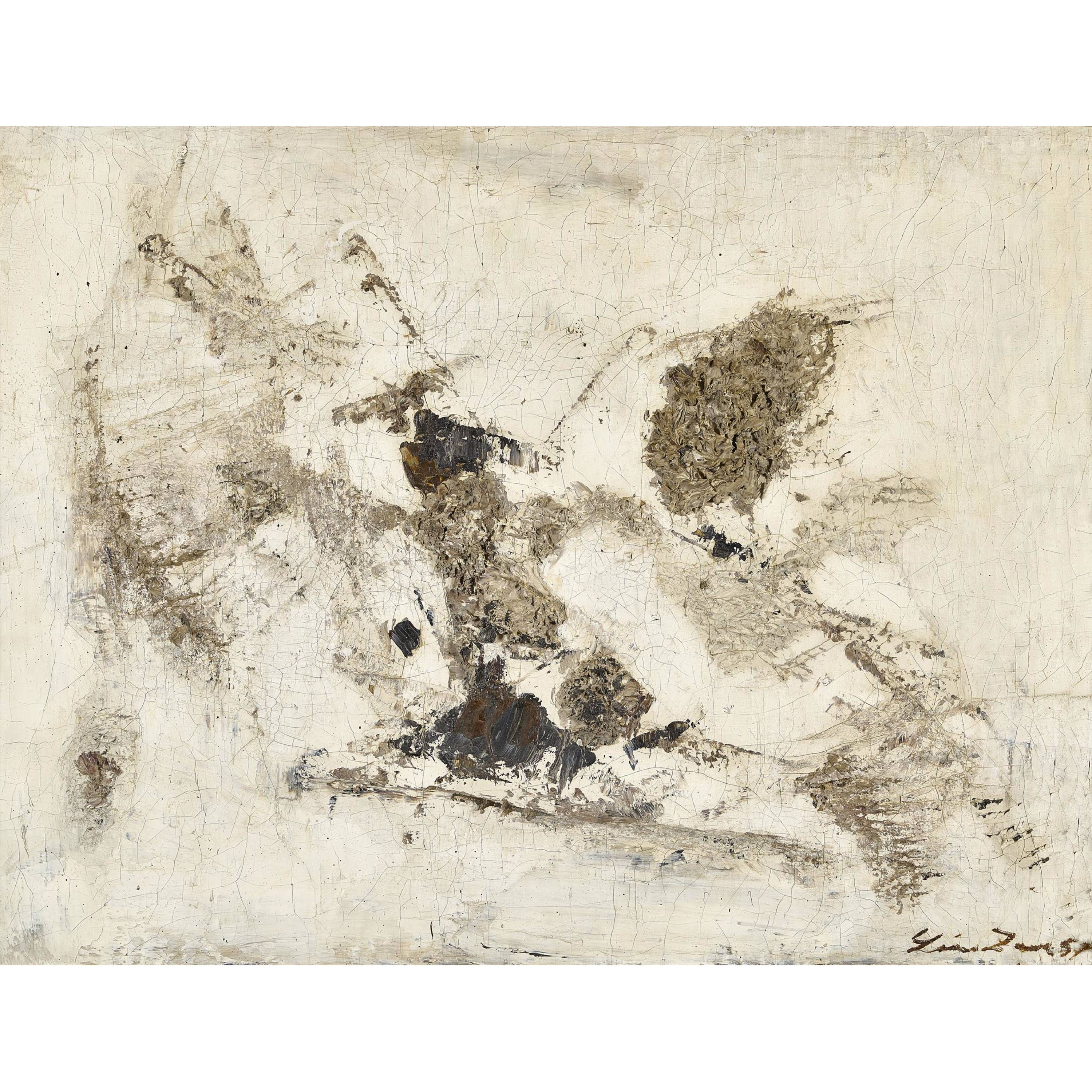
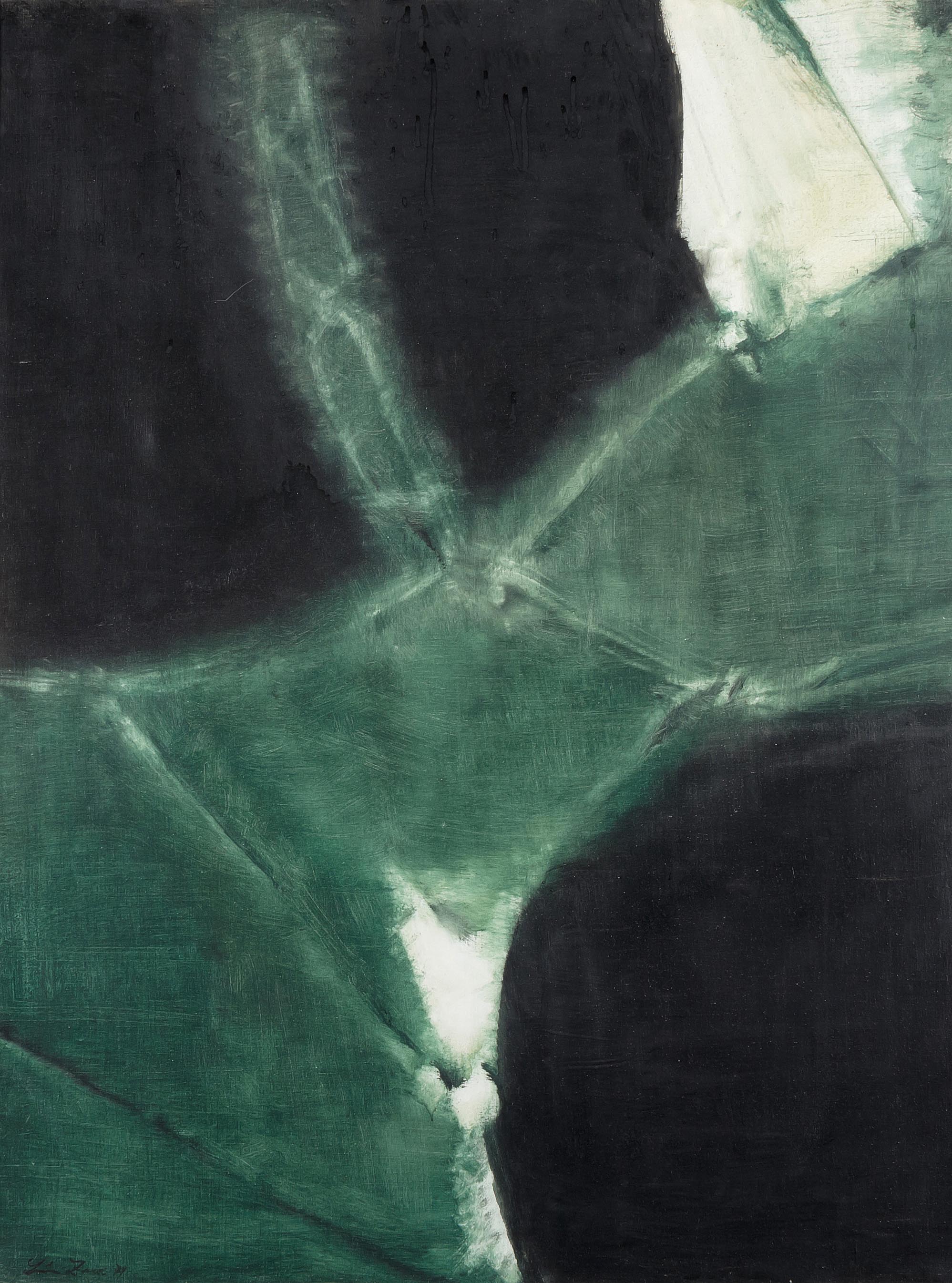
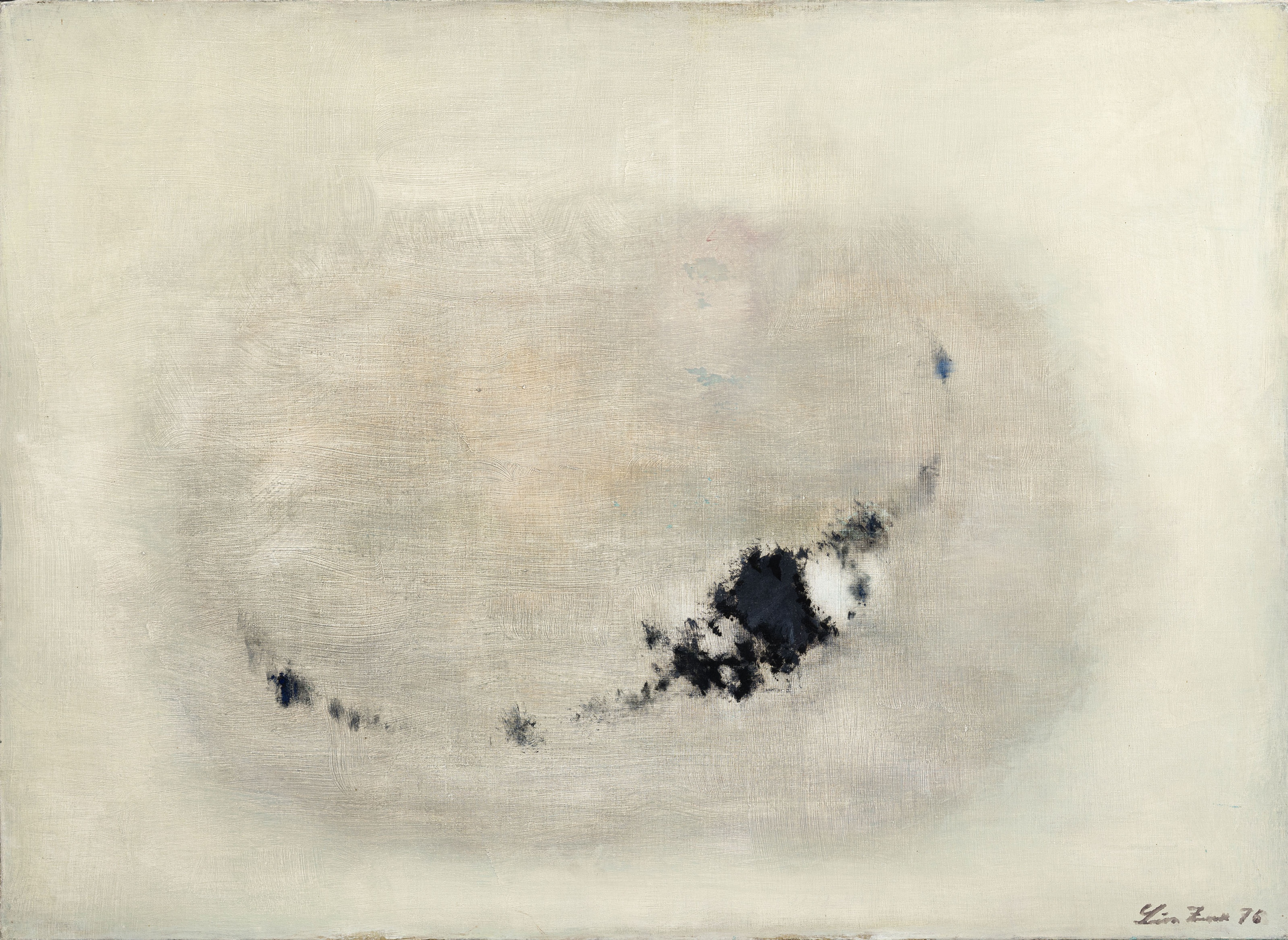
Naturalised as a French citizen in 1936, Zack converted to Catholicism in 1941. On his return to Paris in 1945, he resumed exhibiting at the salons and illustrated several books. His work remained figurative until 1946, including portraits in particular; after gradually abandoning this visual language, he presented a group of abstract paintings in 1947 at the galerie des Garets. That same year, he returned to the theatre: he designed the sets and costumes for Concerto, a ballet set to music by Prokofiev and presented by Janine Charrat at the Opéra-Comique. From 1951, he also worked on religious buildings. In 1951, he transformed the interiors of several churches in Alsace; from 1954 to 1955, he created the stained-glass windows of Notre-Dame-des-Pauvres in Issy-les-Moulineaux with Henri Déchanet and Paul Virilio. Comprising sixty panels, the windows extend around the building, except for the wall at the apse. He went on to create stained-glass windows for around thirty buildings, notably in Valognes in 1957, at the Séminaire de Kéraudren in 1964, at Sainte-Jeanne-d’Arc in Paris in 1965 and at Saint-Louis de Brest in 1967. The Plasse Le Caisne workshop produced tapestries based on his works.
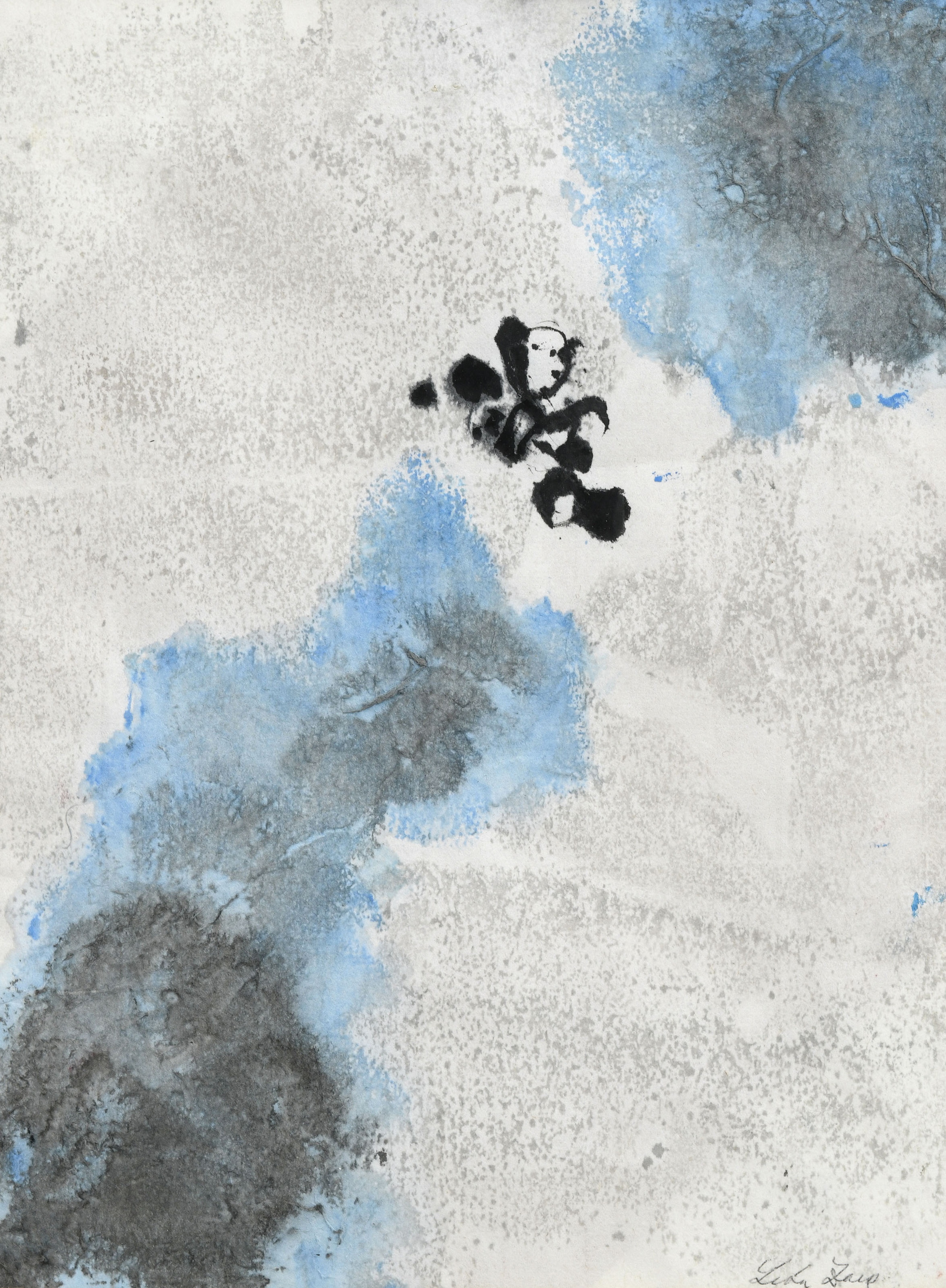
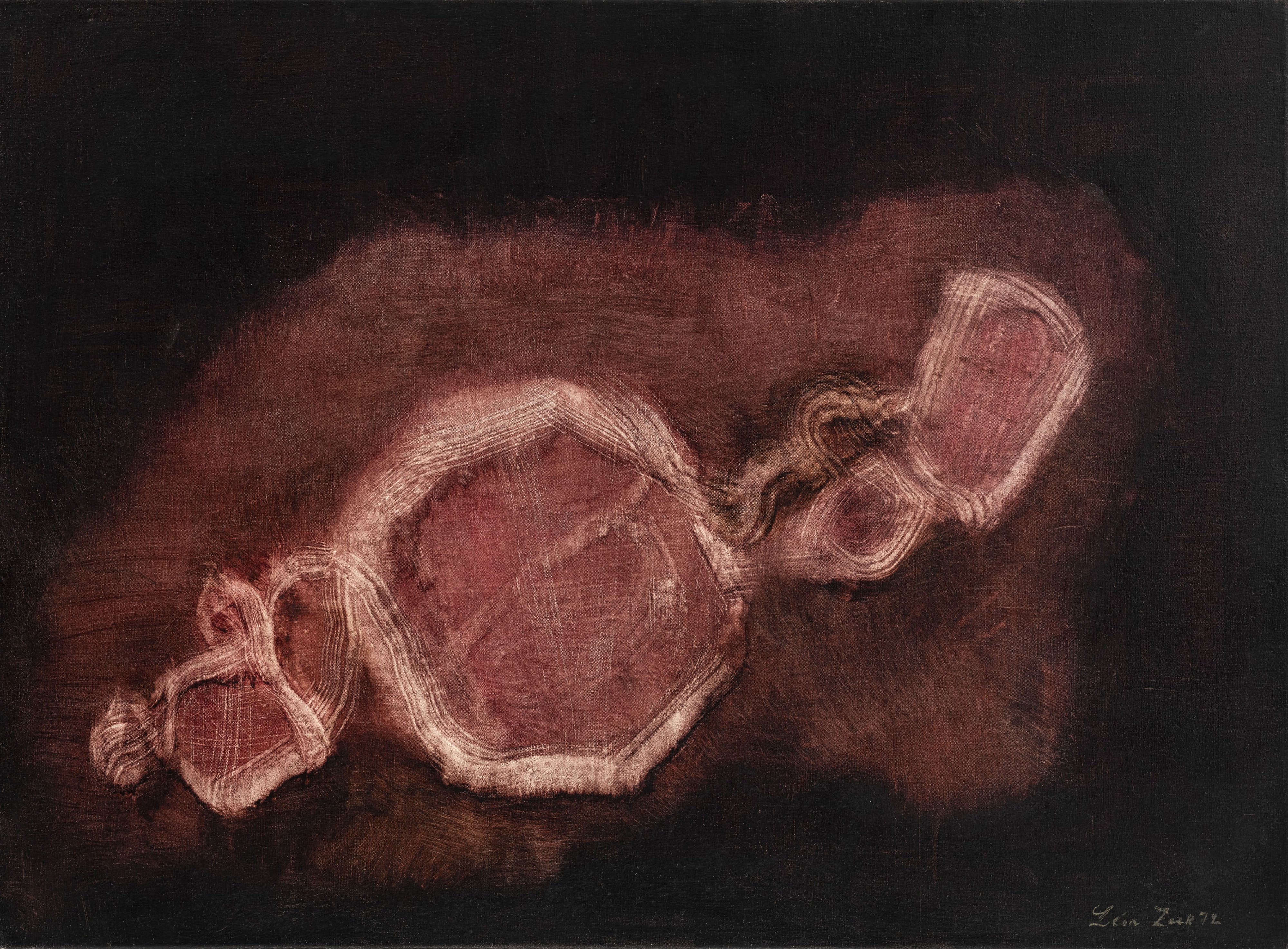
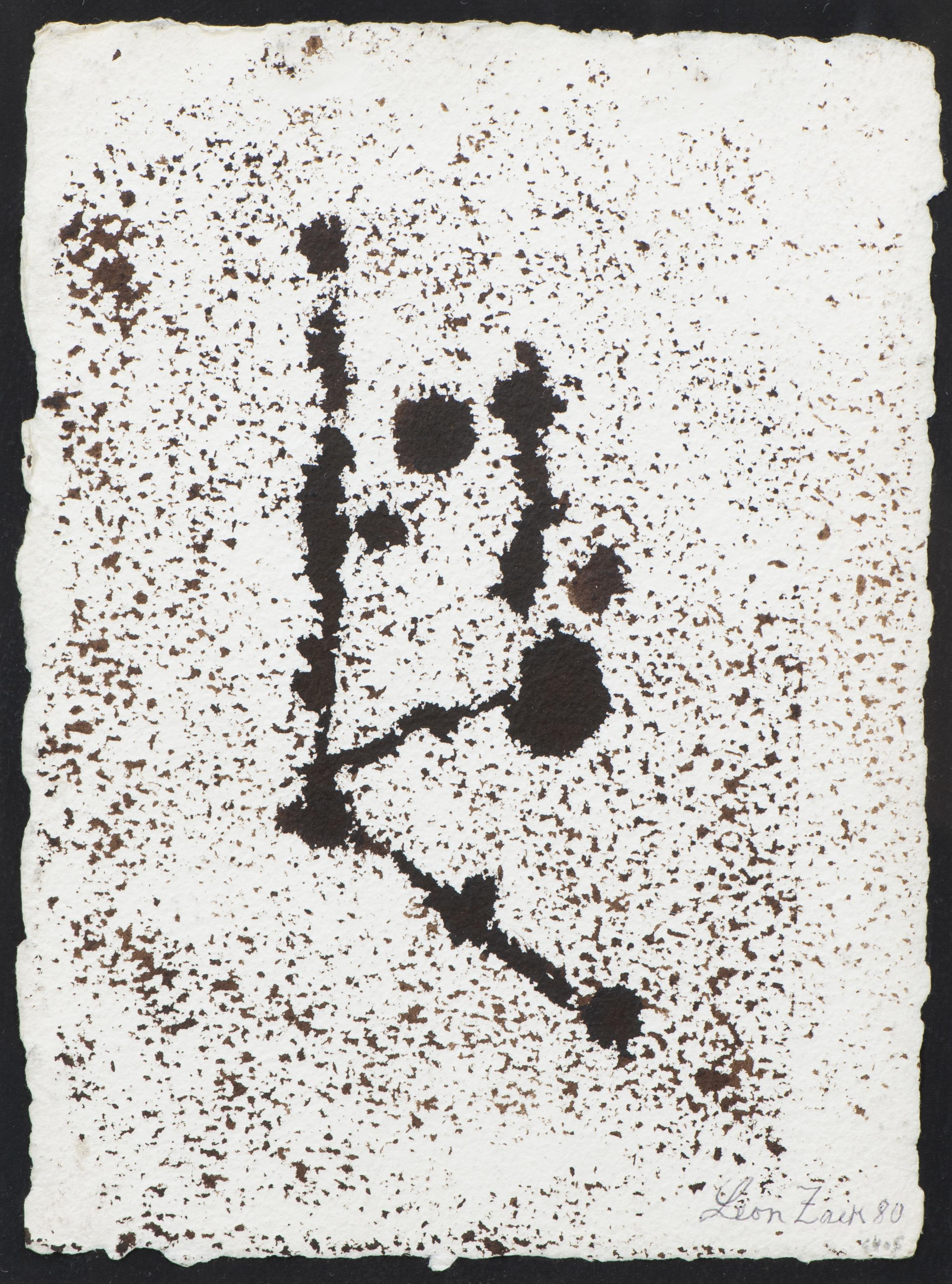
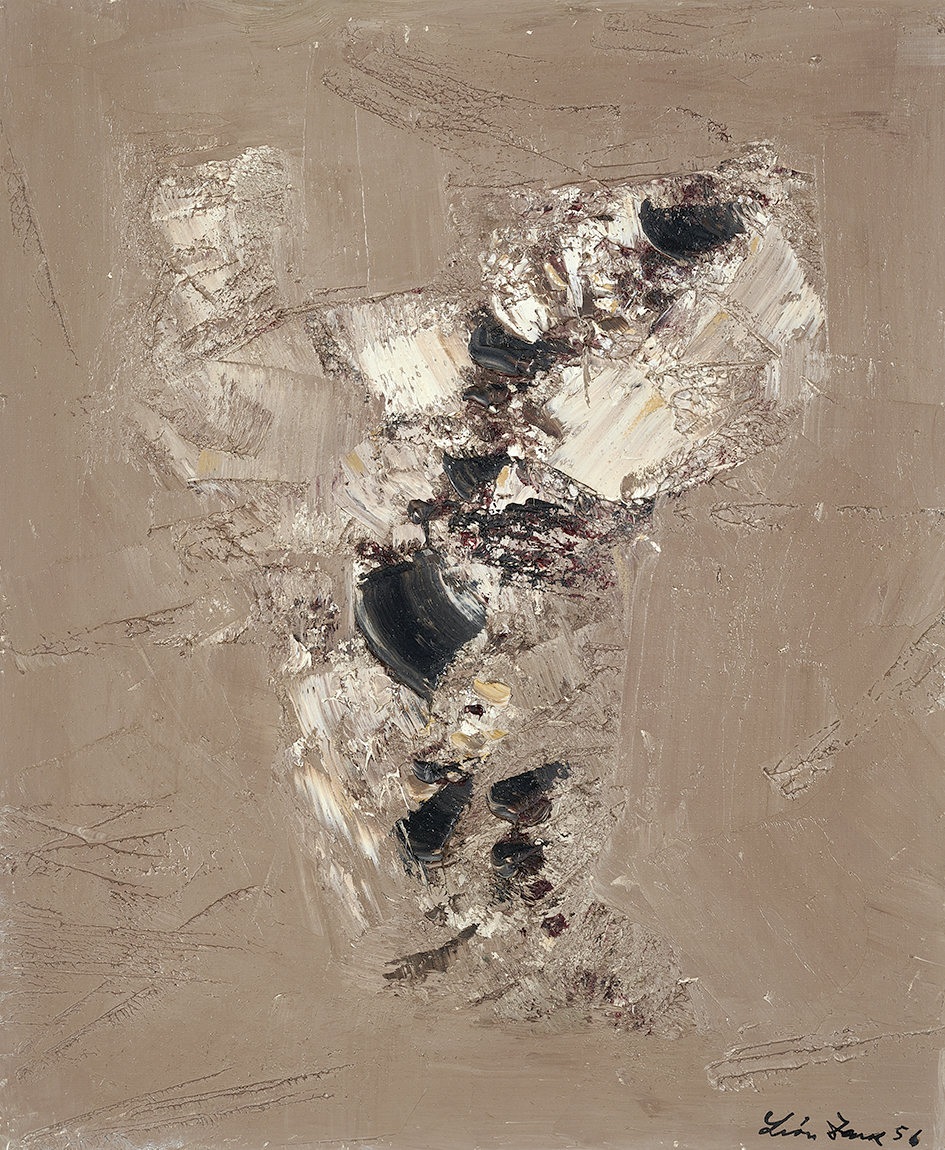
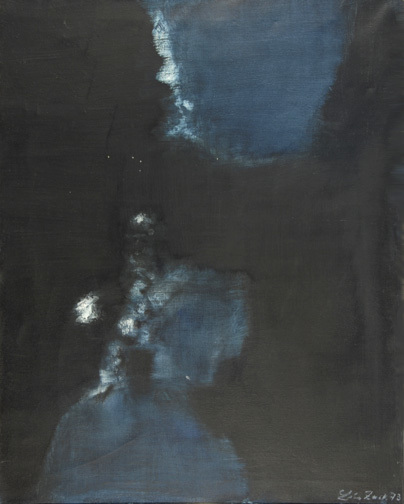
This profile brings together identity references for Léon Zack and paintings, drawings and works on paper documented in auction catalogues.
References include catalogue entries and available results; they do not all represent completed sales. Attributed works and special lots are excluded from the priced results.
SwissArtGallery documentary note based on the cited sources. Titles, media and qualifications are provided in the profile language; the original catalogue wording remains available in each record. Profile updated :
Painter, lithographer and illustrator, Georges-Charles Laporte developed a body of work in which seascape painting sits alongside a substantial body of illustration, notably for text…
The French painter, illustrator and lithographer André Hambourg brought together painting, printmaking and the printed image throughout his career. Born and died in Paris, he first s…
The Spanish painter and graphic artist Juan Genovés Candel—also known in Catalan as Joan Genovés i Candel—developed a body of work shaped by the repressive context of the Franco dict…