
Hermann Nitsch: what remains of an action painting?
From the 1960s Hermann Nitsch connected painting with collective actions, sound and theatrical settings. A major figure in Viennese Actionism, he developed his Theatre of Orgies and Mysteries as a project engaging several senses. A canvas emerging from that context cannot always be understood as a conventional easel painting.
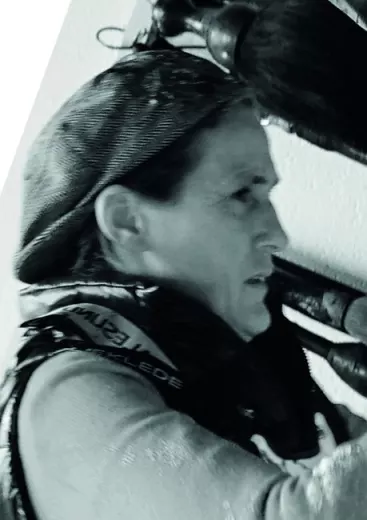
 Artist portrait
Image credit and source
View artist profile →Manfred Werner / Tsui
Context and interpretation
The Nitsch Museum and the artist’s foundation document the beginnings of the painting actions around 1960 and the acquisition of Prinzendorf Castle in 1971. Duration, location and participation become part of the artwork, alongside objects and material traces that survive.
Some actions use organic materials and disturbing imagery associated with violence. A responsible account distinguishes documented events, the artist’s theoretical programme and public reception. This pathway favours historical context and provenance over sensational description.
International artist profiles and documented auction records
Historical sources
Keep exploring

Image credits
Swiss Art Gallery · Illustration graphique originale, sans reproduction d’œuvreCréation graphique Swiss Art Gallery

Image credits
Swiss Art Gallery · Illustration graphique originale, sans reproduction d’œuvreCréation graphique Swiss Art Gallery