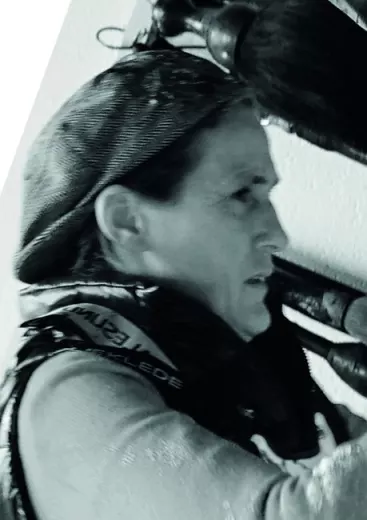
Nicola Samorì: why disrupt the surface of a painting?
Nicola Samorì draws on forms inherited from older painting traditions but does not simply reproduce them intact. He cuts, lifts and alters painted surfaces. What can appear destructive becomes a way of bringing a new image into being, in a tense dialogue with the history of Western art.
 Thematic illustration
Image credit and source
Swiss Art Gallery · Illustration graphique originale, sans reproduction d’œuvre
Création graphique Swiss Art Gallery
Context and interpretation
The Italian Ministry of Culture dates Samorì’s early experiments with peeling pigment to around 2010. Subsequent exhibitions examine material vulnerability and the possibility that a figure can emerge through its own alteration.
The Fondazione Coppola also documents an evolving project in the Torrione of Vicenza, where architecture becomes part of the work. The subject extends beyond canvas to material, sculpture, place and memory. This route connects contemporary practice to long-standing questions of representation and conservation.
International artist profiles and documented auction records
Historical sources
Keep exploring
Image credits
Swiss Art Gallery · Illustration graphique originale, sans reproduction d’œuvreCréation graphique Swiss Art Gallery