Image credits
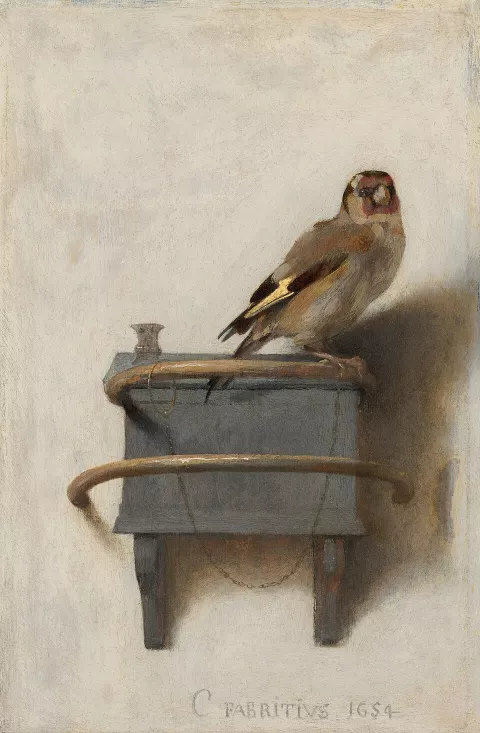
Carel Fabritius — Le Chardonneret, 1654 · Mauritshuis, La Haye (inventaire 605). Reproduction : Wikimedia Commons, domaine public.SourceDomaine public (Wikimedia Commons)
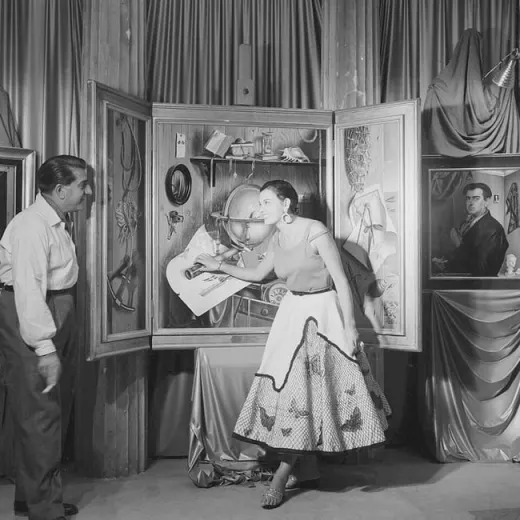
Born in 1900, Gregorio Sciltian moved from early engagement with the Russian avant-garde towards meticulous realism influenced by Italian painting. The Banca d’Italia art collection documents a still life with pomegranates, pumpkin and pears. Examining it reveals trompe-l’œil as a carefully constructed way of guiding perception.
 Artist portrait
Unknown (Mondadori Publishers)
The Banca d’Italia traces his journey from Saint Petersburg through Vienna to Italy and describes the place of portraiture and still life in his practice. Looking at surfaces, reflections and objects helps distinguish convincing material illusion from a mere accumulation of detail.
Pictorial illusion is not the same thing as a three-dimensional object. Medium, support, signature and provenance must be examined independently when evaluating a picture. References to Caravaggio and his followers are historical influences, not attributions to Caravaggio himself.