Skip to content
Swiss Art GalleryArt gallery & salesSt-Prex · Switzerland
Gallery journal
Swiss Art Gallery · The story library

Artists’ stories

An encounter with art every day. Stories to read, listen to and rediscover.

Search results

7 stories

Find stories by artist, title or subject.

Show all
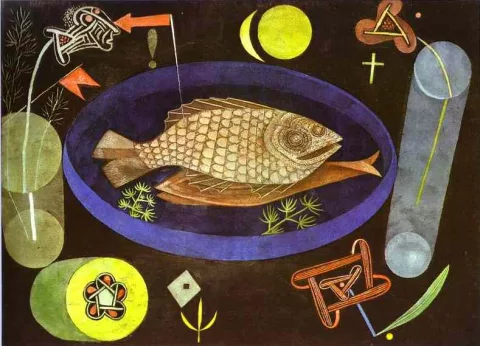
Paul Klee — Autour du poisson
Image creditsPaul Klee · Autour du poisson · Wikimedia Commons · Public domain

Paul Klee — « Autour du poisson ».

Paul Klee · Autour du poisson · Wikimedia Commons · Public domain

Image source Licence

Proportional resizing and WebP conversion, without cropping.

Paul Klee · 5 min read

The fish that gathers signs around itself

Around the Fish, painted in 1926, retains the appearance of a still life and opens it to an array of signs. Its journey from Berlin to New York gives this enigmatic scene a second history.
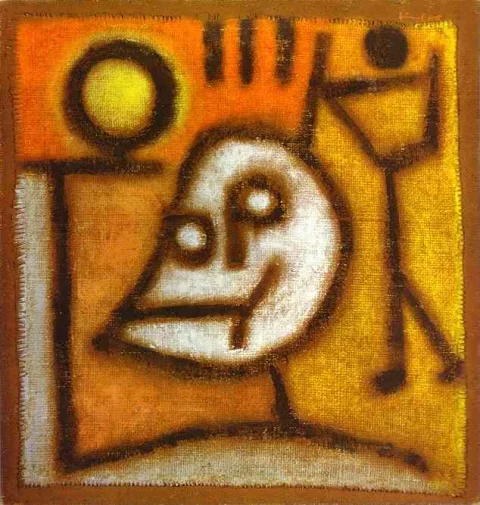
Paul Klee — Mort et Feu
Image creditsPaul Klee · Mort et Feu · Wikimedia Commons · Public domain

Paul Klee — « Mort et Feu ».

Paul Klee · Mort et Feu · Wikimedia Commons · Public domain

Image source Licence

Proportional resizing and WebP conversion, without cropping.

Paul Klee · 5 min read

When a face also becomes a word

In Death and Fire, Klee combines painting, signs and letters. A late work from 1940 holds the question of ending within a face that can be looked at, but can also be read.

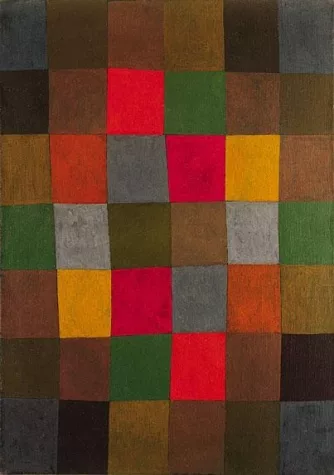
Paul Klee — Nouvelle Harmonie
Image creditsPaul Klee · Nouvelle Harmonie · Wikimedia Commons · Public domain · Paul Klee († 1940)

Paul Klee — « Nouvelle Harmonie ».

Paul Klee · Nouvelle Harmonie · Wikimedia Commons · Public domain · Paul Klee († 1940)

Image source Licence

Proportional resizing and WebP conversion, without cropping.

Paul Klee · 5 min read

A harmony that owes nothing to a landscape

New Harmony, painted in 1936, distributes colour within a geometric construction. Klee lets the relationships between surfaces become the true subject of the painting held at the Guggenheim.

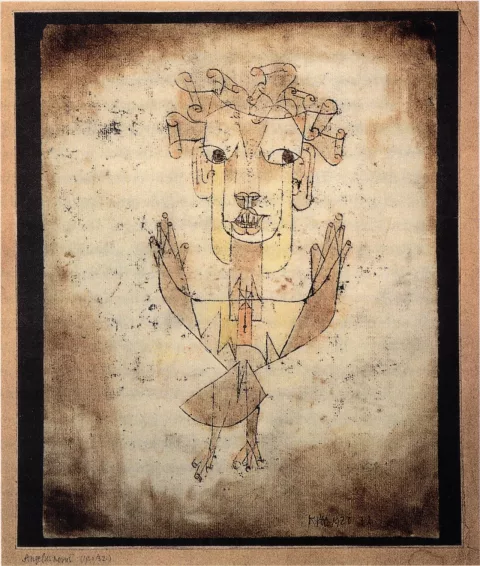
Paul Klee — Angelus Novus
Image creditsPaul Klee · Angelus Novus · Wikimedia Commons · Public domain · Christian Mantey ( photographer ), Kulturagent

Paul Klee — « Angelus Novus ».

Paul Klee · Angelus Novus · Wikimedia Commons · Public domain · Christian Mantey ( photographer ), Kulturagent

Image source Licence

Proportional resizing and WebP conversion, without cropping.

Paul Klee · 5 min read

The angel whose destiny was changed by a small sheet of paper

Angelus Novus was a work of 1920 before it became a philosophical image. Its encounter with Walter Benjamin and the precautions taken to preserve it tell of two ways to prolong the life of a drawing.

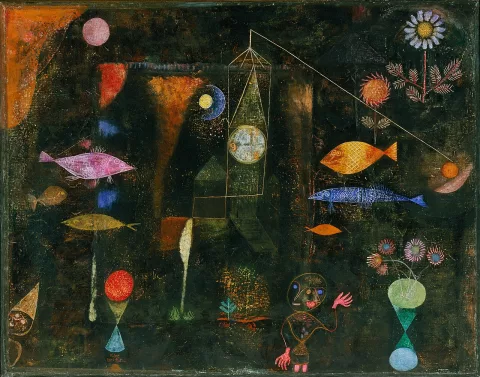
Paul Klee — Magie des poissons
Image creditsPaul Klee · Magie des poissons · Wikimedia Commons · Public domain

Paul Klee — « Magie des poissons ».

Paul Klee · Magie des poissons · Wikimedia Commons · Public domain

Image source Licence

Proportional resizing and WebP conversion, without cropping.

Paul Klee · 5 min read

The black you must scrape away to discover a world

Fish Magic brings together fish, flowers and celestial signs in a dark space. Beneath this 1925 scene, Klee arranges a real material discovery: colours appear by breaking through the black layer.

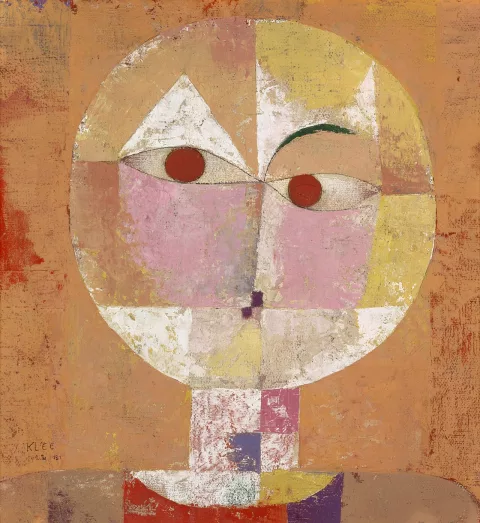
Paul Klee — Senecio
Image creditsPaul Klee · Senecio · Wikimedia Commons · Public domain

Paul Klee — « Senecio ».

Paul Klee · Senecio · Wikimedia Commons · Public domain

Image source Licence

Proportional resizing and WebP conversion, without cropping.

Paul Klee · 5 min read

A face constructed from geometric shapes

Senecio transforms a face into a meeting of circles, triangles and colours. In this 1922 painting held in Basel, apparent simplicity calls for a surprisingly precise gaze.

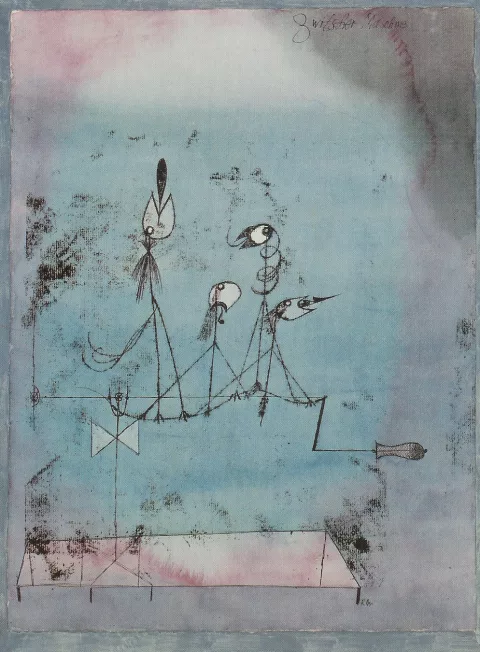
Paul Klee — La Machine à gazouiller
Image creditsPaul Klee · La Machine à gazouiller · Wikimedia Commons · Public domain

Paul Klee — « La Machine à gazouiller ».

Paul Klee · La Machine à gazouiller · Wikimedia Commons · Public domain

Image source Licence

Proportional resizing and WebP conversion, without cropping.

Paul Klee · 5 min read

A crank to make birds sing

In Twittering Machine, Klee attaches birds to an improbable device. The 1922 drawing joins technical invention with unease, while its own making already separates line from colour.