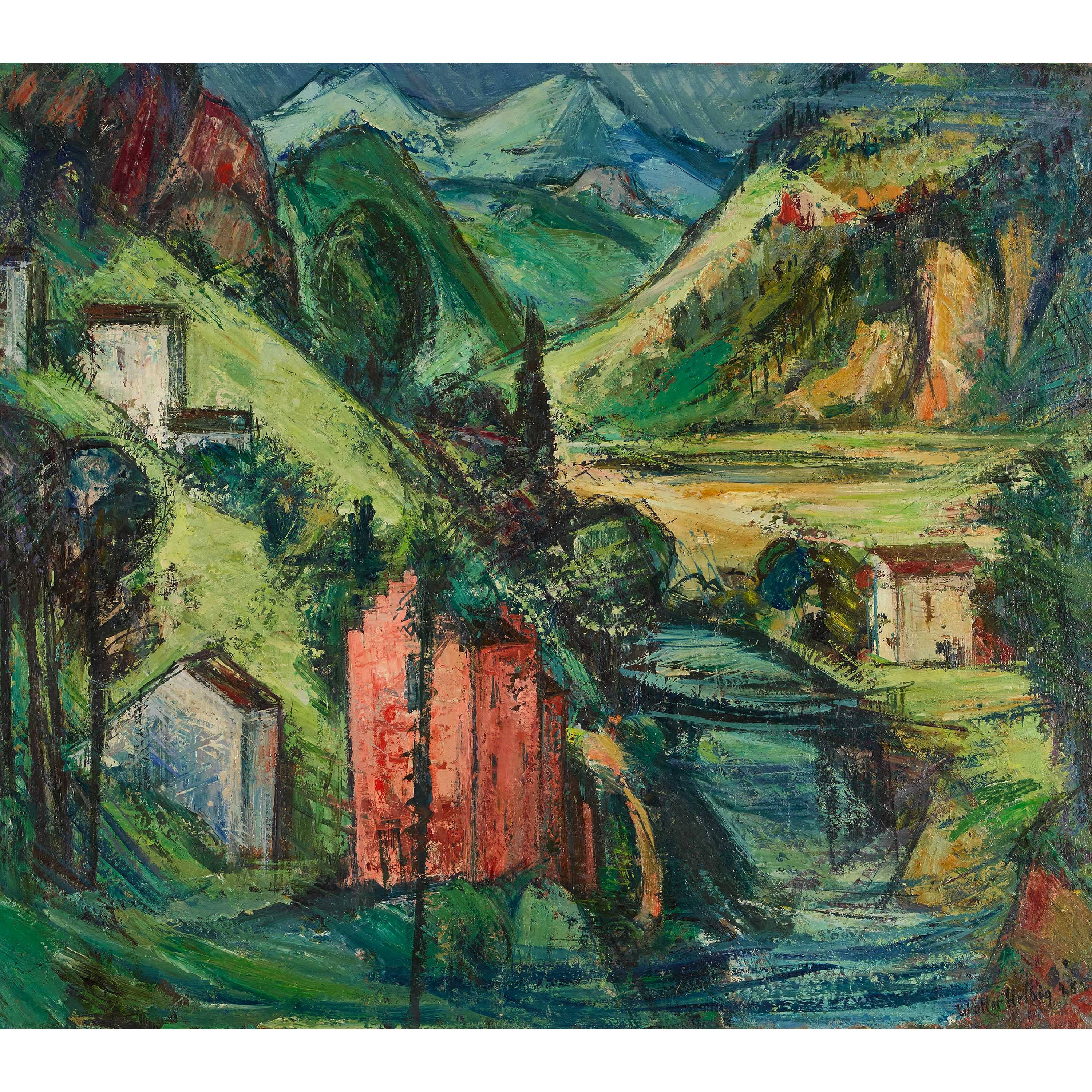
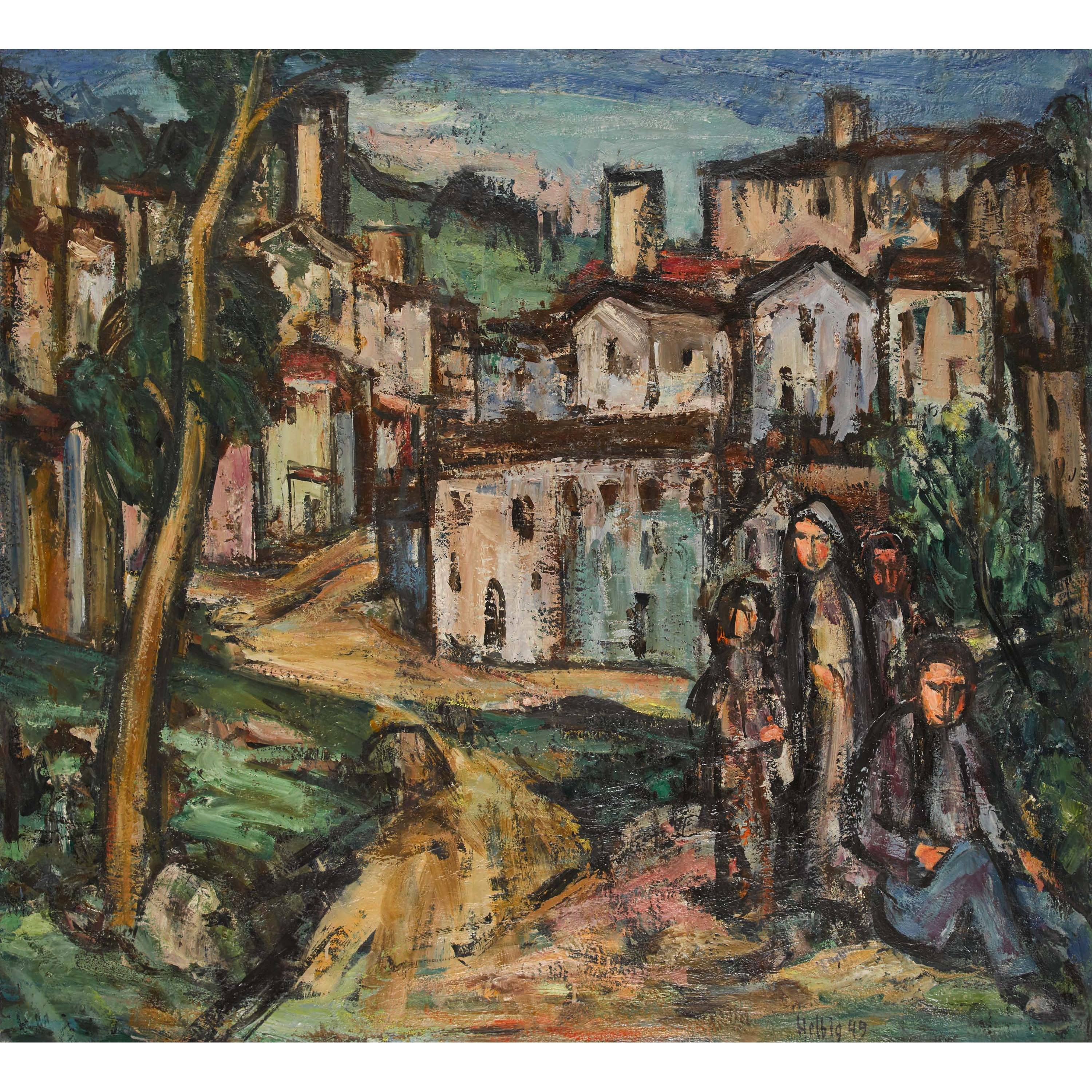
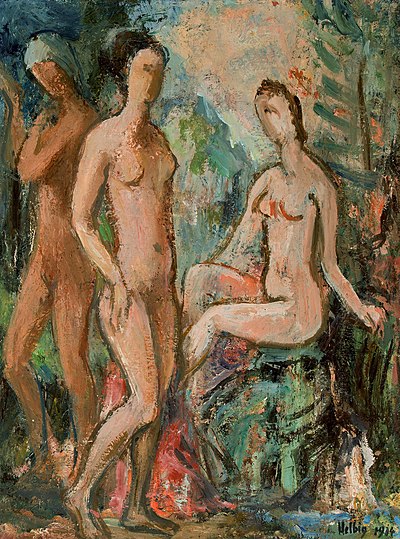
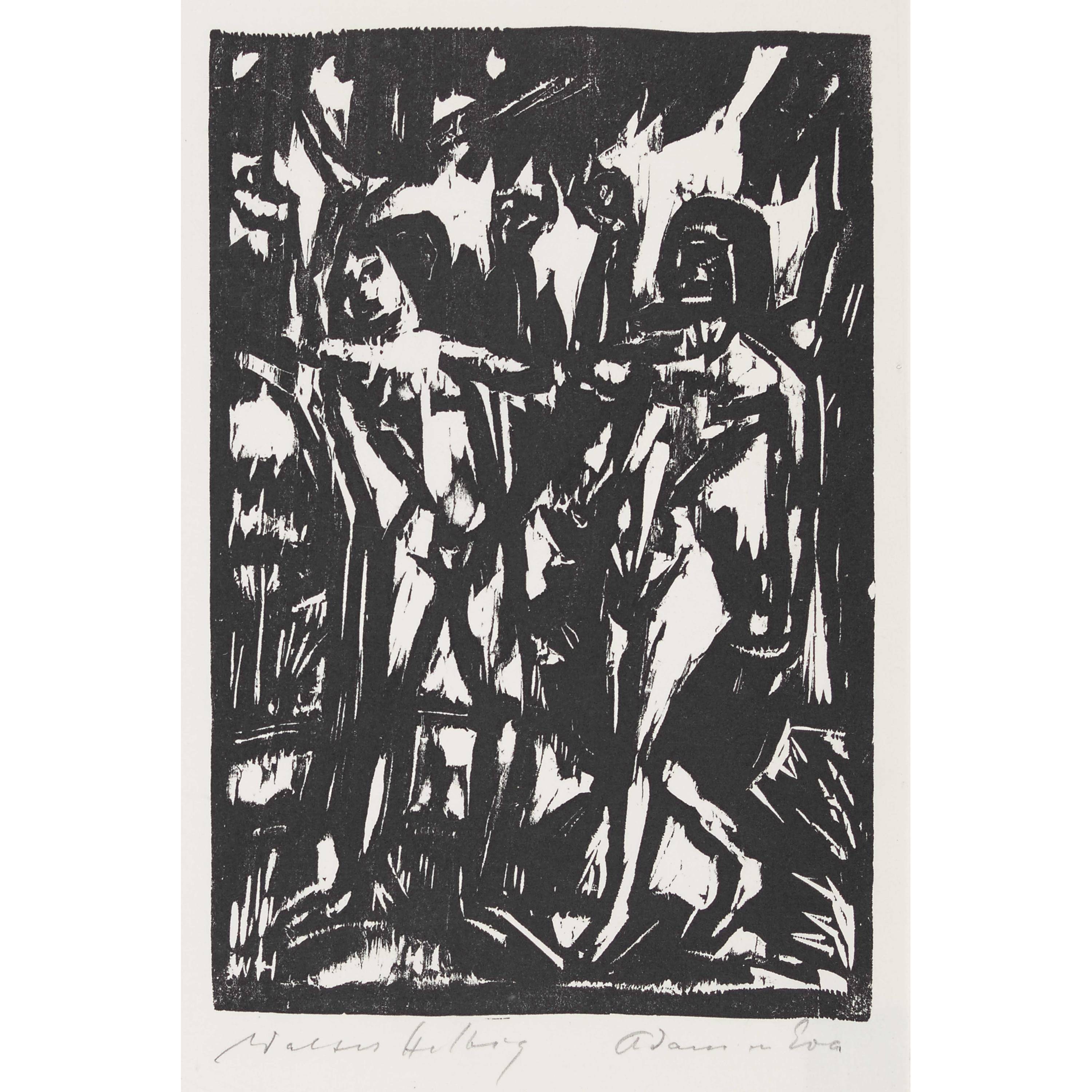
Walter Helbig
Born in 1878.
Died in 1968.
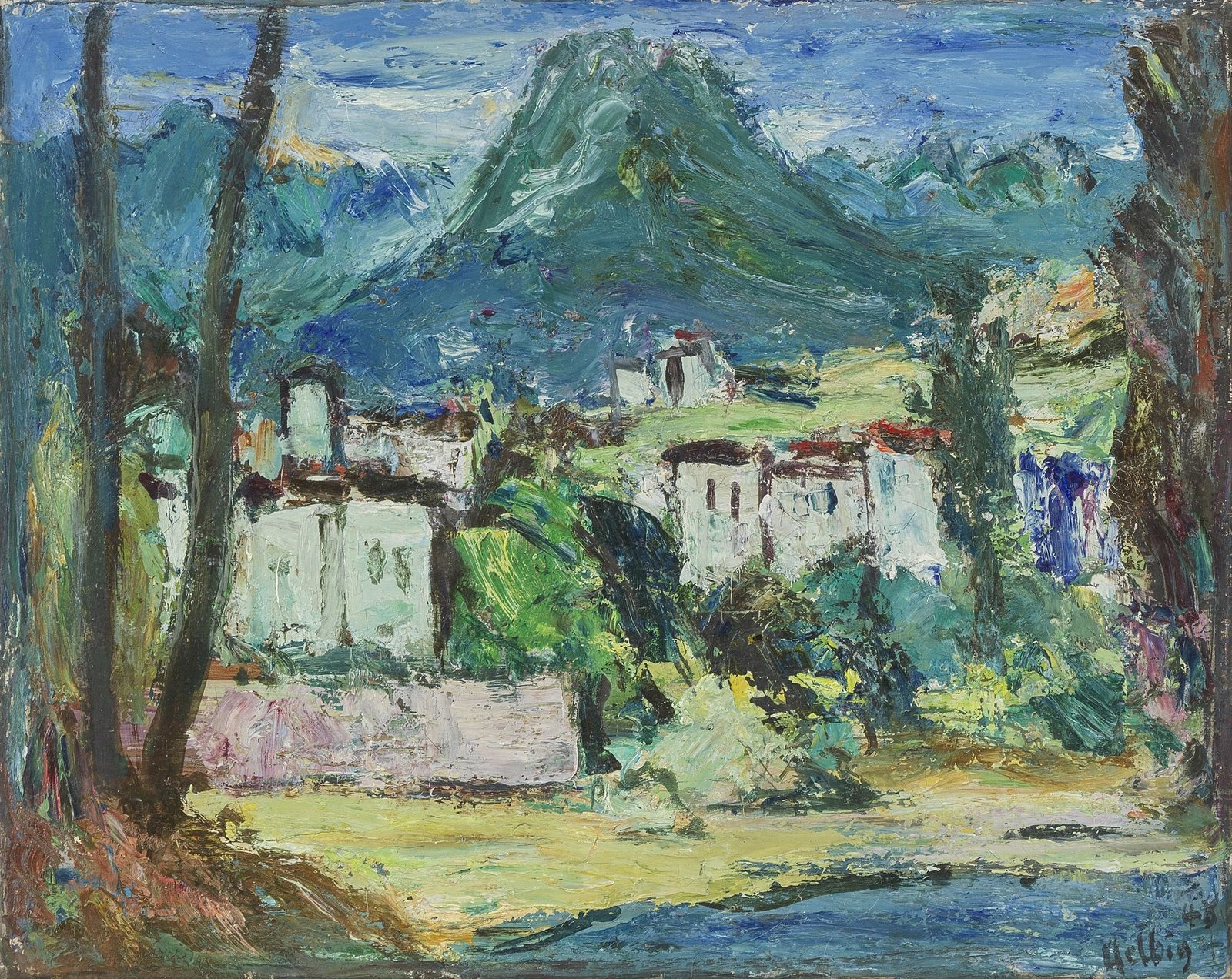
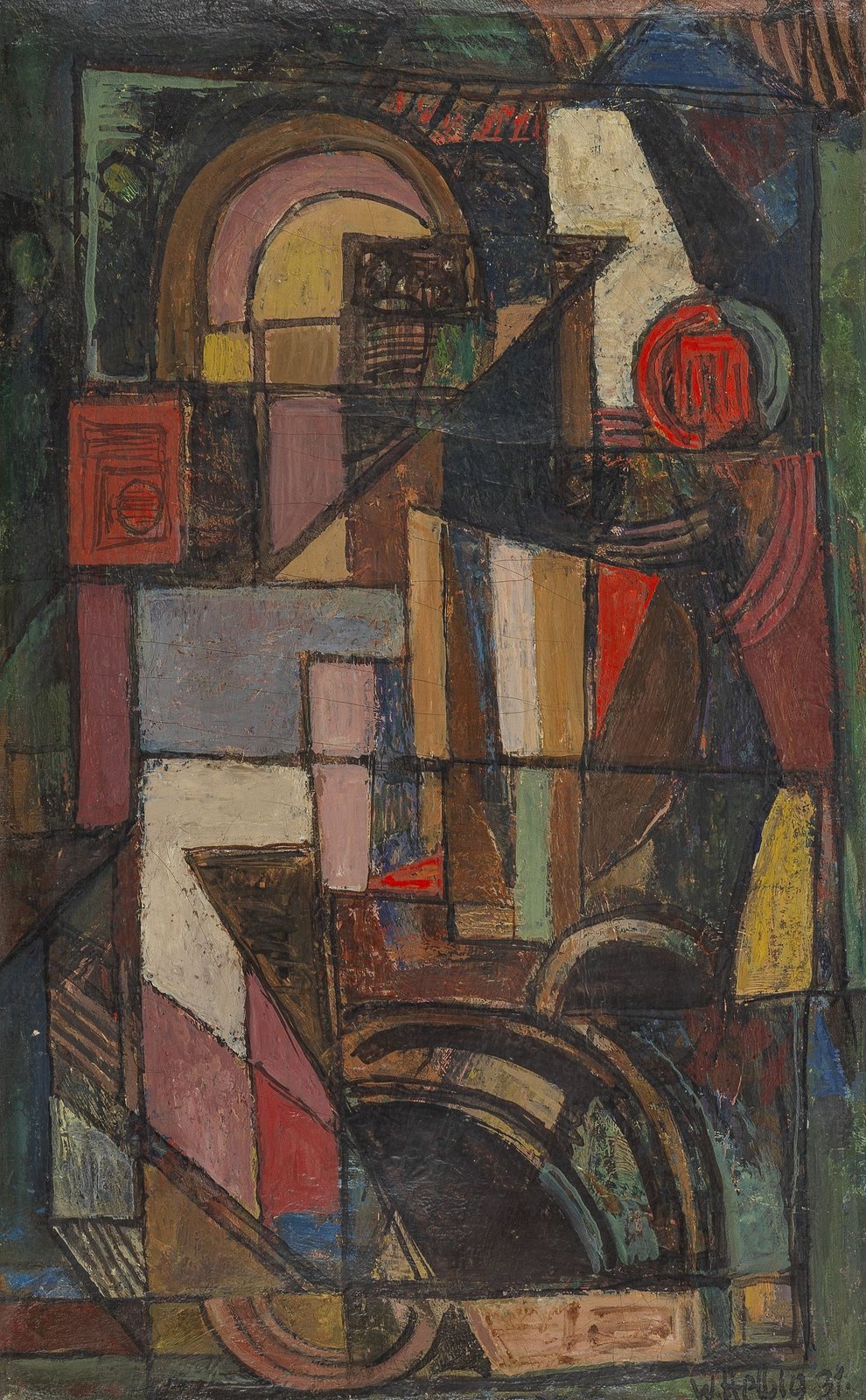
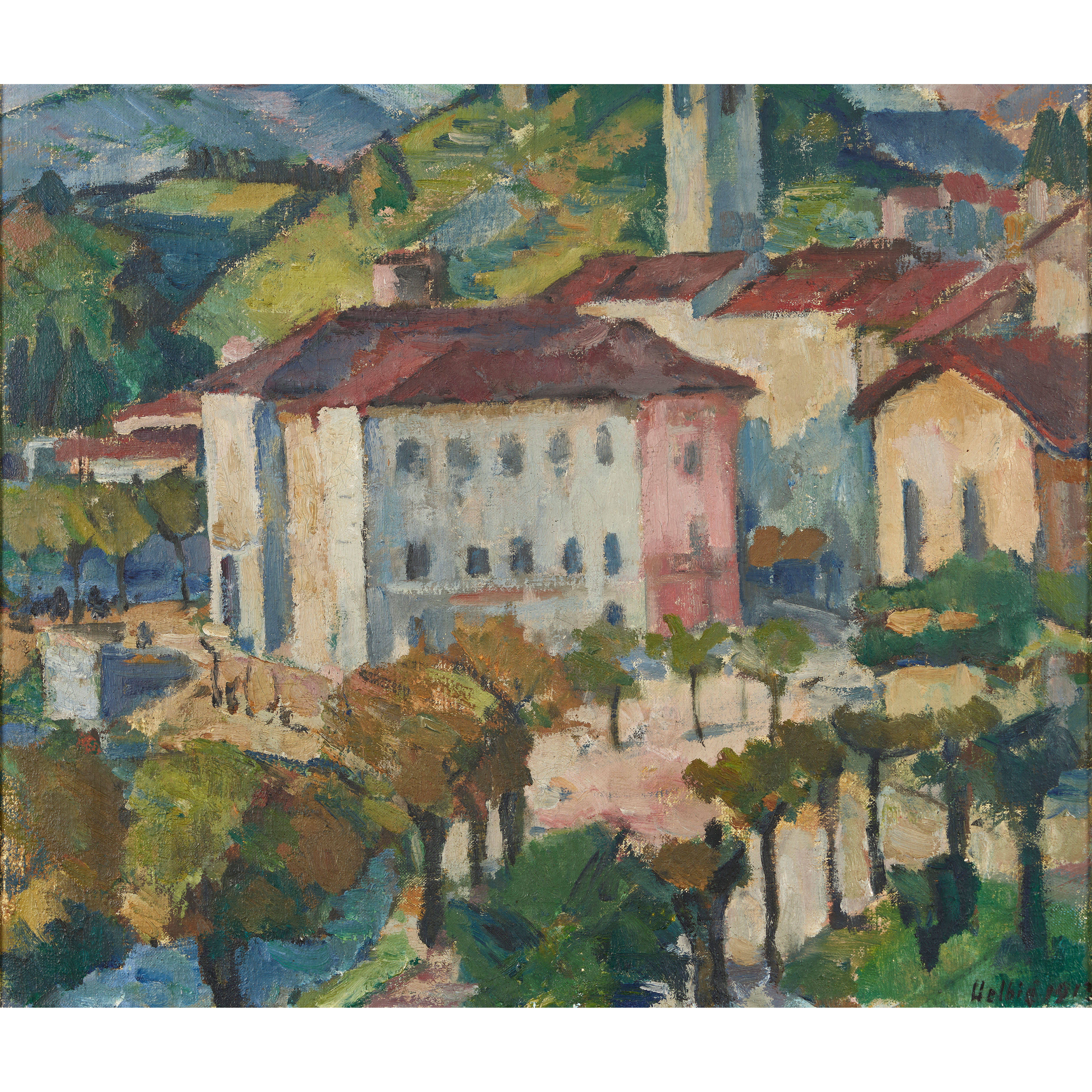
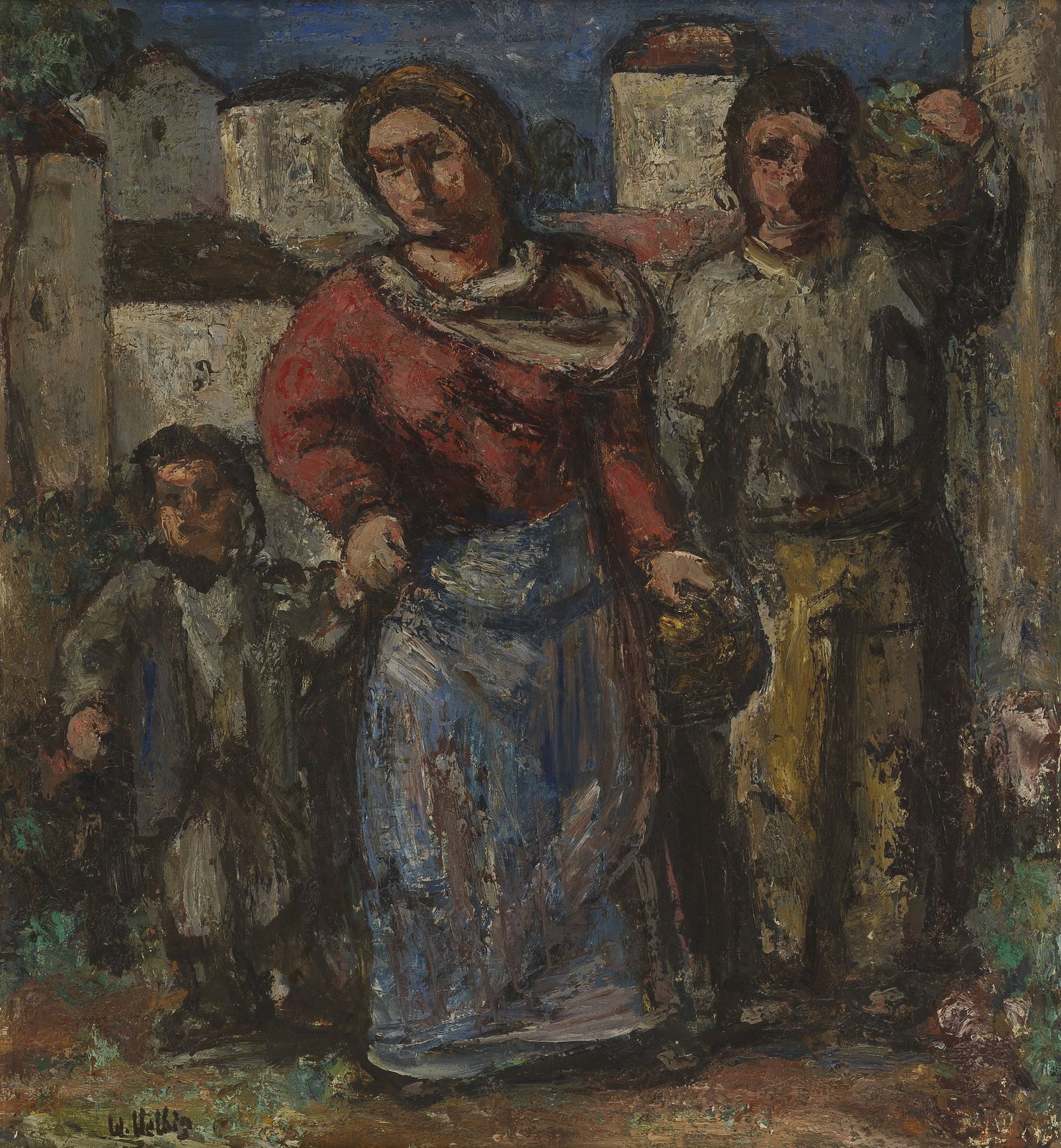
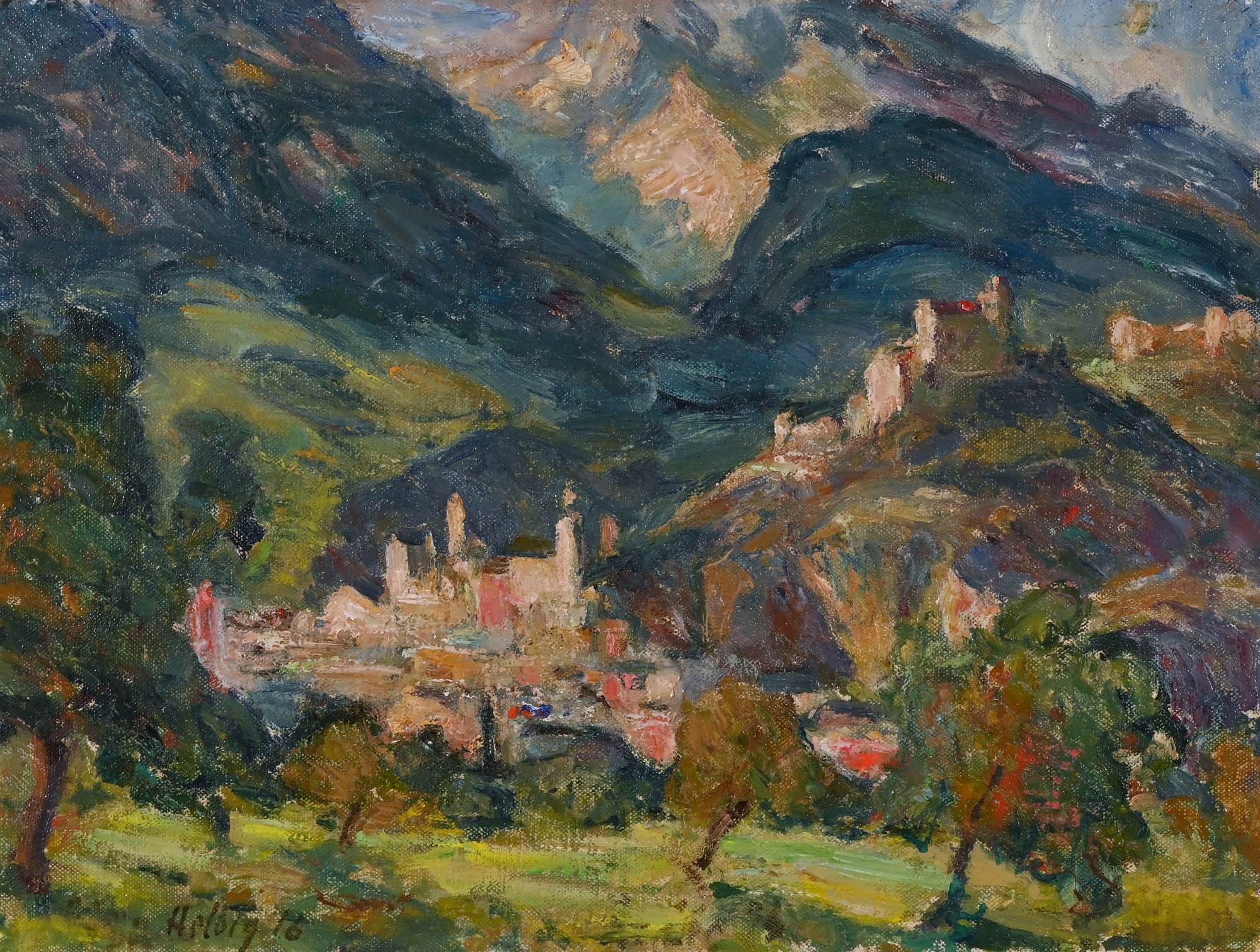
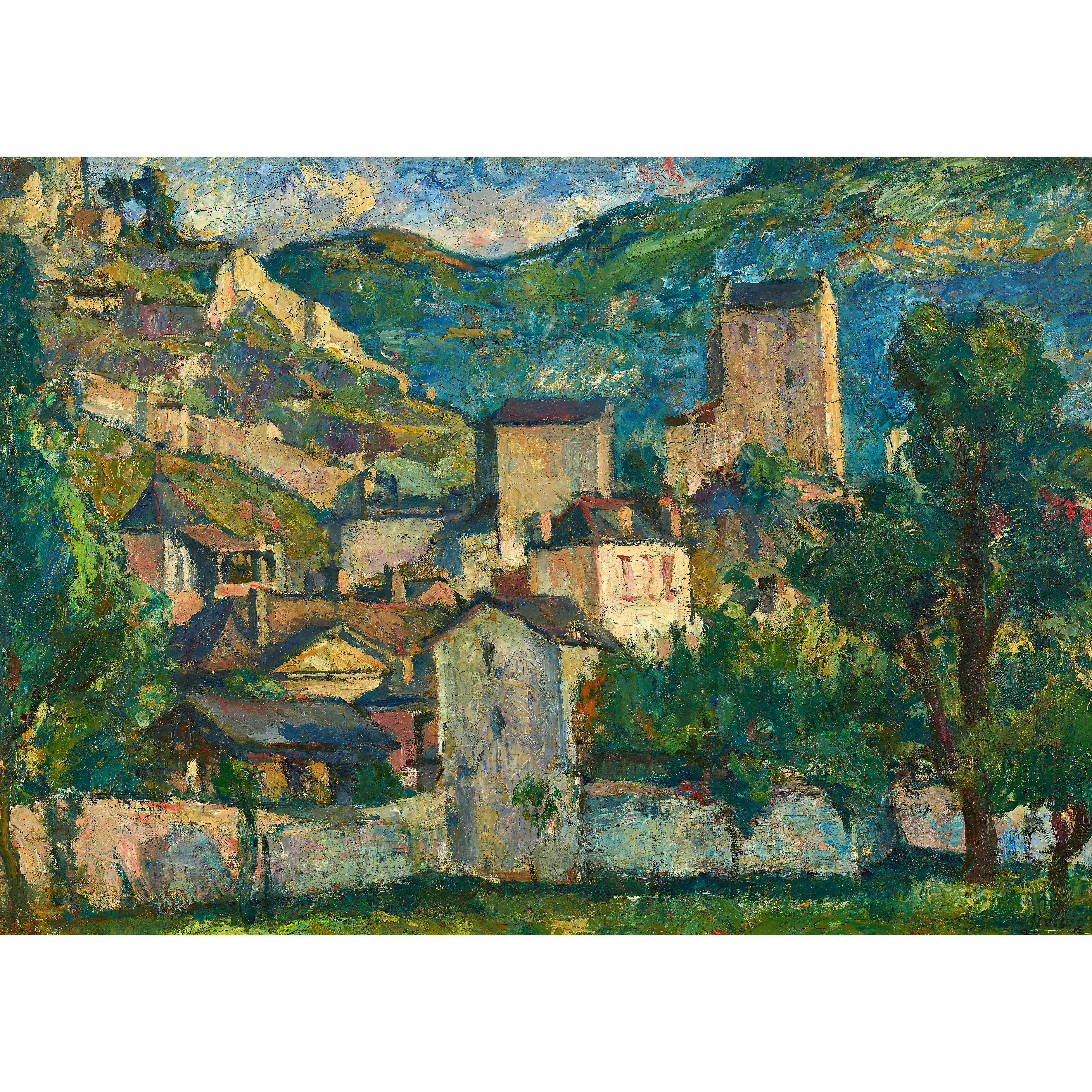
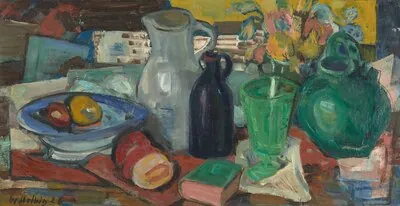
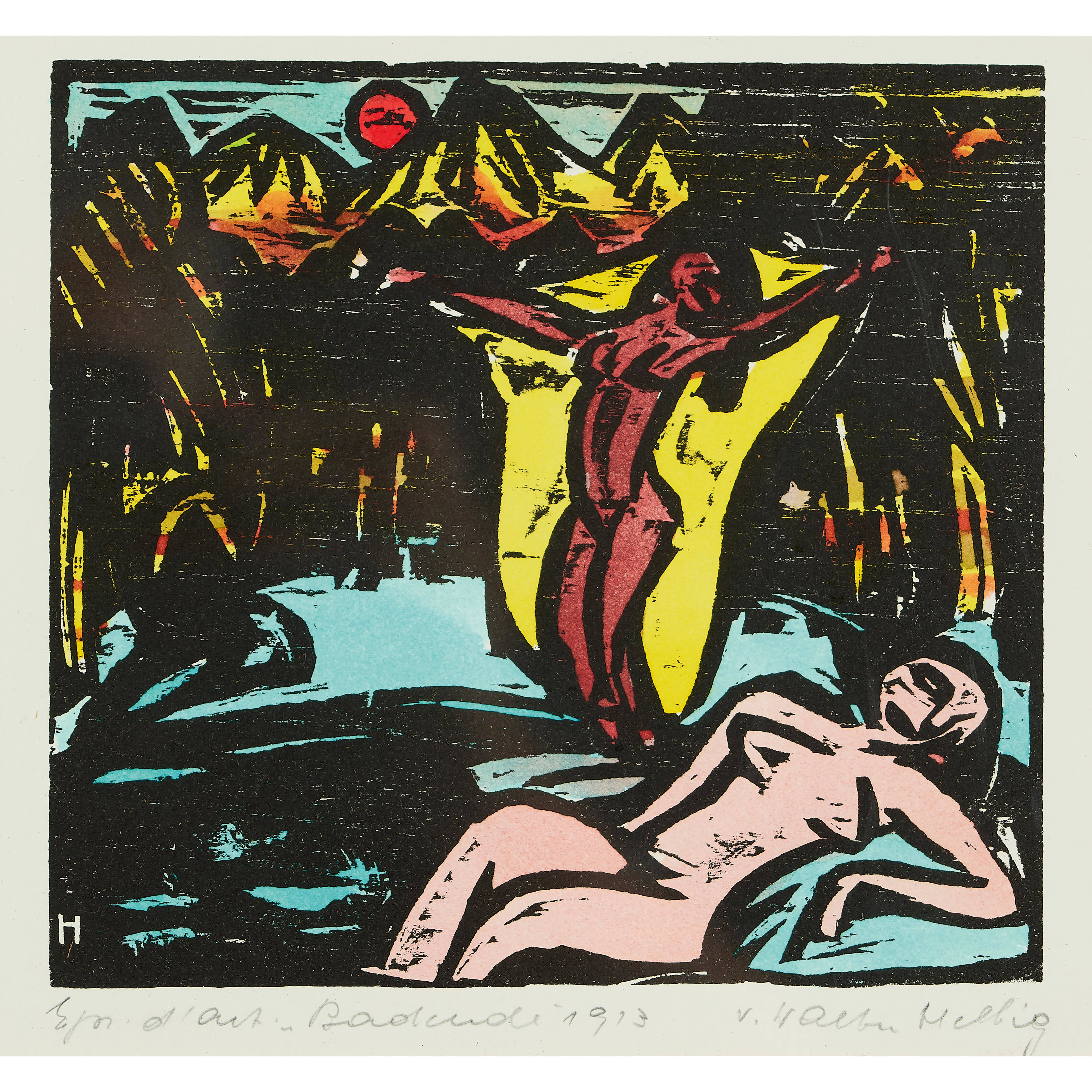
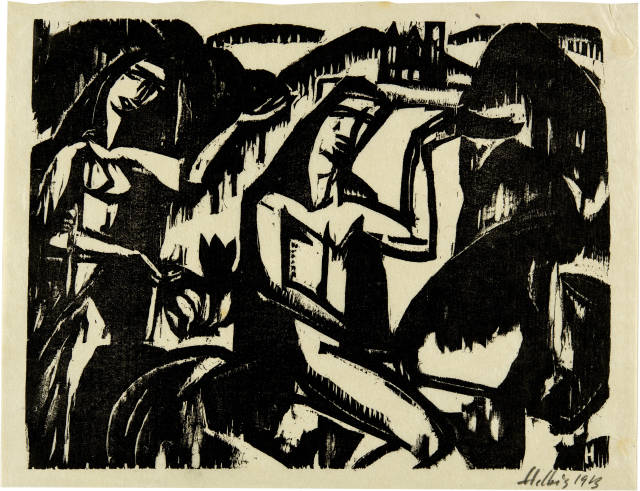
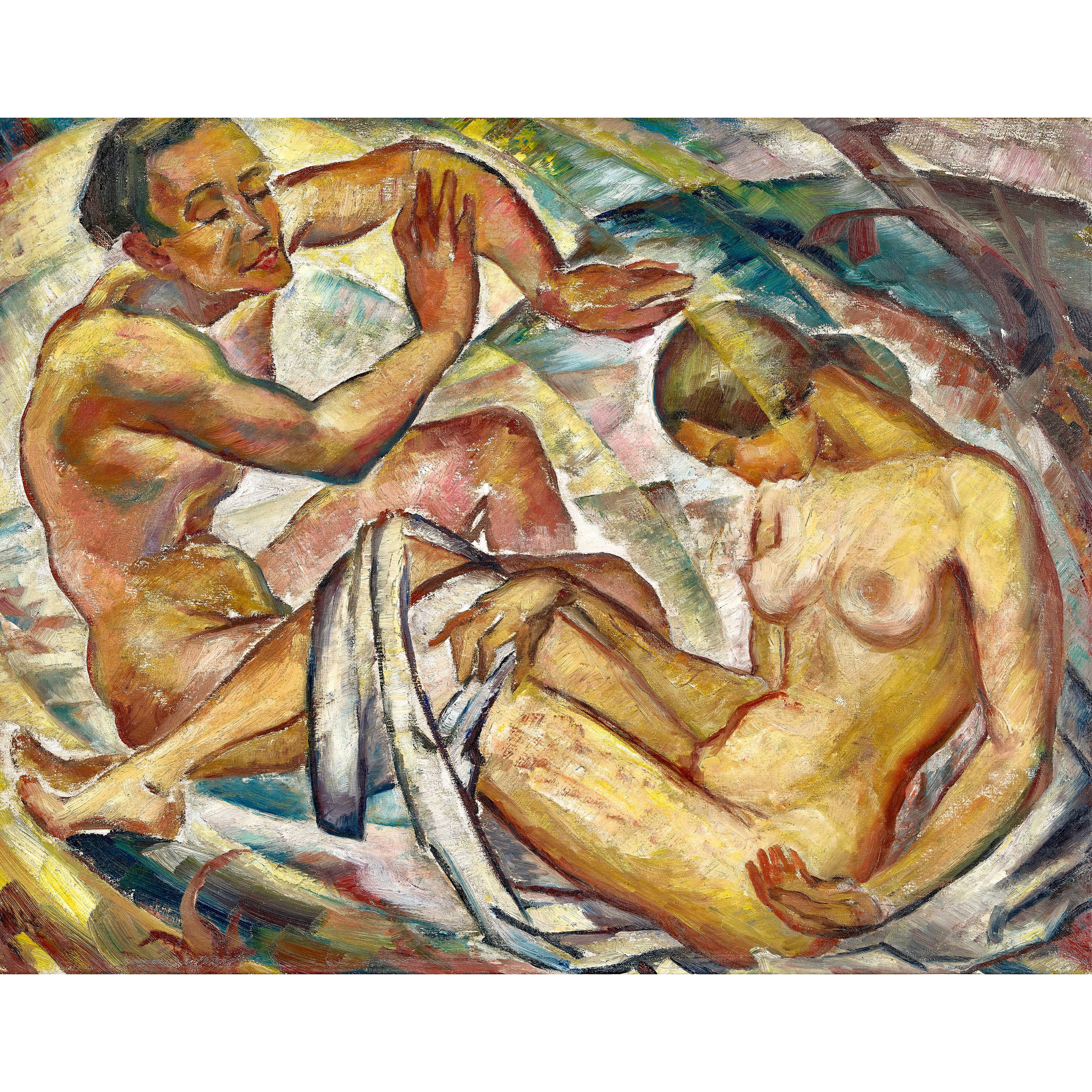
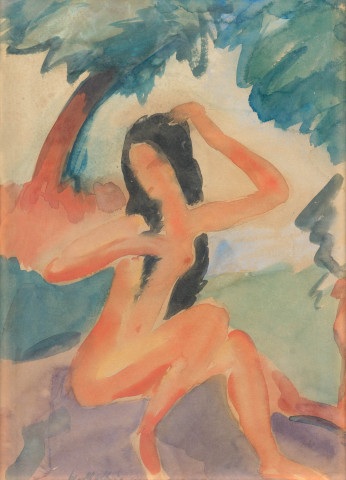
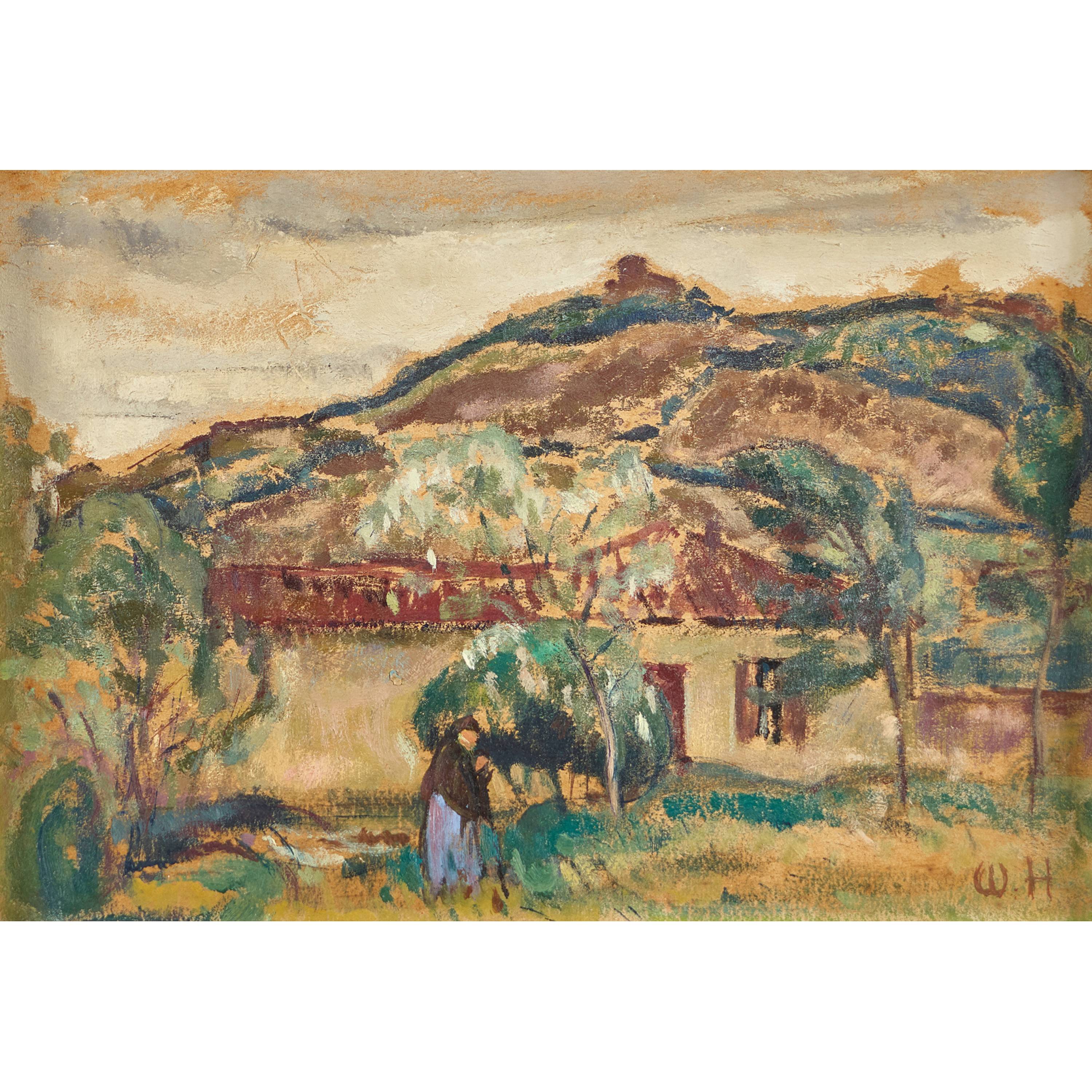
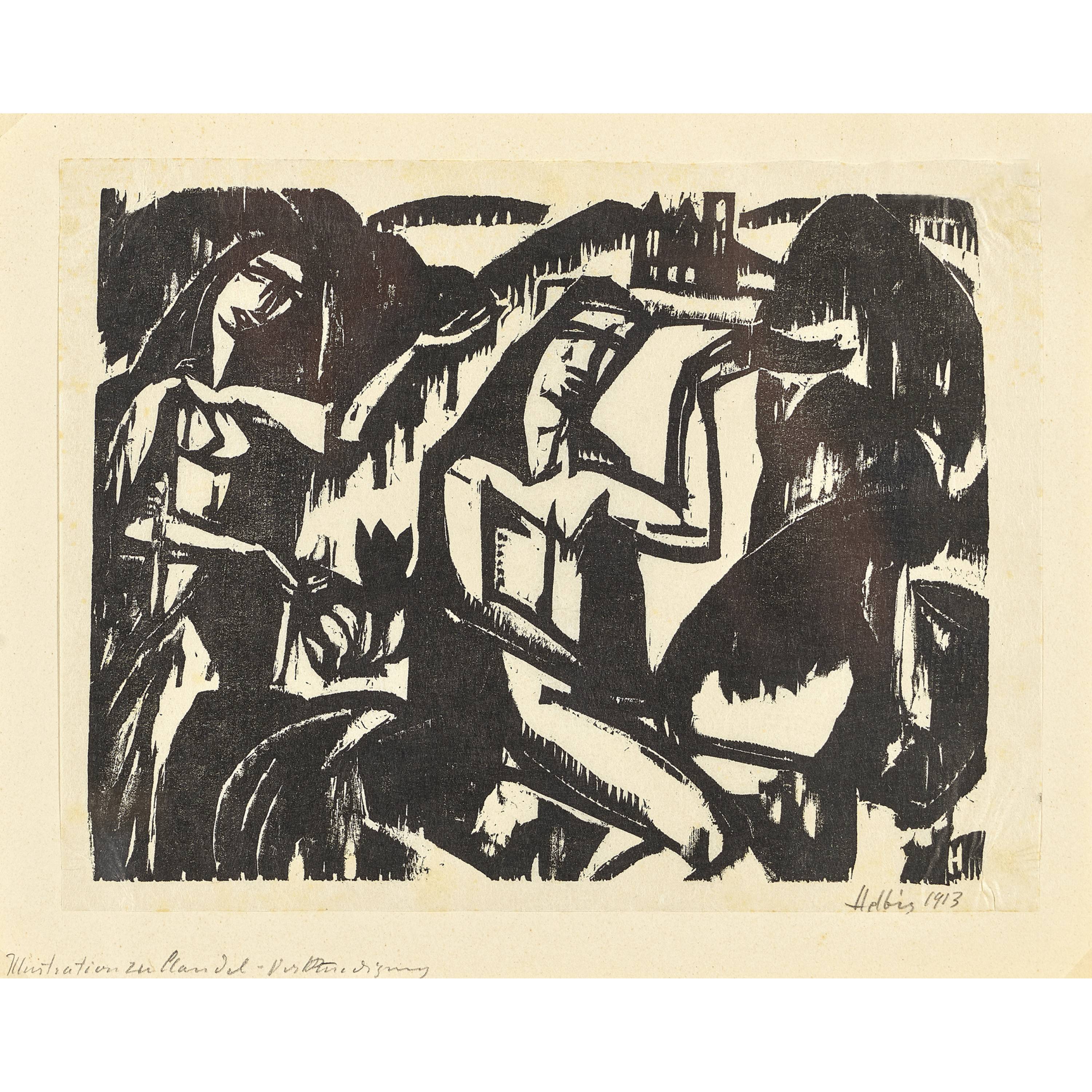
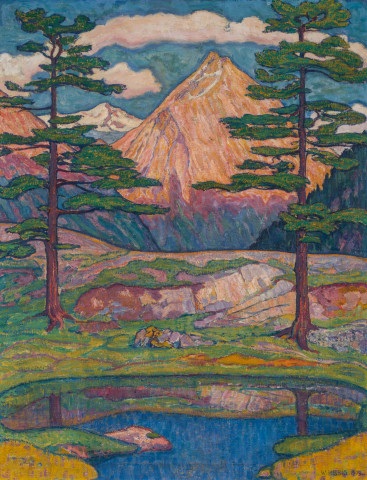
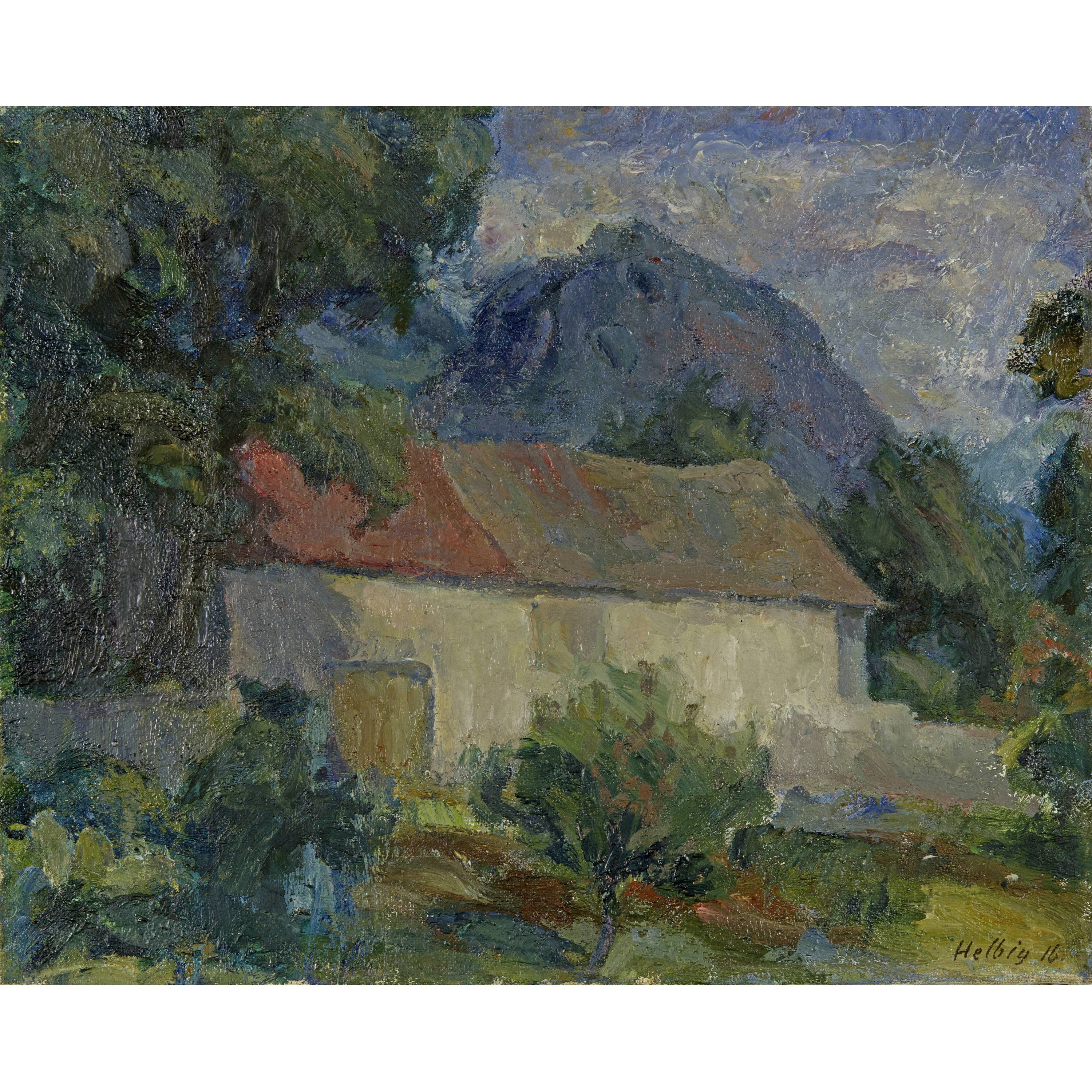
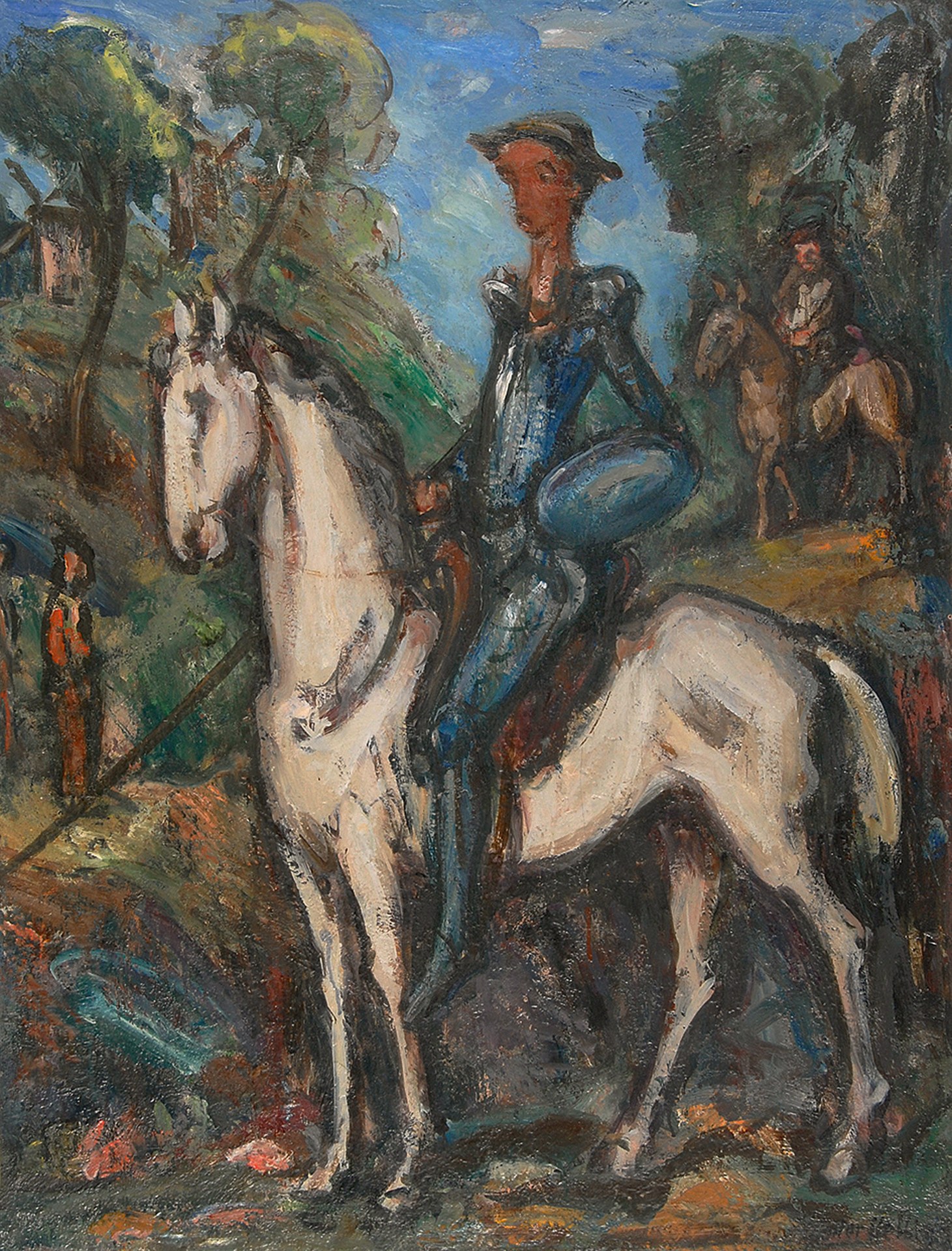
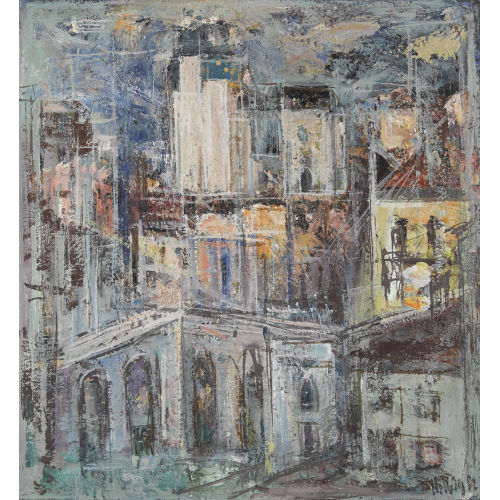
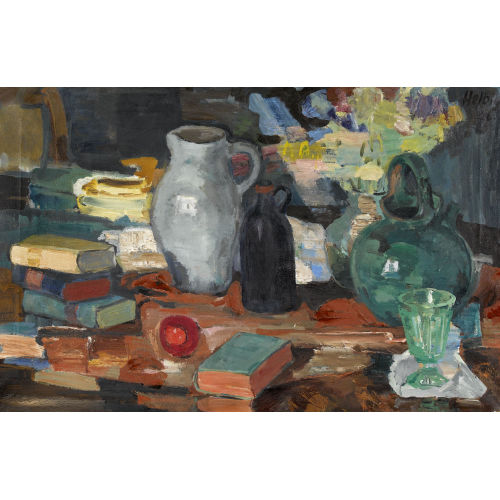
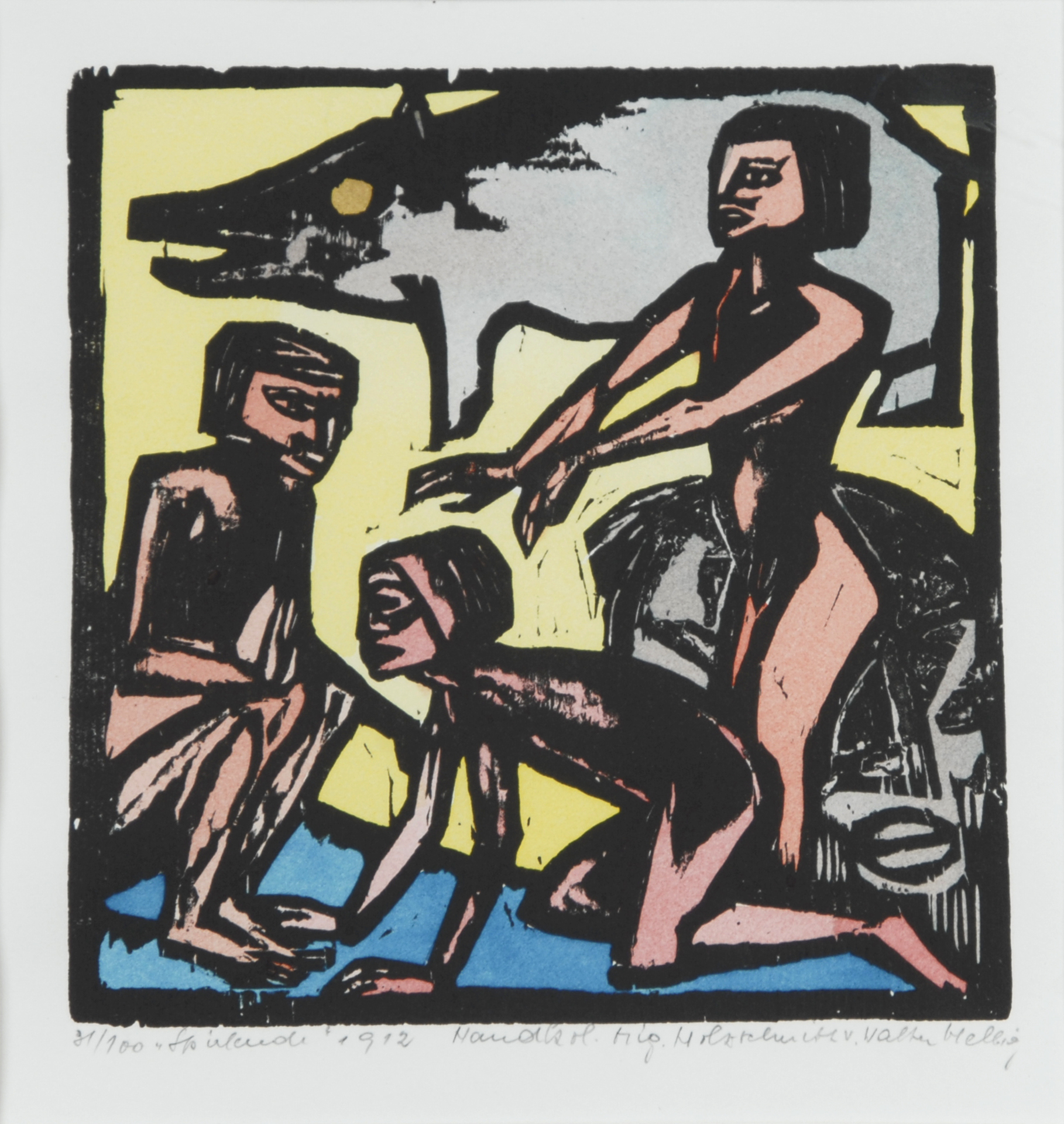
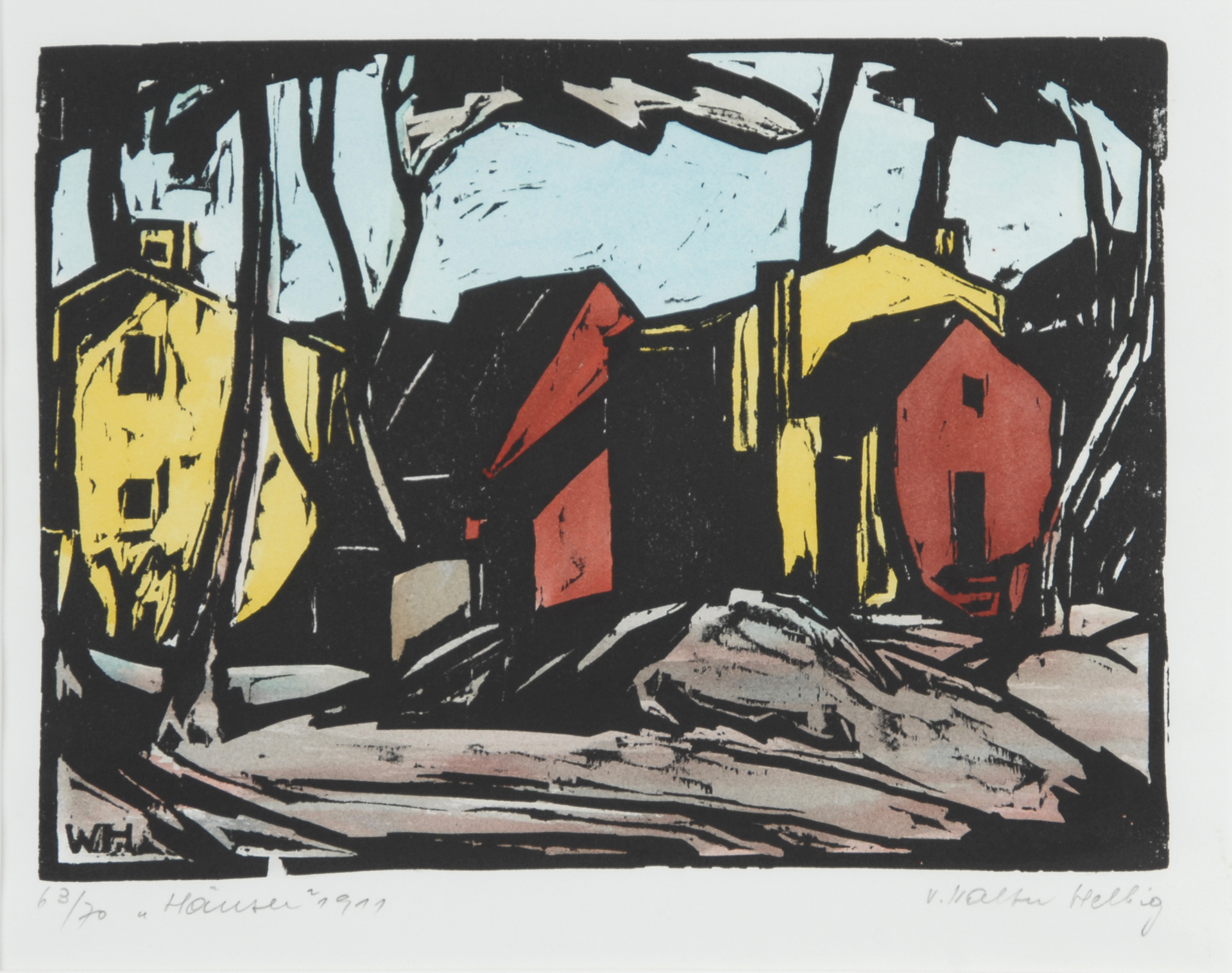
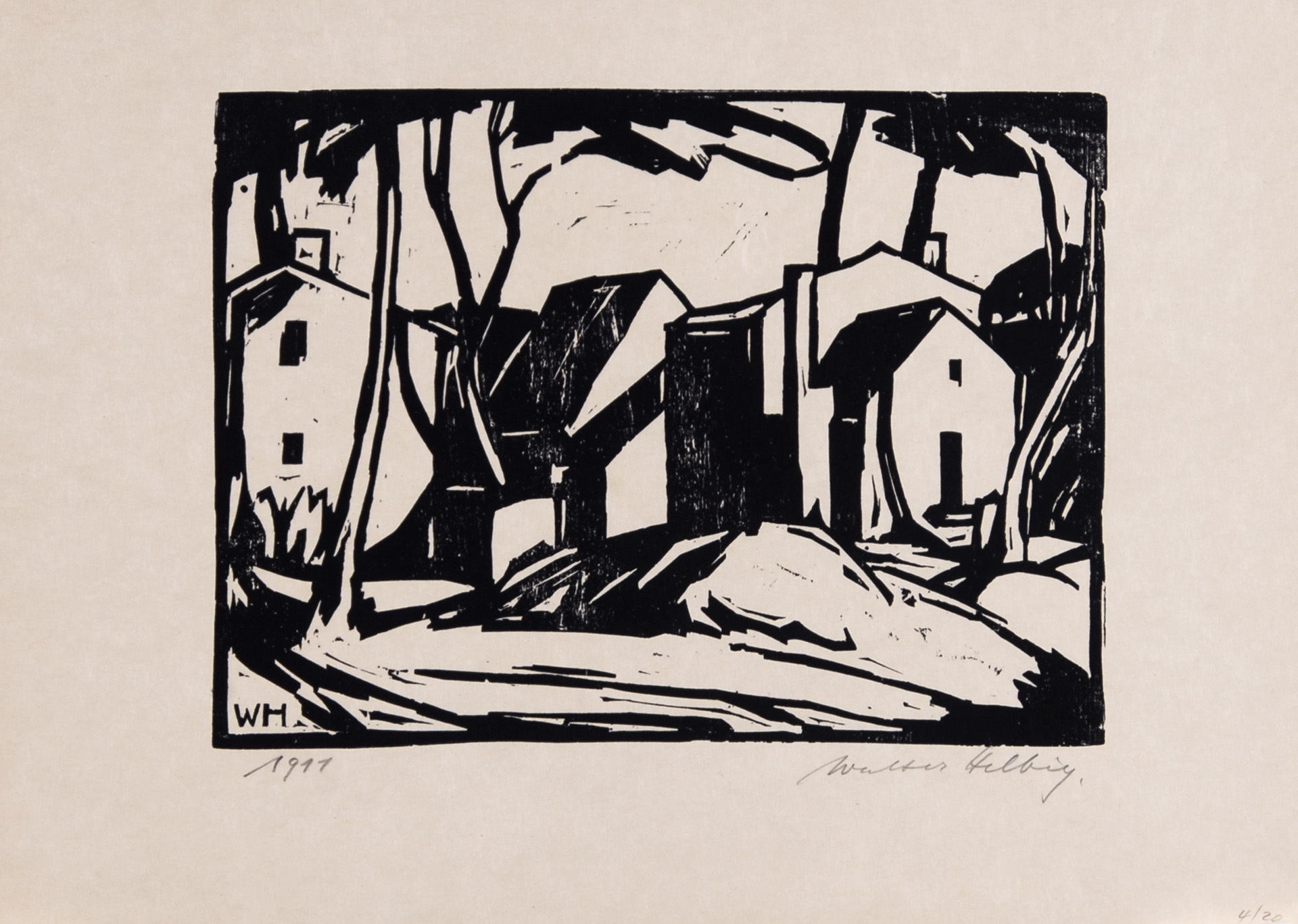
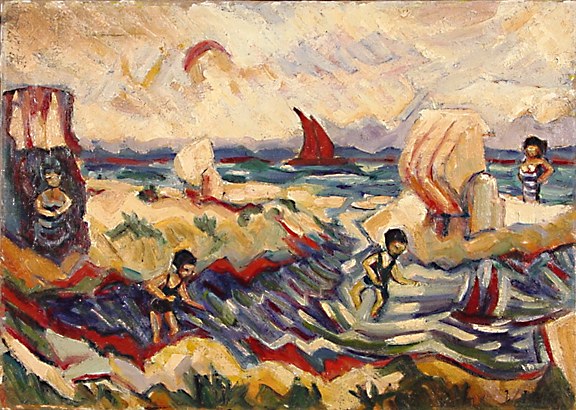
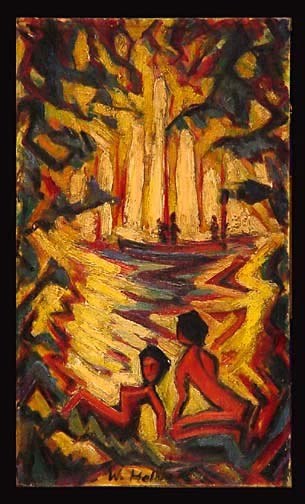
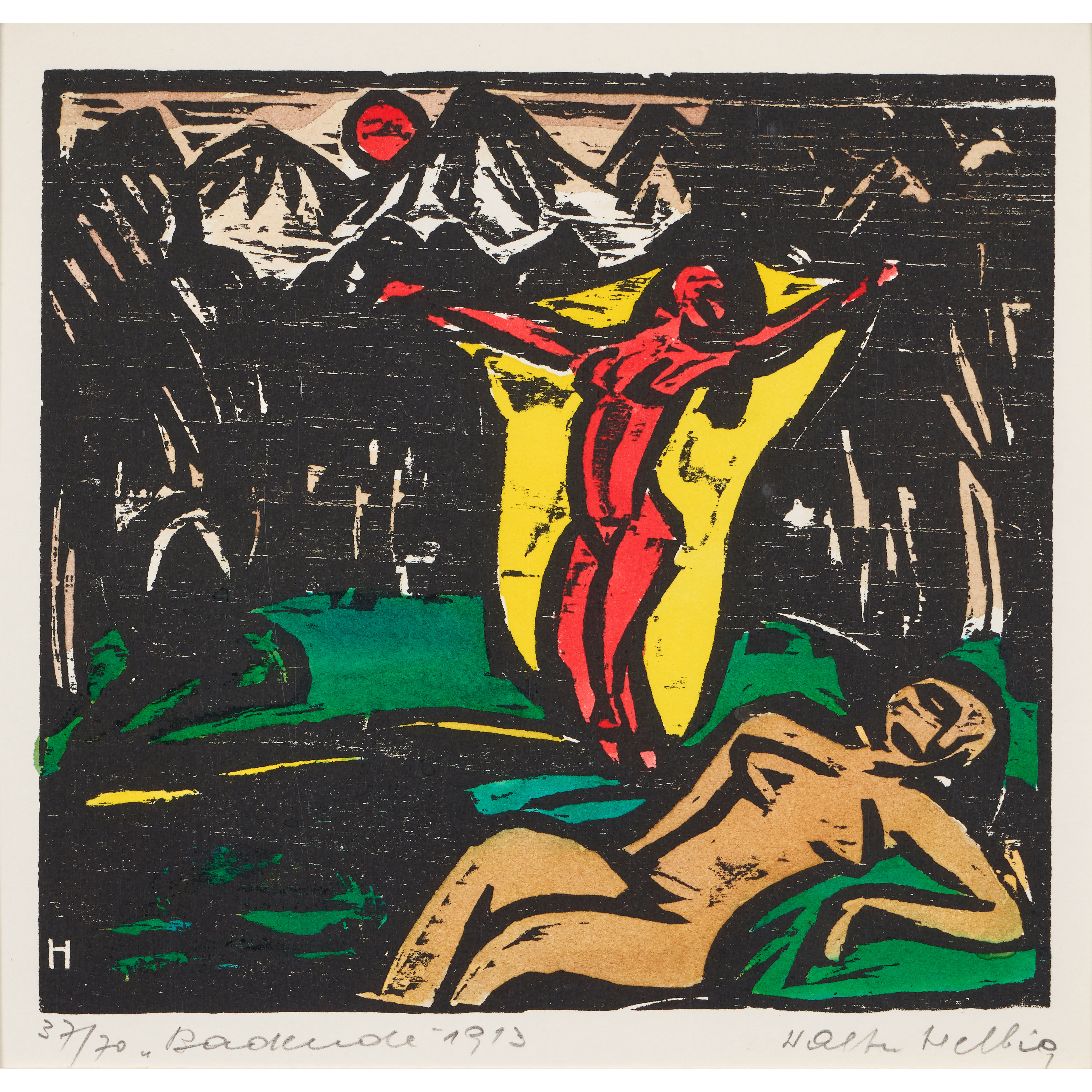
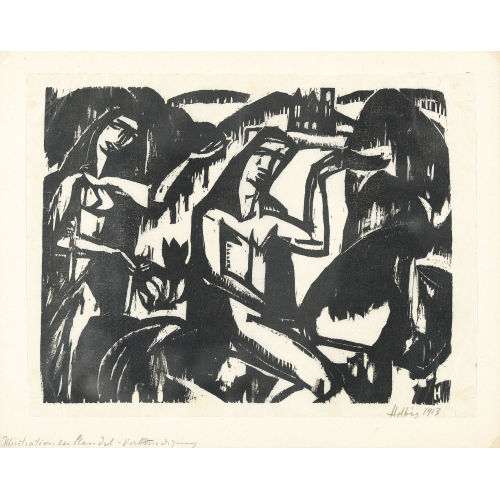
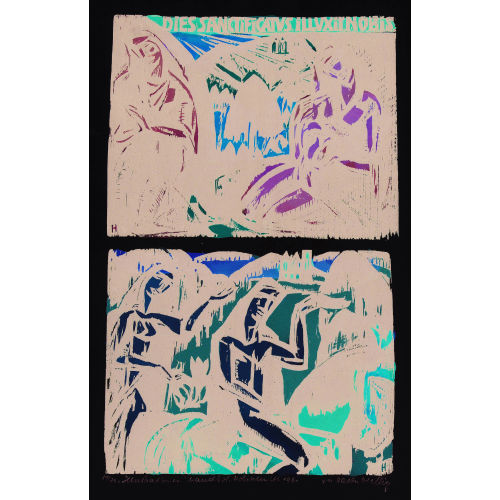
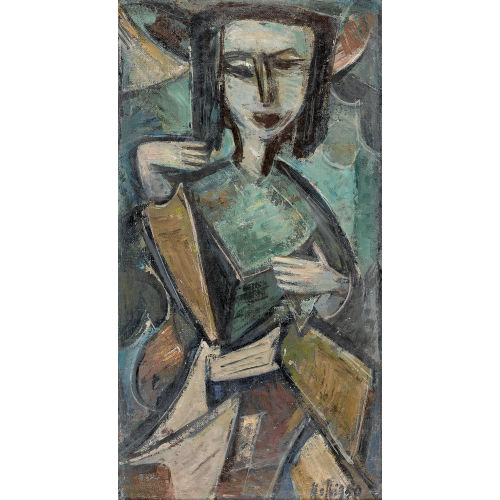
Walter Helbig (9 April 1878–26 March 1968) is described in the sources as a painter and printmaker associated with Expressionism Switzerland.
He began his training at the Dresden Academy of Fine Arts in 1895, where he studied, among others, under Carl Bantzer and Otto Gussmann. Between 1897 and 1899, he interrupted his studies for a stay in Italy, during which he met artists and theorists such as Arnold Böcklin, Adolf von Hildebrand, and Hans von Marées. Upon returning to Saxony, he lived with Otto Mueller in Dresden-Rockau between 1903 and 1905 and, together with him, attempted to run an art school that did not meet with the hoped-for success.
From 1905 to 1910, he worked as an independent painter in Hamburg, where in 1909 he met and married the pianist and singer Elisabeth Goetze.
In 1910, Helbig participated in the founding and first exhibition of the Neue Secession in Berlin, then settled in Switzerland later that same year and co-founded the Moderne Bund in Weggis with Hans Arp and Oscar Lüthy, assuming leading responsibilities within the group. The Moderne Bund organised its first exhibition in Lucerne in 1911, followed by a more important presentation at the Kunsthaus Zürich. In 1913, one of his works, entitled Jeune menteuse, was among the five works sent by the dealer Hans Goltz to the Armory Show in New York.
In 1914, he took part in the first Dada exhibition organised at Galerie Coray in Zürich and appears in references concerning subsequent Dada activities, although the records do not indicate sustained involvement in the movement. Helbig lived in Zürich from 1916 to 1924 and became a member in 1916 of the GSMBA (Society of Swiss Painters, Sculptors and Architects).
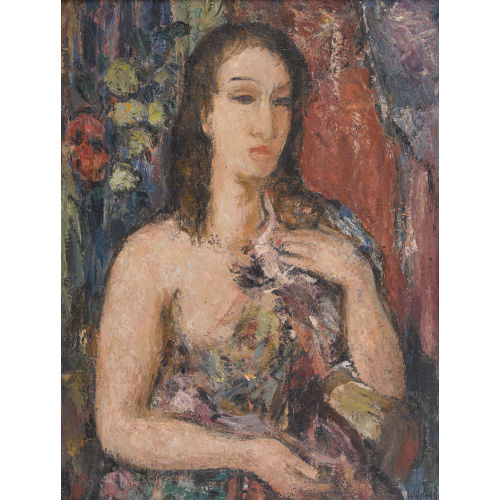
During the interwar period, he shared a studio in Berlin, where in 1933 he painted a portrait of the actress Tilla Durieux. That same year, 35 of his works were removed from public collections in Germany (Museum Folkwang in Essen, Kunsthalle Mannheim, and the Erfurt Museum) as «degenerate art». In 1938, he was naturalised as a Swiss citizen in Ascona.
In 1943, a portfolio containing watercolours and drawings, held in Berlin archives, was lost in a fire at the Galerien von Heyde.
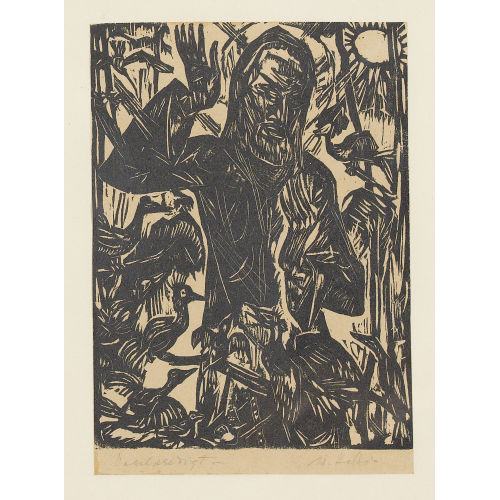
After the war, Walter Helbig had his first major solo exhibition in Zürich in 1948. The documents indicate that, from the First World War onwards, his work turned lastingly towards religious and mythical subjects. In 1959, the critic Rolf Wedewer noted in his work an «unceasing versatility», a phrase retained in biographical notices.
Towards the end of his life, Helbig expressed the idea that contemporary art might return to what he called «a new figurative».