Varlin
Born in 1900.
Died in 1977.
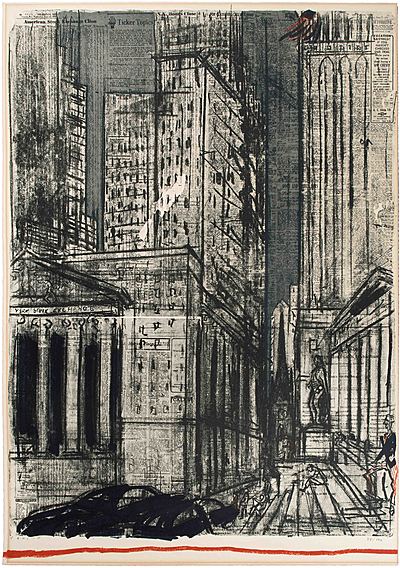
The son of a photographer and photolithographer, he first trained in lithography, then at the School of Applied Arts in St Gallen. He studied in Berlin with Emil Orlik in 1921–1922, before continuing his training in Paris, notably at the Grande-Chaumière, the Académie Julian and with André Lhote. In 1930, the art dealer Leopold Zborowski became his first supporter and suggested the pseudonym by which he would become known.
After returning to Switzerland in 1932, Varlin settled in Zurich; from 1963 onwards, he lived mainly in Bondo.
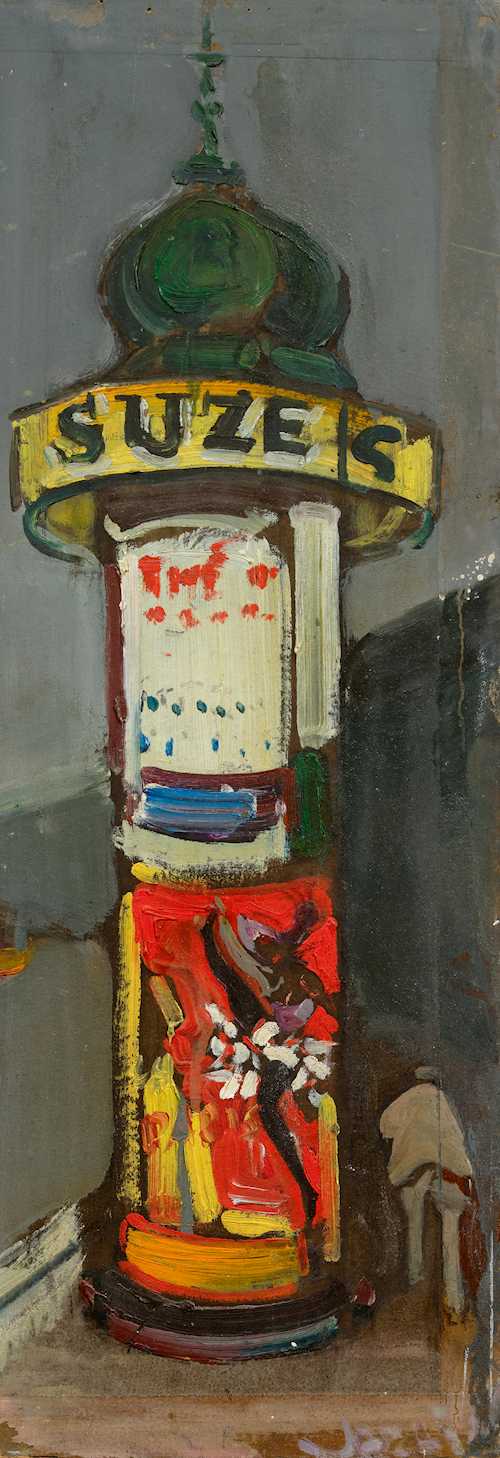
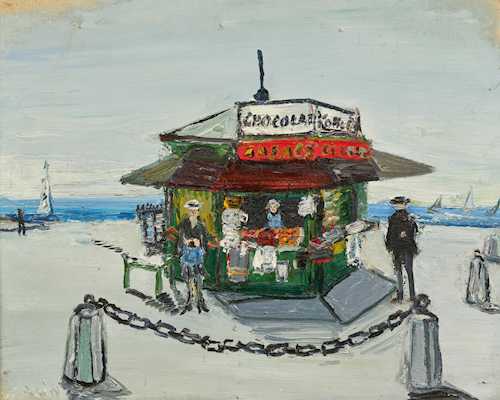
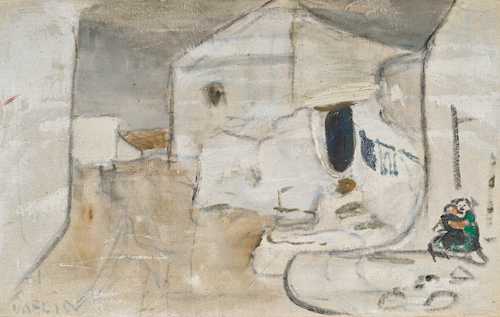
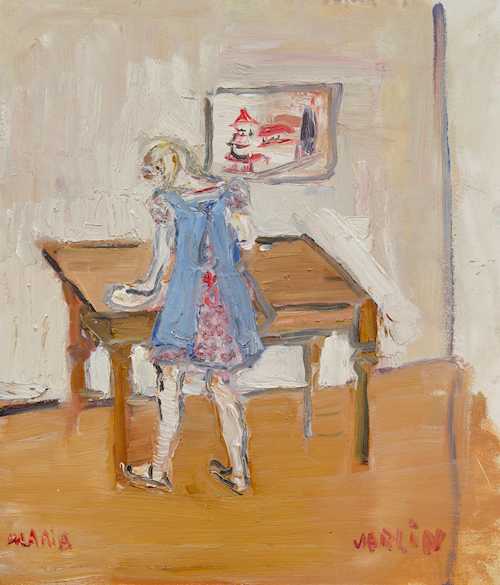
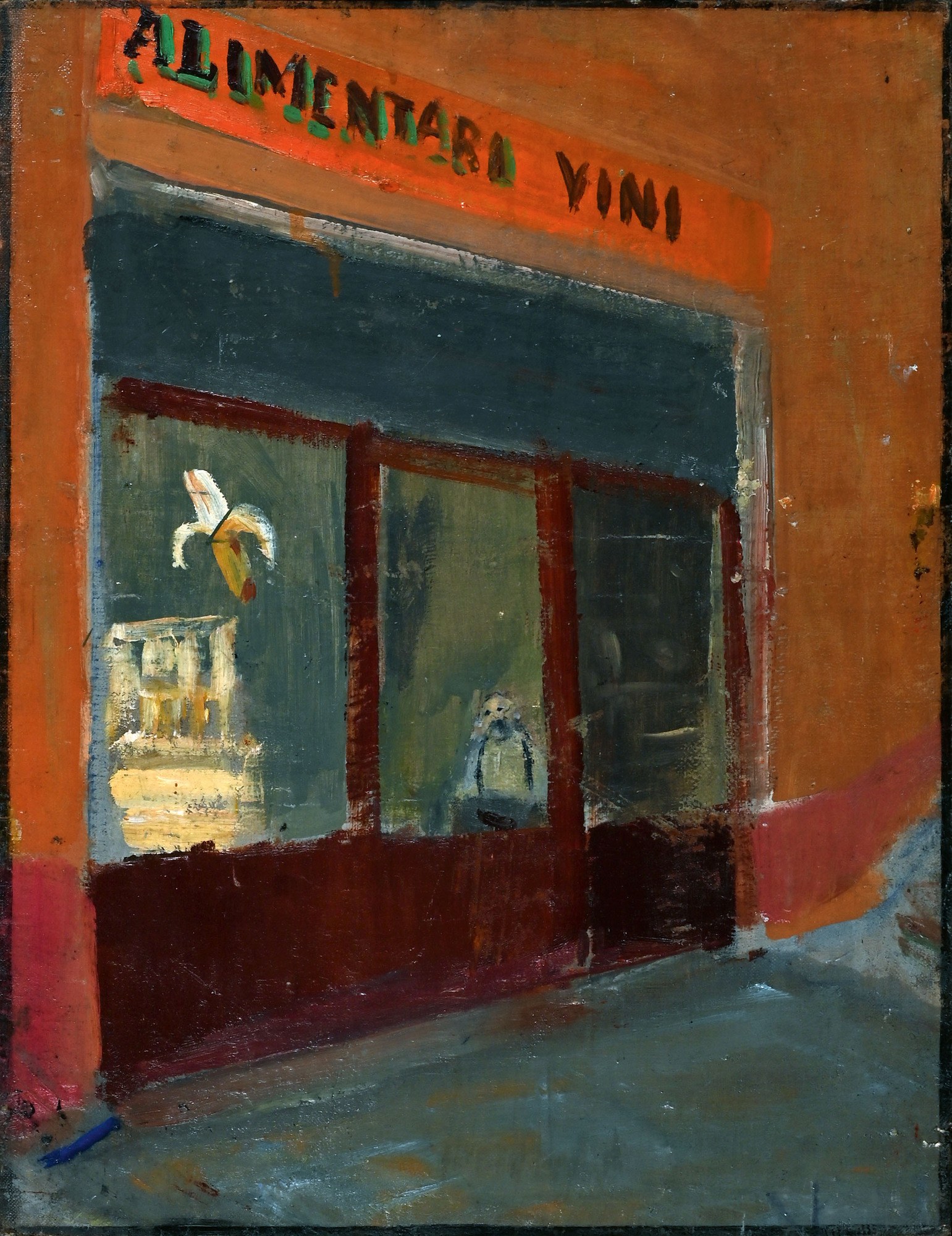
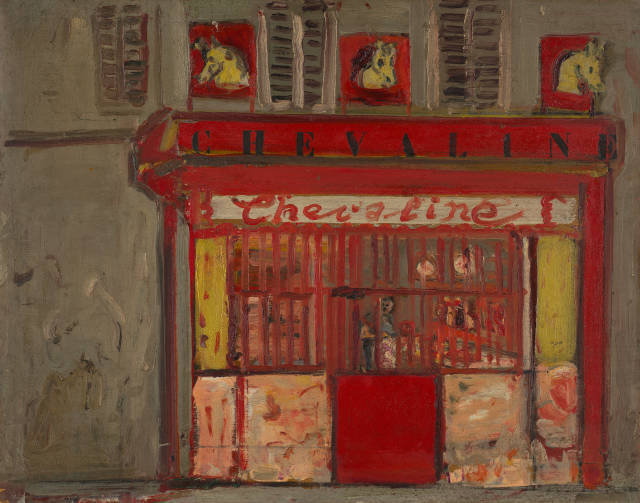
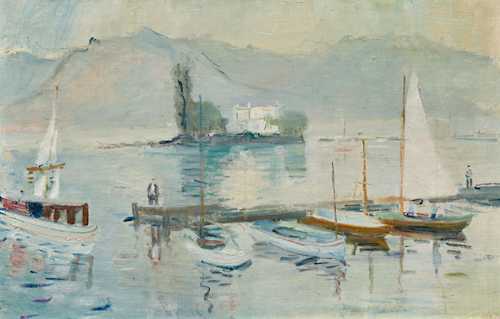
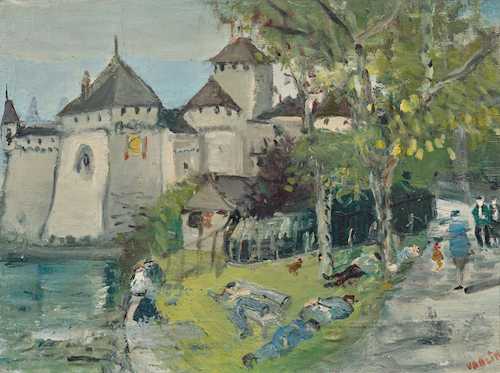
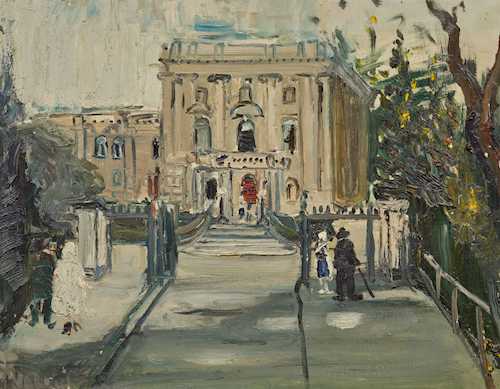
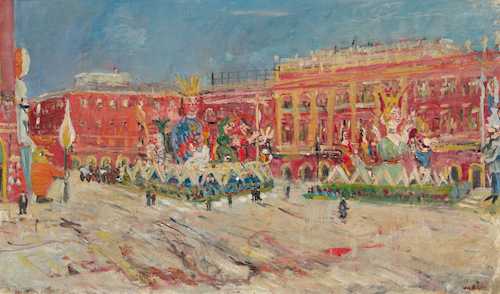
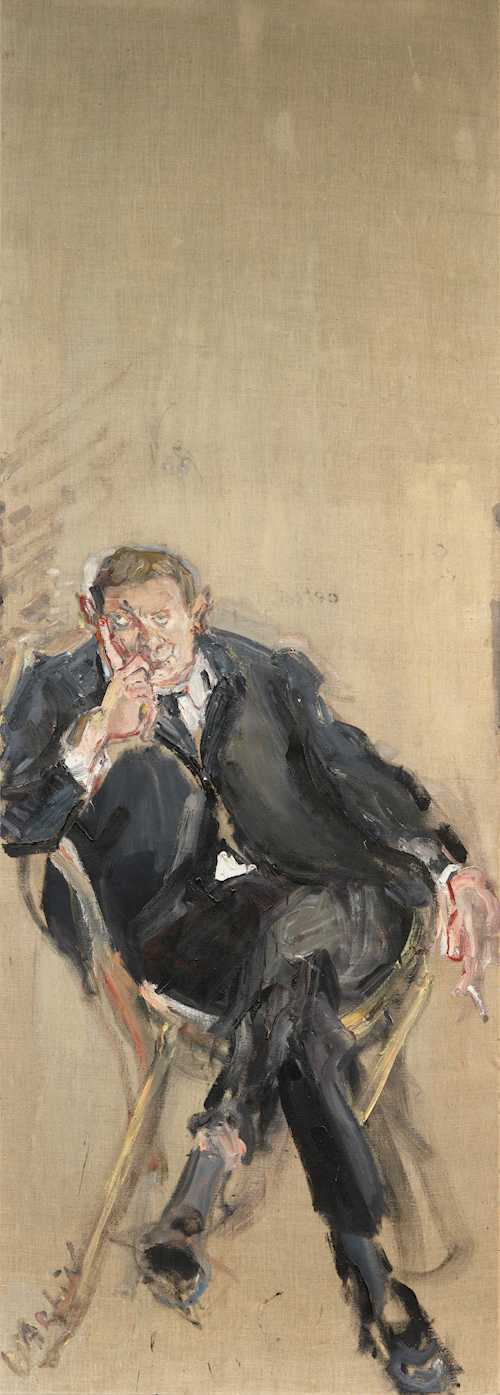
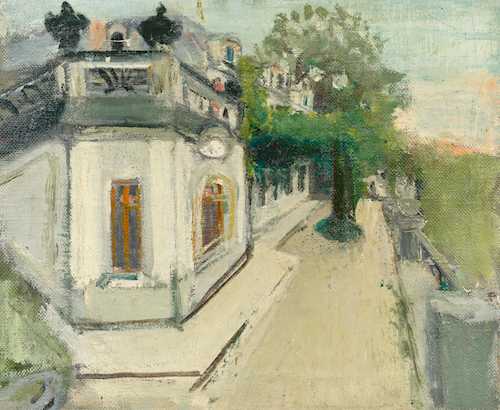
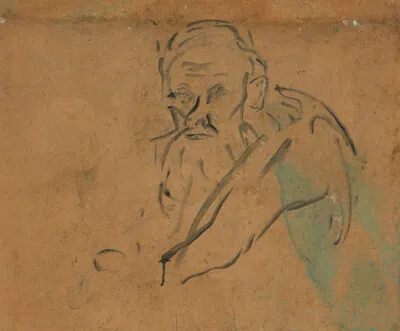
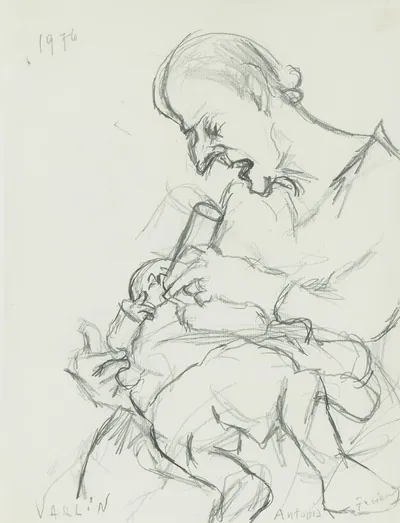
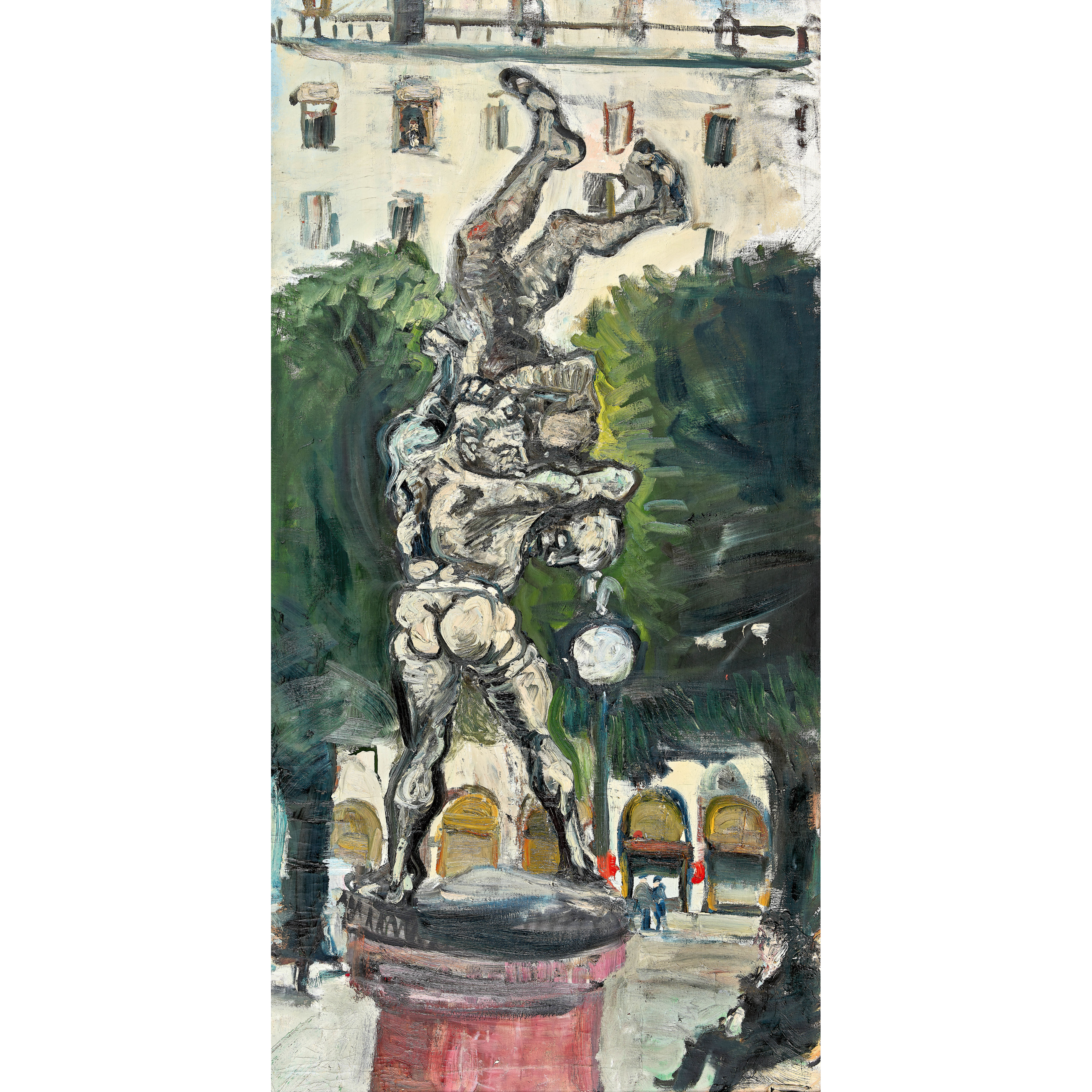
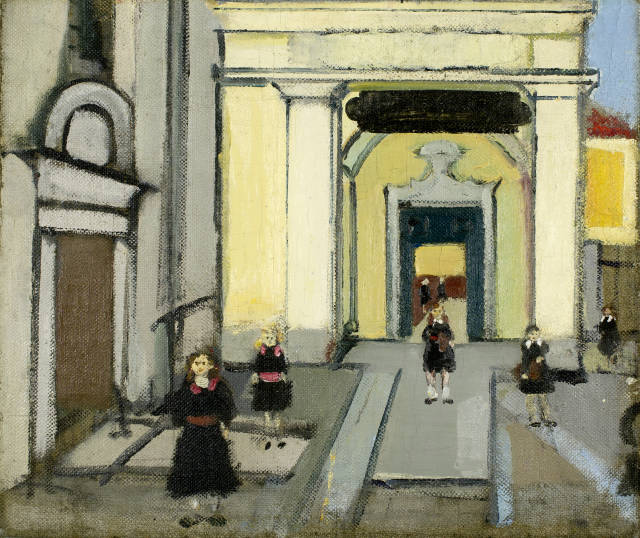
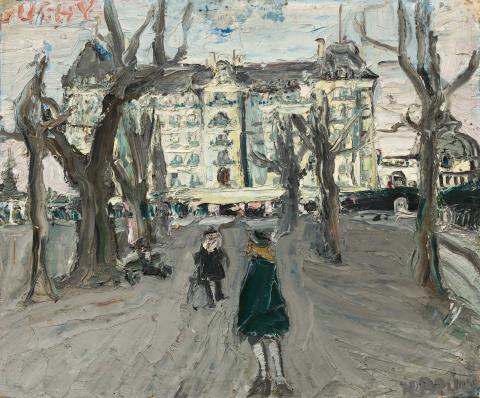
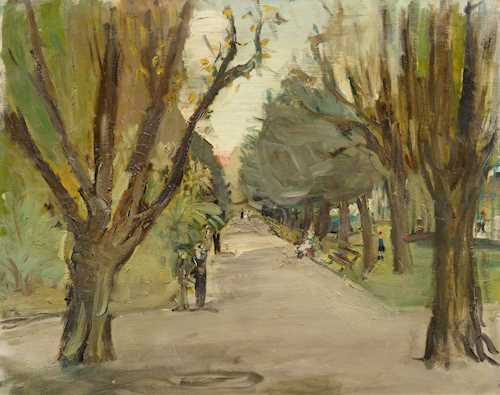
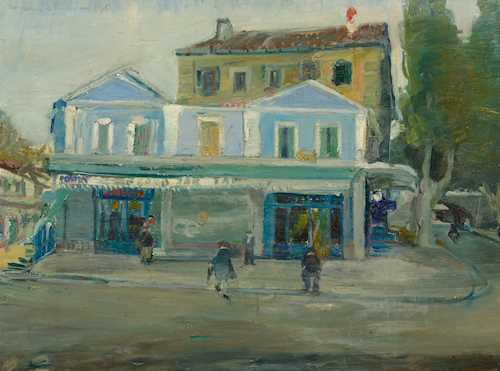
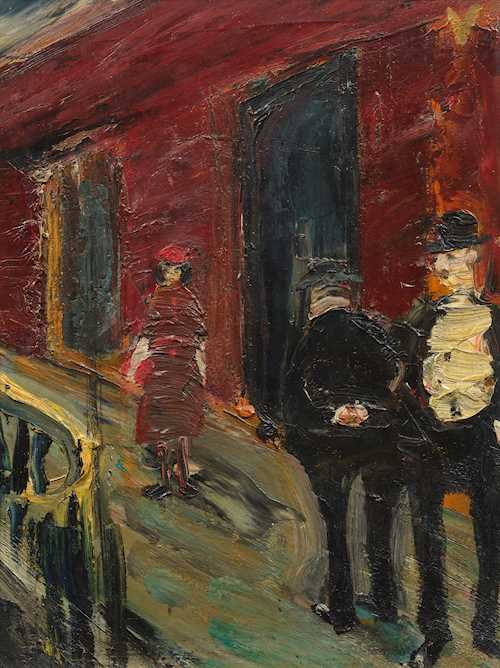
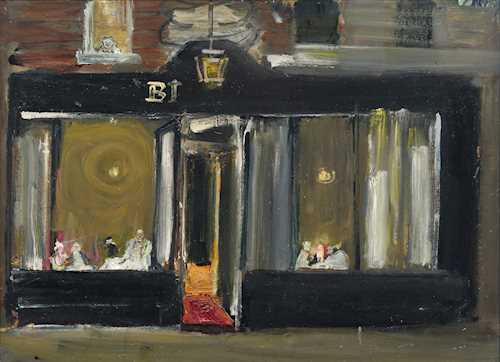
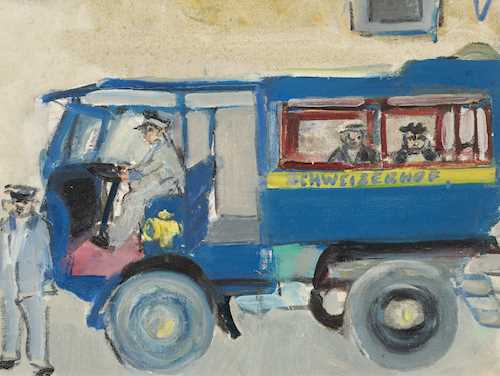
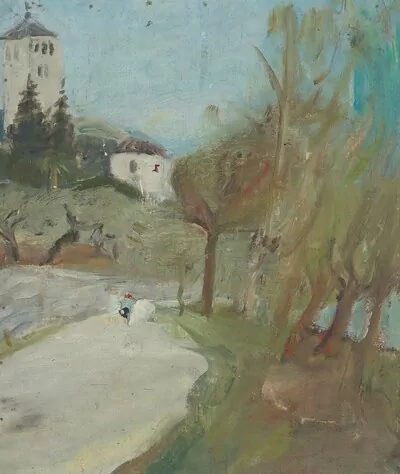
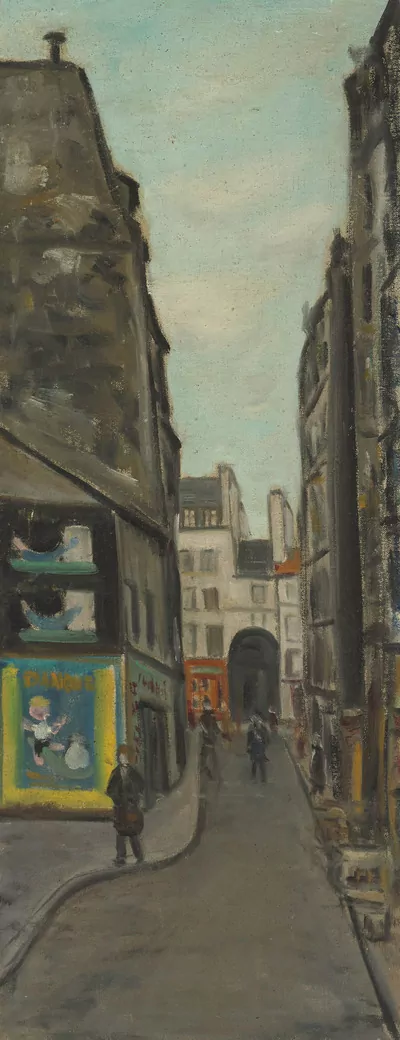
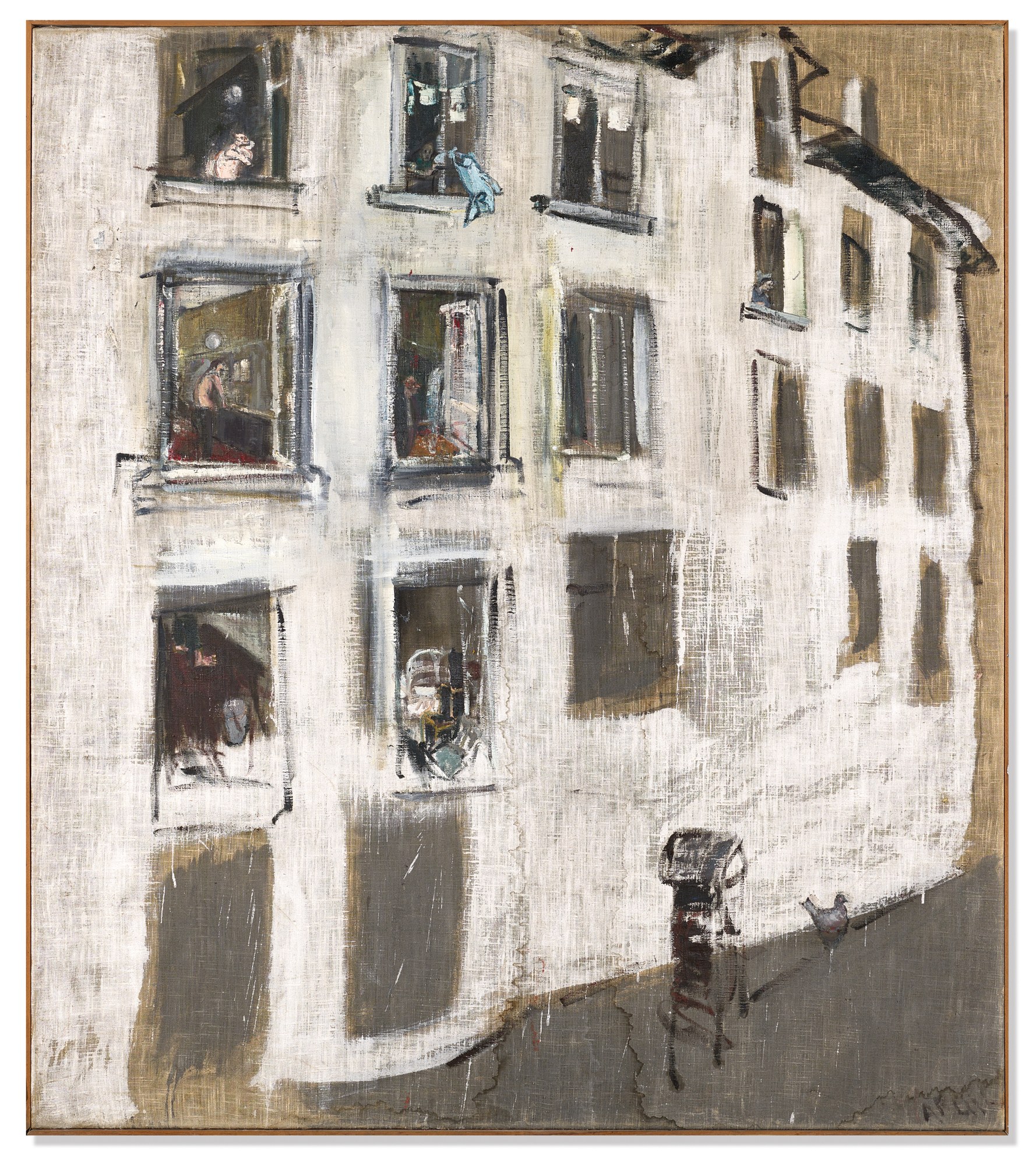
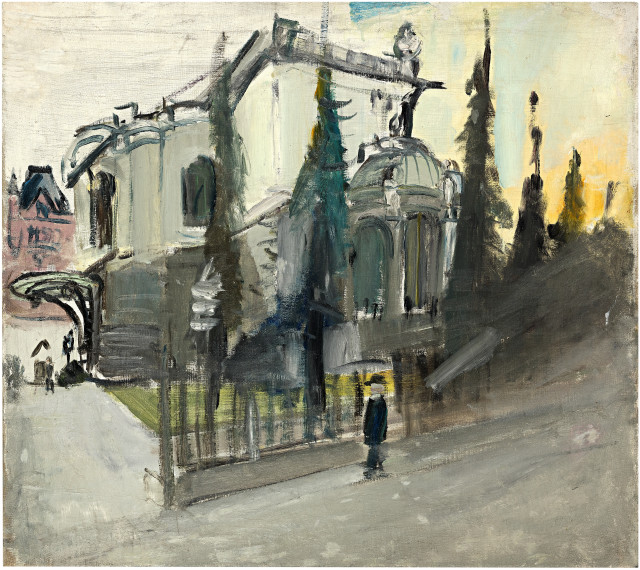
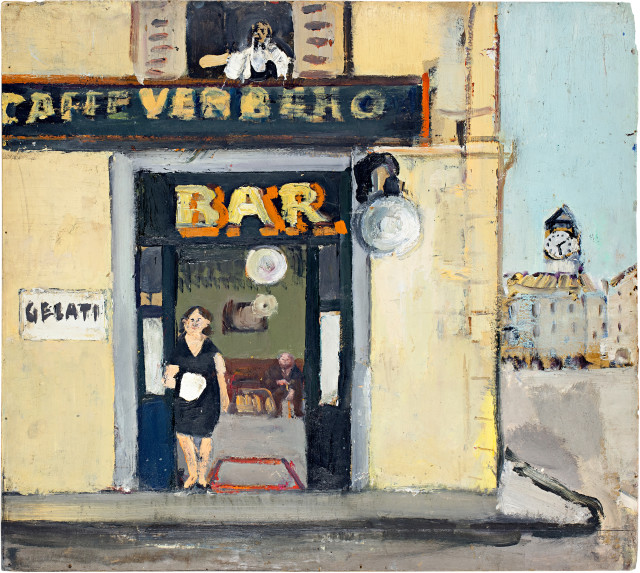
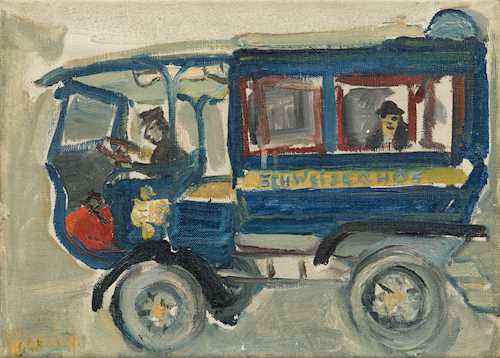
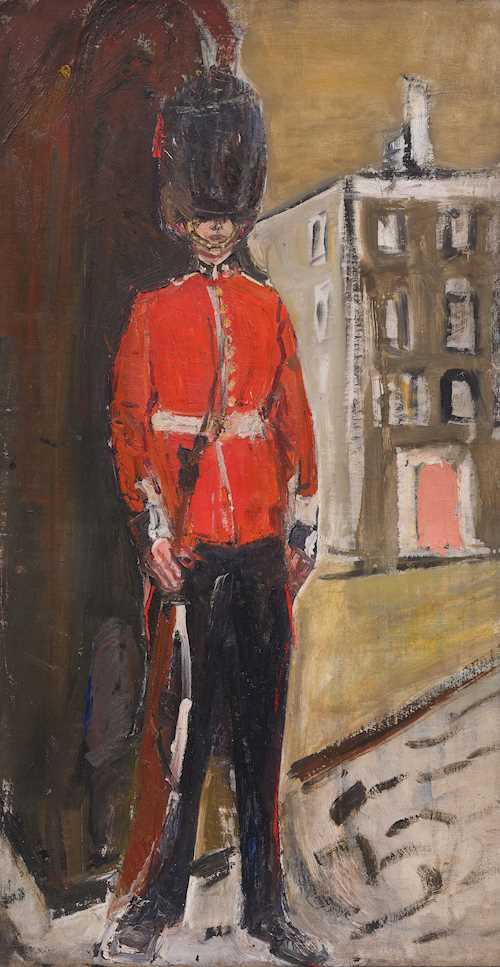
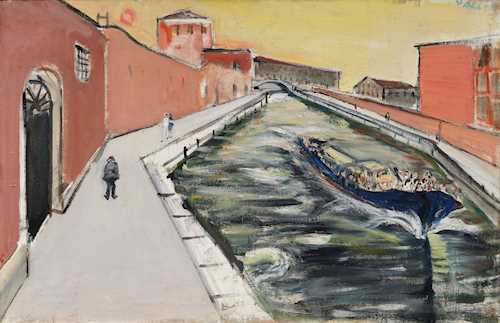
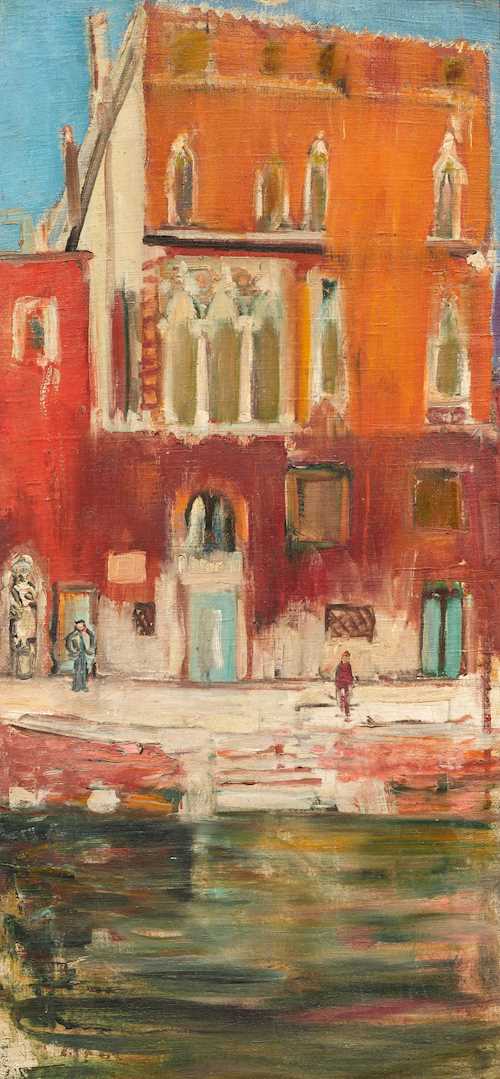
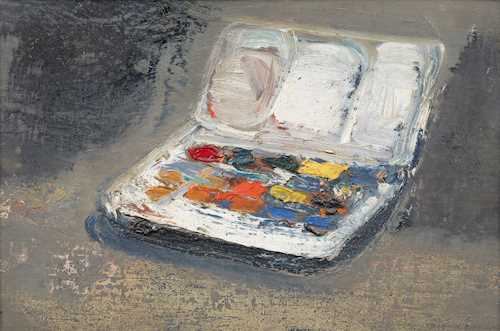
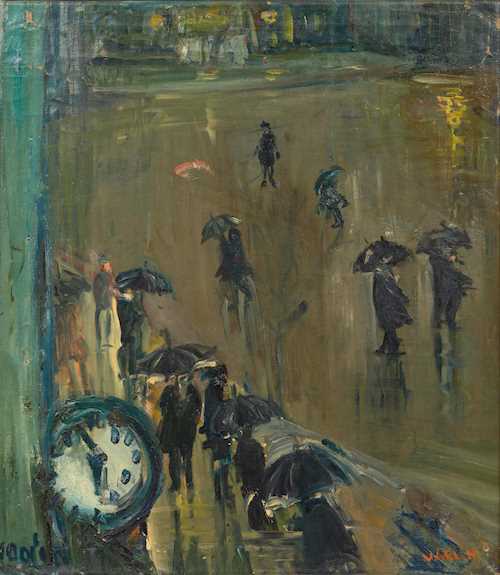
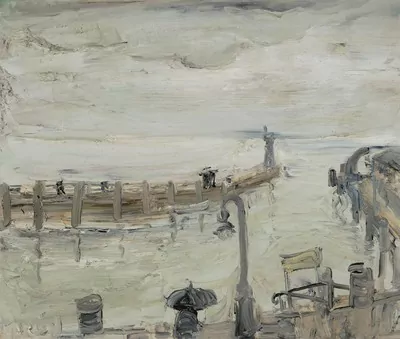
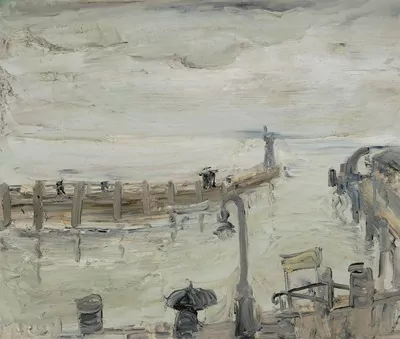
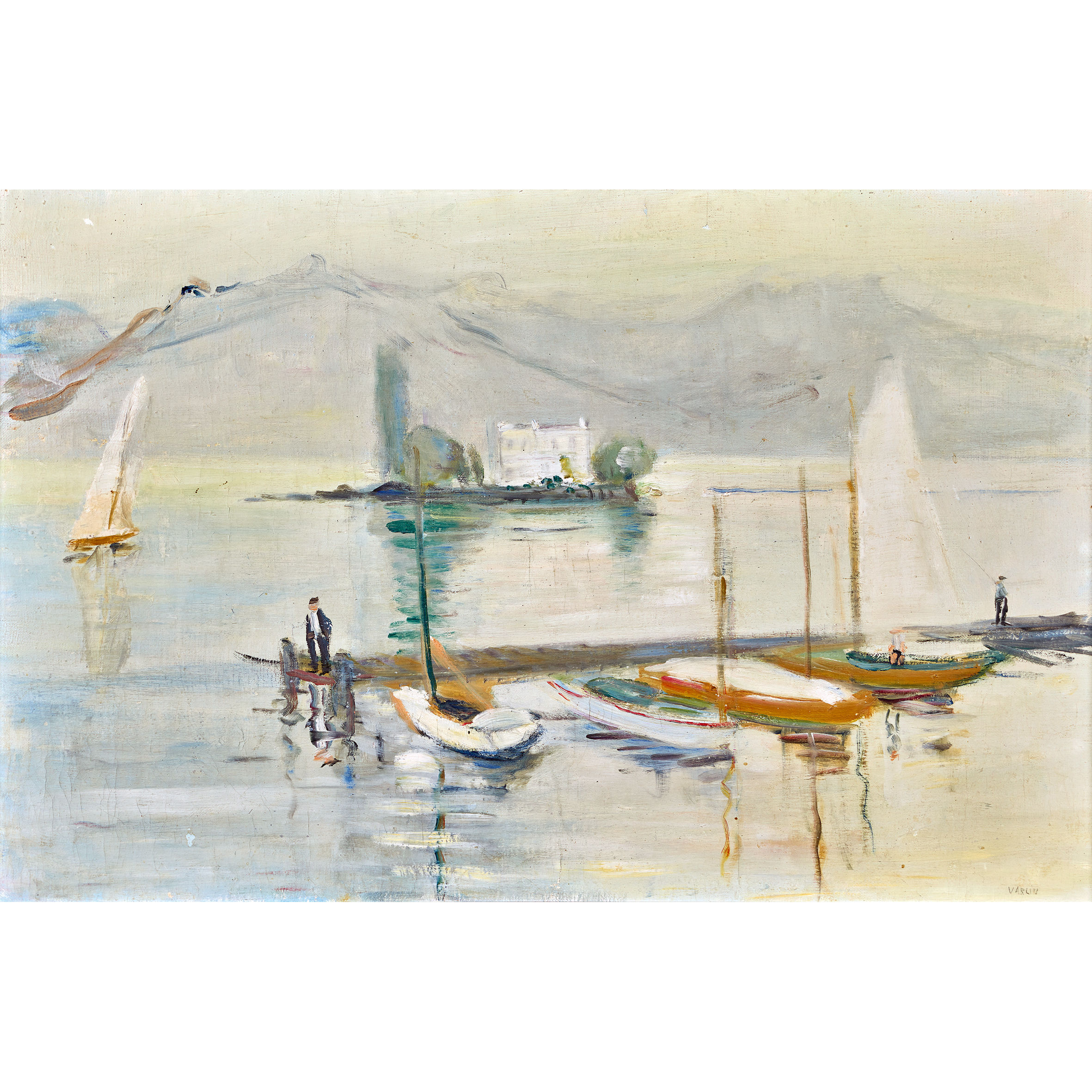
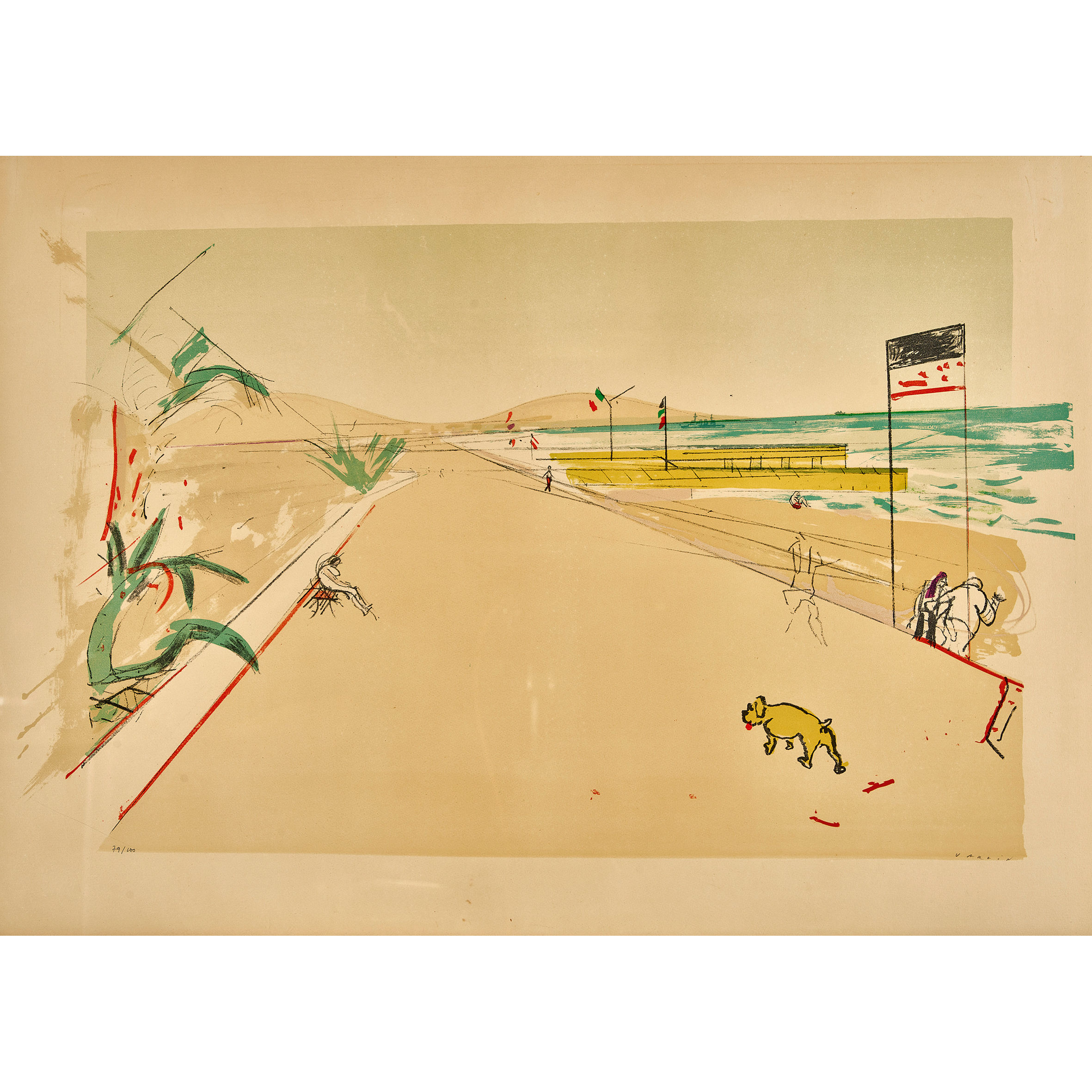
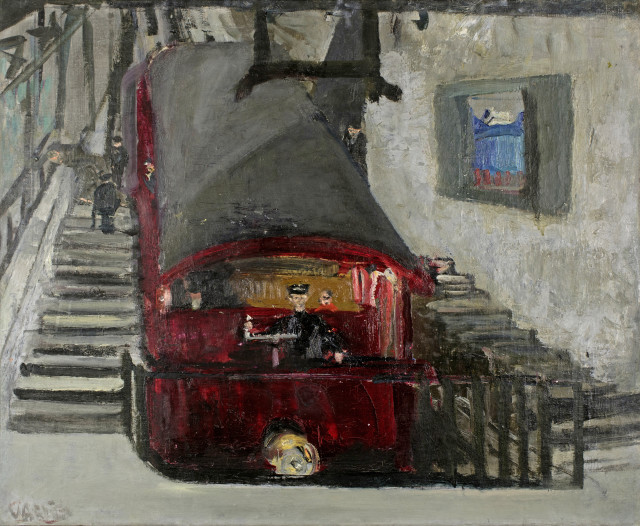
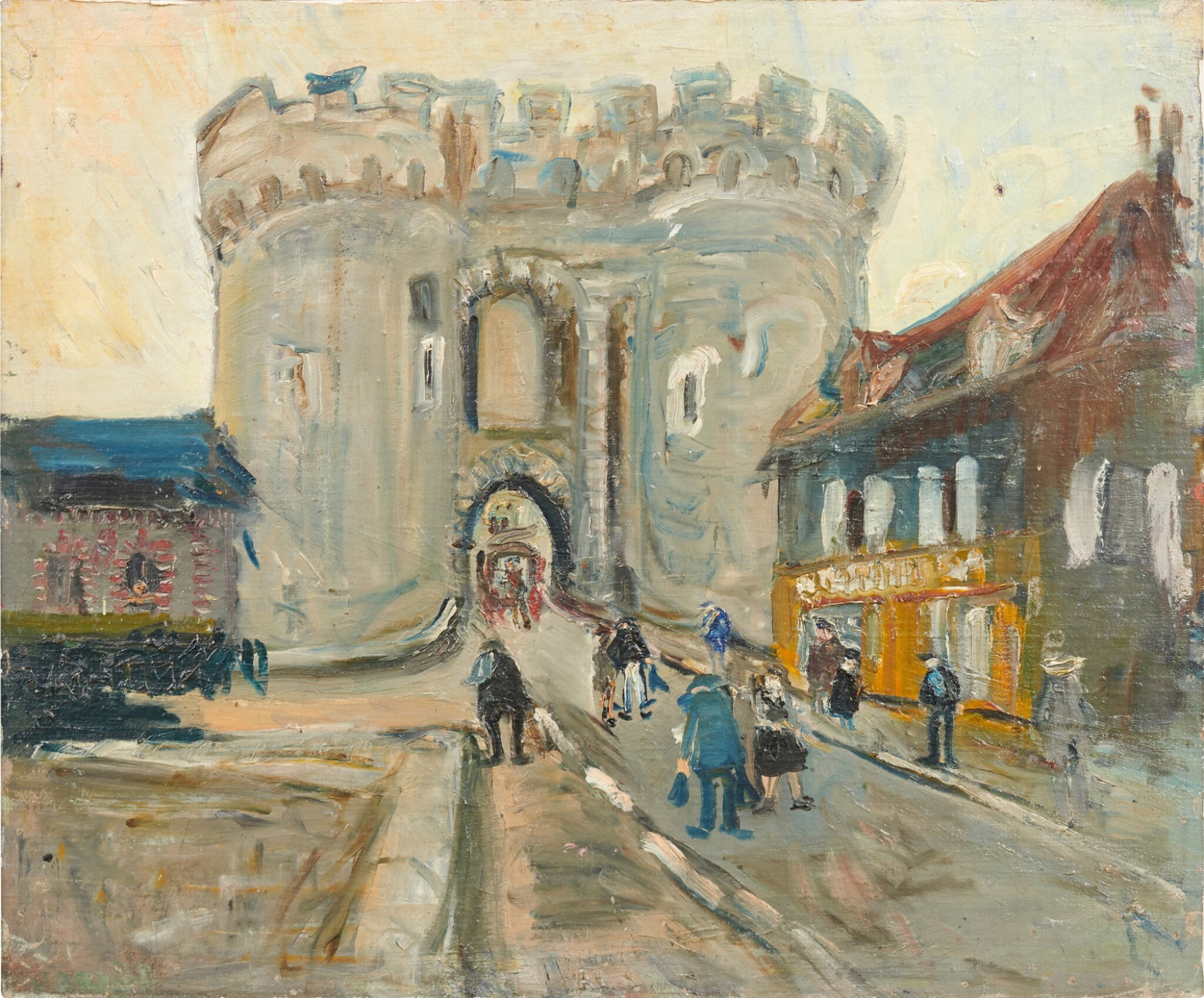
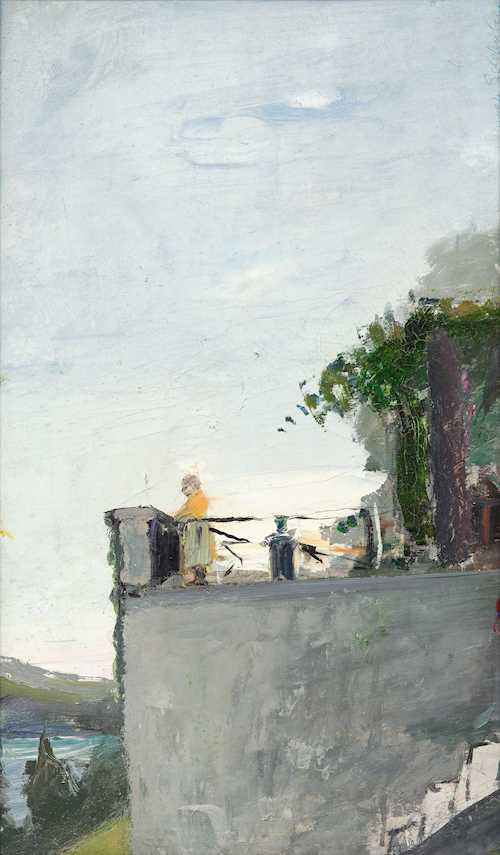
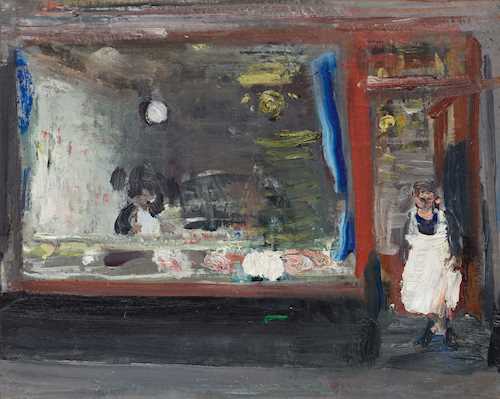
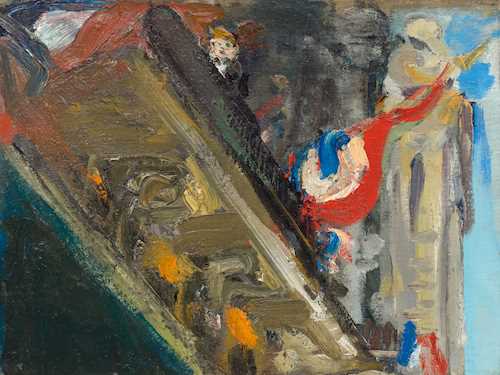
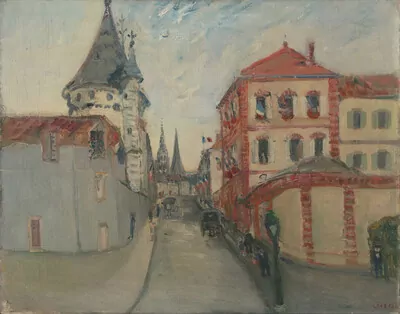
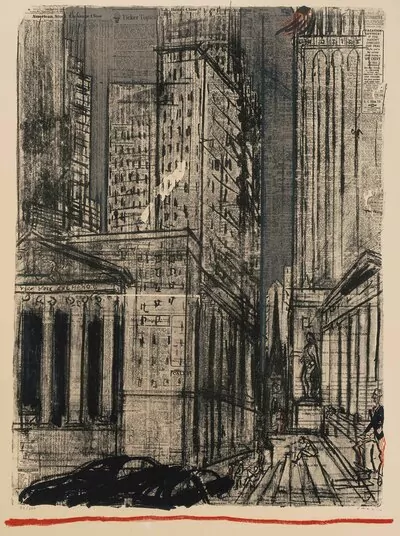
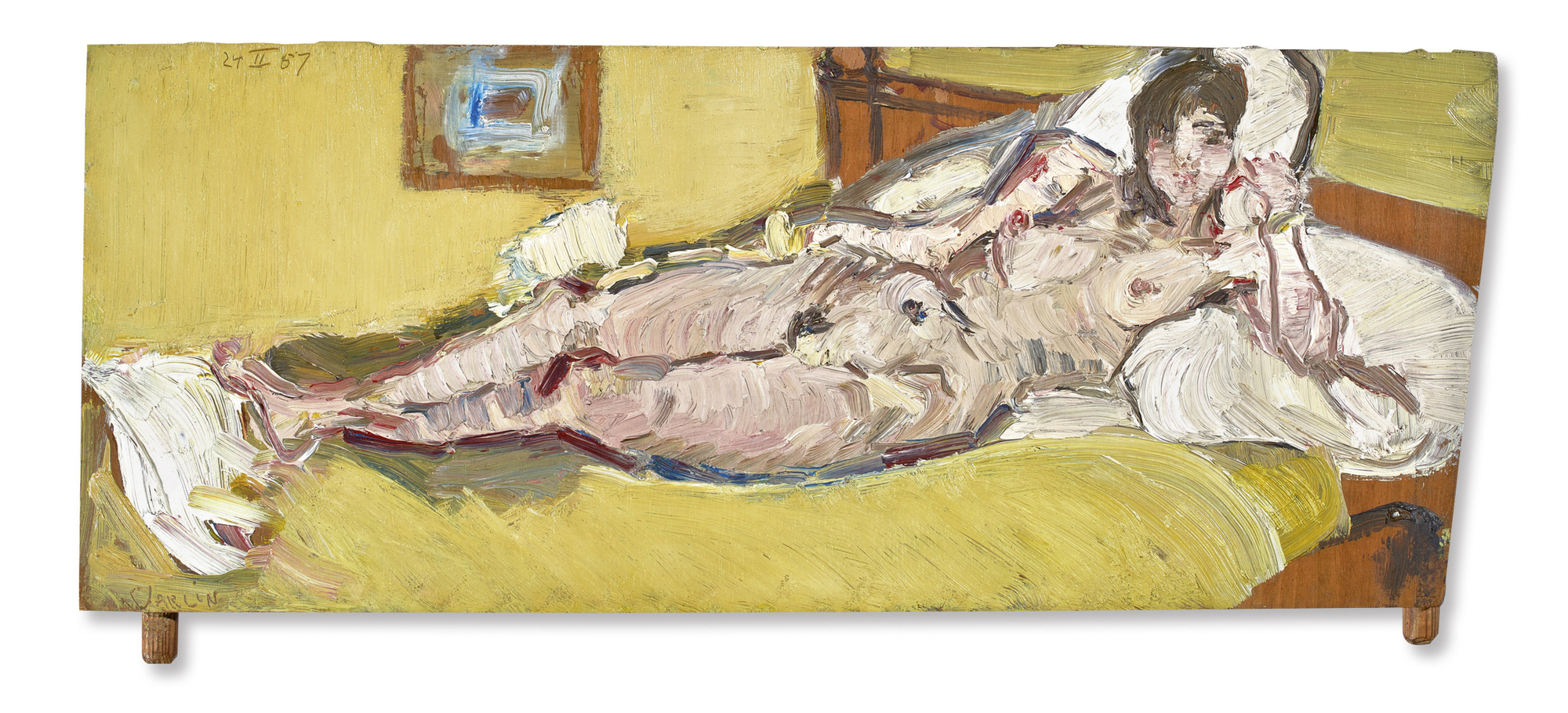
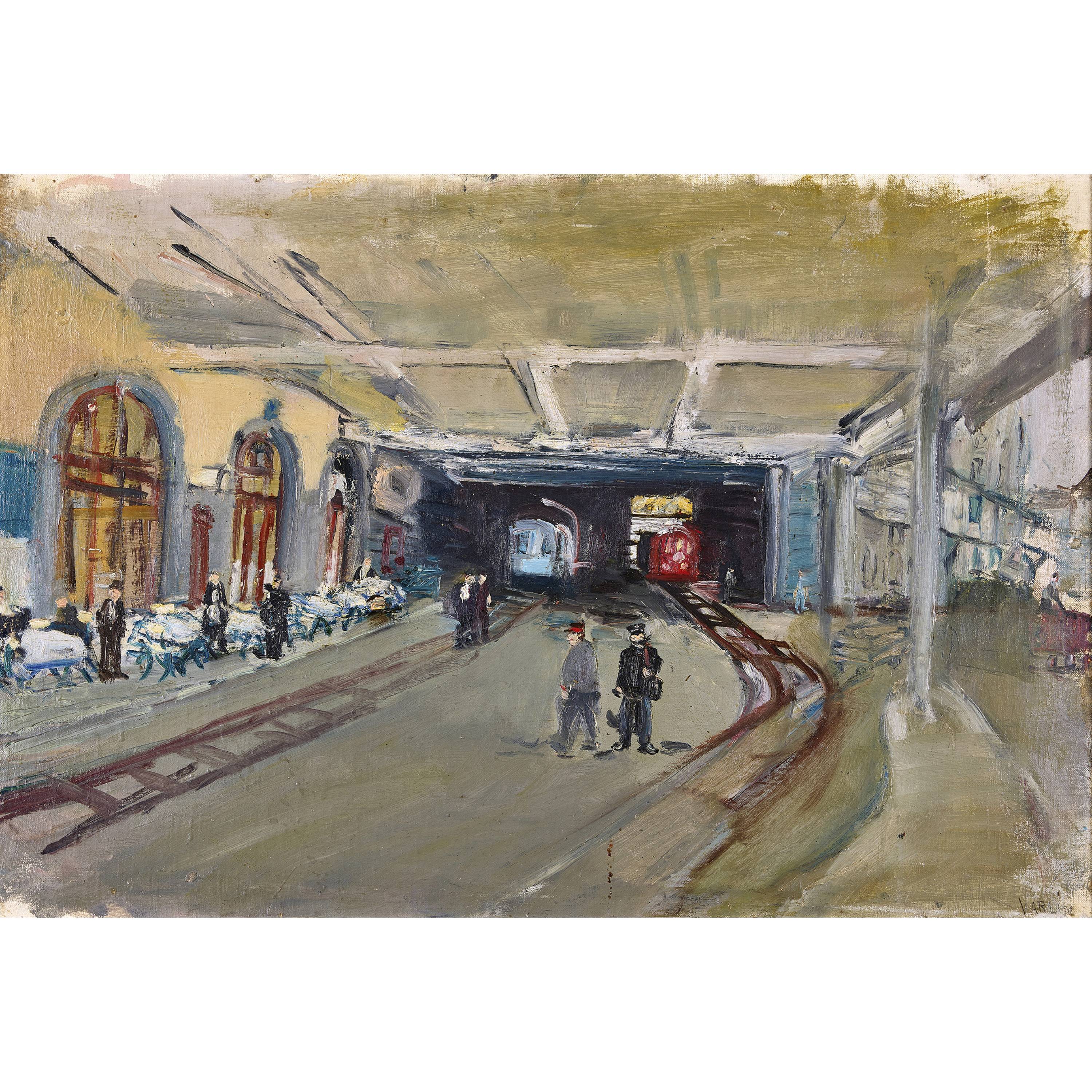
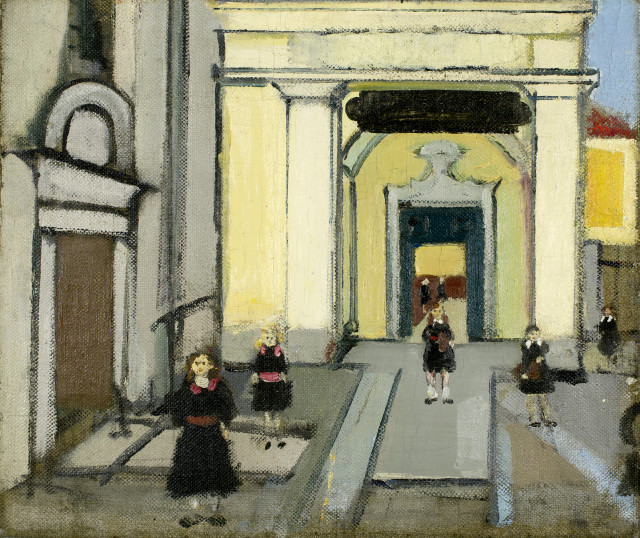
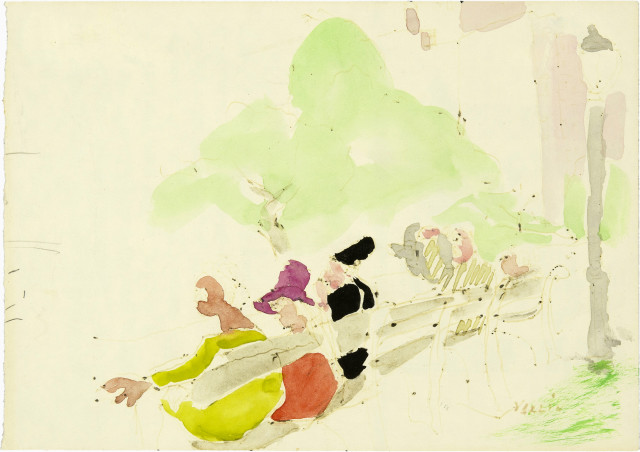
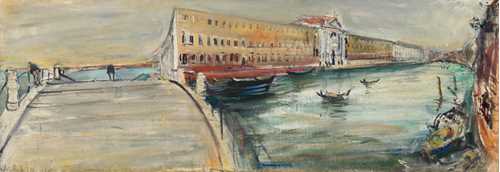
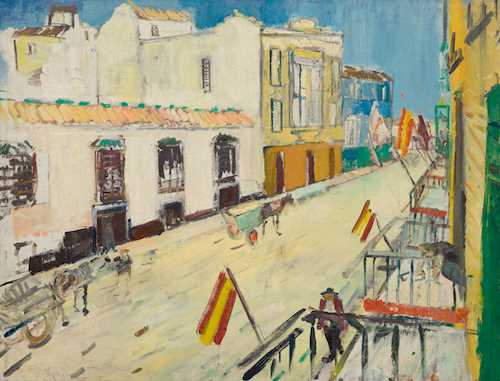
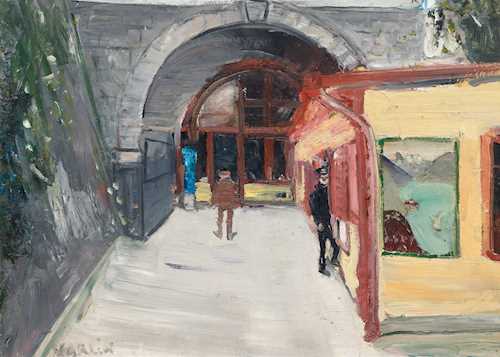
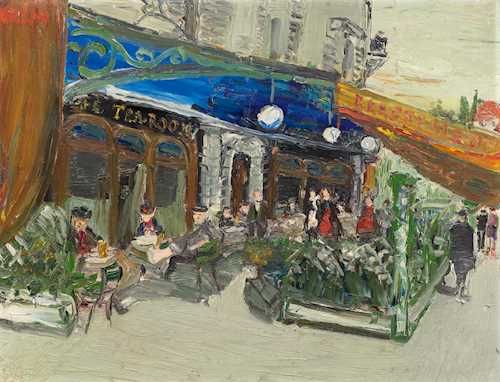
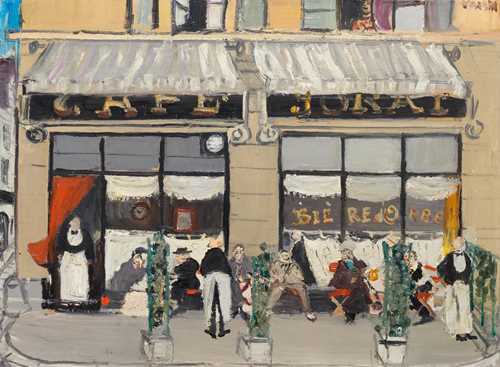
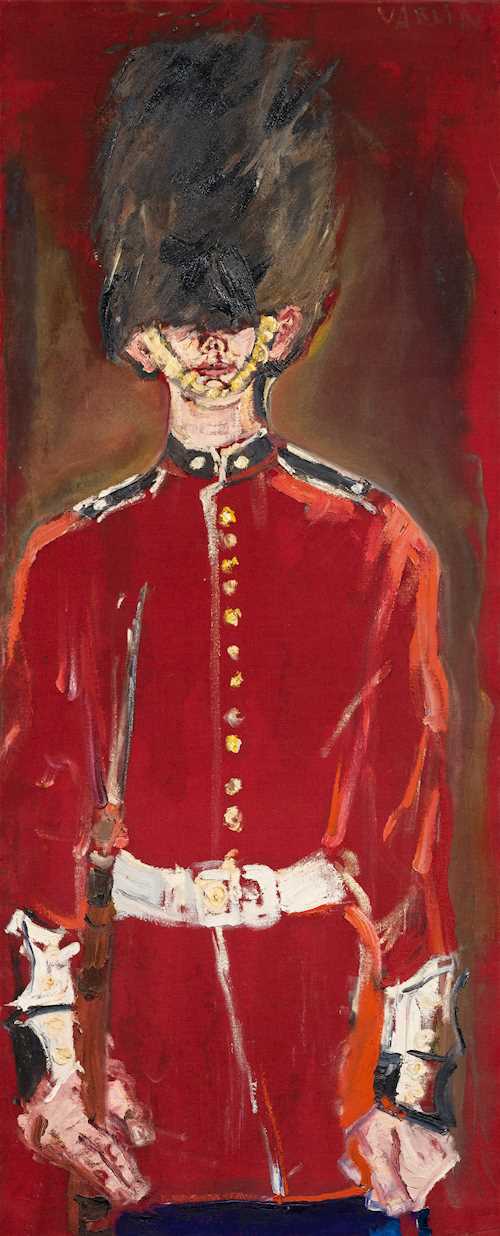
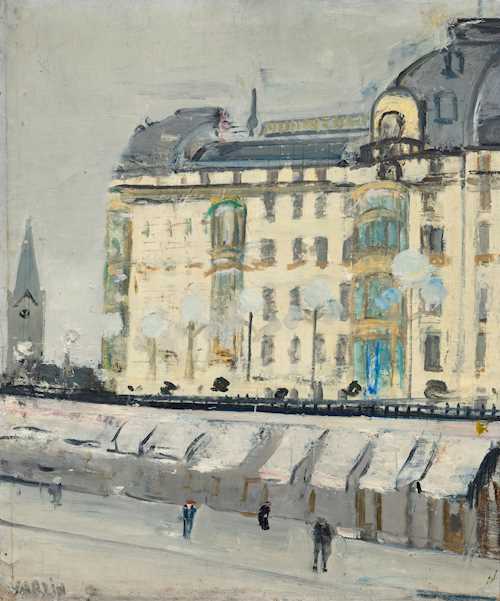
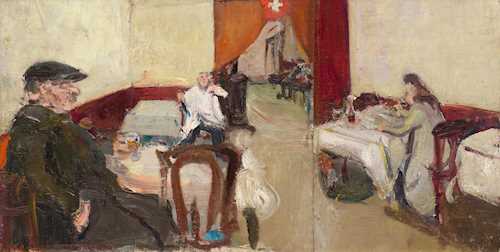
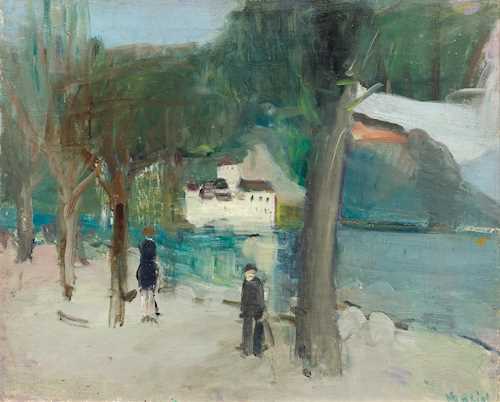
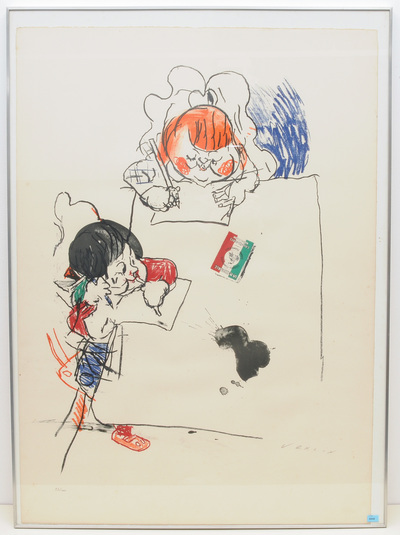
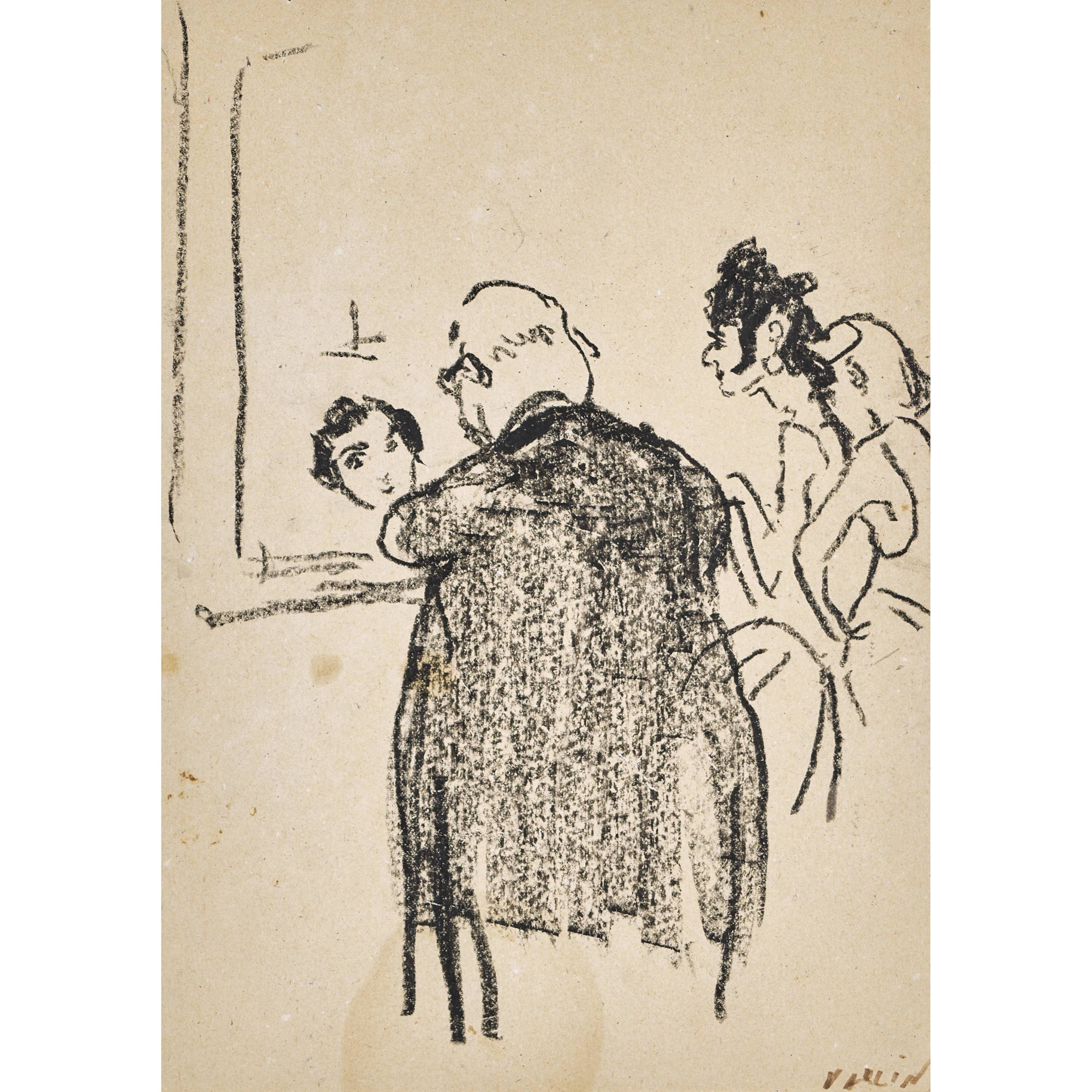
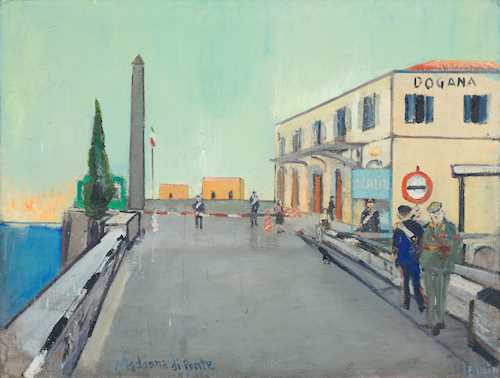
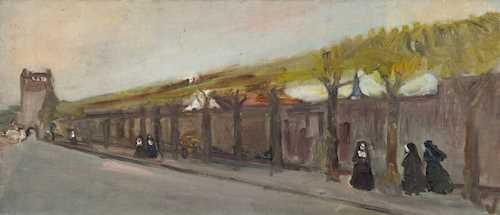
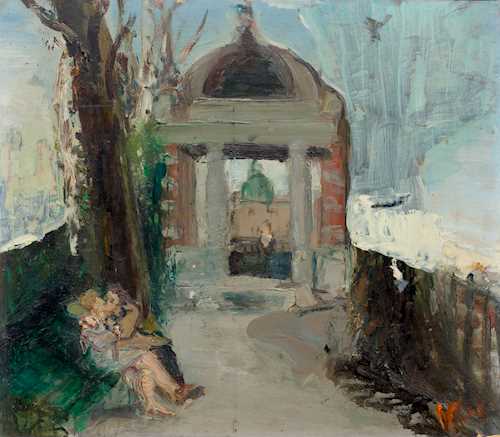
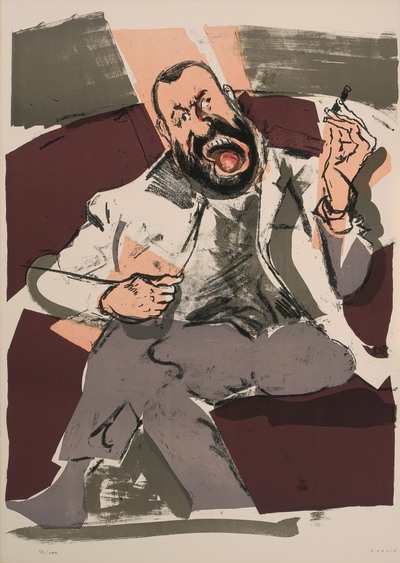
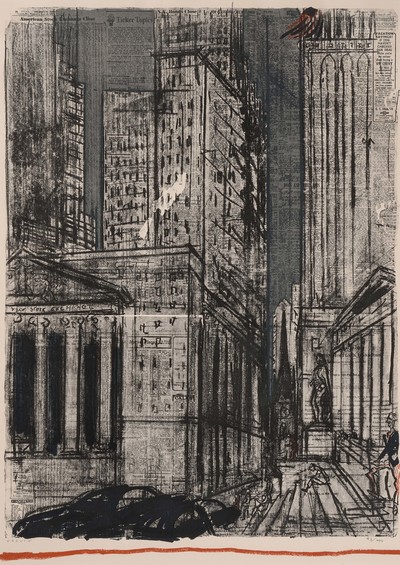
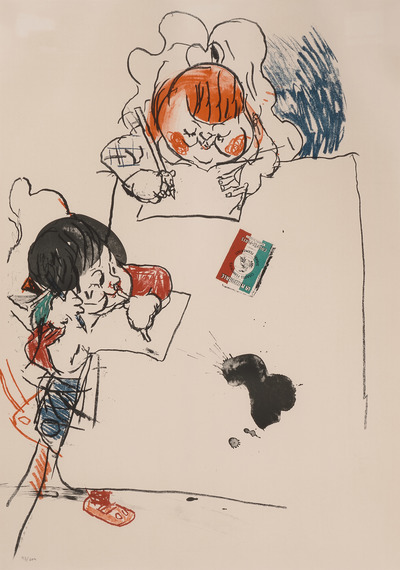
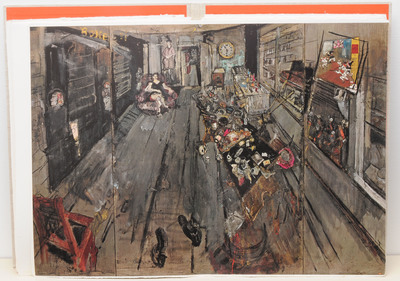
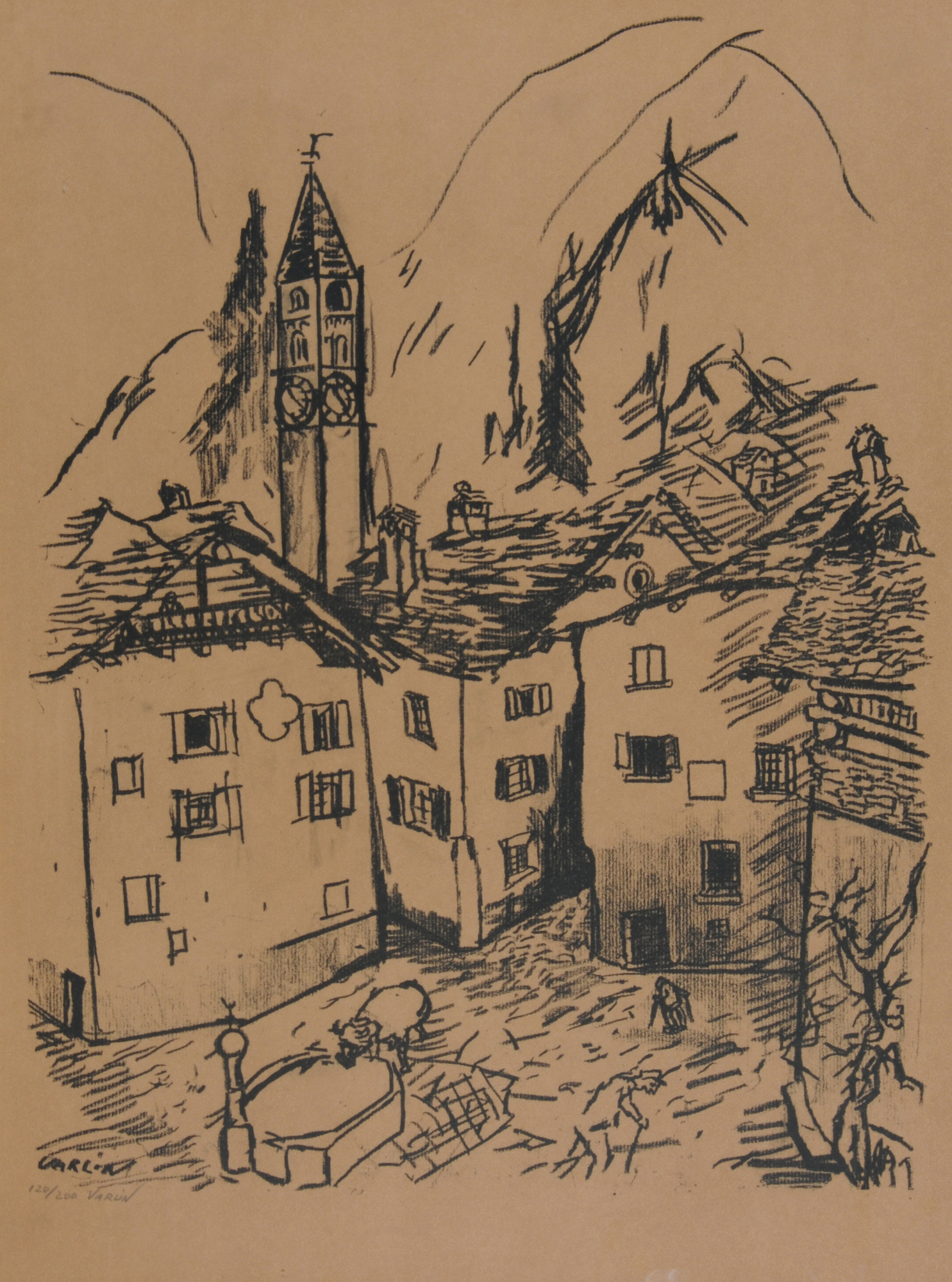
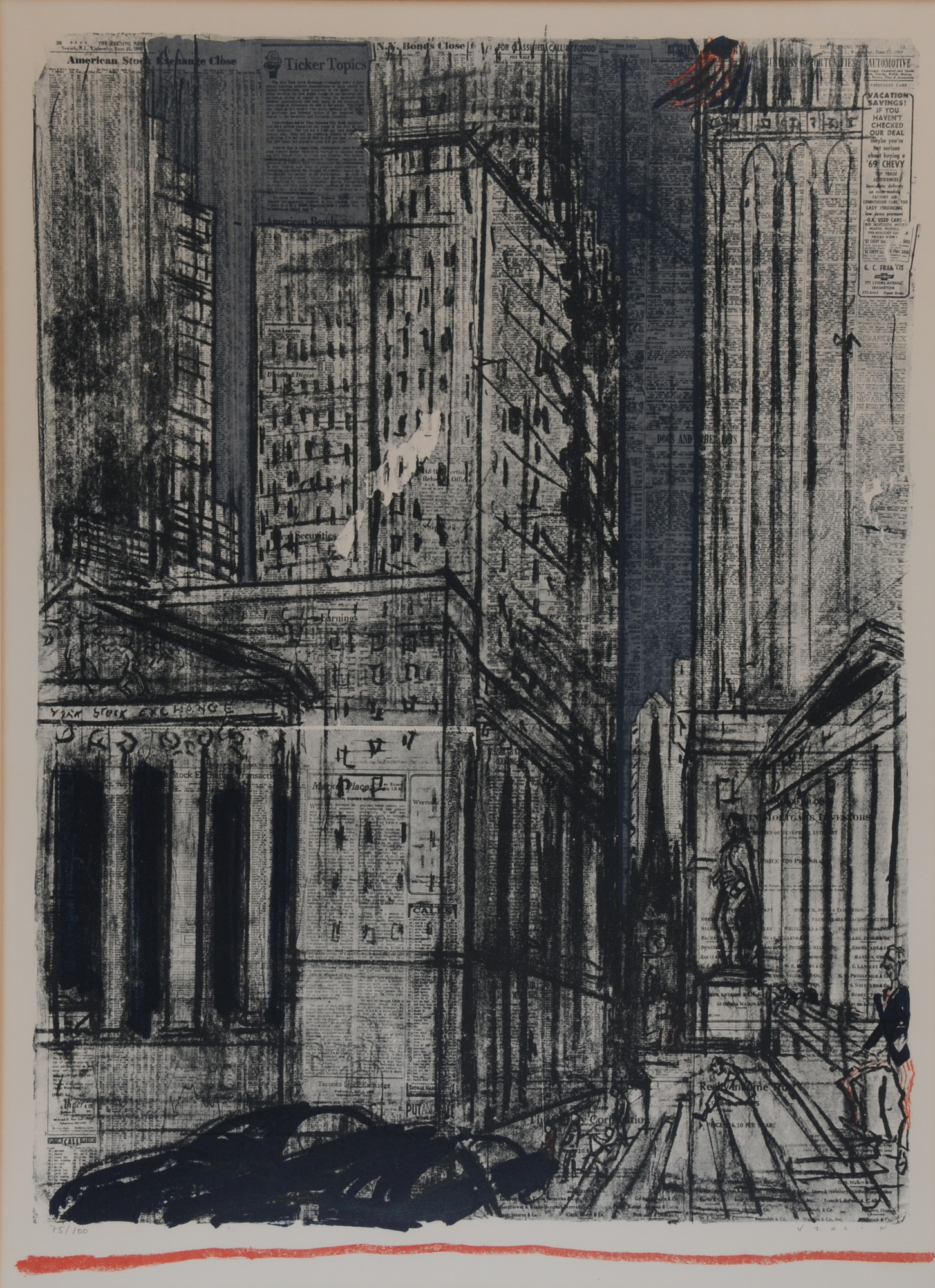
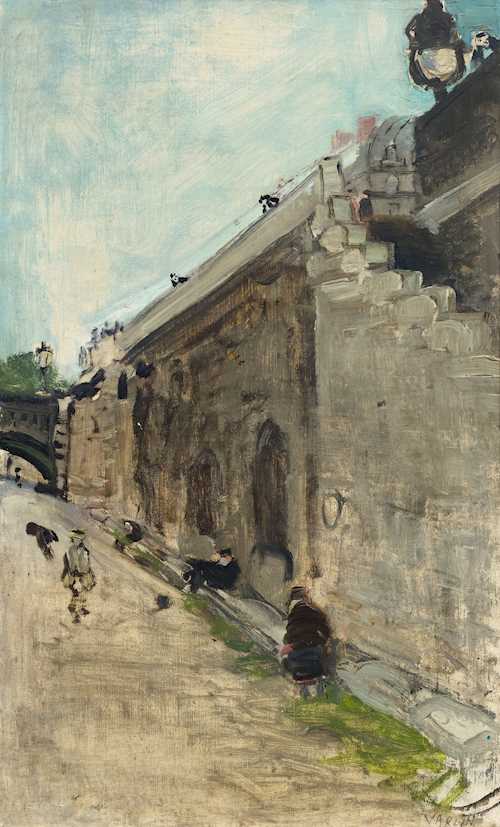
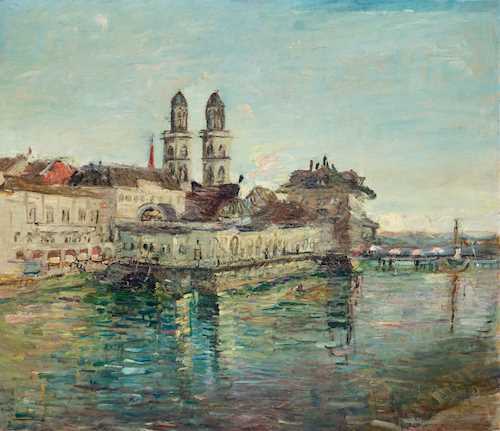
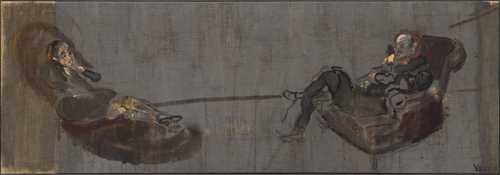
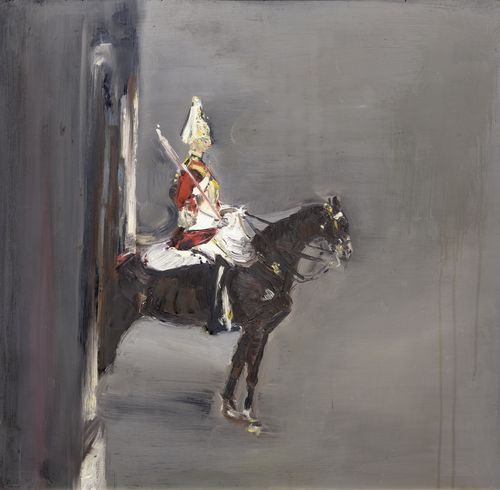
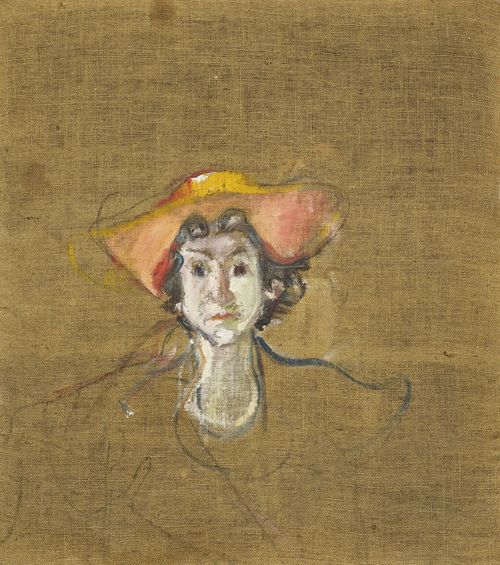
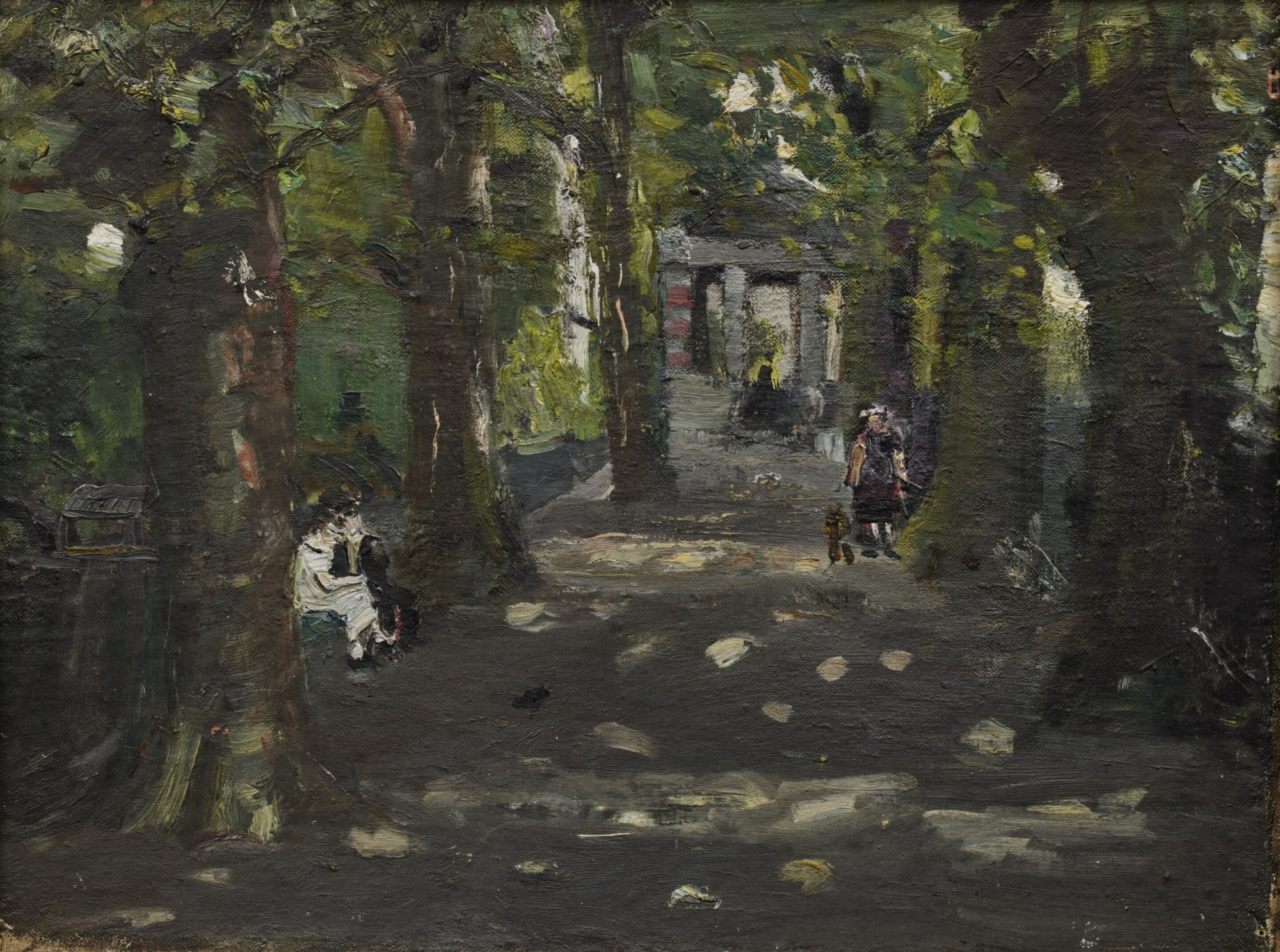
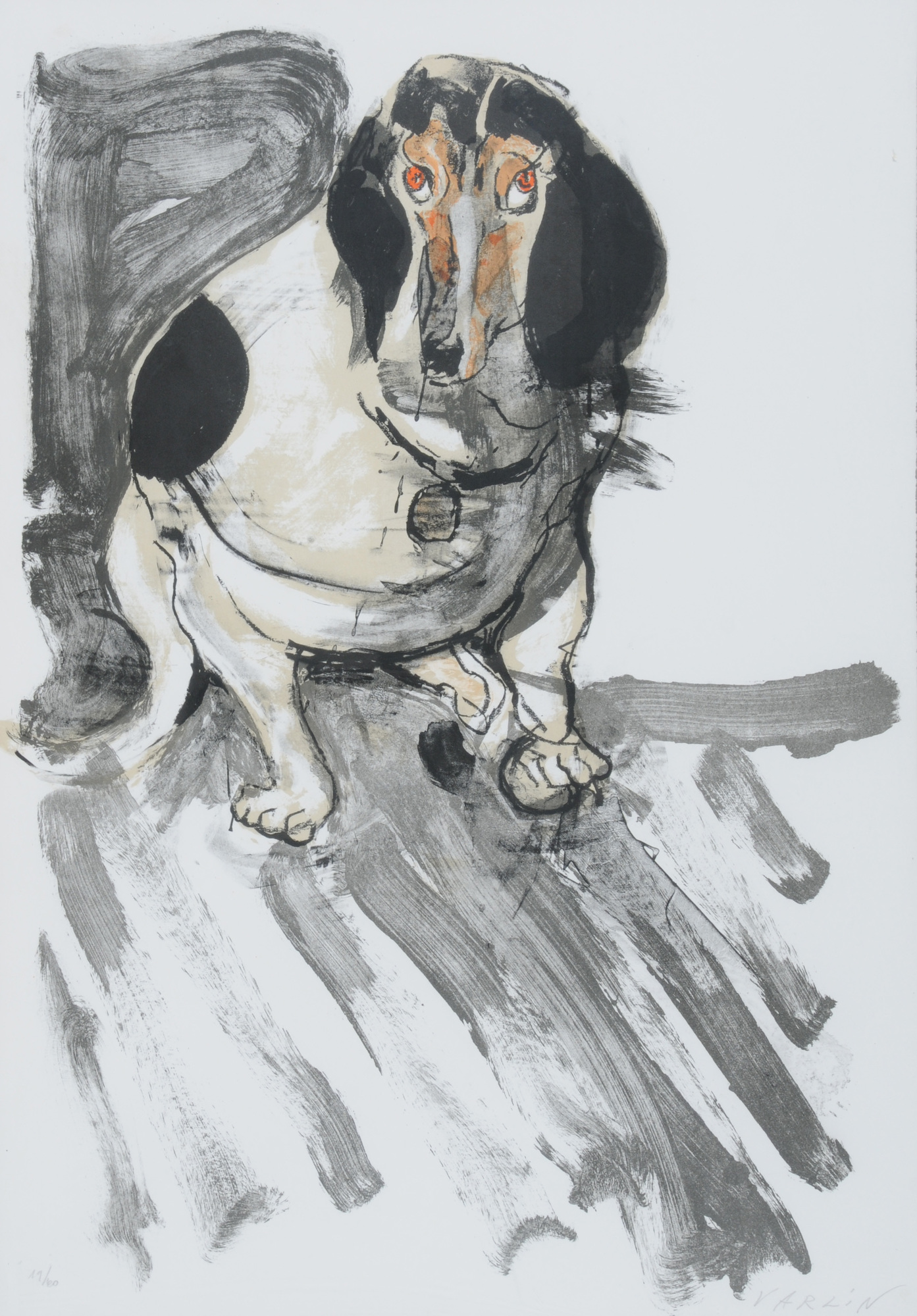
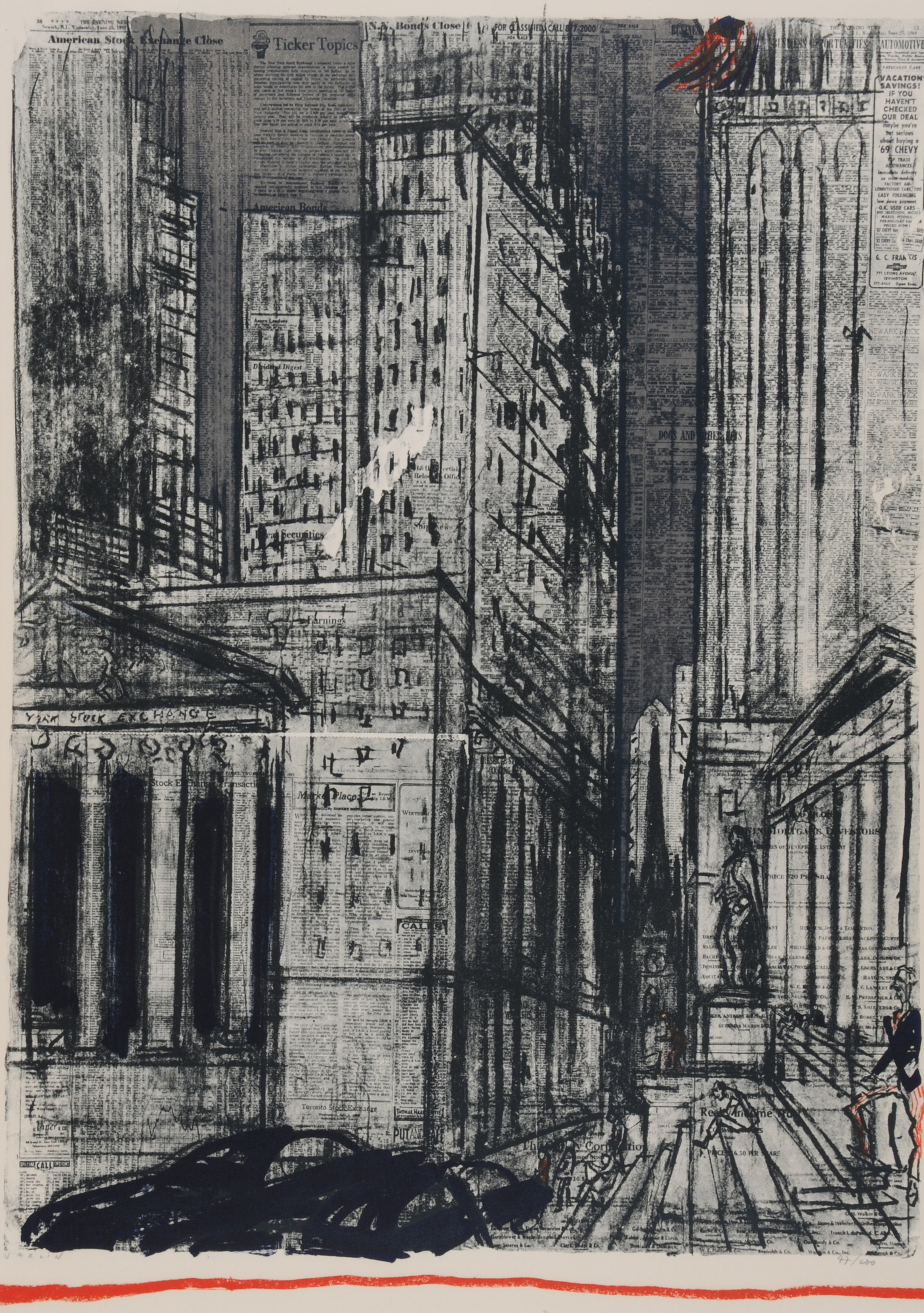
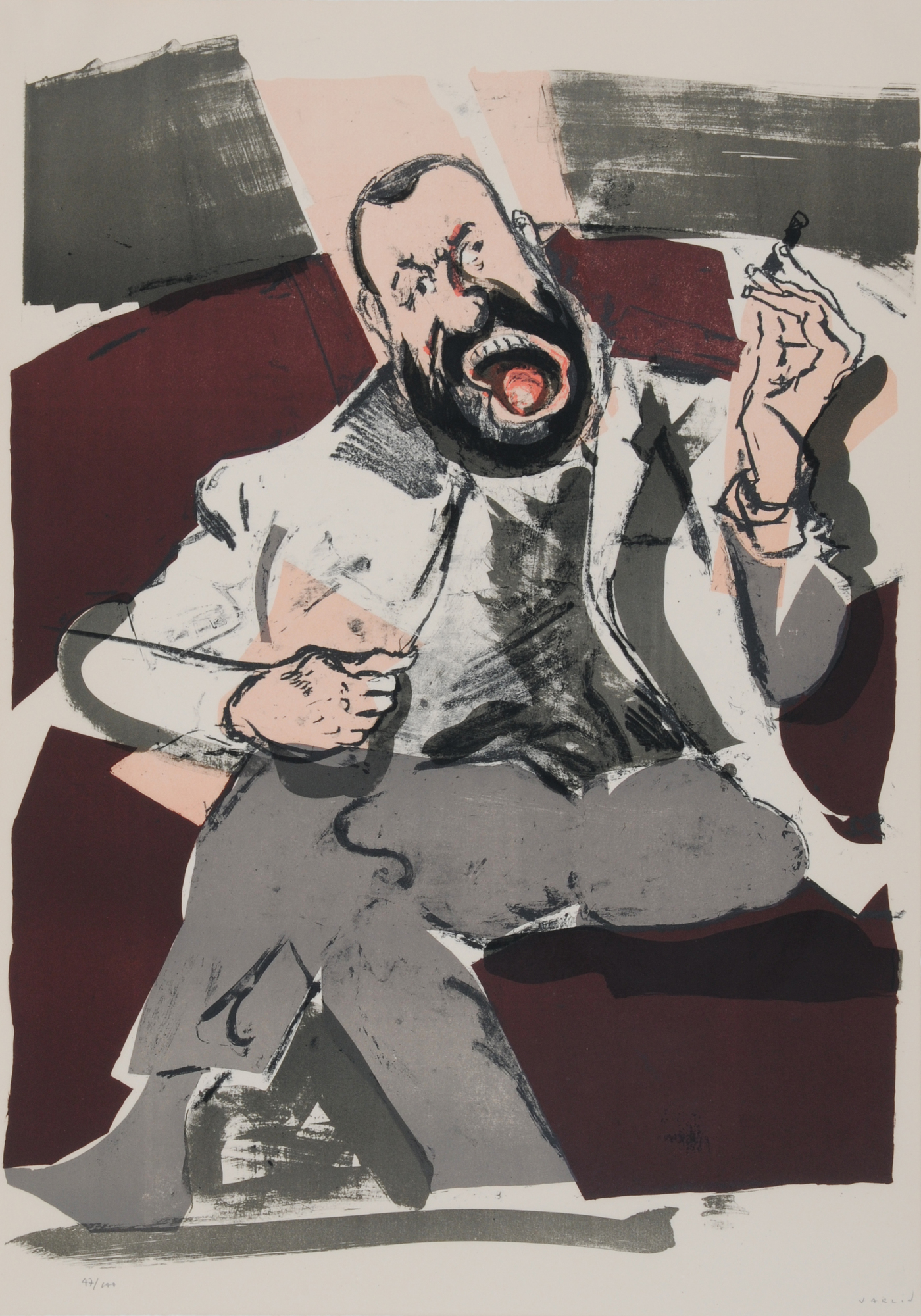
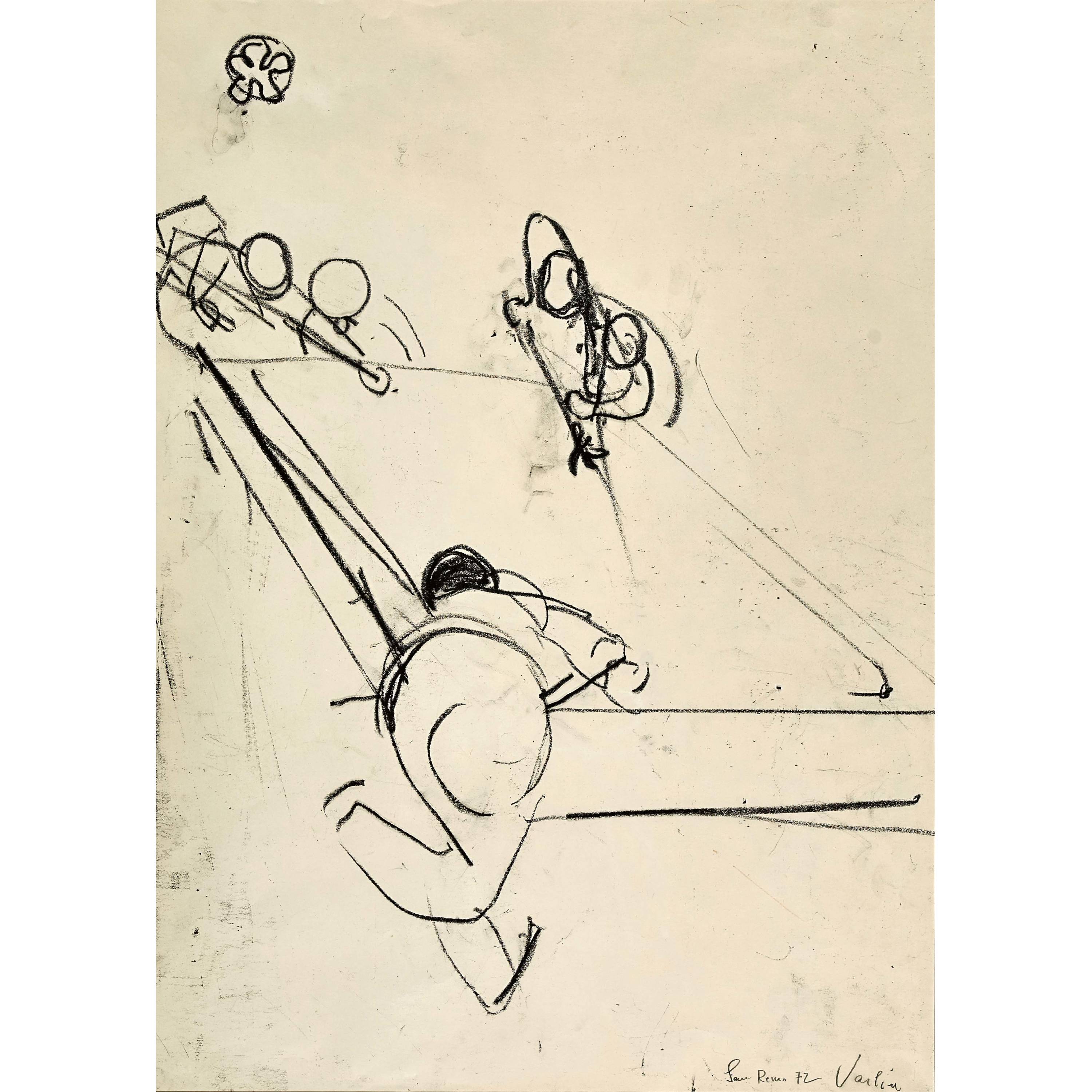
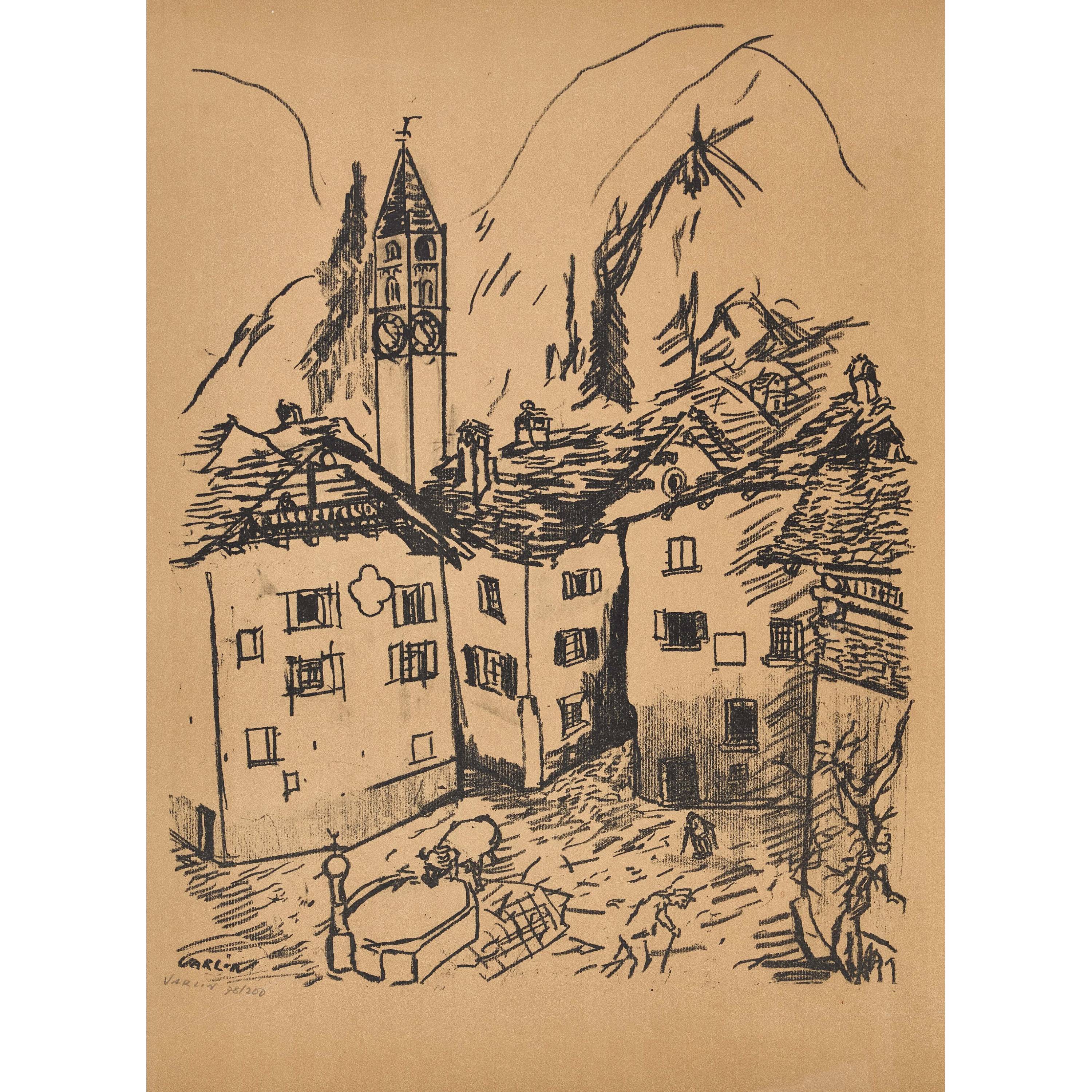
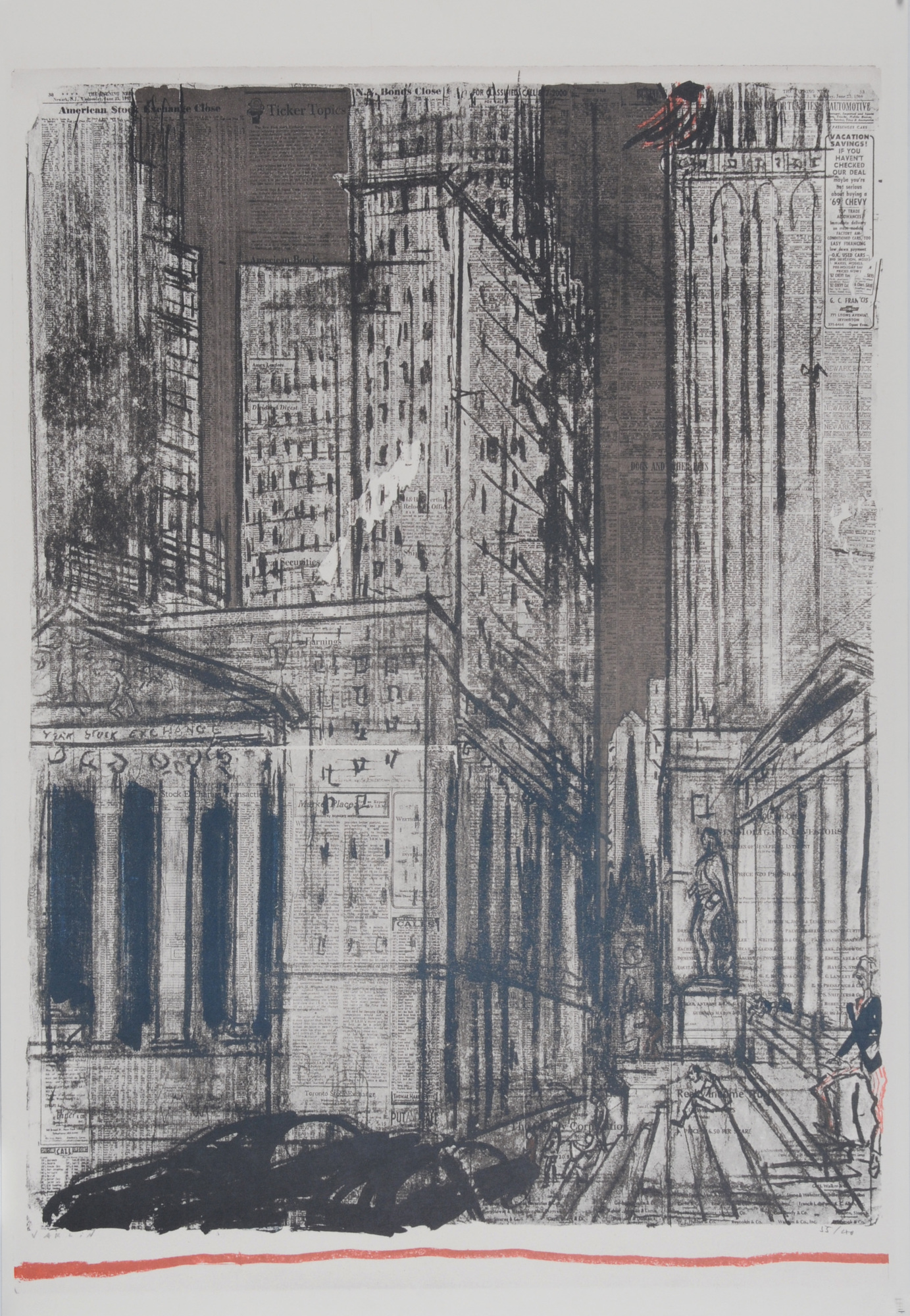
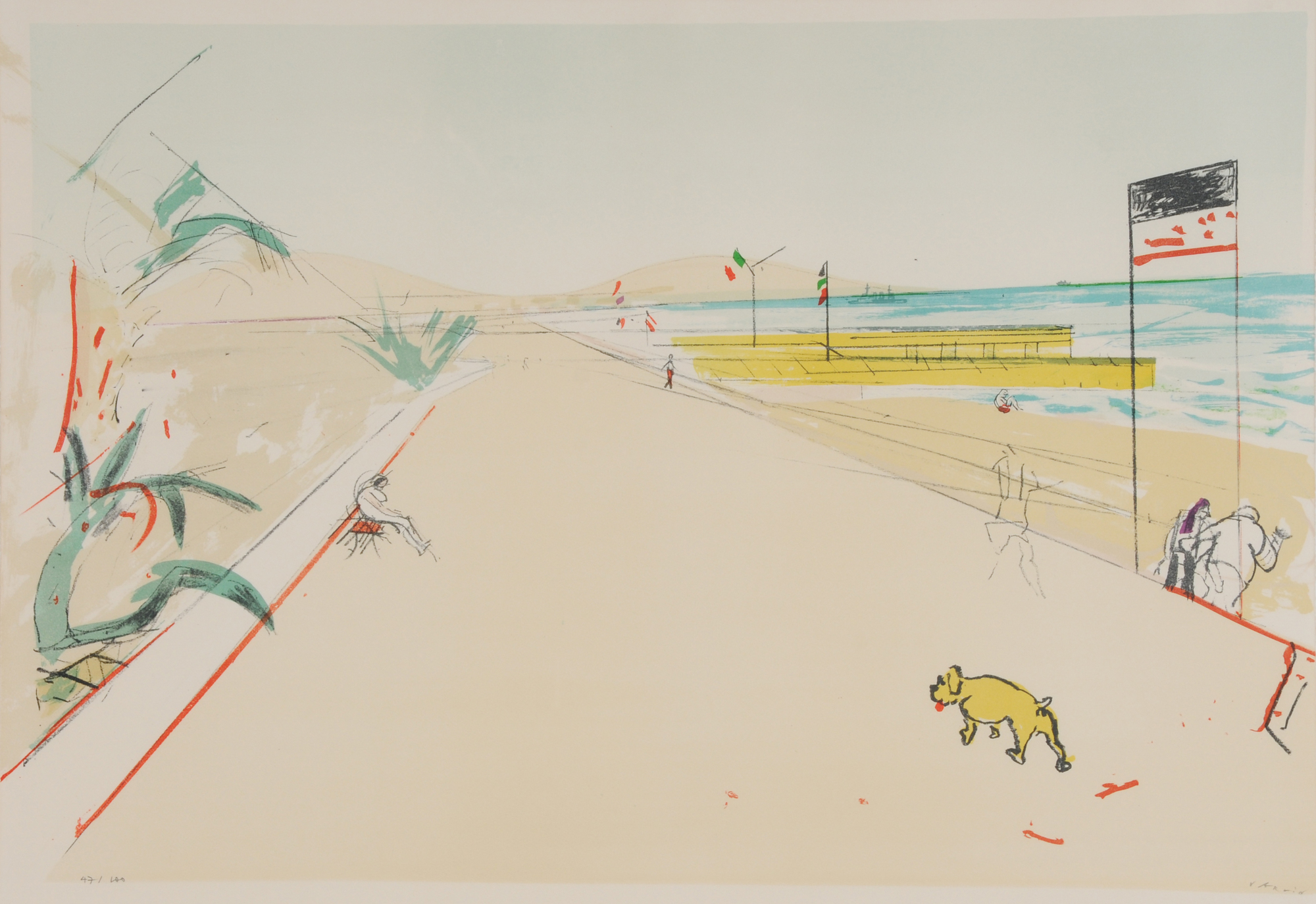
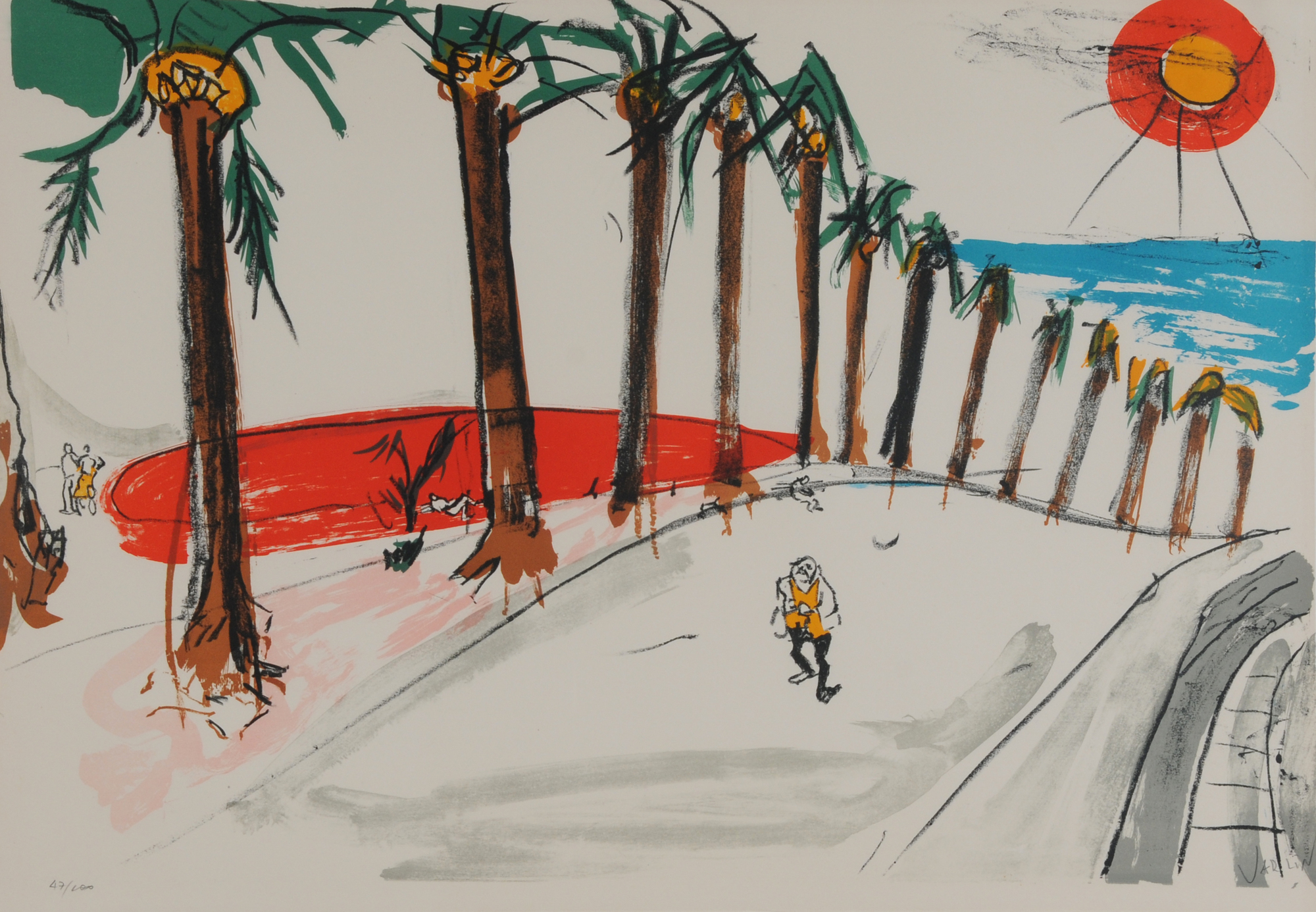
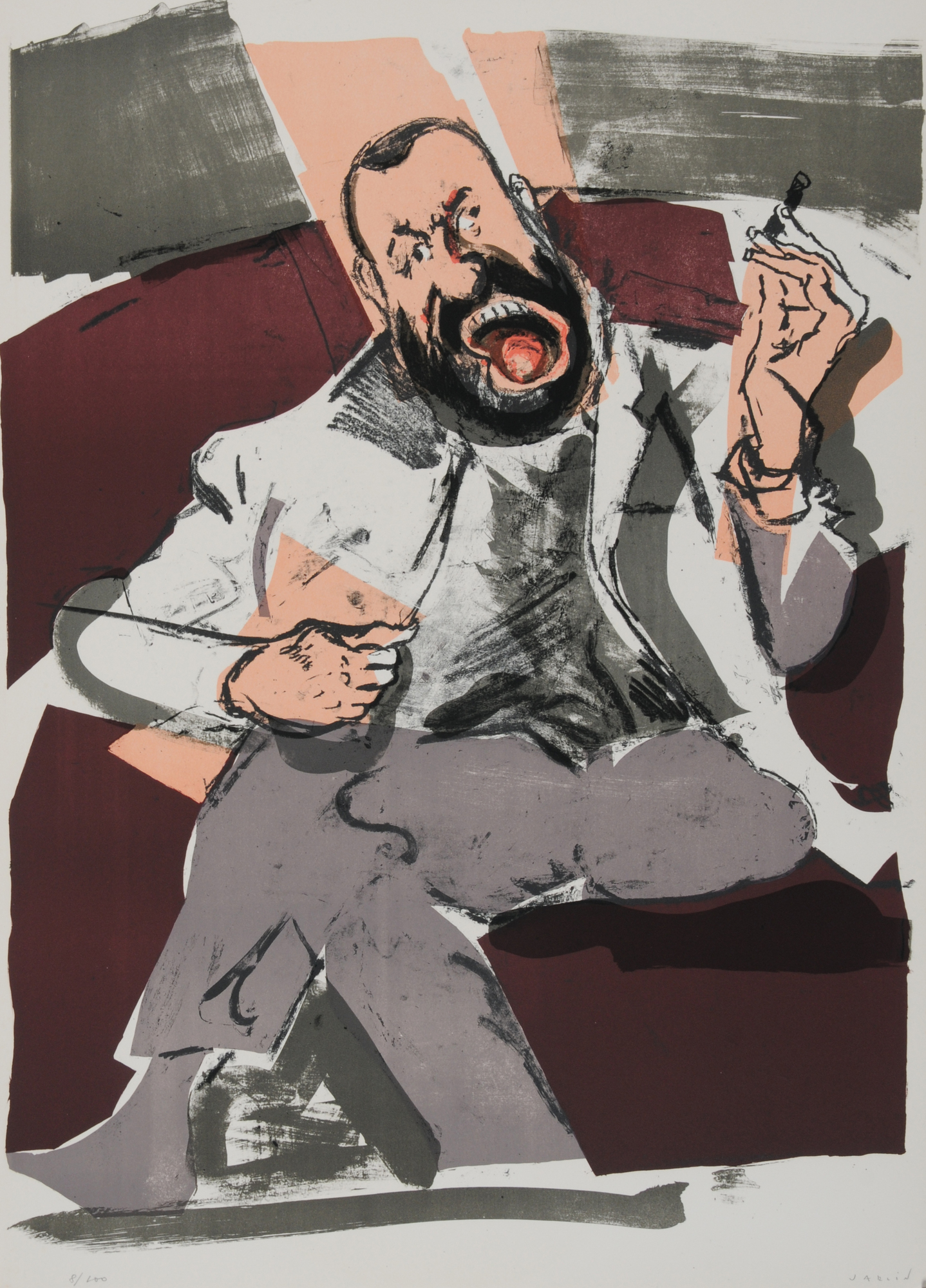
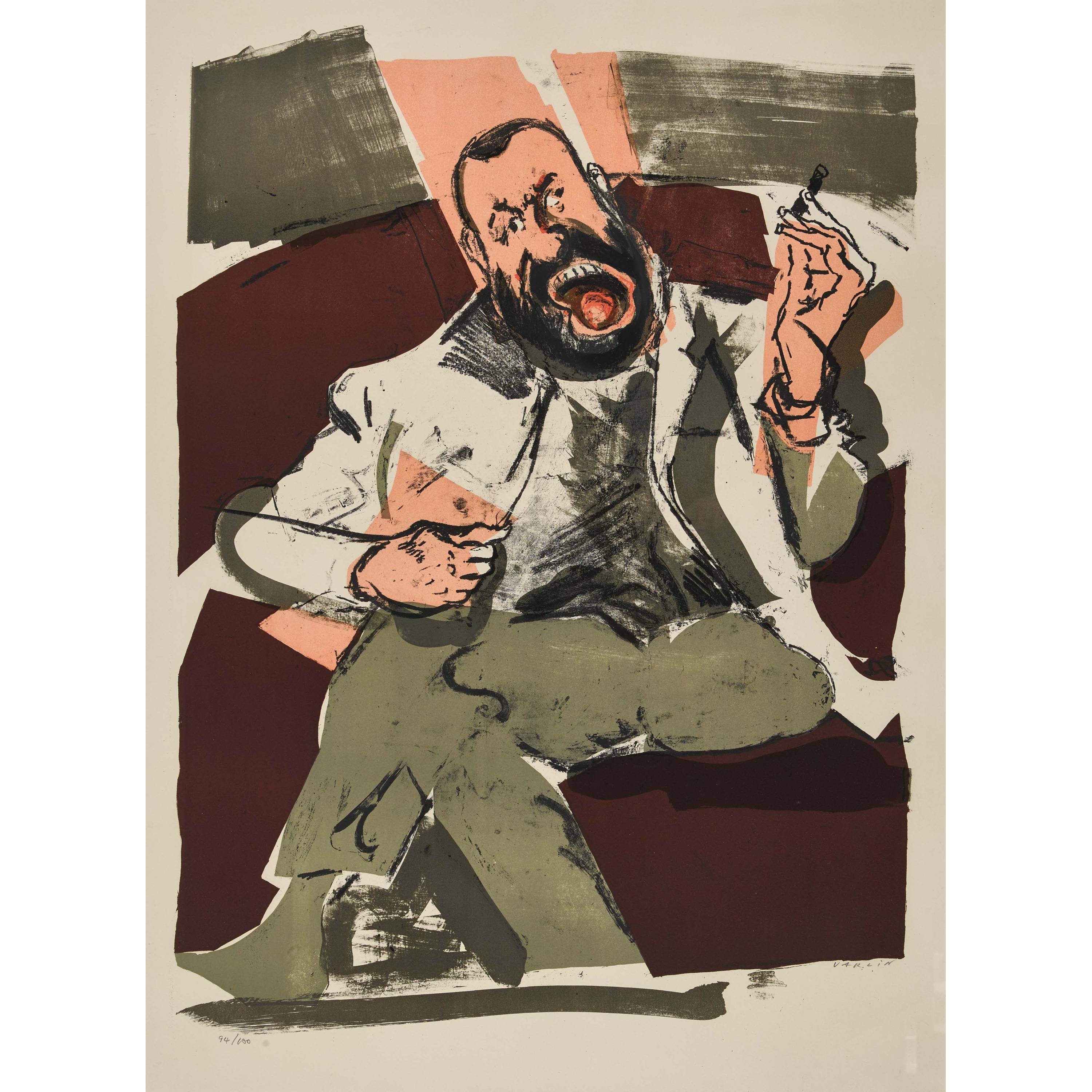
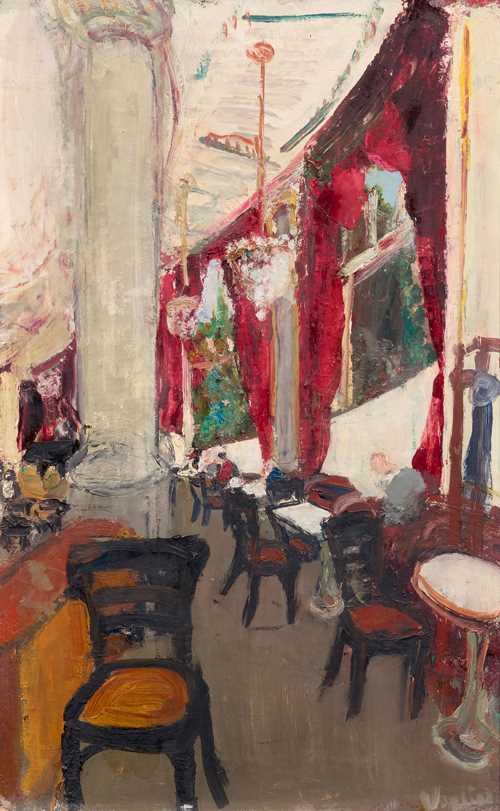
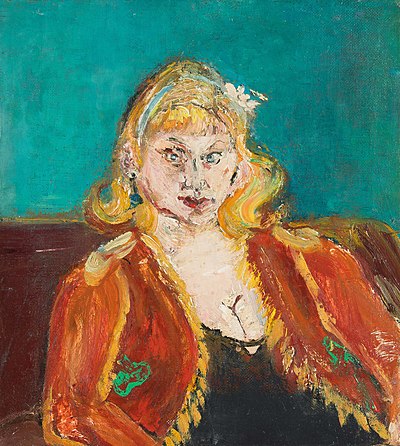
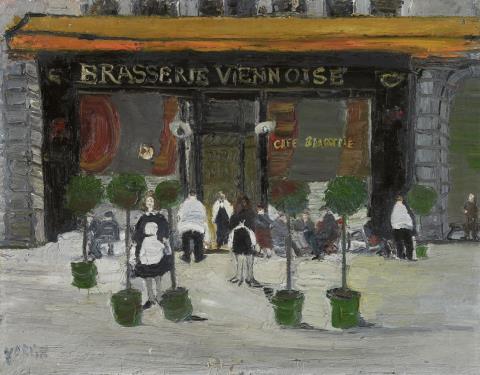
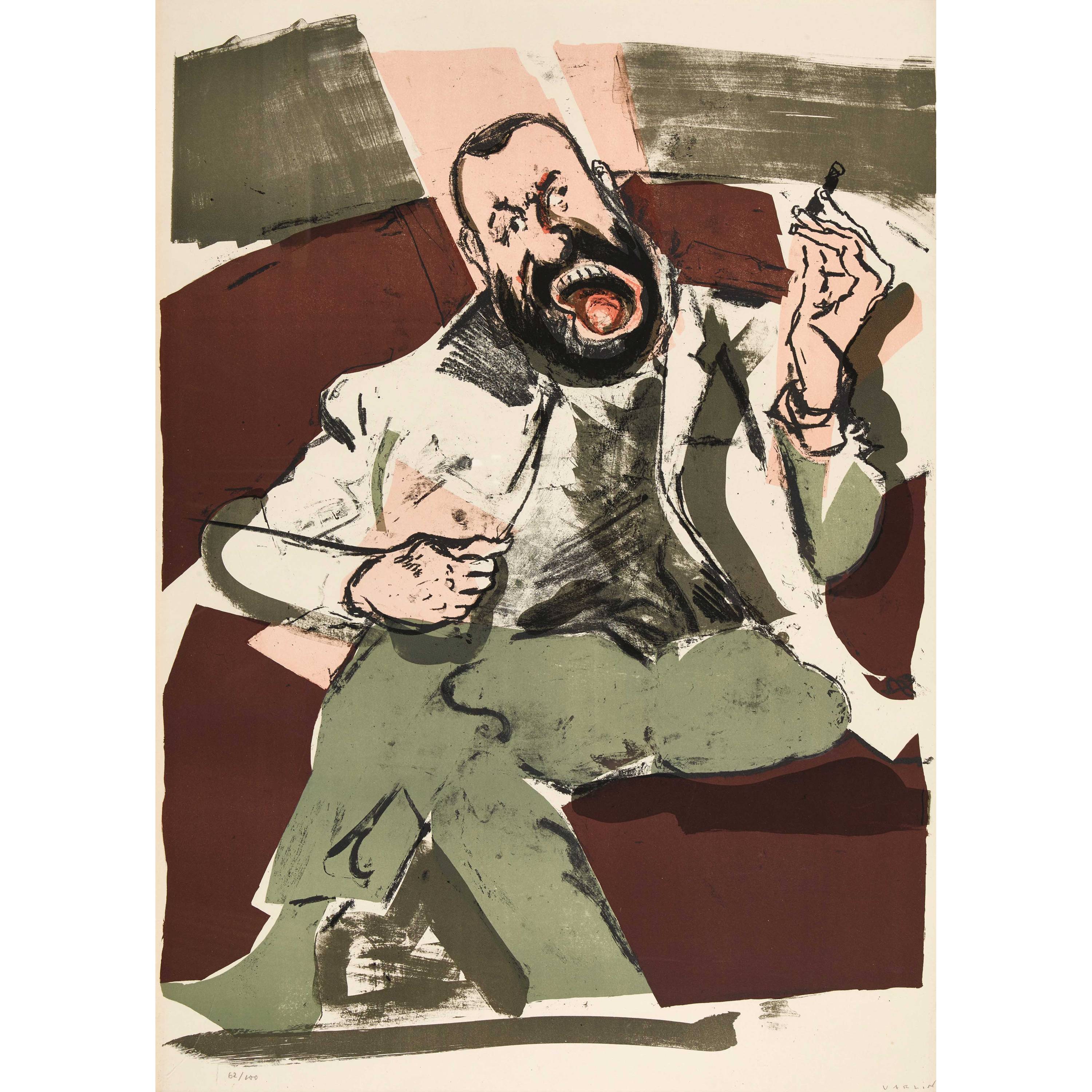
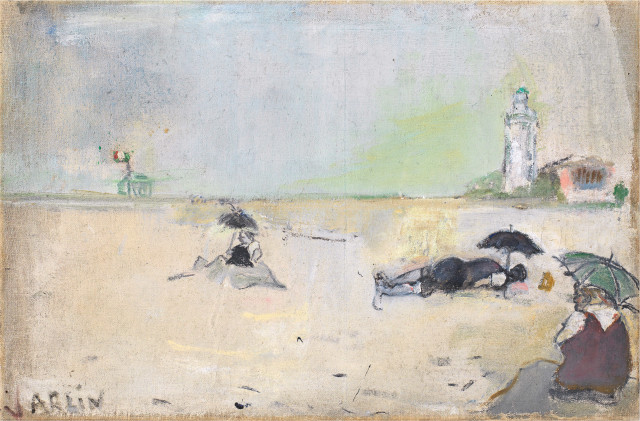
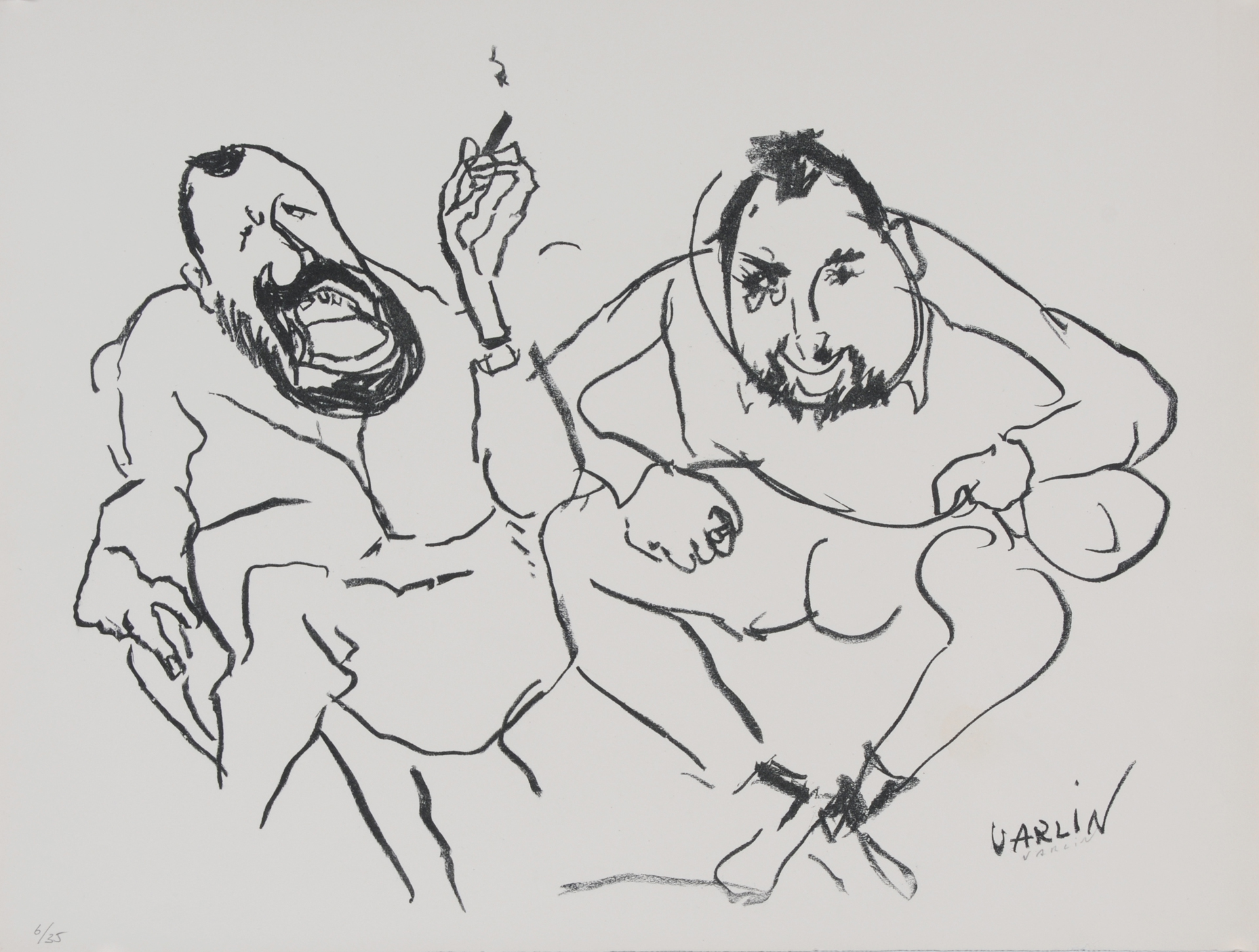
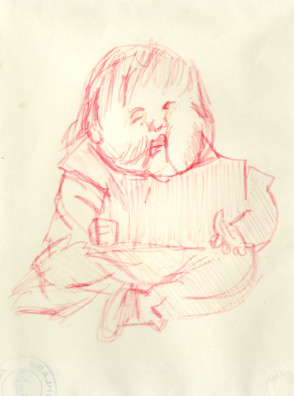
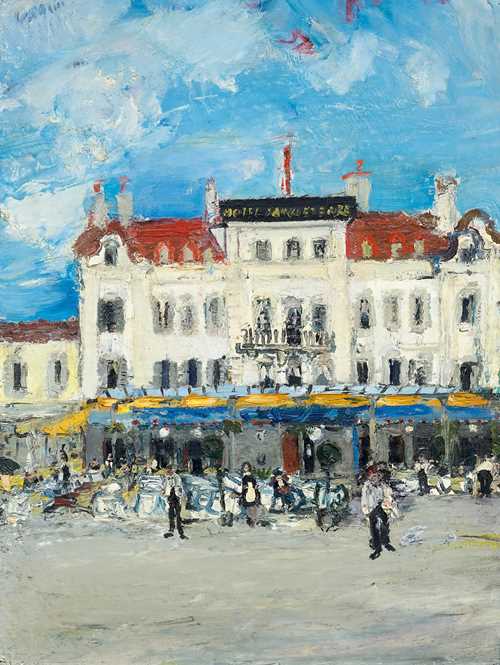
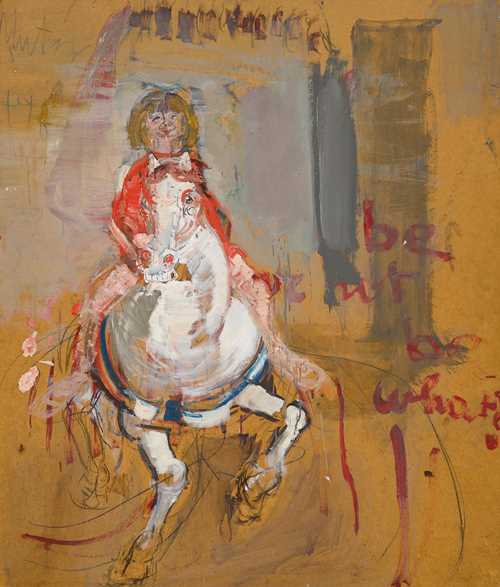
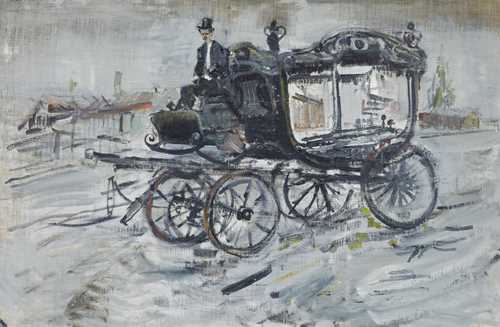
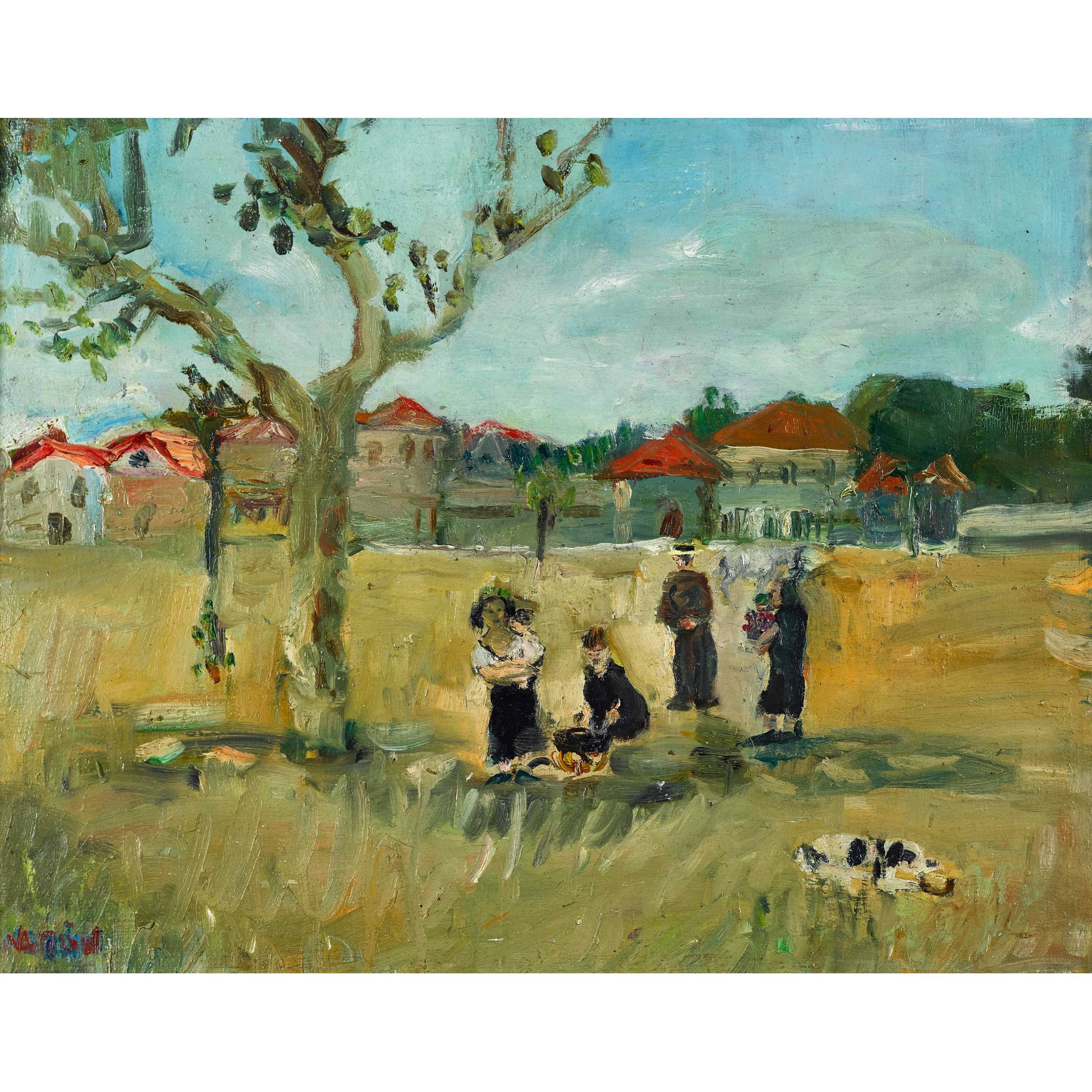
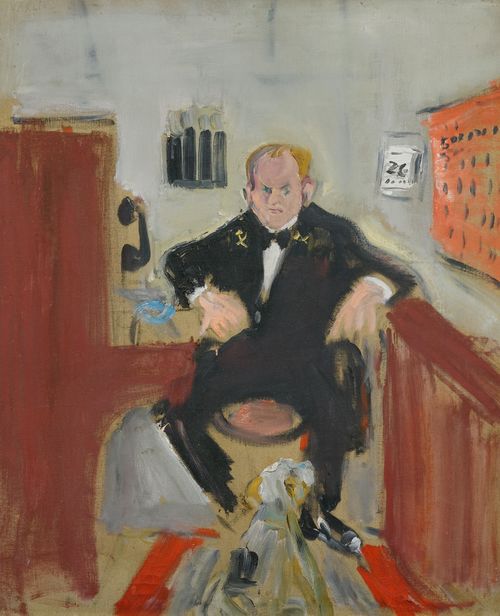
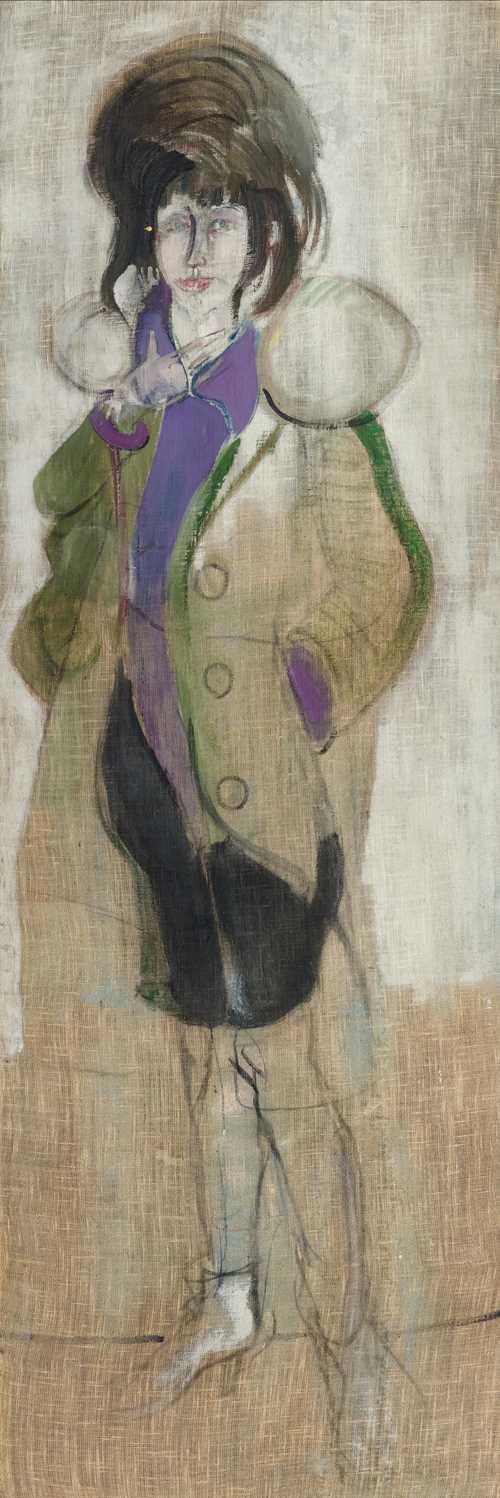
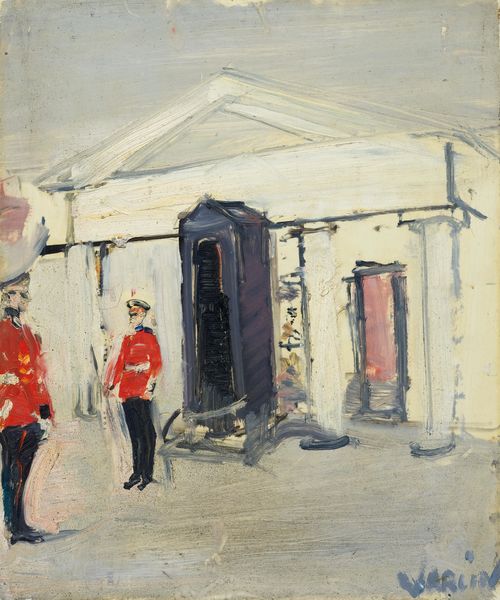
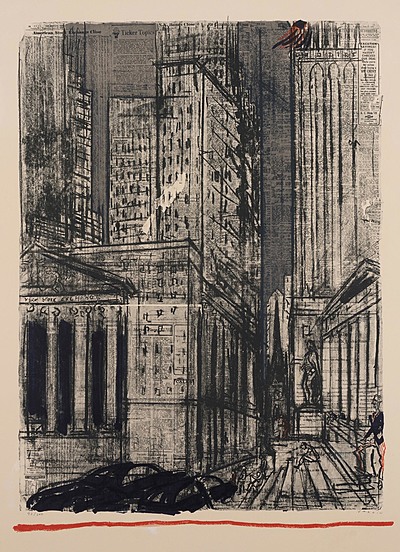
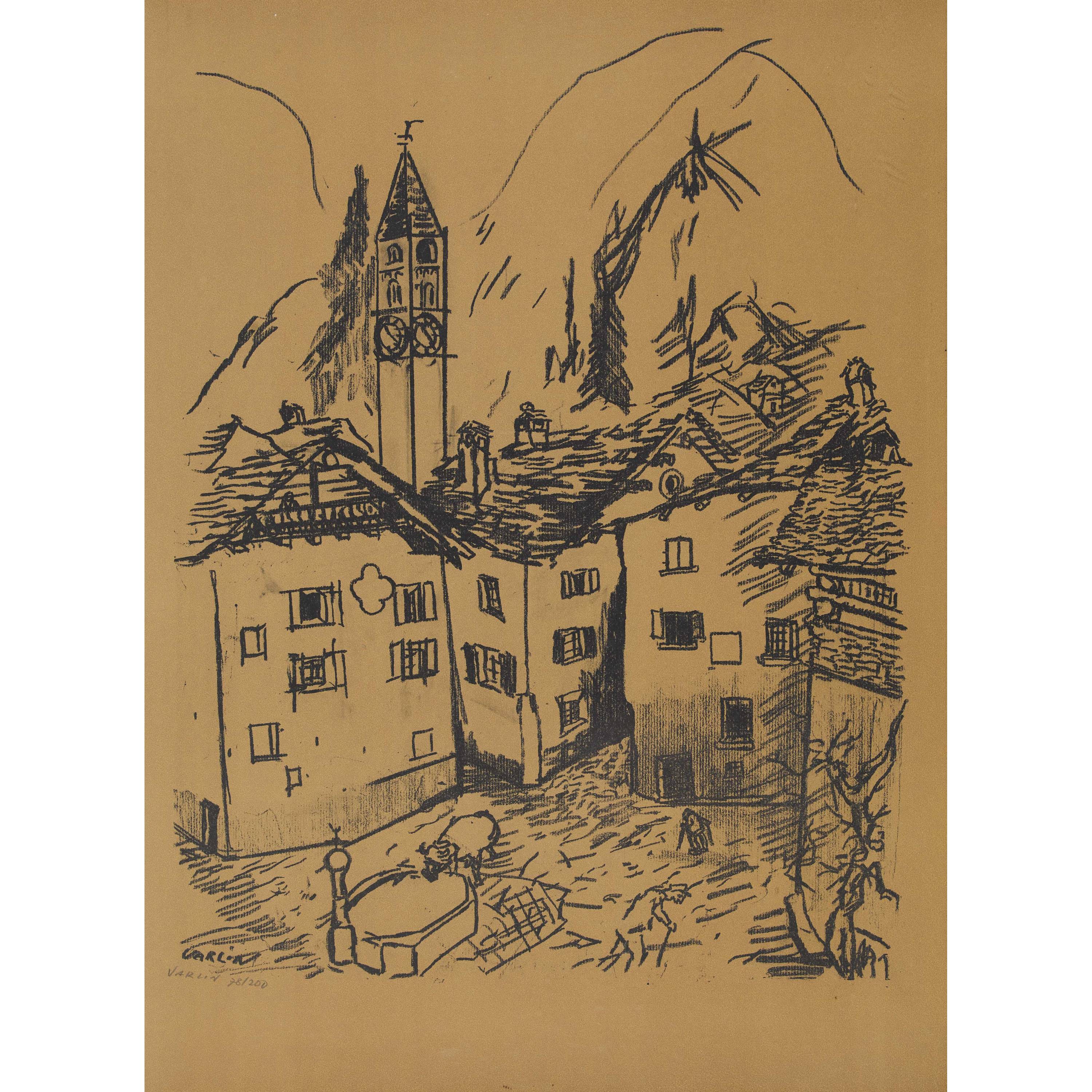
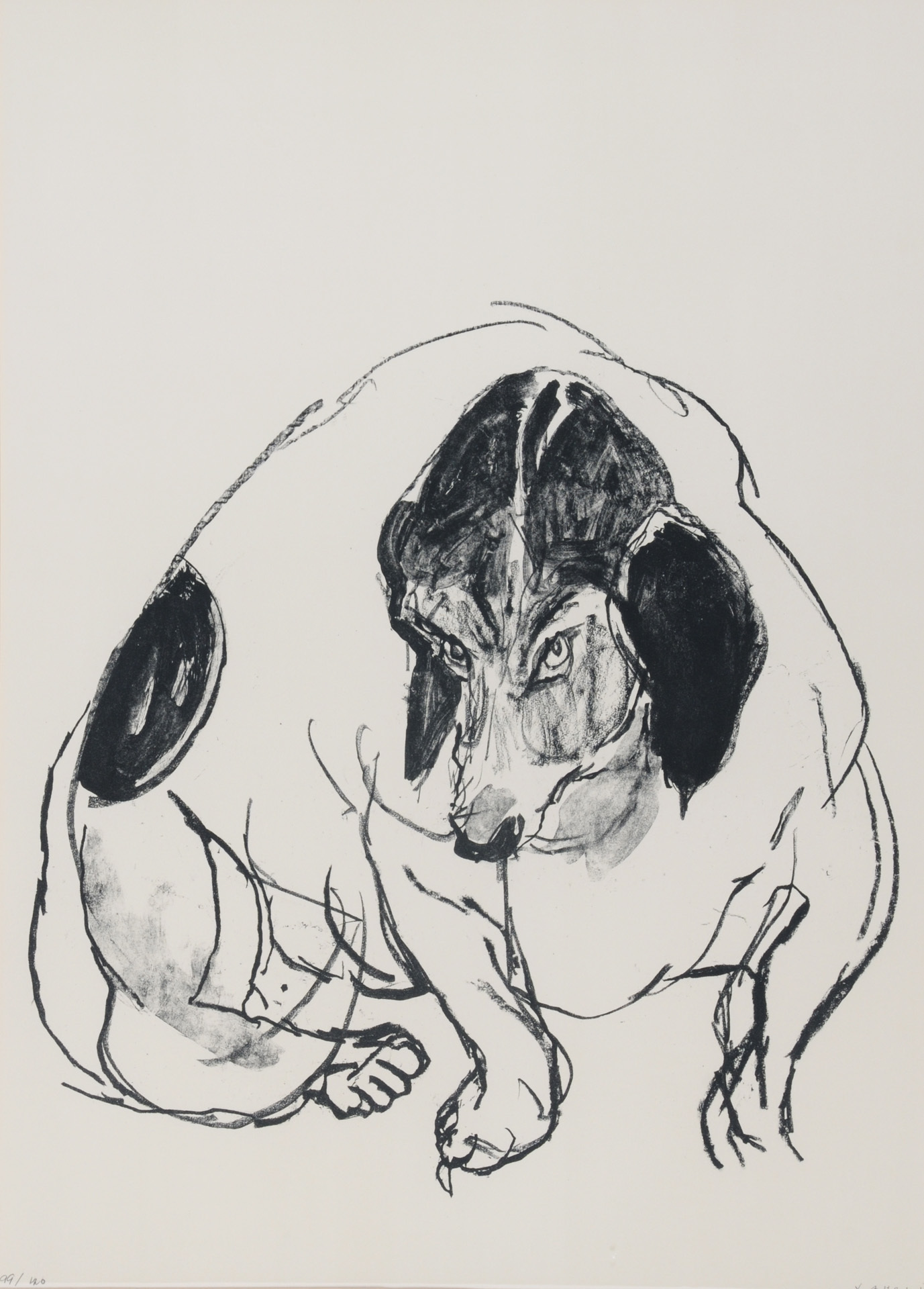
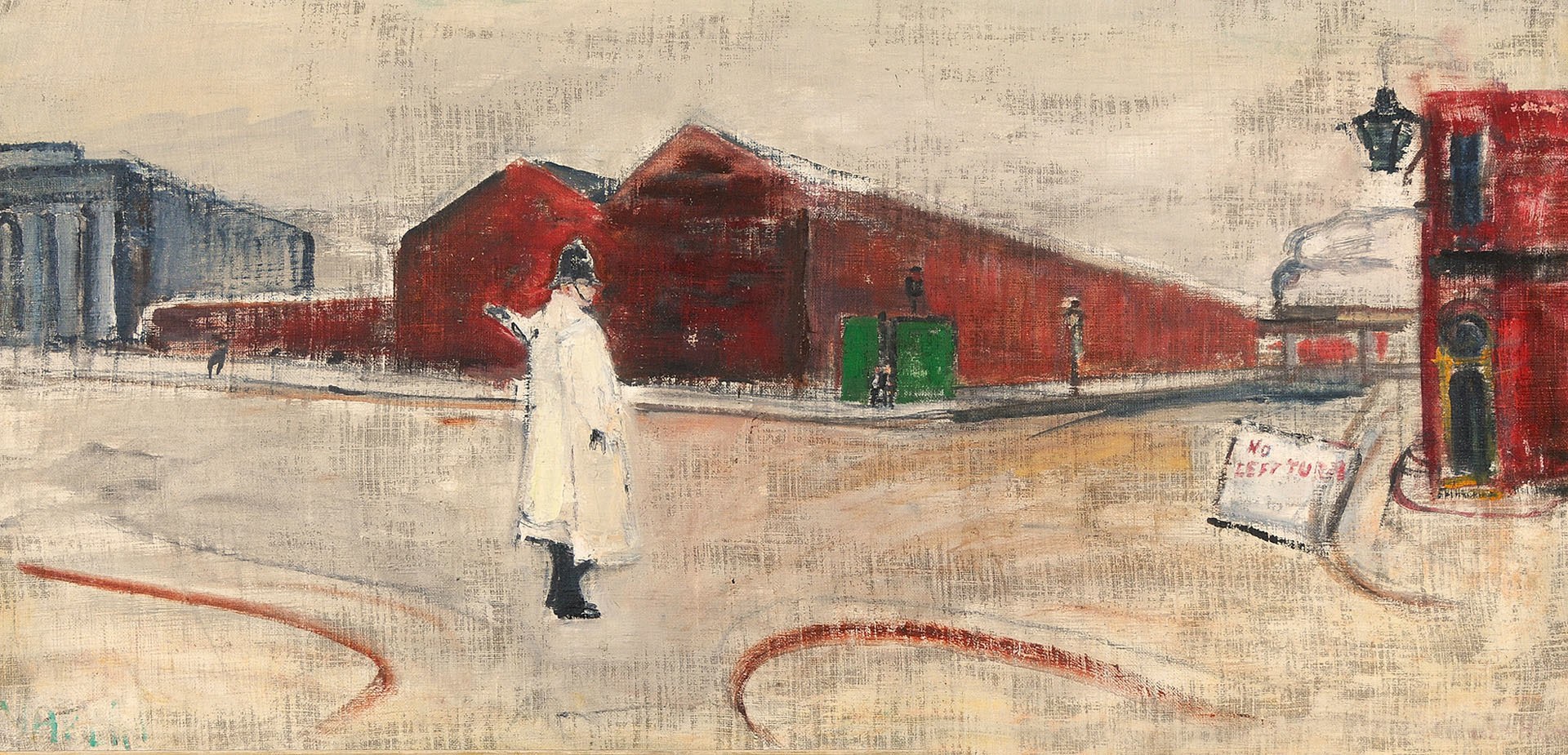
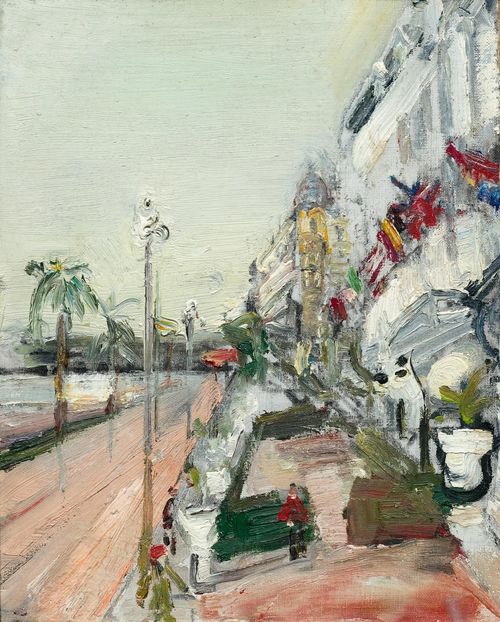
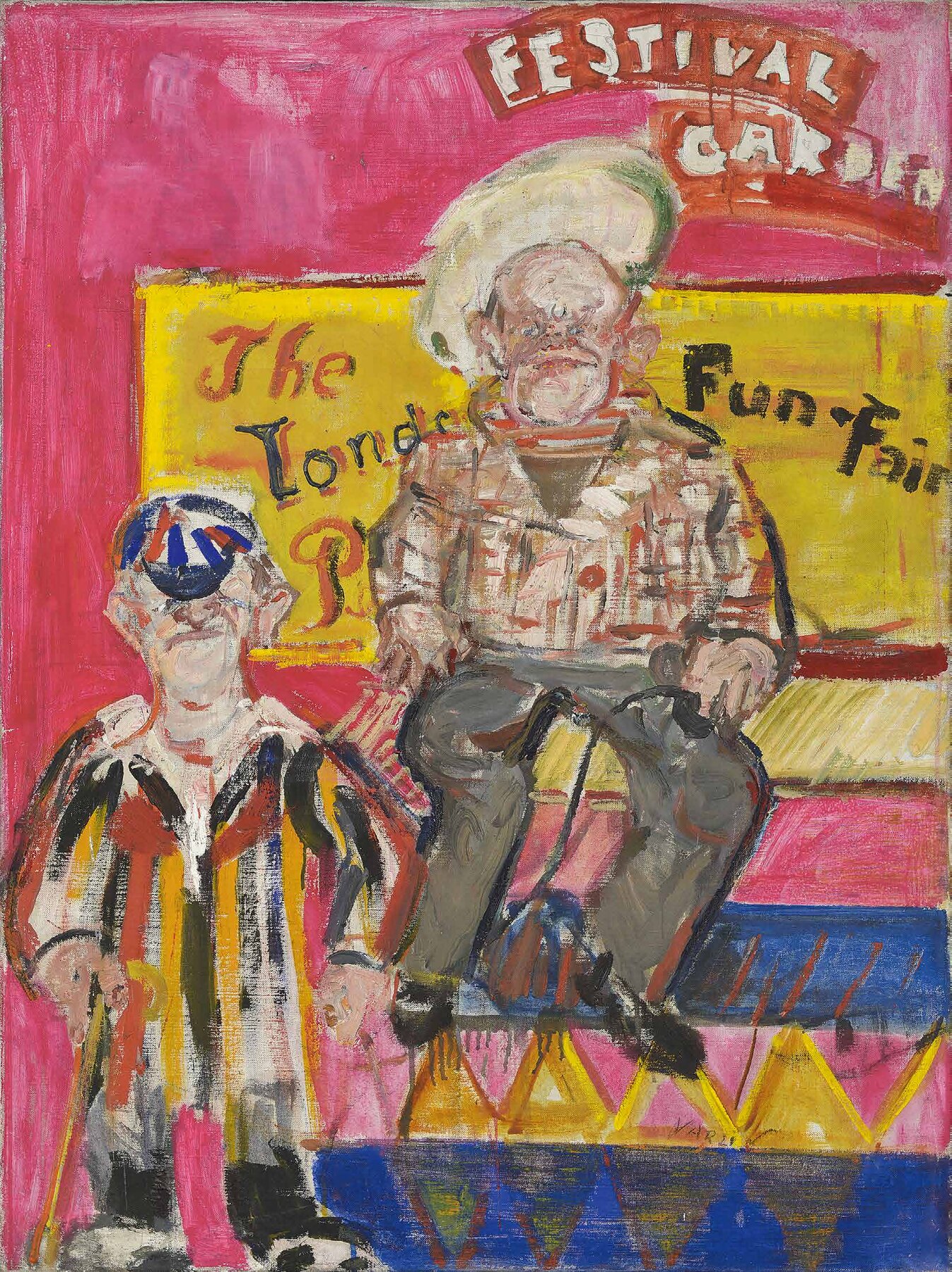
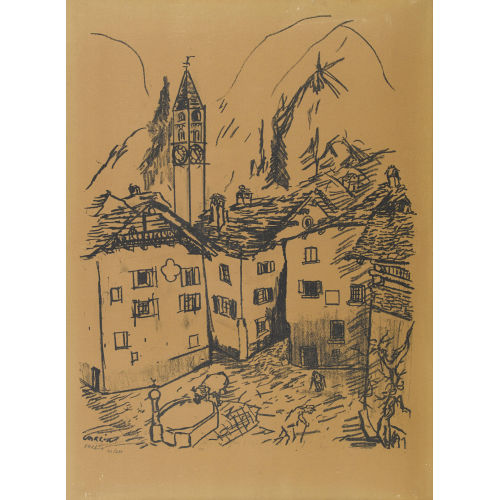
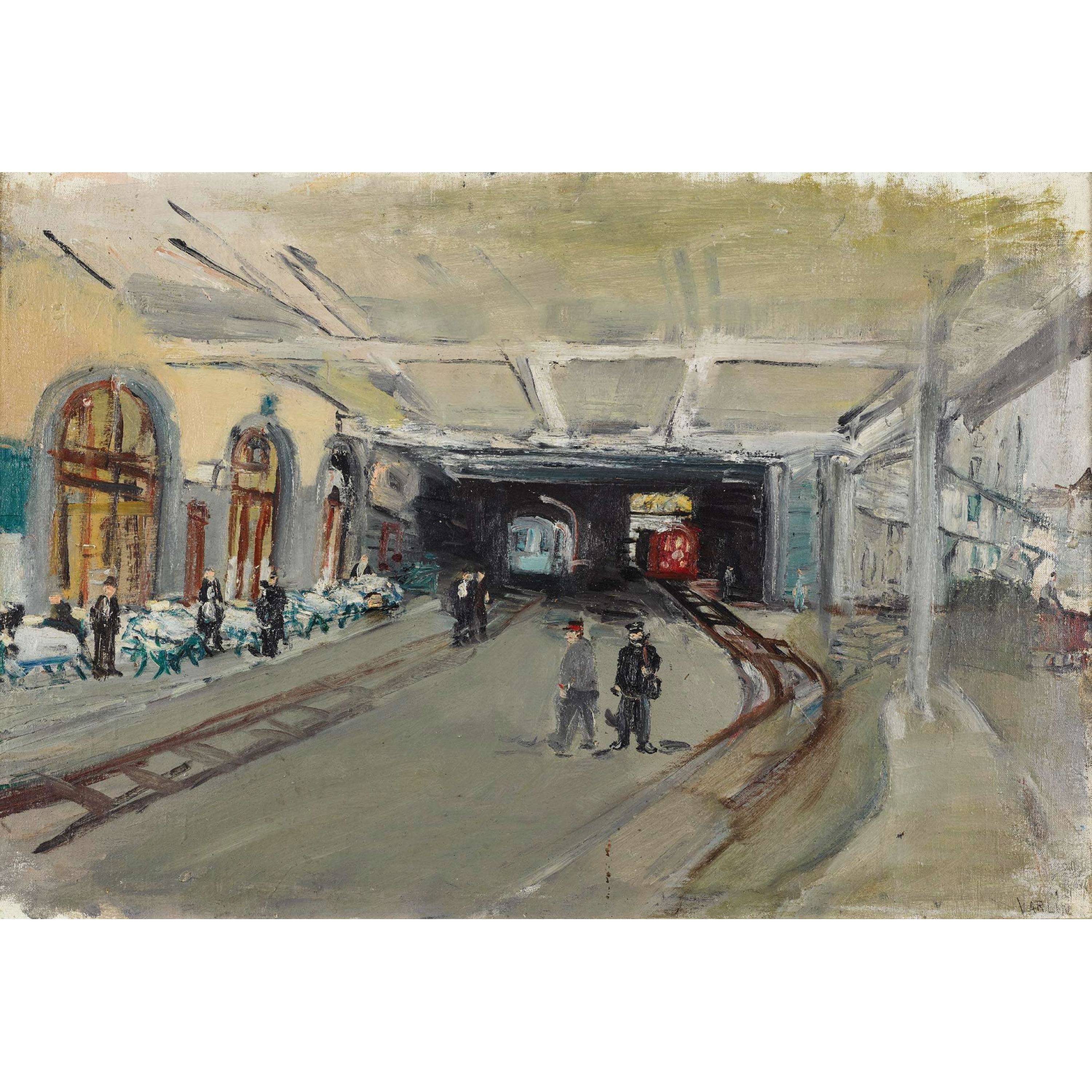
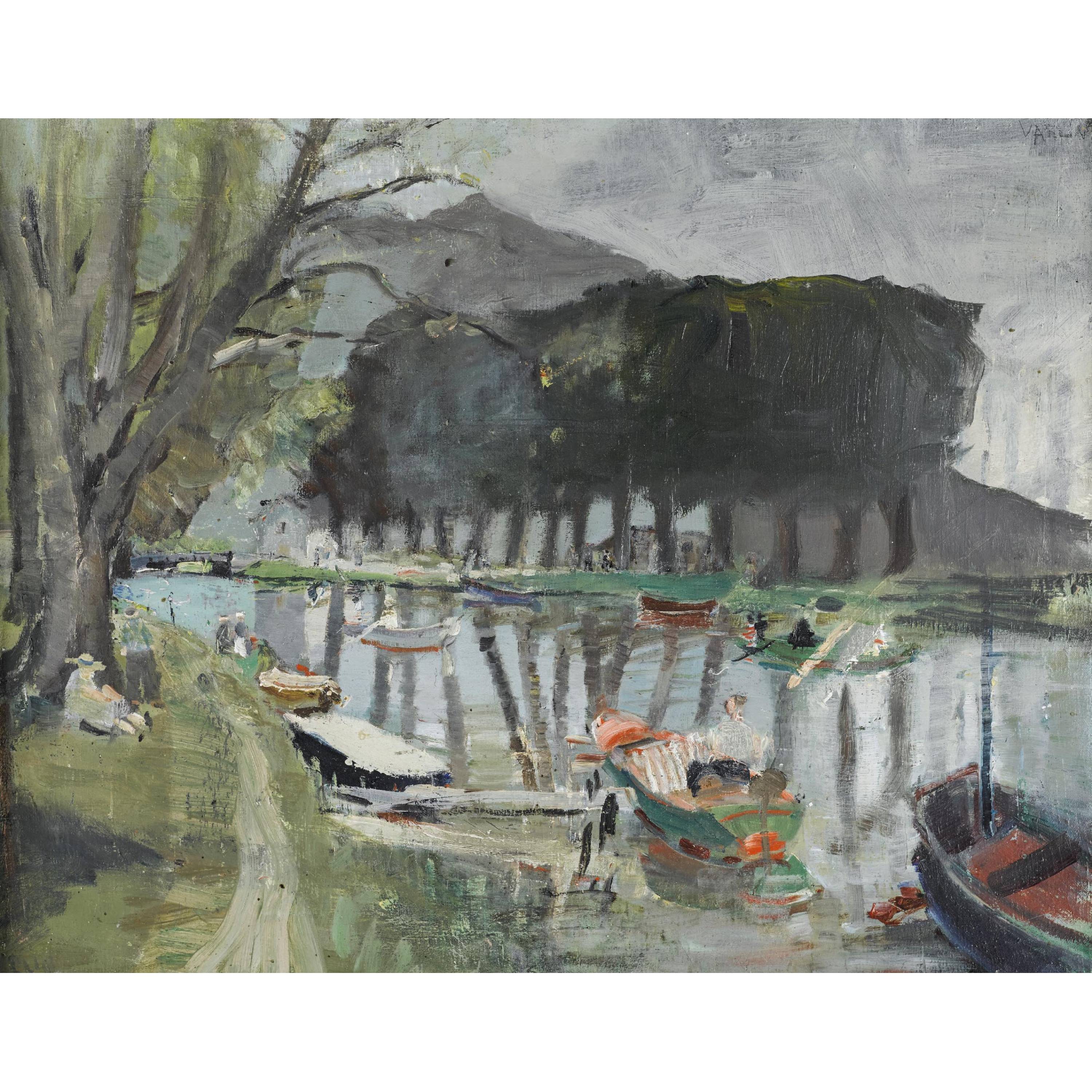
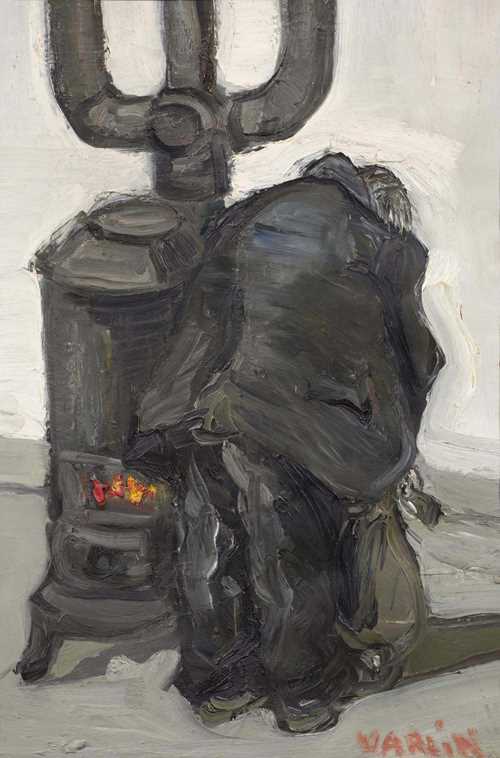
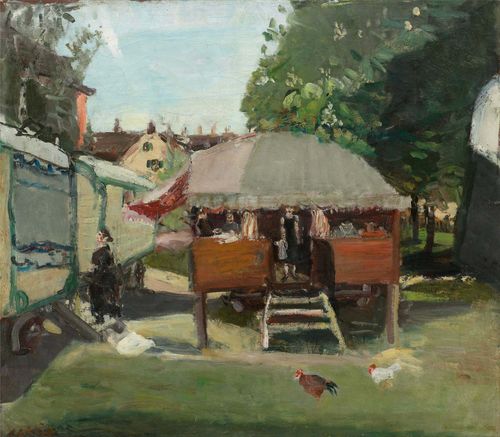
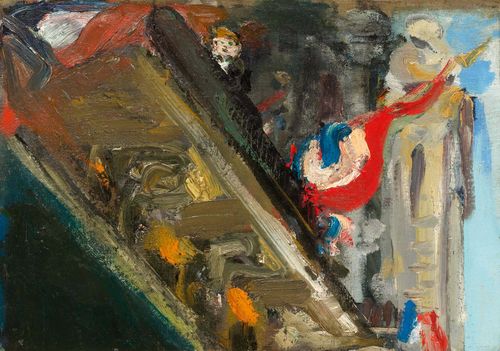
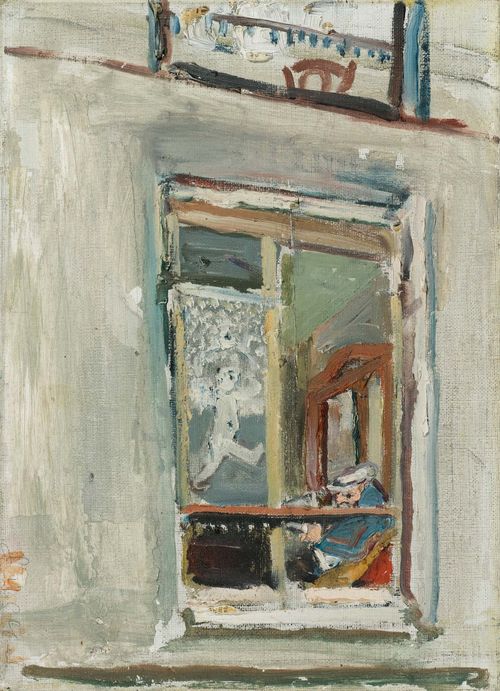
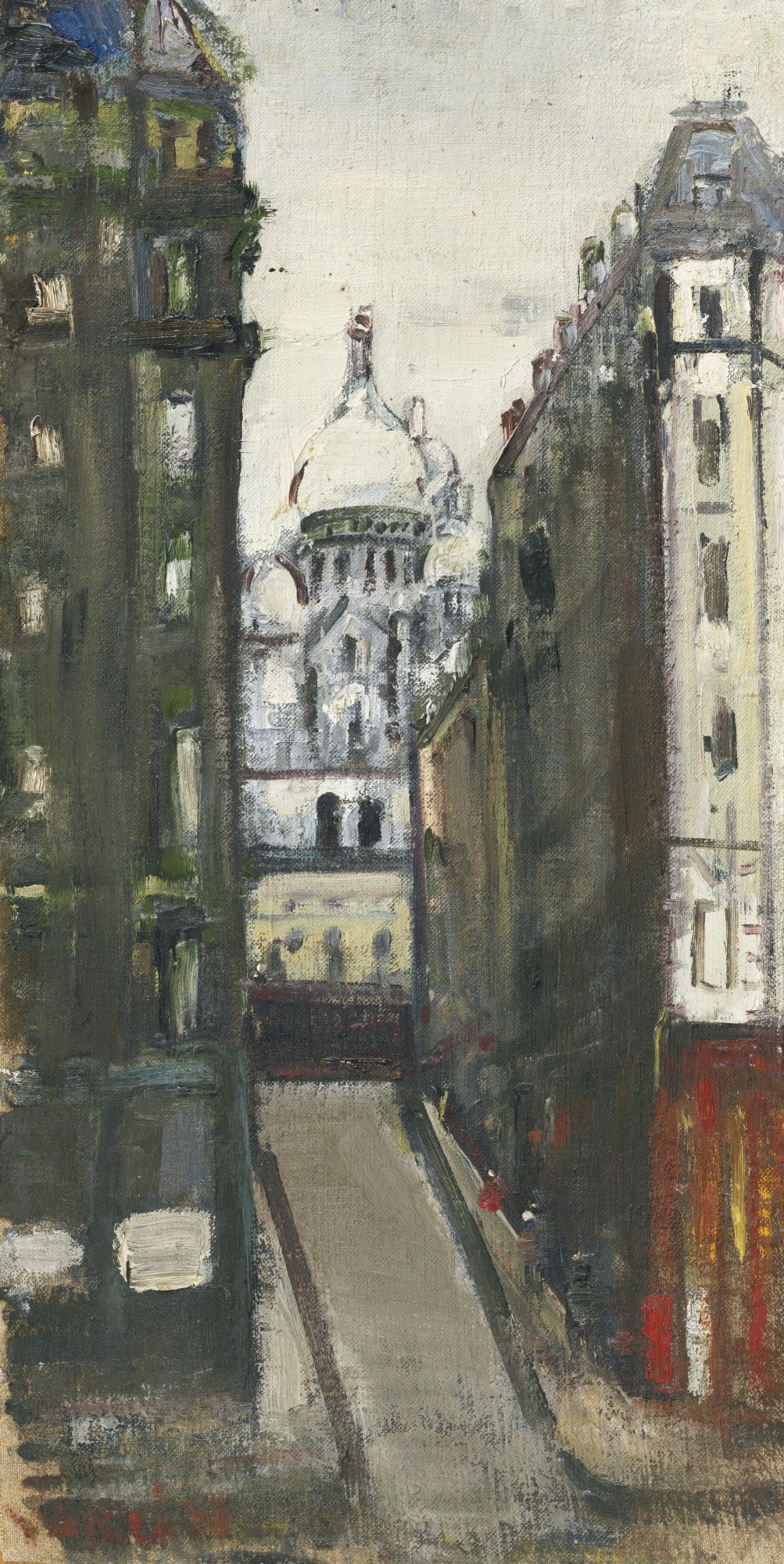
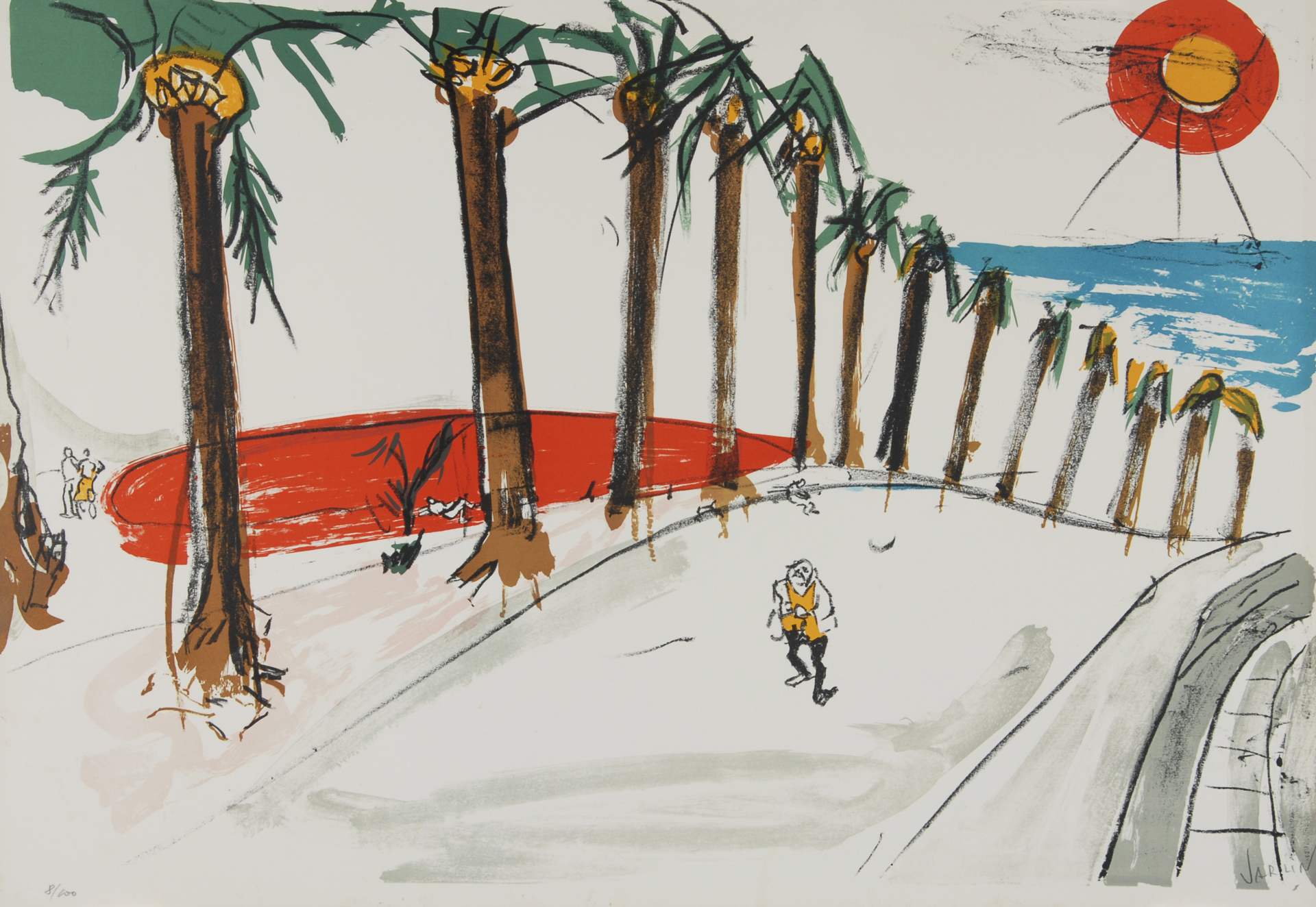
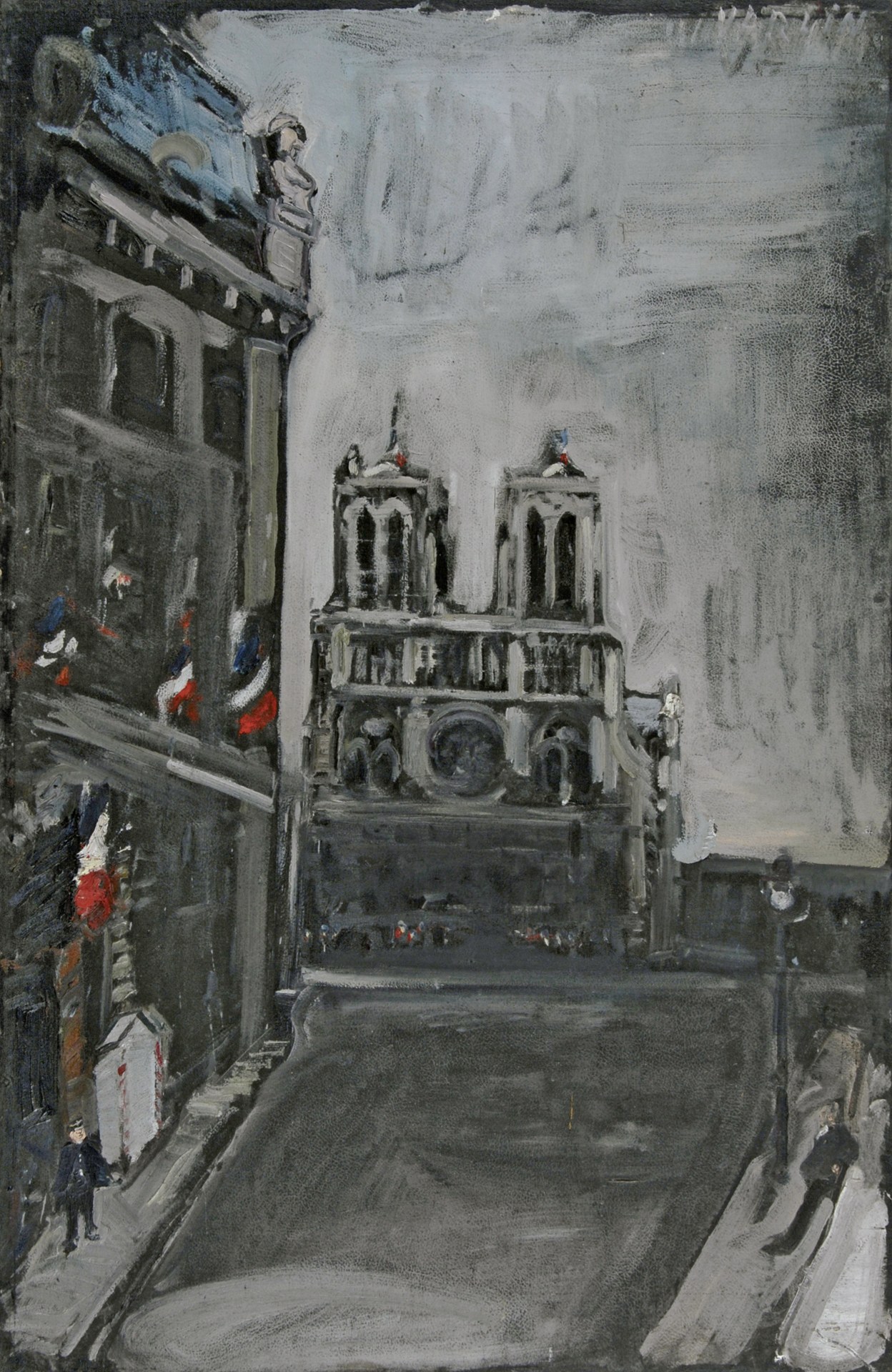
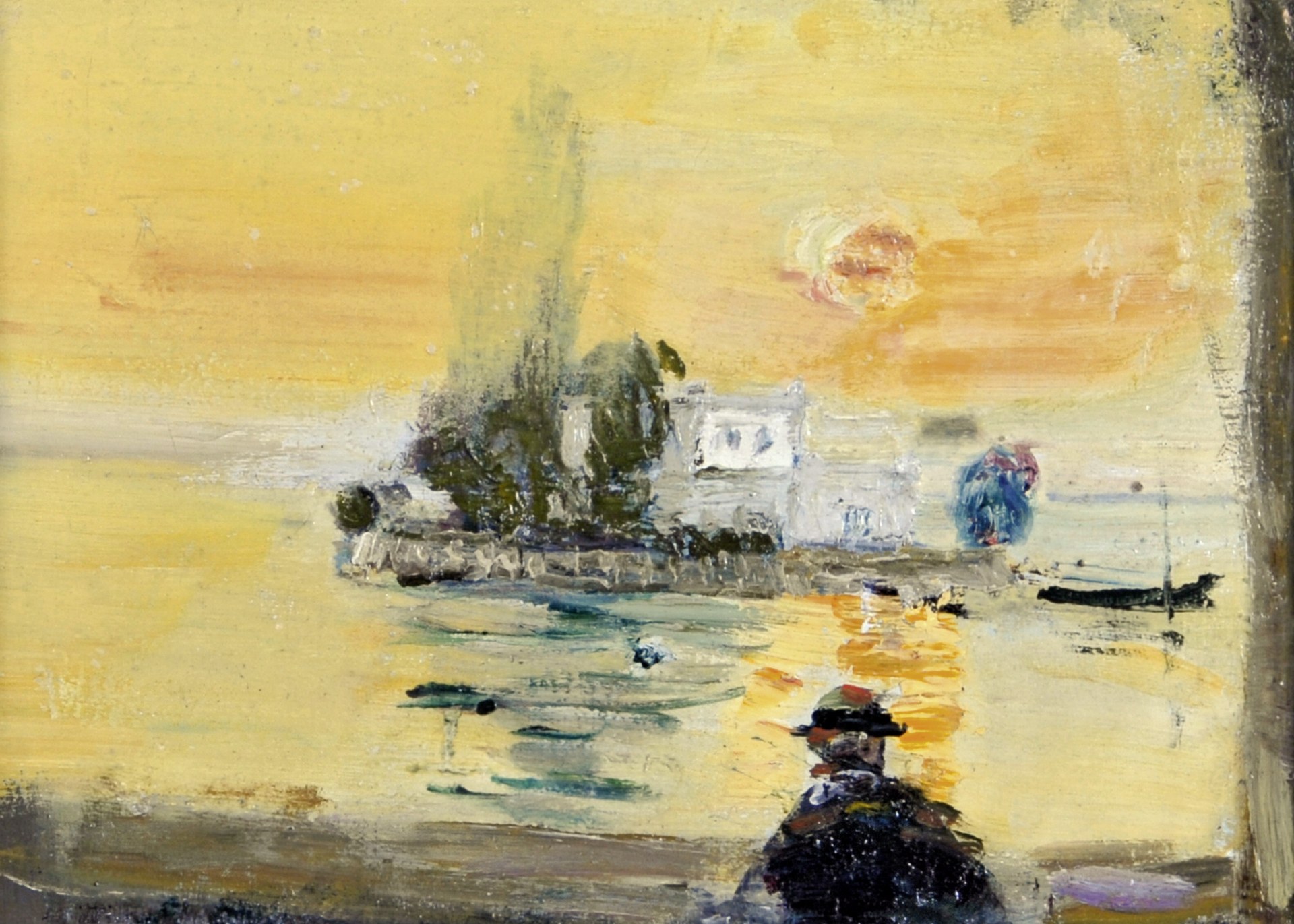
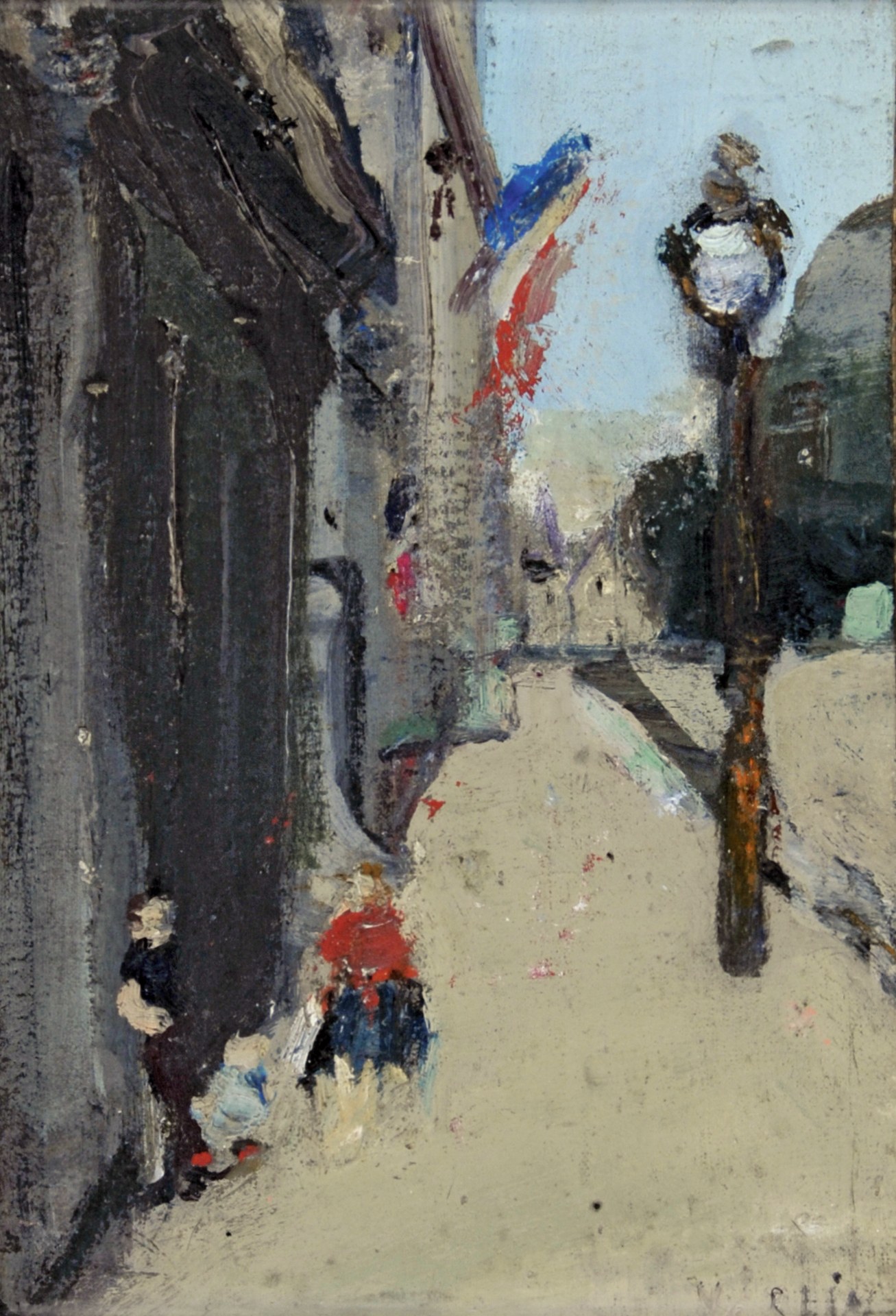
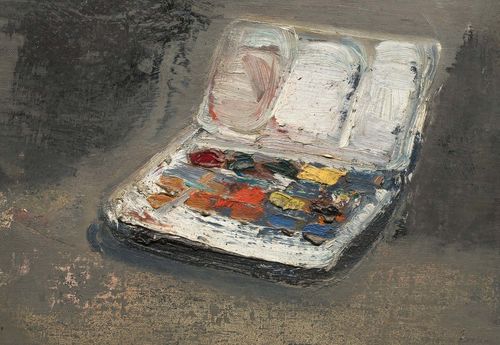
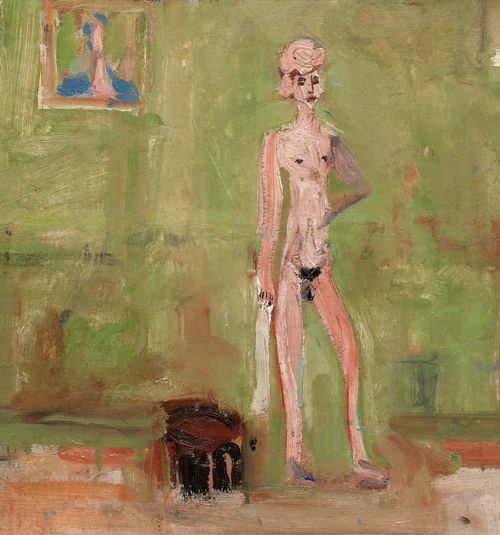
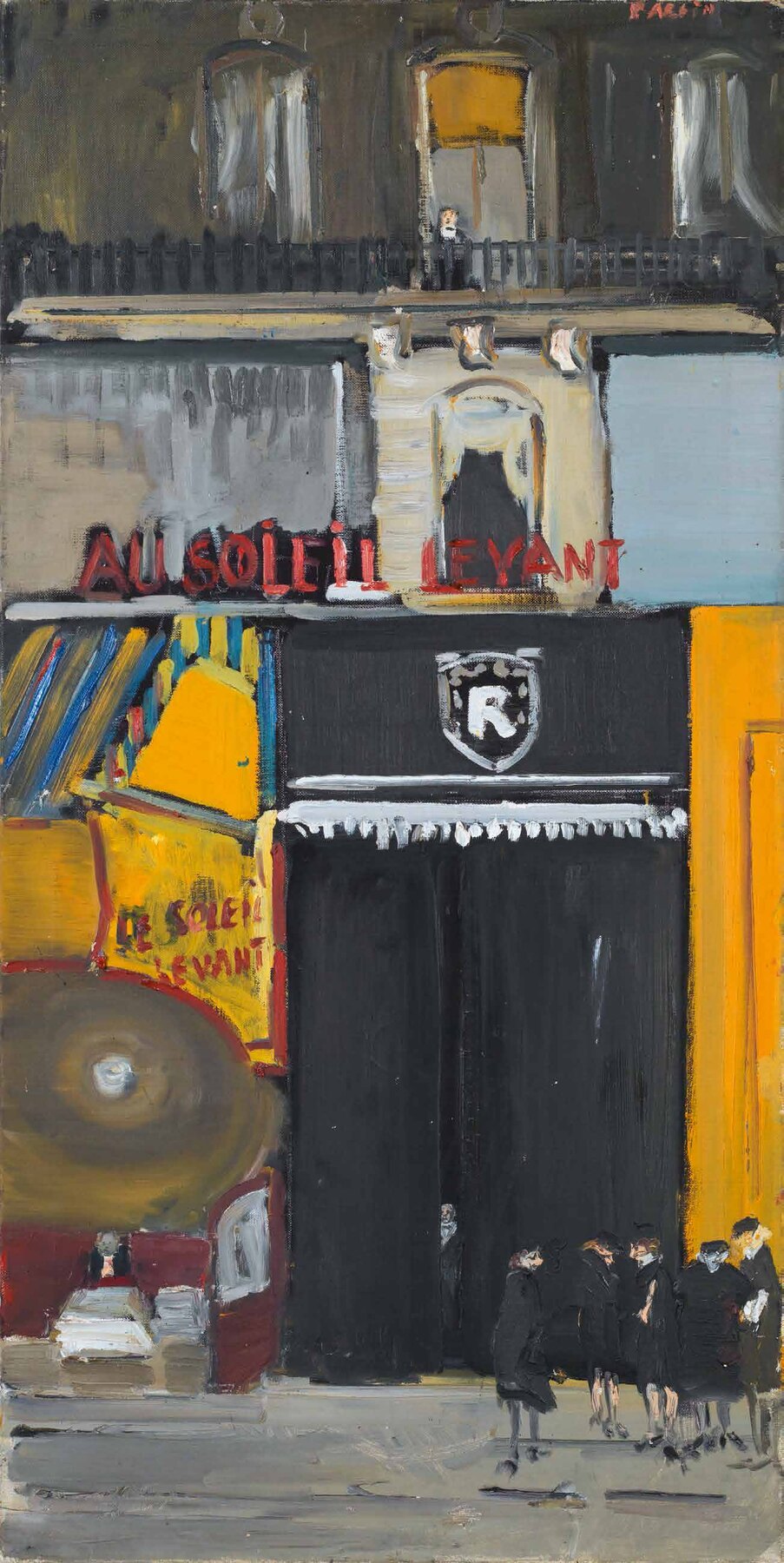
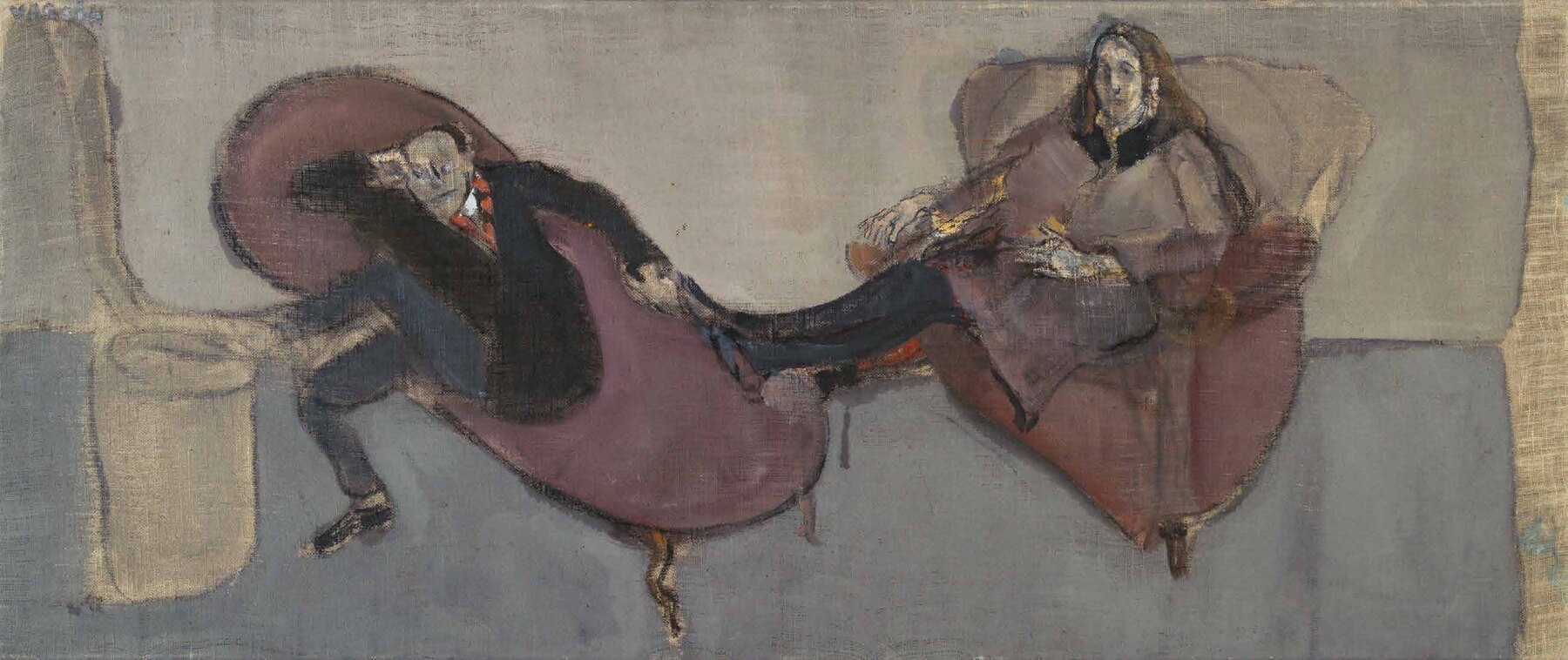
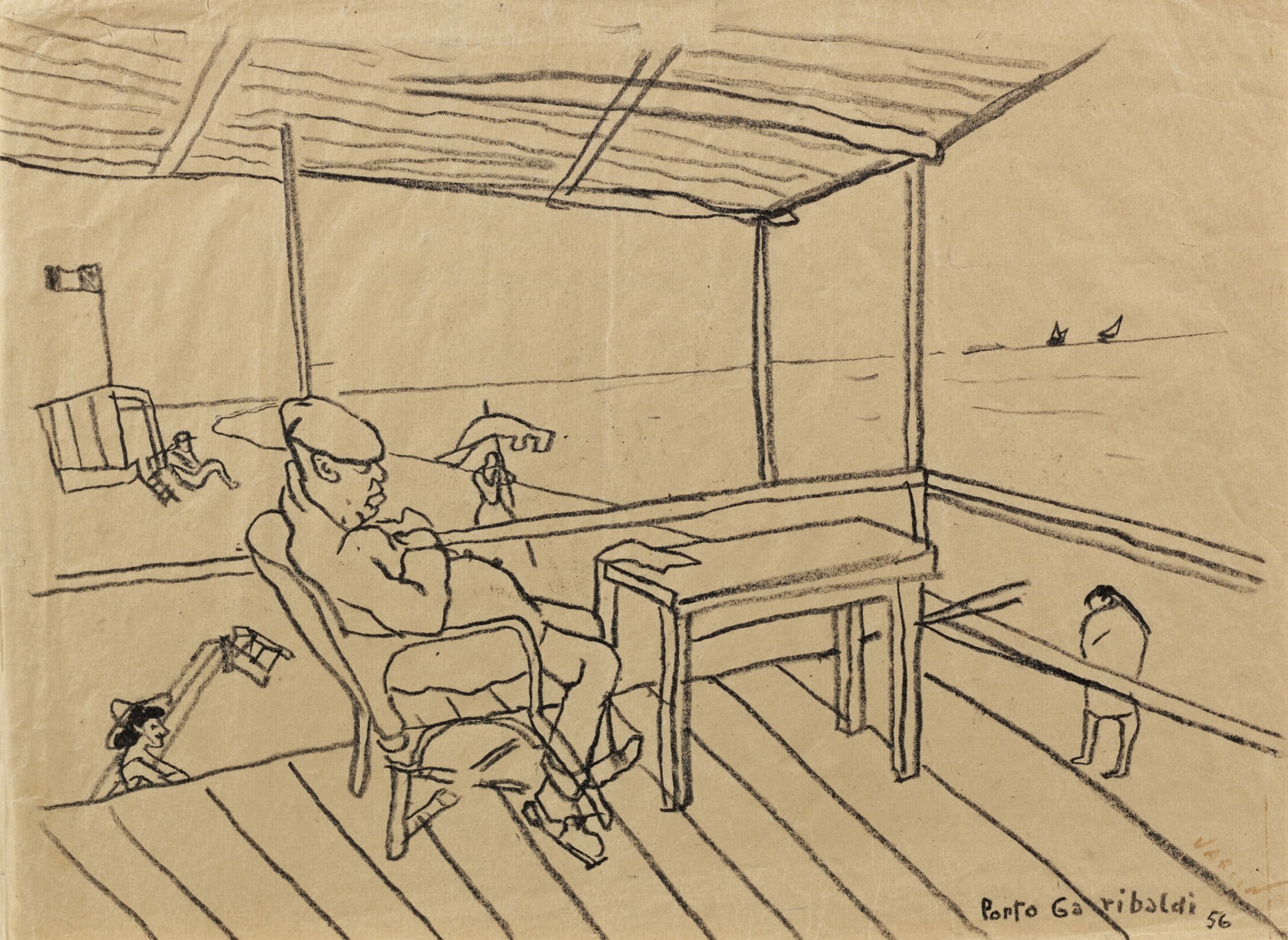
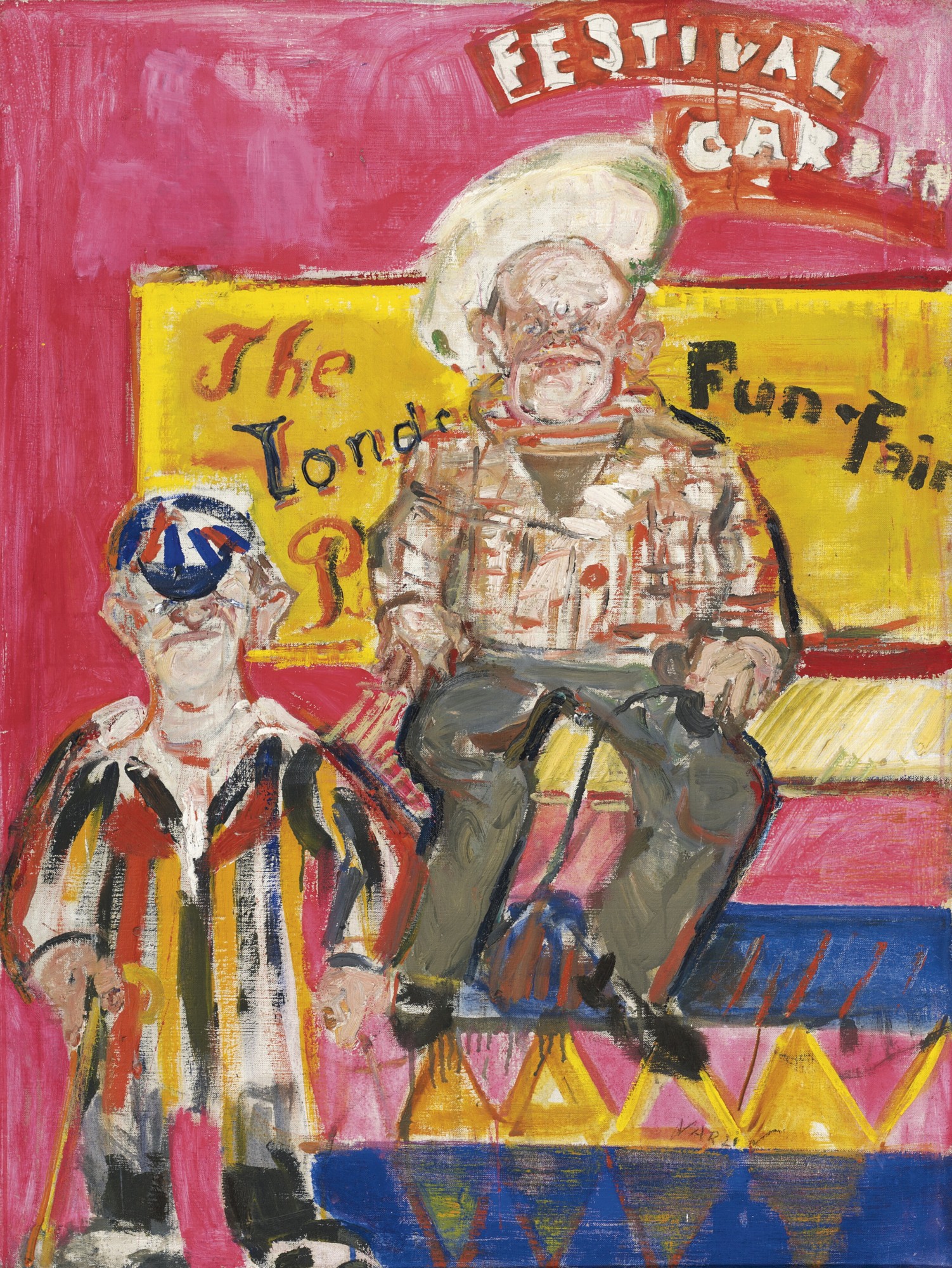
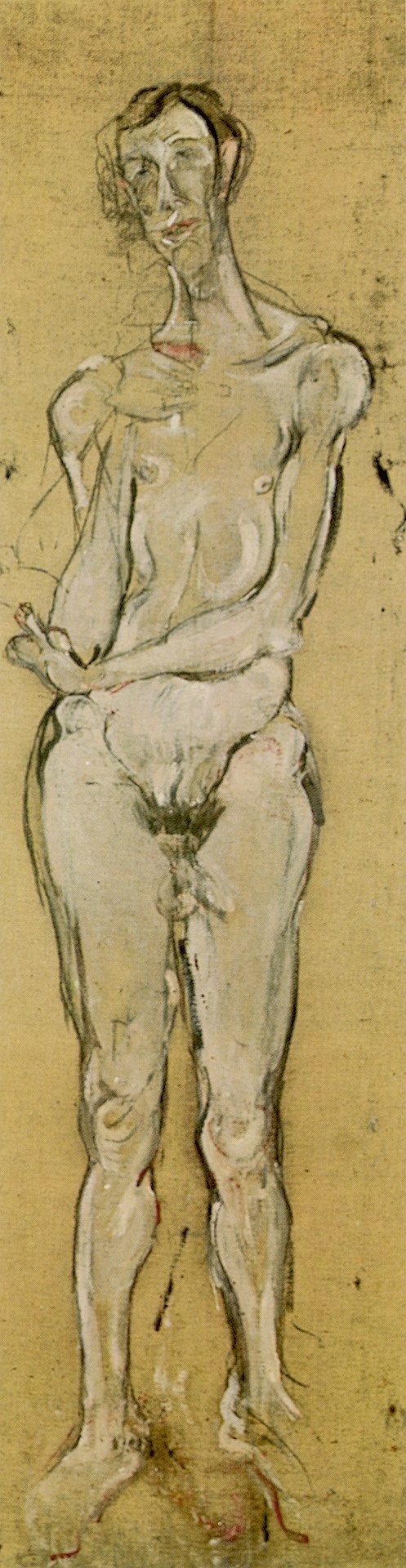
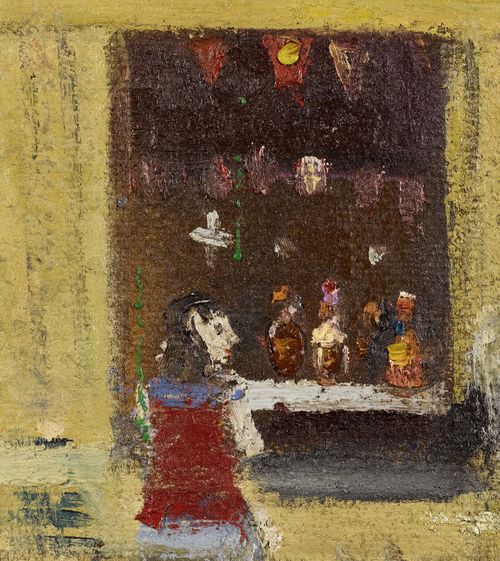
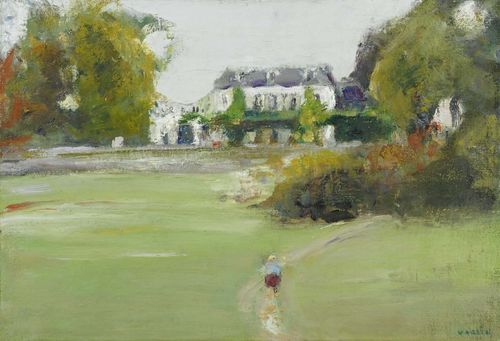
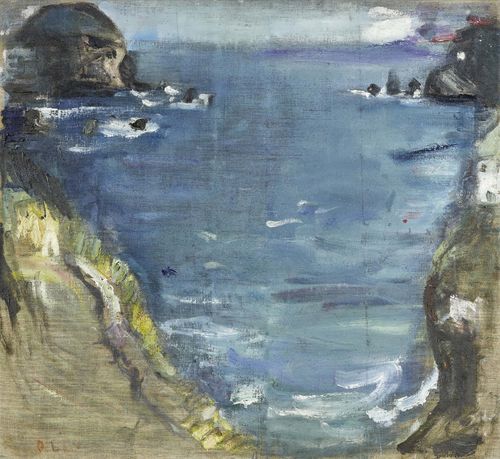
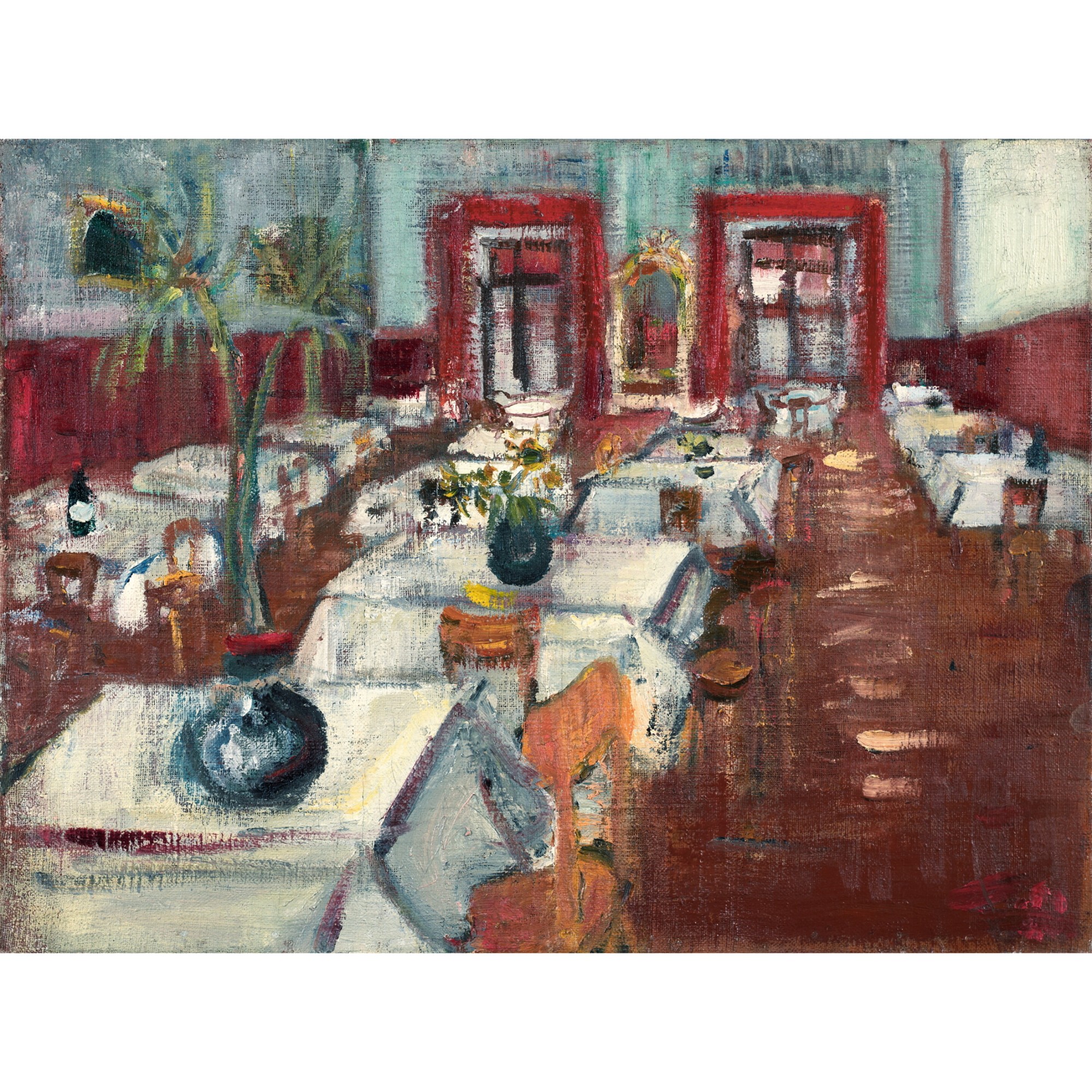
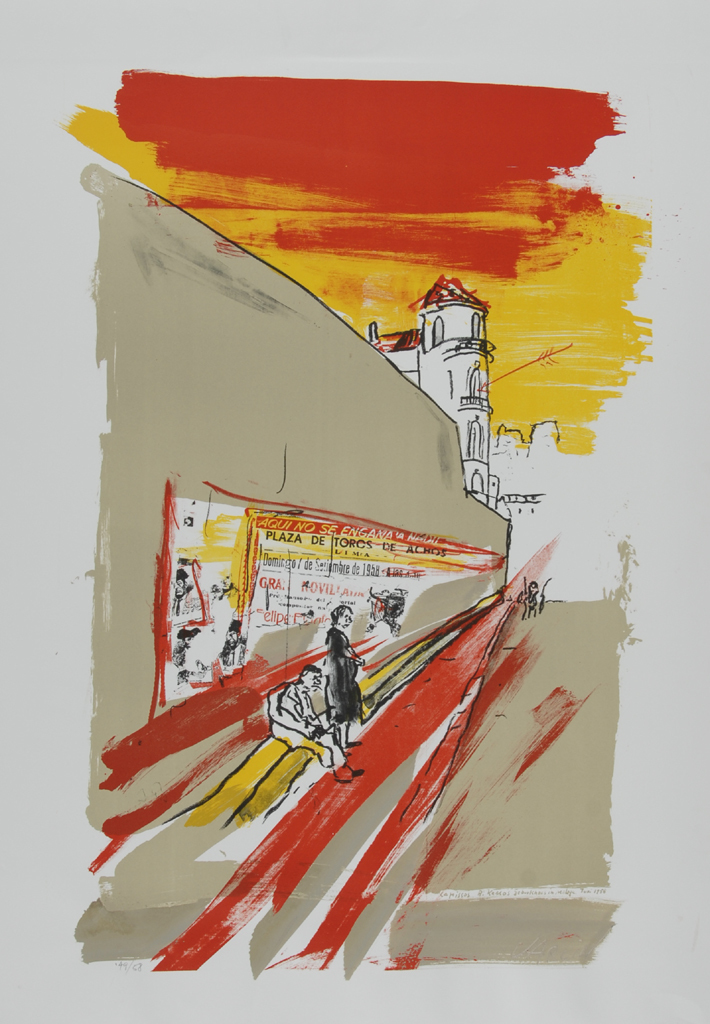
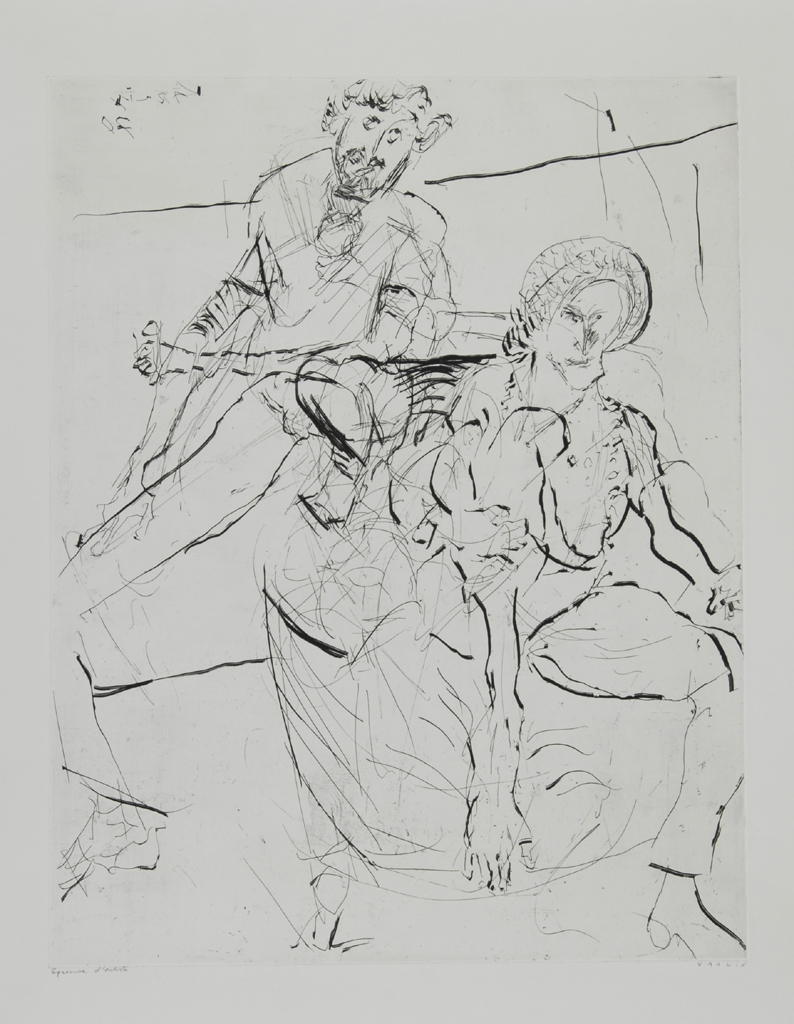
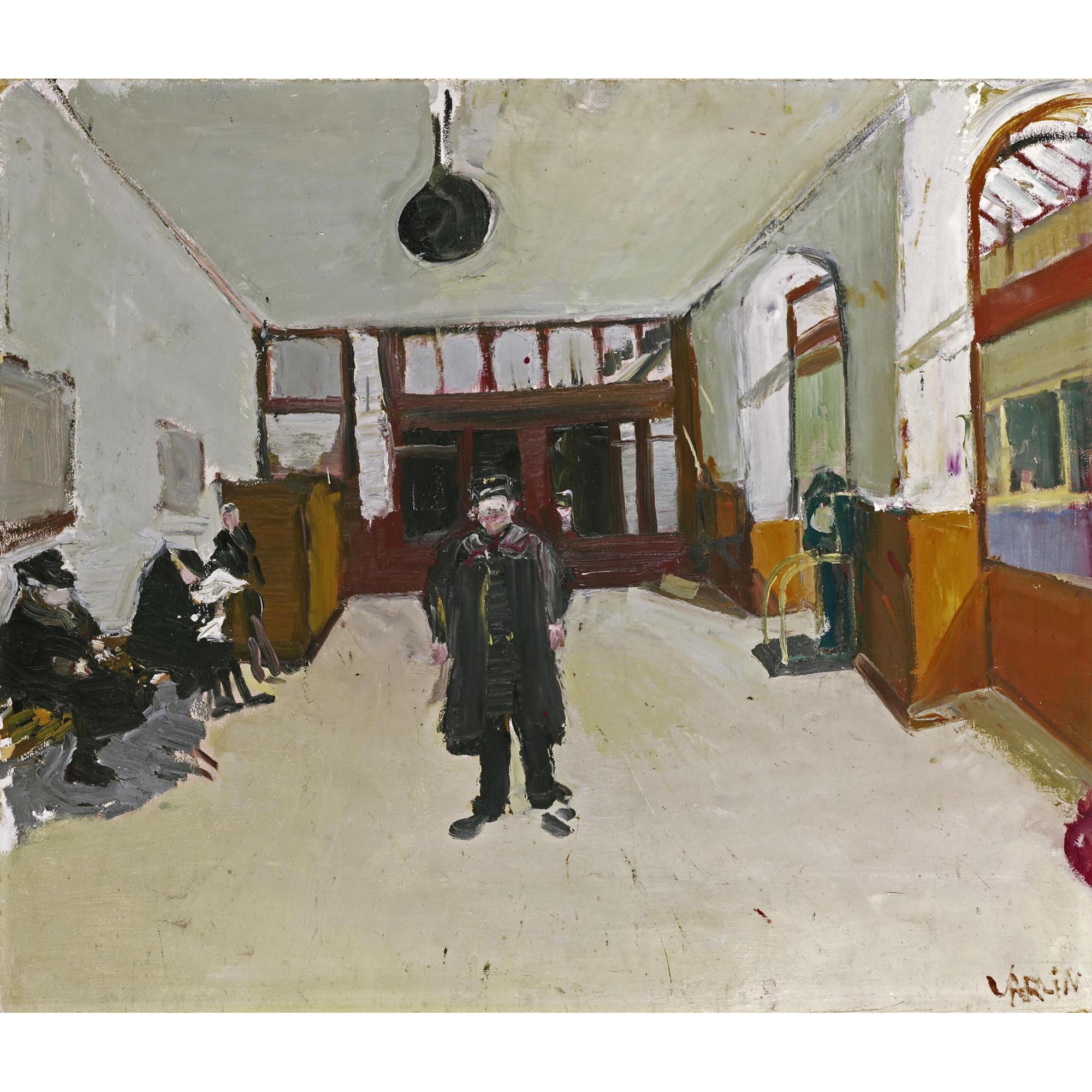
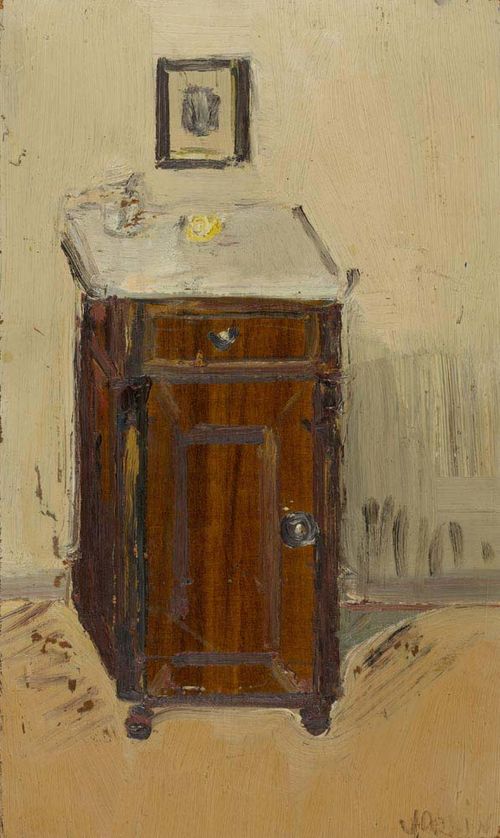
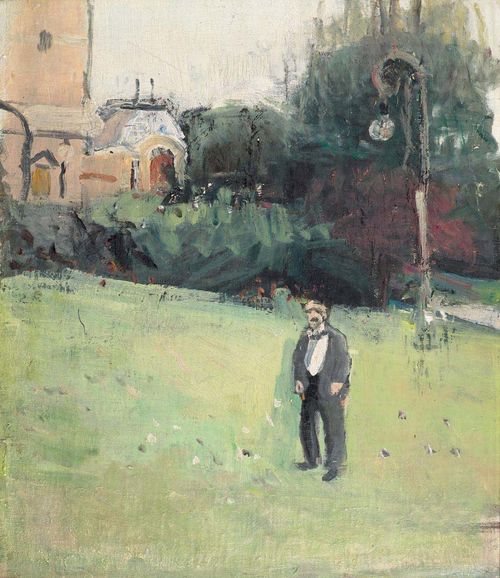
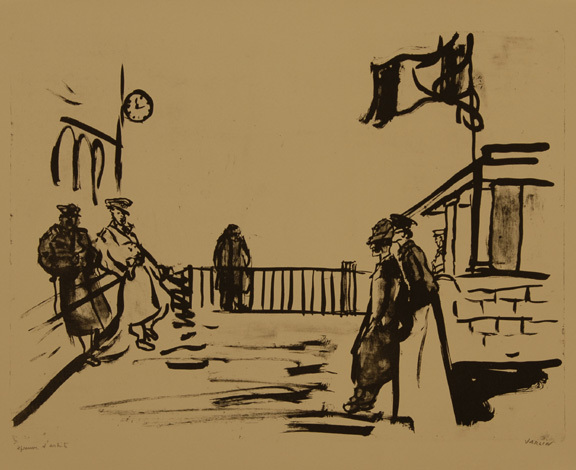
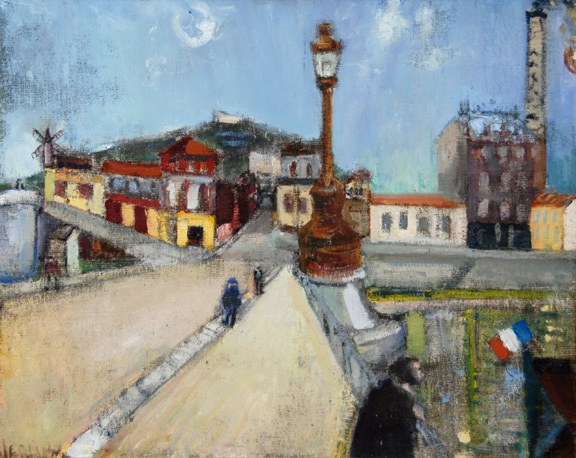
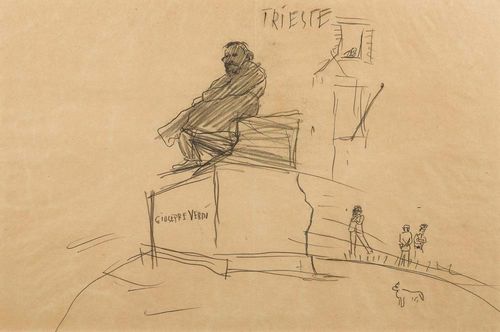
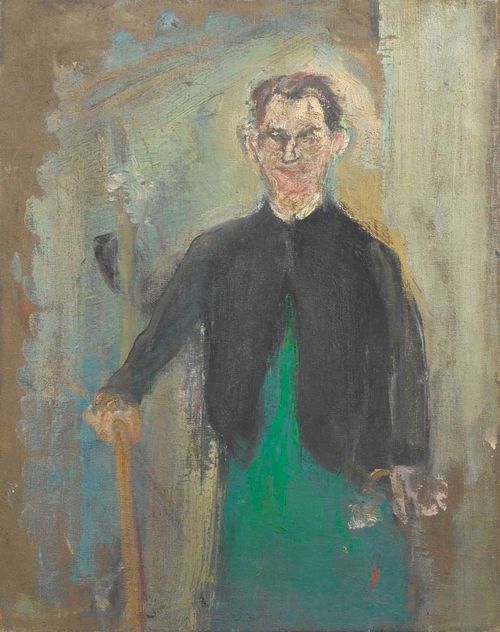
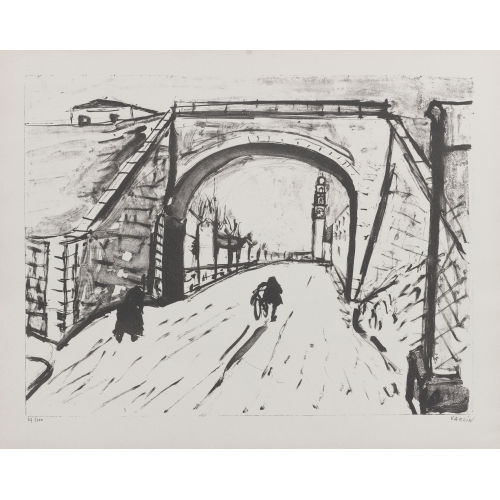
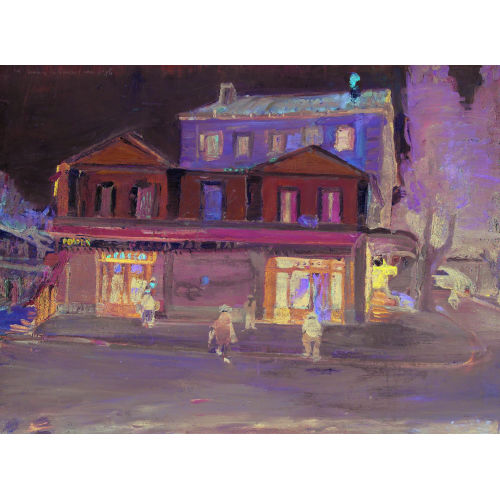
His work belongs to a realist and Expressionist tradition. Rather than idealising his subjects, the painter observes people and things in their concrete presence. An attentive irony runs through his paintings: it does not reduce everyday life to caricature, but reveals its fragility and brings out its poetry.
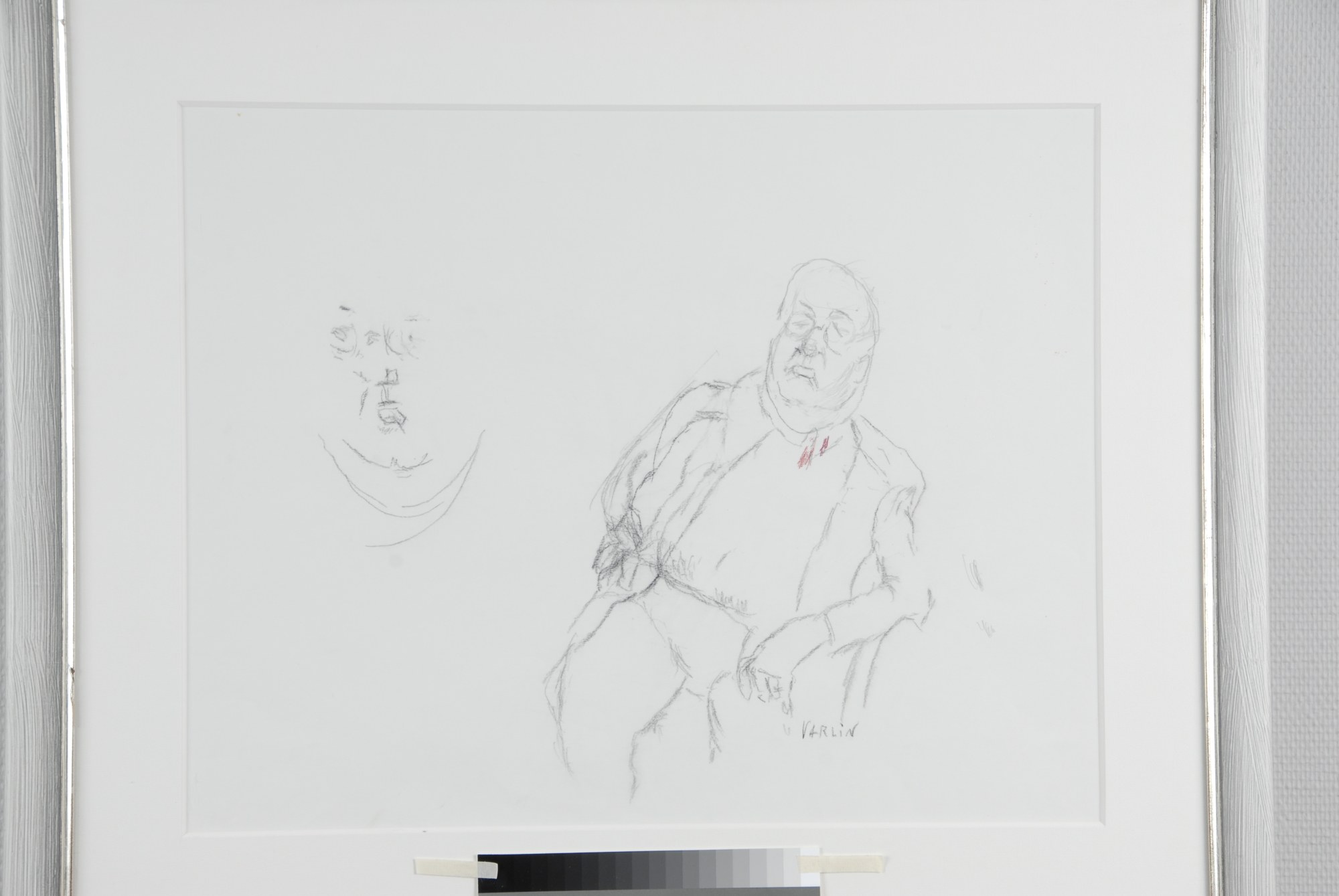
Ordinary objects thus acquire a dignity of their own, while his portraits of Swiss personalities extend his interest in singular characters. Varlin’s painting combines direct observation with expressive intensity, giving the commonplace a presence that is at times unsettling and at times tender.
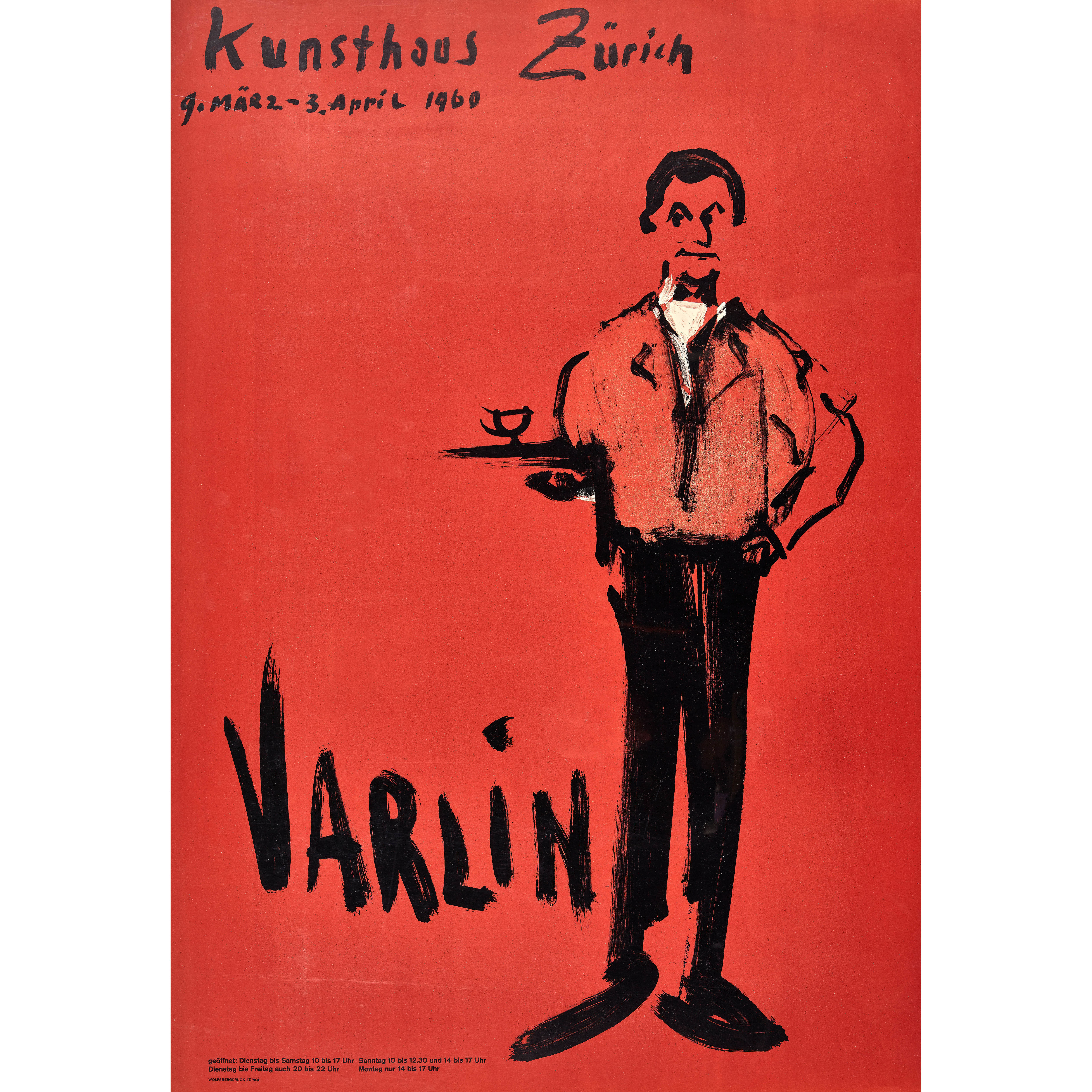
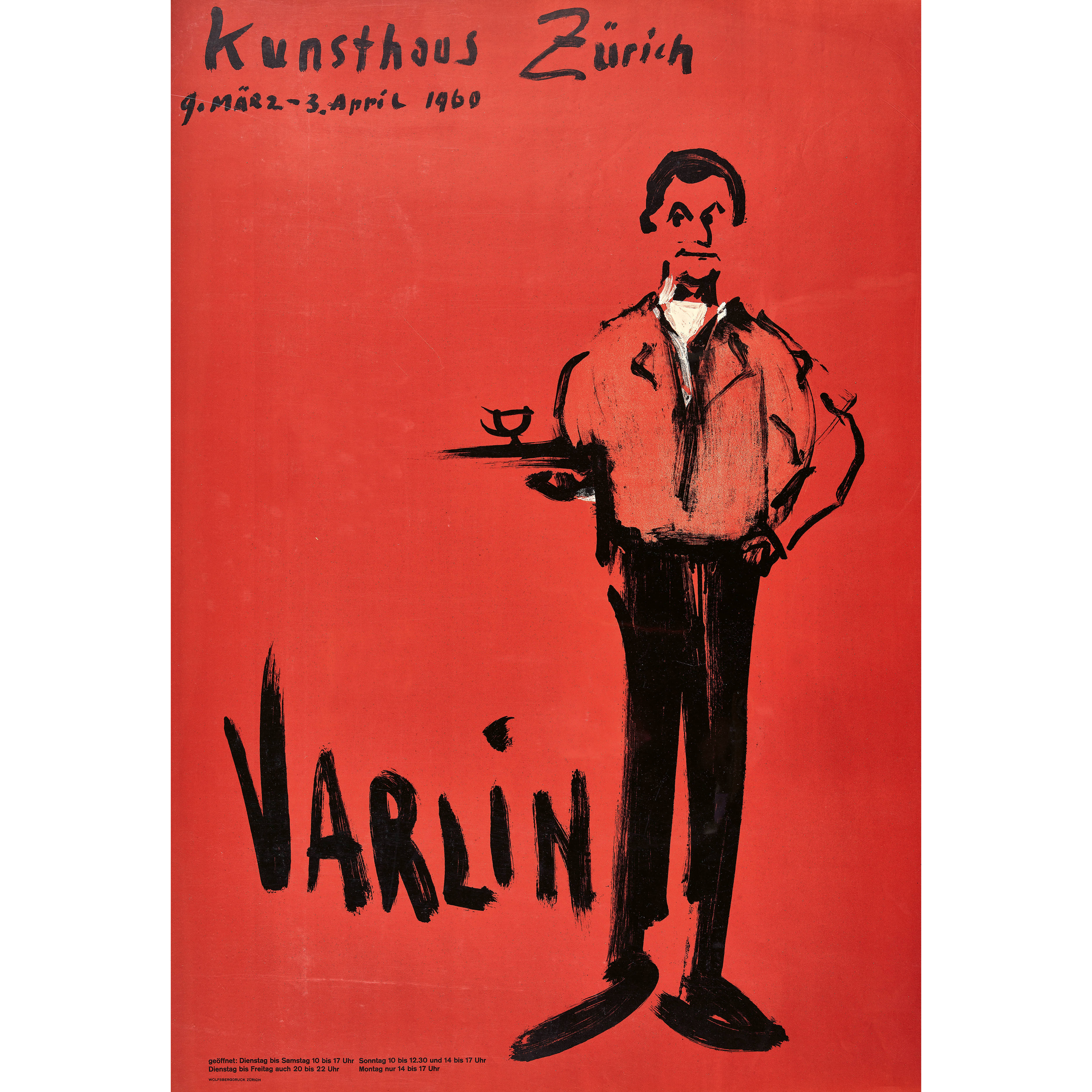
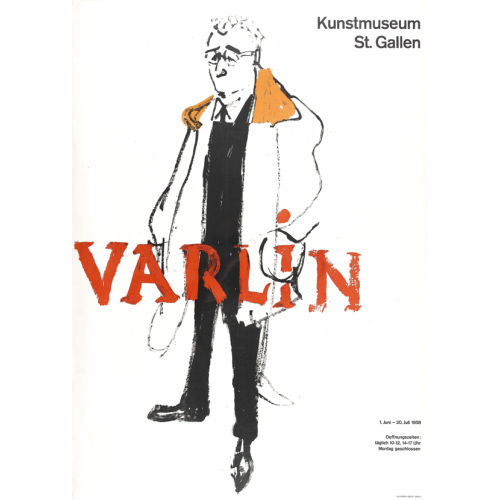
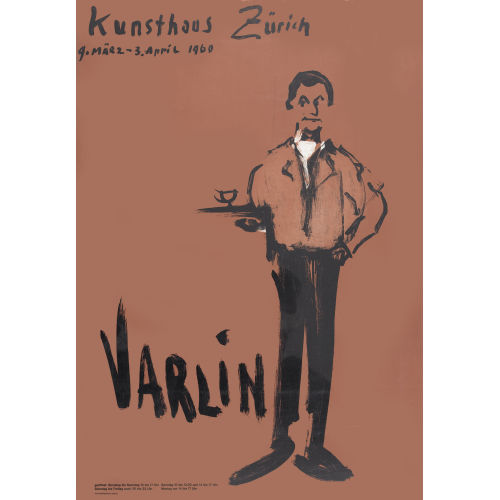
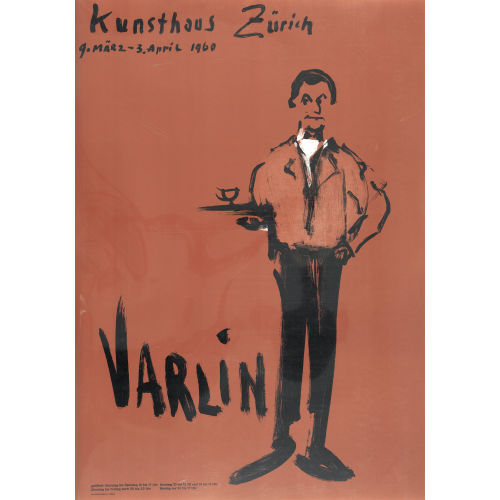
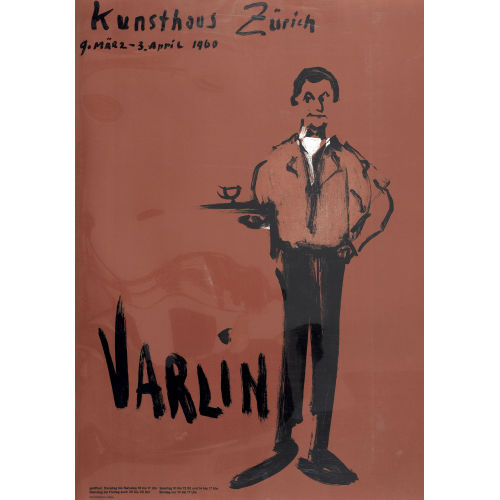
From the 1950s onwards, important exhibitions were devoted to his work, notably at the Kunsthaus Zurich. In 1960, he took part in the Venice Biennale. In 1951, the Kunstmuseum Luzern presented the exhibition «Max Gubler, Varlin: Malerei», an indication of his visibility in museums as early as the post-war period.
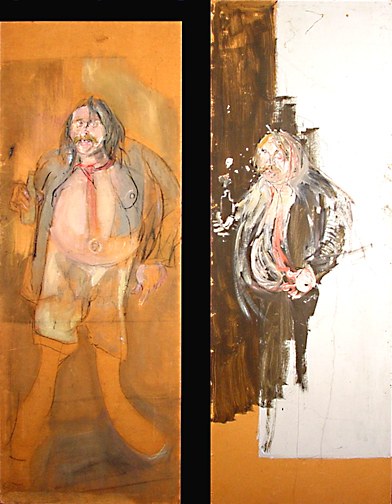
His presence in public collections continues: in 2023, the Bündner Kunstmuseum acquired his painting *König Ubu* (1965), executed in oil and charcoal on canvas. These markers place Varlin among the Swiss painters of the twentieth century whose attention to reality is accompanied by a deeply personal vision.