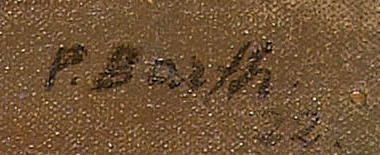
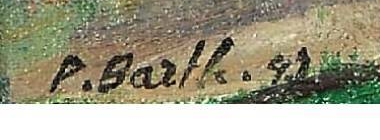
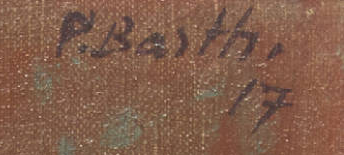
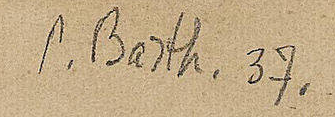
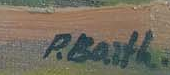
Paul Basilius Barth
Born in 1881.
Died in 1955.
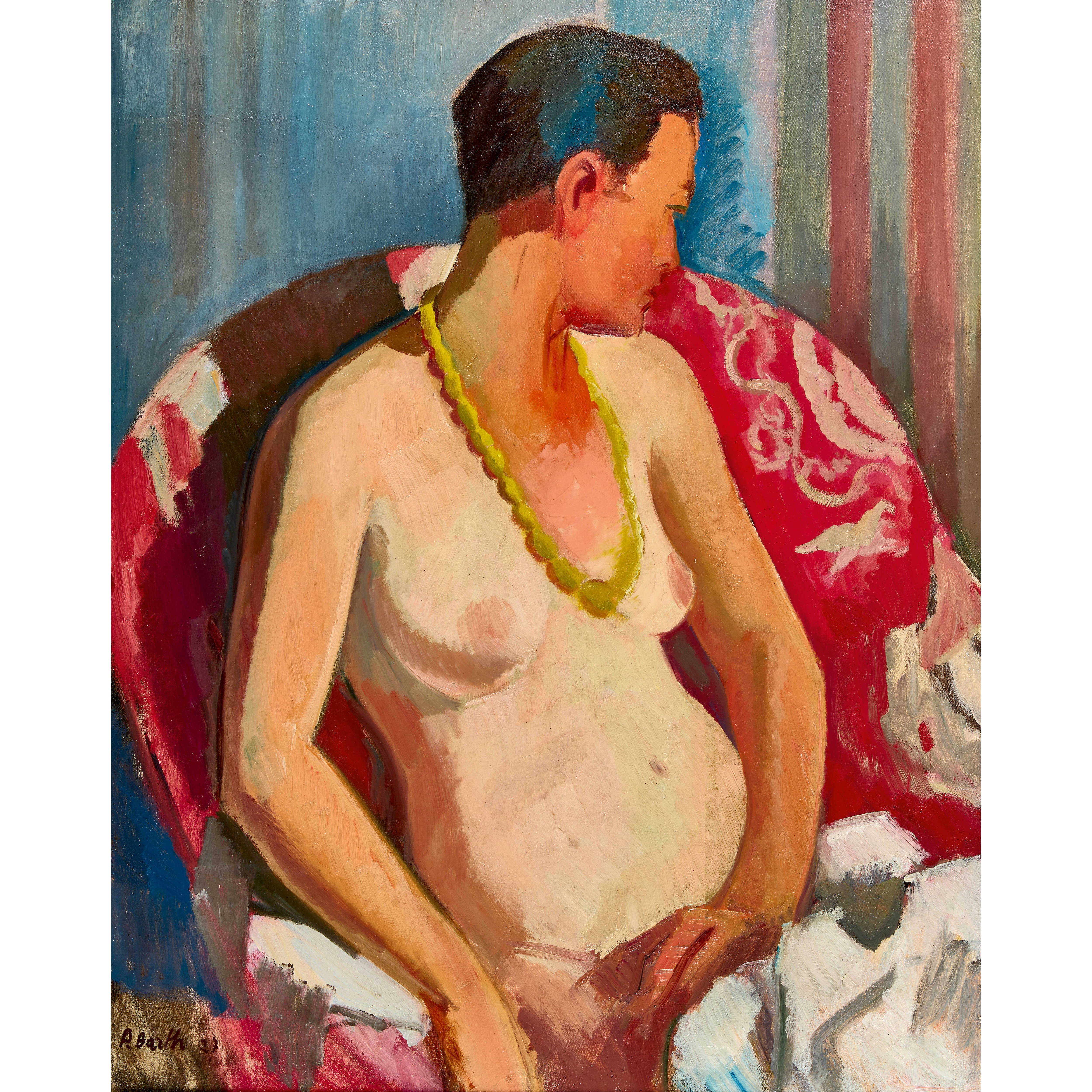
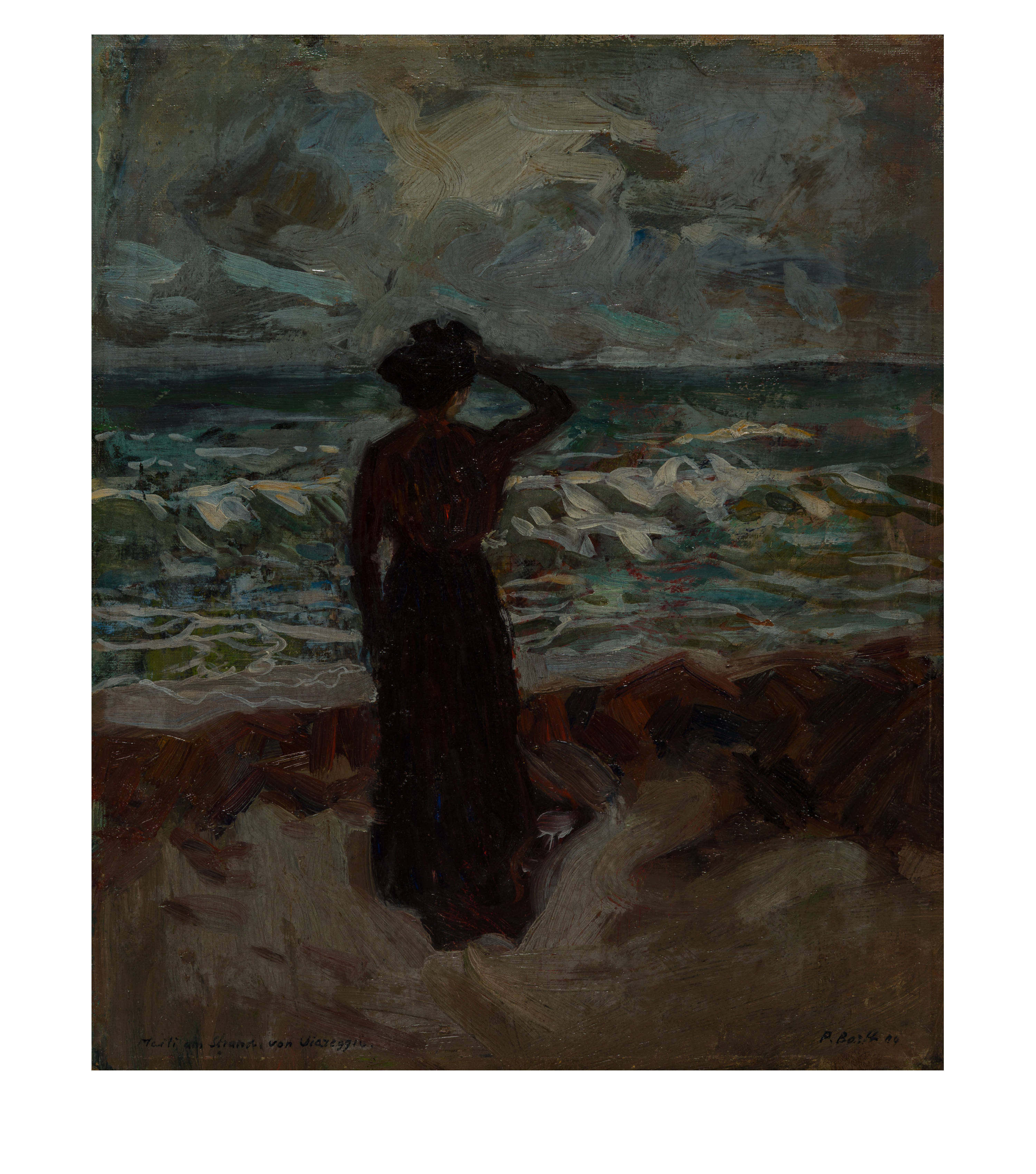
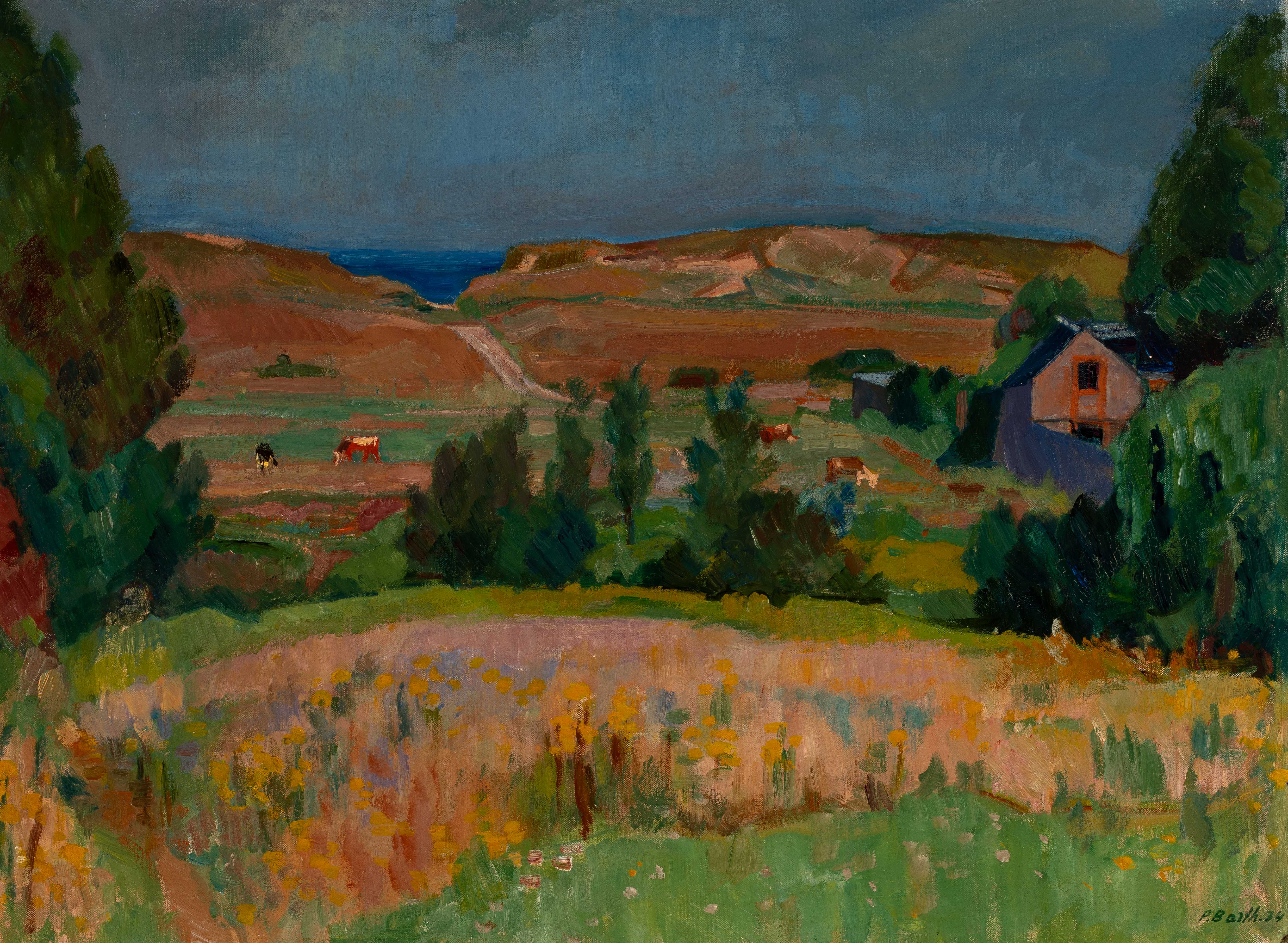
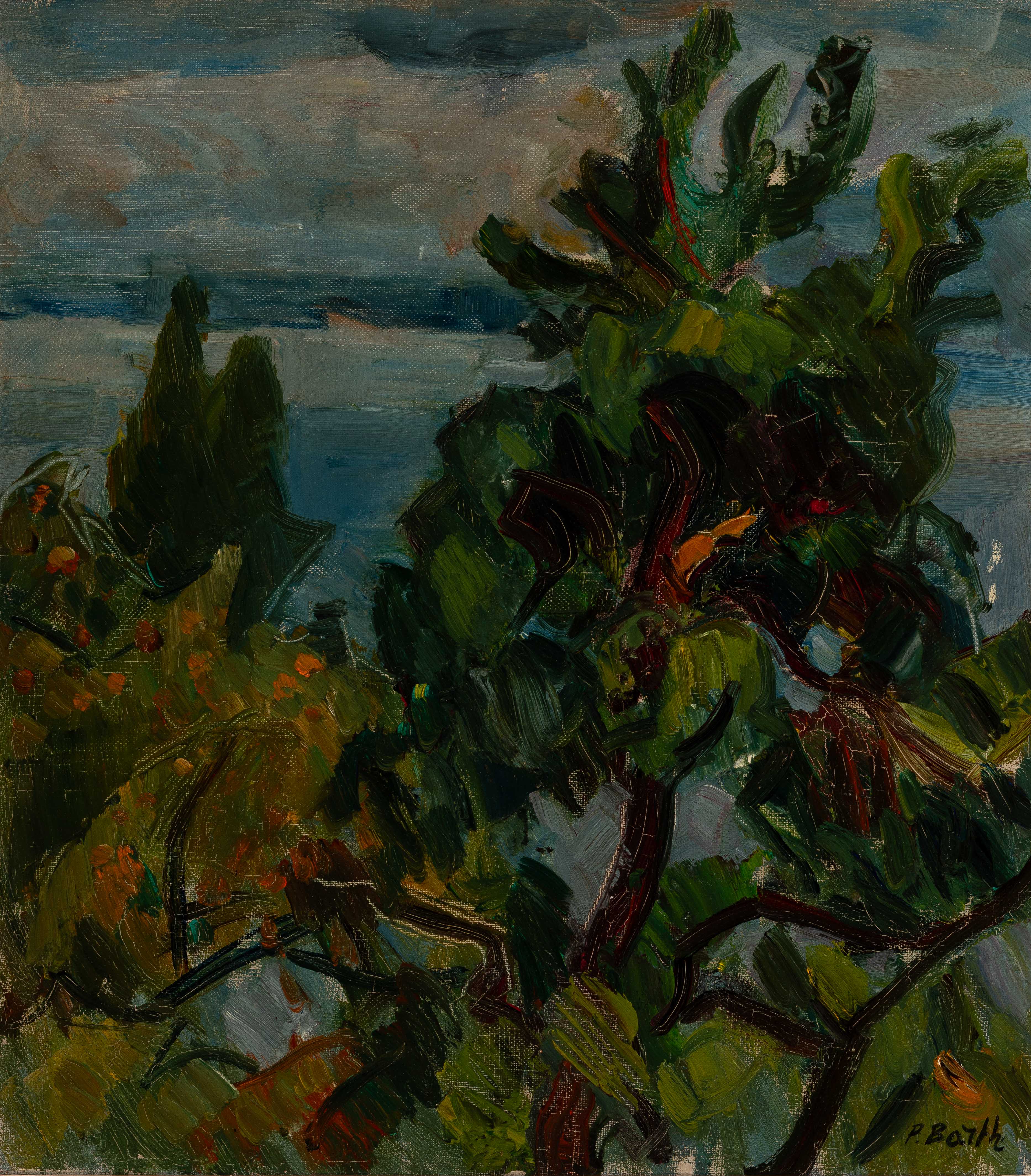
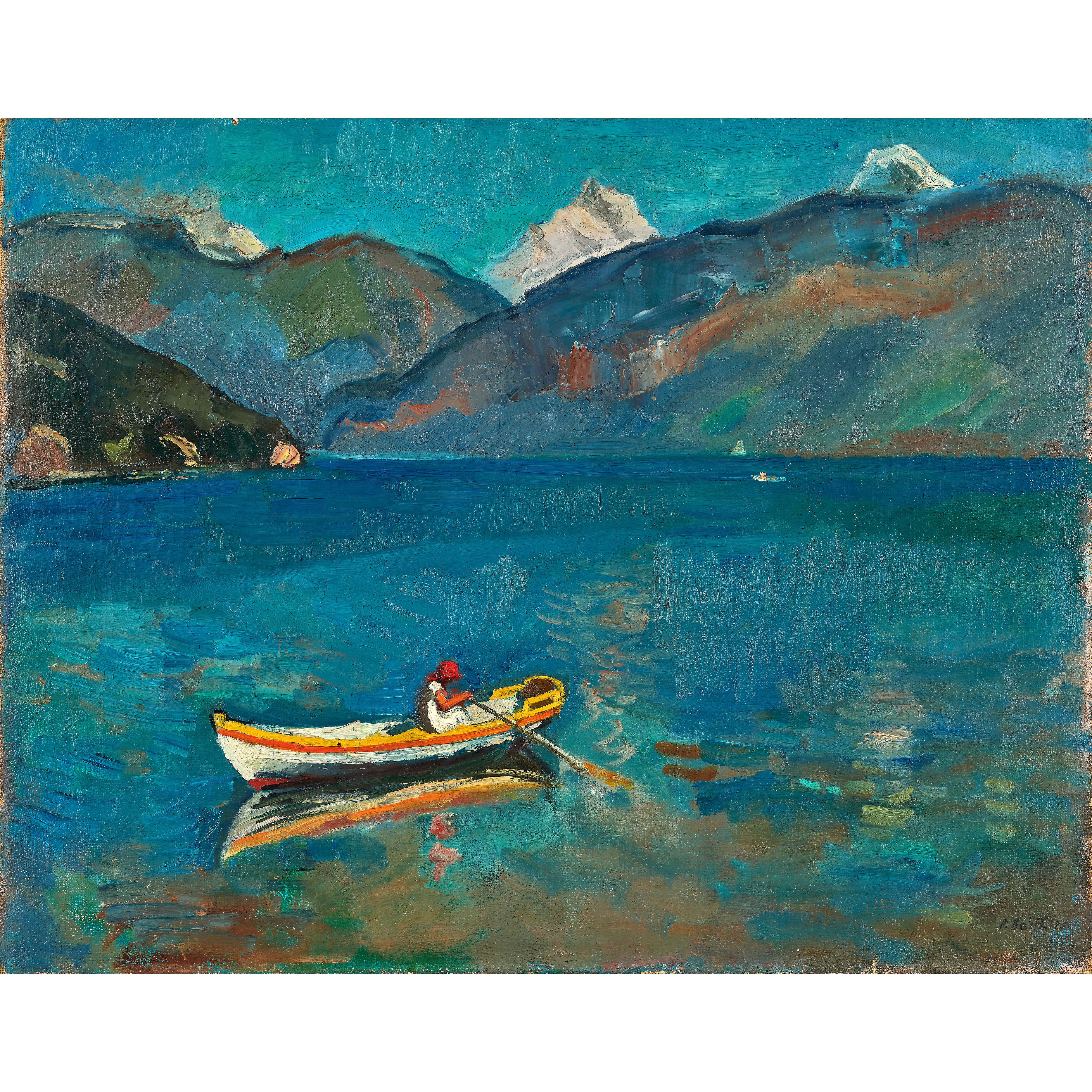
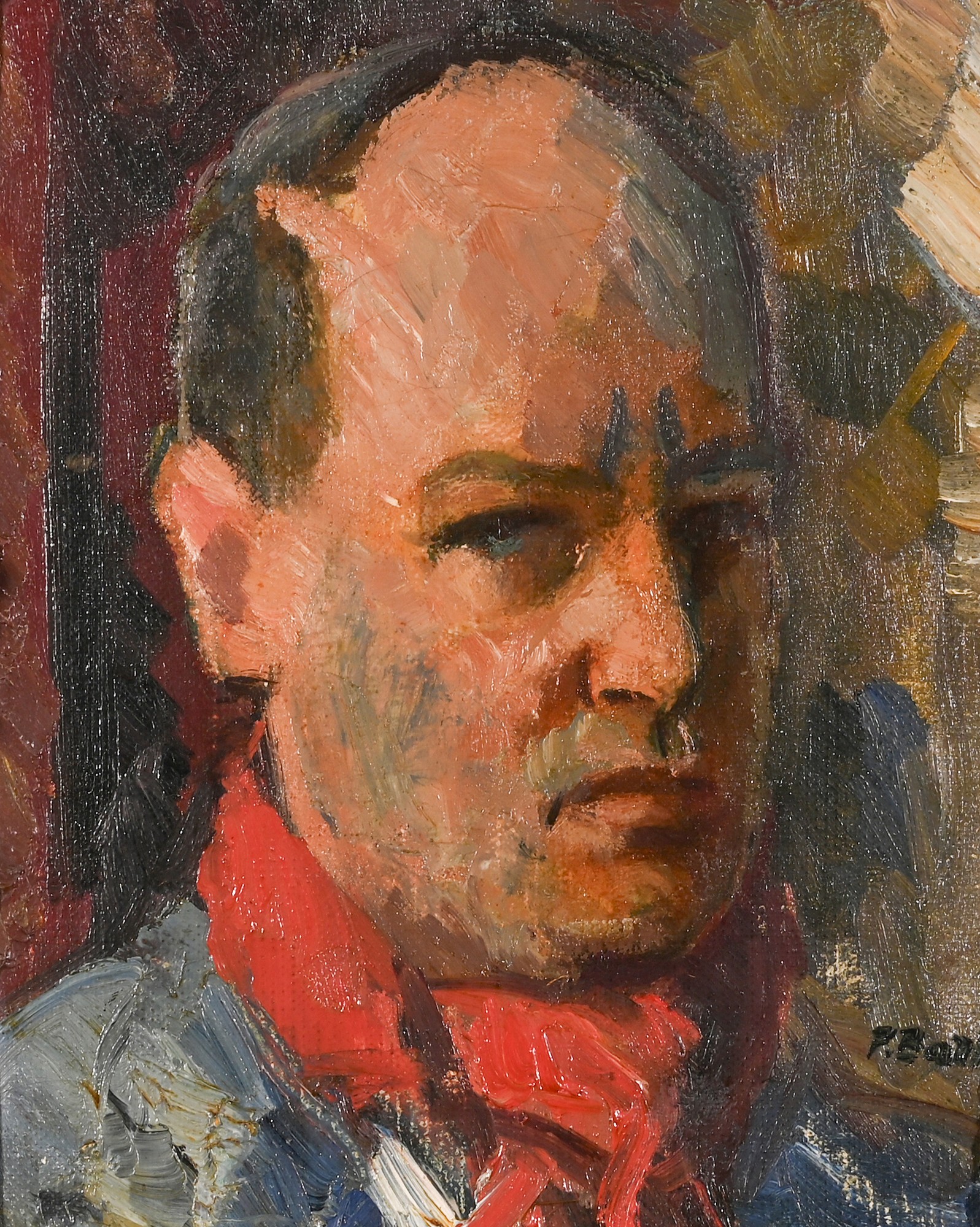
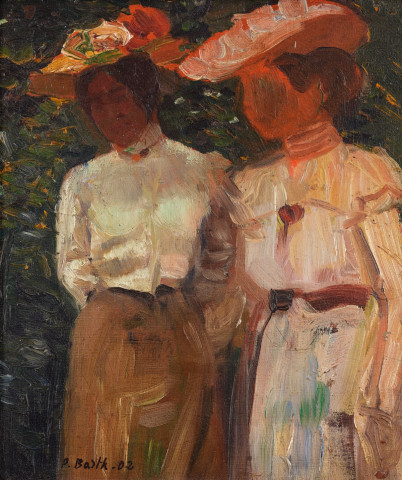
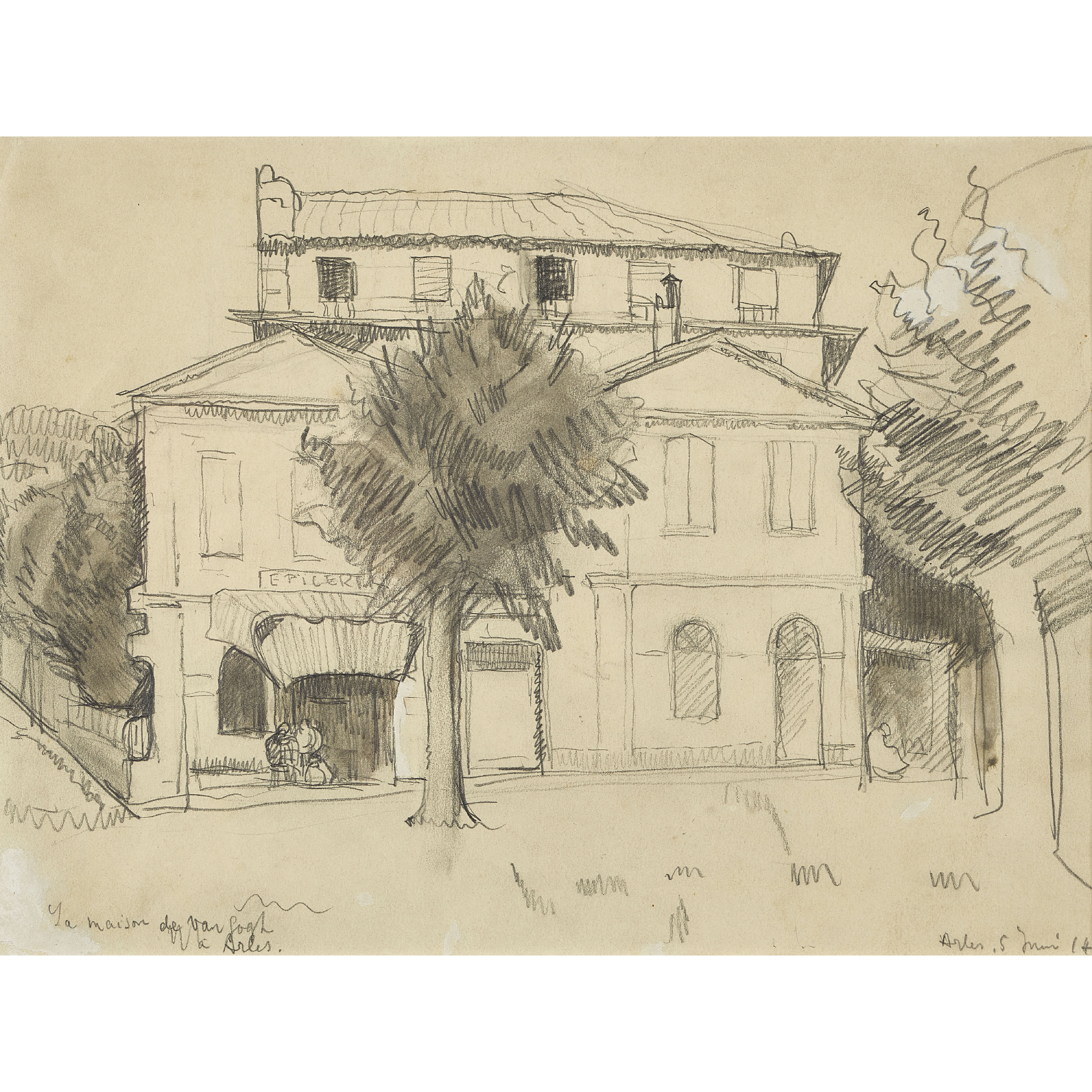
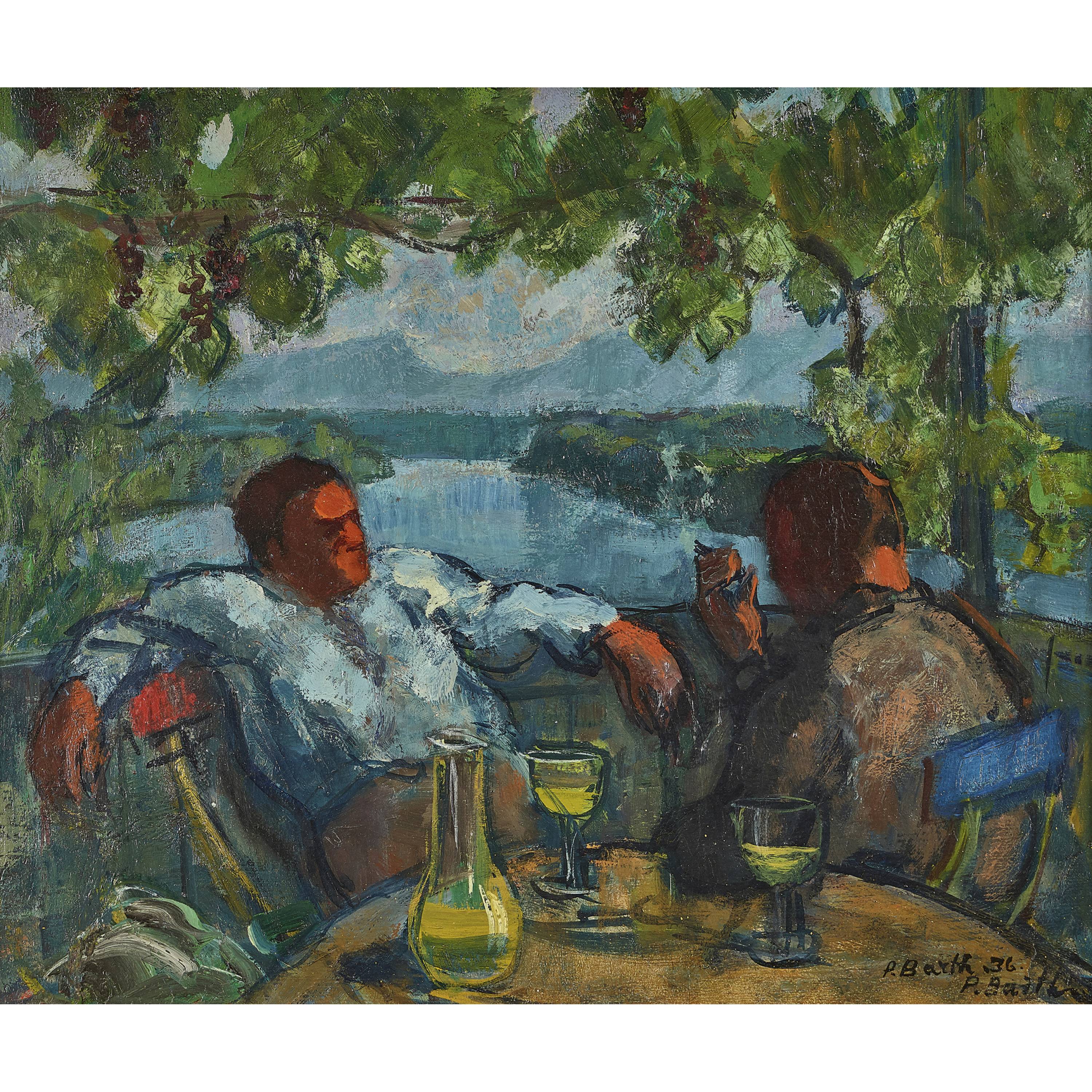
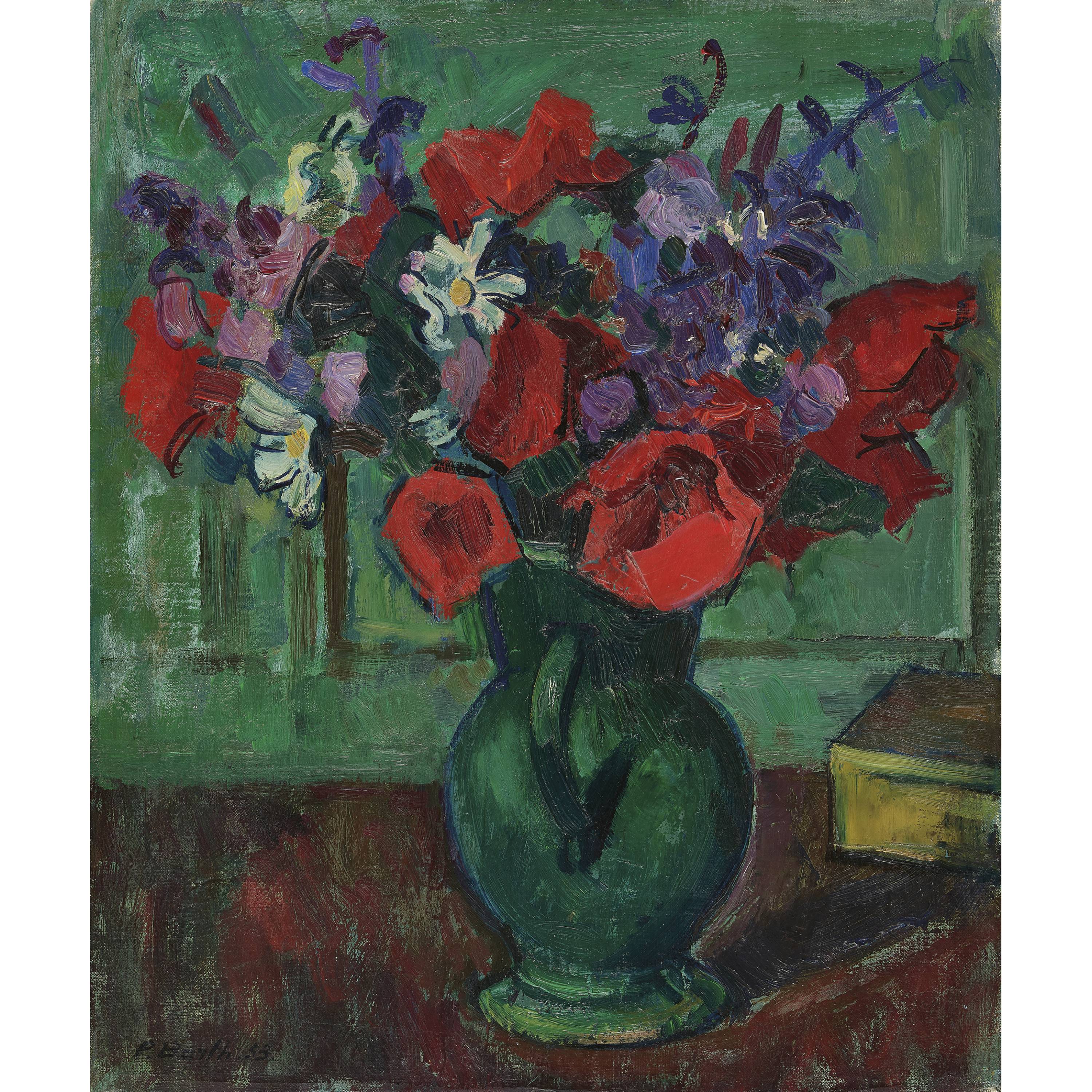
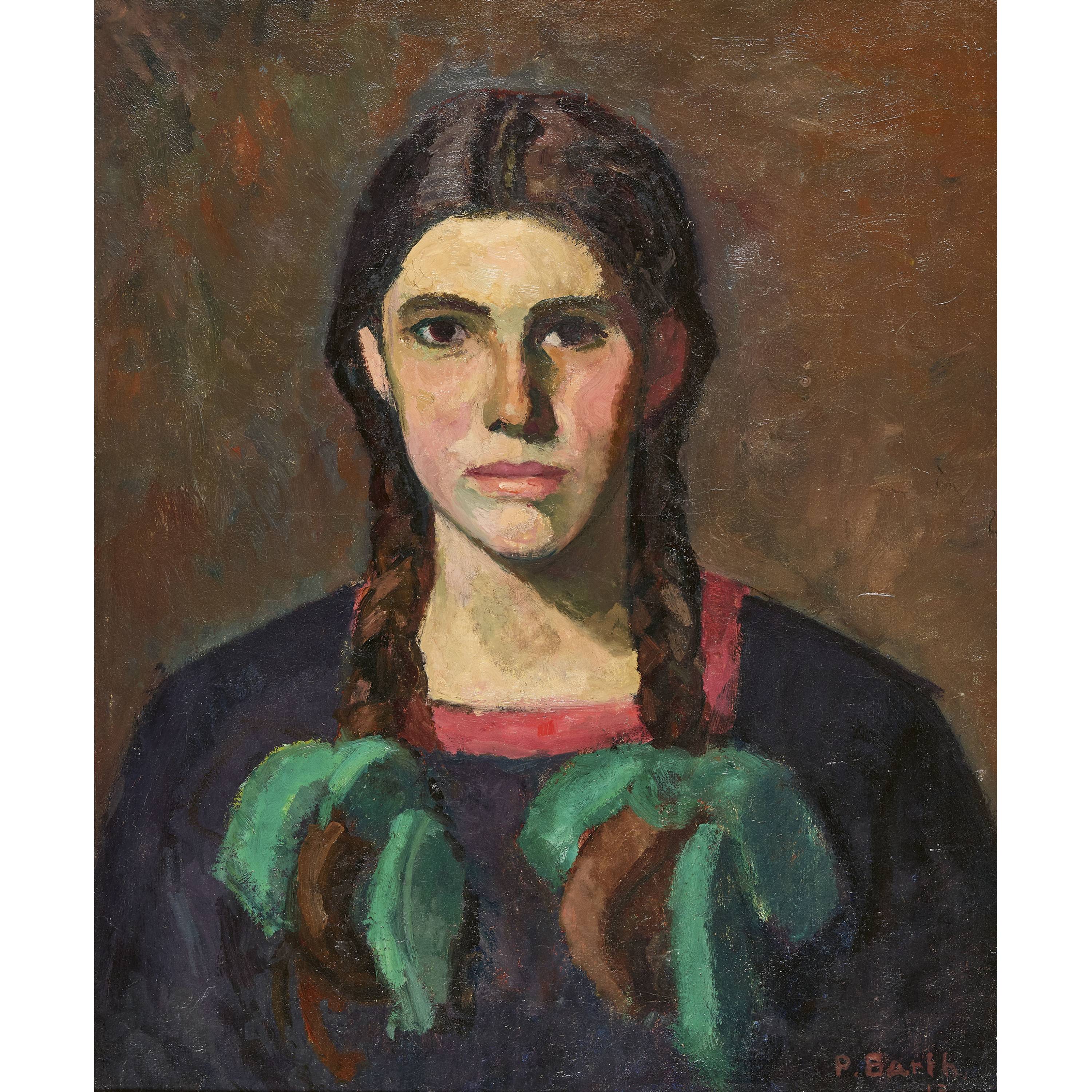
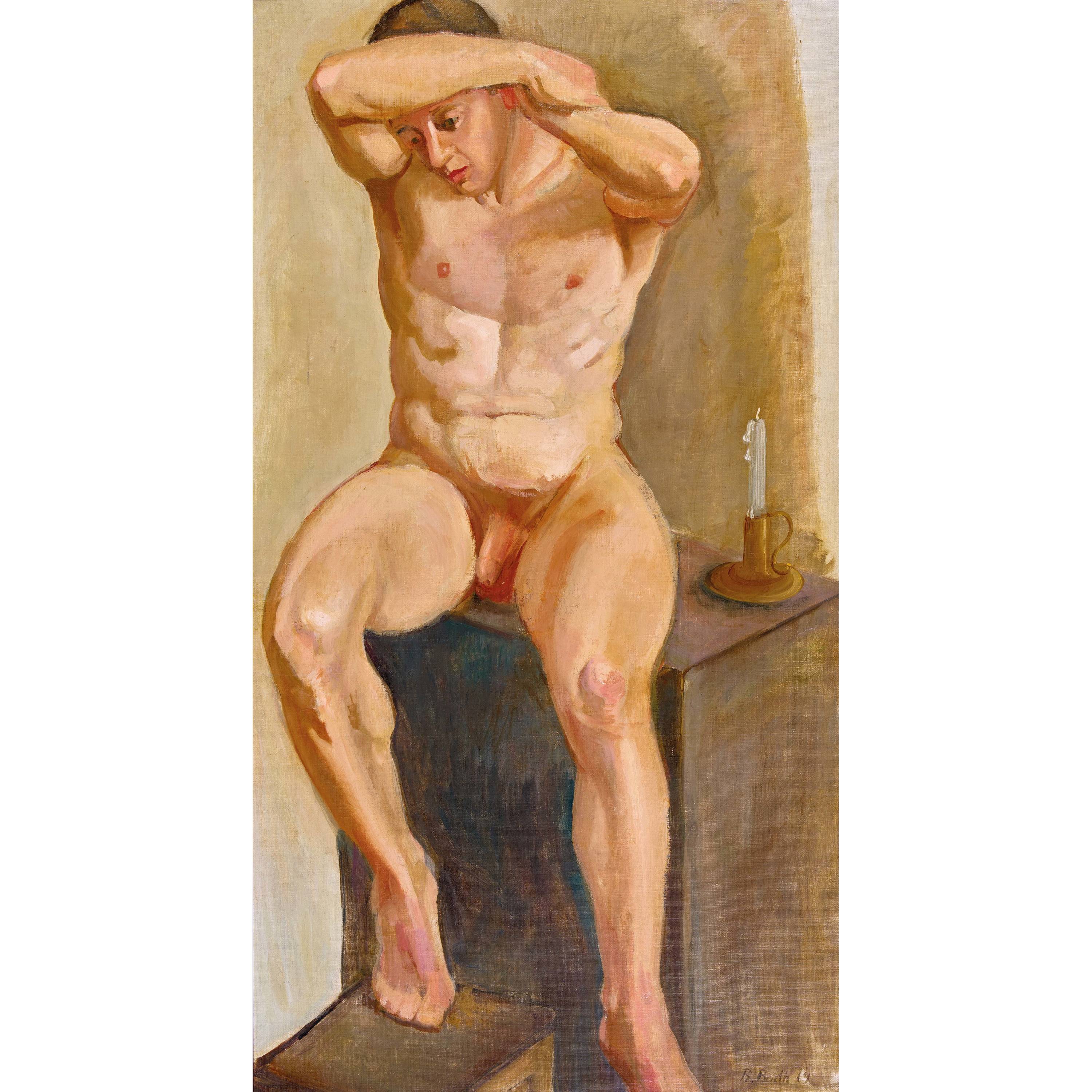
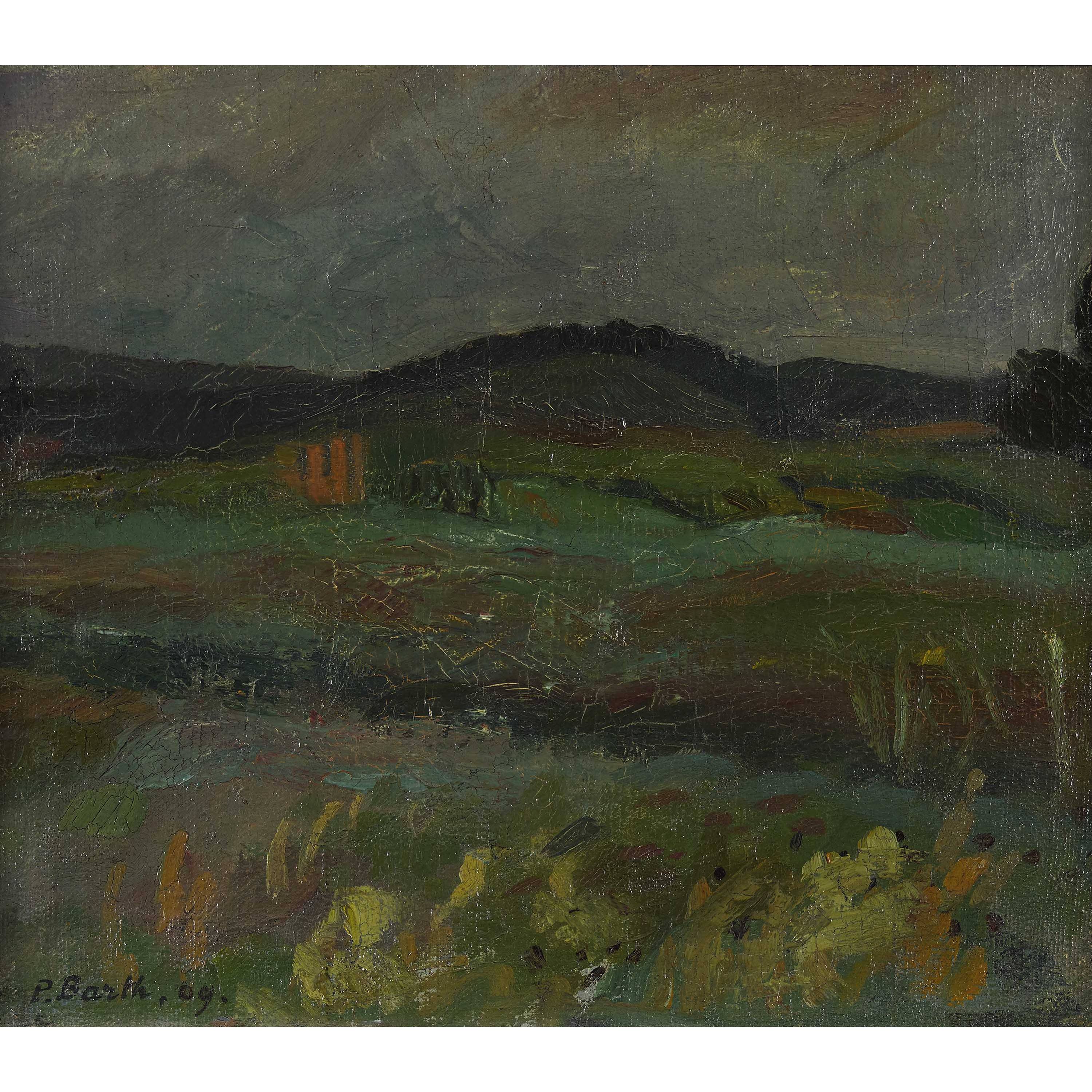
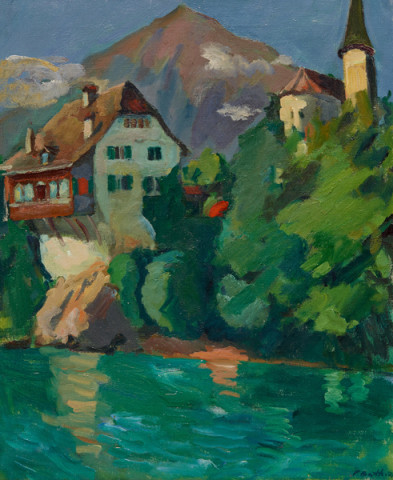
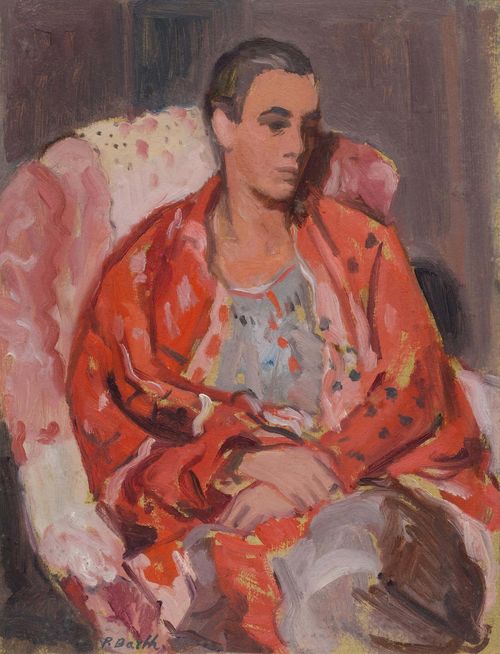
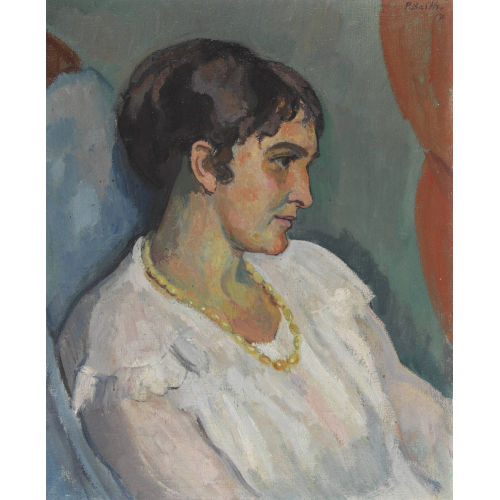
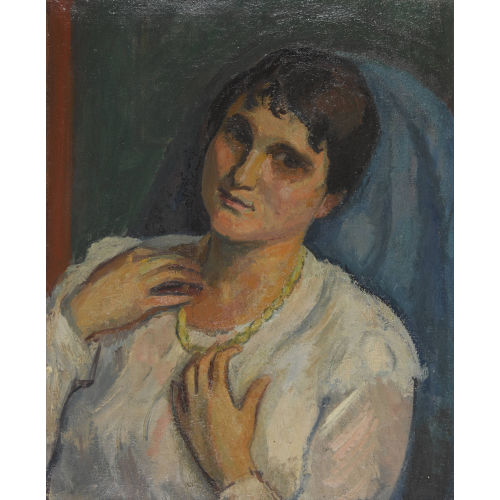
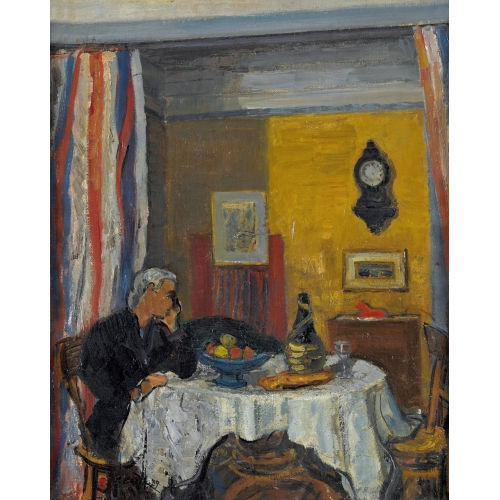
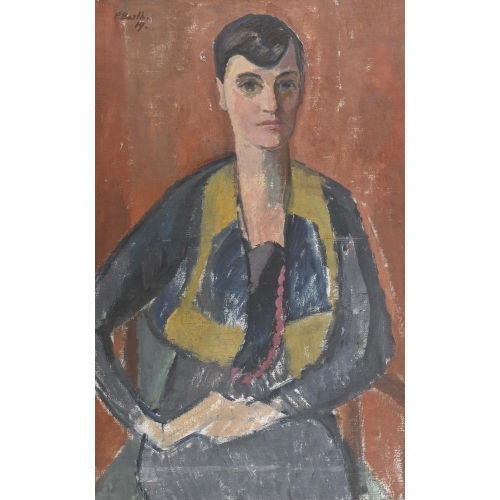
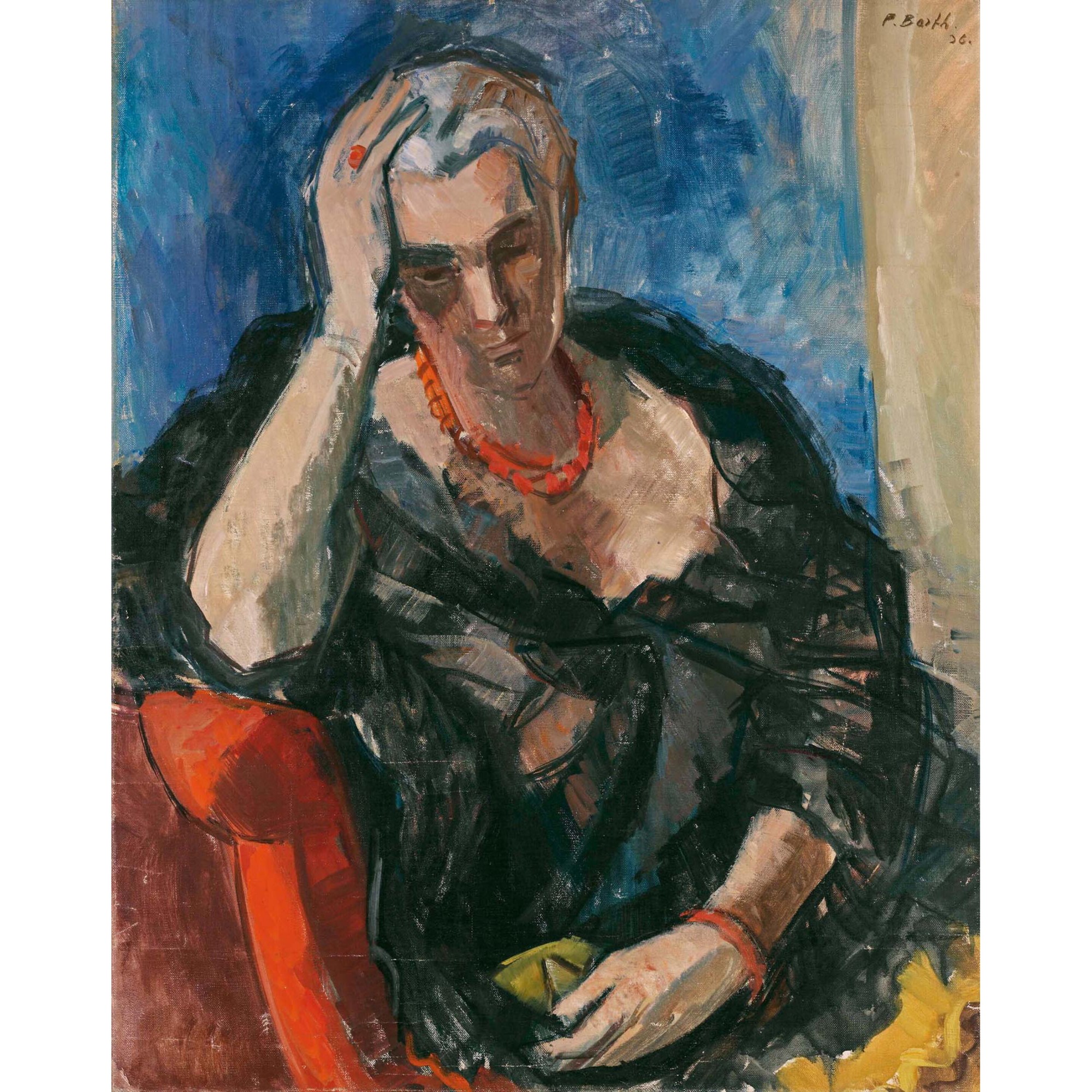
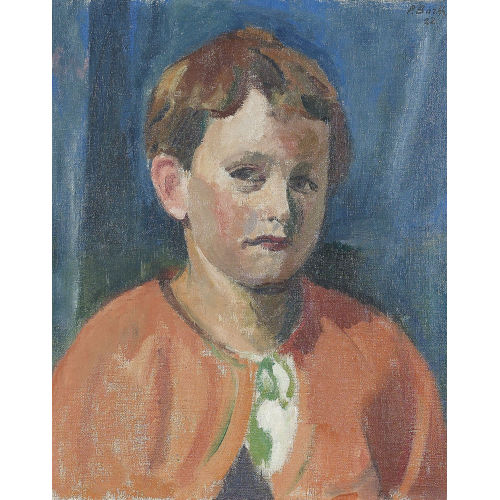
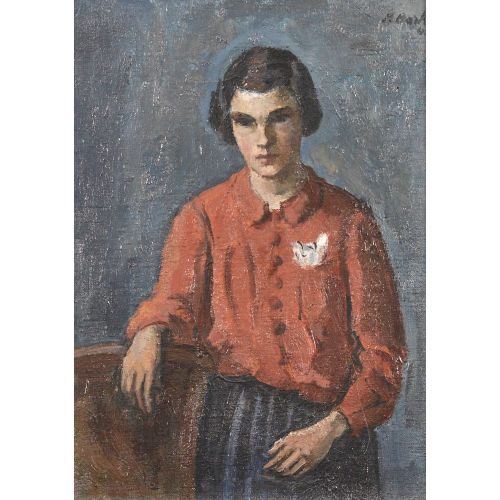
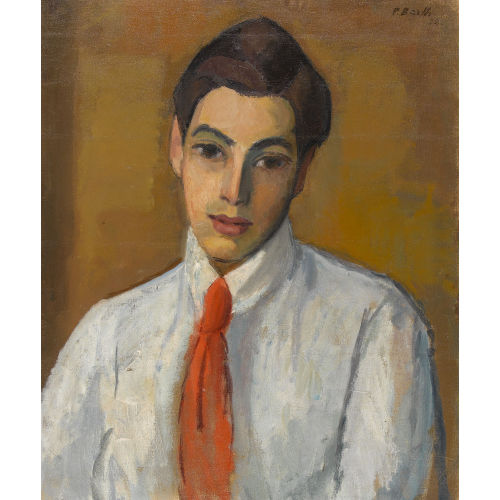
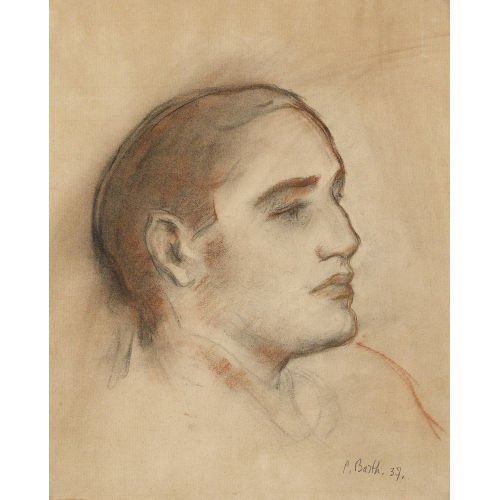
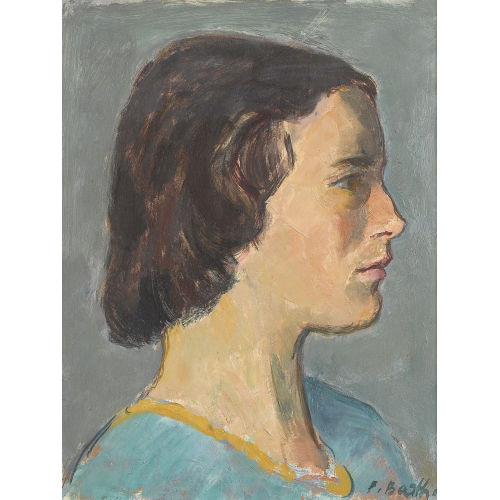
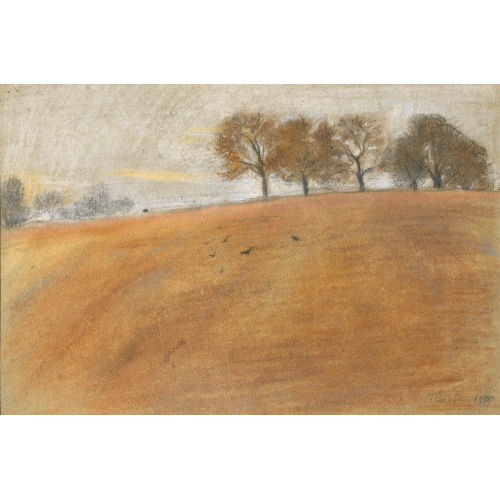
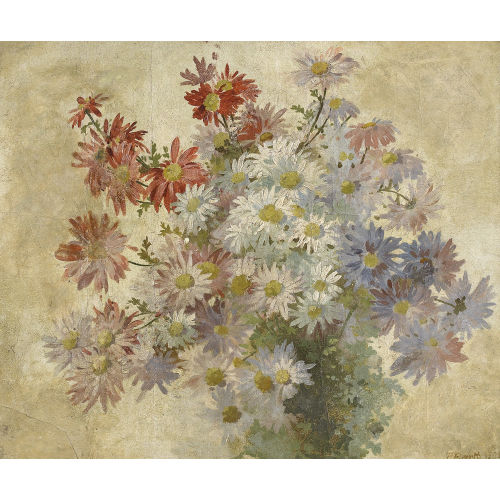
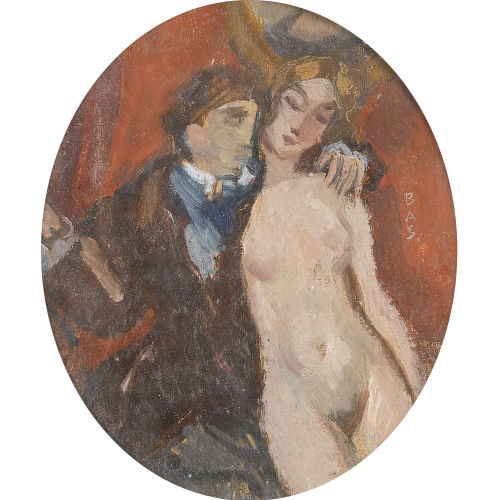
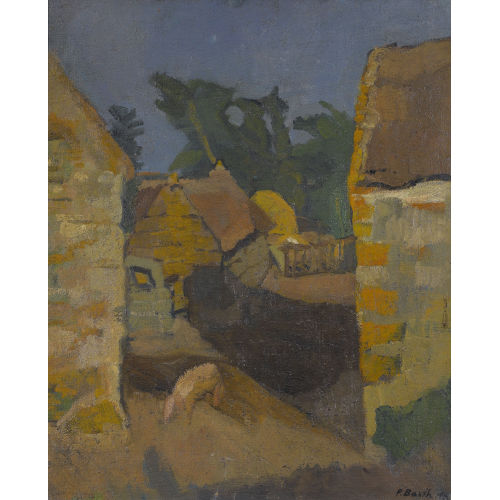
Paul Basilius Barth (1881–1955) made portraiture and landscape the fields of a patient inquiry into form and colour. Born in Basel, he first trained as a decorative painter, attended the city’s school of arts and crafts, and then continued his training in Munich. After a stay in Italy, he settled in Paris from 1906 to 1914.
There he encountered, in particular, Cézanne’s painting and met Matisse and Maurice Denis. These exchanges nourished a personal language, attached to the classical genres without ceasing to renew them.
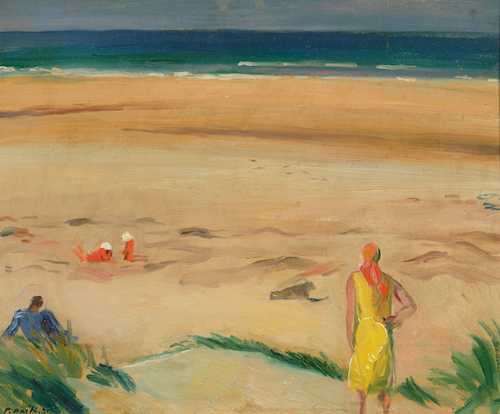
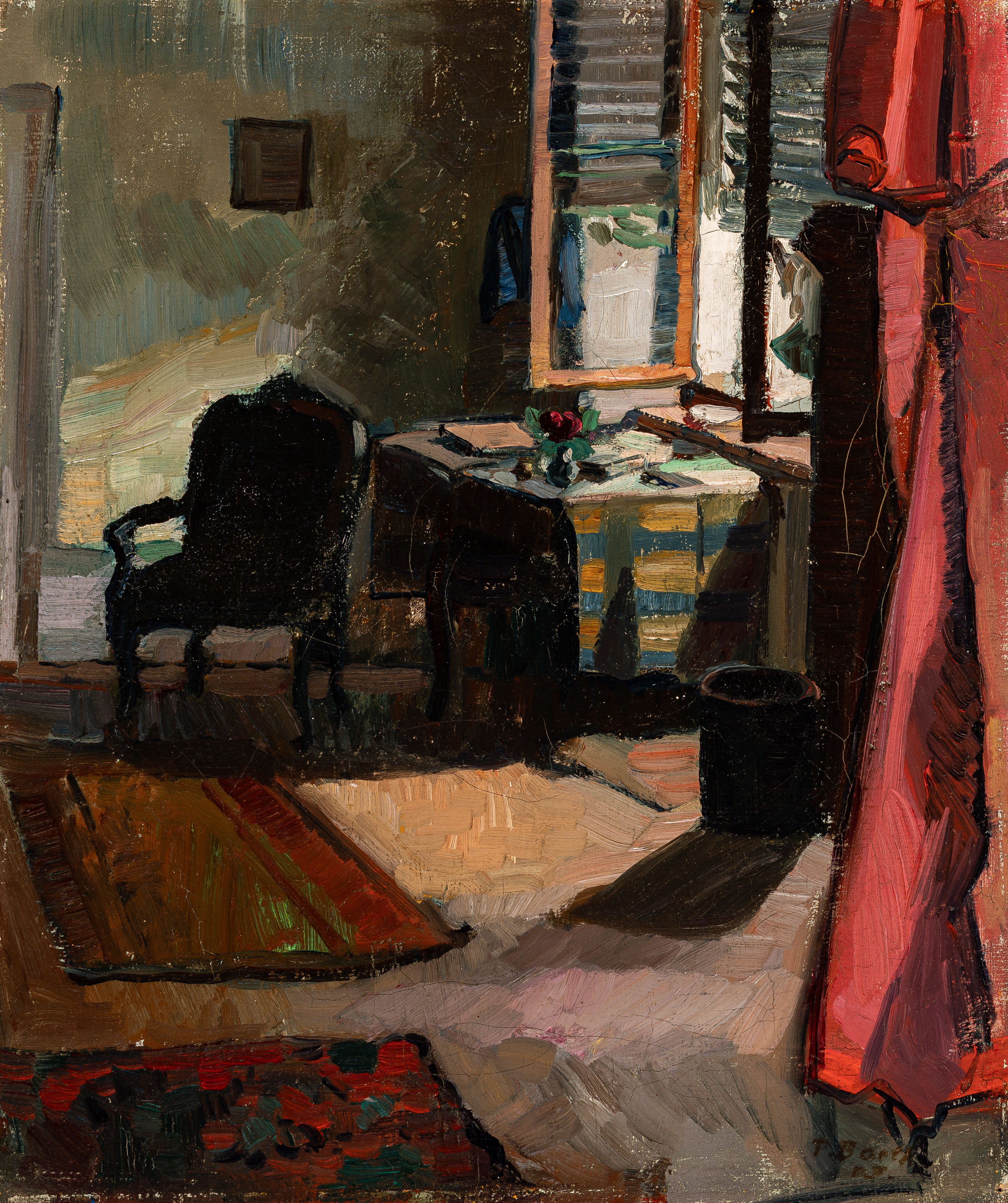
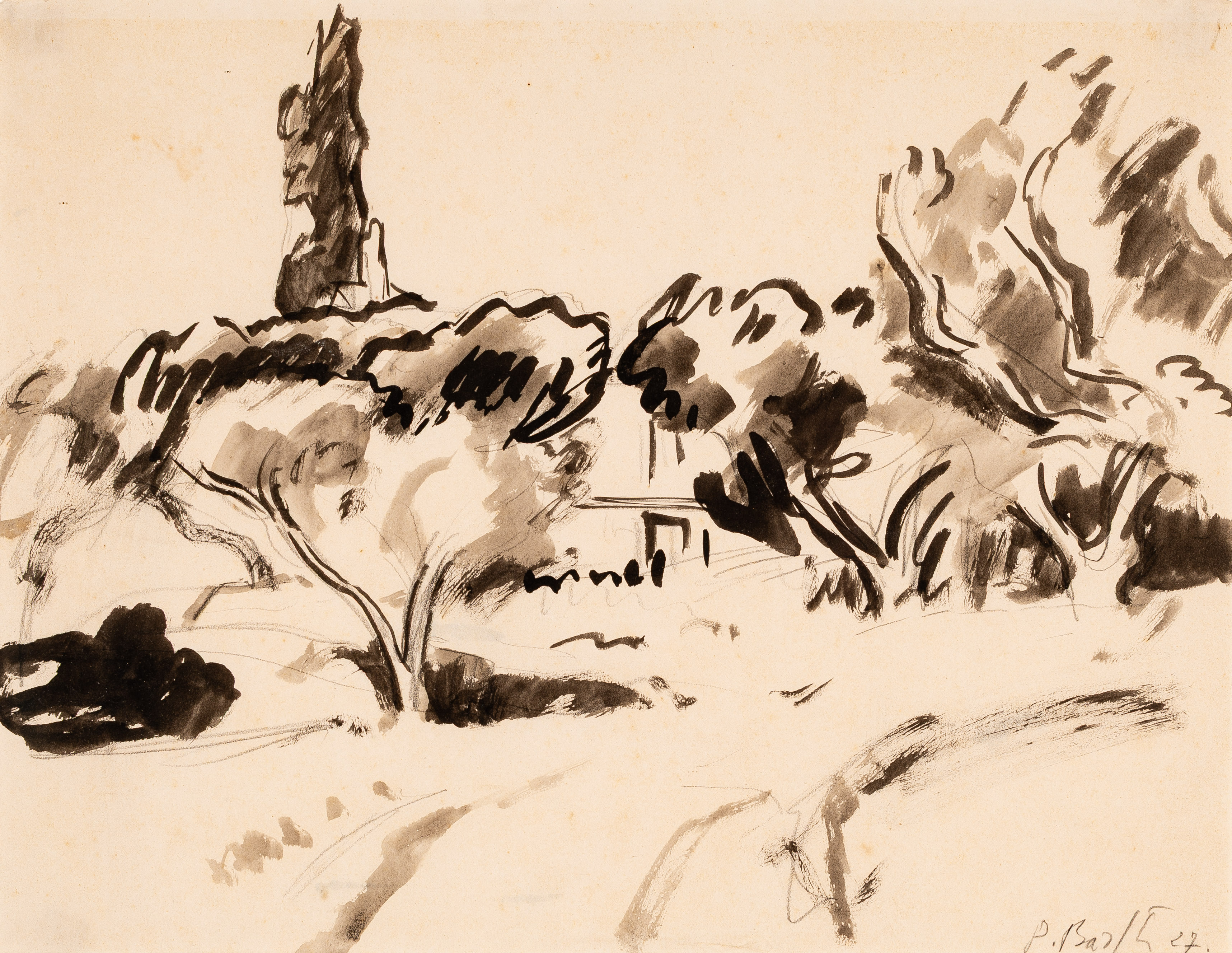
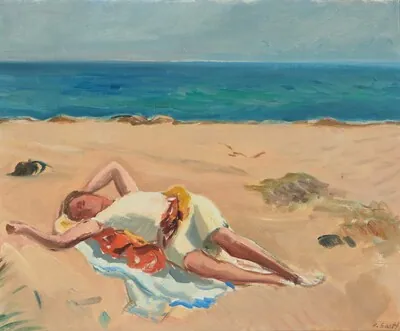
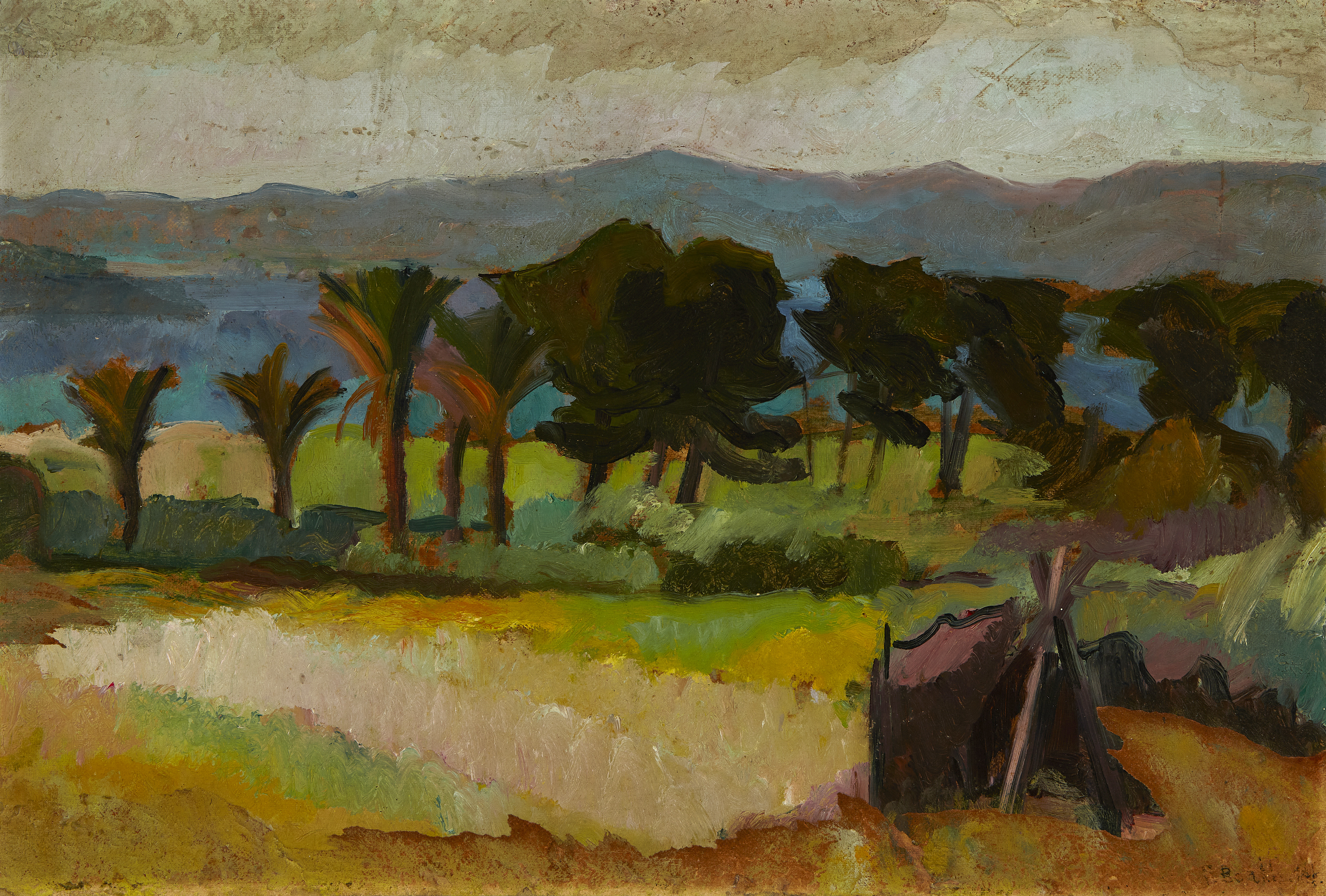
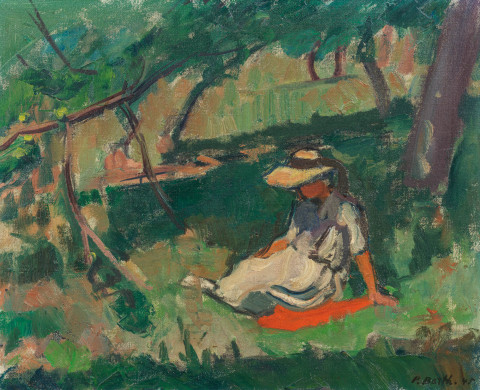
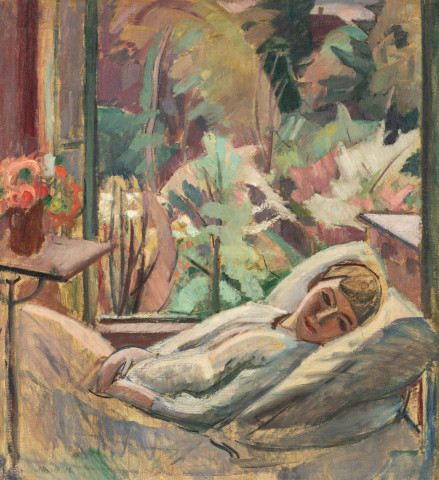
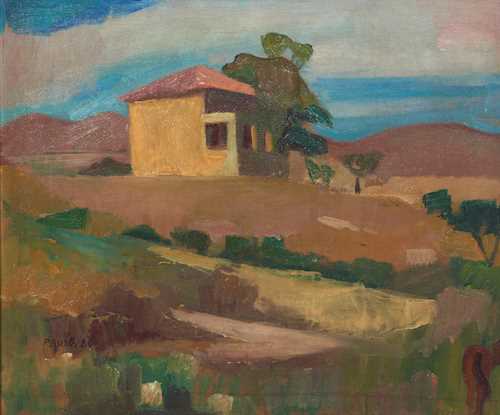
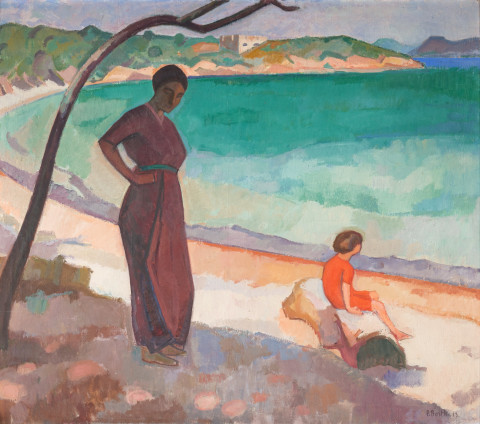
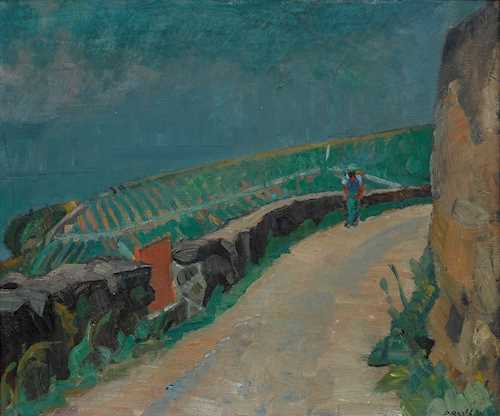
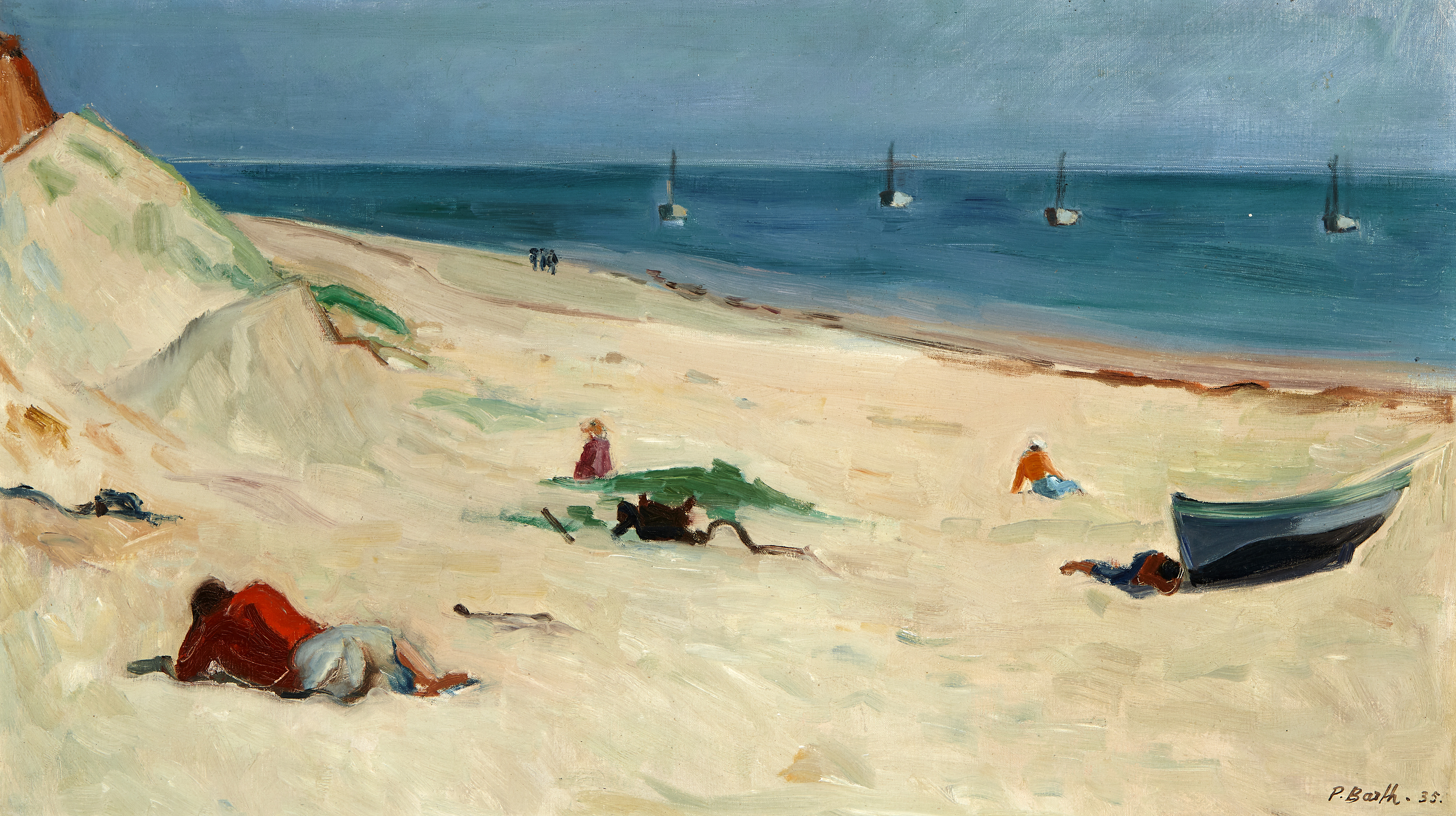
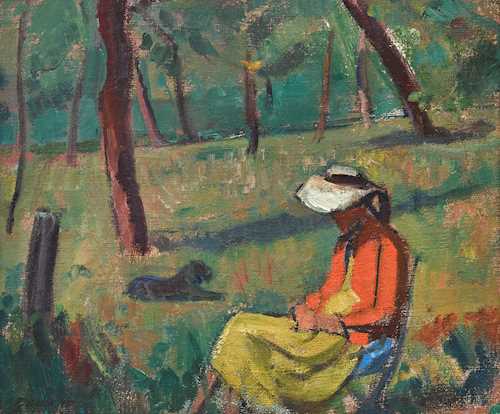
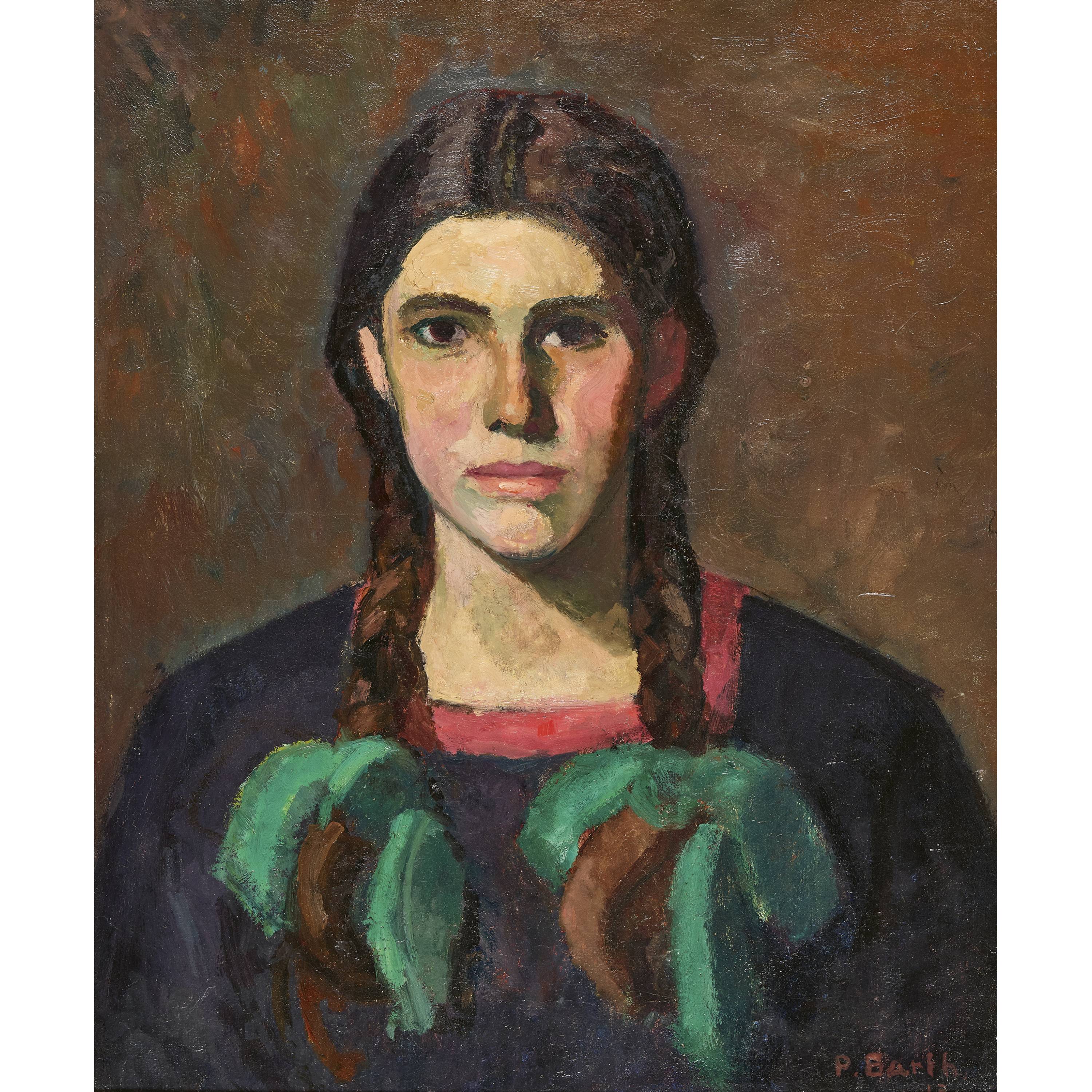
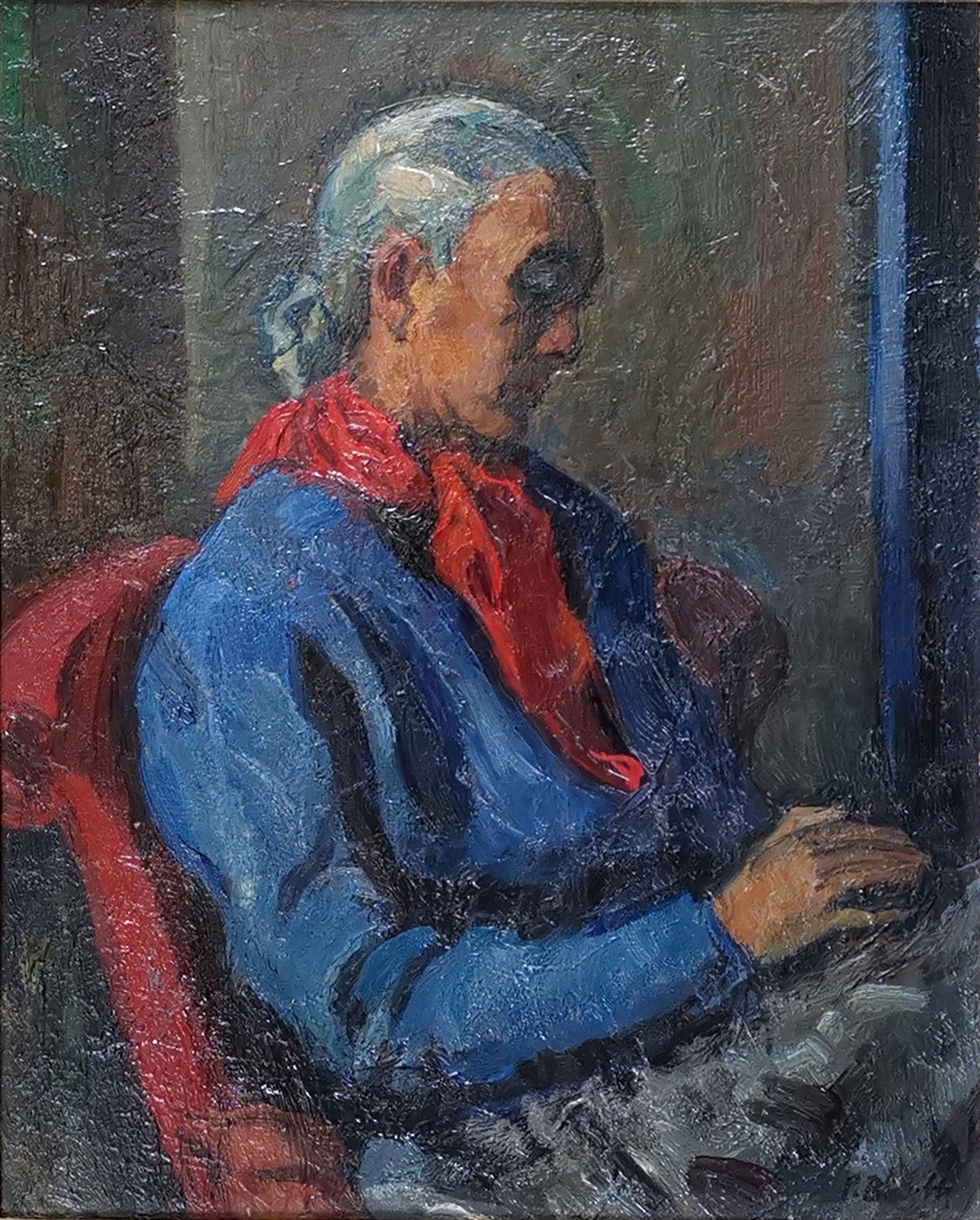
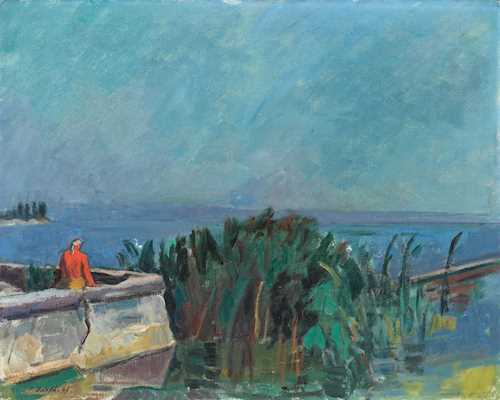
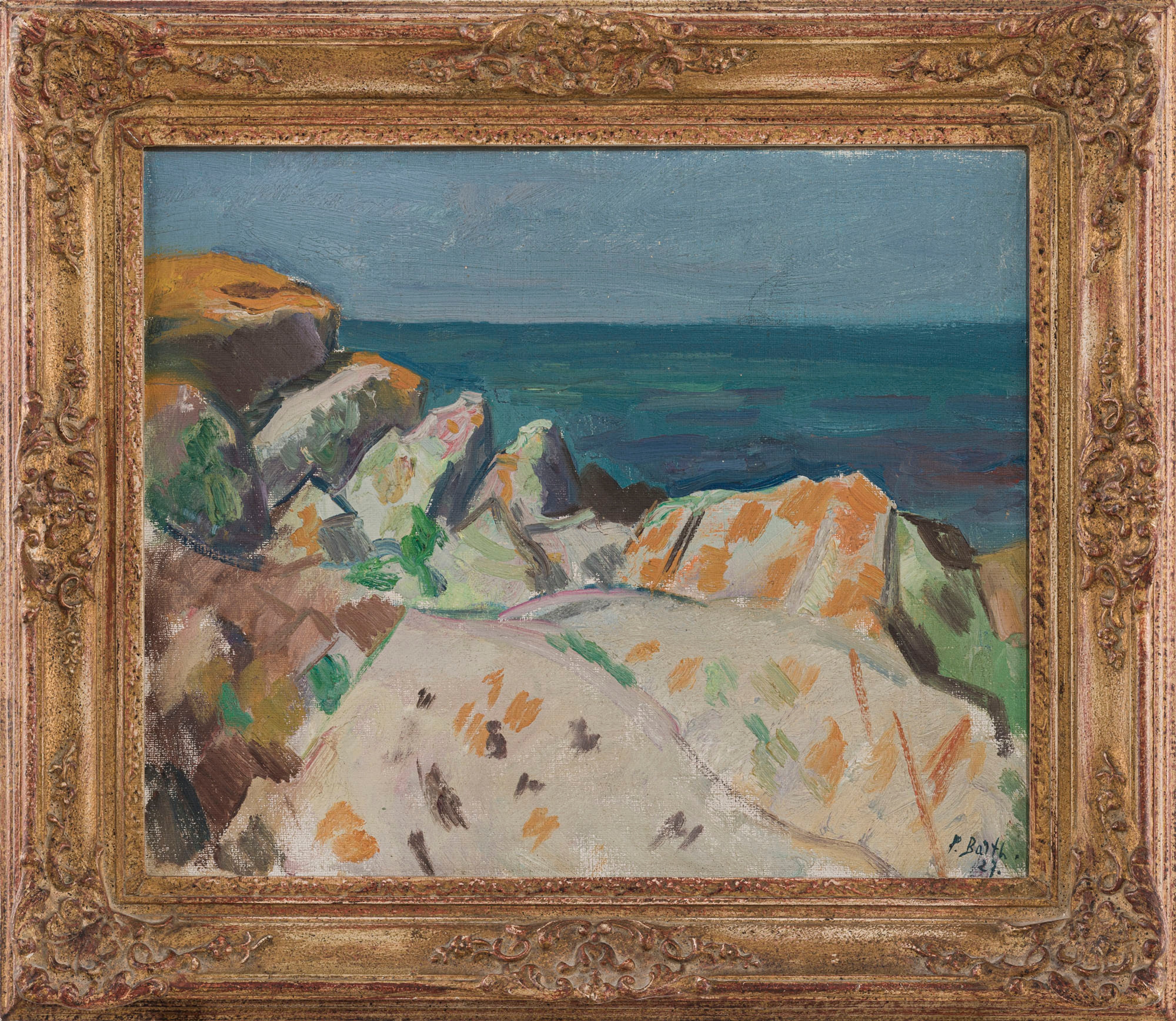
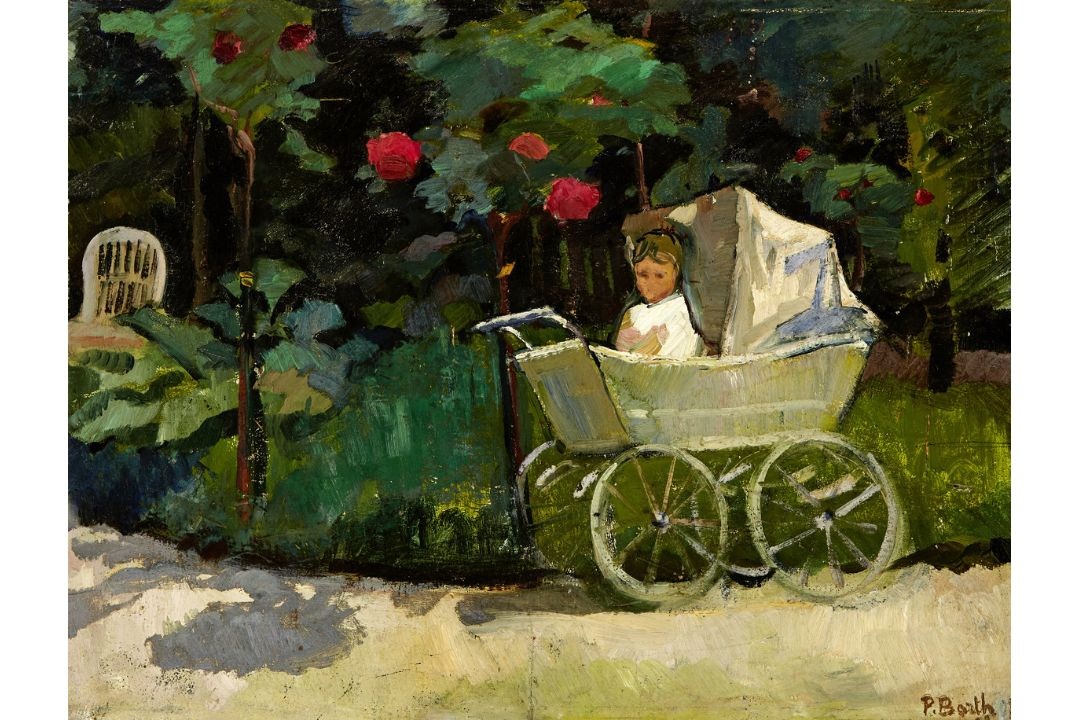
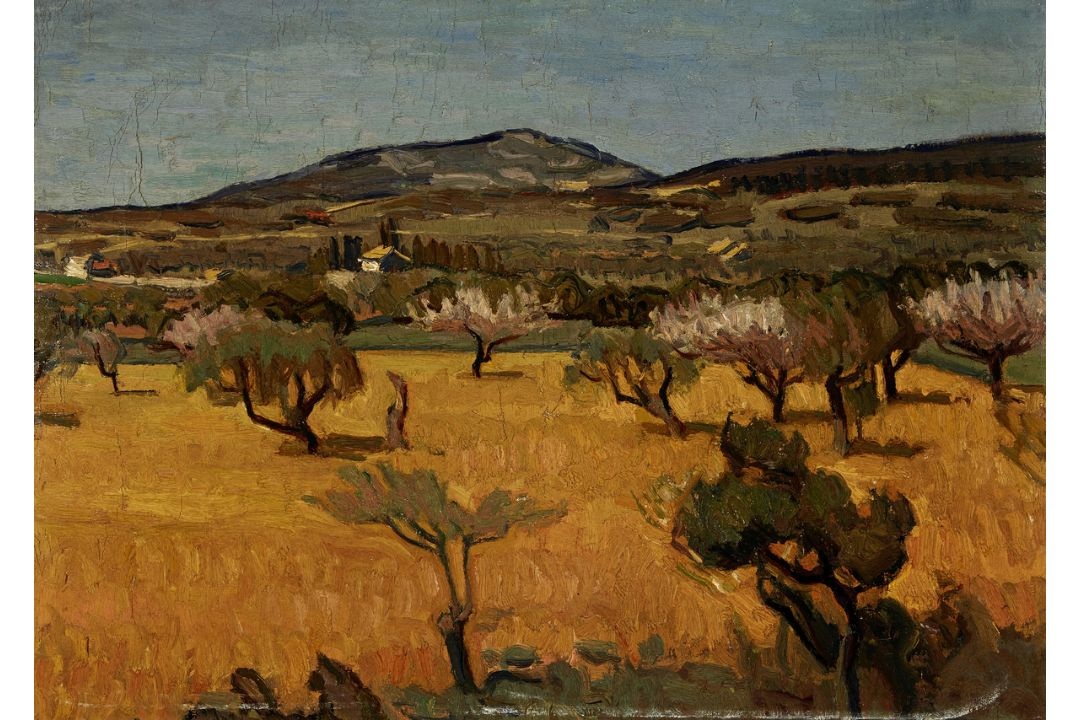
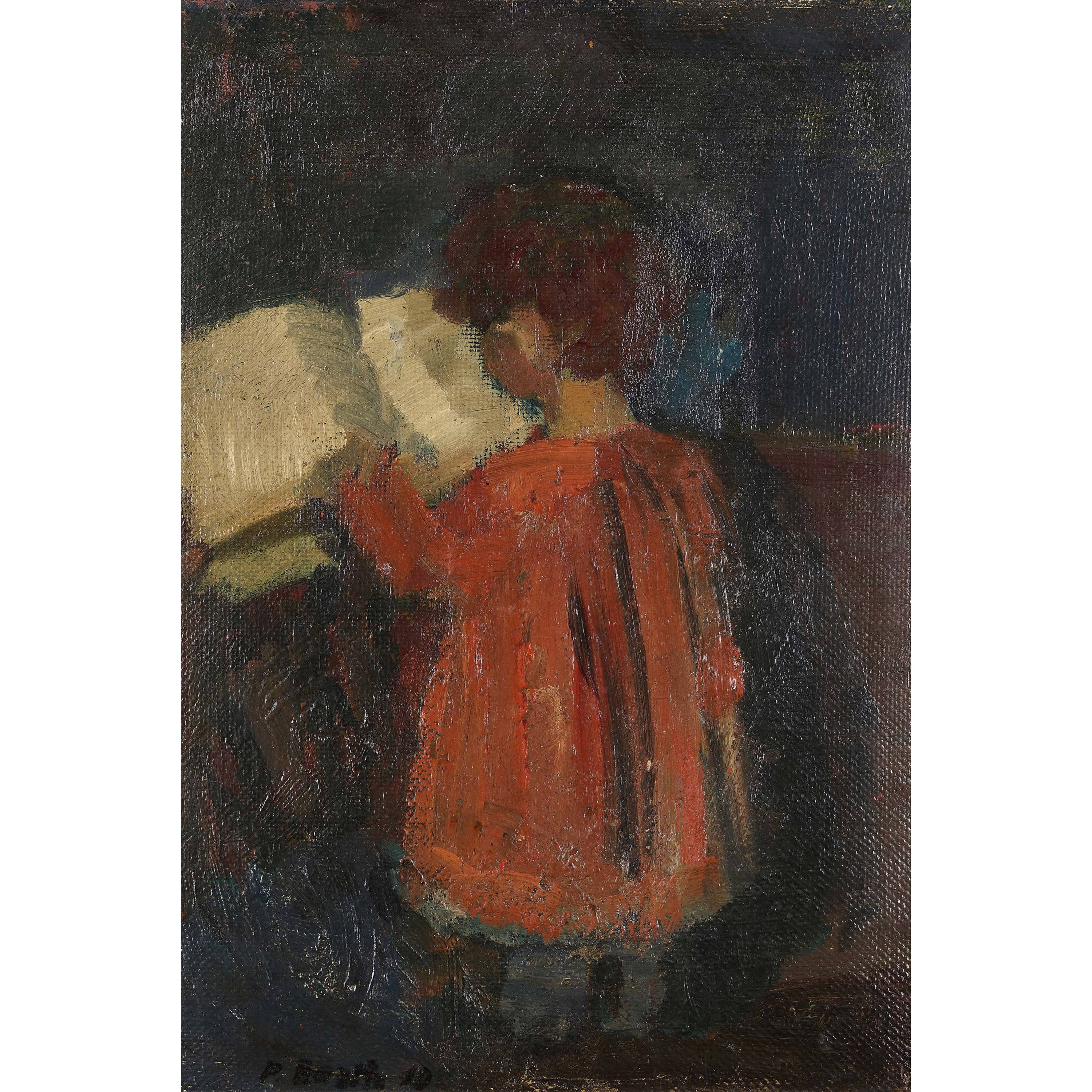
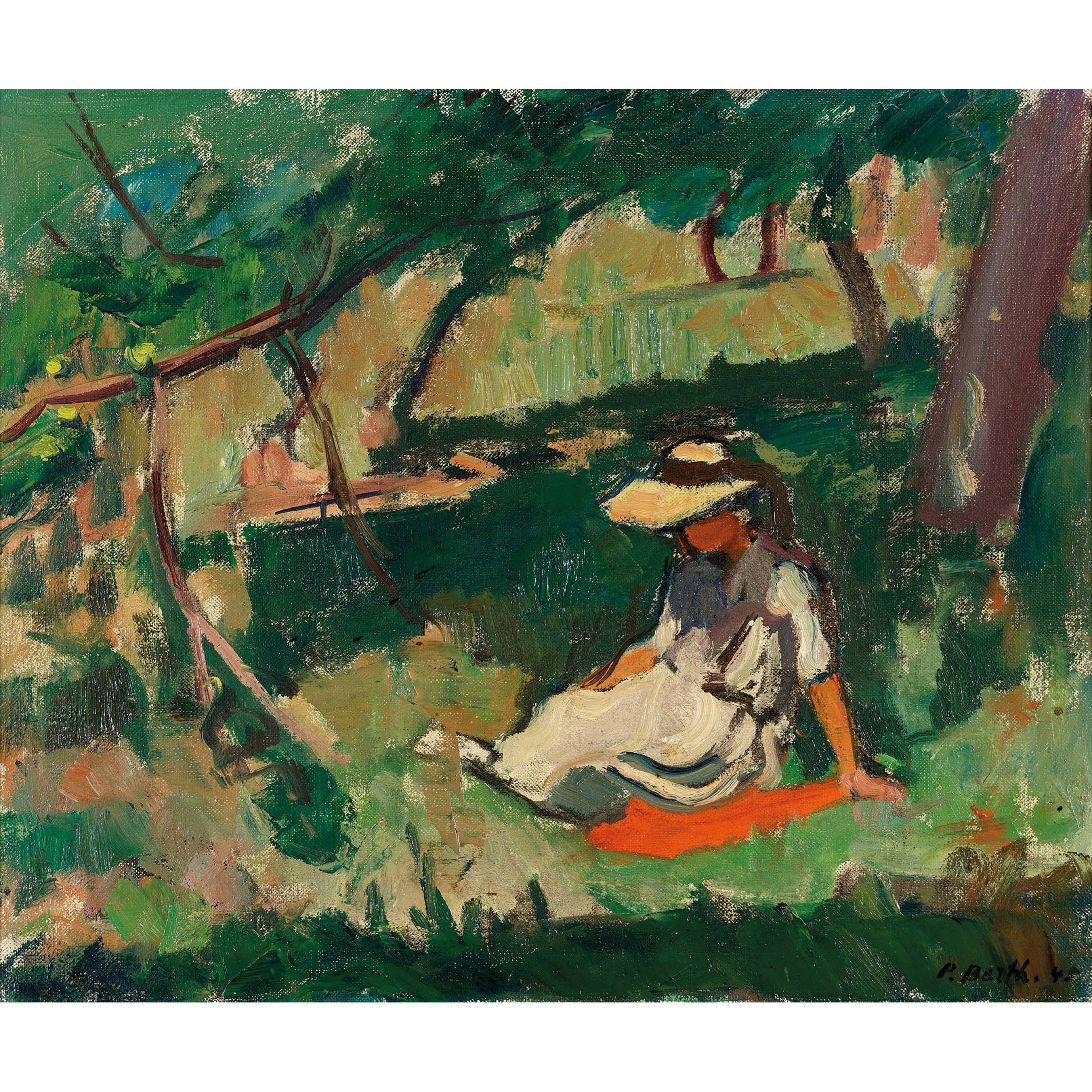
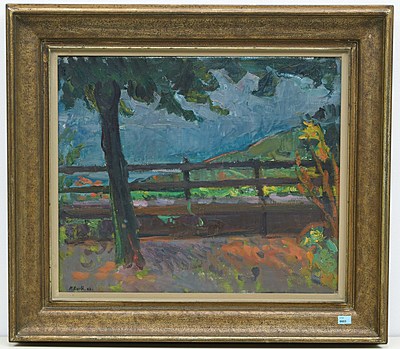
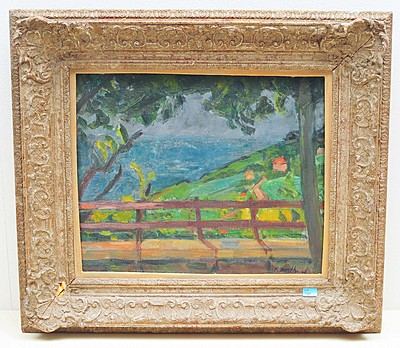
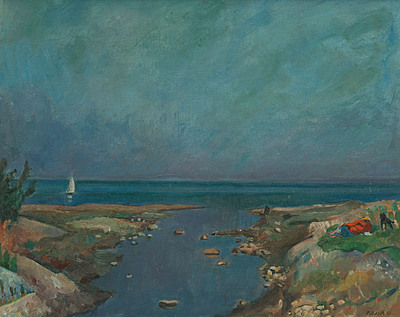
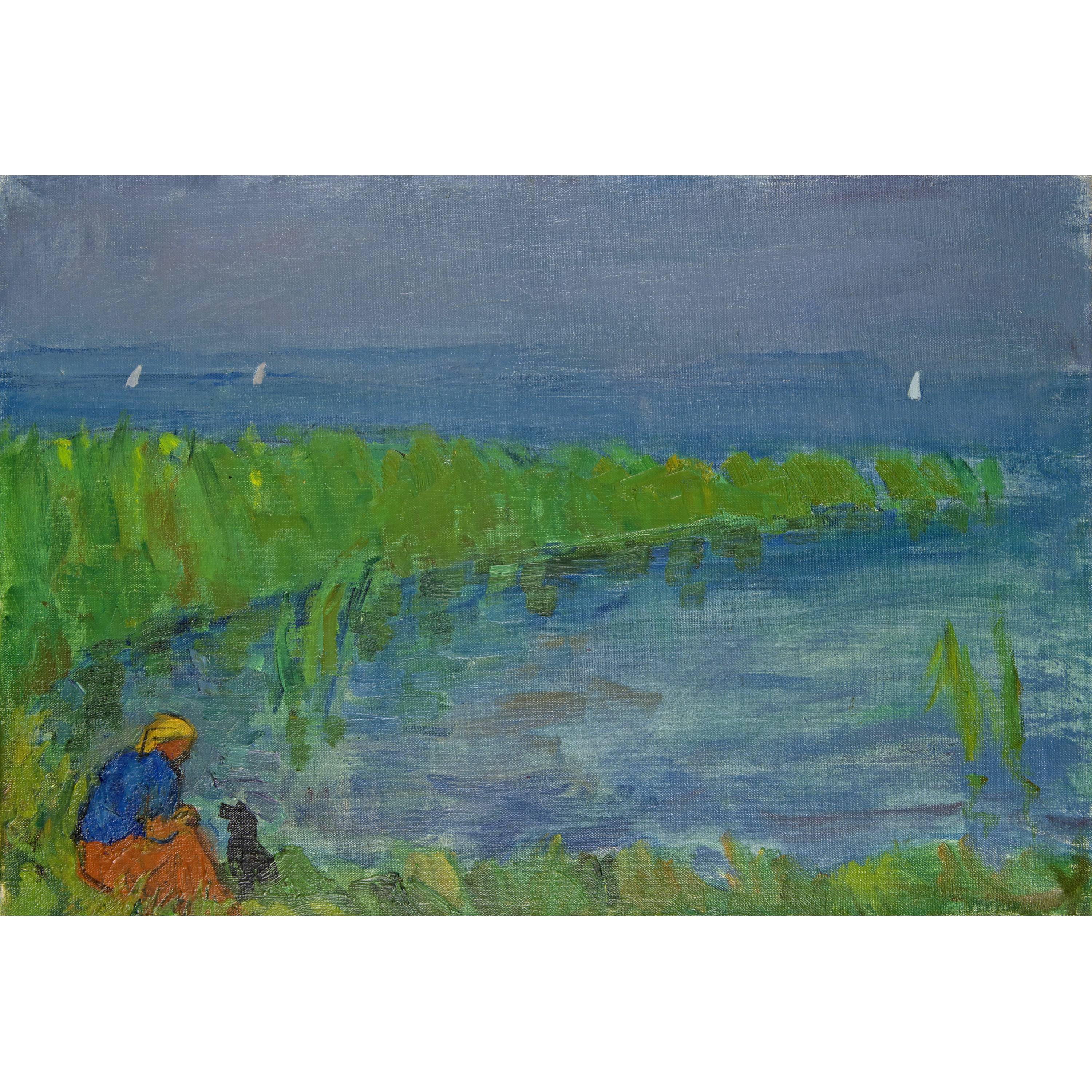
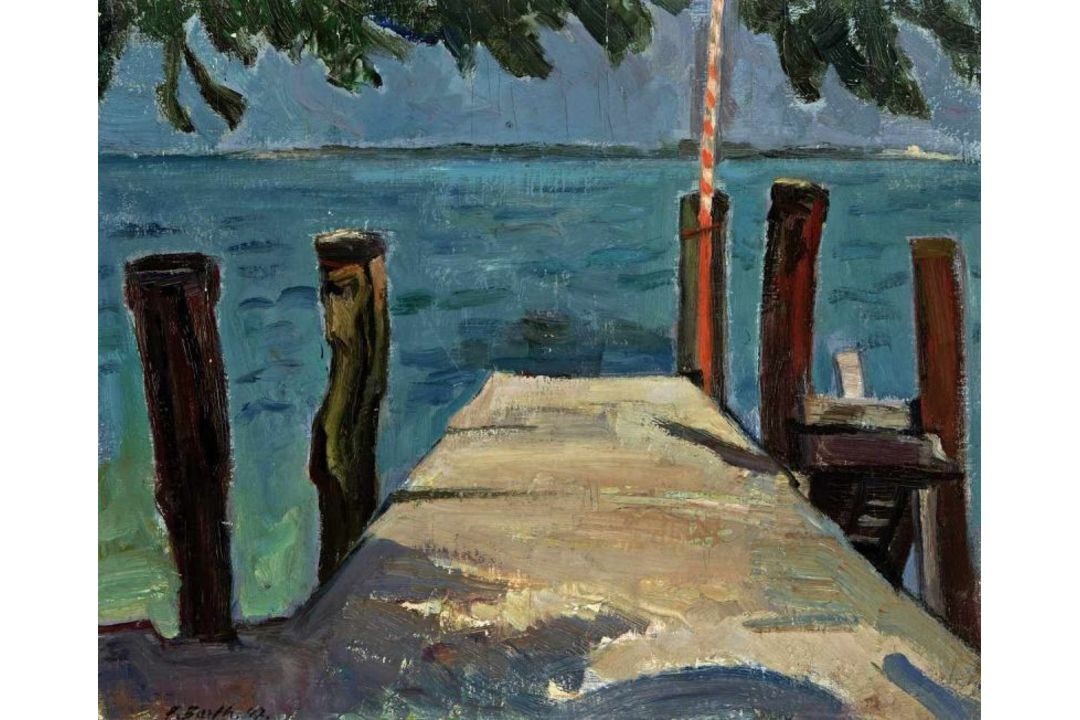
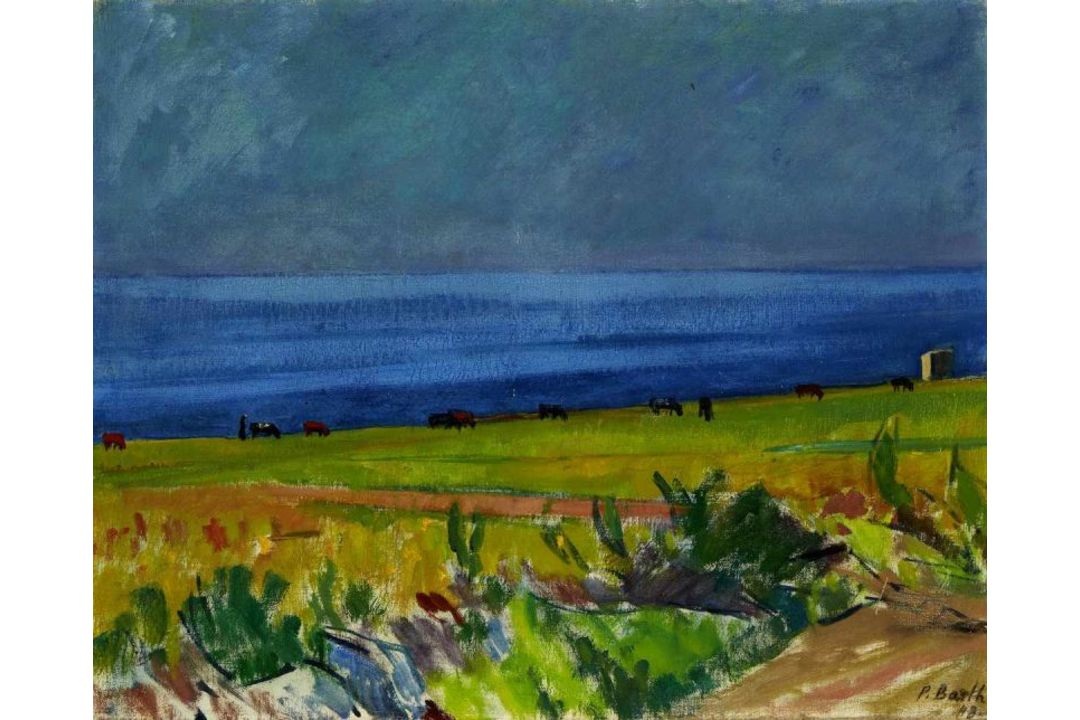
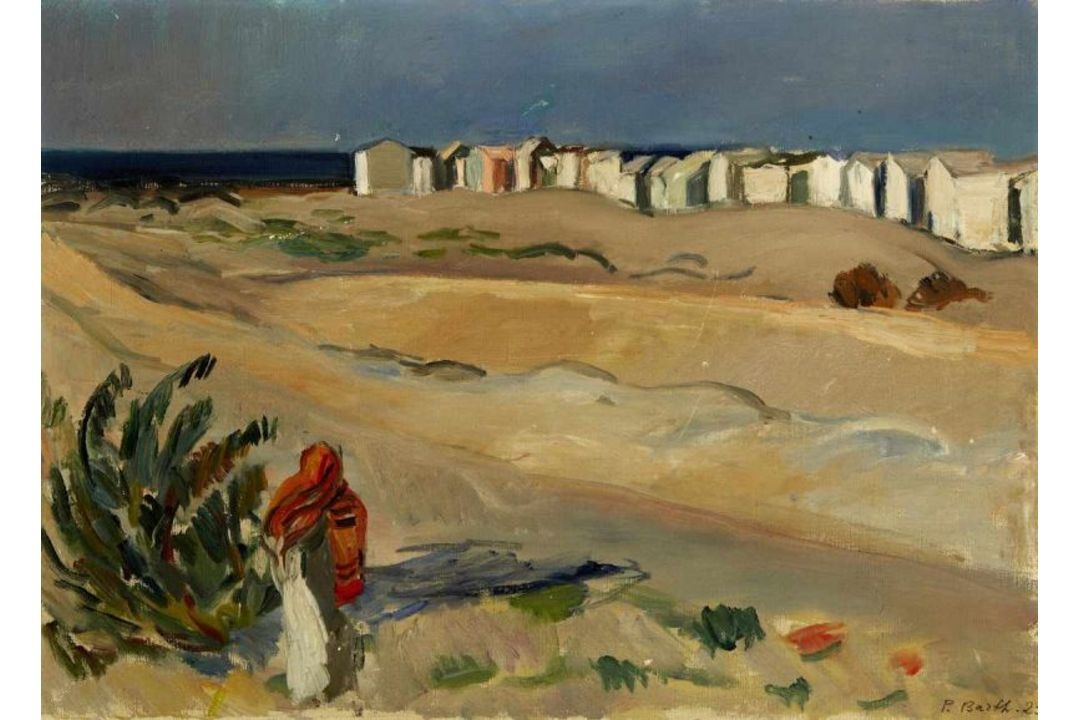
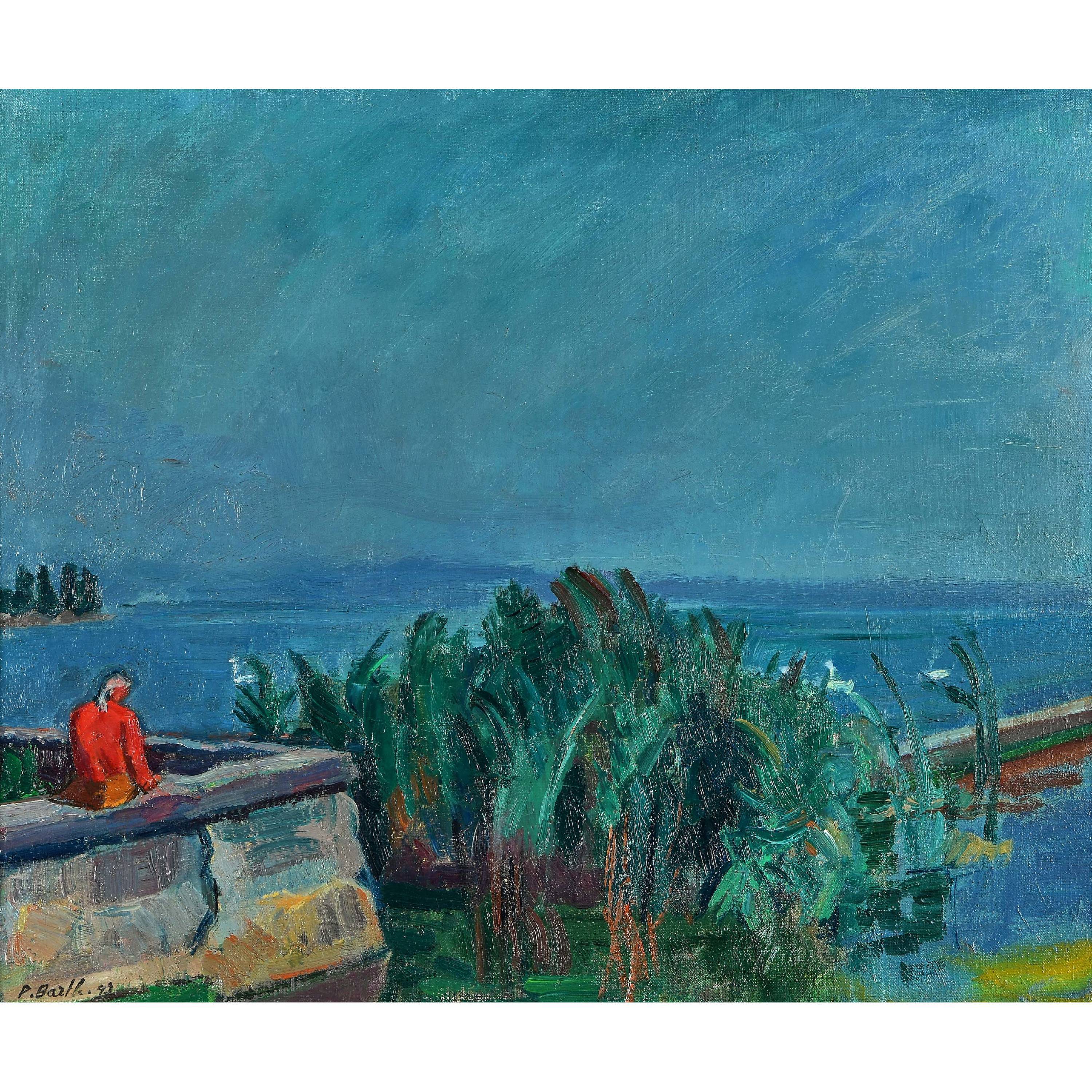
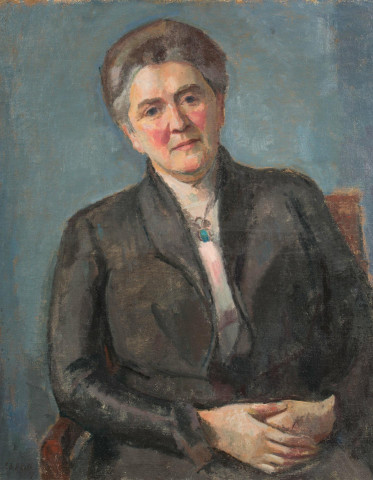
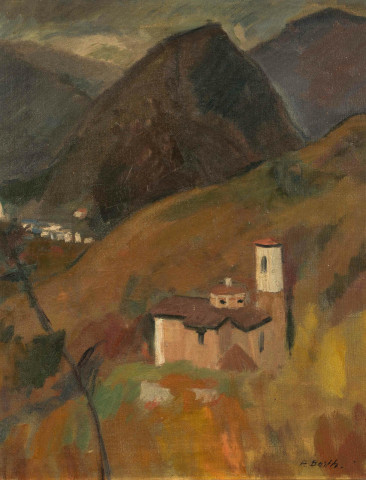
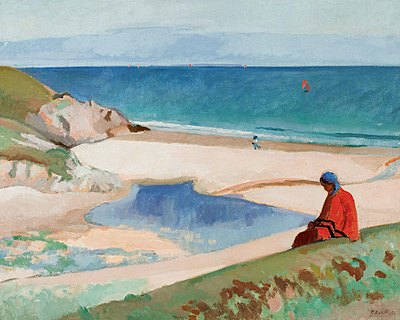
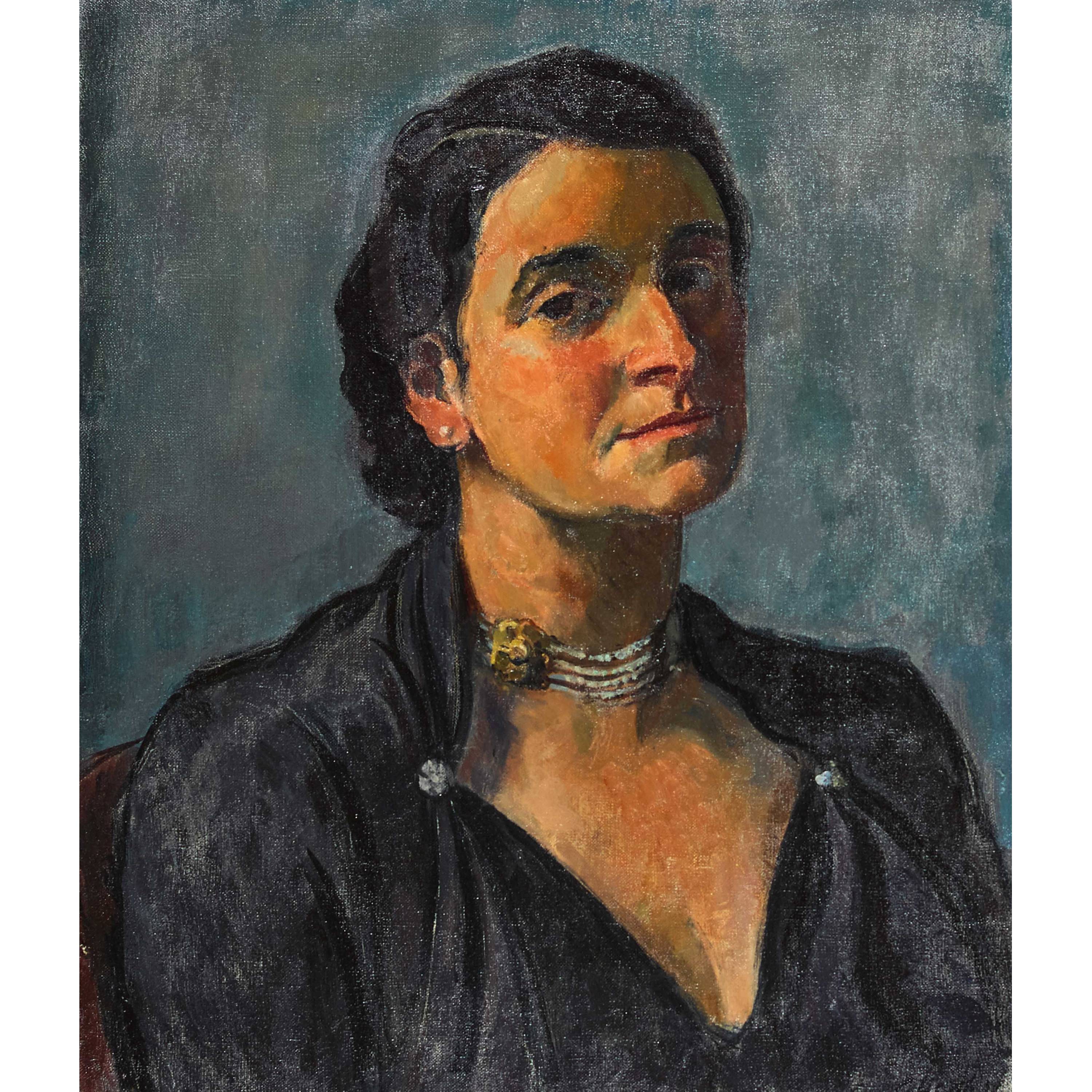
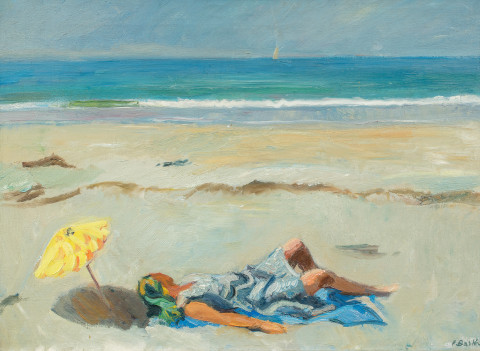
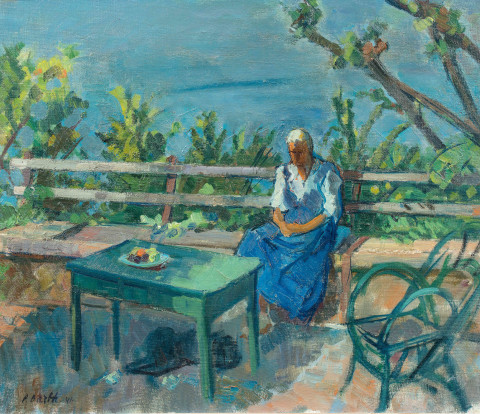
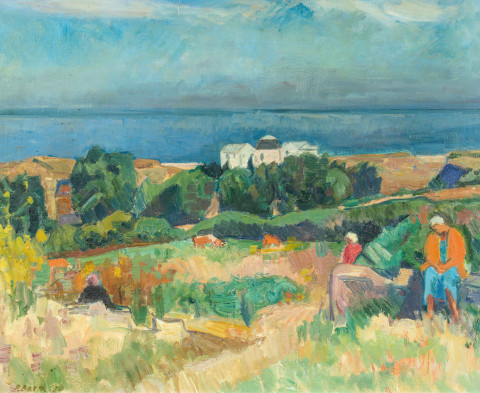
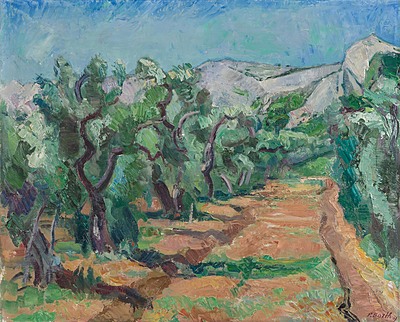
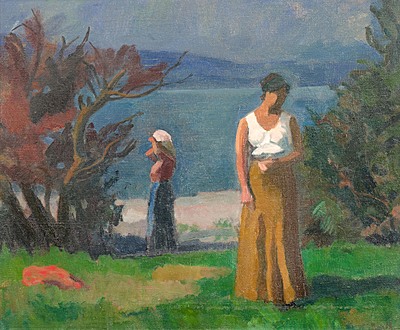
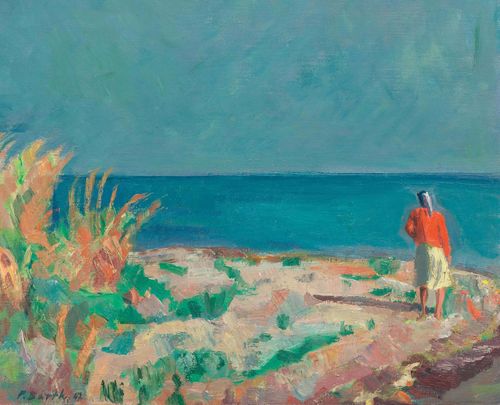
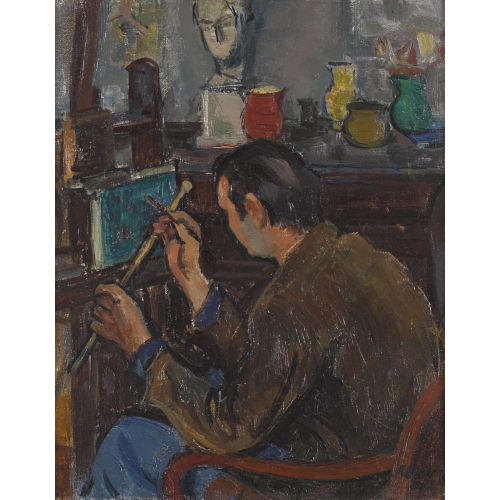
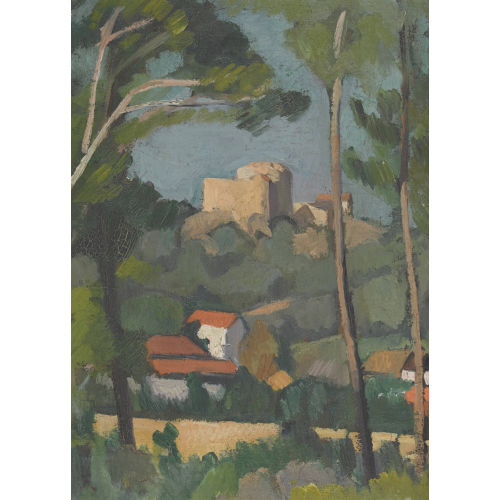
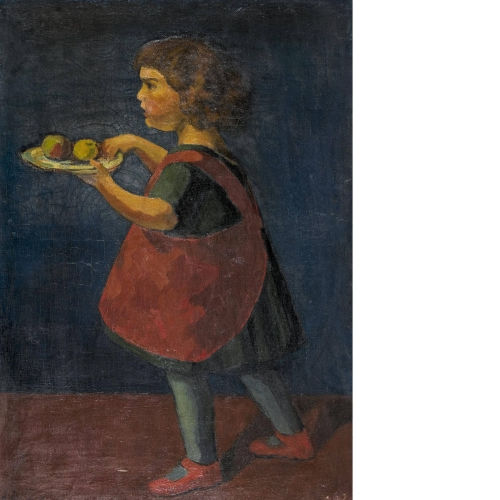
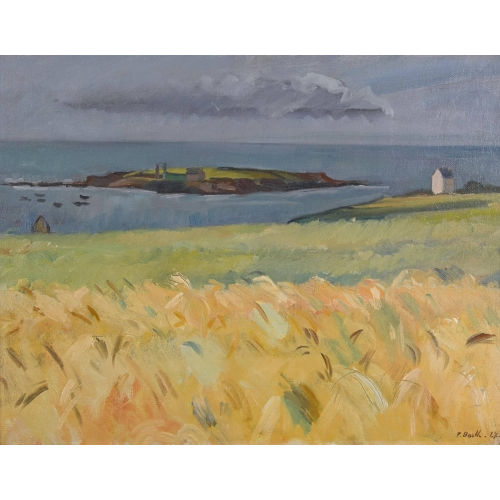
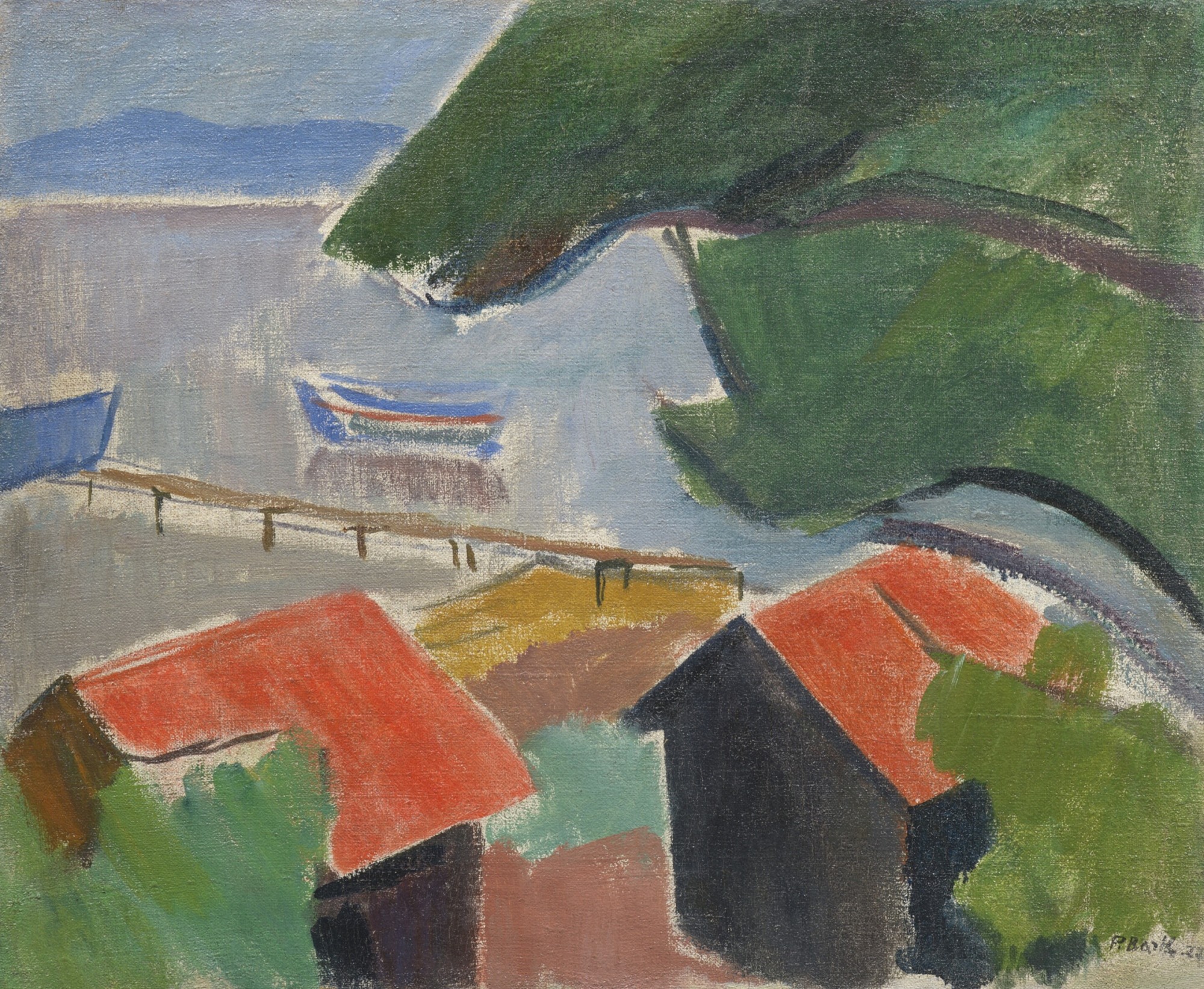
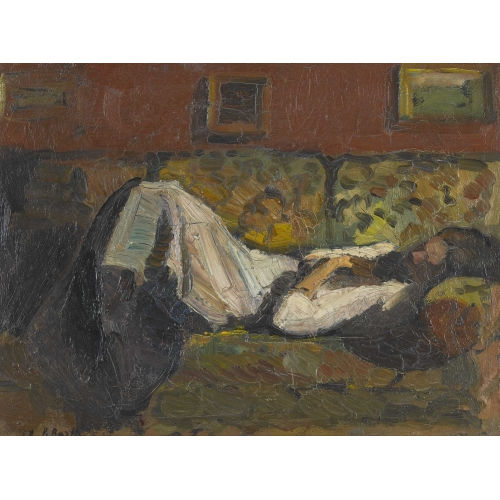
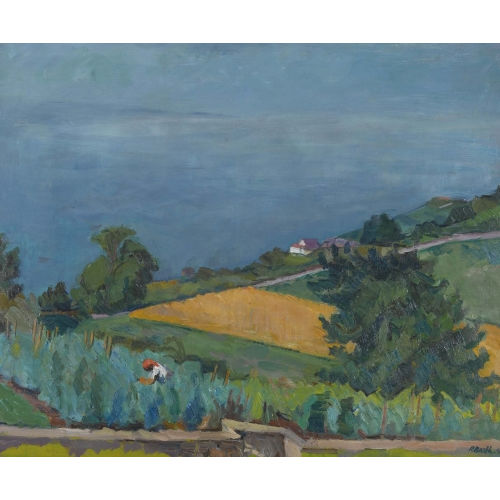
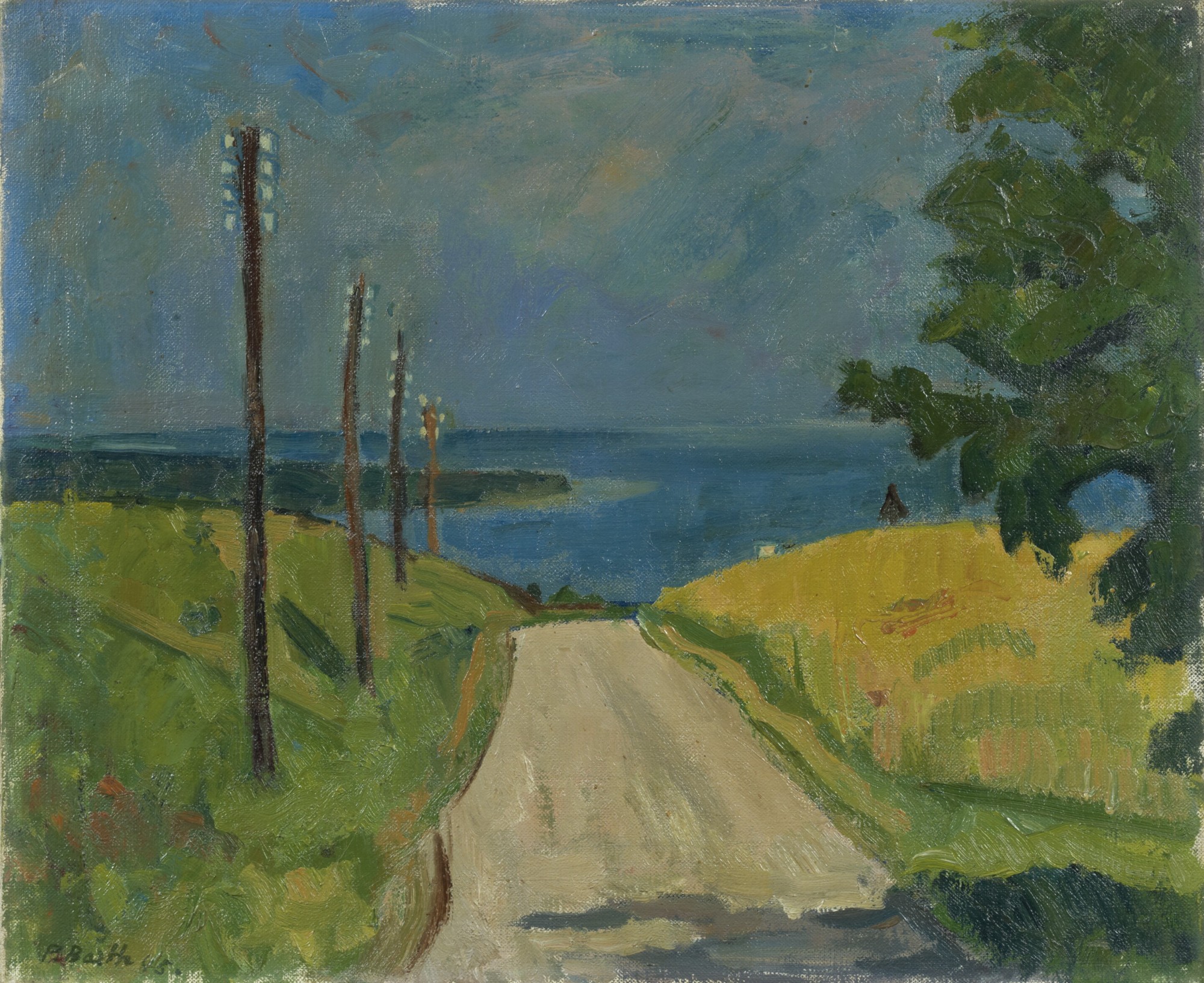
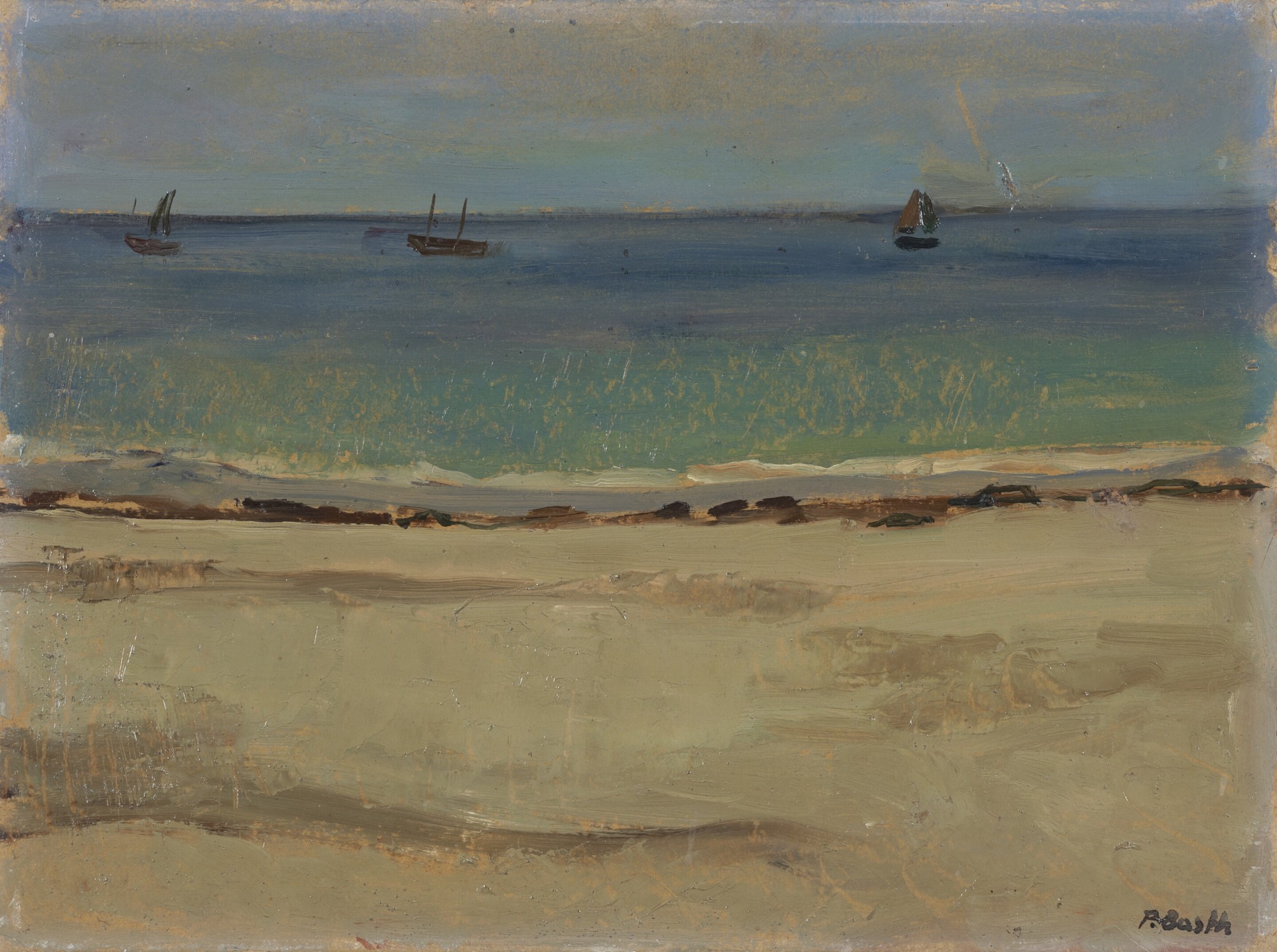
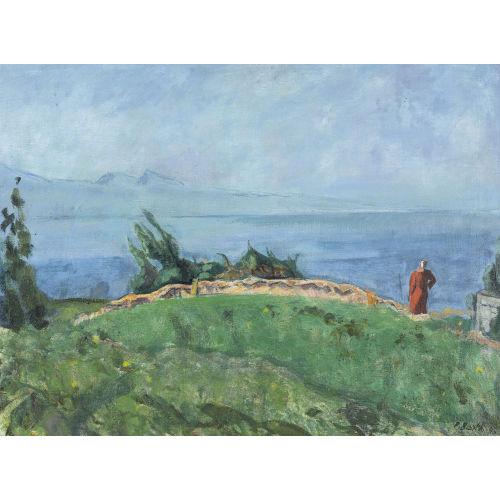
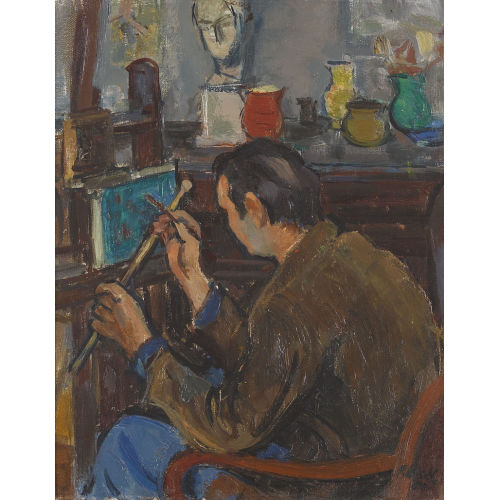
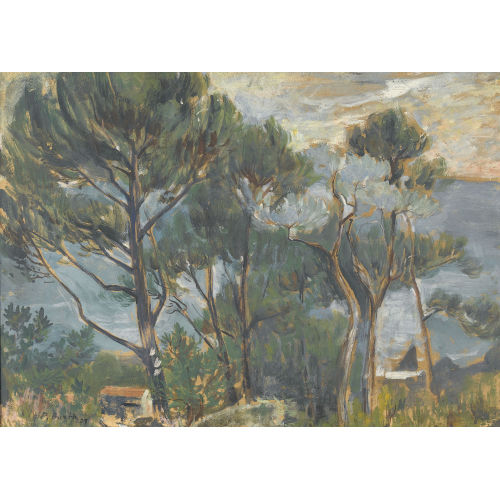
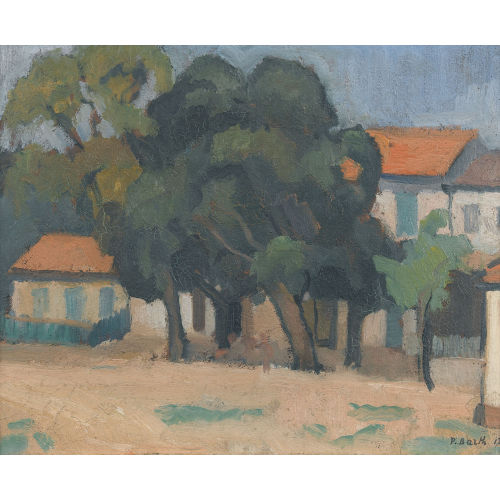
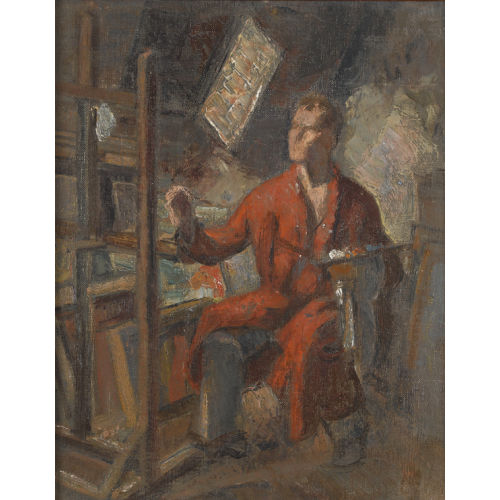
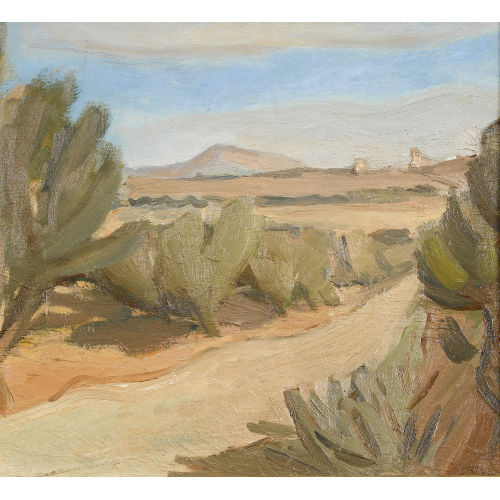
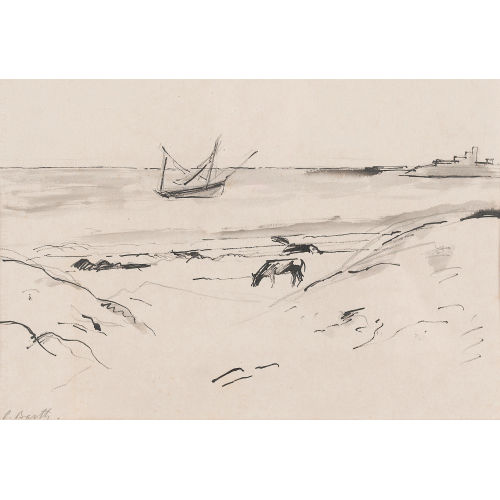
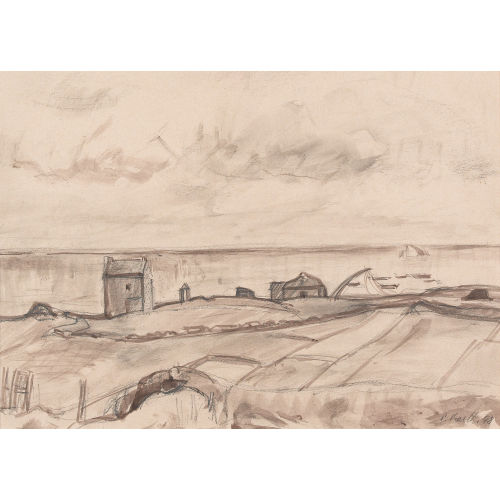
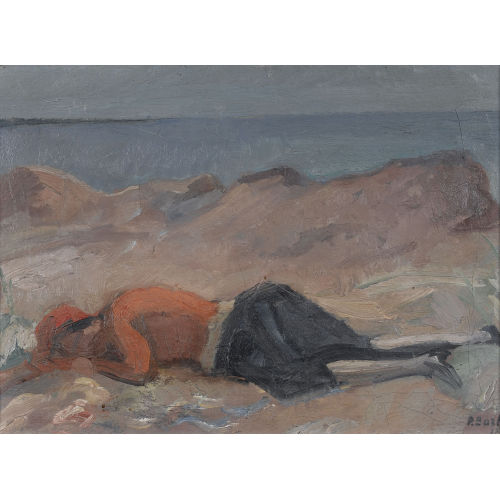
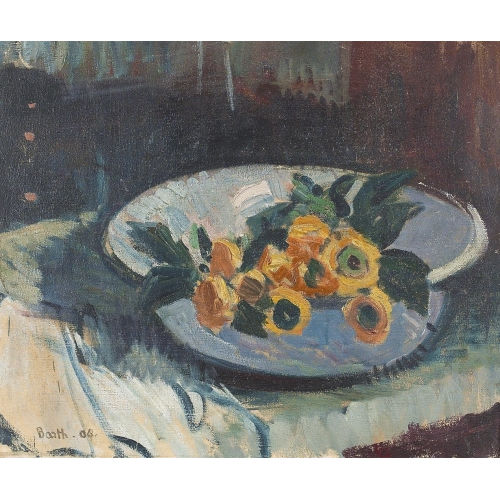
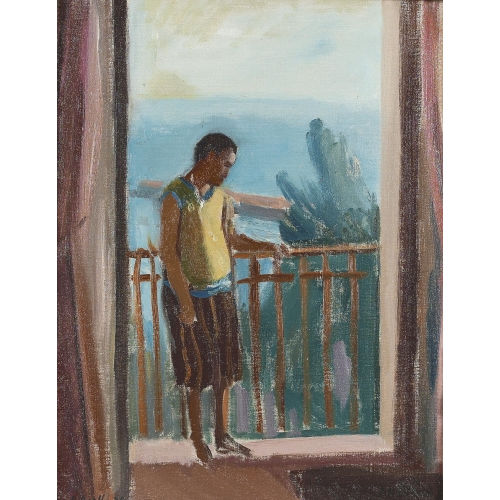
The Kunsthaus Zürich collection preserves a particularly revealing group of works from his first decades. Der Maler an der Staffelei (1907–1908) and a self-portrait from 1908 show the artist confronting his own practice; Mutter und Kind (1907) turns the gaze towards intimate life. A few years later, views of Brittany and Porquerolles shift this attention towards the sea, light and the expansiveness of the landscape.
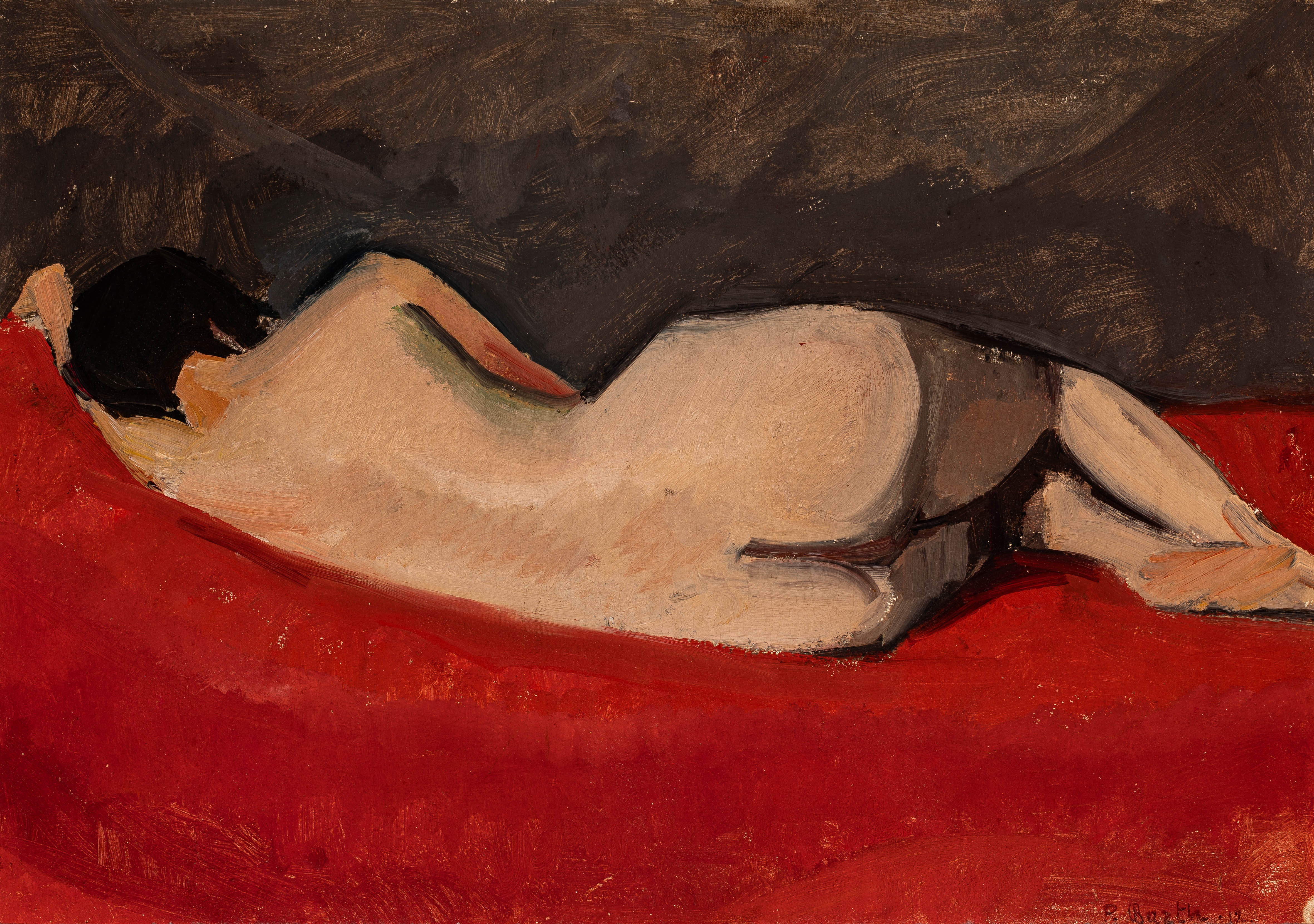
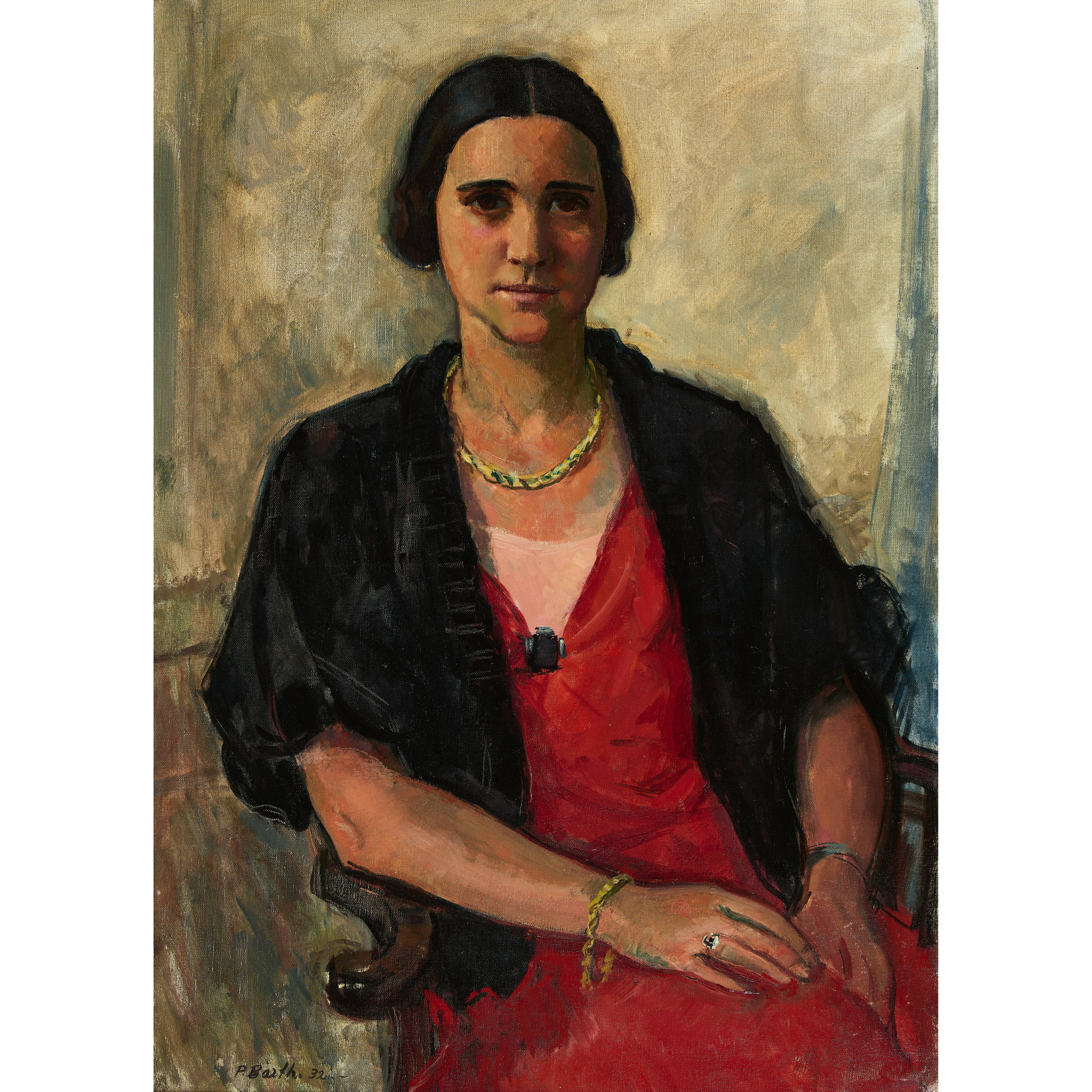
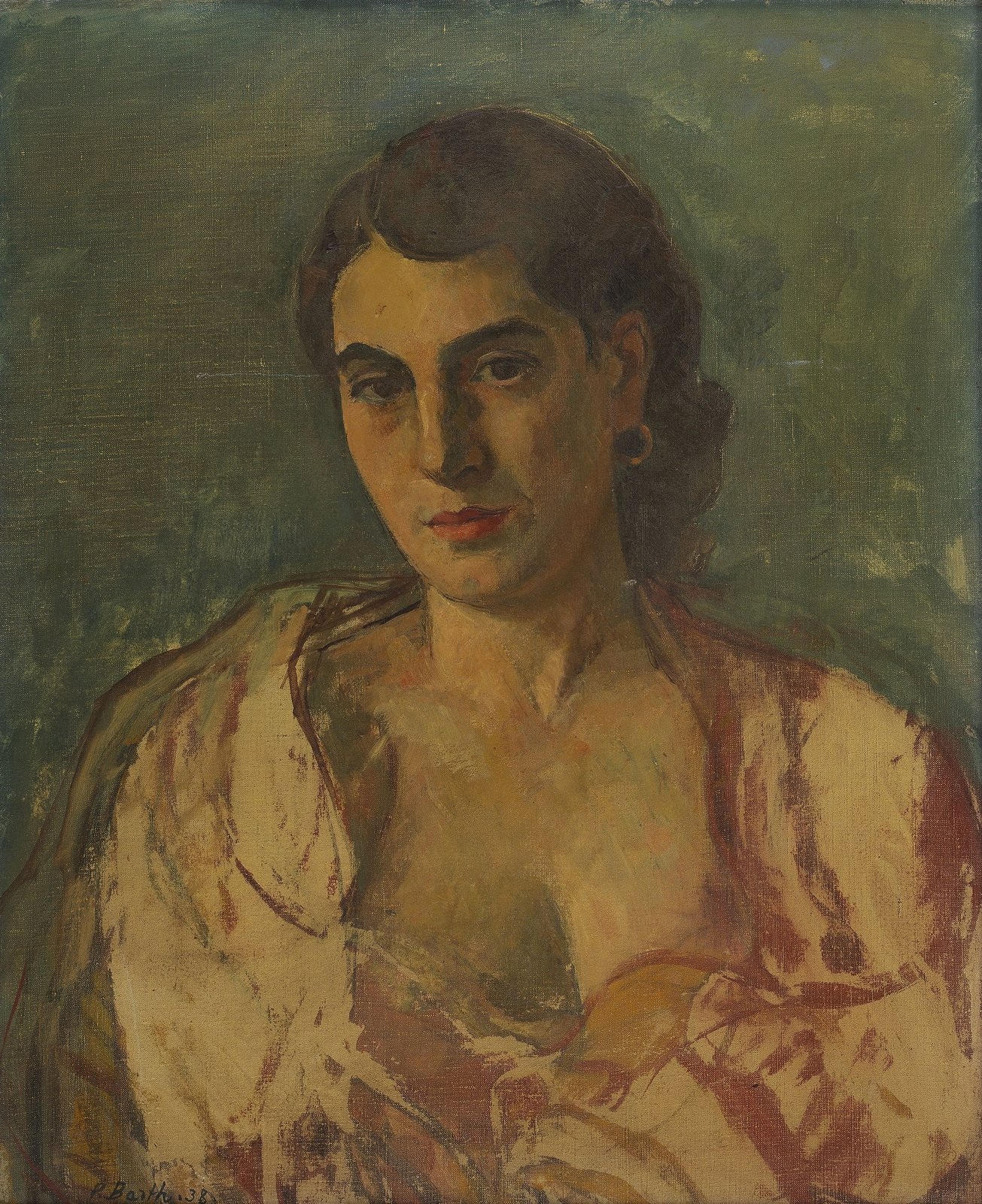
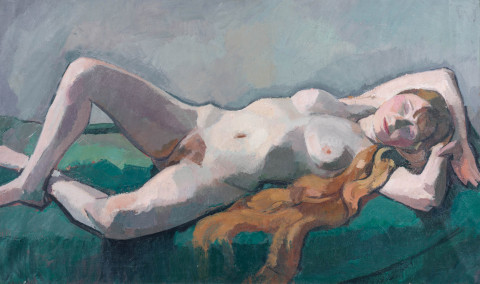
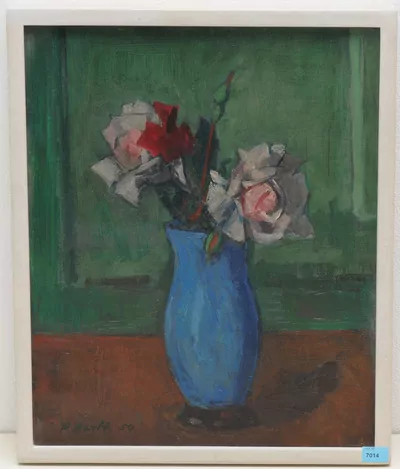
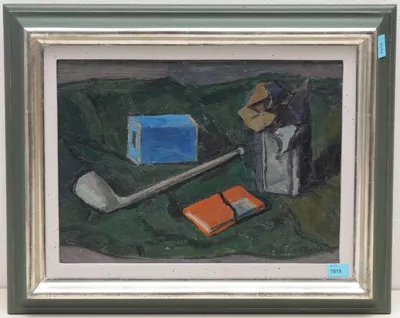
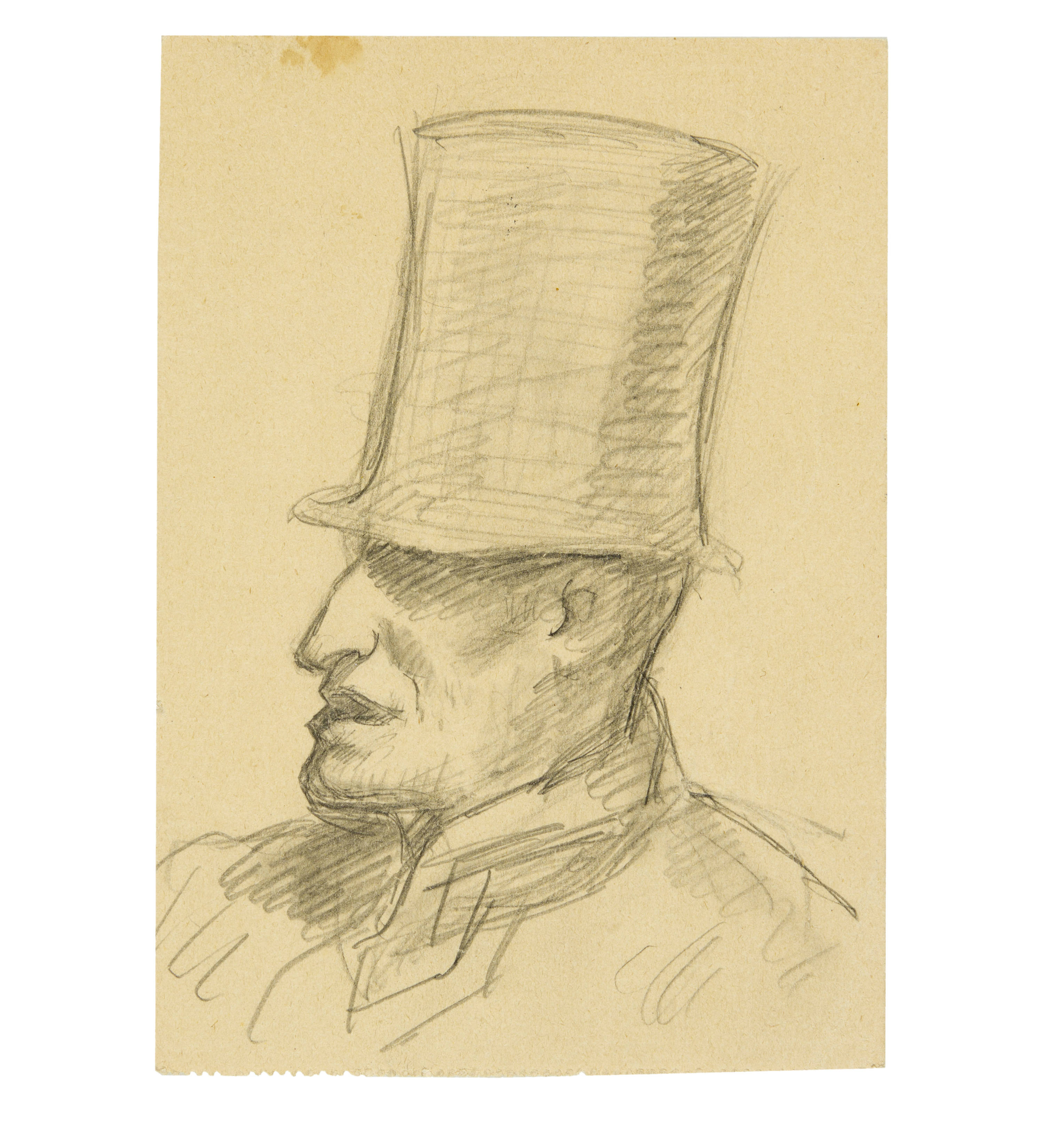
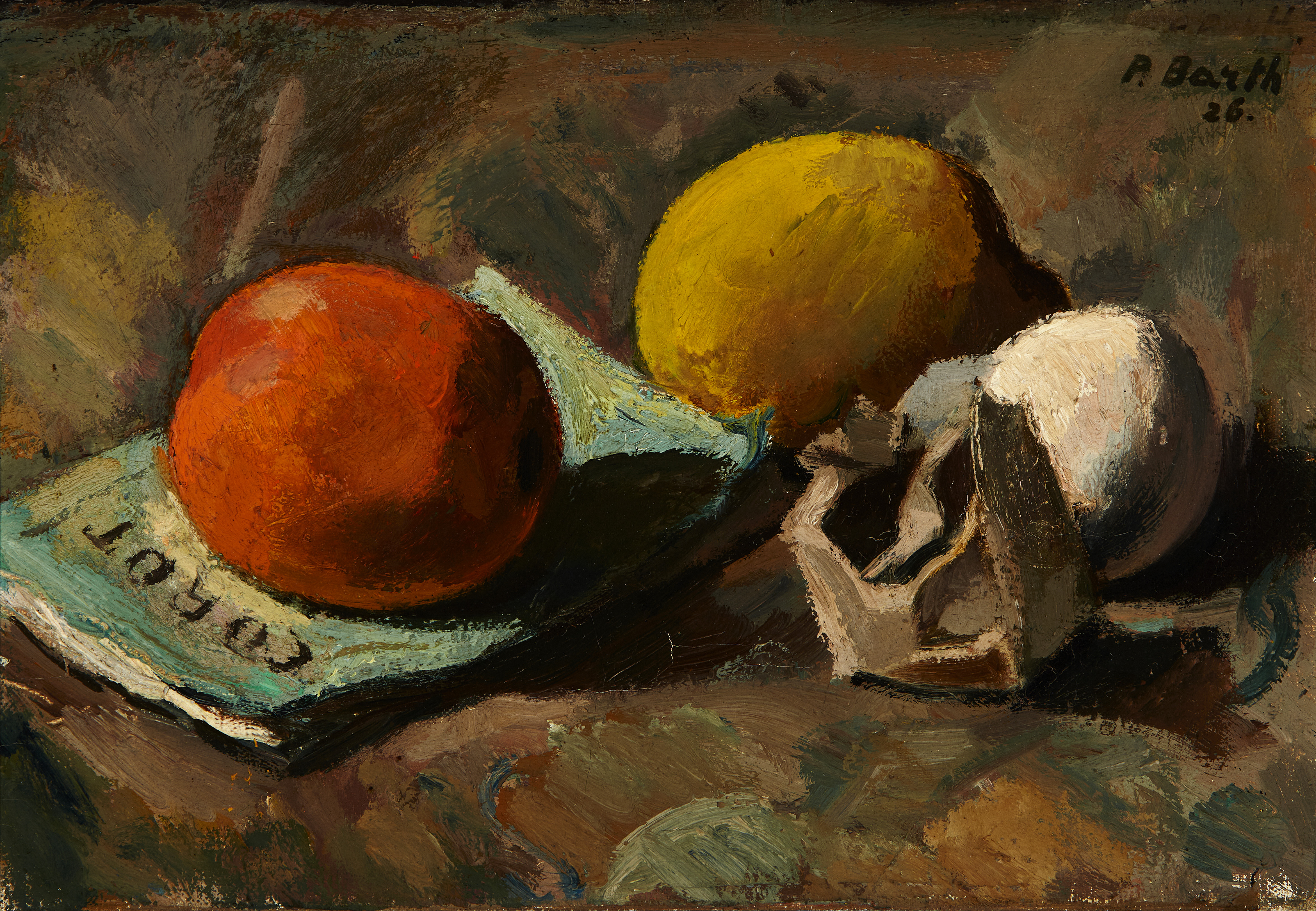
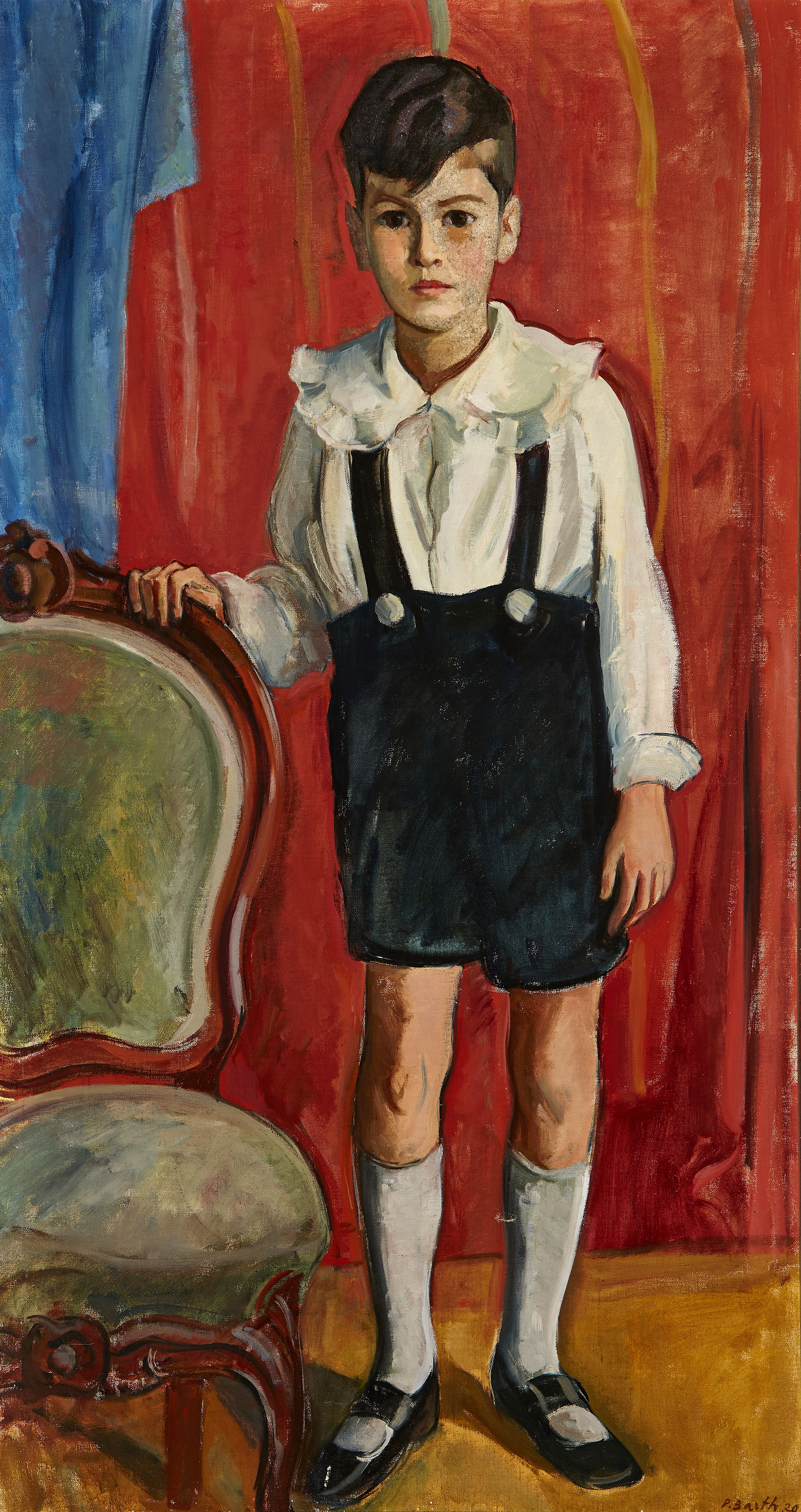
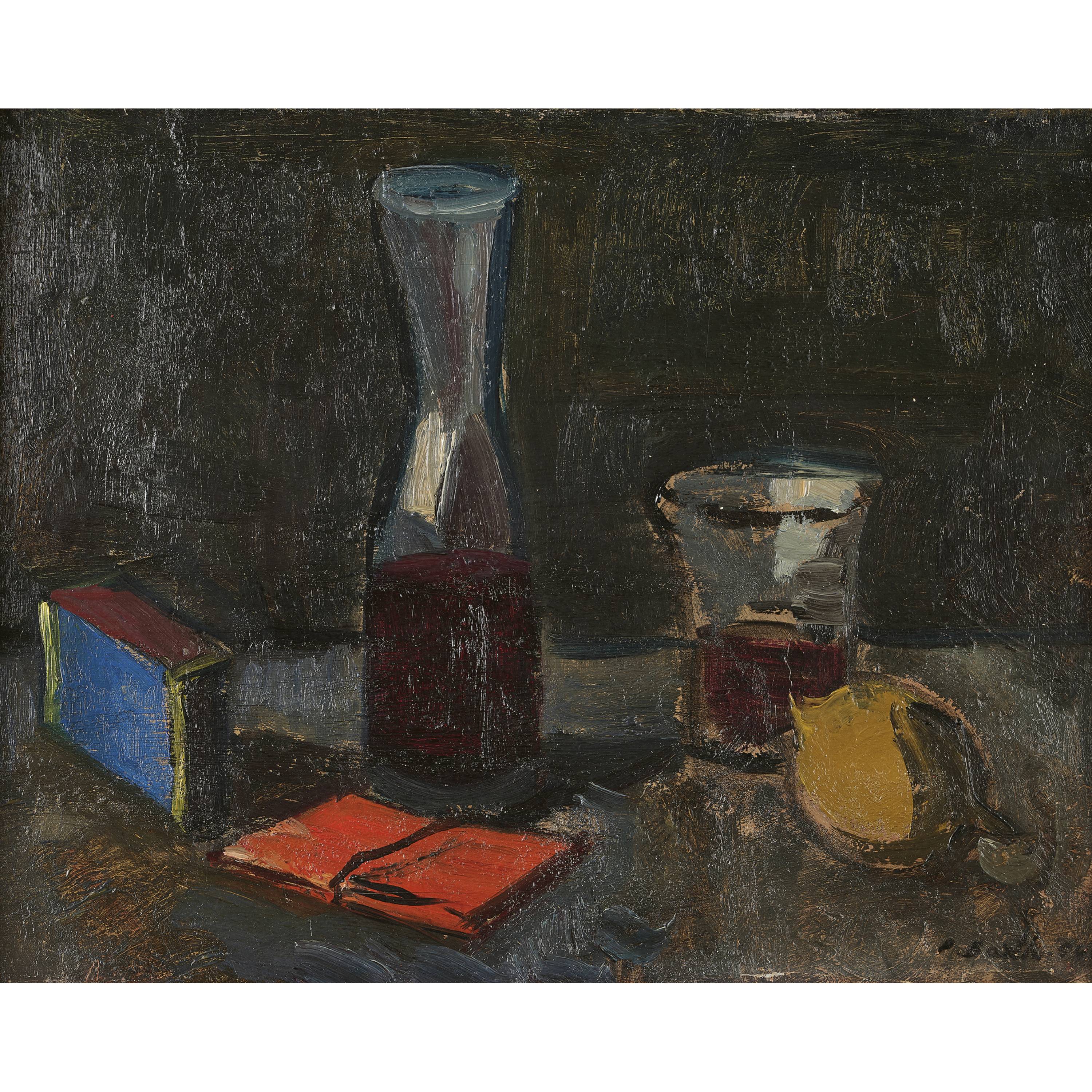
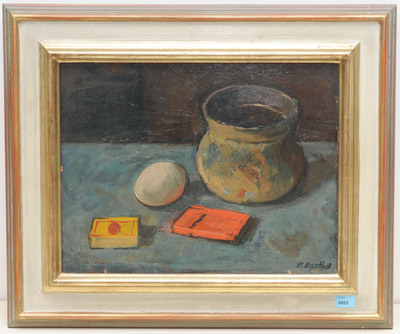
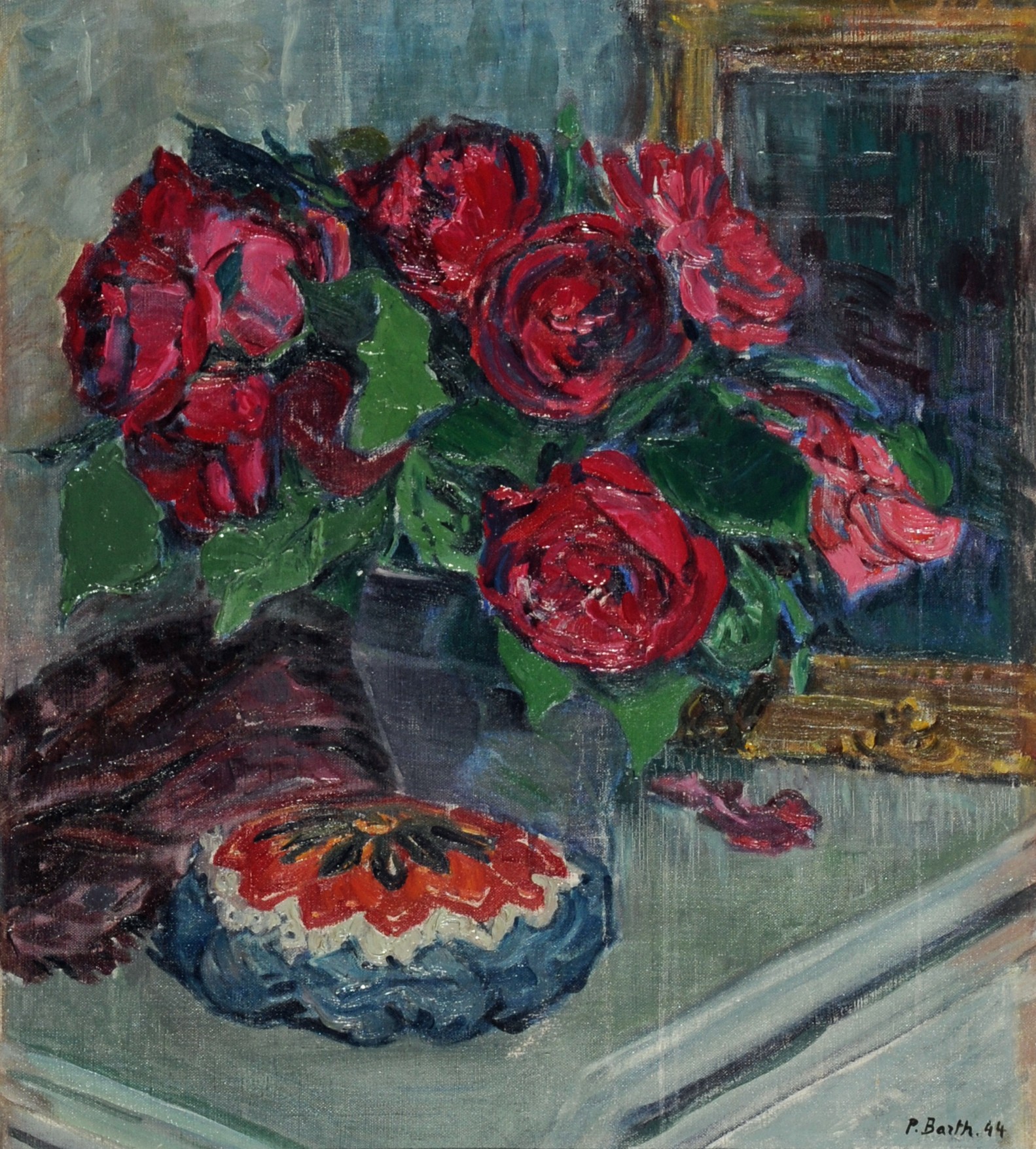
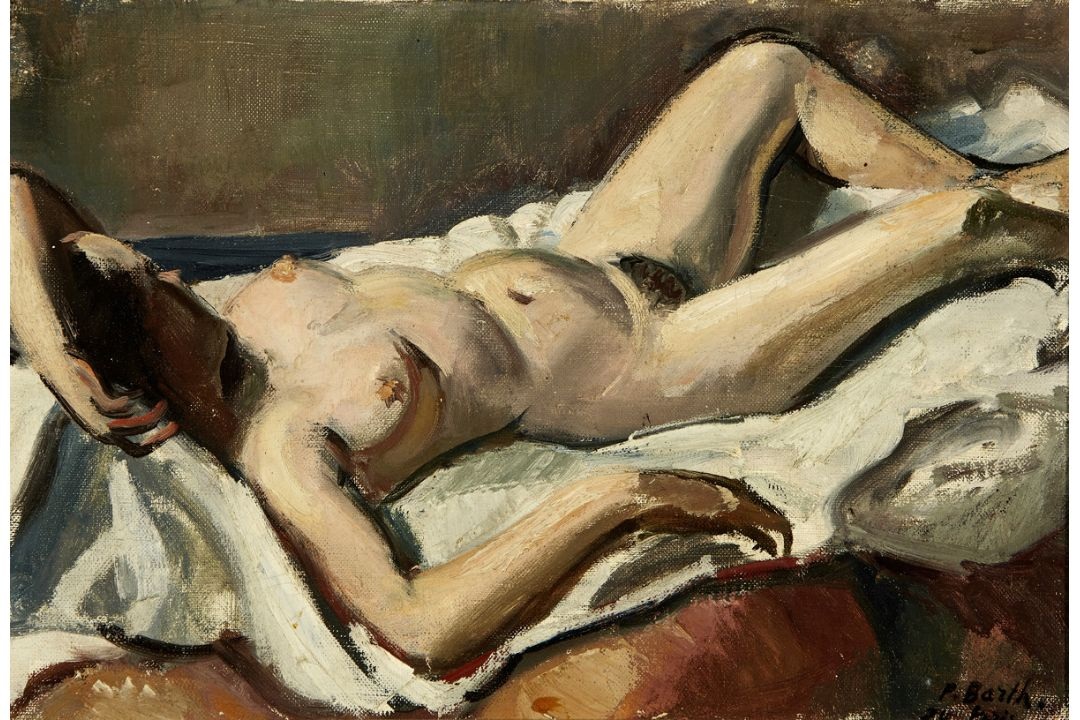
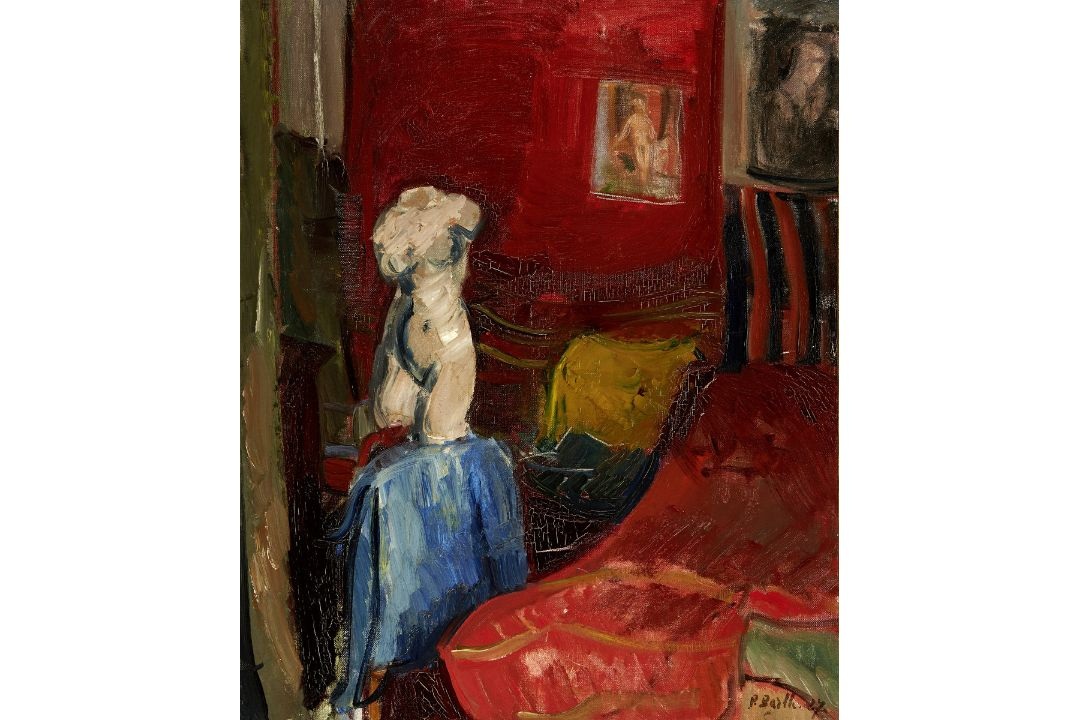
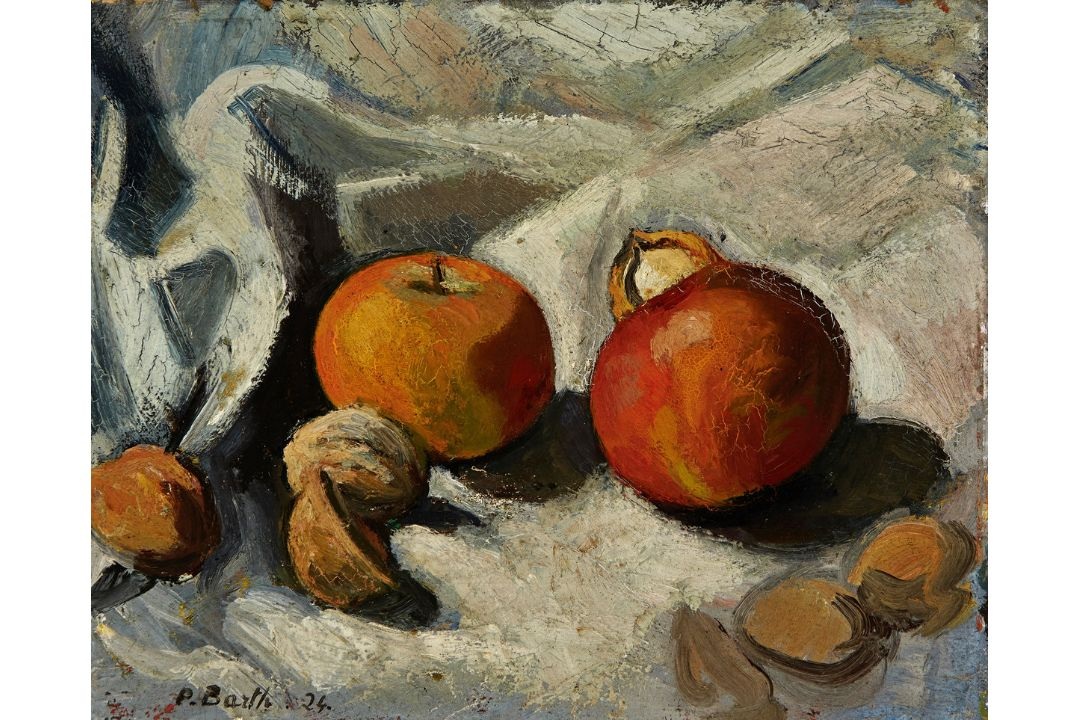
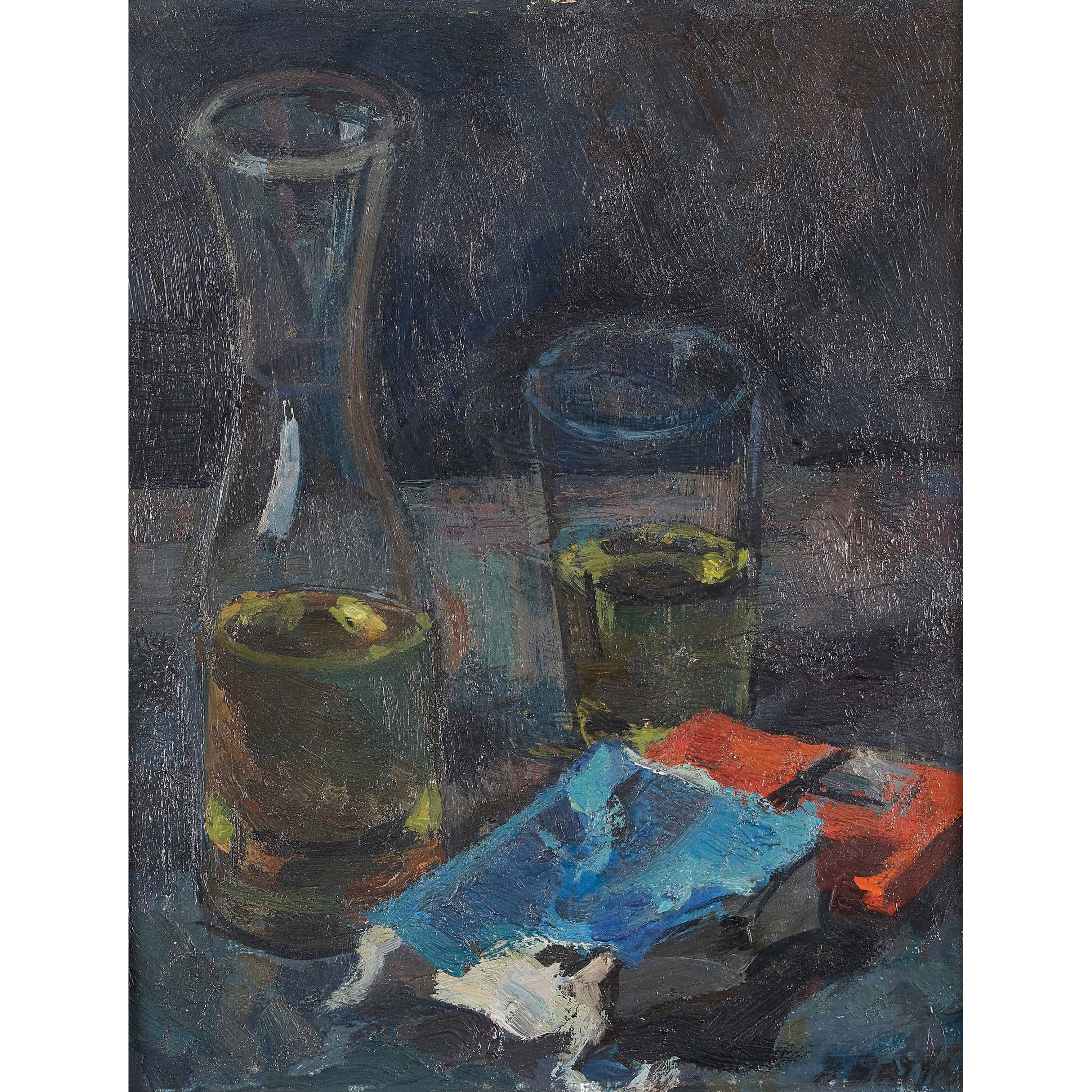
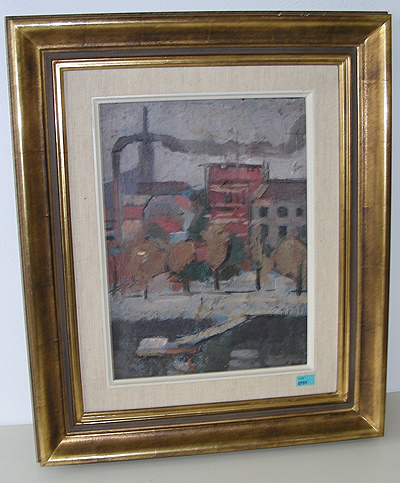
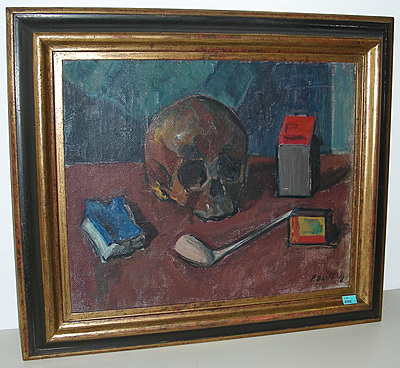
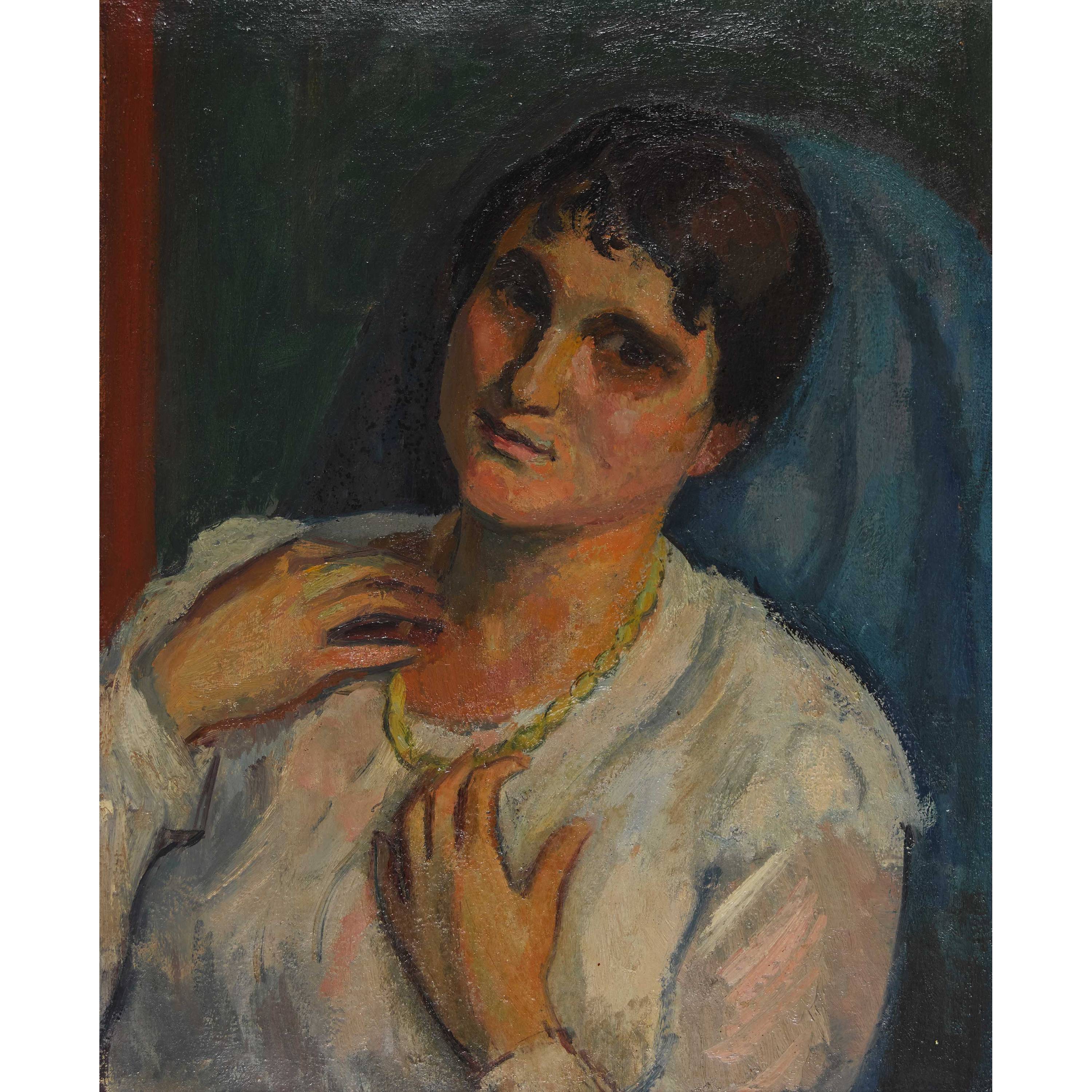
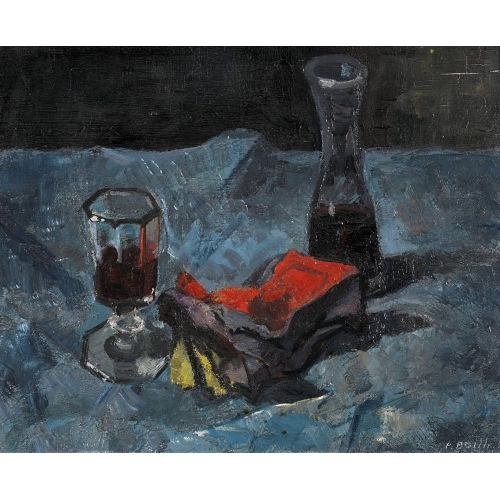
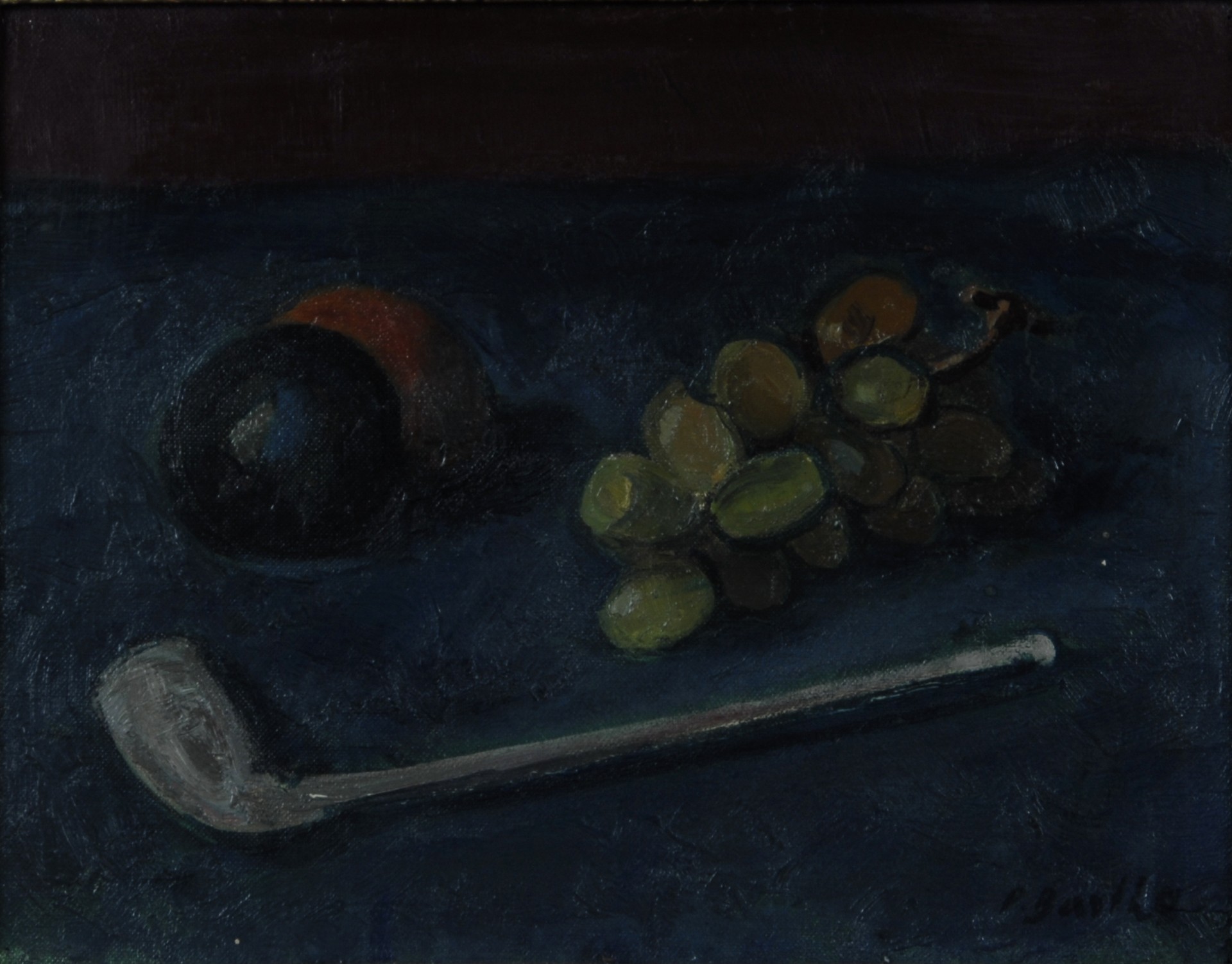
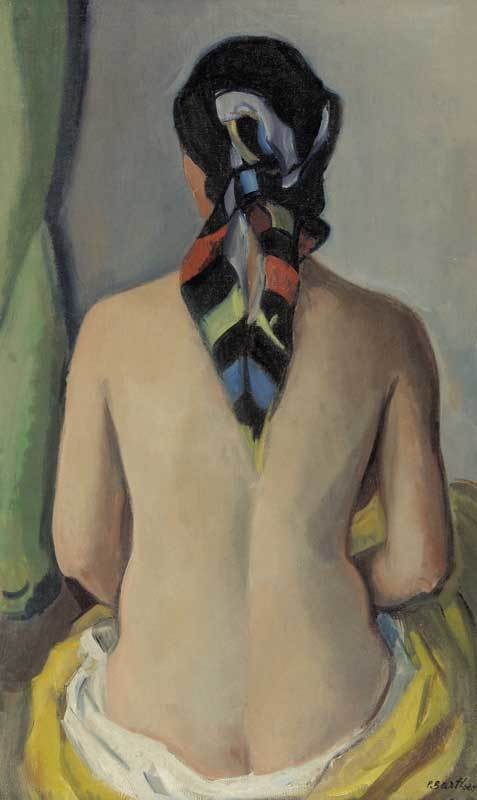
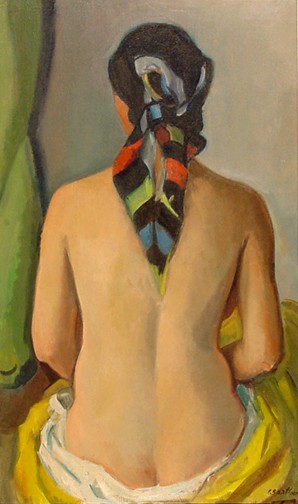
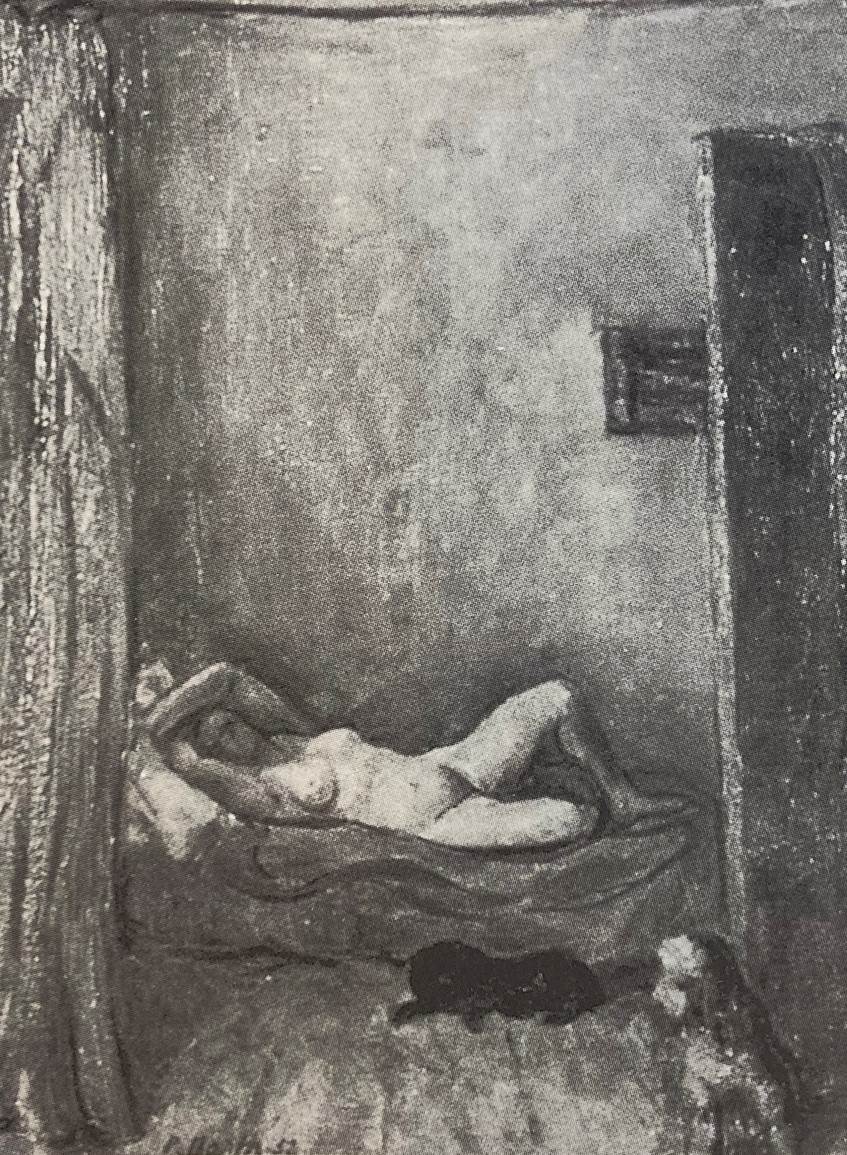
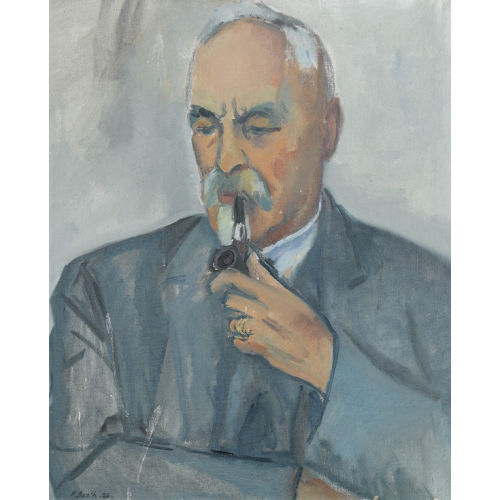
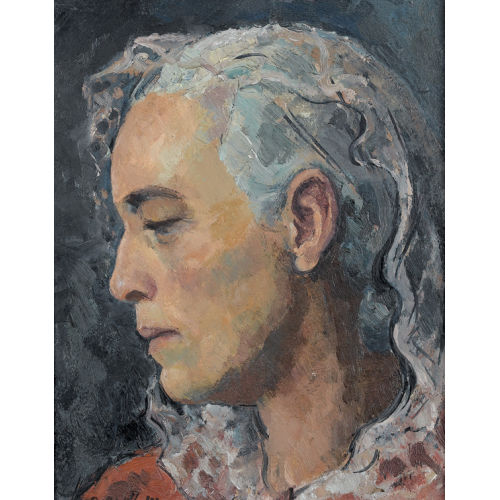
Portraiture, still life and the places he travelled through thus form less a set of separate categories than a succession of opportunities for testing painting.
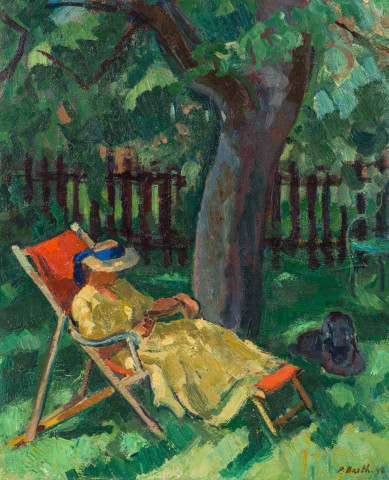
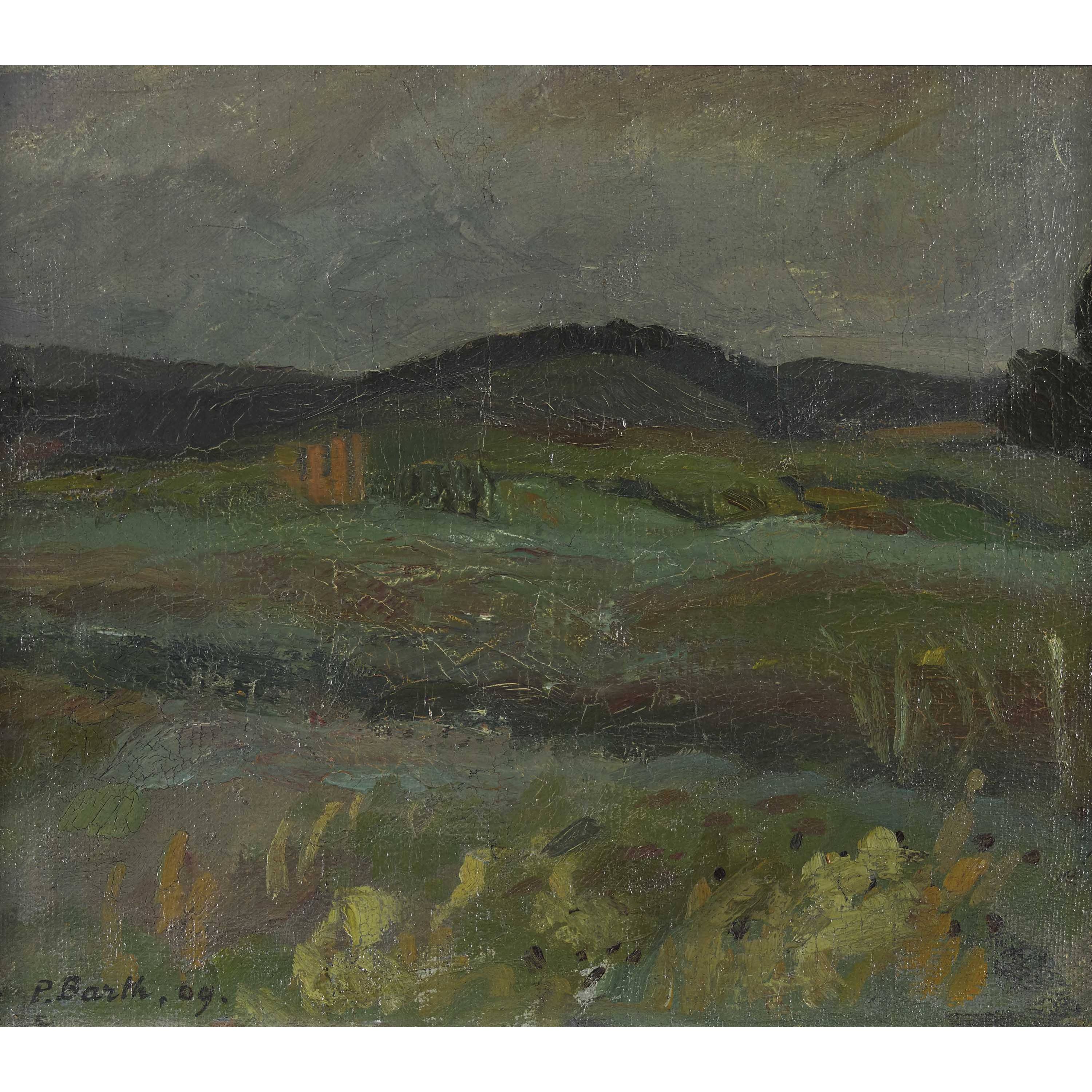
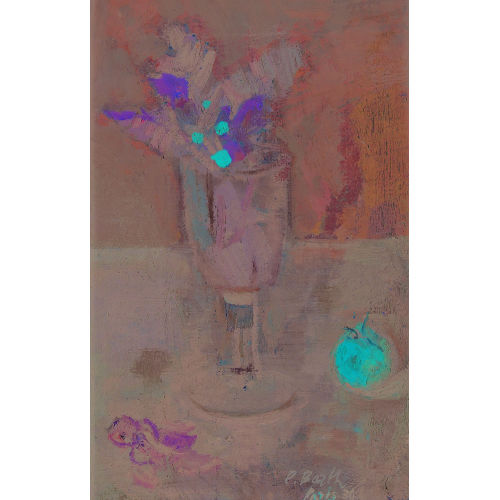
Between the two World Wars, Barth divided his time between Basel and Paris and travelled frequently. A member of the Salon d’Automne in 1938, he set up his studio in Riehen the following year. Over the course of his work, the figure gradually moves away from immediate description; the initially dark palette opens onto violet tones and richer nuances.
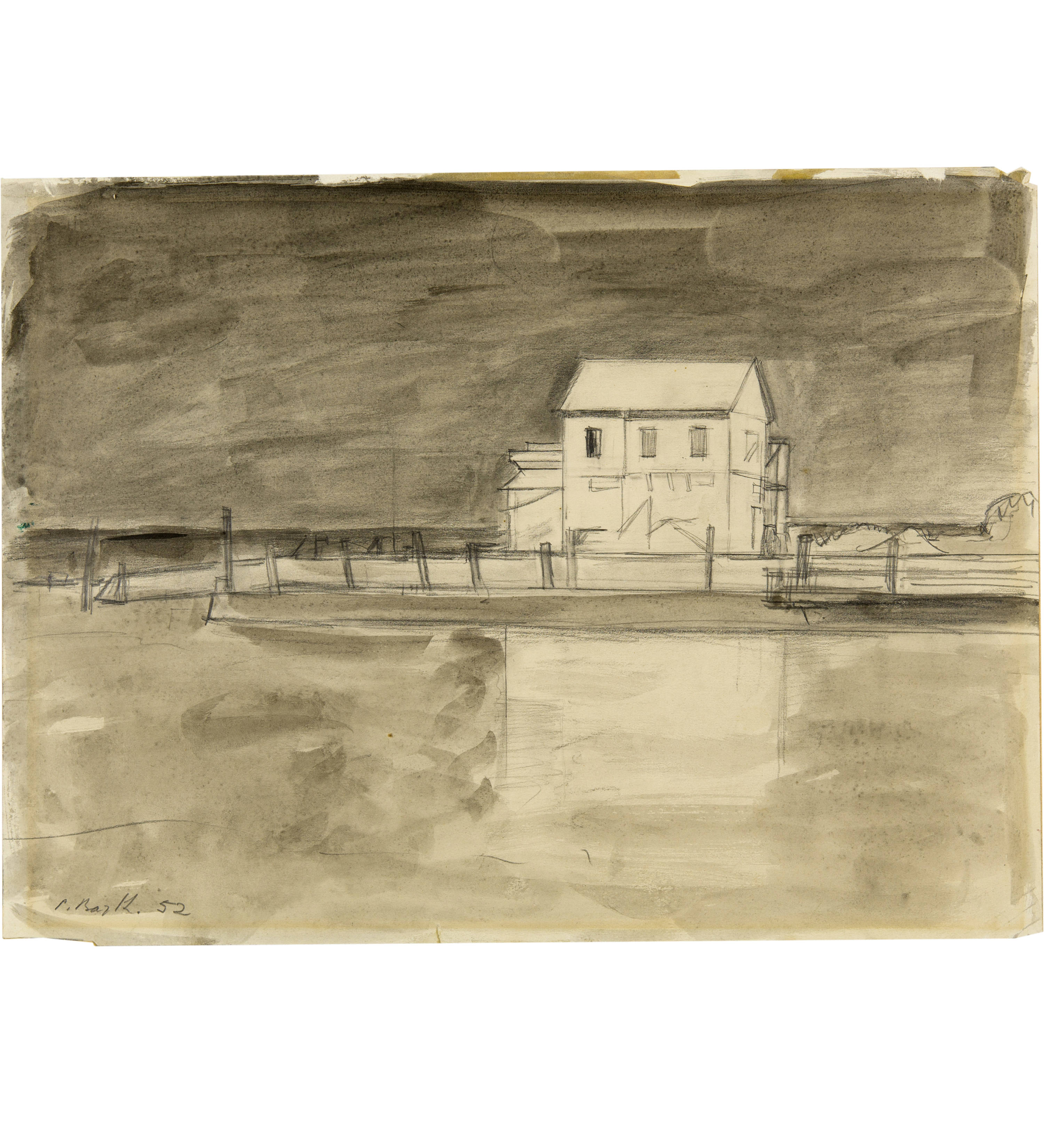
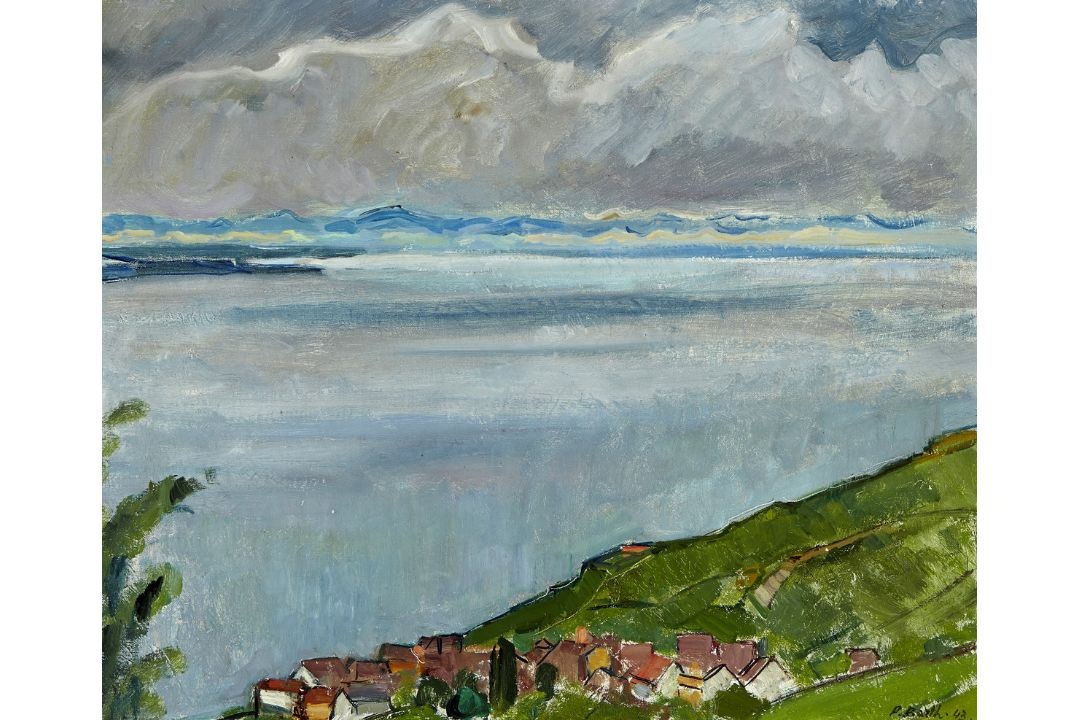
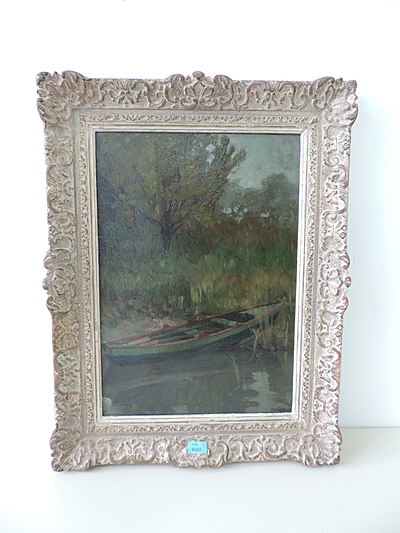
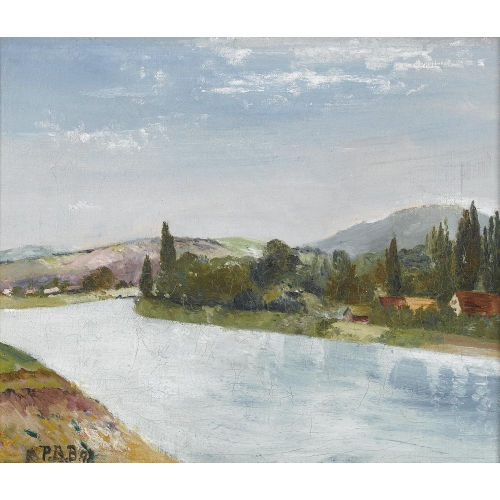
The Riehen lexicon places him among the Basel painters known for their dark tonalities, alongside Karl Dick, Numa Donzé and Jean Jacques Lüscher, while also recalling the diversity of his portraits and landscapes. Works such as Bretonischer Strand (1949) and Landschaft in Riehen (1943), held by the municipality, testify to this art of looking, pursued into his final years.