Otto Meyer-Amden
Born in 1885.
Died in 1933.
After his mother’s death, he grew up with foster parents and later in the orphanage of the Bernese bourgeoisie. He learned lithography in Bern and Zurich before studying in Munich and at the Royal Academy of Fine Arts in Stuttgart, where he became a master student of Adolf Hölzel. He adopted the name Meyer-Amden after settling, in 1912, in the village of Amden, above Lake Walenstadt.
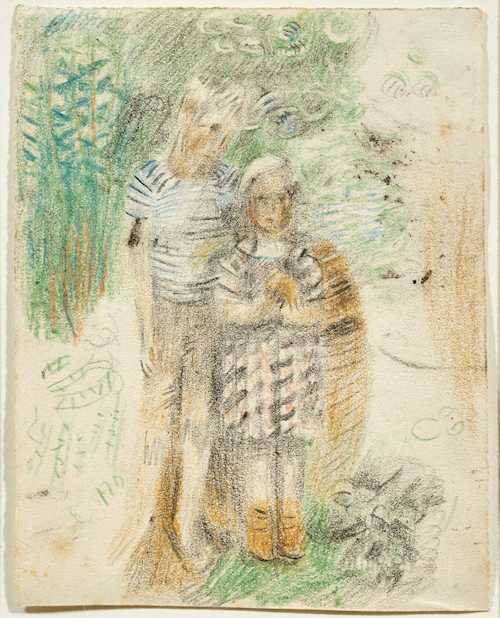
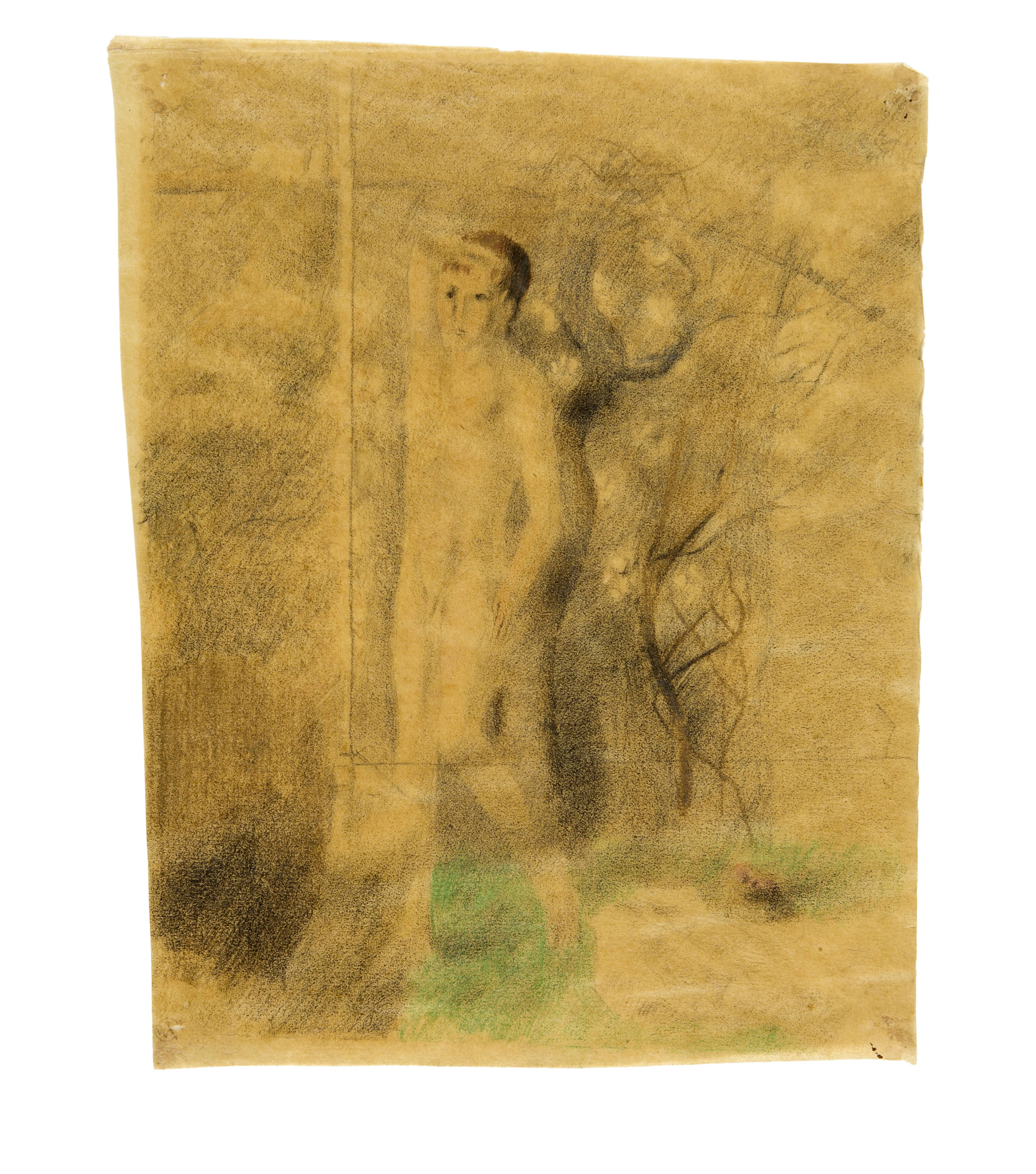
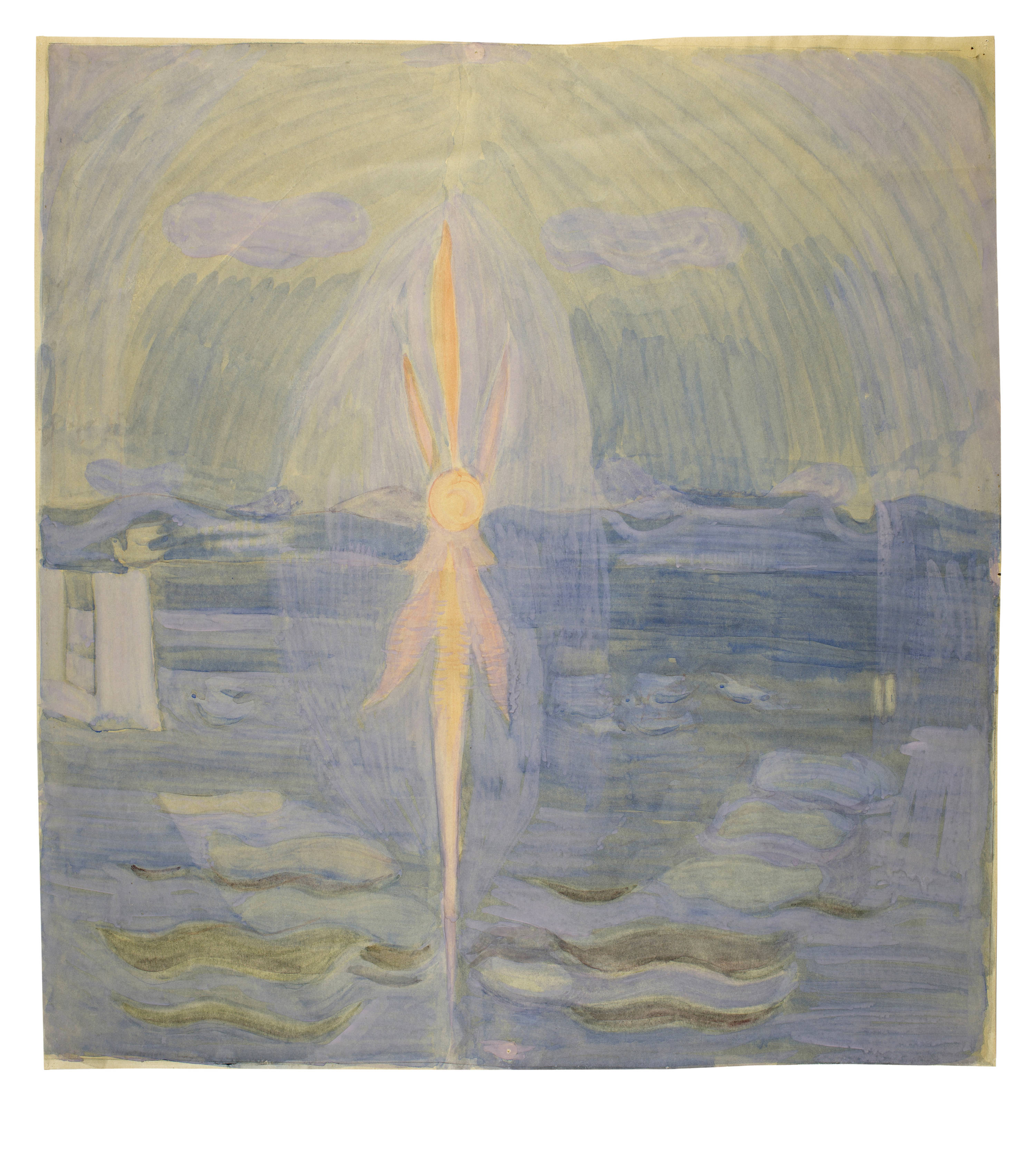
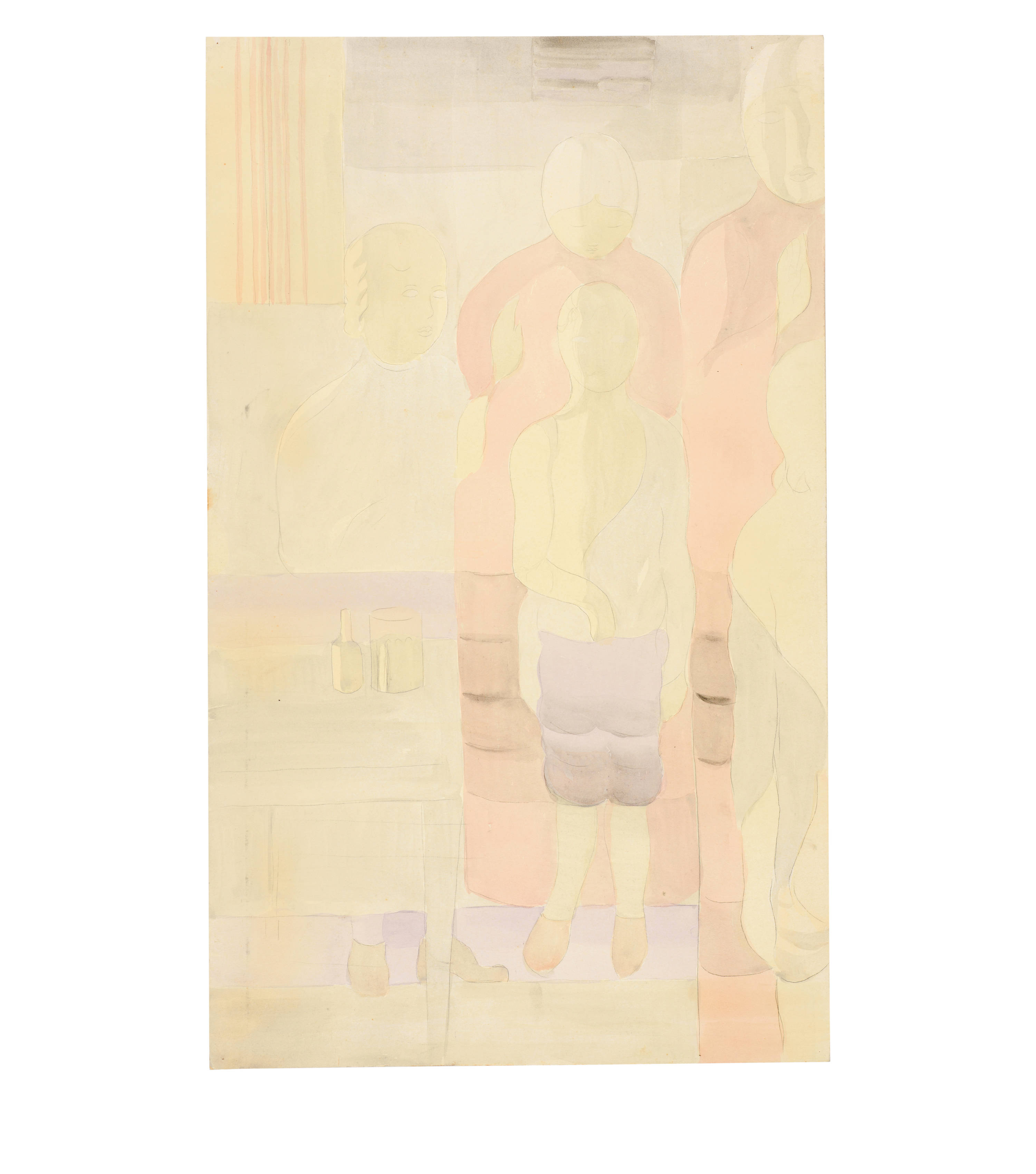
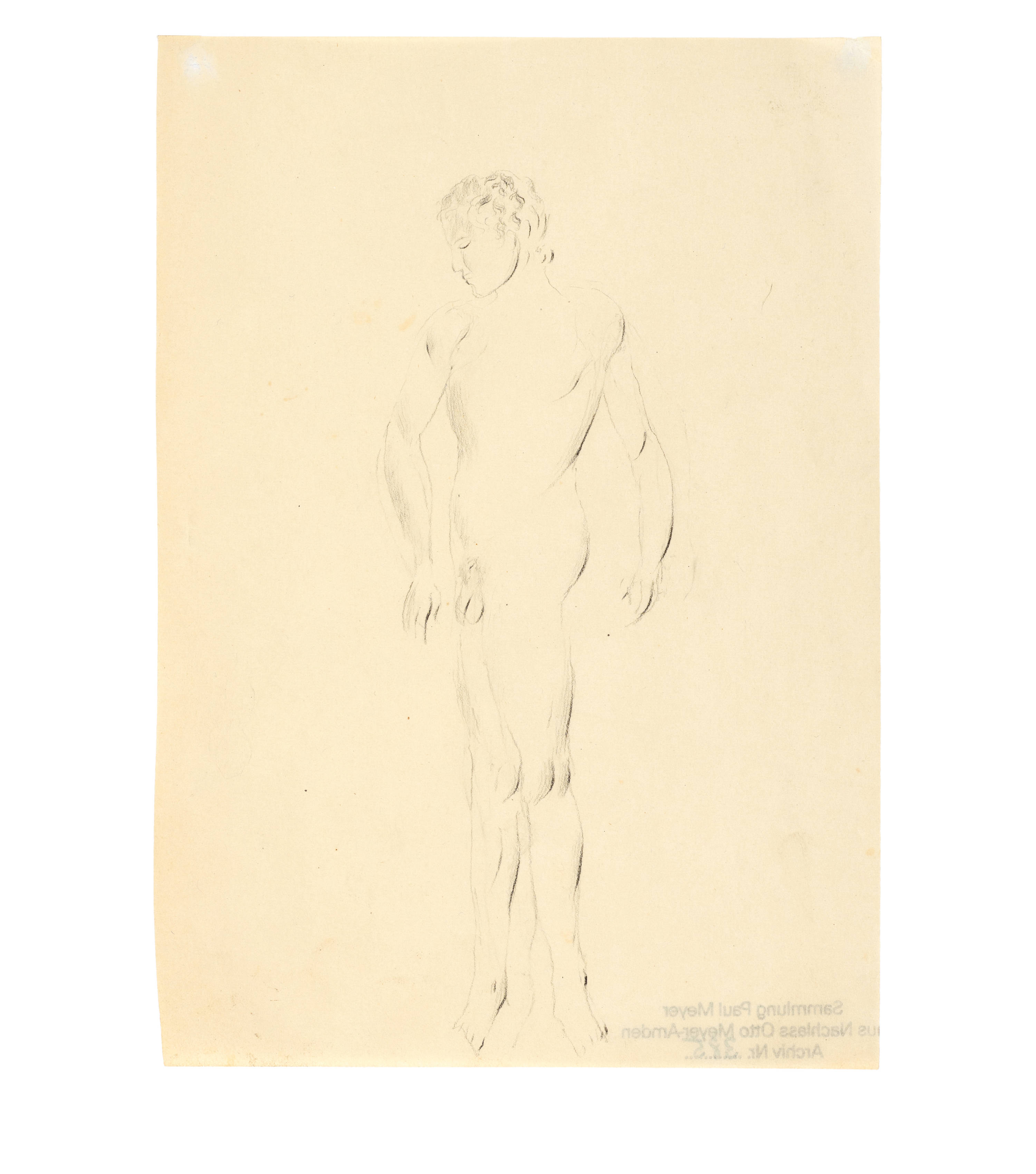
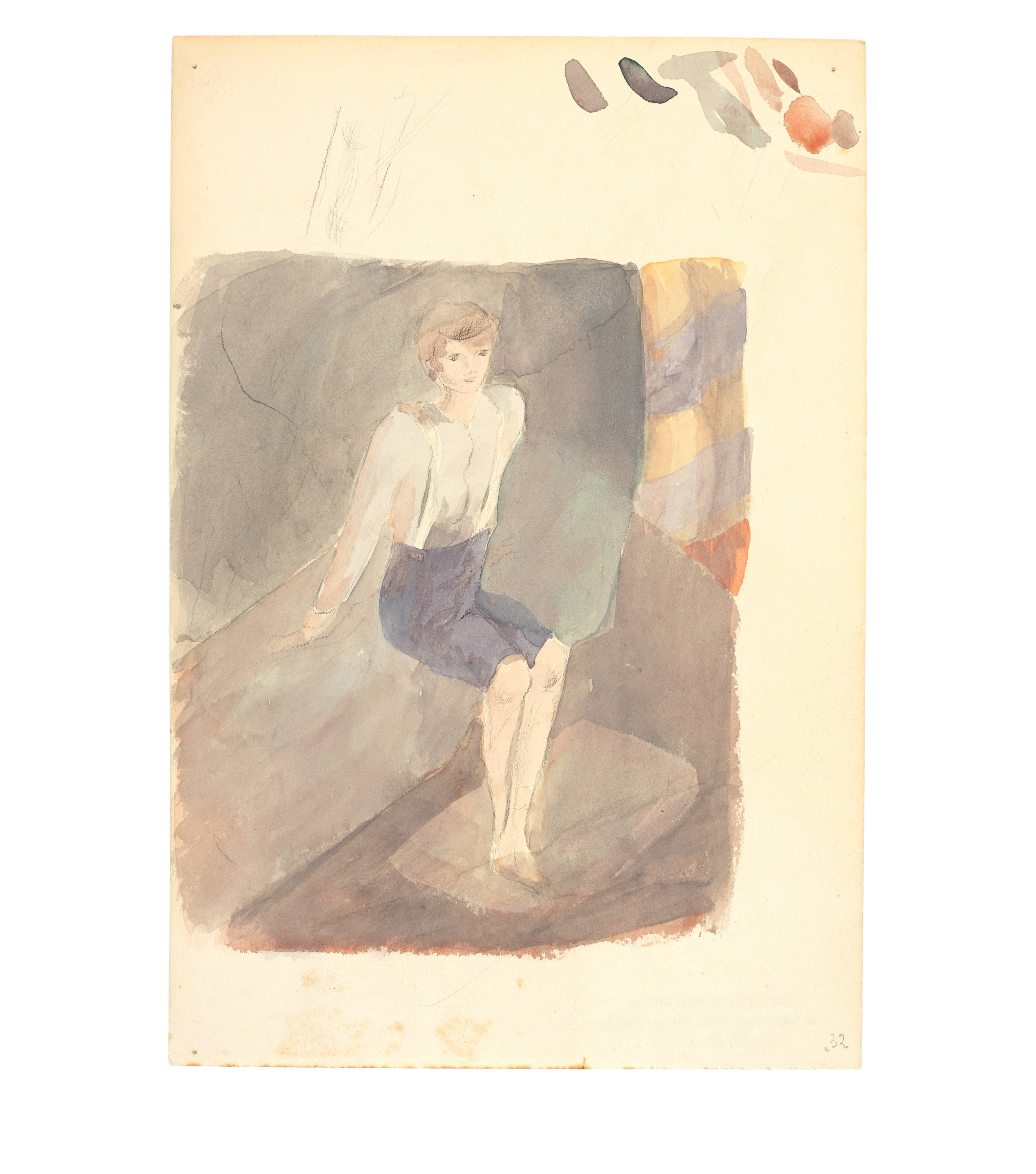
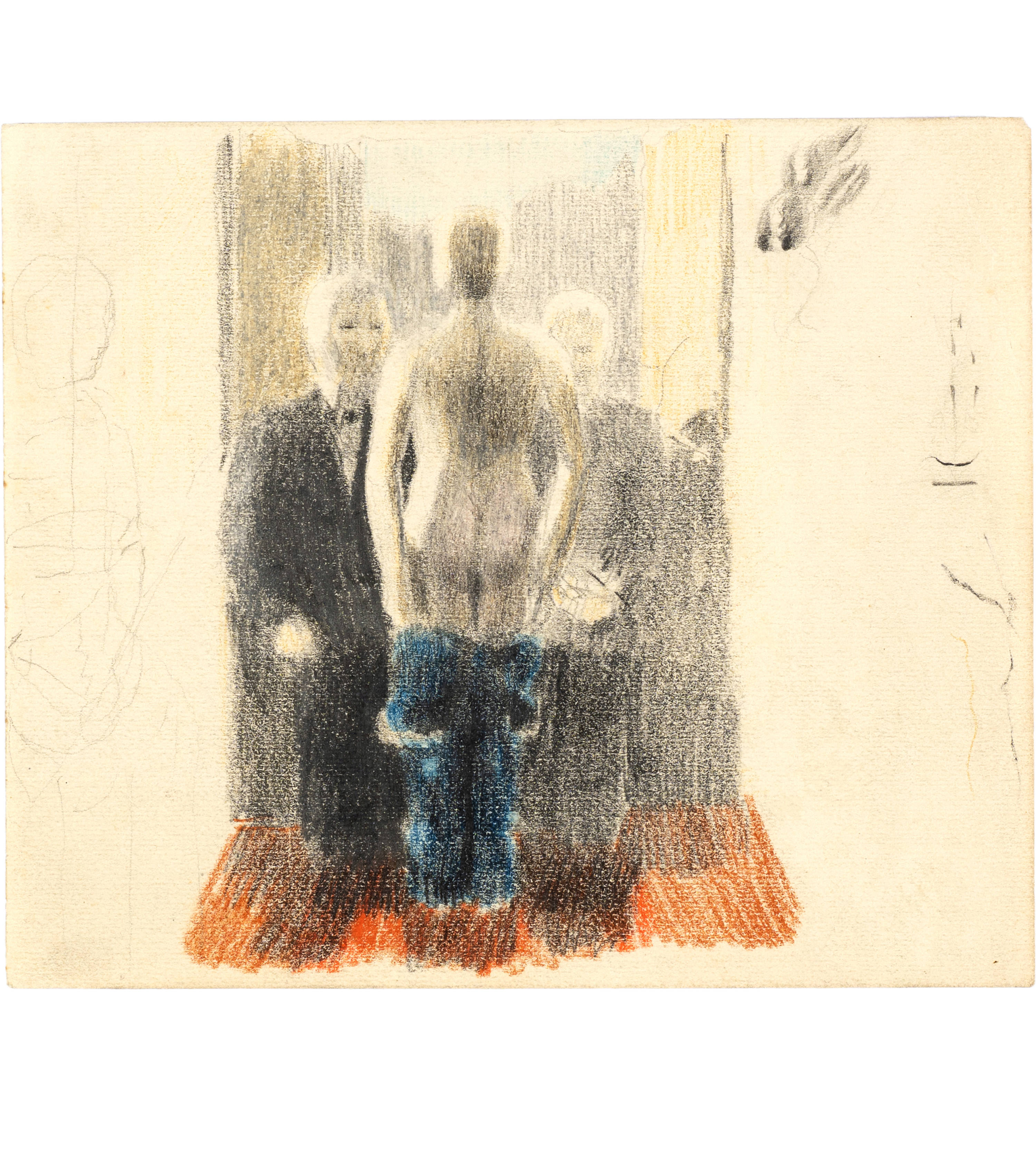
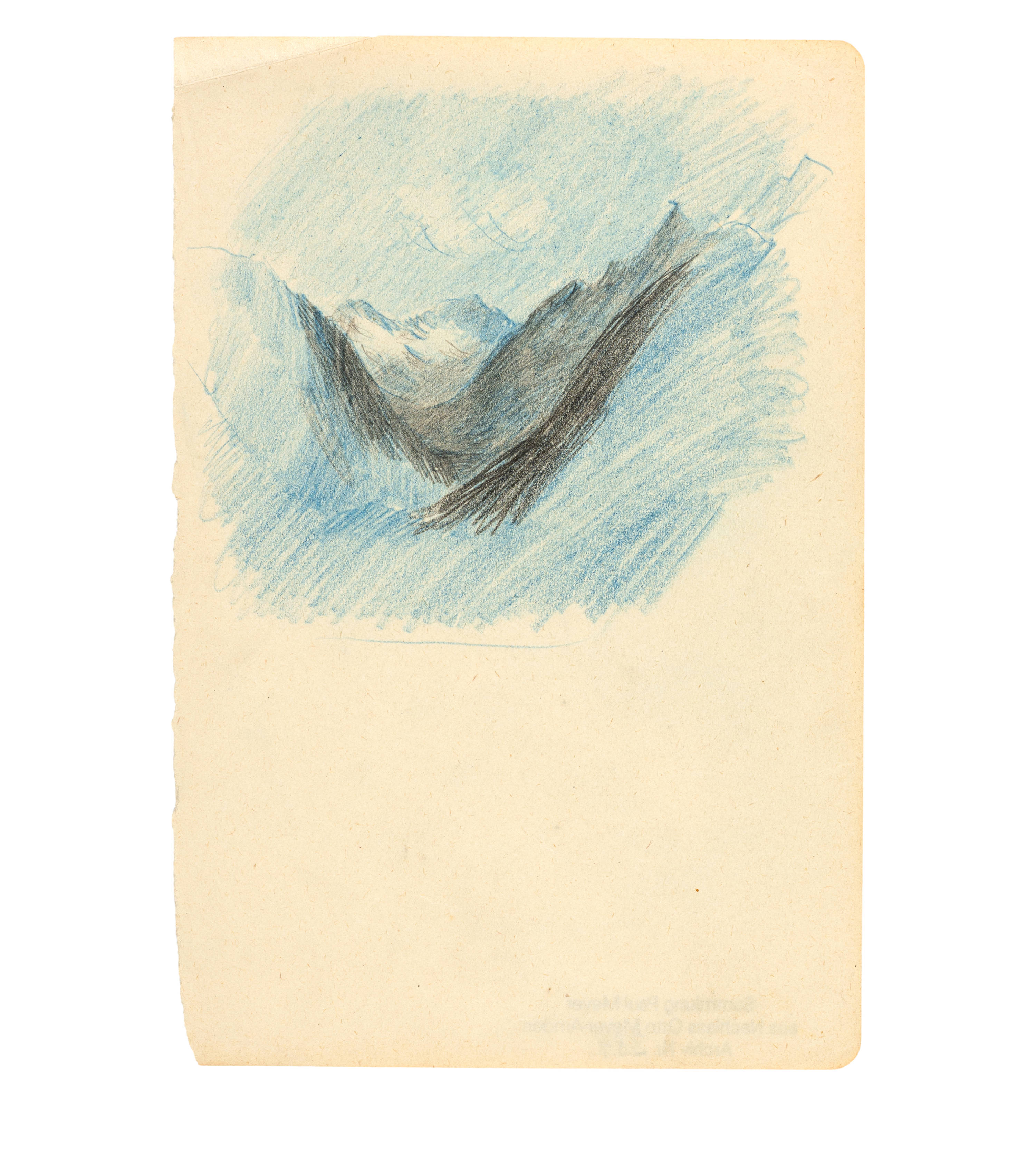
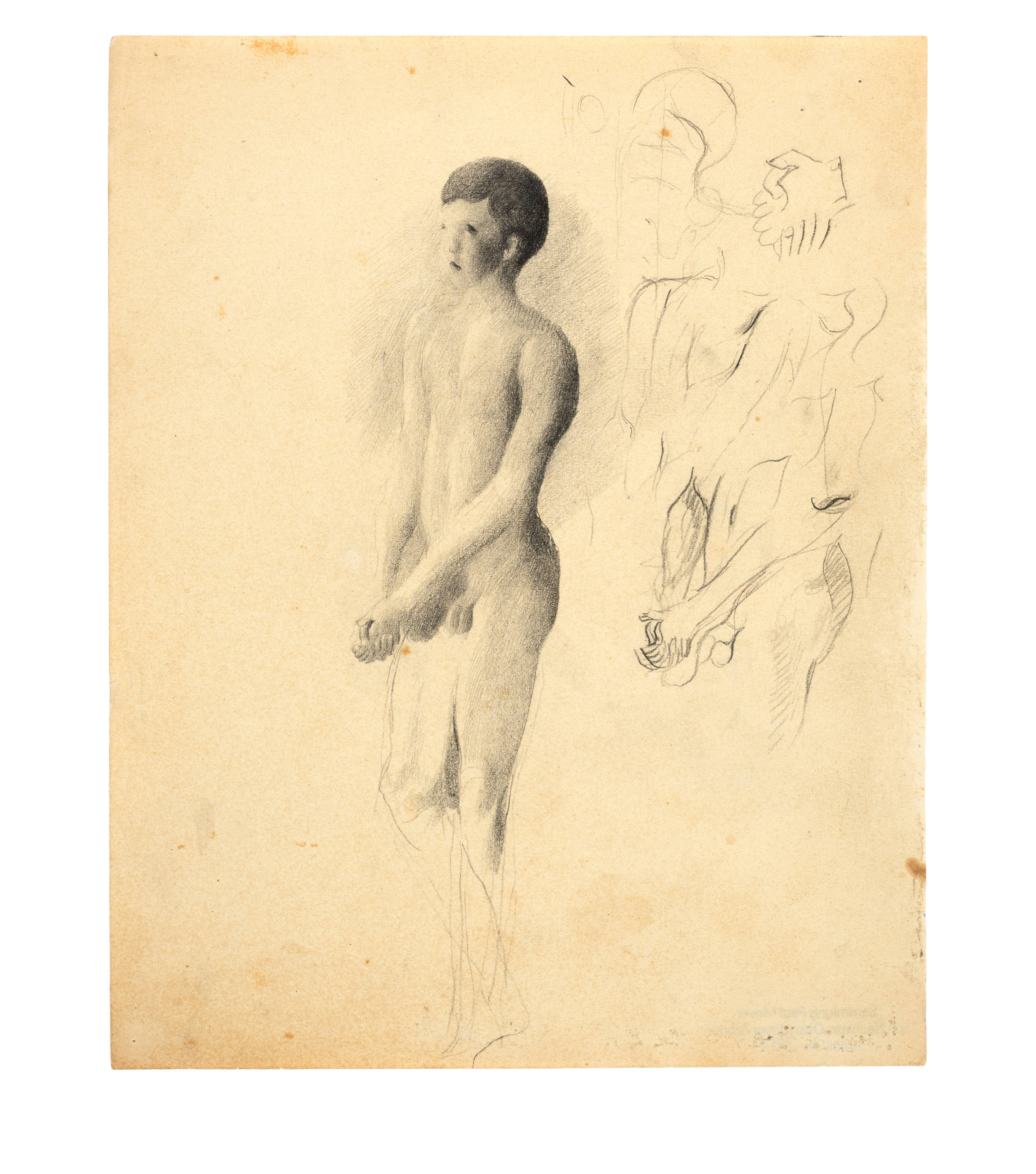
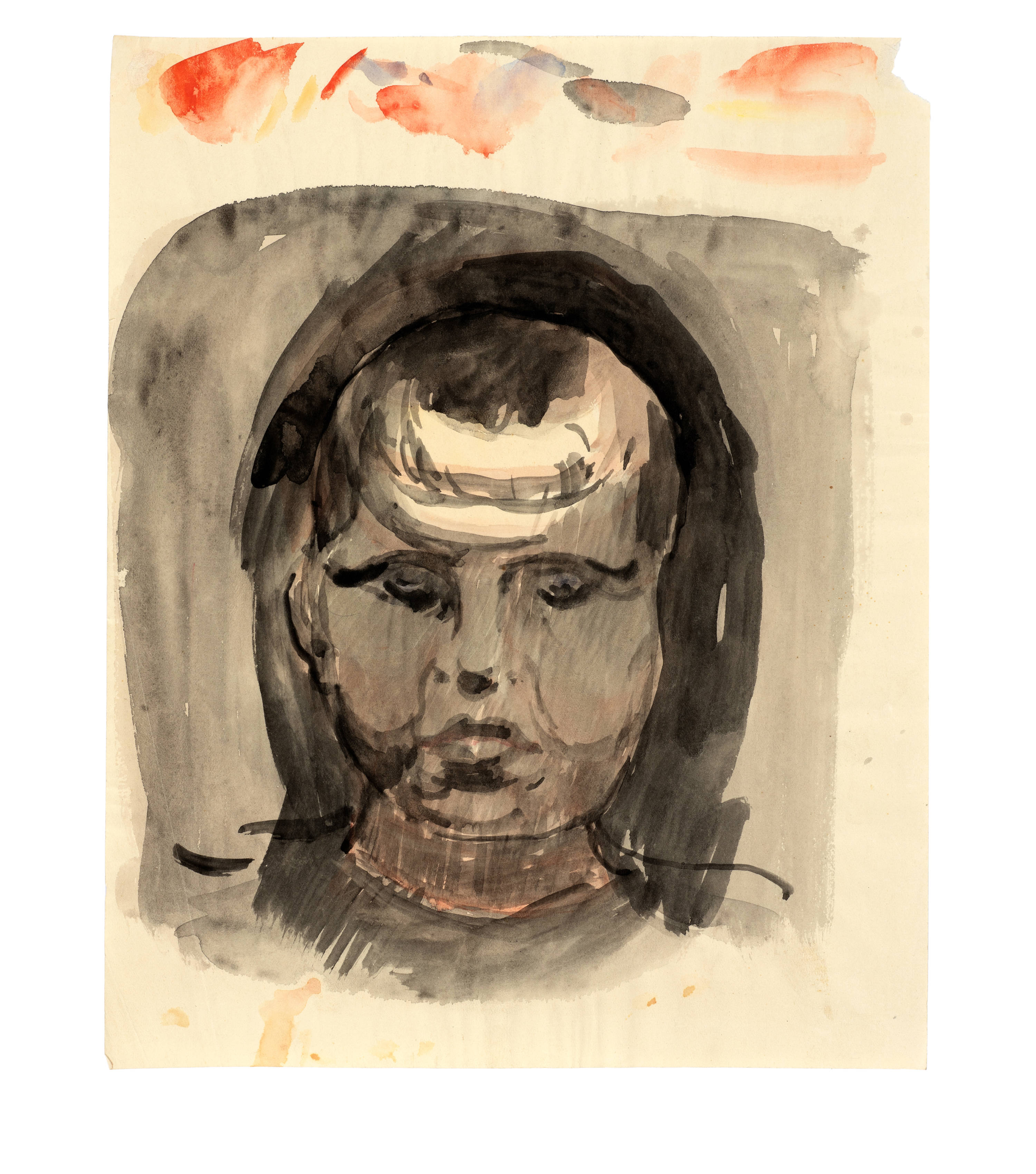
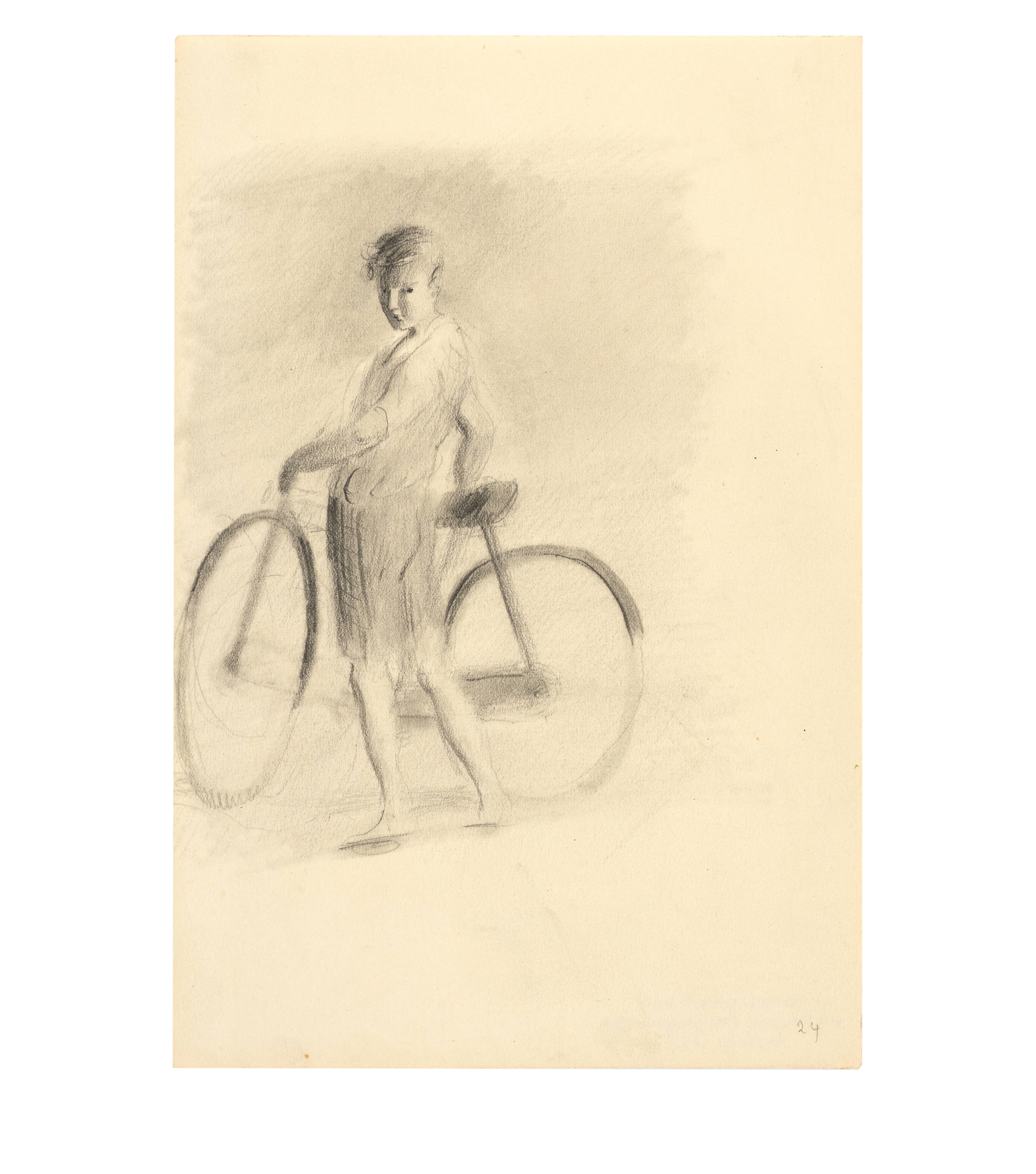
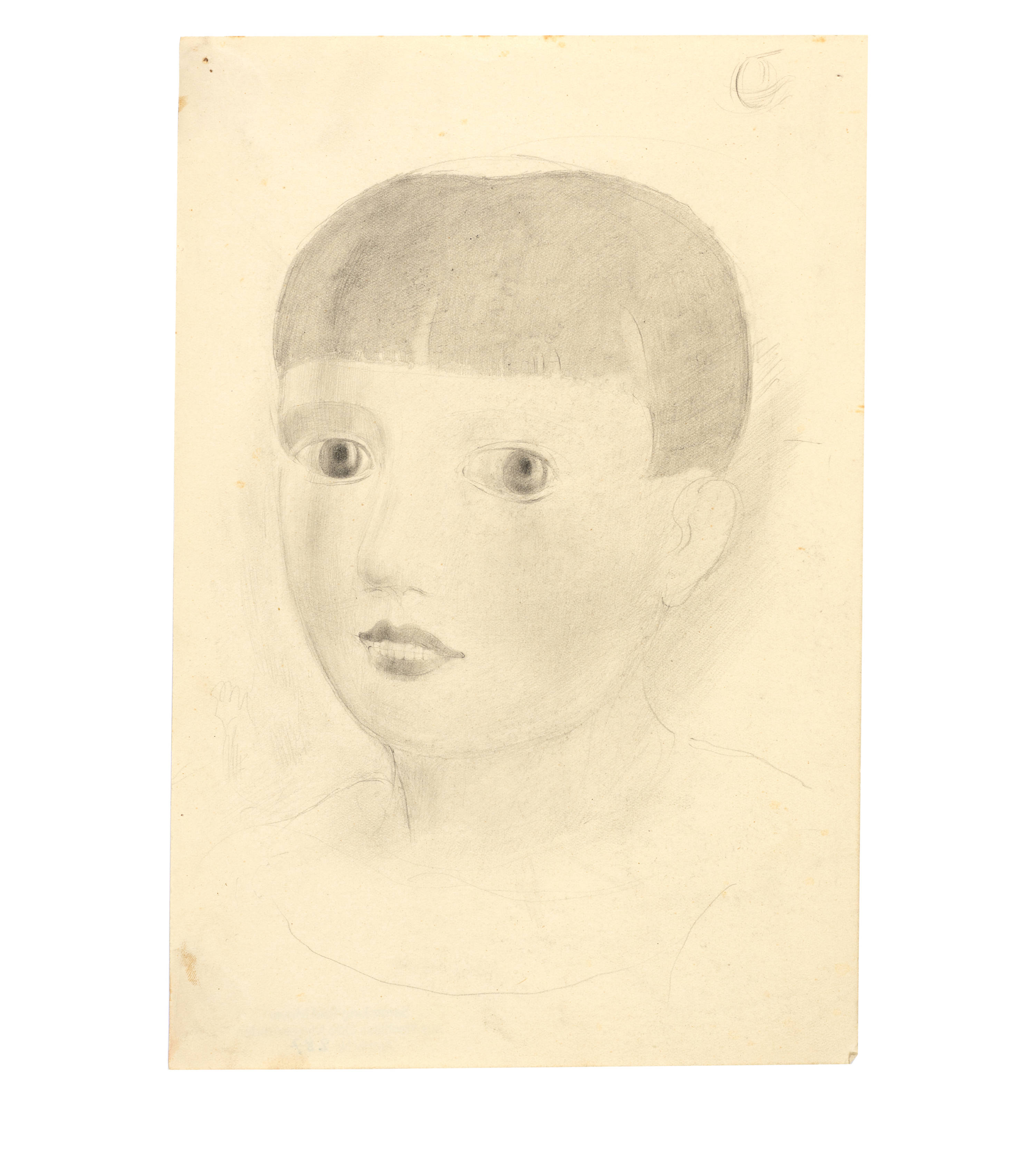
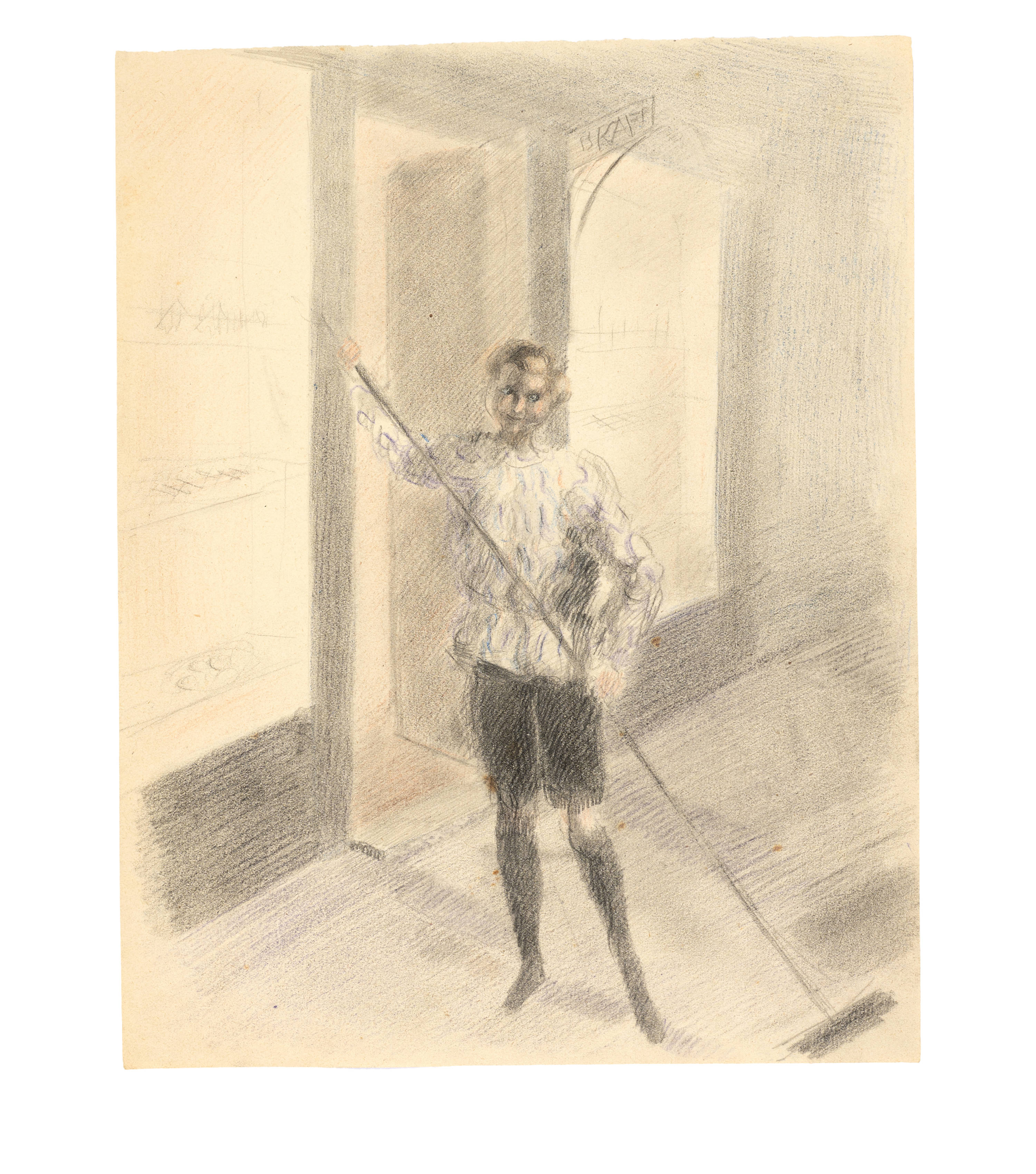
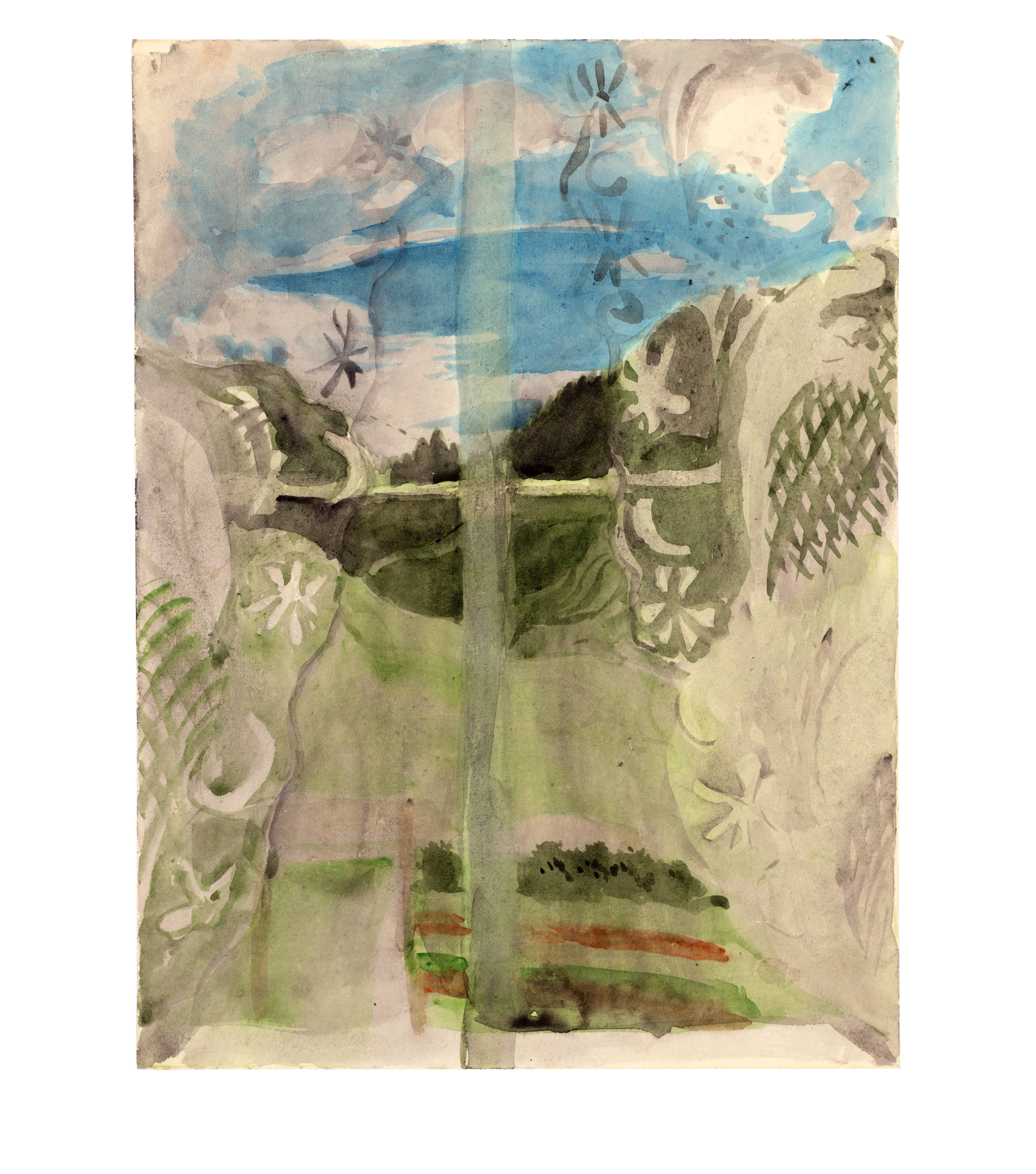
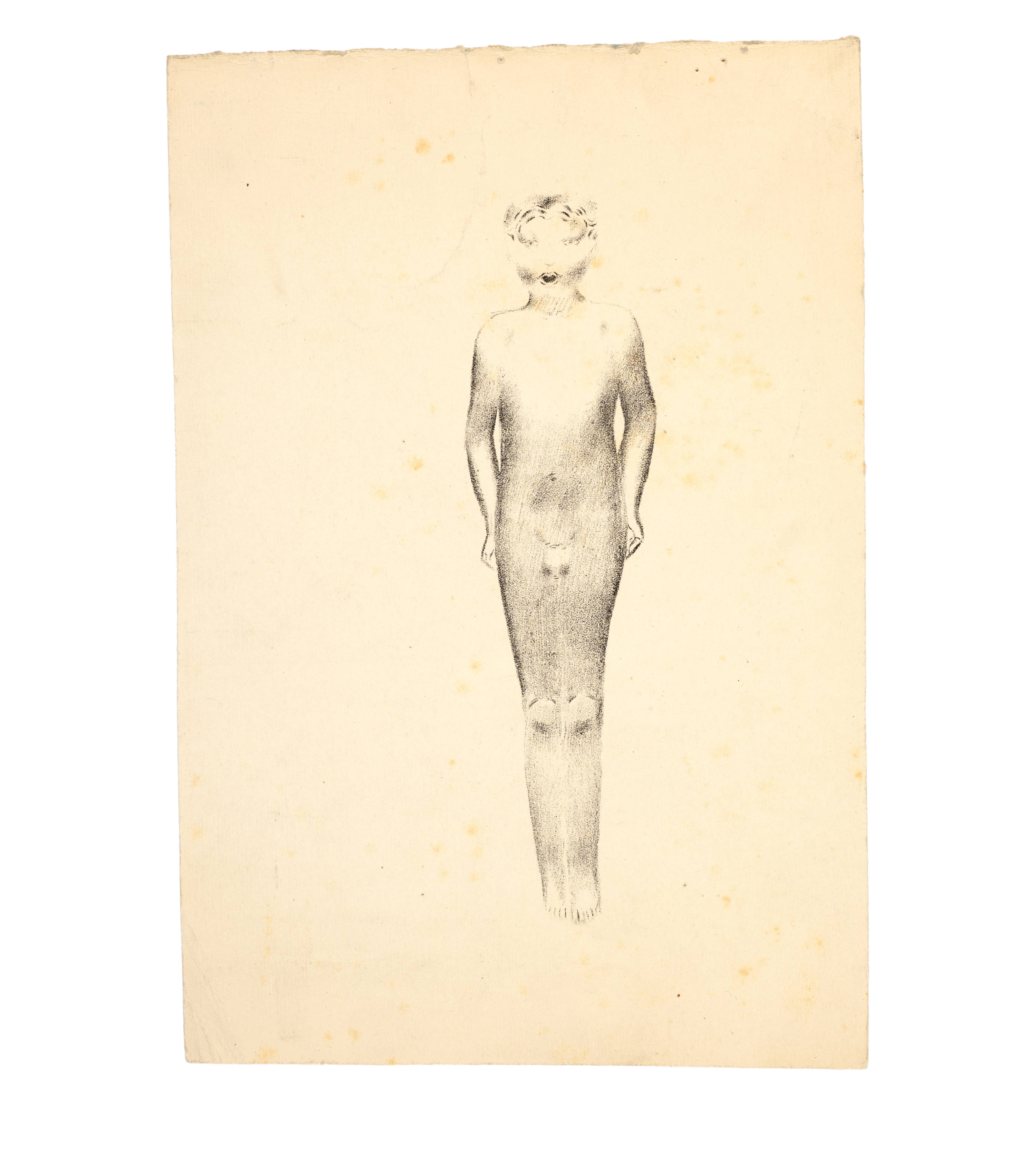
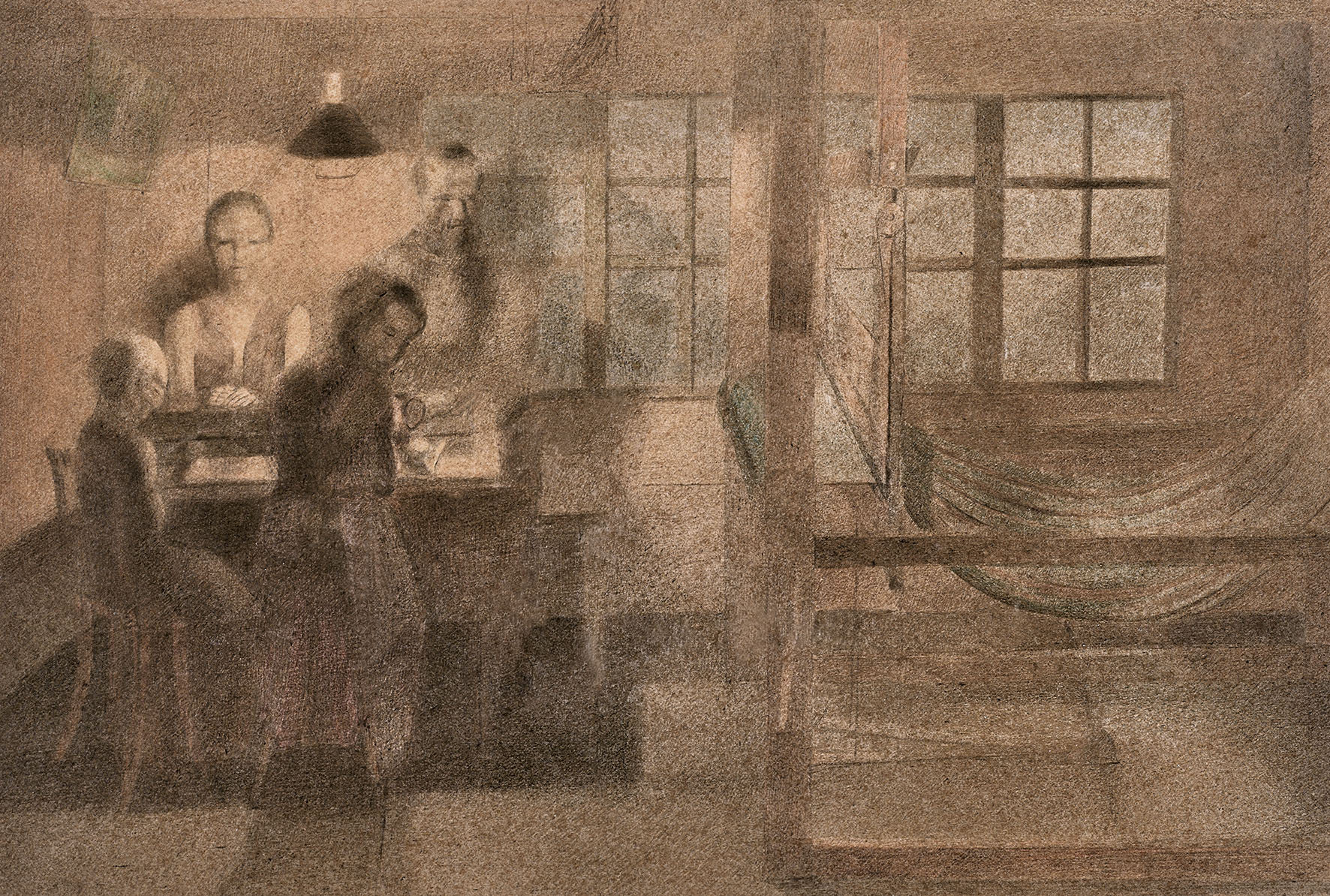
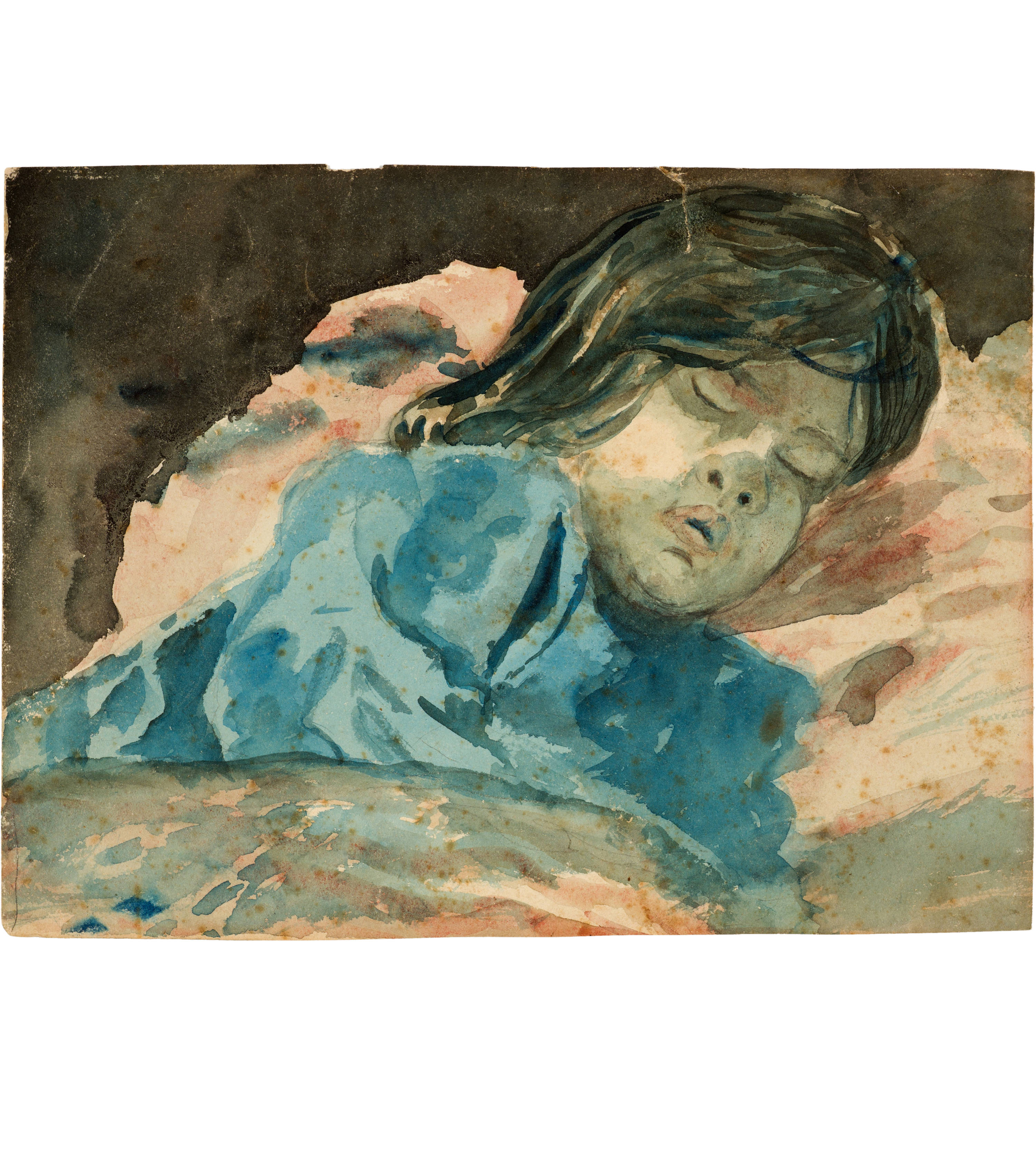
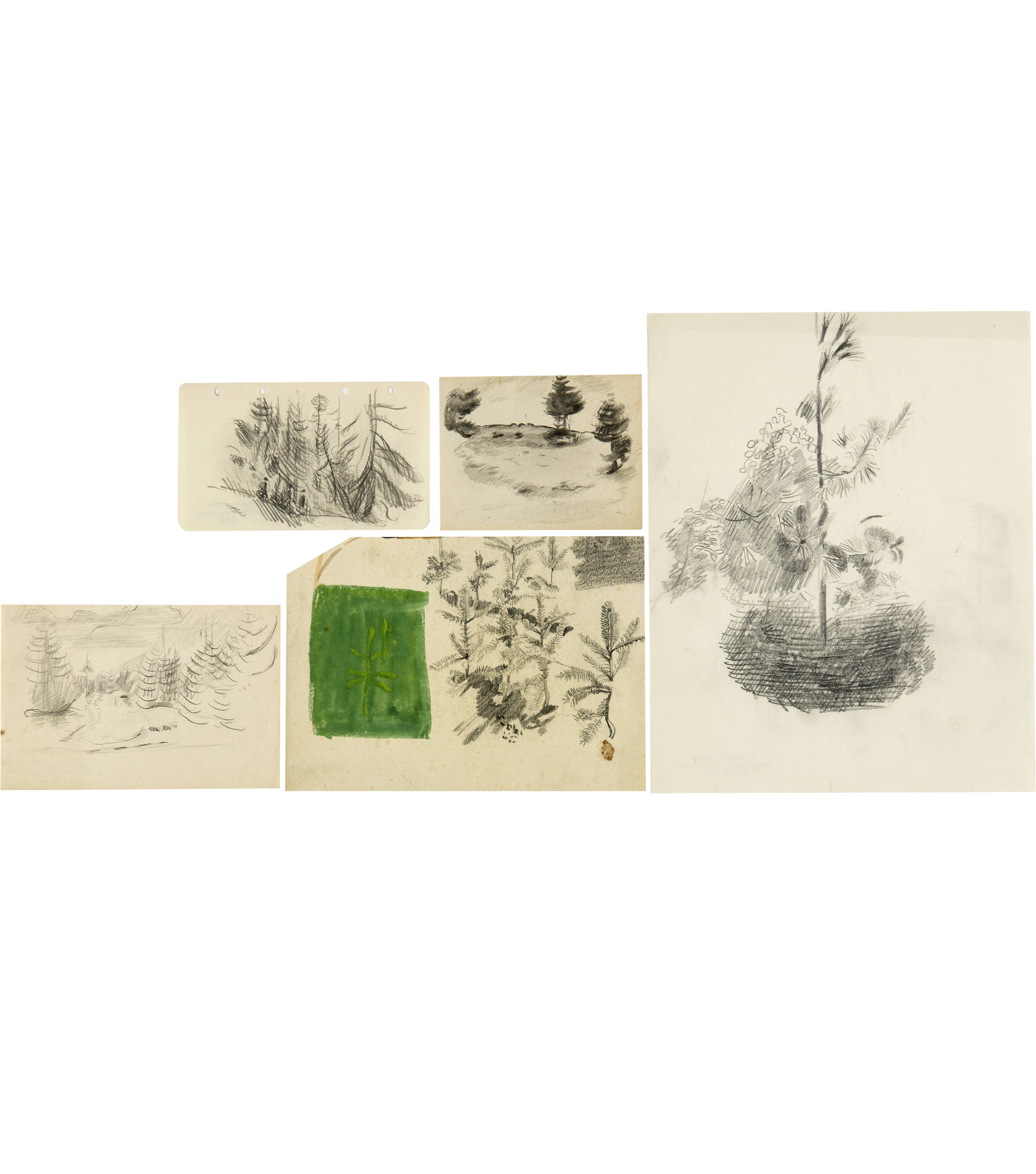
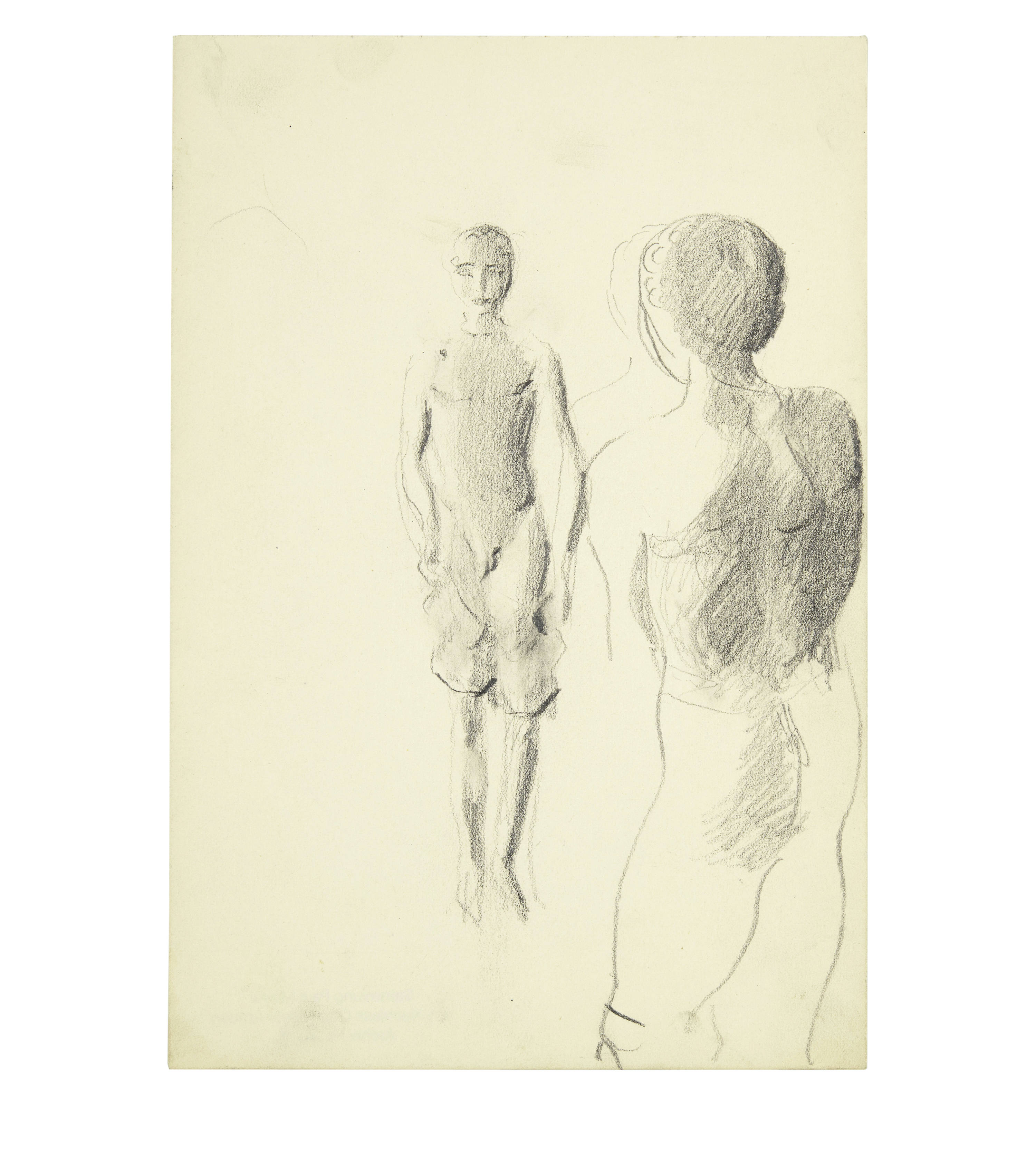
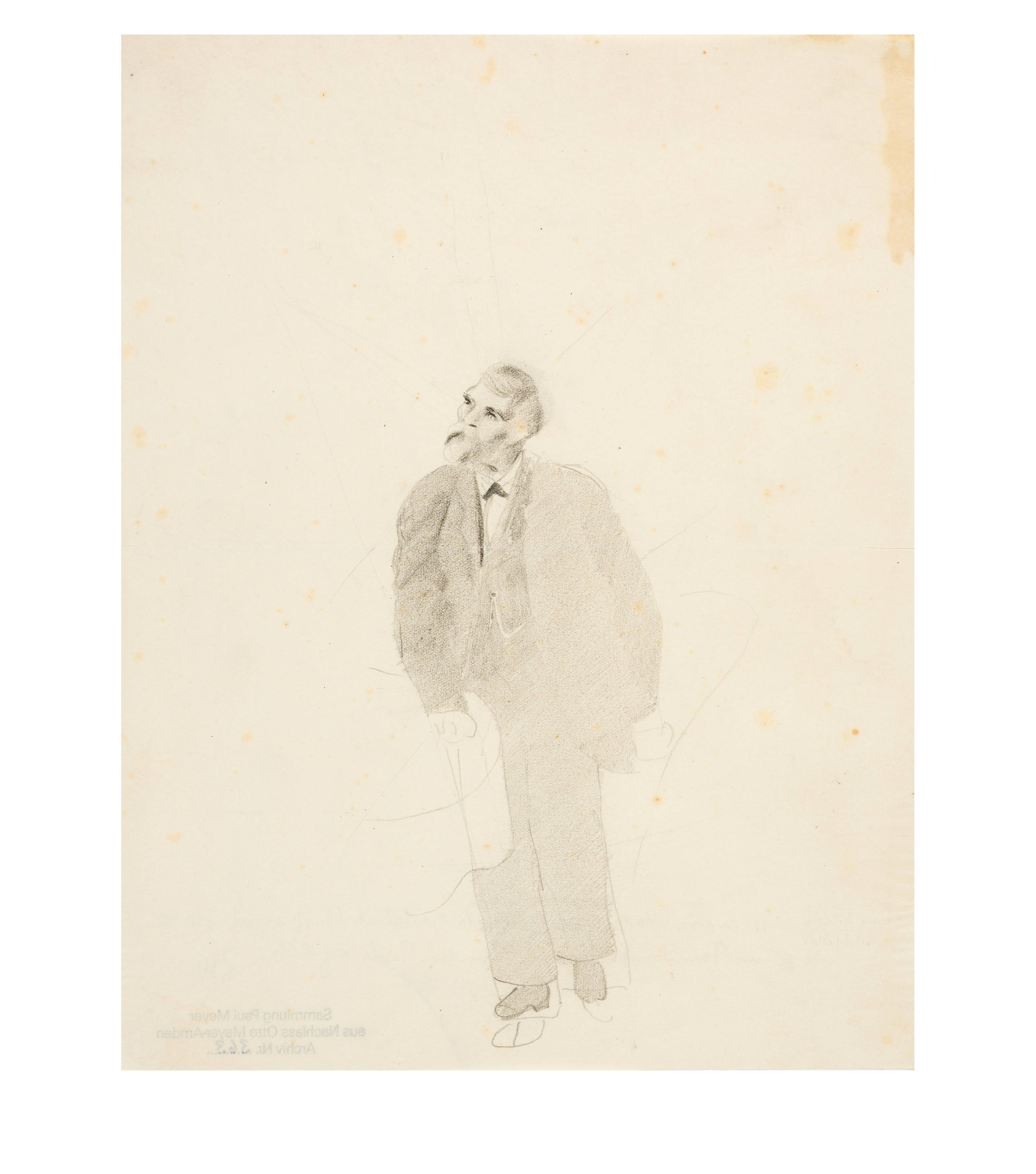
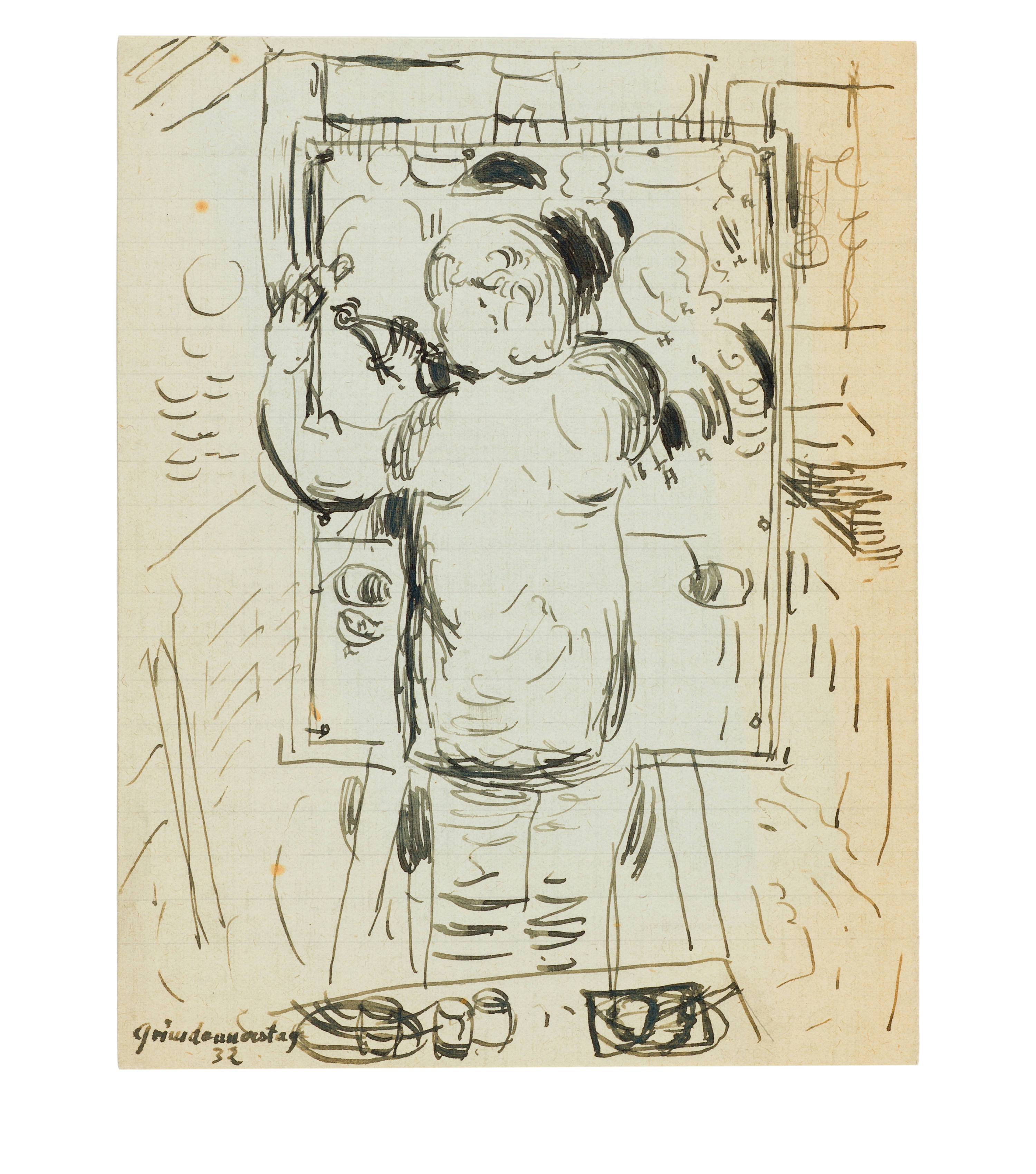
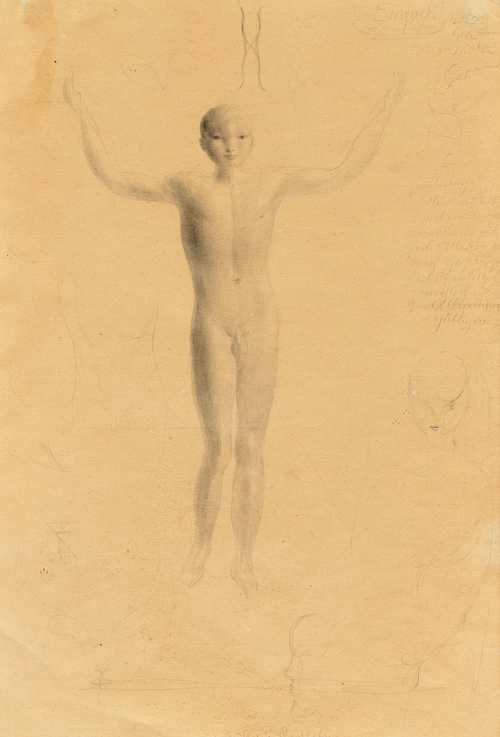
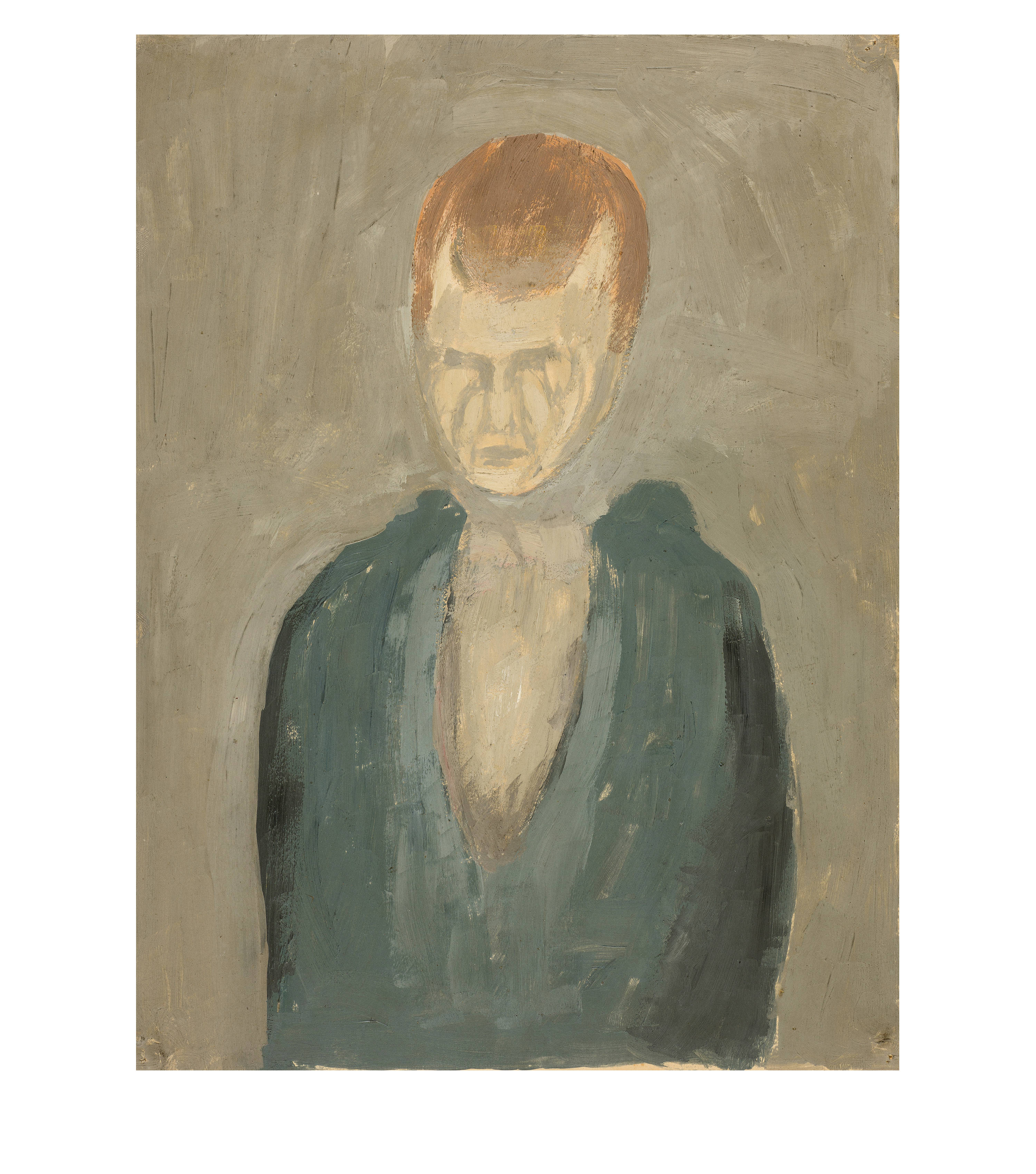
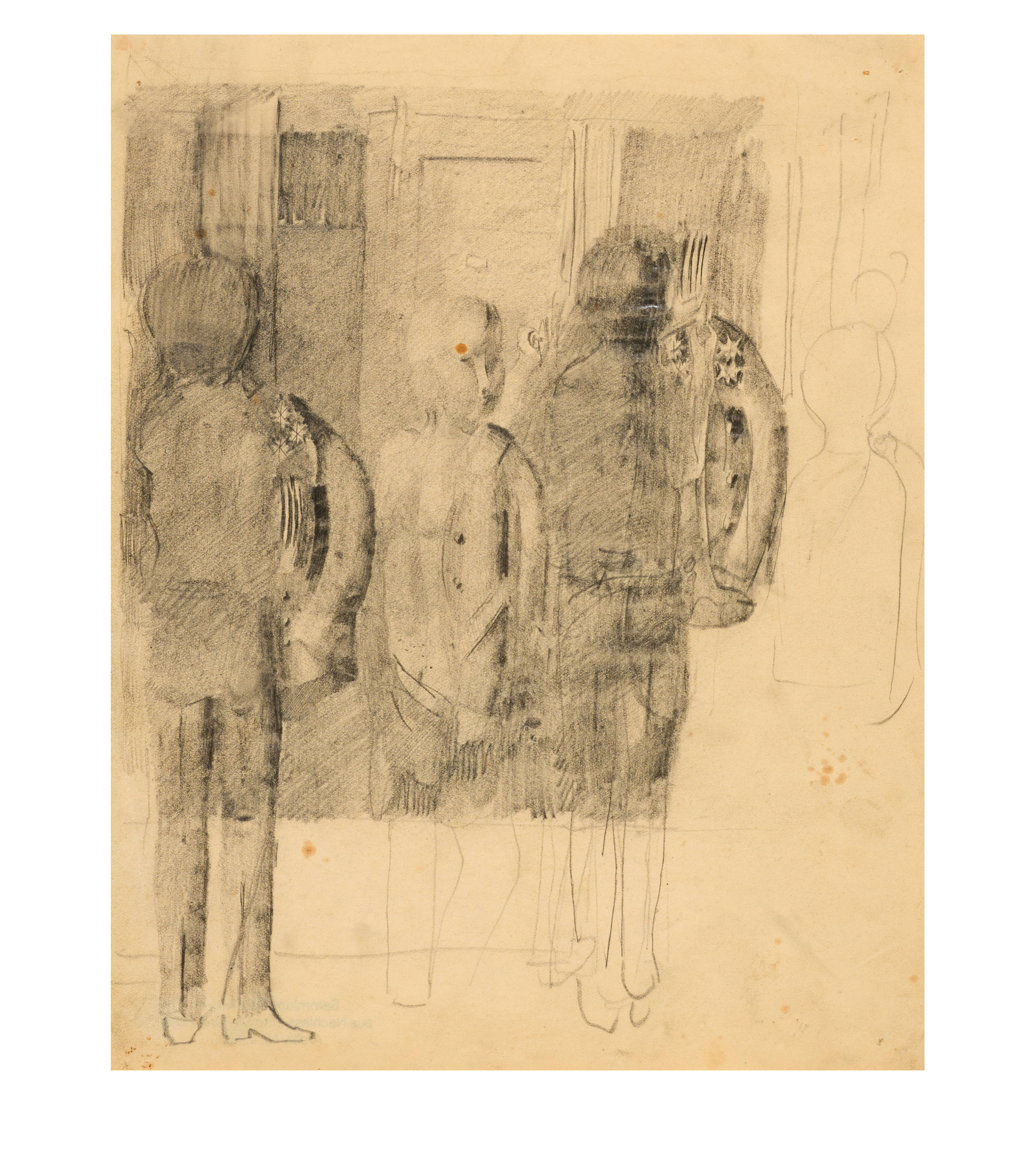
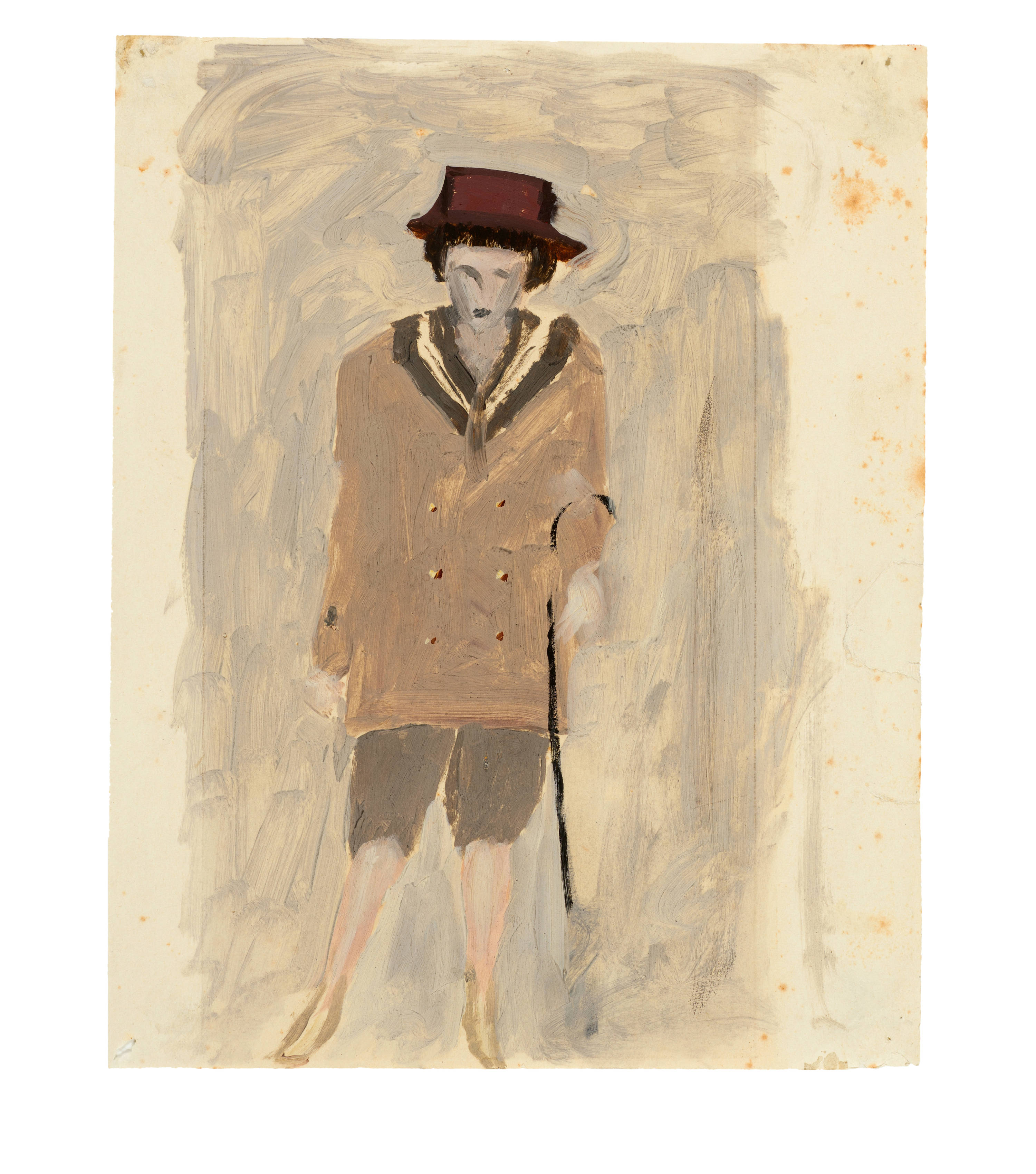
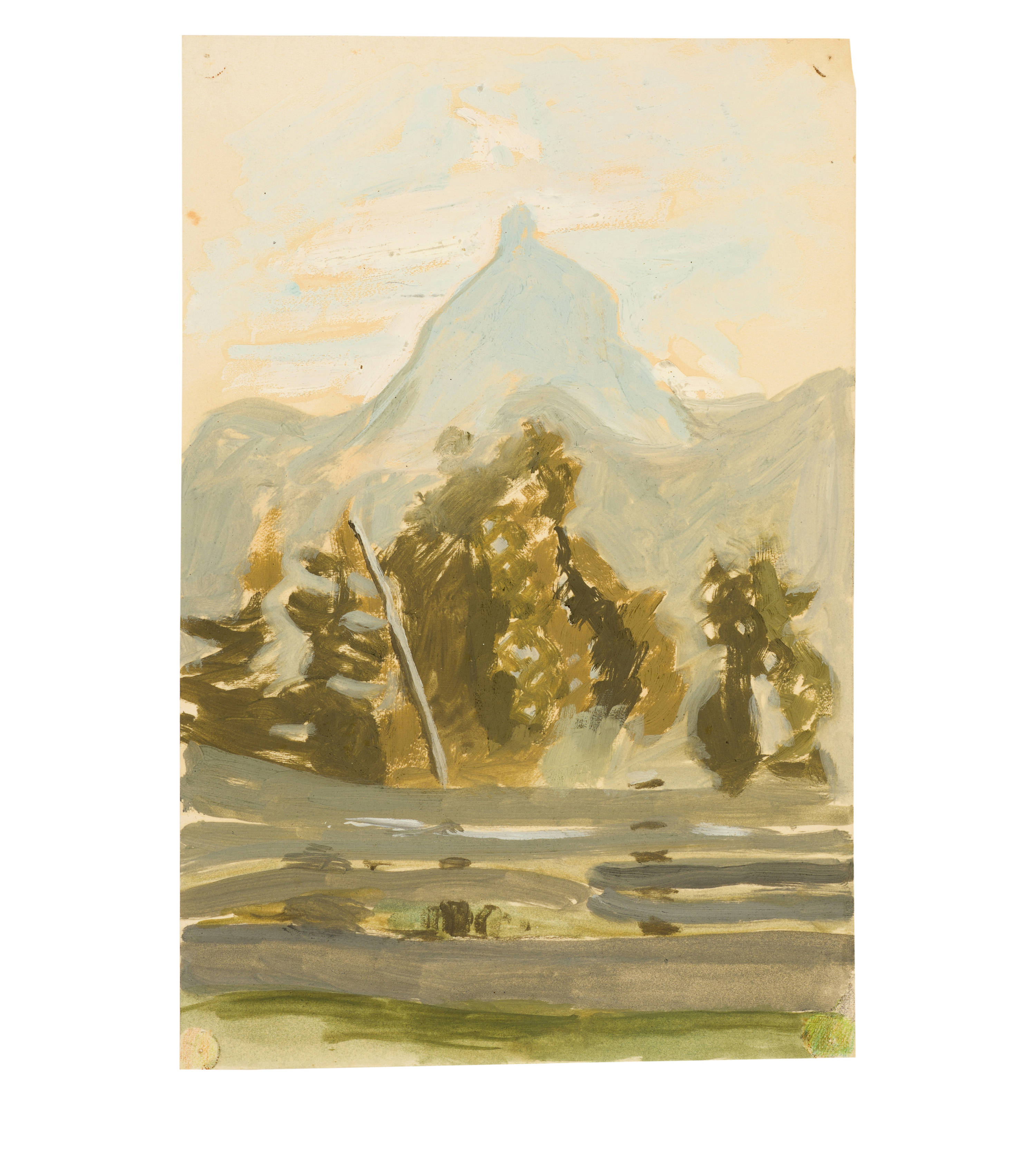
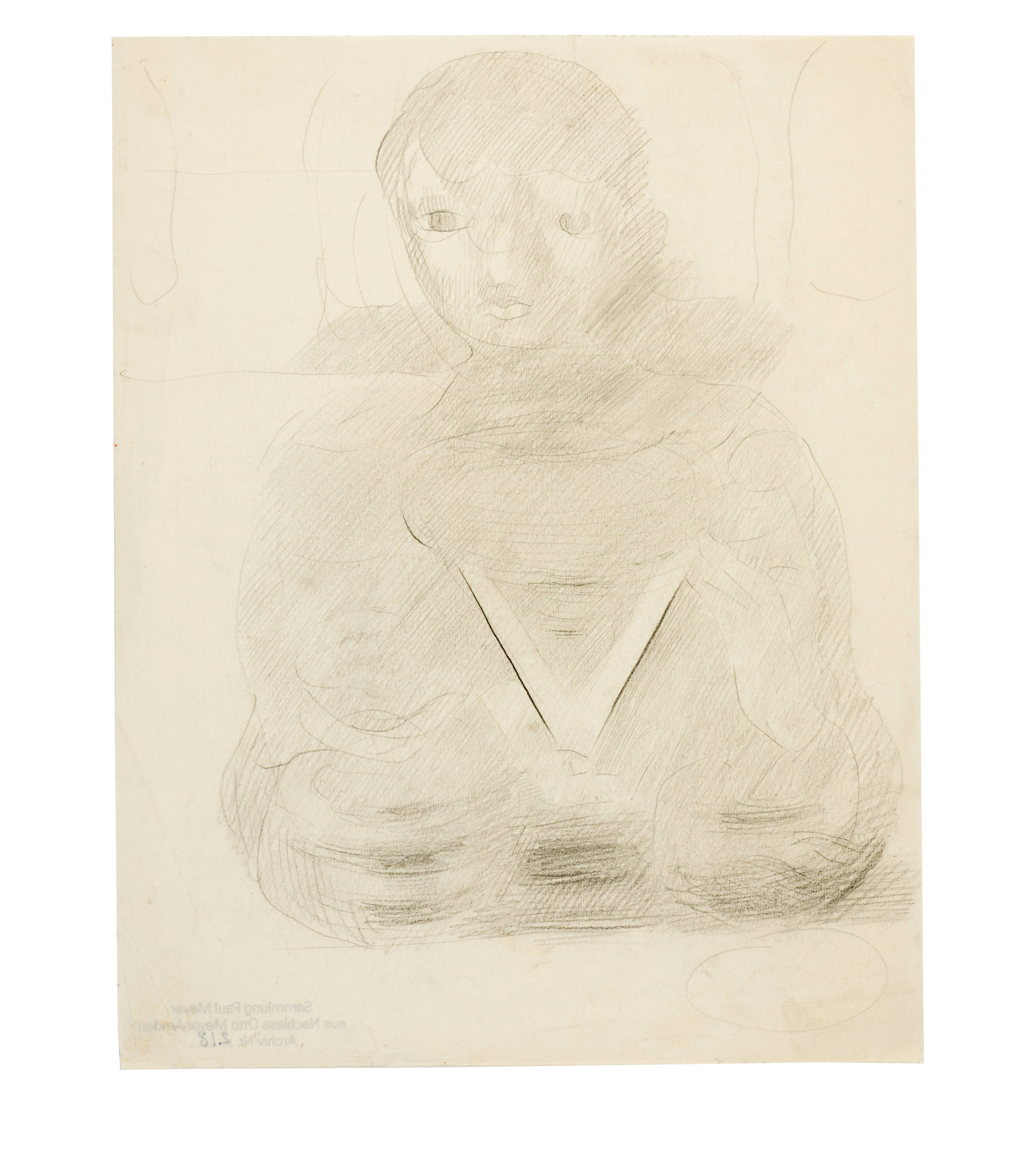
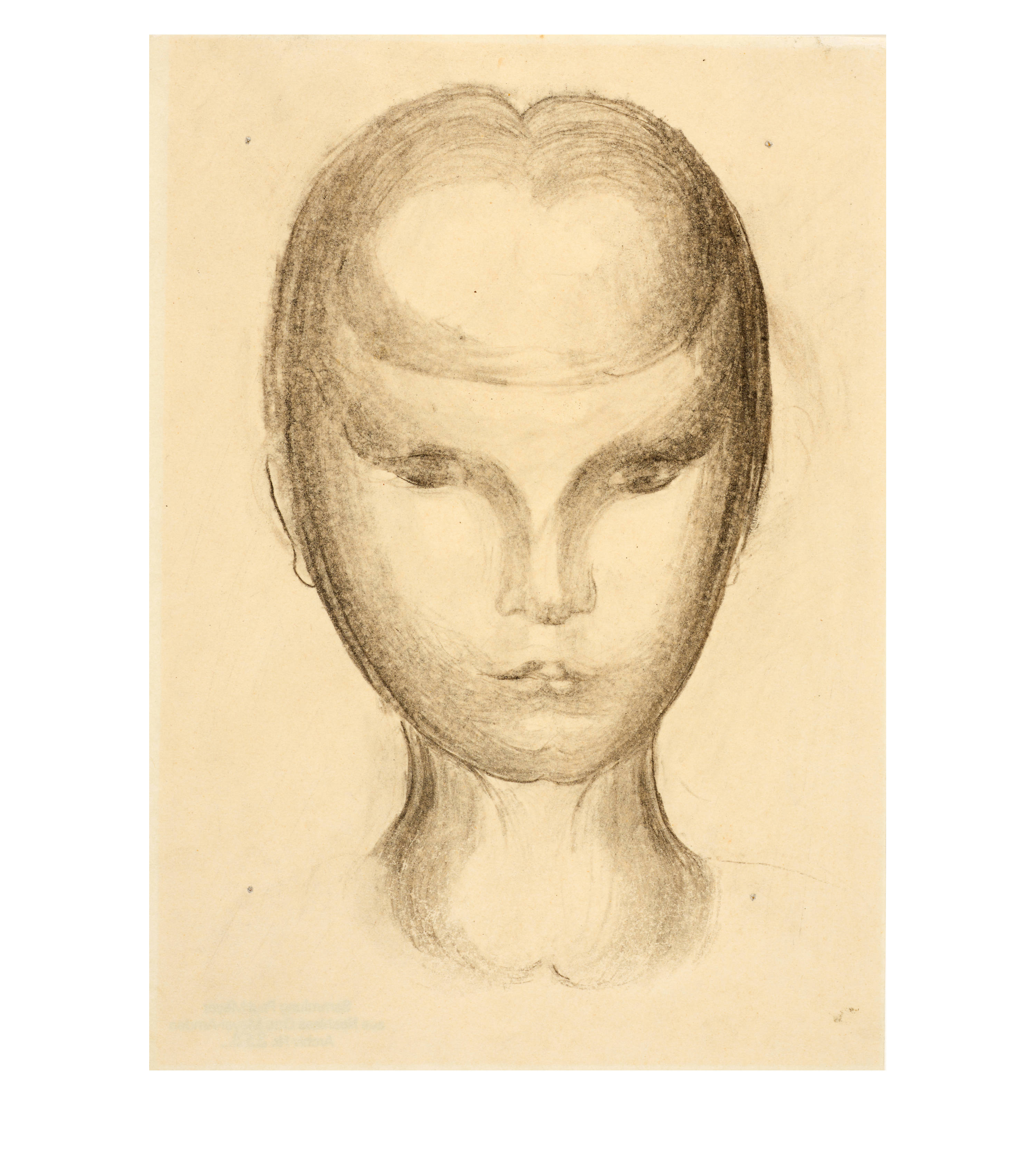
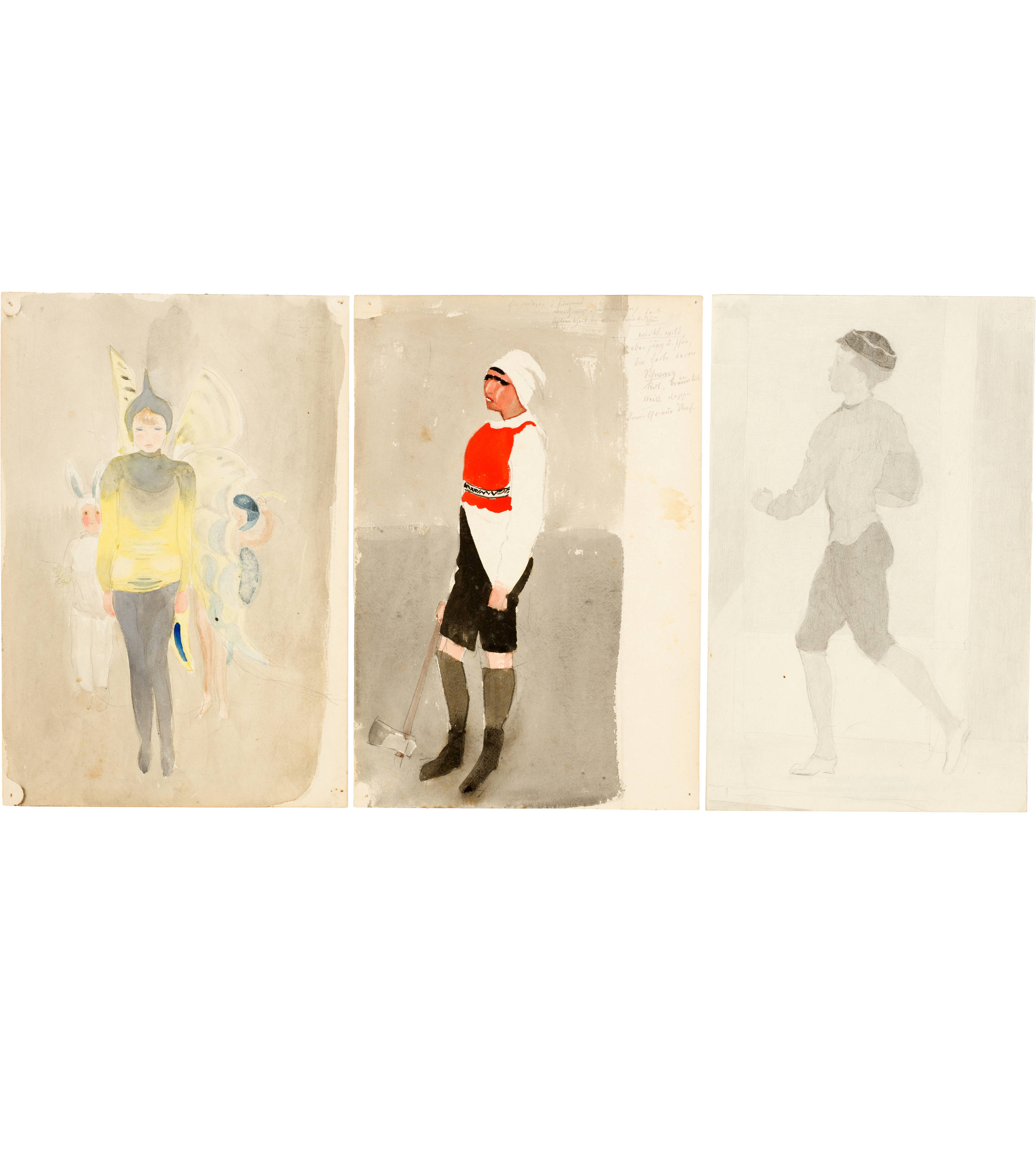
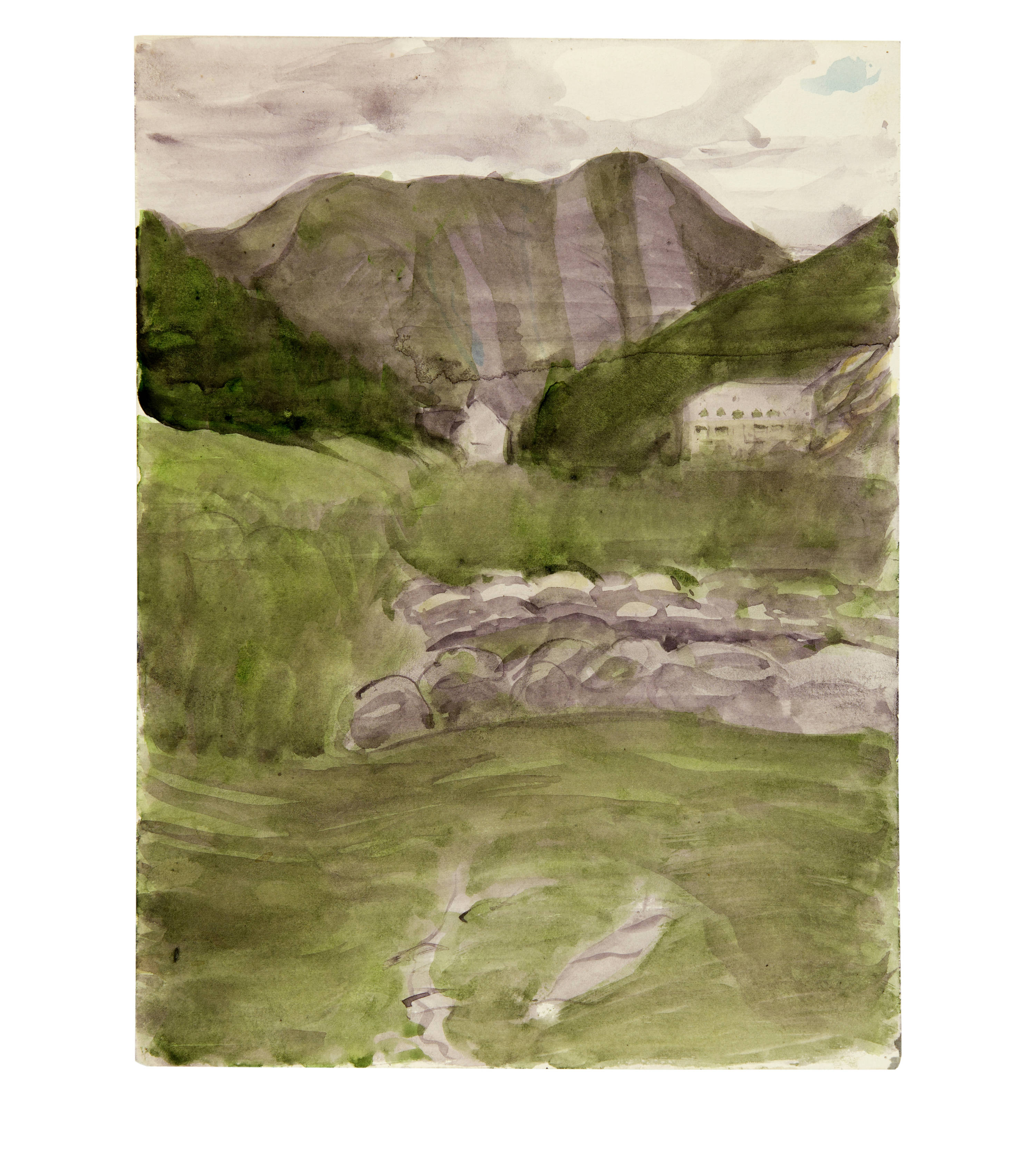
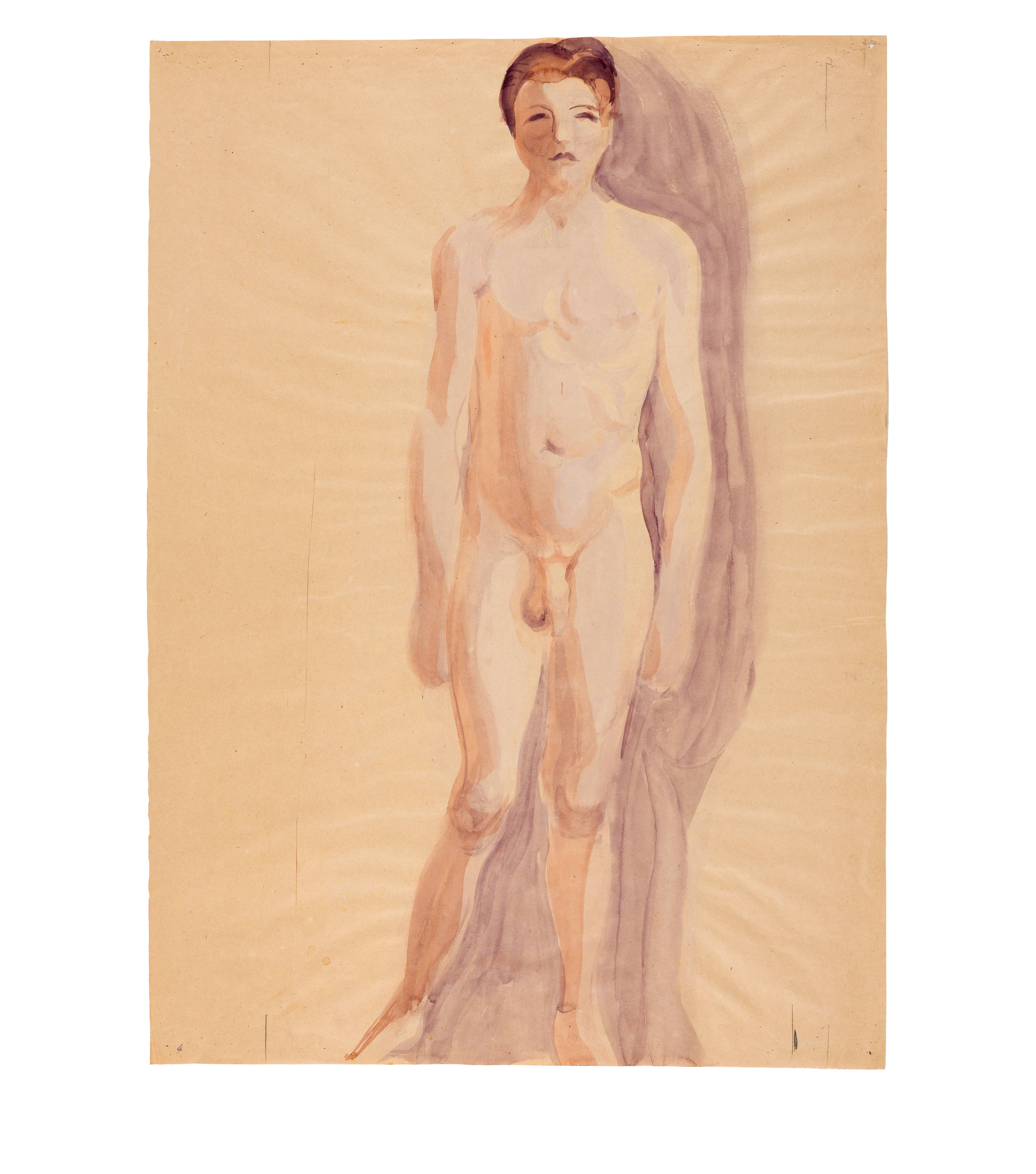
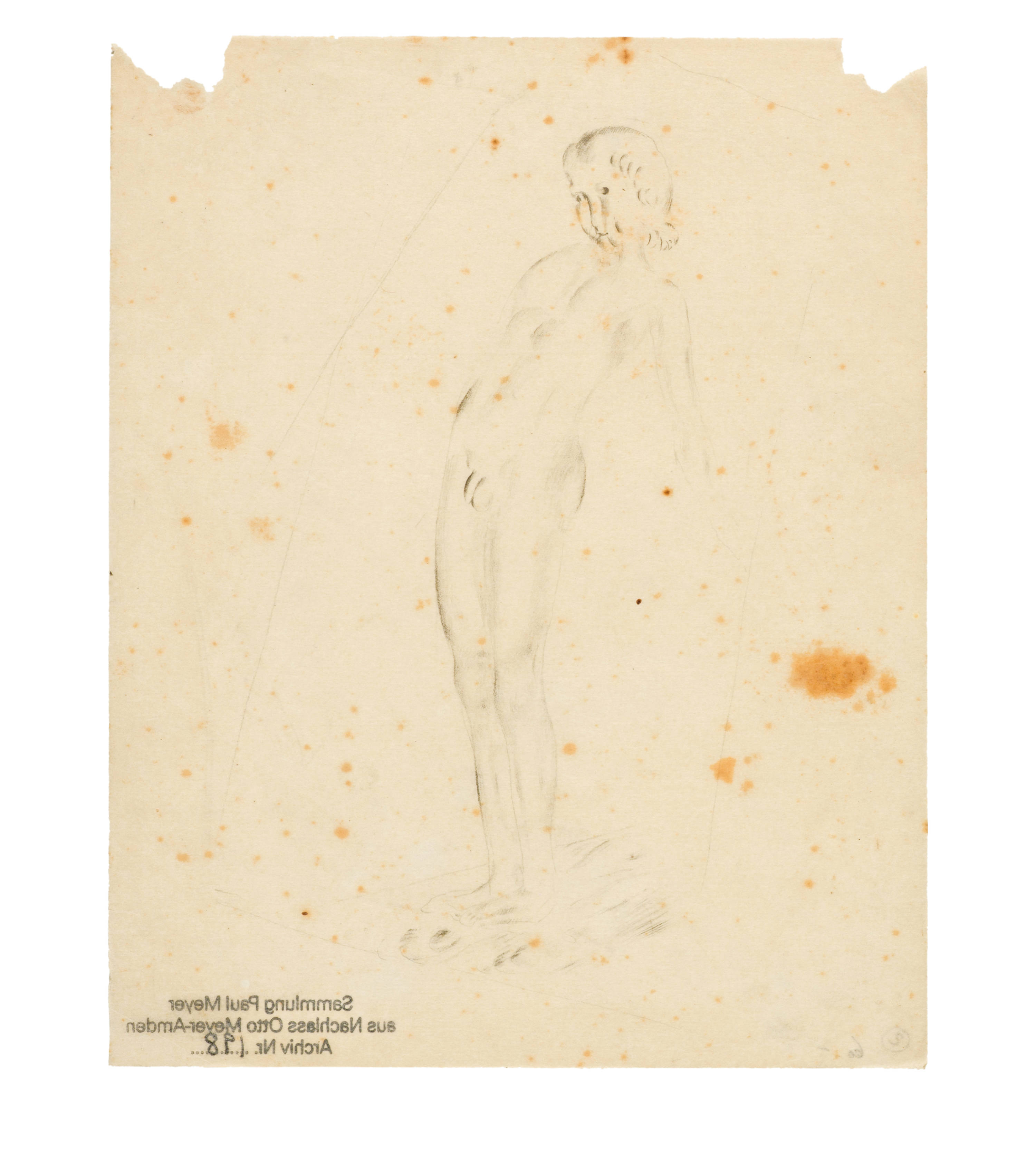
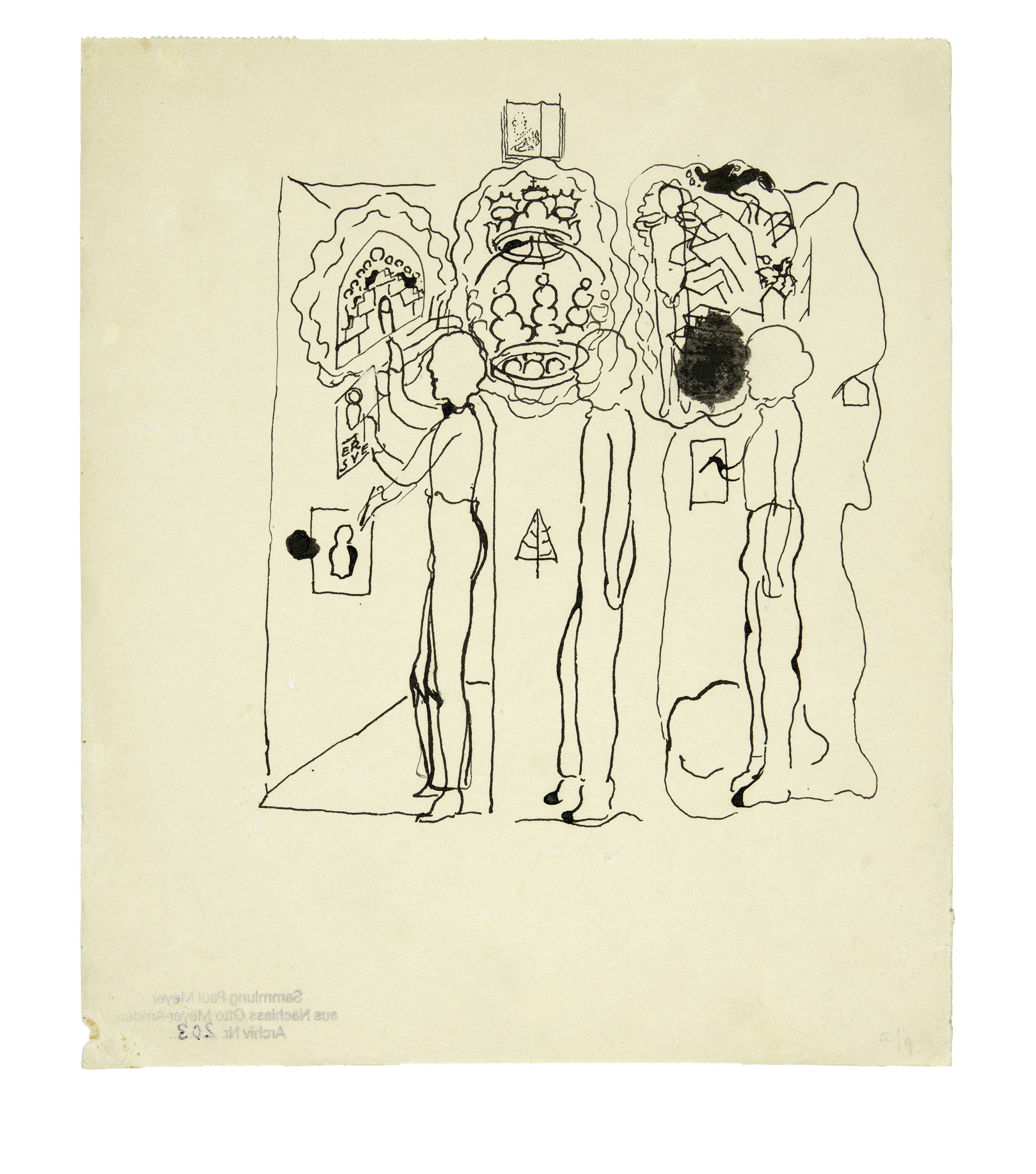
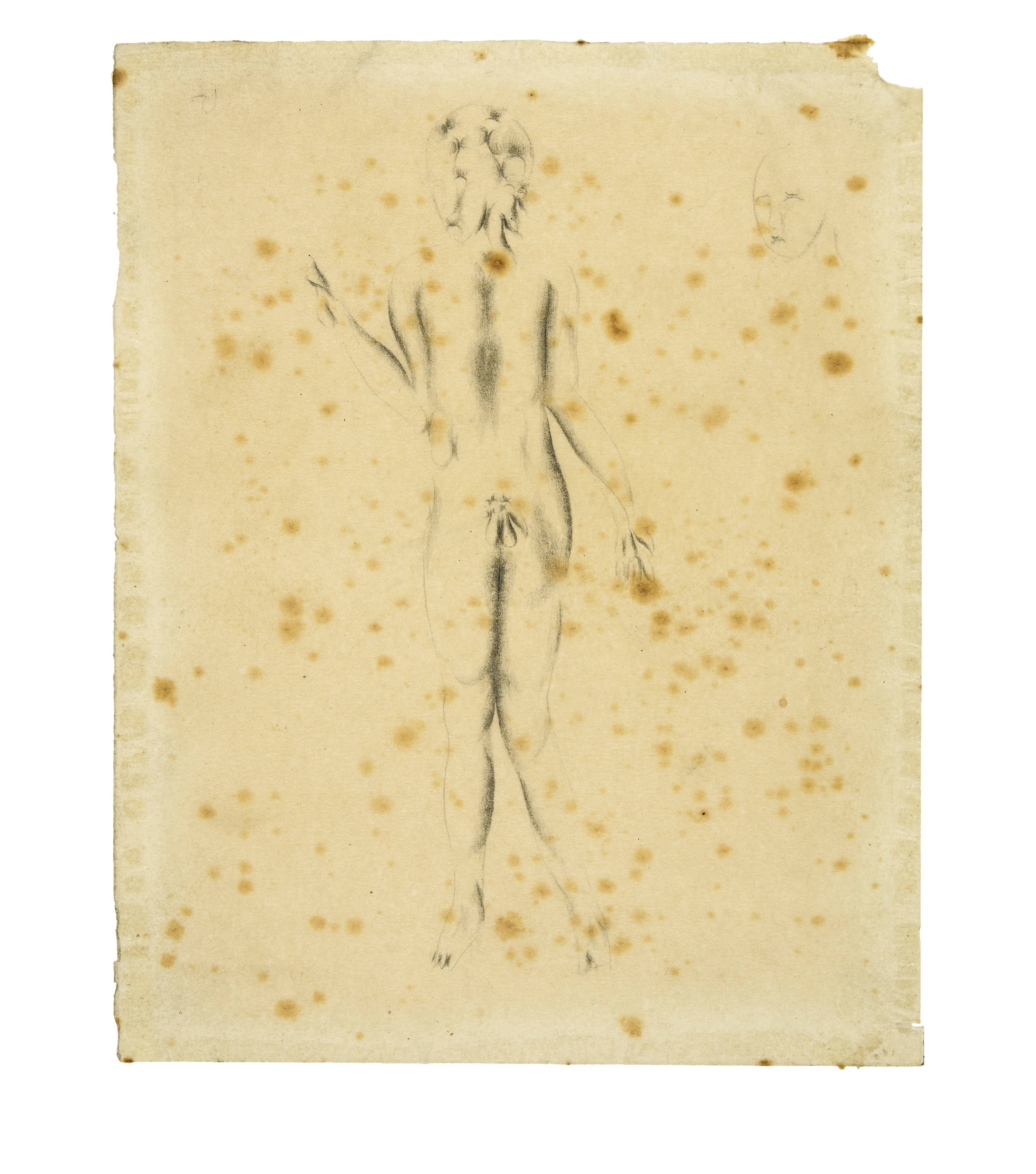
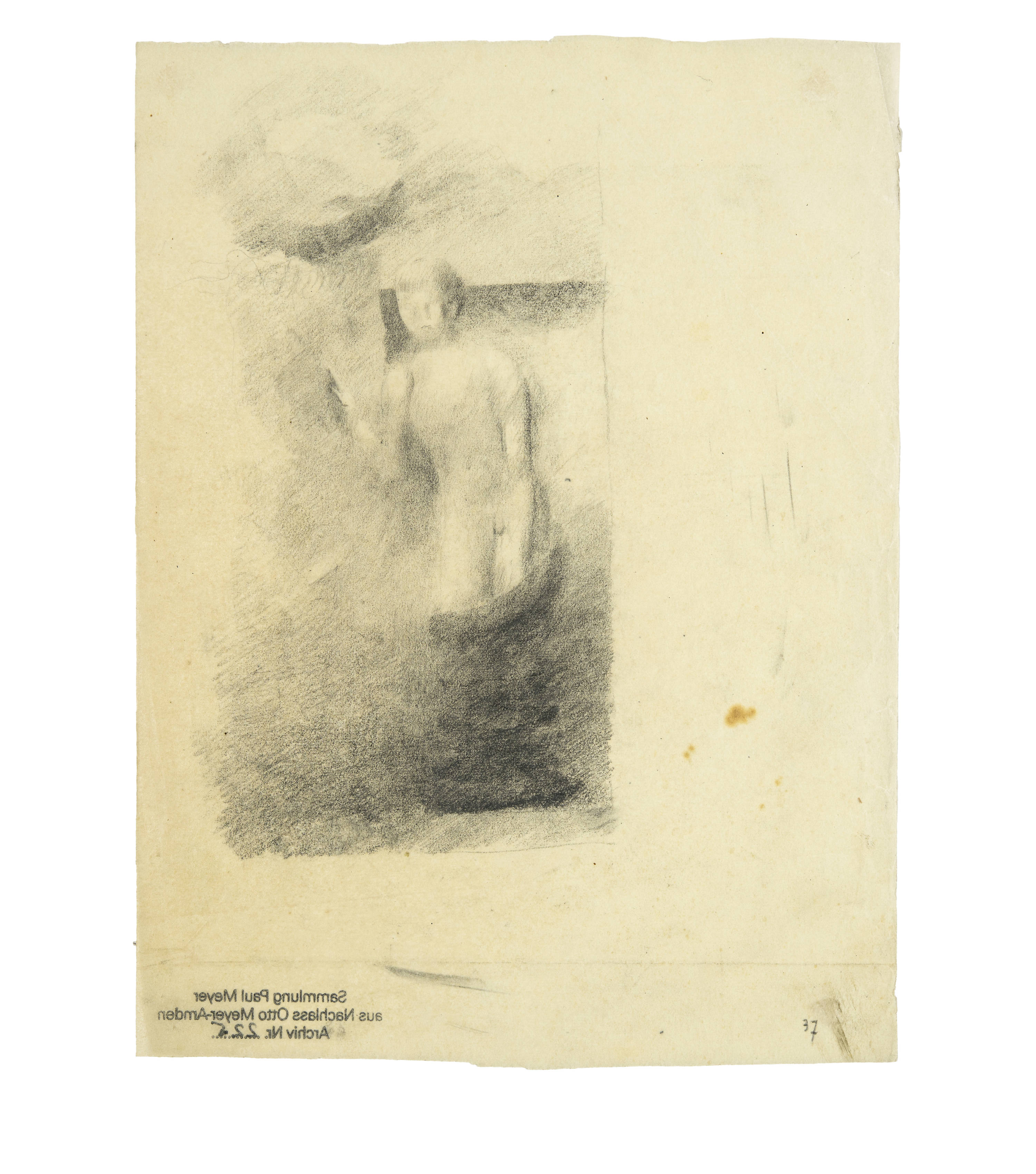
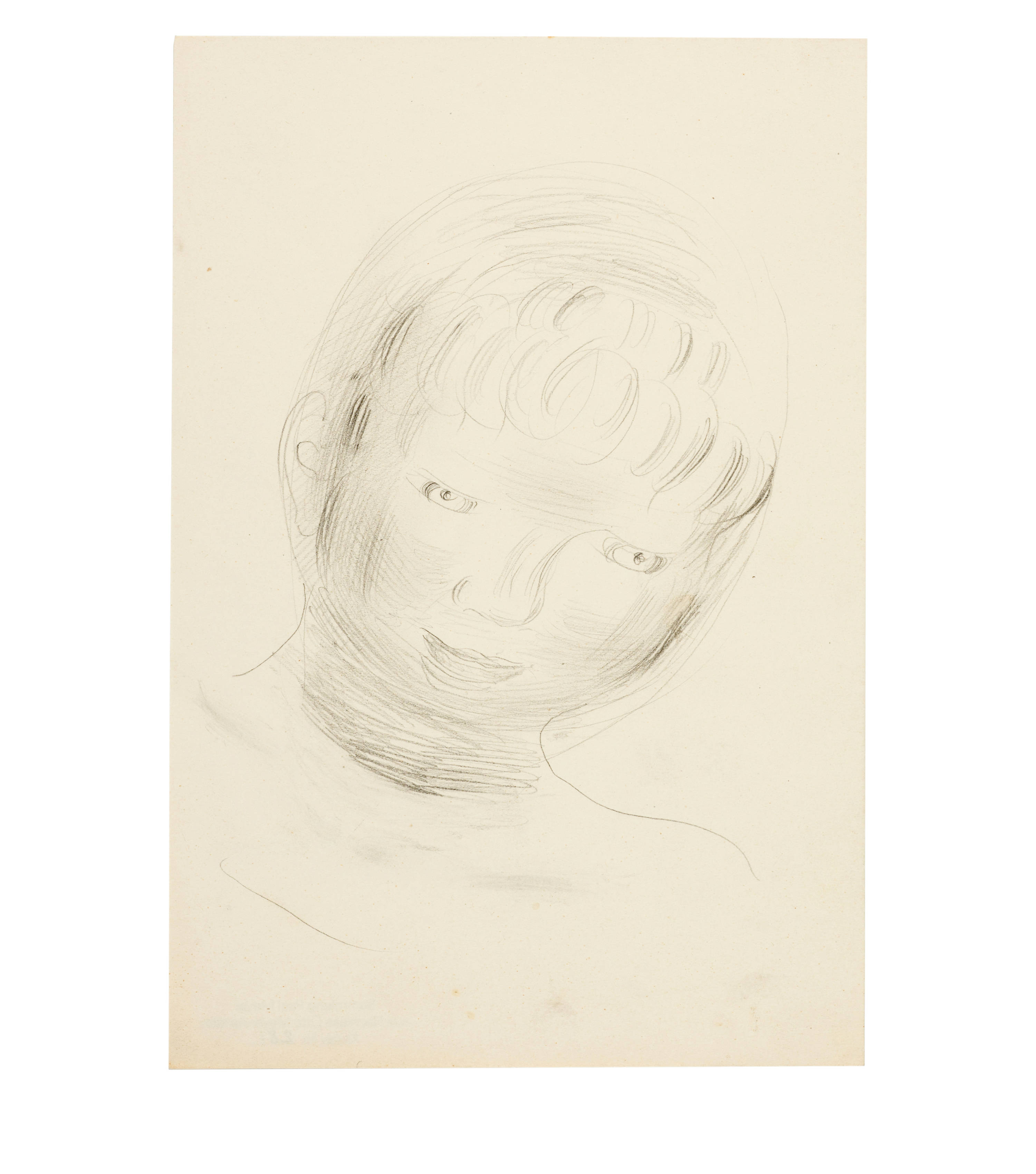
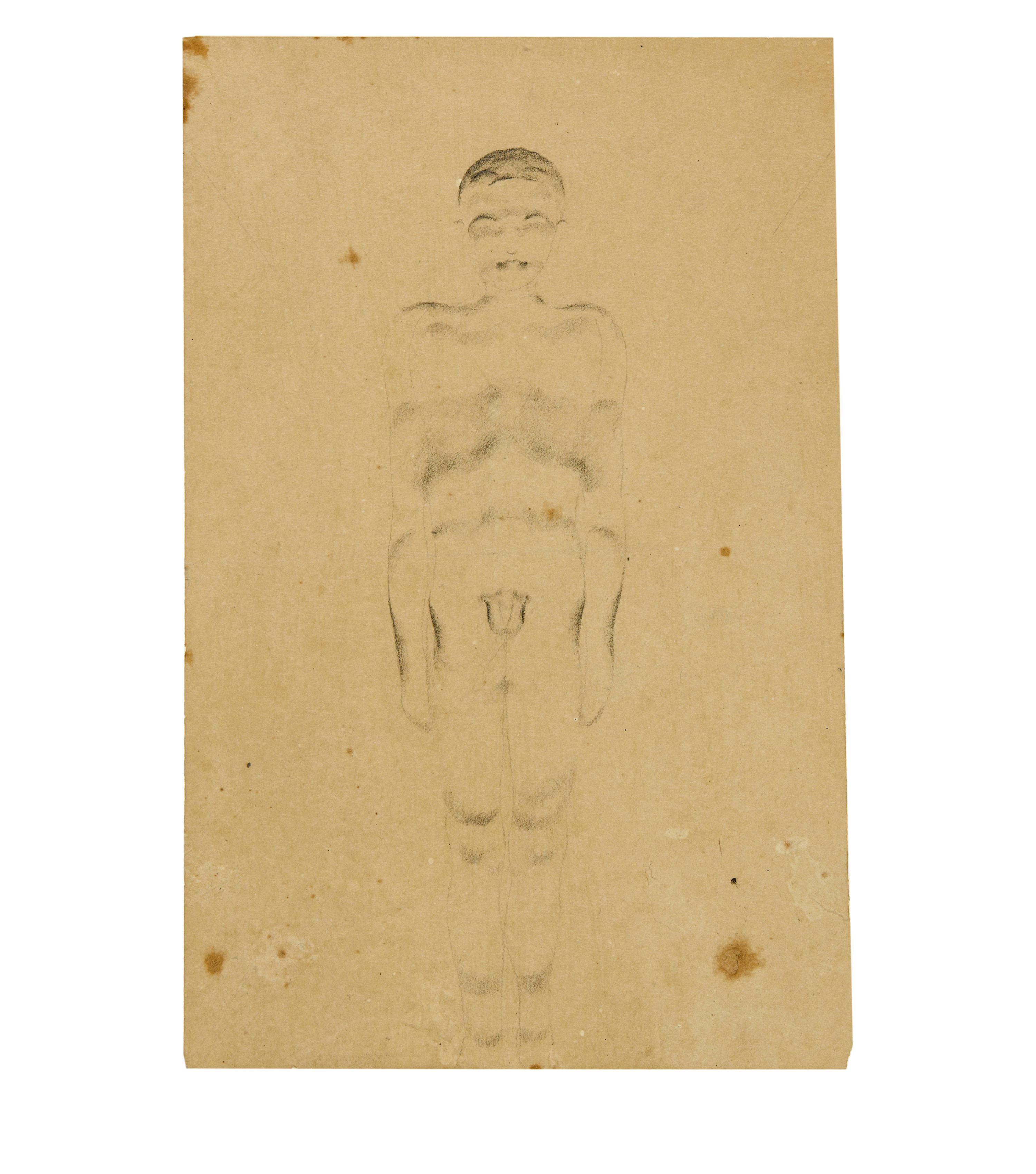
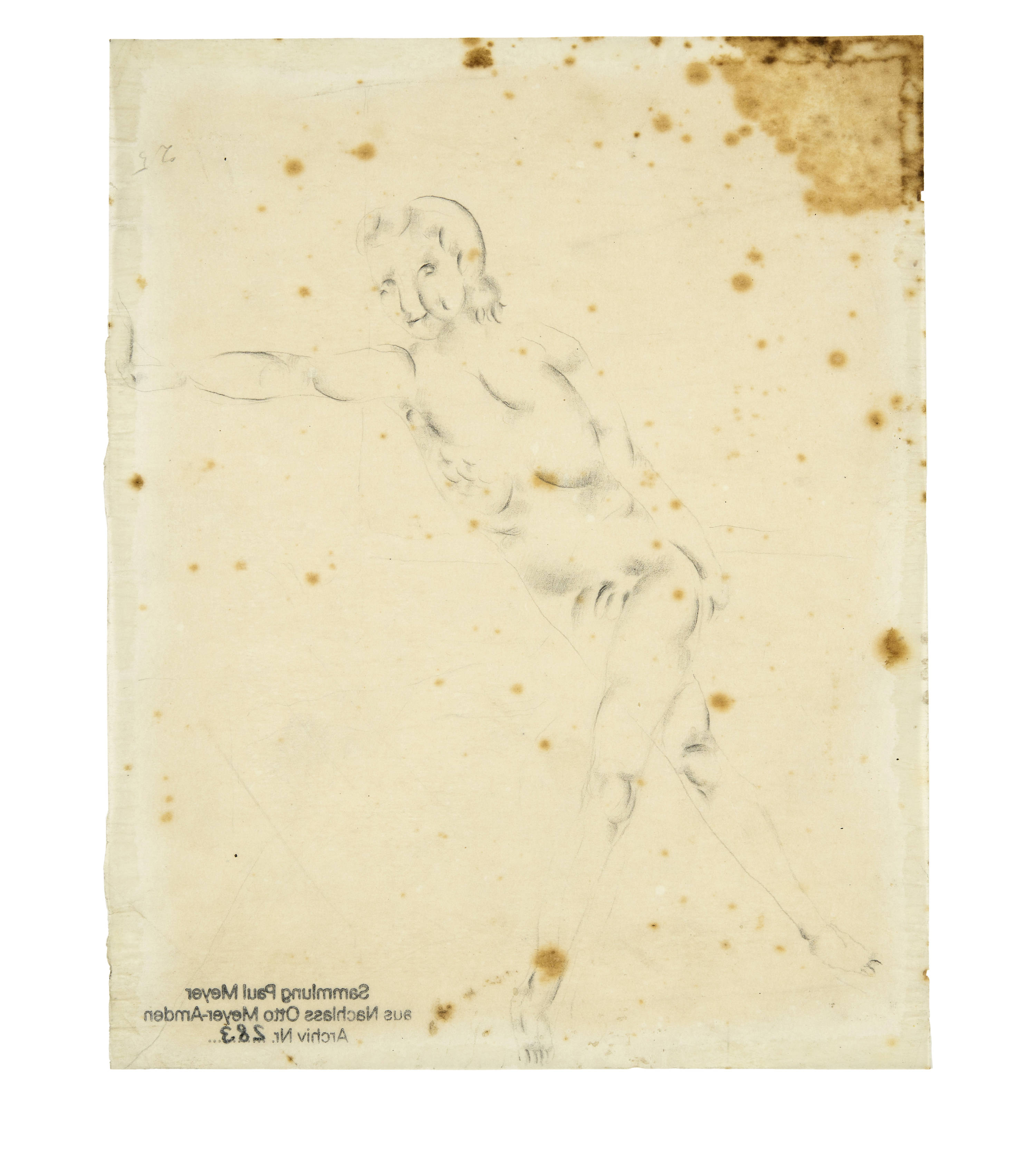
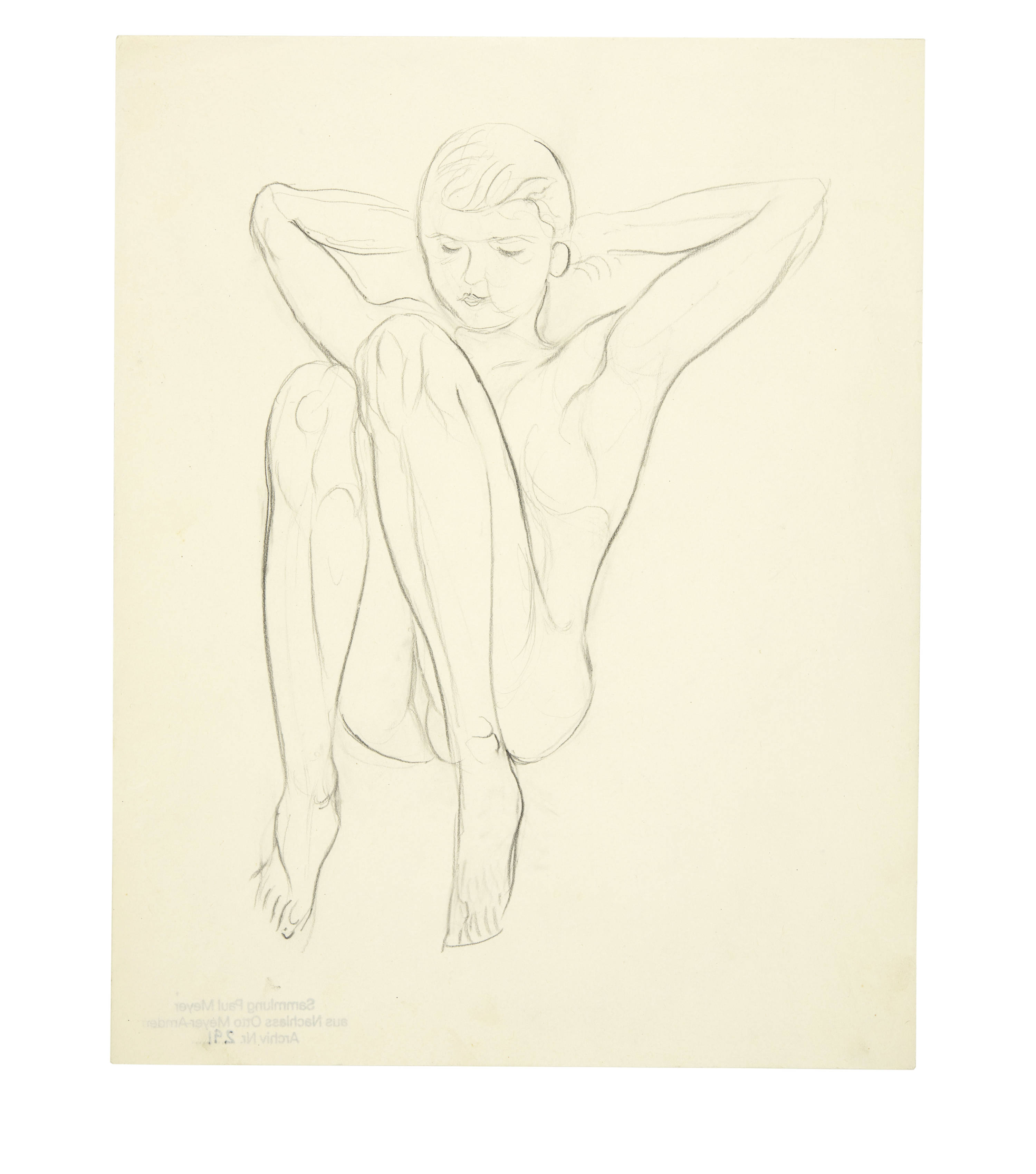
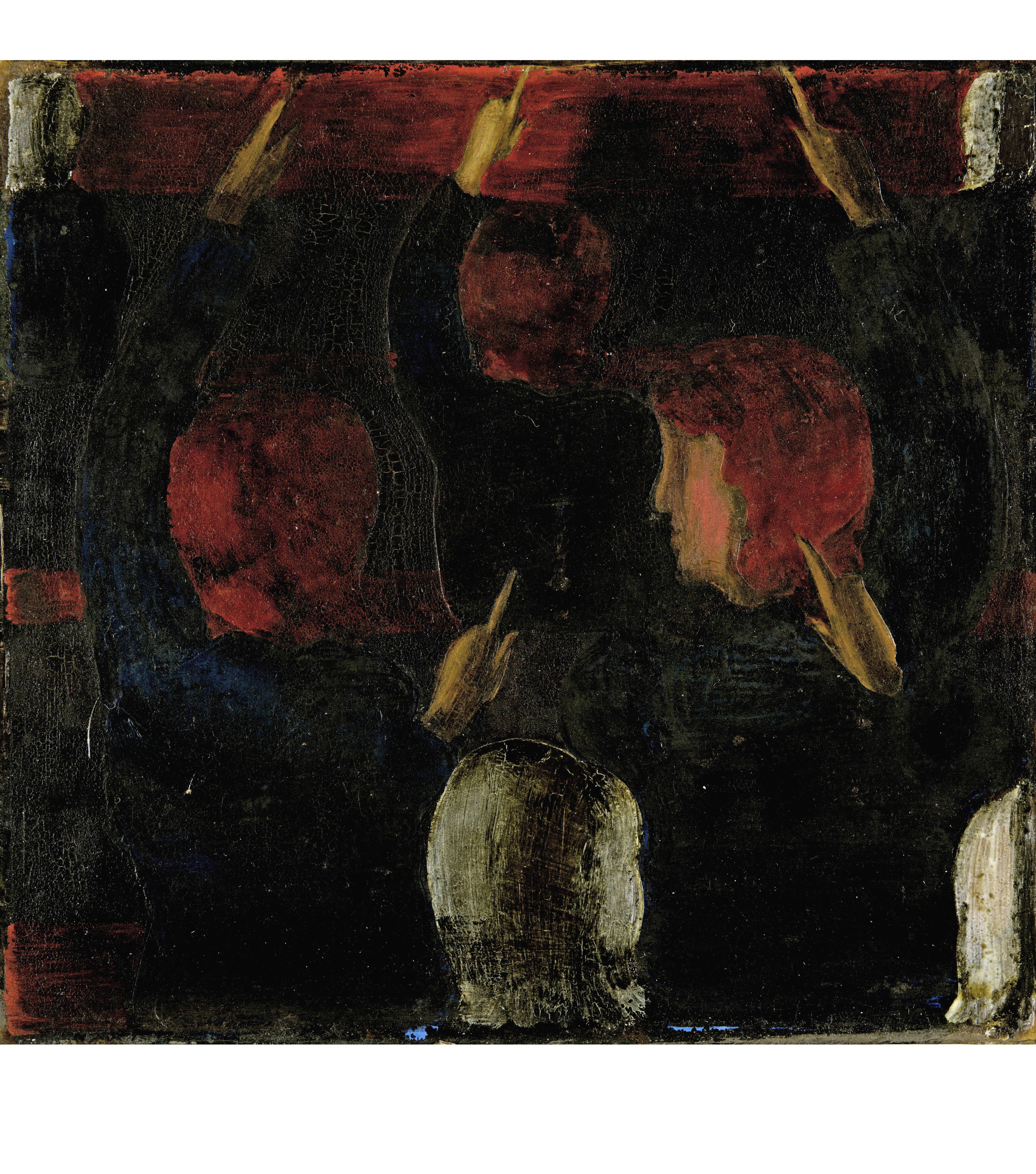
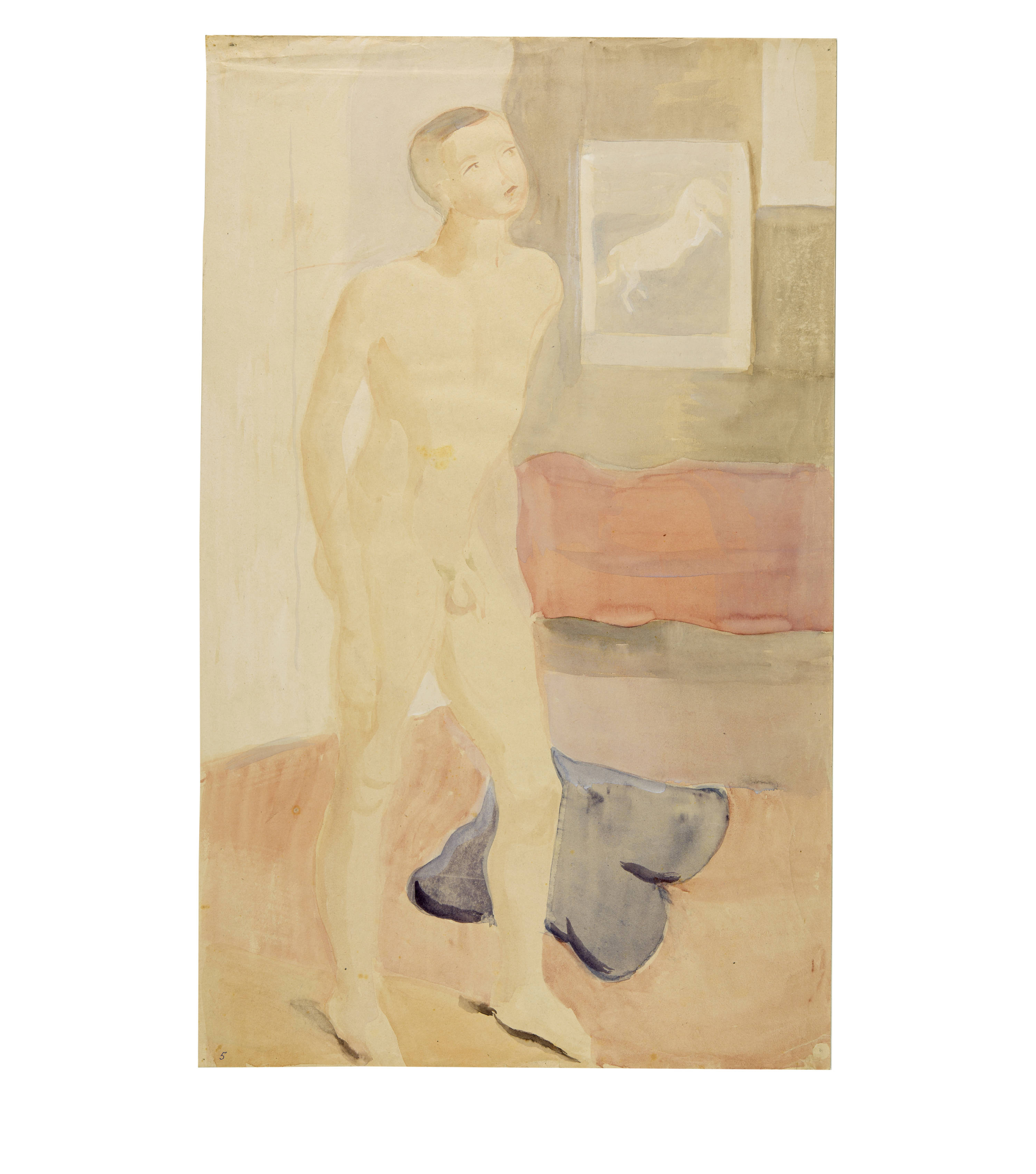
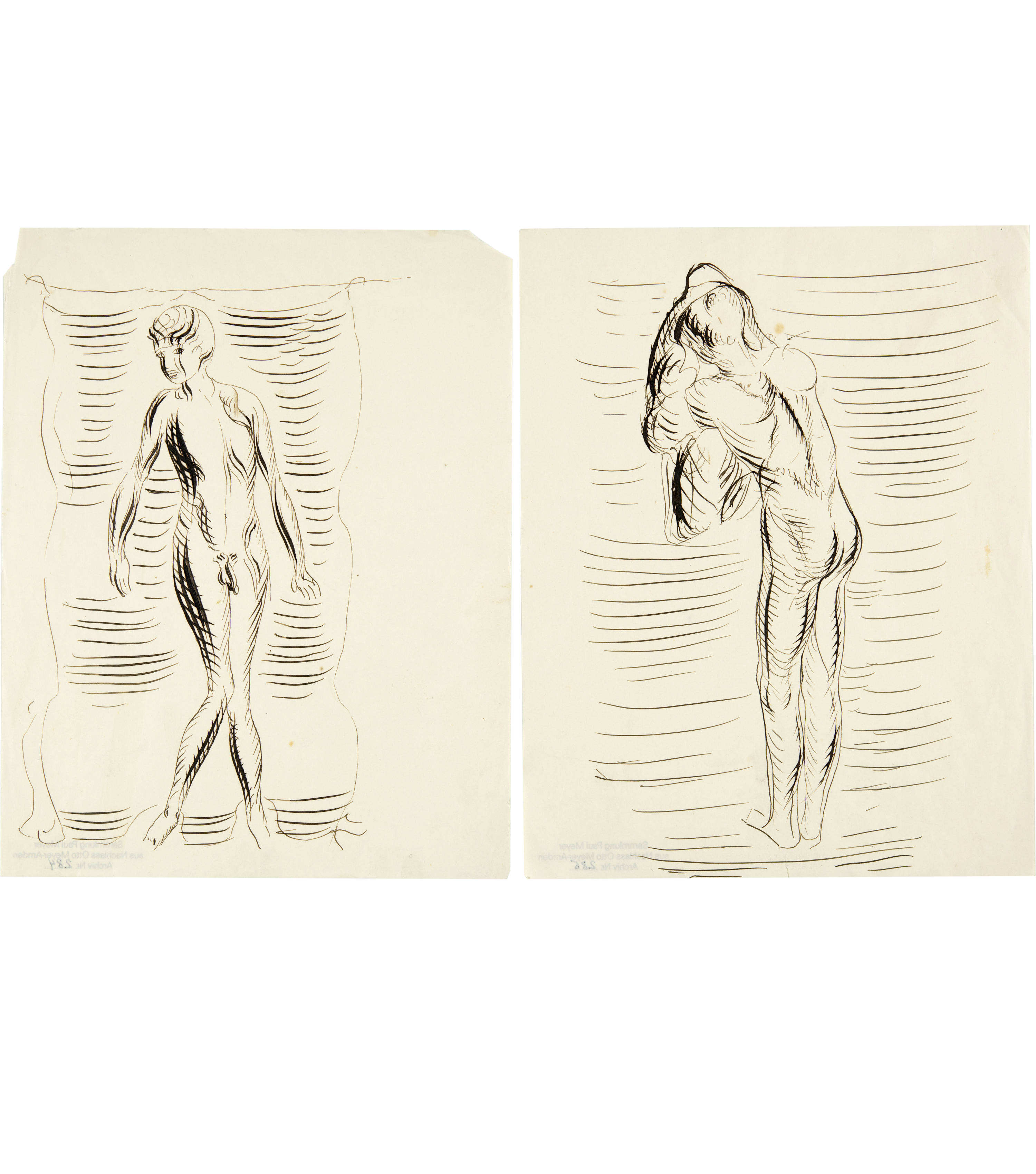
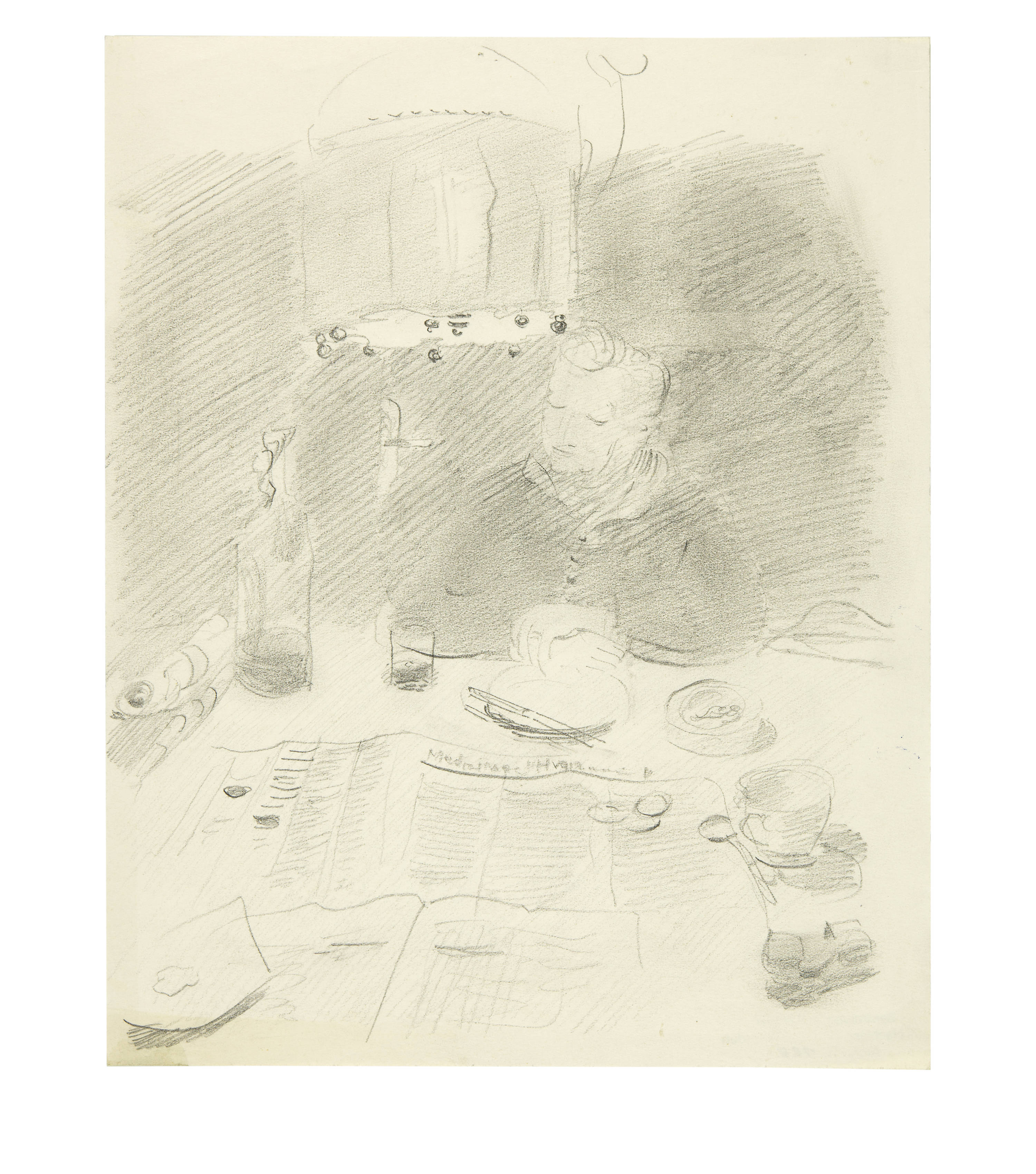
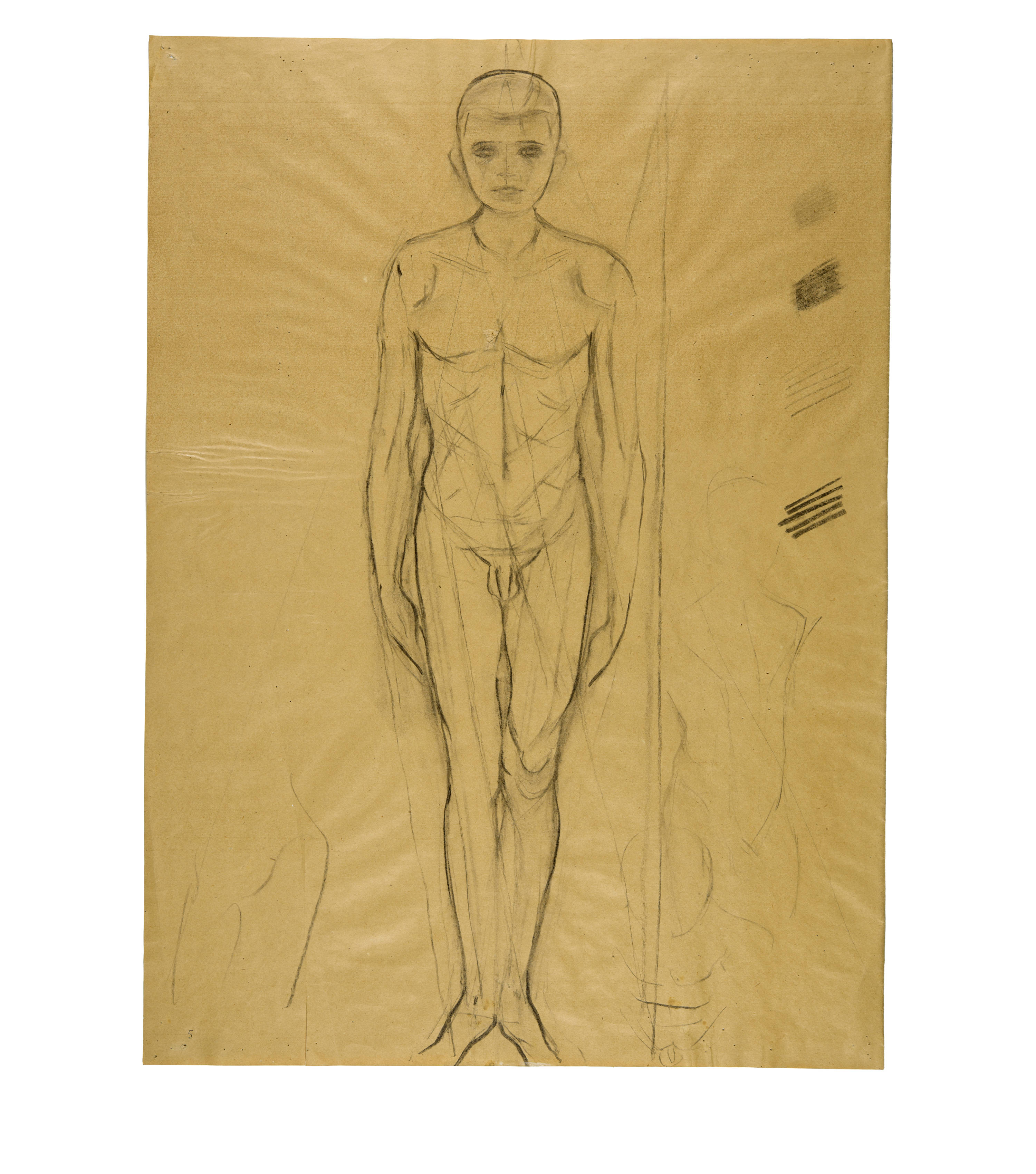
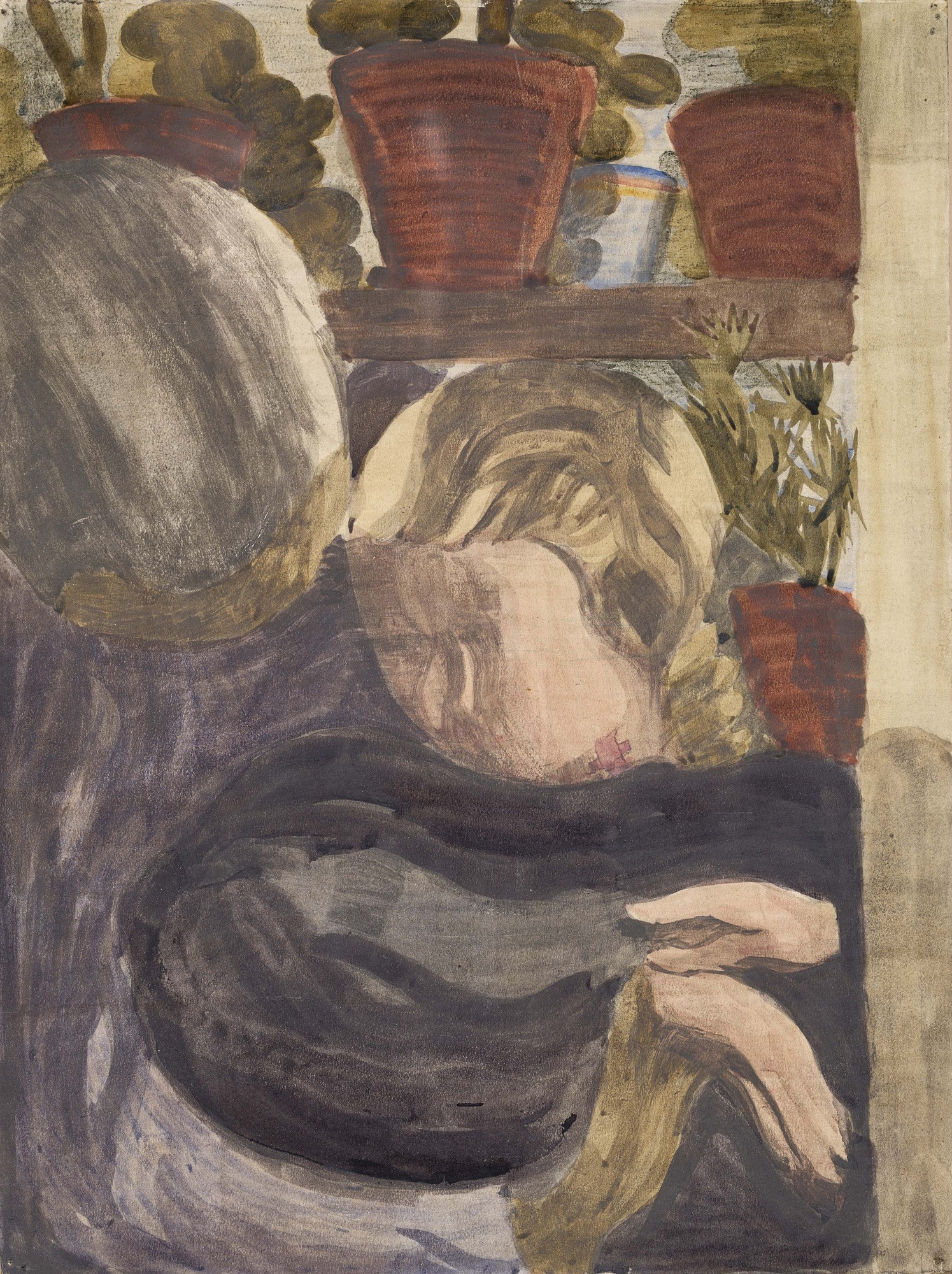
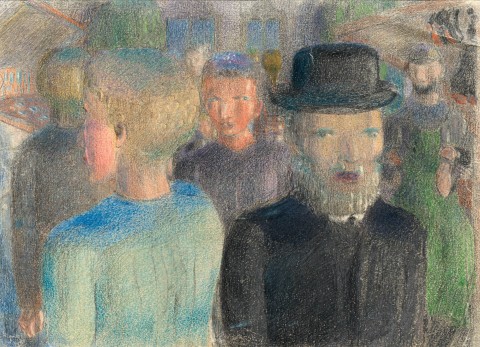
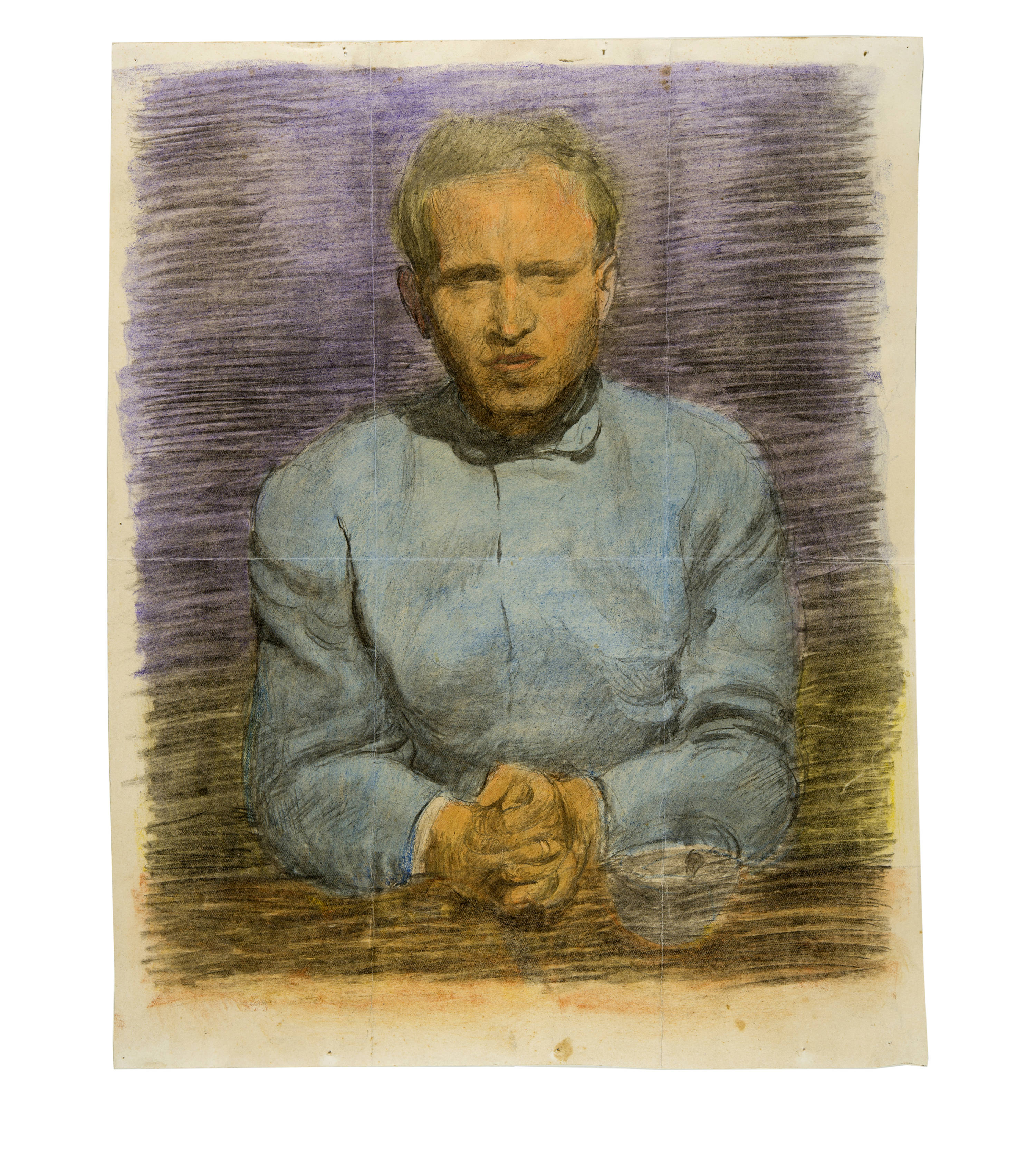
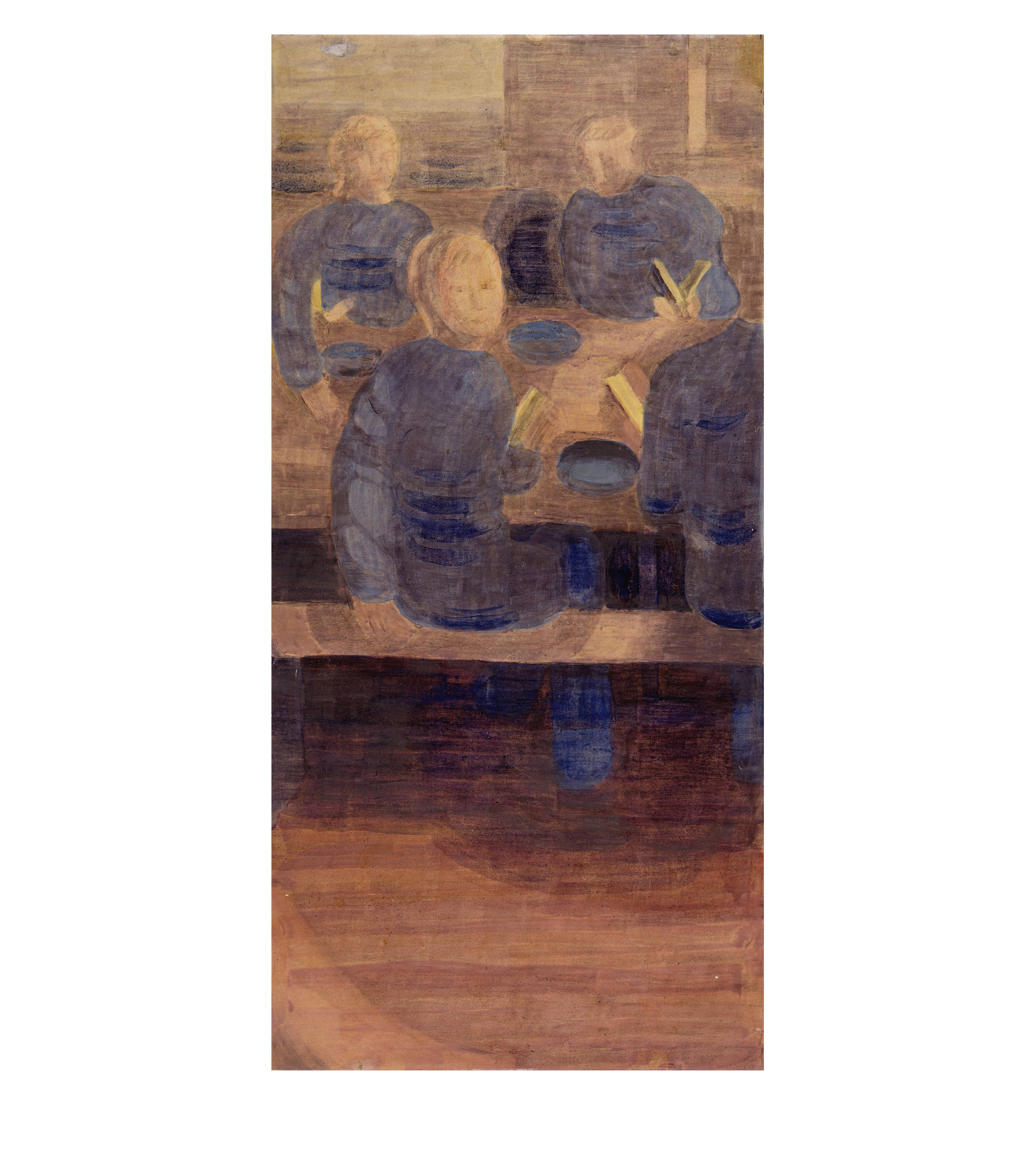
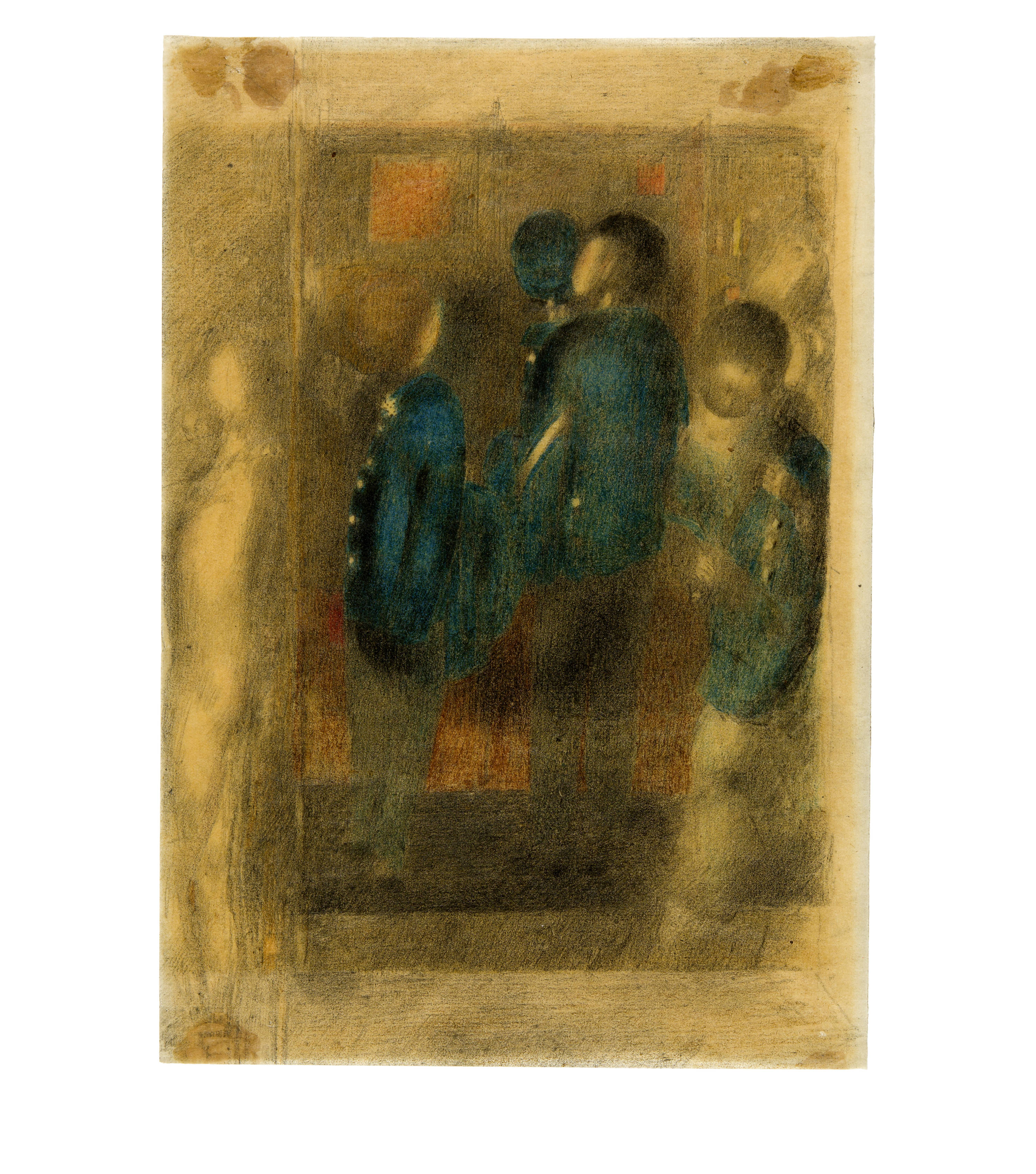
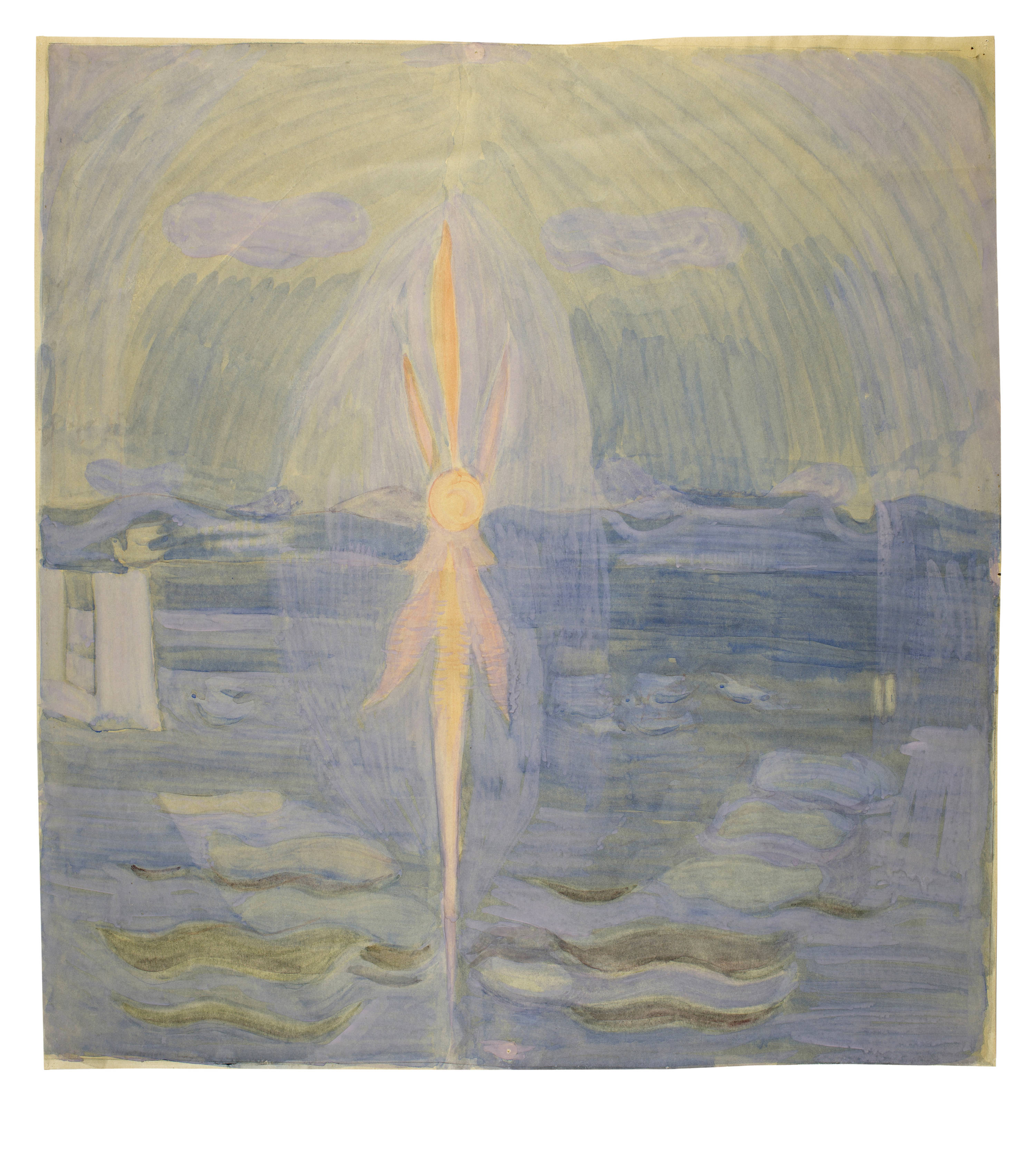
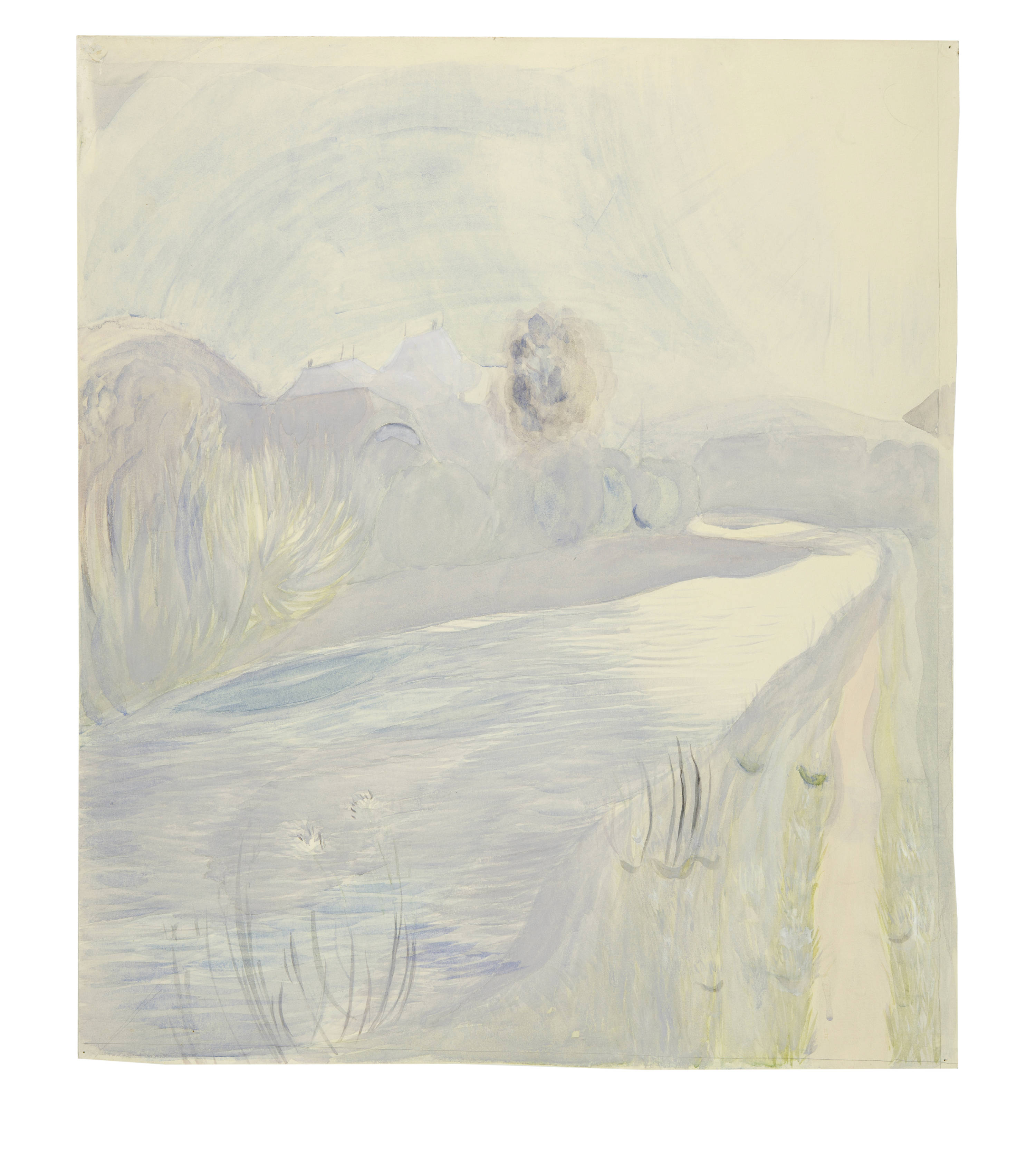
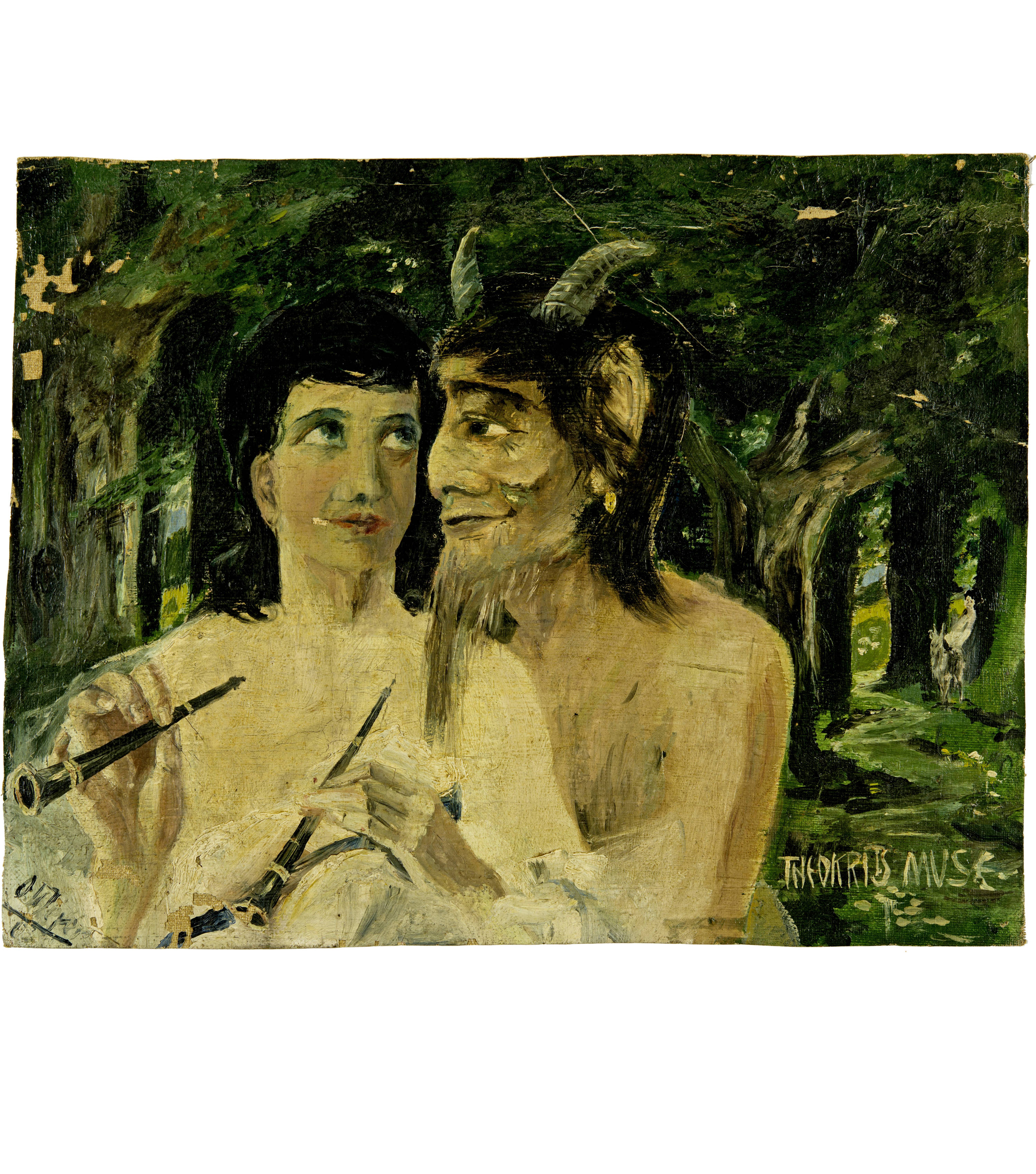
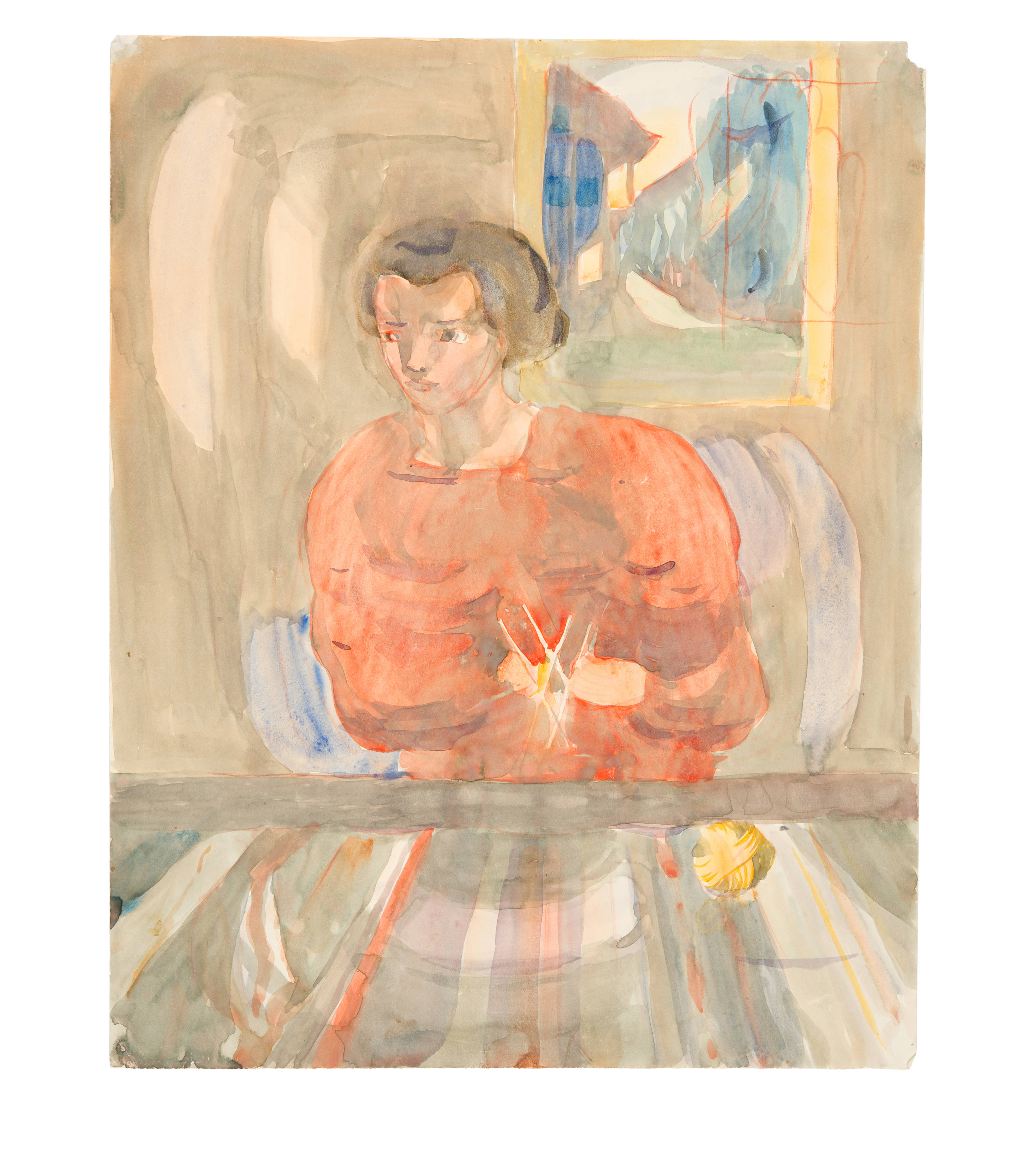
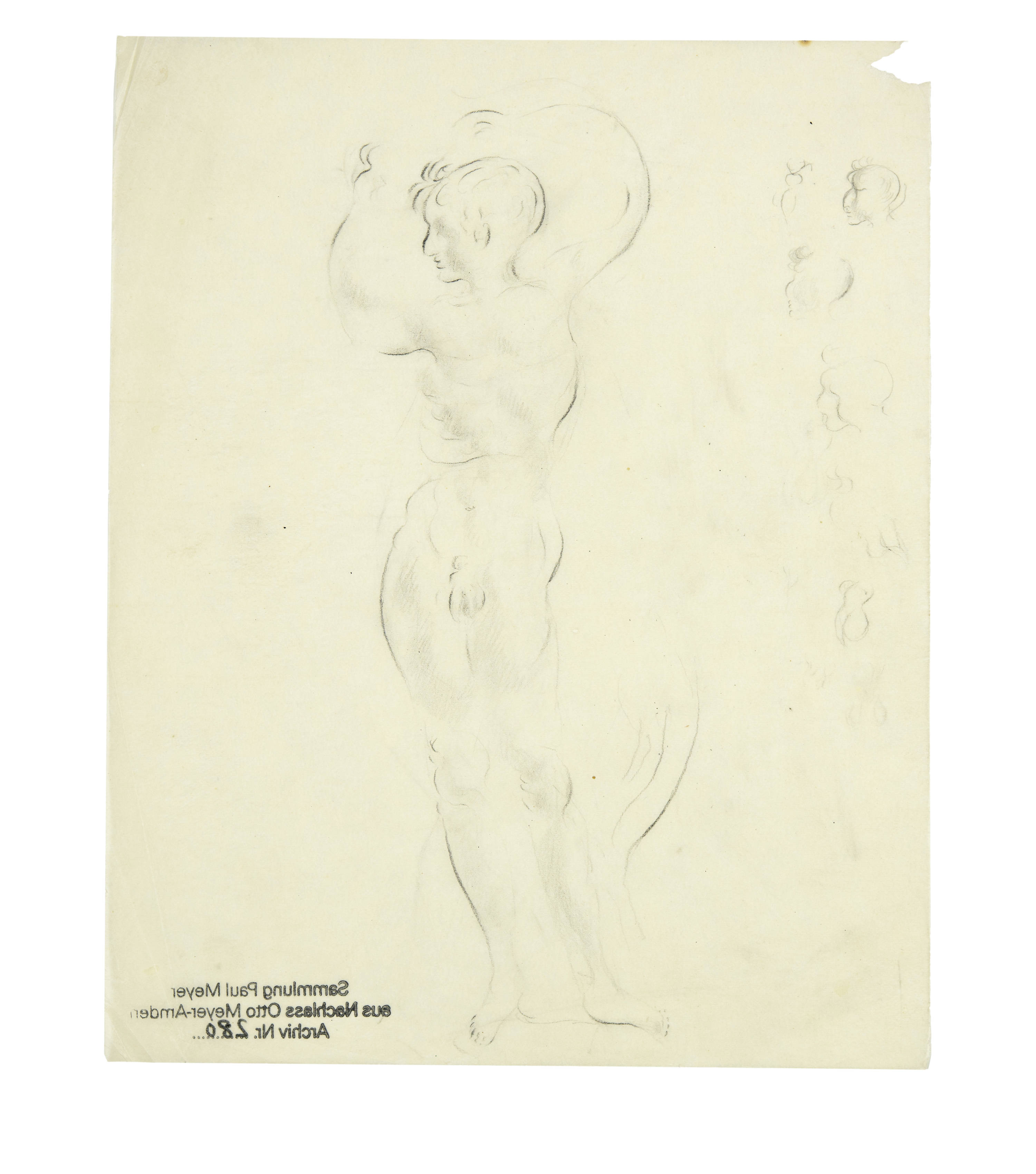
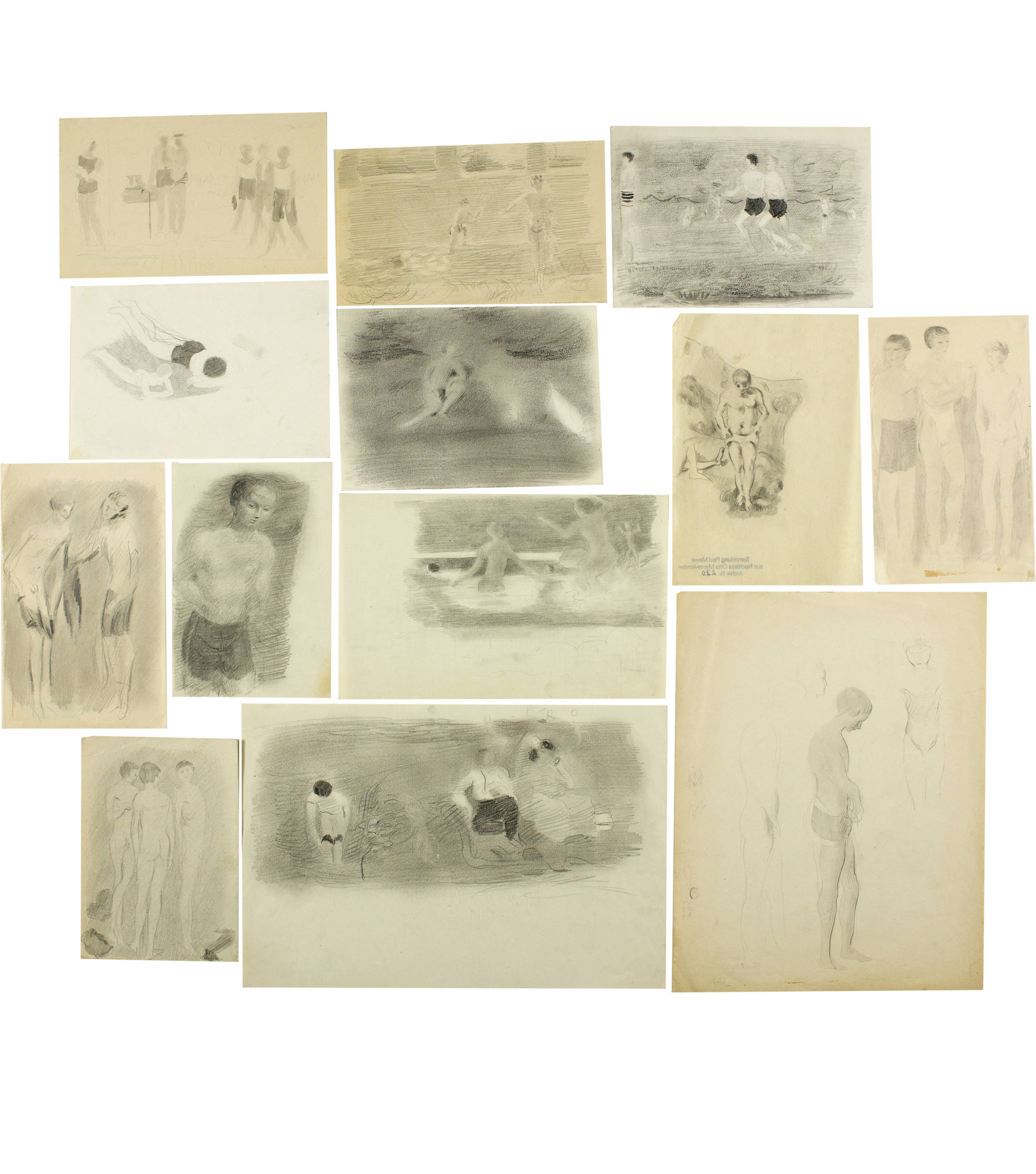
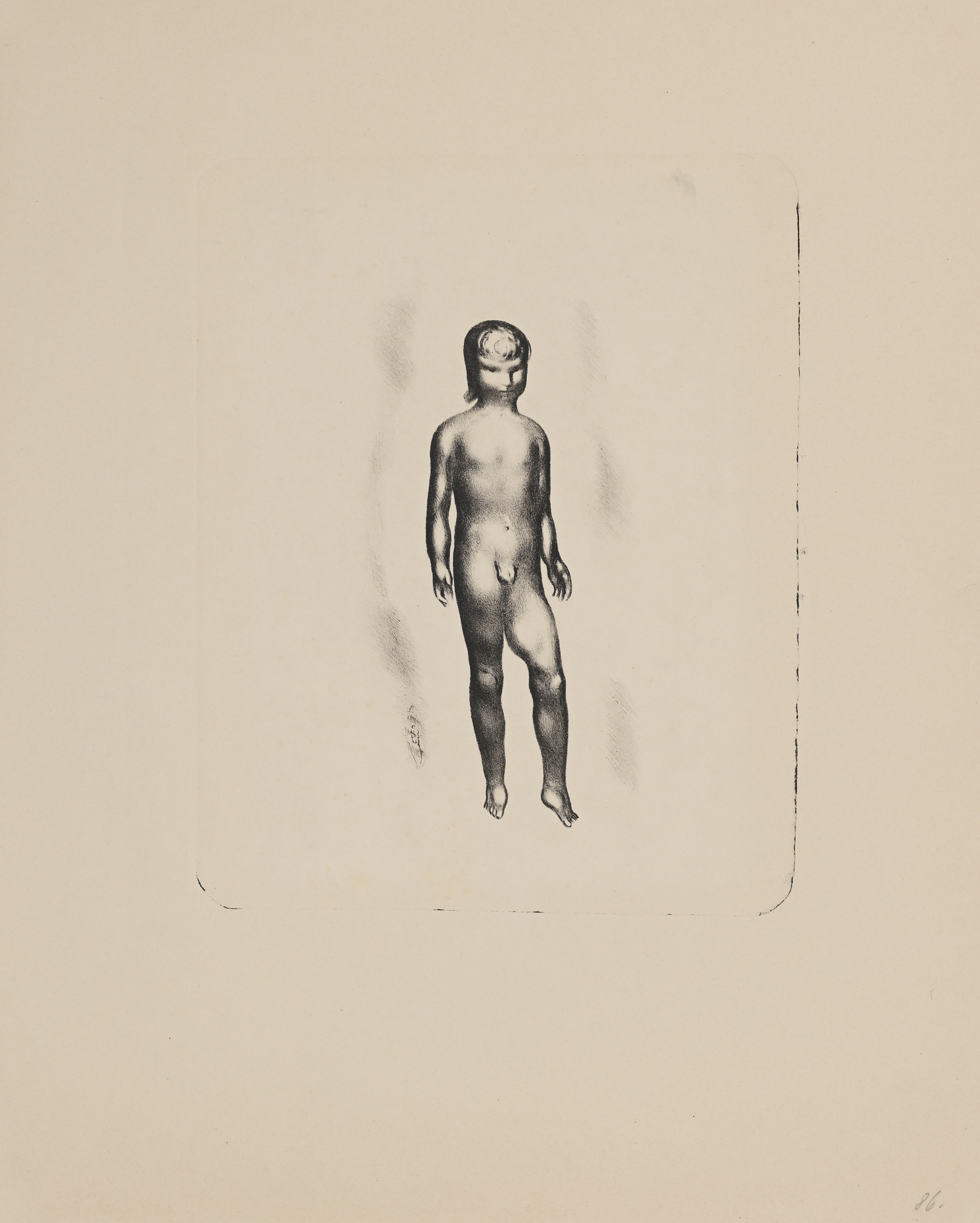
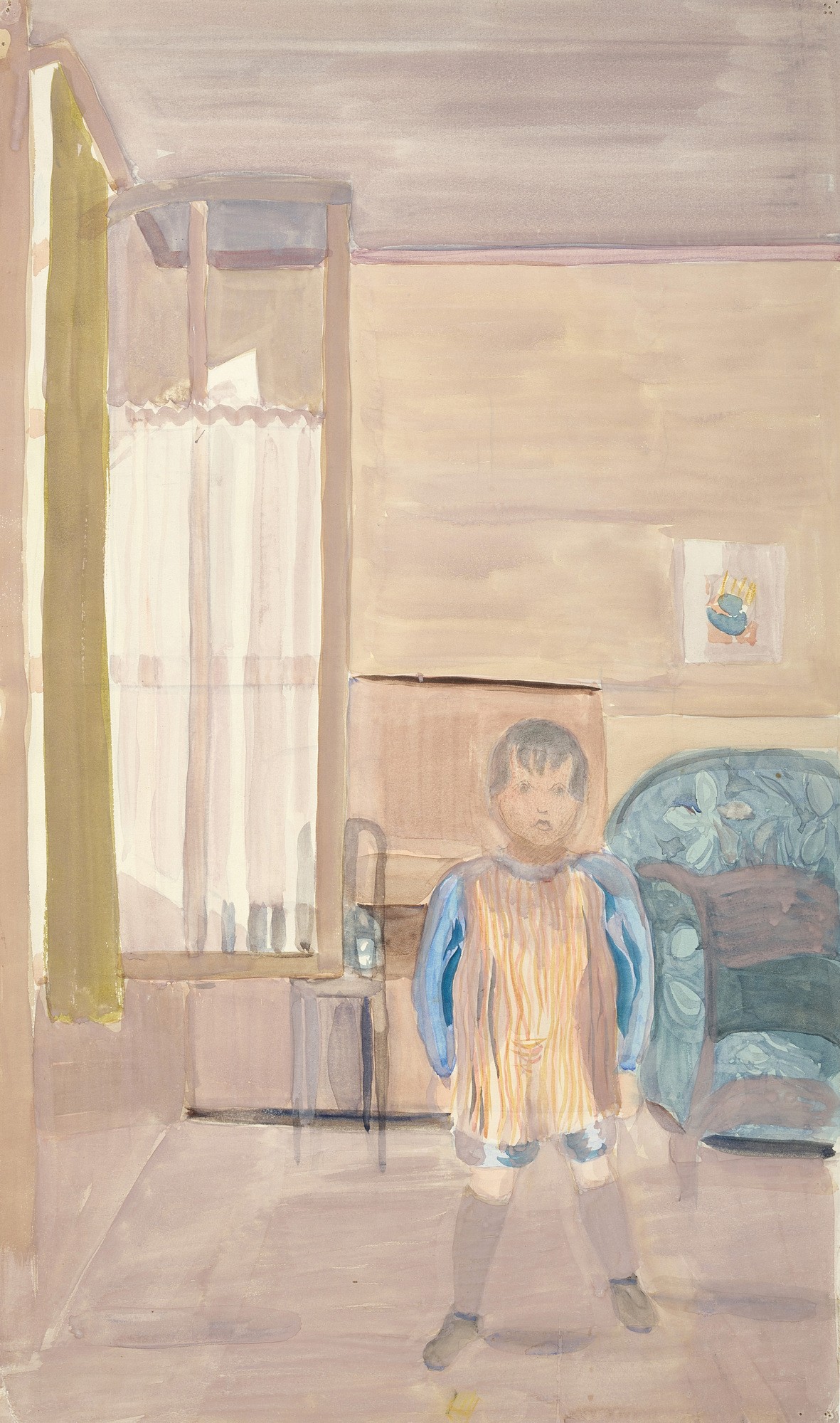
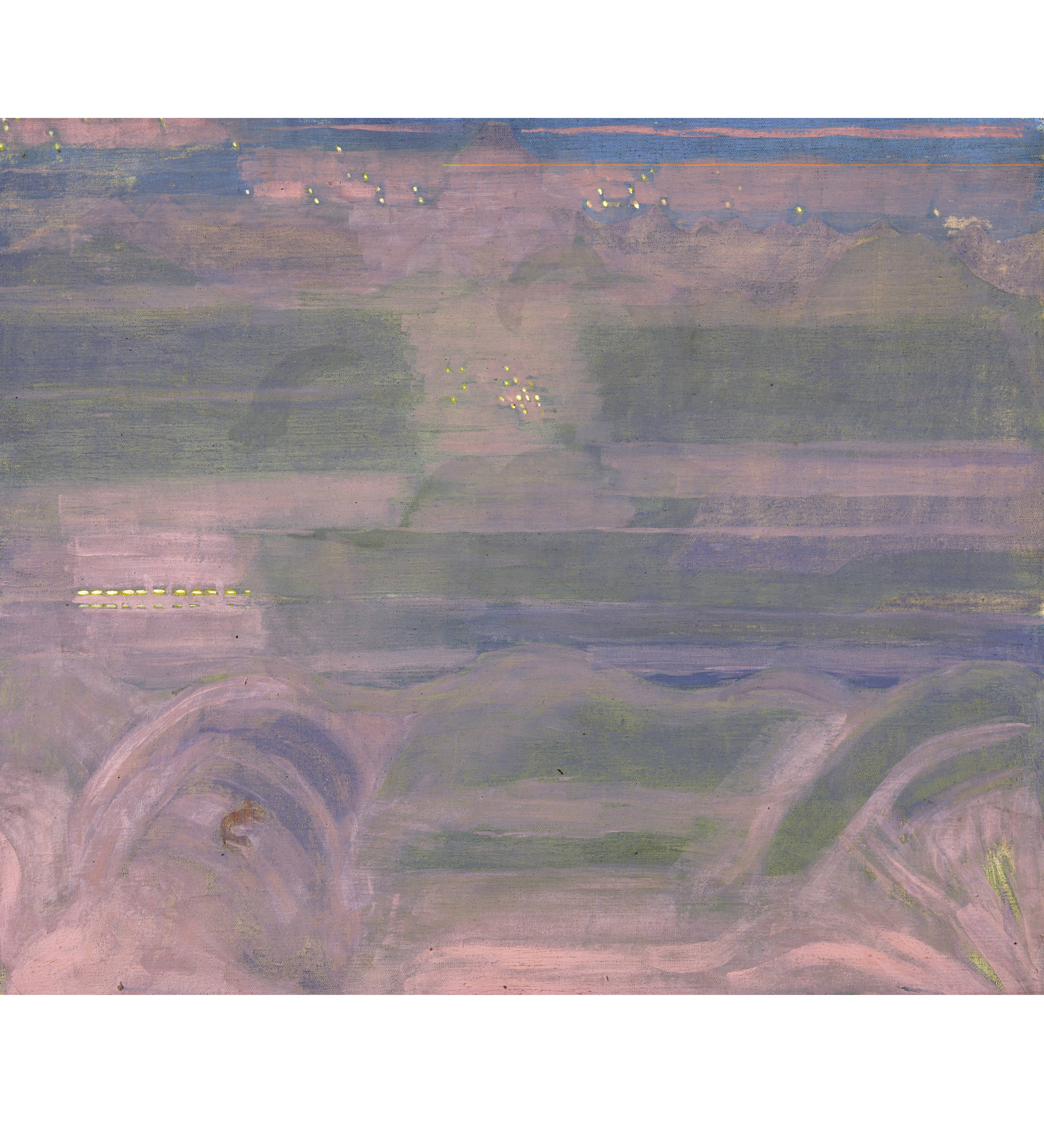
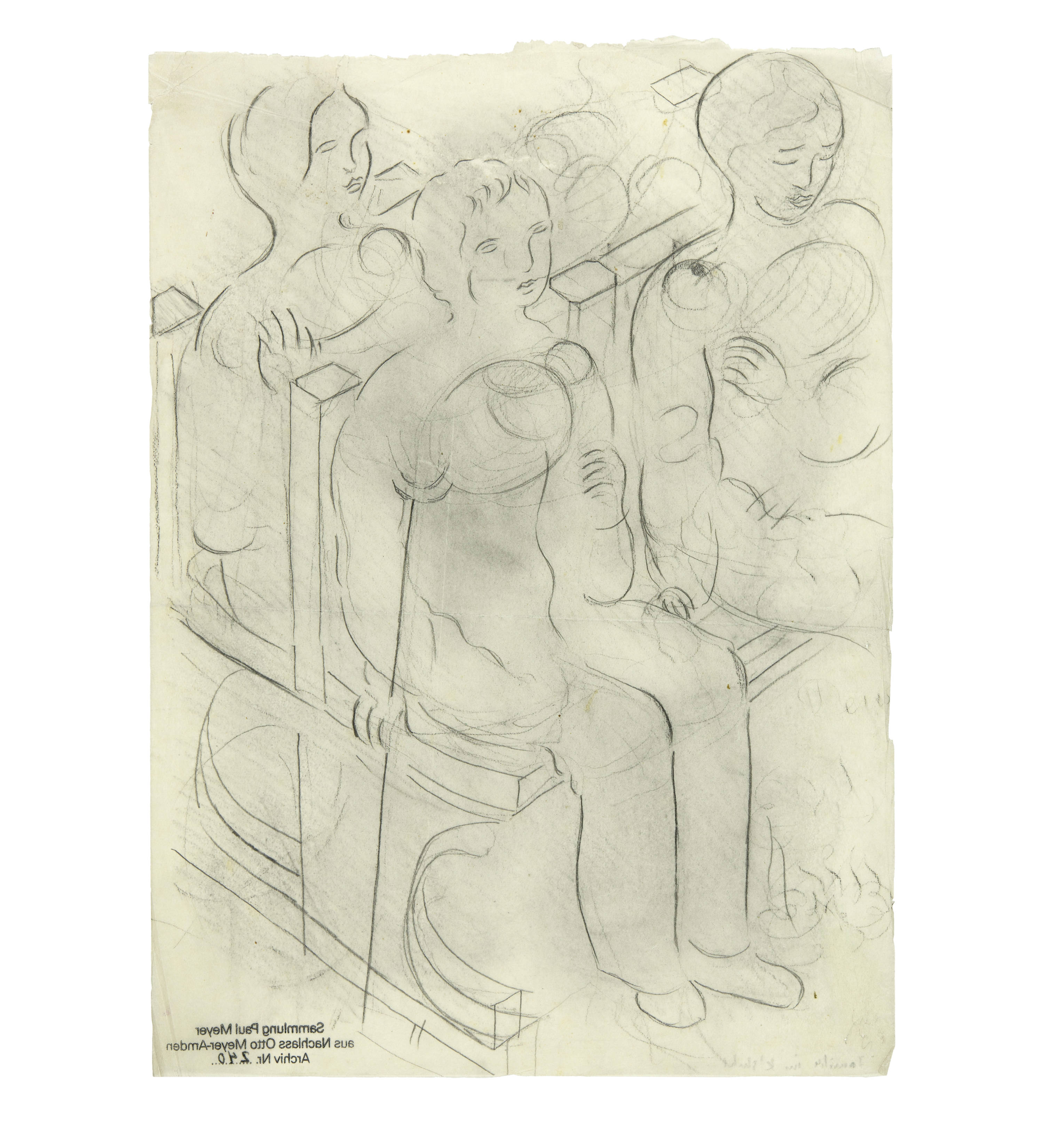
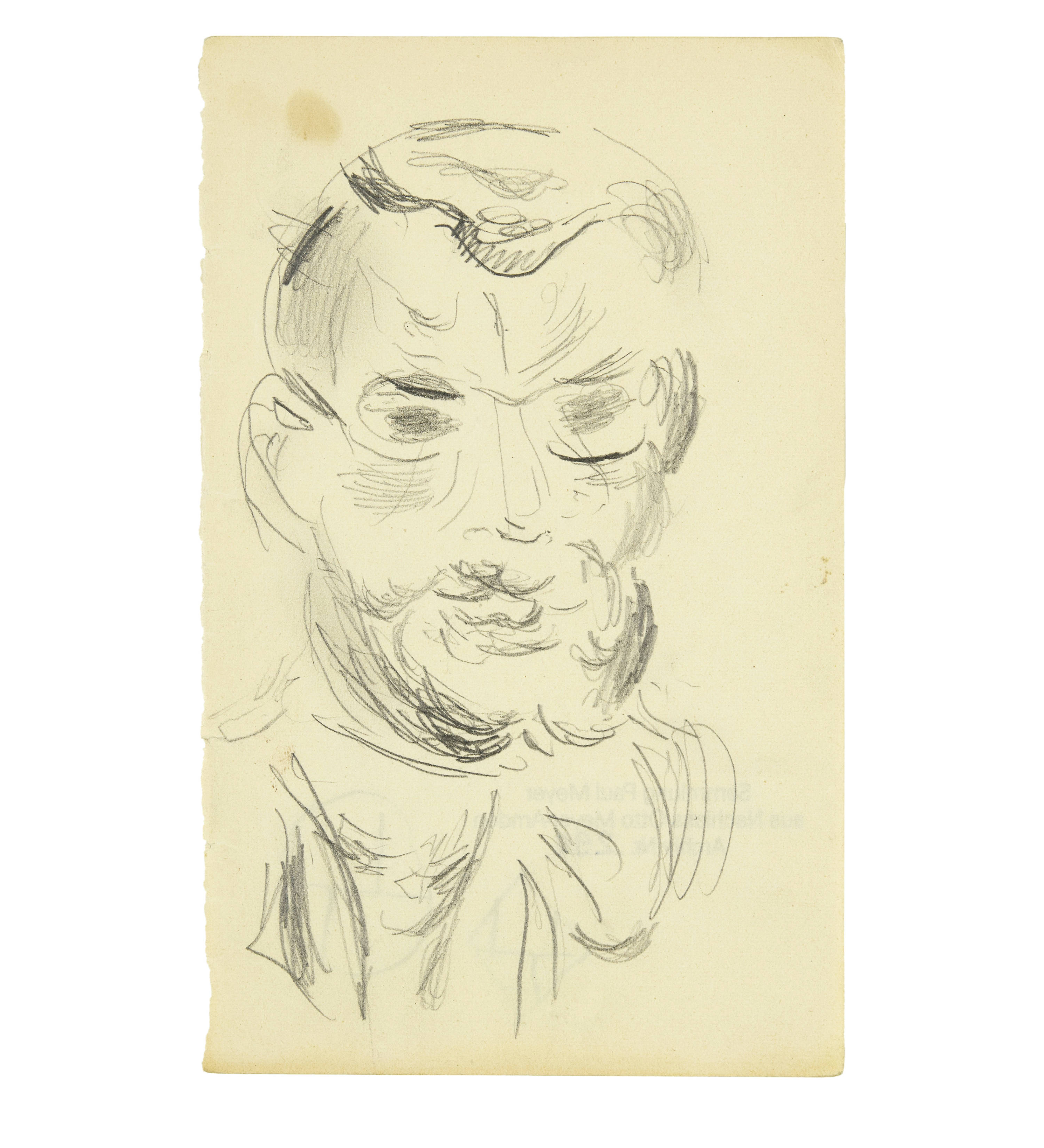
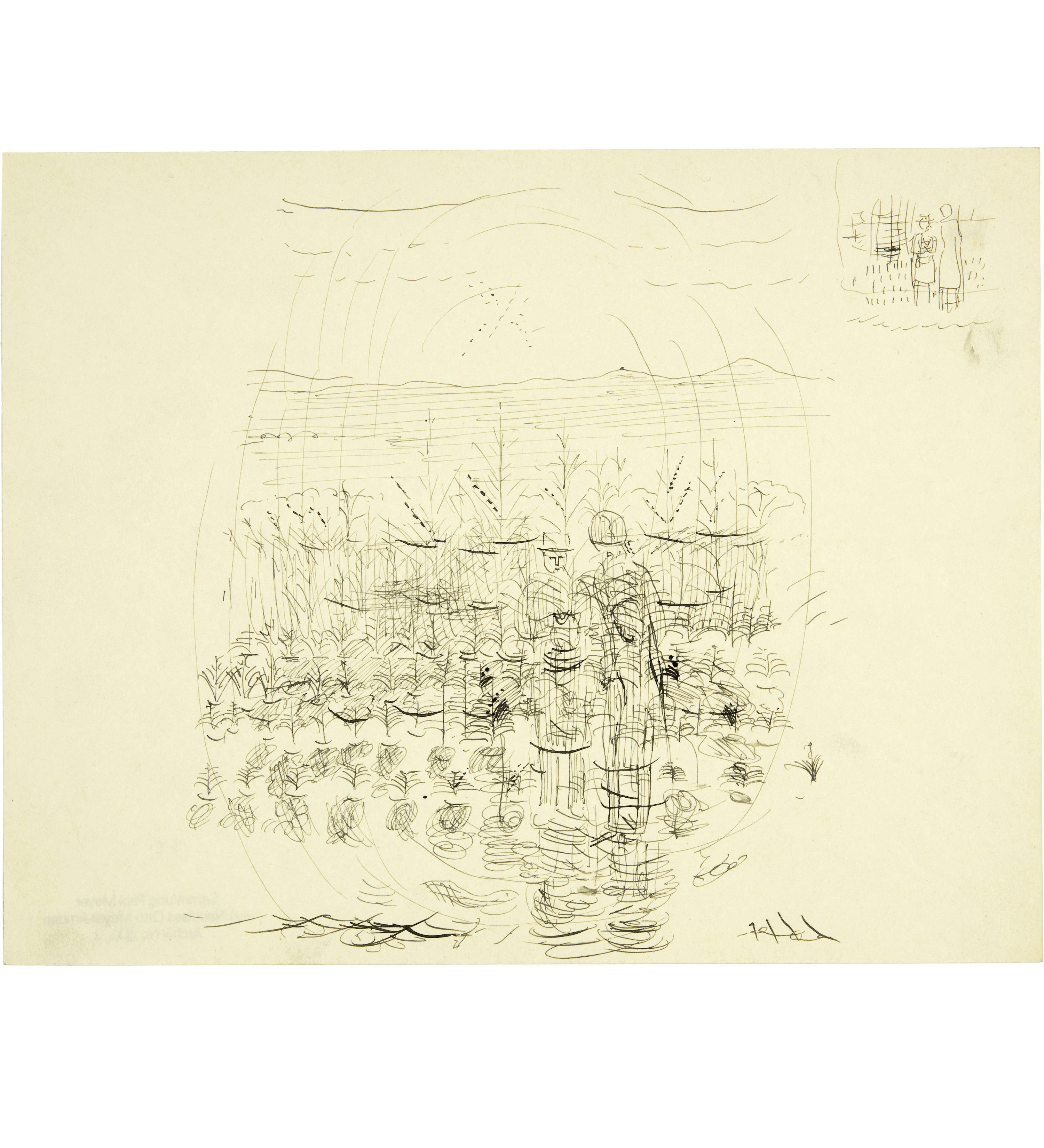
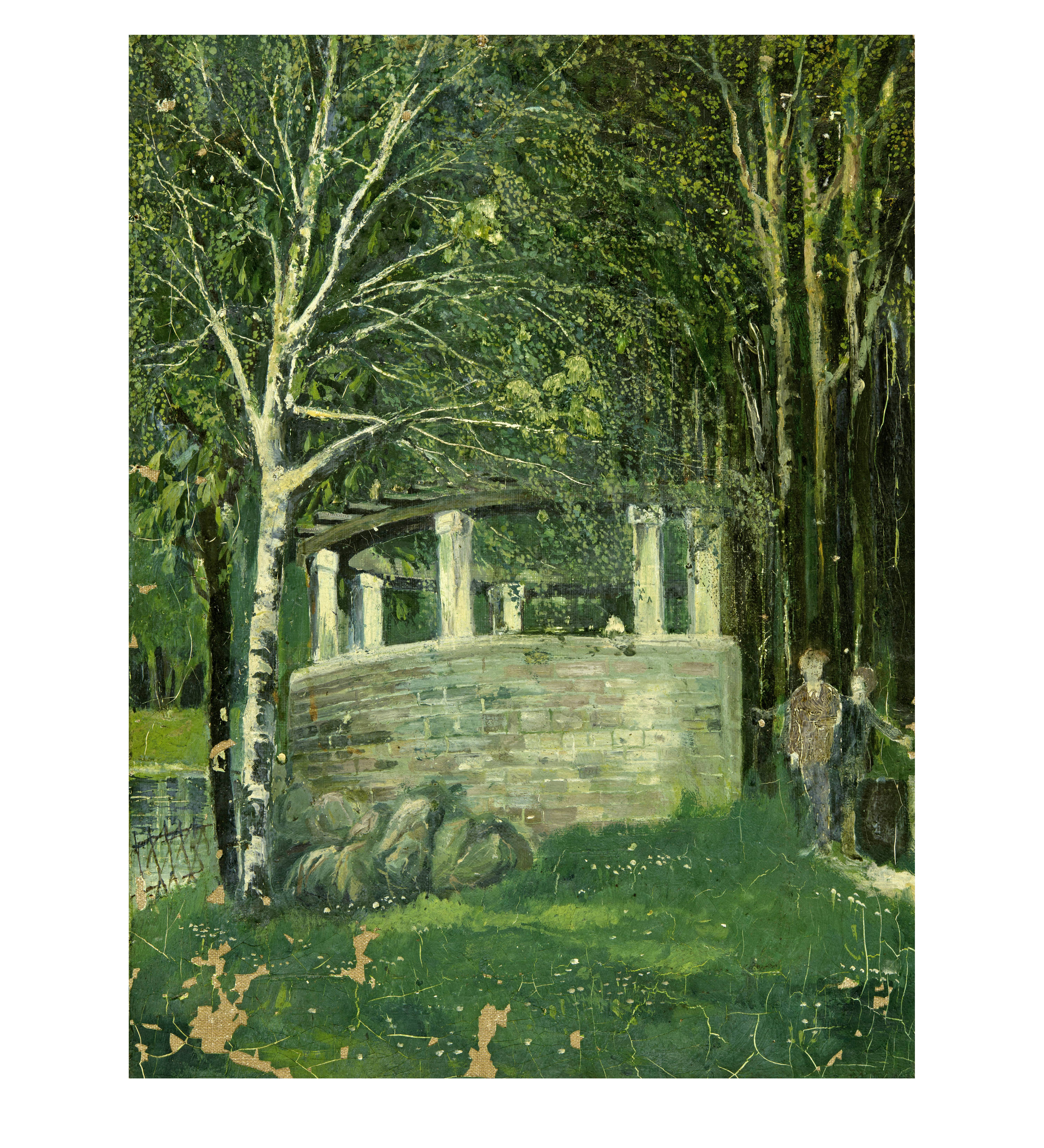
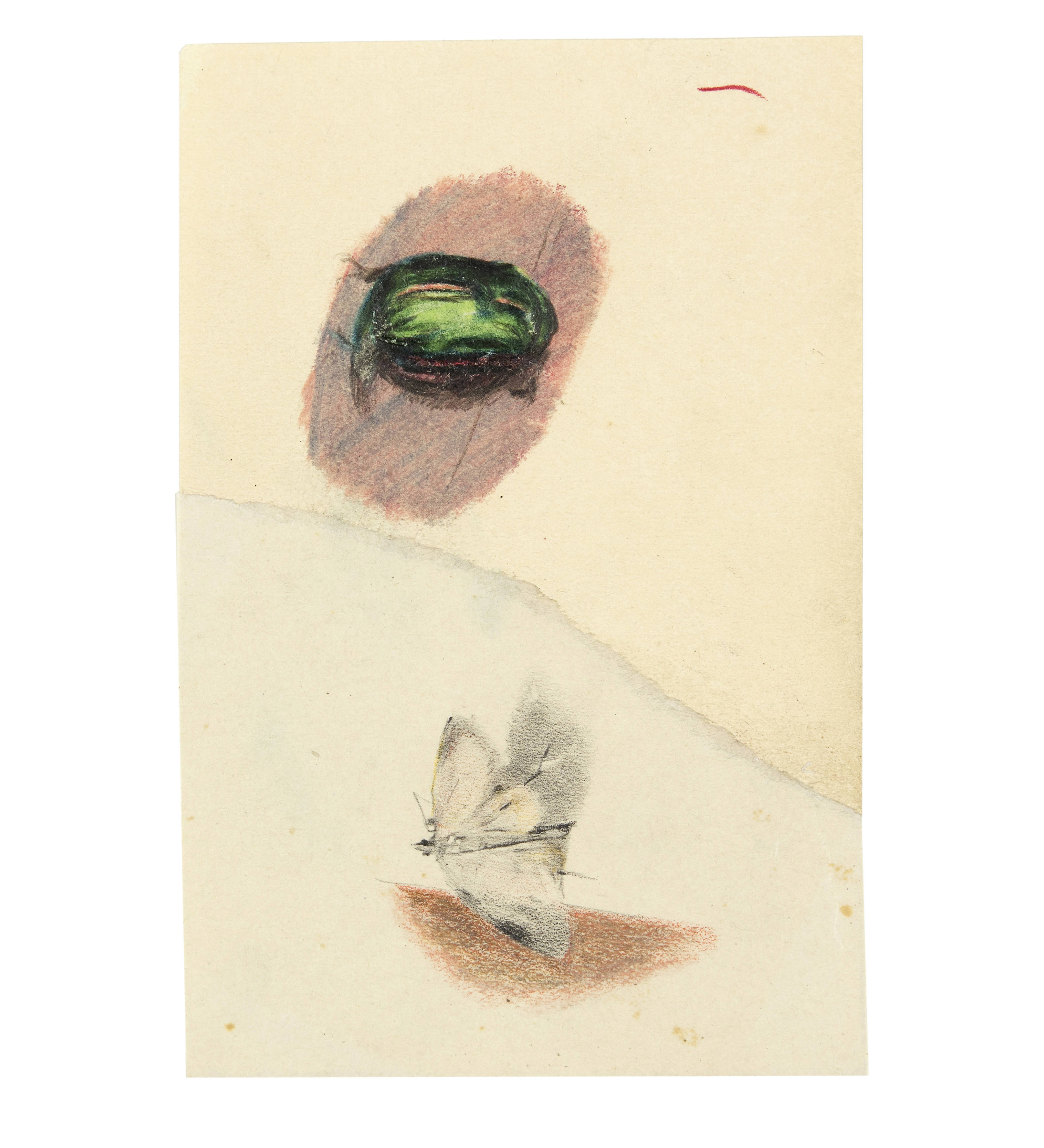
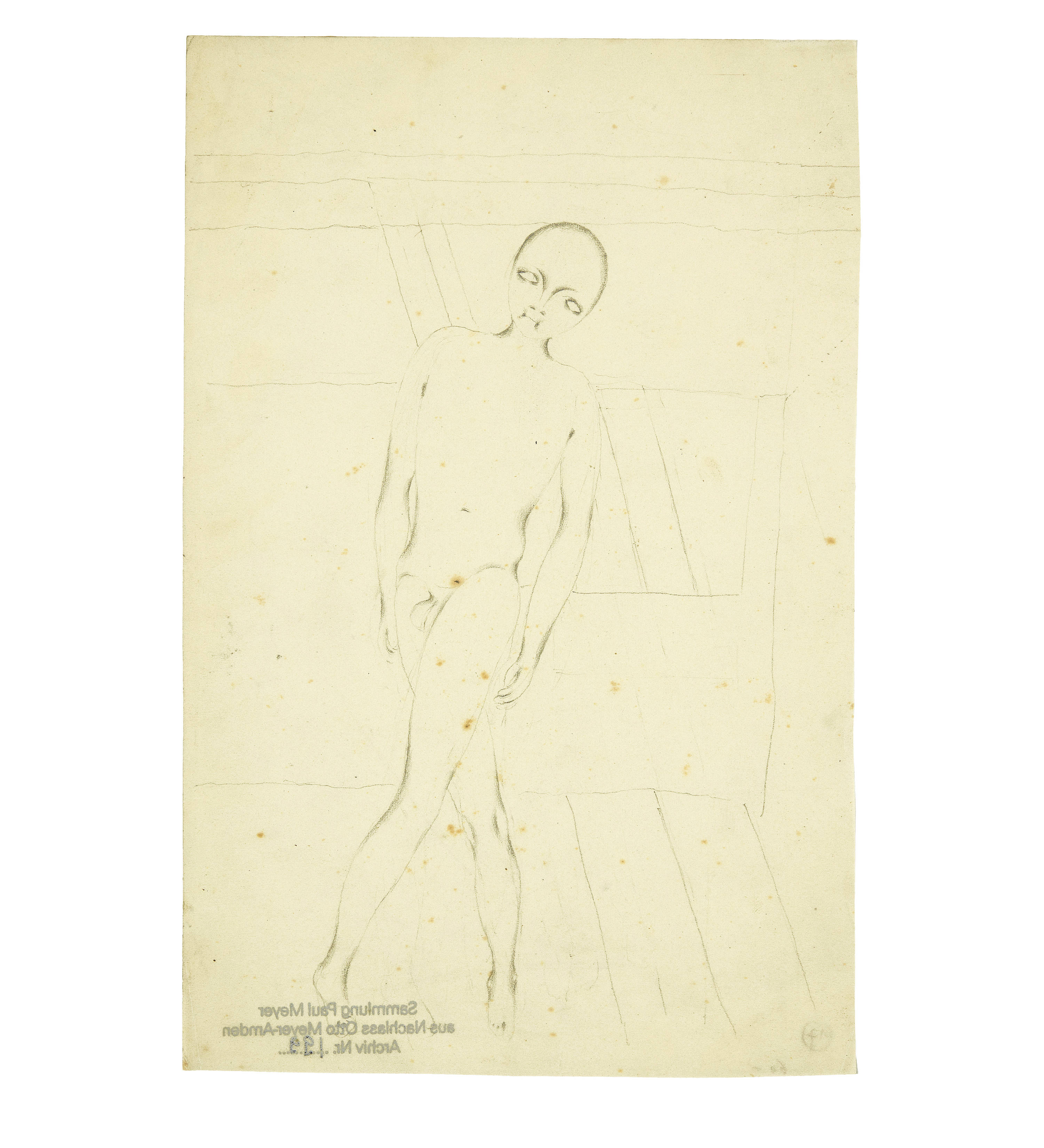
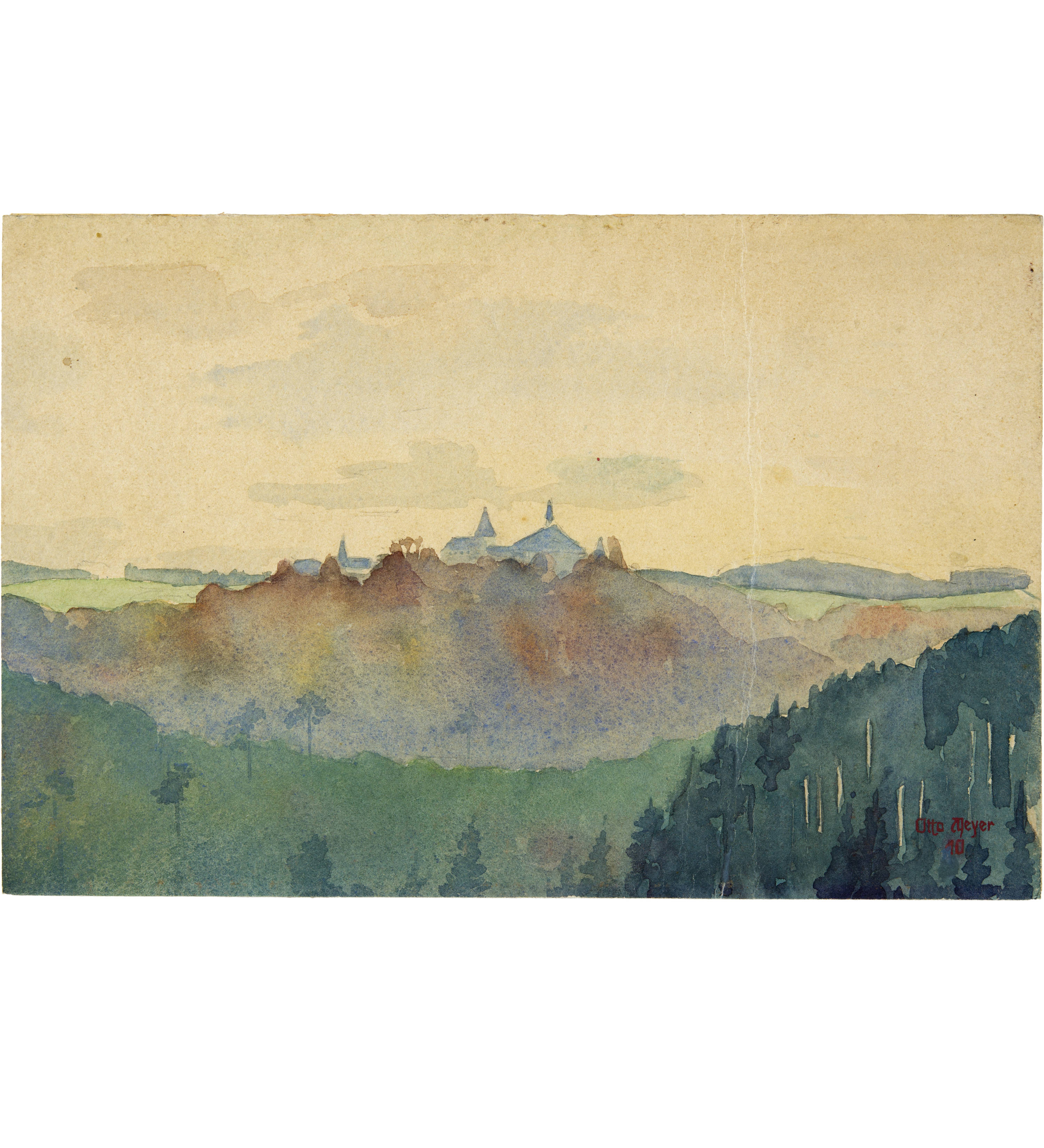
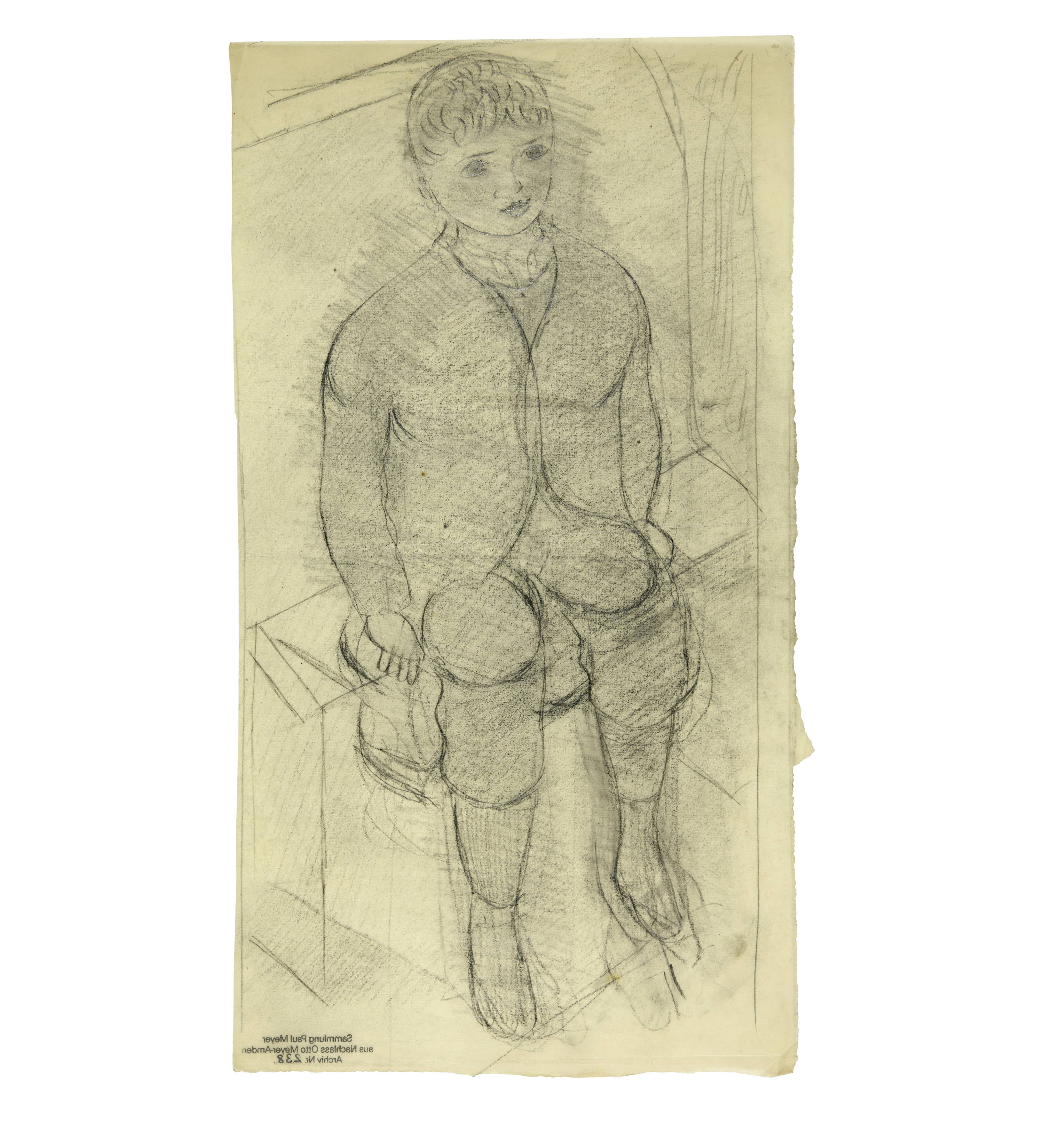
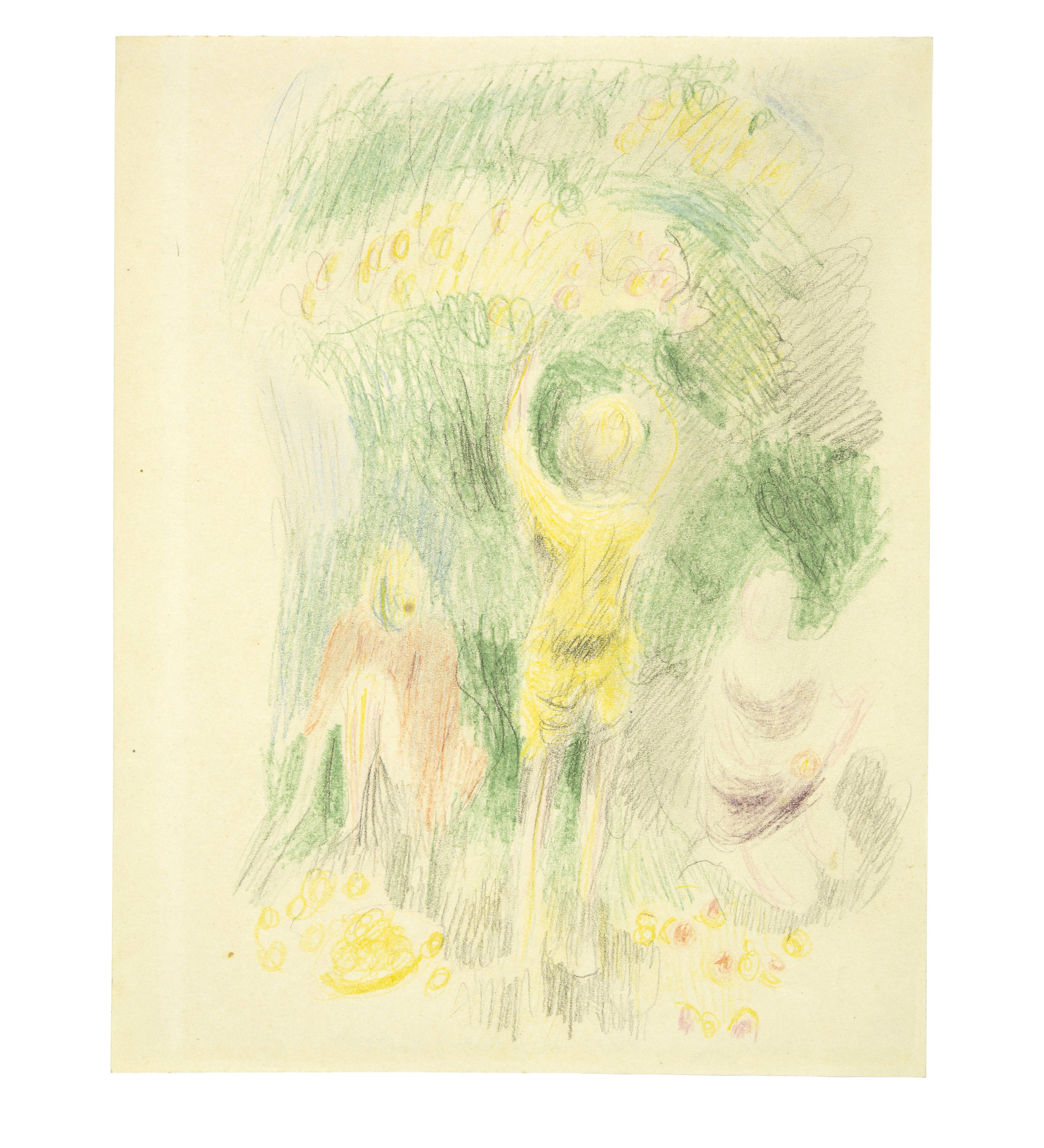
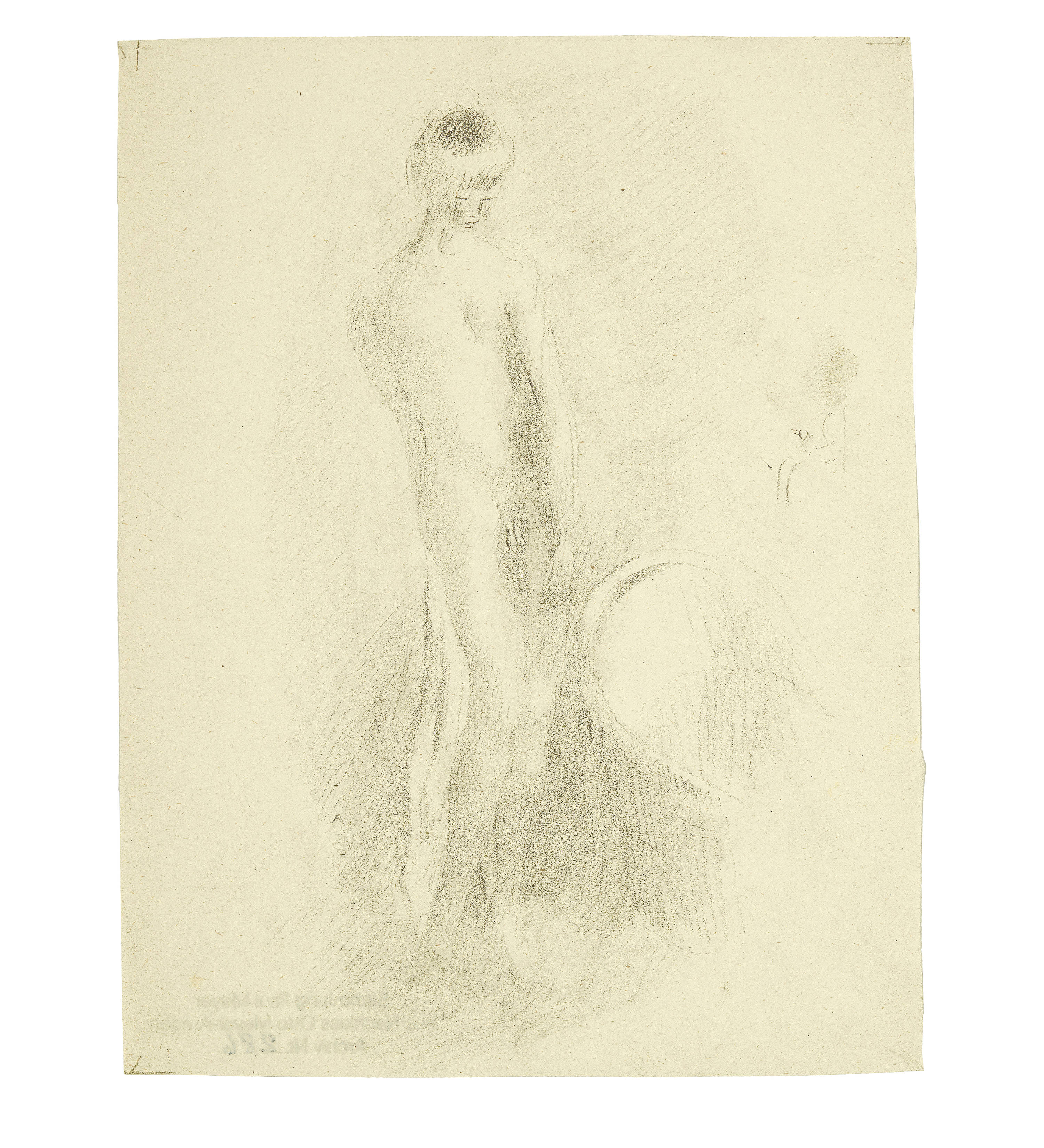
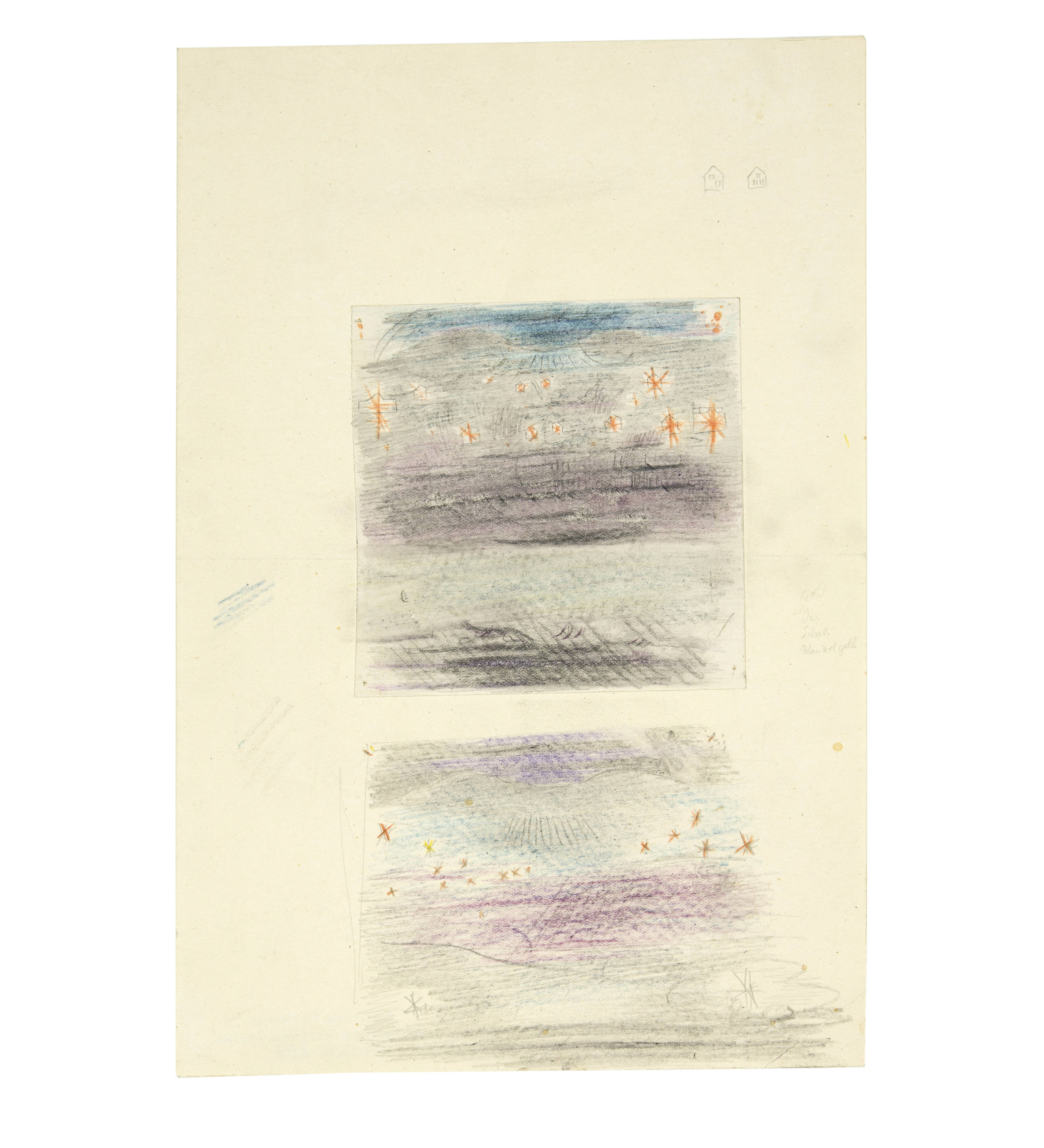
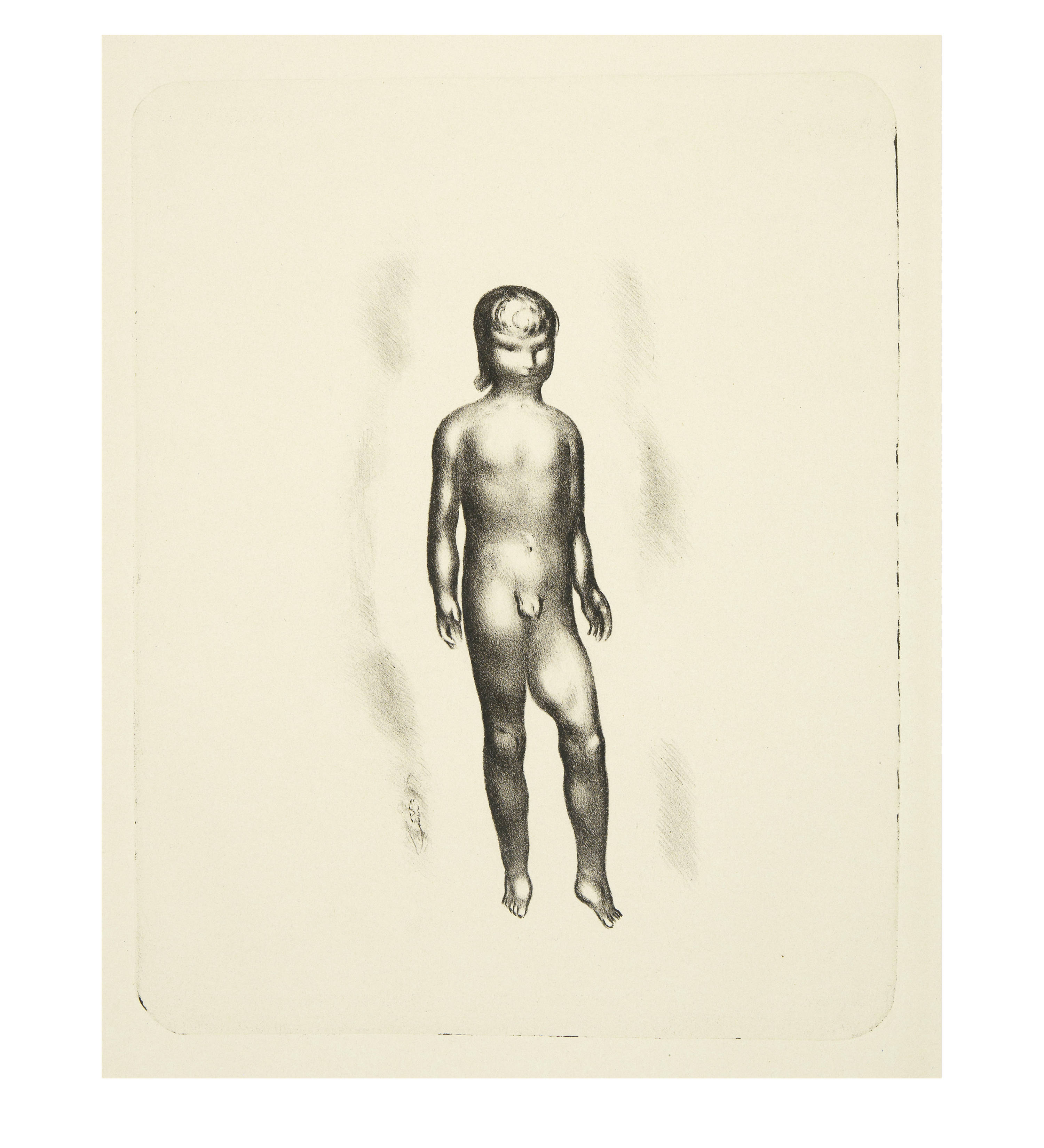
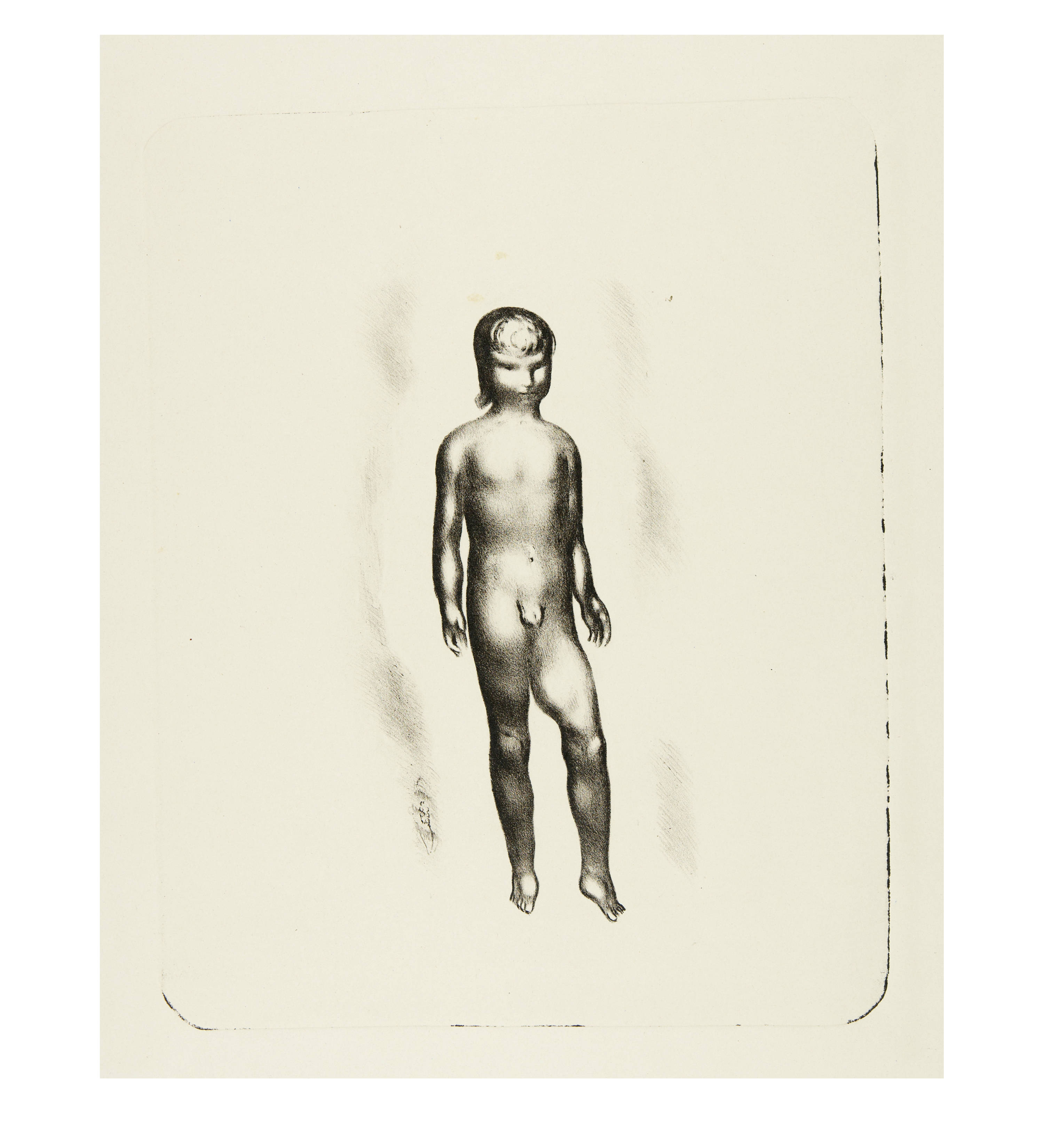
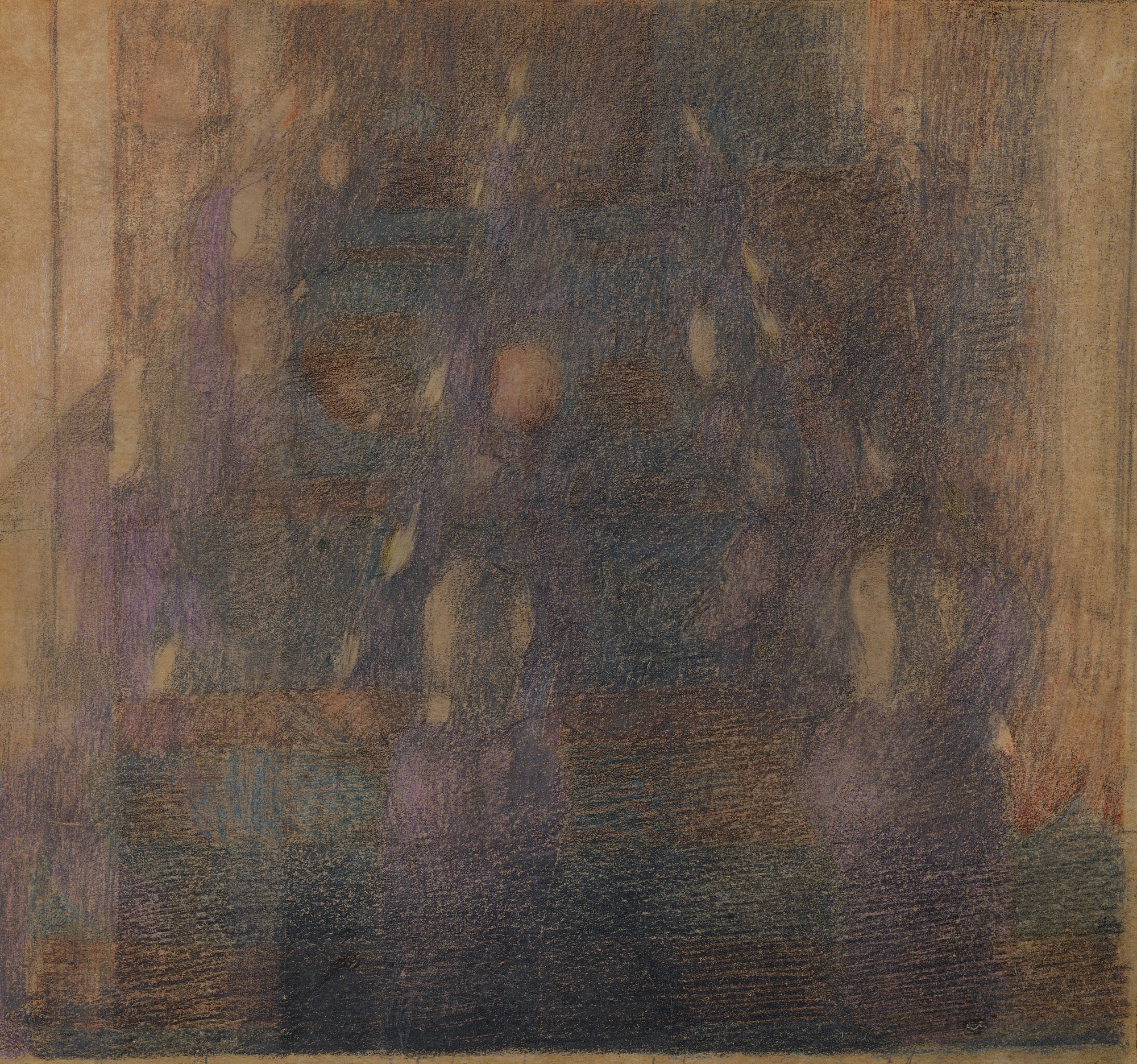
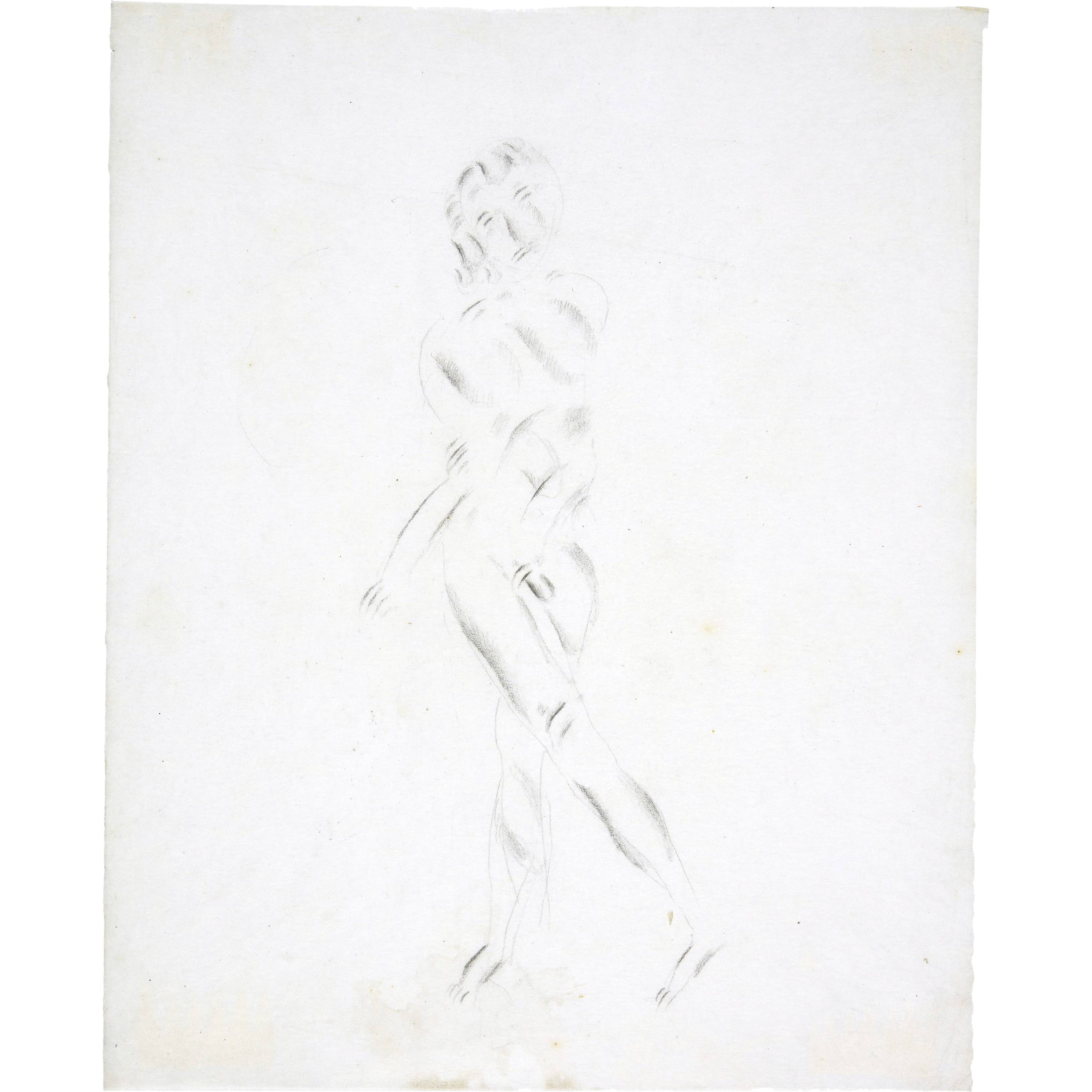
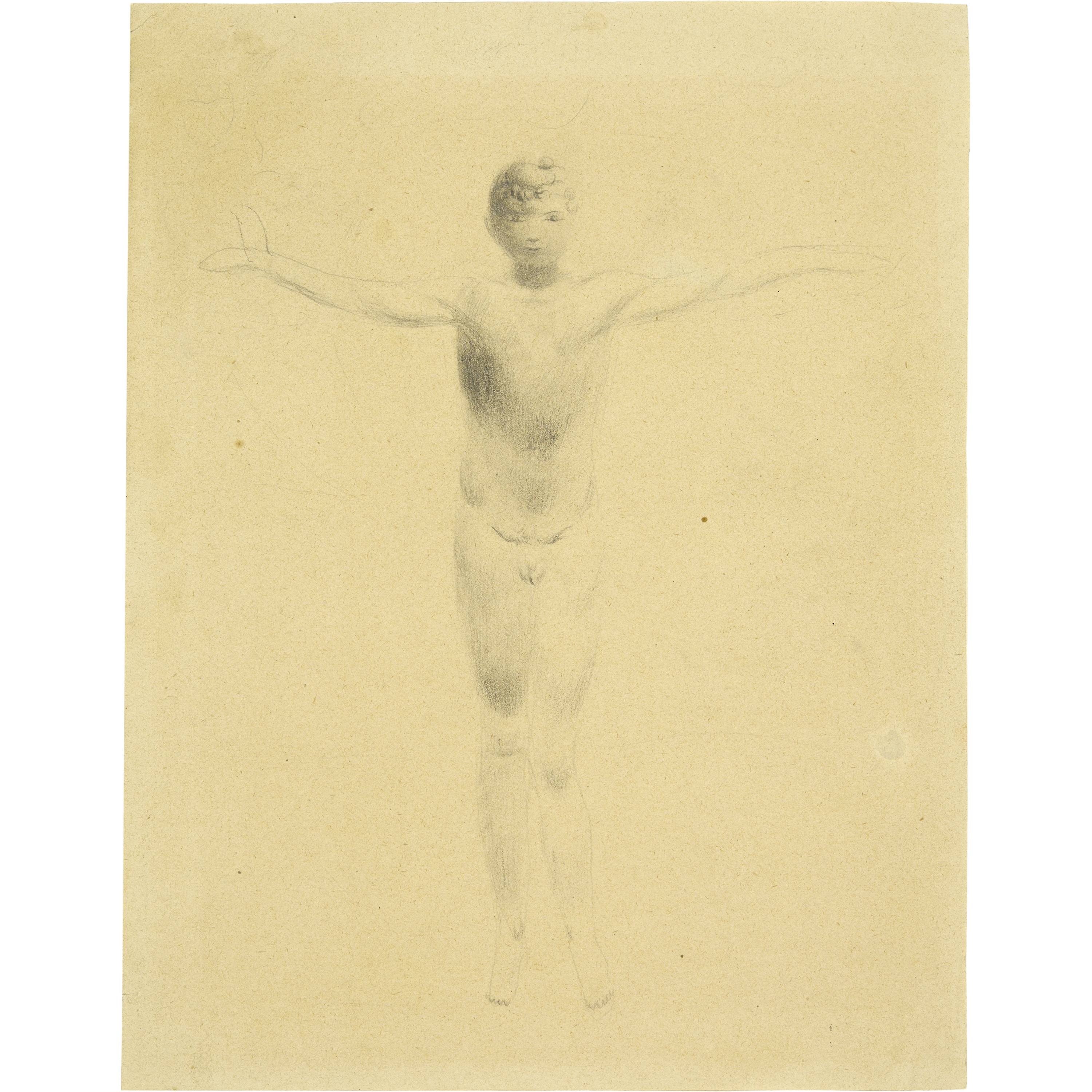
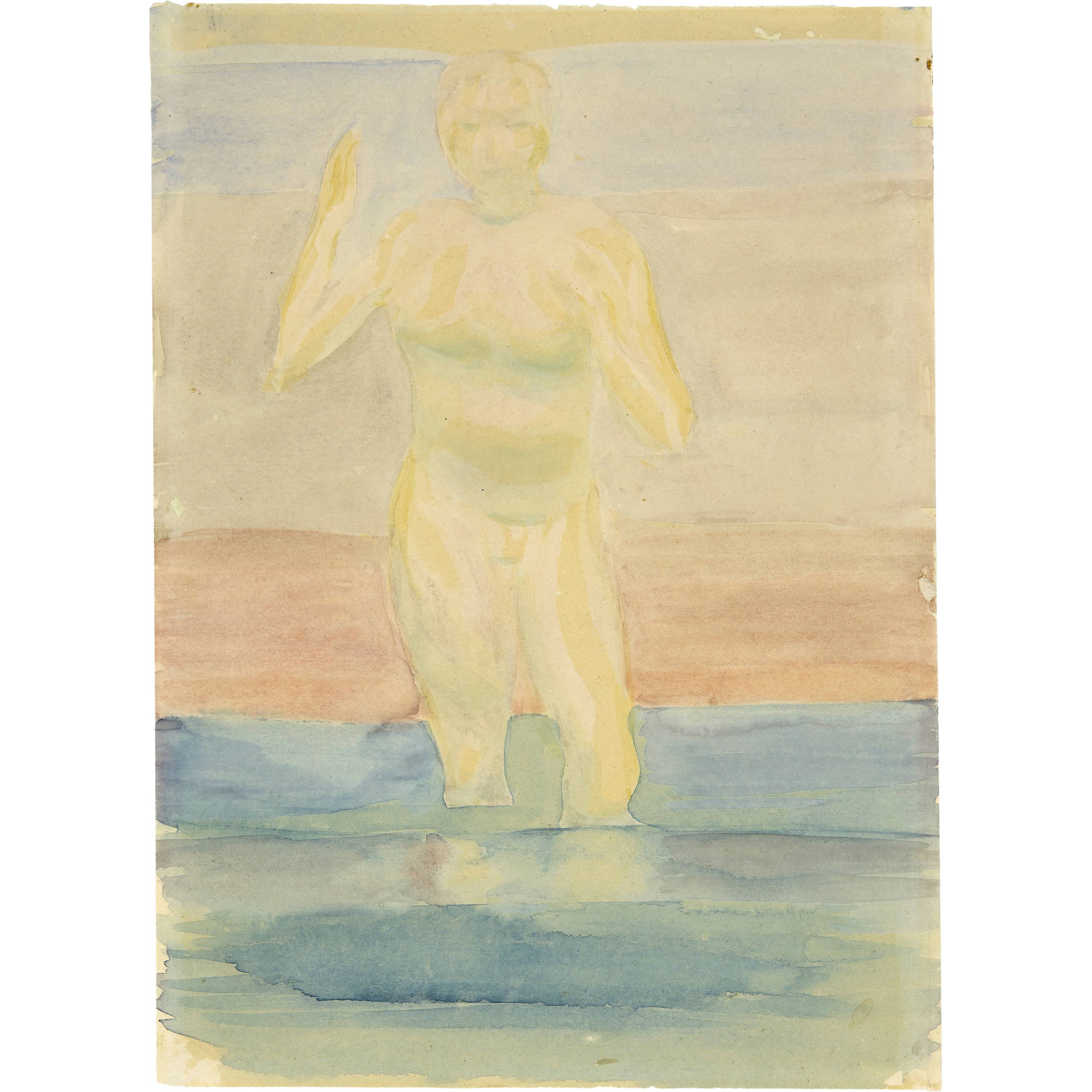
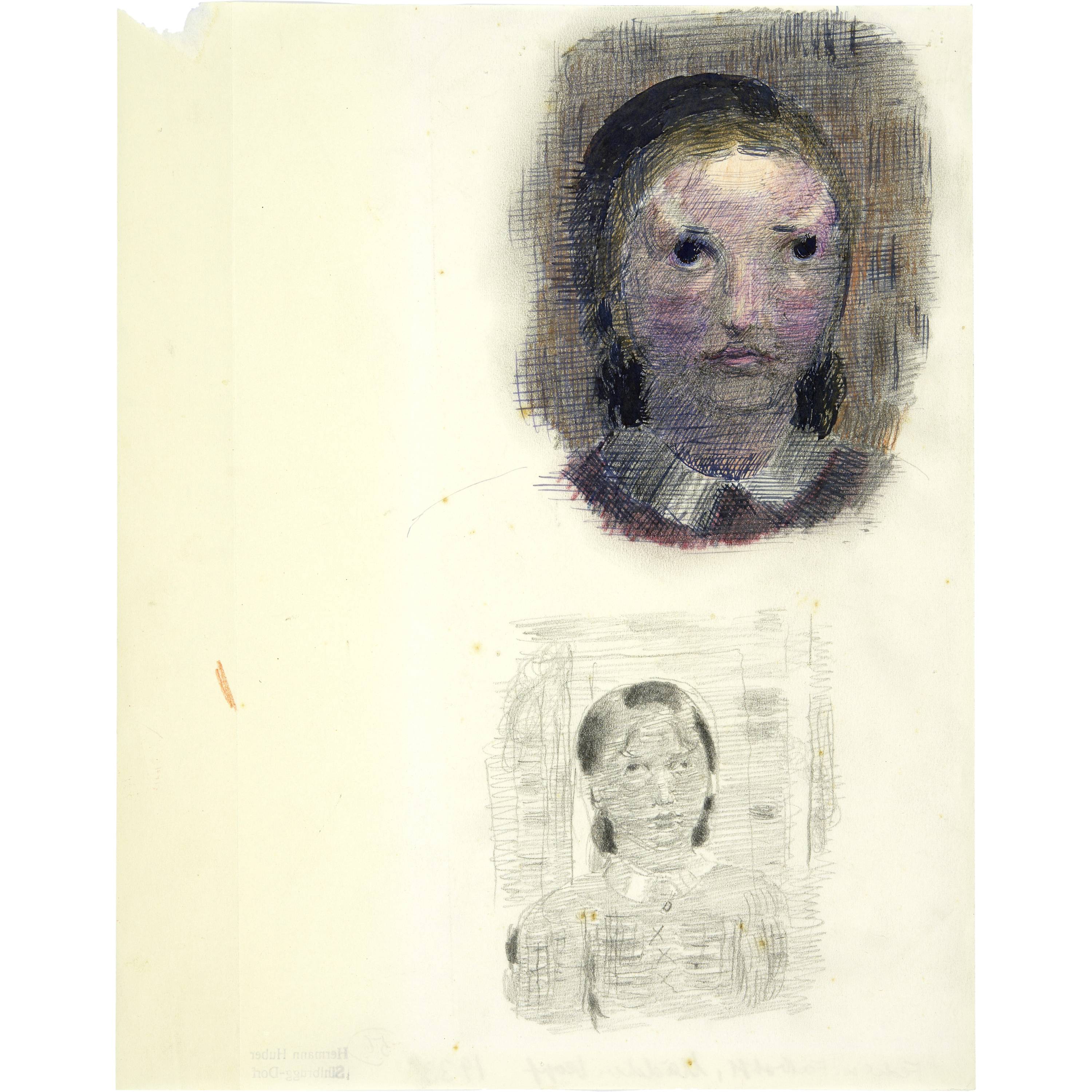
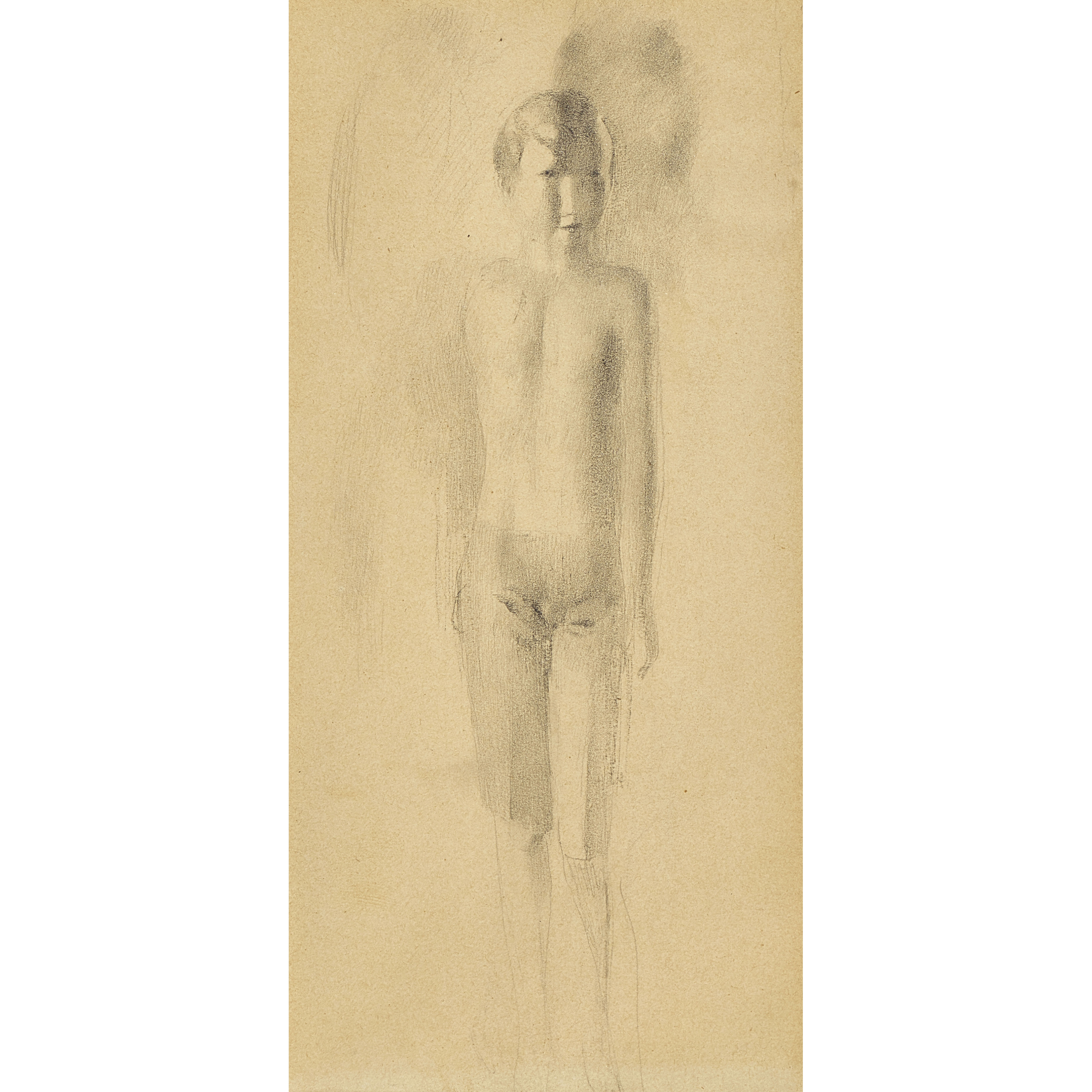
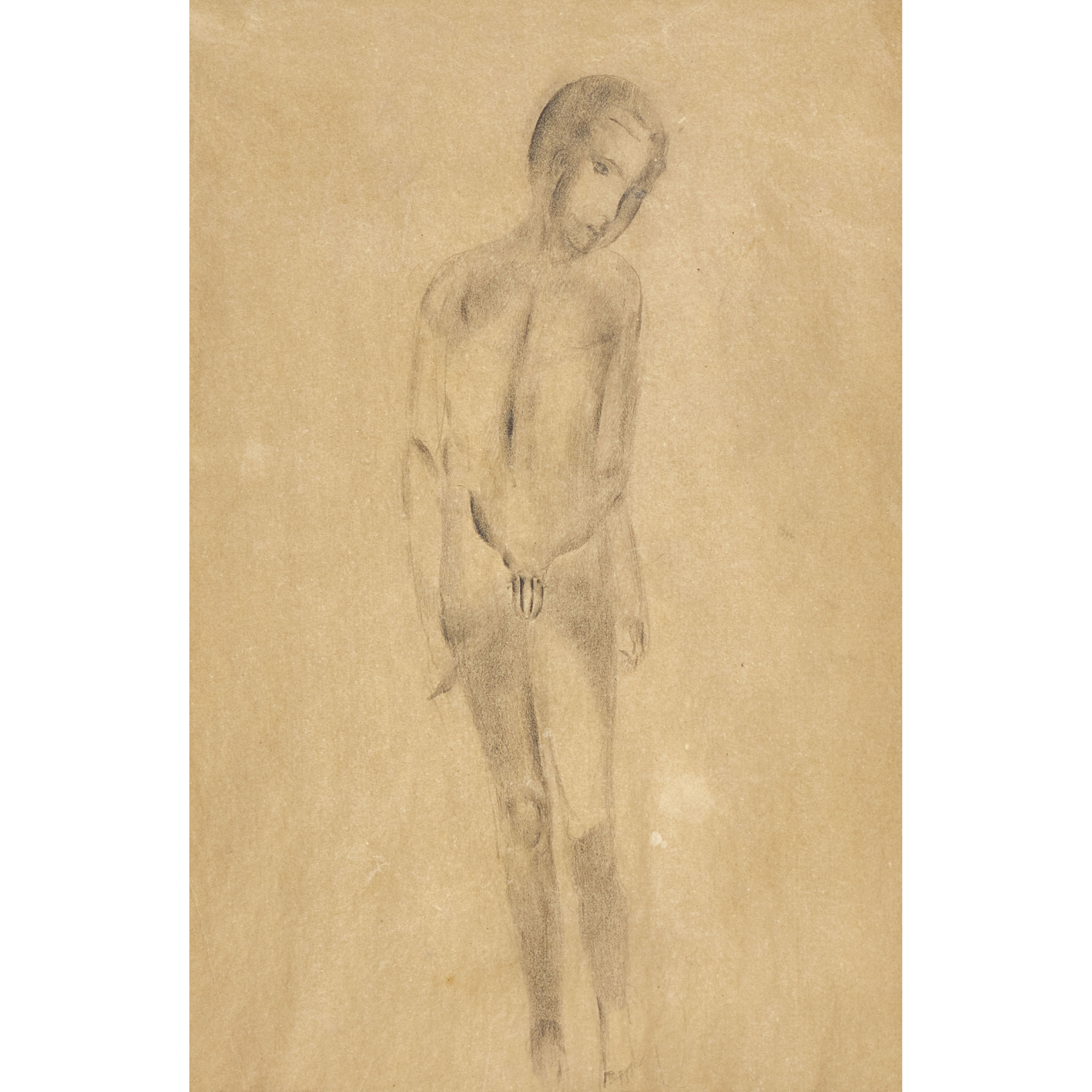
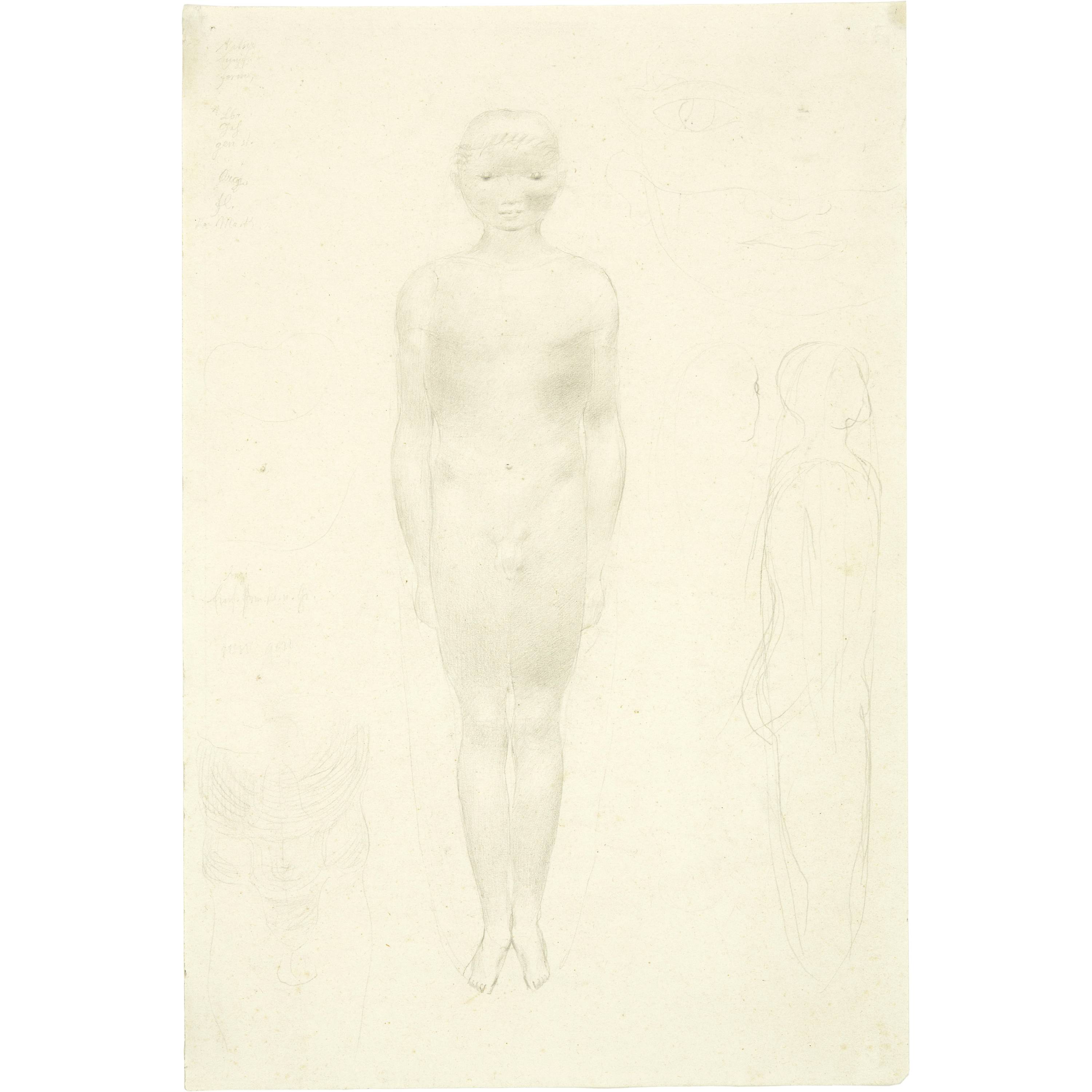
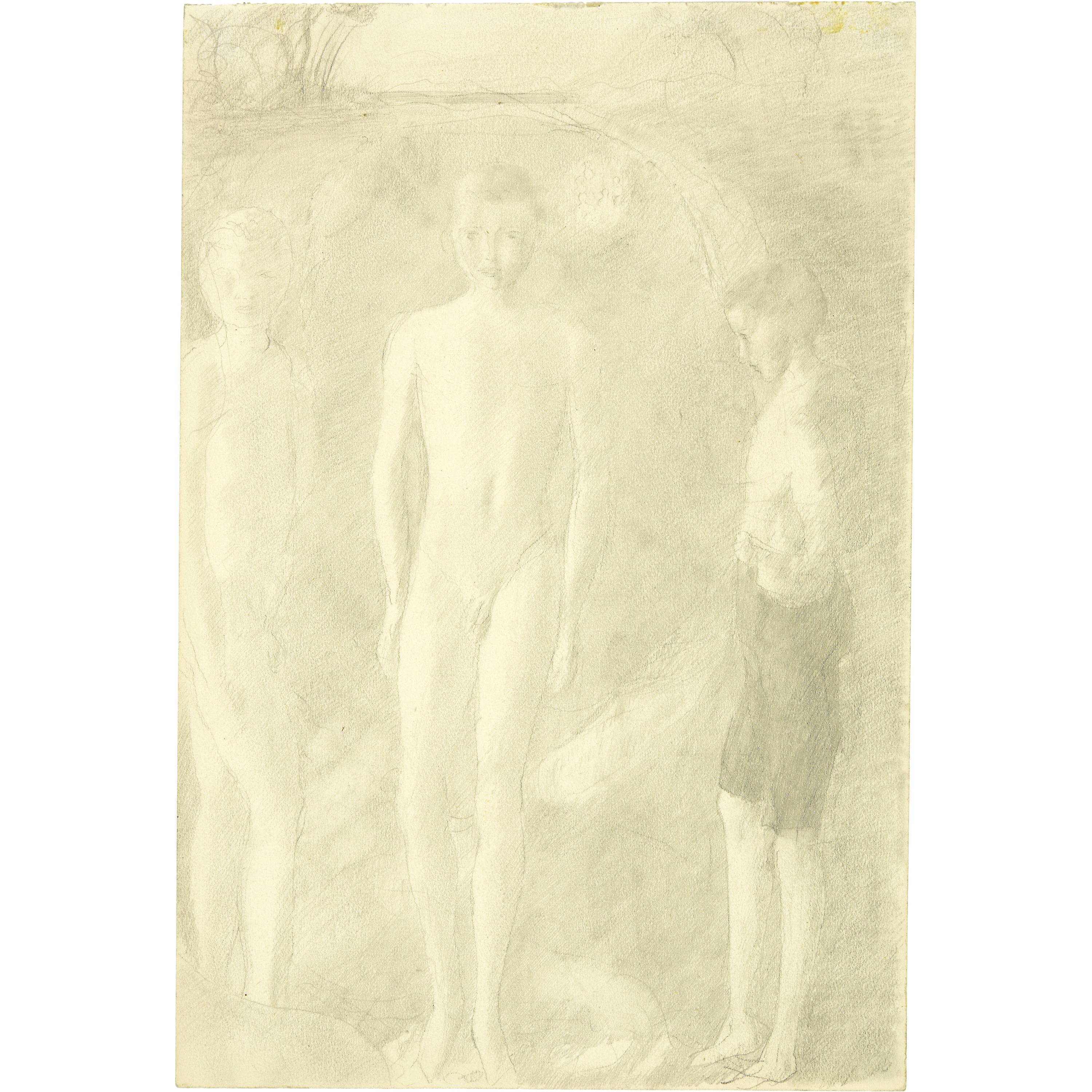
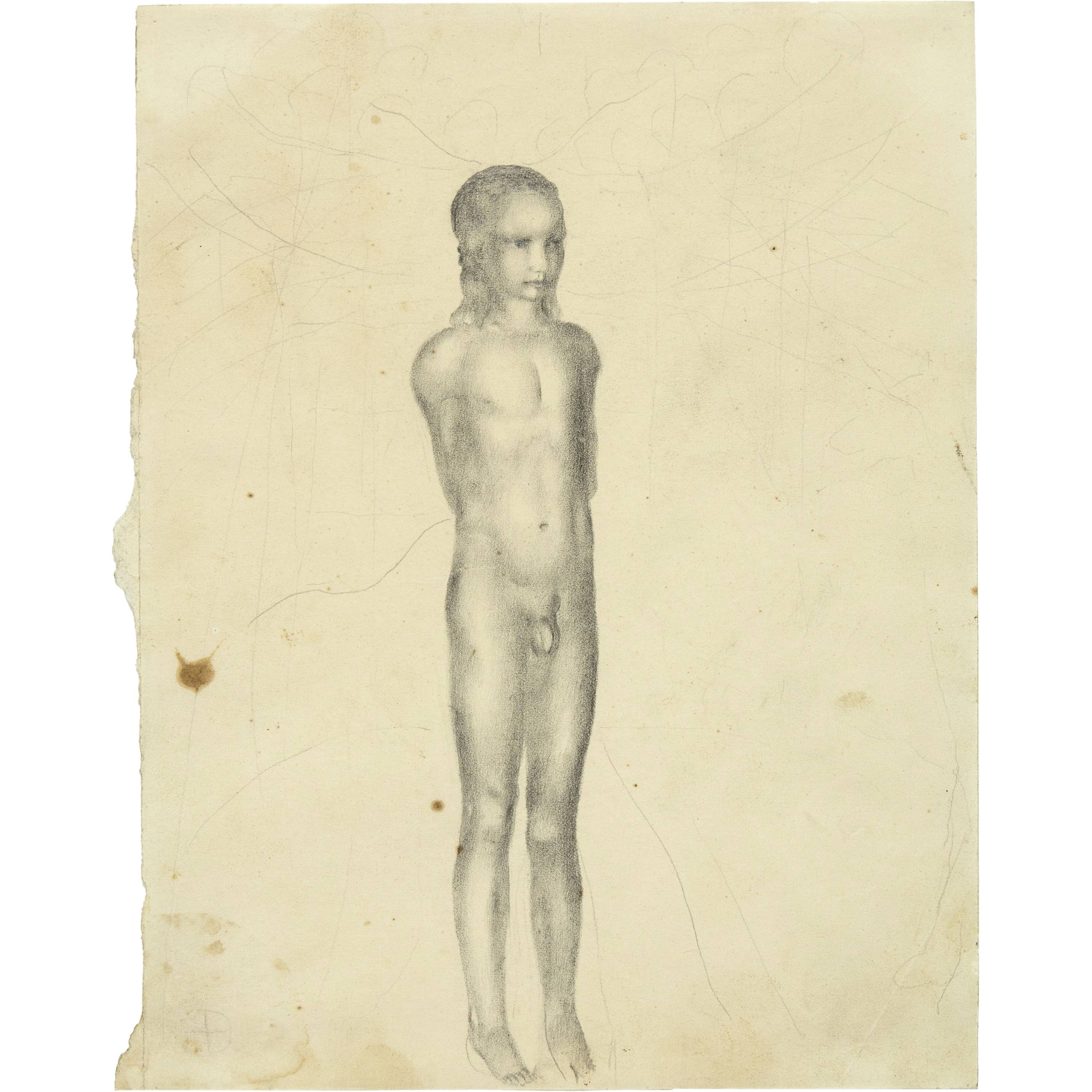
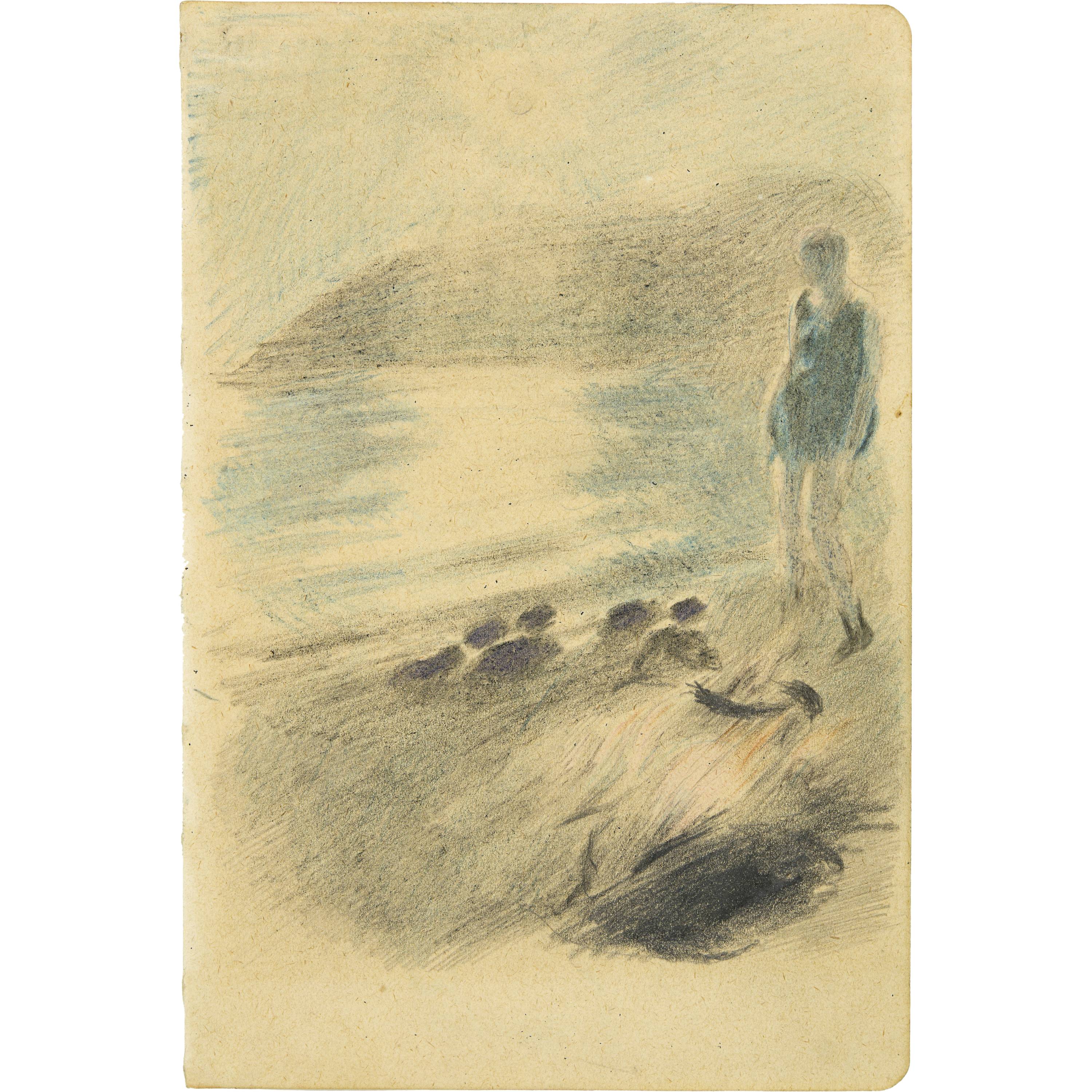
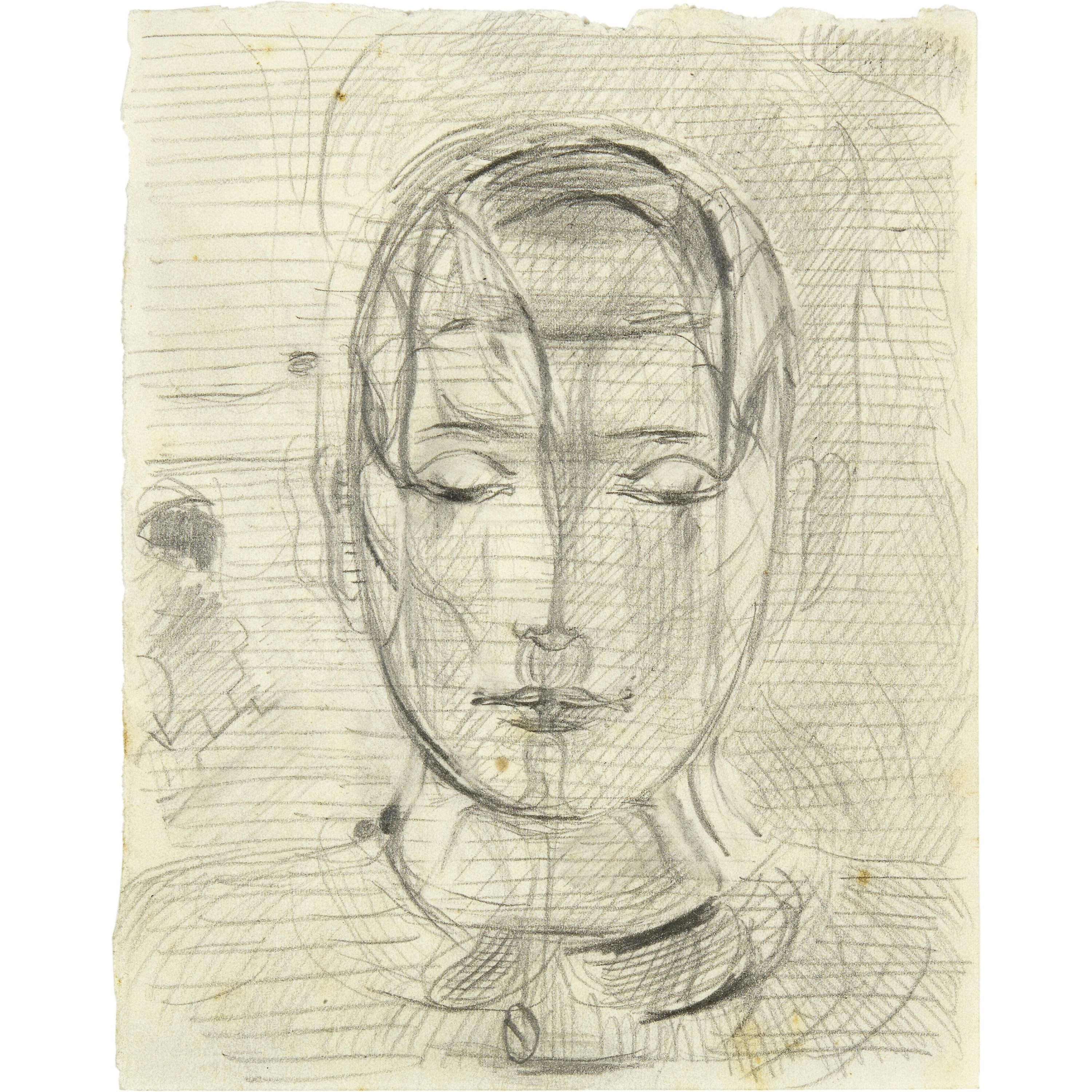
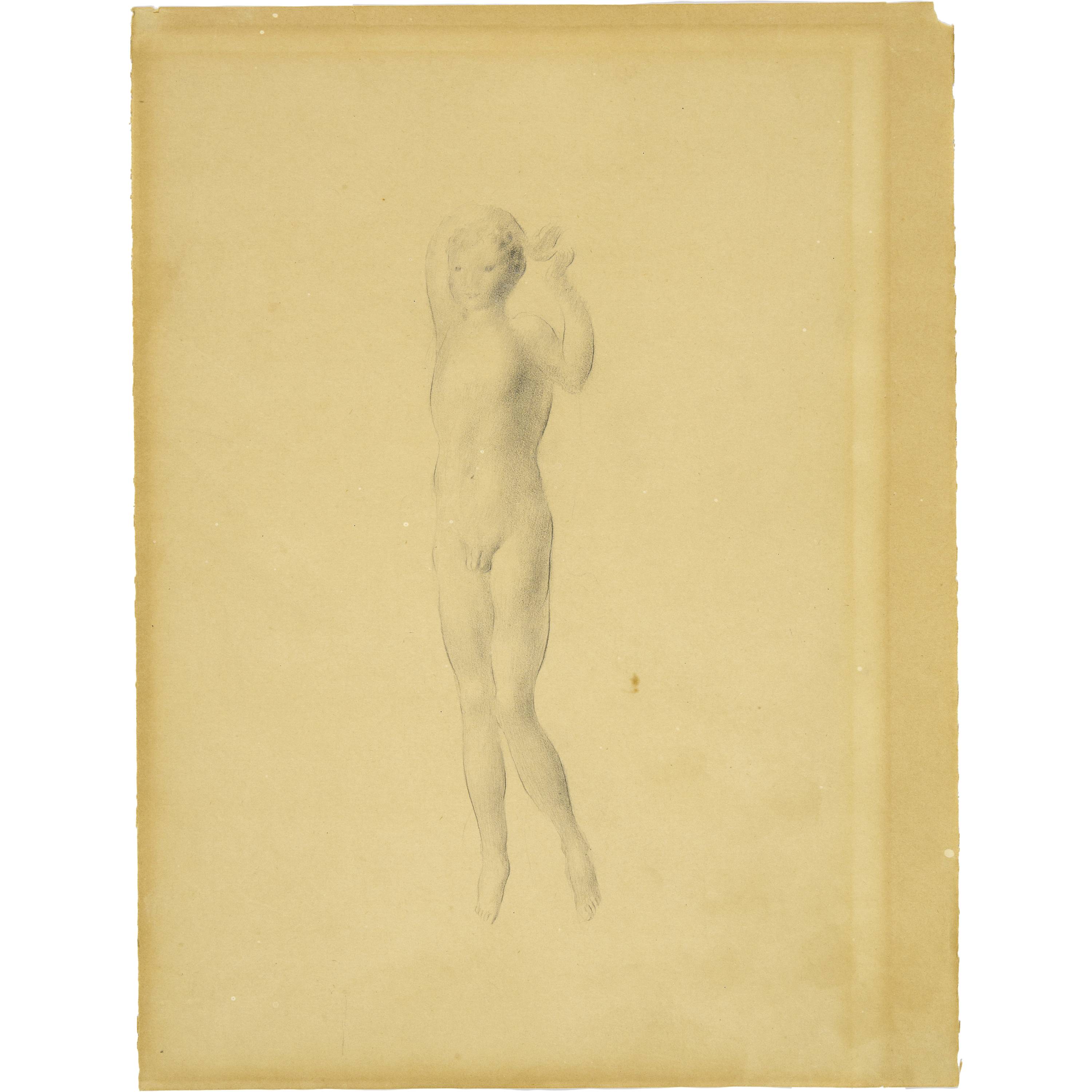
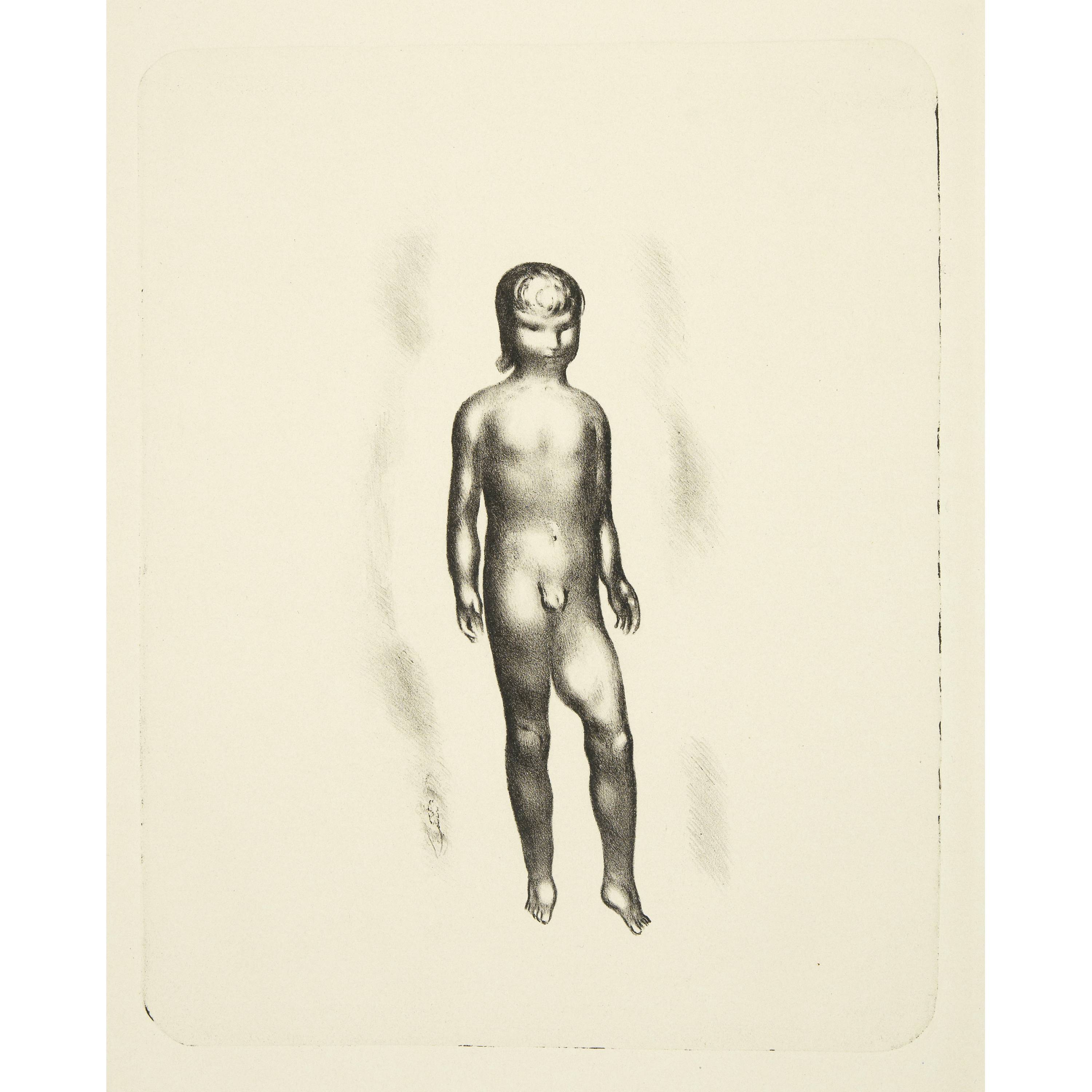
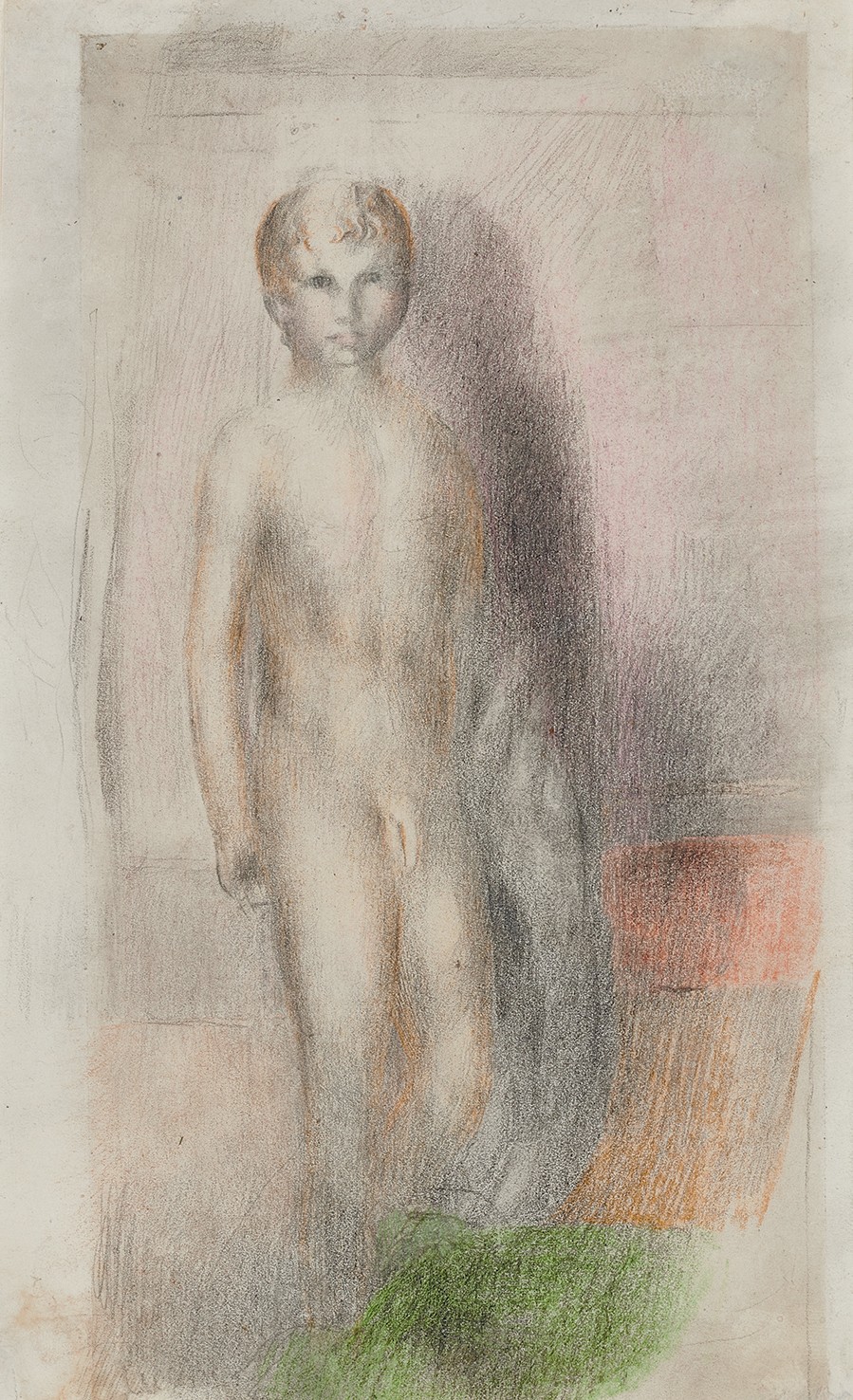
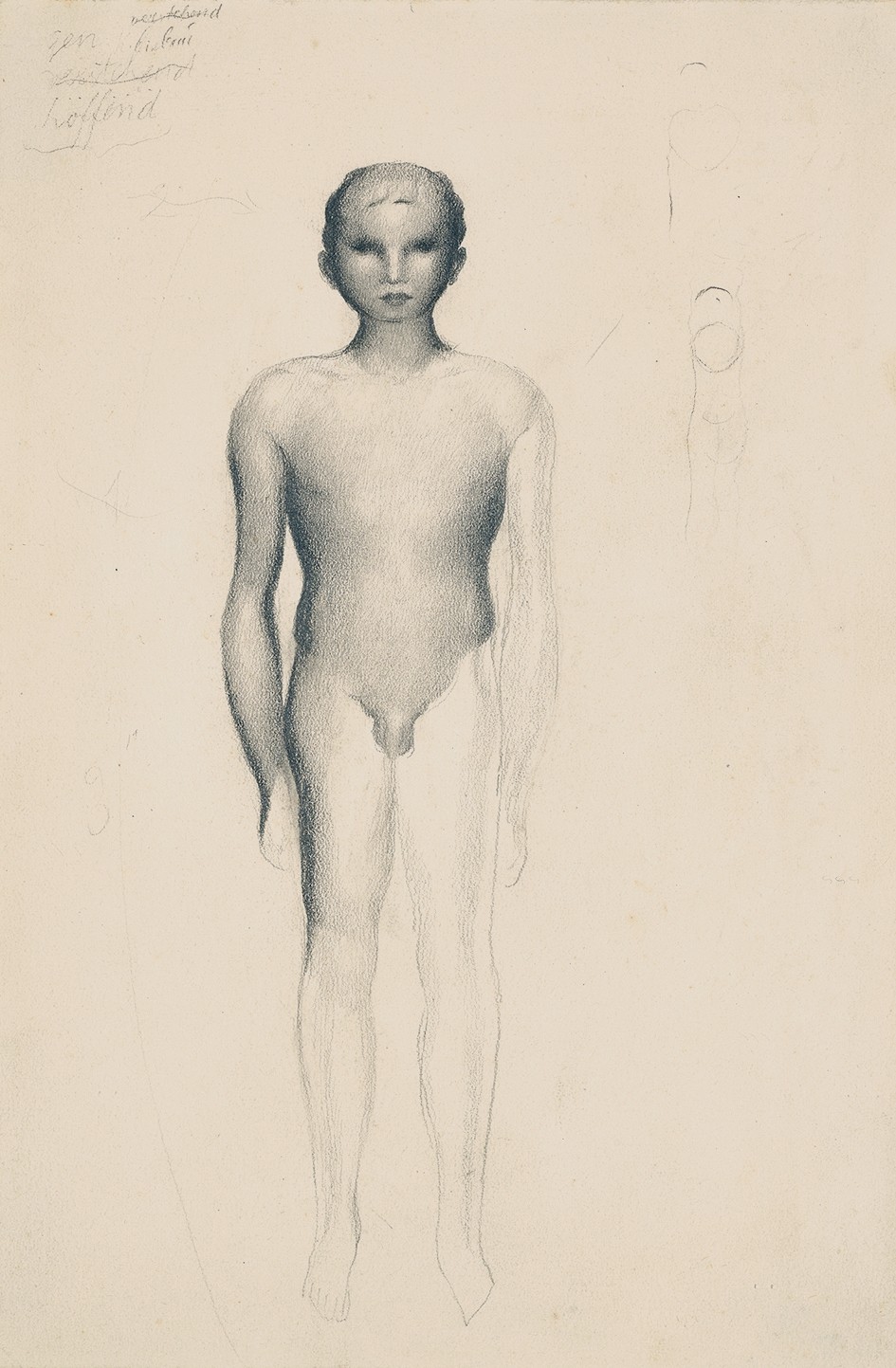
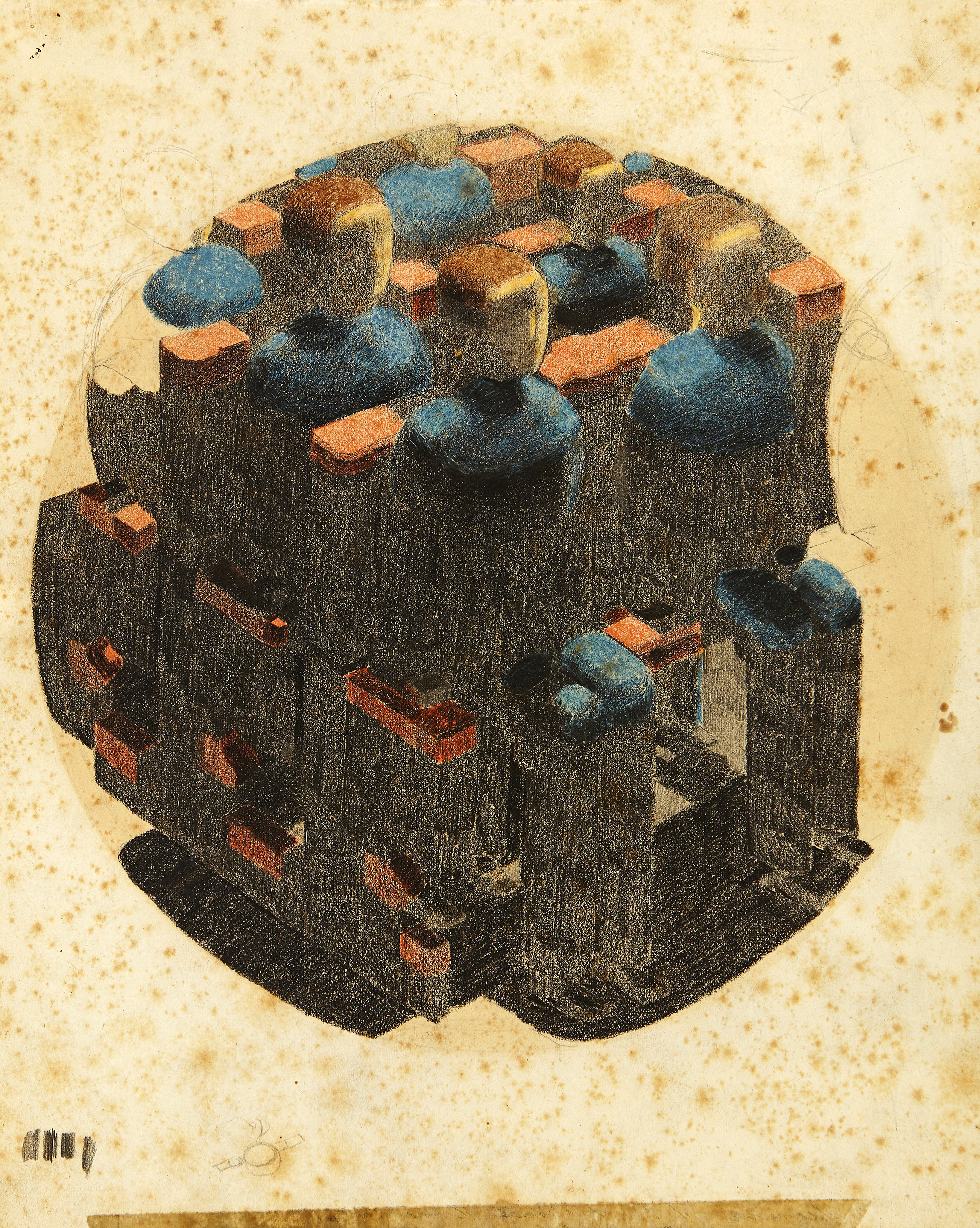
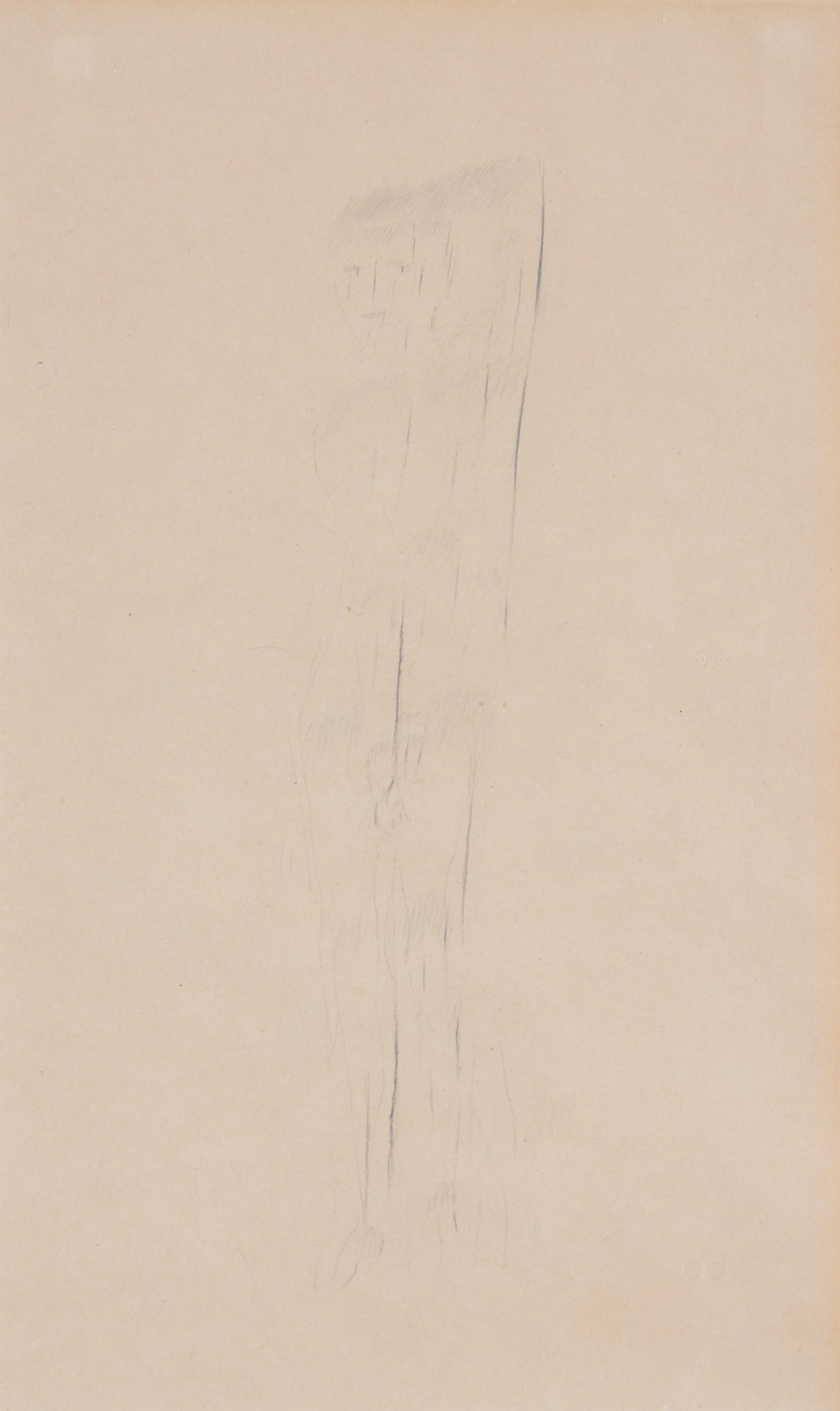
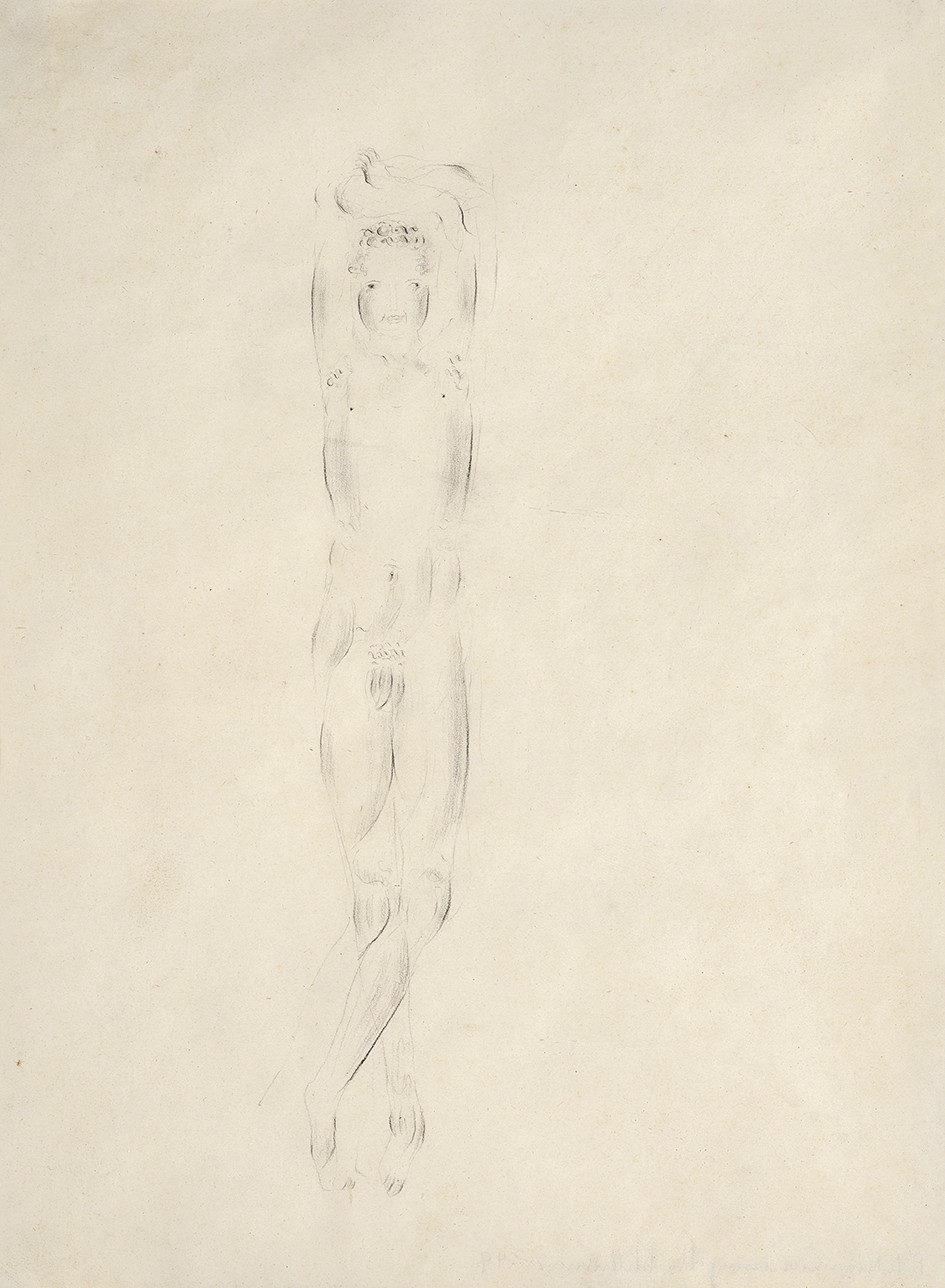
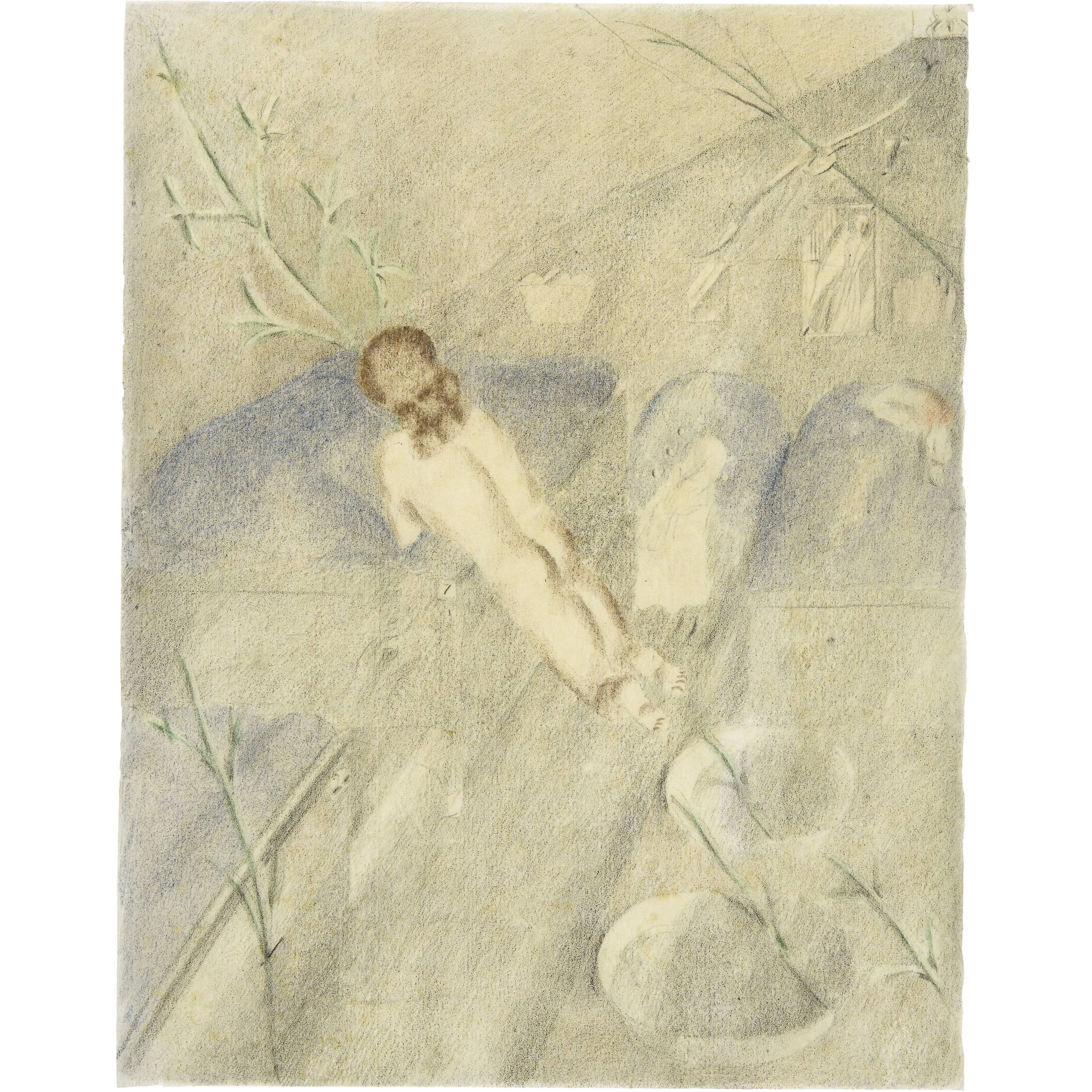
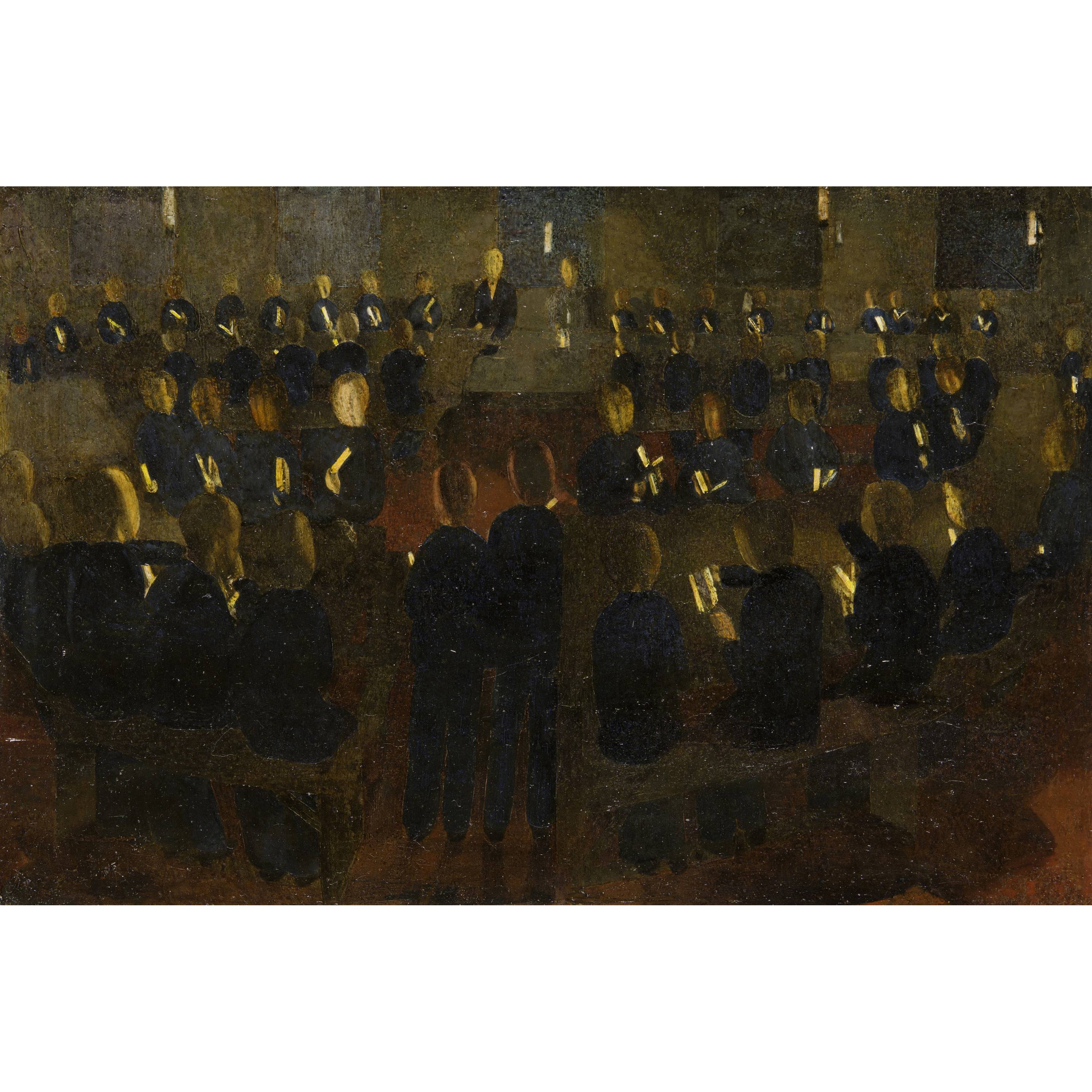
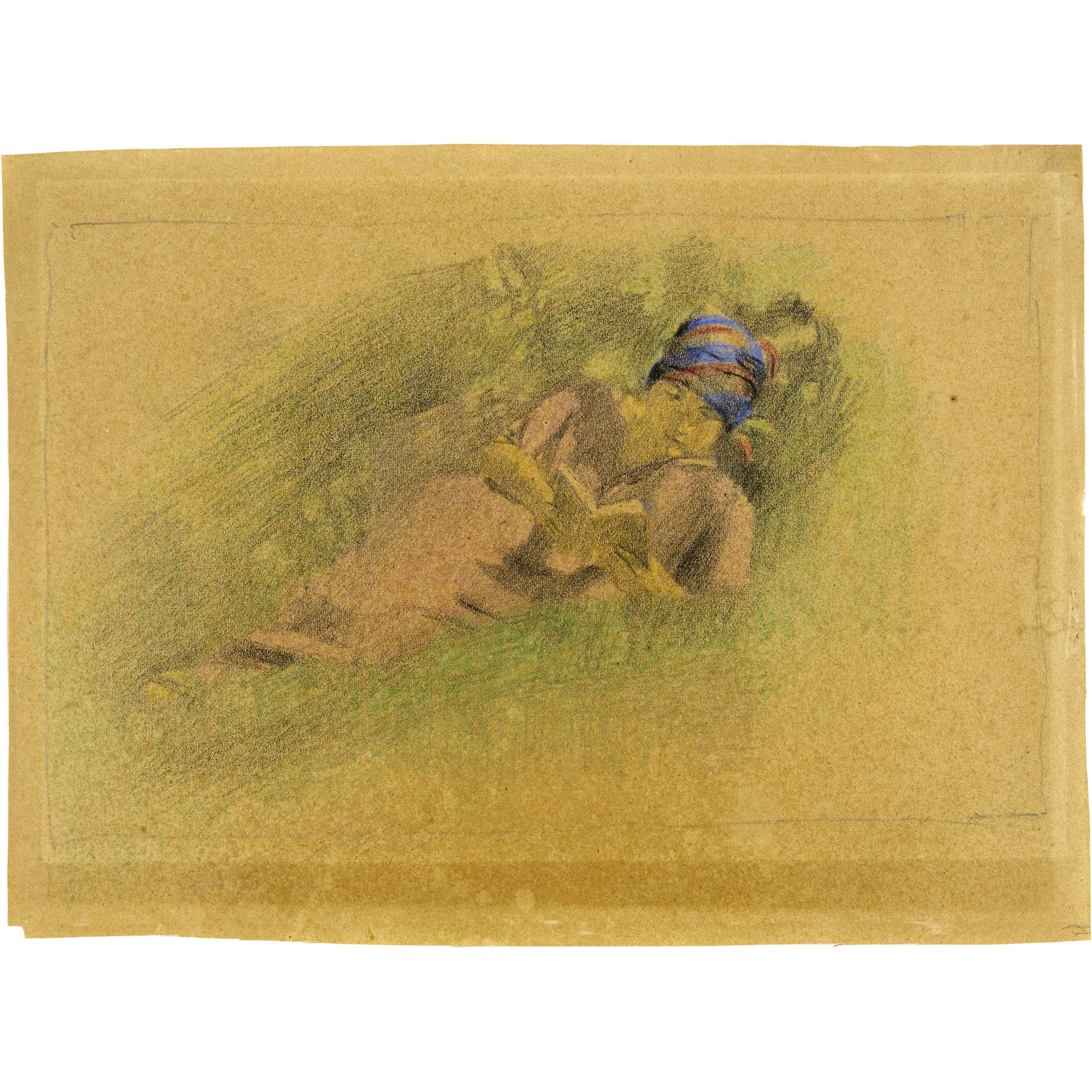
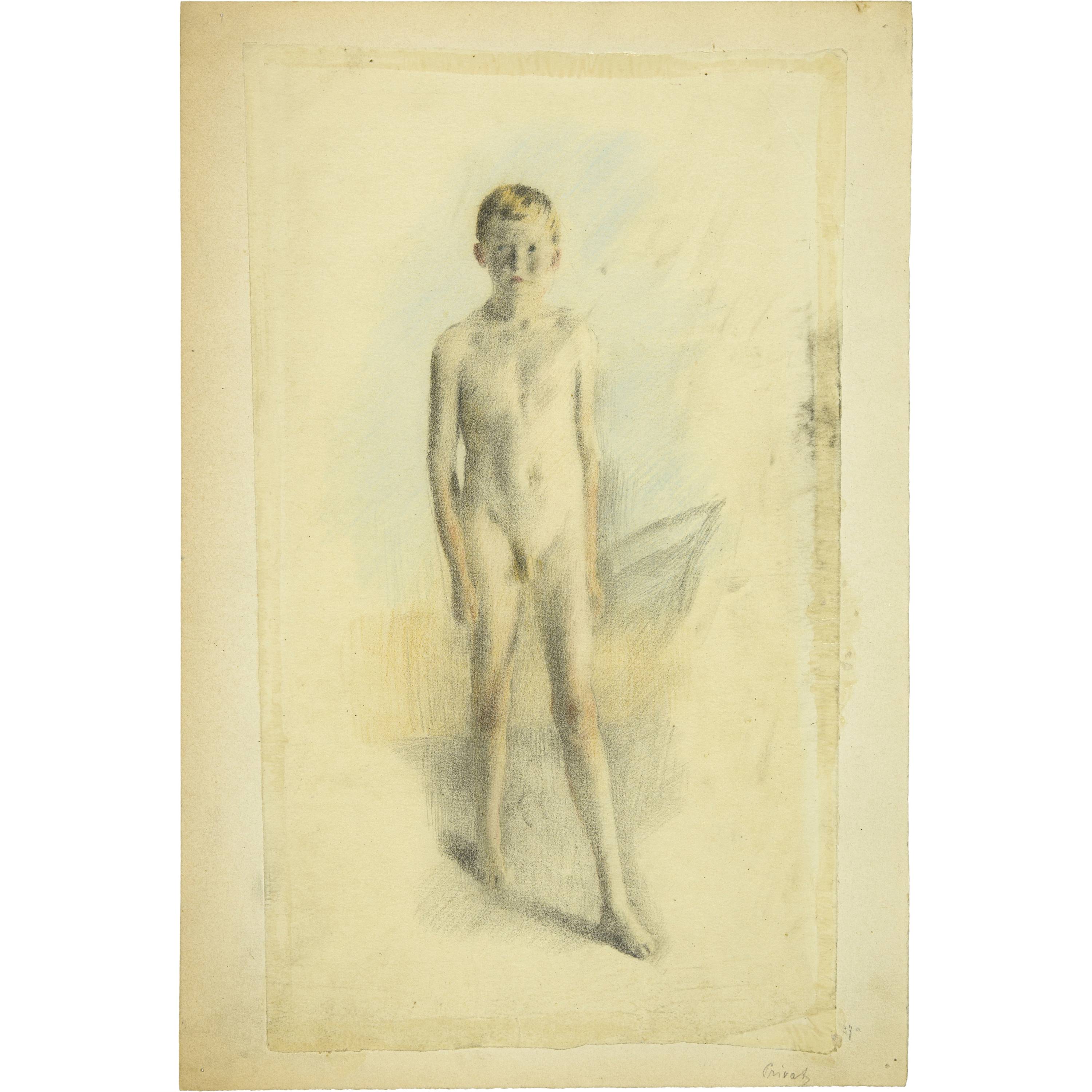
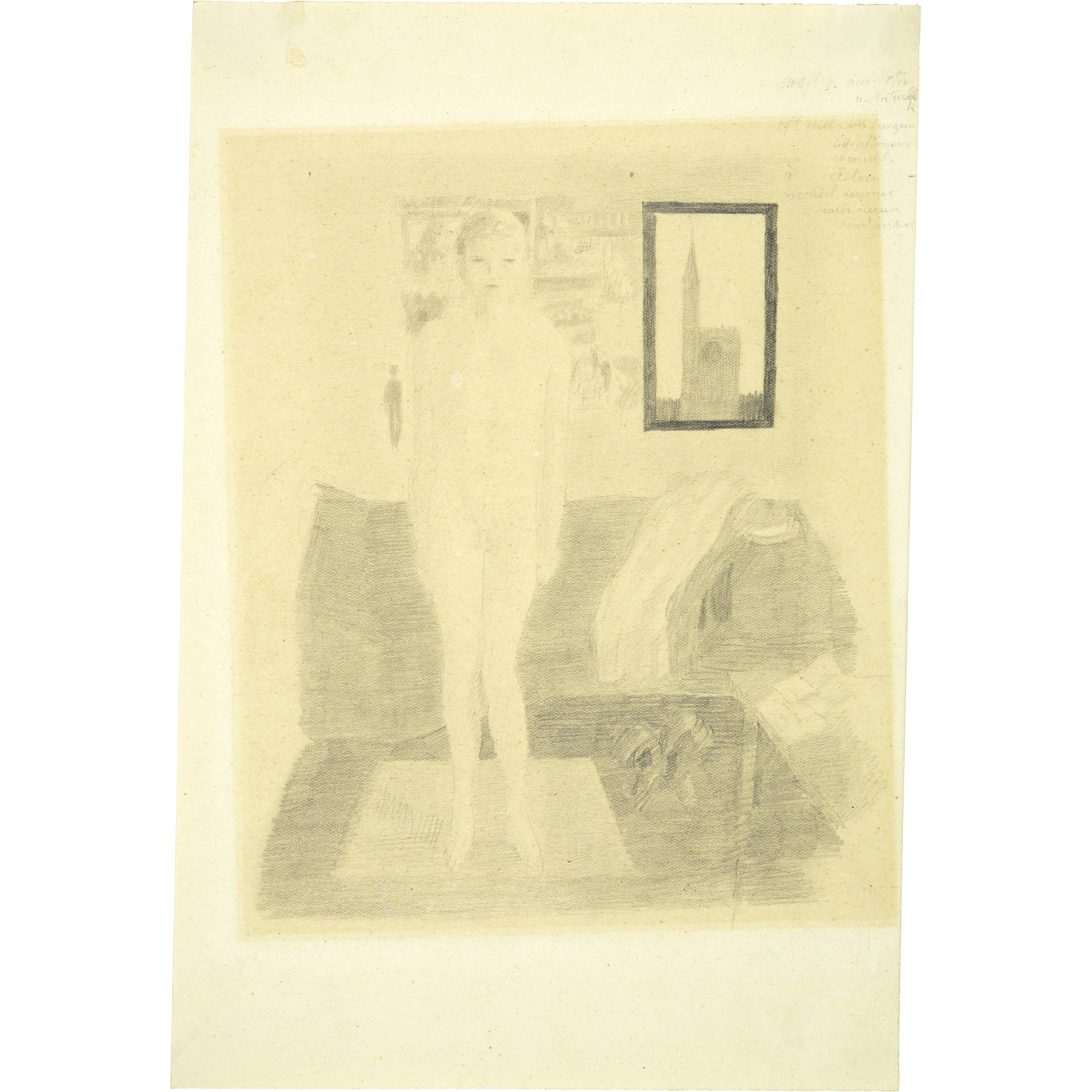
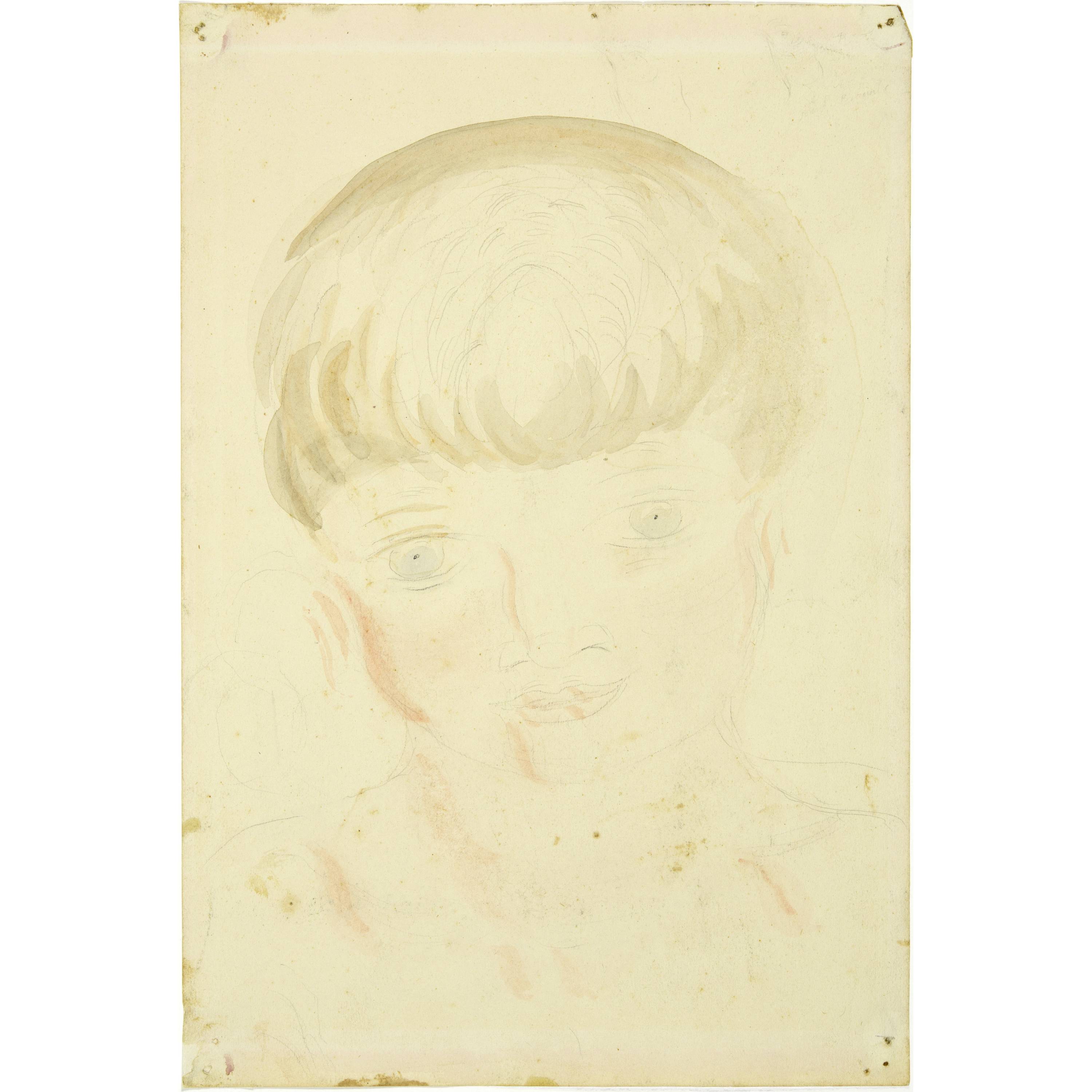
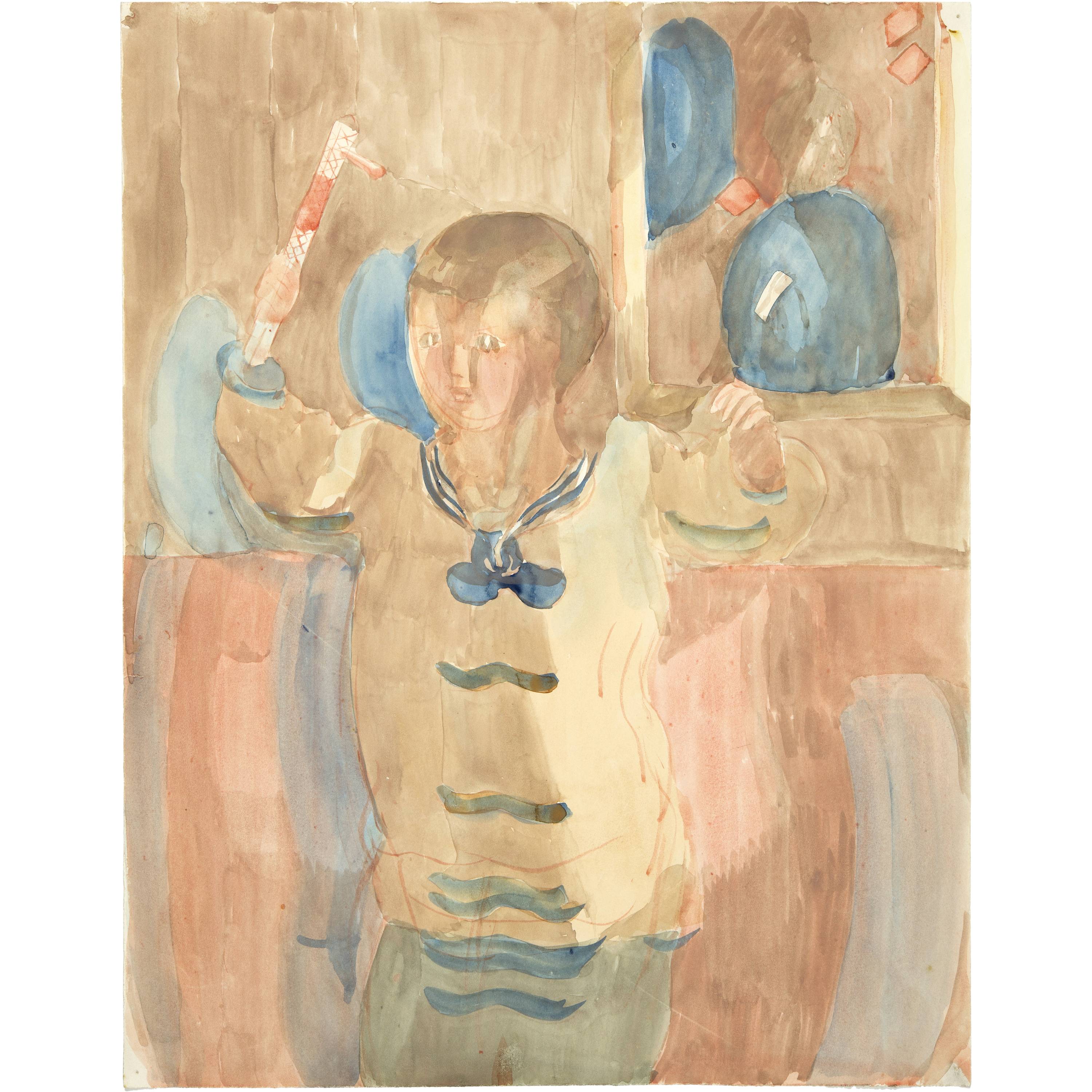
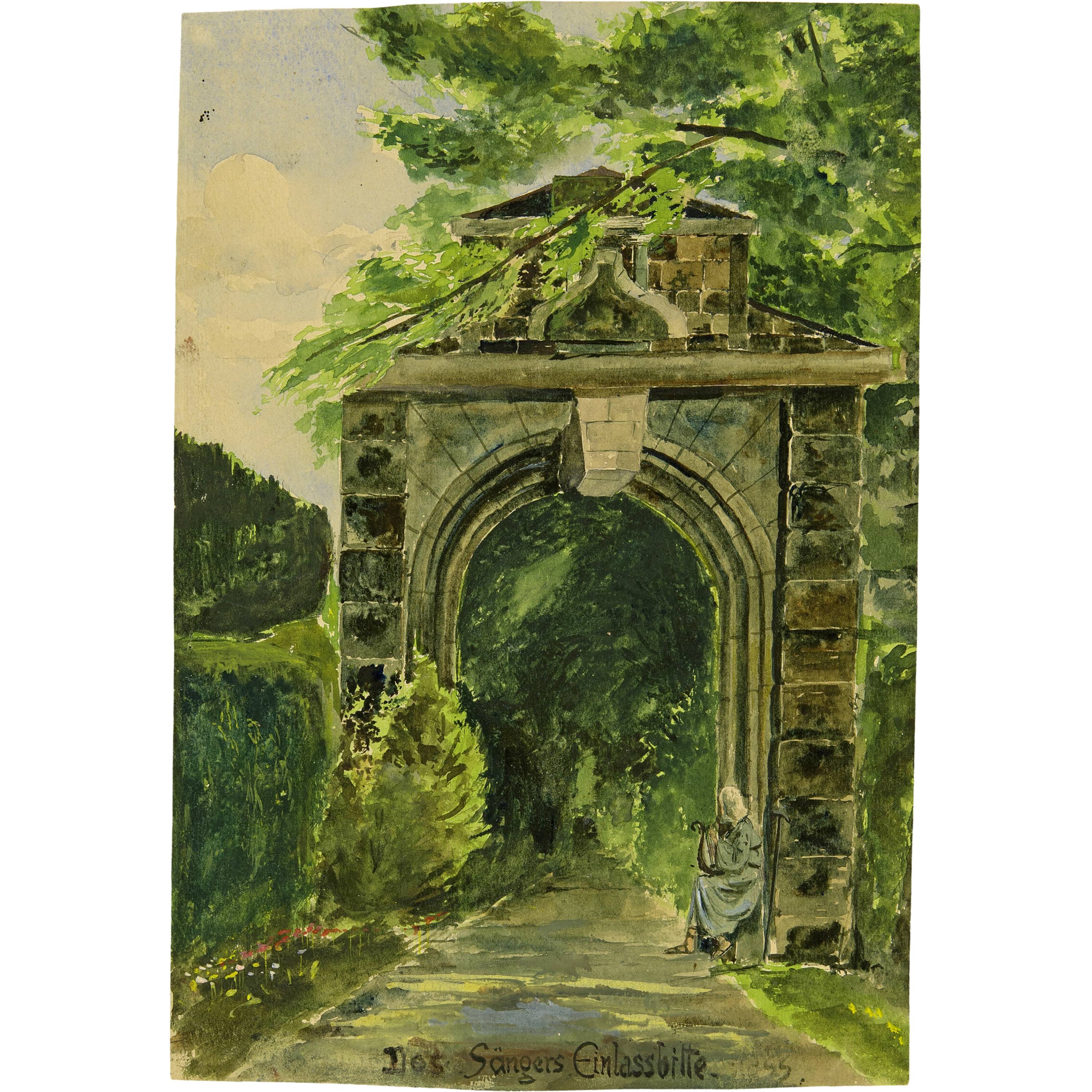
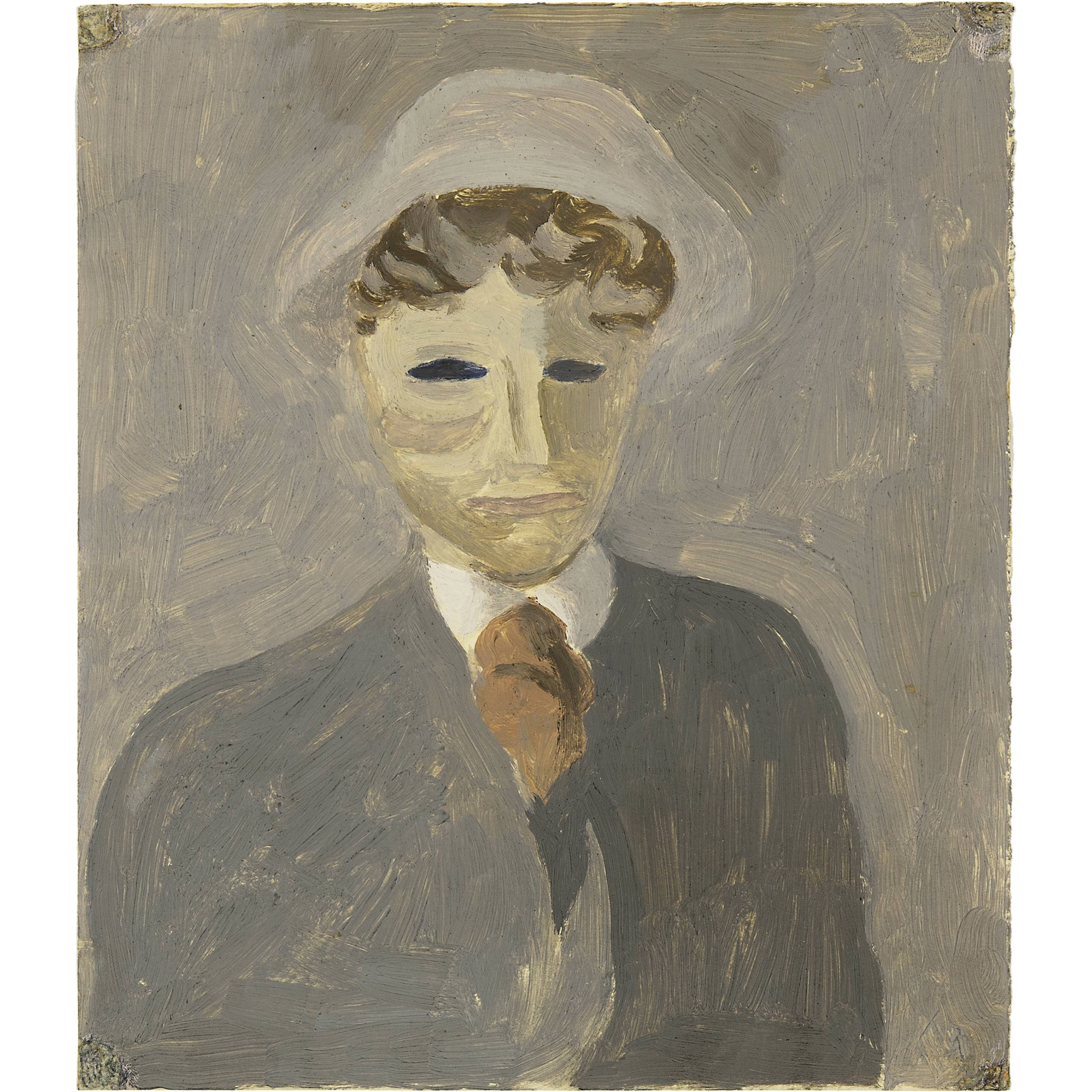
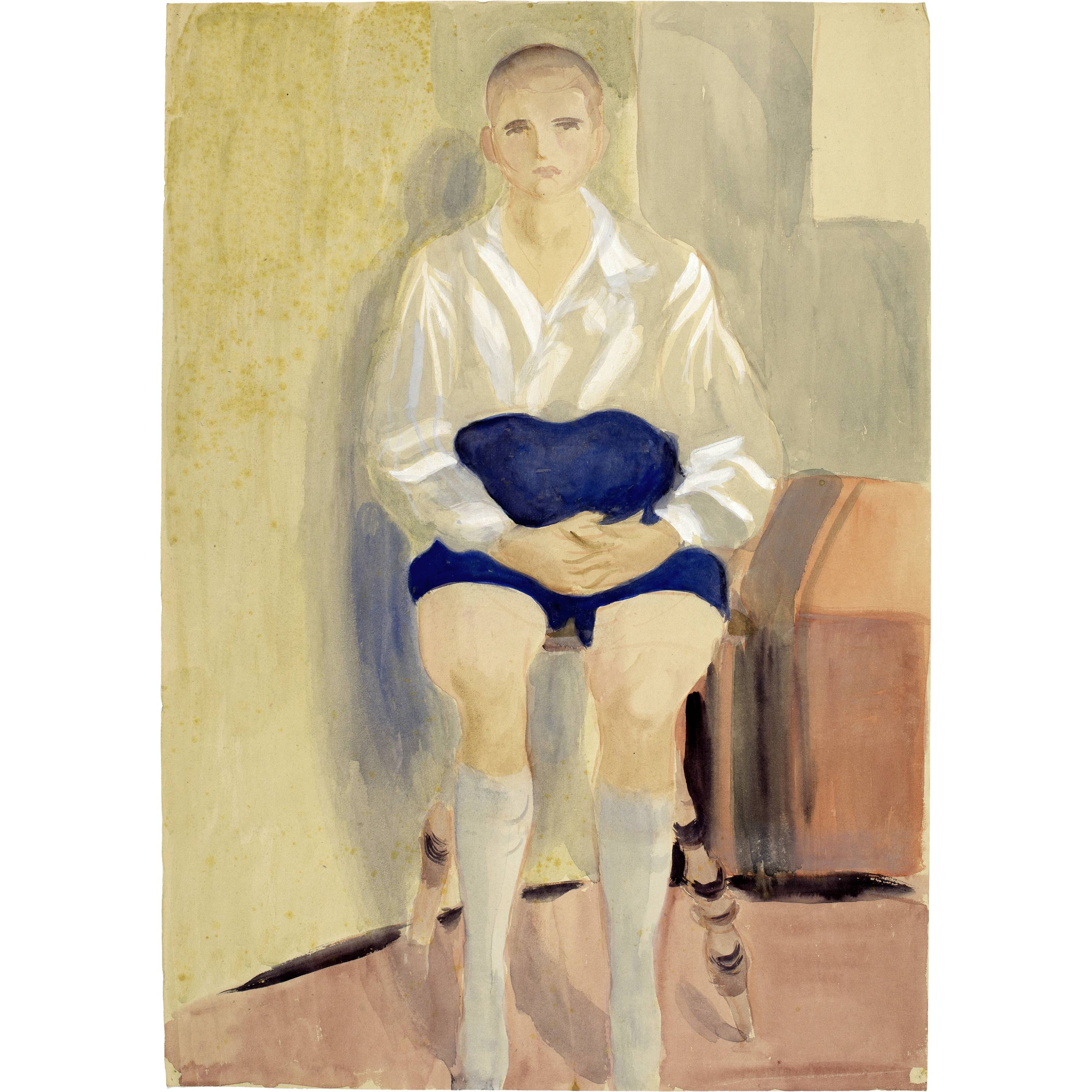
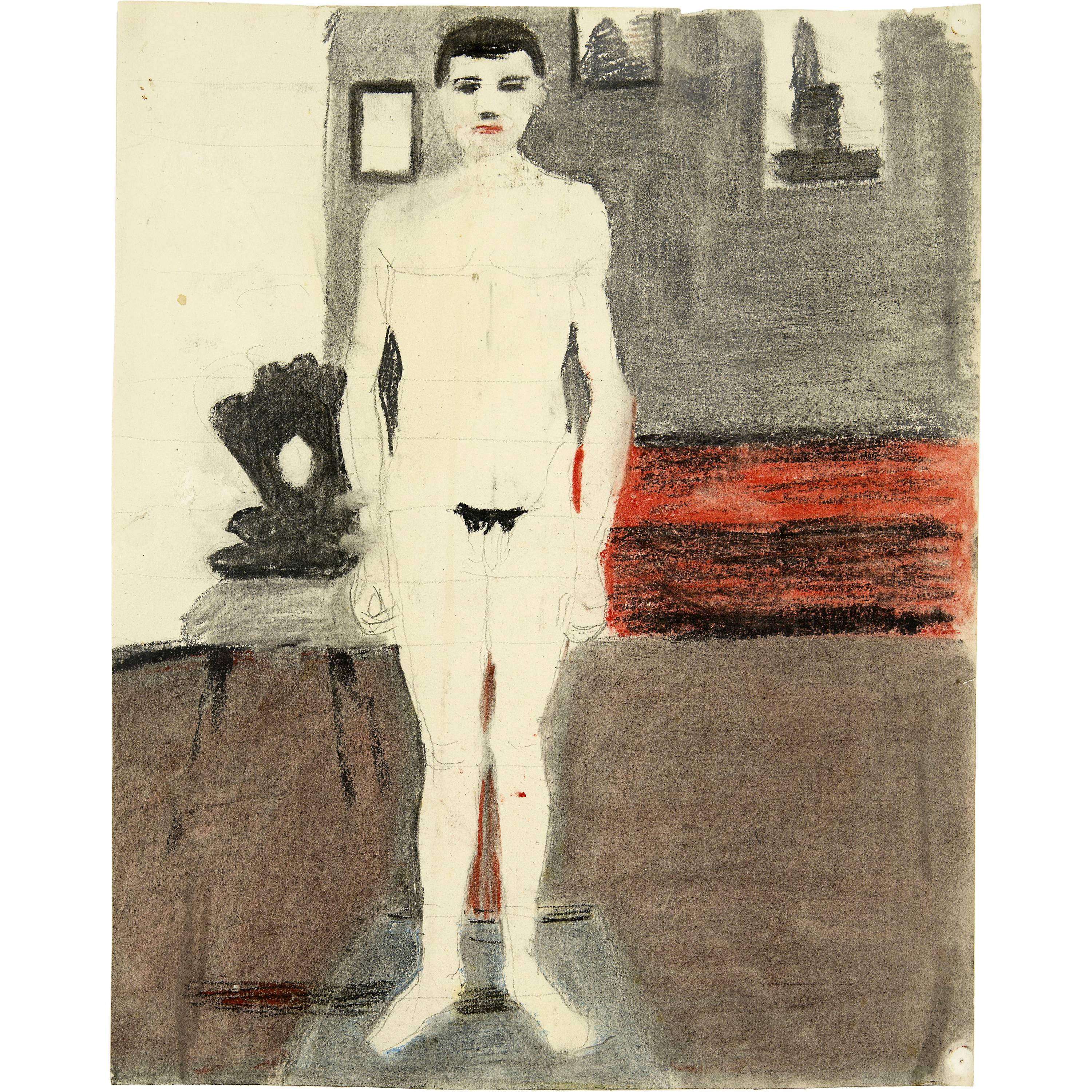
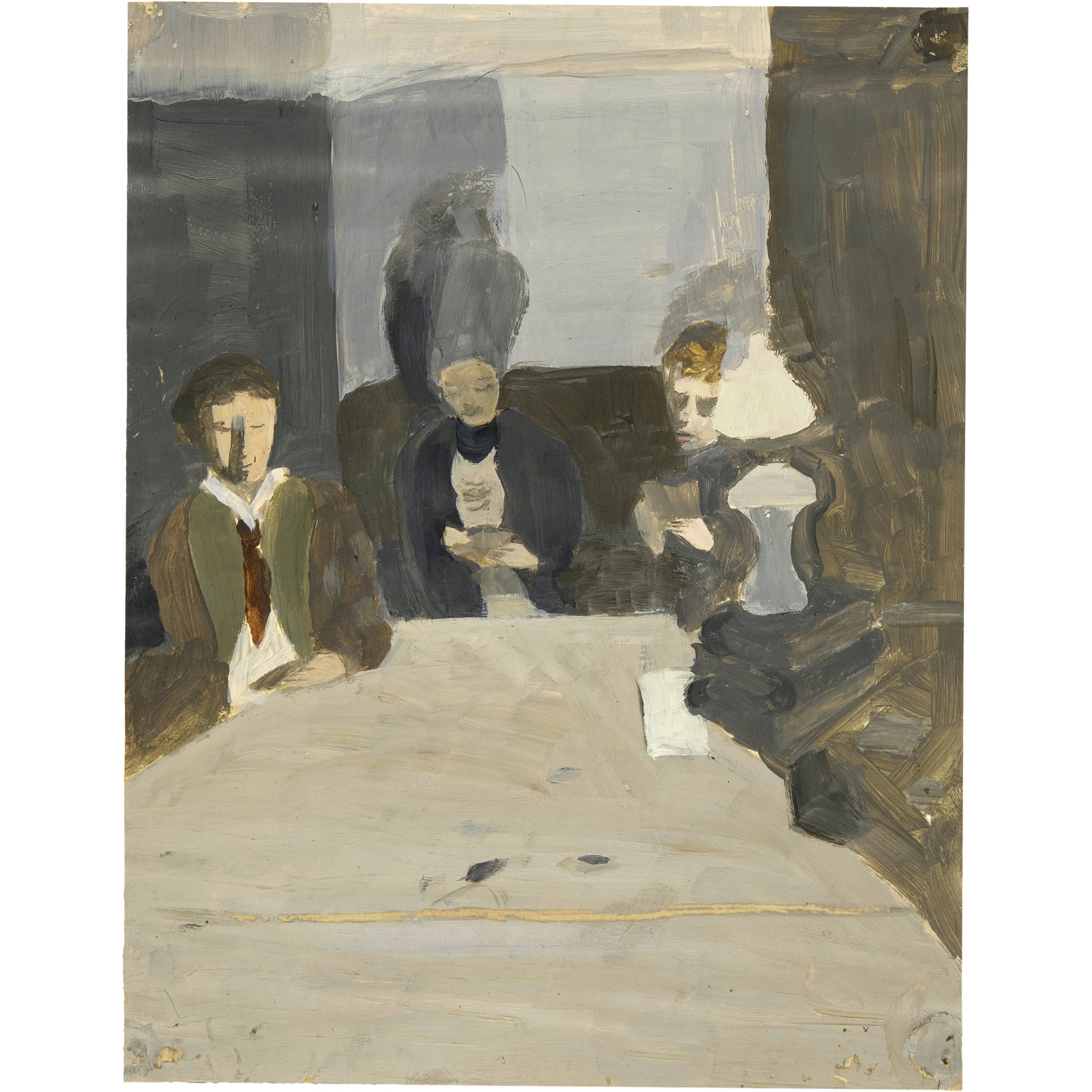
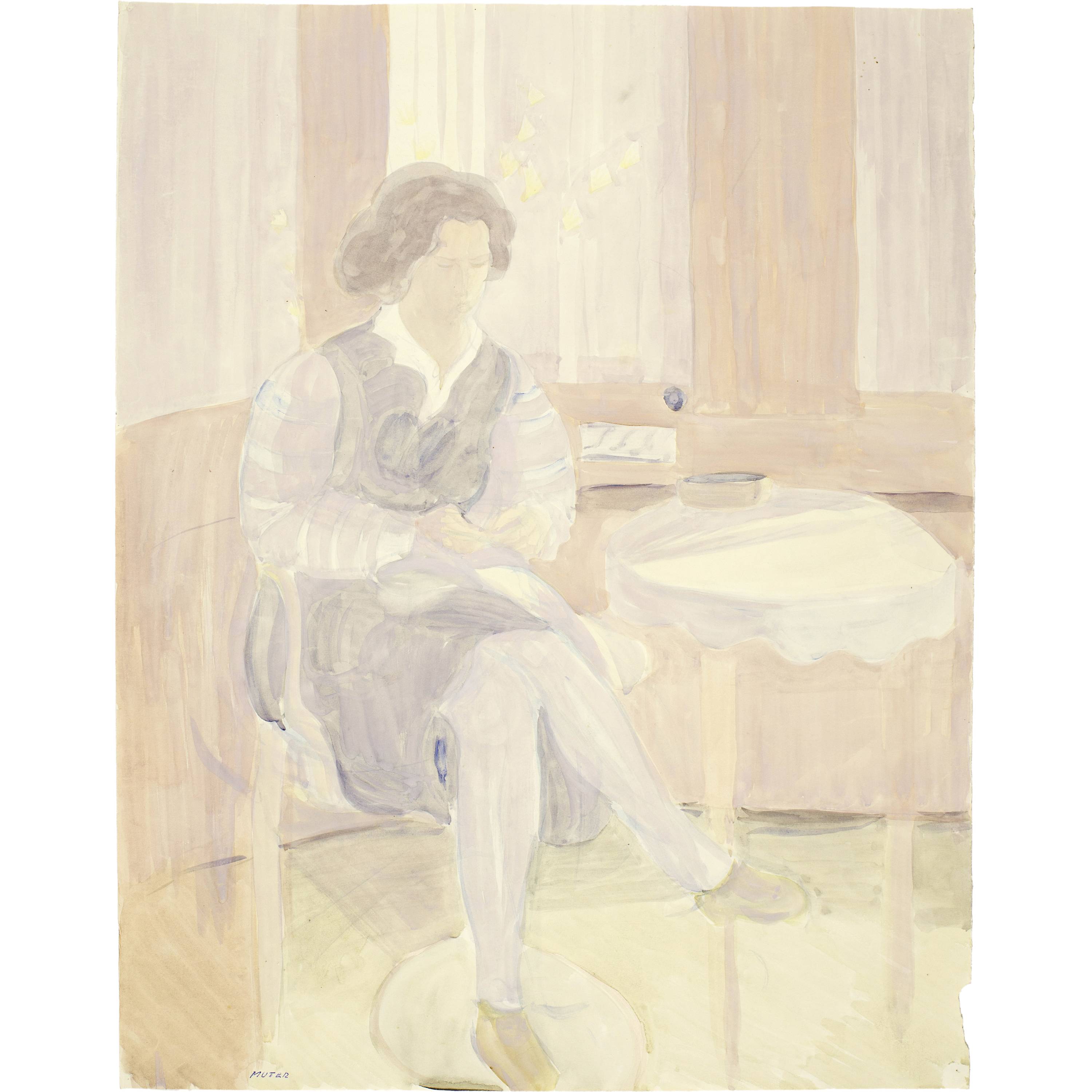
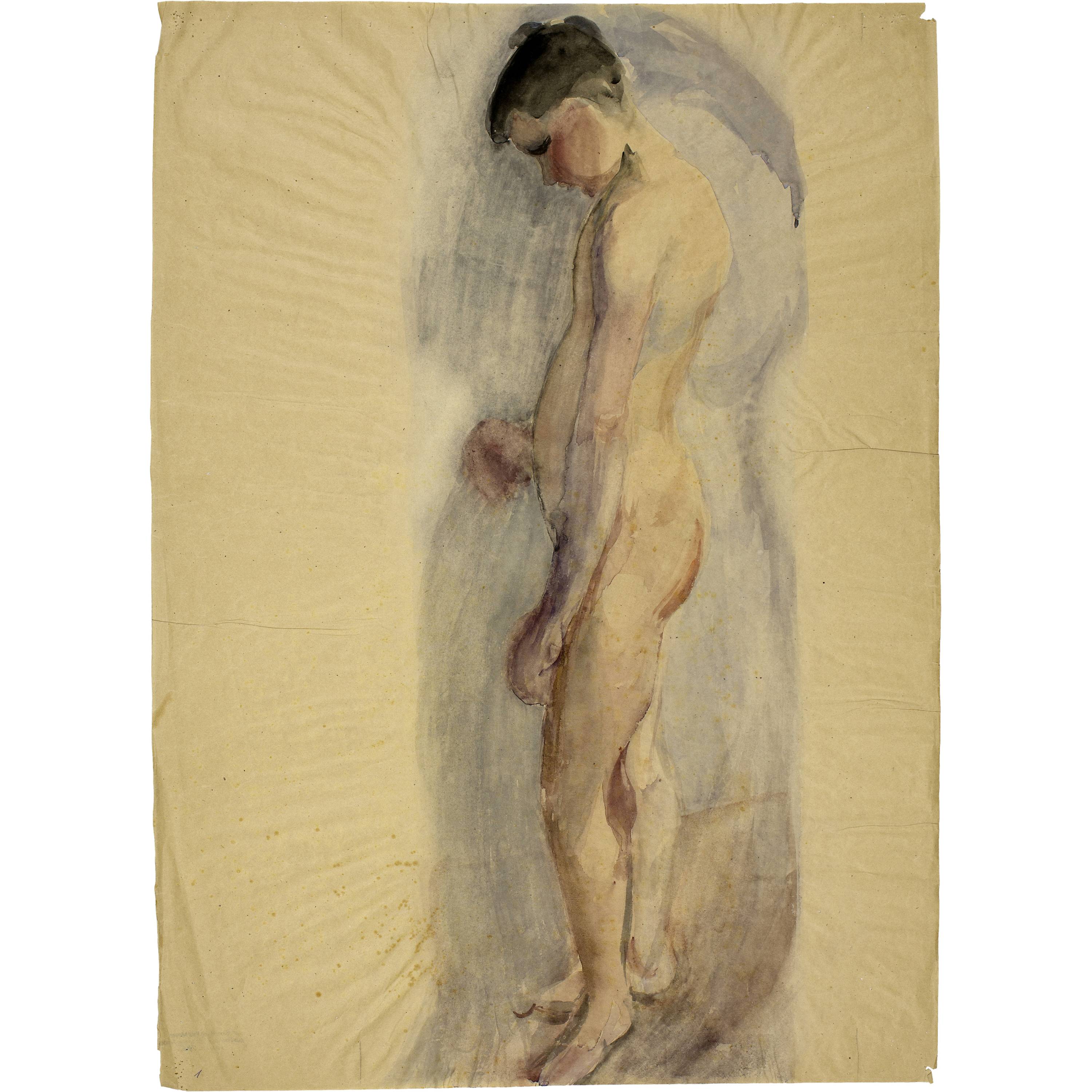
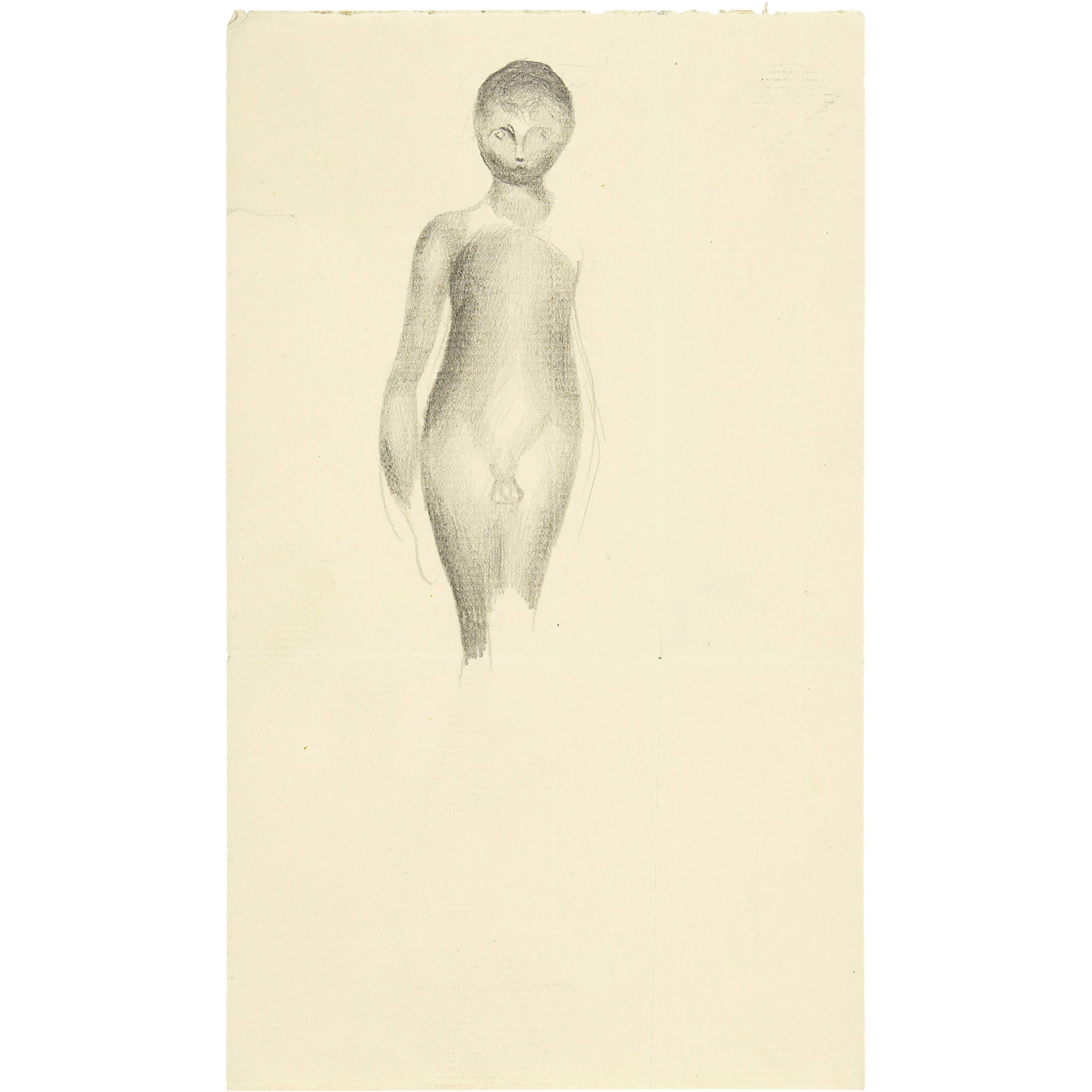
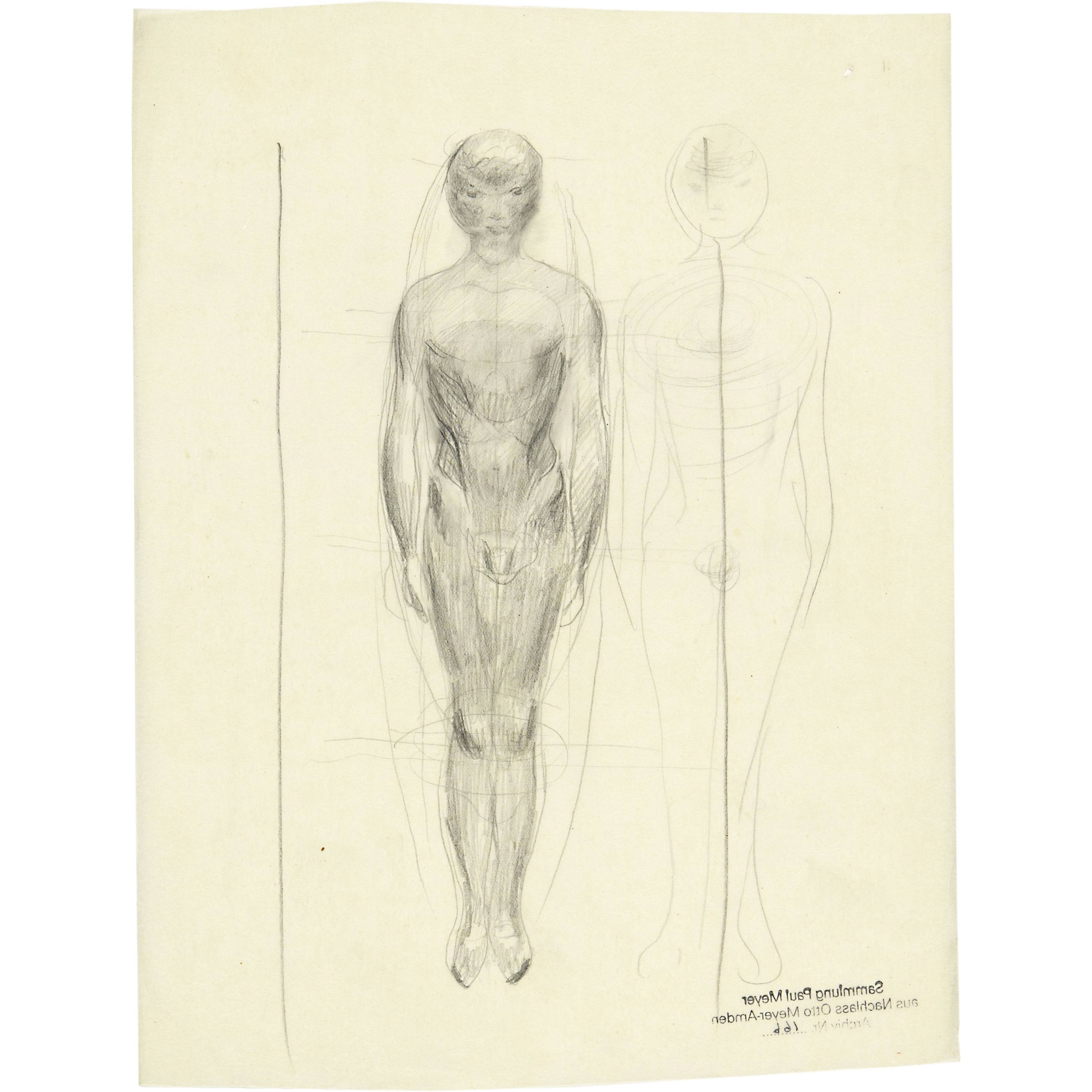
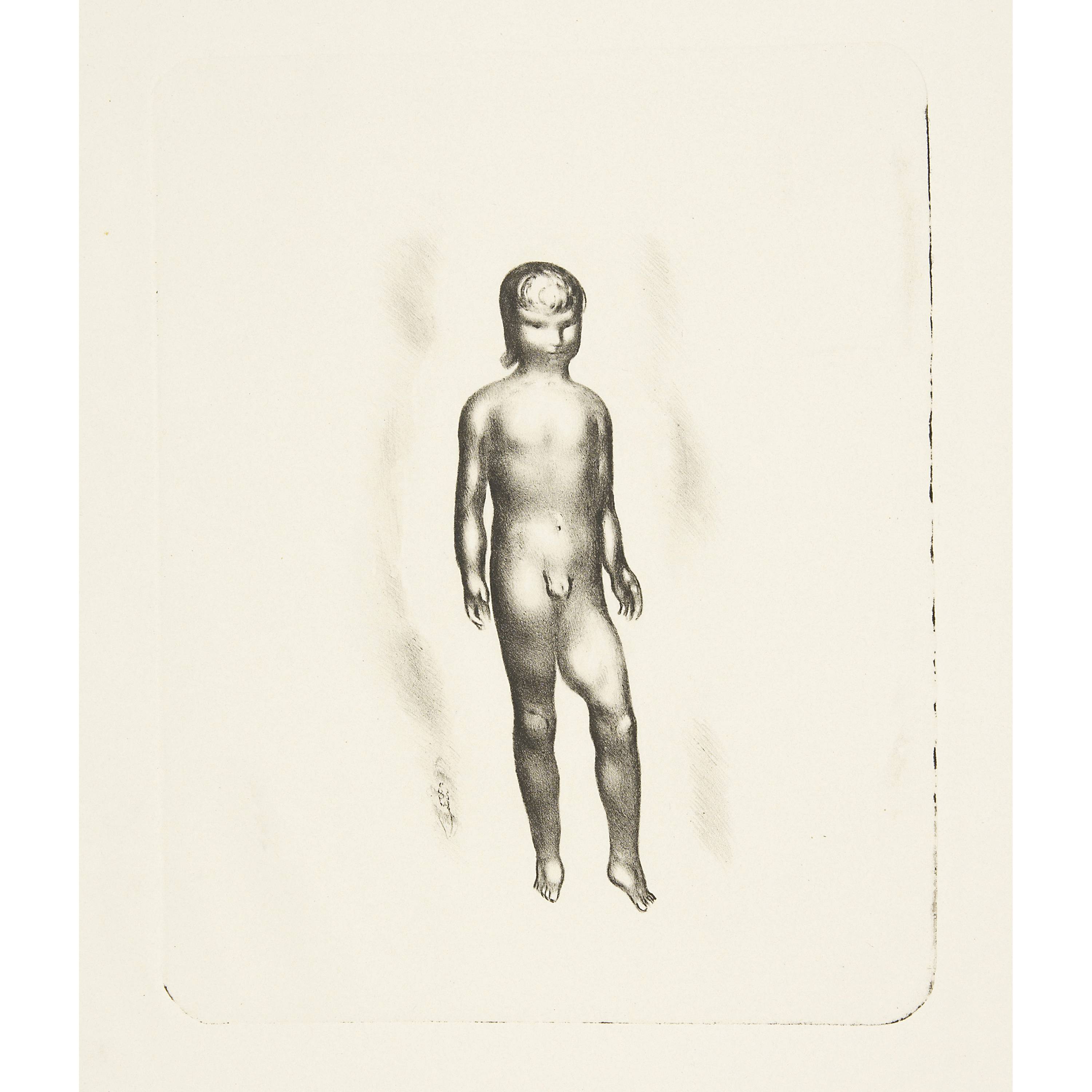
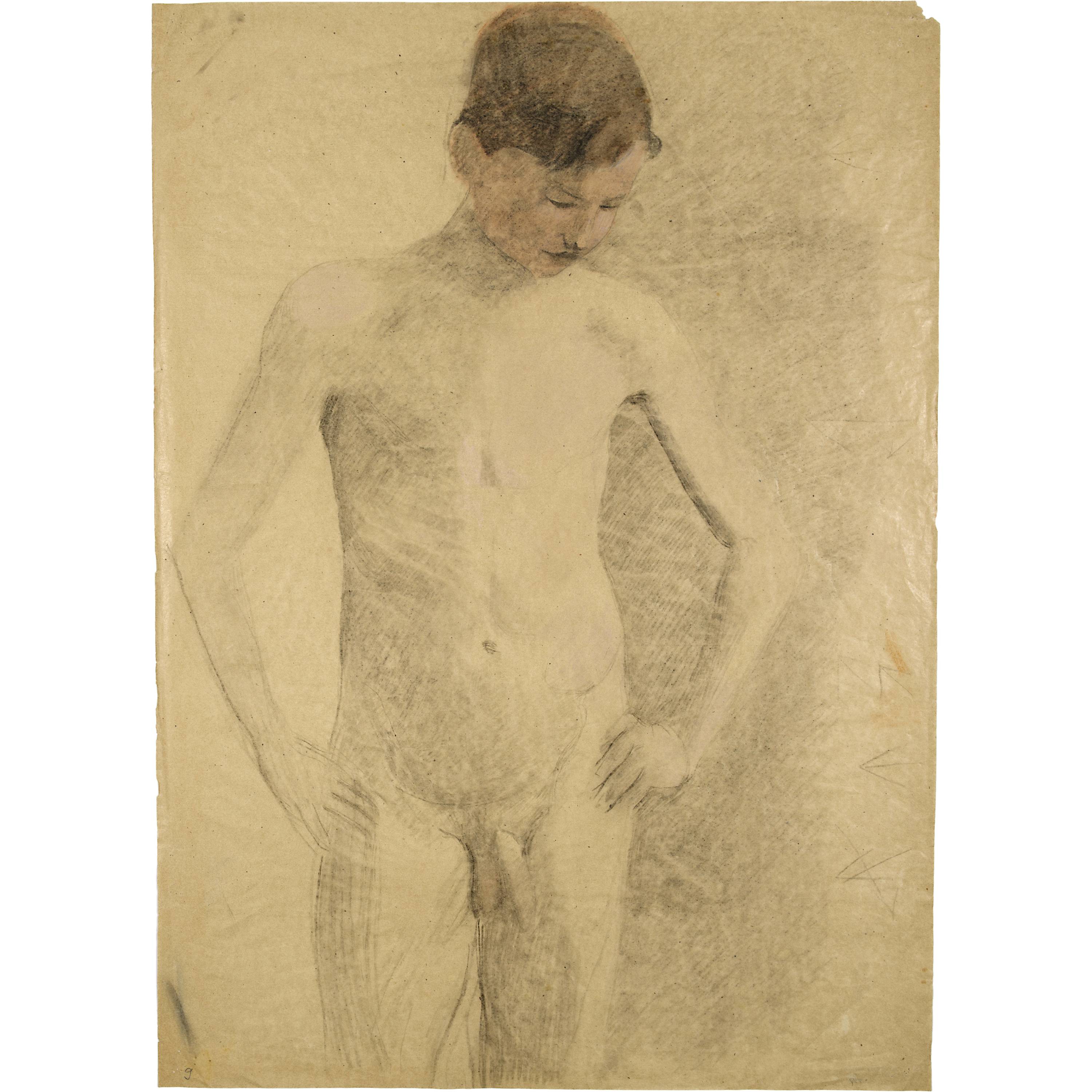
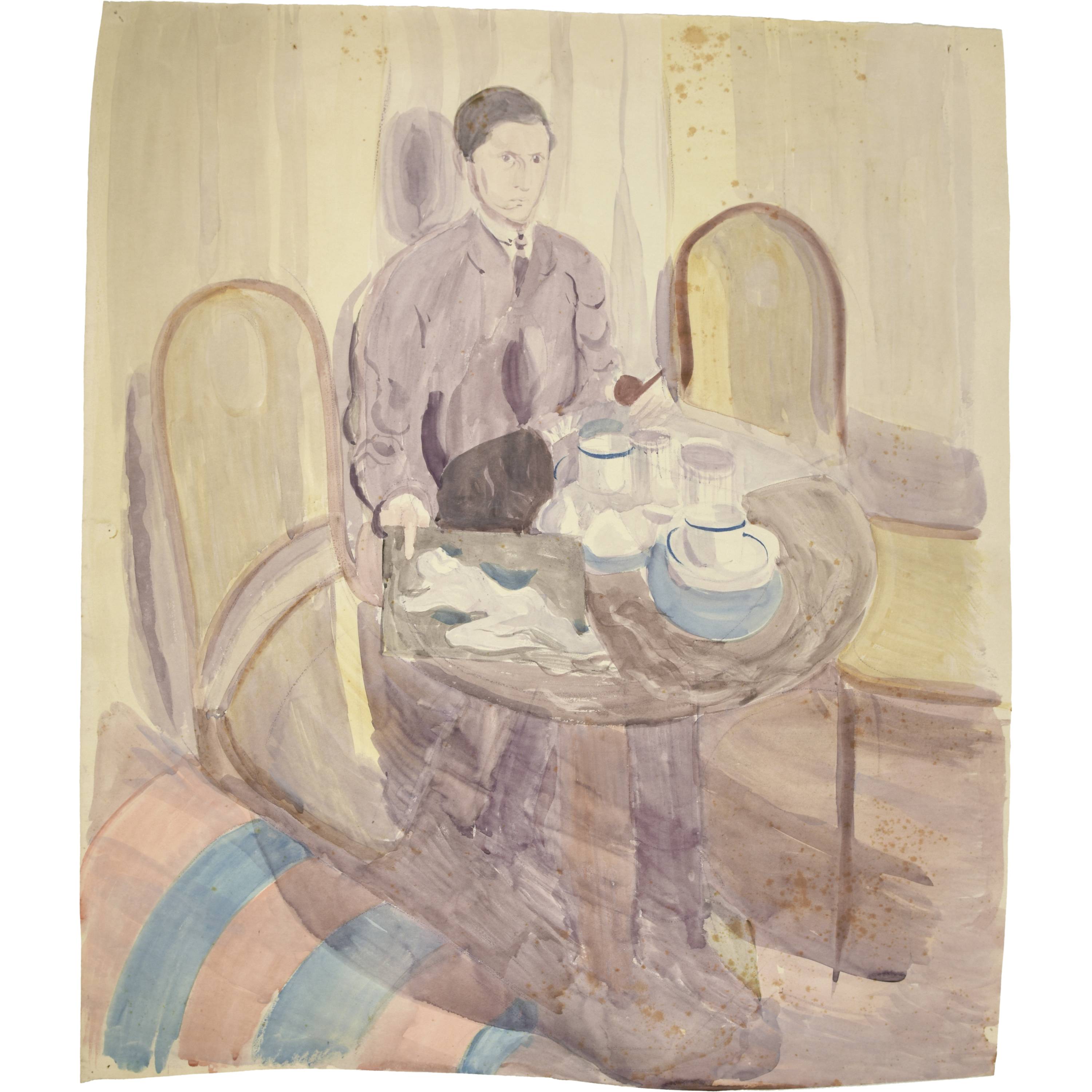
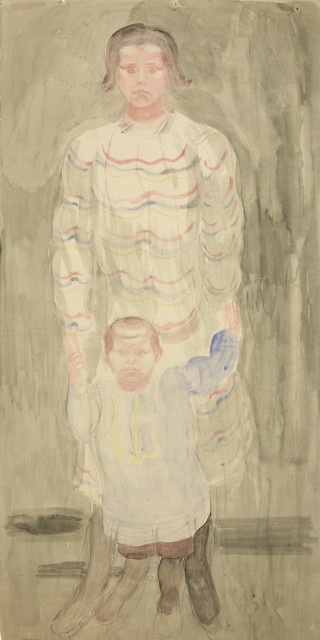
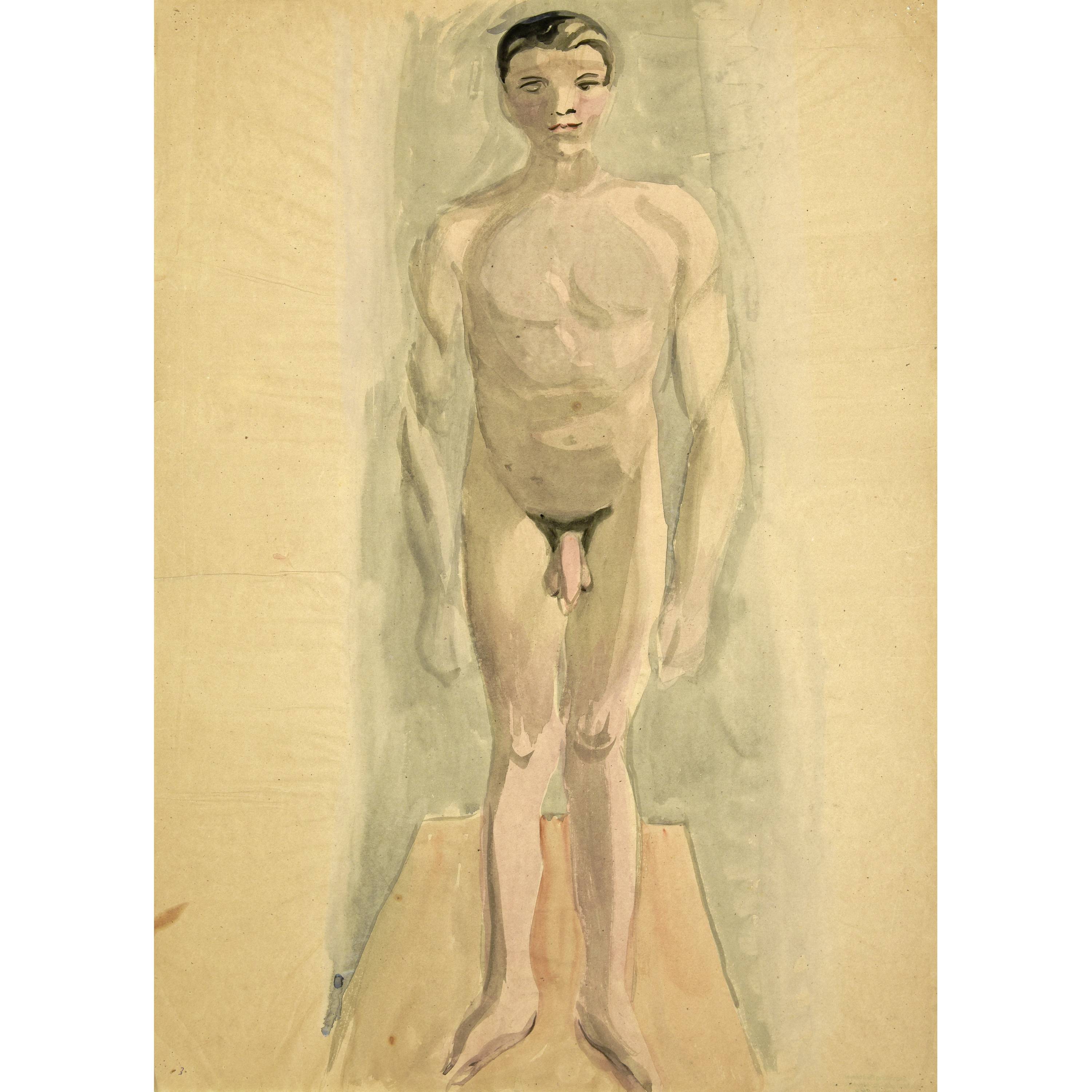
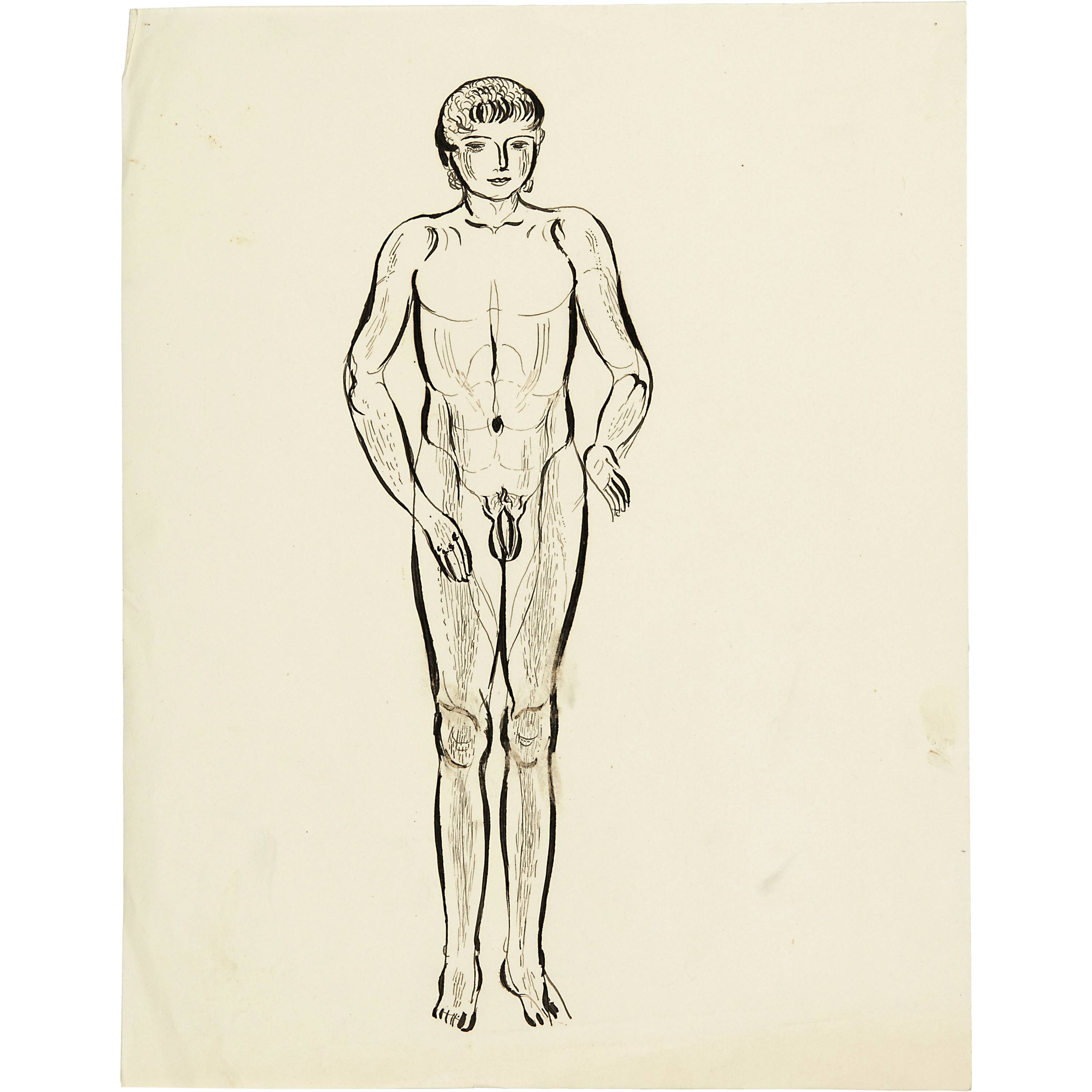
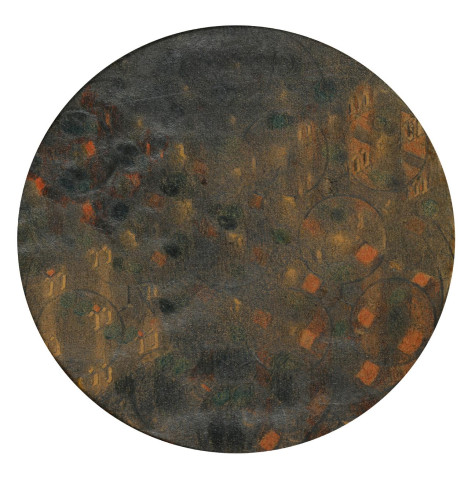
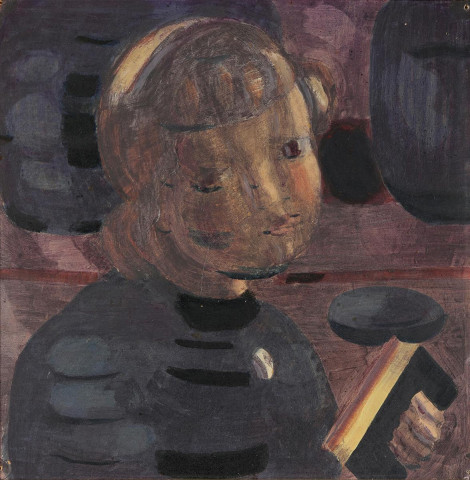
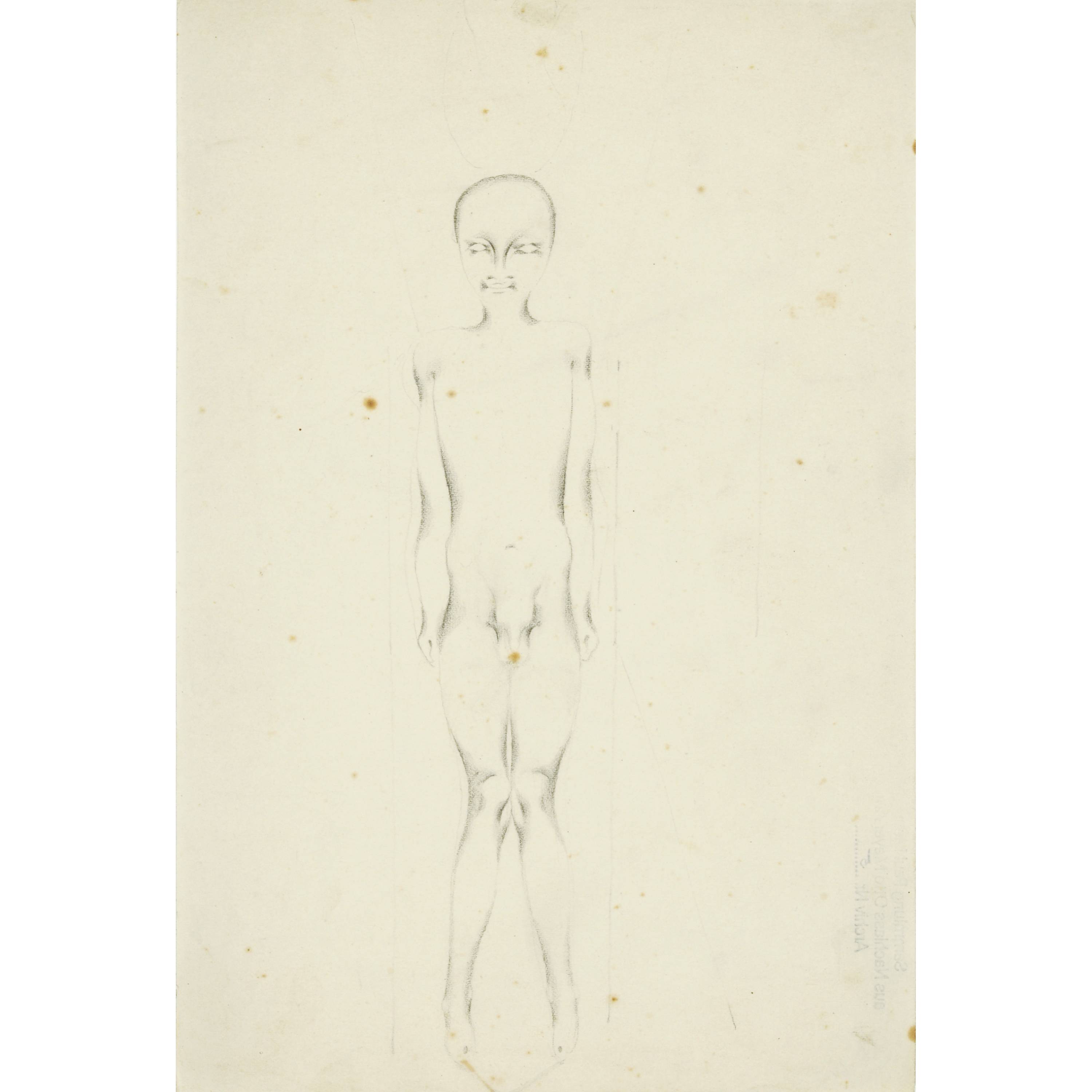
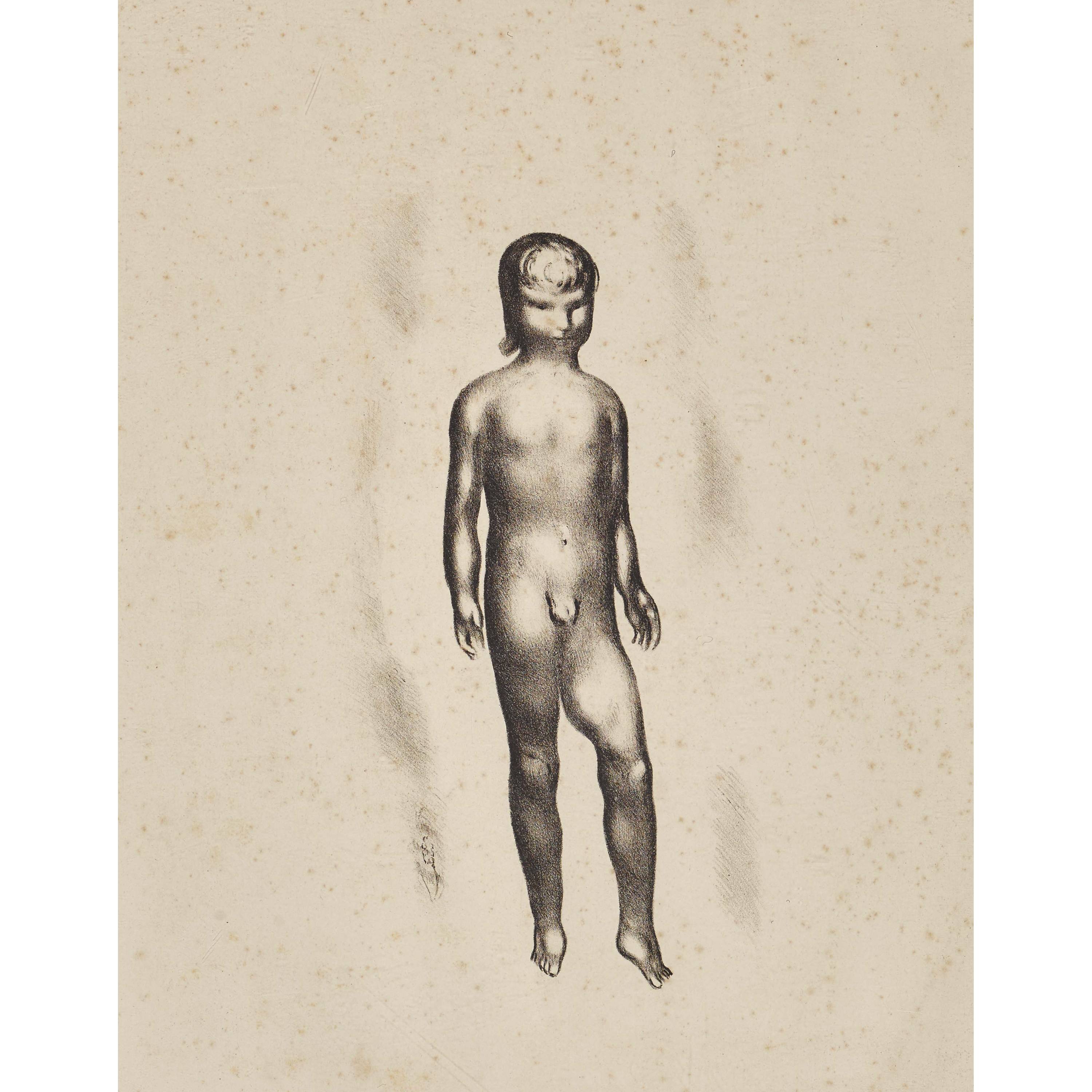
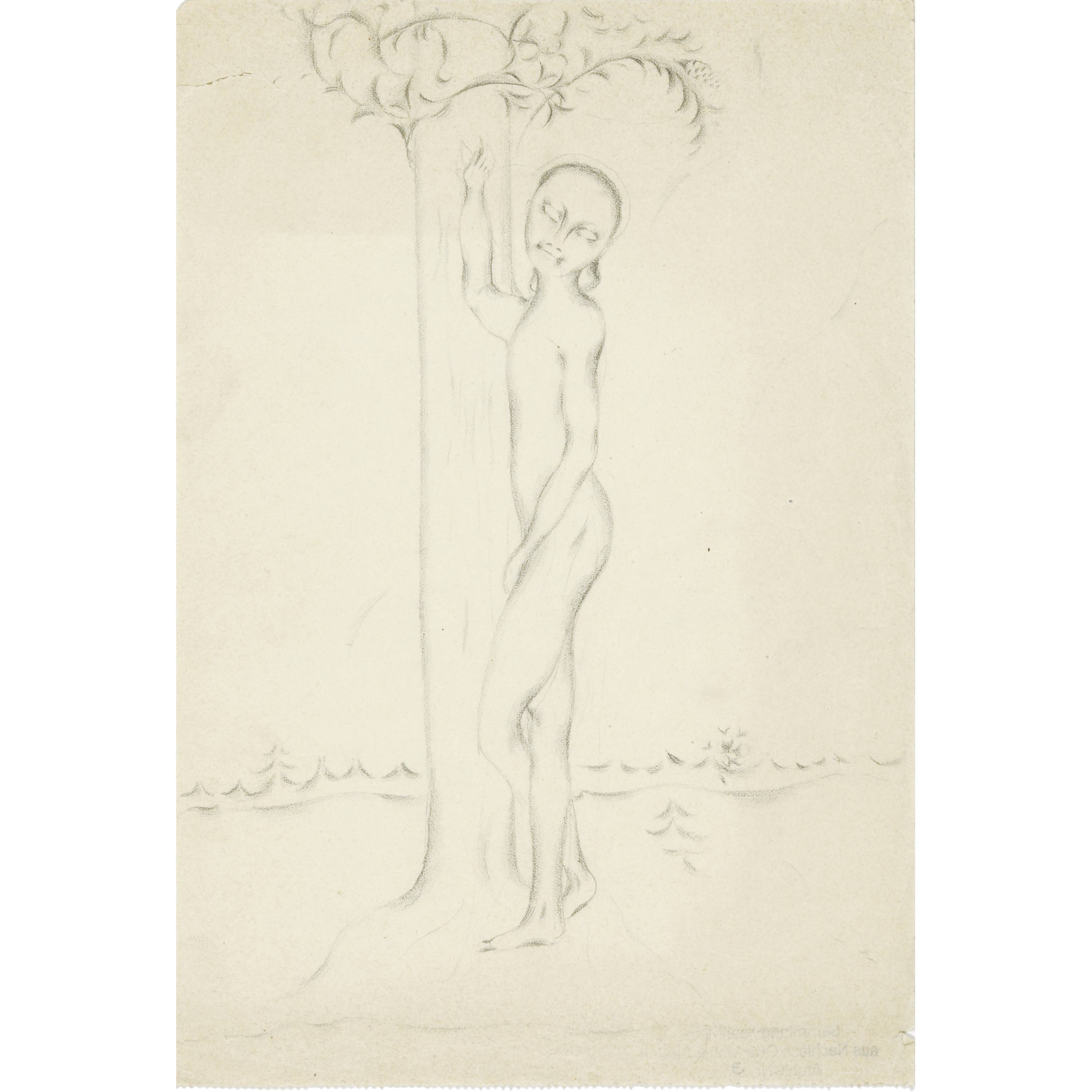
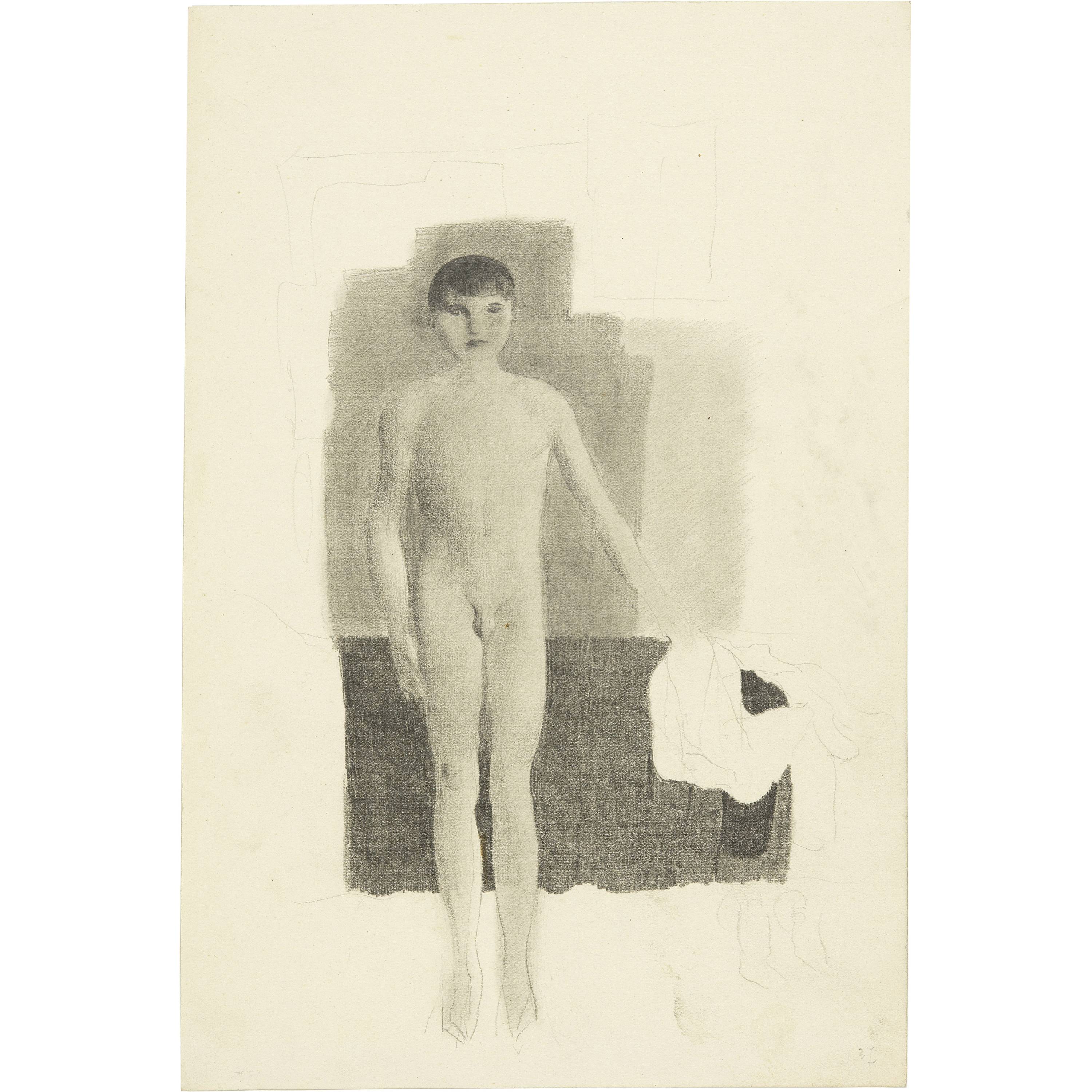
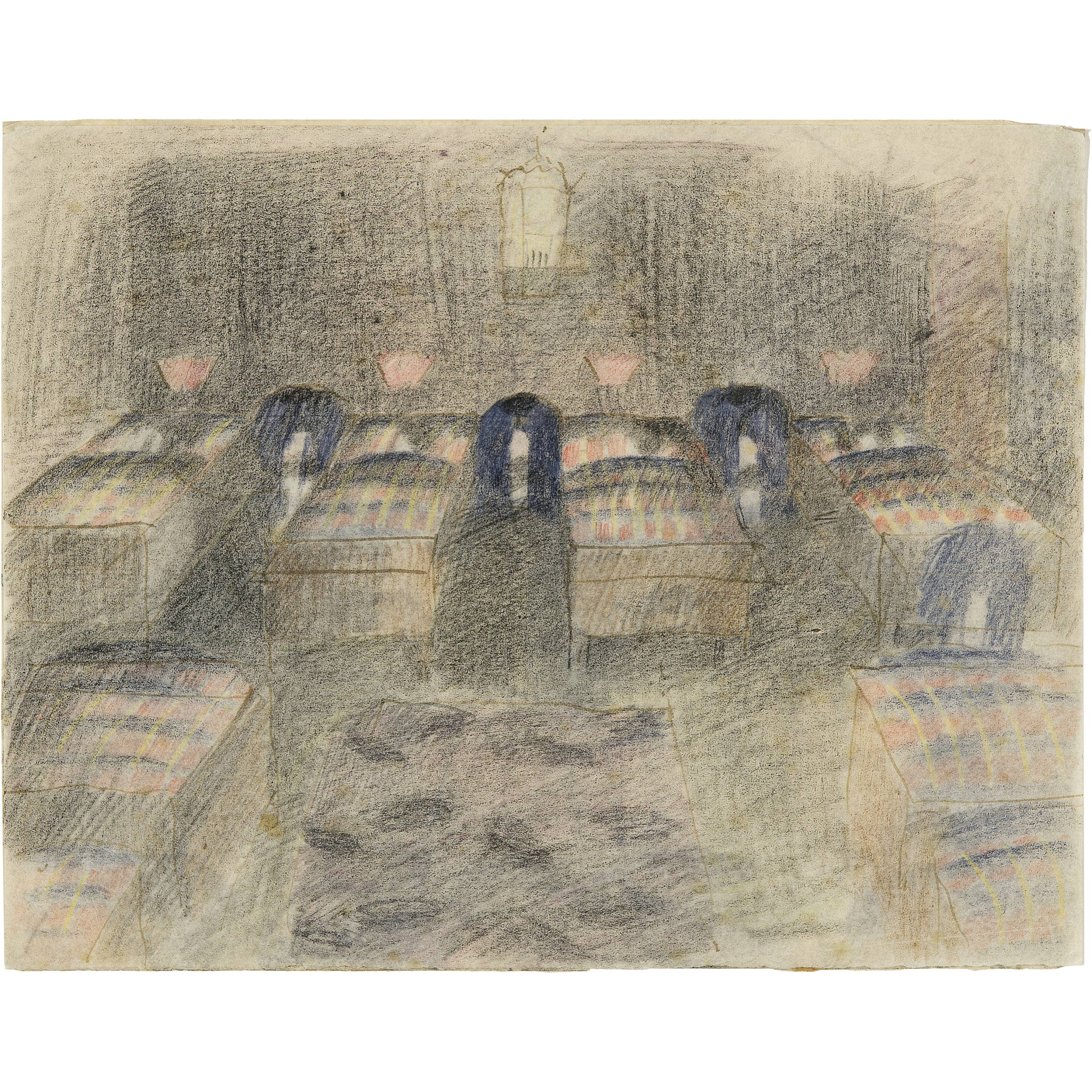
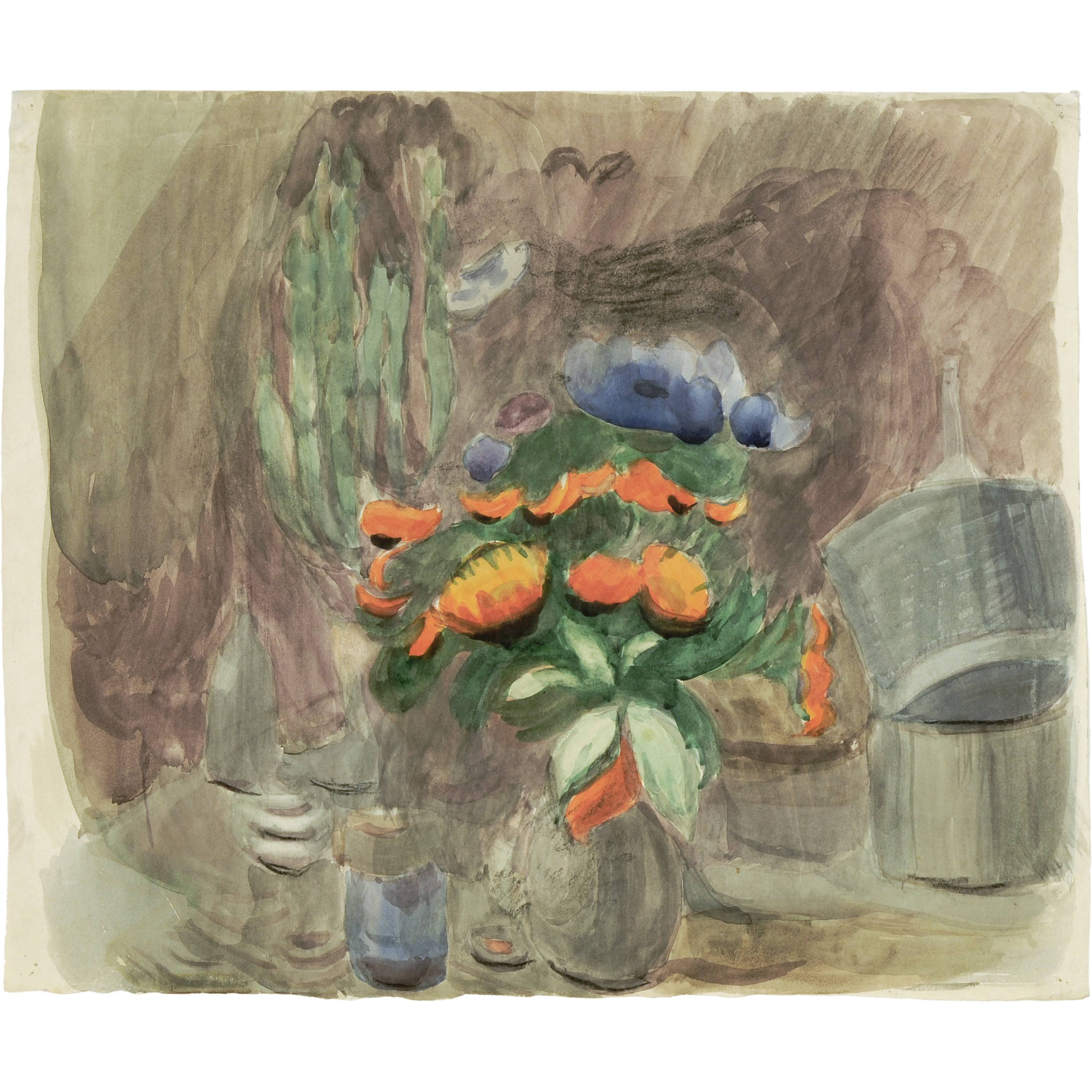
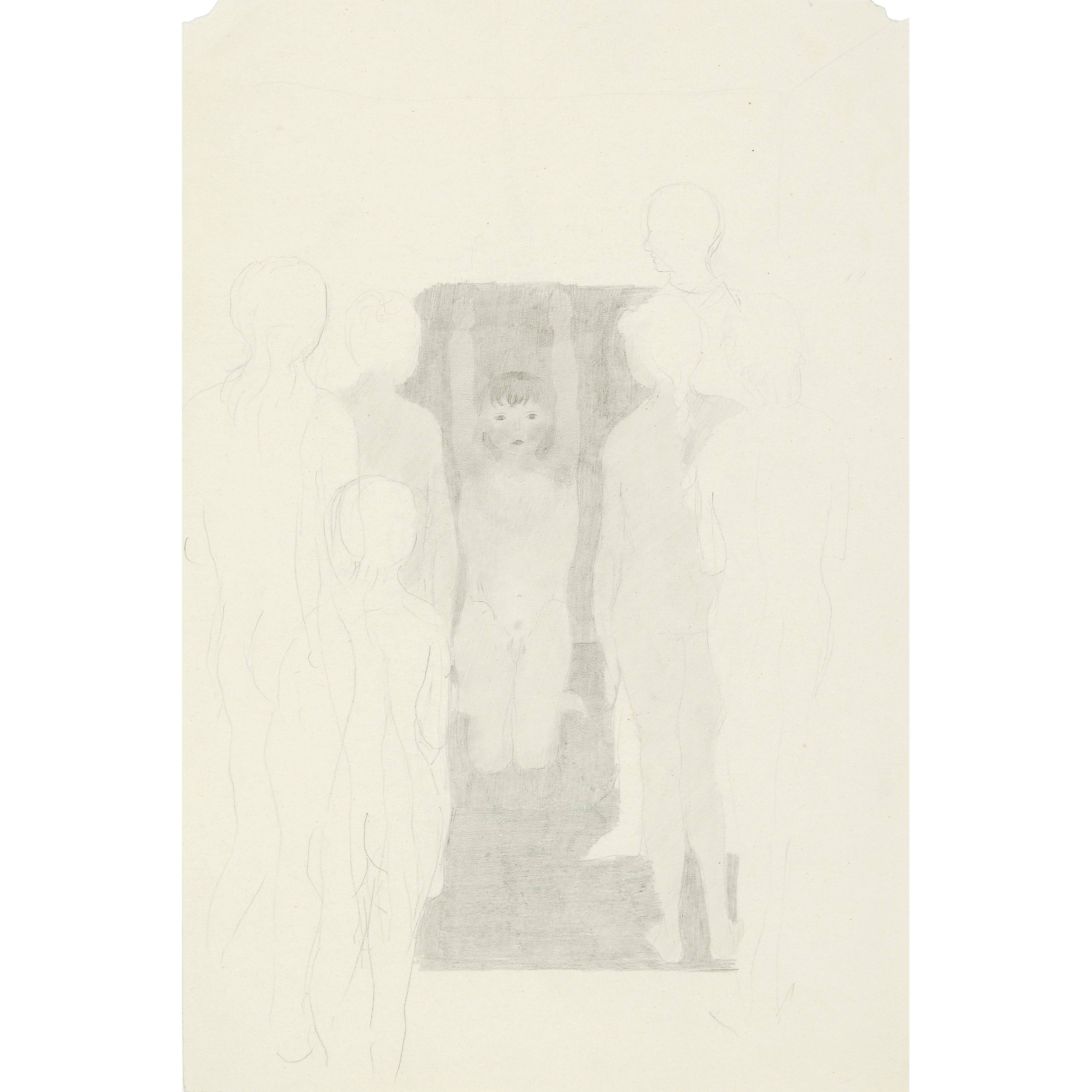
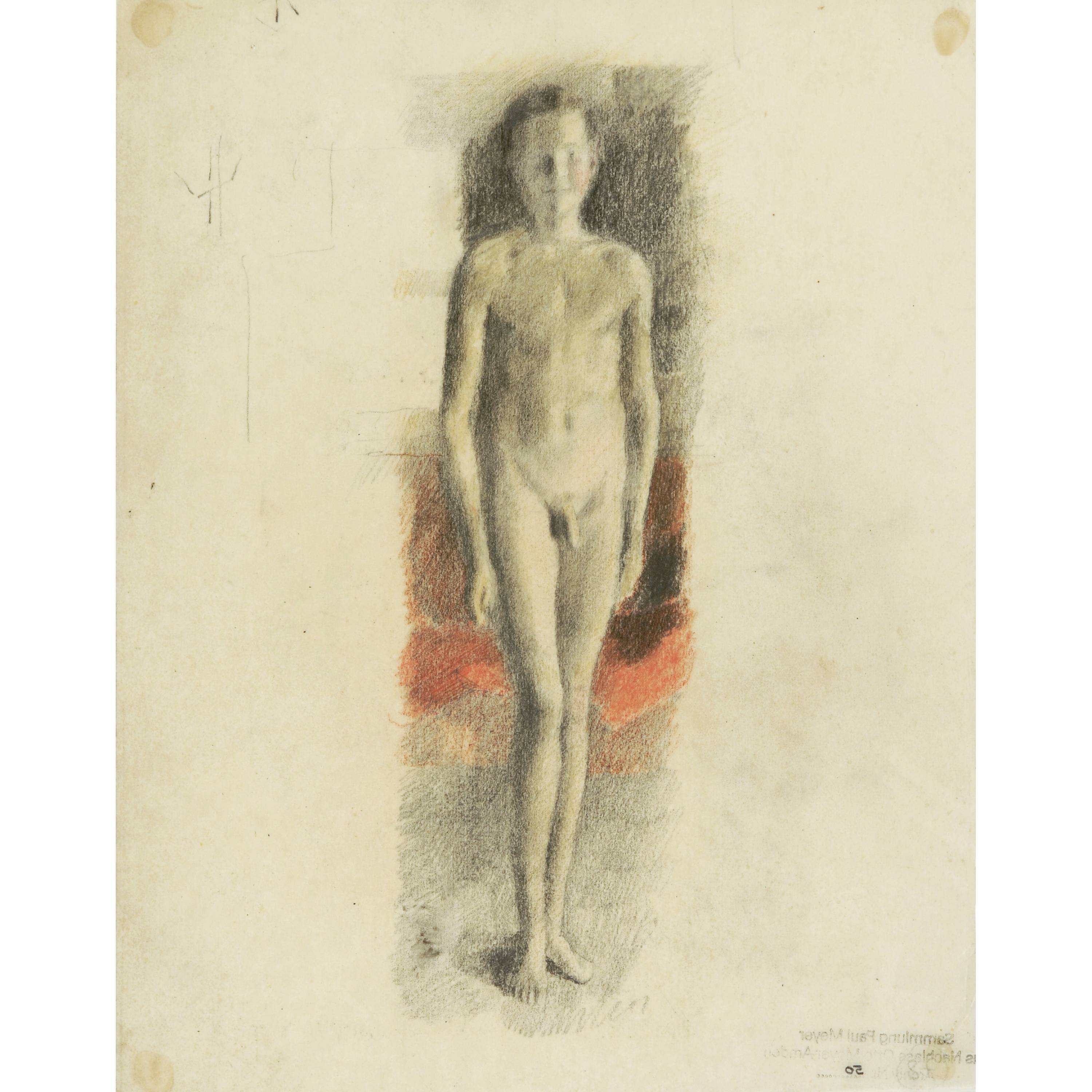
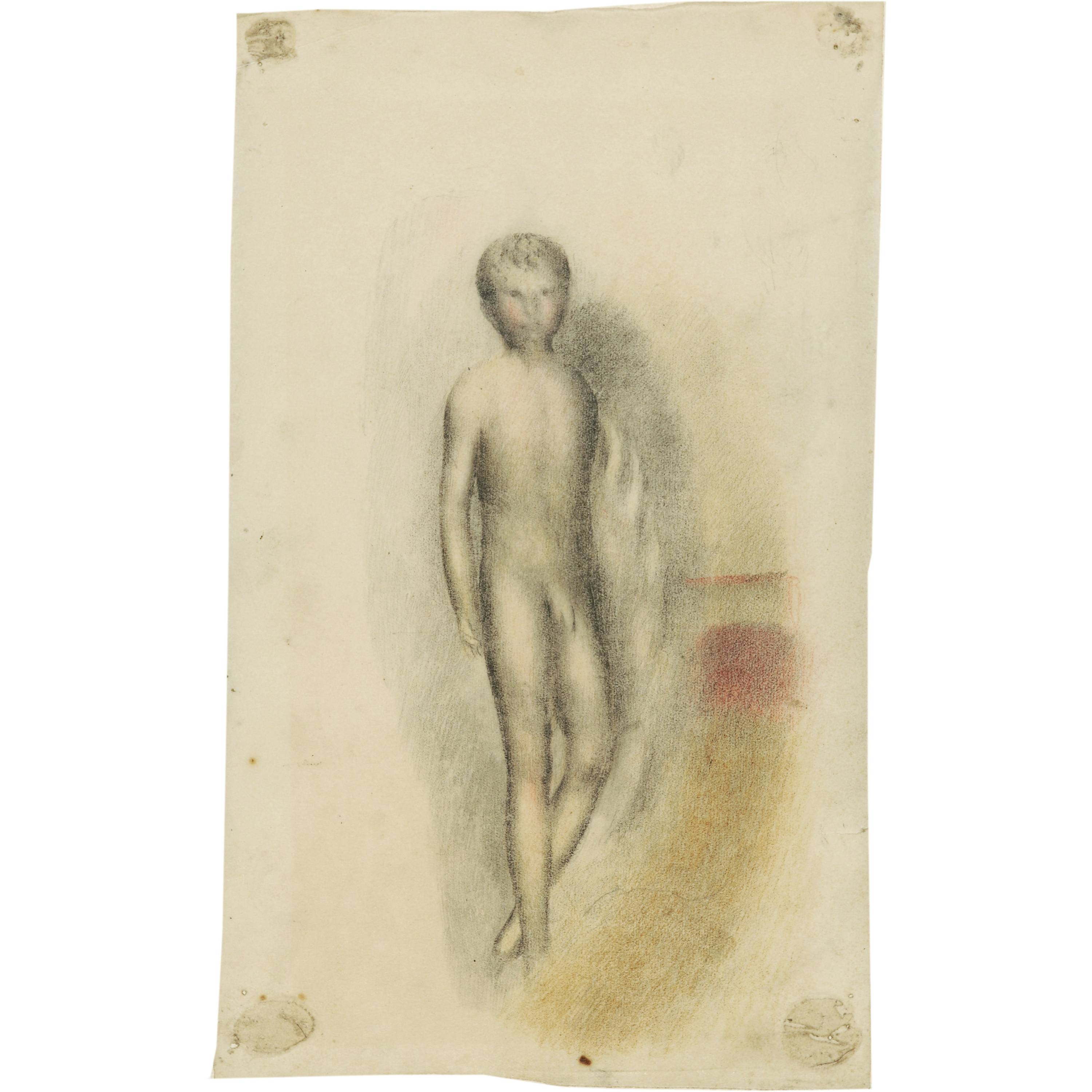
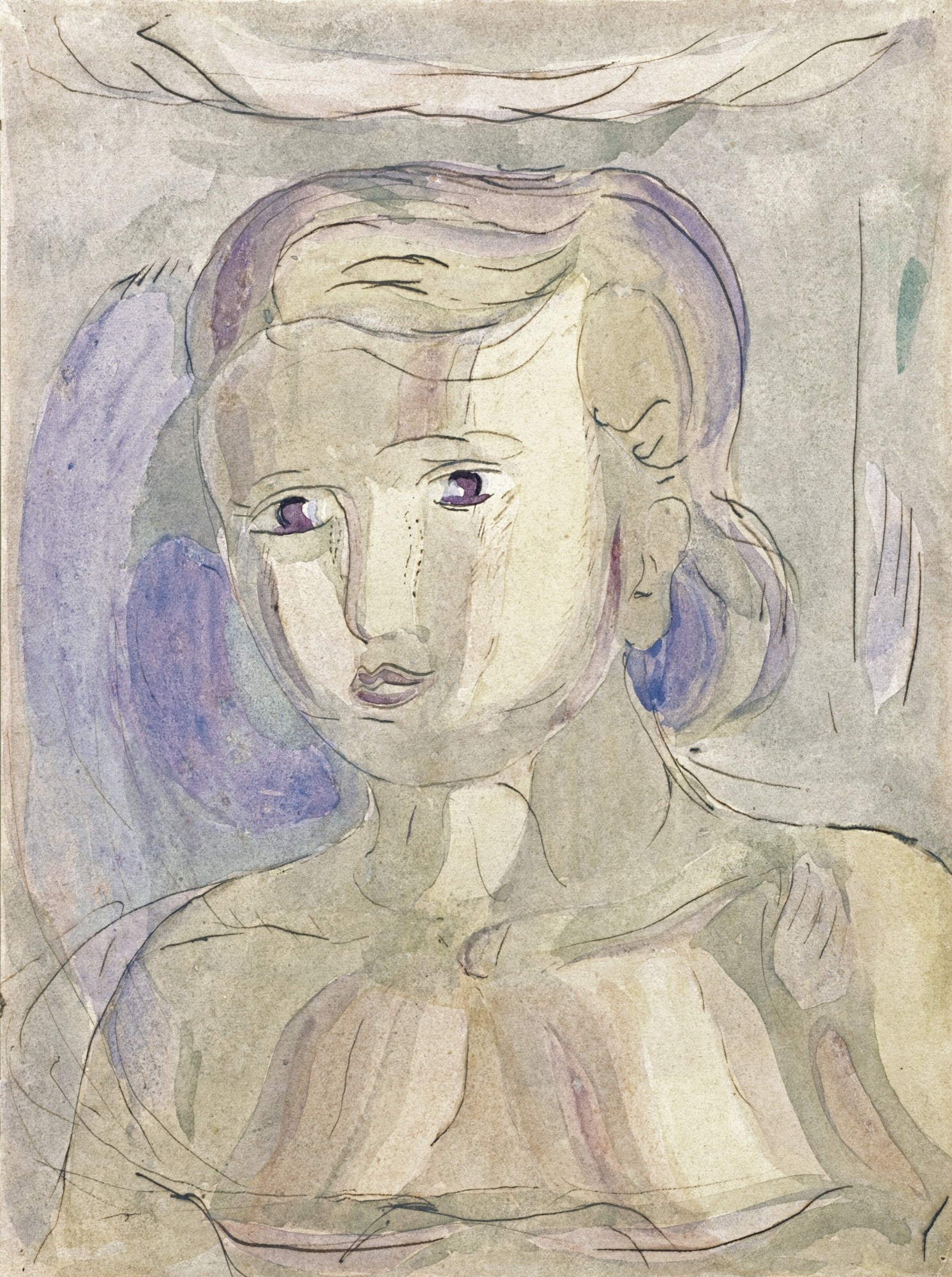
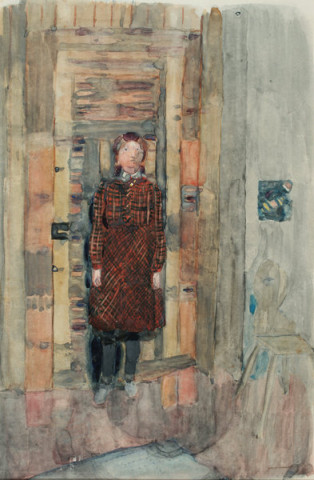
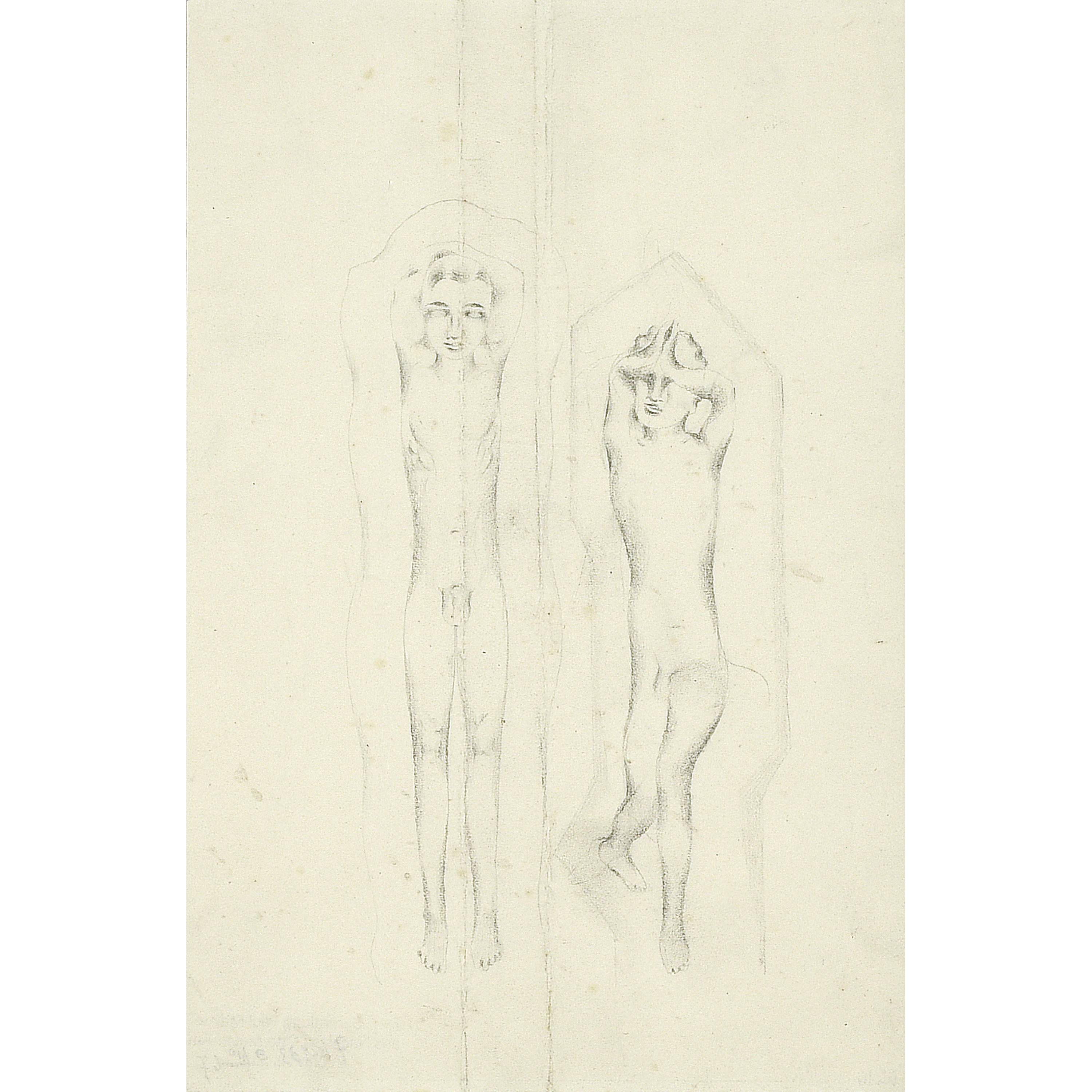
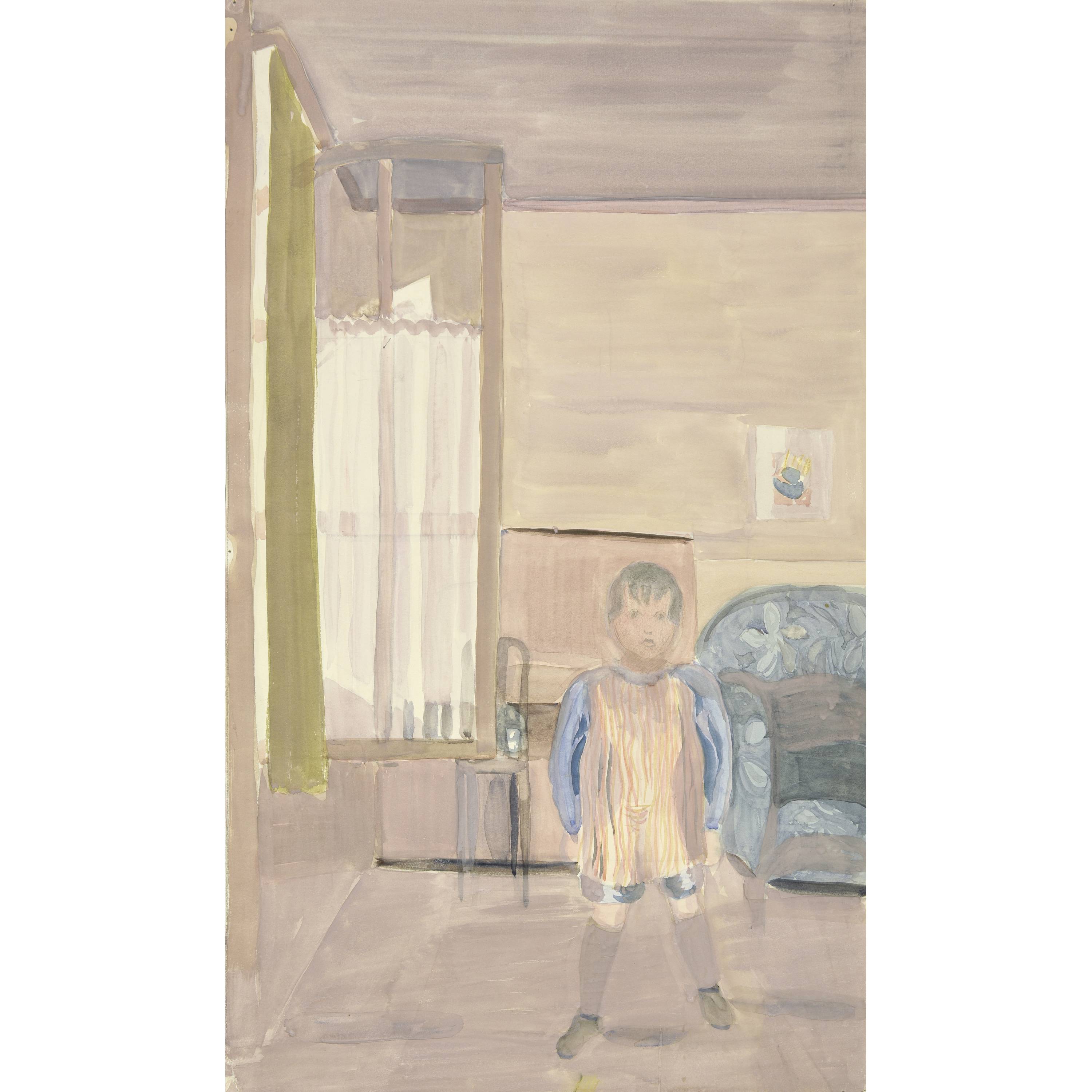
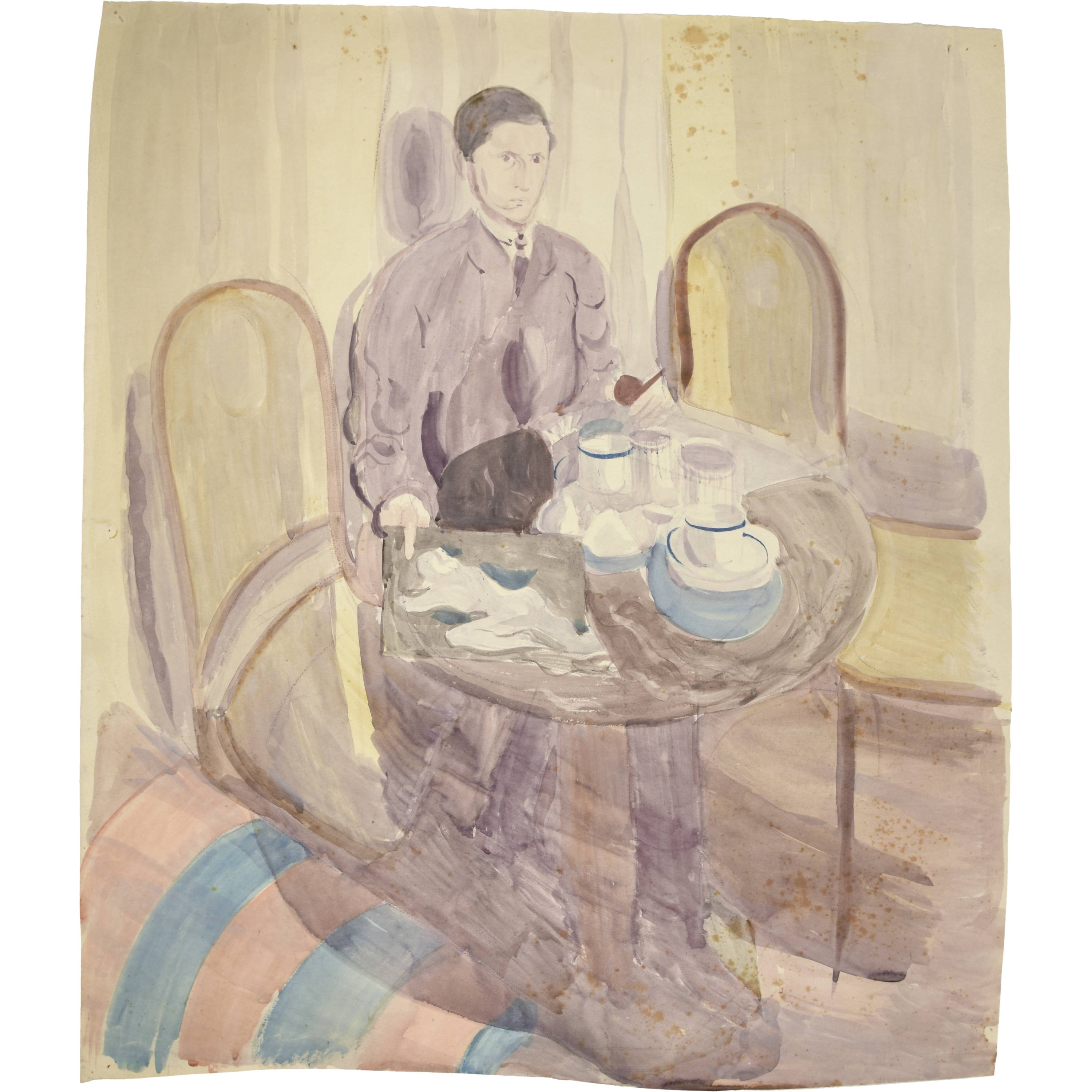
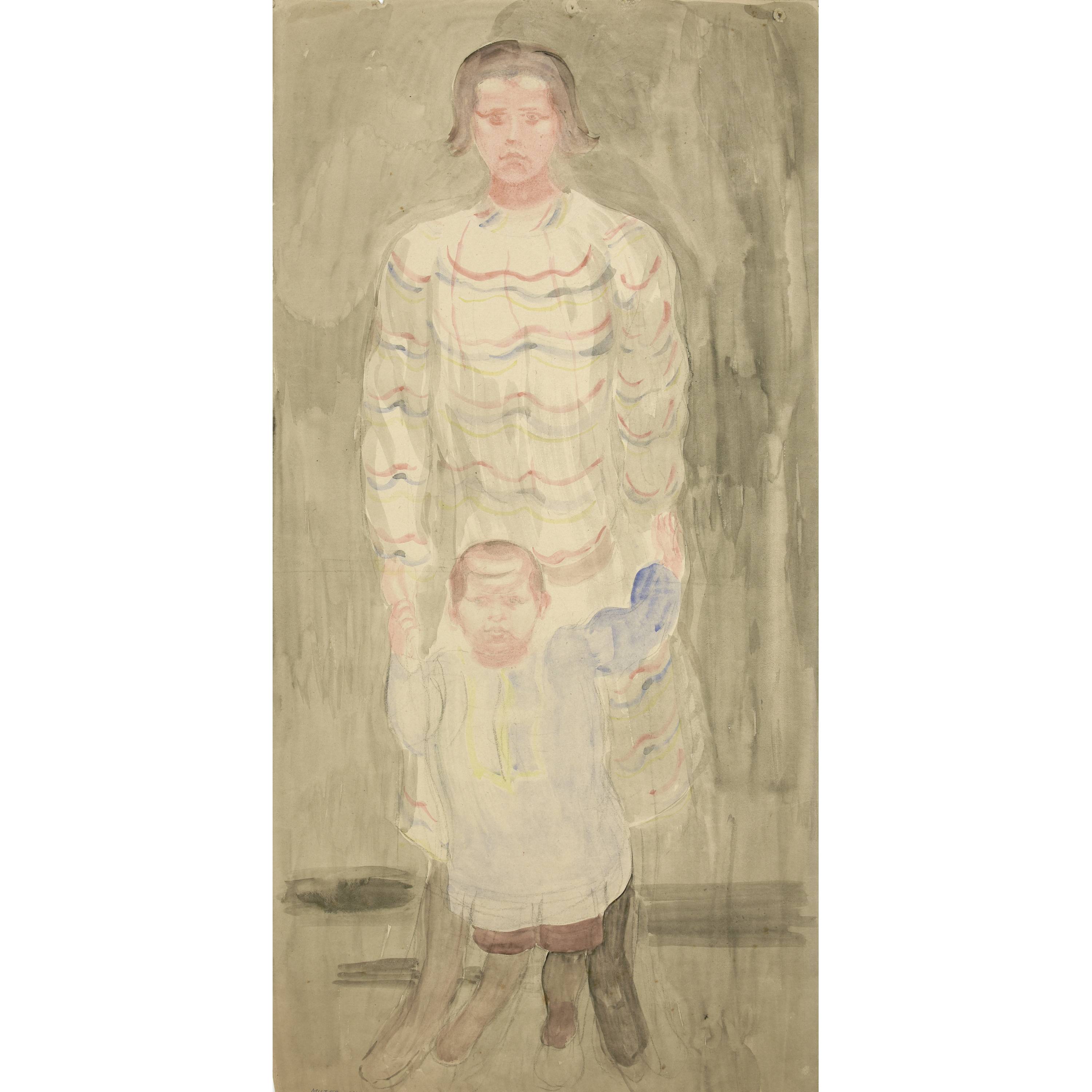
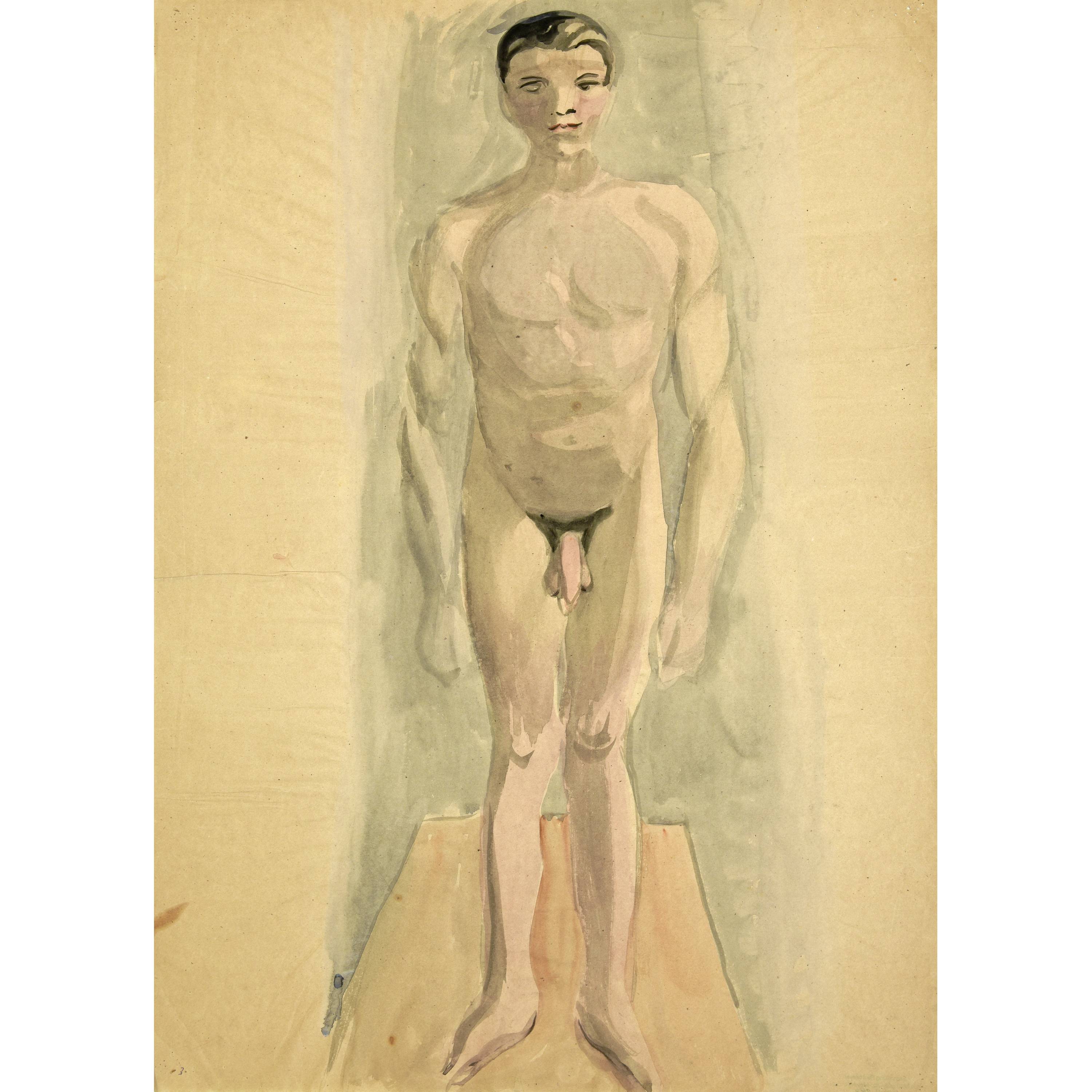
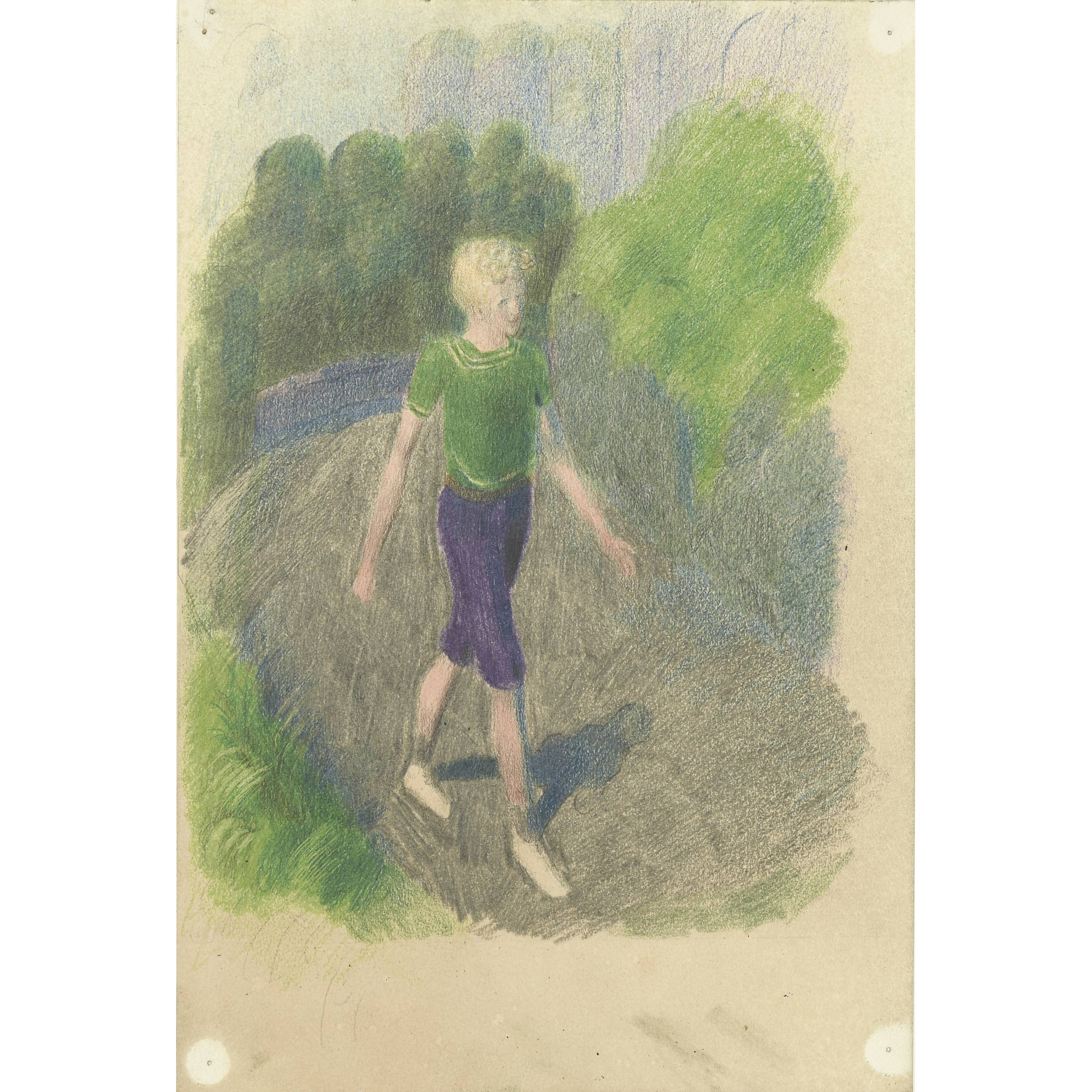
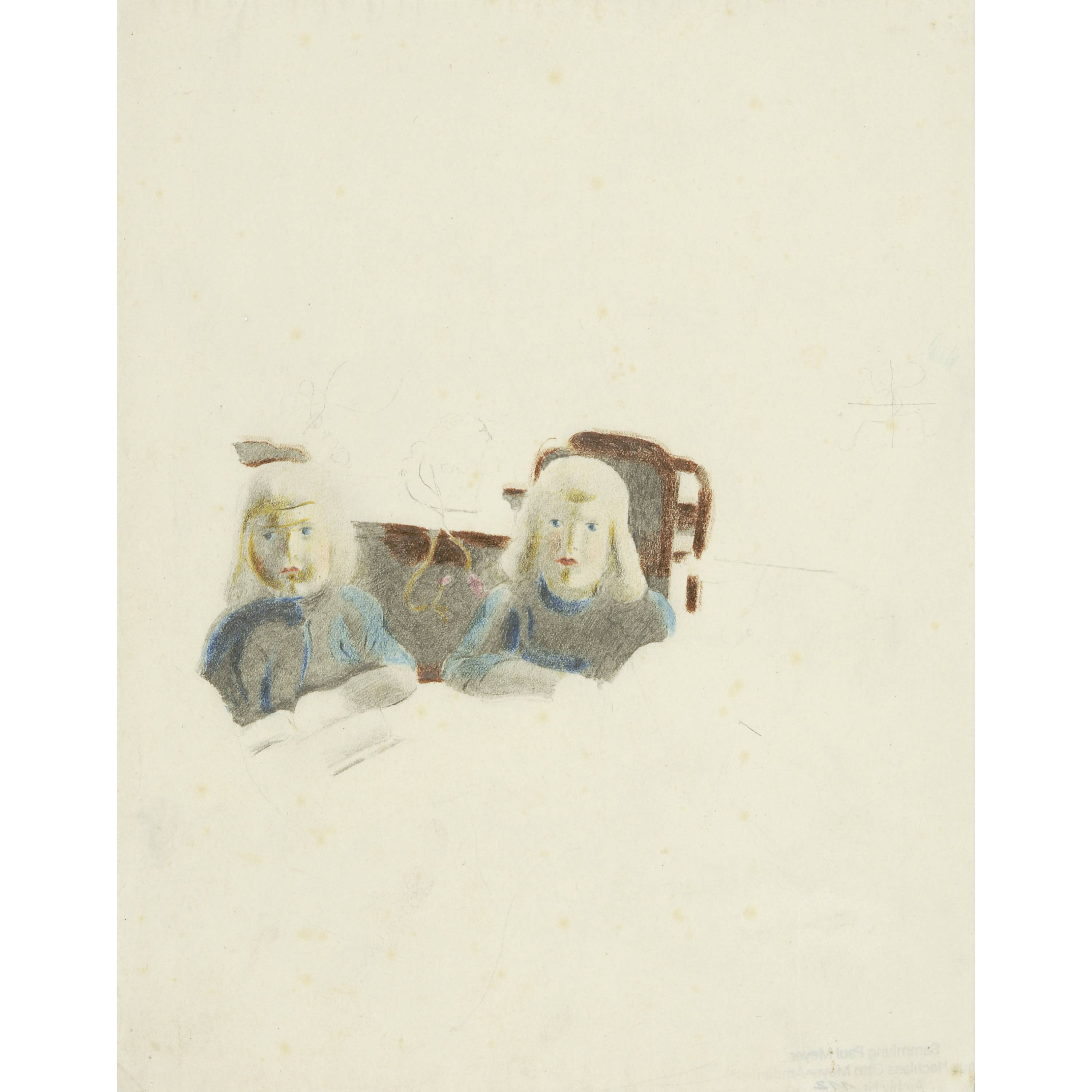
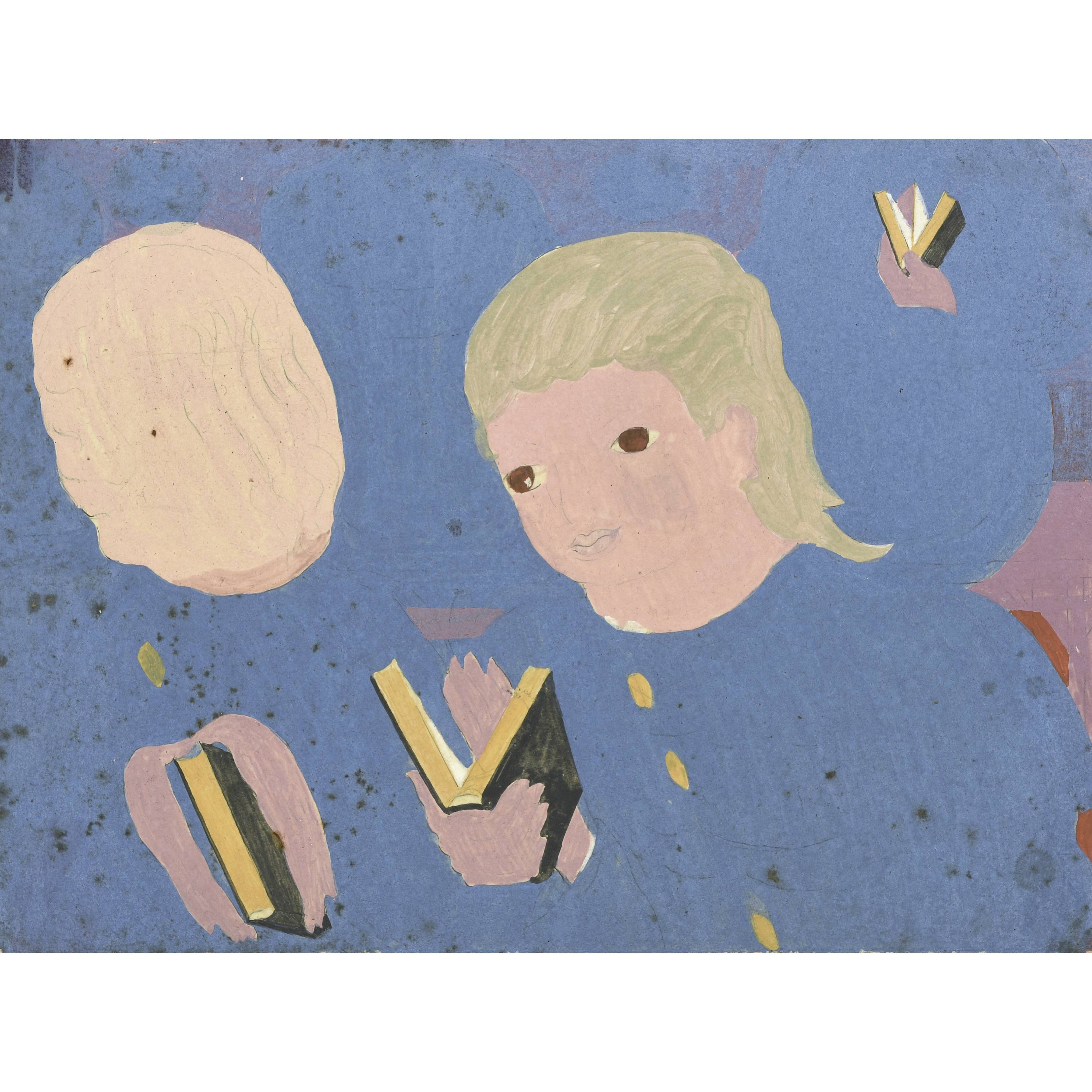
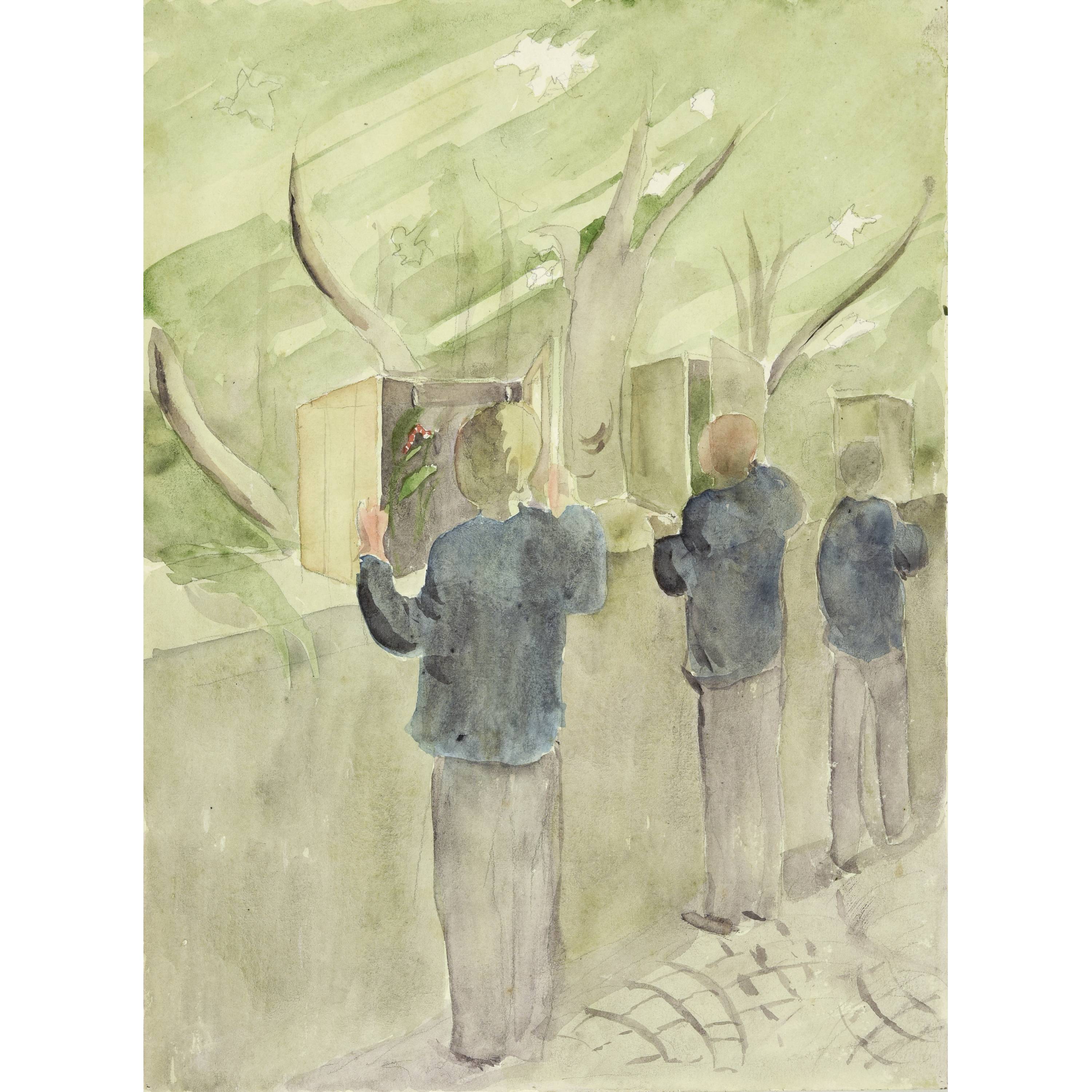
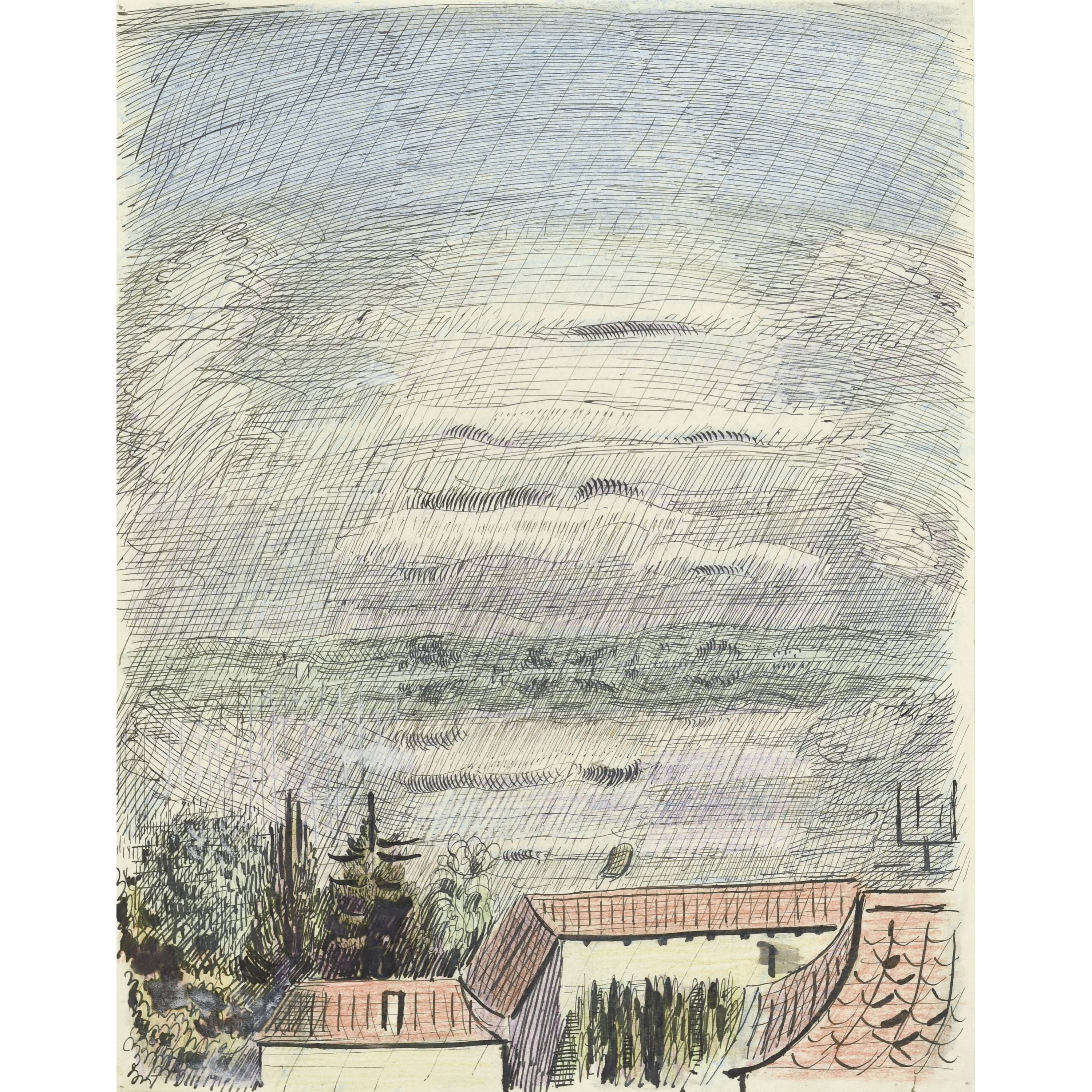
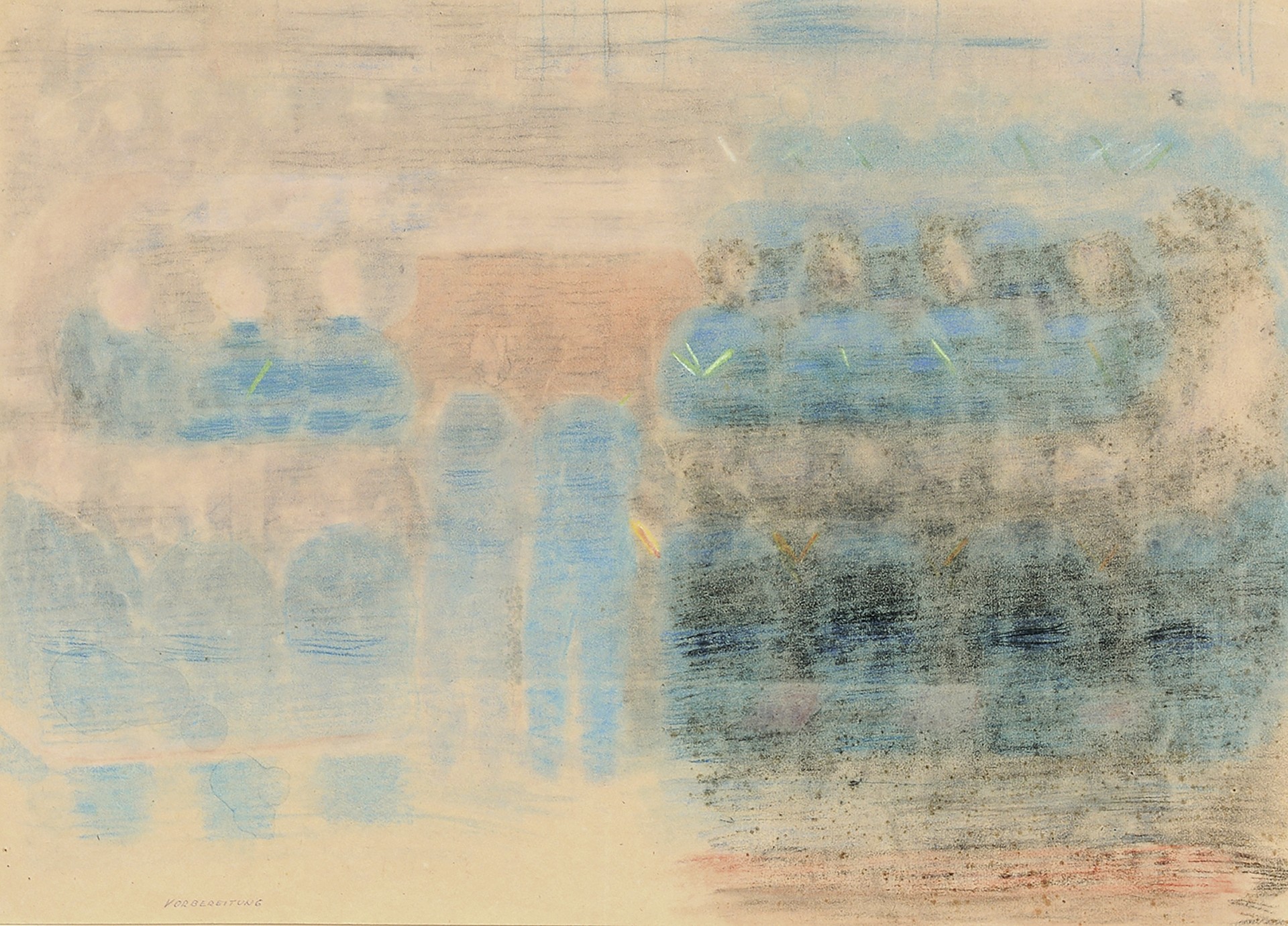
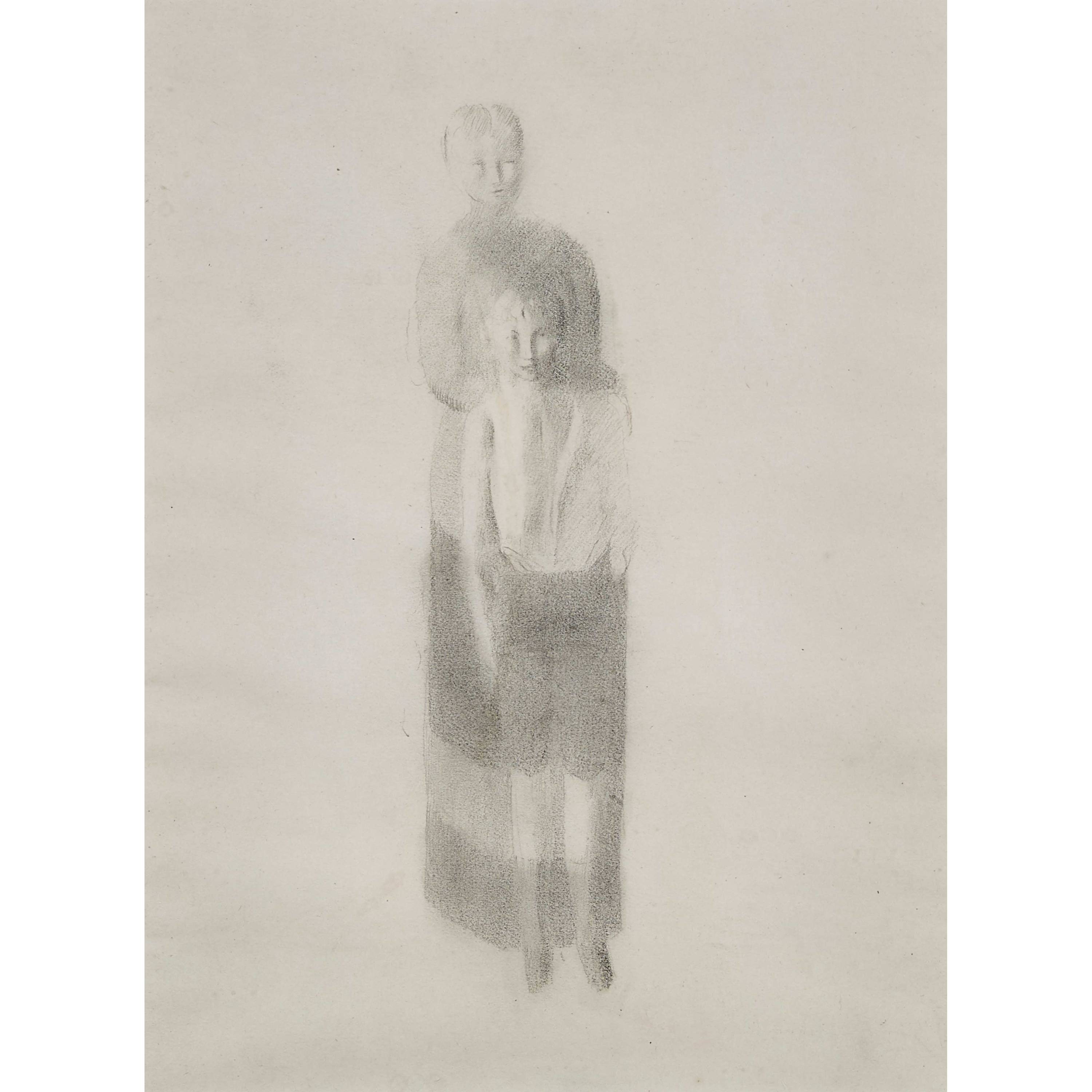
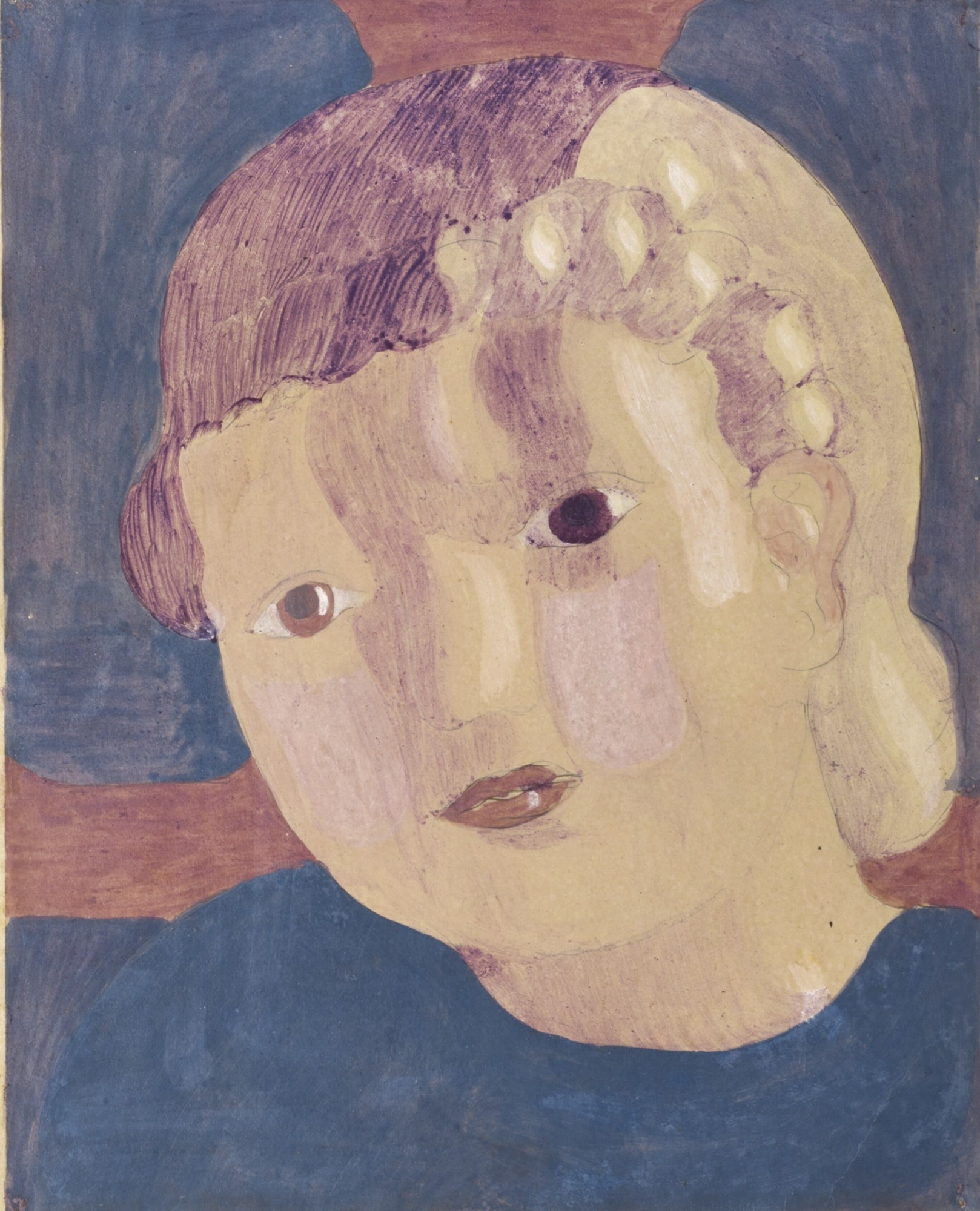
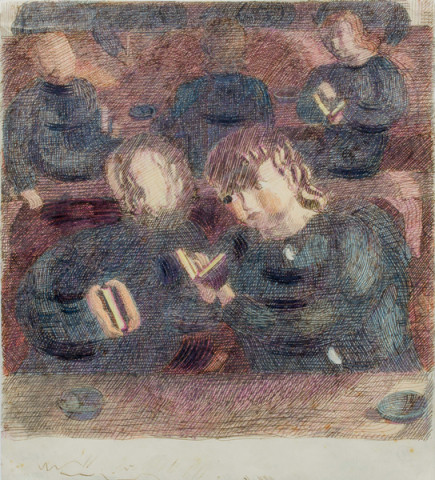
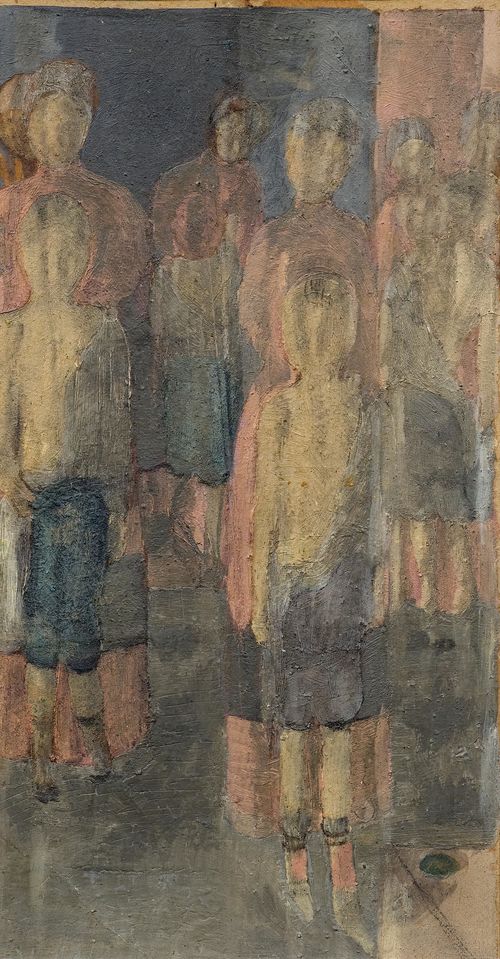
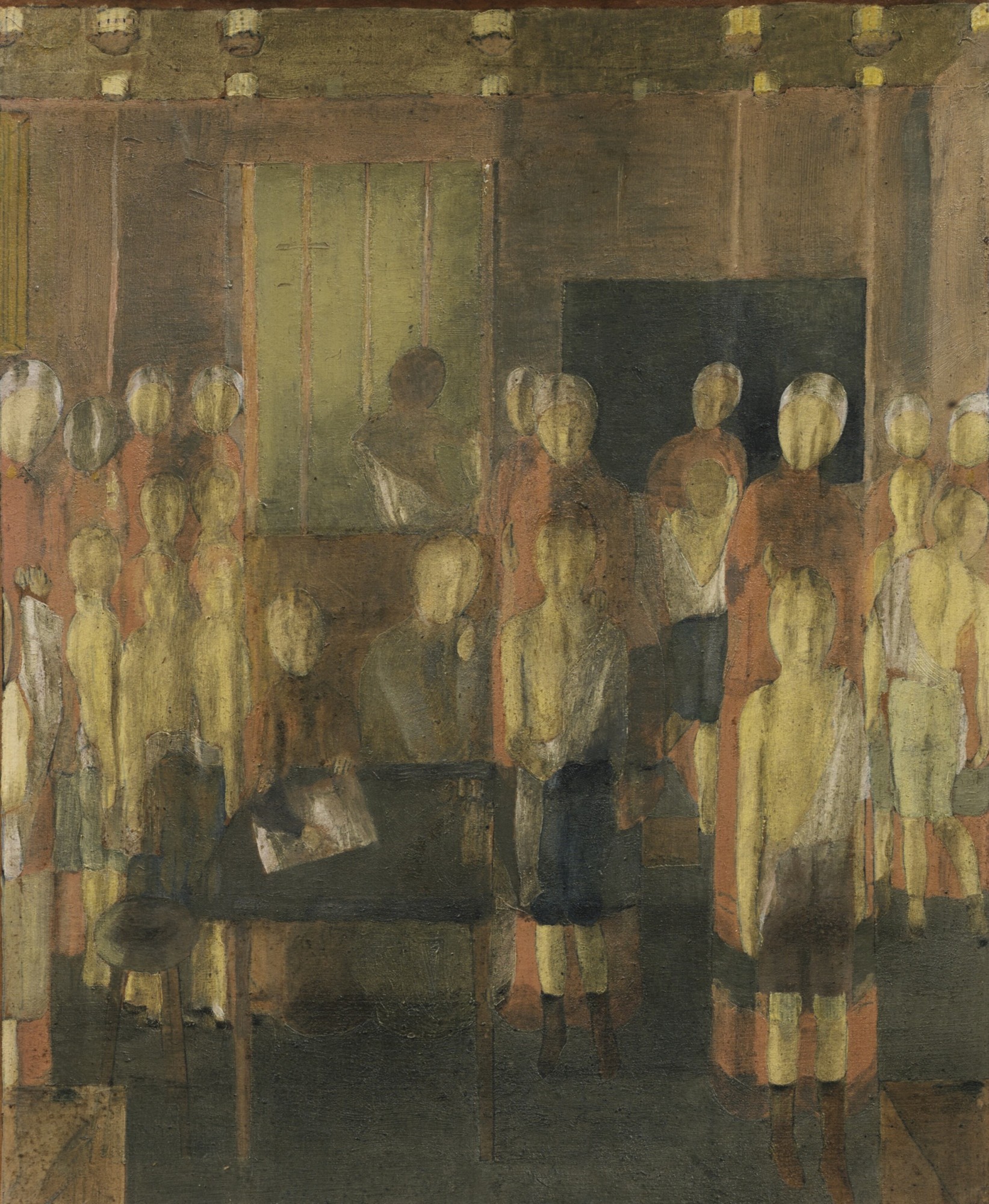
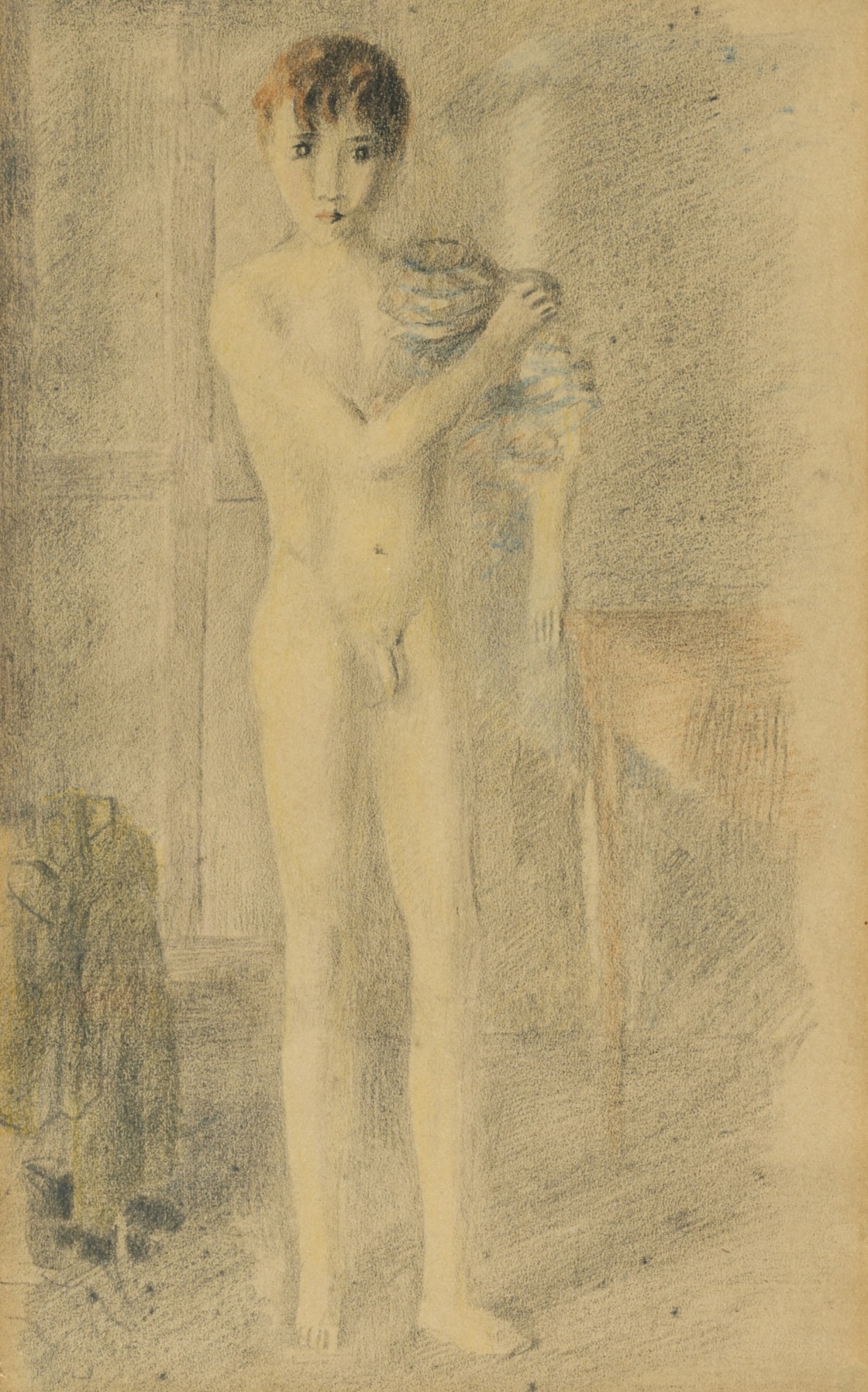
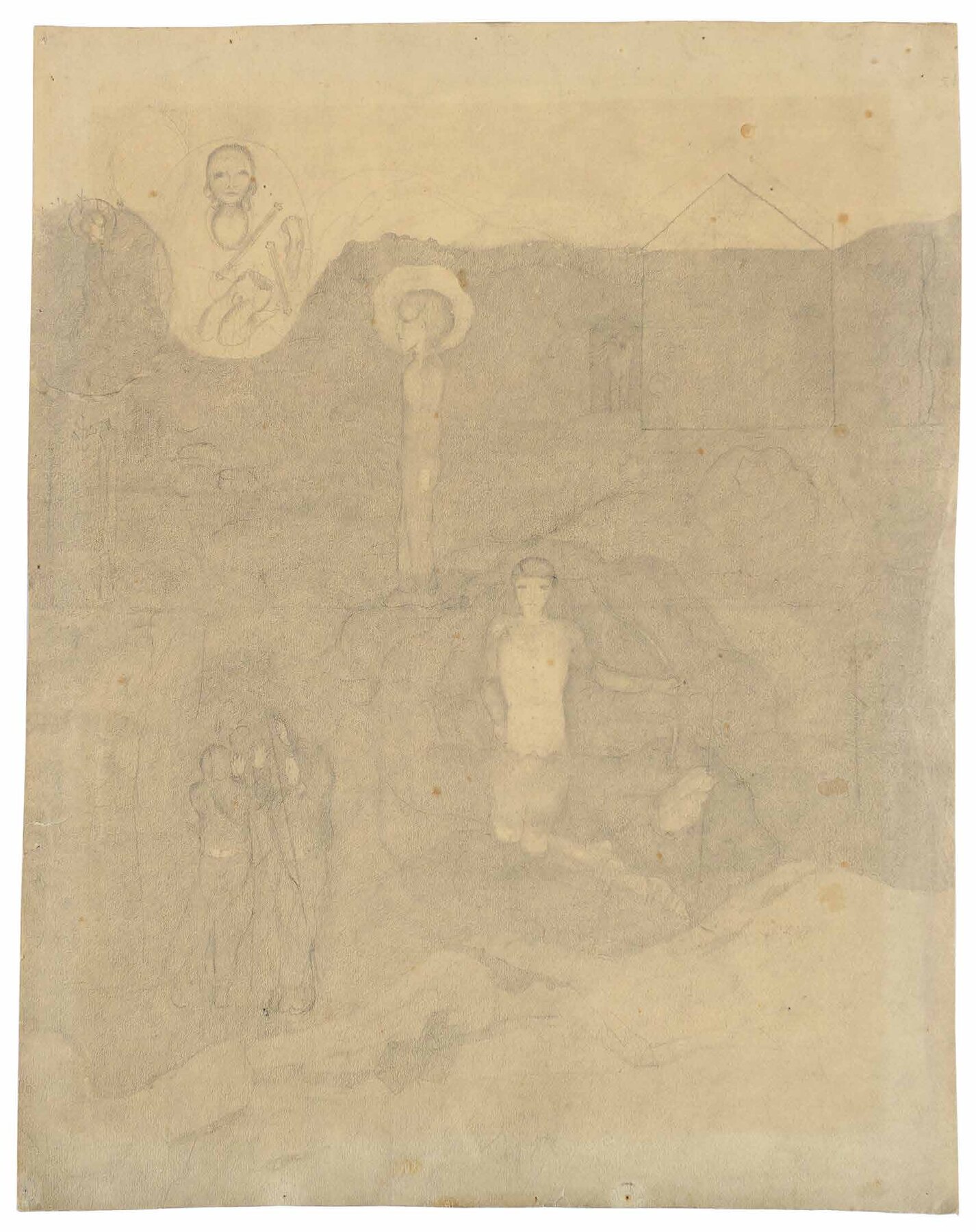
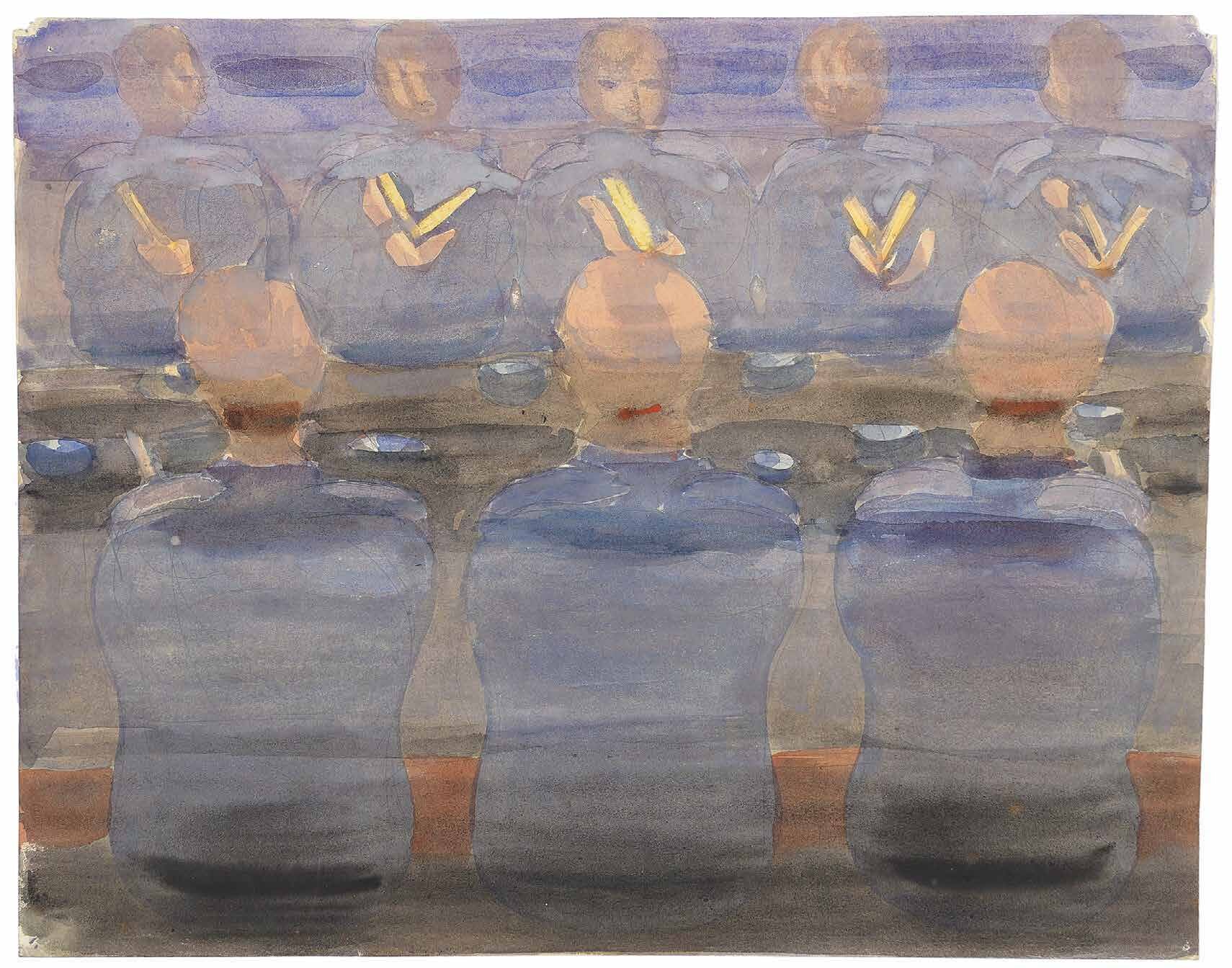
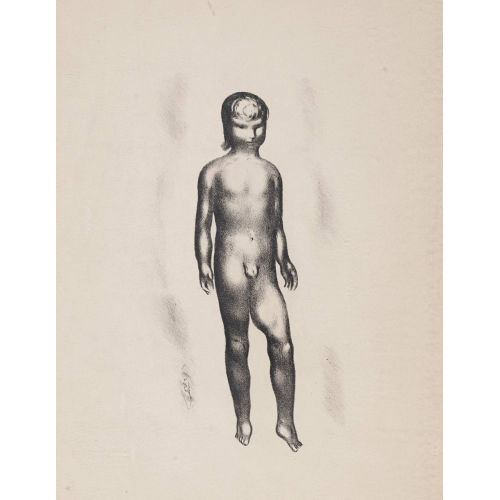
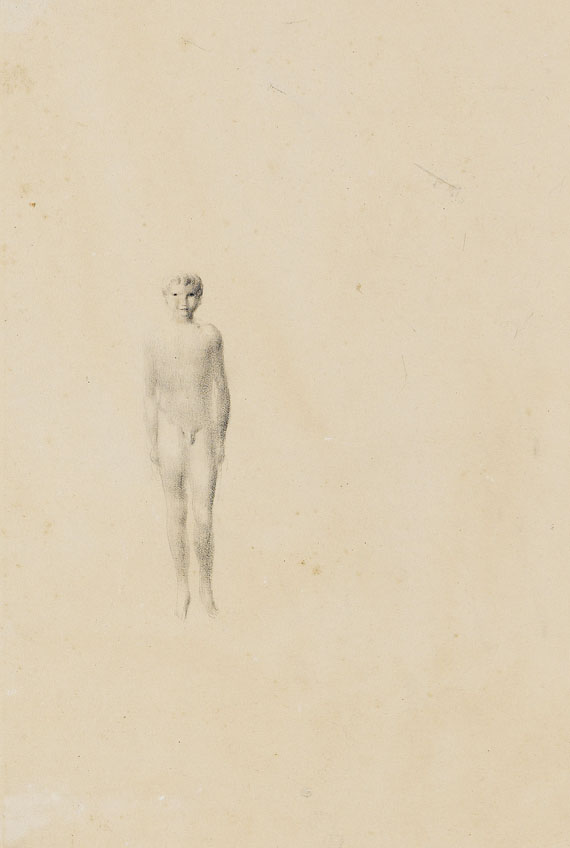
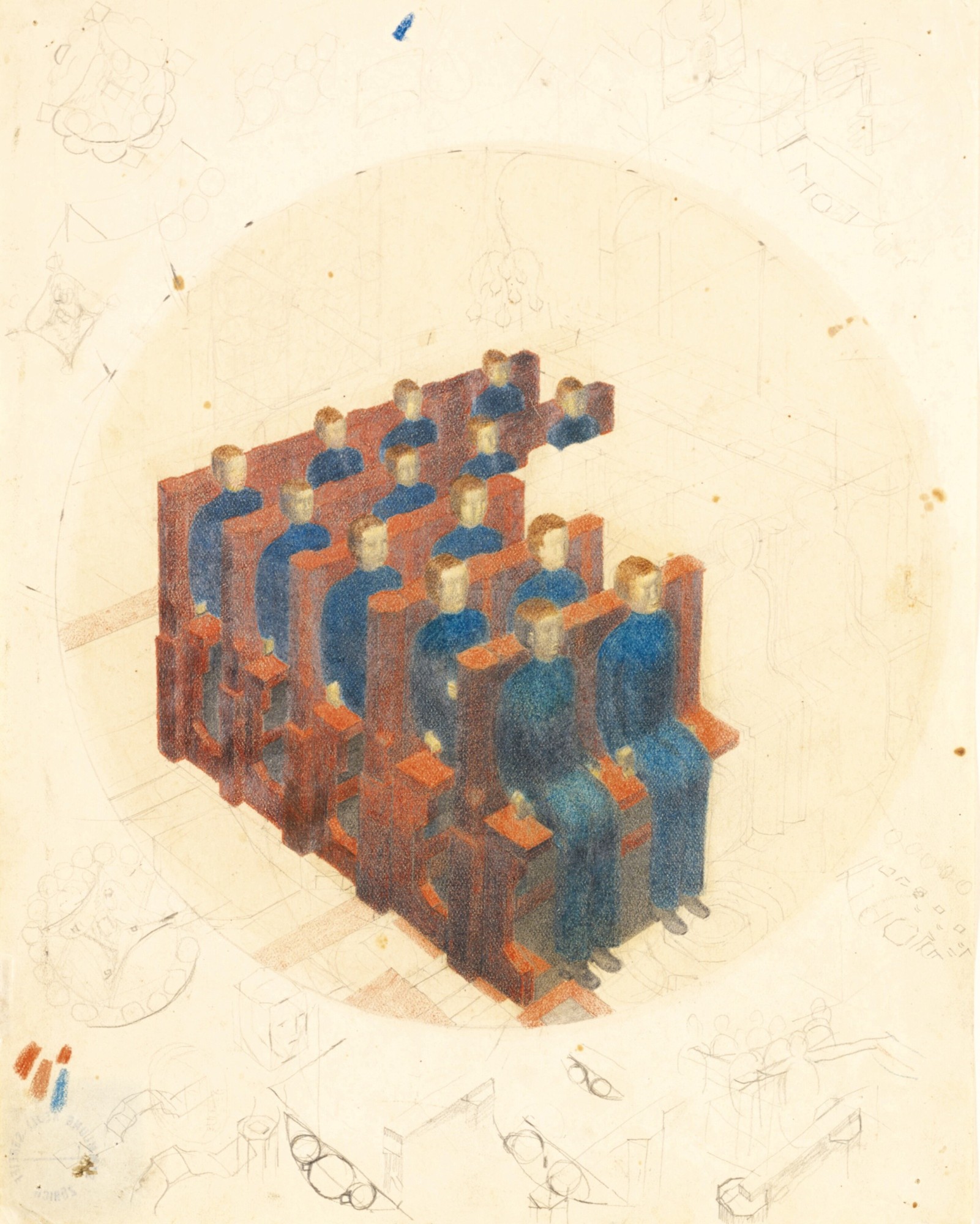
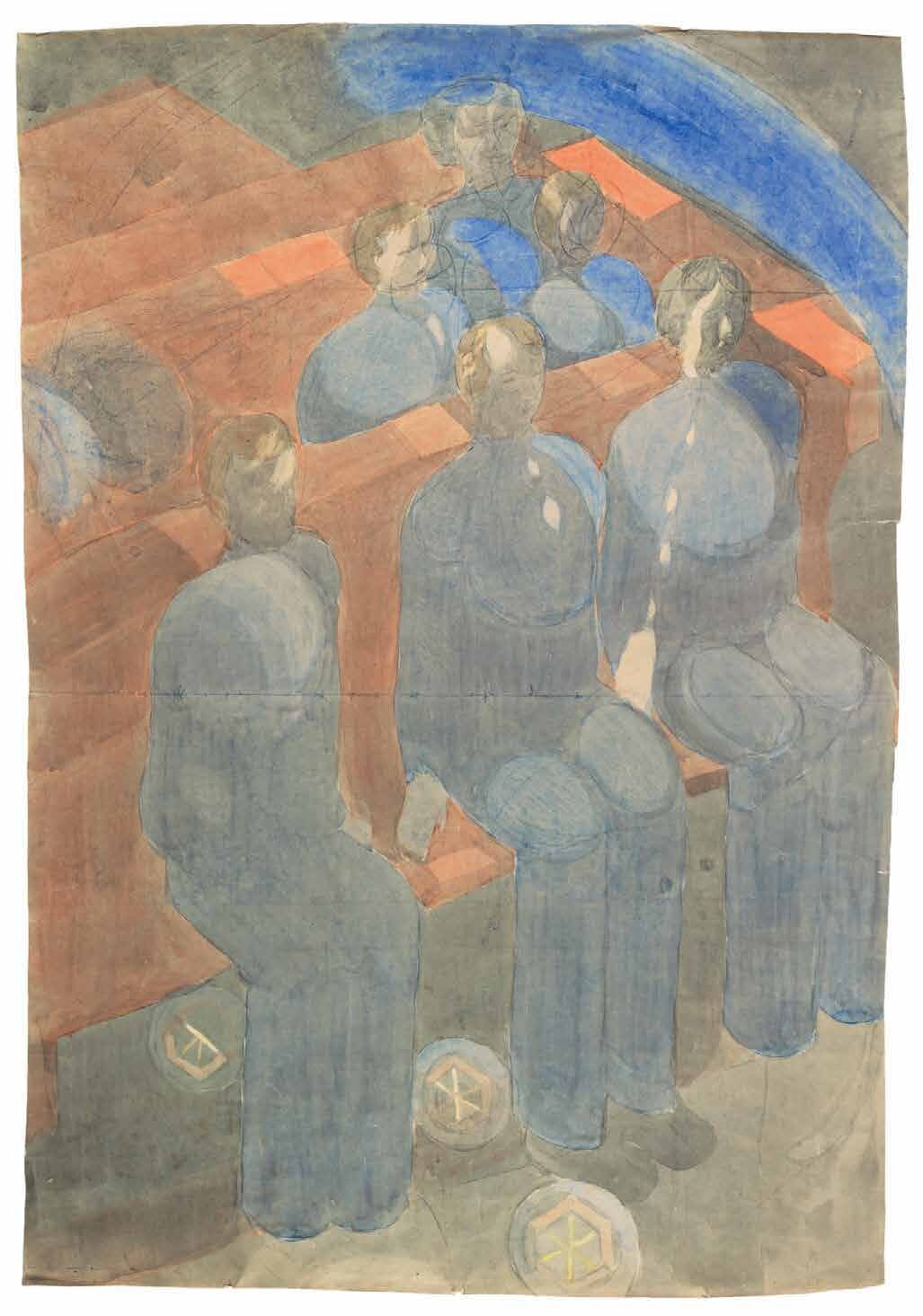
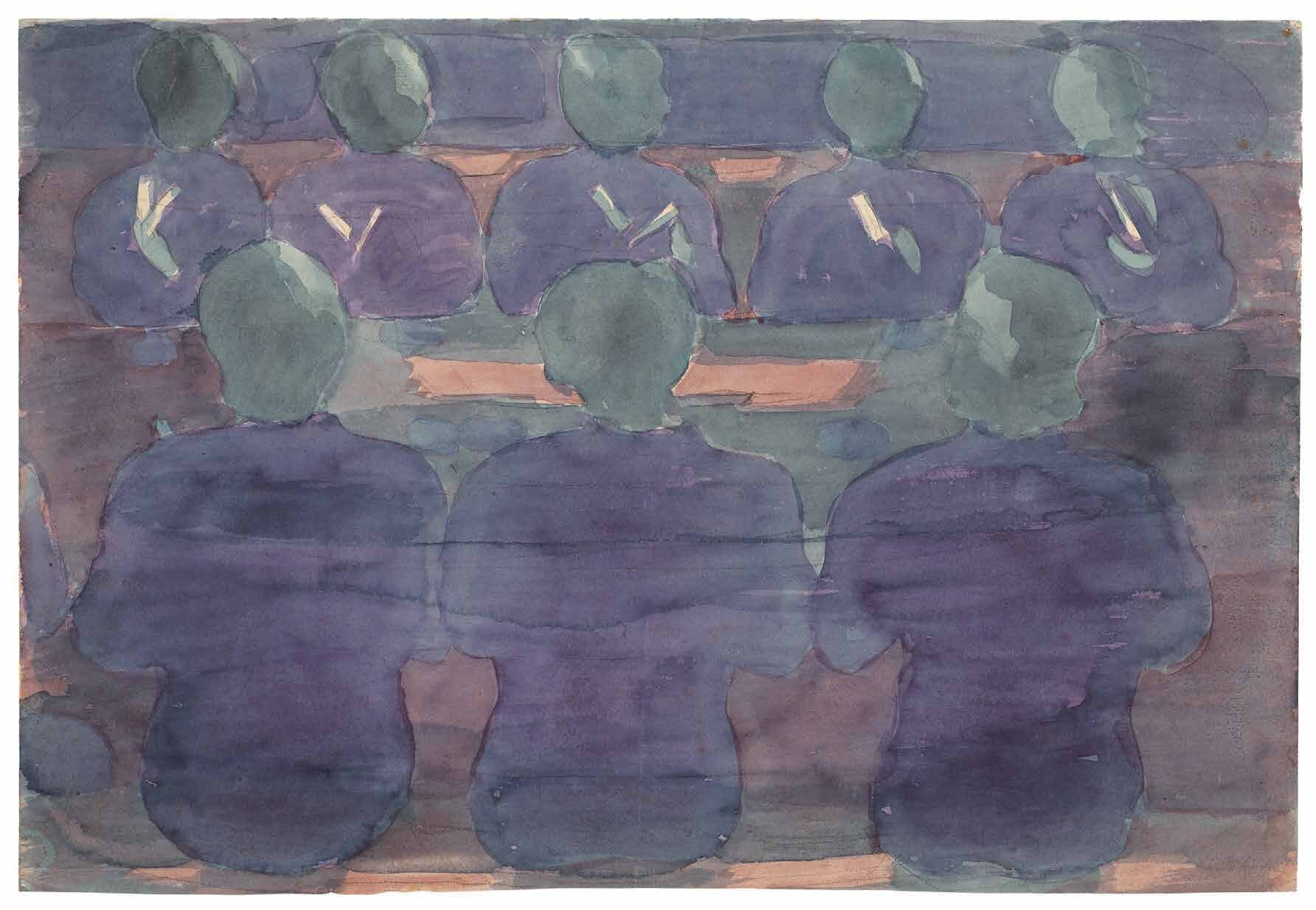
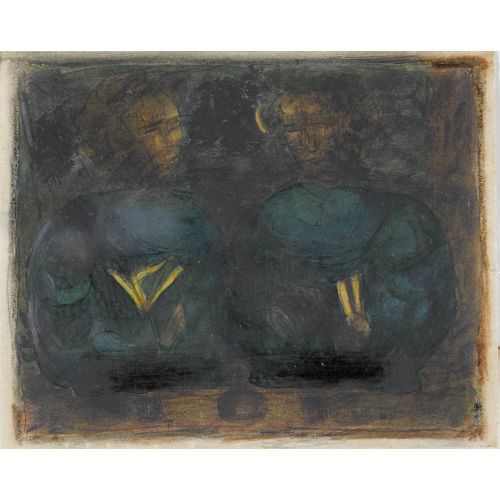
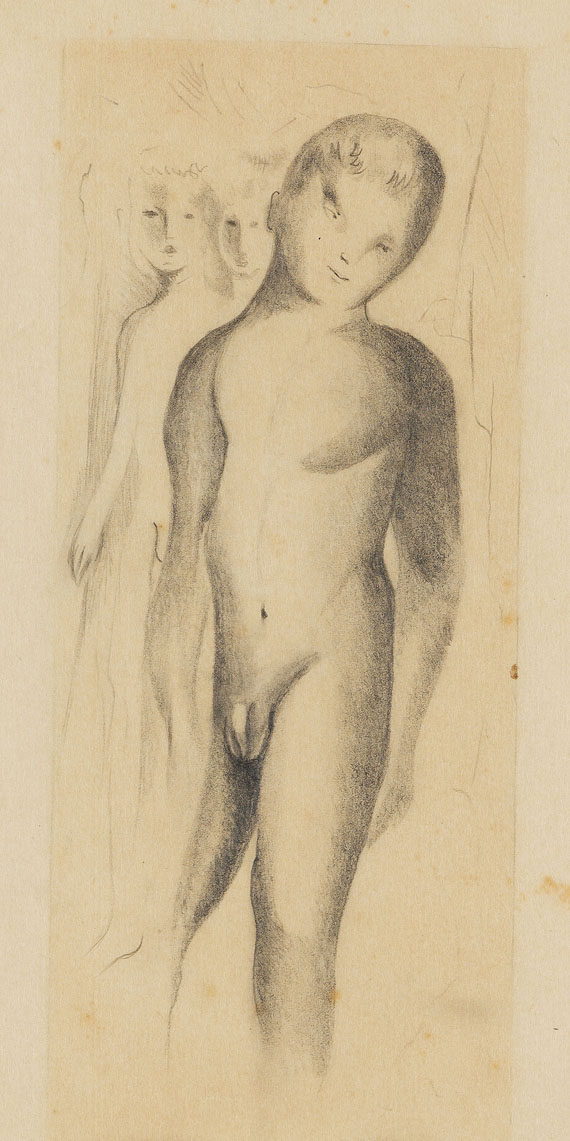
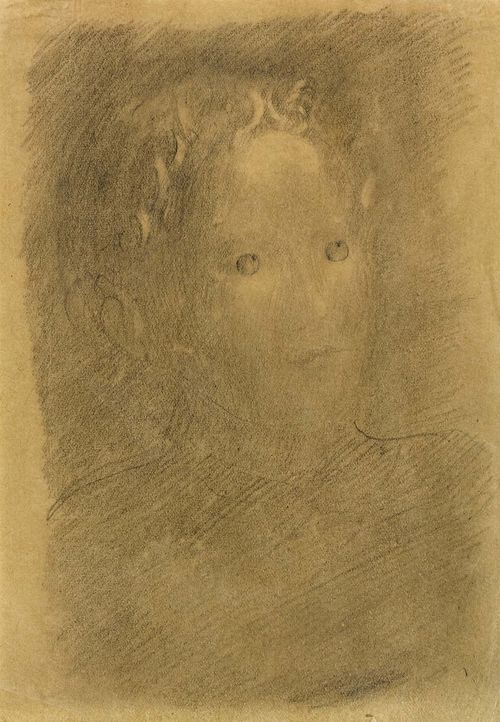
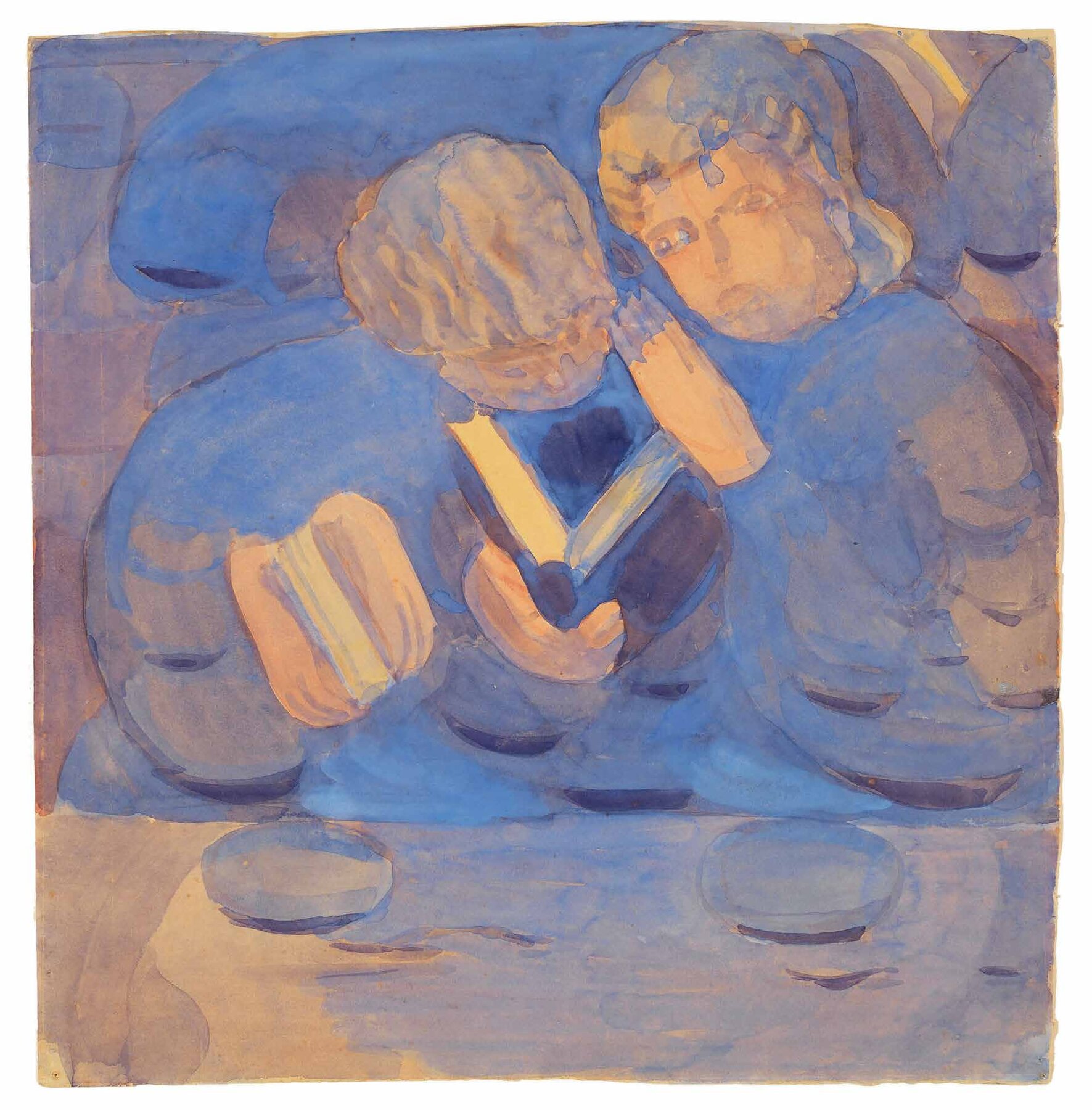
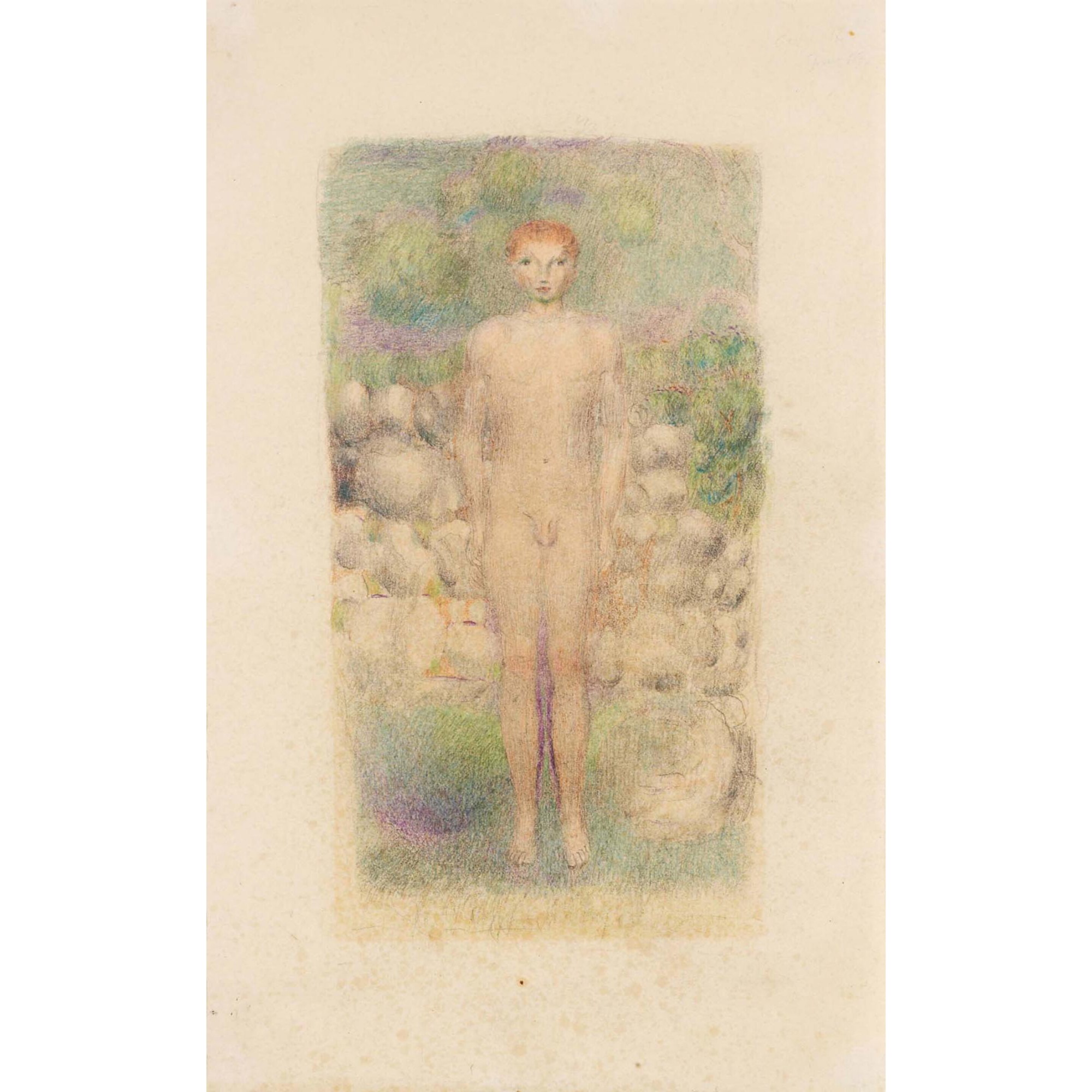
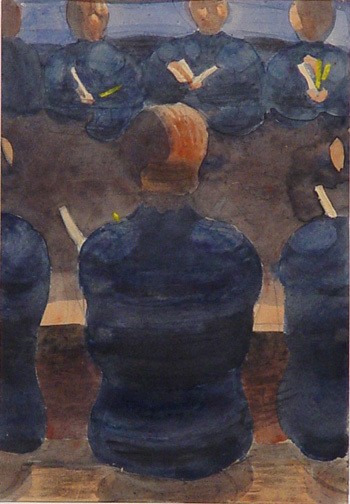
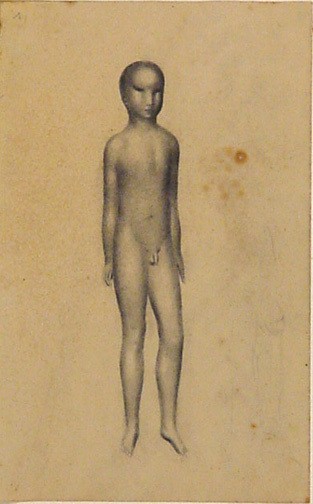
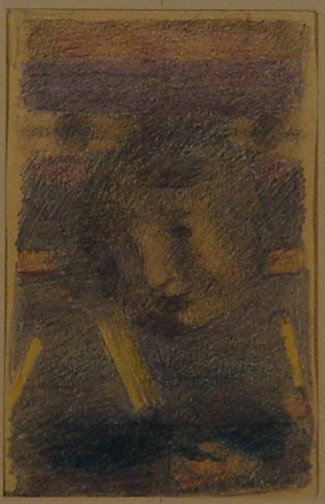
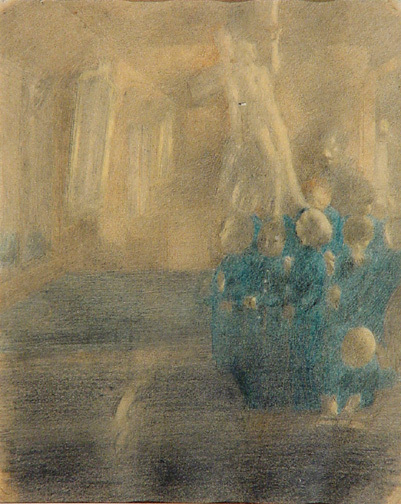
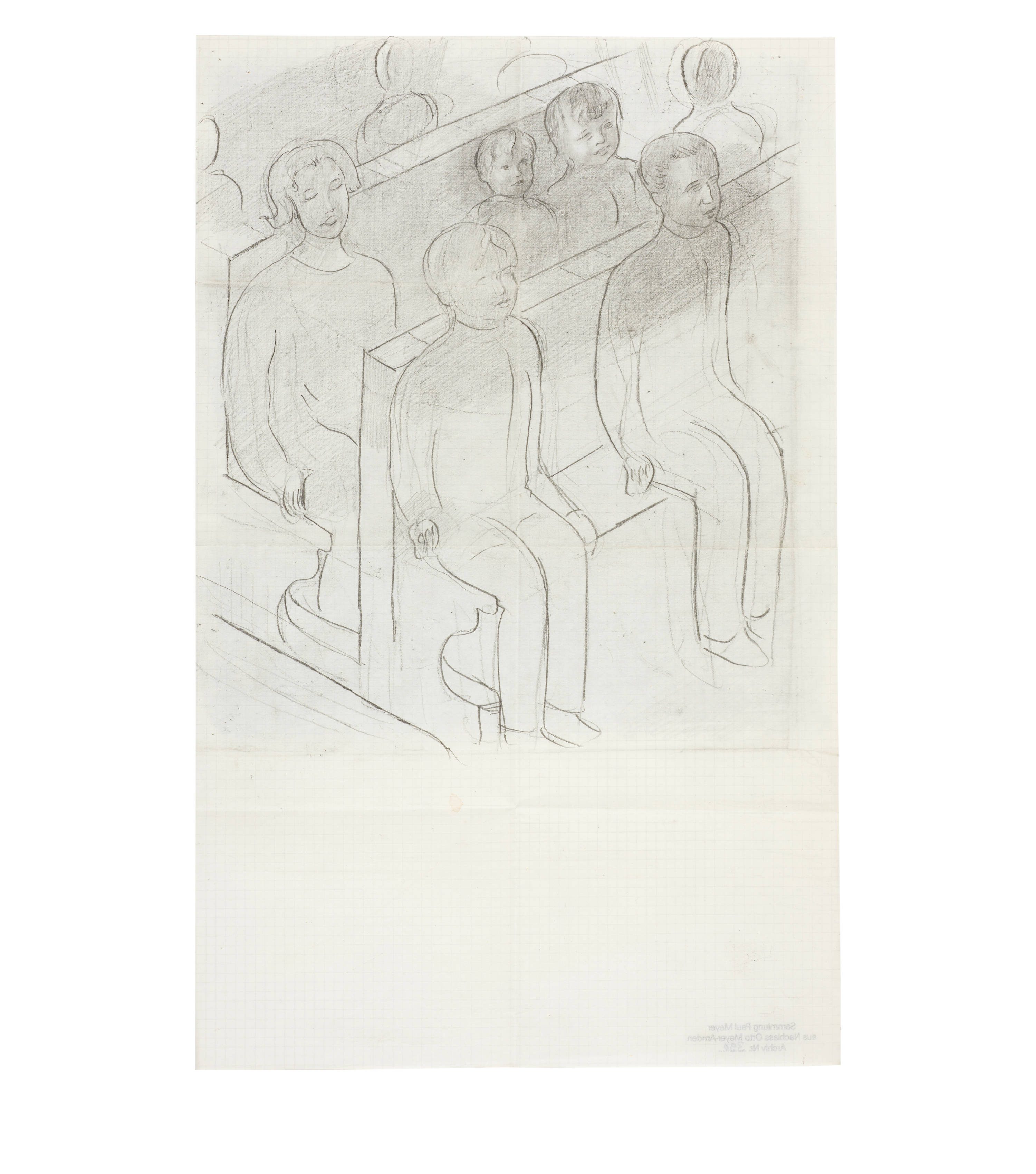
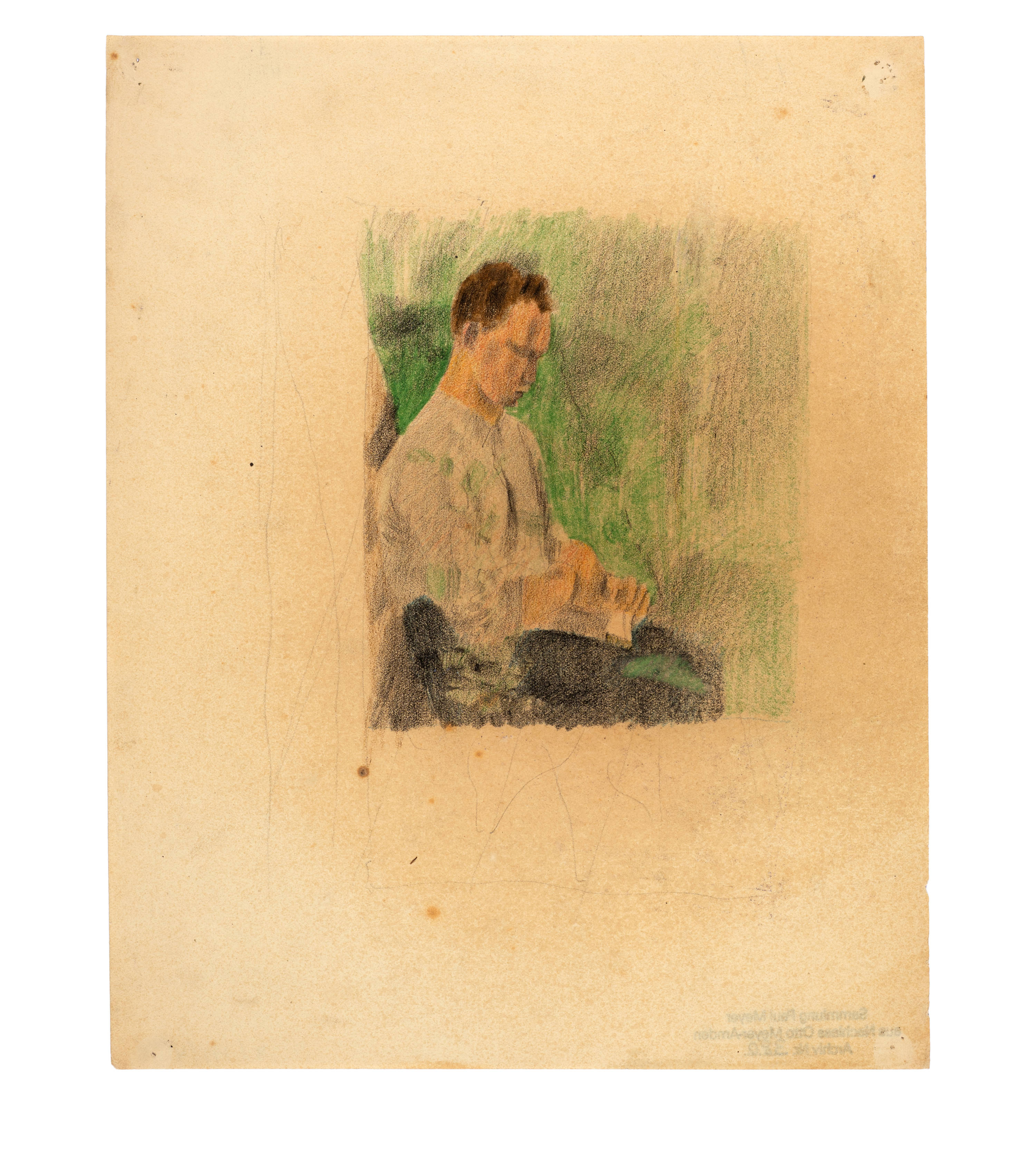
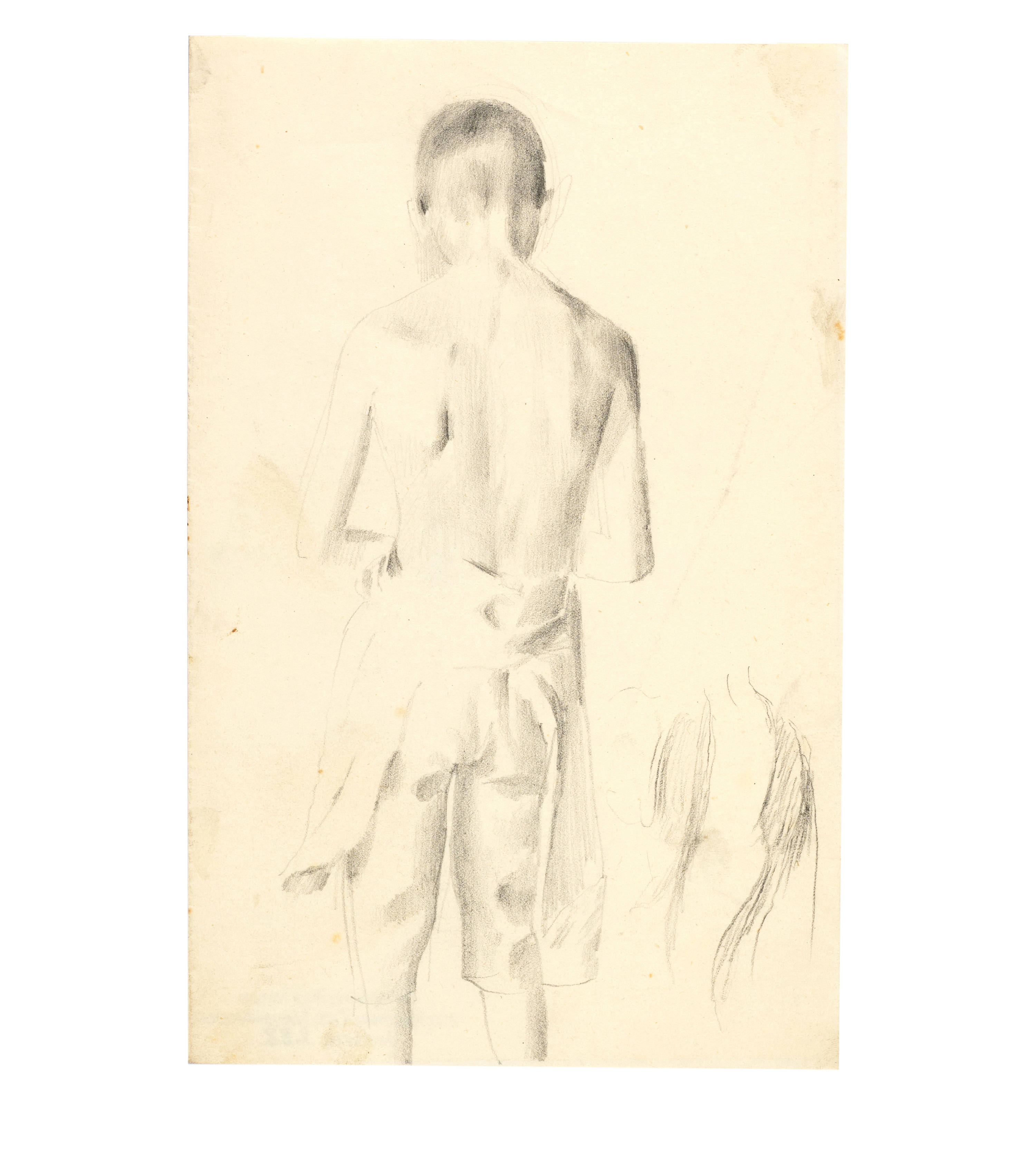
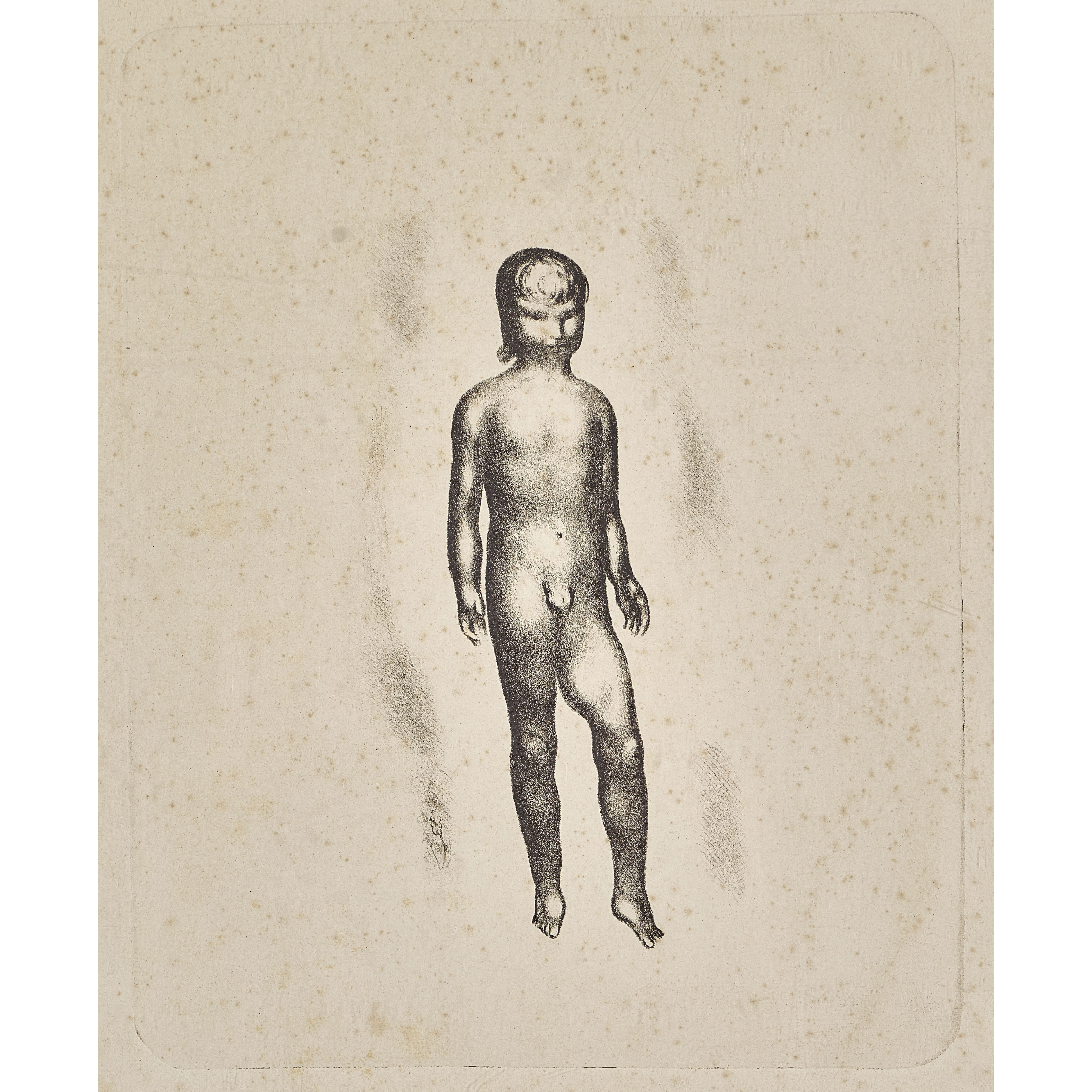
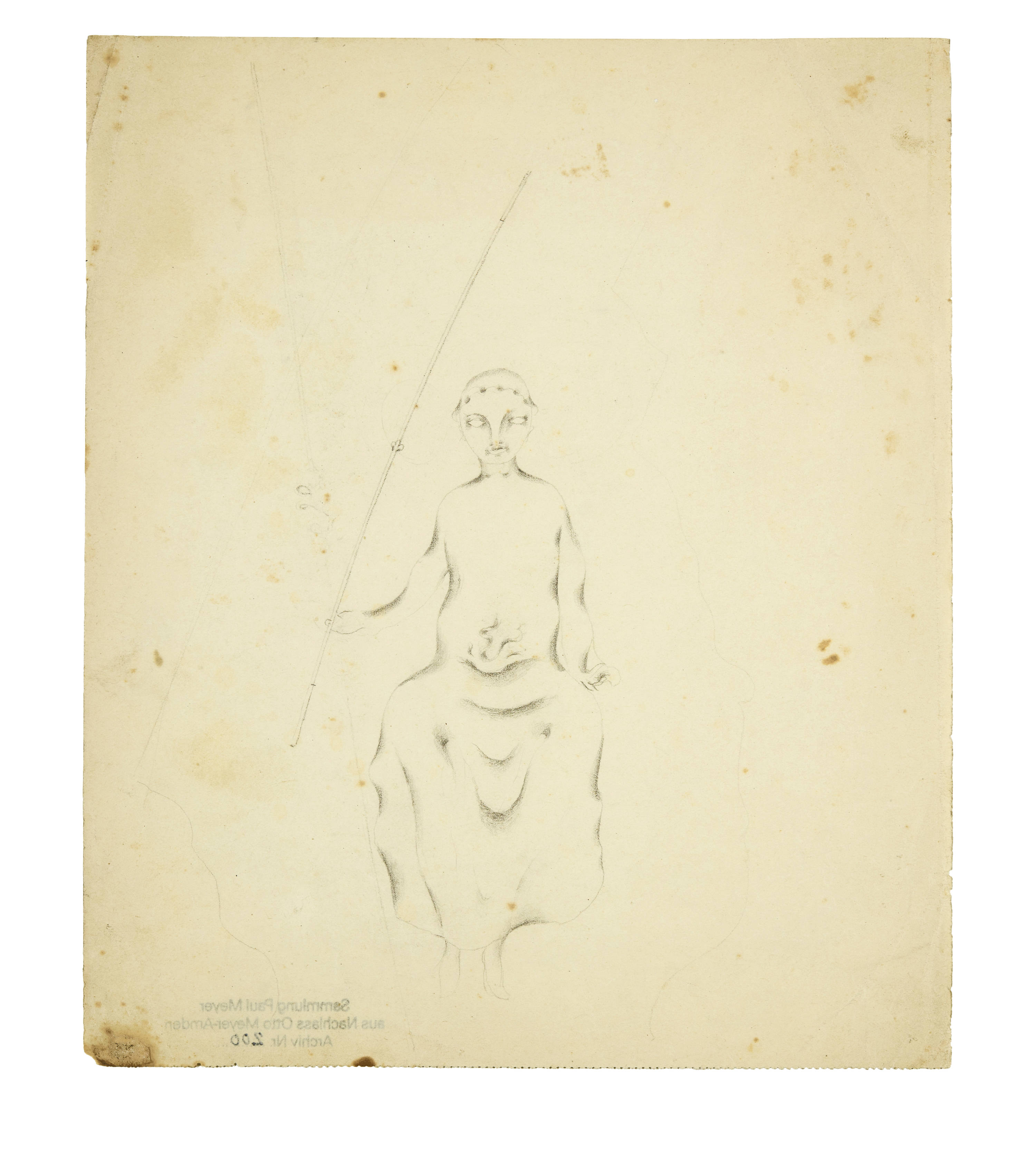
He lived in Amden until 1928, in seclusion devoted to reading, drawing and painting. His small-format landscapes convey his intimate relationship with the place. From 1918 onwards, memories of the orphanage nourished another central body of work: portraits and scenes of boys and adolescents, often set in a school environment.
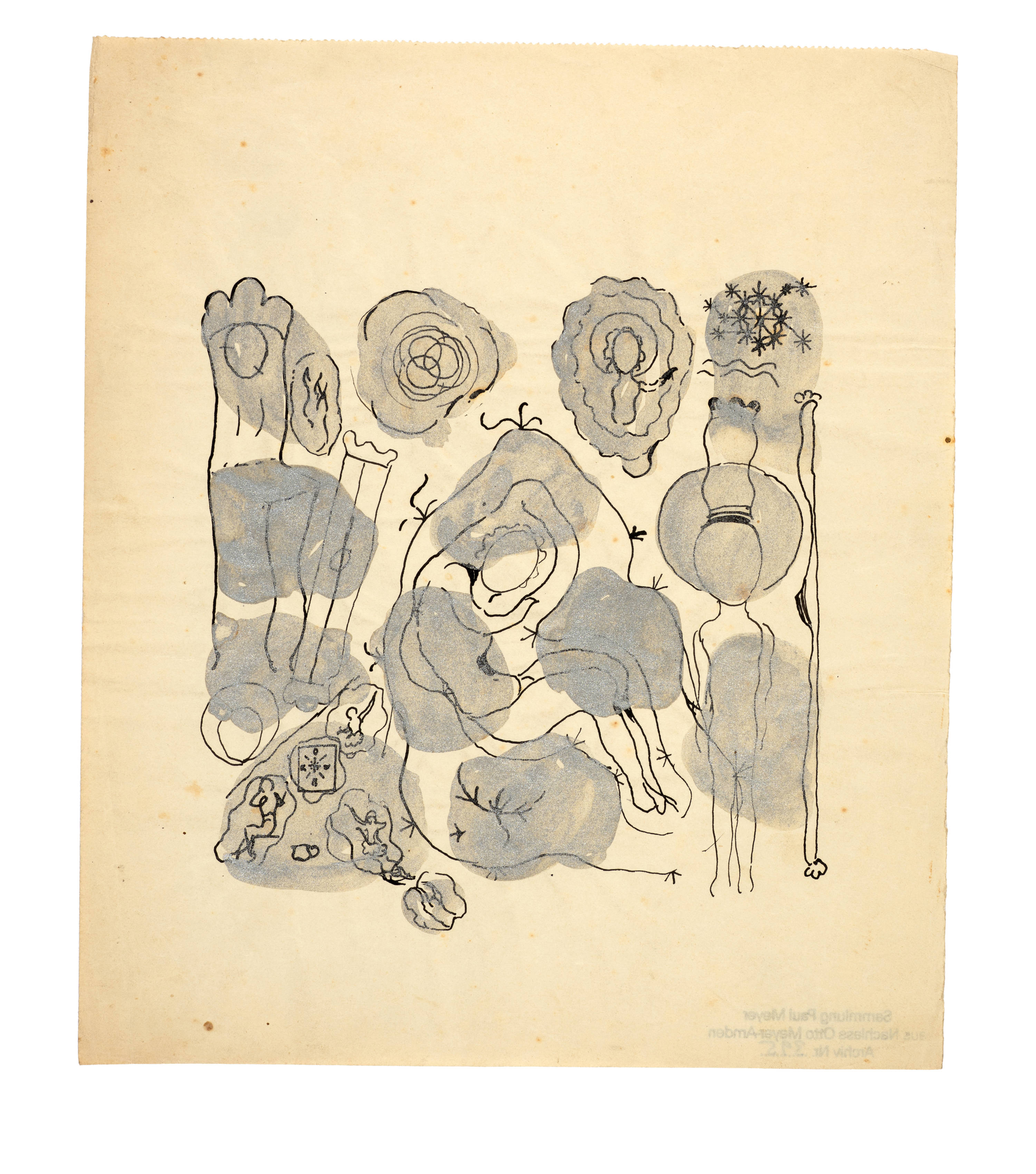
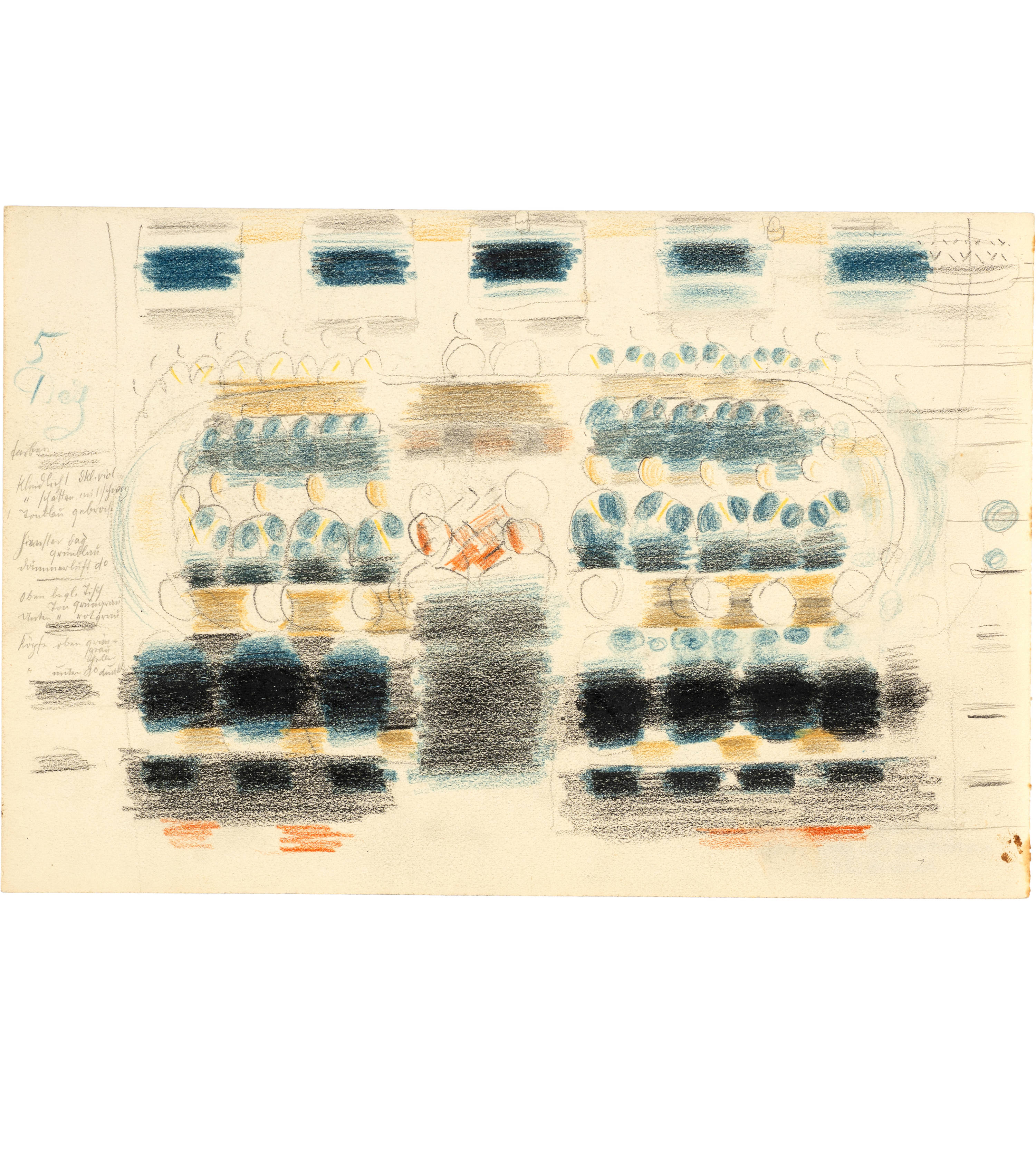
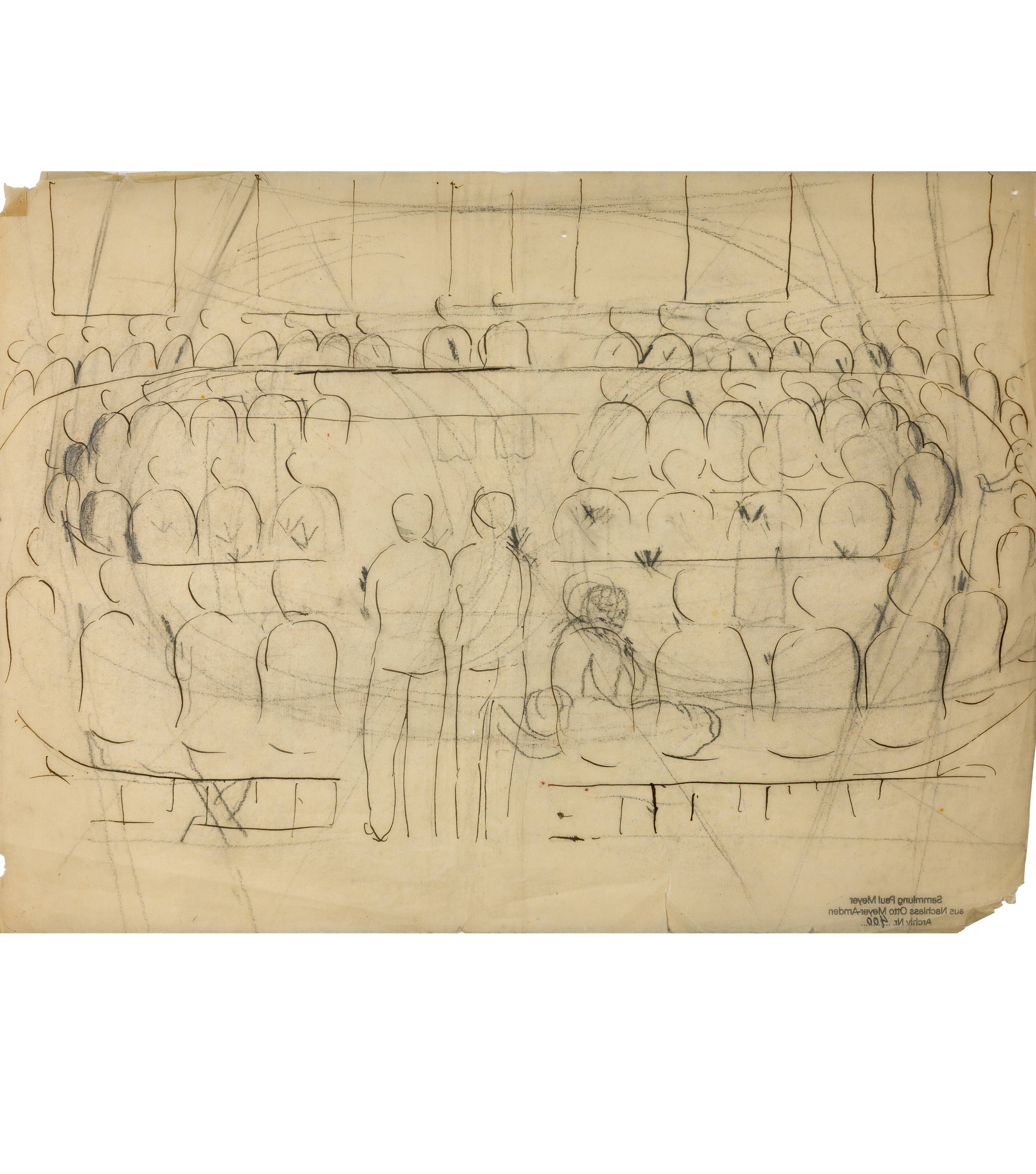
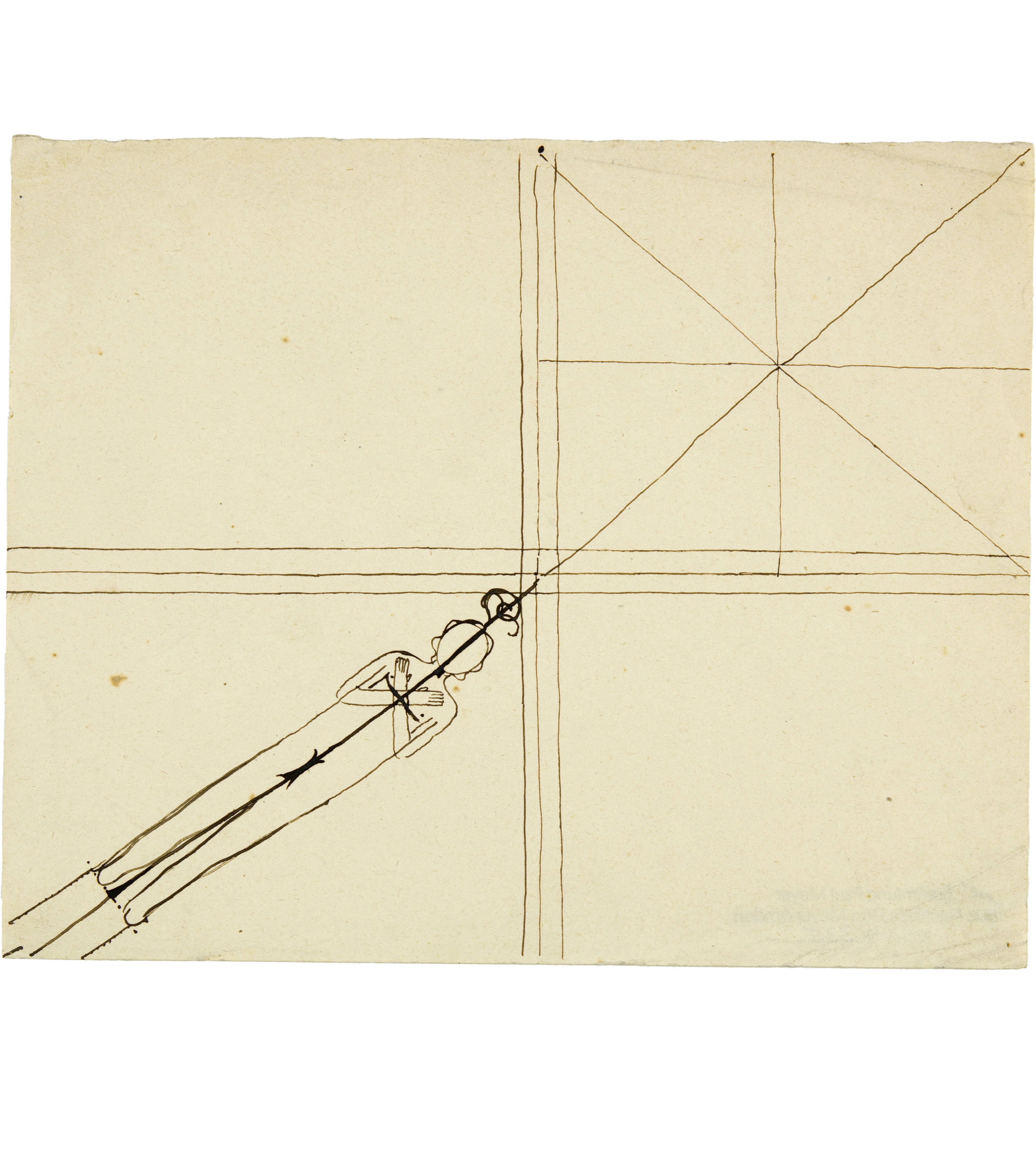
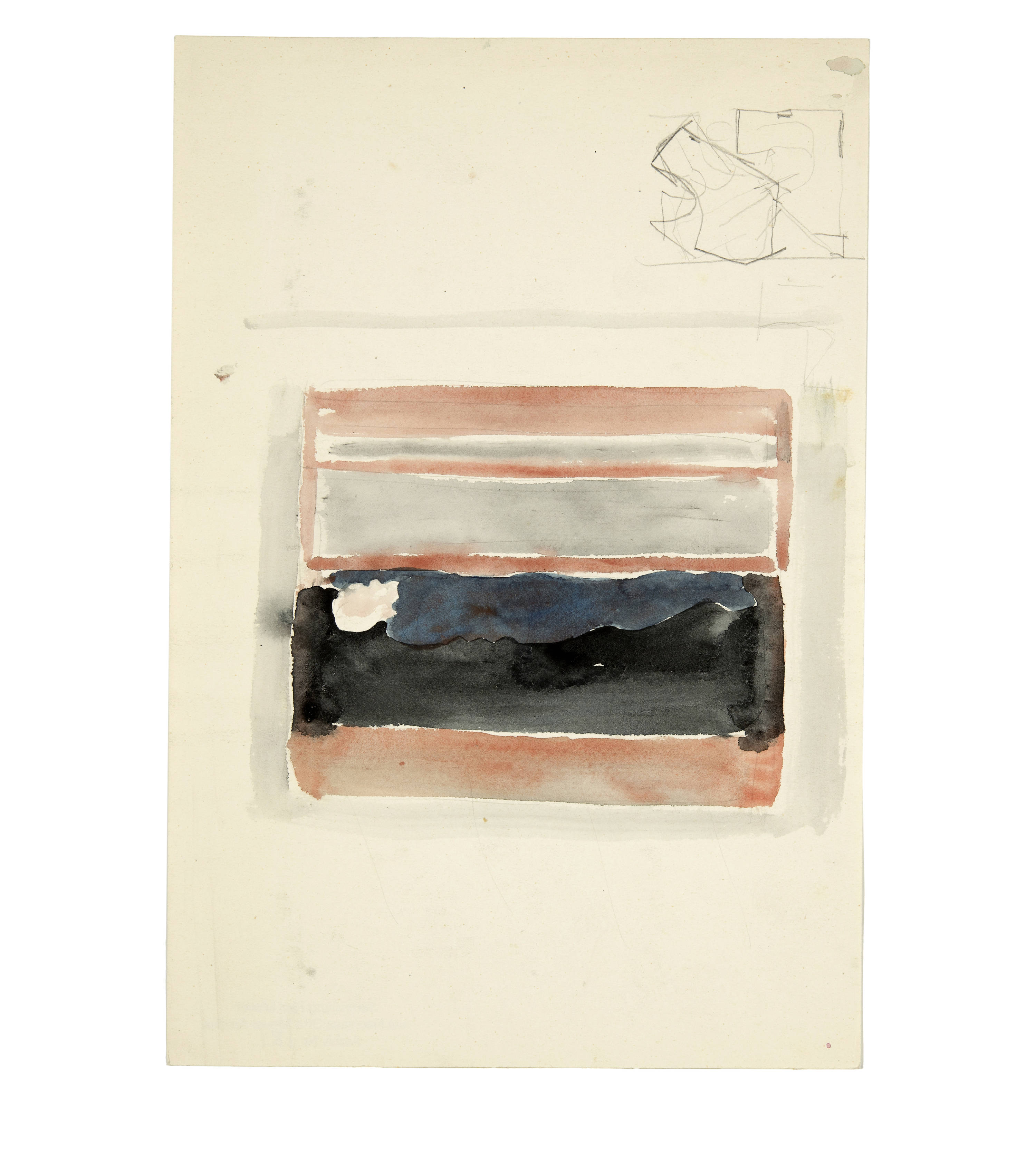
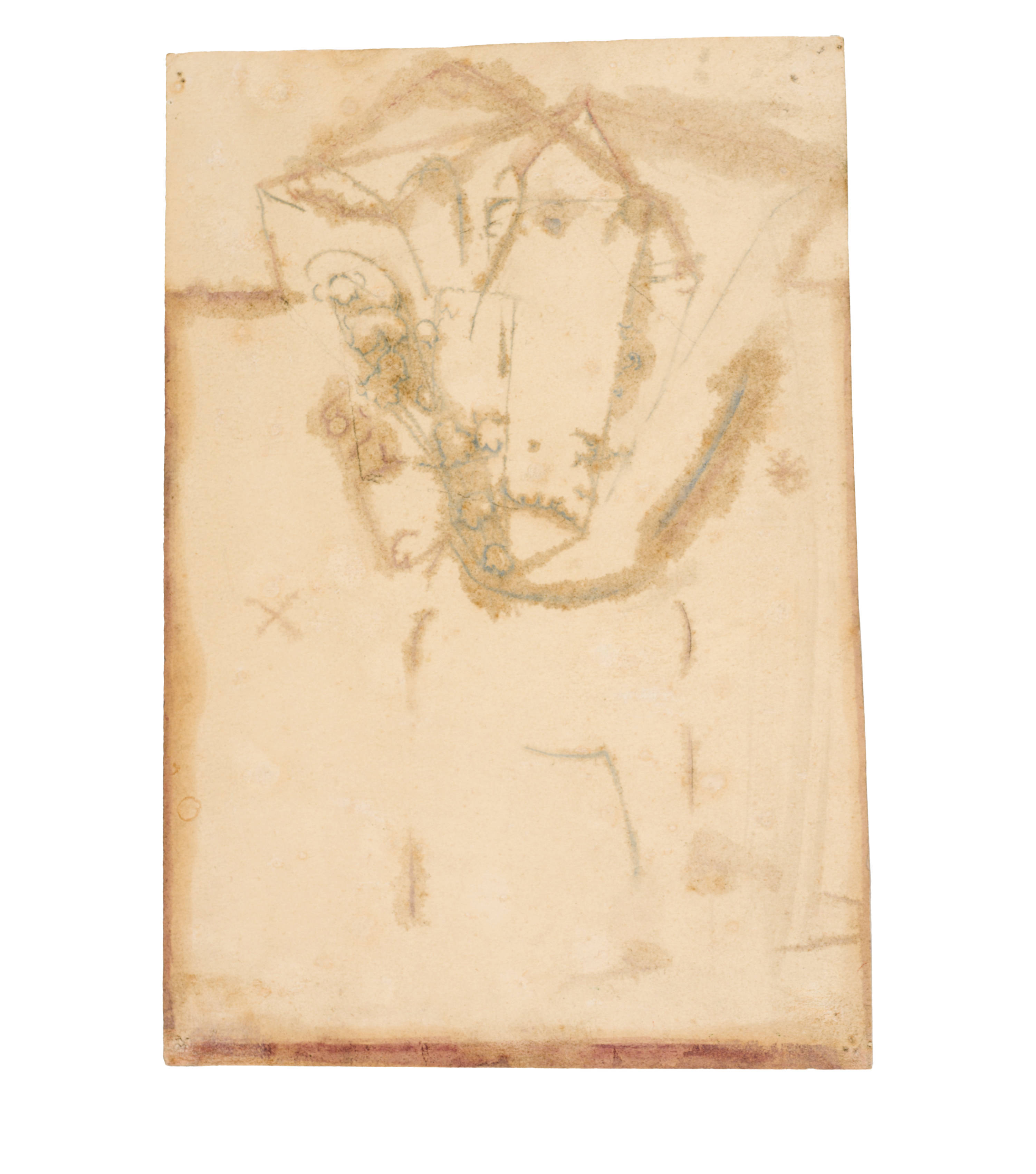
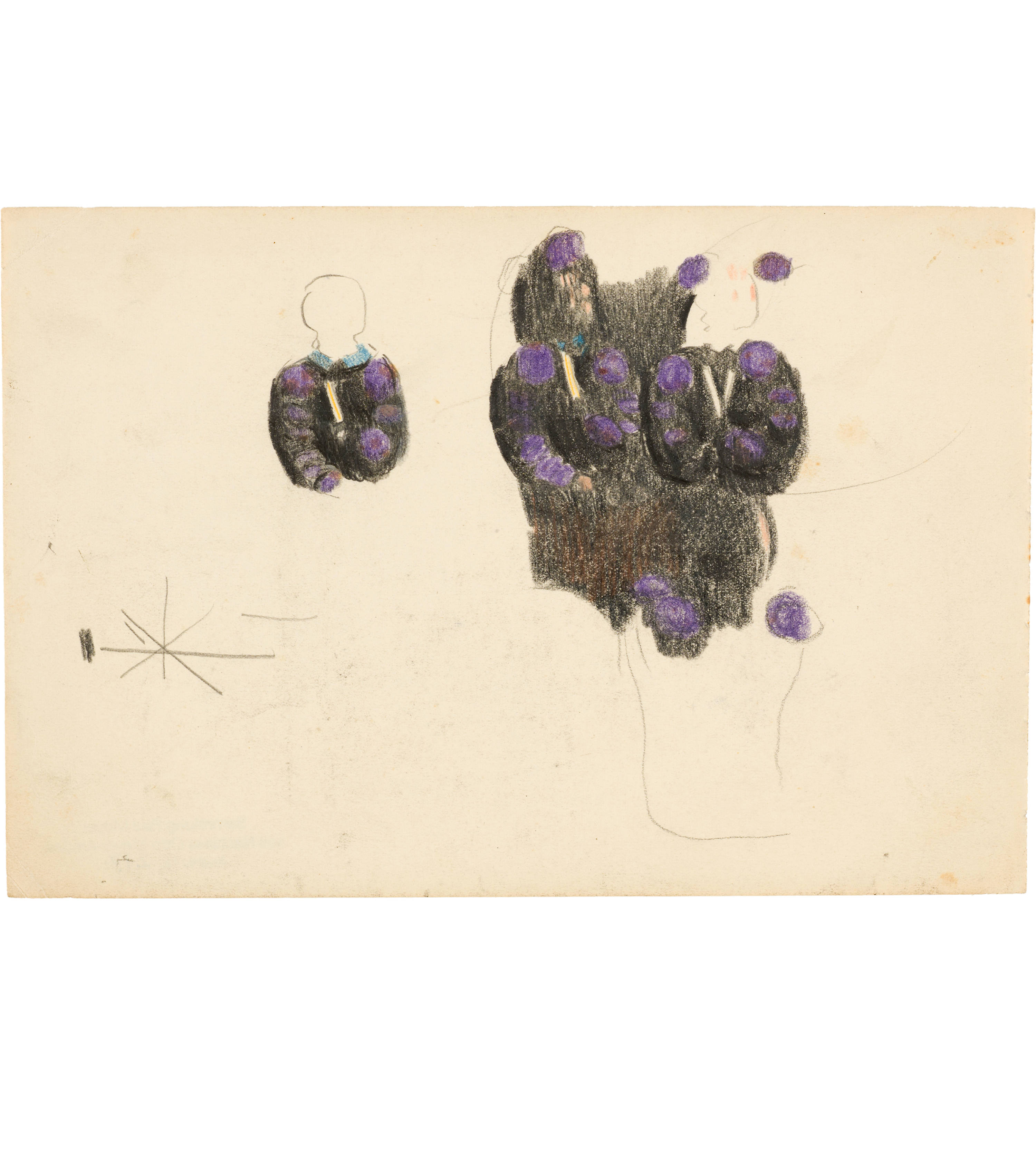
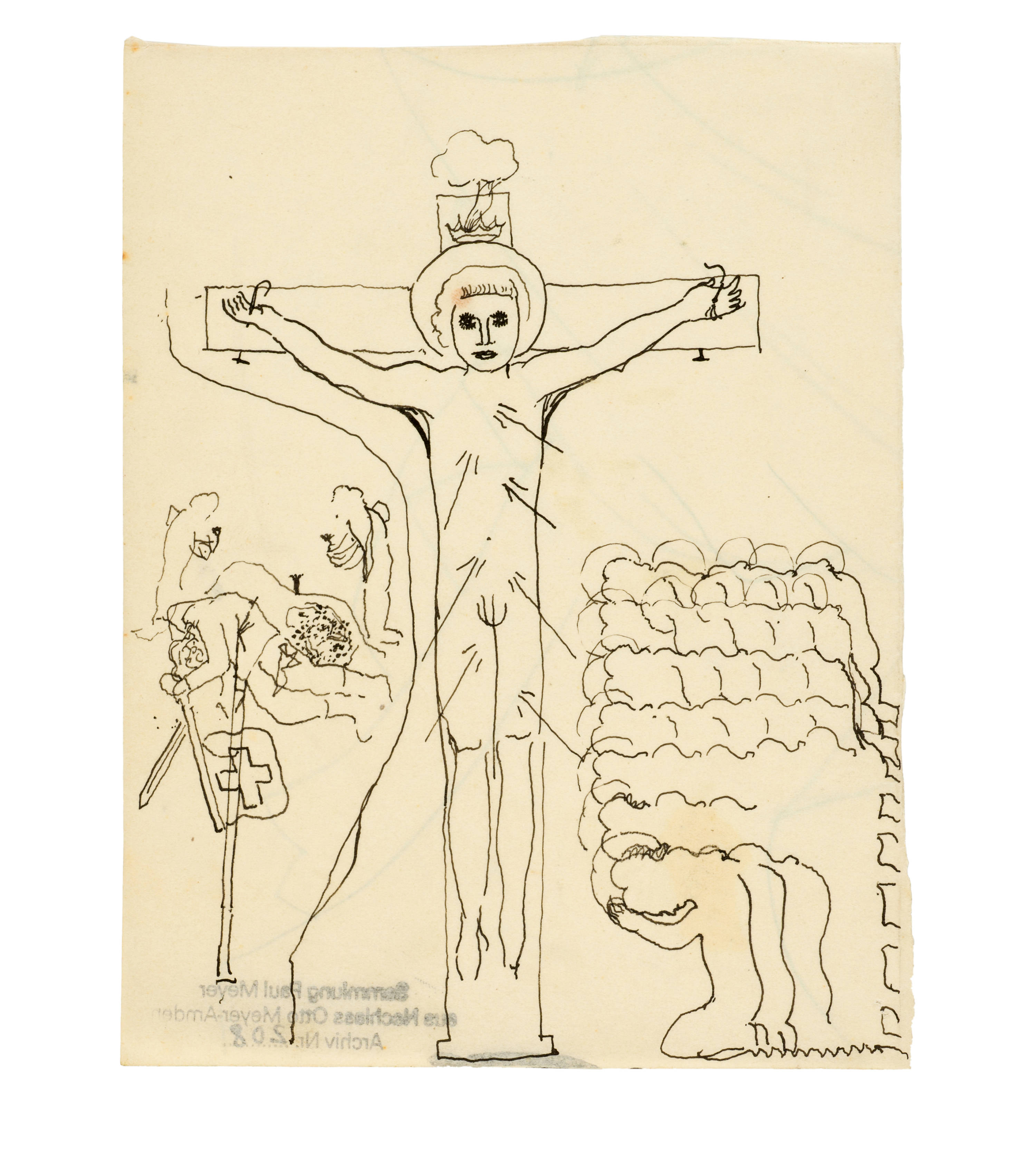
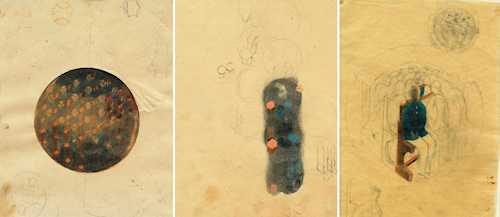
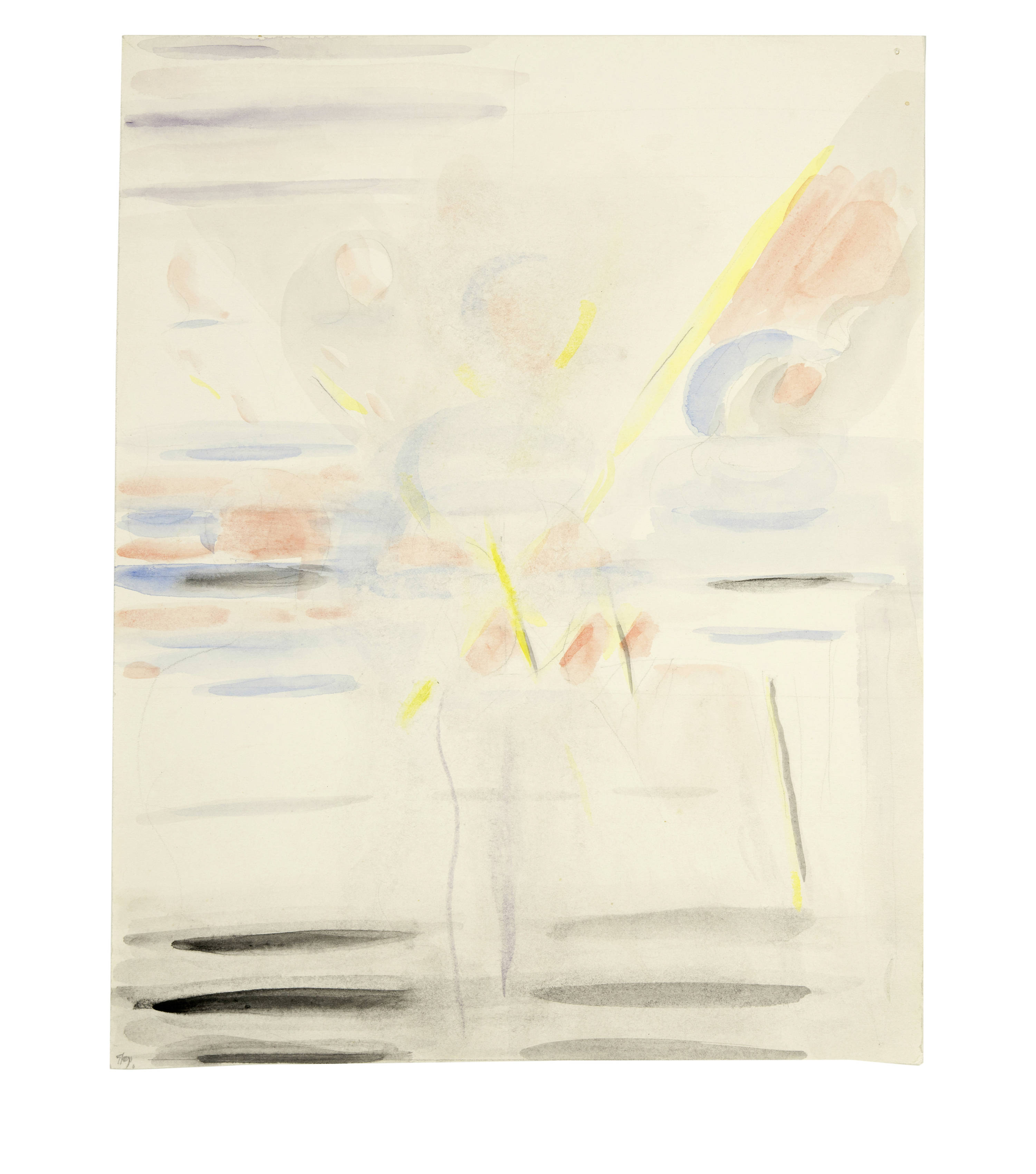
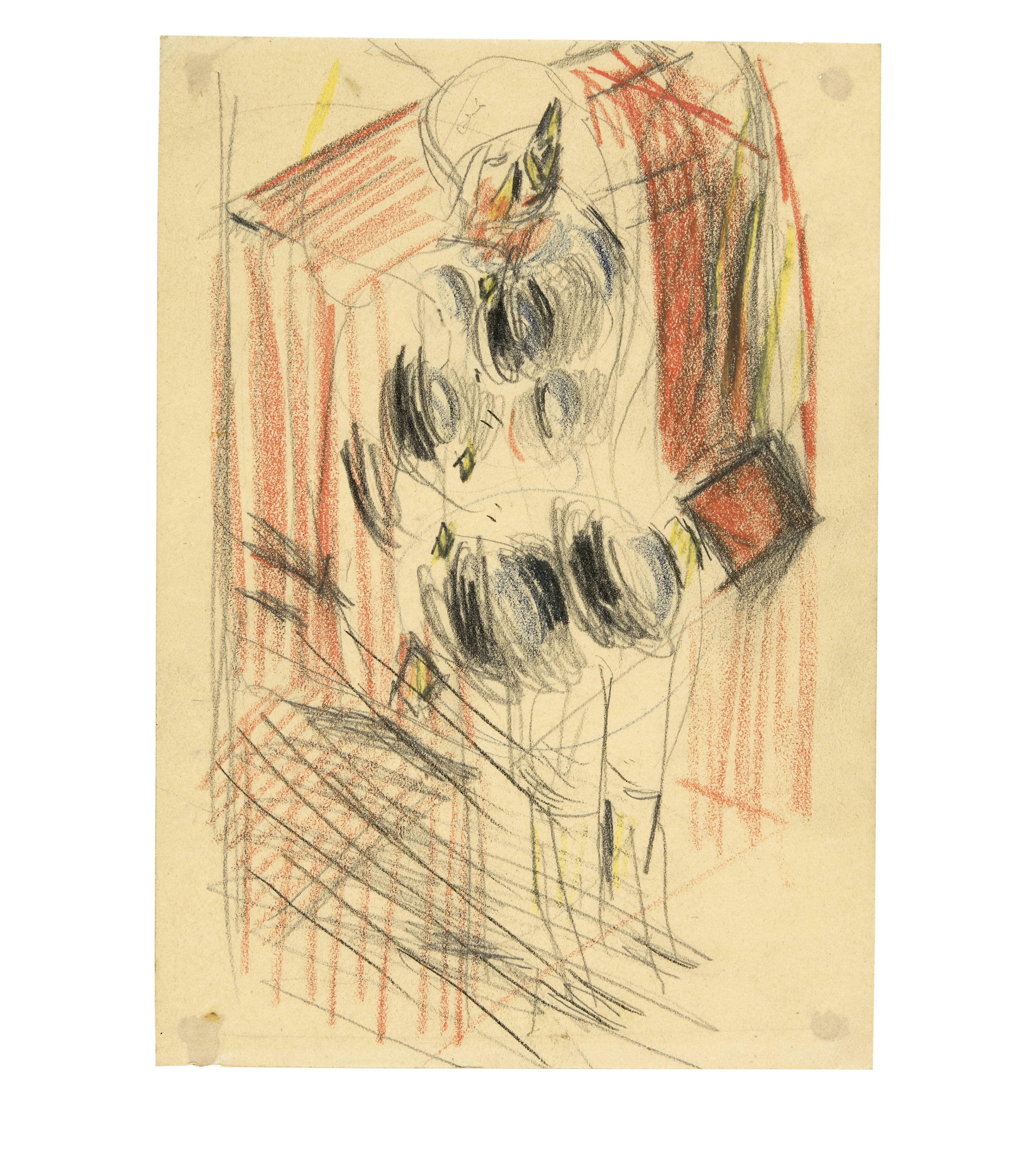
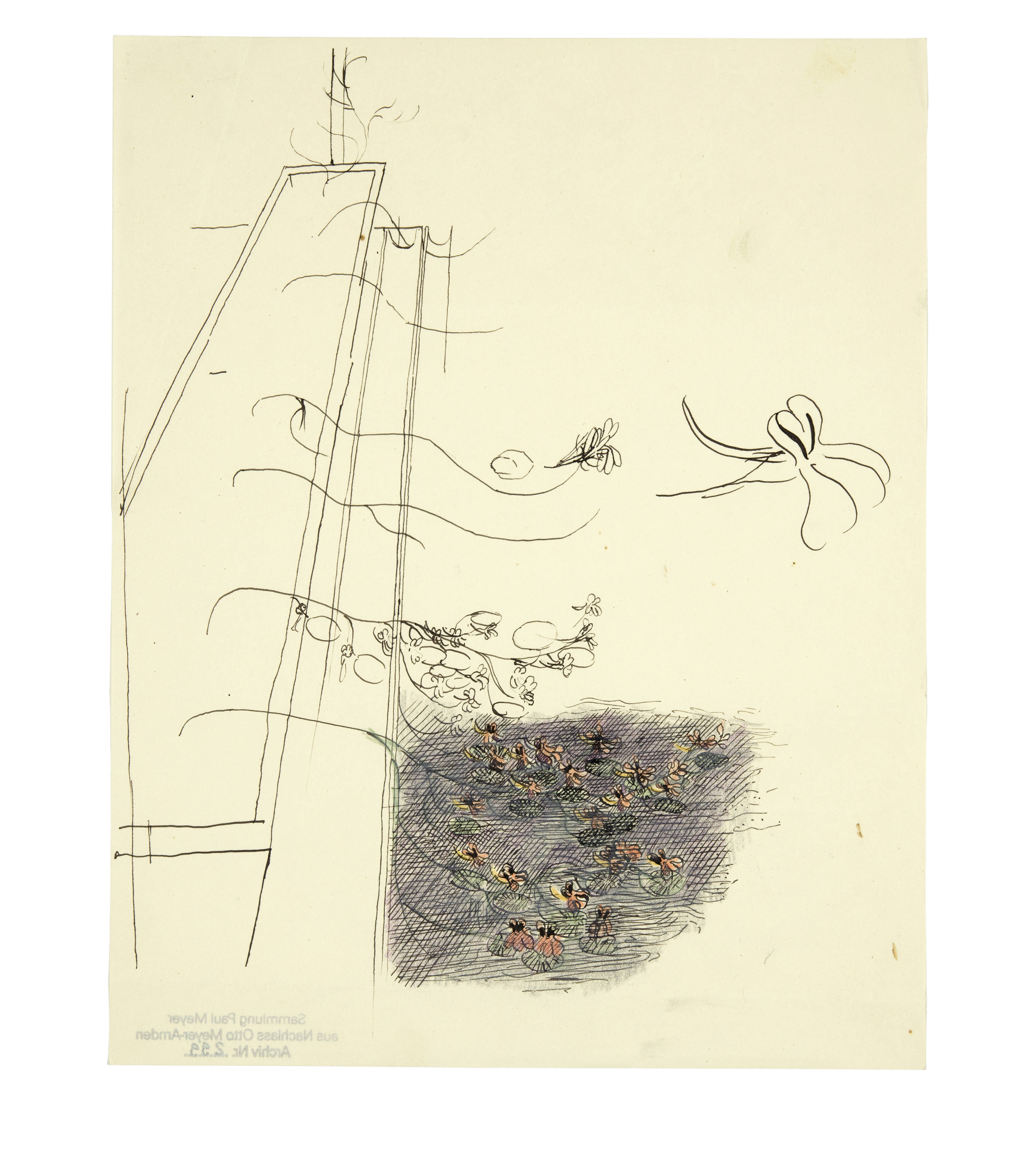
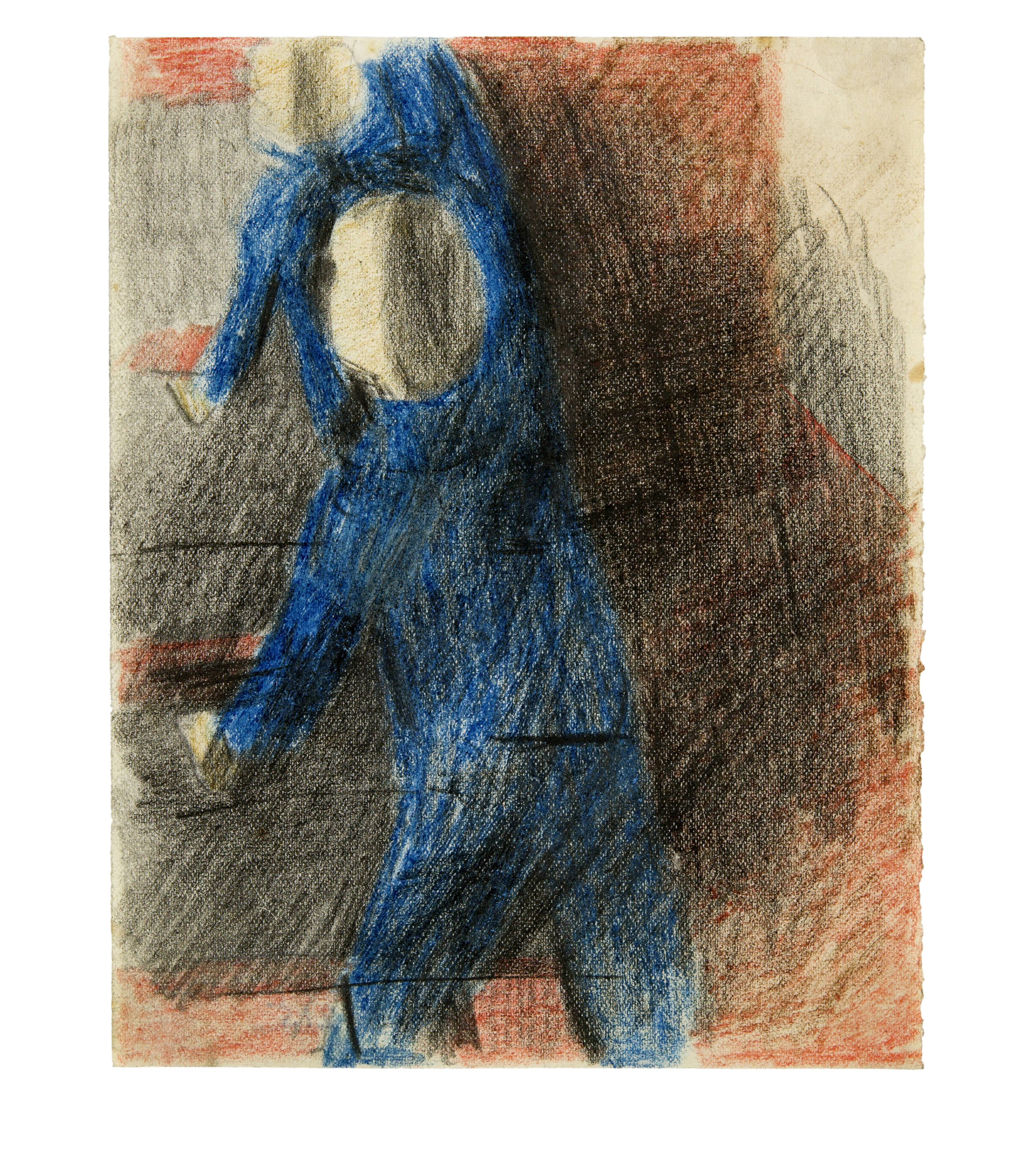
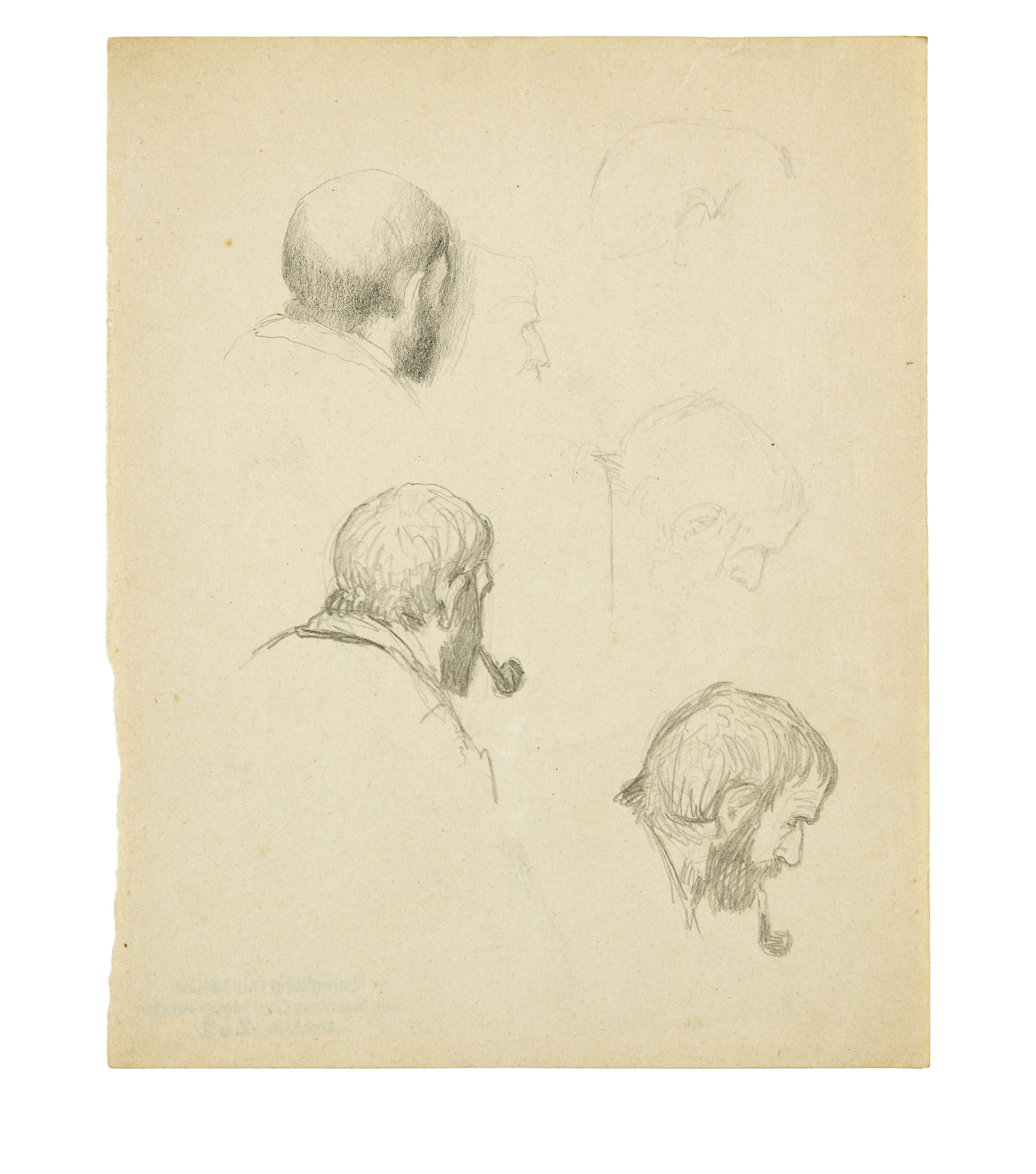
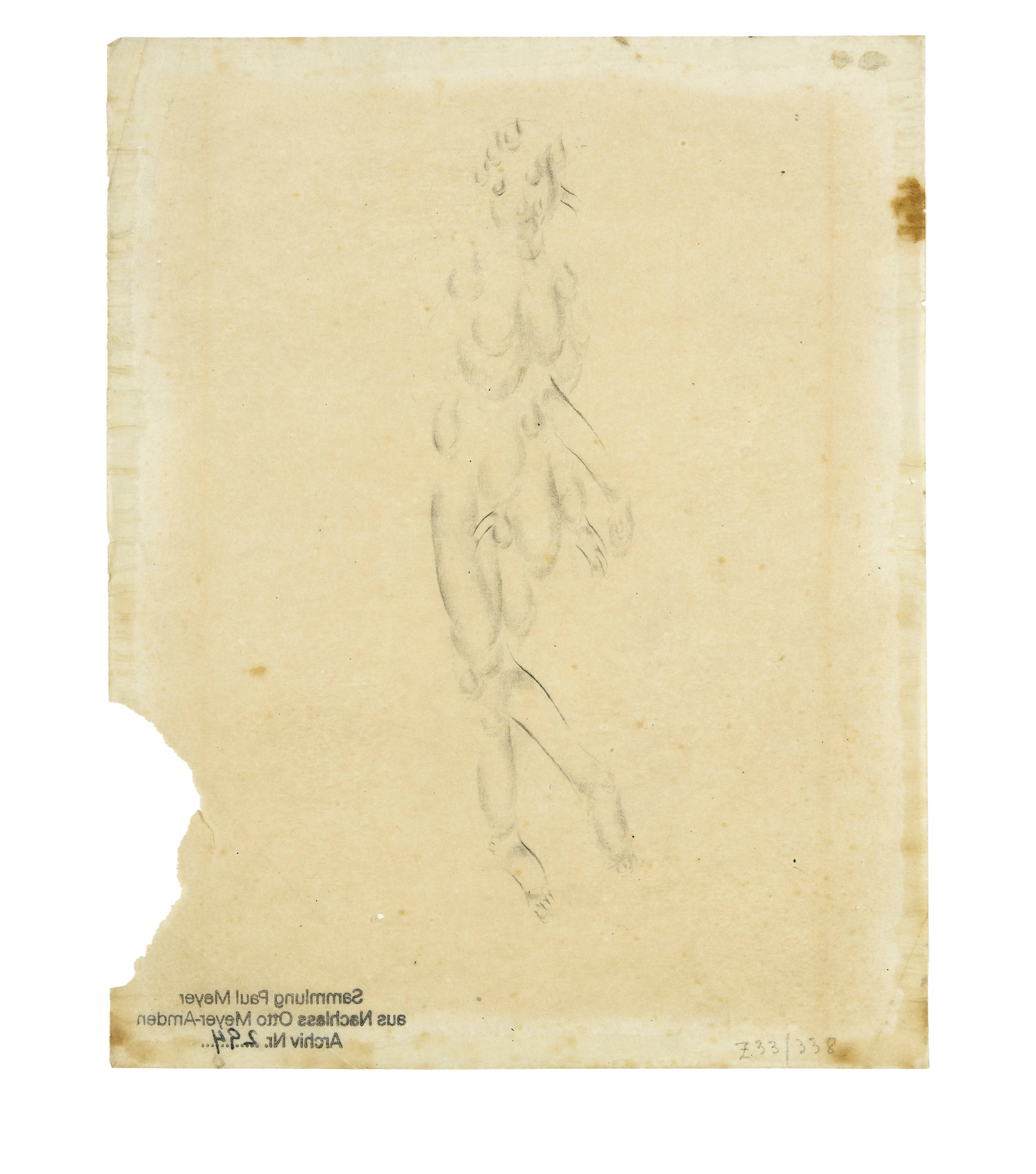
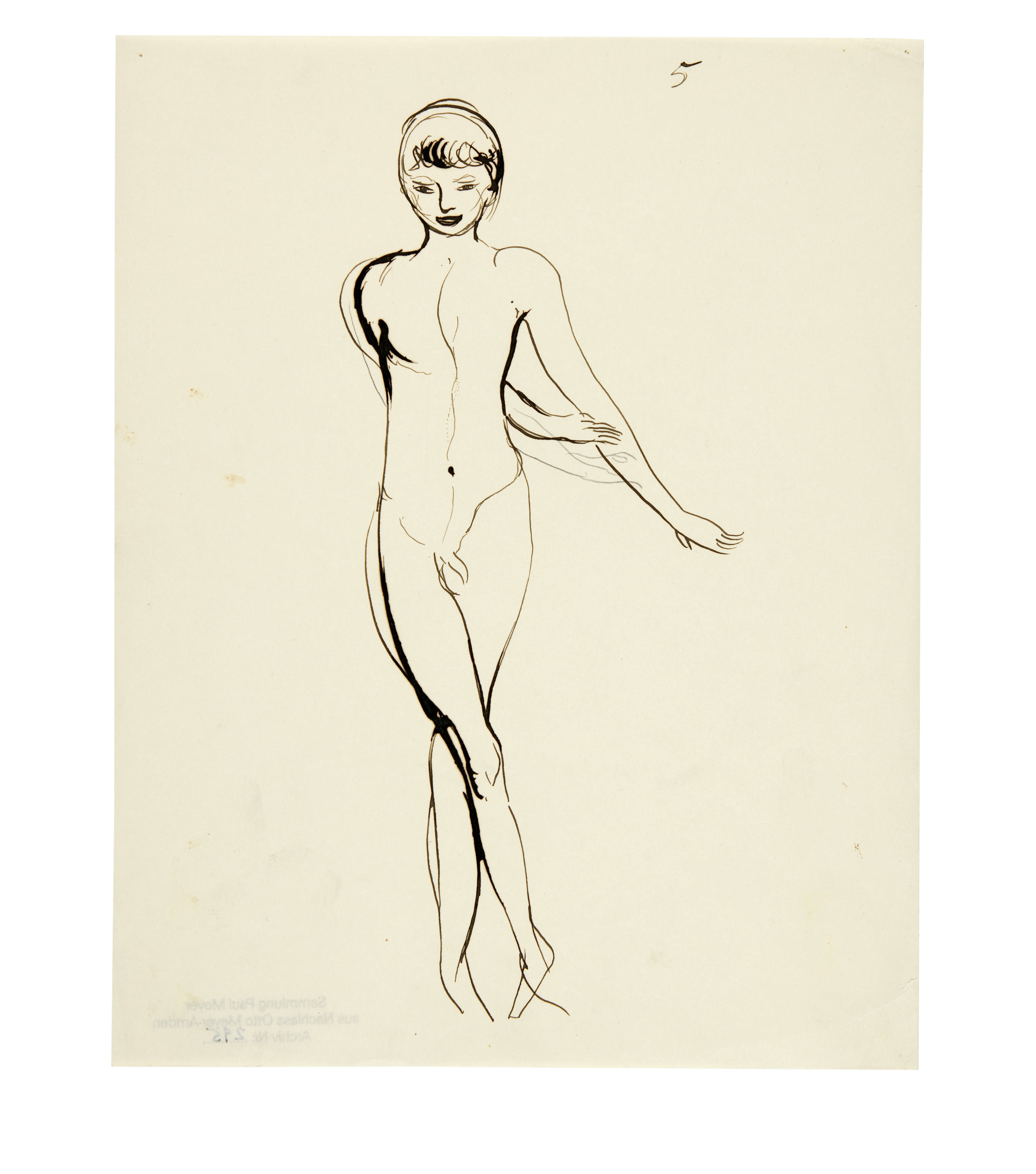
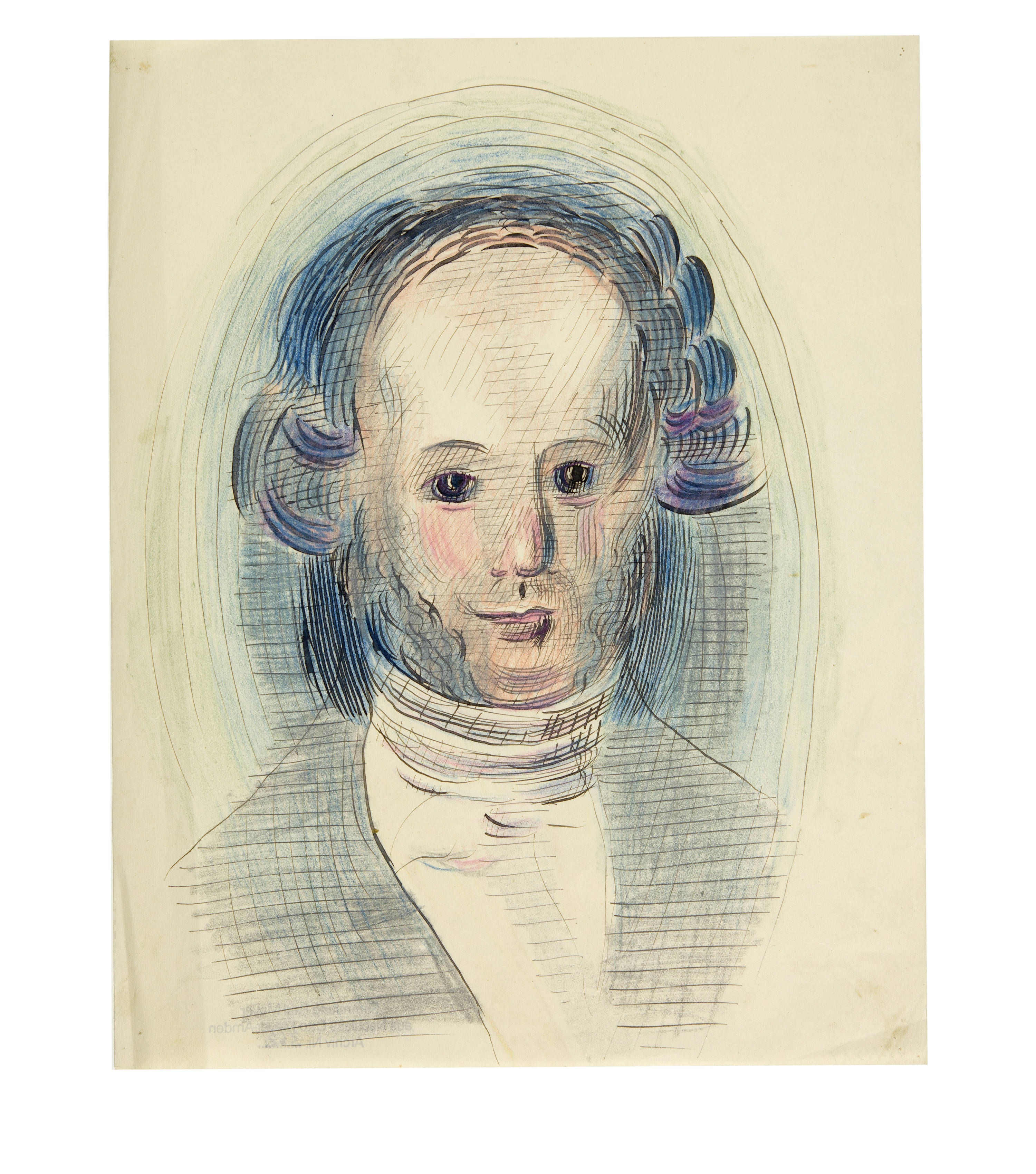
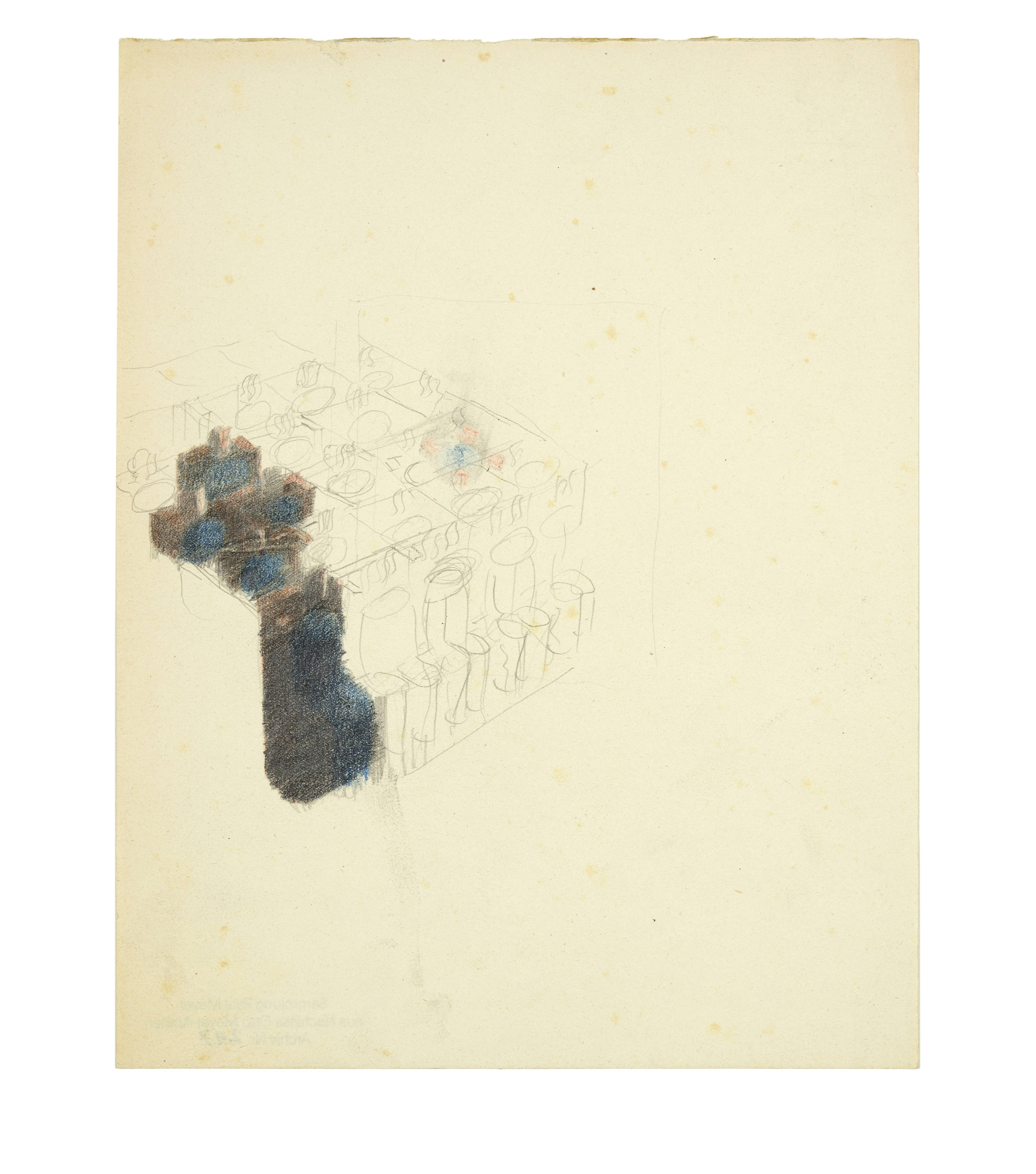
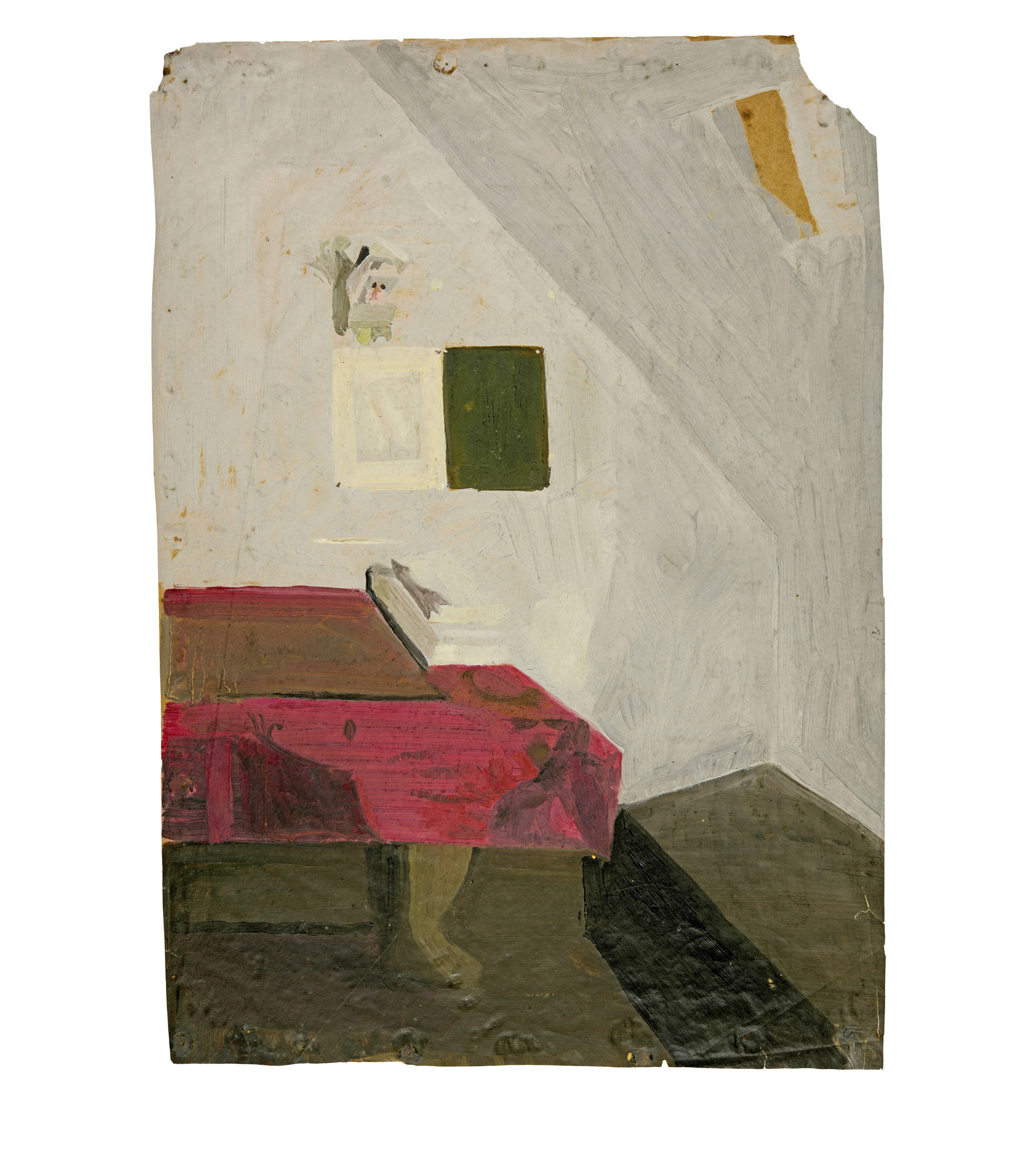
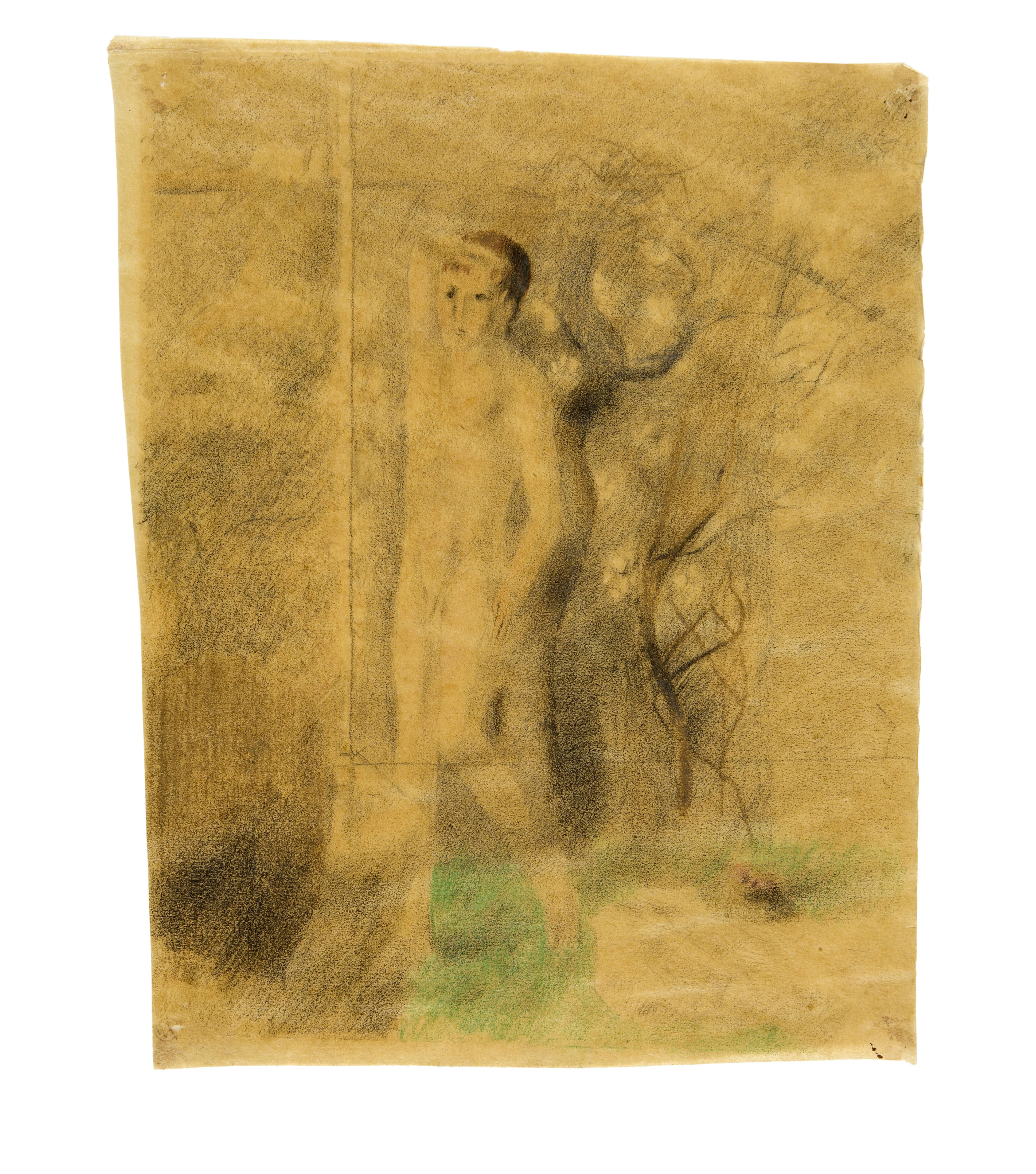
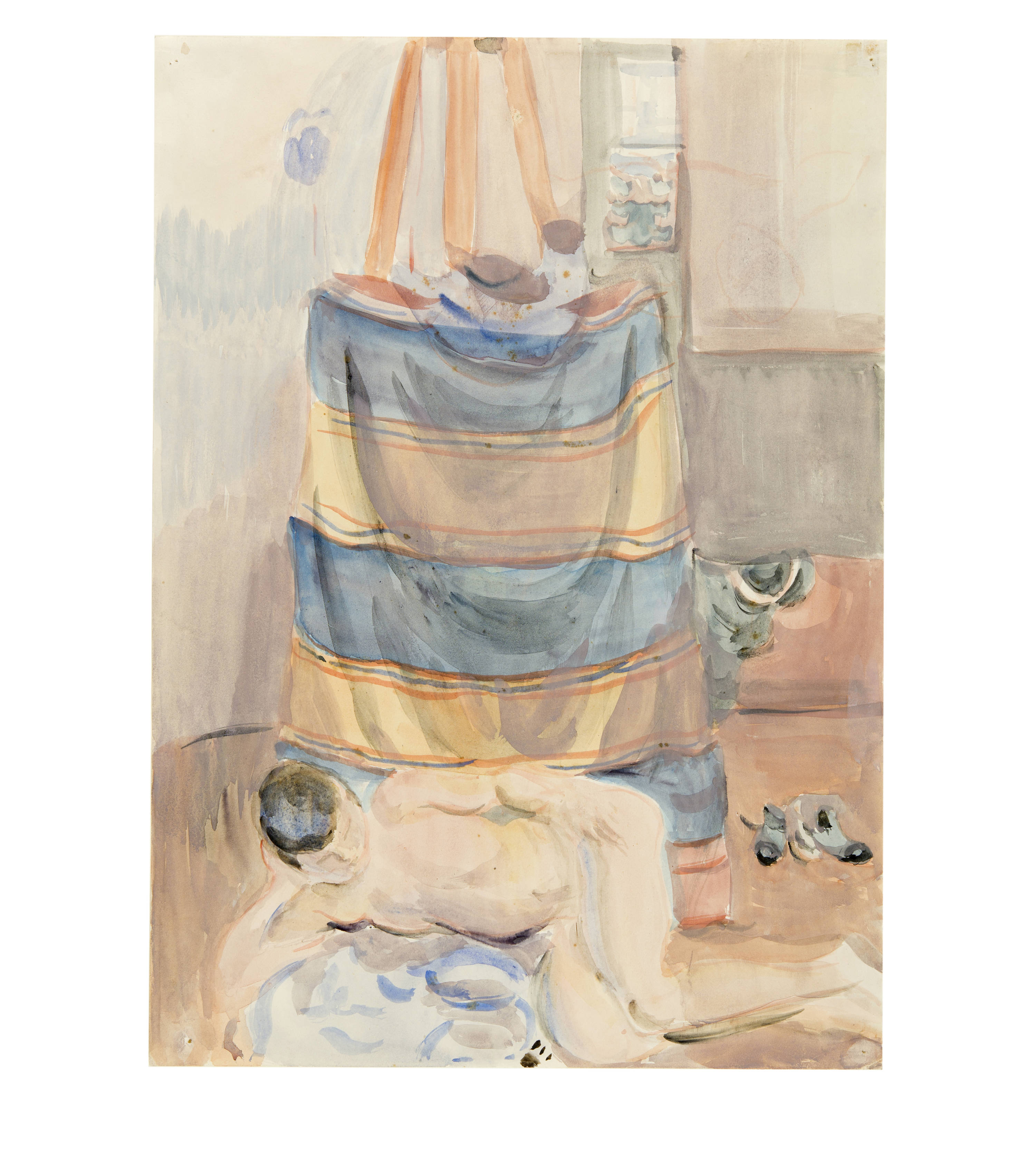
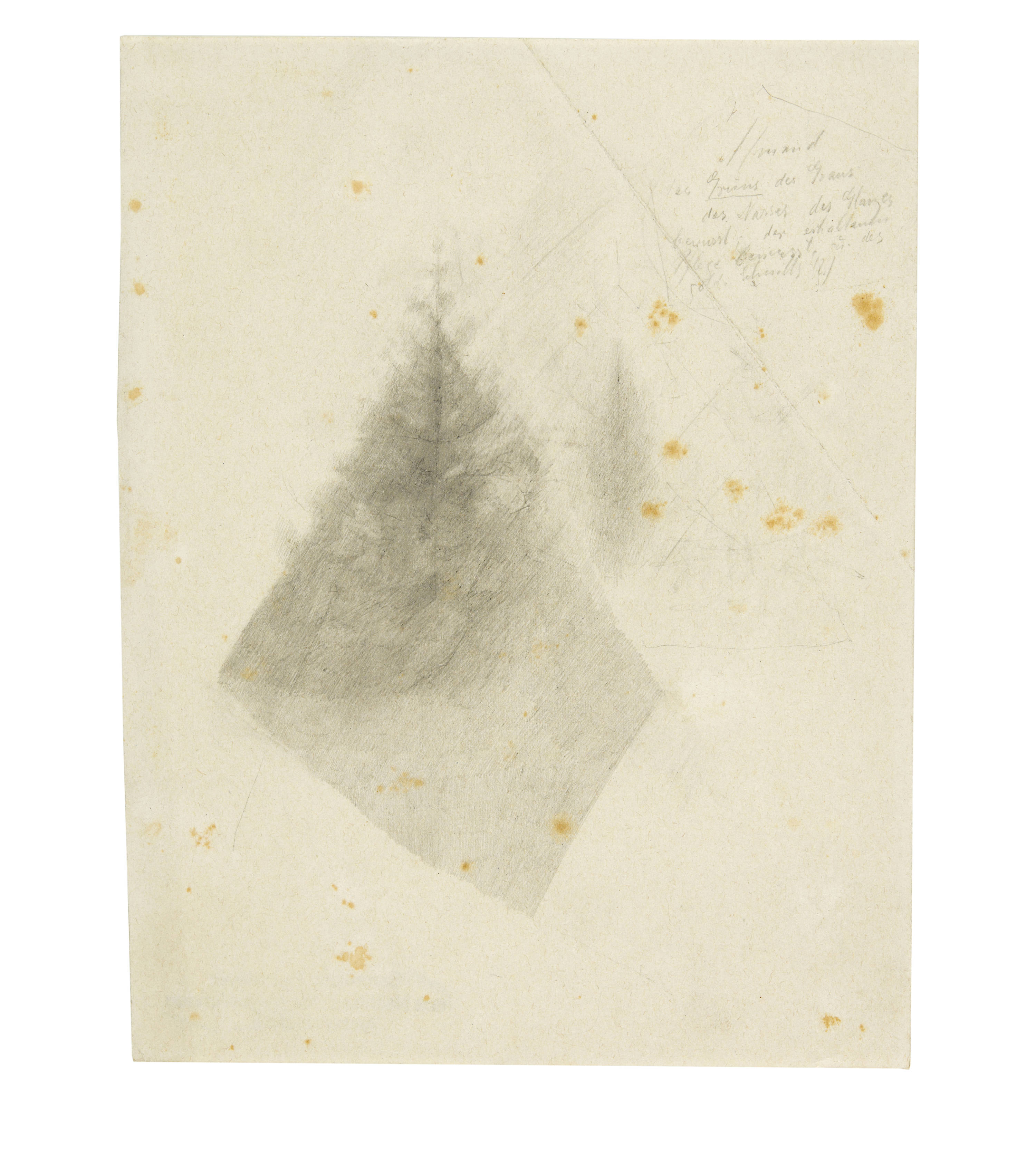
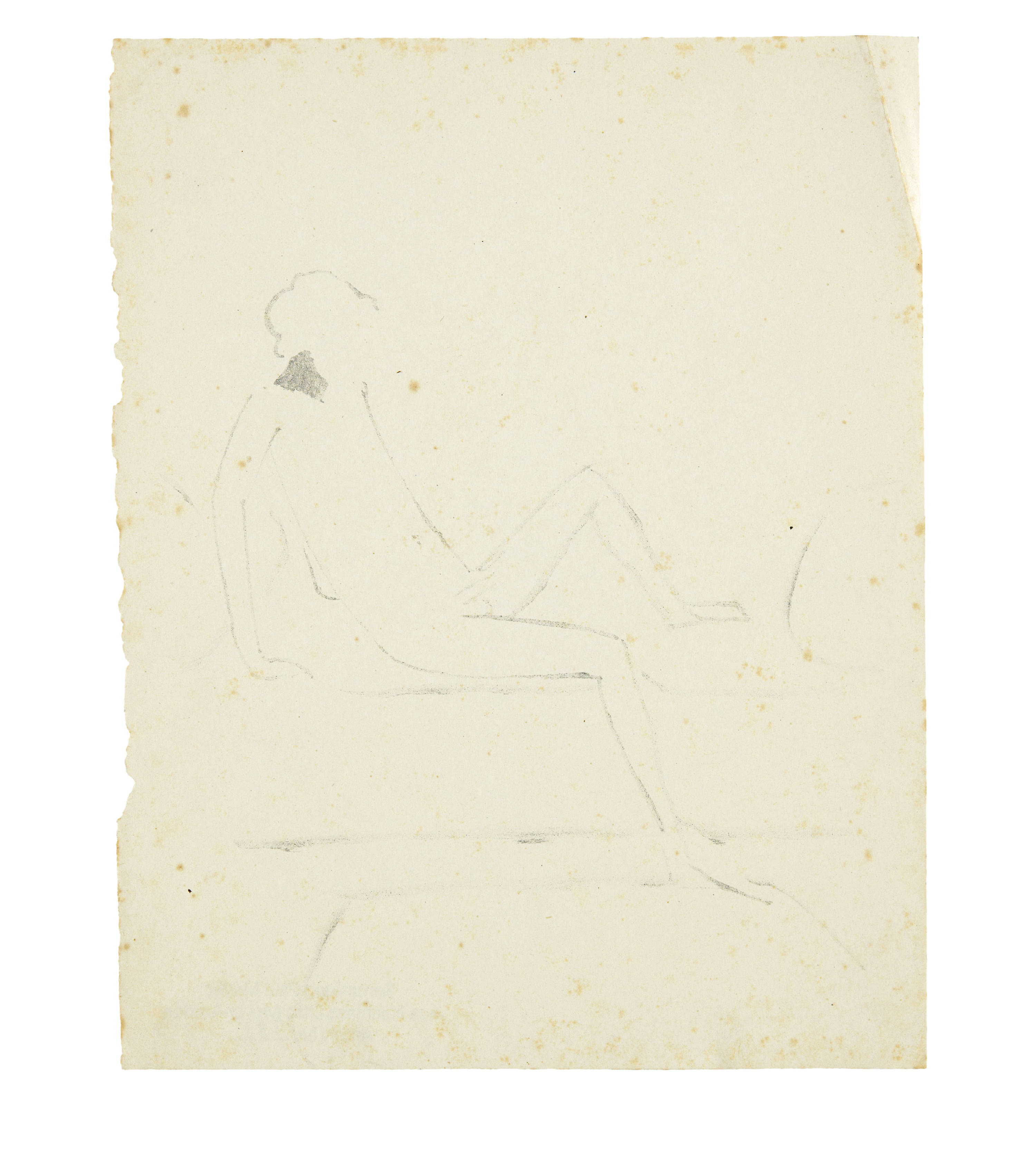
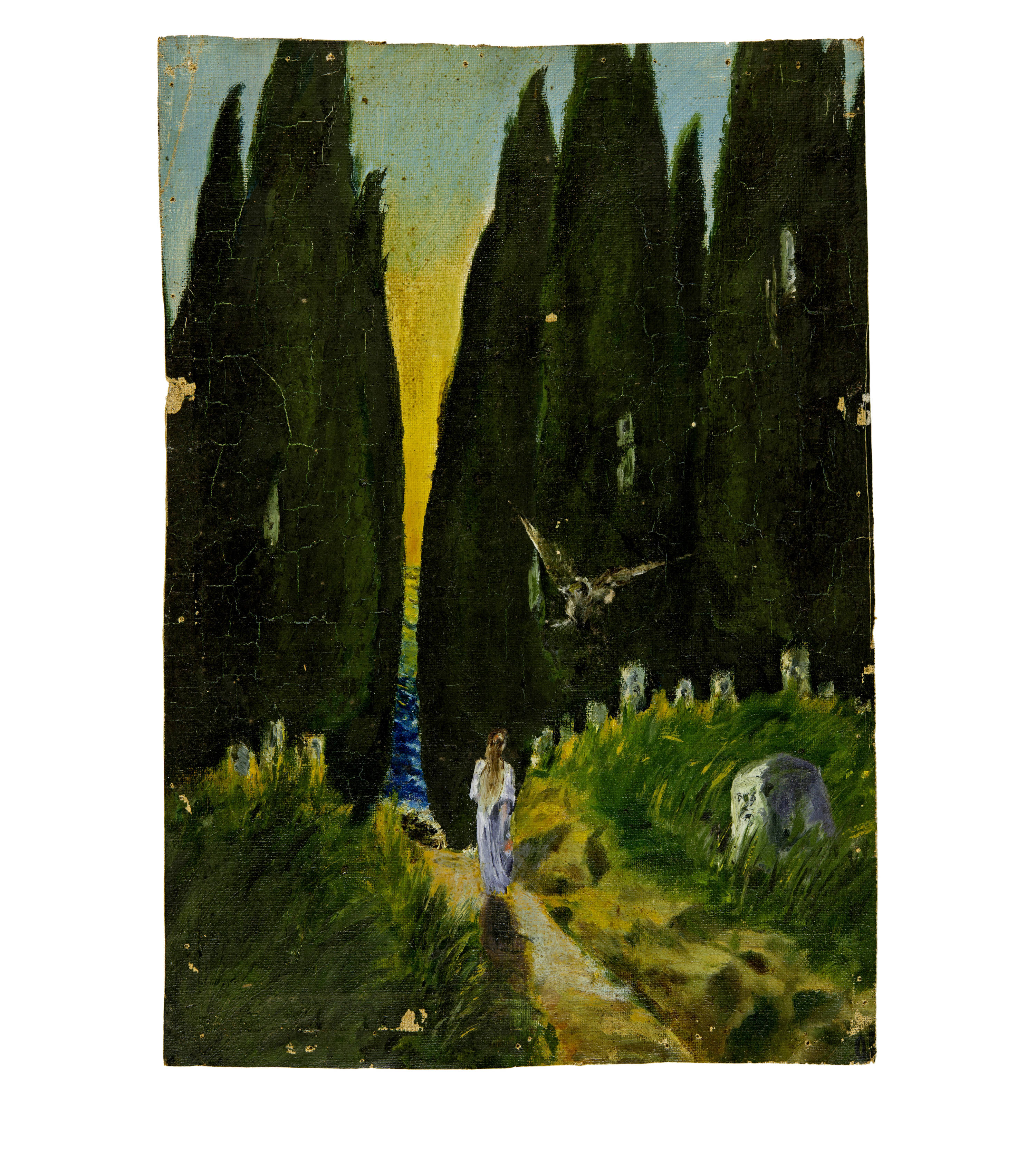
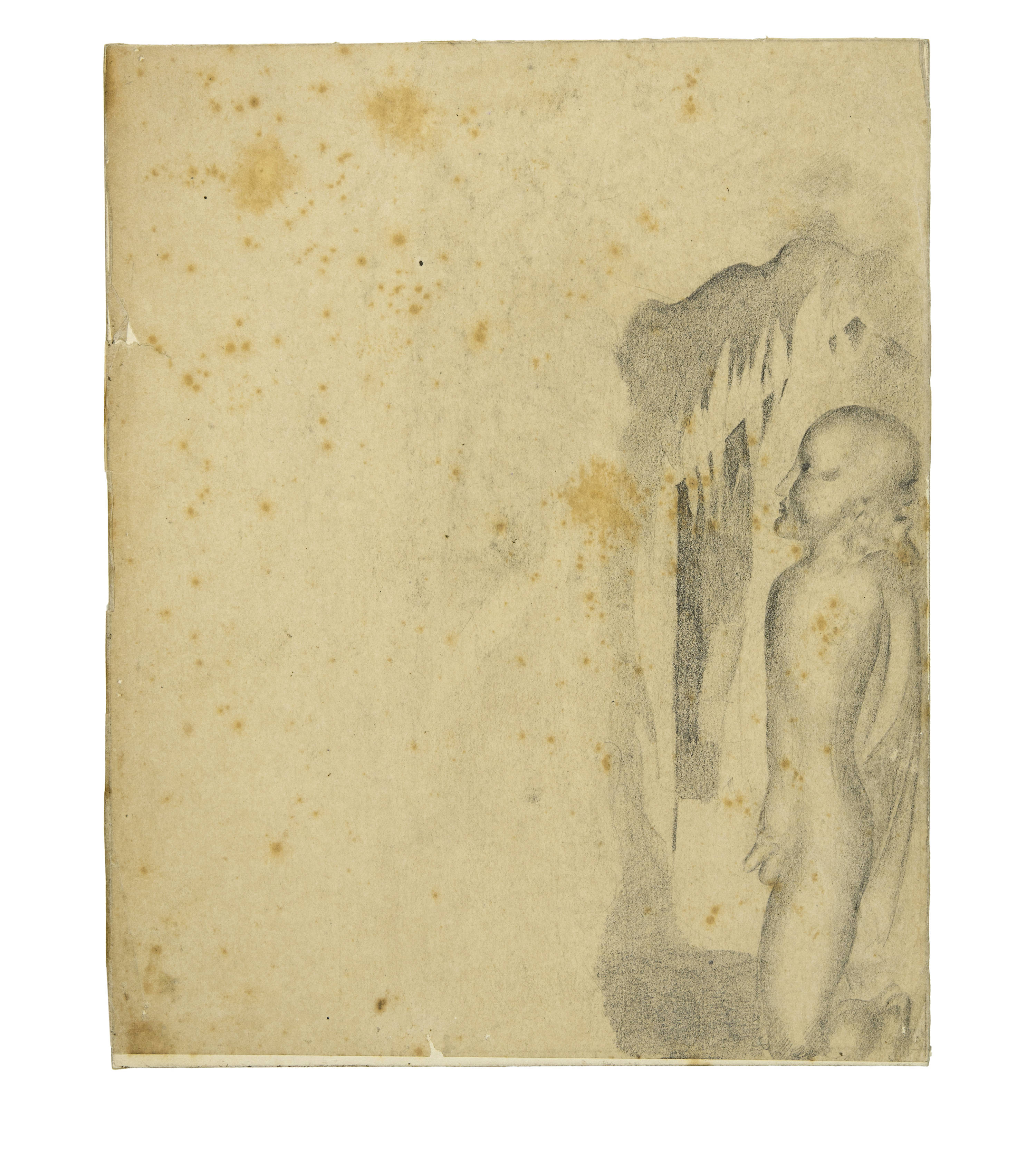
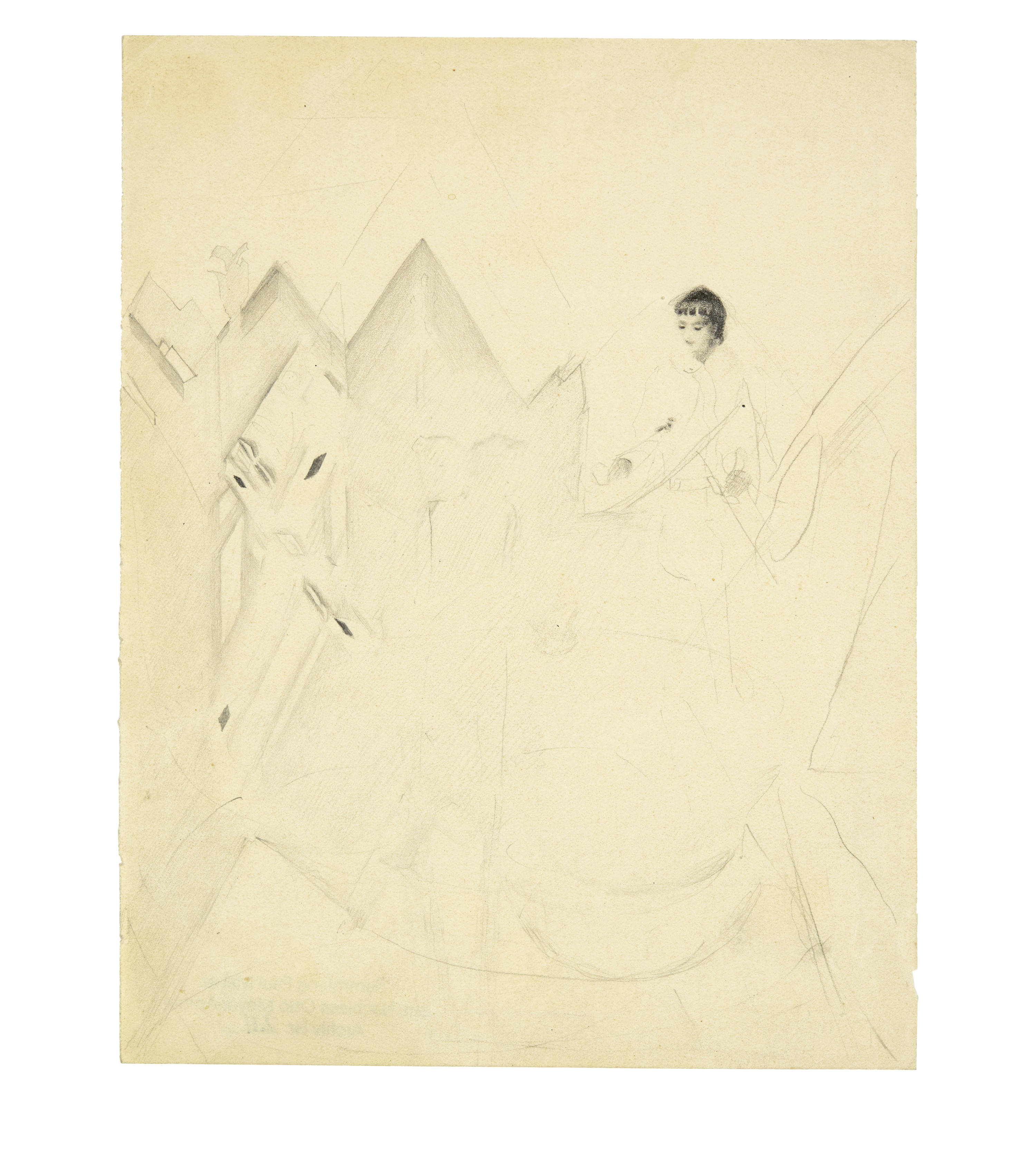
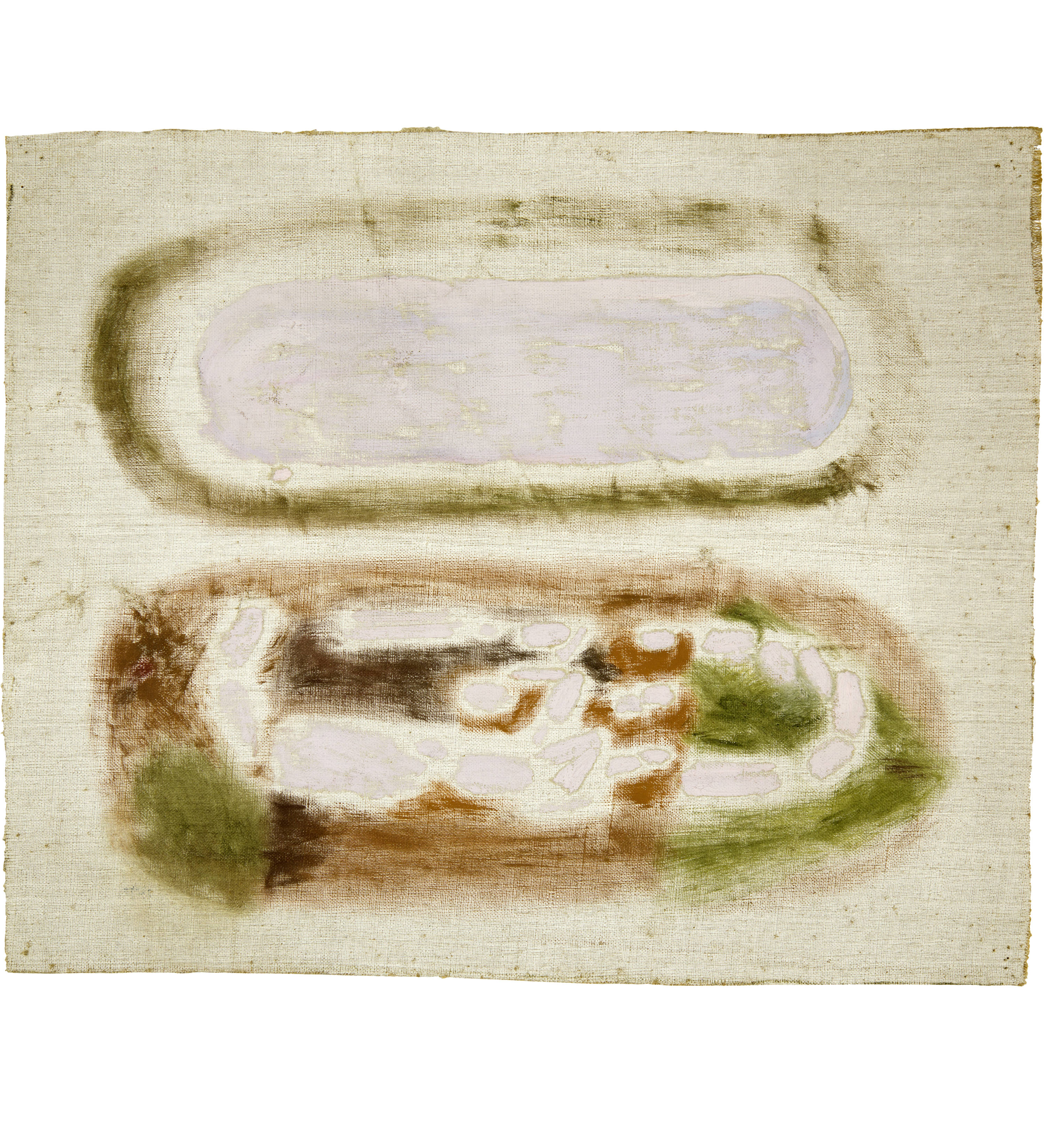
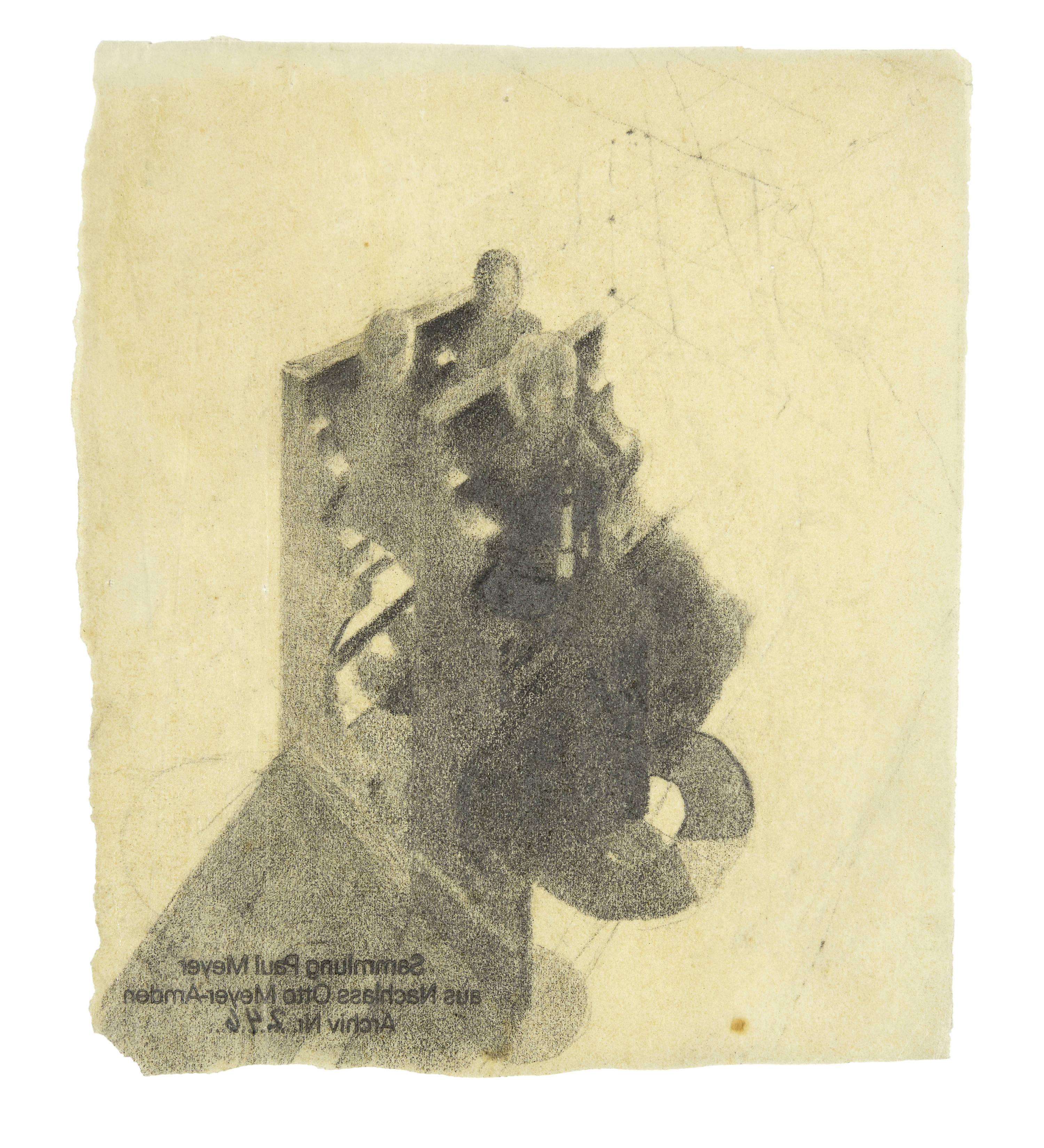
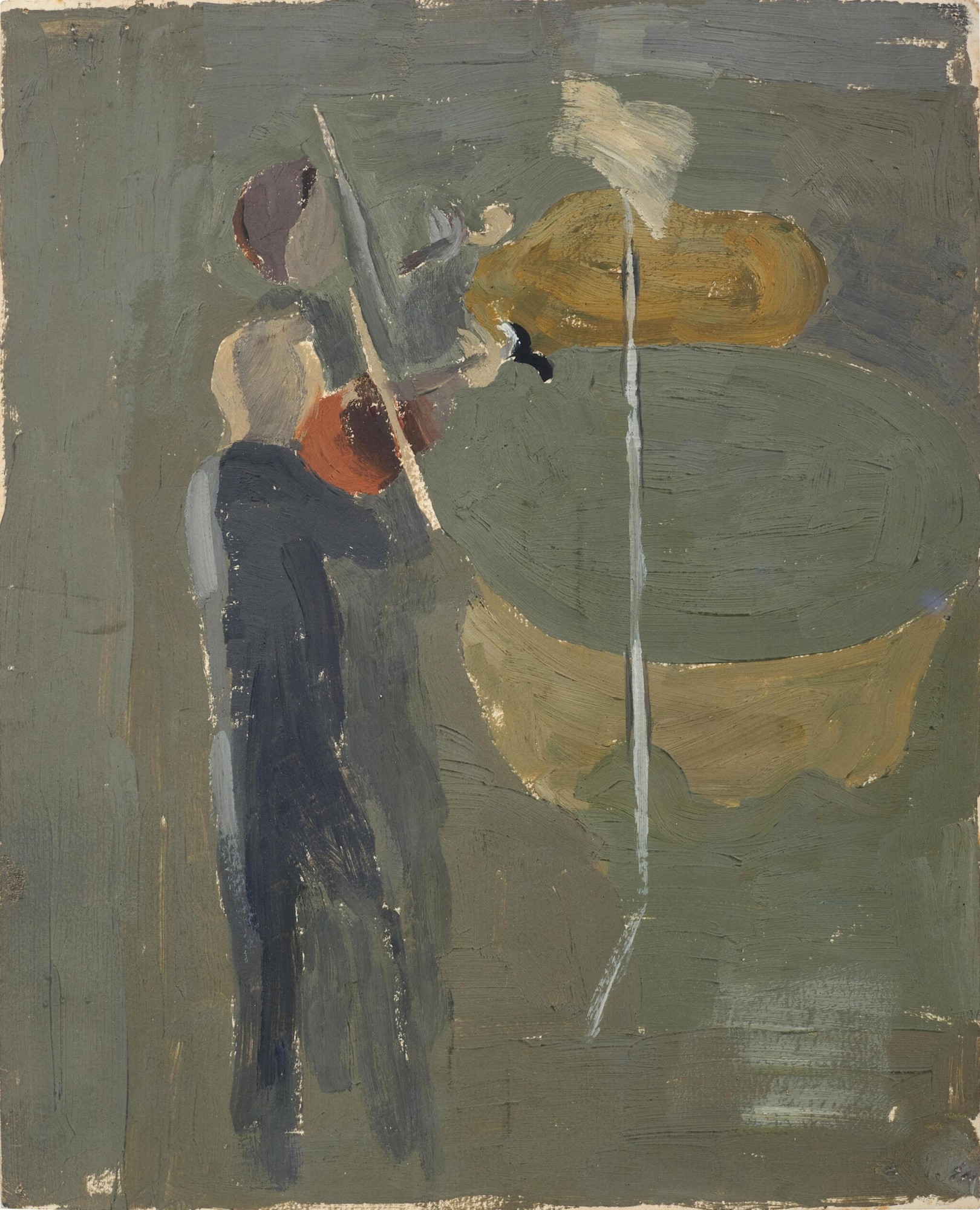
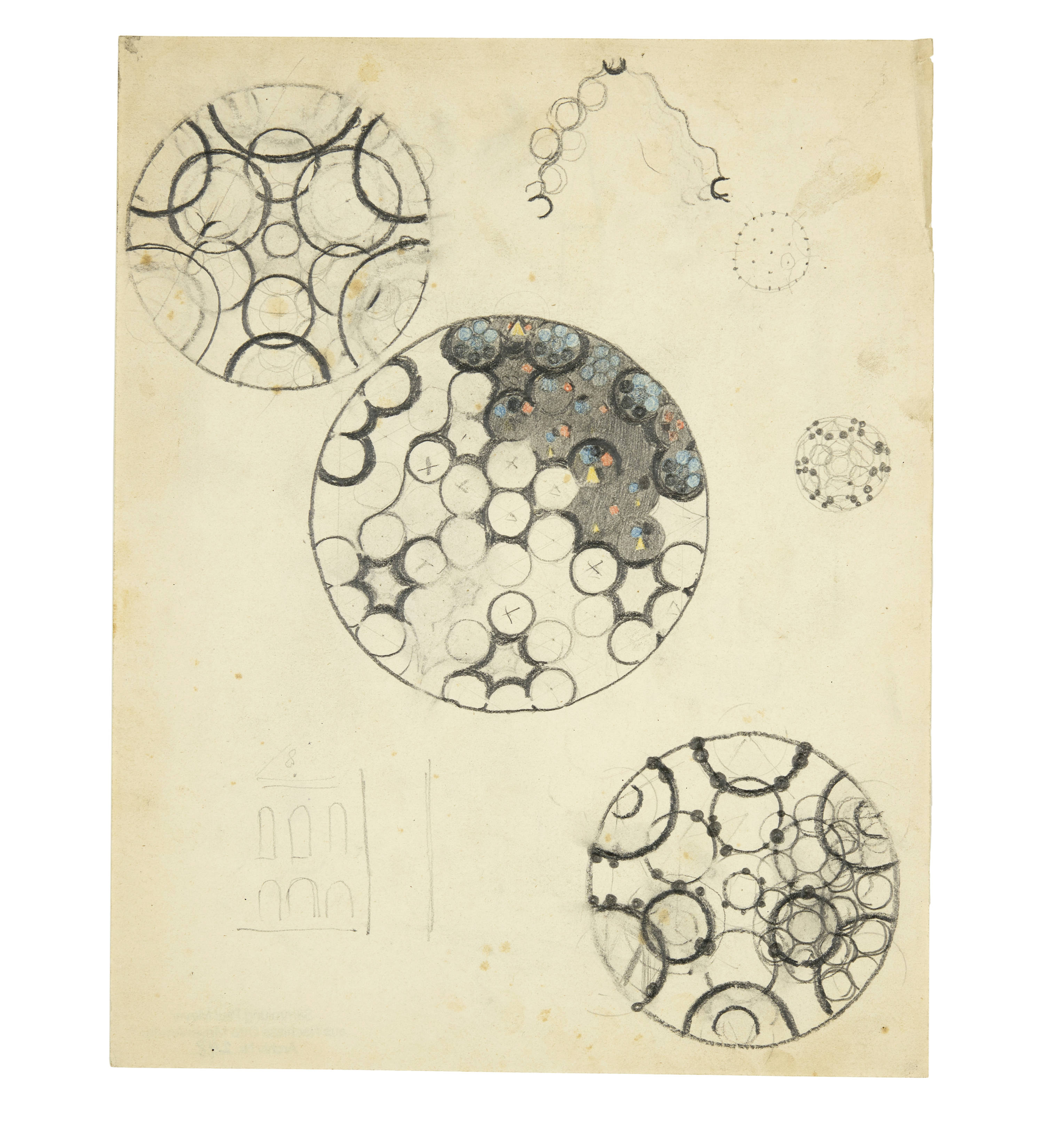
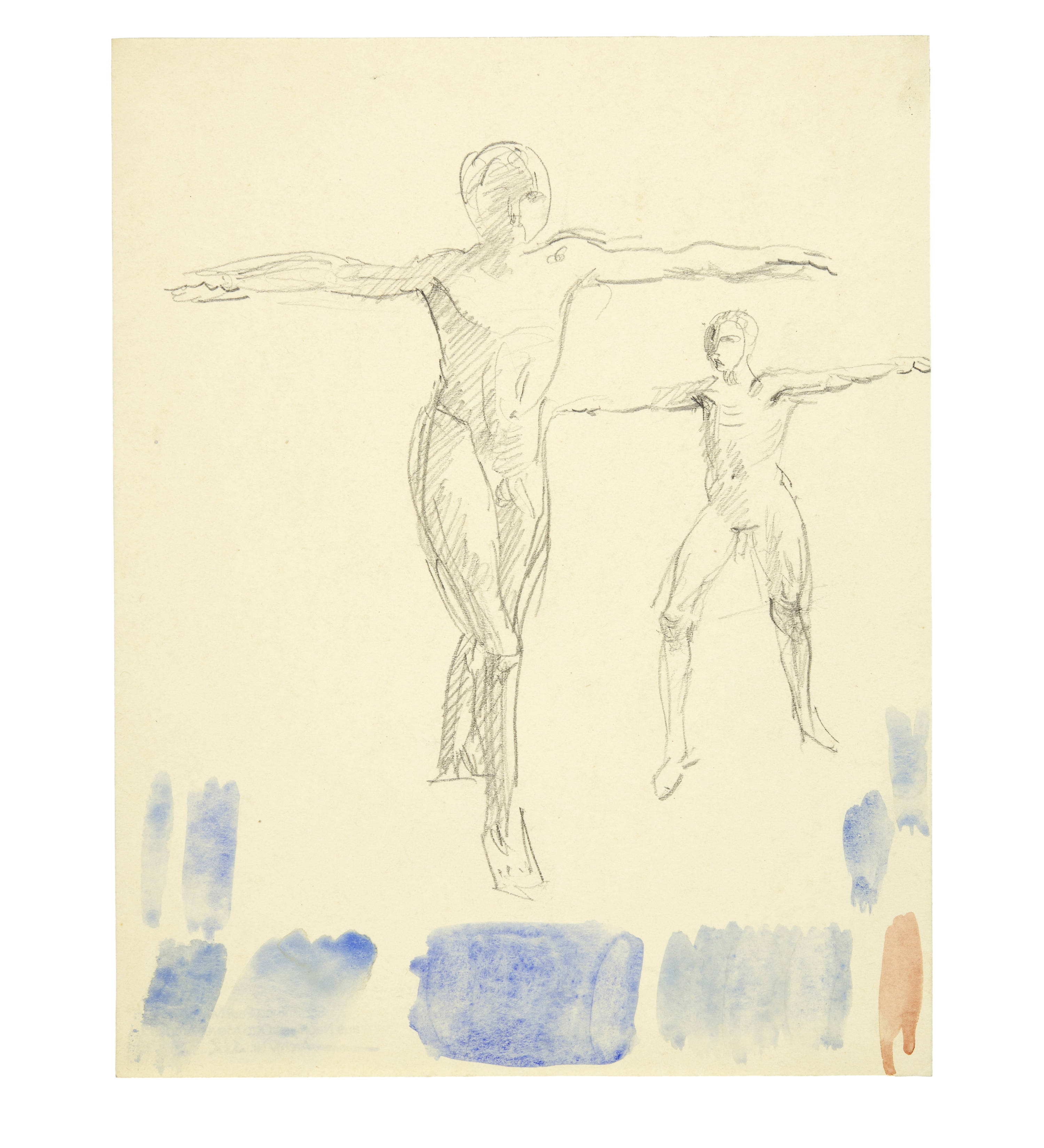
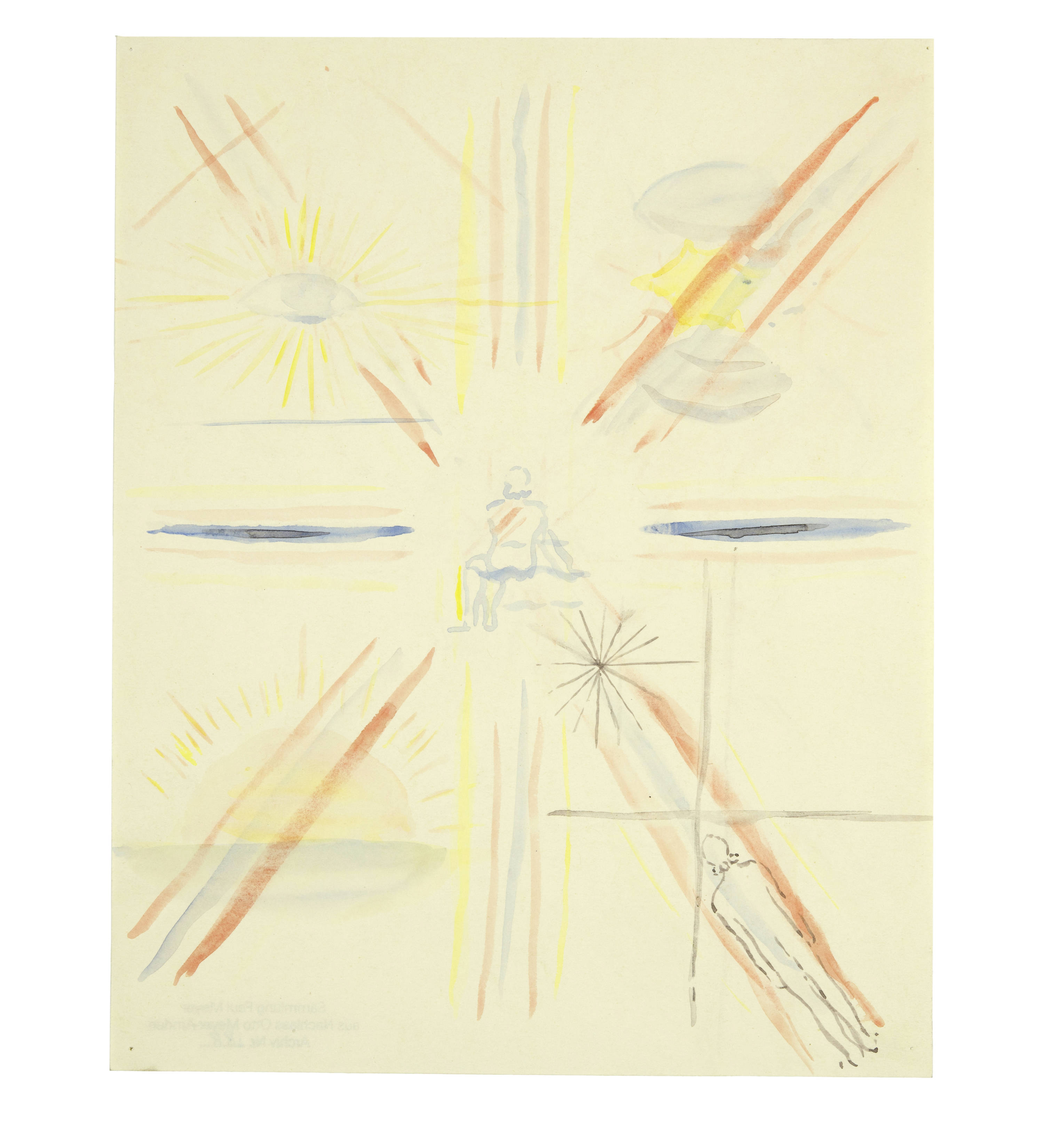
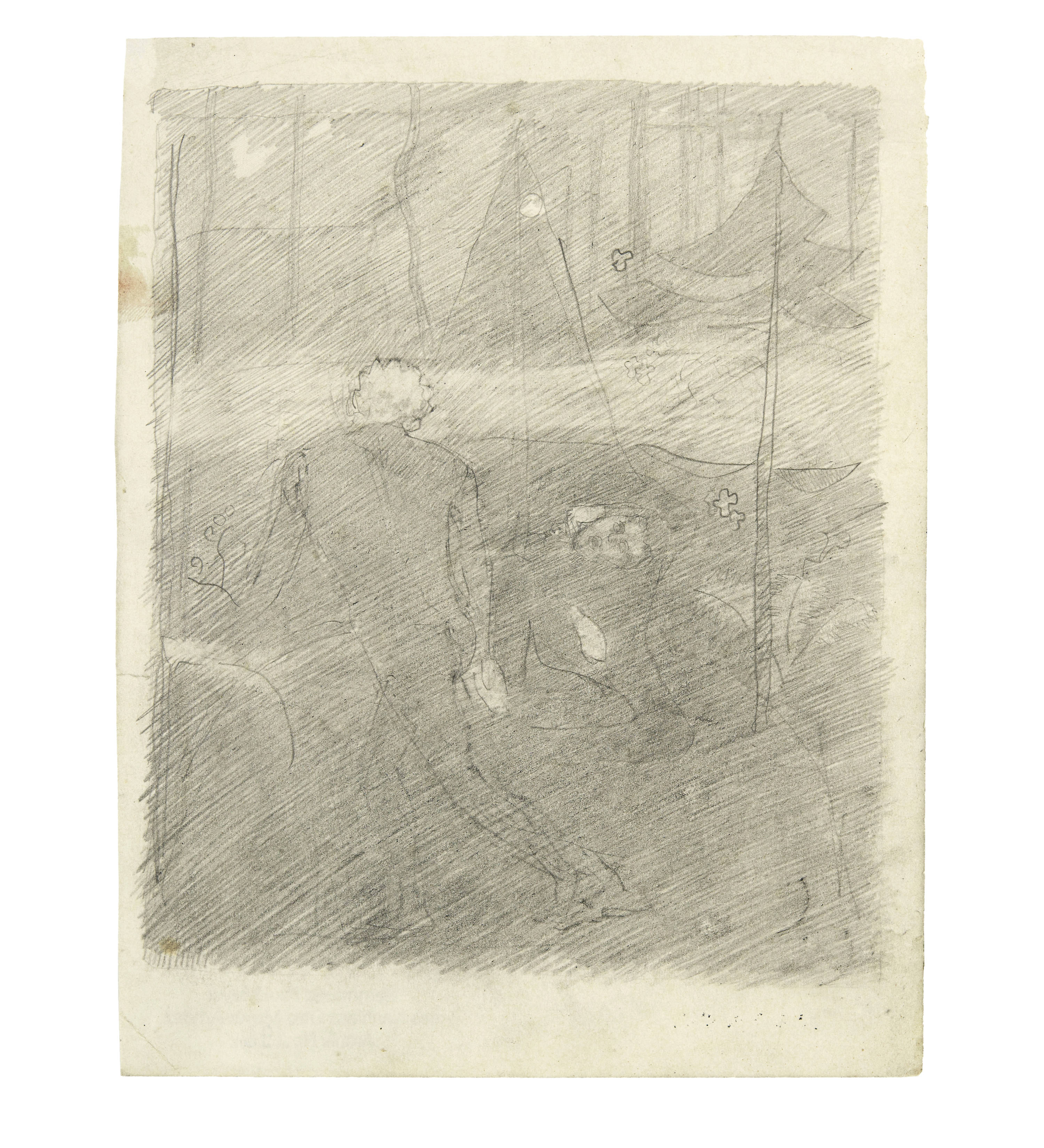
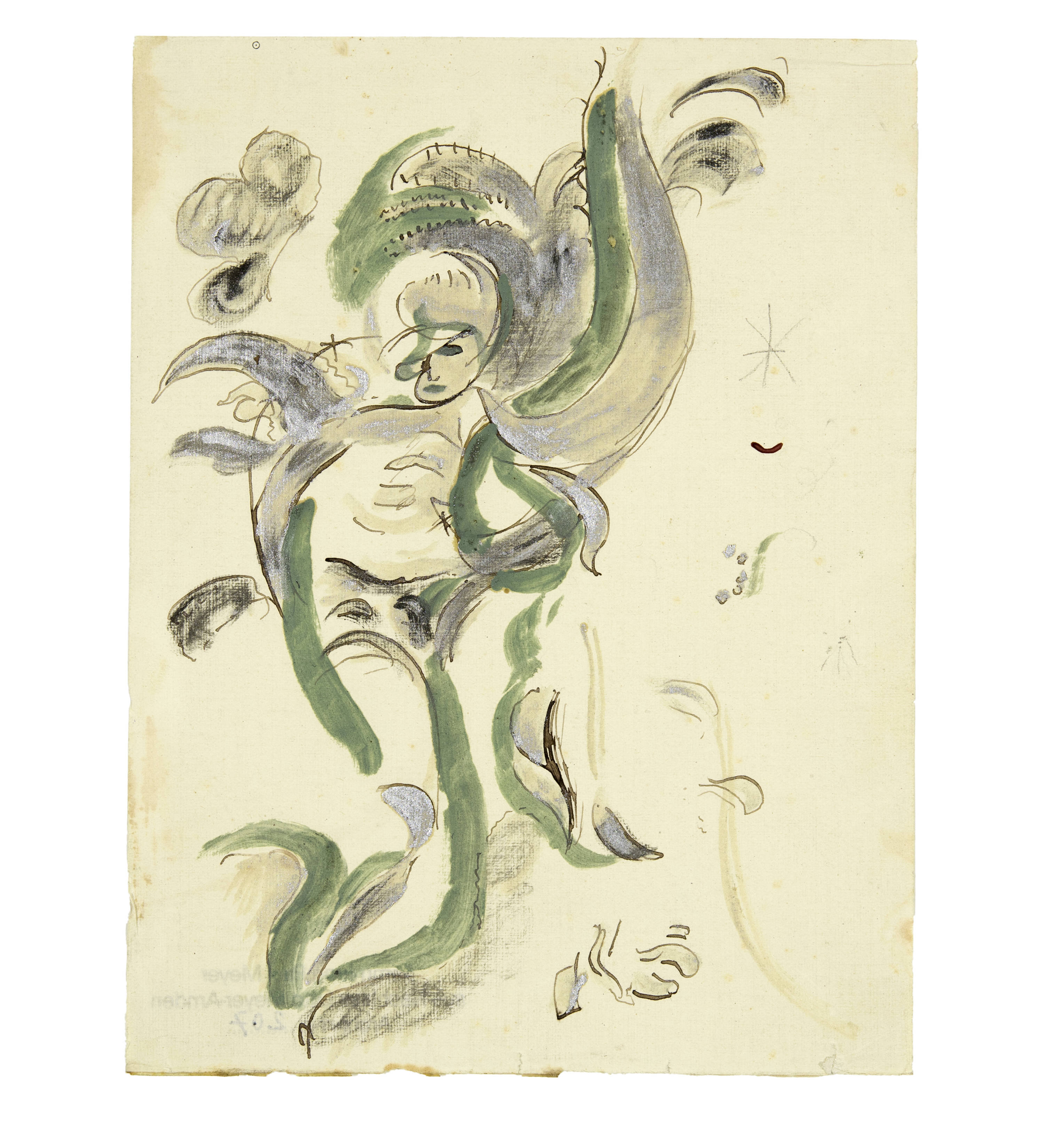
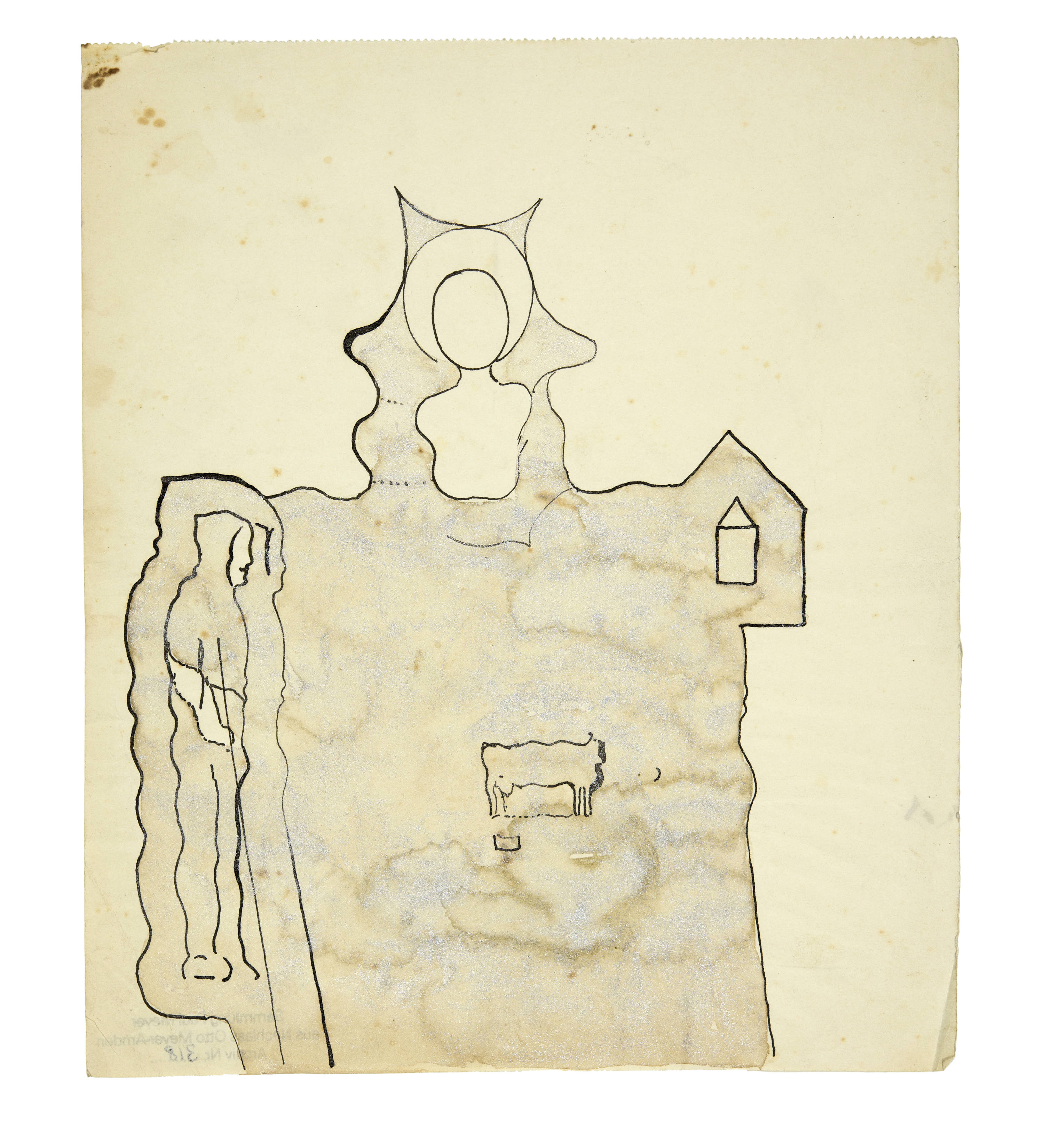
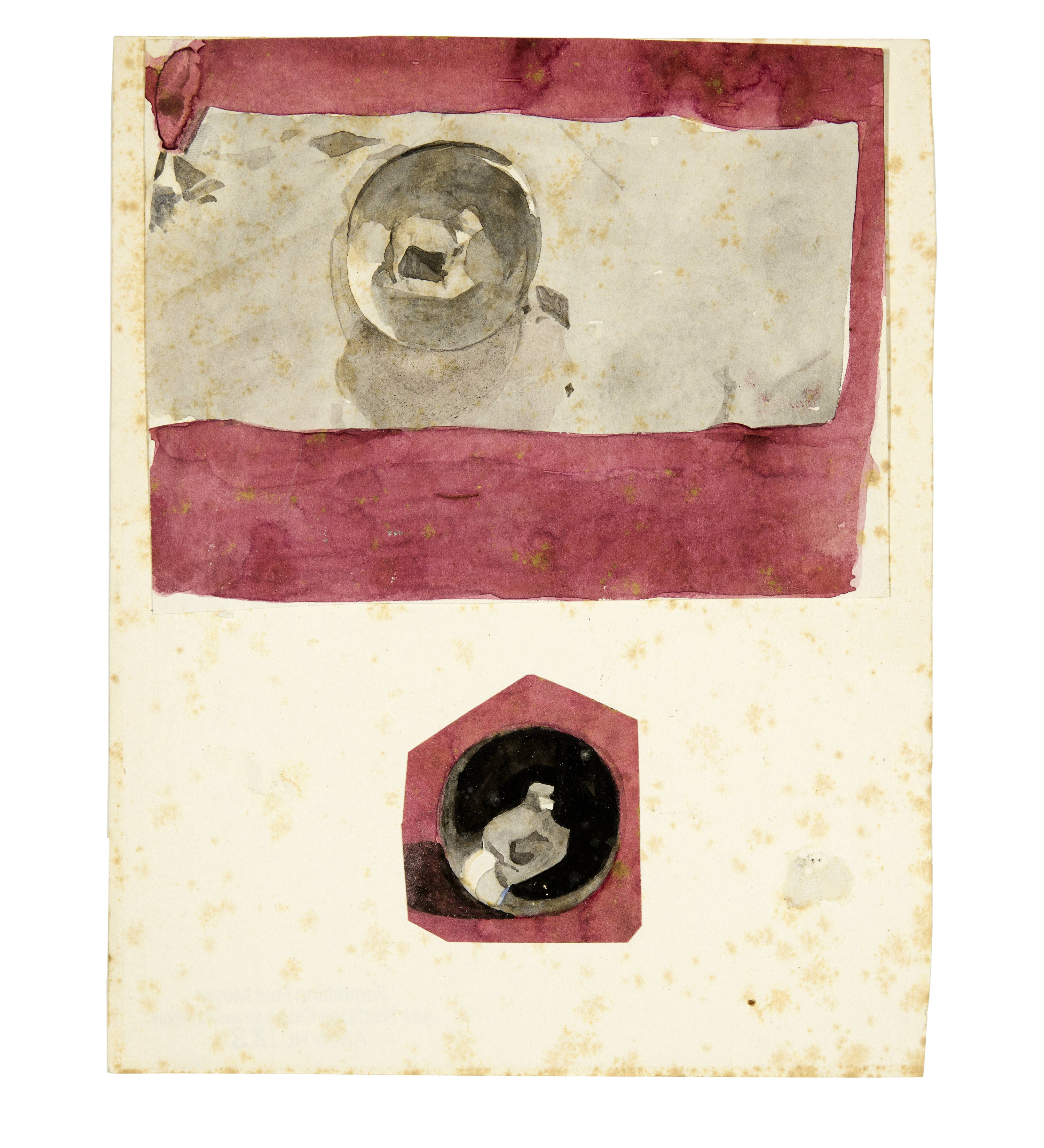
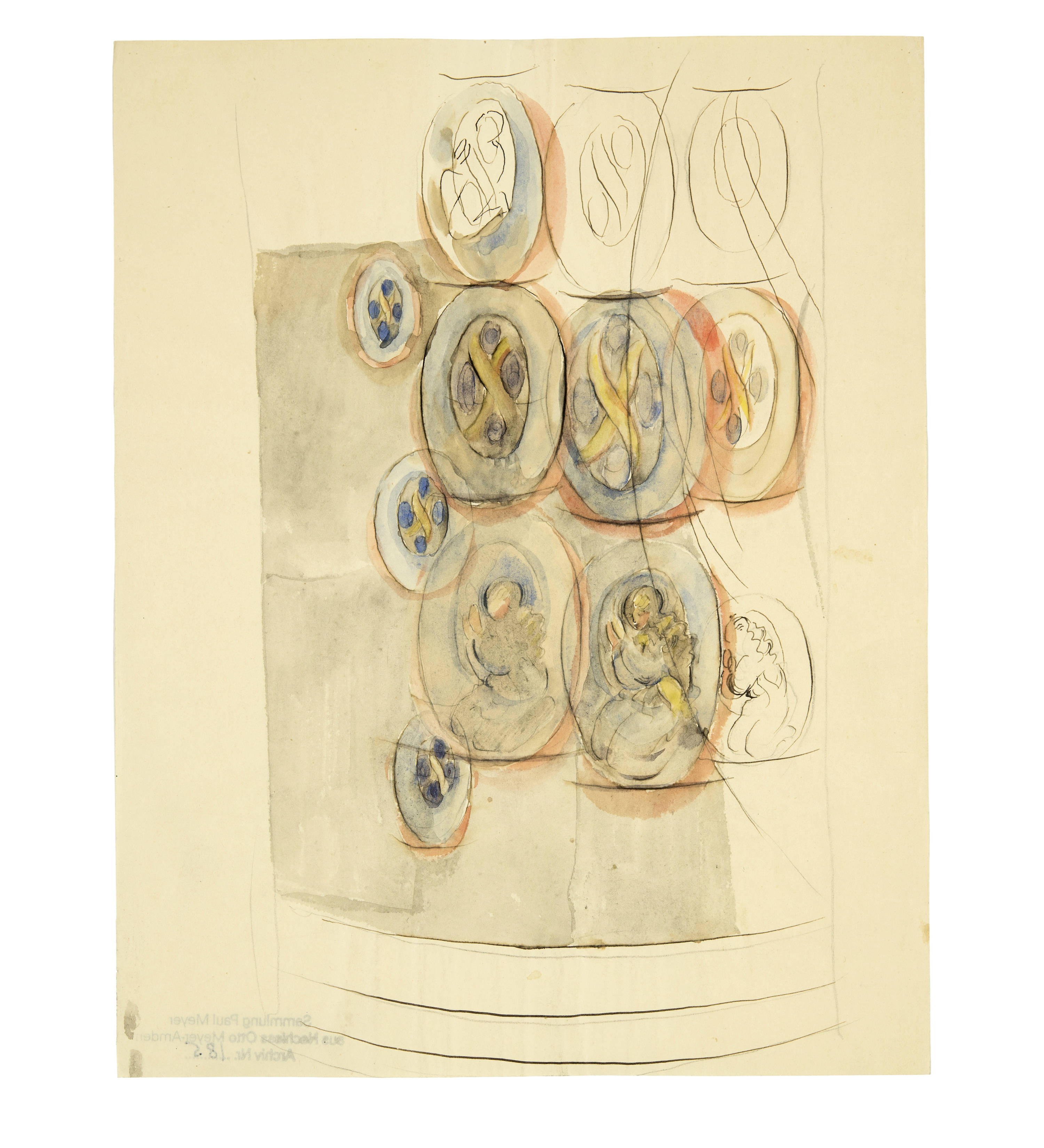
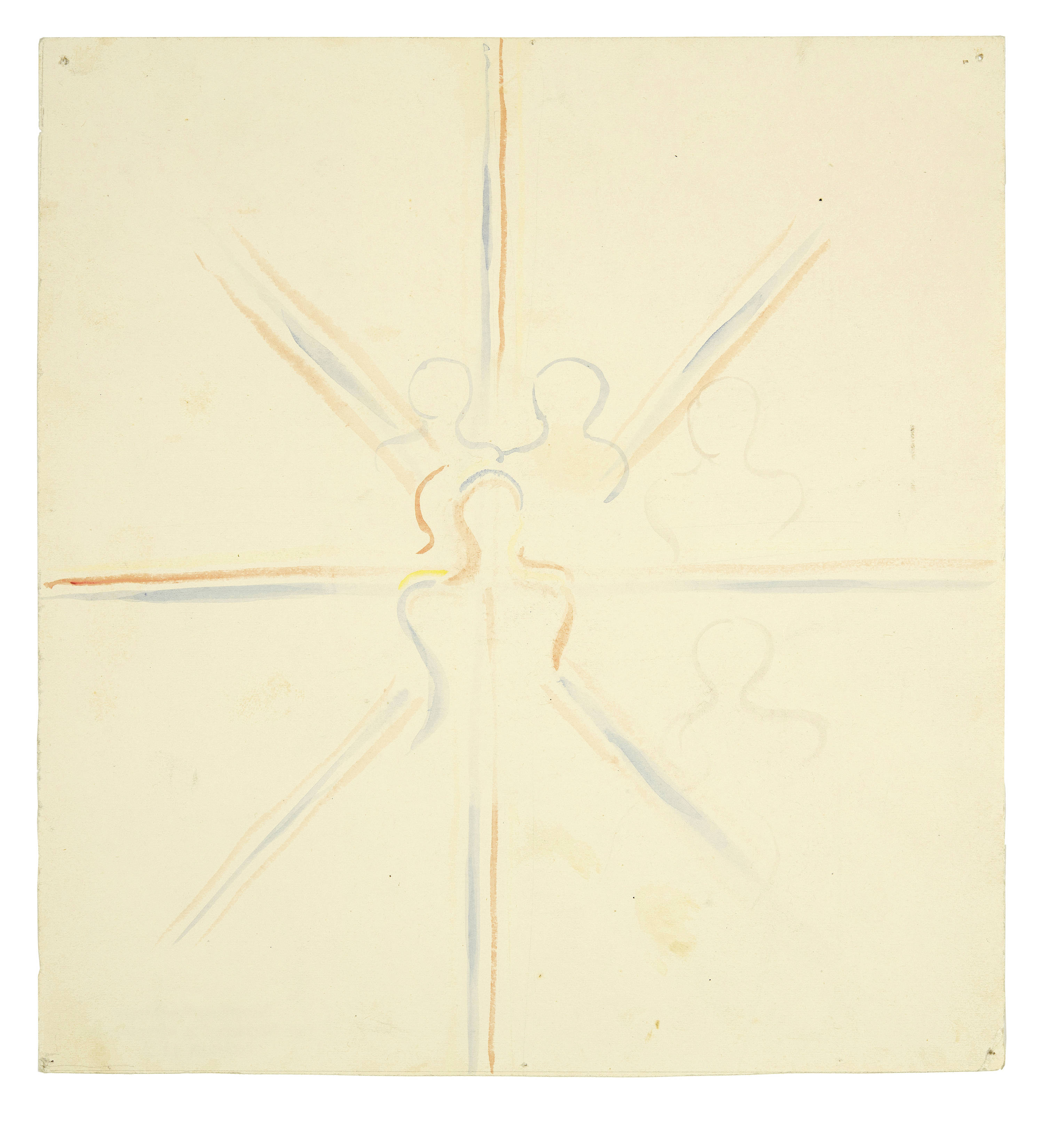
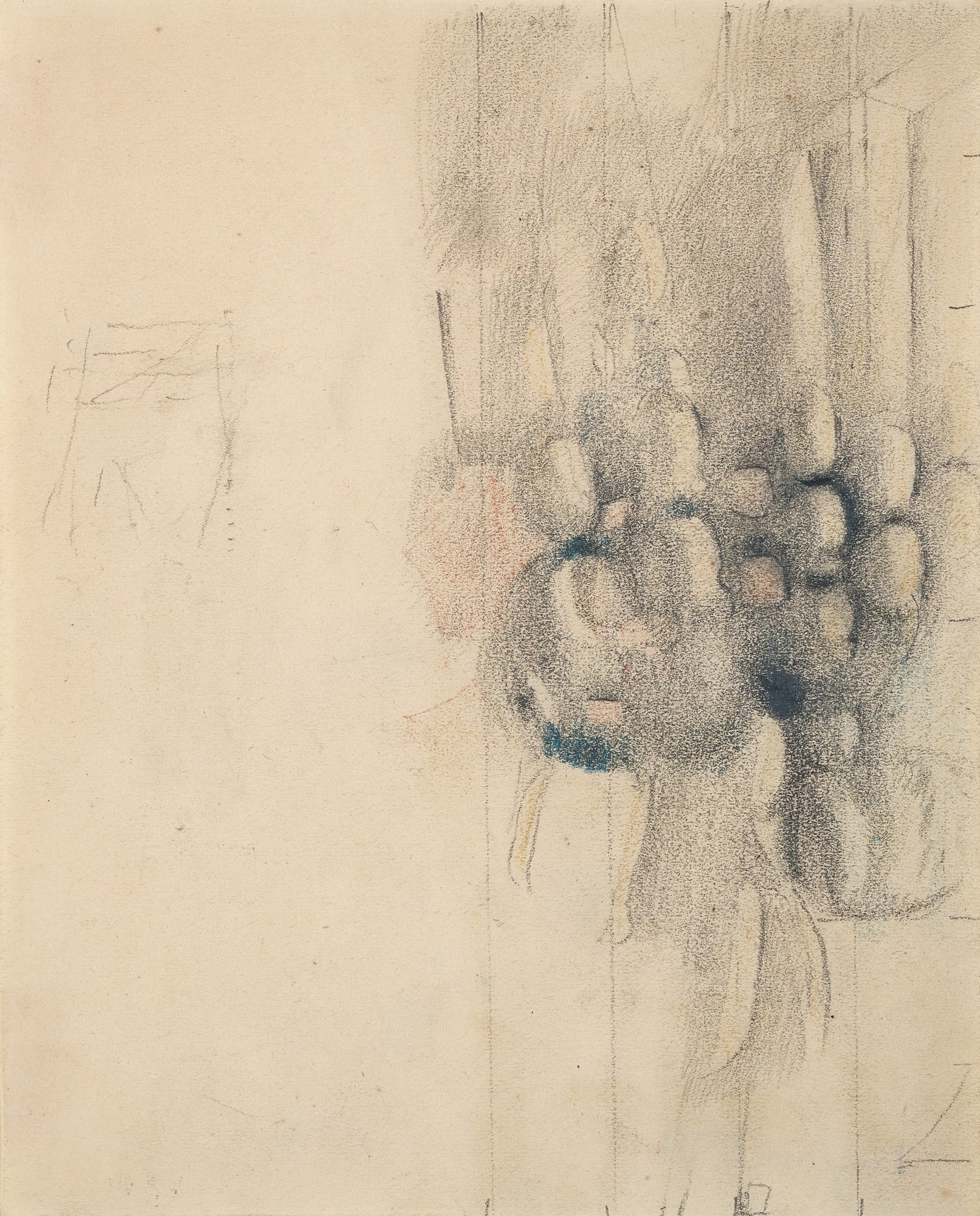
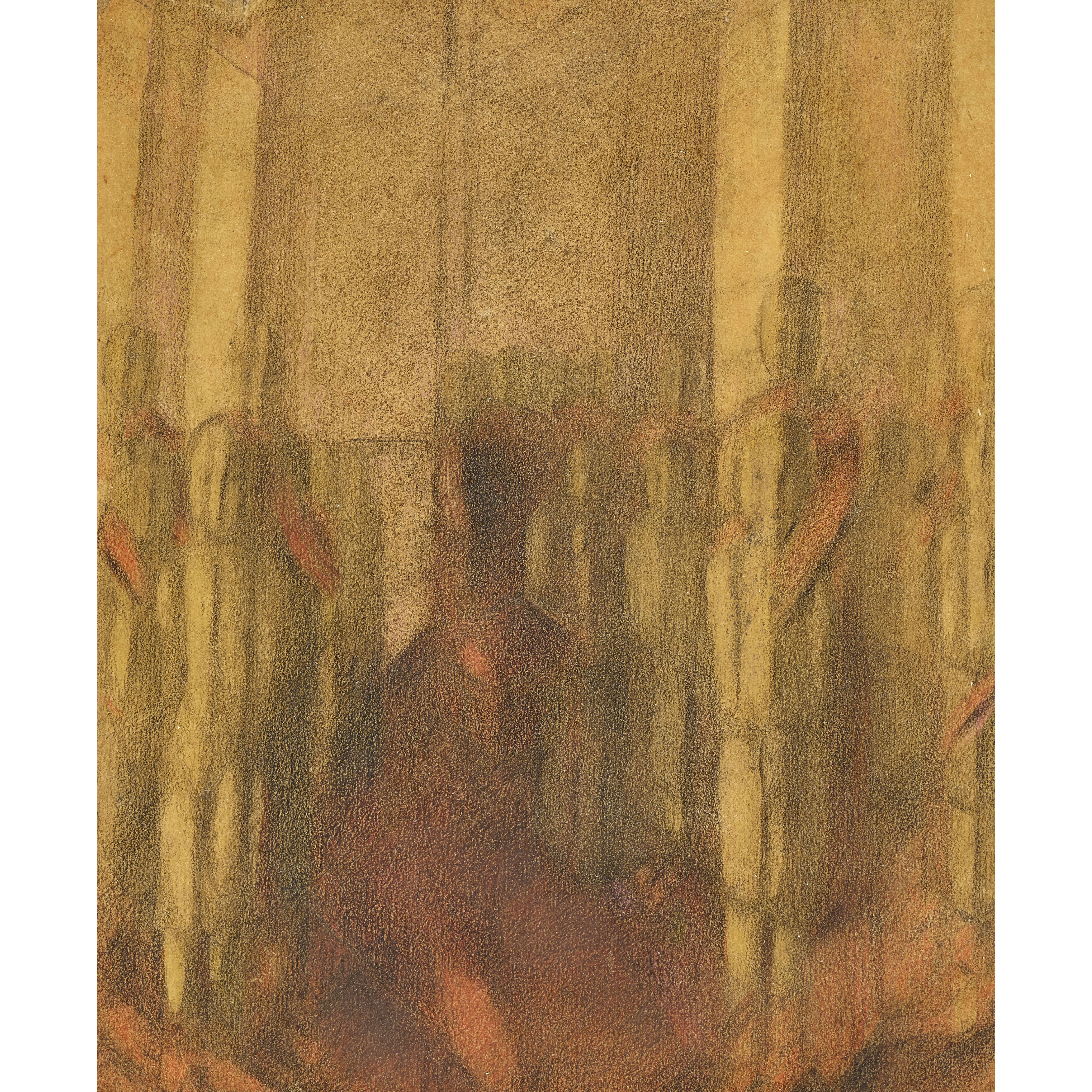
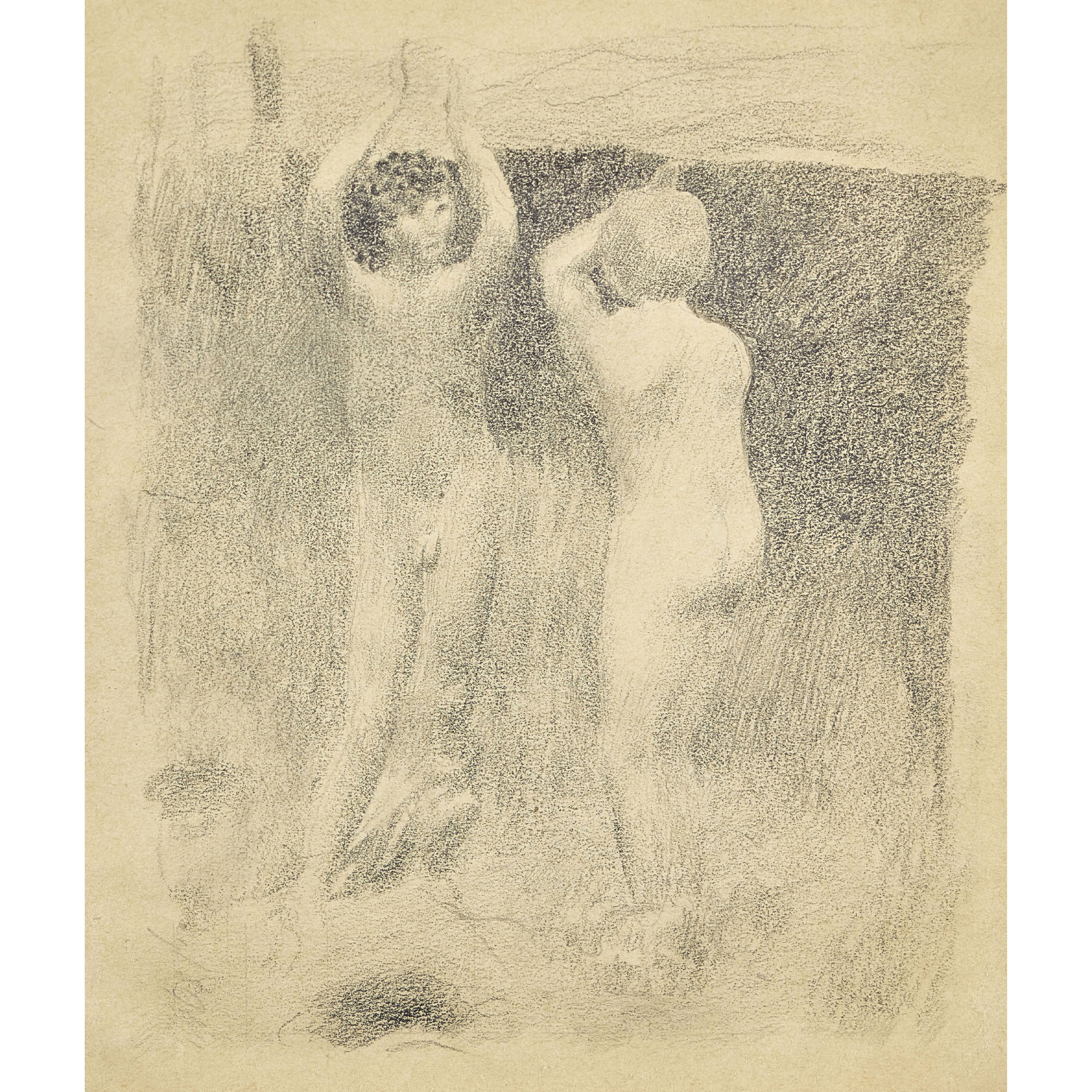
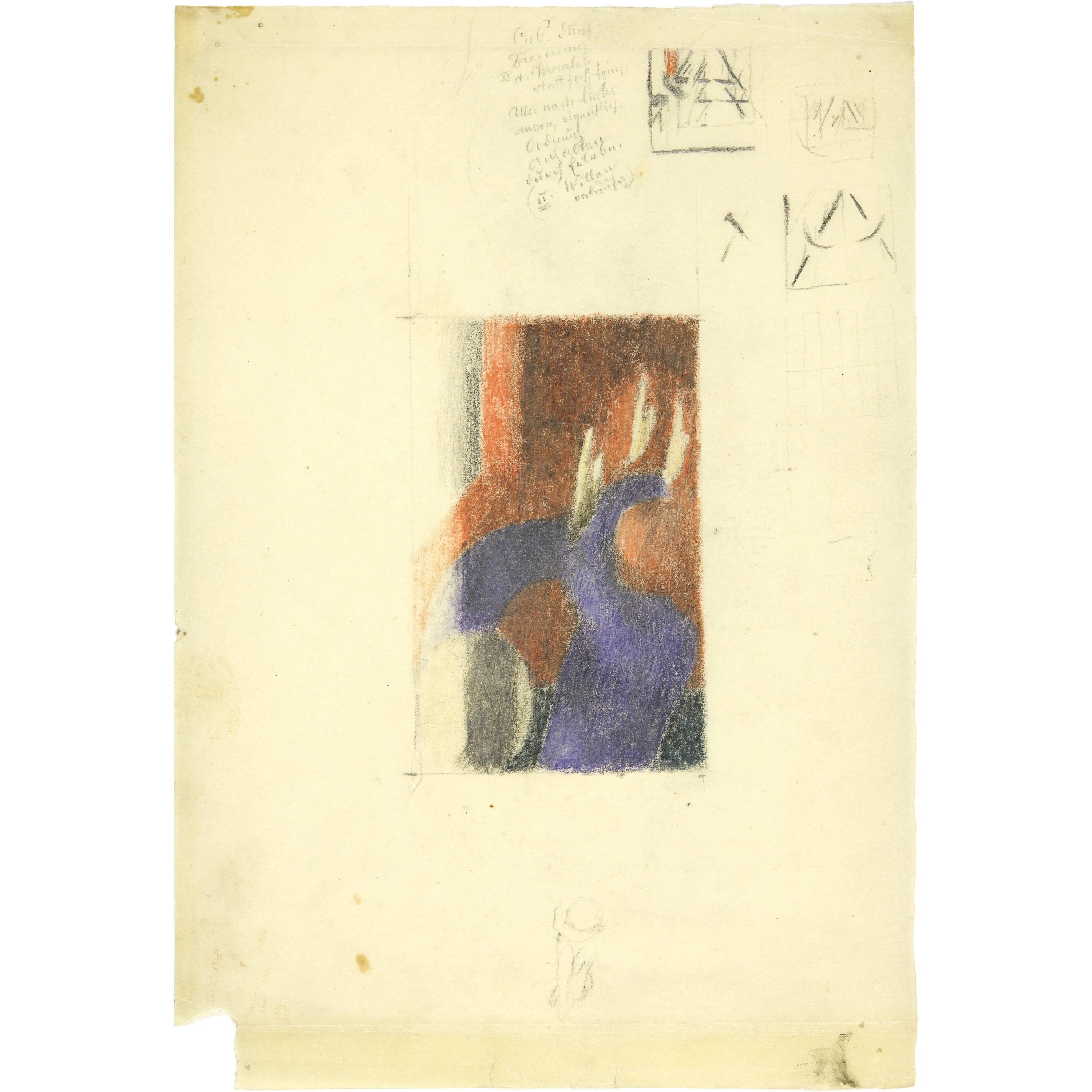
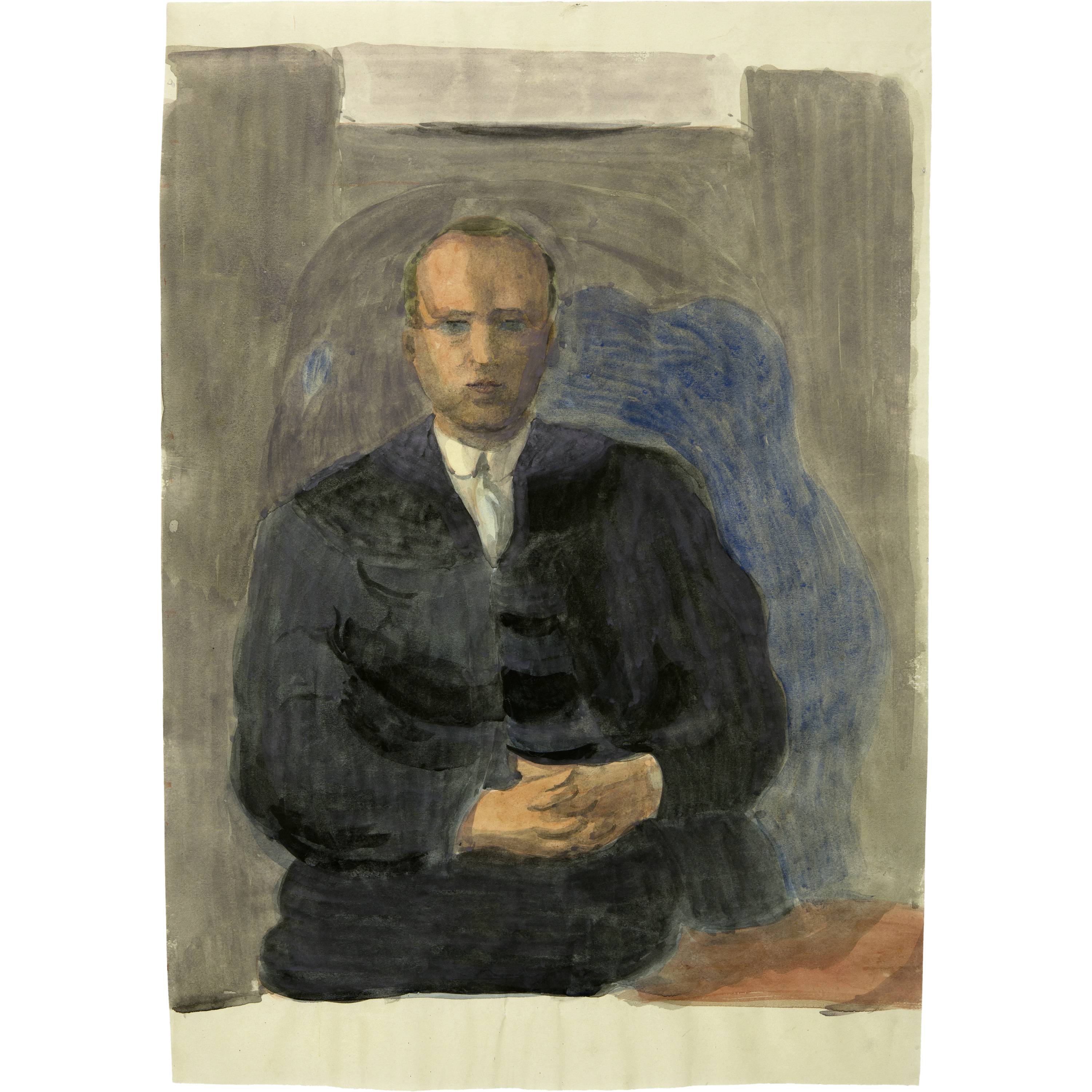
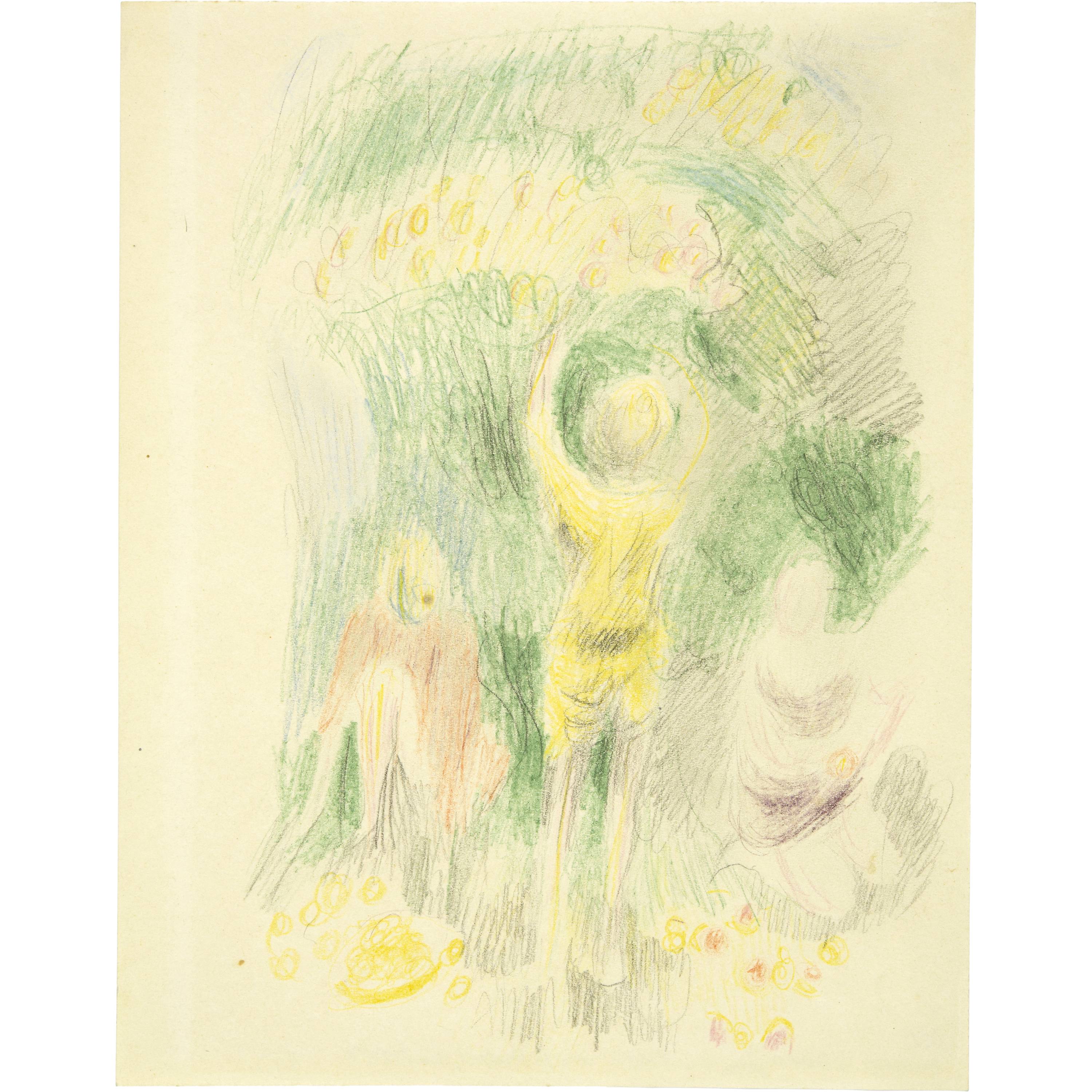
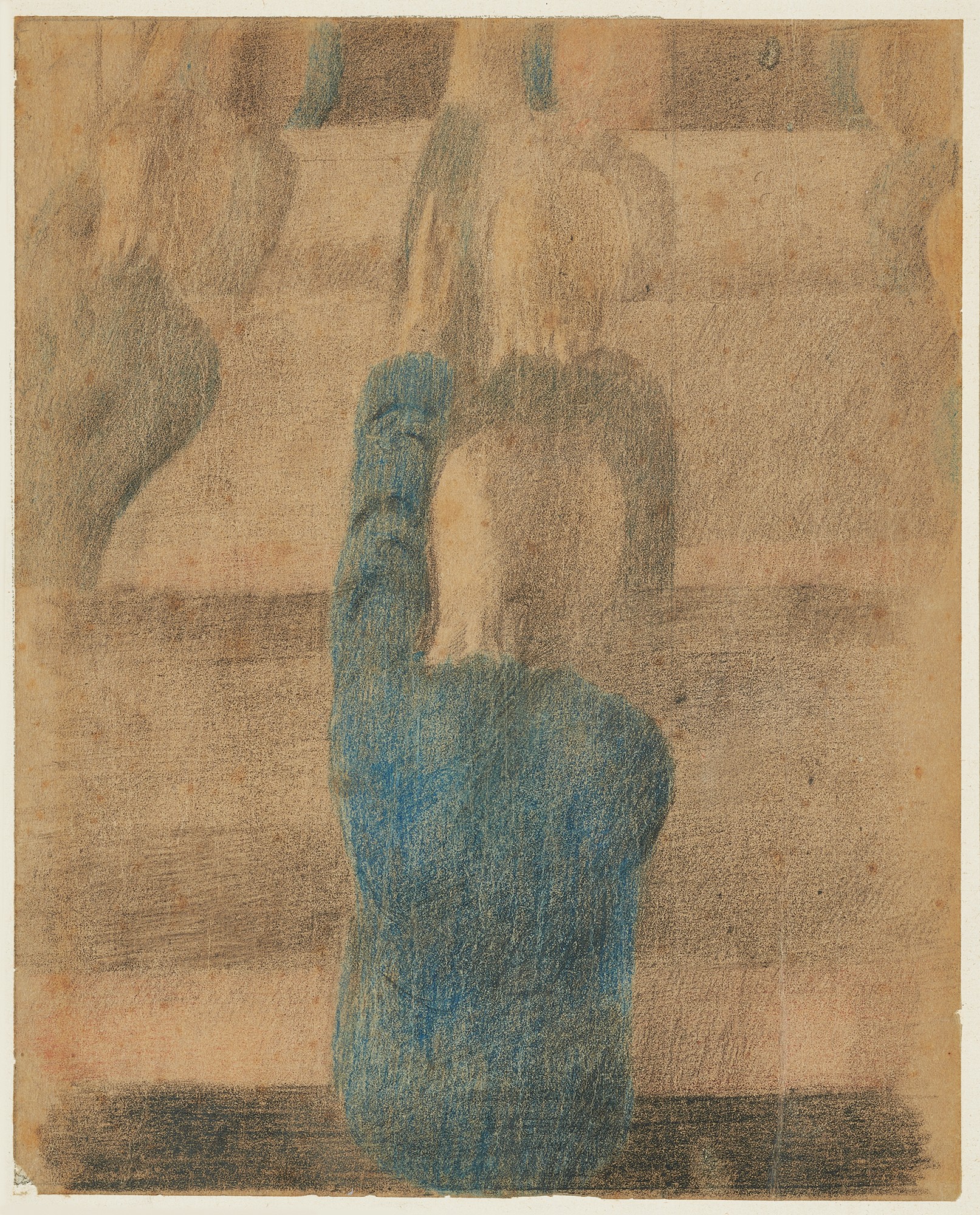
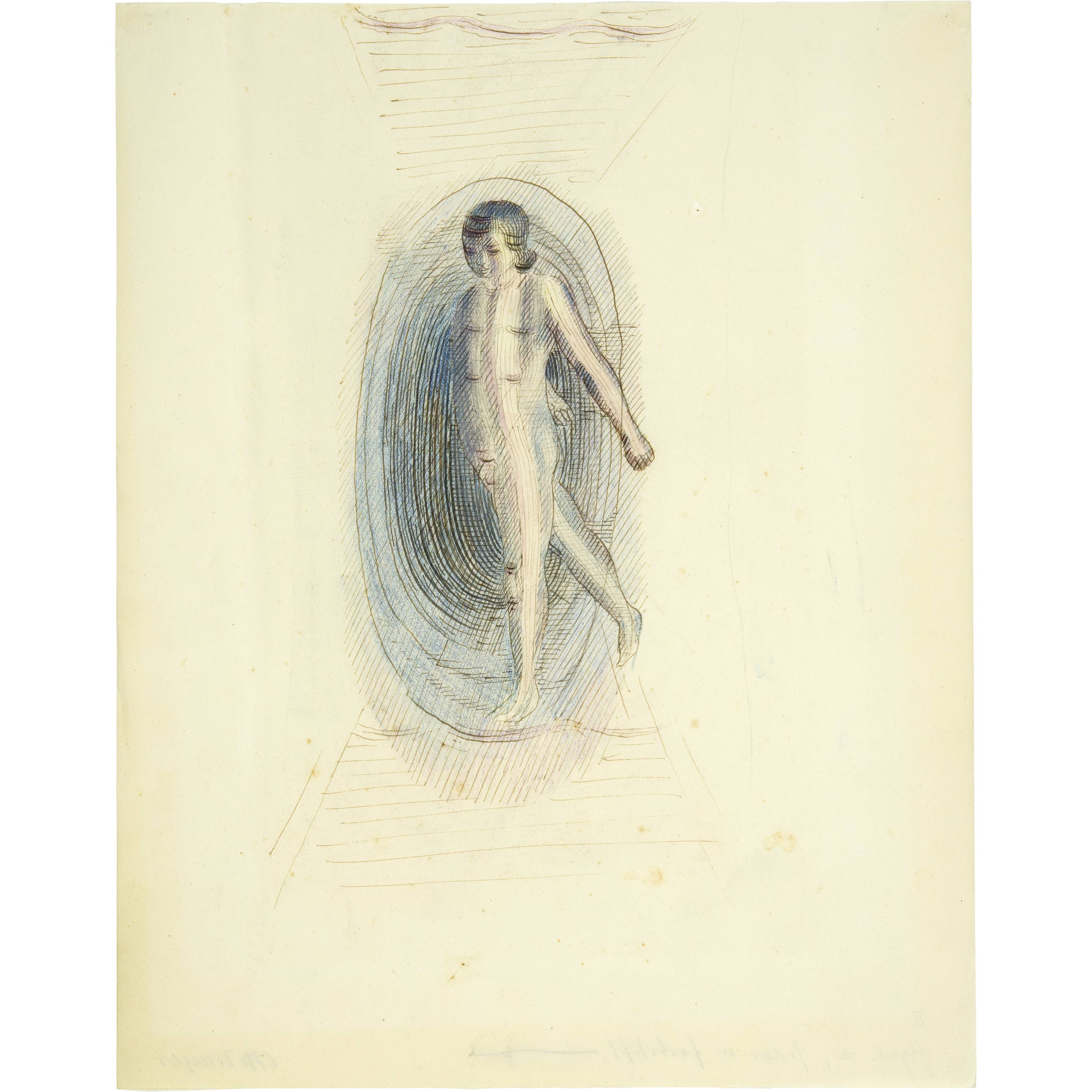
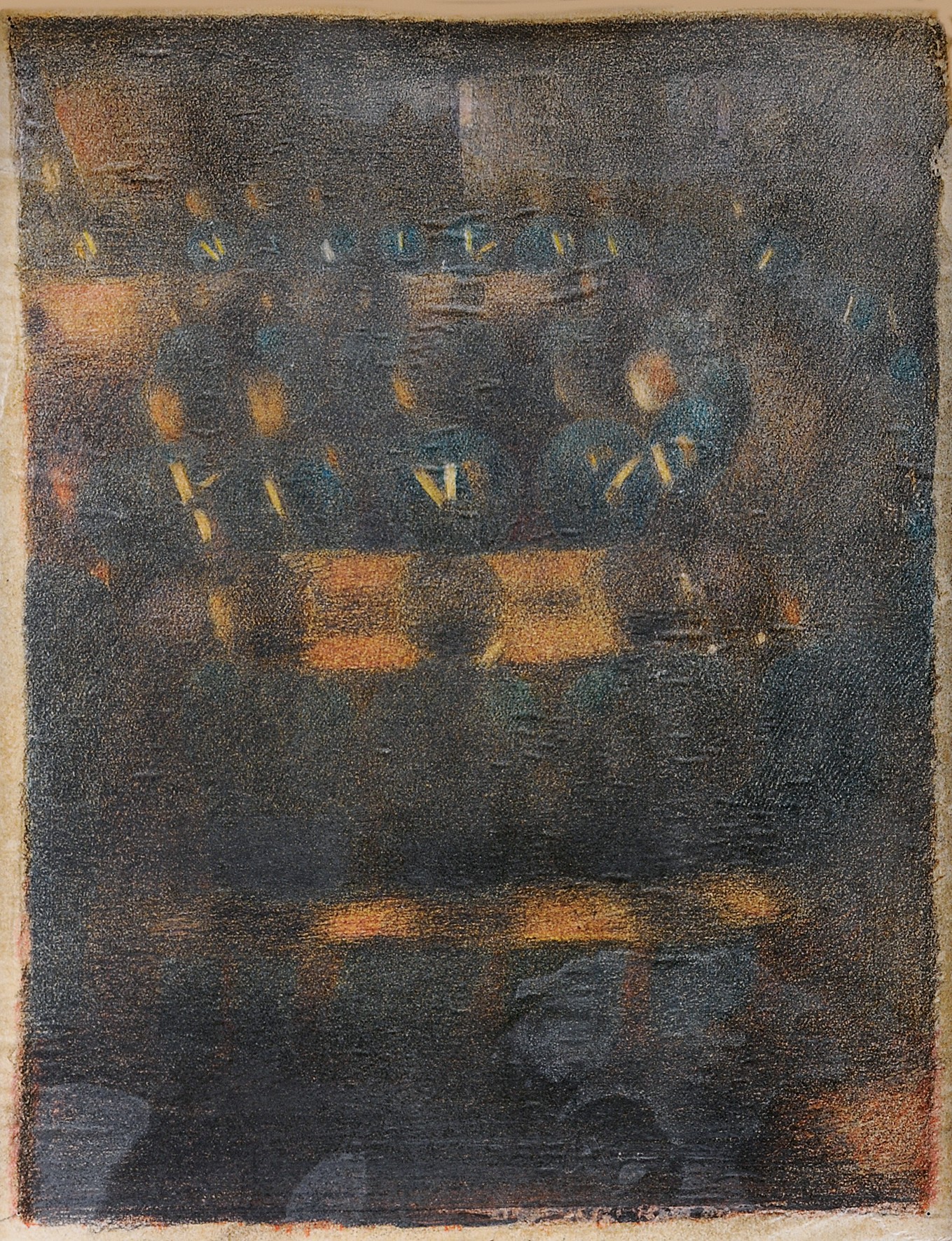
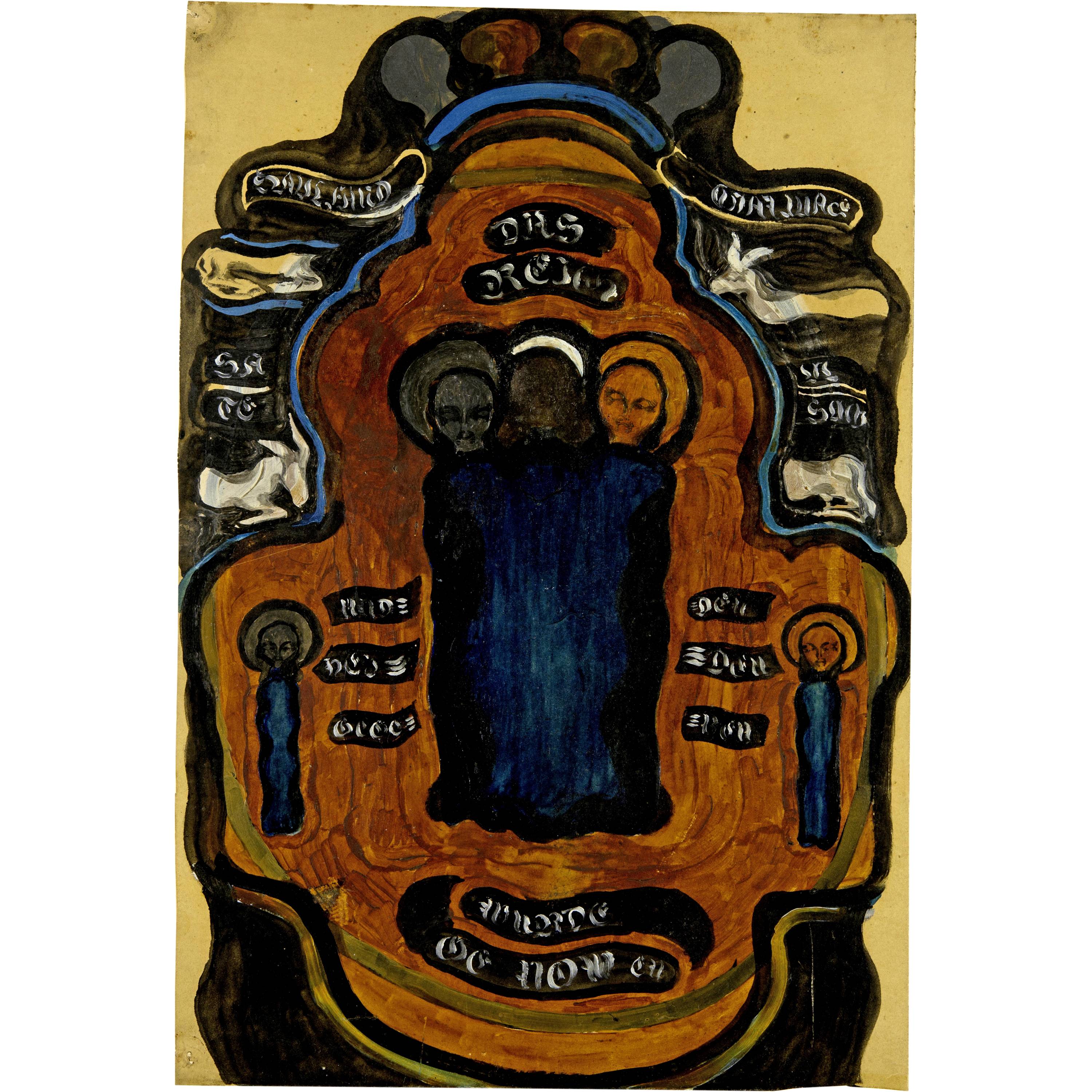
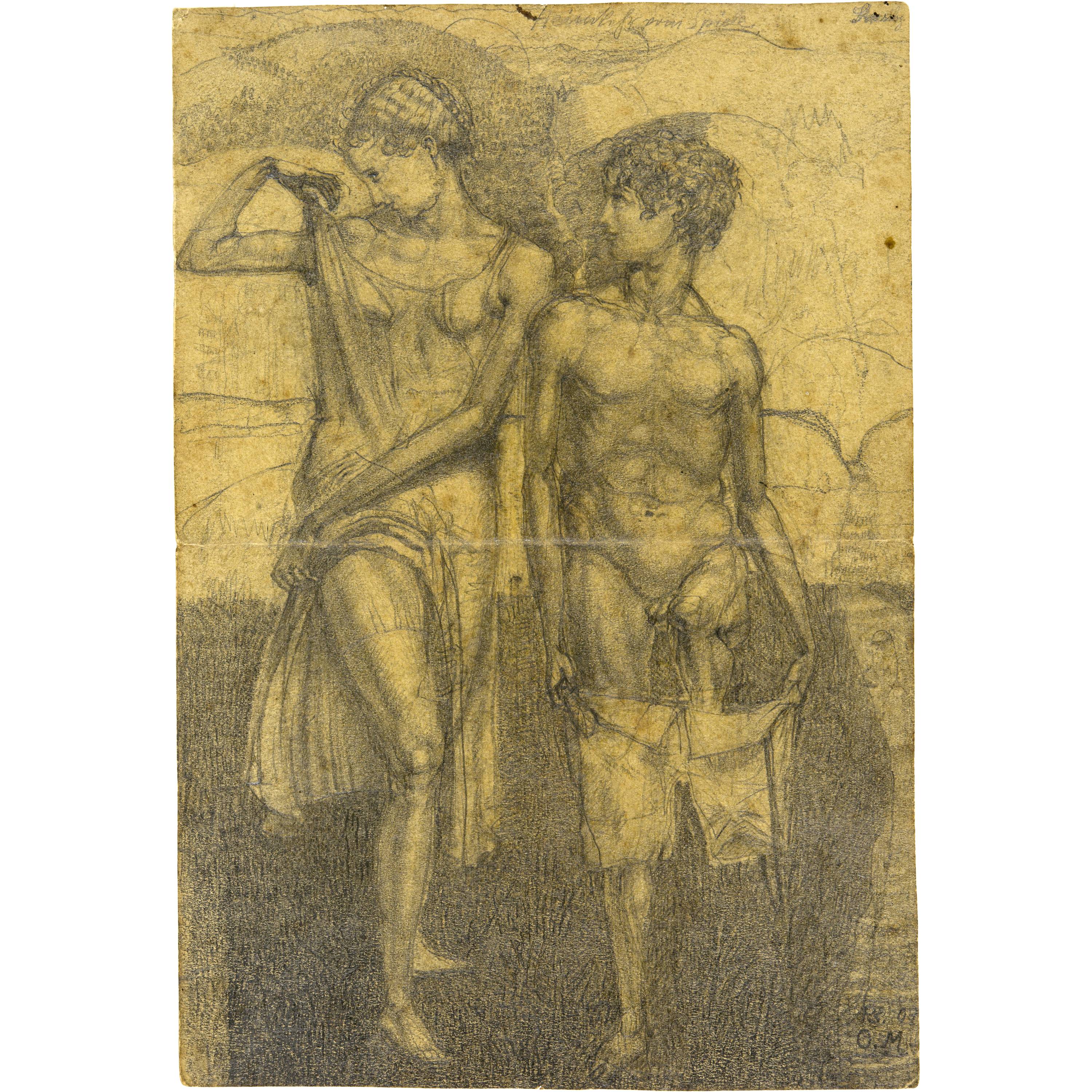
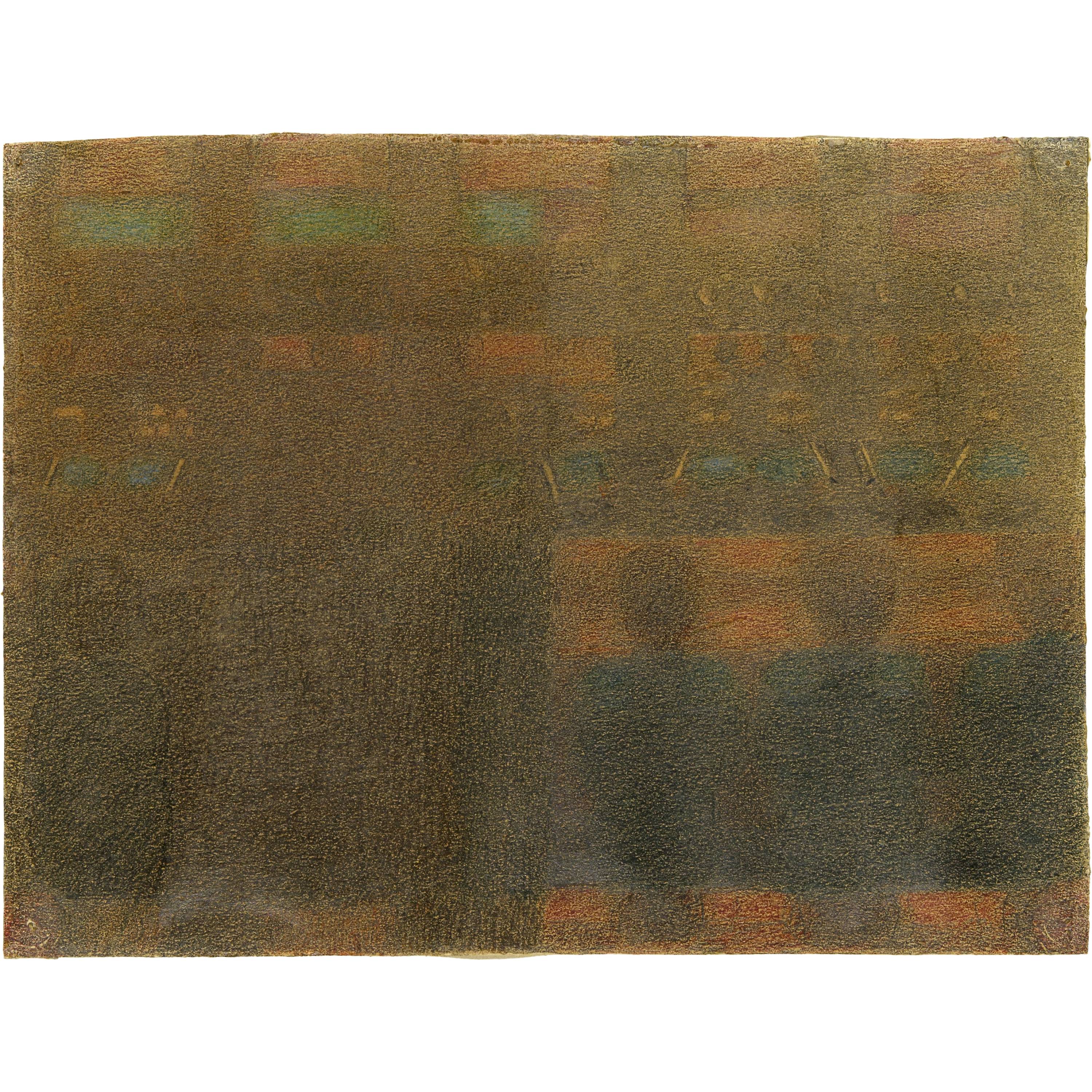
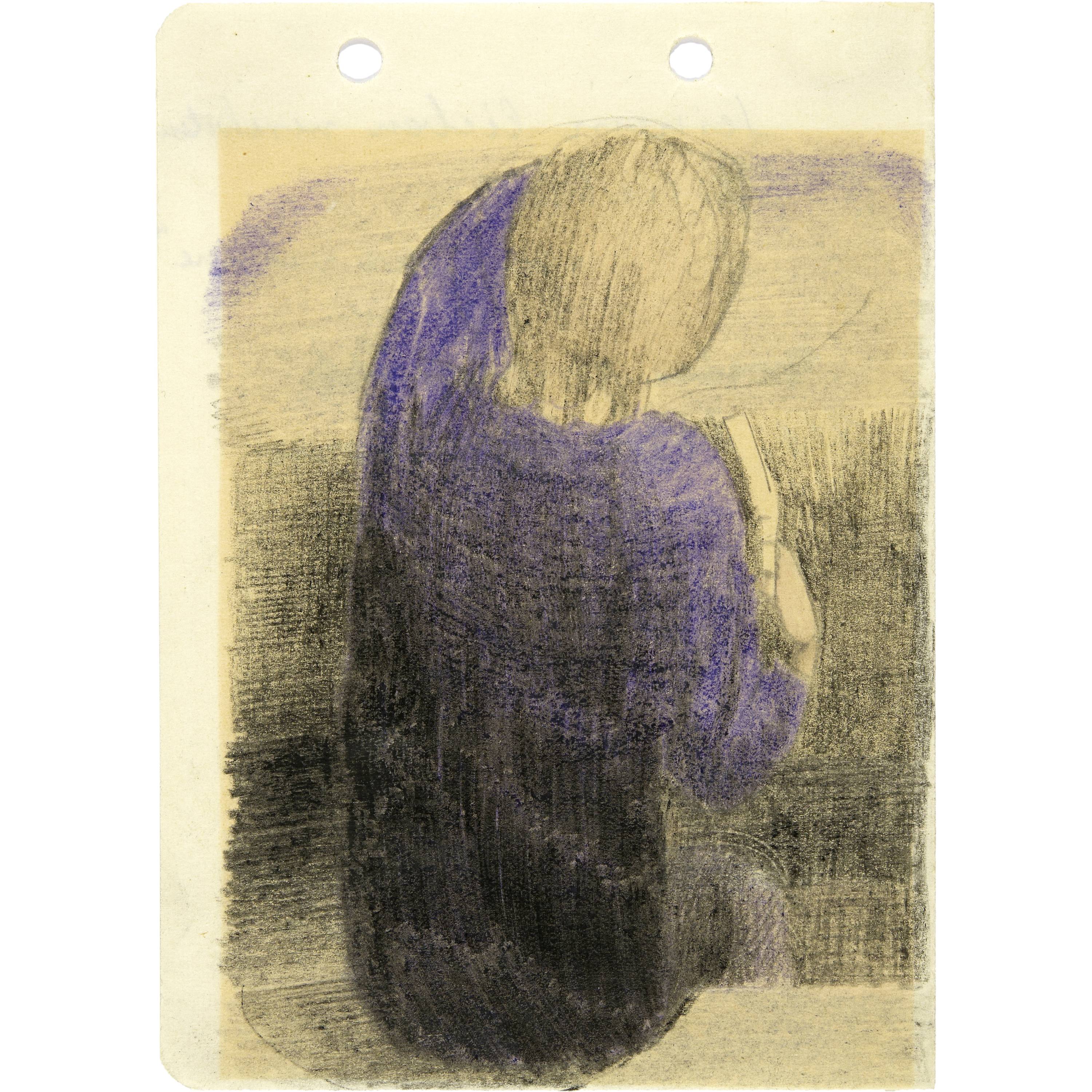
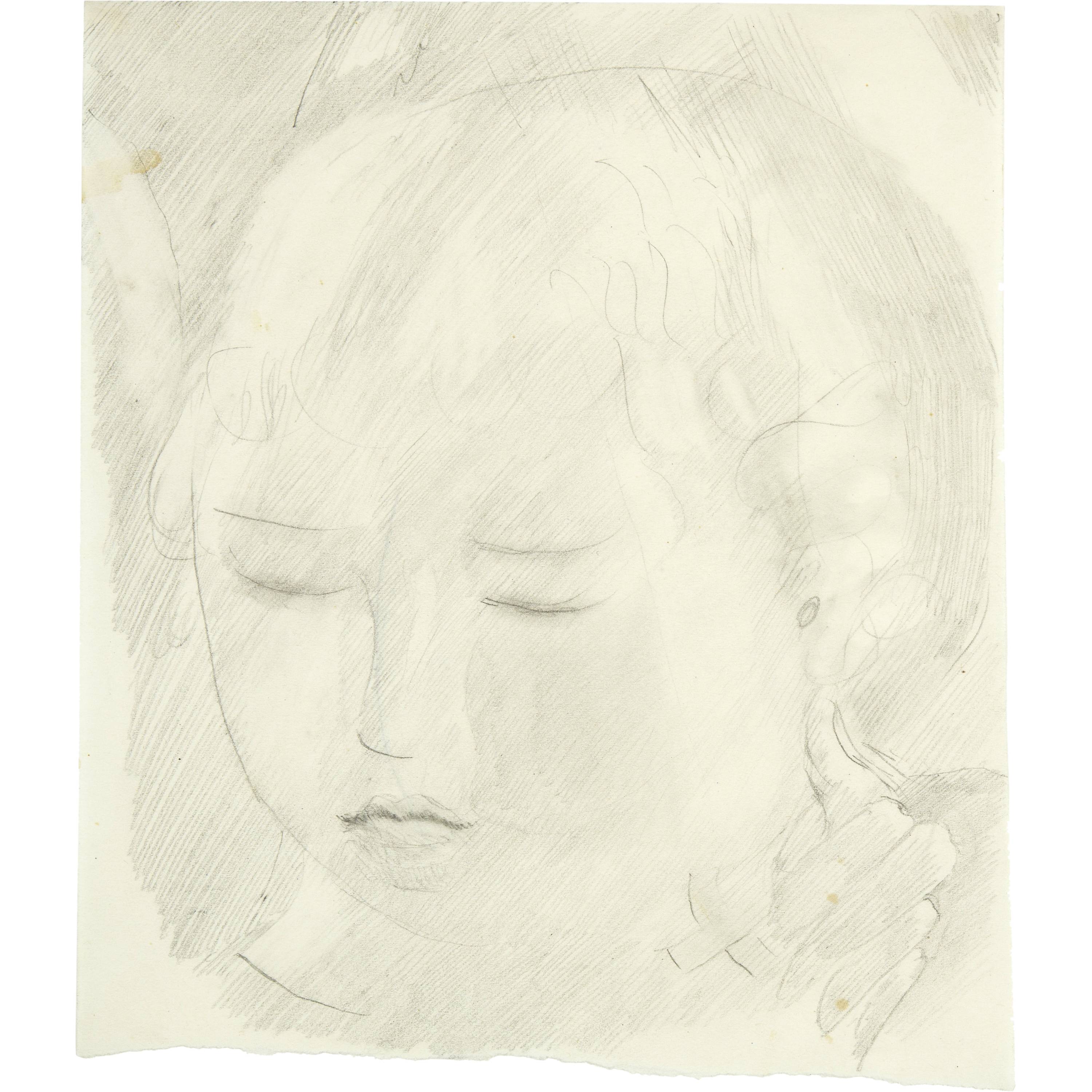
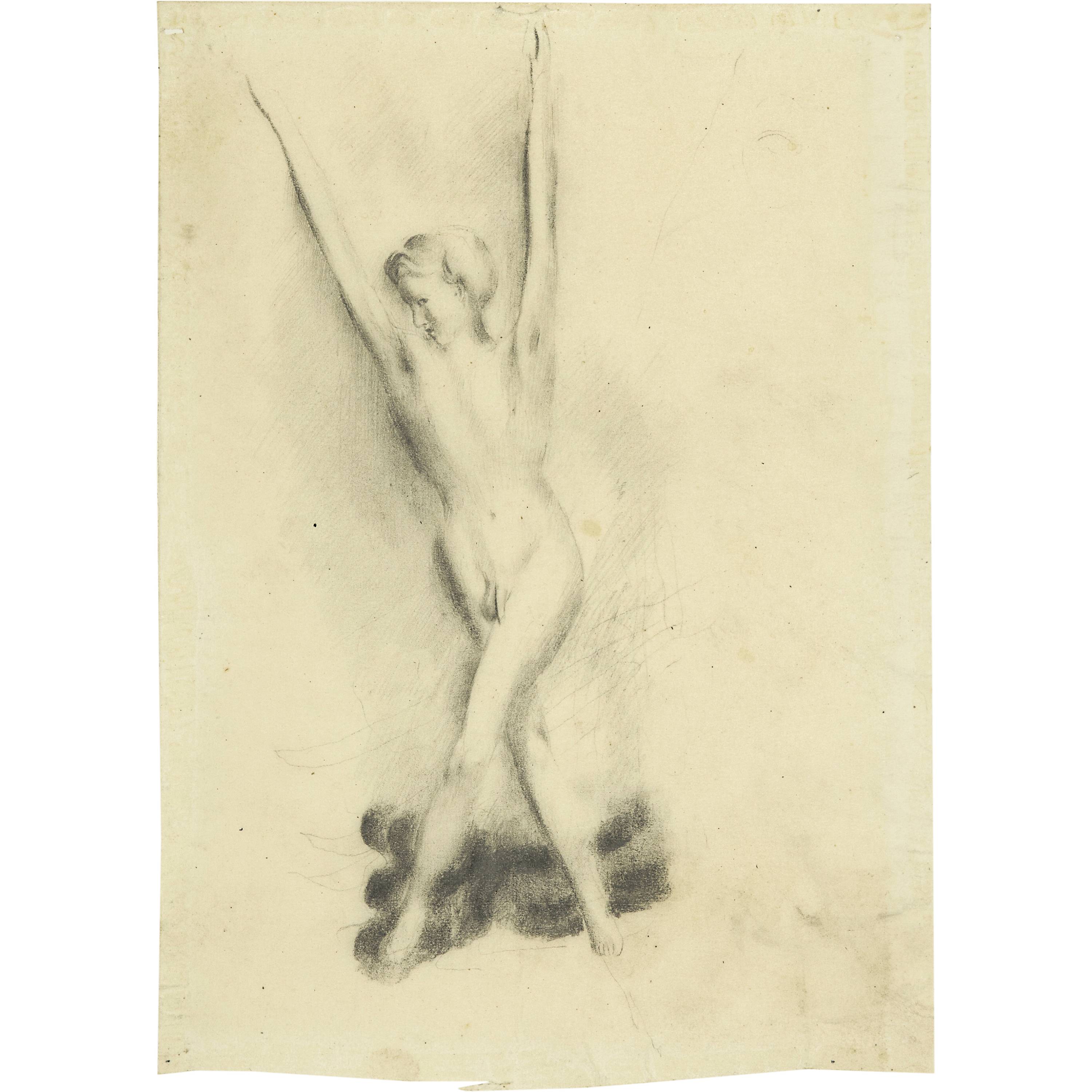
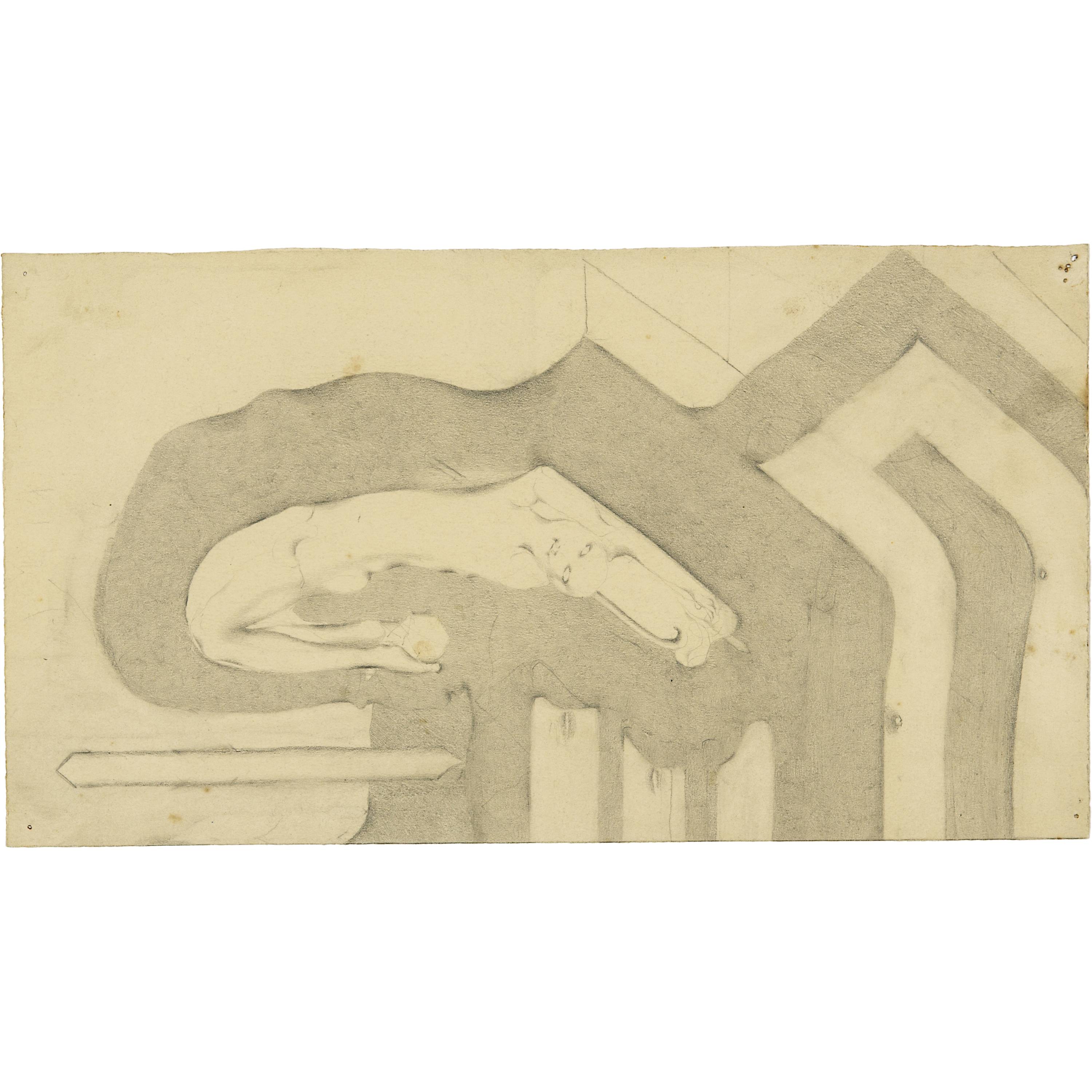
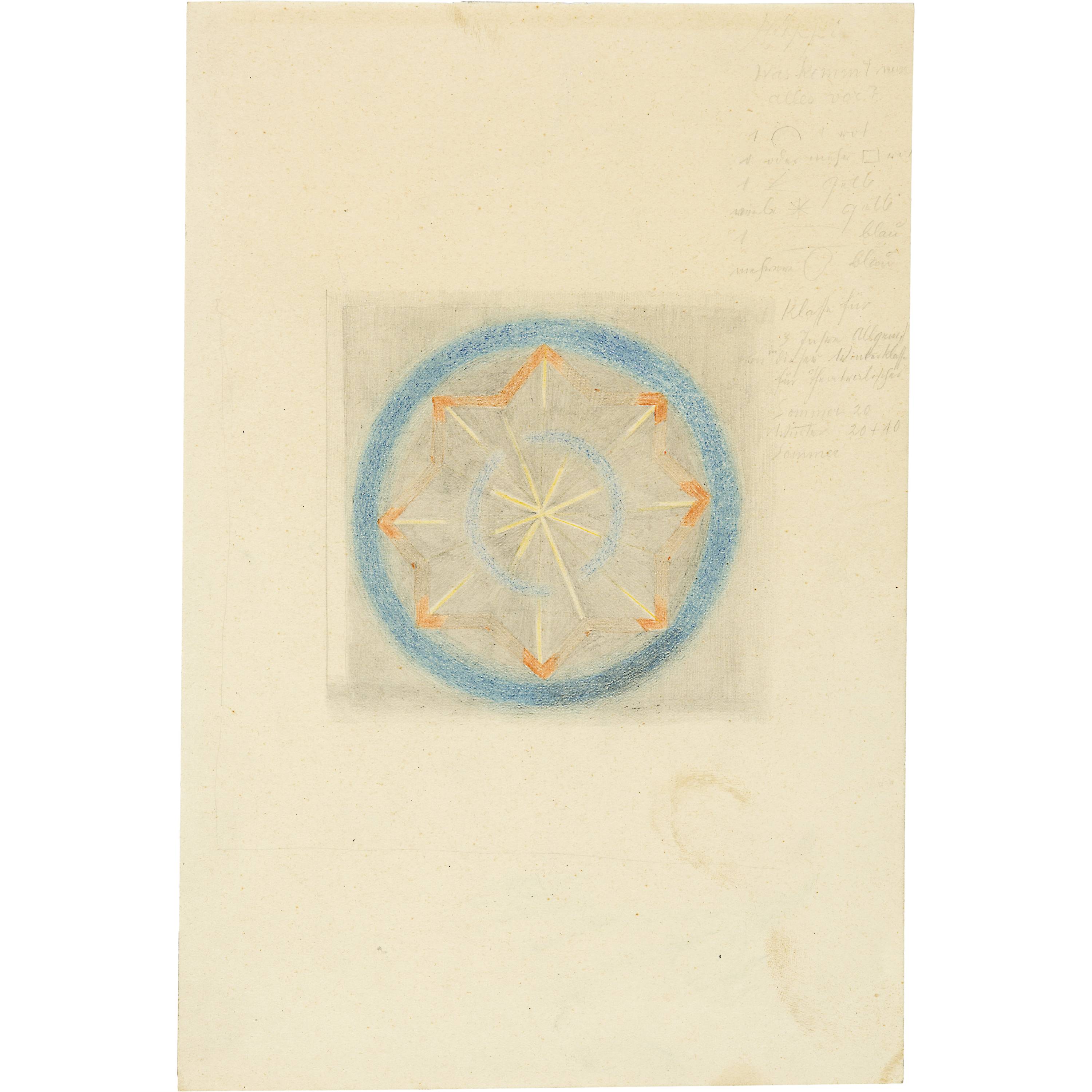
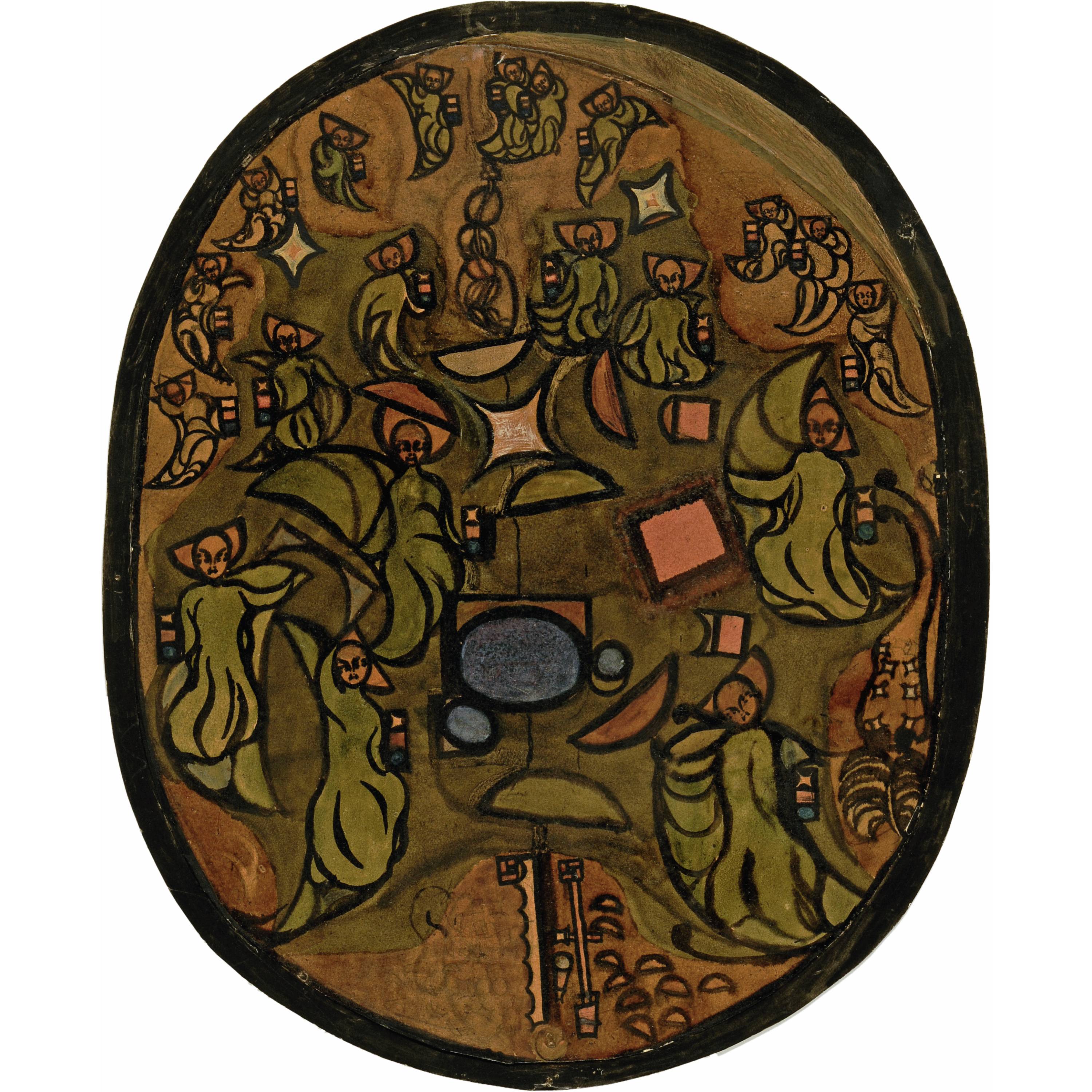
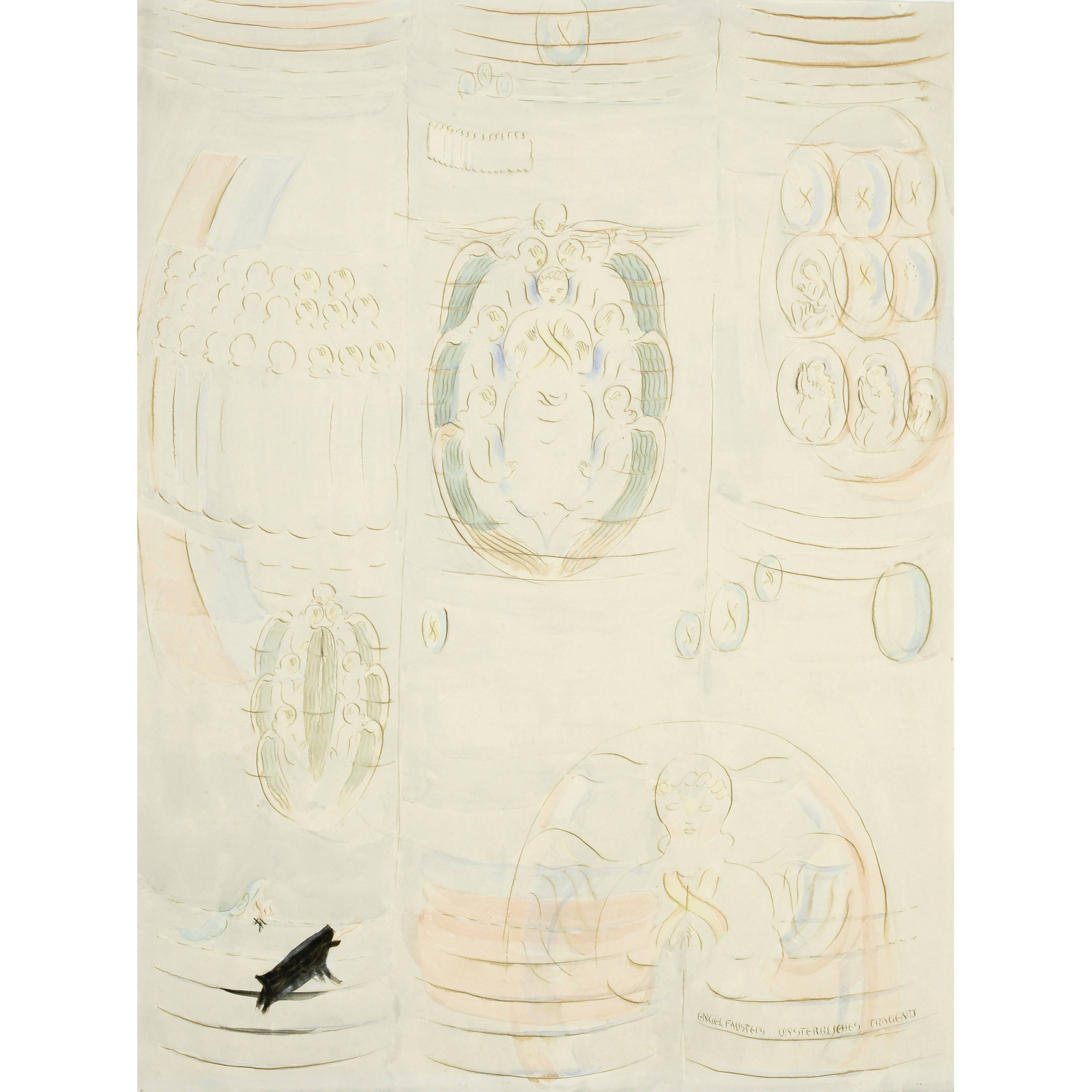
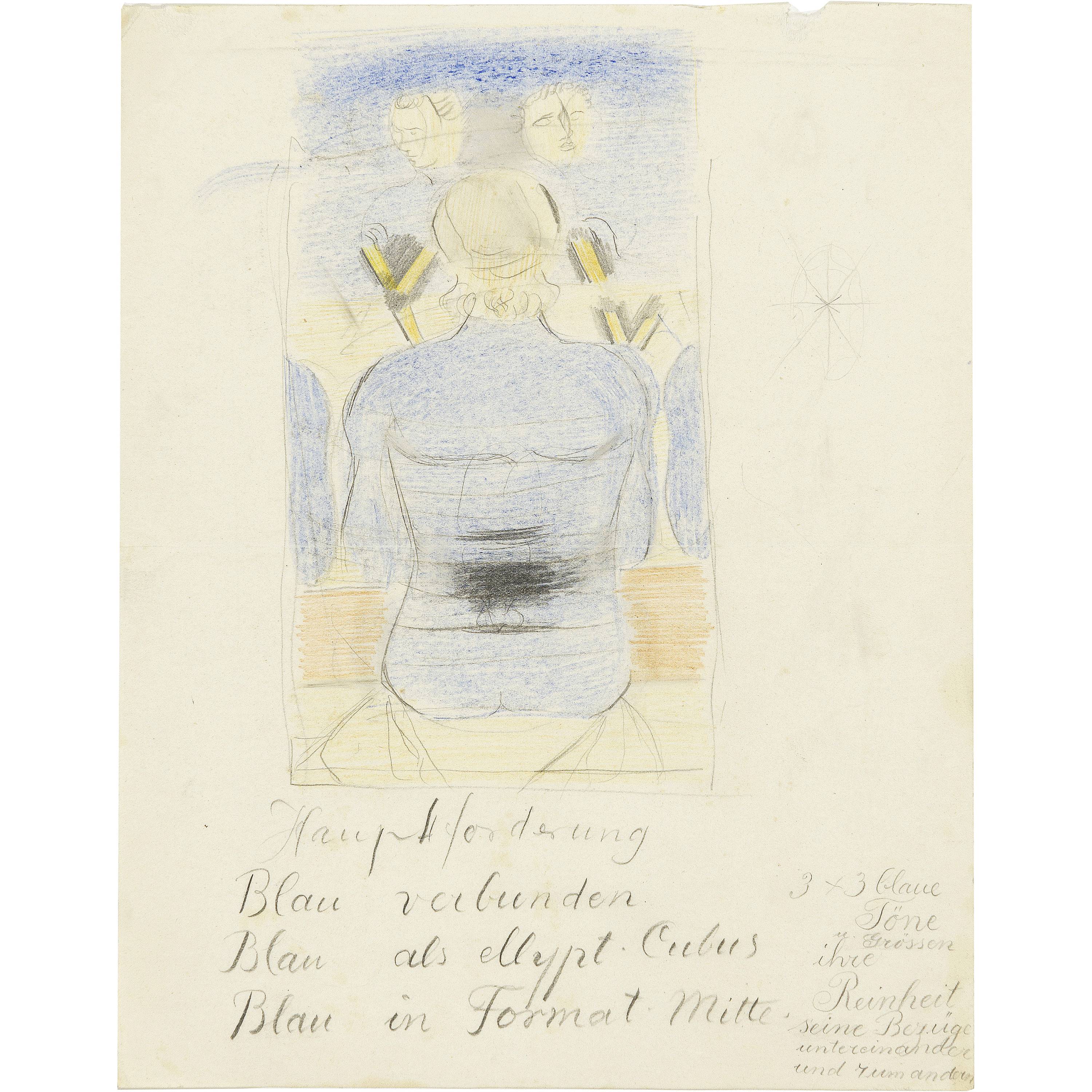
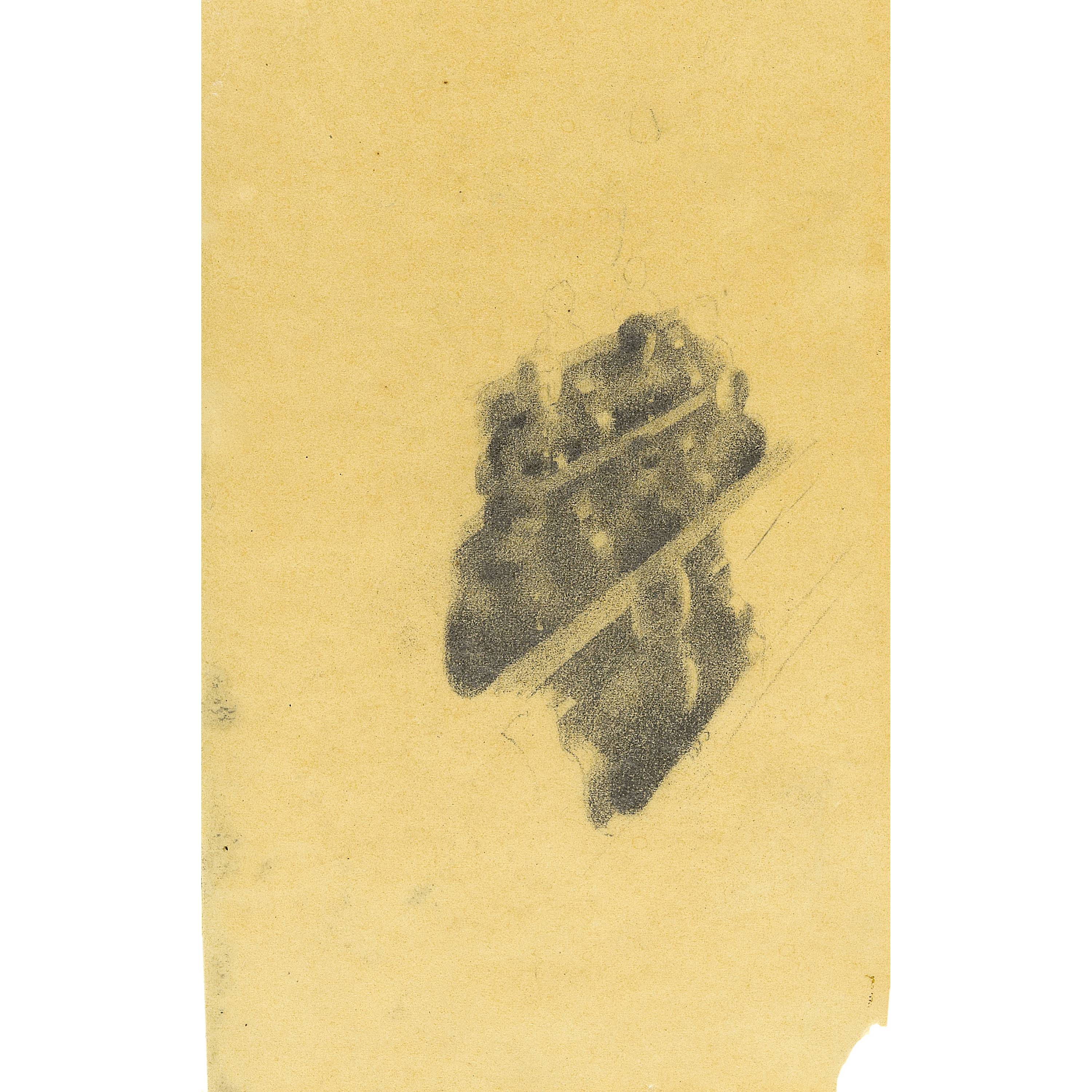
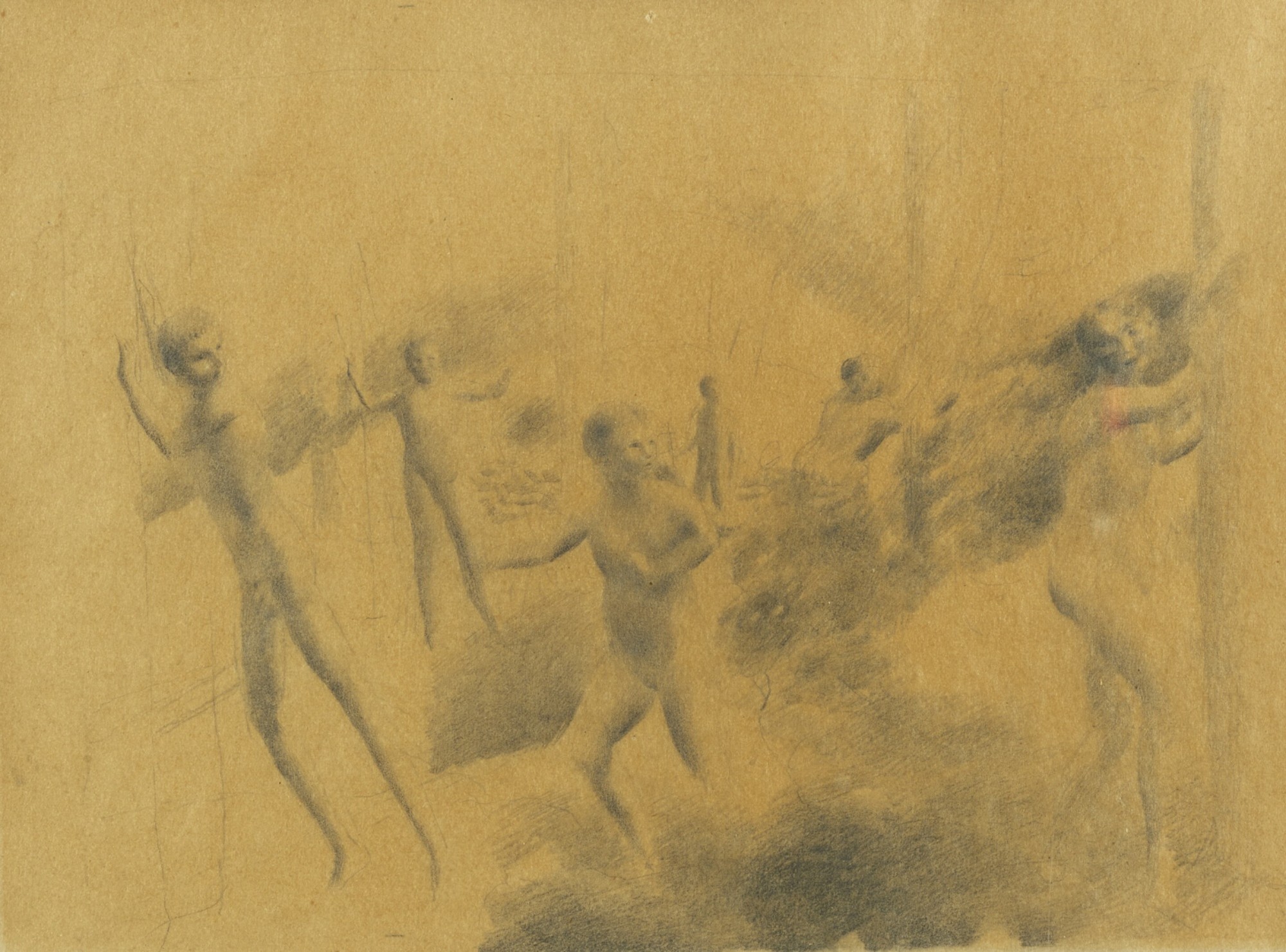
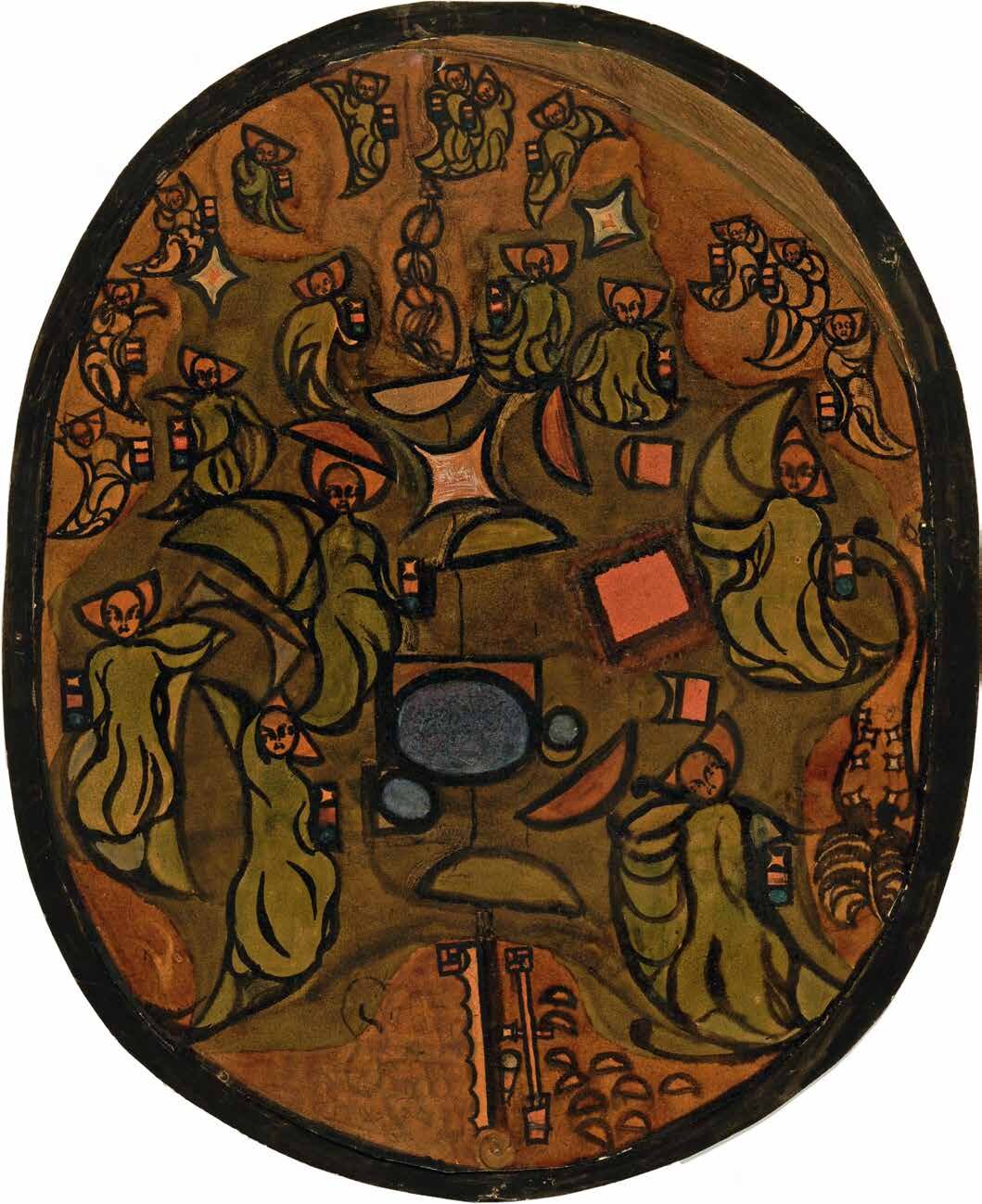
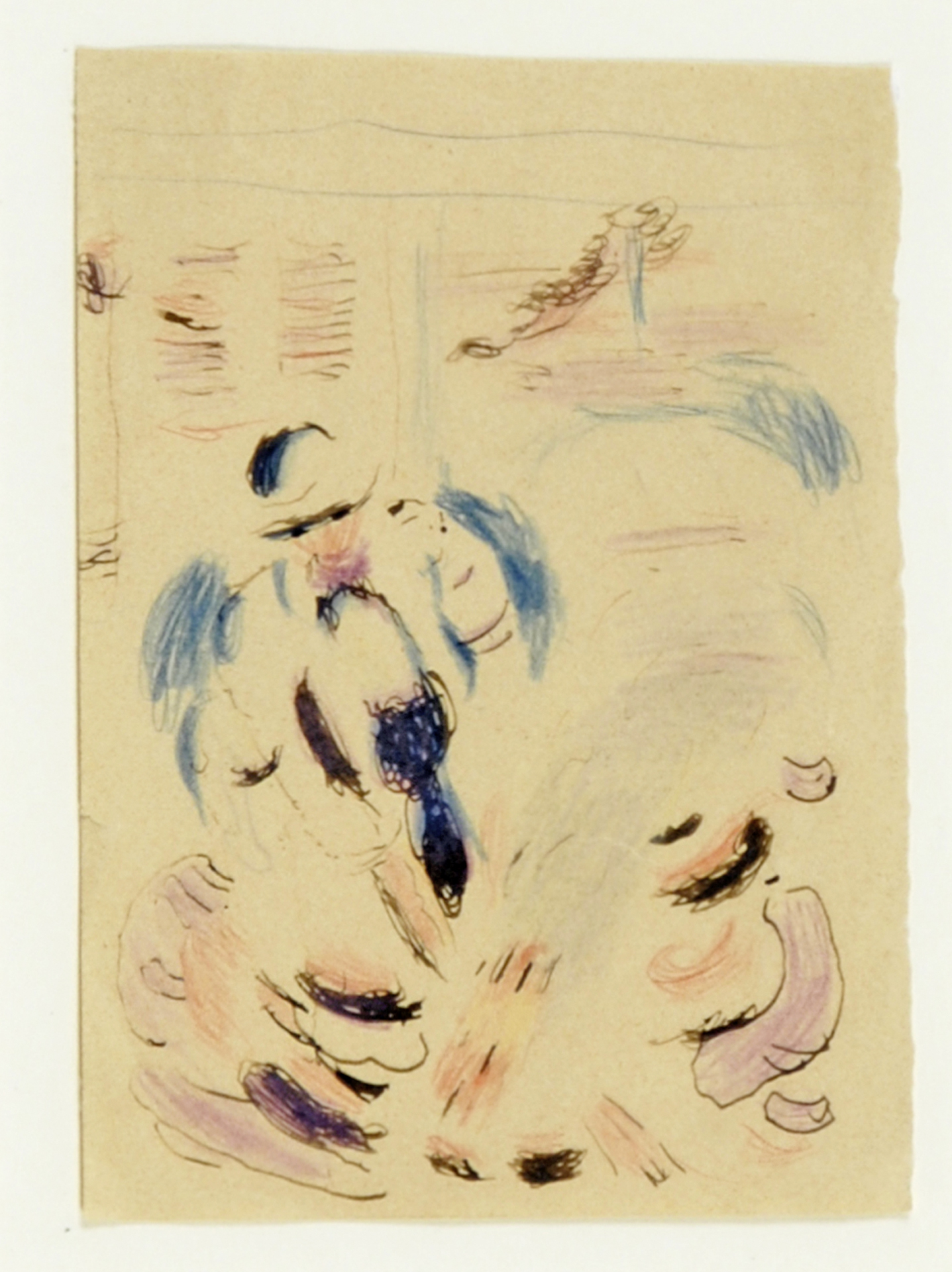
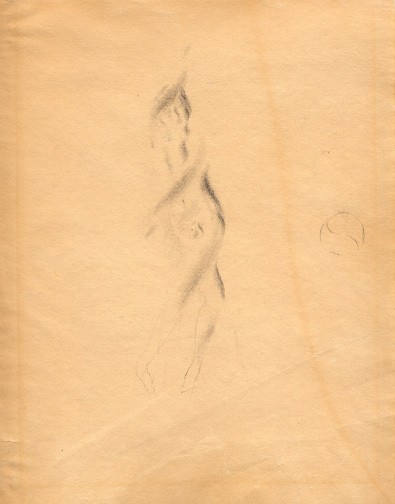
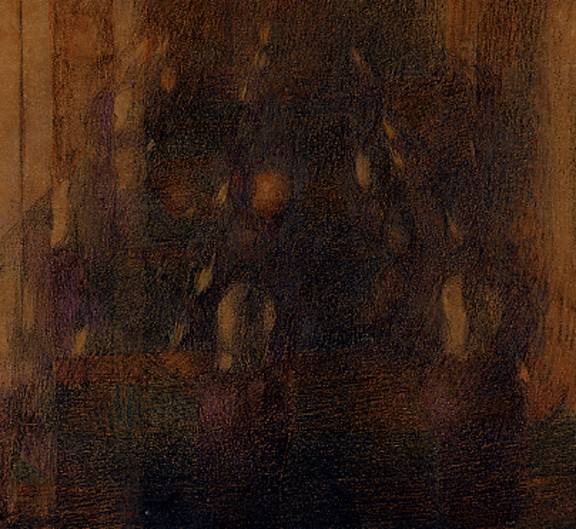
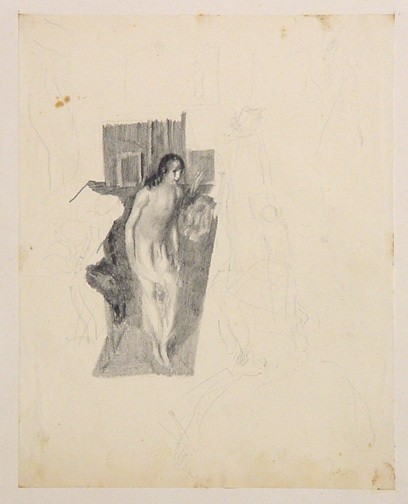
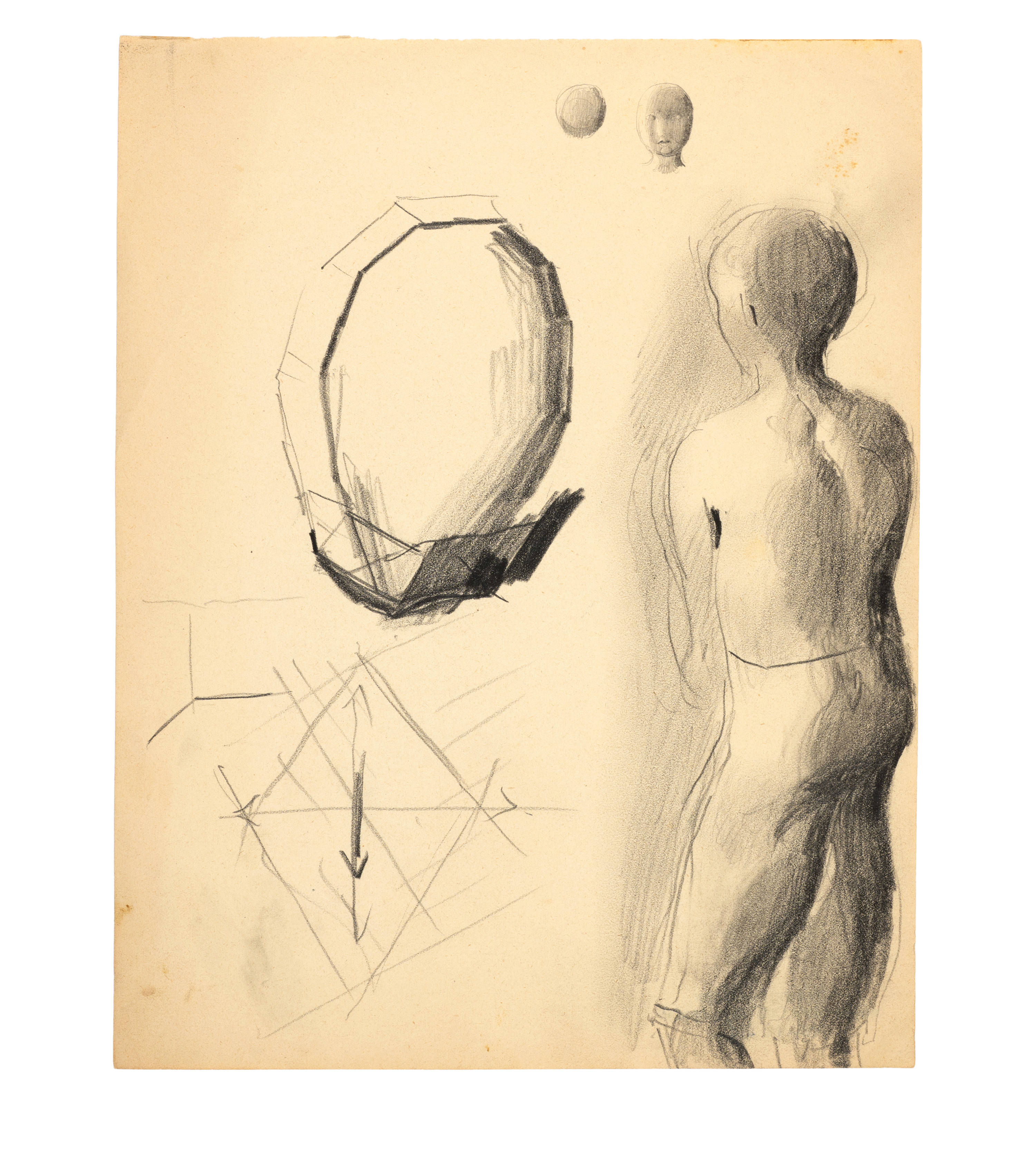
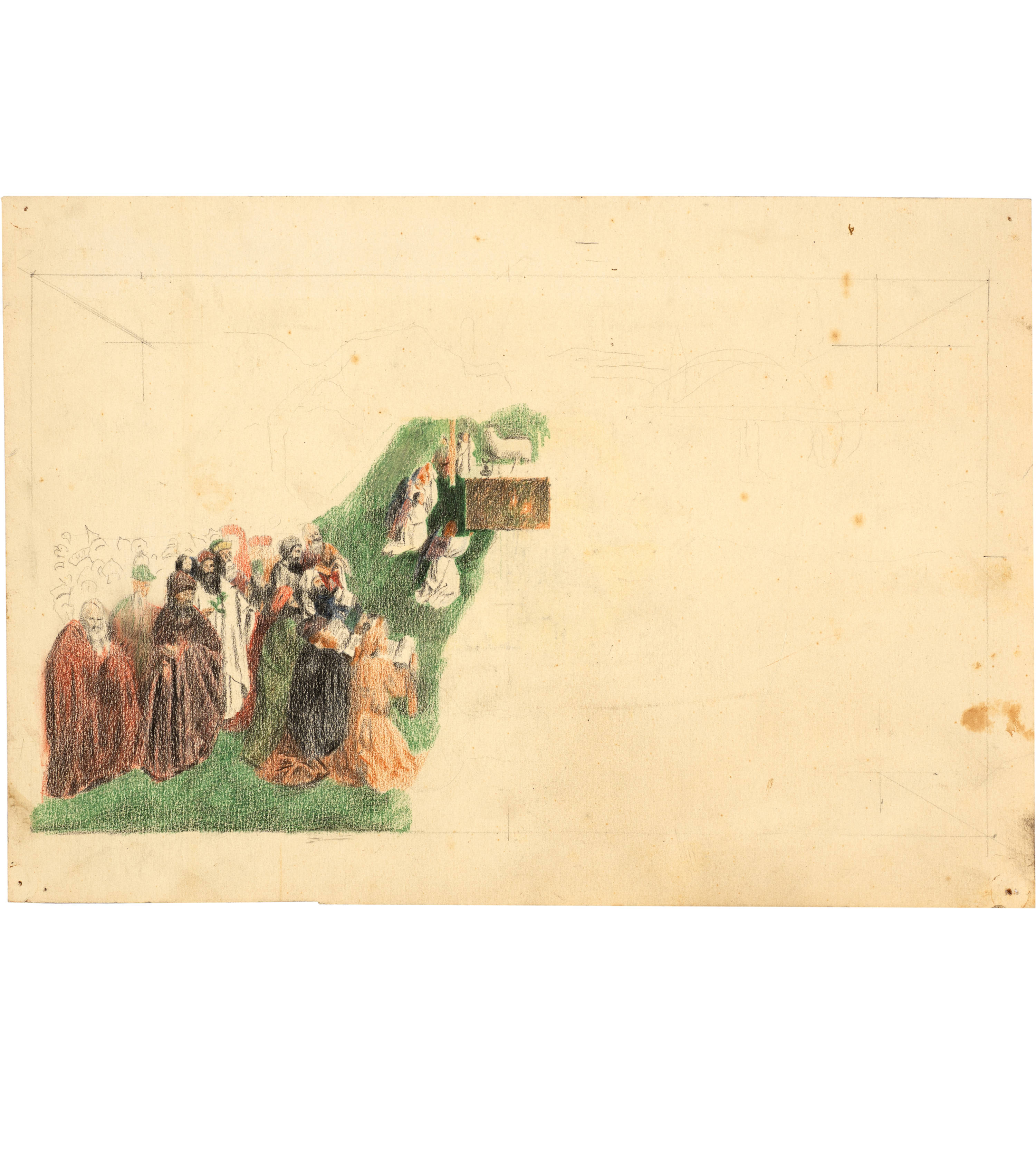
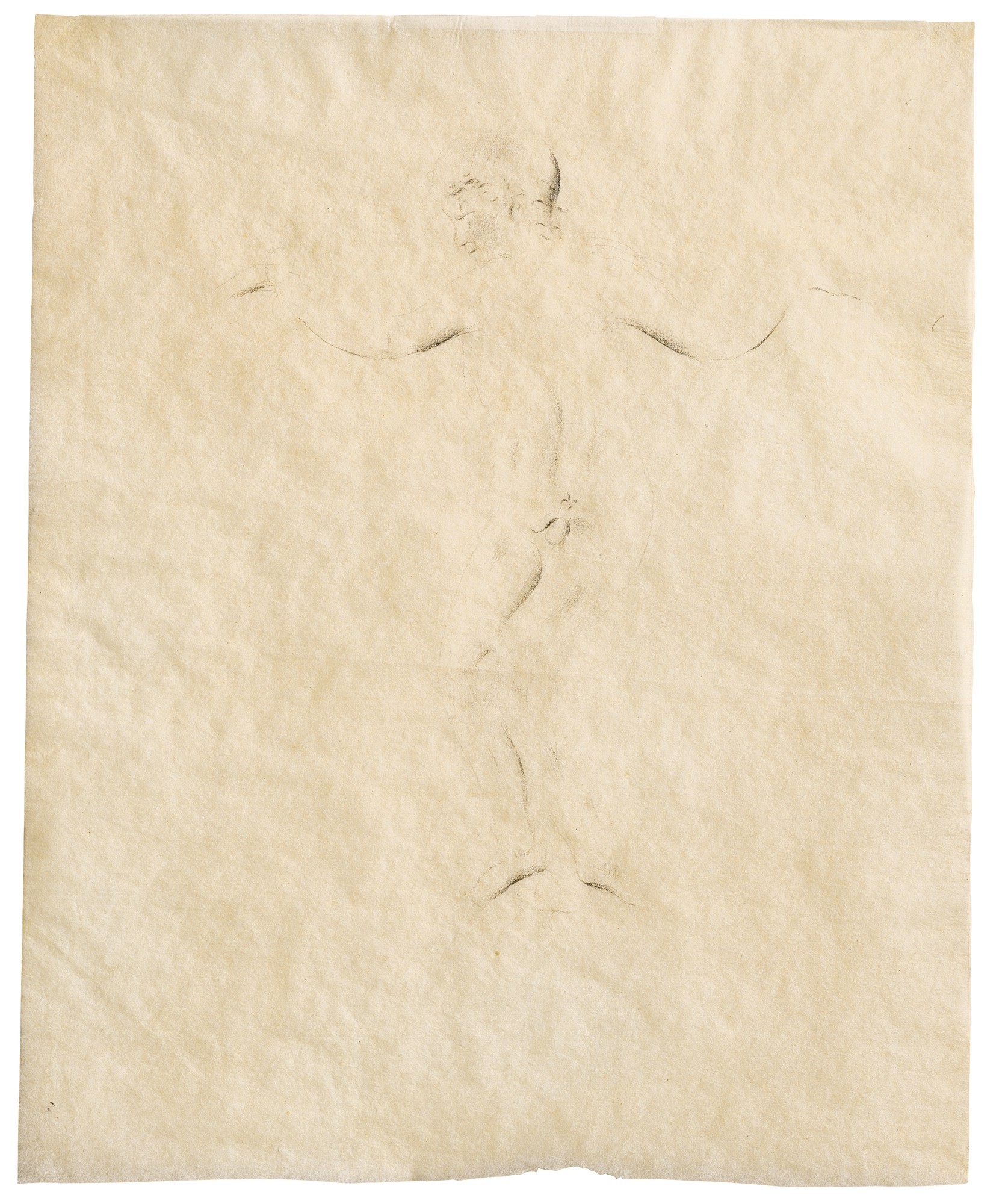
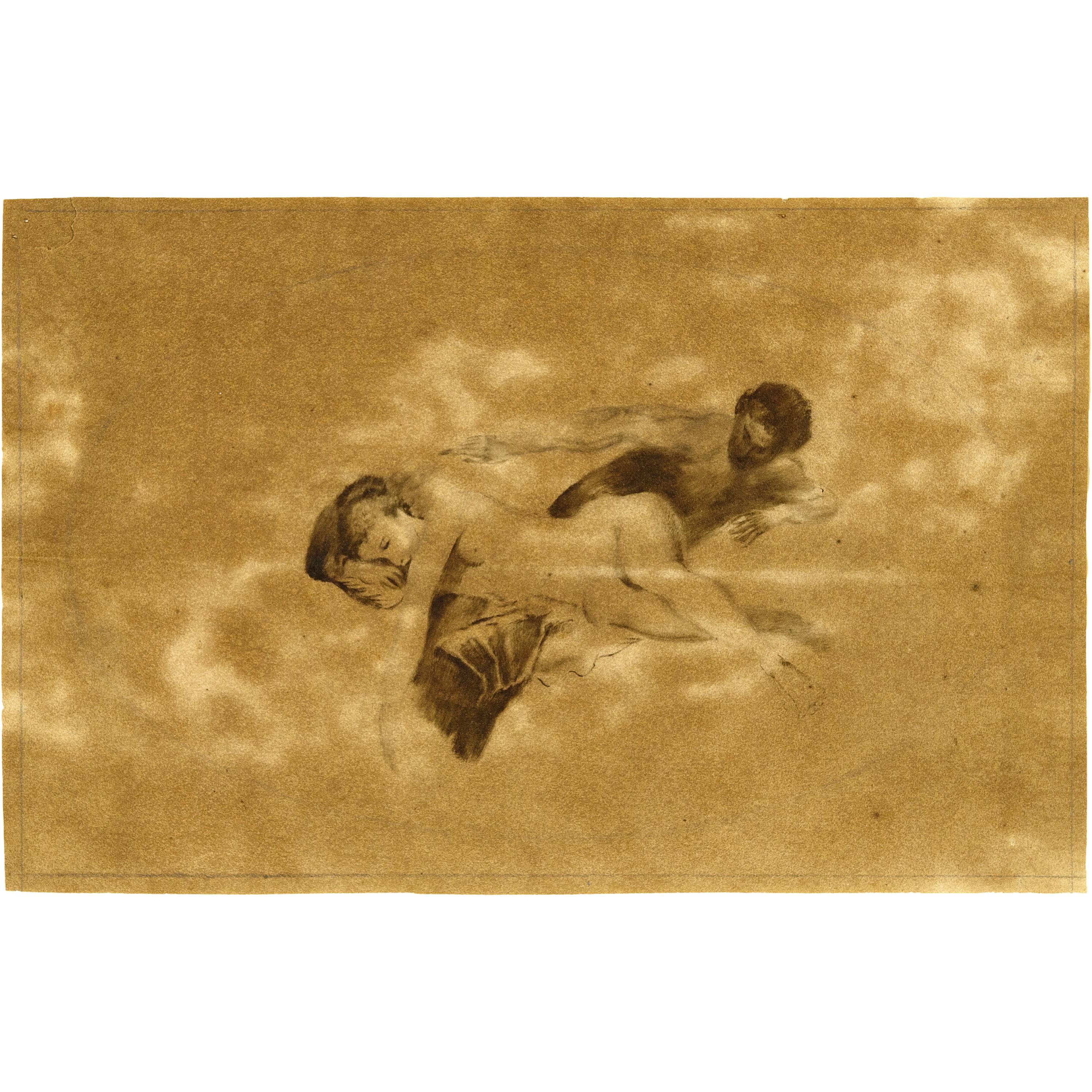
In his work, figurative observation merges with symbolic compositions and a religious dimension; forms may approach abstraction without losing their human resonance.
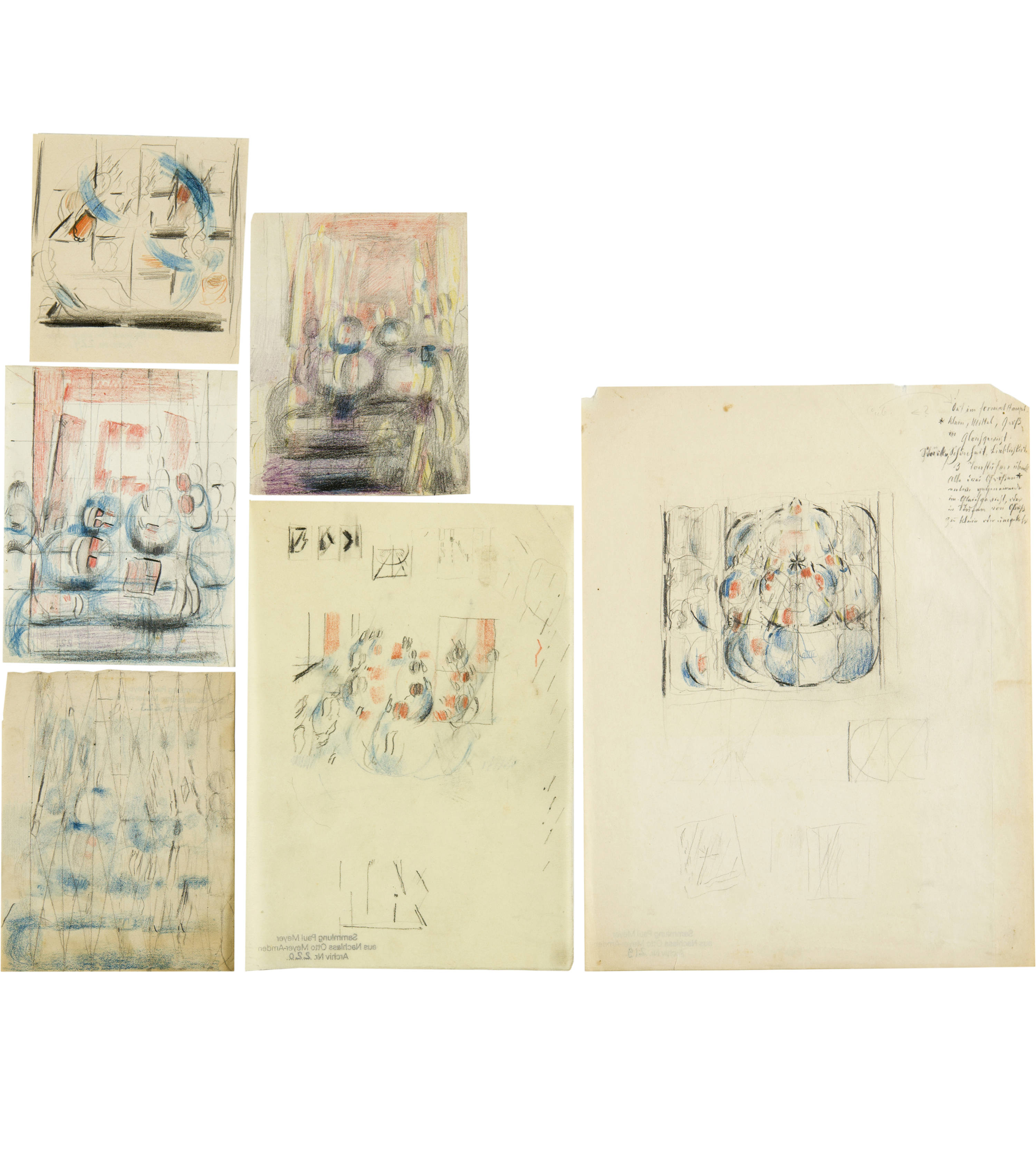
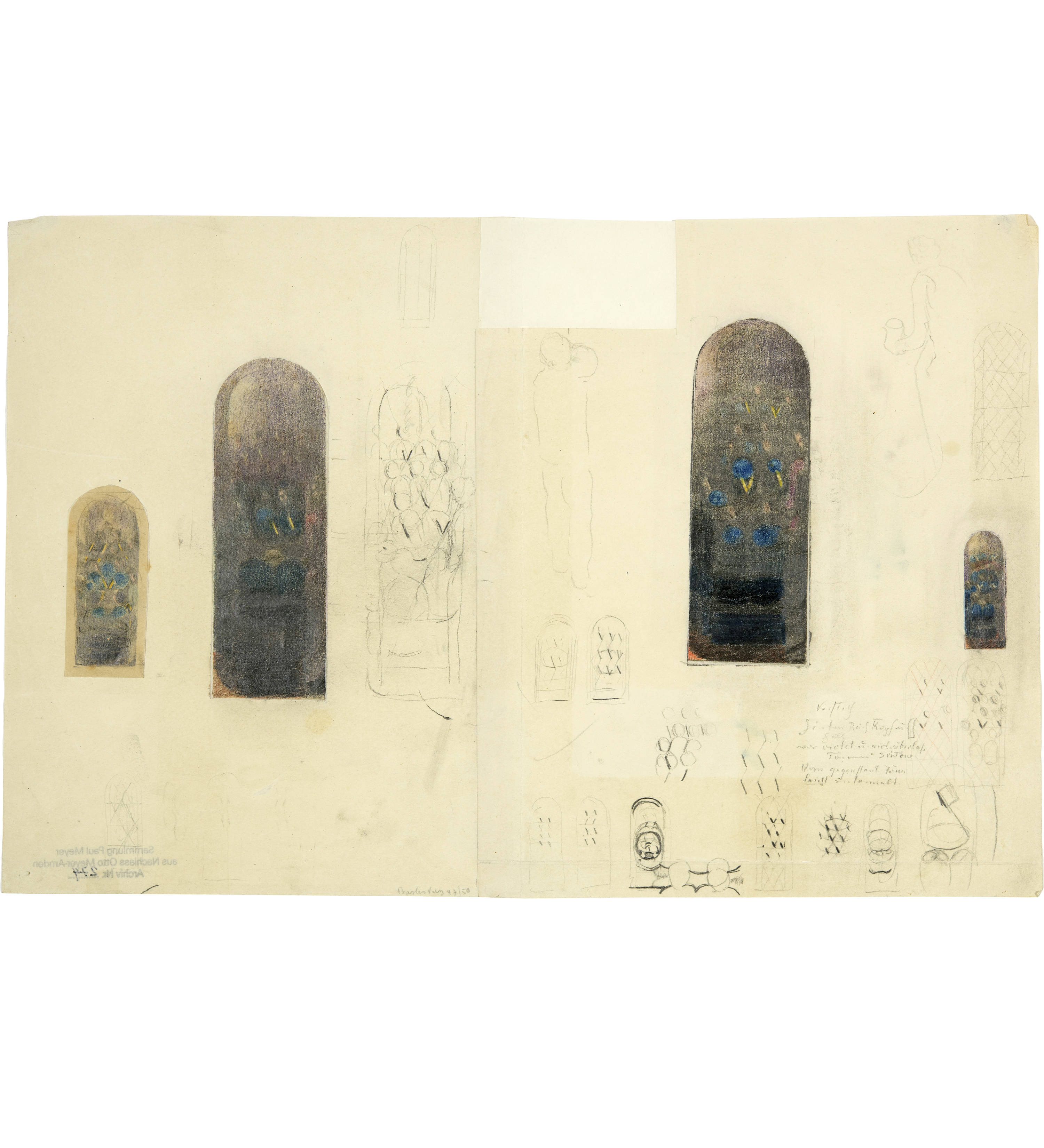
Between 1923 and 1925, he created the rose window of the Zwingli Church in Zurich-Wiedikon. From 1928 to 1932, he taught drawing at the Zurich School of Applied Arts. His exchanges with Oskar Schlemmer, his friend from Stuttgart, and with other artists testify to his links with the debates of the avant-garde and the ideas accompanying the emergence of the Bauhaus.
Meyer-Amden died at the age of 47, before attaining broad public recognition. The Kunstmuseum Basel now holds the most important collection of his work, including 271 drawings received in 2008. The Kunsthaus Zürich had organised a commemorative exhibition as early as 1933.
His work, often silent and demanding, invites us to observe how figure, space and symbol can come together without being reduced to a single narrative.