Otto Charles Bänninger
Born in 1897.
Died in 1973.
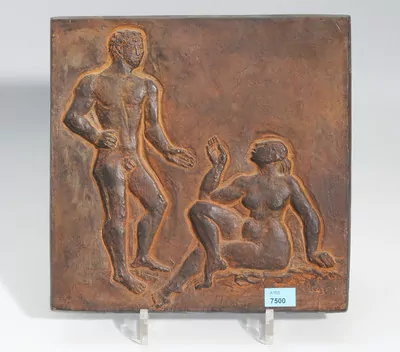
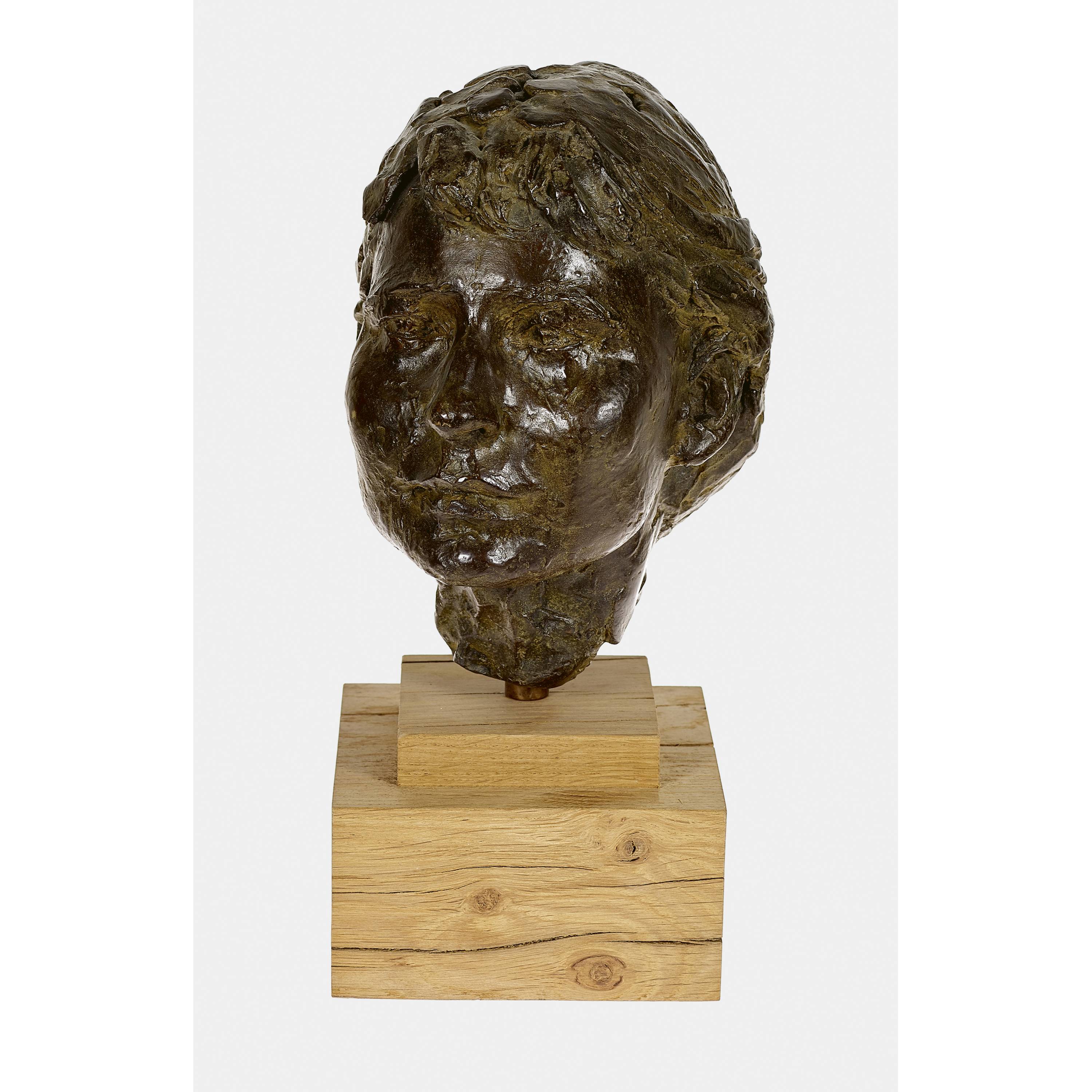
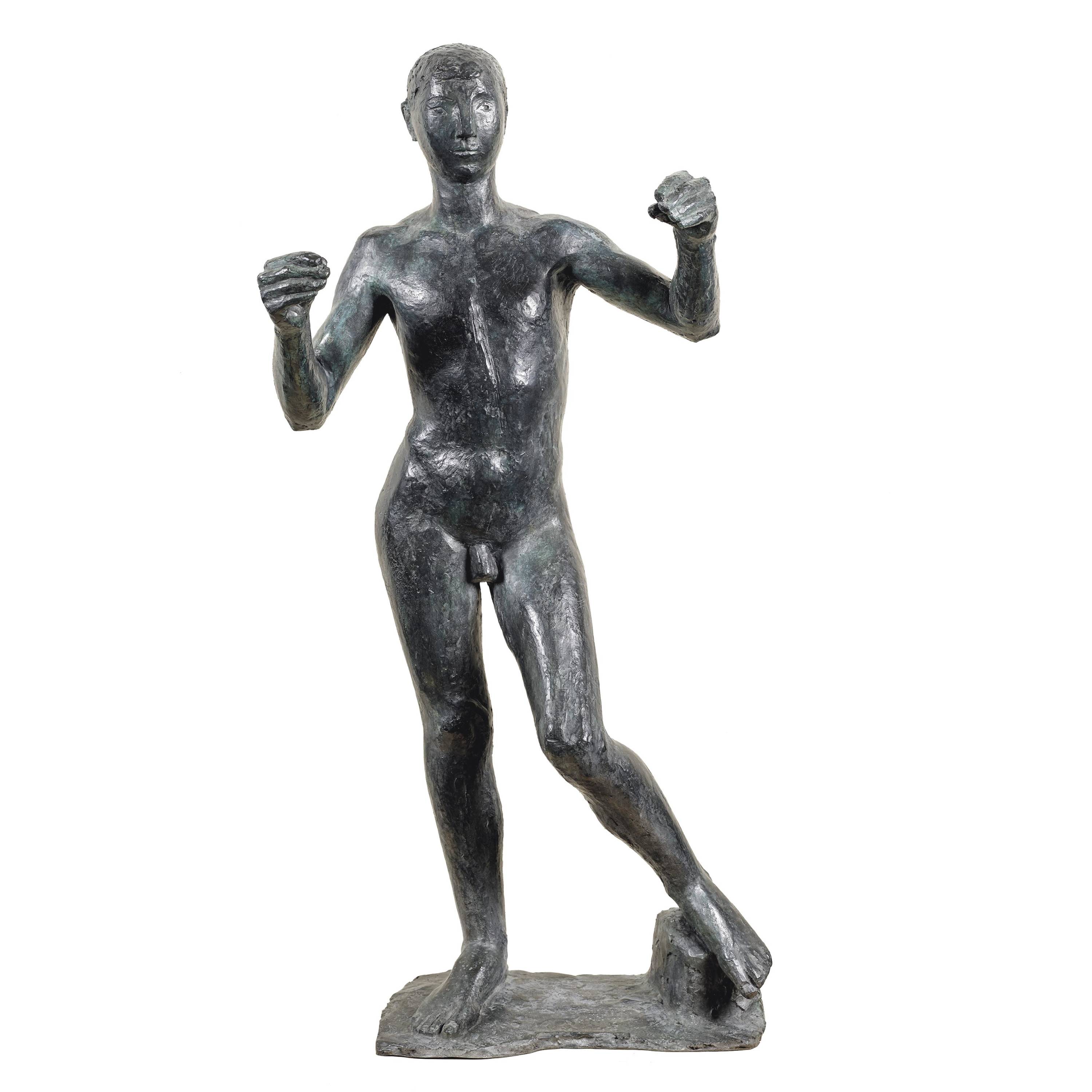
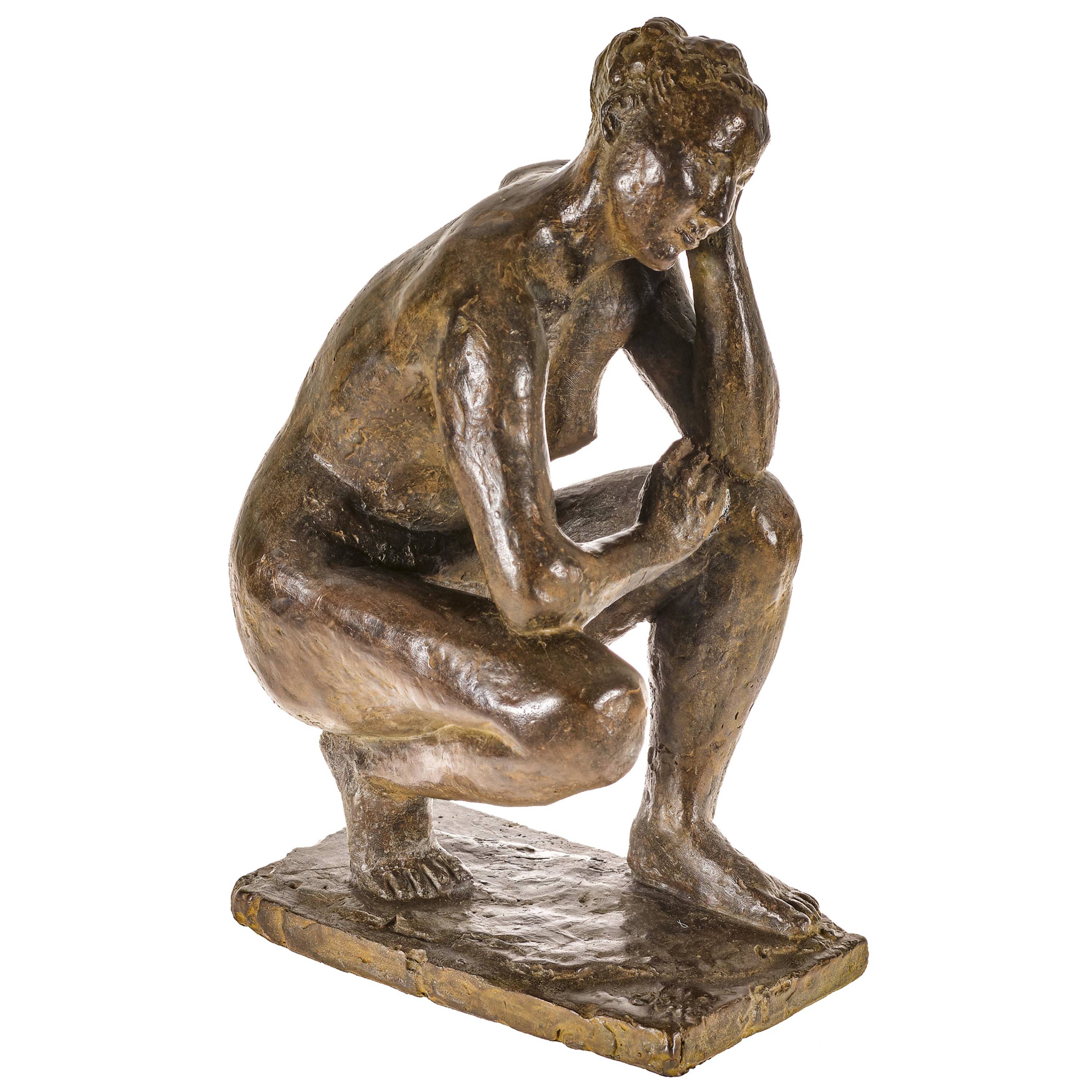
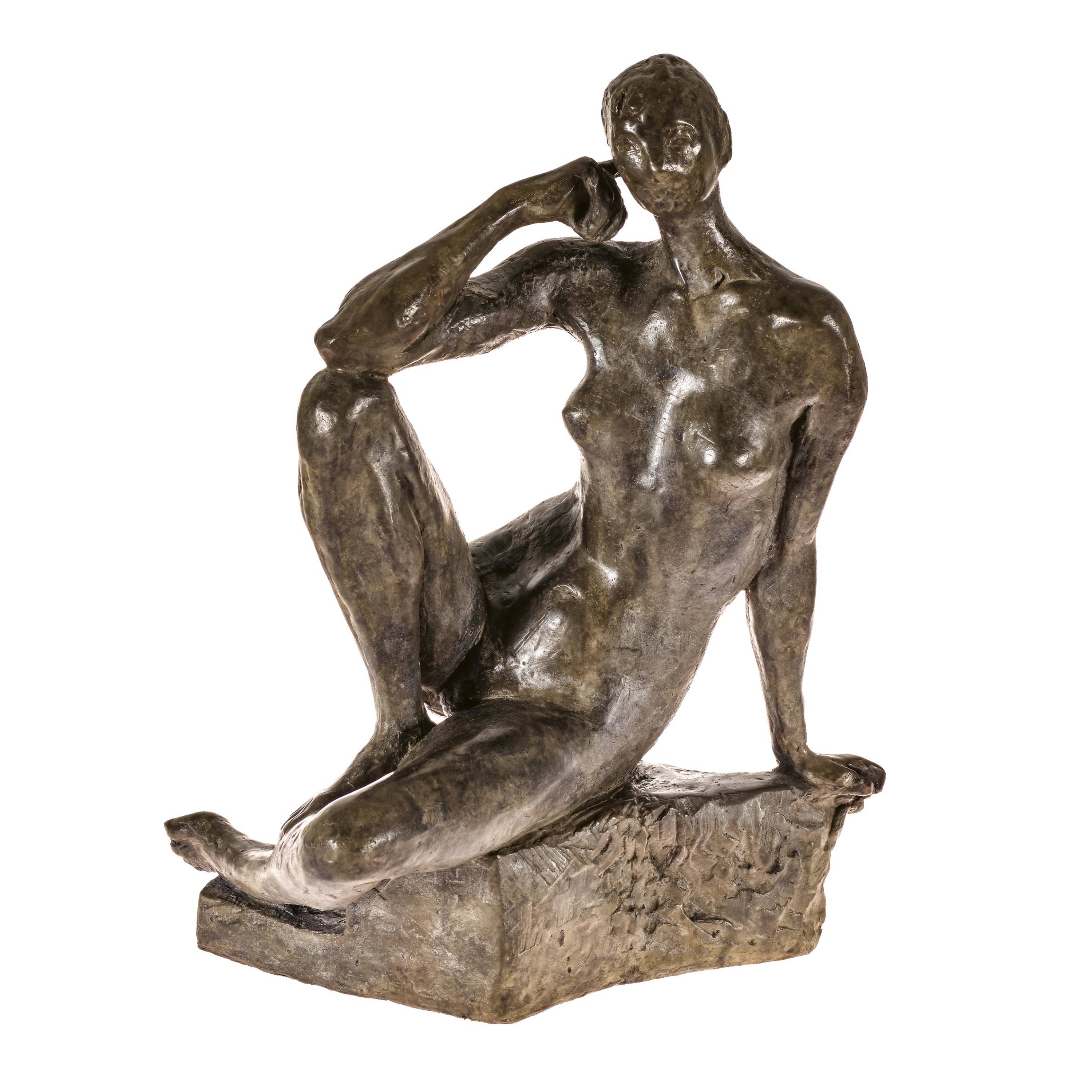
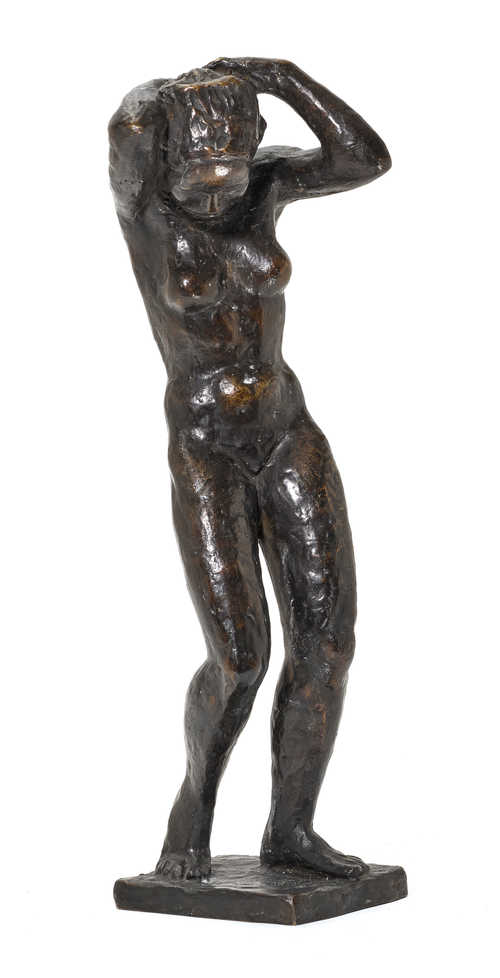
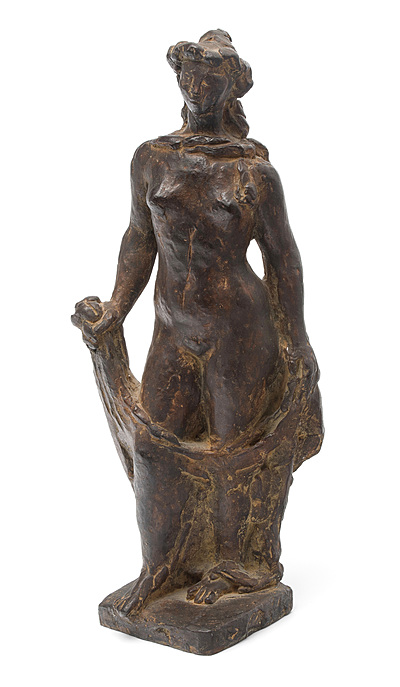
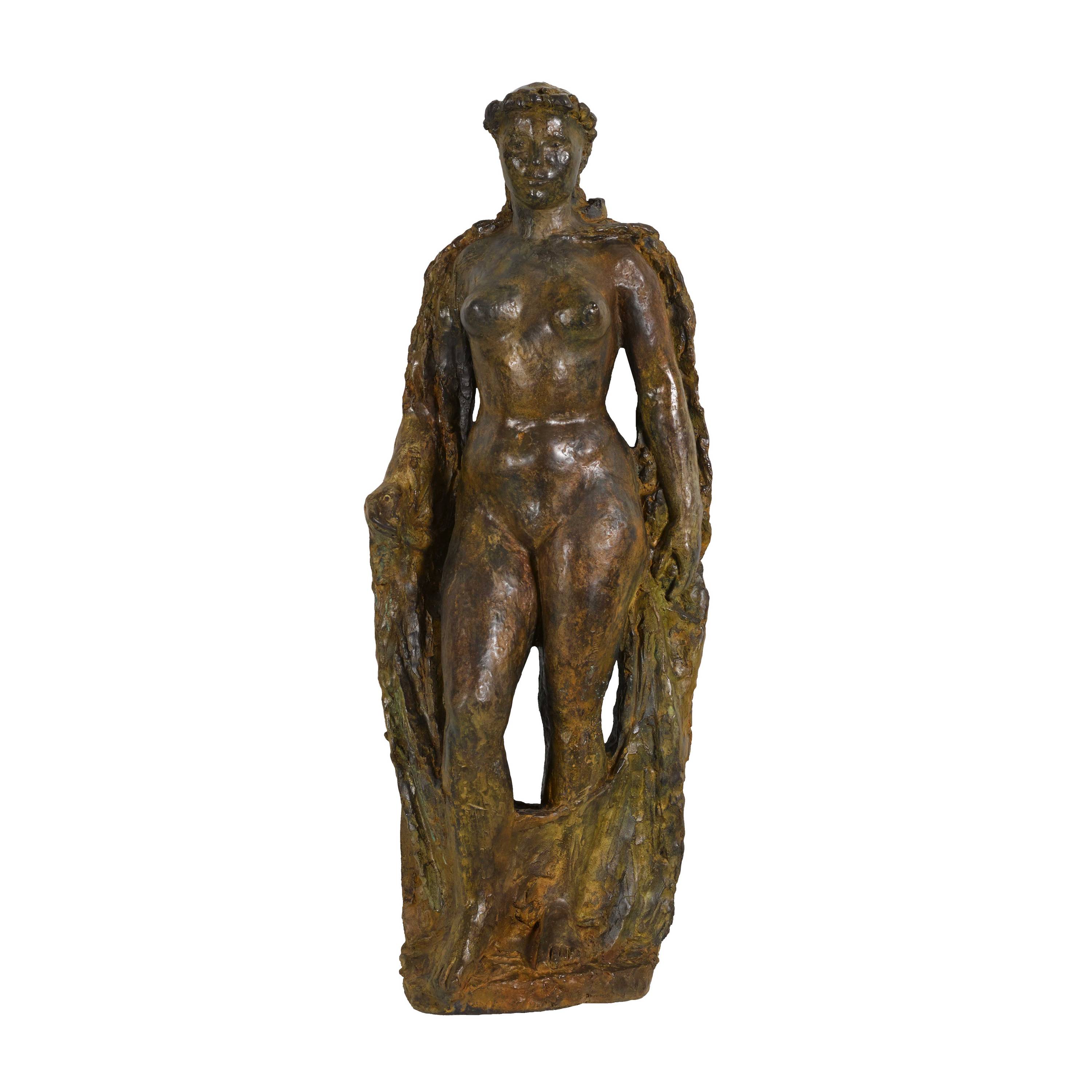
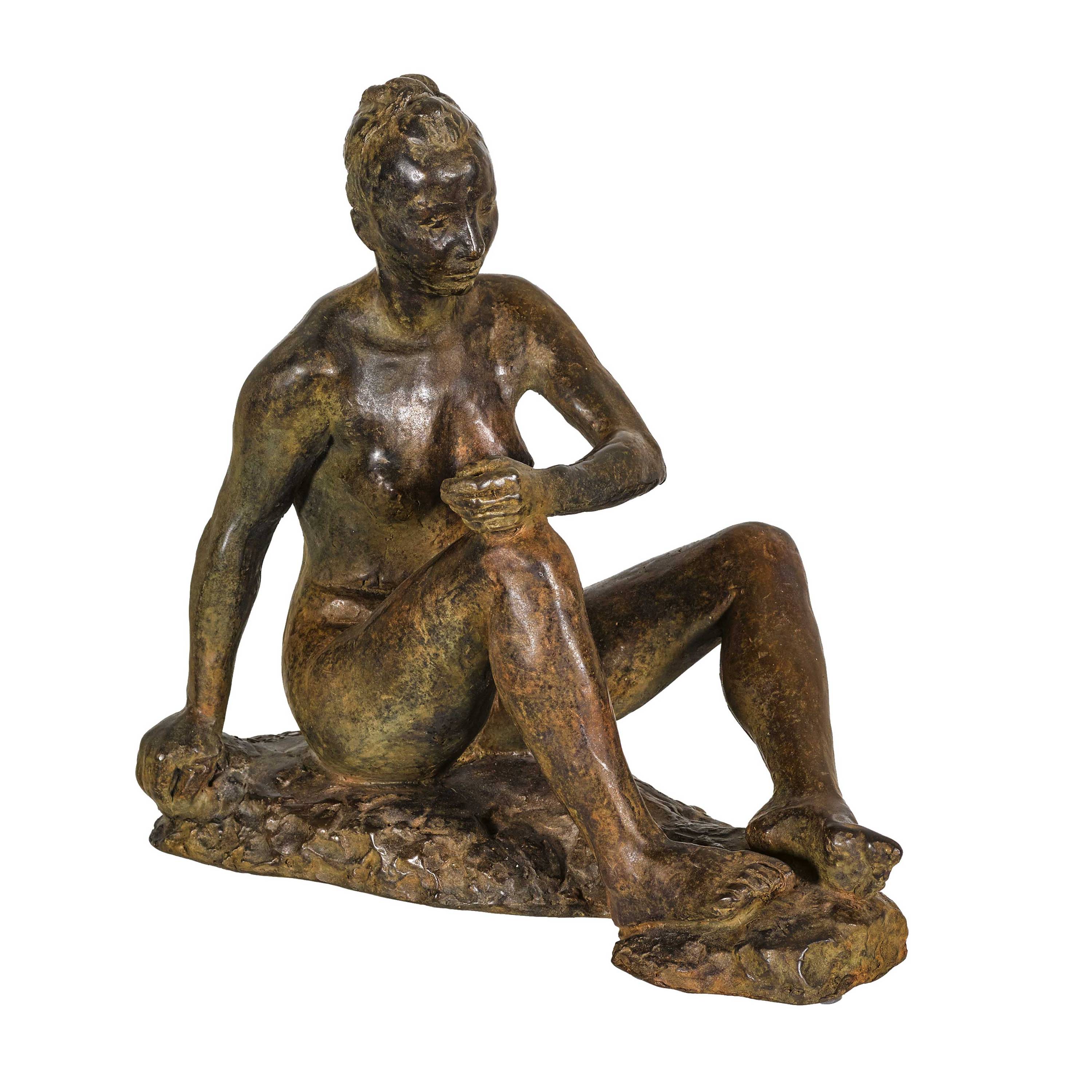
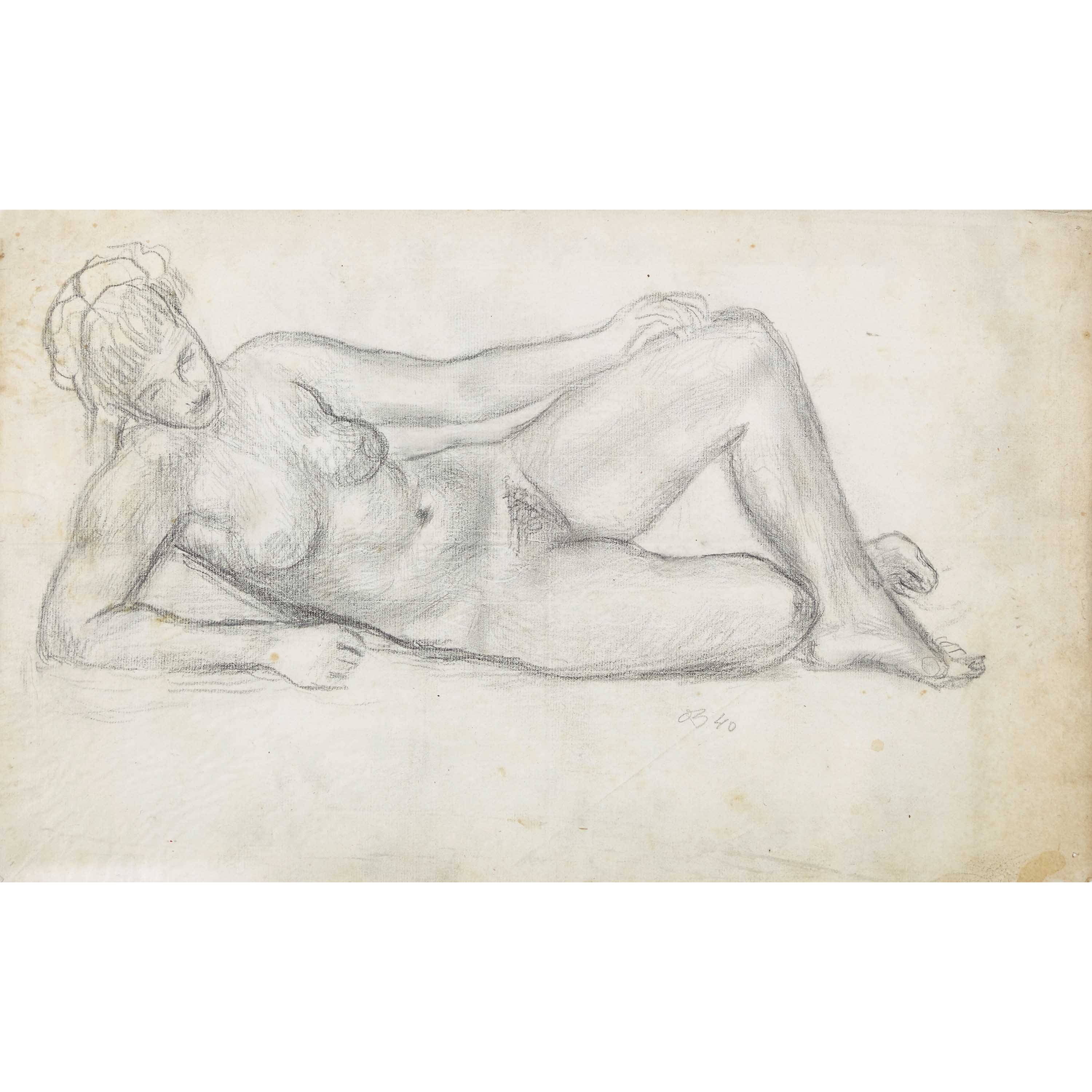
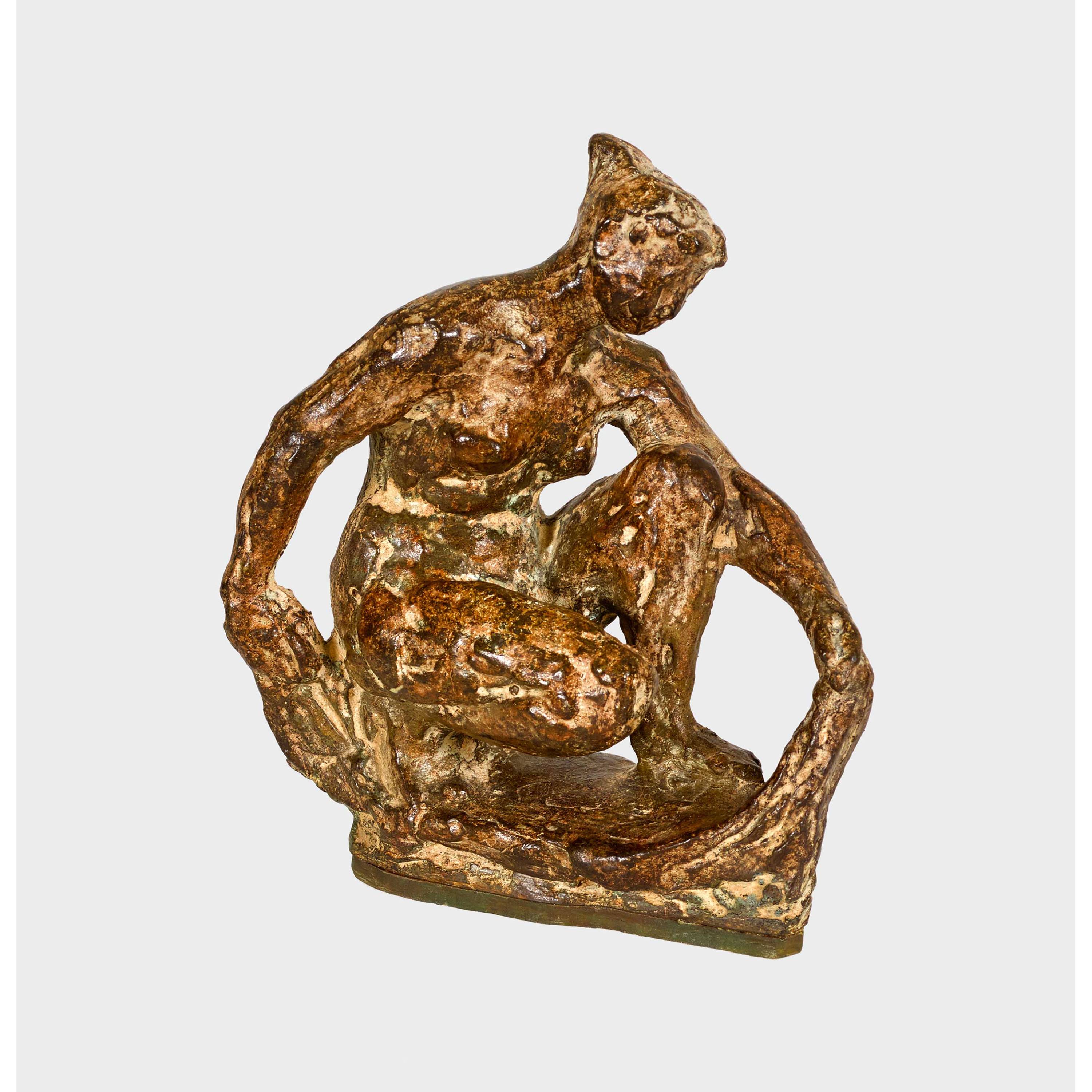
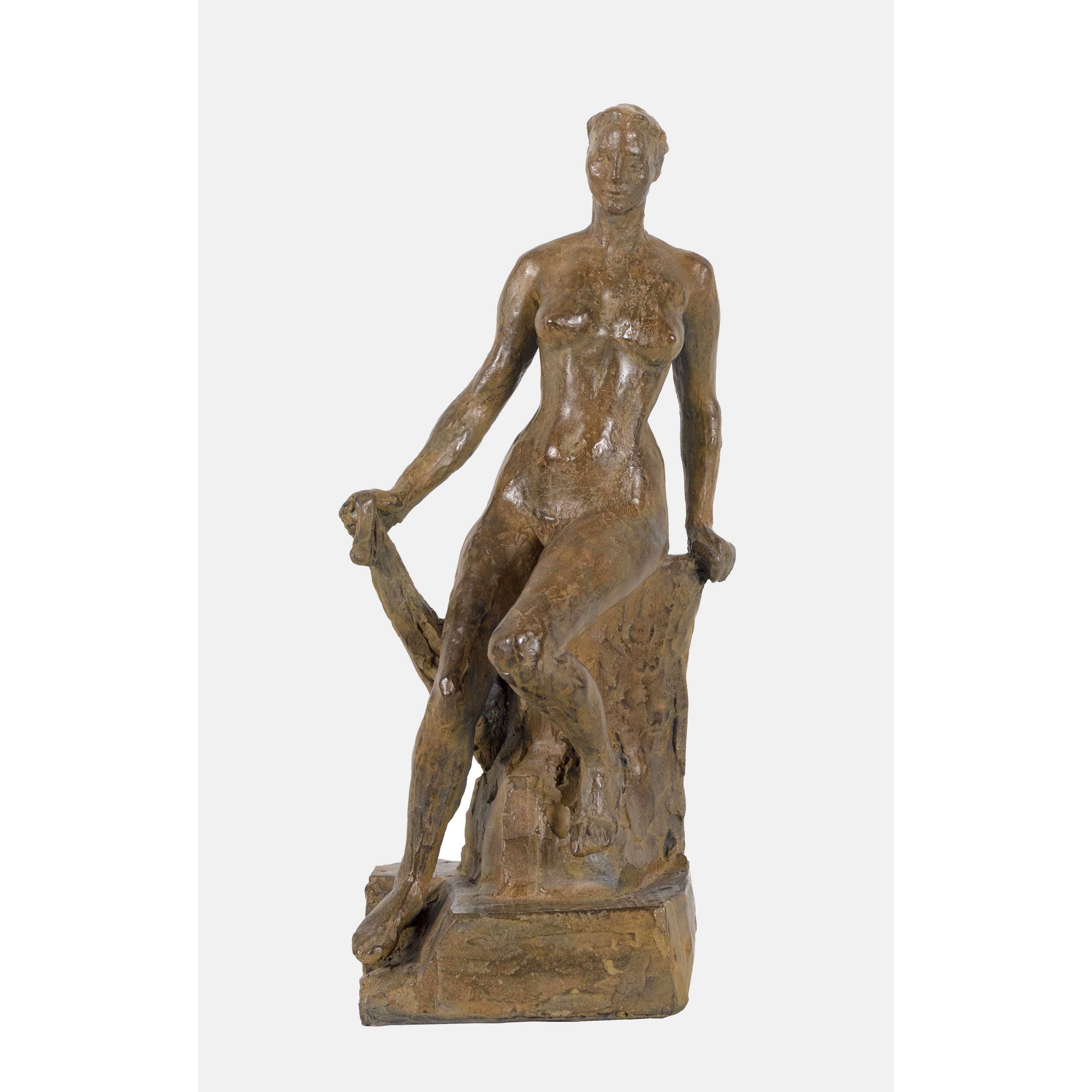
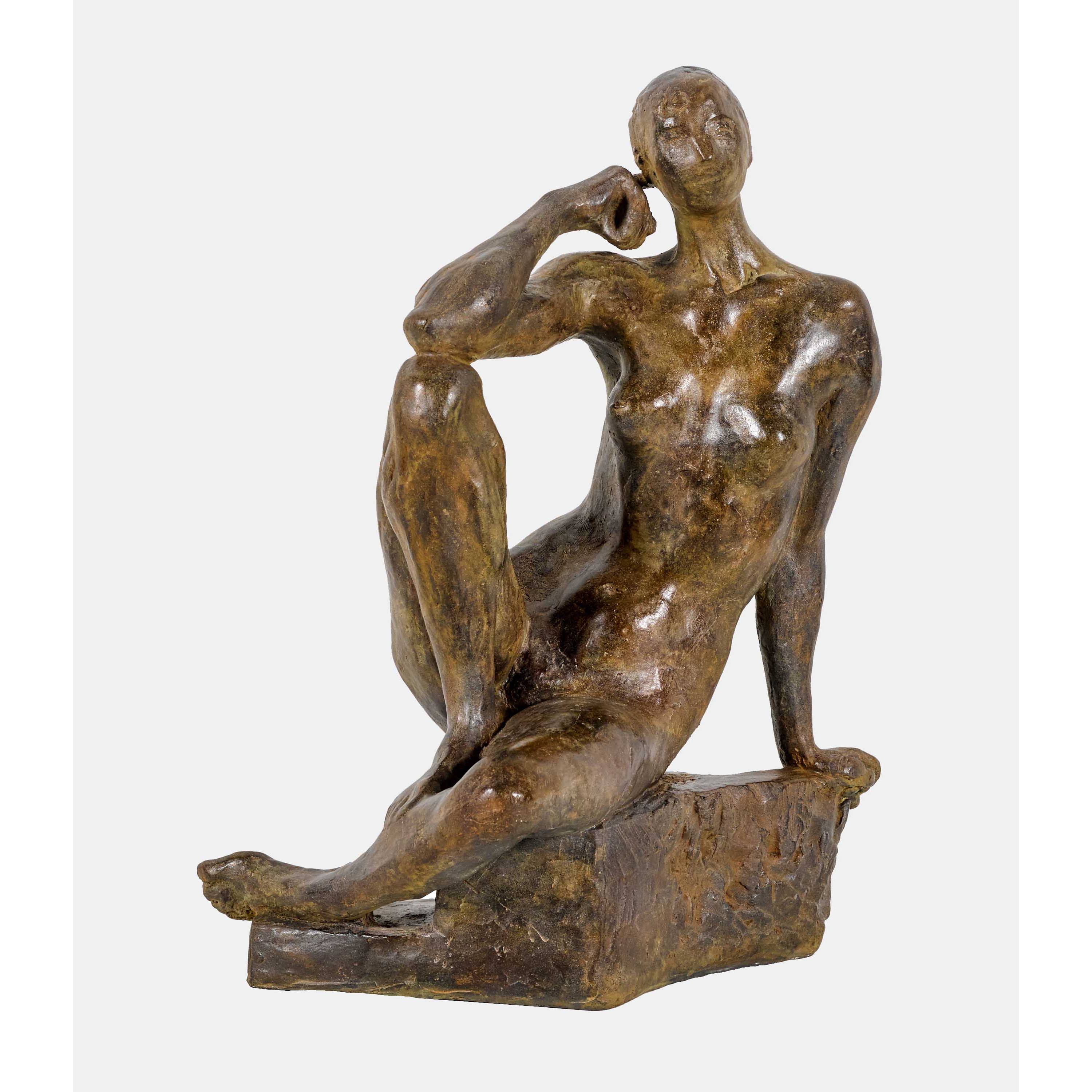
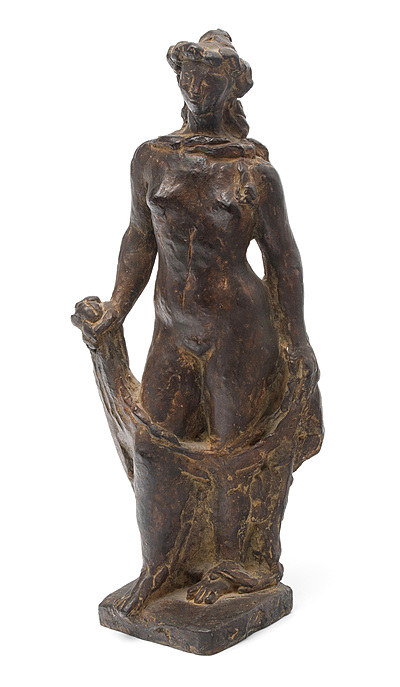
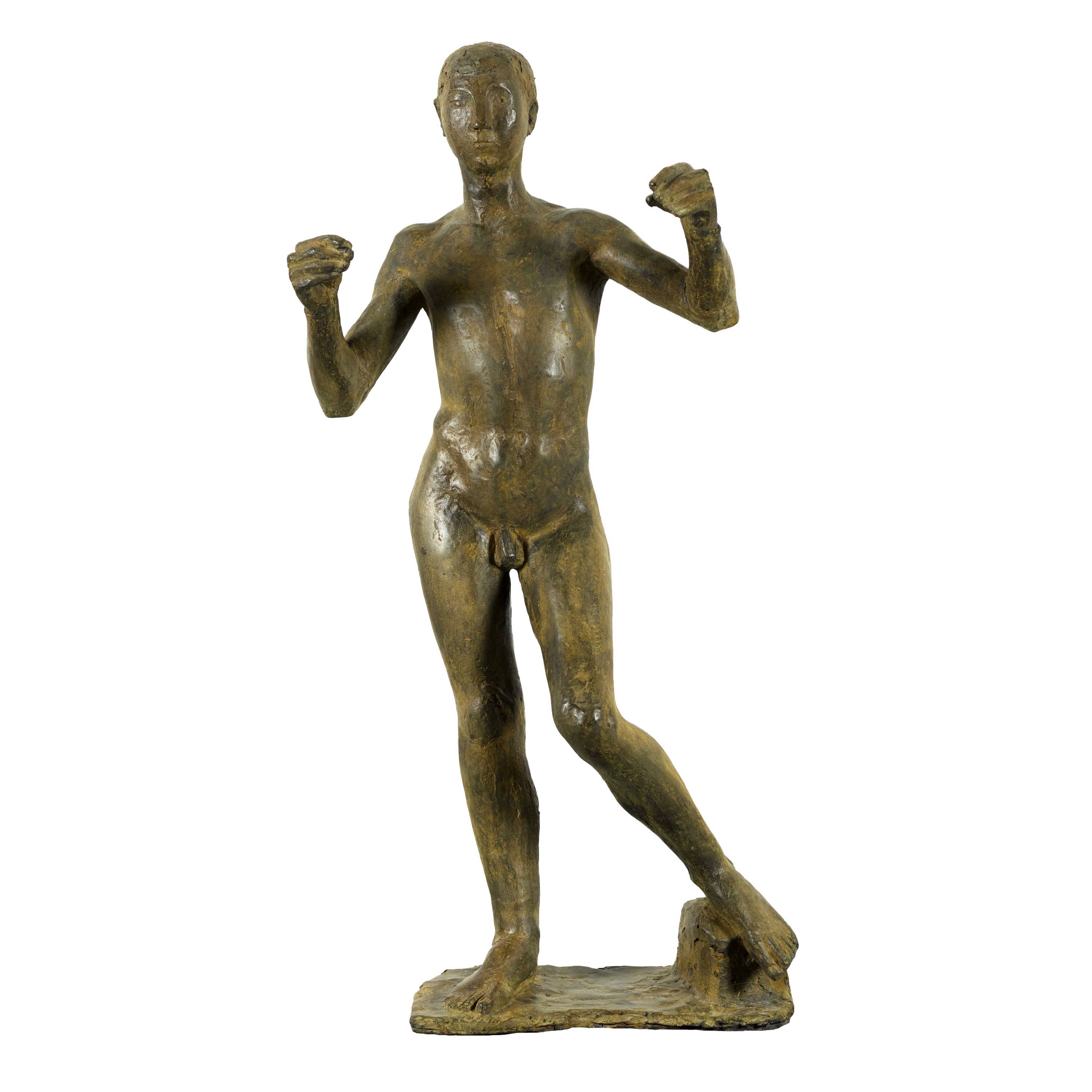
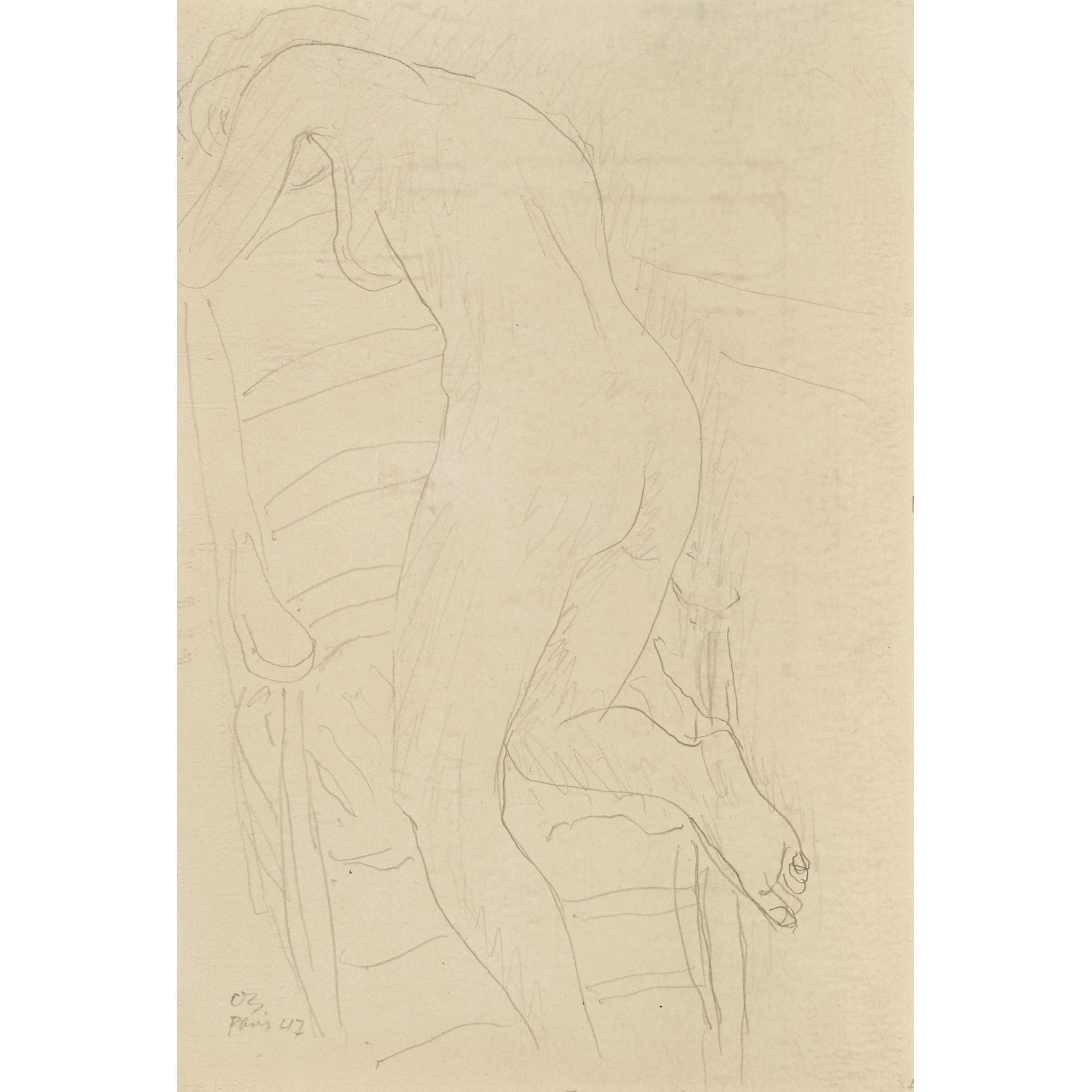
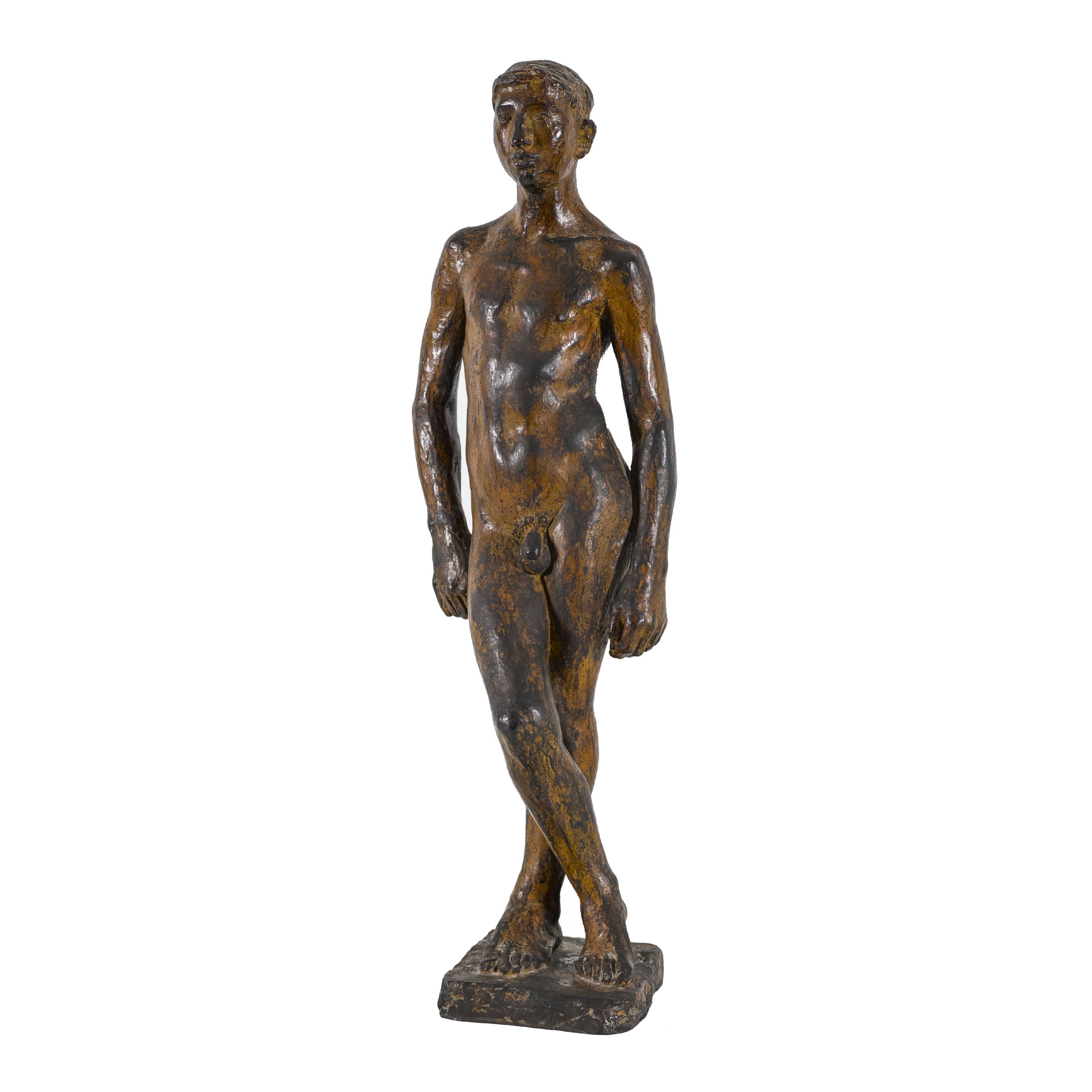
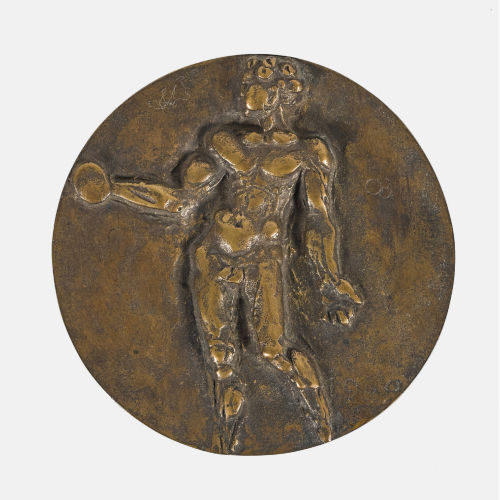
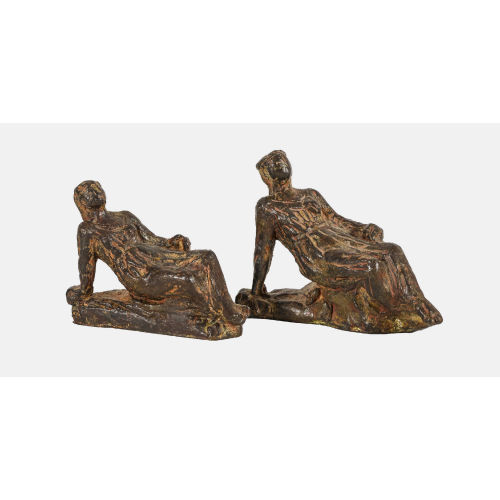
Otto Charles Bänninger (1897–1973) belongs to the generation that renewed Swiss figurative sculpture between the two world wars. A pupil and soon an assistant of Émile-Antoine Bourdelle, he deepened his understanding there of modelling, the relationship between volumes, and the art of giving the body a presence in space. In that studio, he met the sculptor Germaine Richier, whom he married in 1929.
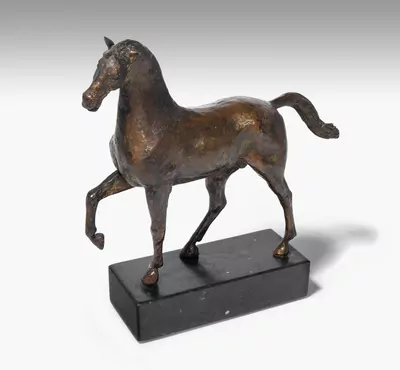
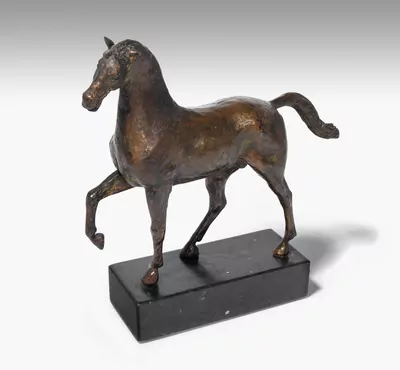
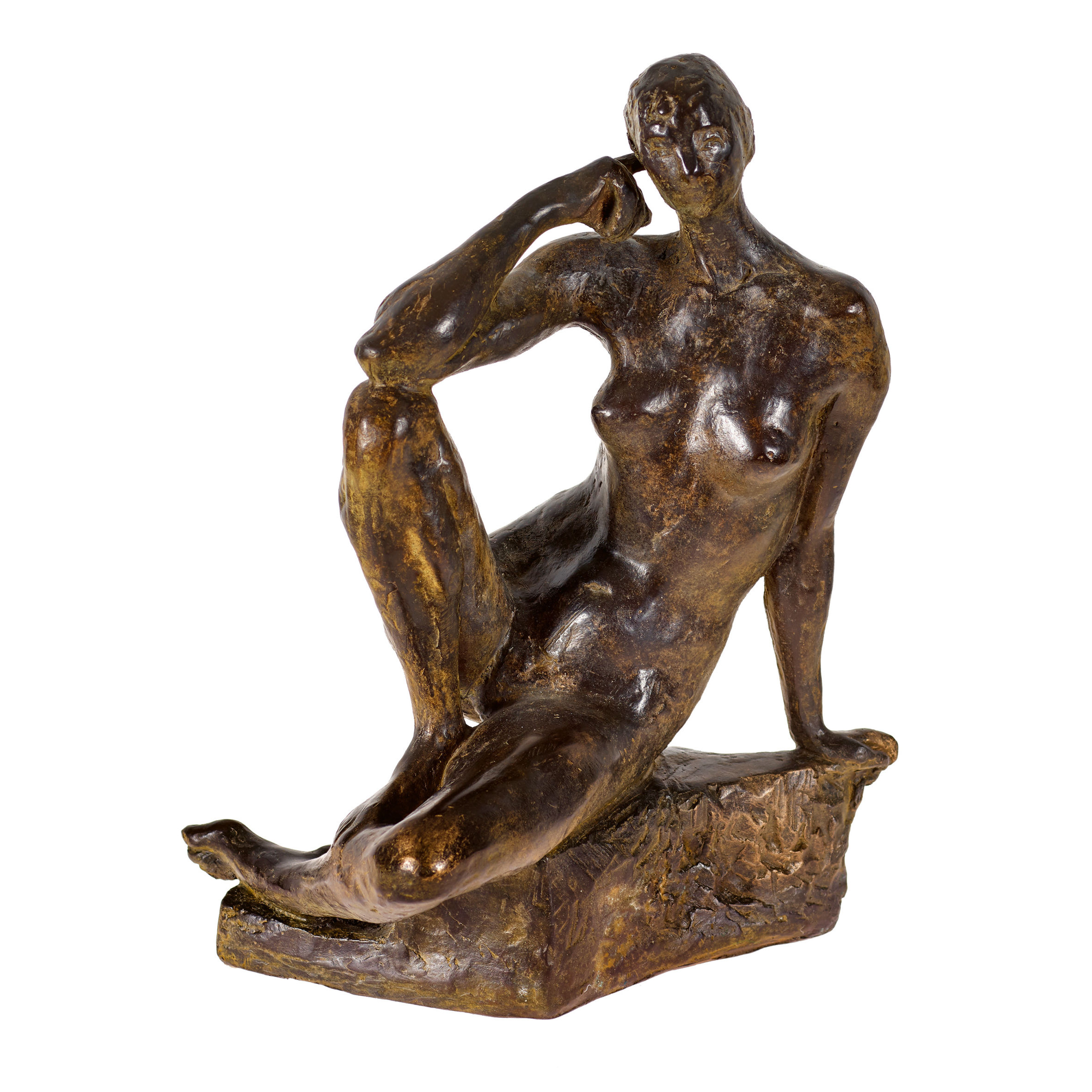
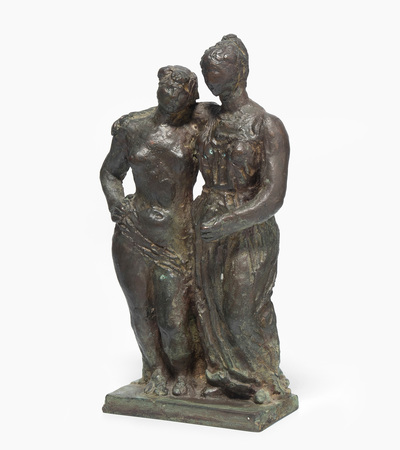
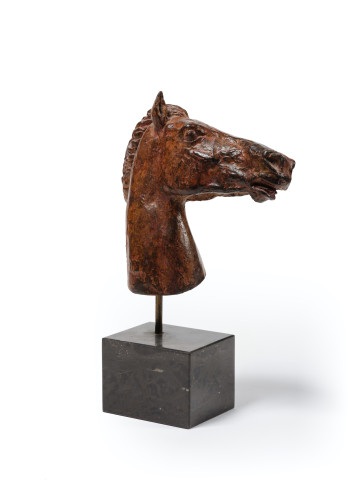
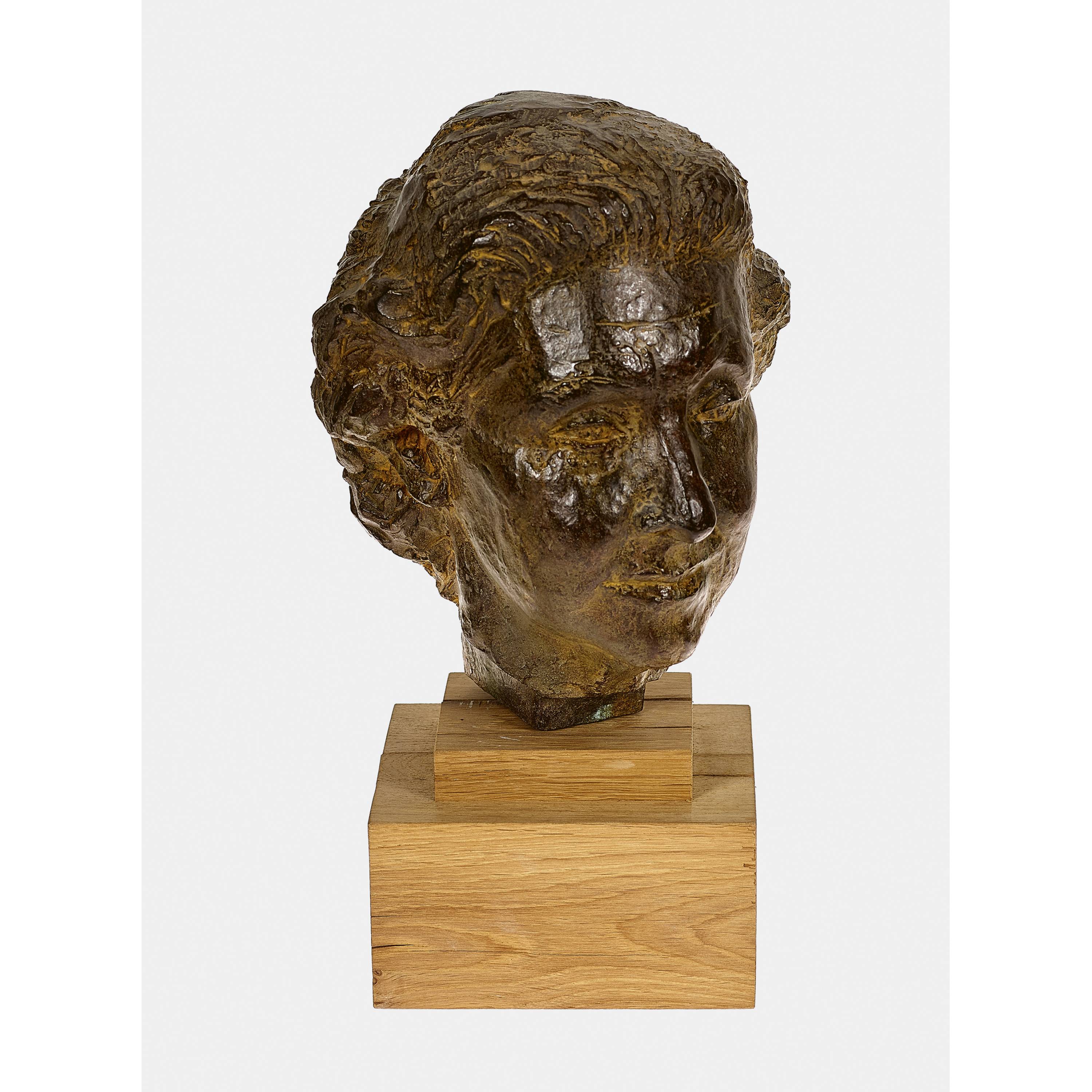
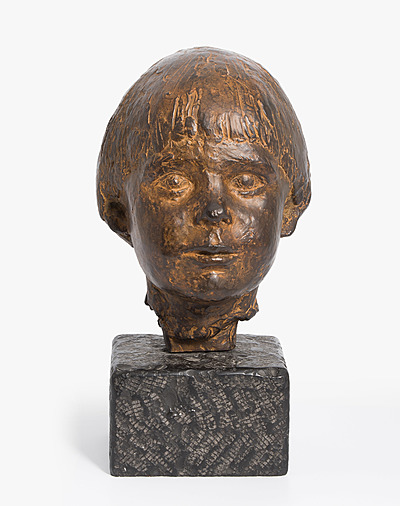
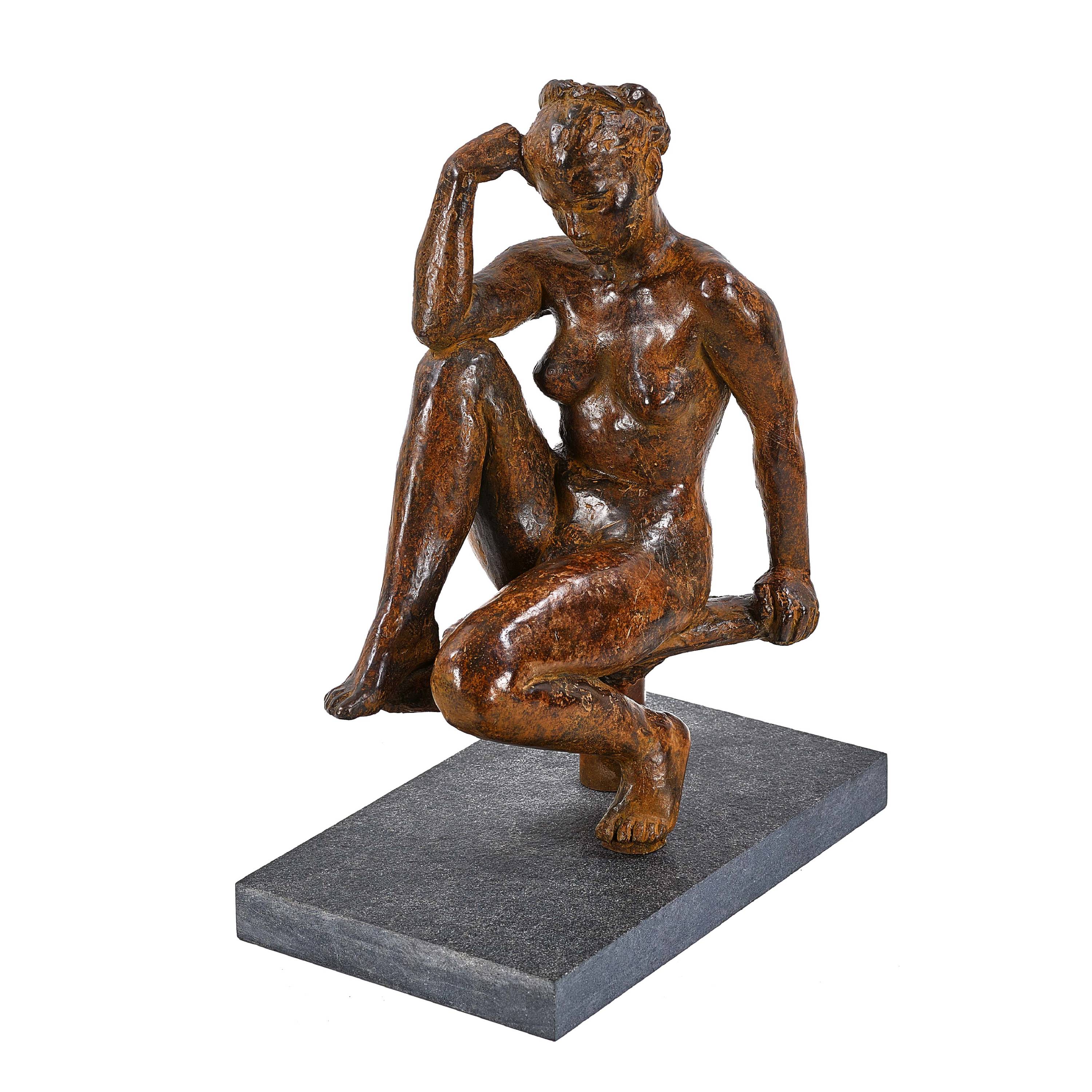
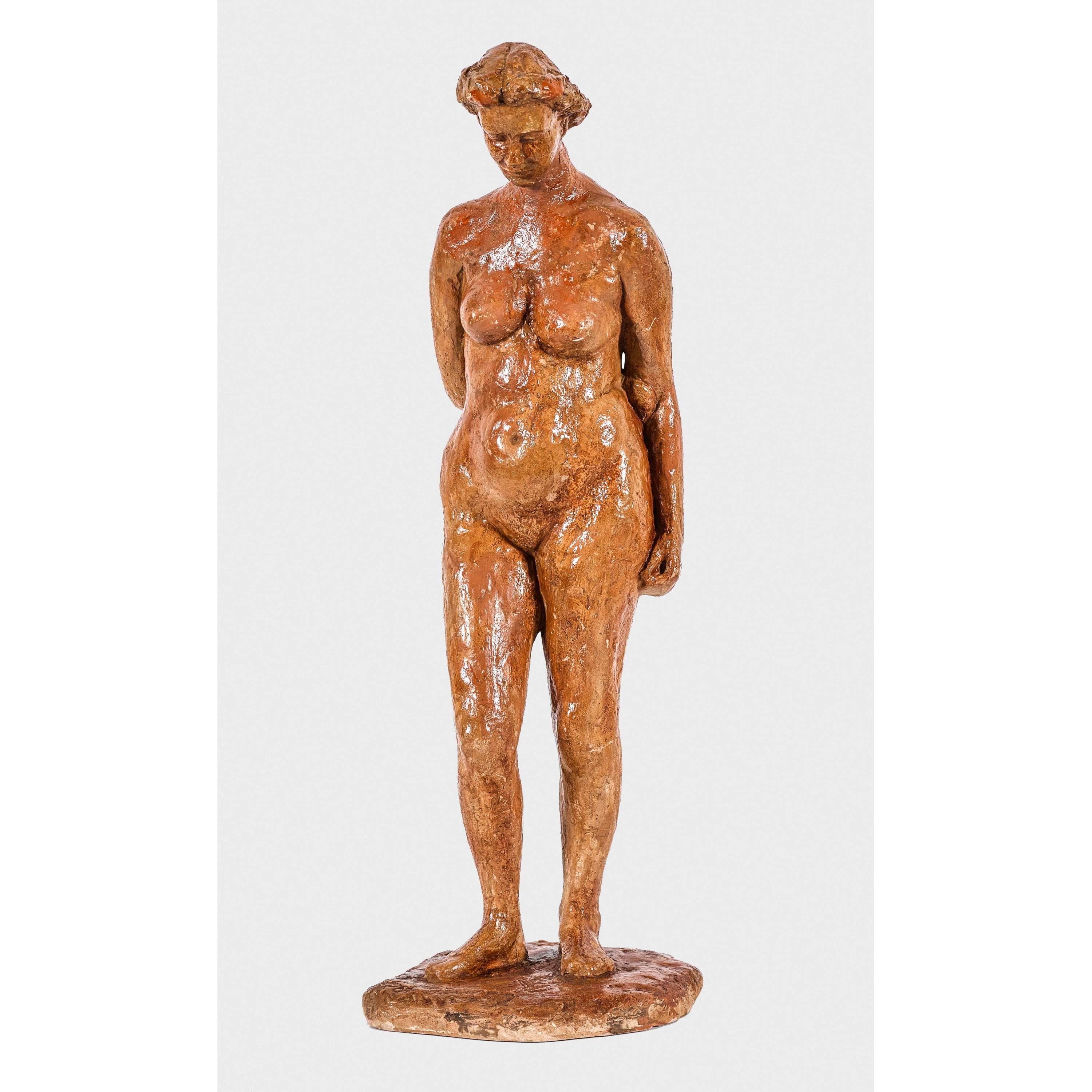
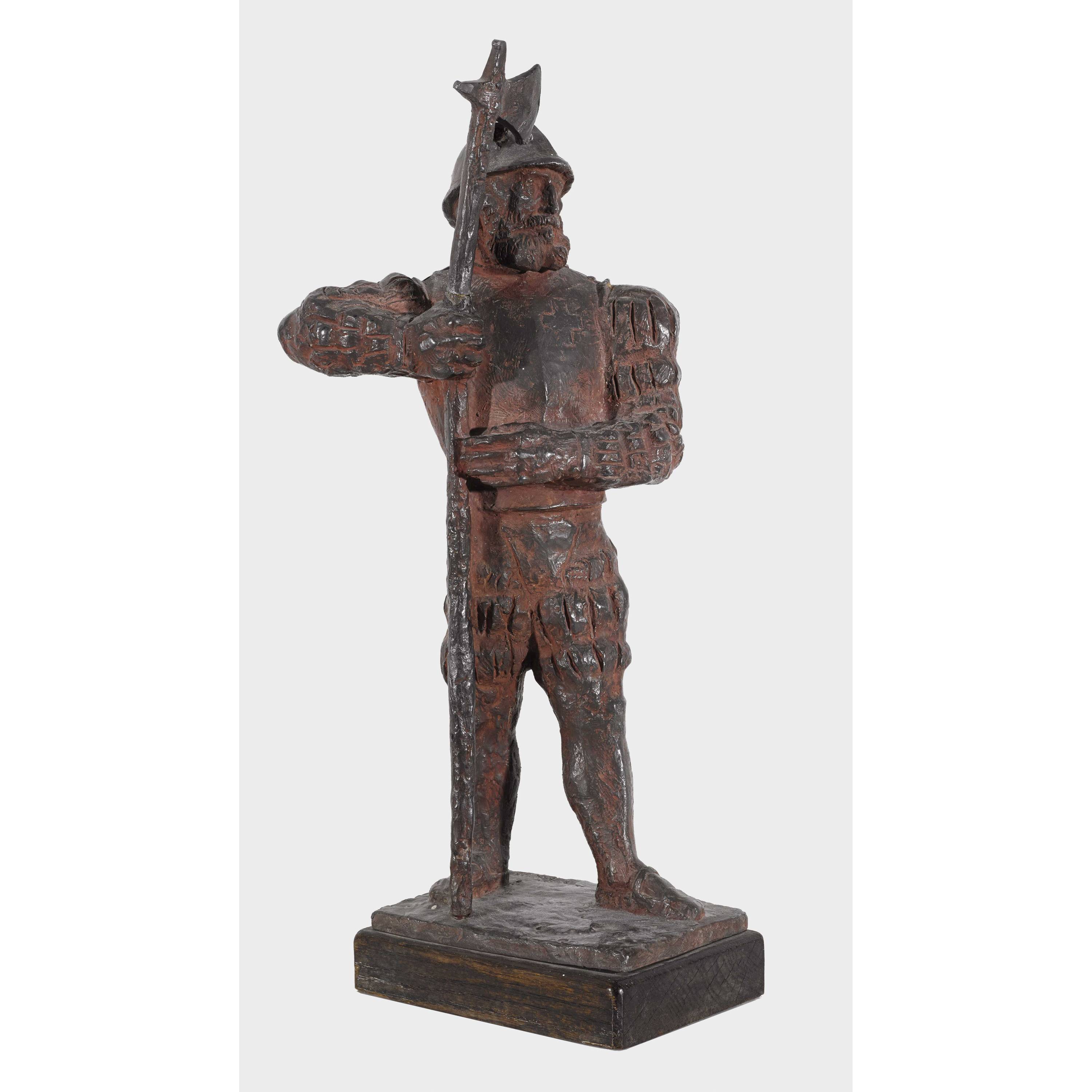
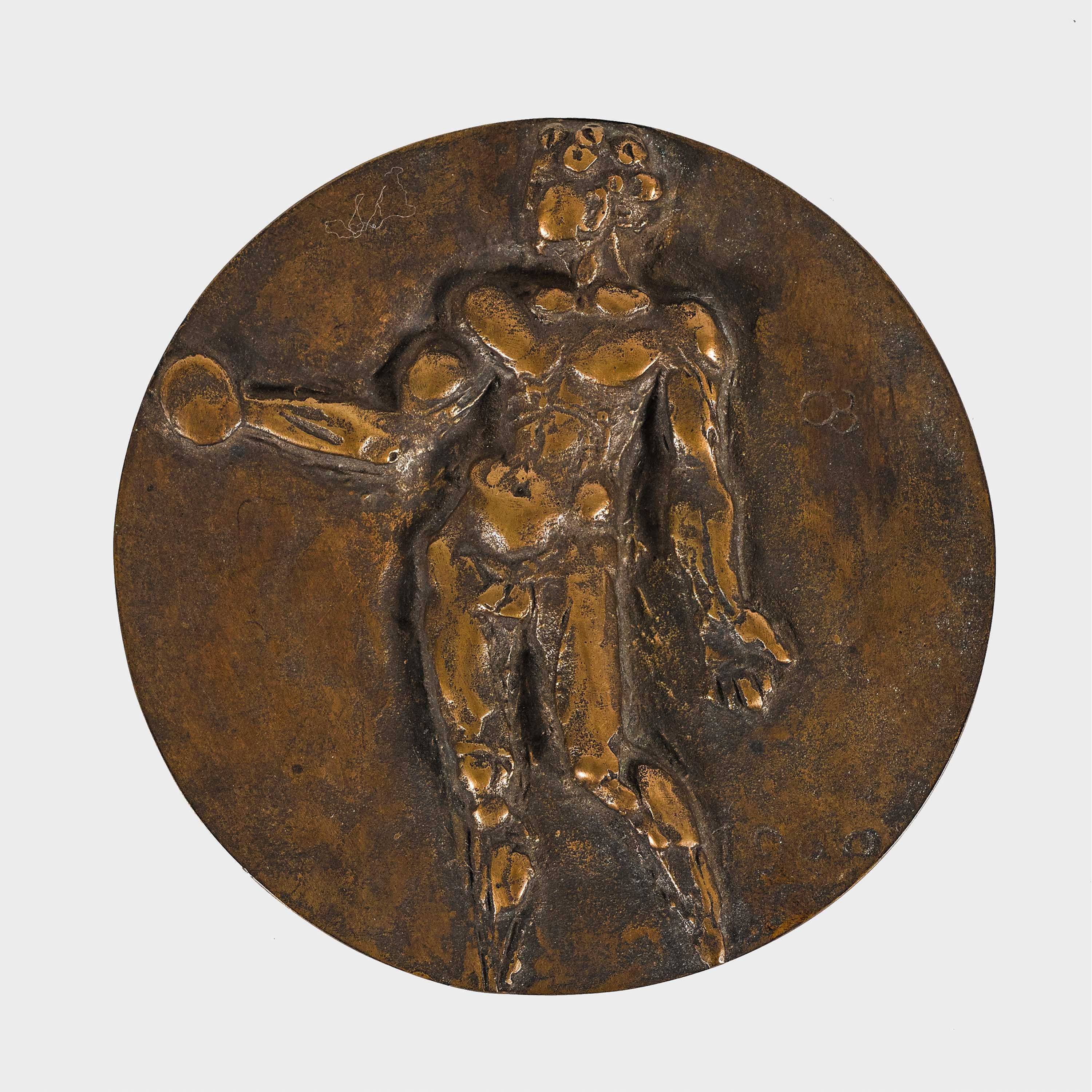
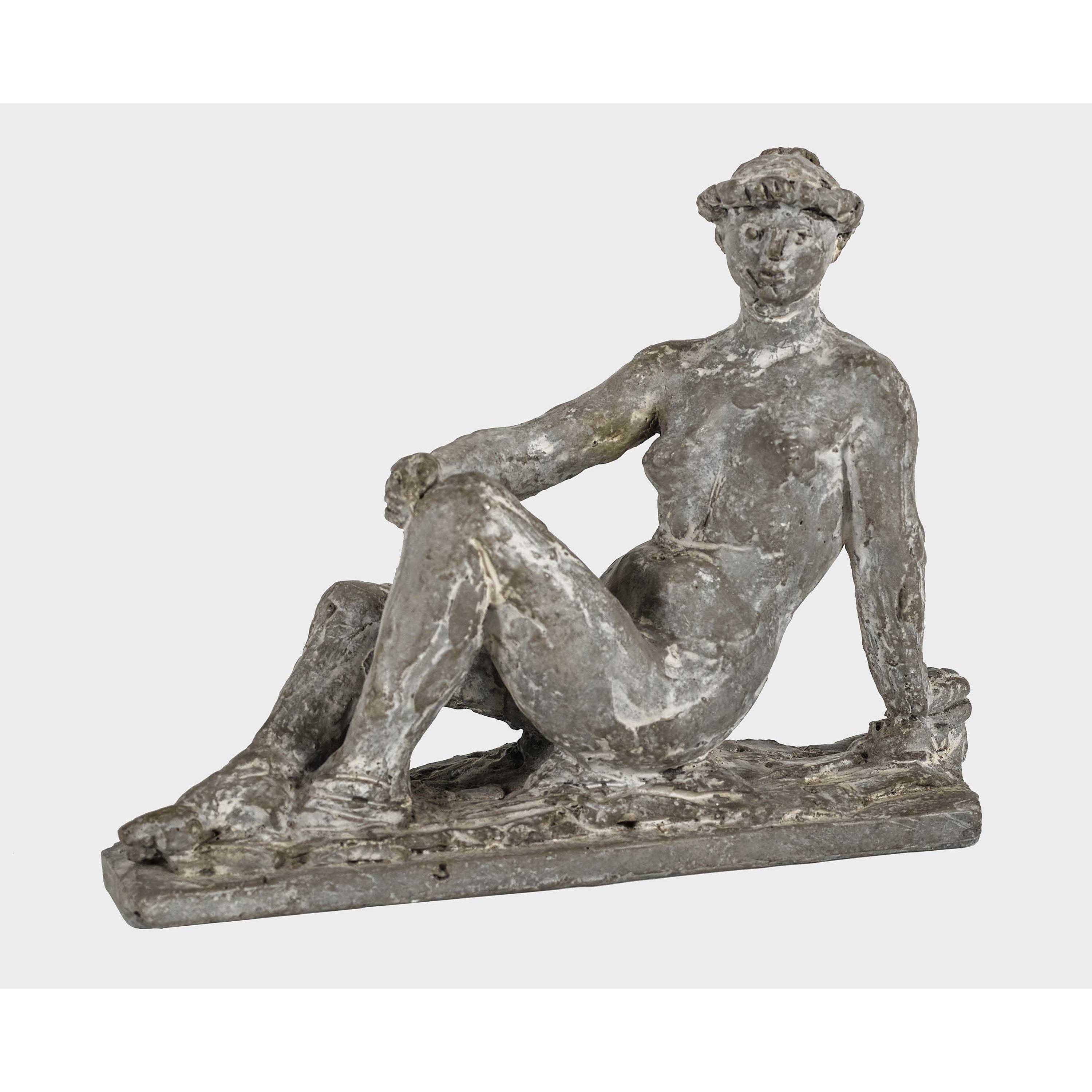
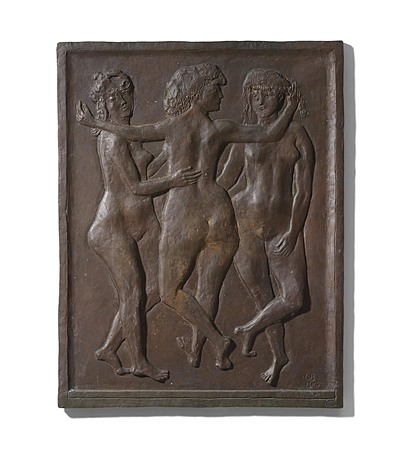
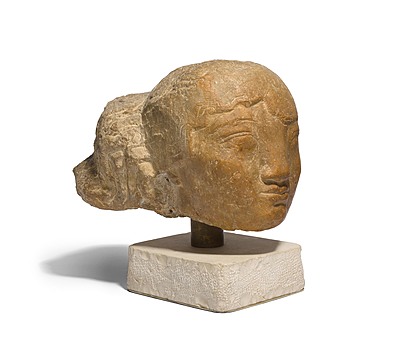
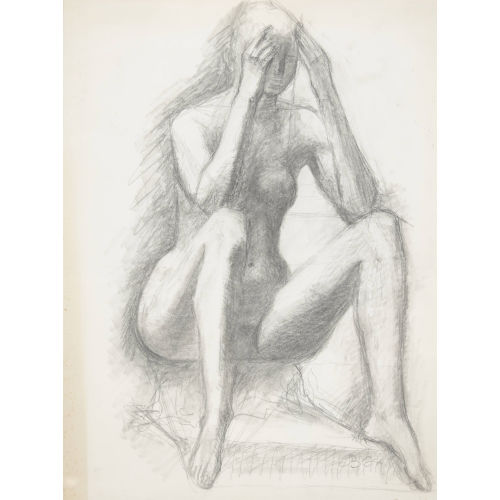
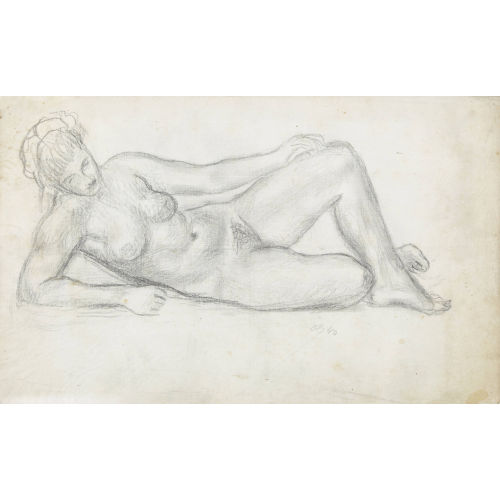
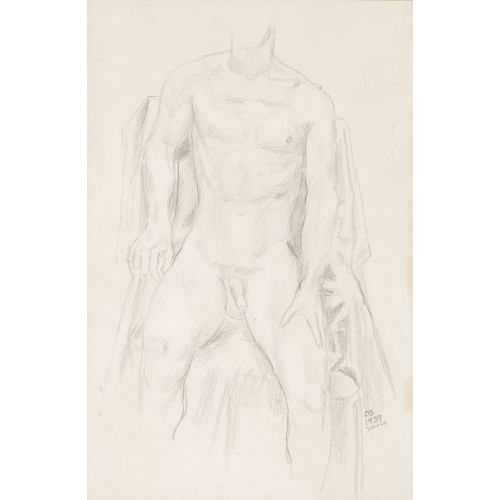
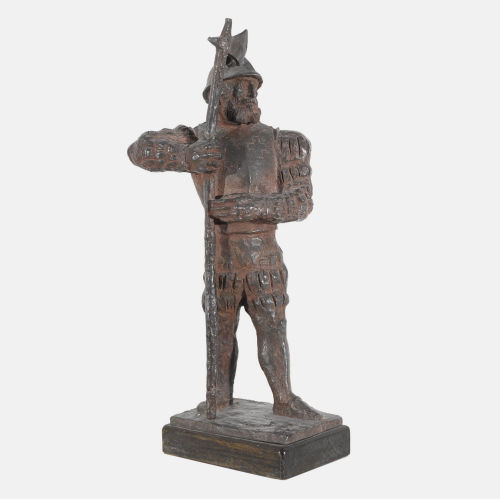
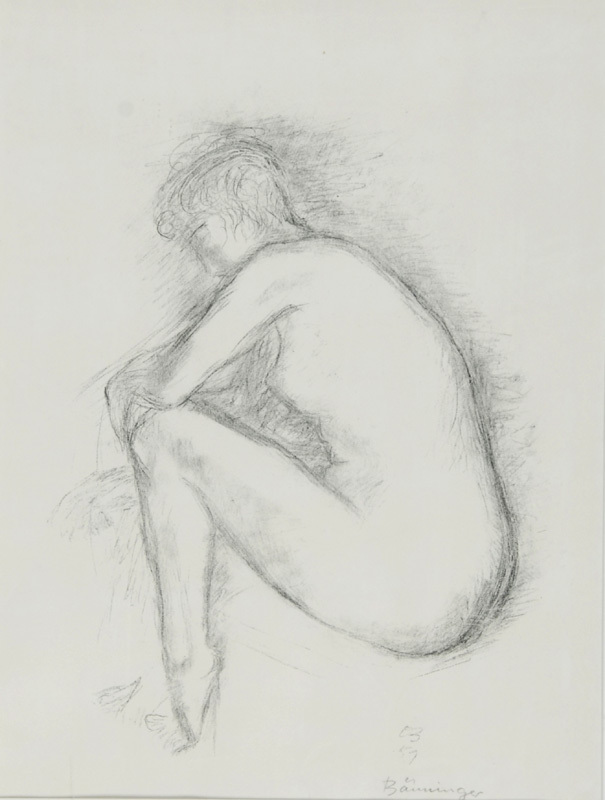
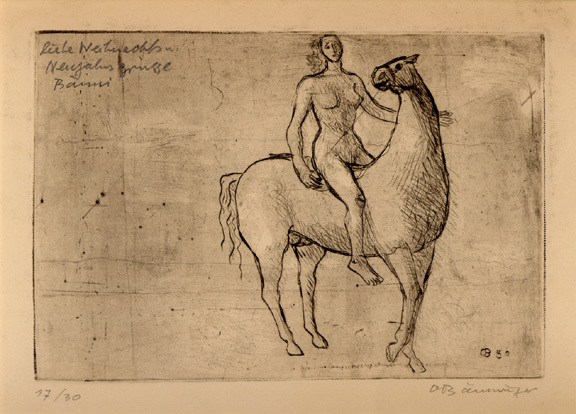
Between Paris and Zurich, Bänninger developed a body of work devoted to the human figure, portraiture and the horse.
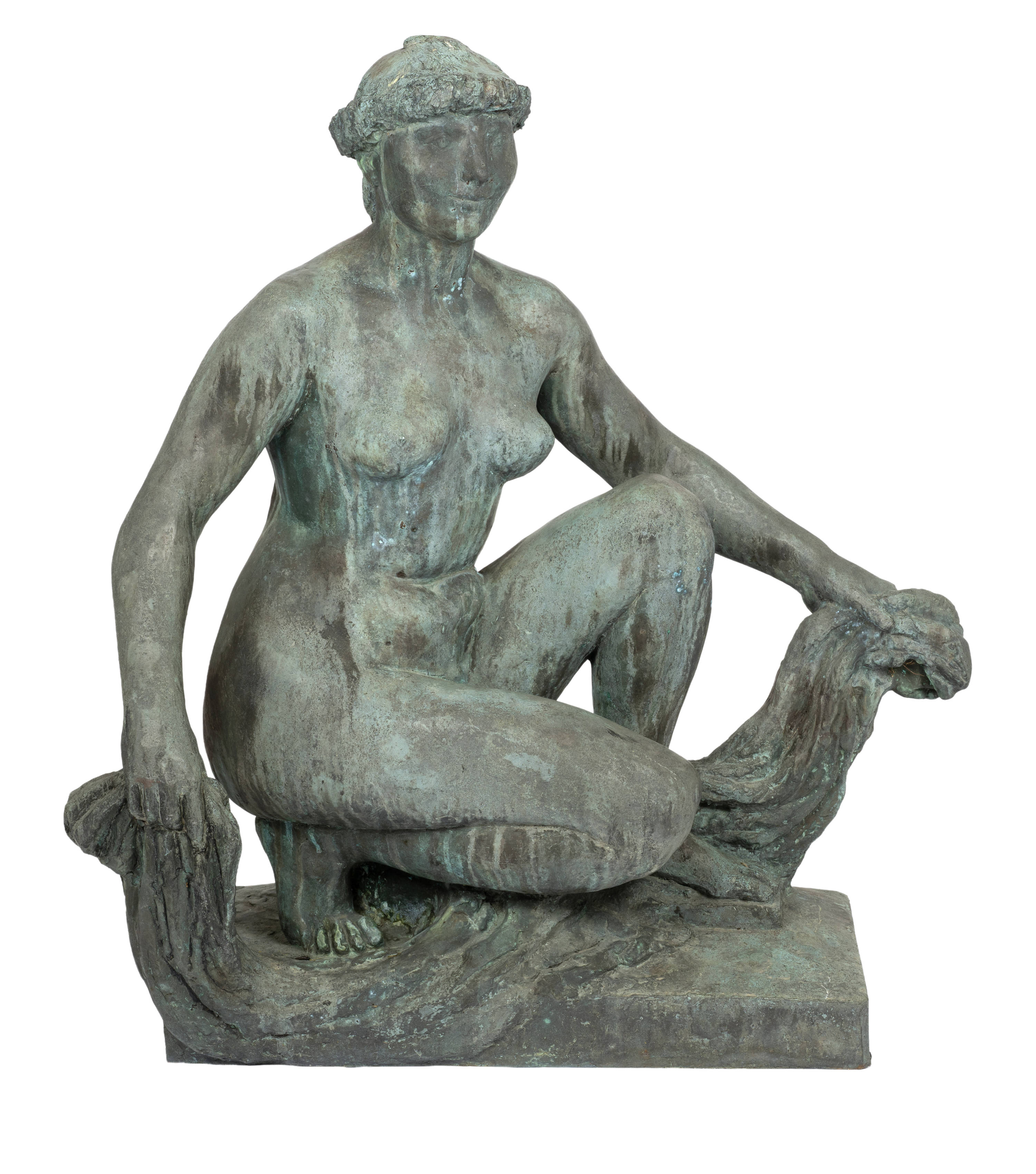
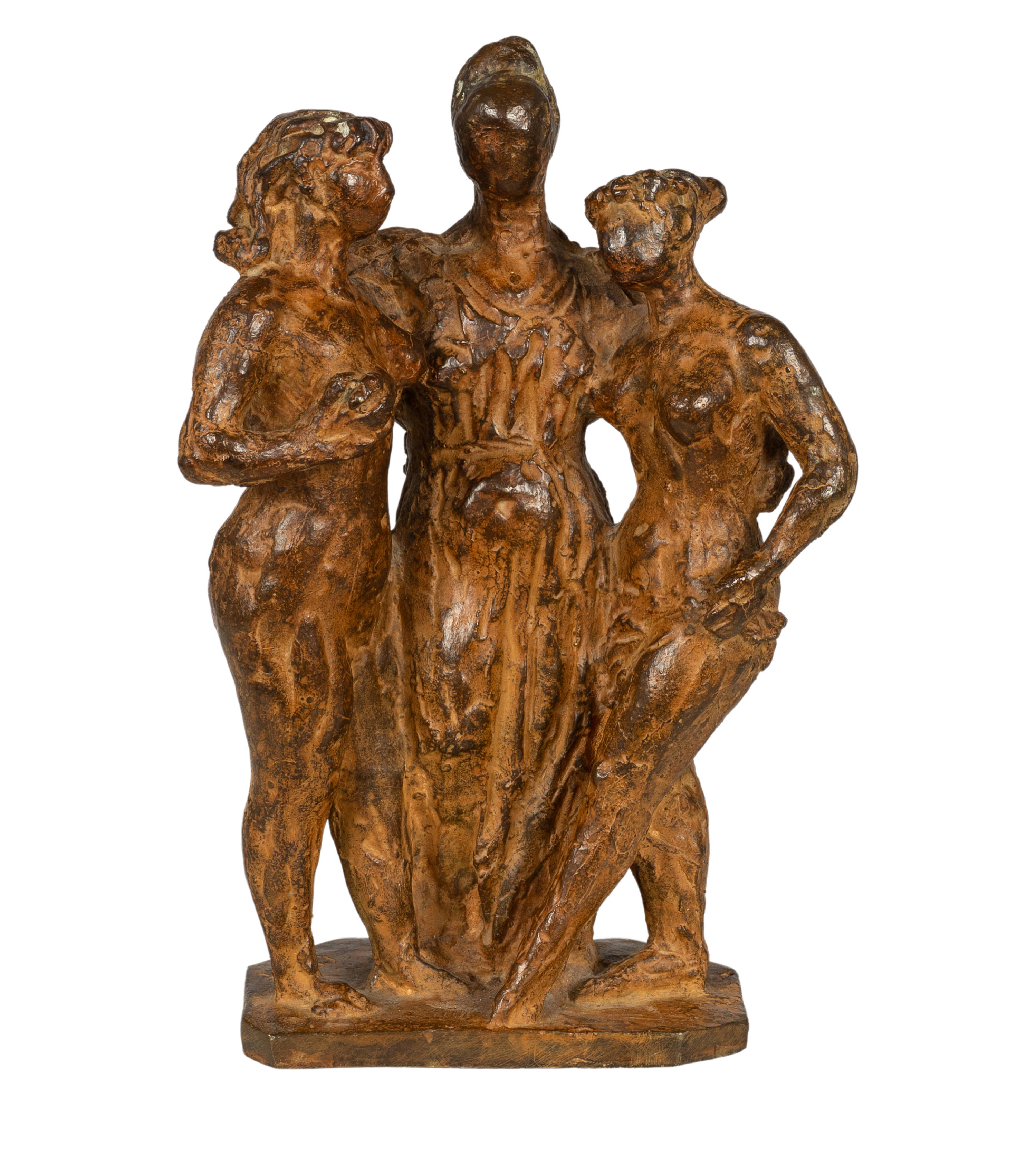
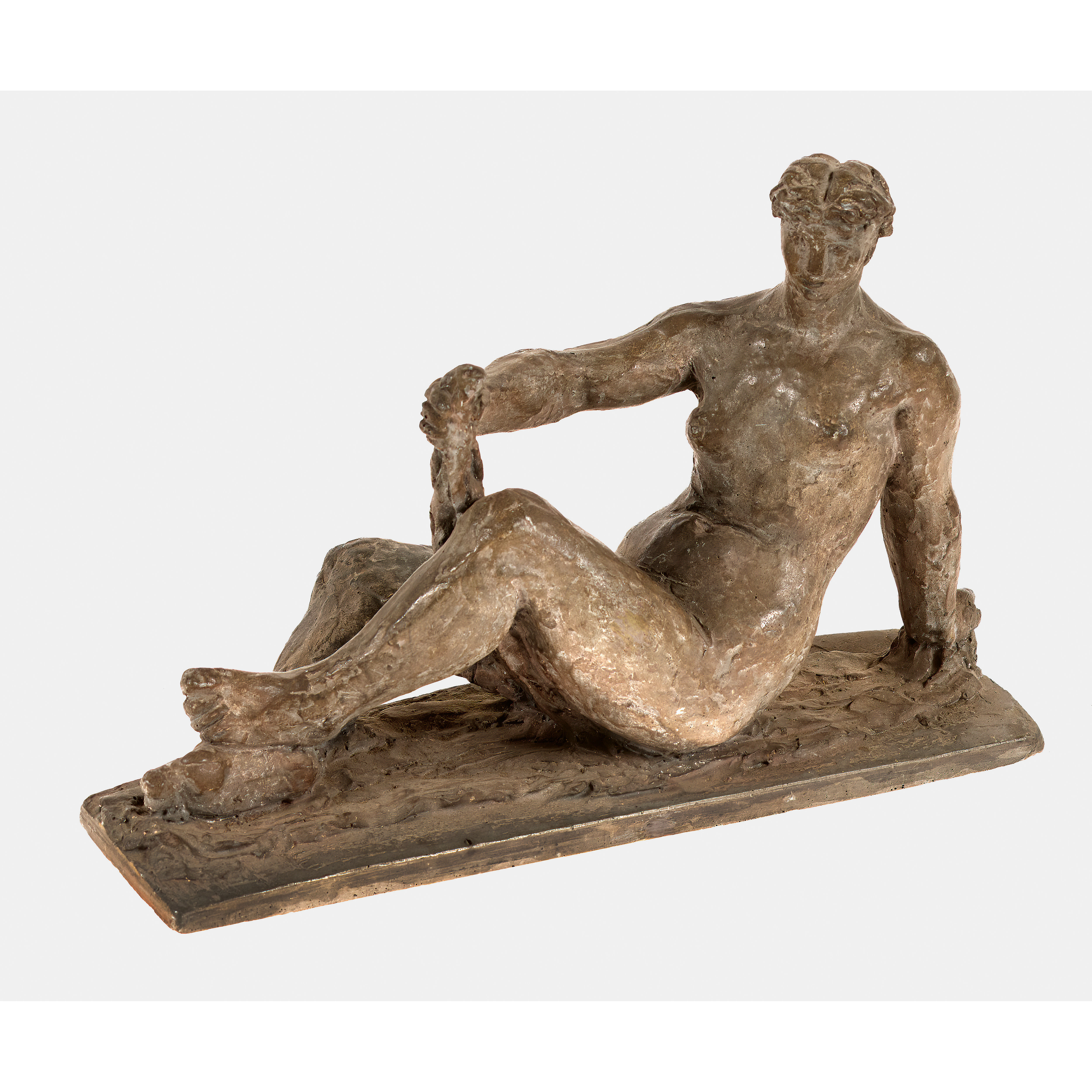
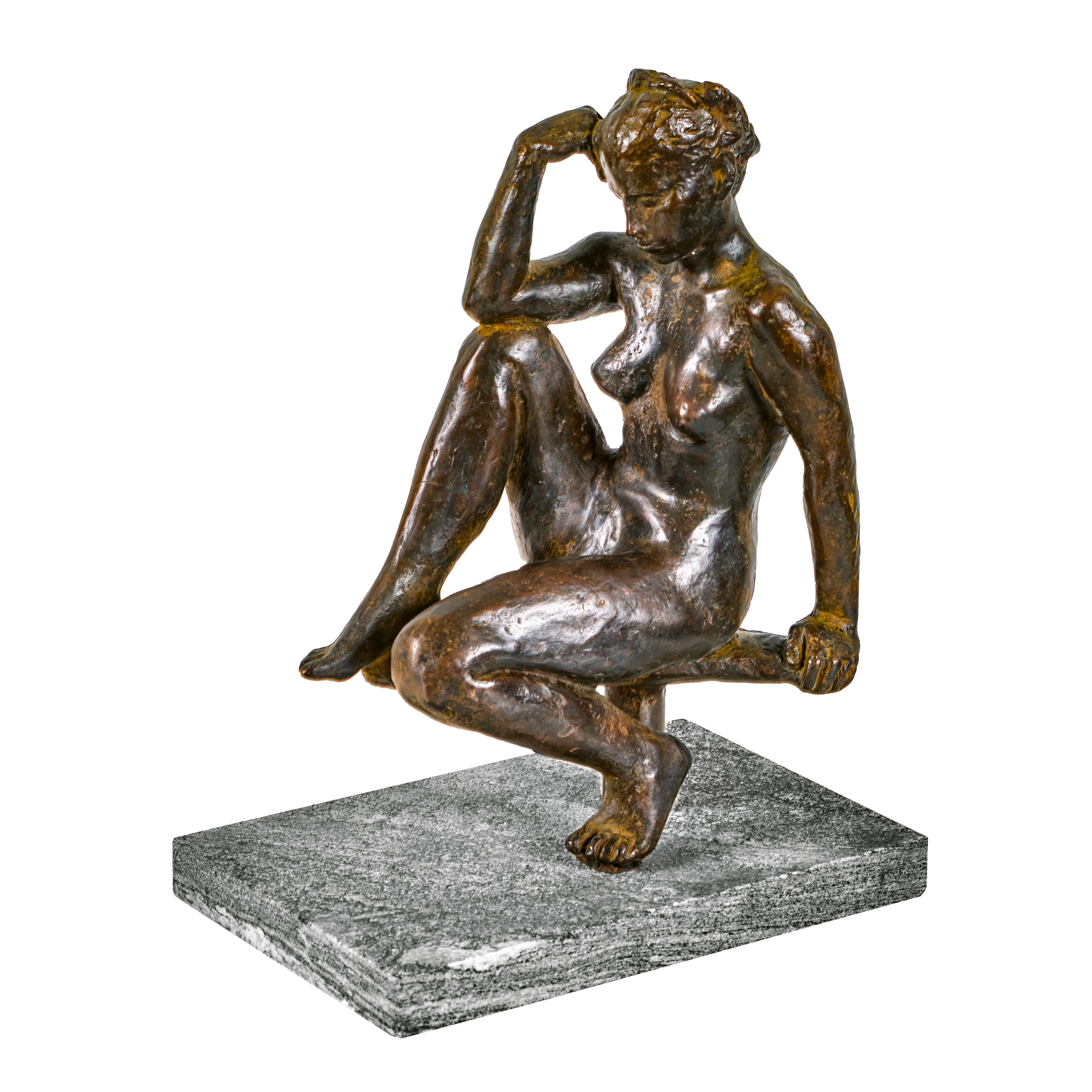
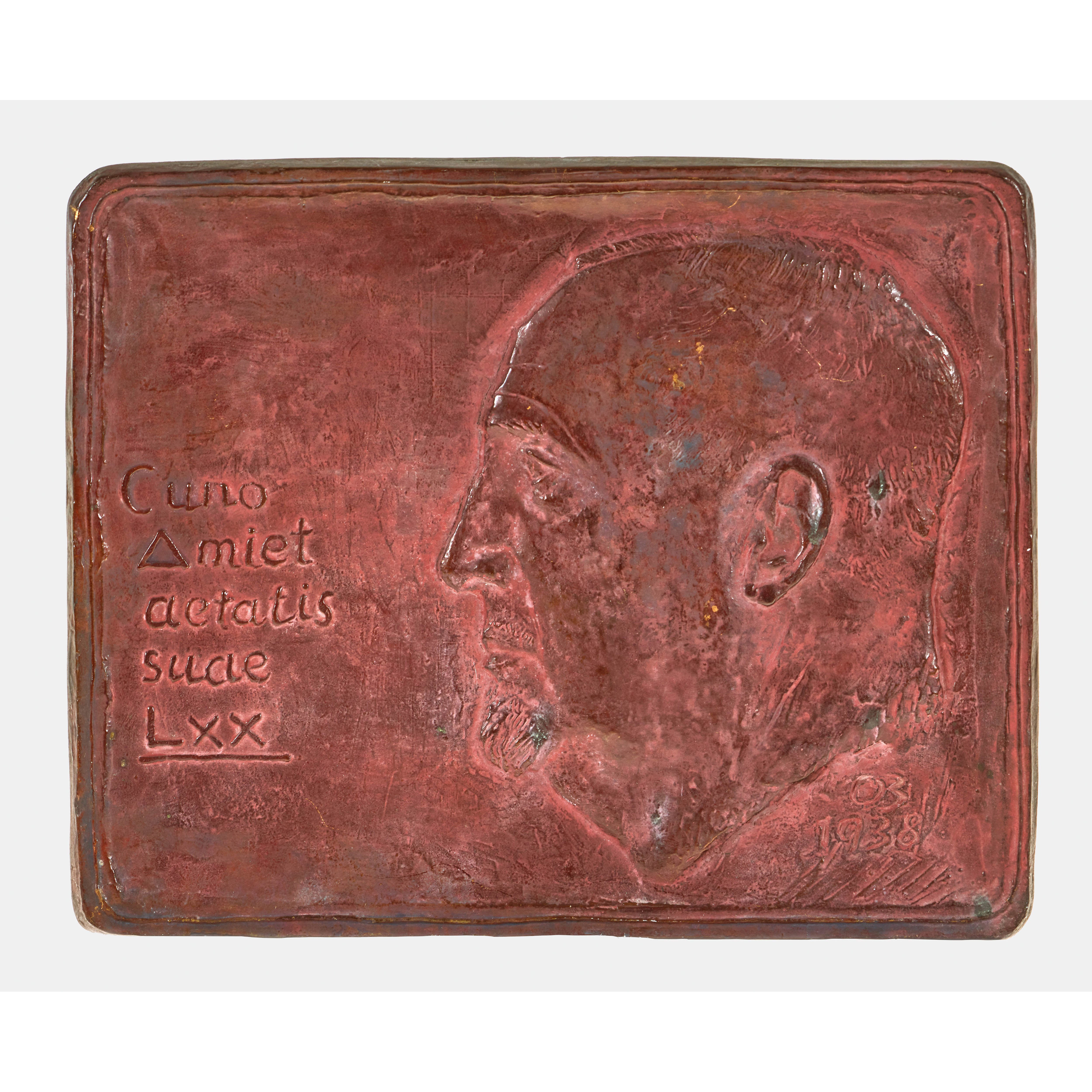
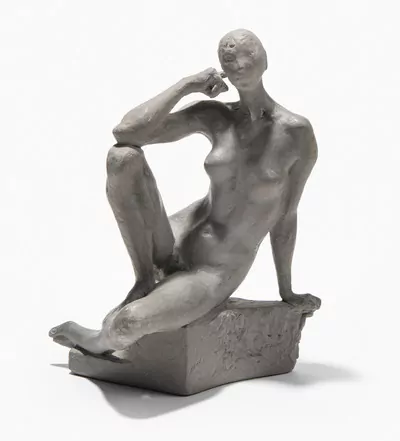
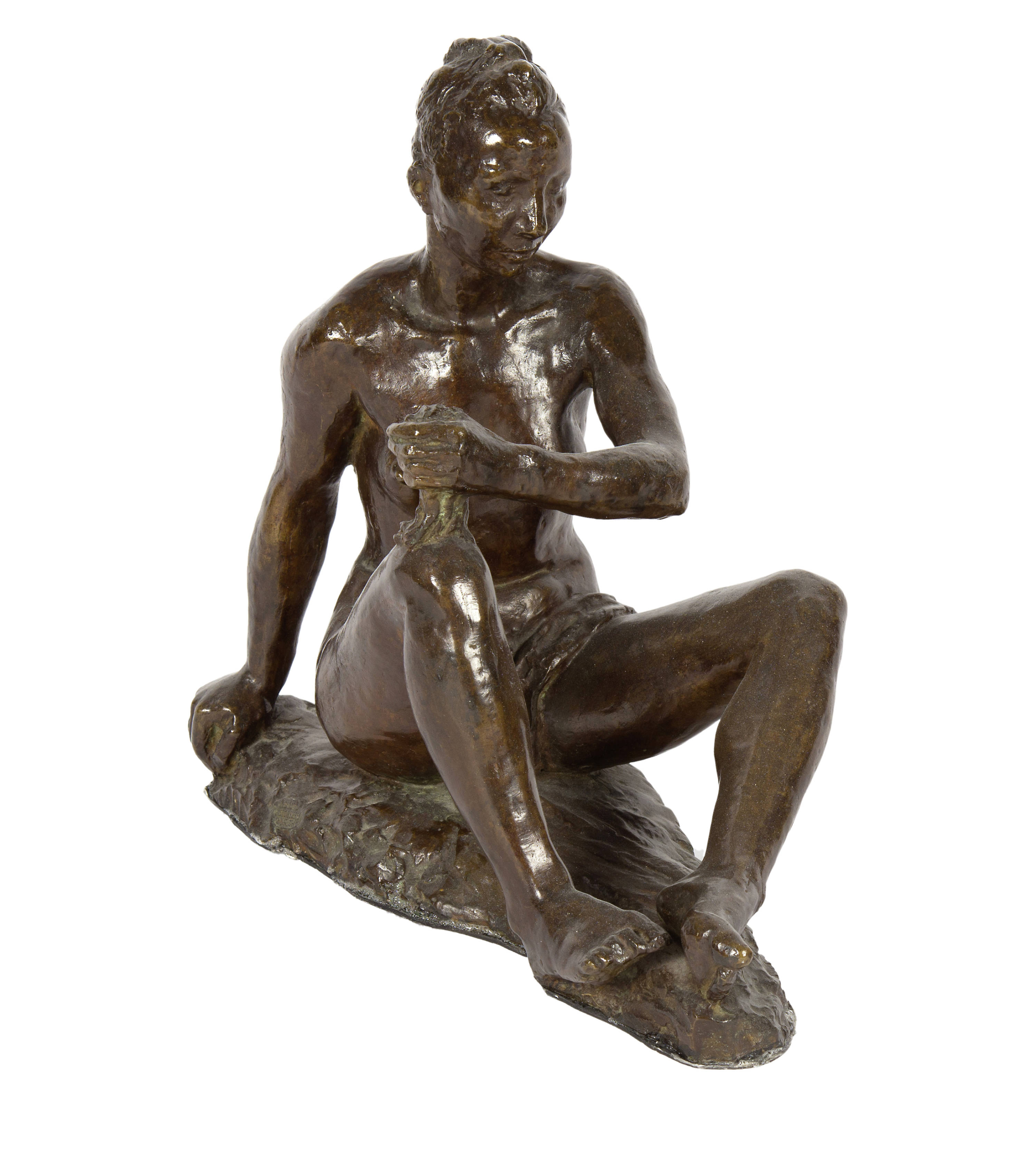
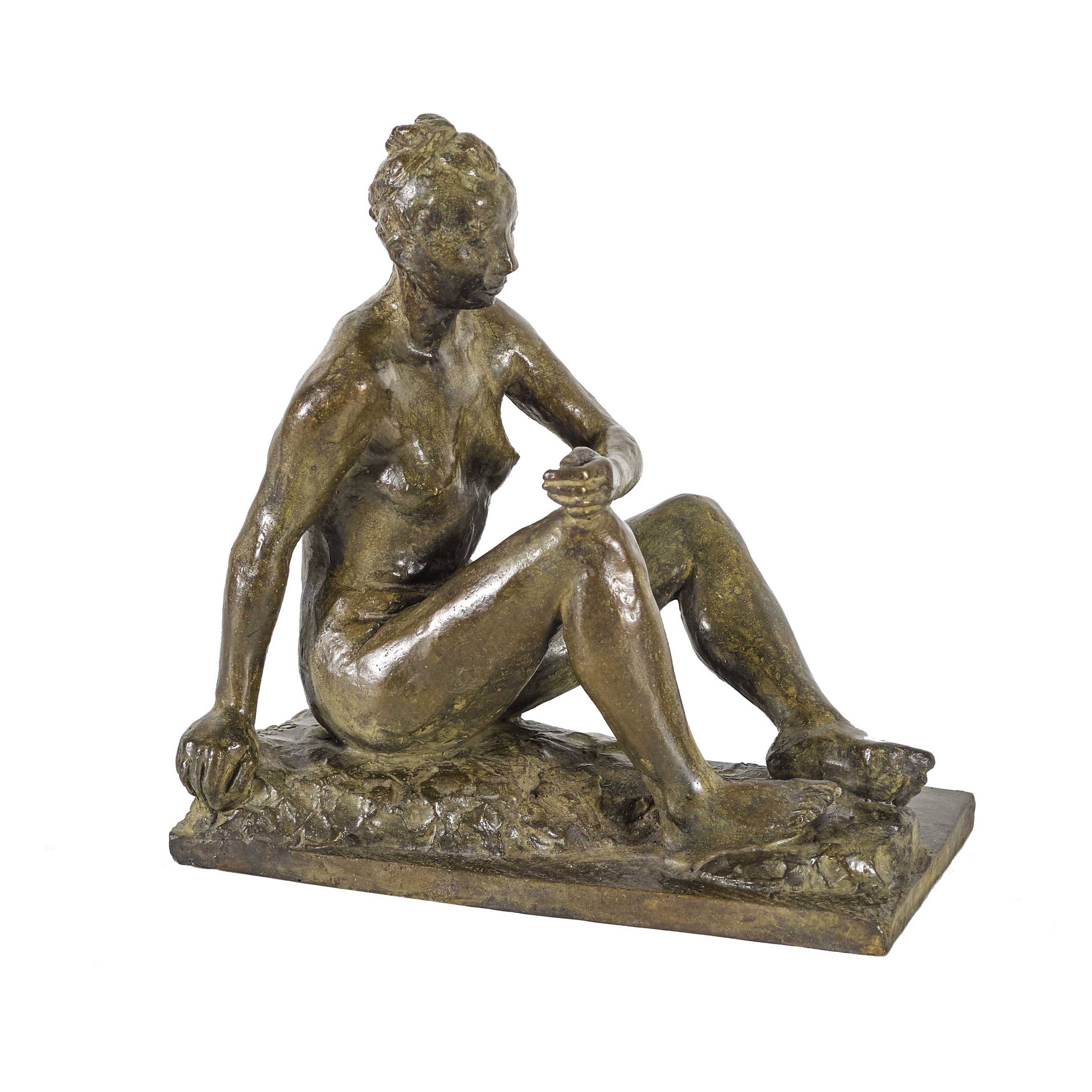
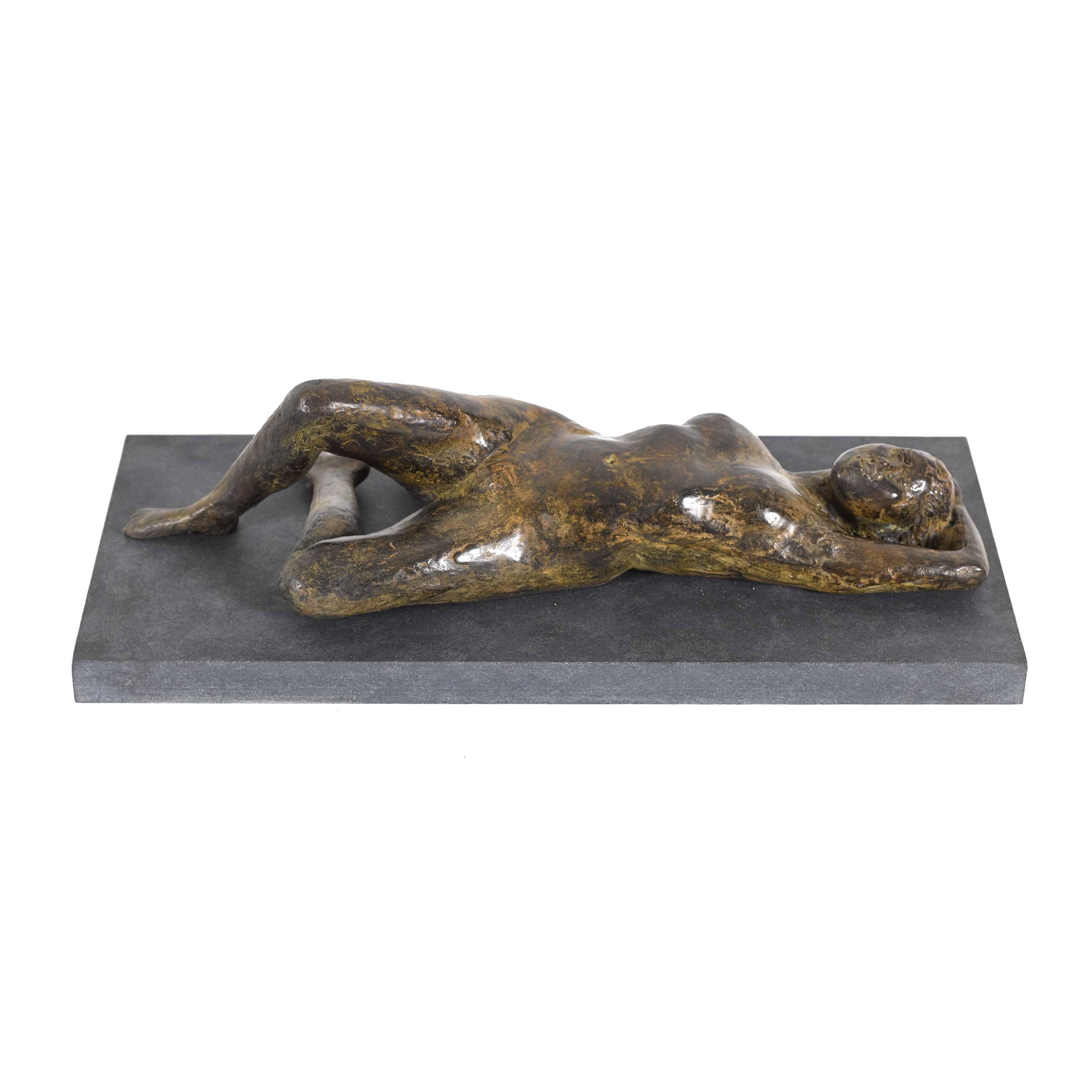
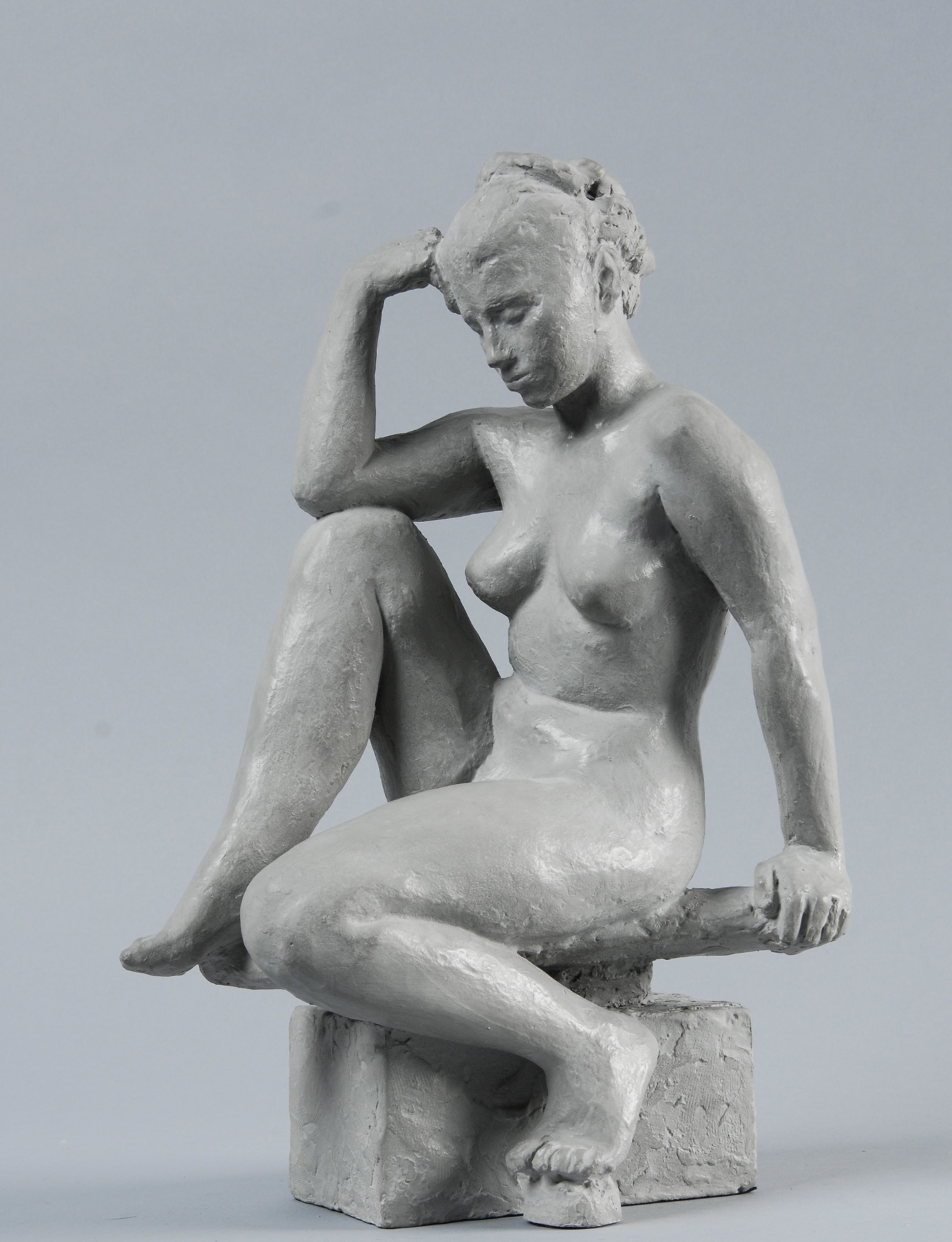
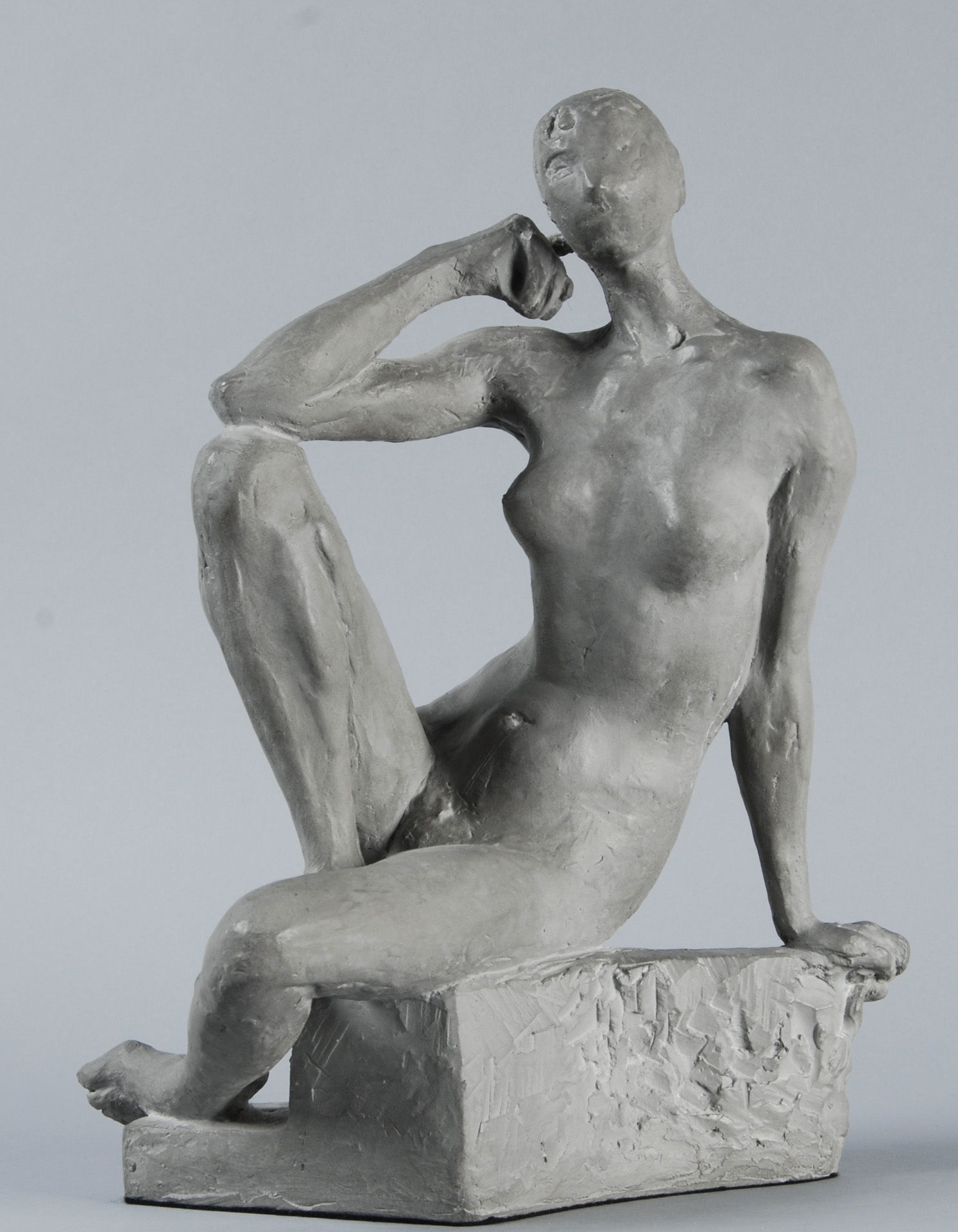
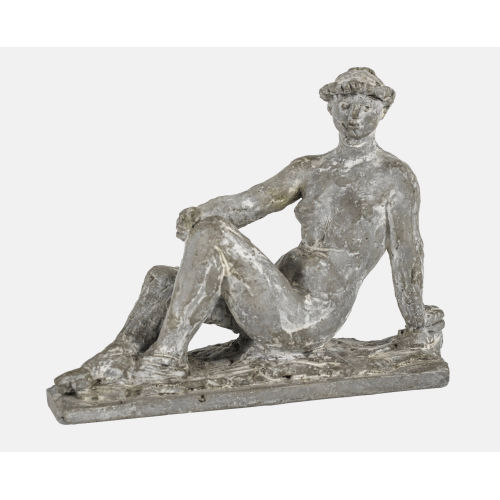
The sculptures of his Paris years bear the imprint of Rodin and Bourdelle: movement animates their surfaces. In the 1930s, the form became calmer and more concentrated. Bänninger sought a classical expression that relinquished neither the model’s inner life nor the precision of the gesture.
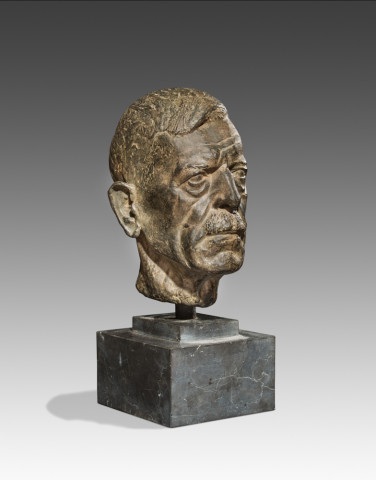
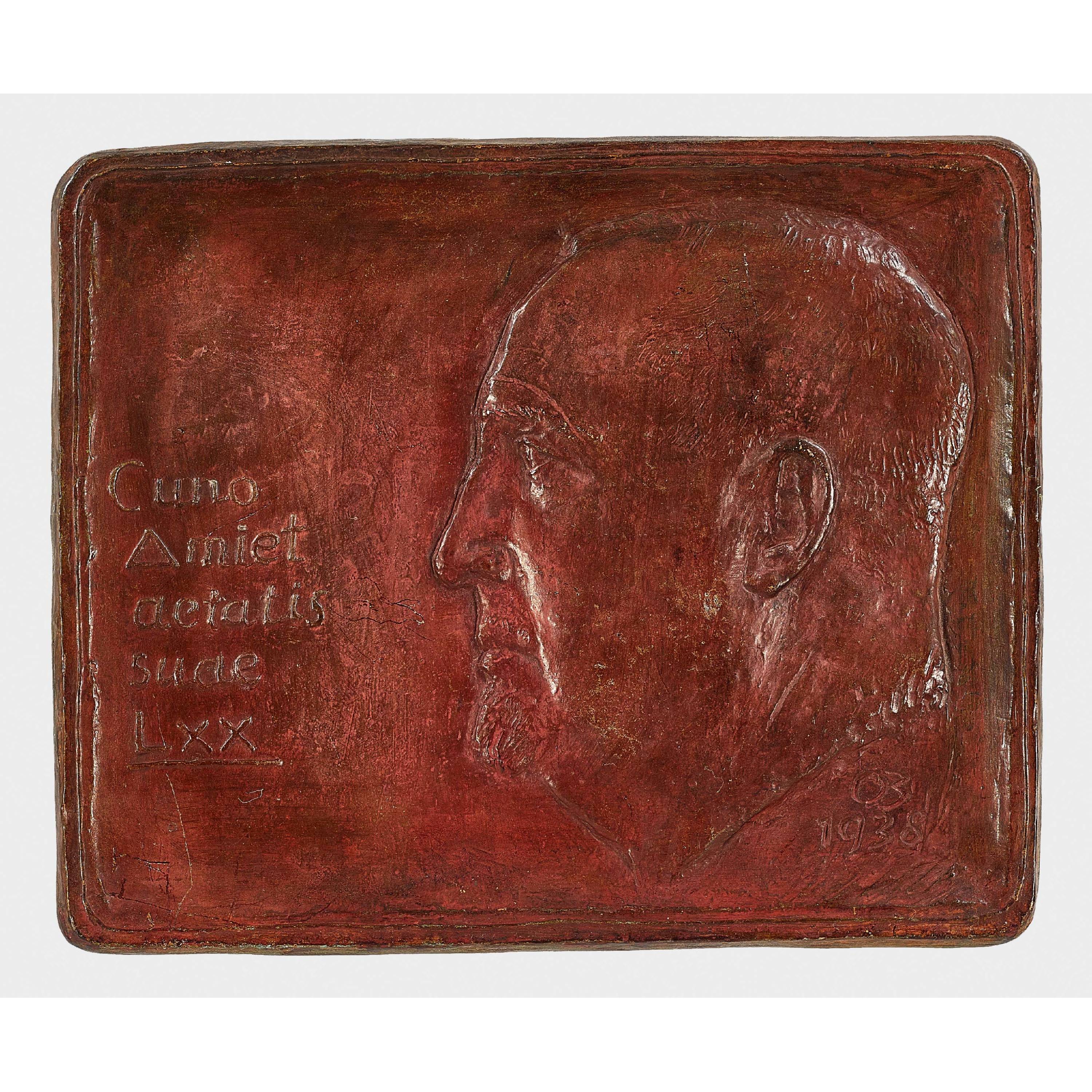
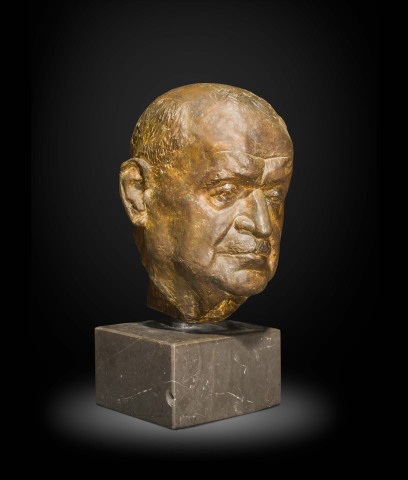
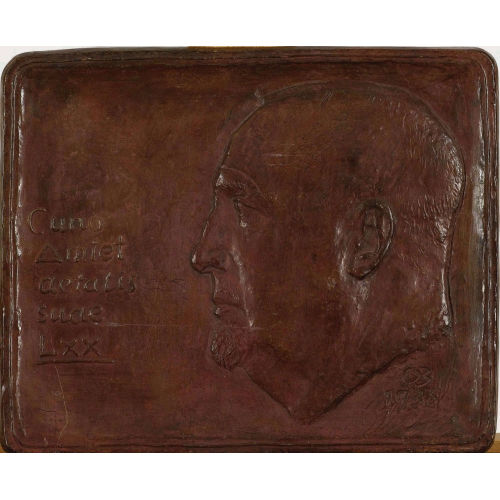
Permanently settled in Zurich from 1939 onwards, he produced numerous portraits of Swiss personalities. His Buste de Charles-Ferdinand Ramuz, modelled in 1942 and held at the Musée cantonal des Beaux-Arts de Lausanne, combines rigorous construction with the sensitive tension of the face. That same year, he received a sculpture prize at the Venice Biennale.
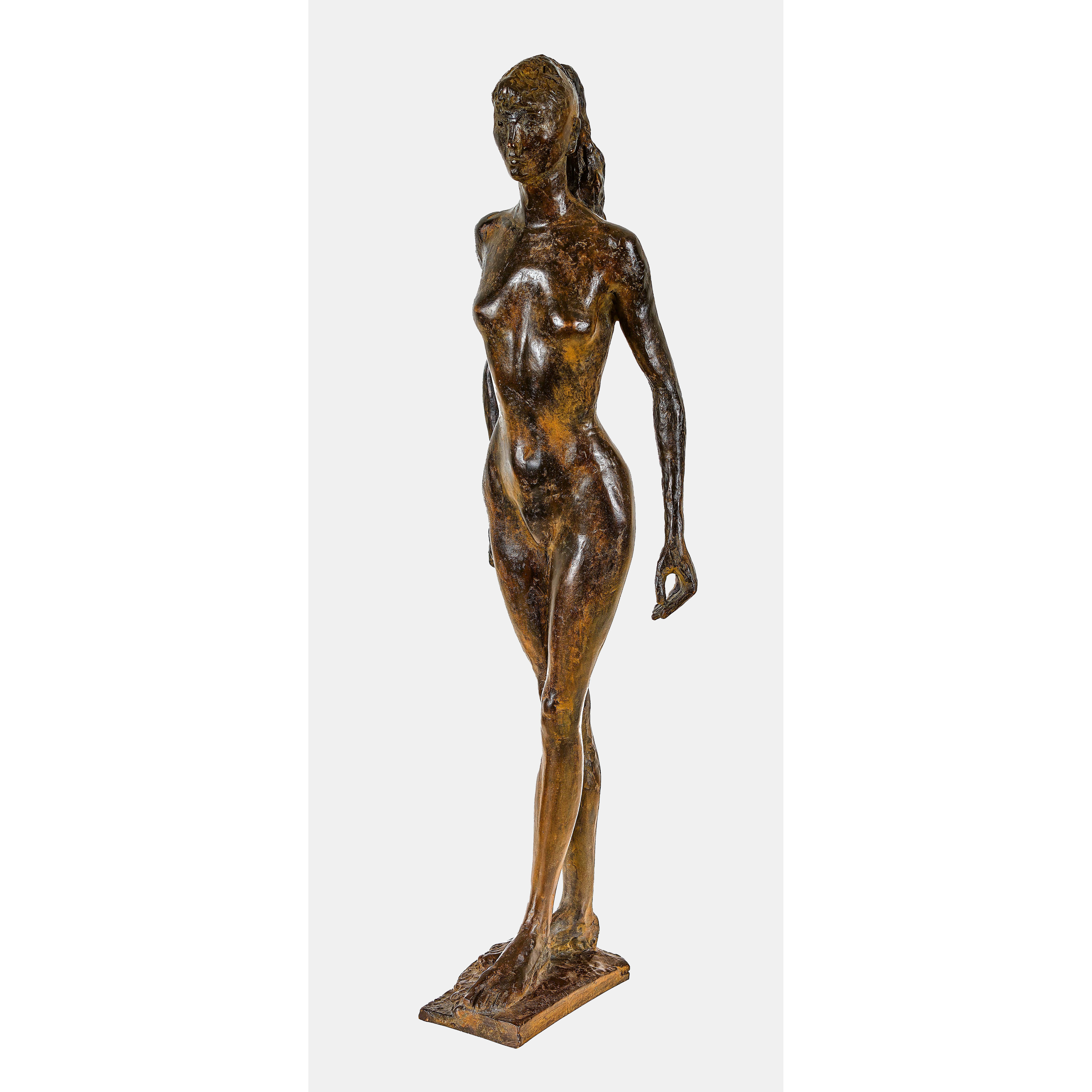
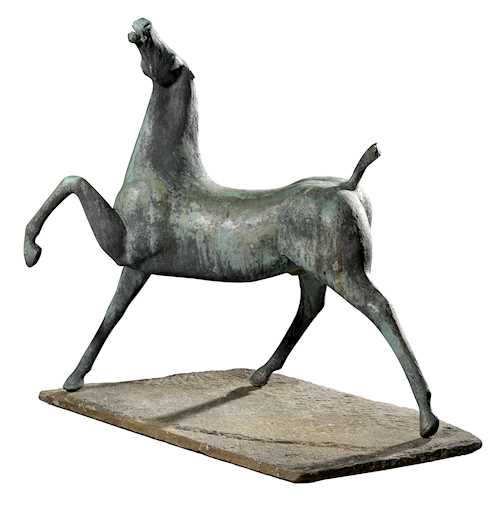
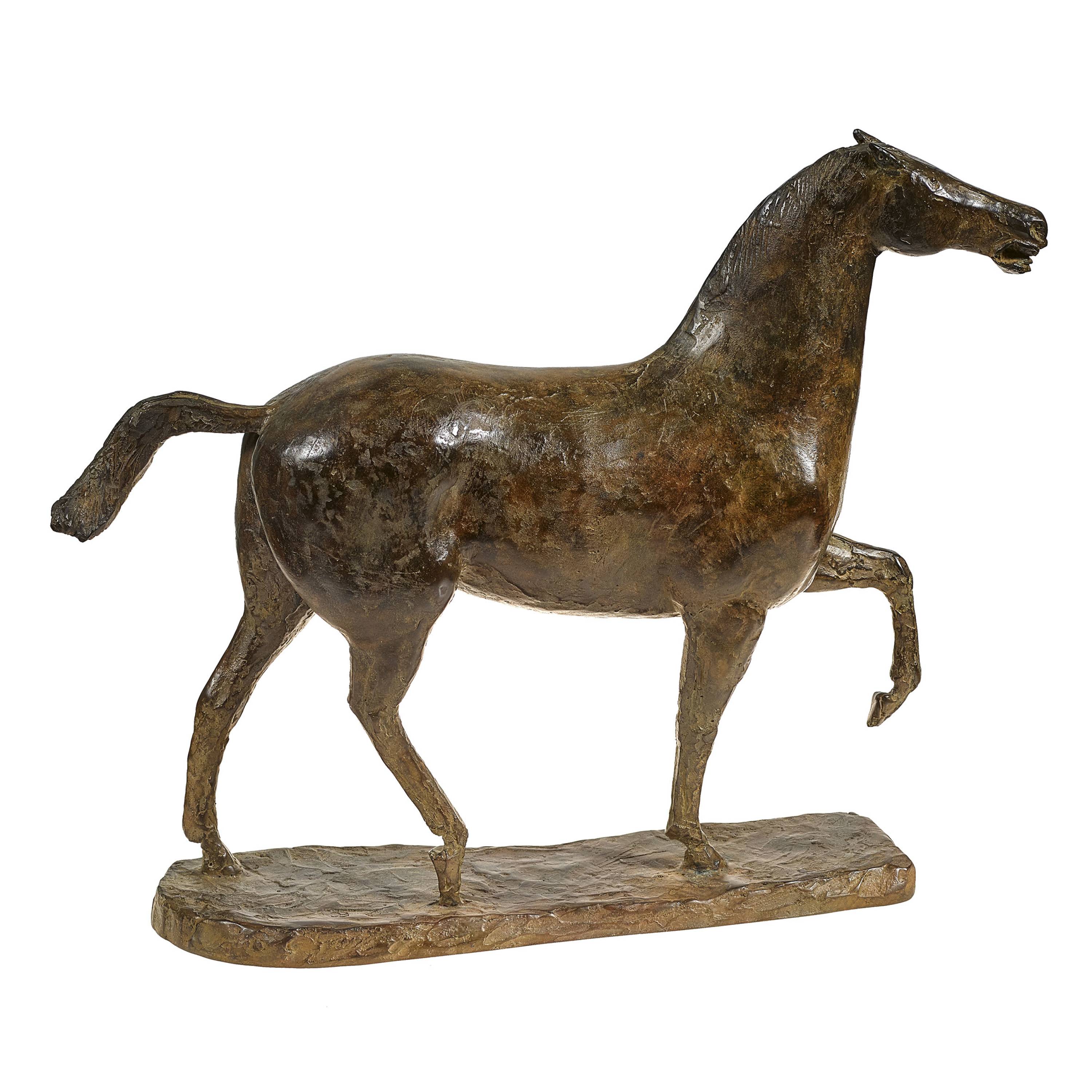
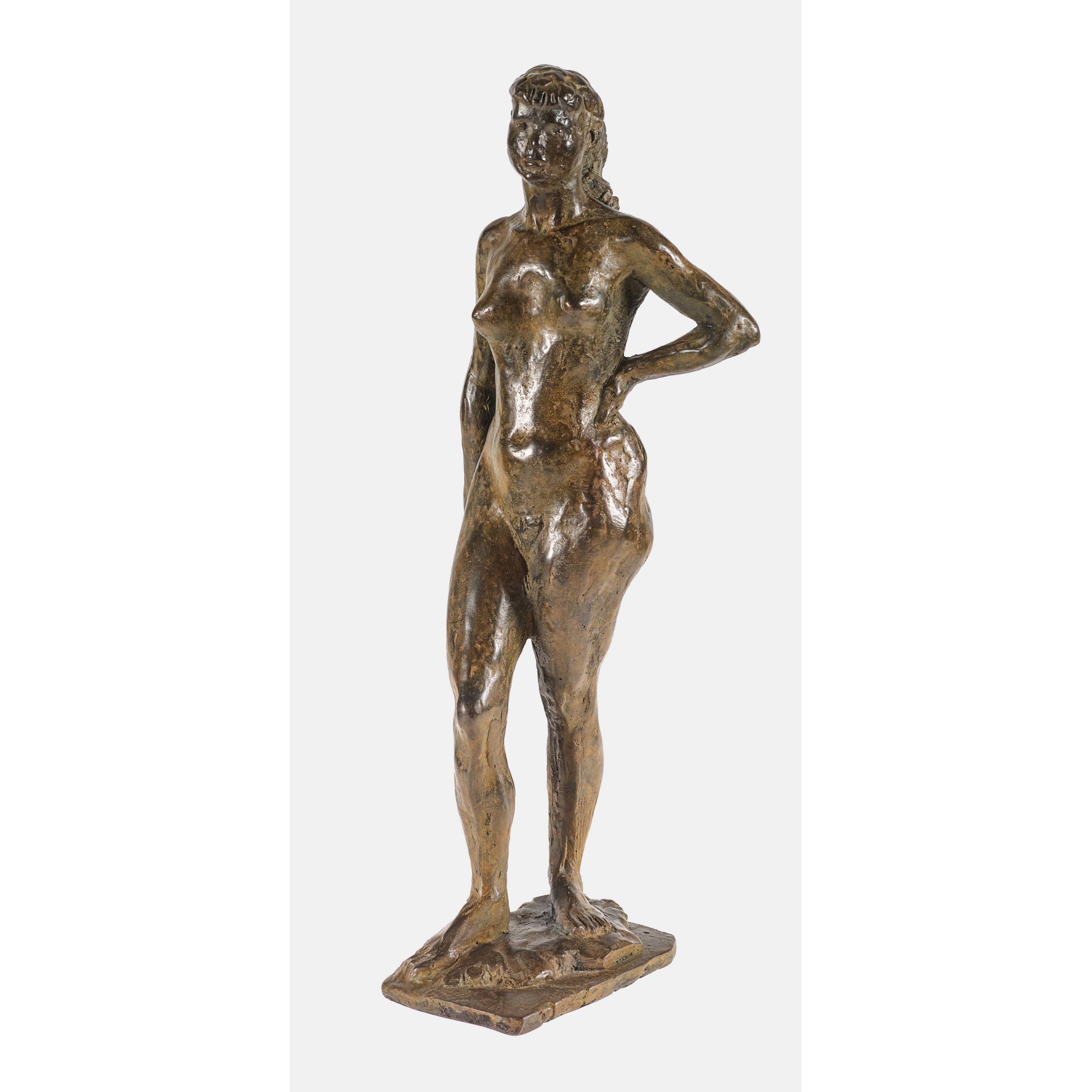
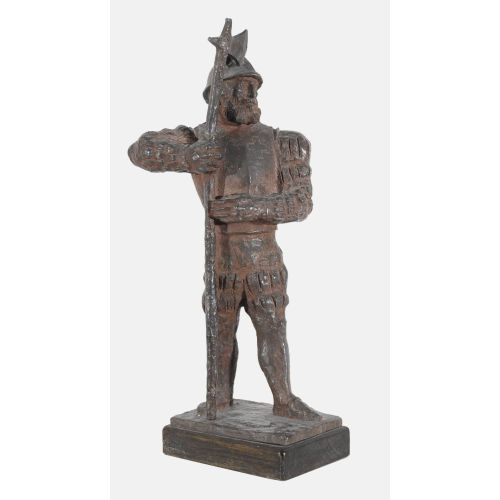
His works intended for public space extended this exploration on another scale. The equestrian statue of General Guisan in Lausanne, Die Schreitende in Zurich and Pferd, installed in the grounds of the Muraltengut, reveal his attentiveness to the dialogue between sculpture and site. In this latter bronze, one raised leg and the outstretched head give the animal a restrained energy.
For Bänninger, the classical legacy does not mean immobility: weight, impetus and restraint combine to create the figure’s presence.