Otto Baumberger
Born in 1889.
Died in 1961.
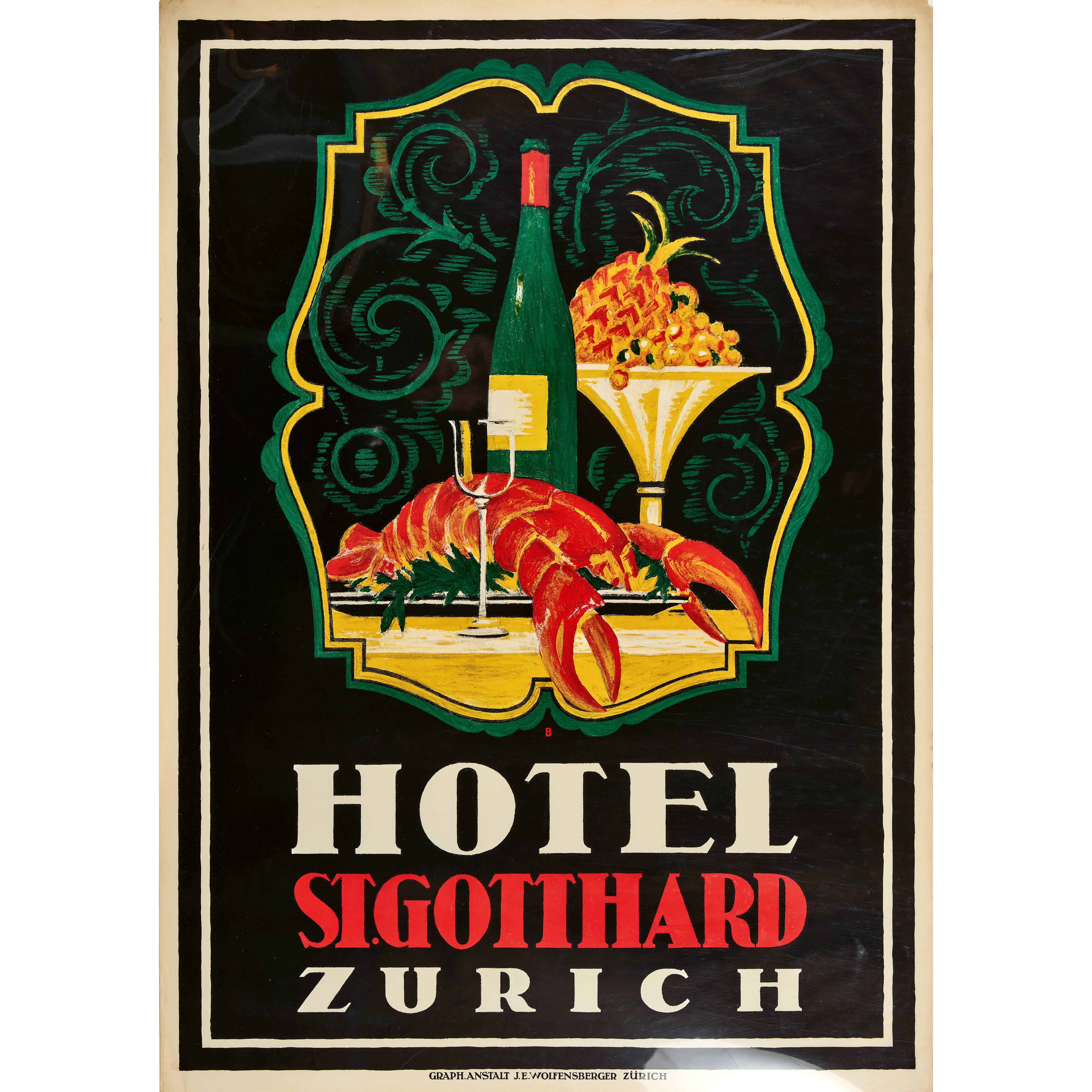
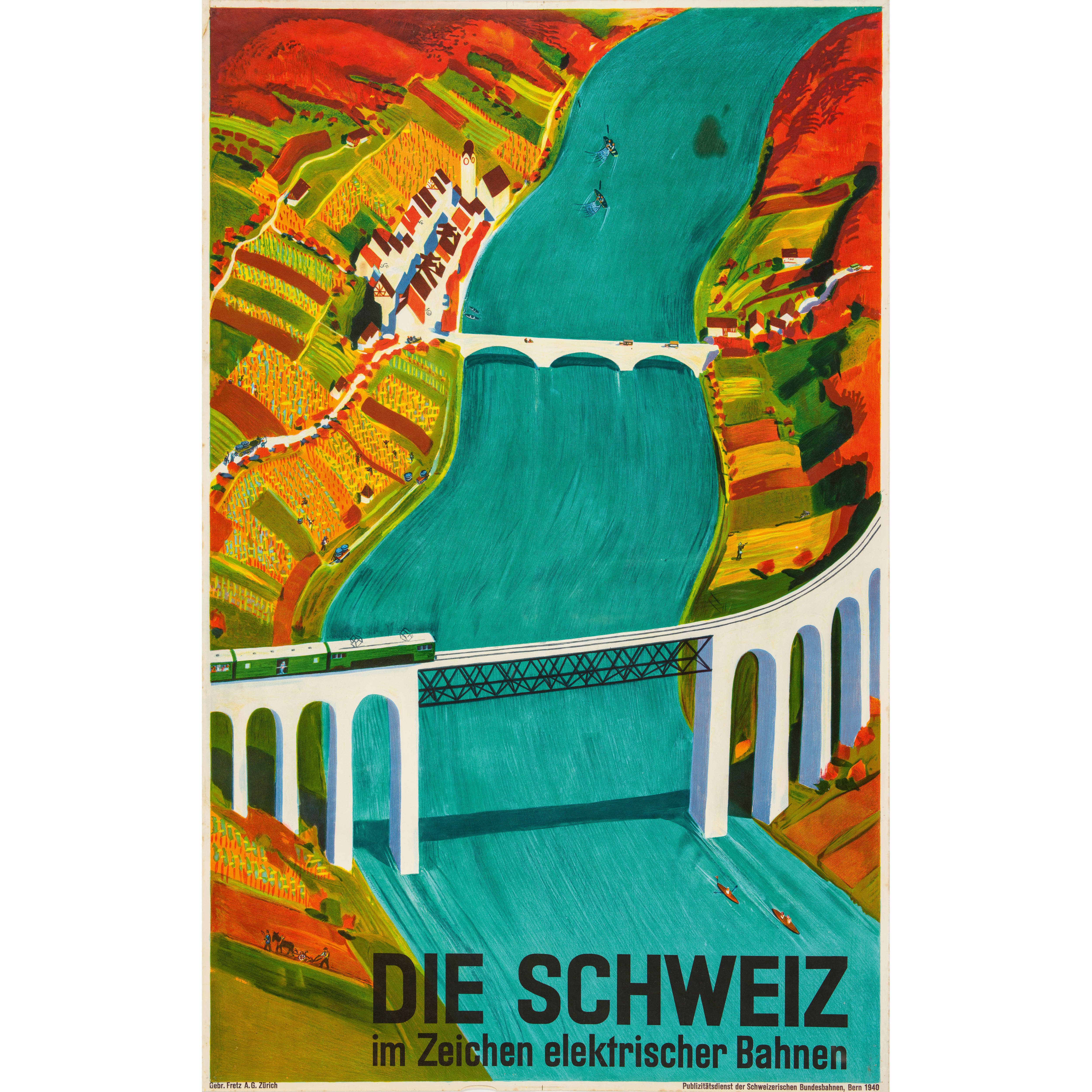
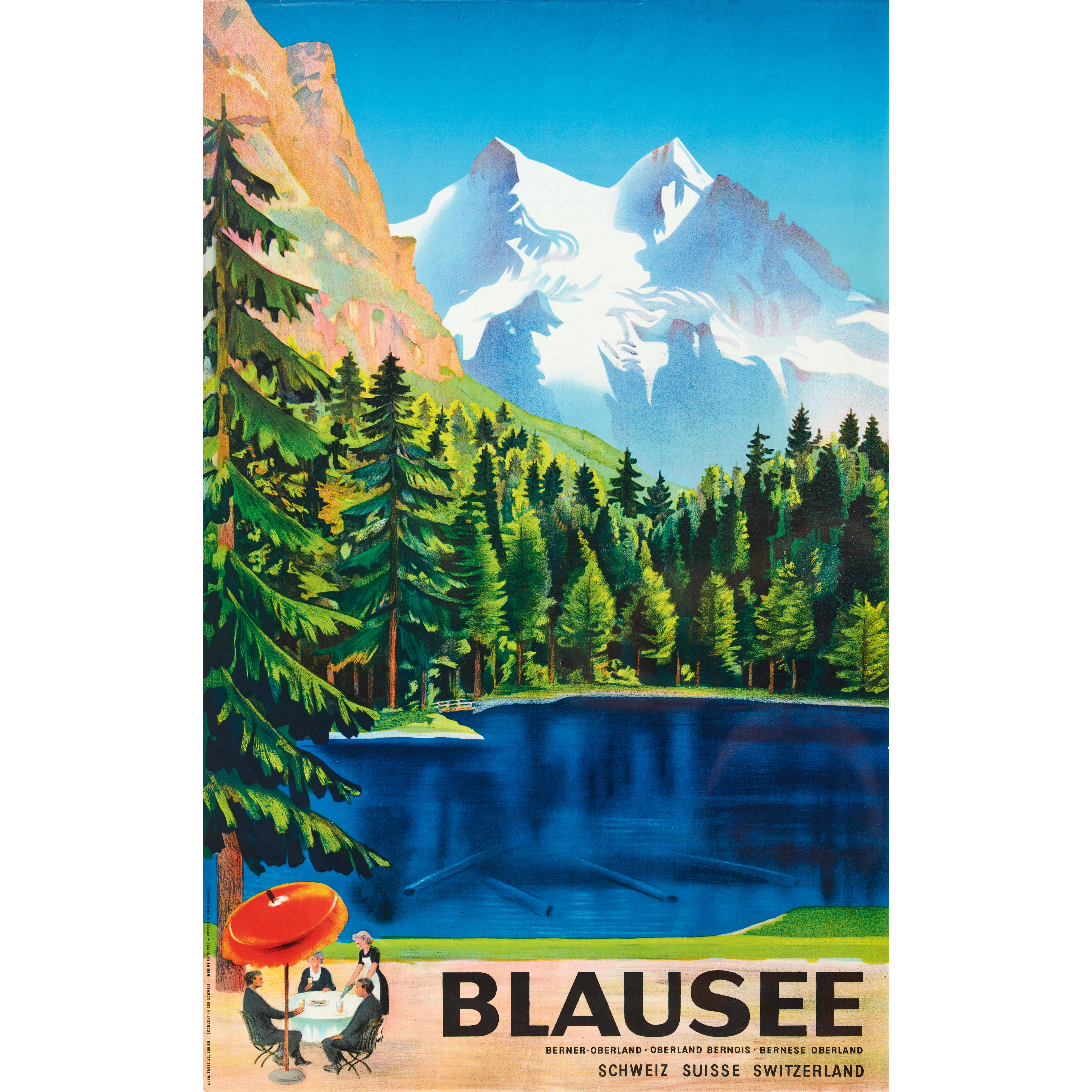
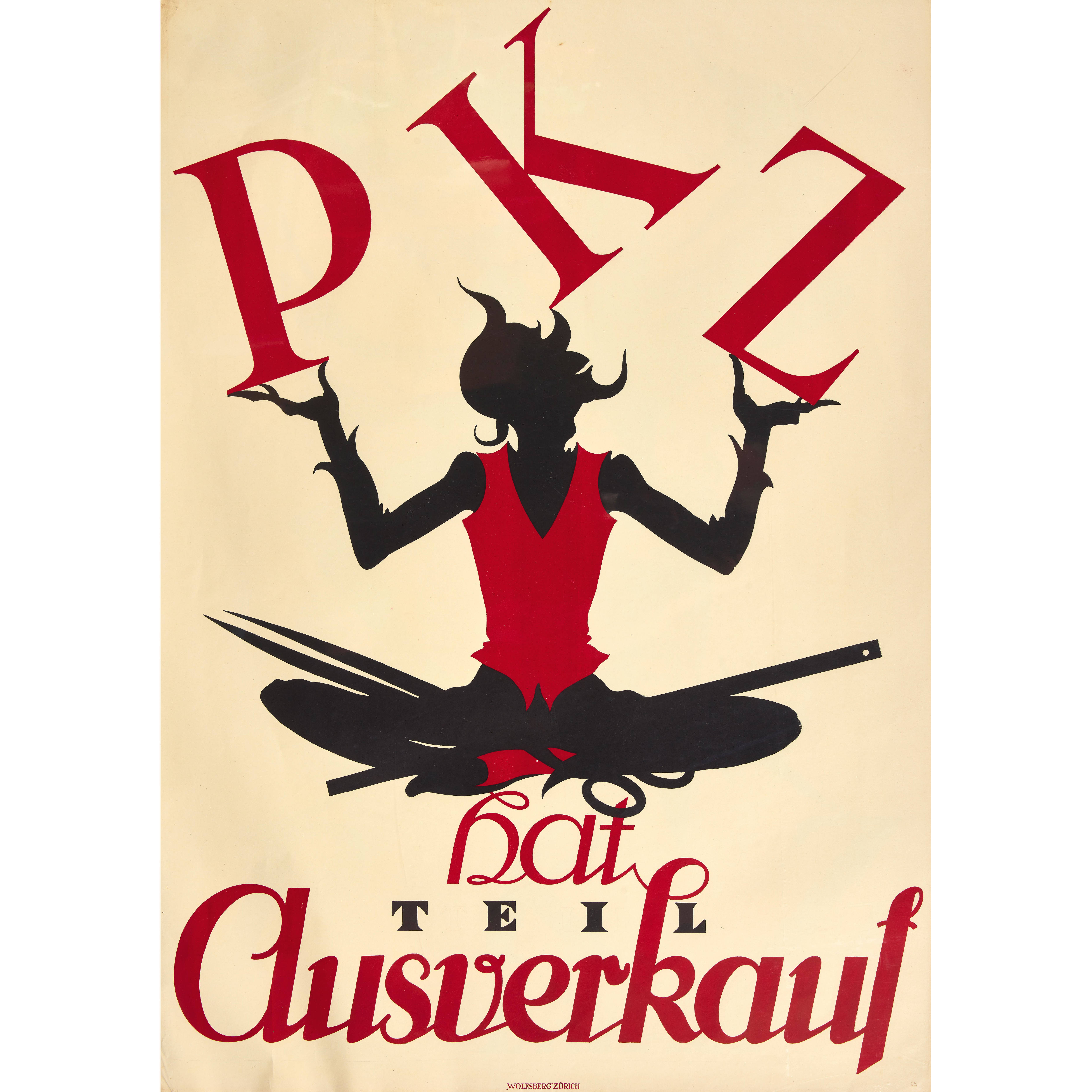
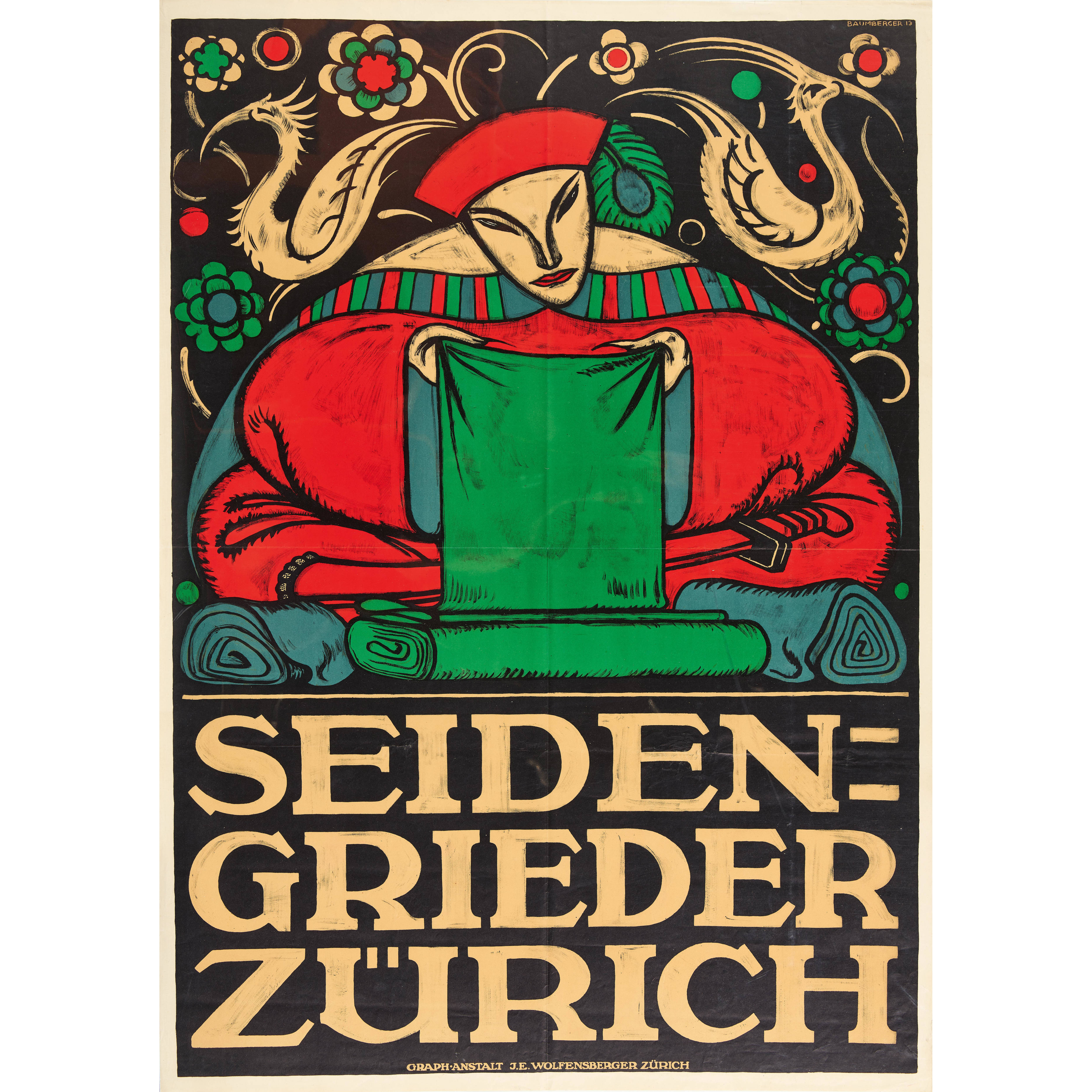
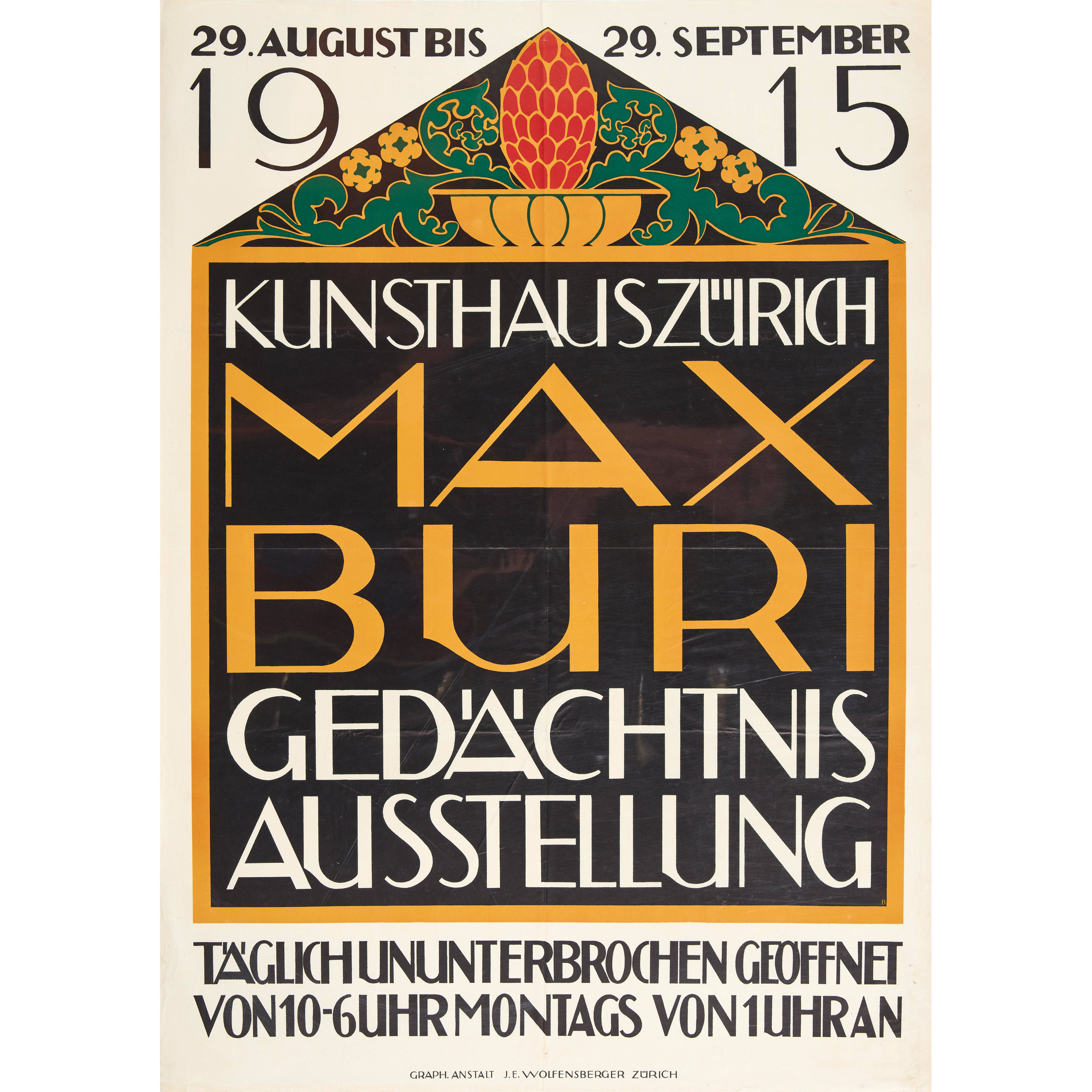
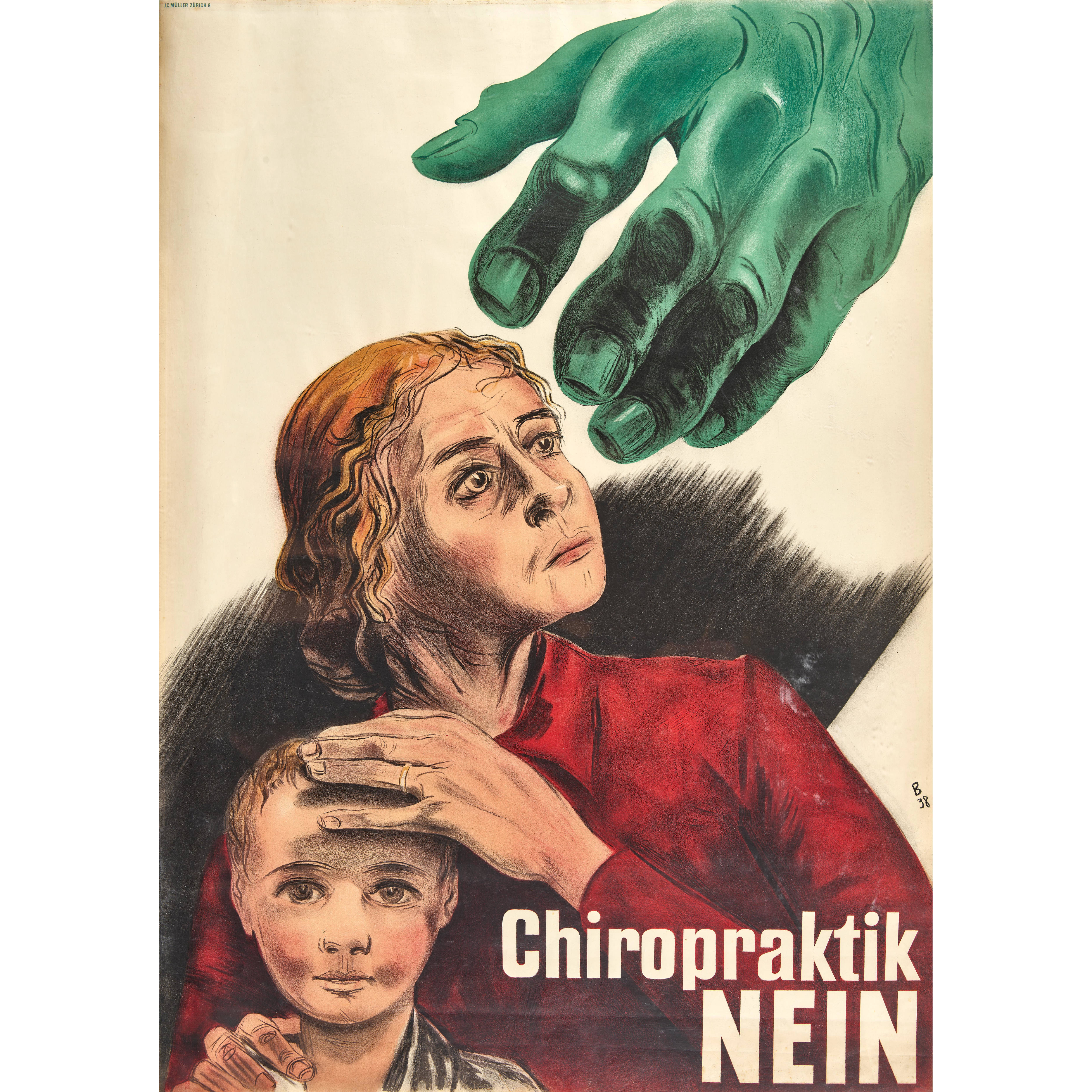
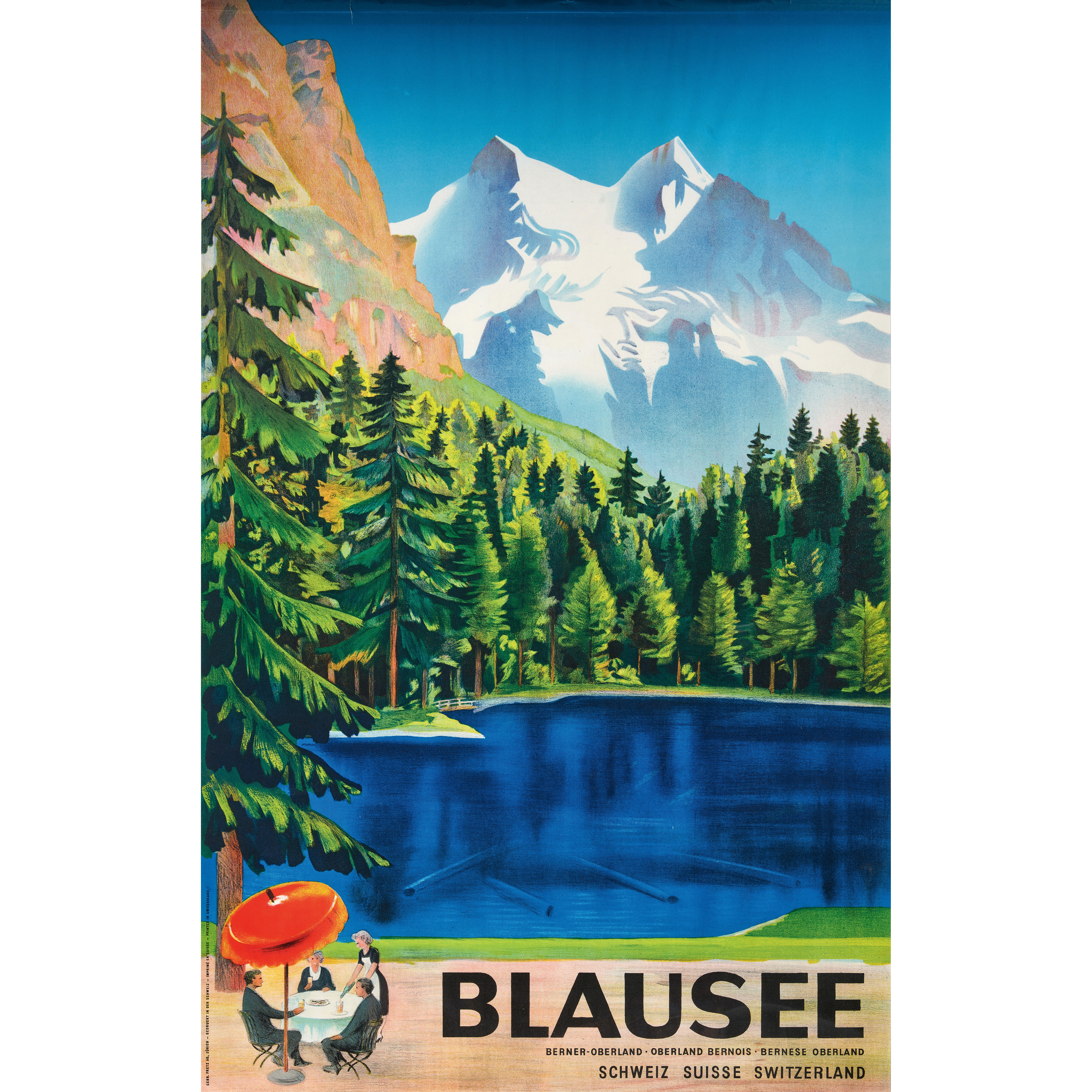
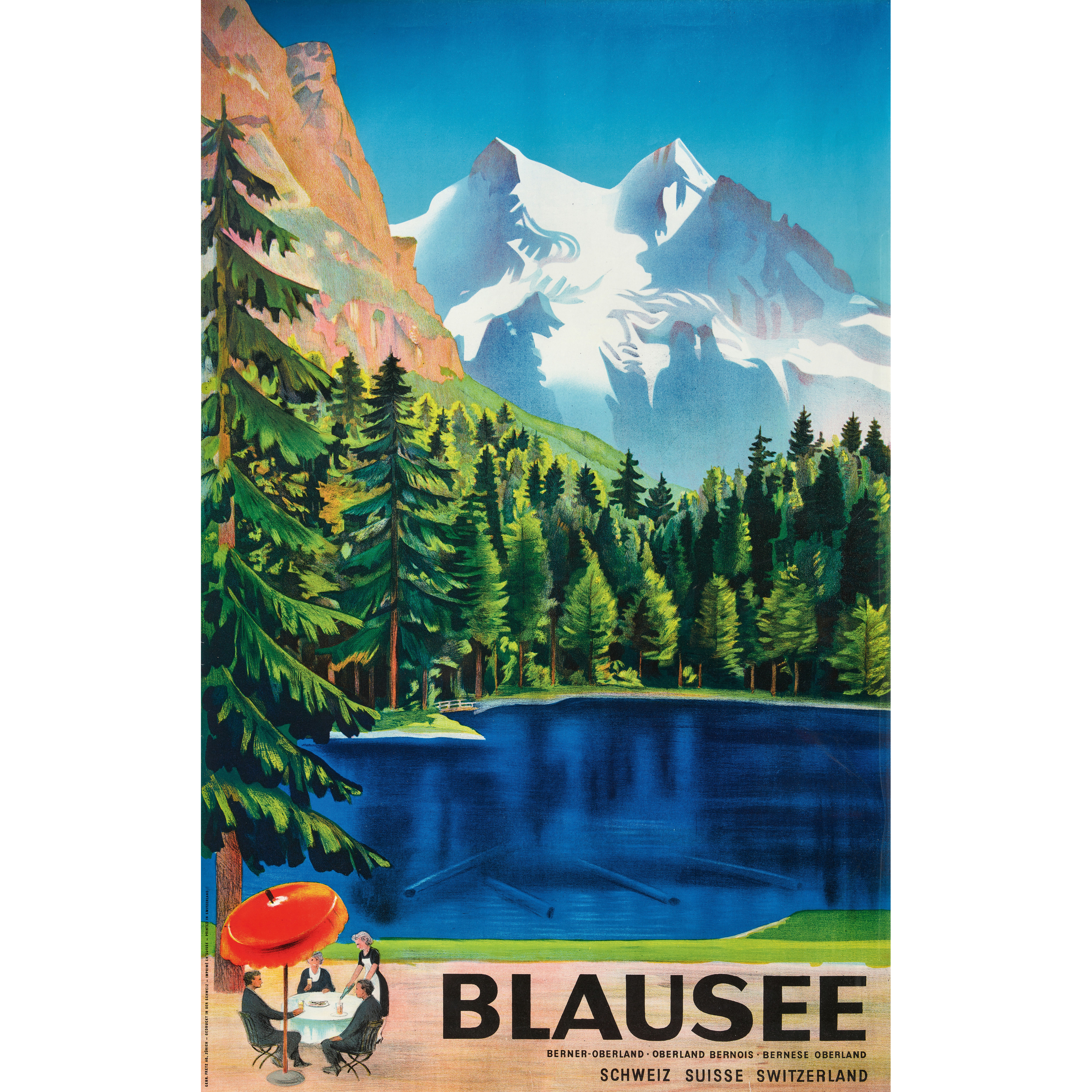
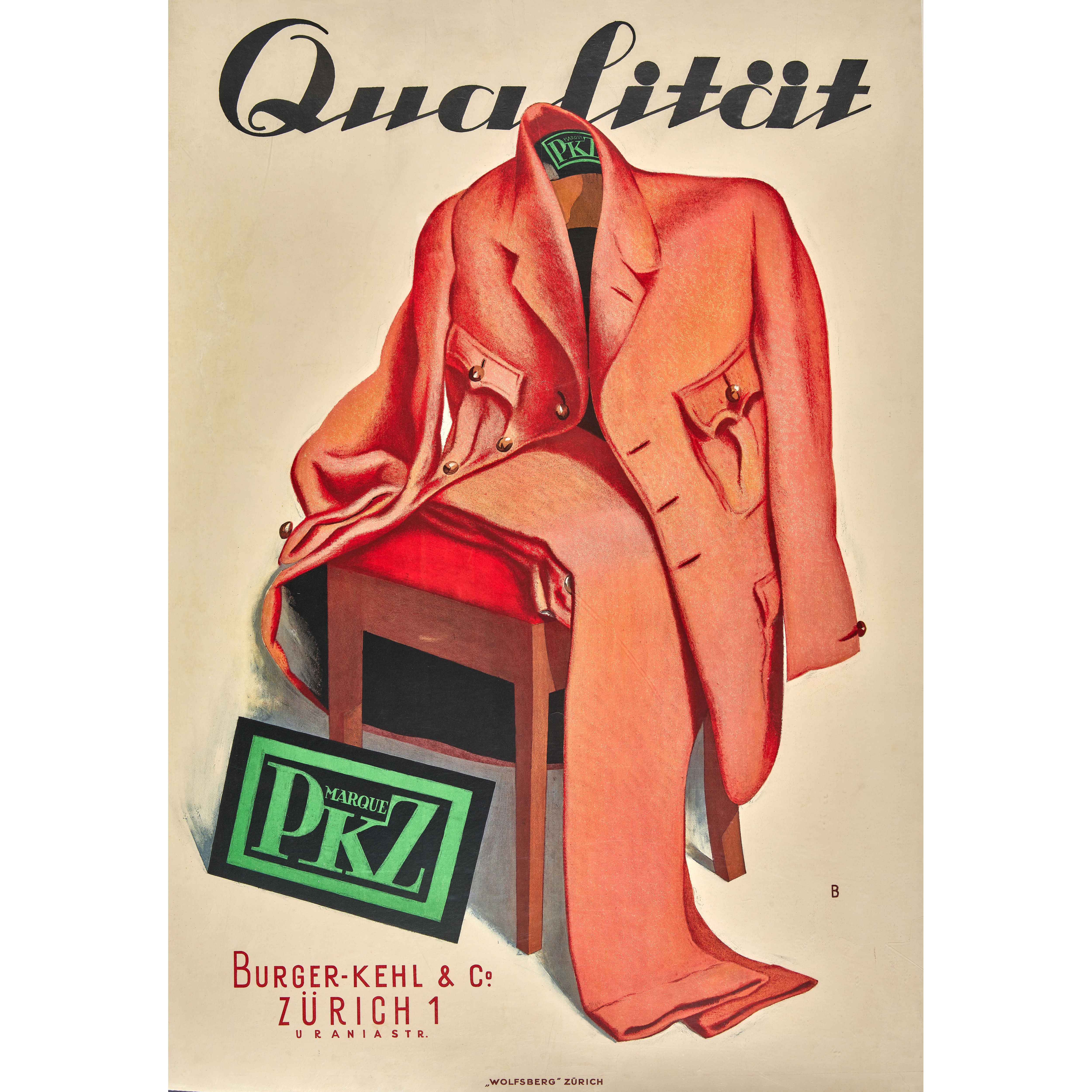
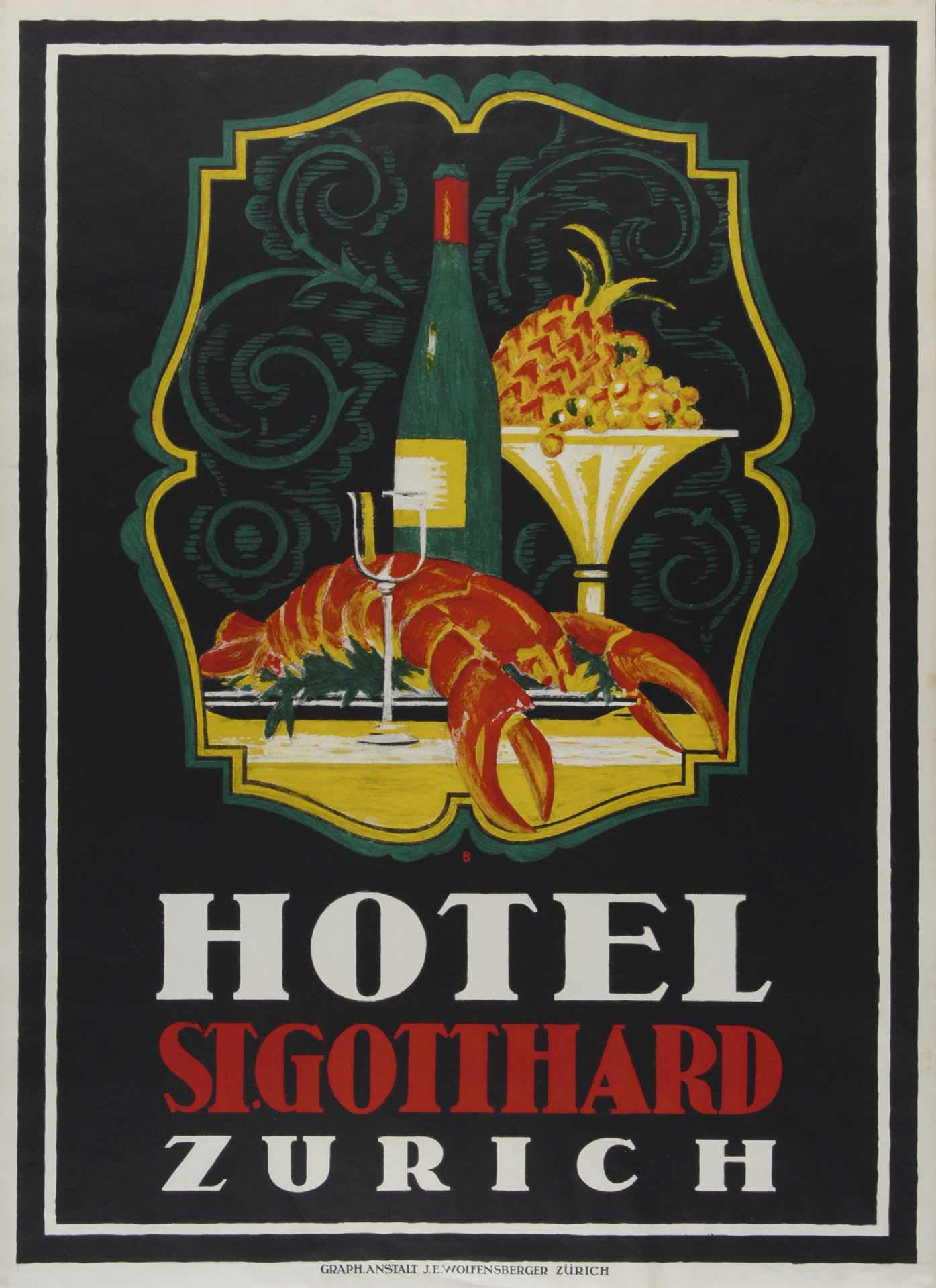
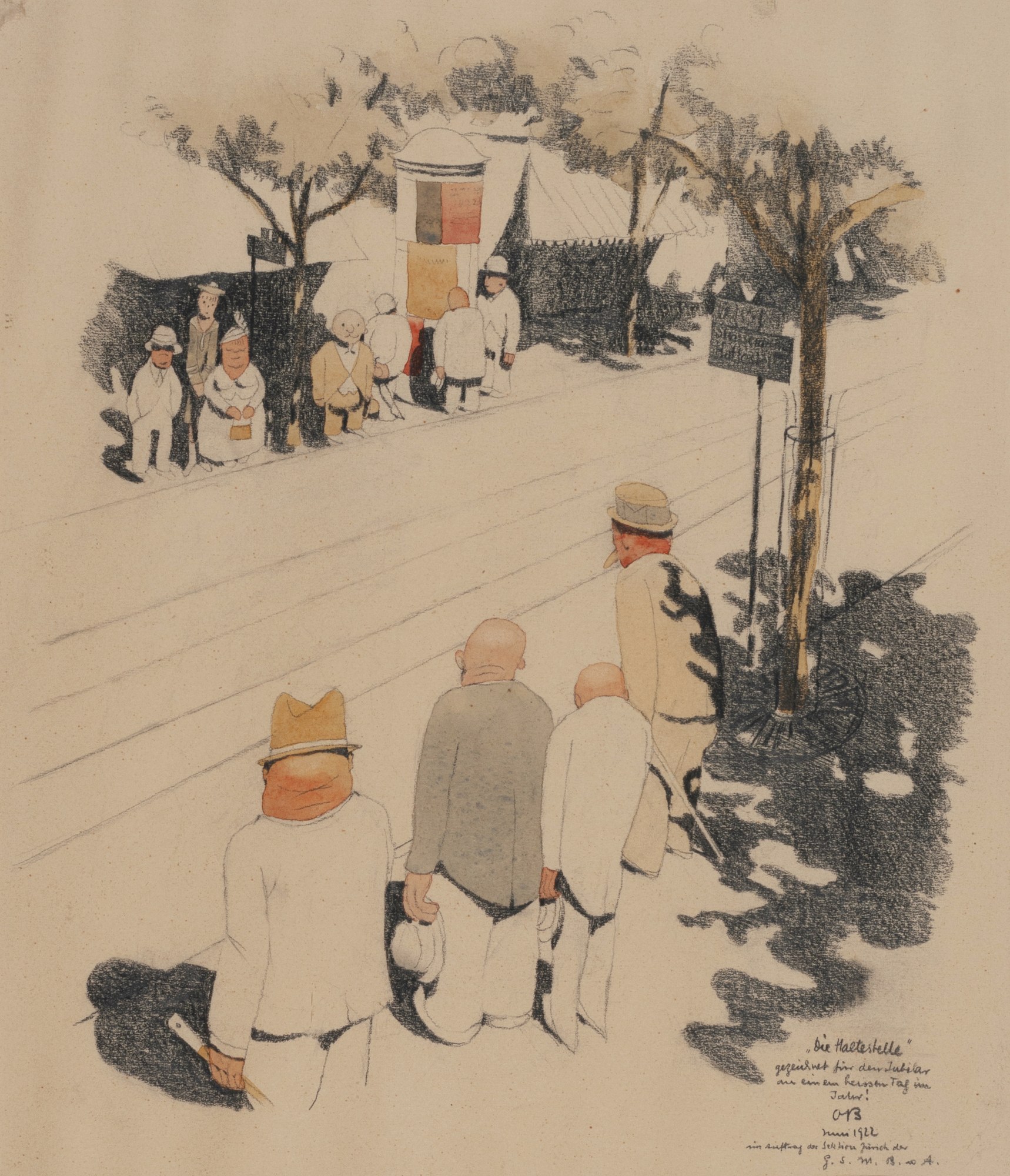
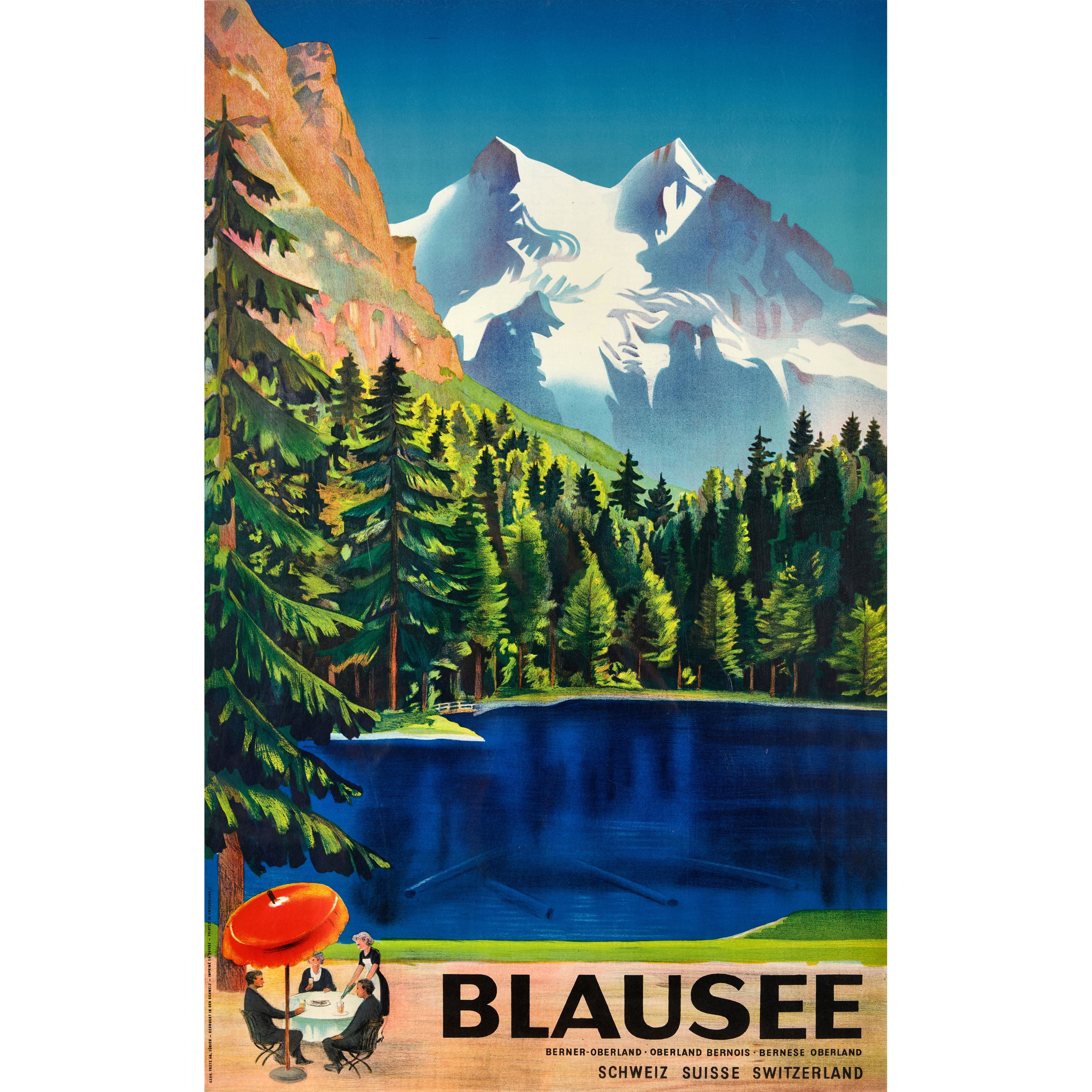
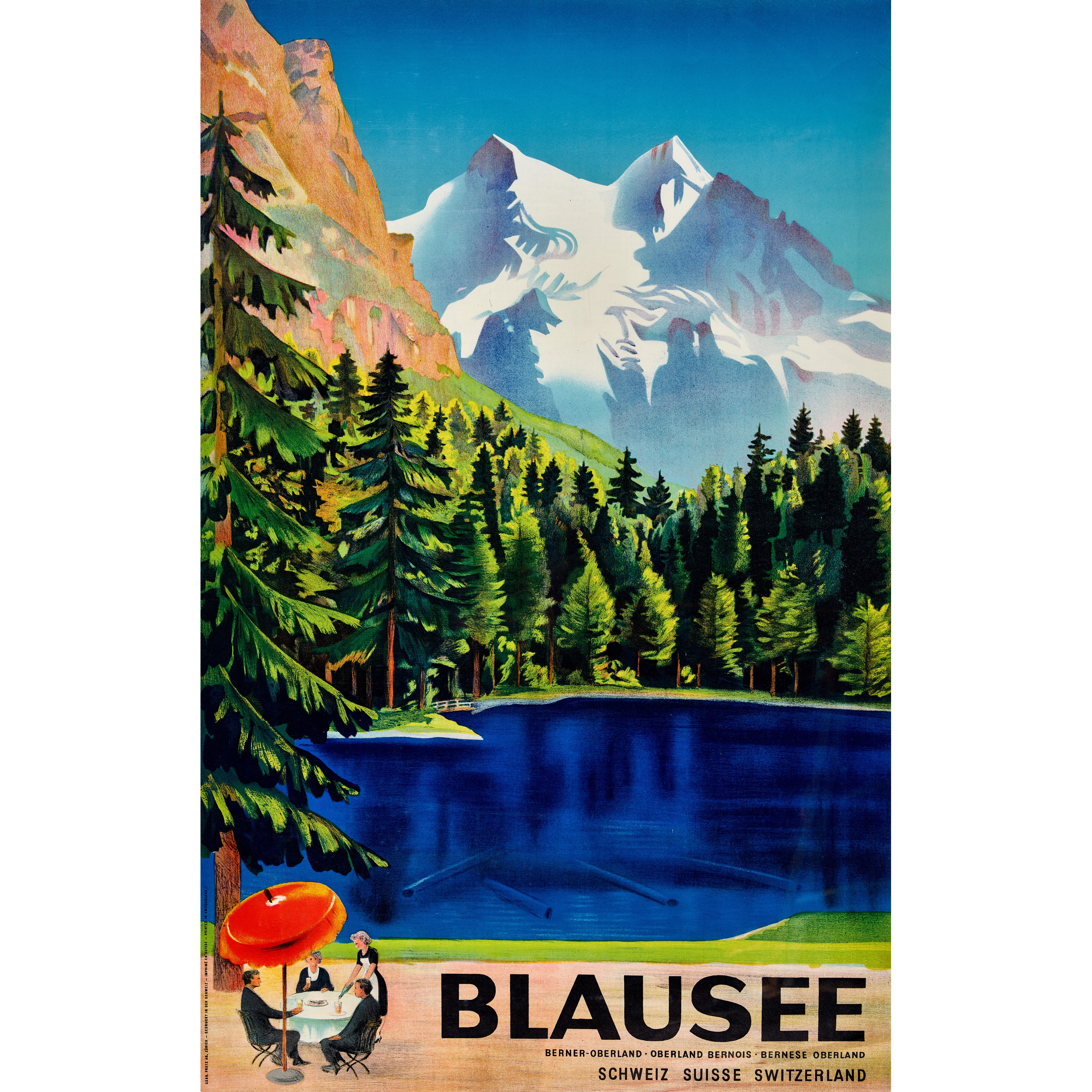
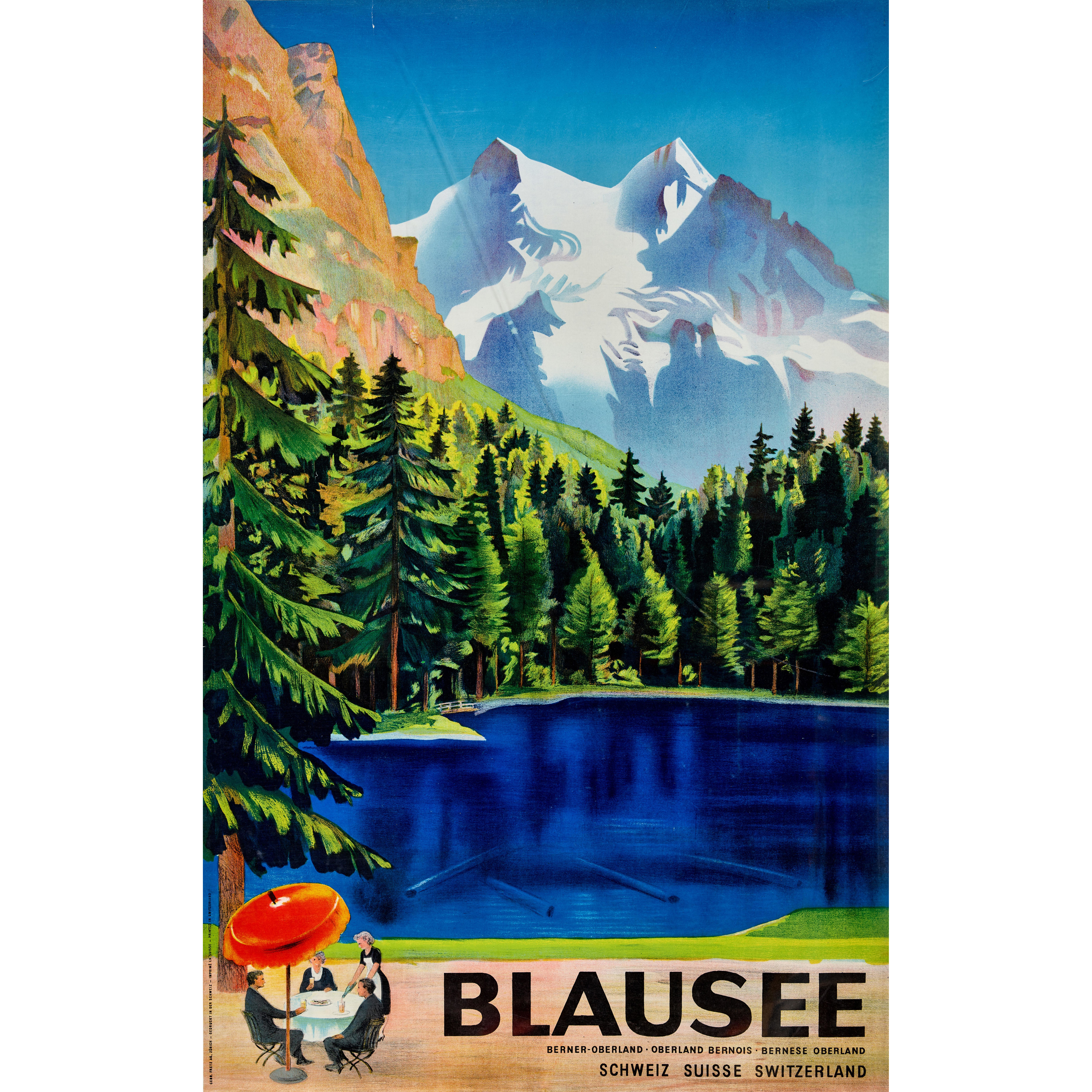
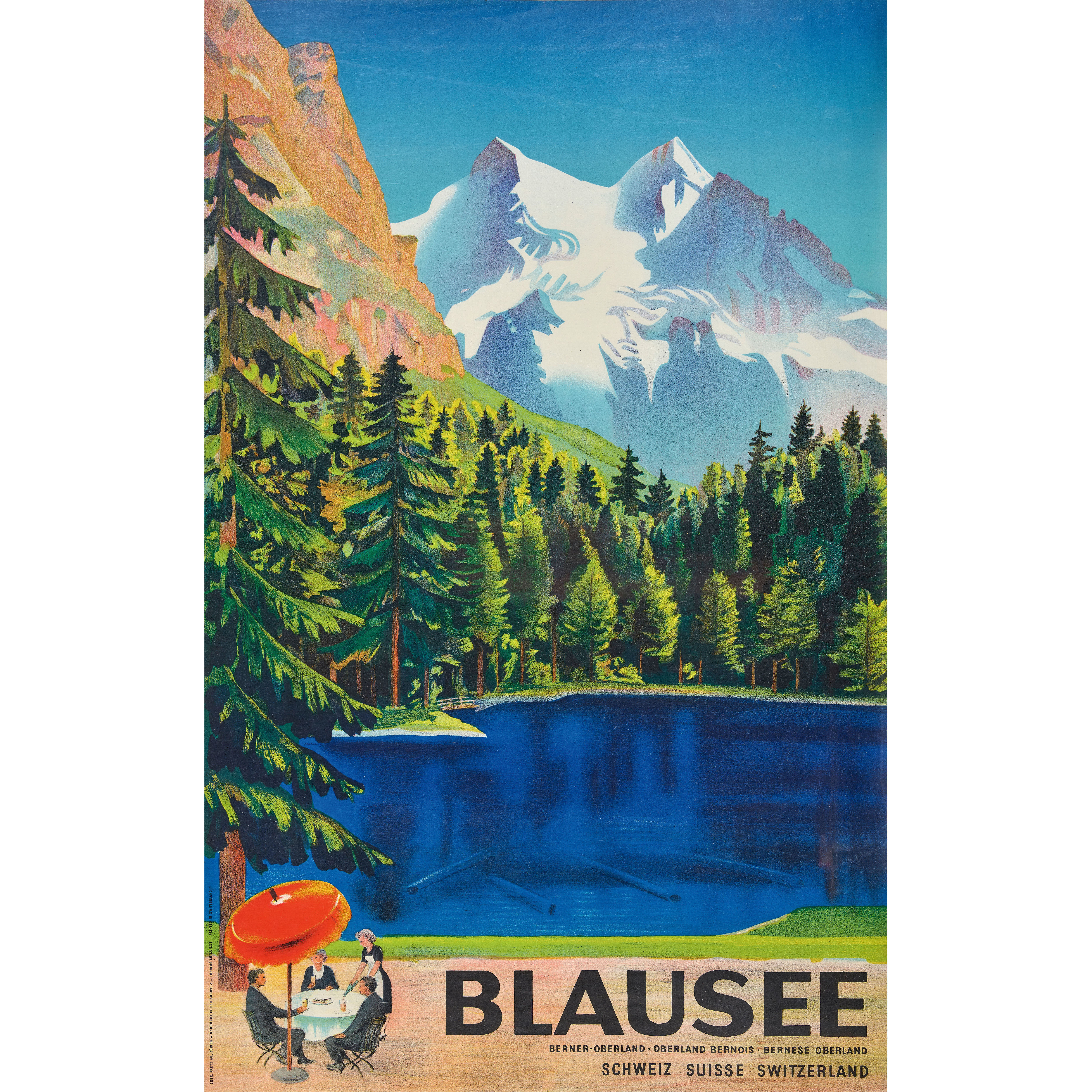
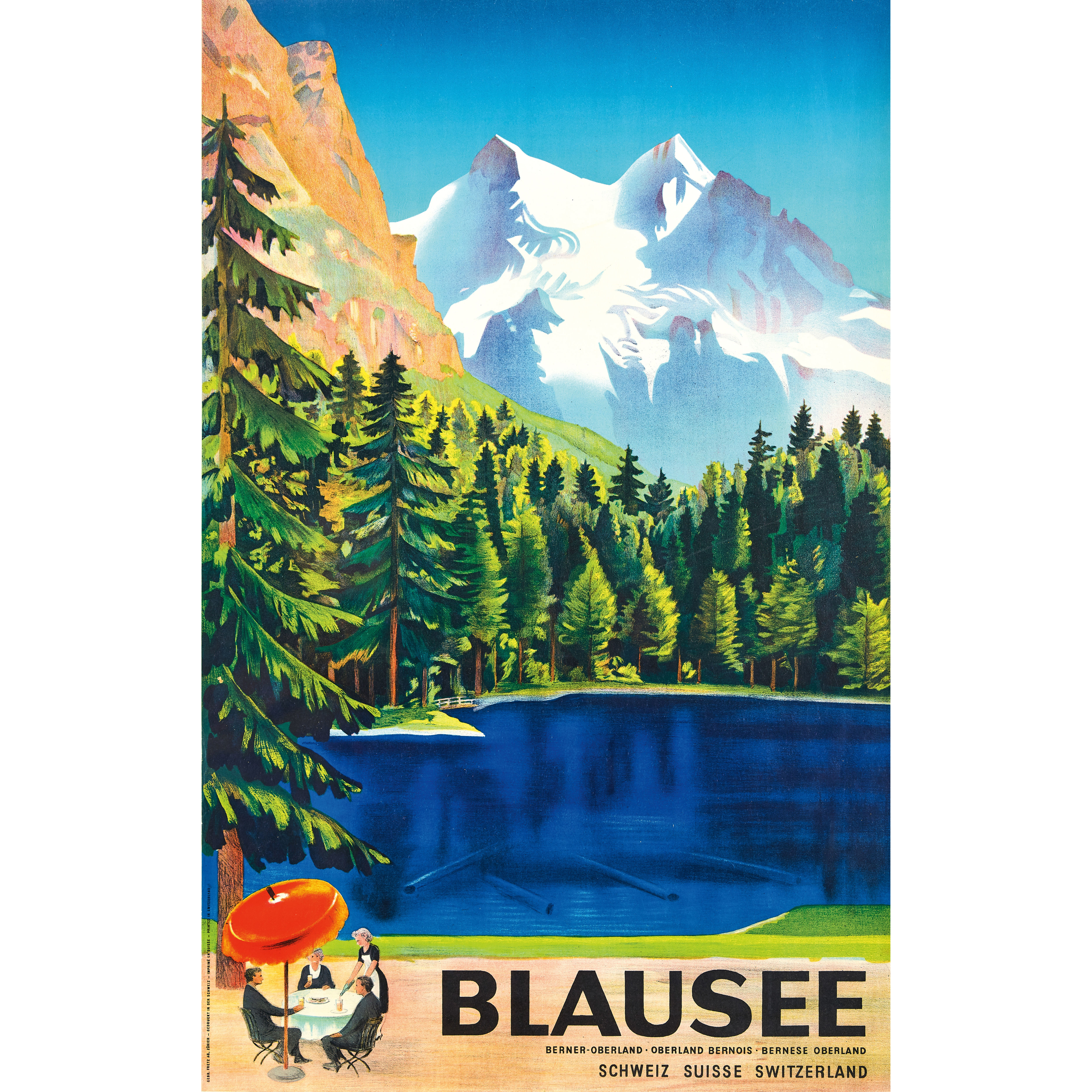
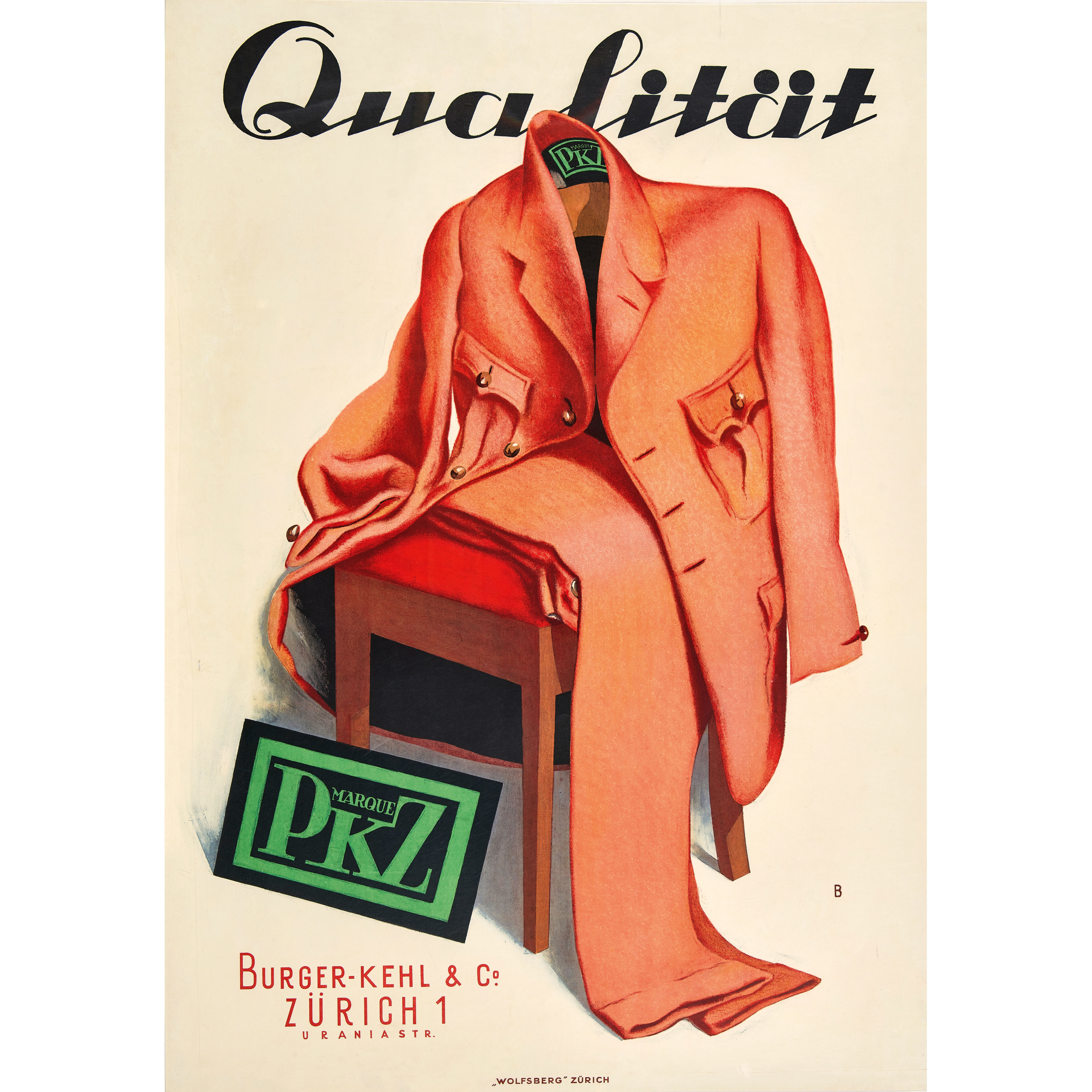
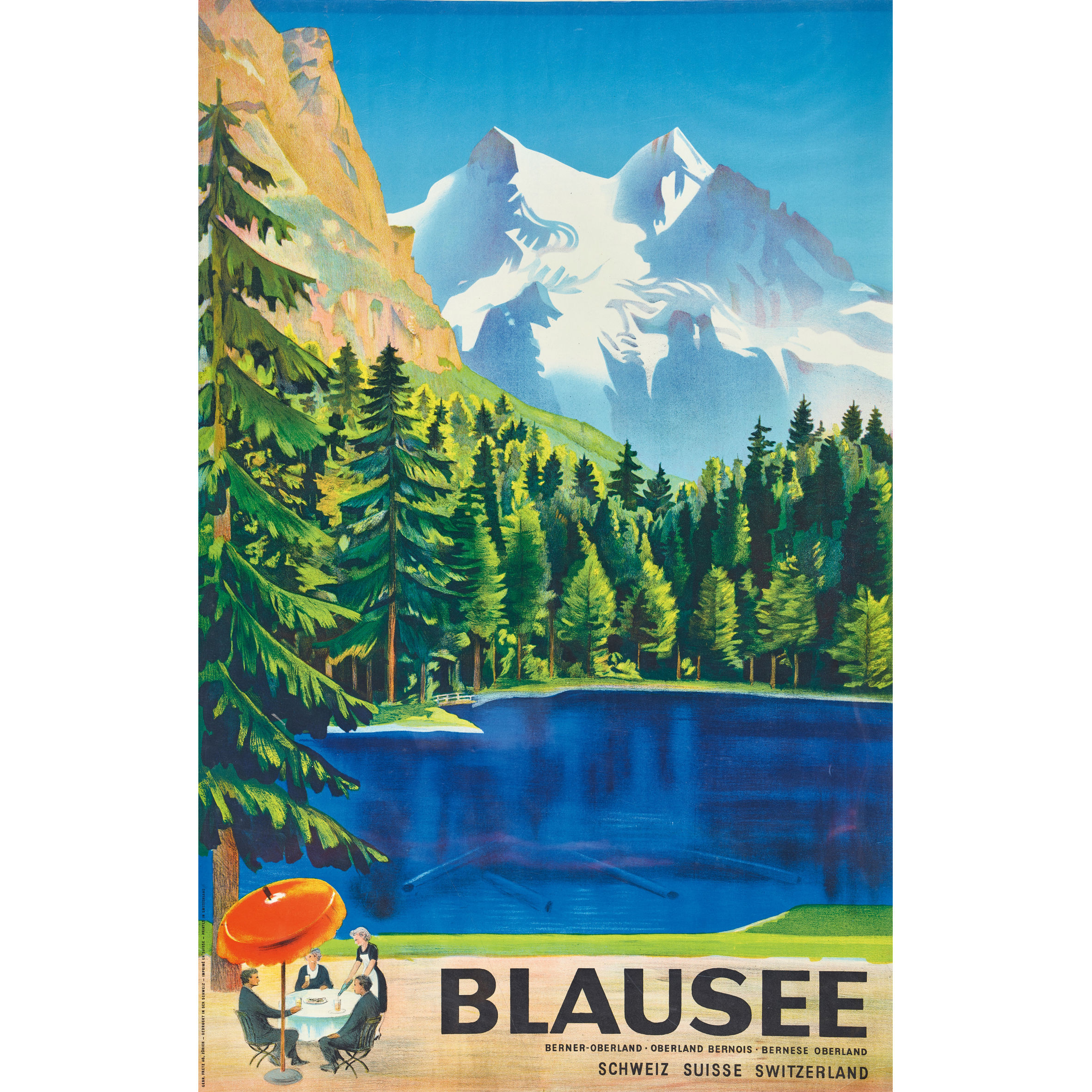
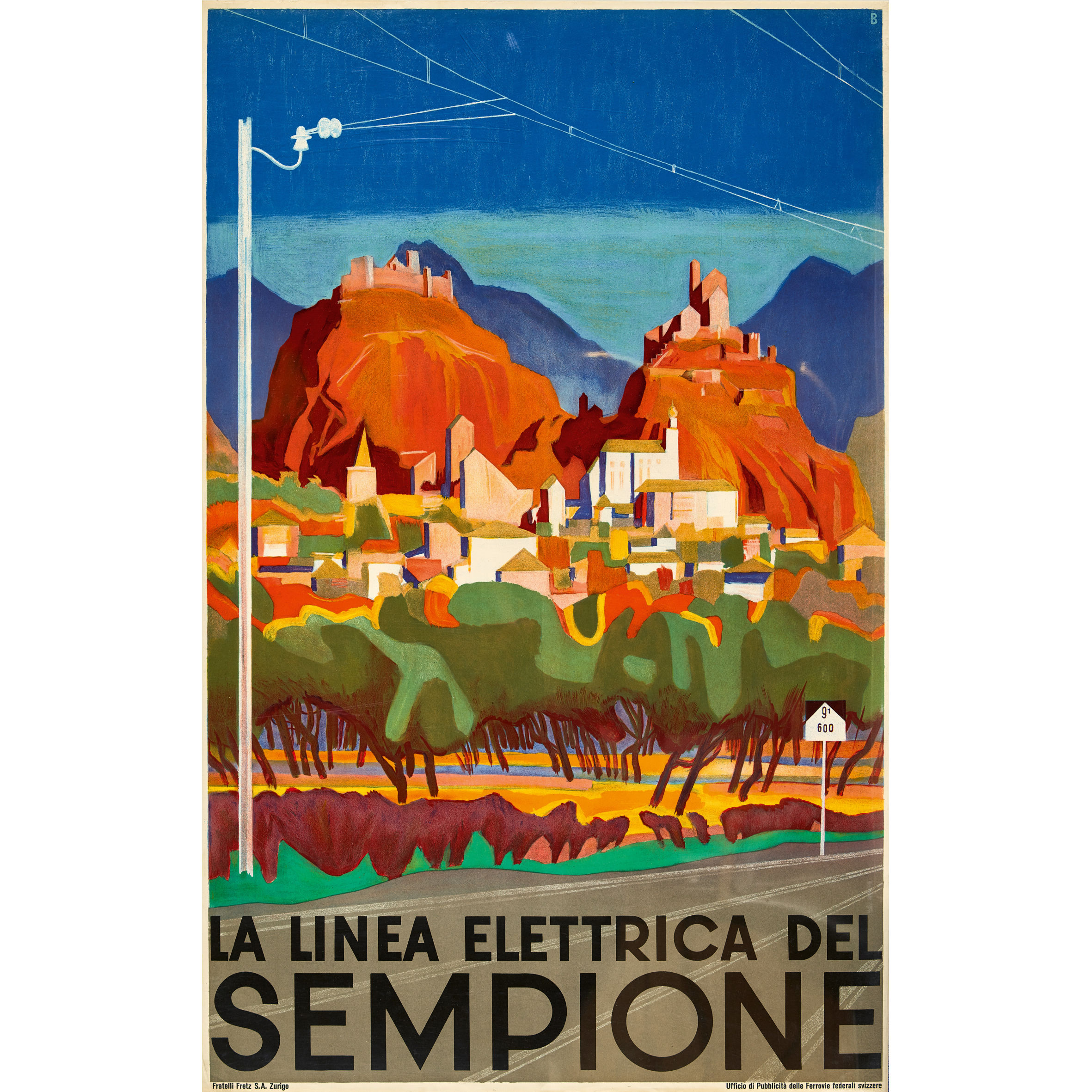
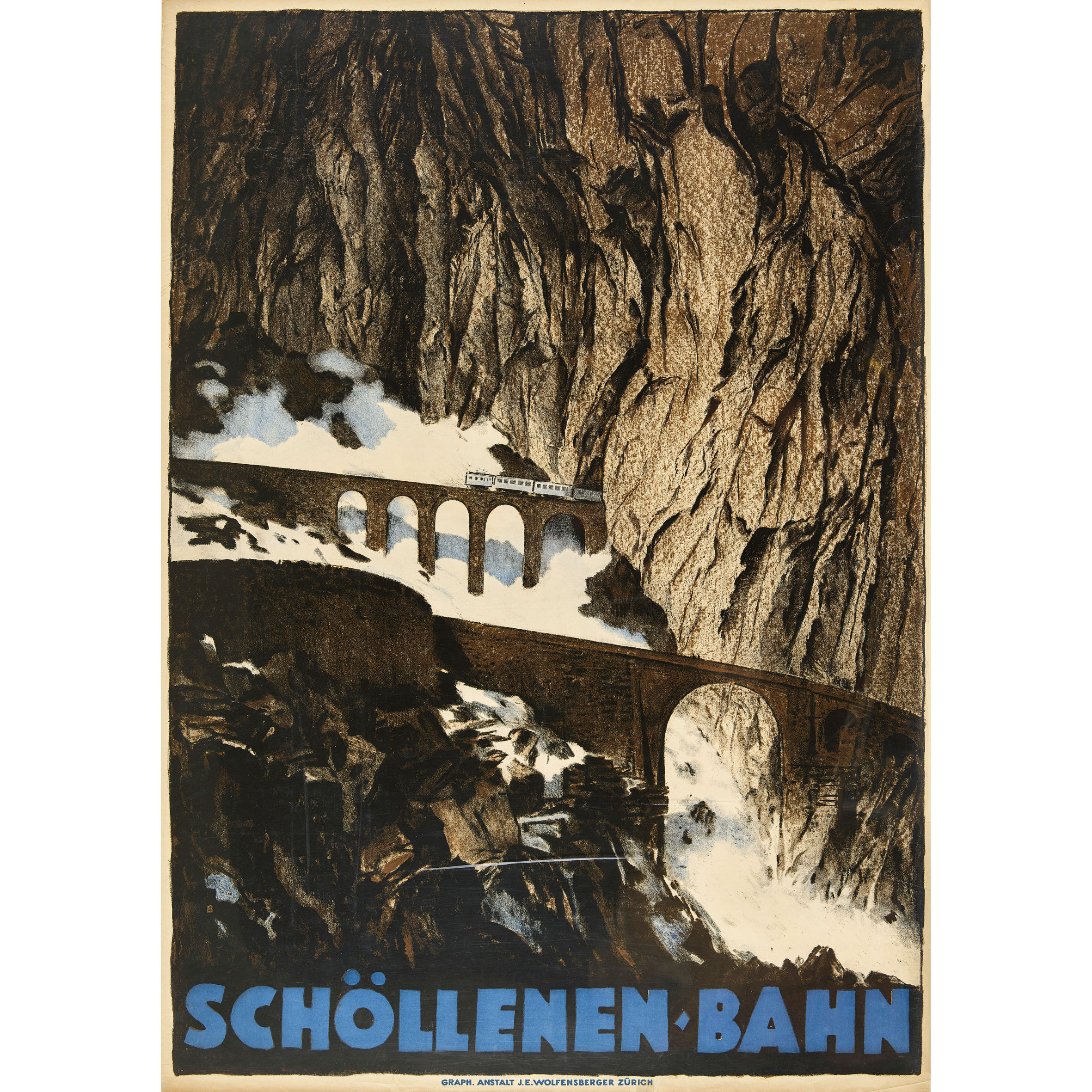
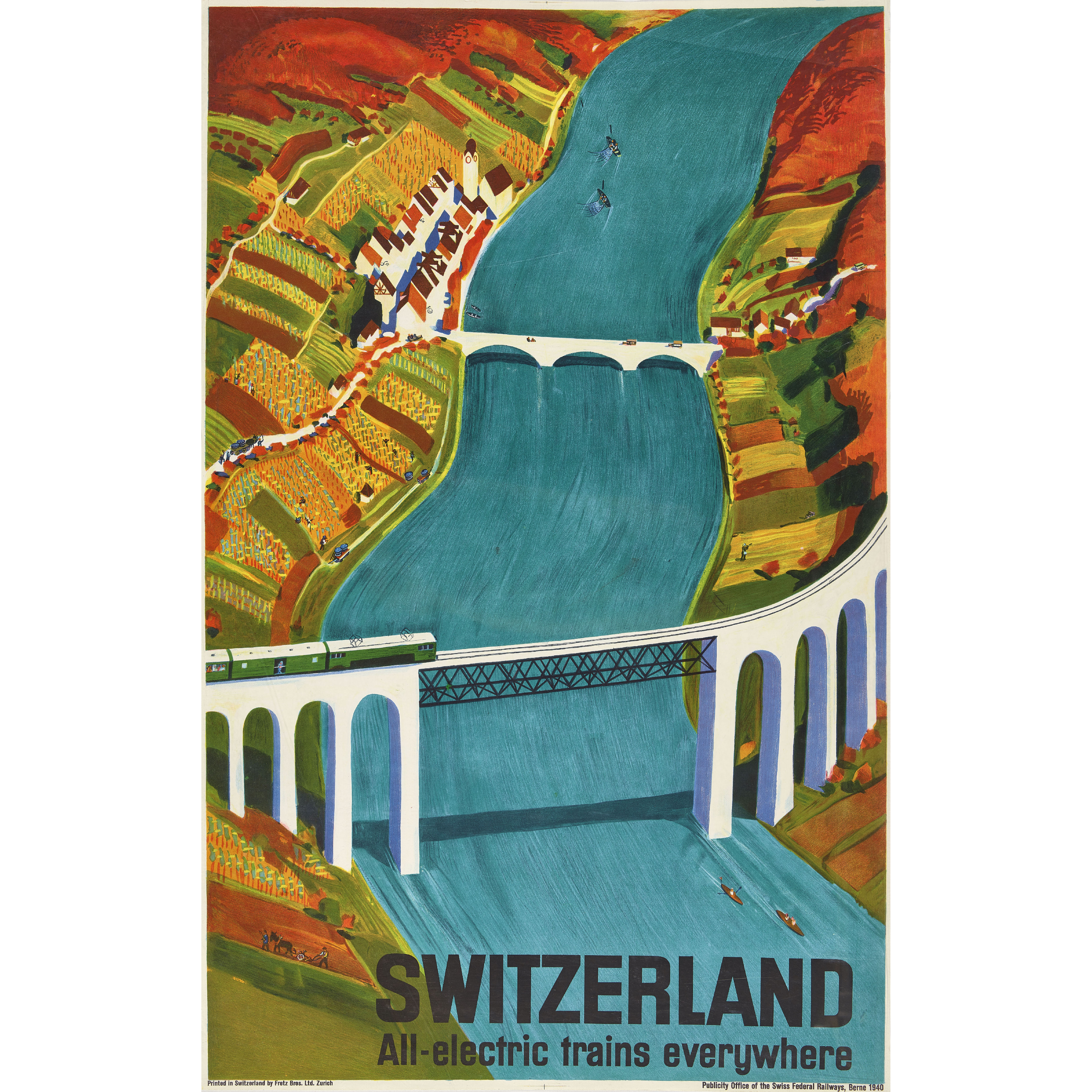
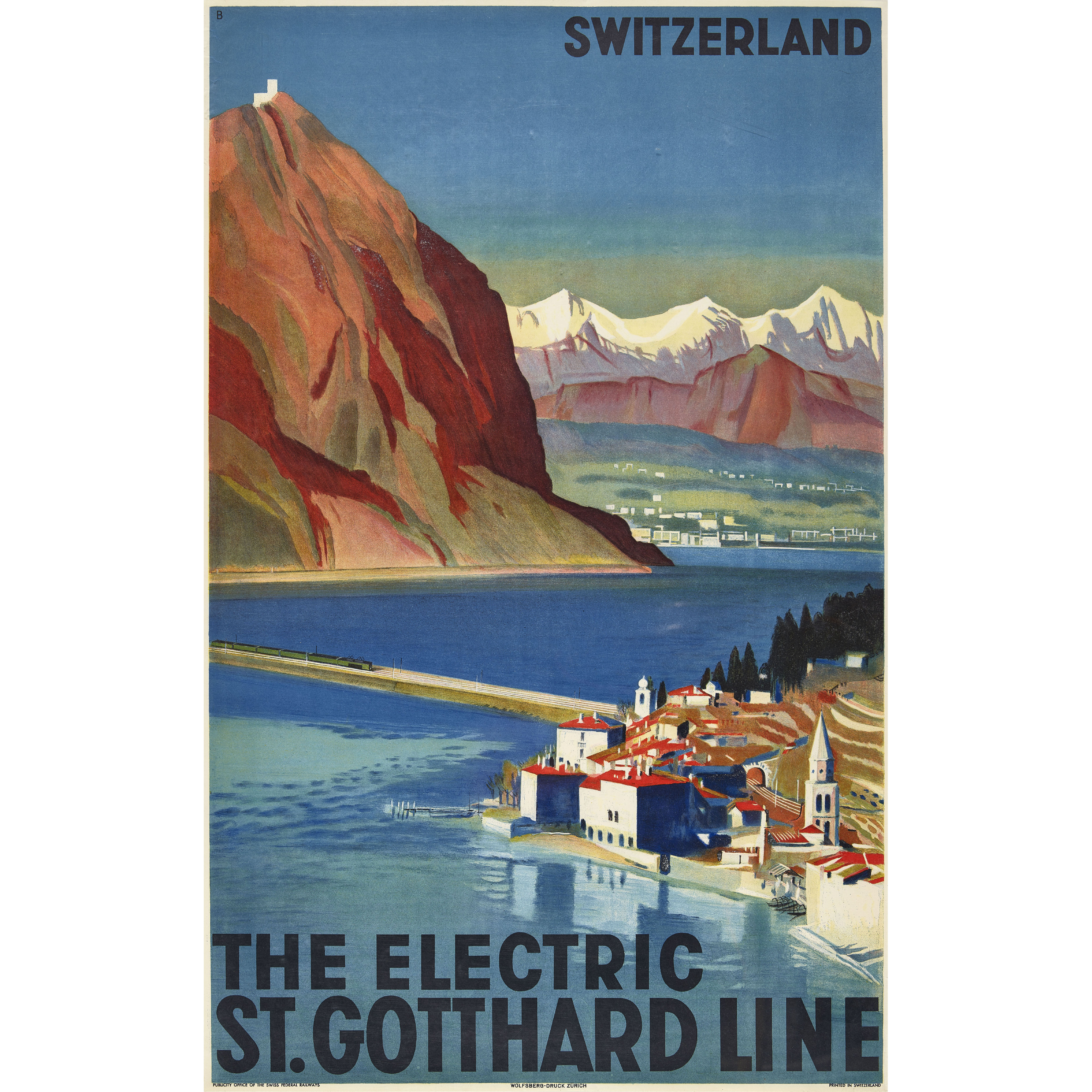
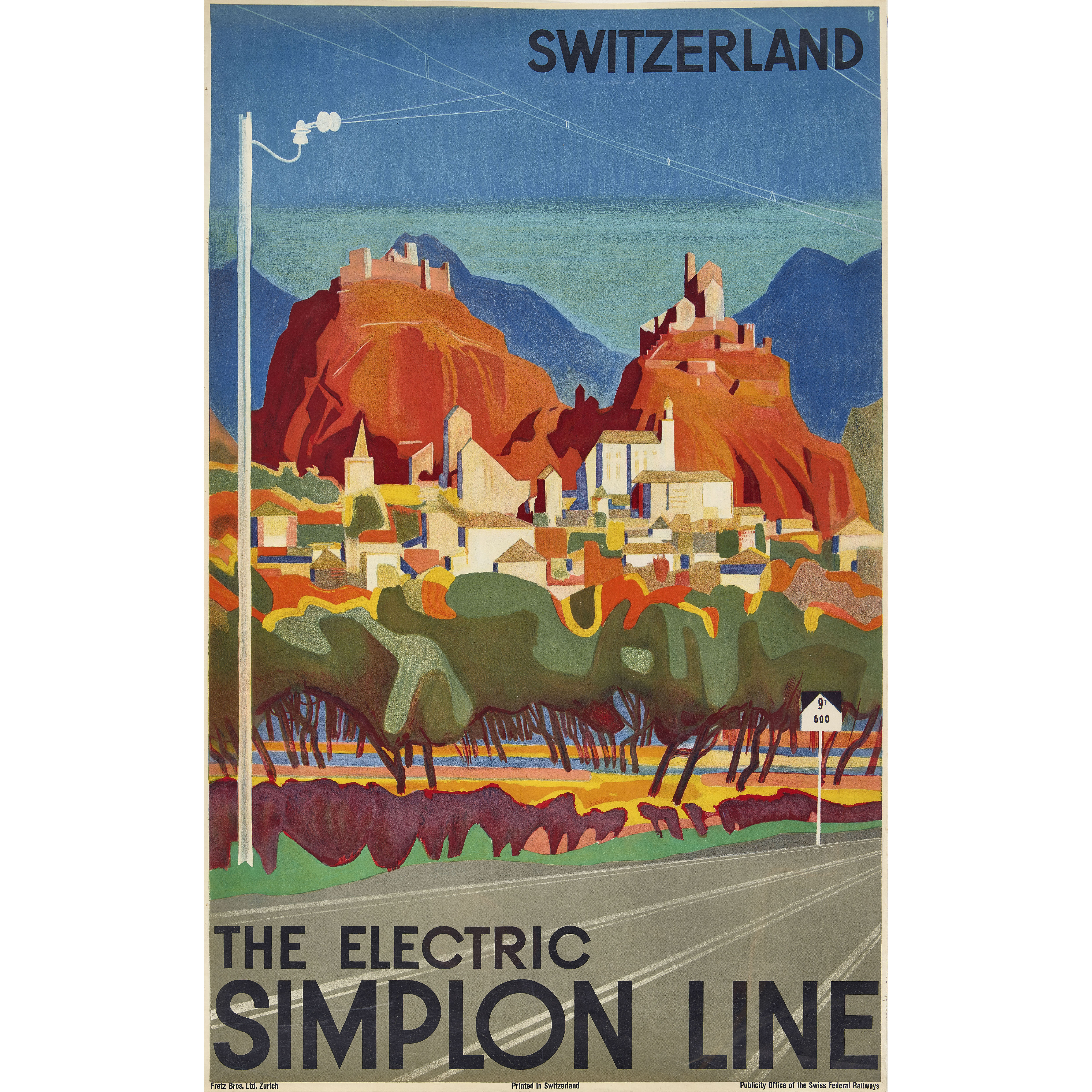
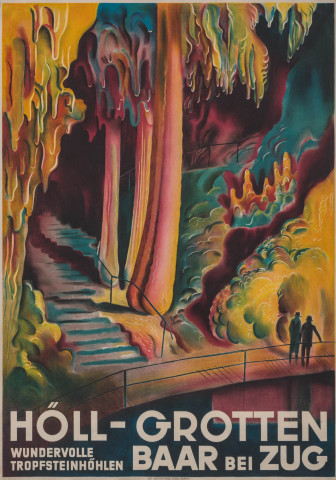
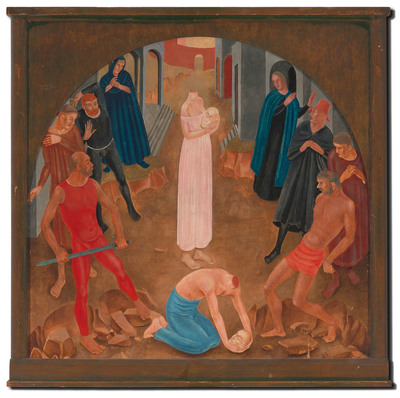
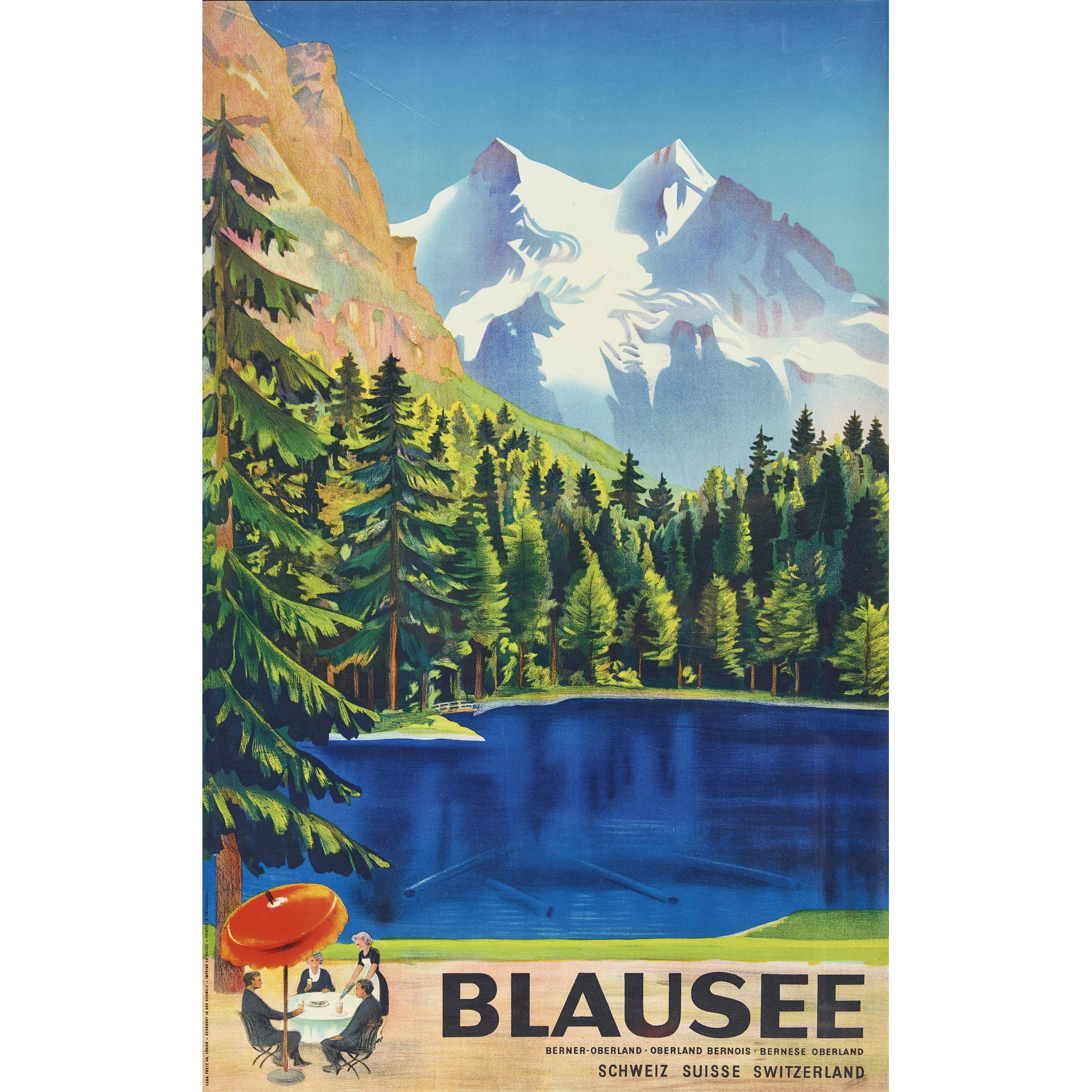
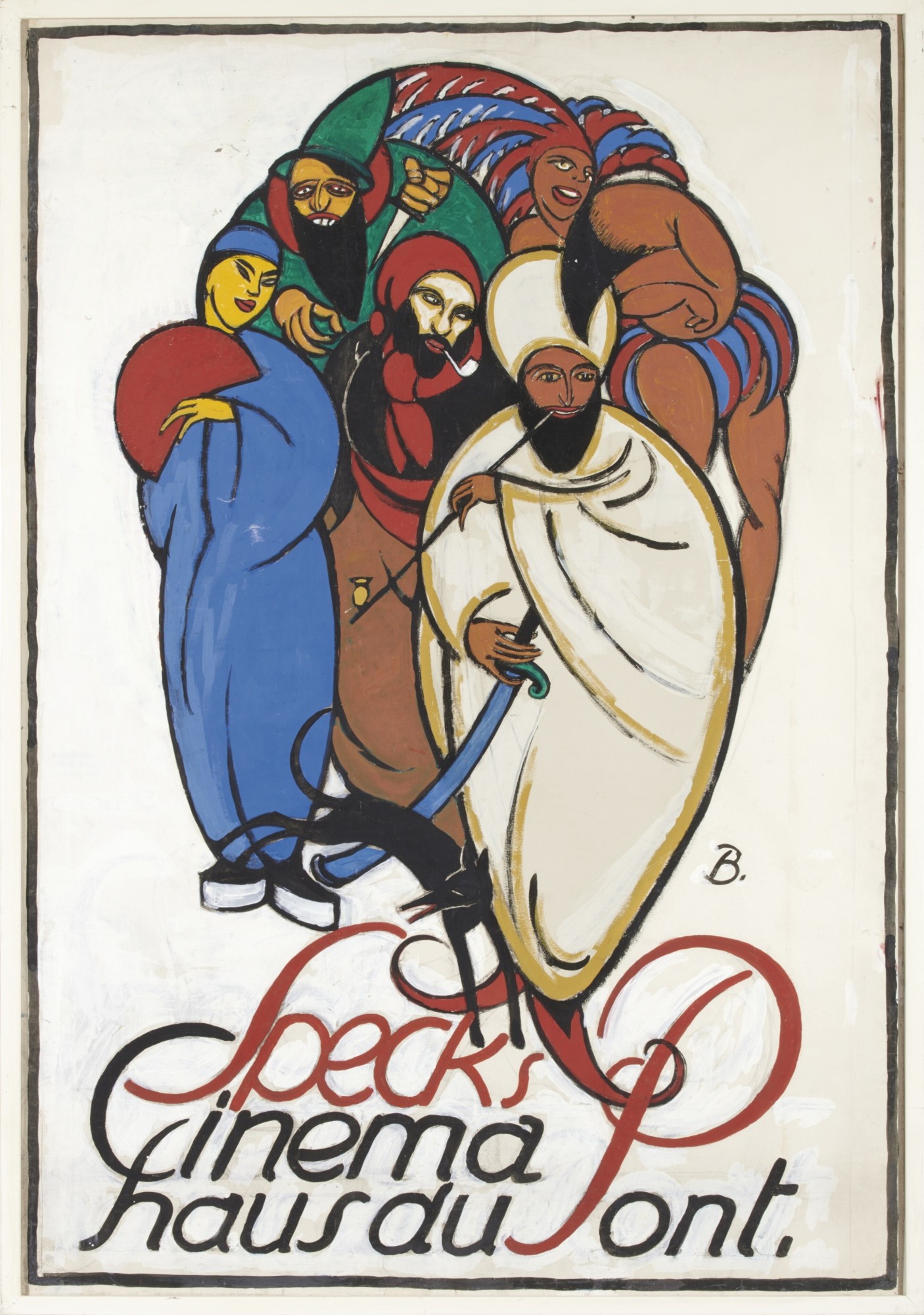
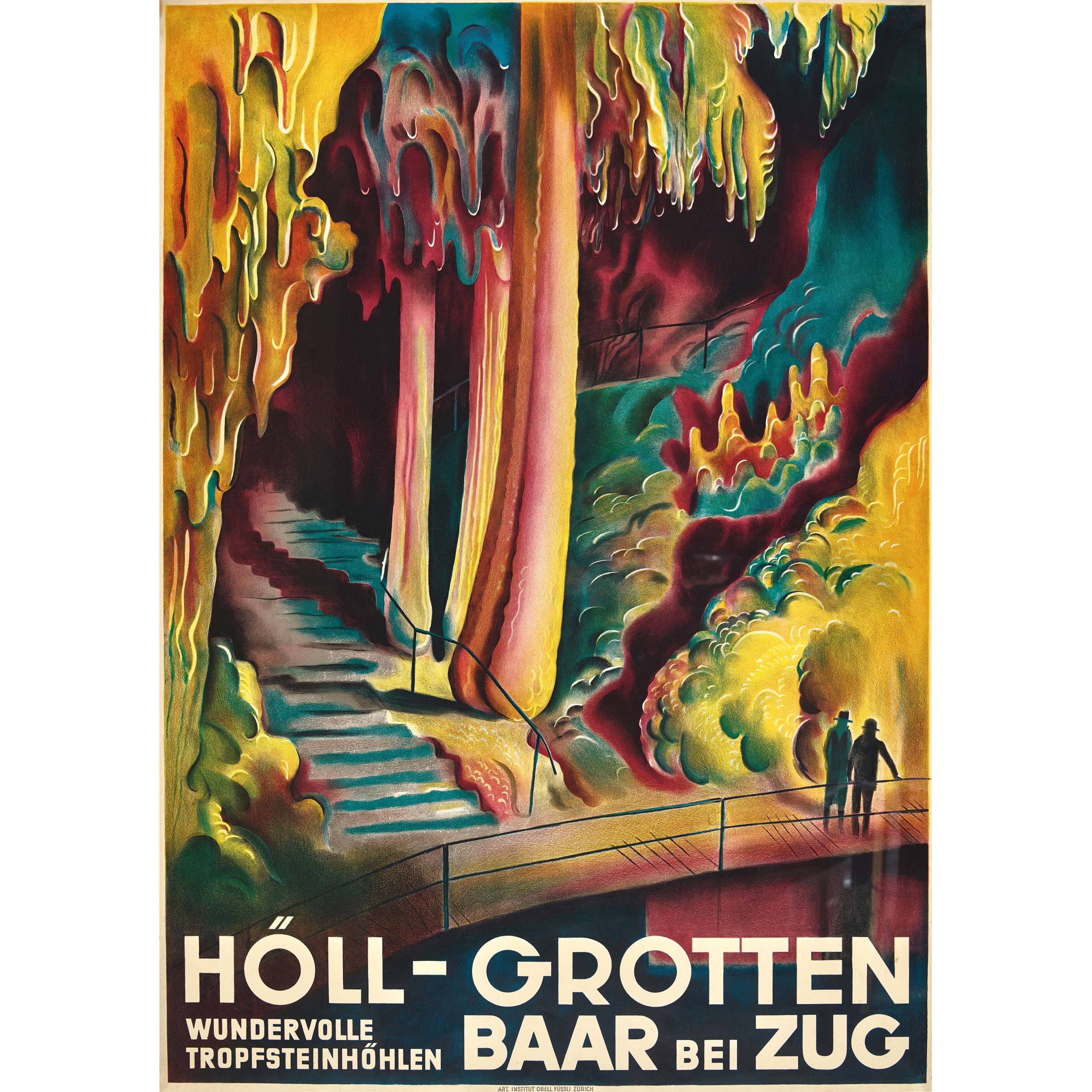
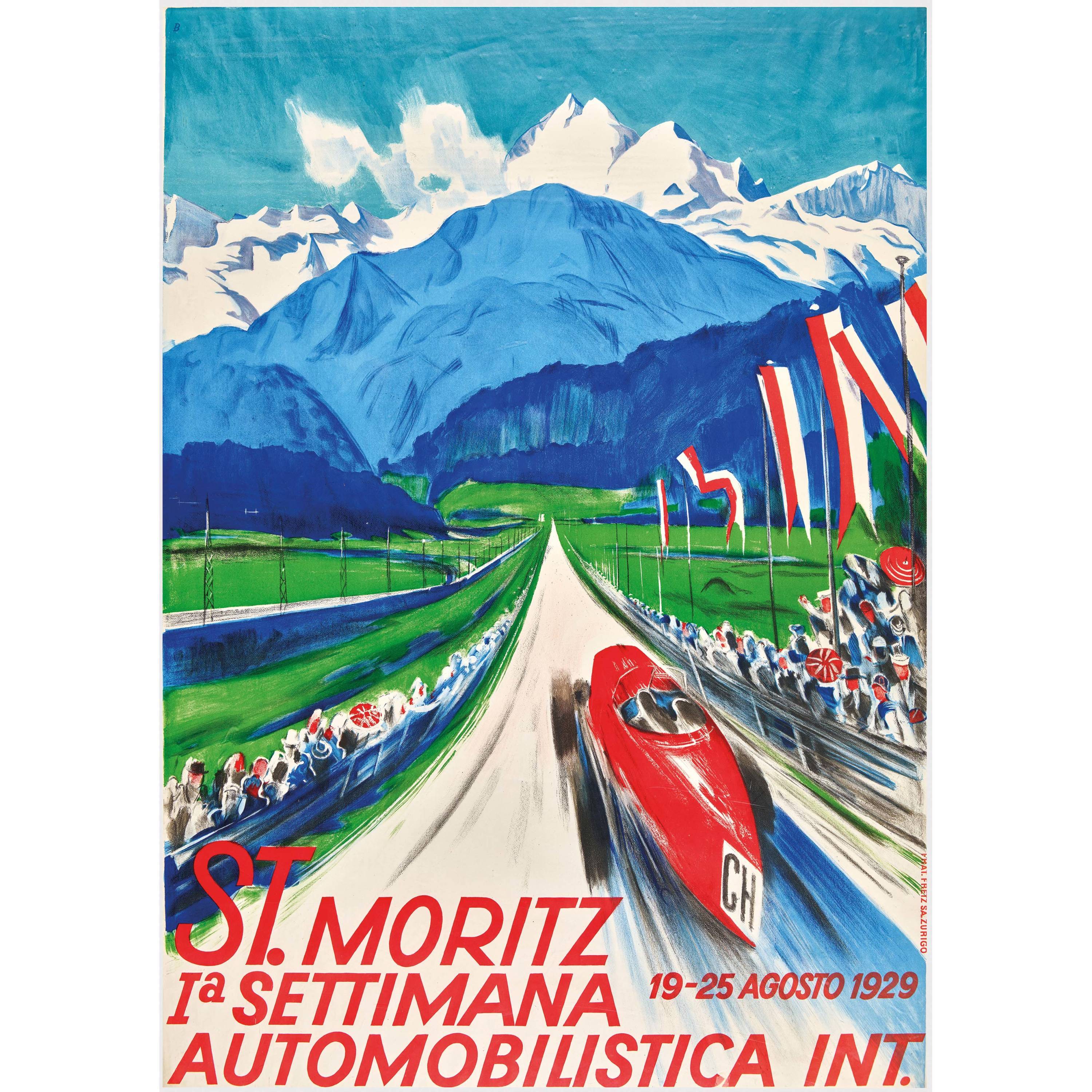
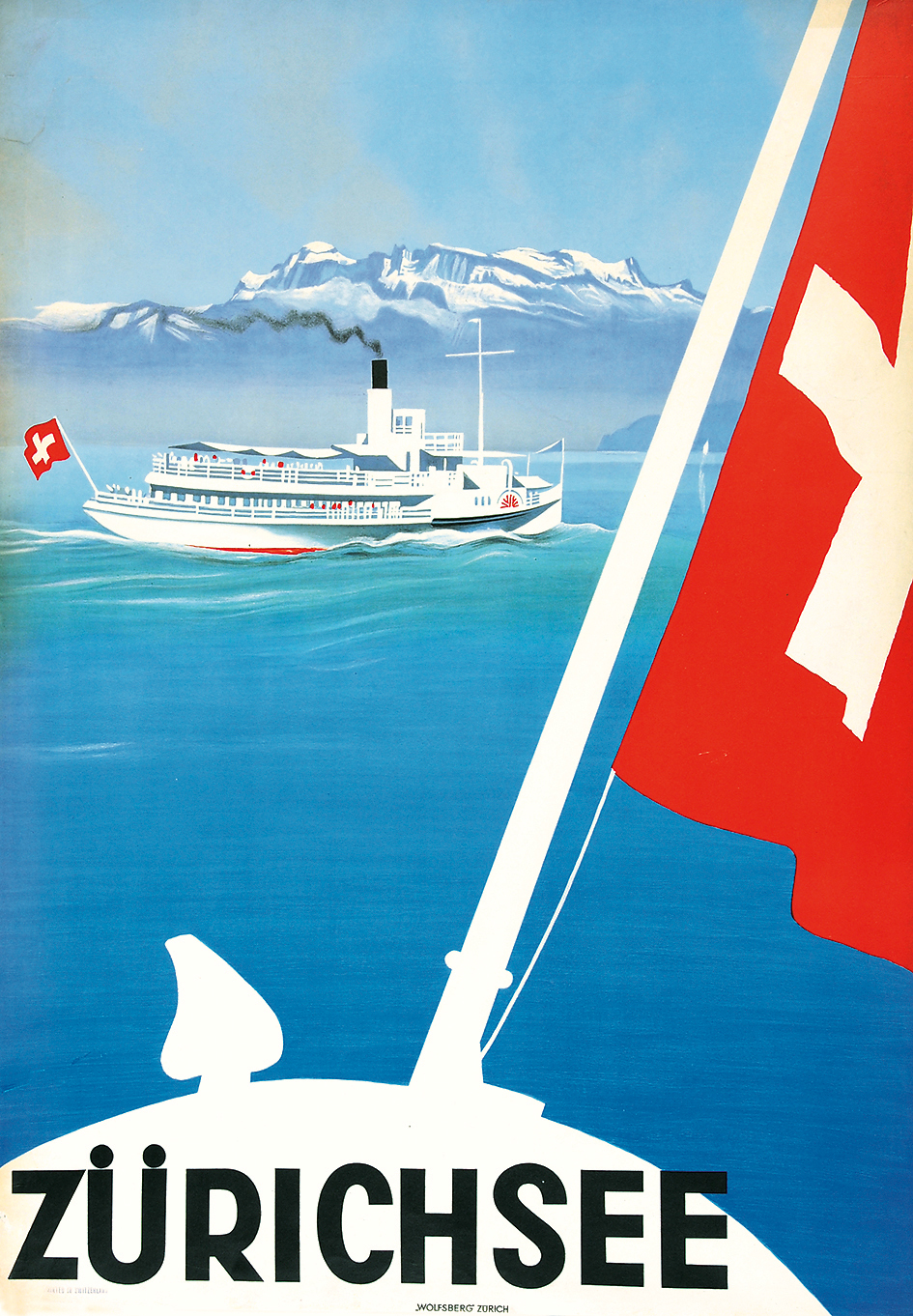
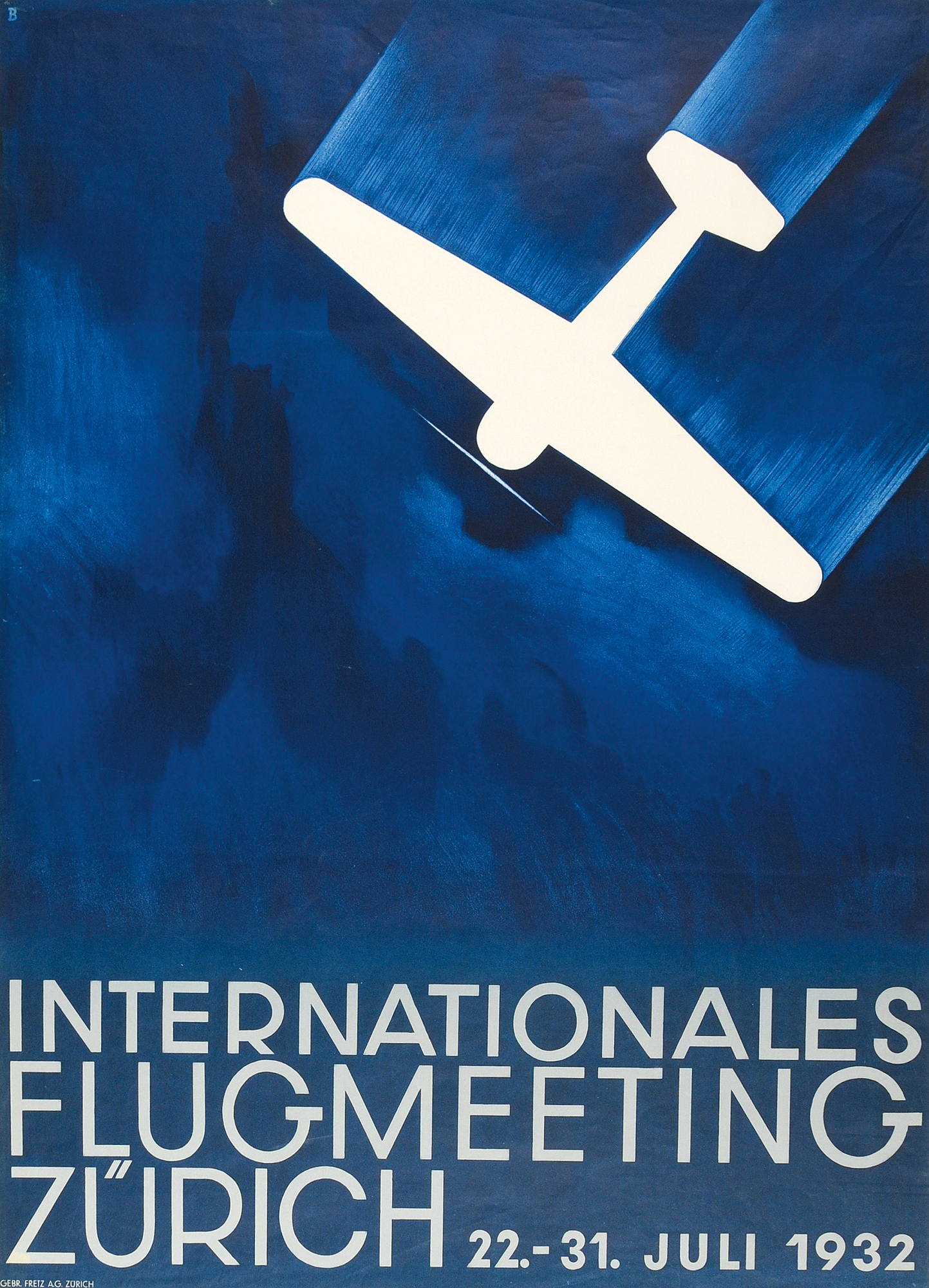
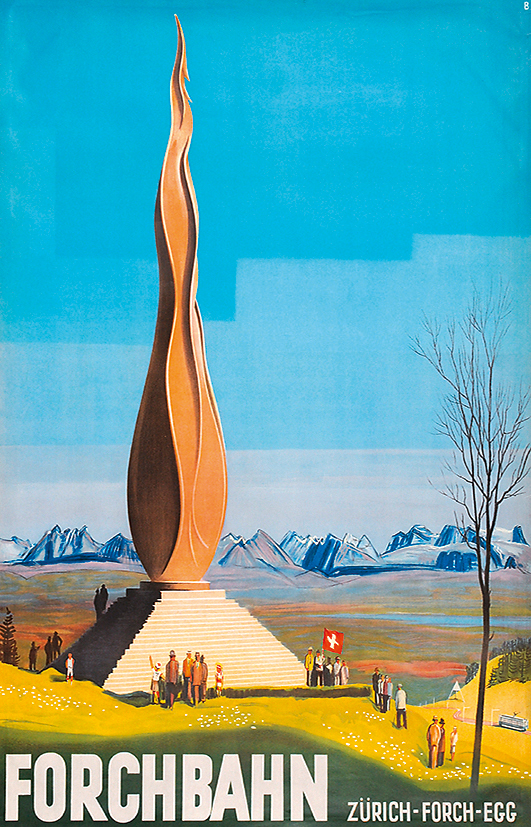
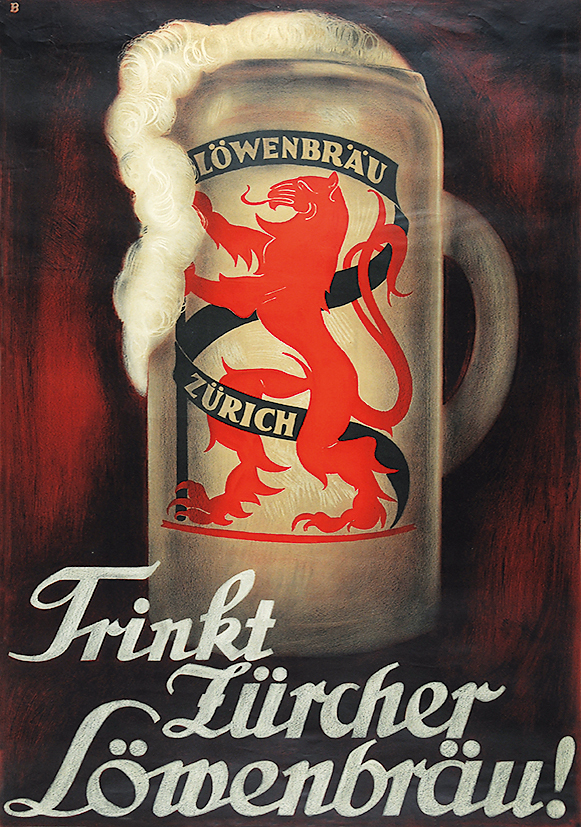
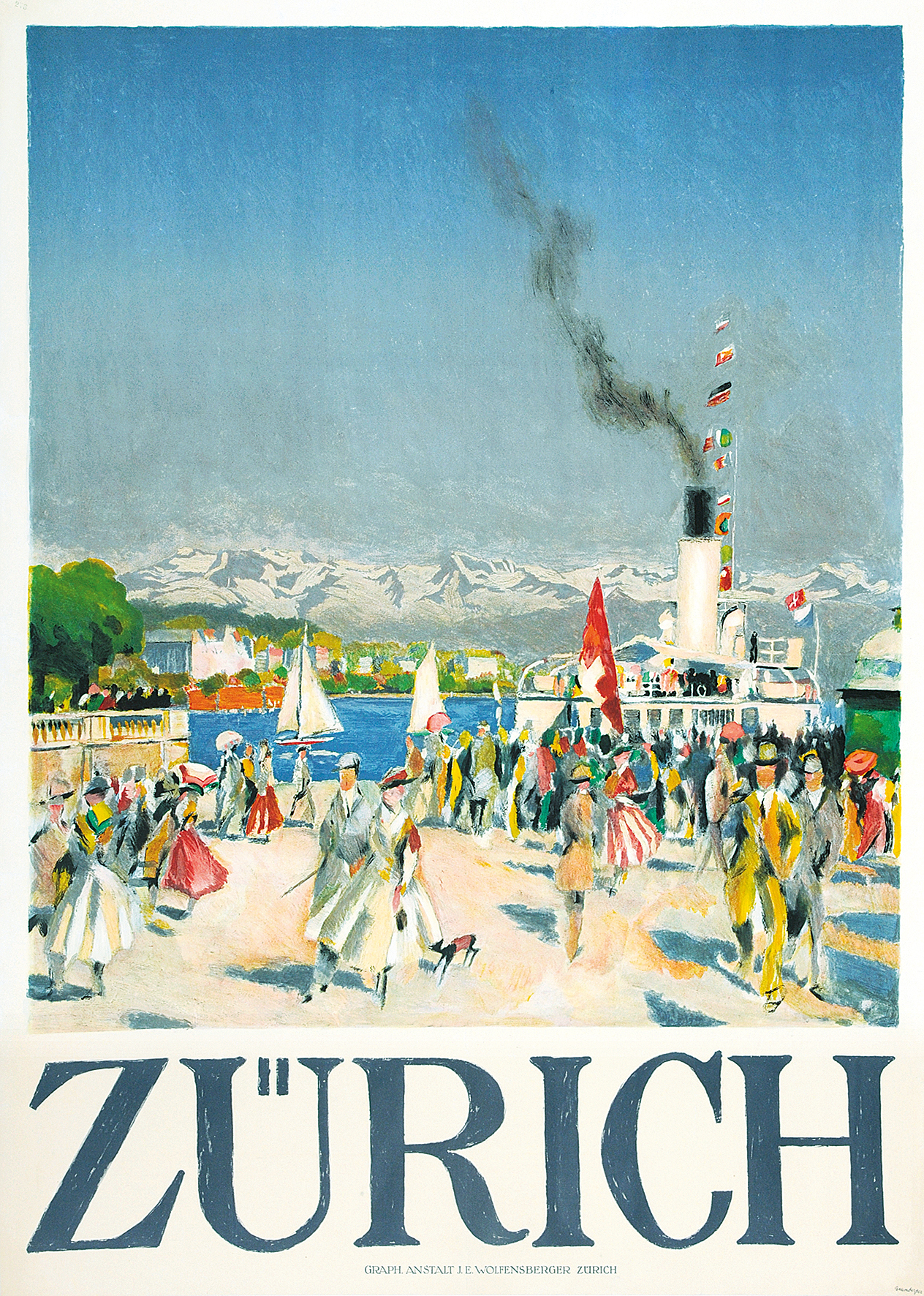
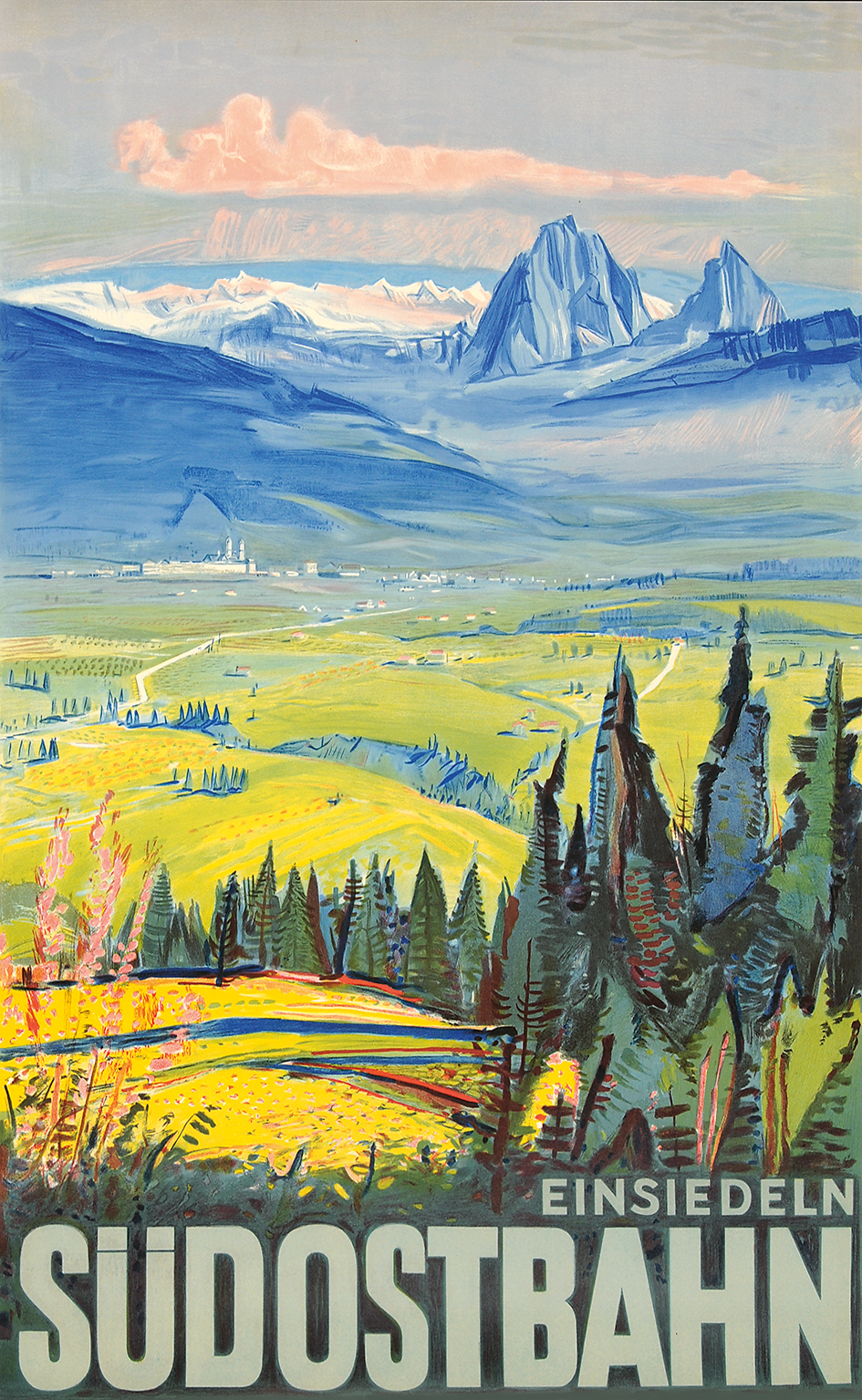
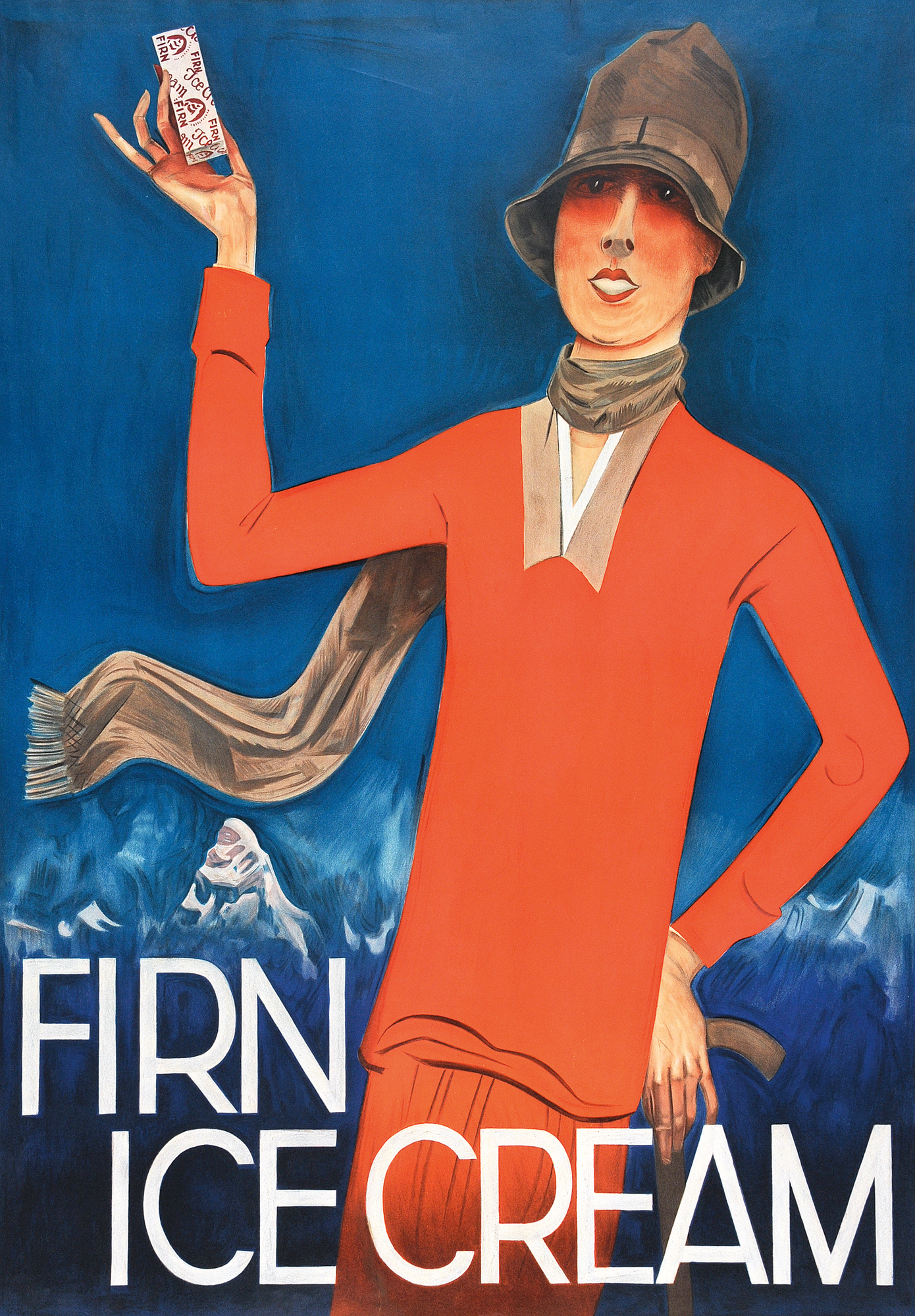
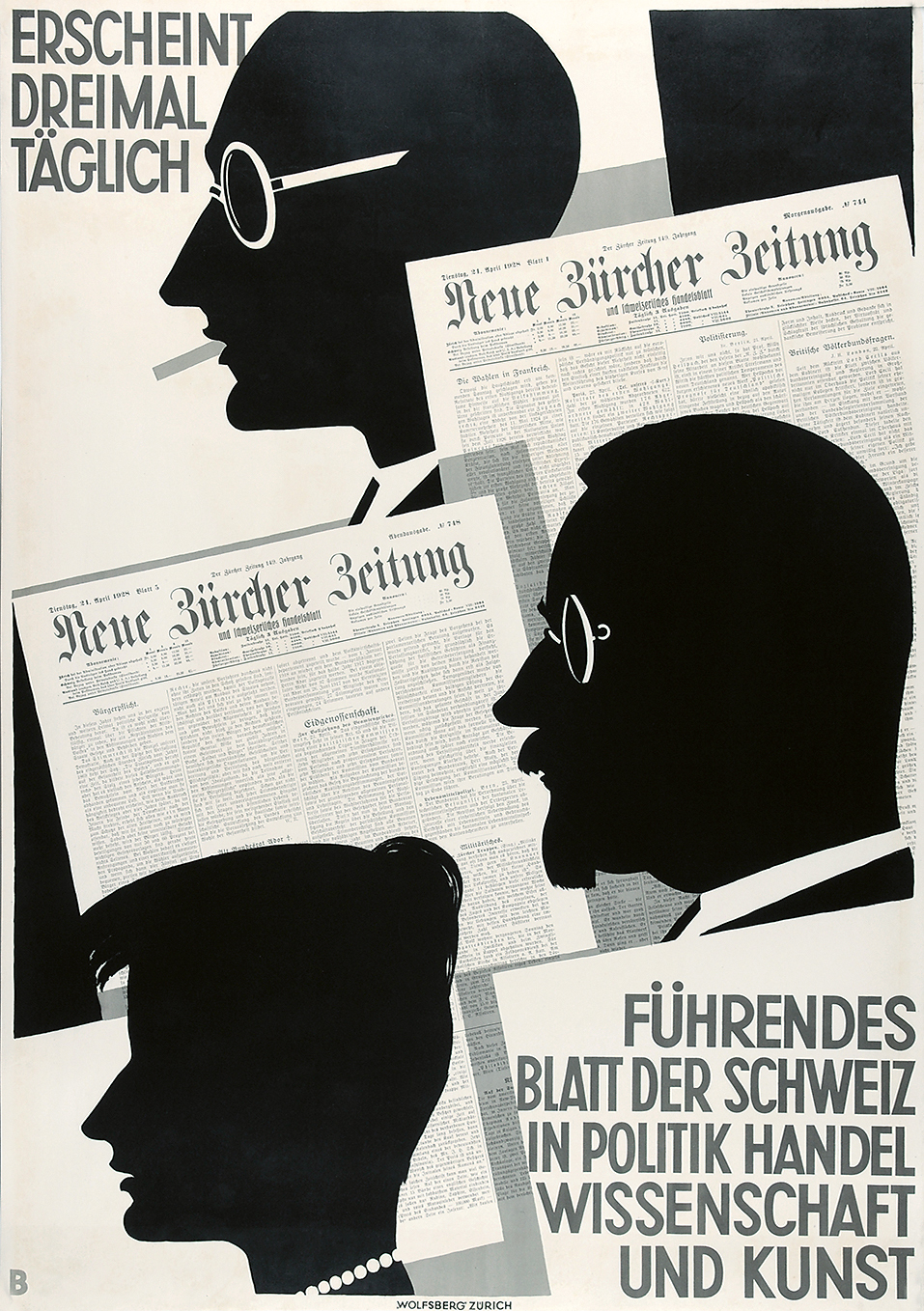
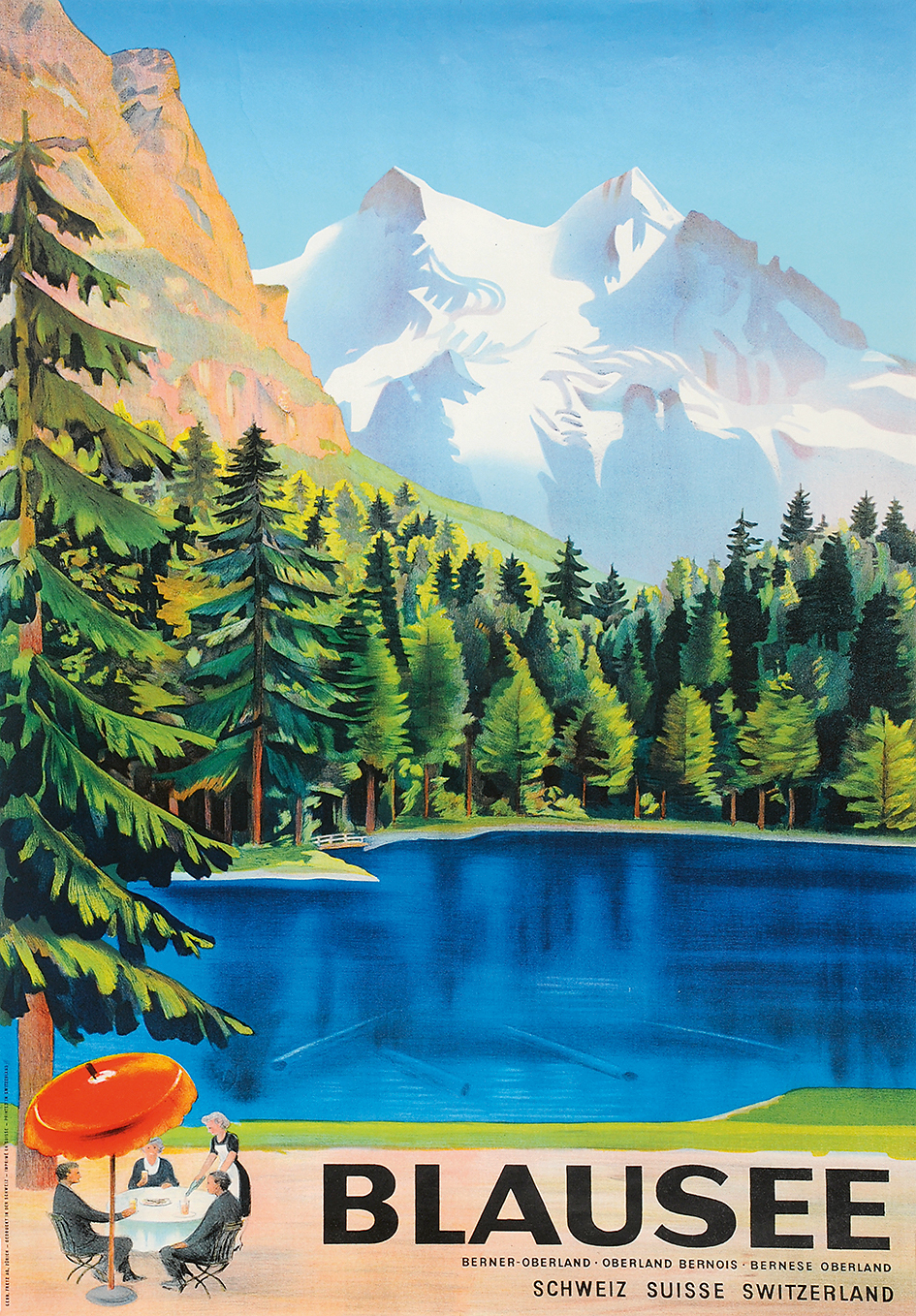
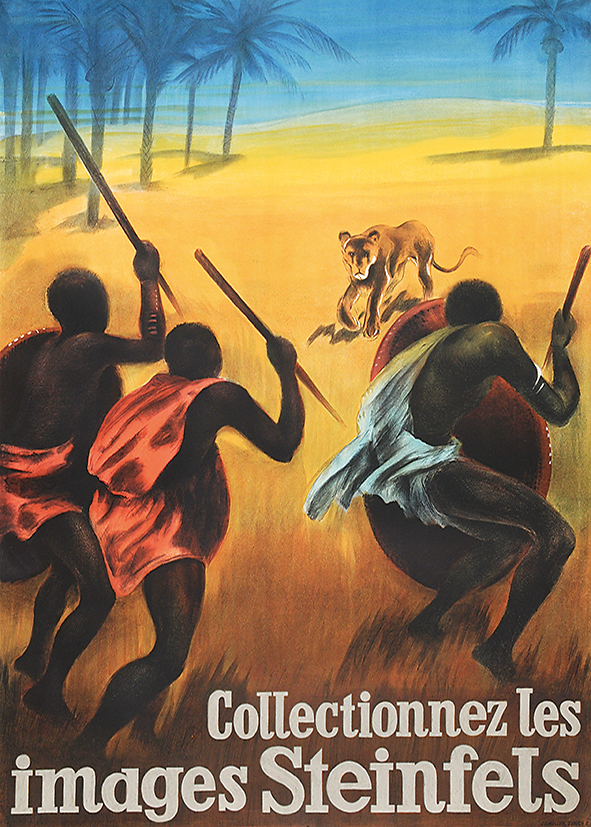
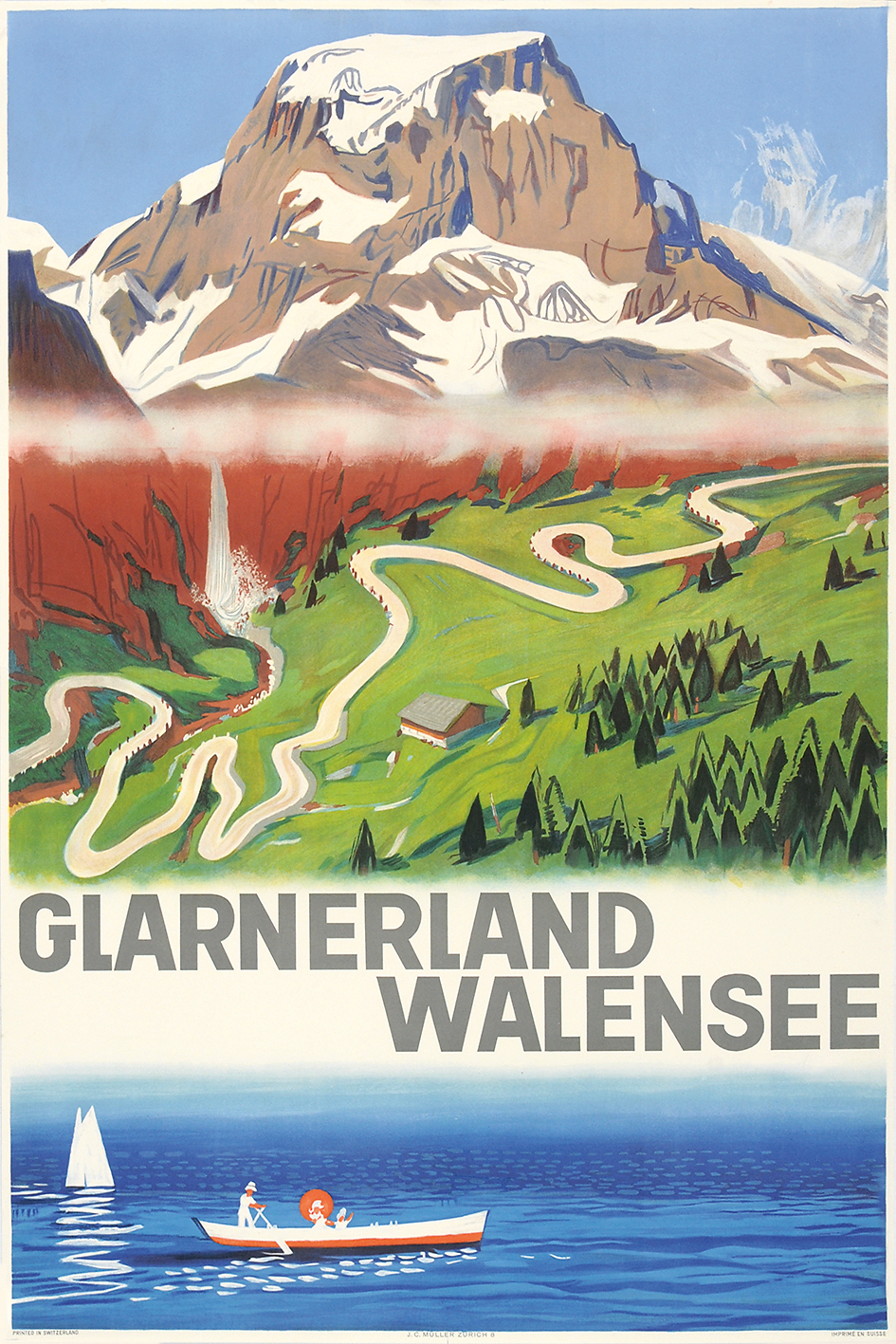
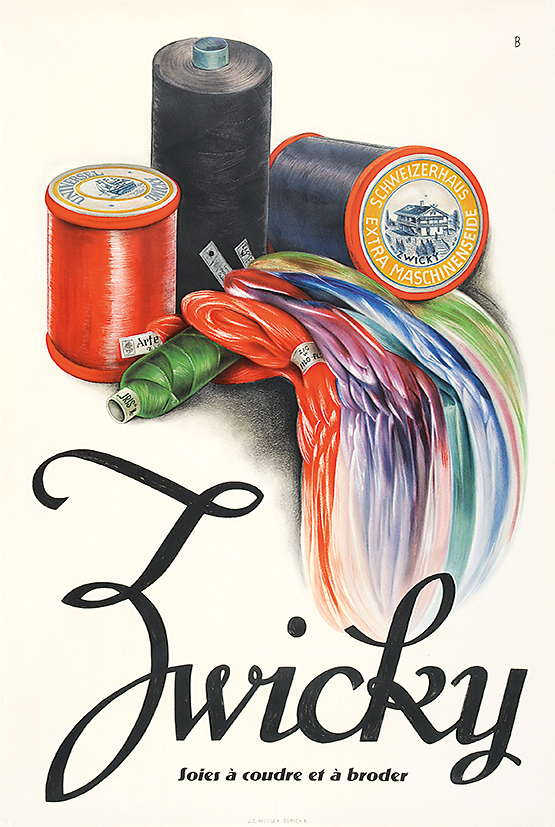
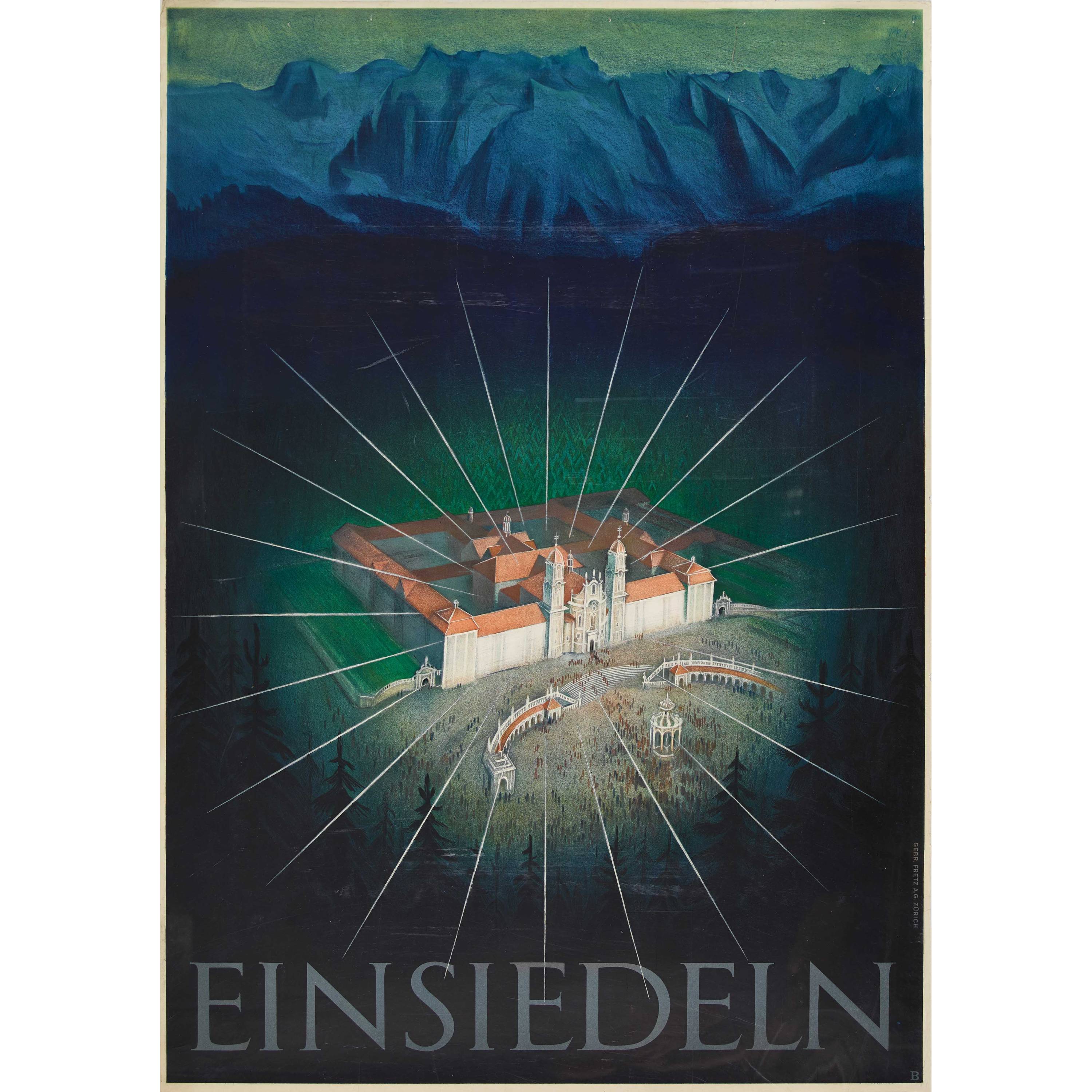
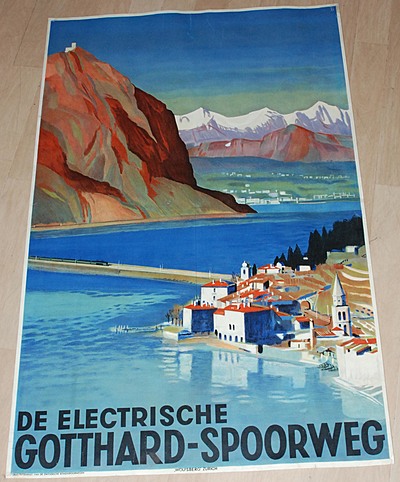
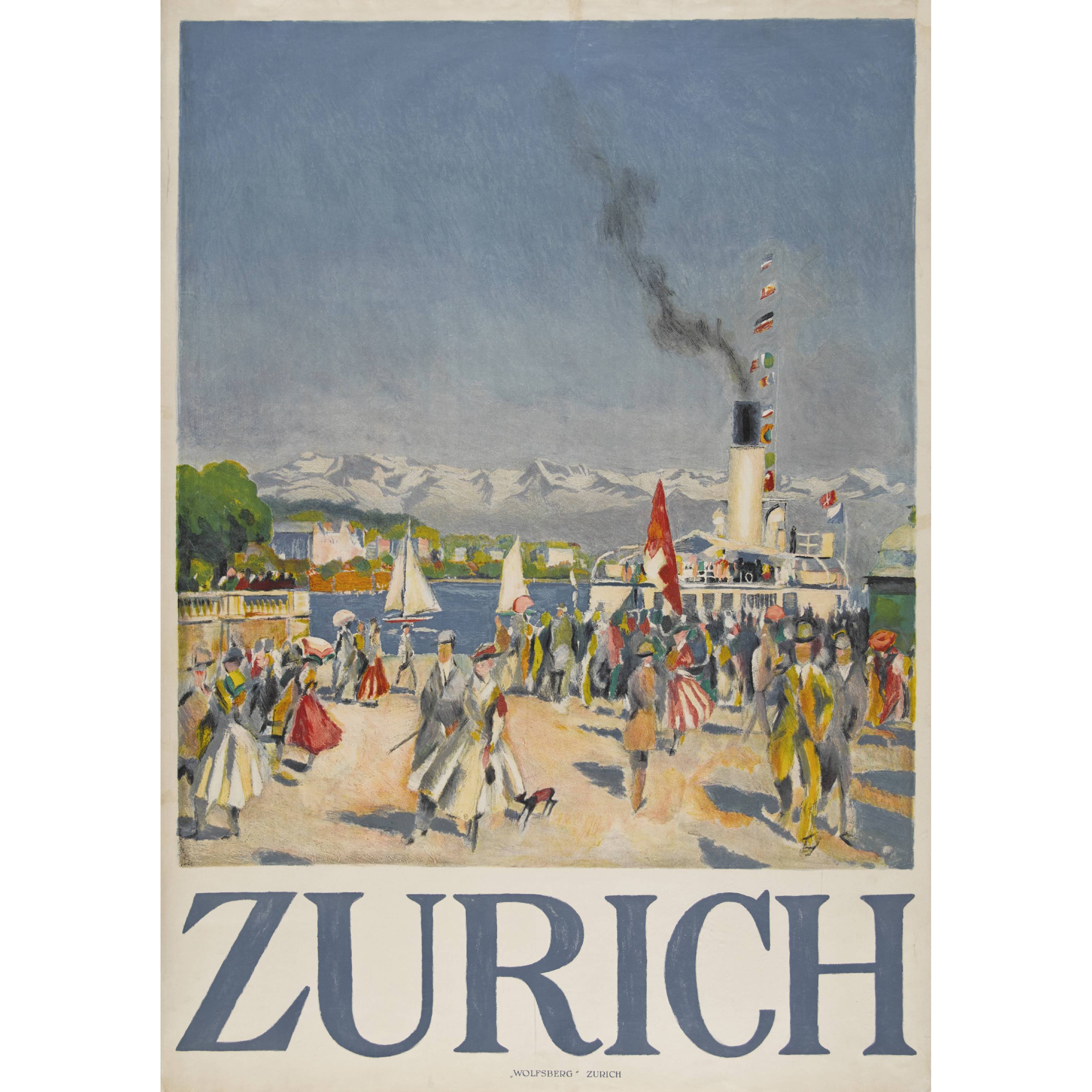
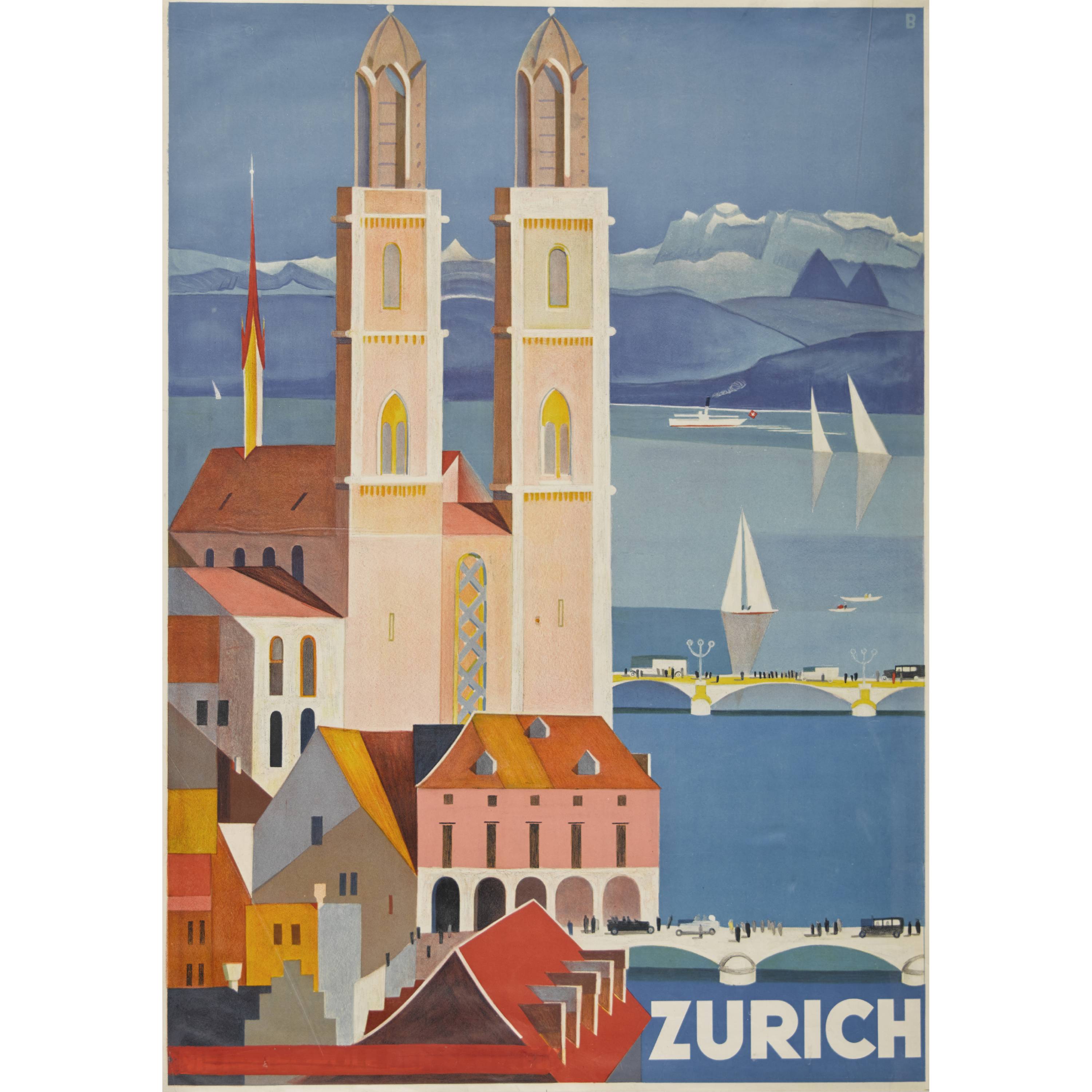
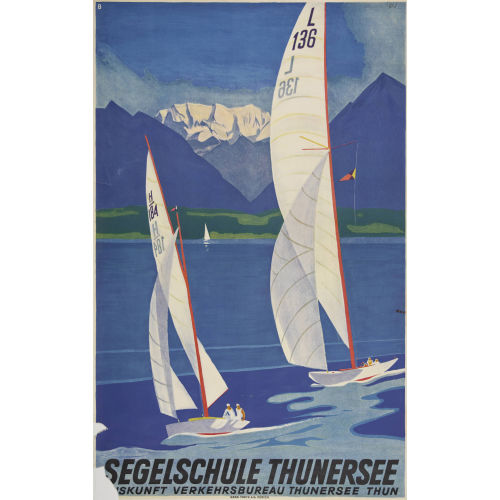
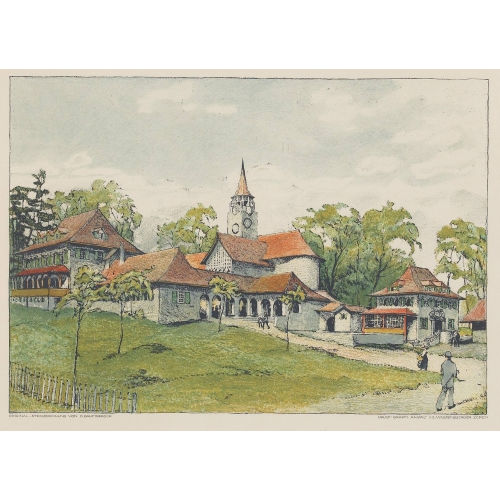
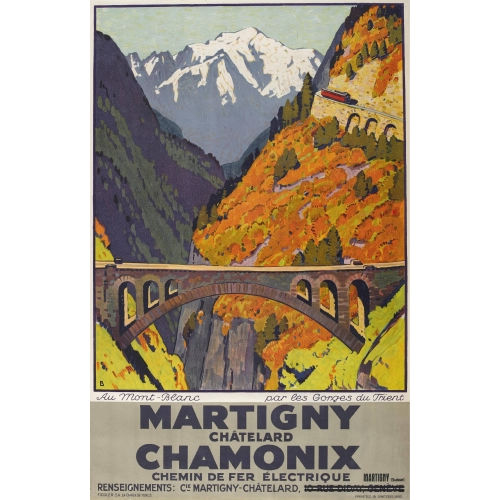
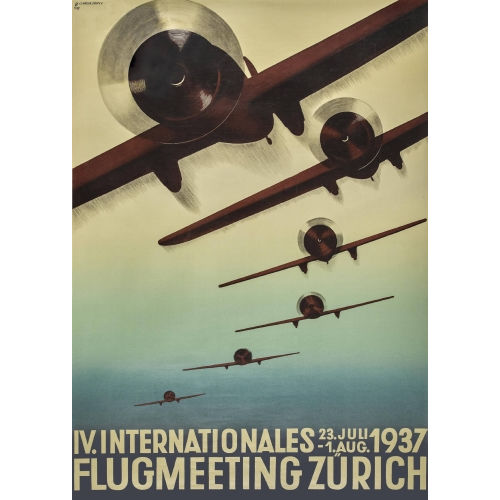
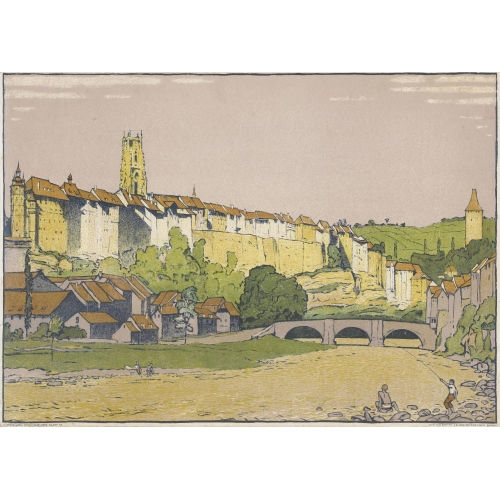
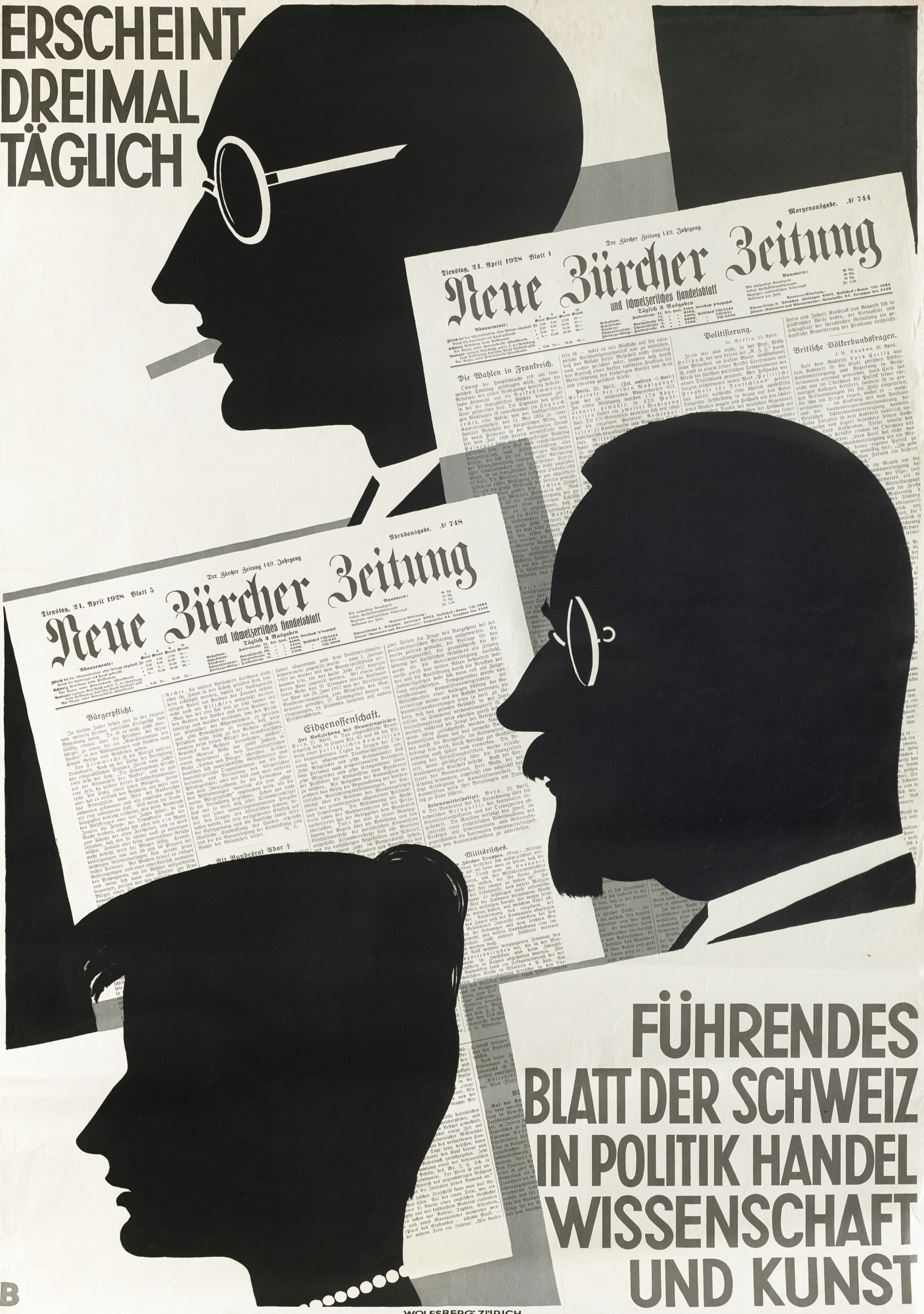
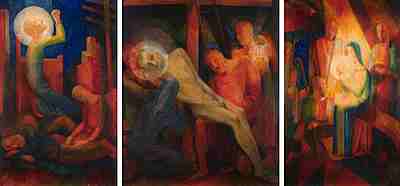
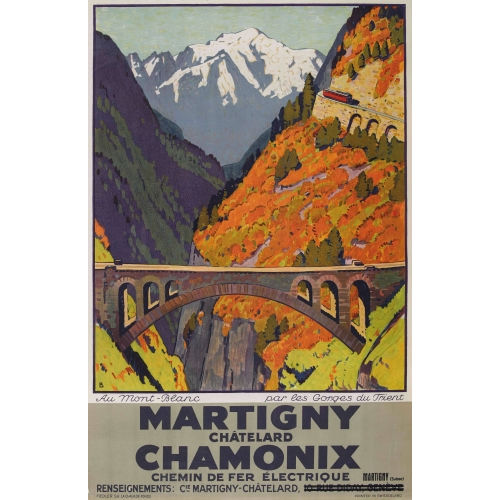
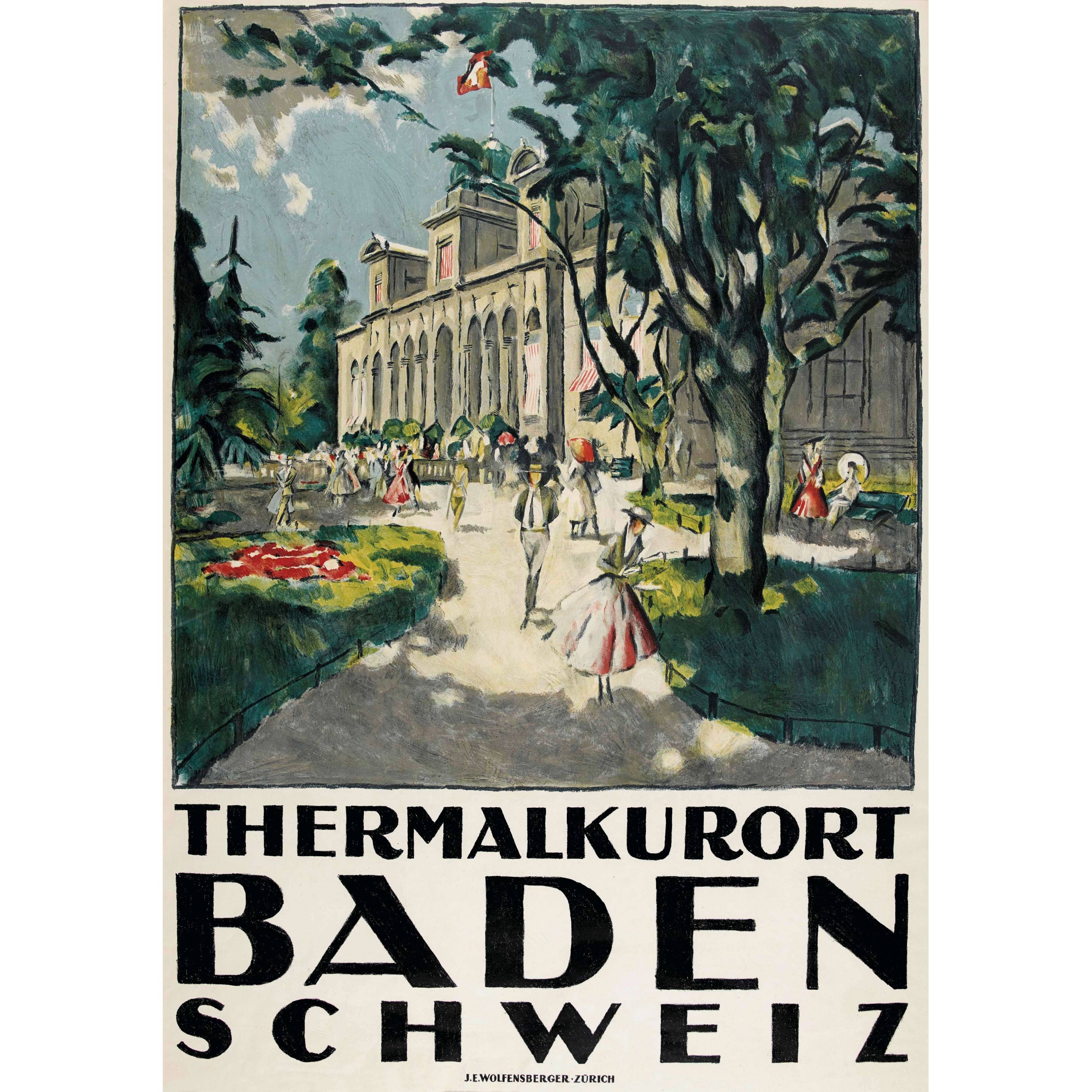
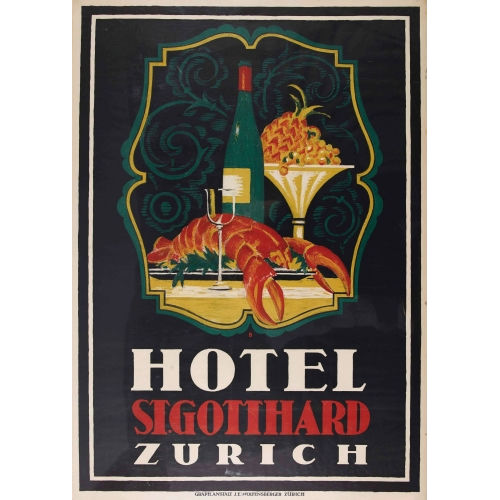
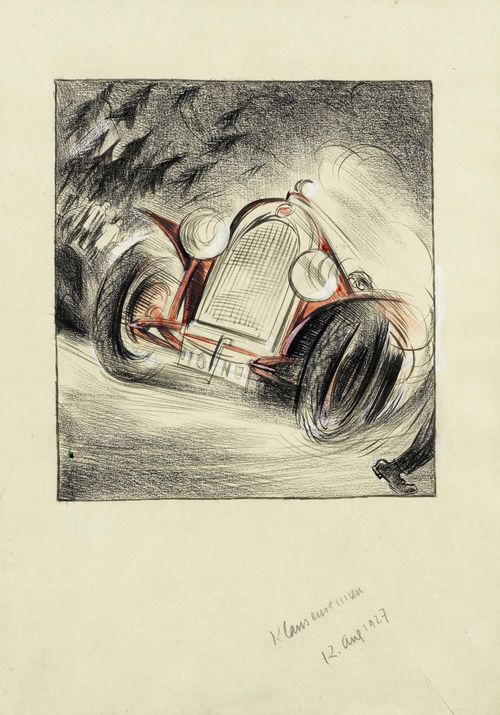
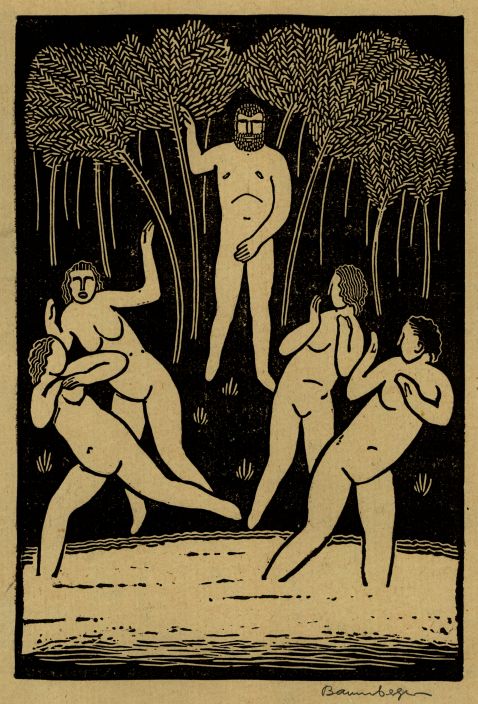
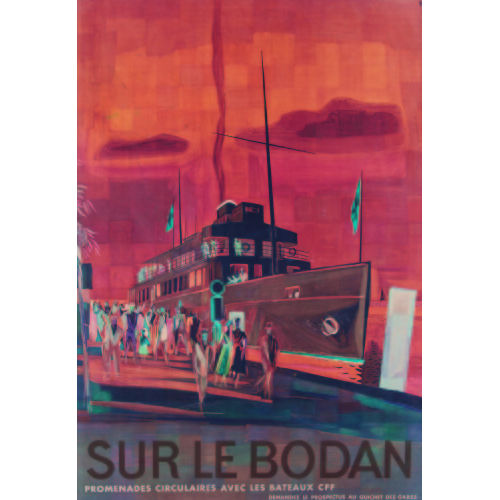
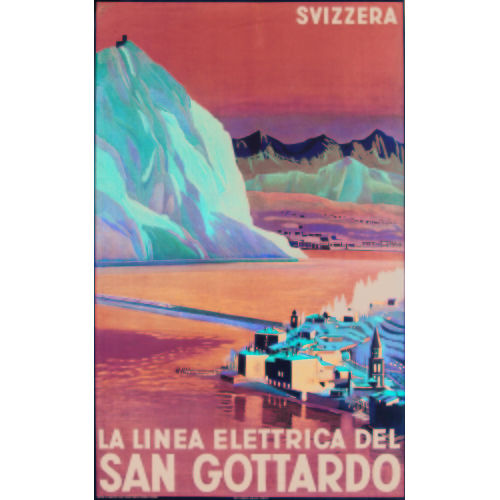
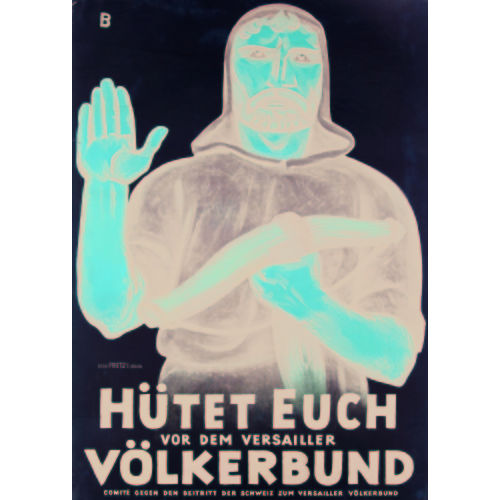
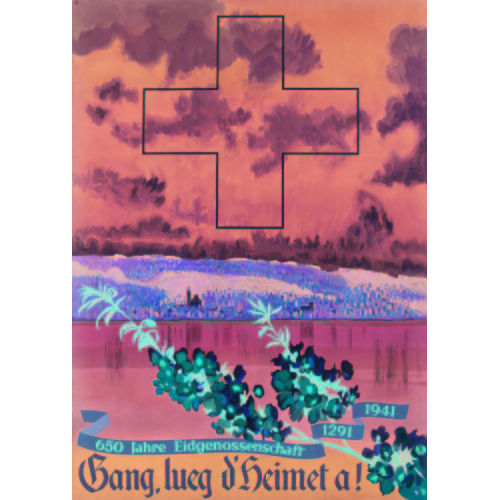
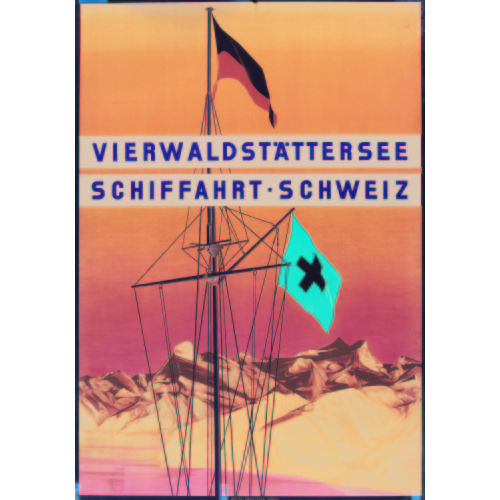
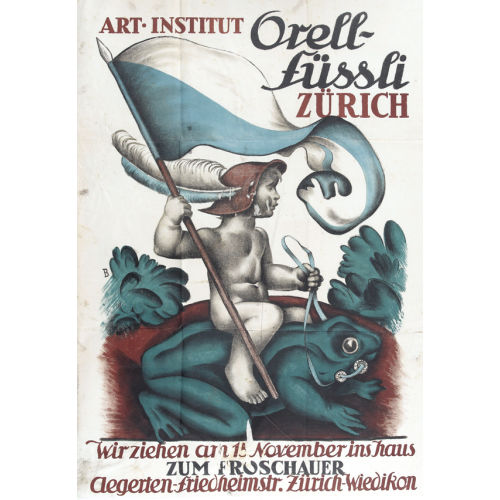
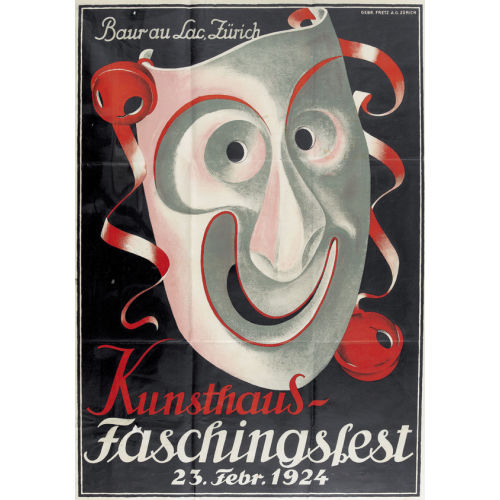
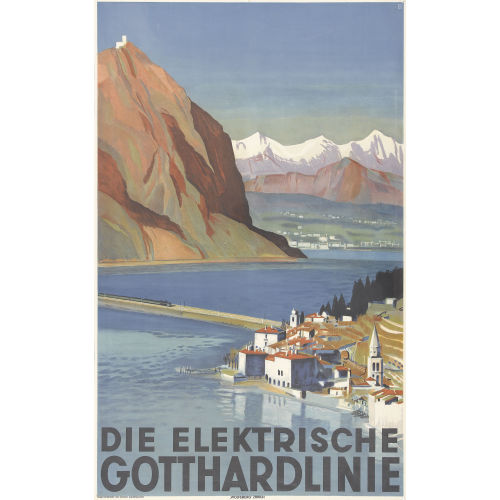
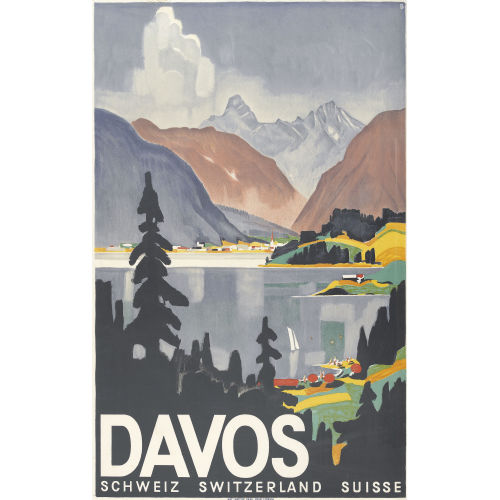
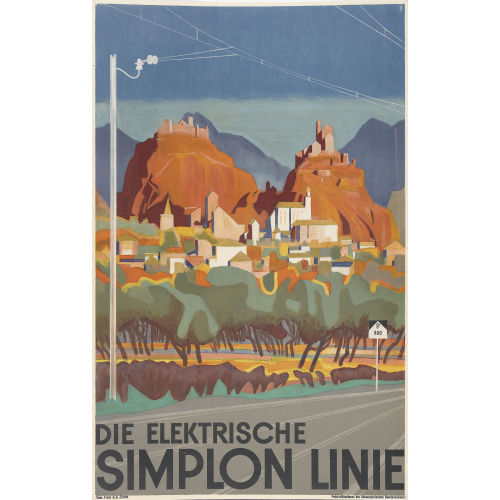
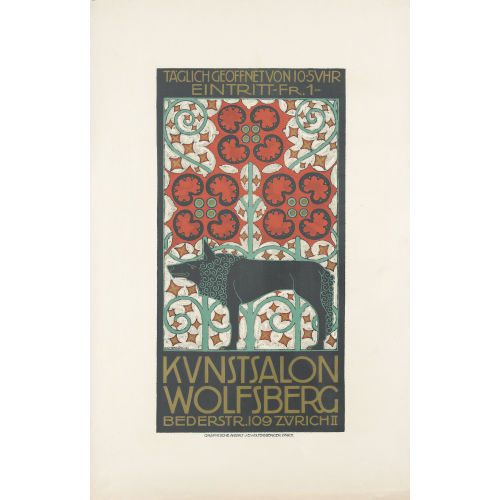
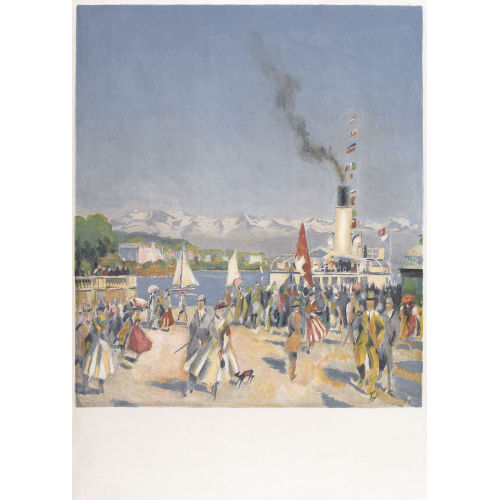
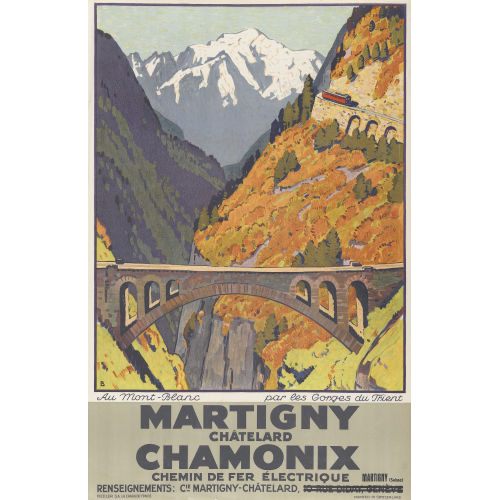
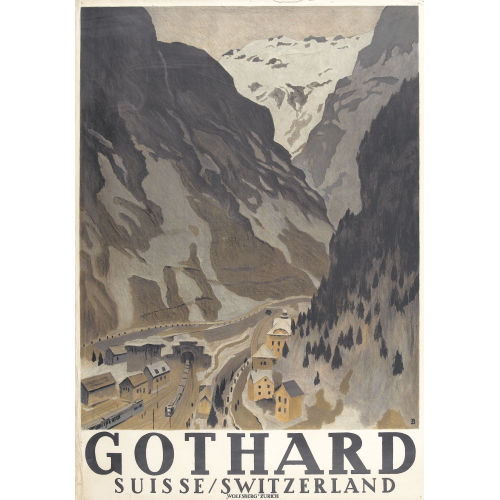
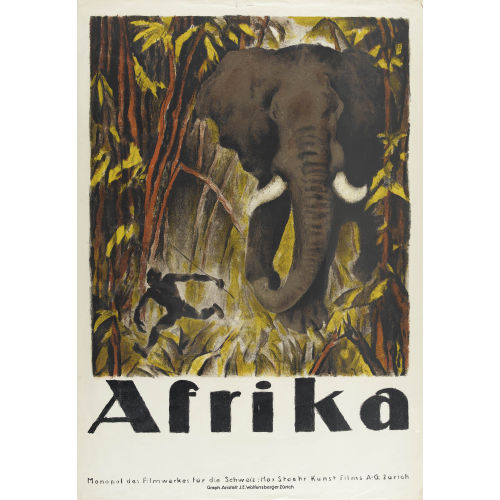
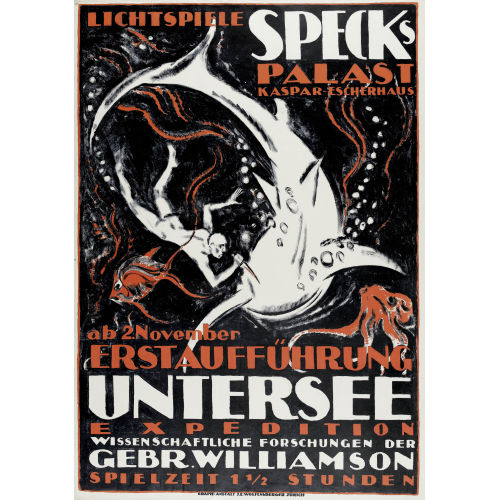
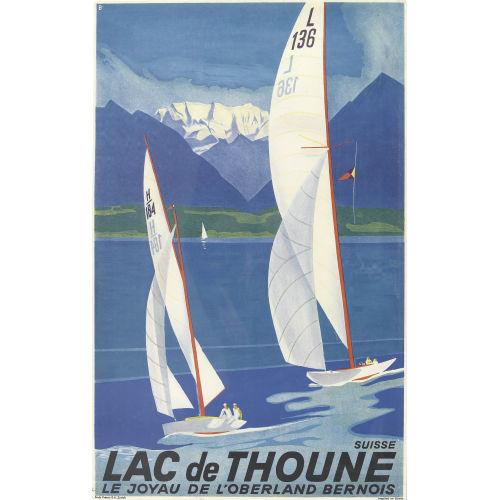
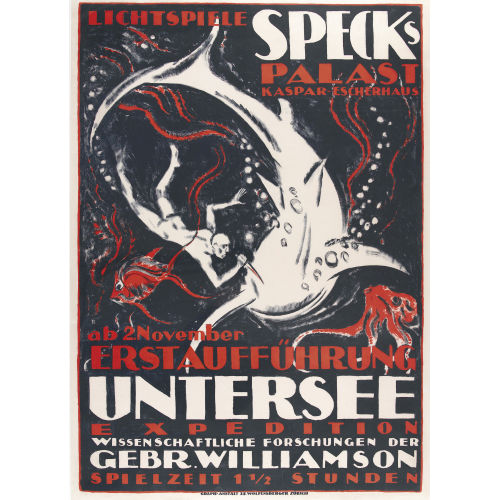
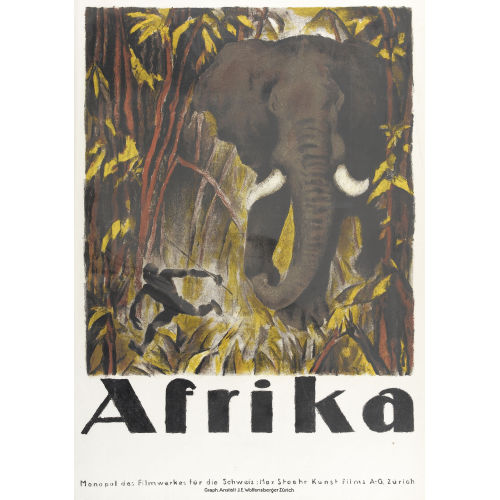
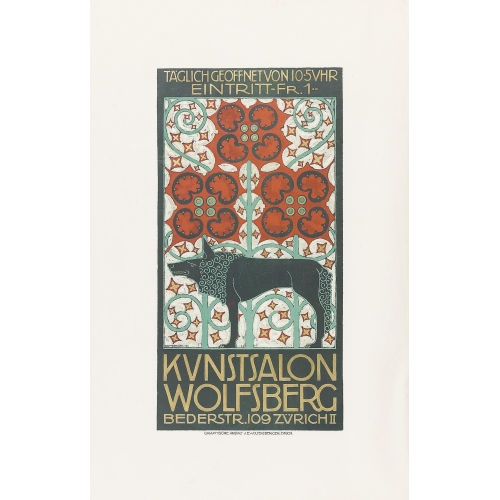
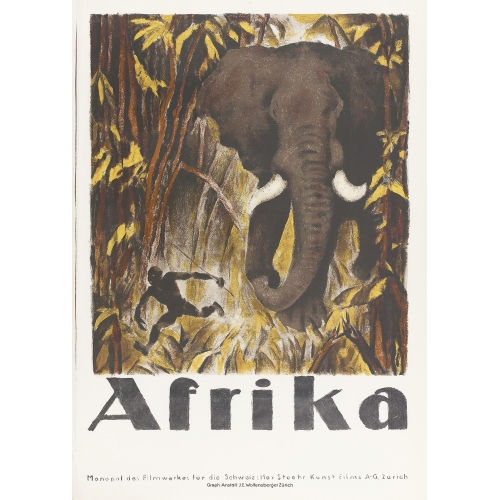
Otto Baumberger (21 May 1889–26 December 1961) is described as a poster artist, painter, and scenographer active in Zurich. He is notably associated with the frieze on the history of Switzerland created for the 1939 Landi, as well as with a substantial body of poster designs—some 230 creations between the 1910s and the 1940s.
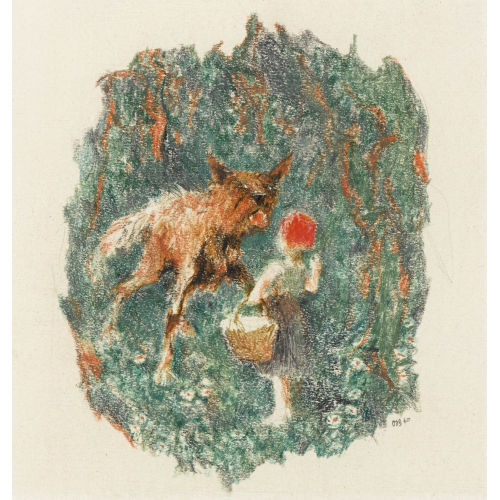
Thanks to a scholarship from the City of Zurich, he studied from 1908 to 1910 at the Kunstgewerbeschule and the Akademie der Bildenden Künste in Munich, followed by the Académie Colarossi in Paris. Upon his return, he joined the Kunstsalon Wolfsberg in 1911 as a draughtsman and subsequently as artistic director, an experience connected with his lithographic practice. From 1913 until the beginning of the First World War, he worked as an independent graphic designer in Paris, before resuming independent work in Zurich in the service of the major local printing houses.
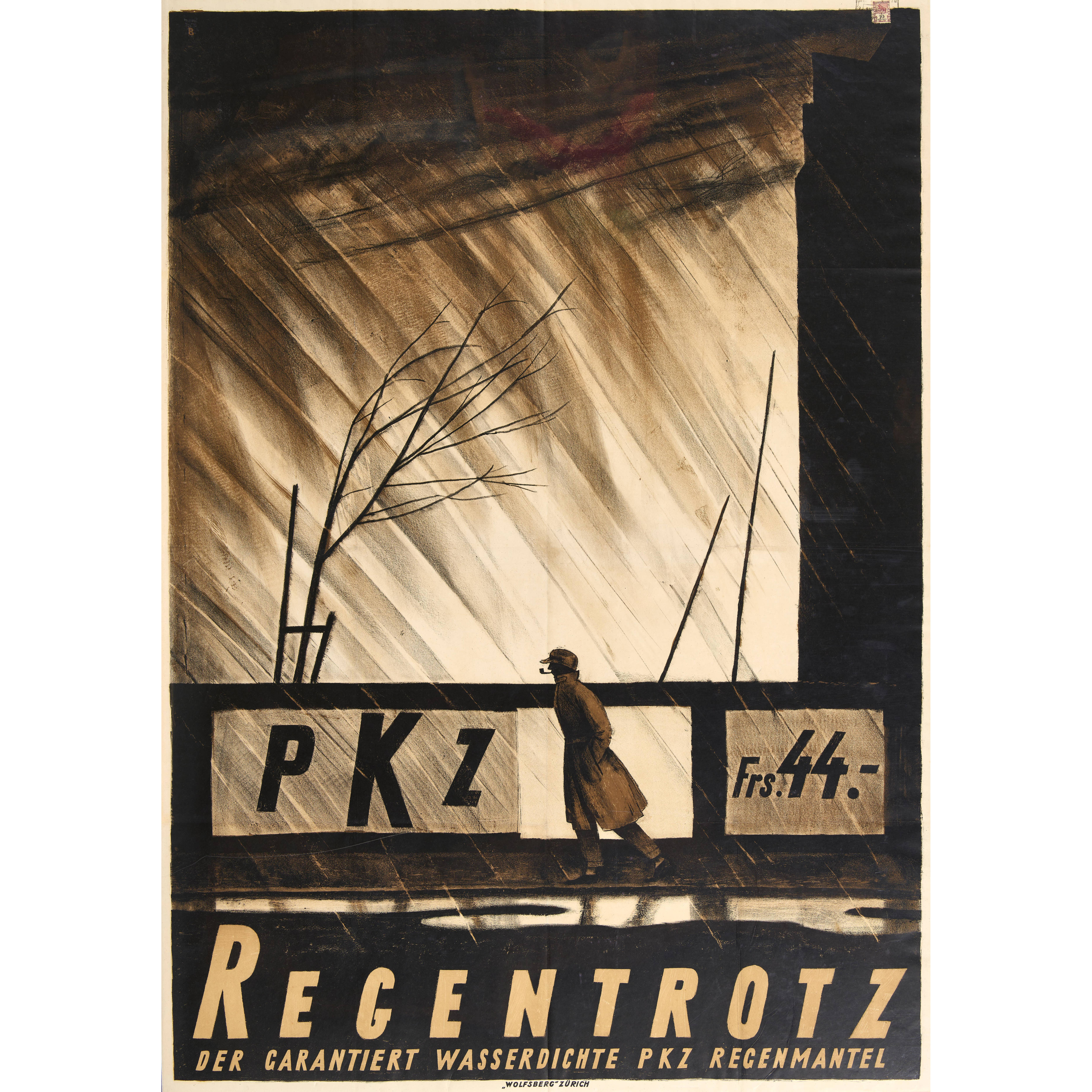
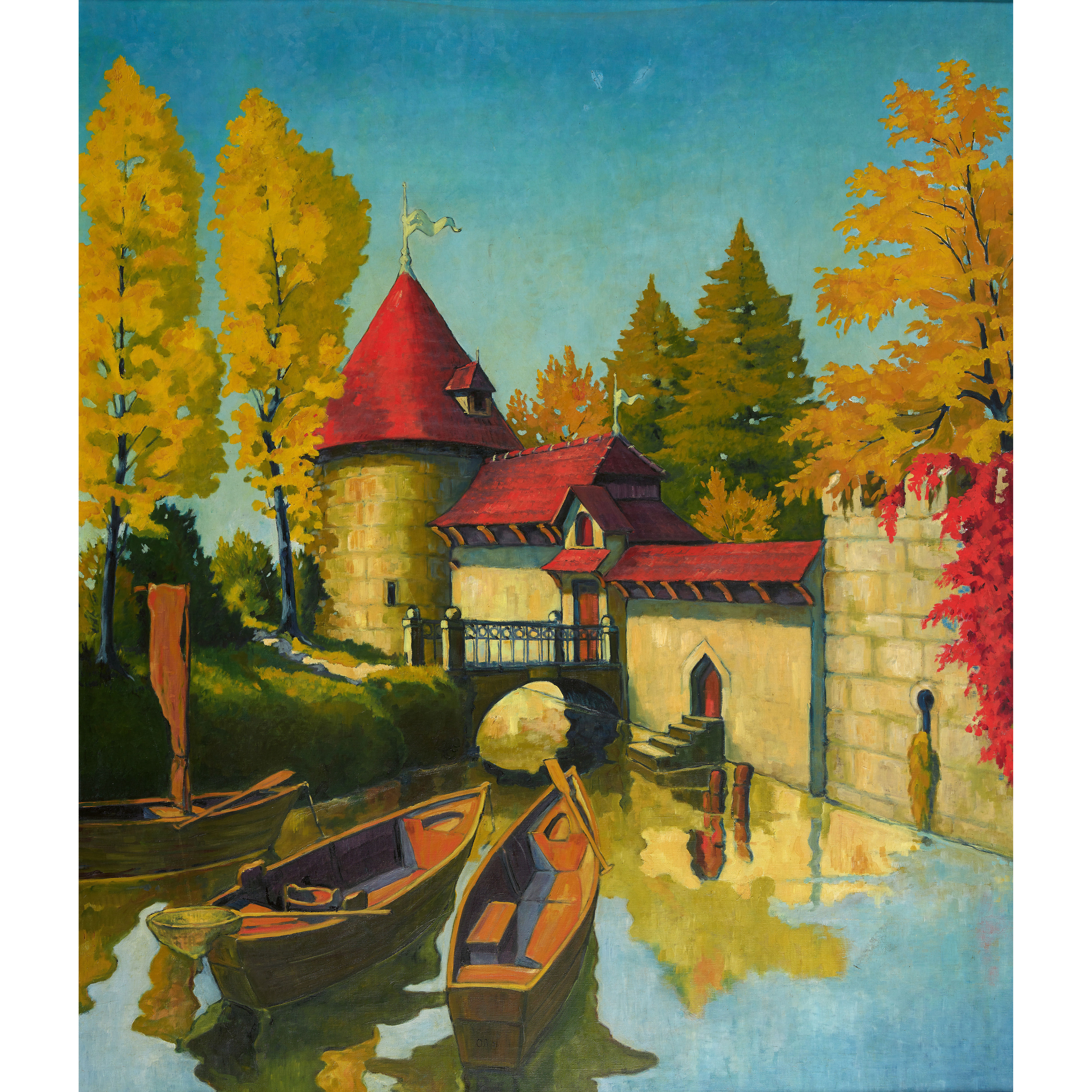
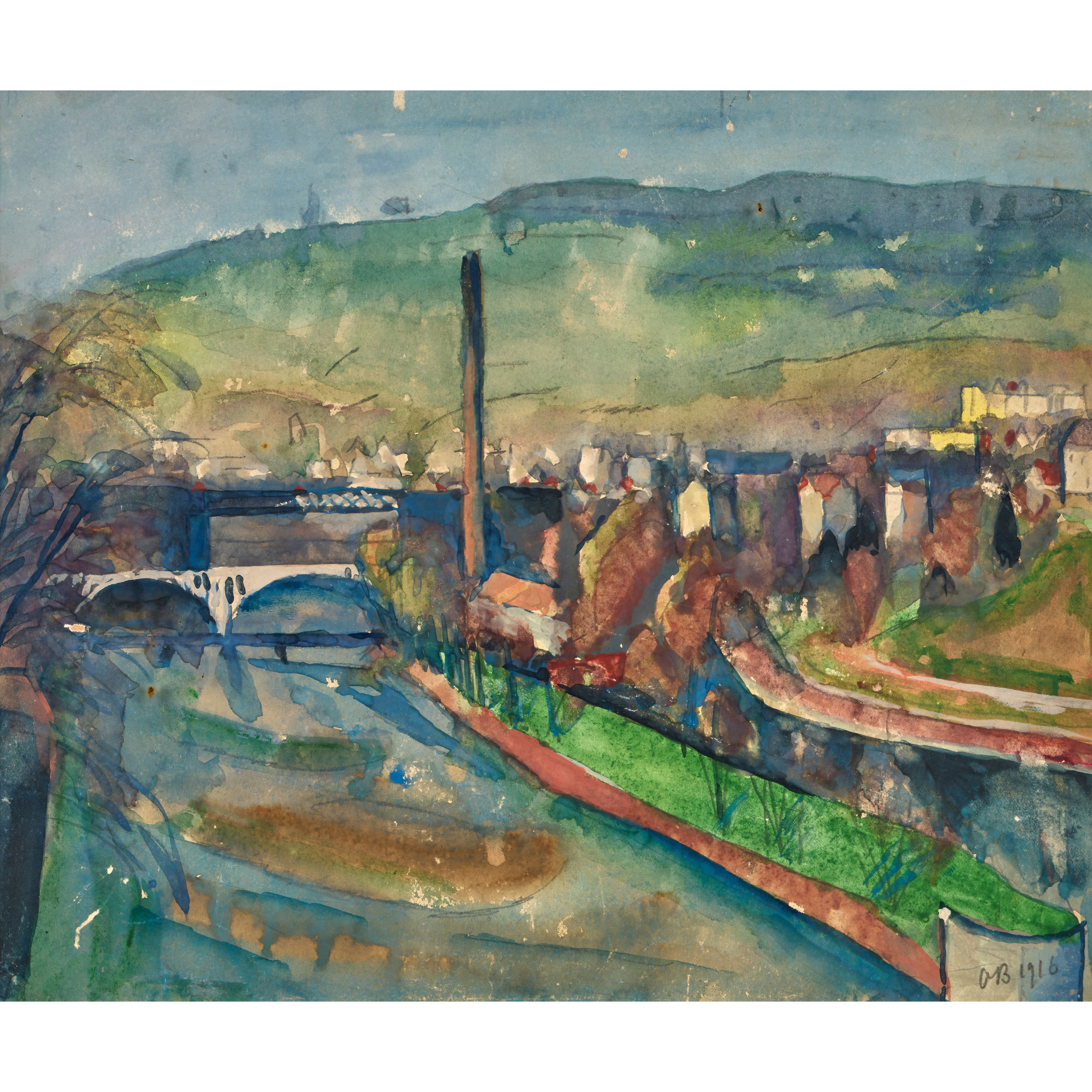
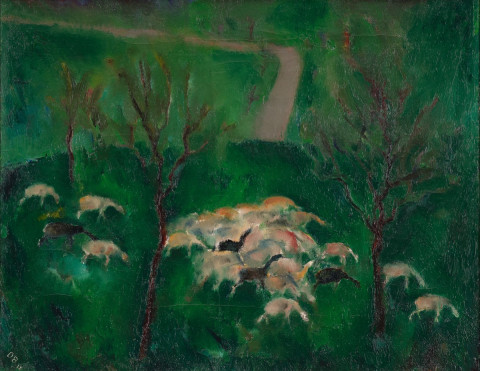
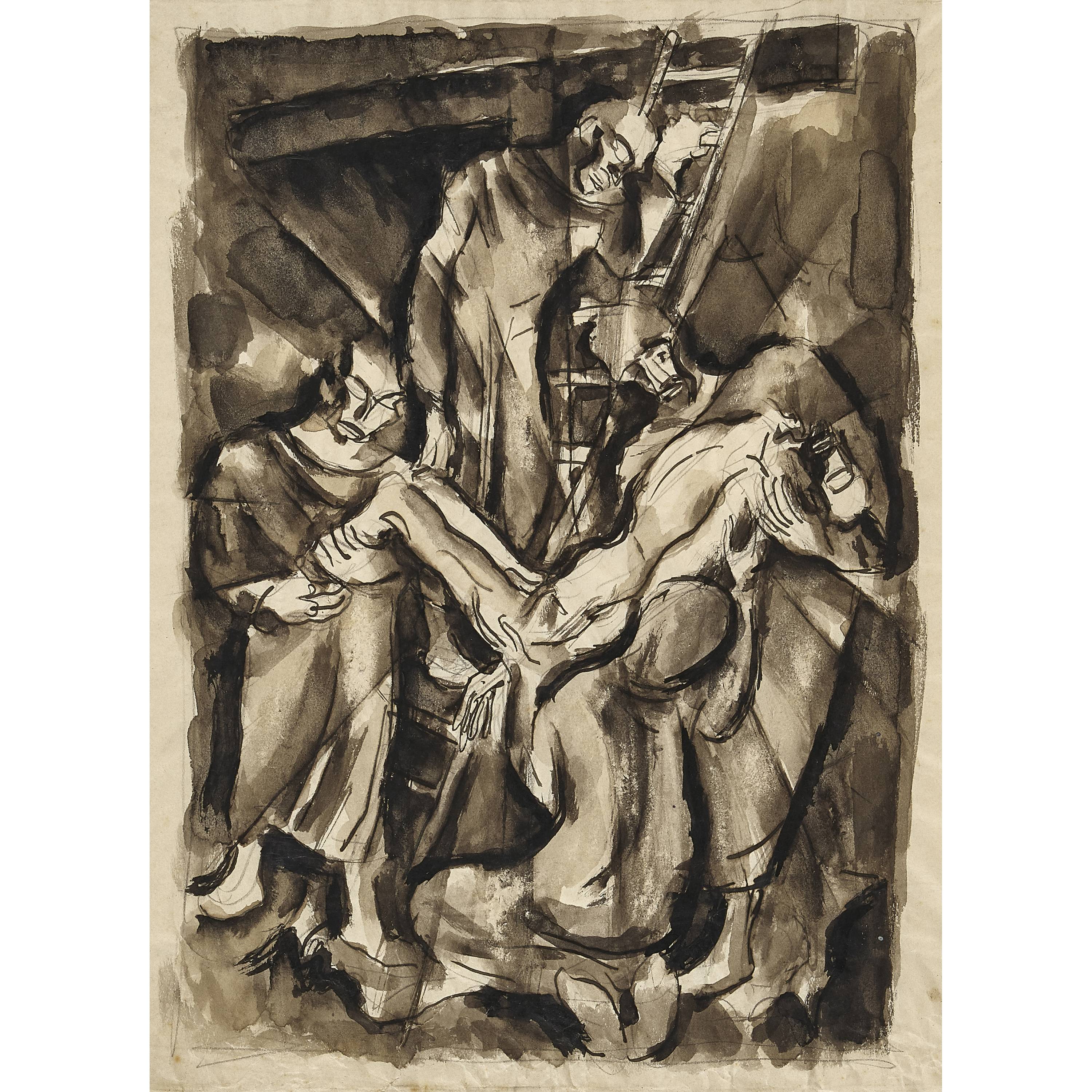
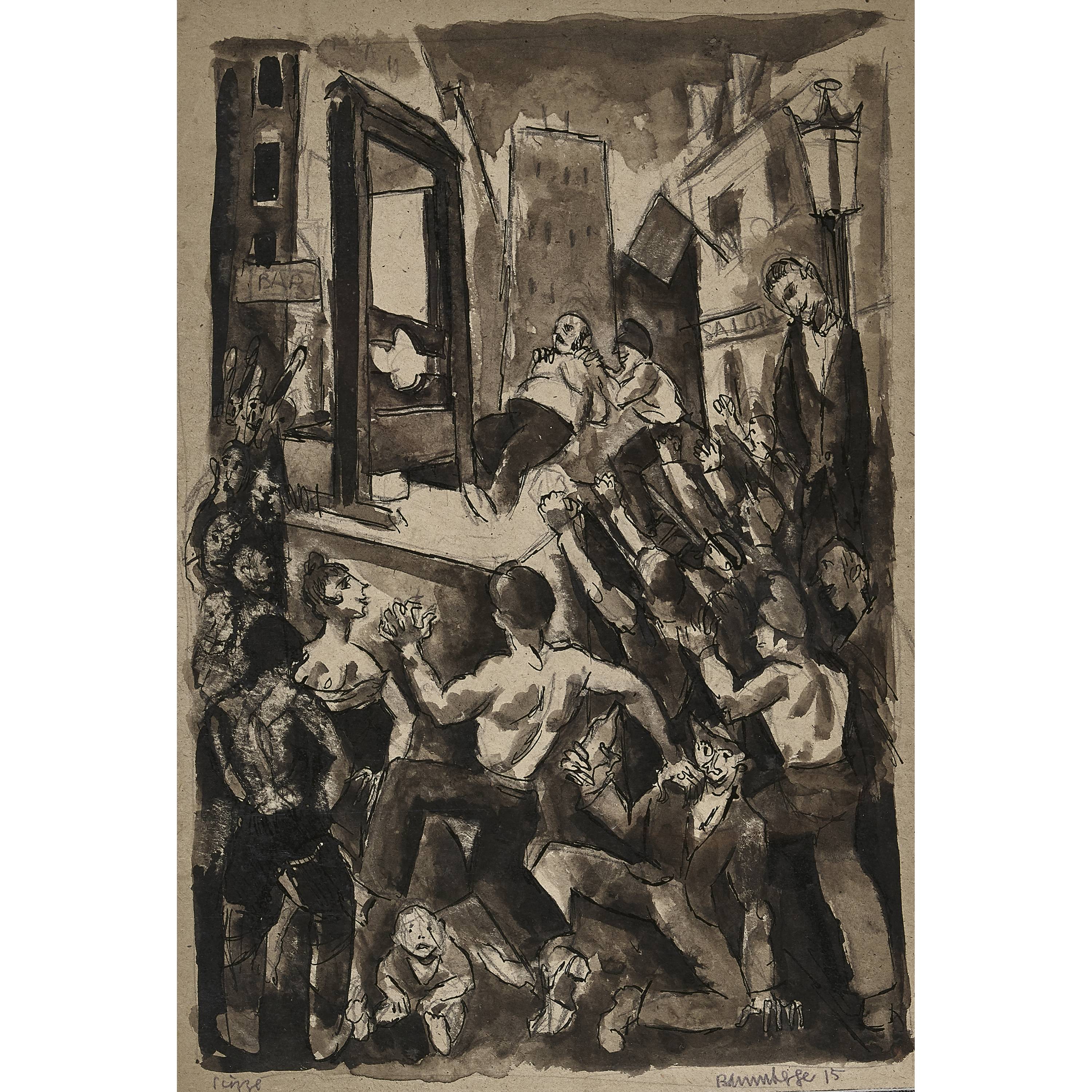
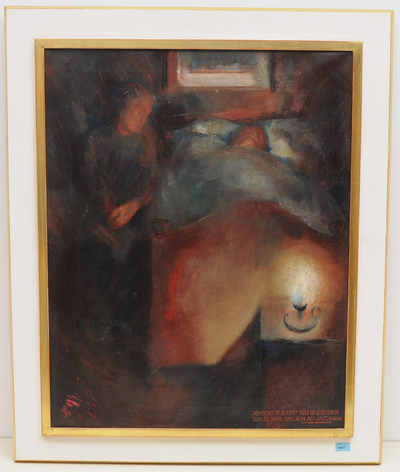
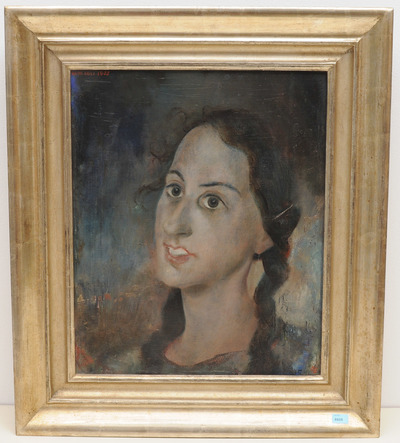
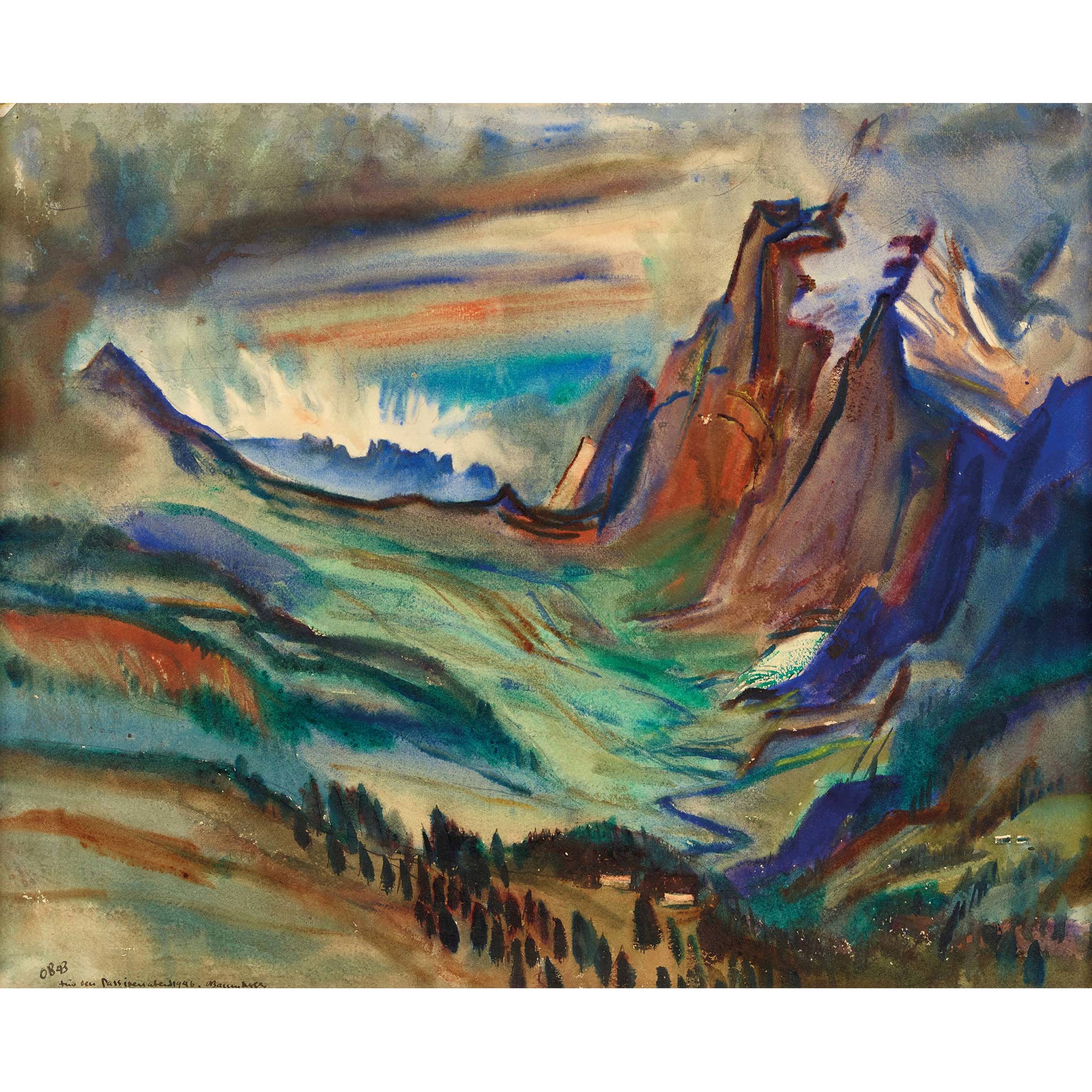
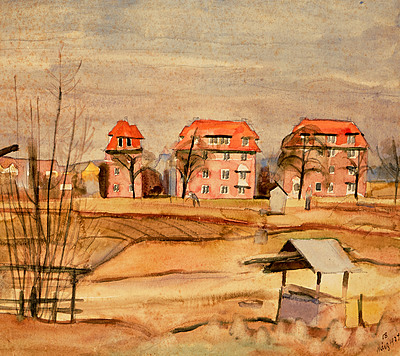
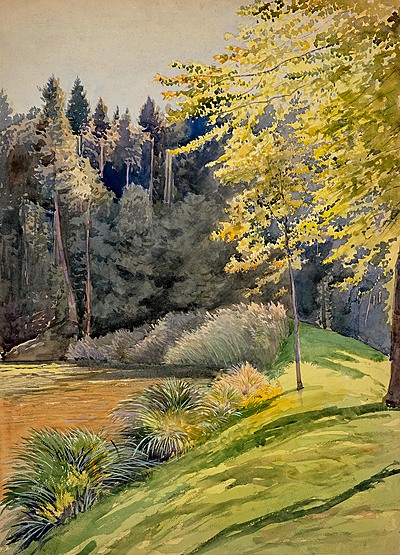
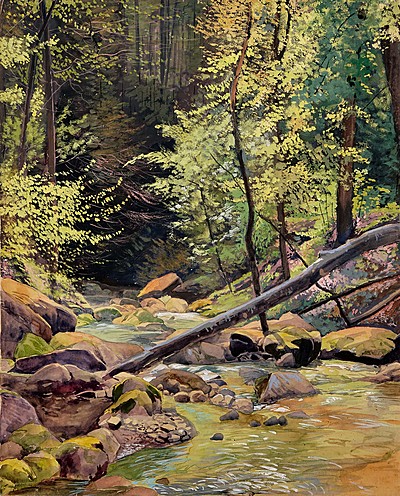
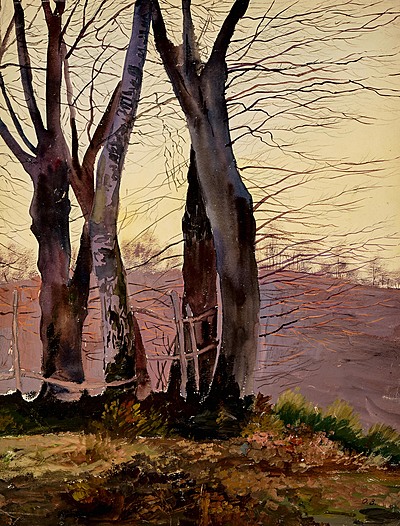
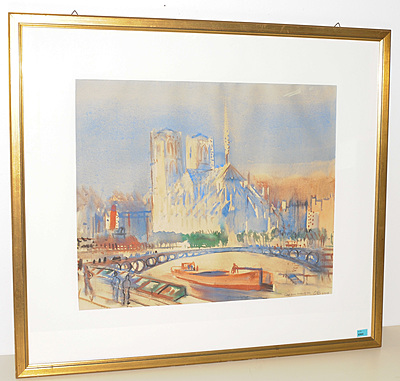
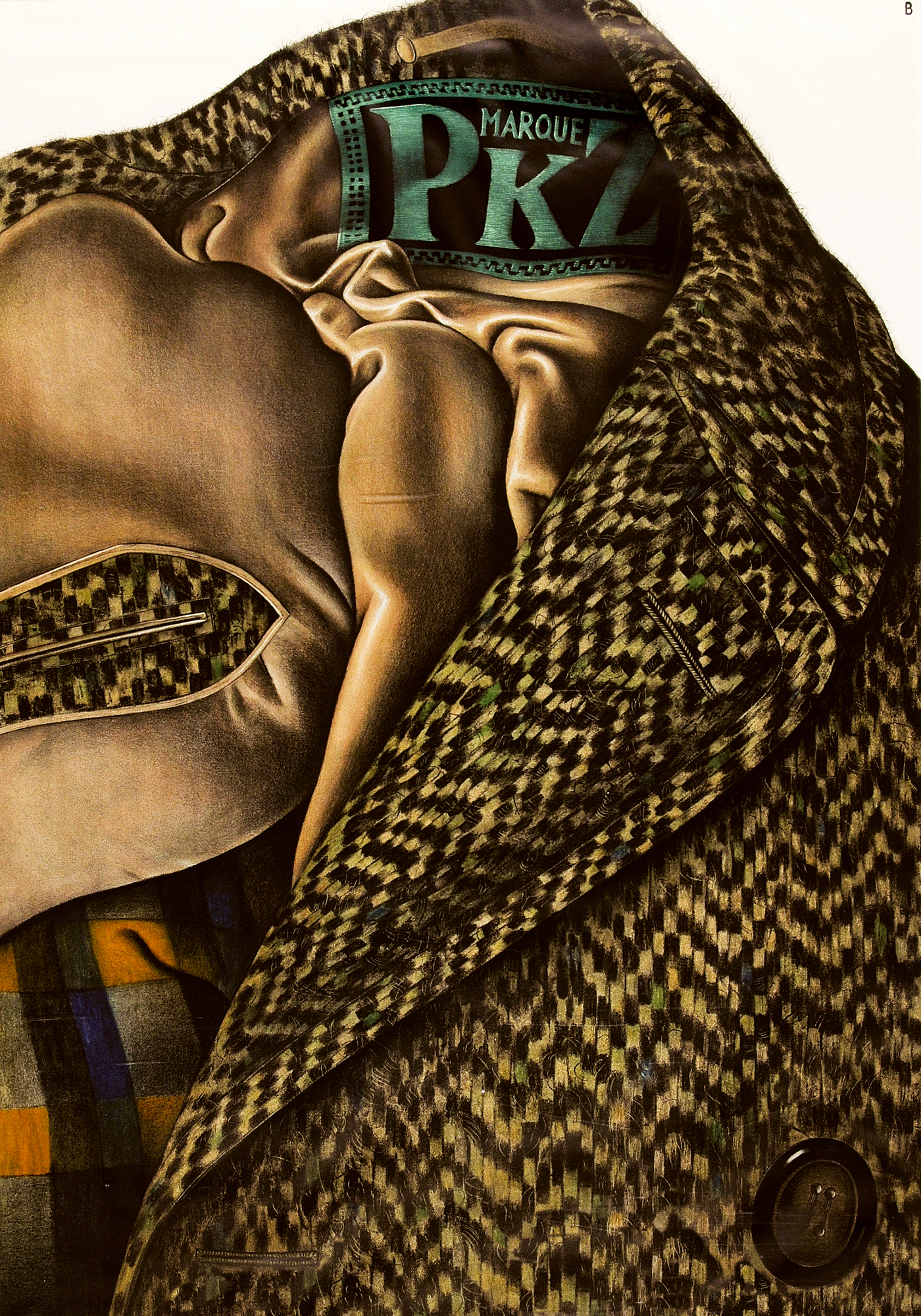
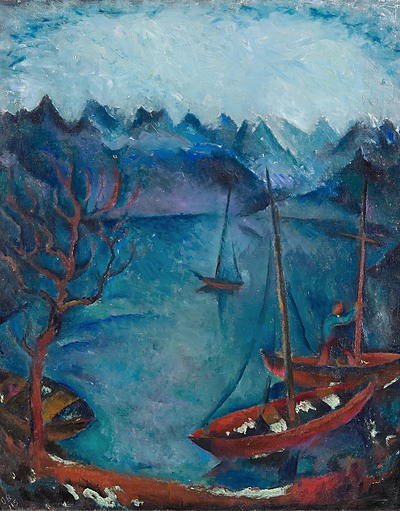
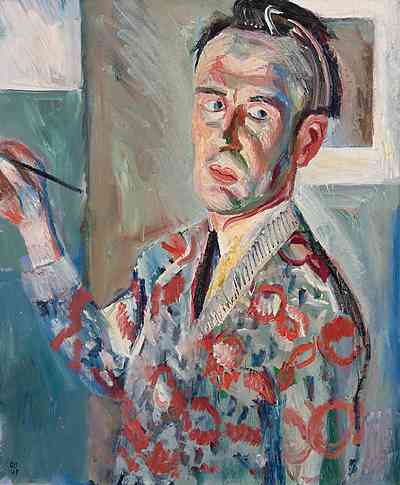
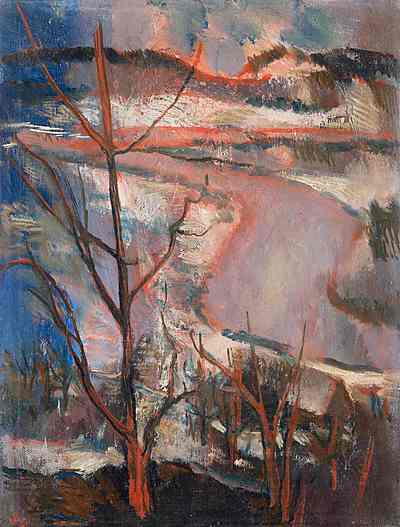
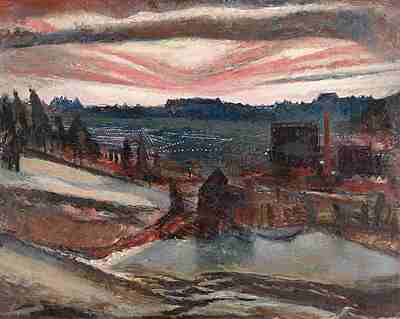
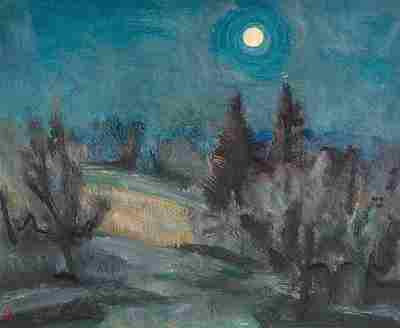
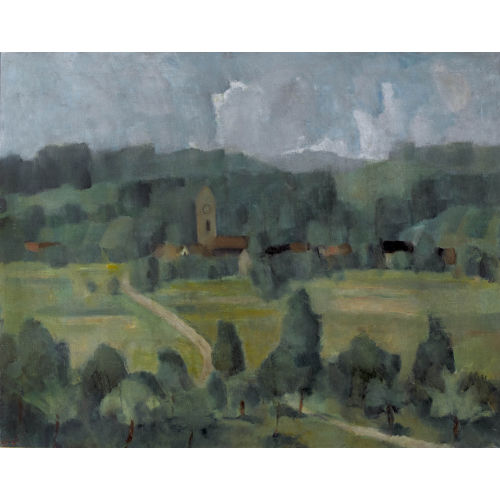
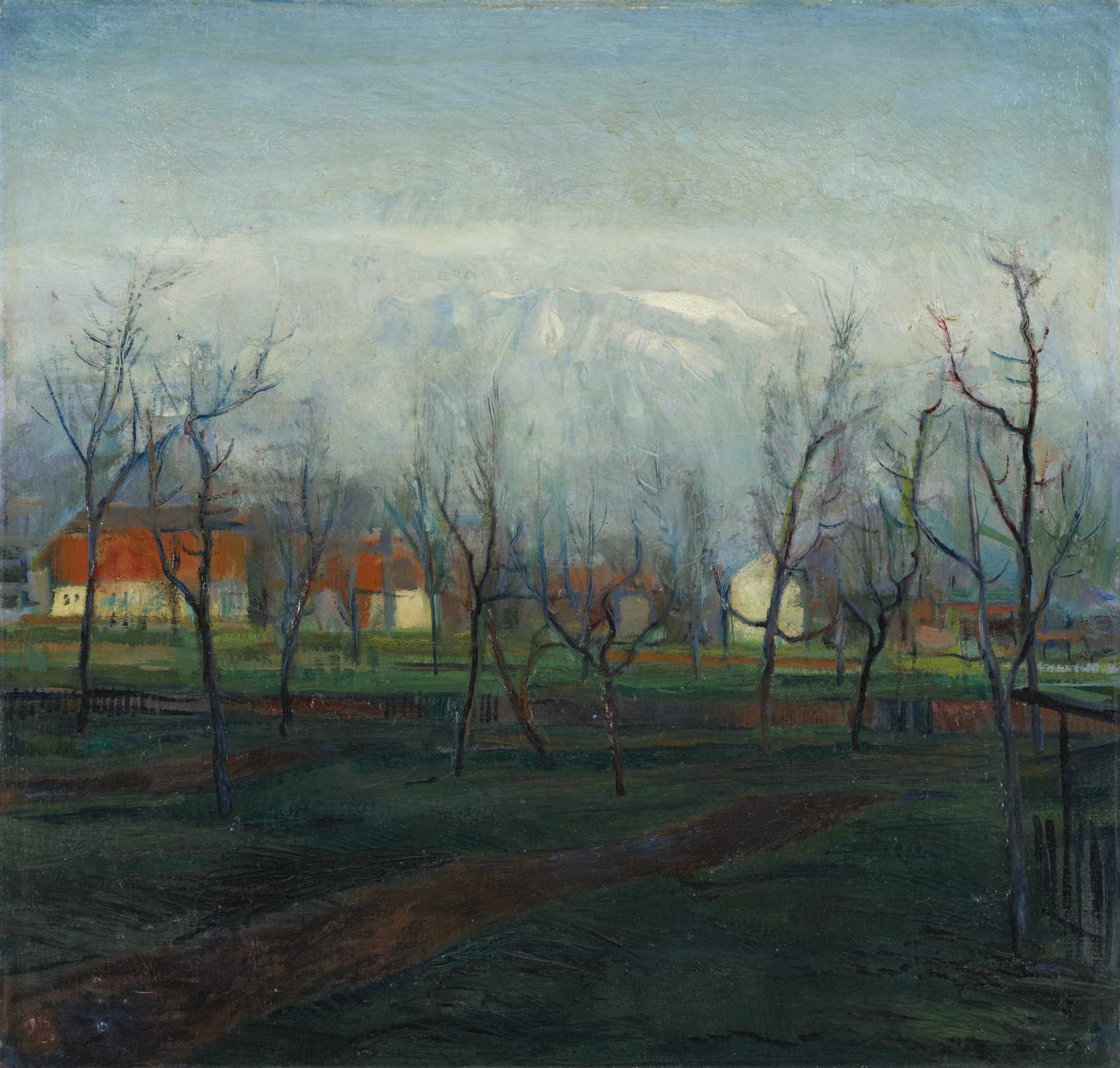
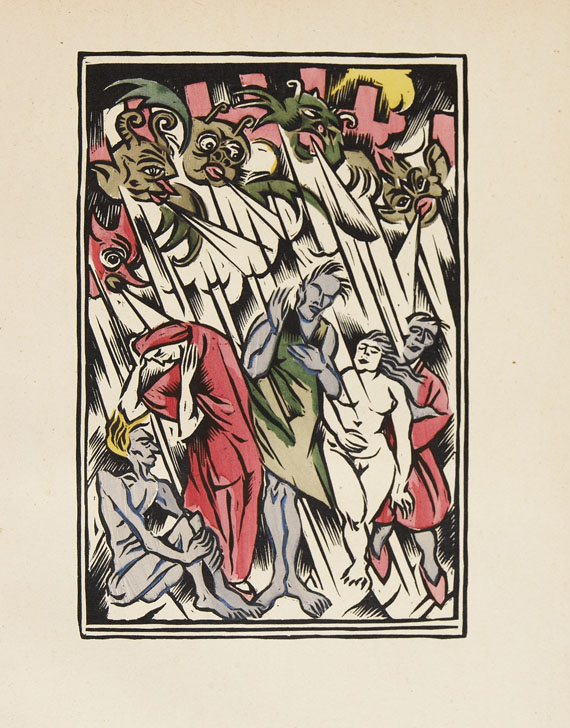
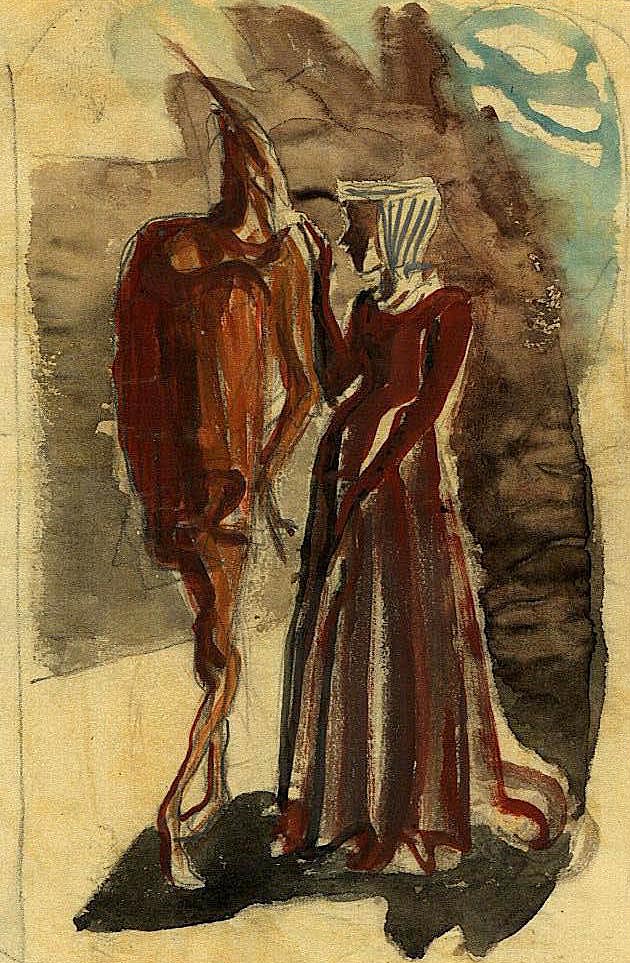
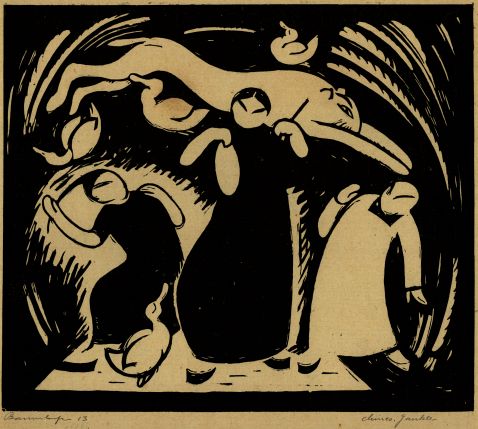
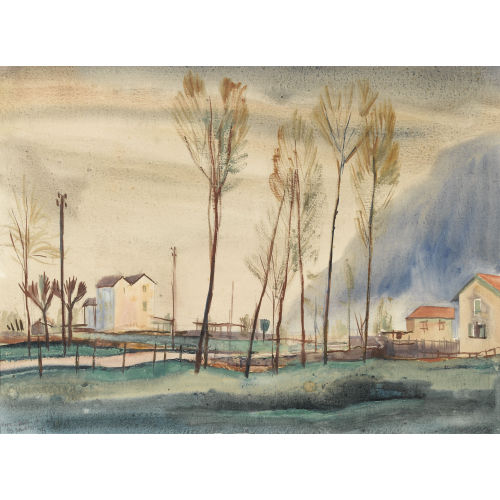
His graphic oeuvre encompasses a wide range of commercial and institutional commissions: his clients included Swiss brands such as PKZ and Jecklin, and during the Second World War he produced posters for the Red Cross. Alongside his posters, he created nearly 200 abstract compositions up to the end of his life, works that are said to be generally little known today. His studio practice is documented by thousands of travel sketches, watercolours, and oil paintings made at home, attesting to a continuous painterly activity alongside his graphic commissions.
He began teaching part-time in 1916 as an assistant at the school of arts and crafts. In 1931, at the instigation of Otto Rudolf Salvisberg, he was appointed to teach courses such as «Drawing from Nature» and «Colour in Construction» at the Department of Architecture of ETH Zurich. His academic career was marked by his appointment as associate professor at ETH Zurich in 1947.
During his lifetime, his work was the subject of institutional exhibitions, notably at the Zürcher Kunsthaus in 1949 and at the Grafische Sammlung of ETH in 1959.
From the 1930s onwards, he undertook lengthy journeys almost every year—following a trip to the Soviet Union in 1932, he travelled to various countries in Europe, the Middle East, the Canary Islands, and Madeira.