Max von Mühlenen
Born in 1903.
Died in 1971.
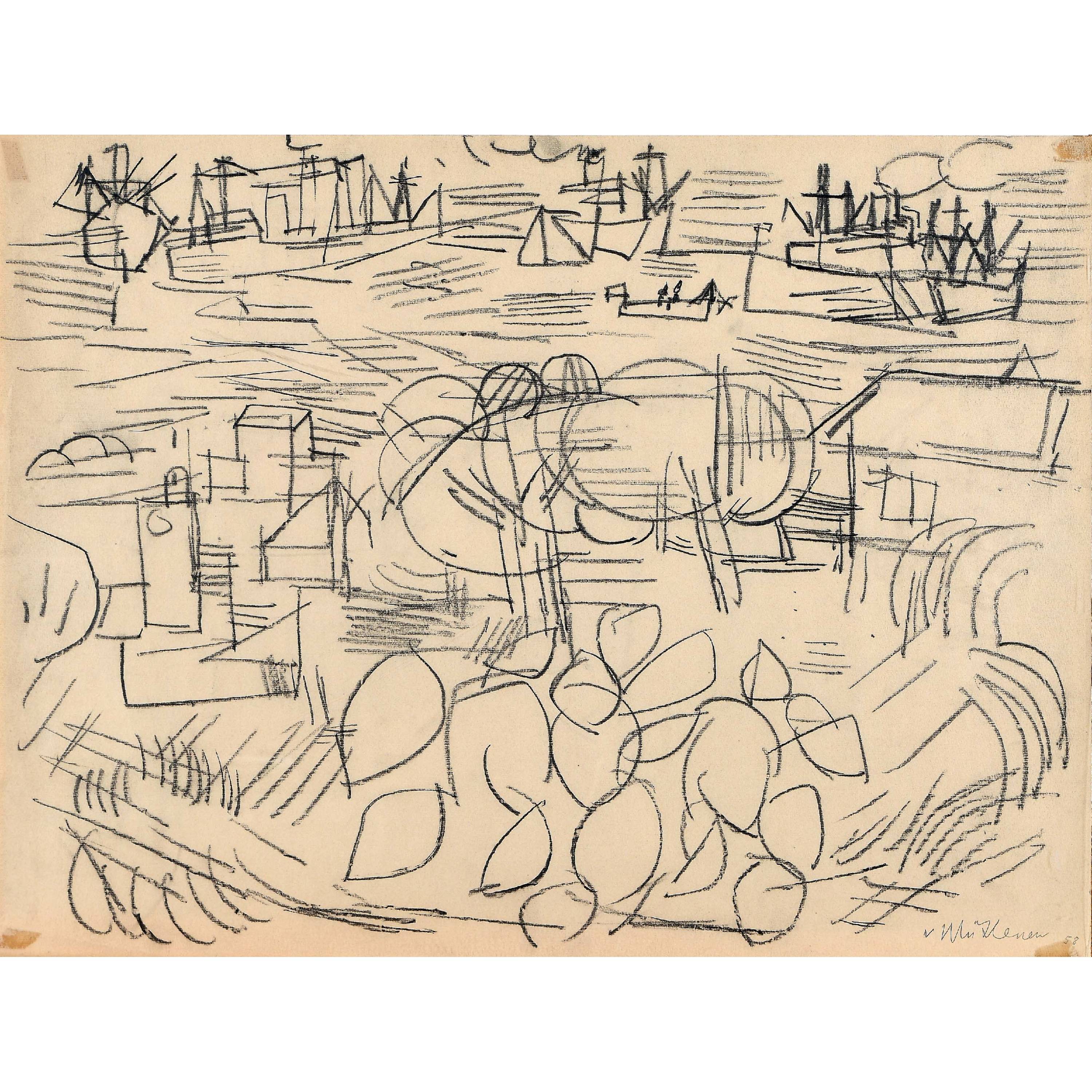
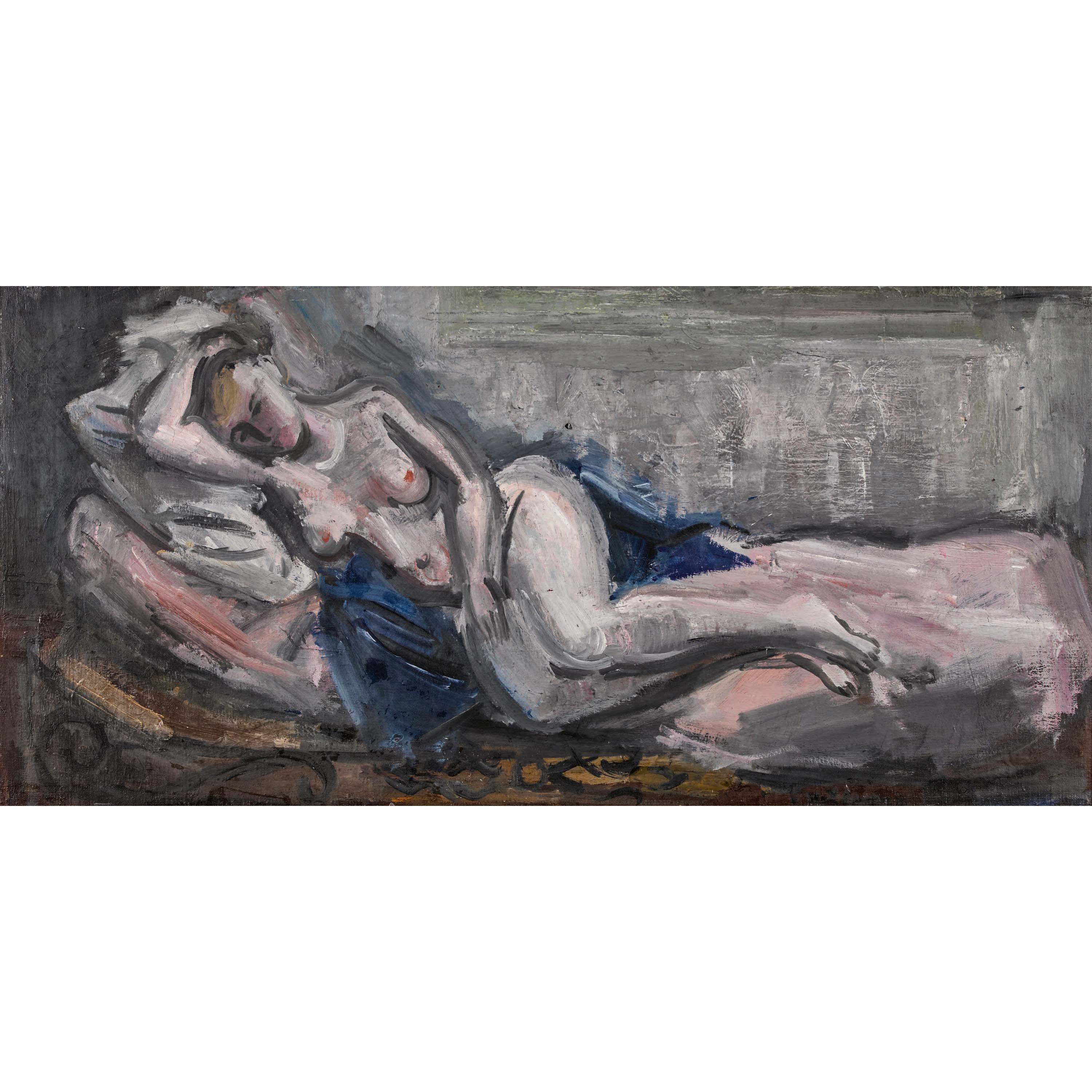
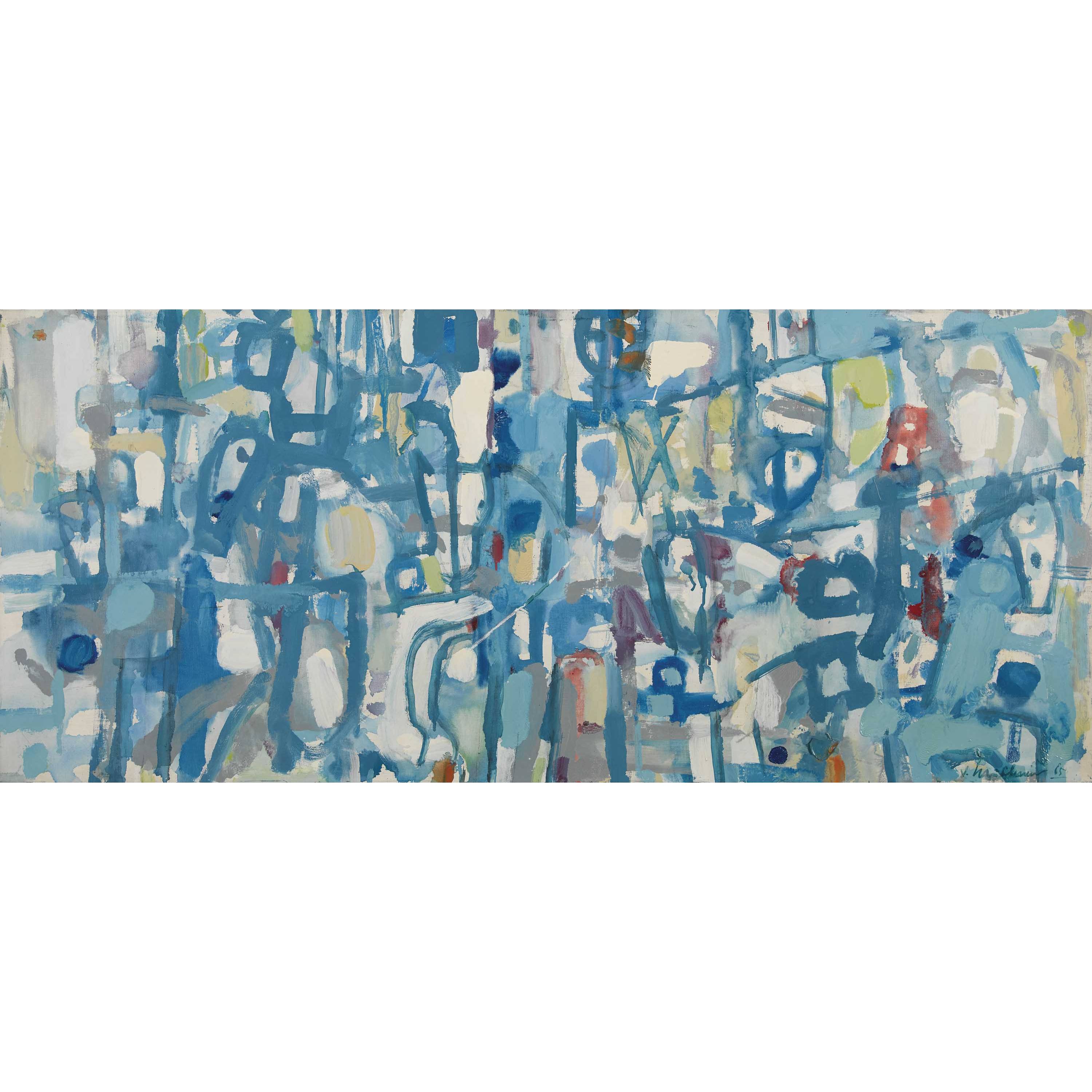
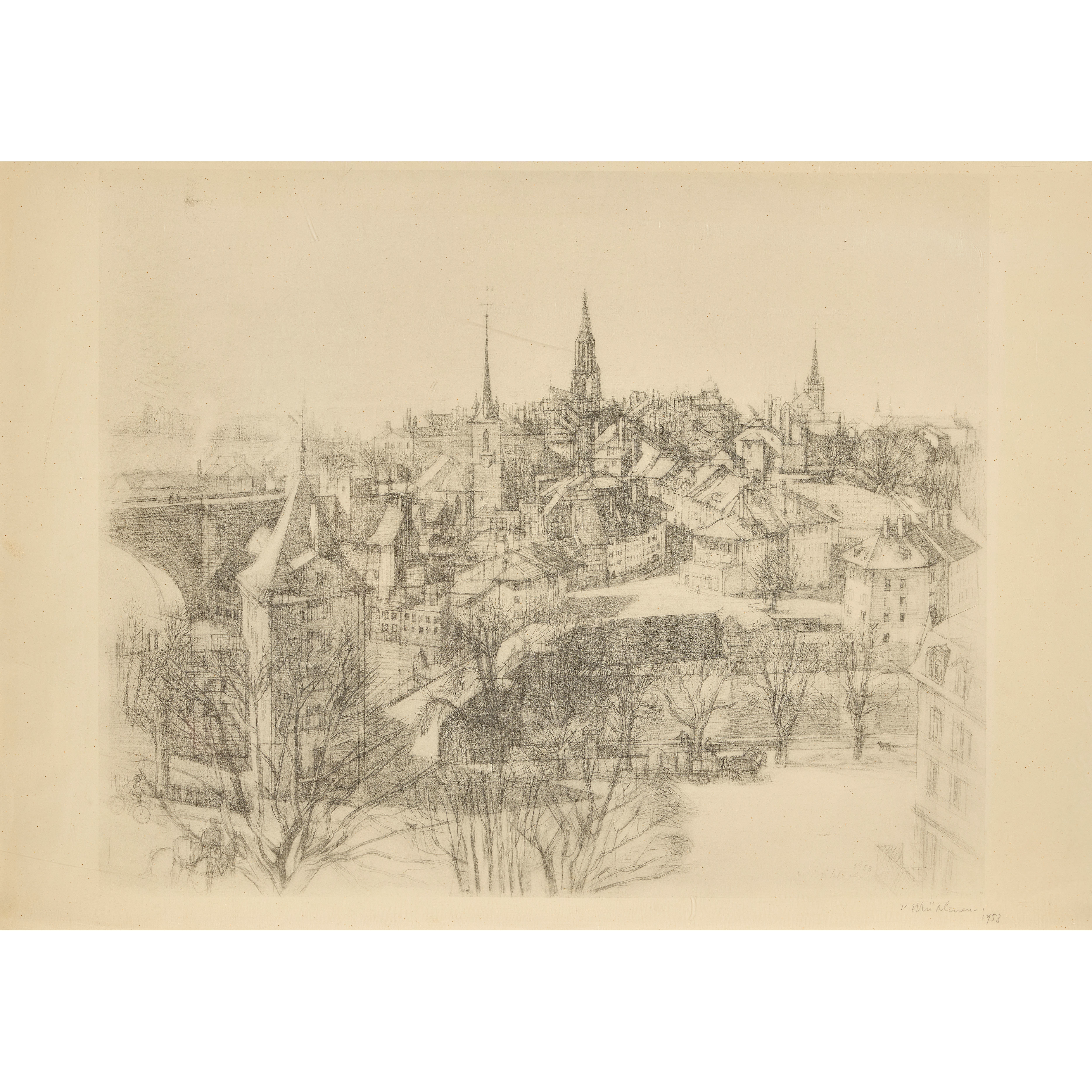
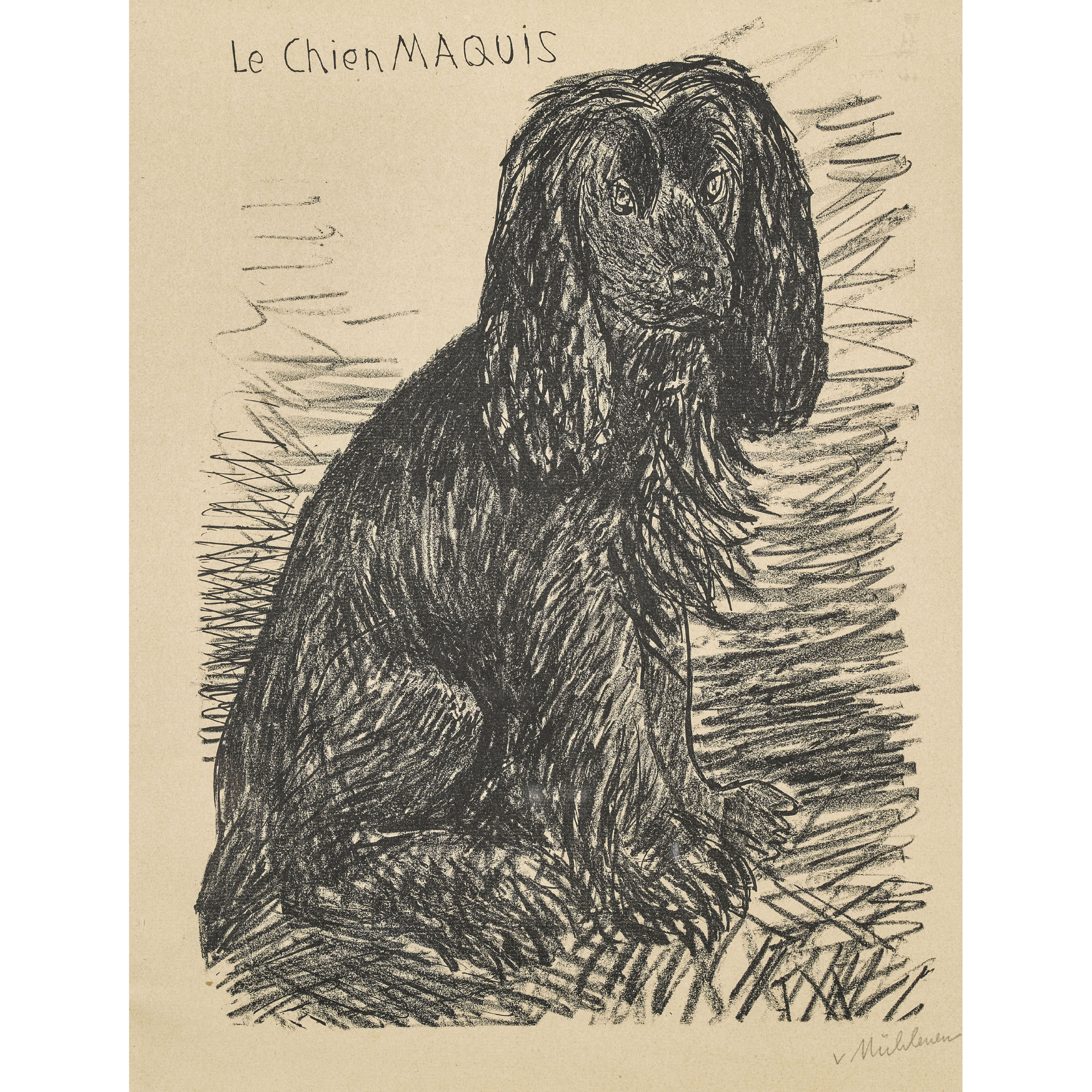
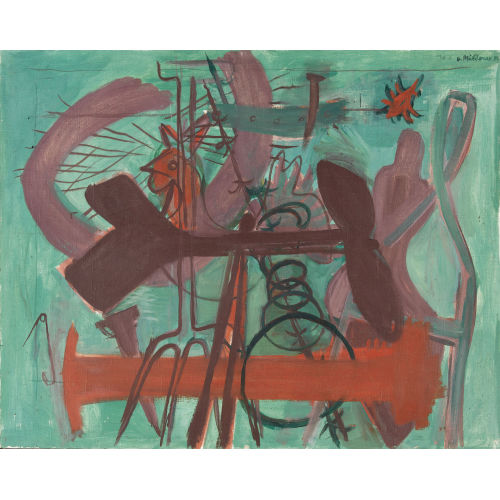
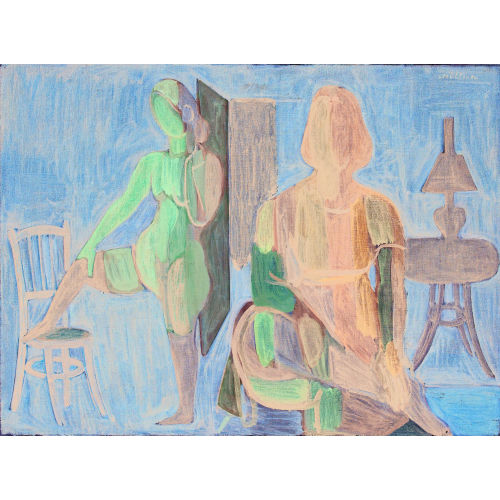
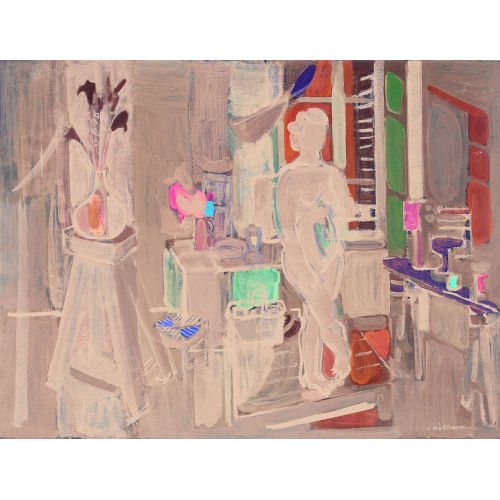
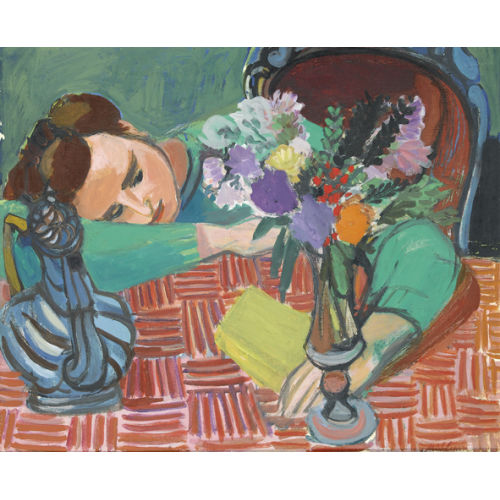
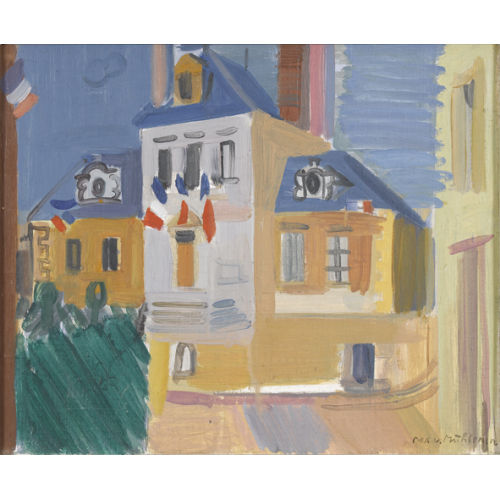
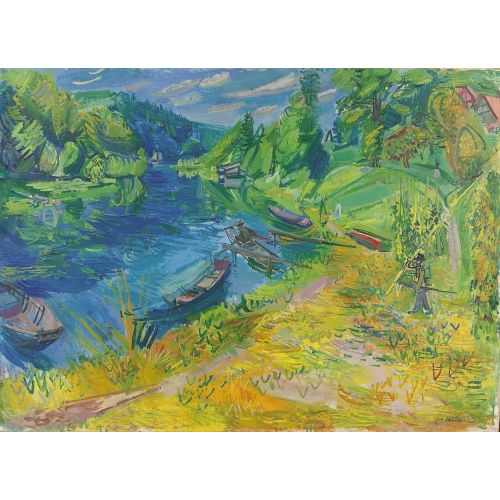
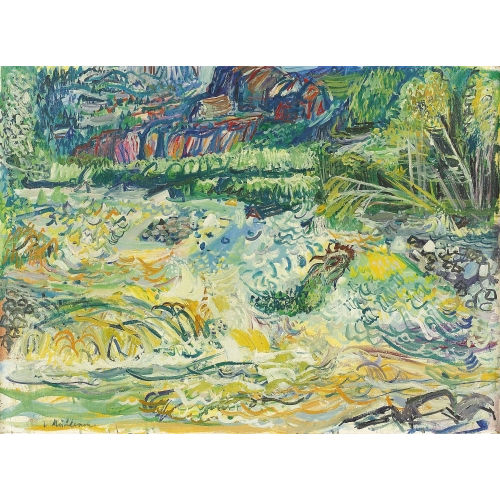
Max von Mühlenen (1903–1971) made colour a field of experimentation and transmission. Born in Bern, he studied at the schools of arts and crafts in Bern and Zurich before leaving for Paris in 1924. He attended courses at the Académie Julian and with André Lhote, then worked for several years in France.
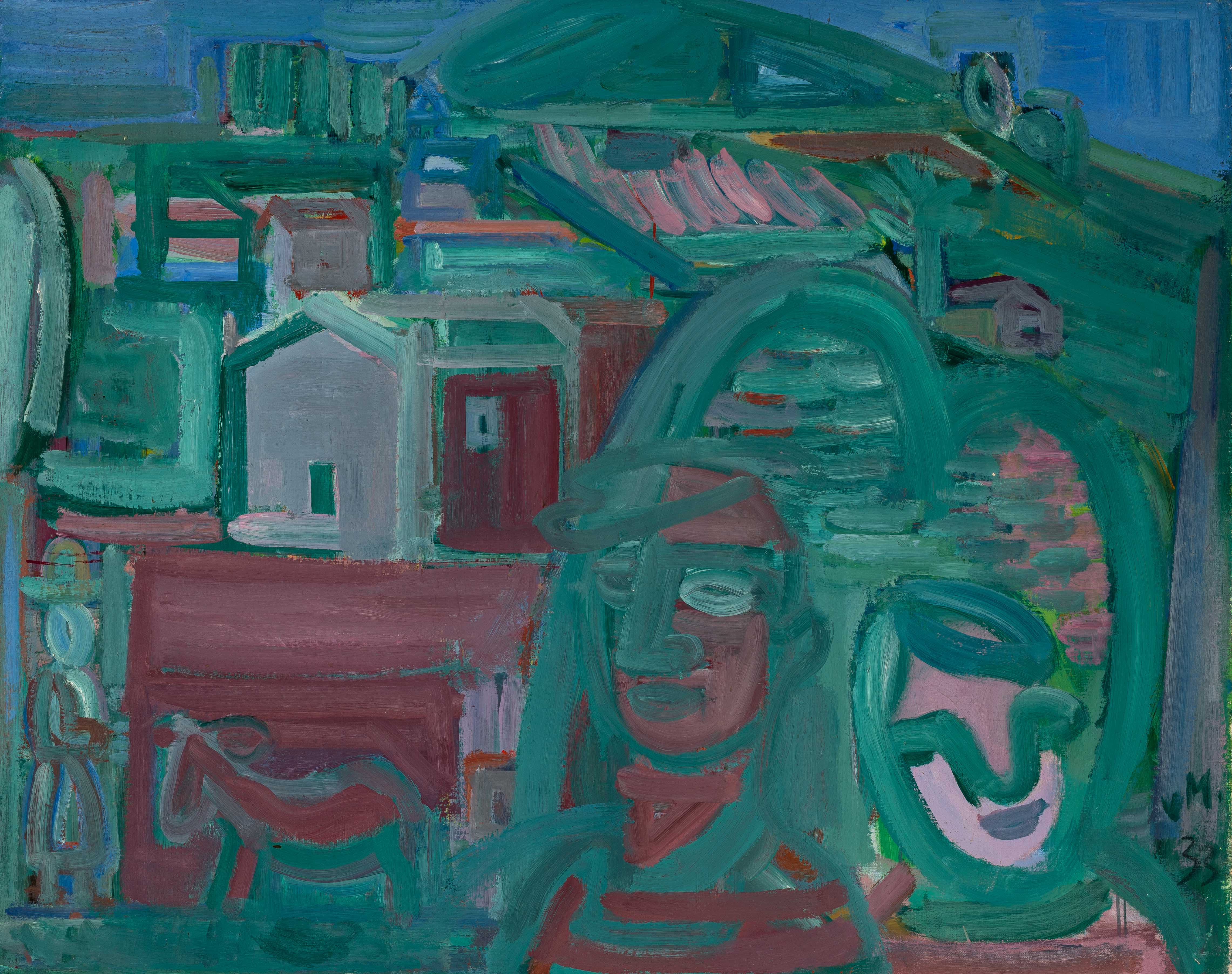
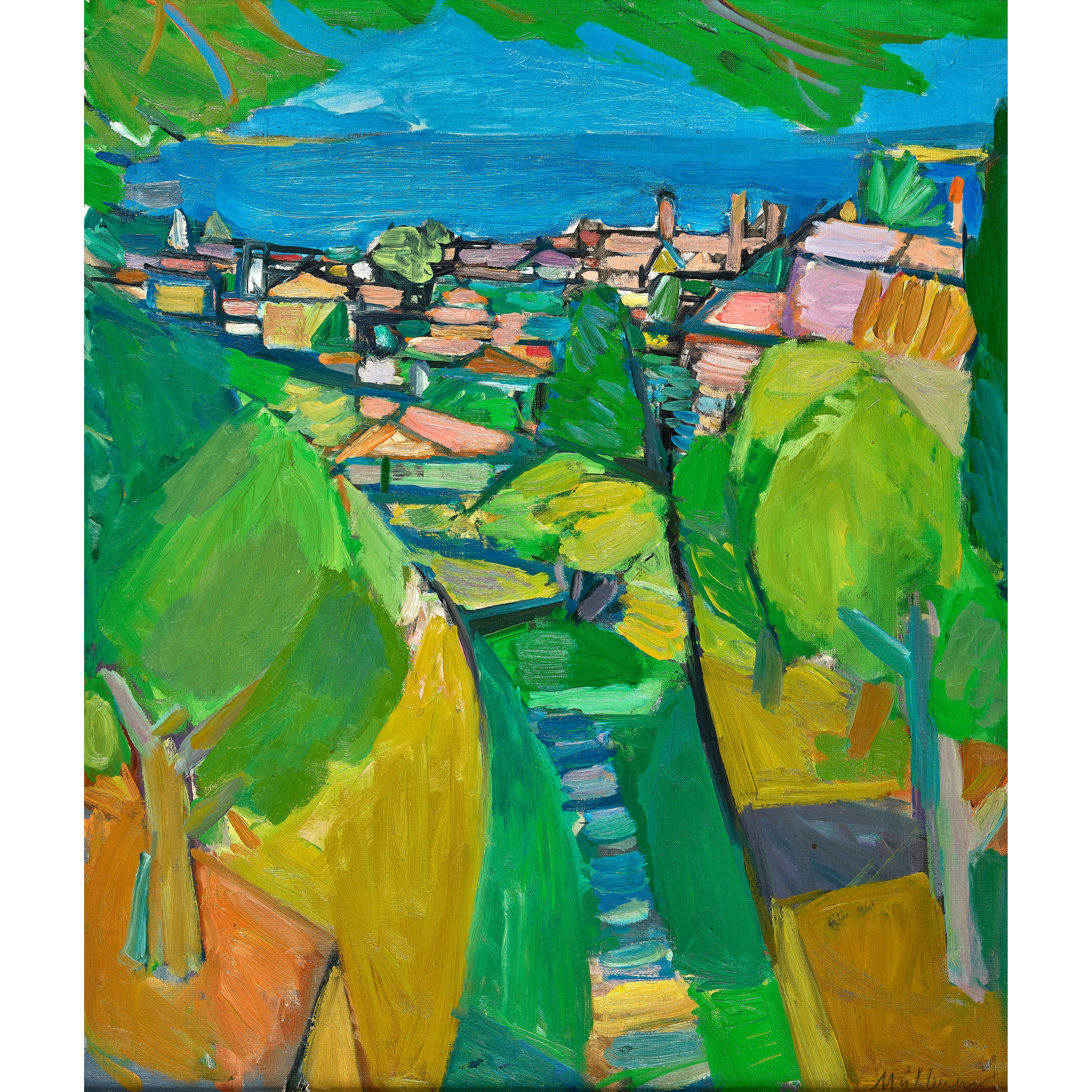
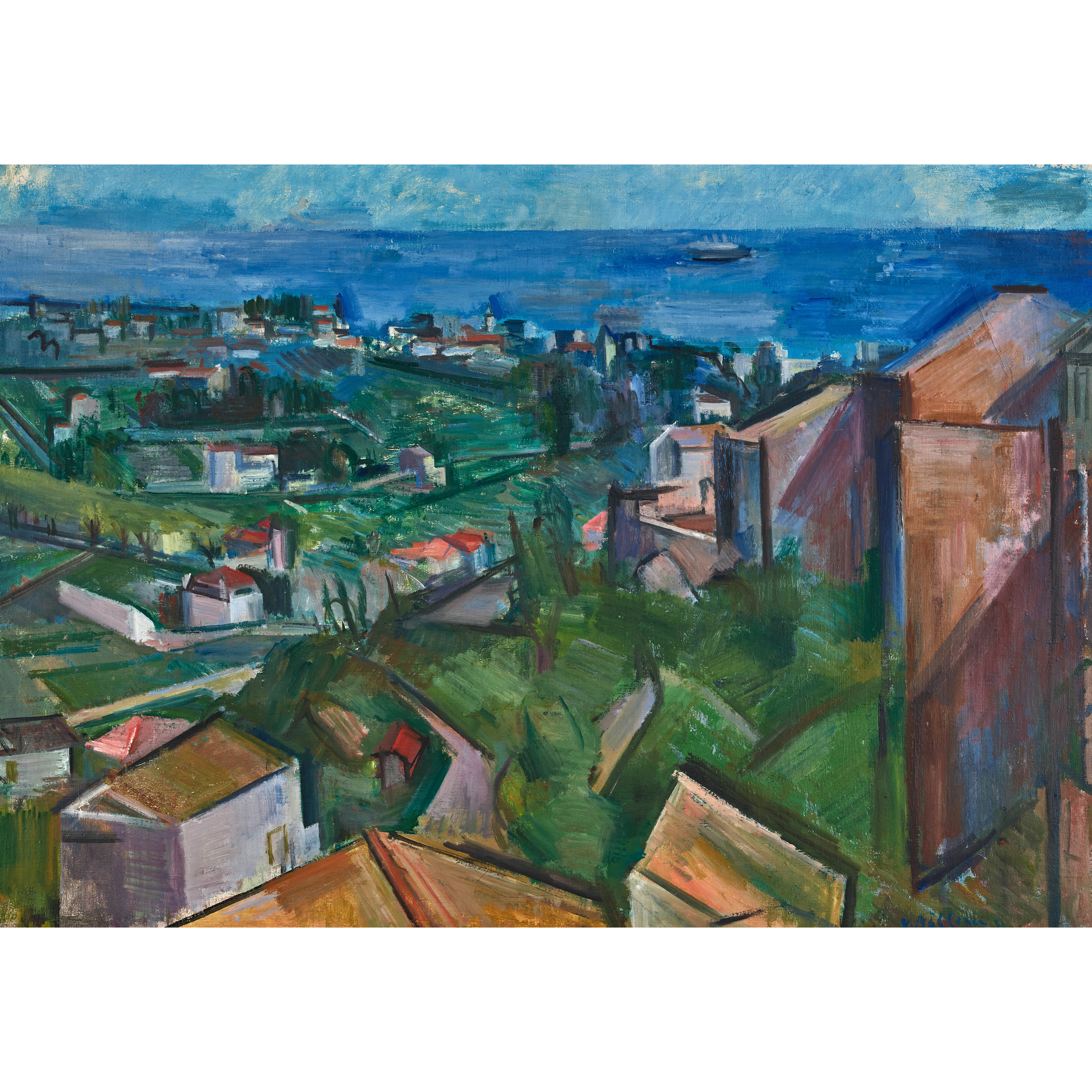
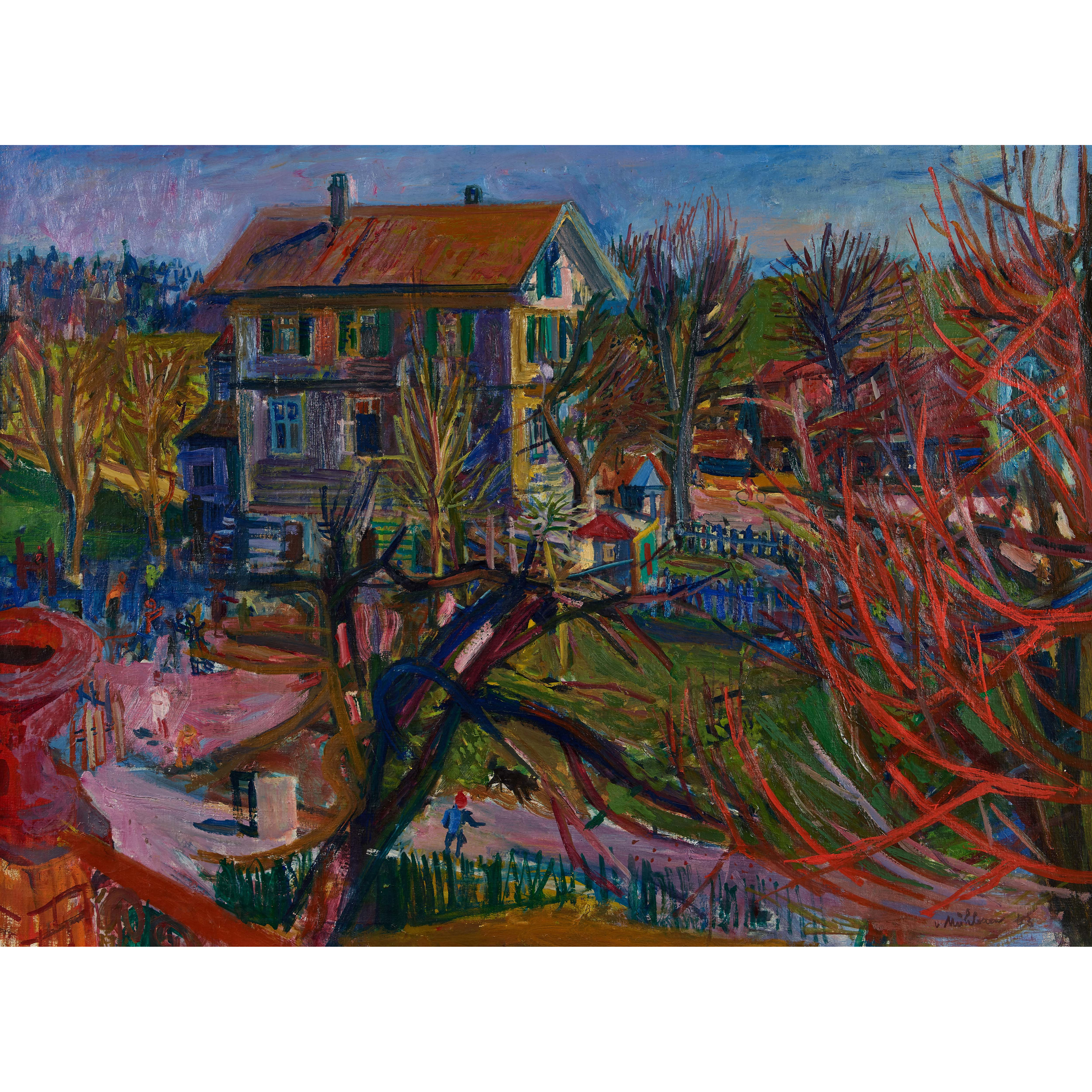
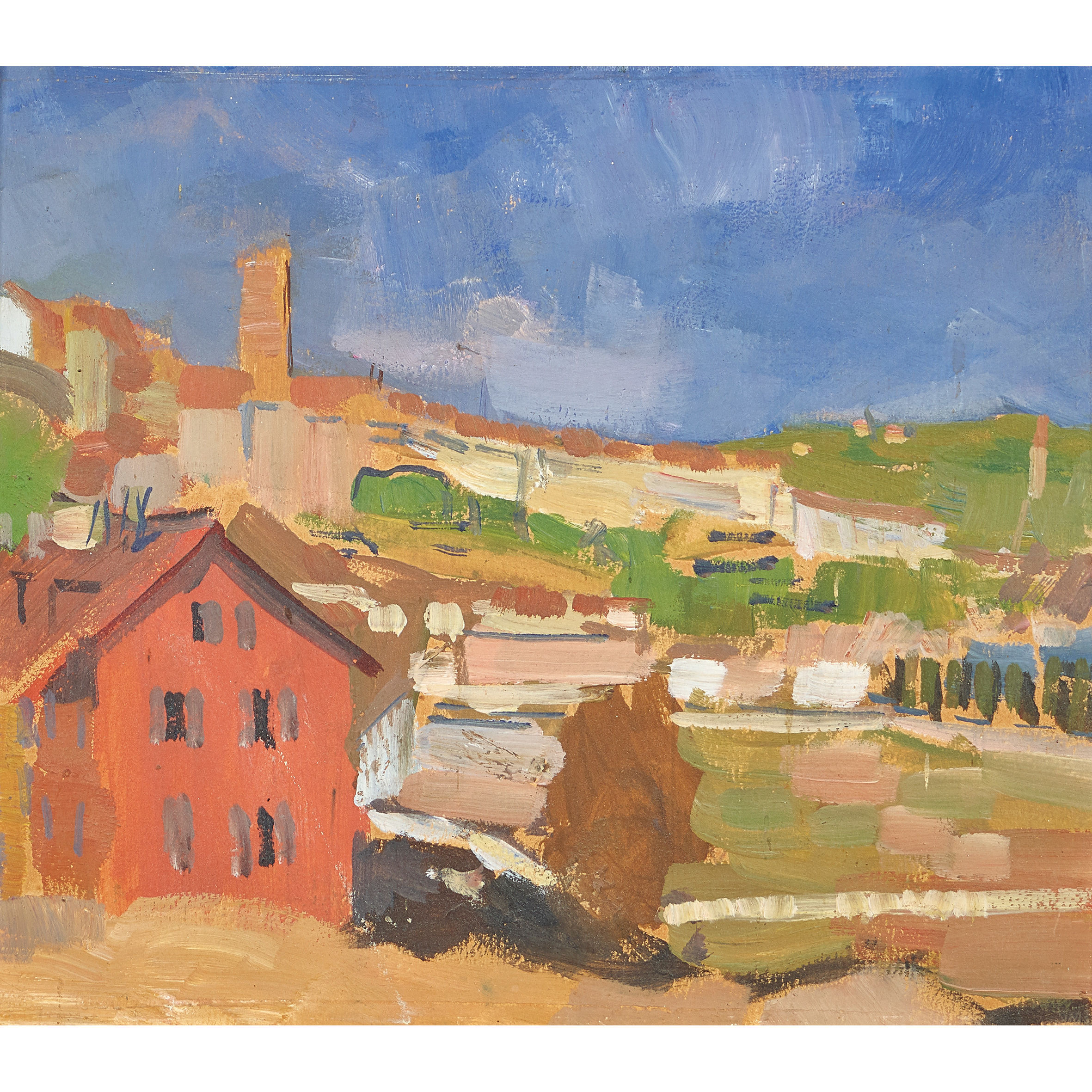
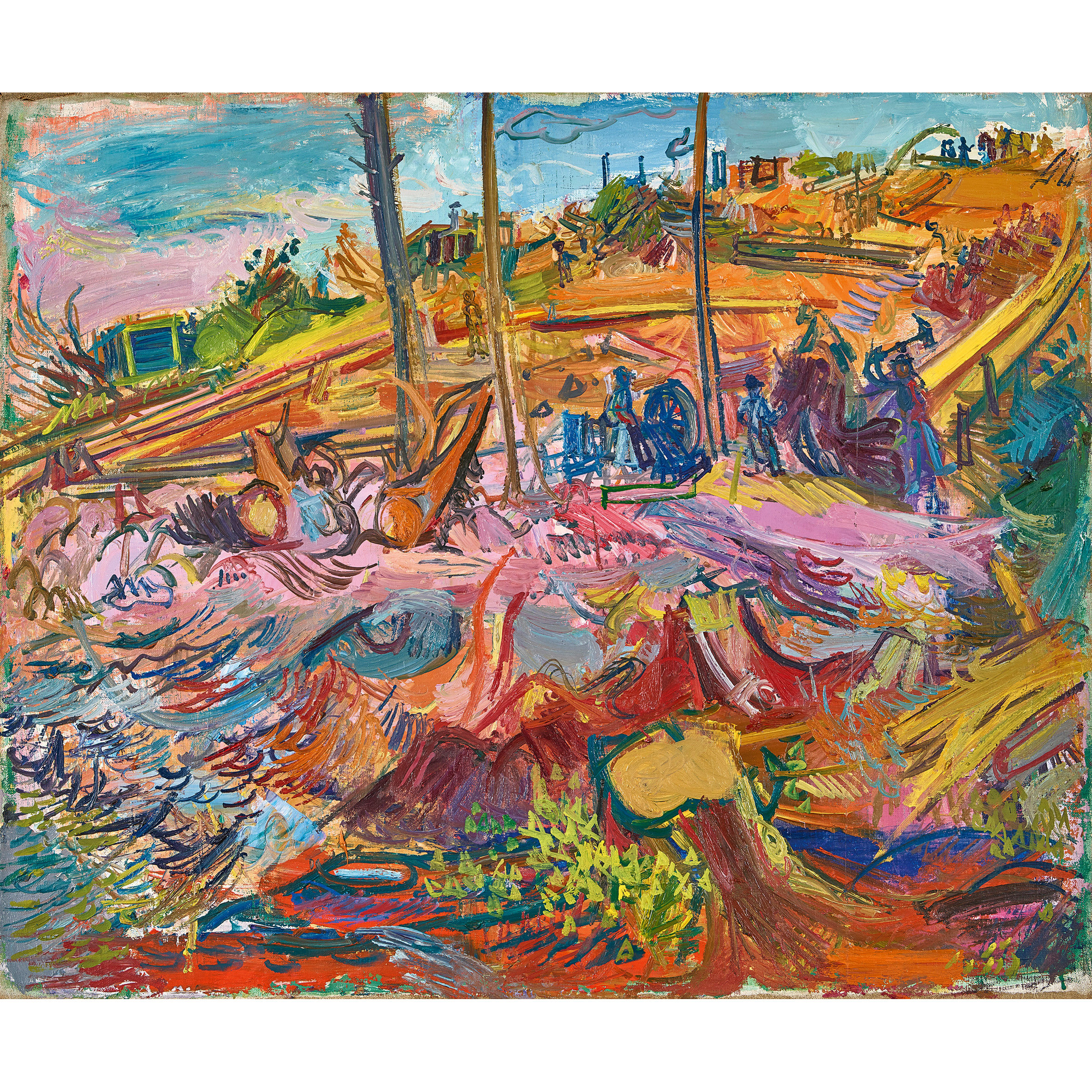
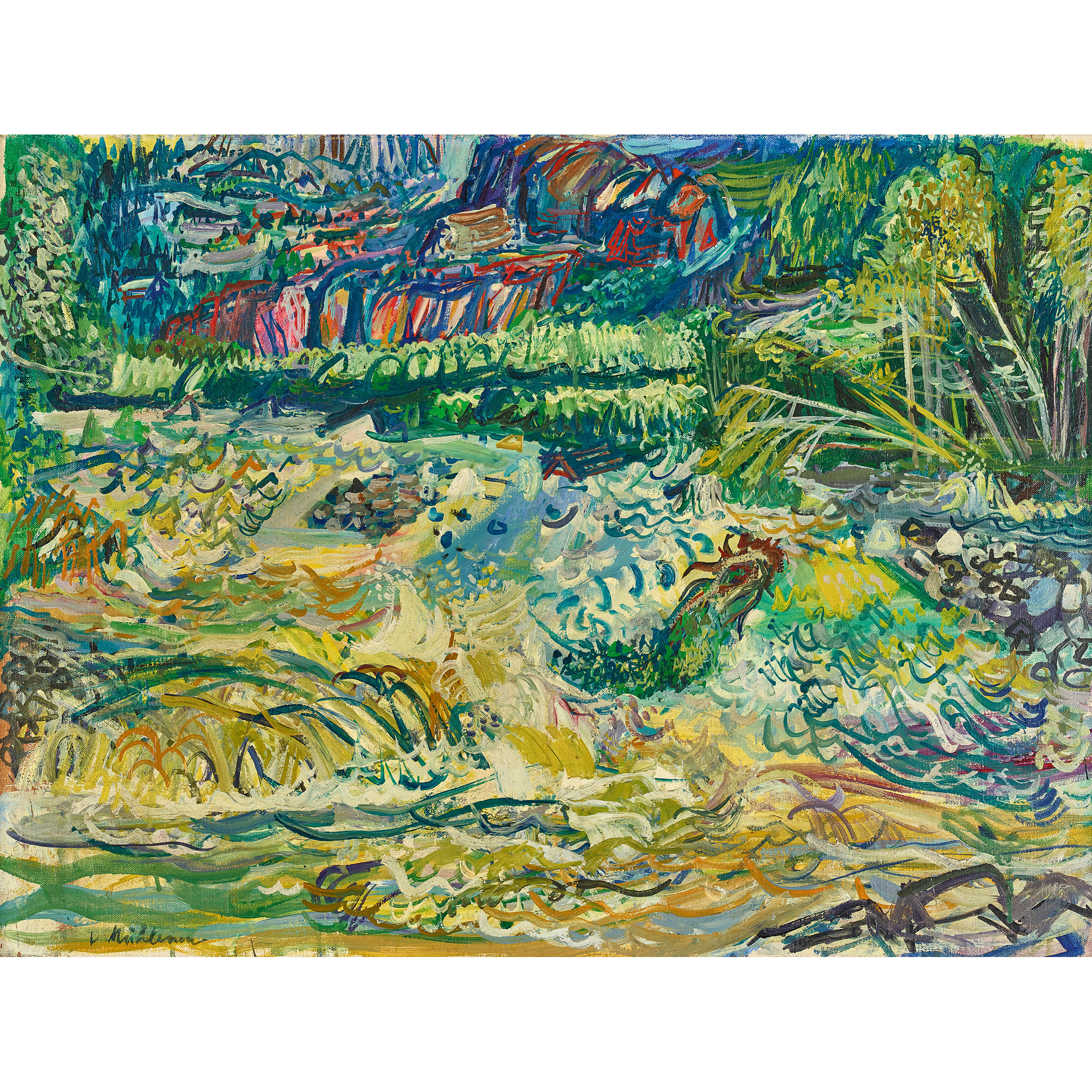
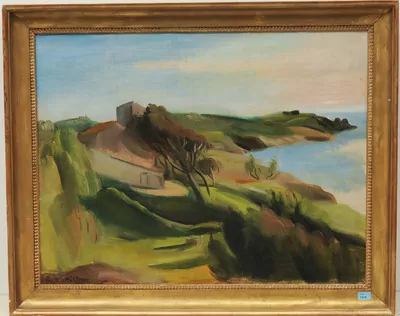
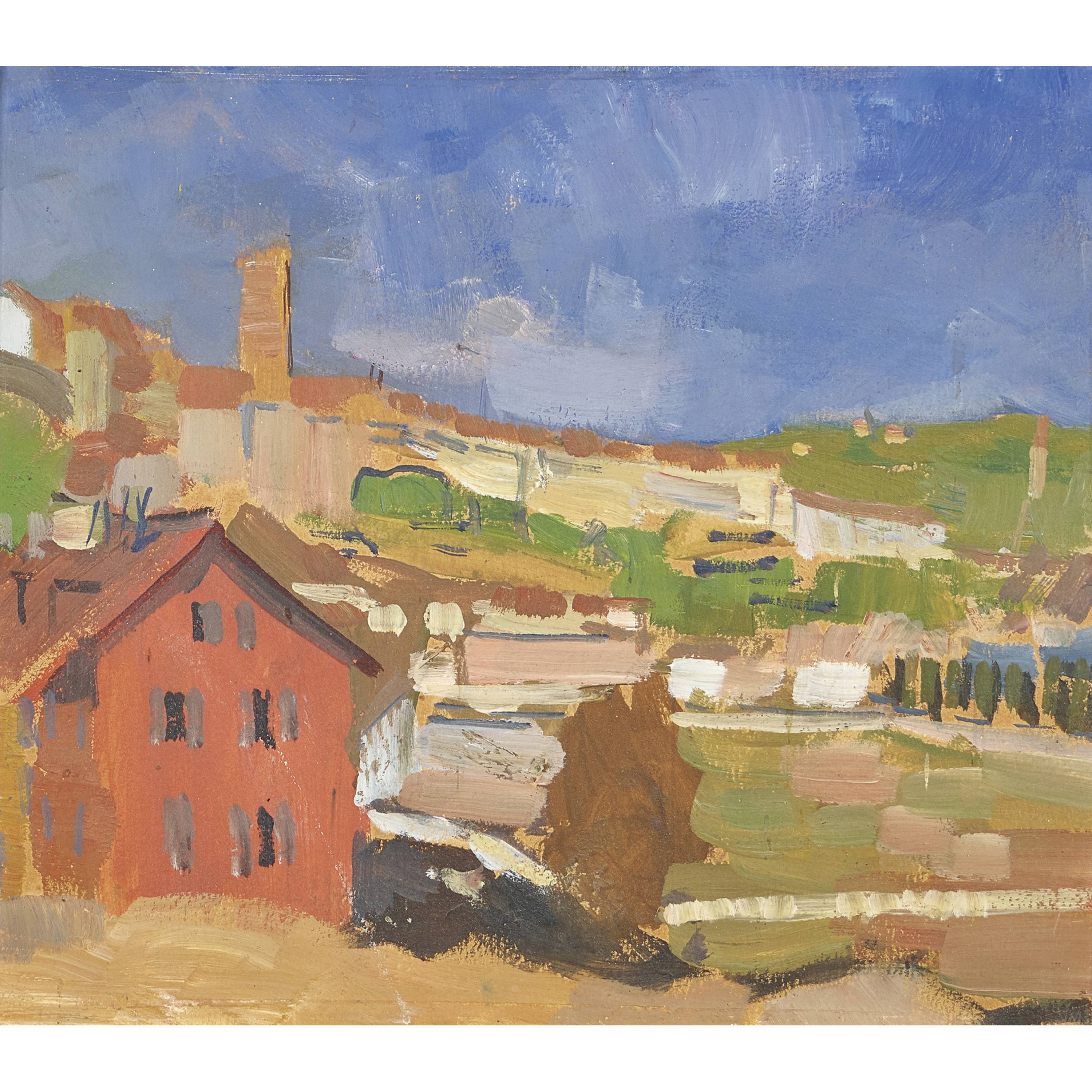
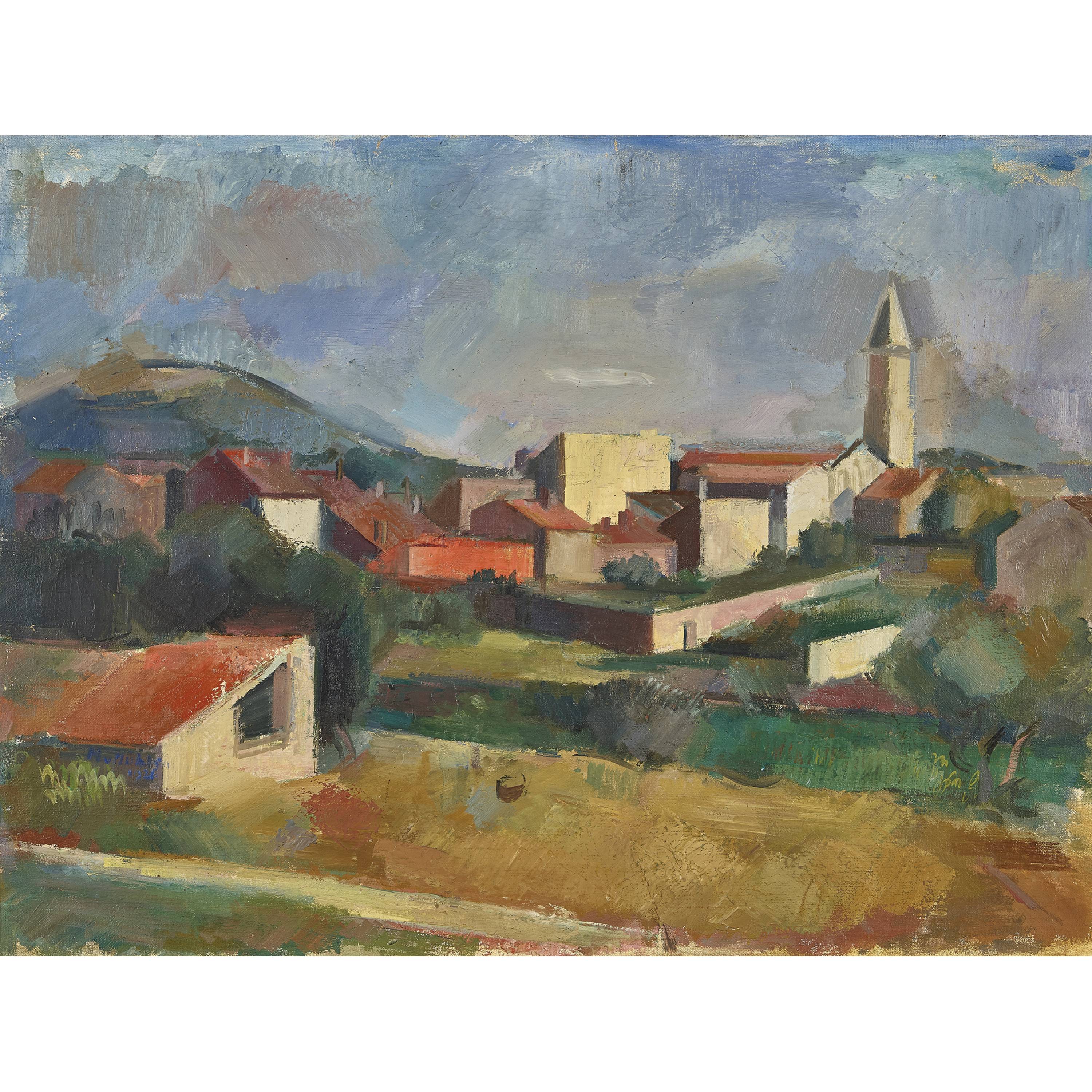
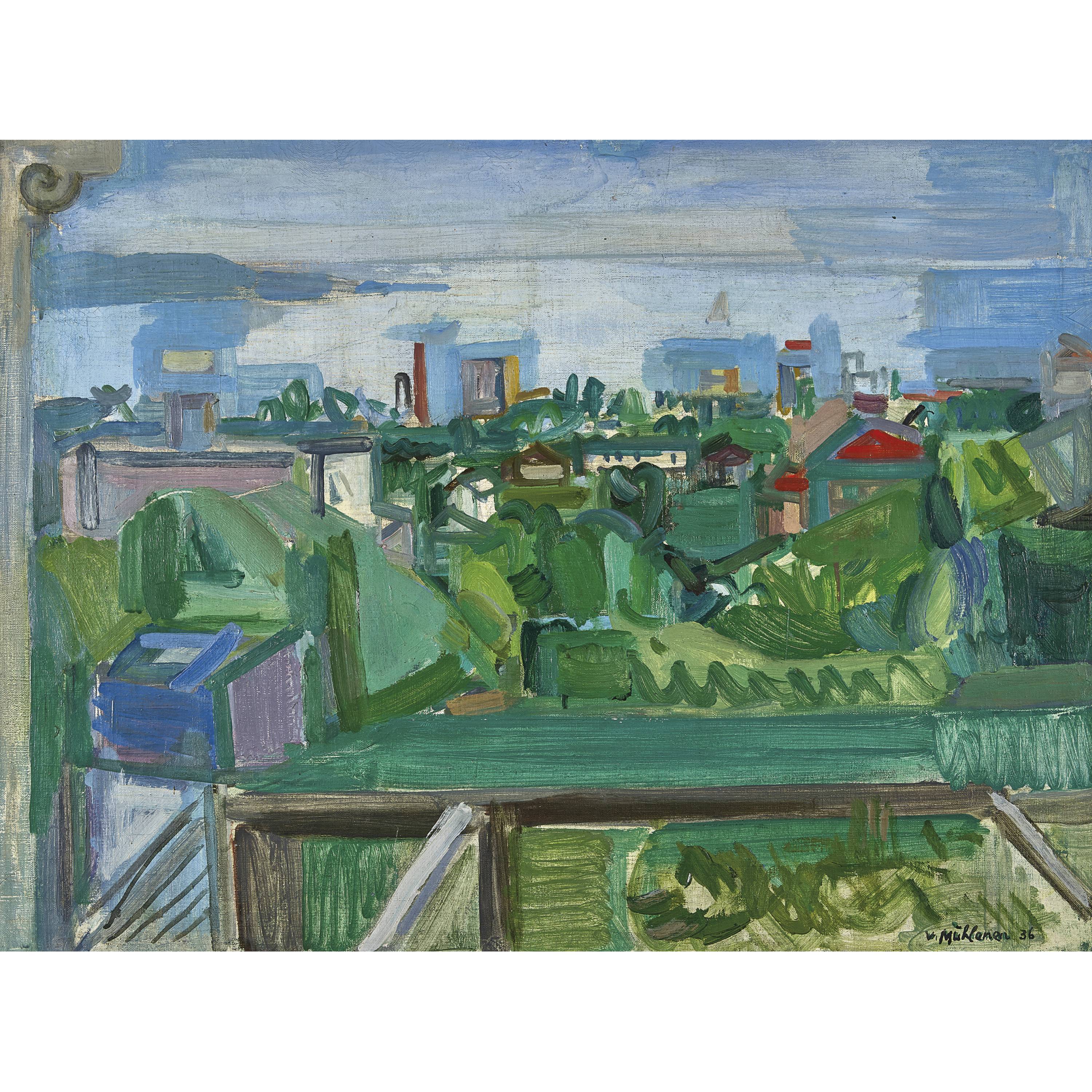
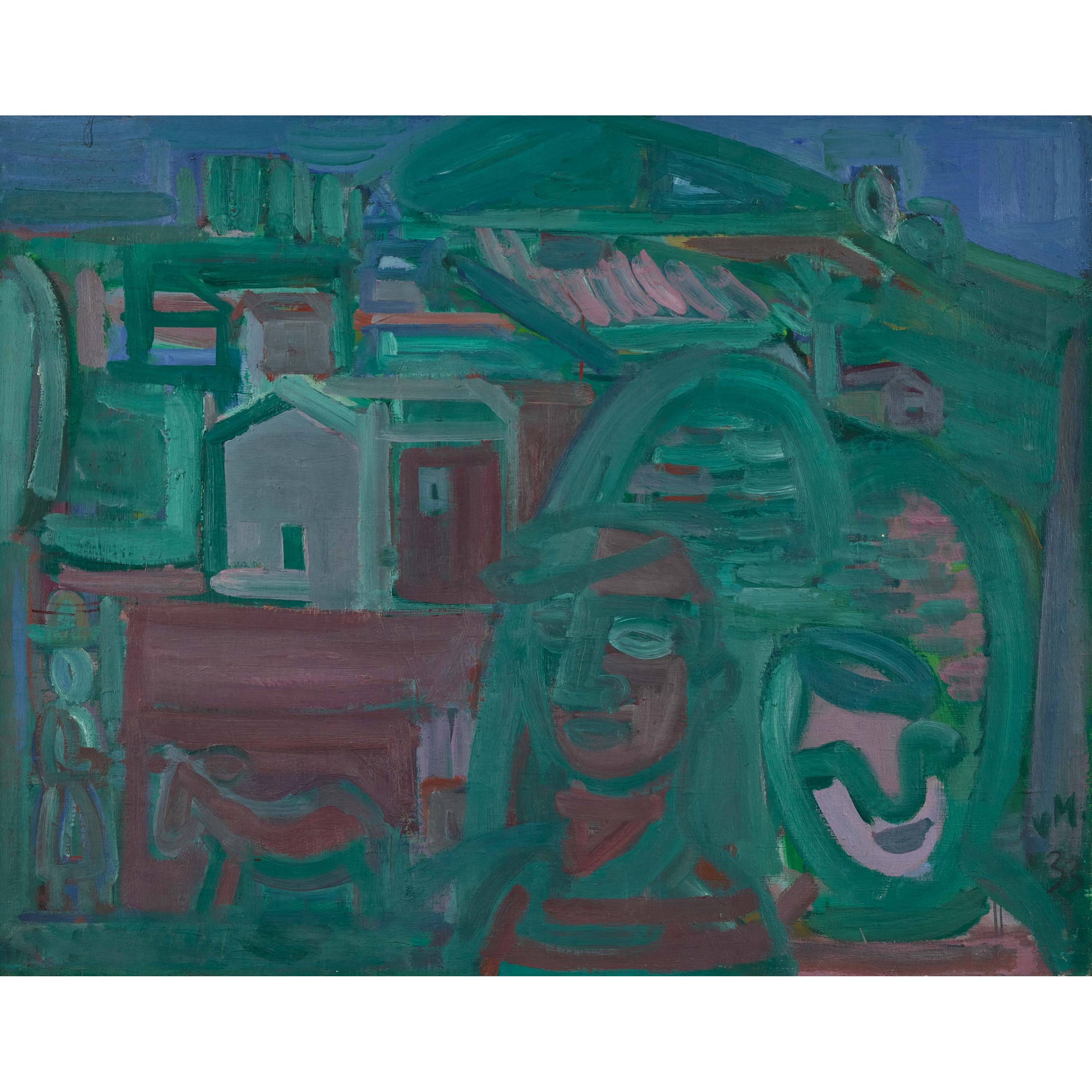
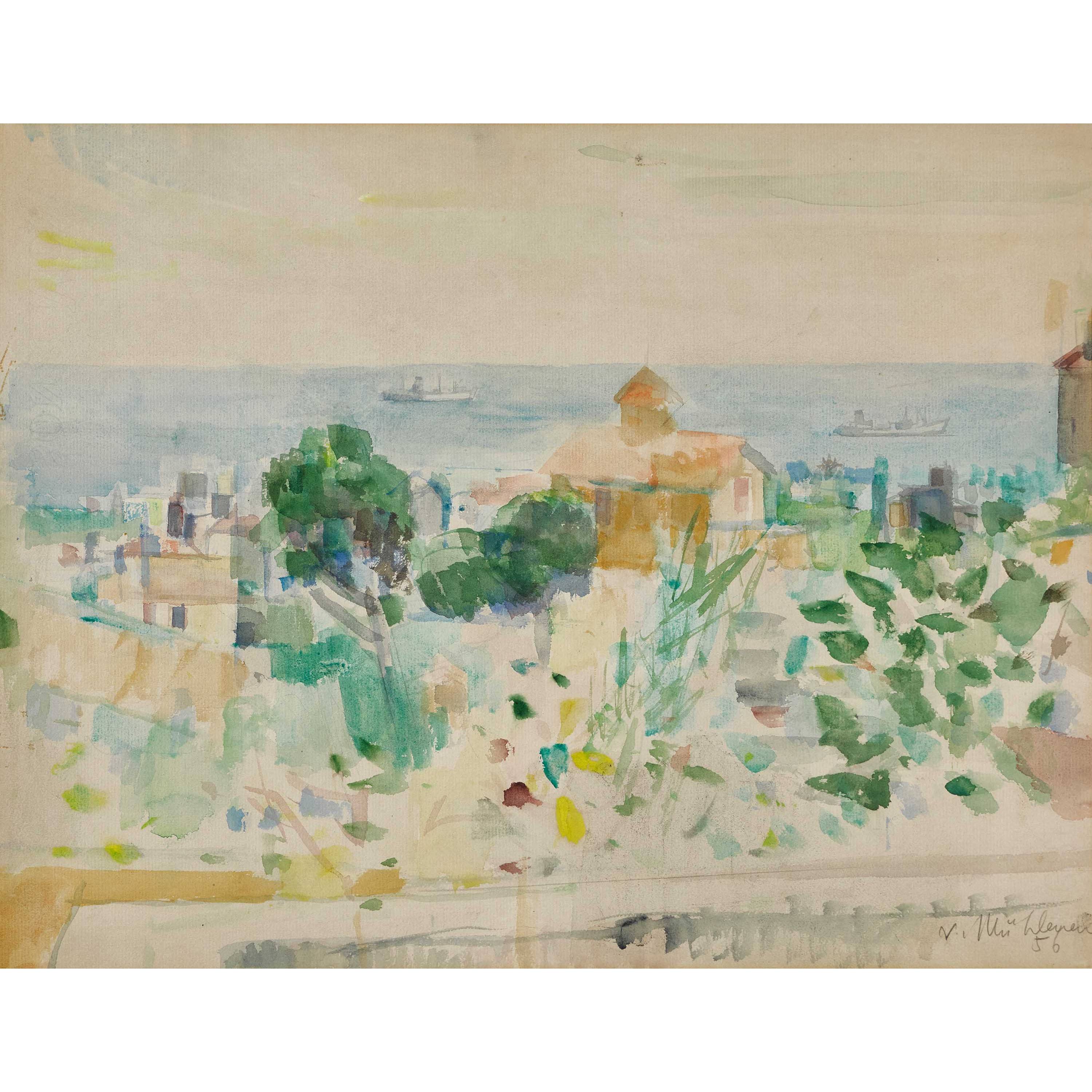
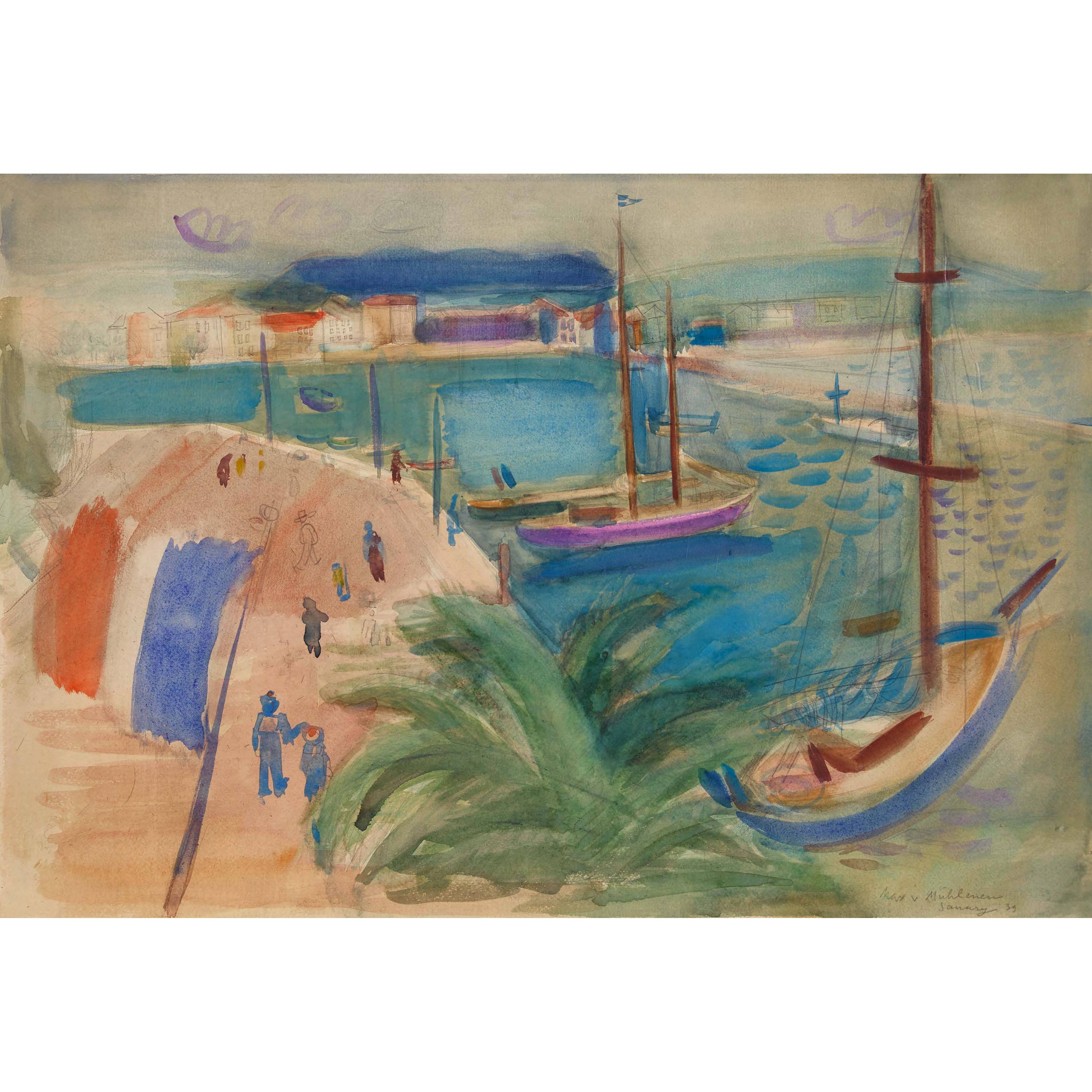
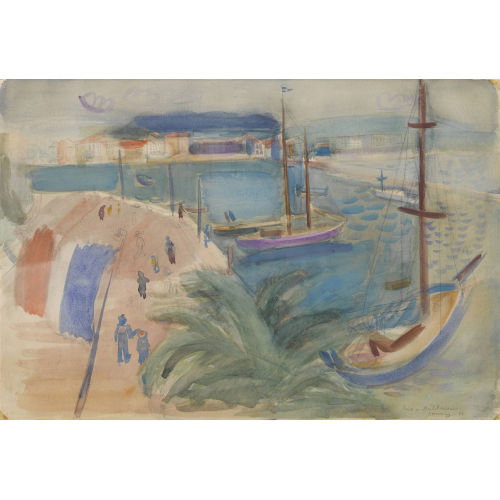
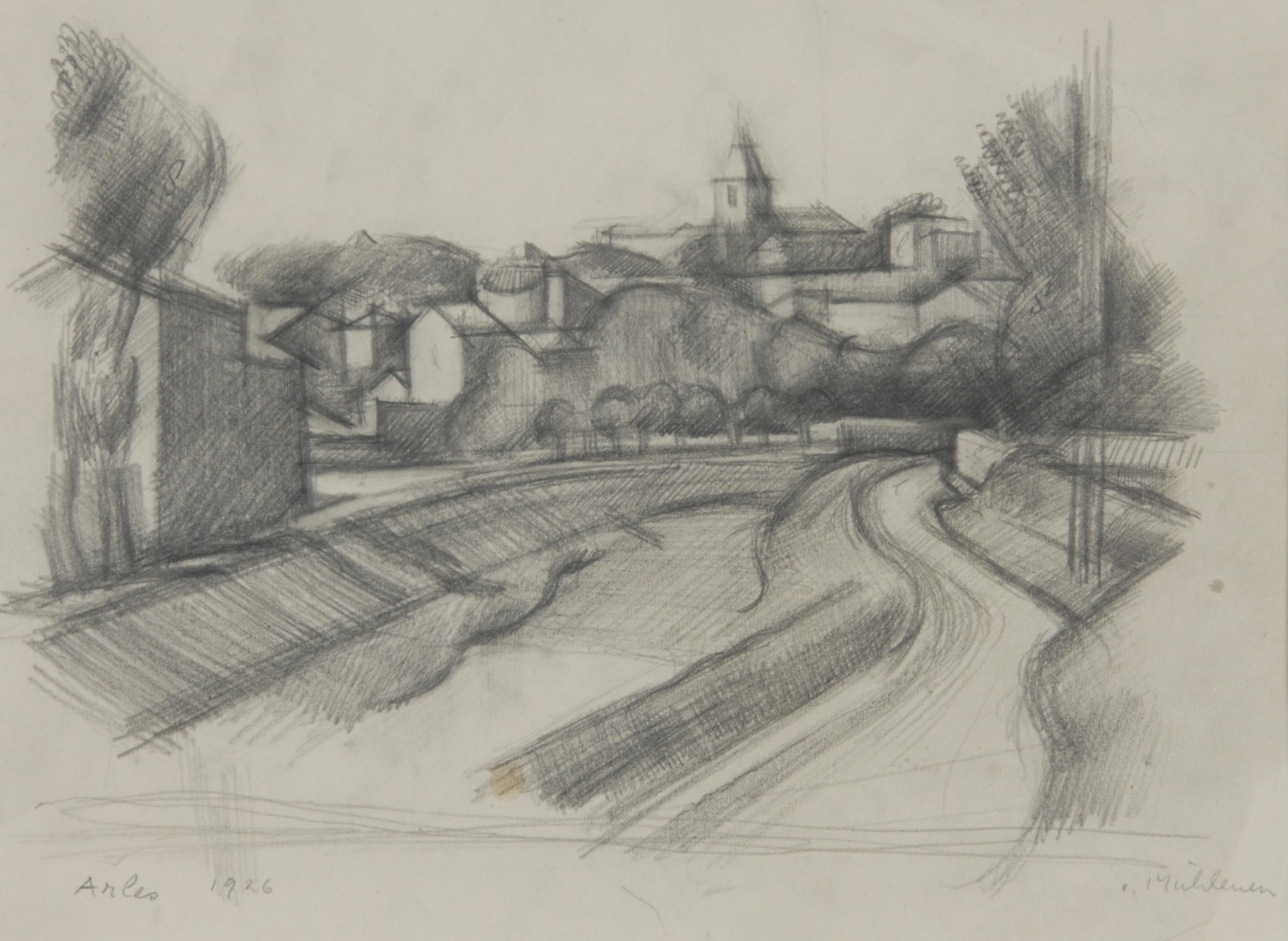
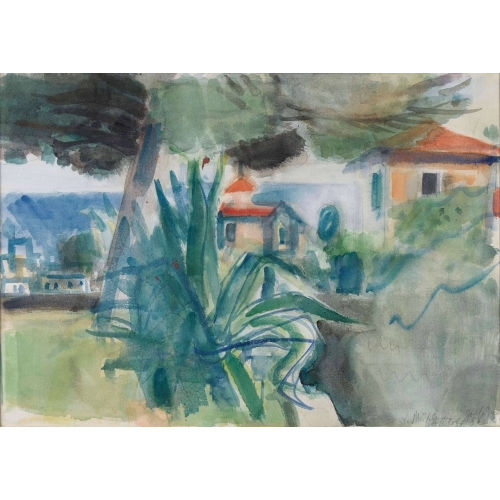
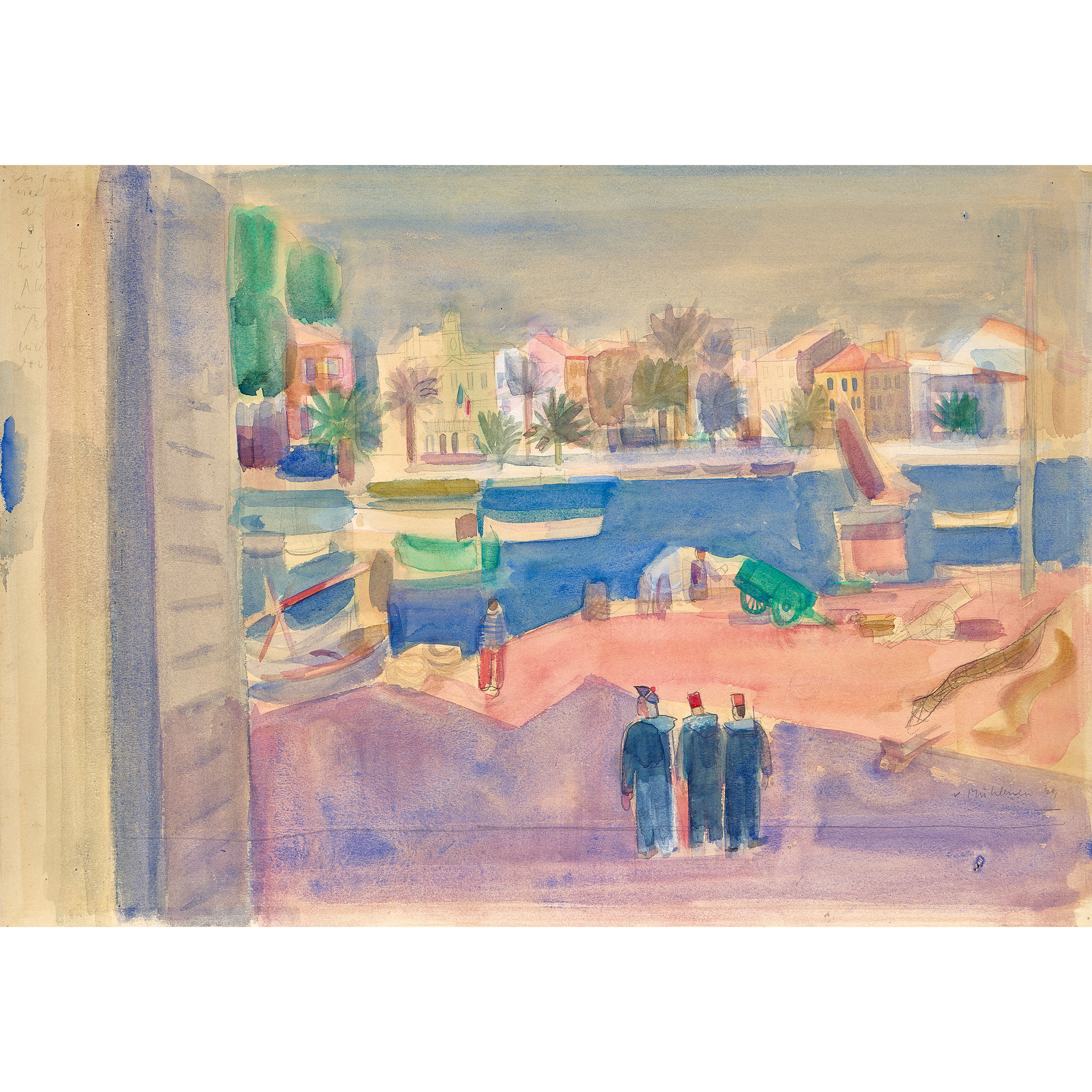
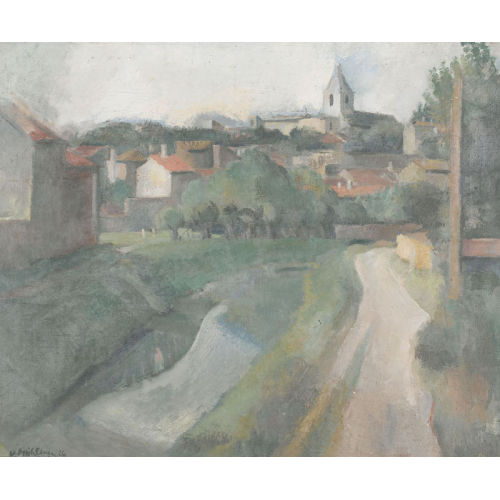
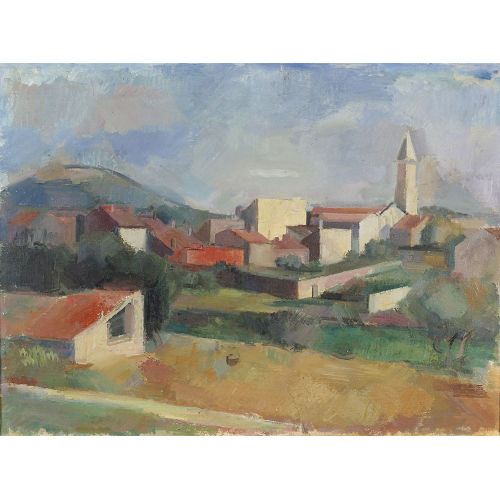
Together with Tonio Ciolina, Albert Lindegger and Hans Seiler, he founded the avant-garde group Der Schritt weiter in the south of France in 1931. Landscape was then an essential subject, but it gradually became the place where form and colour could be set free.
After returning to Bern, von Mühlenen opened his own painting school in 1940. It was incorporated into the school of applied arts in 1964, and the artist taught there until his death. Among his pupils was Franz Gertsch.
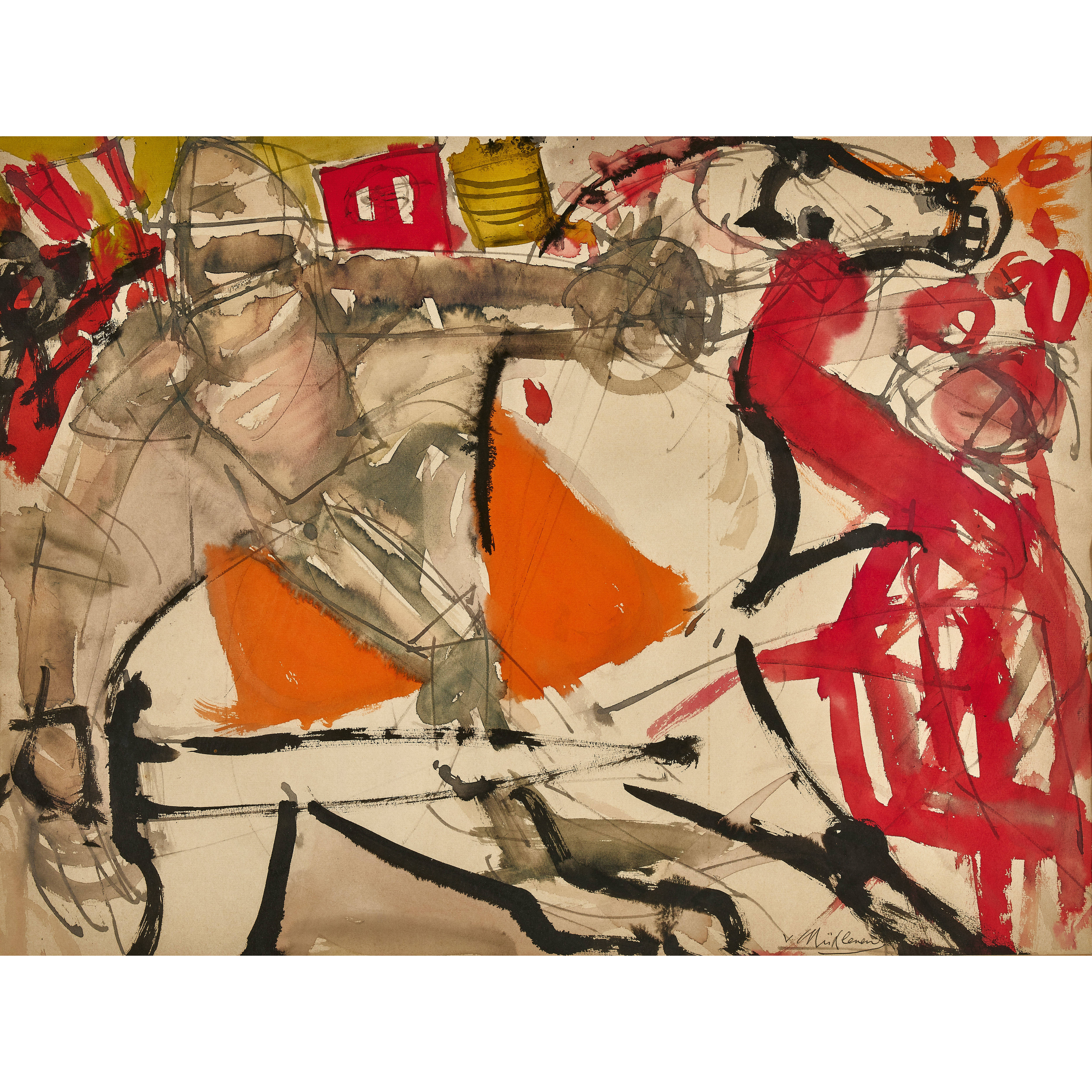
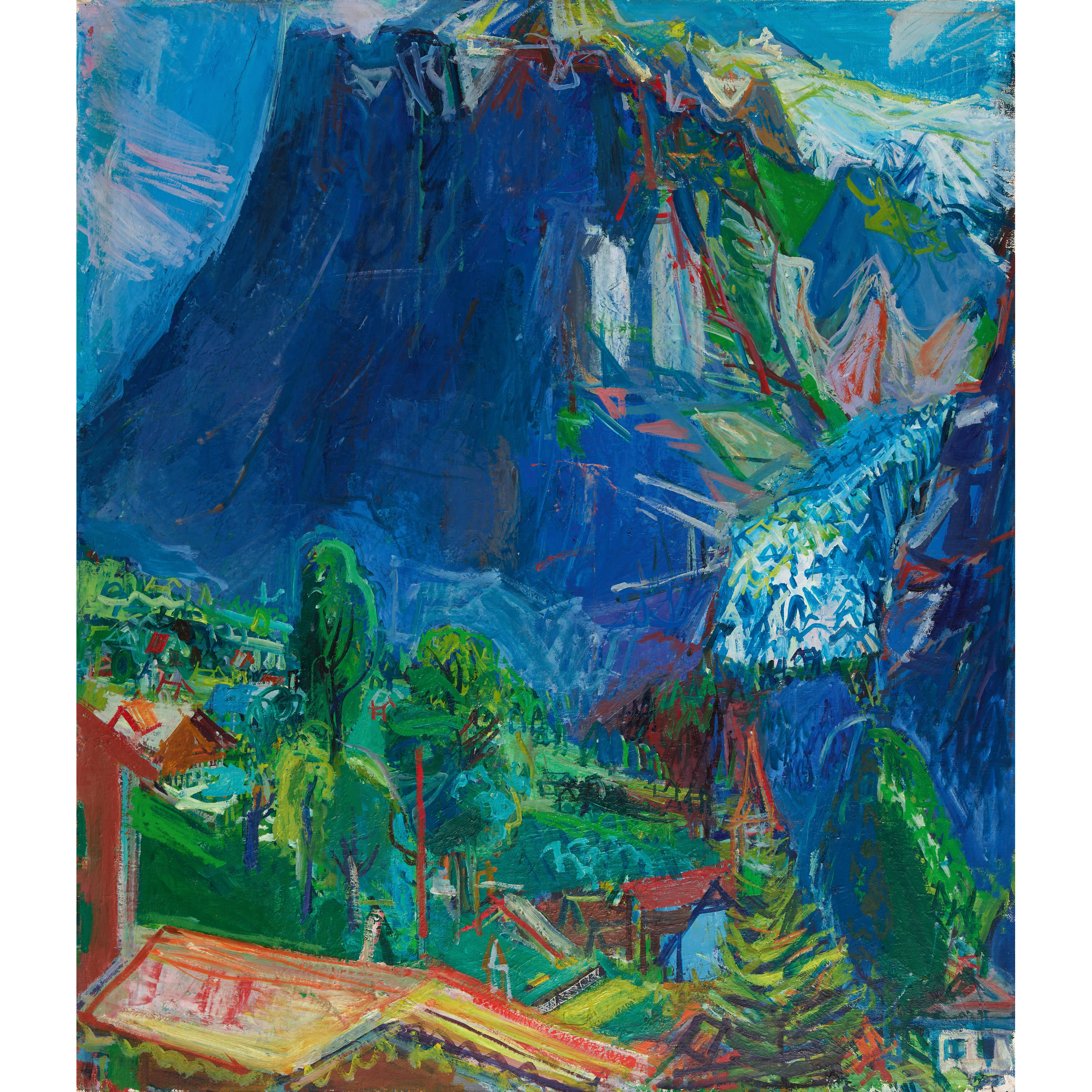
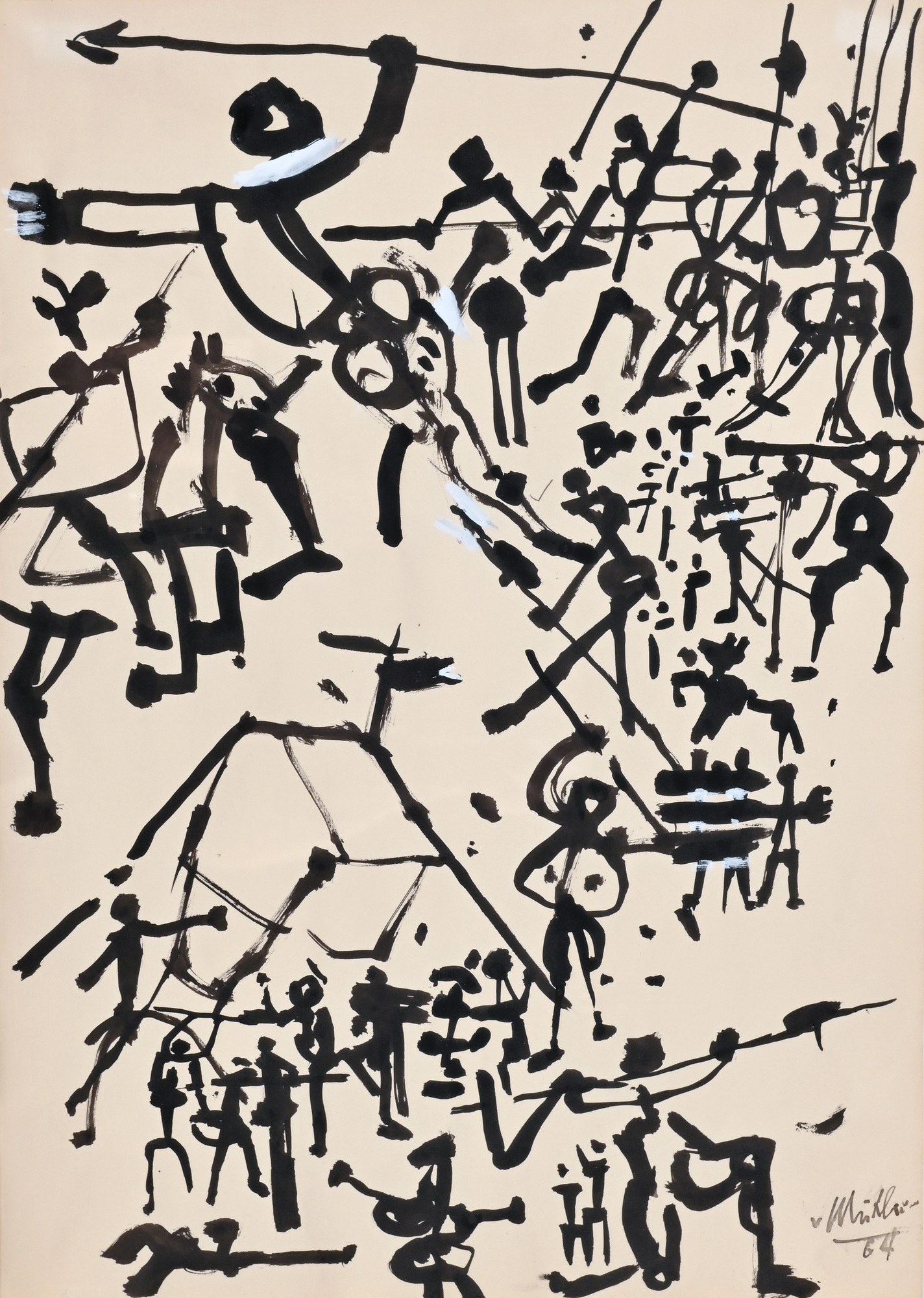
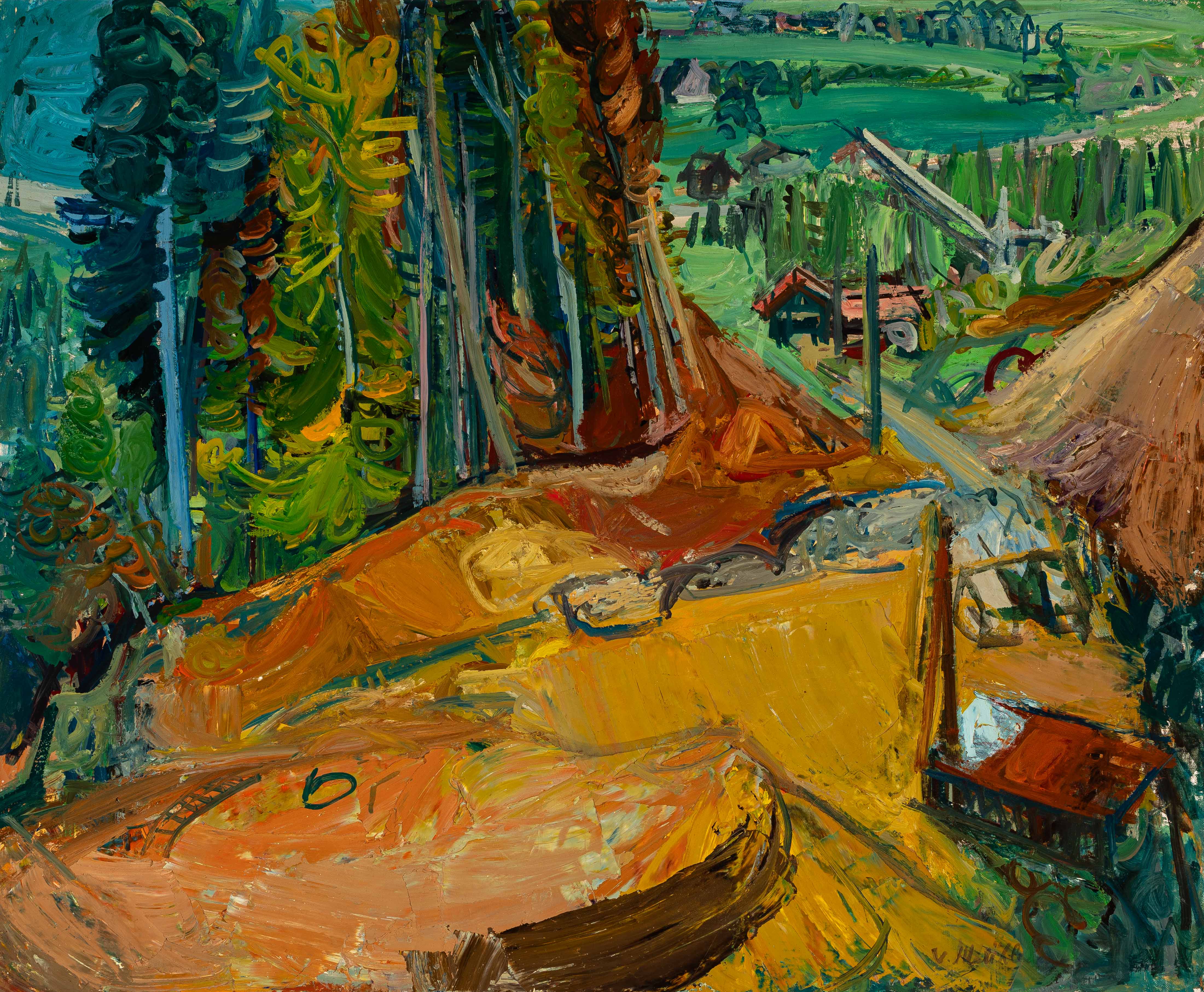
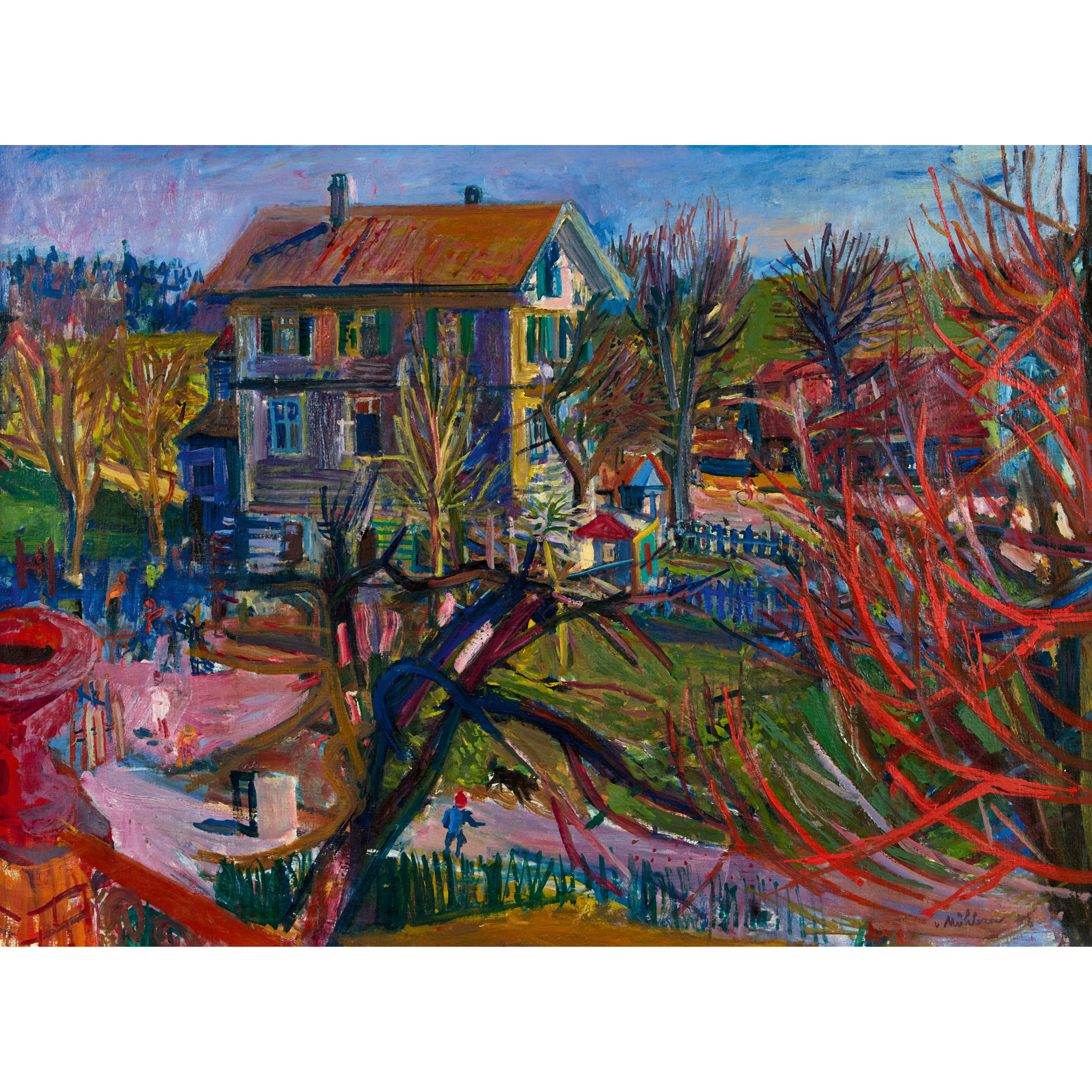
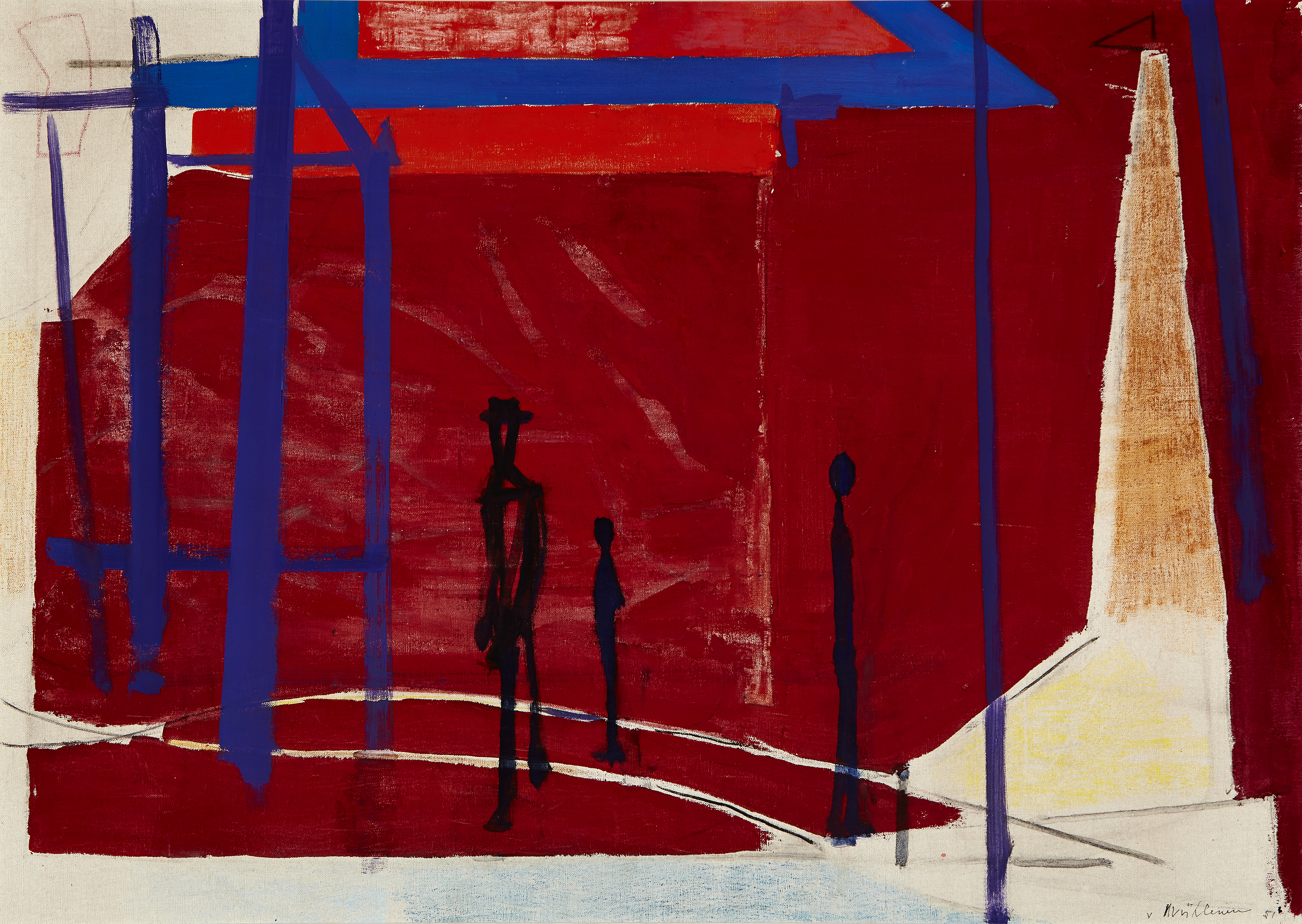
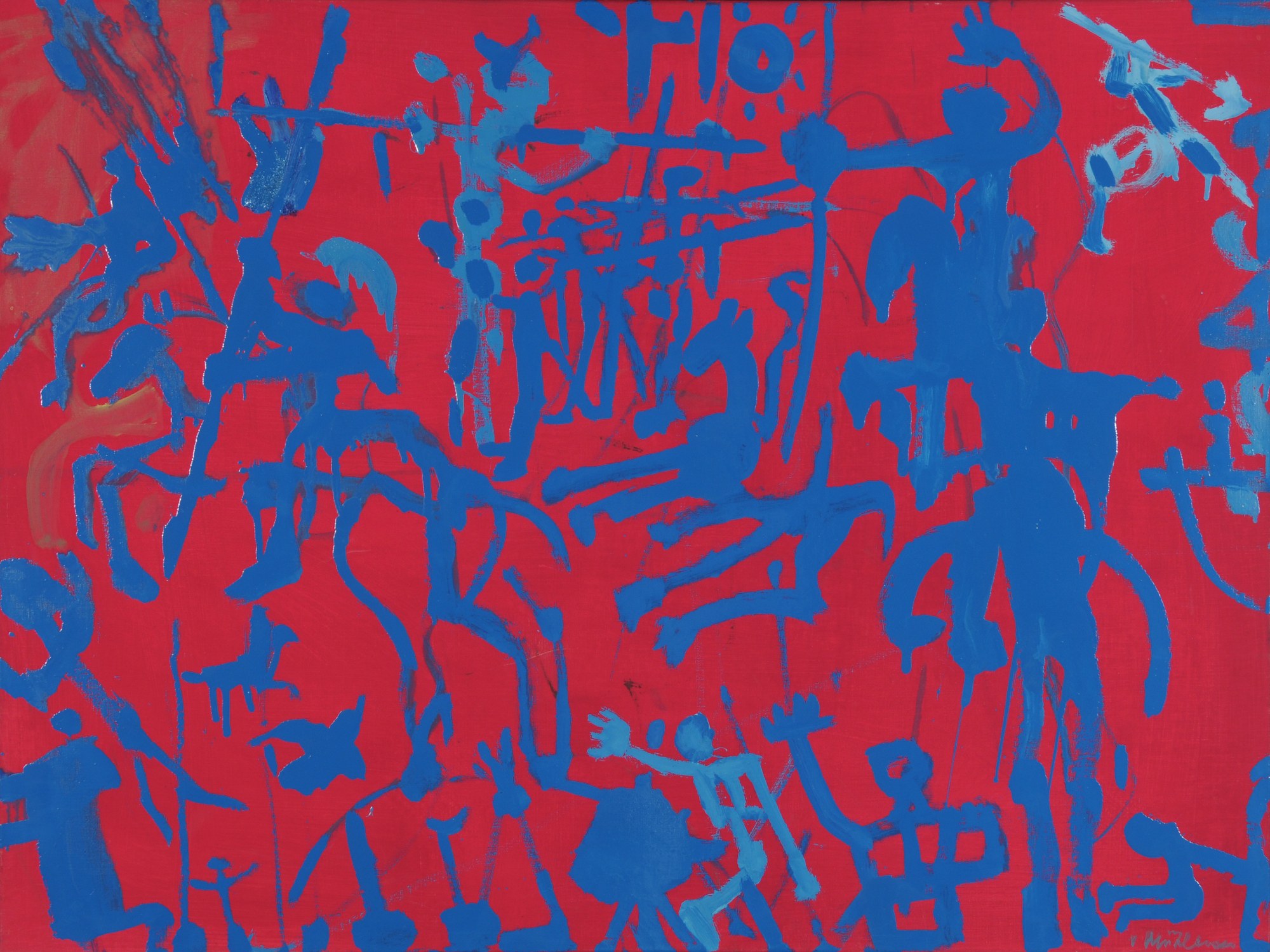
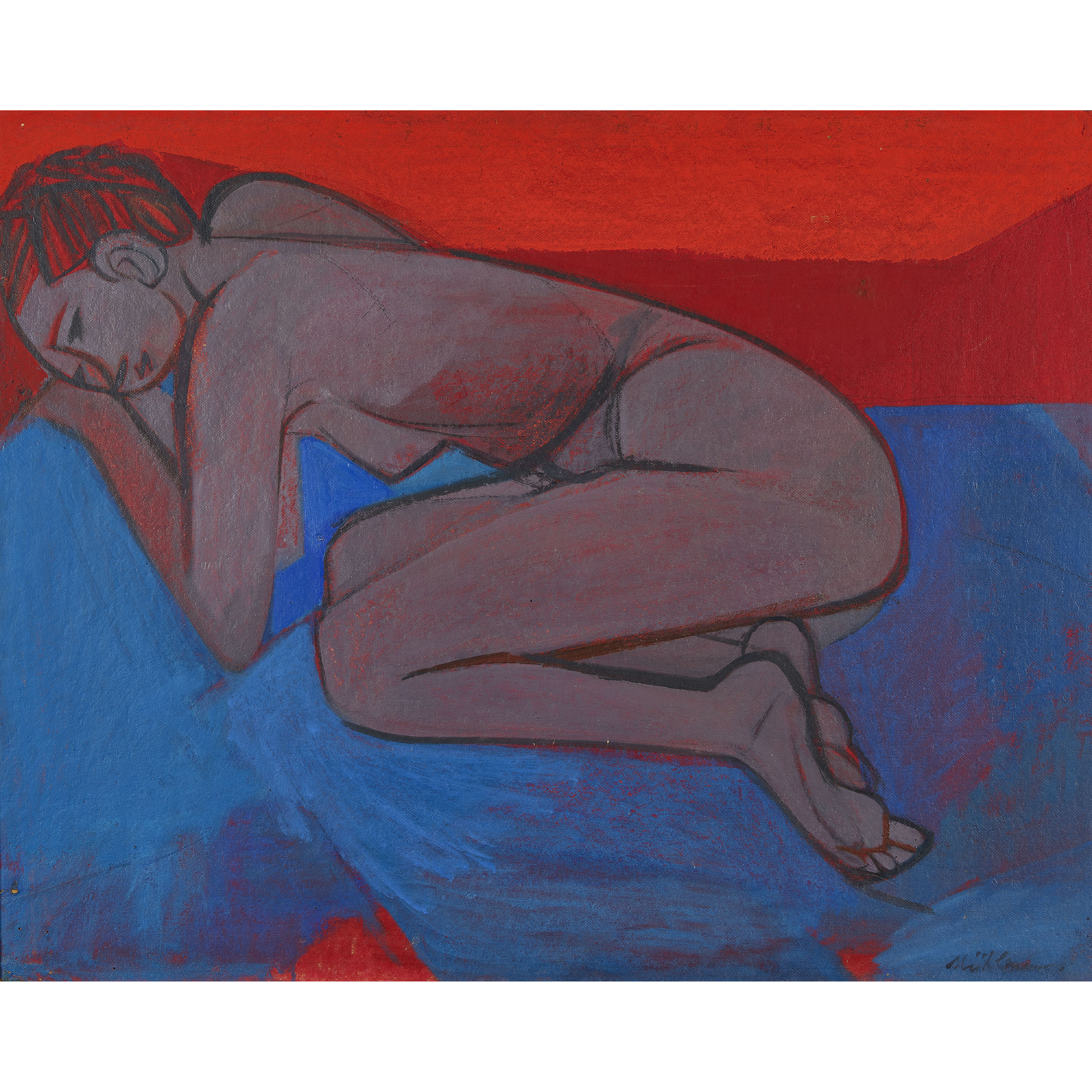
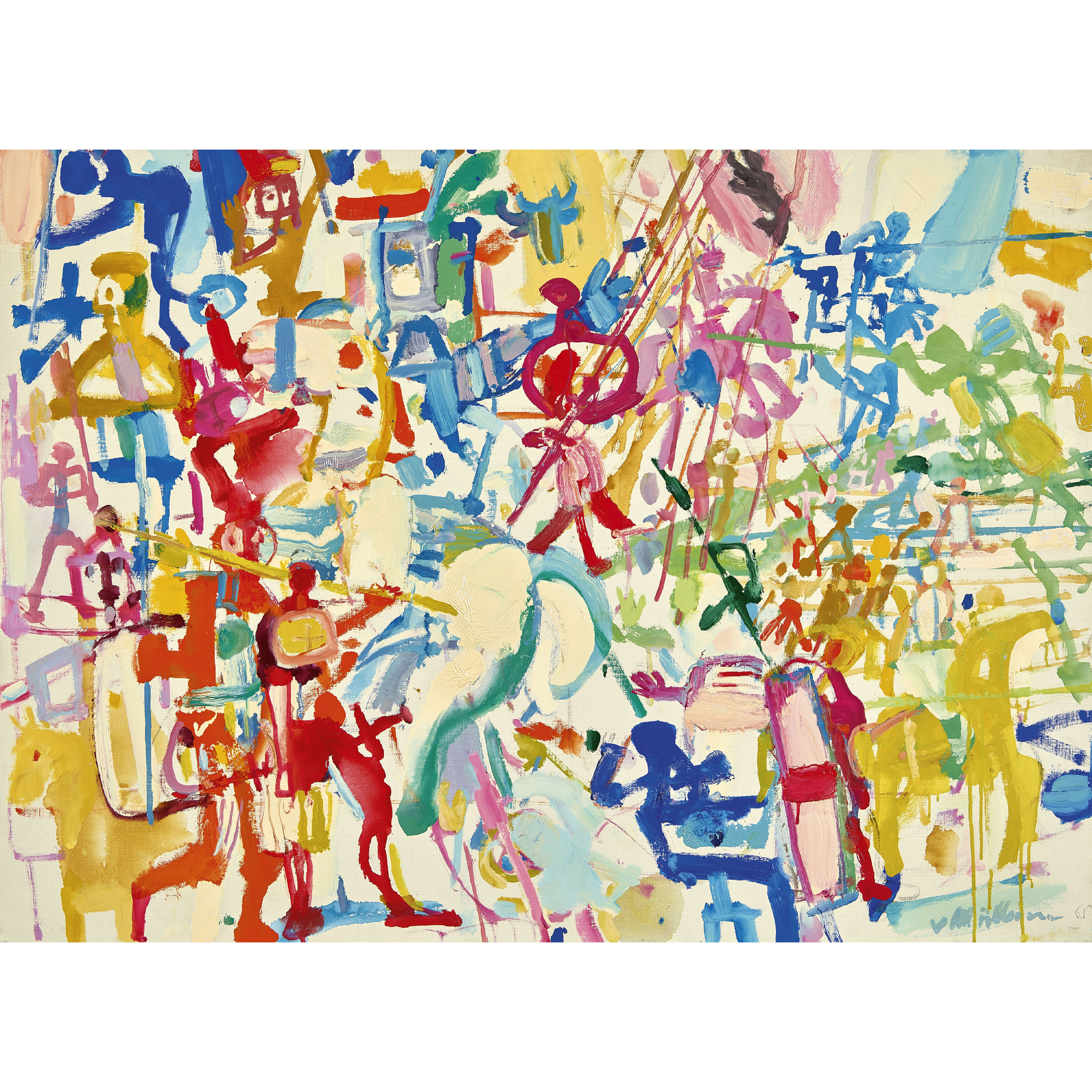
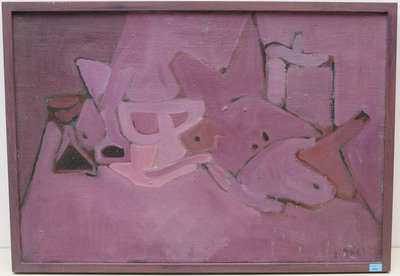
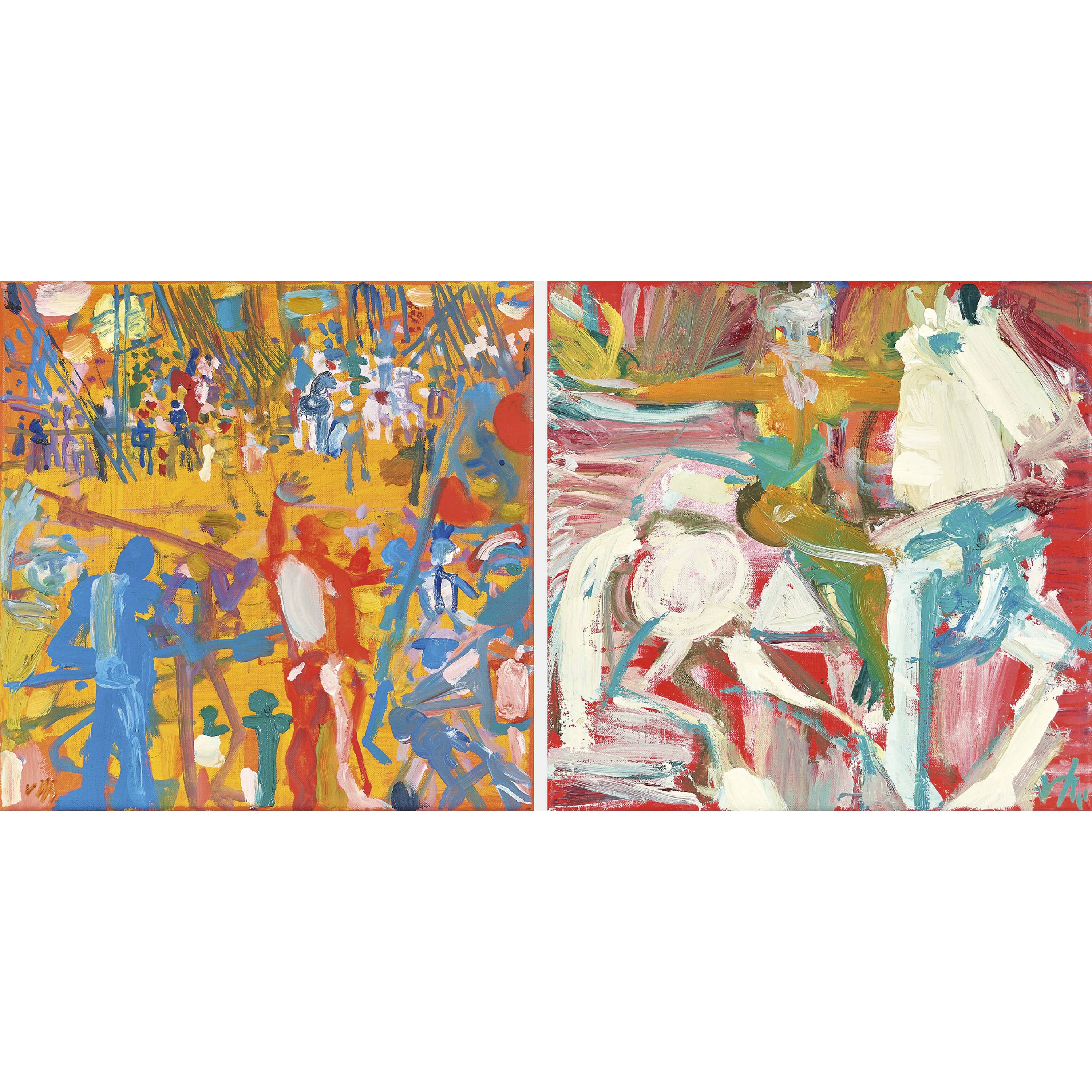
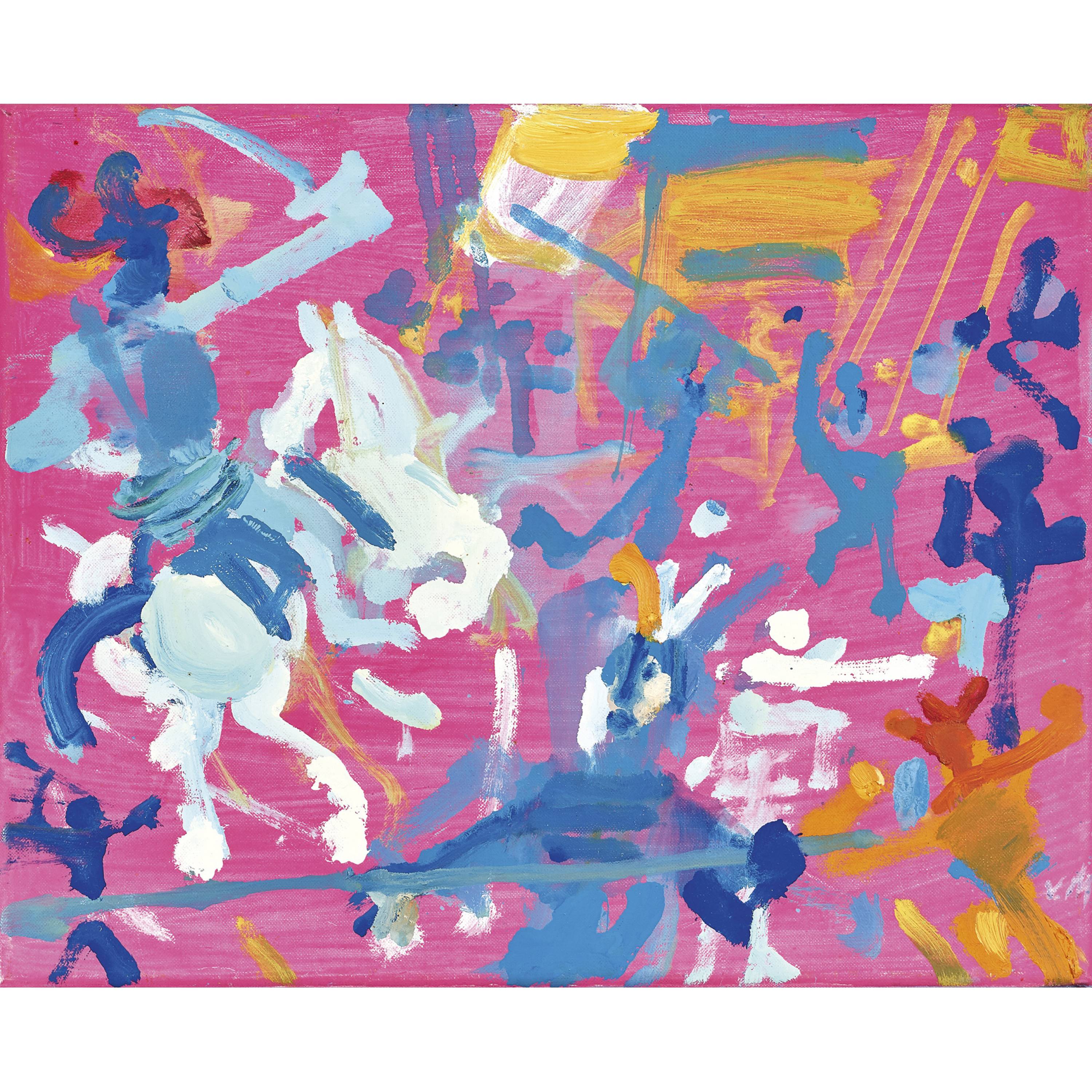
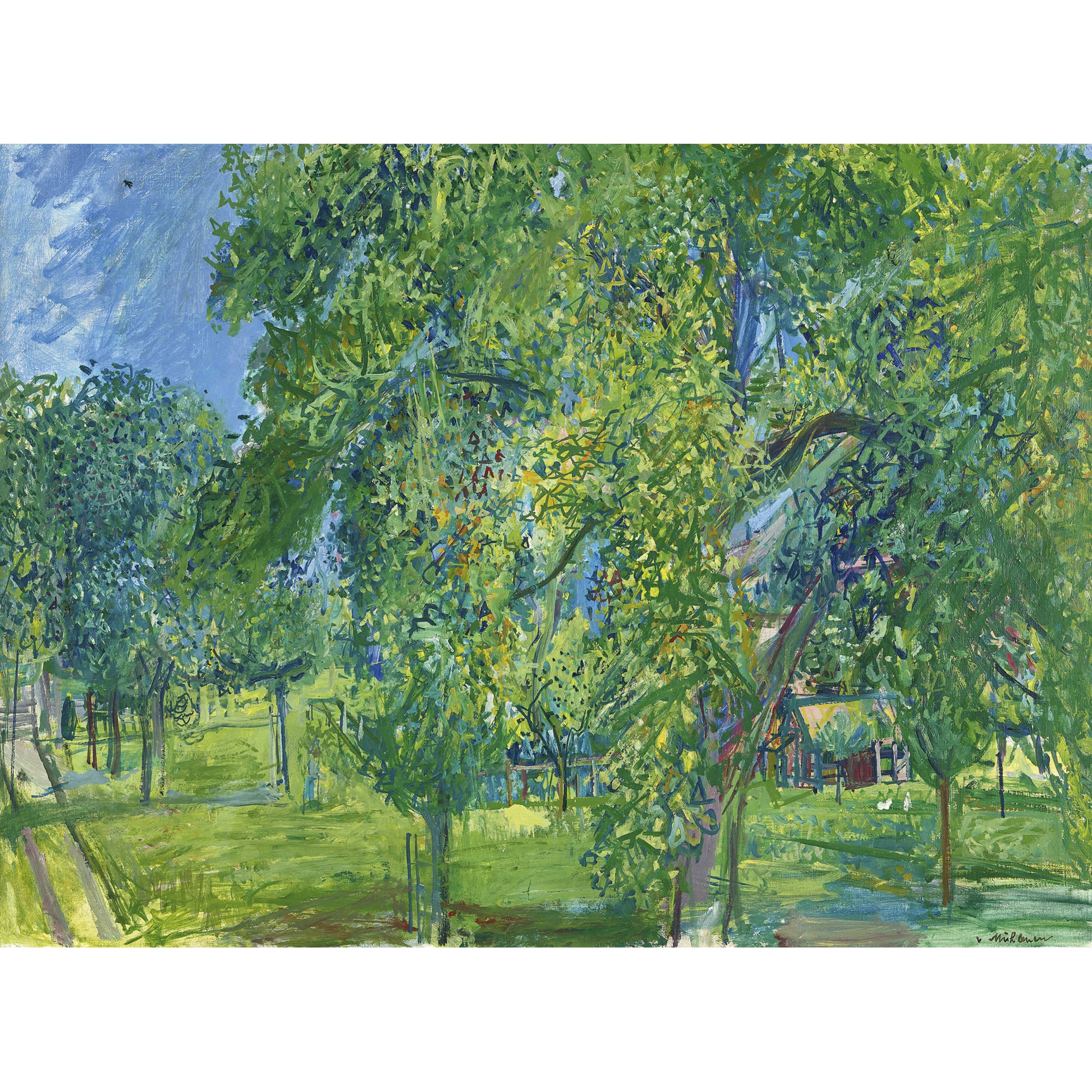
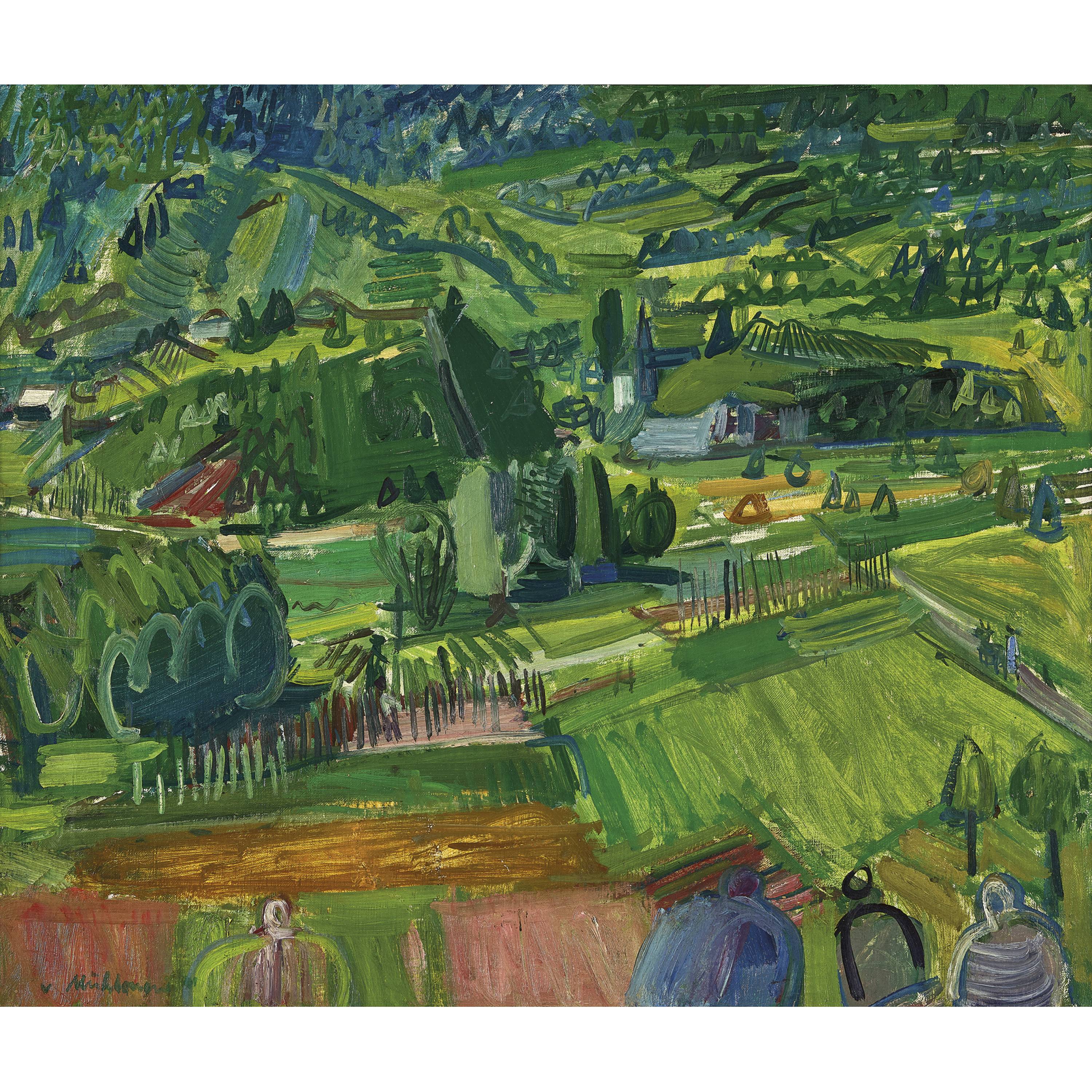
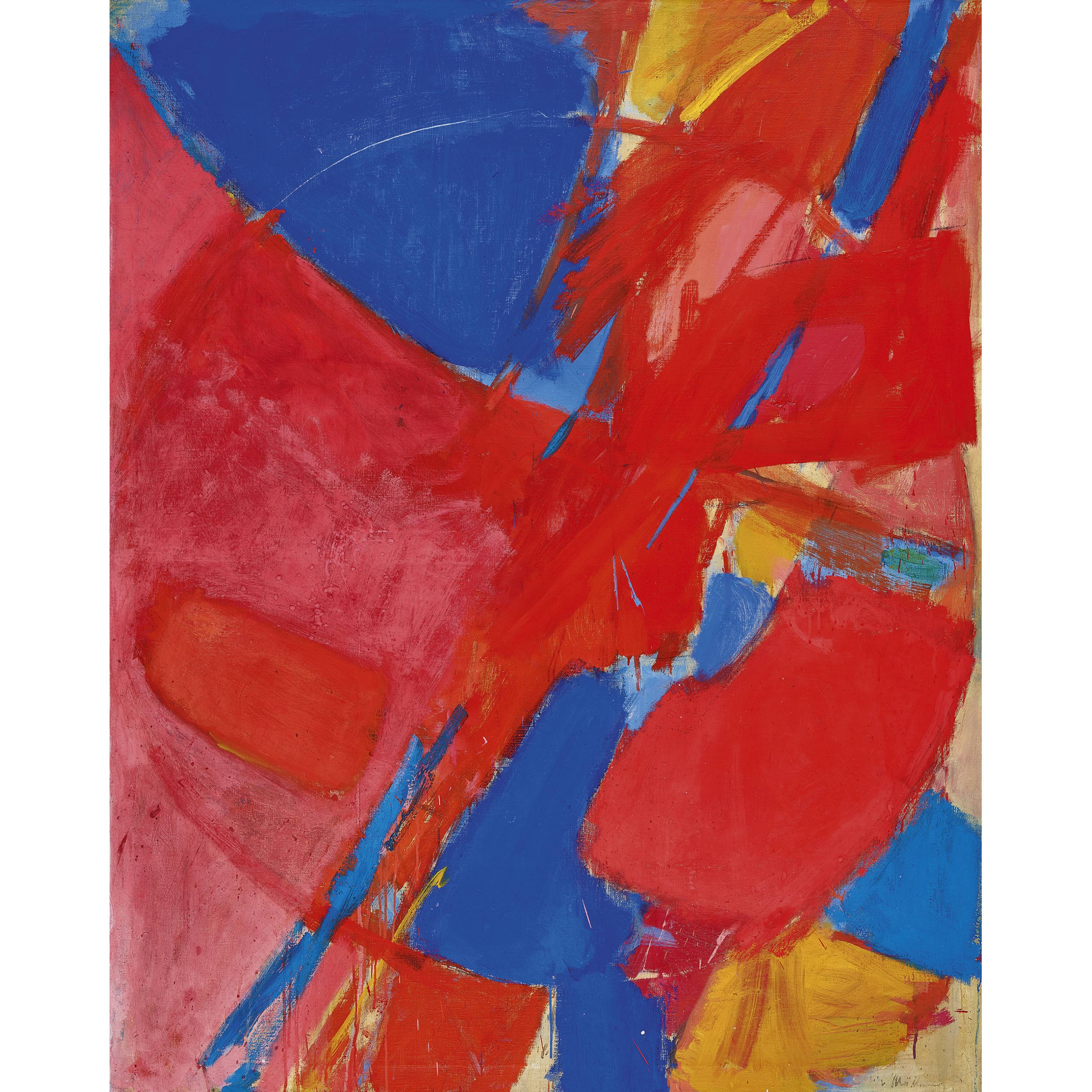
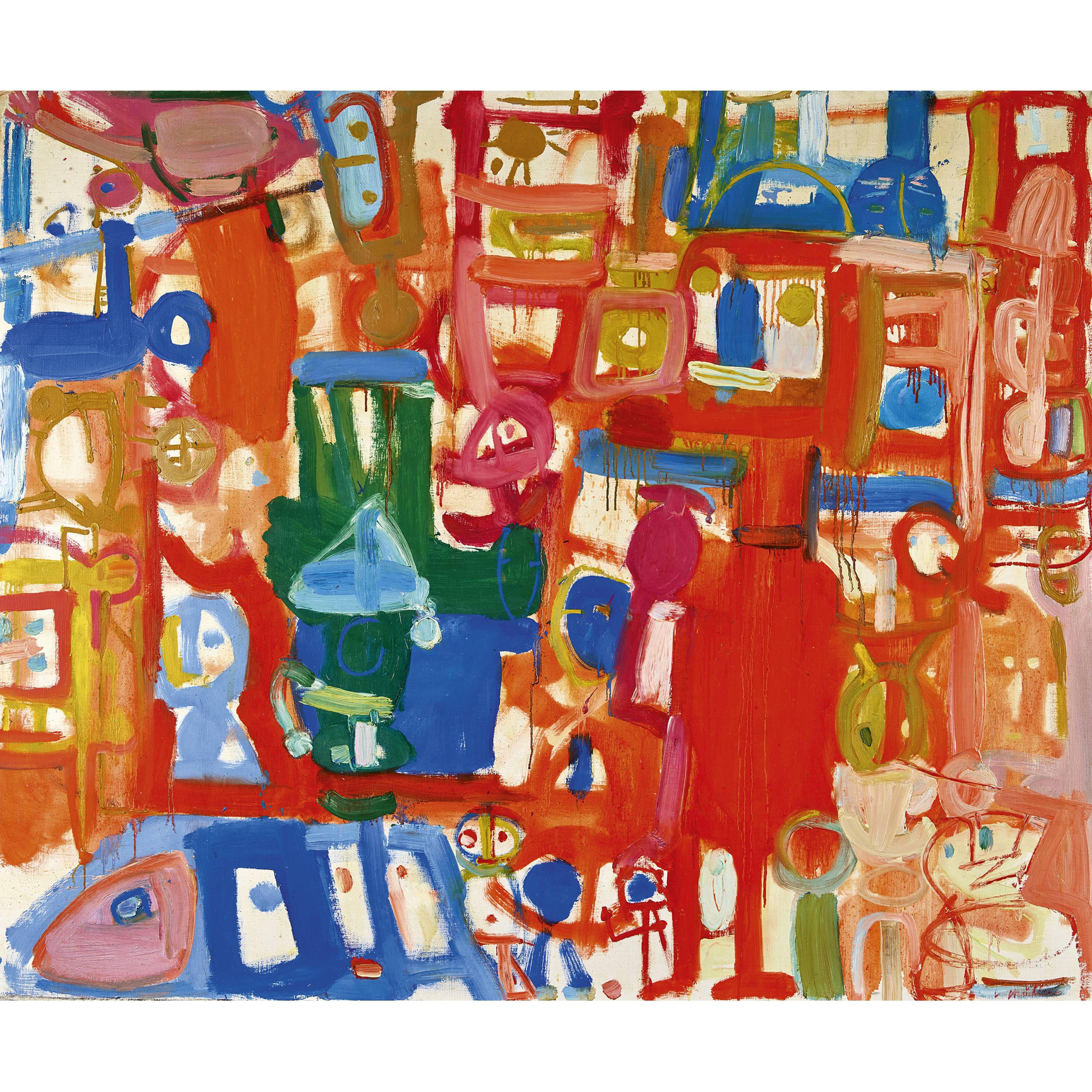
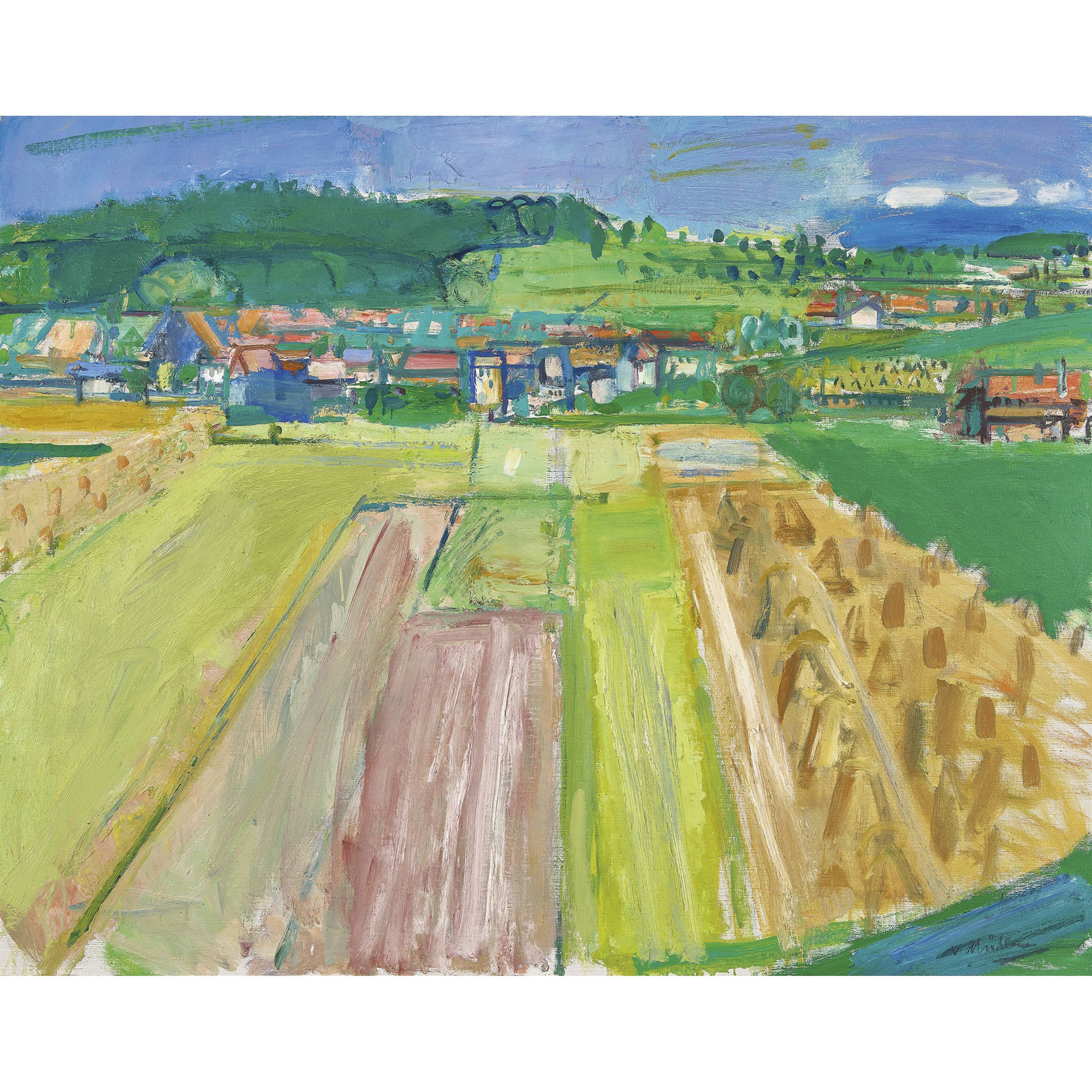
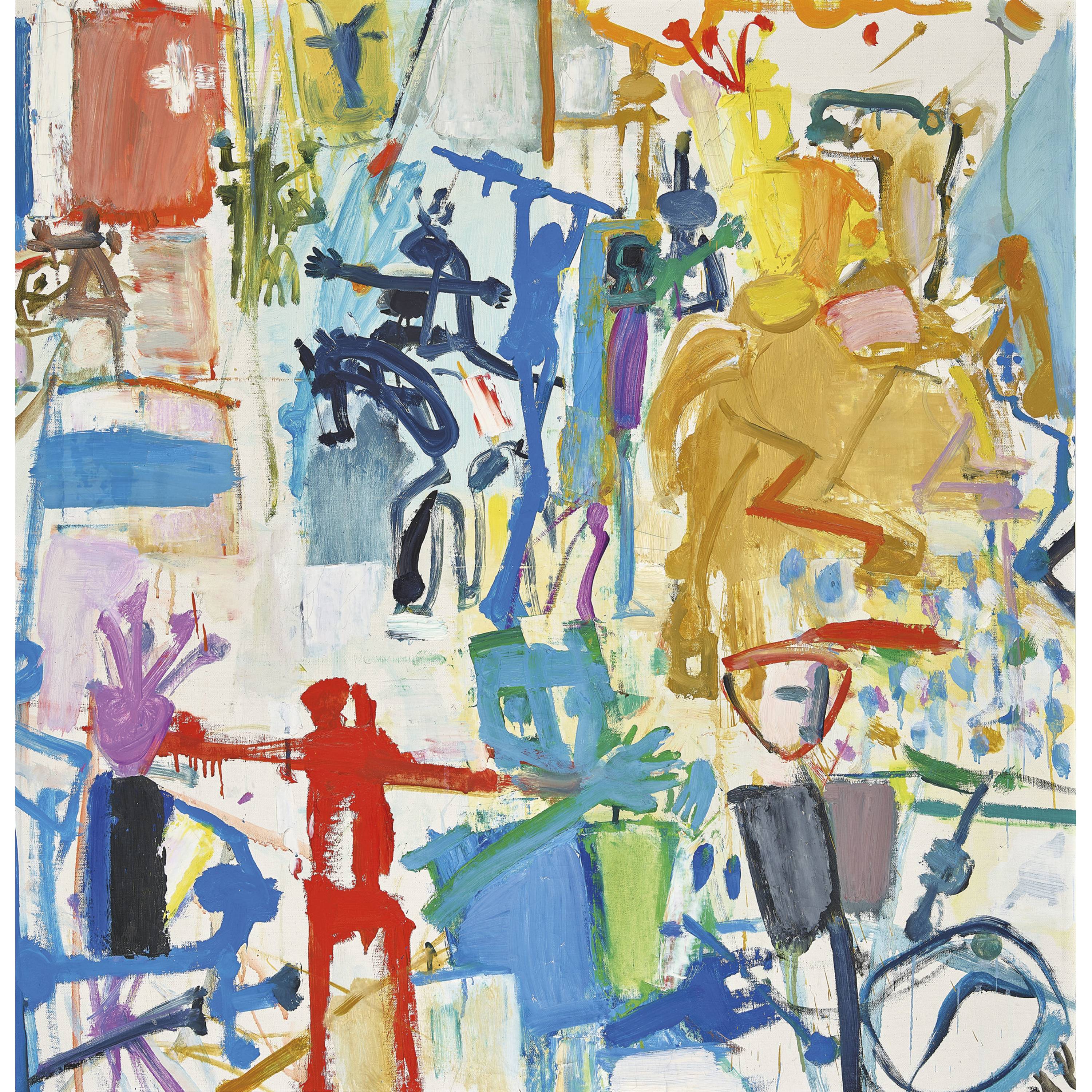
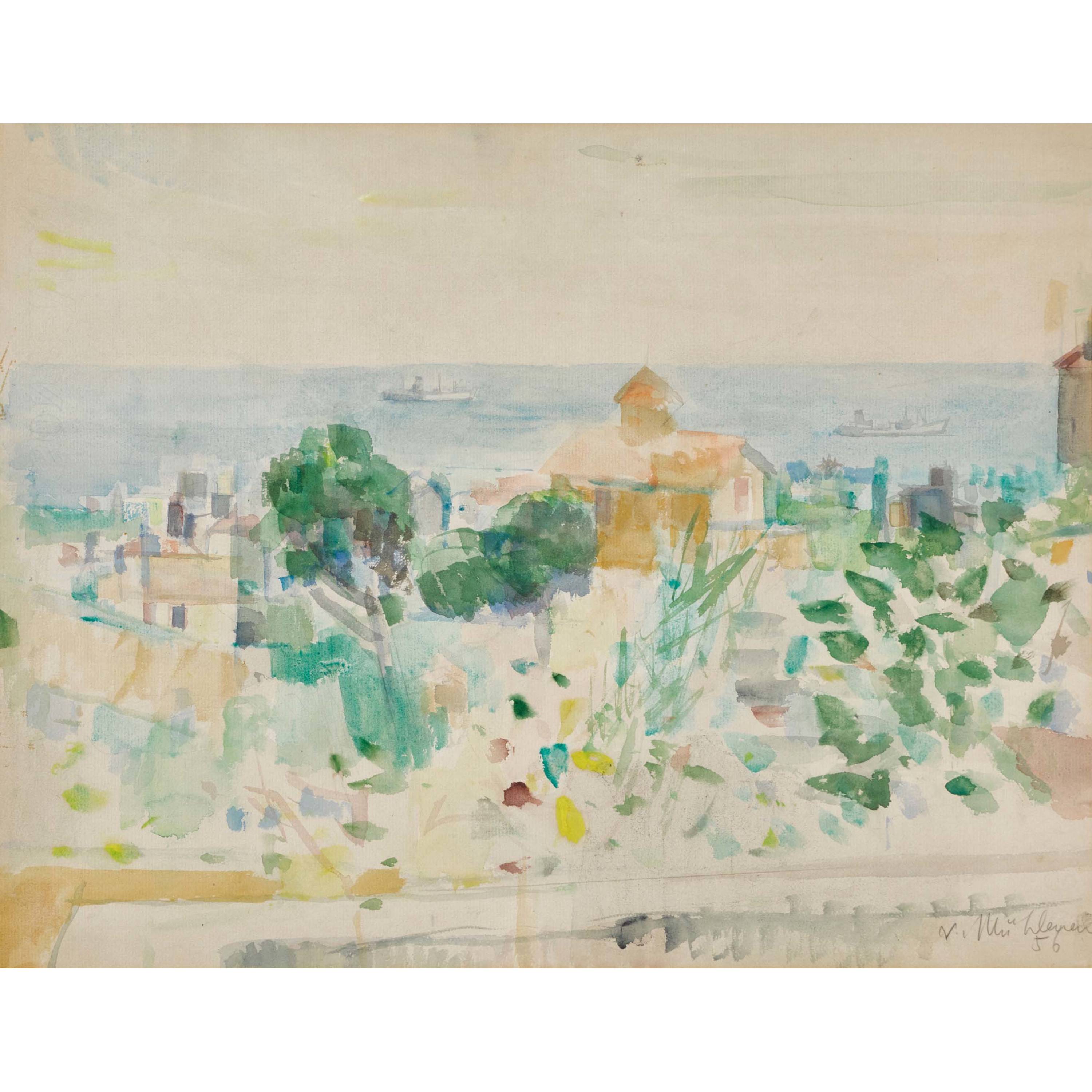
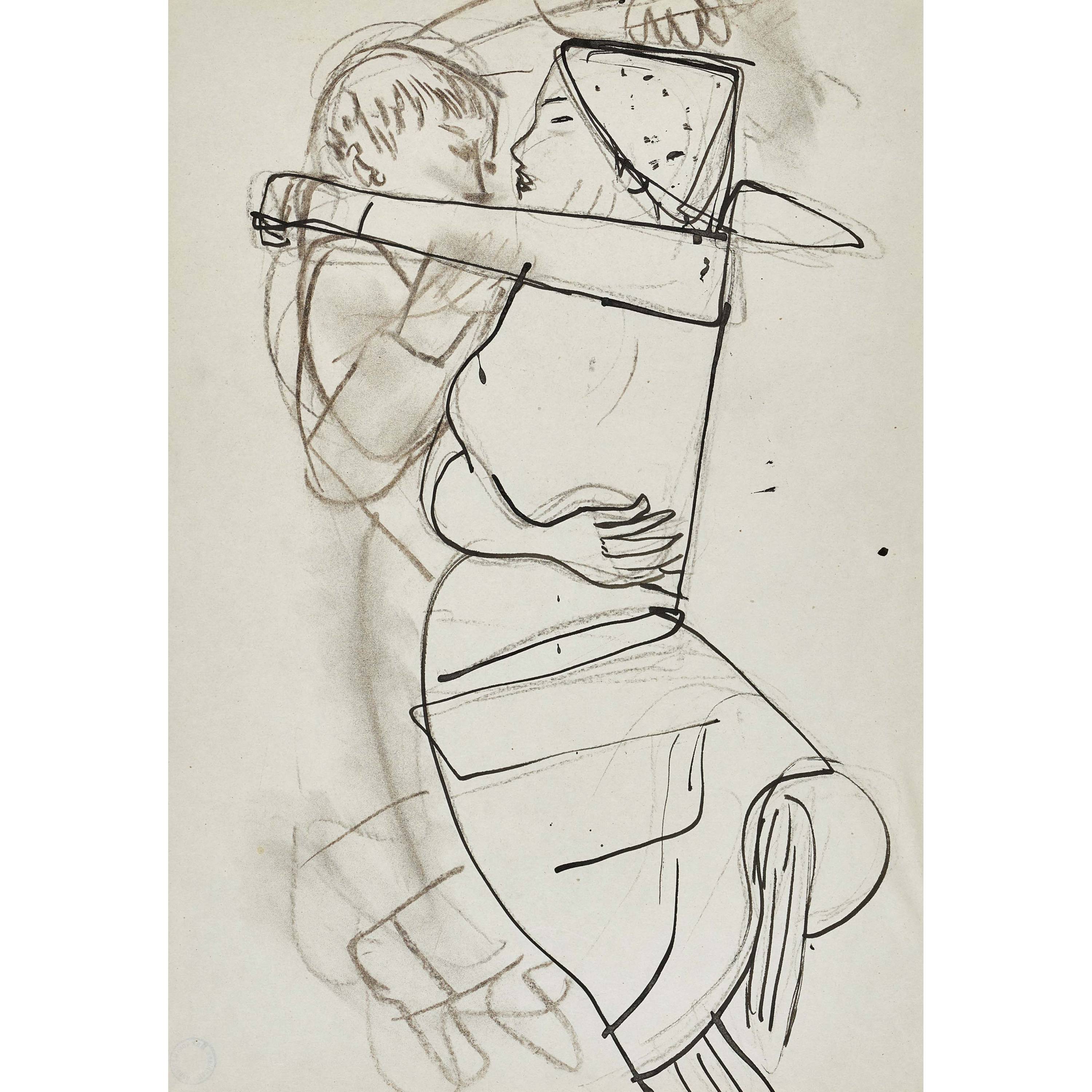
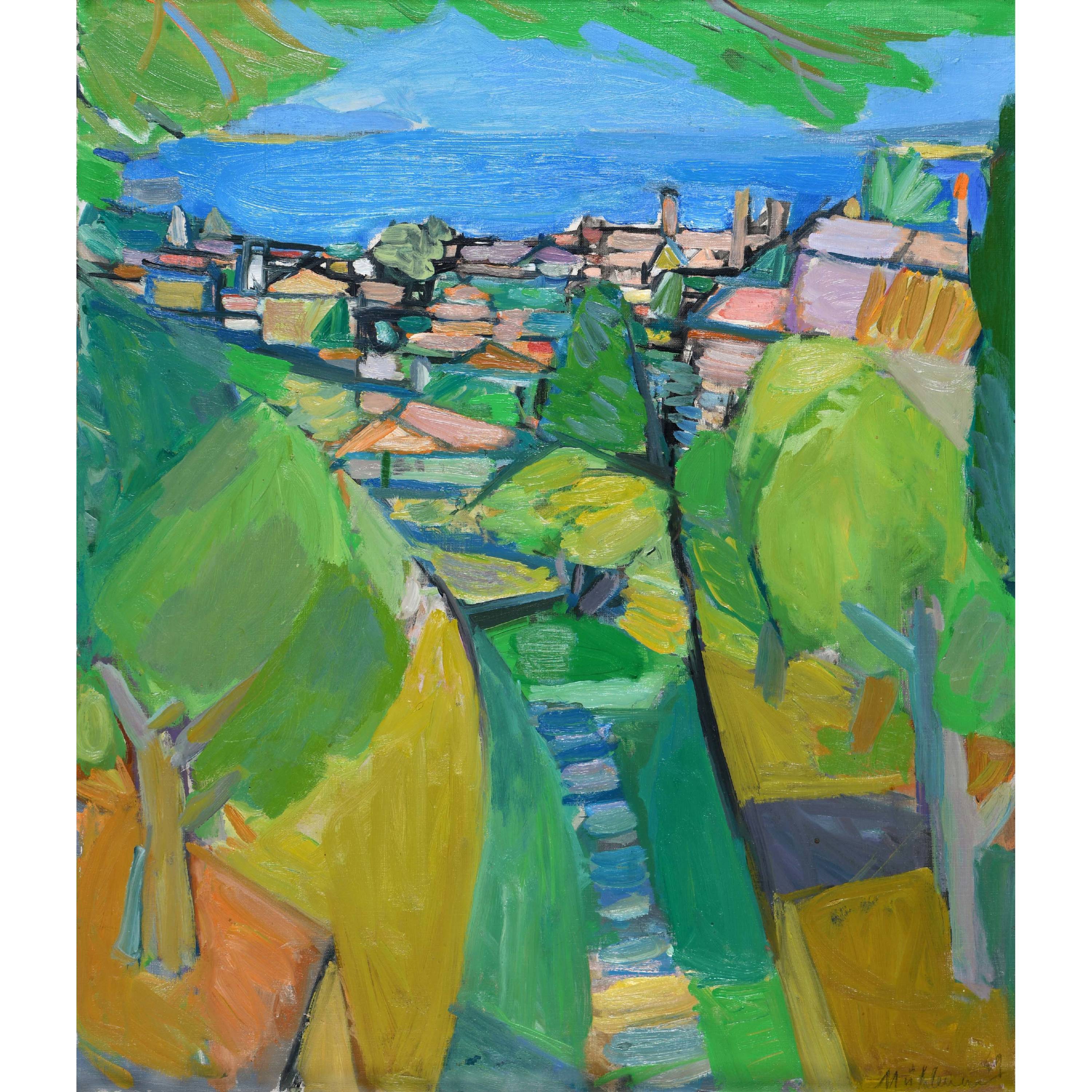
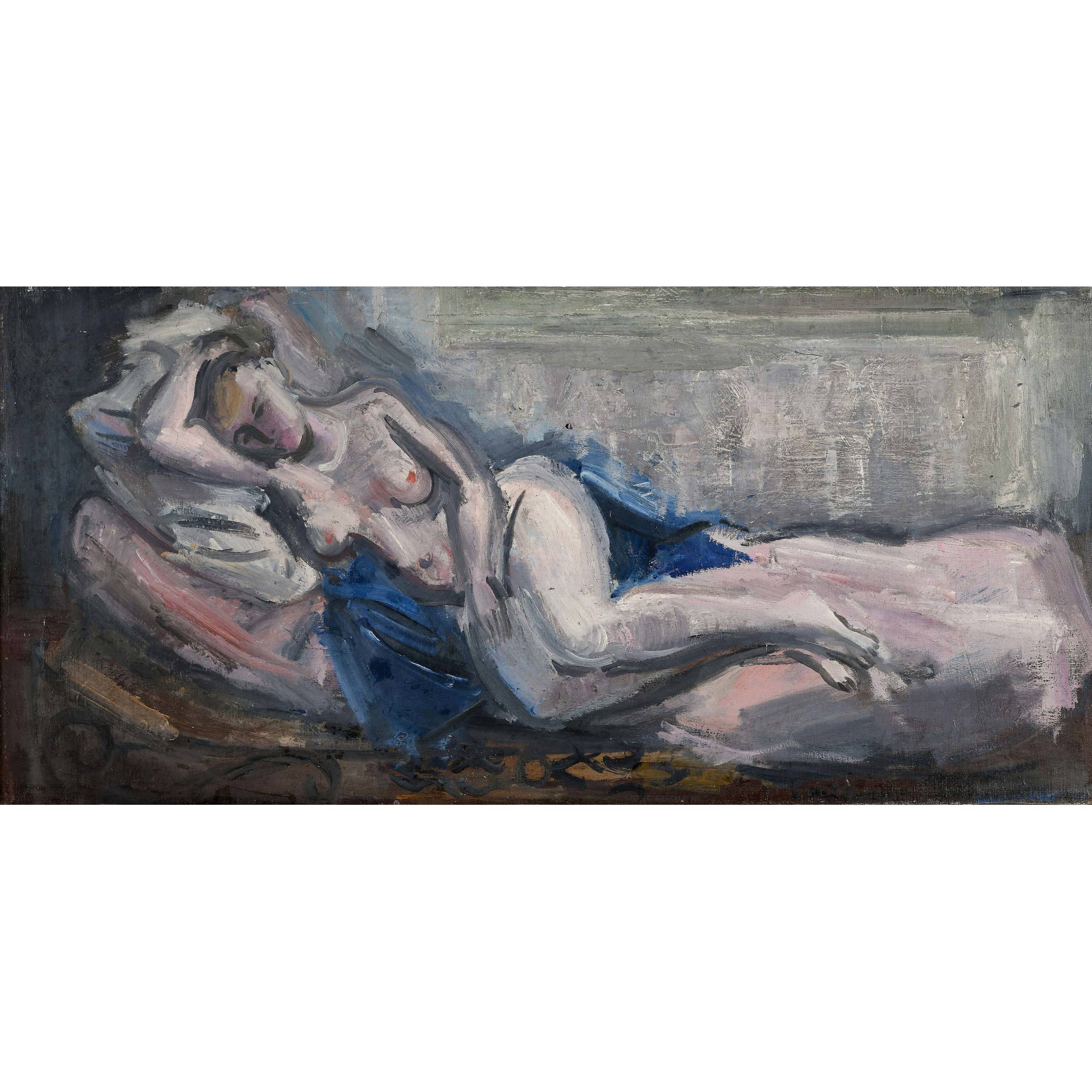
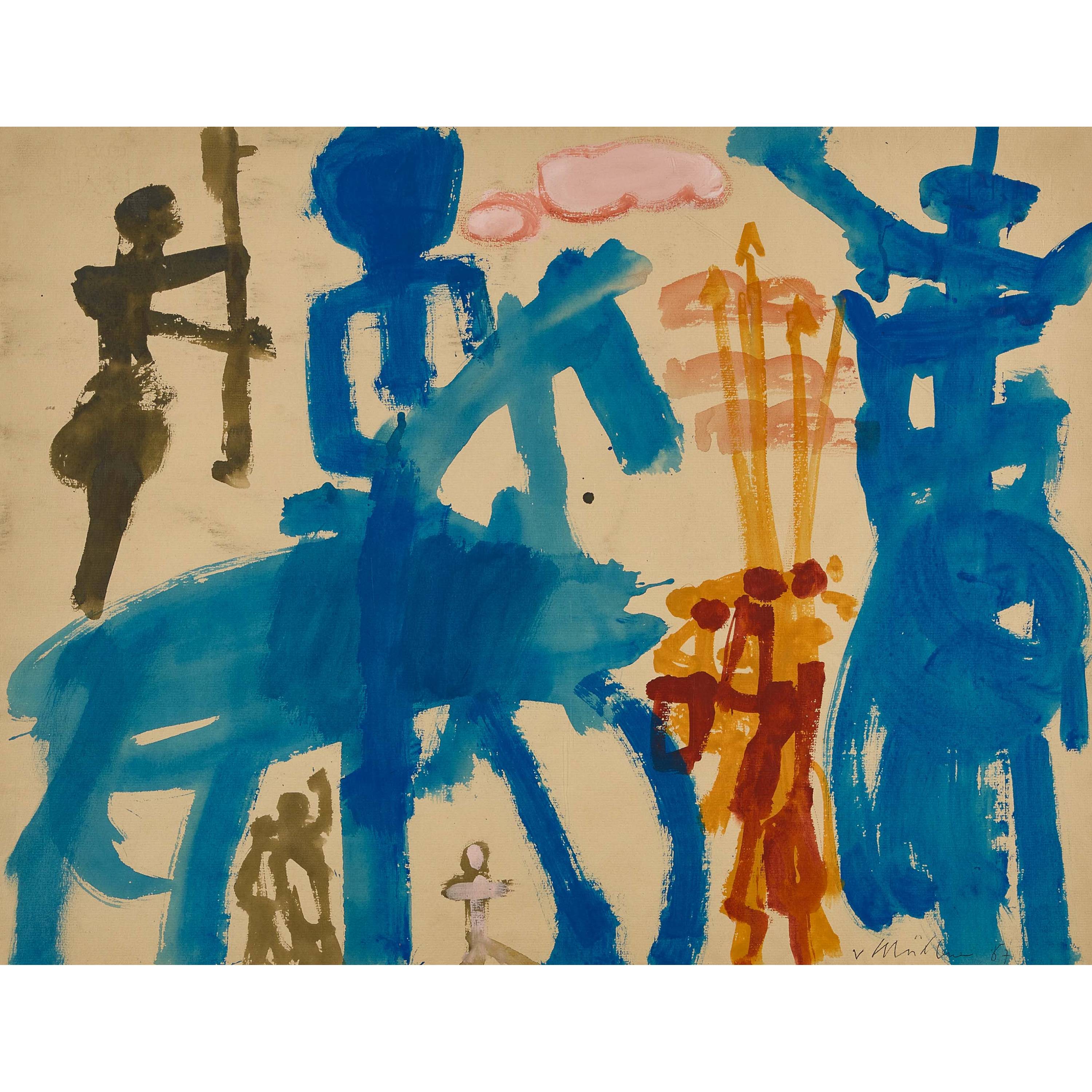
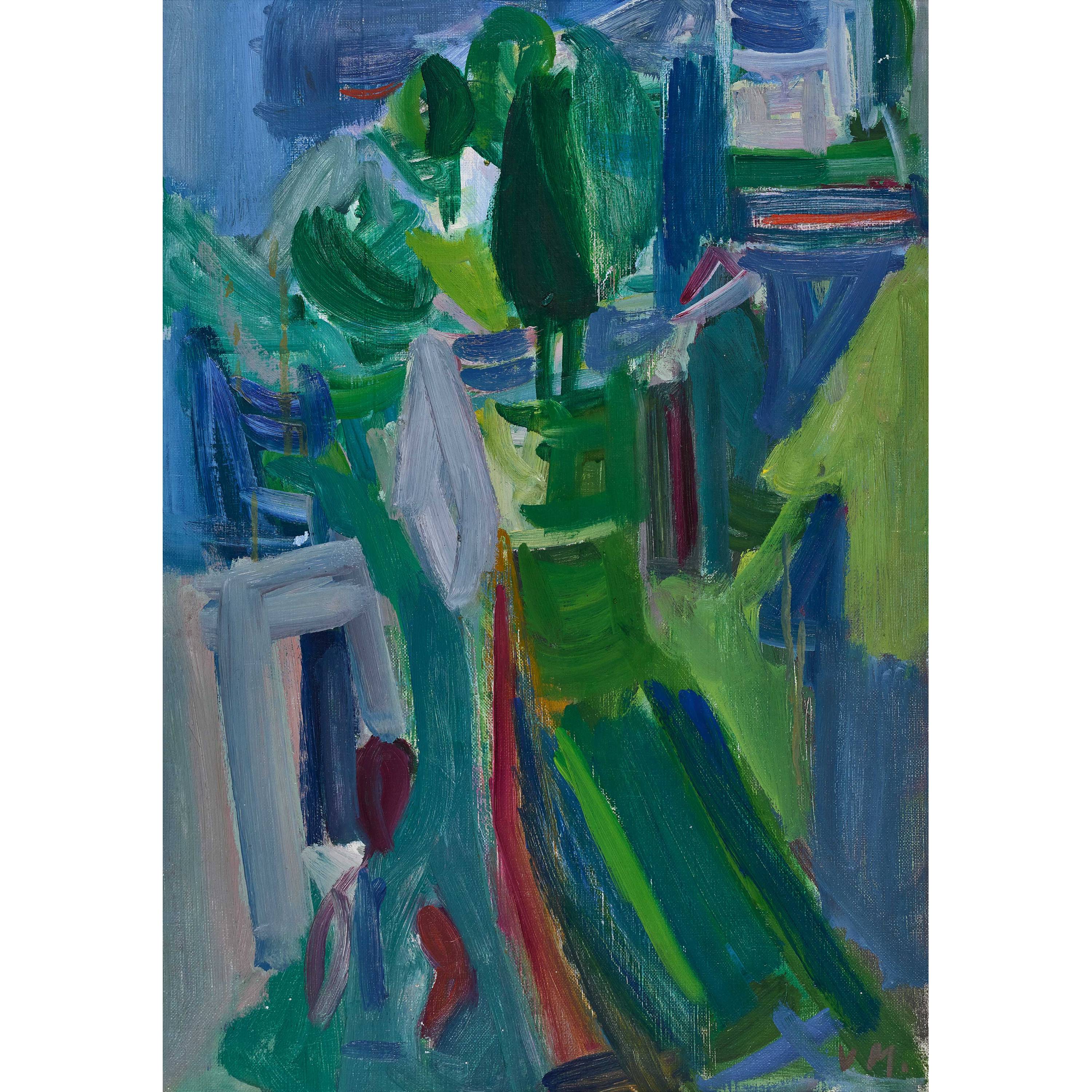
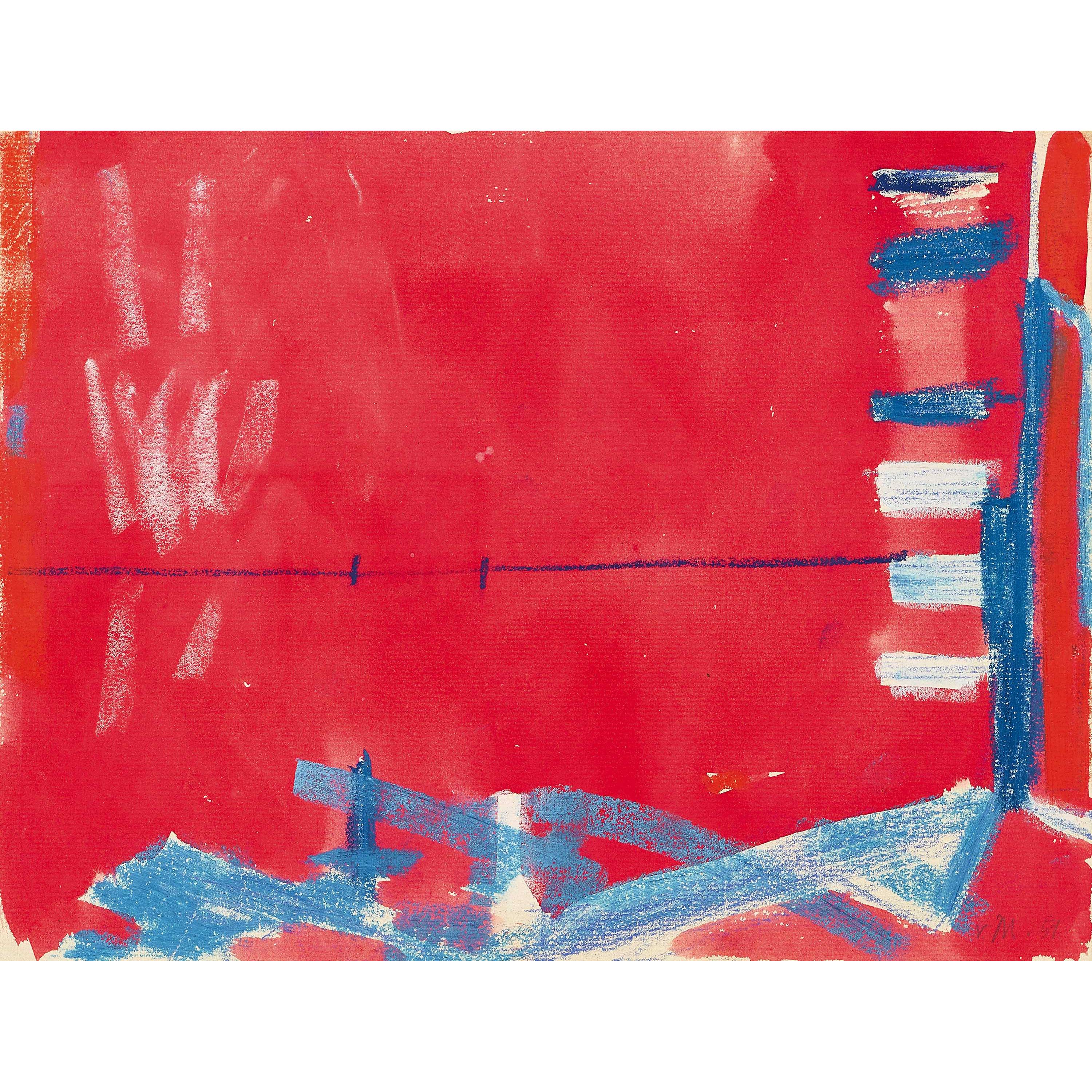
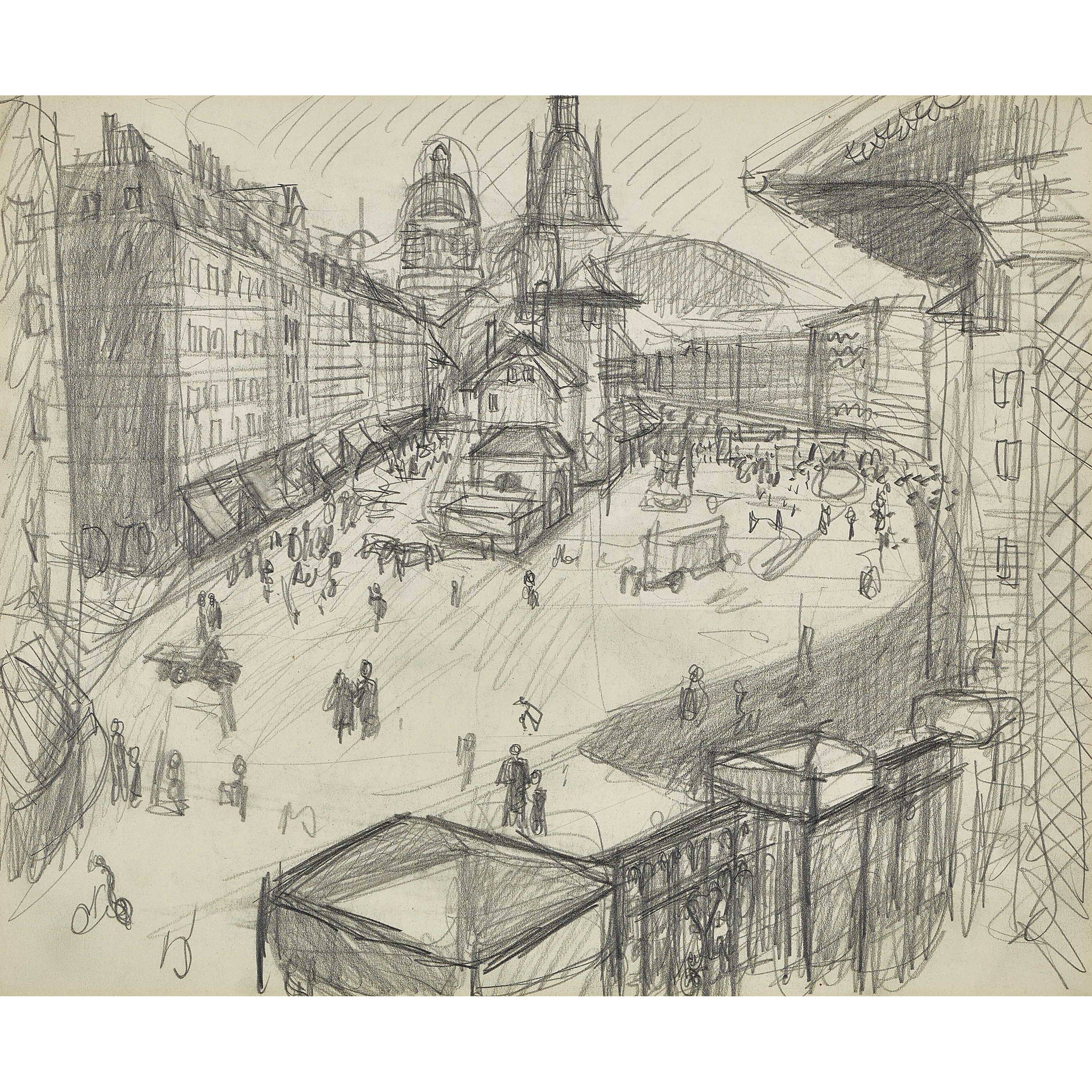
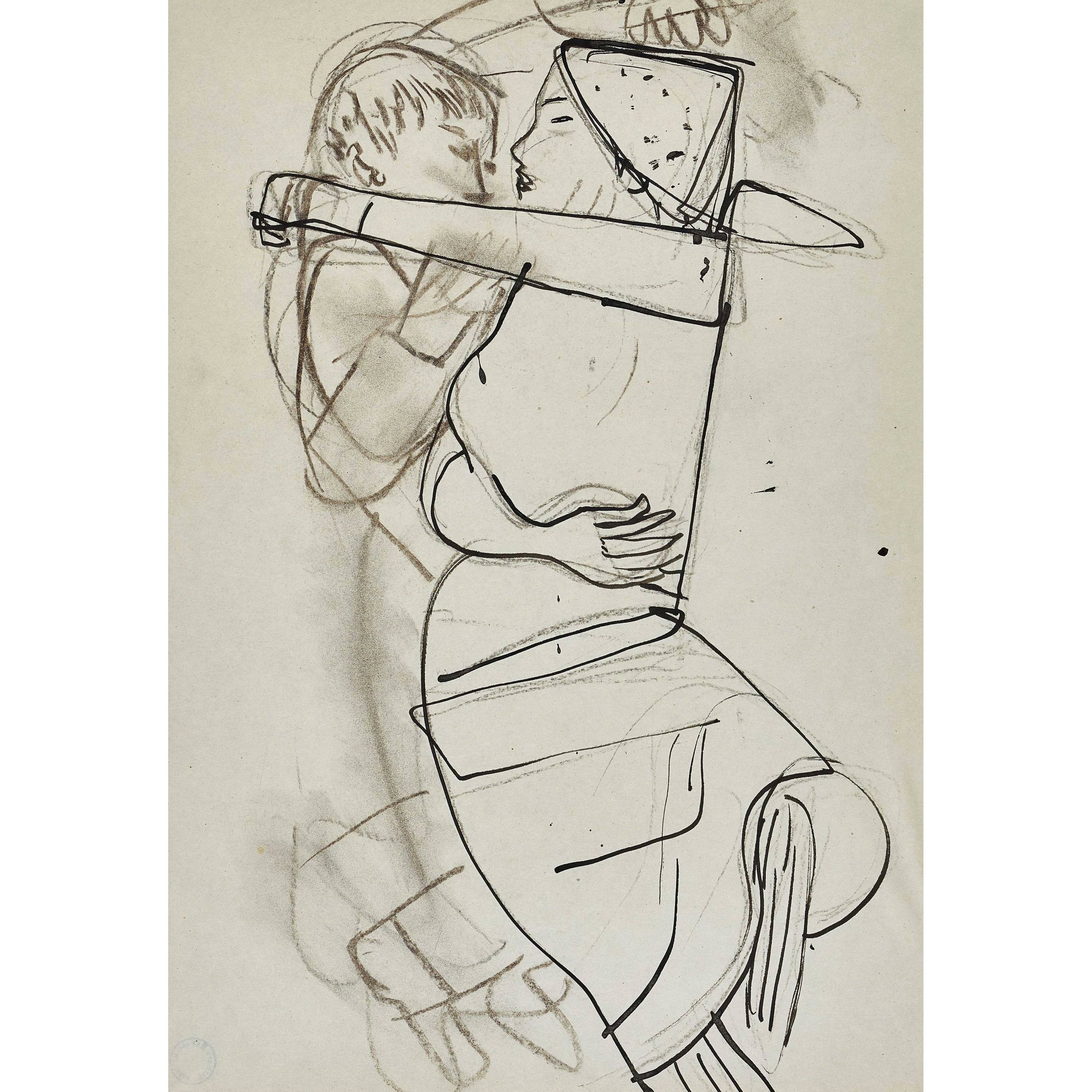
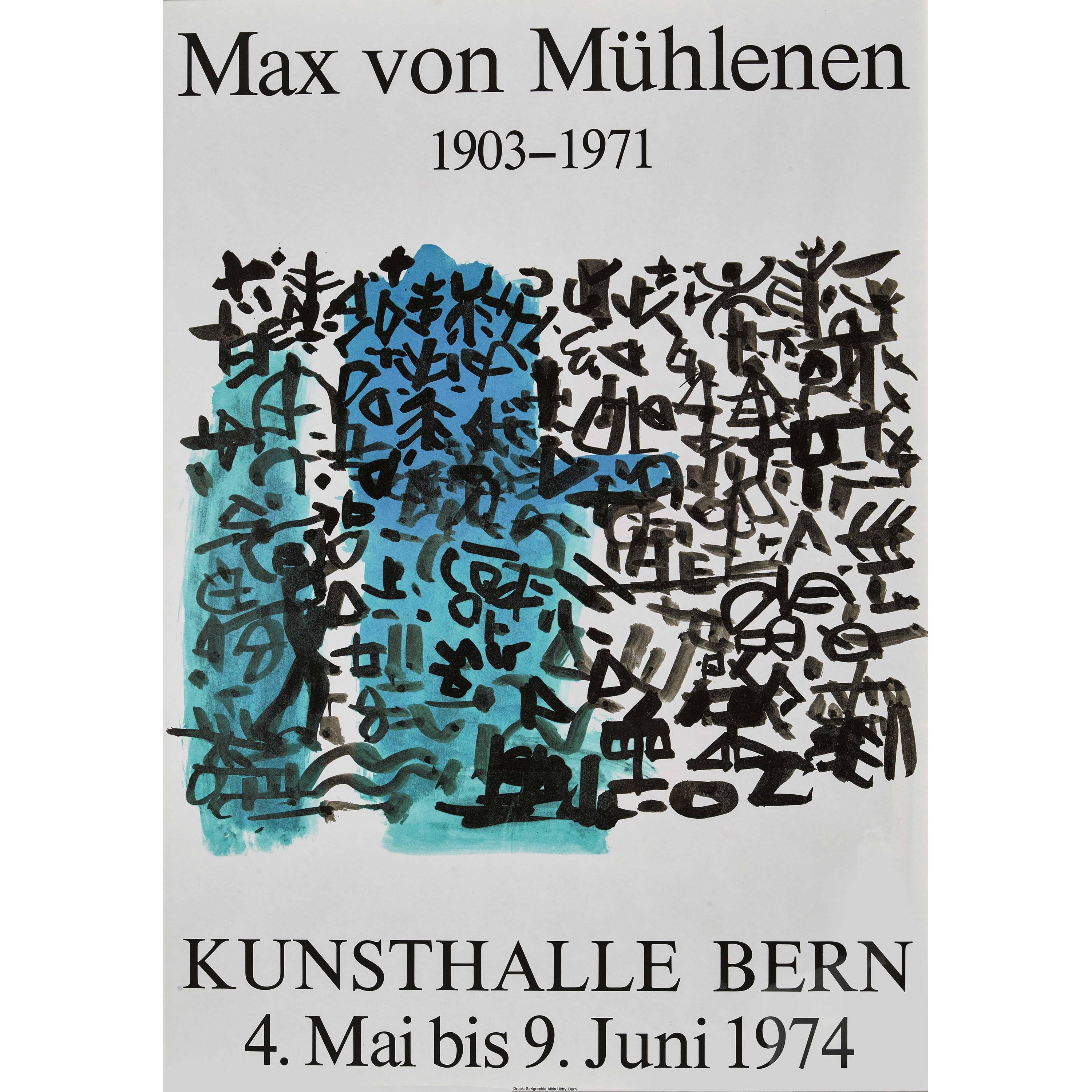
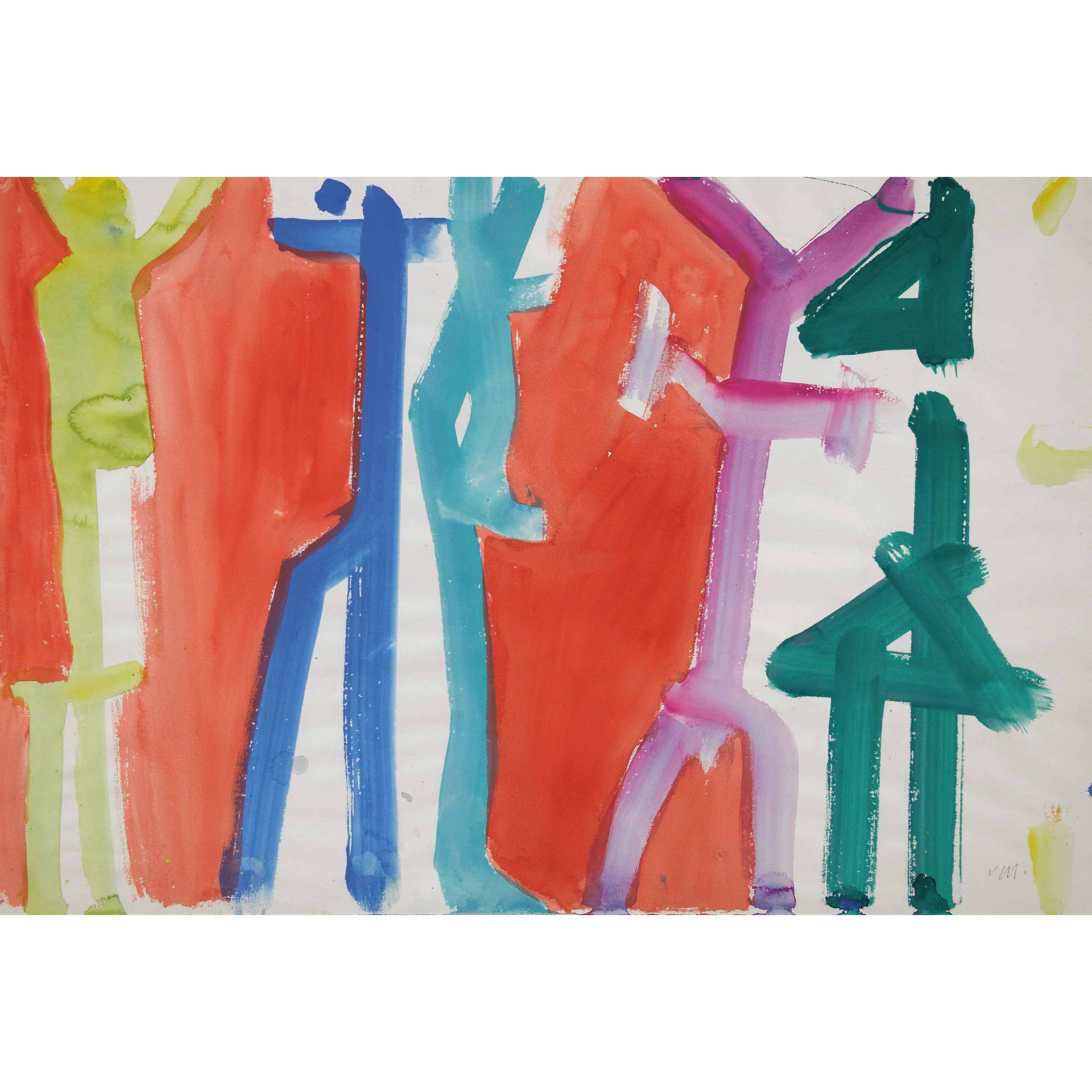
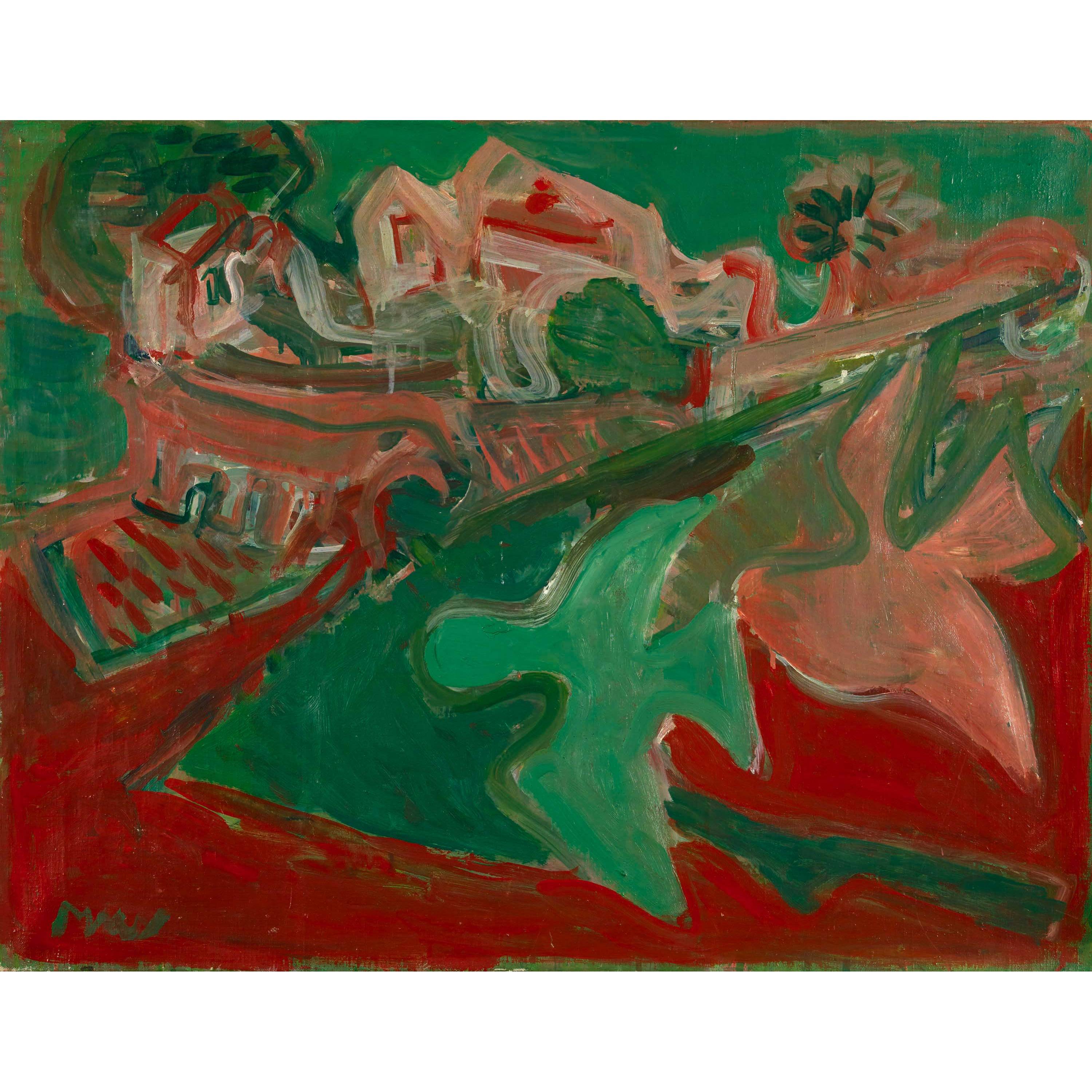
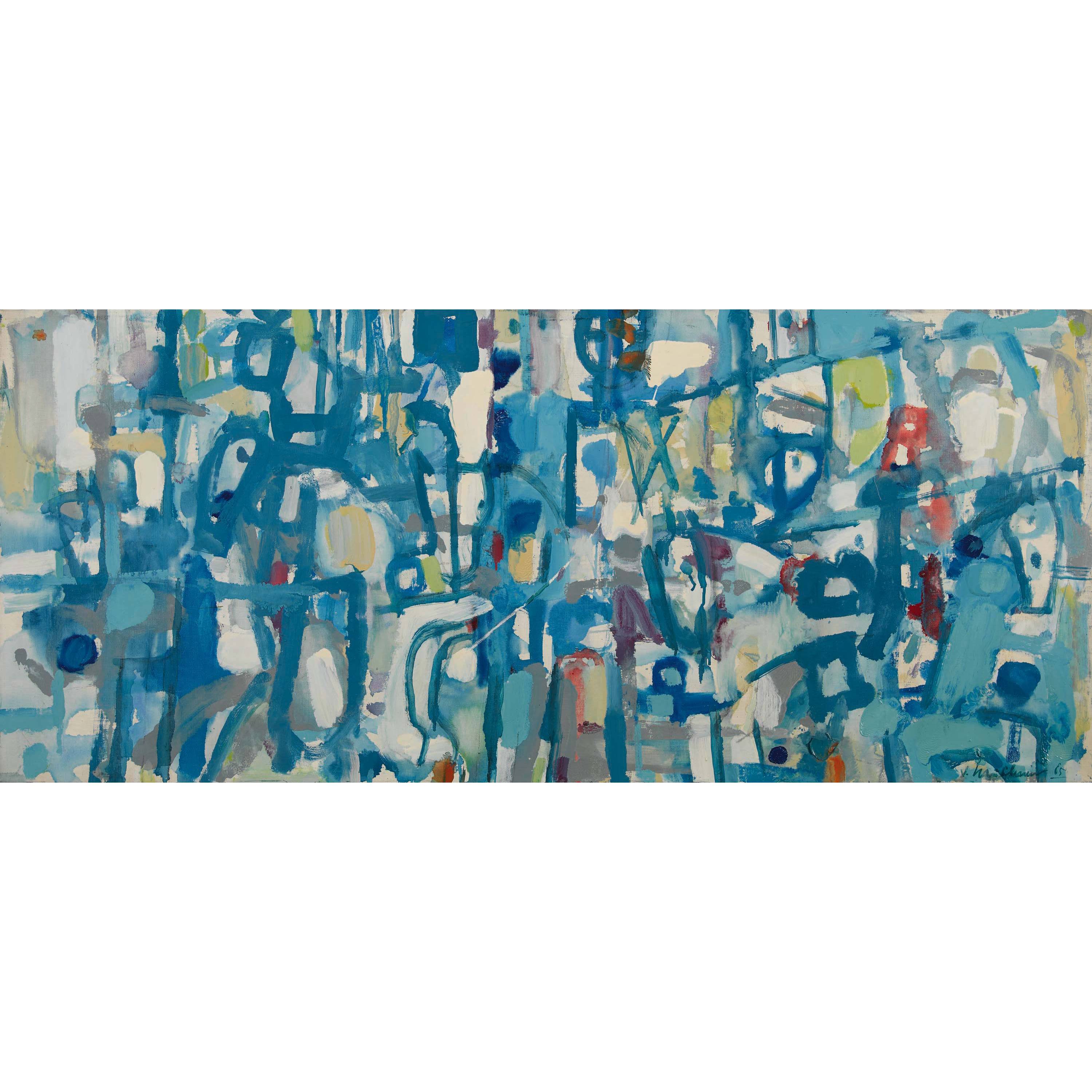
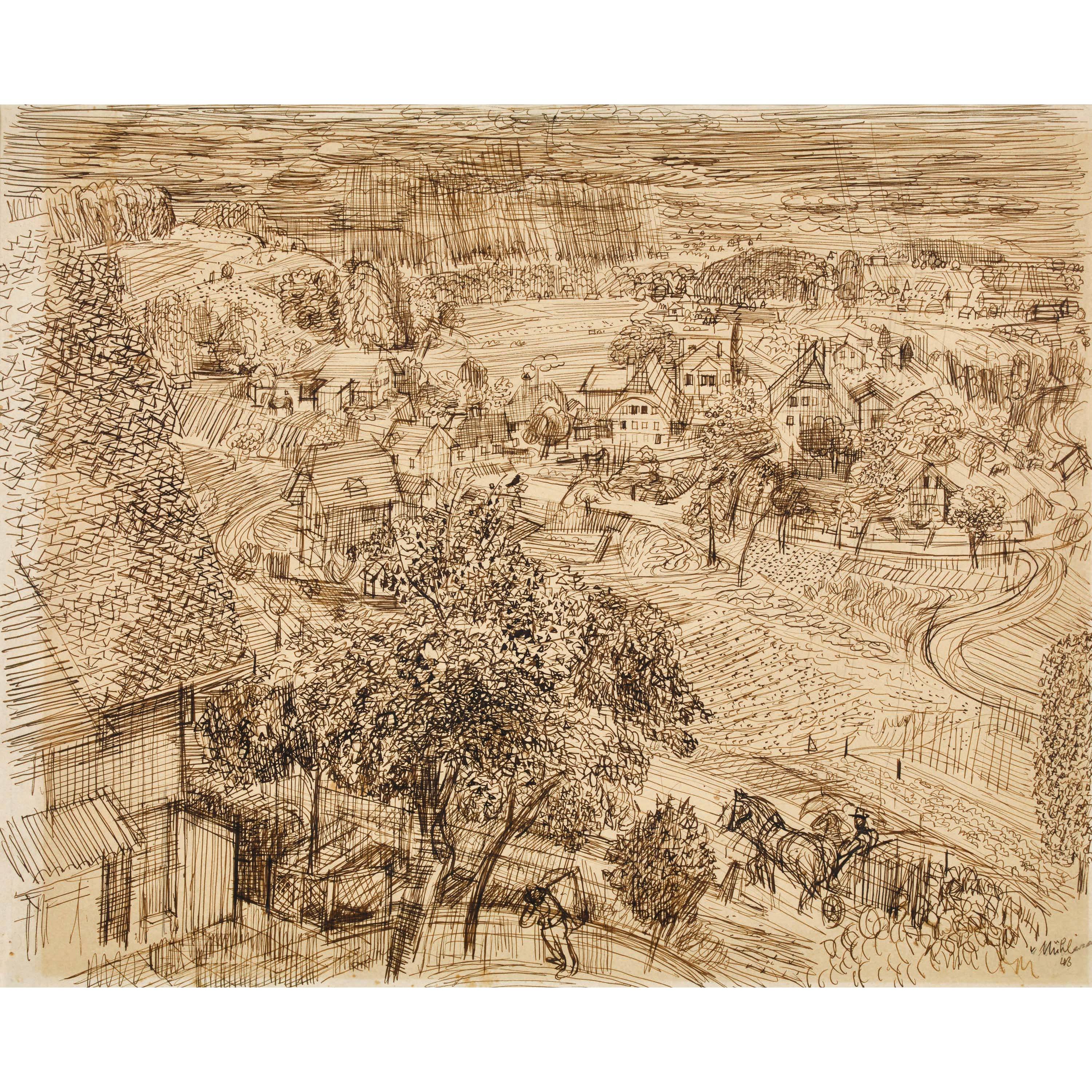
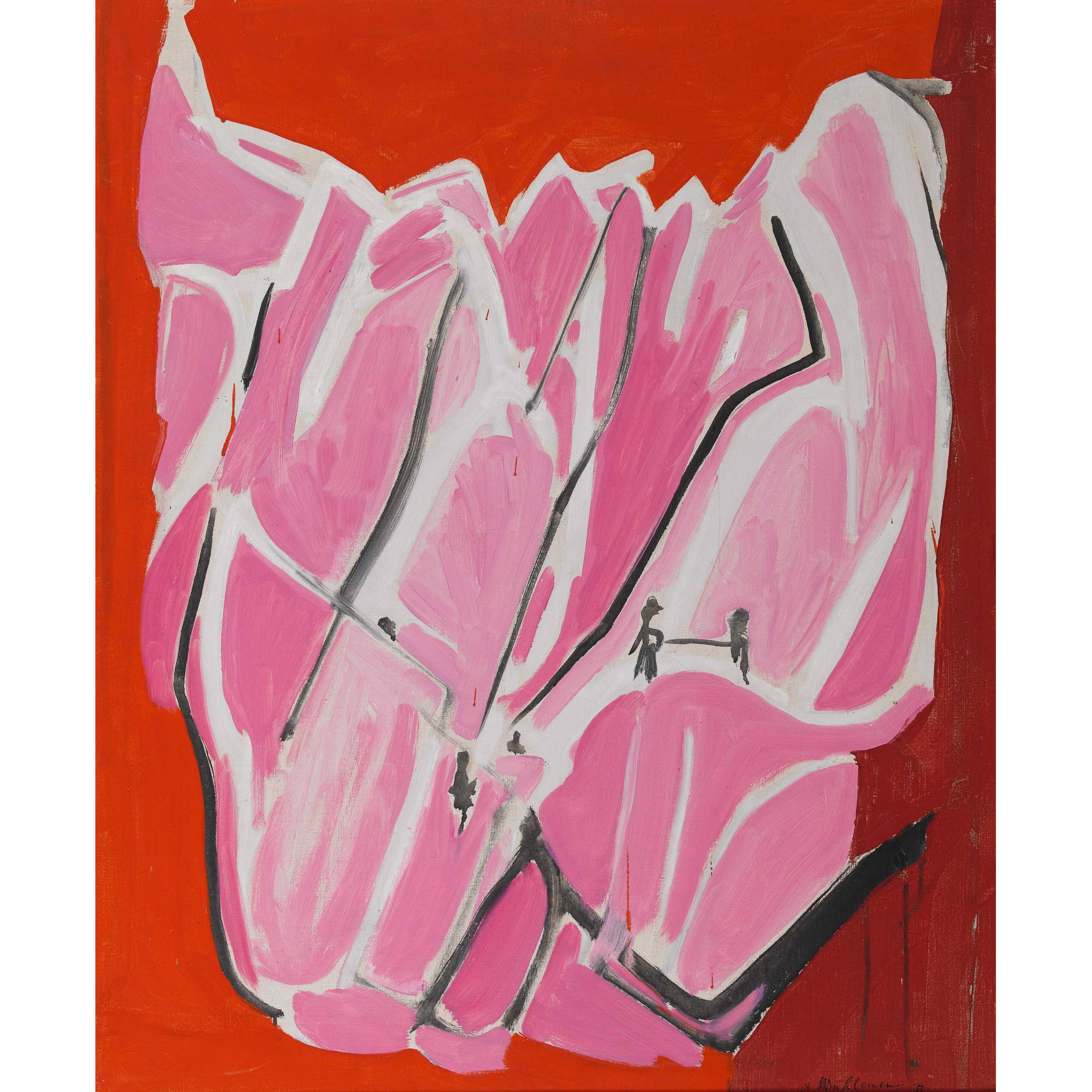
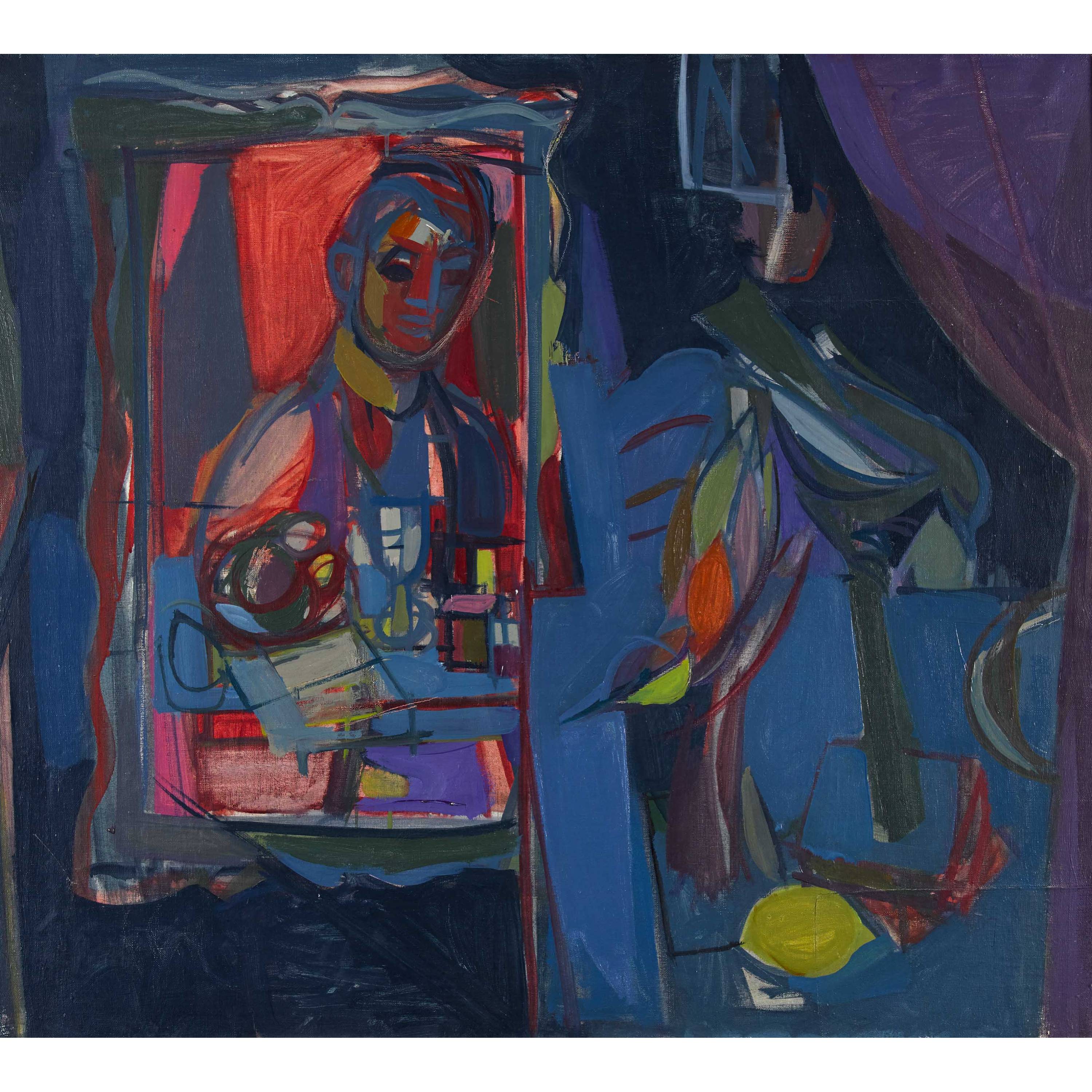
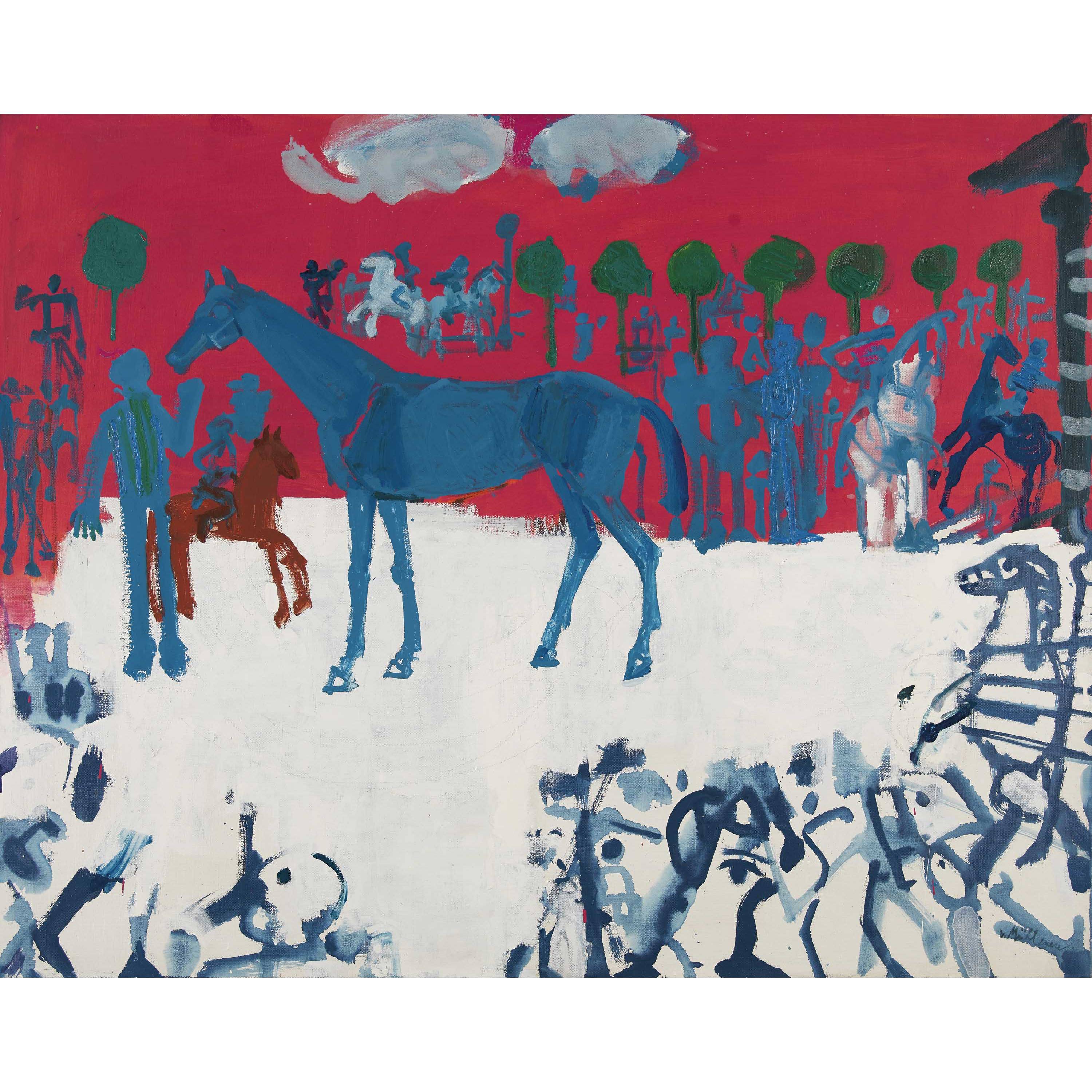
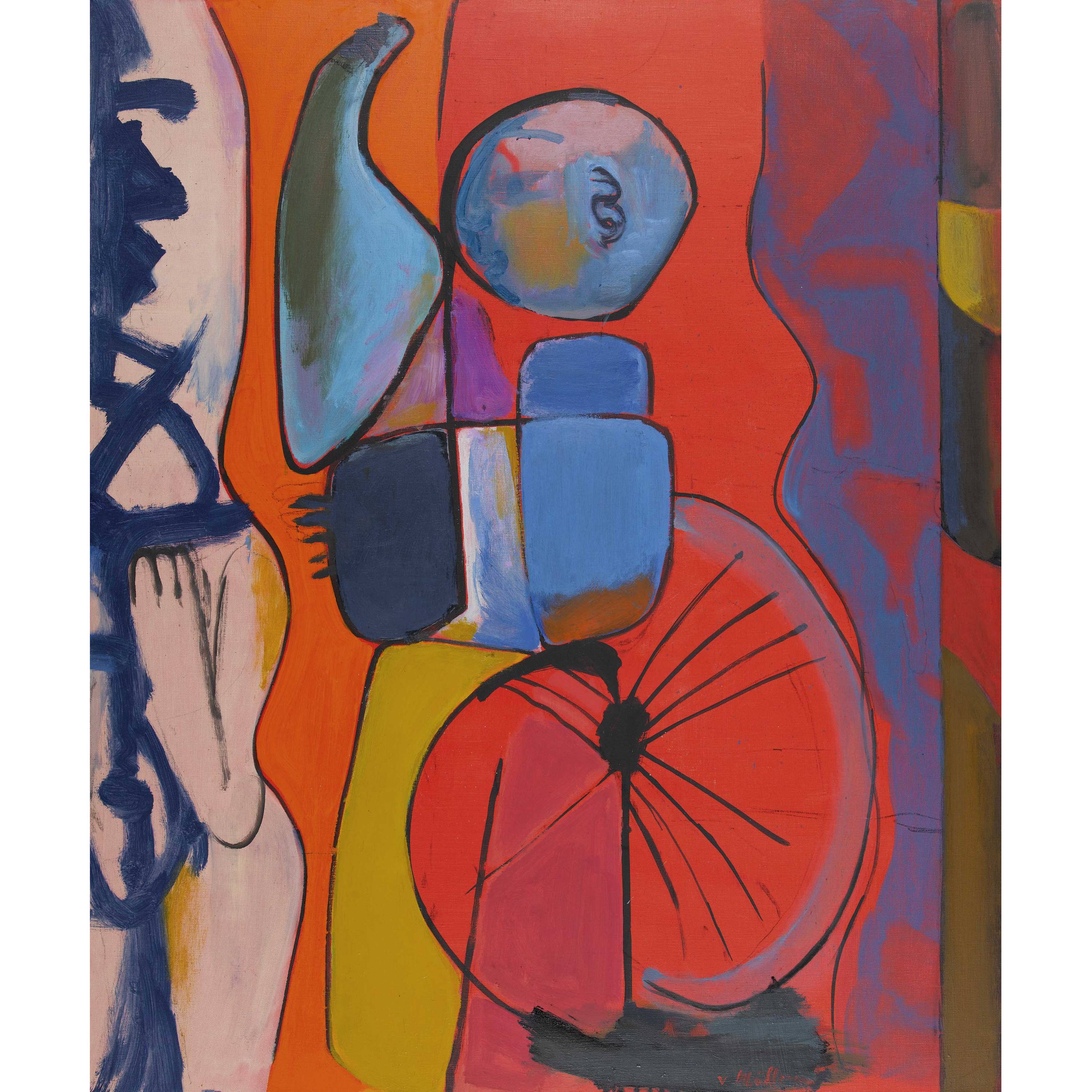
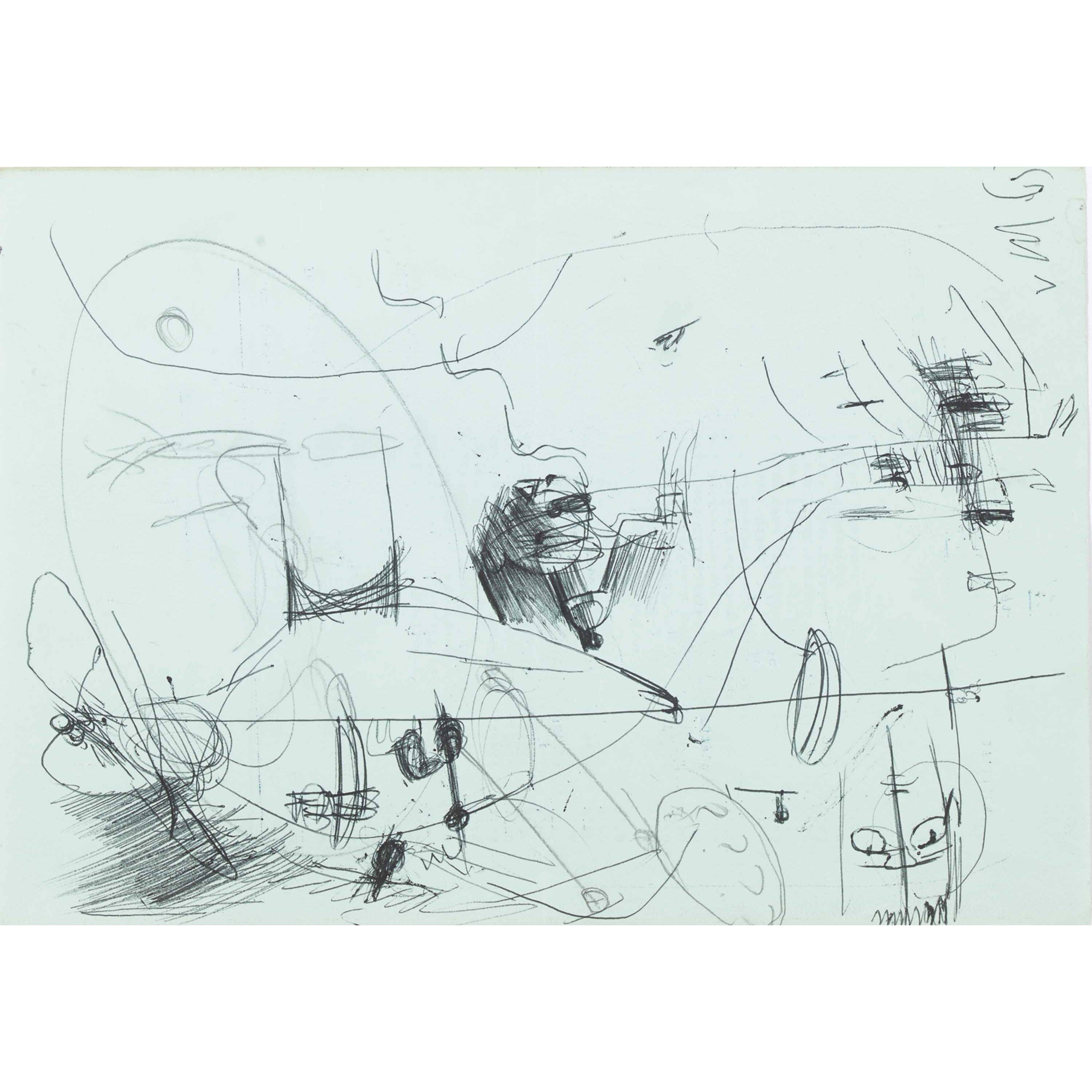
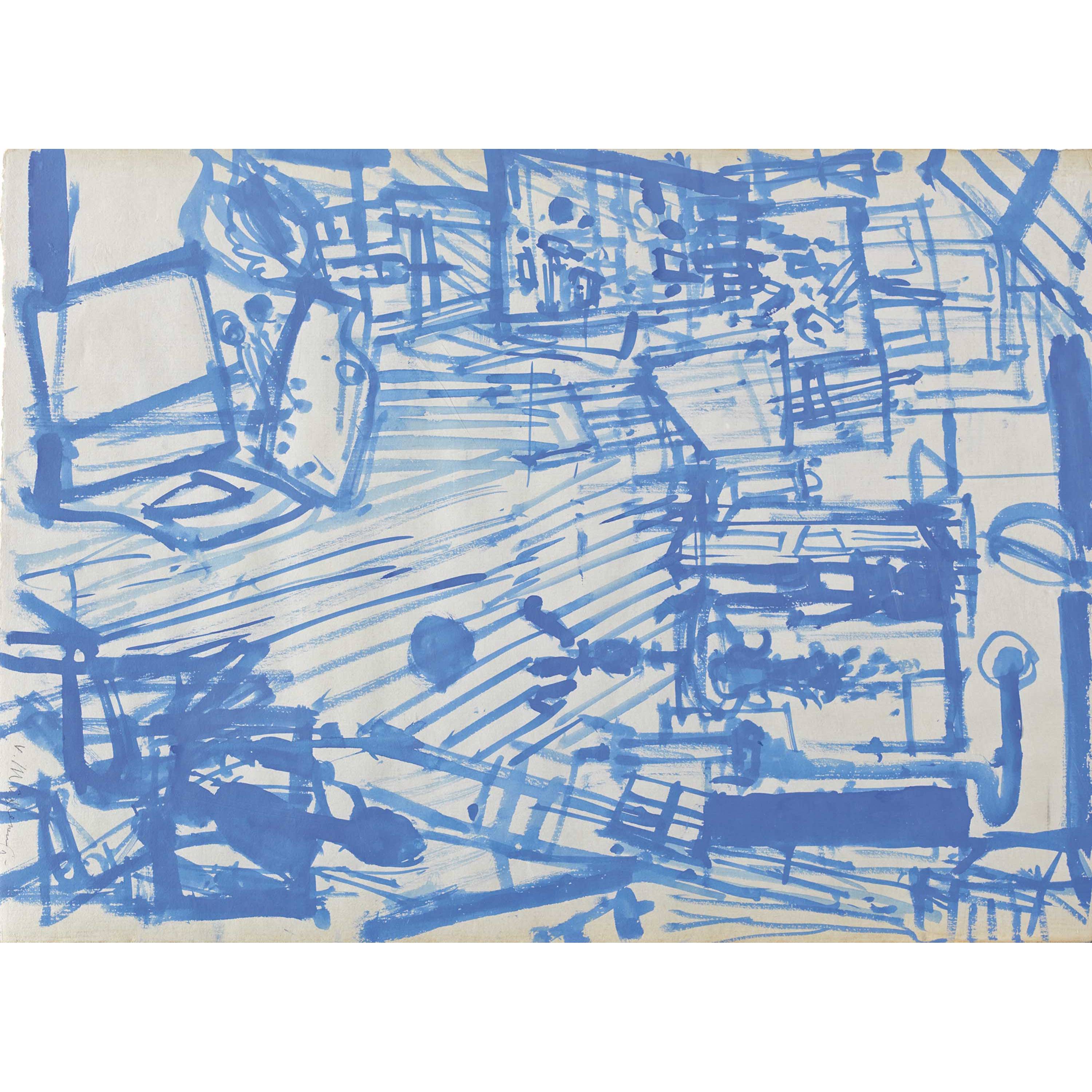
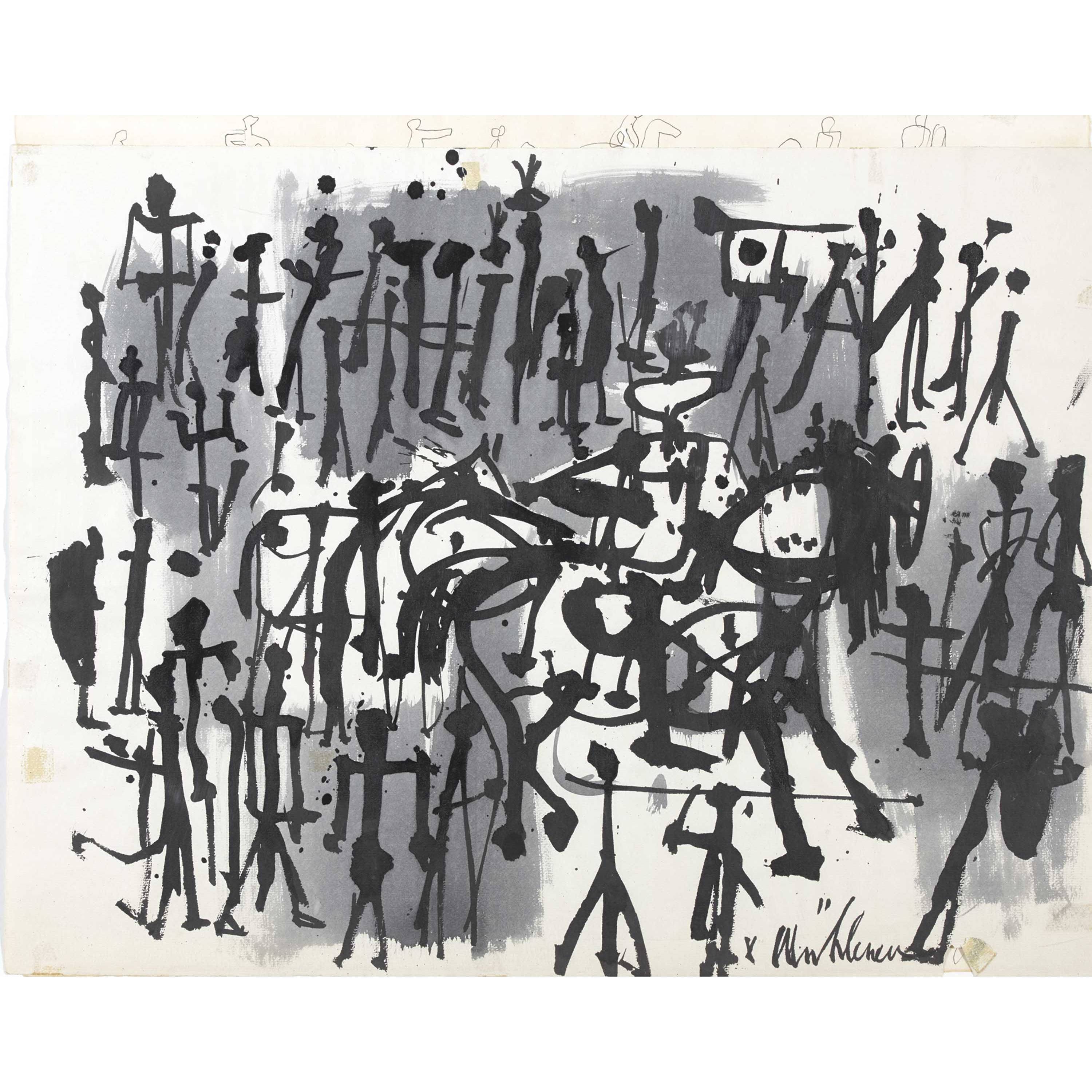
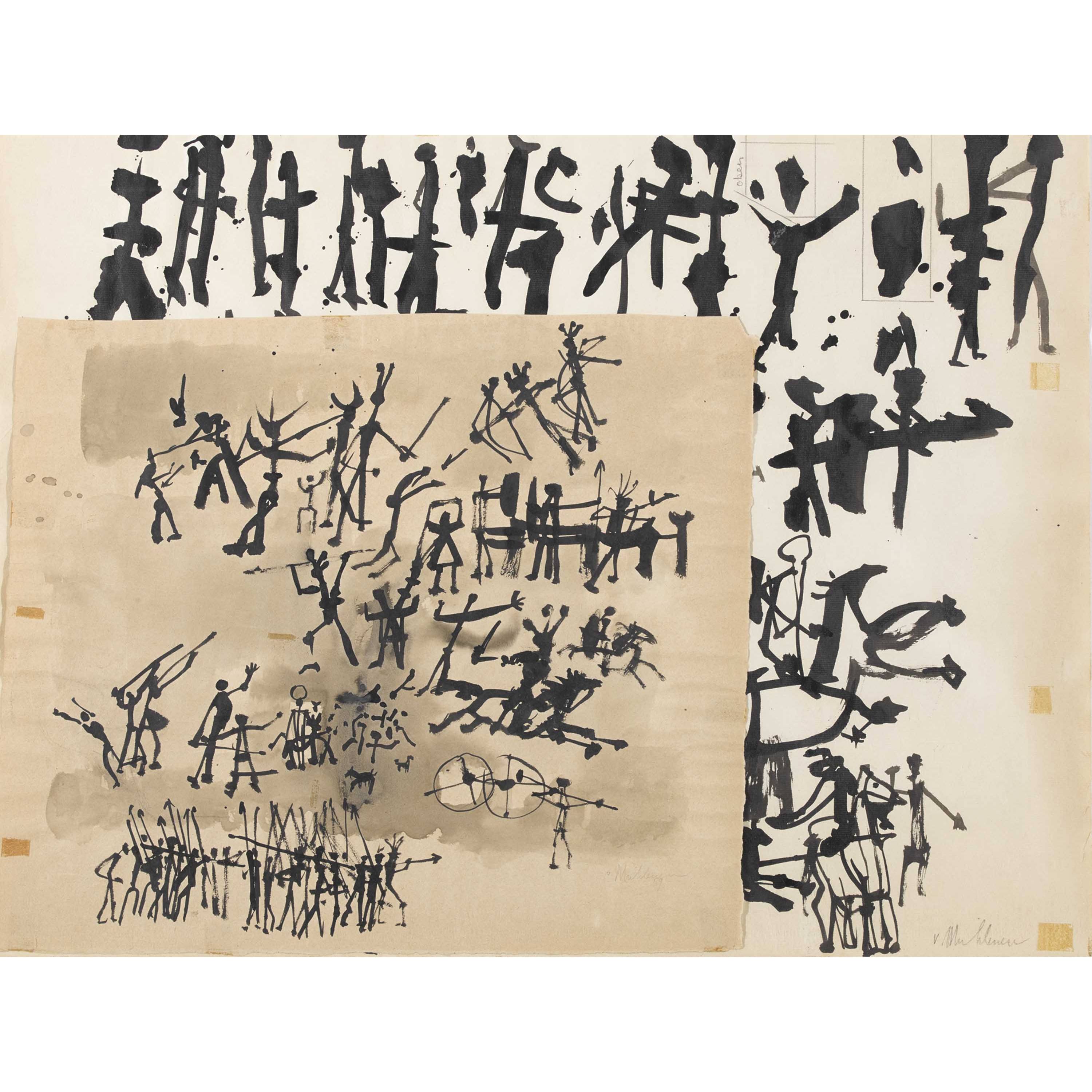
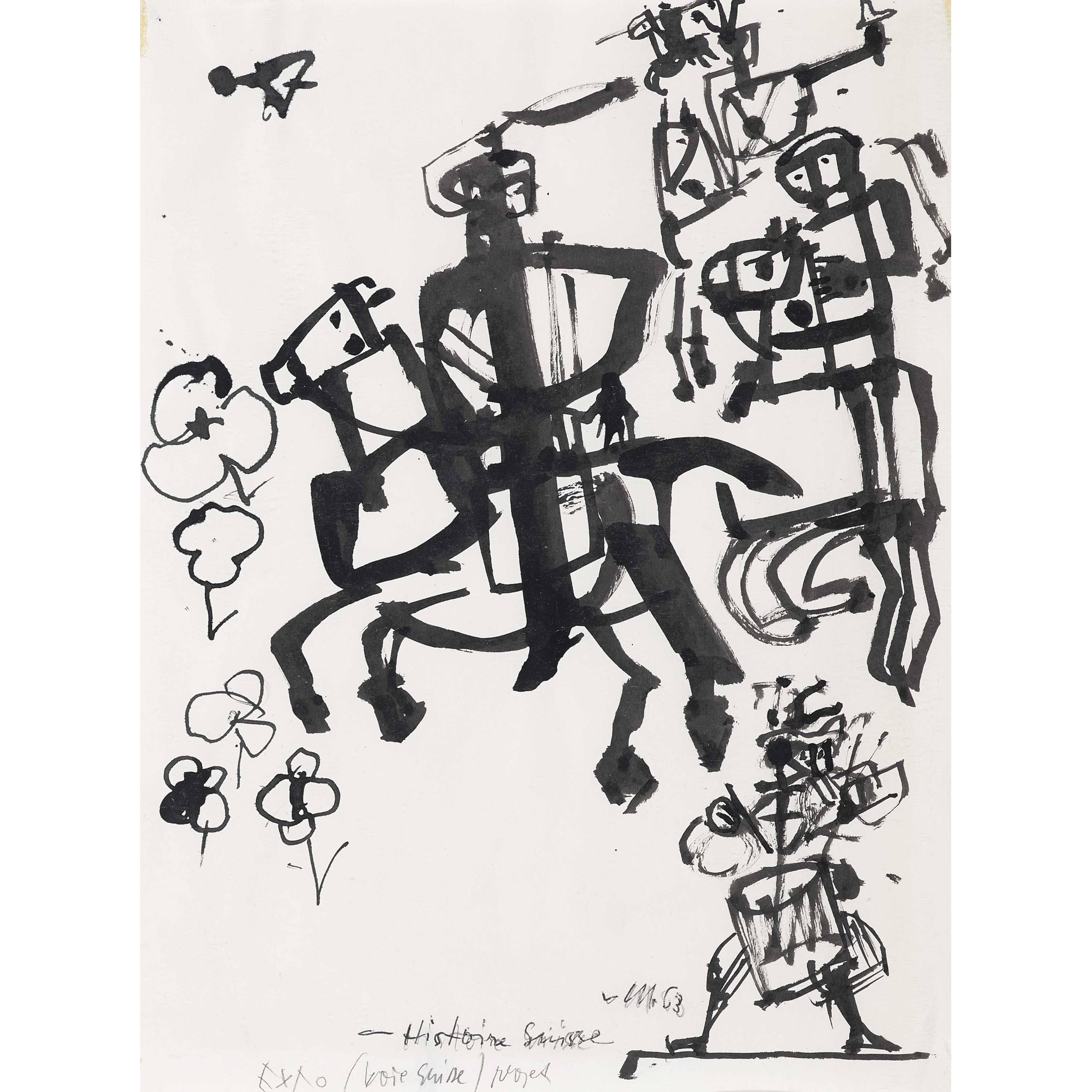
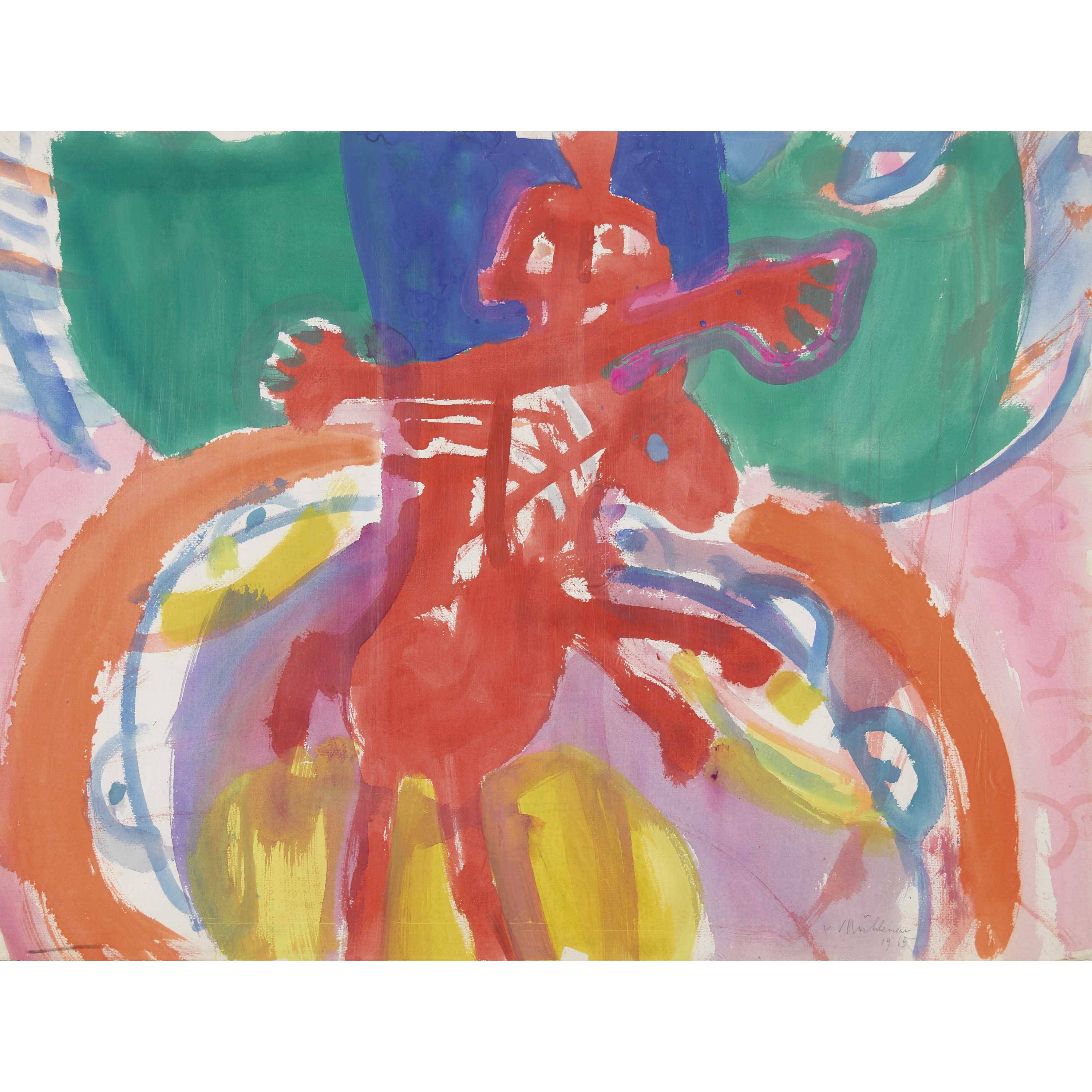
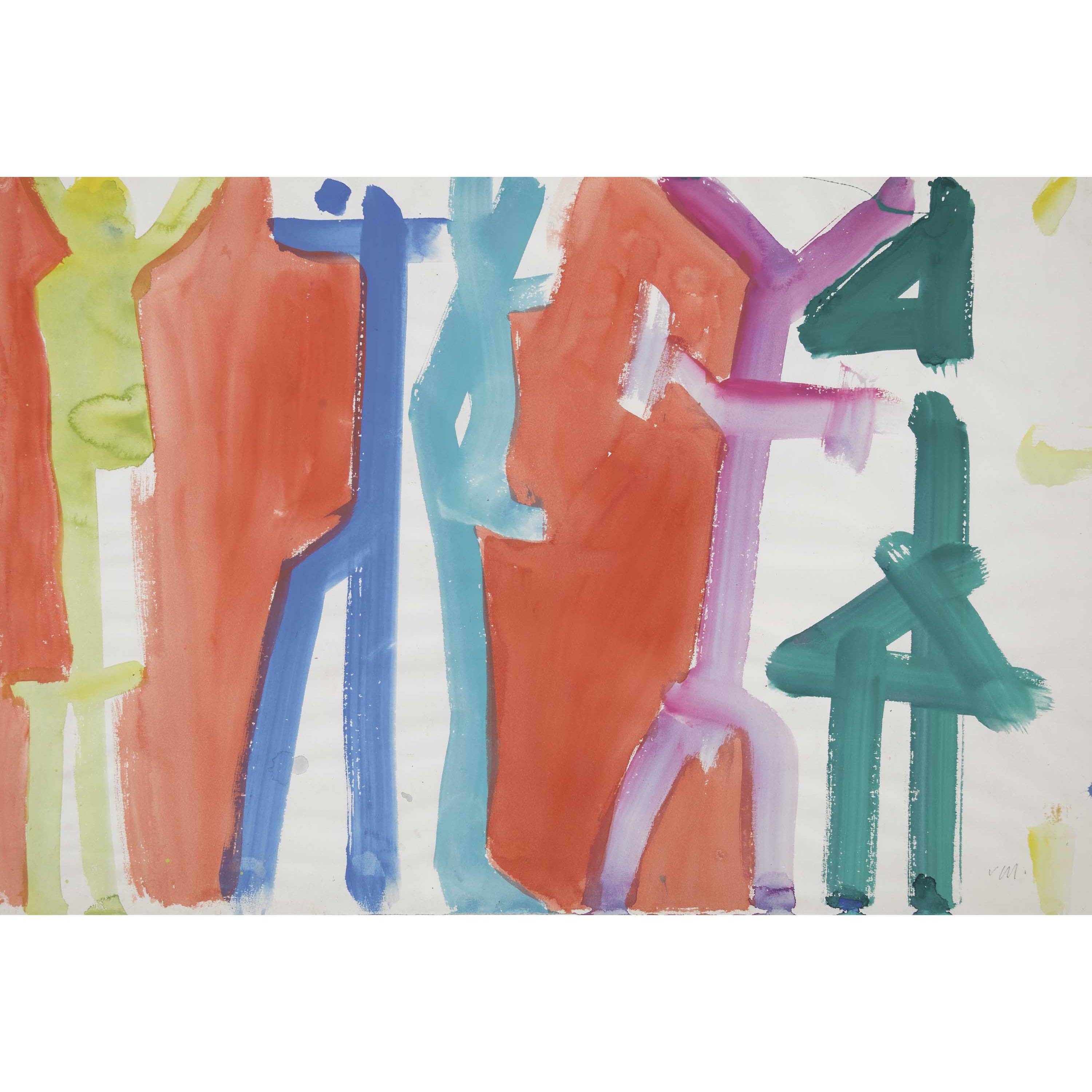
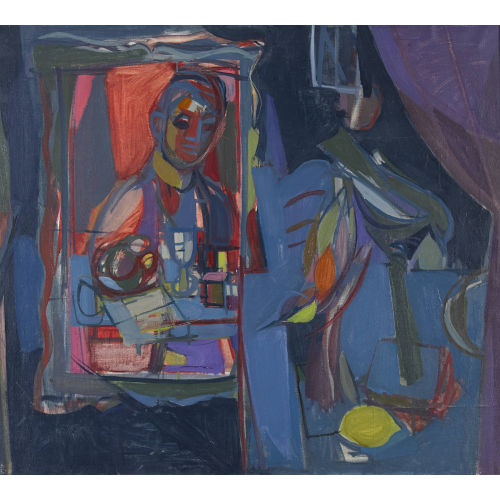
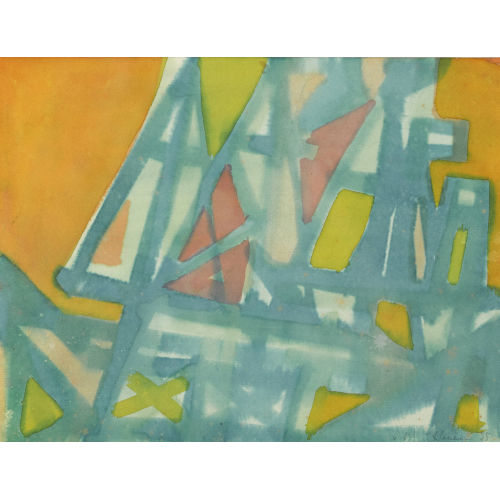
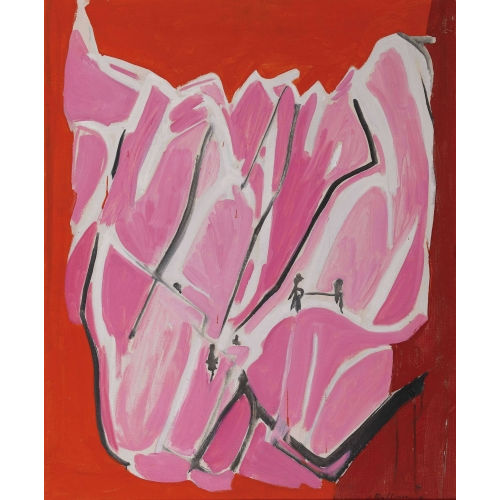
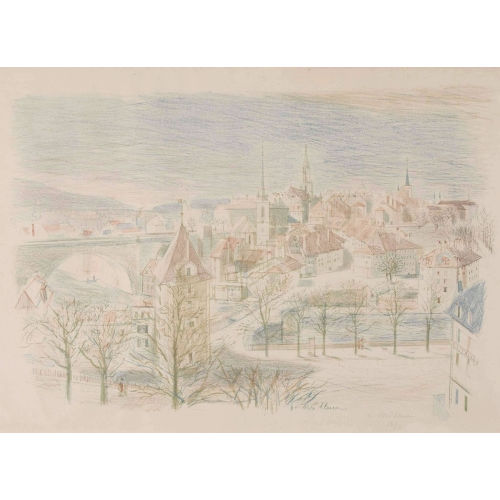
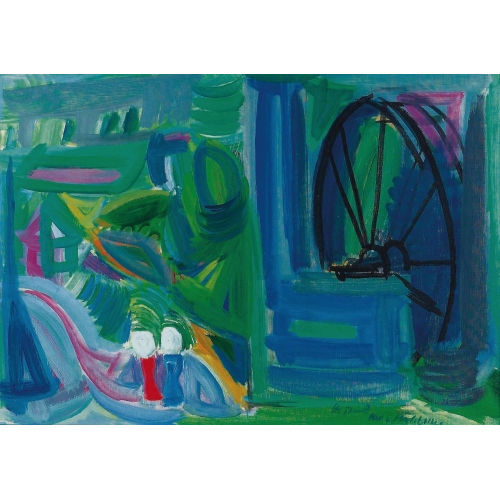
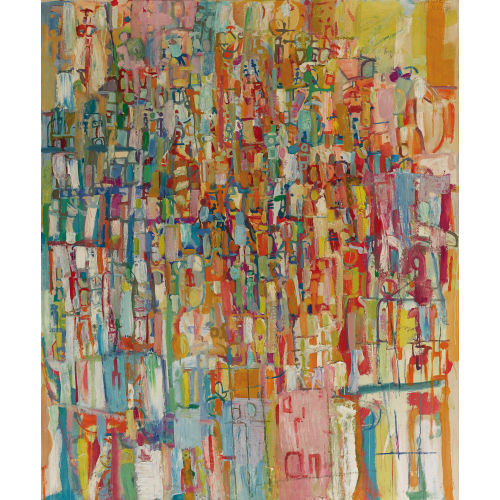
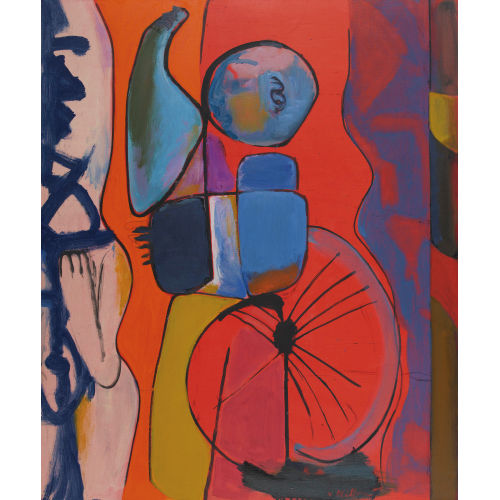
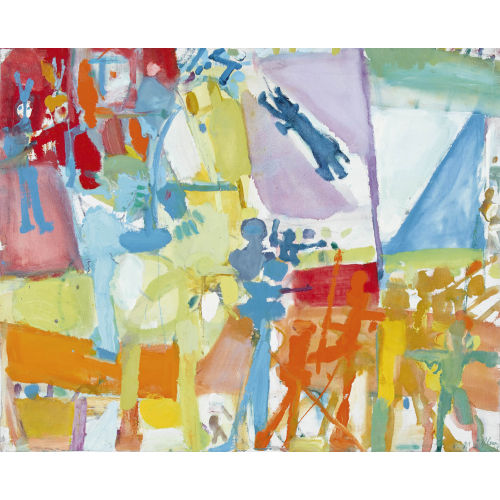
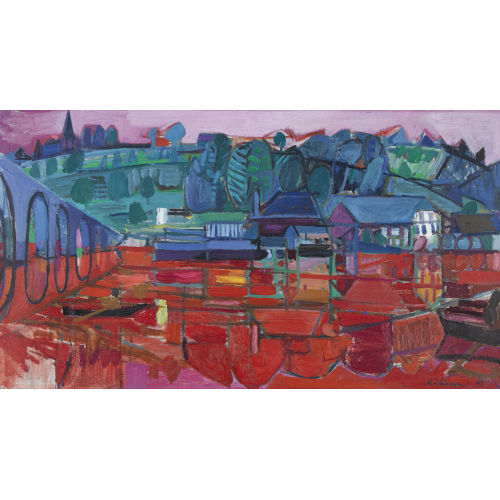
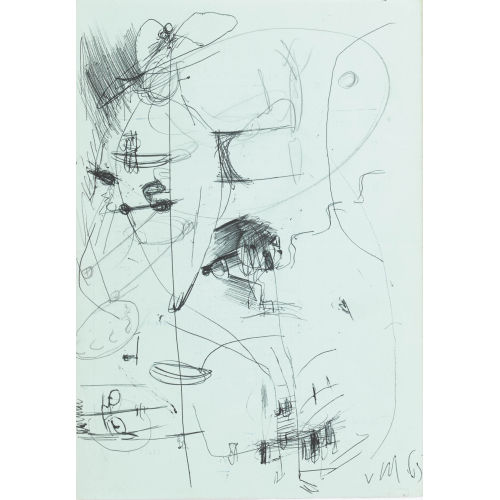
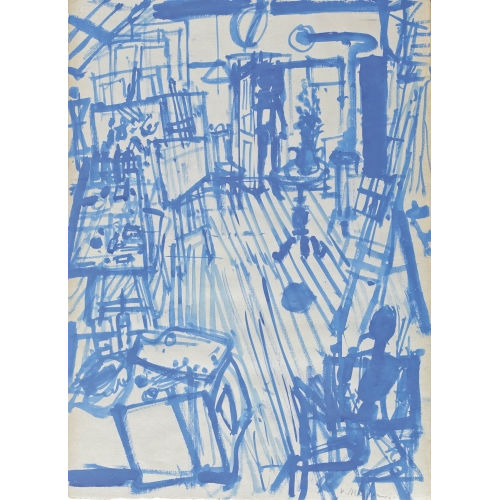
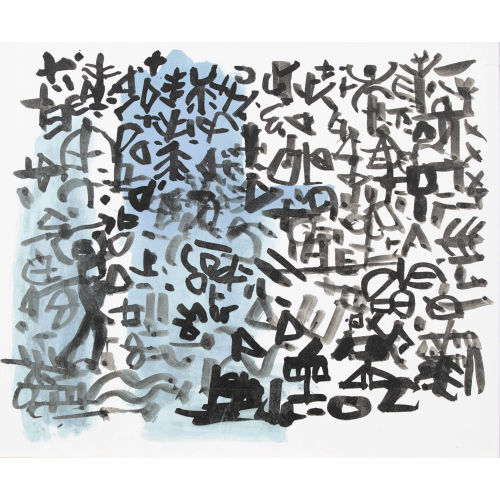
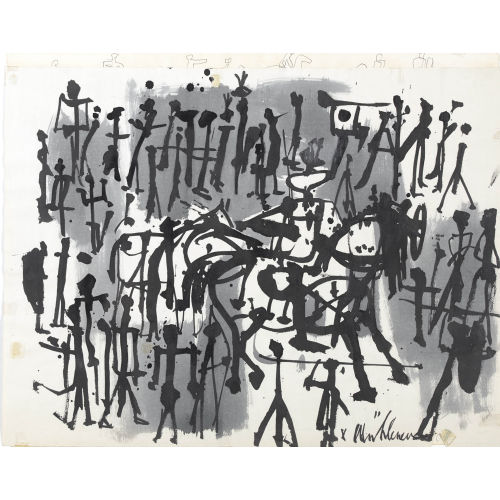
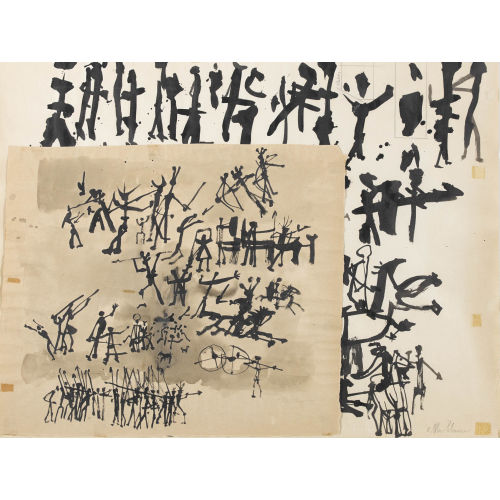
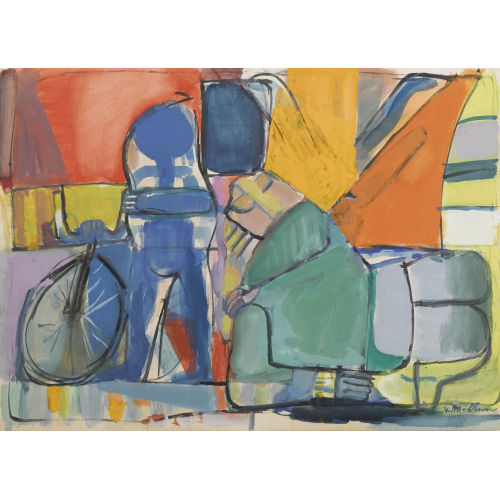
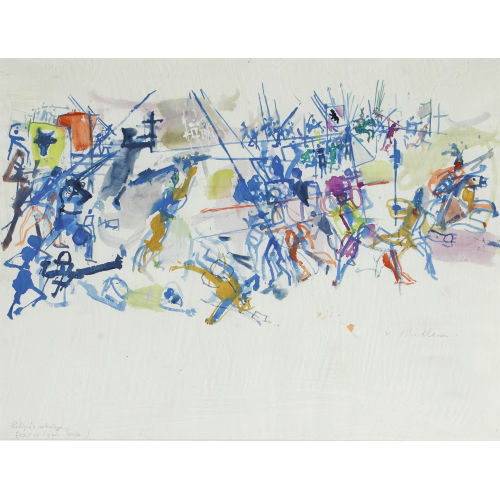
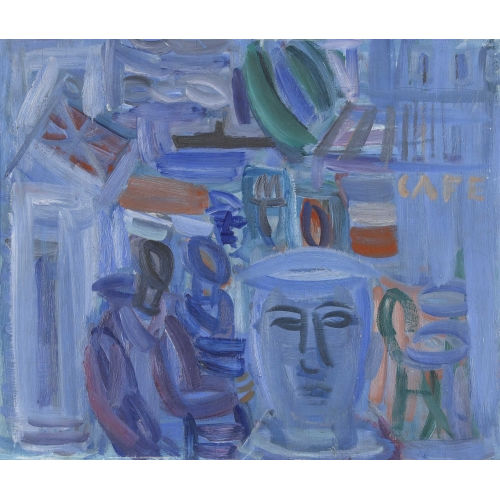
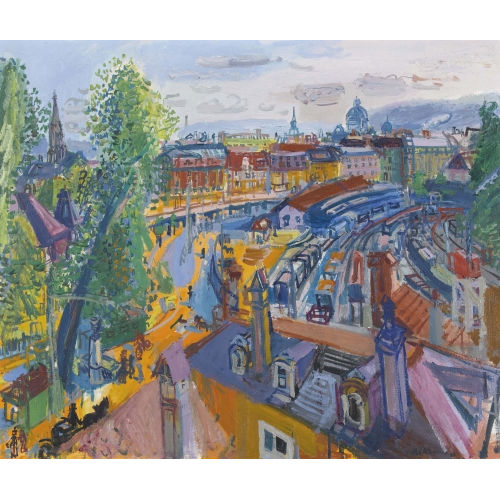
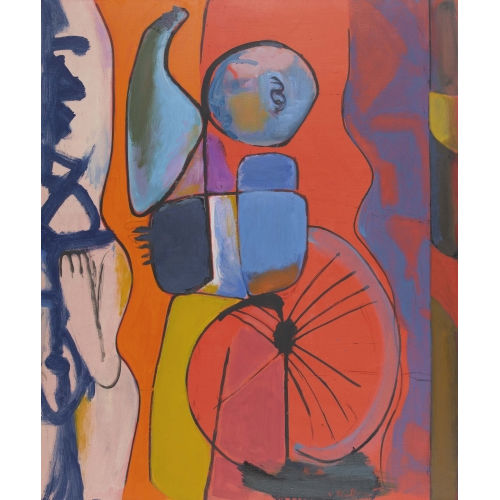
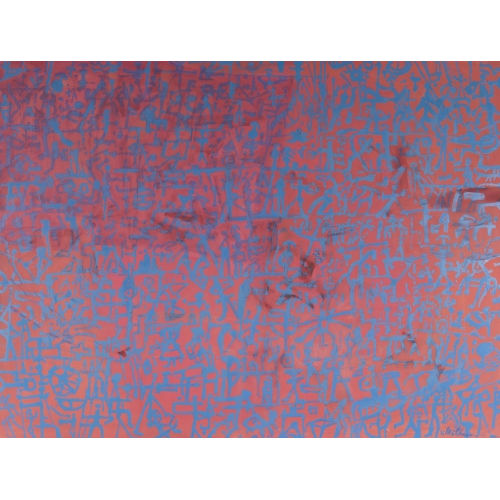
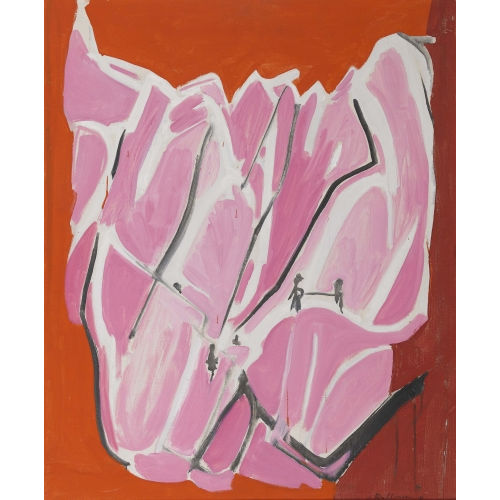
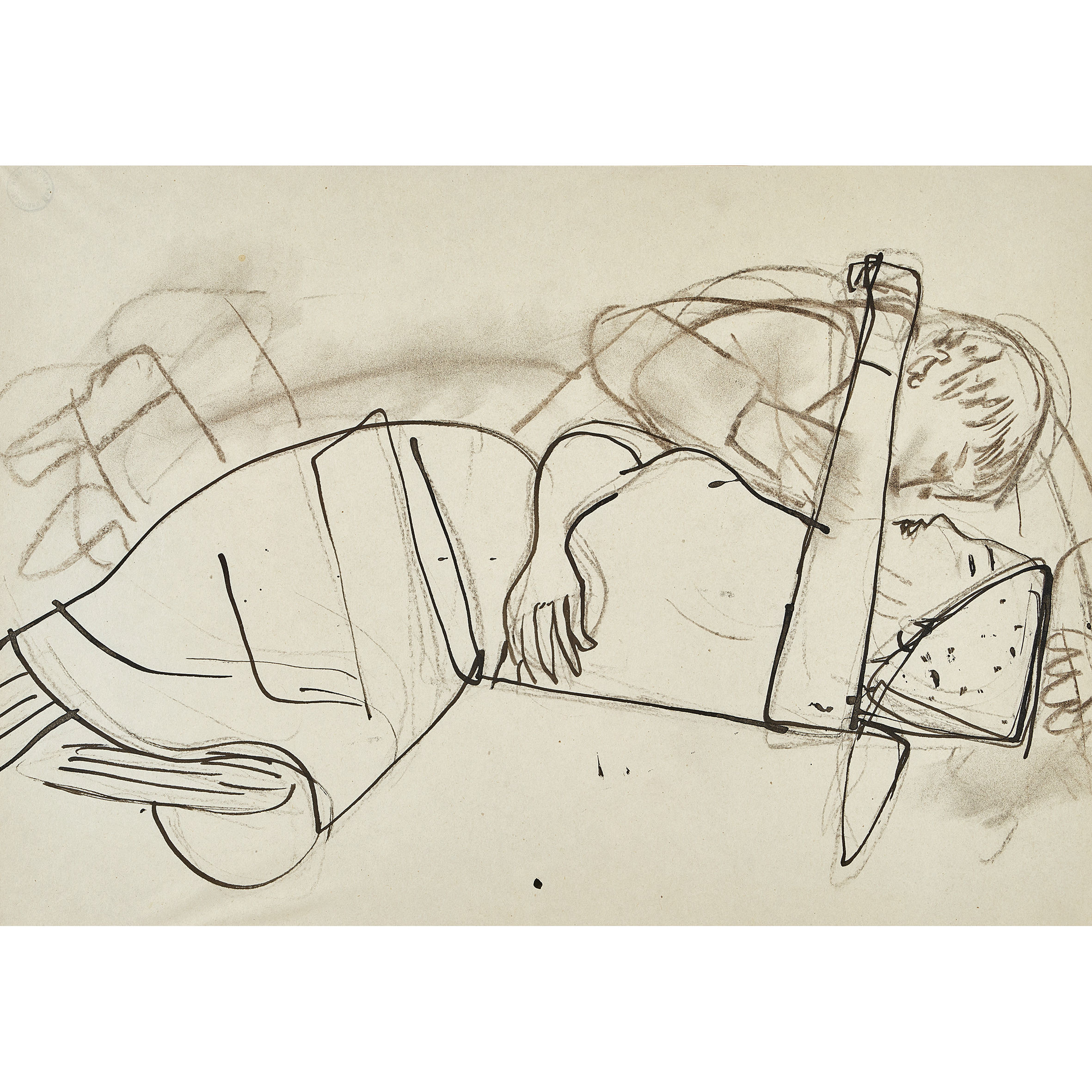
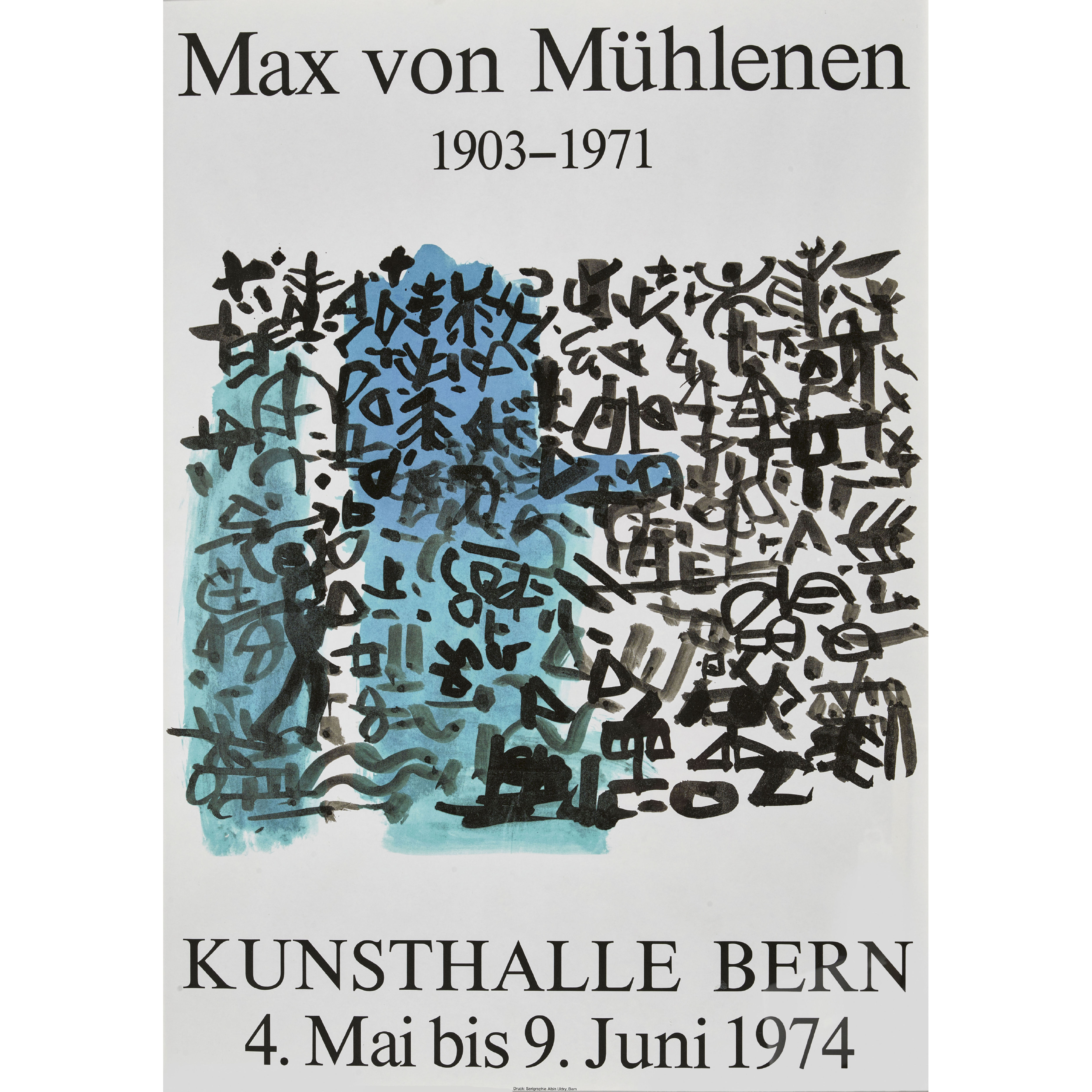
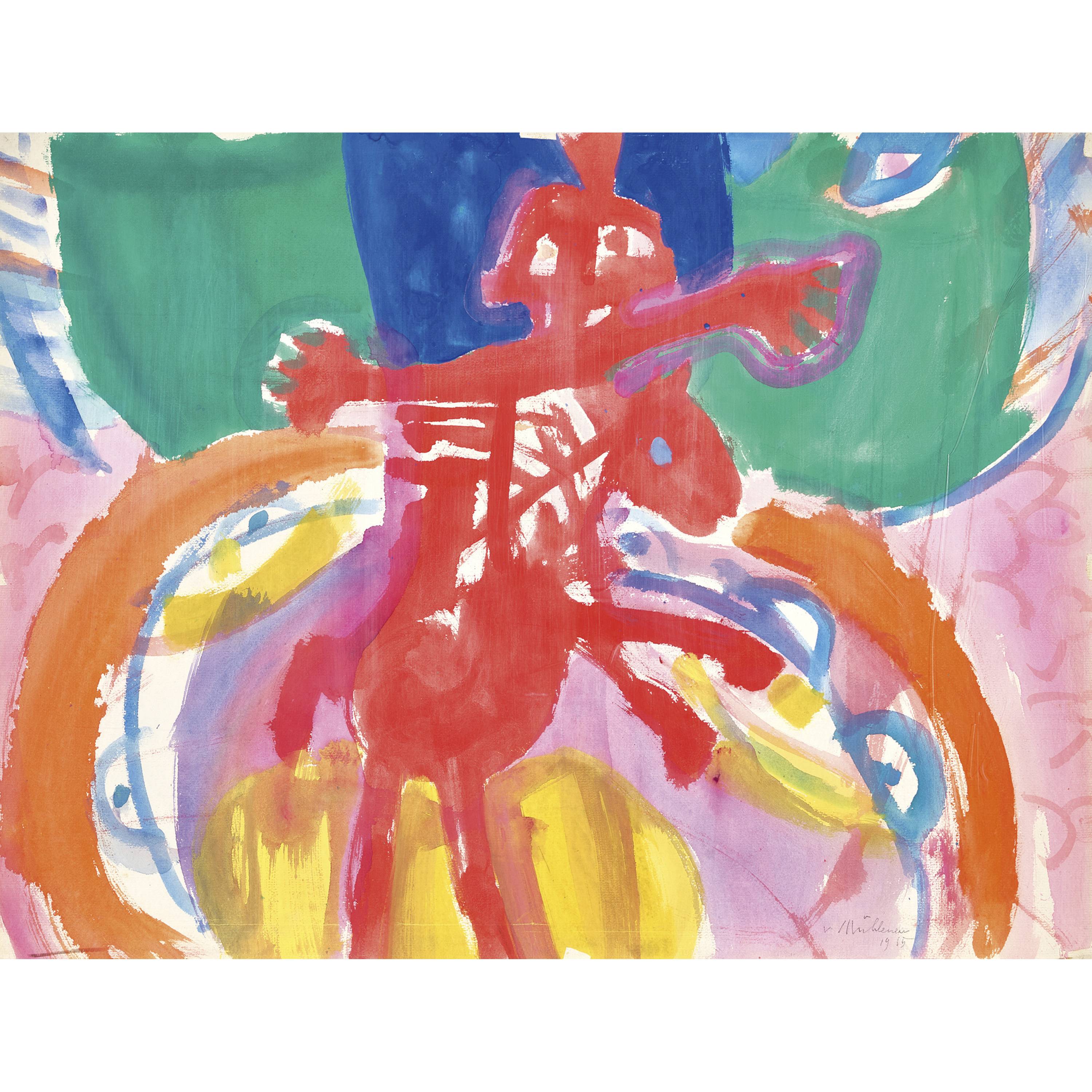
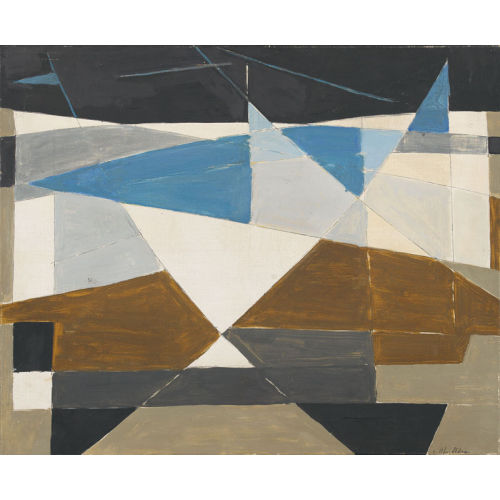
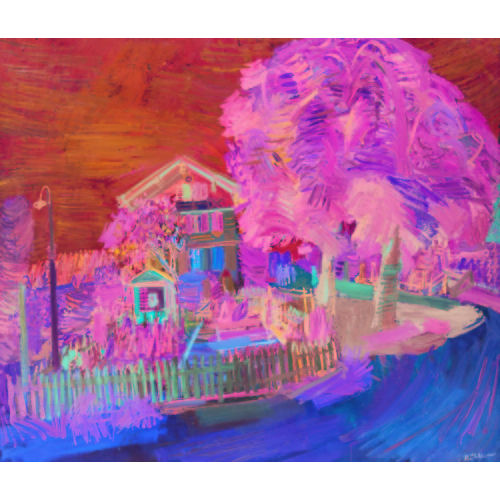
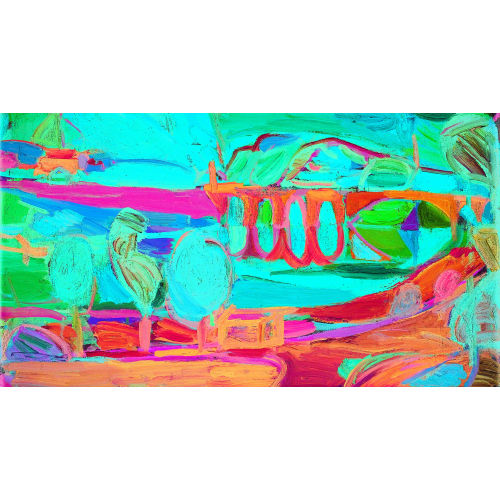
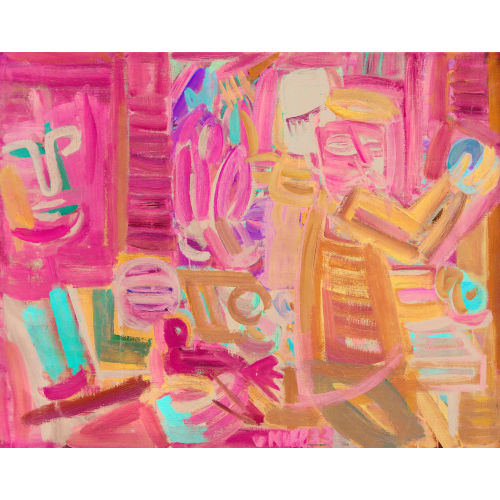
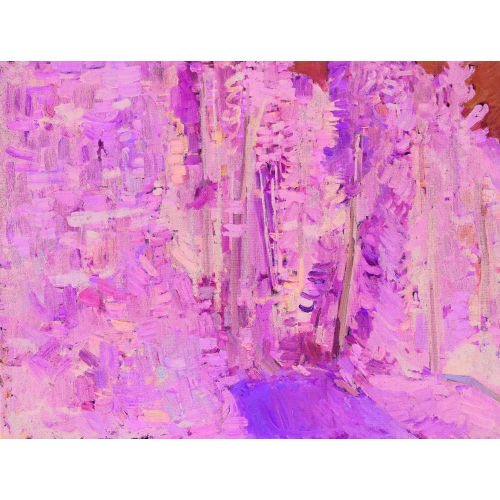
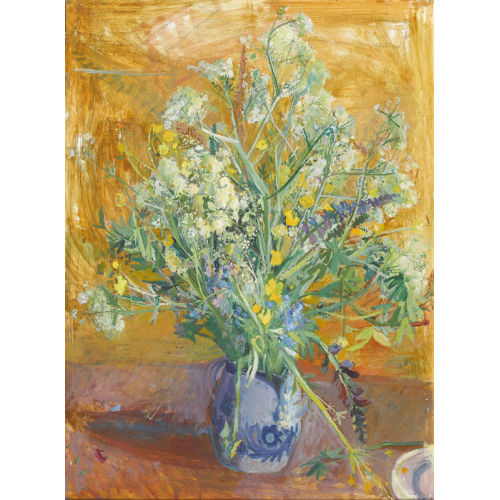
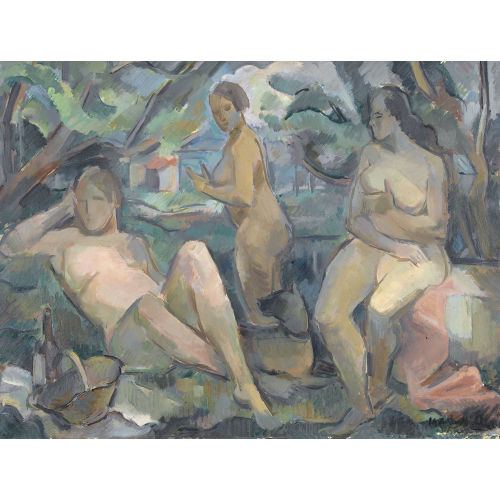
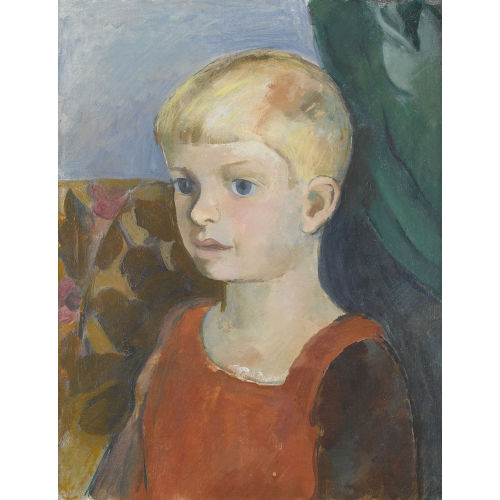
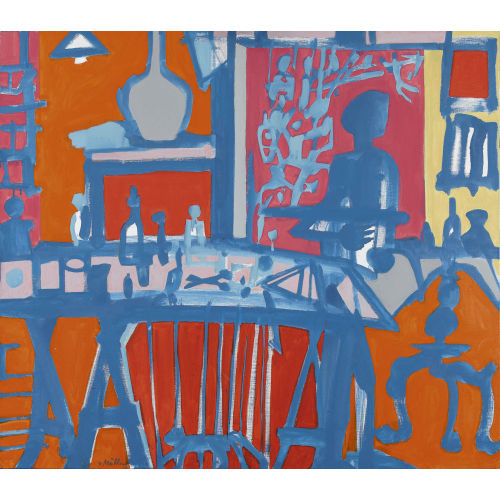
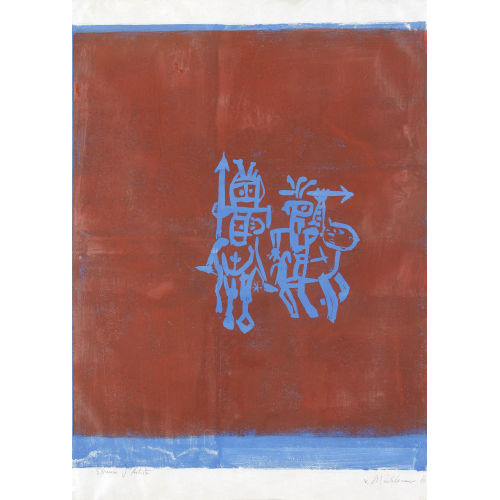
This pedagogical activity accompanied an oeuvre that moved from representation to abstraction, and from geometric construction to a more gestural painting. His landscapes of Valais and the surroundings of Bern show how the motif can dissolve into coloured surfaces, before colour and brushwork take over. His theory of “spatial red” attributes to red a power of its own to create space, while blue, in his view, remains more closely linked to the object.
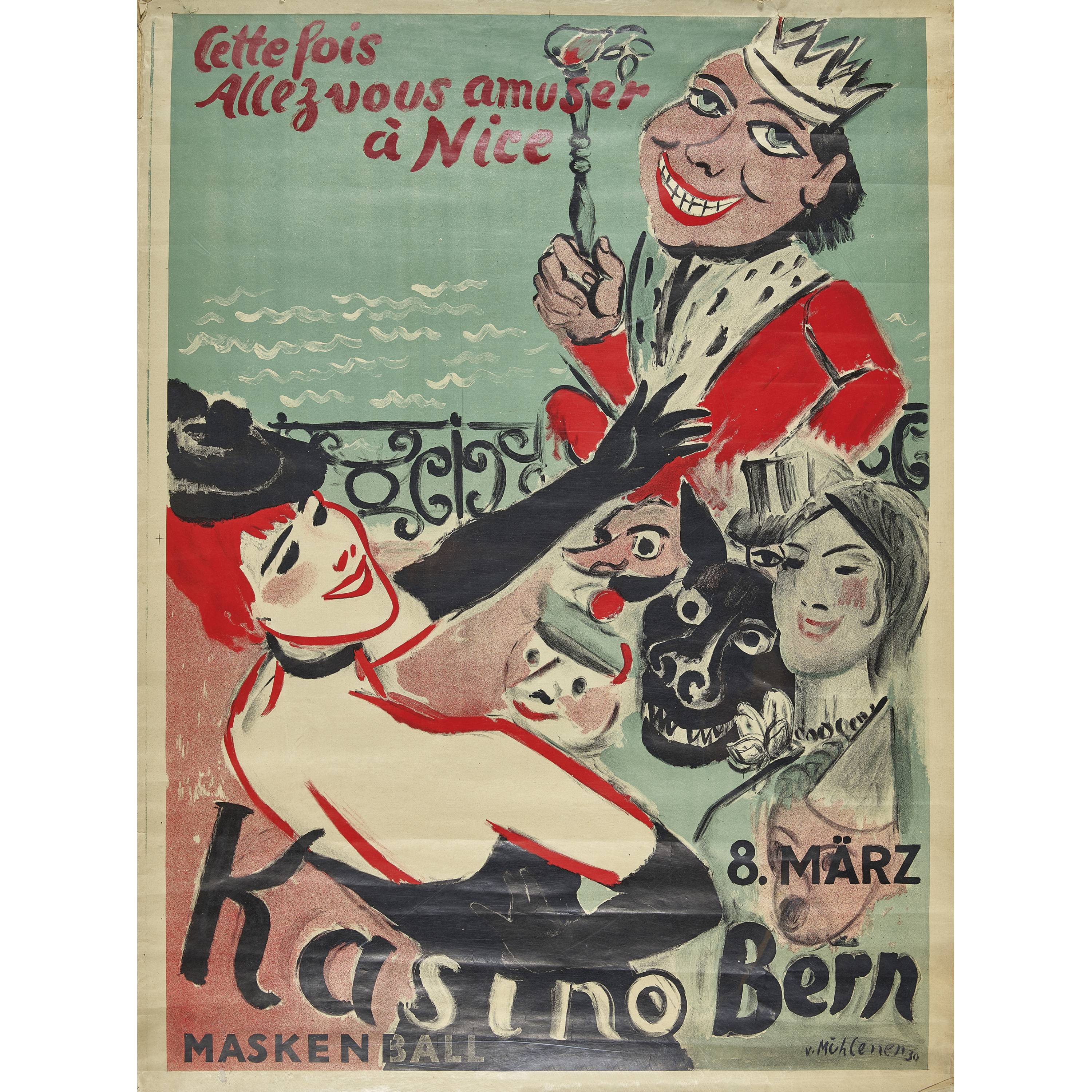
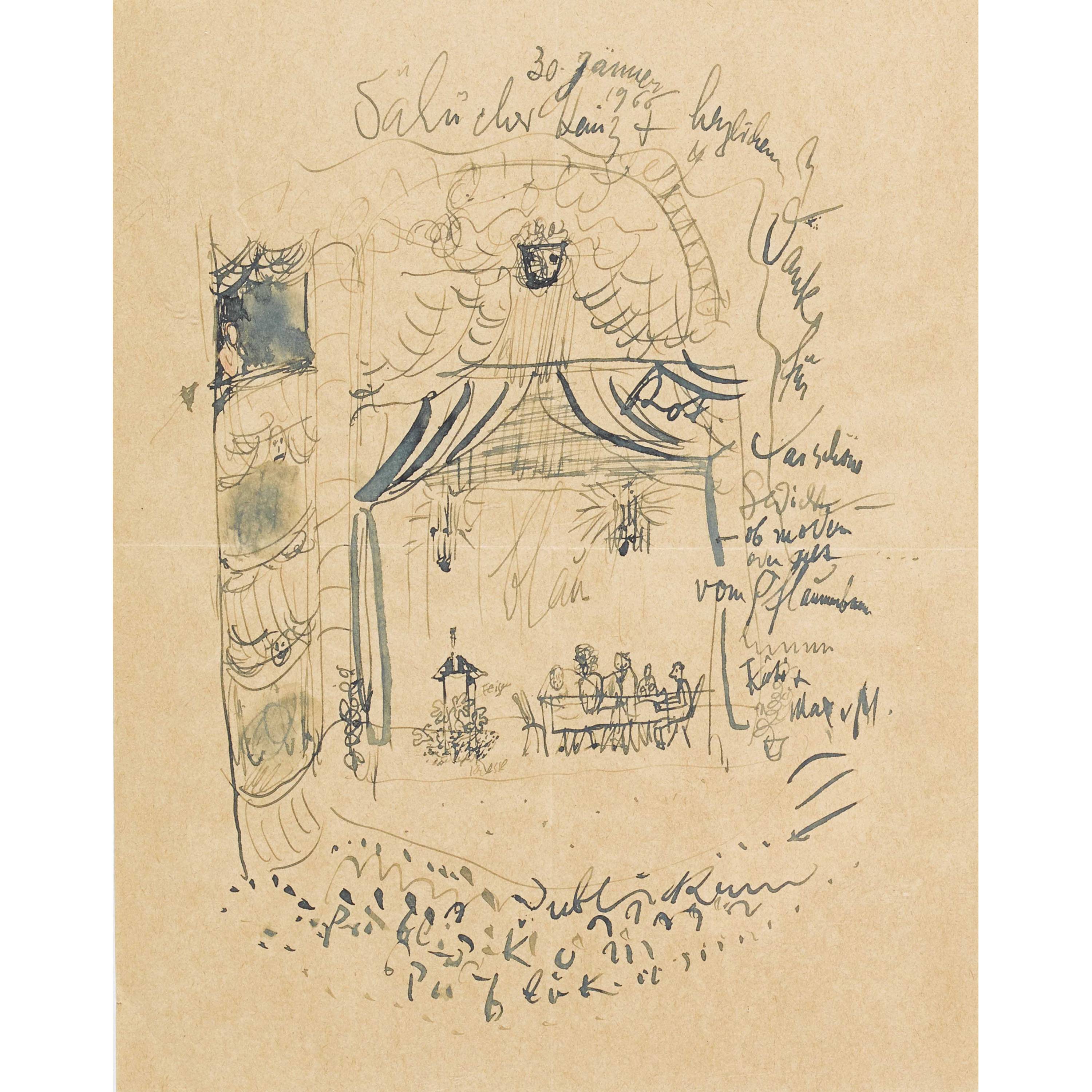
Von Mühlenen also worked beyond the confines of the canvas: stained glass, frescoes, sgraffiti and decorative schemes integrated art into architecture. His cycle of Theseus, executed at the University of Bern from 1945 onwards, recalls this public ambition. The two holdings of his oeuvre preserved by ArchivArte and the ART-Nachlassstiftung made possible a new comprehensive presentation in 2024–2025.
It reveals an artist for whom painting meant continually testing what colour can make visible.