Mario Comensoli
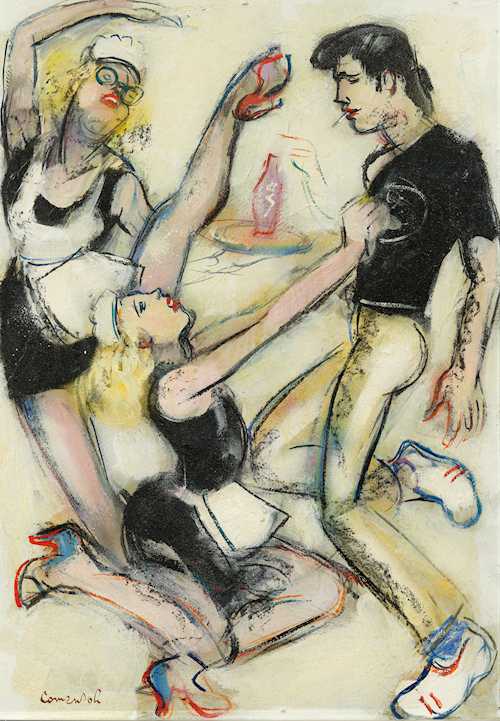
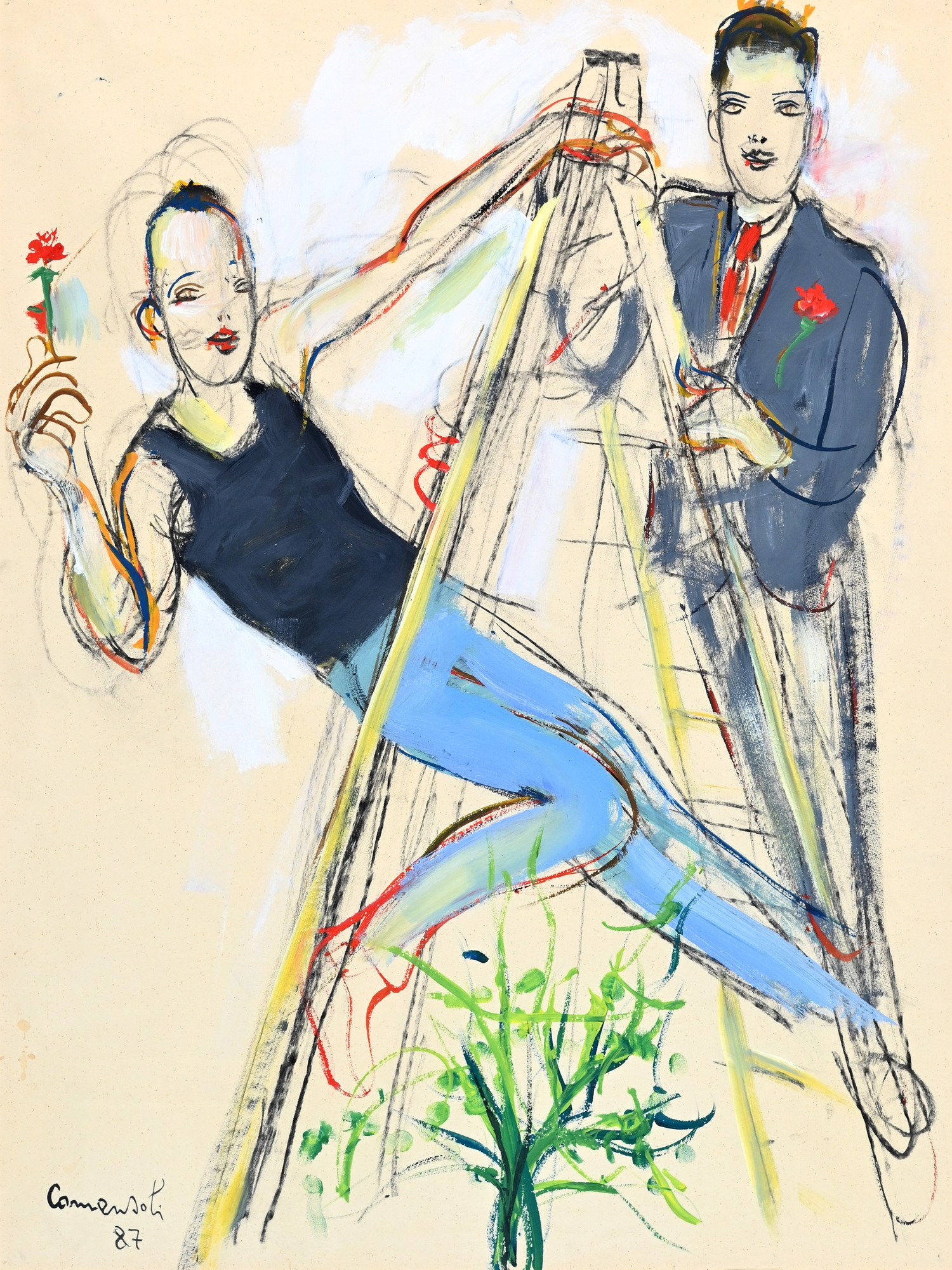
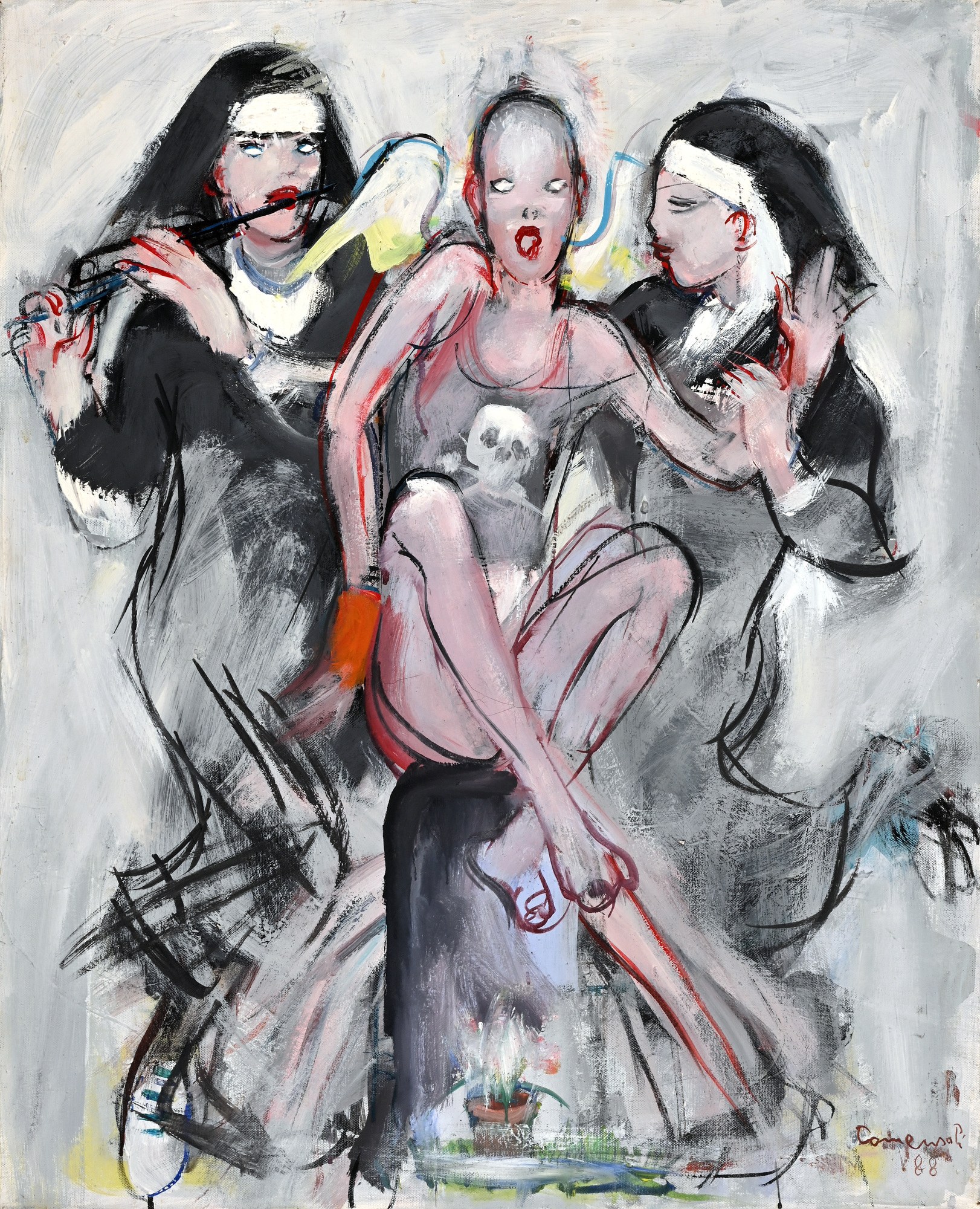
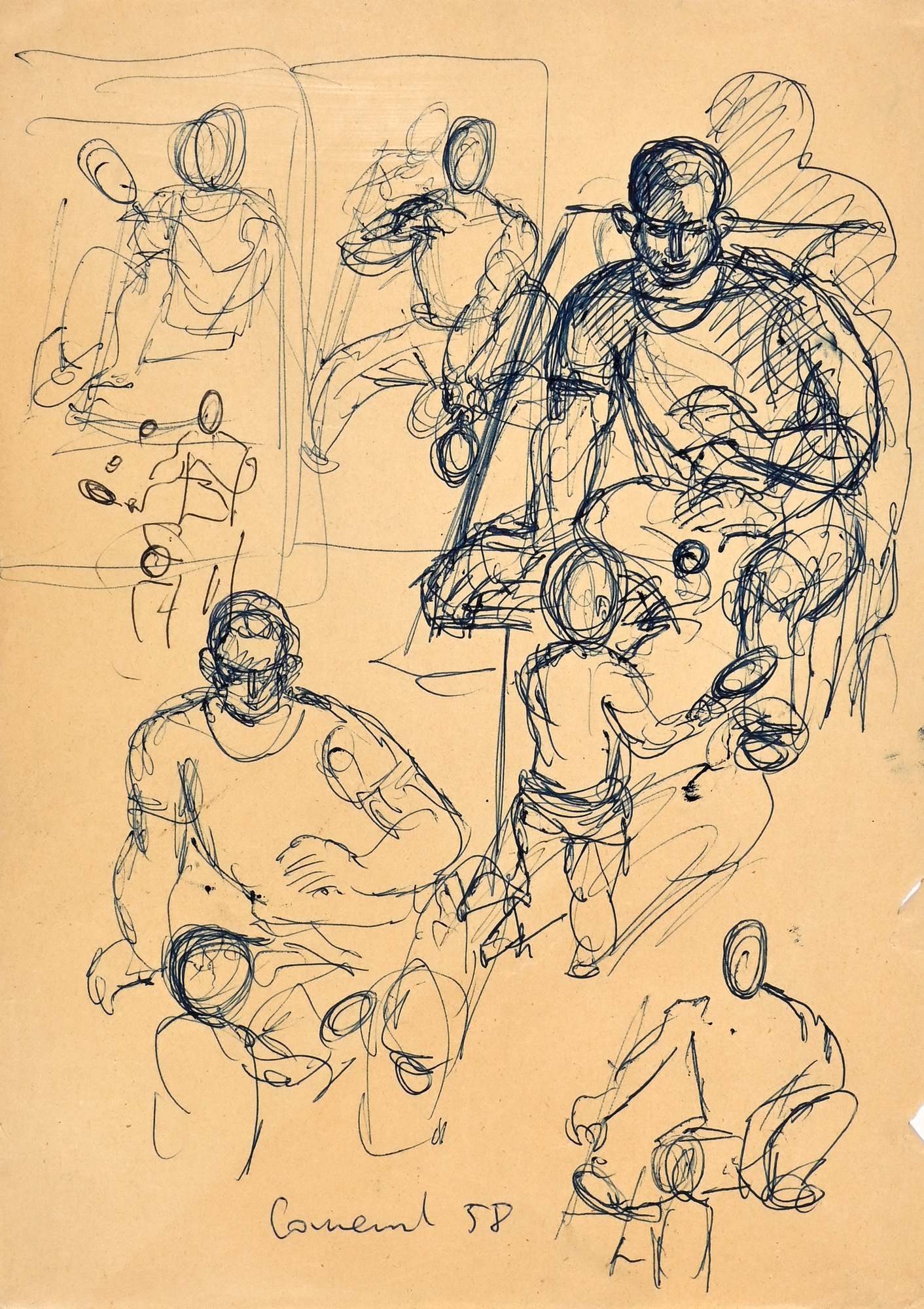
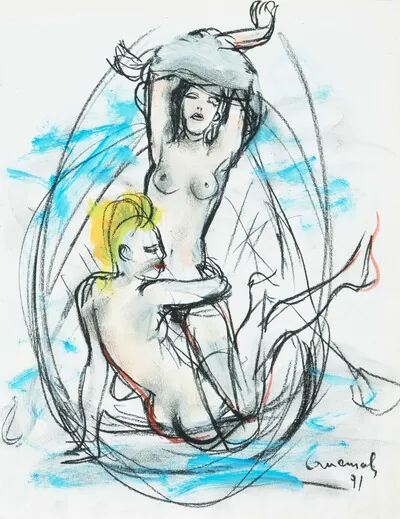
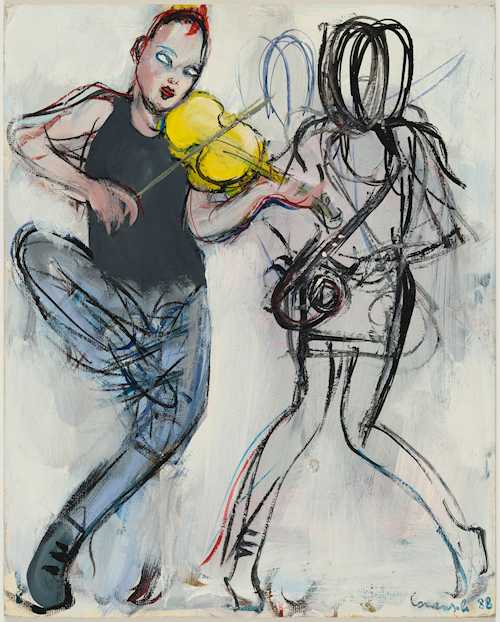
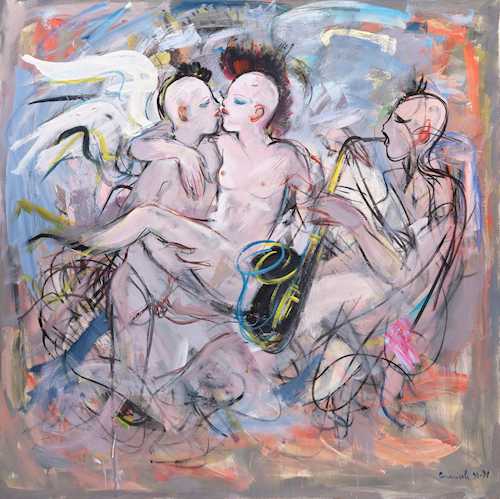
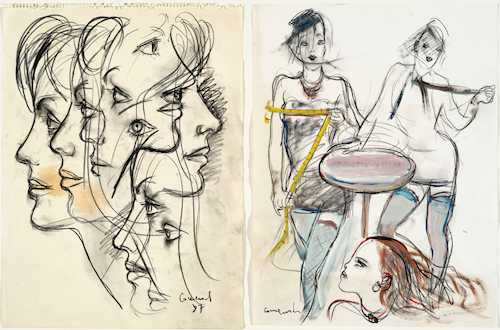
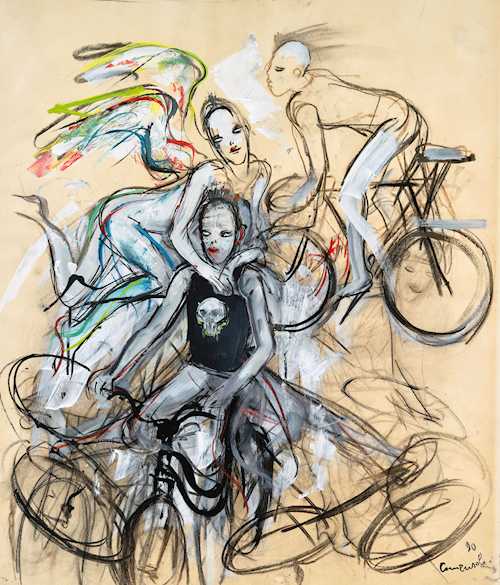
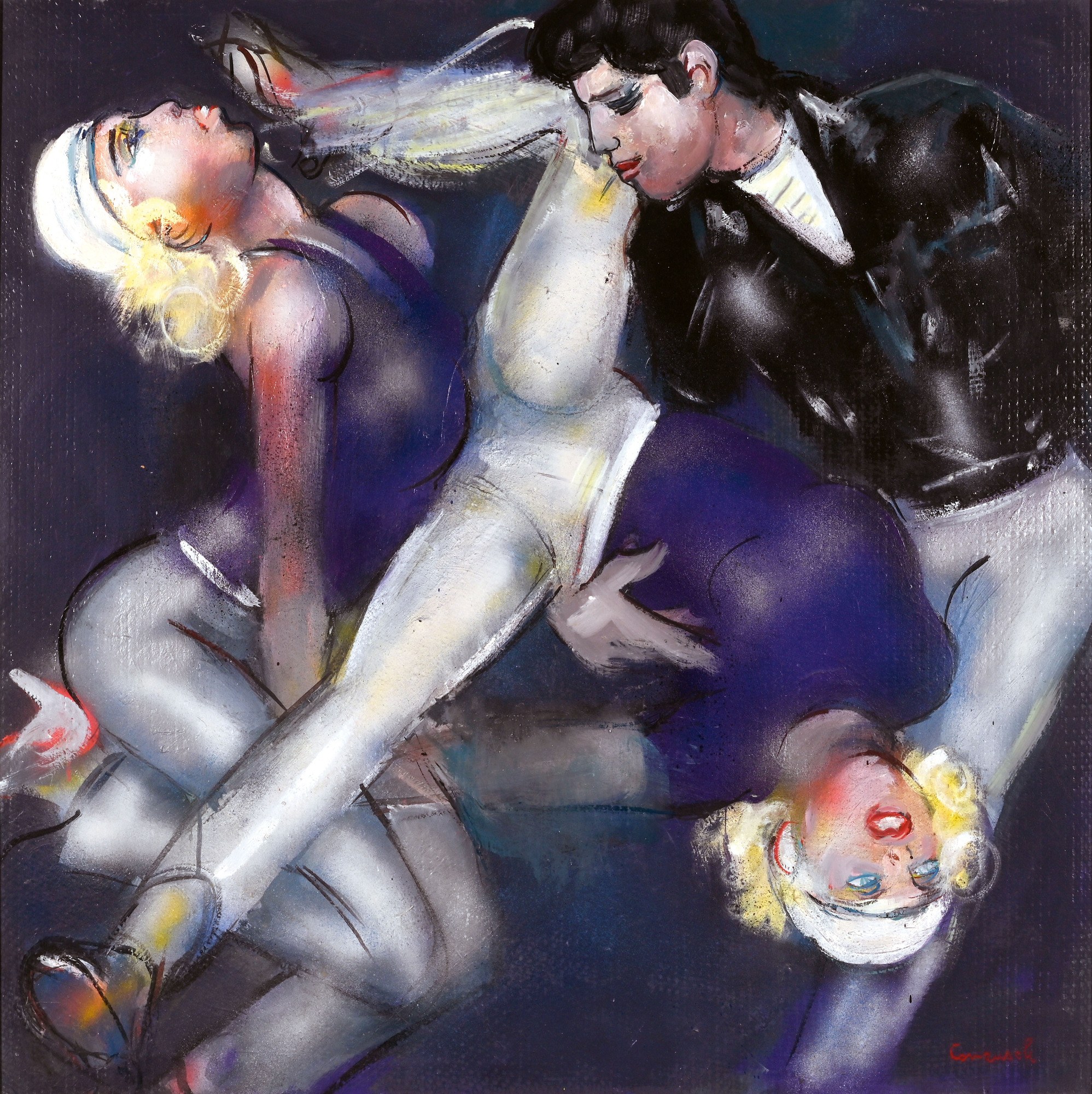
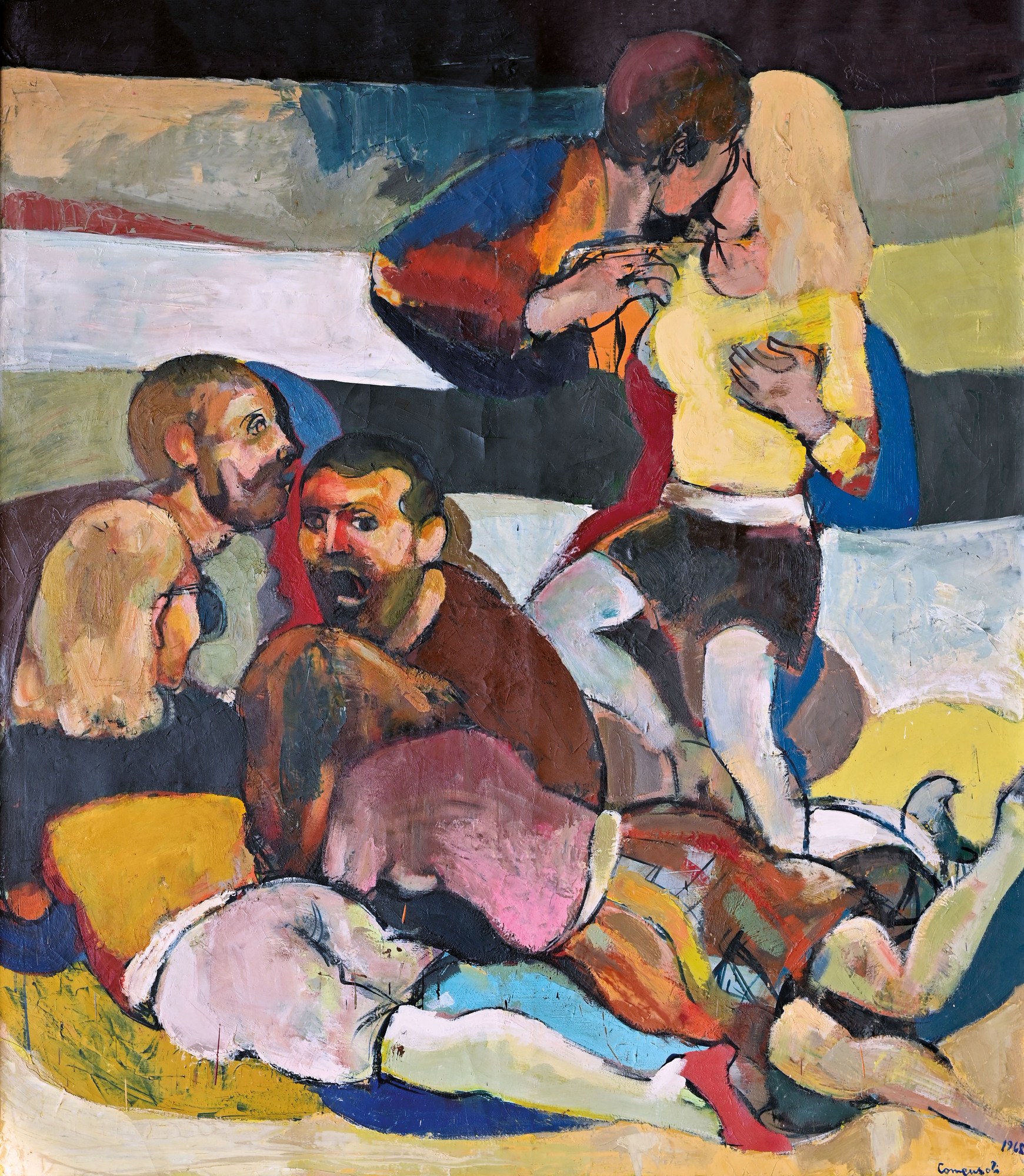
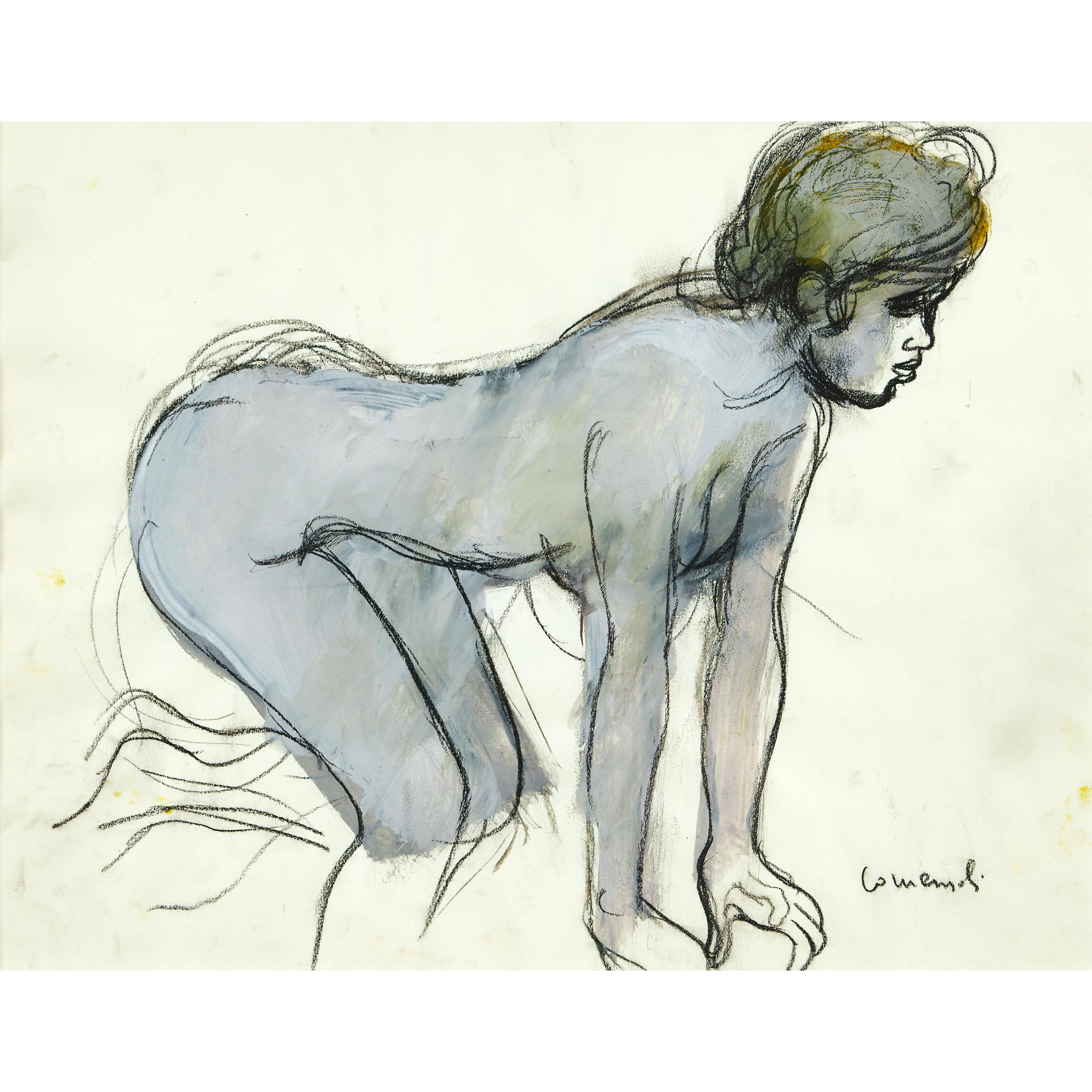
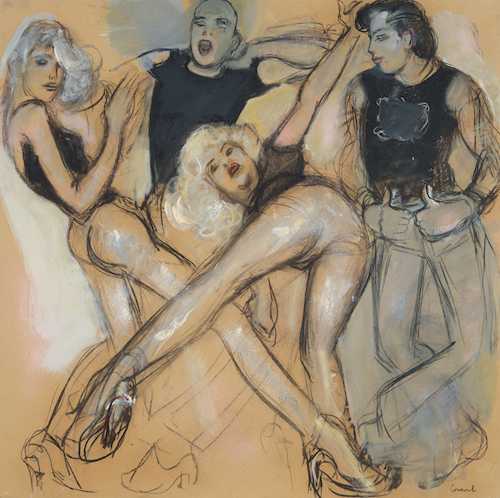
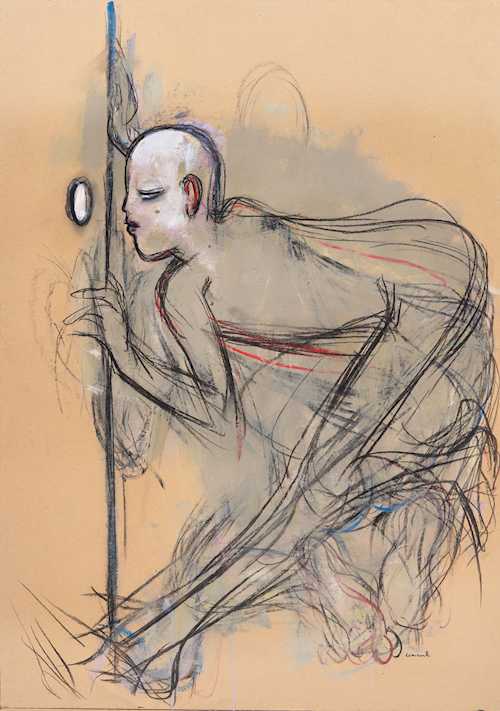
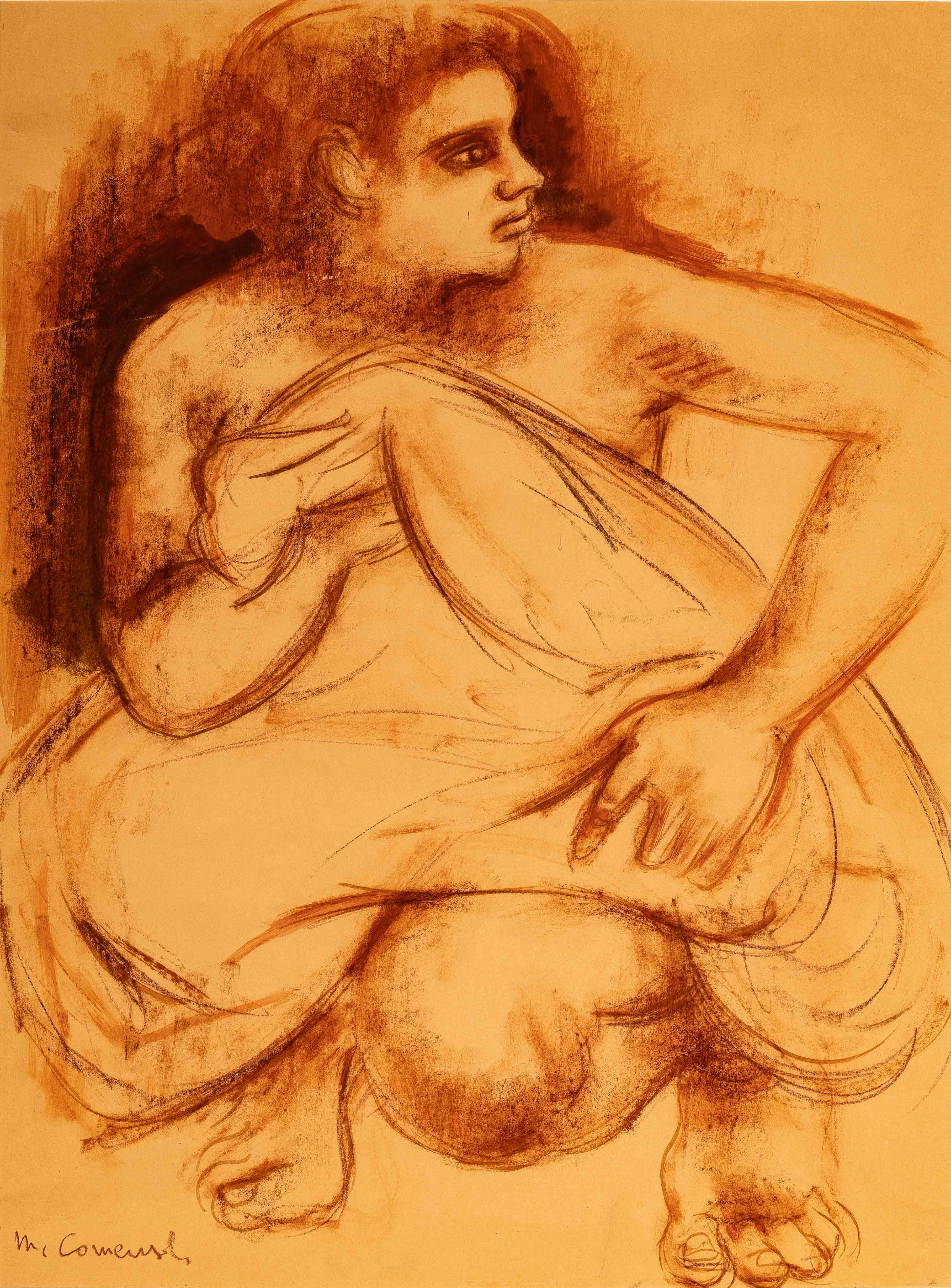
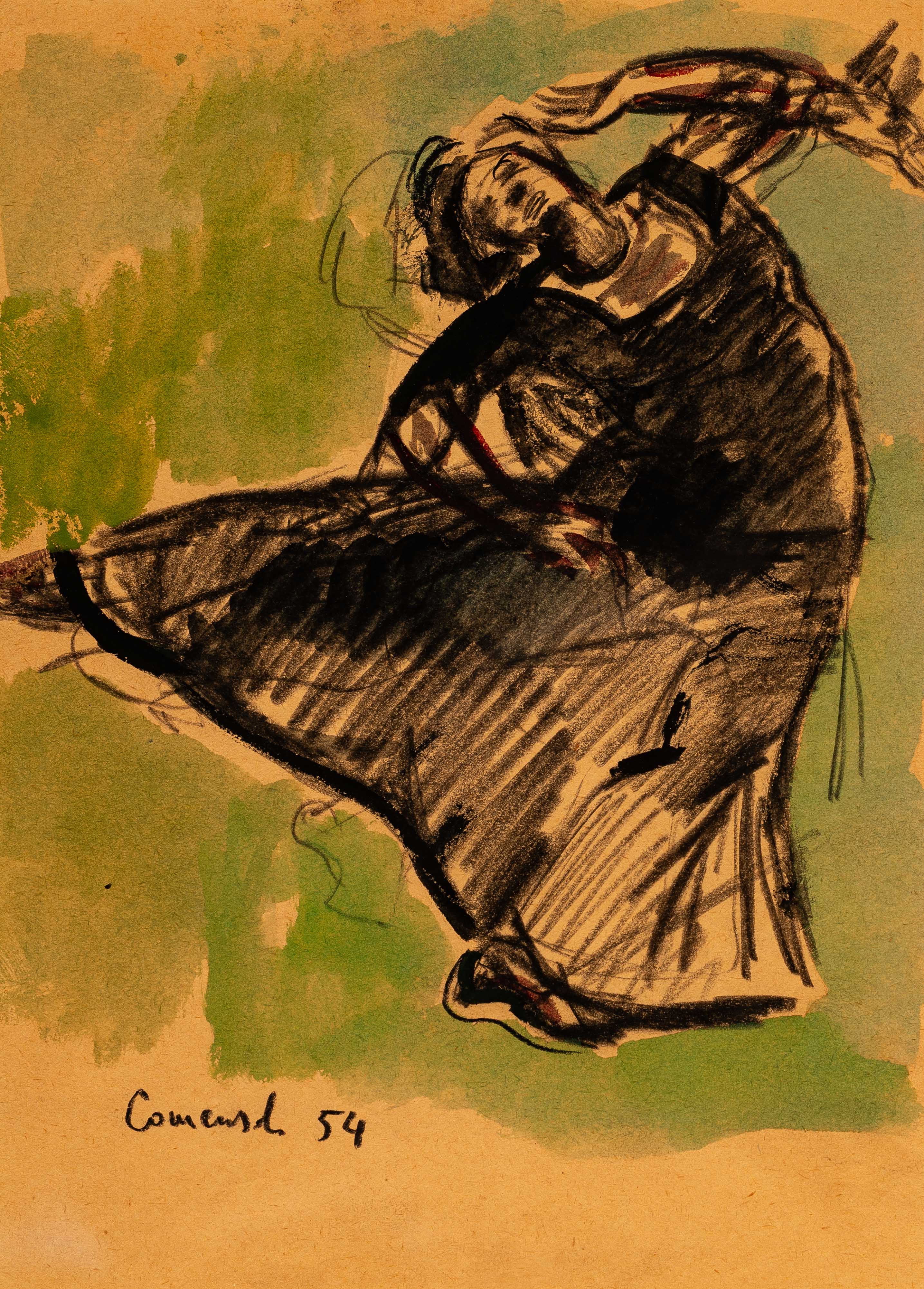
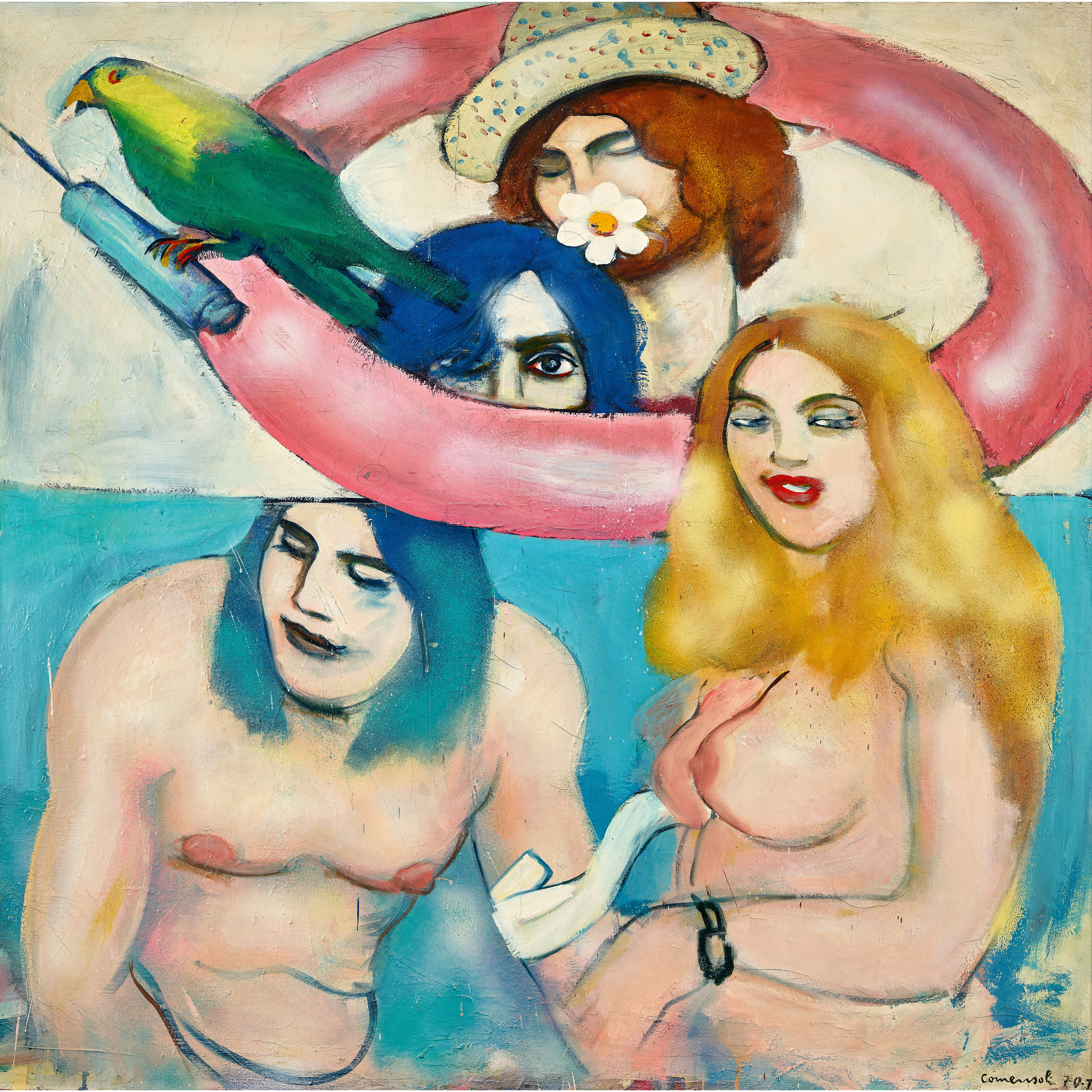
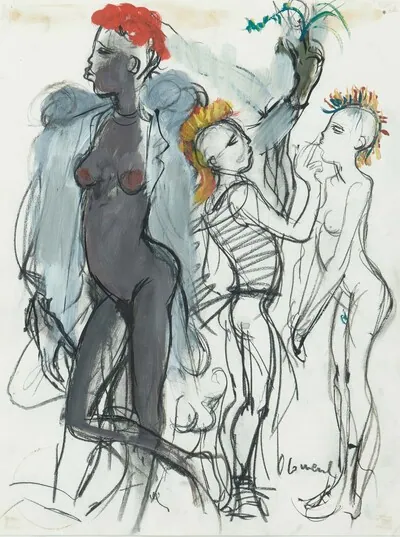
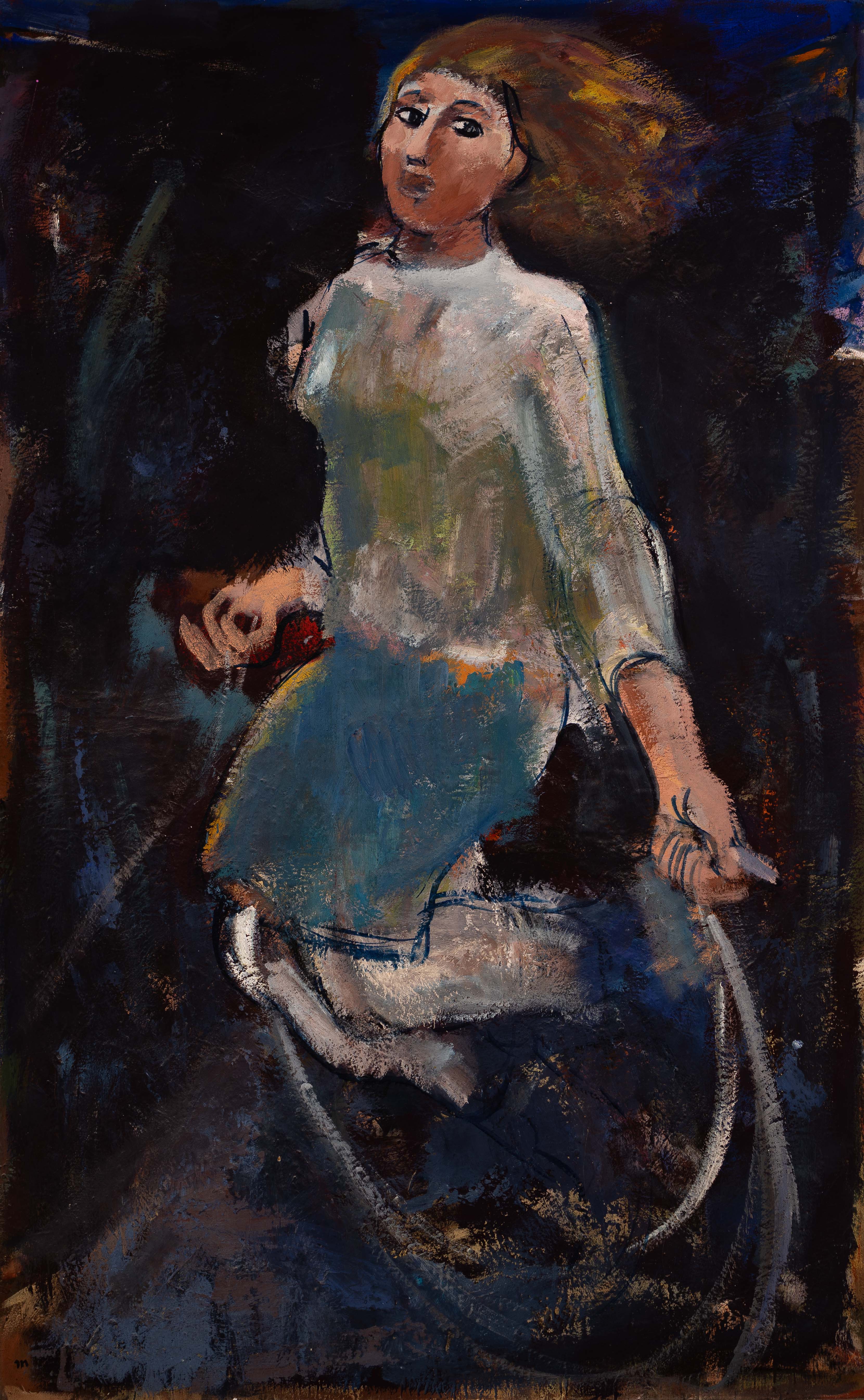
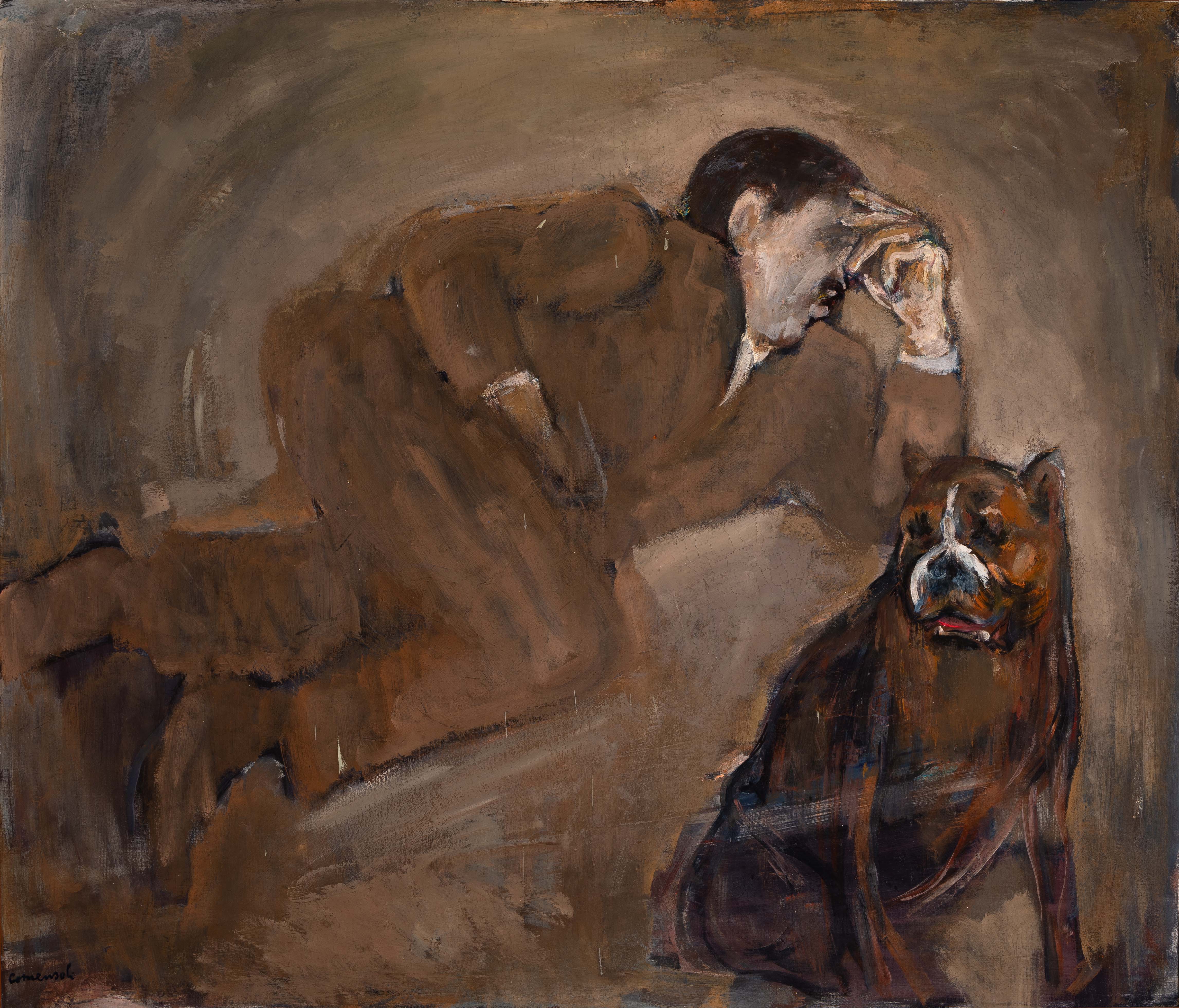
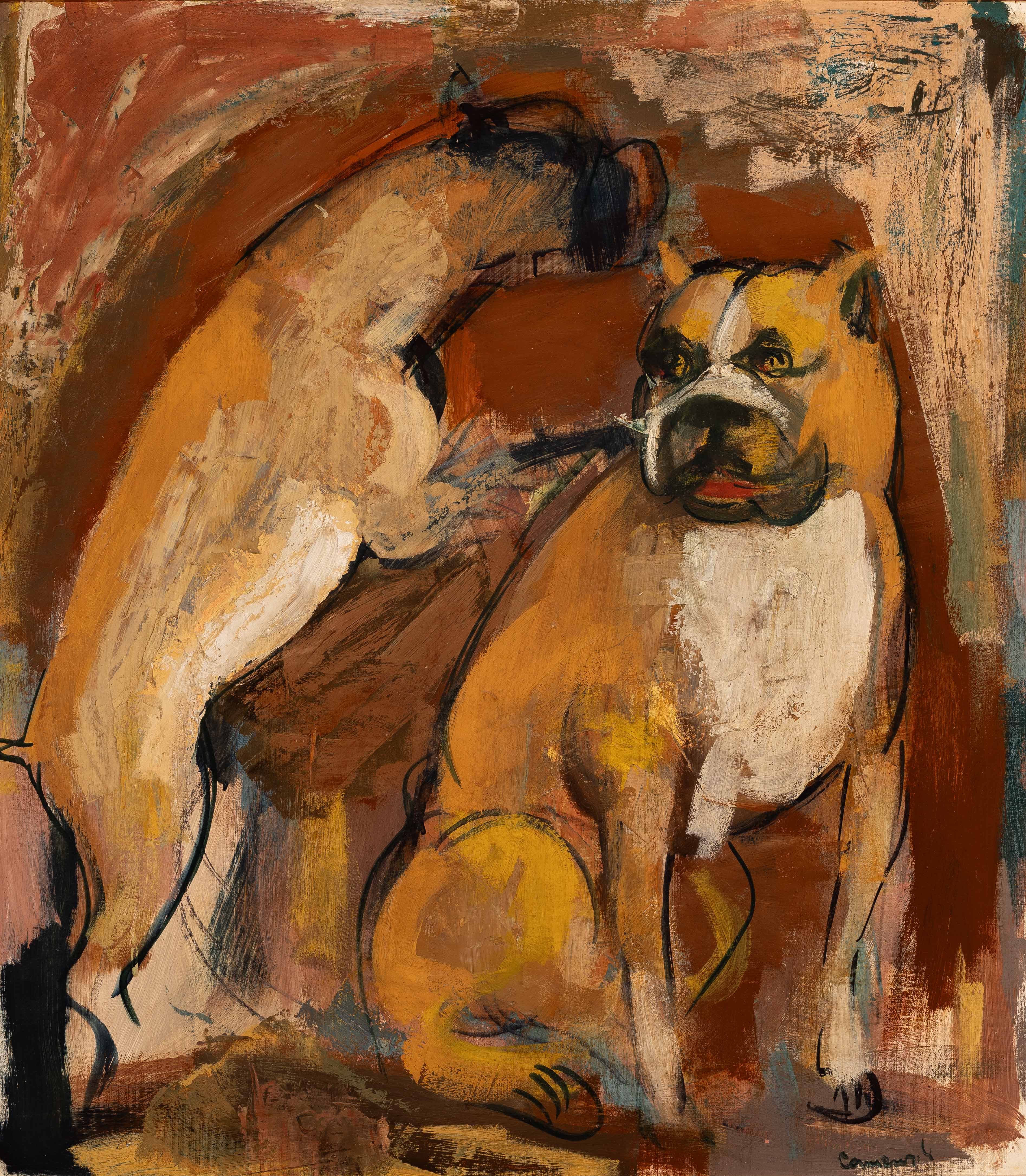
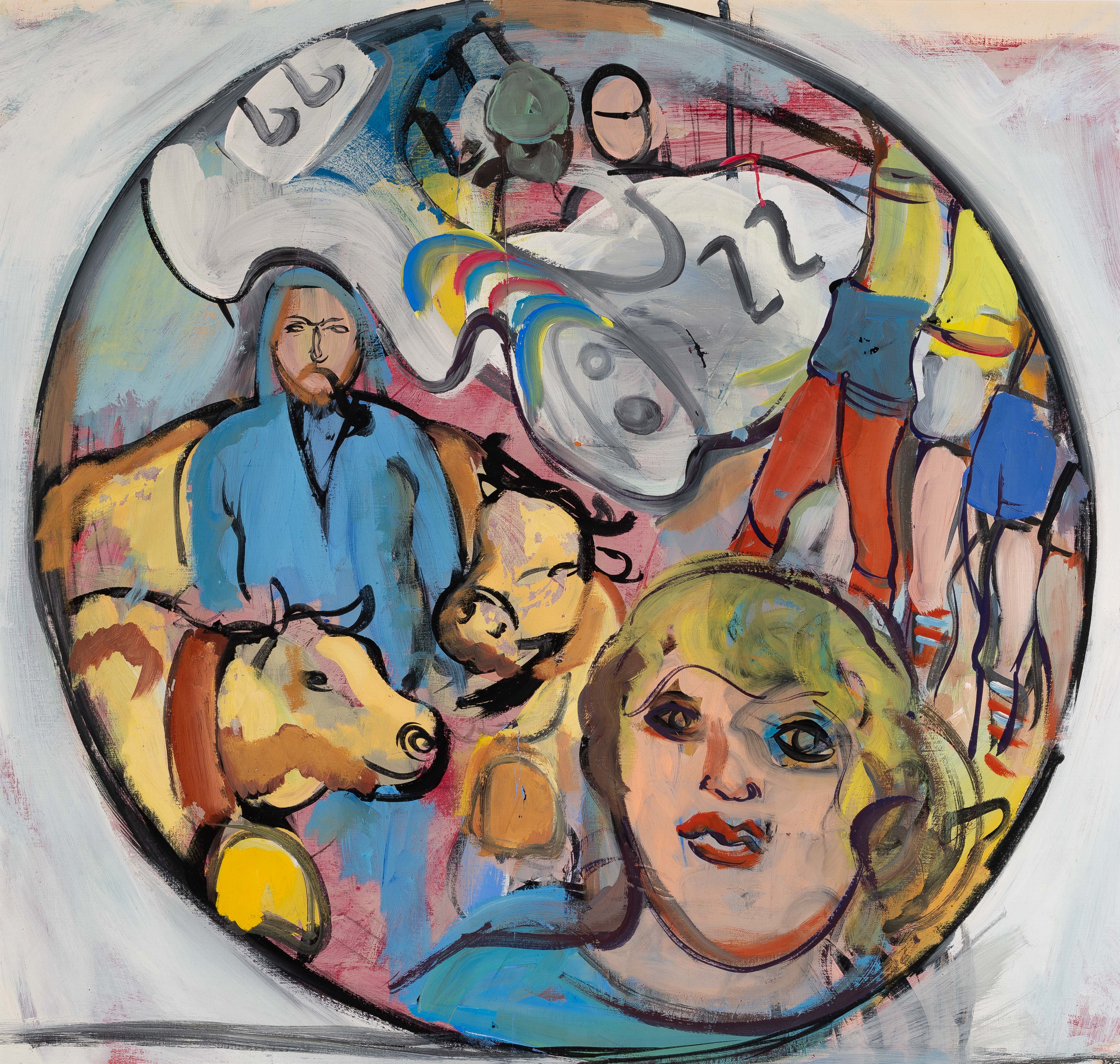
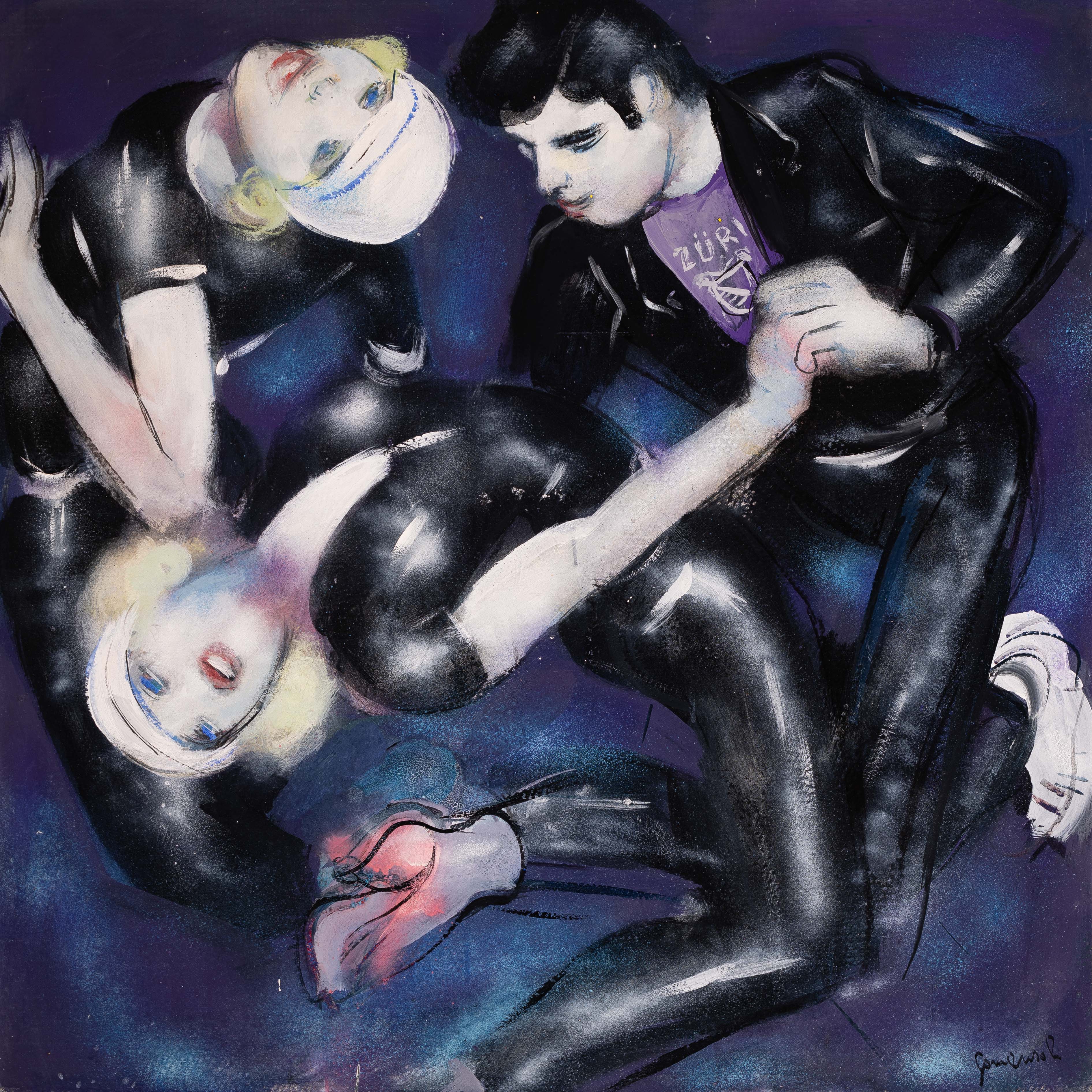
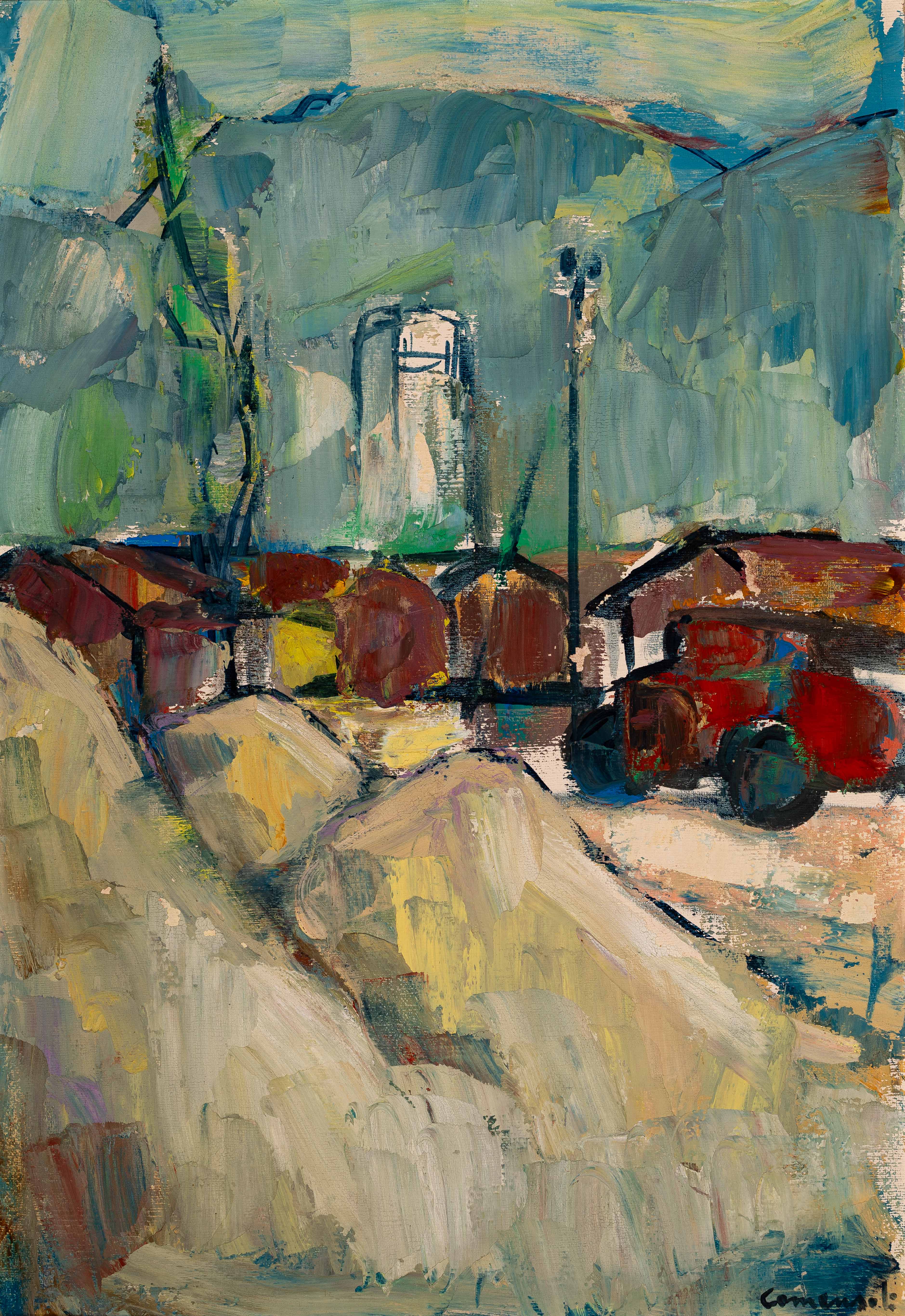
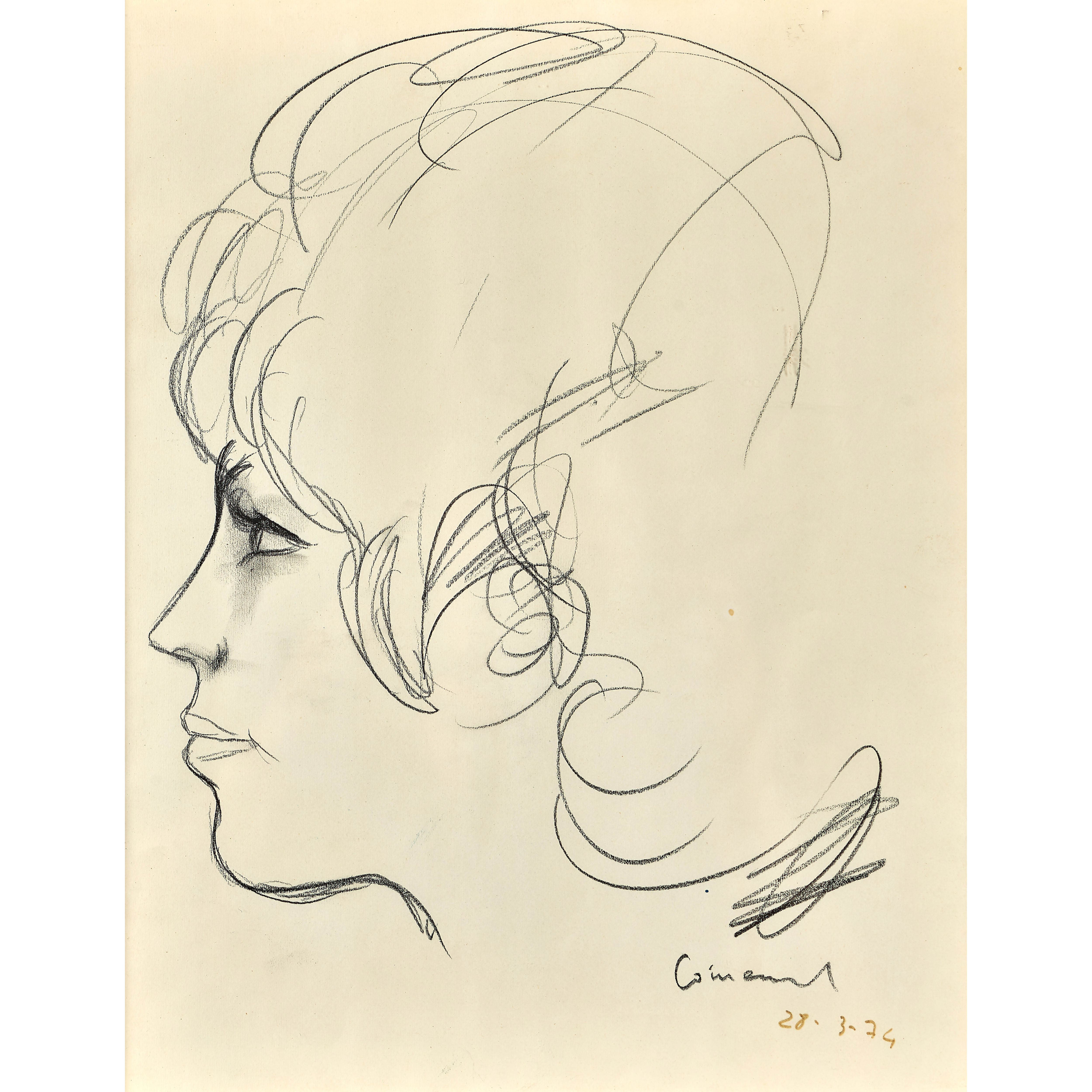
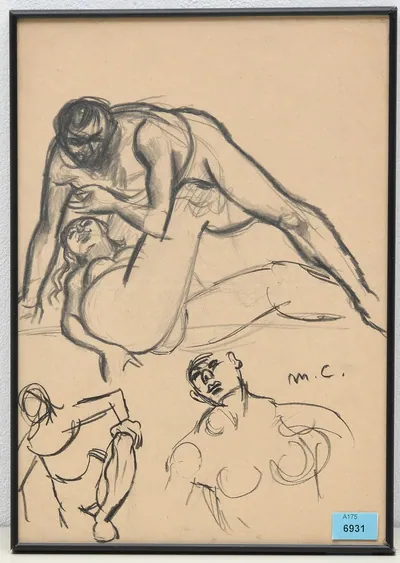
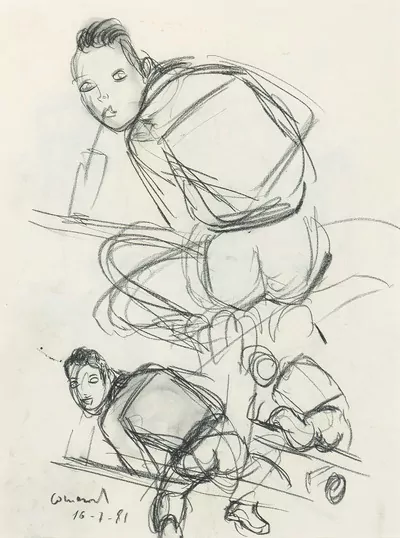
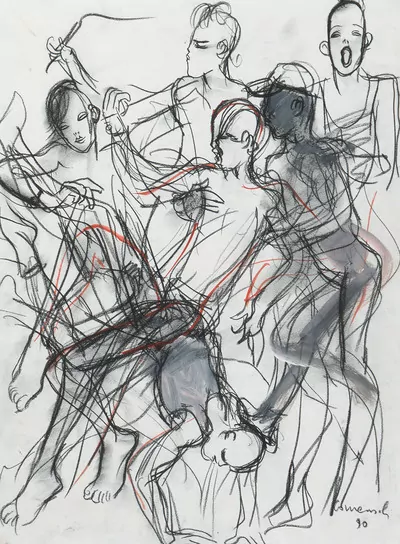
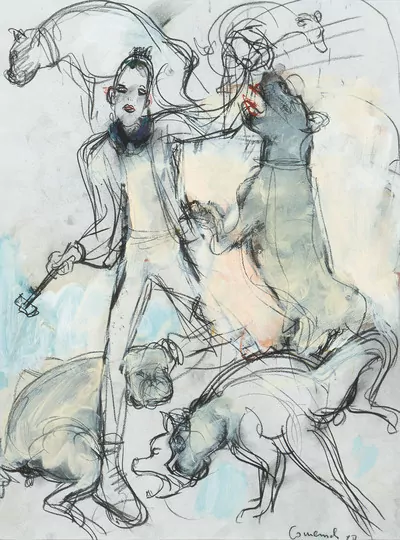
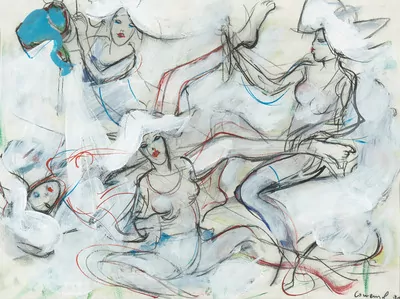
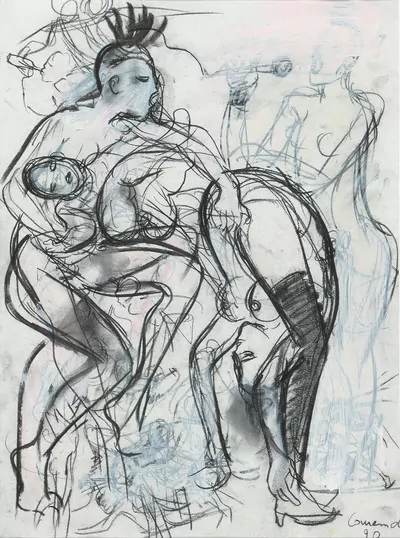
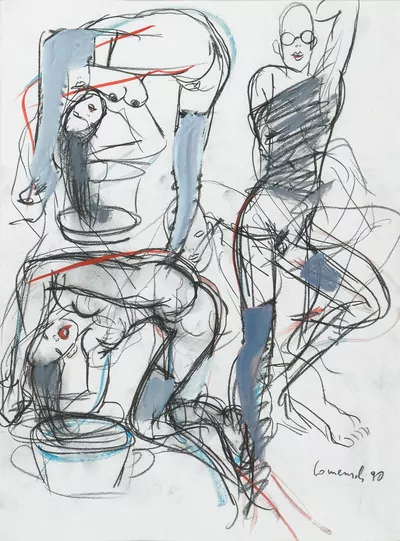
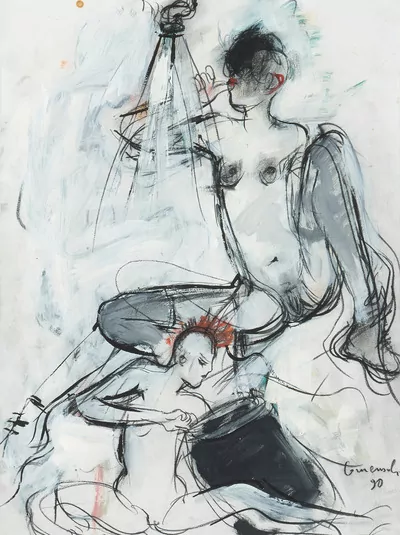
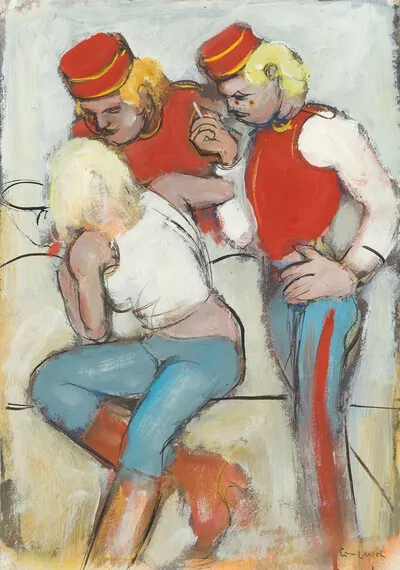
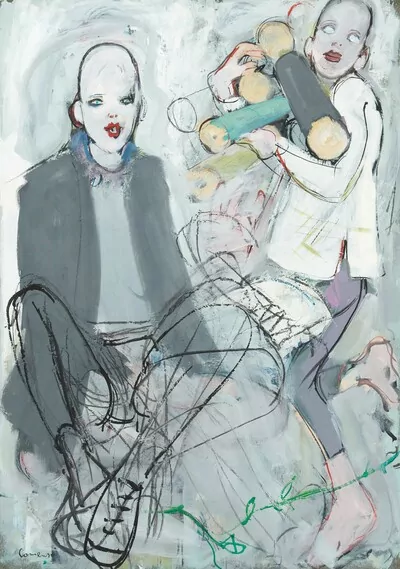
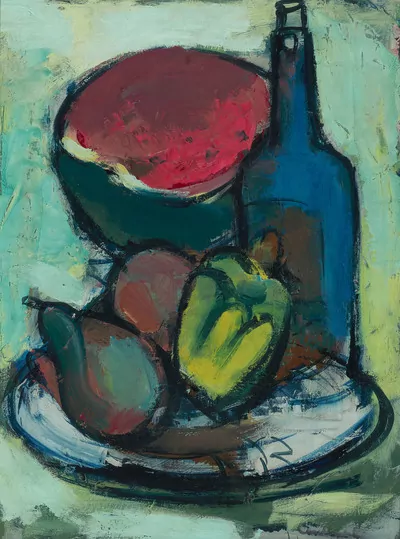
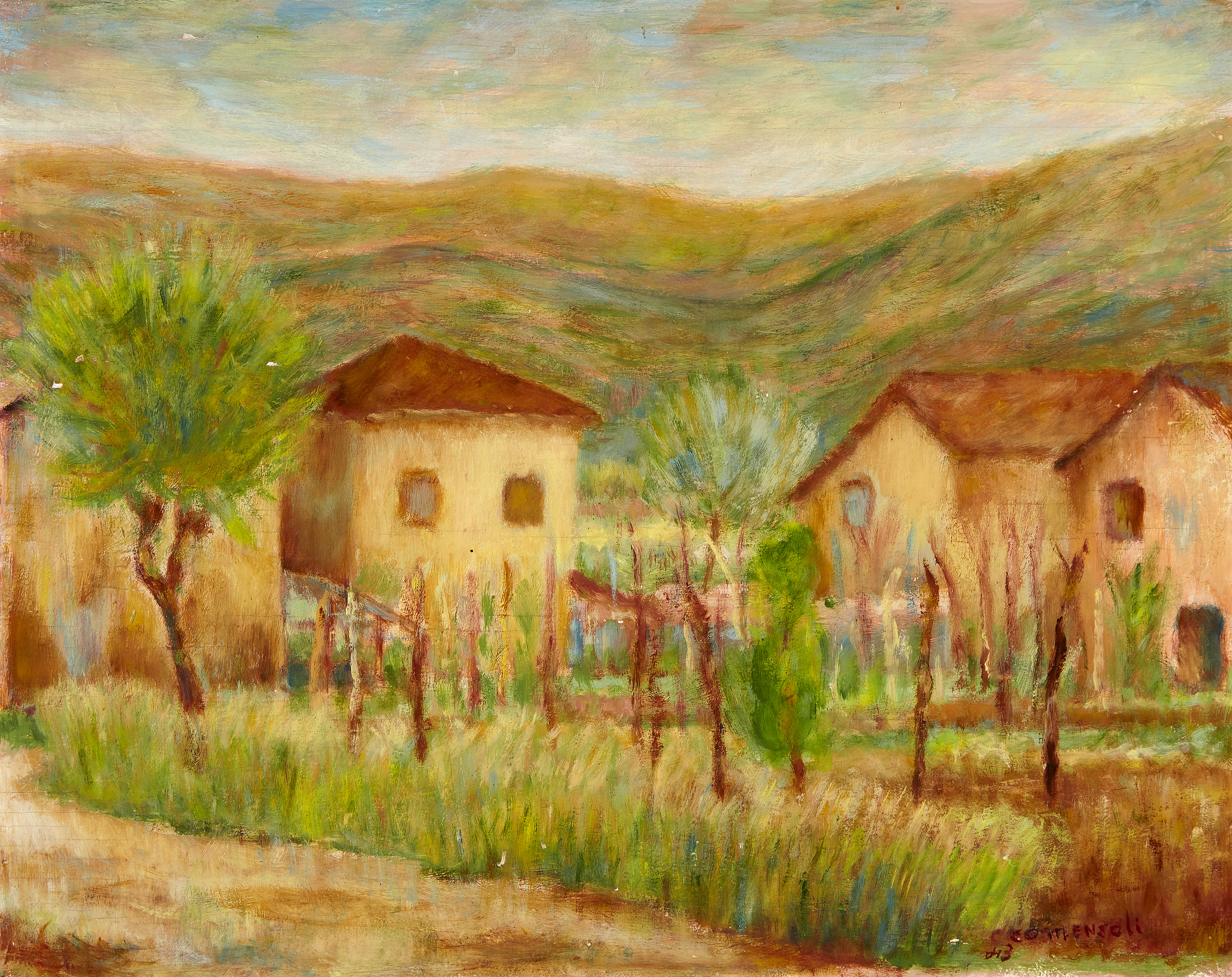
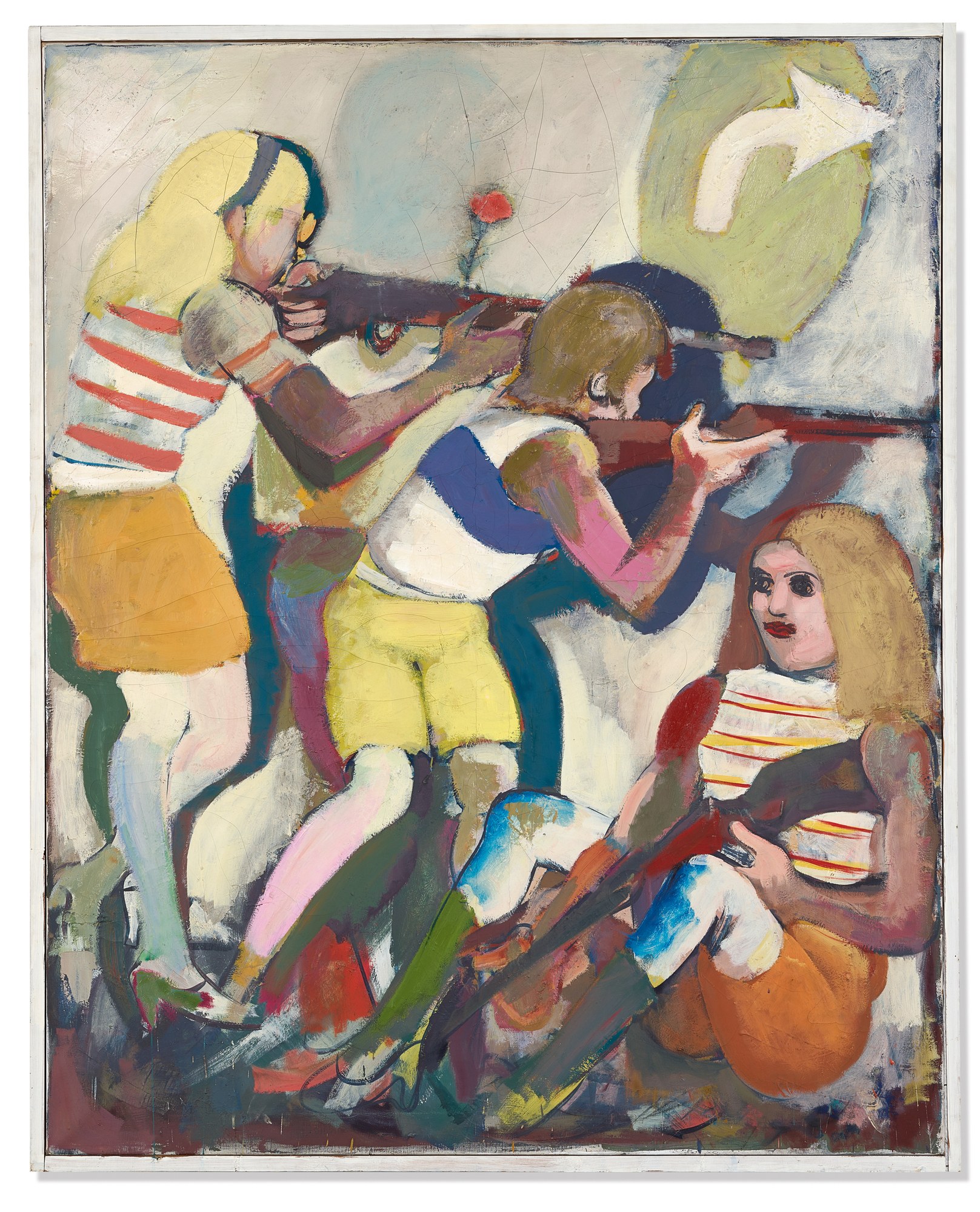
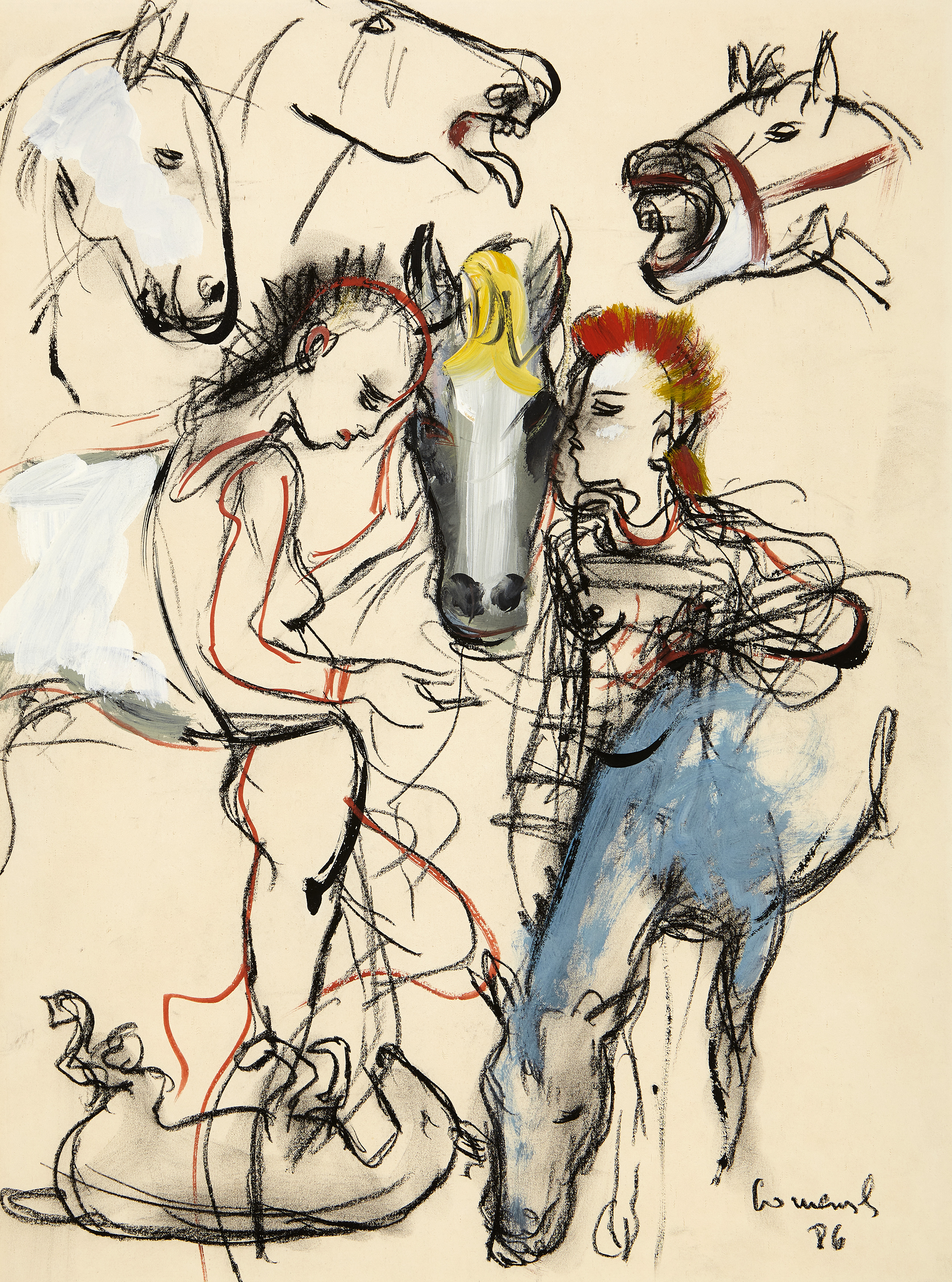
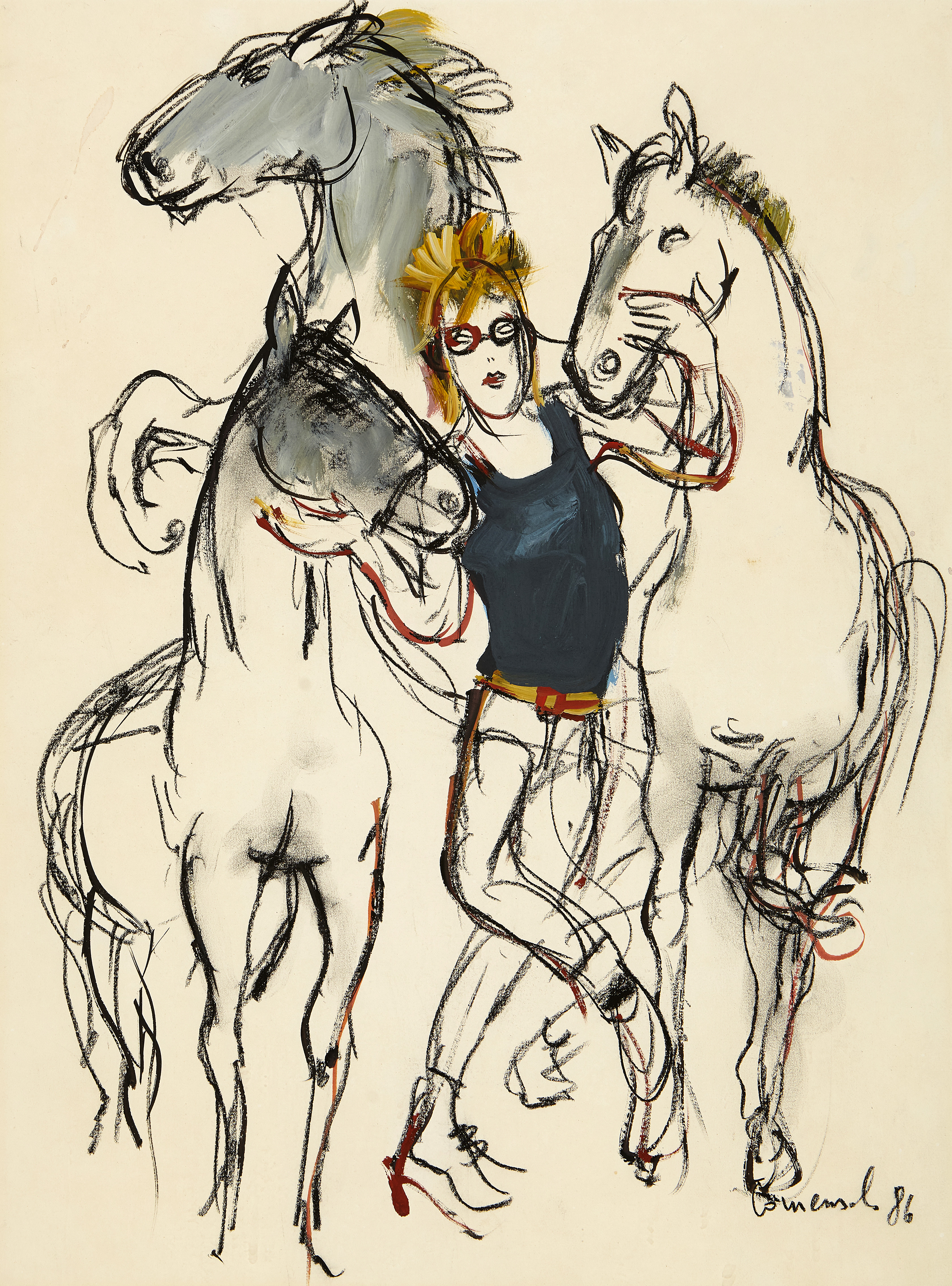
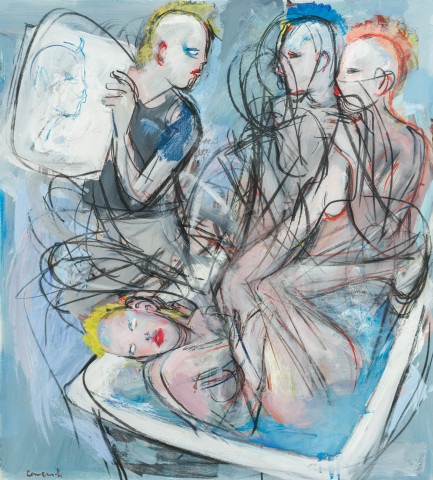
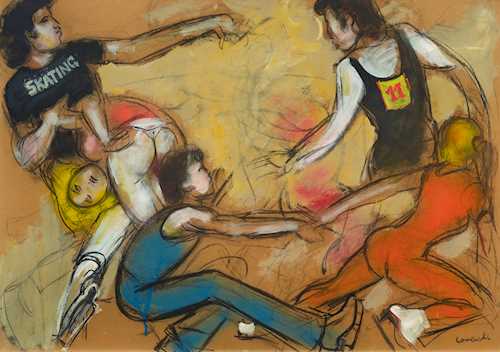
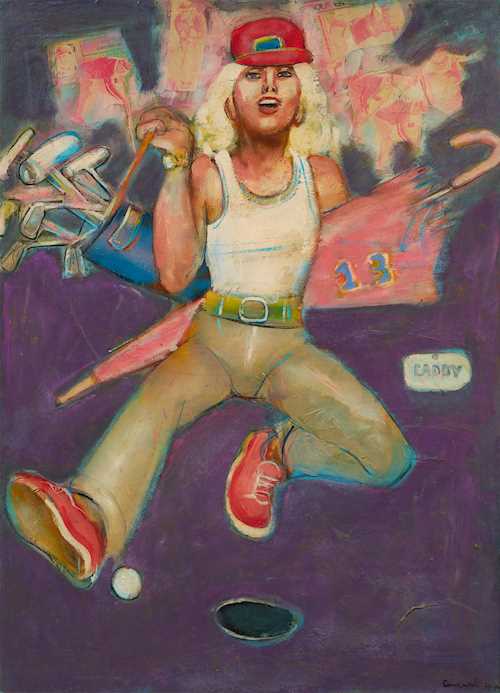
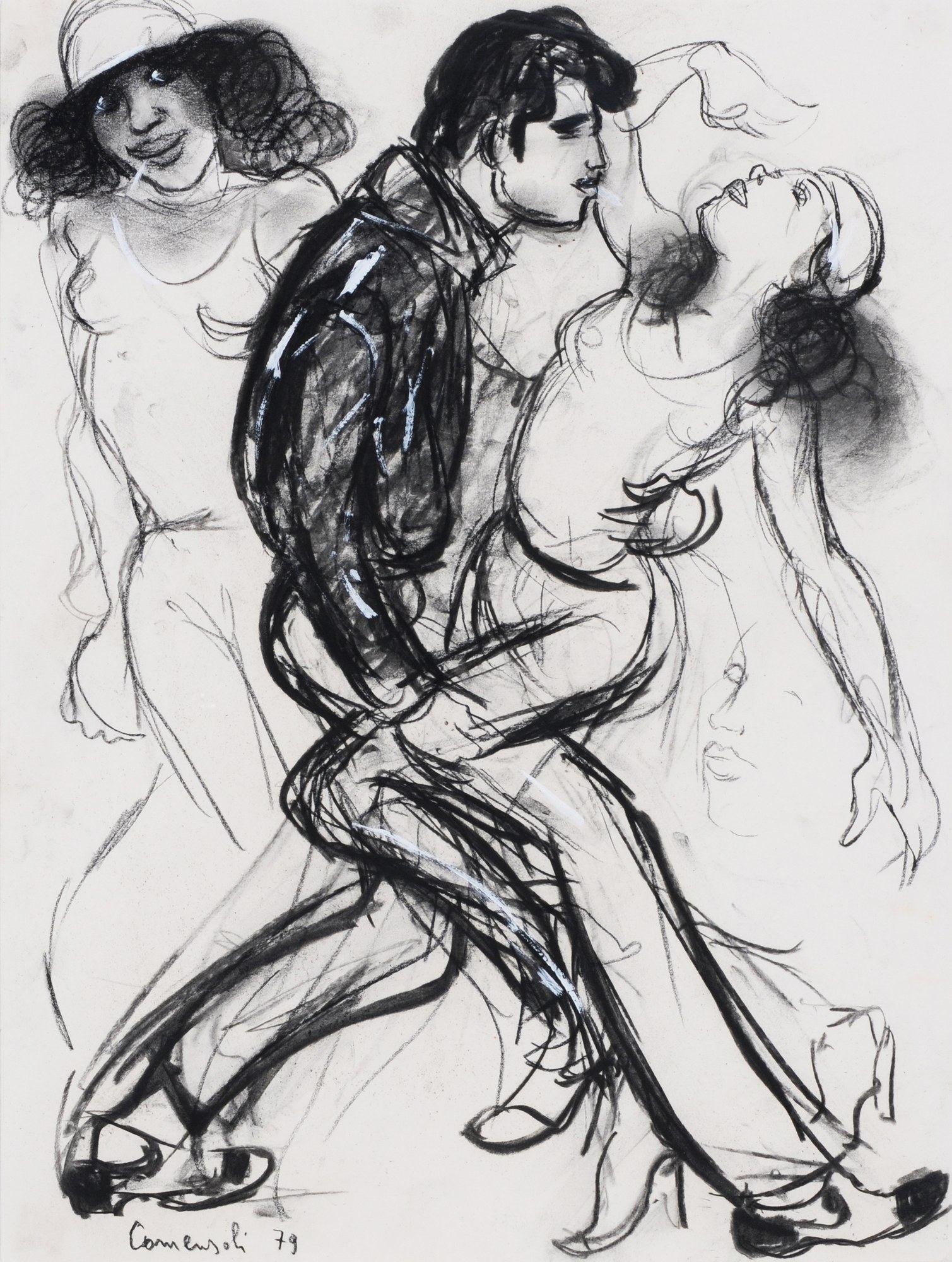
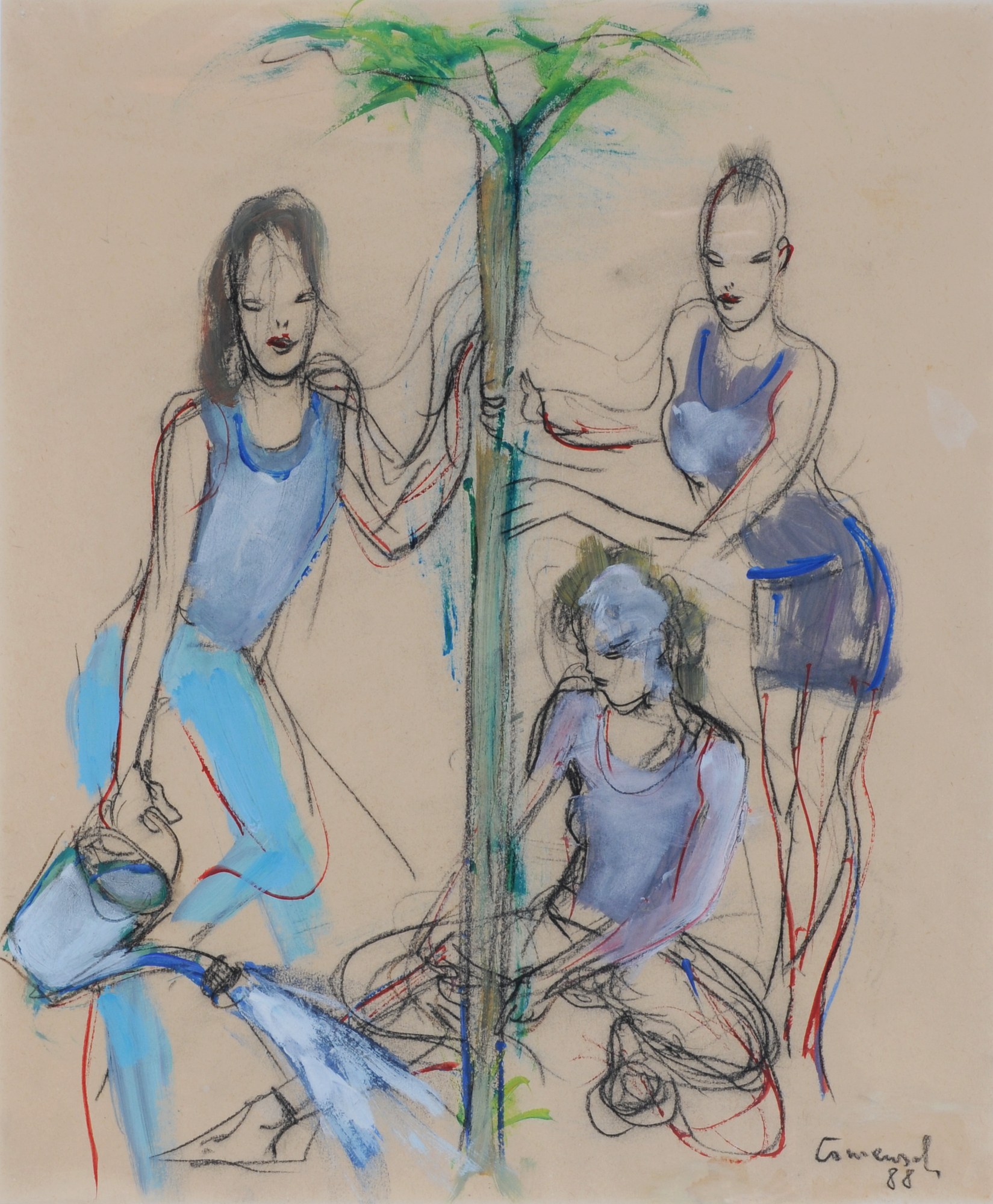
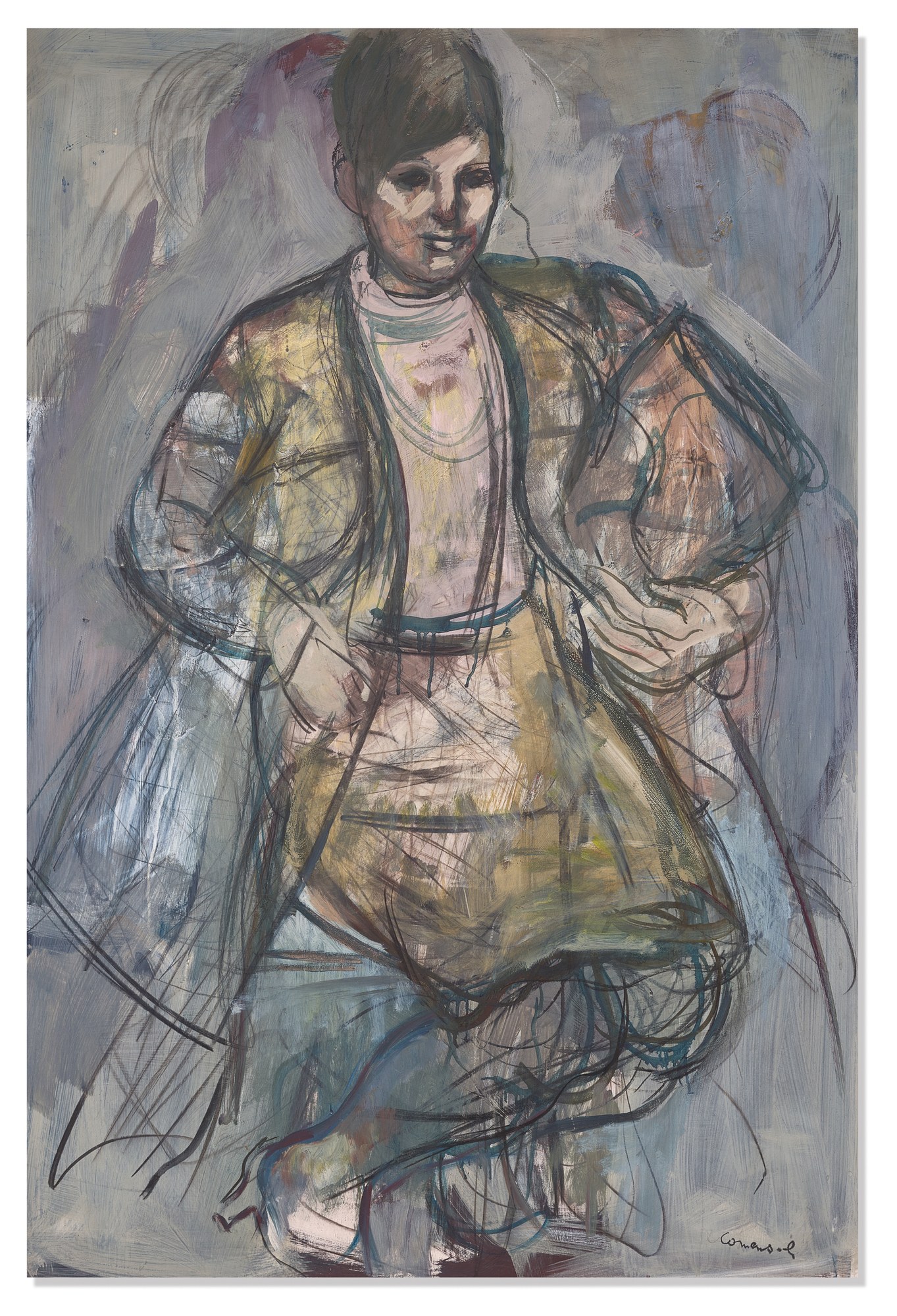
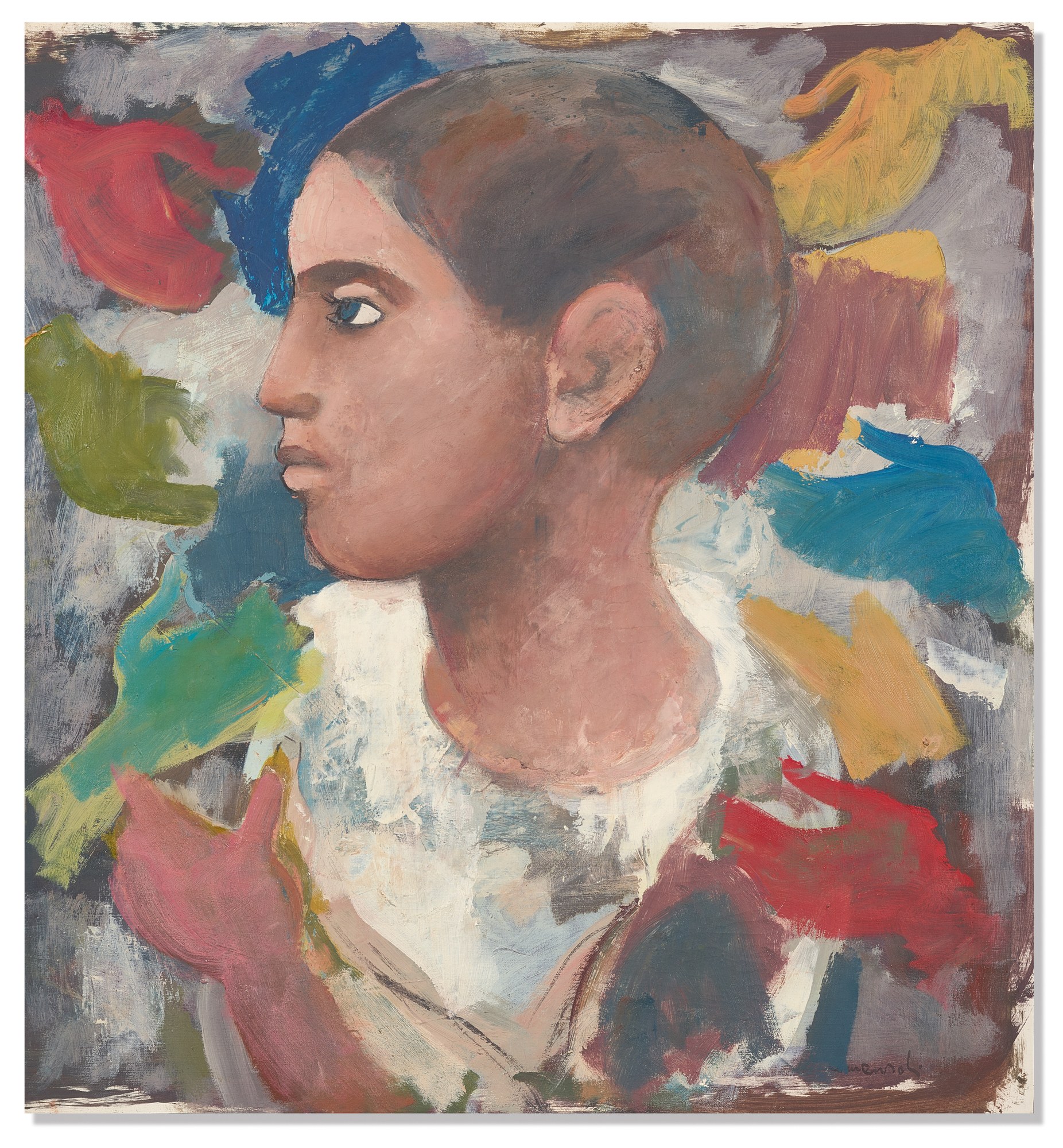
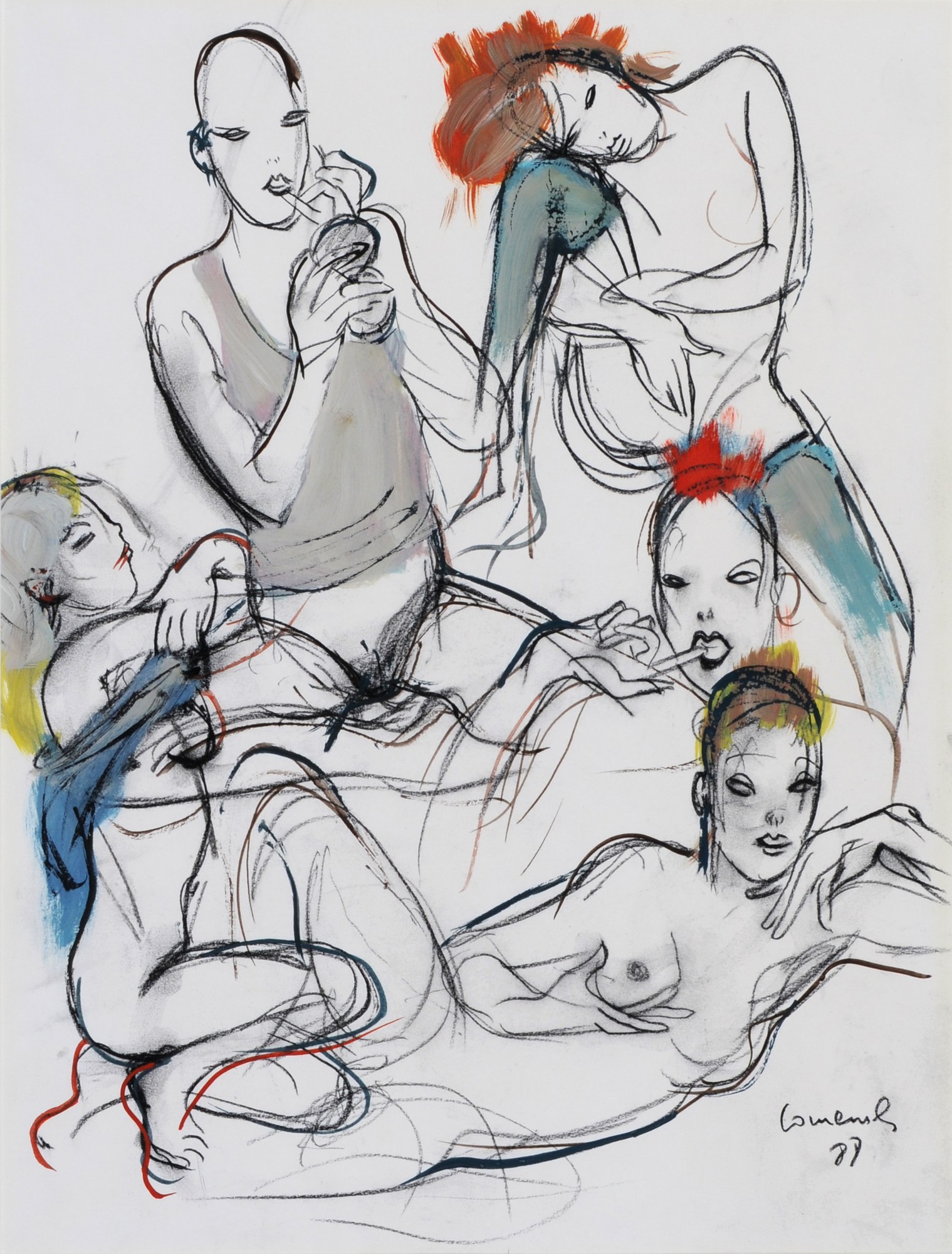
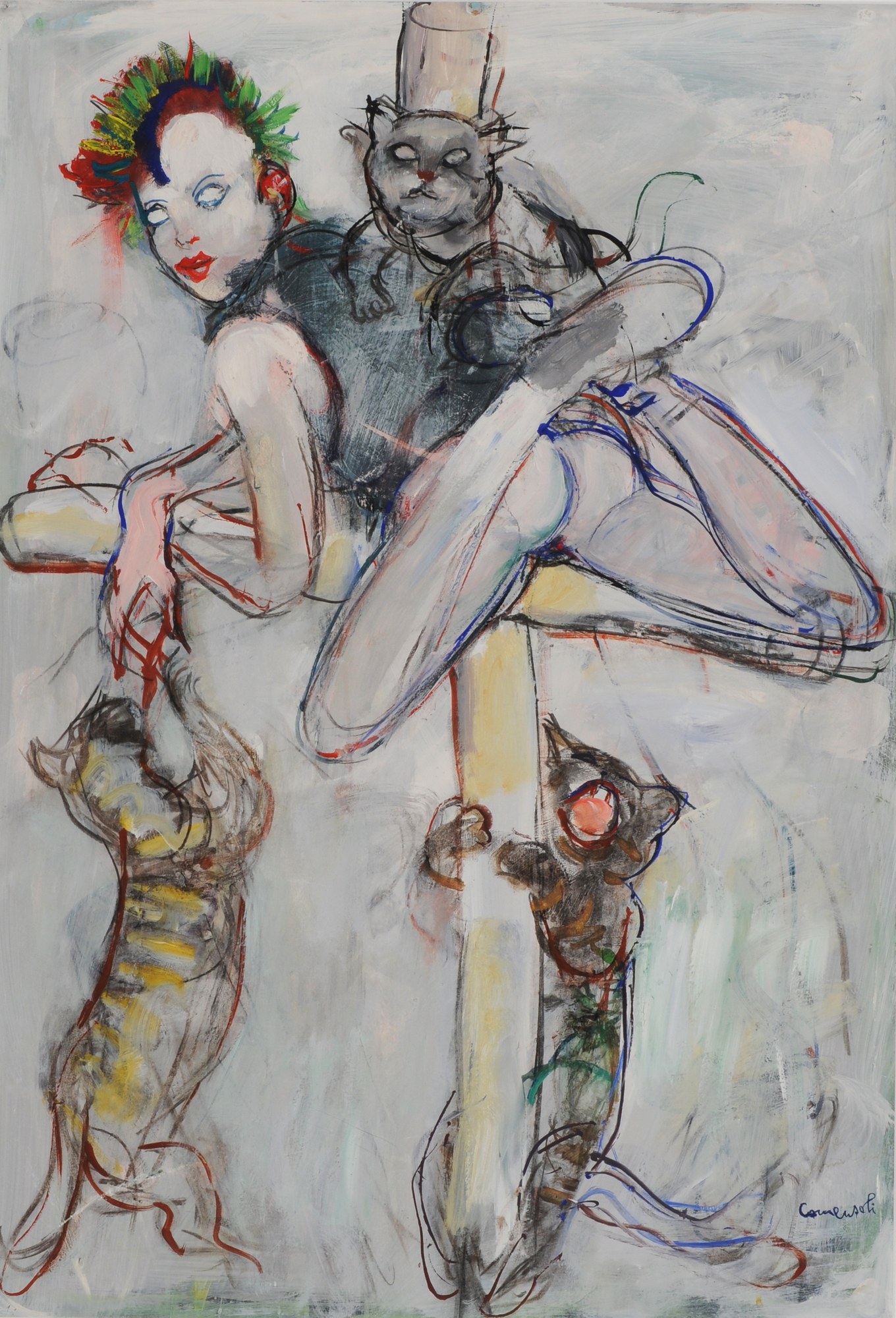
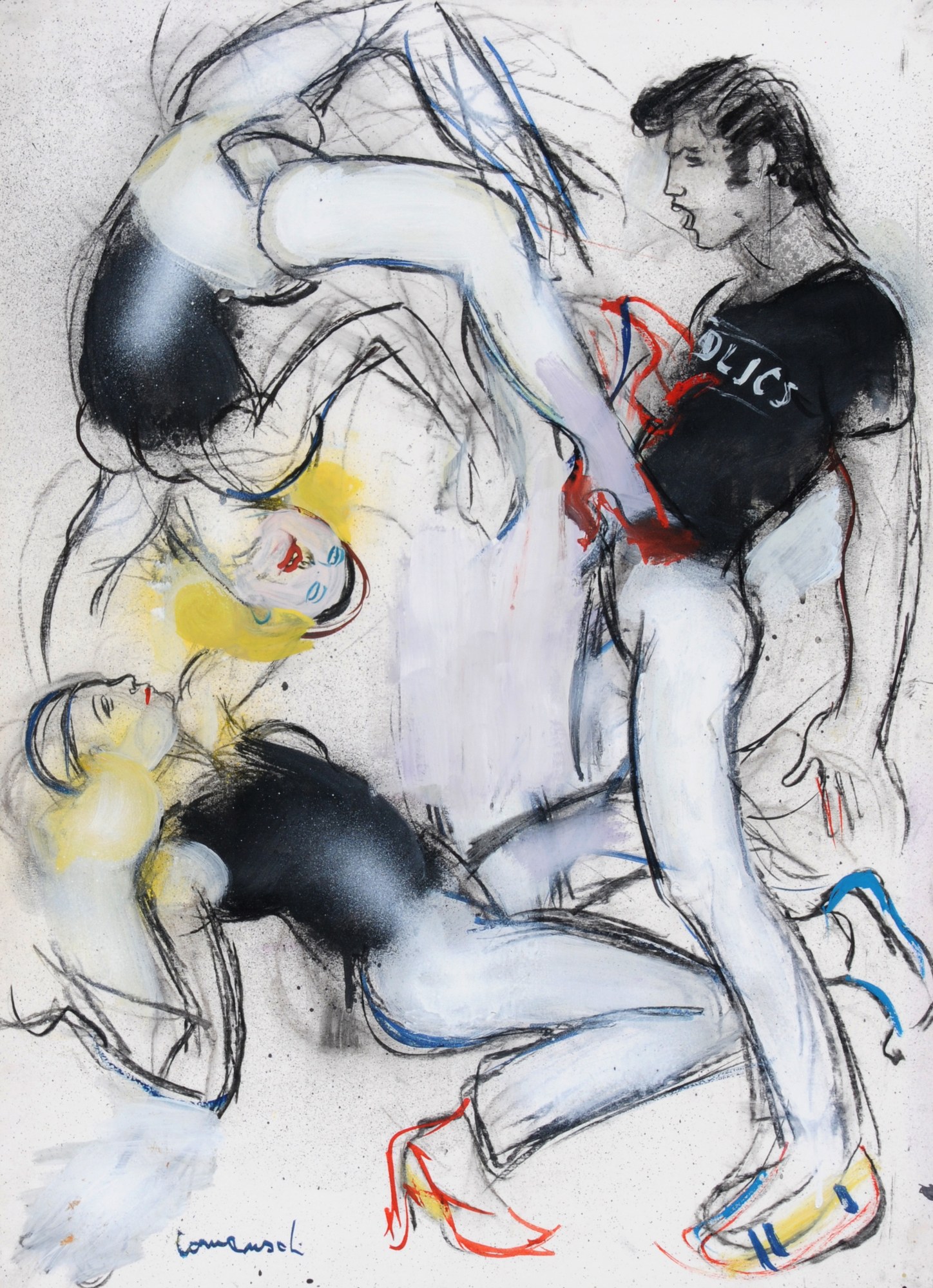
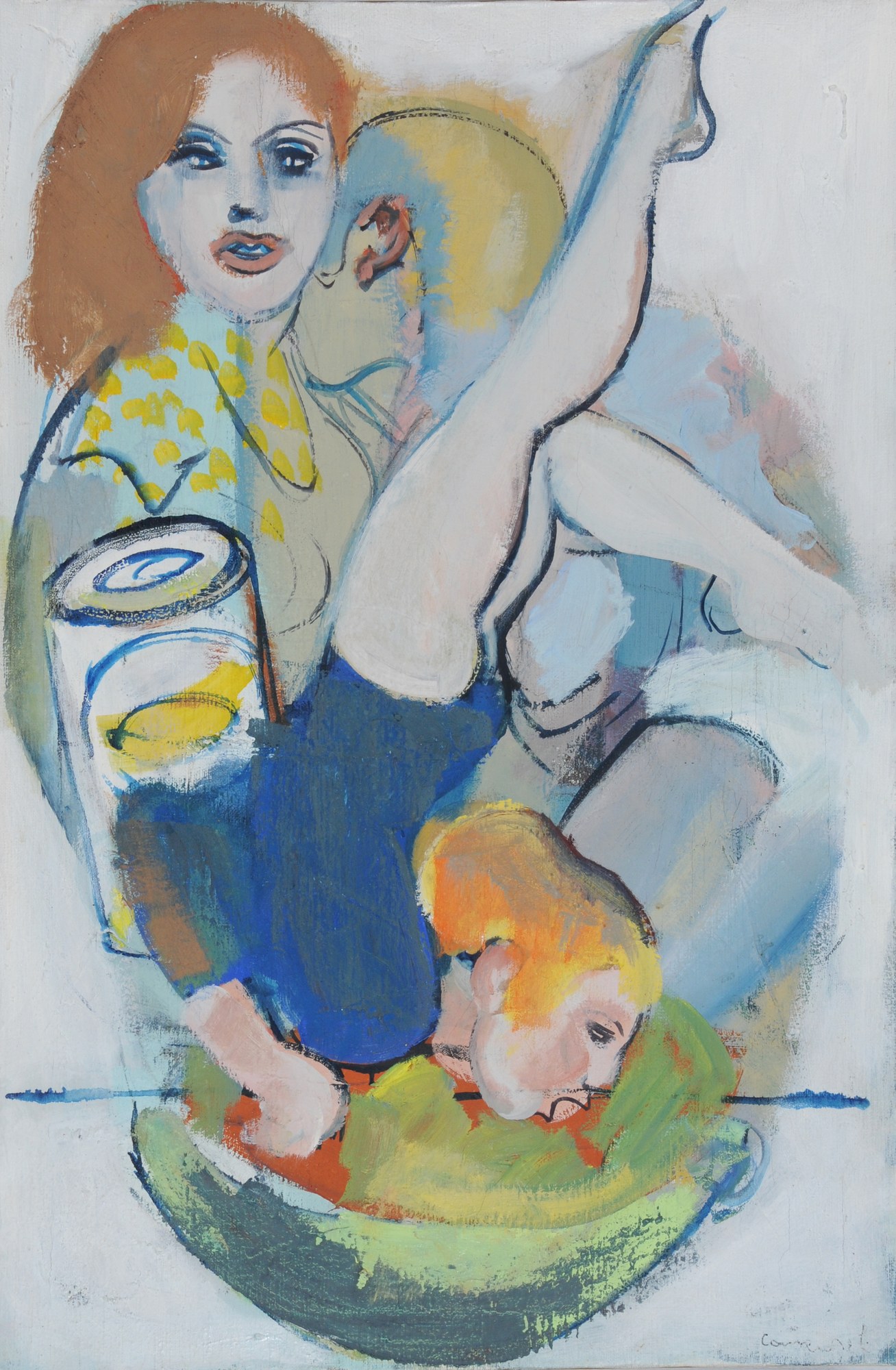
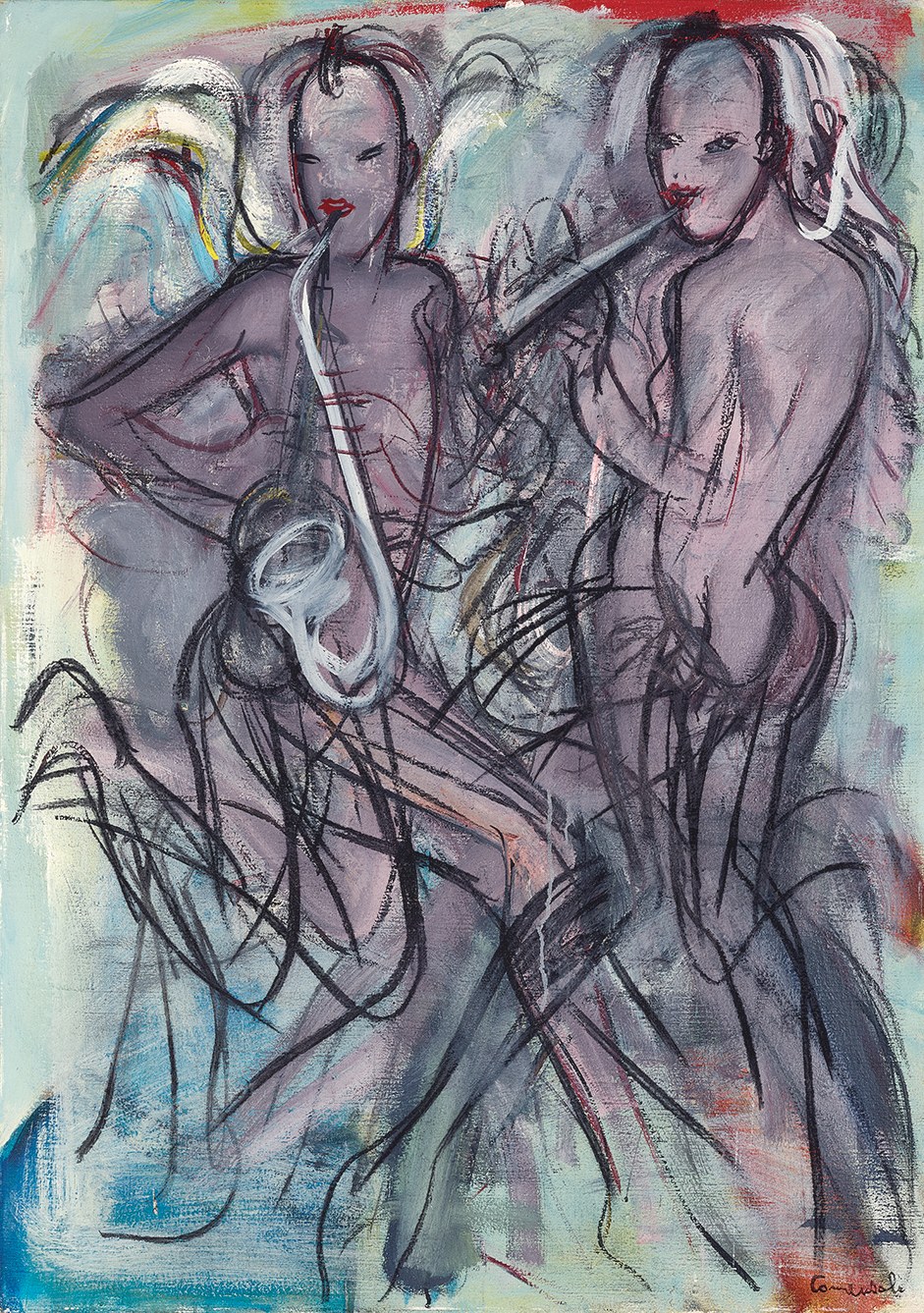
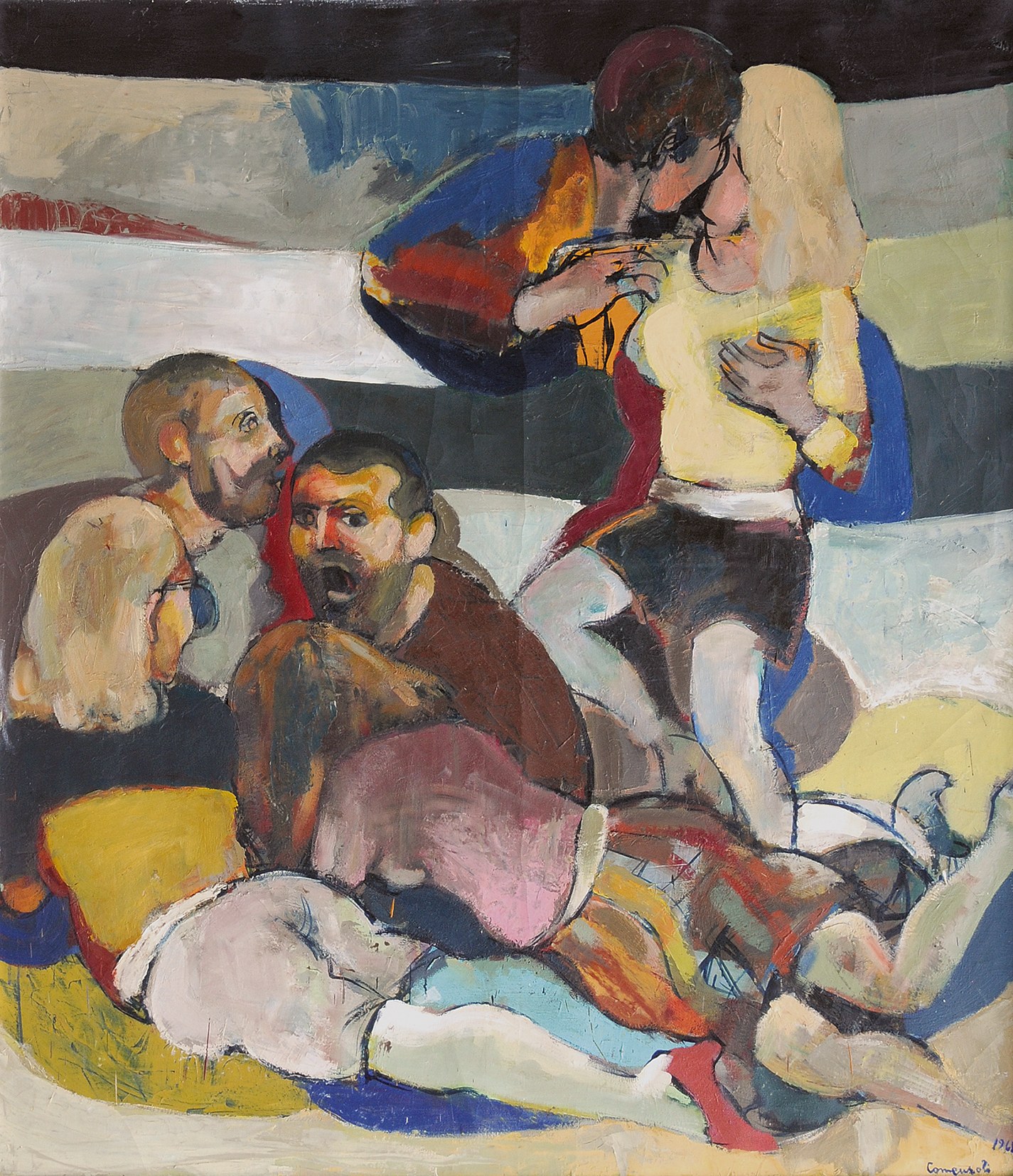
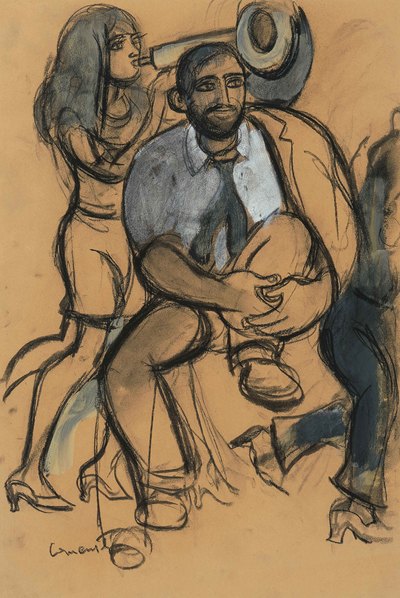
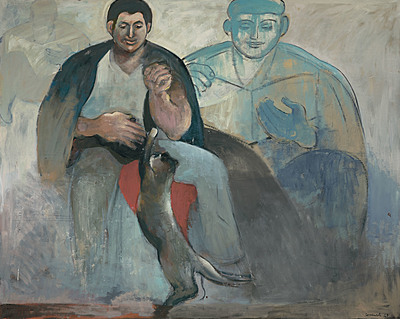
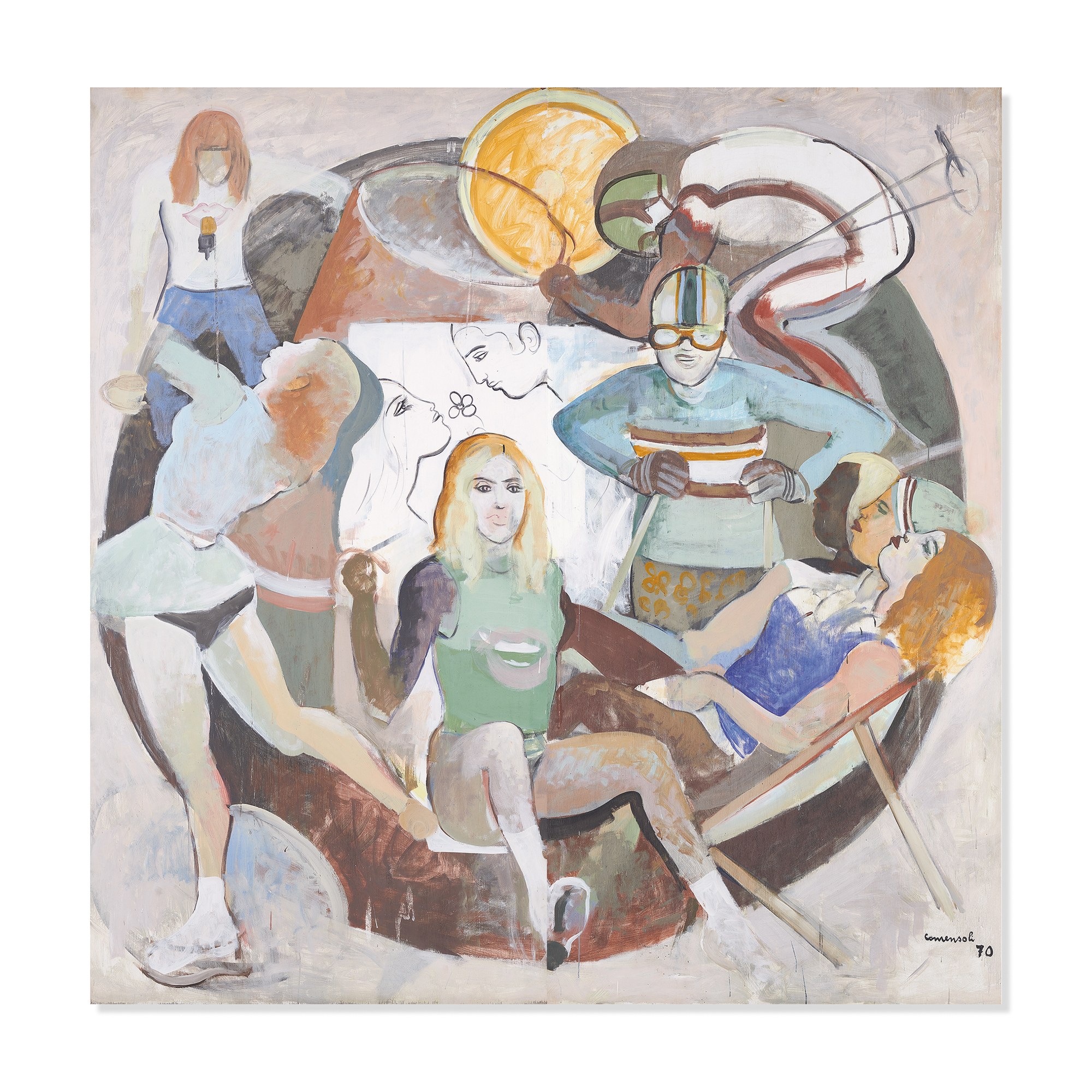
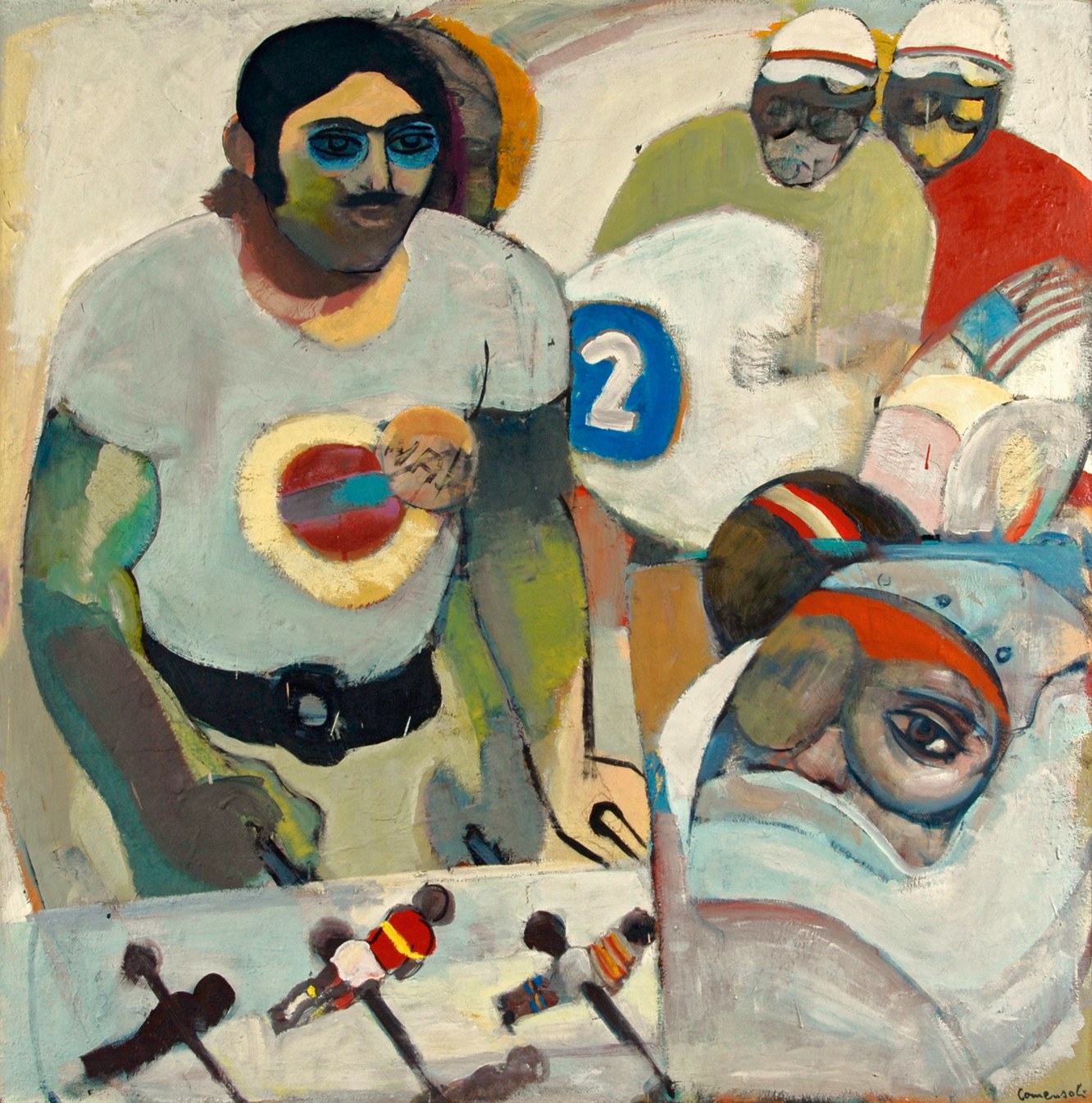
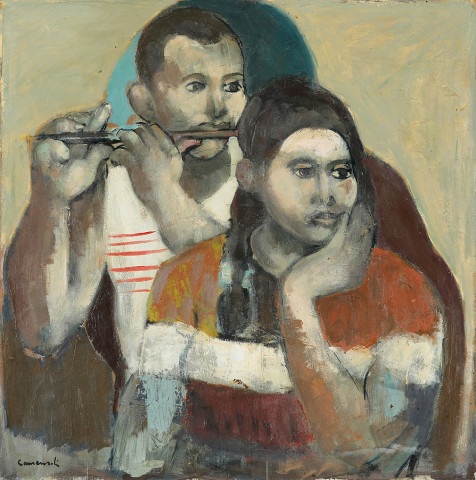
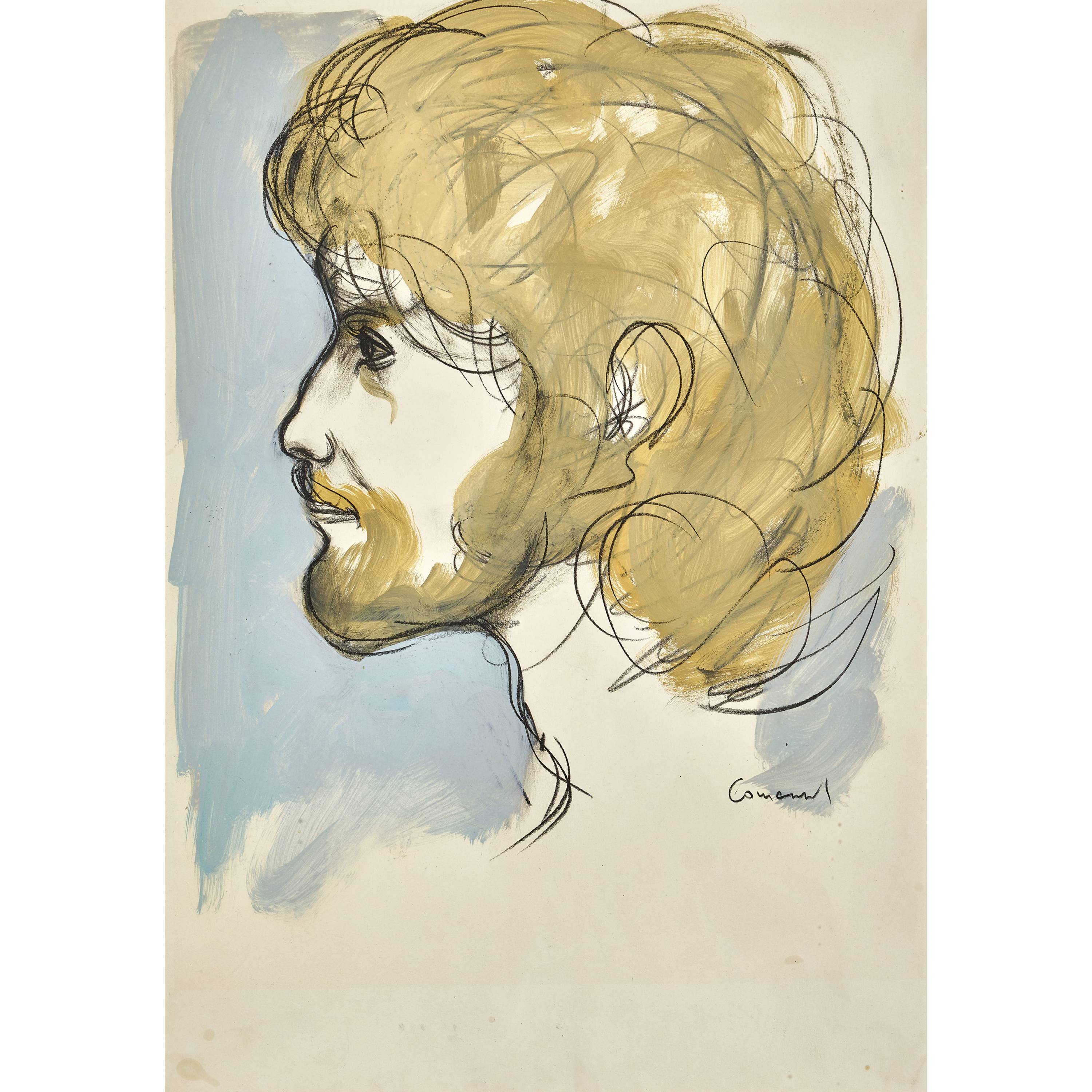
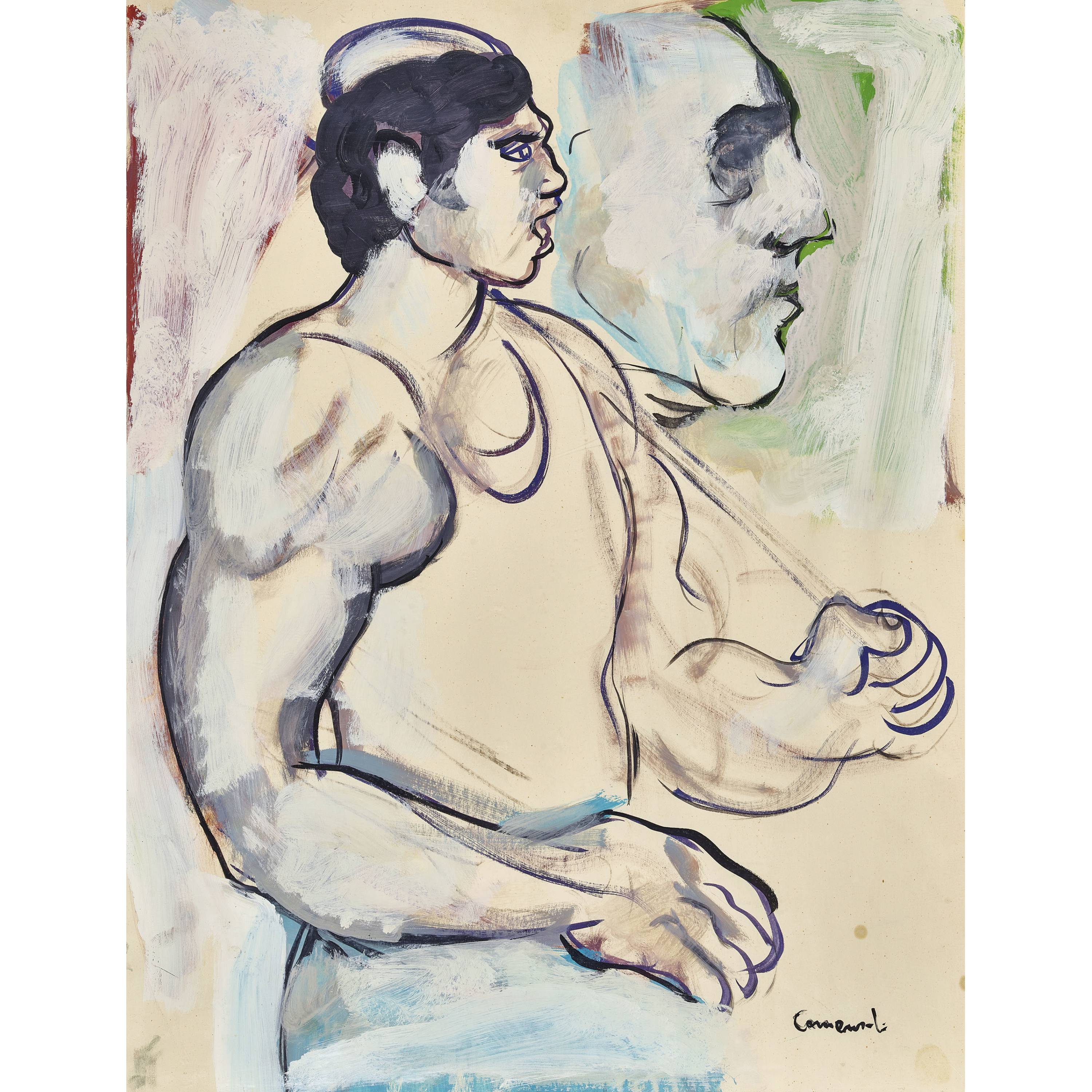
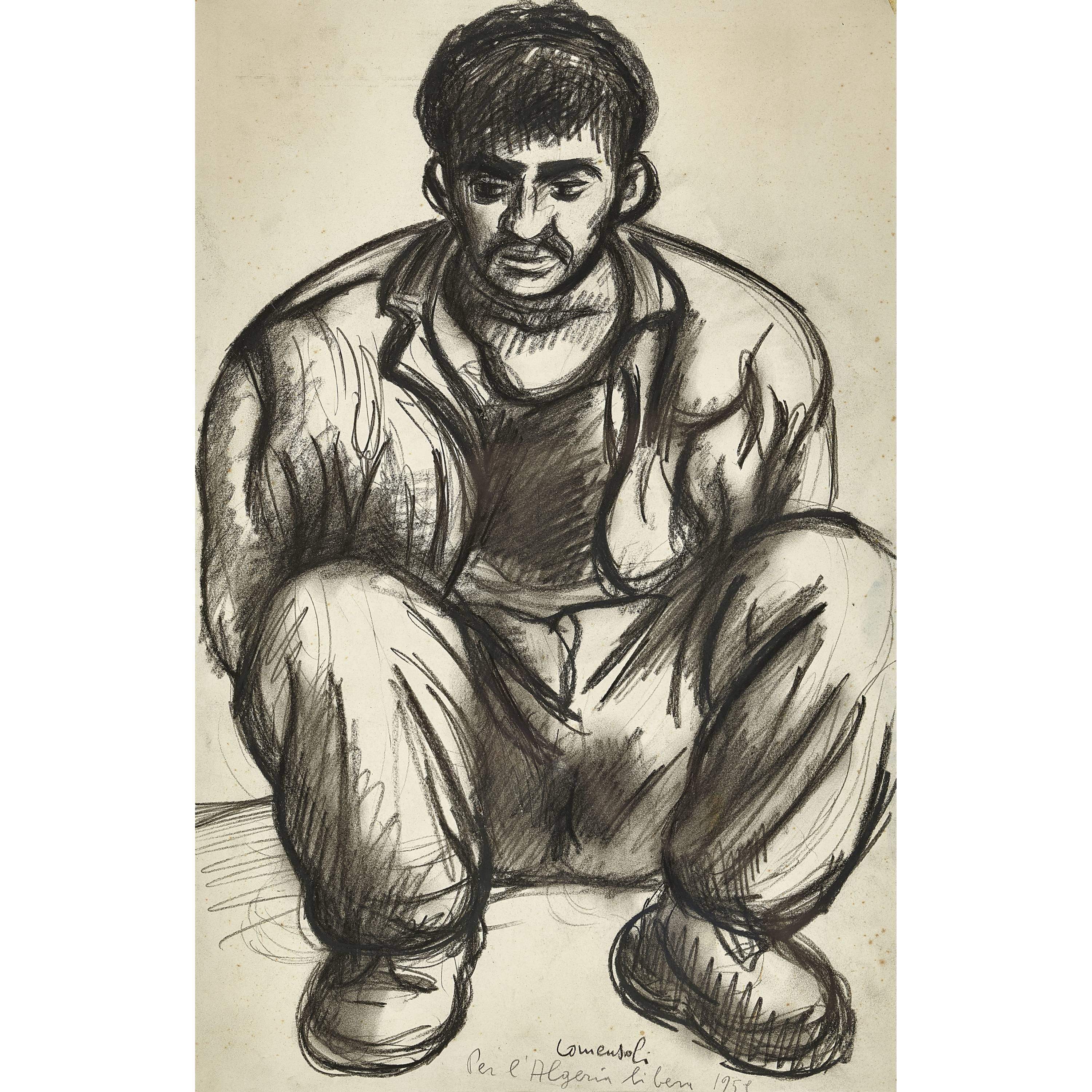
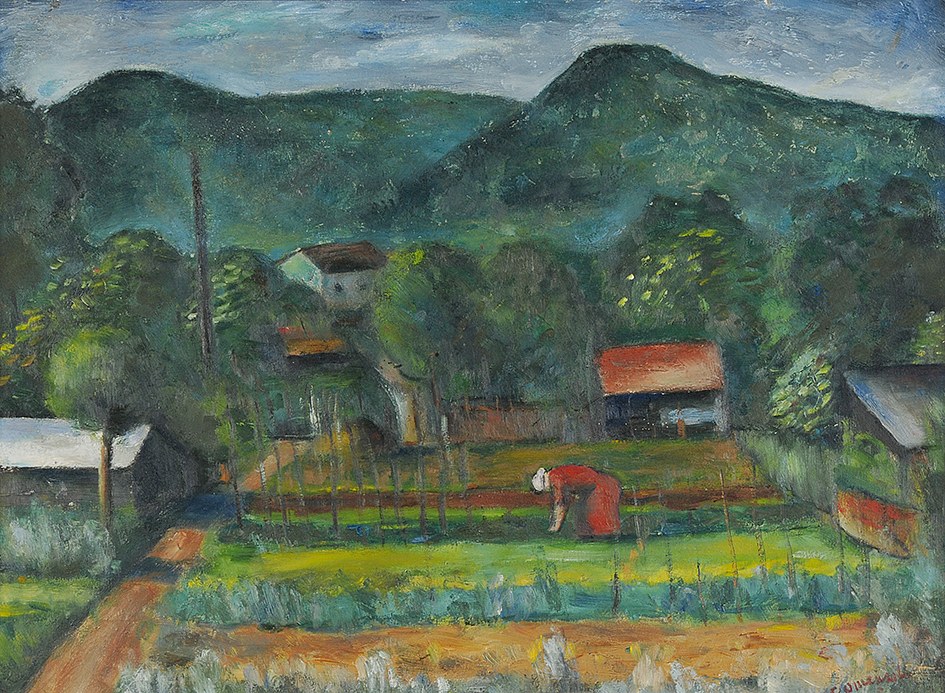
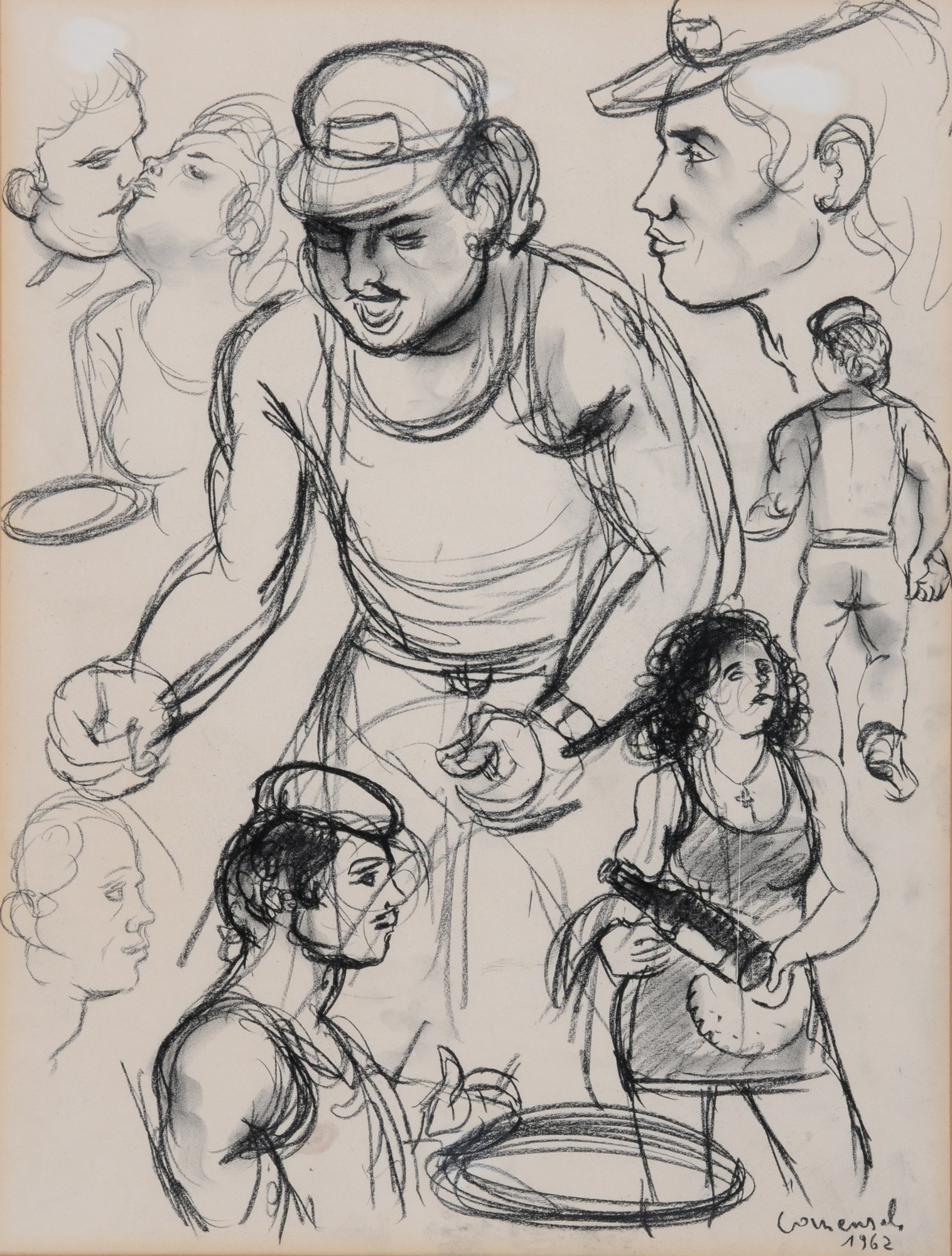
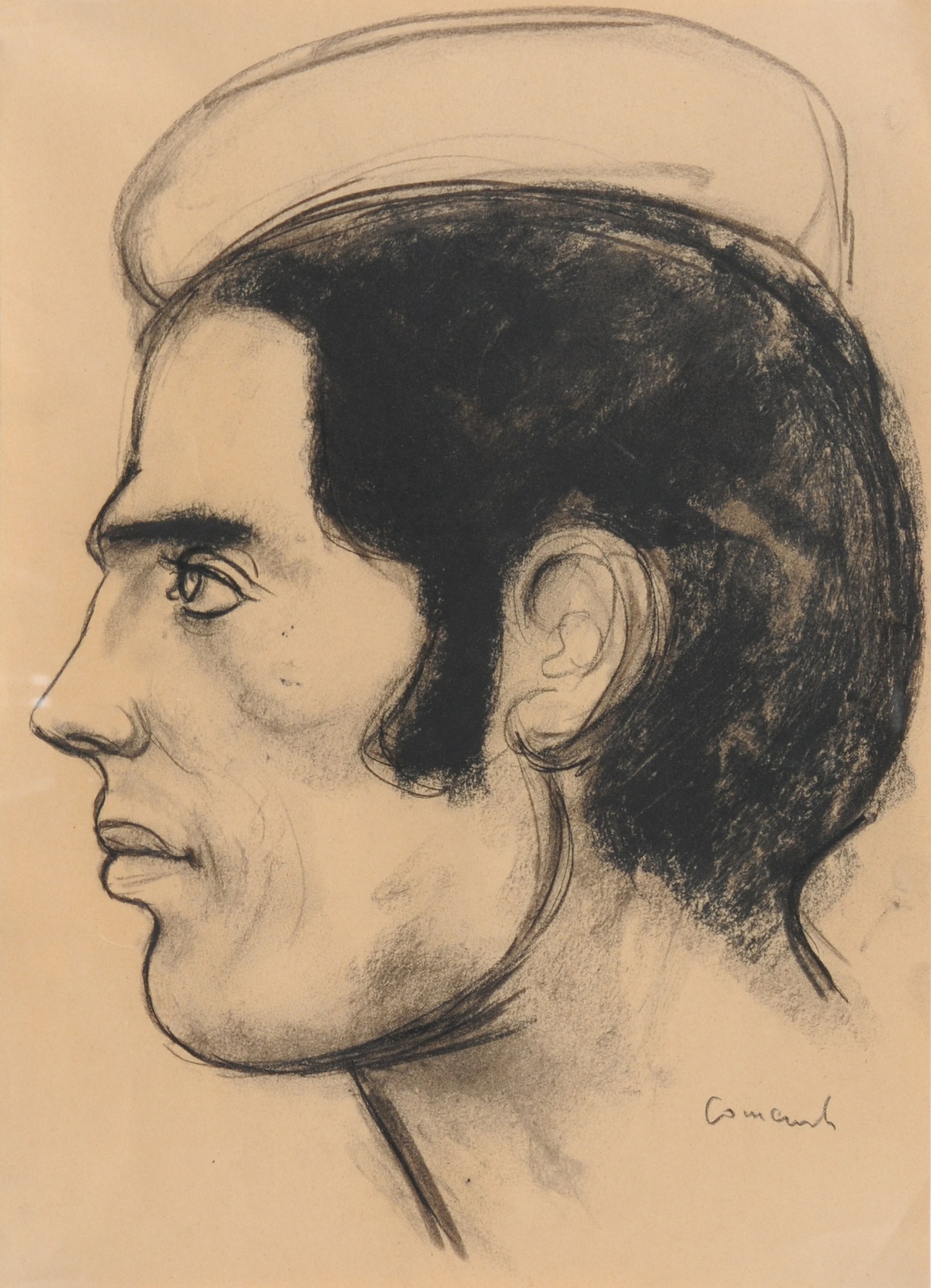
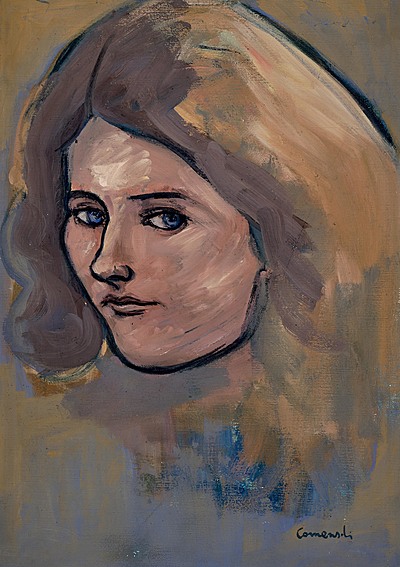
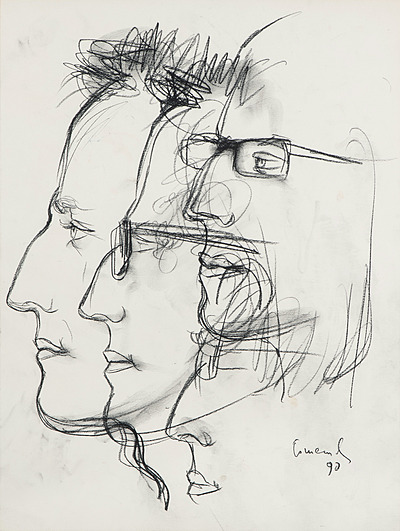
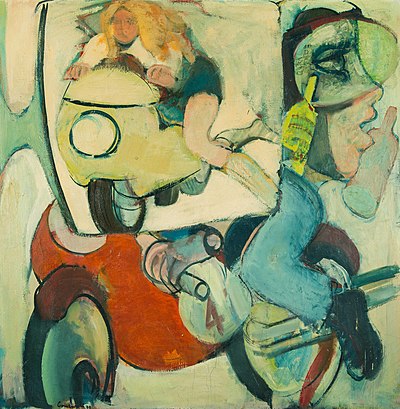
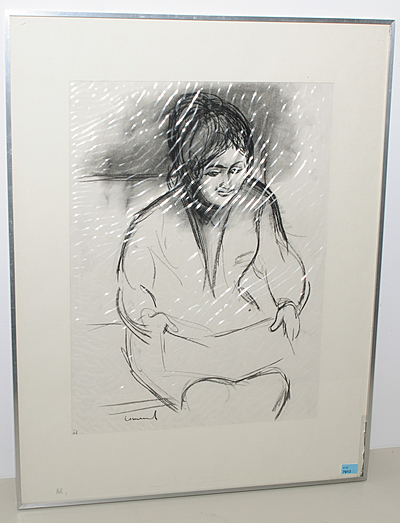
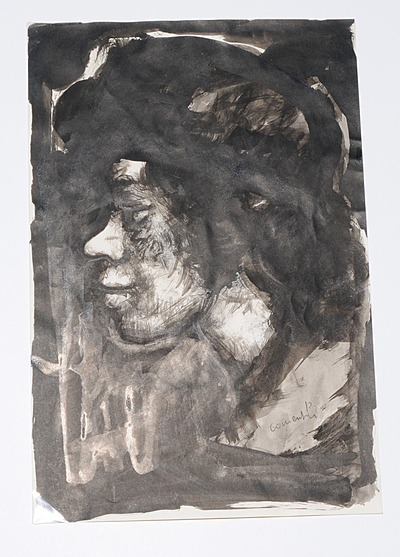
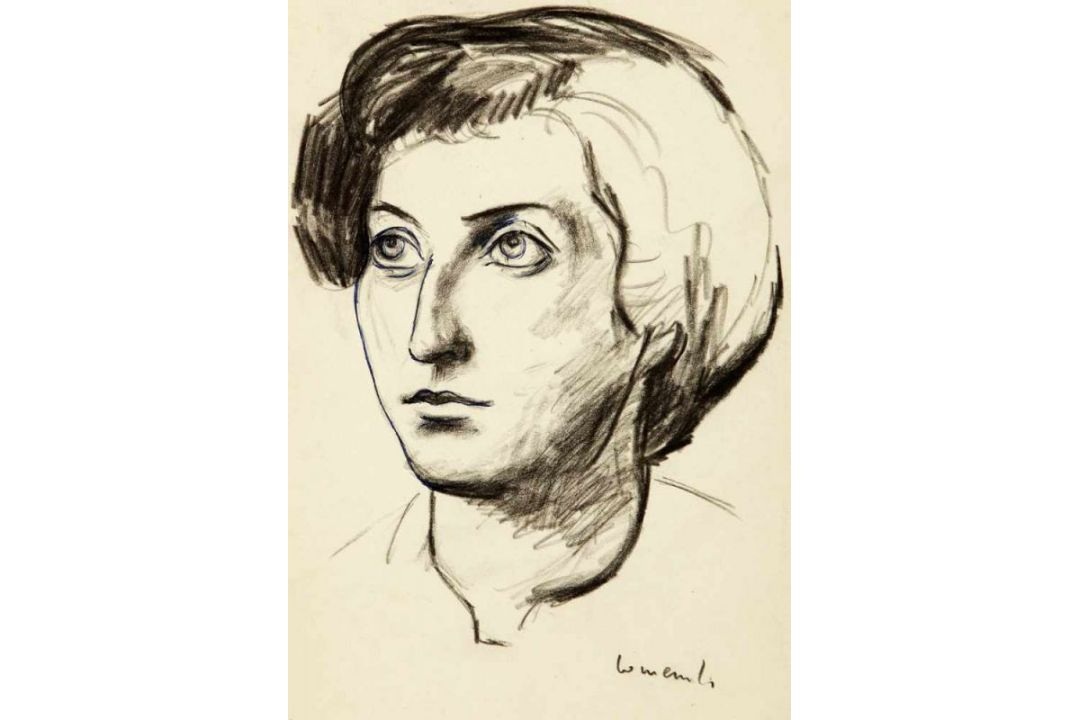
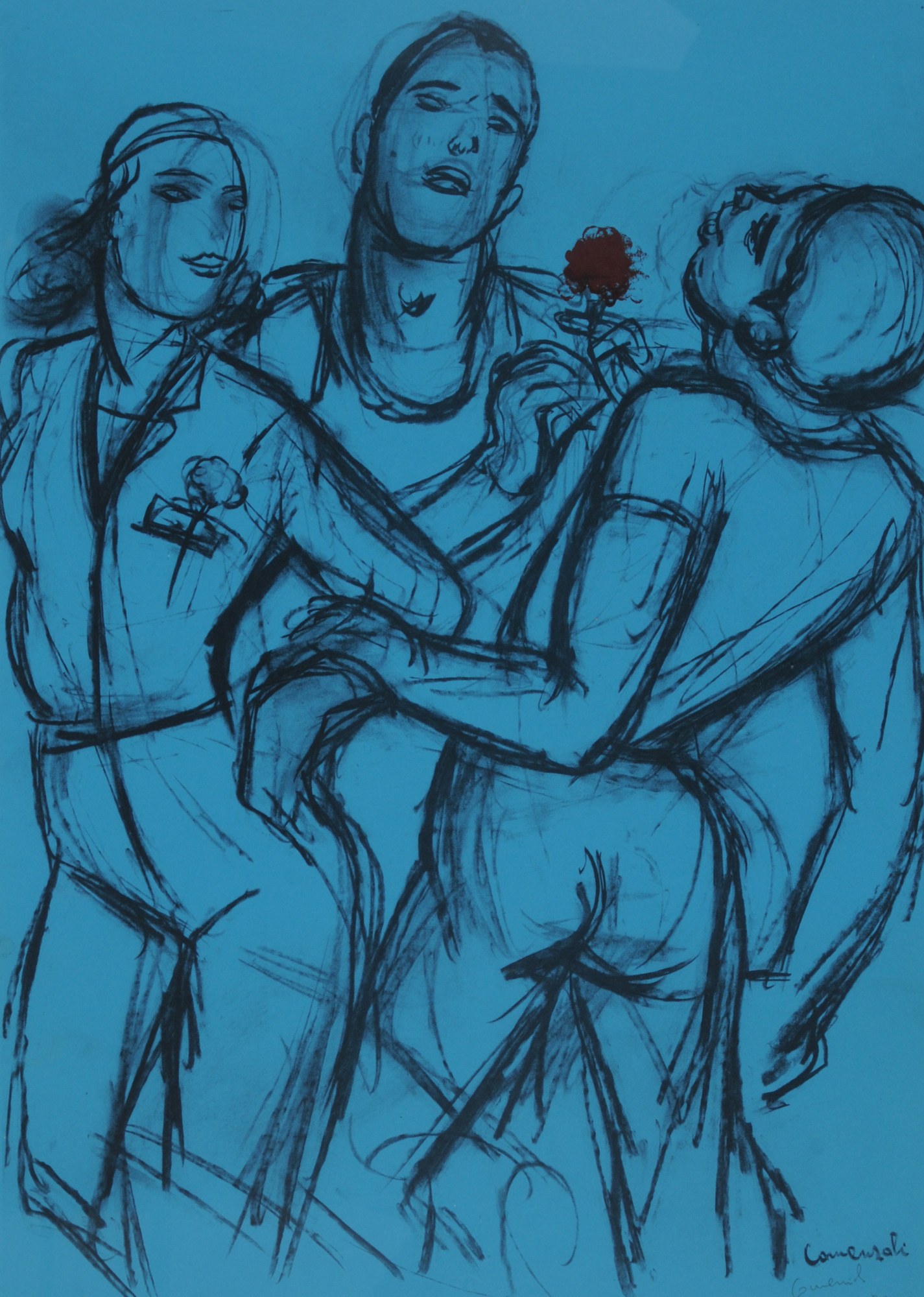
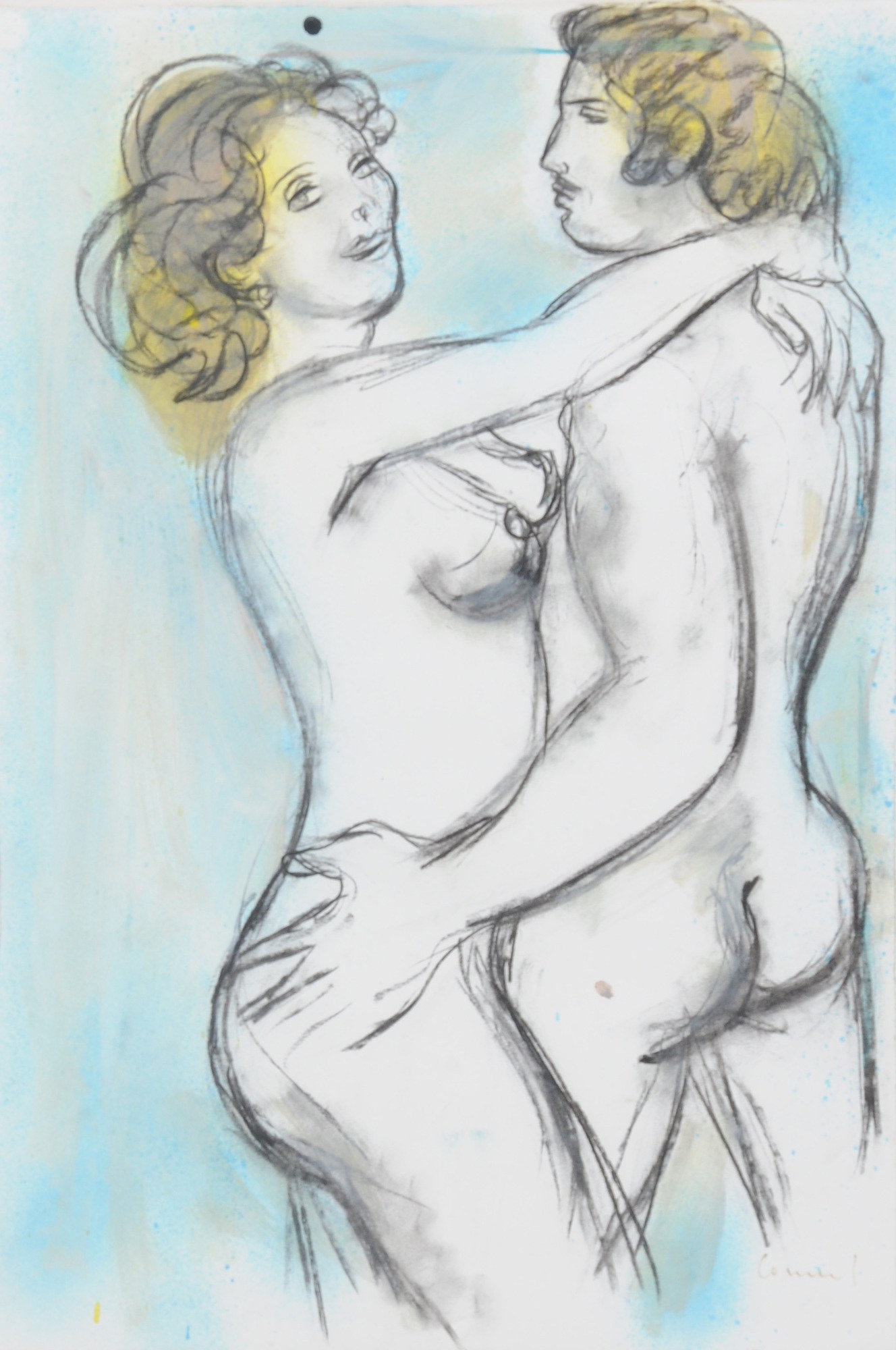
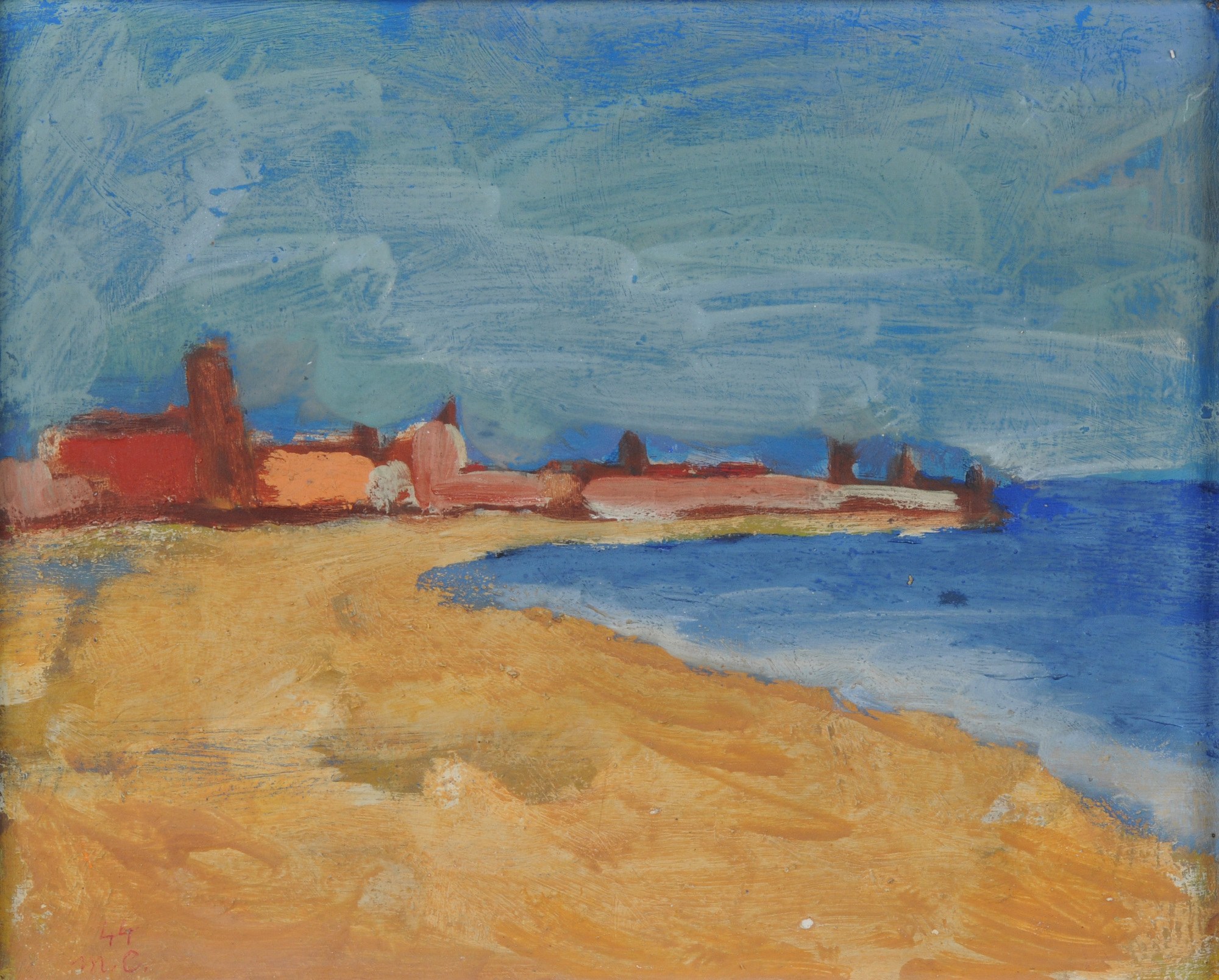
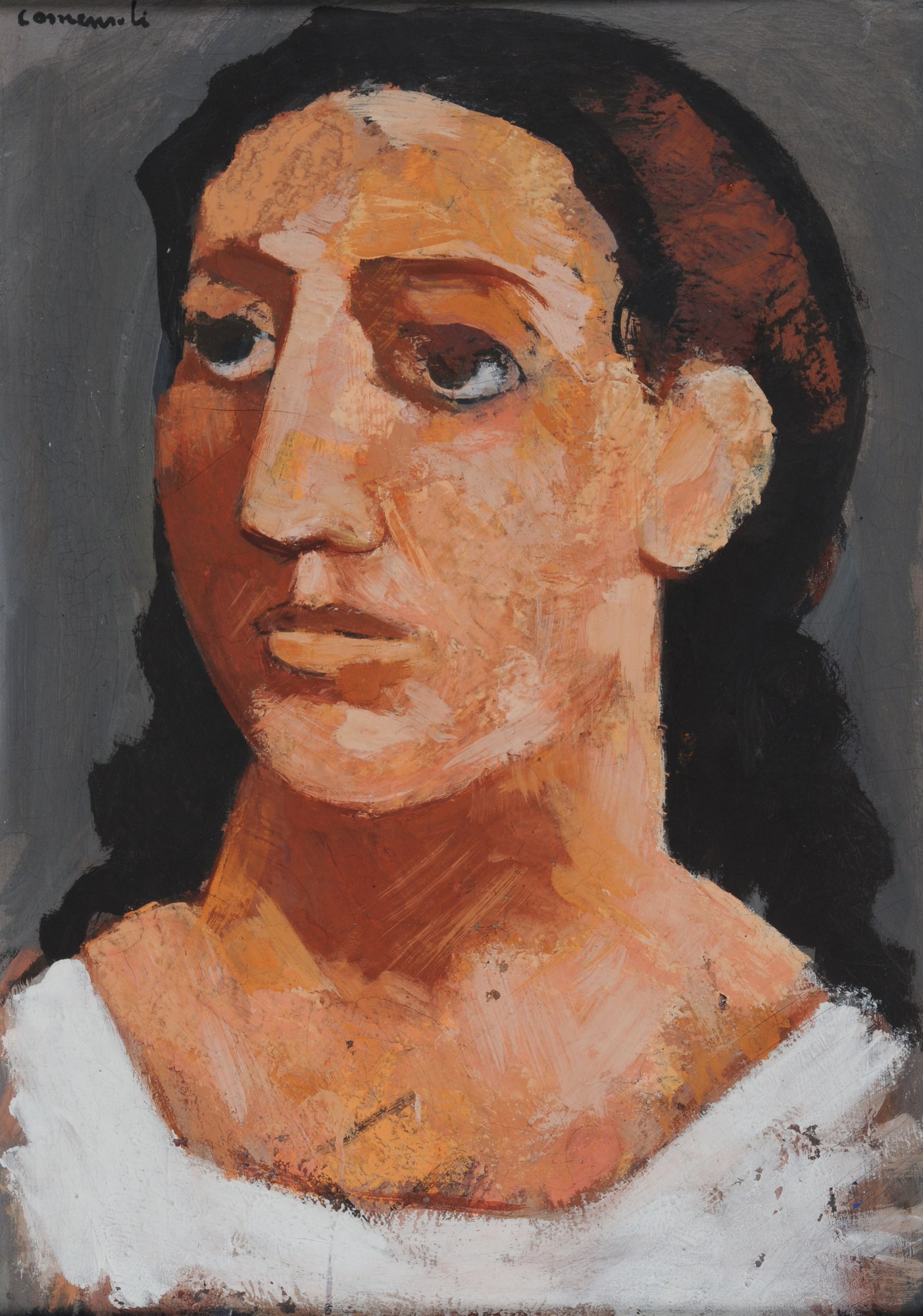
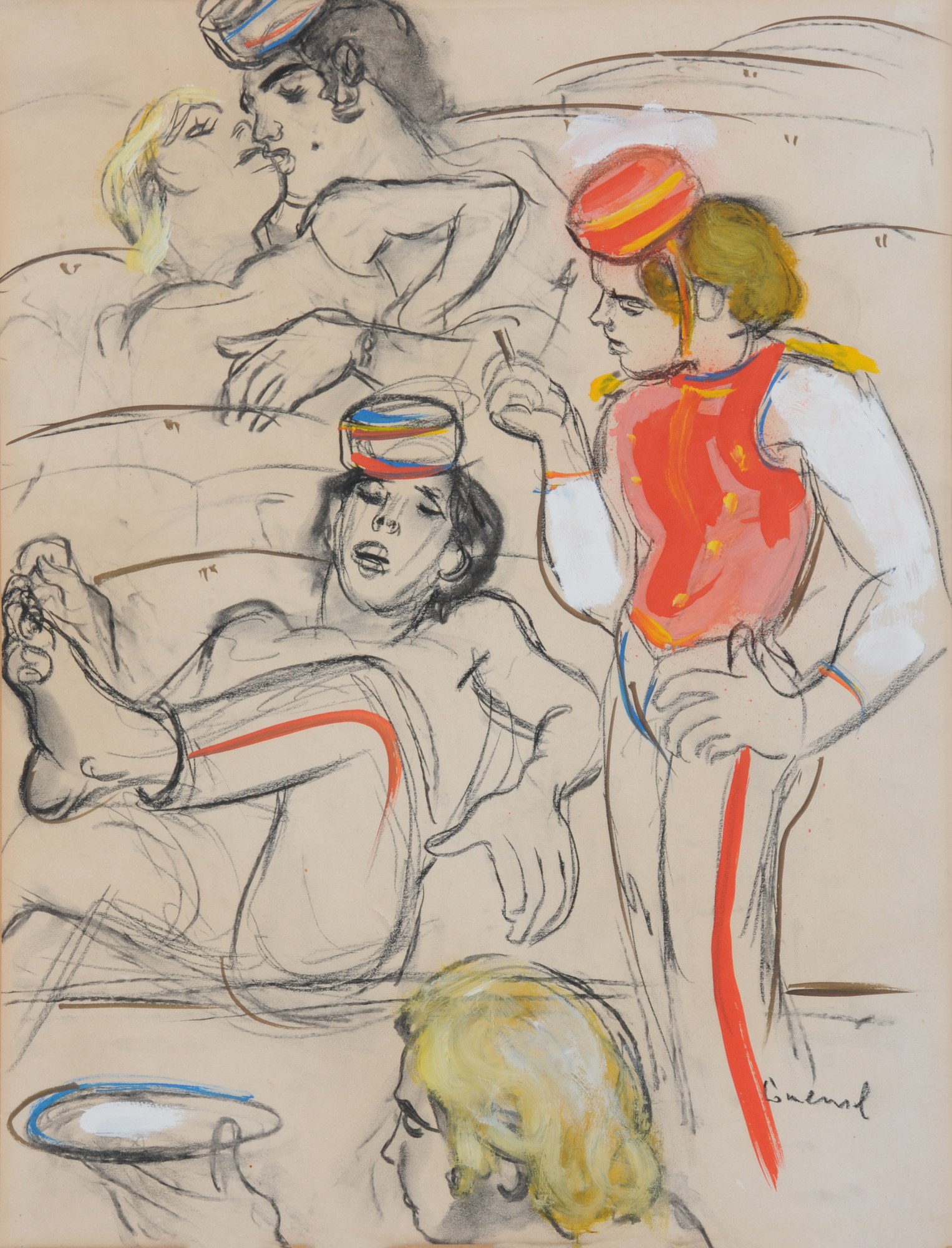
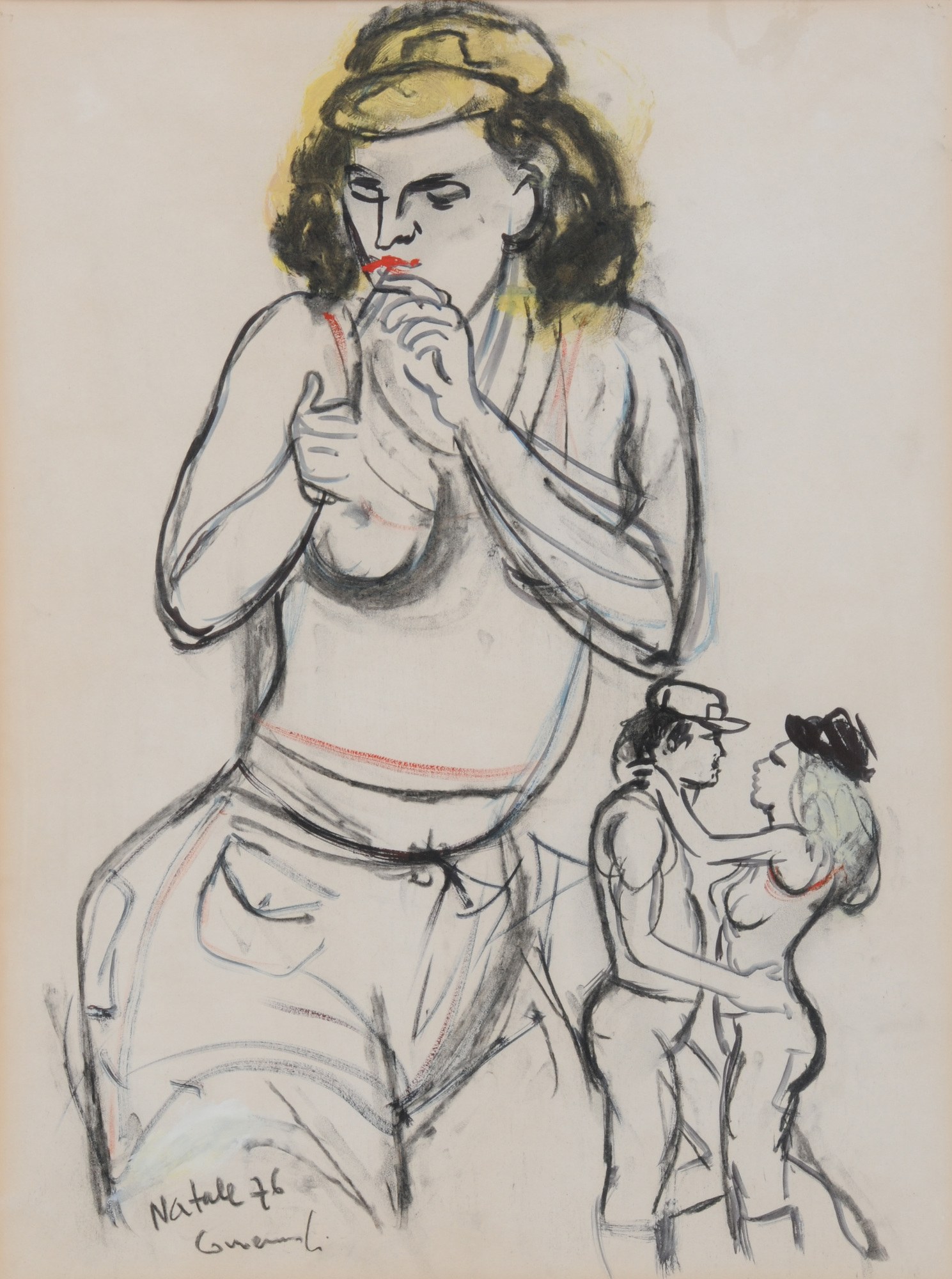
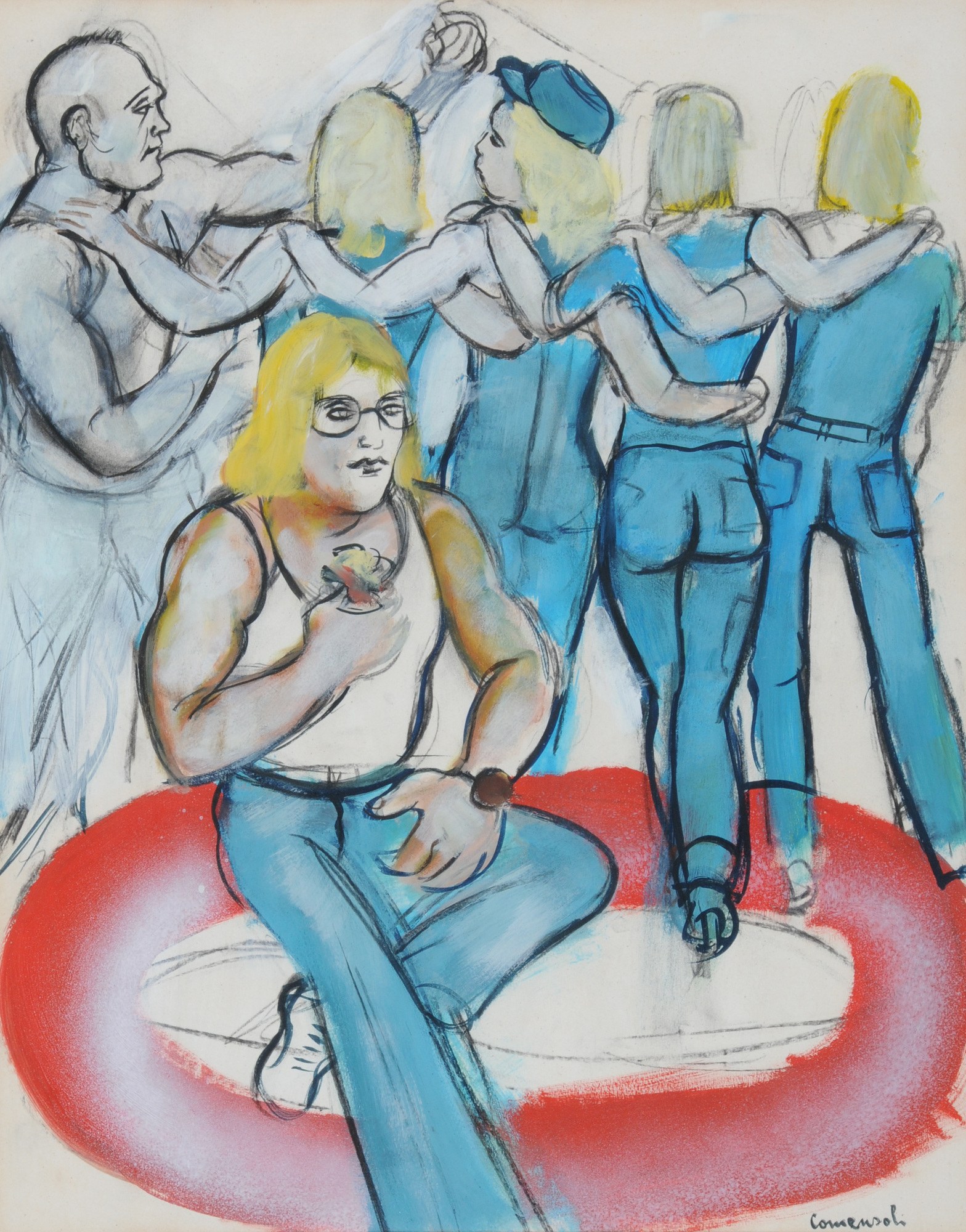
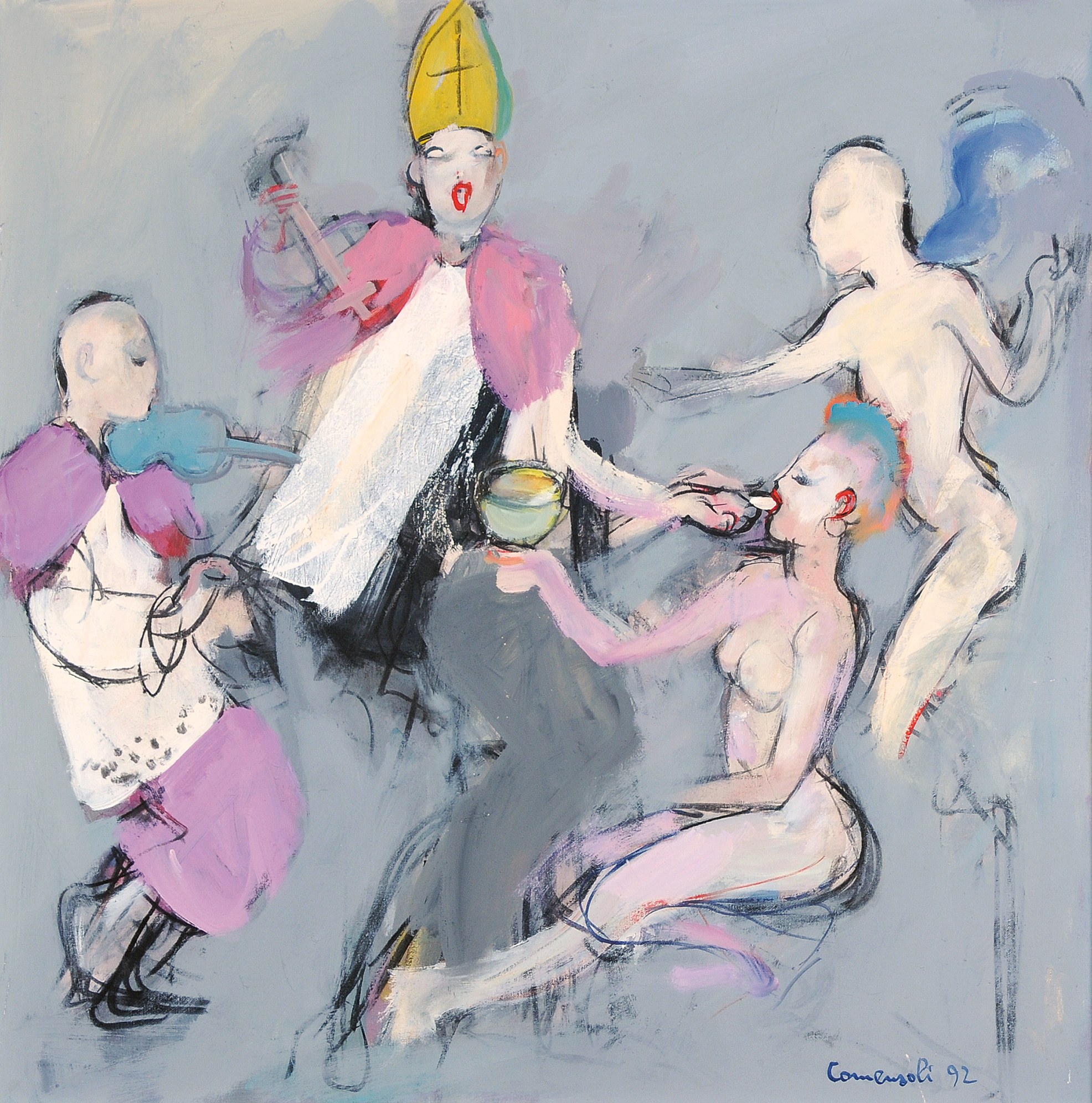
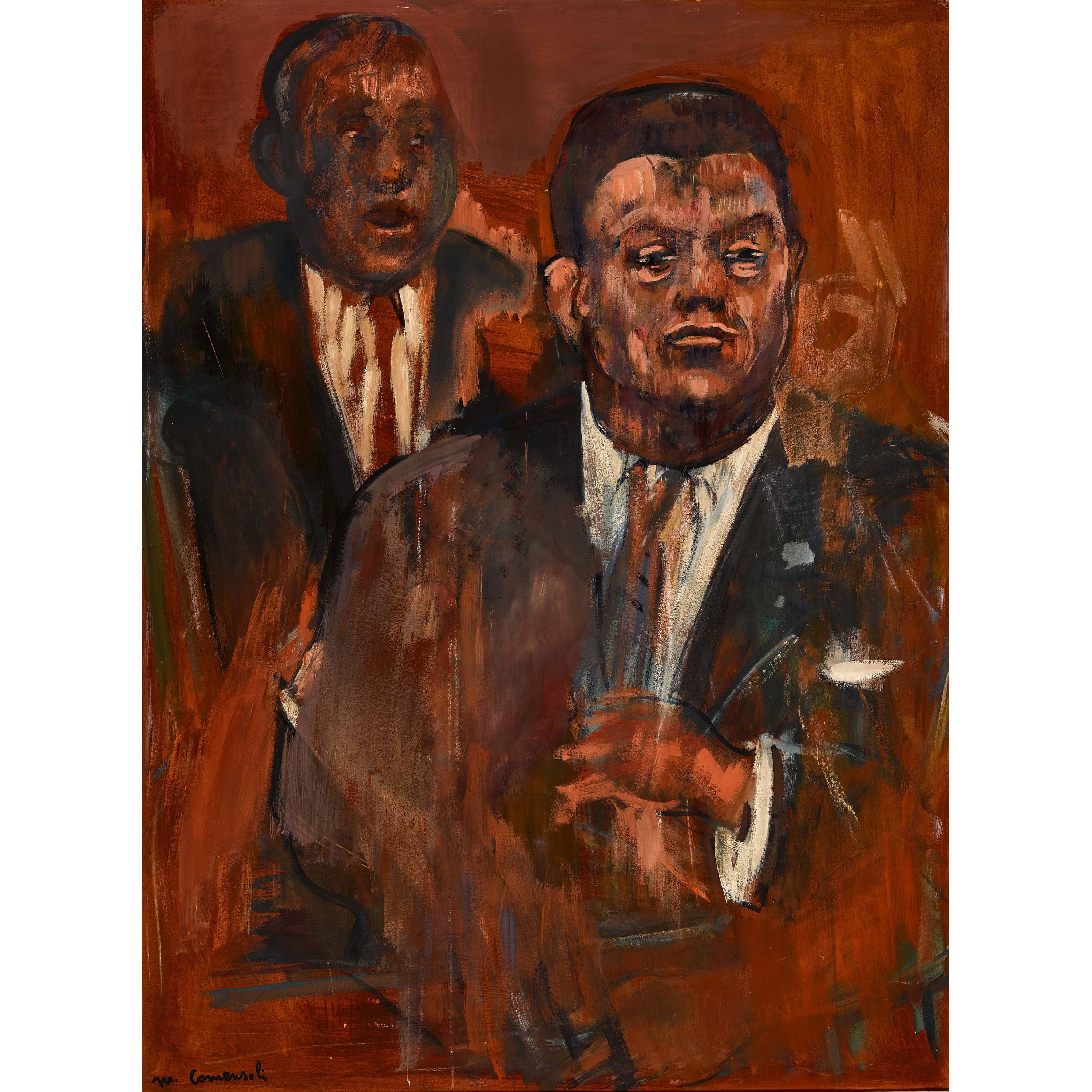
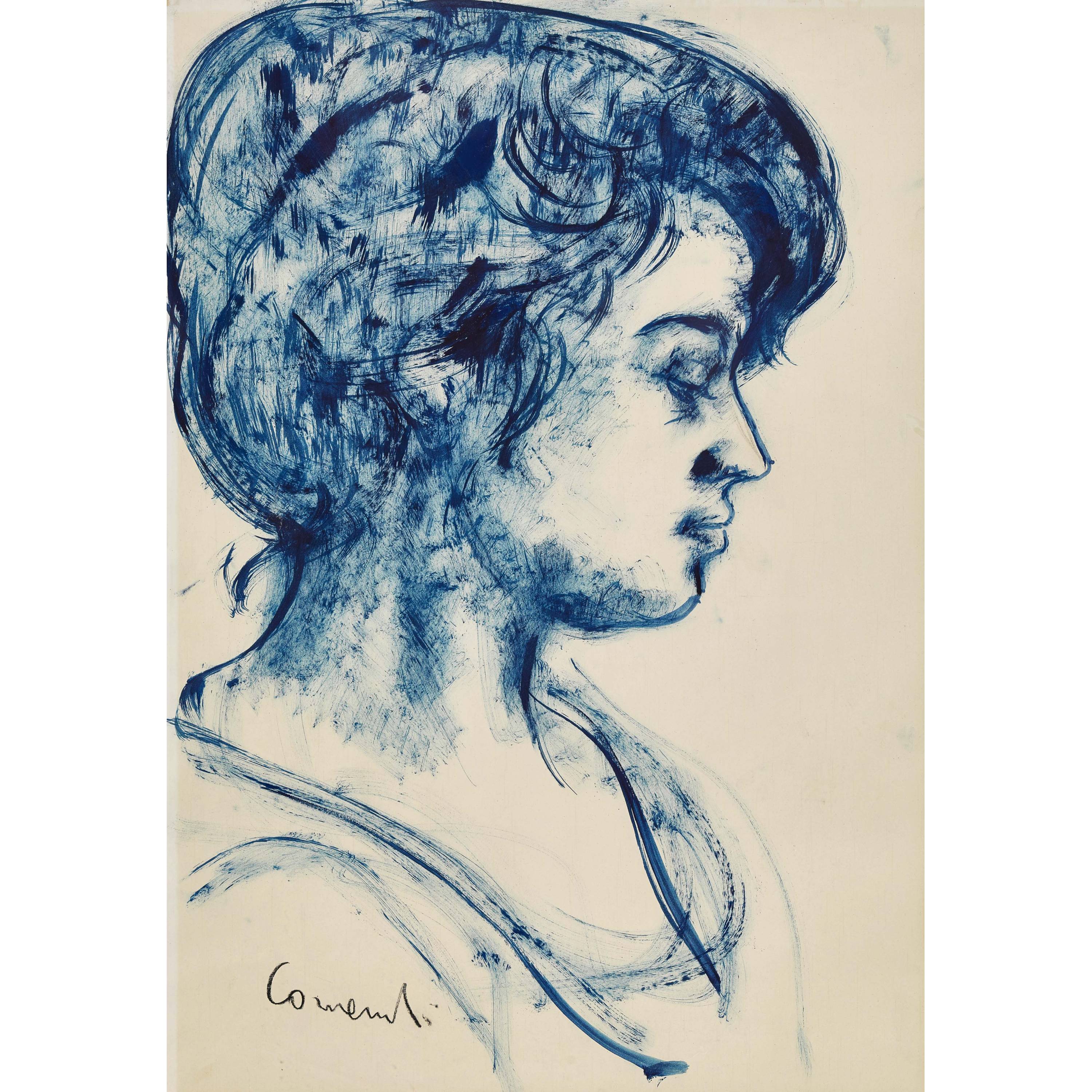
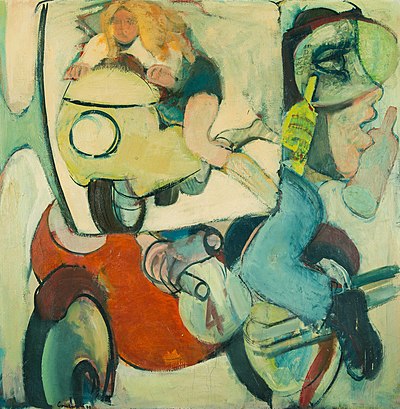
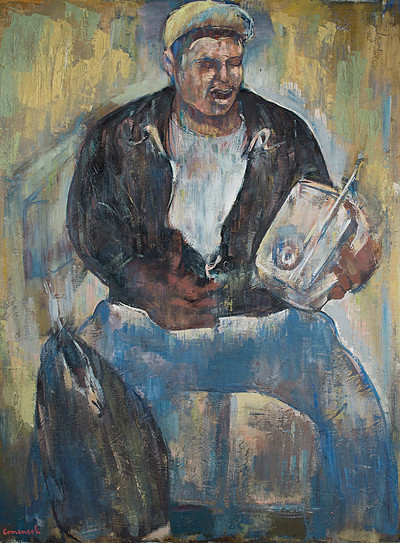
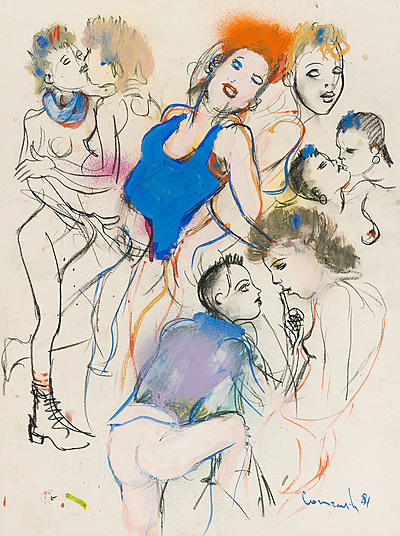
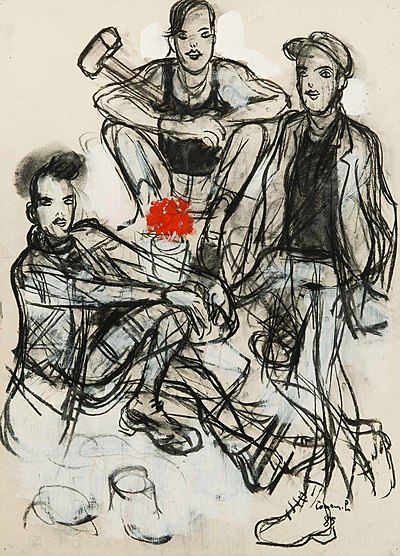
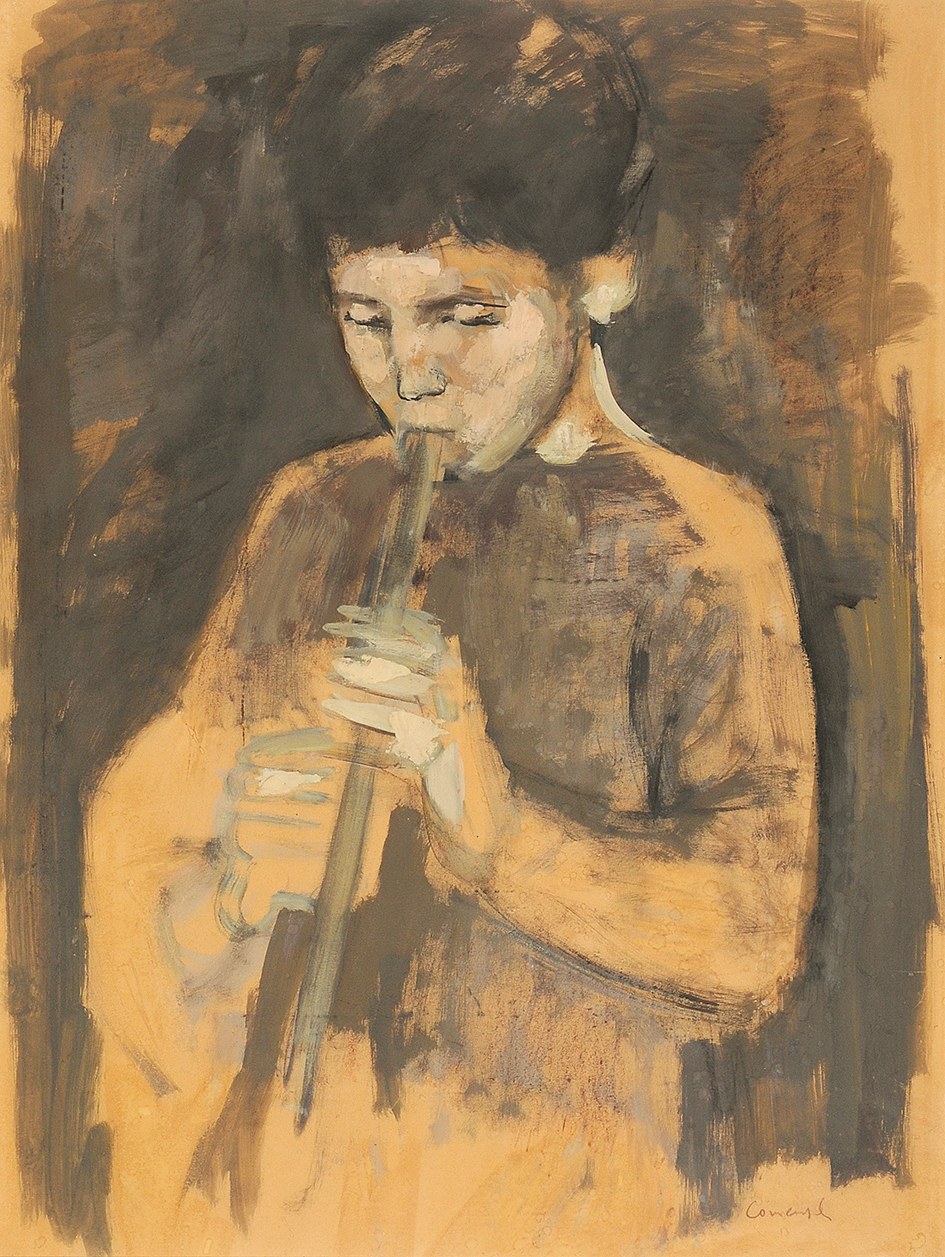
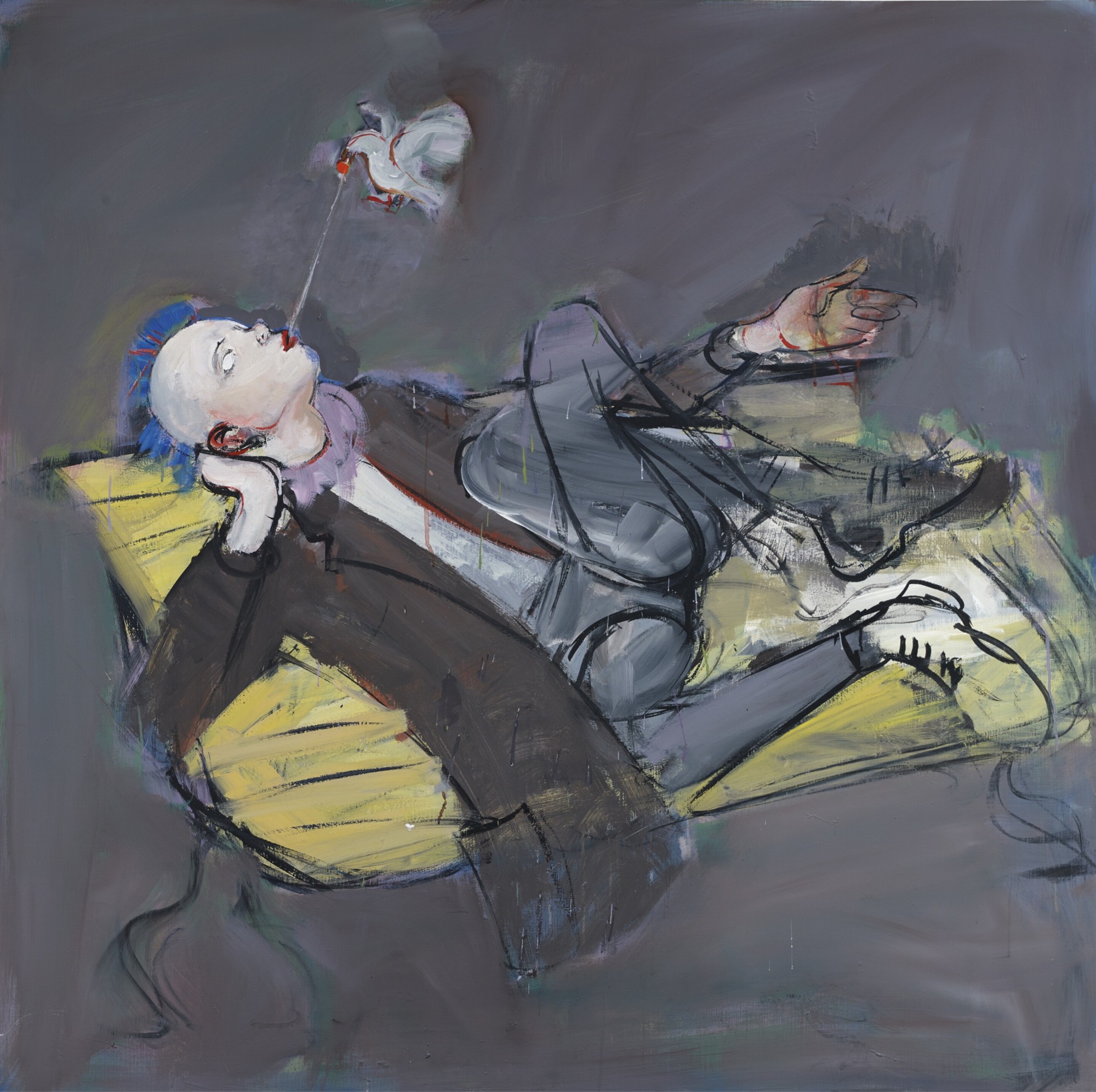
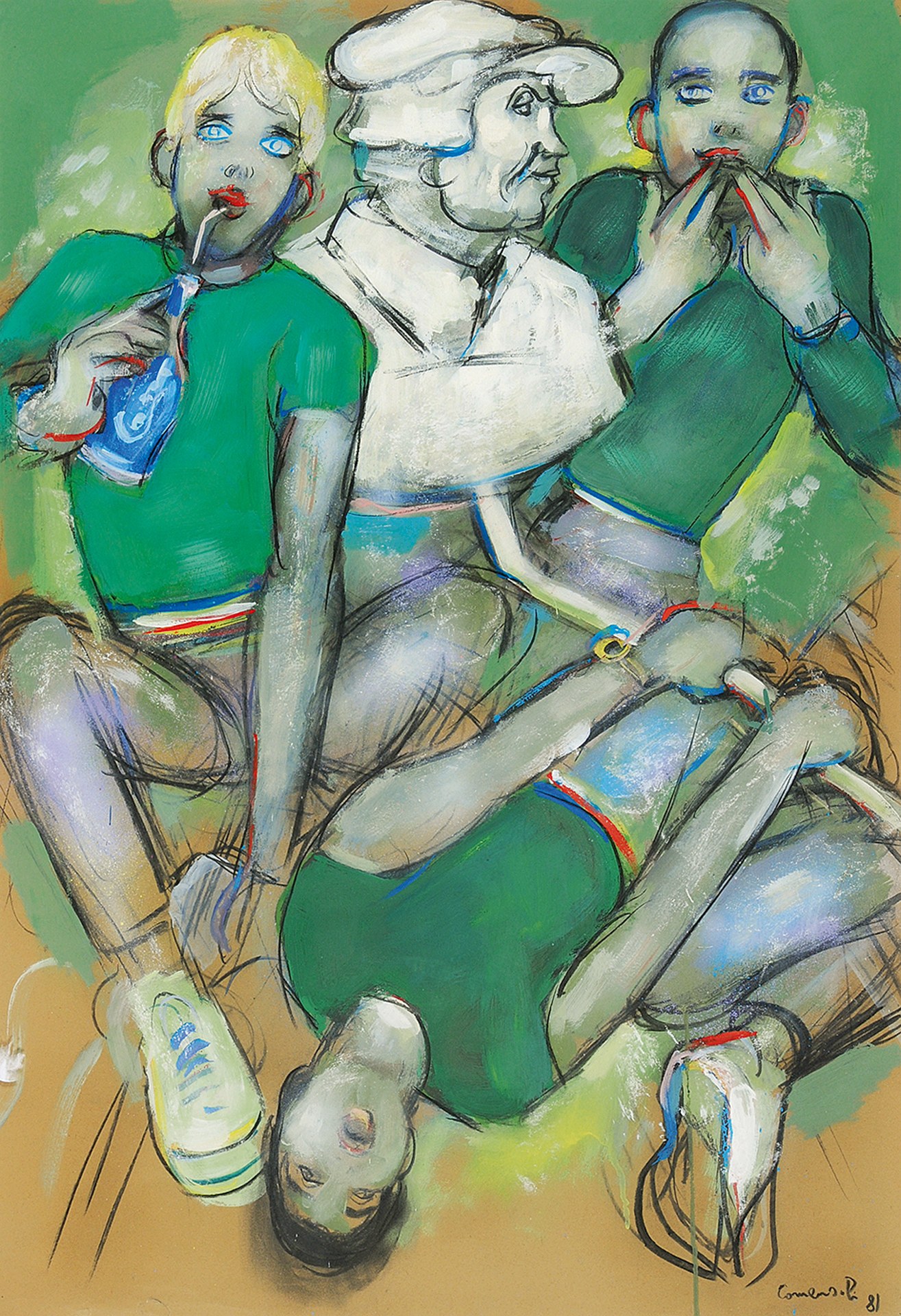
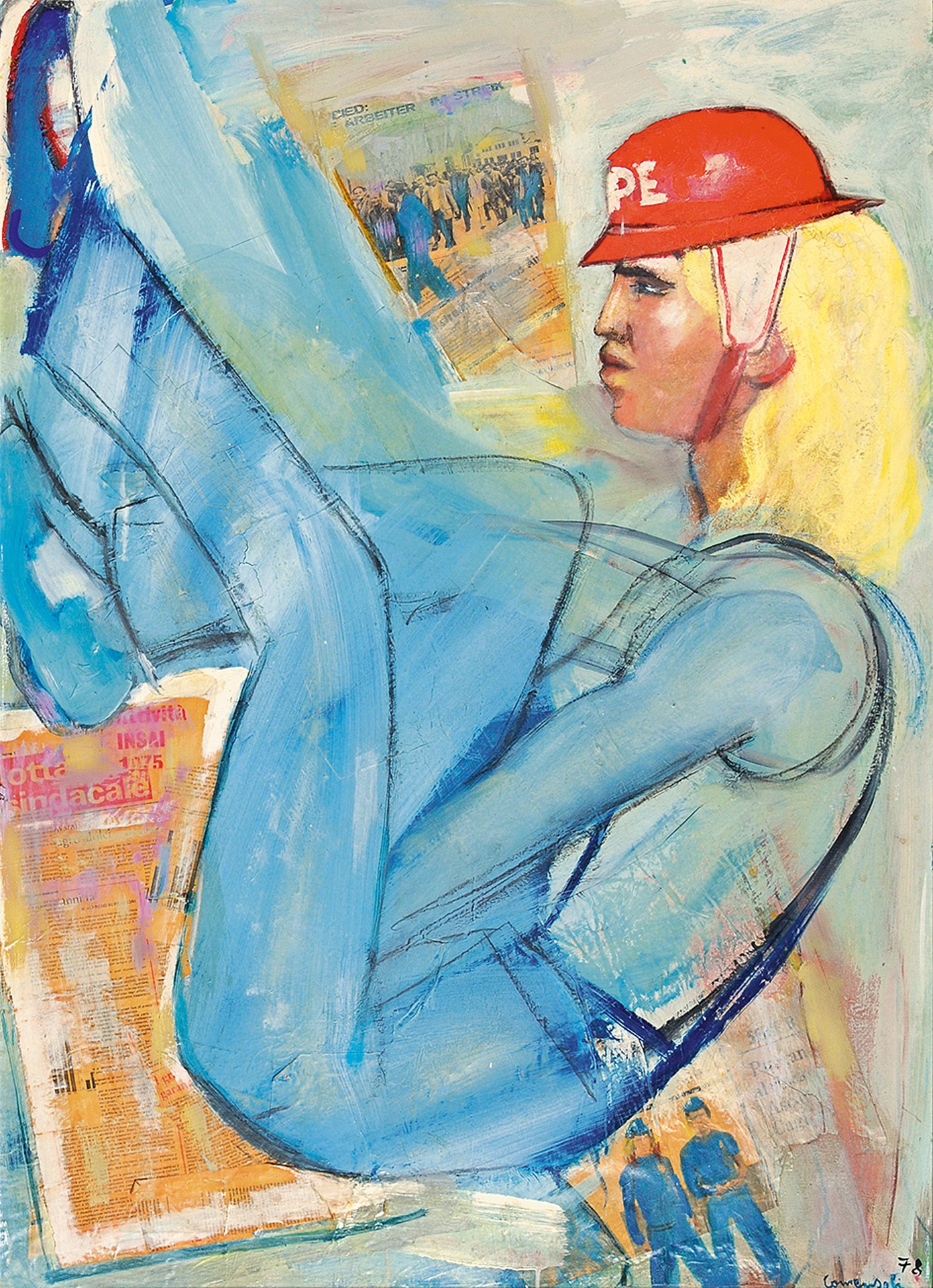
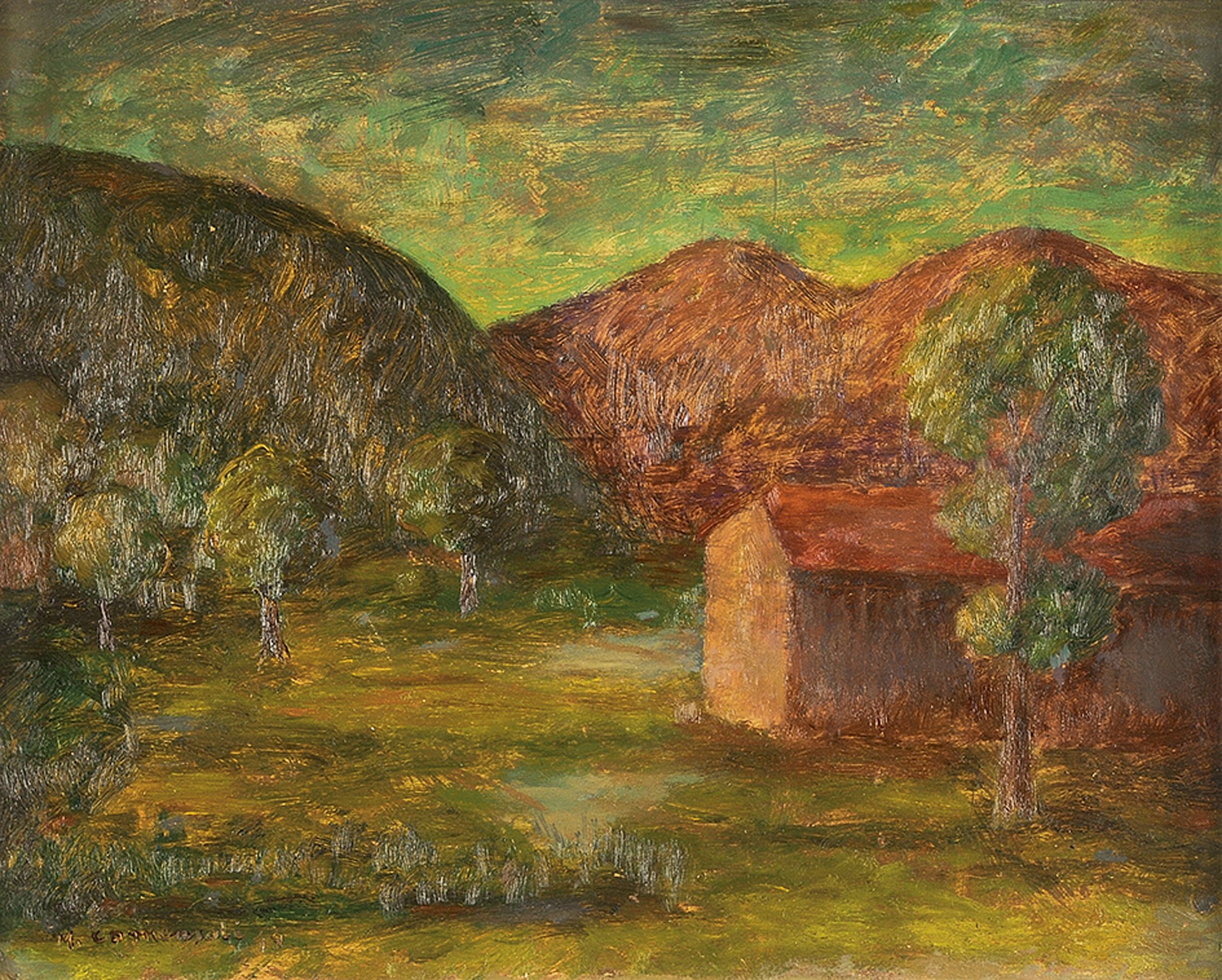
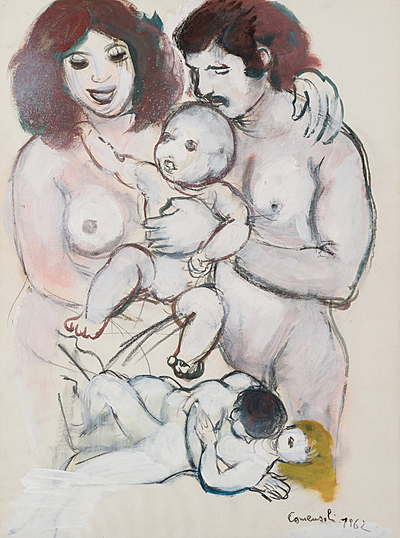
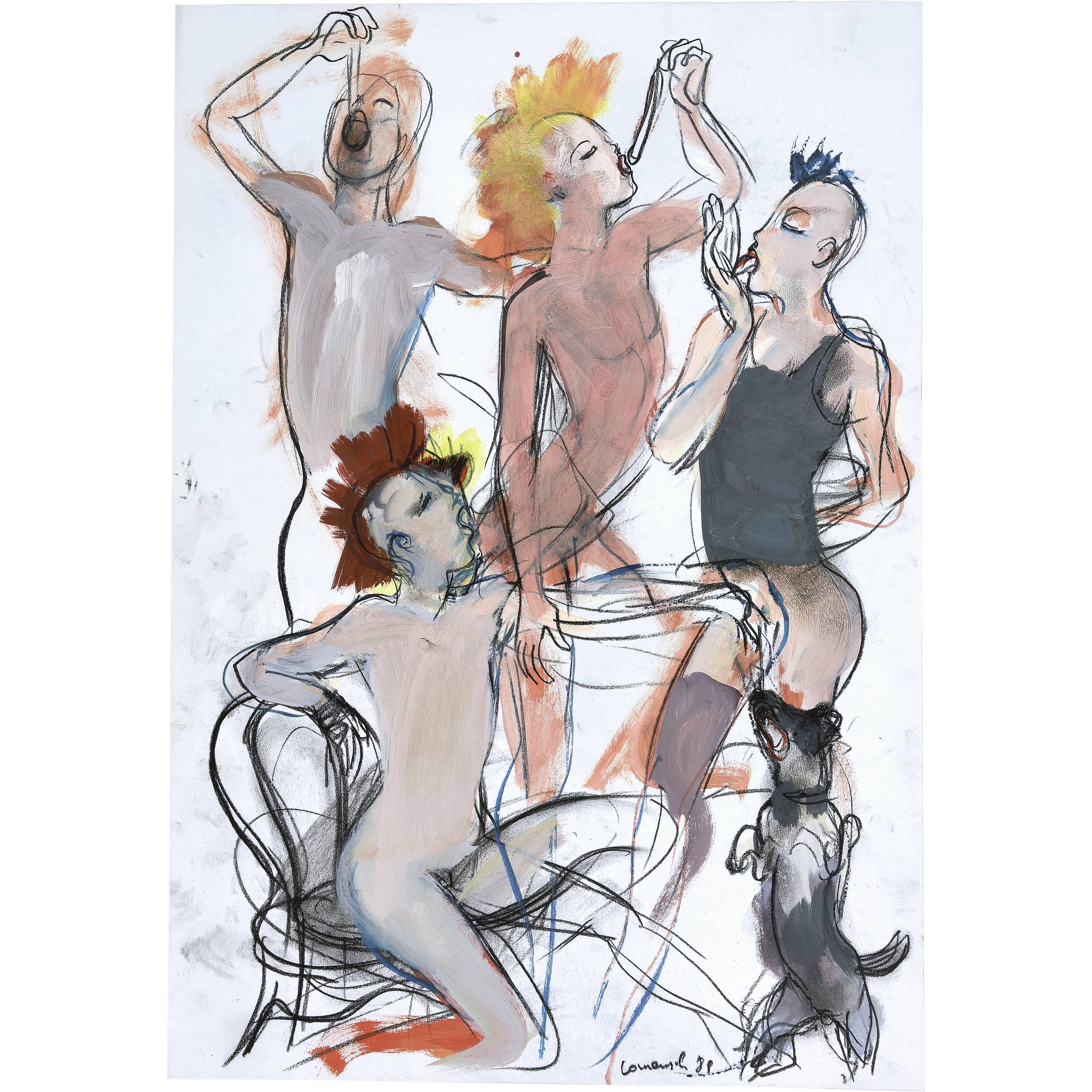
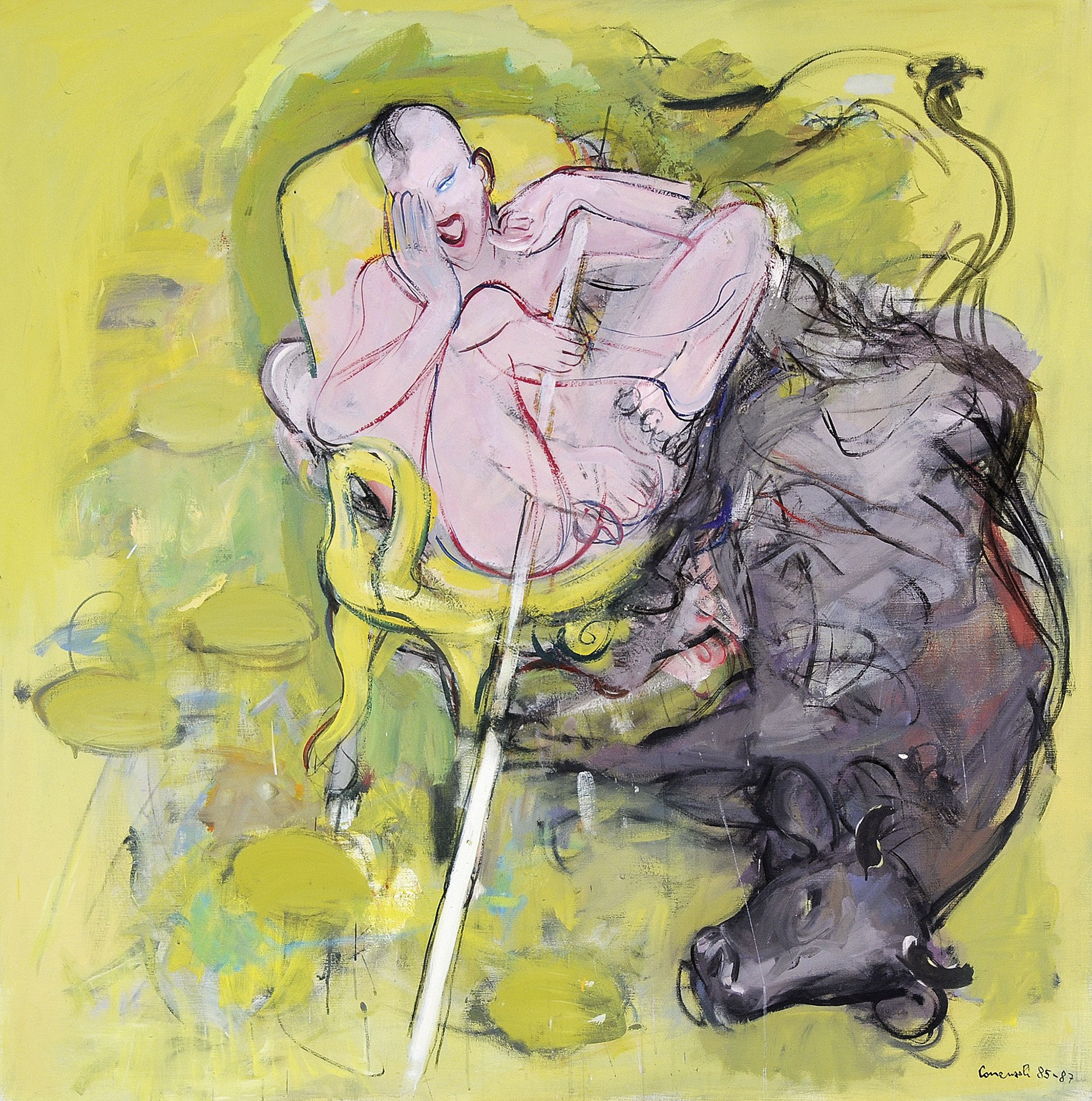
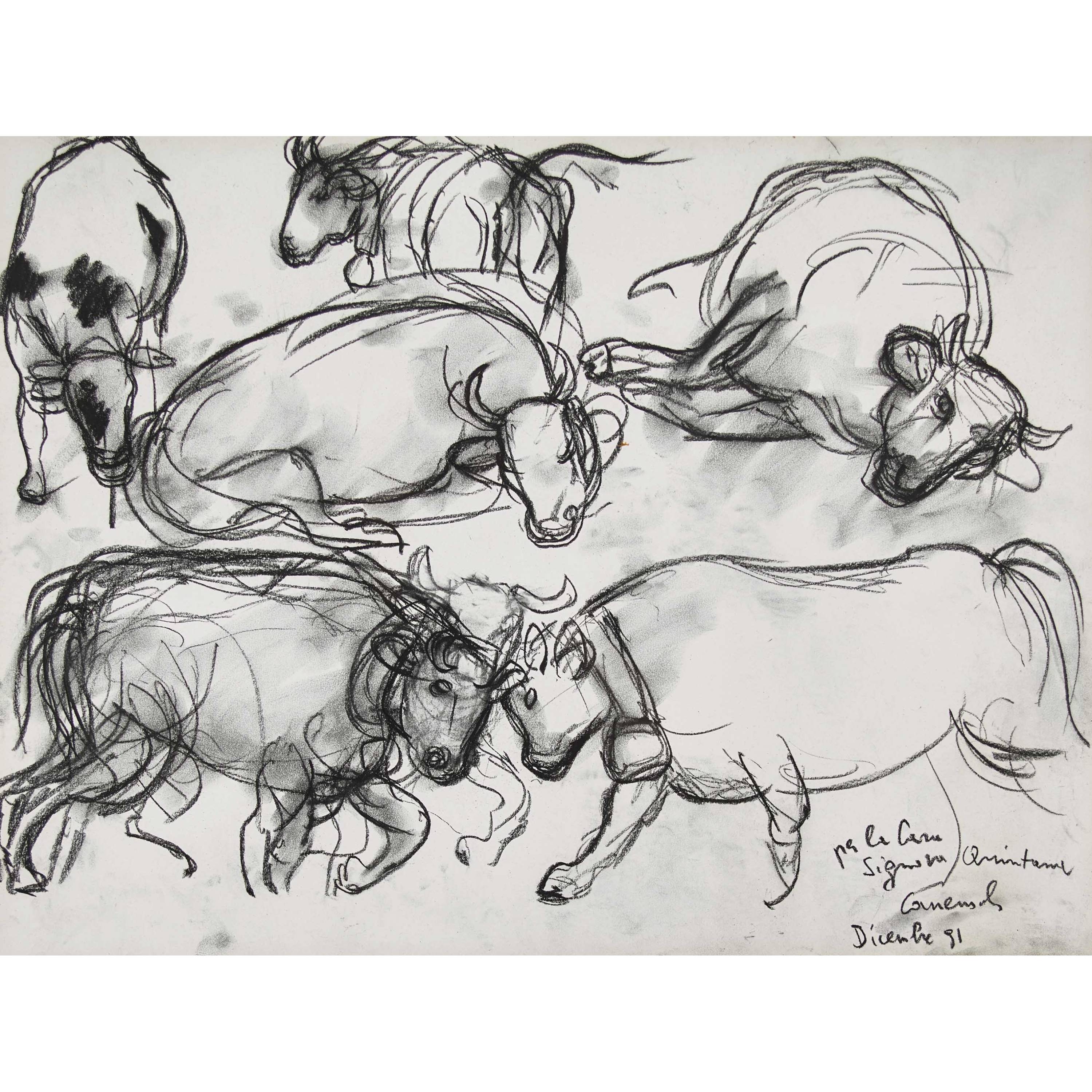
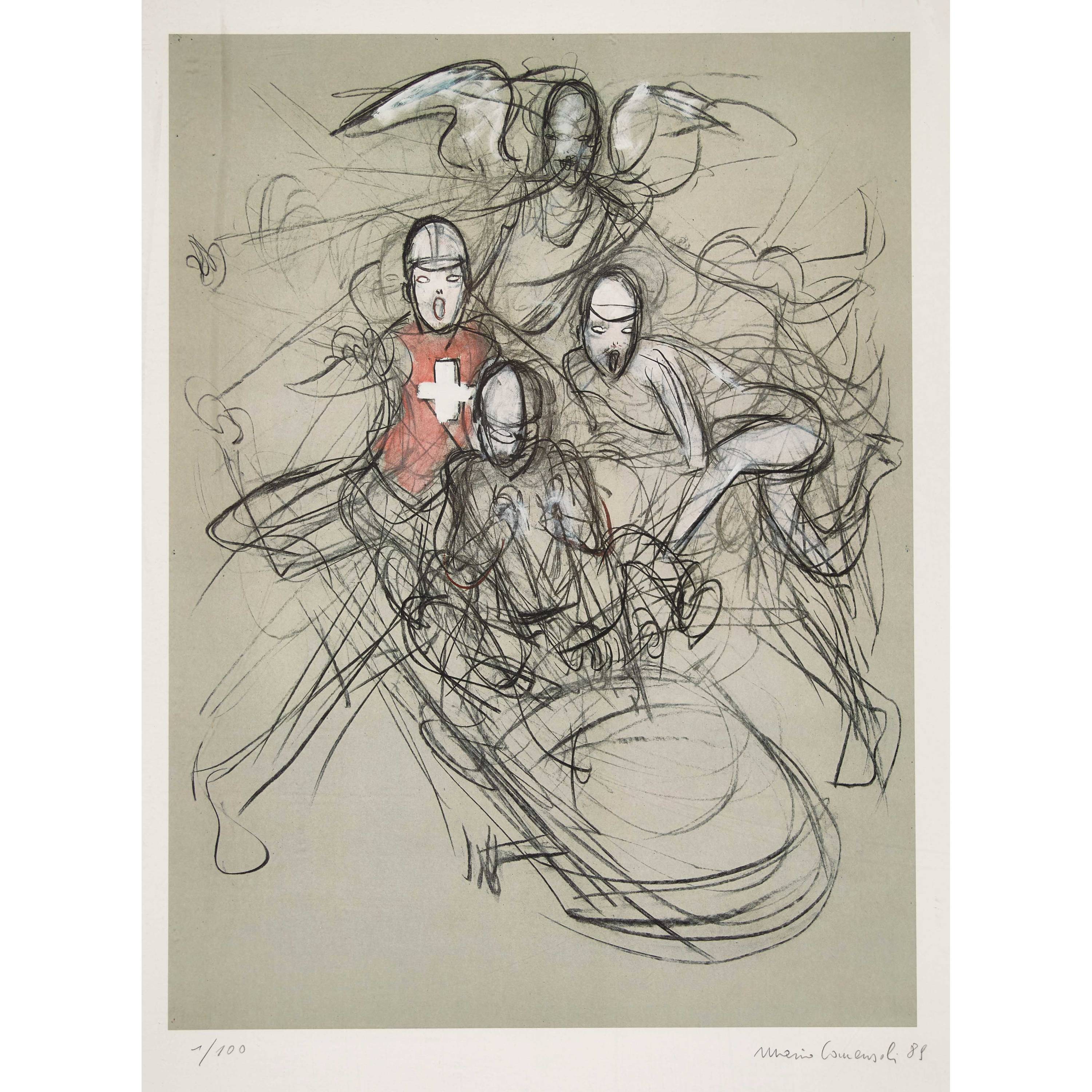
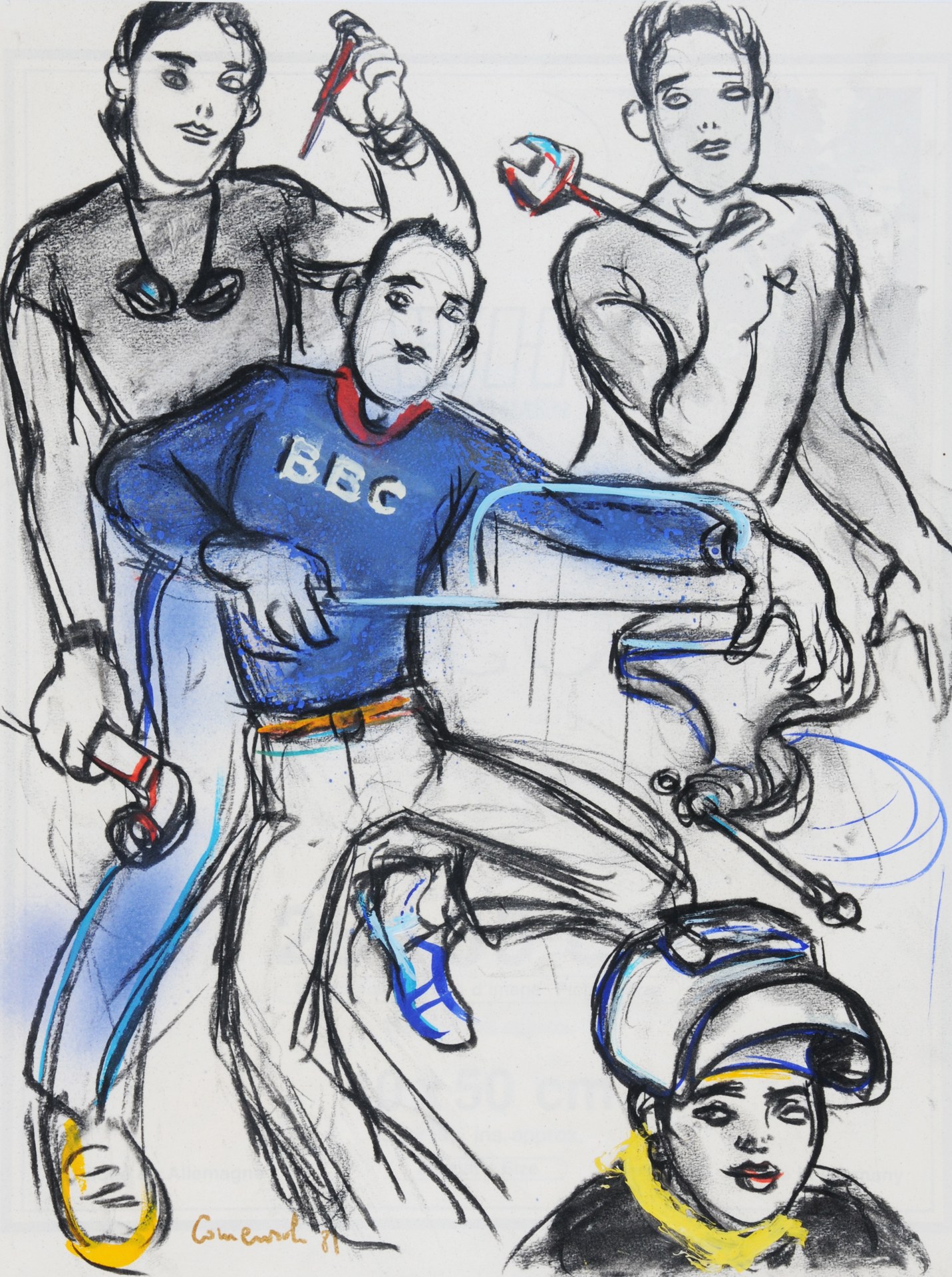
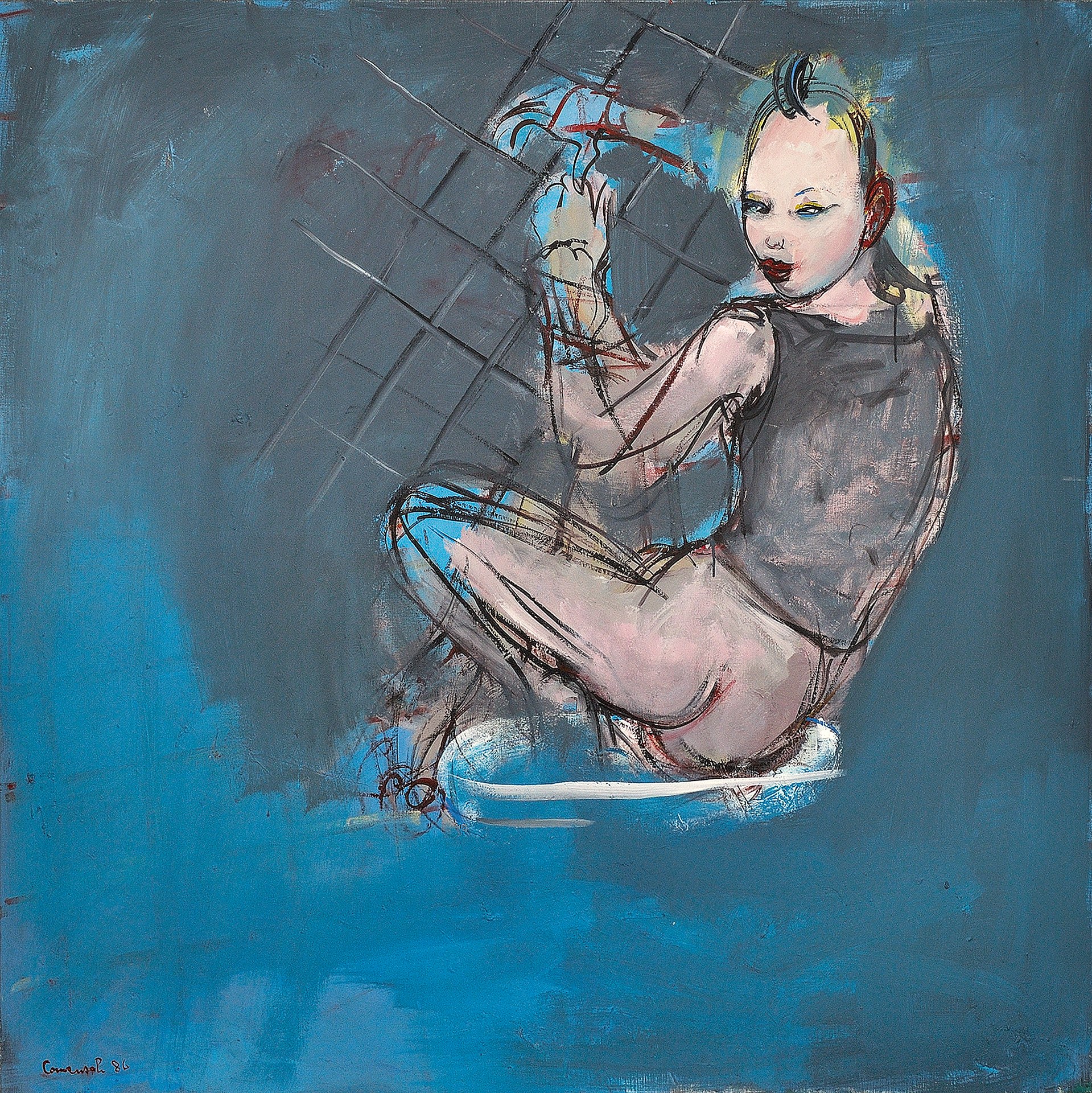
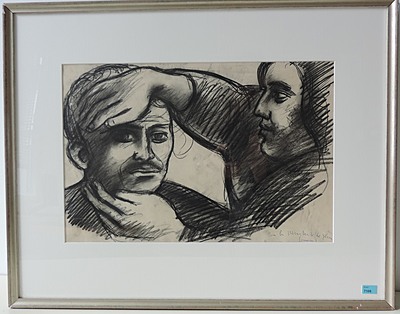
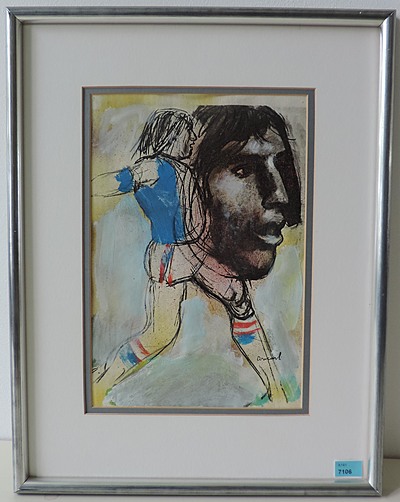
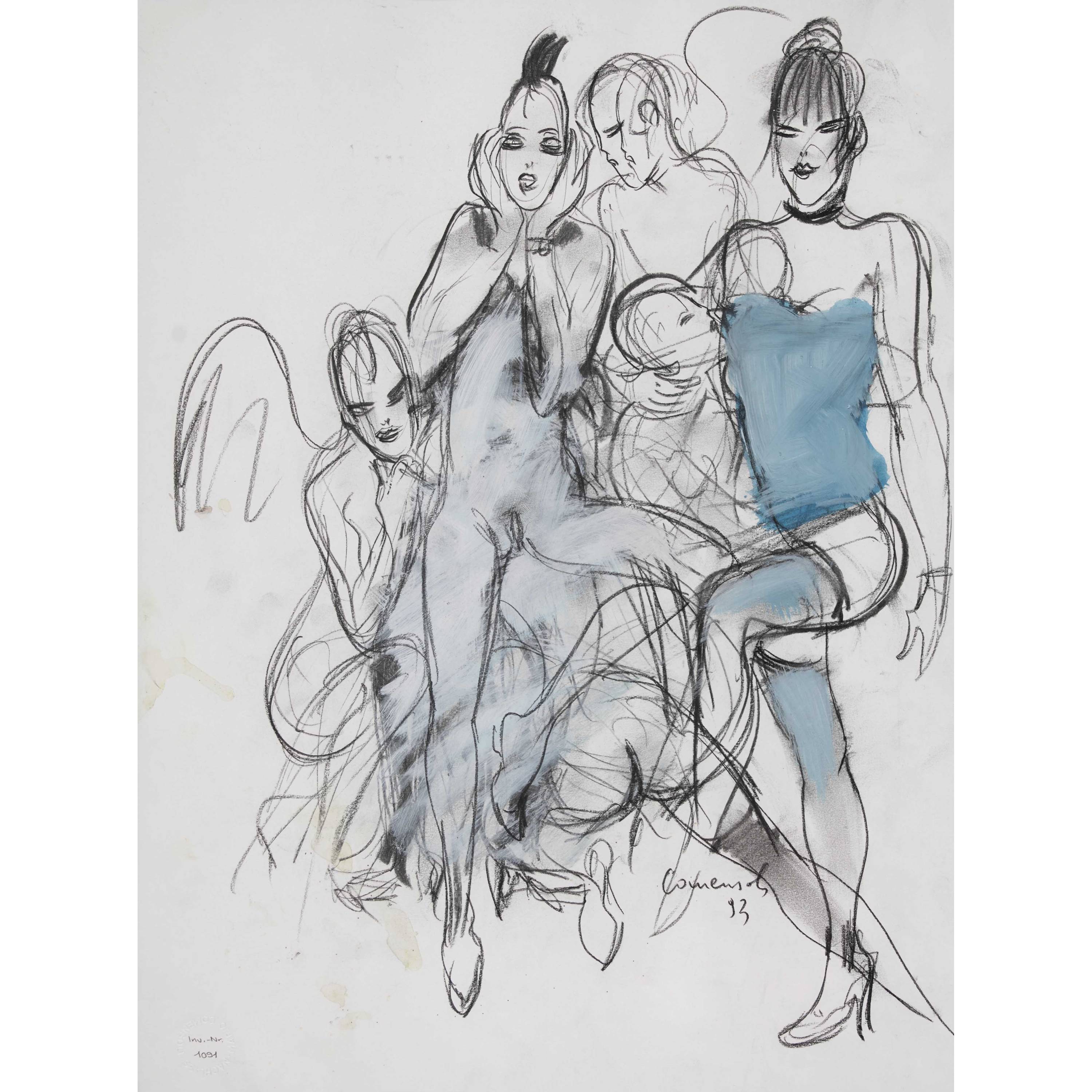
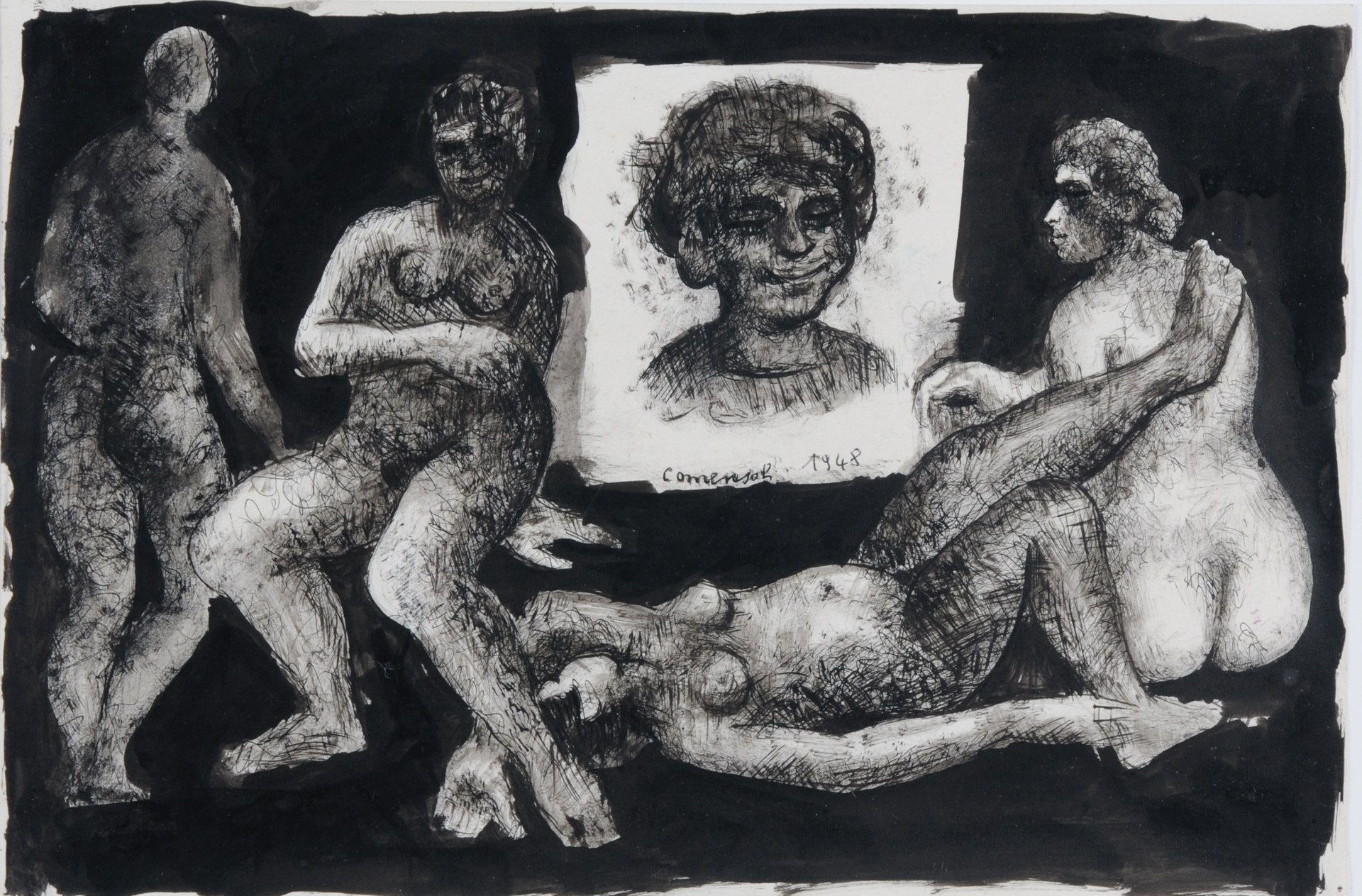
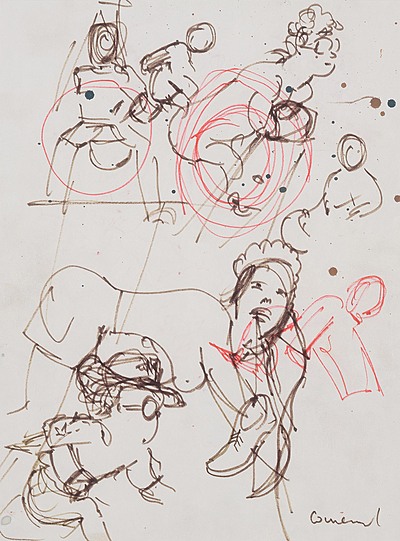
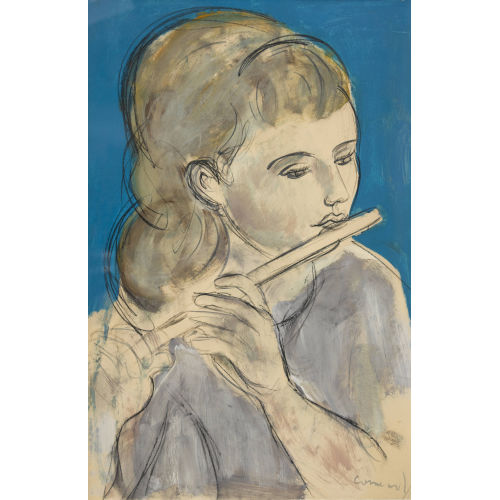
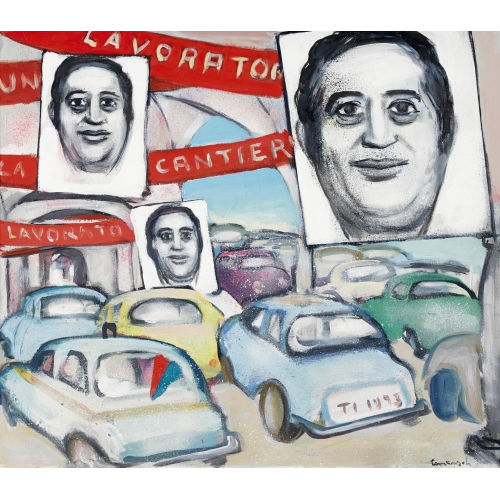
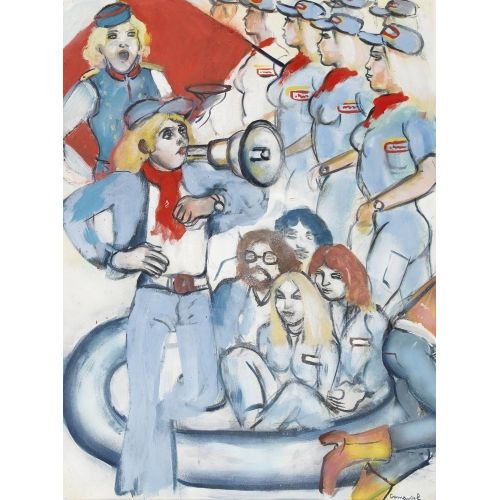
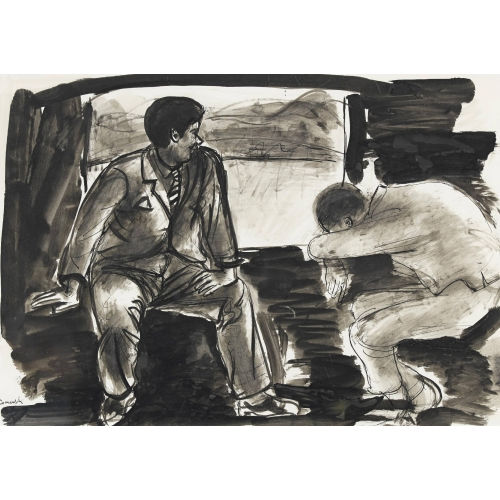
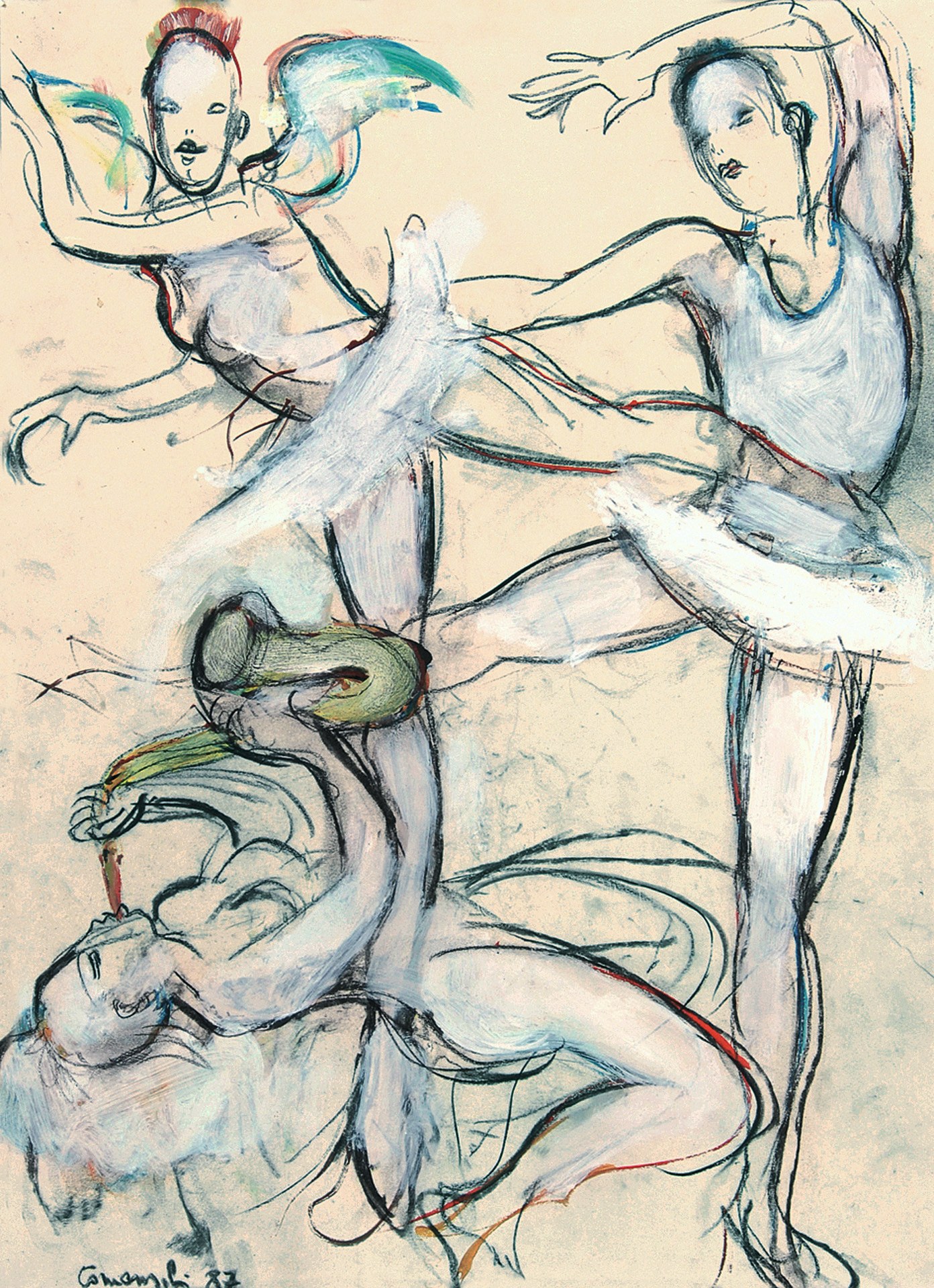
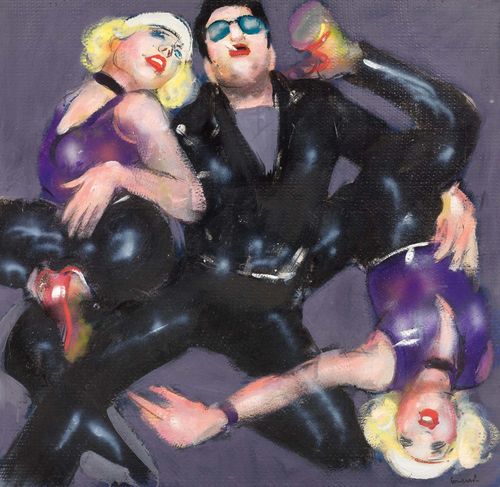
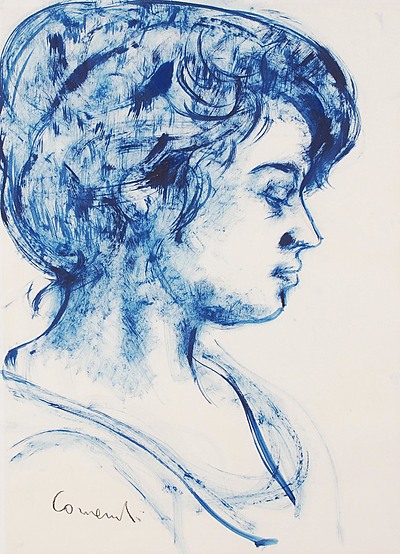
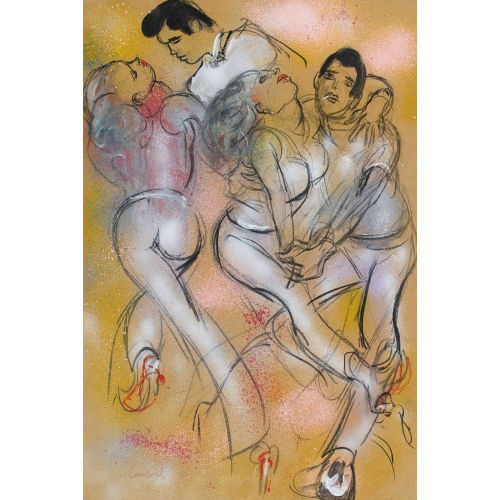
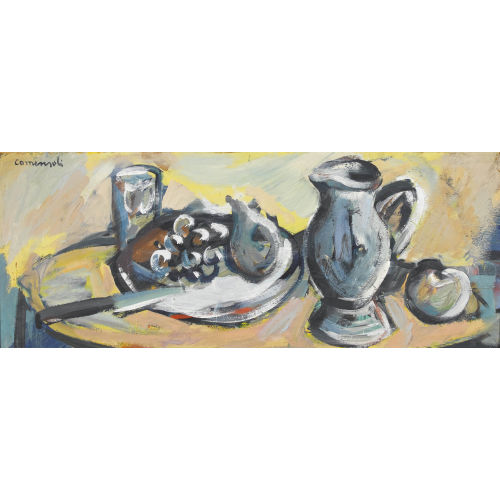
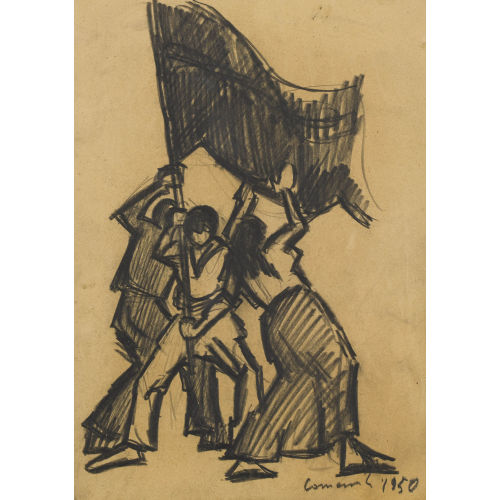
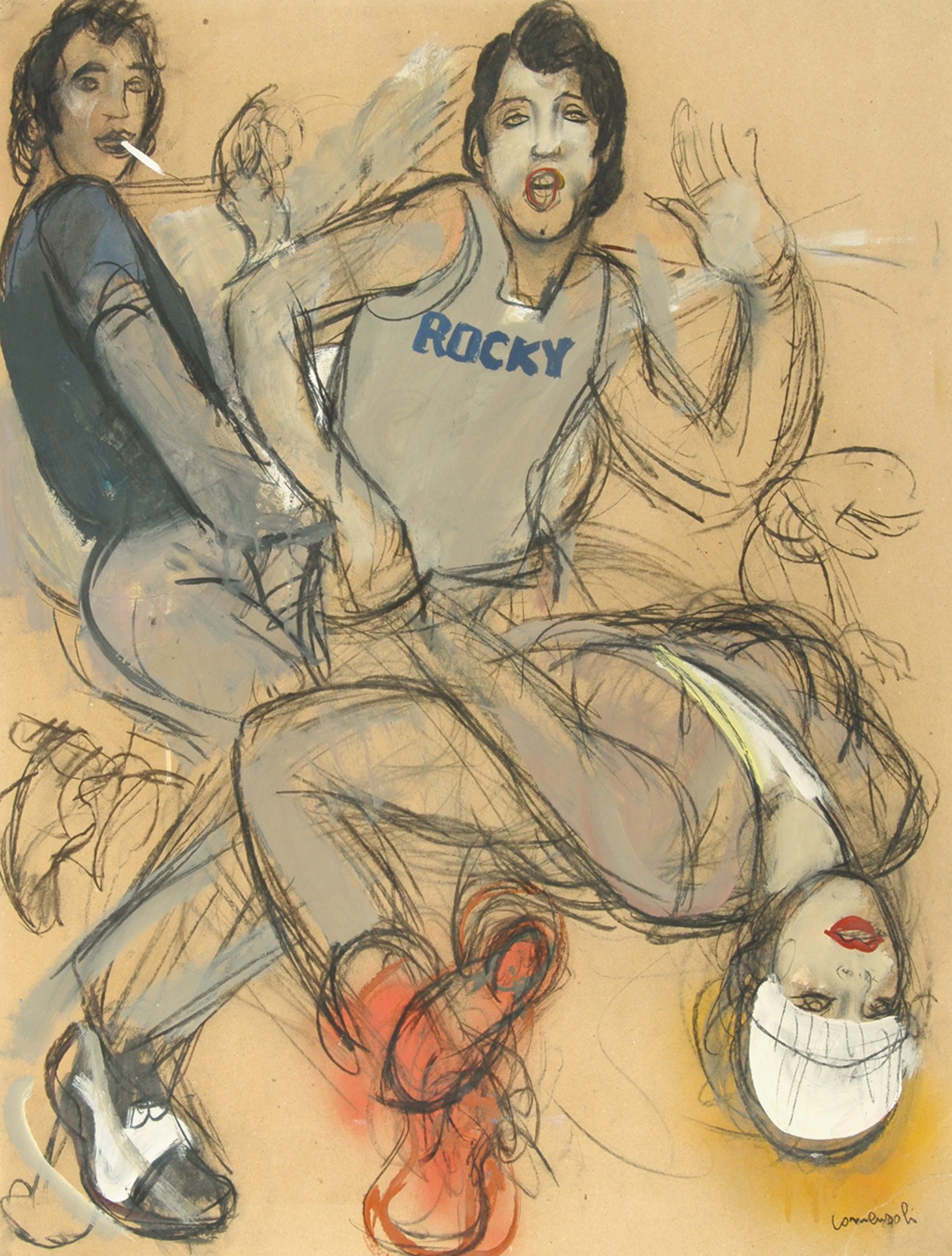
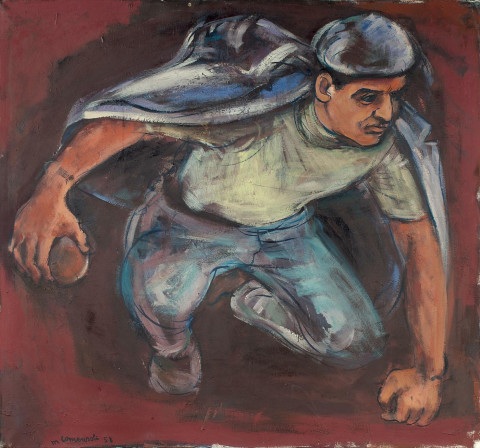
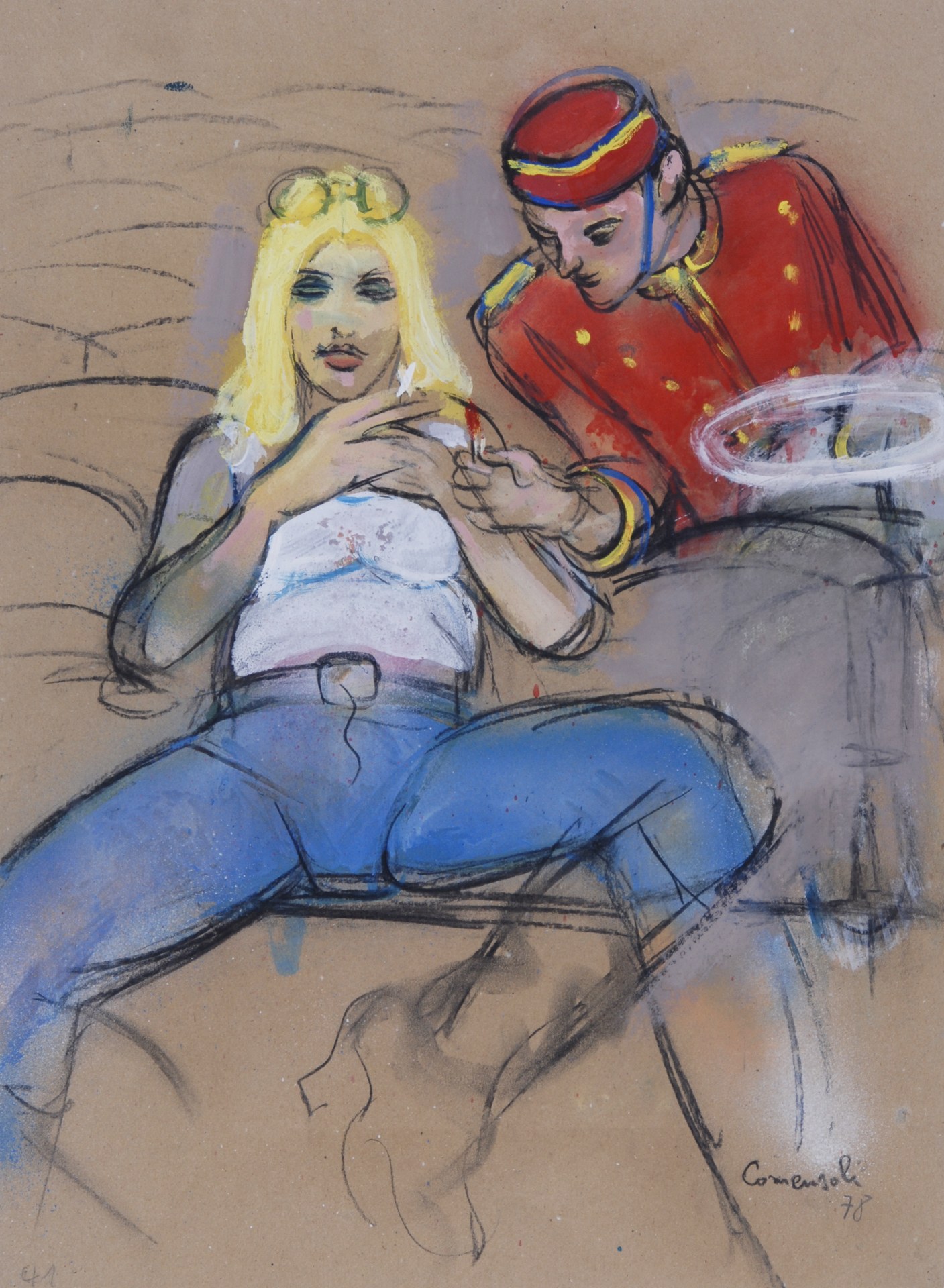
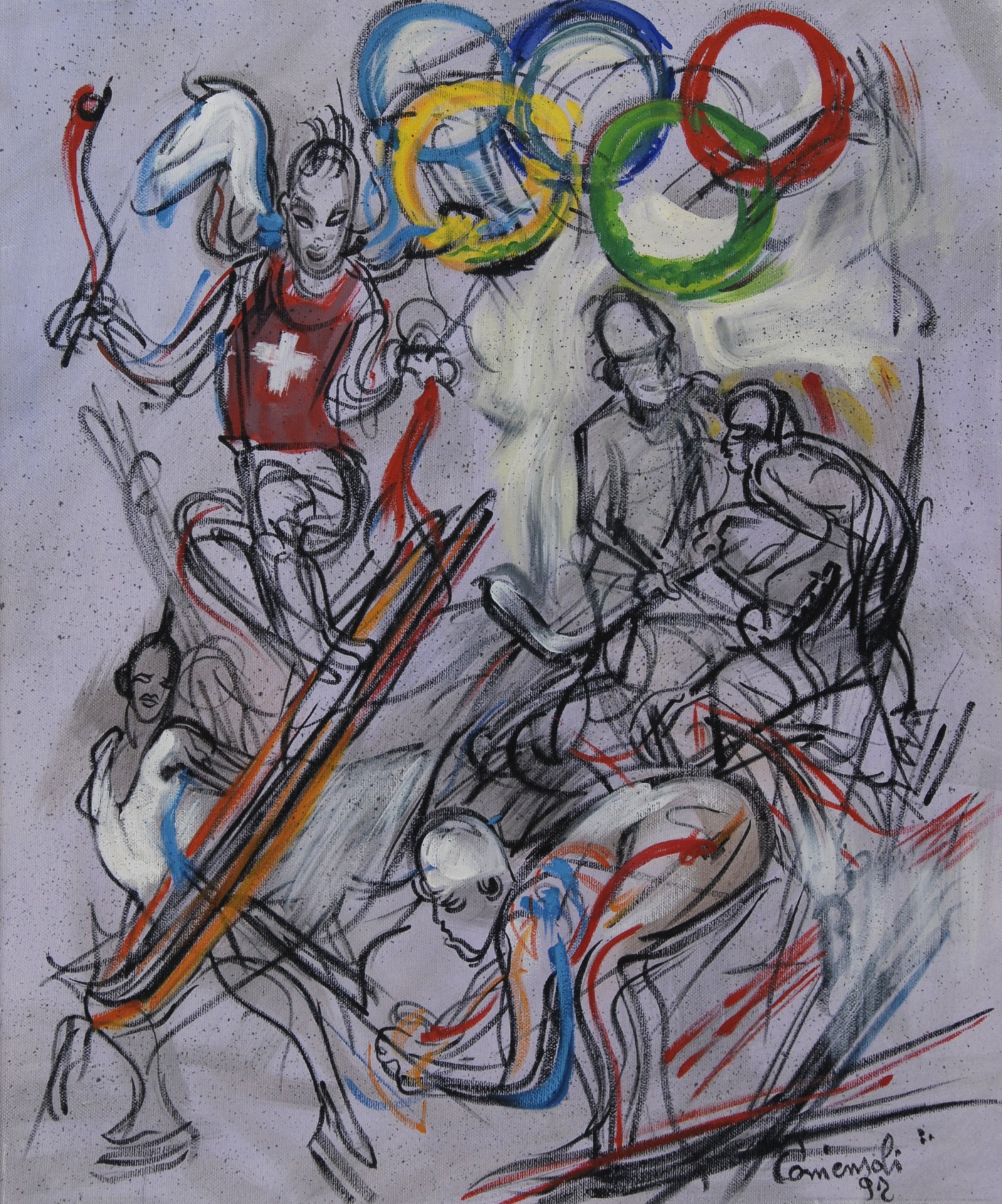
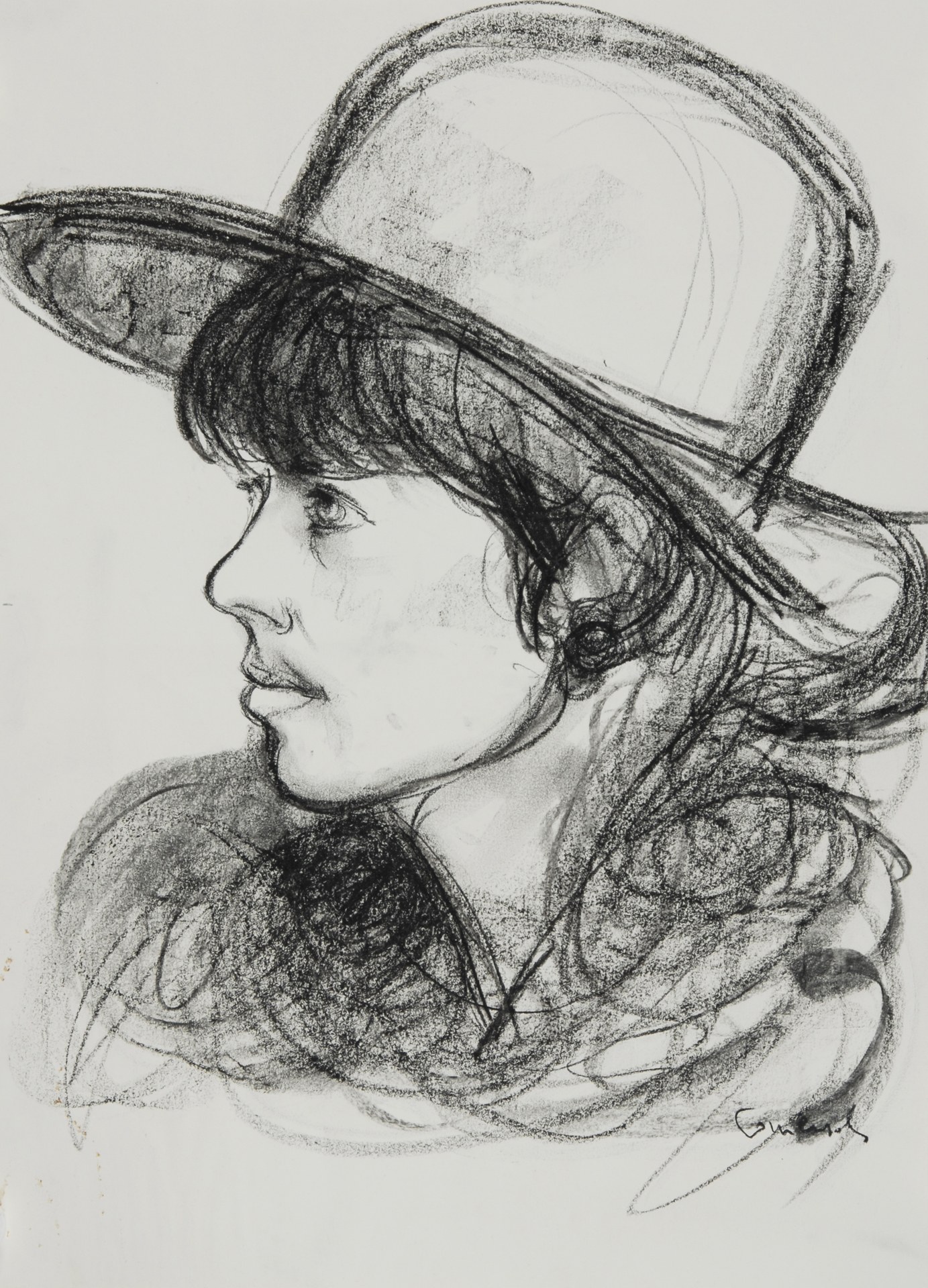
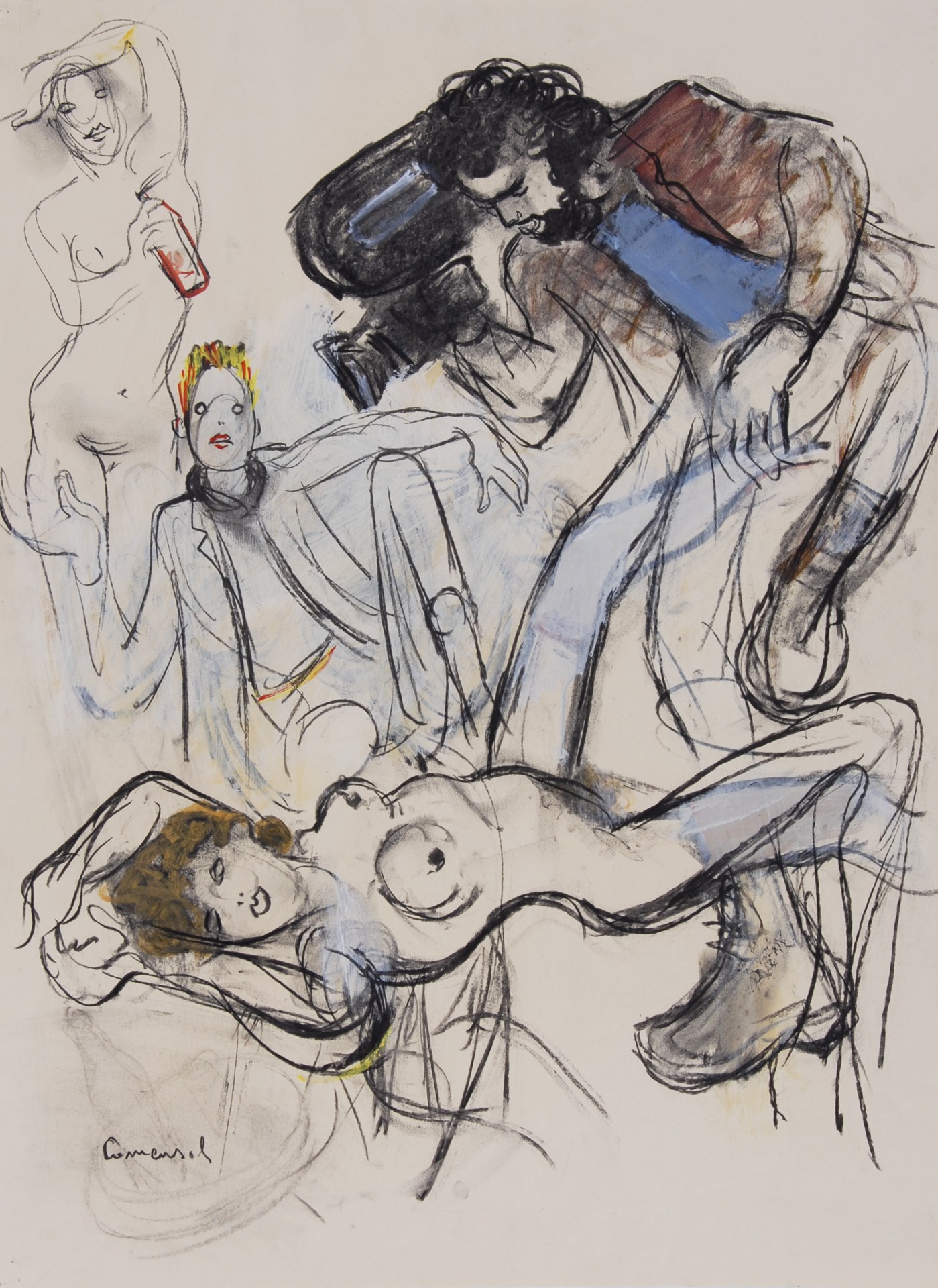
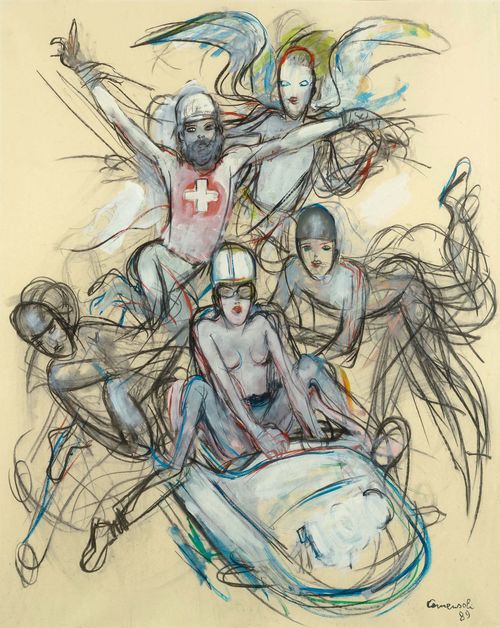
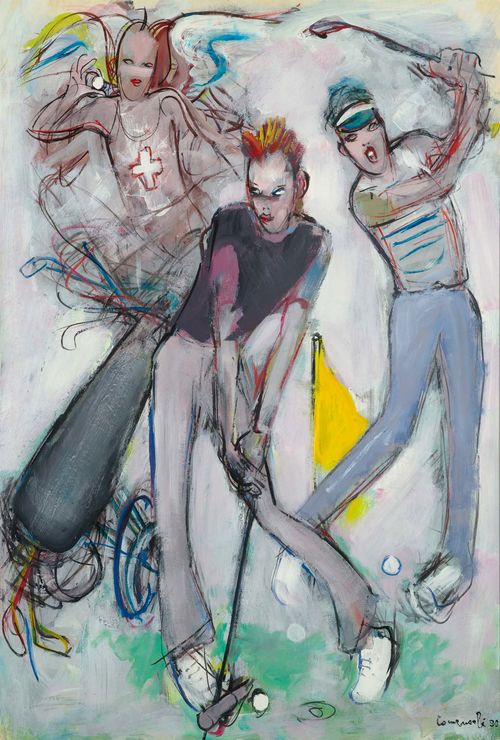
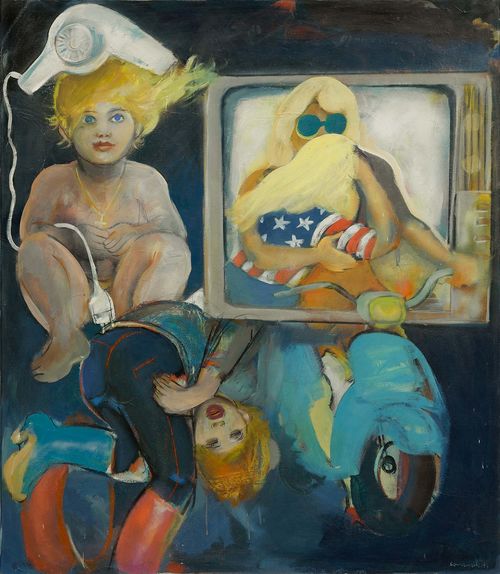
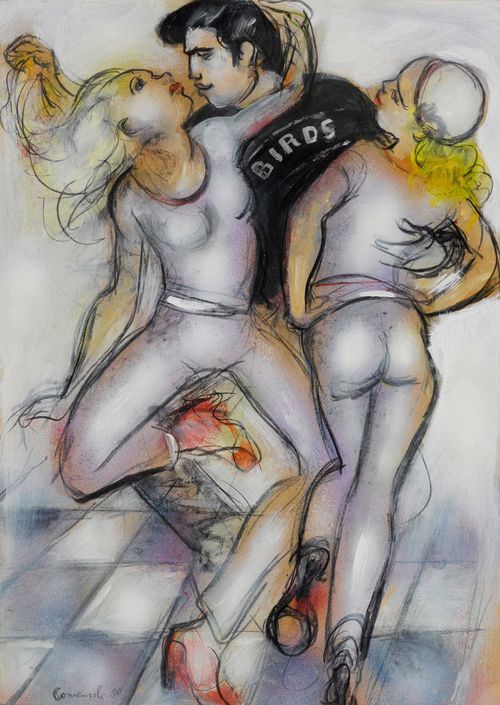
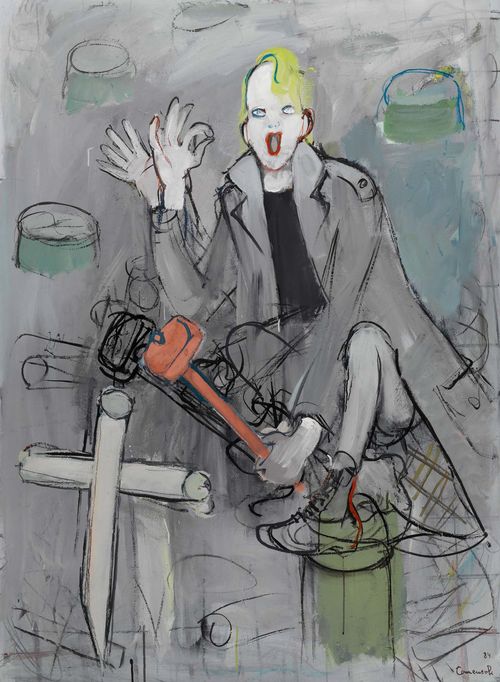
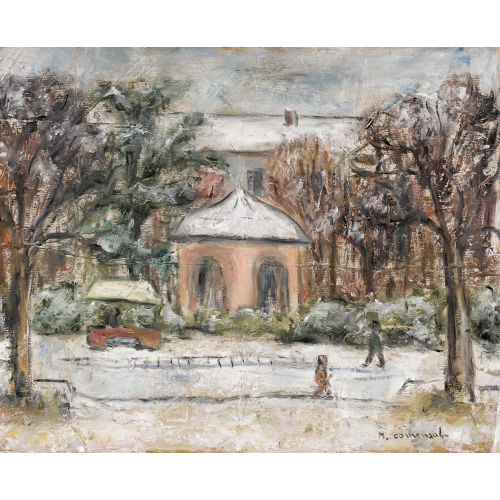
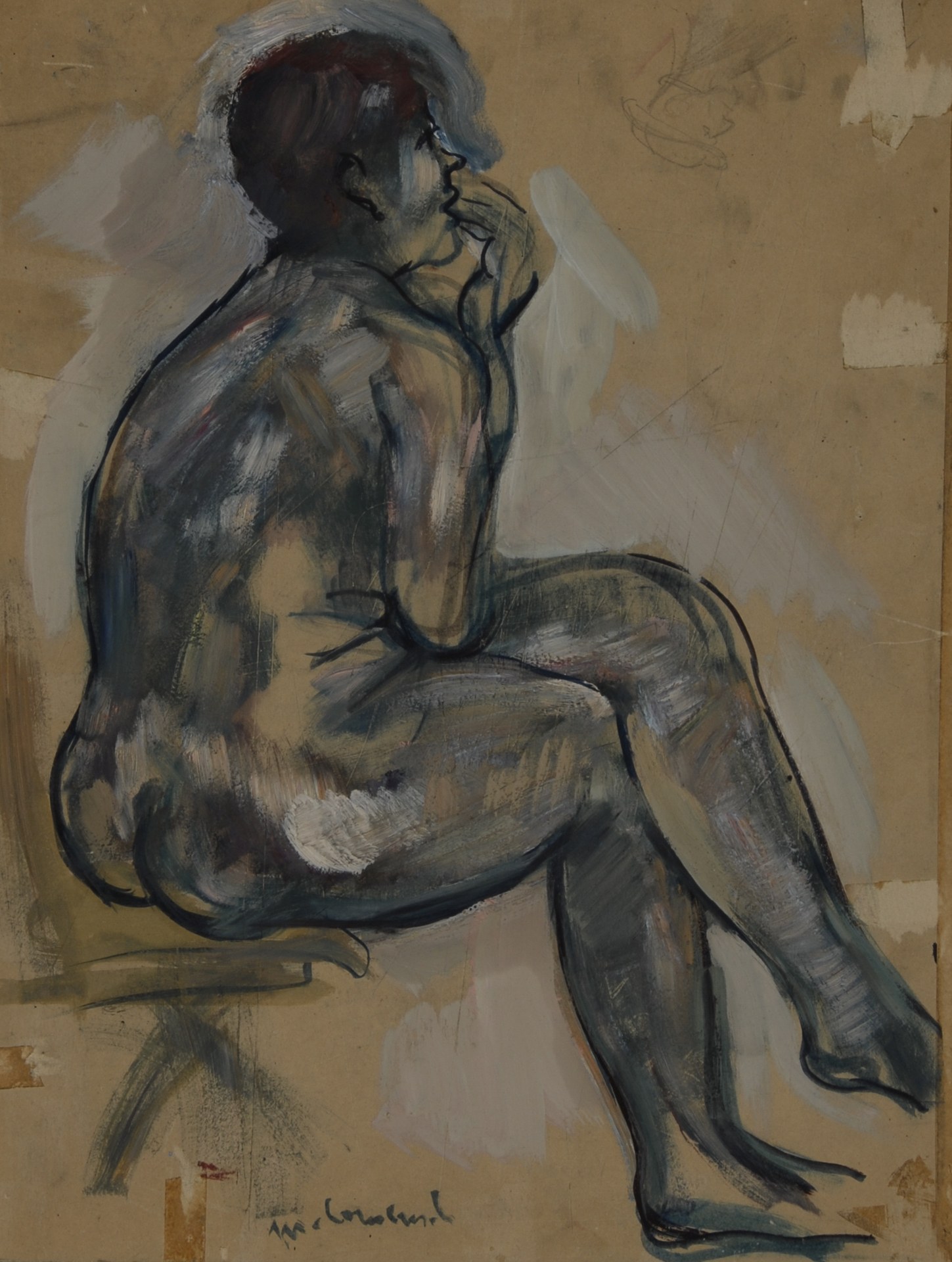
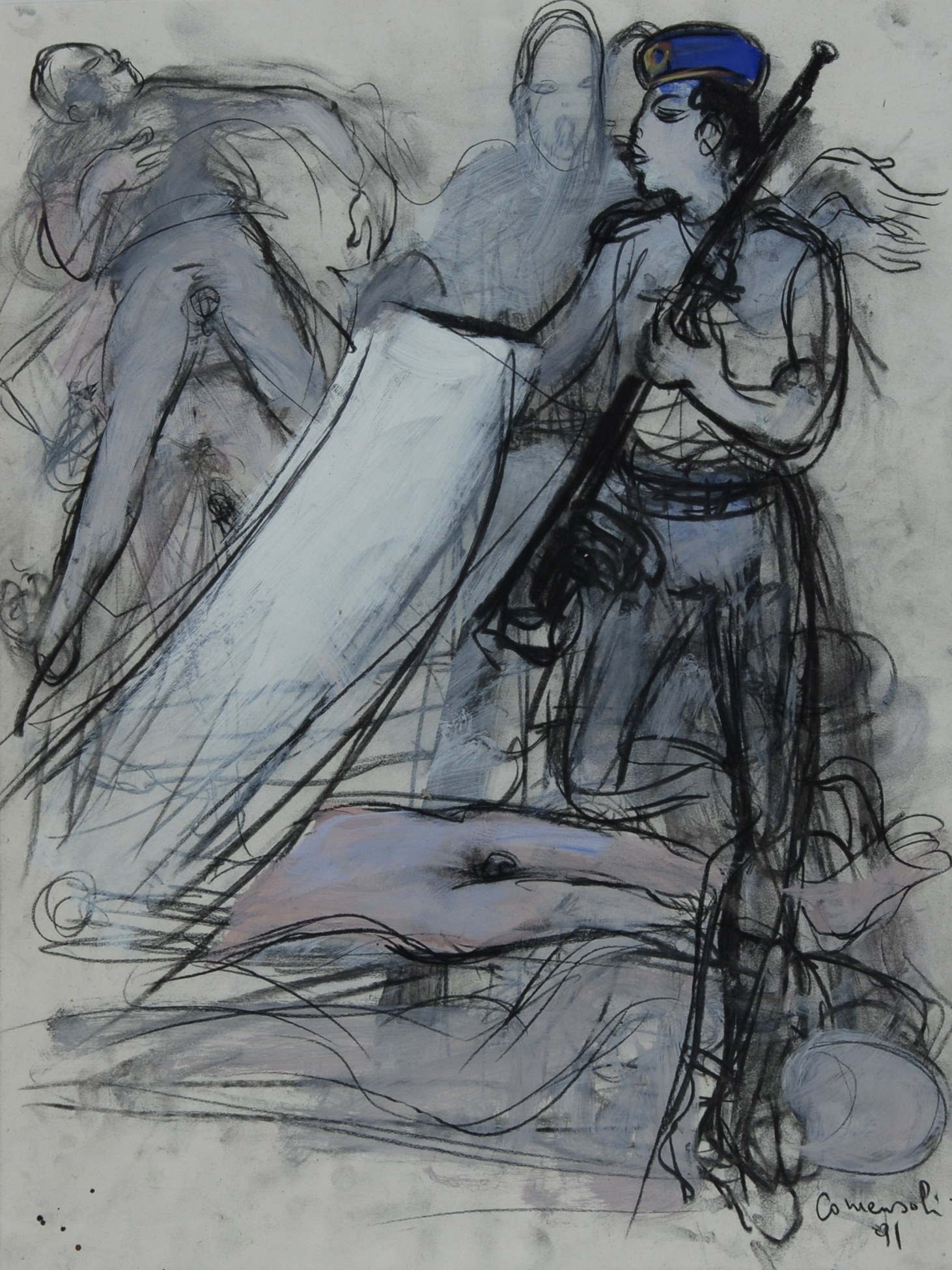
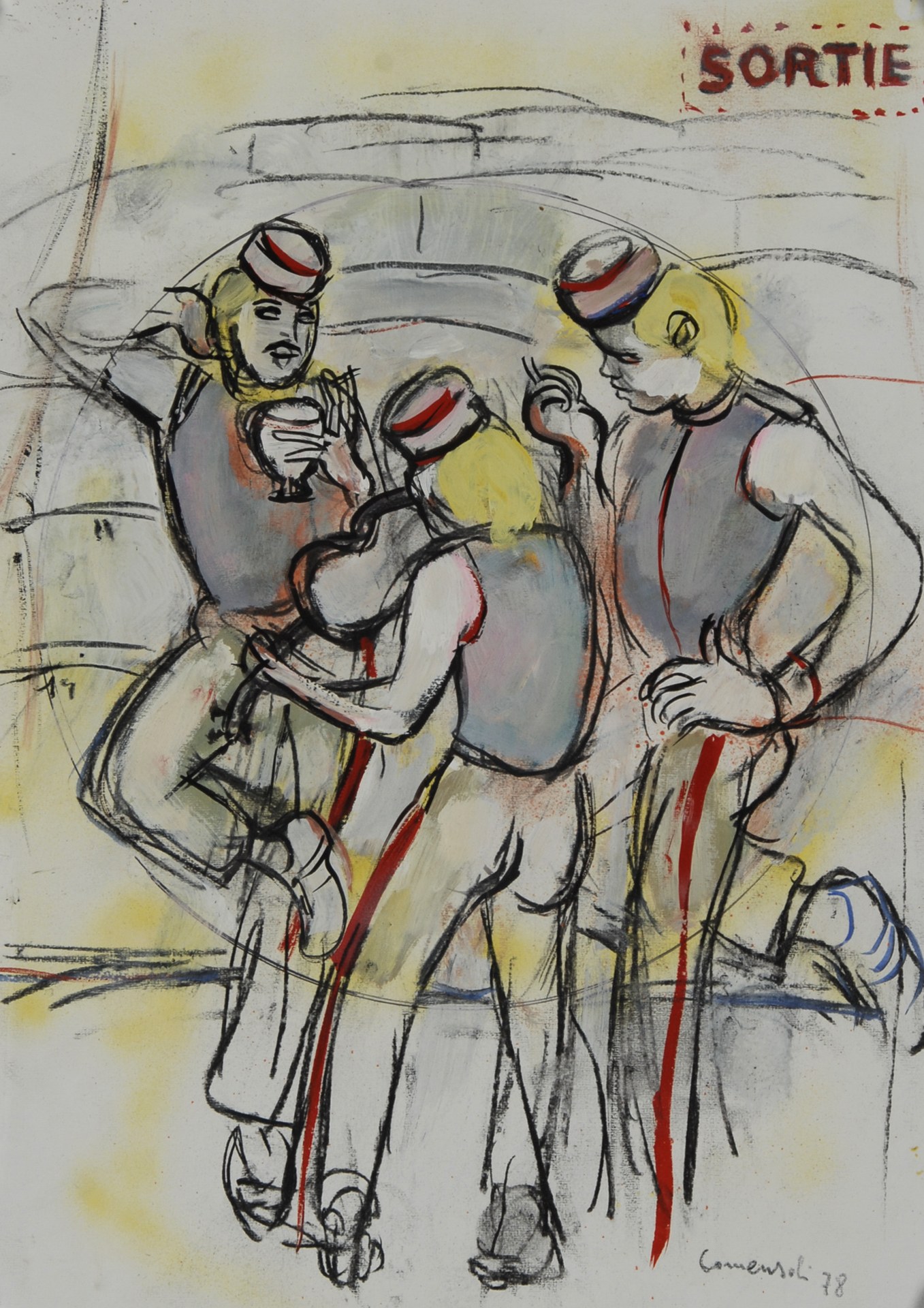
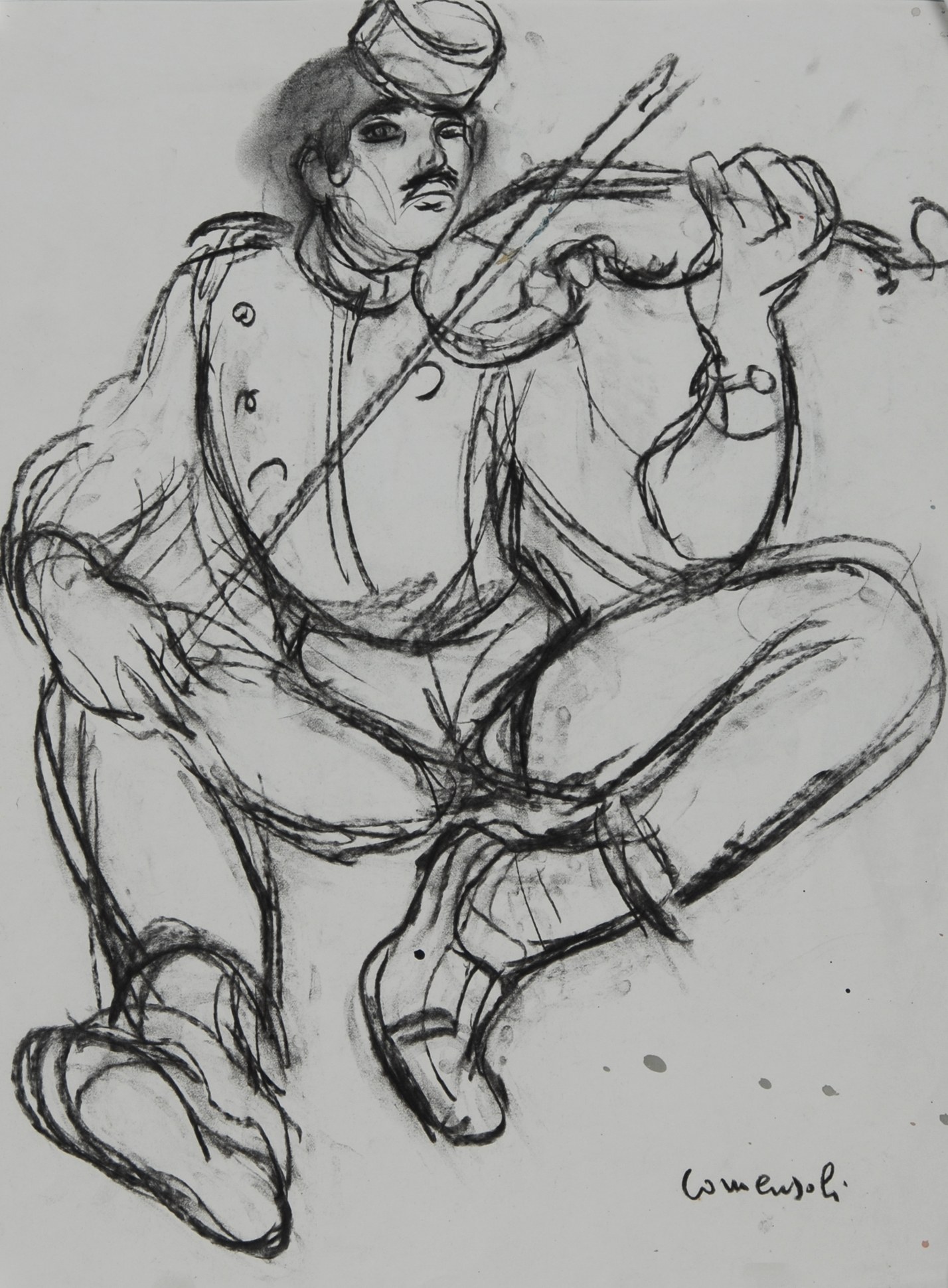
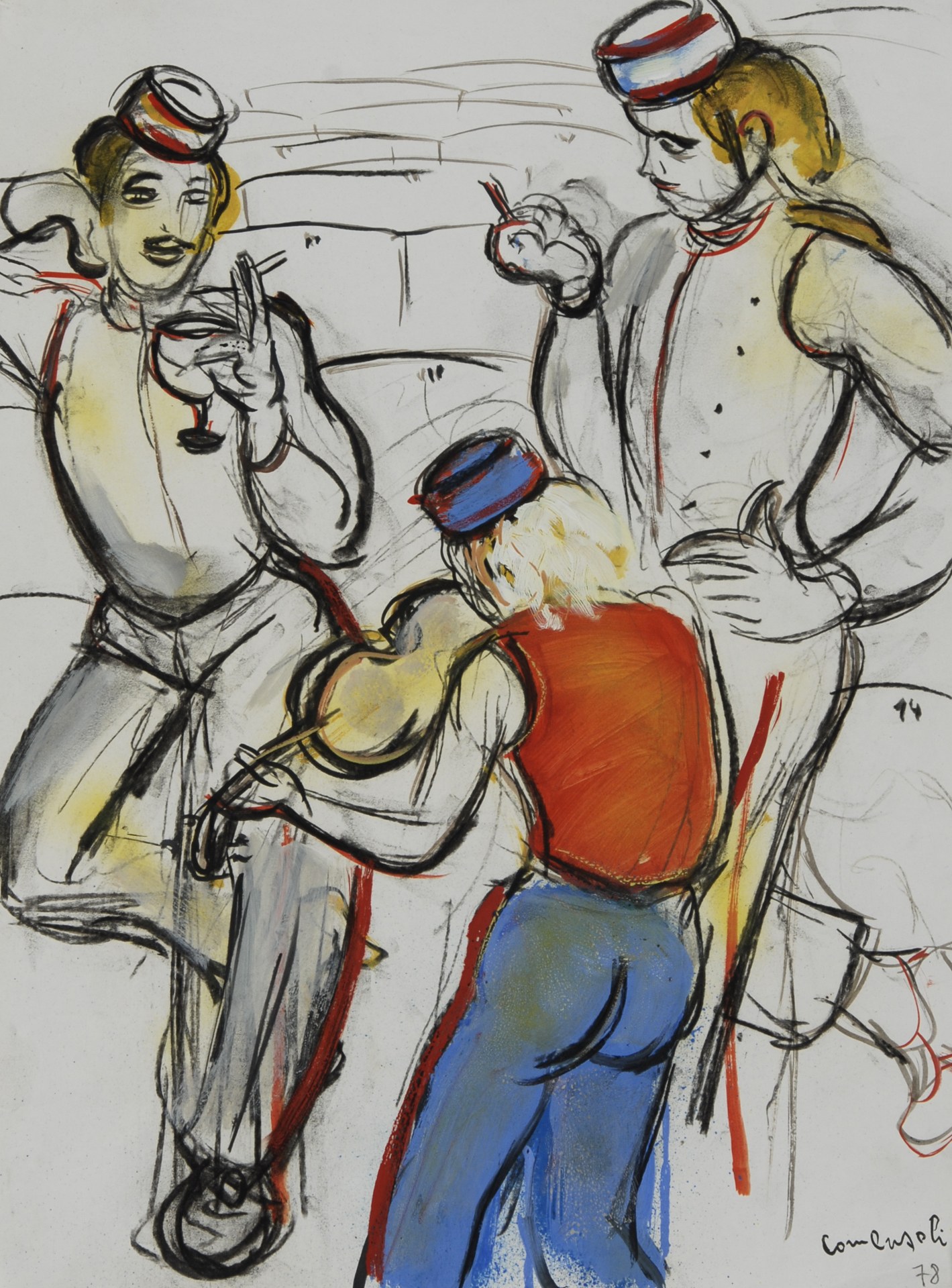
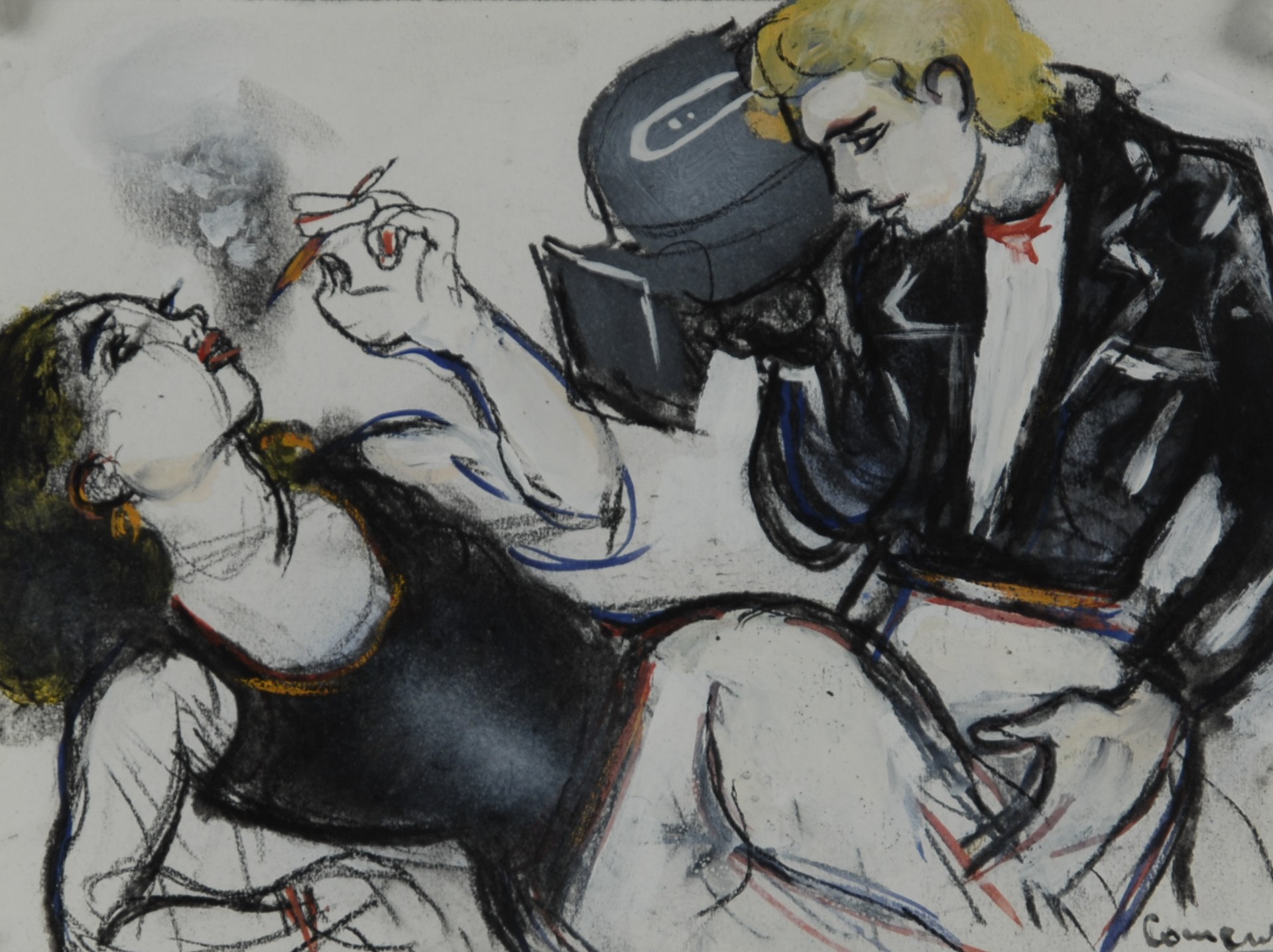
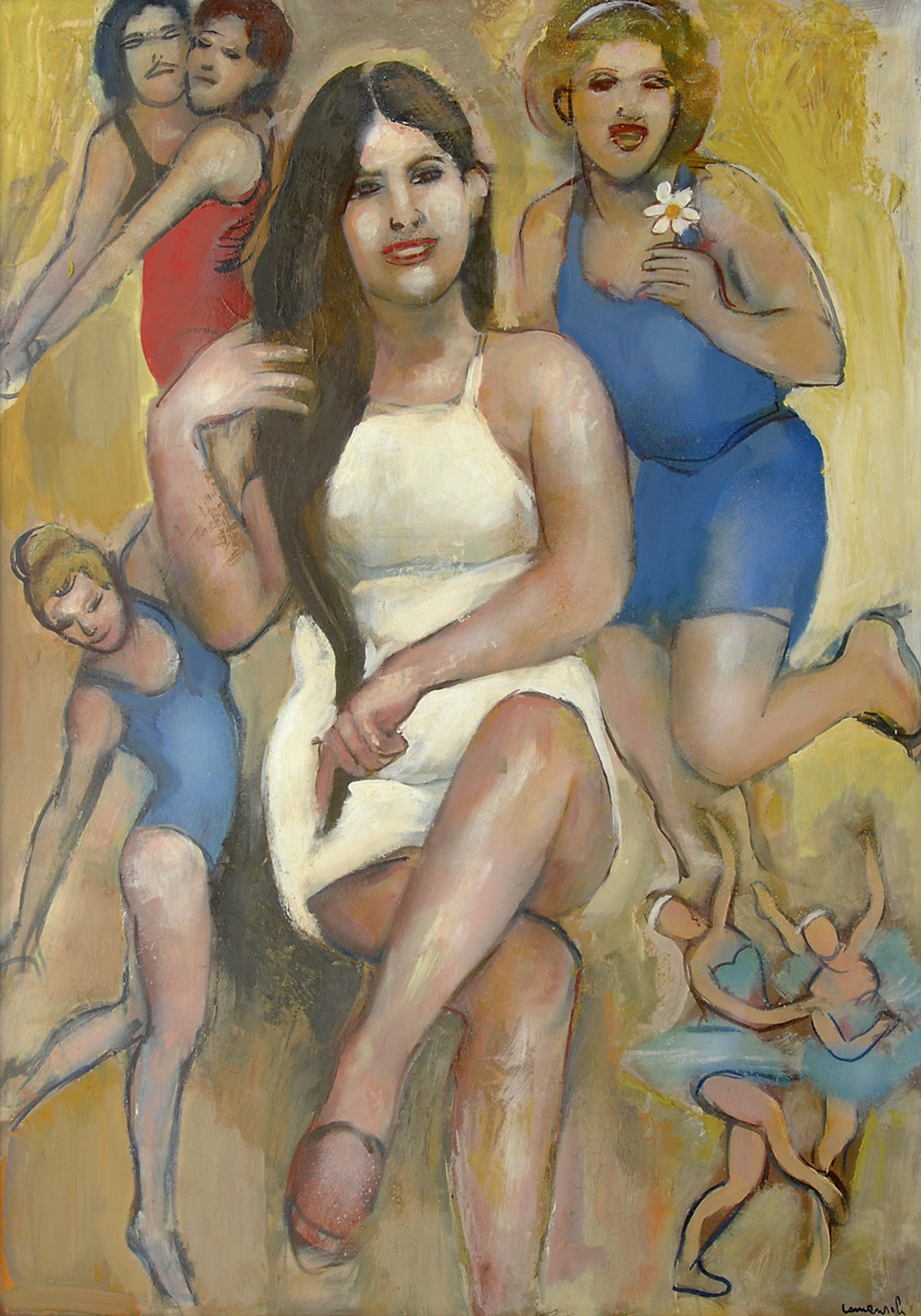
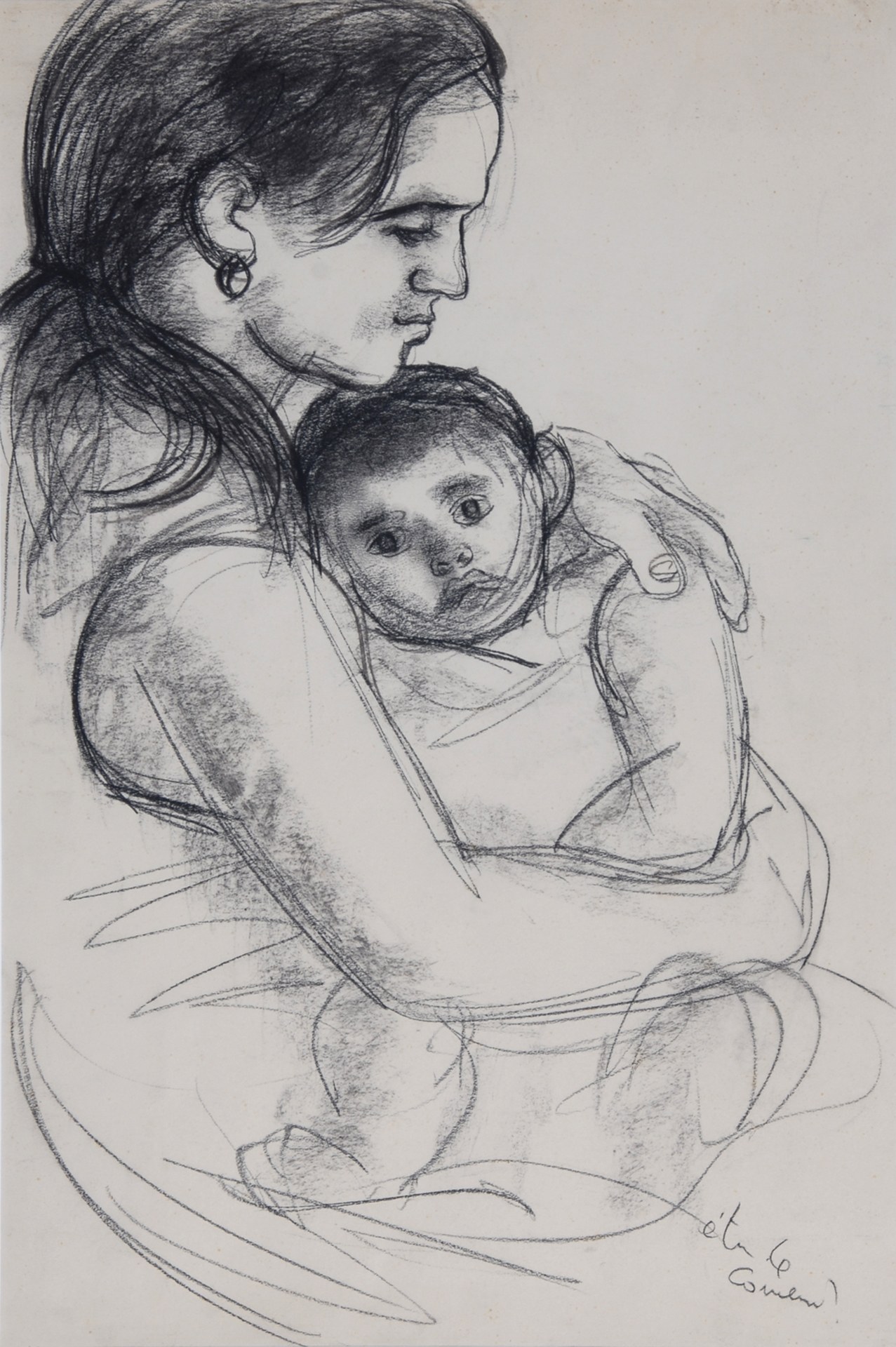
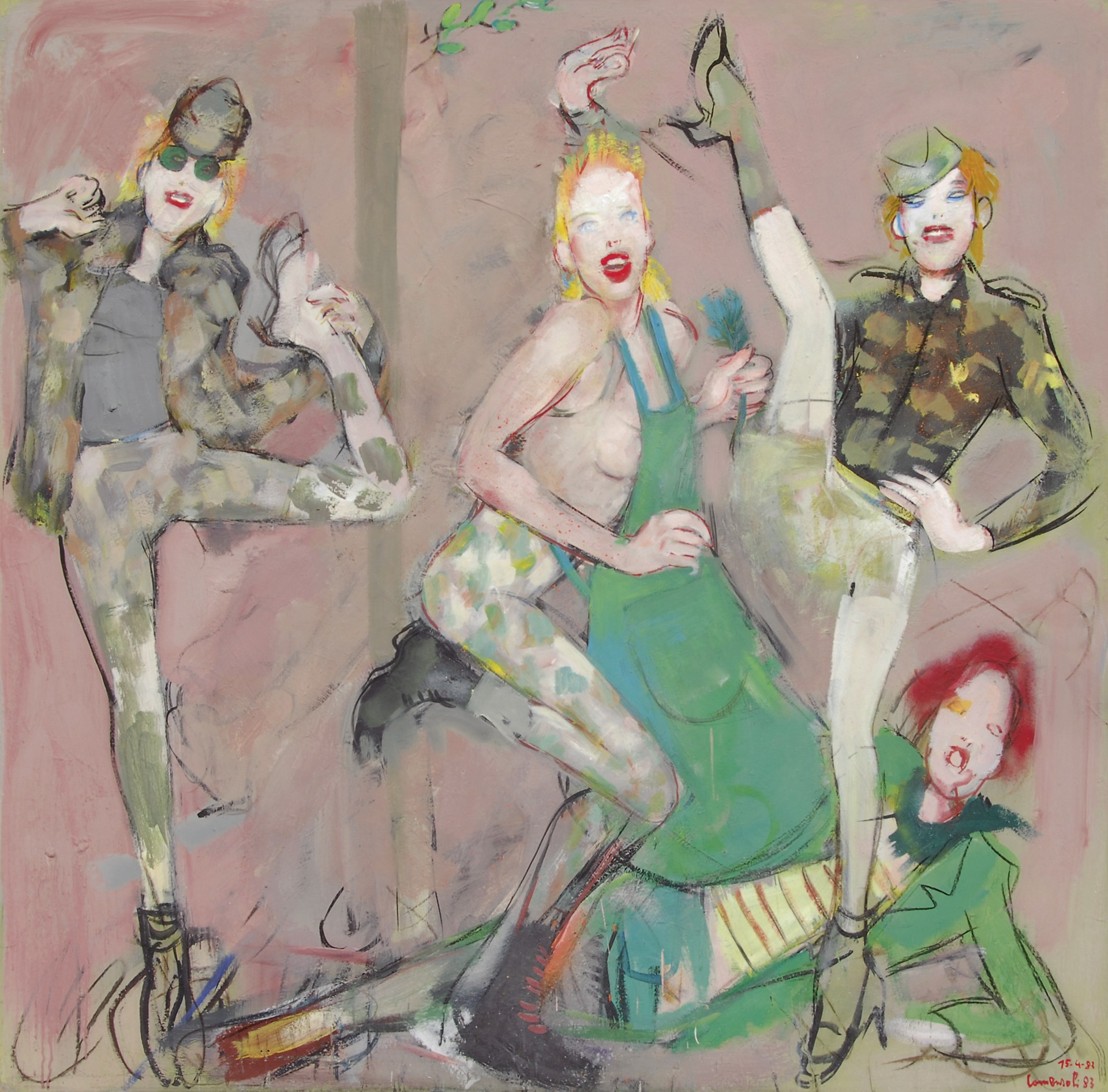
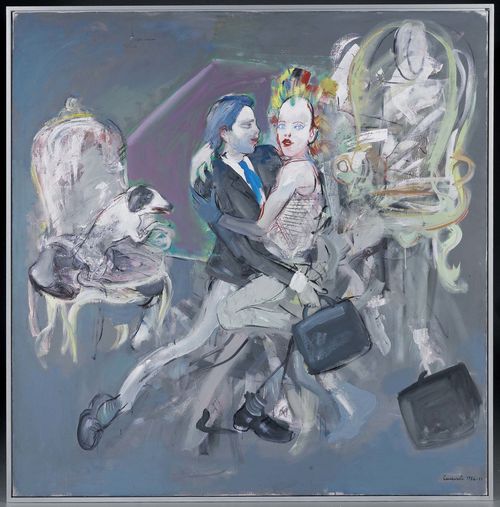
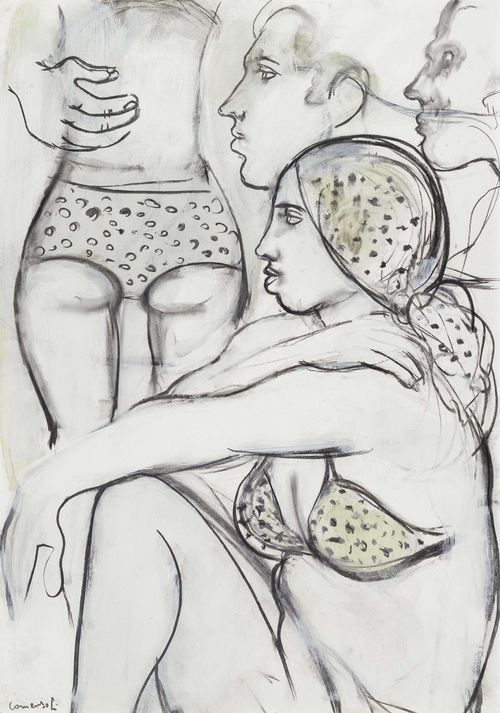
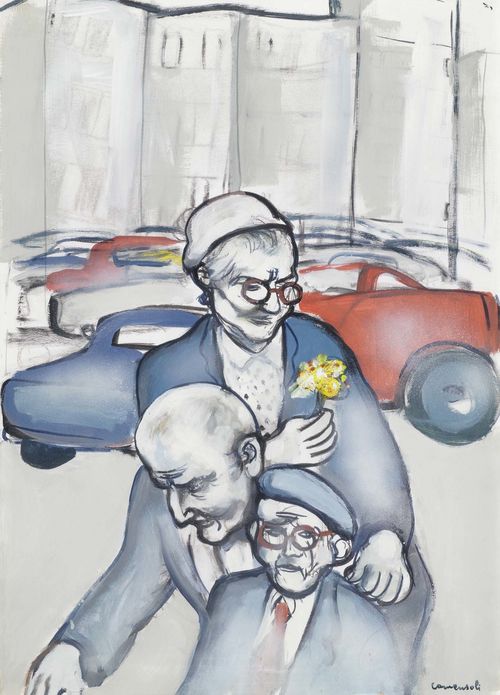
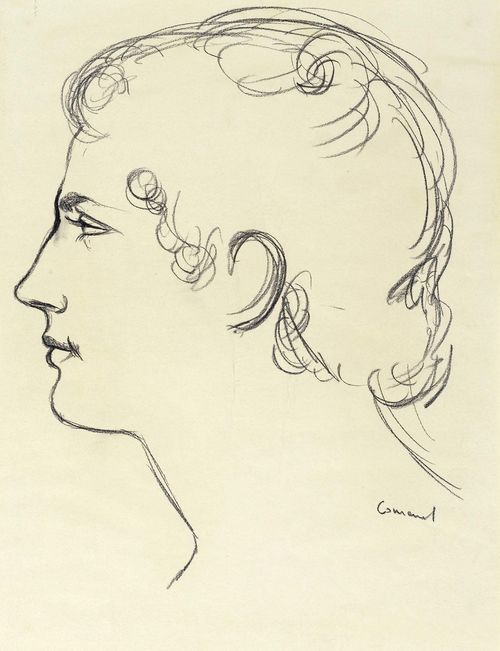
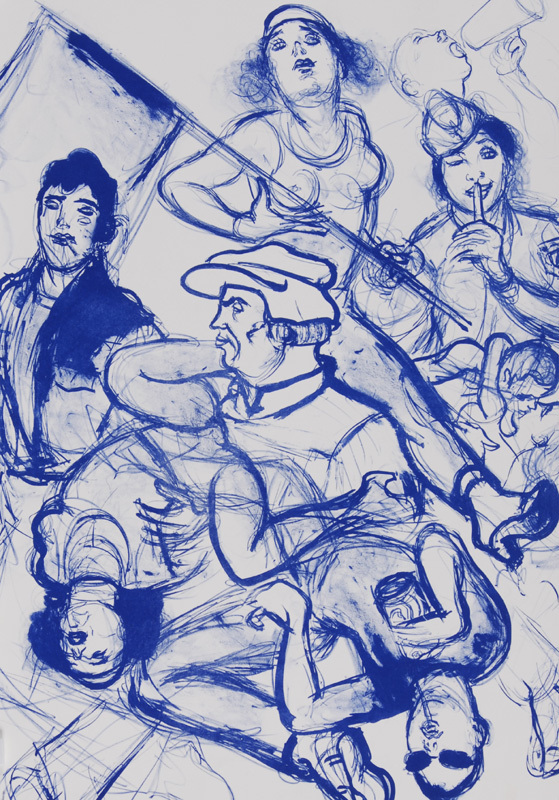
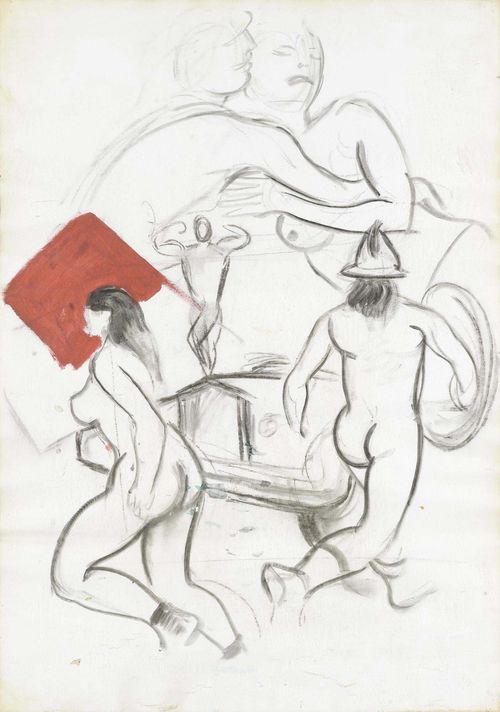
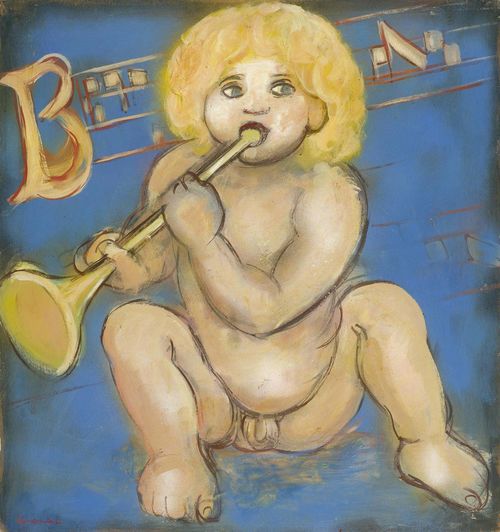
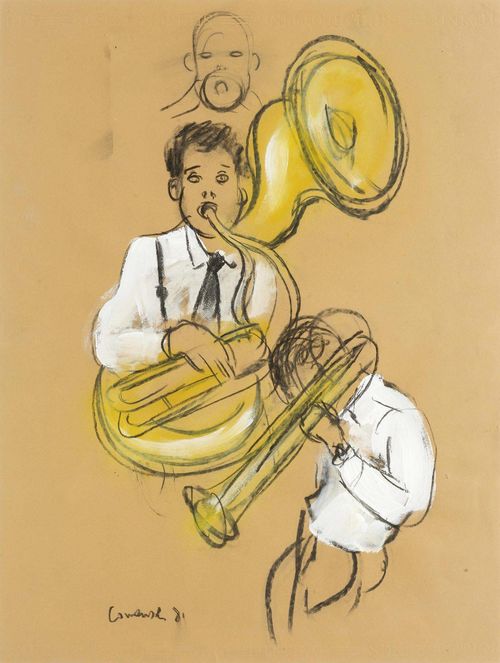
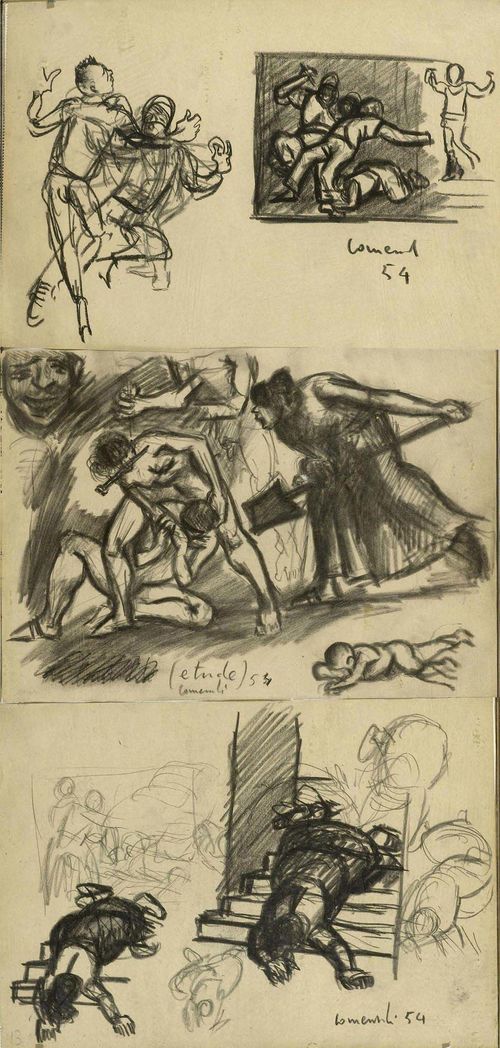
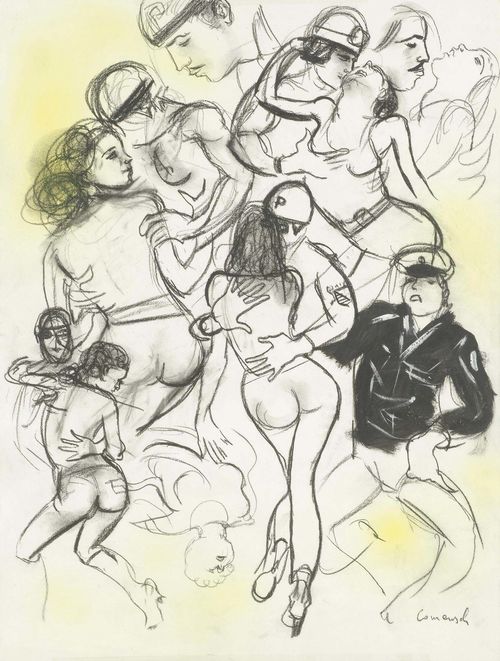
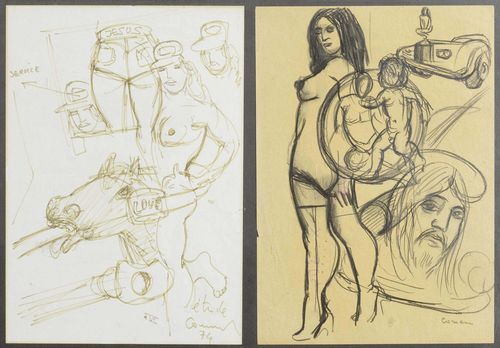
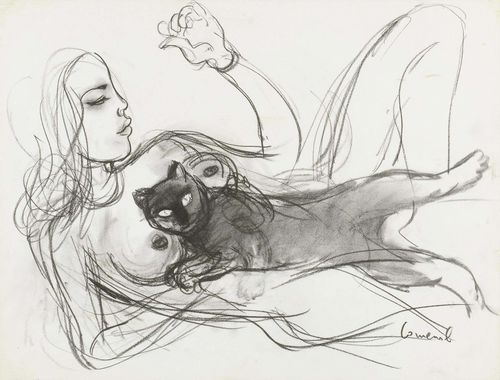
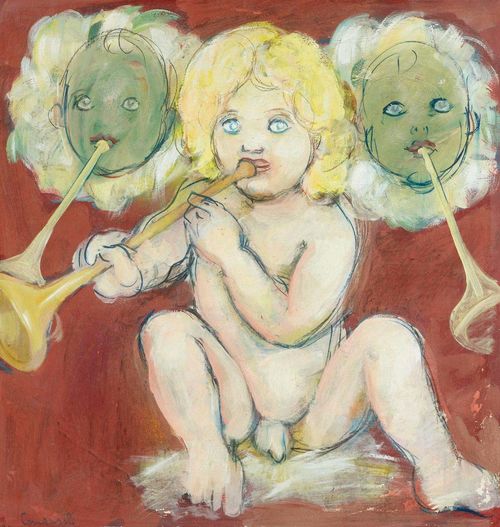
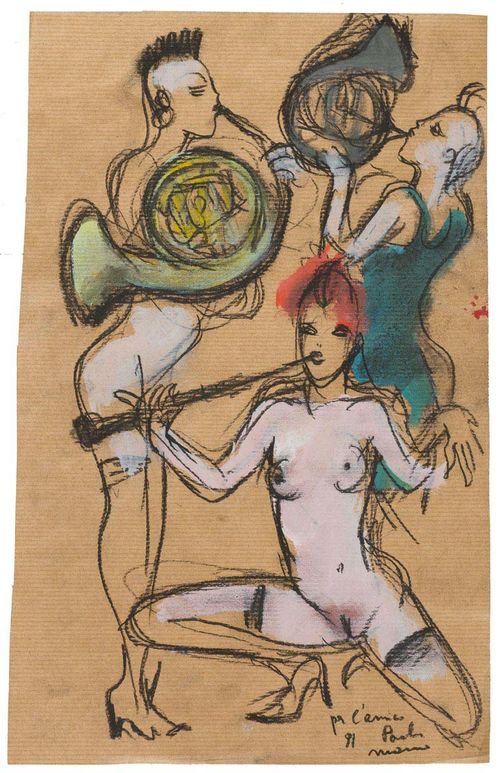
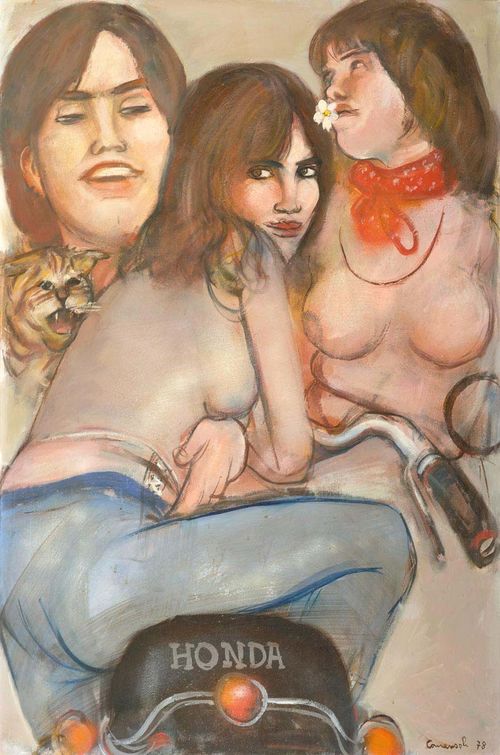
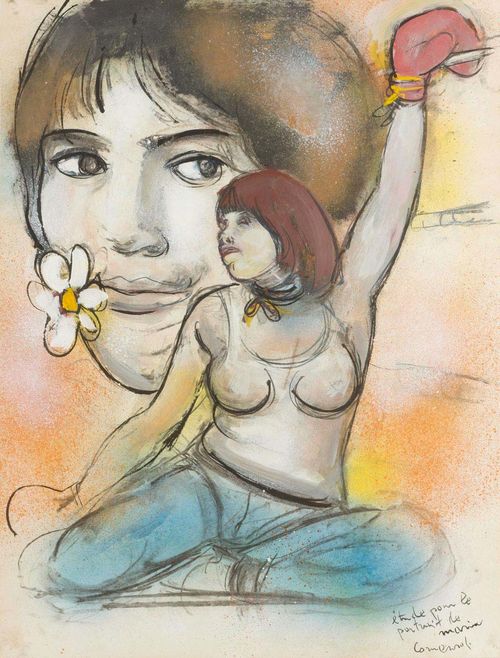
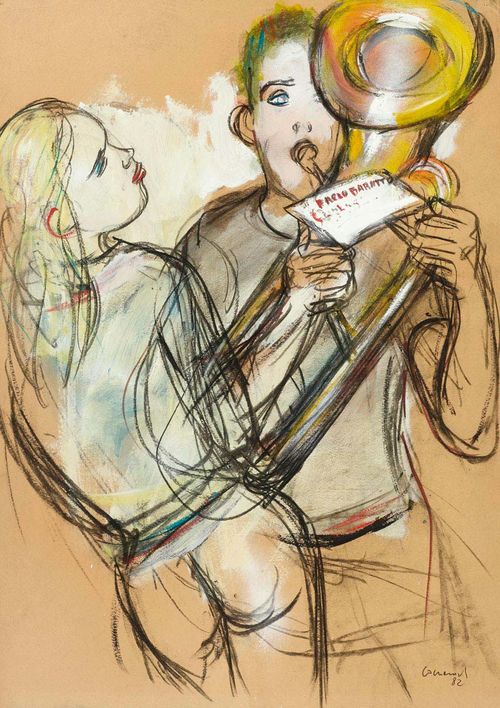
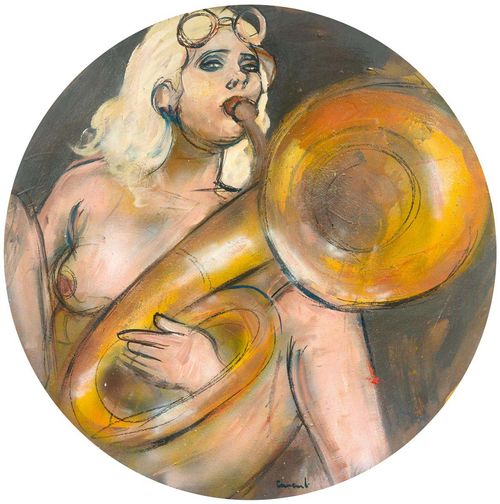
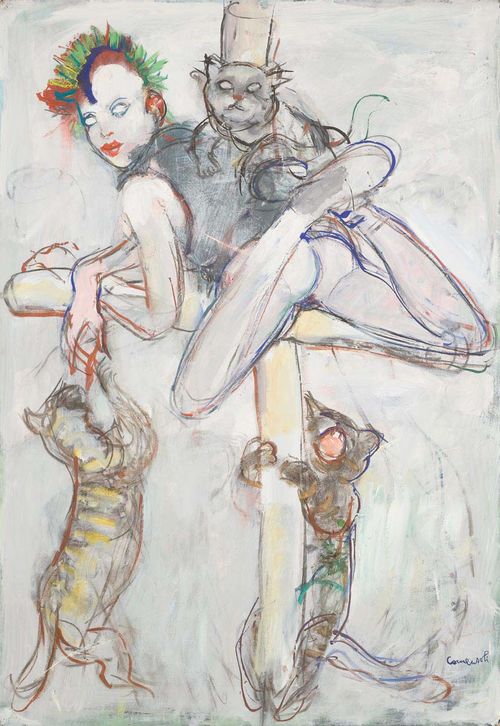
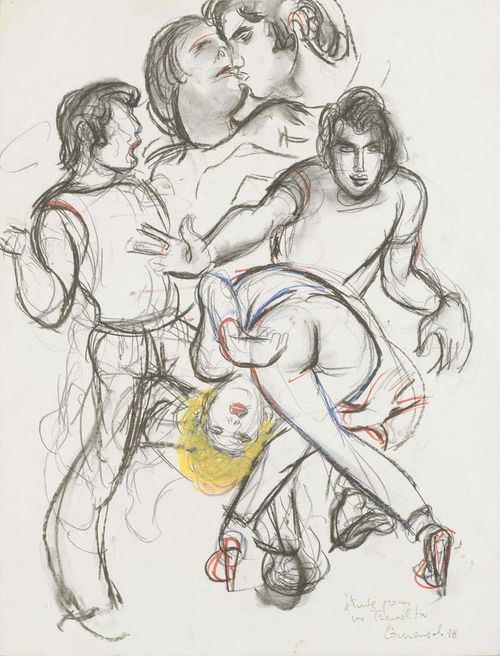
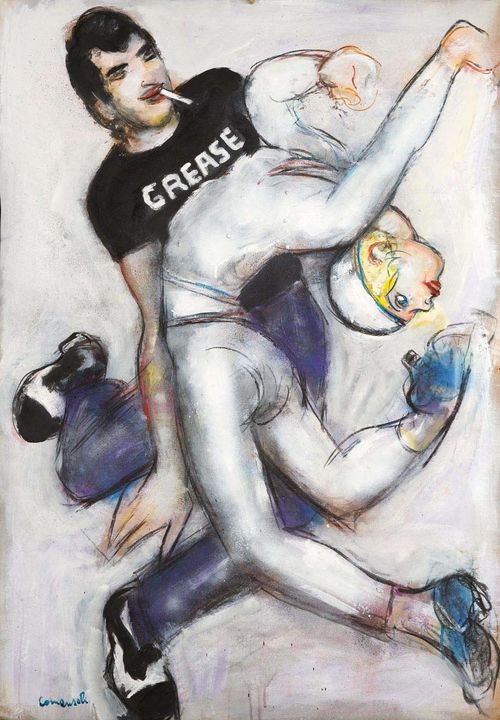
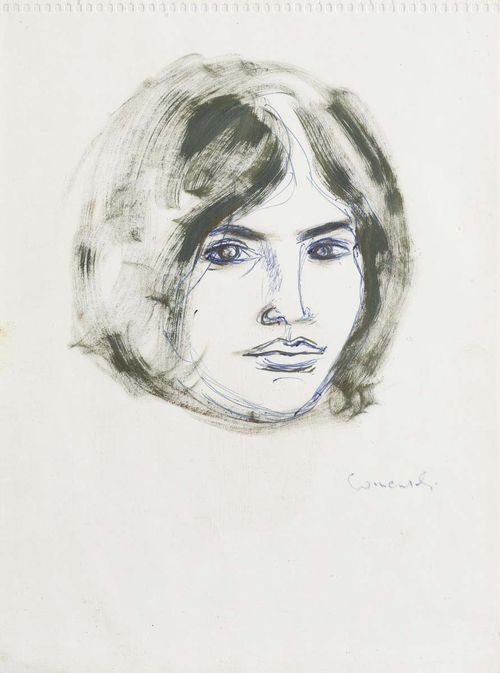
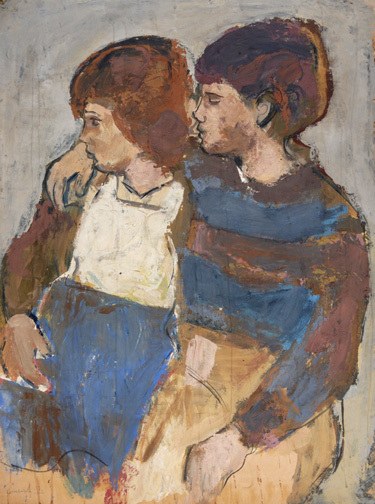
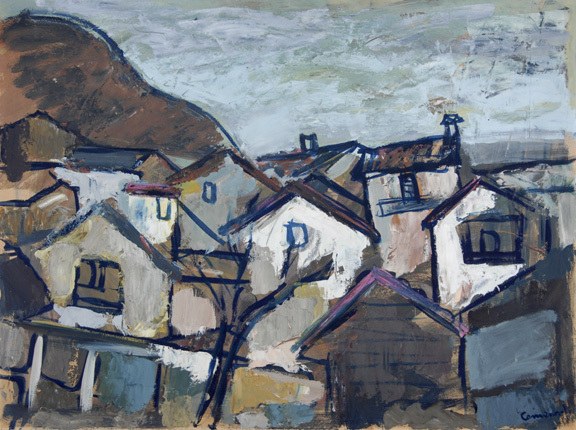
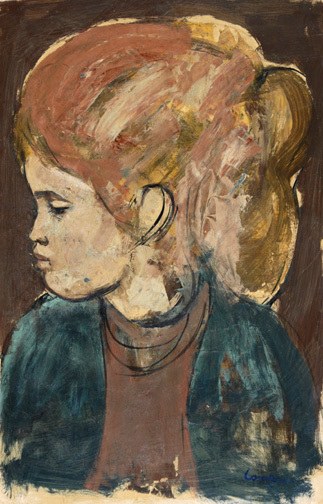
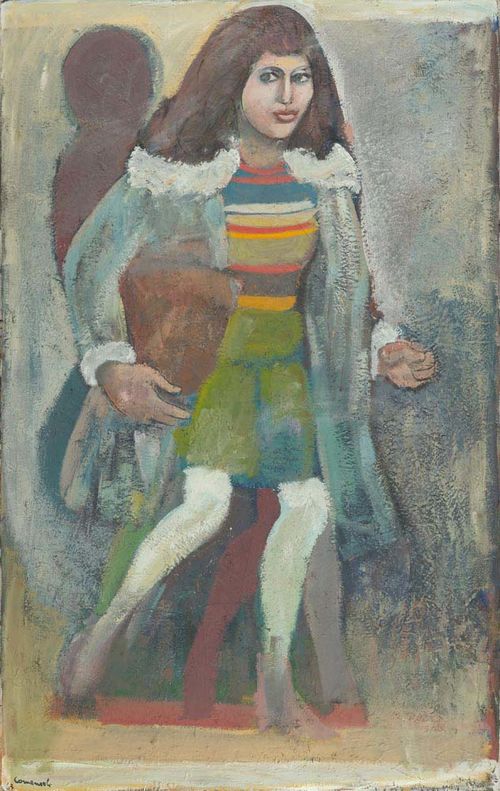
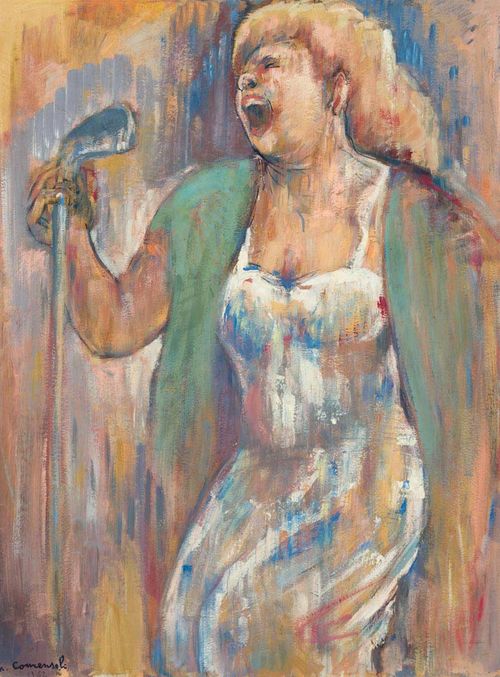
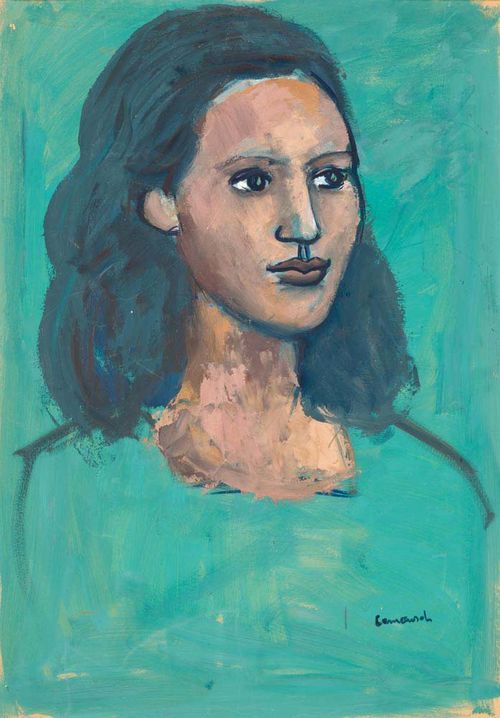
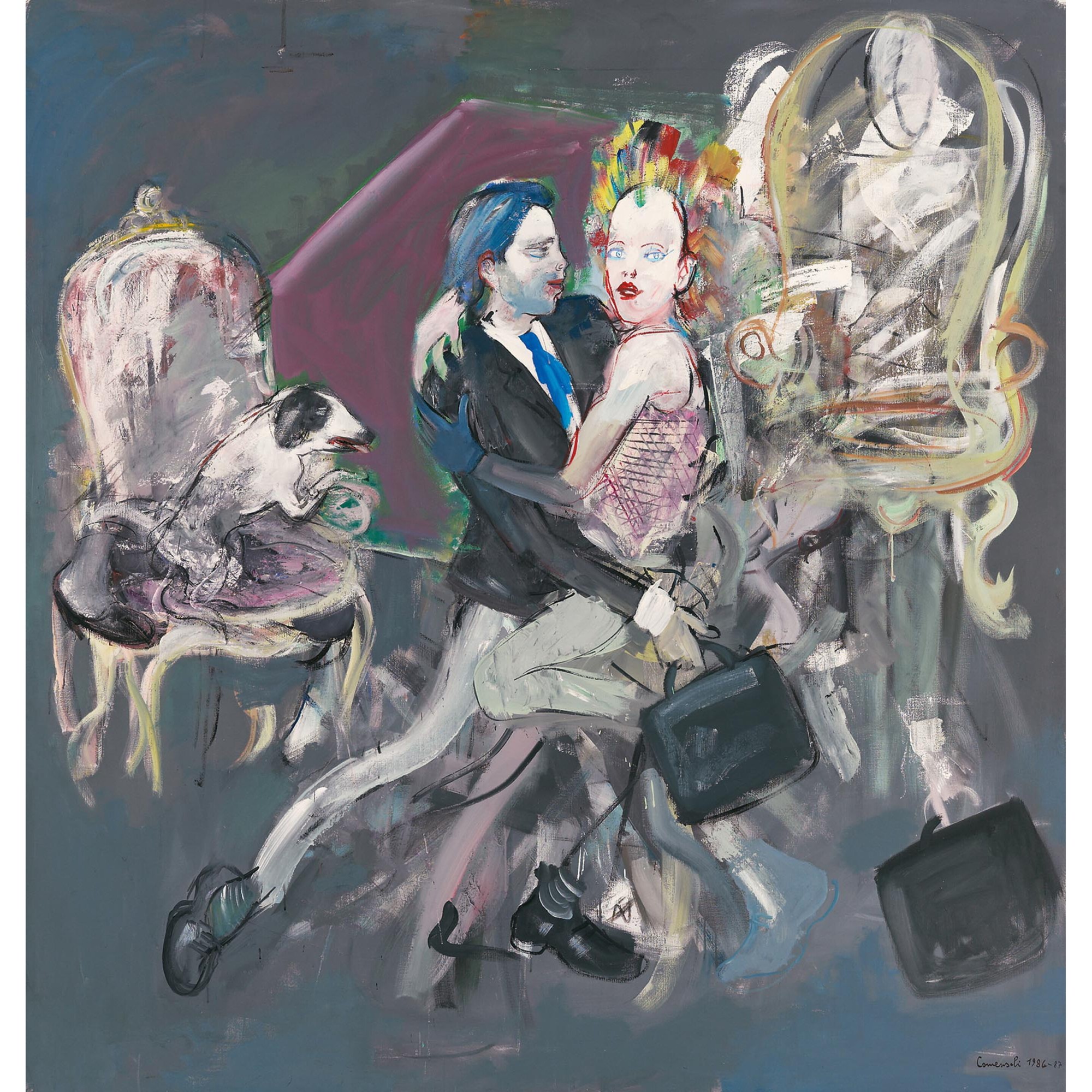
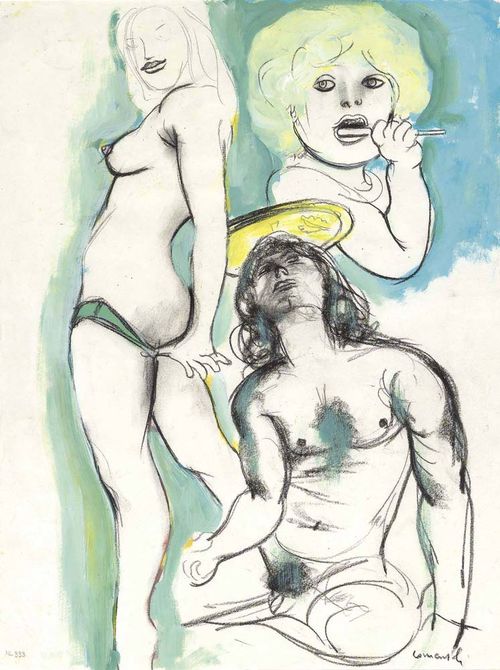
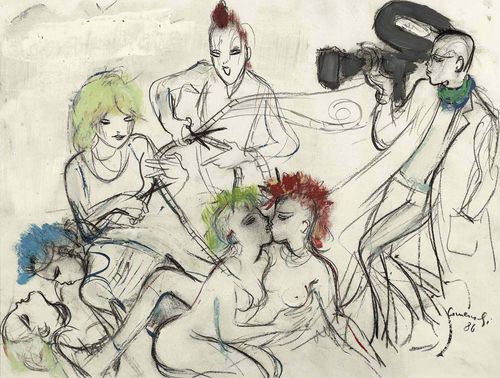
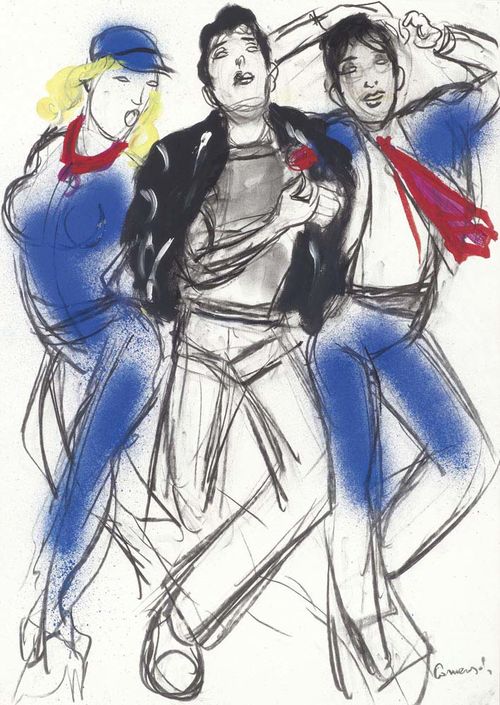
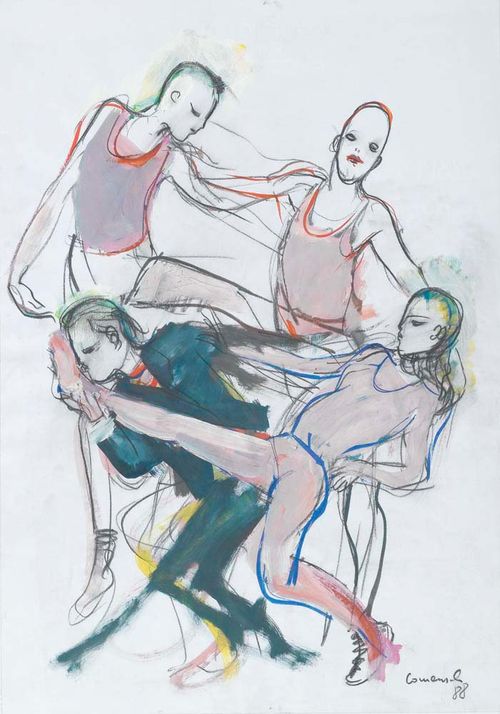
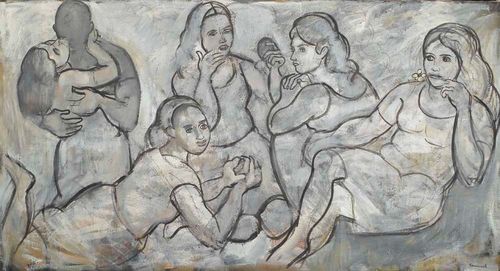
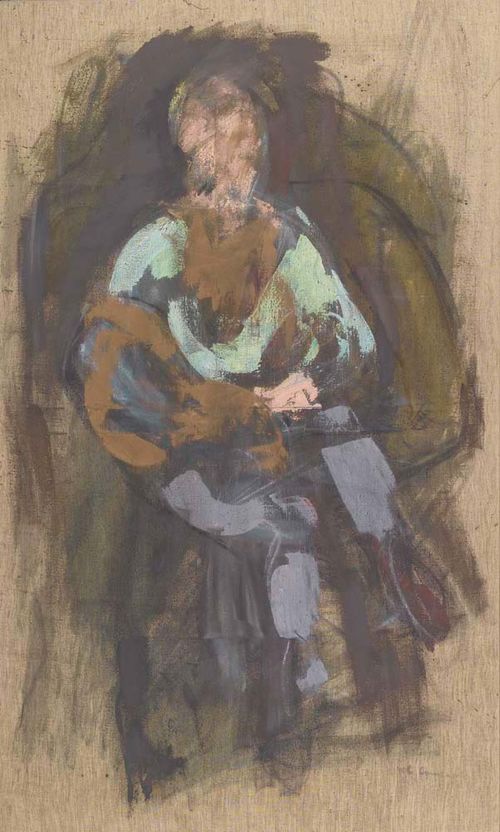
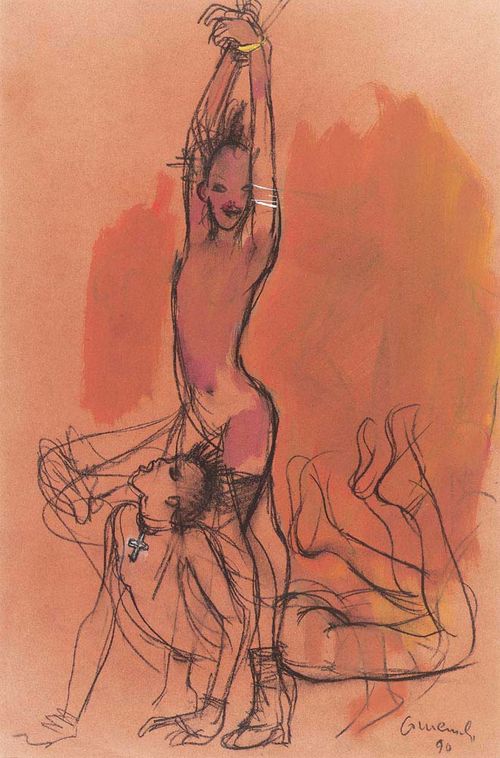
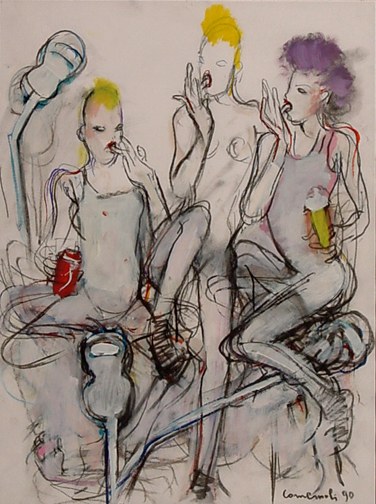
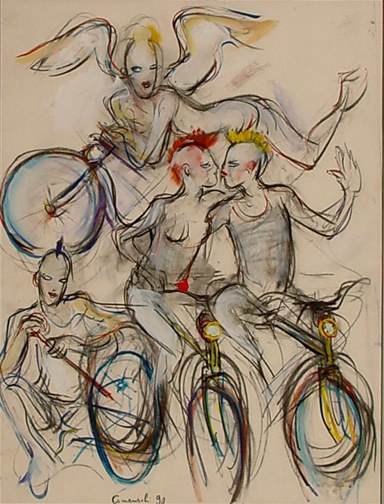
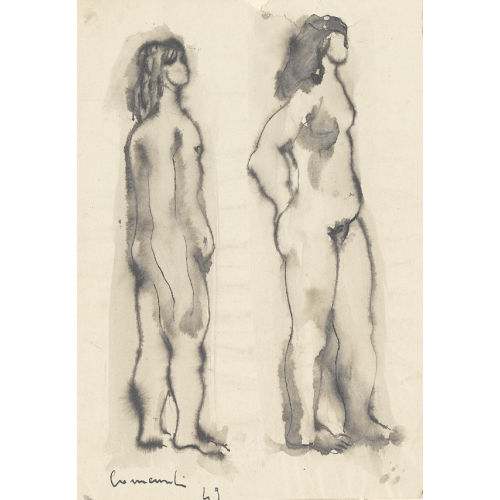
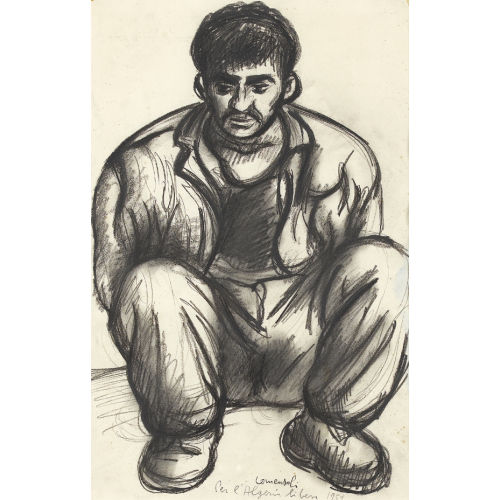
With Mario Comensoli (1922–1993), painting becomes a place of encounter with those whom society all too rarely sees. Immigrant workers, young dancers and punks occupy centre stage. Their bodies, clothing and gestures tell of a Switzerland shaped by work, new aspirations and social tensions.
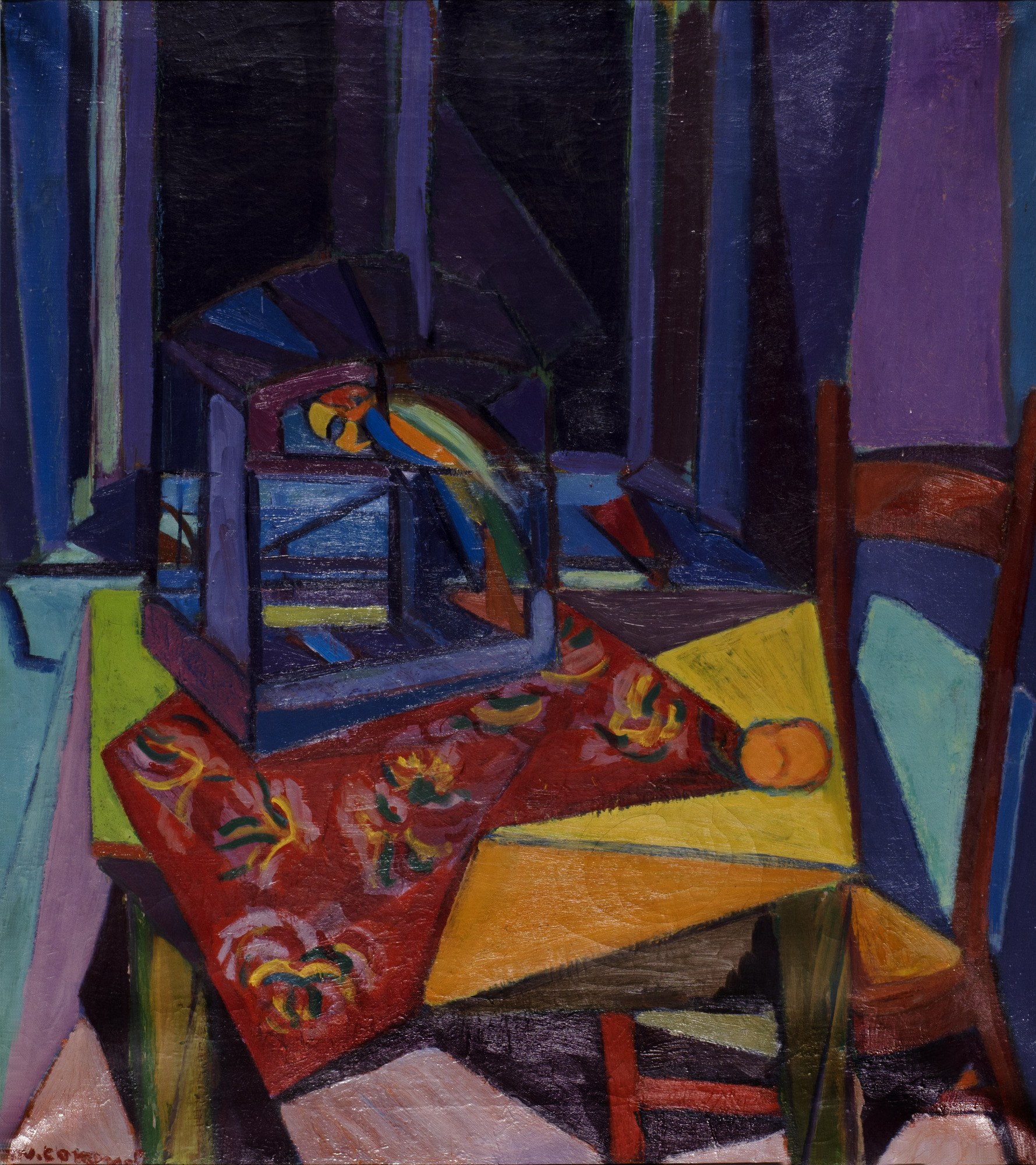
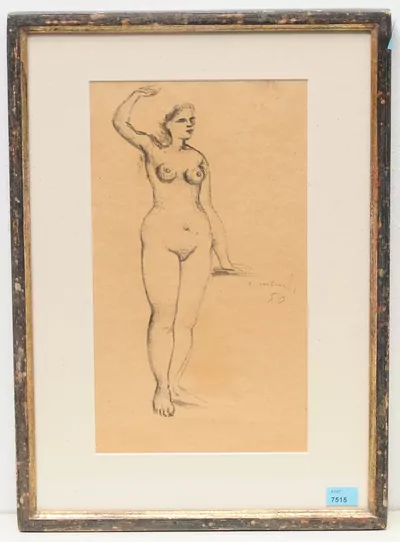
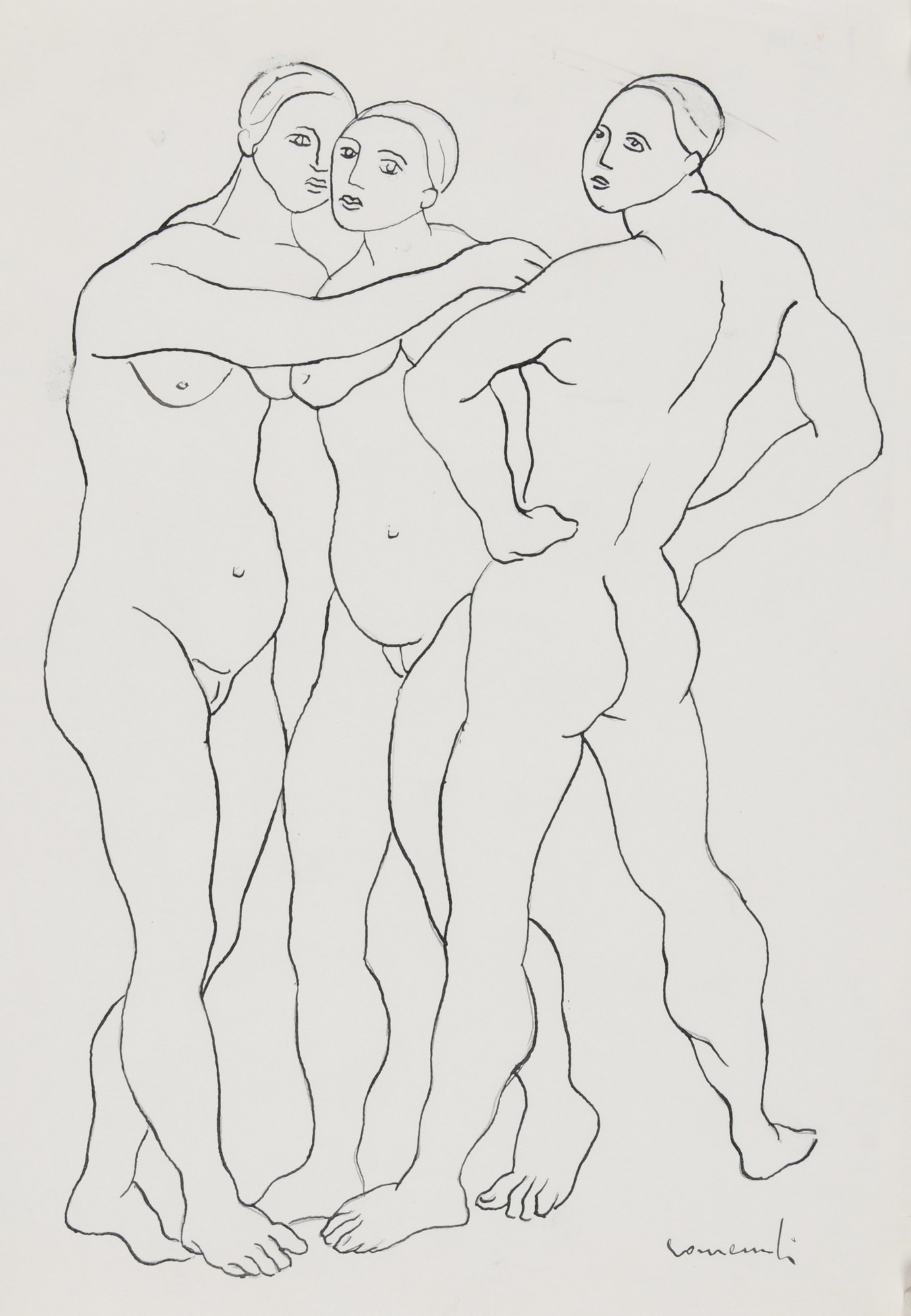
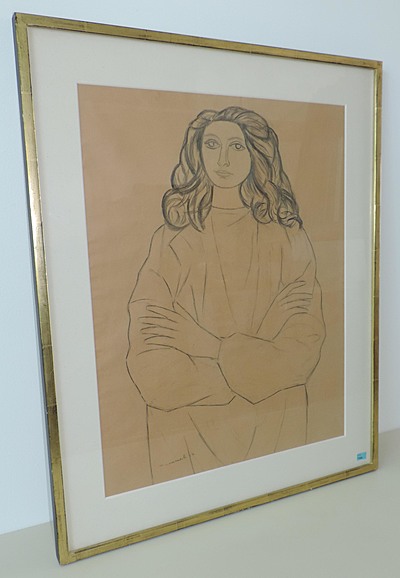
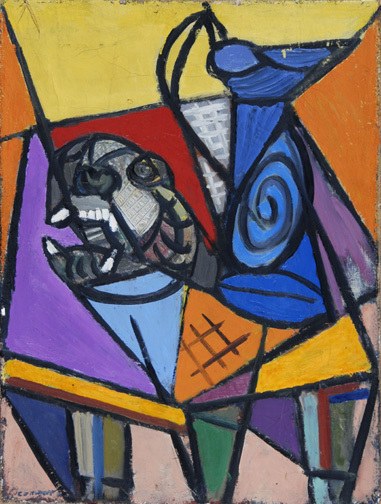
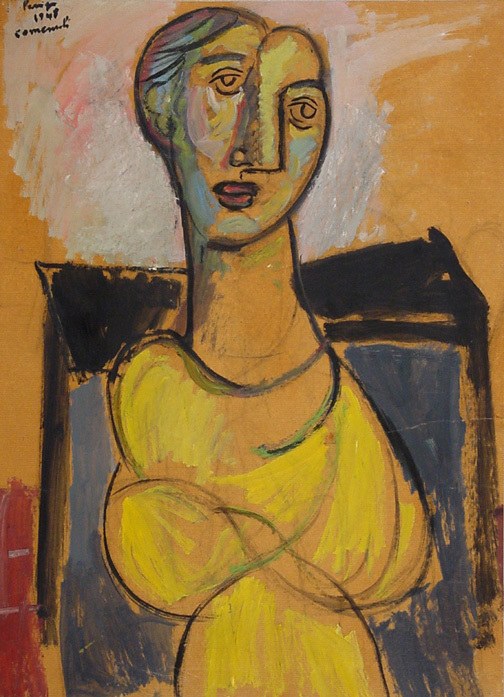
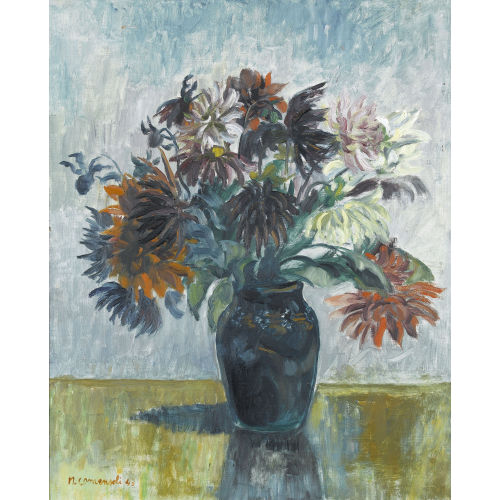
Born in Lugano, Comensoli settled in Zurich in 1944. A grant from the Torricelli Foundation enabled him to pursue an artistic education there. His stays in Paris after the war opened him, in particular, to the work of Picasso and Fernand Léger.
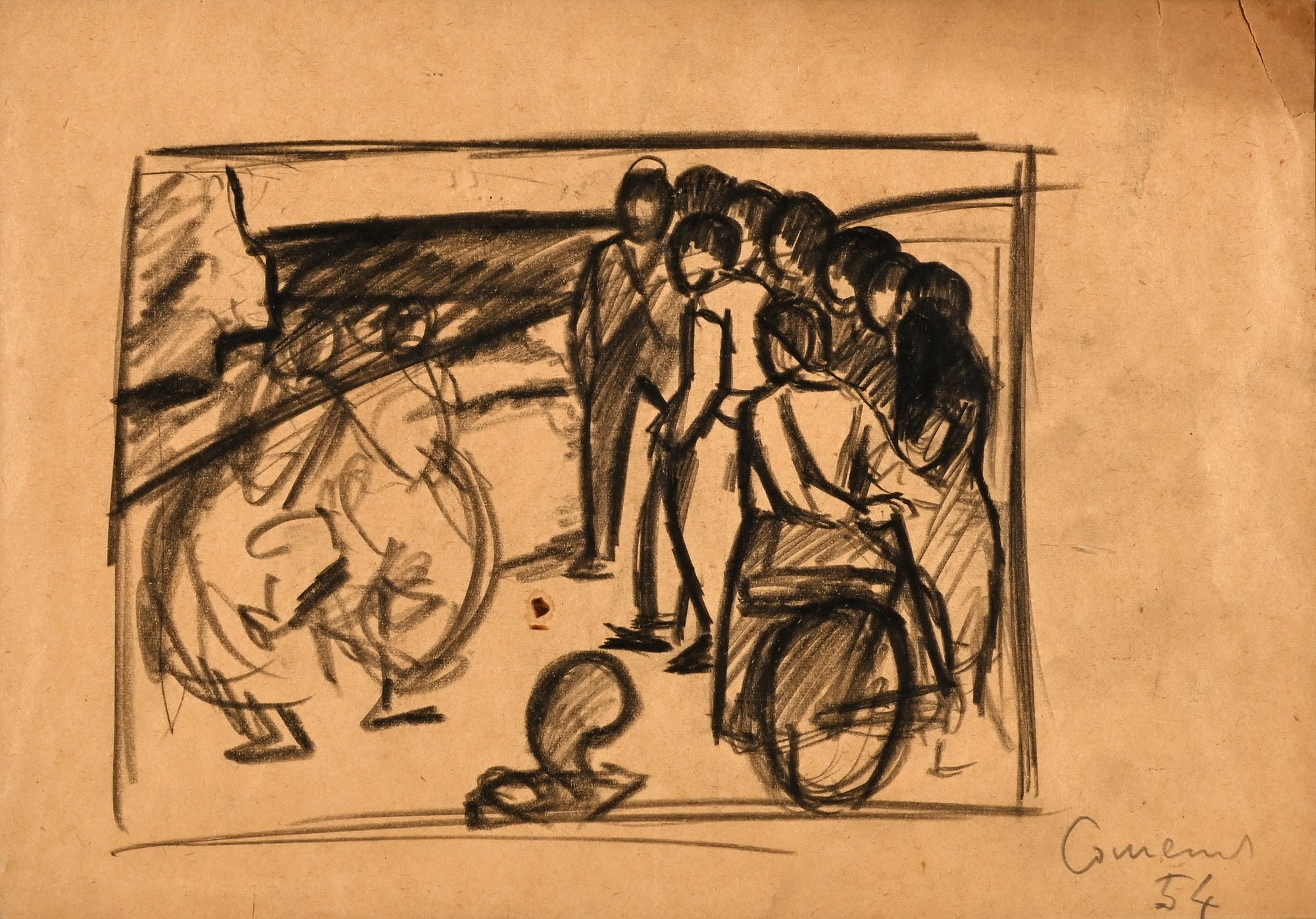
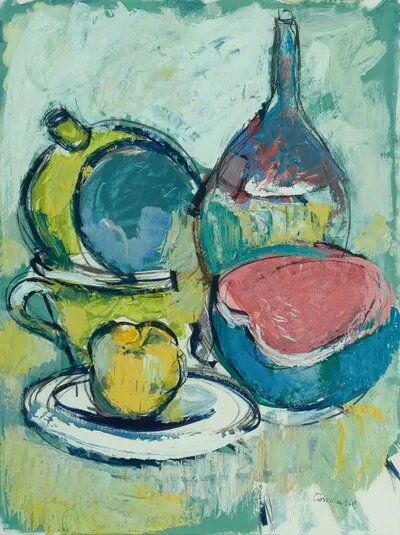
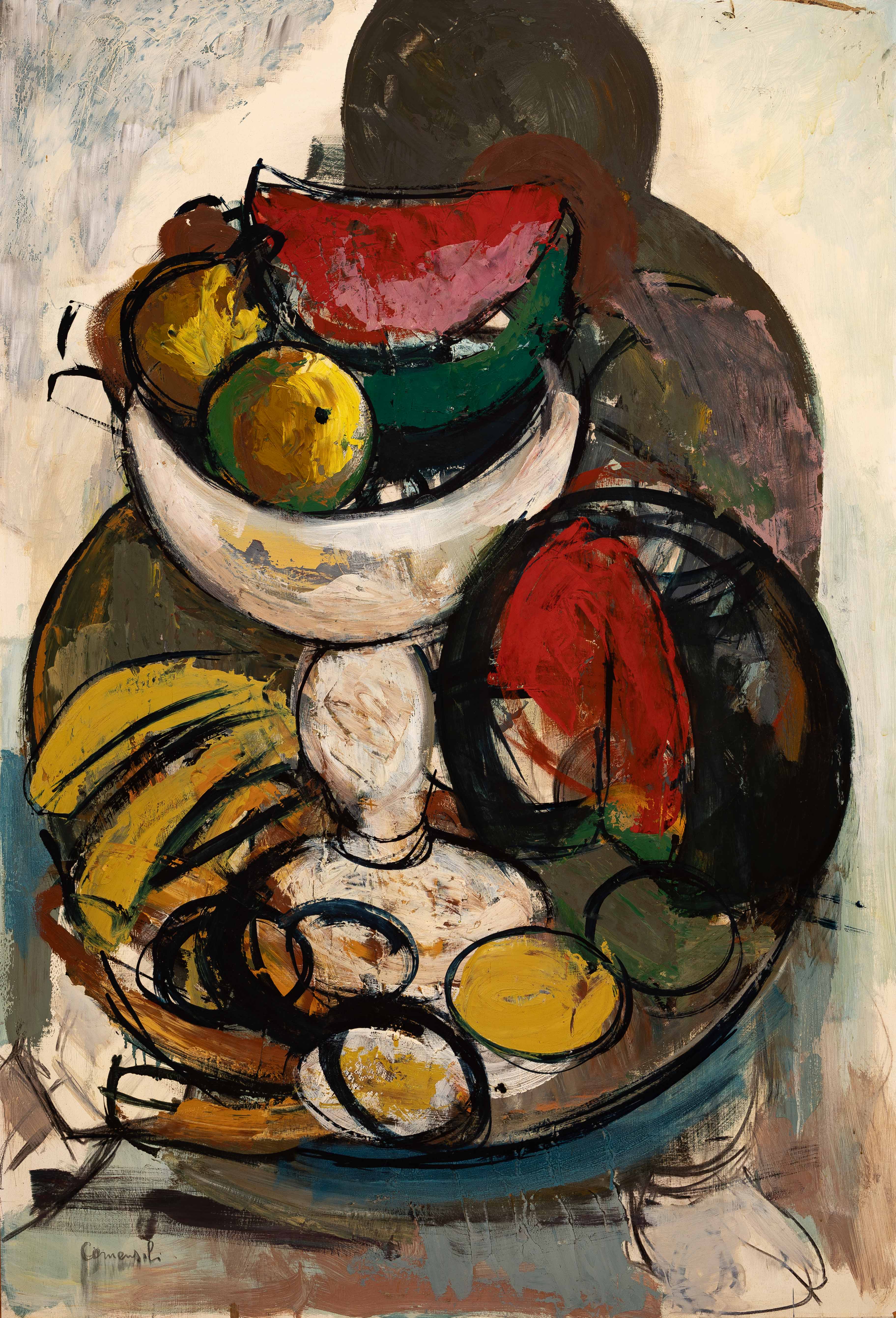
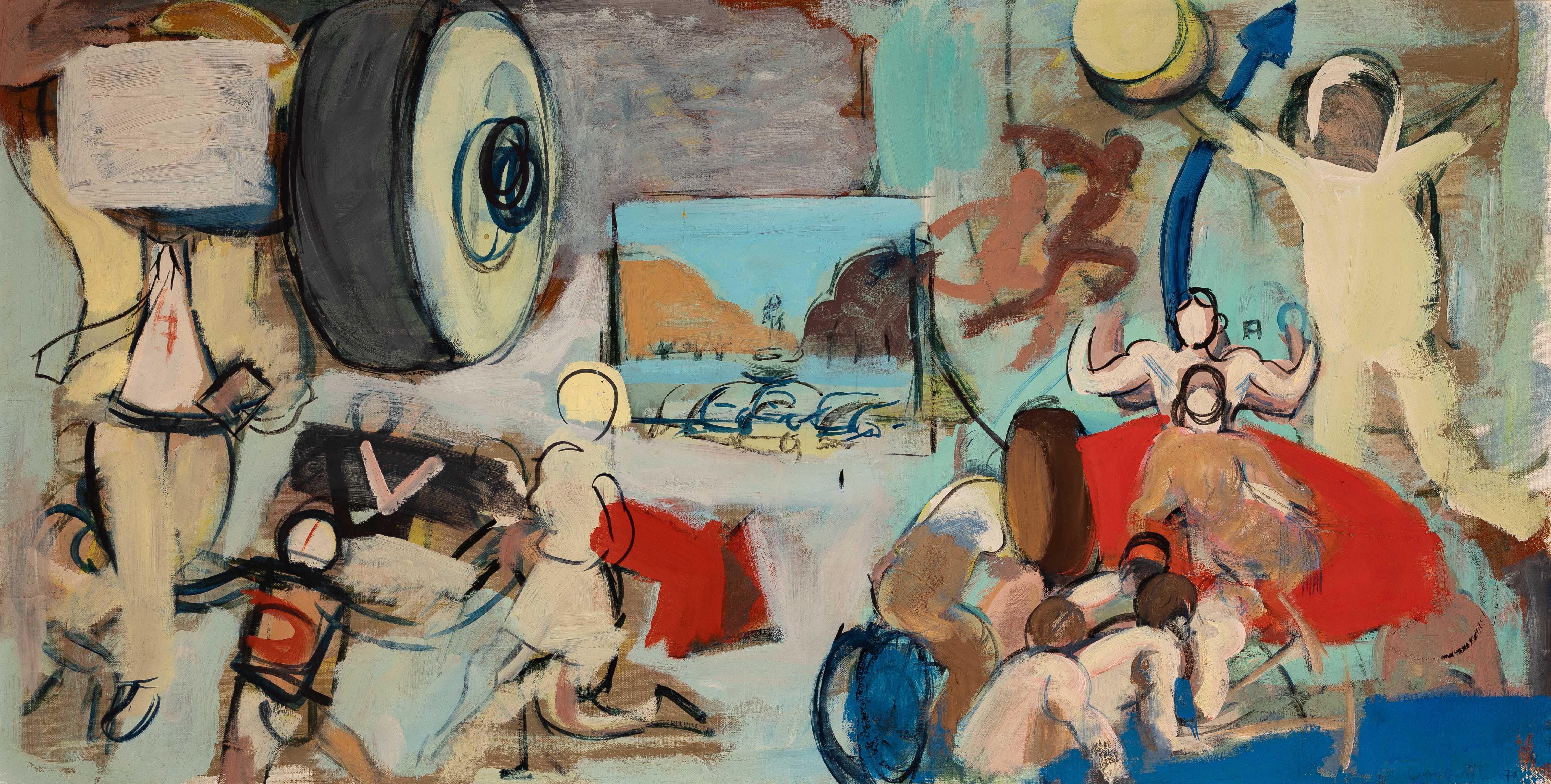
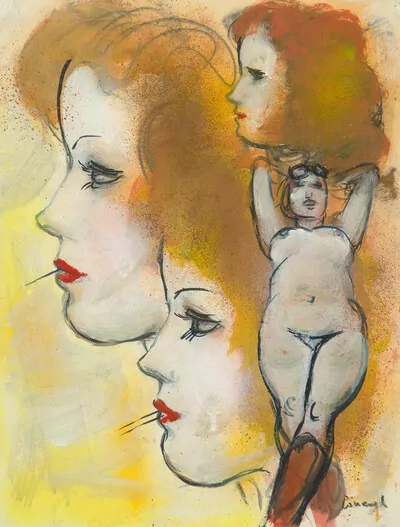
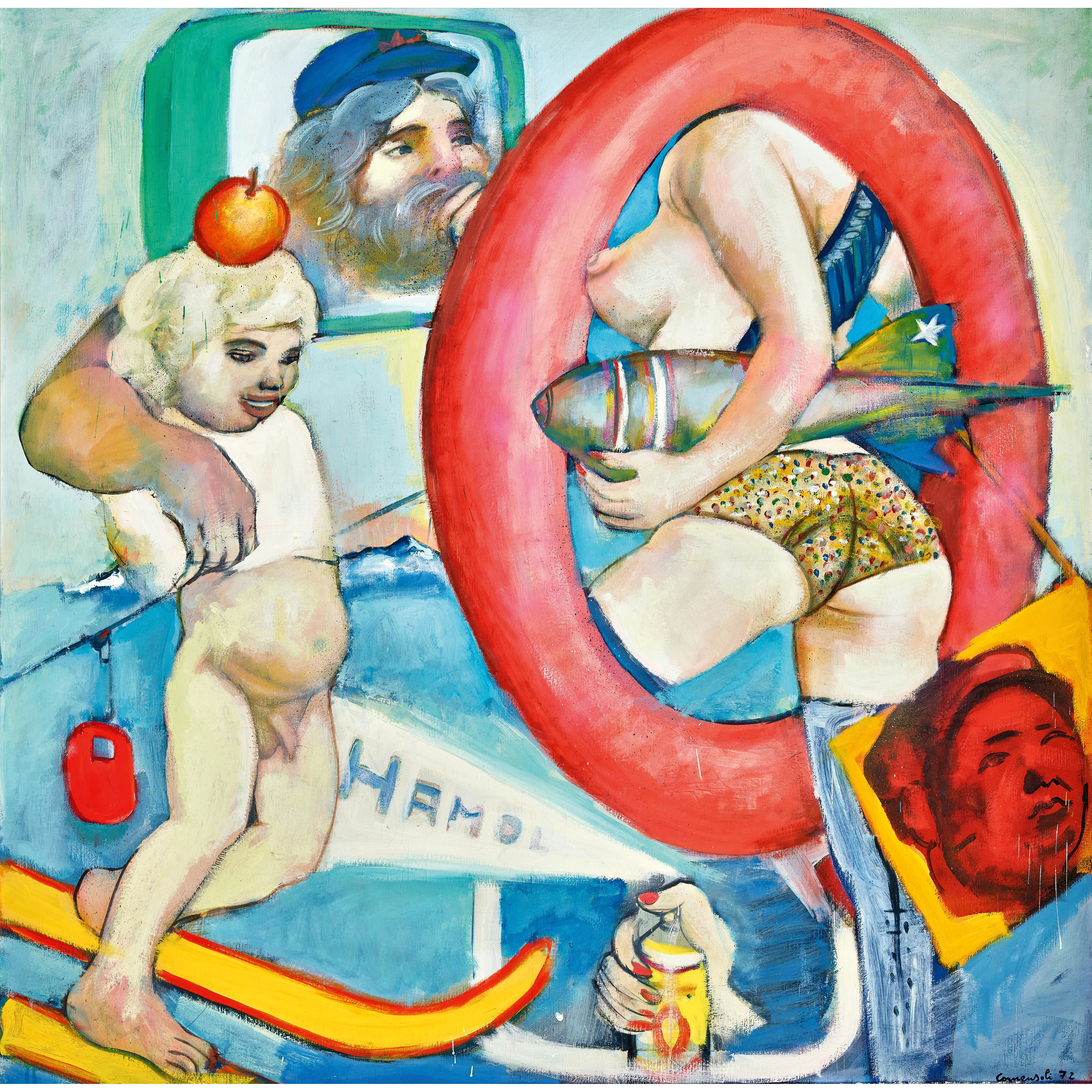
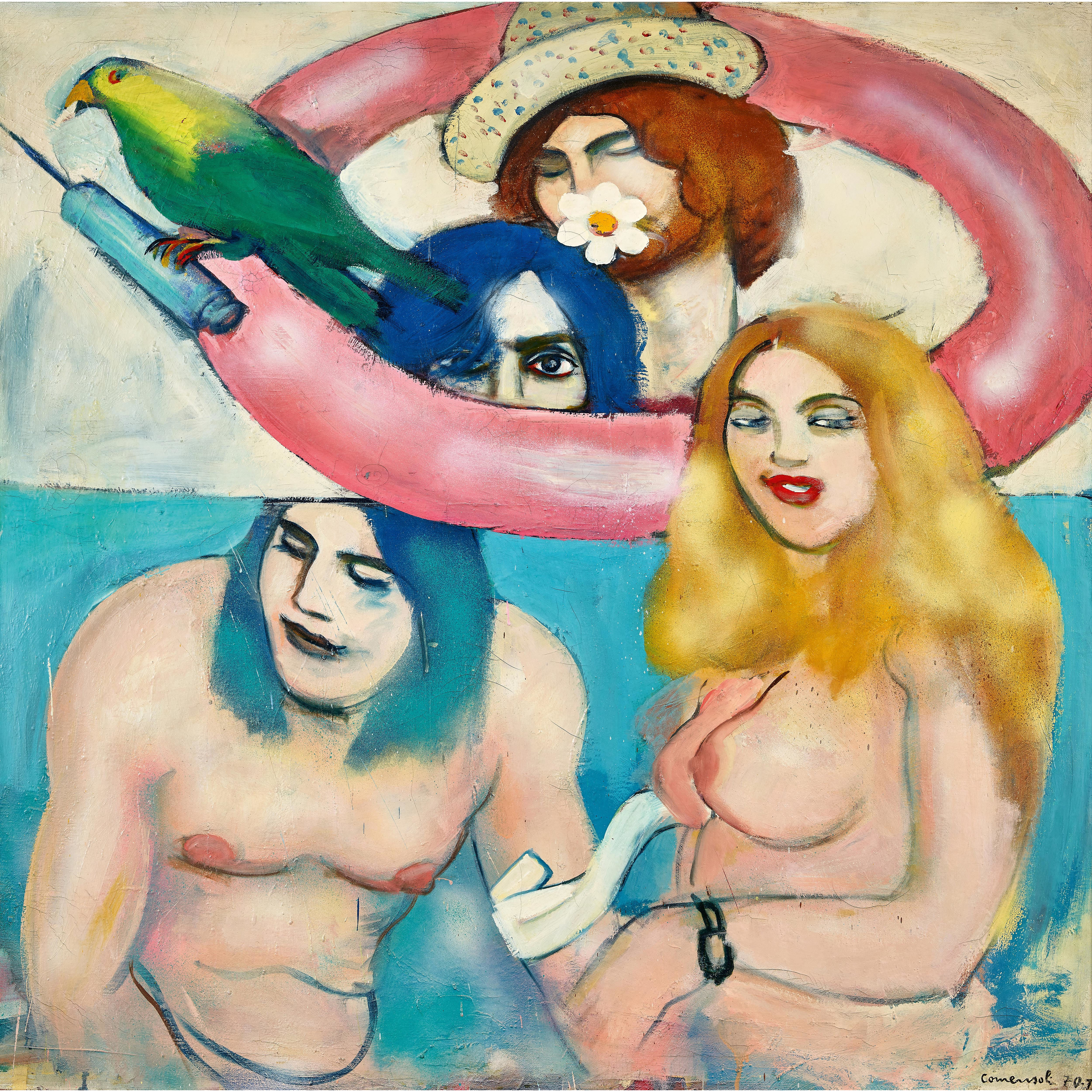
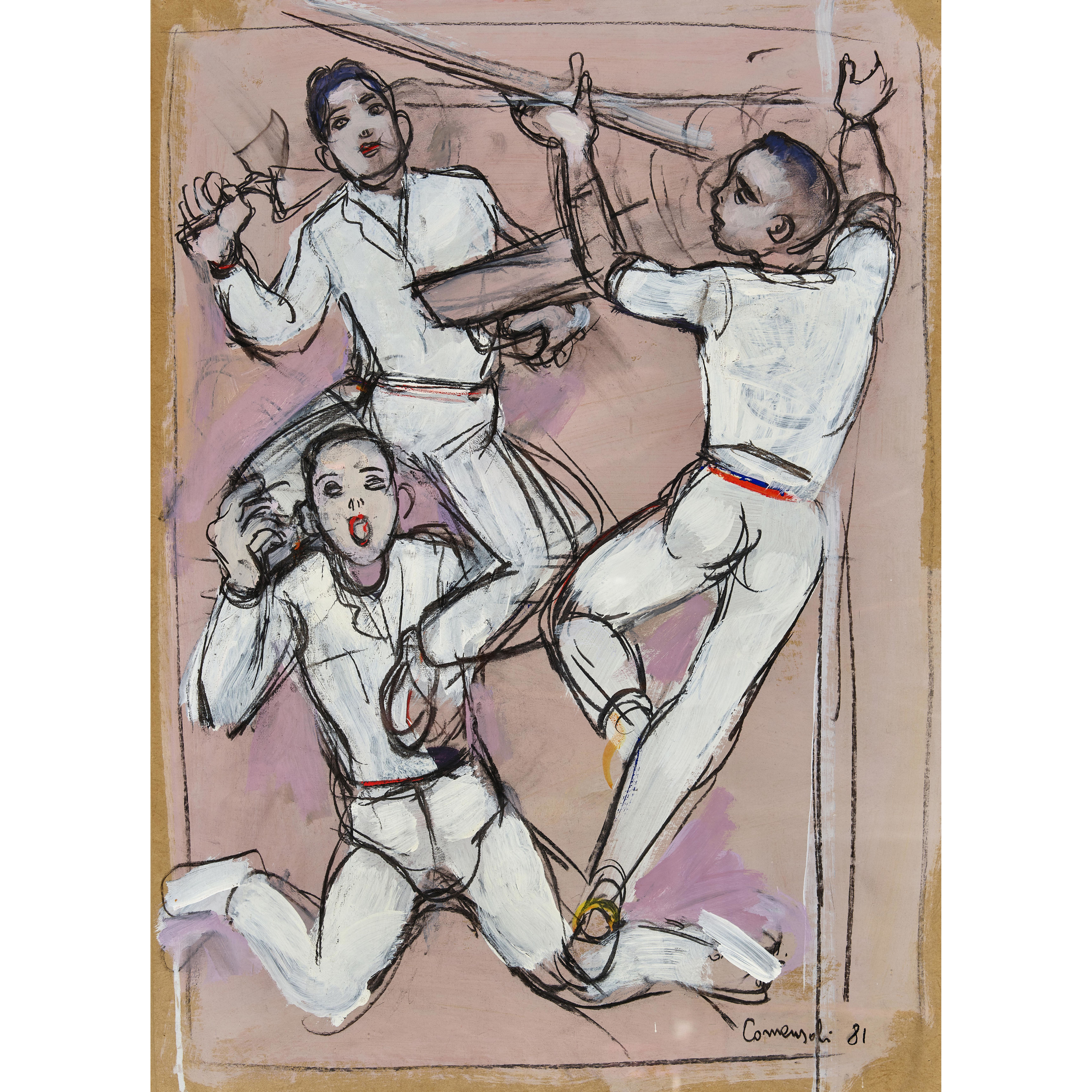
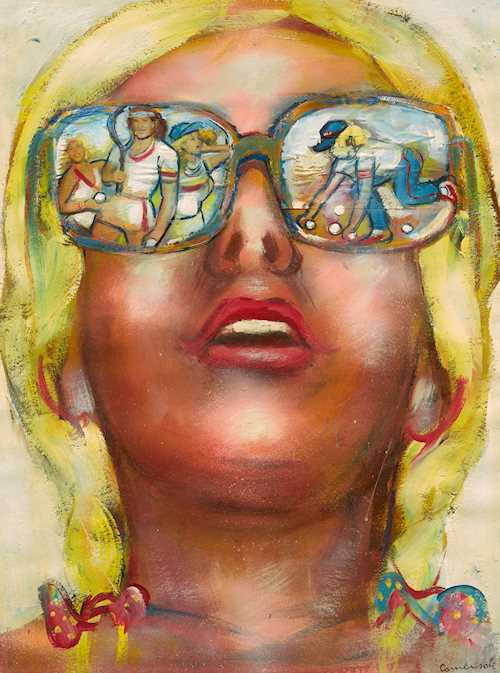
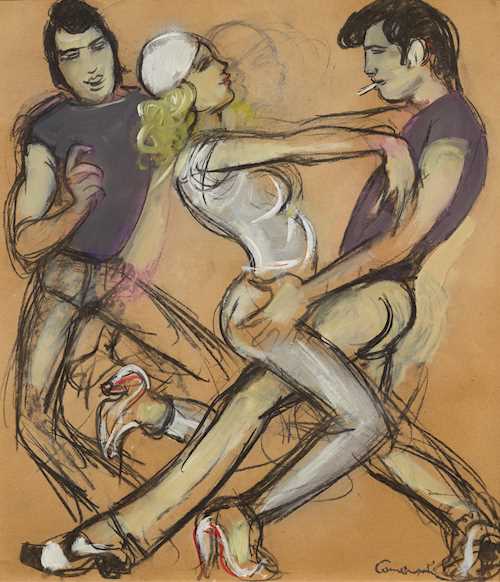
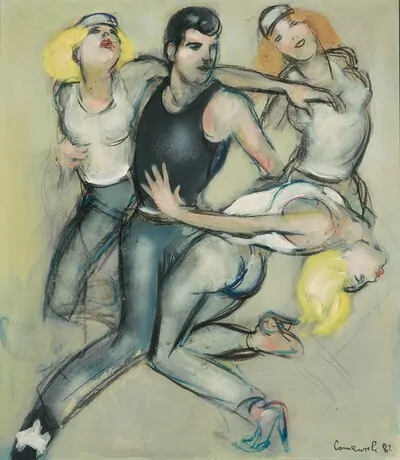
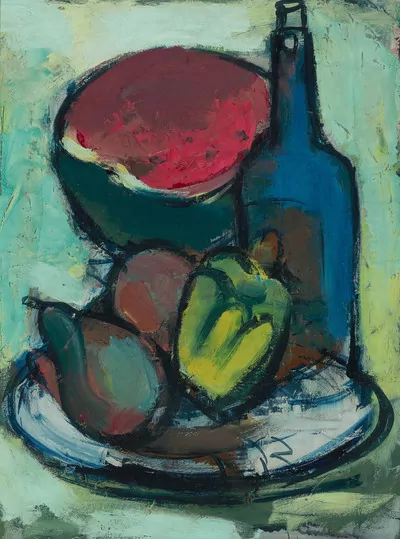
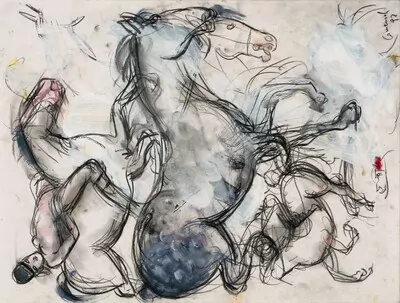
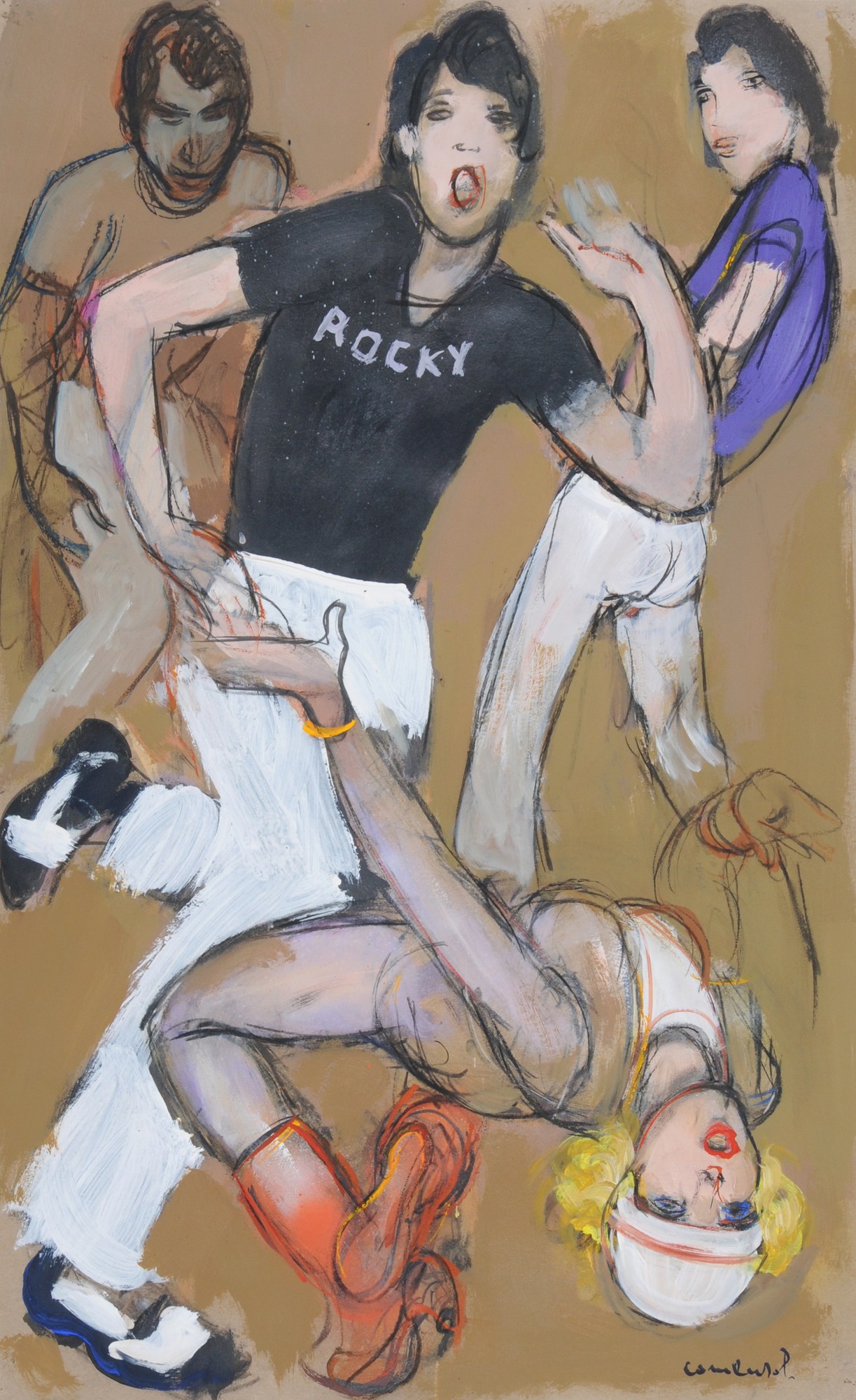
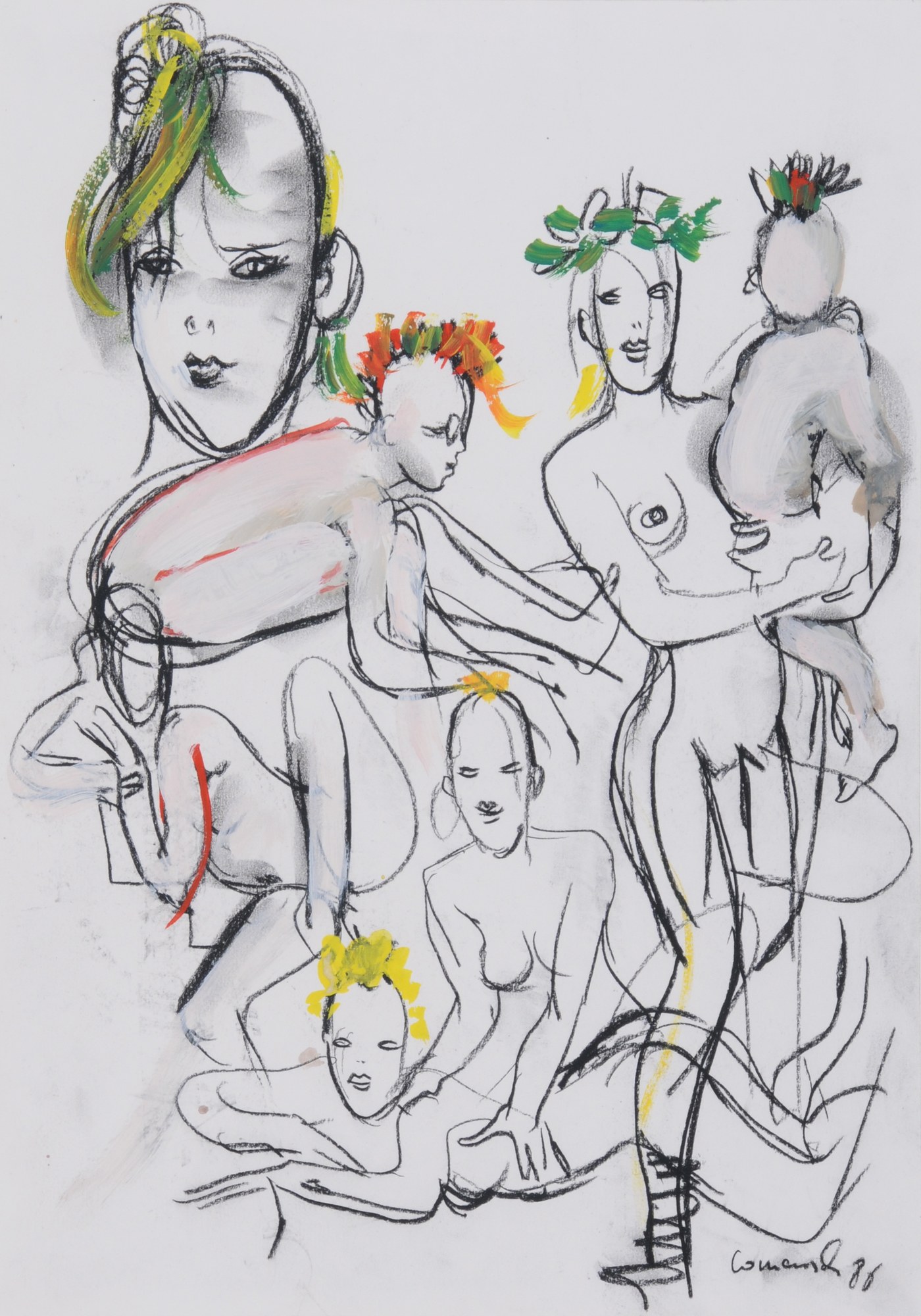
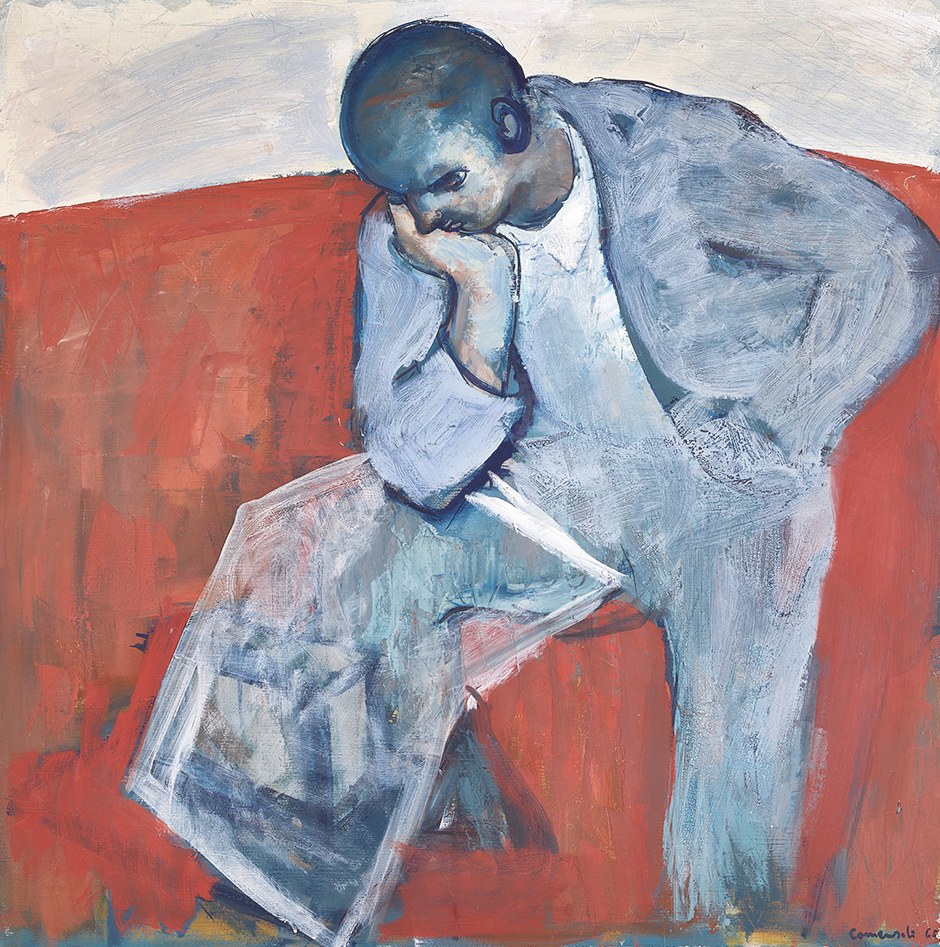
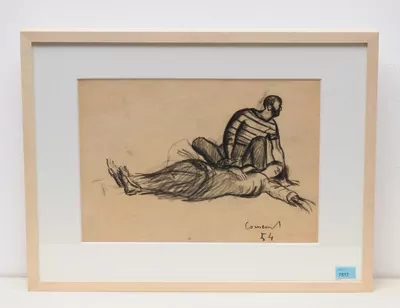
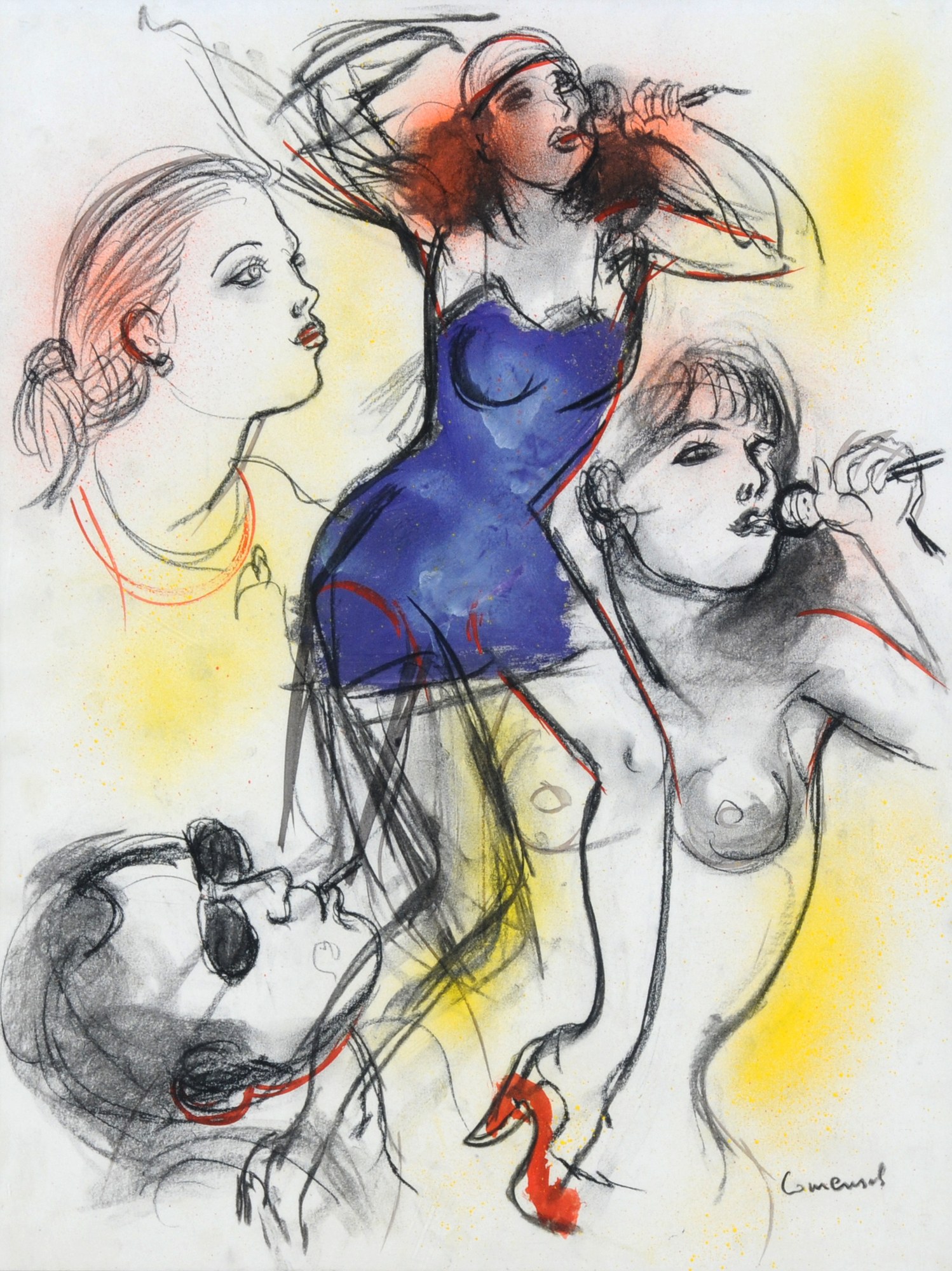
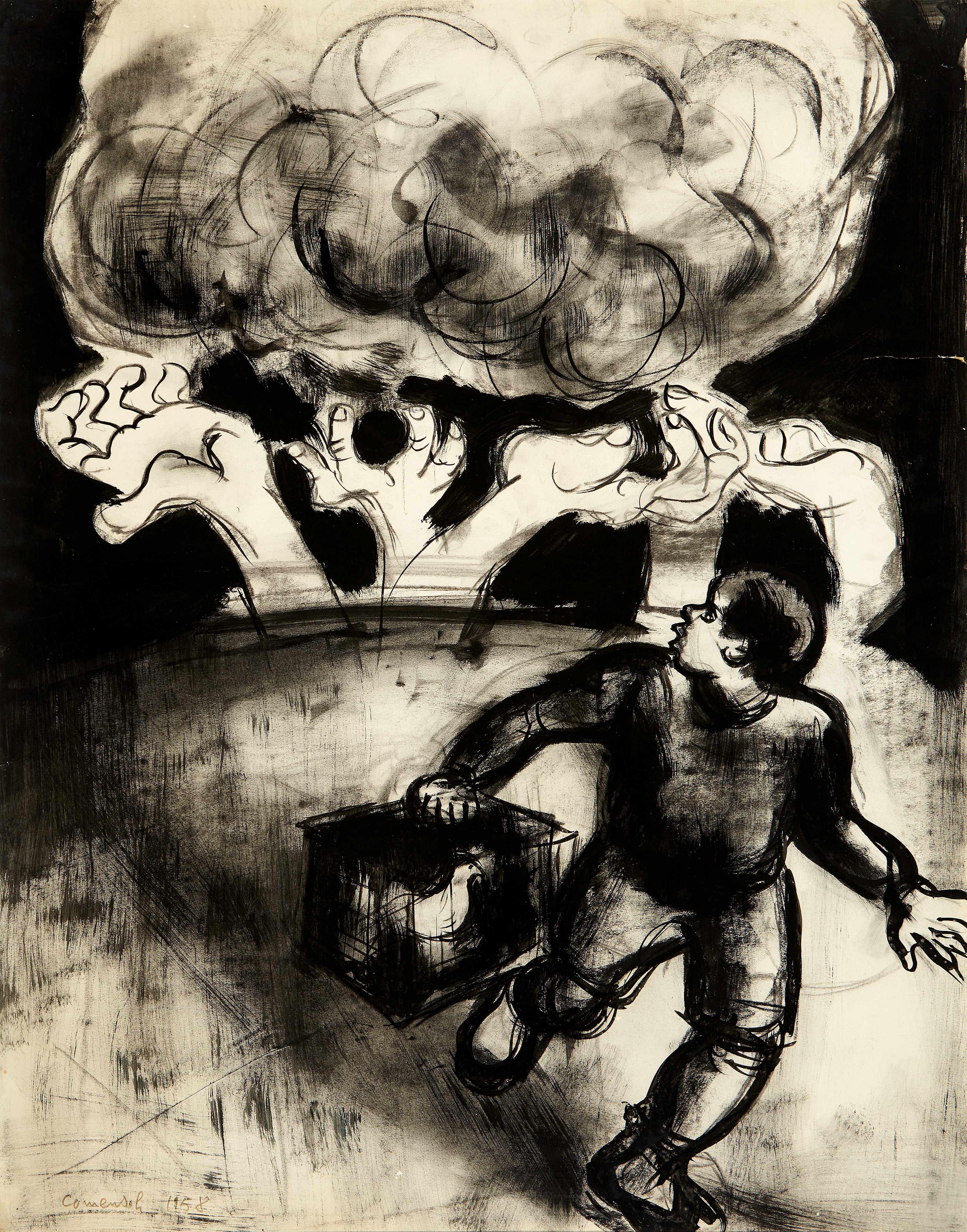
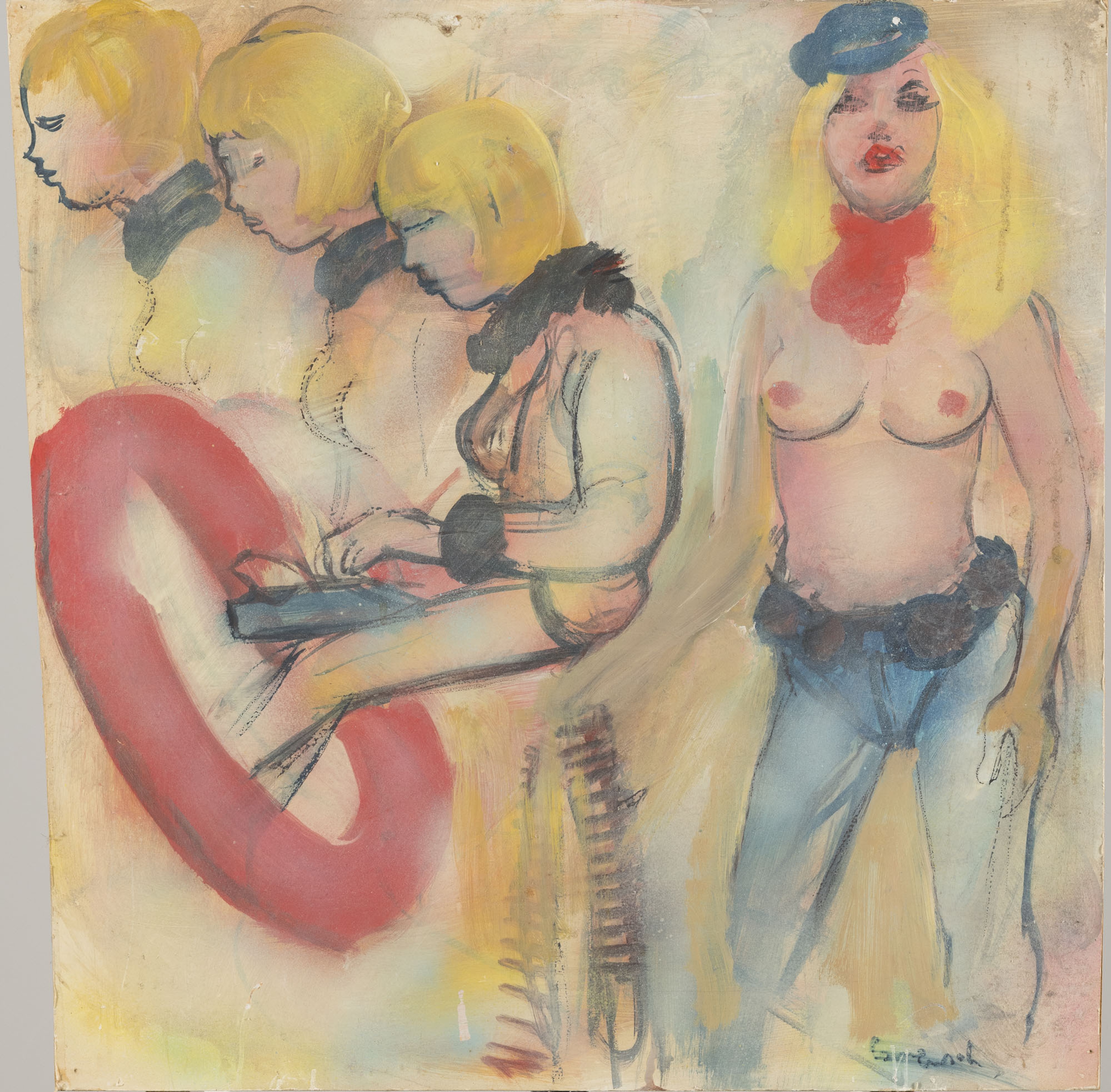
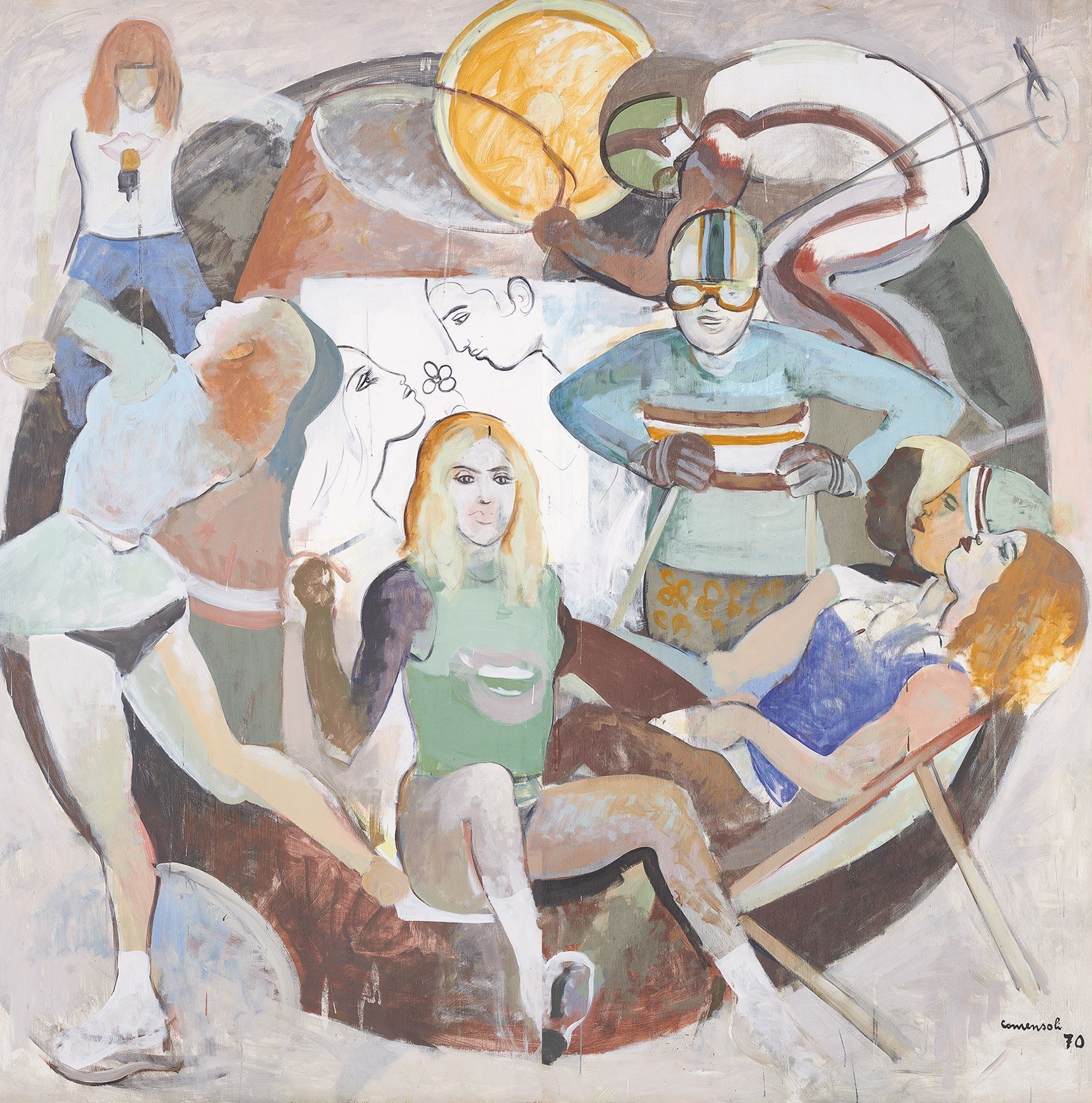
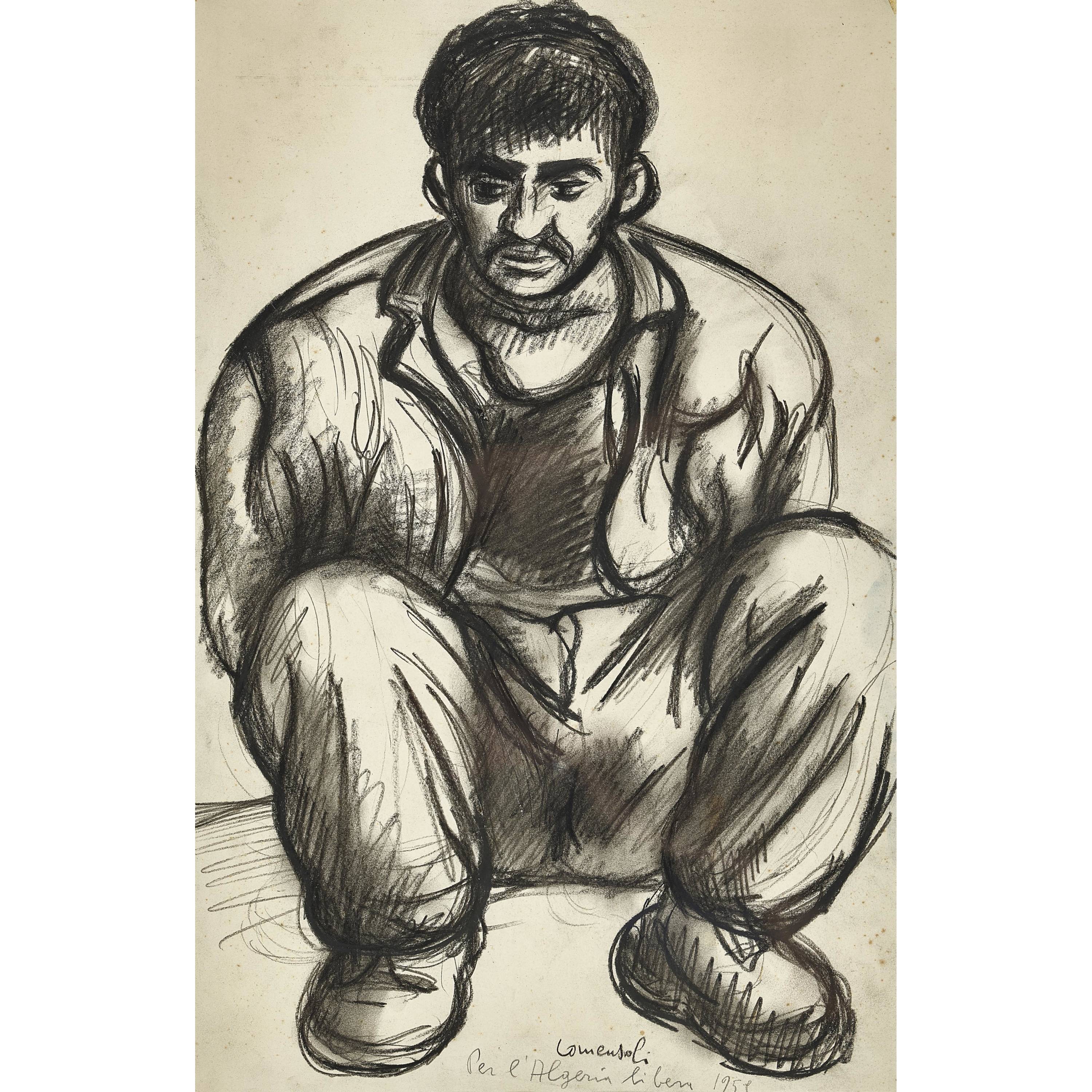
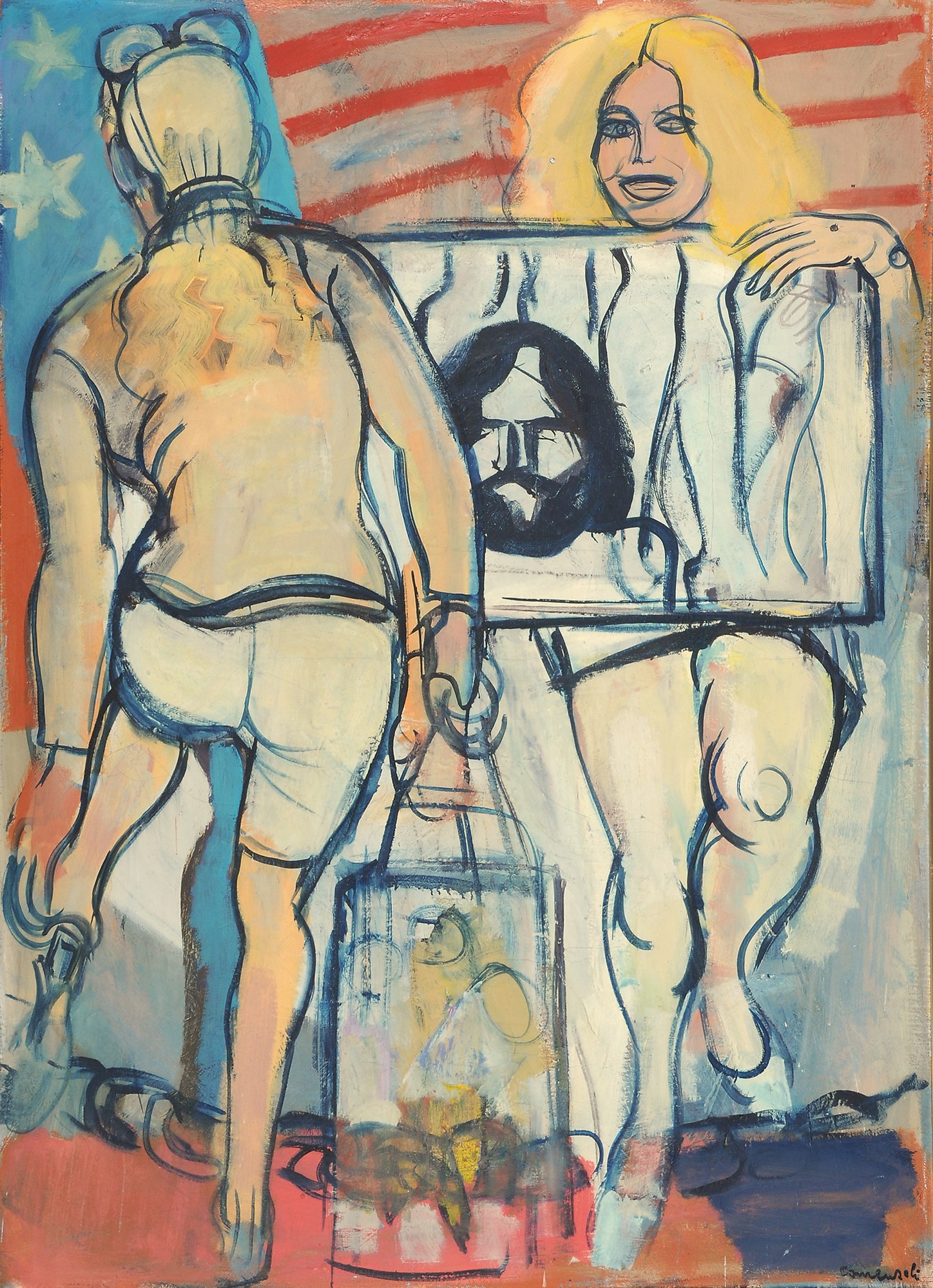
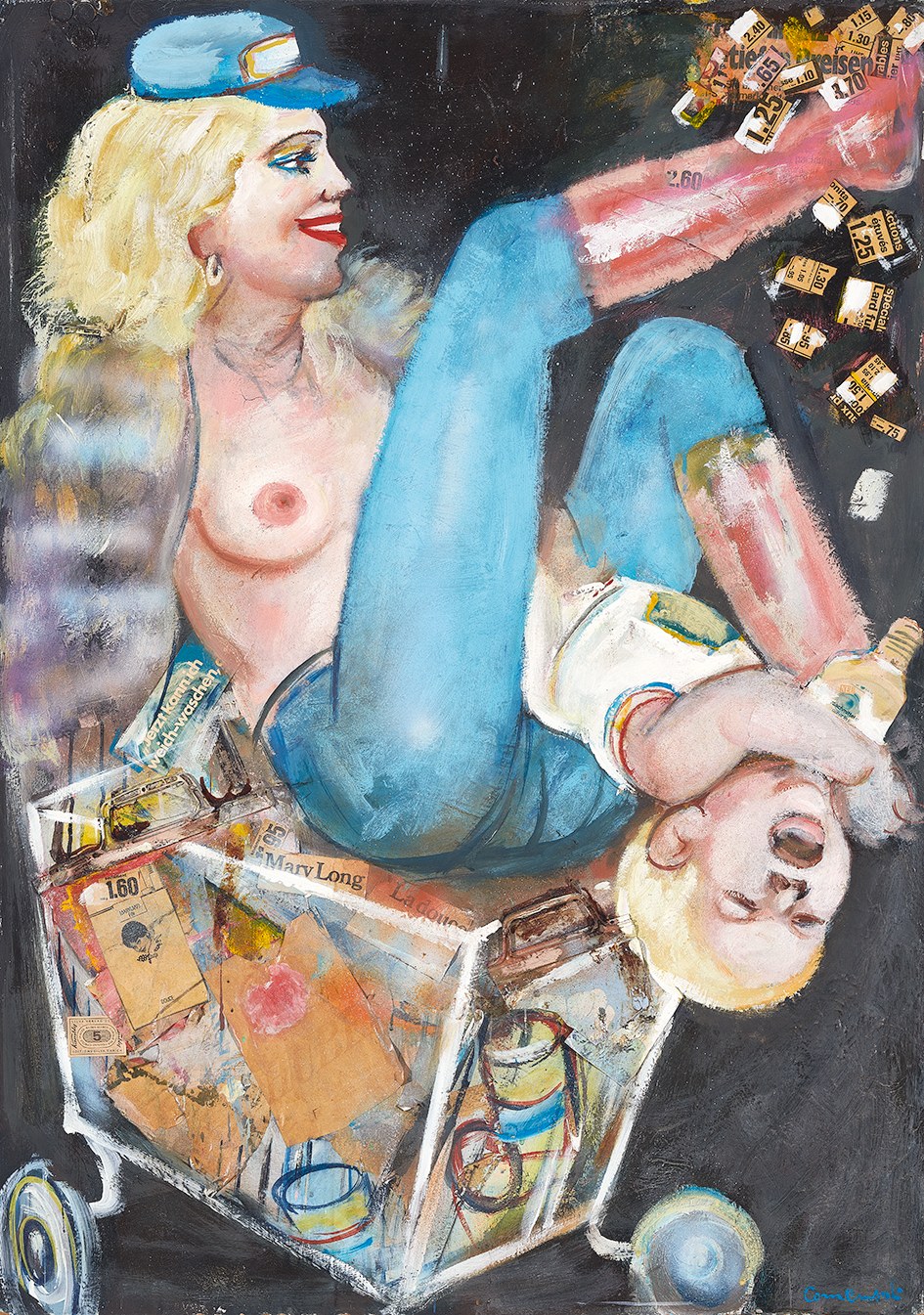
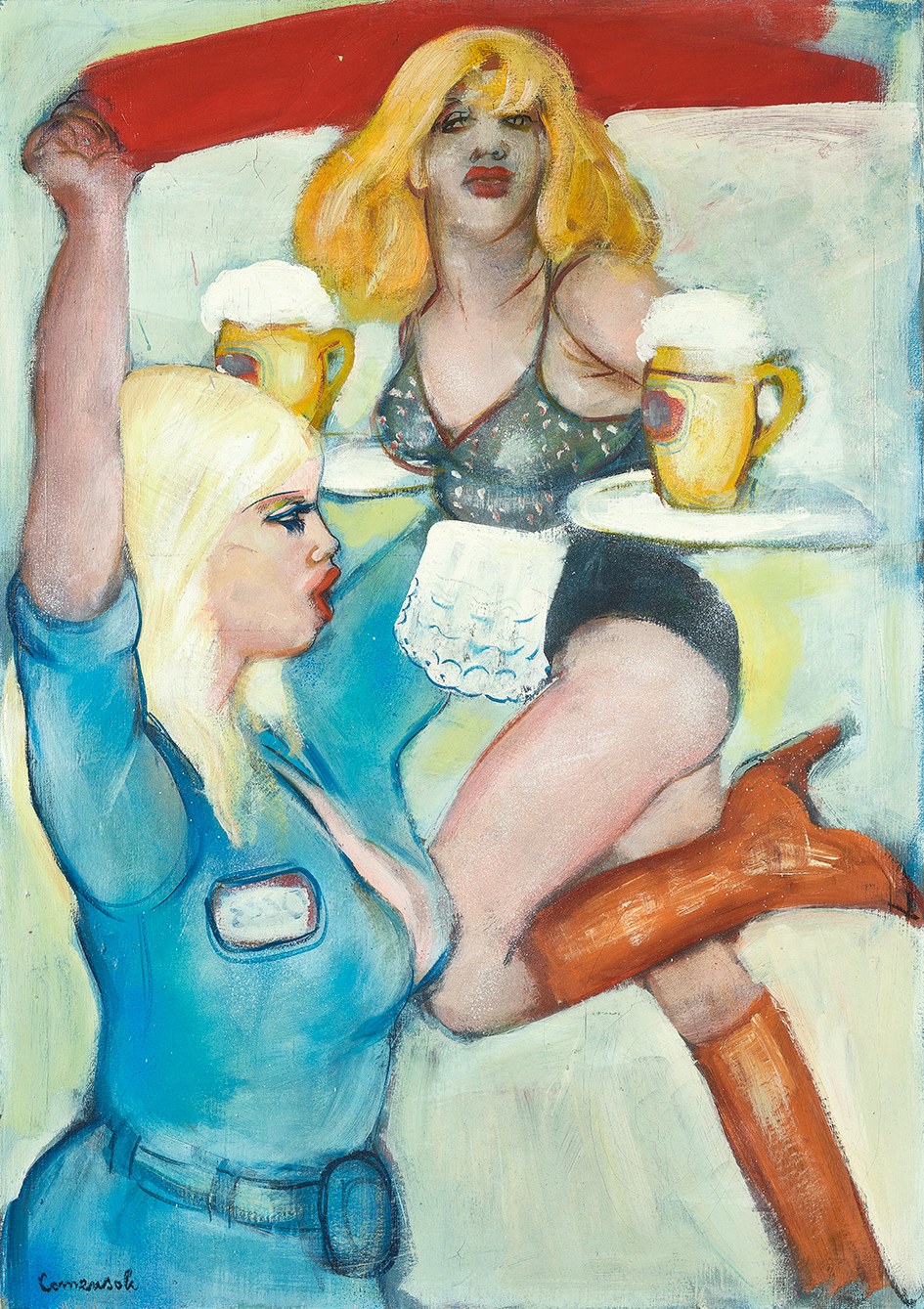
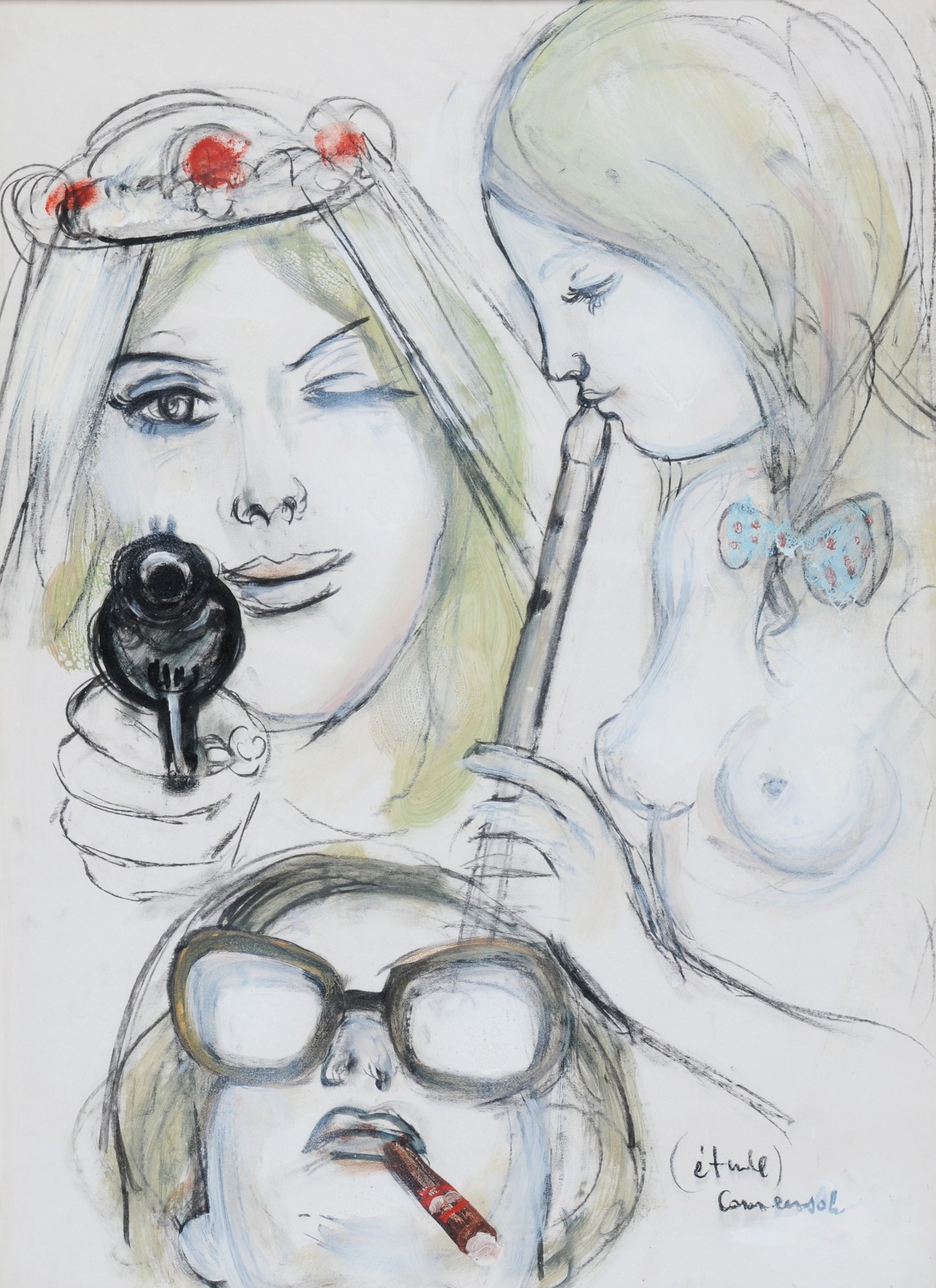
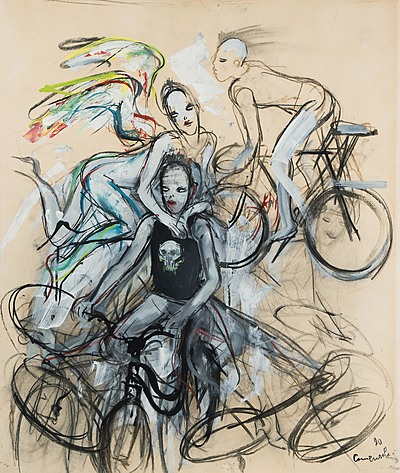
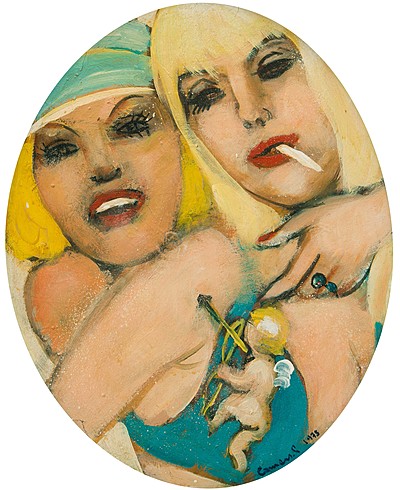
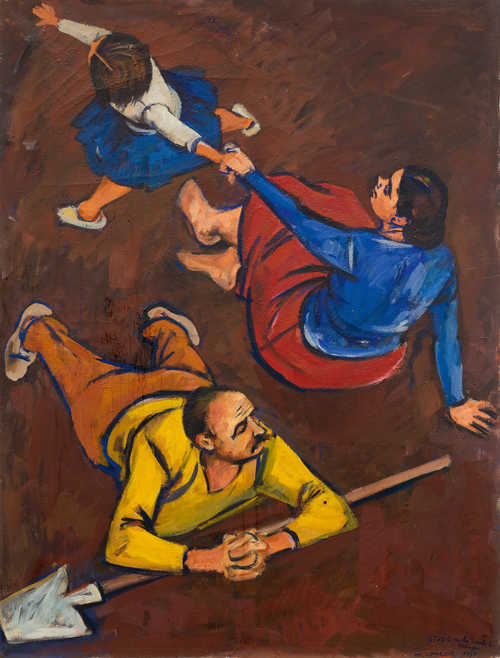
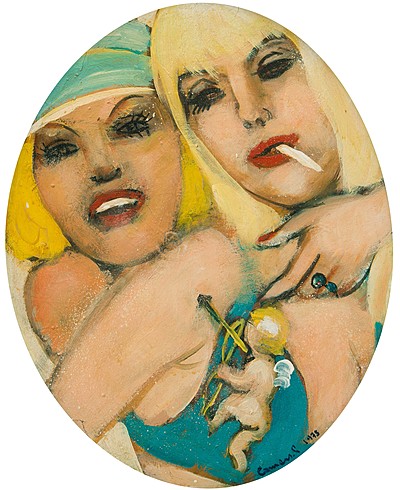
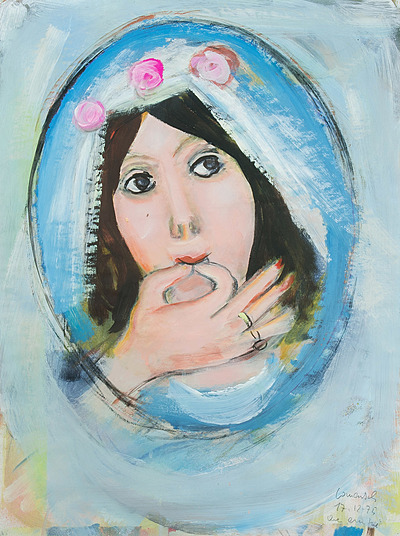
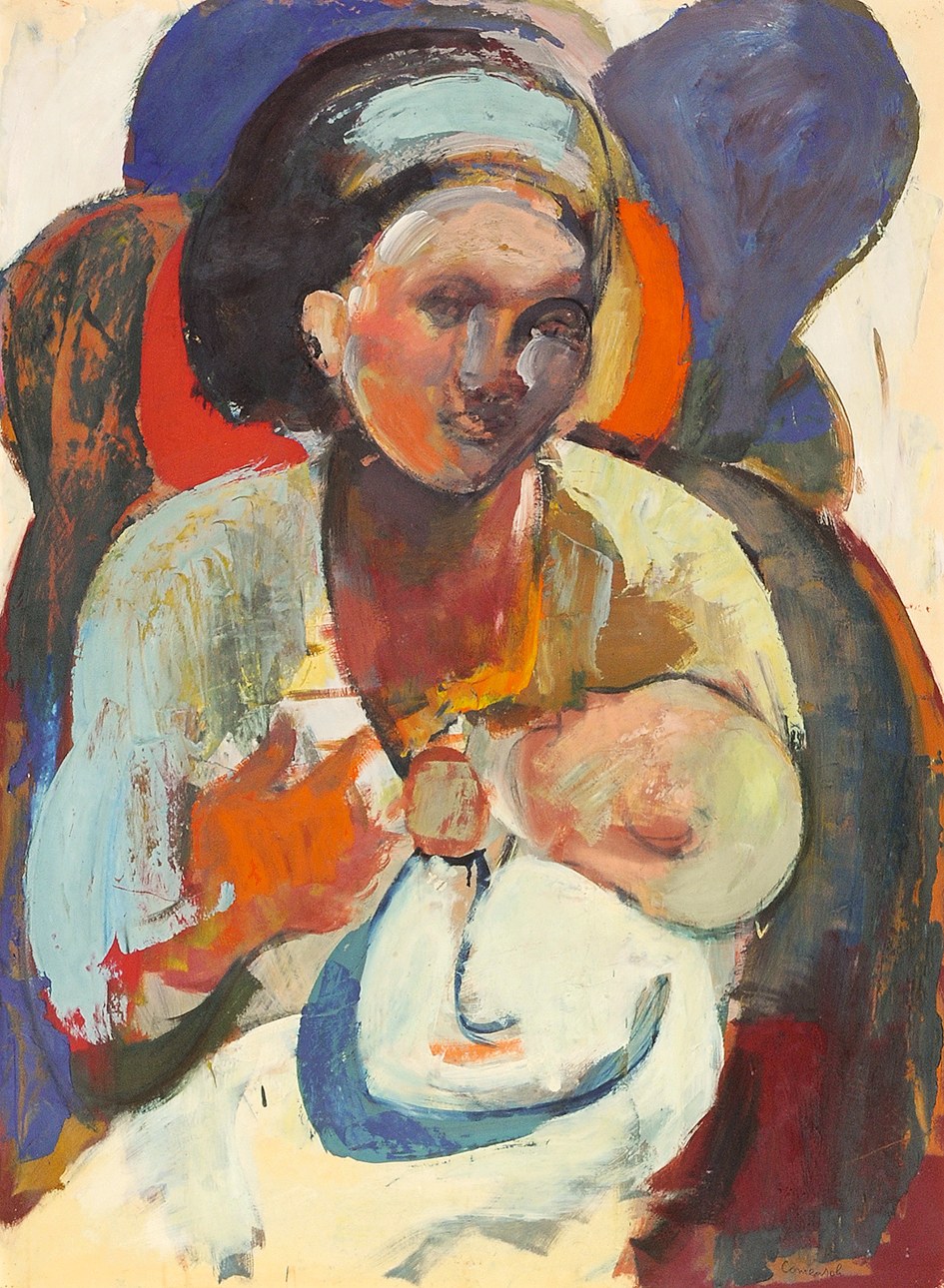
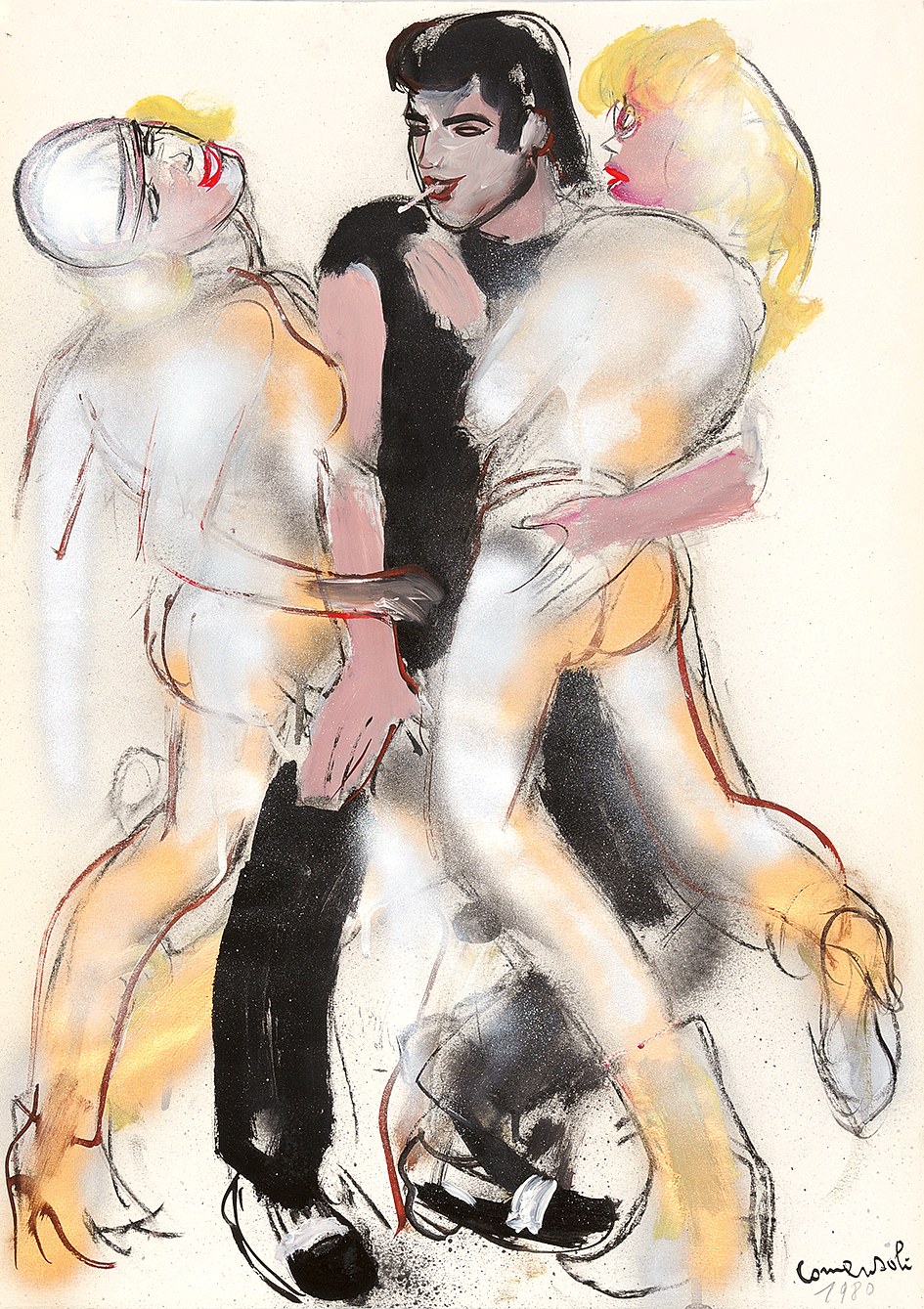
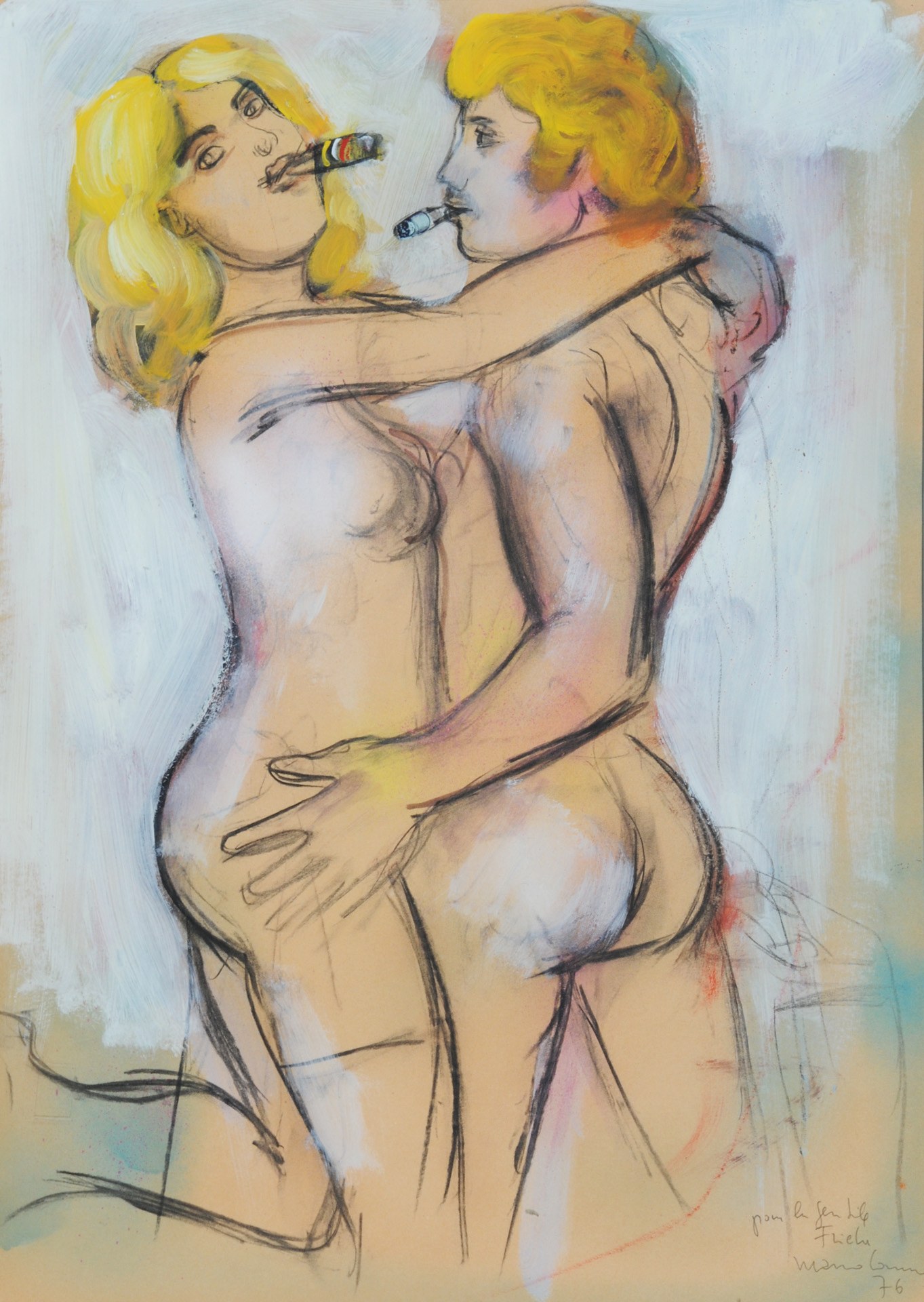
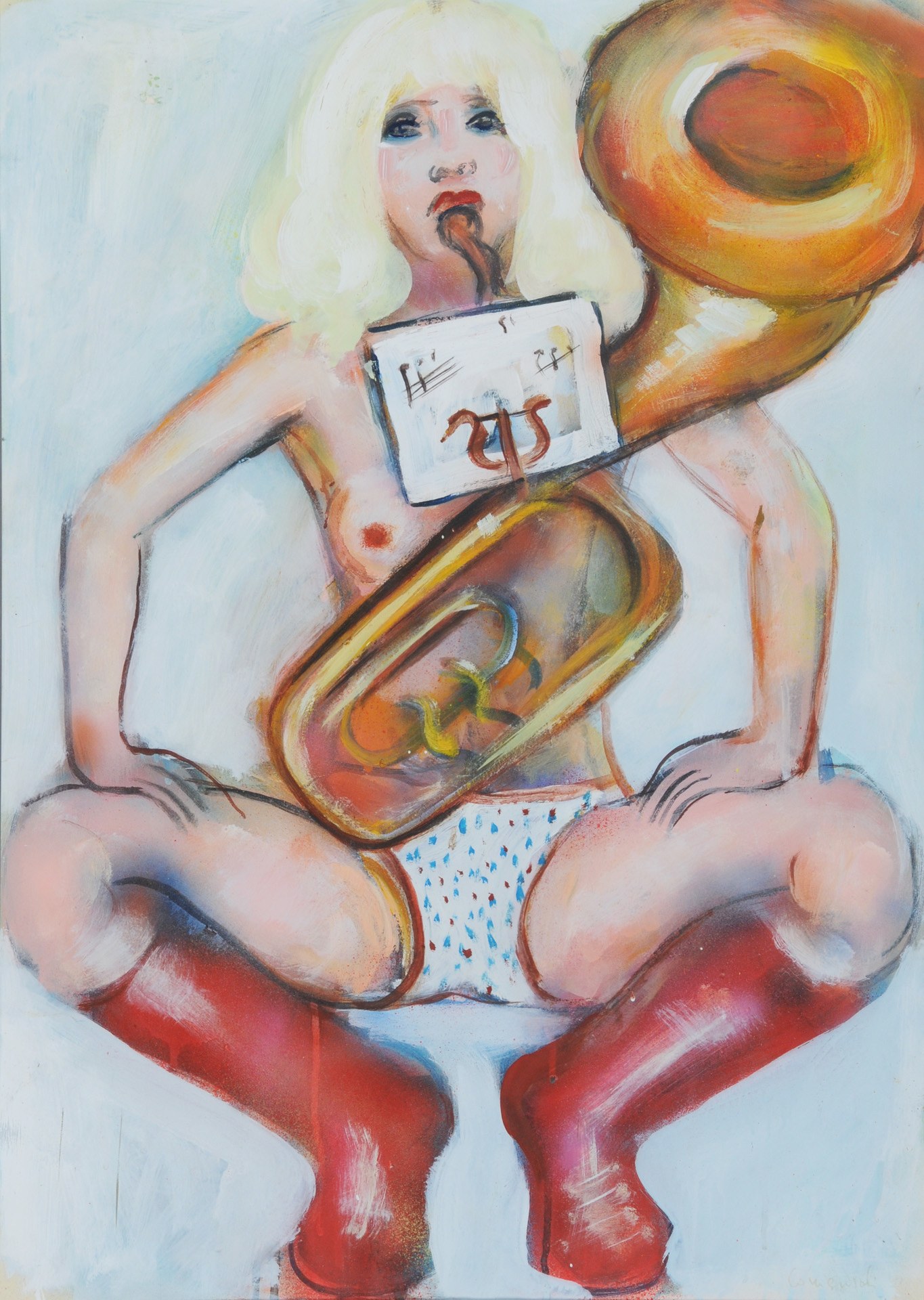
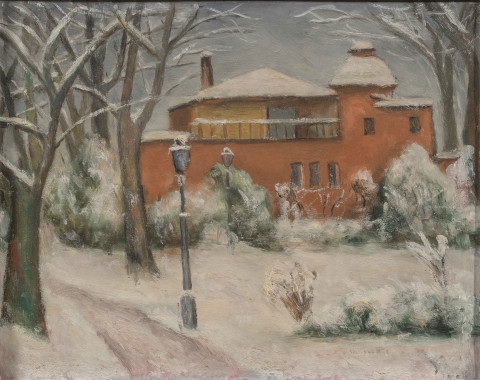
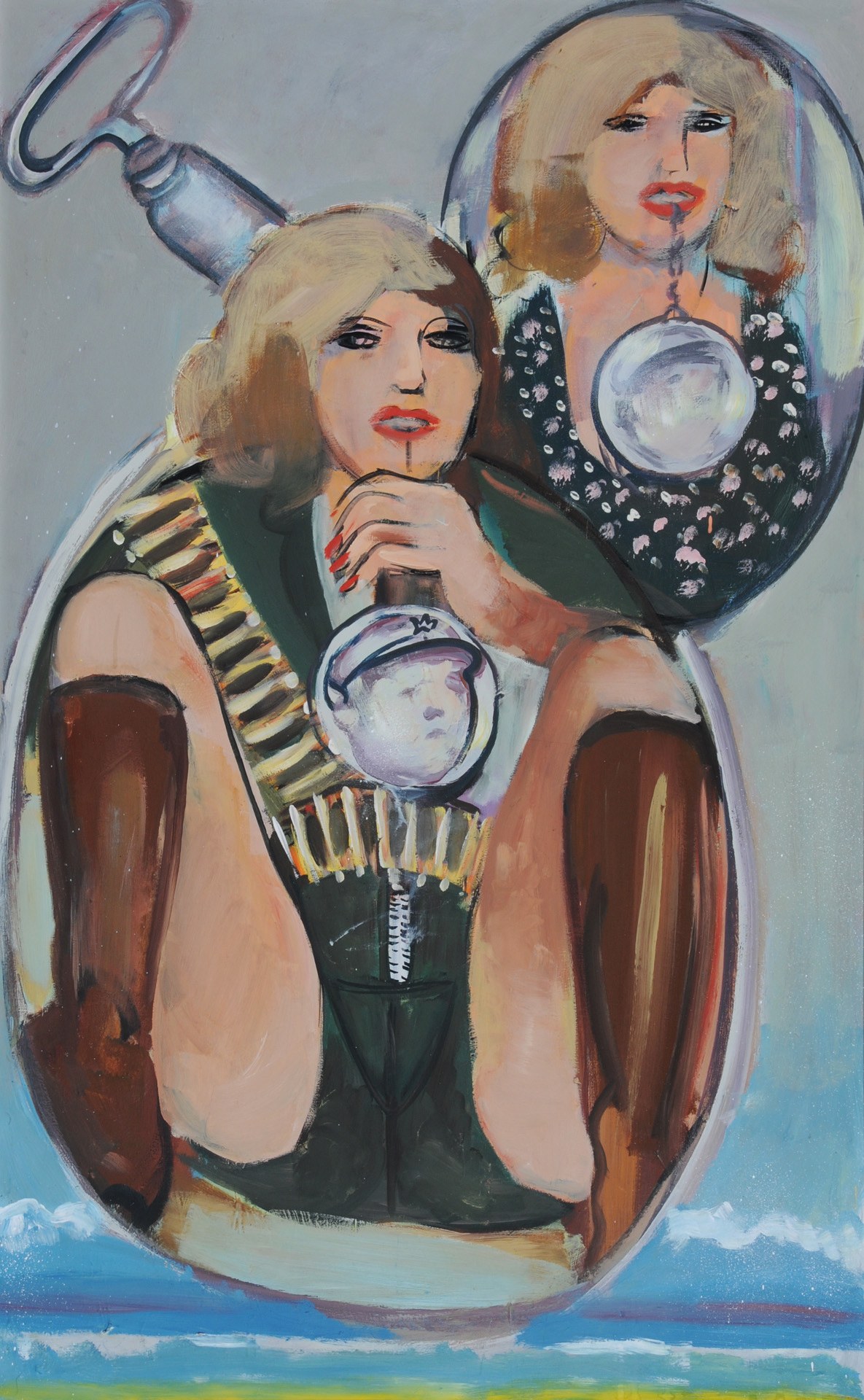
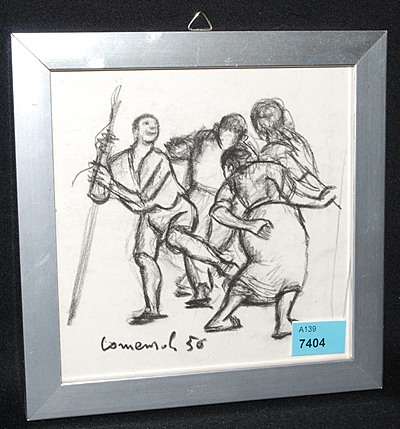
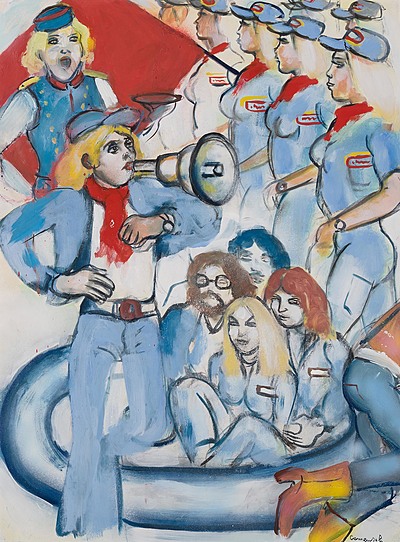
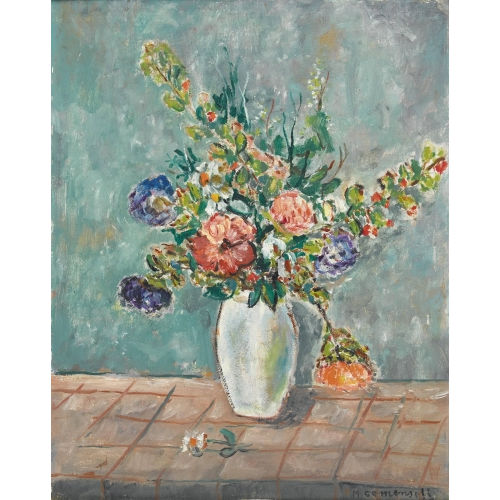
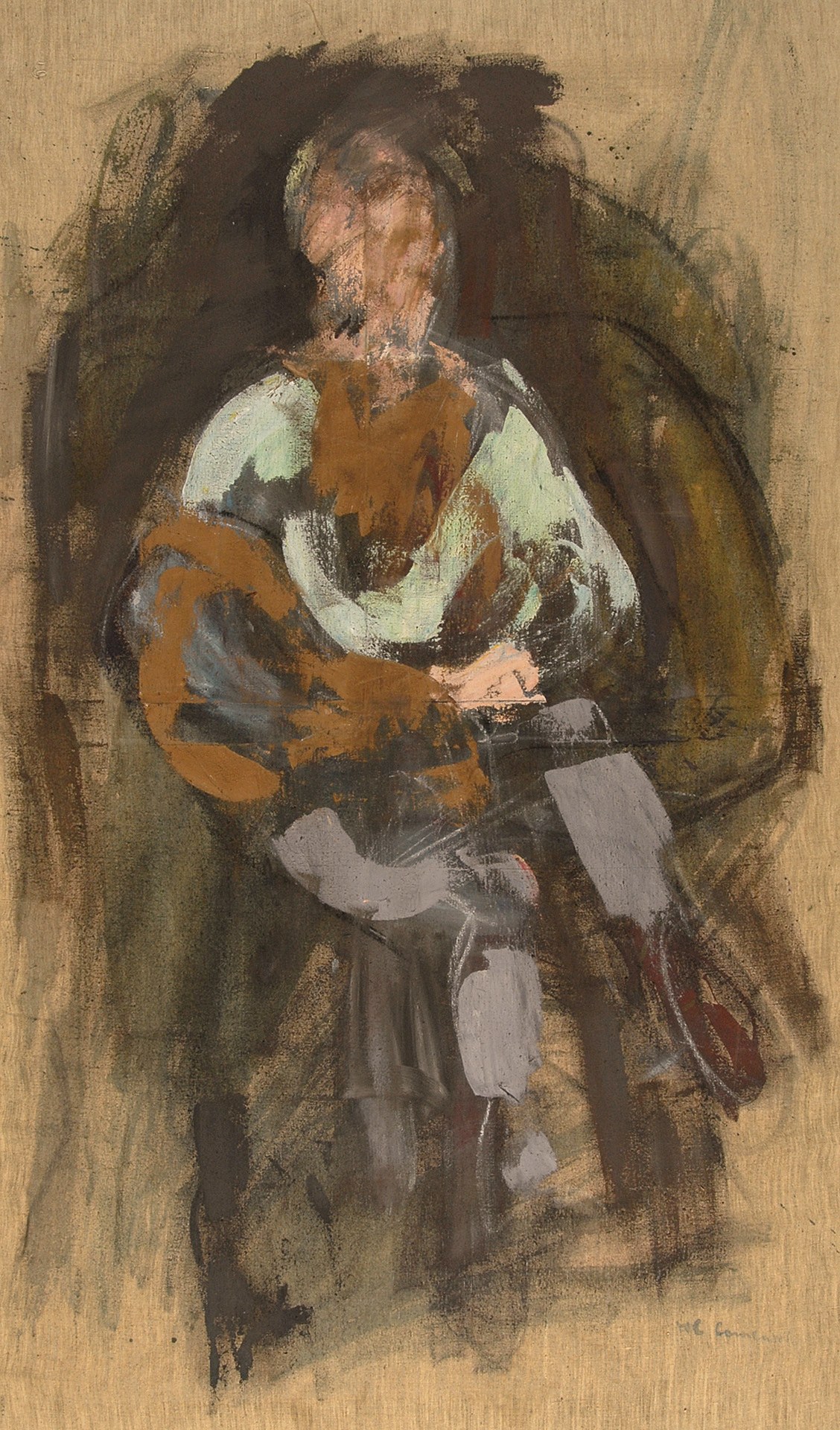
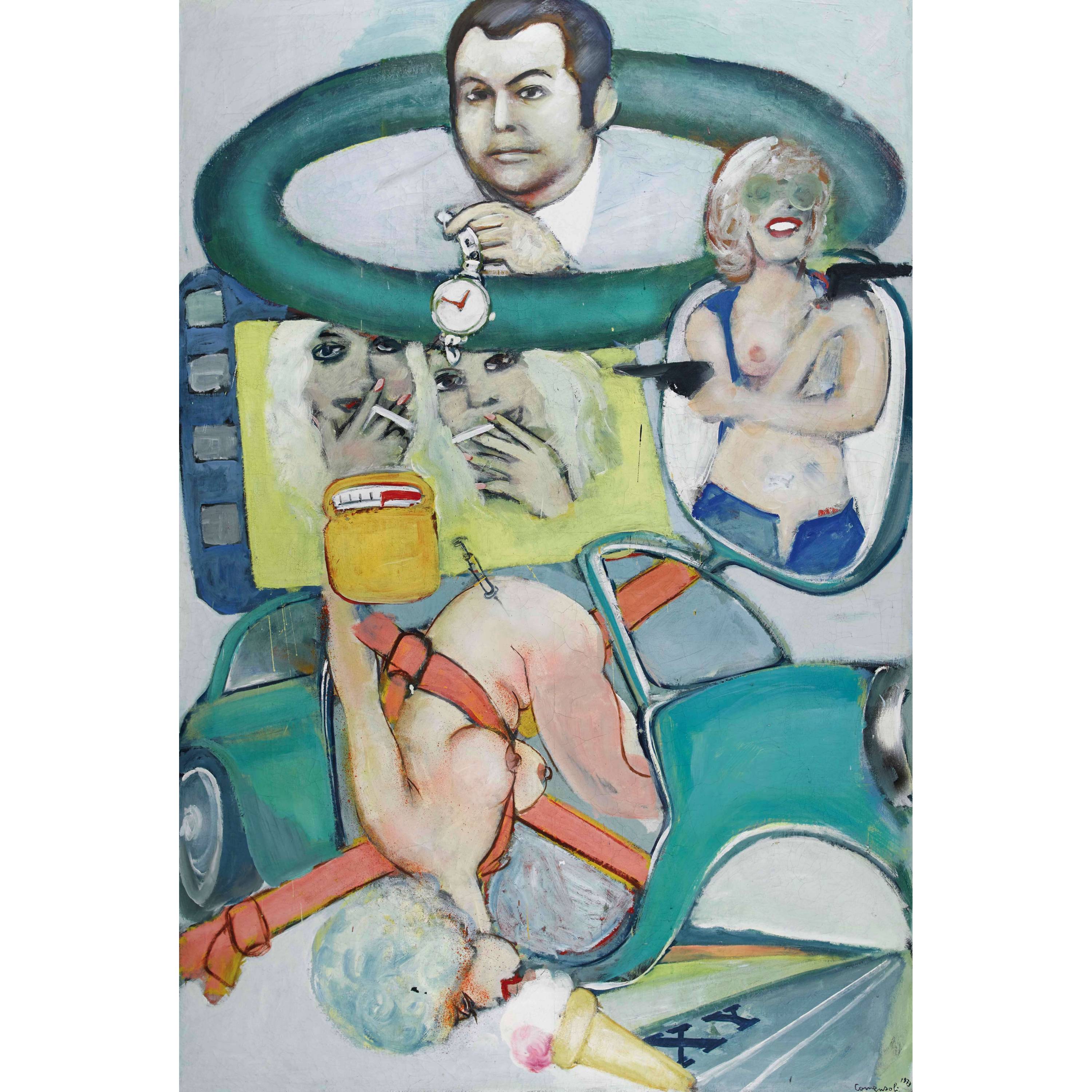
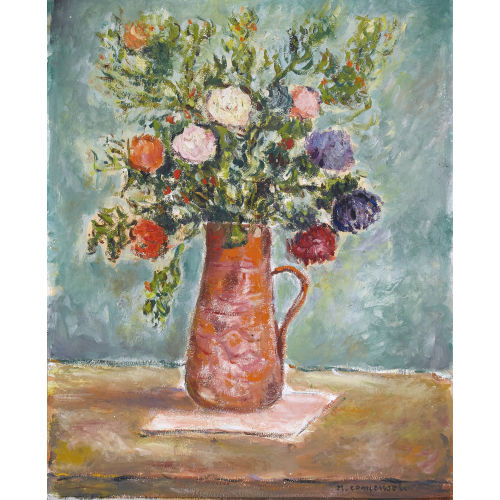
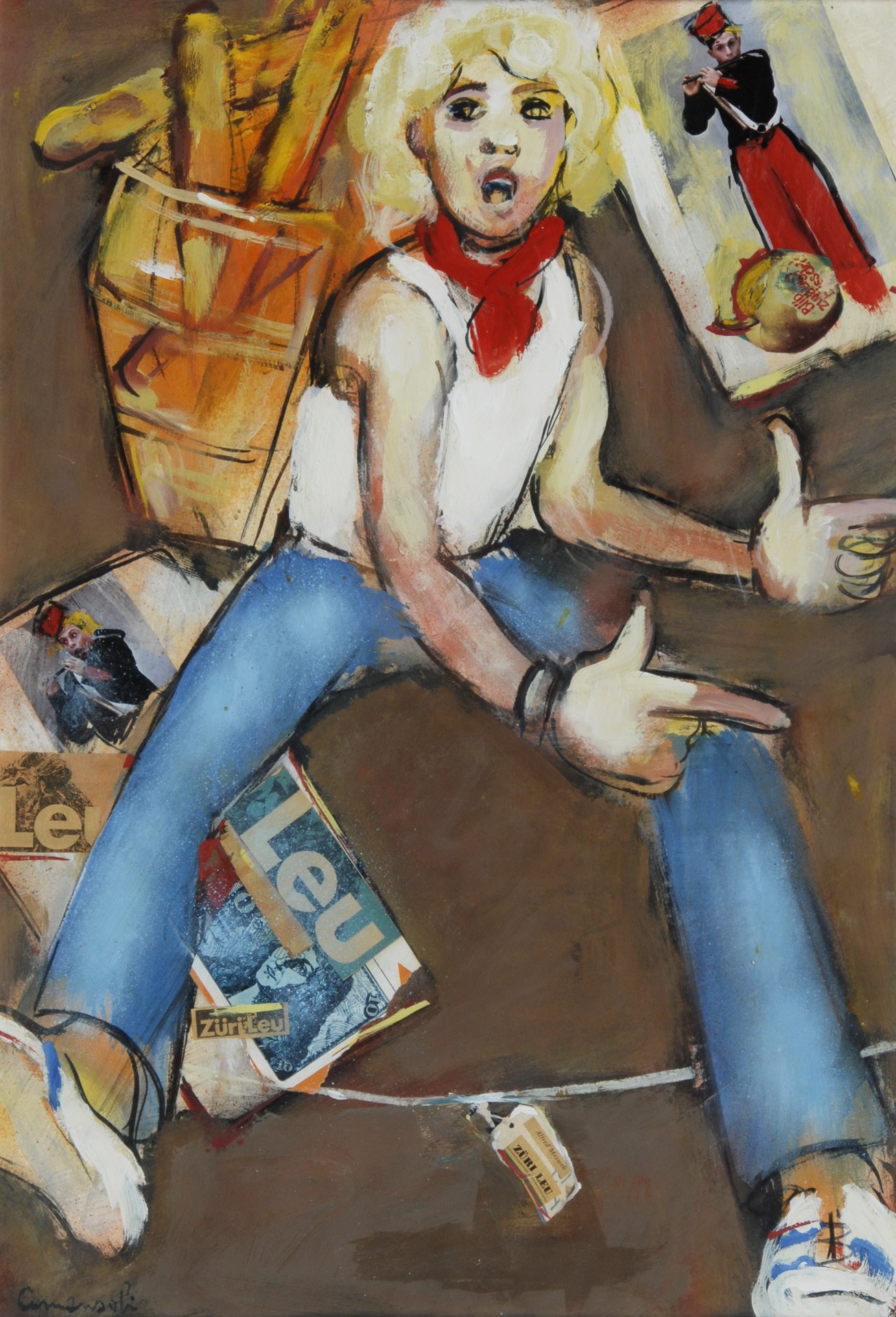
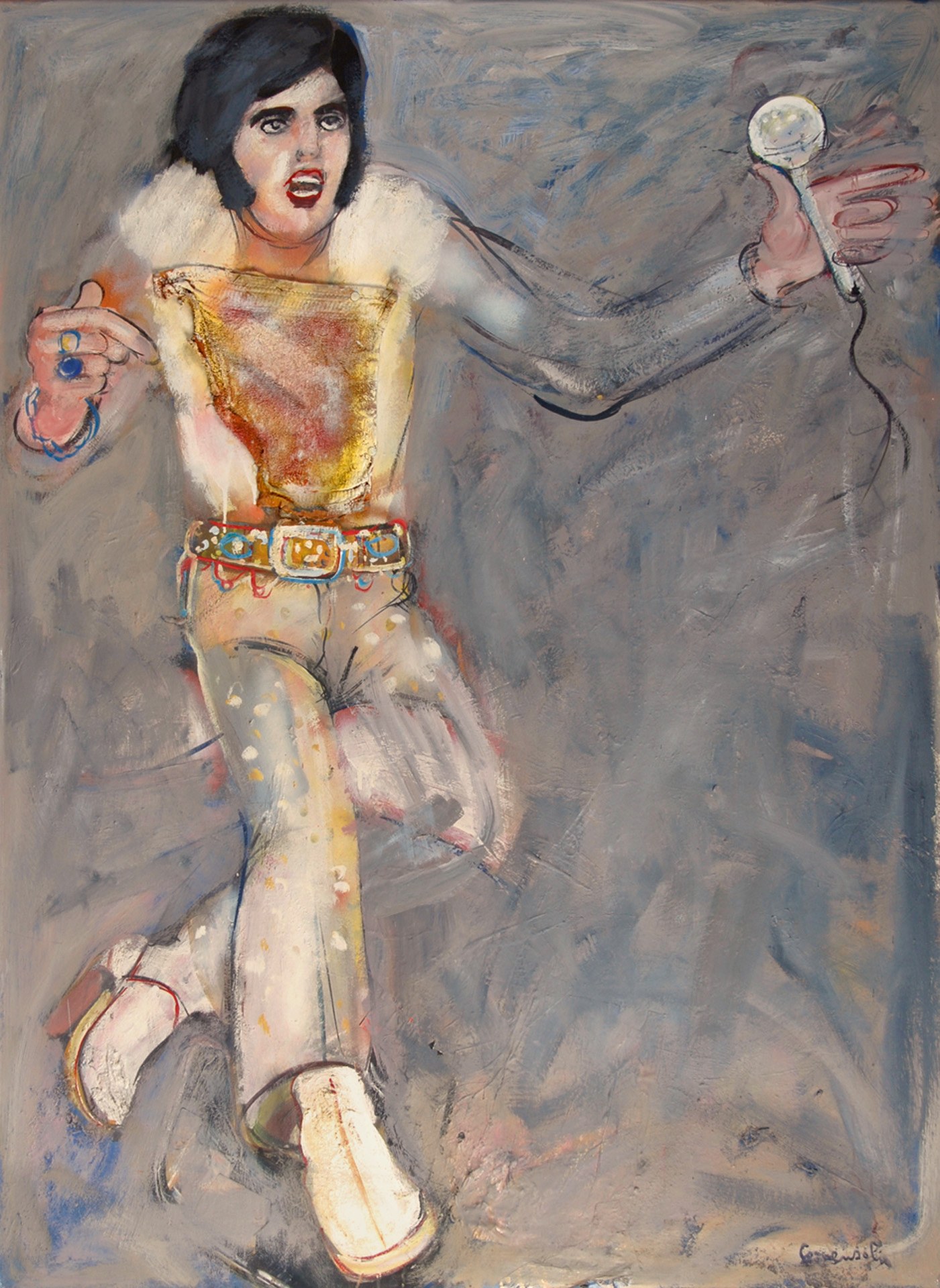
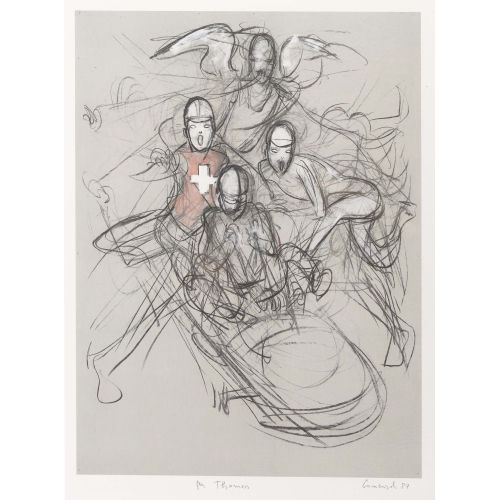
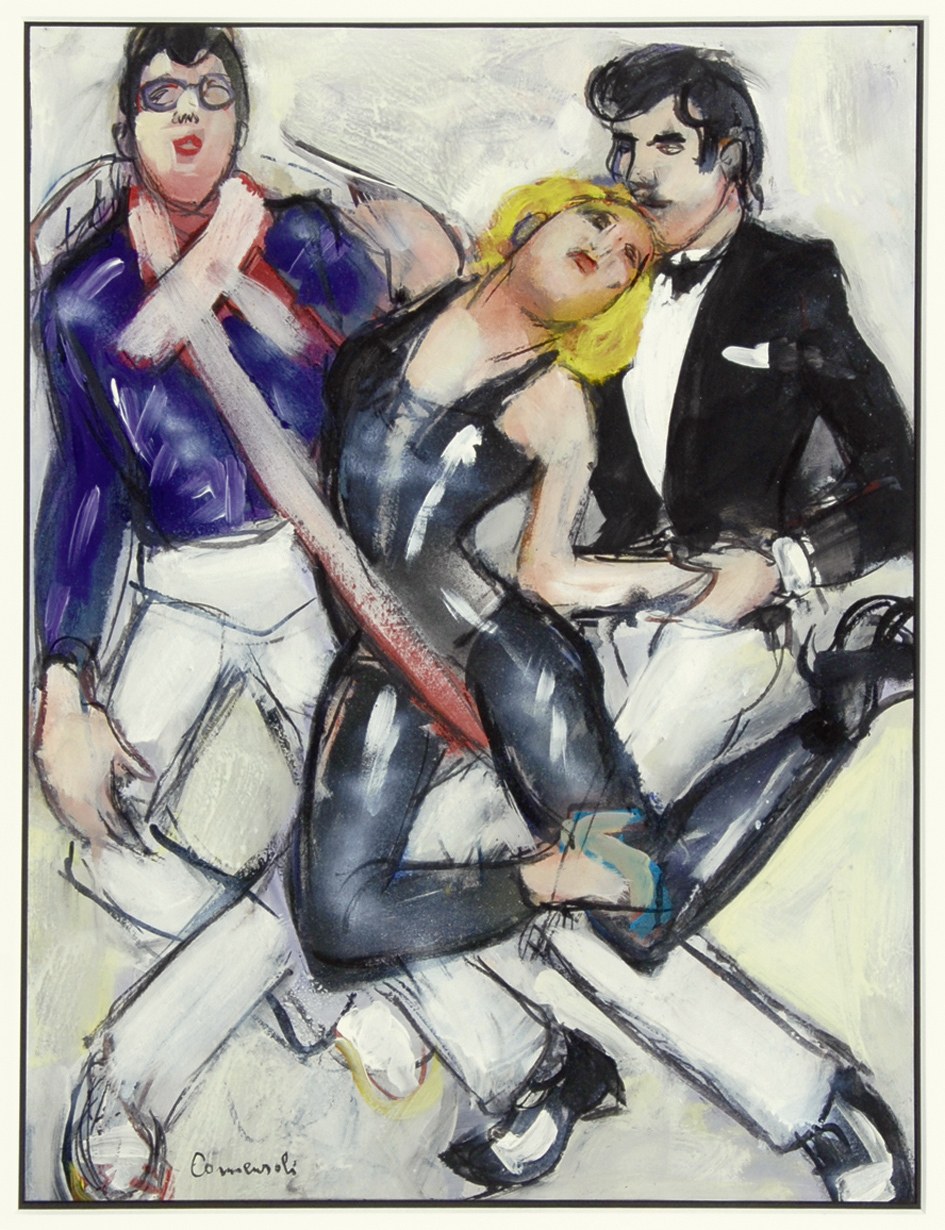
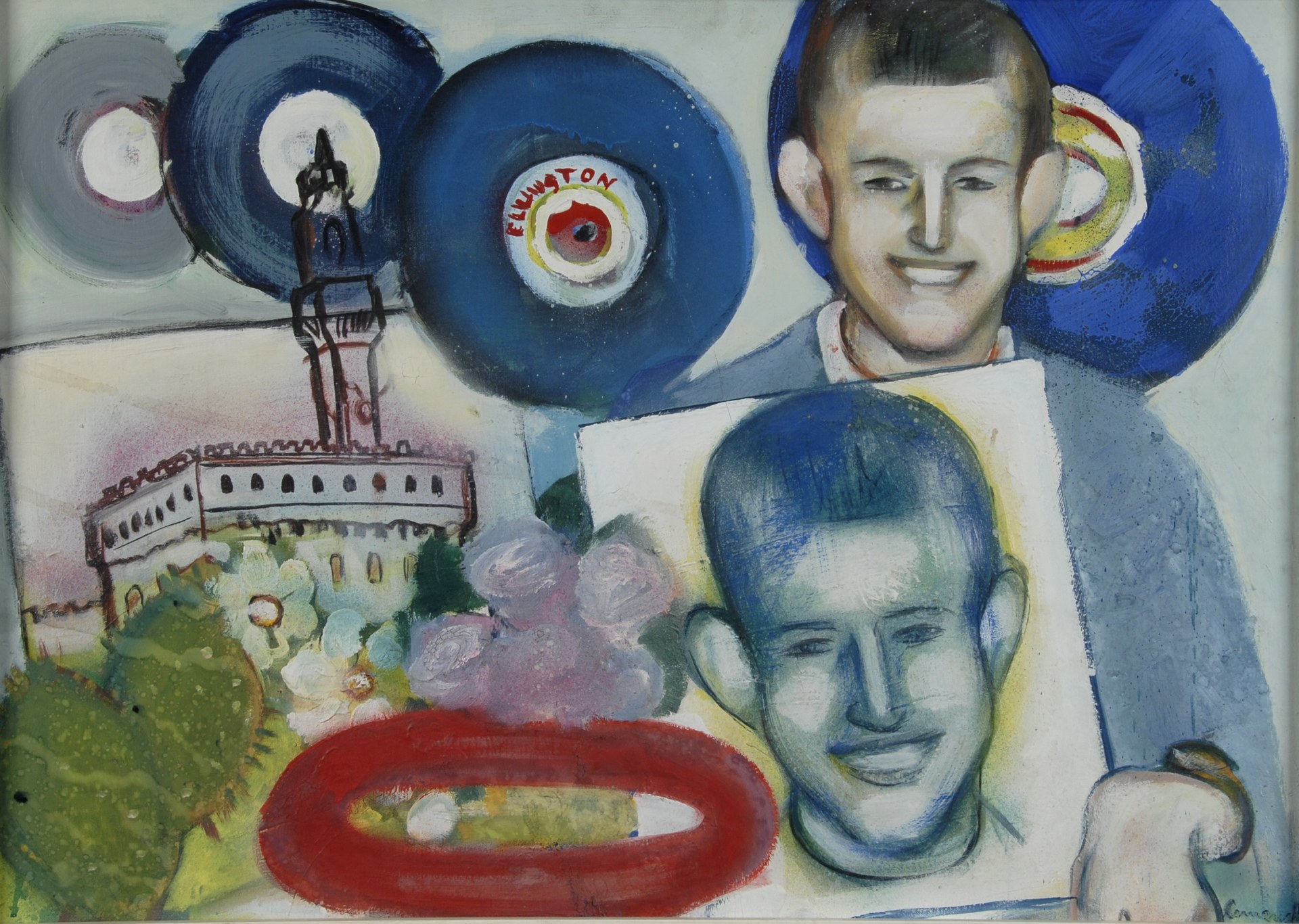
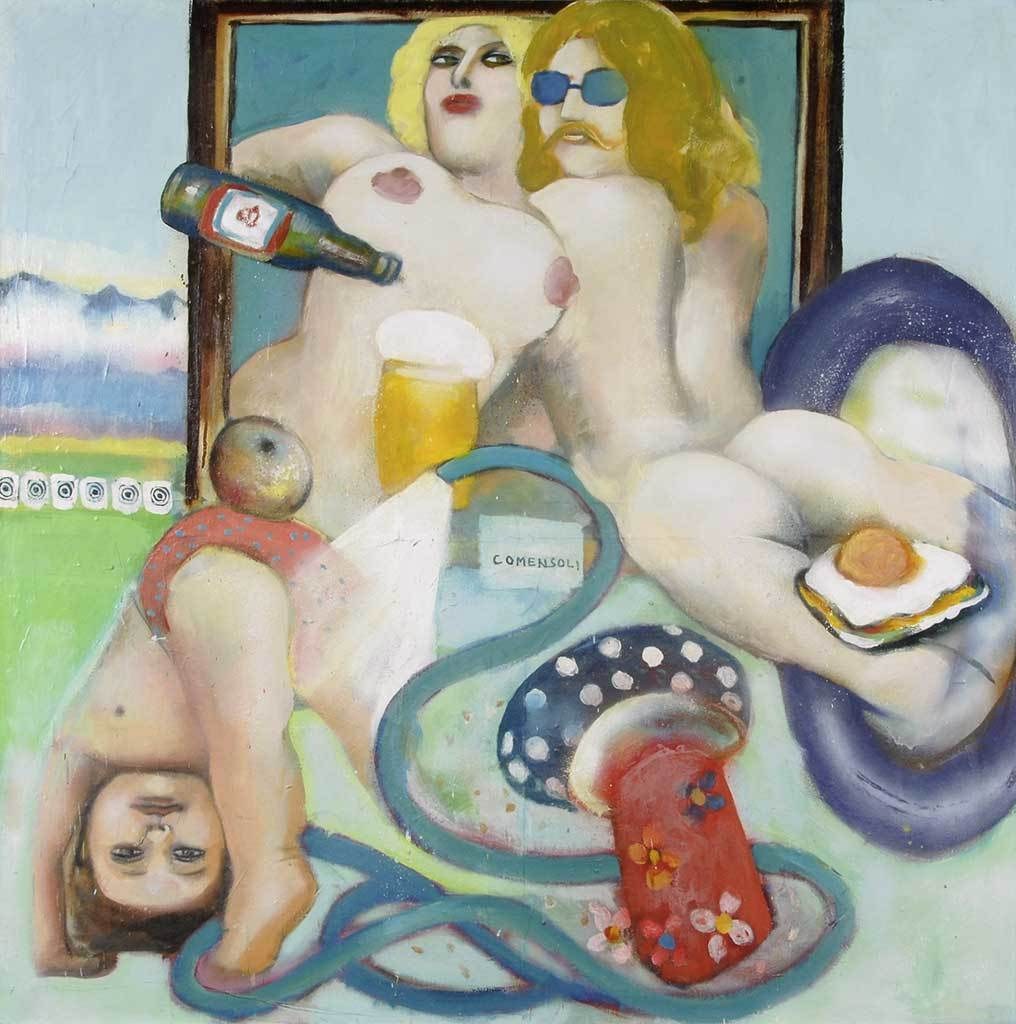
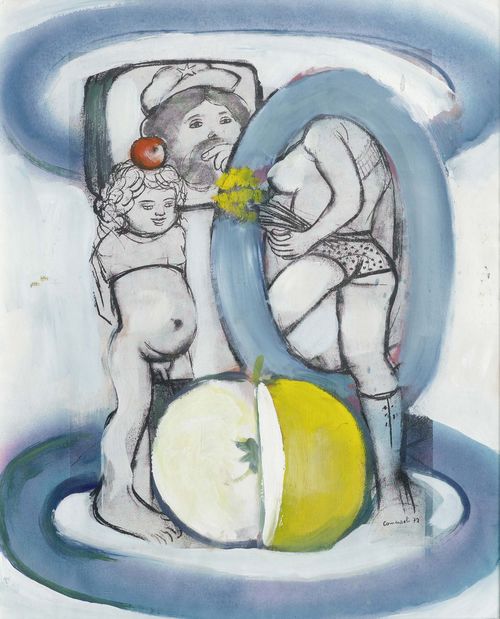
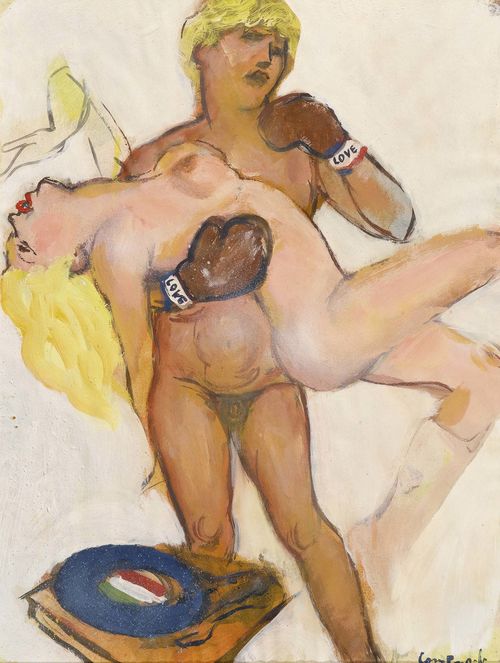
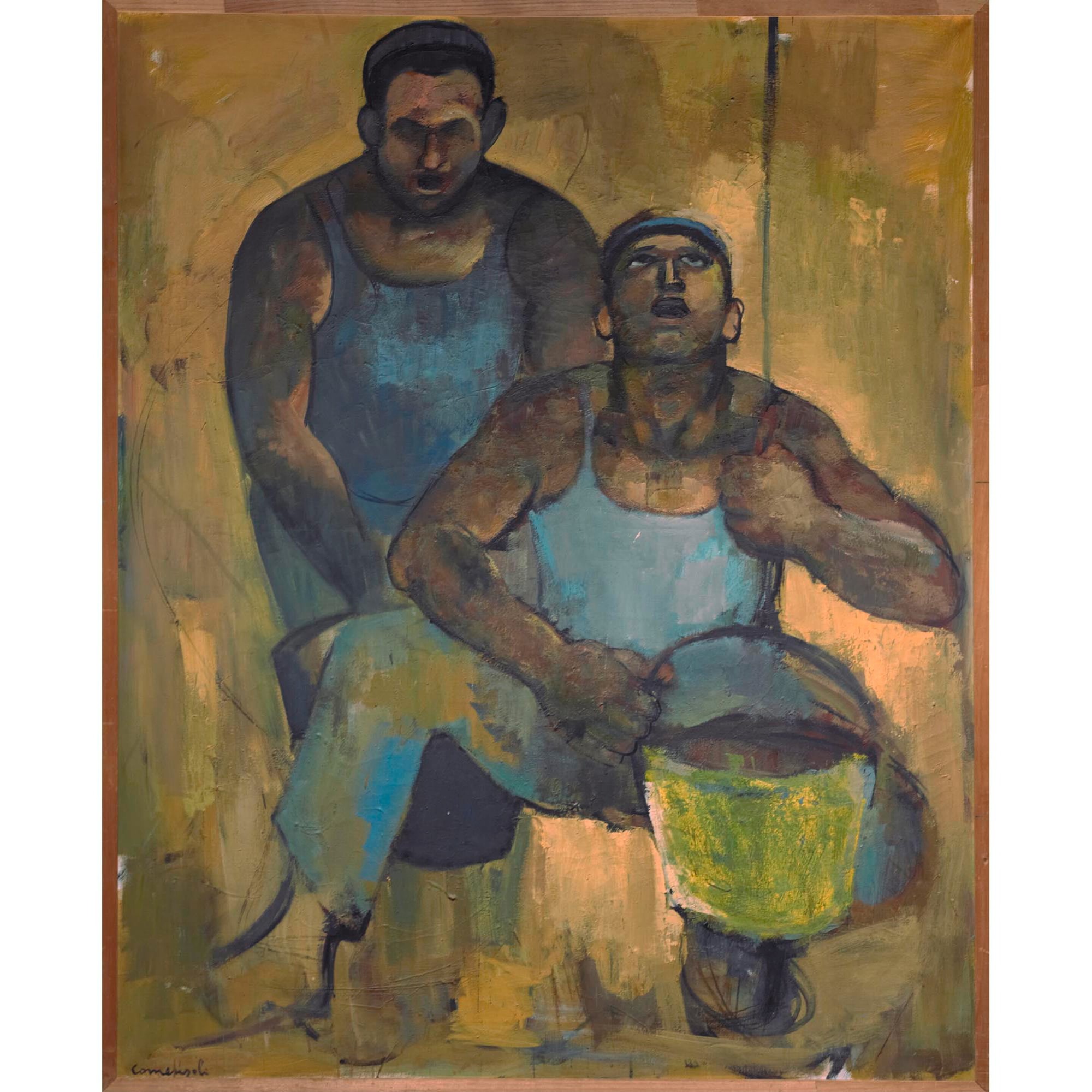
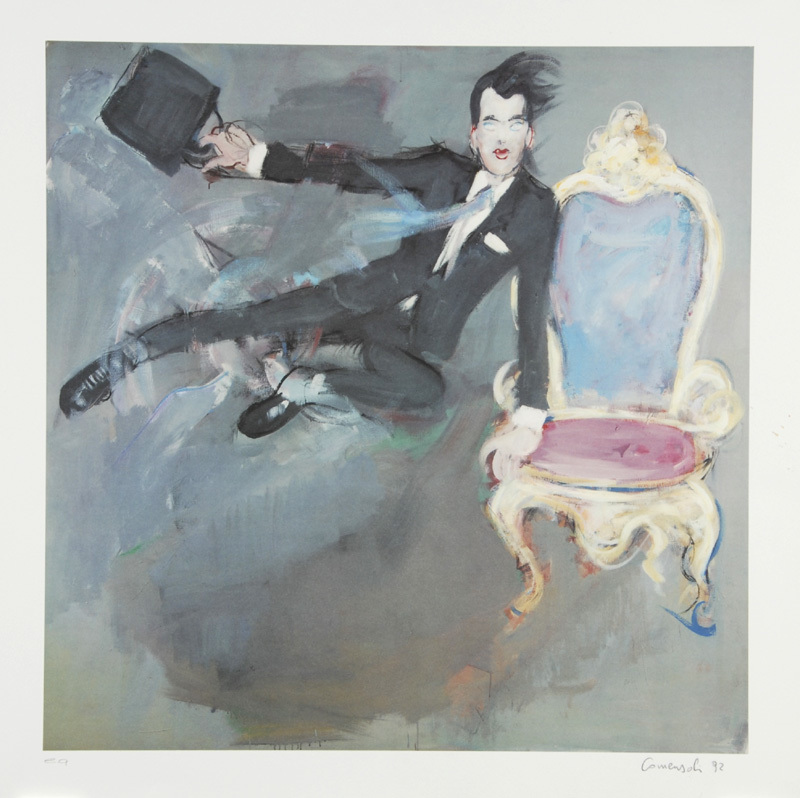
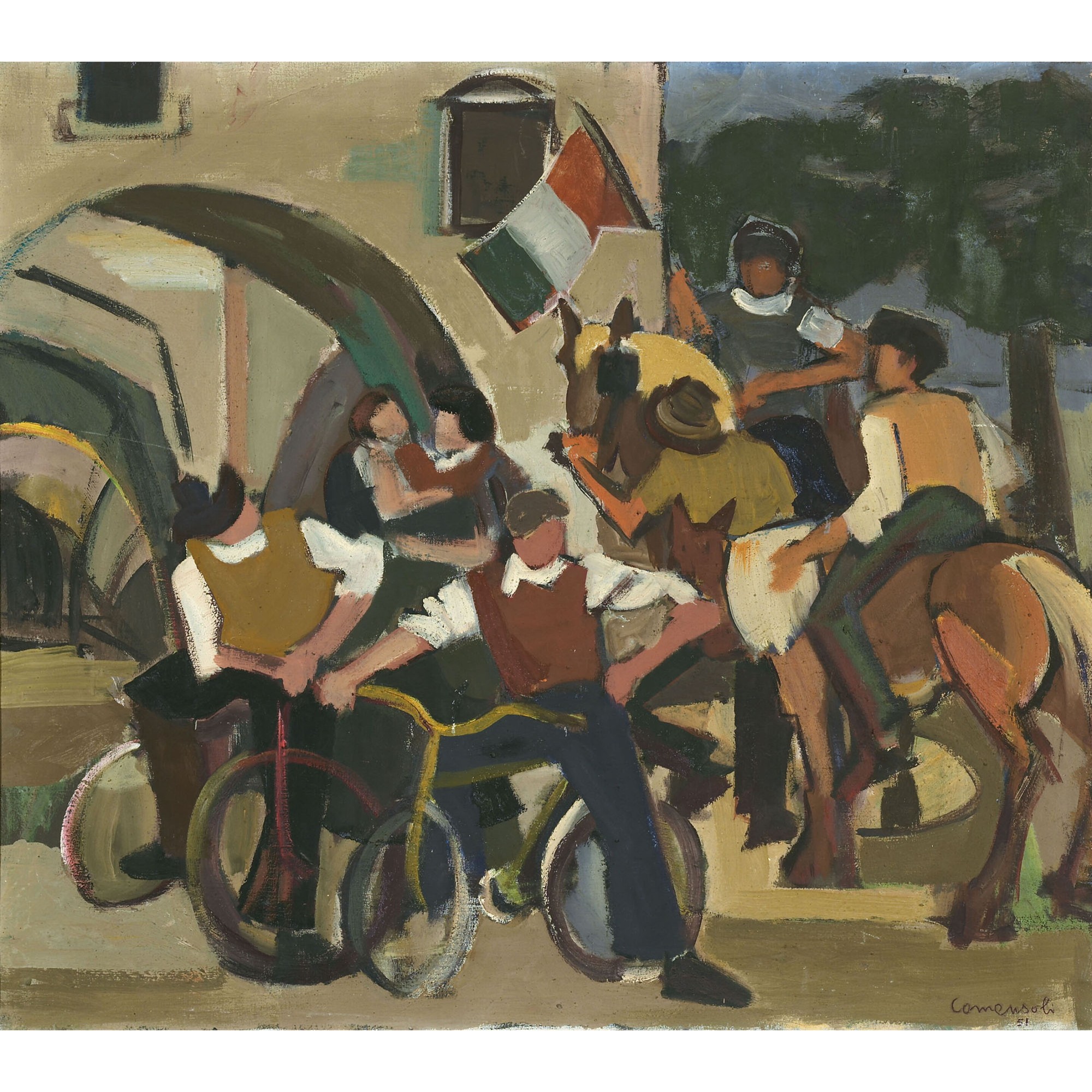
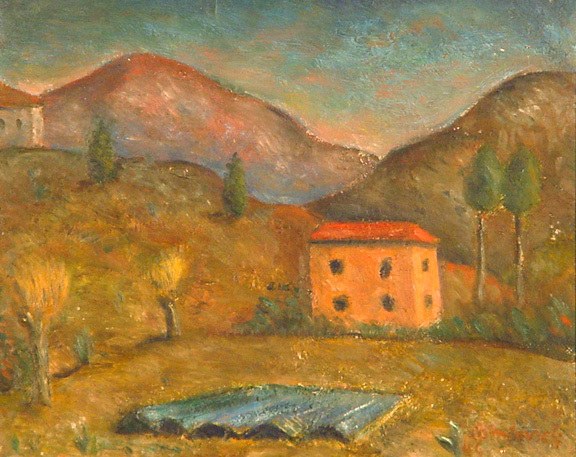
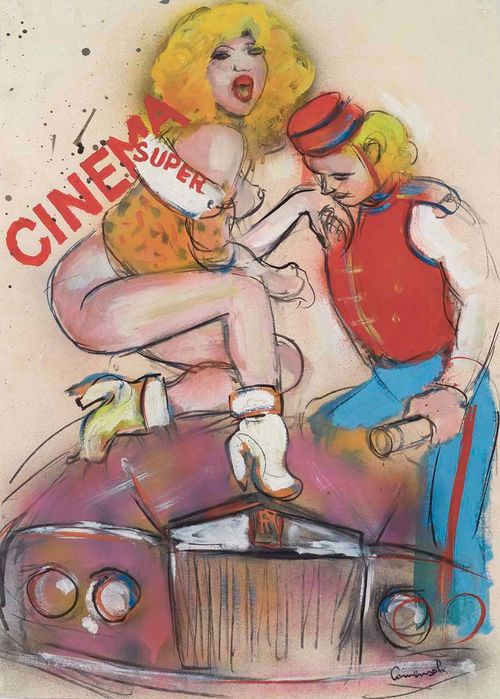
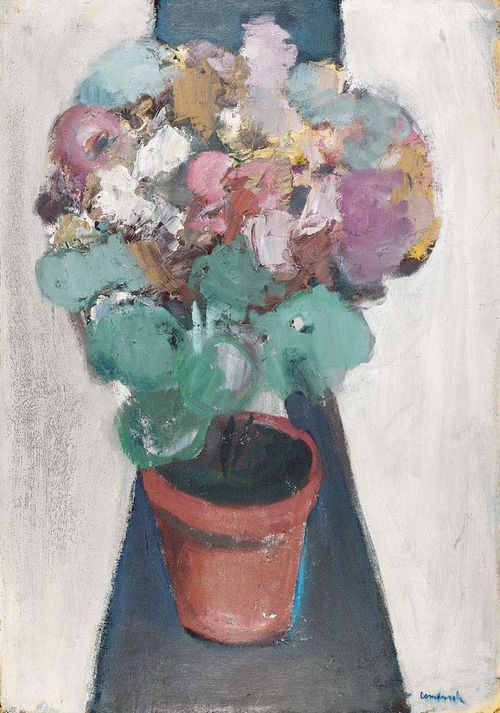
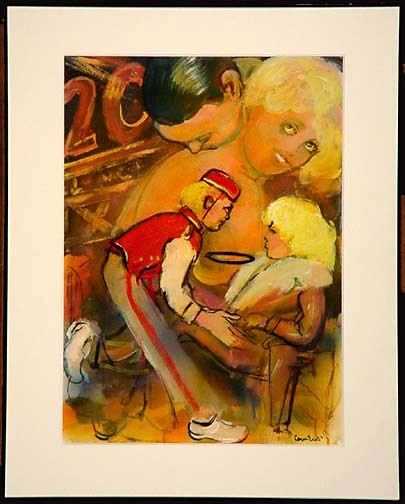
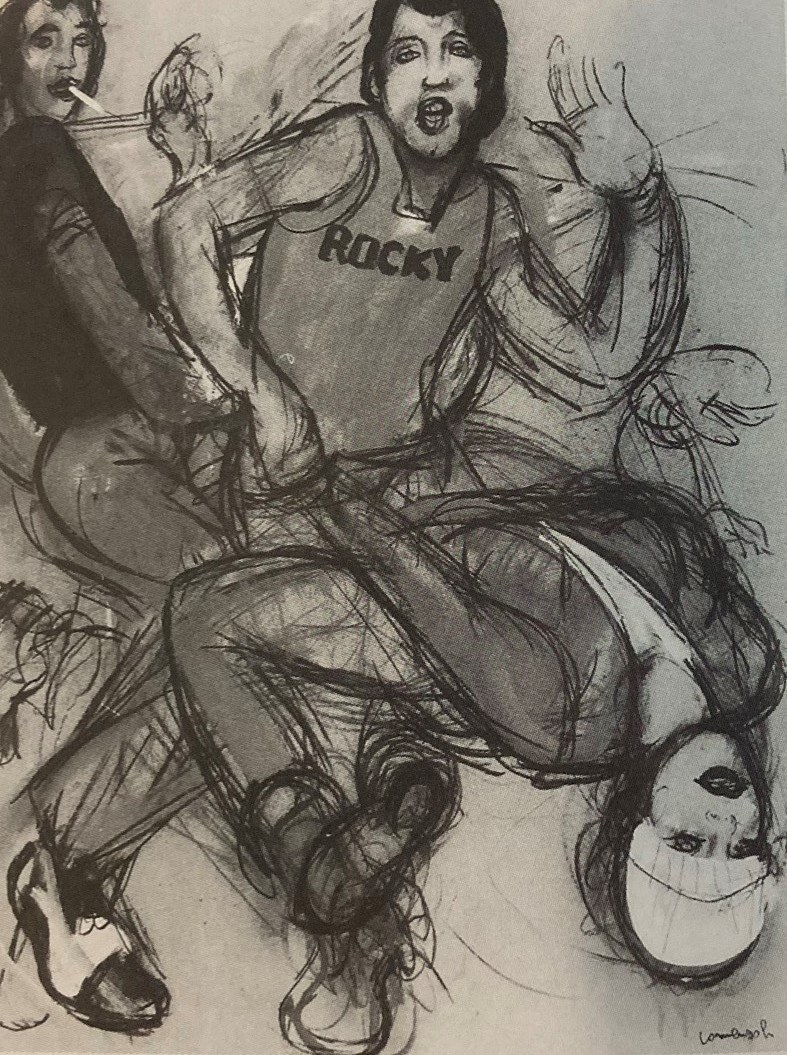
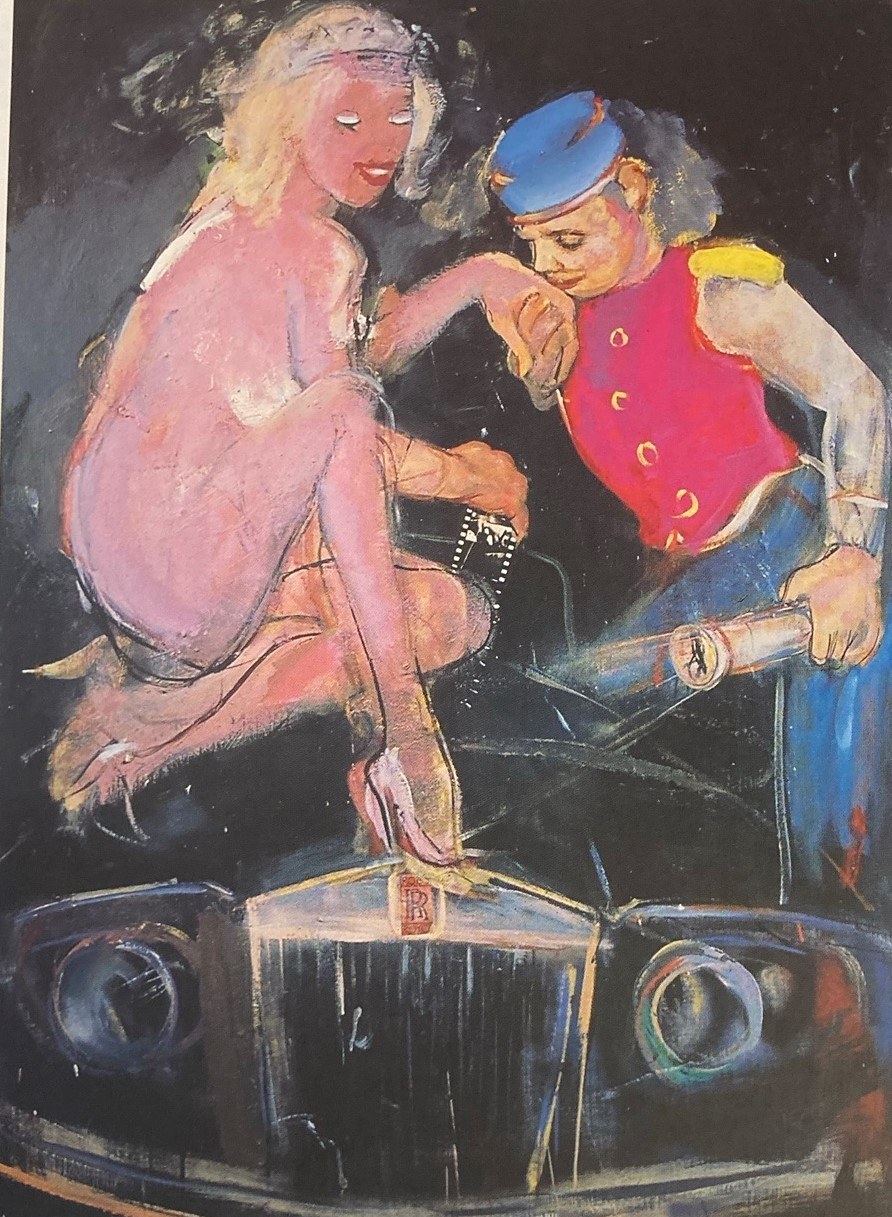
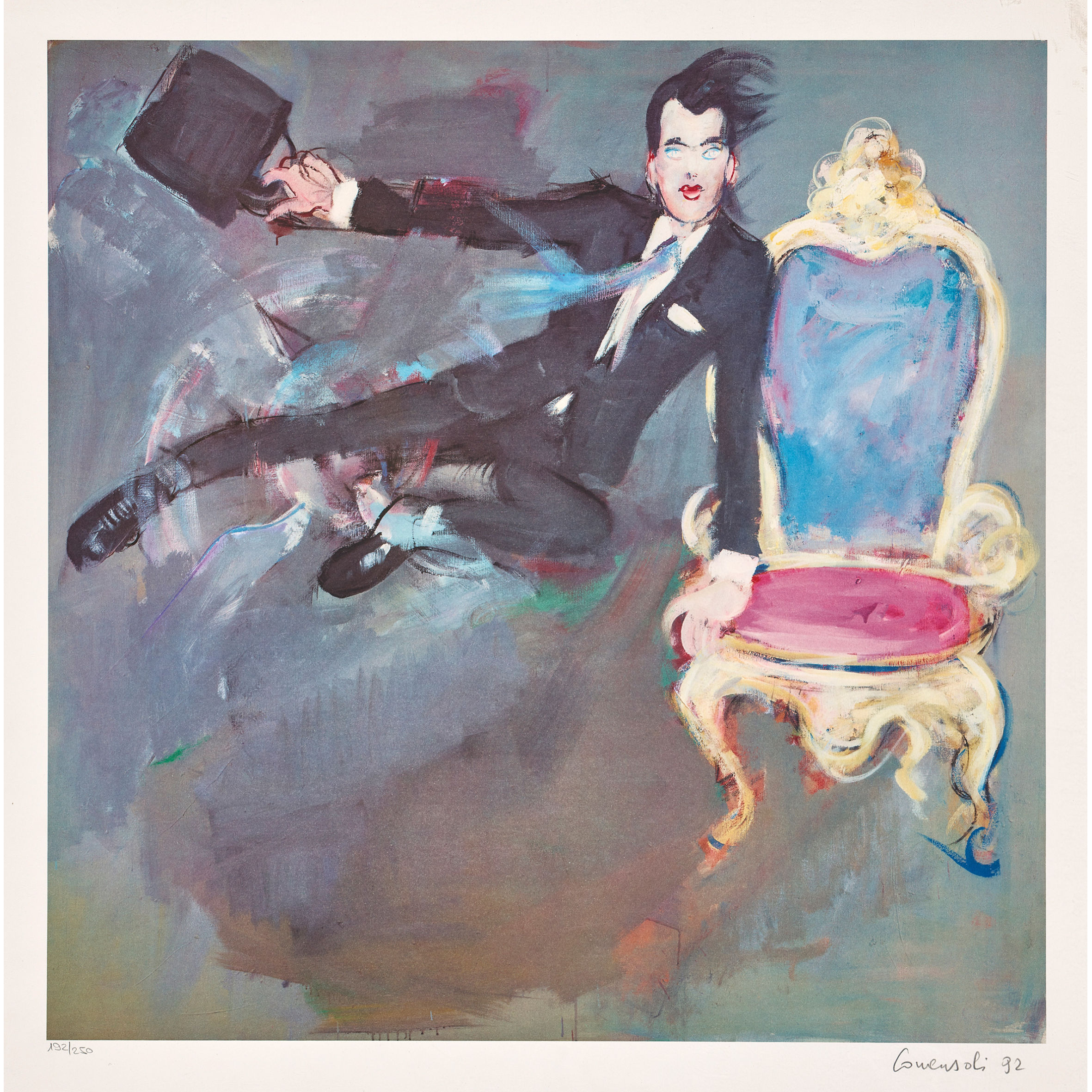
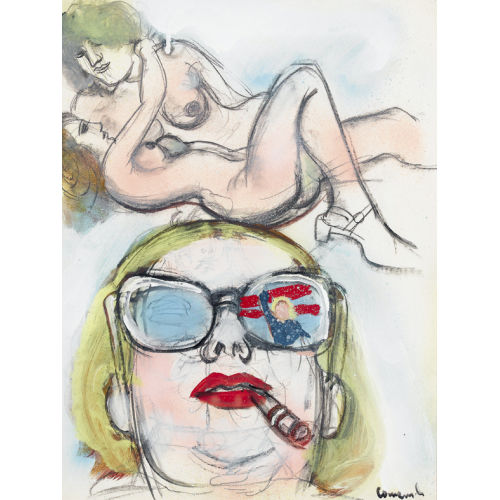
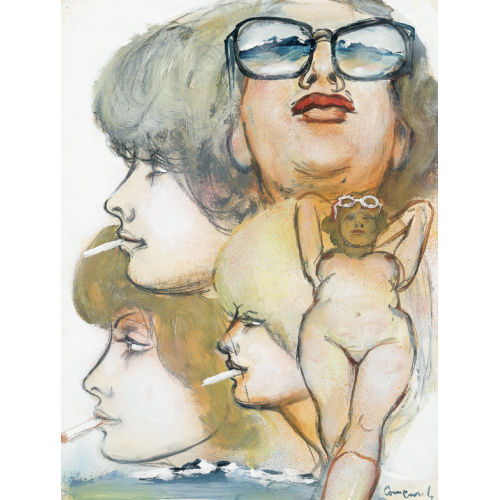
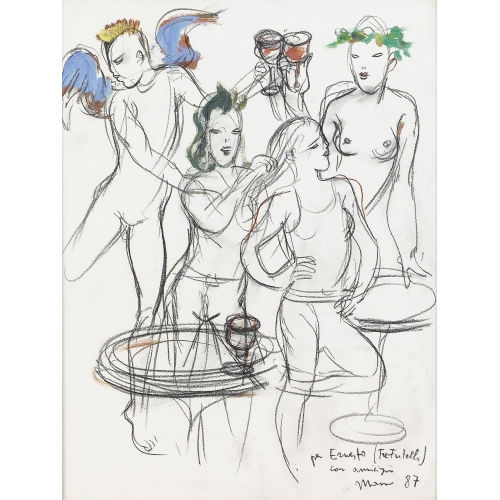
In the 1950s, his “workers in blue” gave pictorial presence to immigrants employed in the most arduous jobs. Later, his gaze turned towards bourgeois comfort, youth movements and popular culture. After 1968, intense colours and an affinity with the poster and pop art renewed his visual language.
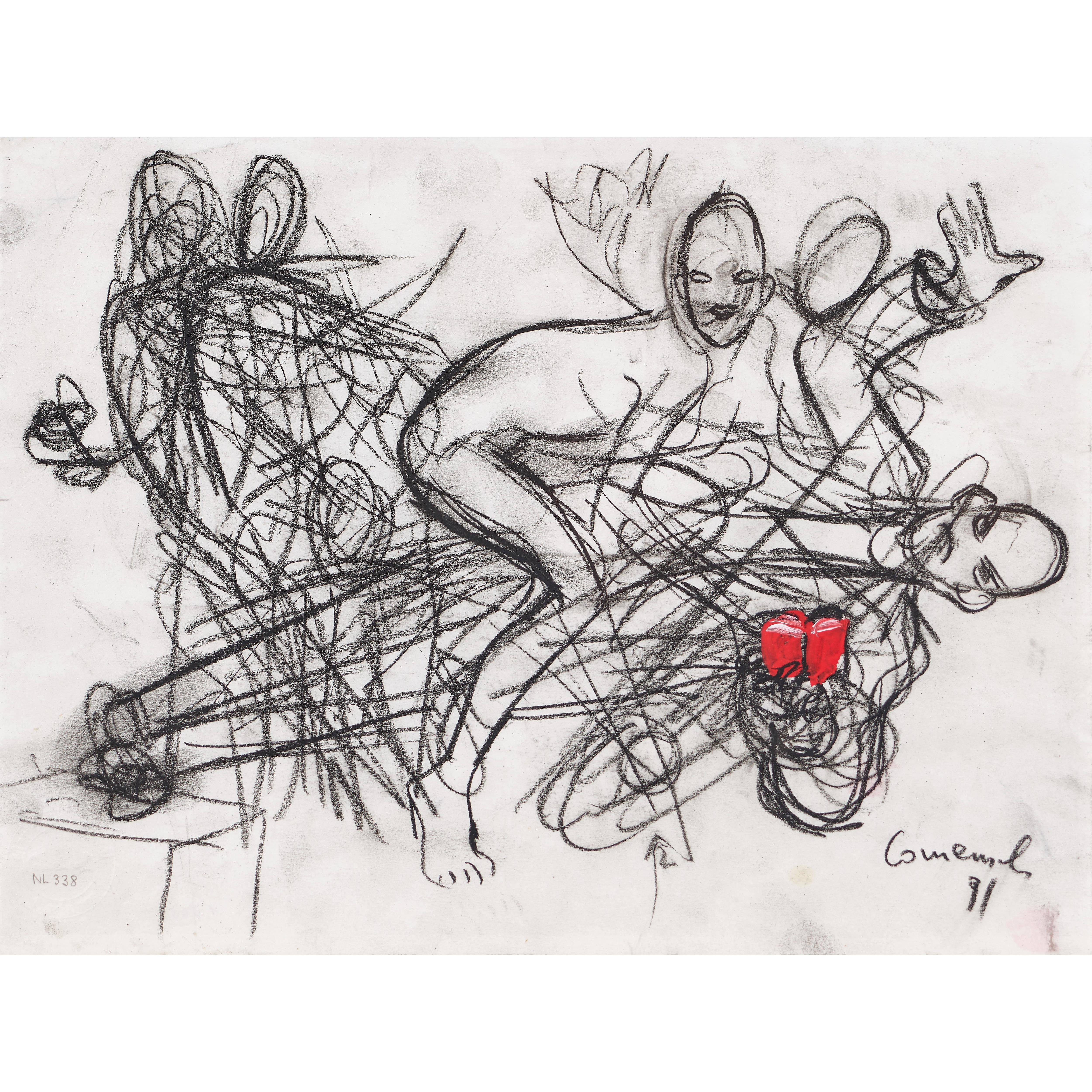
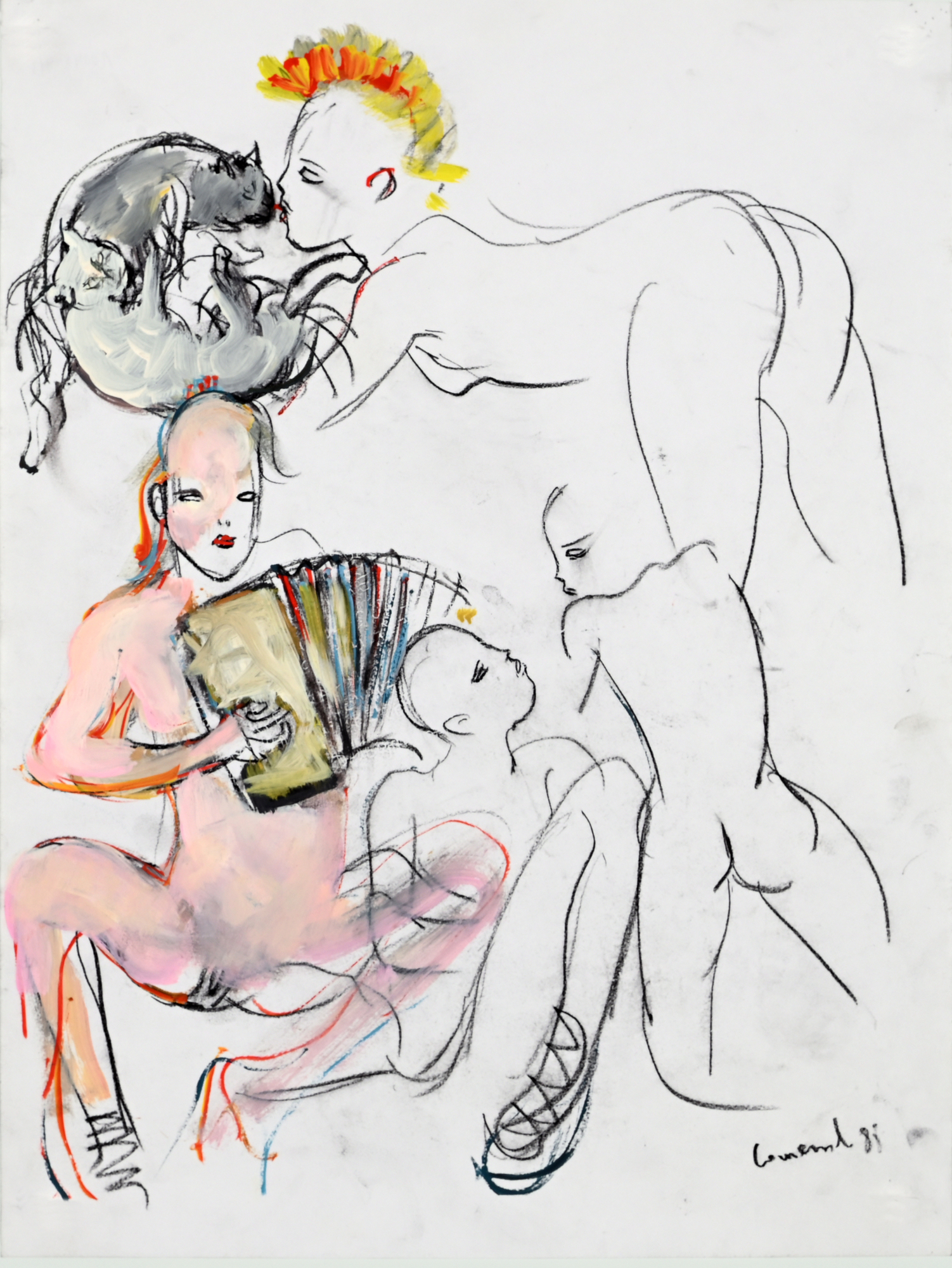
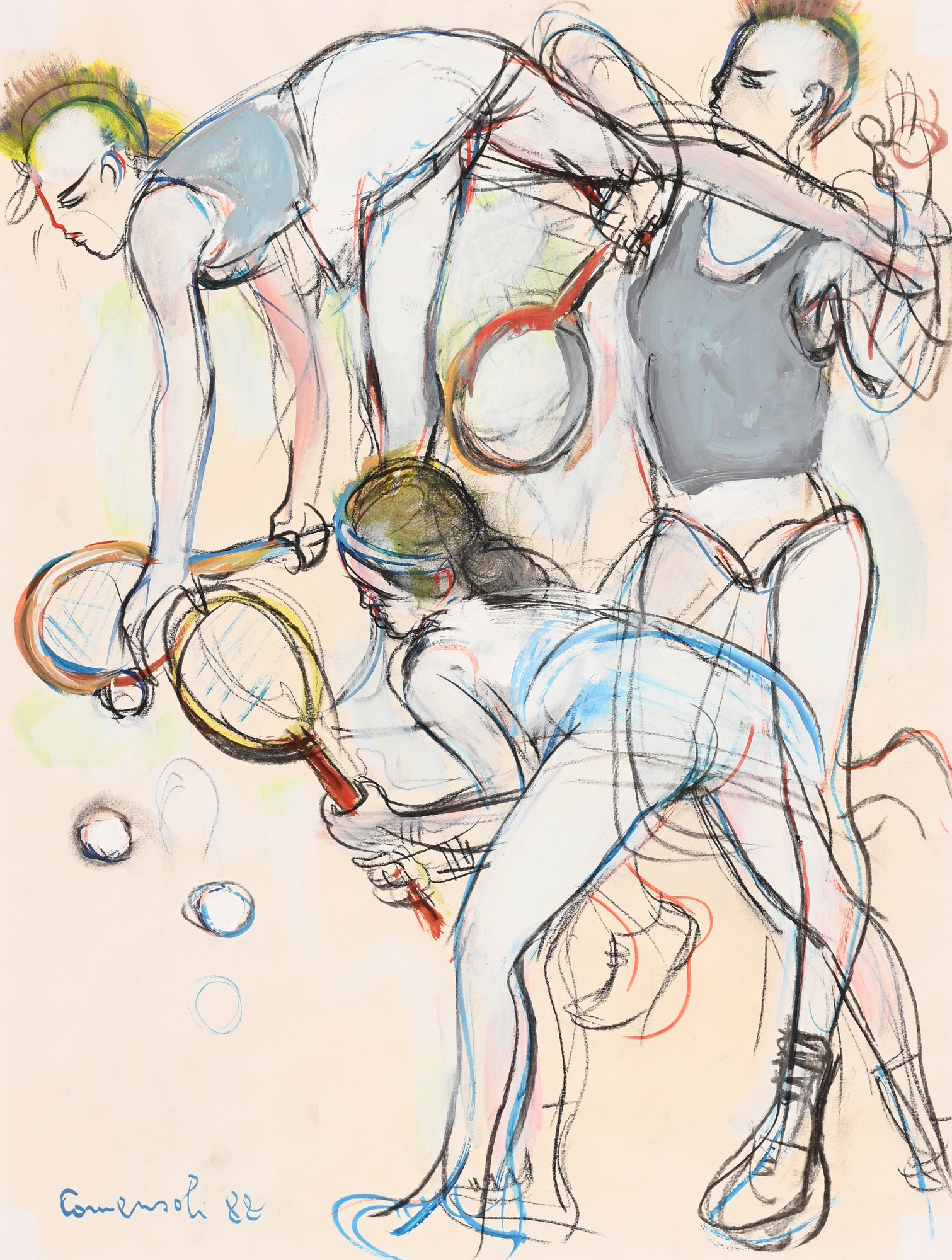
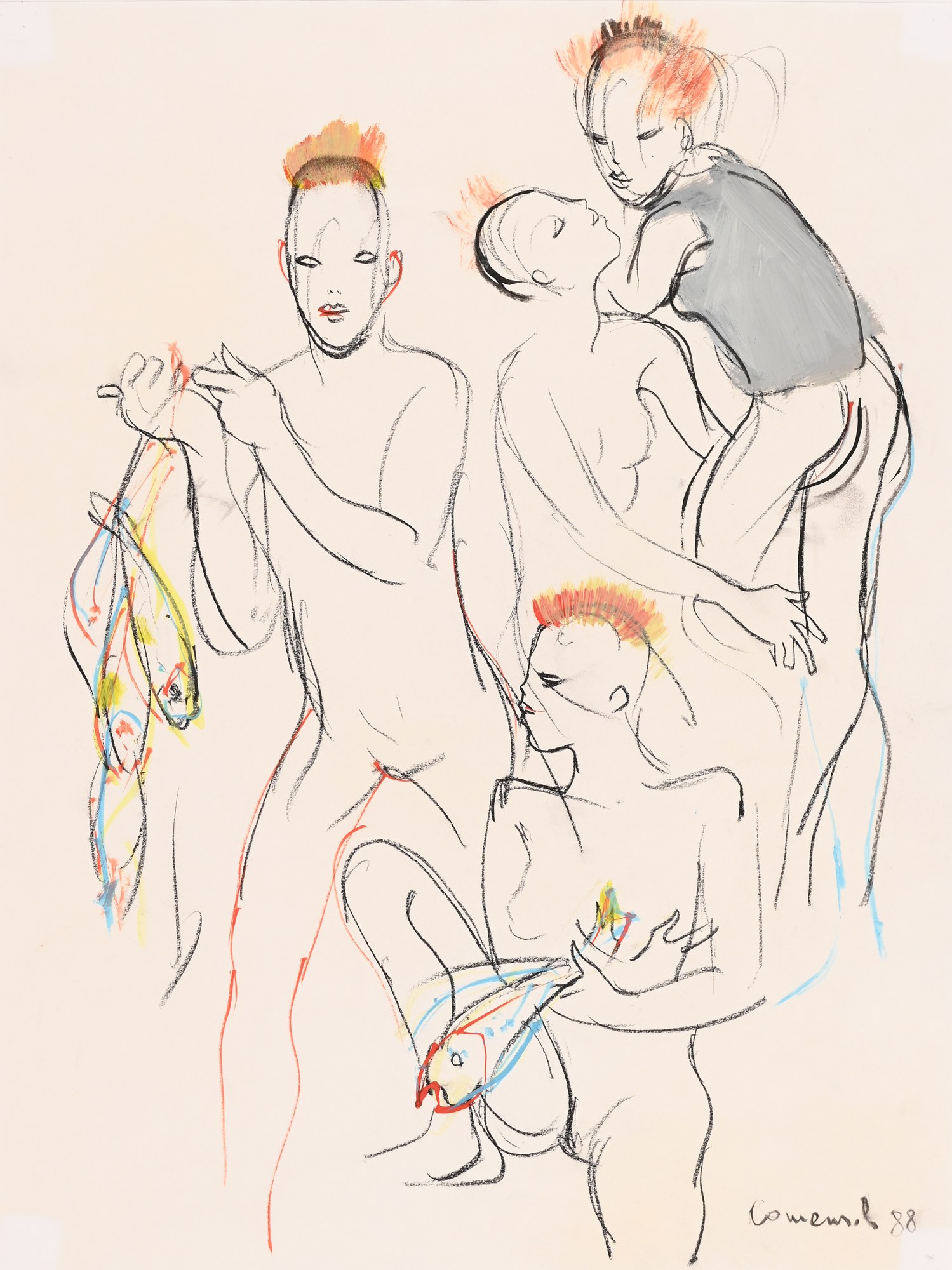
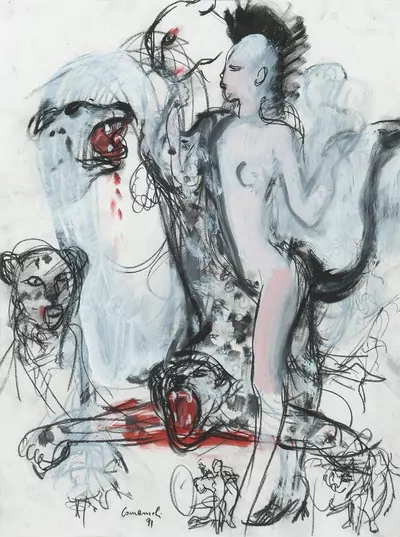
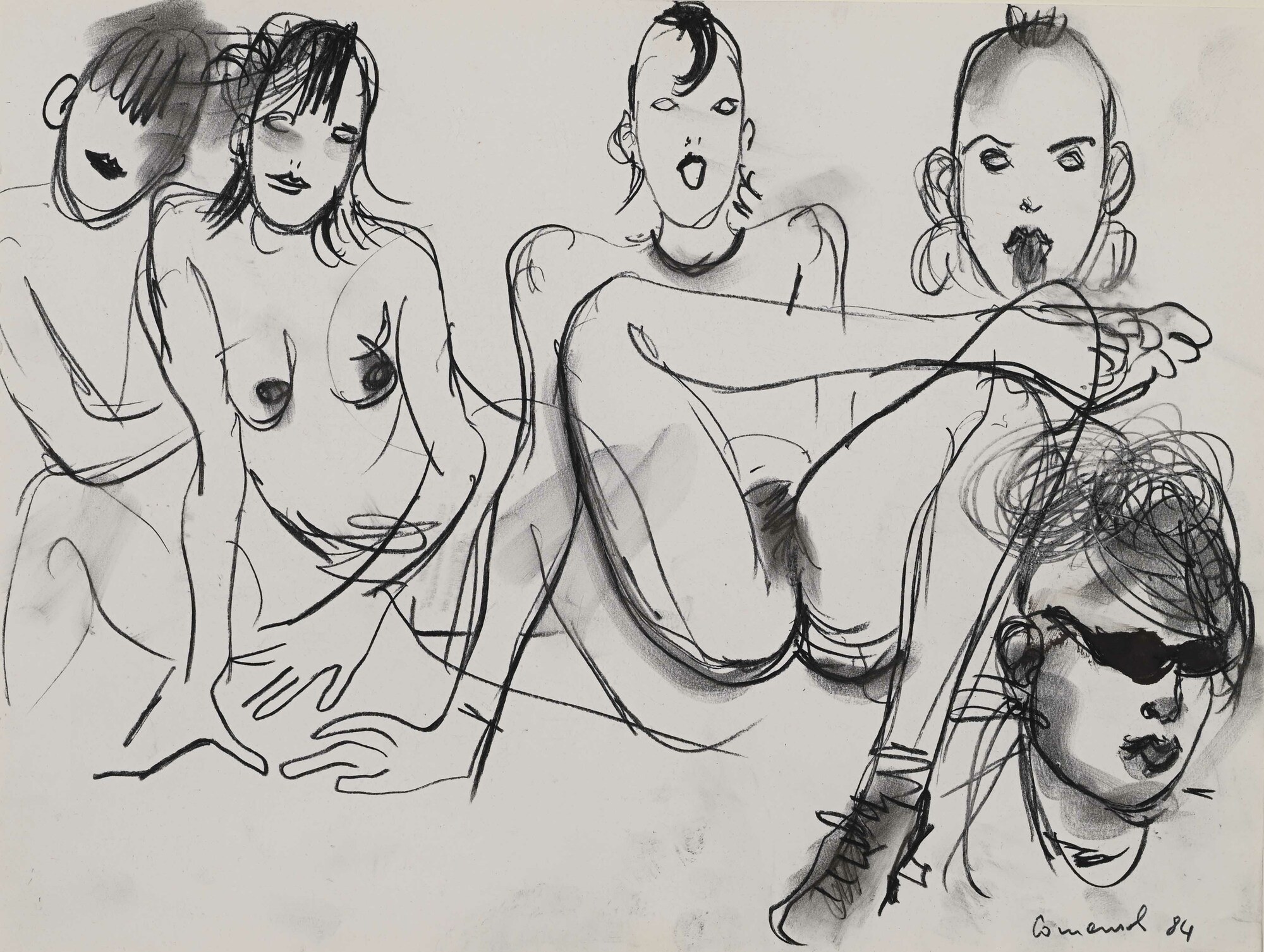
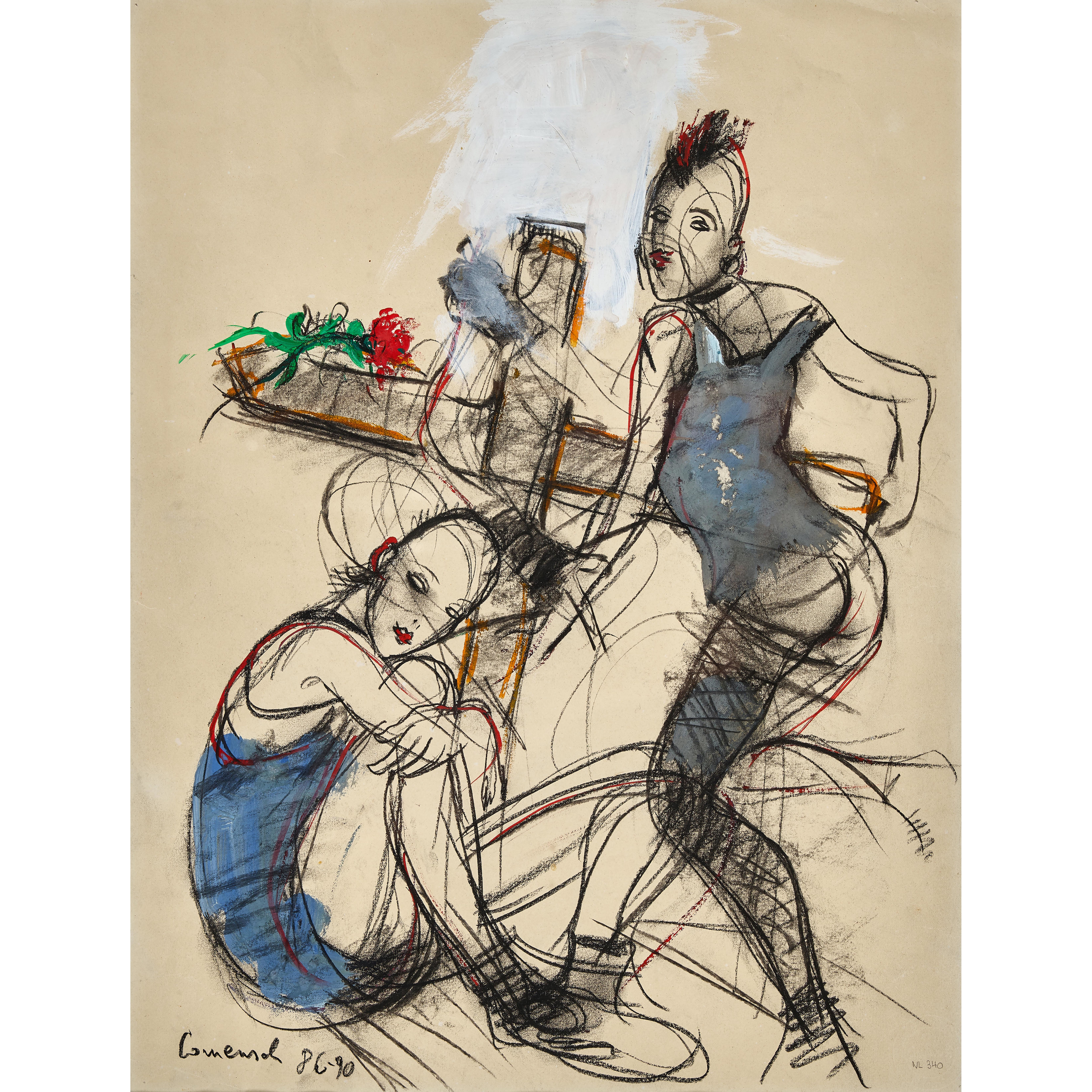
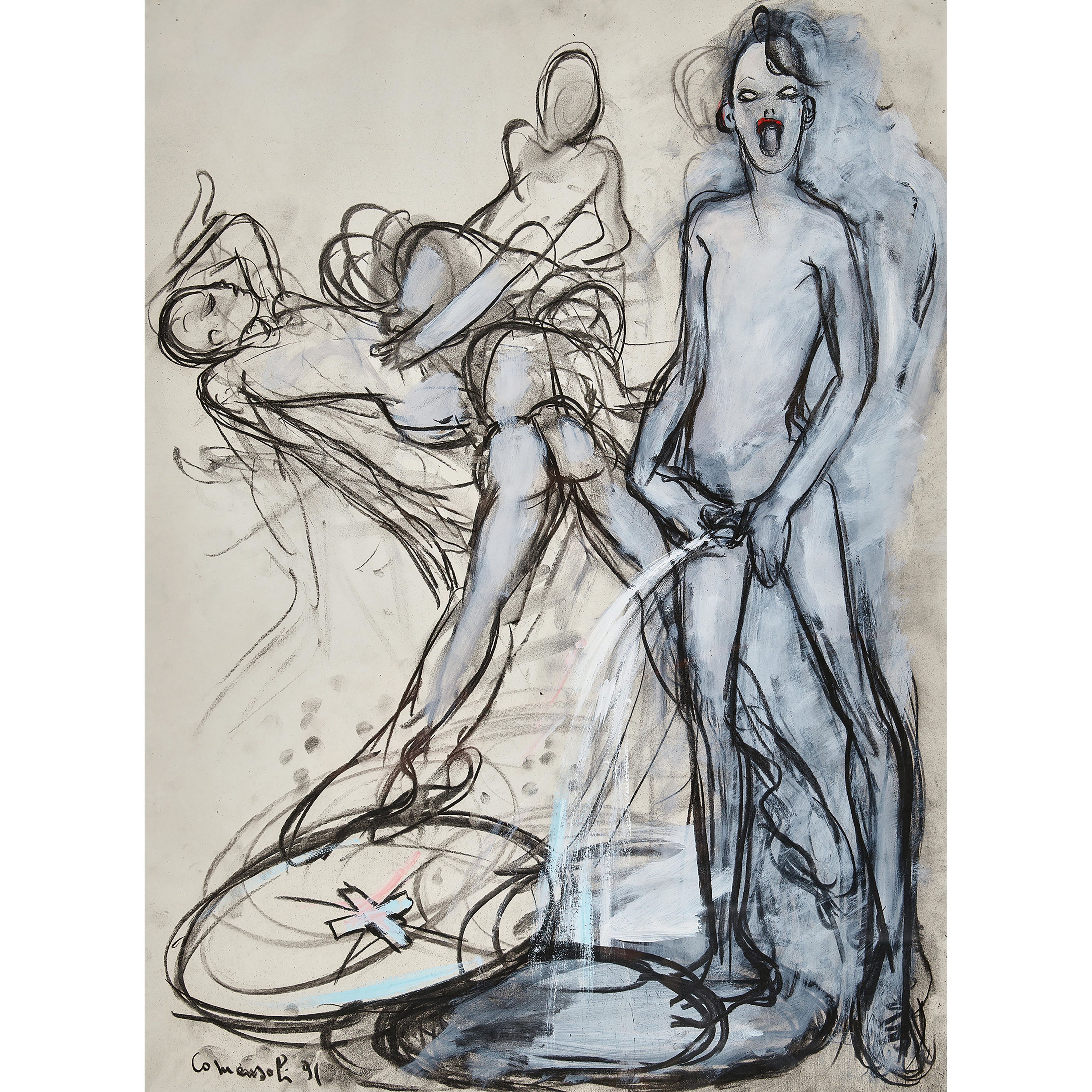
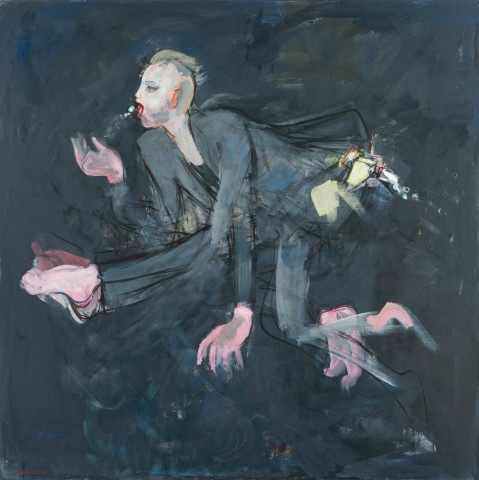
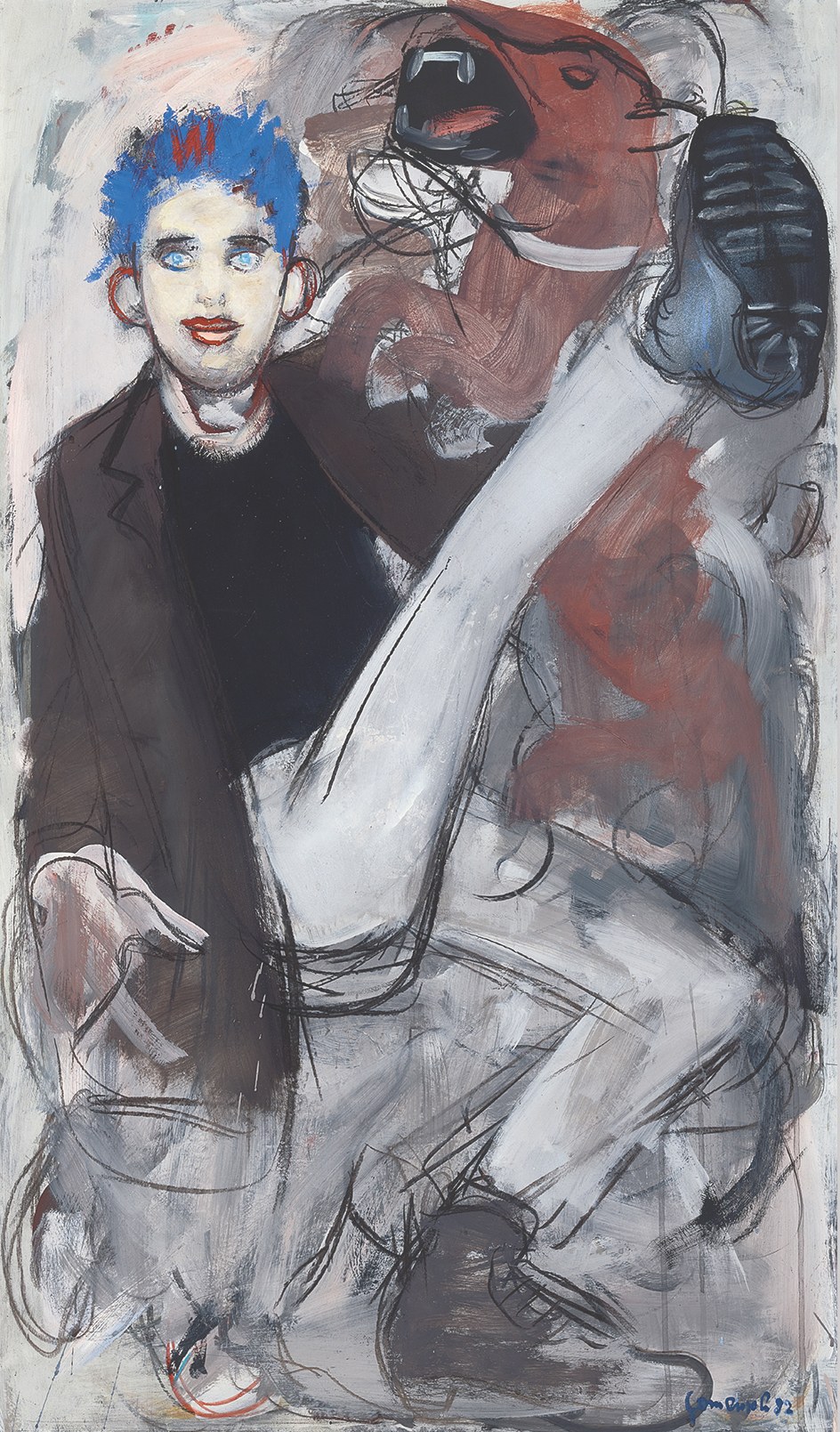
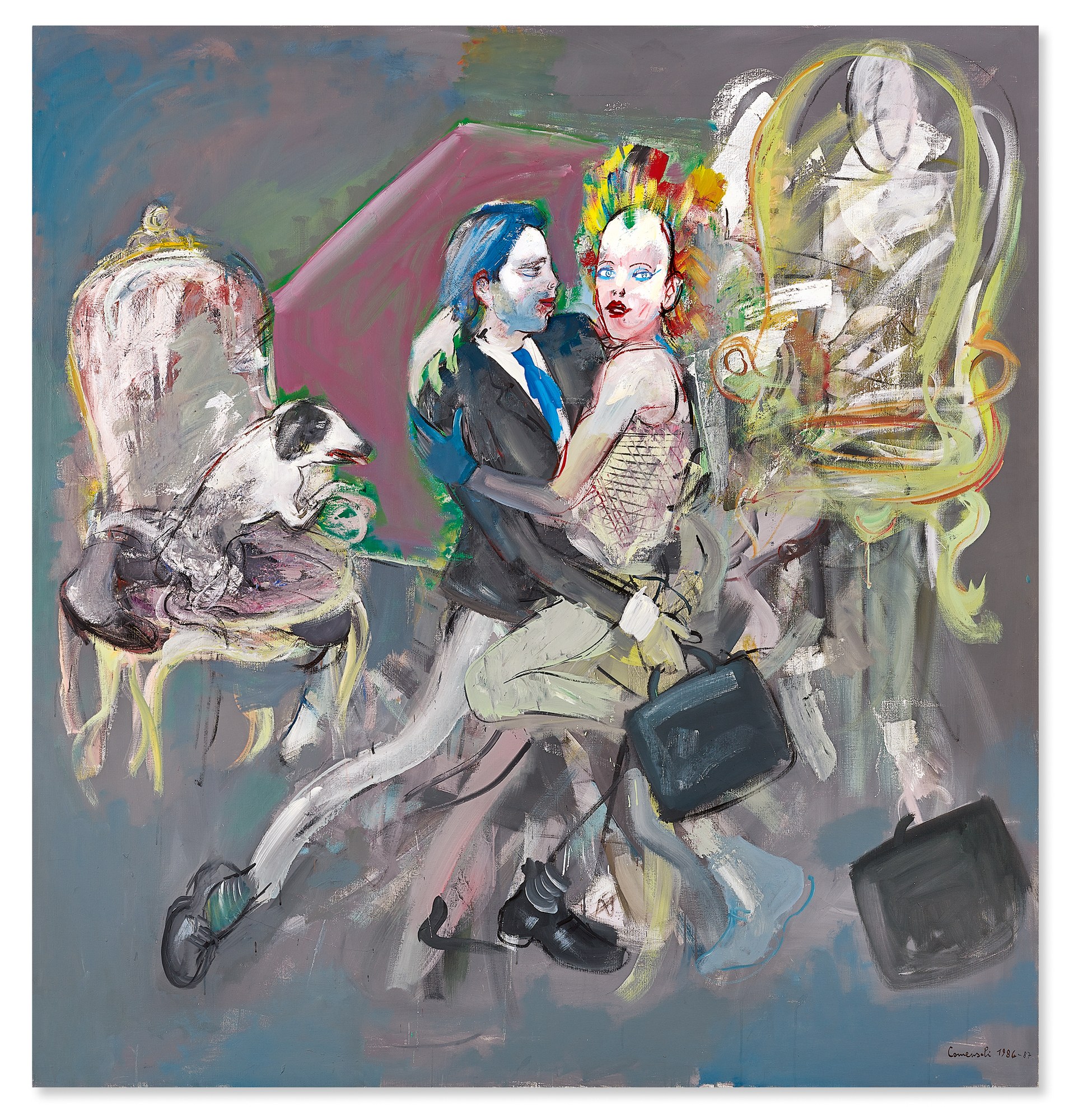
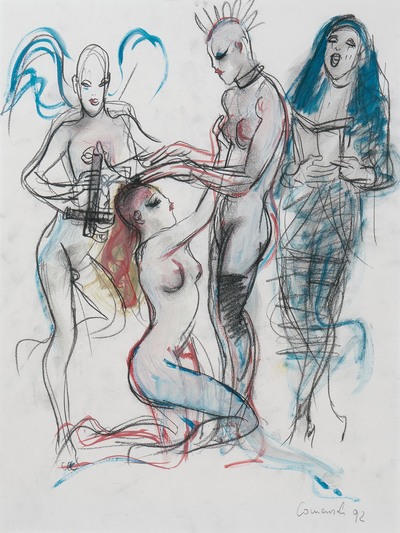
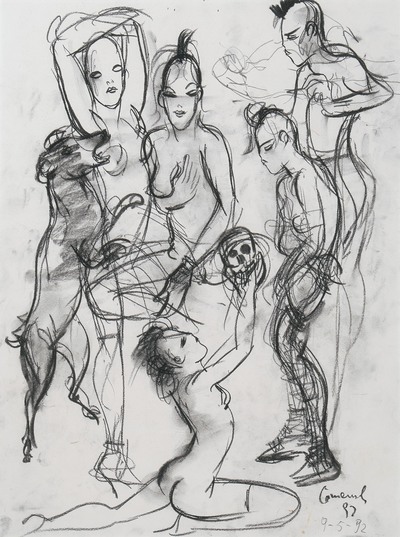
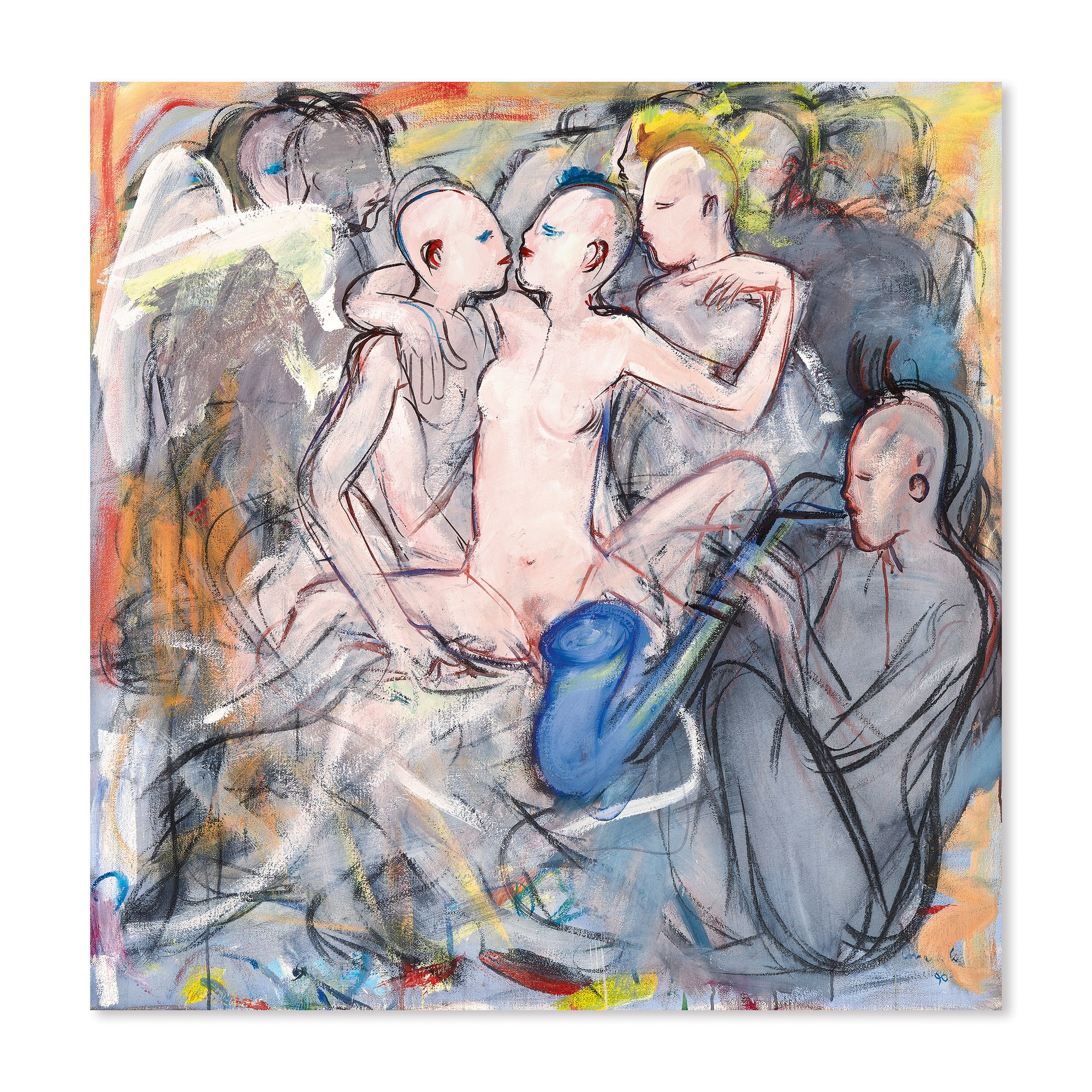
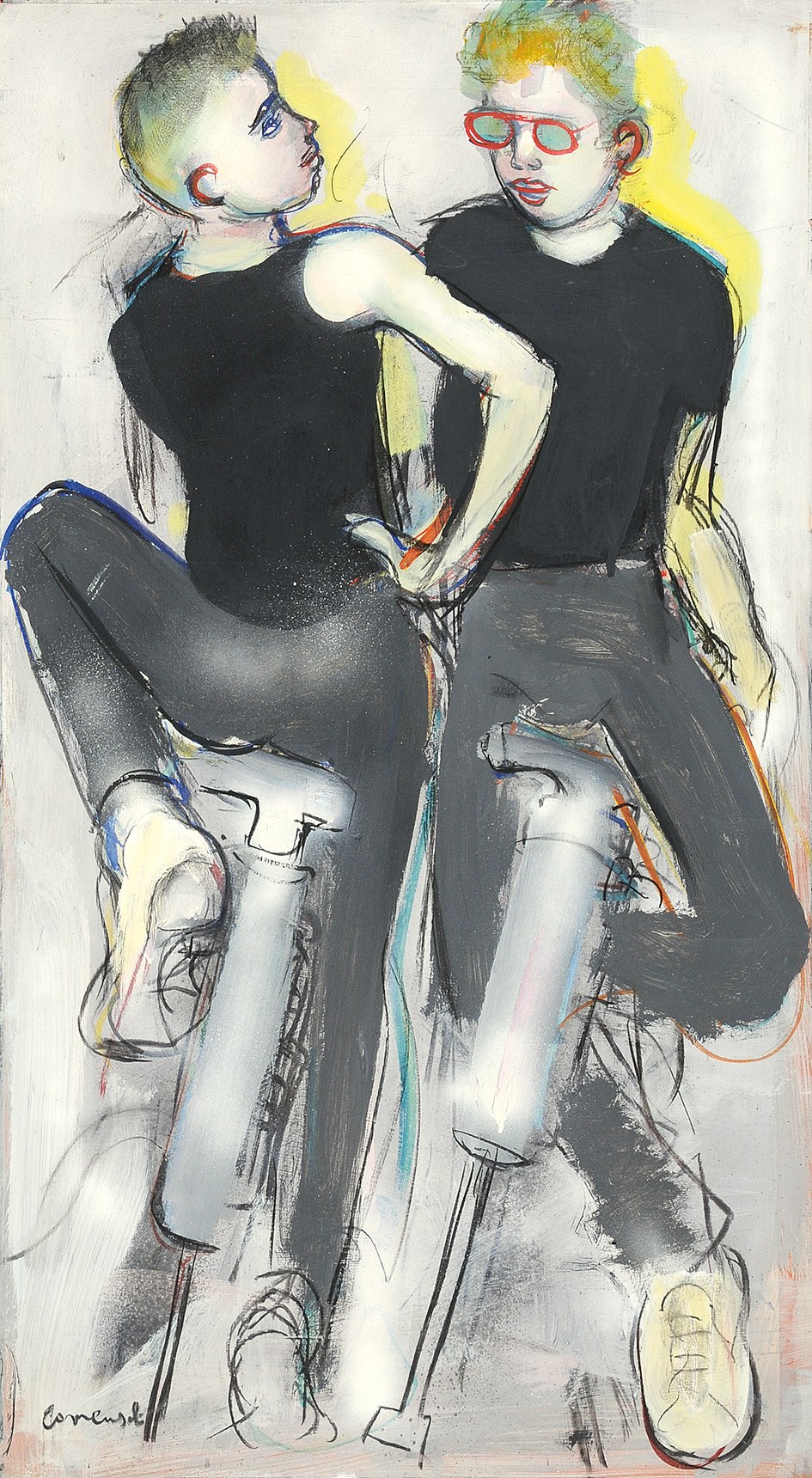
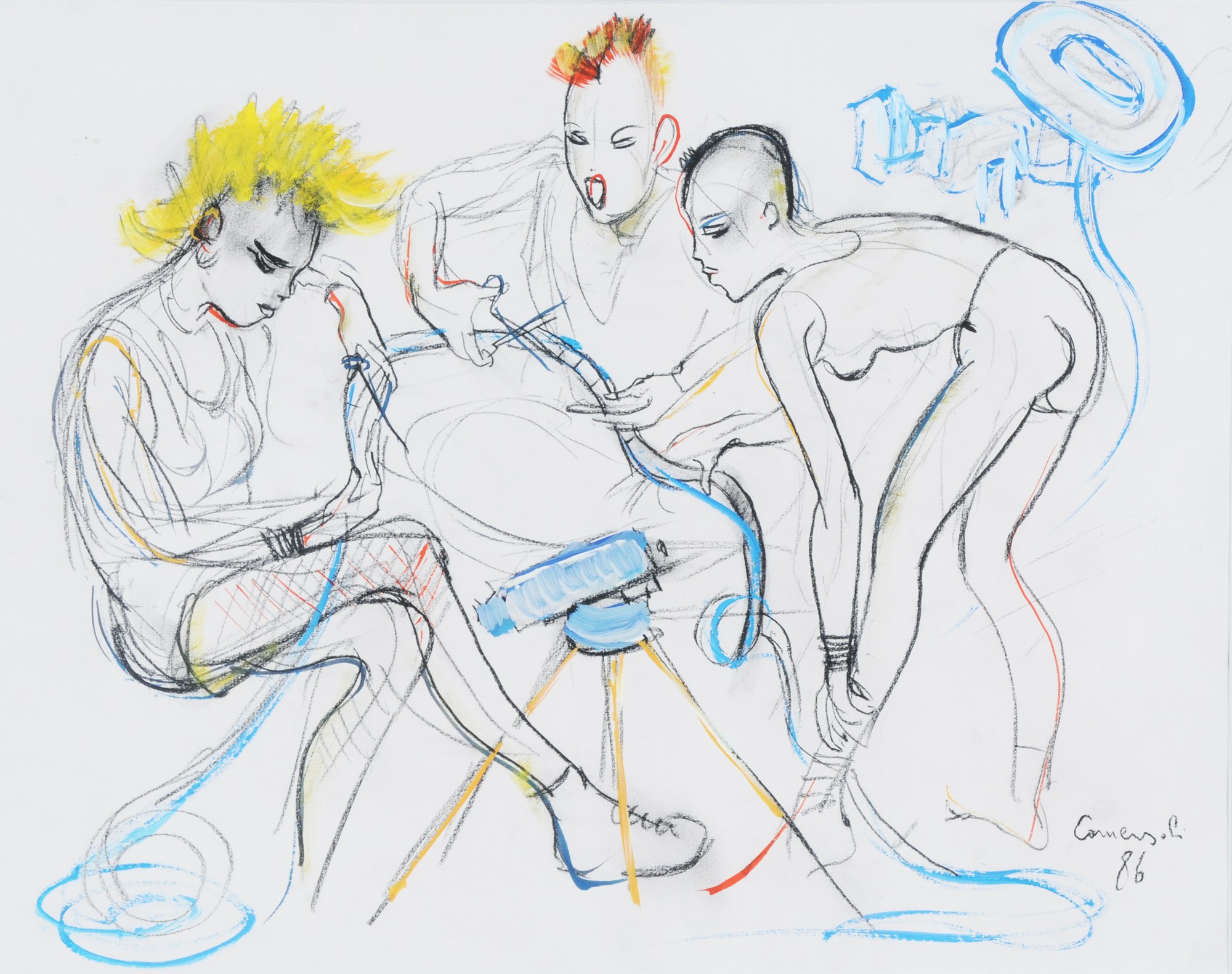
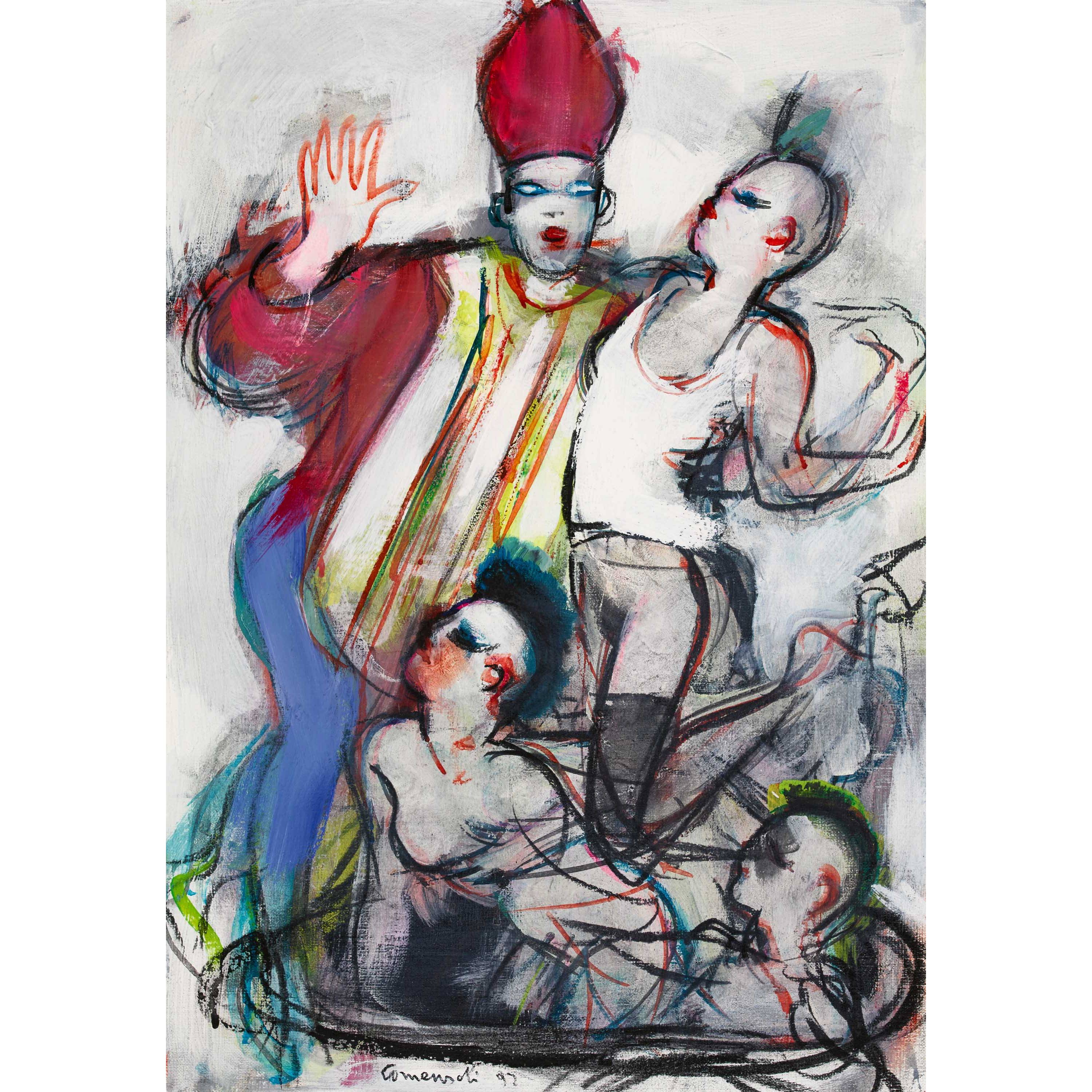
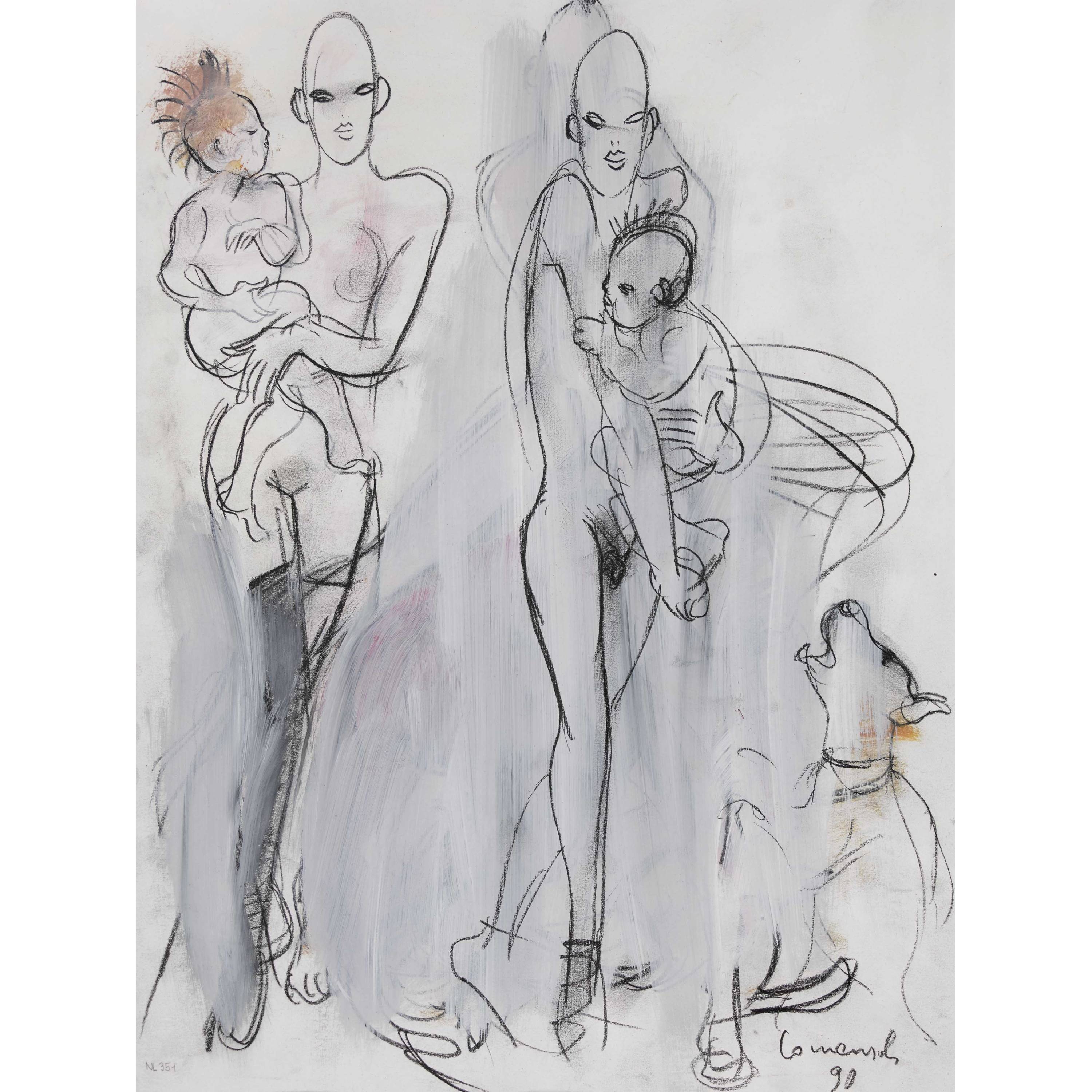
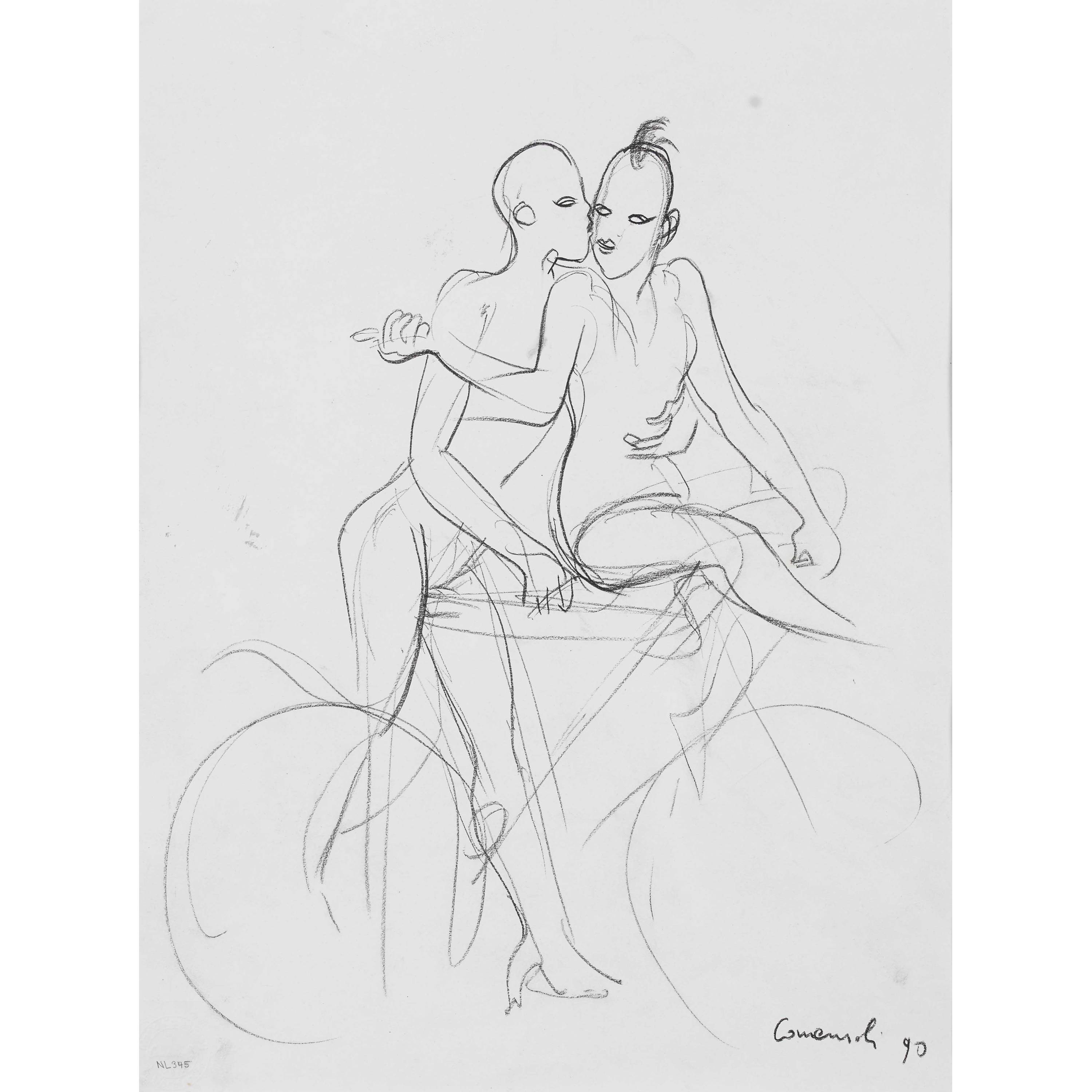
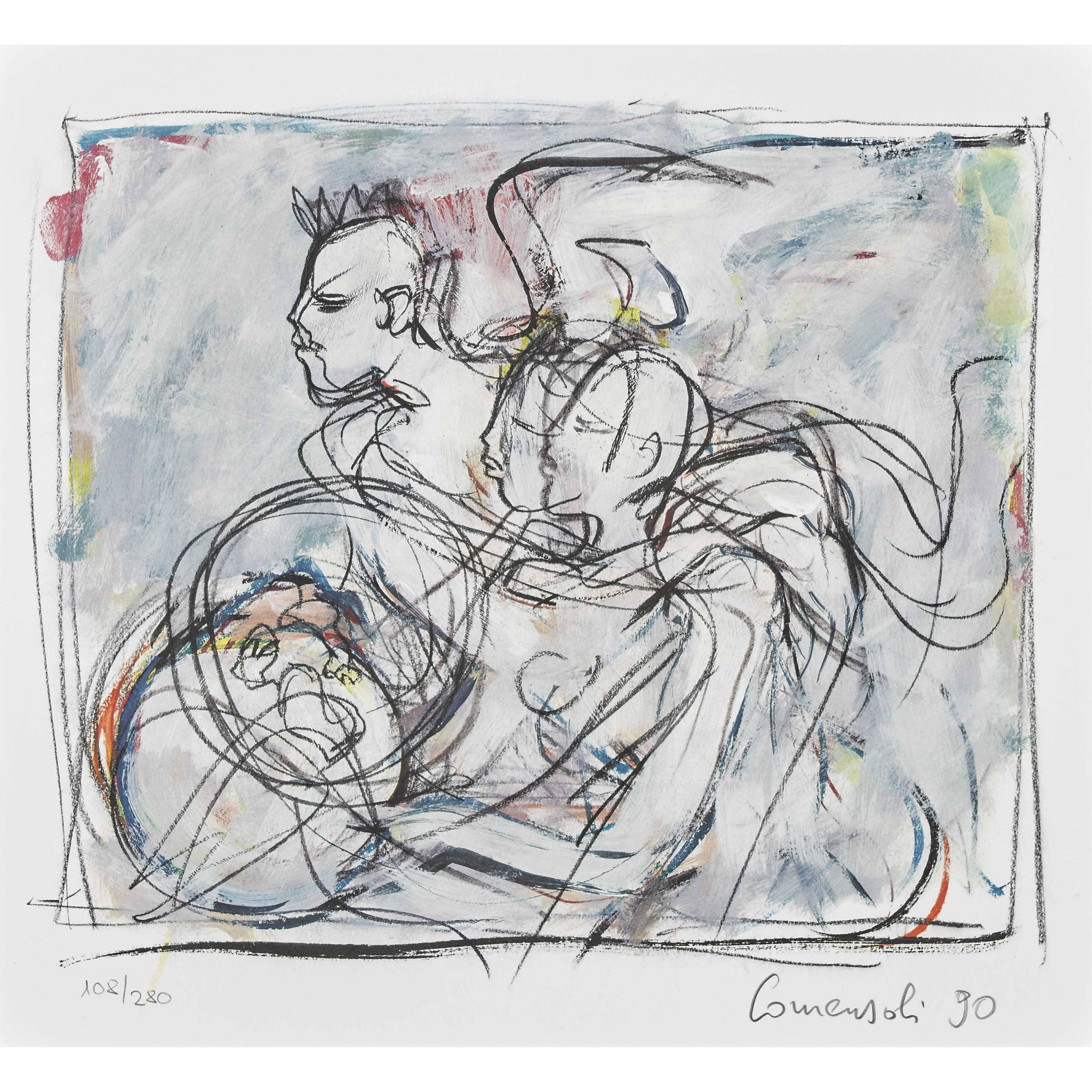
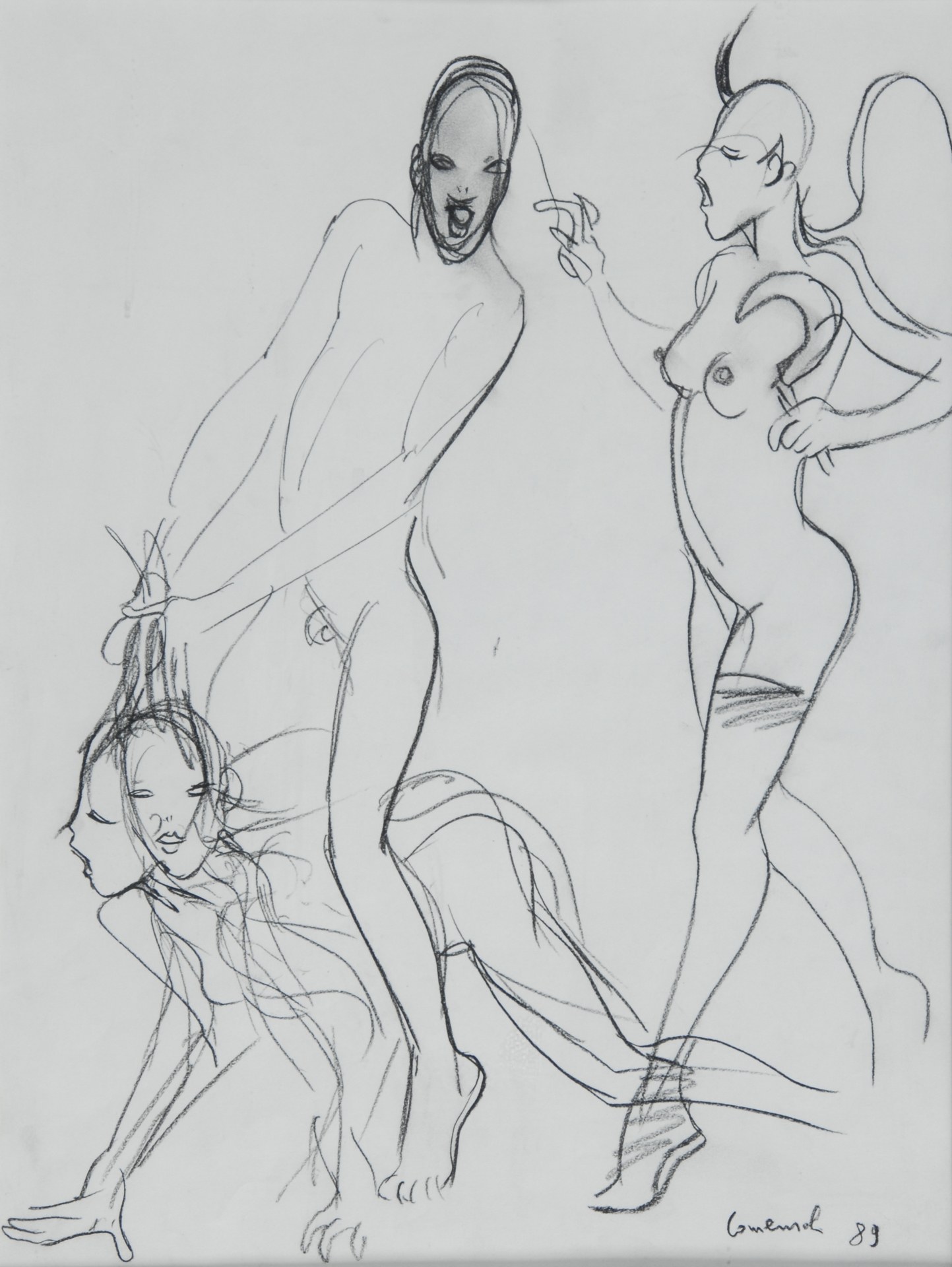
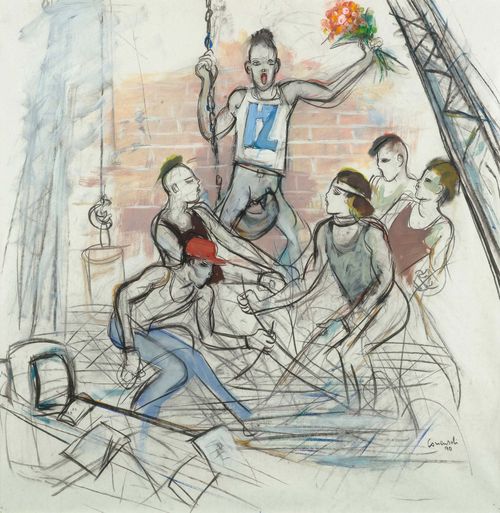
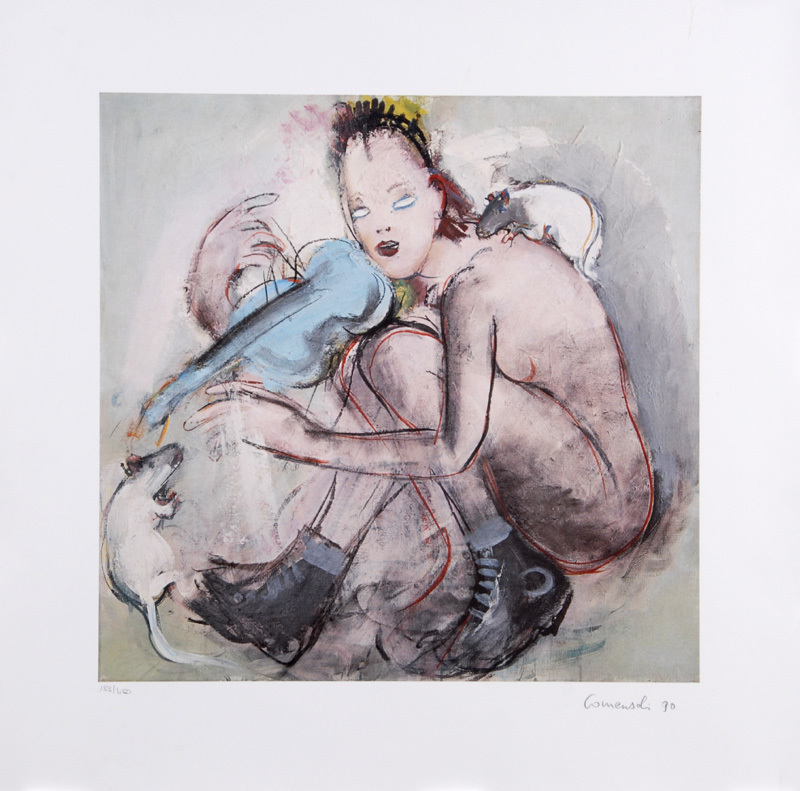
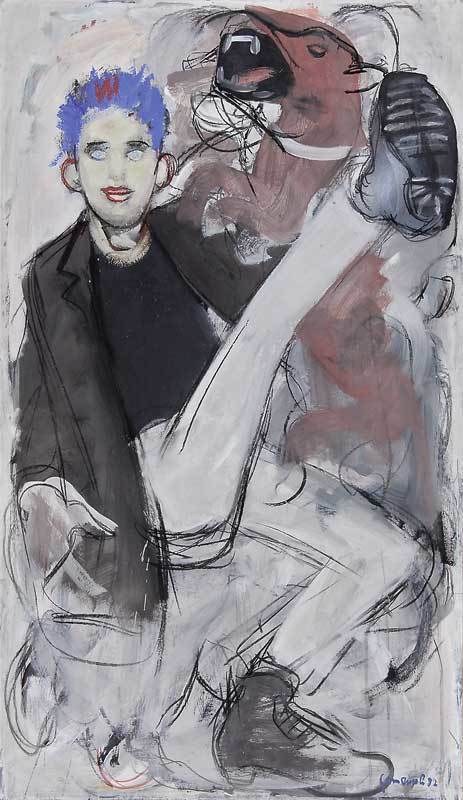
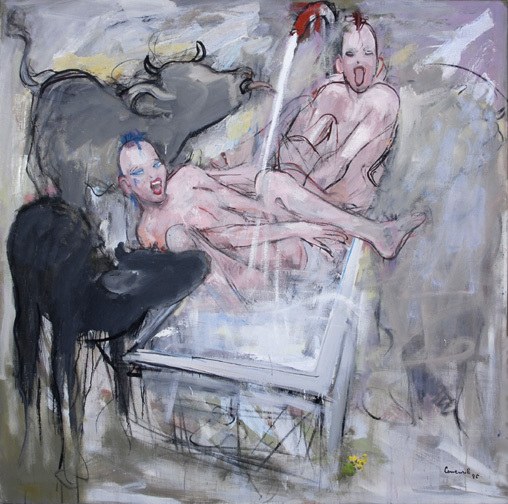
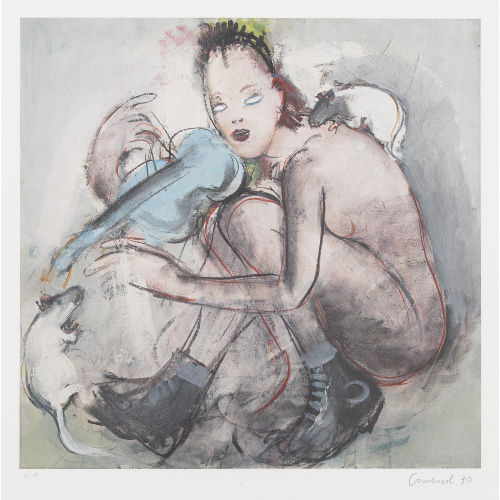
The cycles devoted to cinema and discotheques extended this attention to collective spaces. In the 1980s, punks appeared in his work. His final paintings subsequently addressed the vulnerability of young people confronted with drugs in Zurich’s neighbourhoods.
Kunsthaus Zürich dedicated an exhibition to him in 1989. After his death, Hélène Comensoli catalogued his oeuvre and planned the creation of the foundation that today bears both their names, charged with preserving this legacy and bringing it to wider attention.
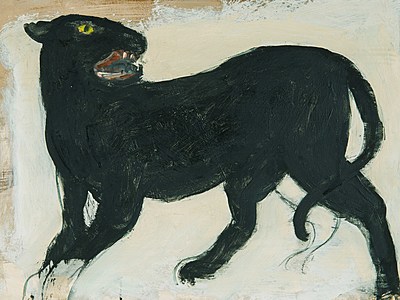
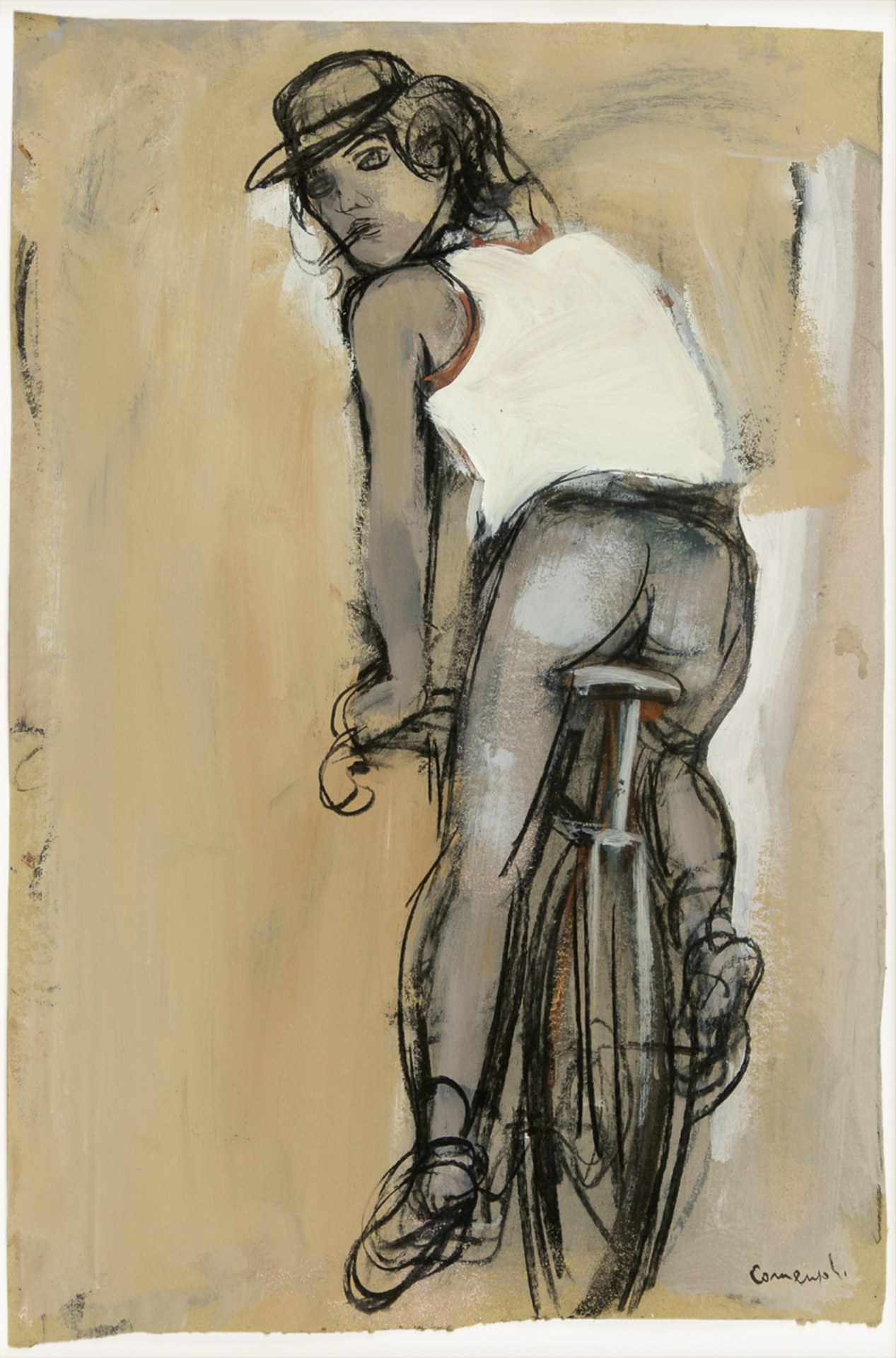
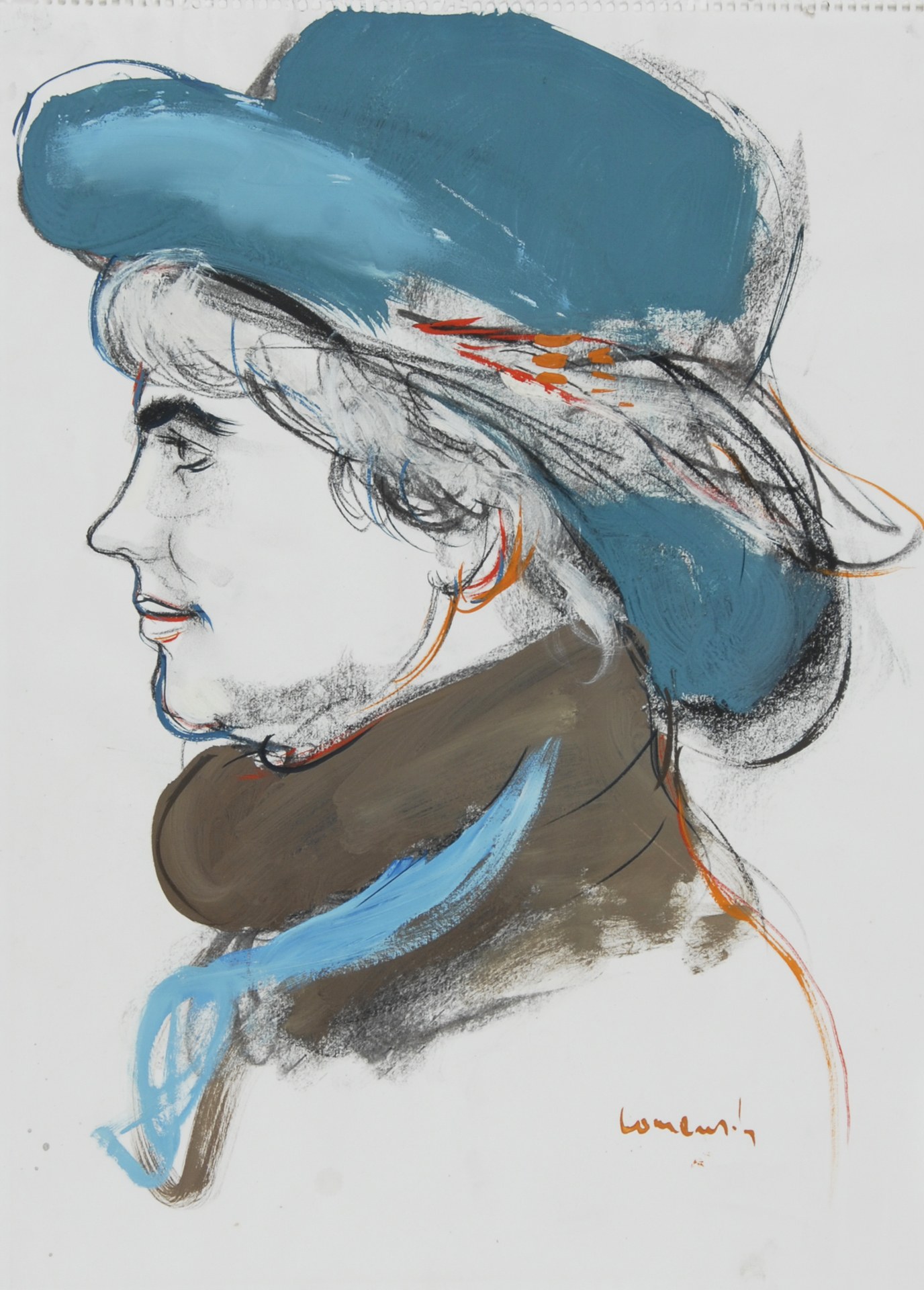
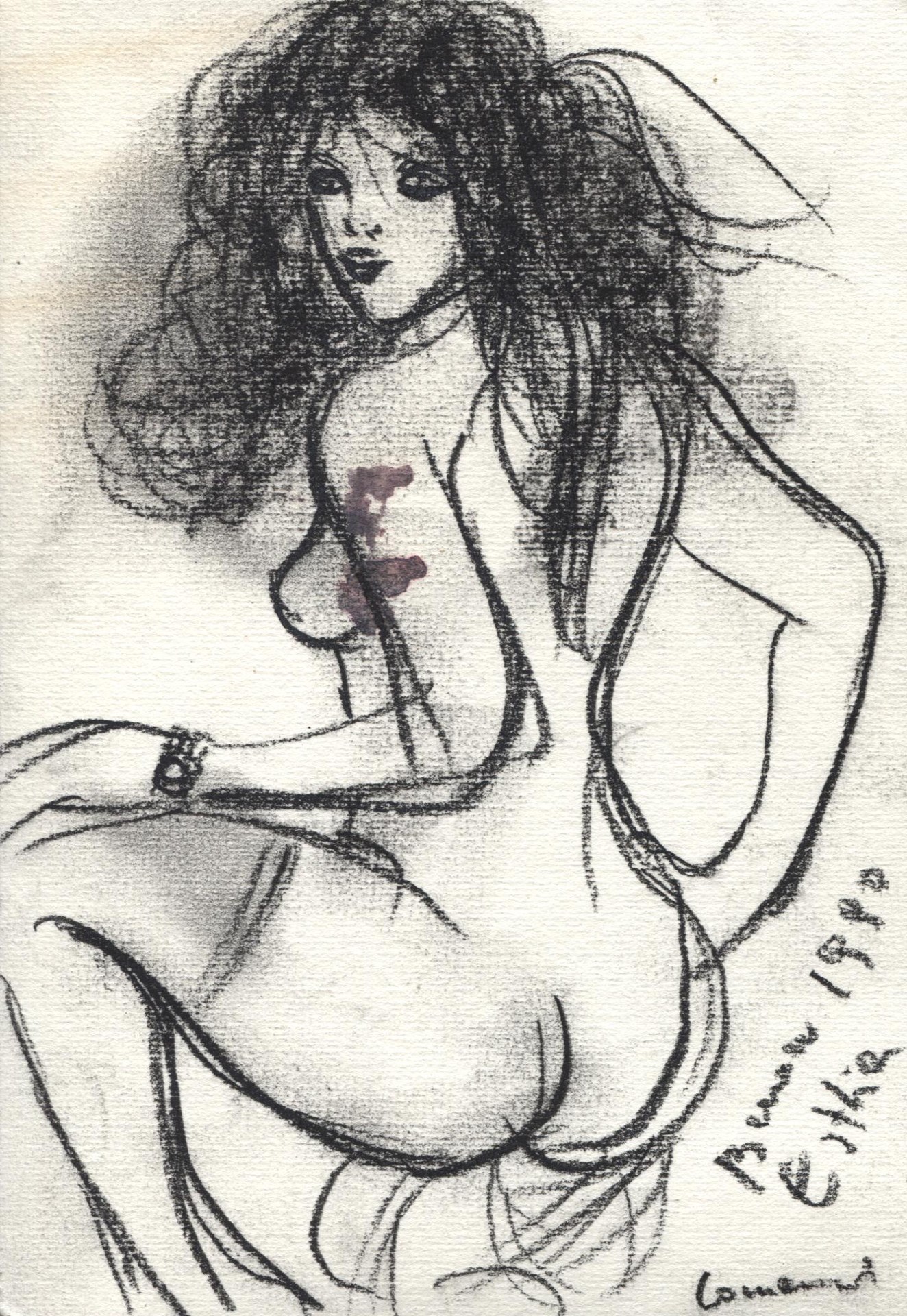
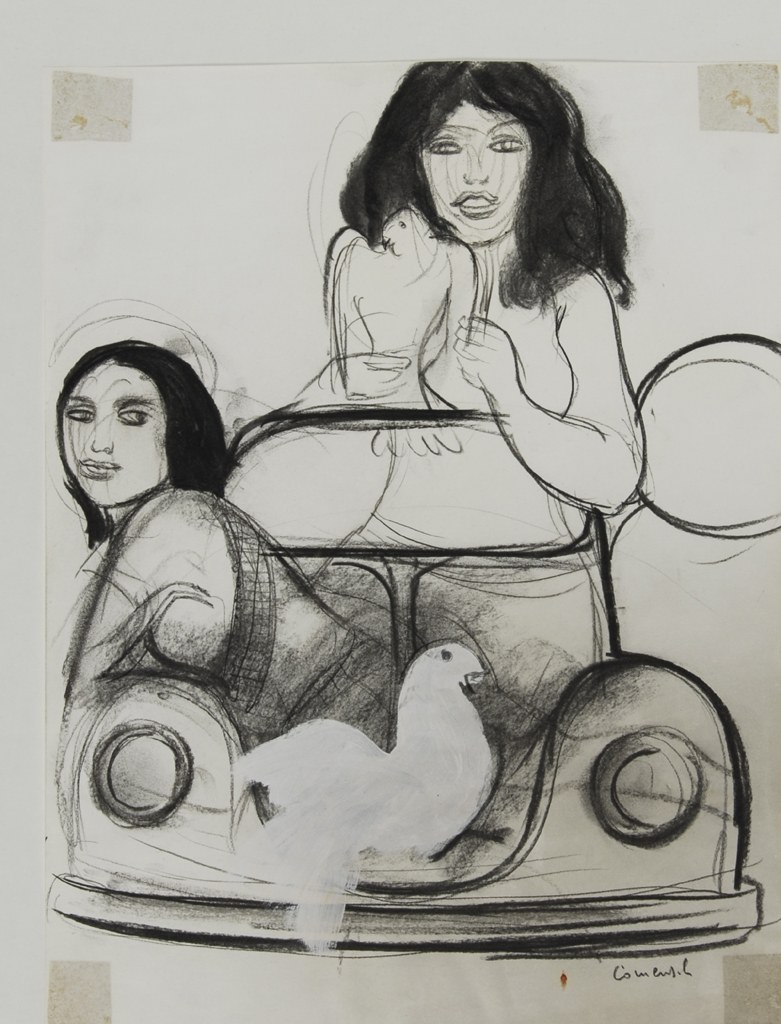
To discover his paintings, one might begin by observing the figures’ attitudes: who is looking, who is dancing, who is working, who remains apart? One can then follow the relationships between the figures and their surroundings. This attentive reading reveals a painting in which individual experience and collective history meet without merging.