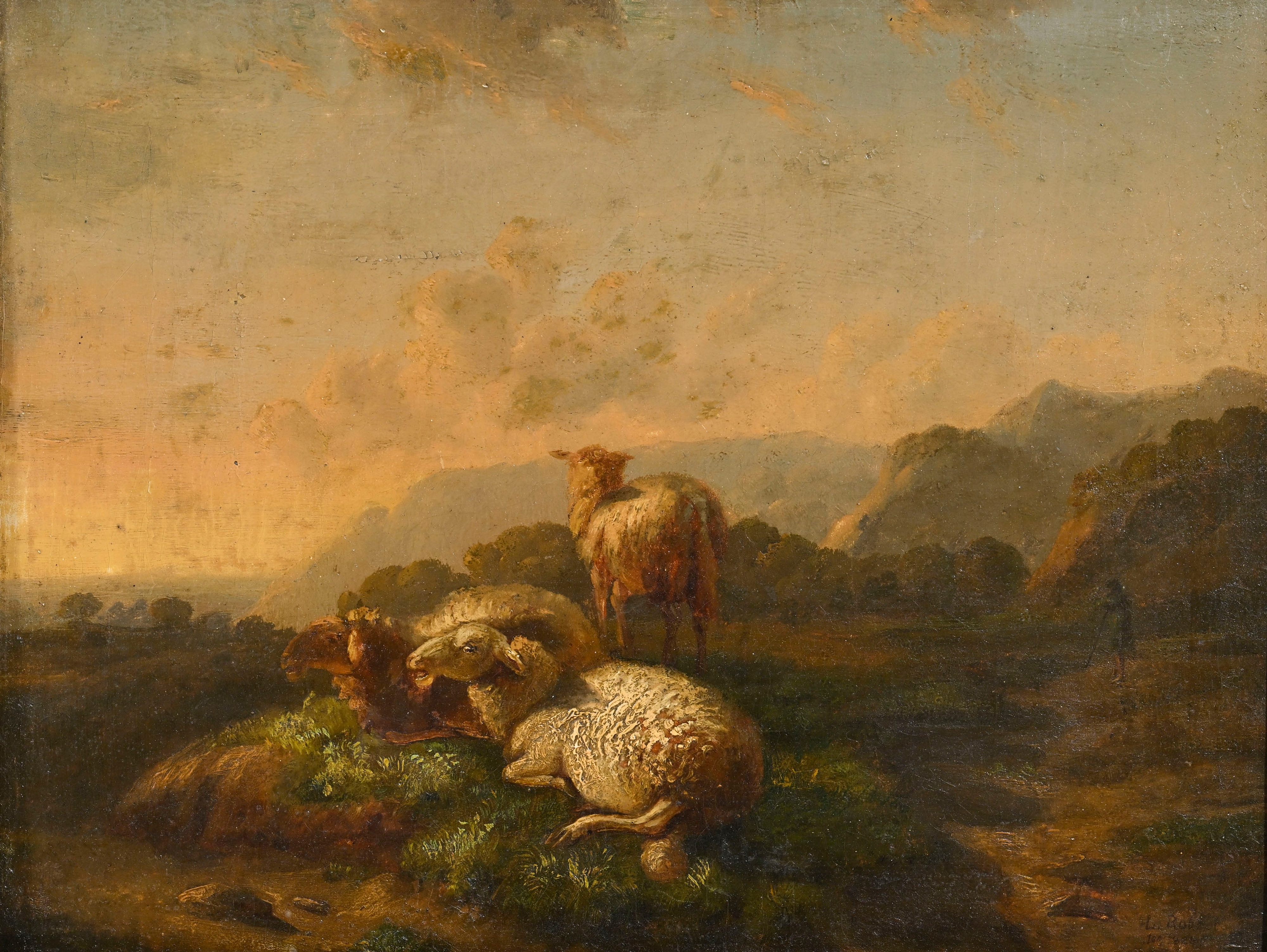
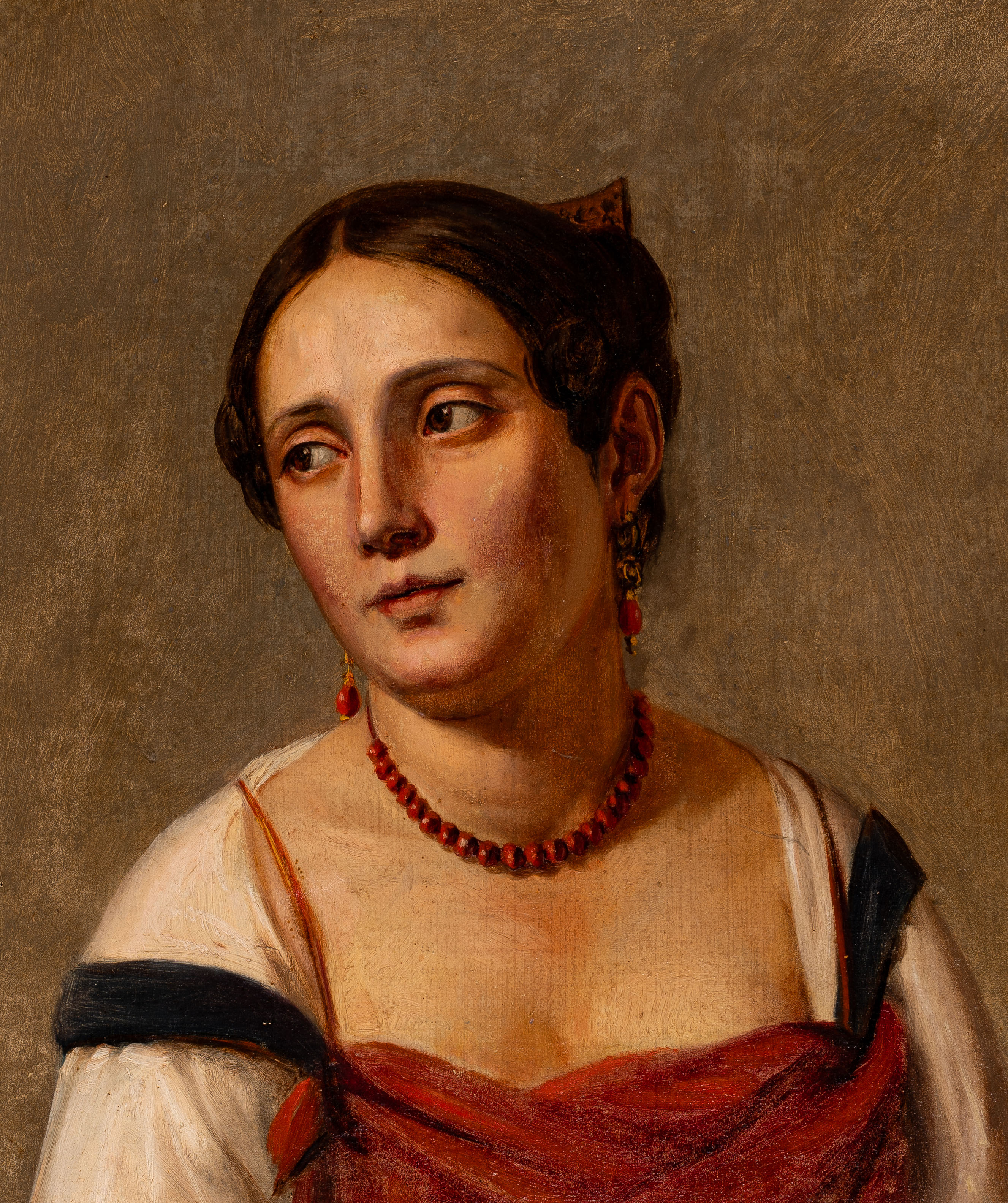
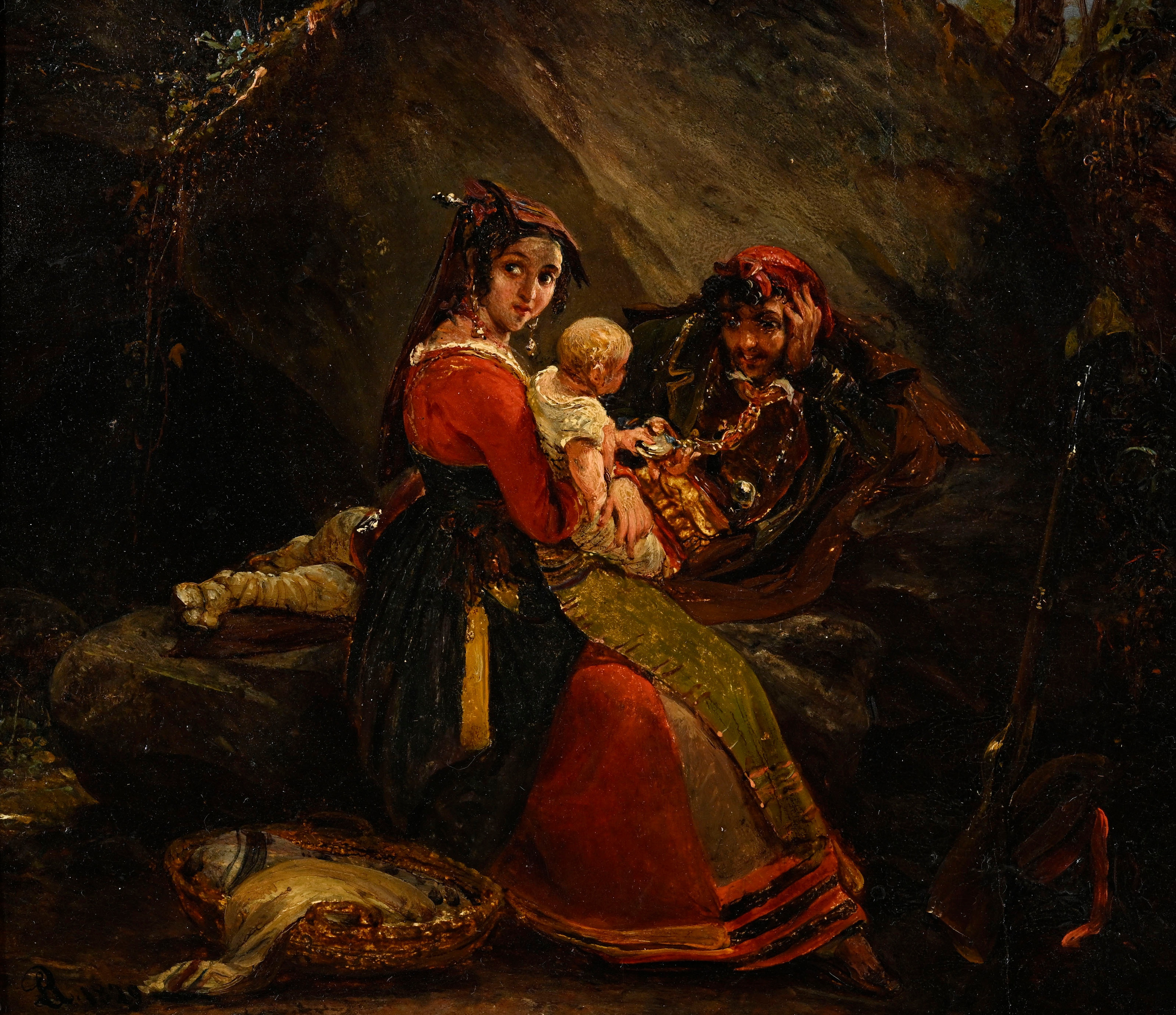
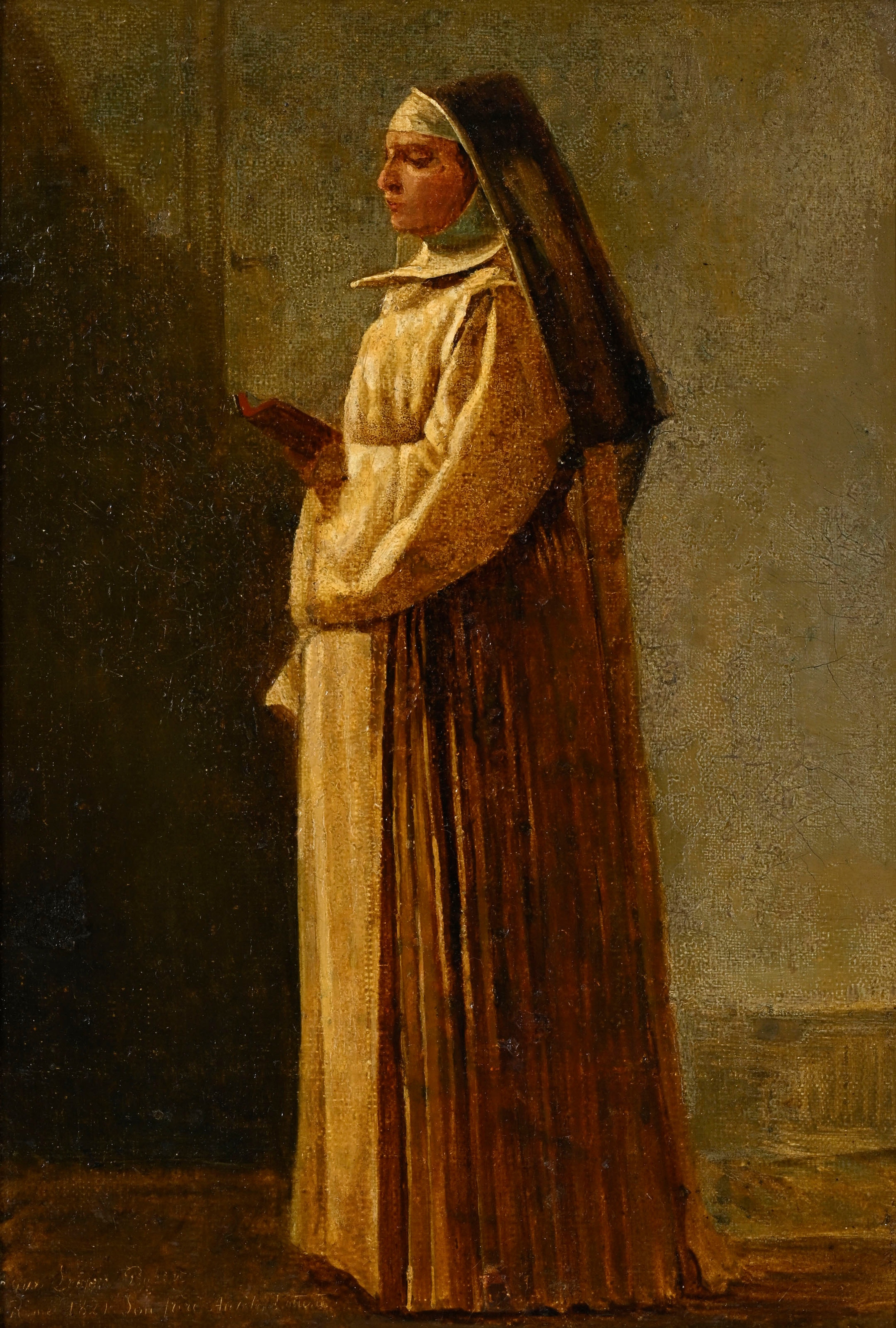
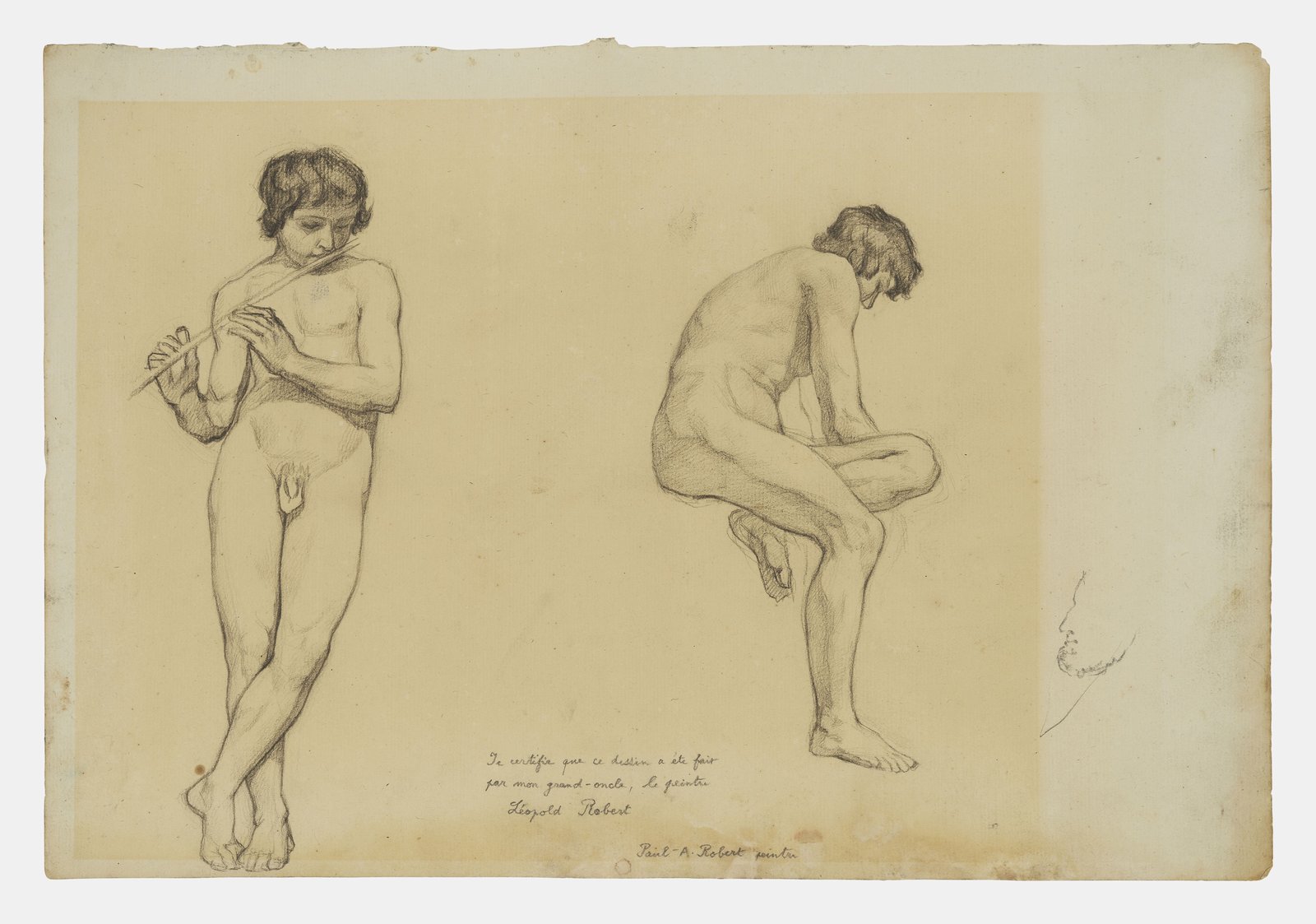
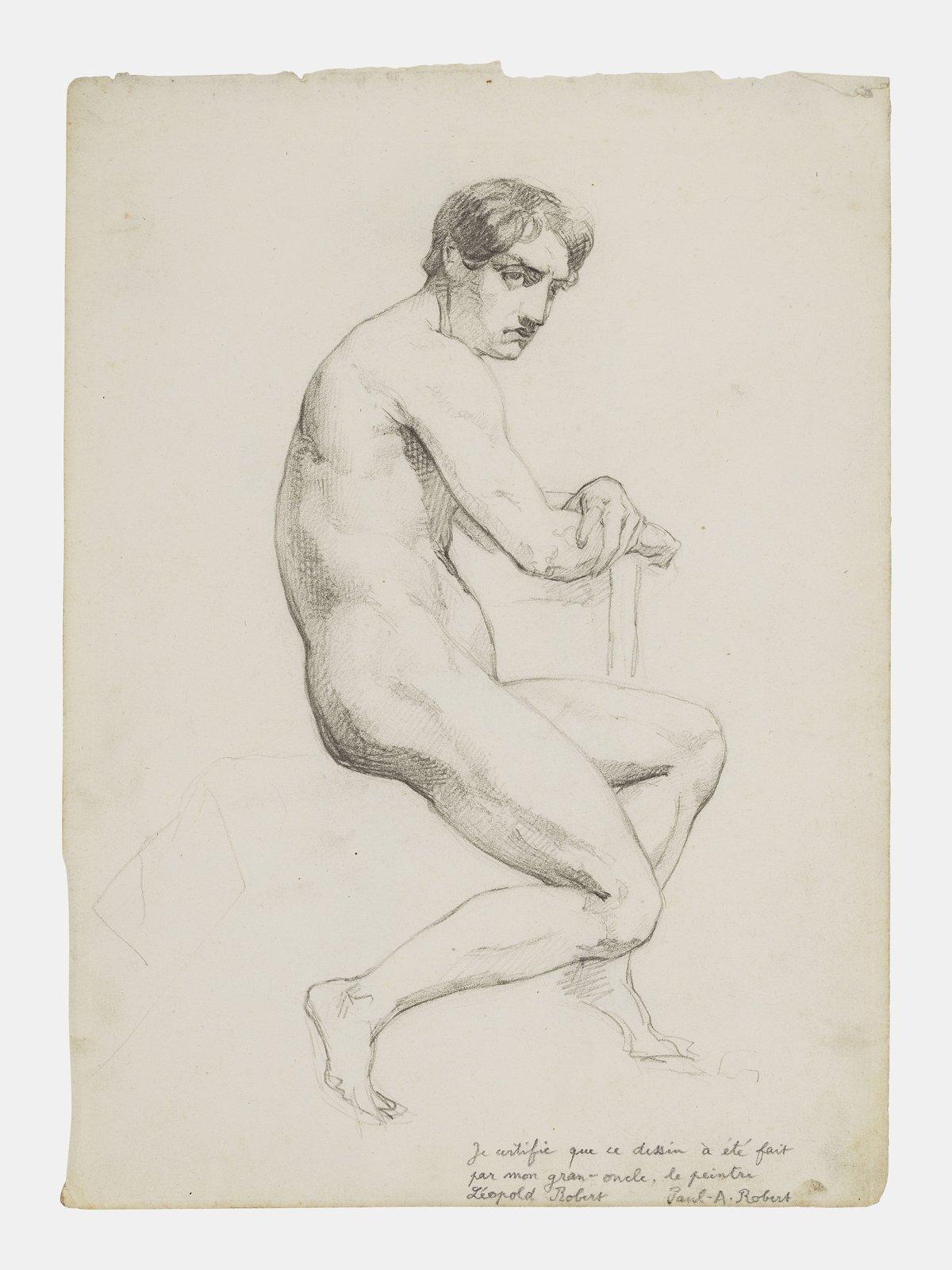
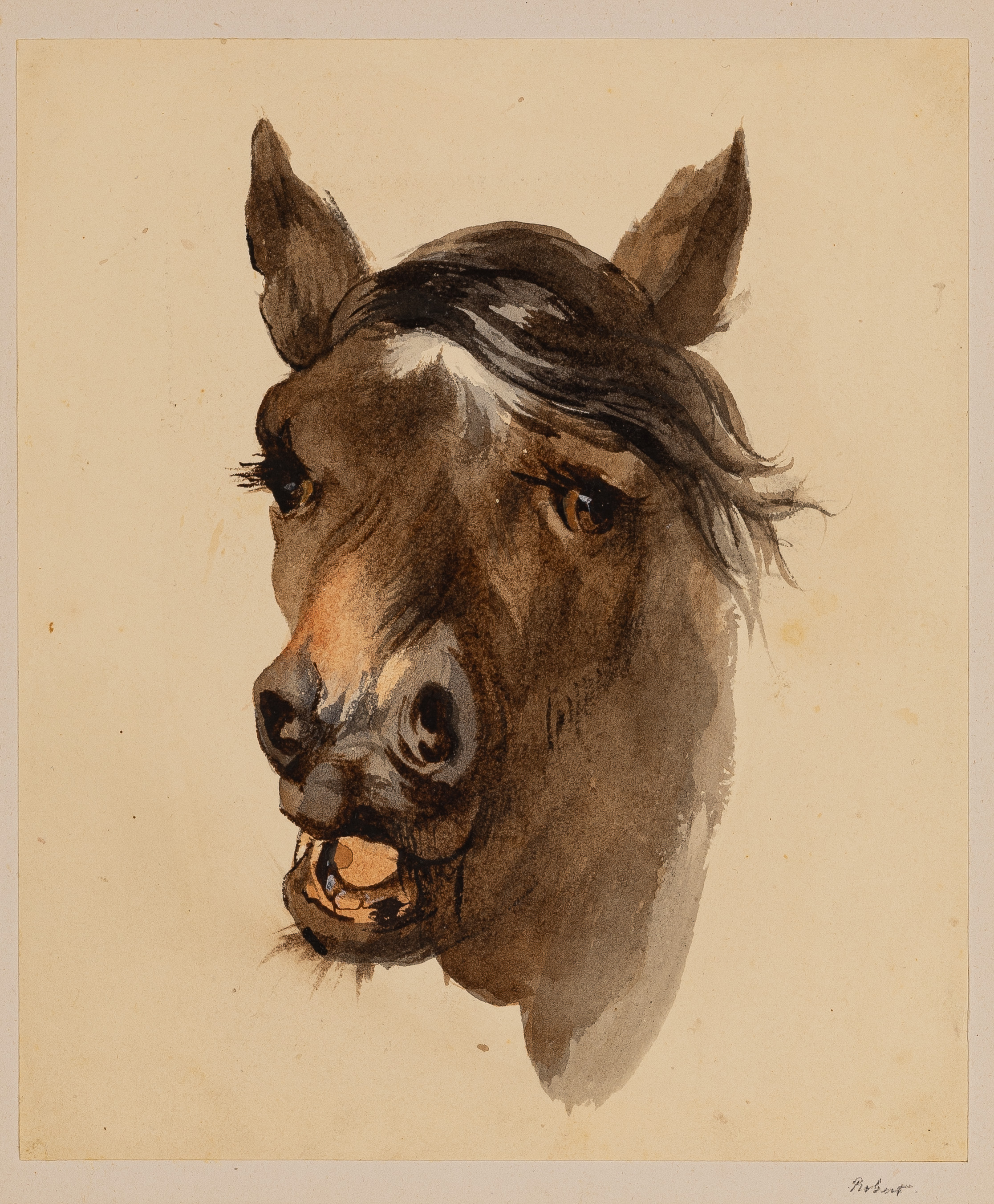
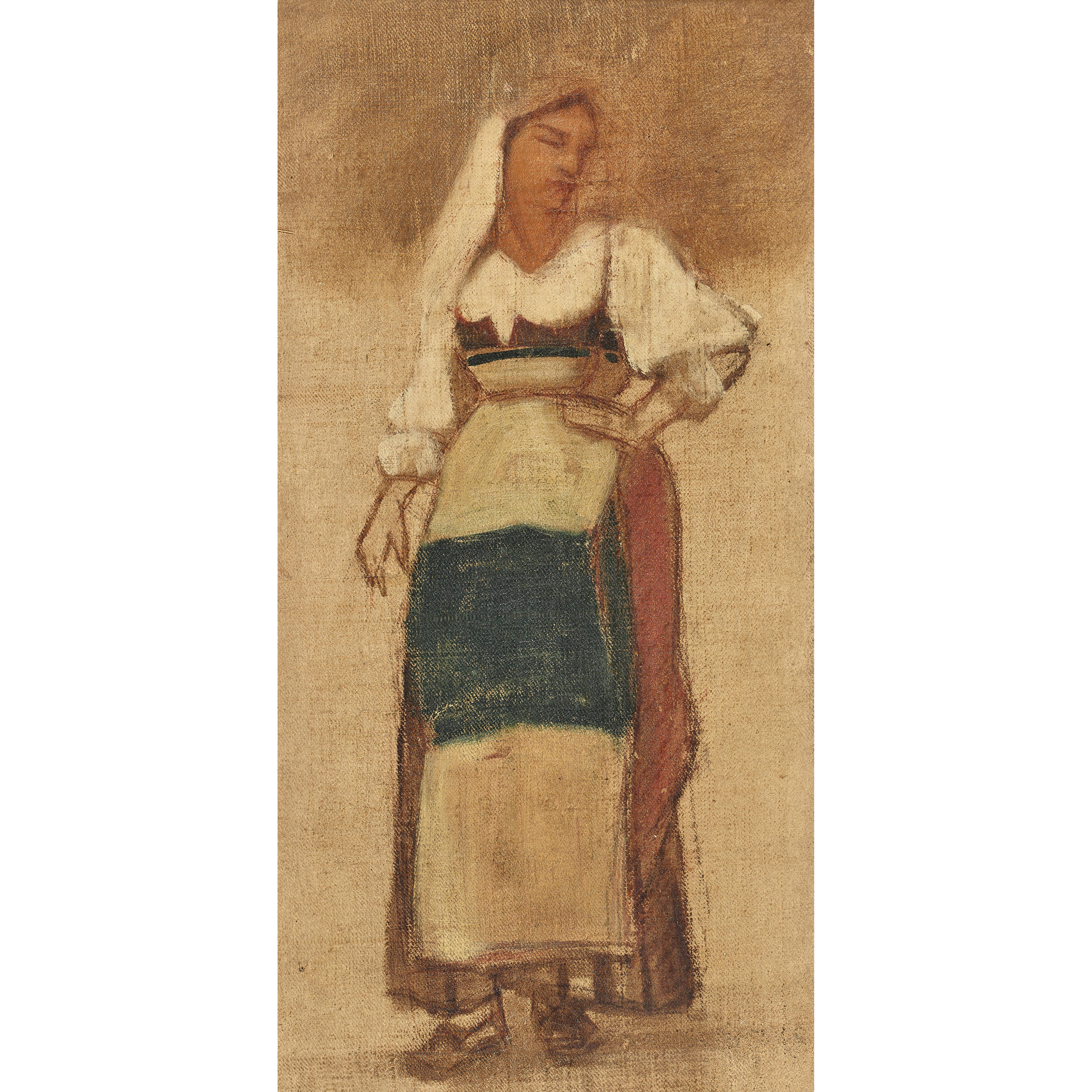
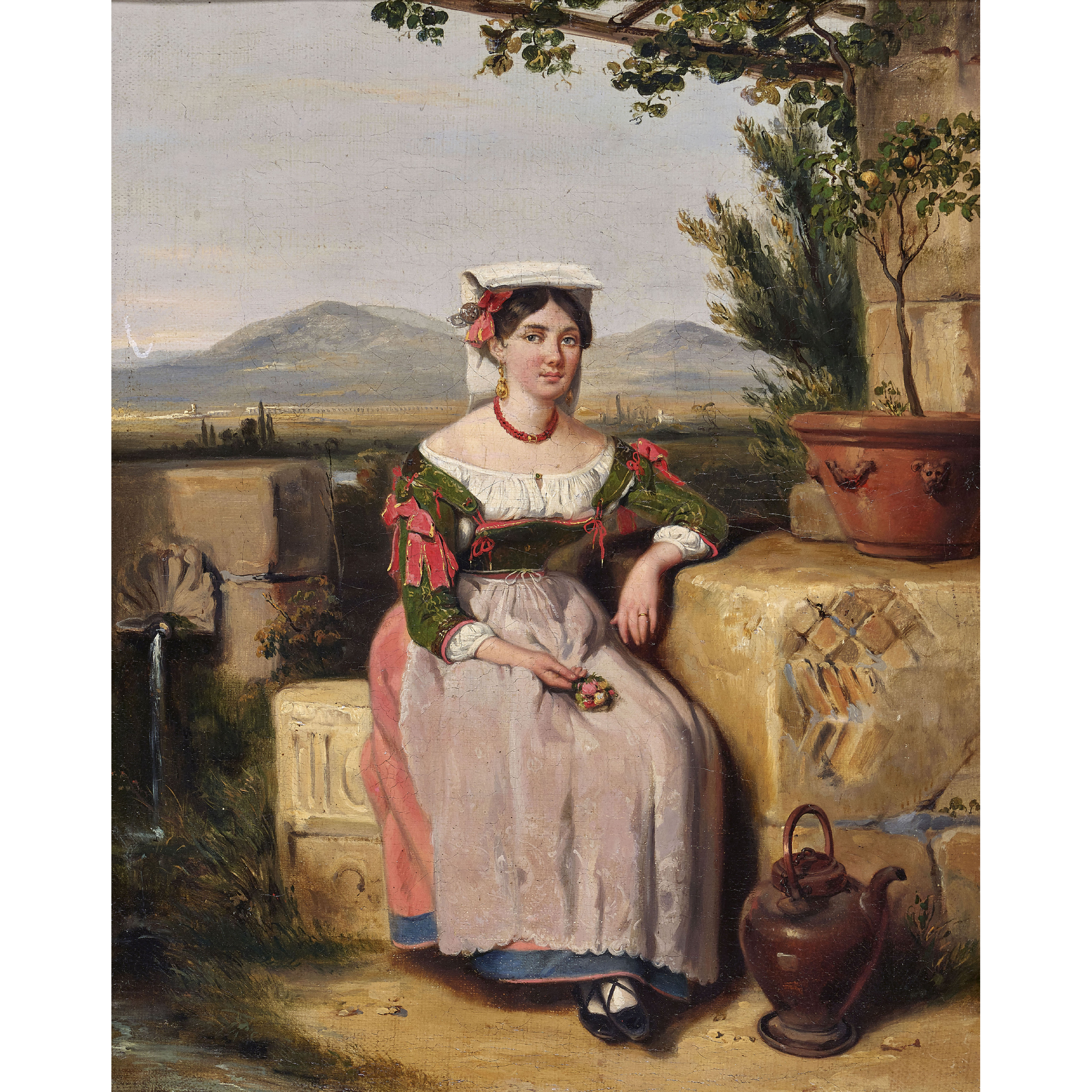
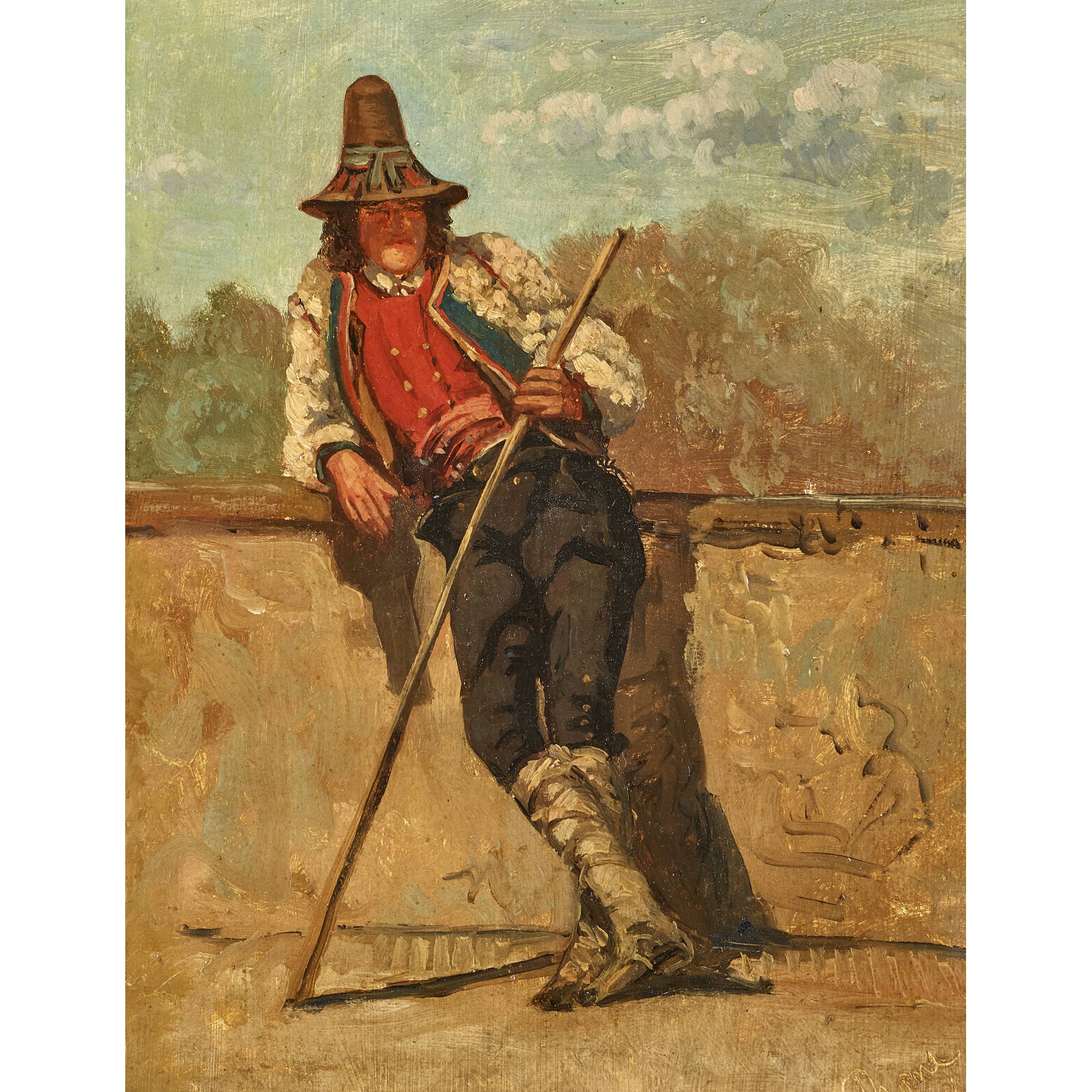
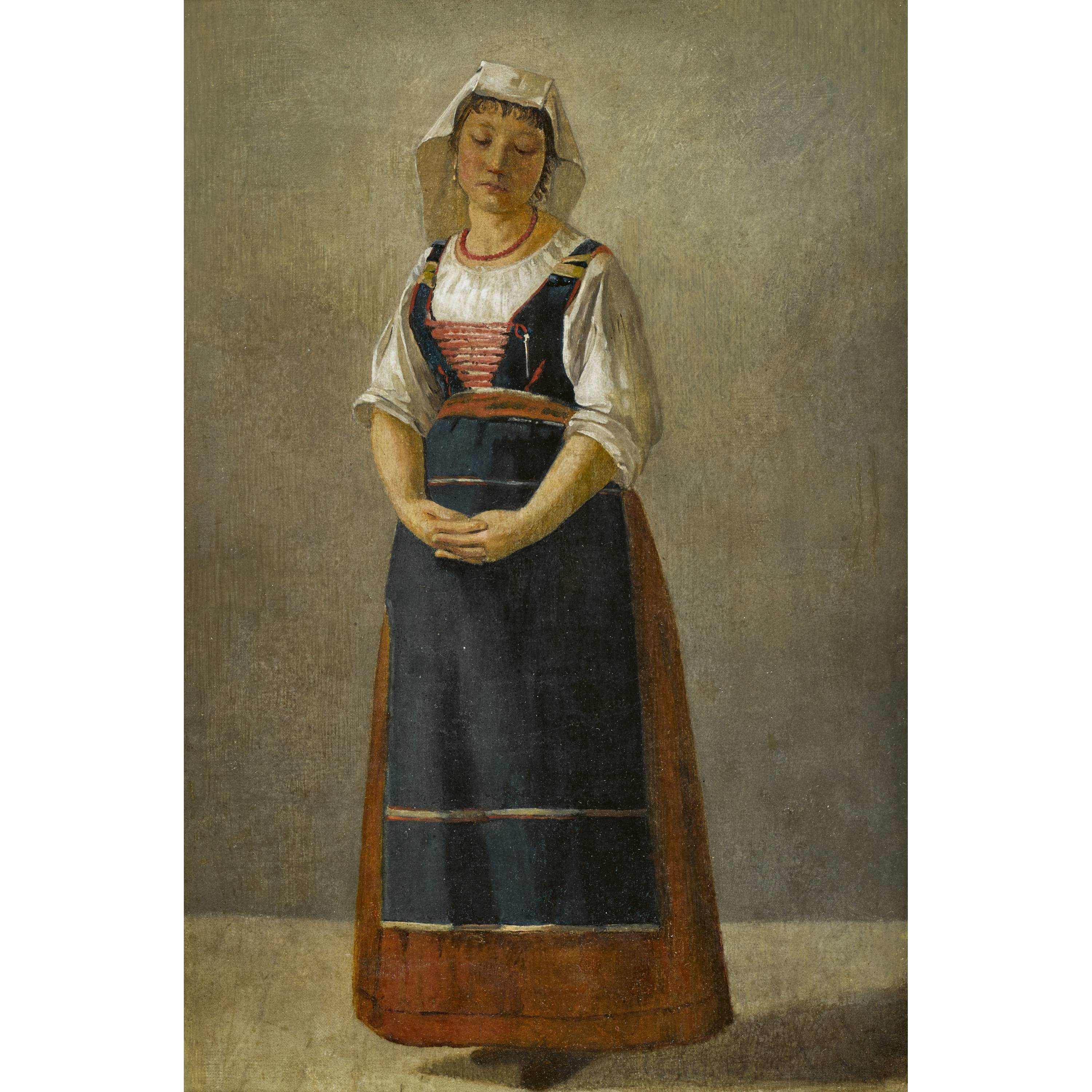
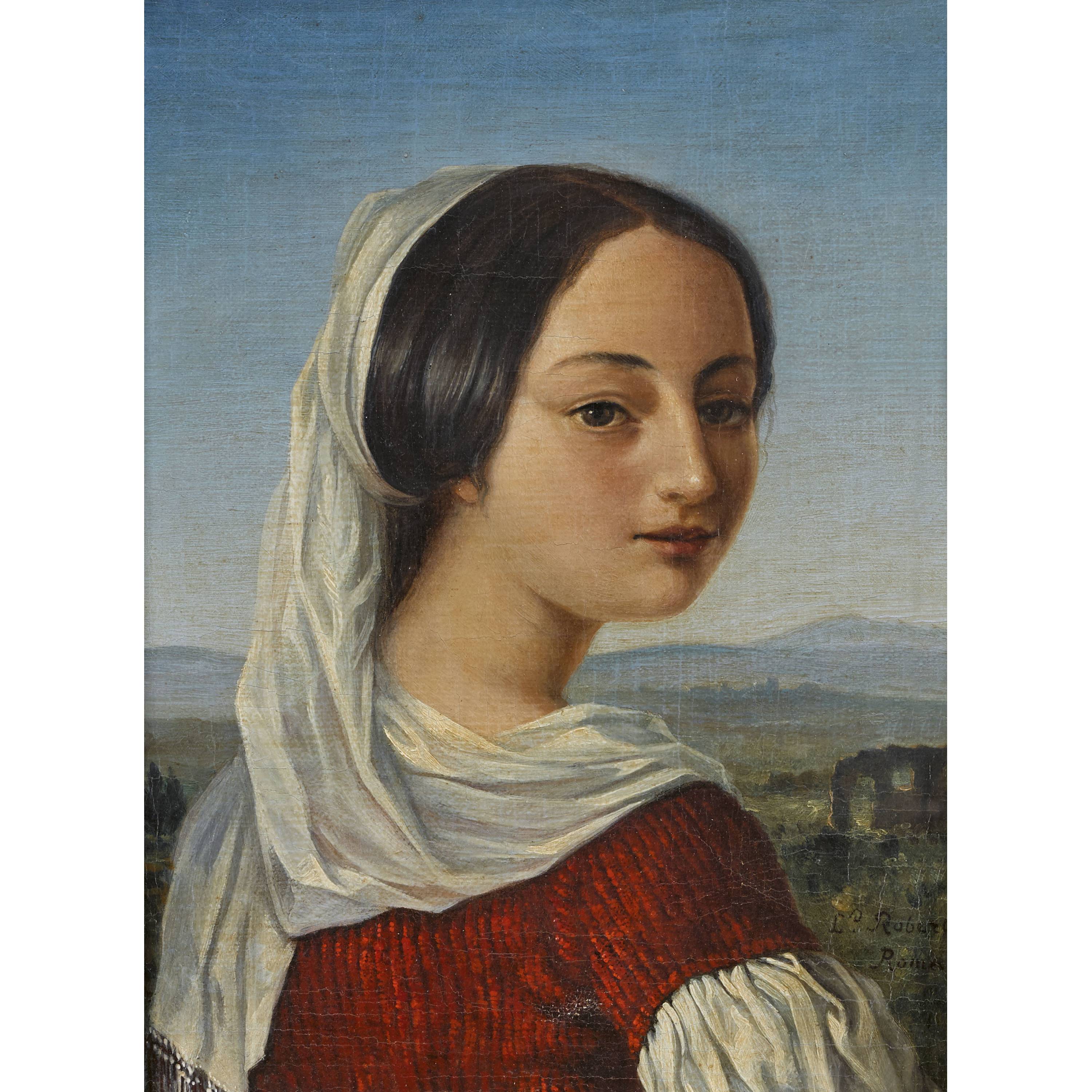
Léopold Robert
Born in 1794.
Died in 1835.
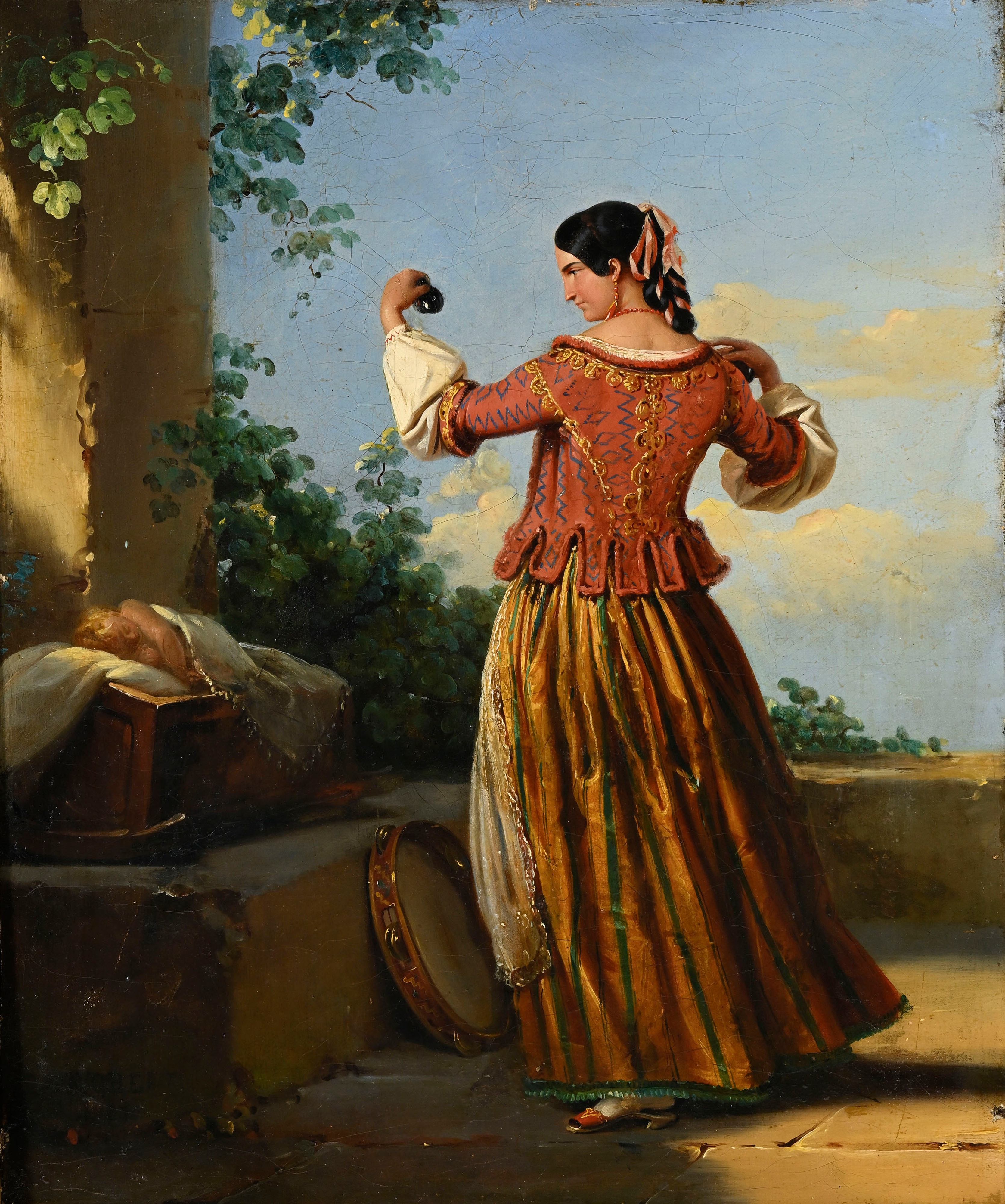
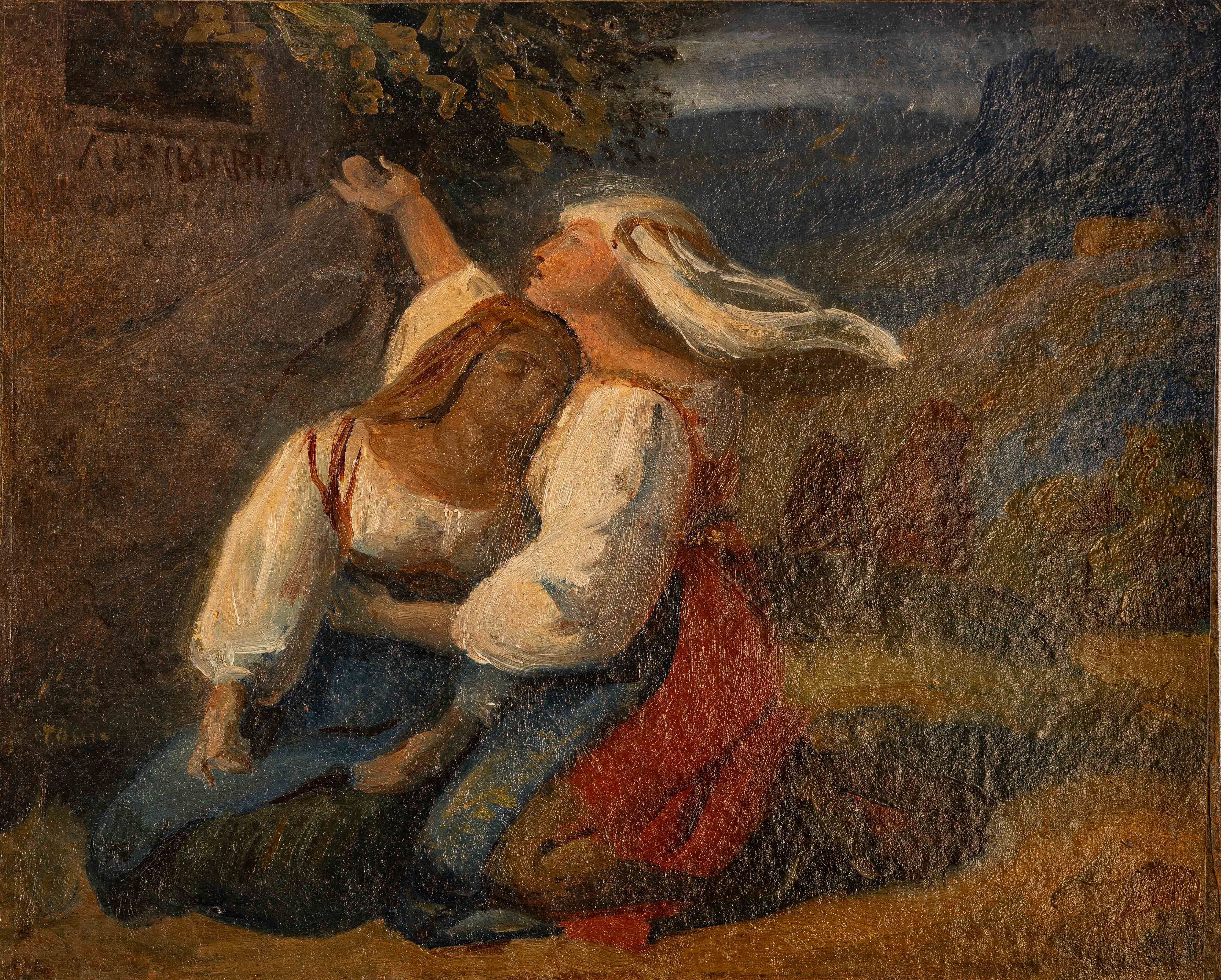
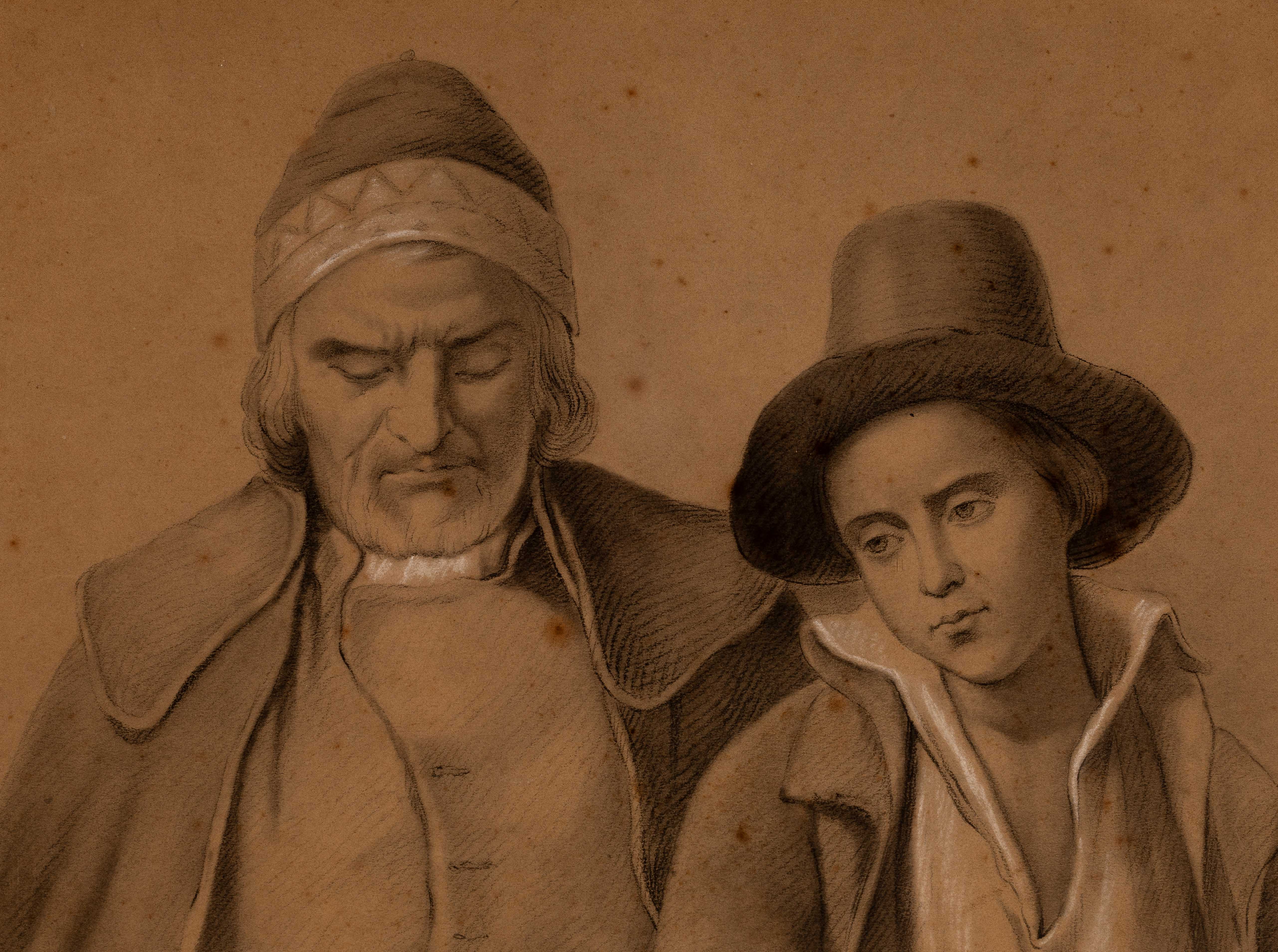
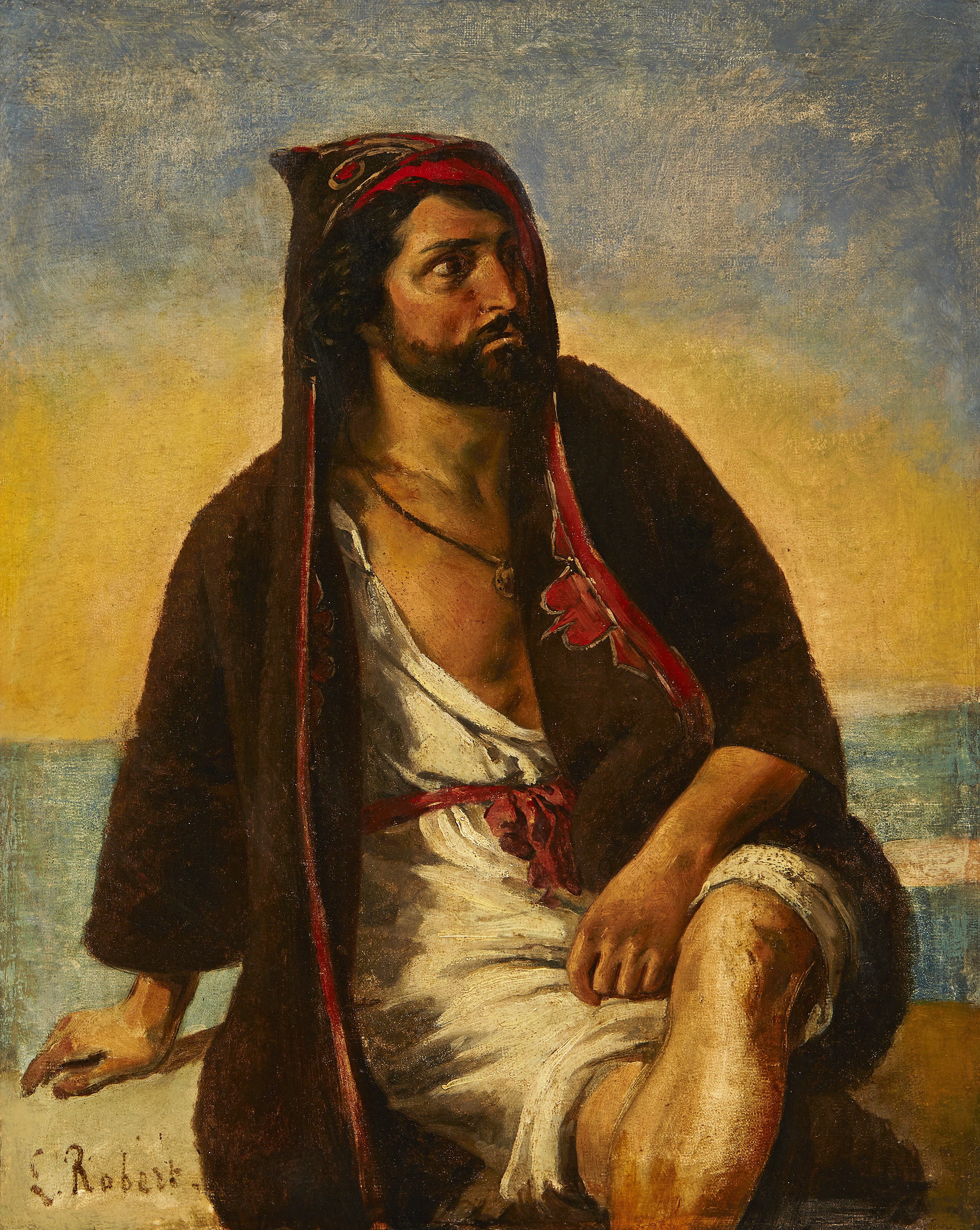
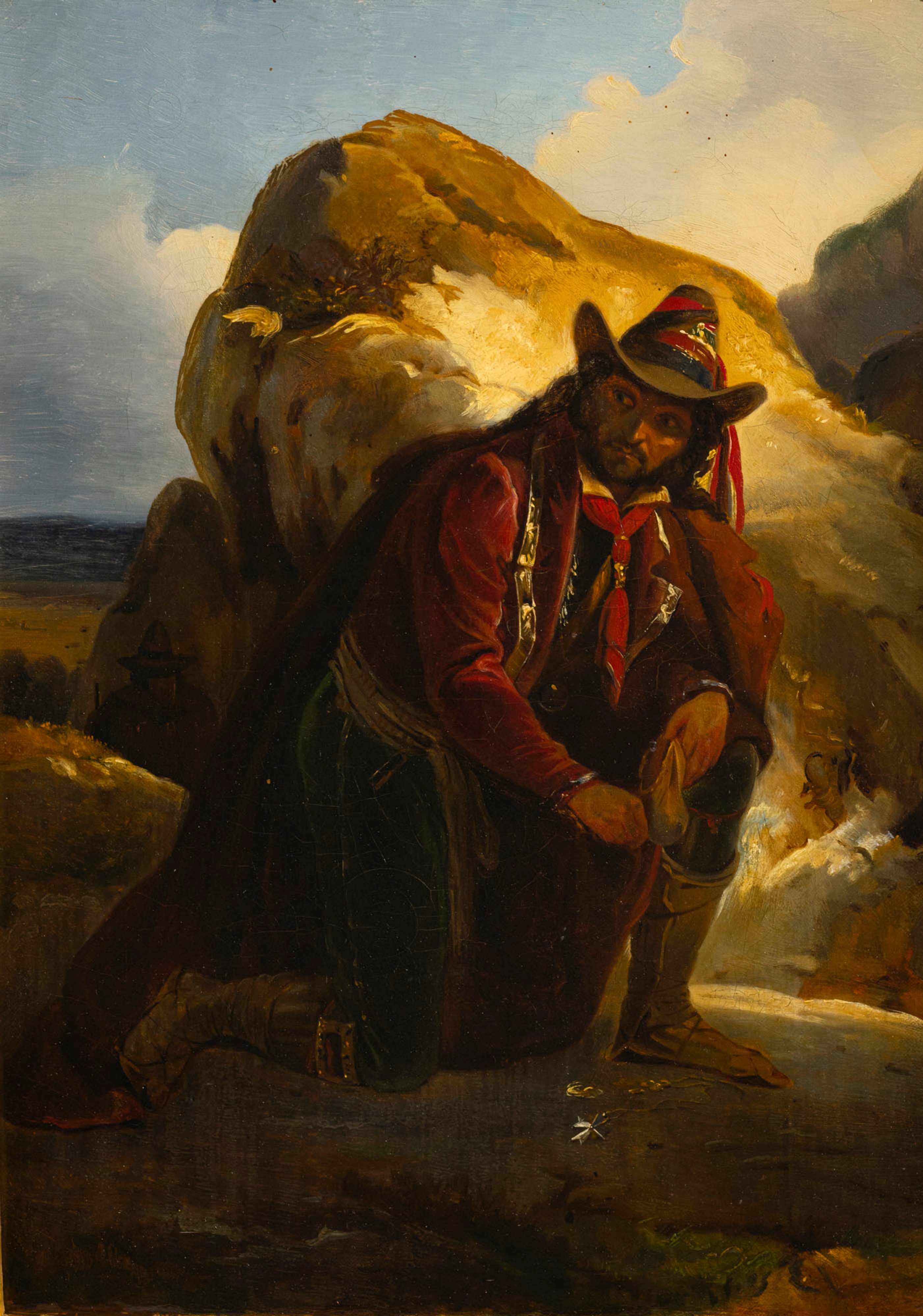
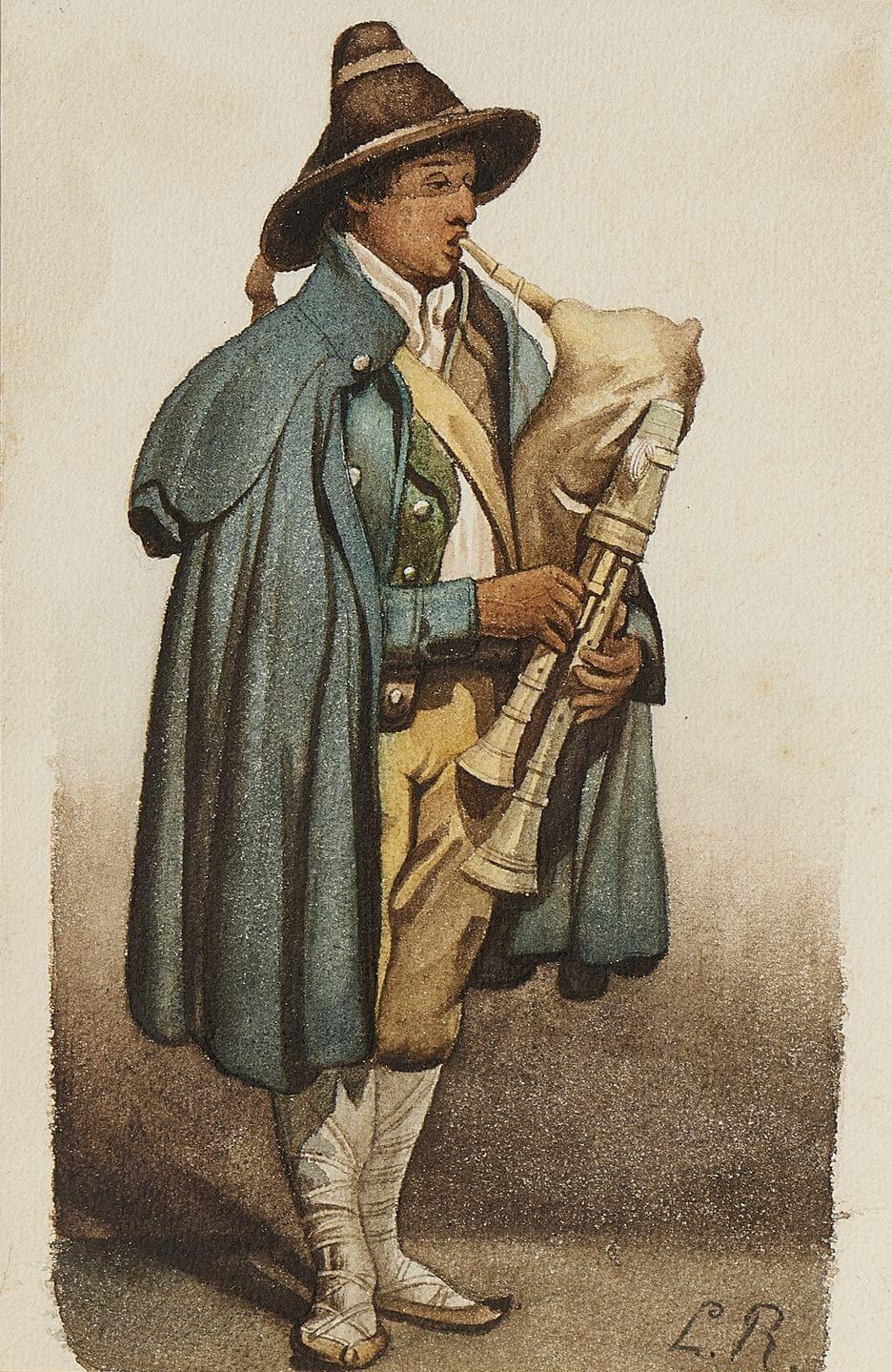
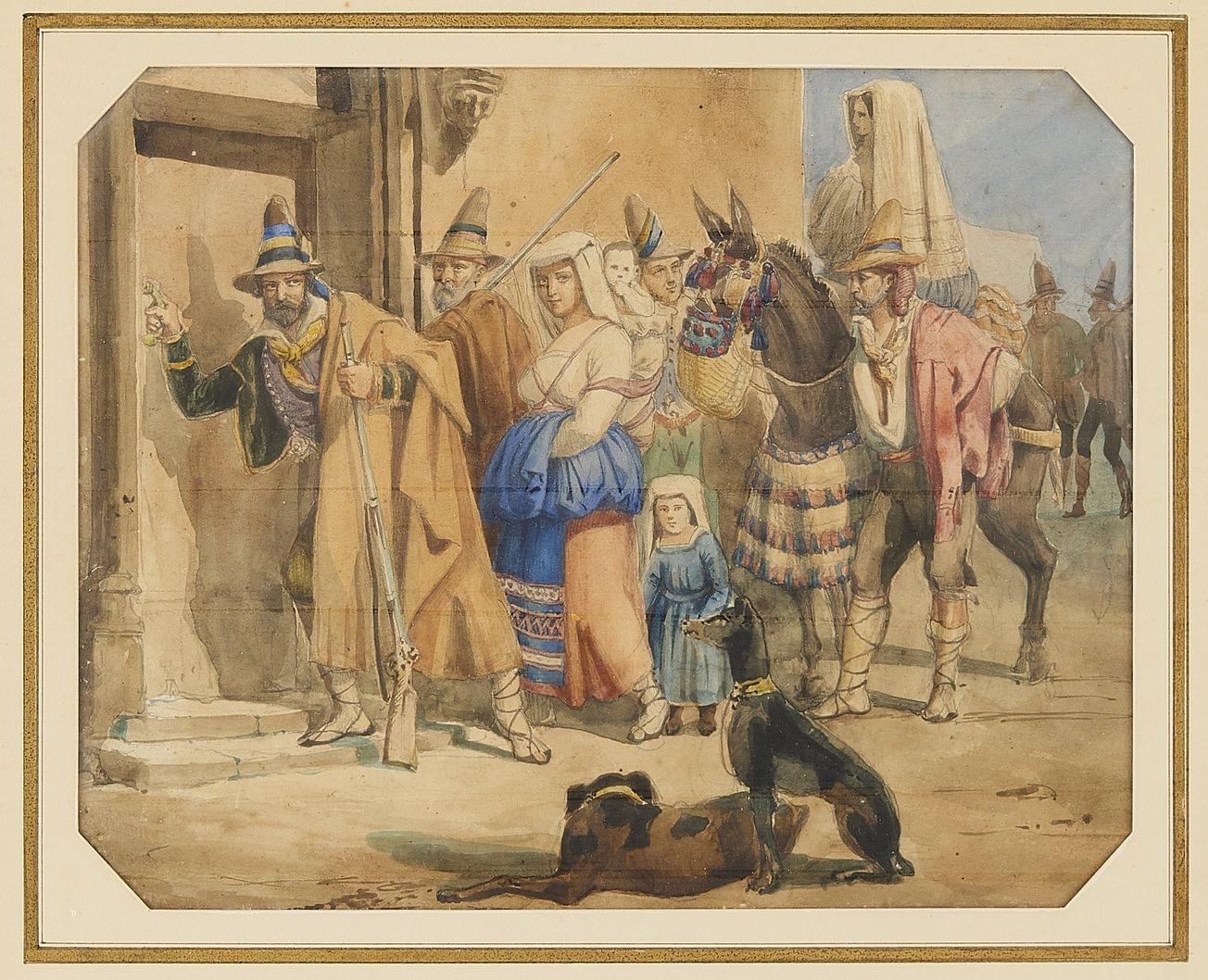
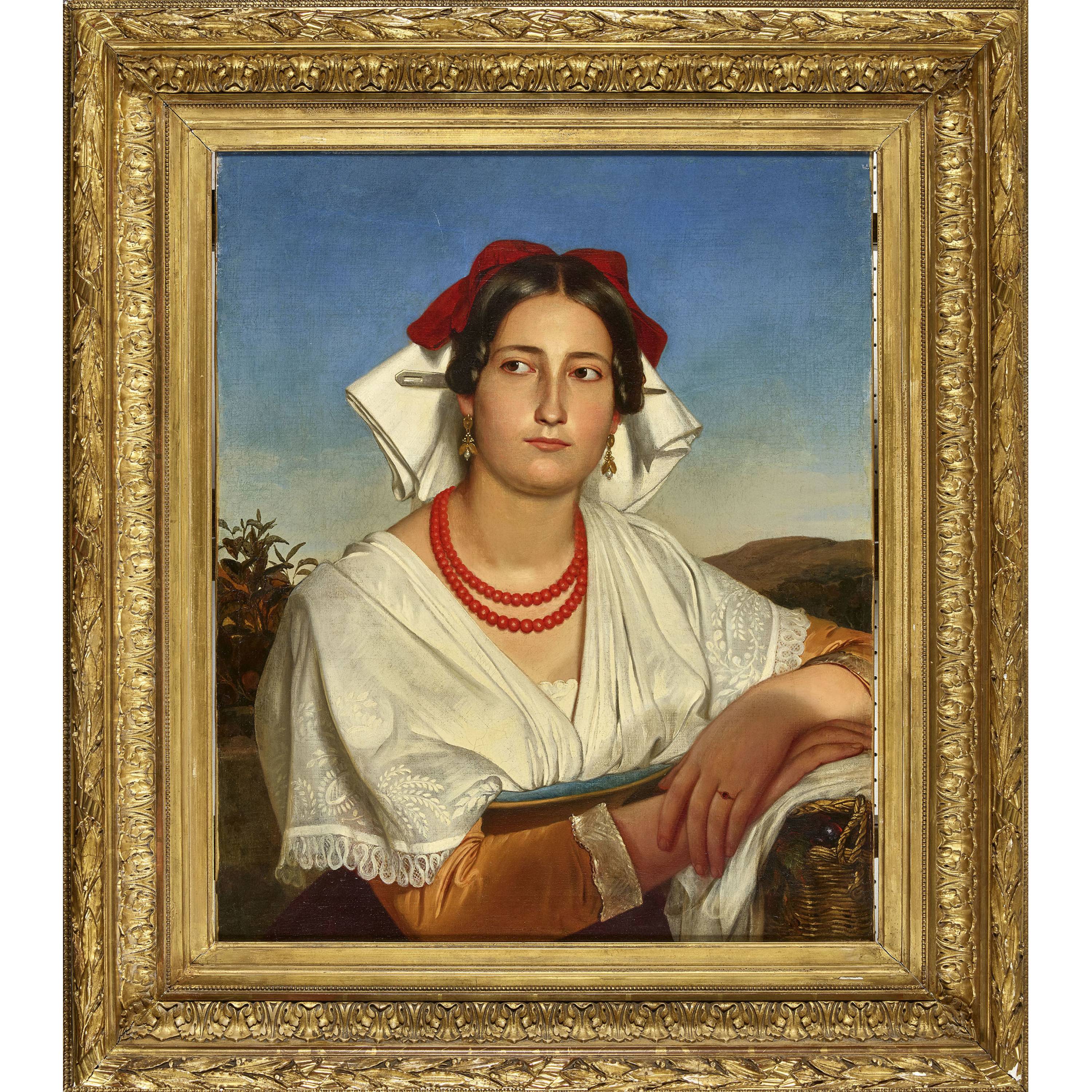
Léopold Robert is distinguished by a career shaped by both academic training and long stays in Italy. Also trained in printmaking, he received the second grand Prix de Rome for intaglio engraving in 1814, a distinction that marked the beginning of his professional career.
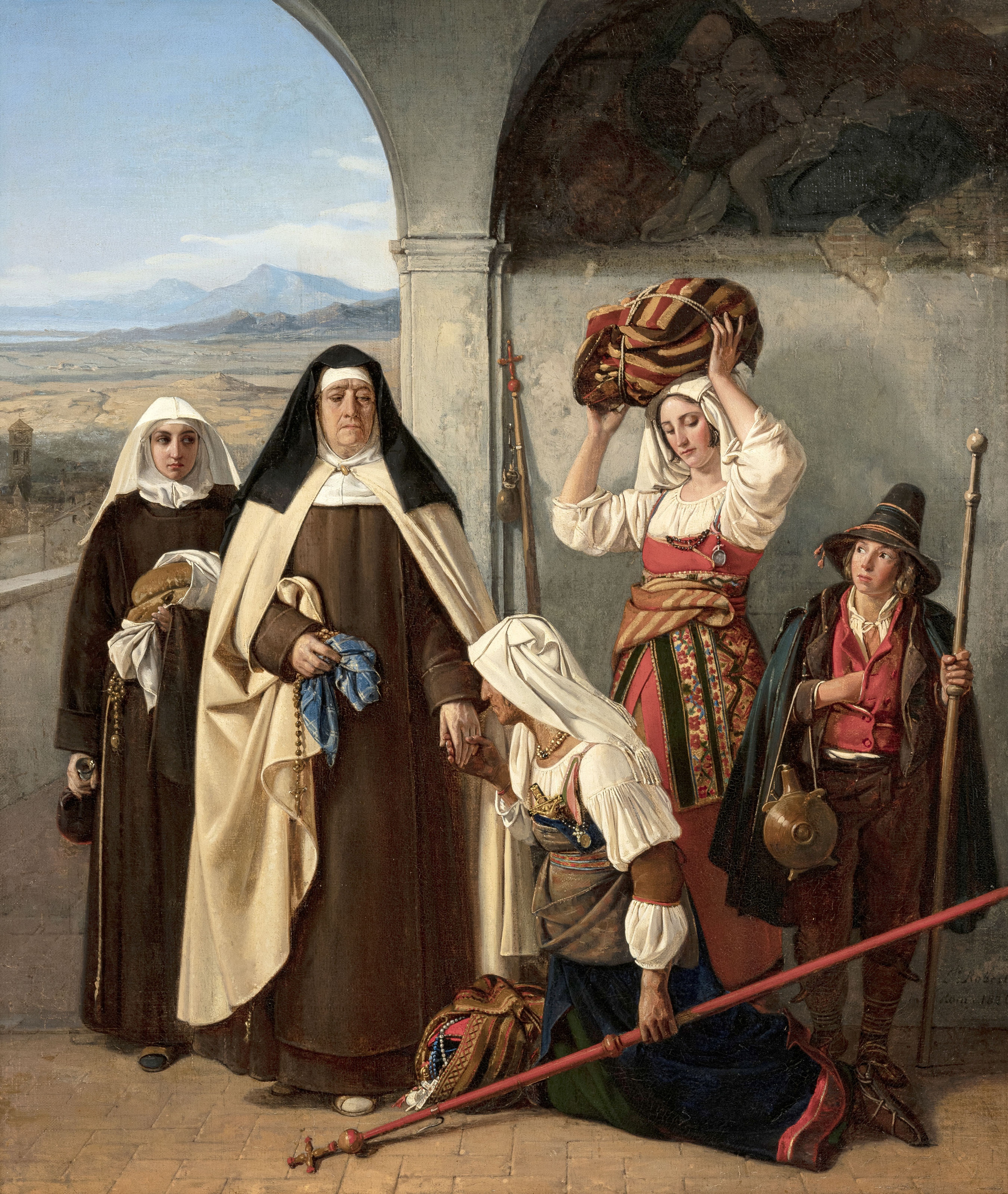
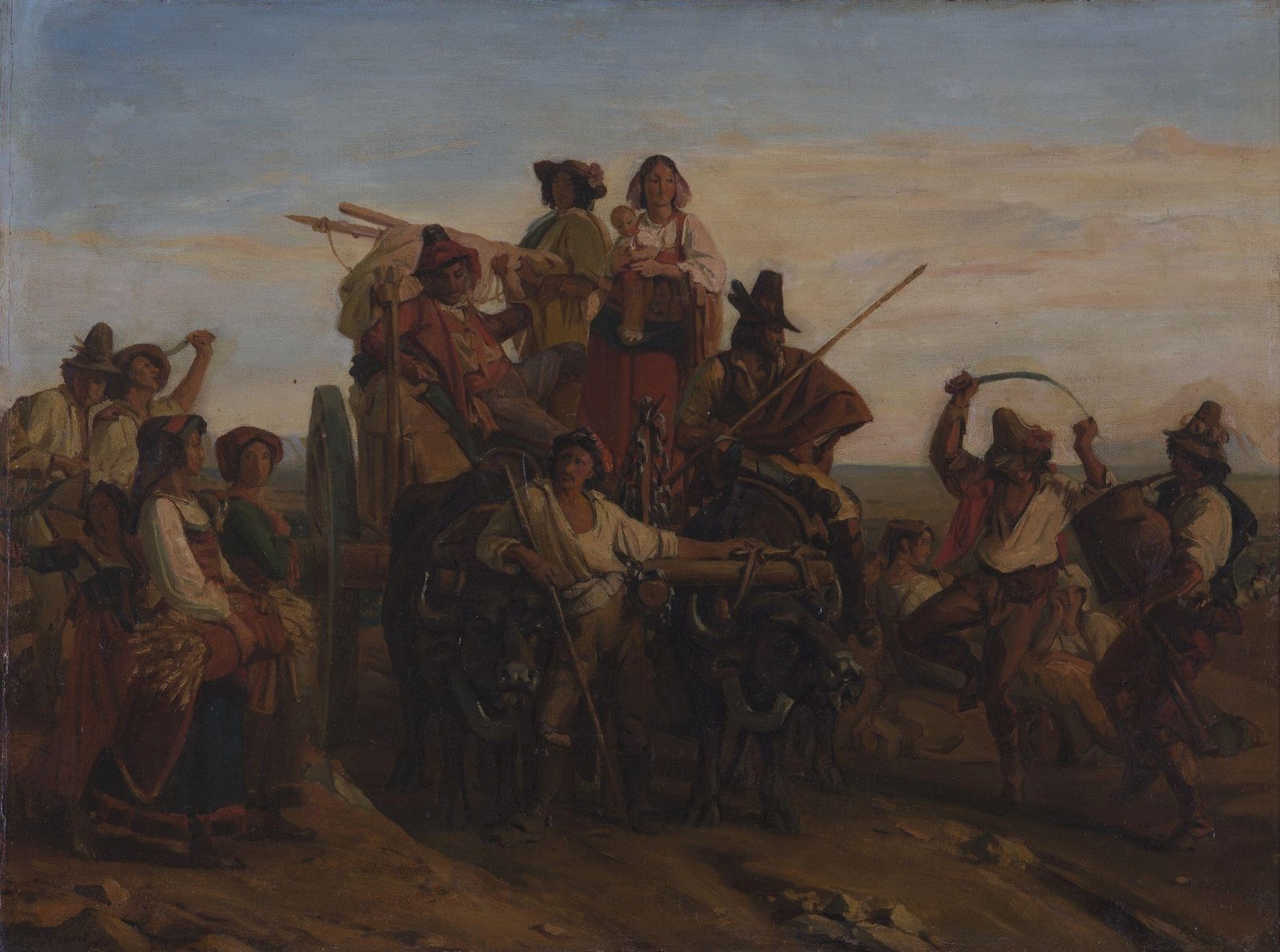
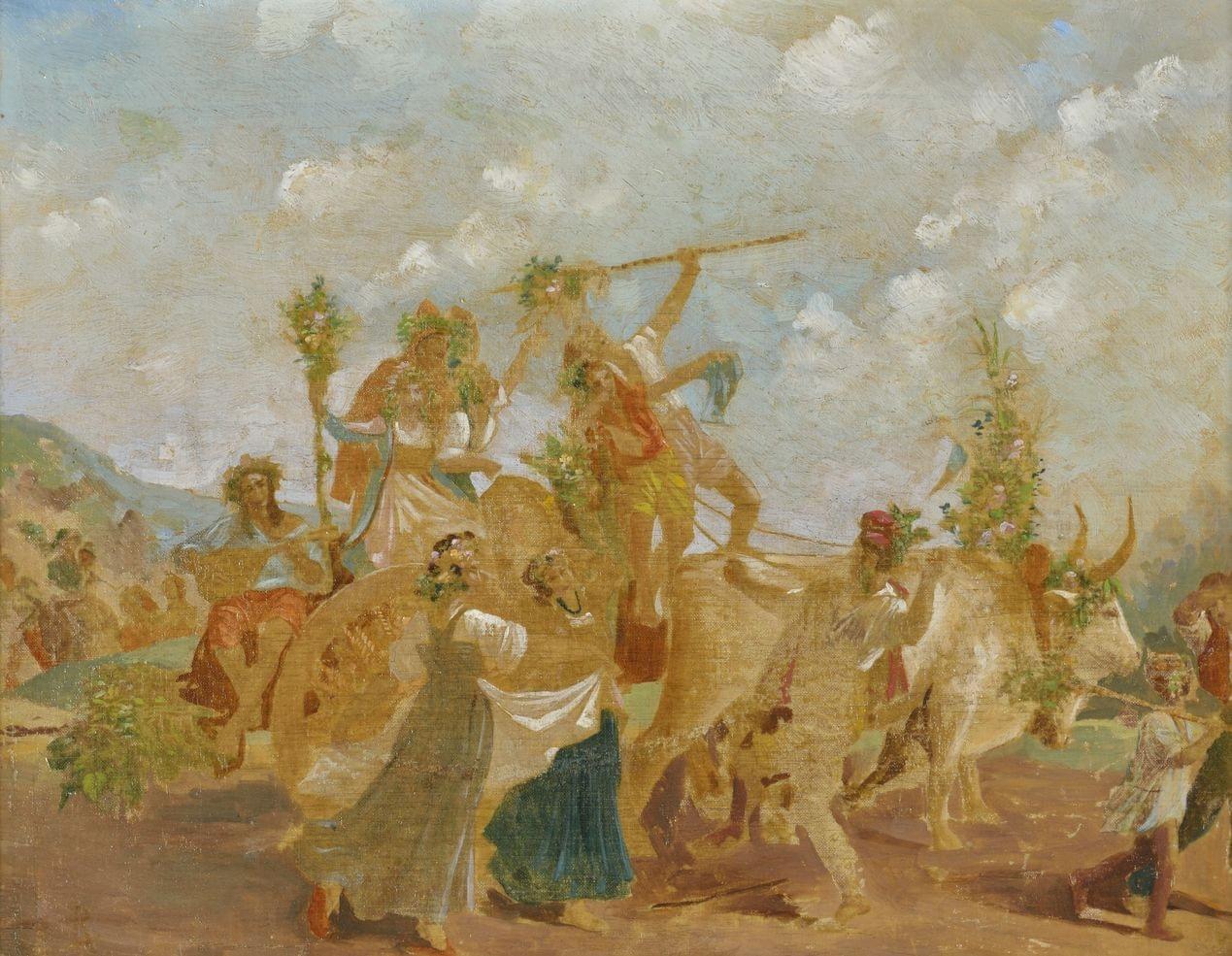
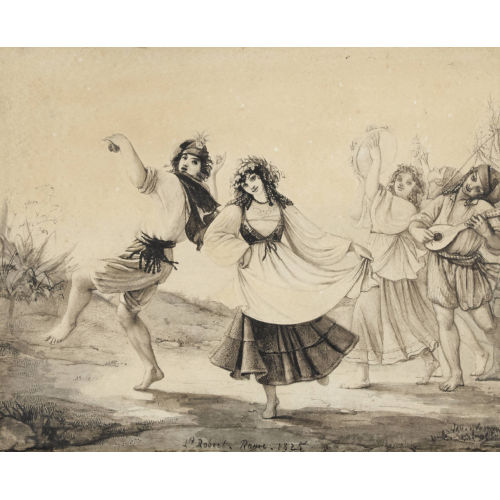
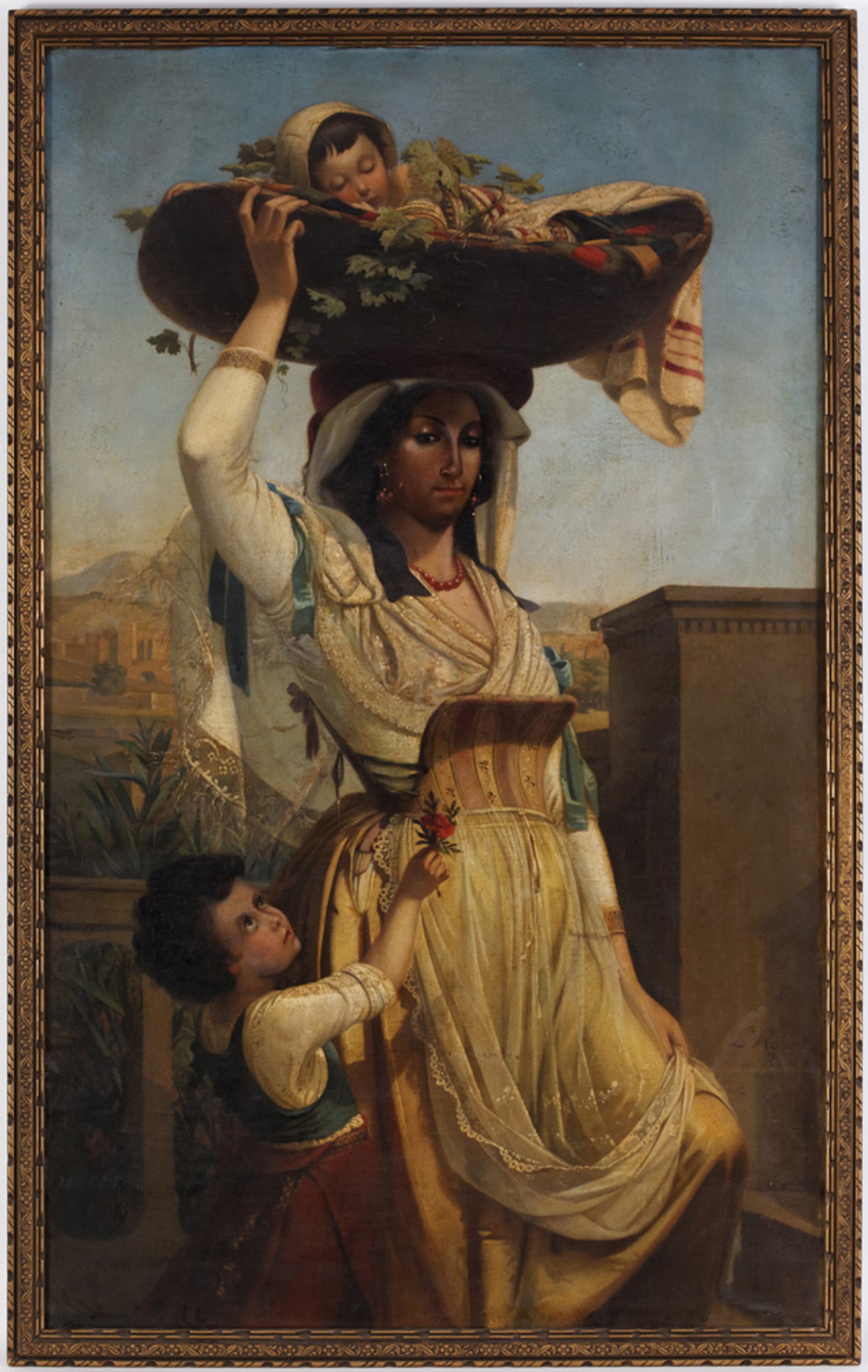
His presence at the Paris Salon is documented: L'Arrivée des moissonneurs dans les marais Pontins, shown at the Salon of 1831, earned him the cross of the Legion of Honour in 1831. The Musée du Louvre holds, among other works, Le Retour du pèlerinage à la Madone de l'Arc (1827) and L'Arrivée des moissonneurs dans les marais Pontins, works regularly cited in collection catalogues.
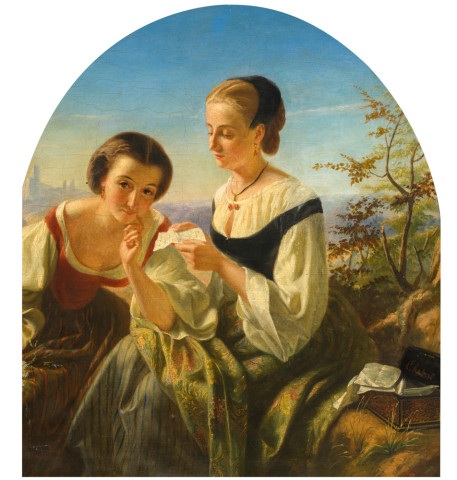
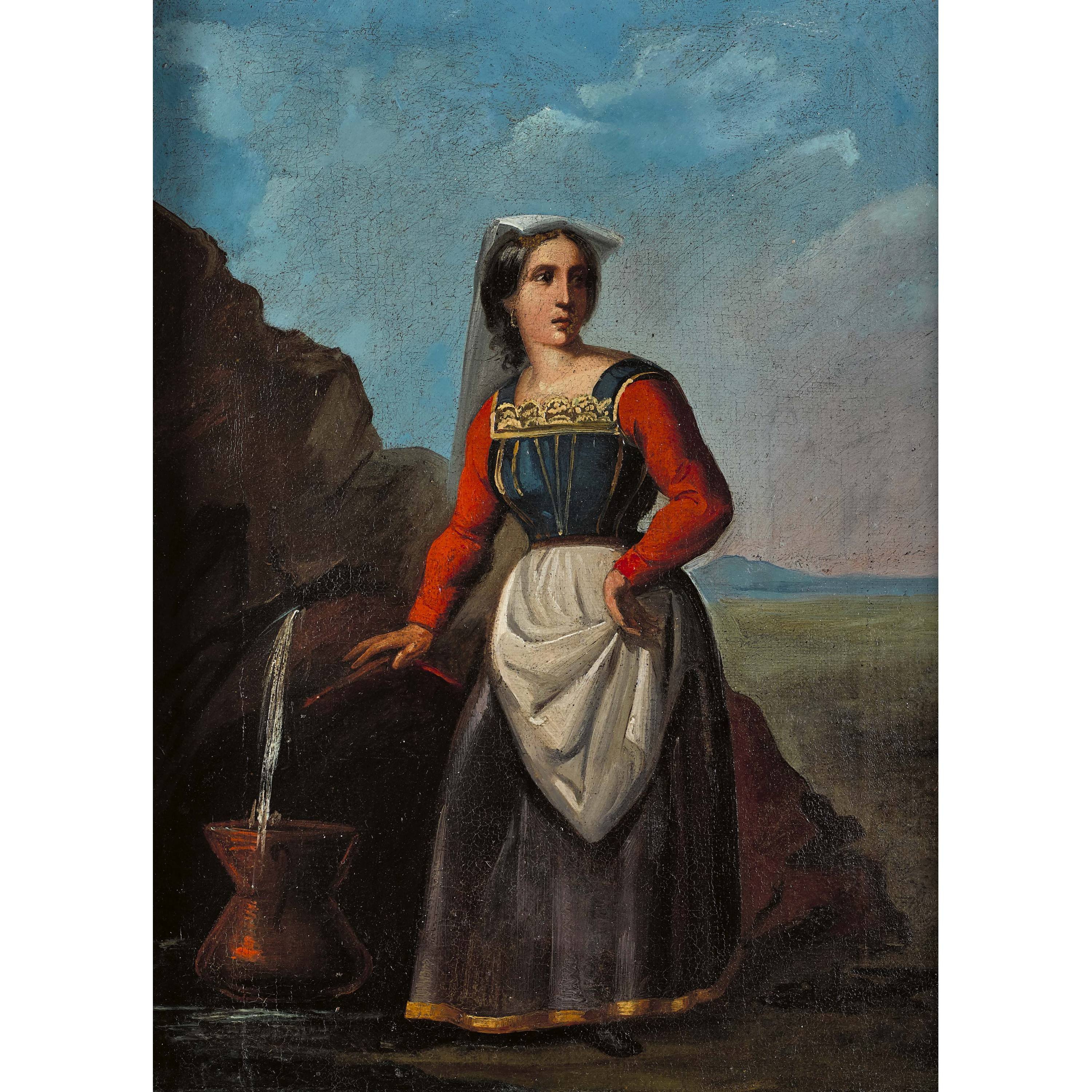
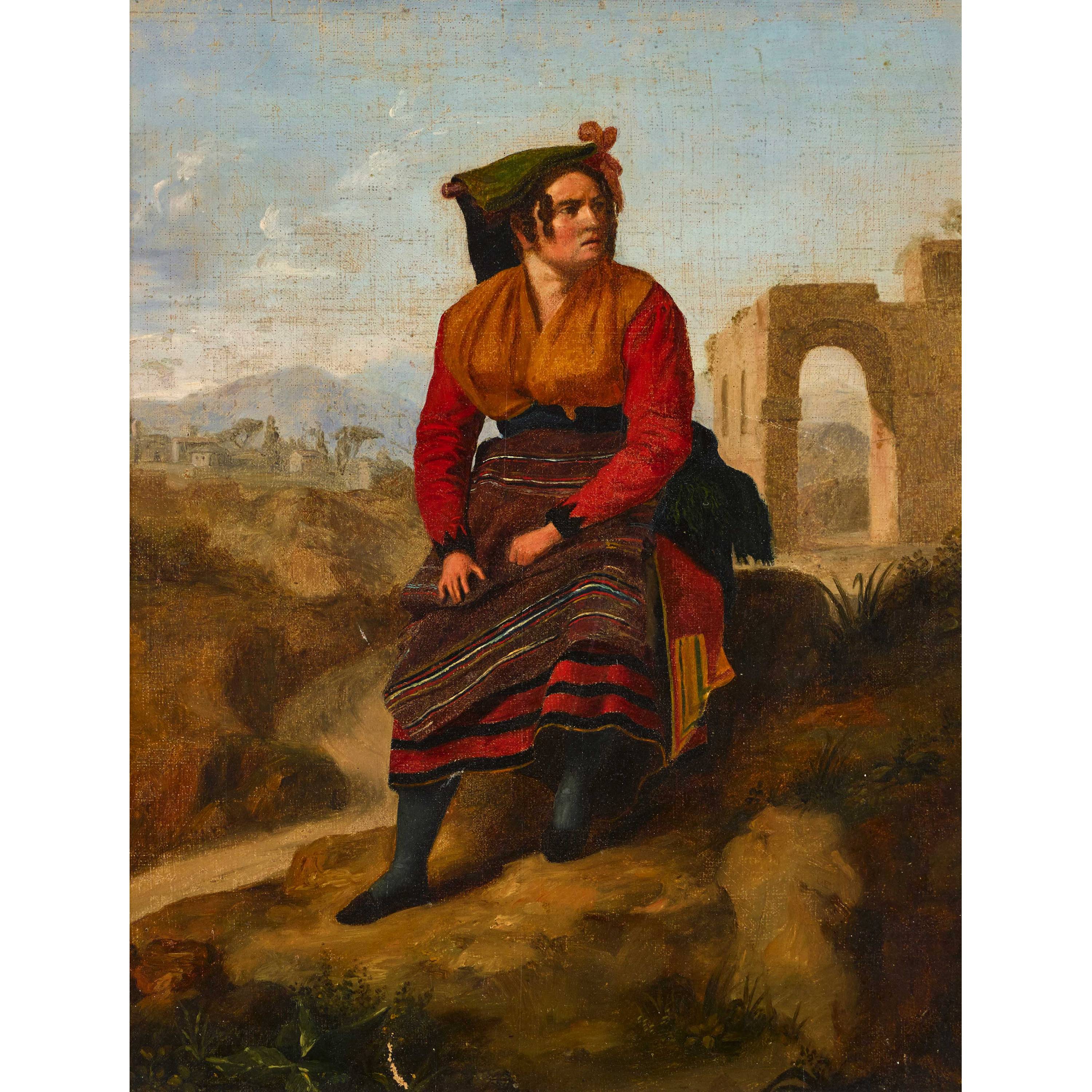
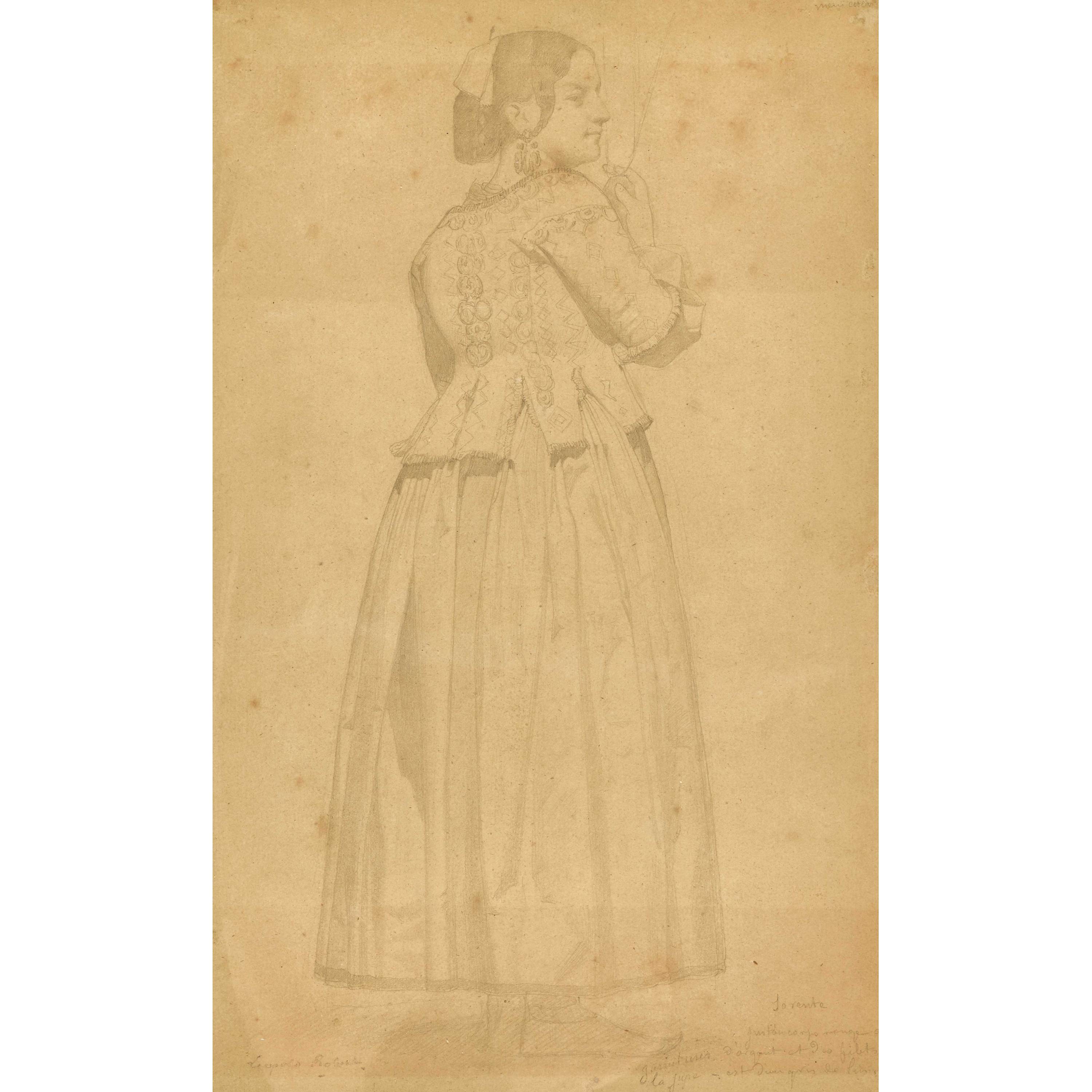
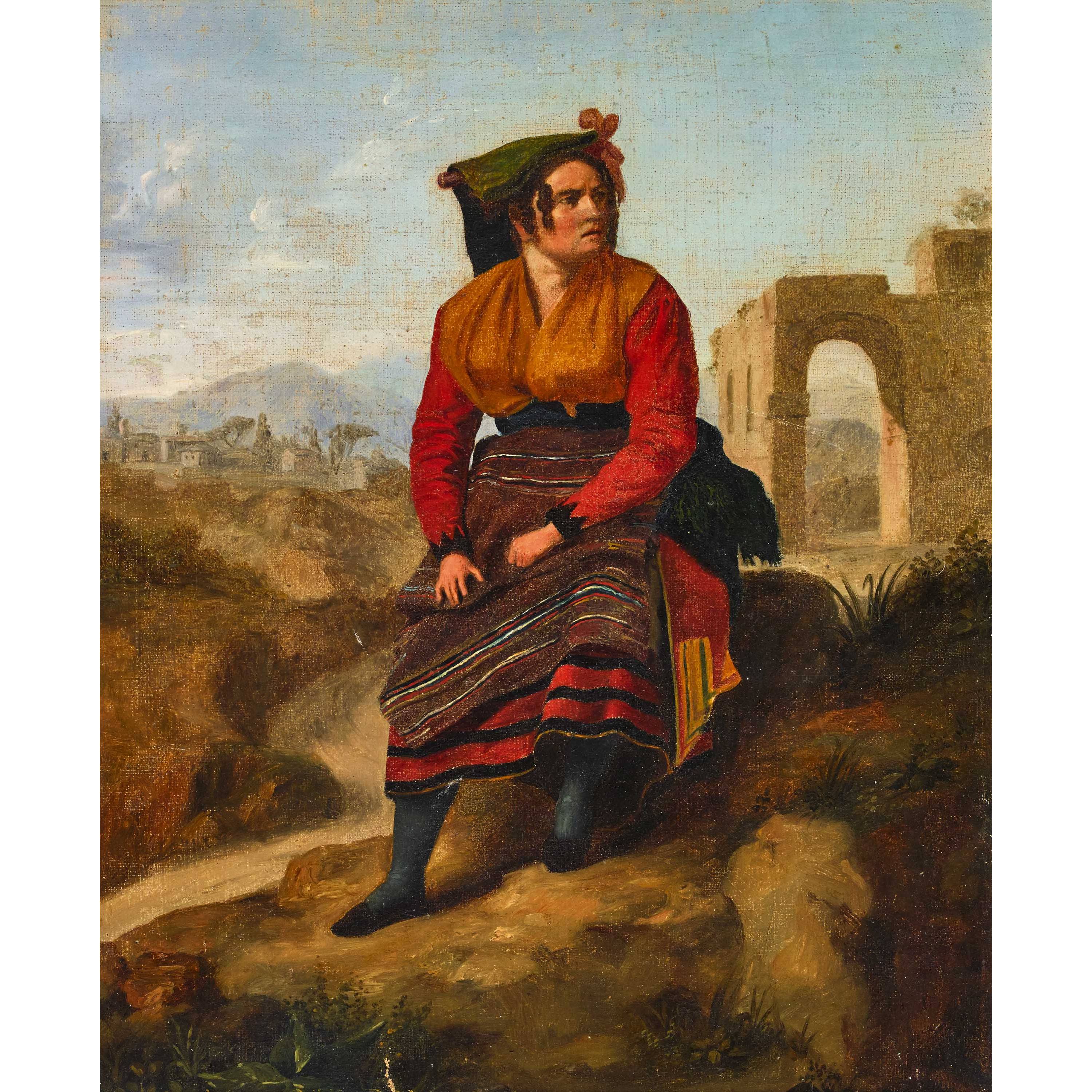
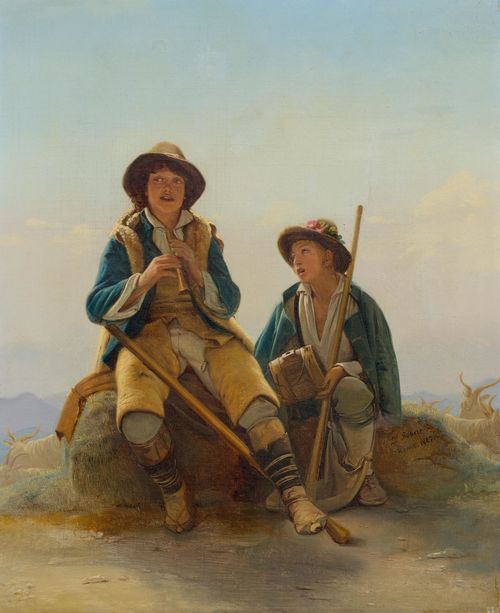
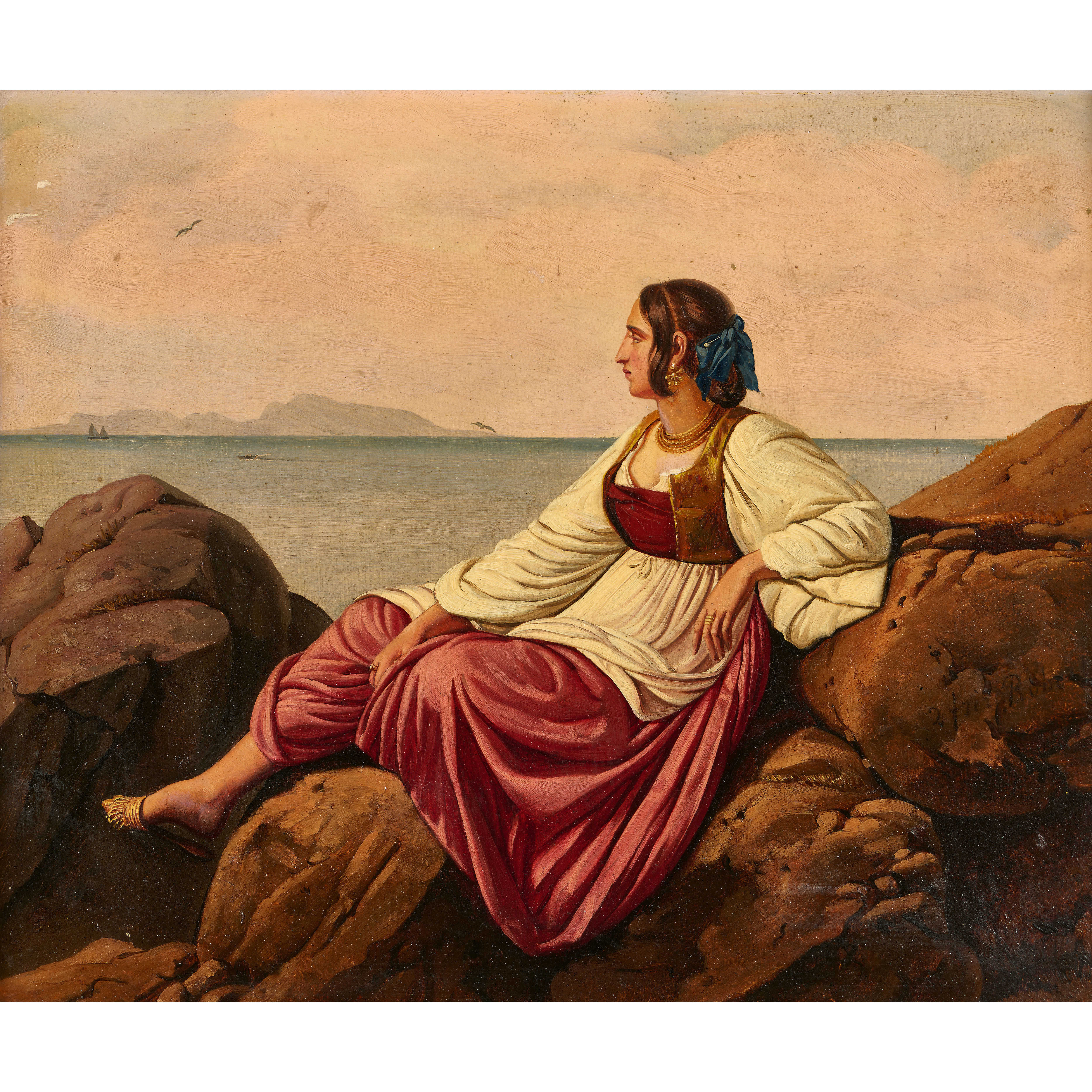
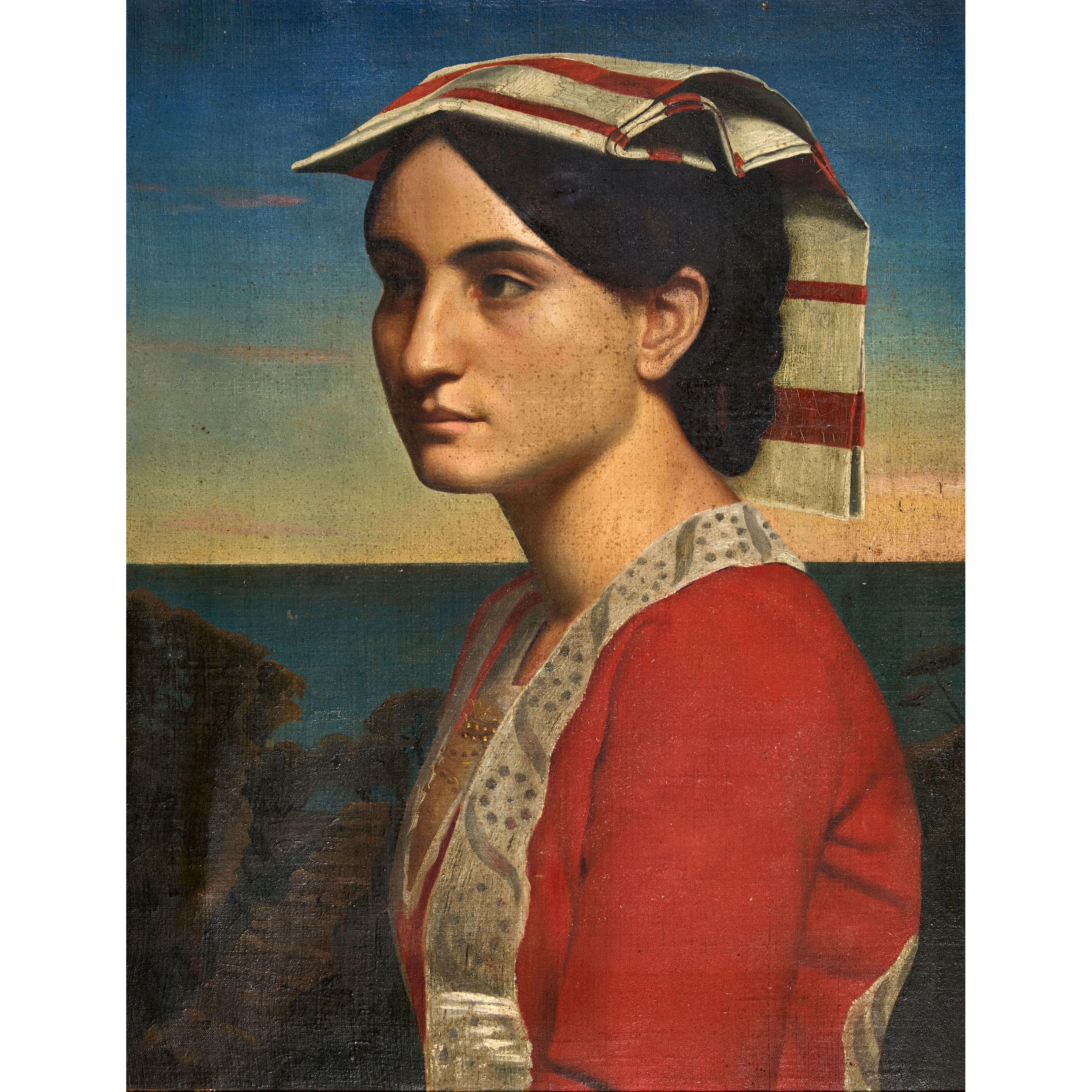
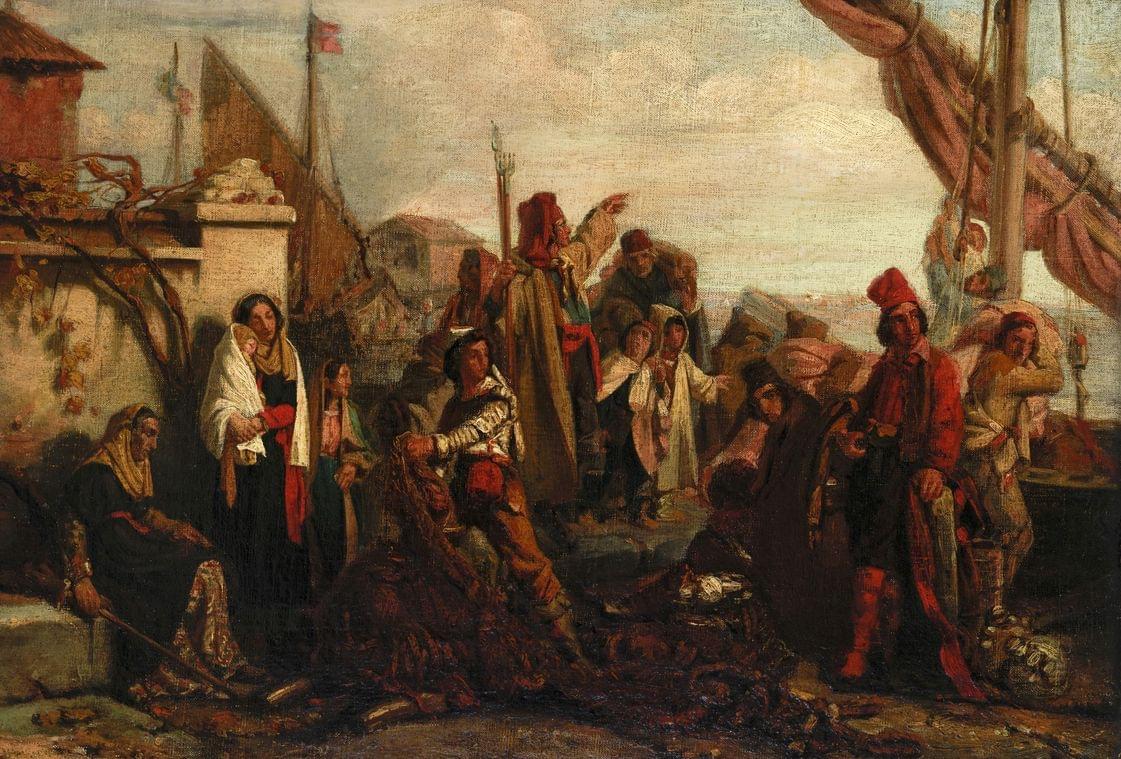
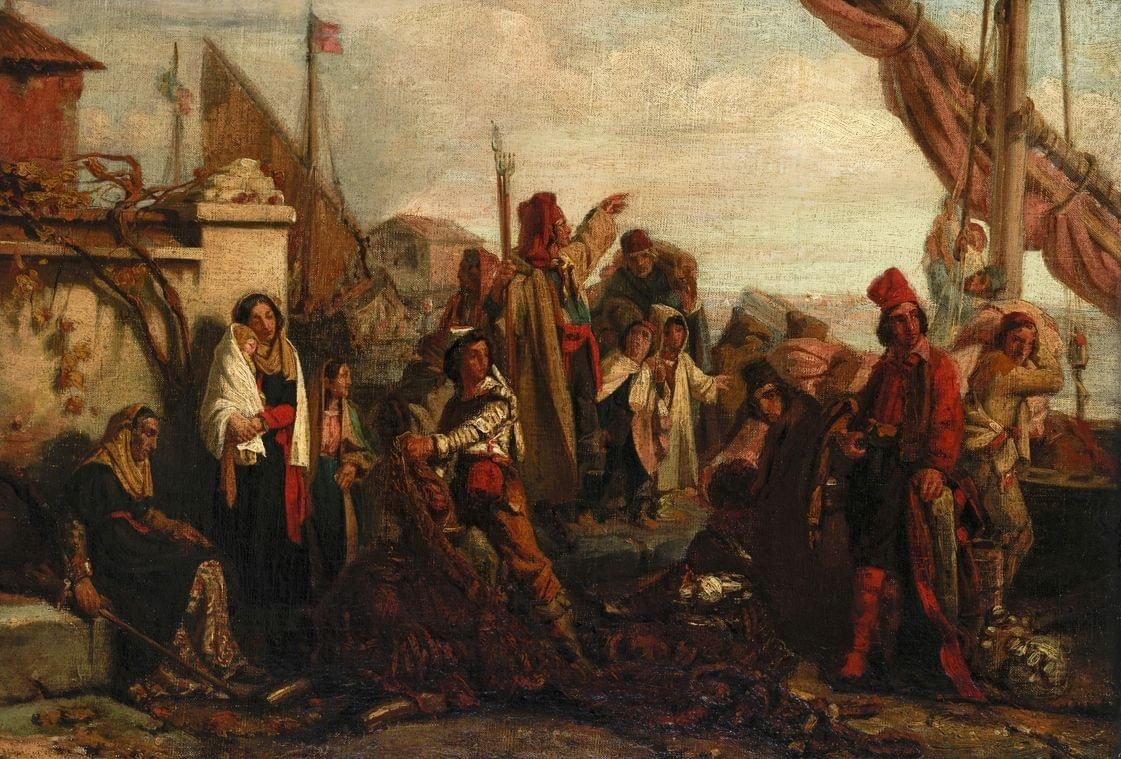
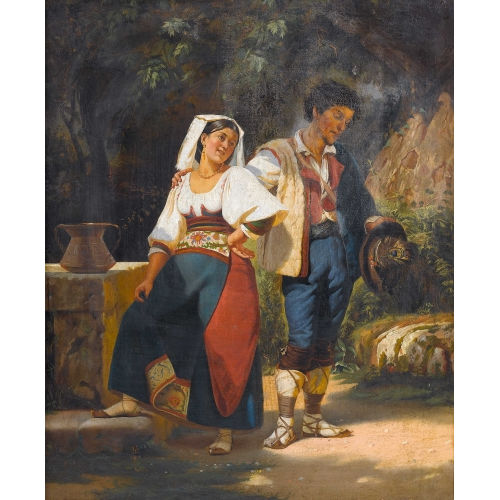
Among the other identified works, the Musée Condé in Chantilly holds La Confidence (1830) and Le Lendemain du tremblement de terre (1830); Swiss museums hold Le Départ des Pêcheurs de l'Adriatique (Musée d'art et d'histoire de Neuchâtel) and Marinier napolitain avec une jeune fille à l'île d'Ischia (Musée des beaux-arts de La Chaux-de-Fonds), while works such as Jeune italienne assise sur les rochers à Capri (1827), Jeune fille de Sezze (1831, Musée des beaux-arts de La Chaux-de-Fonds) and Les Petits pêcheurs de grenouilles dans les Marais Pontins (1828, Musée des beaux-arts de Nantes) are located and dated in the collection records.
Towards the end of his life, he embarked on a large-scale monumental composition devoted to the winter season, Le Départ des pêcheurs de l'Adriatique, described in the sources as his last major undertaking. His life came to a tragic end in 1835: according to the entries consulted, he took his own life by cutting his throat in a room in the Palazzo Pisani at Santo Stefano, in Venice. The elder brother of Aurèle Robert (also an engraver), he was the subject of a biography published by Félix Feuillet de Conches in 1854; according to the sources, the artist’s personal fate — marked by a tragic episode — contributed to the posthumous reputation surrounding his work.