Herbert Leupin
Born in 1916.
Died in 1999.
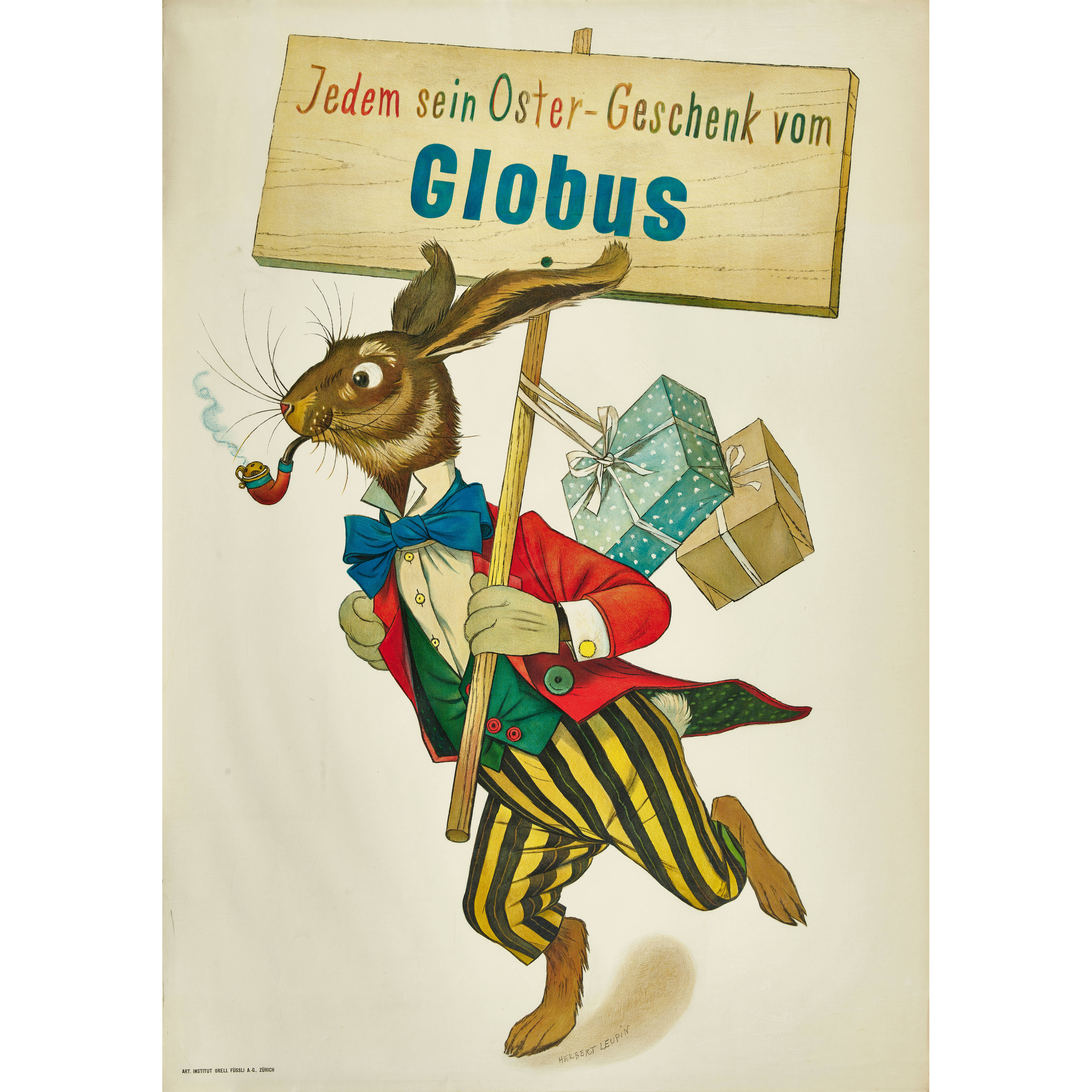
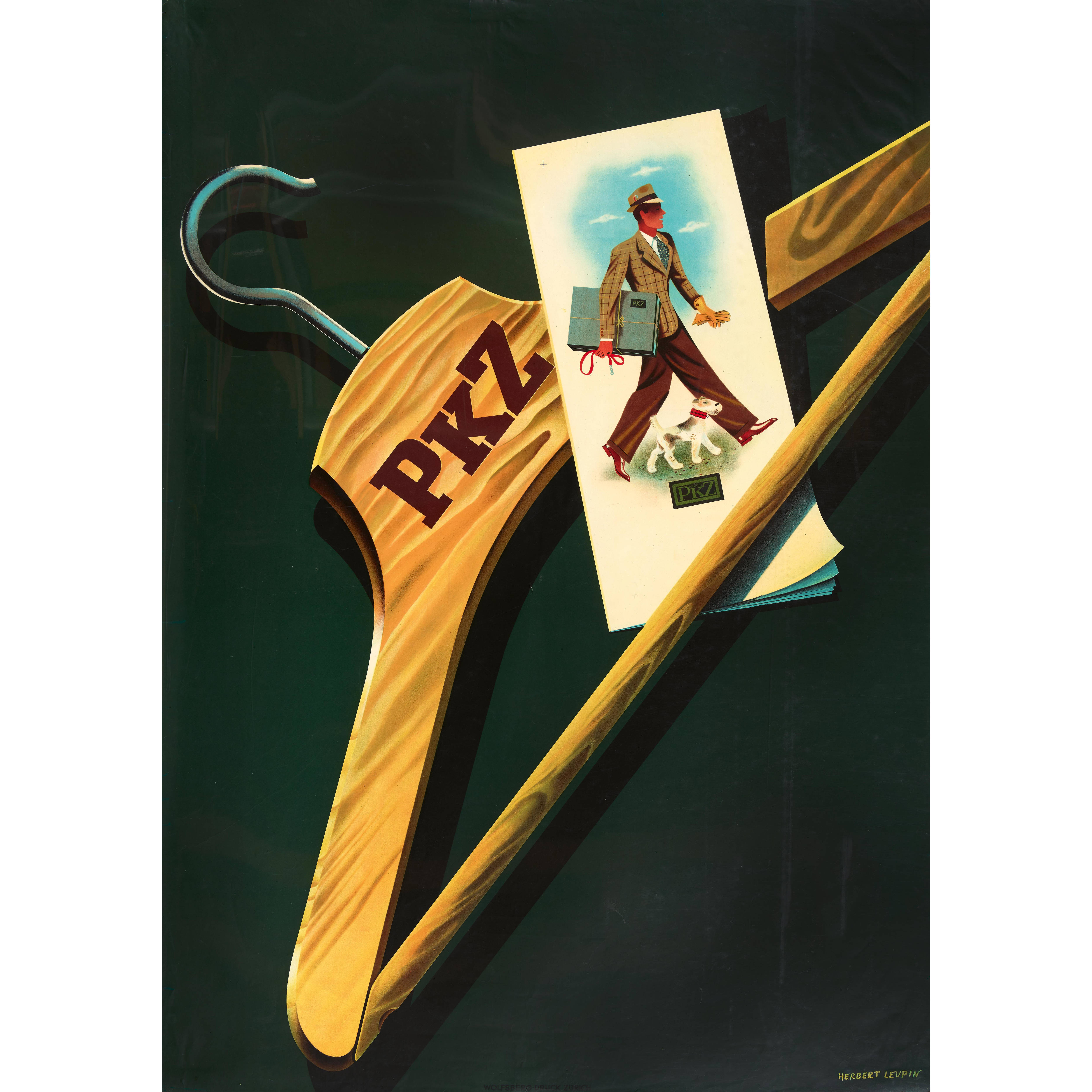
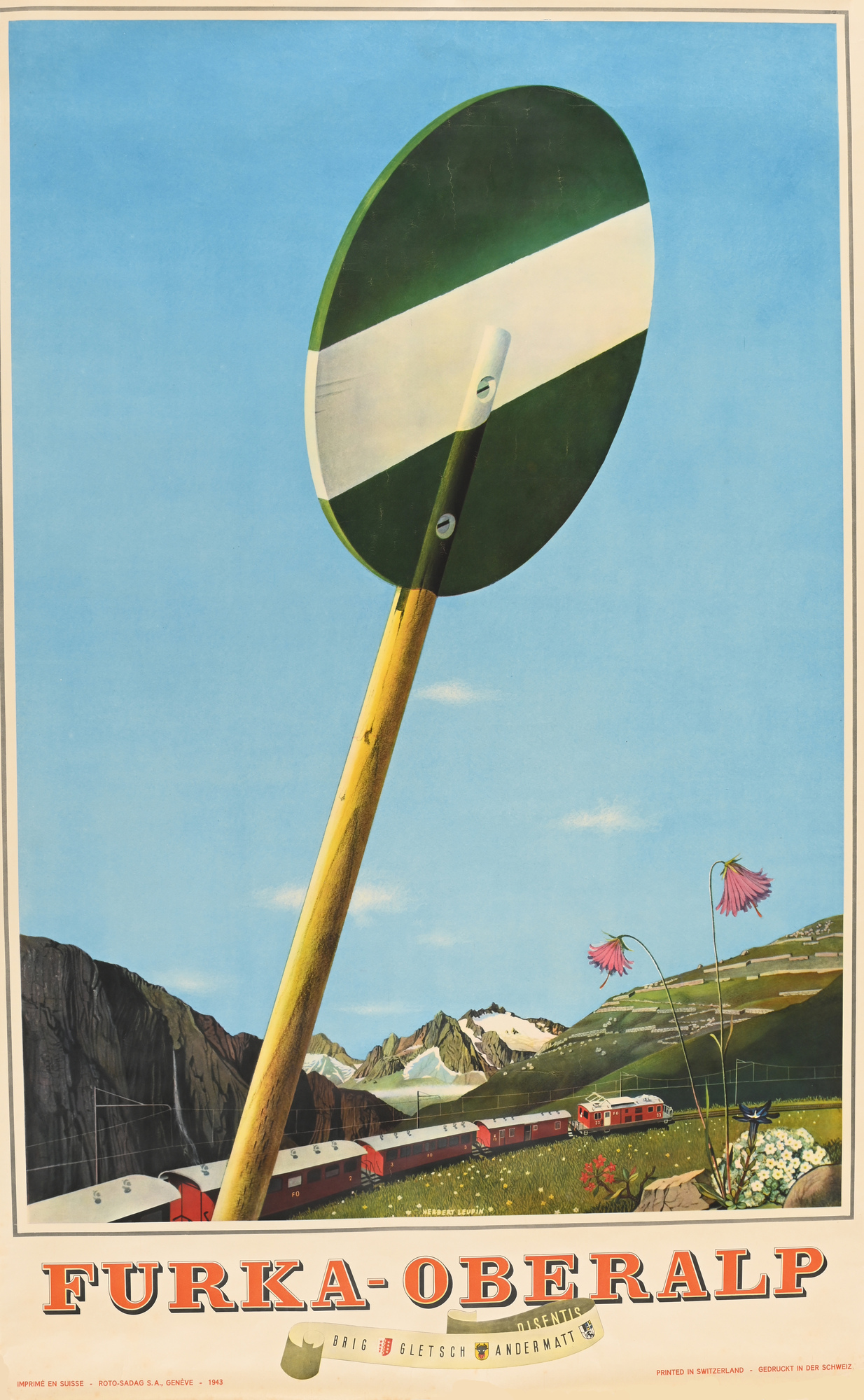
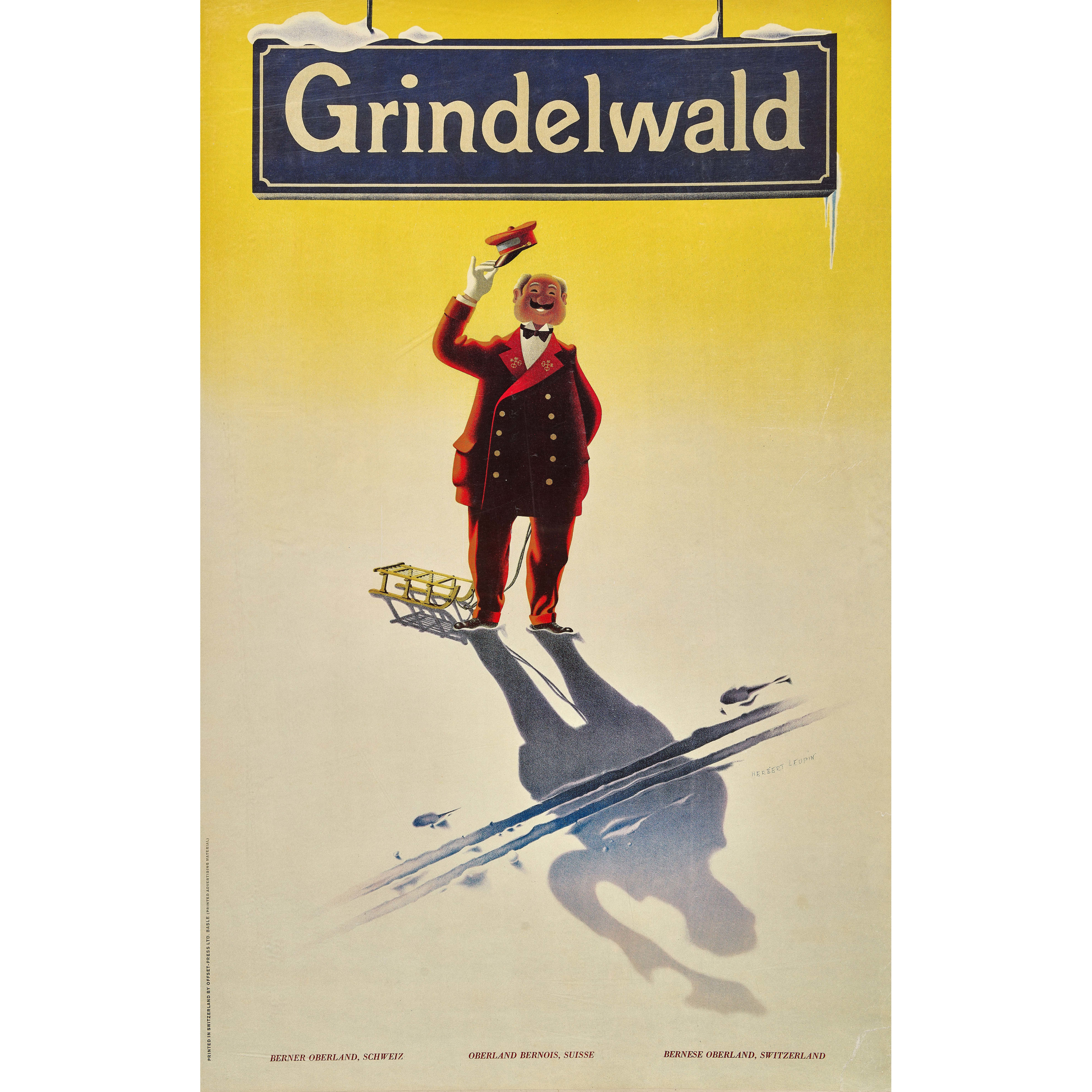
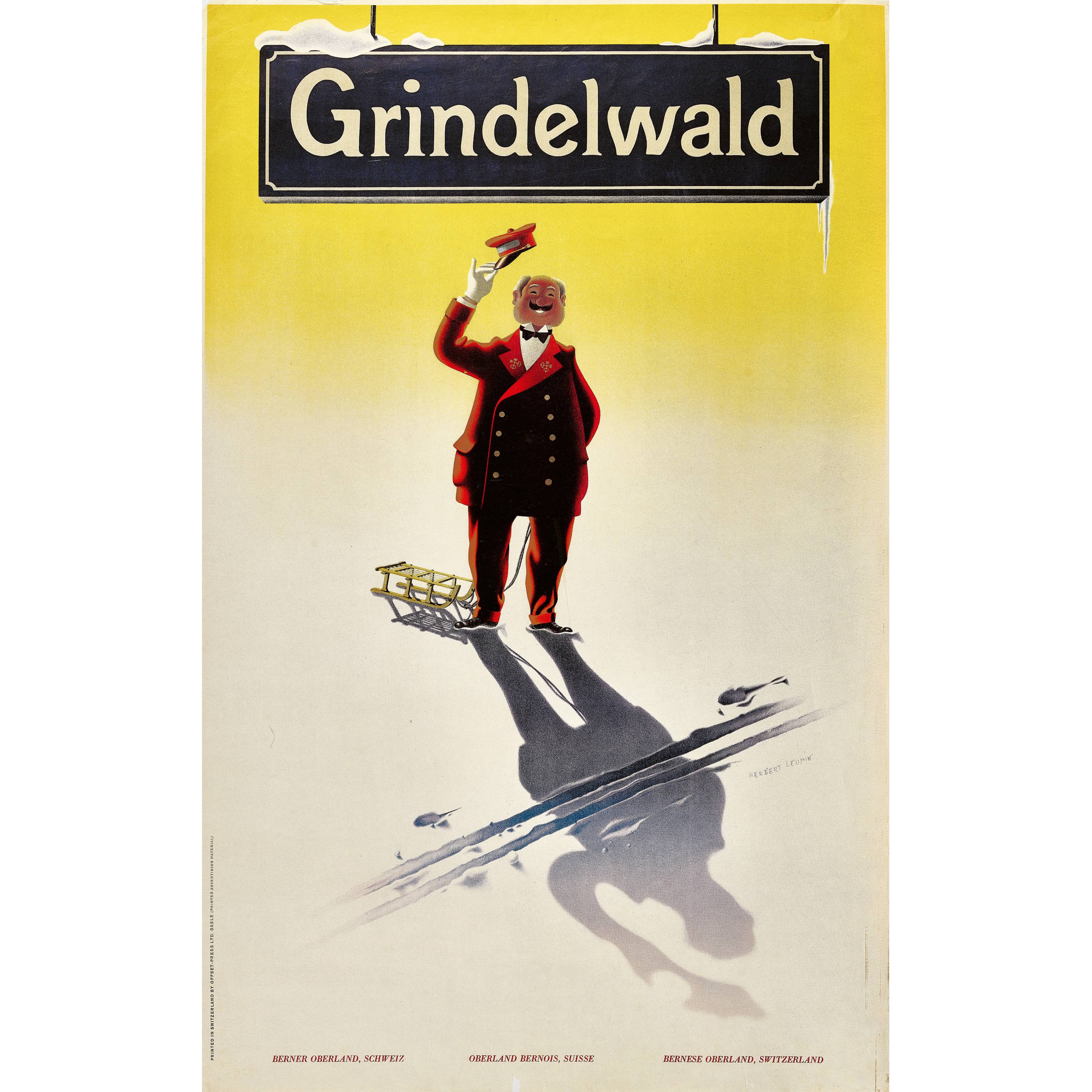
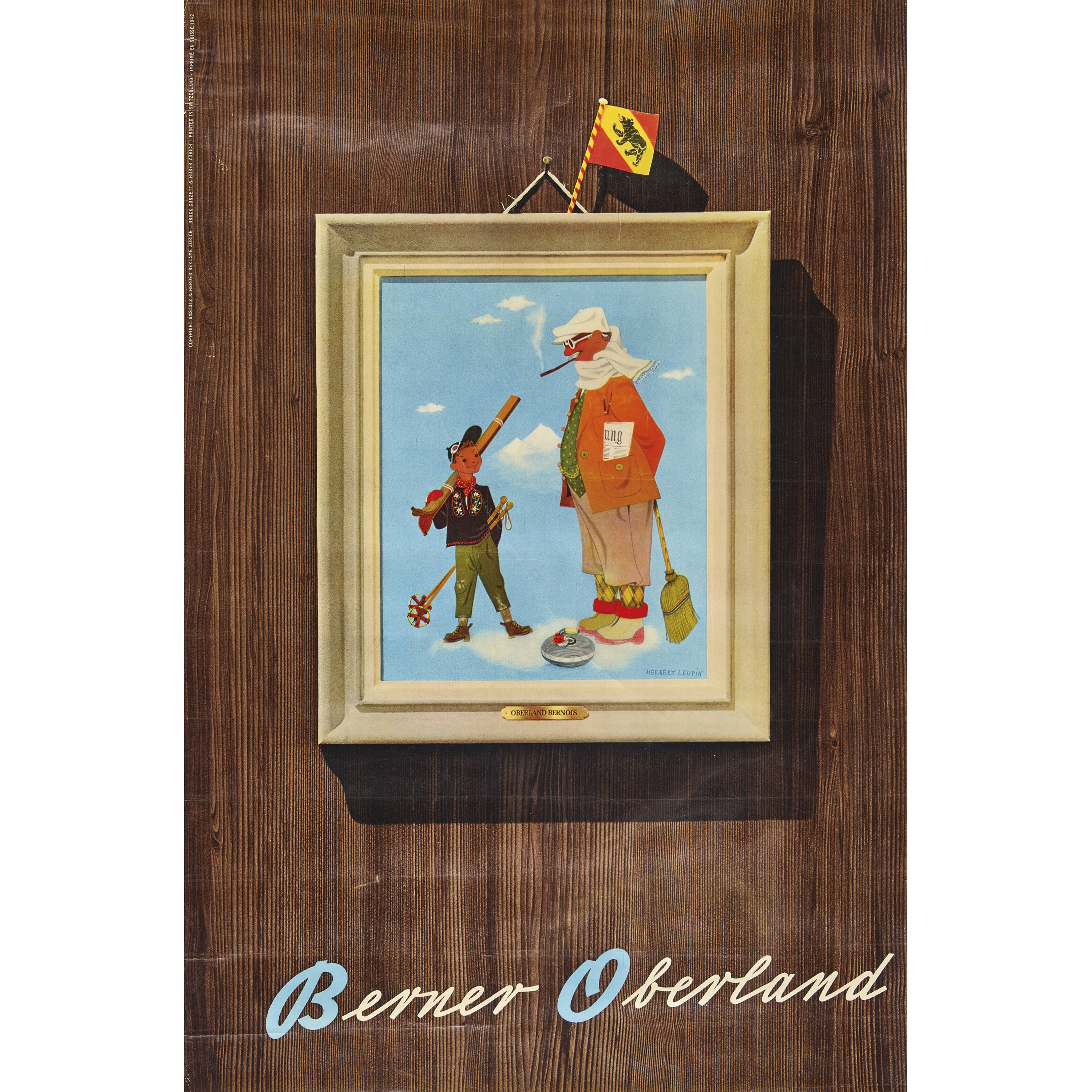
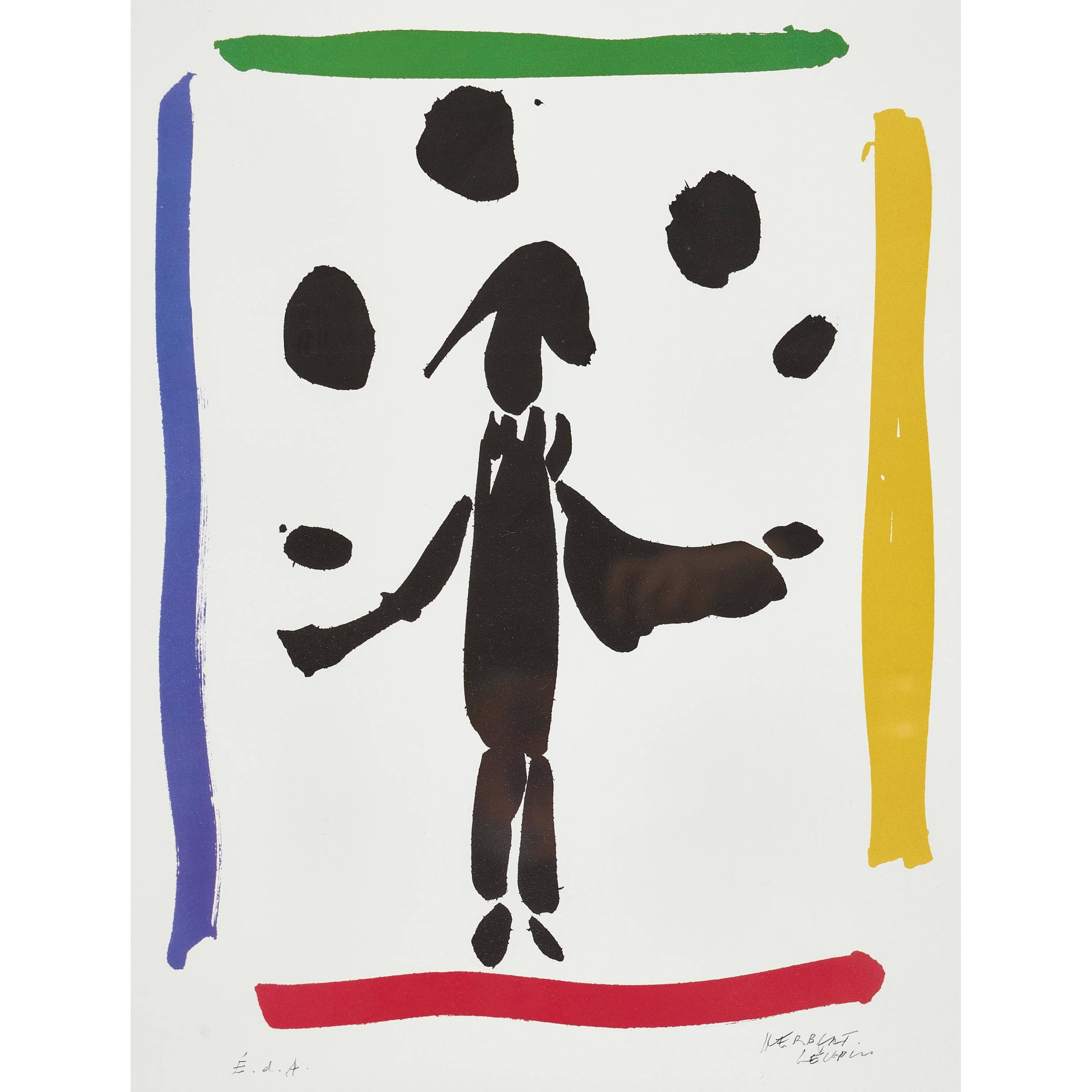
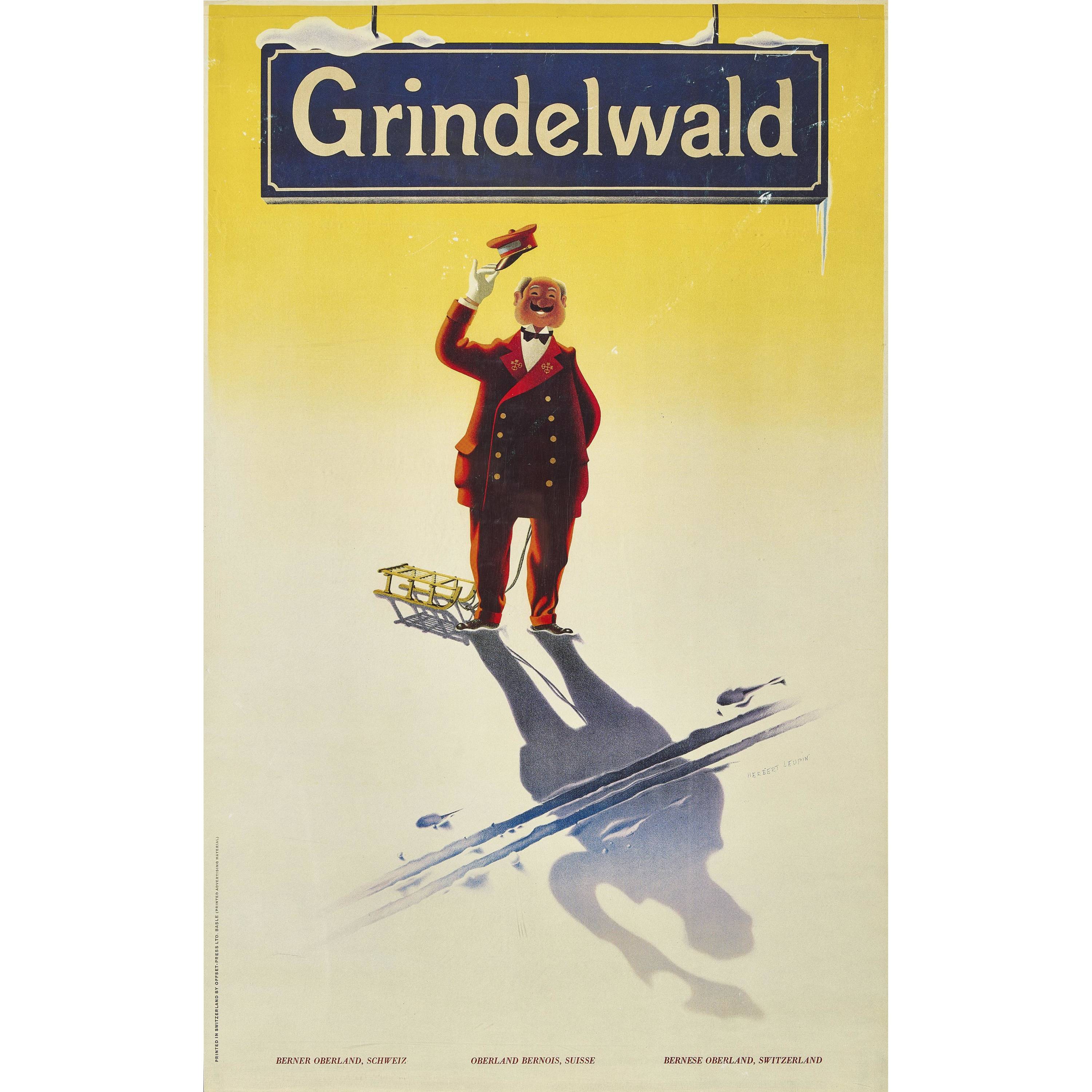
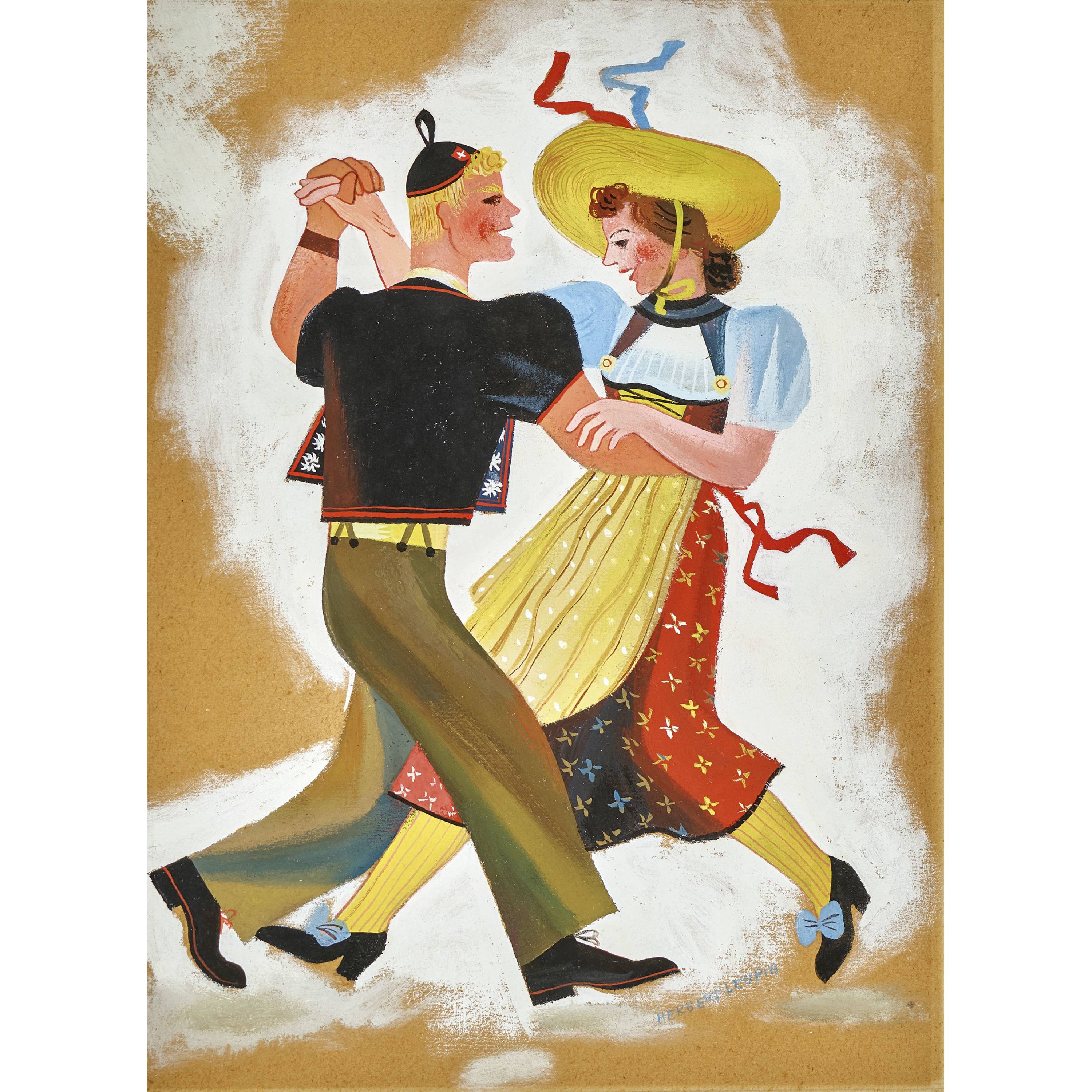
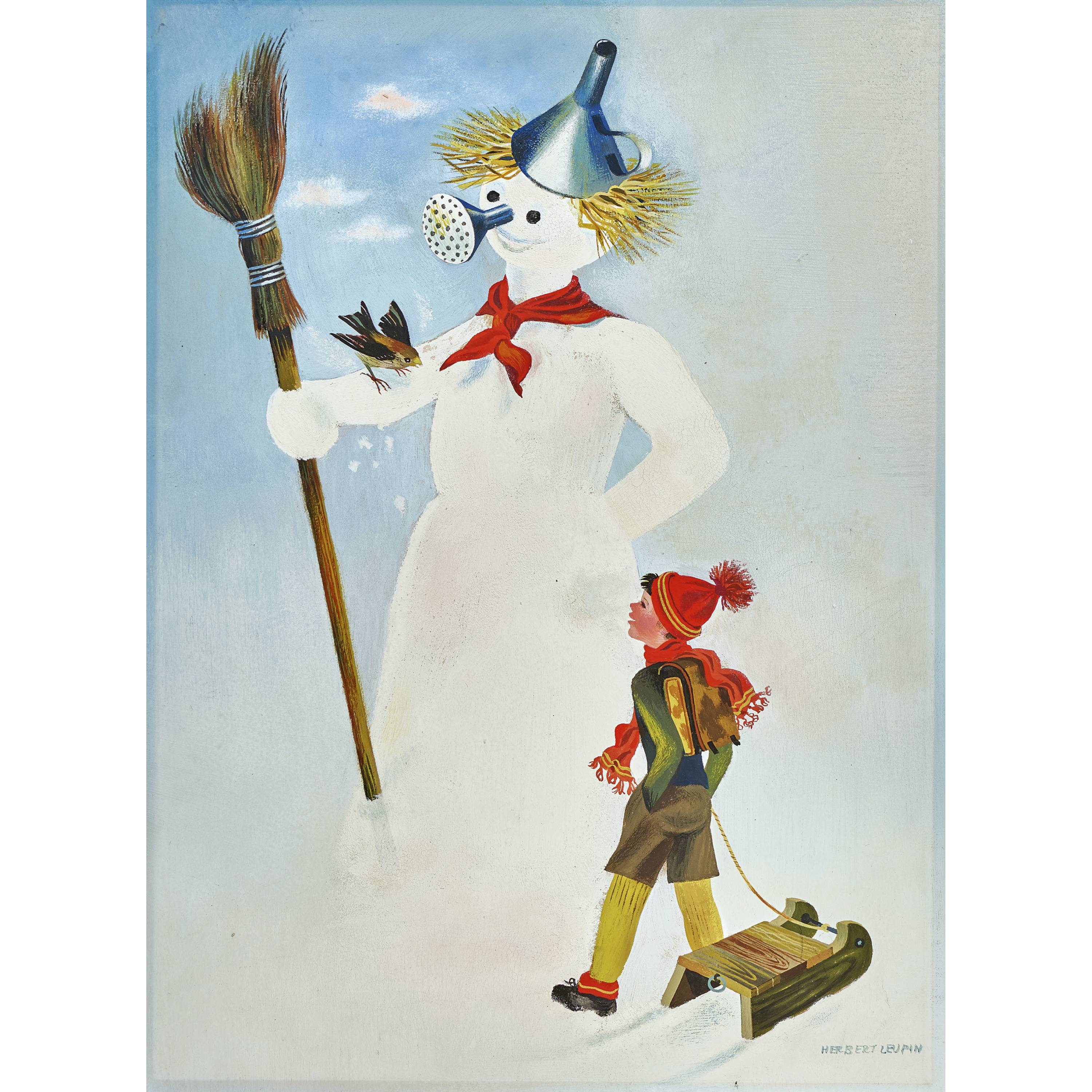
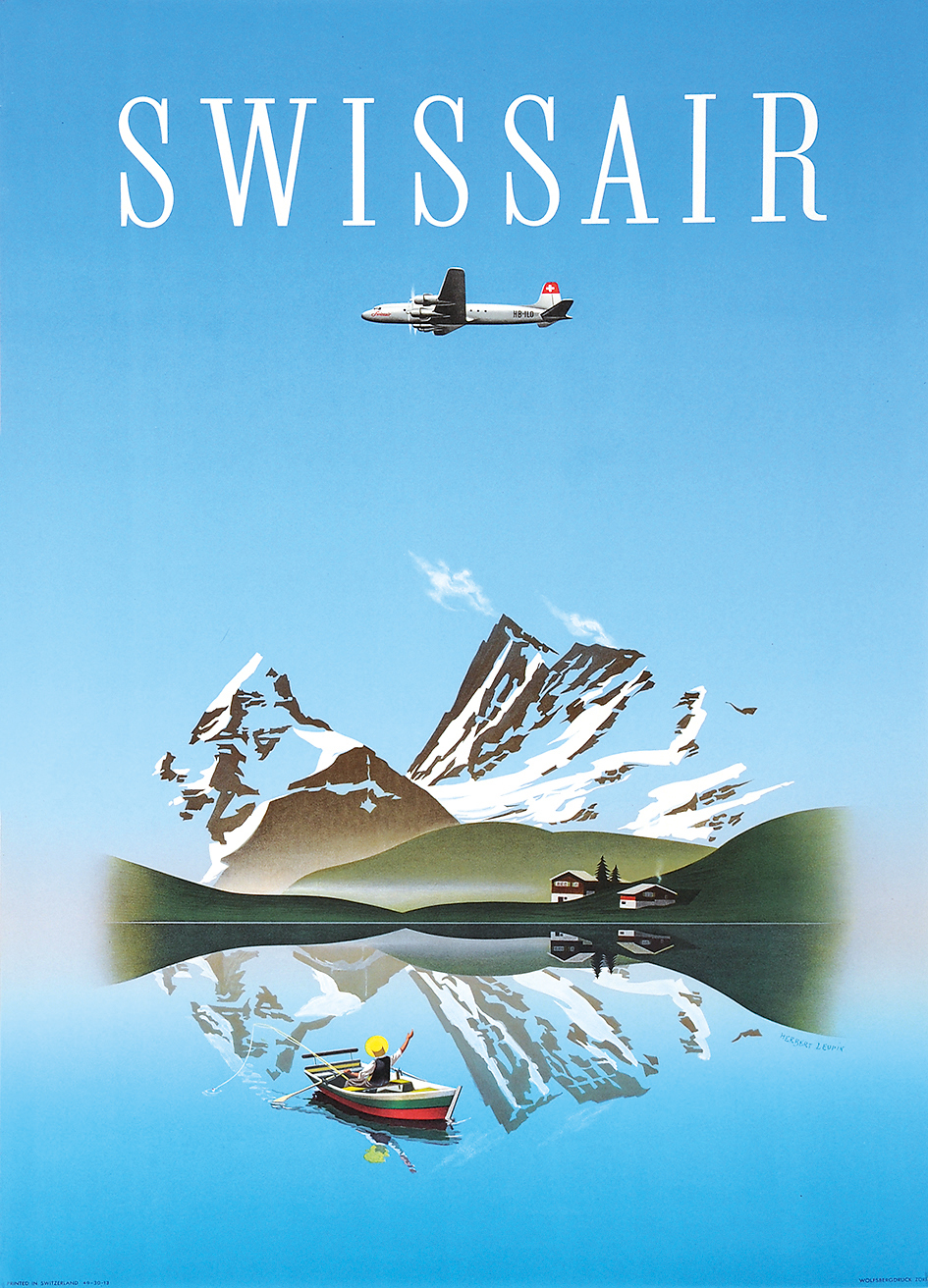
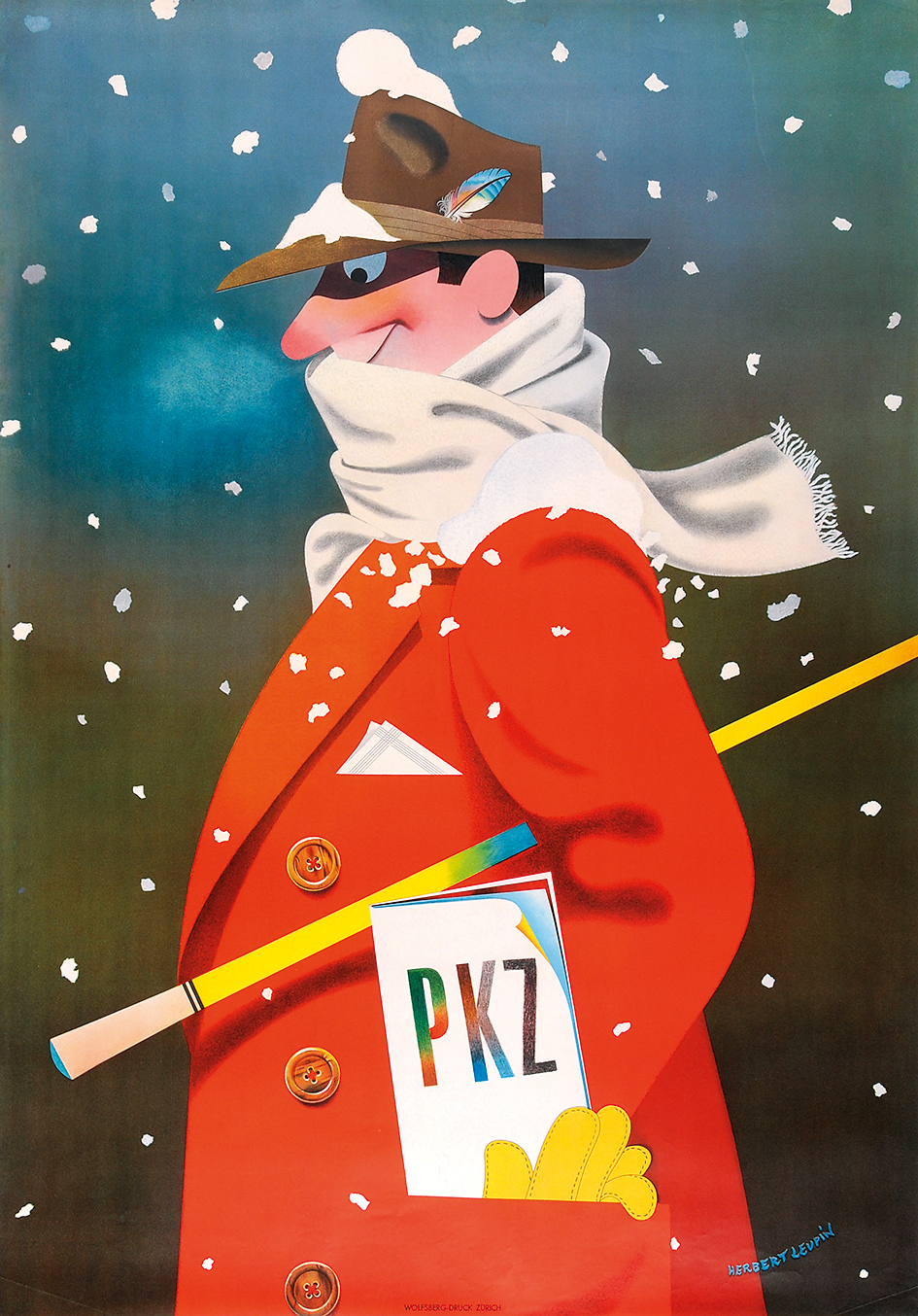
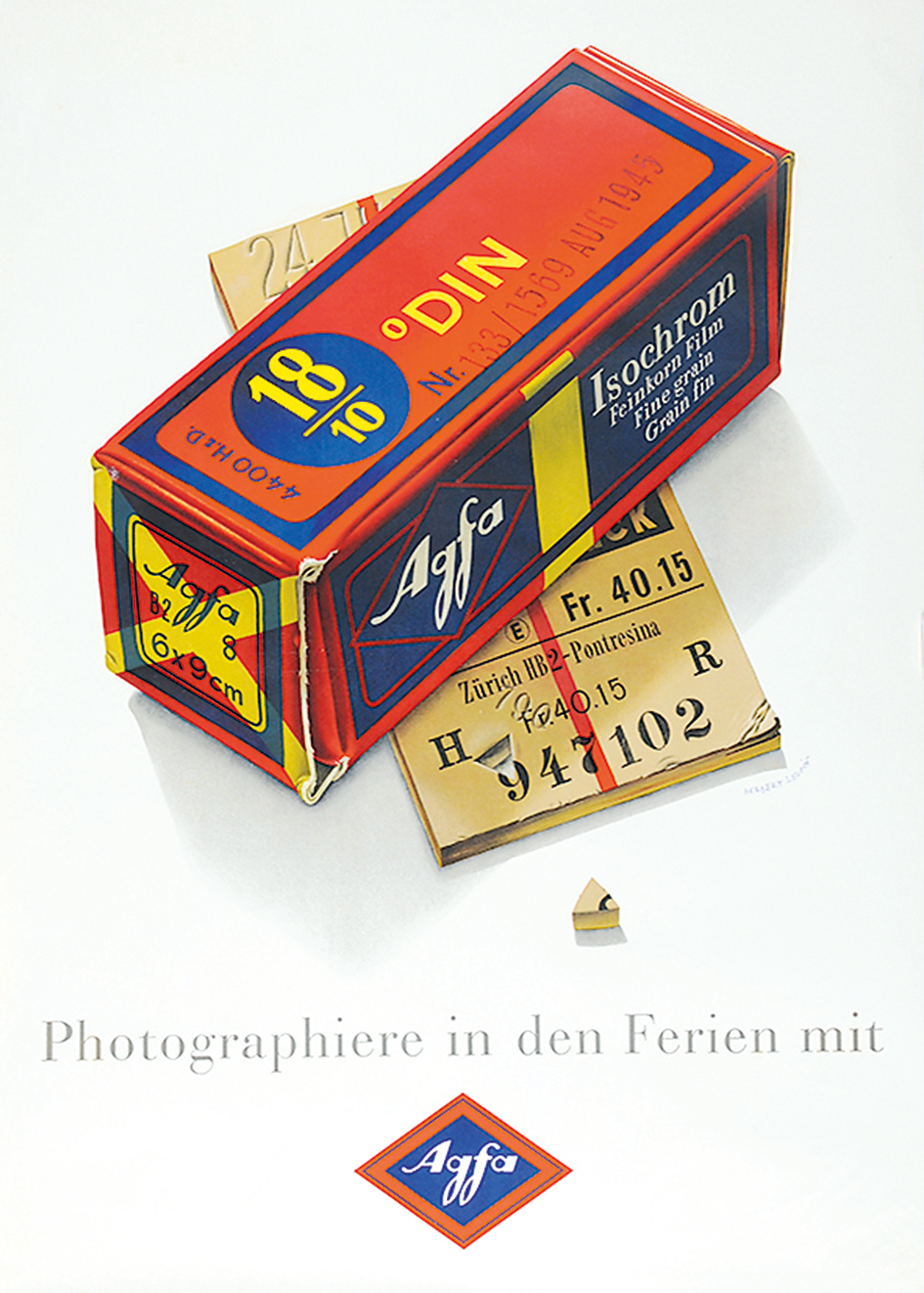
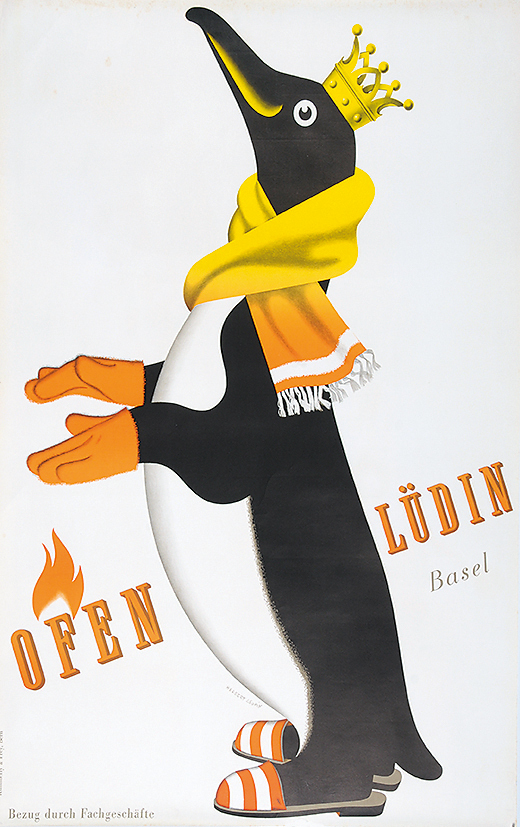
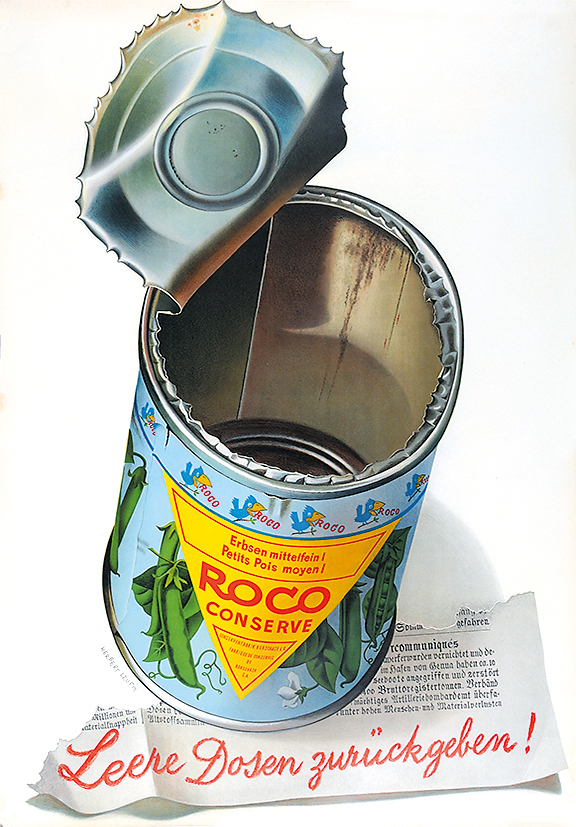
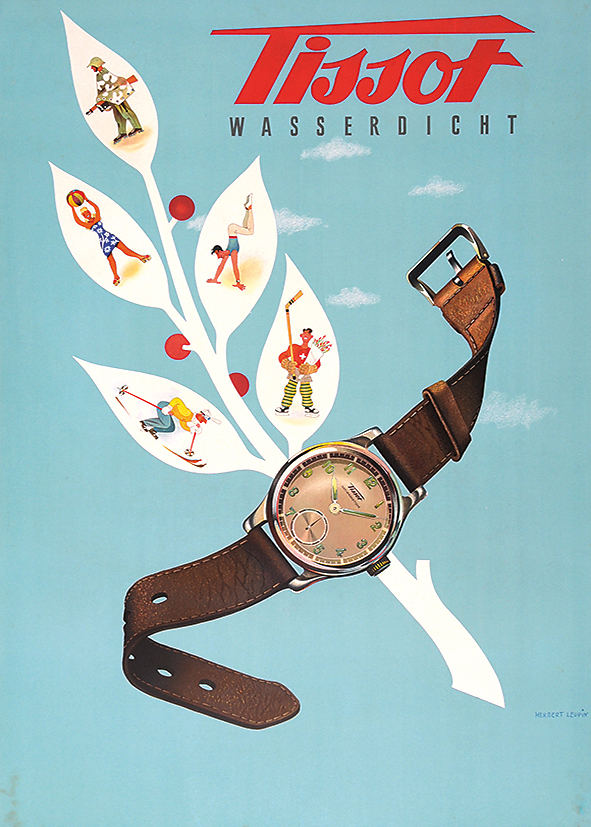
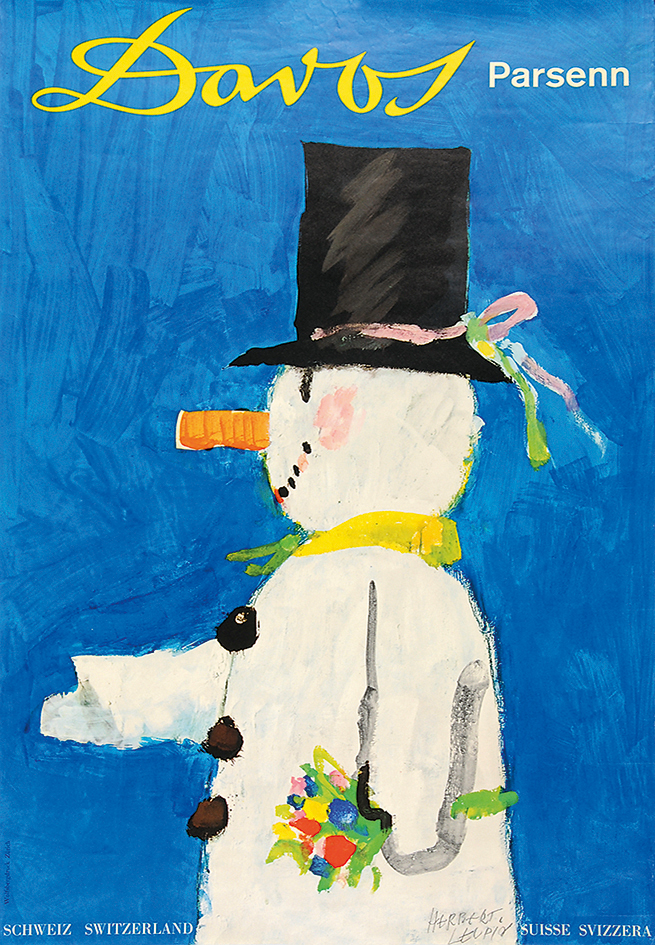
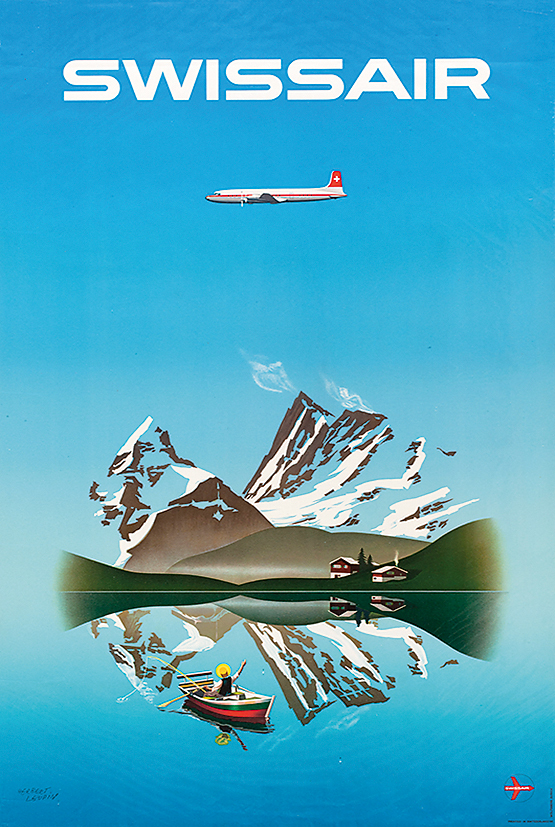
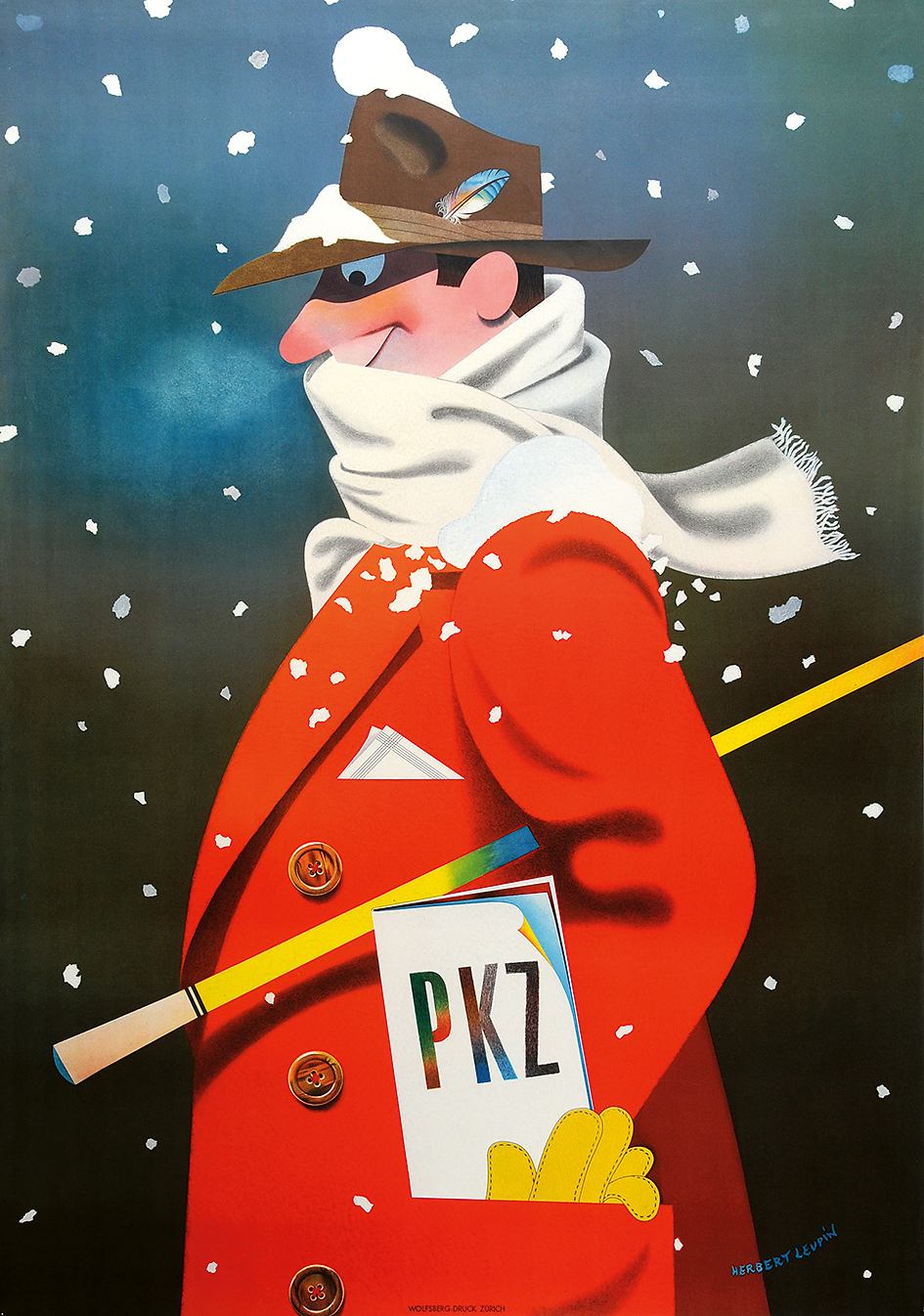
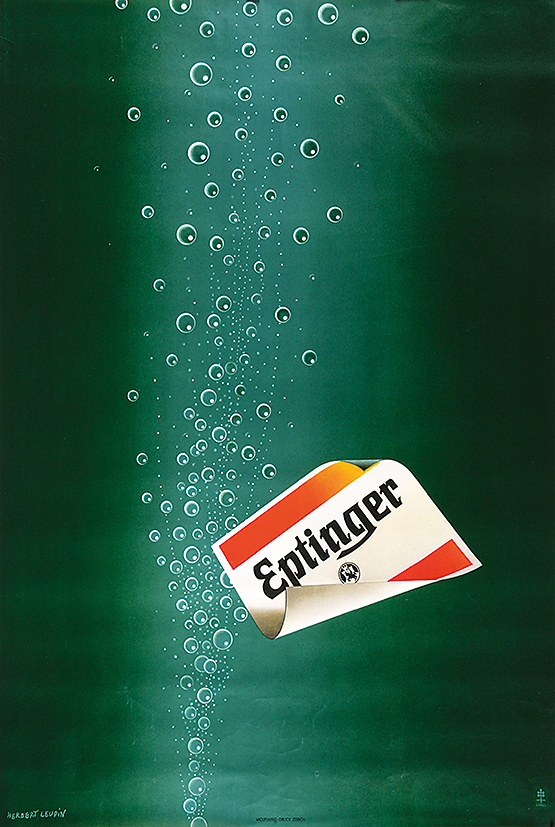
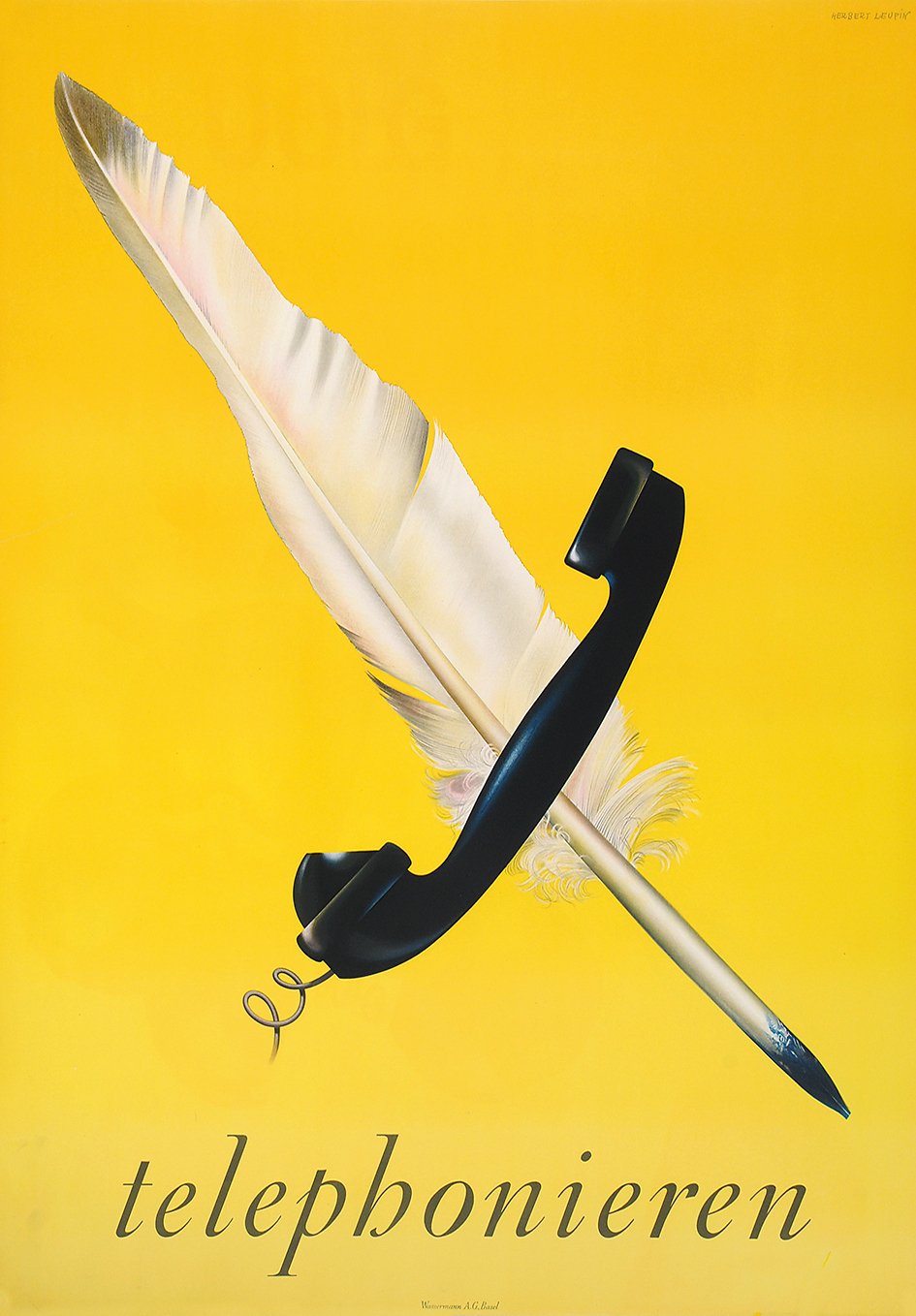
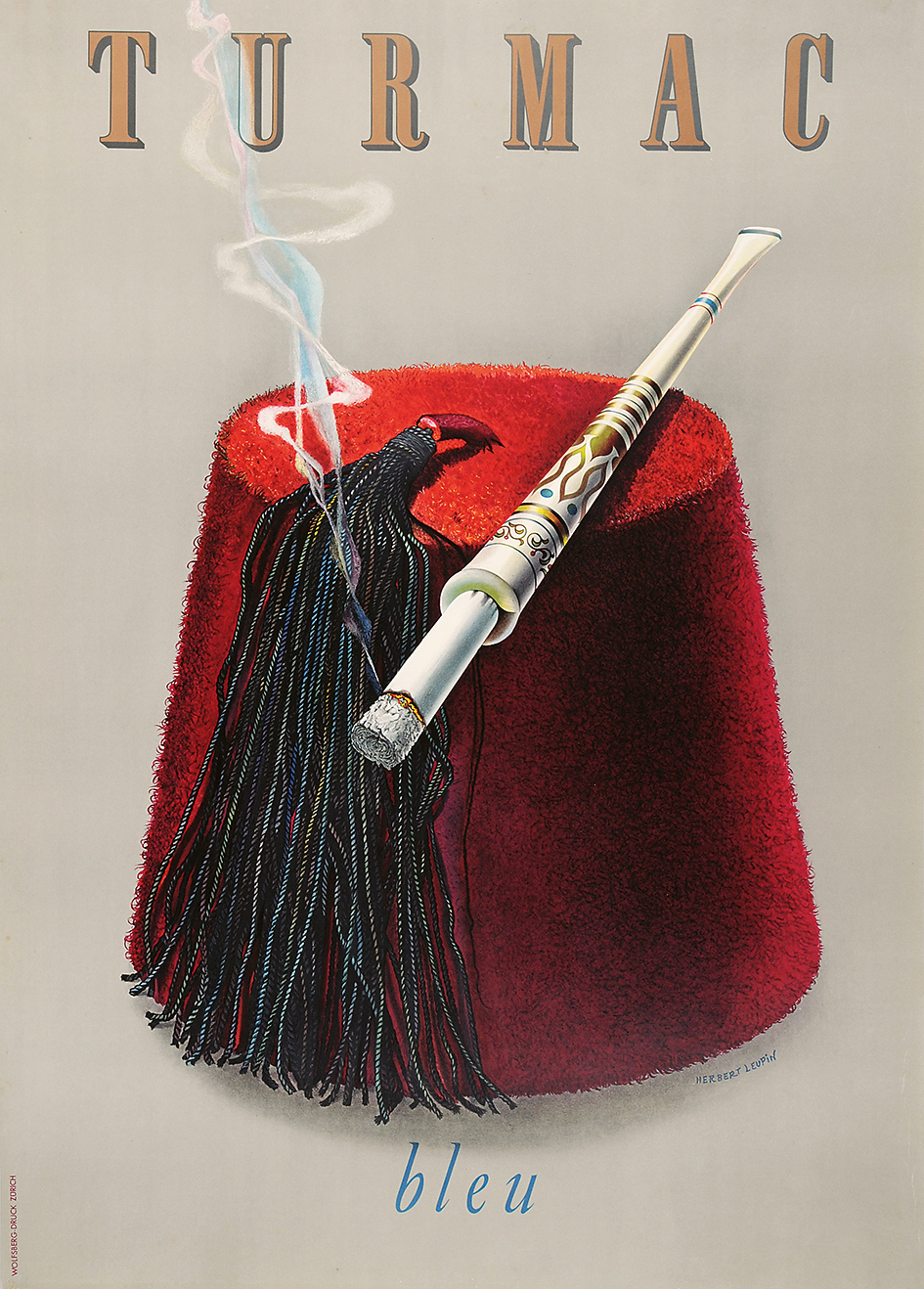
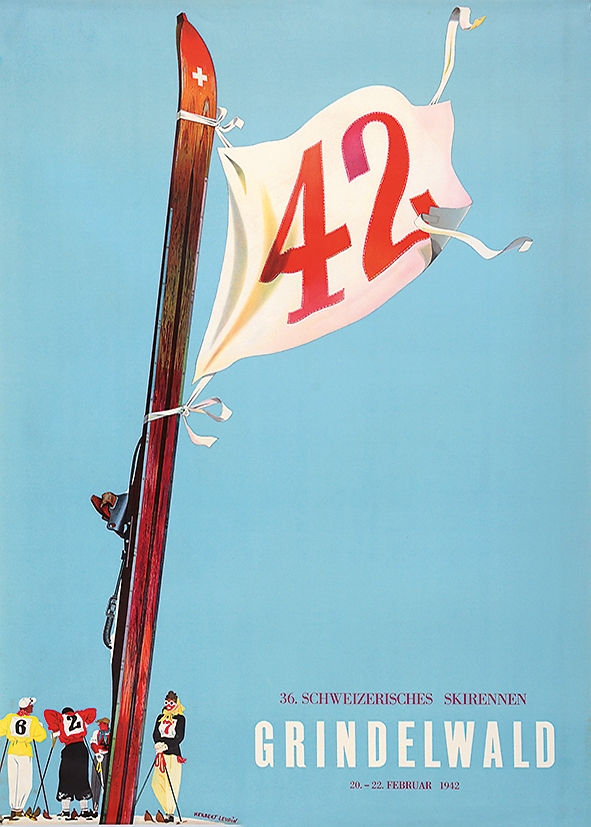
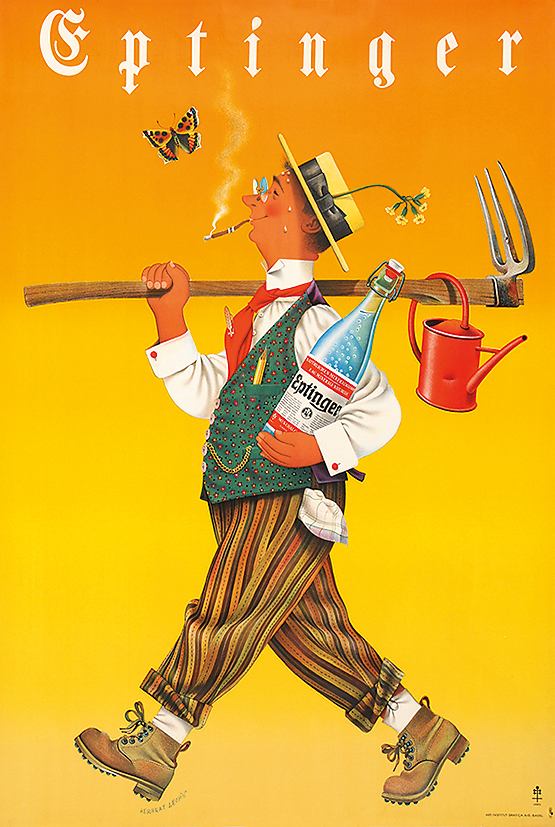
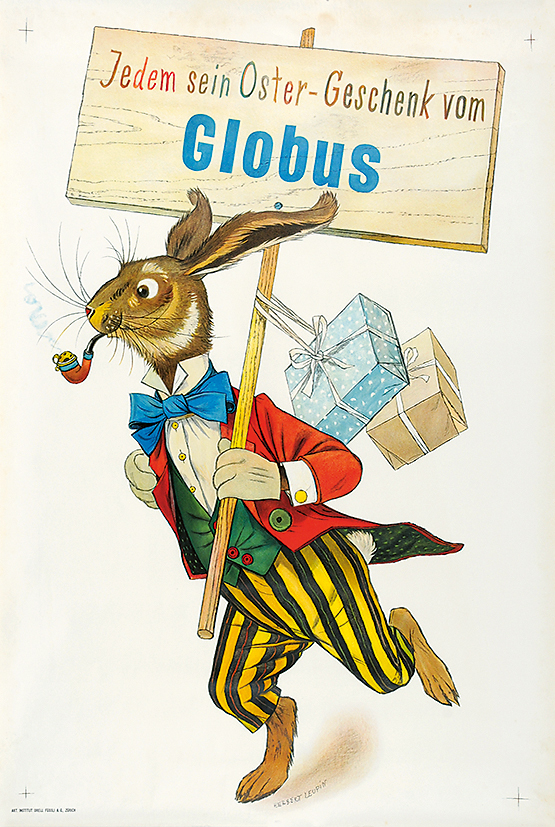
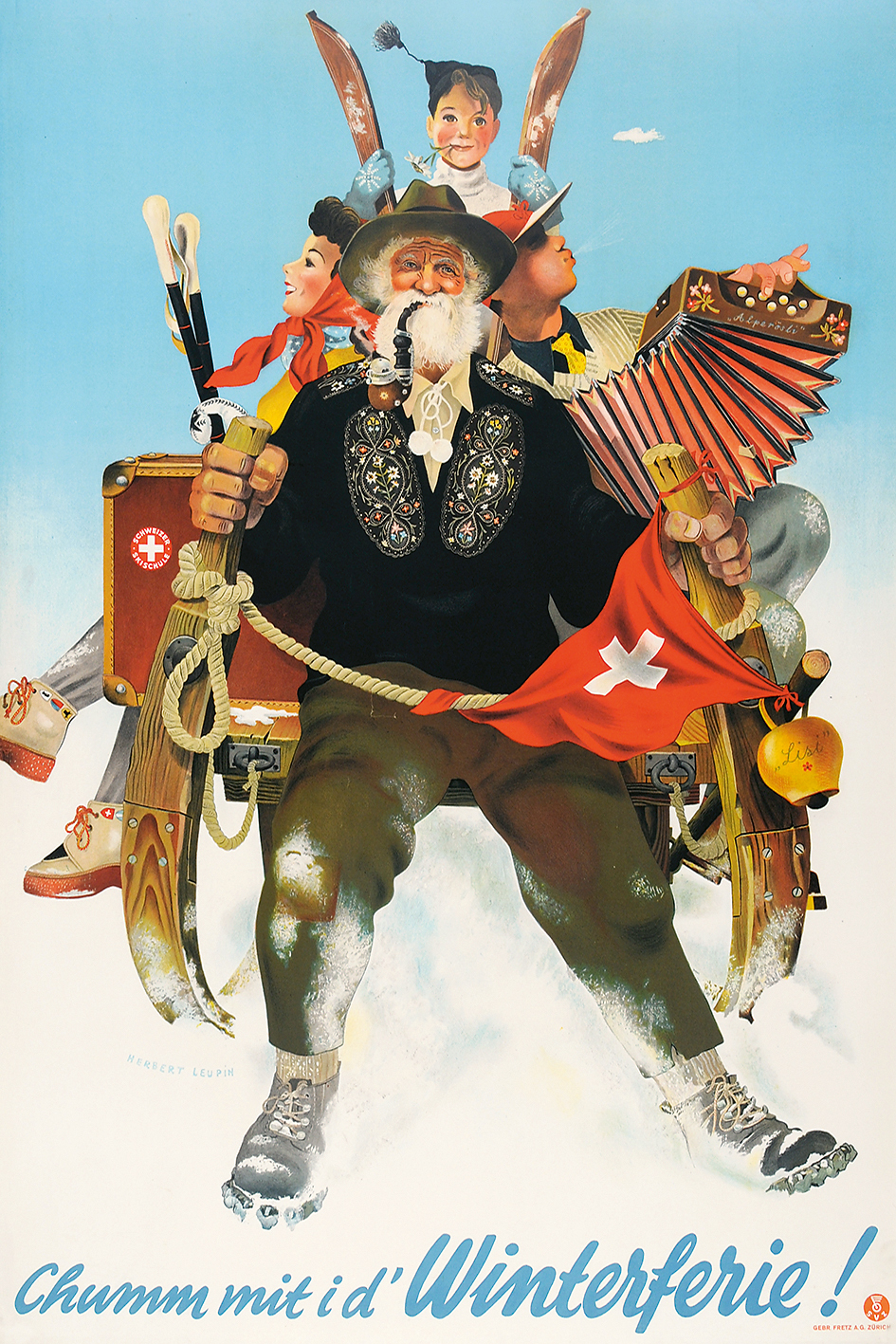
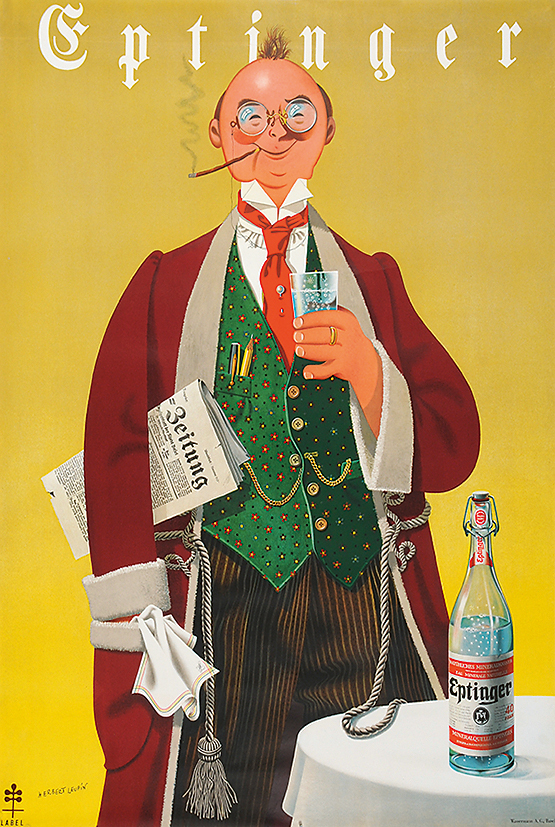
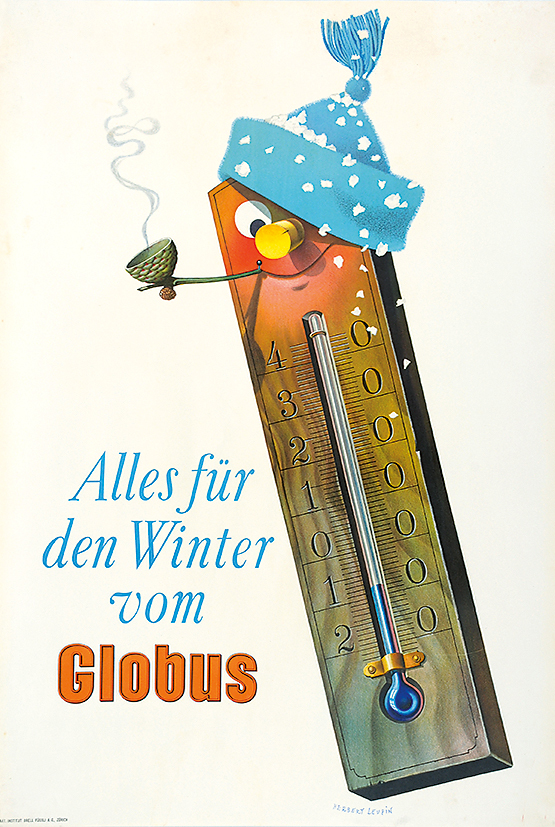
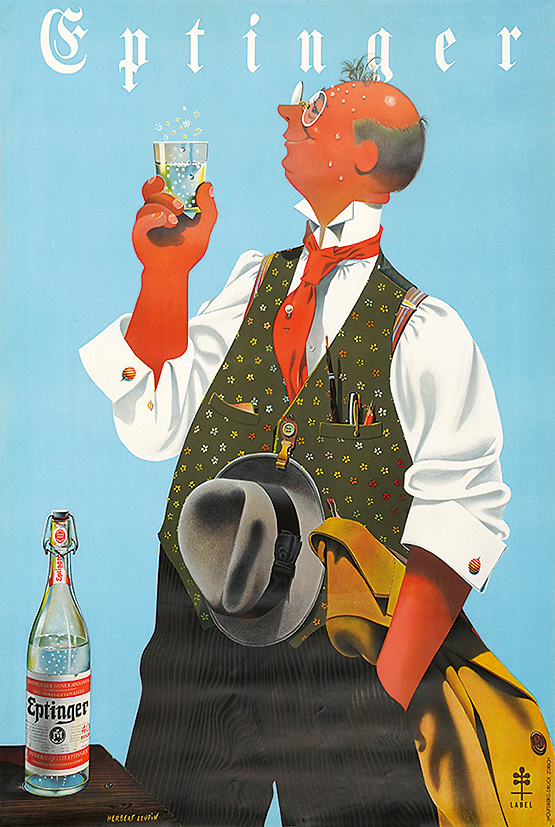
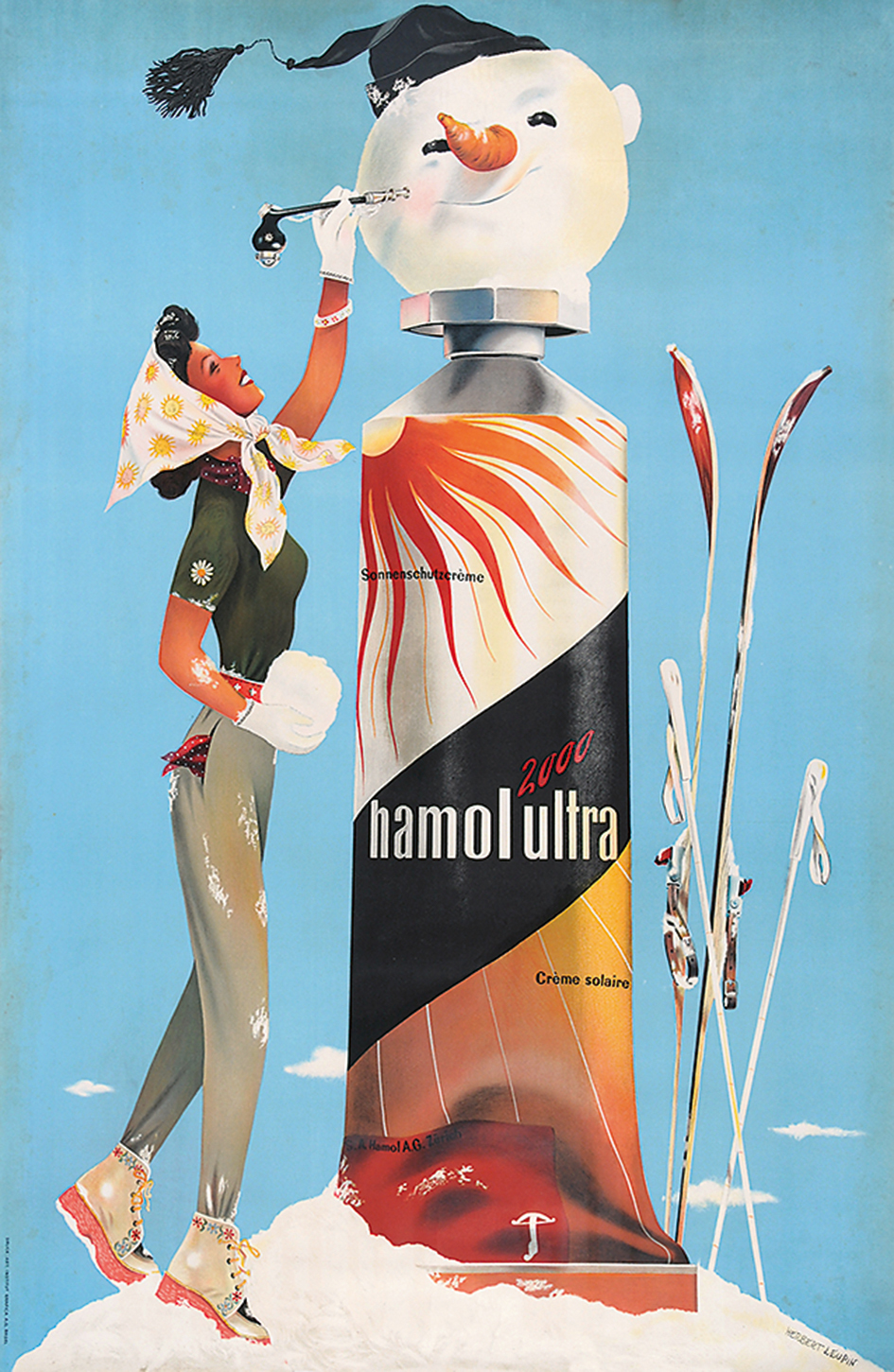
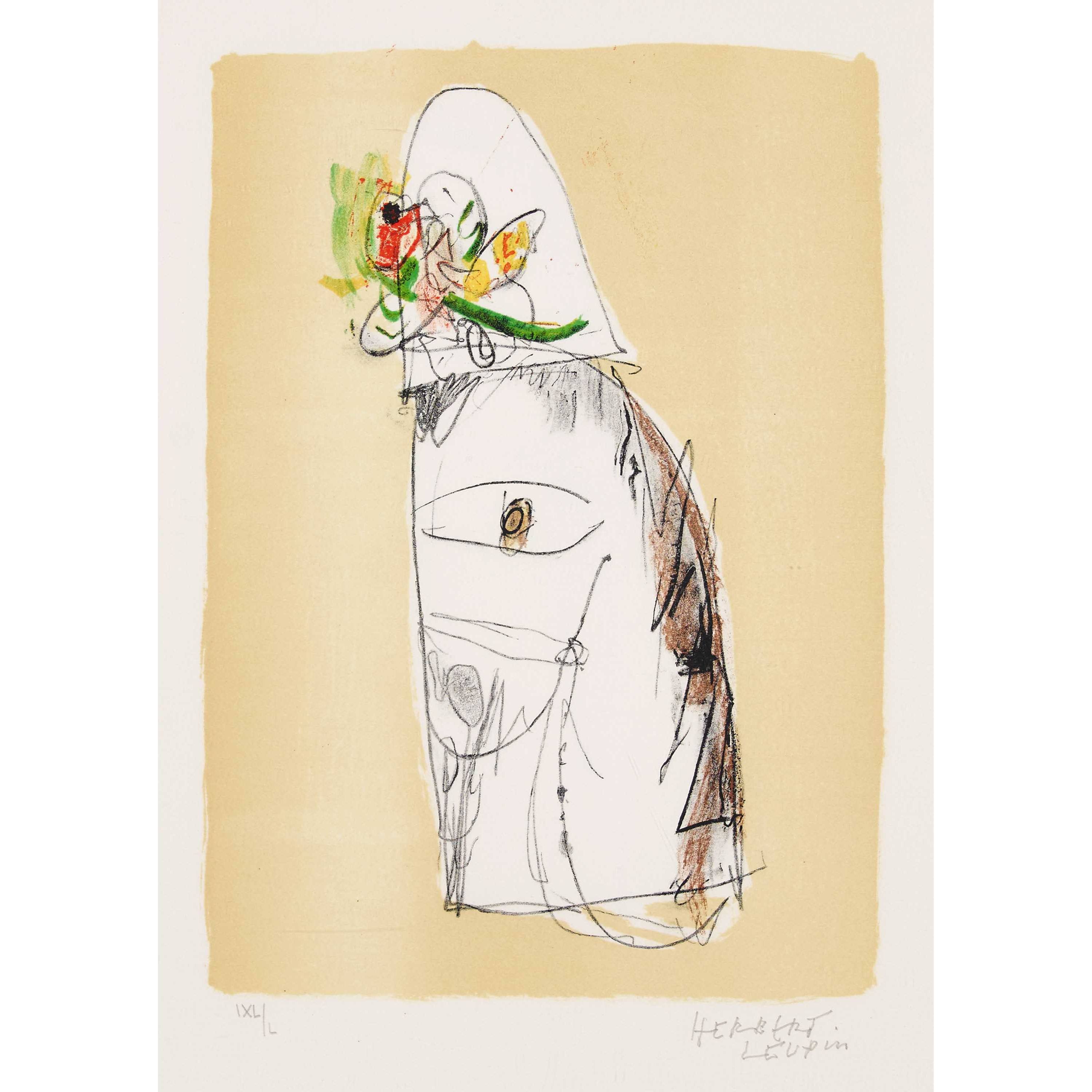
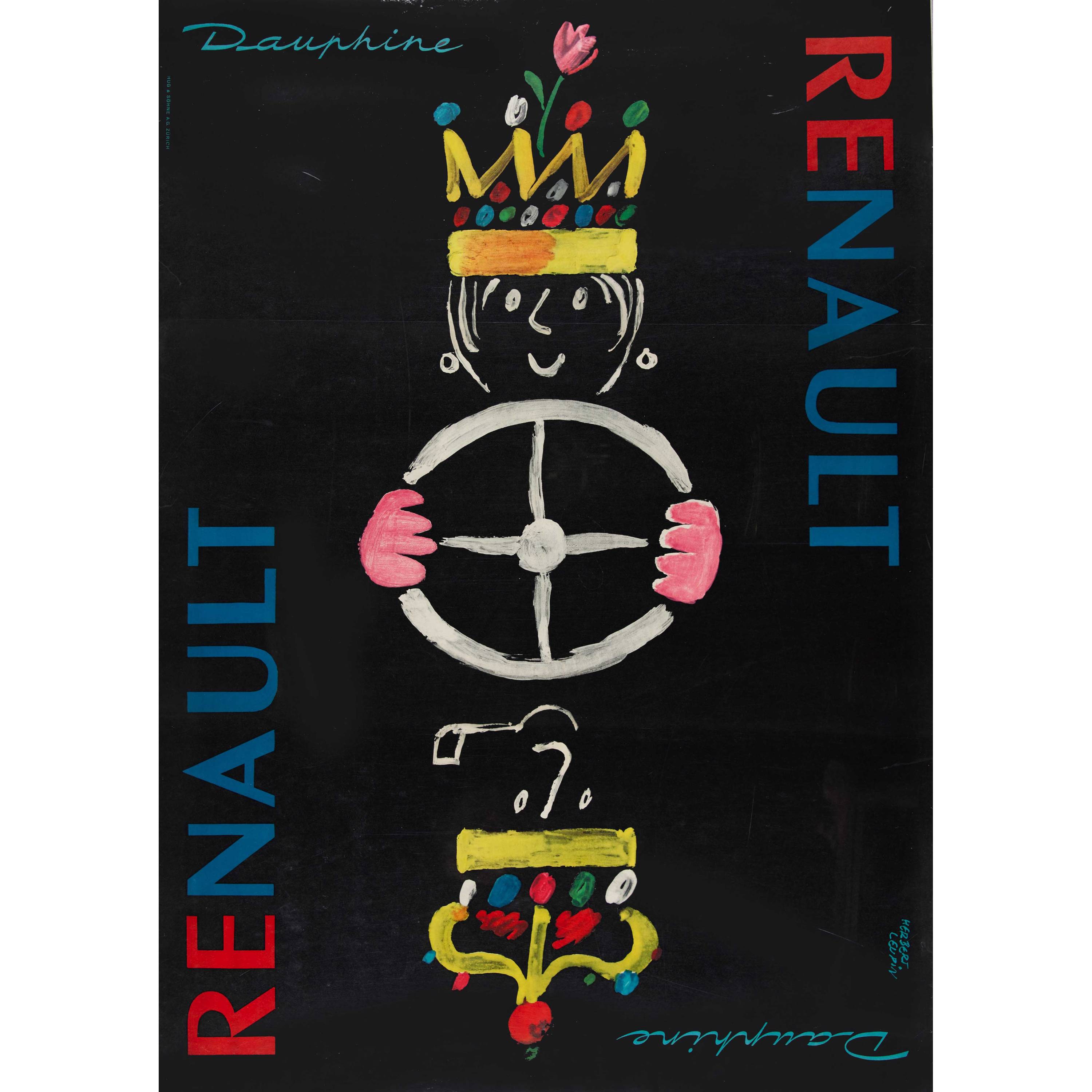
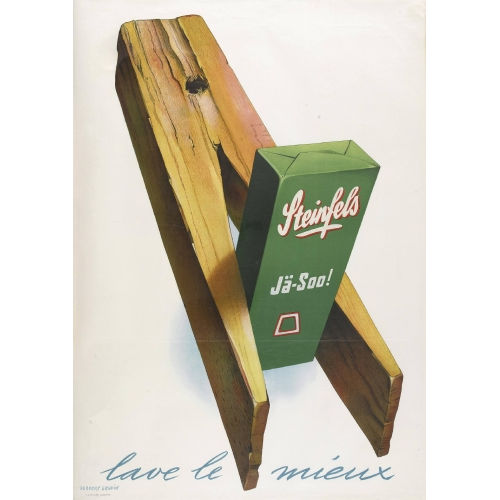
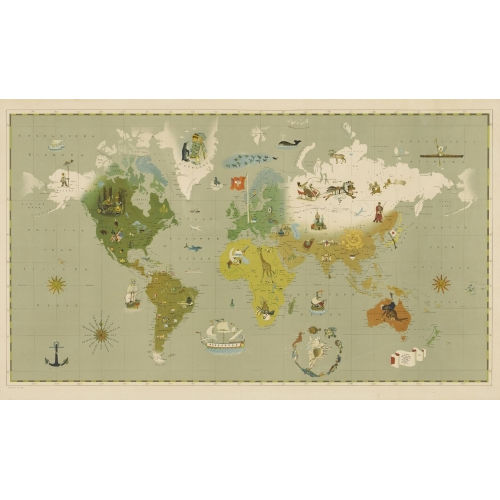
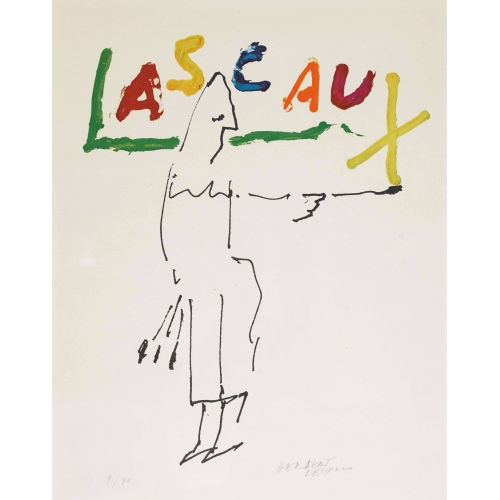
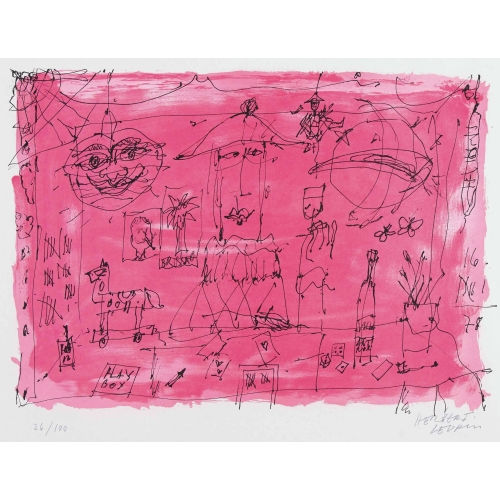
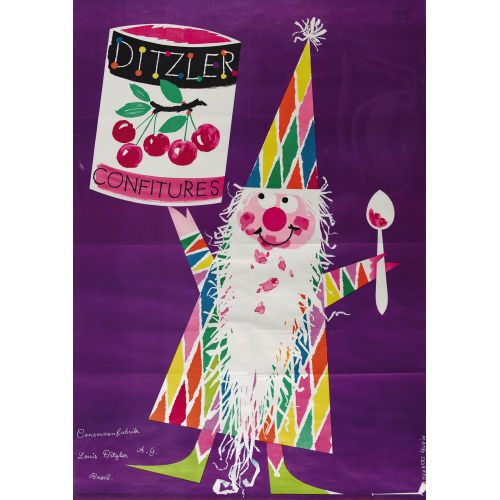
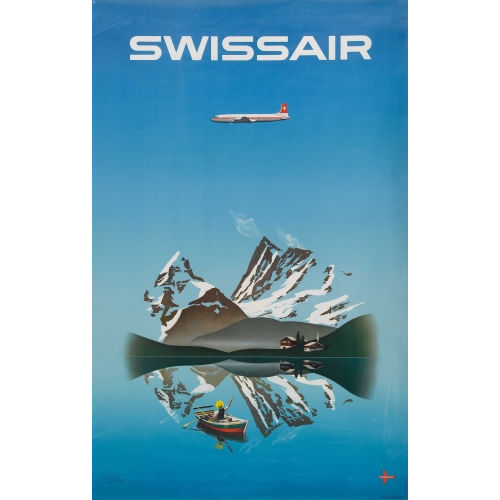
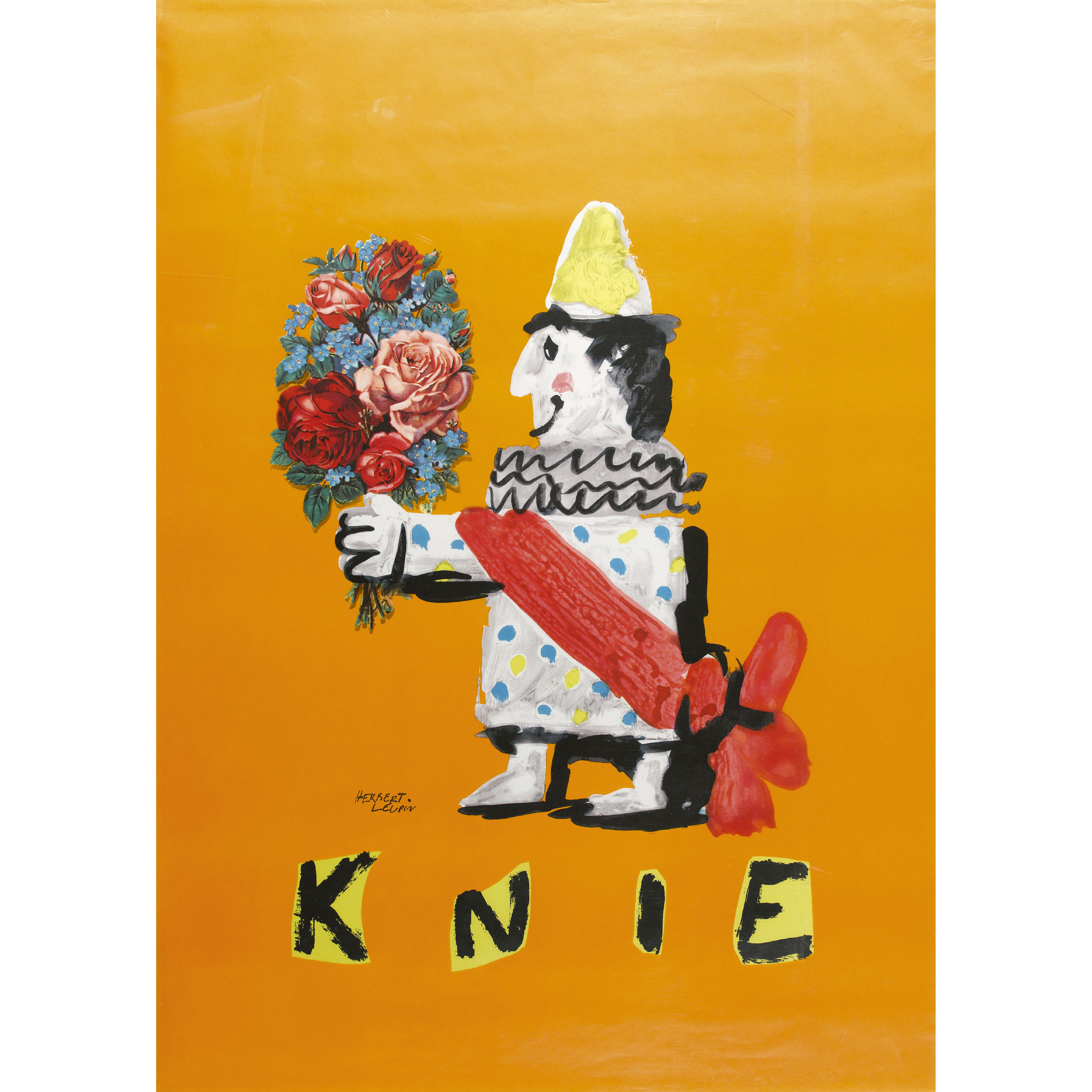
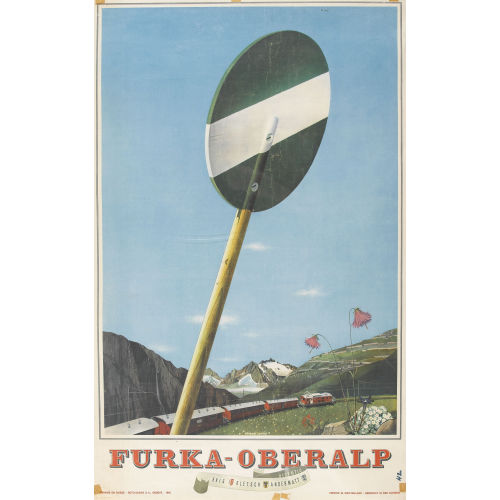
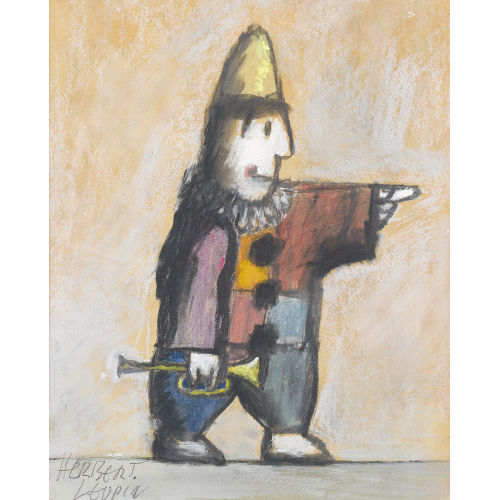
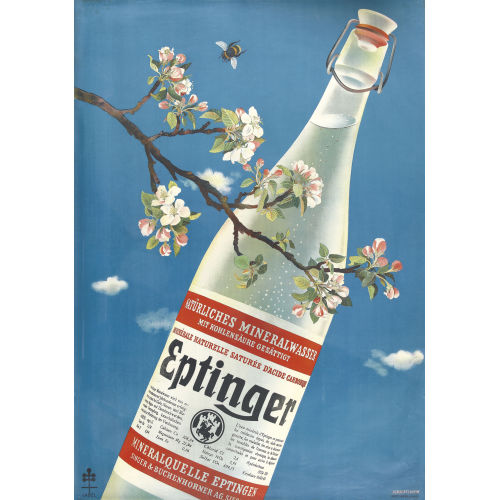
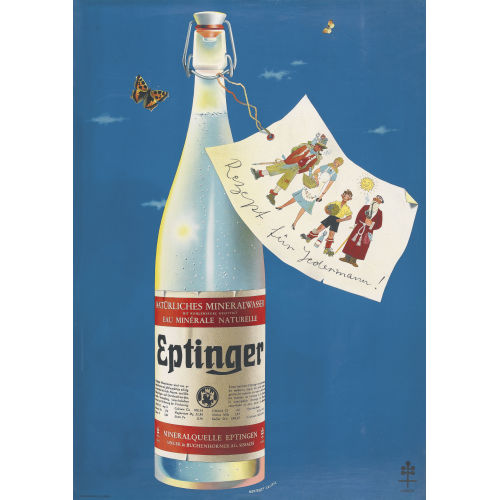
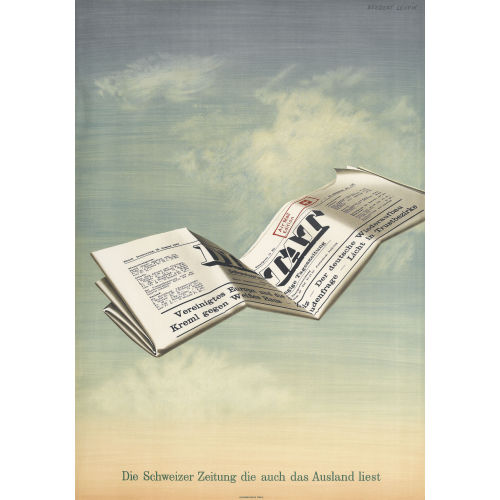
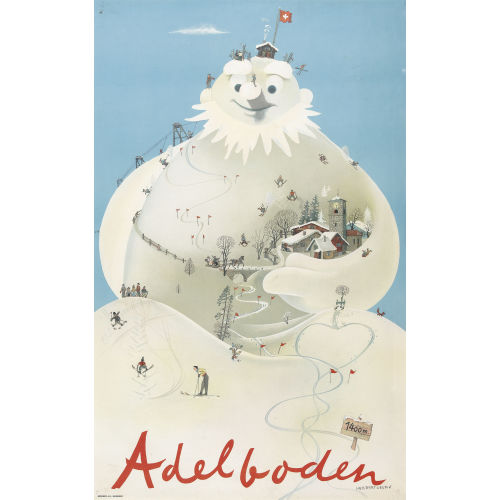
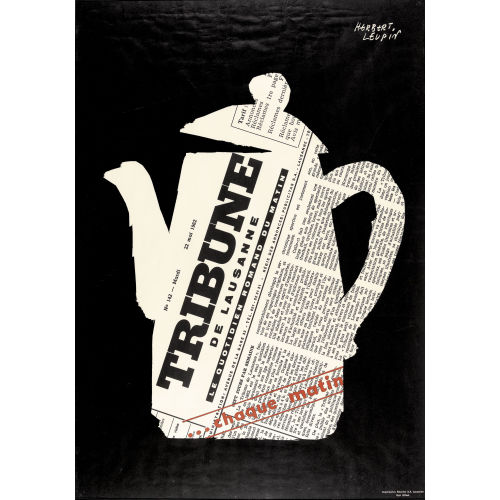
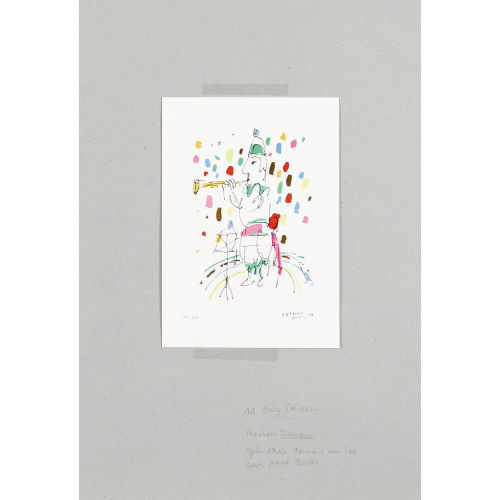
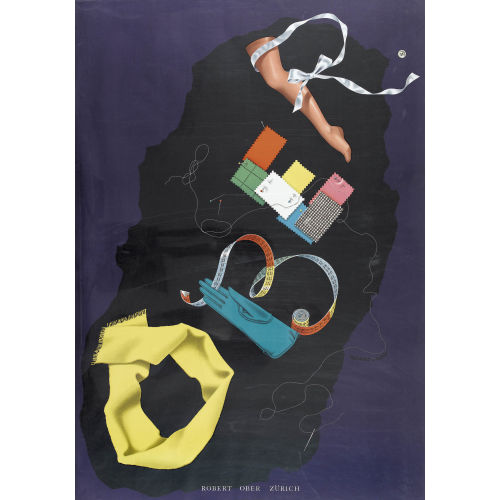
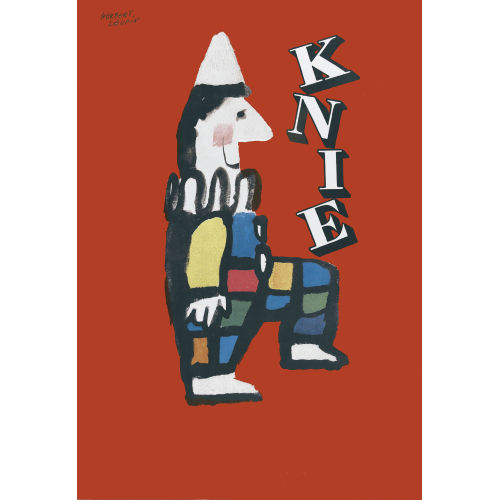
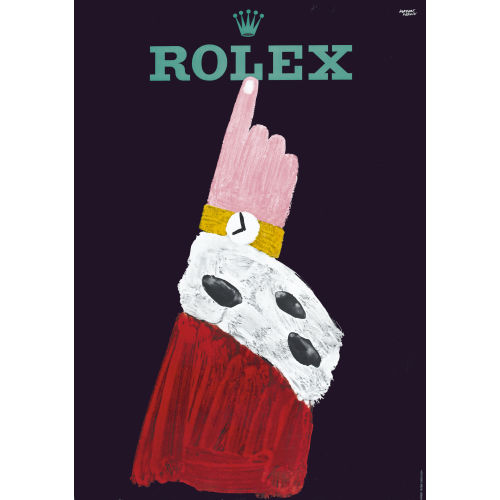
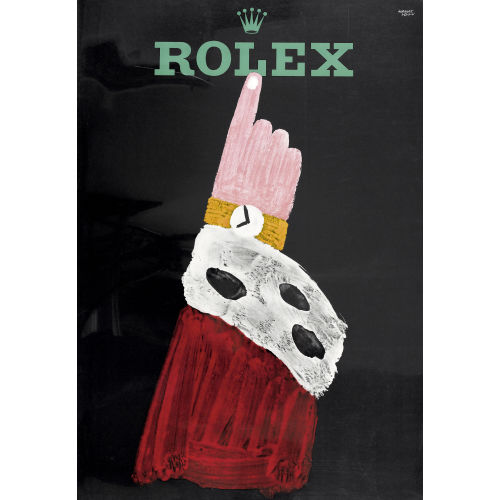
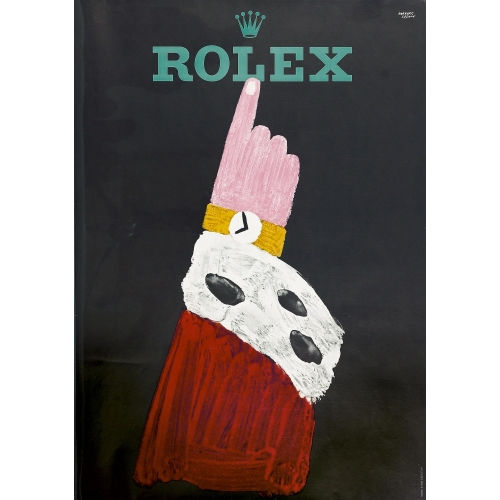
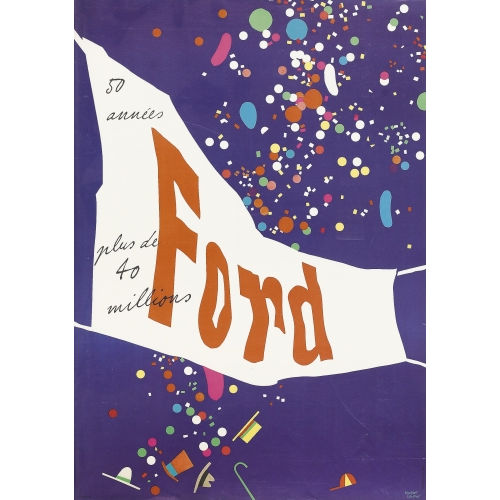
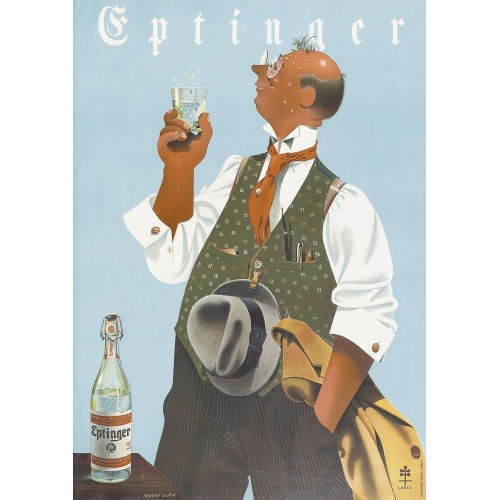
According to the sources consulted, Herbert Leupin (1916–1999) was a major figure in twentieth-century Swiss advertising graphics, recognised for vivid fields of colour, pared-back forms and an often playful, mischievous tone.
He trained at the Kunstgewerbeschule / Gewerbeschule in Basel, where he enrolled in 1931 and followed a course dated by the sources to 1931–1934. After returning to Switzerland in 1937, he worked briefly at Donald Brun’s studio before setting up independently at the end of the same year as a freelance graphic designer. His first major documented commission dates from 1939 and was for the Bell butcher’s shop in Basel; this milestone marked the beginning of sustained professional activity.
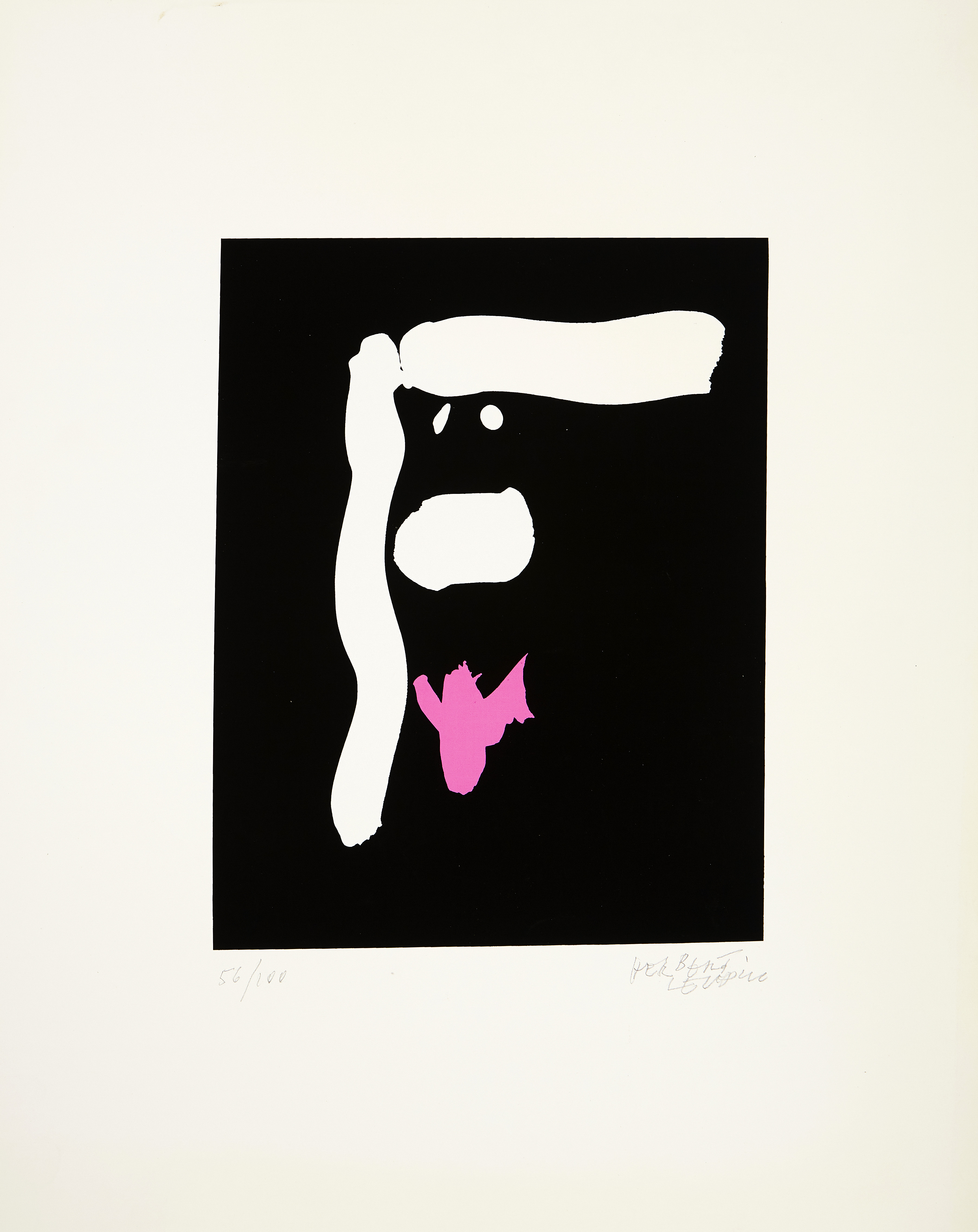
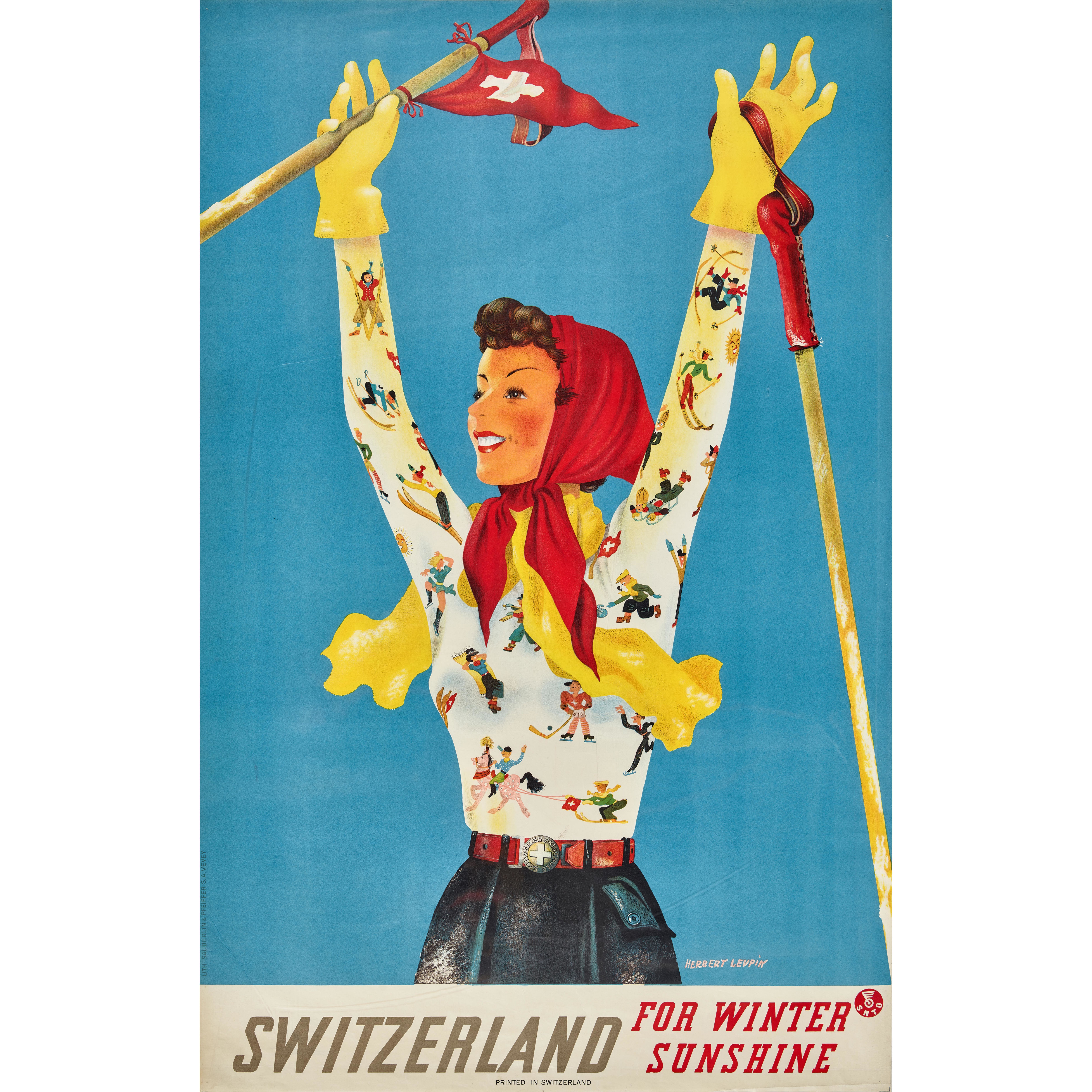
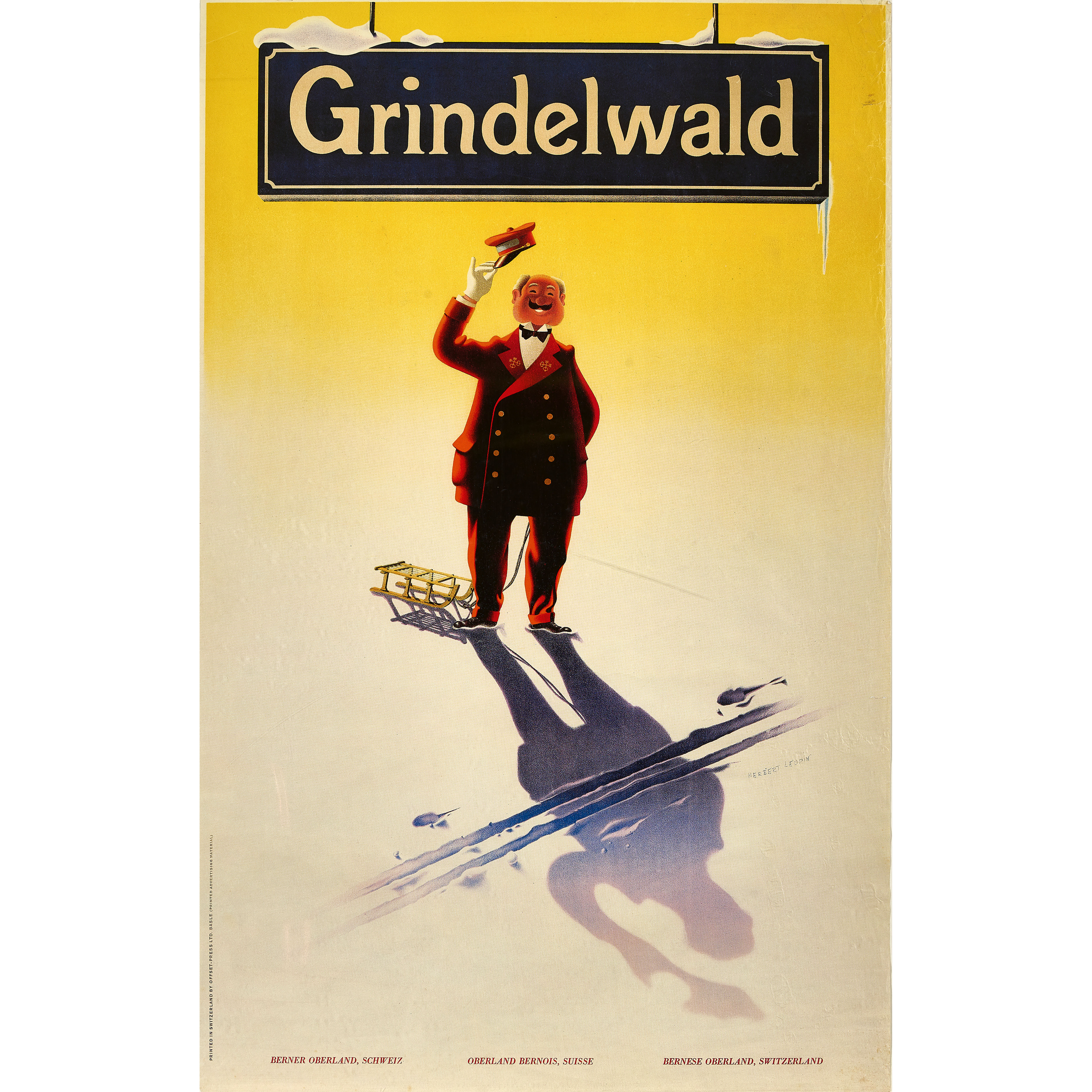
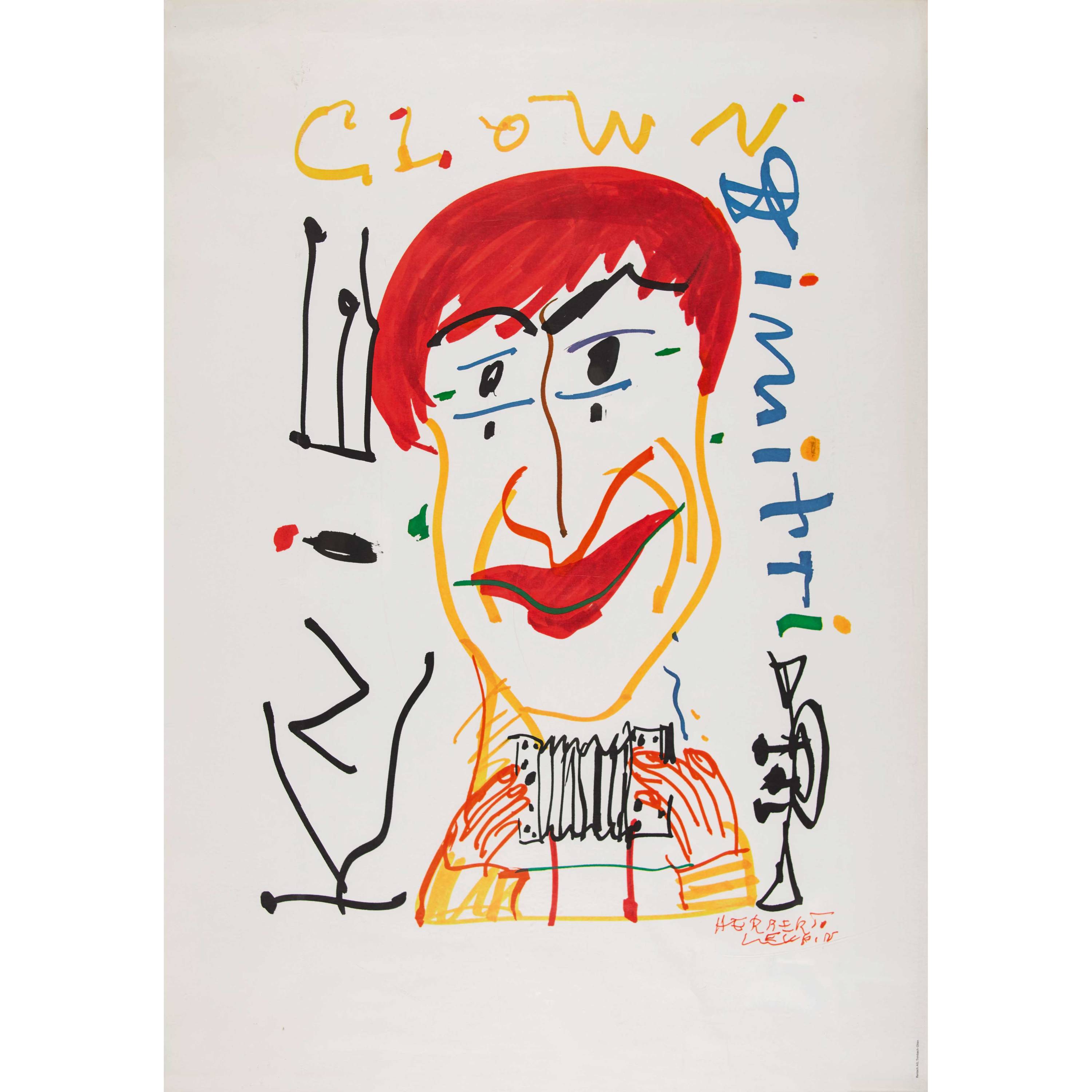
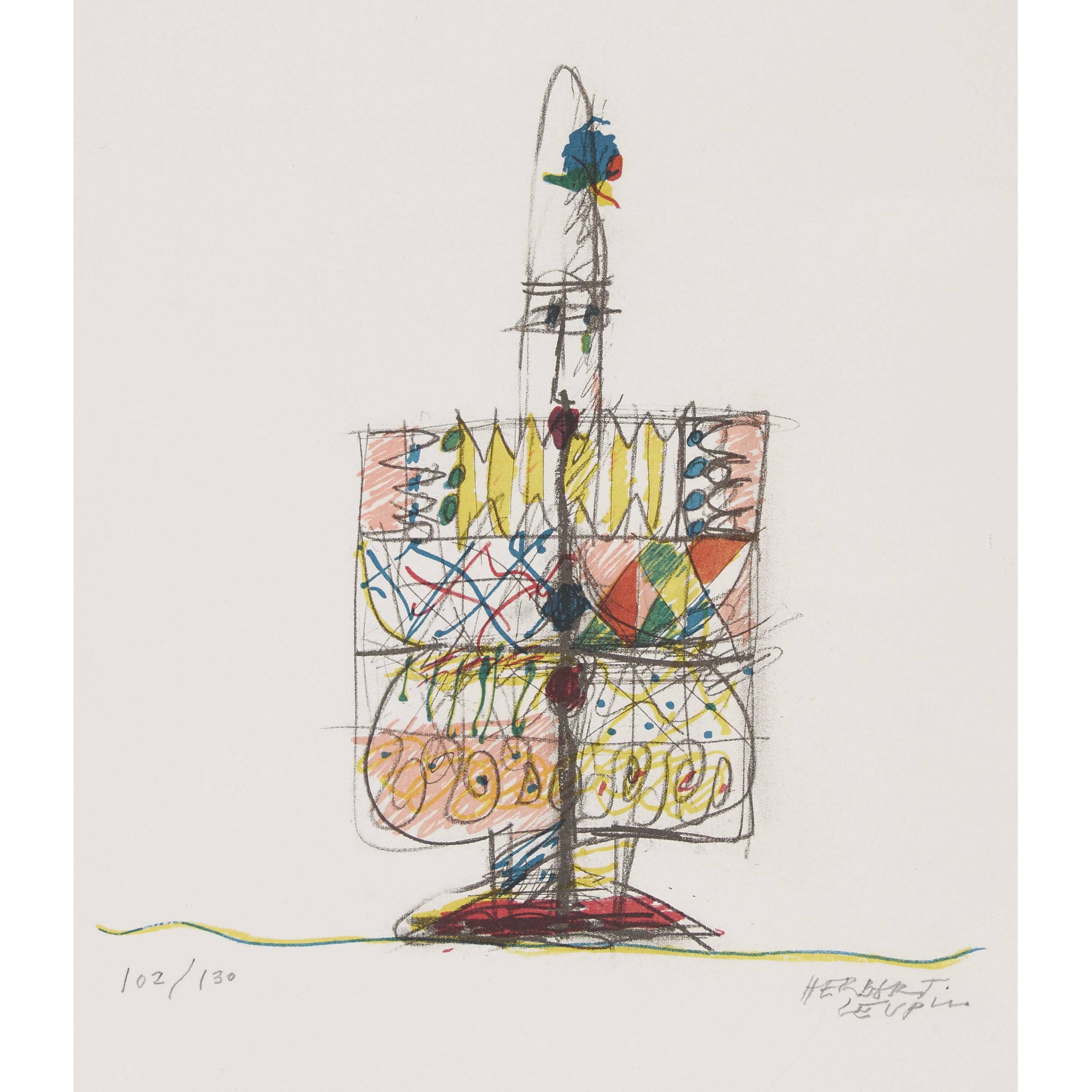
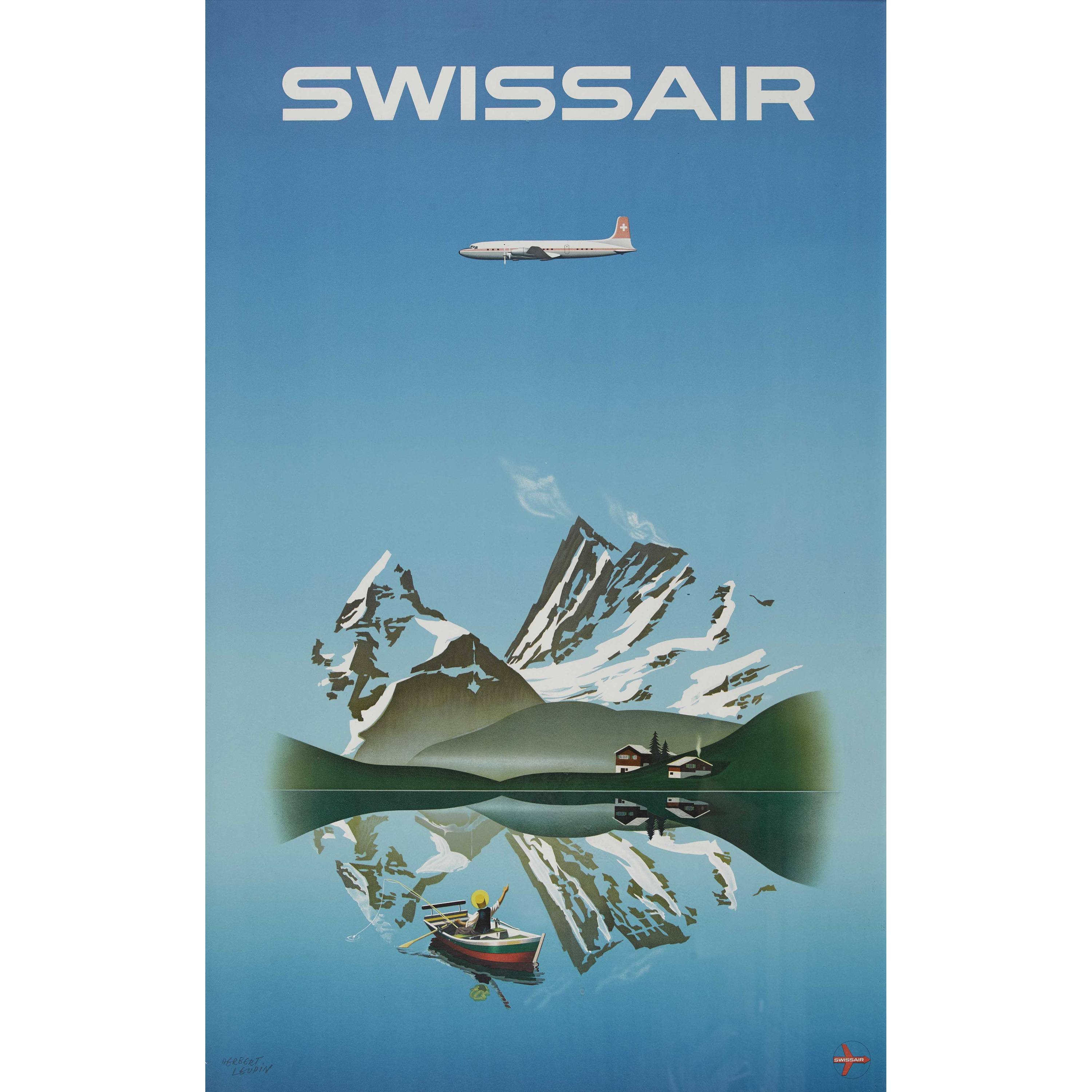
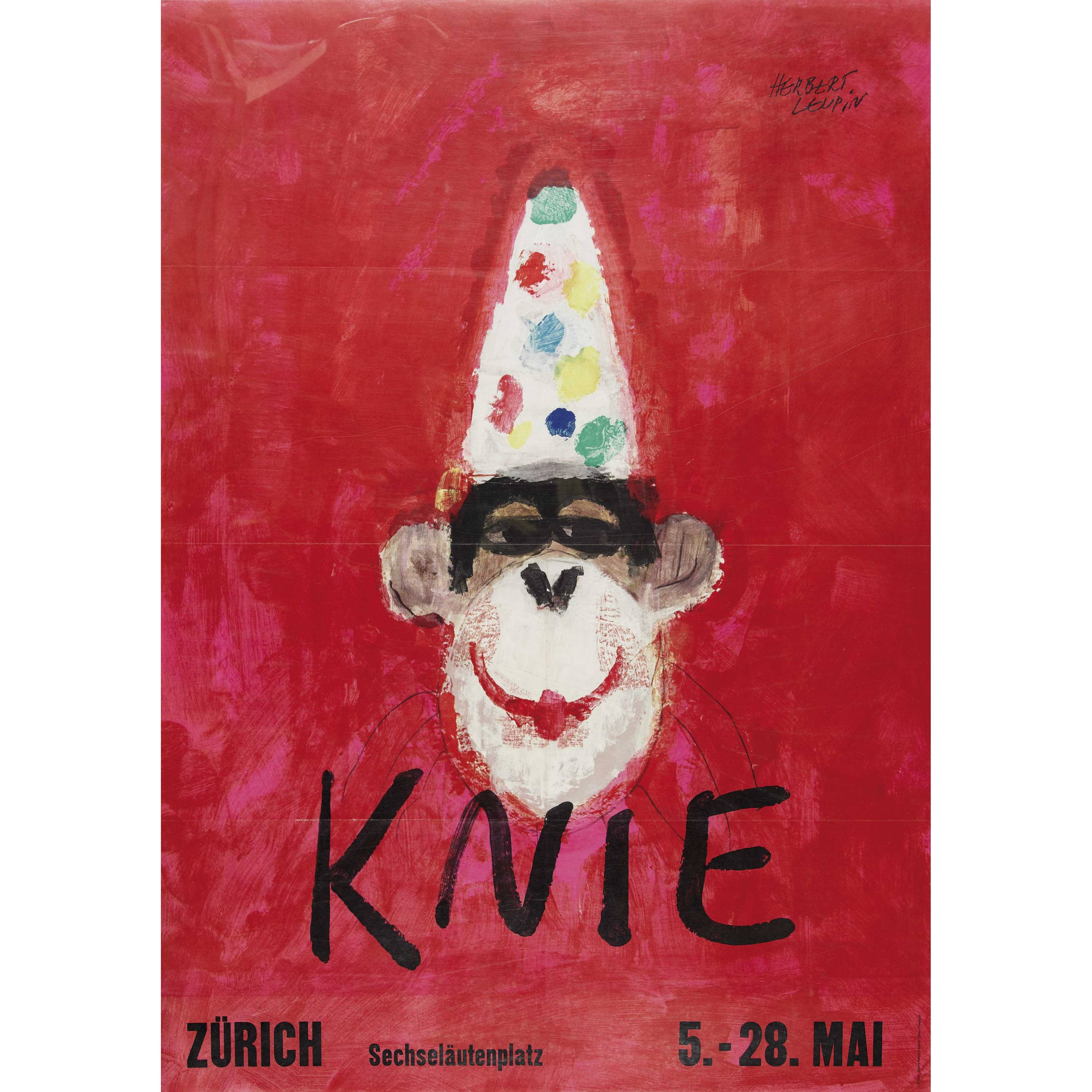
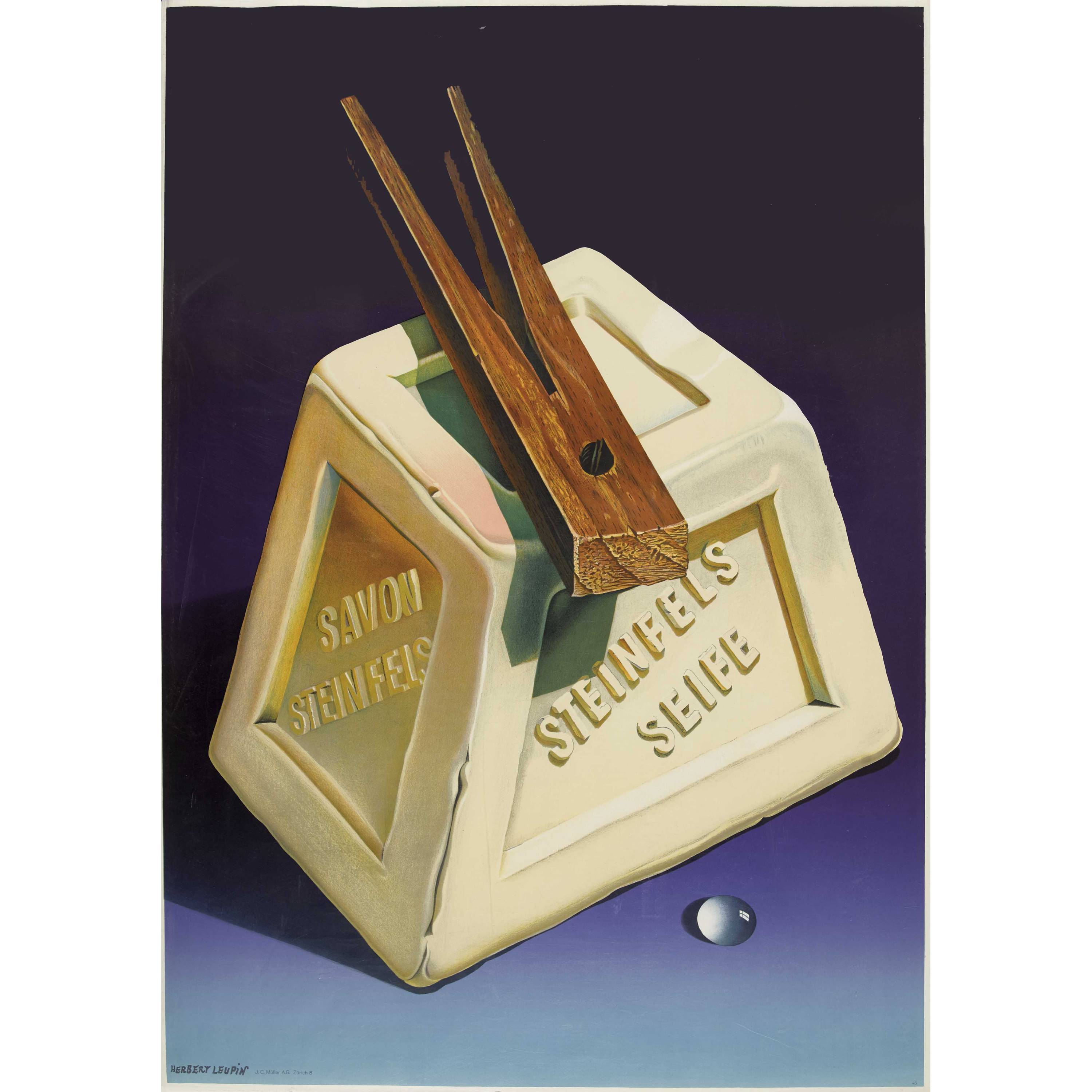
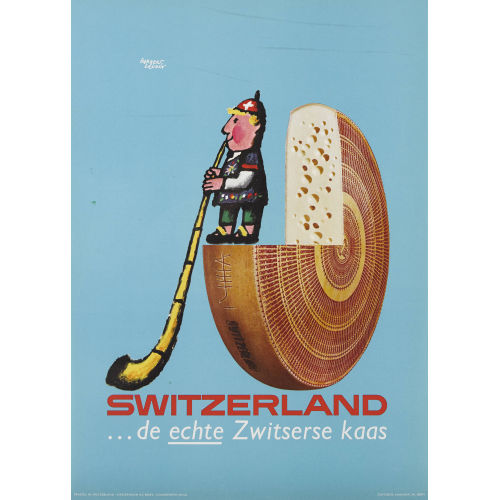
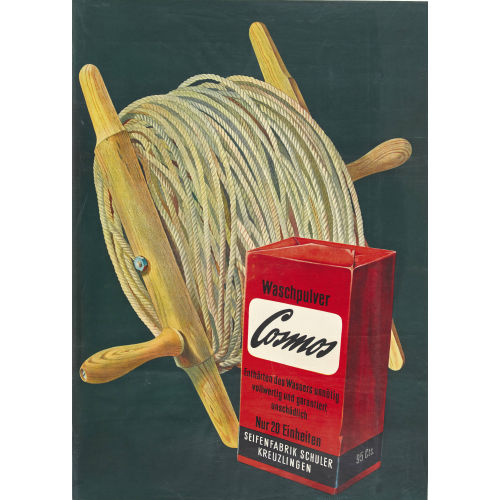
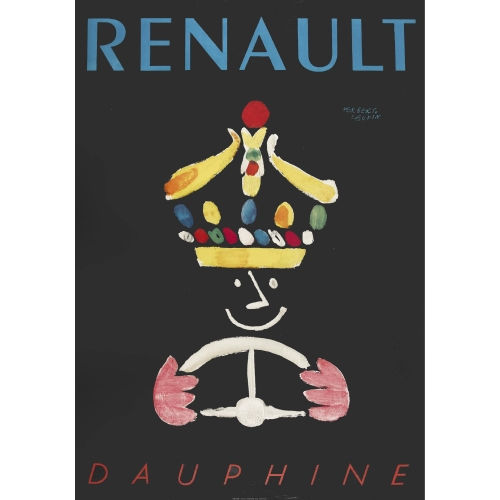
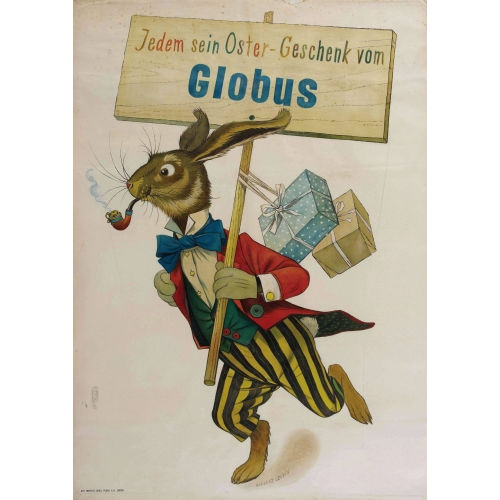
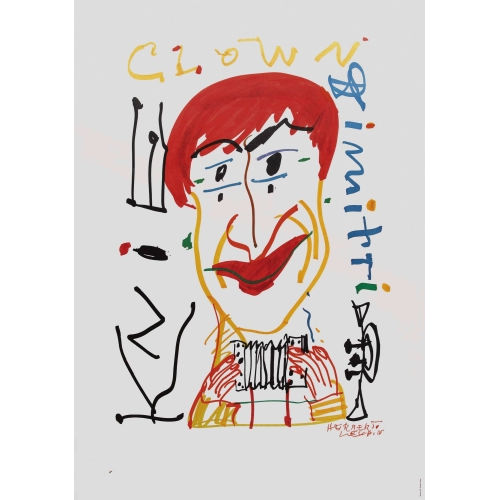
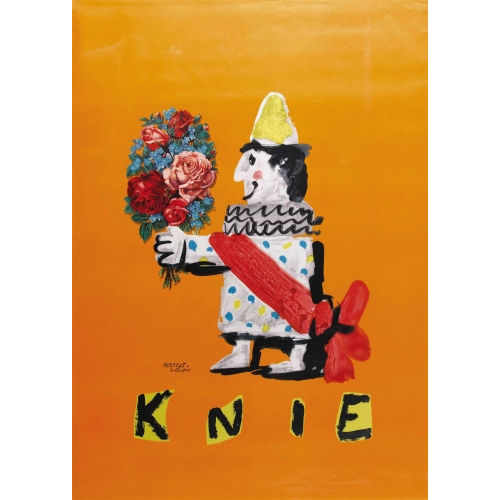
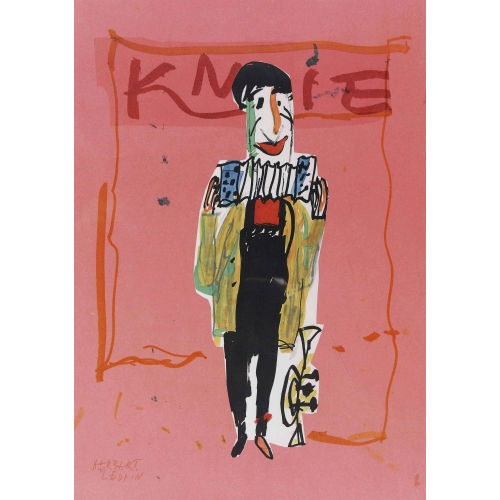
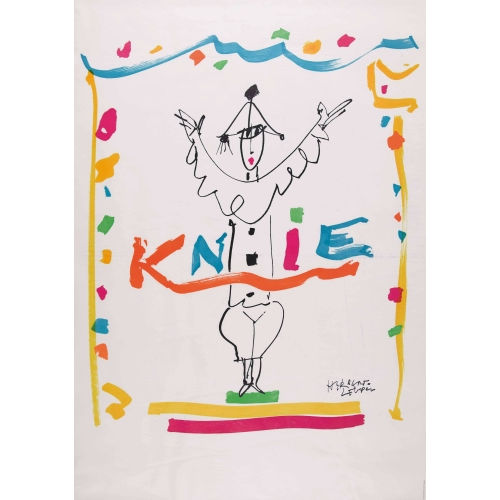
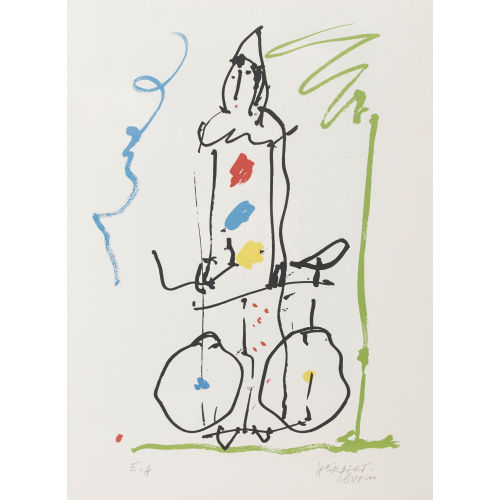
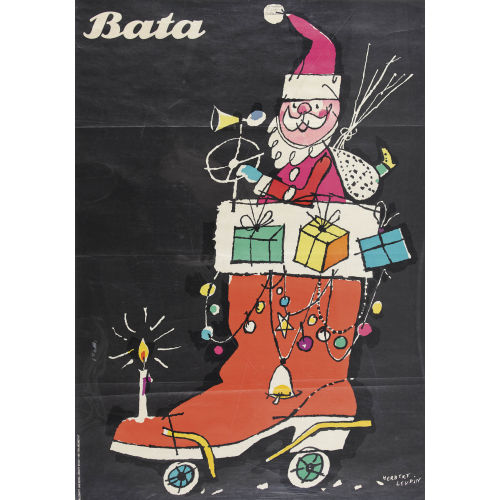
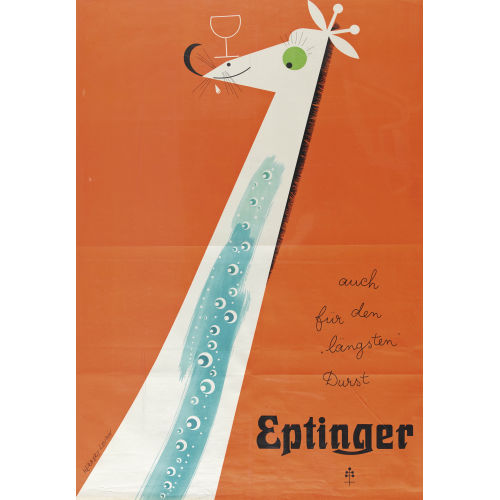
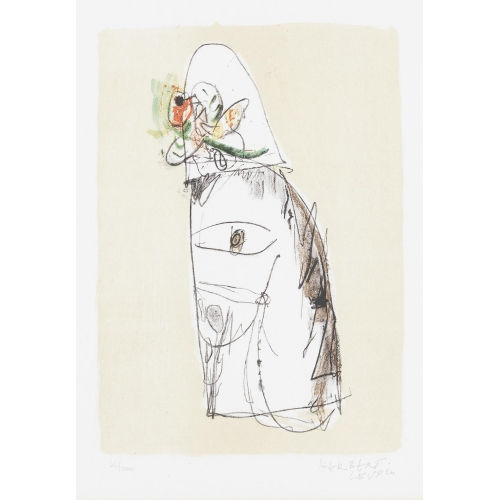
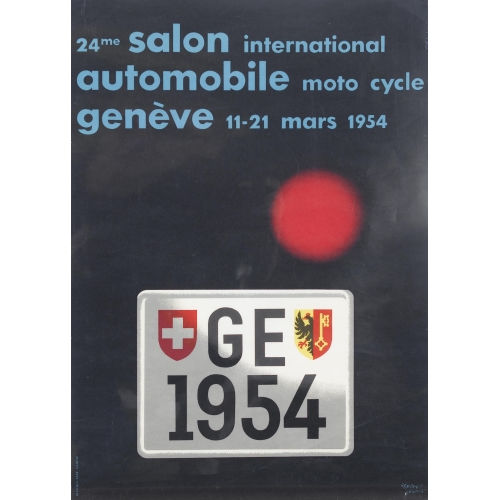
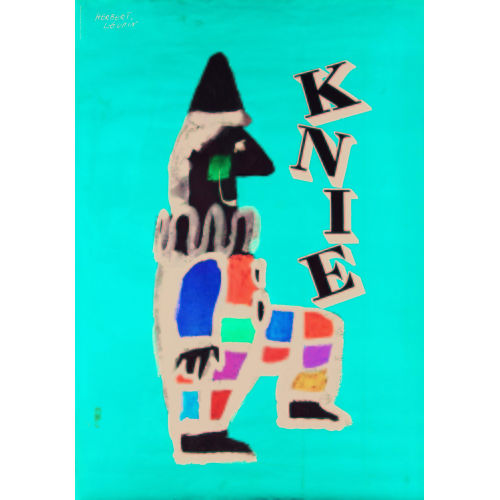
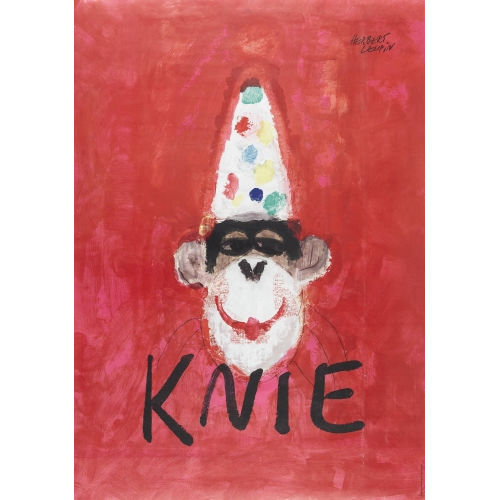
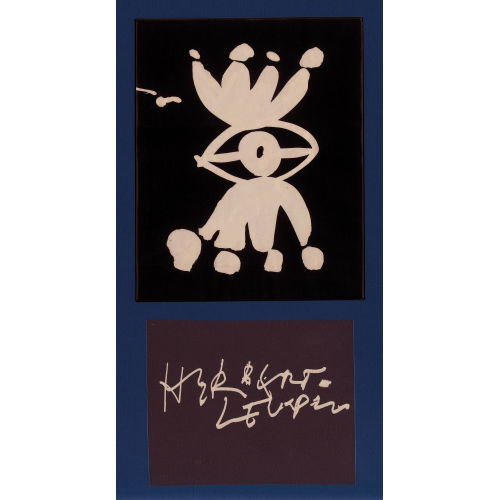
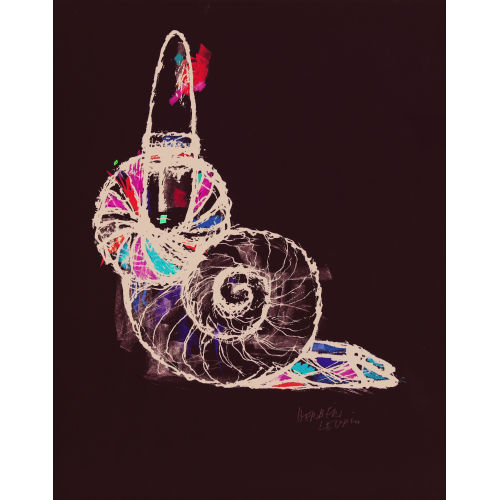
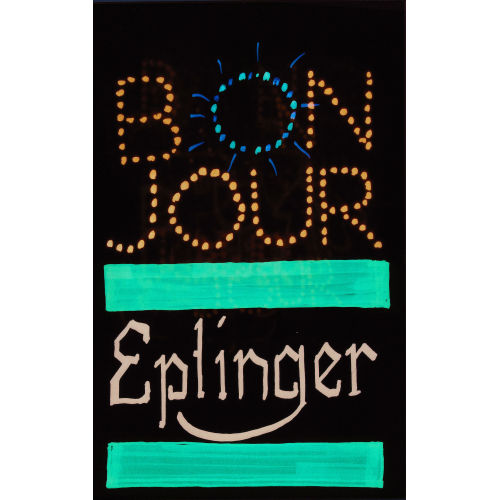
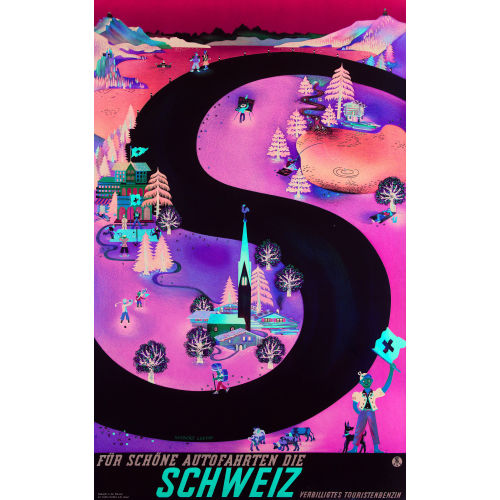
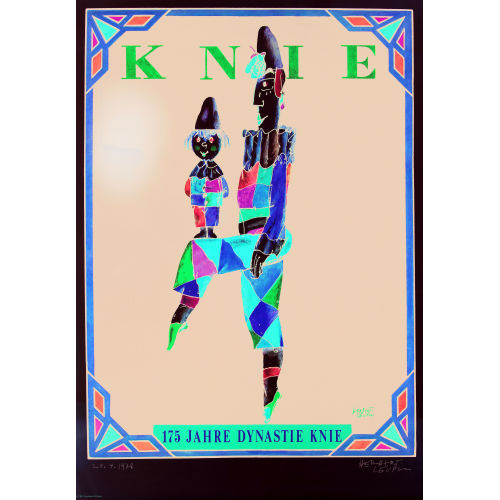
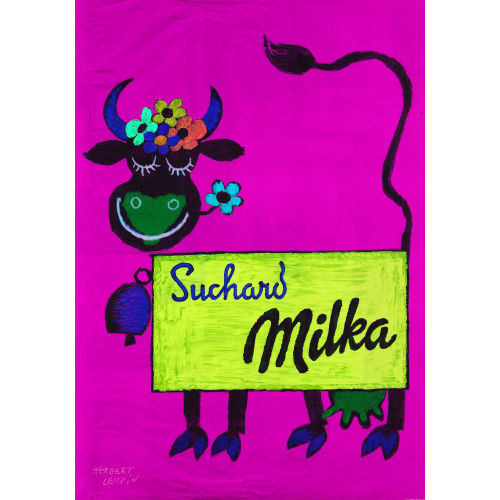
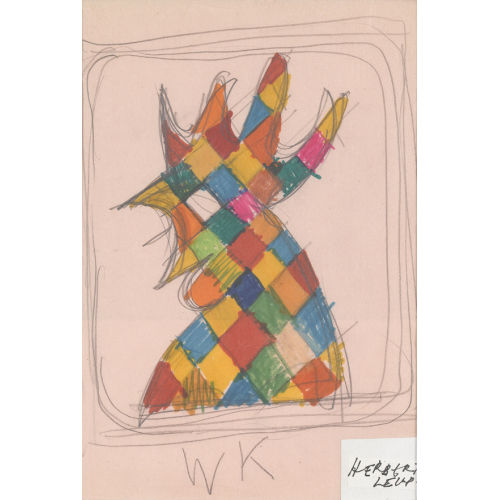
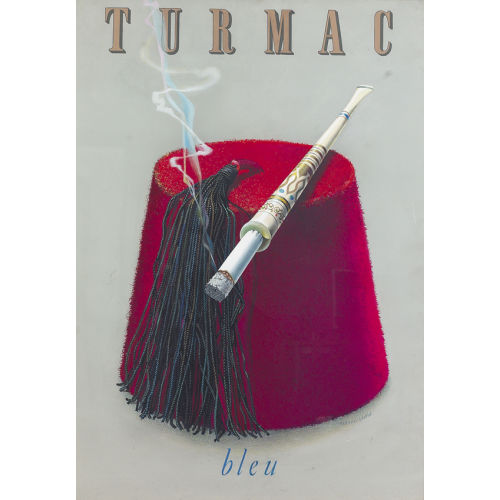
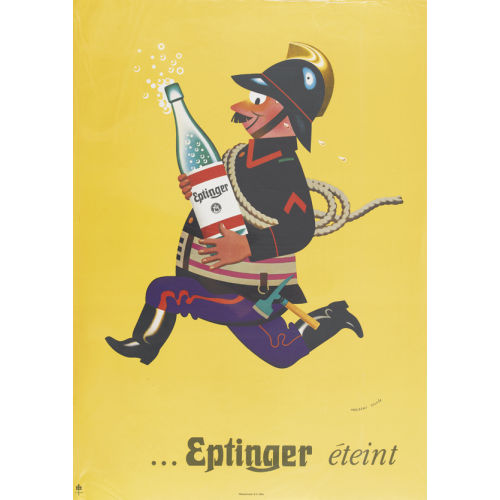
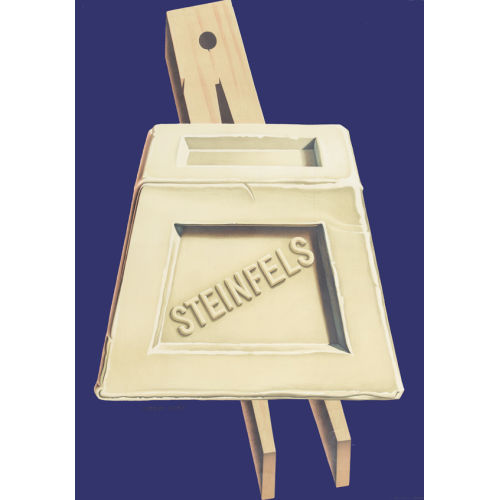
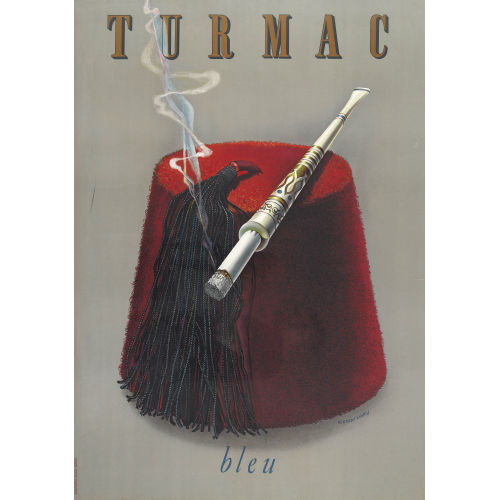
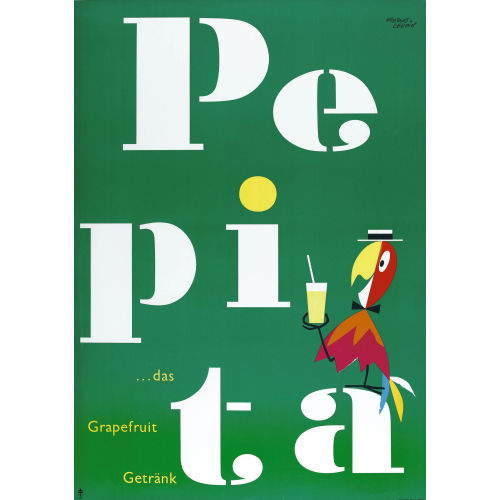
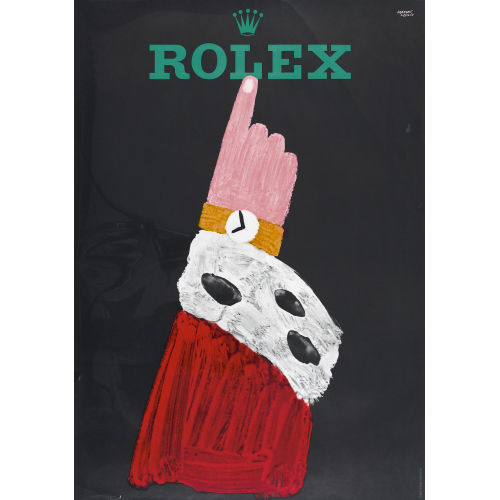
Formally, his visual language prioritises legibility: clear typography, solid fields of colour and graphic icons reduced to their essentials, all serving a striking message. According to the documentation, his practice of creating offbeat, readily recognisable images is evident in celebrated advertising designs, to which, among other examples, the invention of the first lilac-coloured cow for the Milka brand is attributed.
Alongside his work in Switzerland, he is listed as an advertising consultant to the German manufacturer Reemtsma from 1951 to 1964, a recurring commission in the commercial sources consulted. A partial inventory lists 124 posters signed by Leupin, documenting the breadth of his poster production without claiming to be exhaustive.
Biographical notices indicate that he married Elsa Schaumberger in 1945 and that they had two children.
Whether in the catalogued posters or the commercial commissions, Herbert Leupin’s work illustrates, according to the sources, an approach to advertising graphics centred on visual impact and the invention of simple, memorable images. These are among the reasons he is regularly cited in accounts of twentieth-century Swiss graphic design.