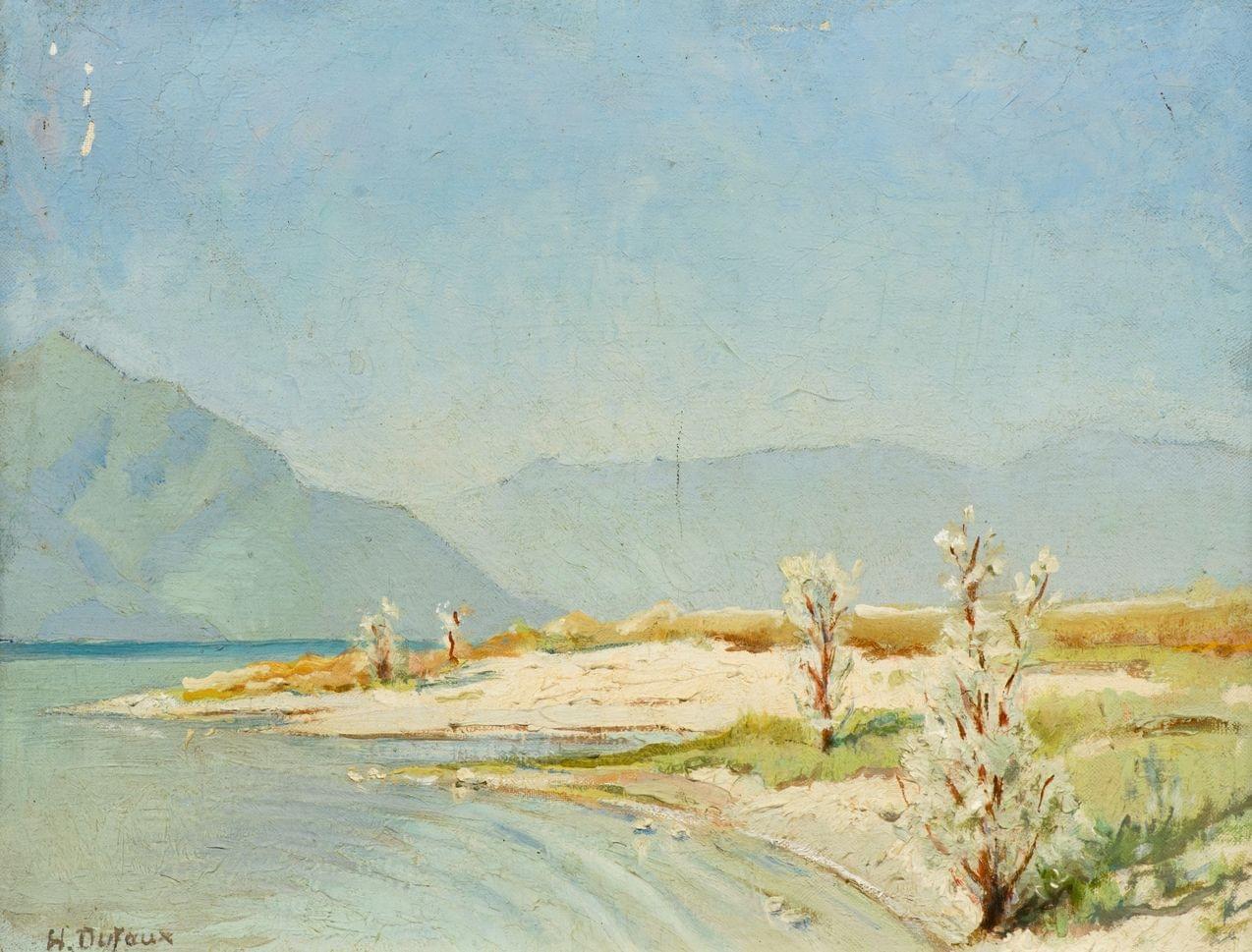
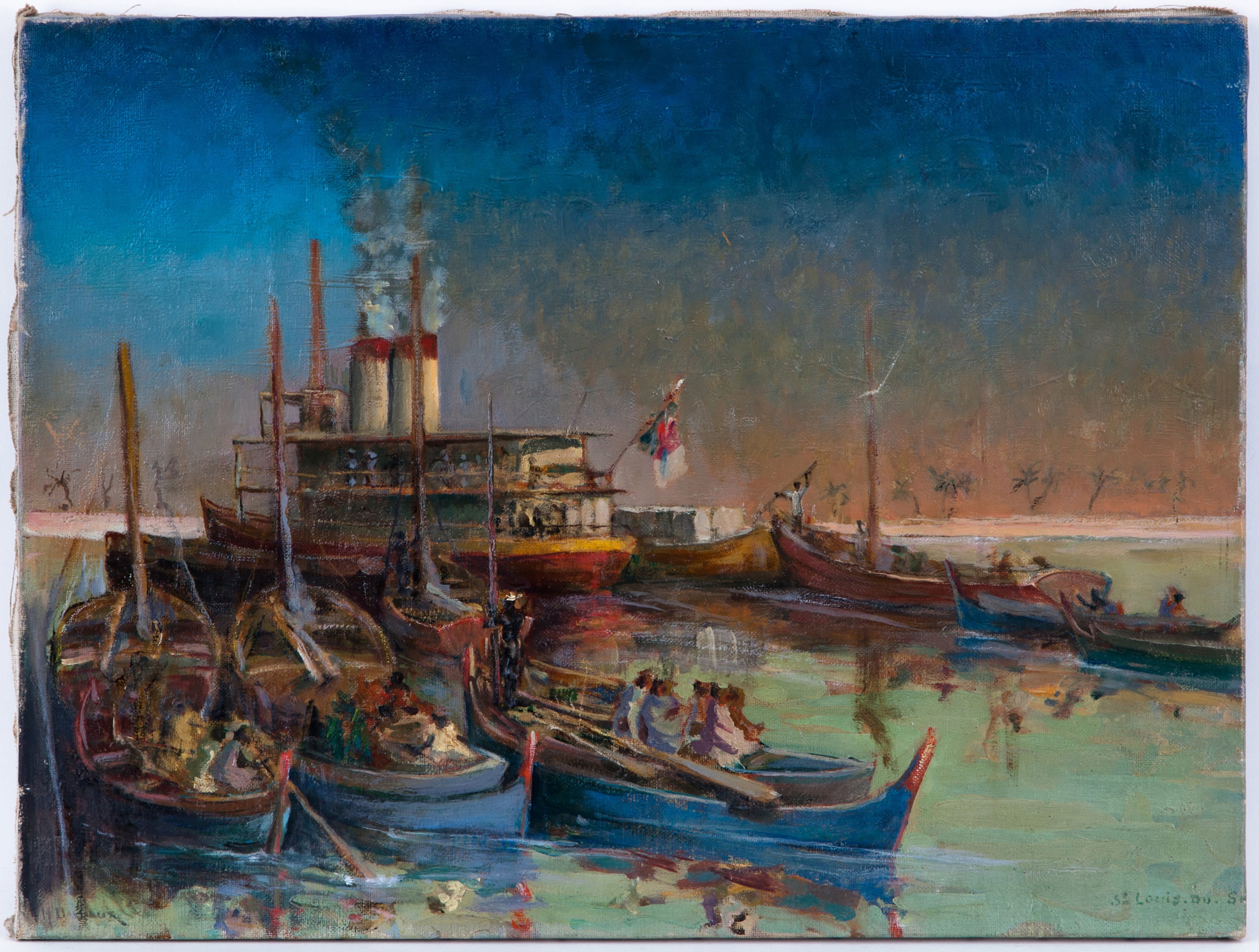
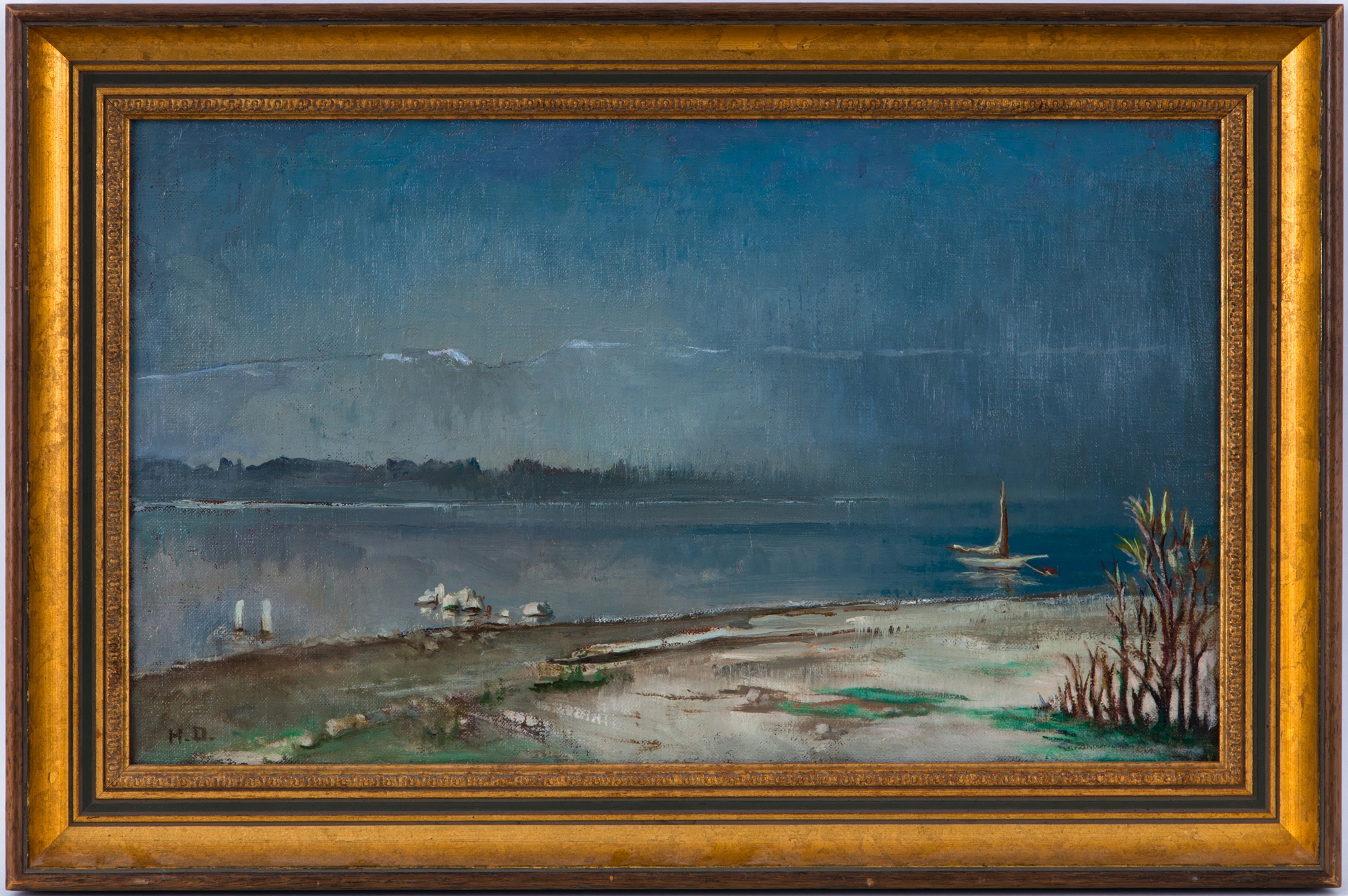
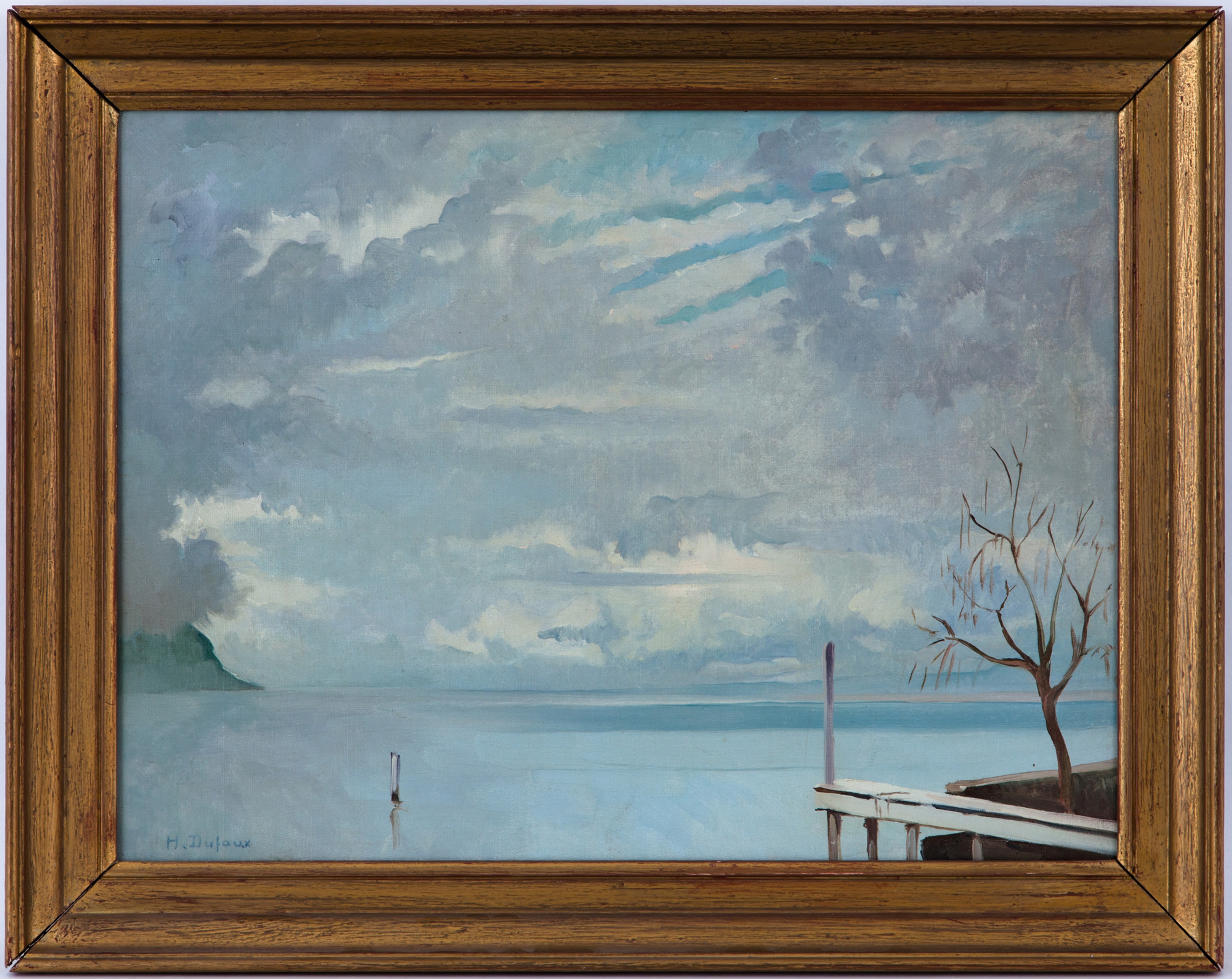
Henri Dufaux
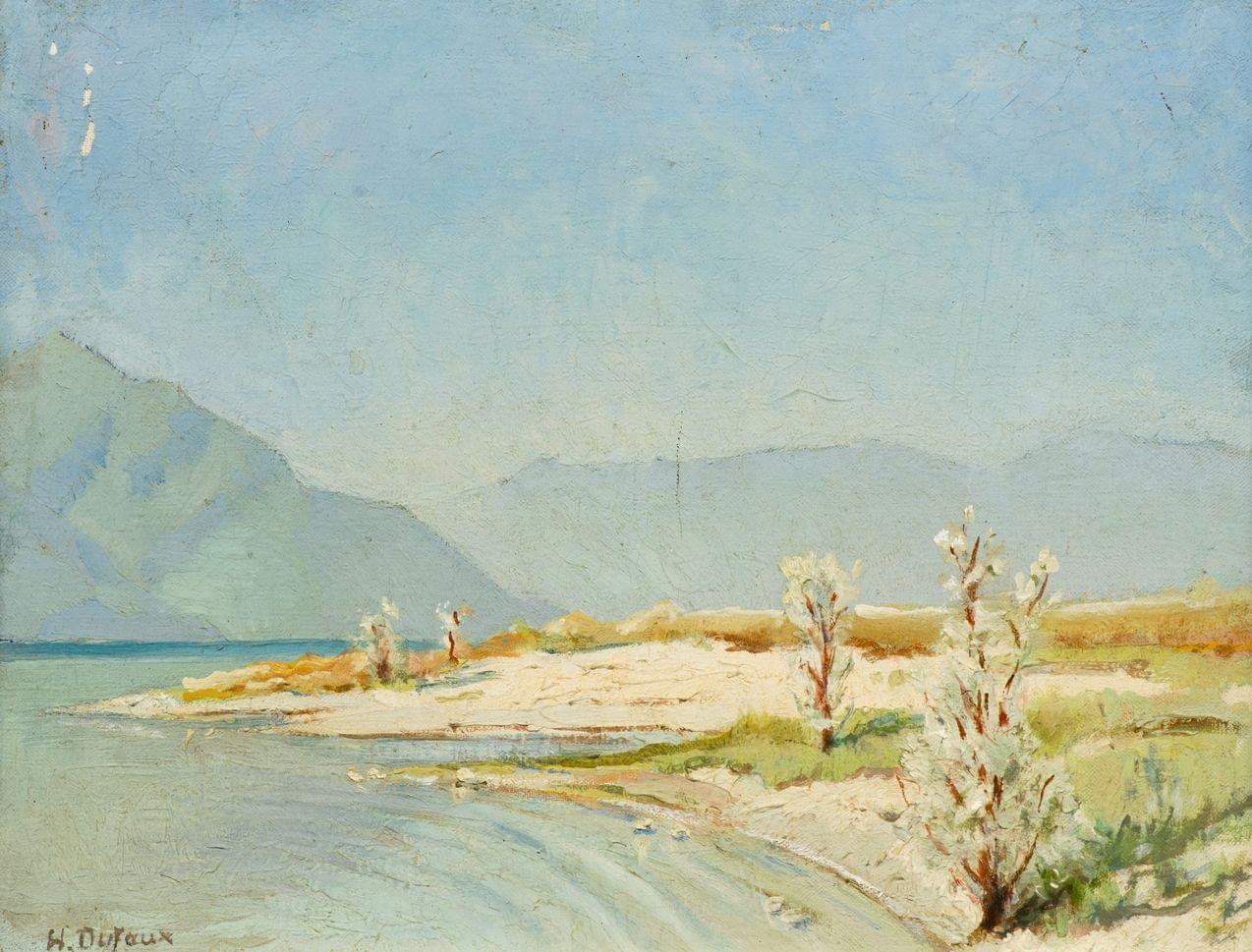
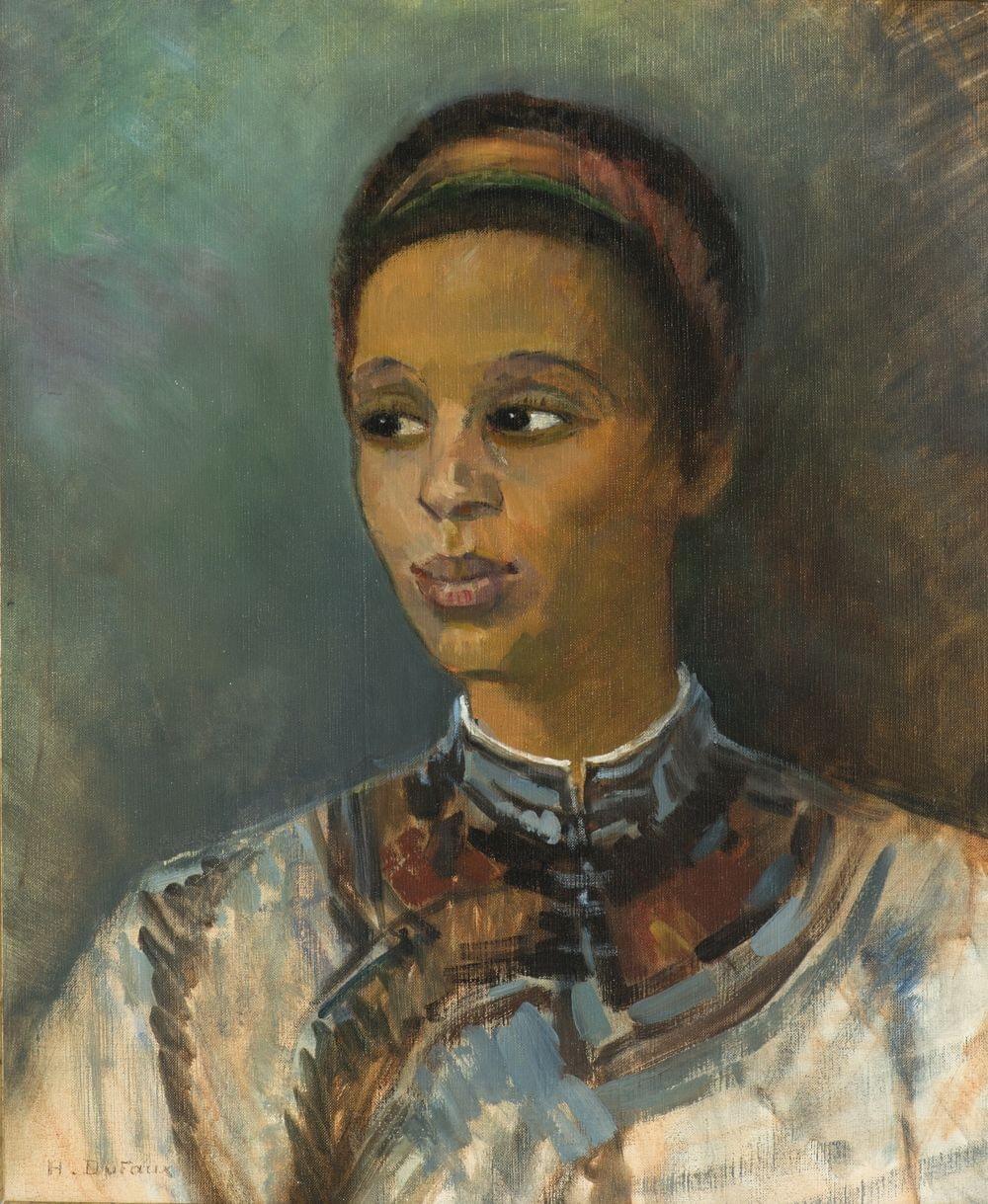
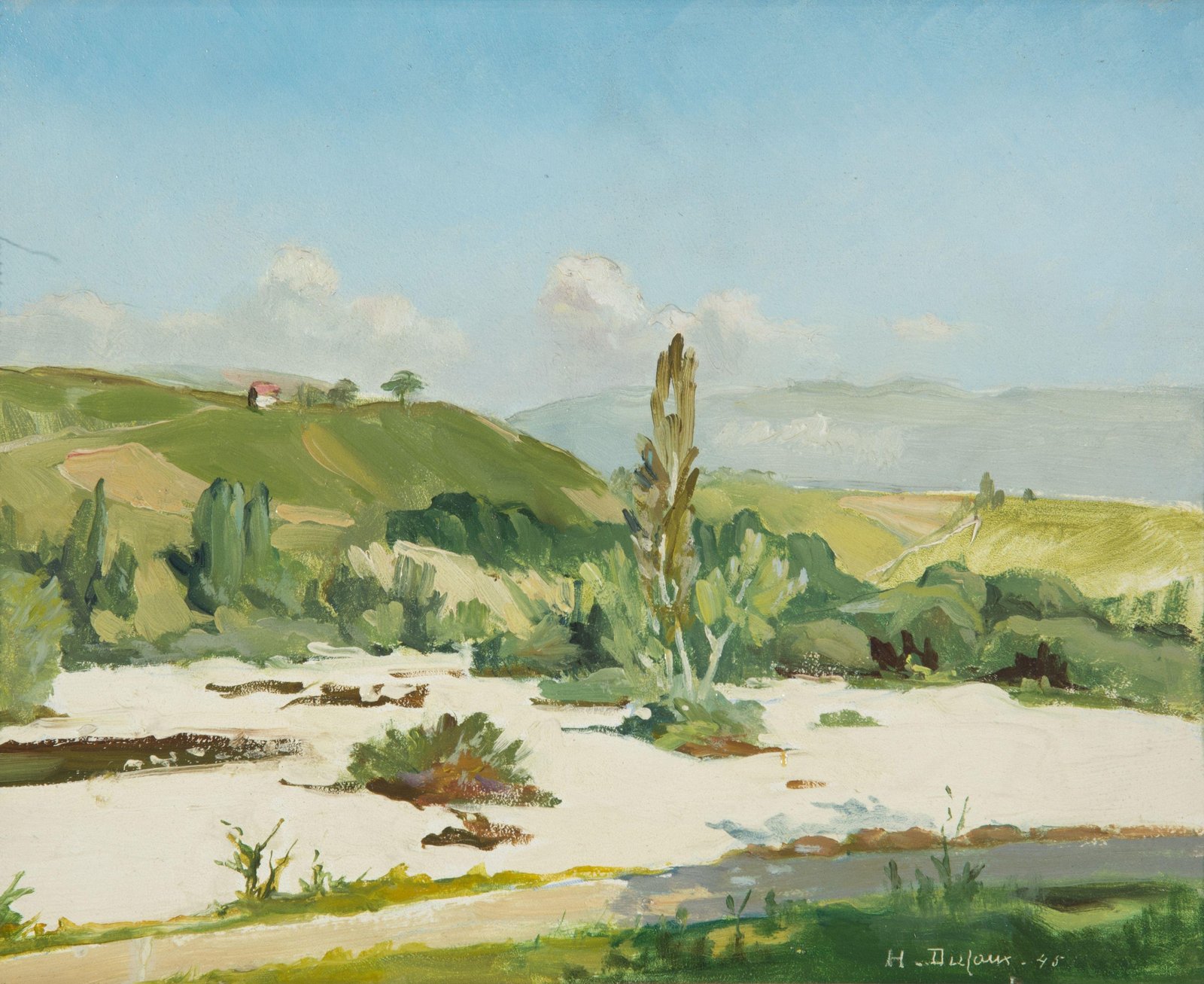
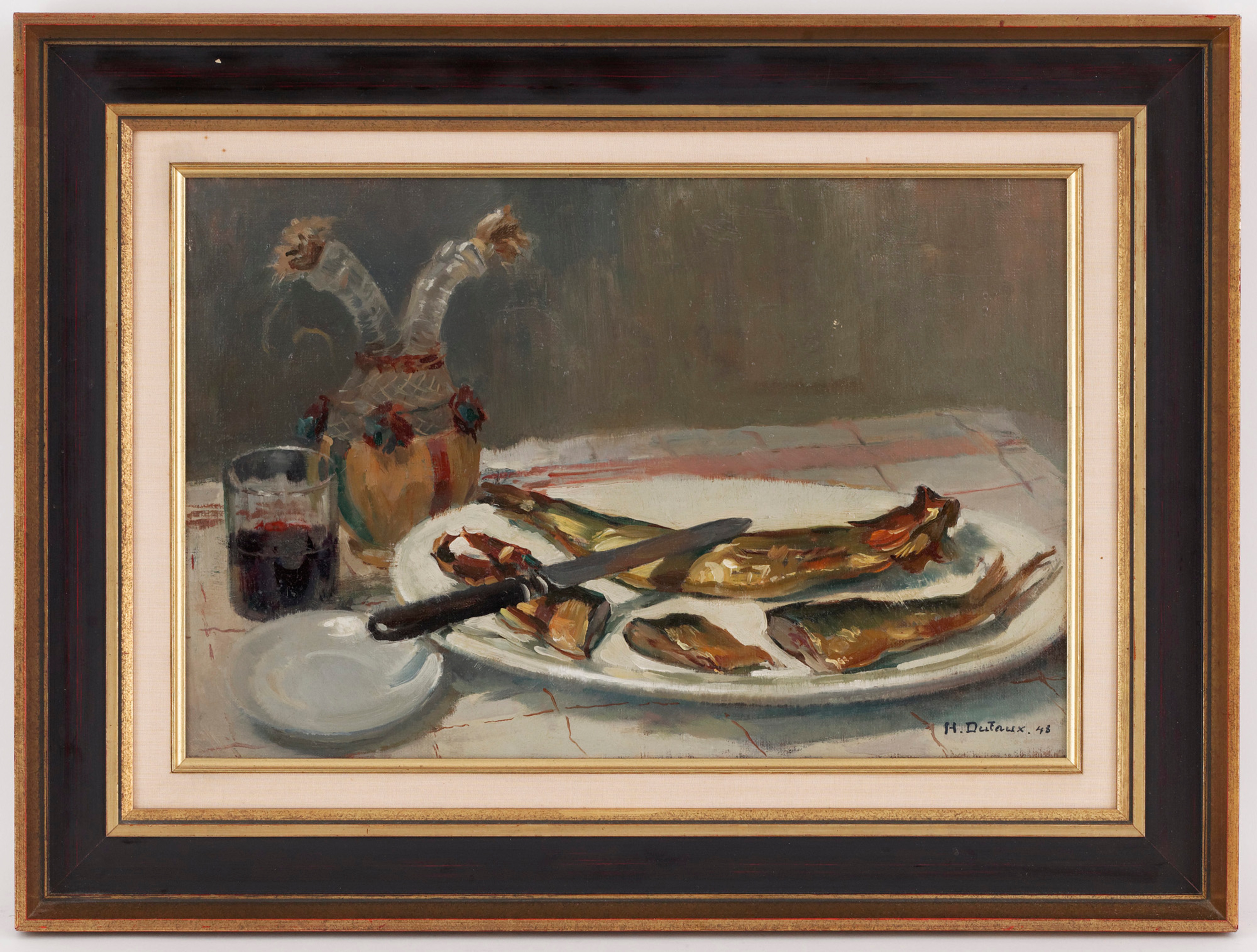
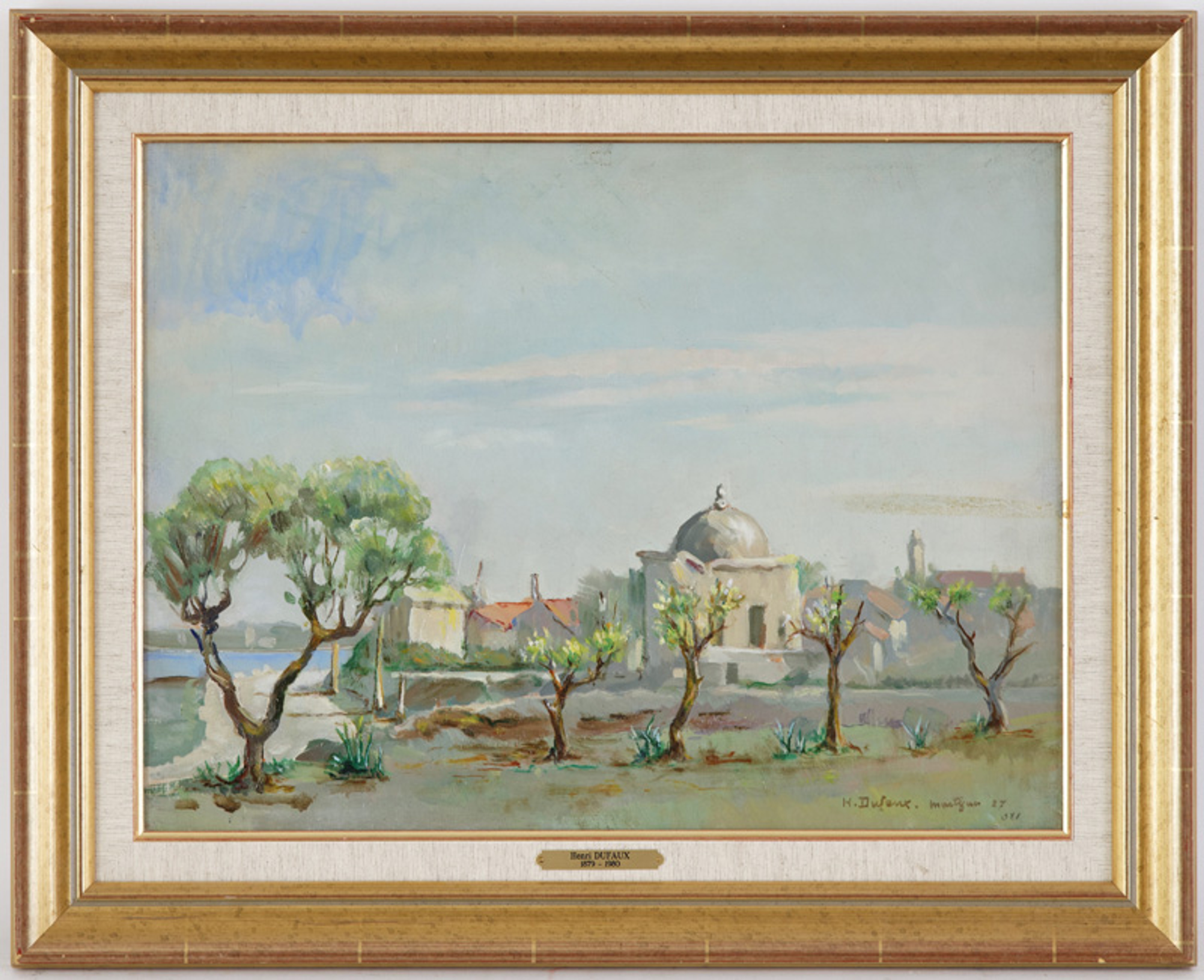
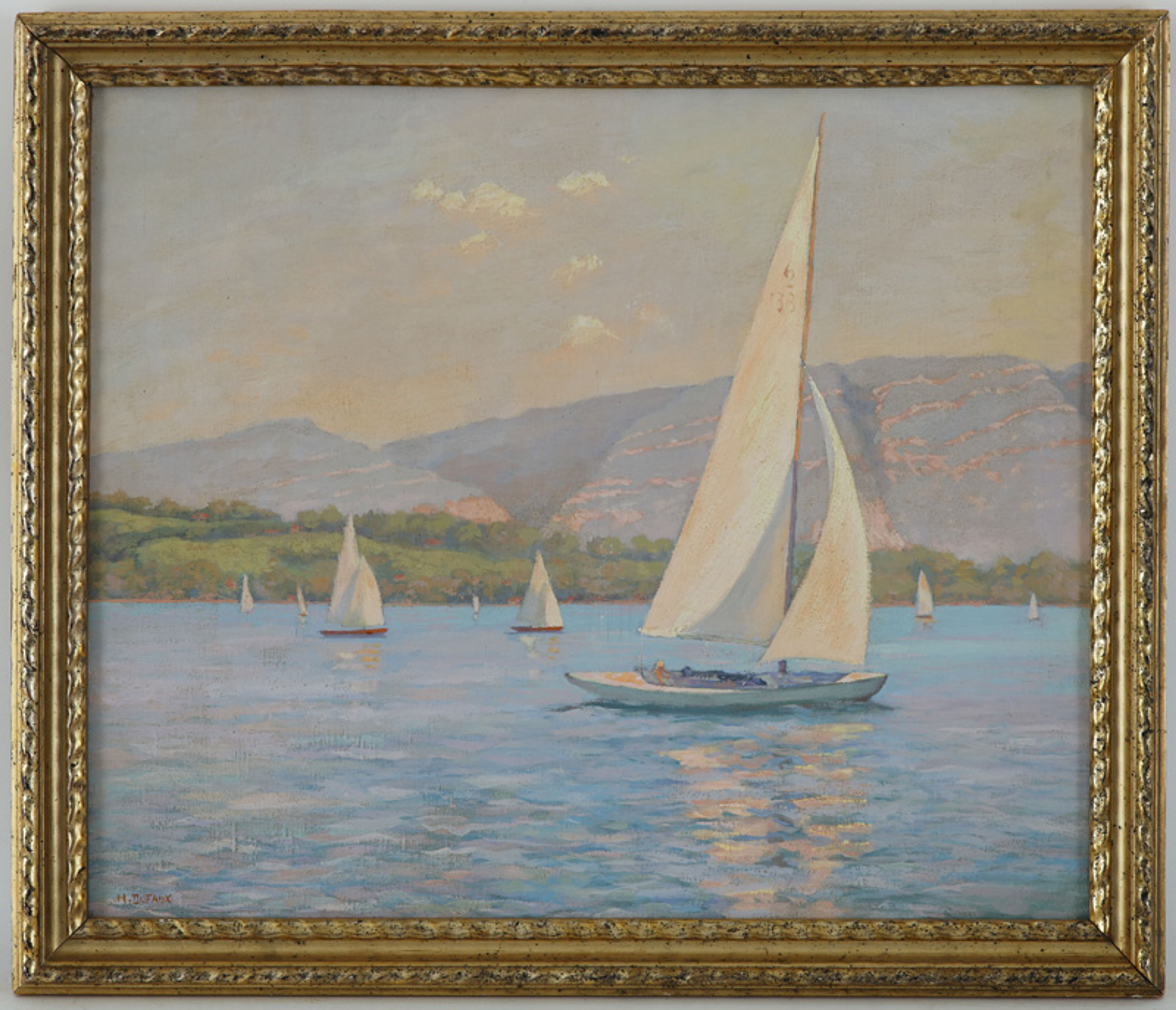
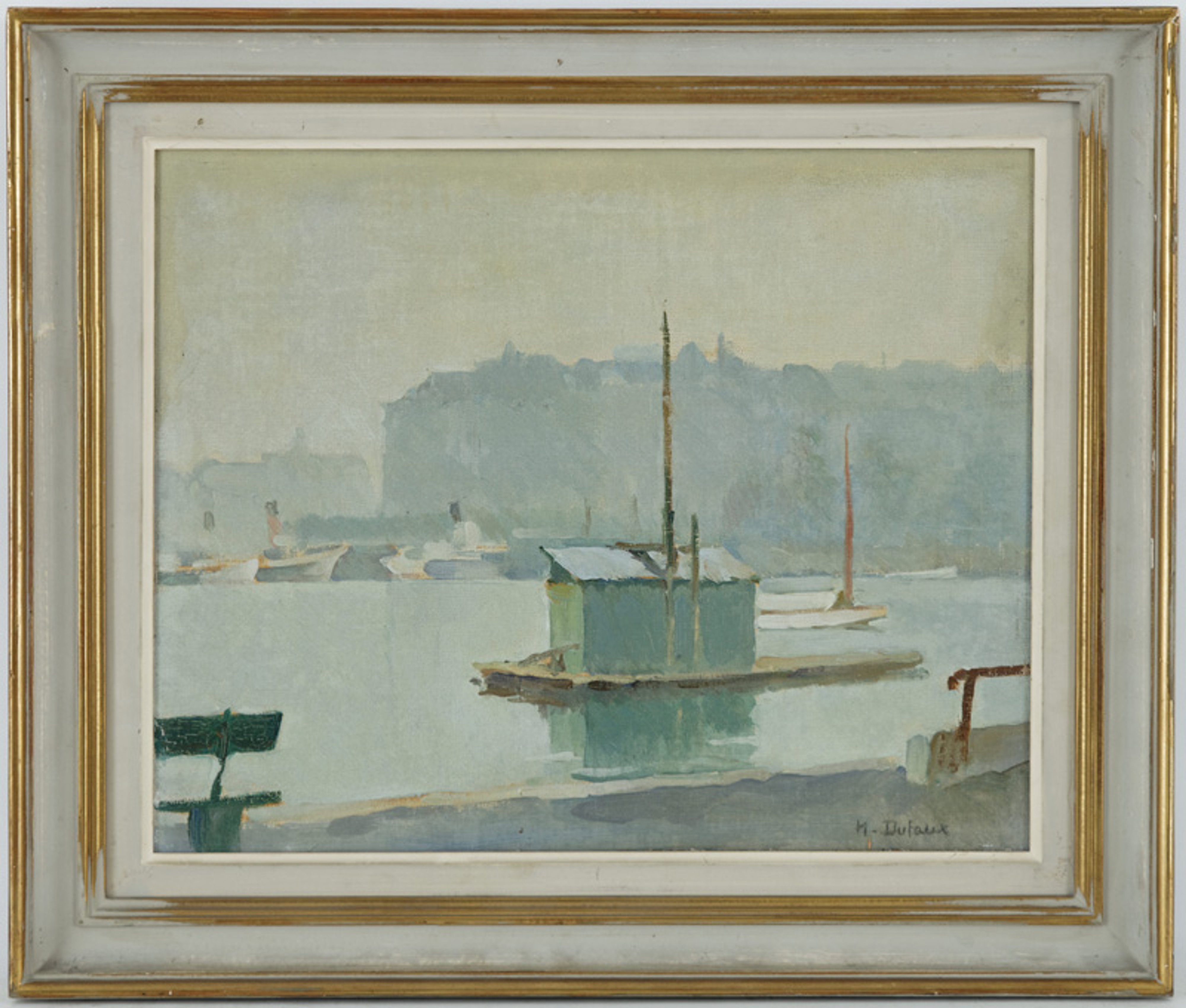
Henri Dufaux (1879–1980) was a painter, illustrator and aviation pioneer. He studied at the art schools in Geneva and Paris before working with his brother Armand on mechanical inventions. In 1901, the two brothers developed a bicycle engine, then designed aircraft, including an experimental helicopter in 1905 and the Dufaux 4 biplane.
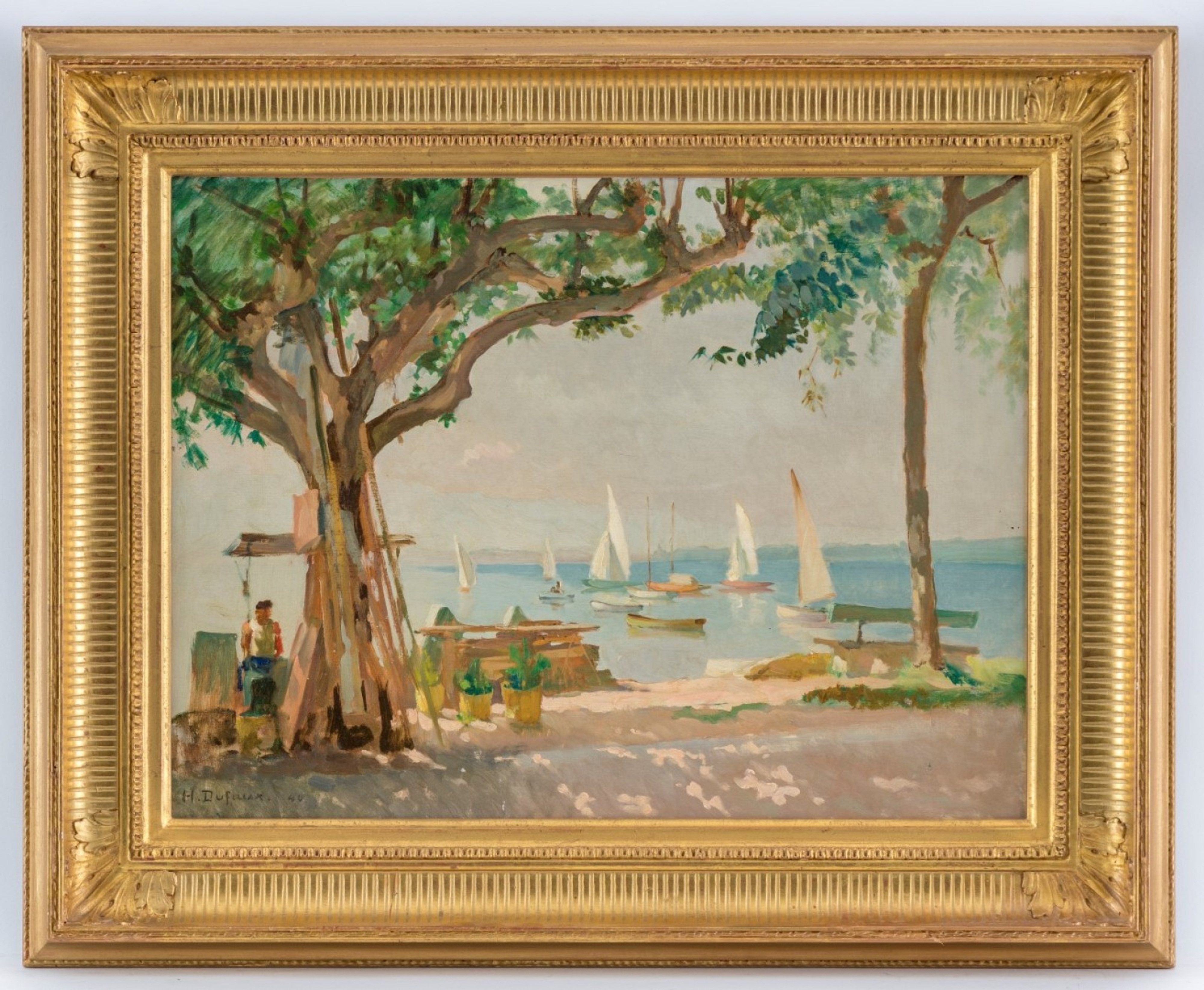
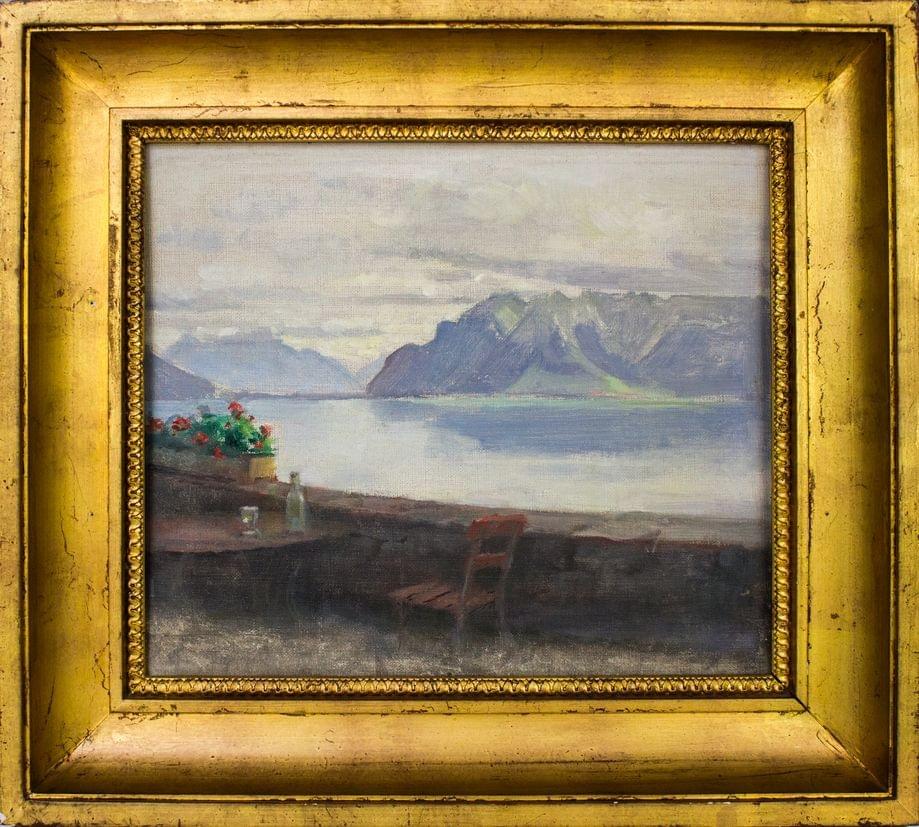
In August 1910, Armand piloted the latter along the entire length of Lake Geneva, a landmark flight in the early history of Swiss aviation. The brothers abandoned aeronautics in 1912 and sold their patents. Henri then returned to painting, continuing his family heritage.
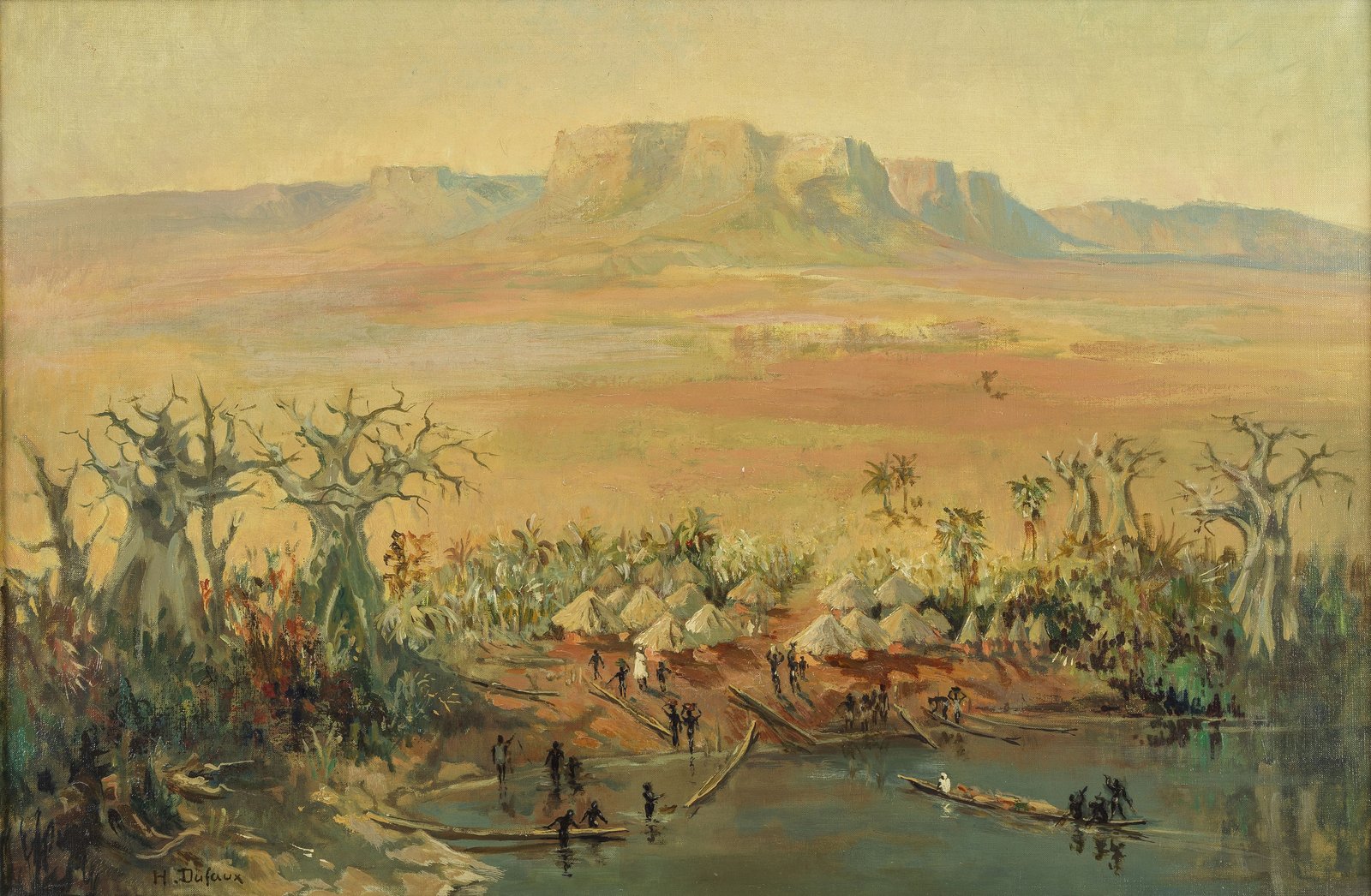
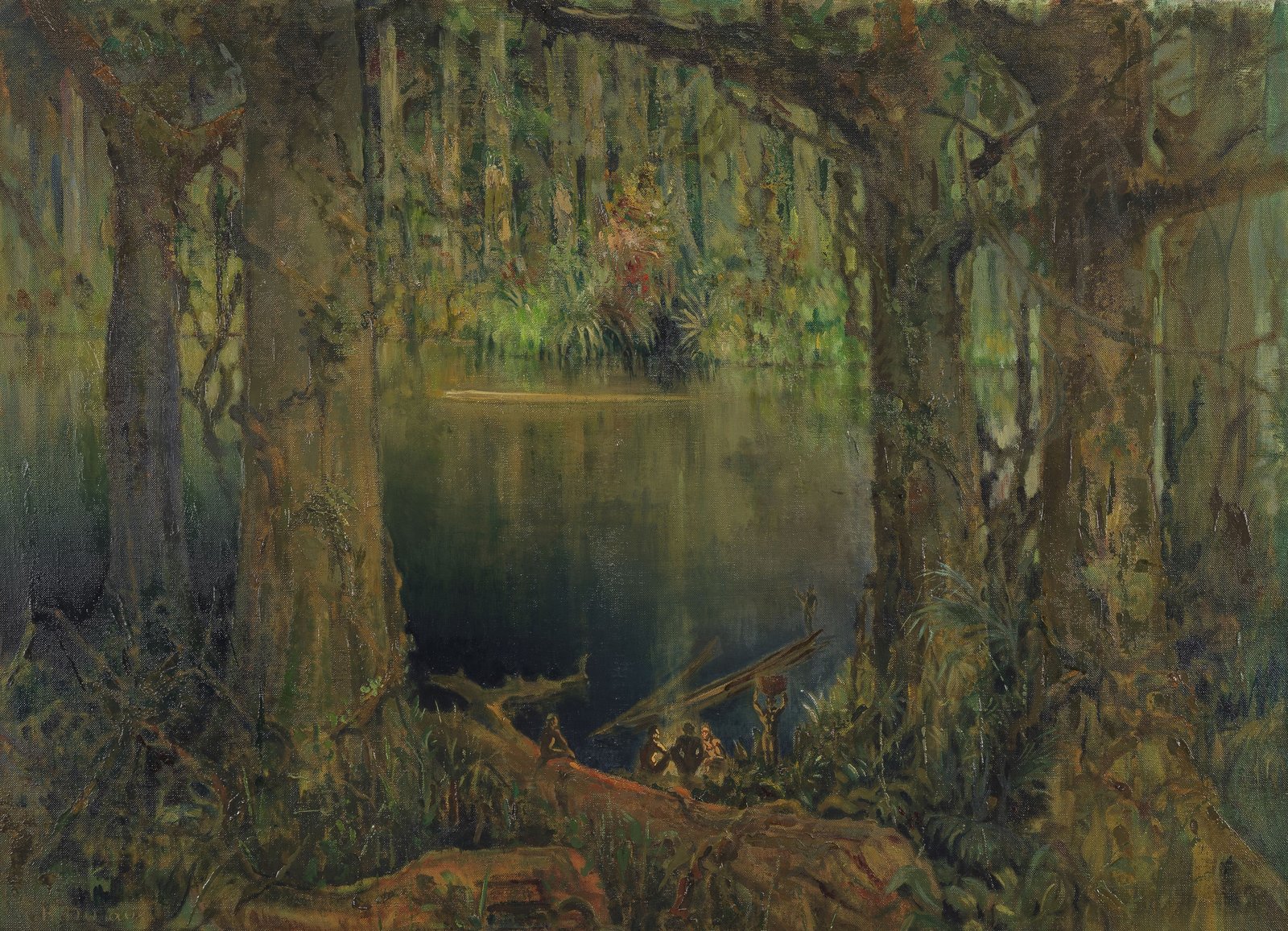
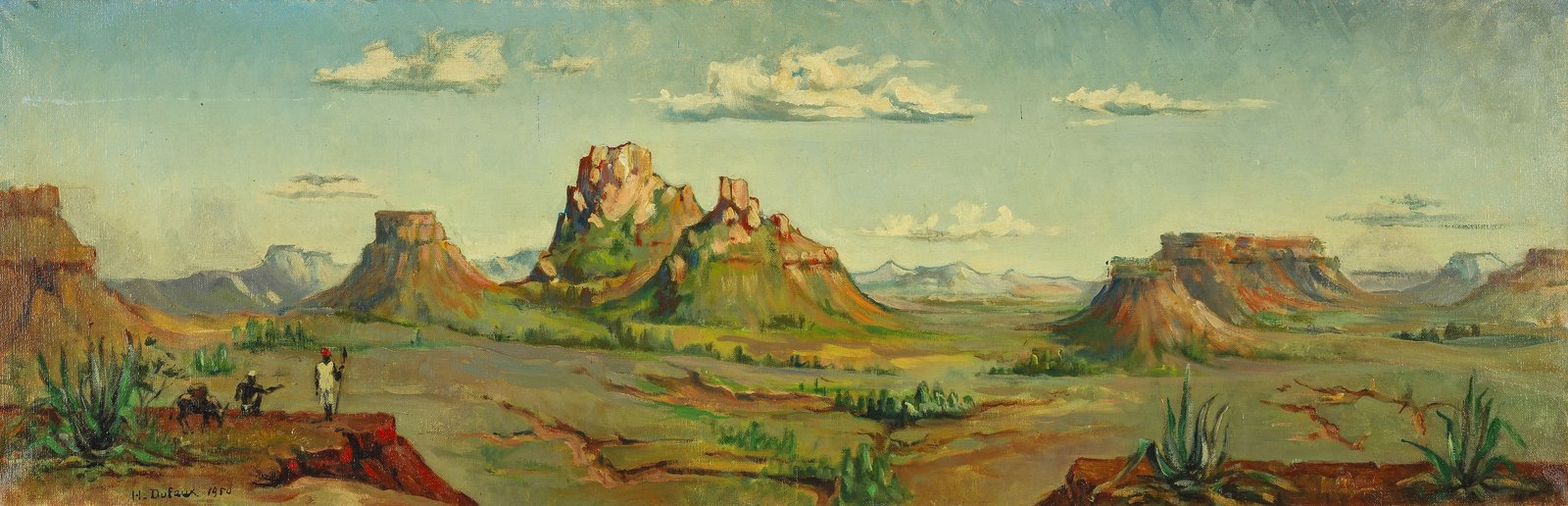
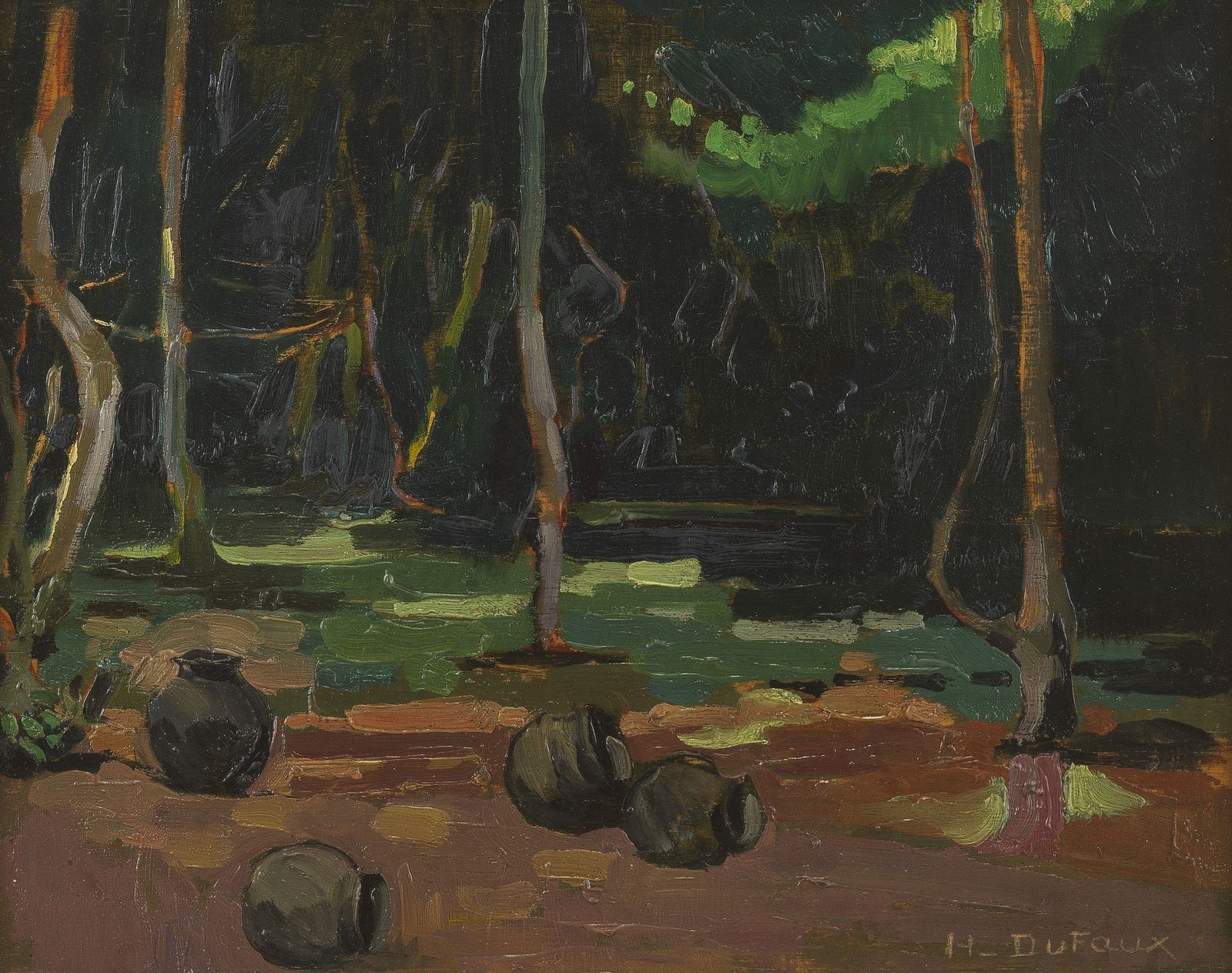
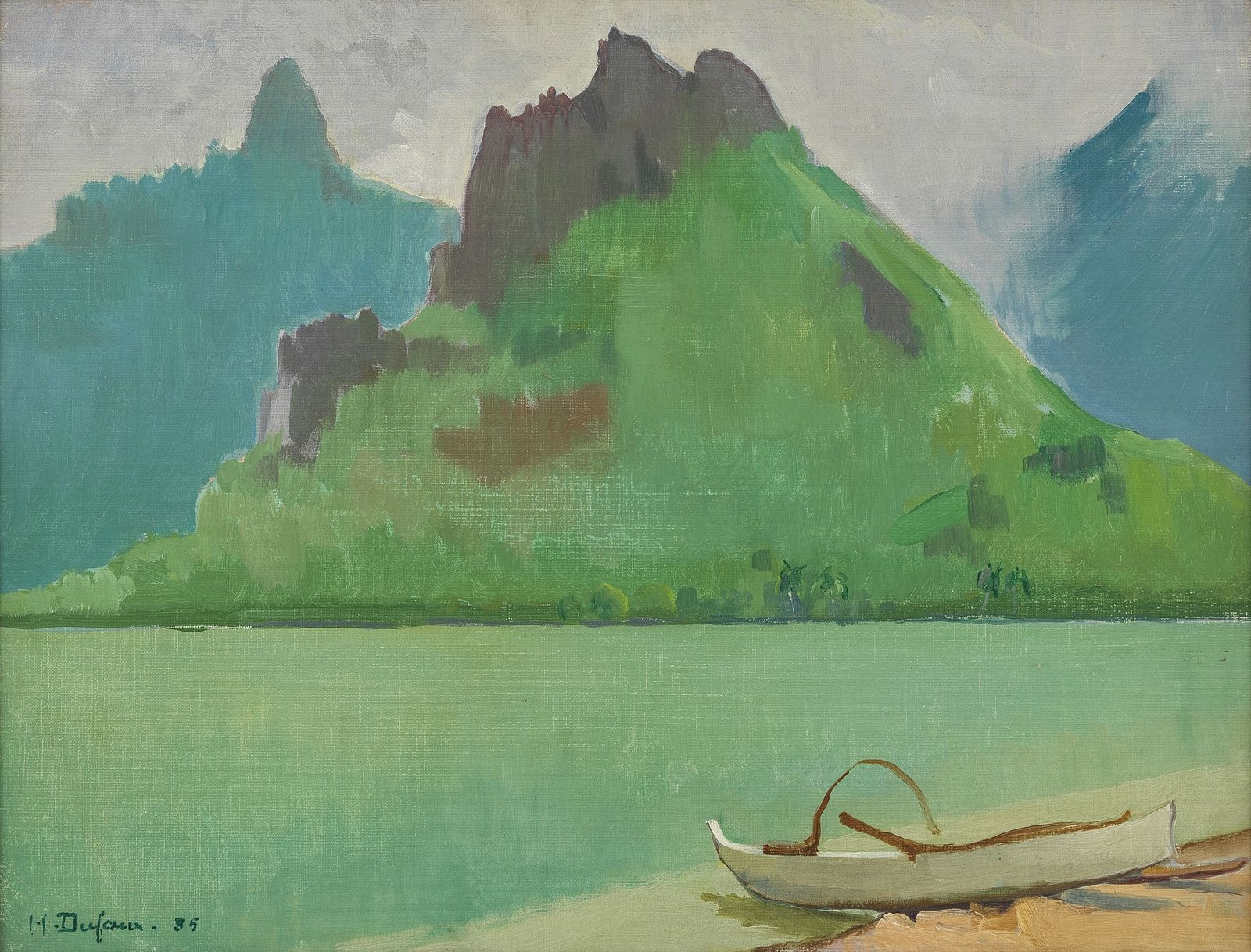
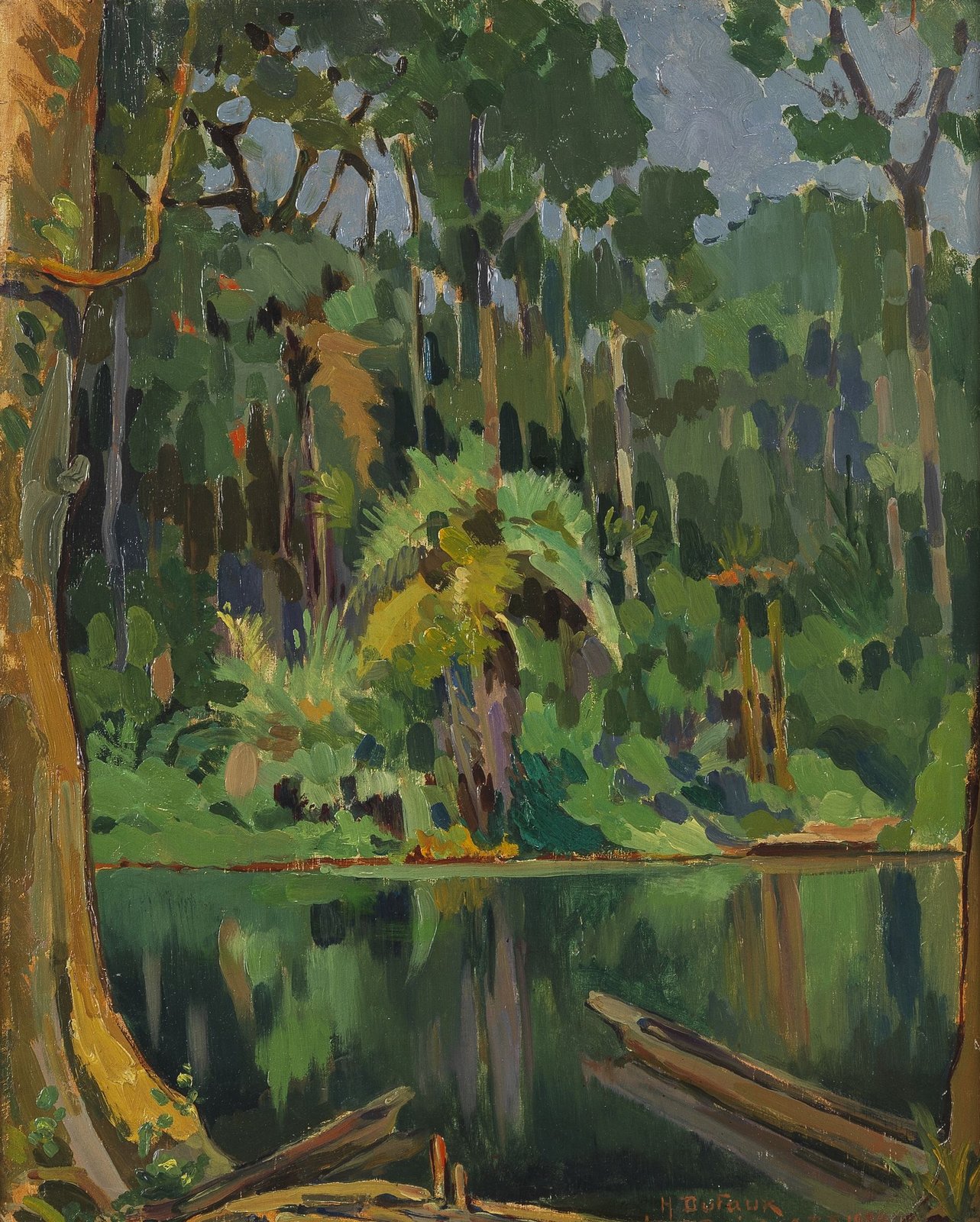
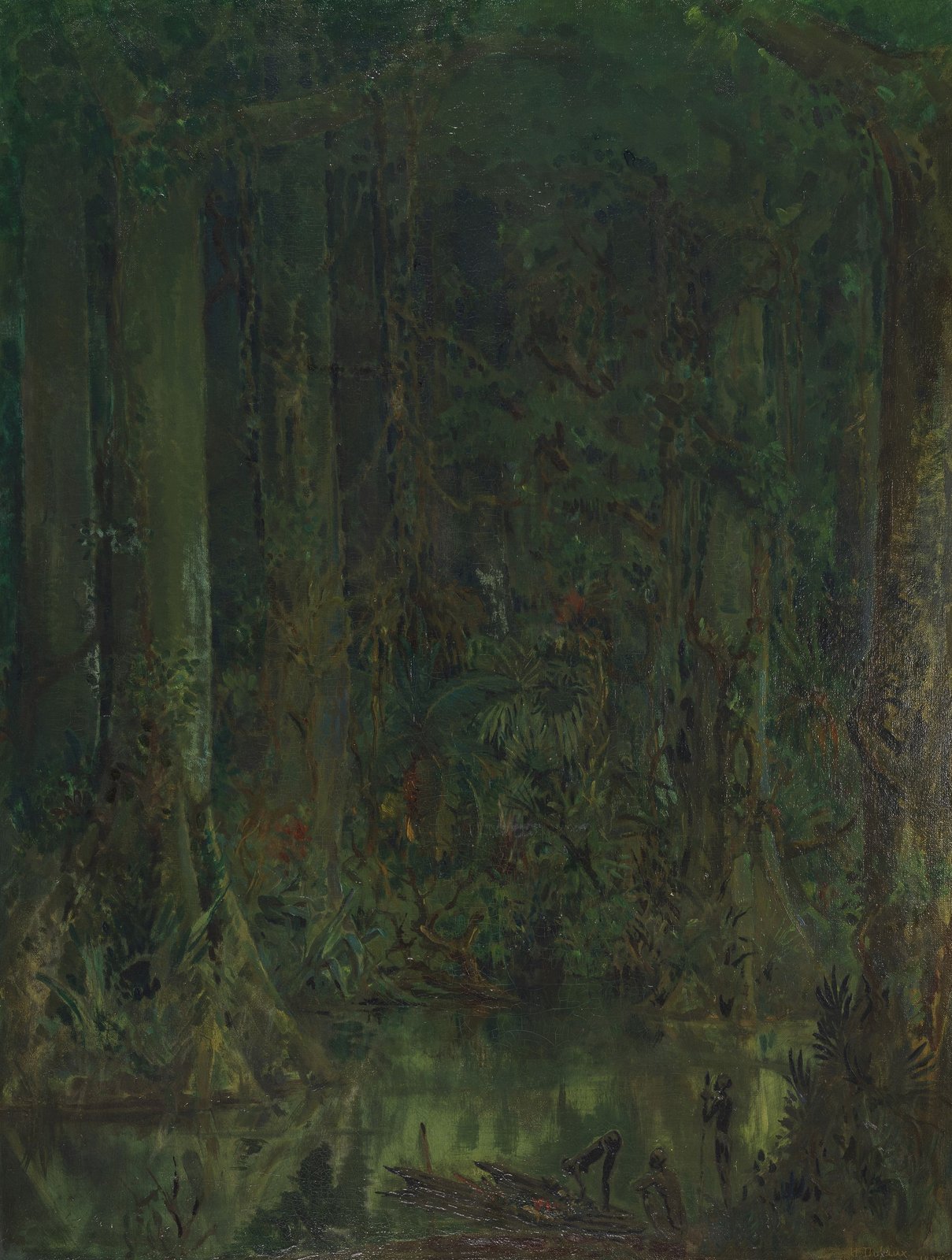
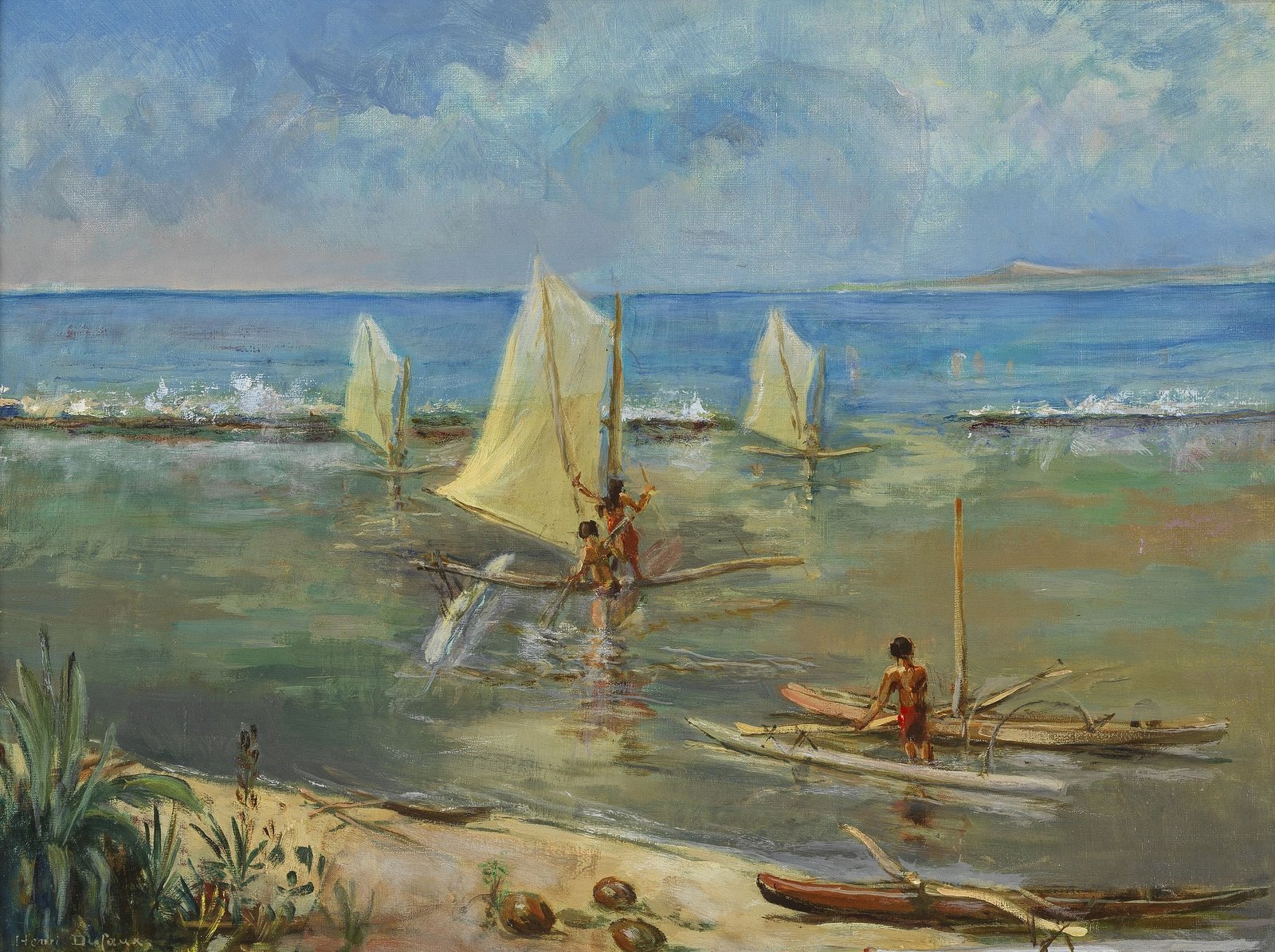
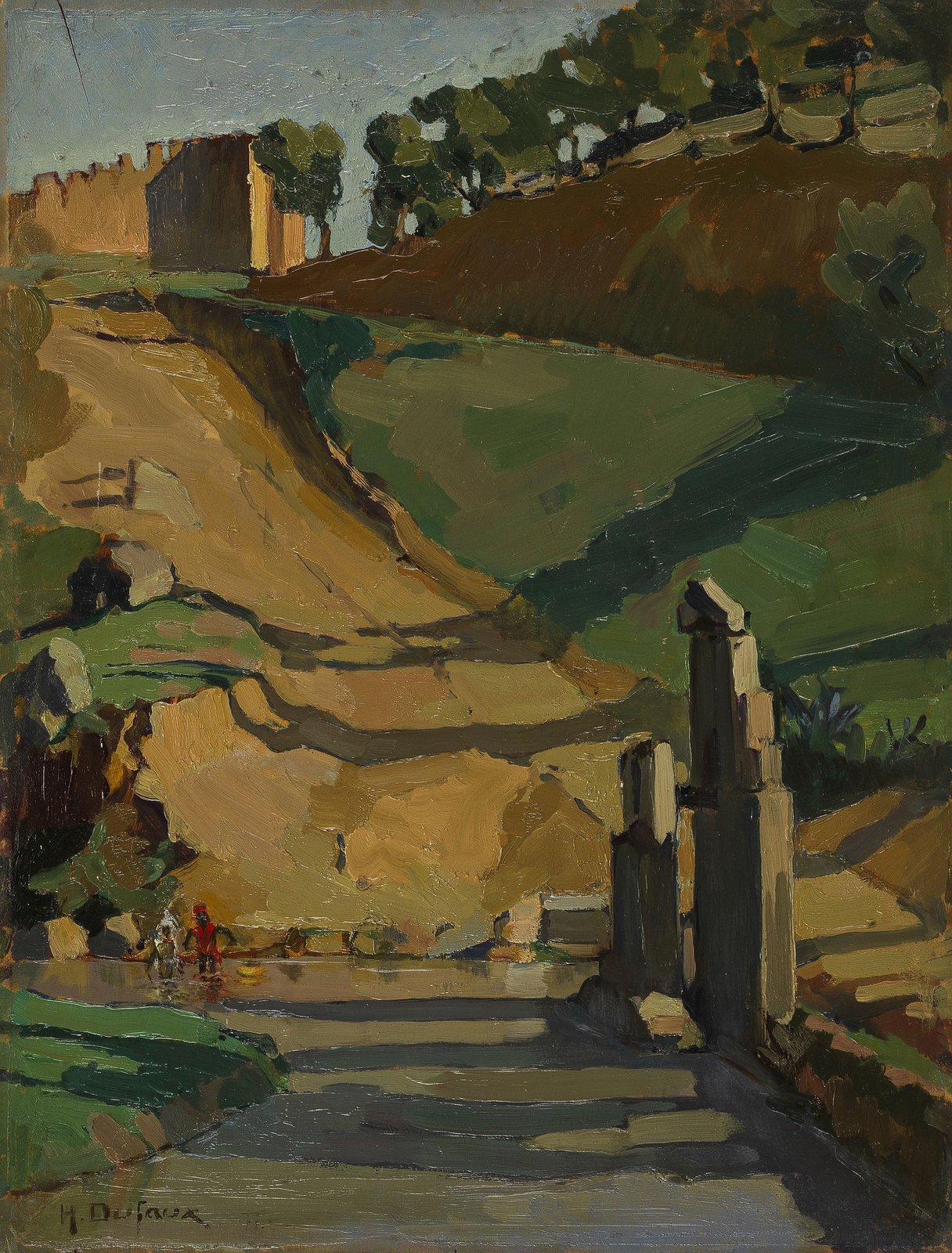
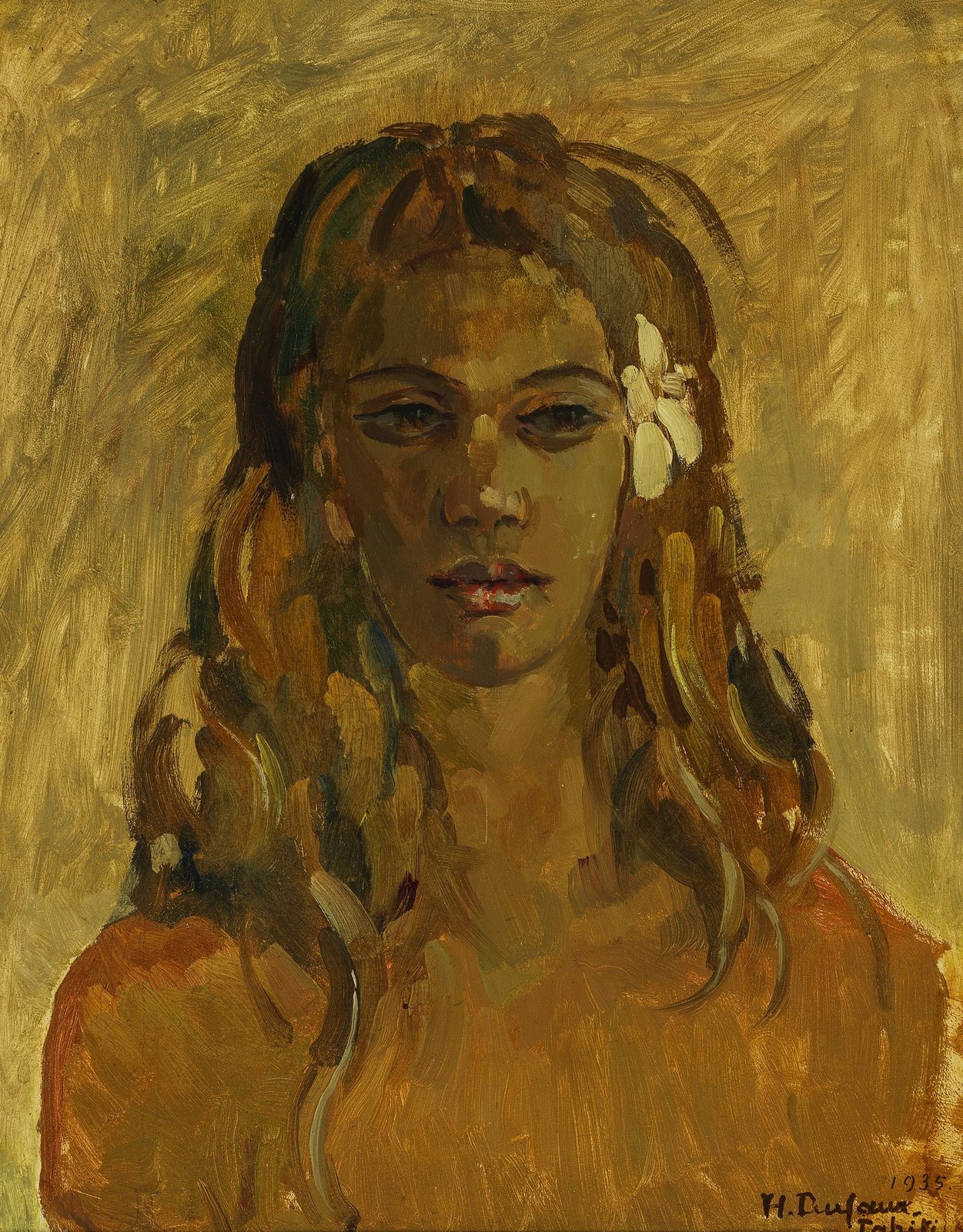
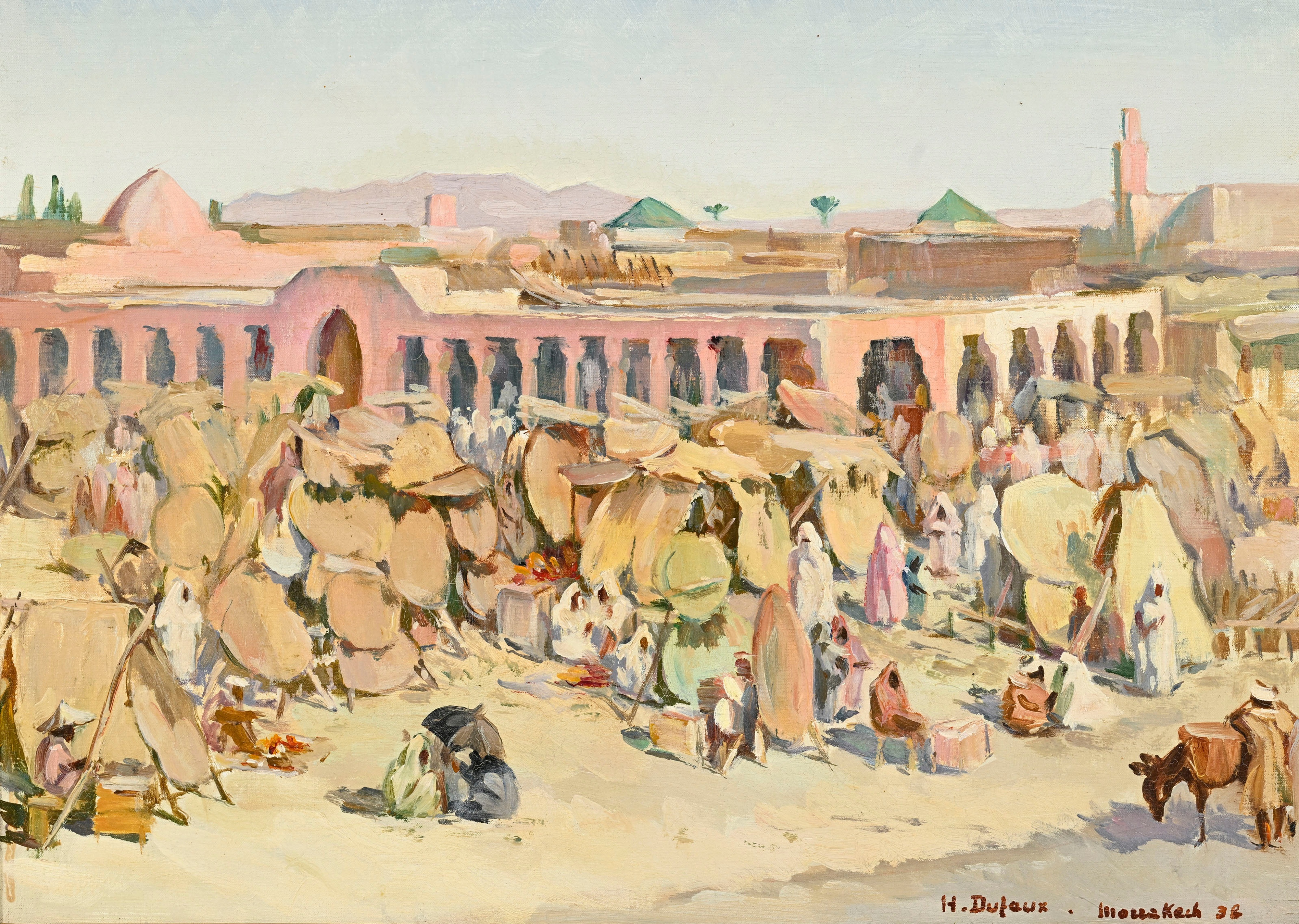
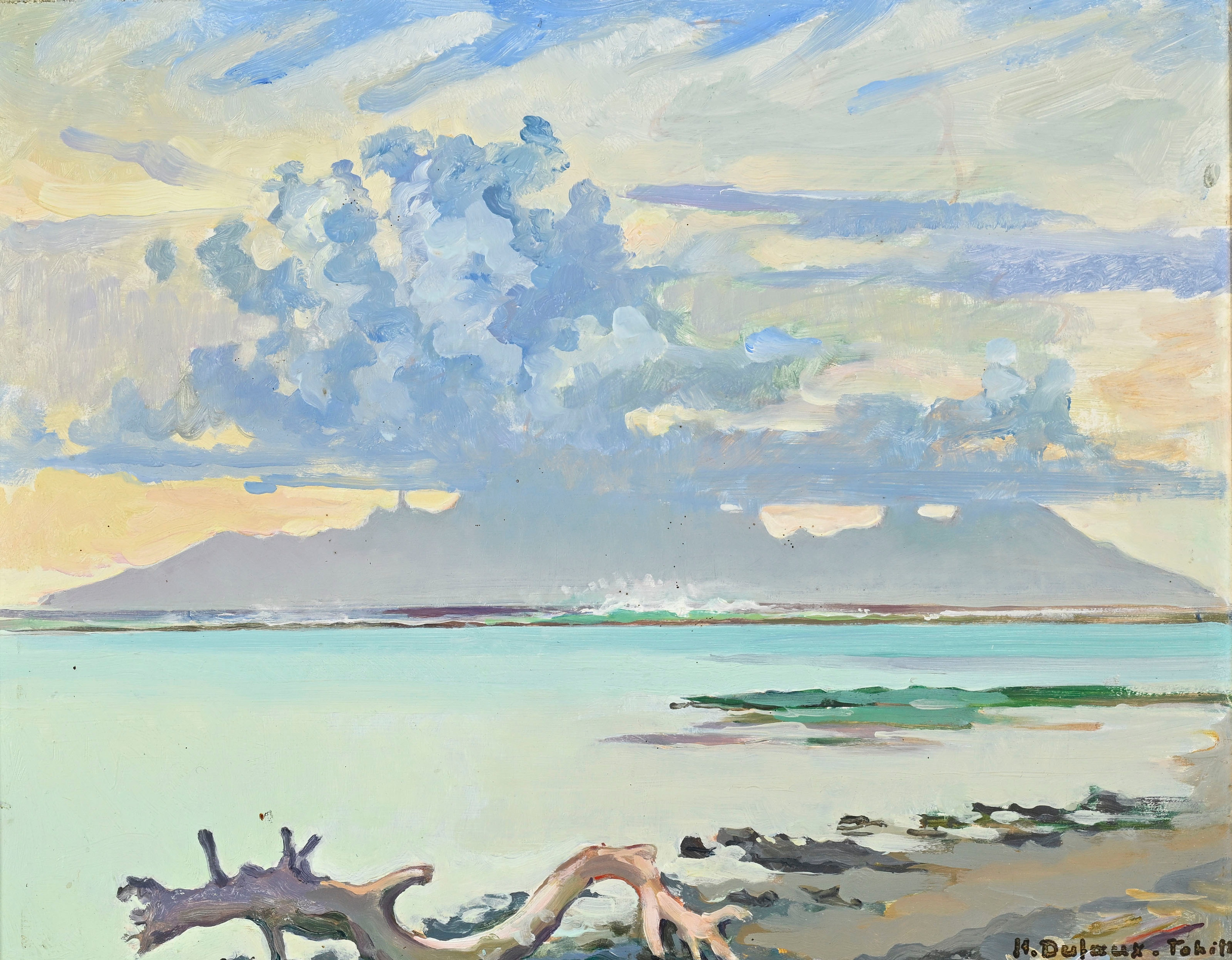
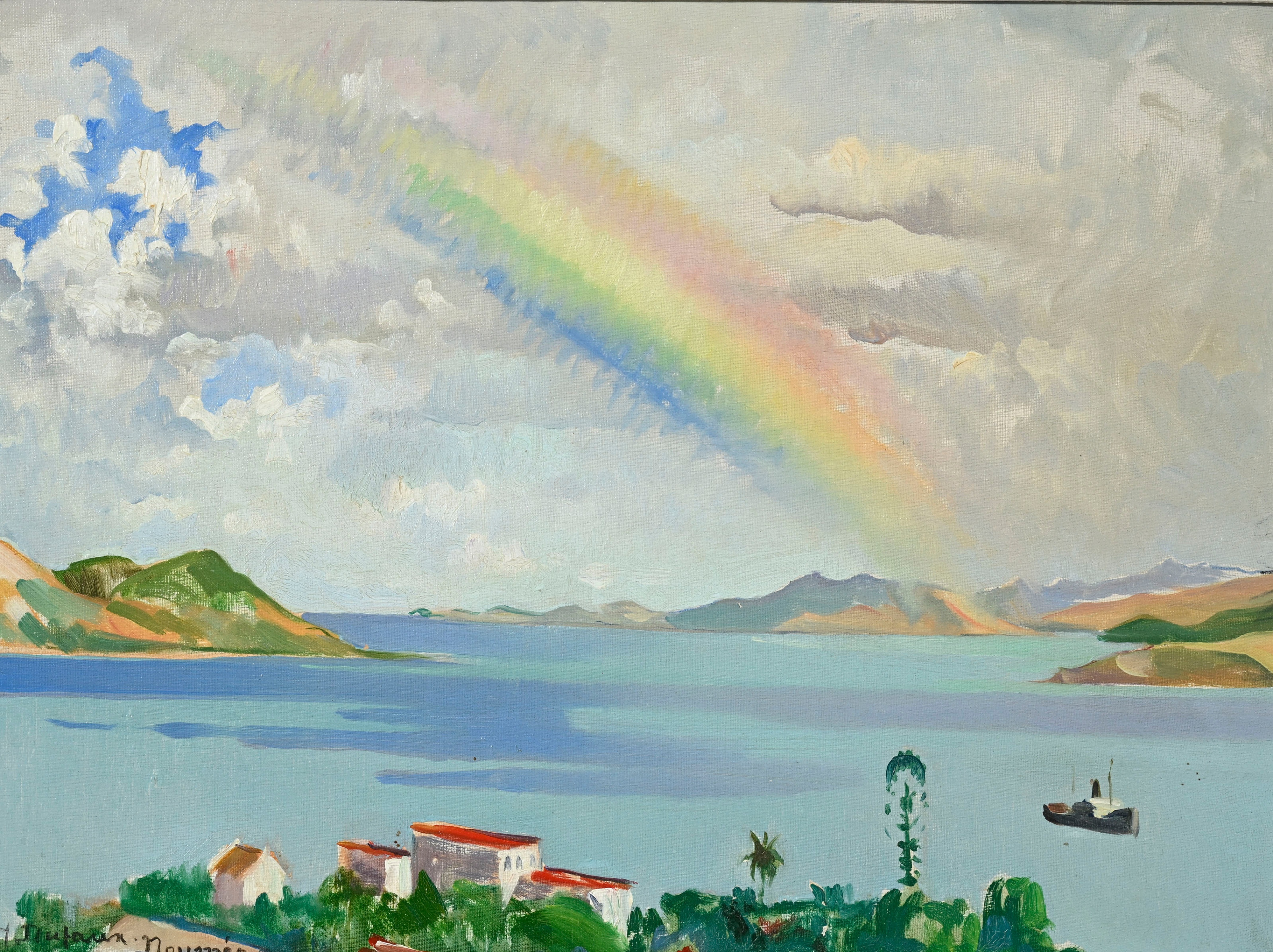
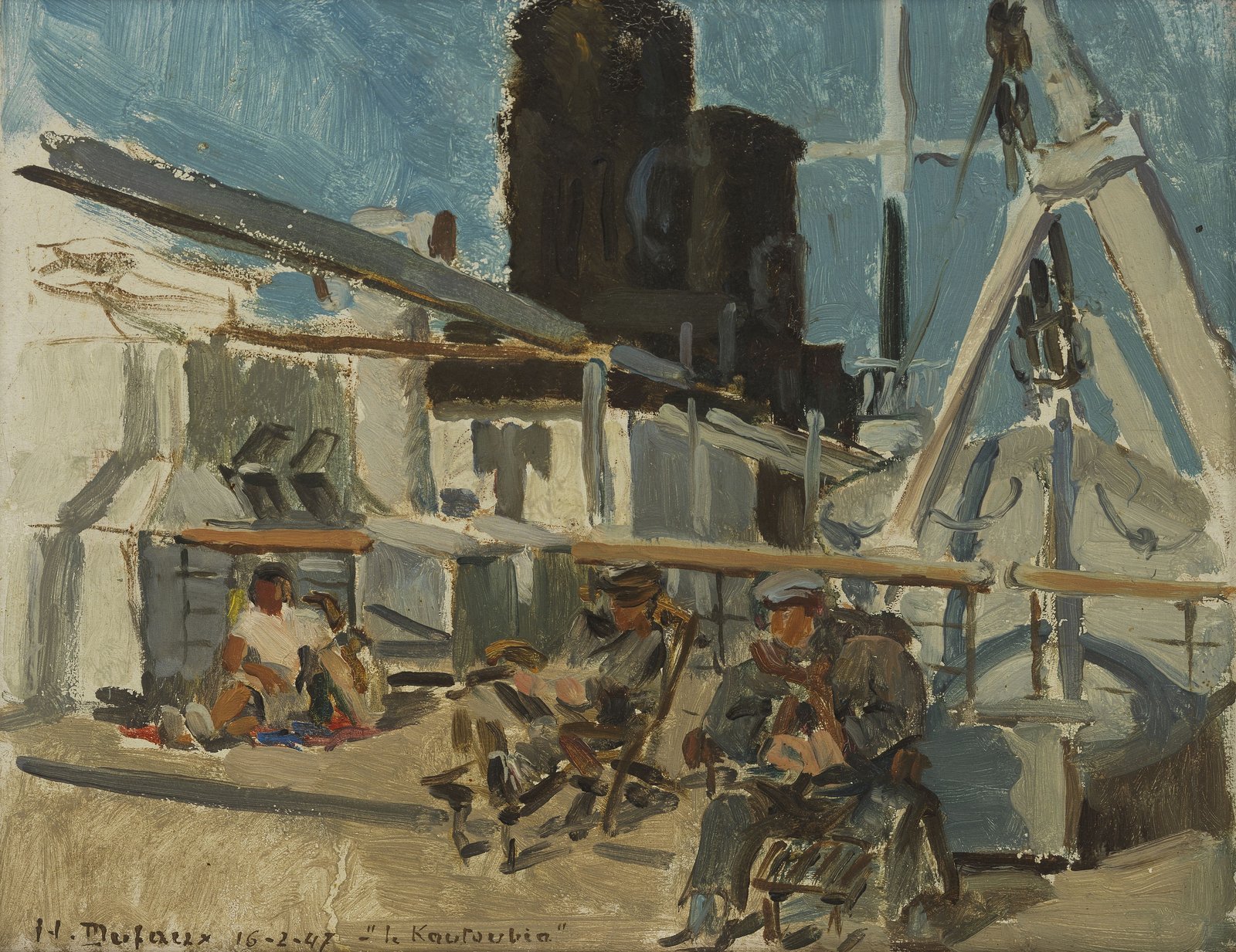
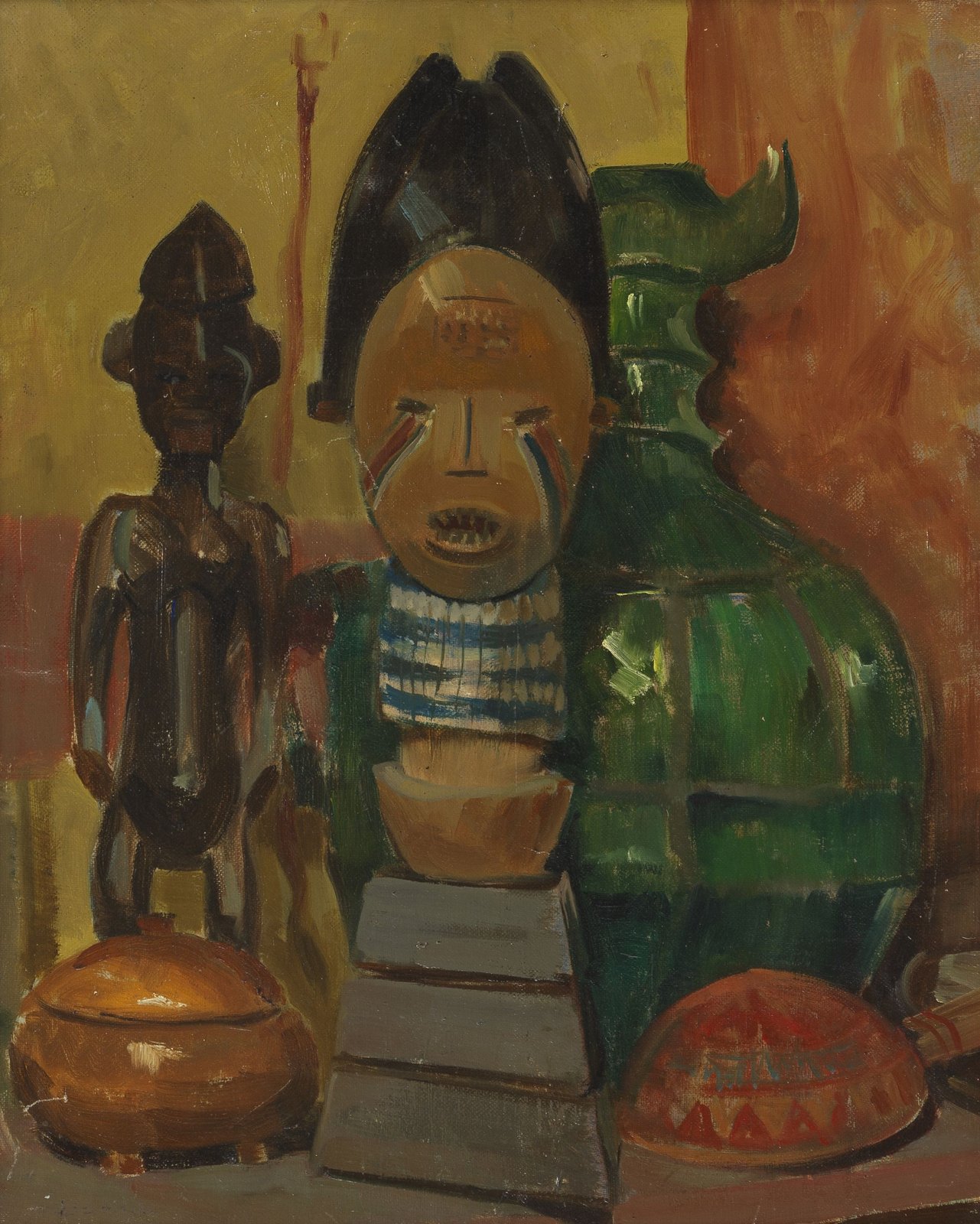
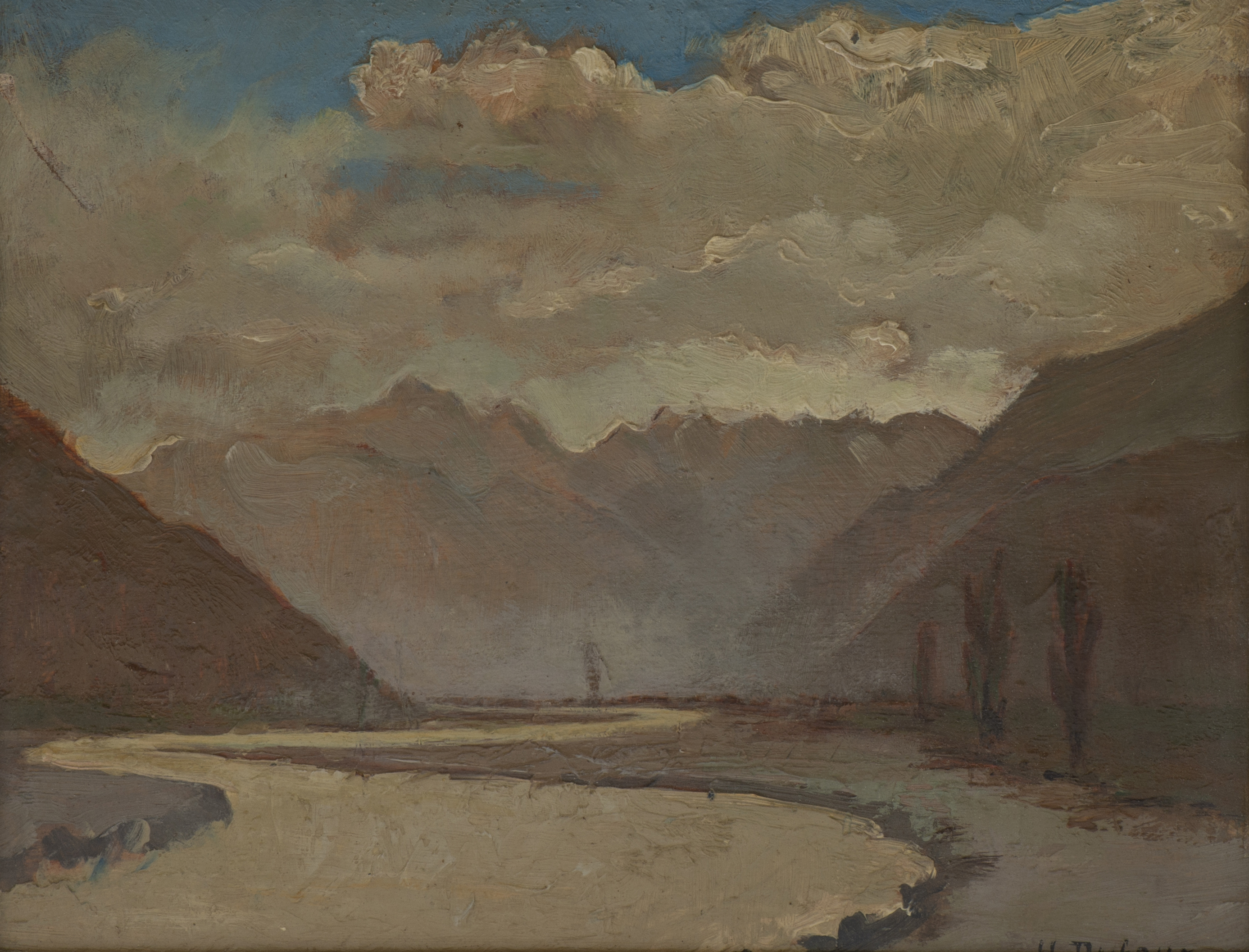
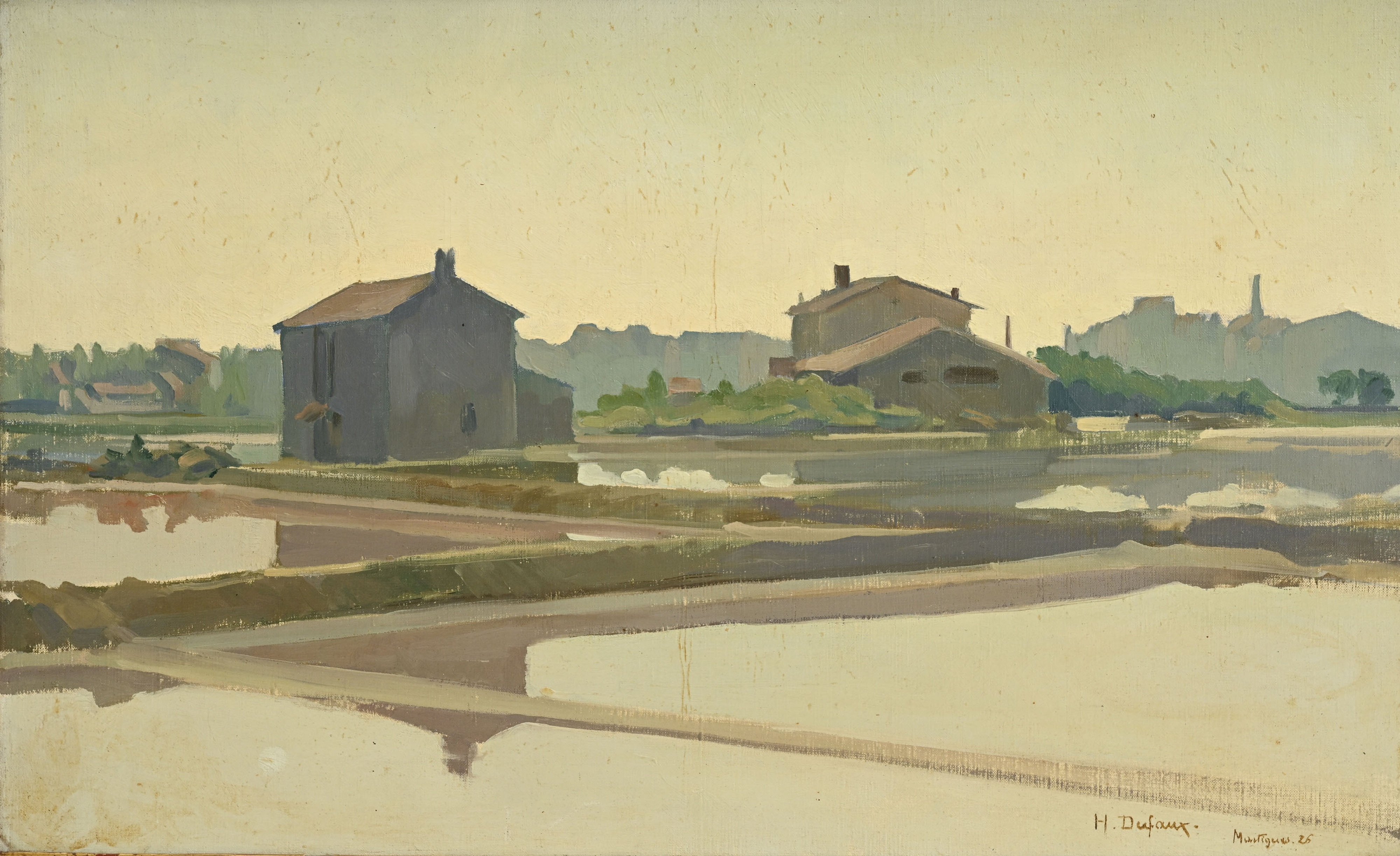
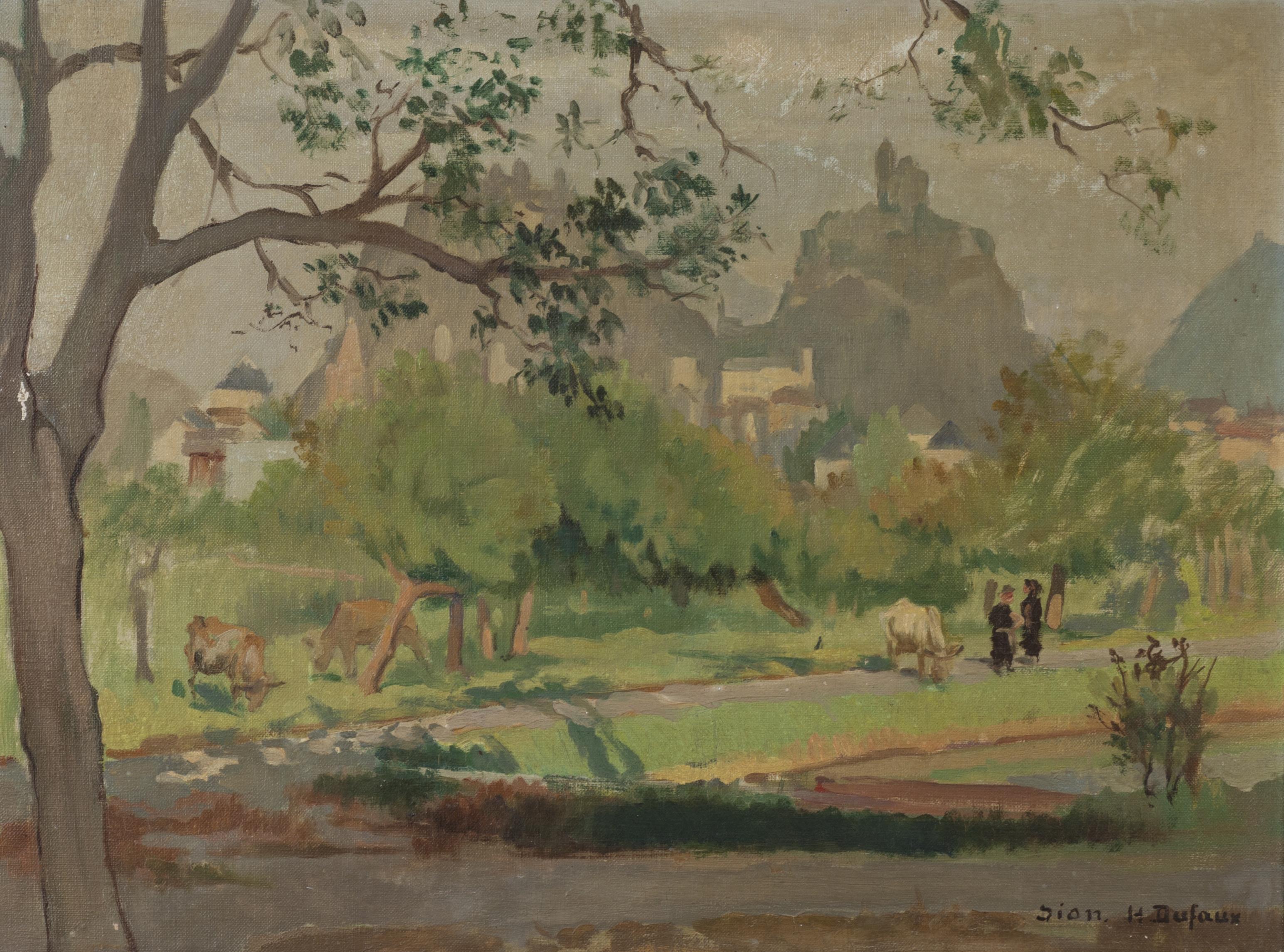
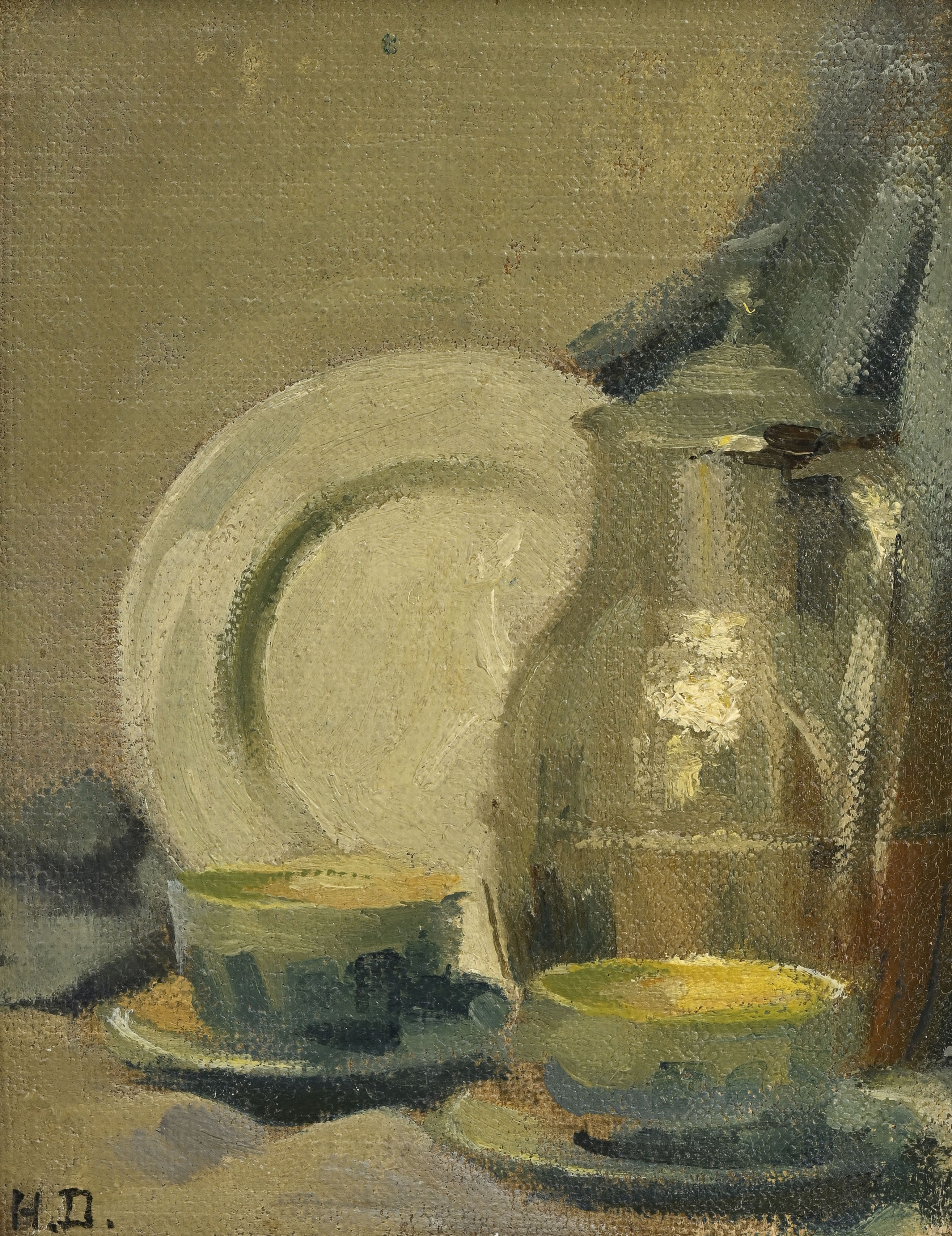
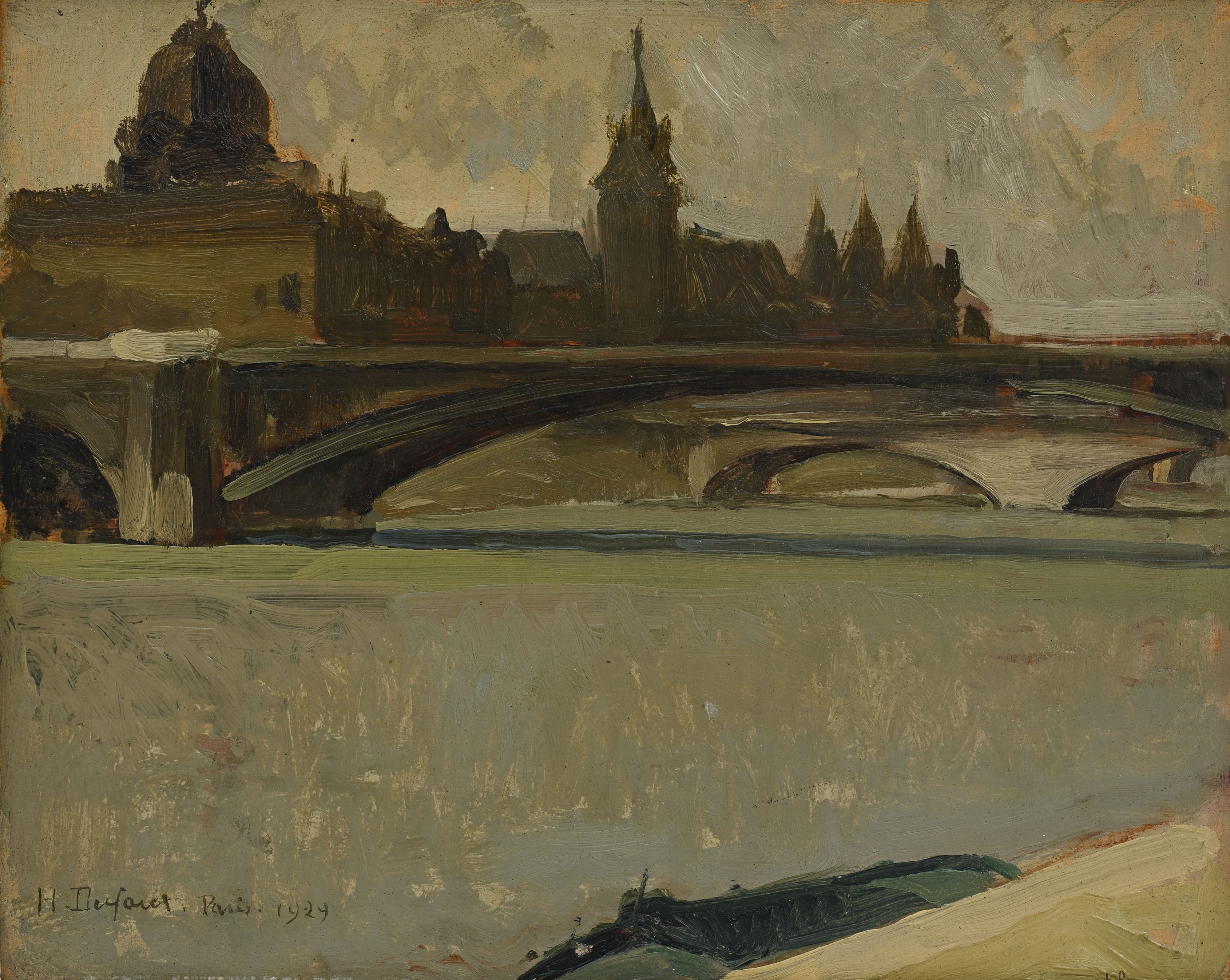
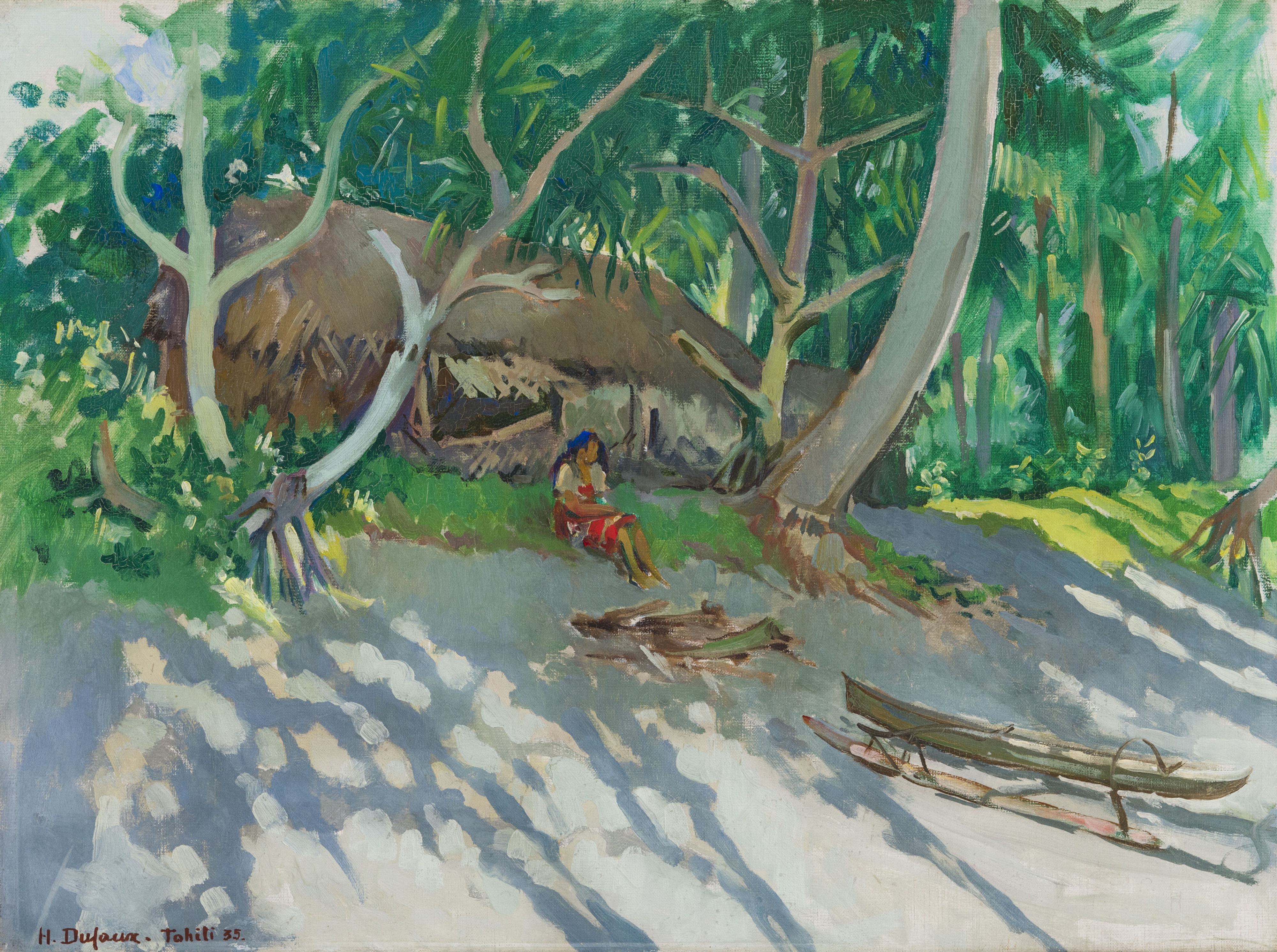
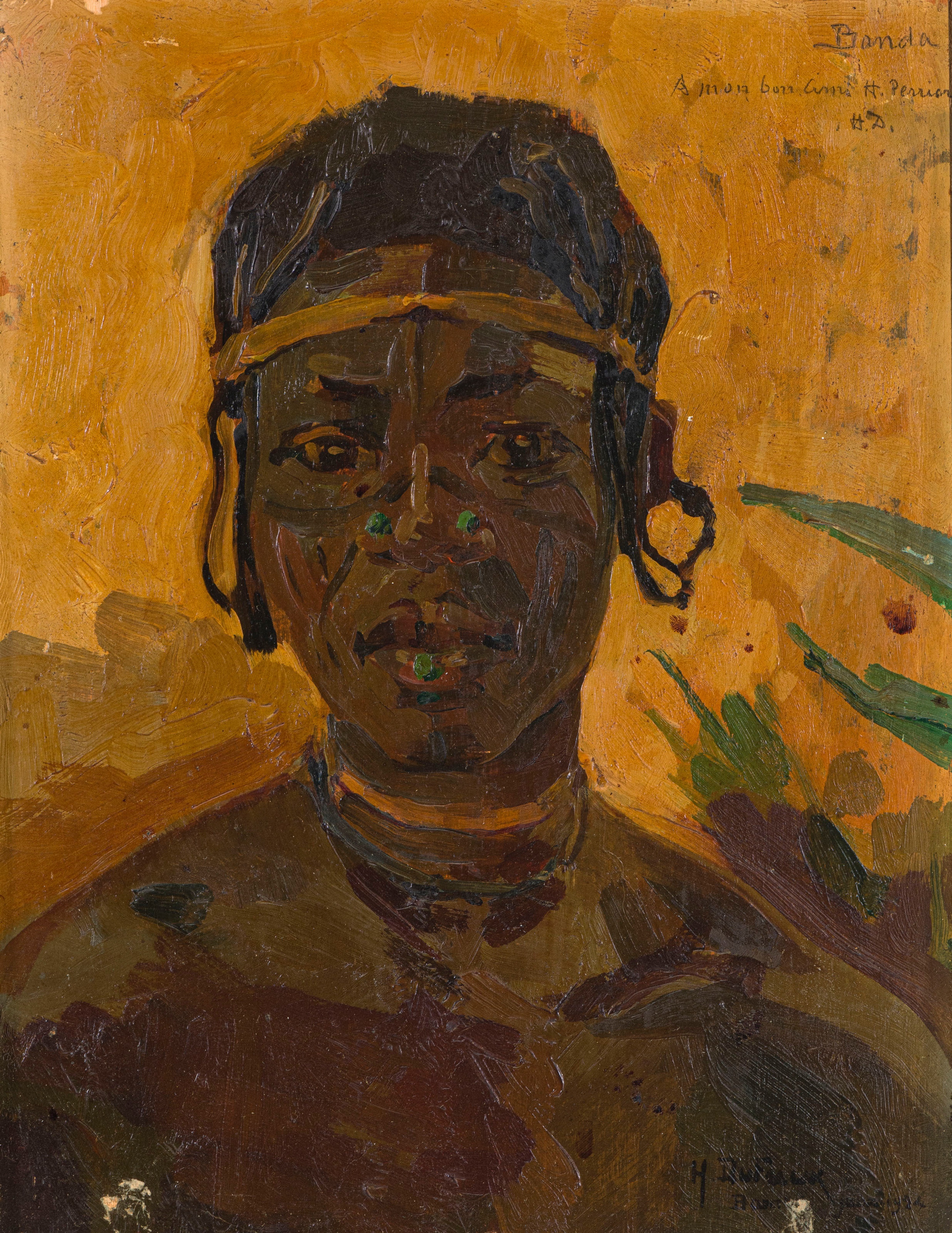
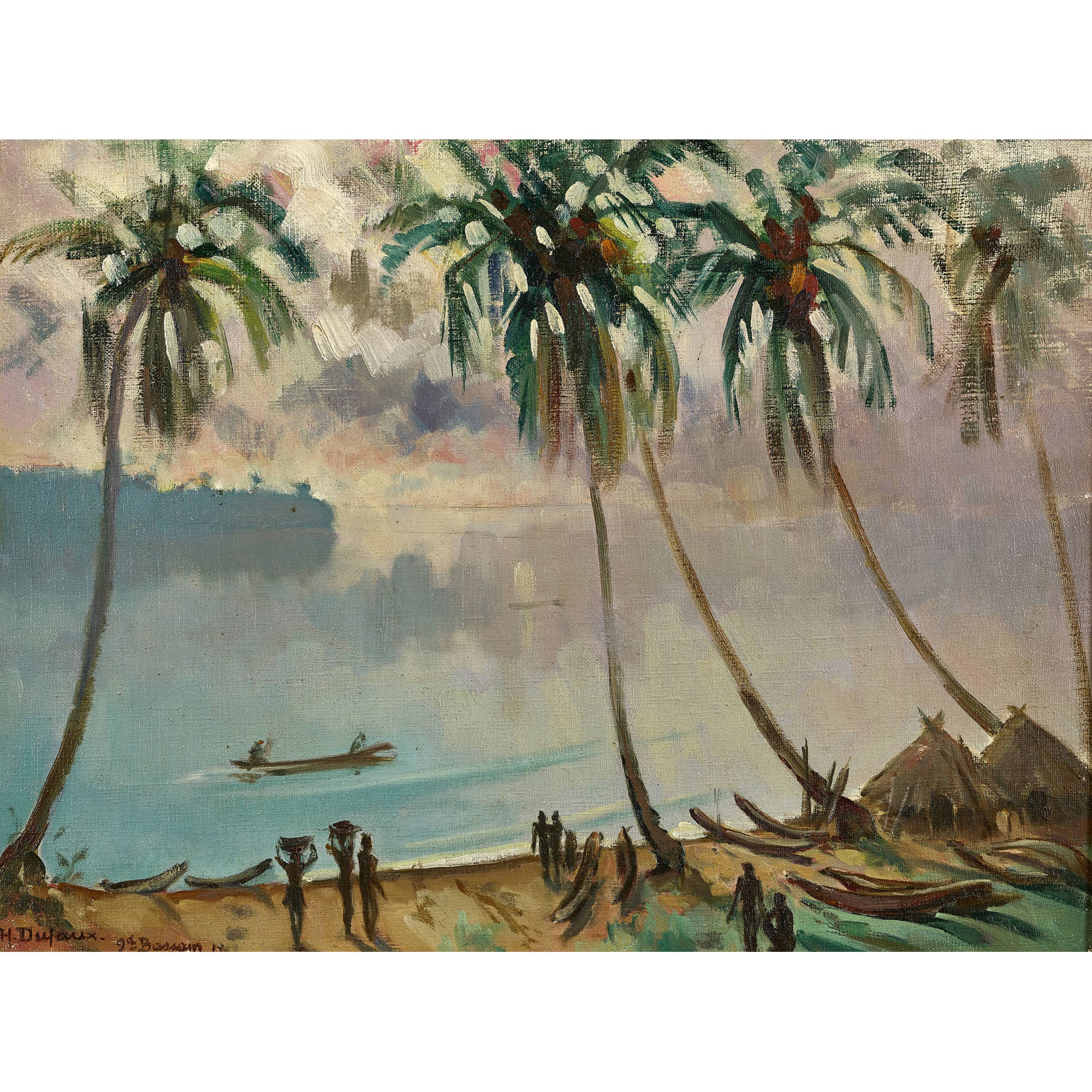
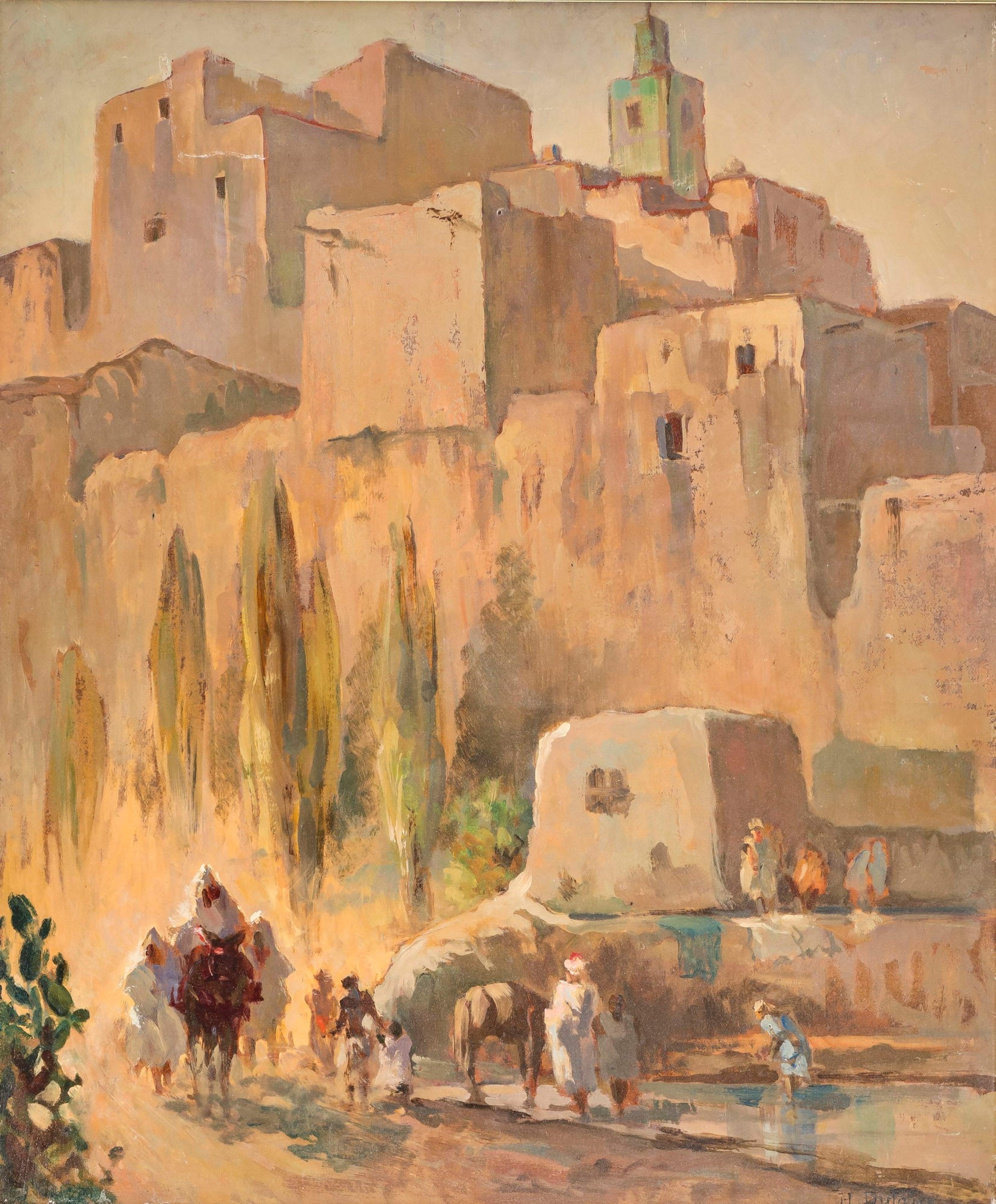
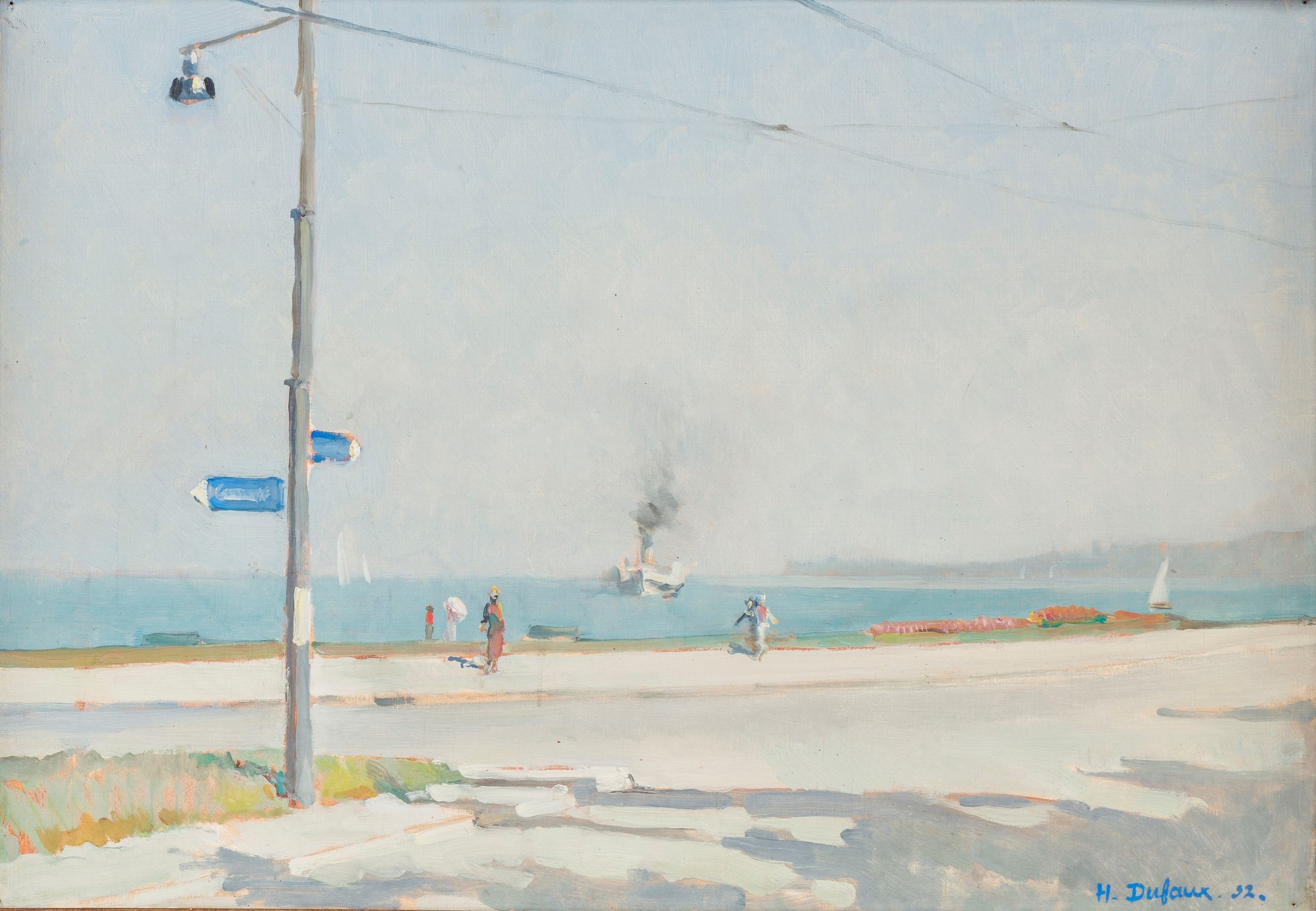
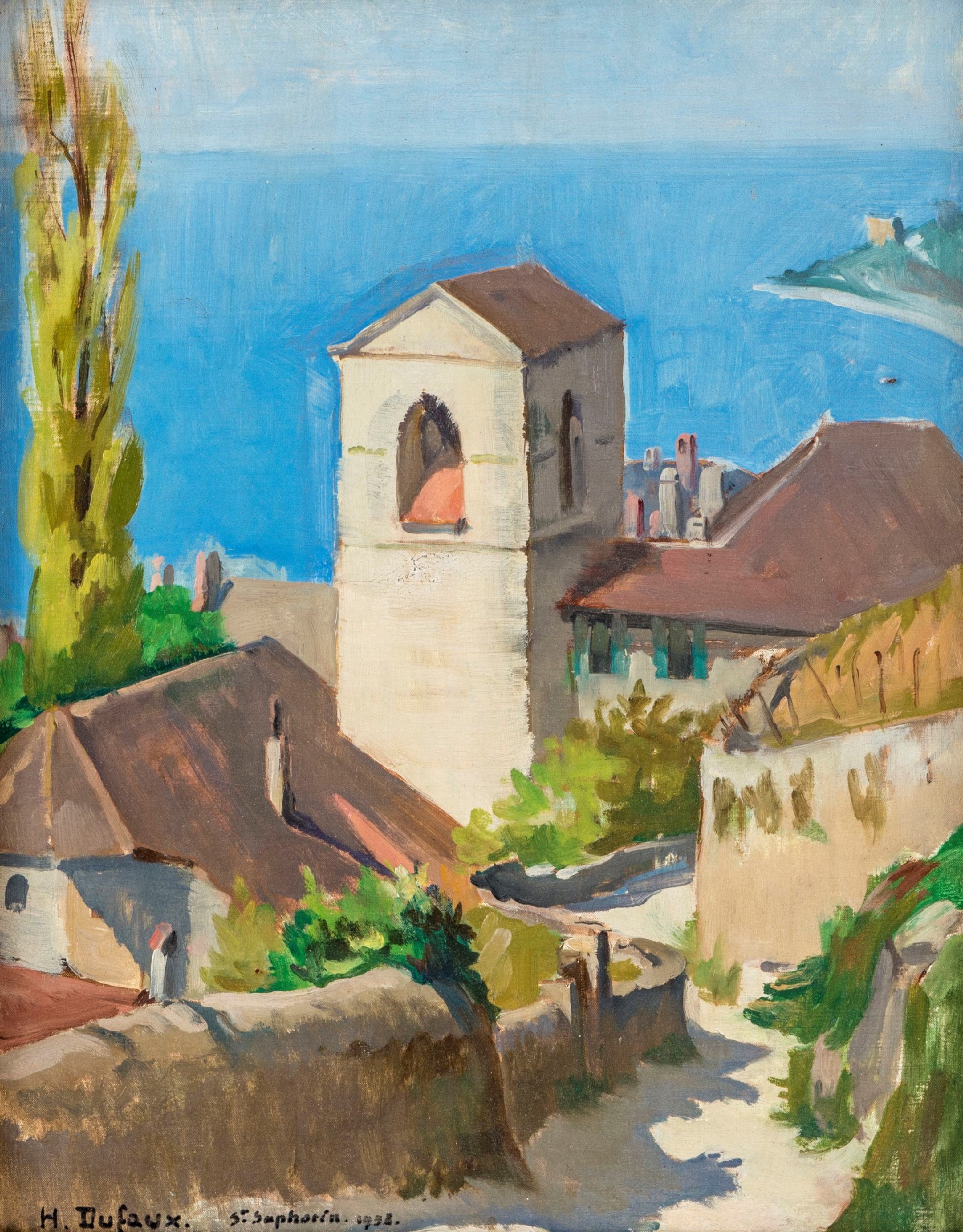
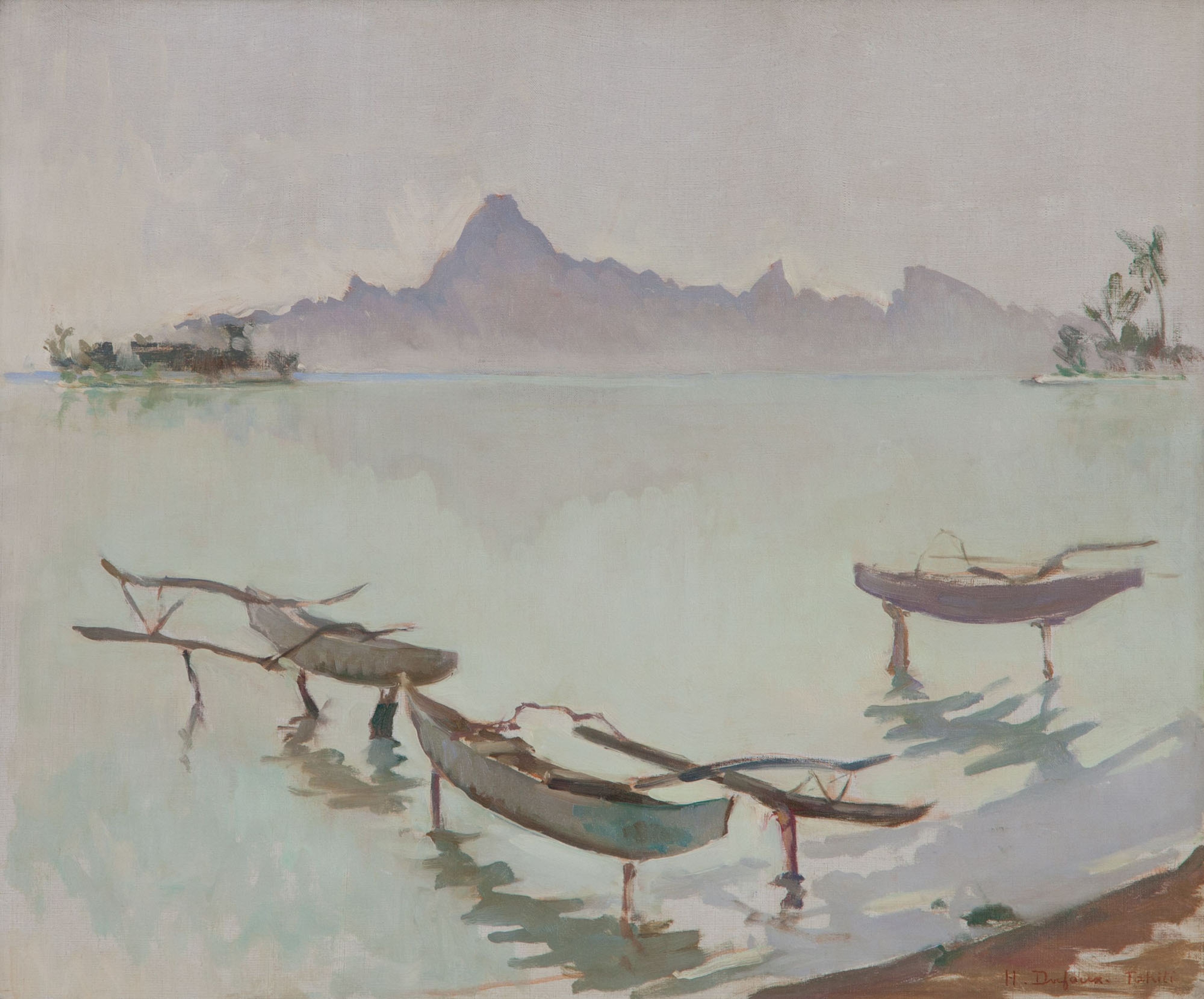
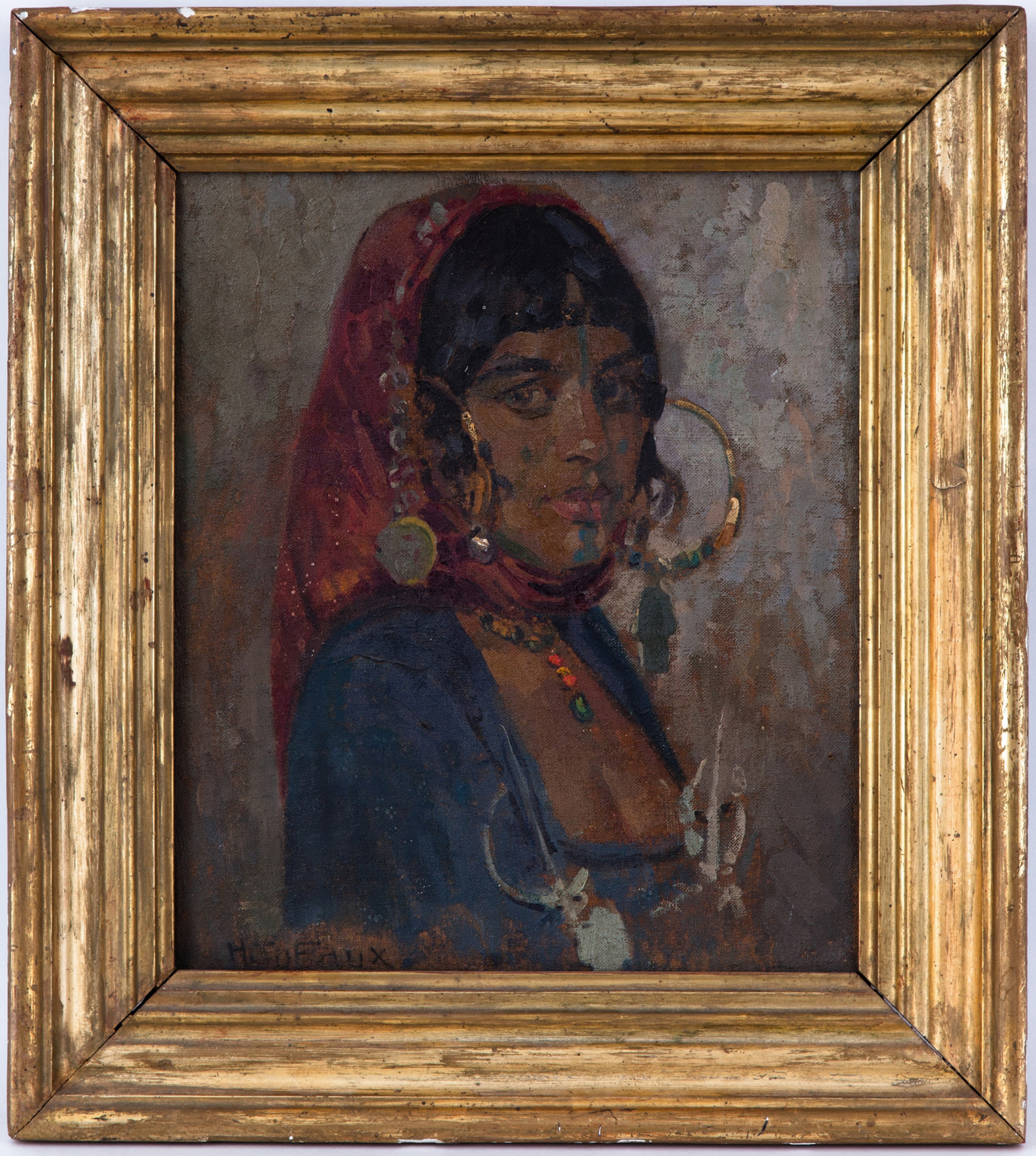
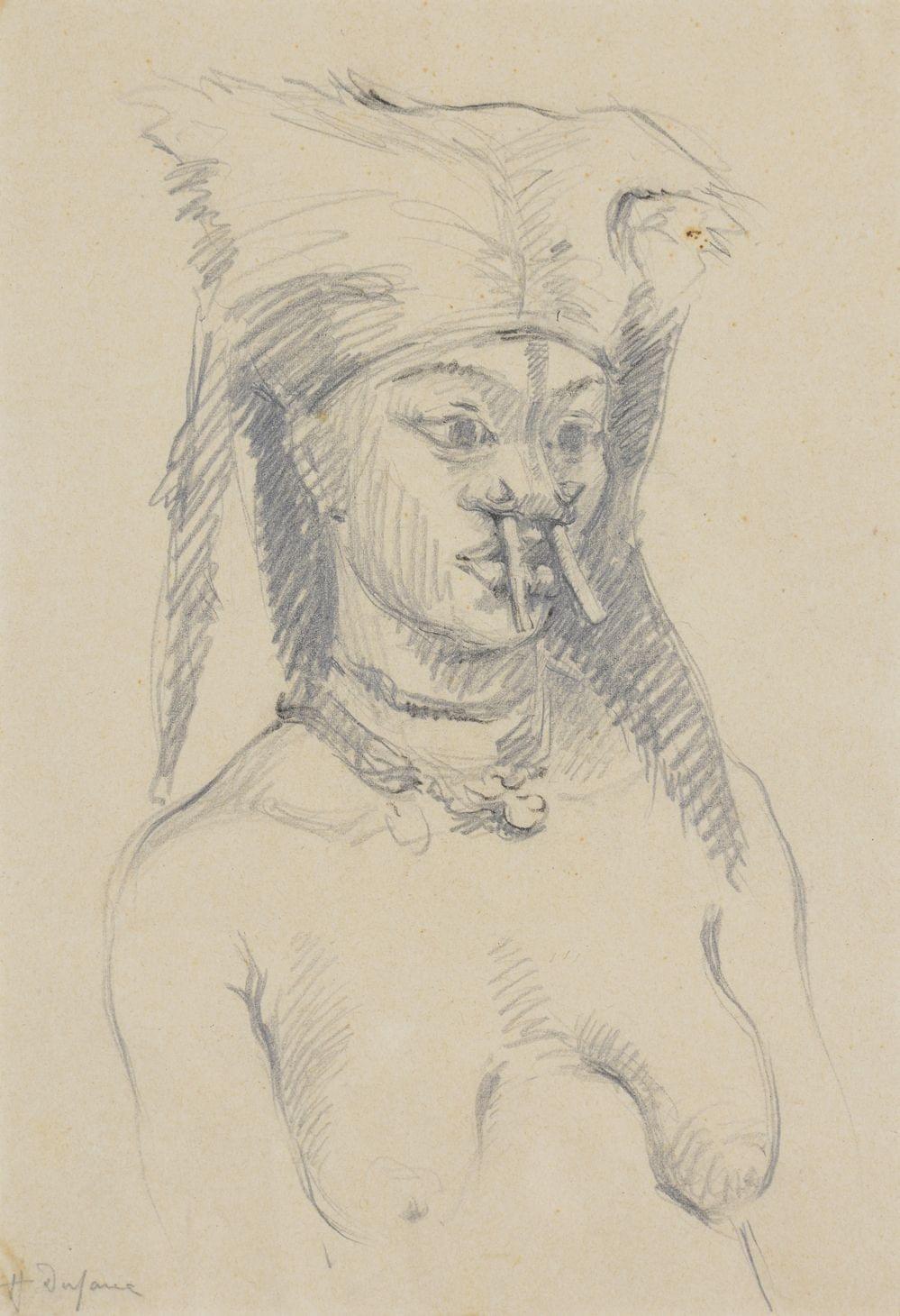
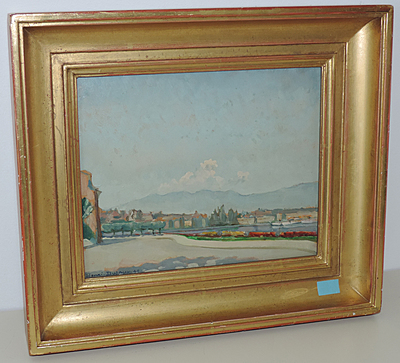
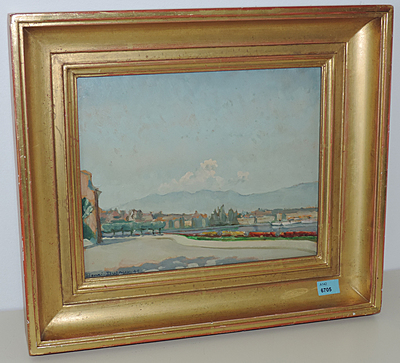
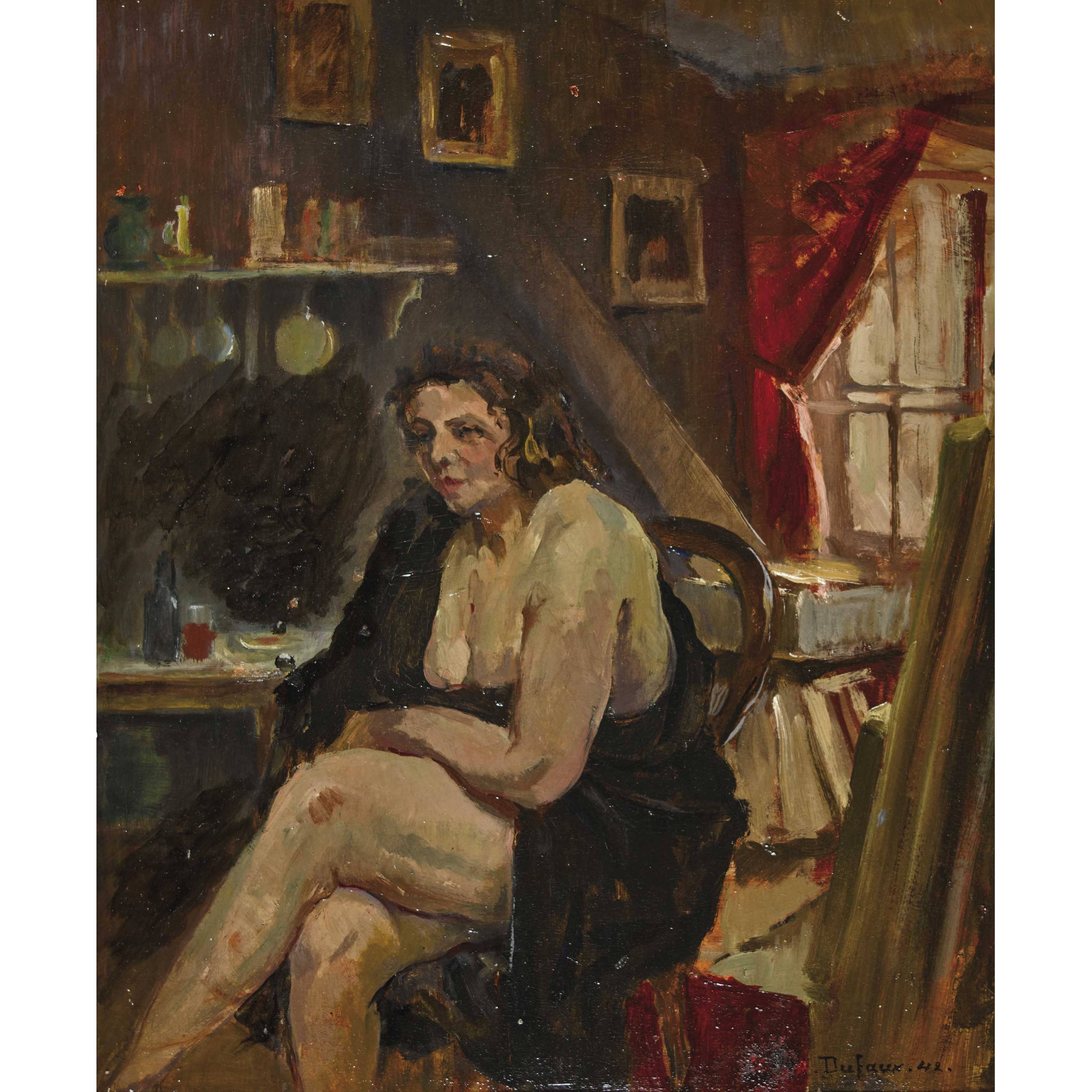
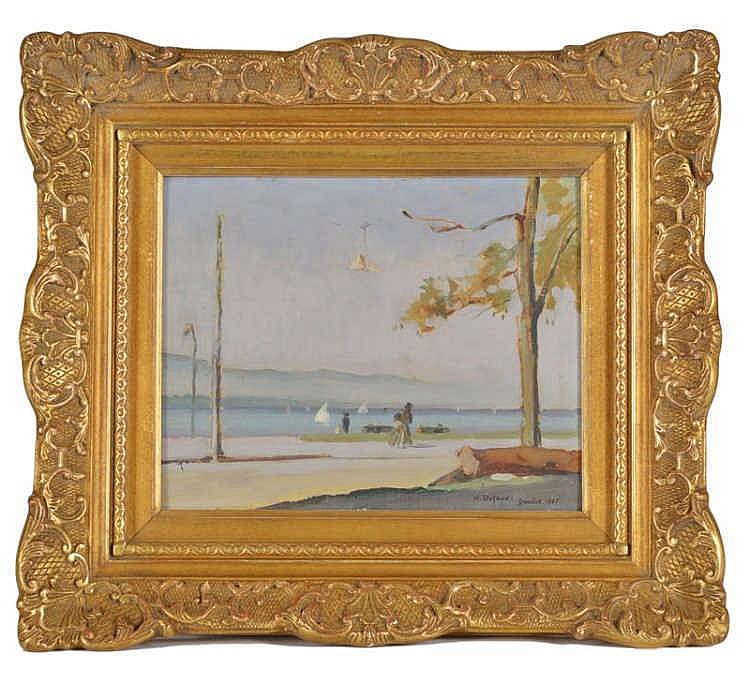
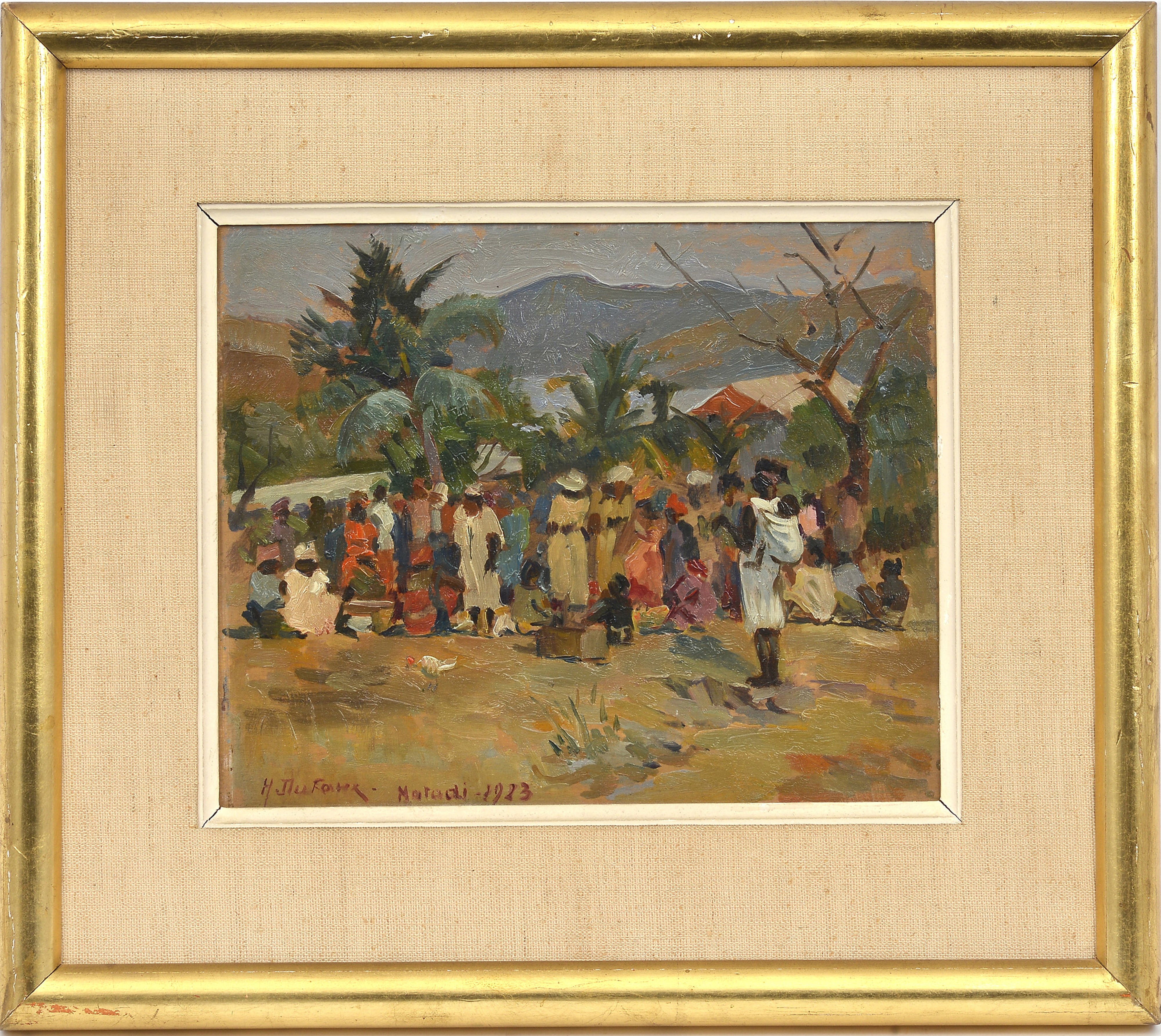
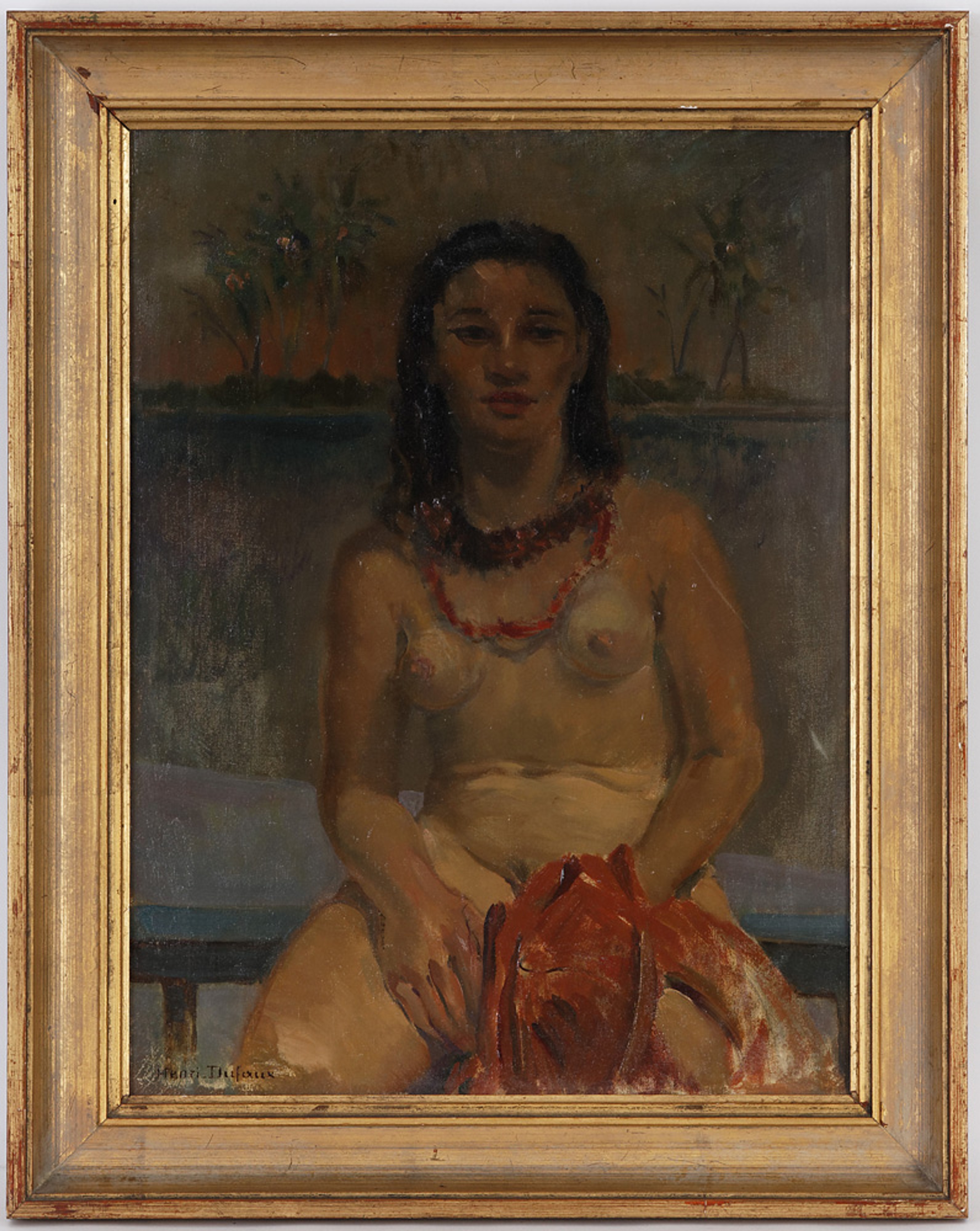
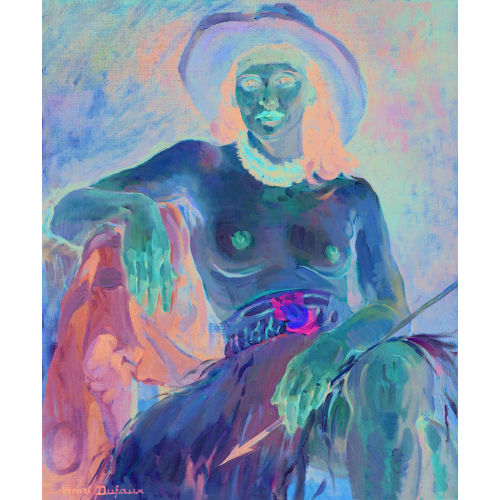
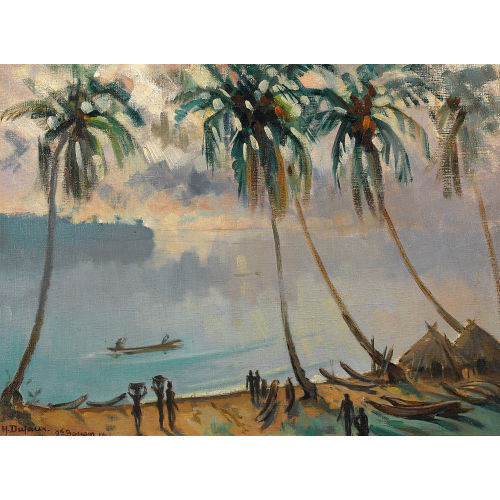
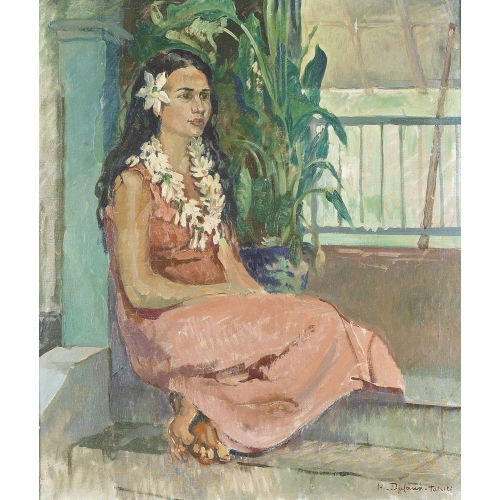
As an illustrator of books and periodicals, he drew on motifs from his travels in Africa and Oceania during the interwar period. His painting Forêt équatoriale, produced for the Ministry of the Colonies in Paris, earned him the Légion d’honneur. The Swiss Museum of Transport also holds Le triomphe de l’aviation ou la sottise des hommes, an oil painting from 1943: two aircraft designers confront a bombed city surmounted by a mythological vision.
The work bears witness to his critical view of aviation after it had become an instrument of war. Henri Dufaux thus combined an artistic career with a technical contribution to the history of transport.