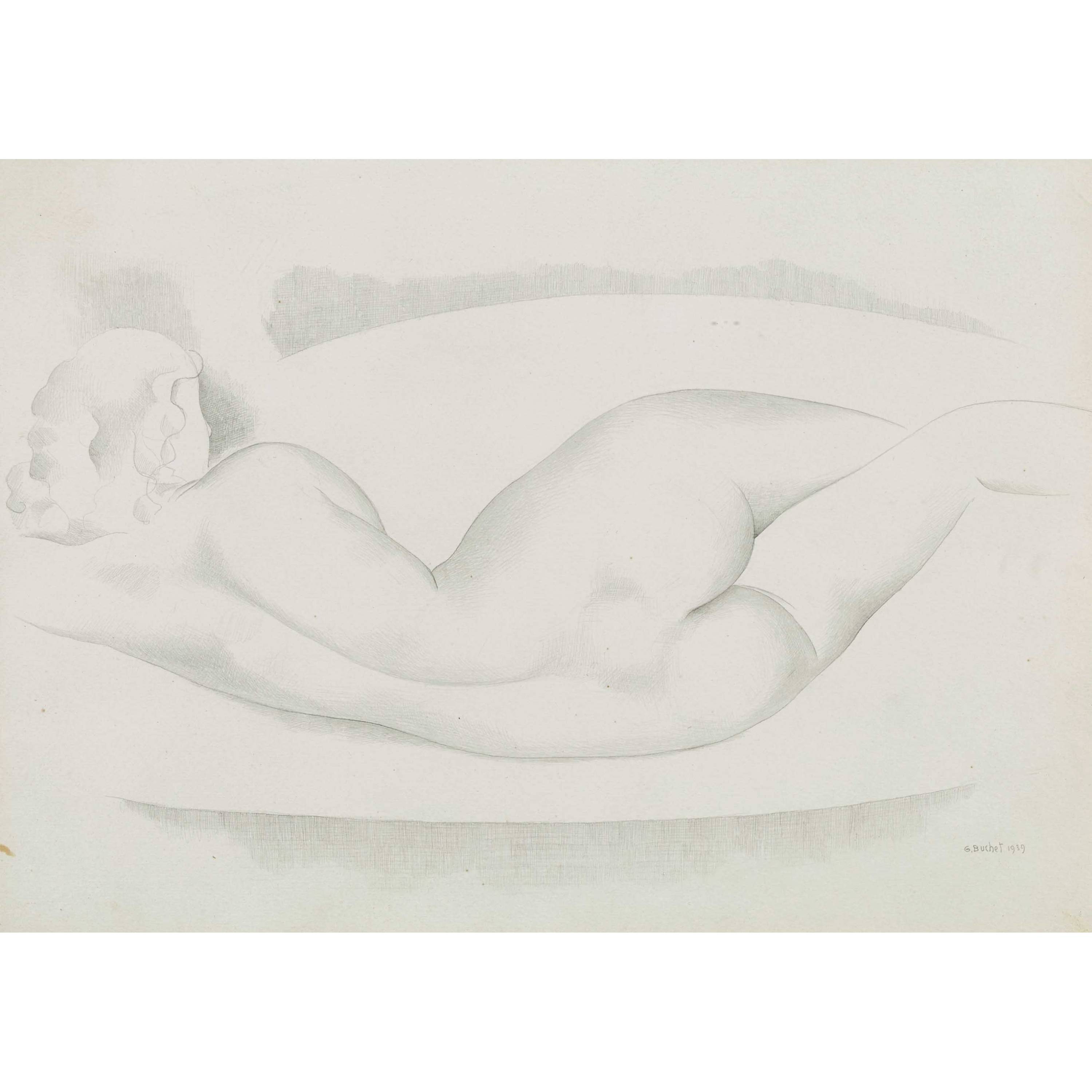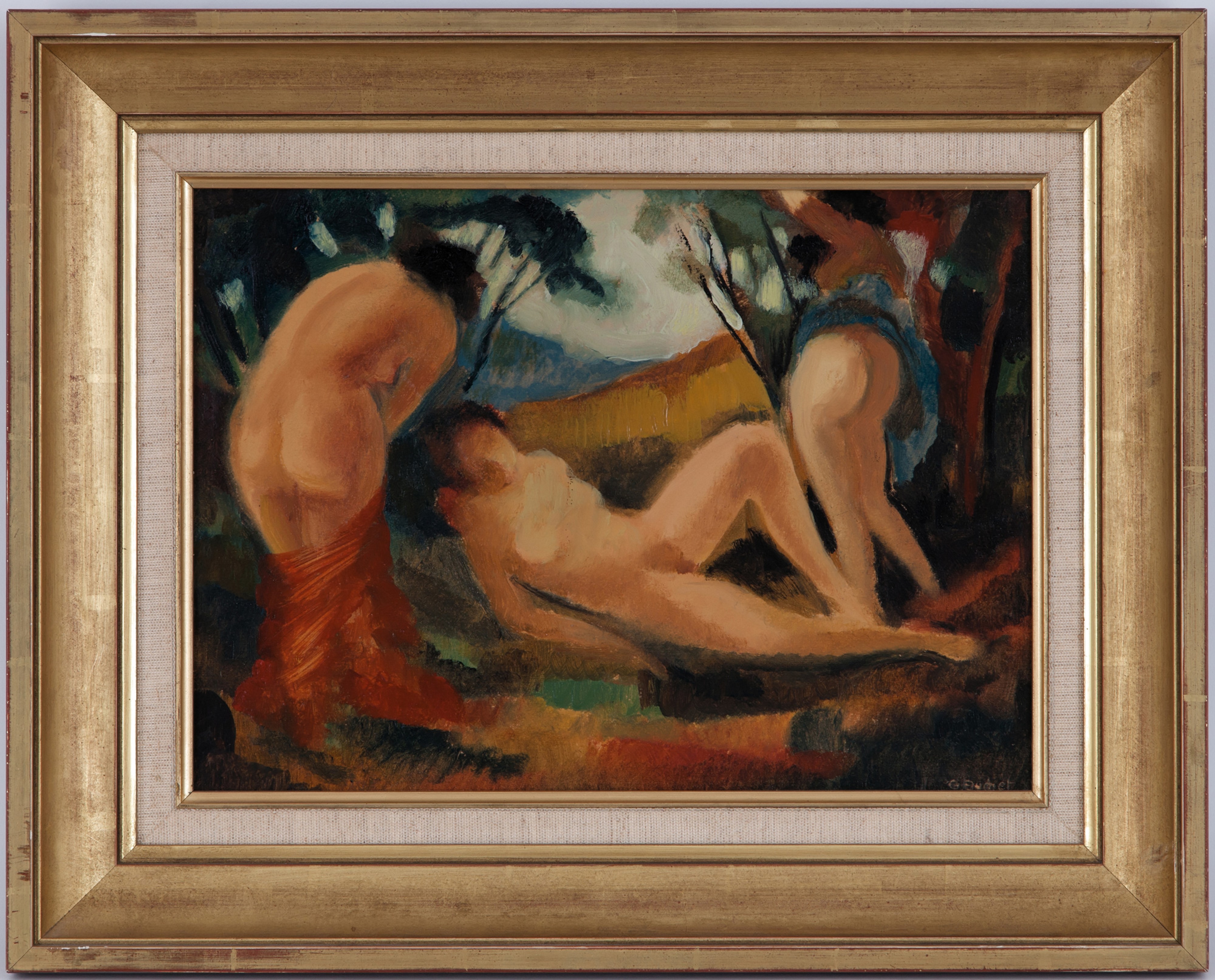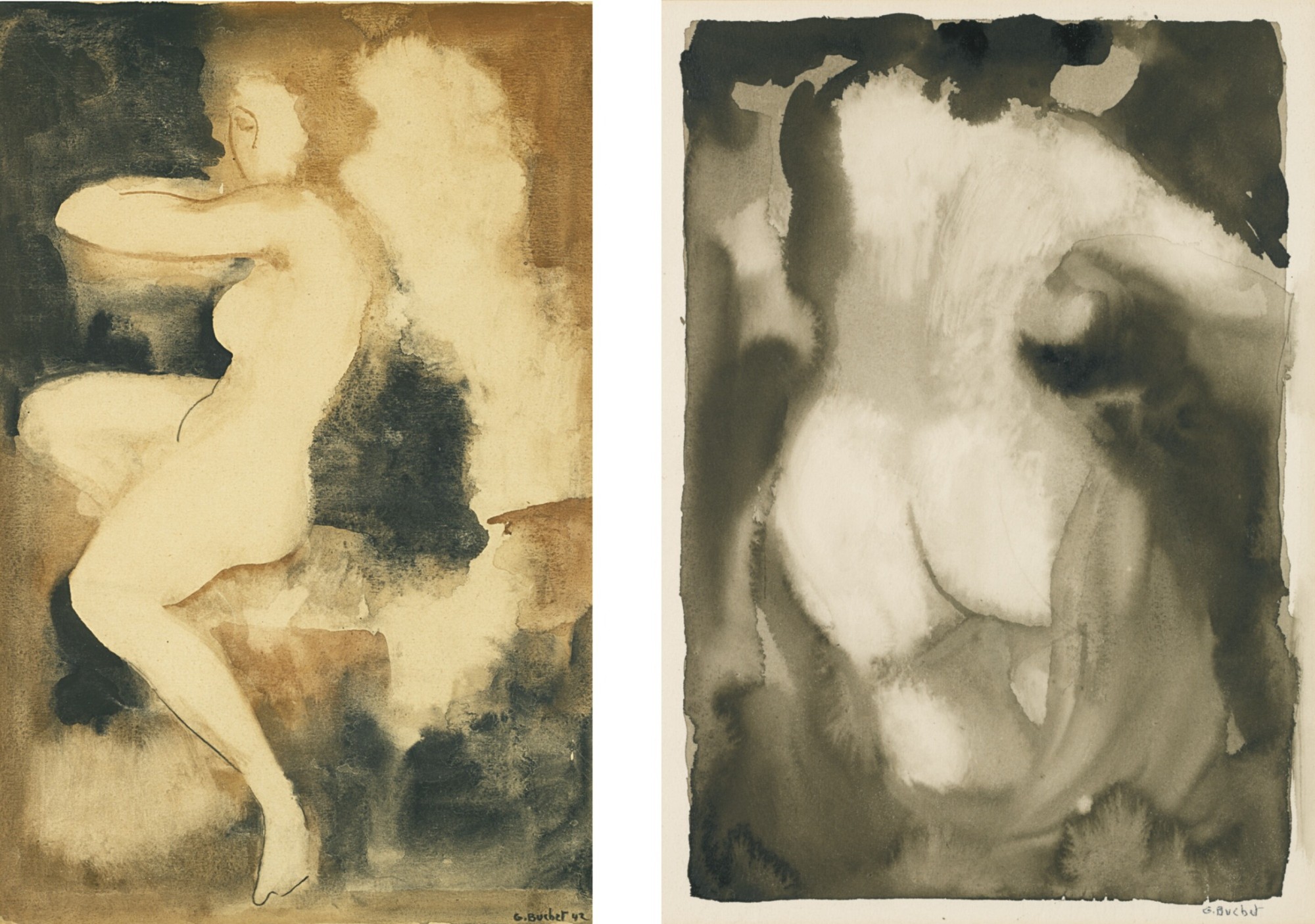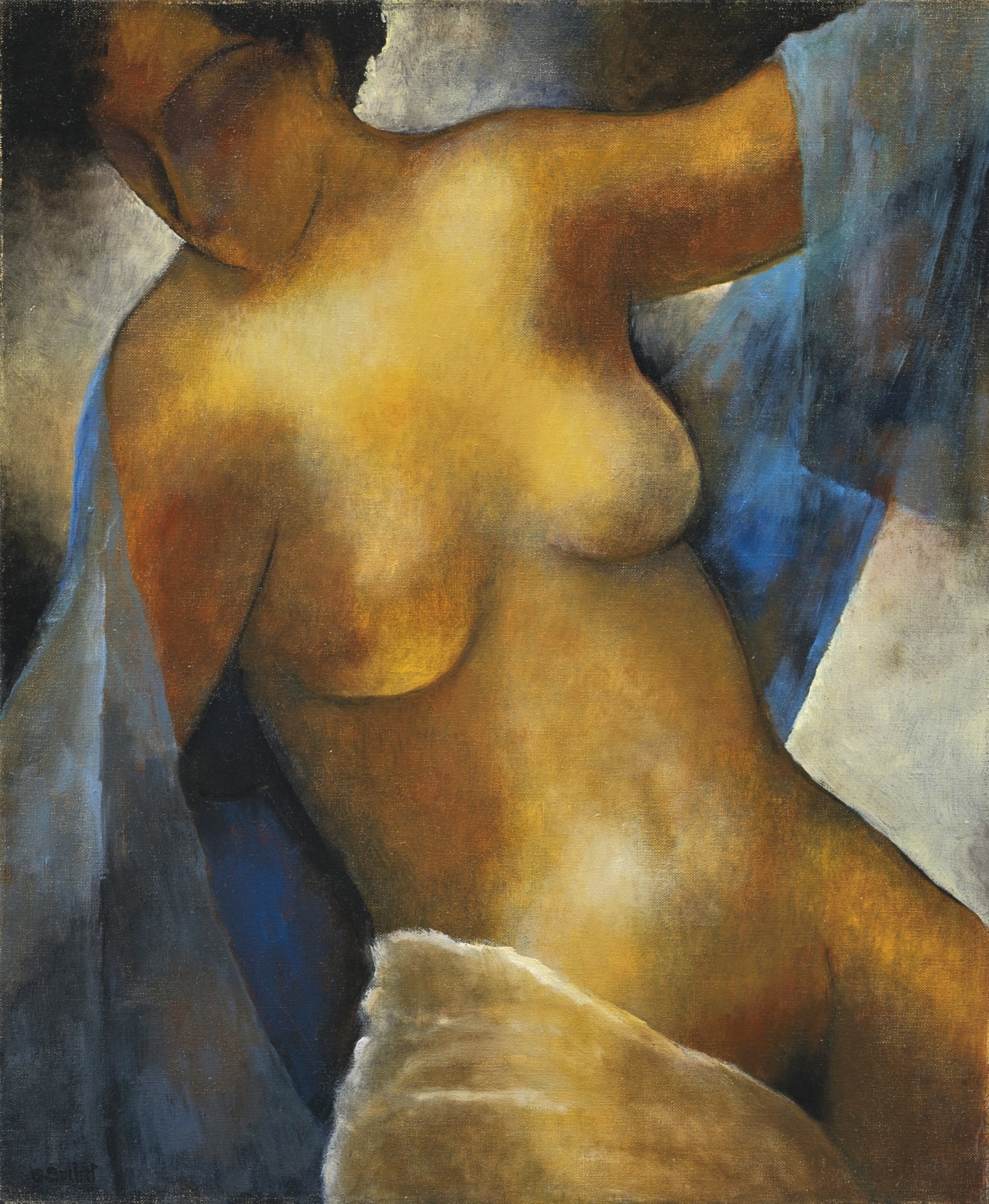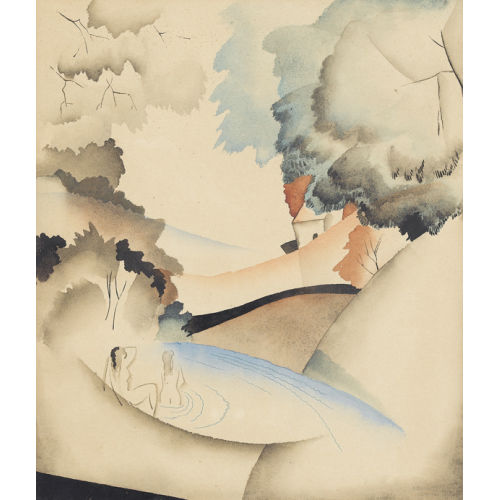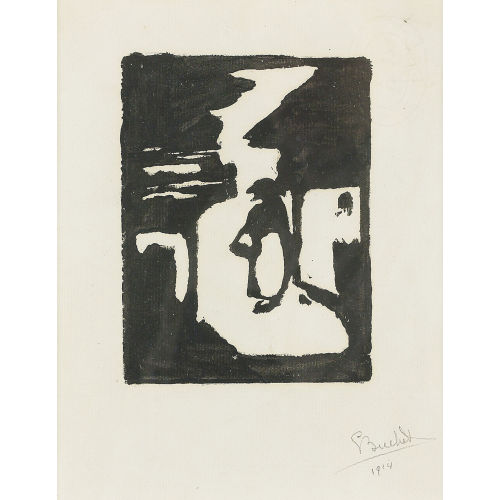
Gustave Buchet
Born in Étoy (Switzerland) in 1888.
Died in Lausanne (Switzerland) in 1963.
Swiss · Swiss avant-gardes · Futurism, Post-Cubism and Purism · geometric abstraction and a return to figuration.
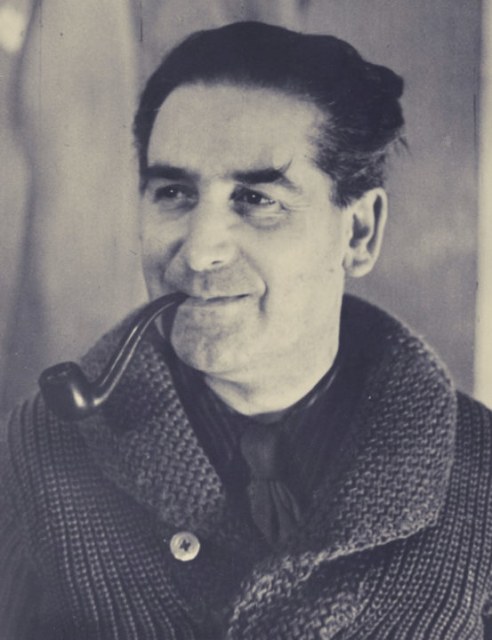
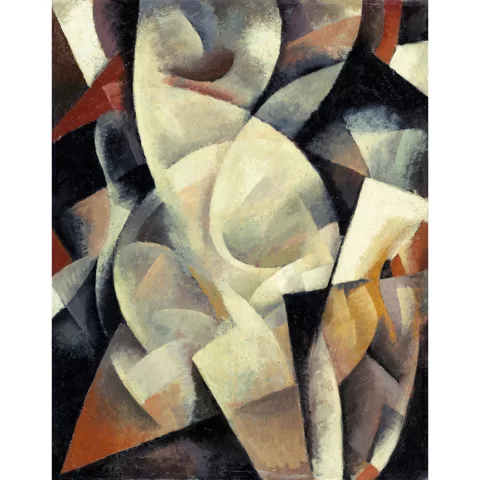
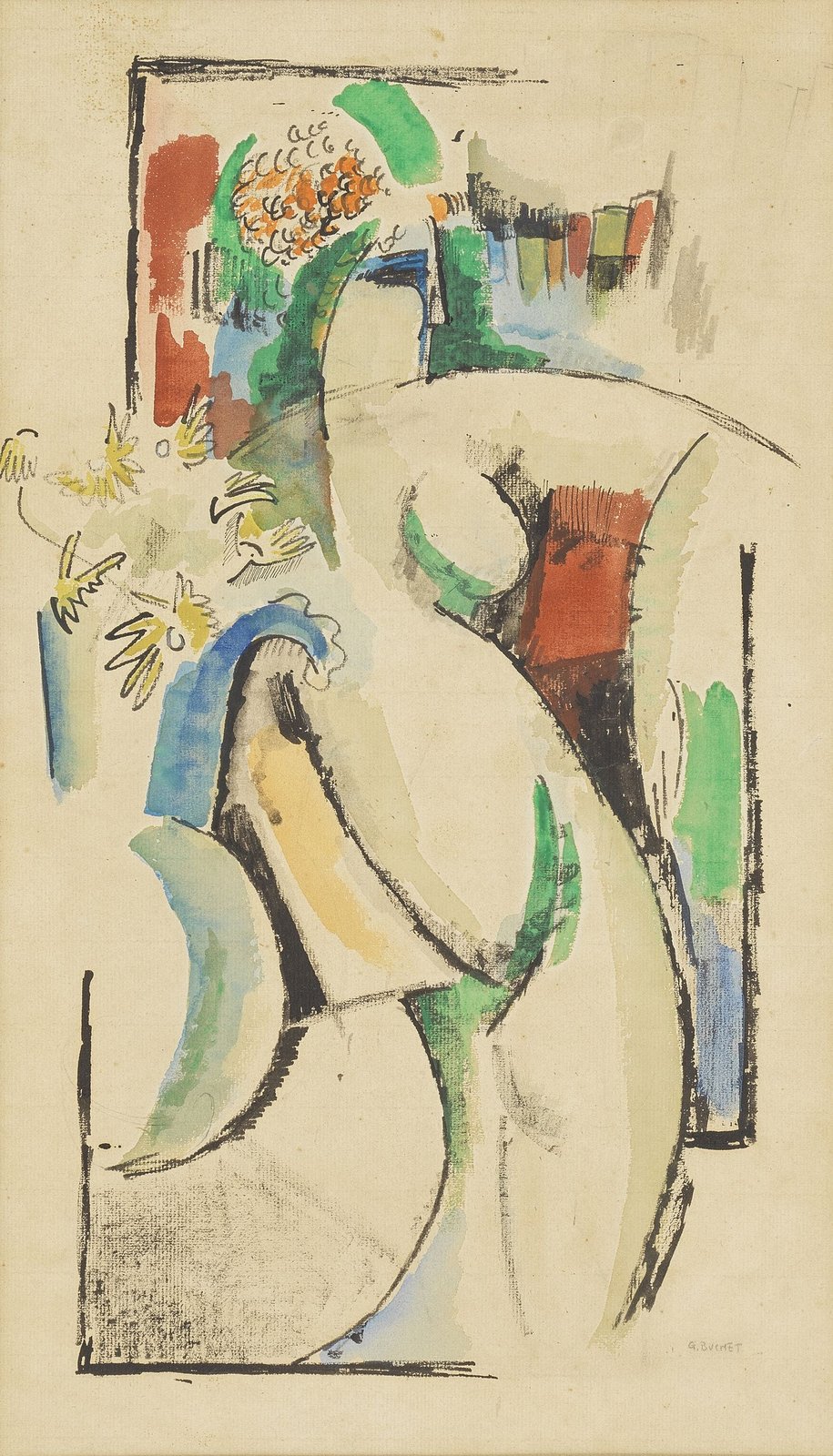
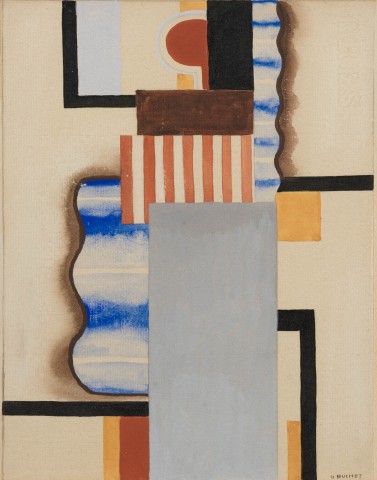
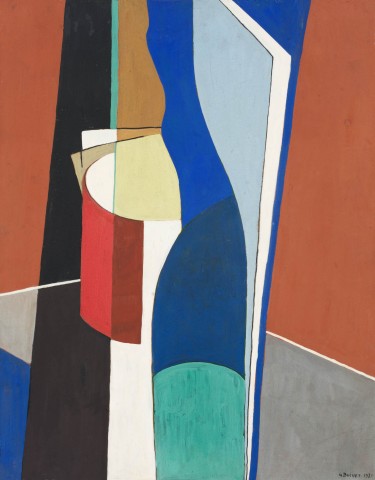
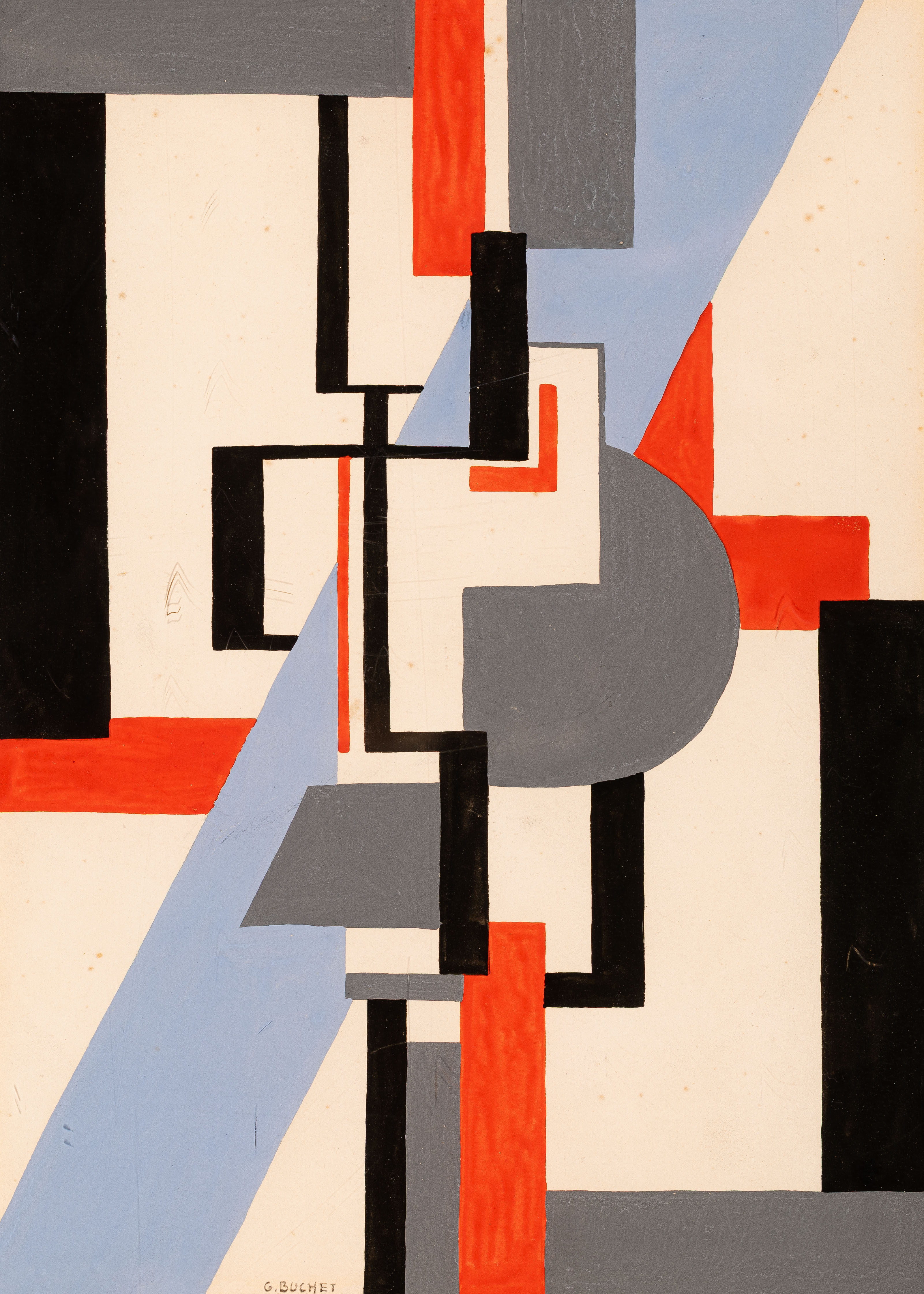
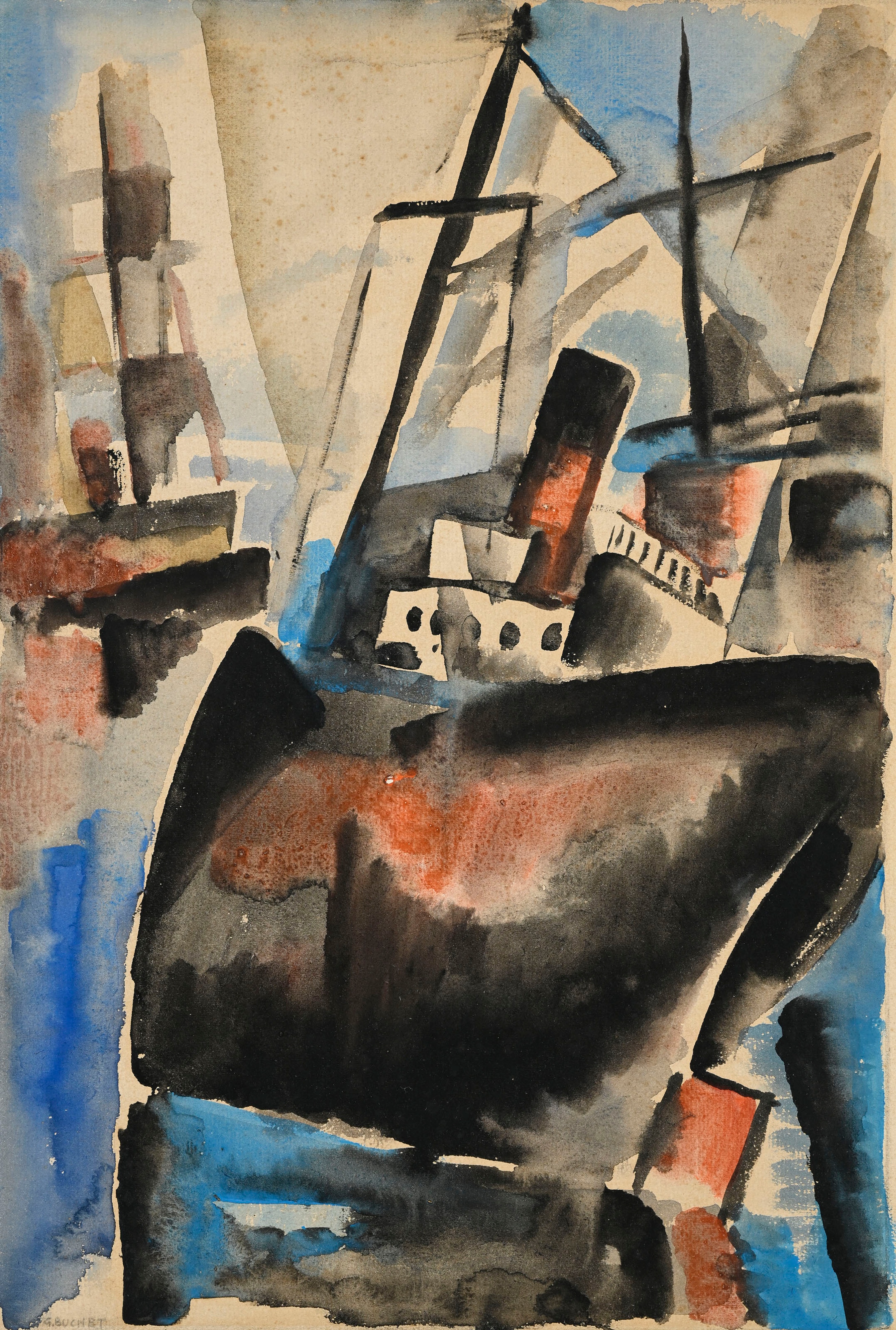
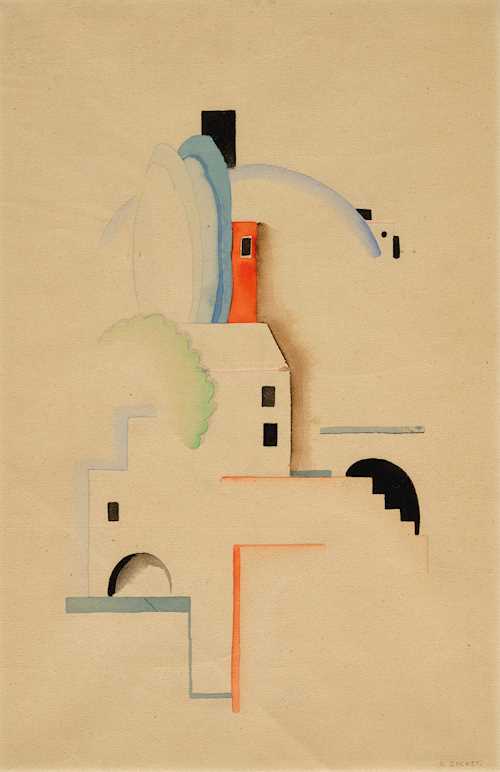
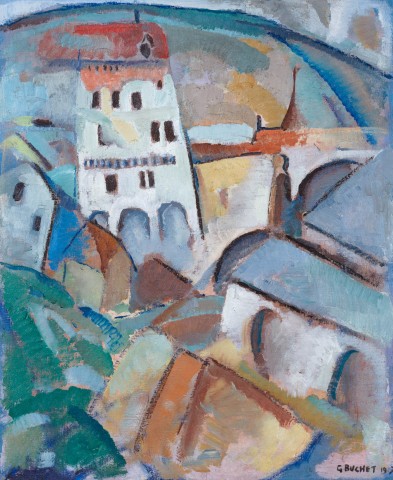
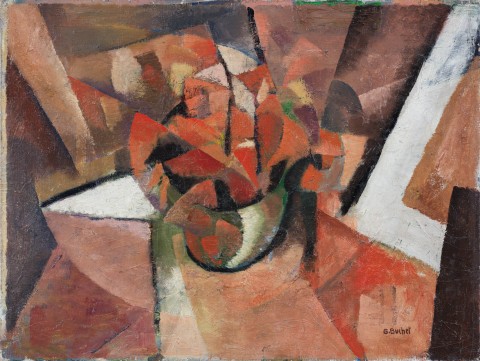
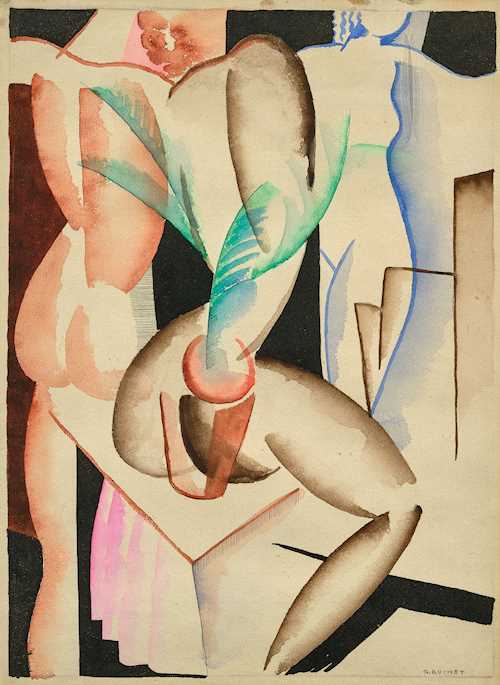
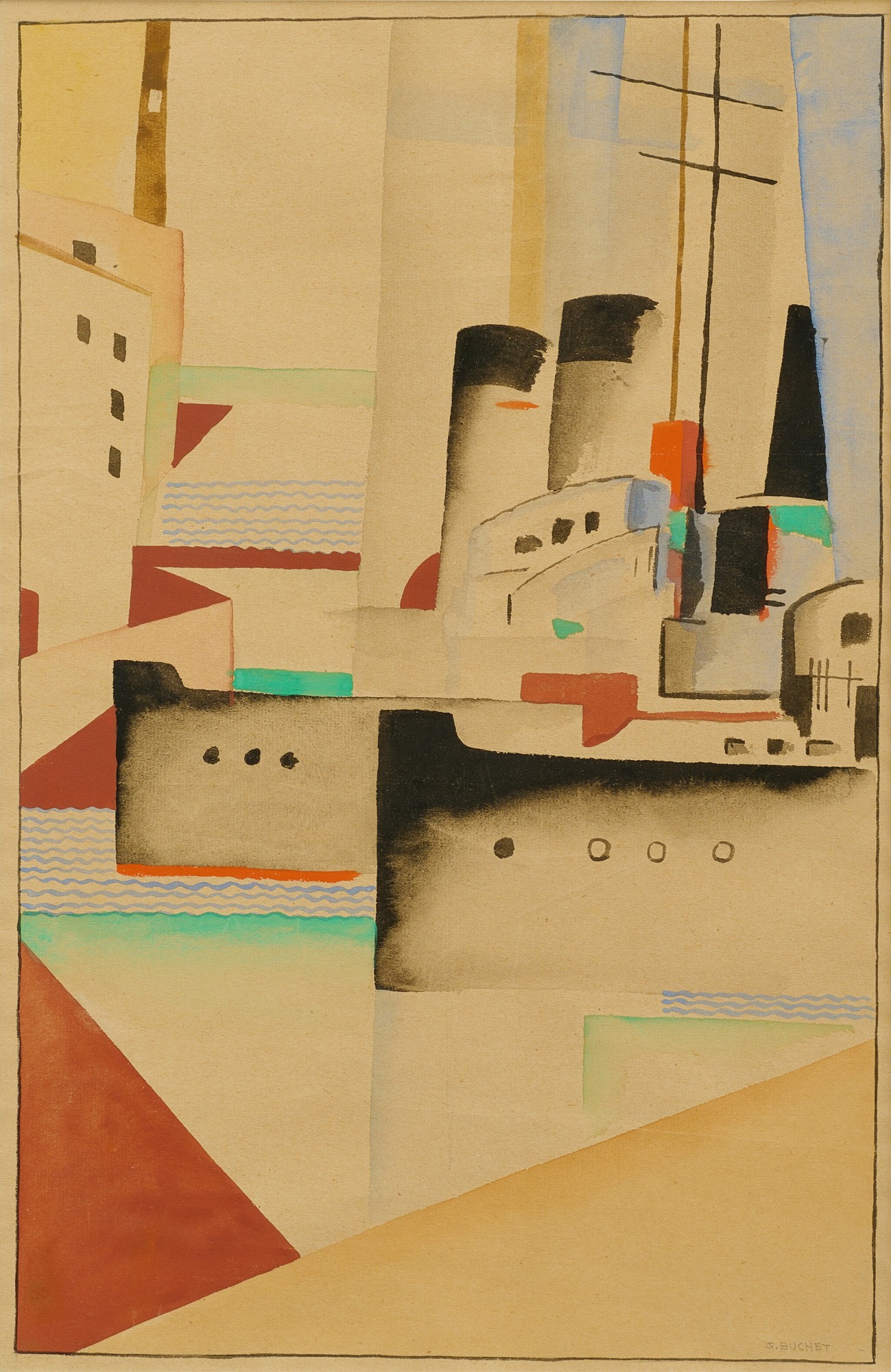
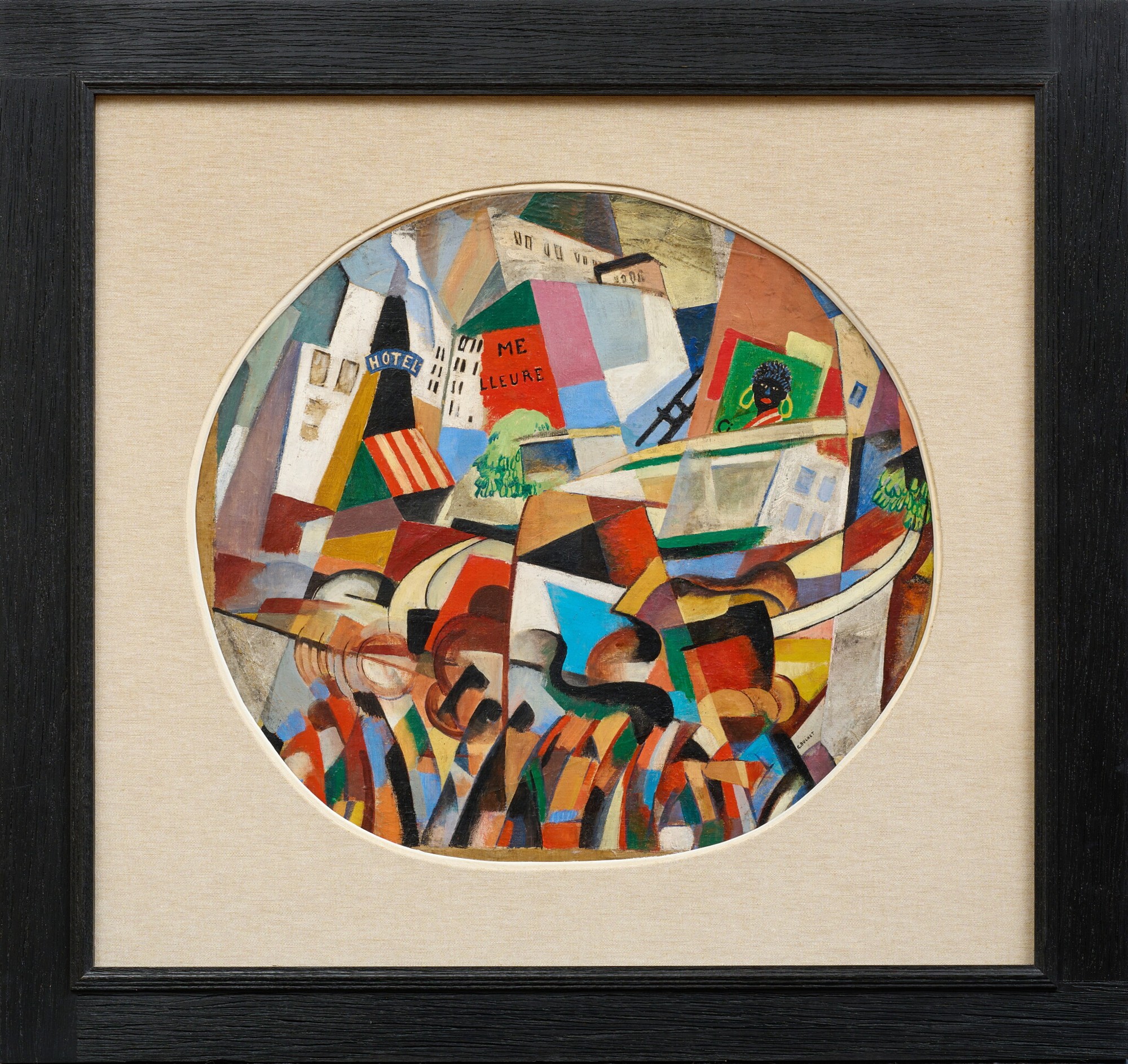
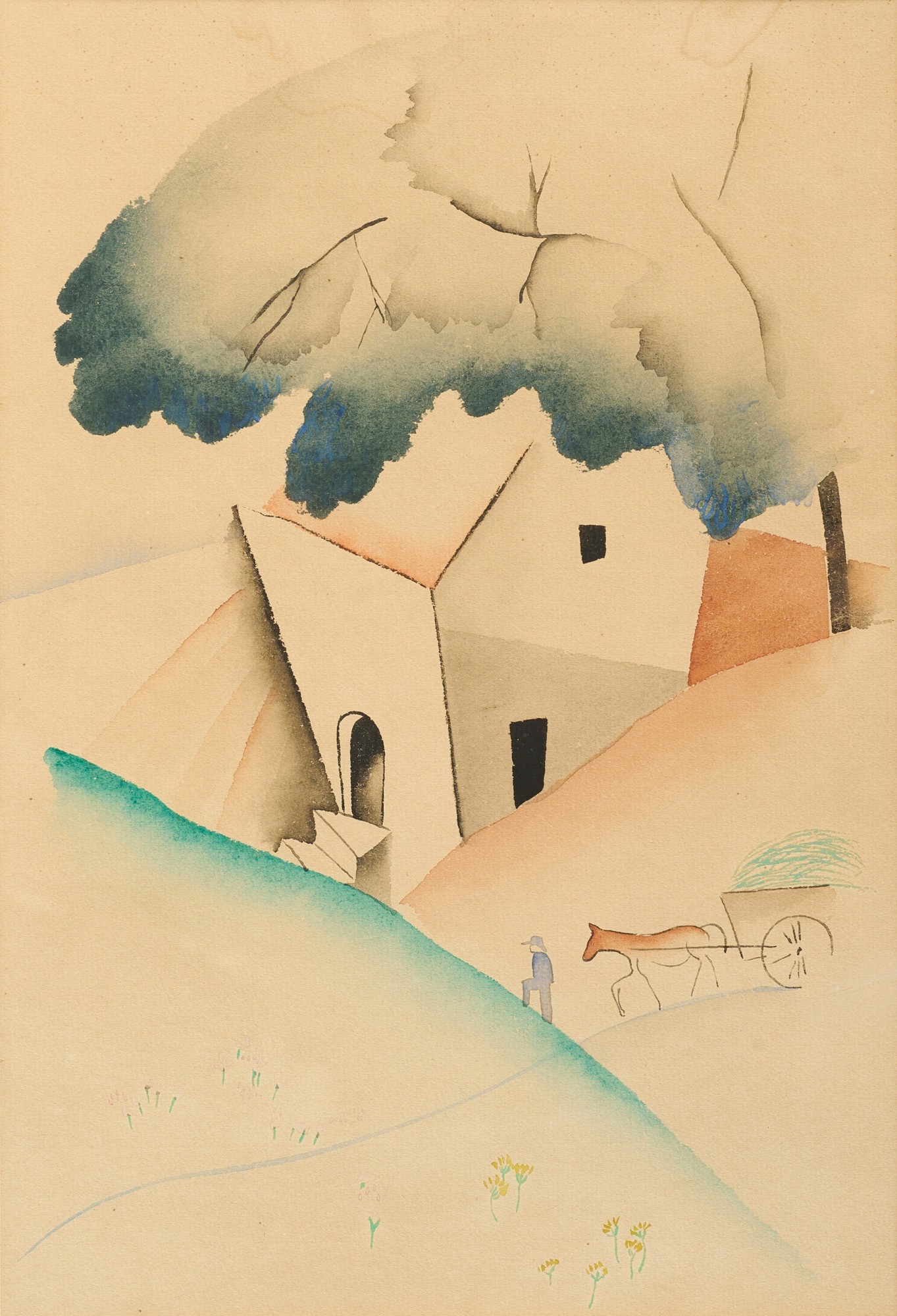
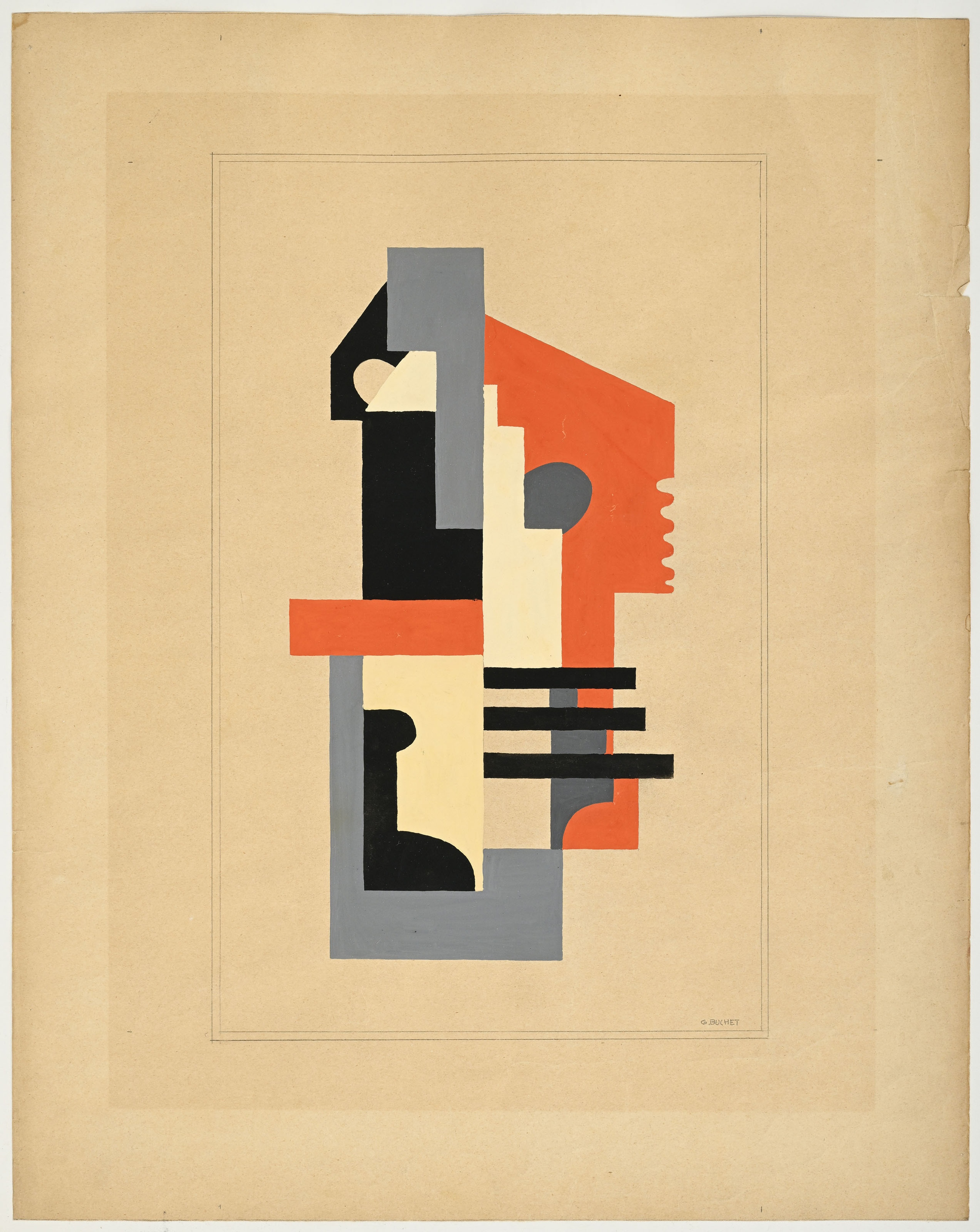
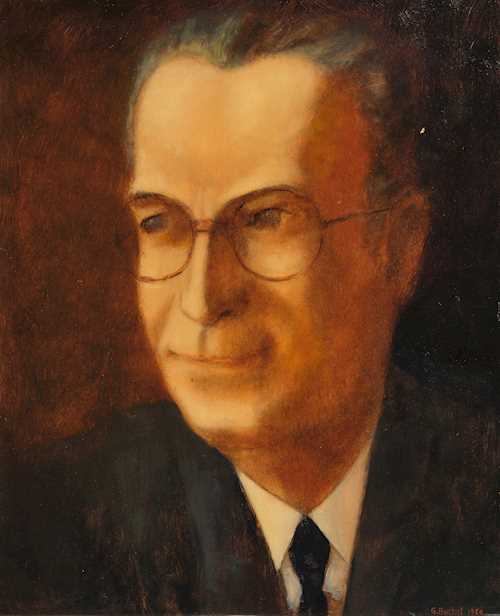
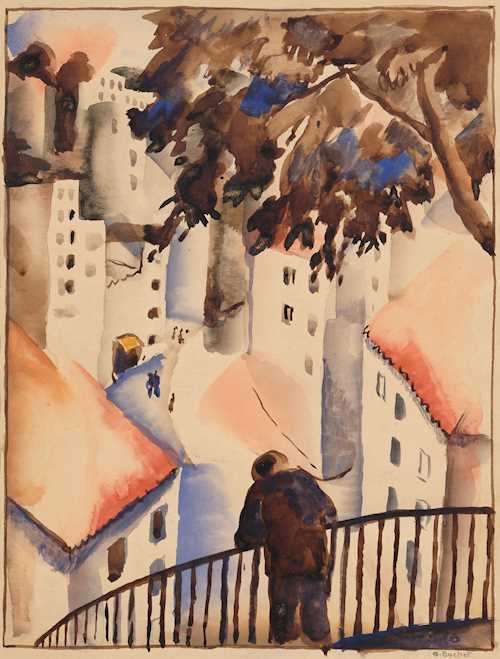
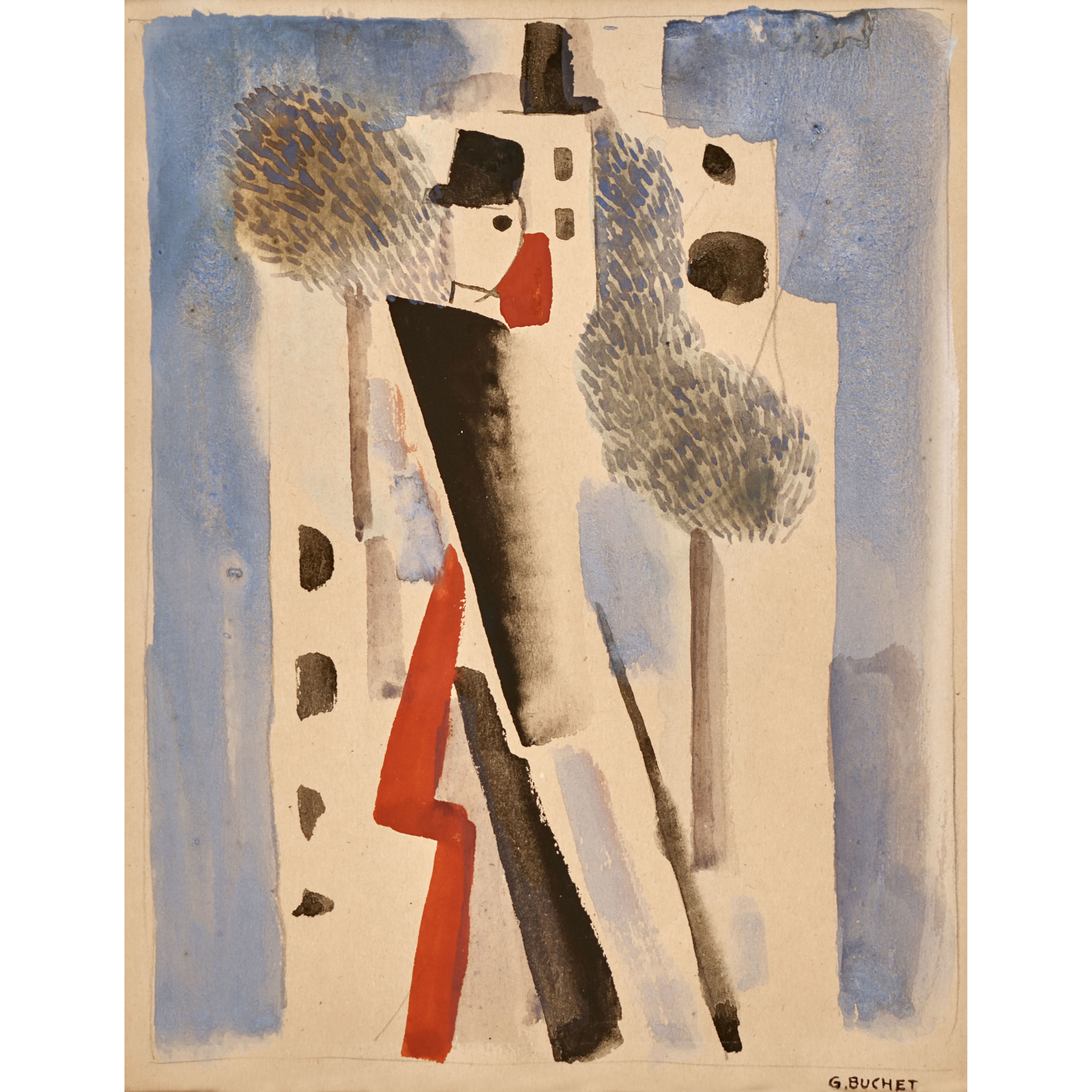
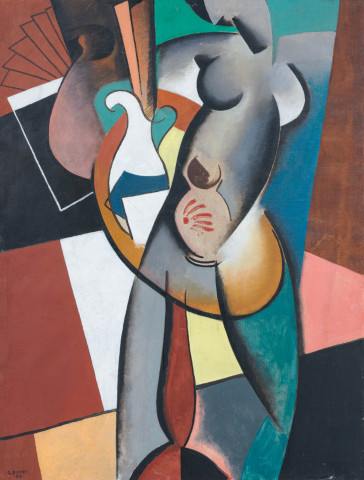
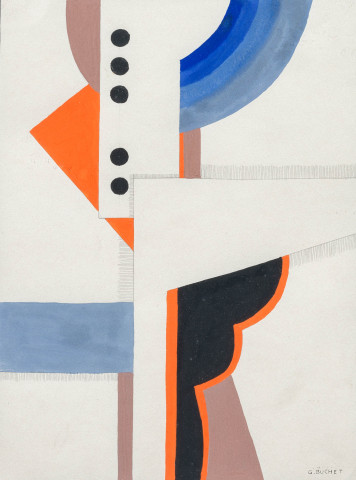
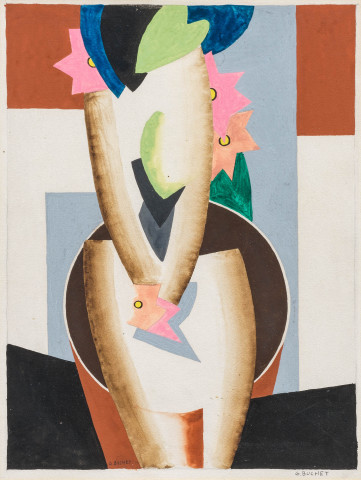
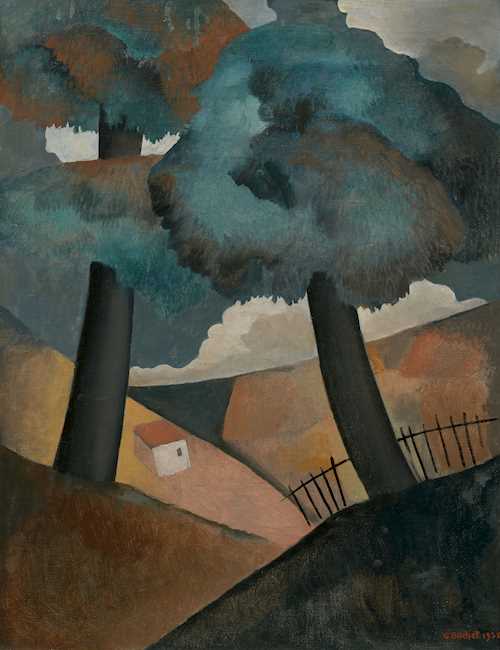
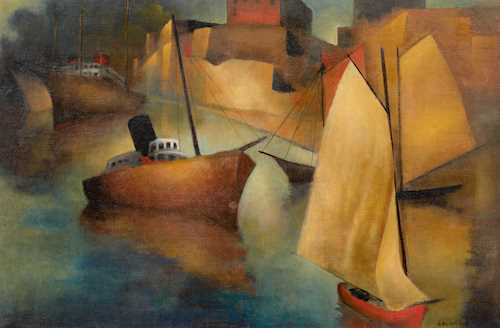
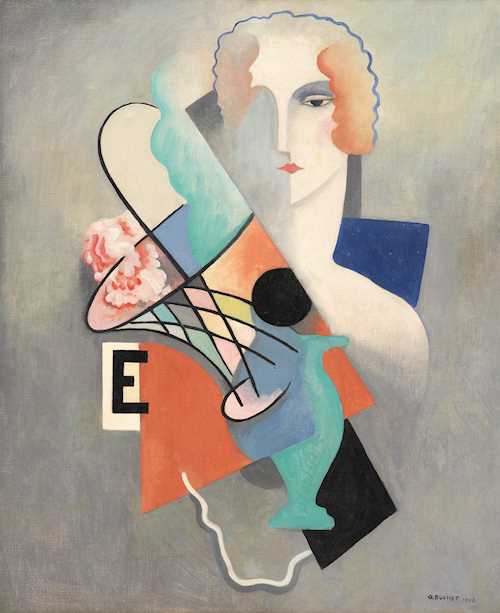
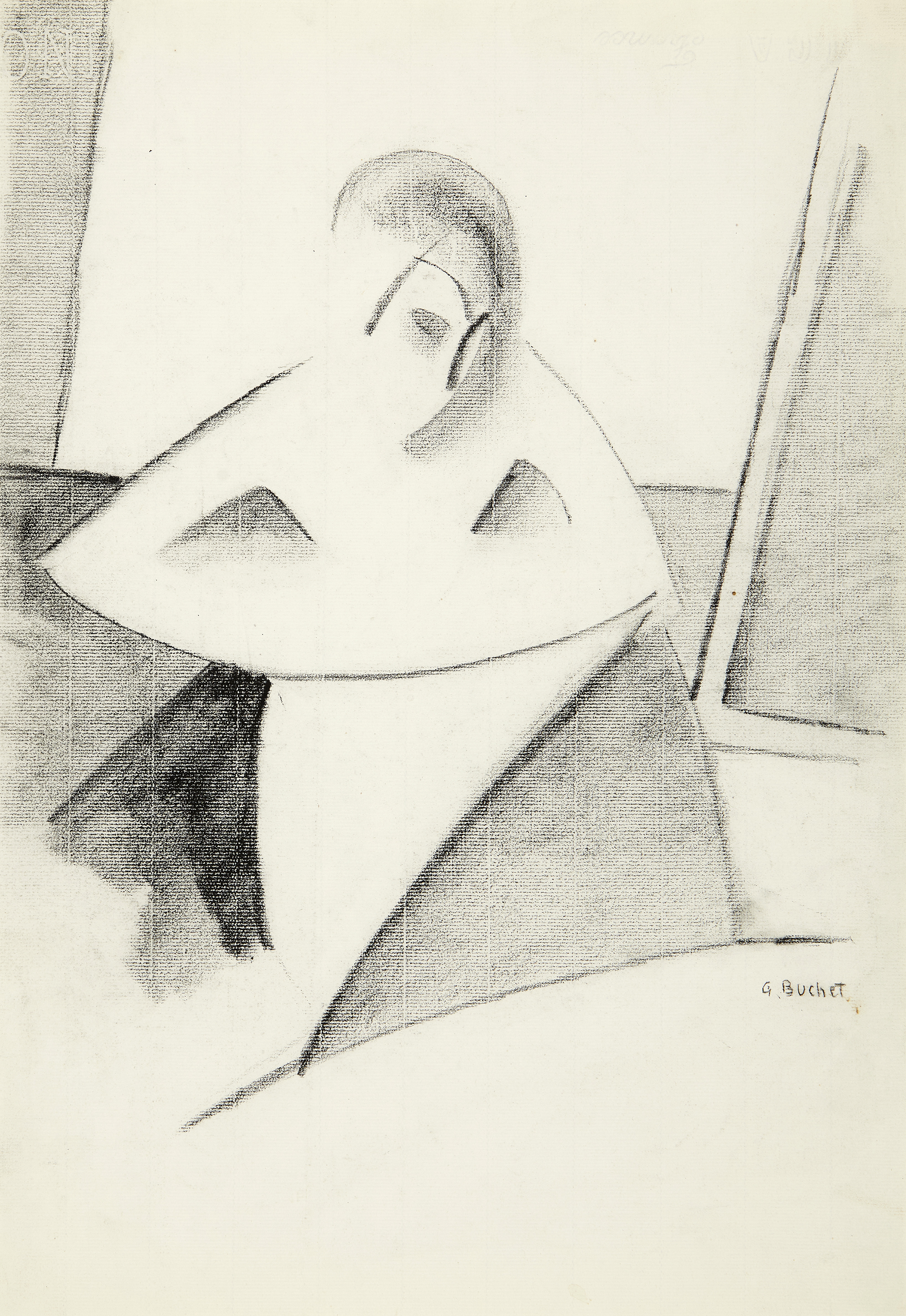
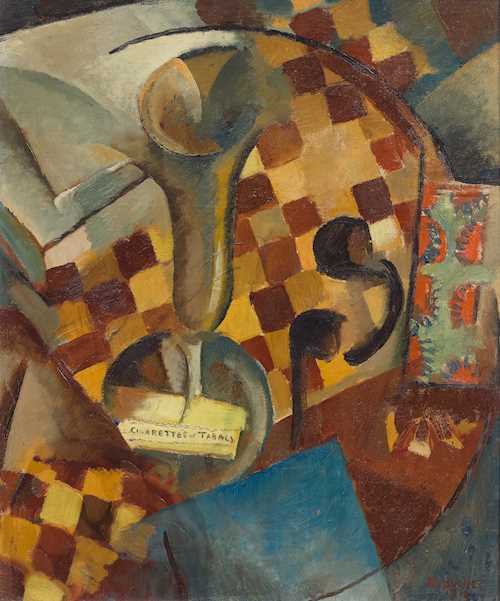
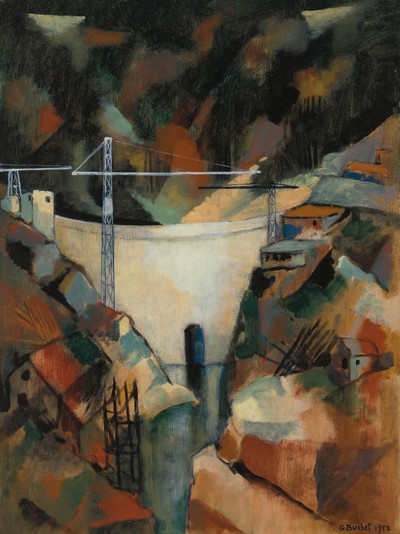
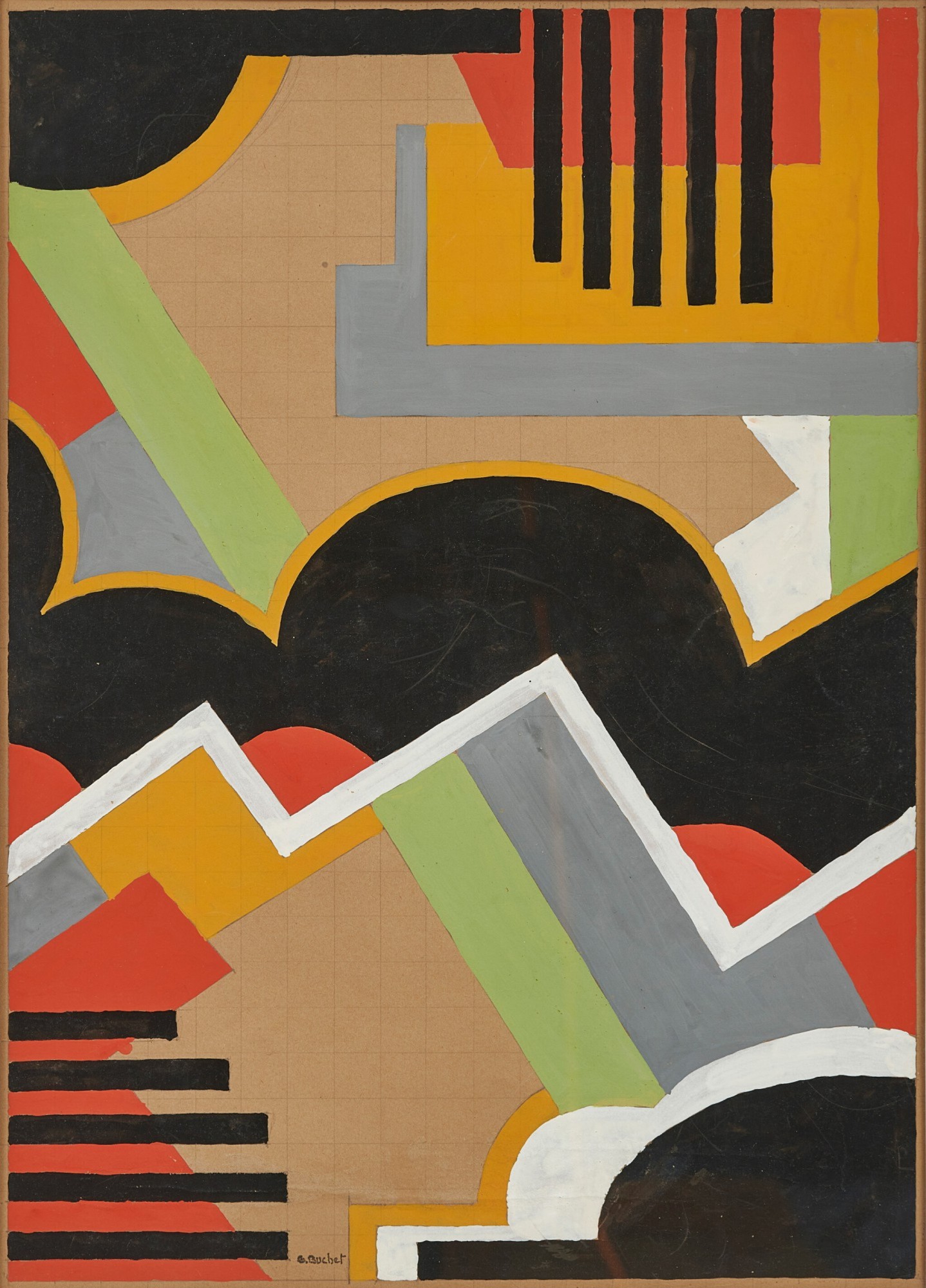
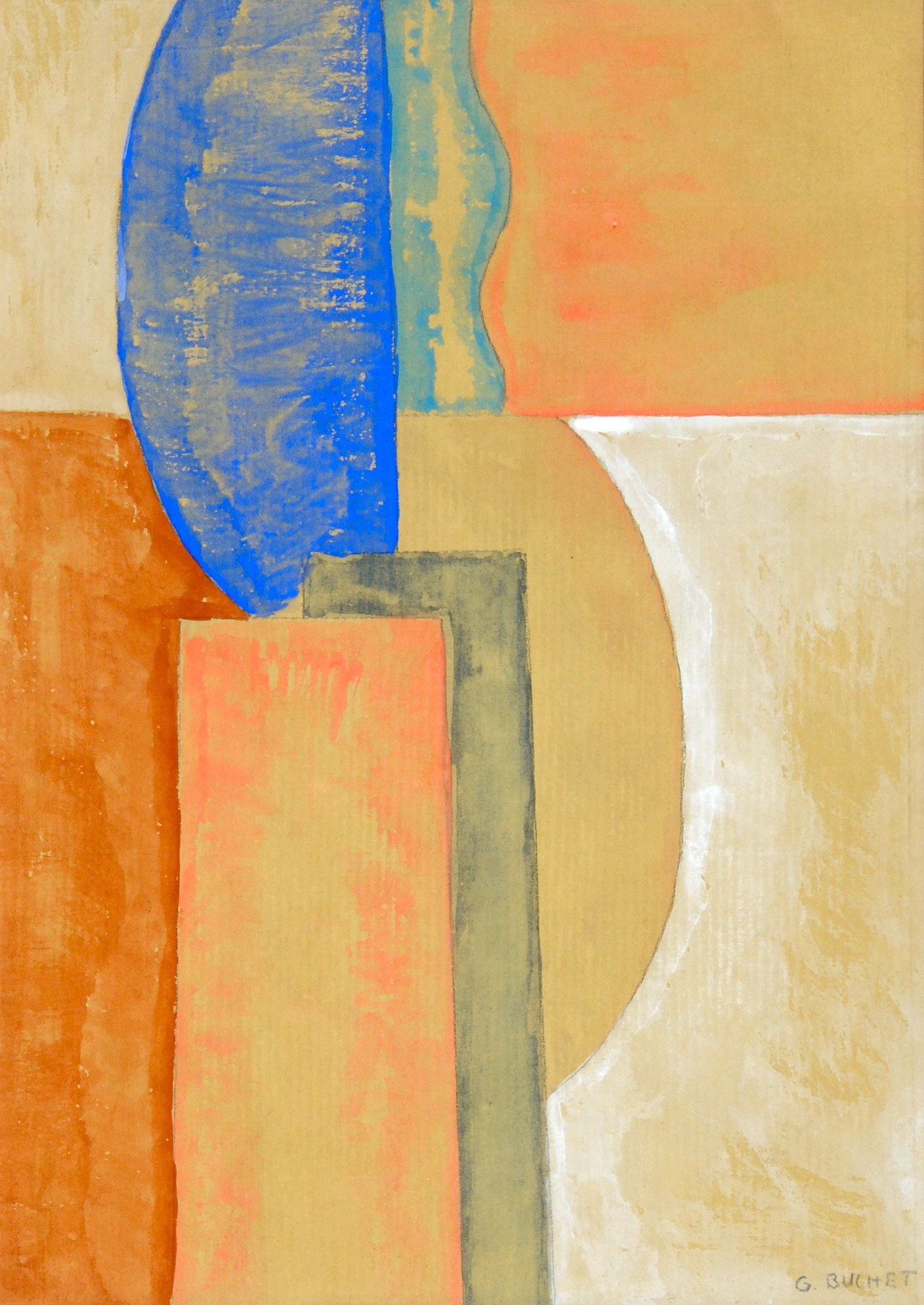
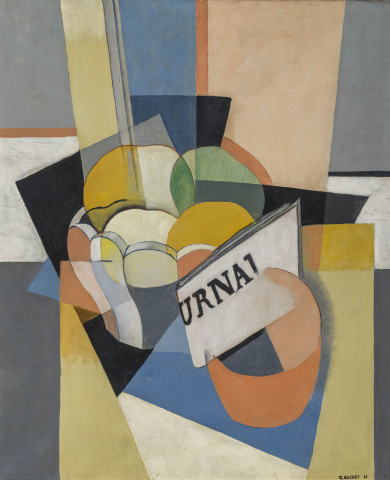
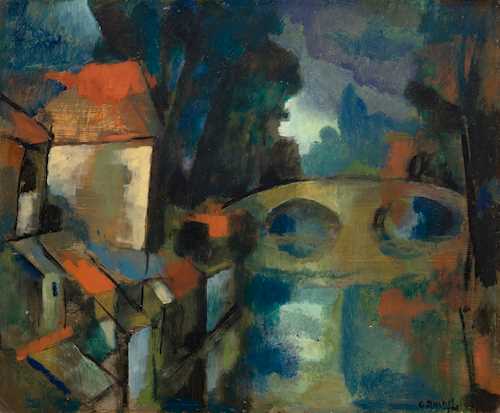
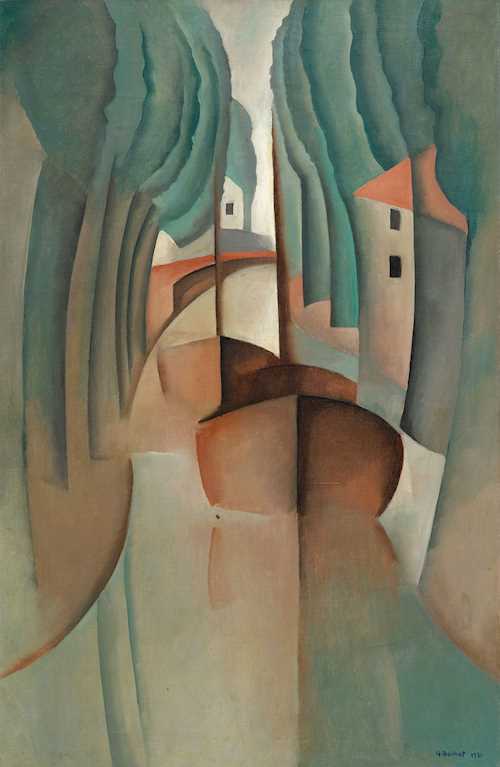
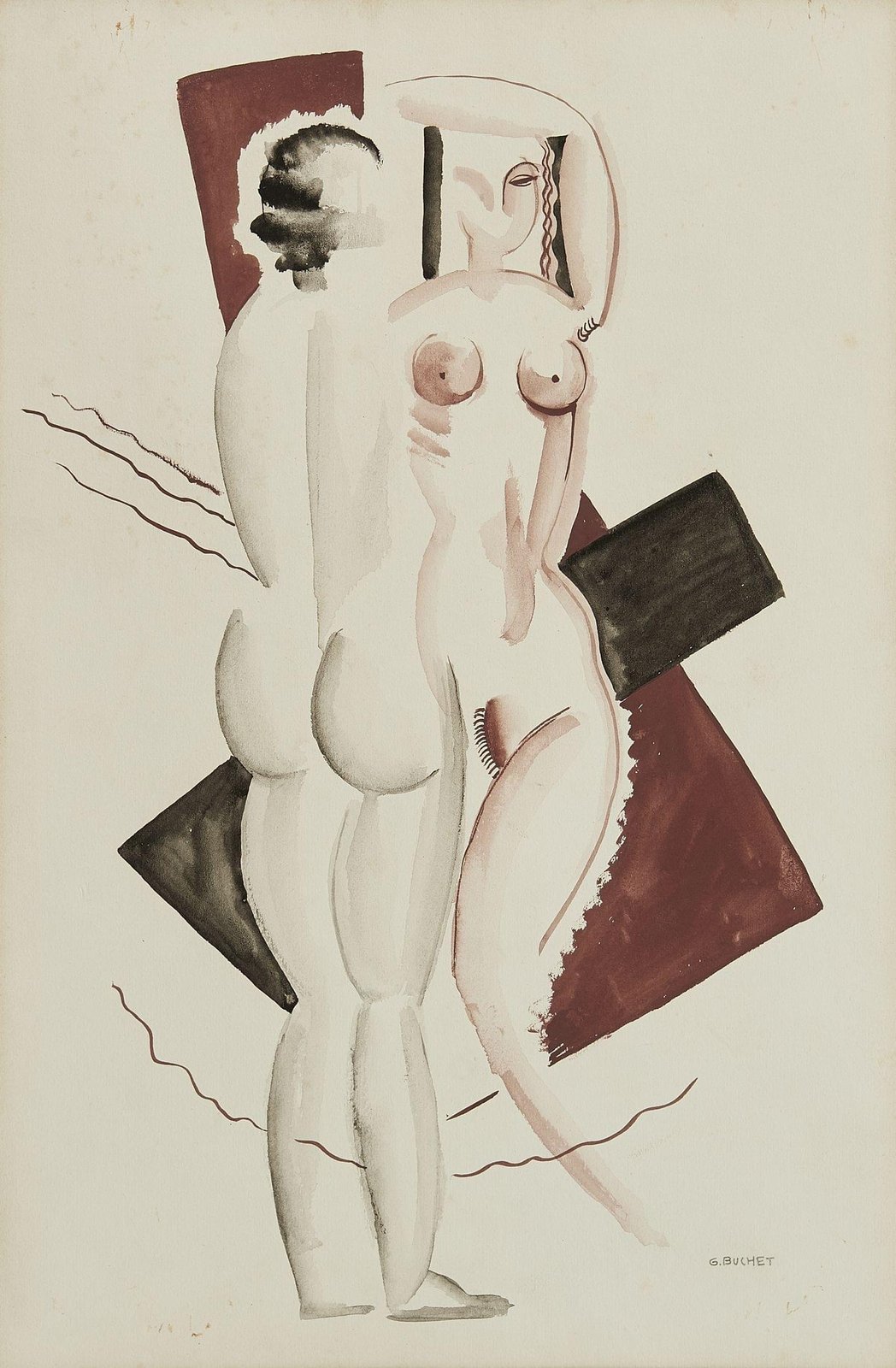
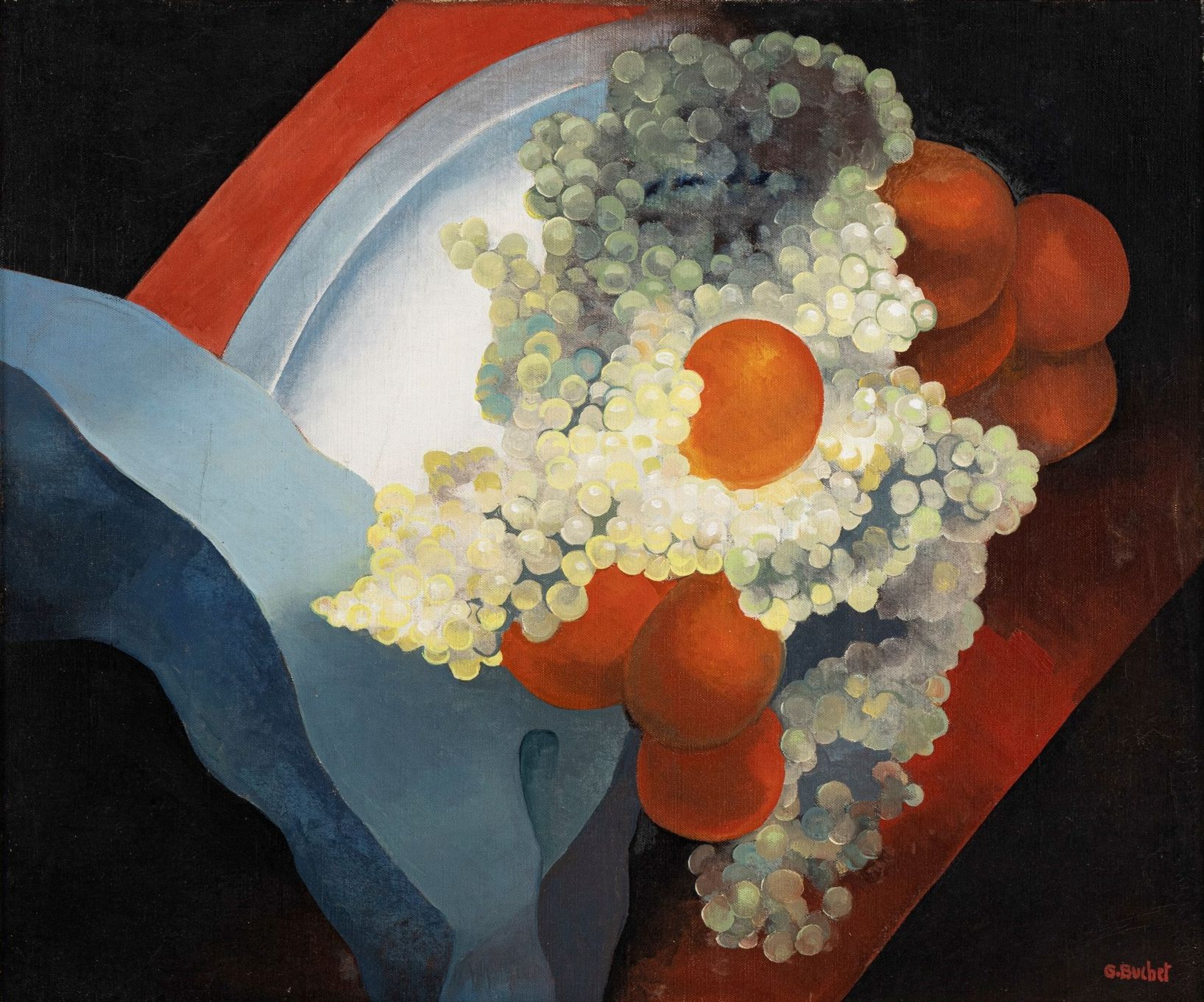
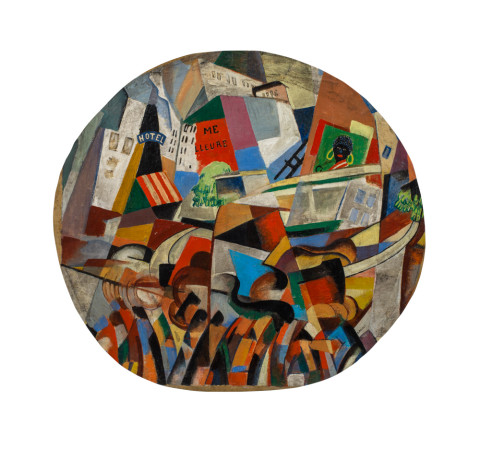
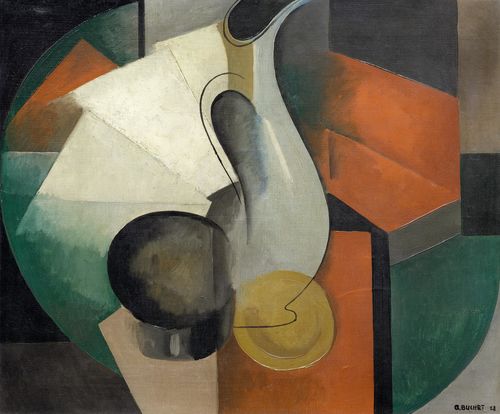
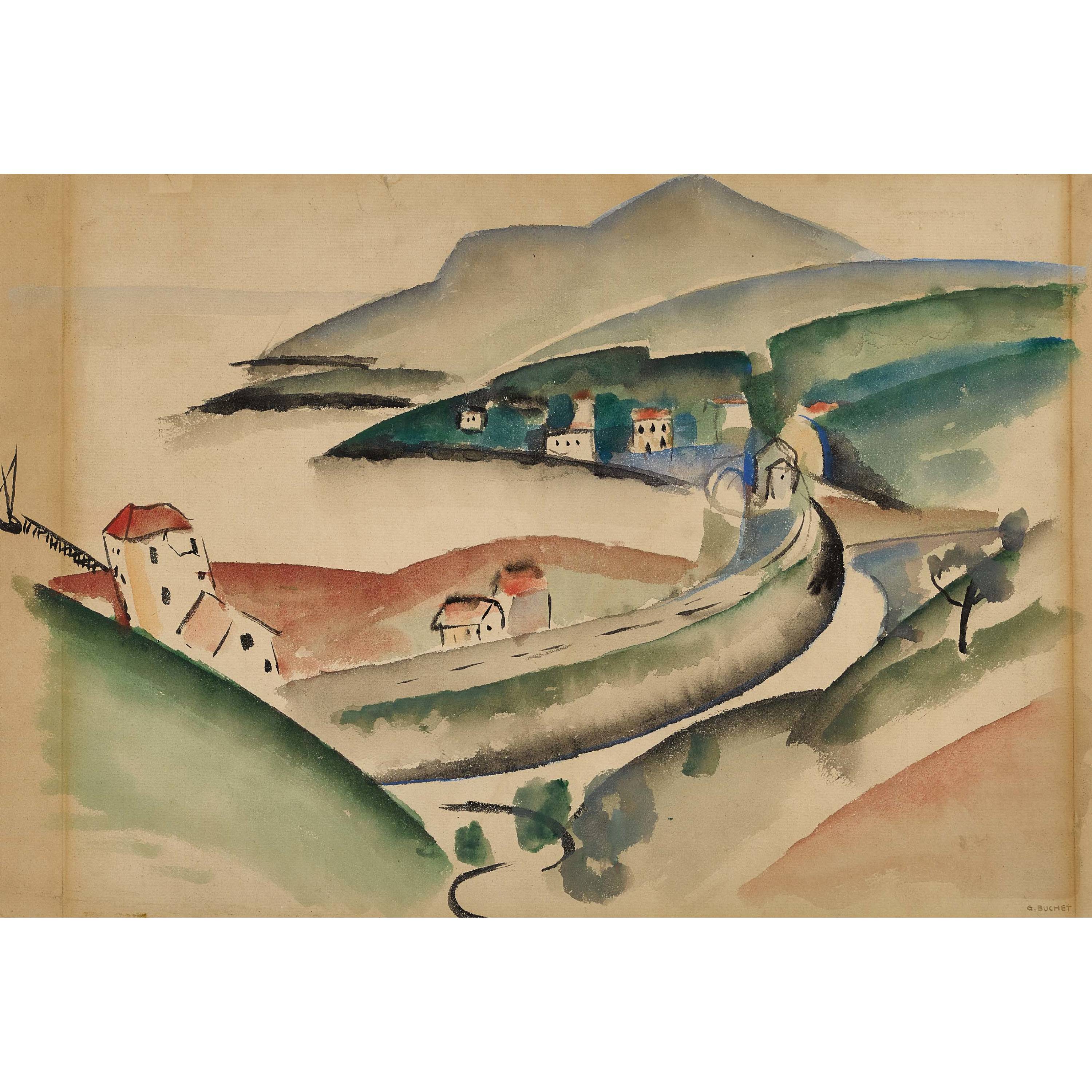
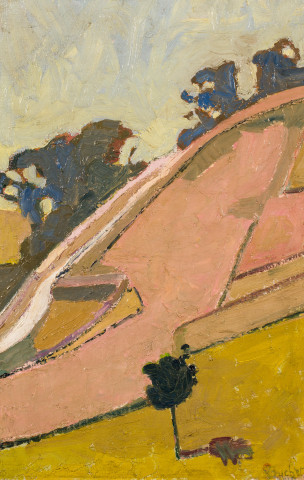
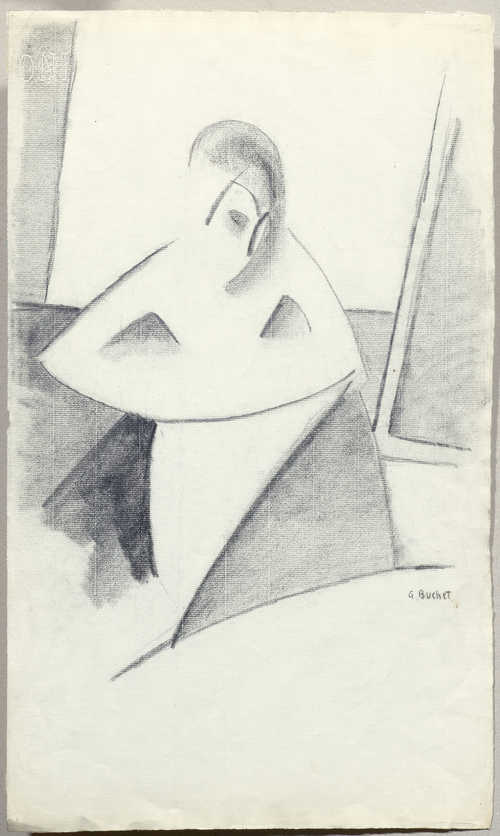
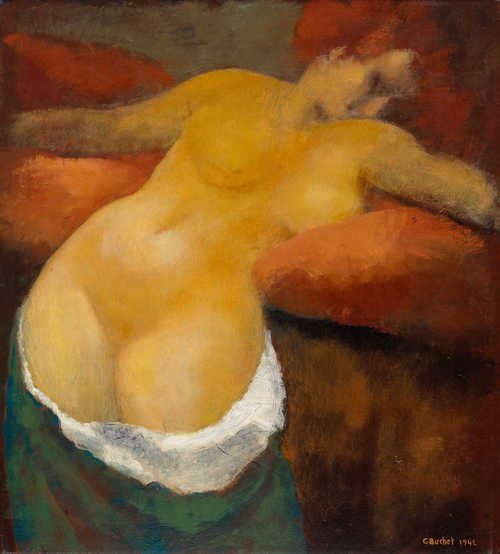
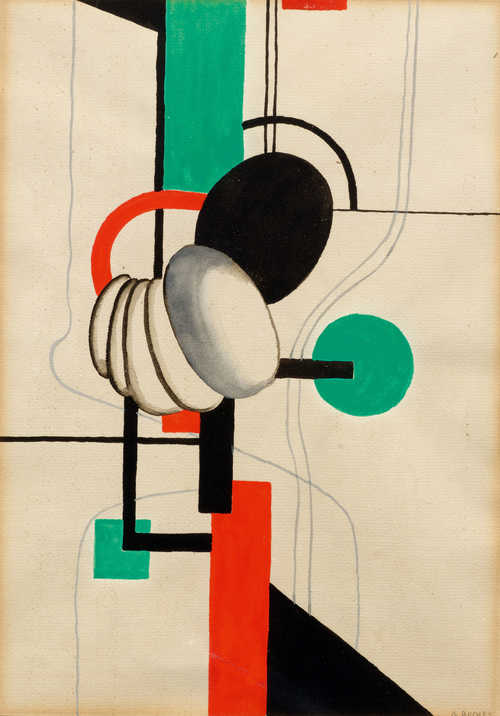
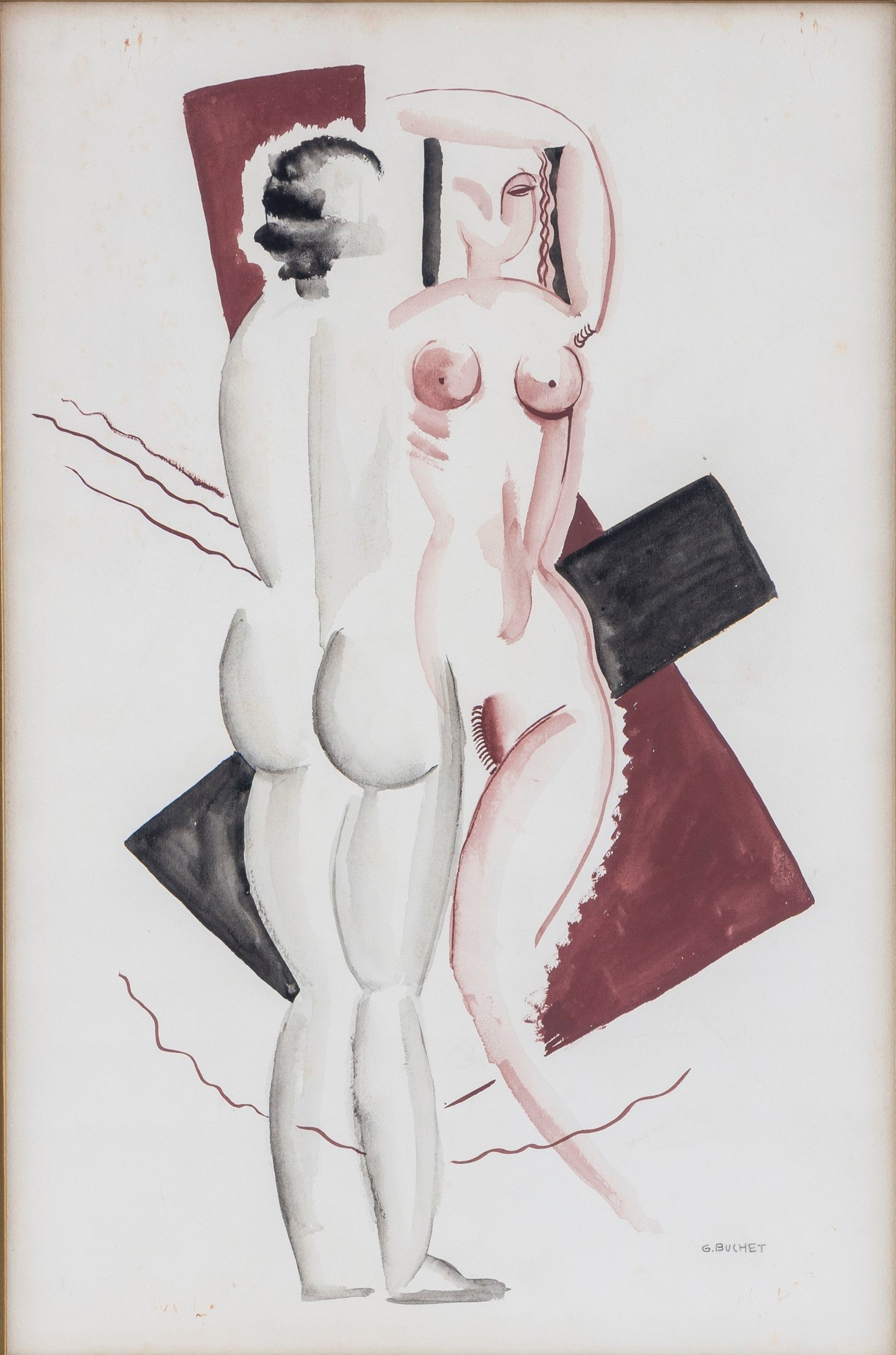
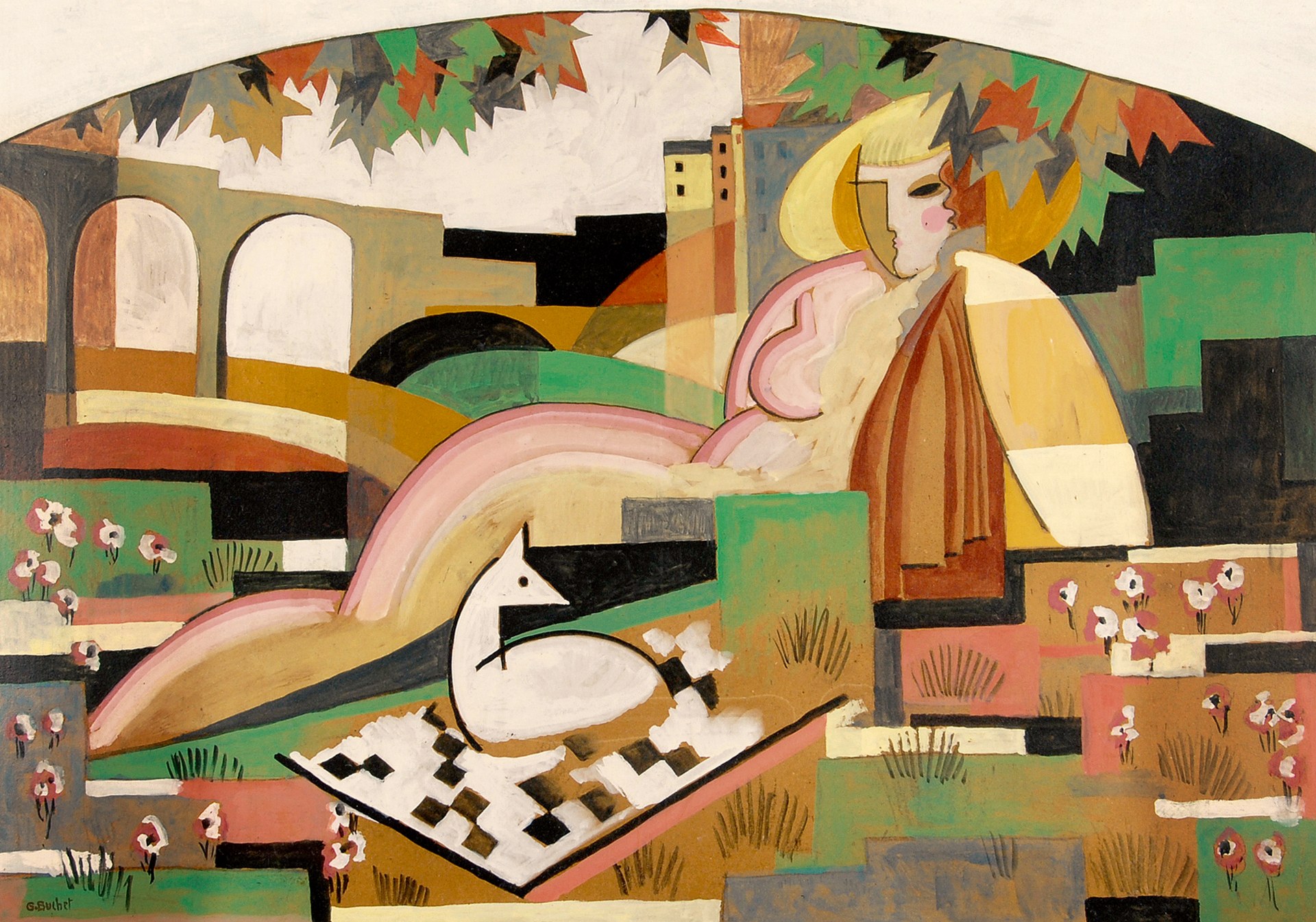
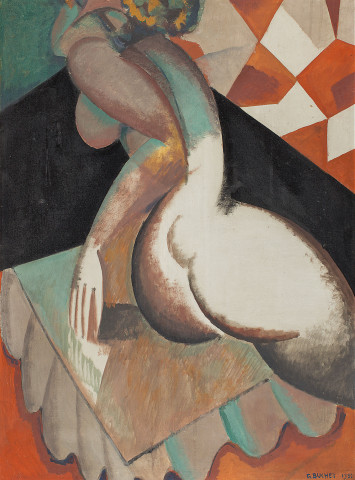
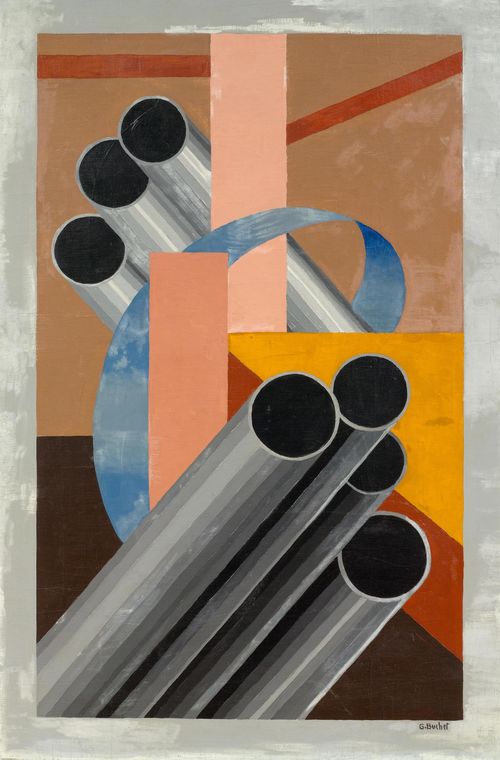
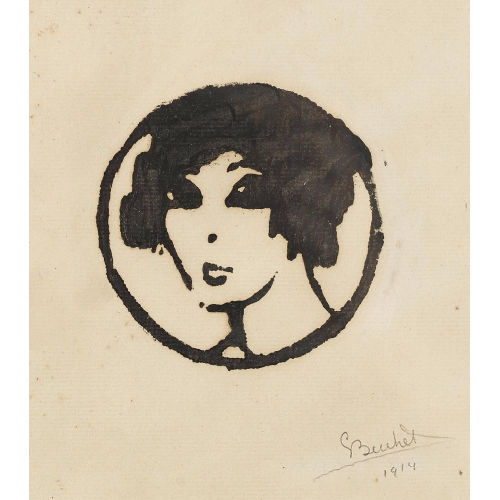
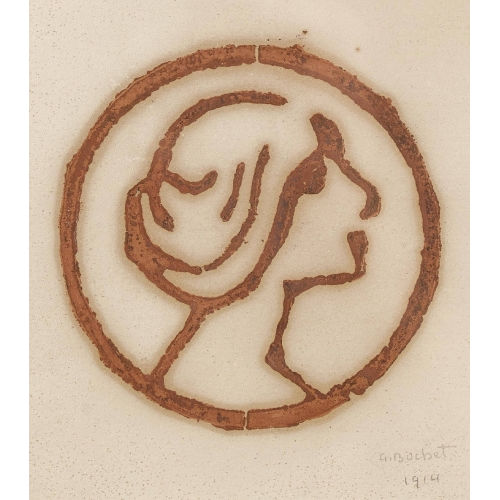
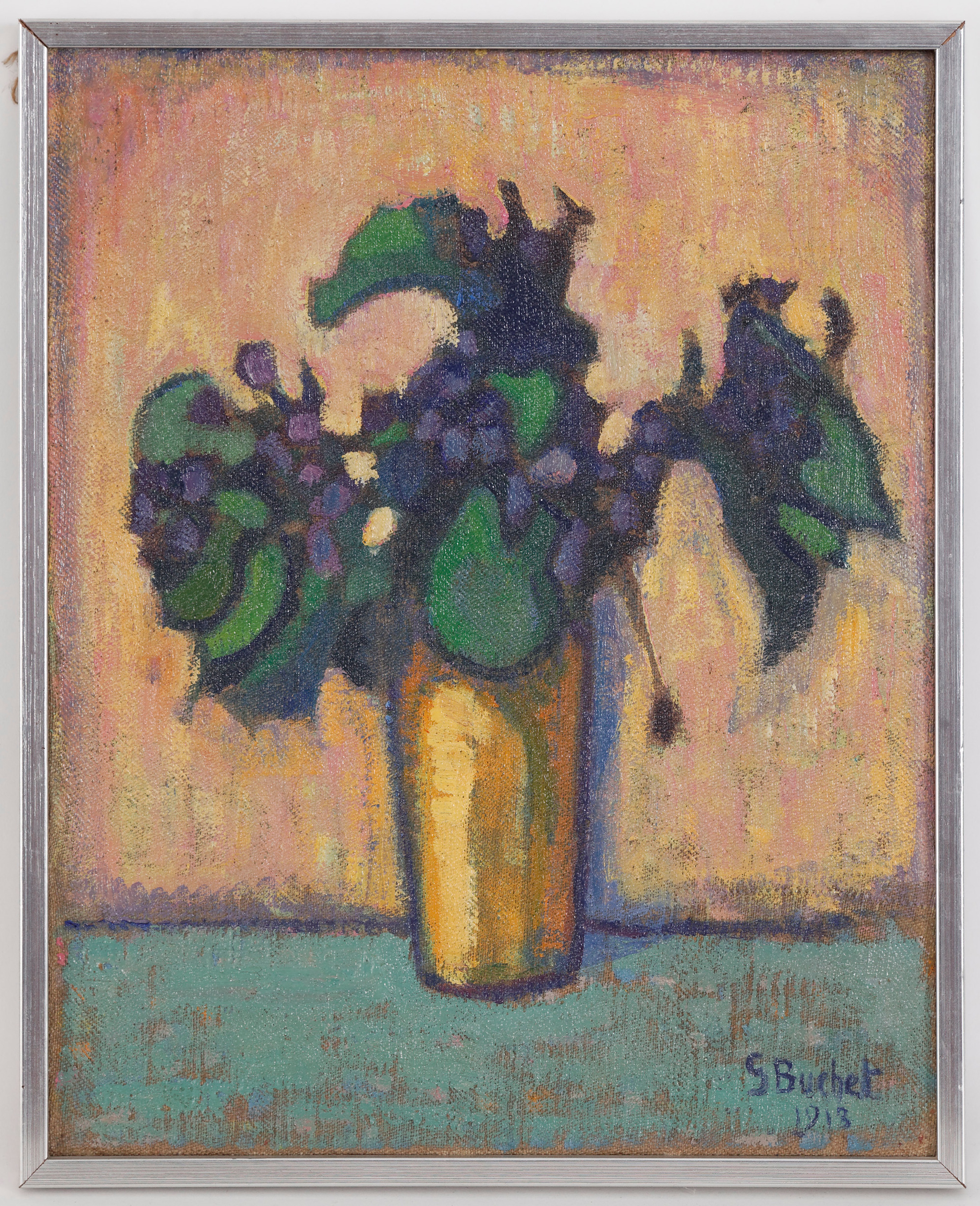
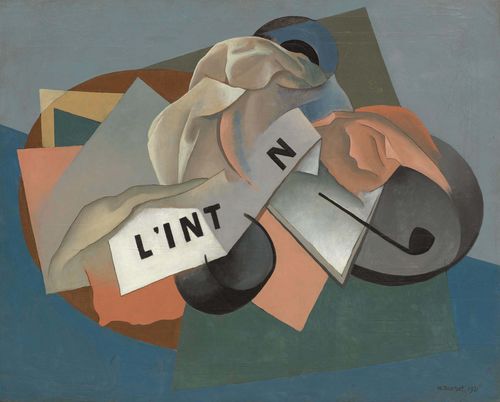
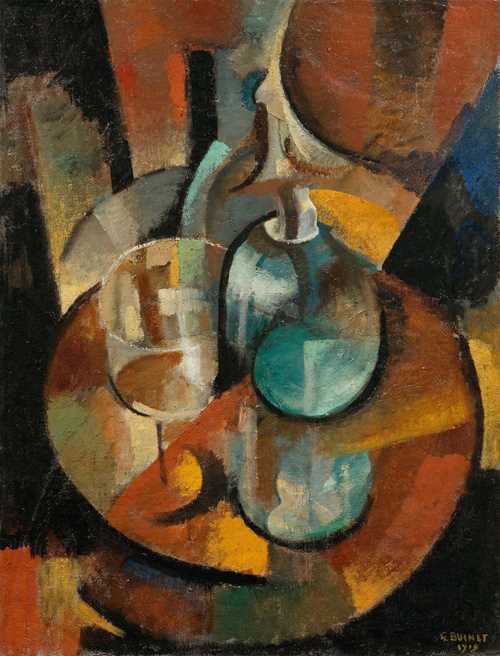
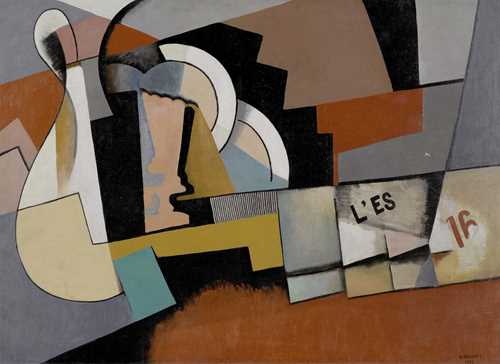
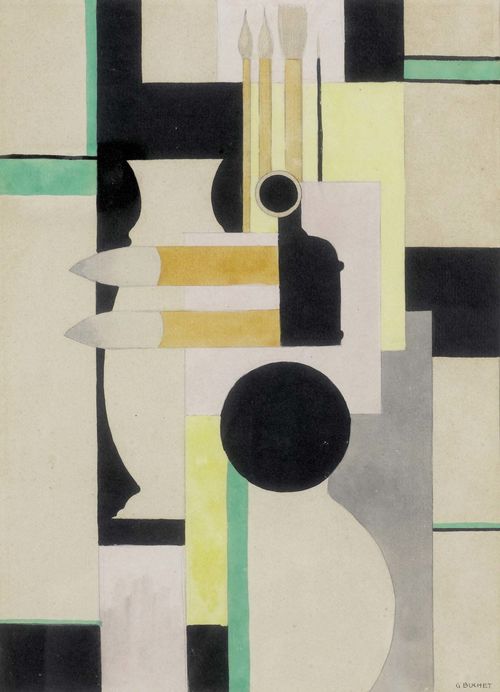
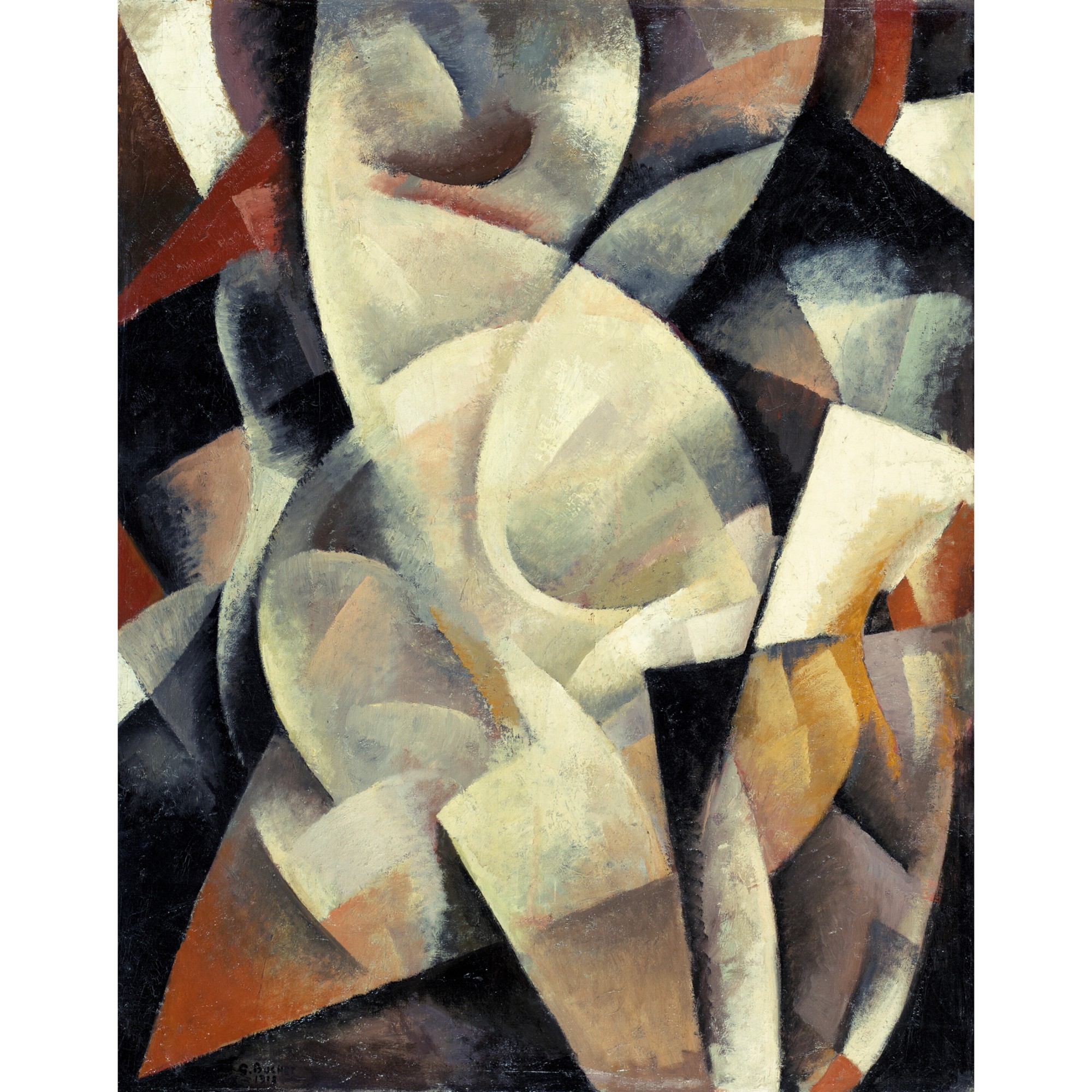
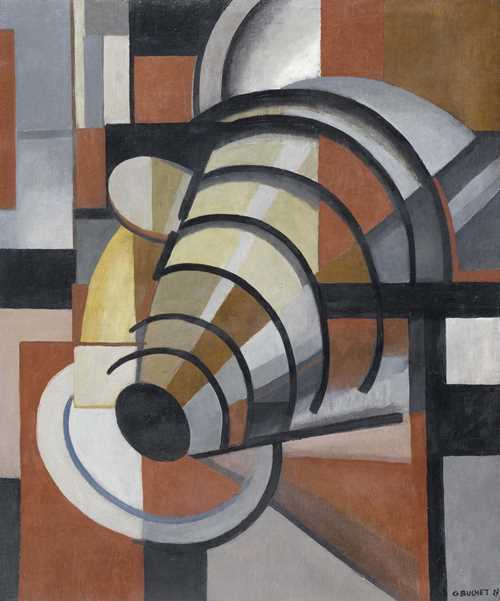
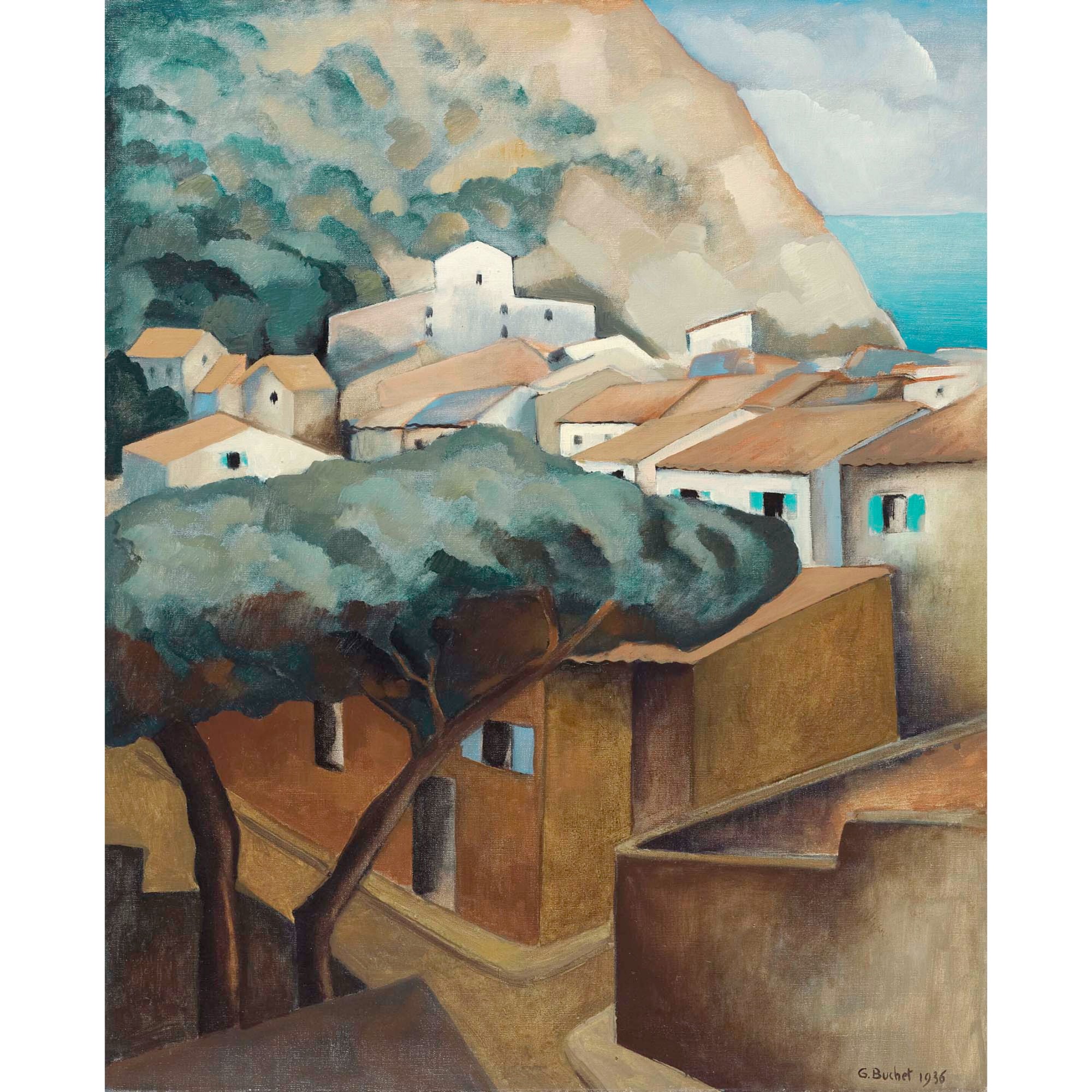
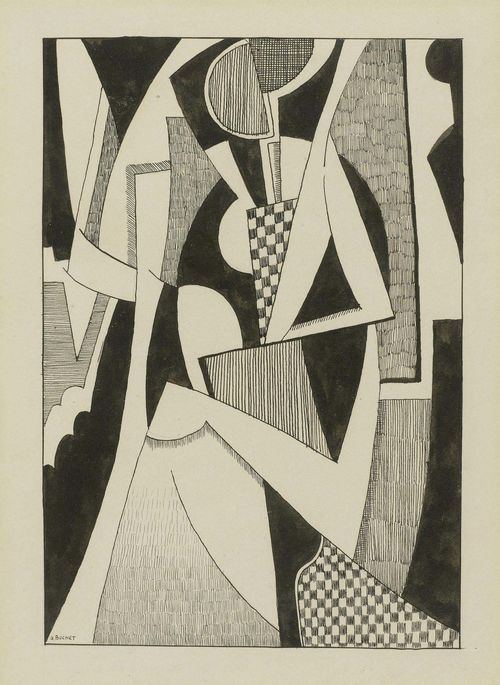
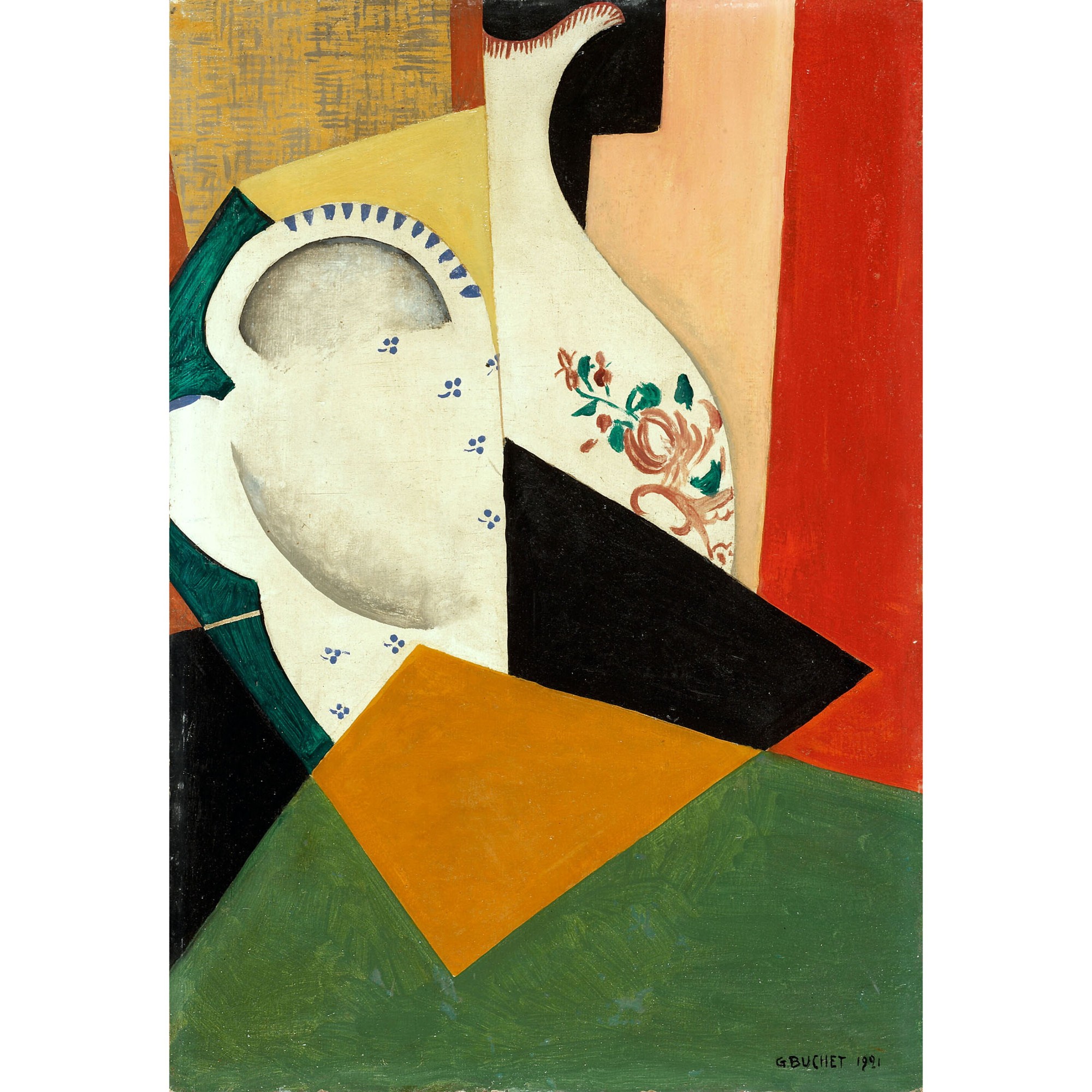
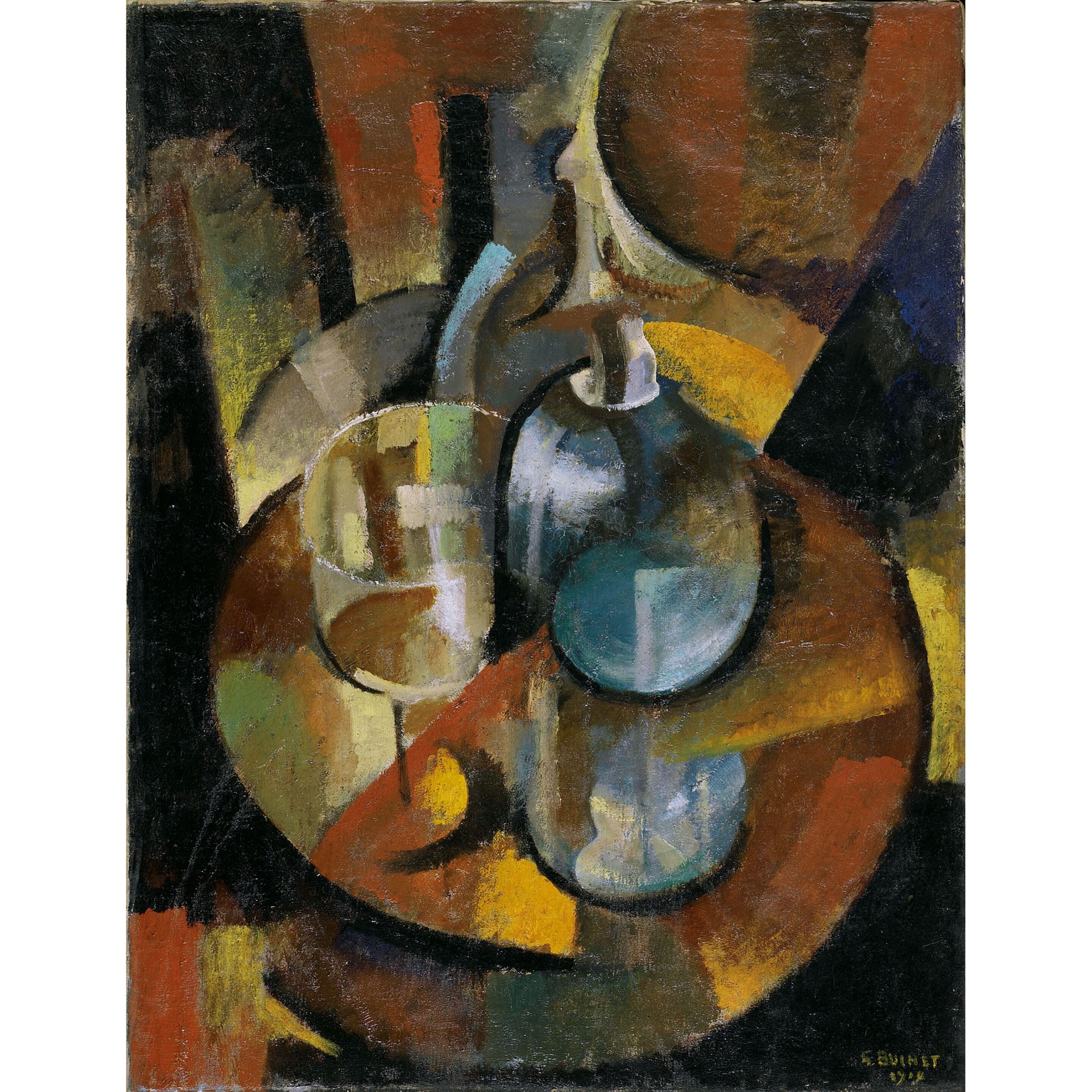
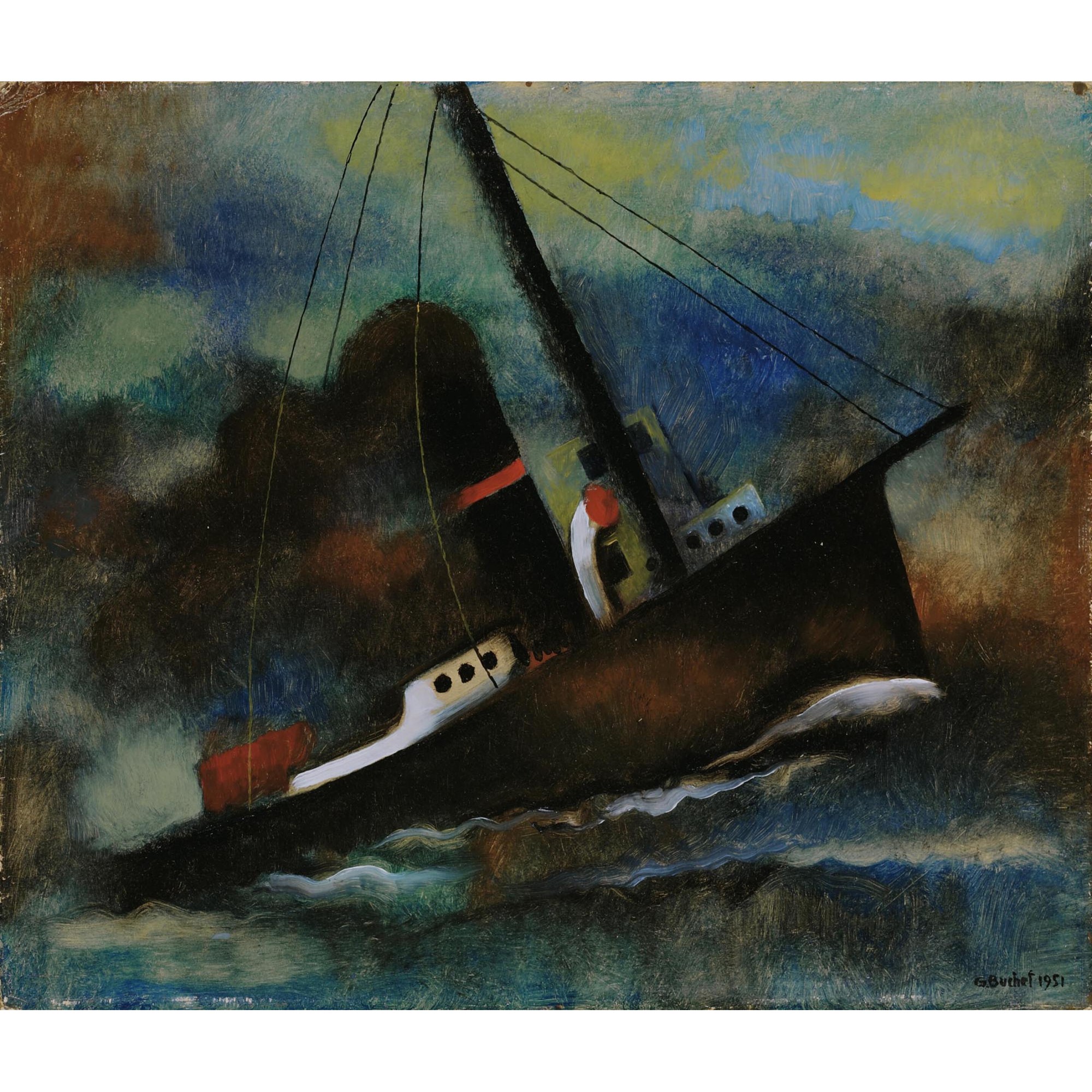
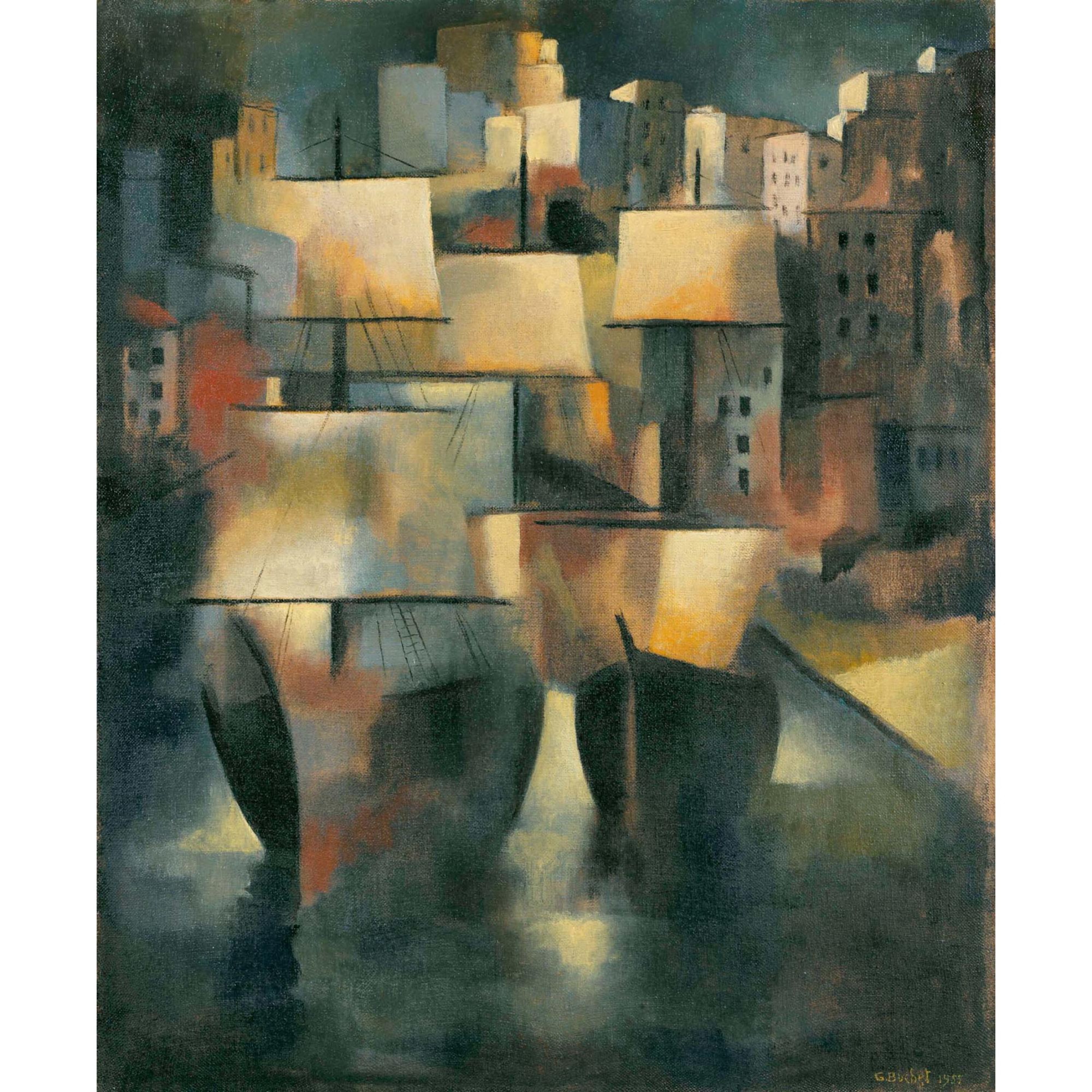
Gustave Buchet (15 June 1888, Etoy — 14 July 1963, Lausanne) was an artist whose career placed his research at the heart of the avant-gardes of the first half of the twentieth century; his stylistic evolution, documented by the sources, led him from Futurism to a flat, geometric form of painting often associated with Post-Cubism and Purism.
Trained at the Geneva School of Fine Arts, he made a first stay in Paris in 1910–1911, then returned during the First World War (1916–1917), when he attended the Académie de la Grande Chaumière. In 1920 he settled in Paris on a lasting basis and concentrated most of his activity there until 1939, exhibiting notably under the banner of La Section d’Or in Paris, Brussels, Amsterdam and Geneva.
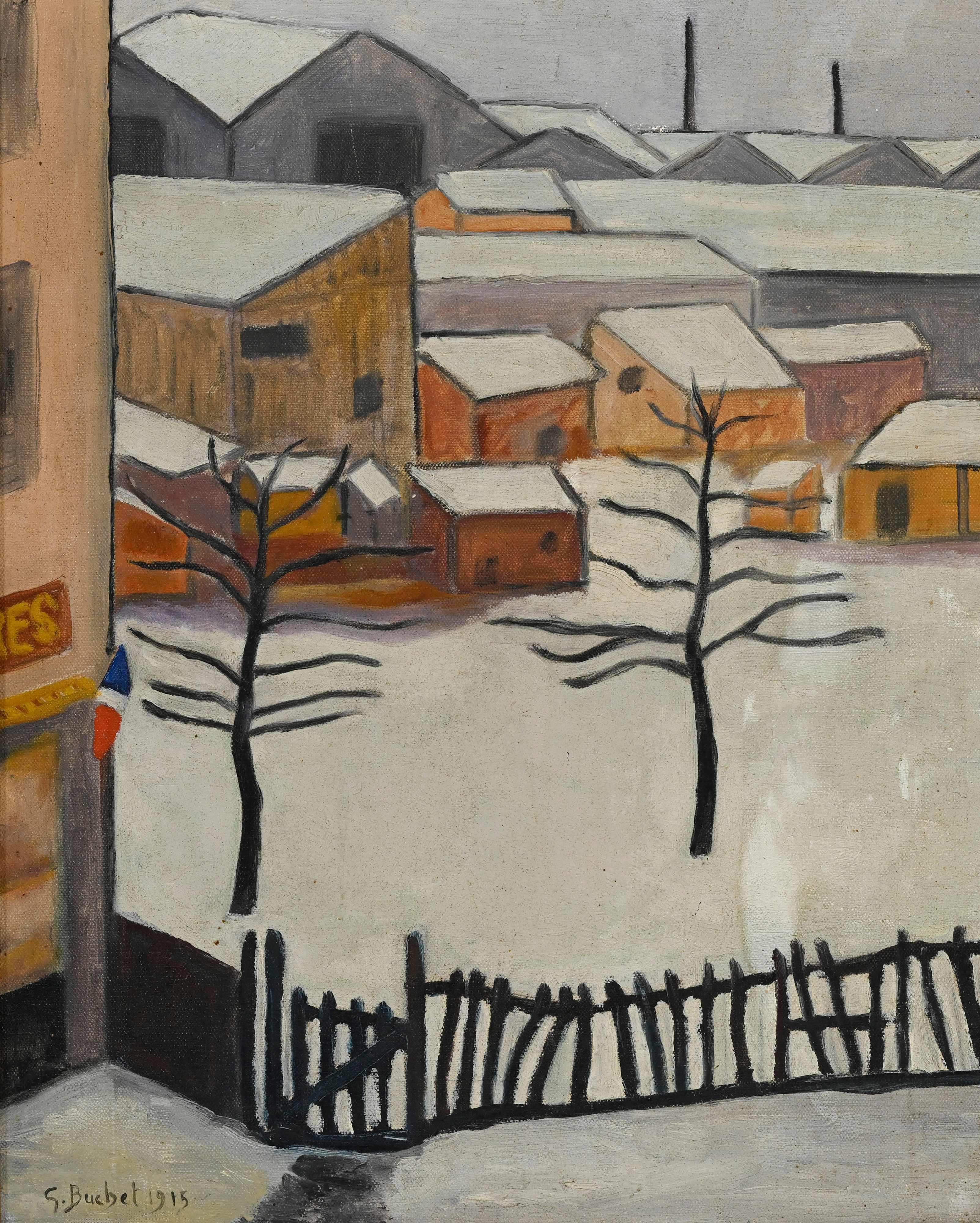
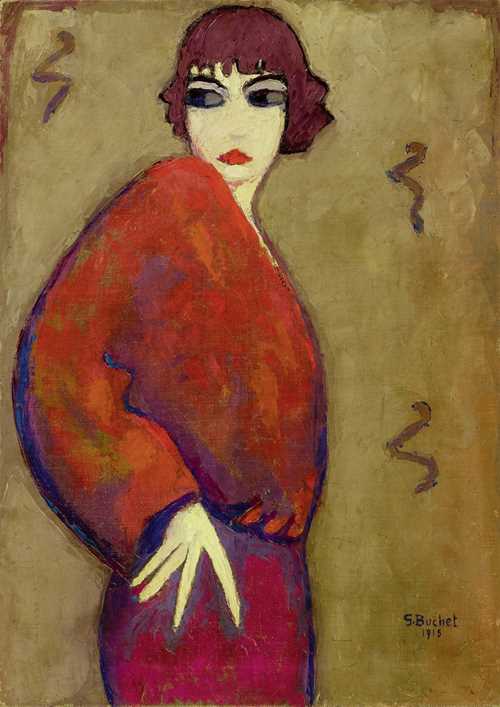
Back on the Swiss art scene, he took part in 1915 in founding the Le Falot group with Maurice Barraud, a formation explicitly opposed to Hodlerian art. He also appeared in major collective events of his time, such as the international exhibition L’Art d’aujourd’hui in 1925, within a trajectory that would lead to the posthumous rediscovery of his work.
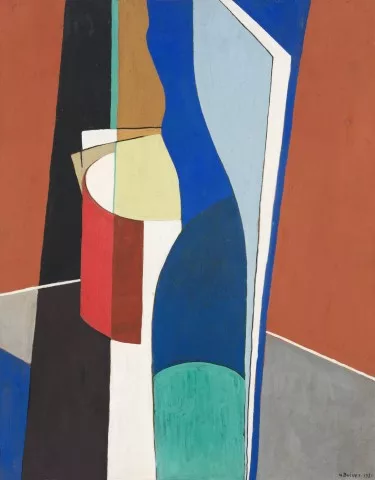
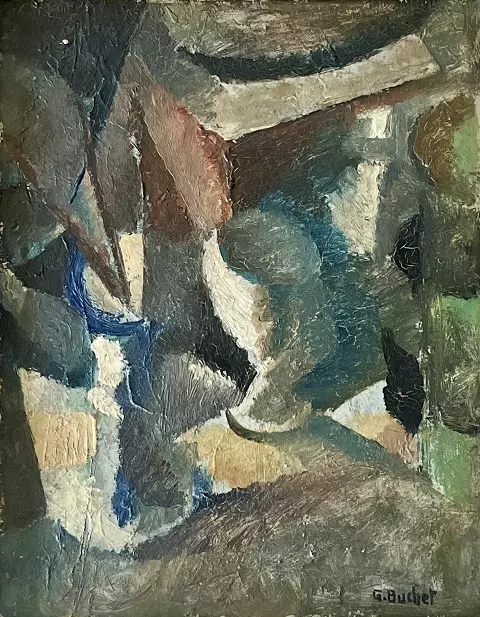
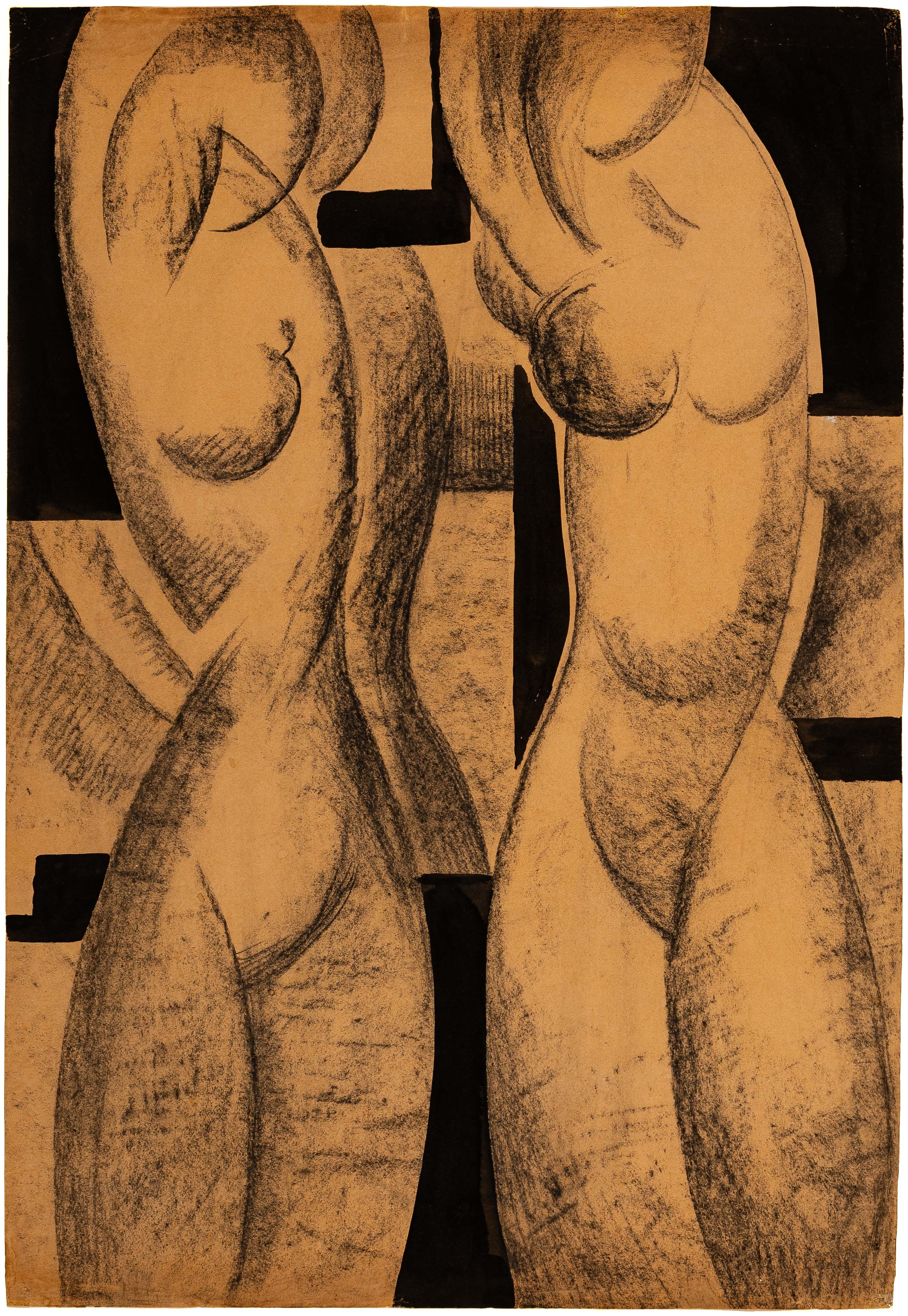
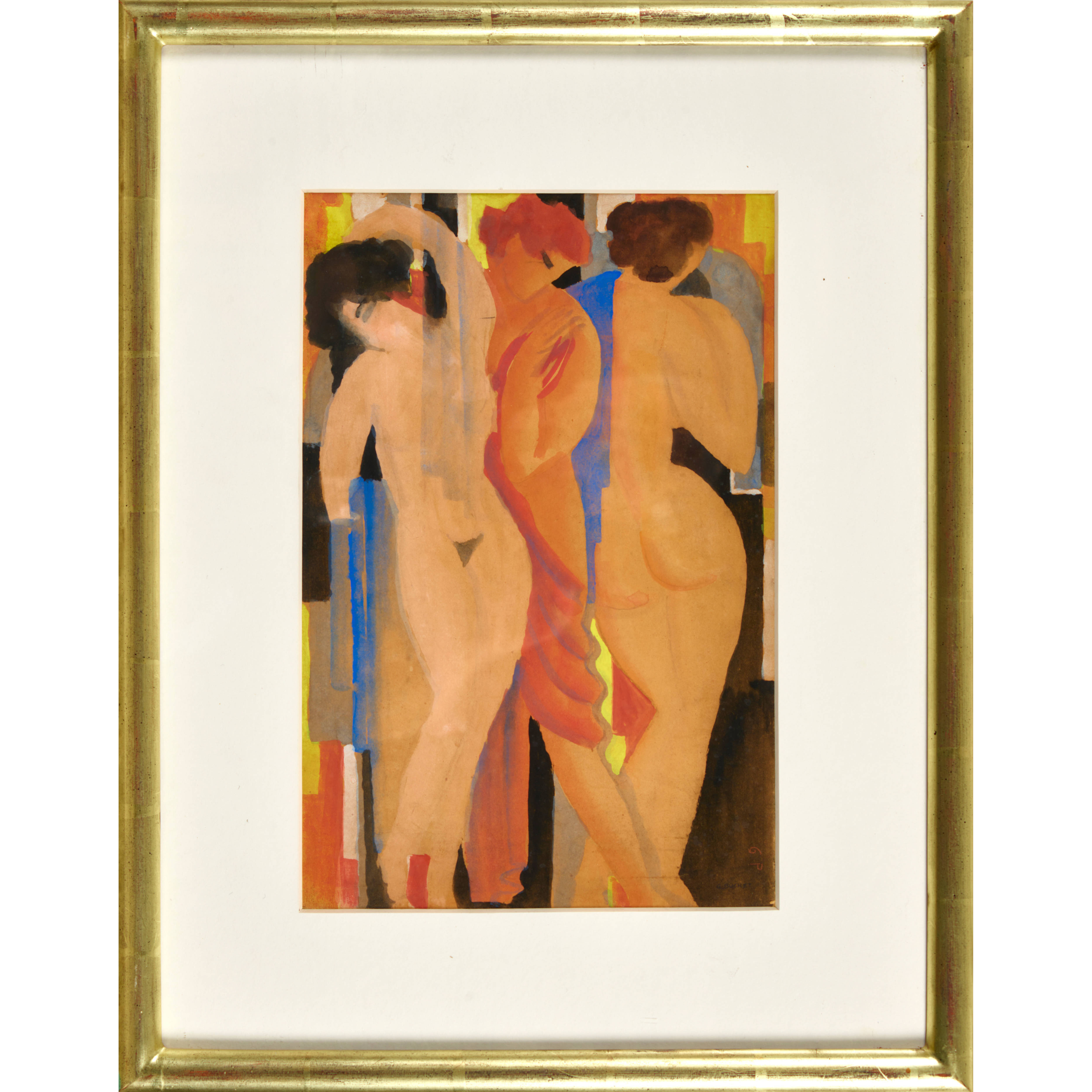
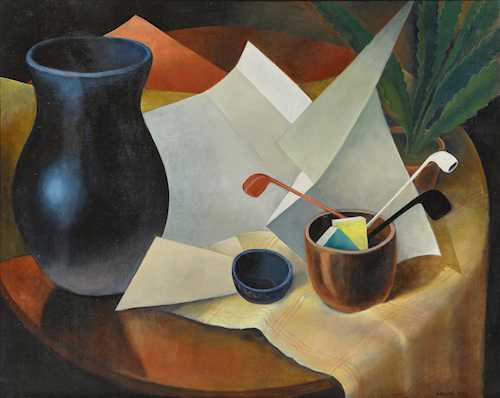
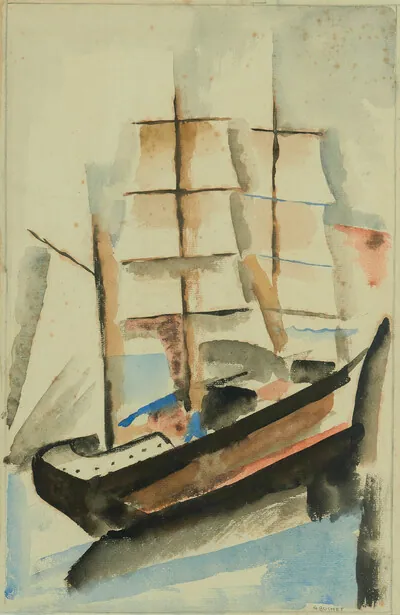
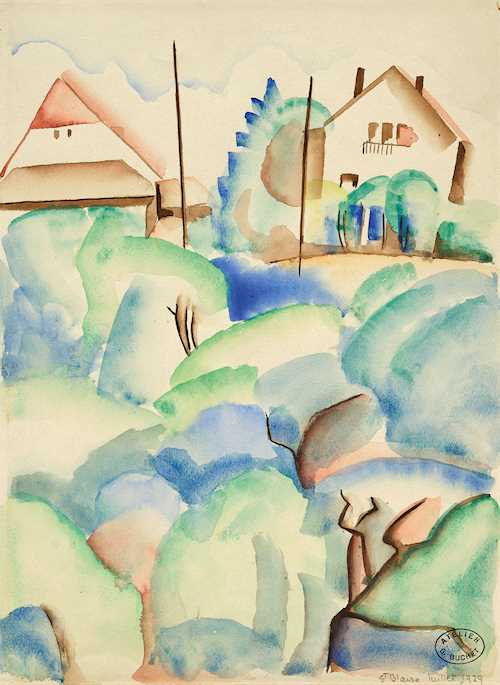
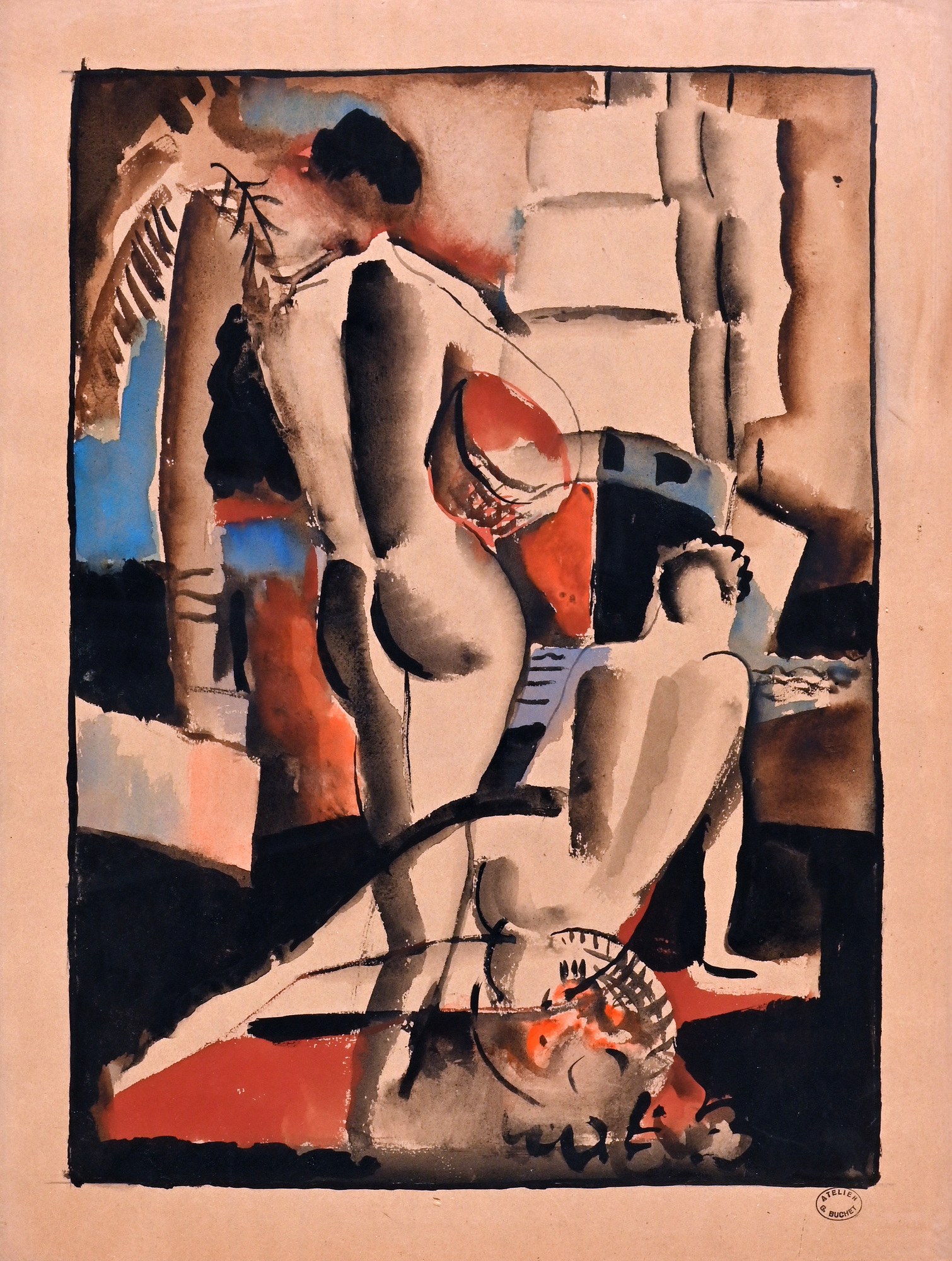
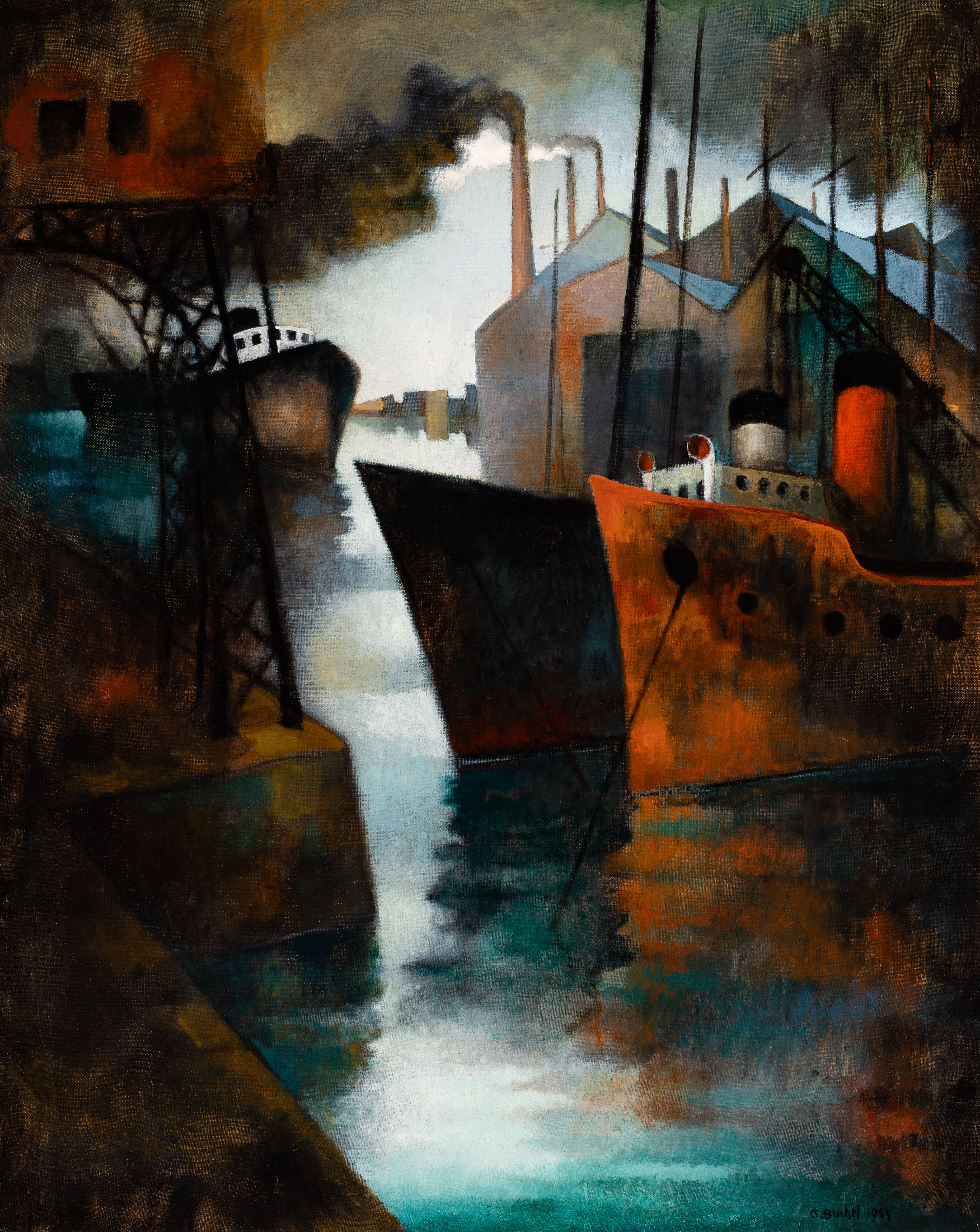
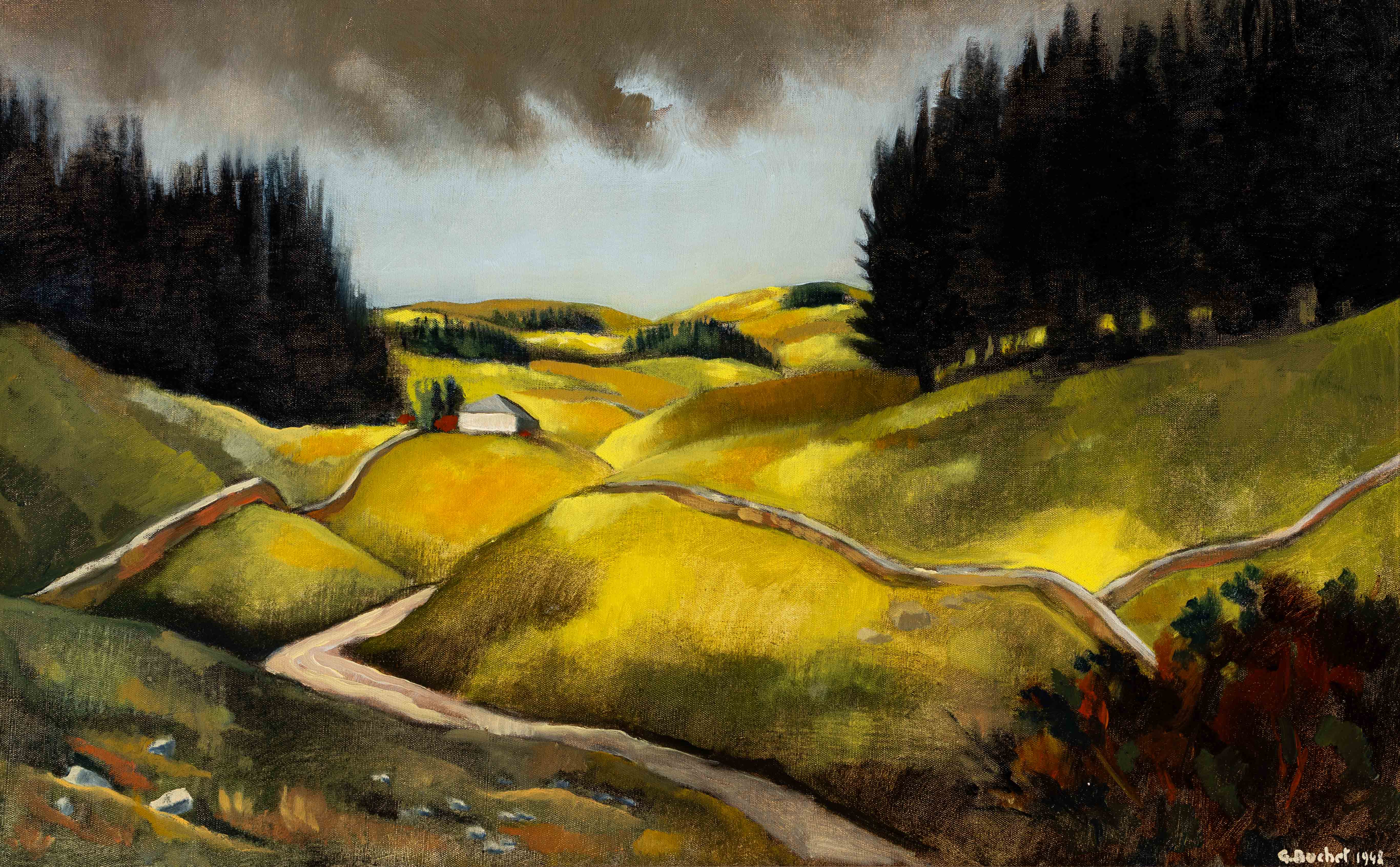
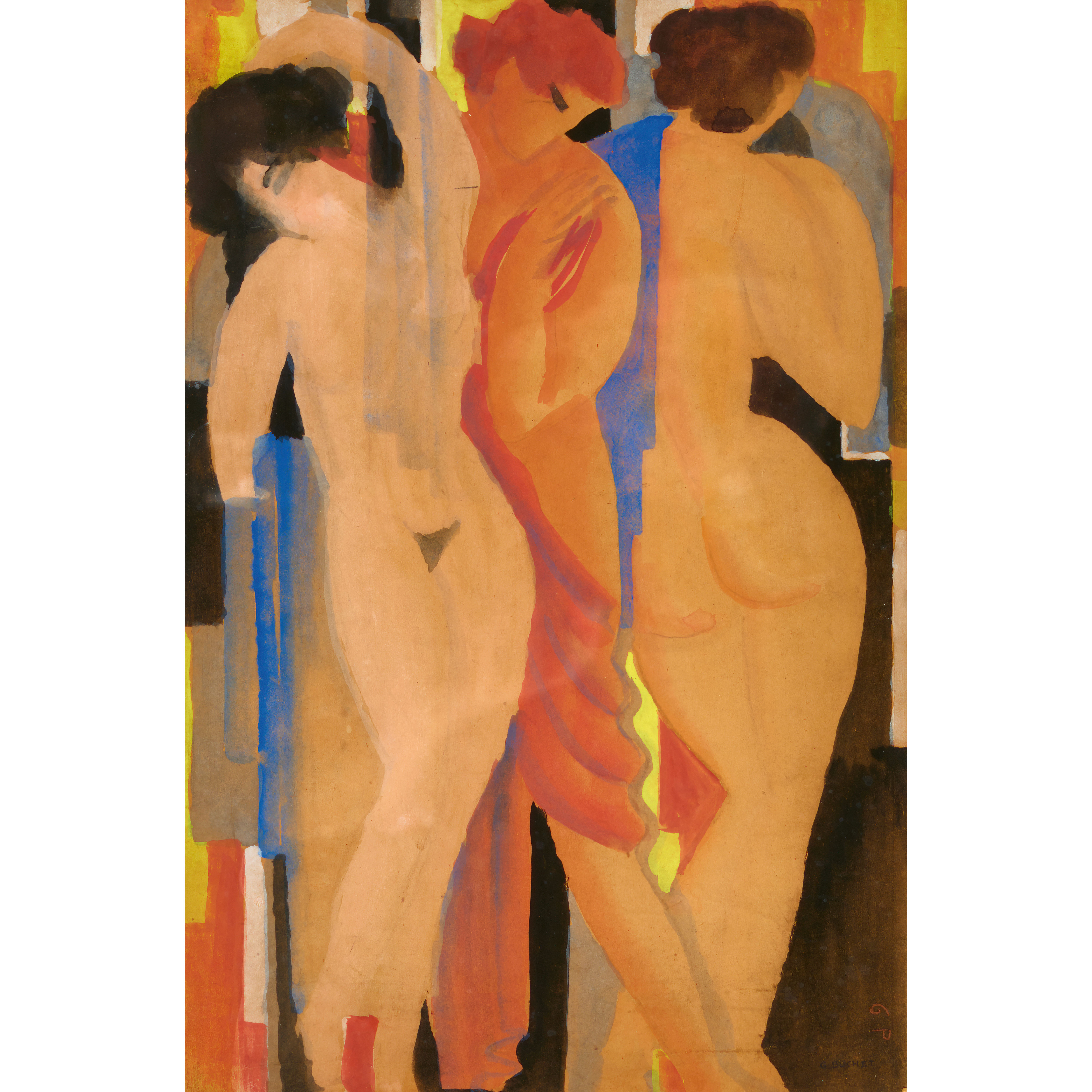
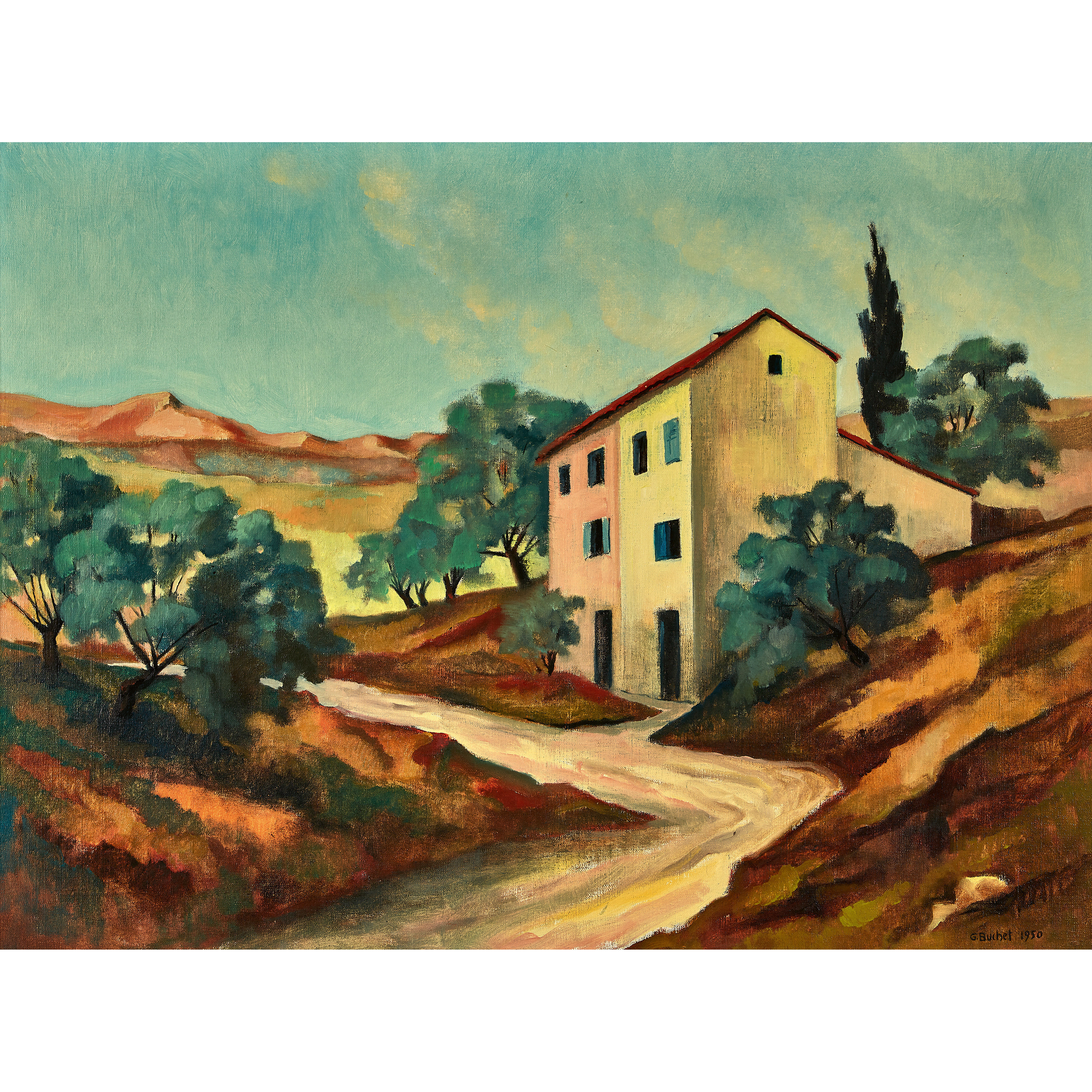
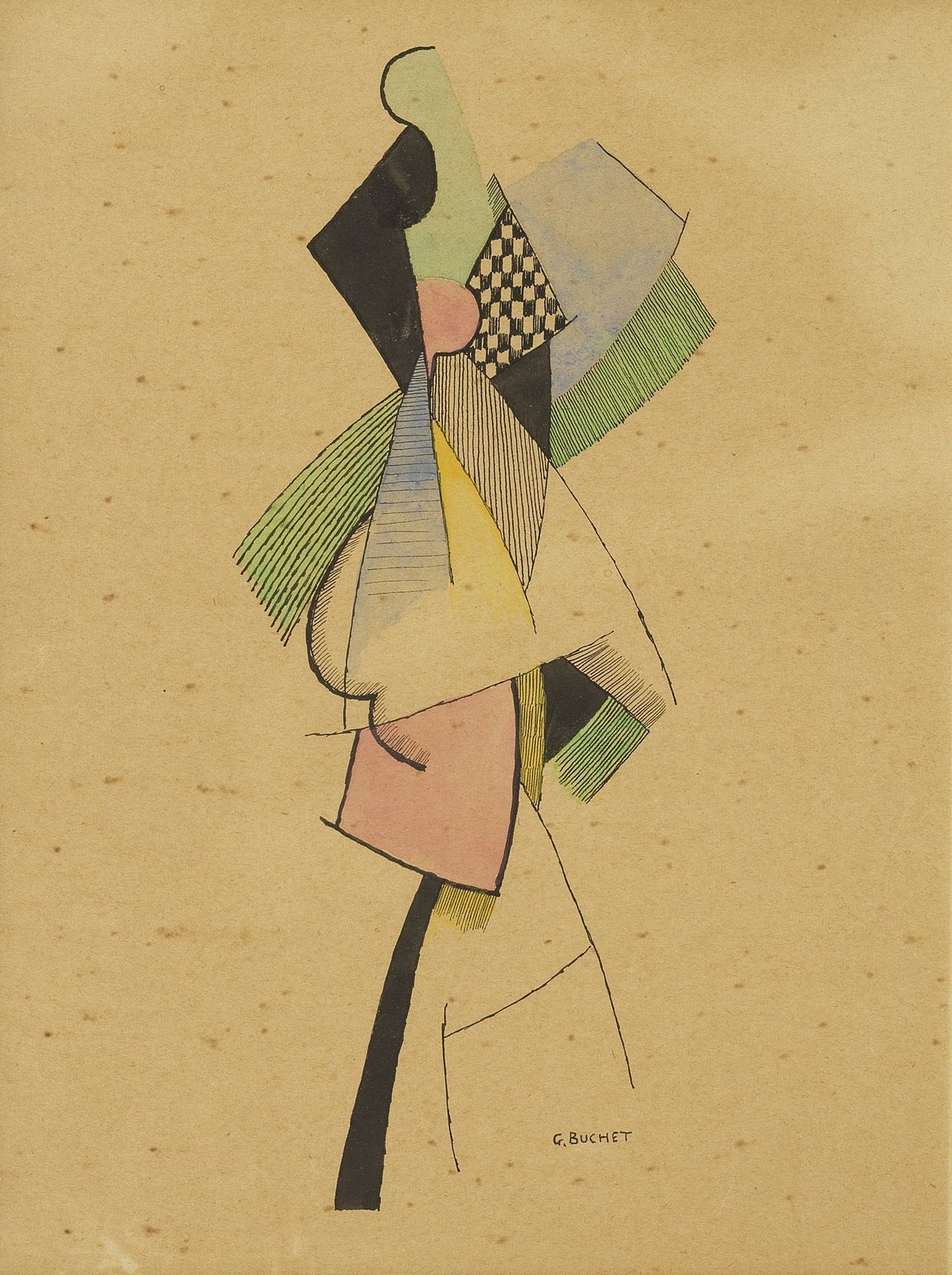
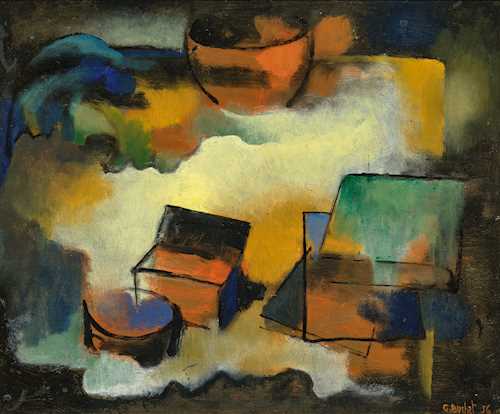
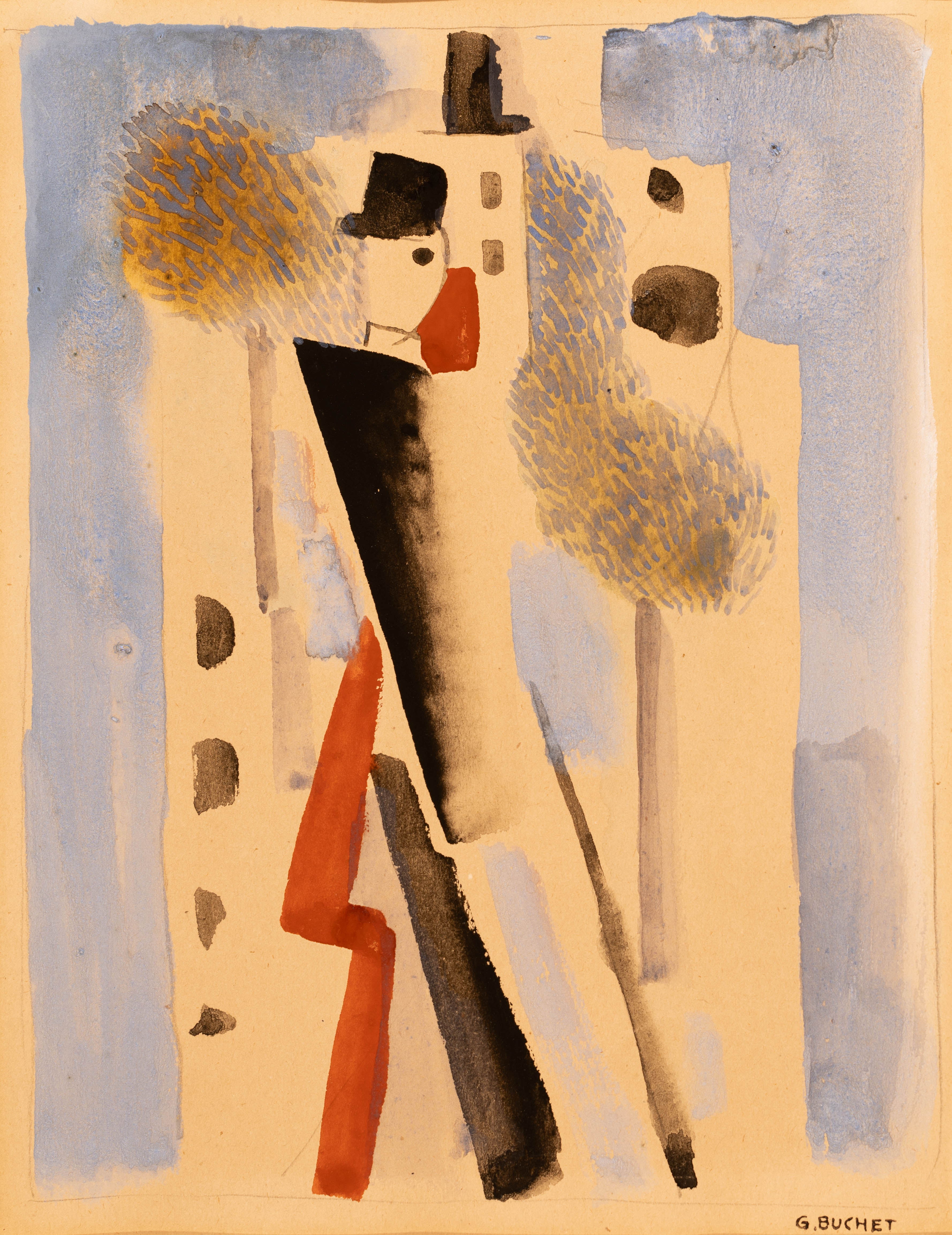
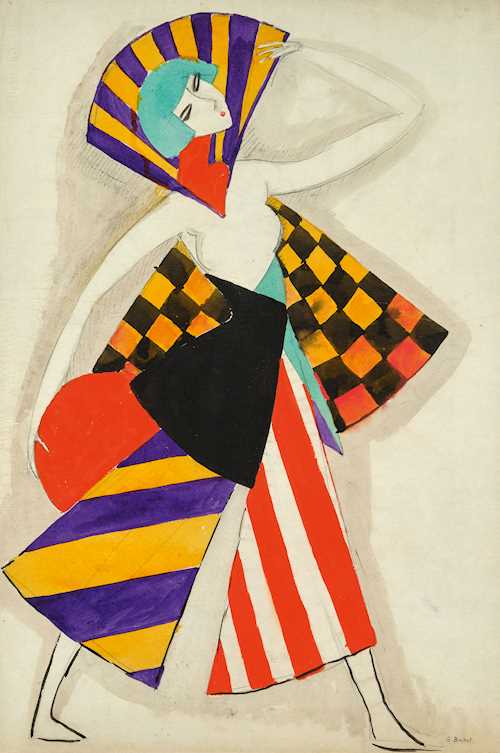
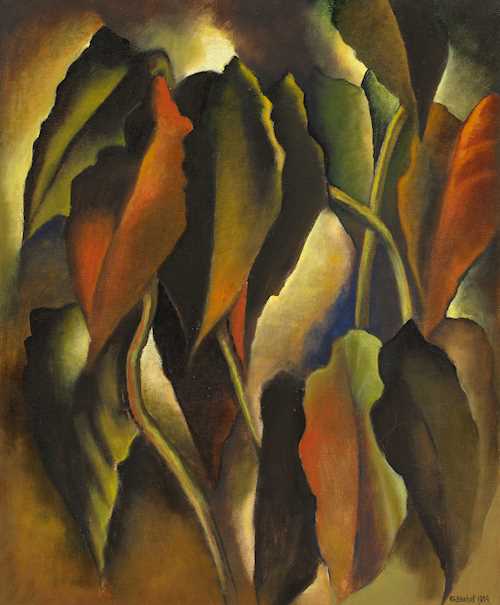
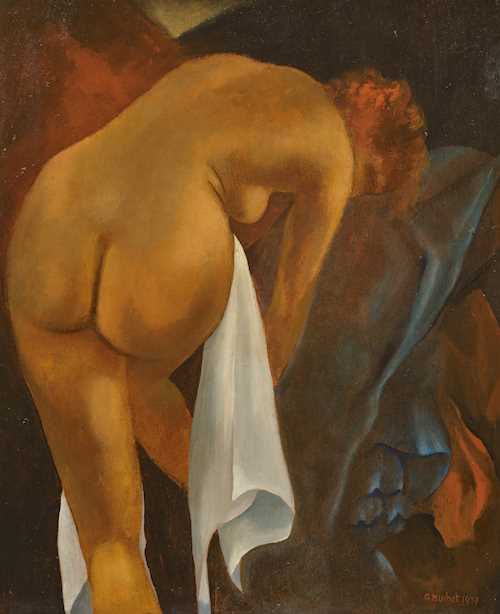
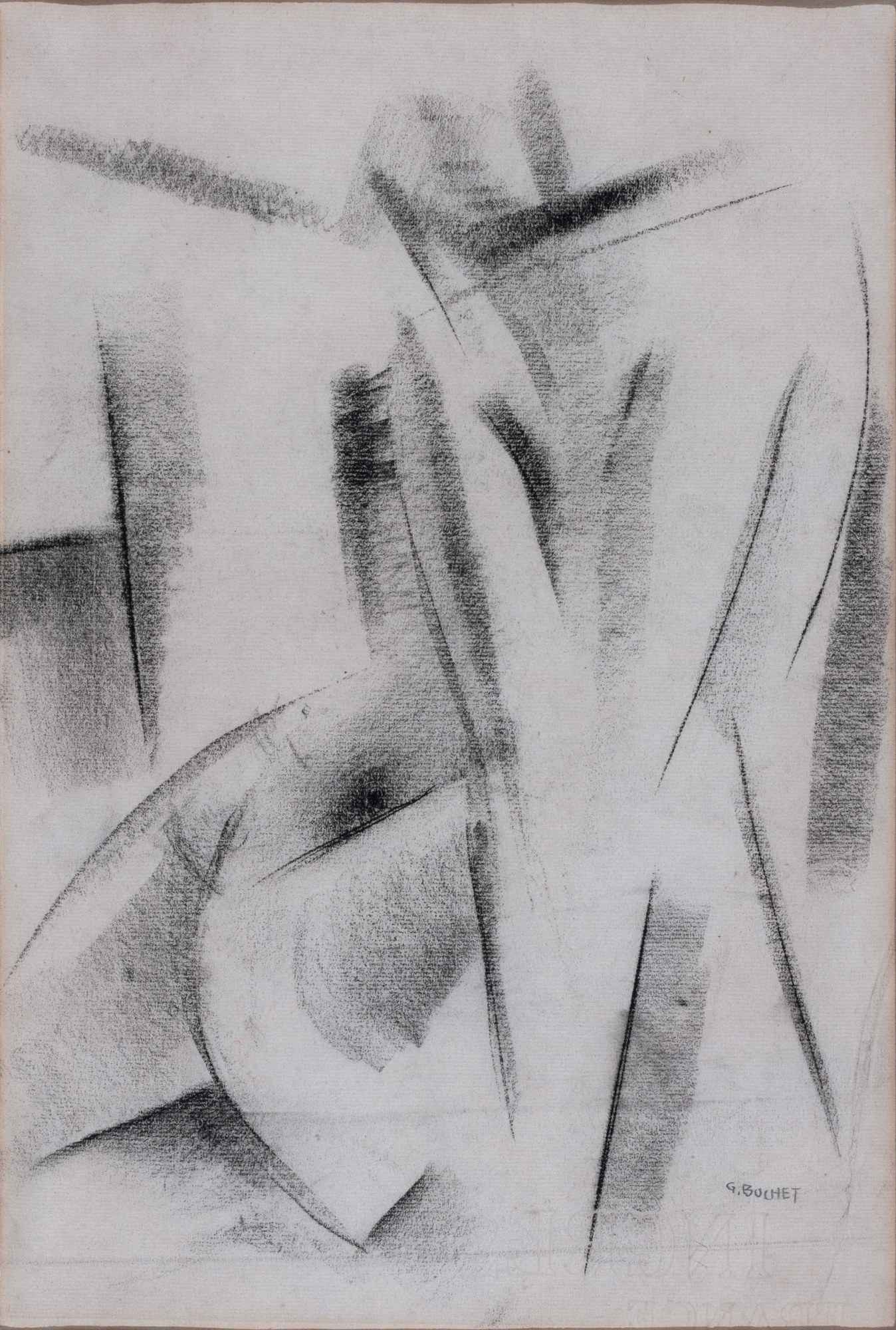
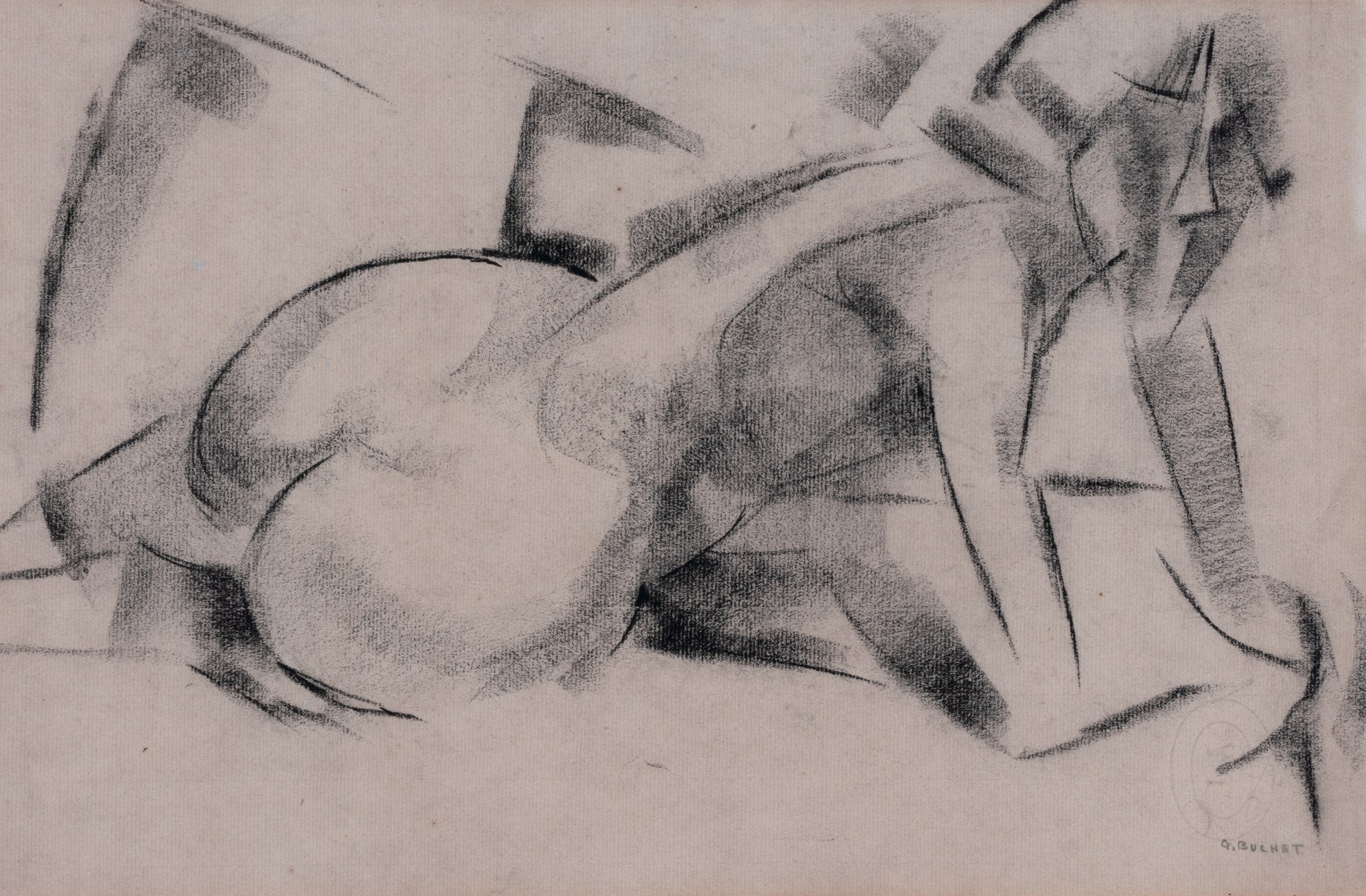
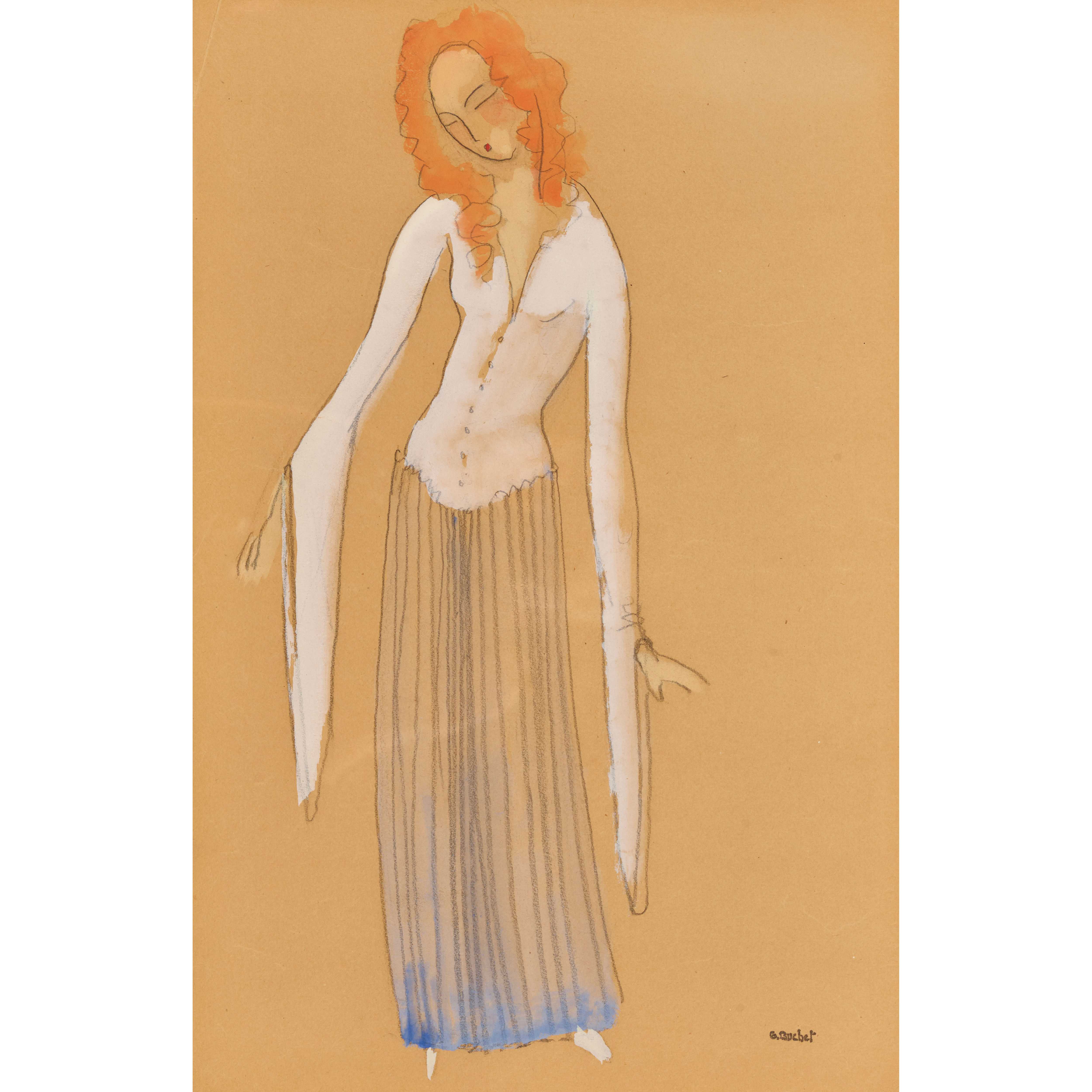
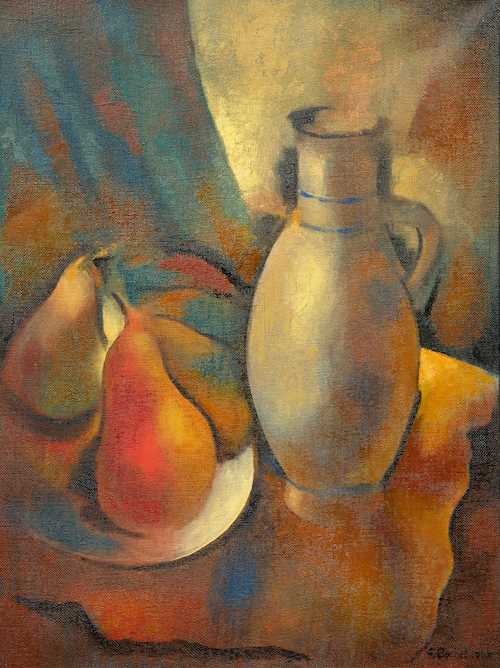
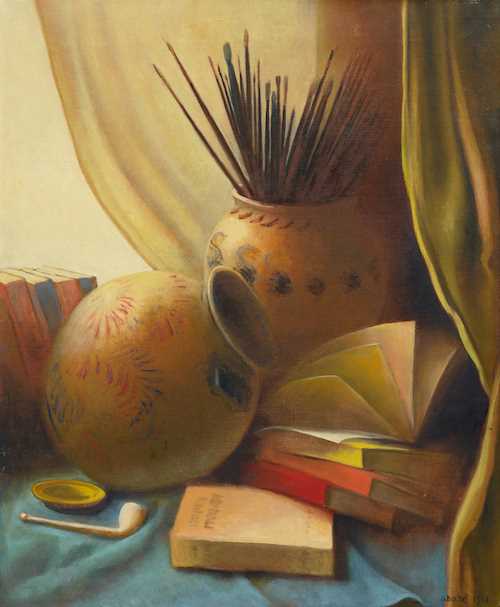
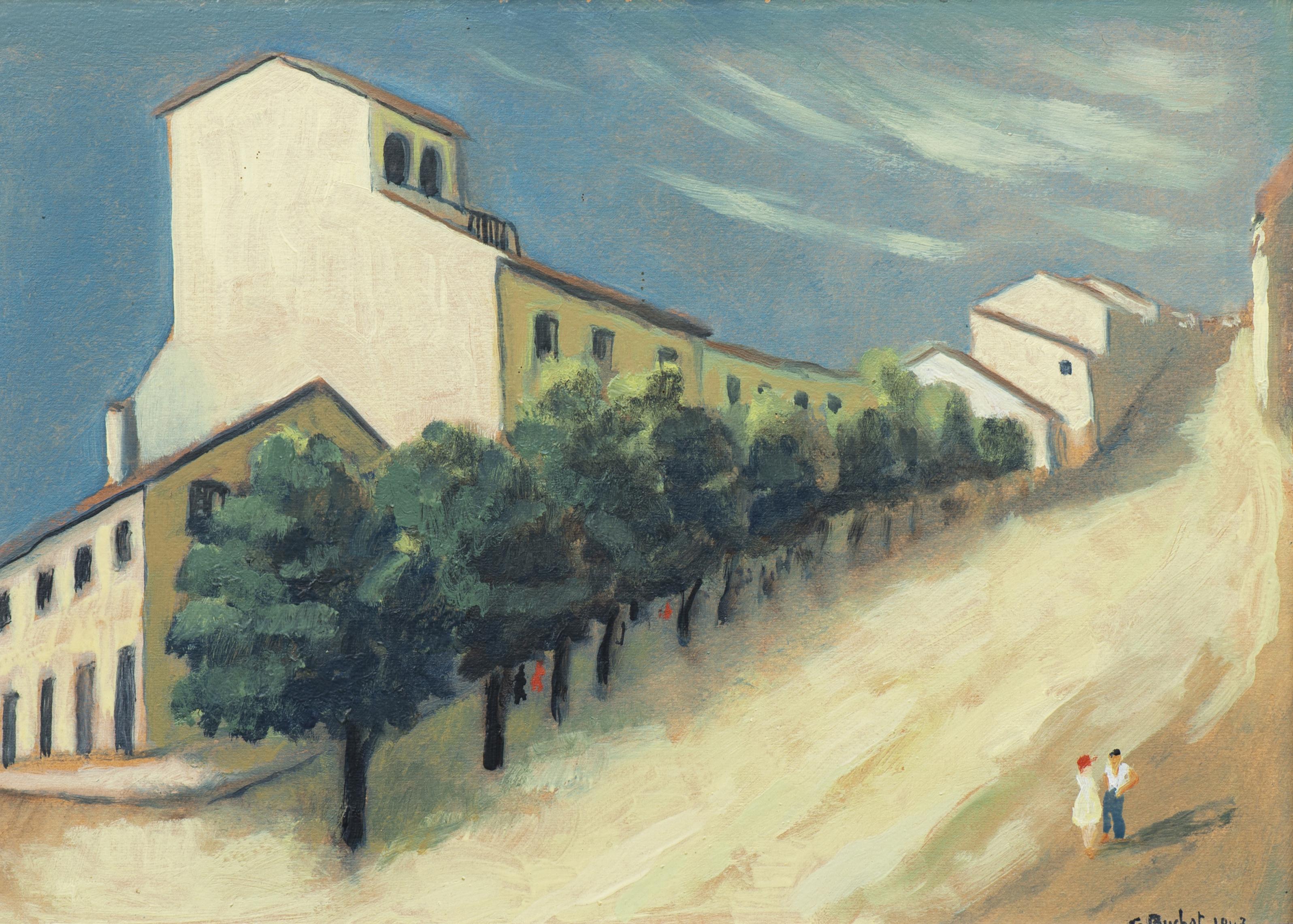
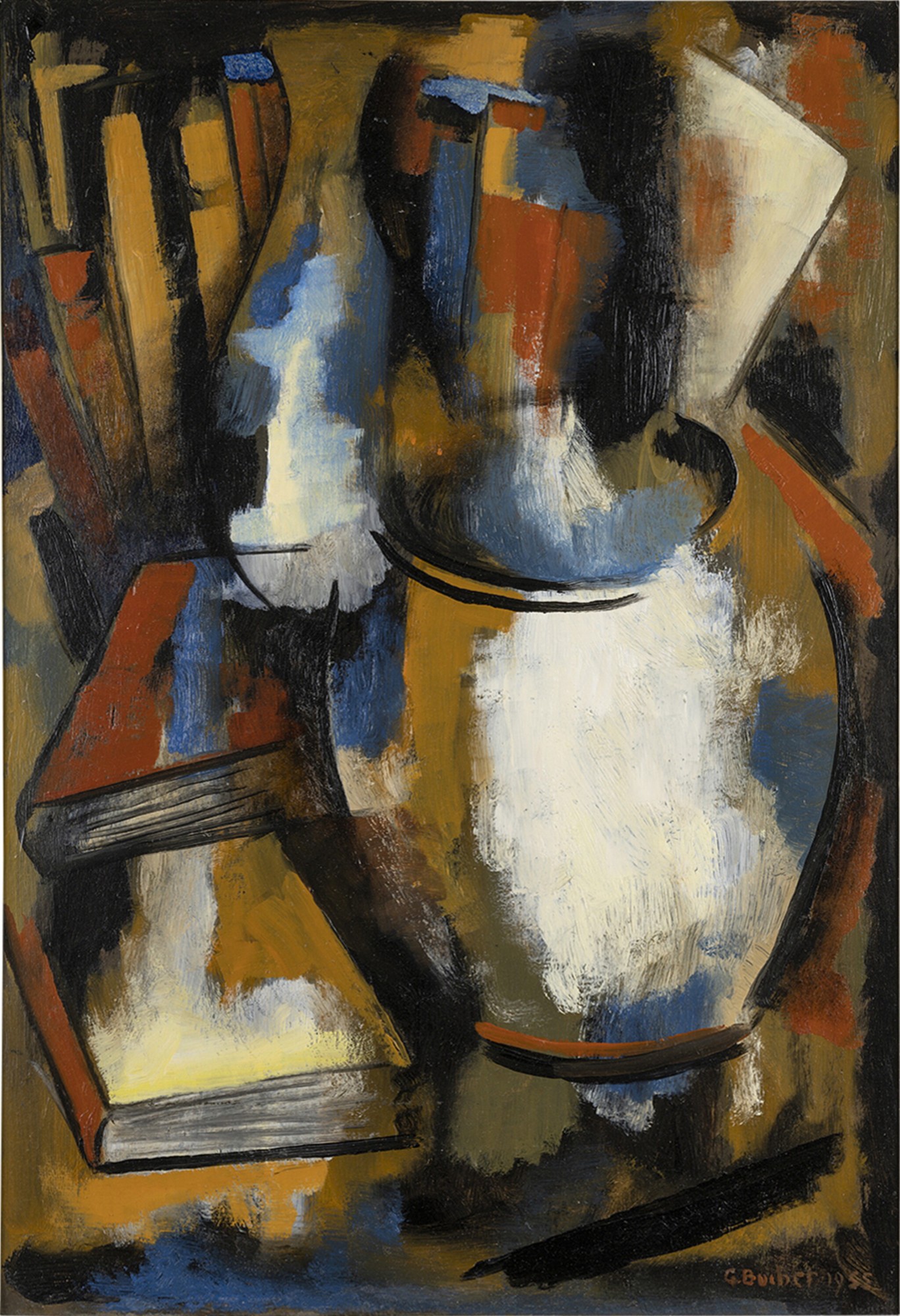
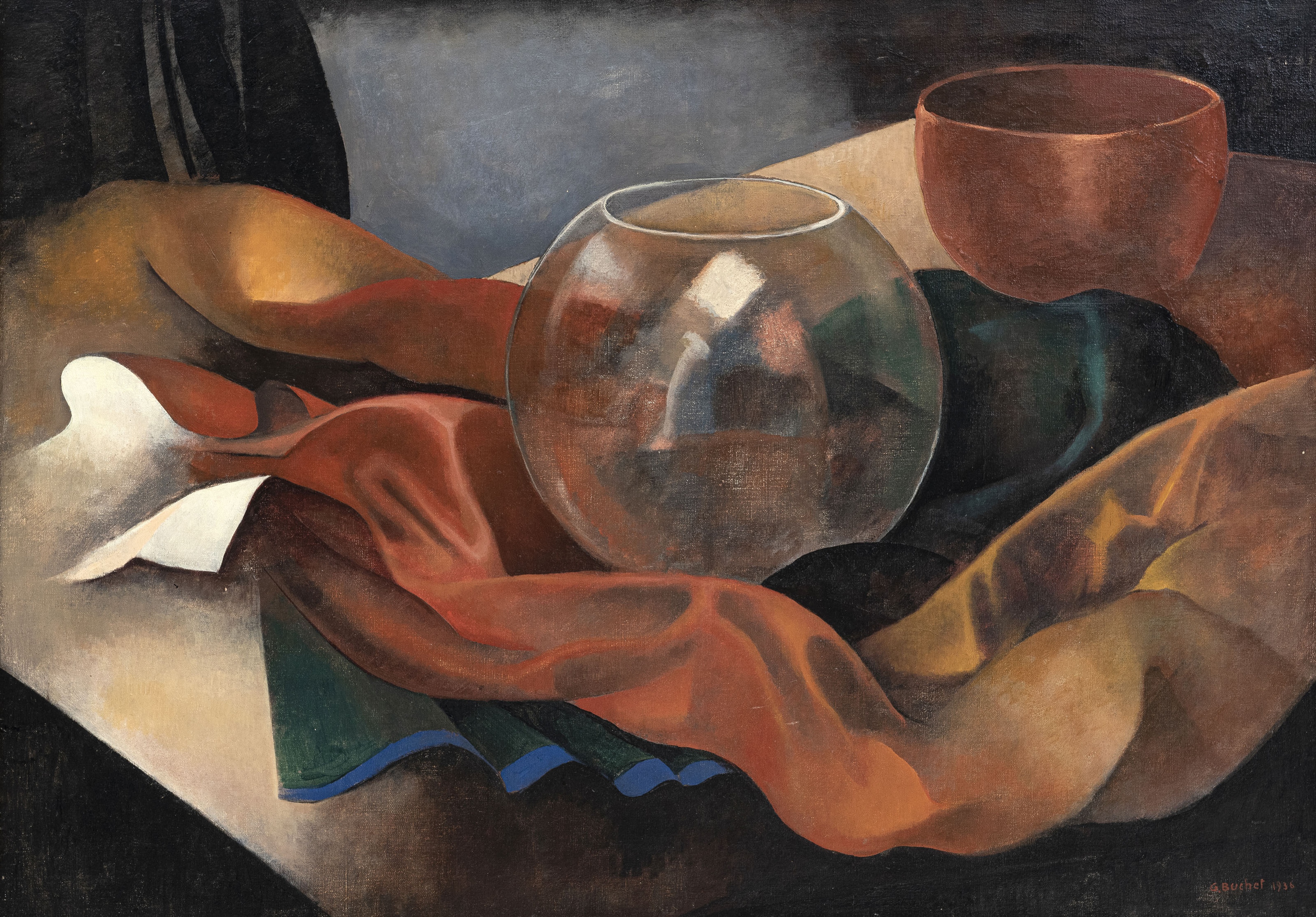
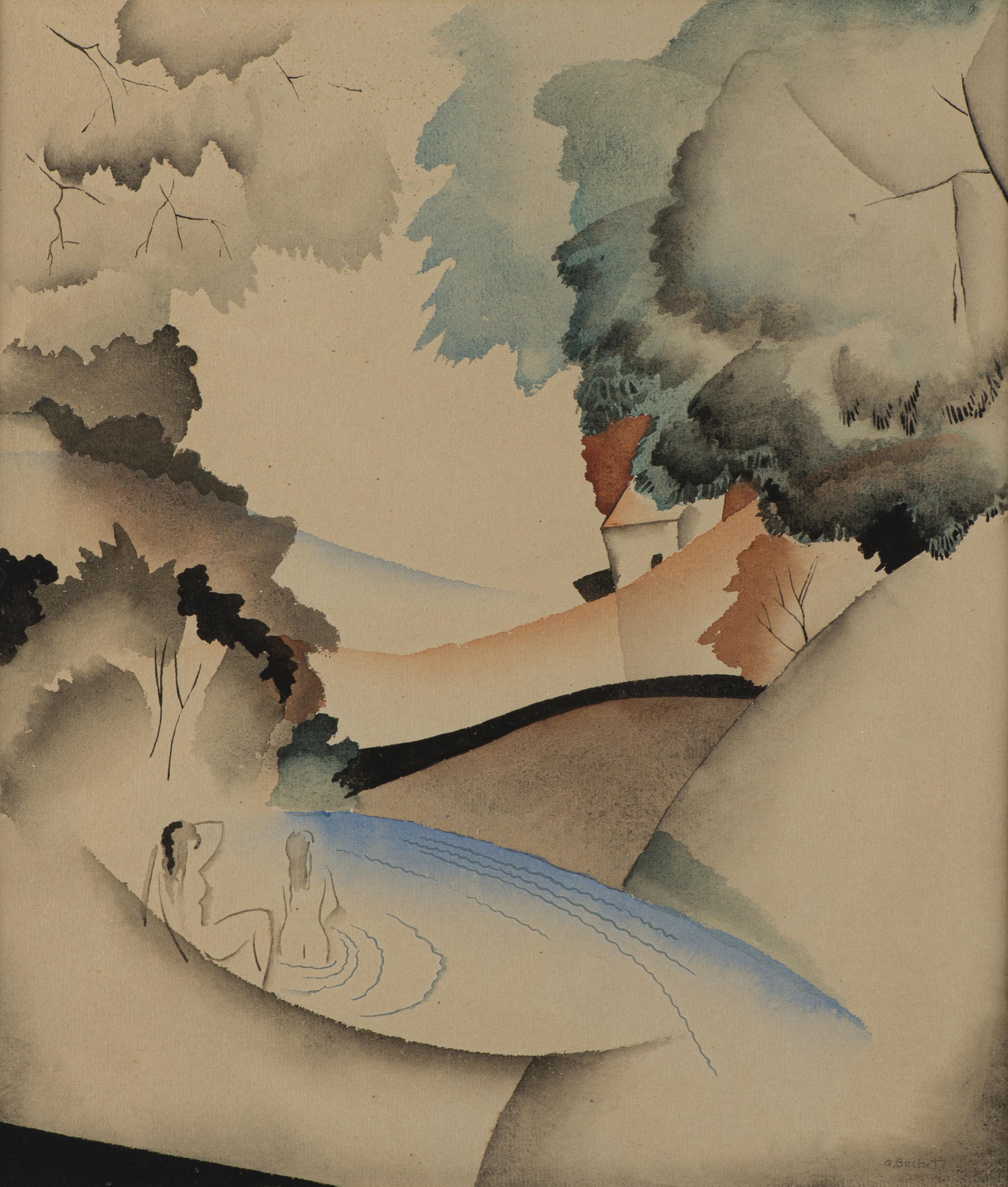
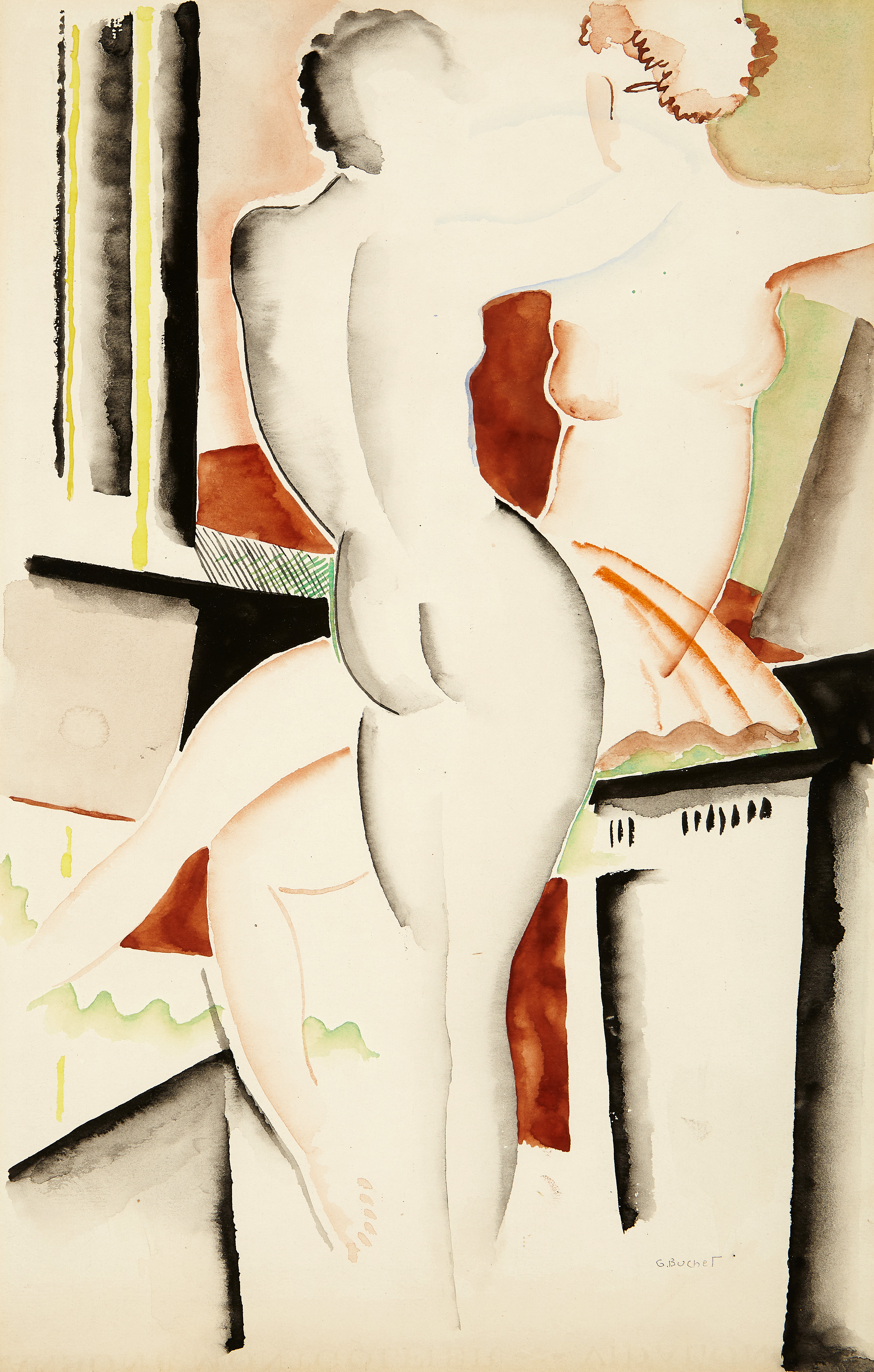
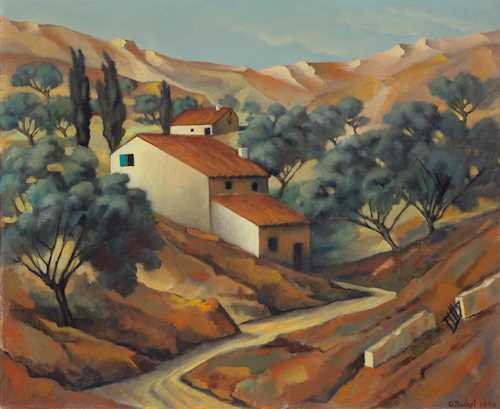
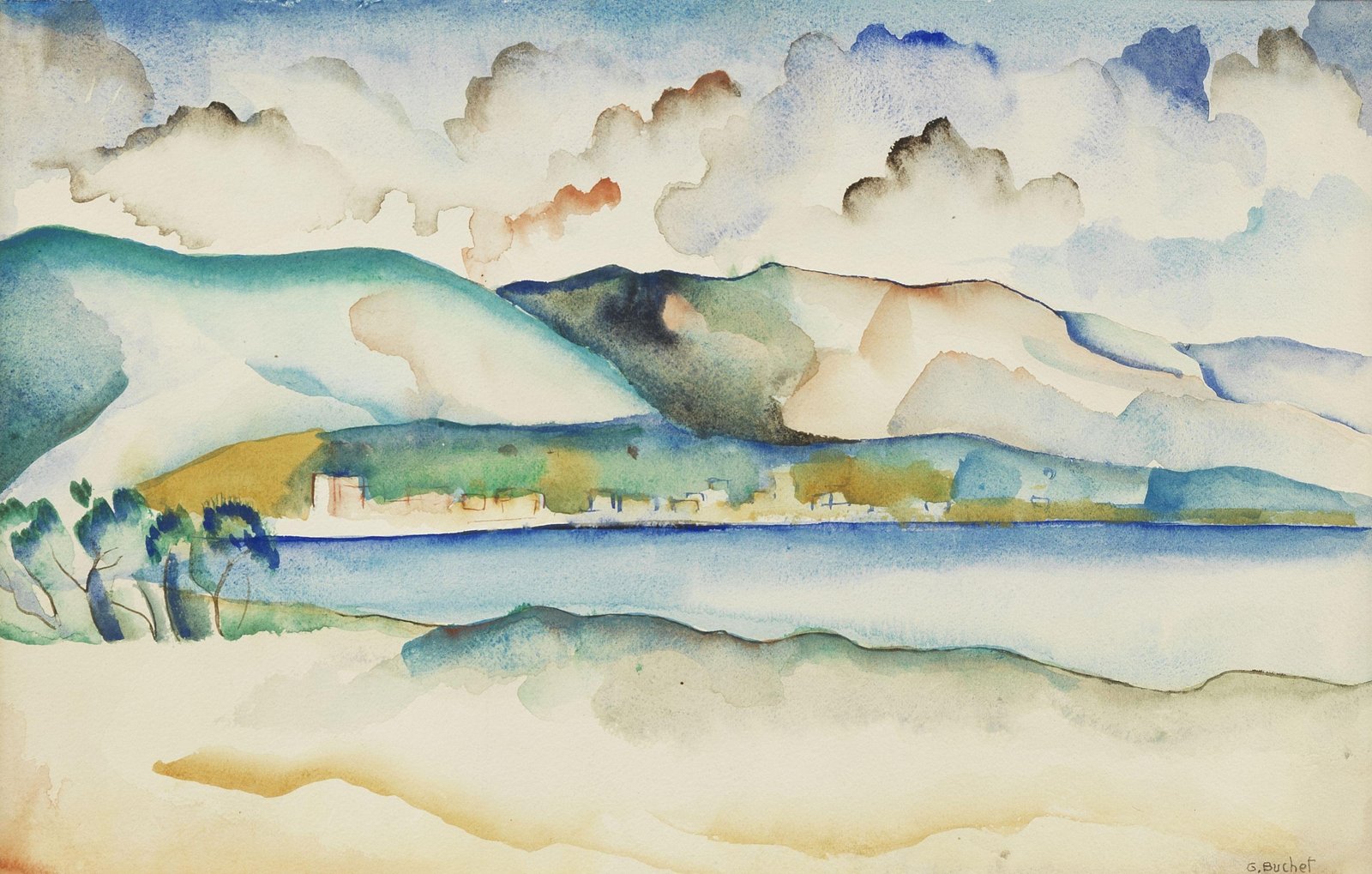
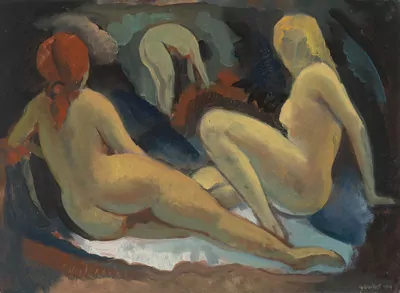
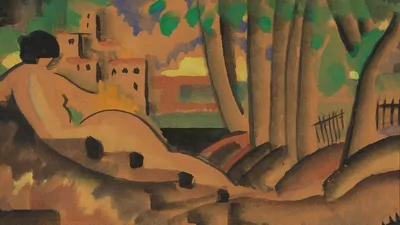
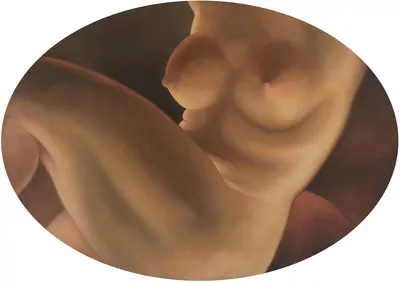
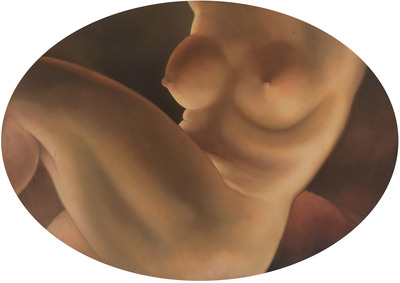
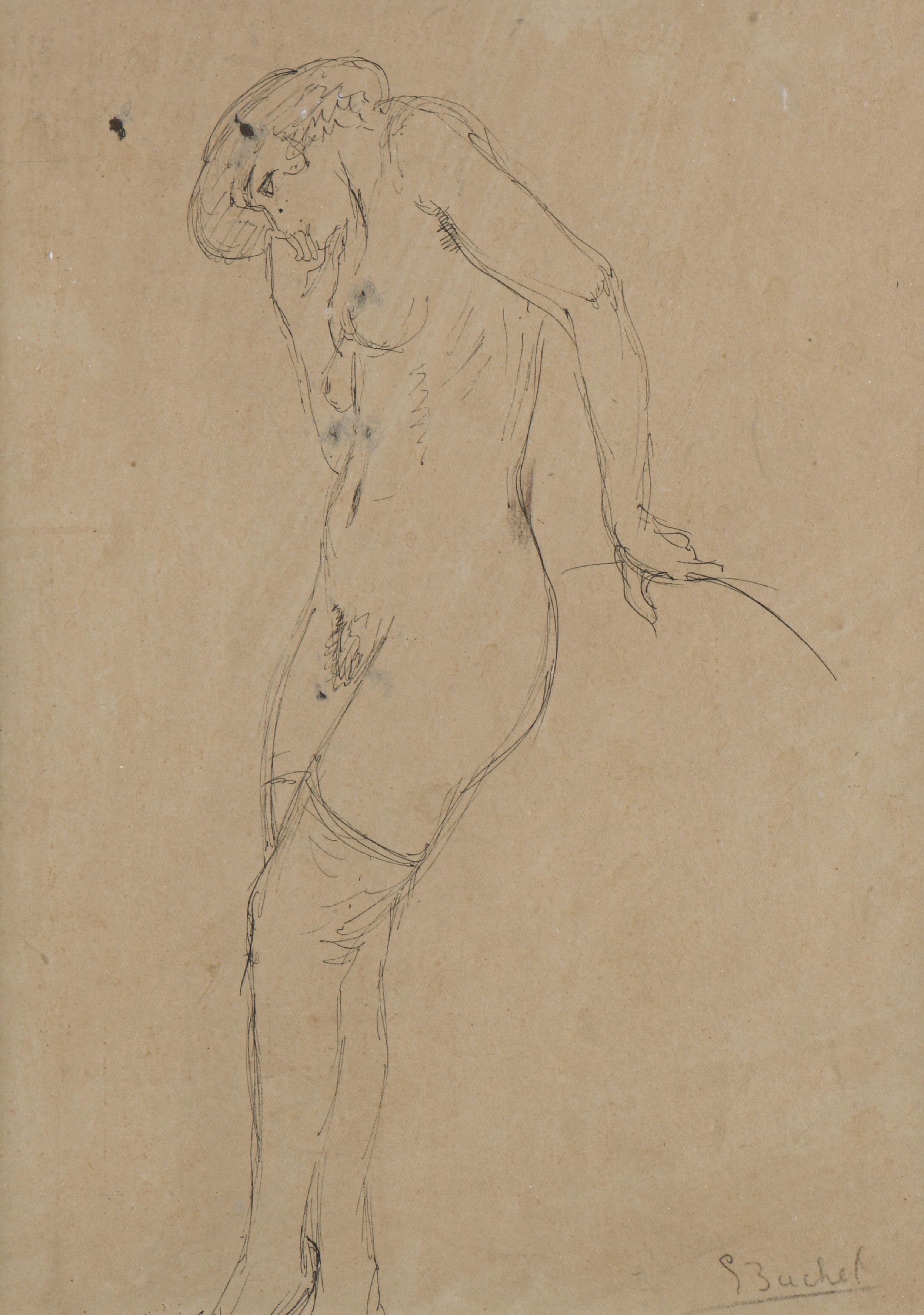
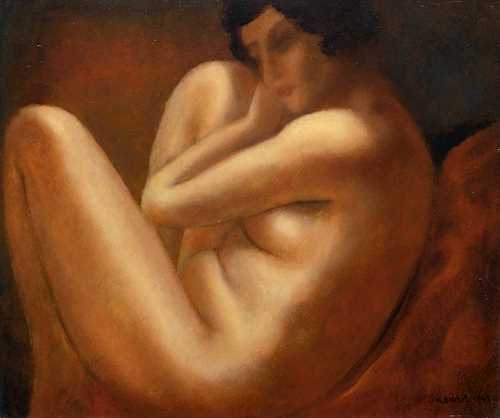
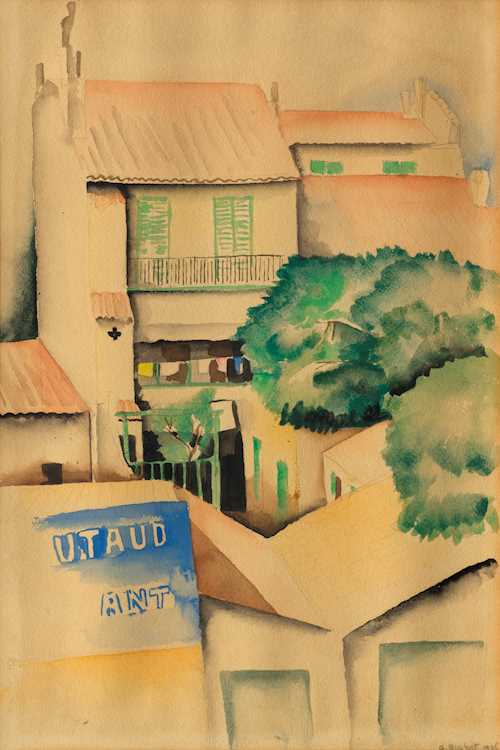
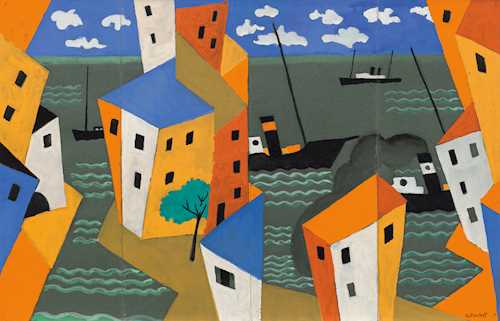
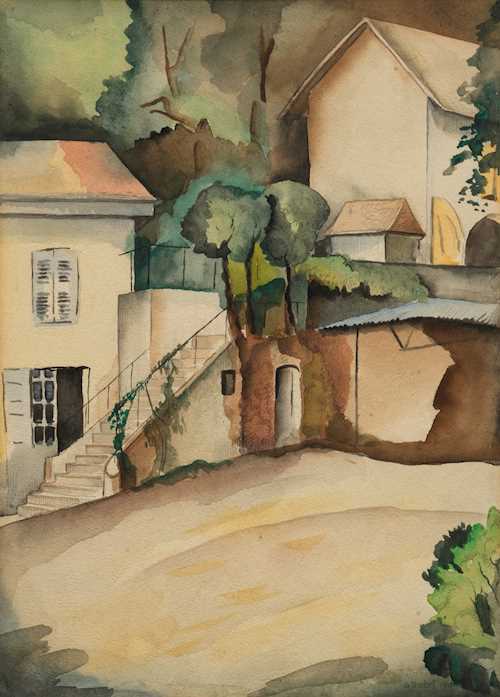
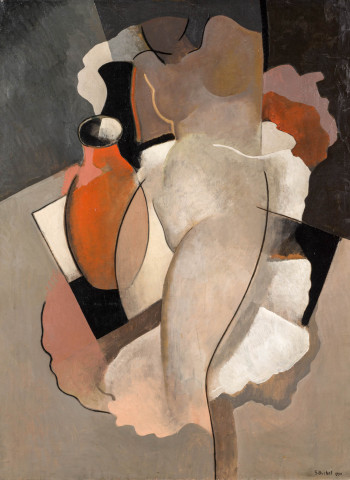
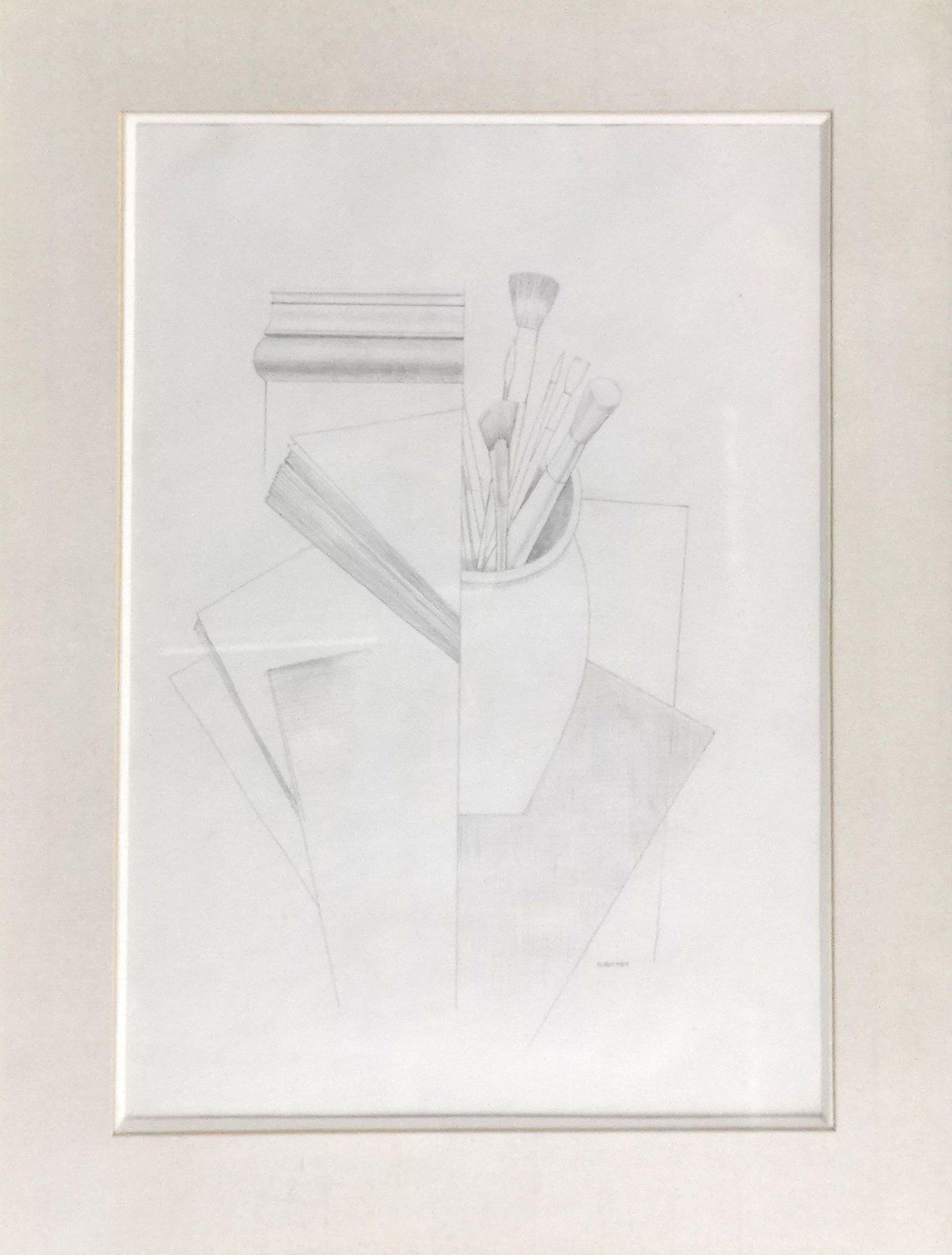
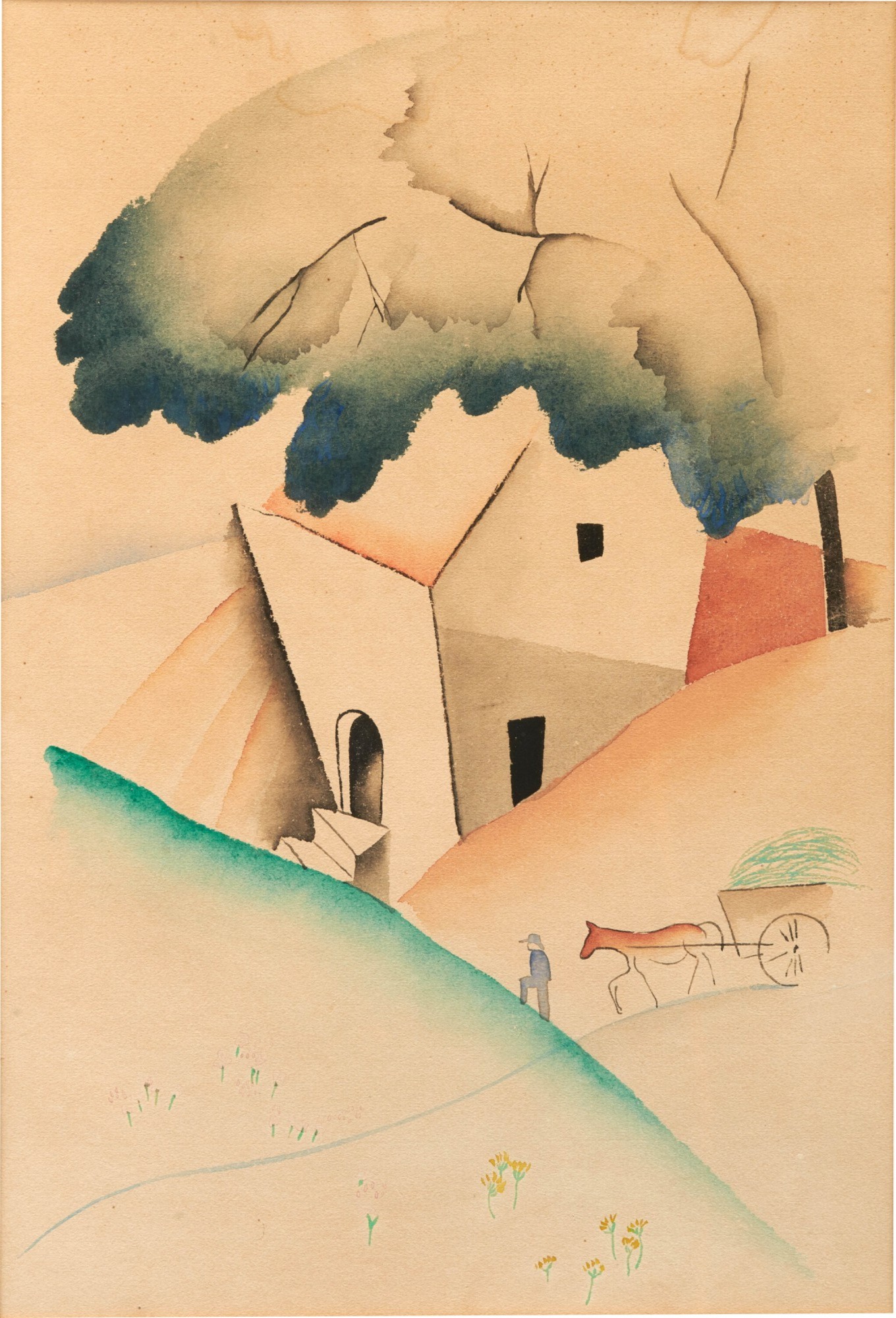
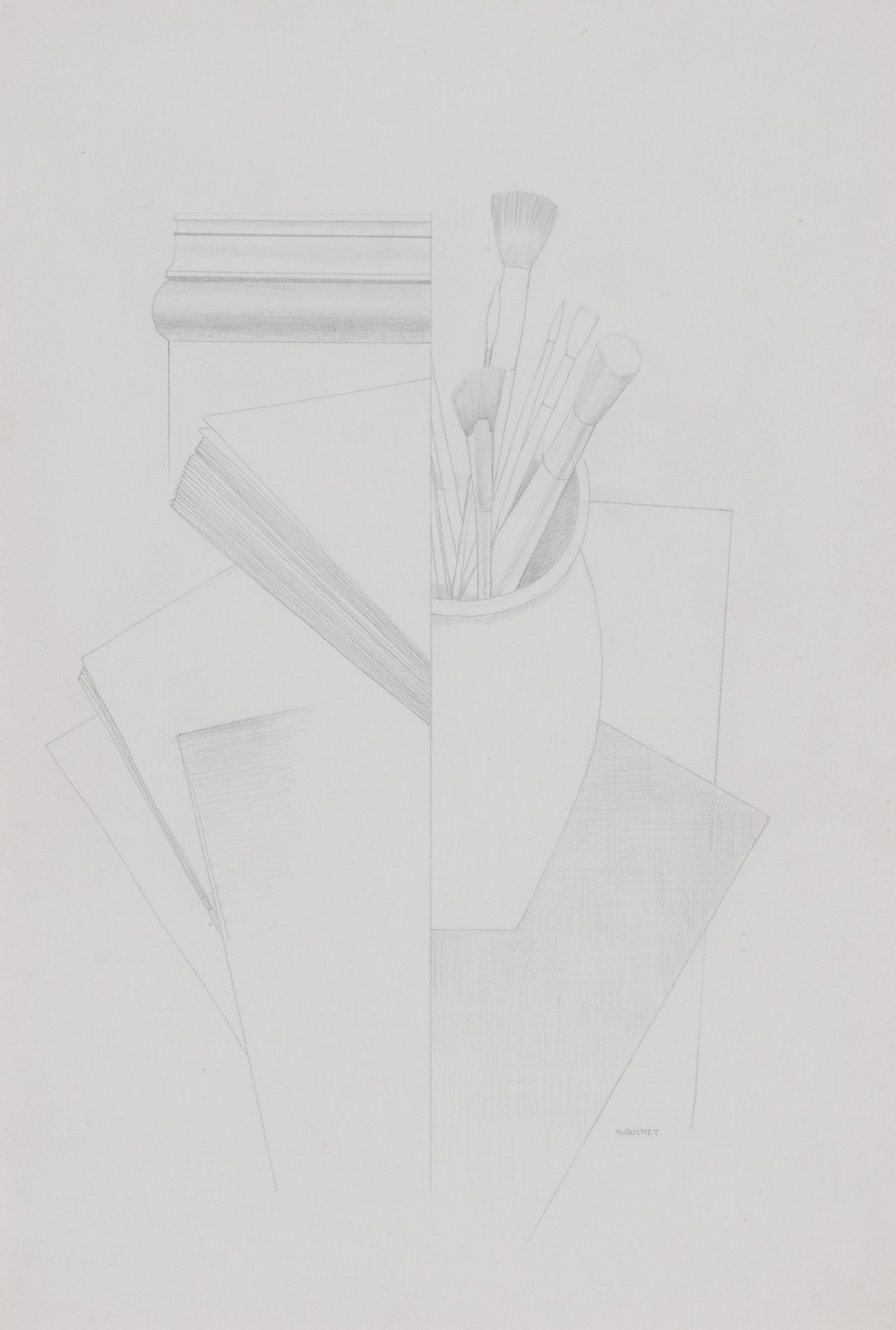
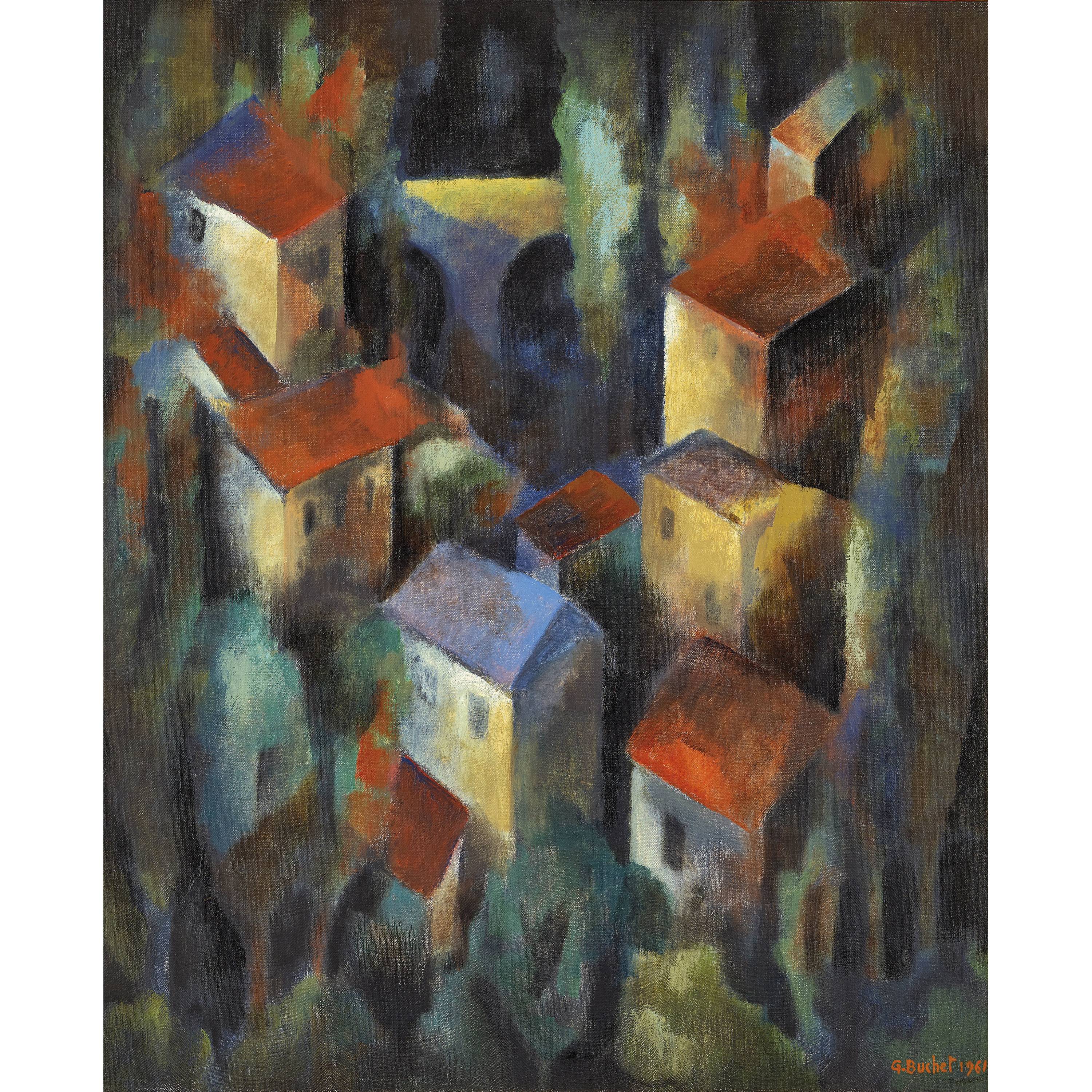
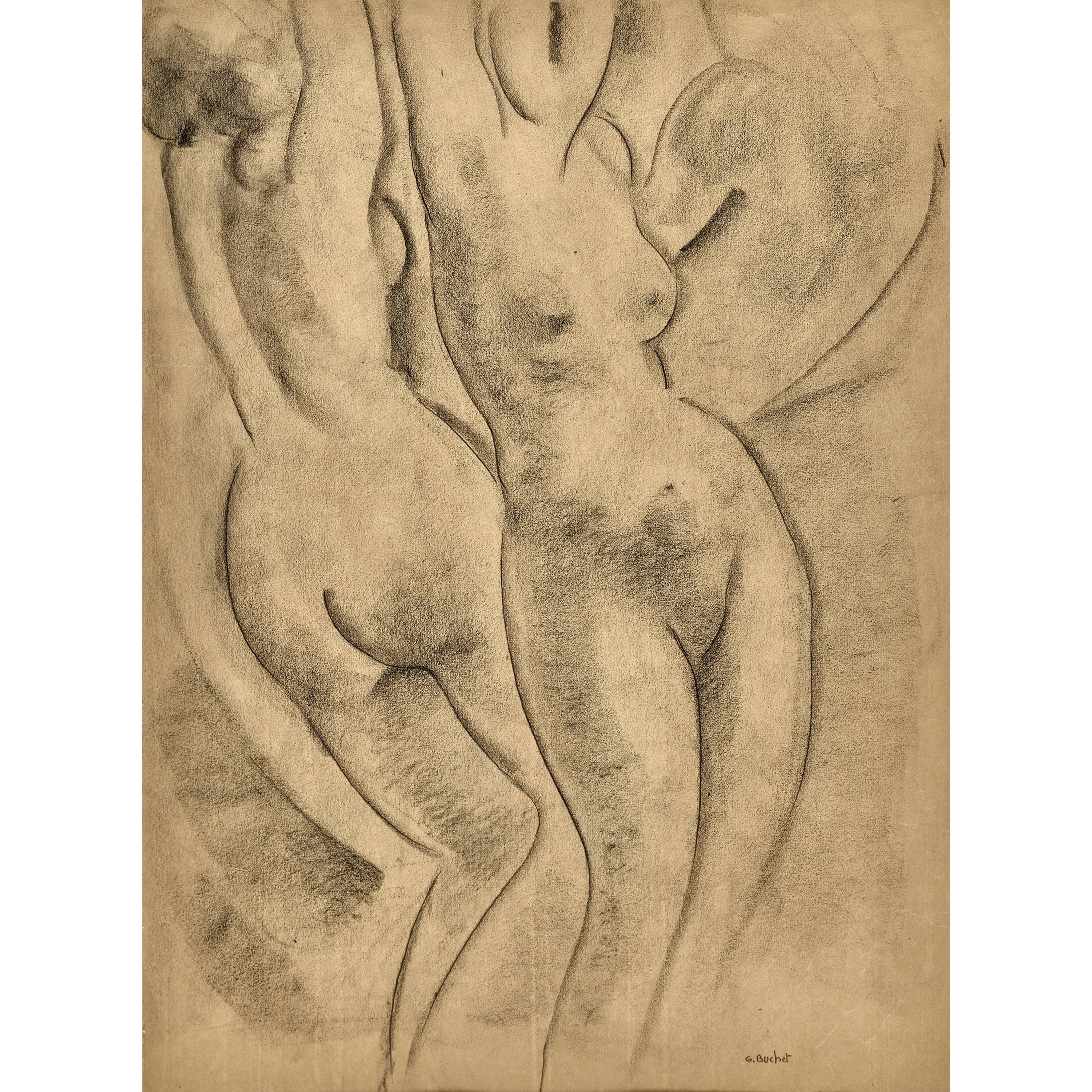
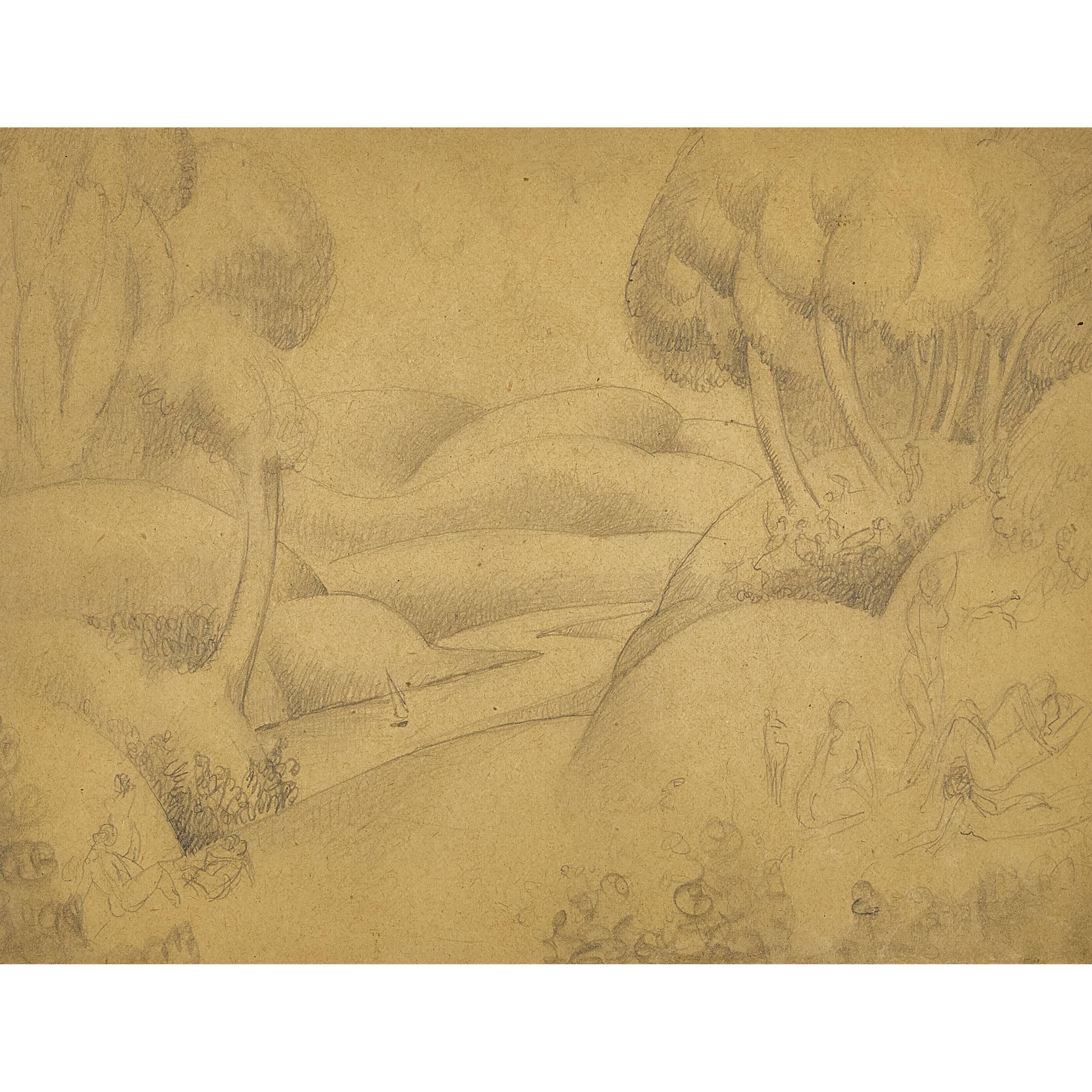
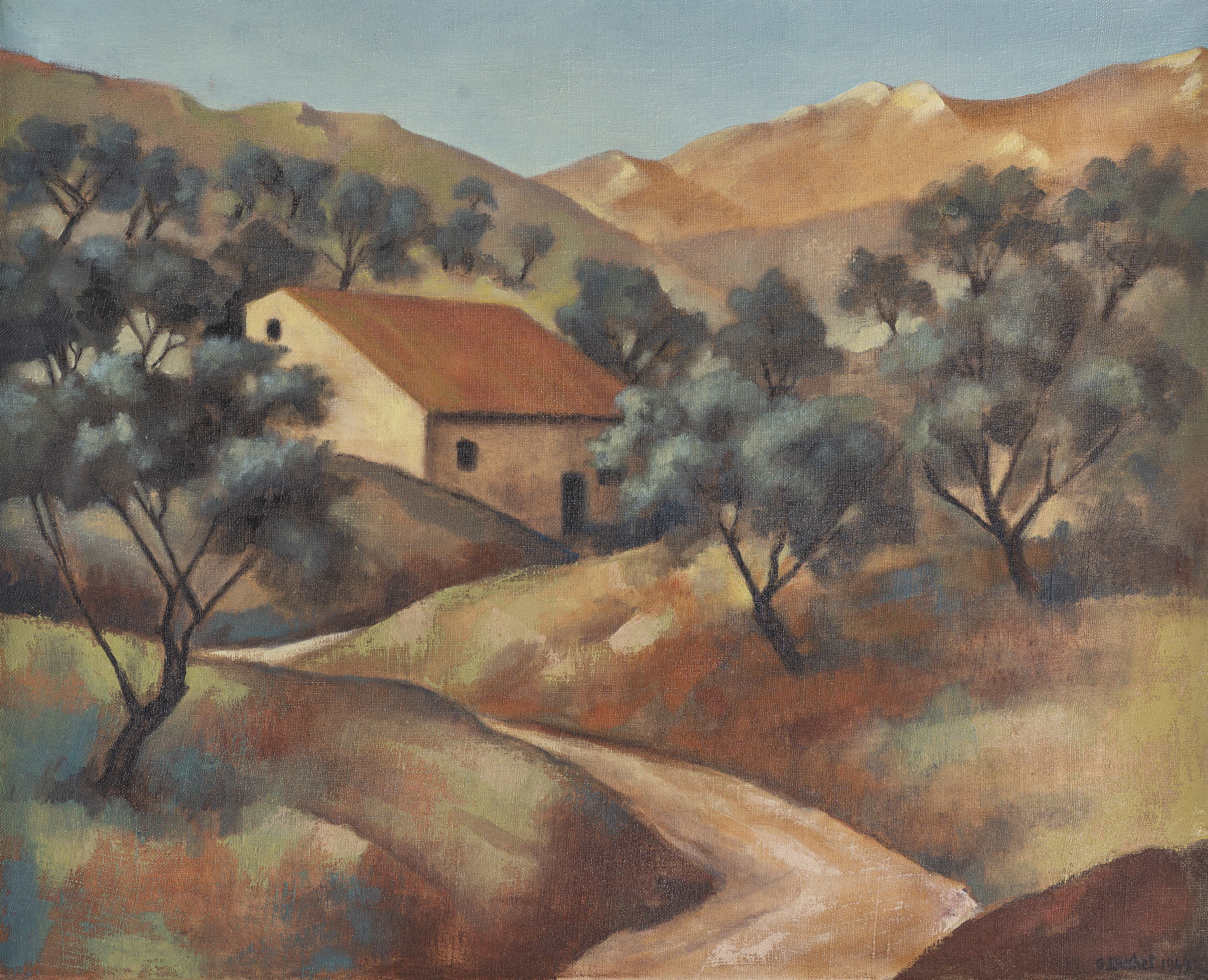
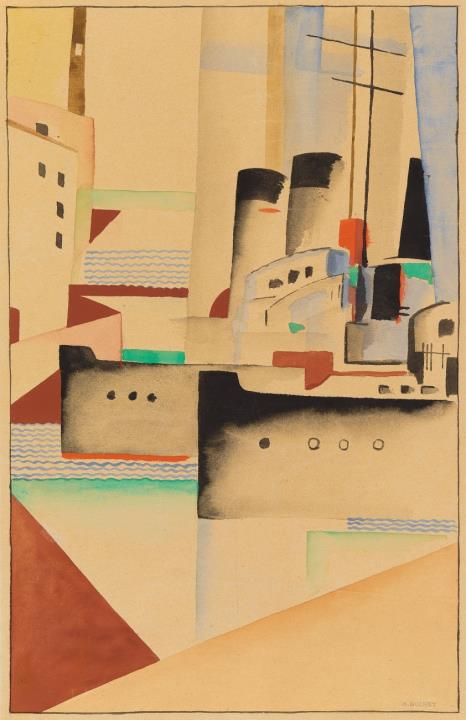
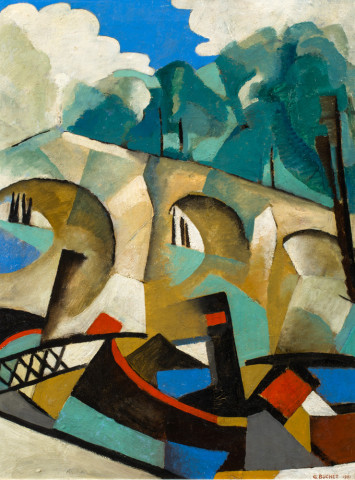
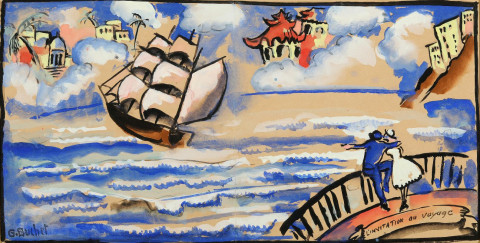
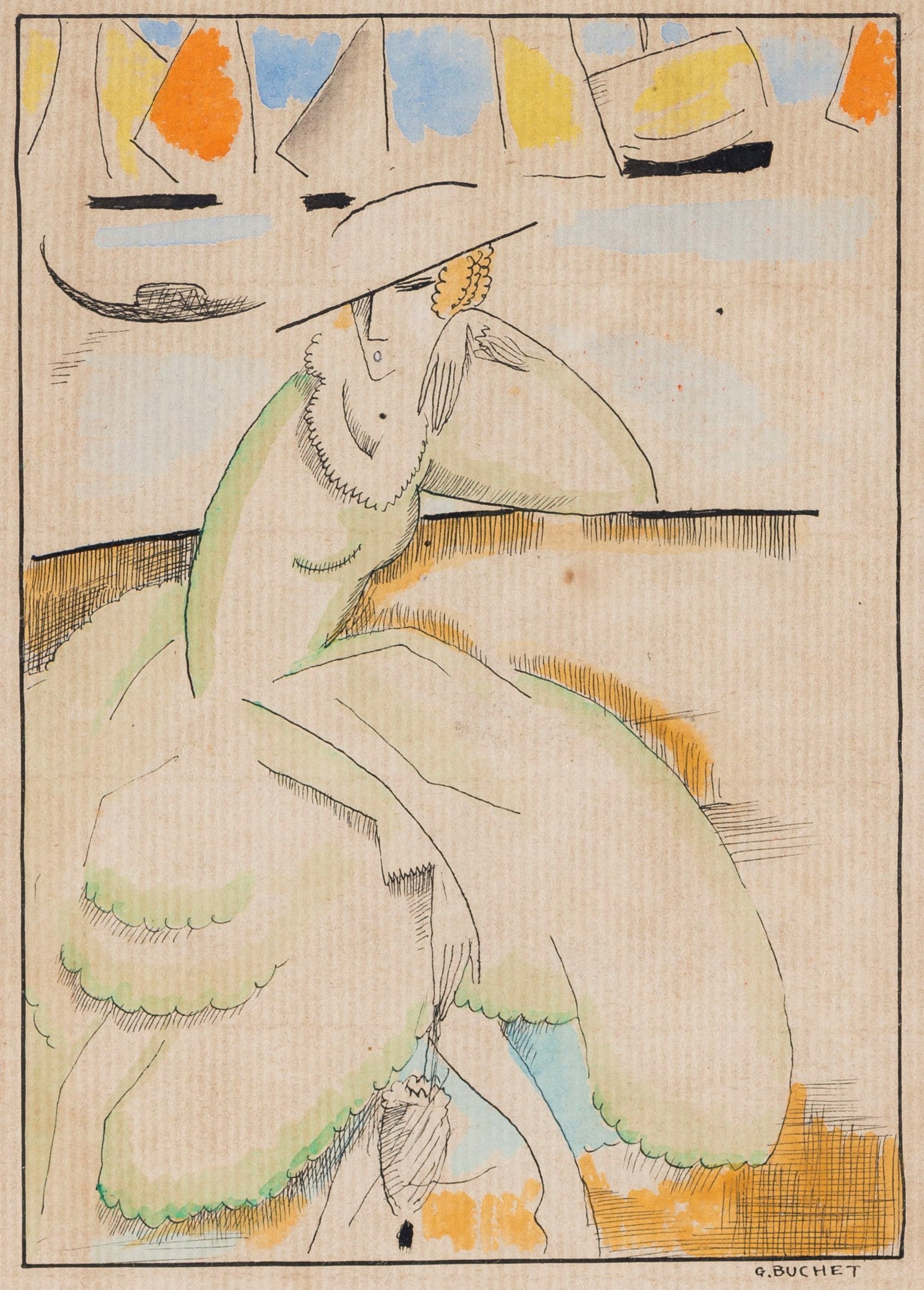
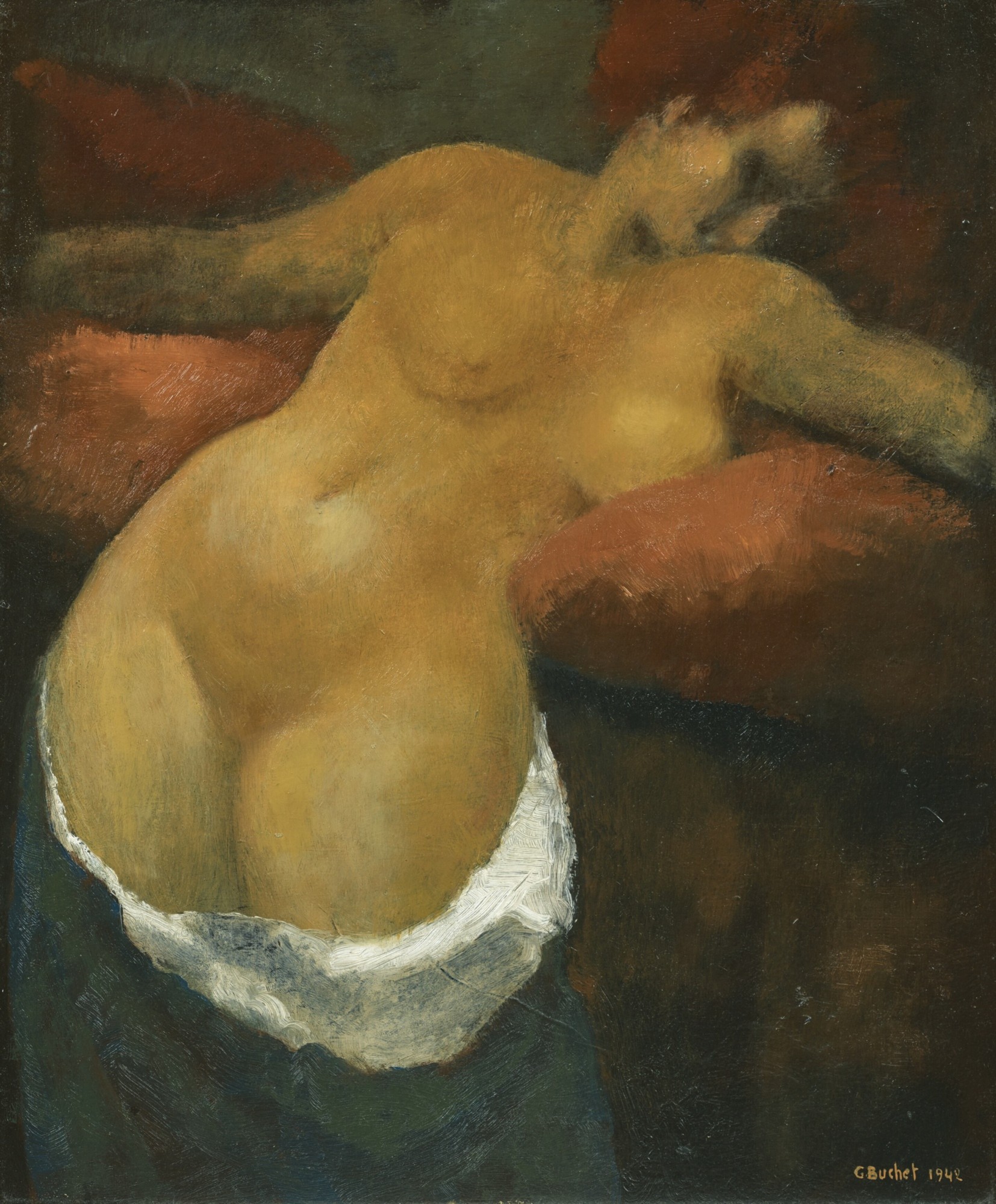
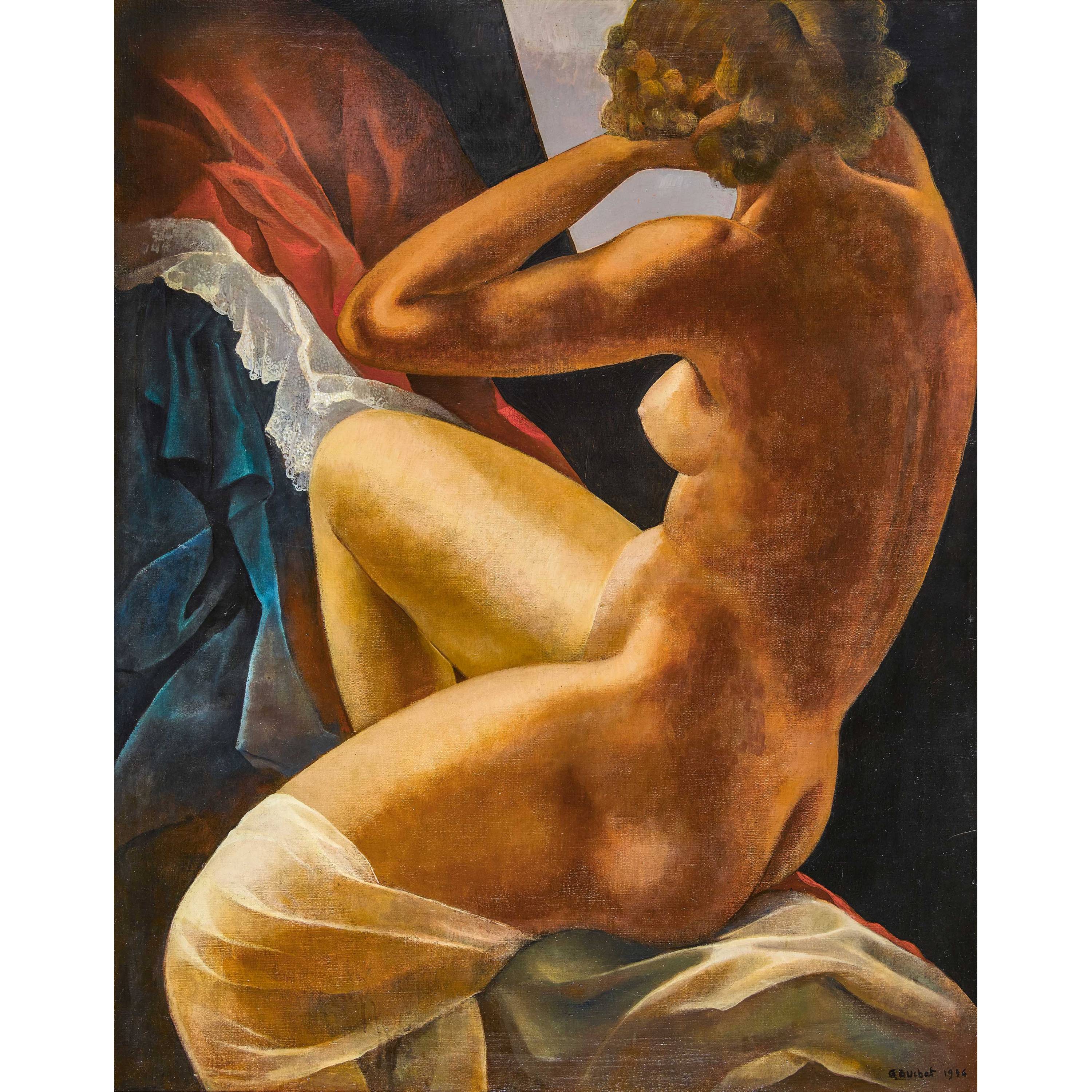
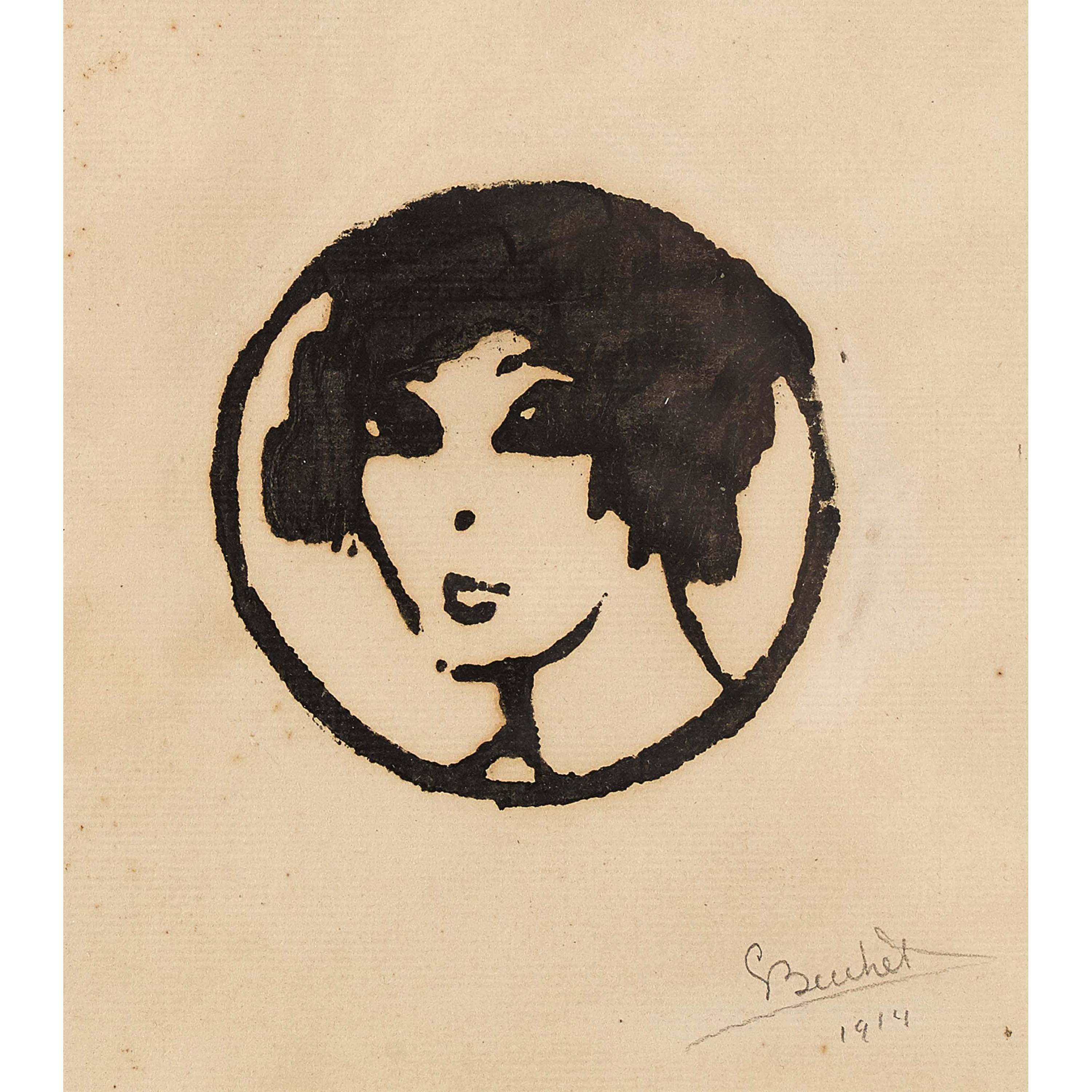
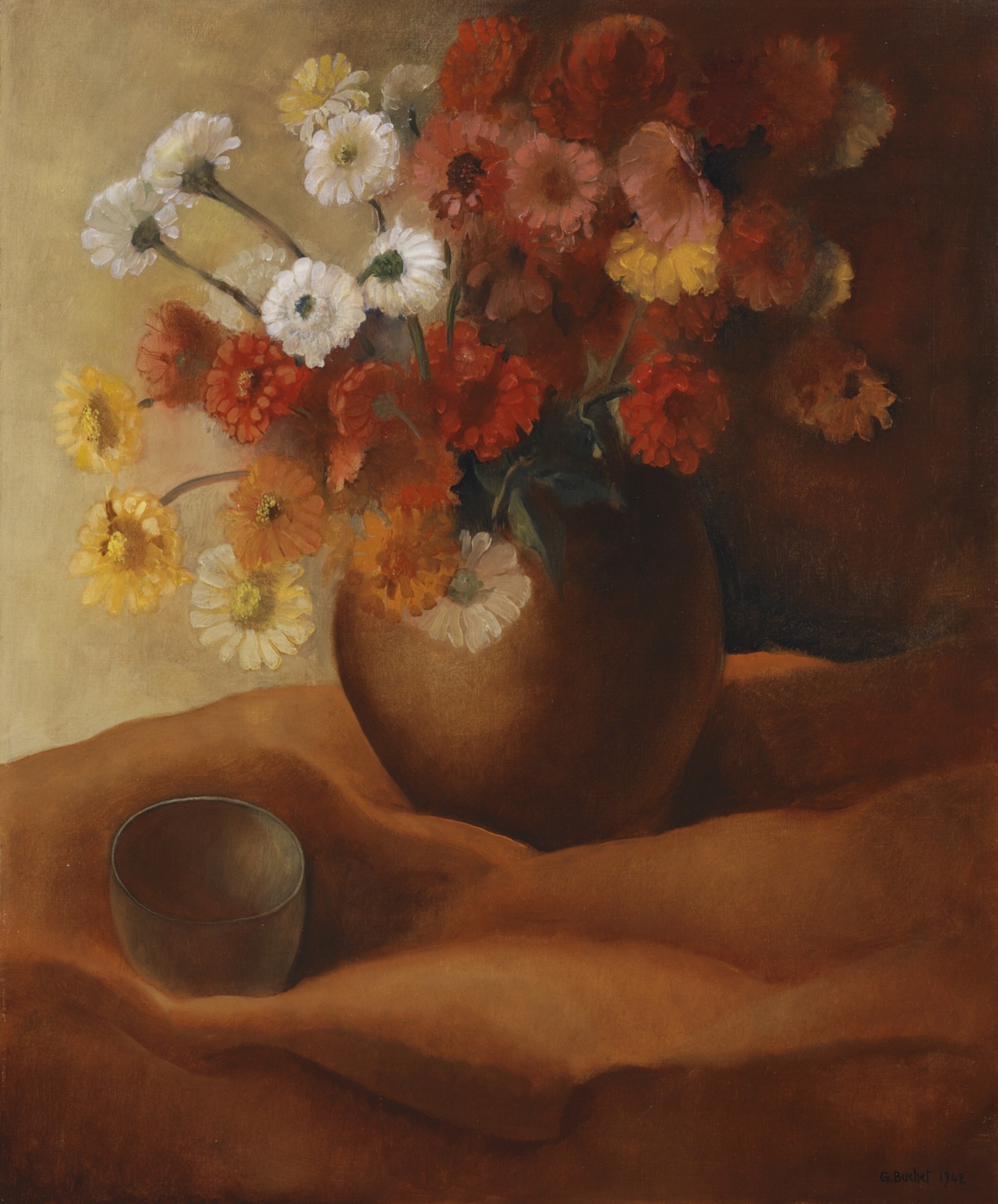
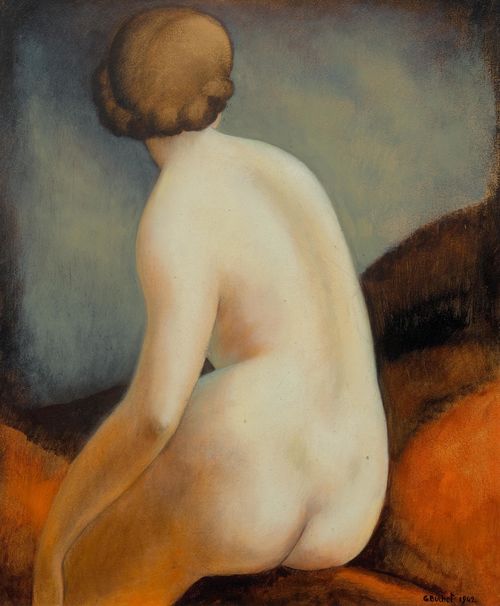
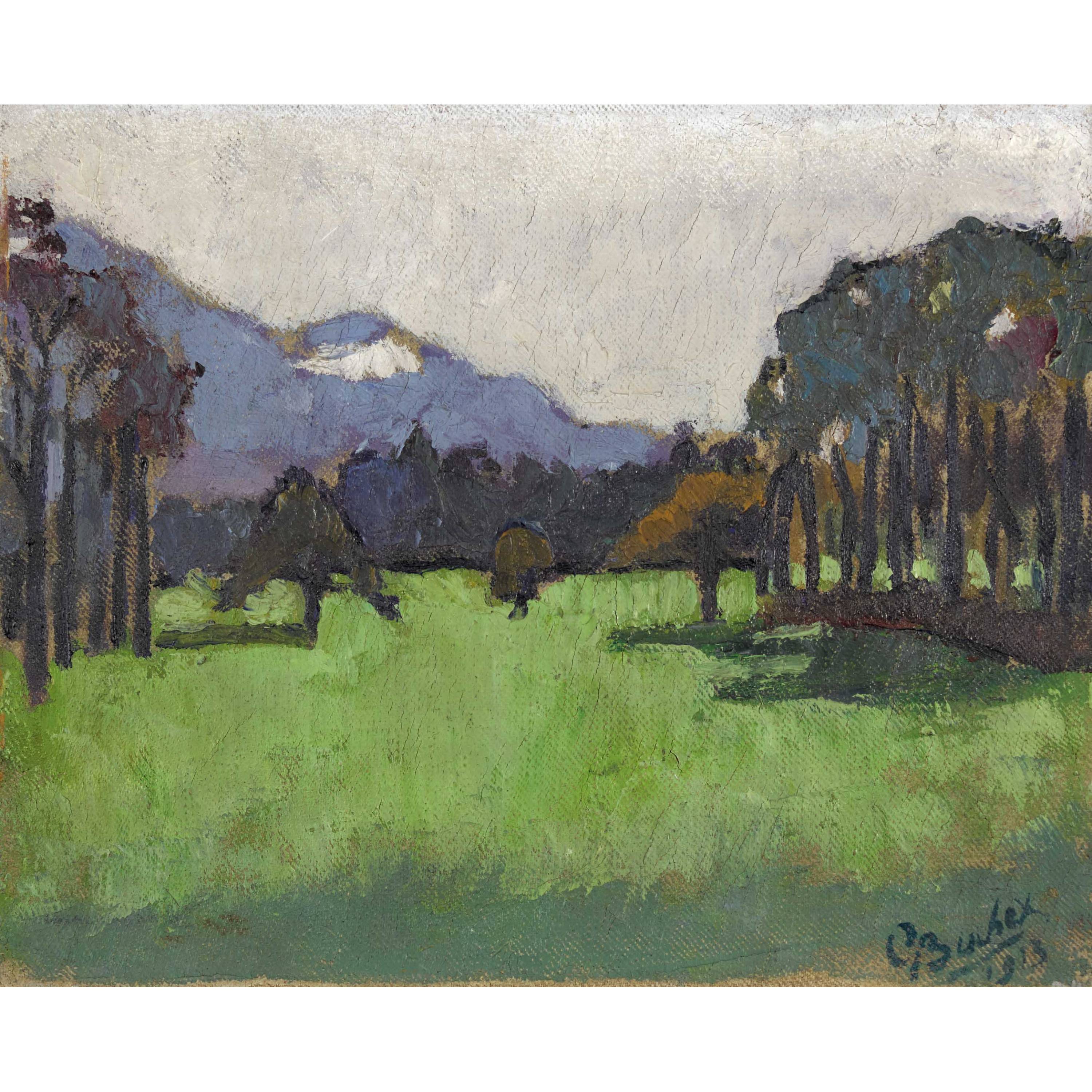
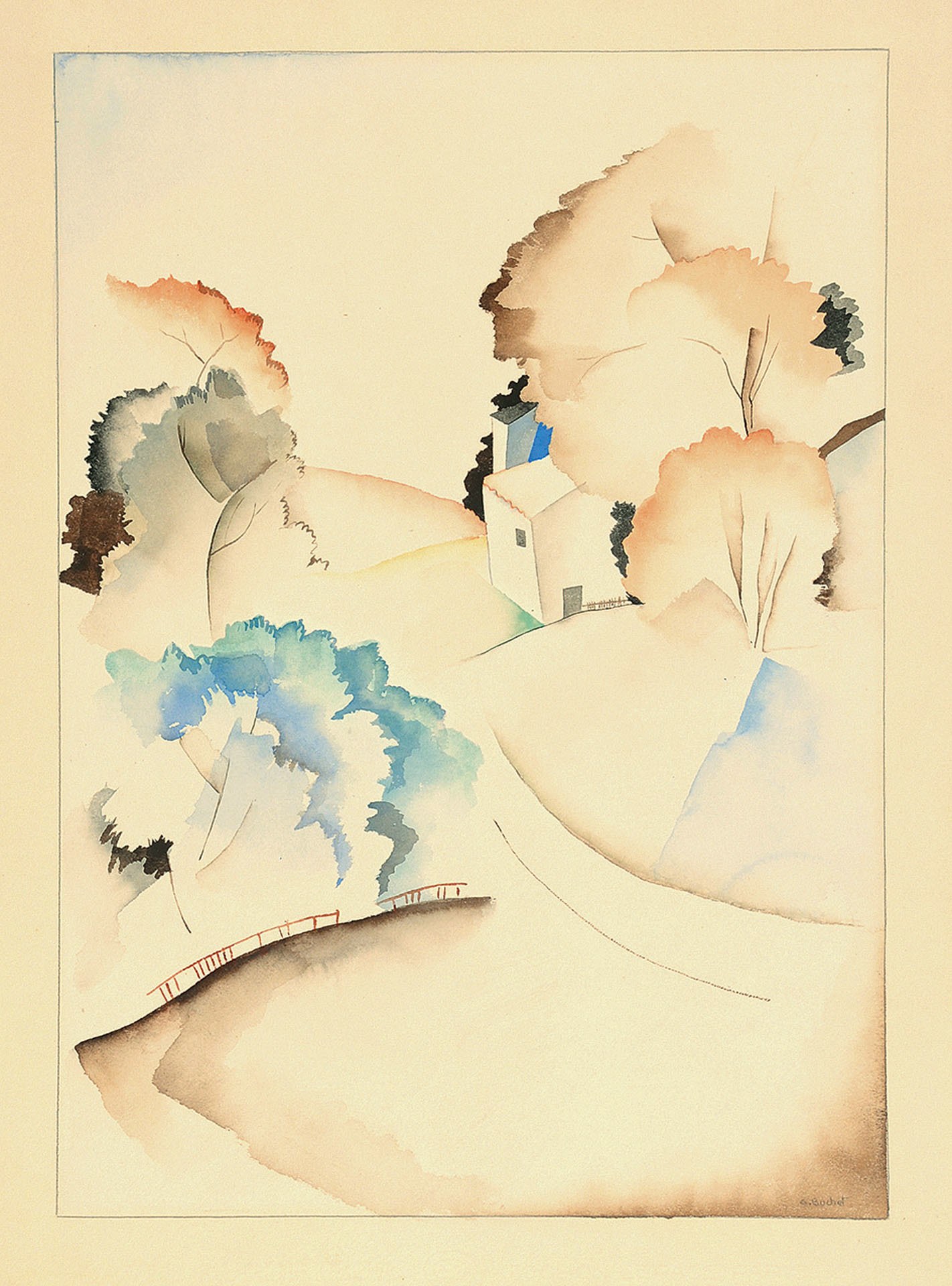
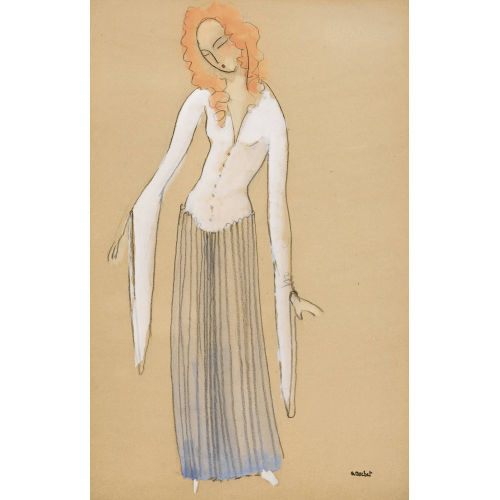
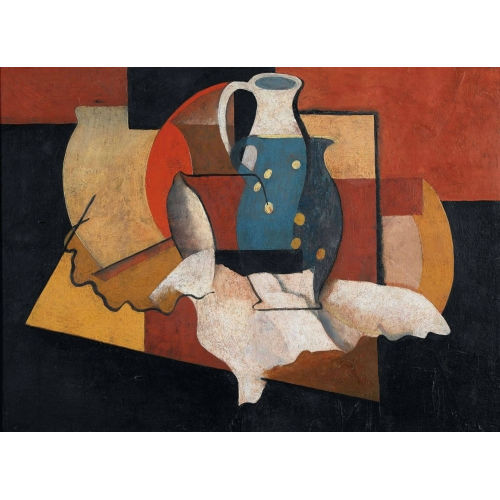
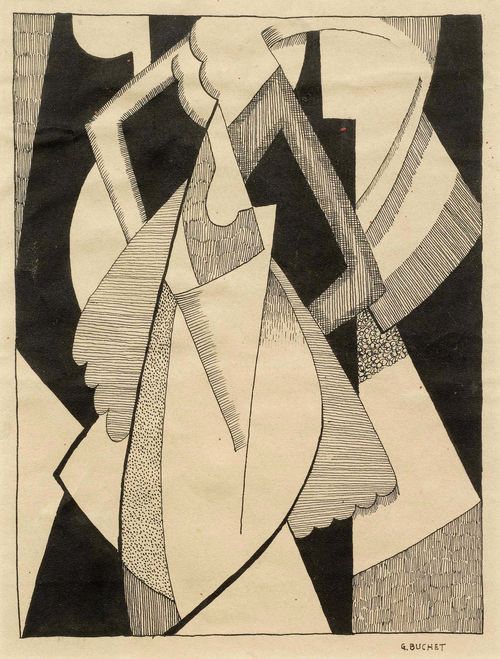
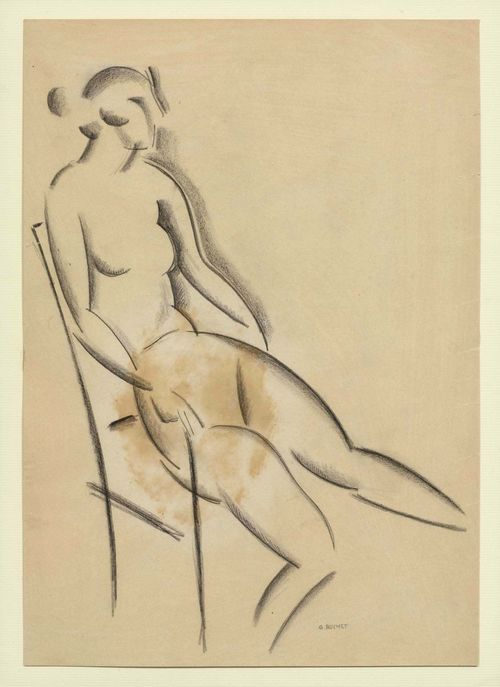
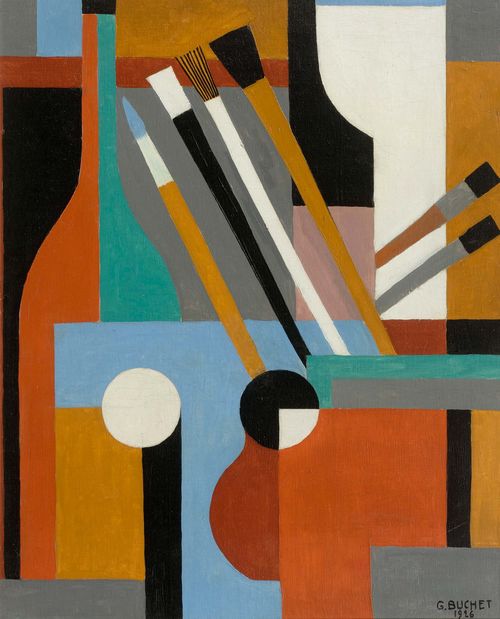
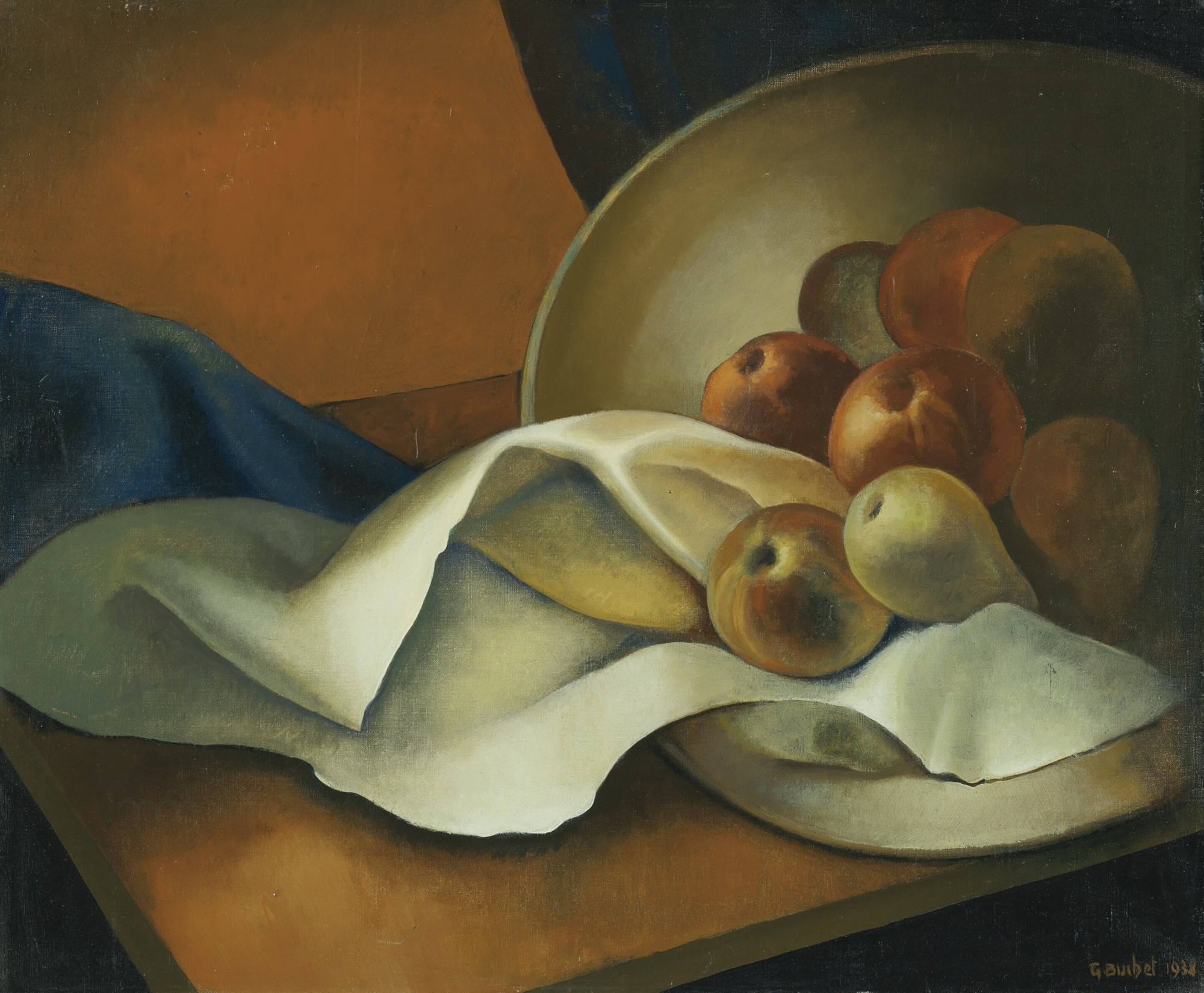
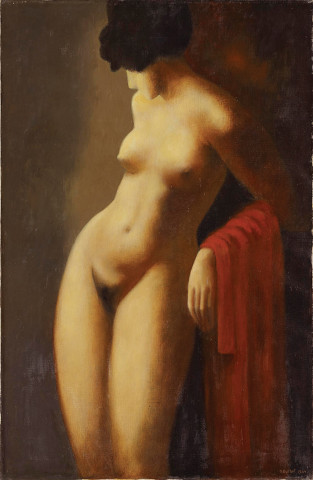
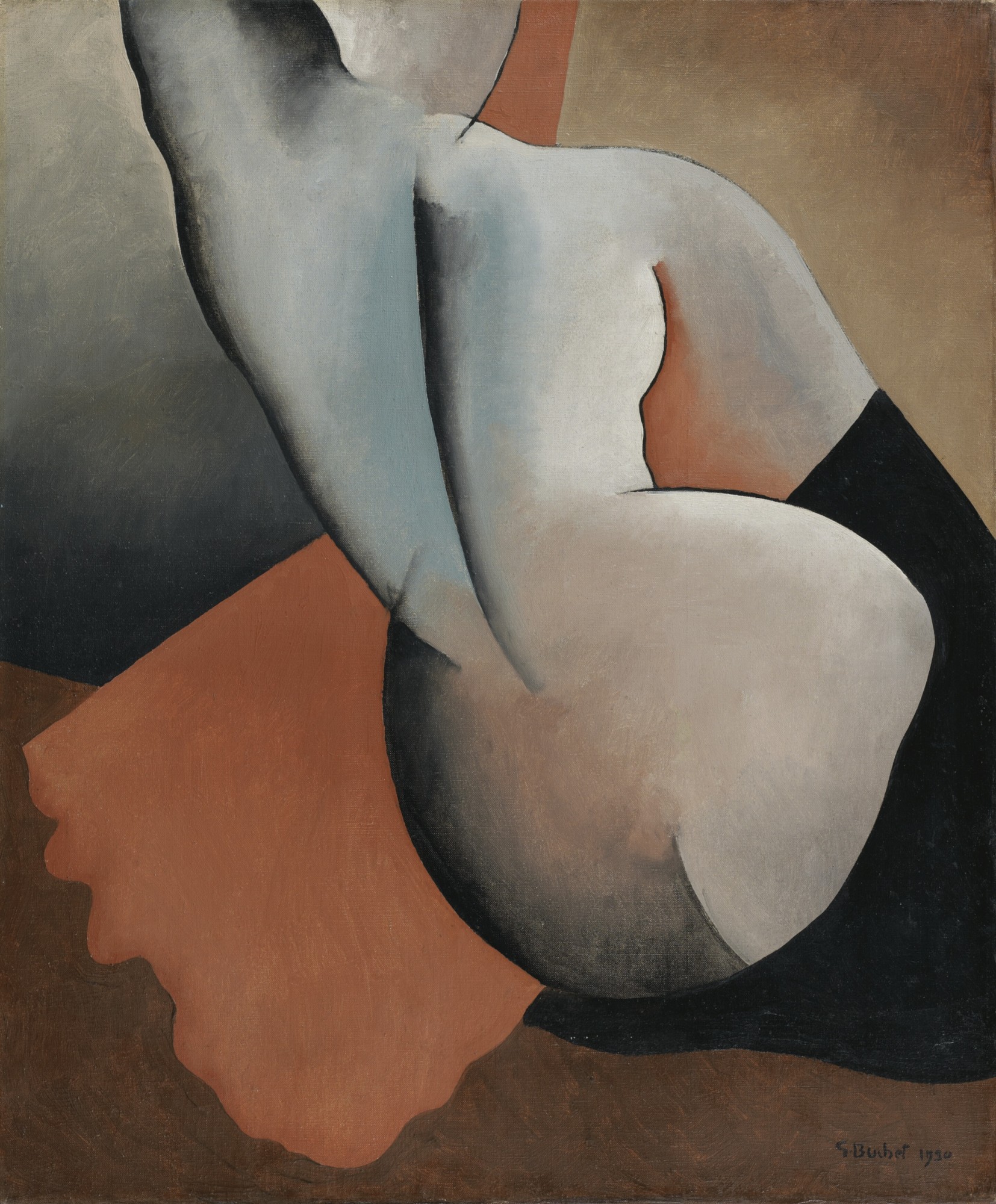
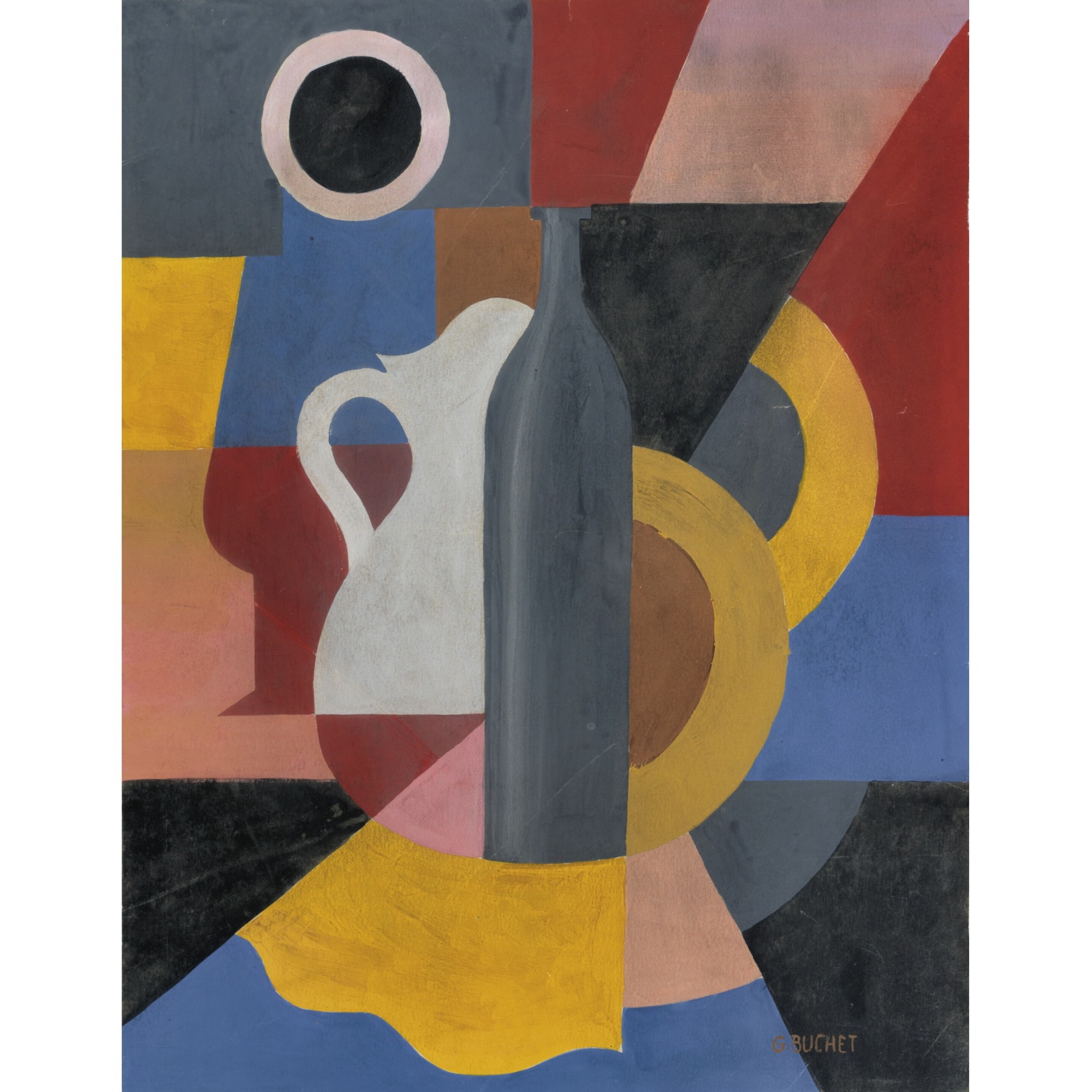
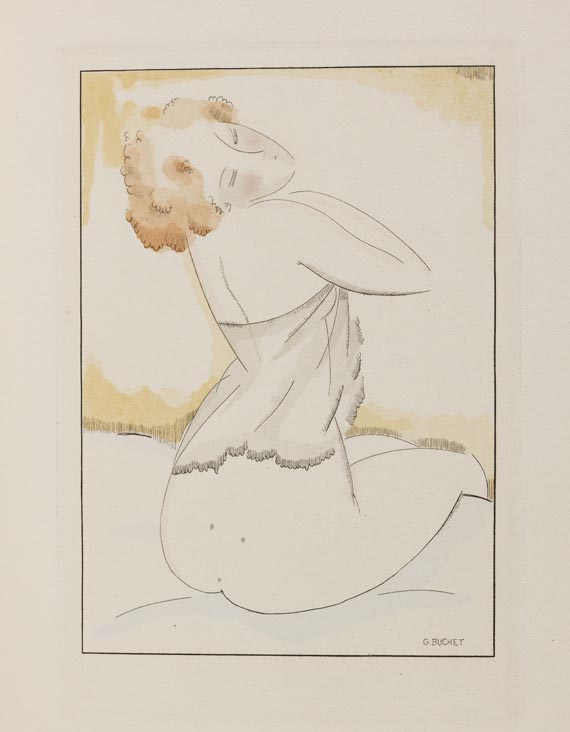
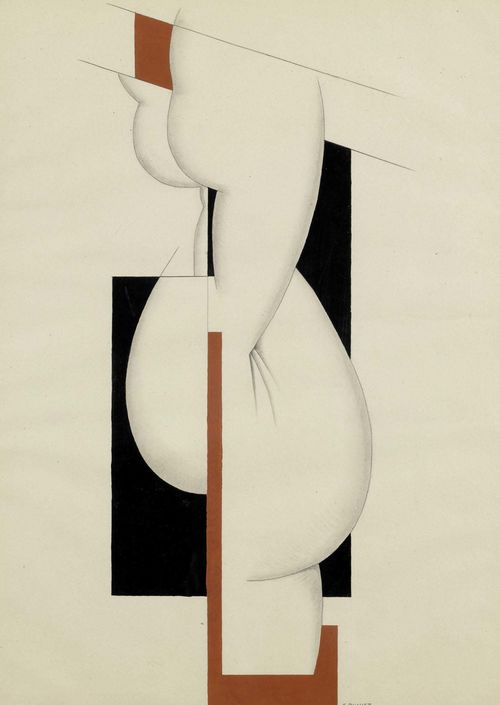
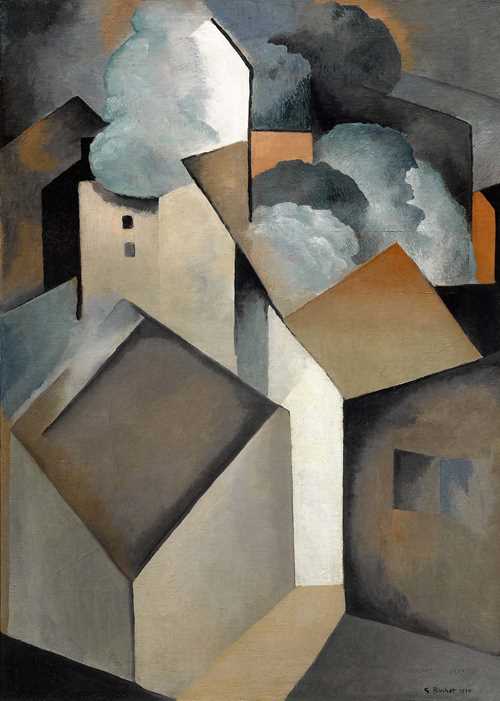
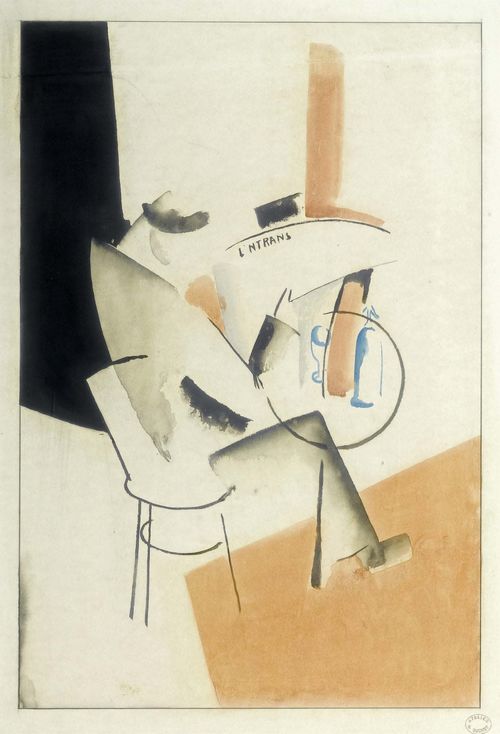
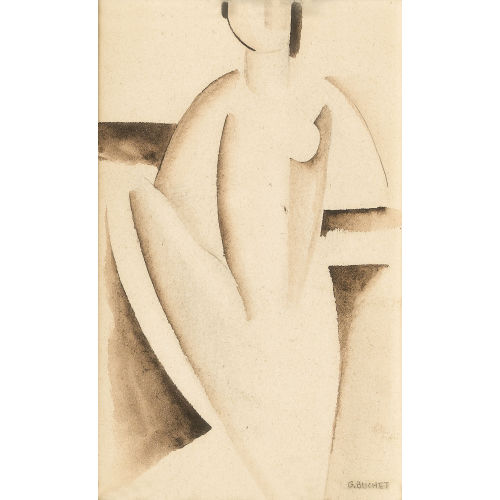
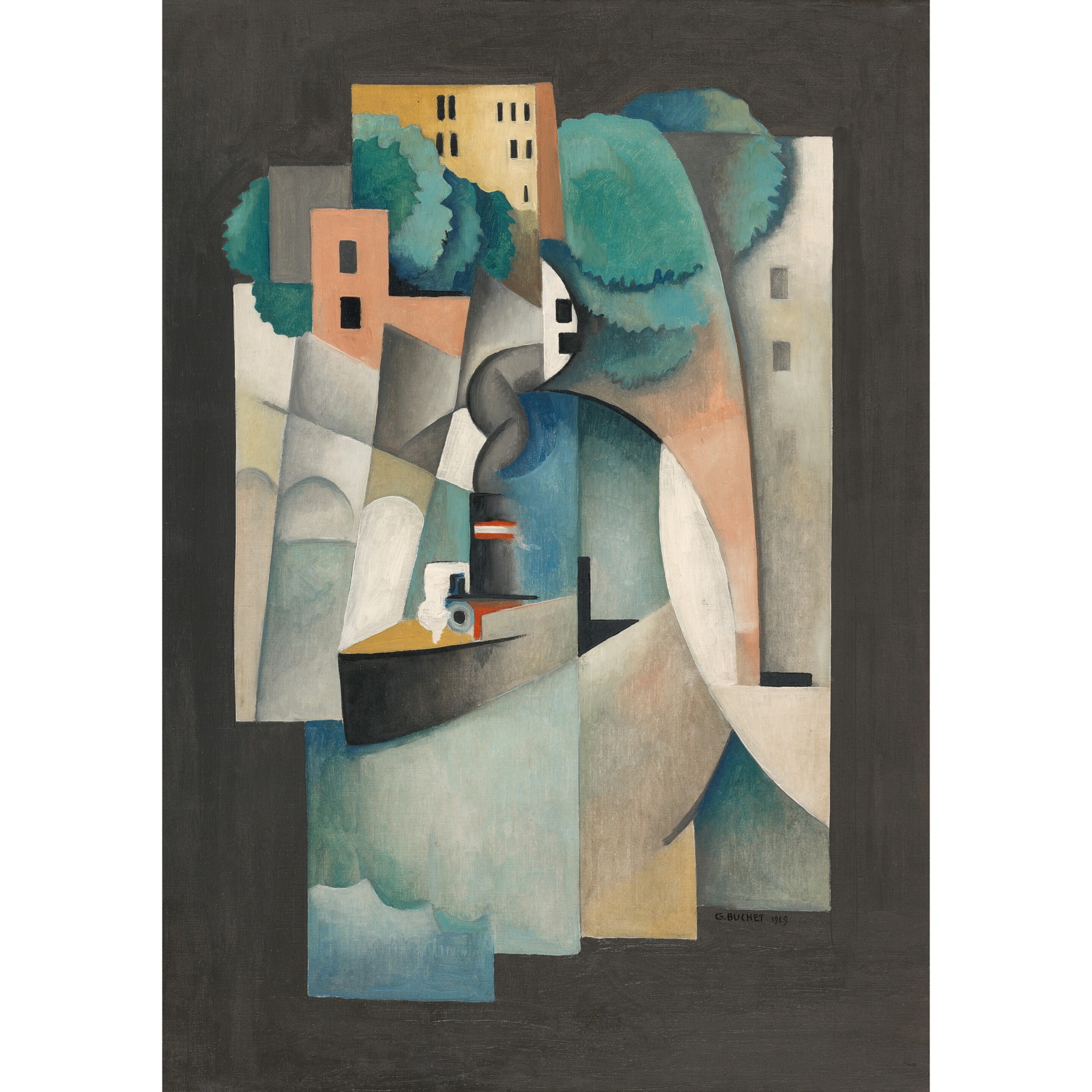
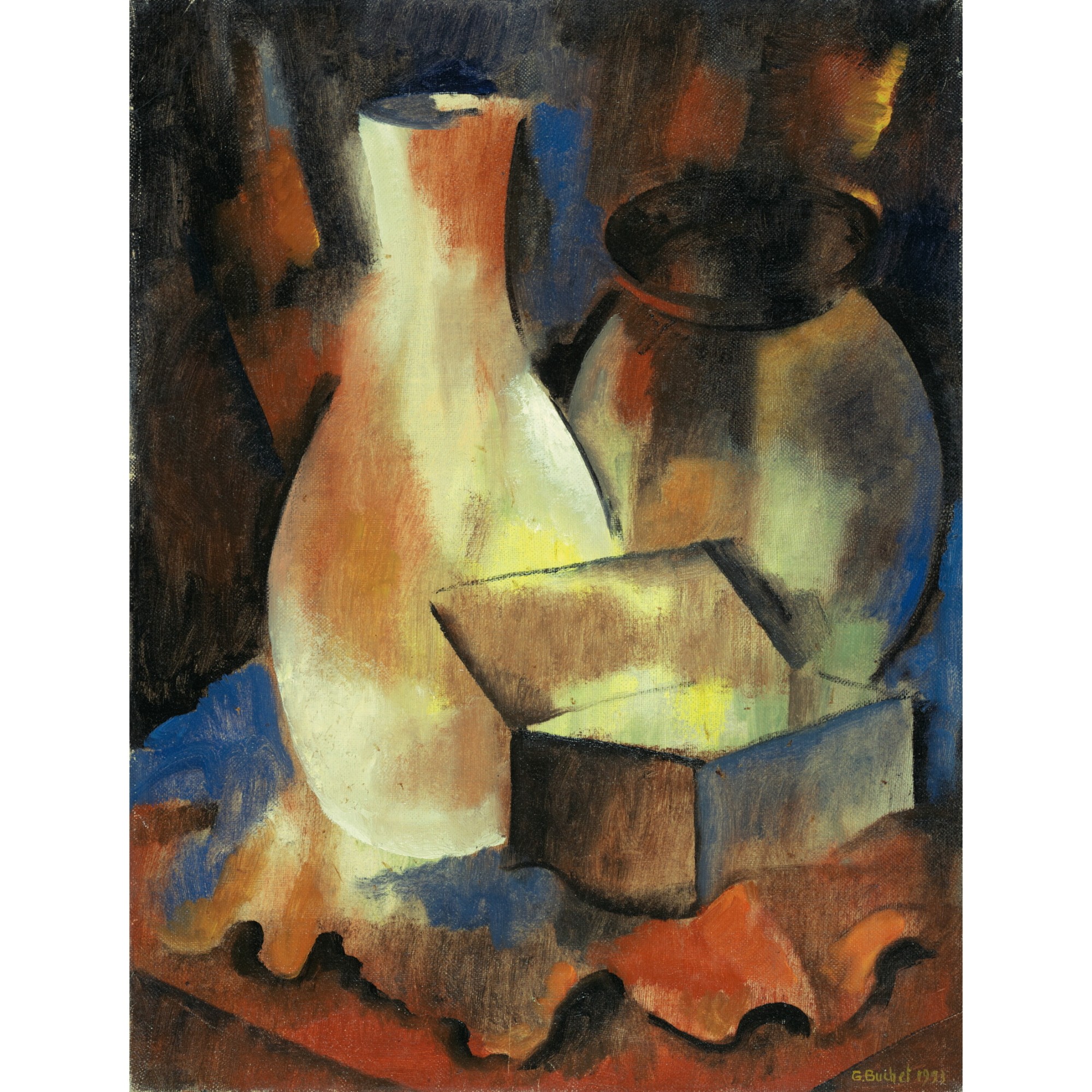
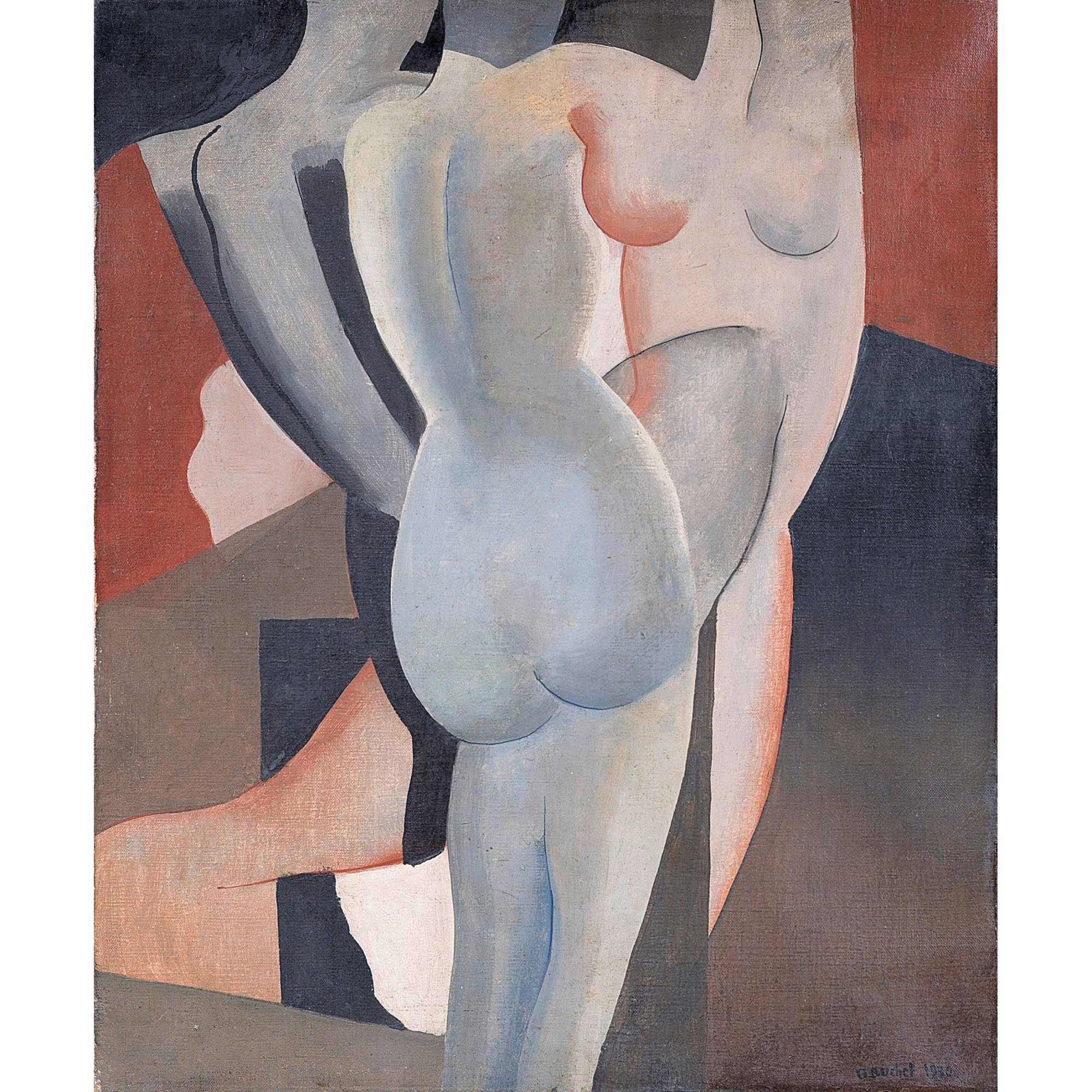
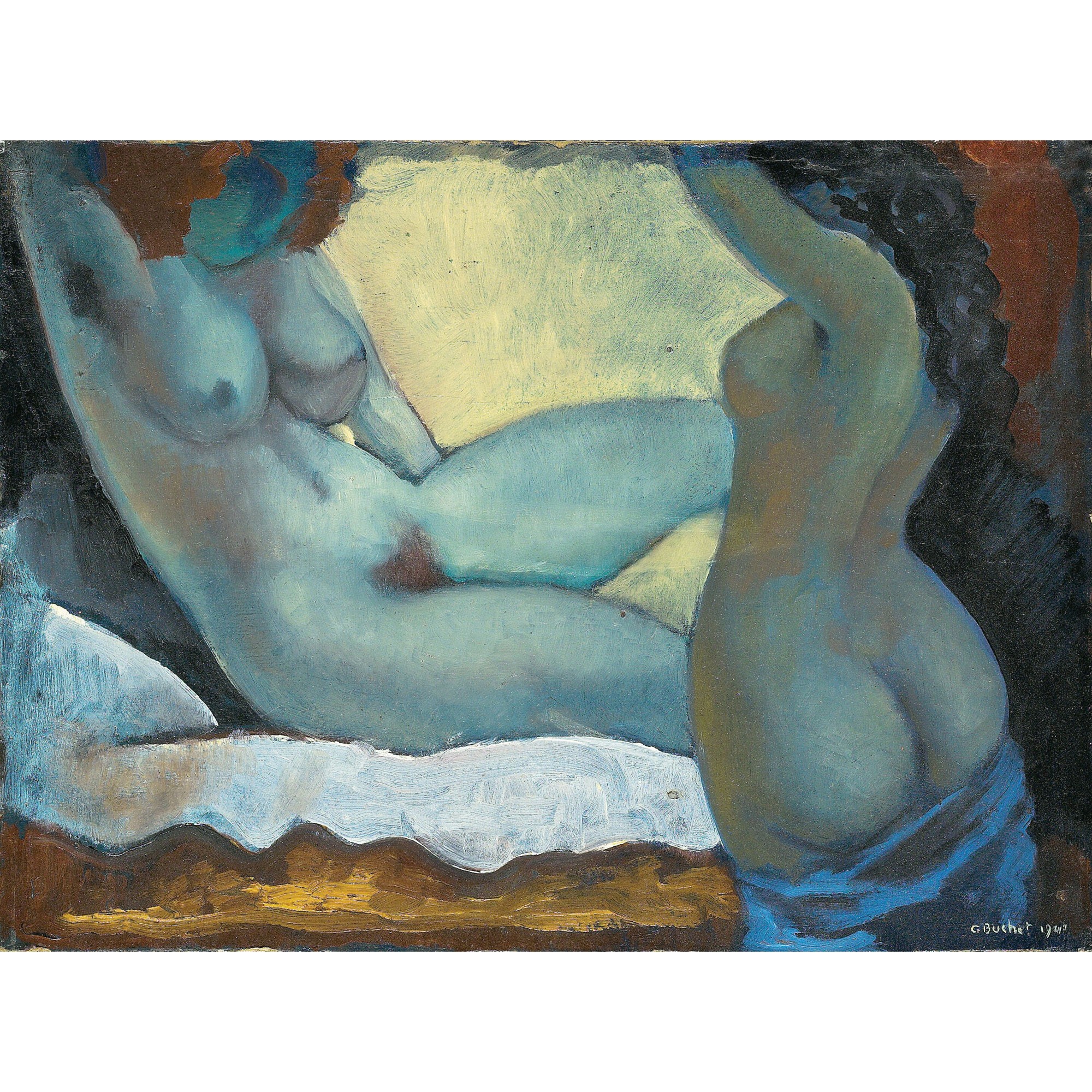
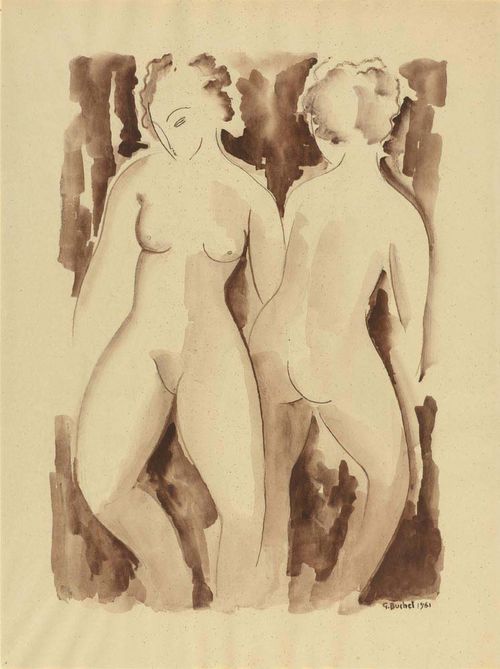
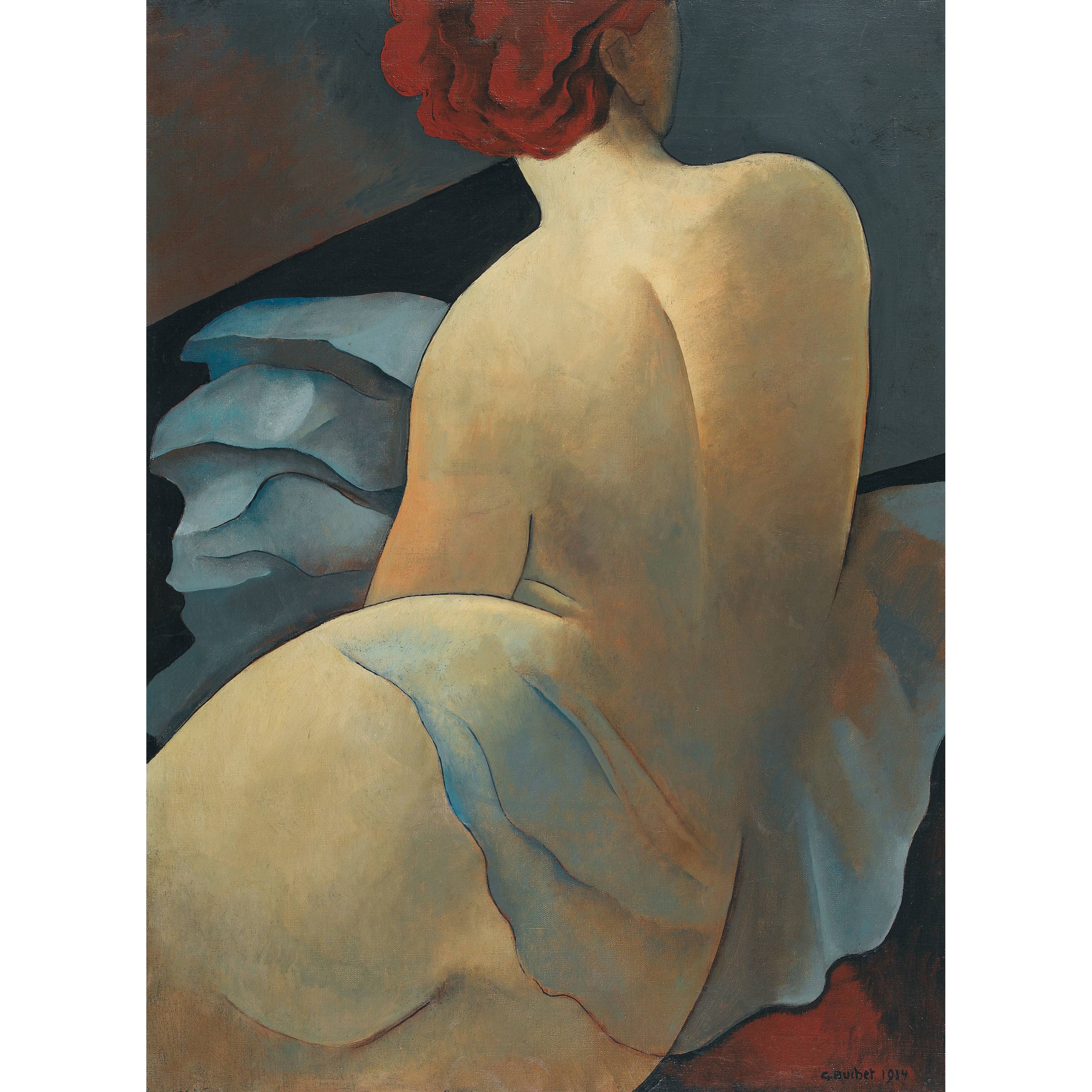
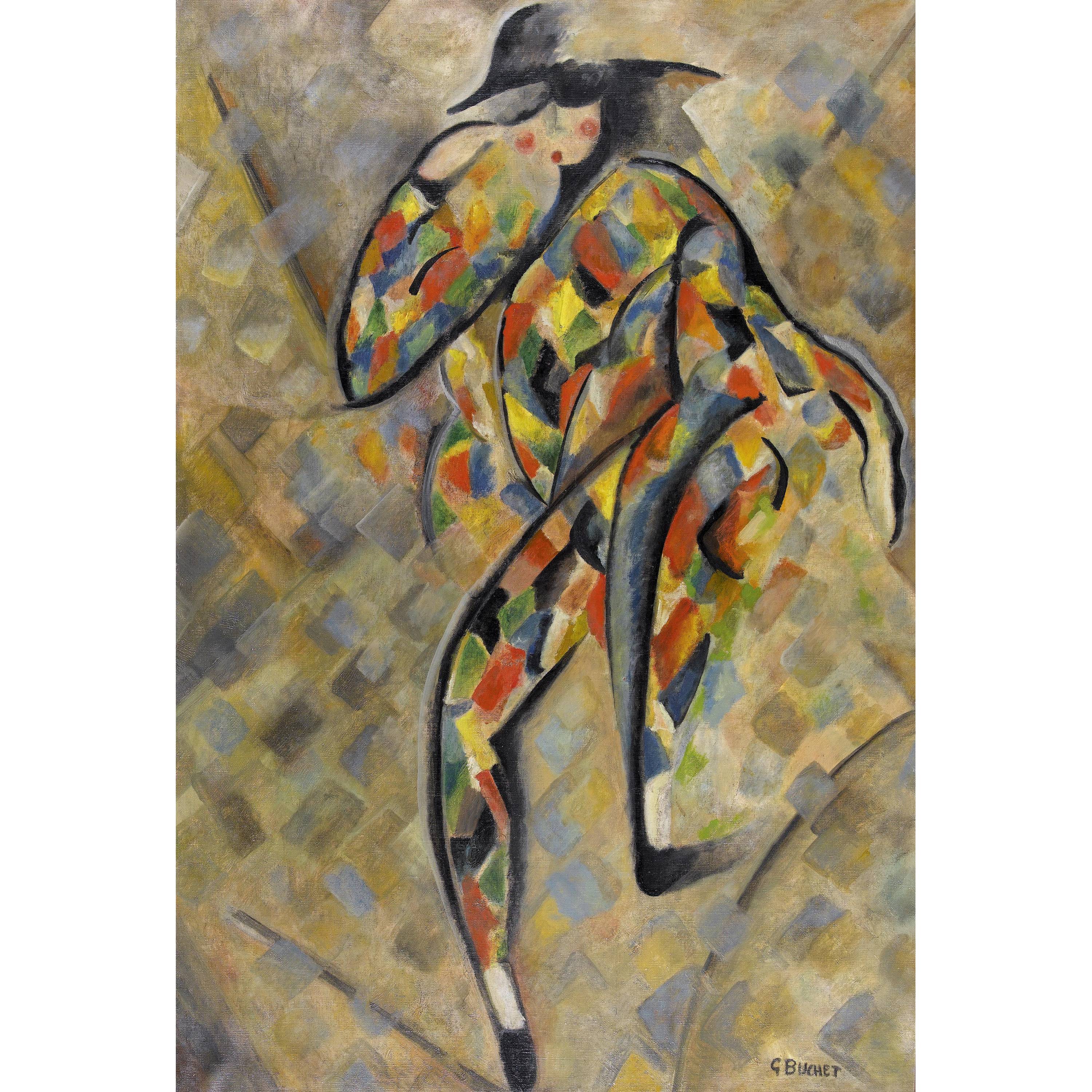
Initially marked by Futurism, Buchet later developed compositions dominated by flatness and geometry, which the sources relate to Fernand Léger’s Post-Cubism and to the Purism advocated by Le Corbusier and Amédée Ozenfant. His practice was multifaceted: in addition to painting, he worked in the applied arts and illustration, founded a fashion house, designed projects for advertising and the theatre (sets and costumes), and made sculptures, including oil-painted plaster pieces and works combining sculpture and painting.
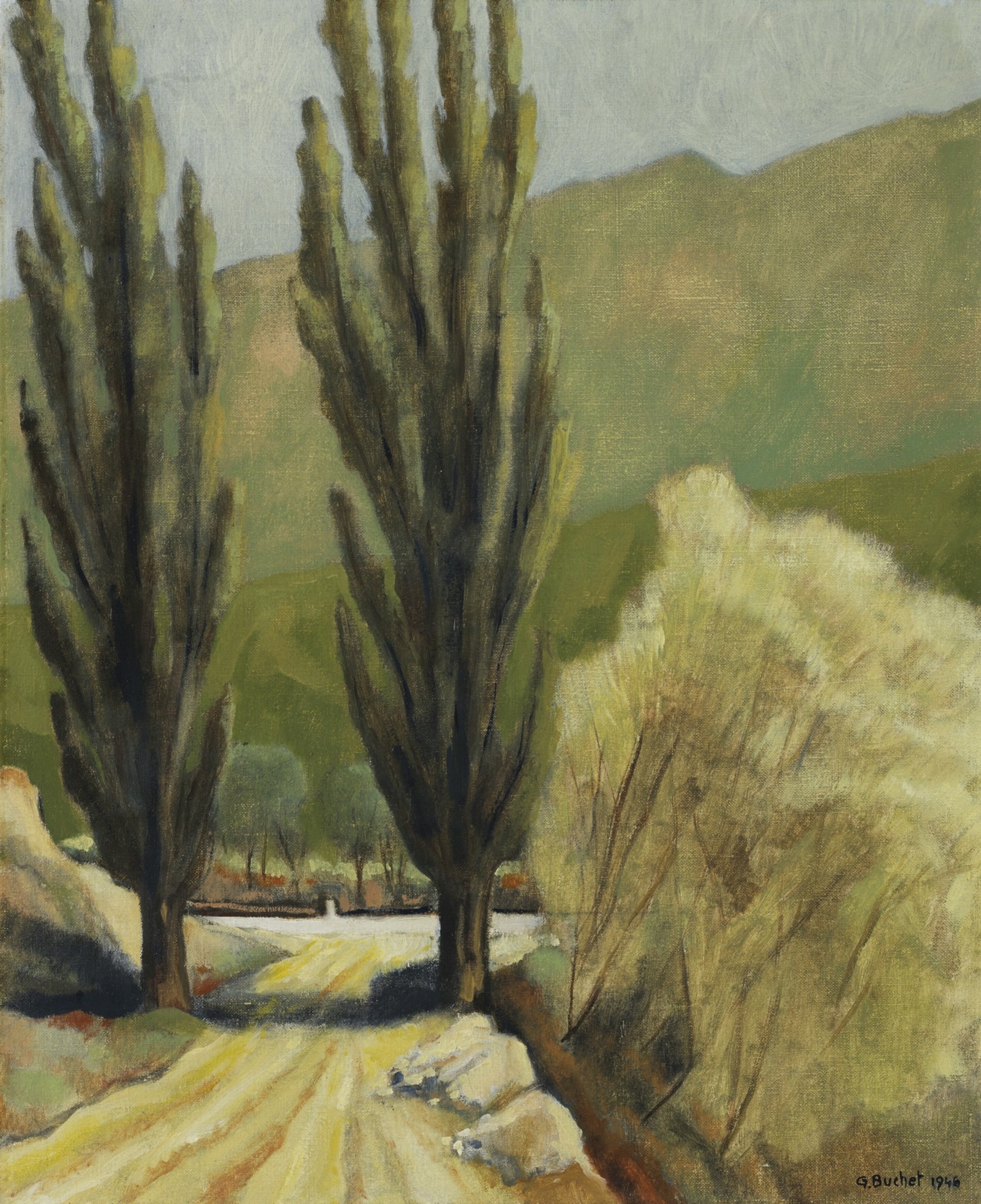
The war forced him to return to Switzerland in 1939; settled in Lausanne, he received a public commission in 1954 for two mosaics intended for the fire station.
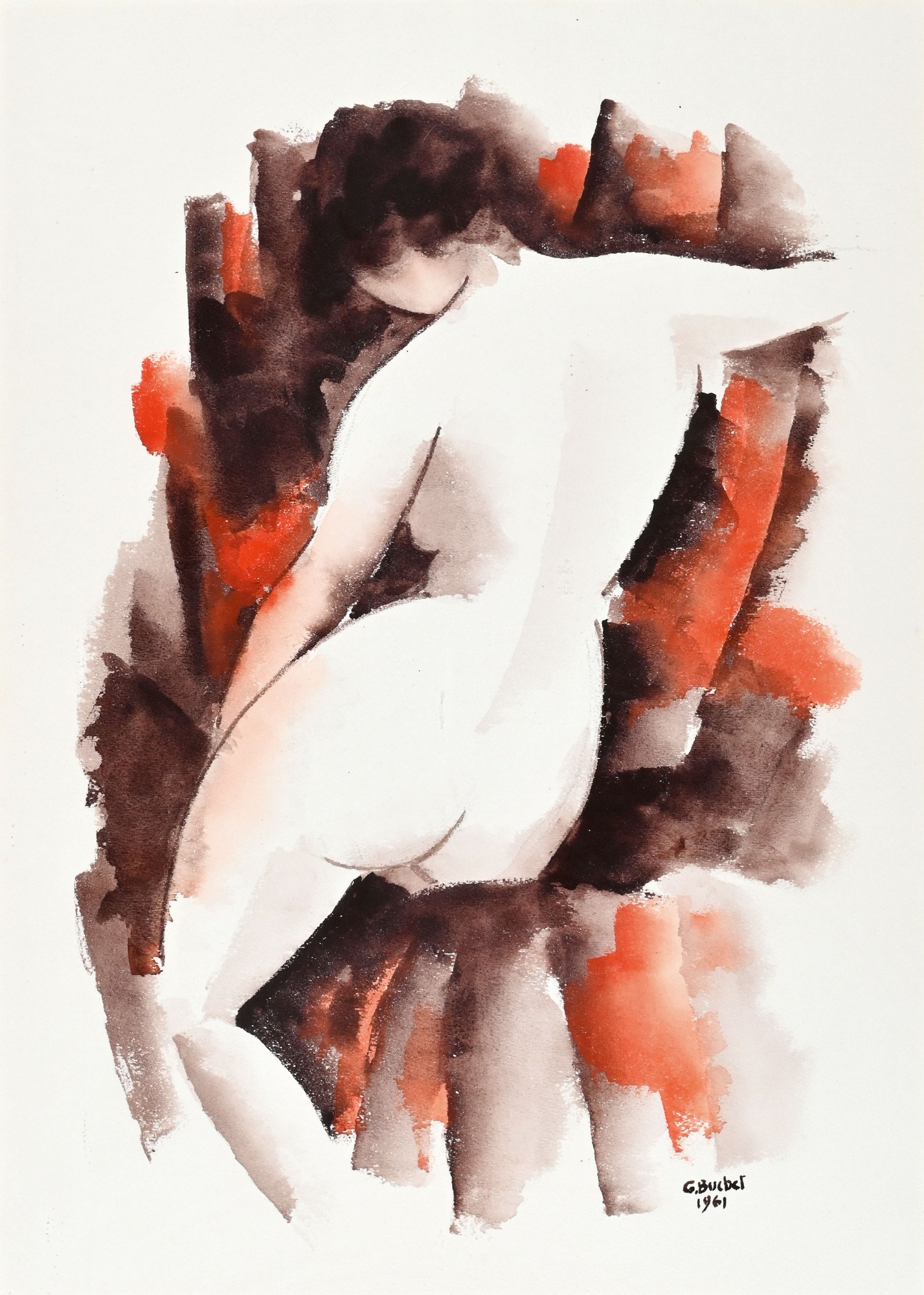
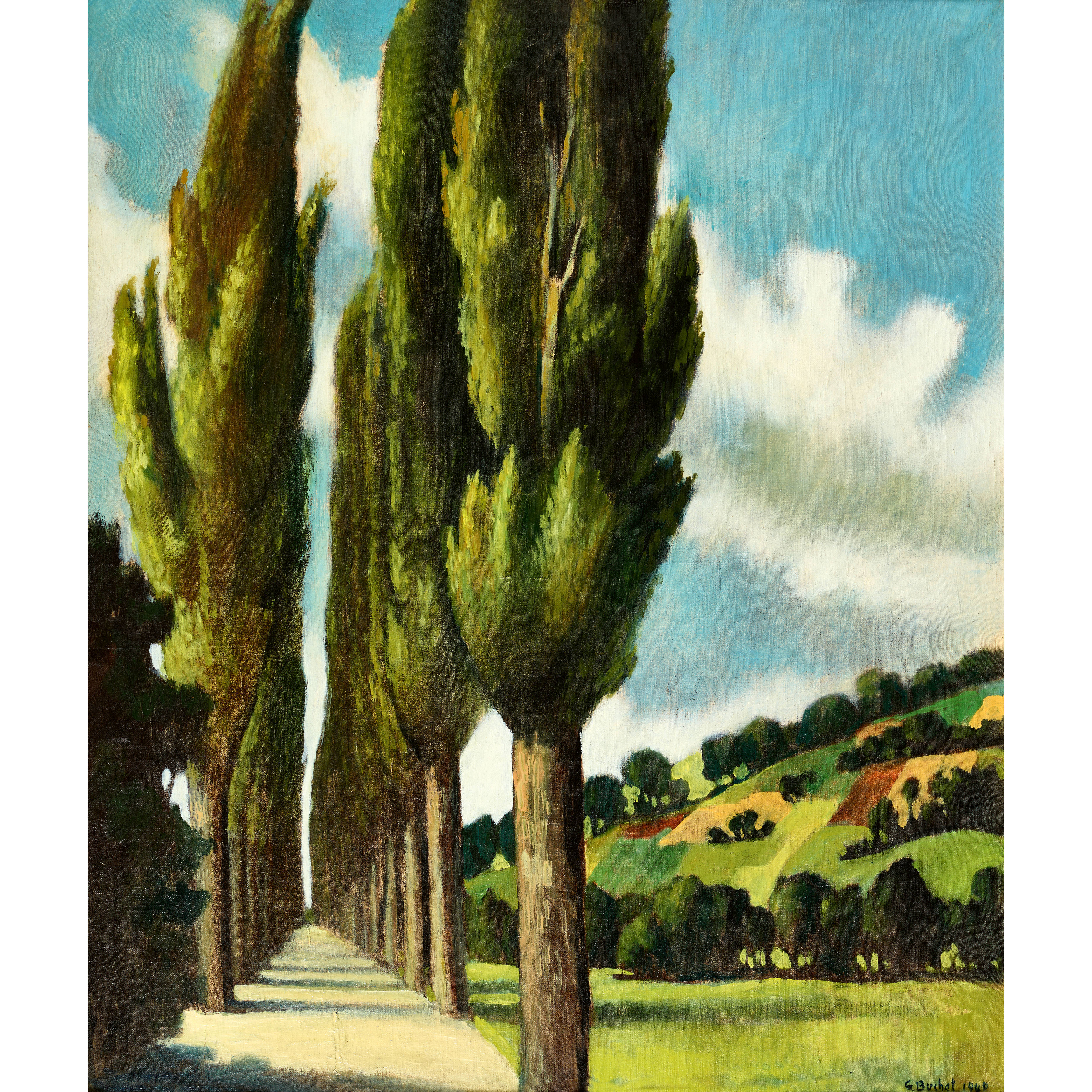
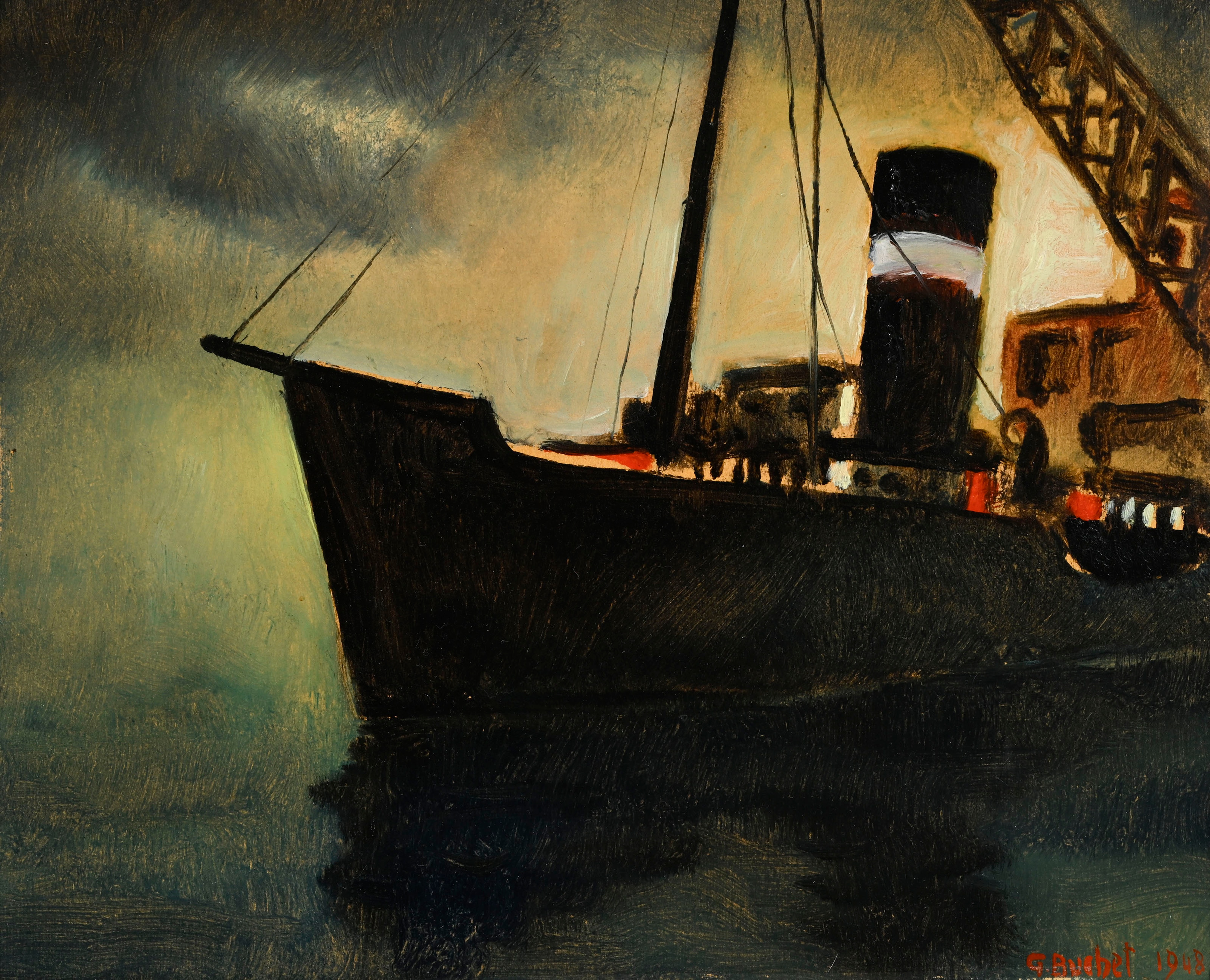
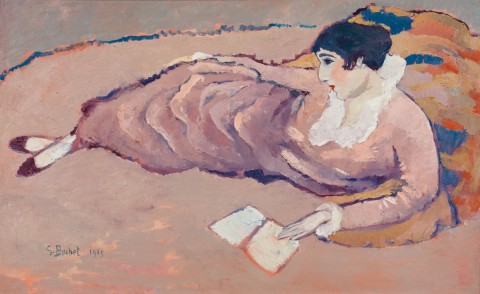
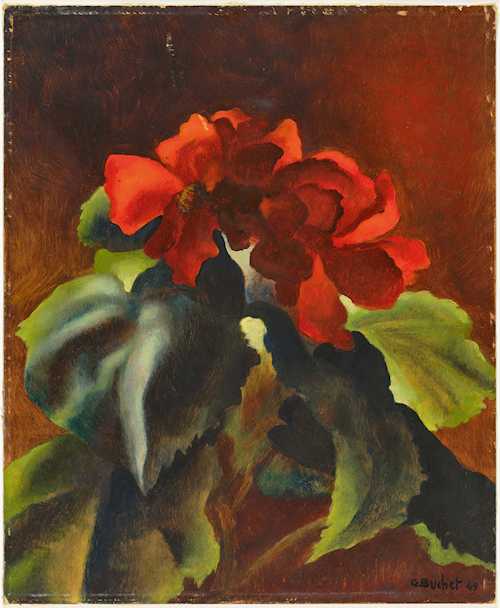
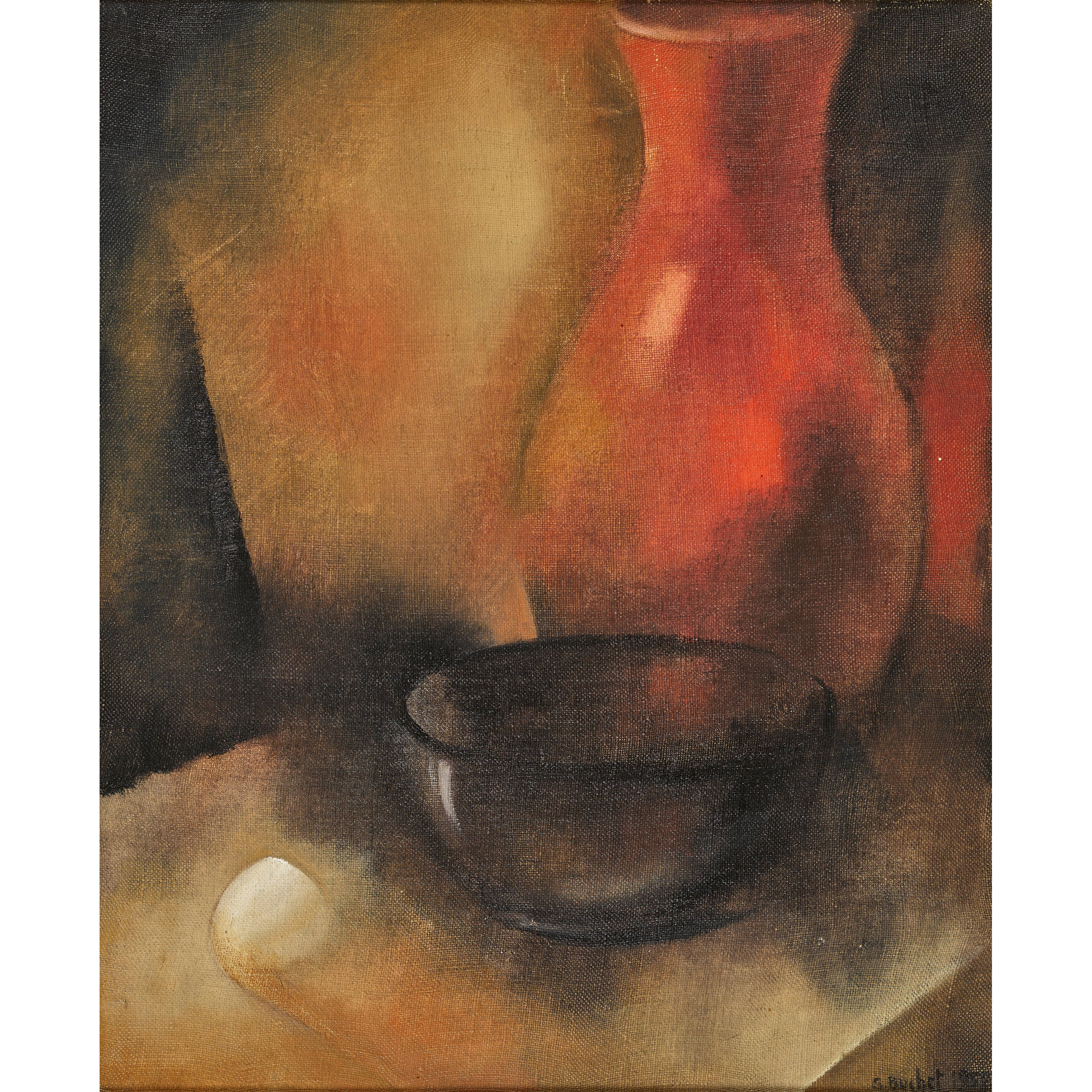
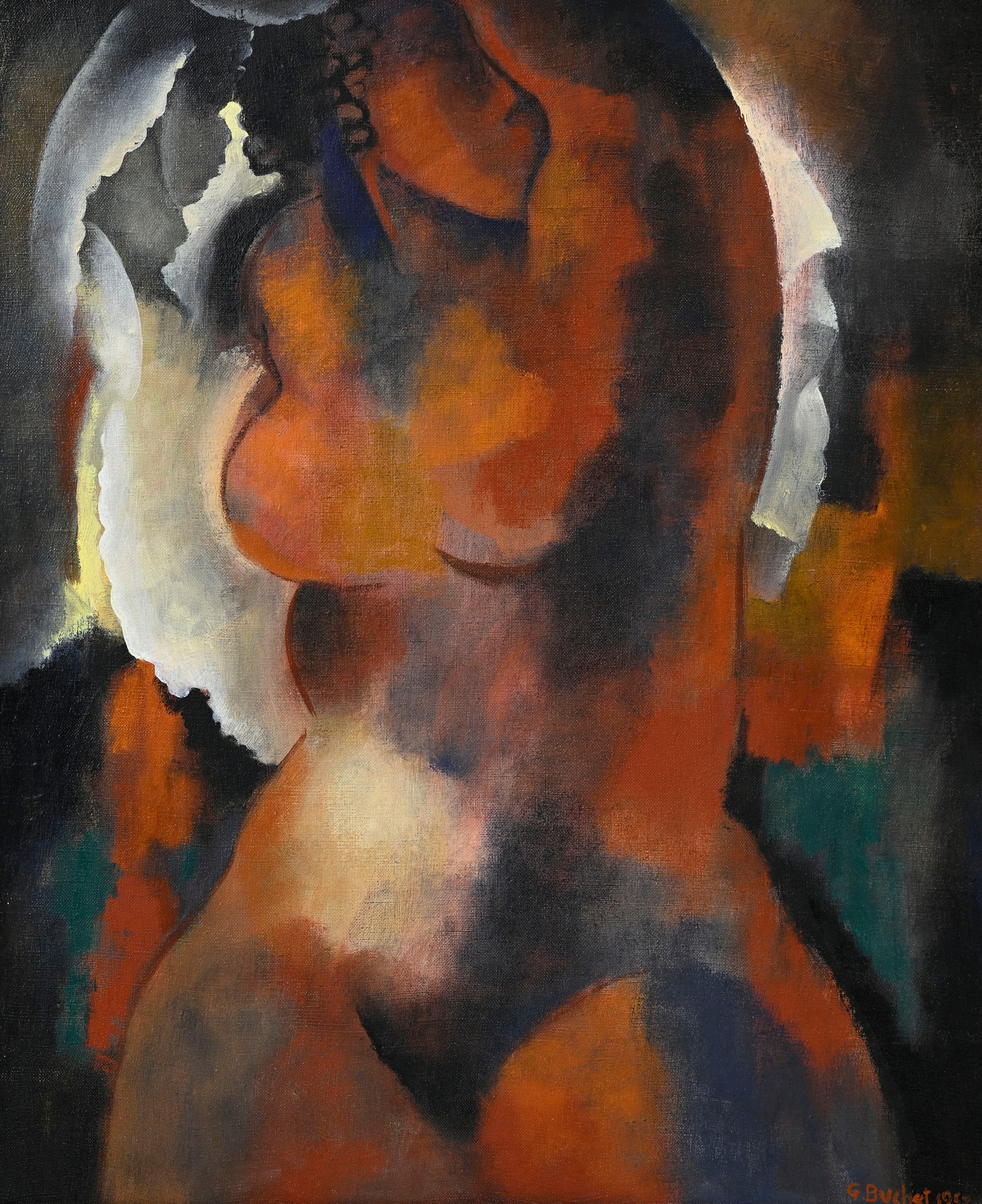
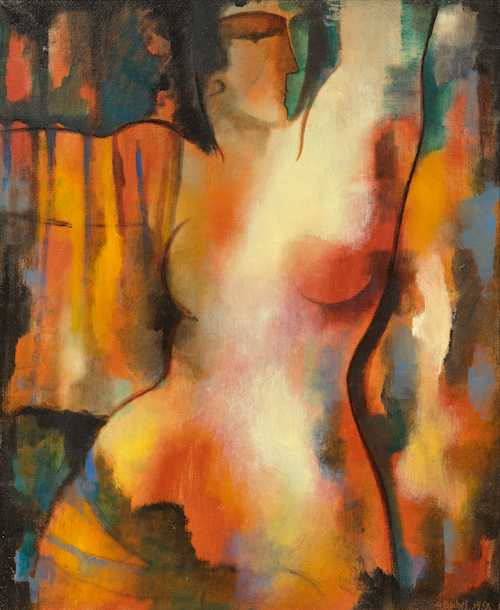
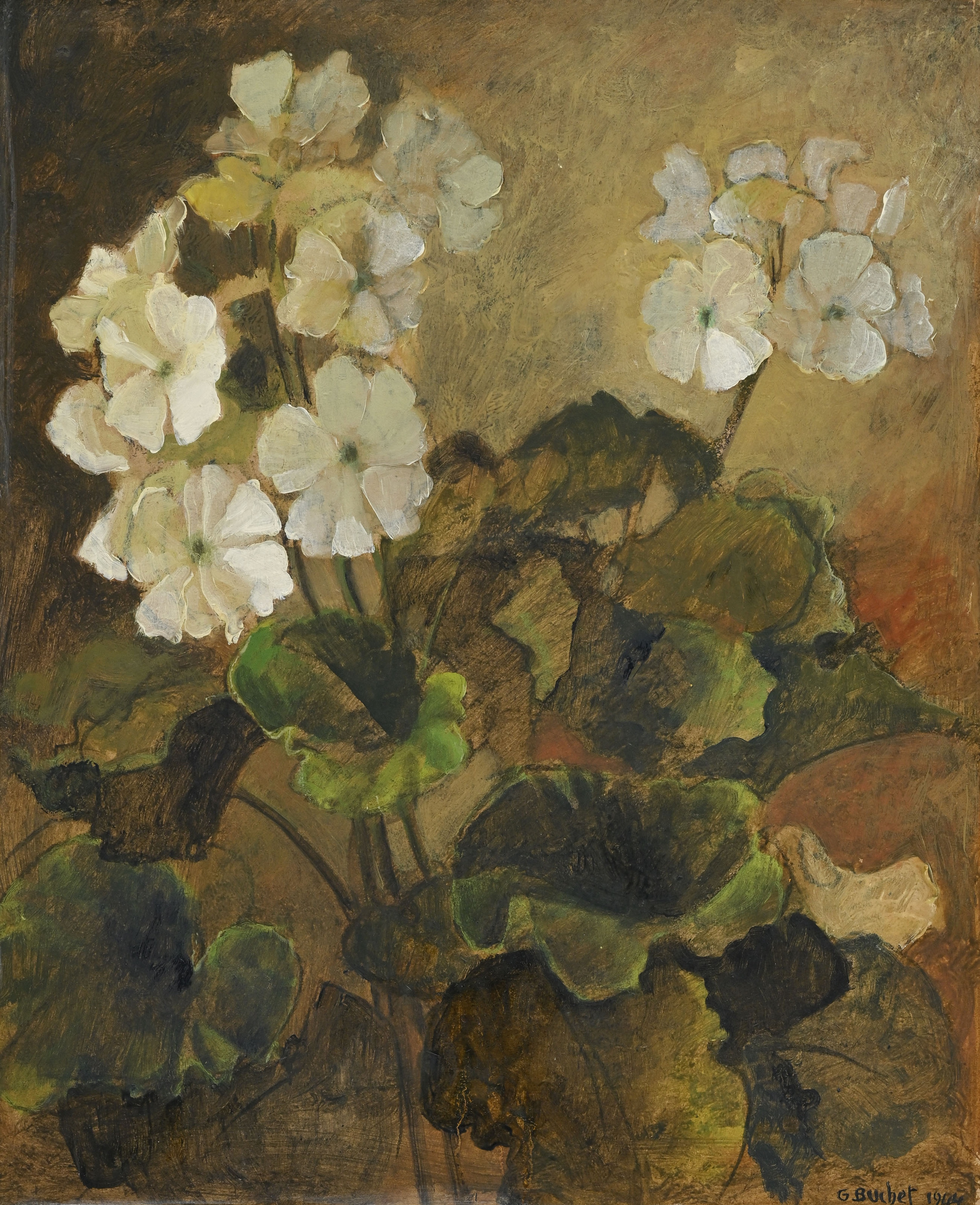
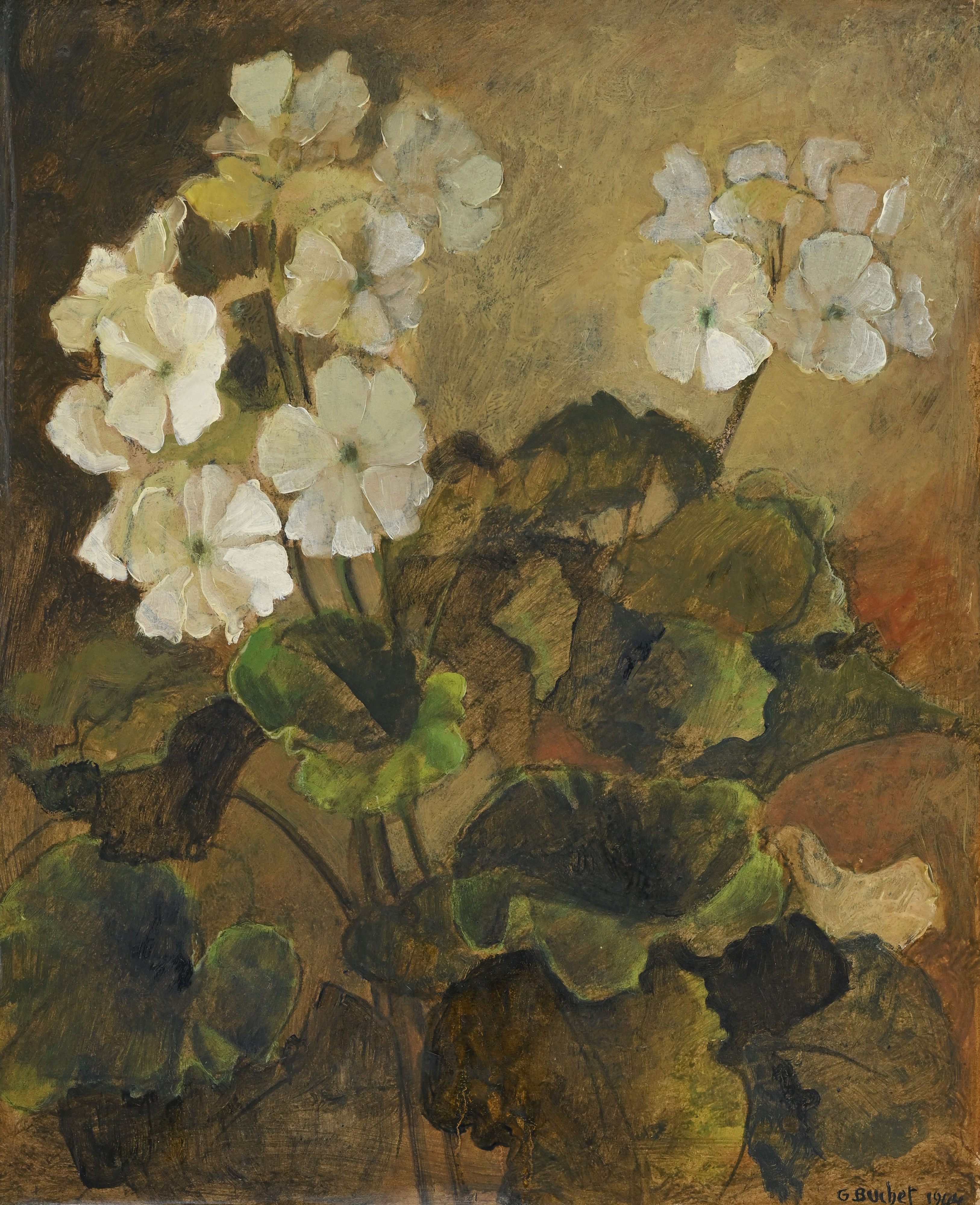
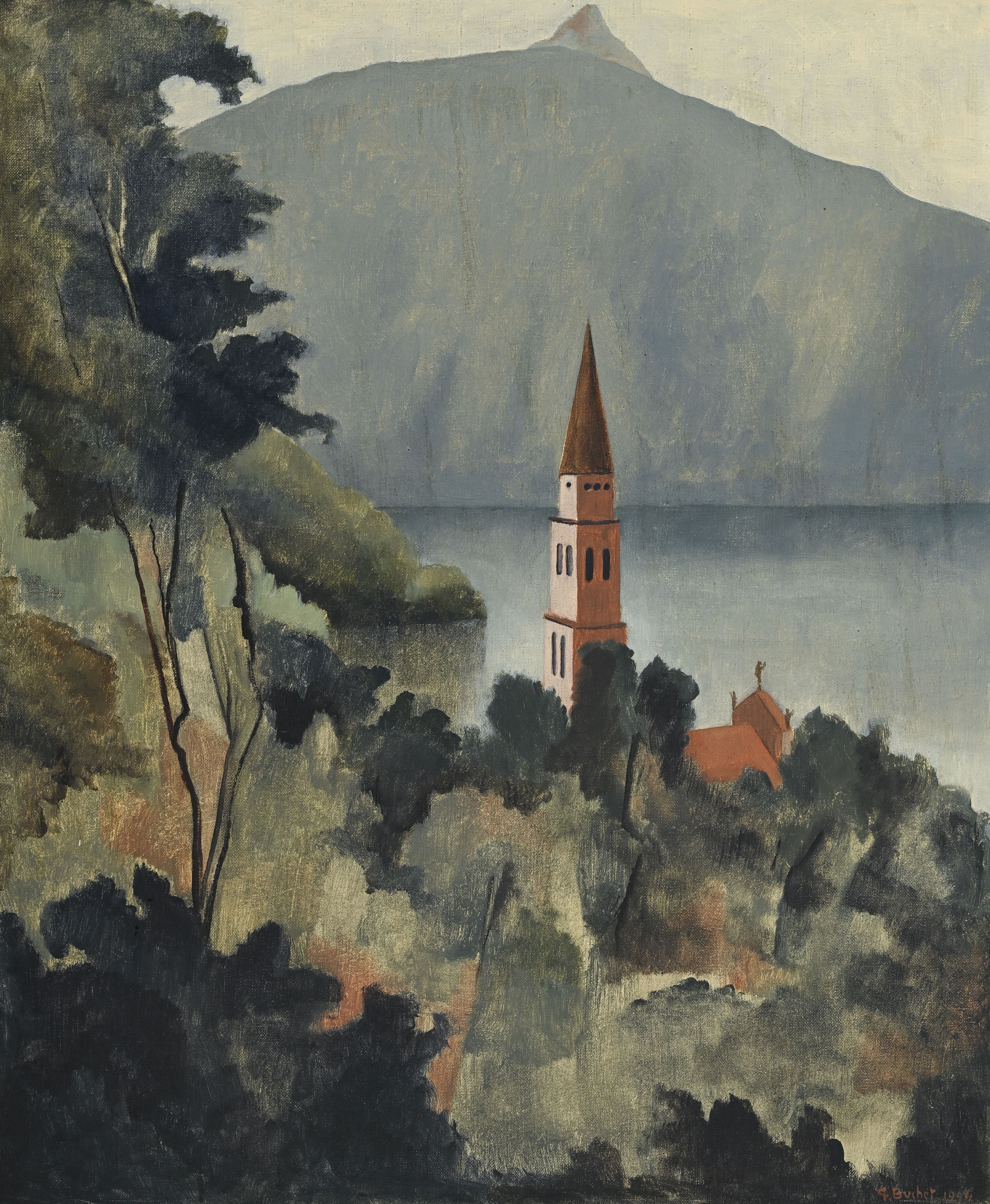
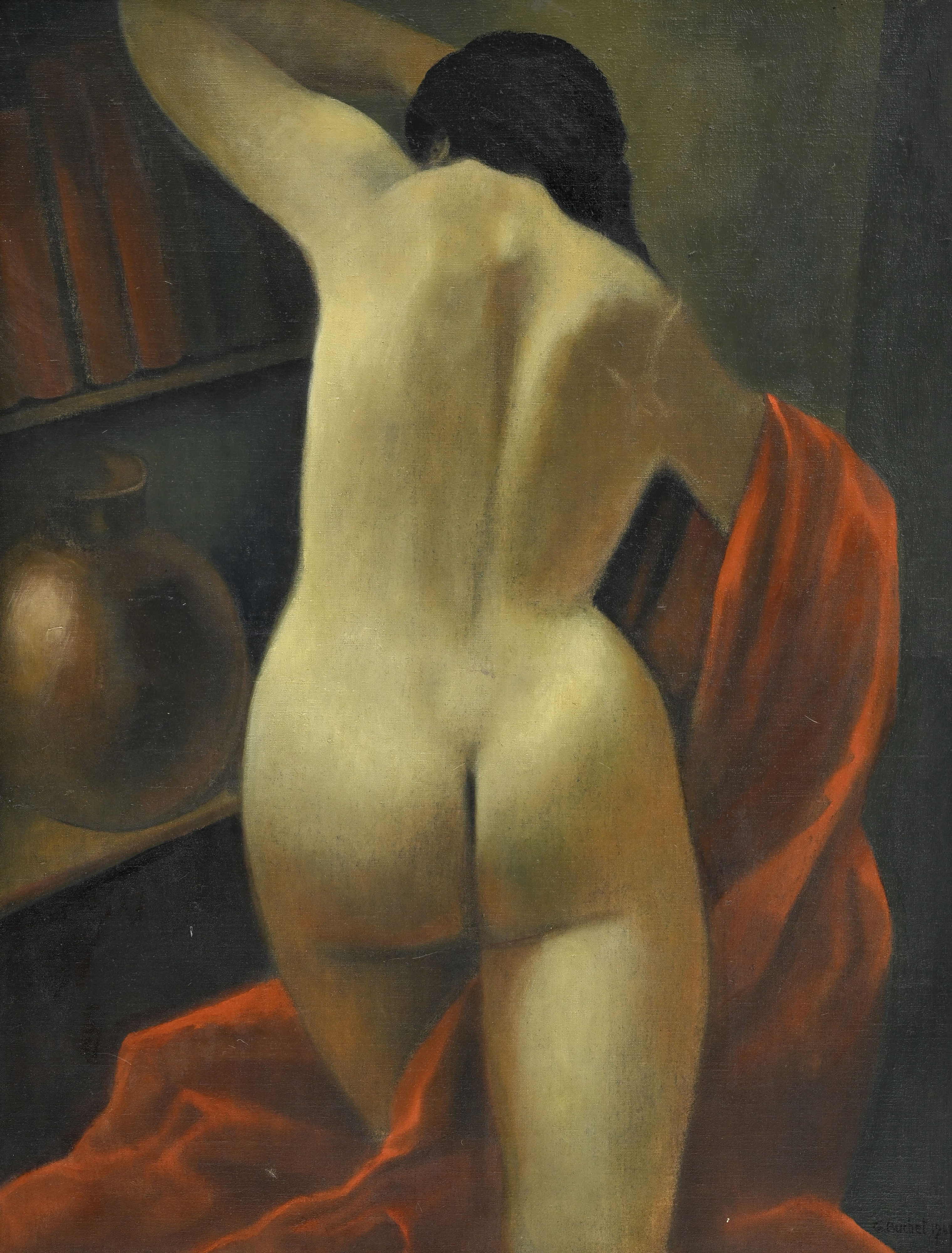
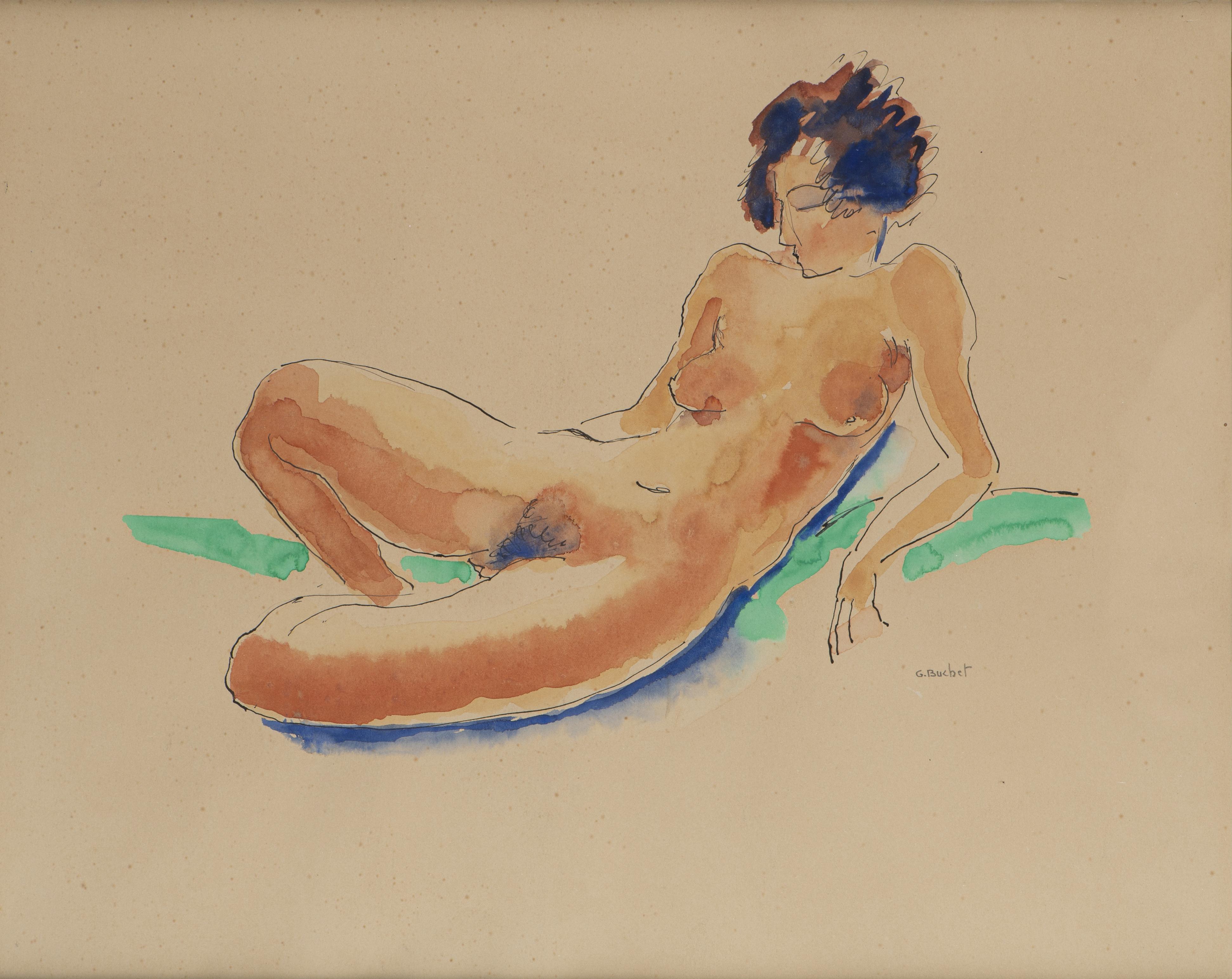
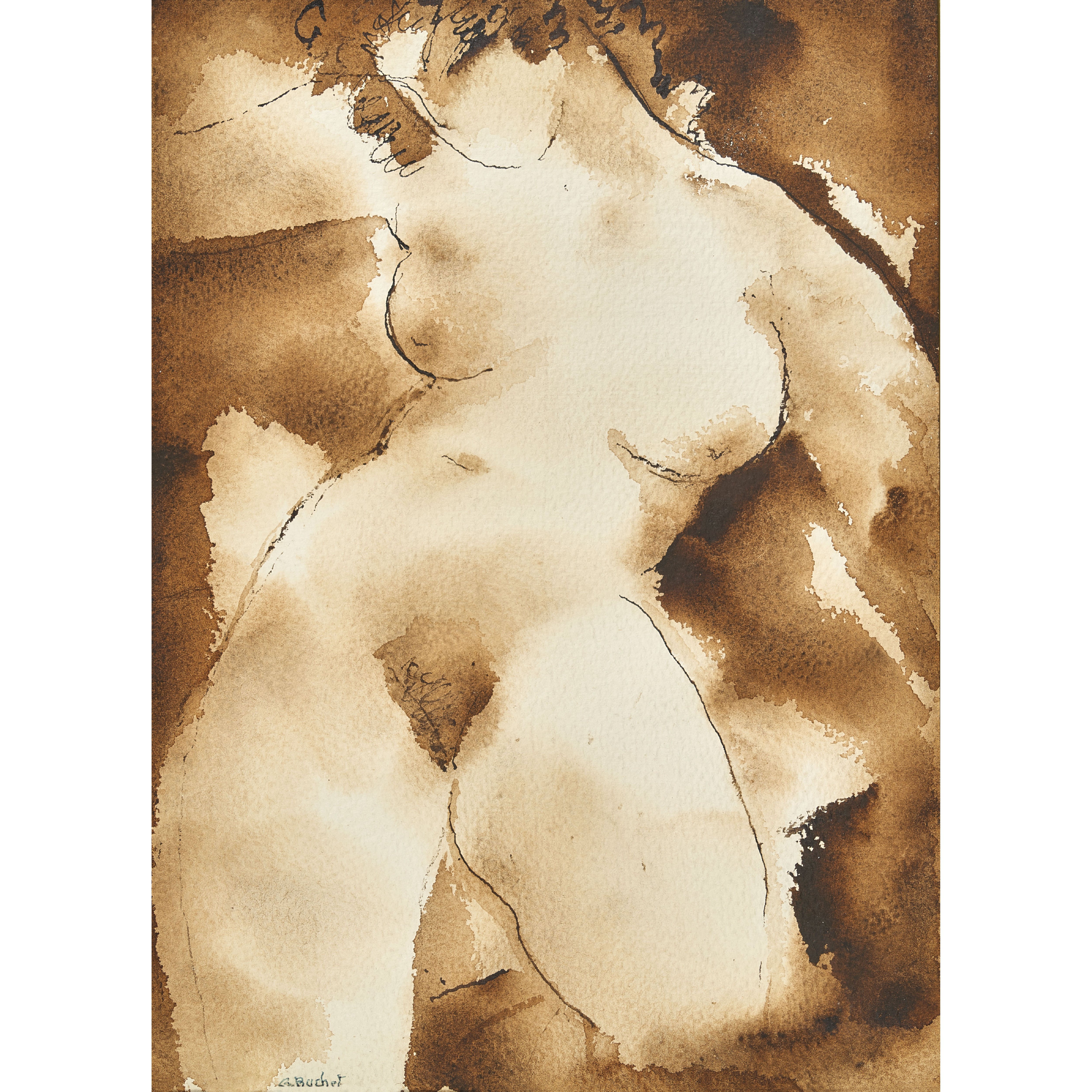
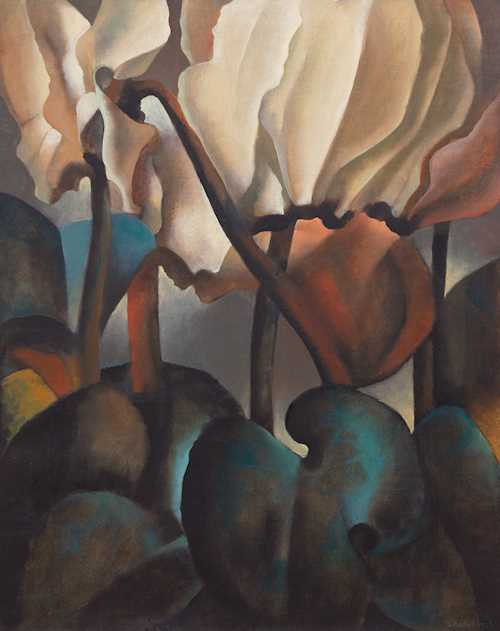
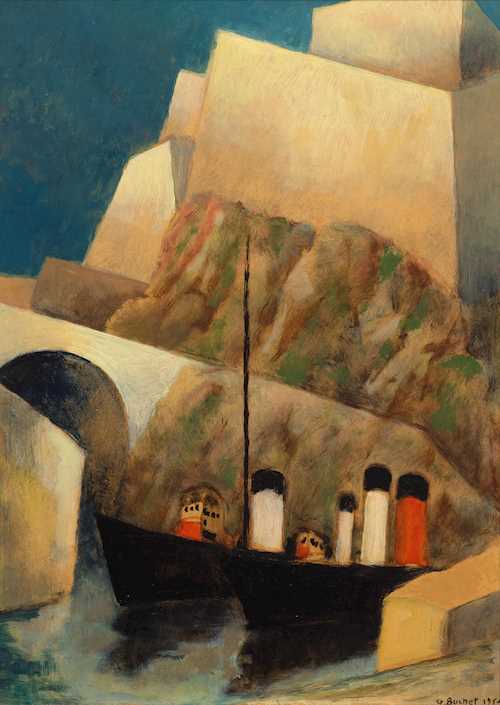
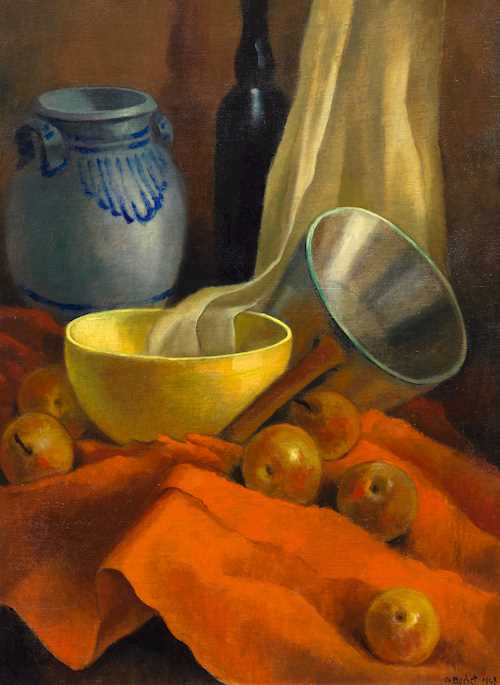
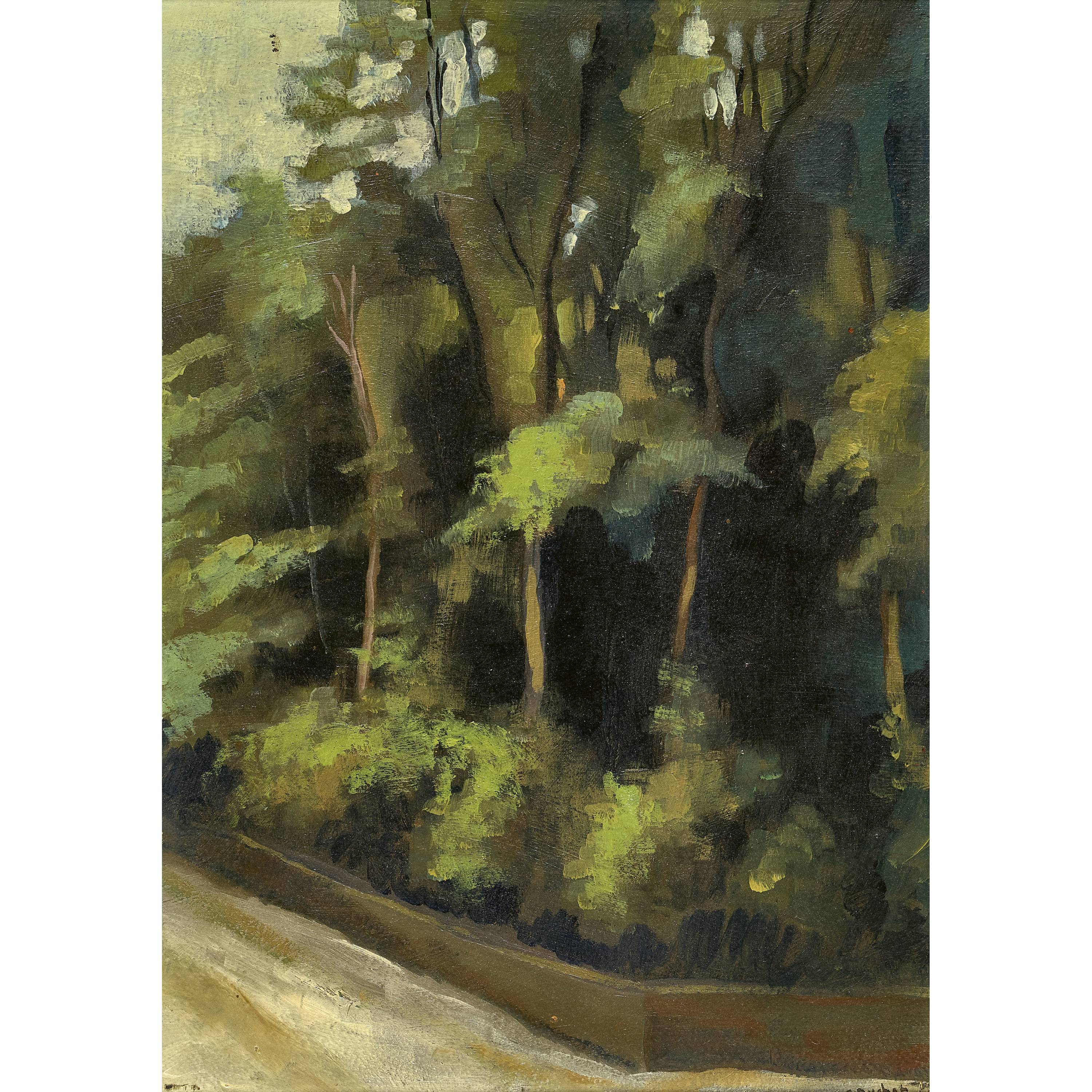
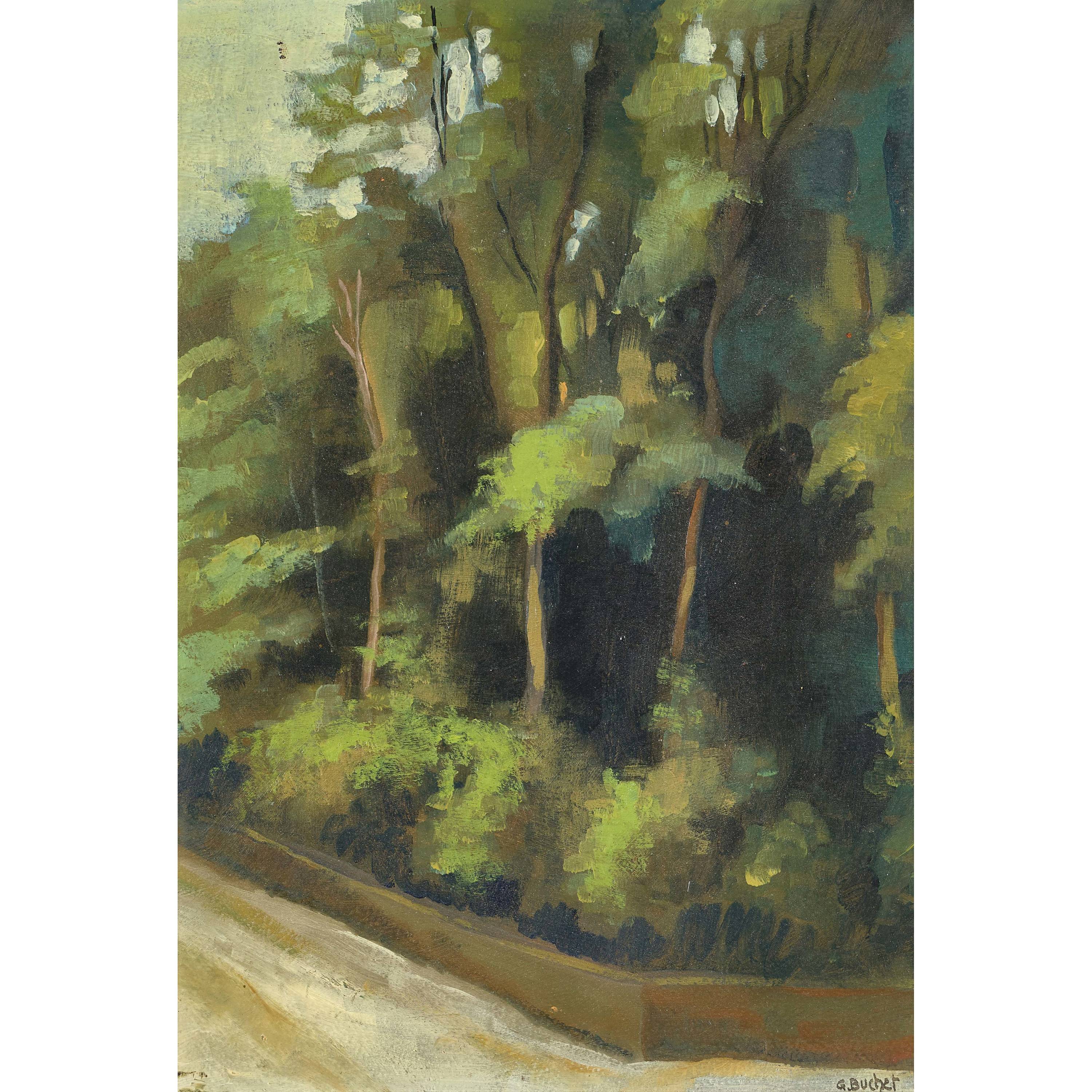
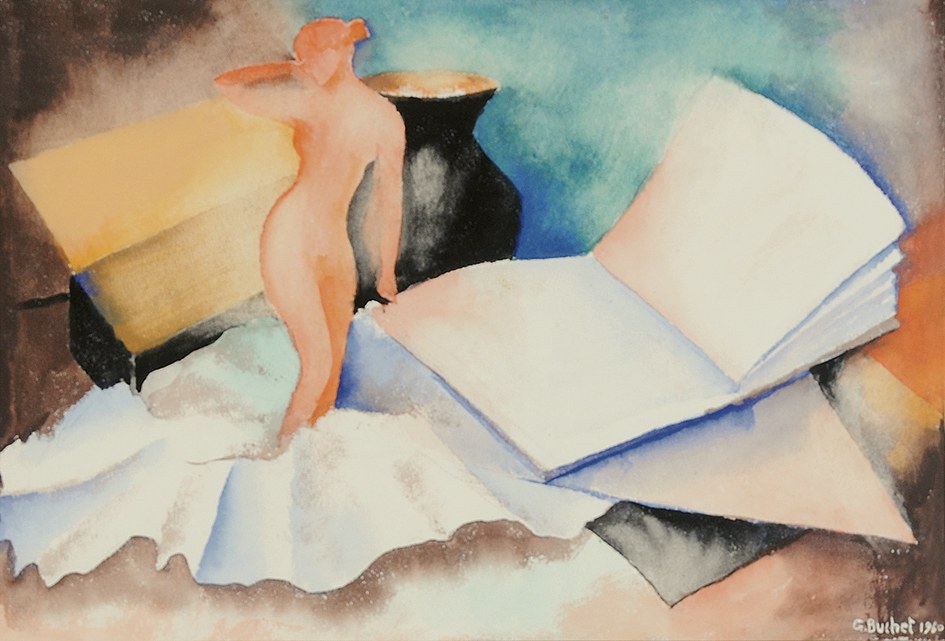
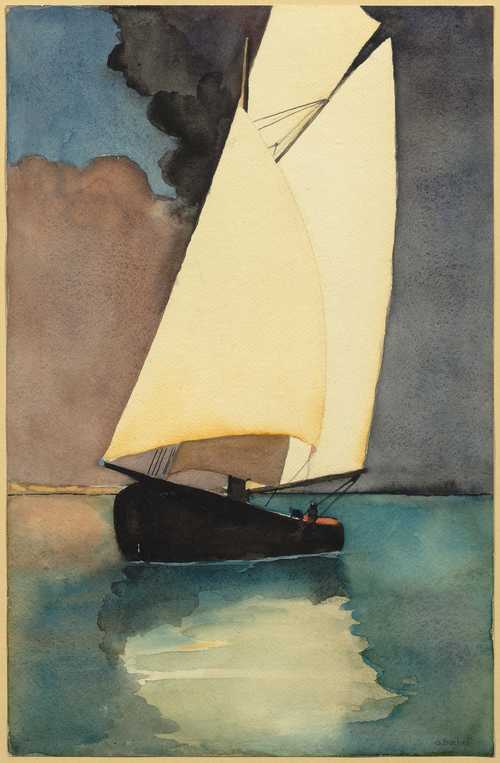
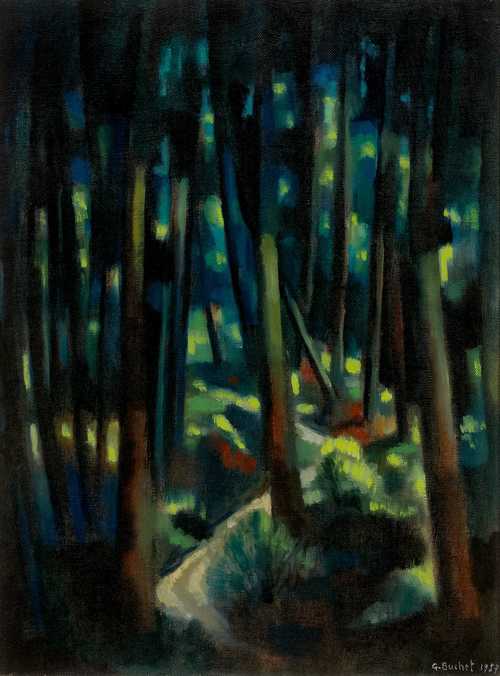
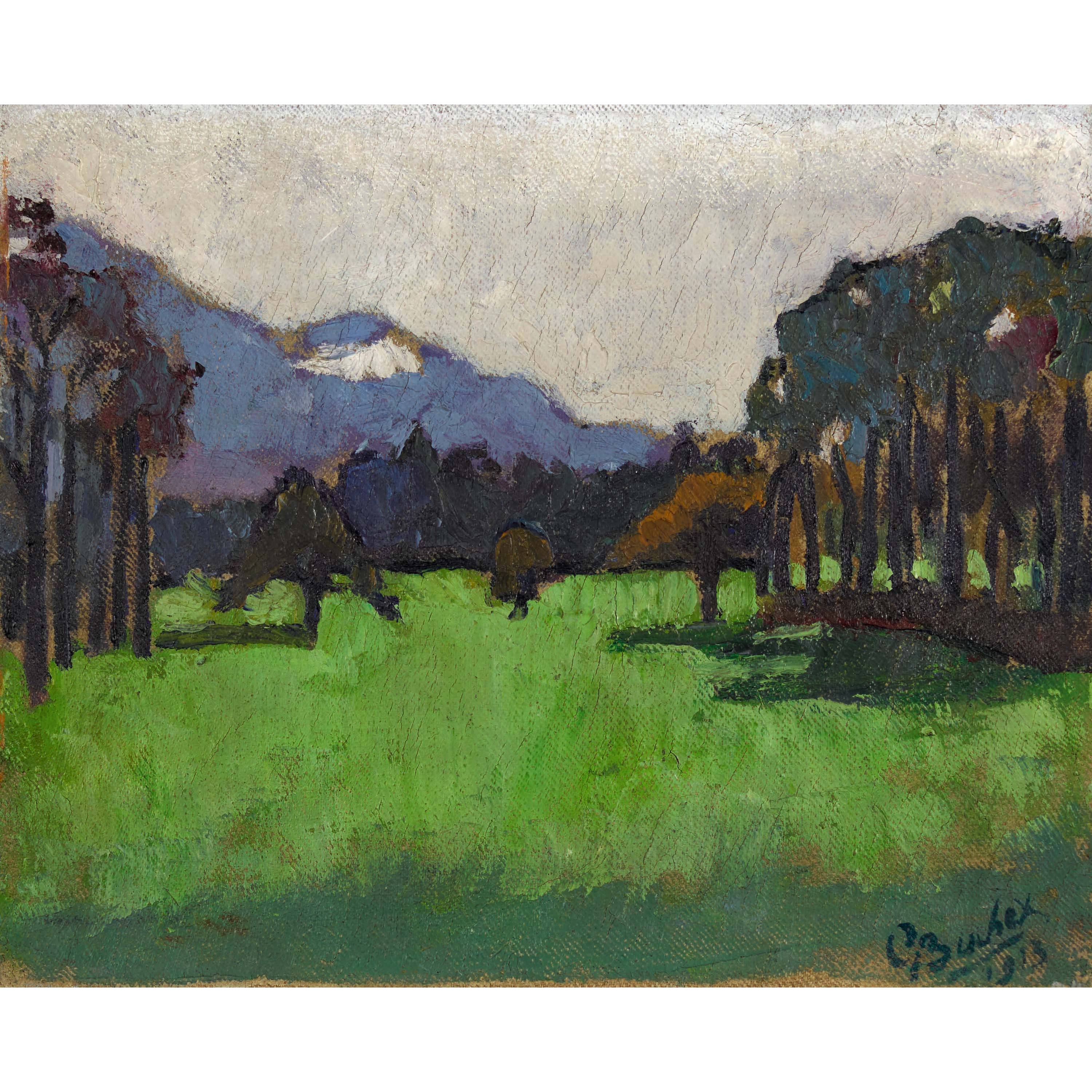
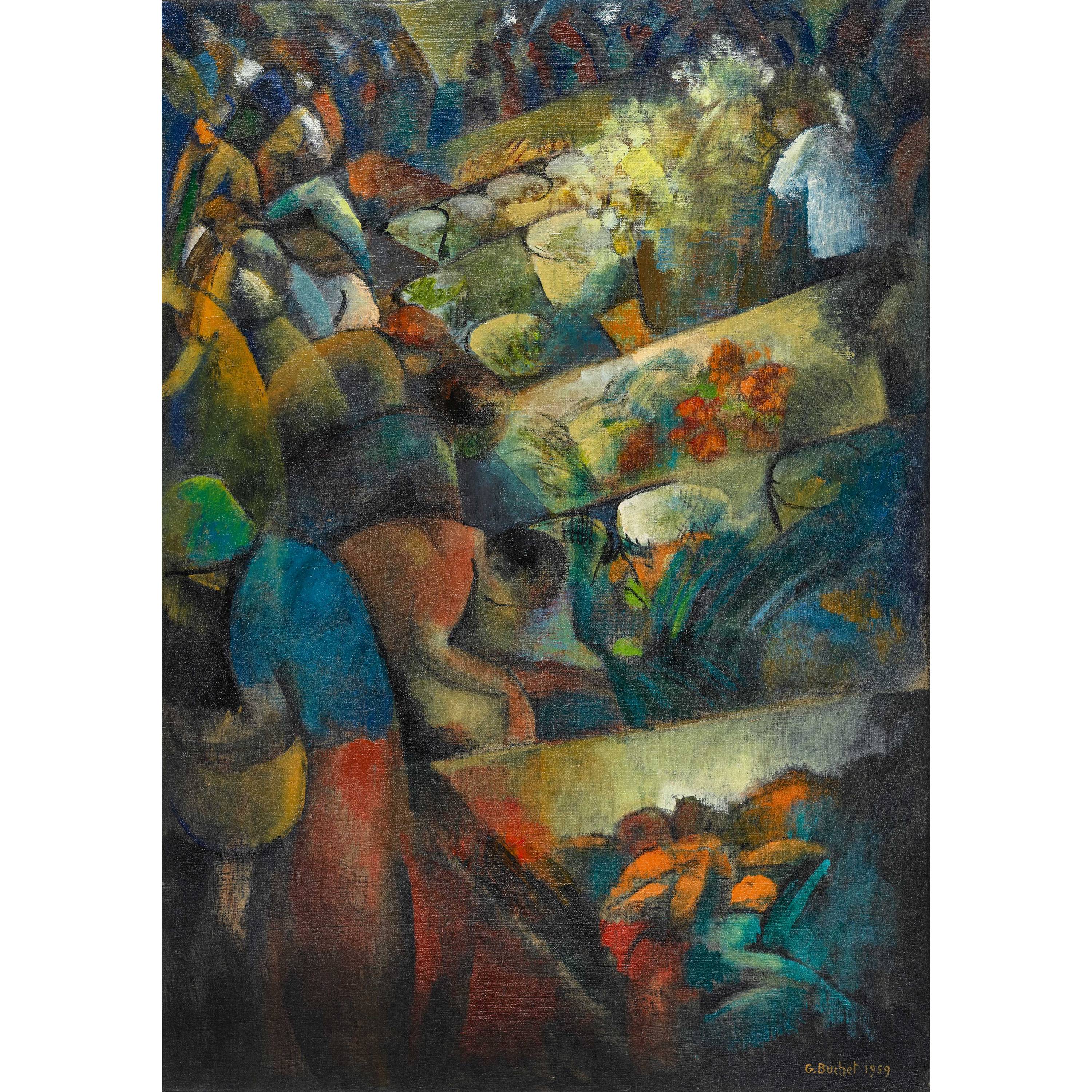
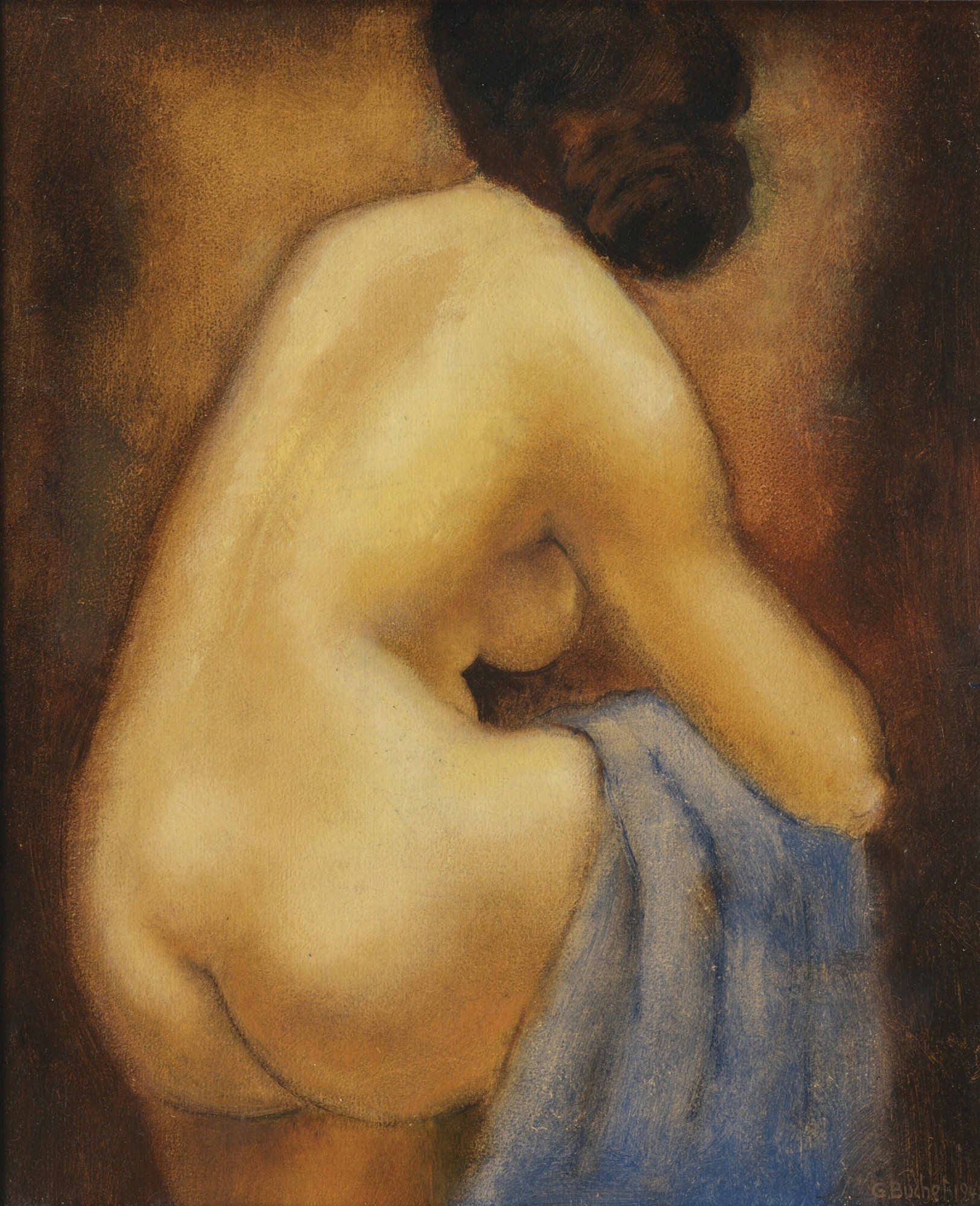
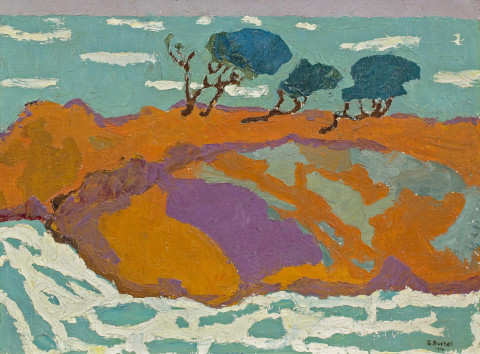
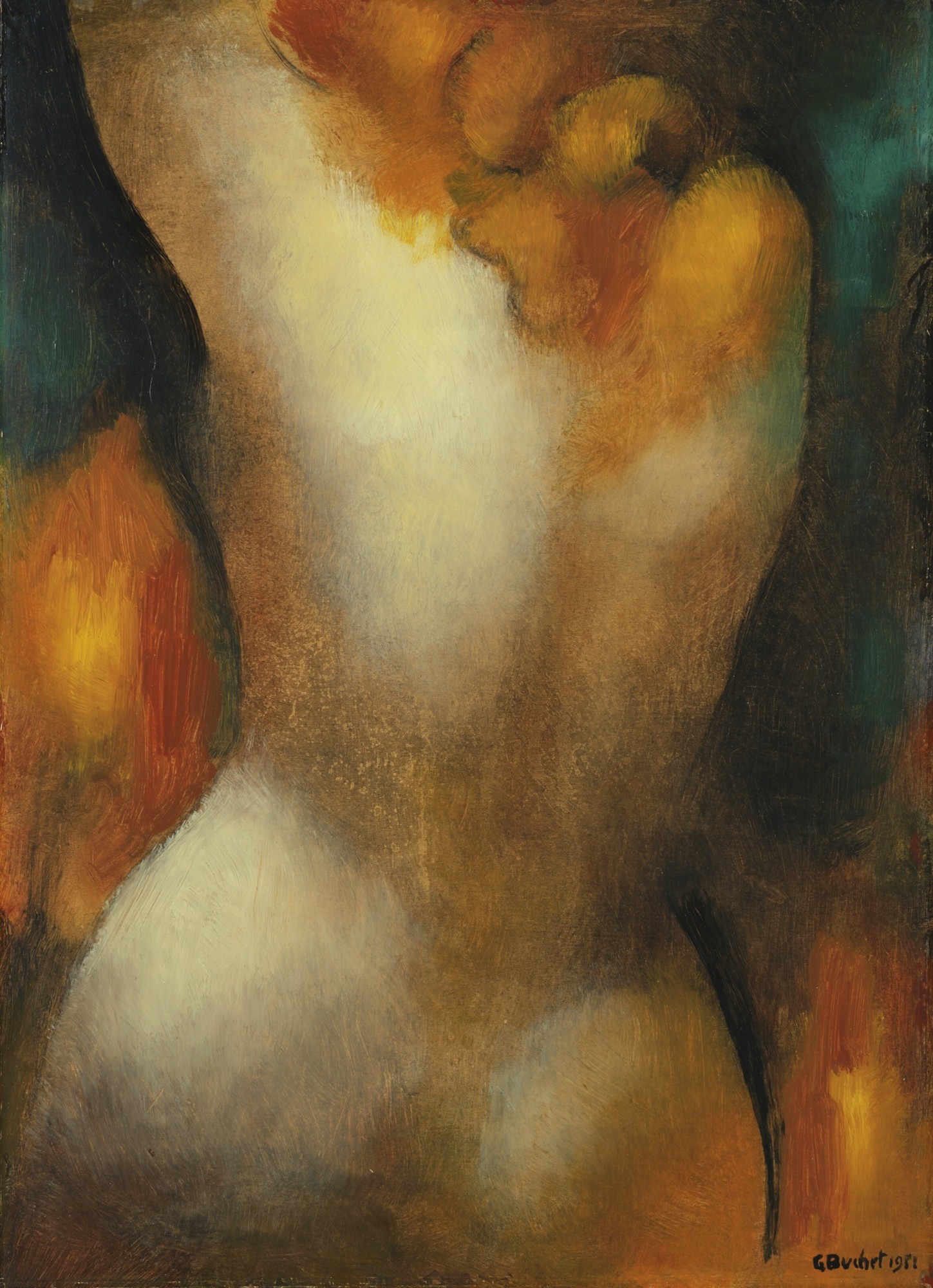
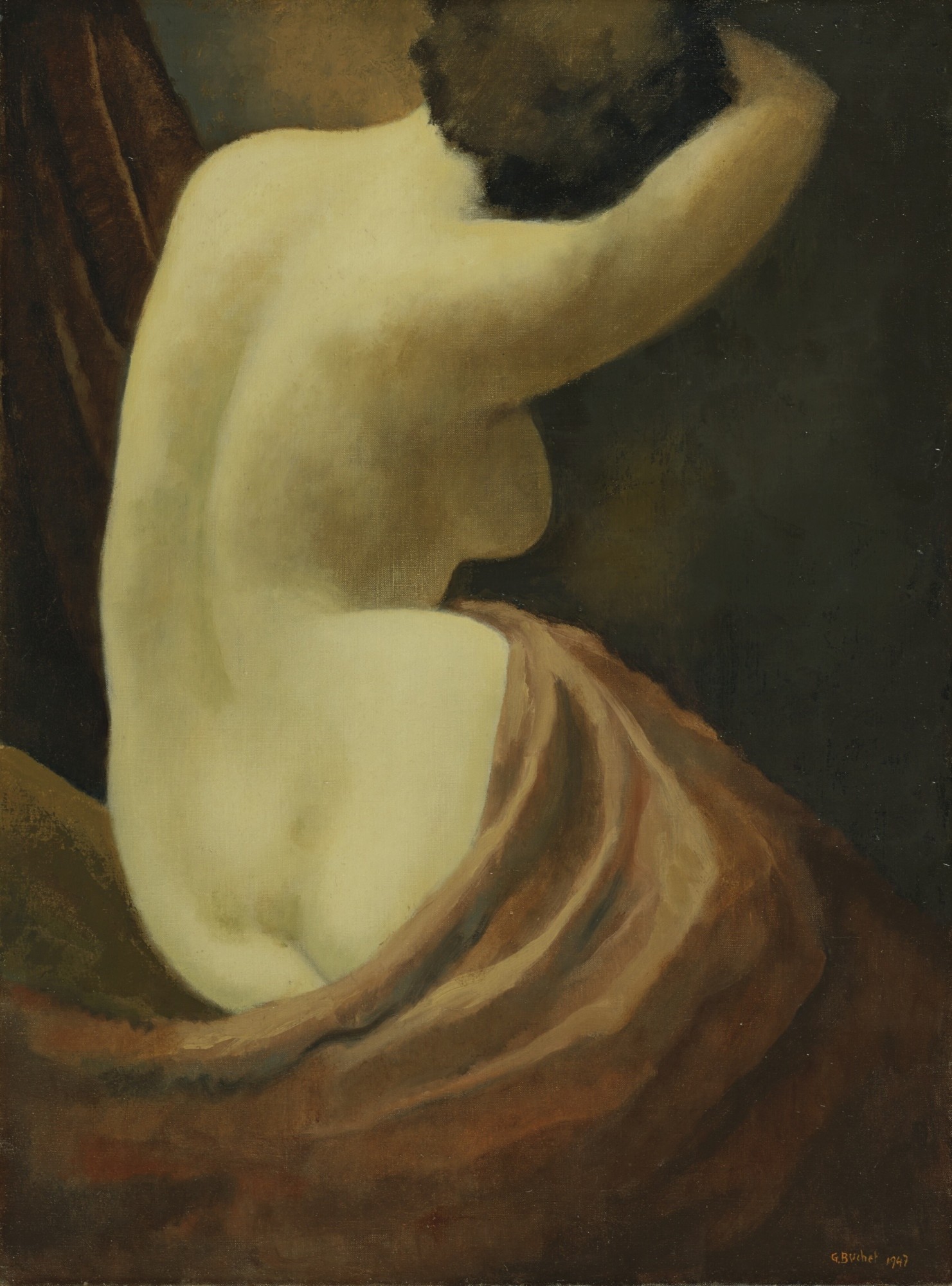
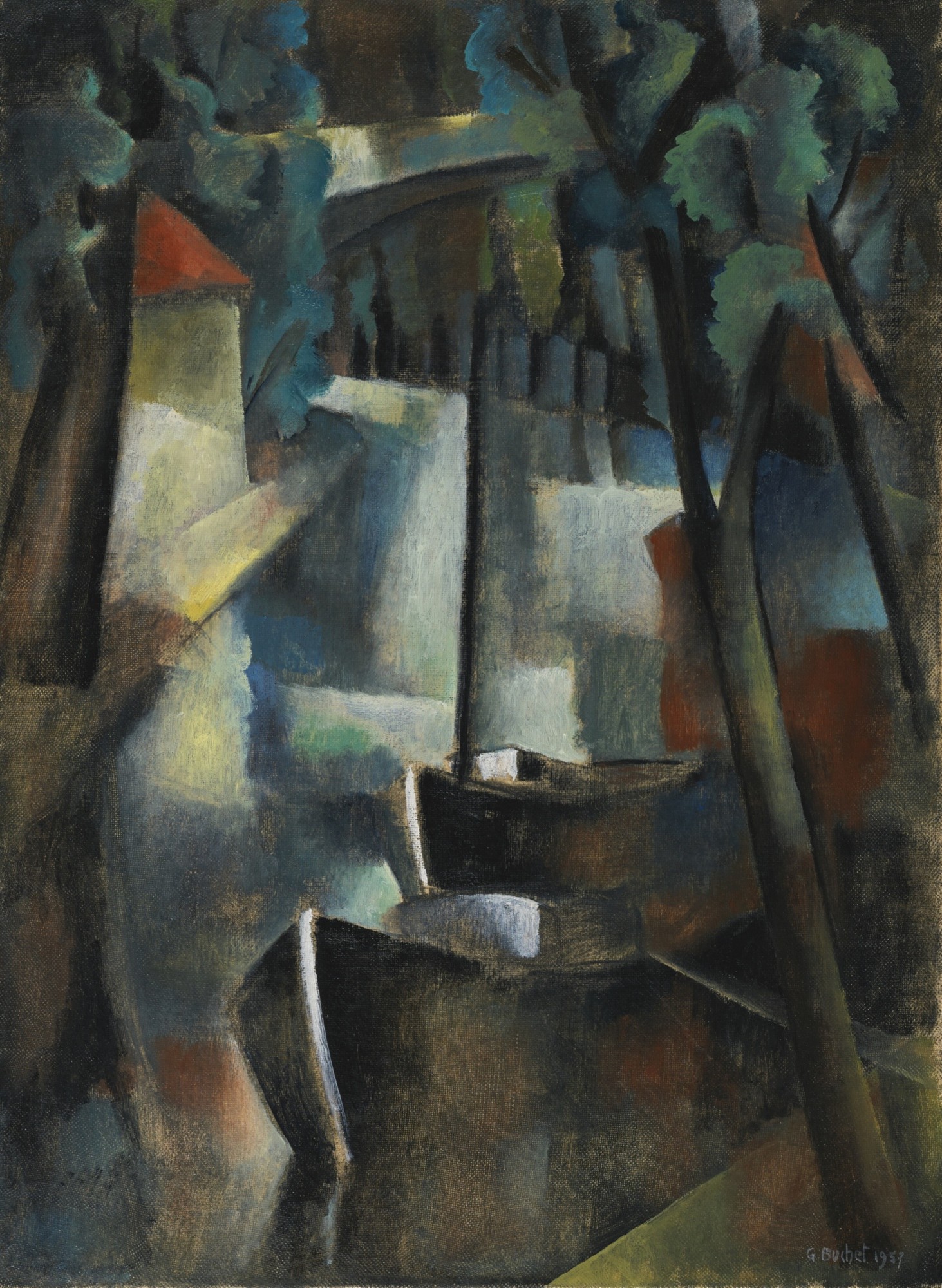
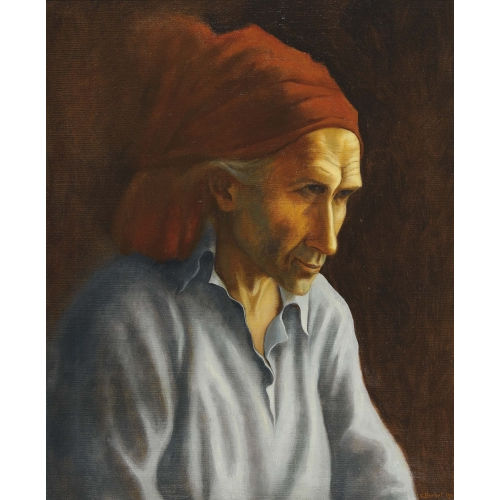
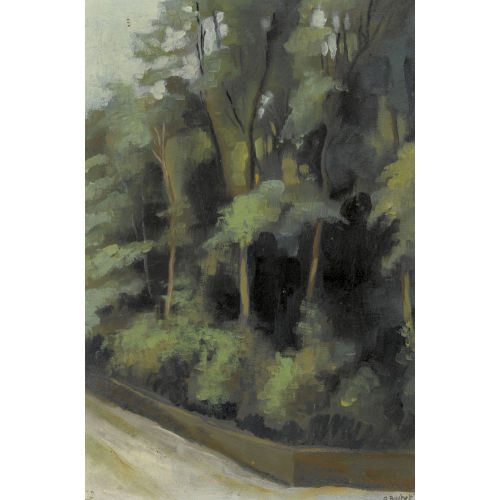
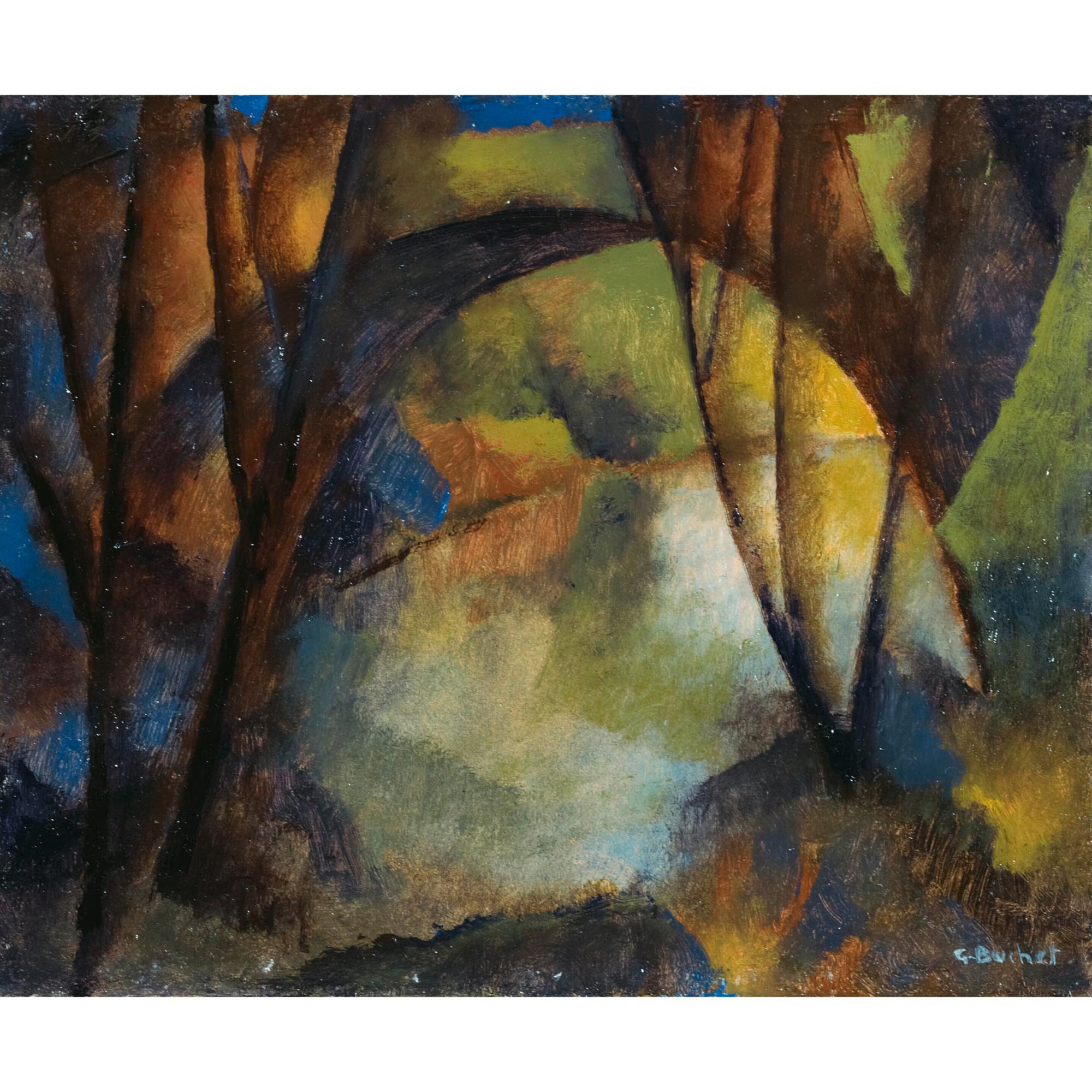
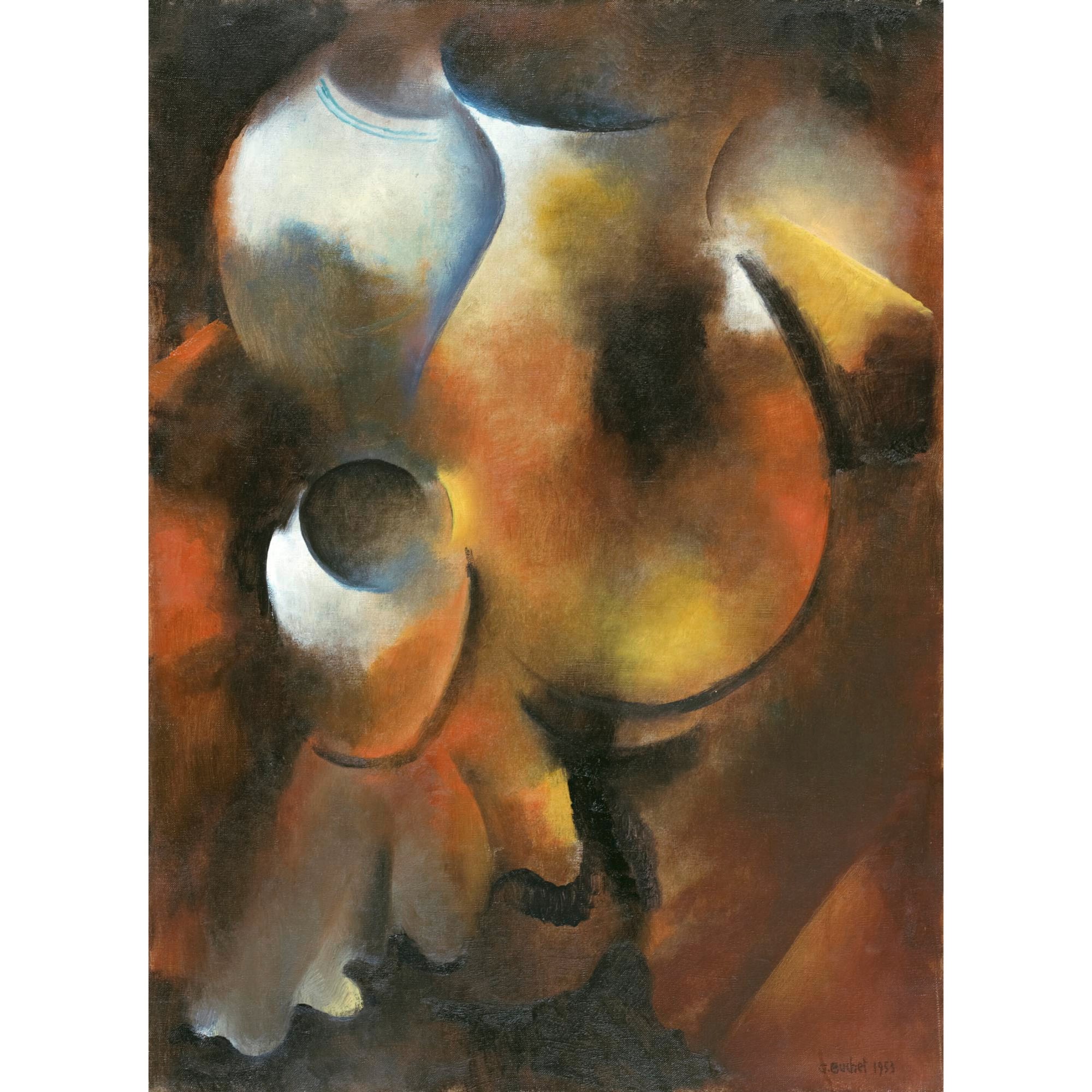
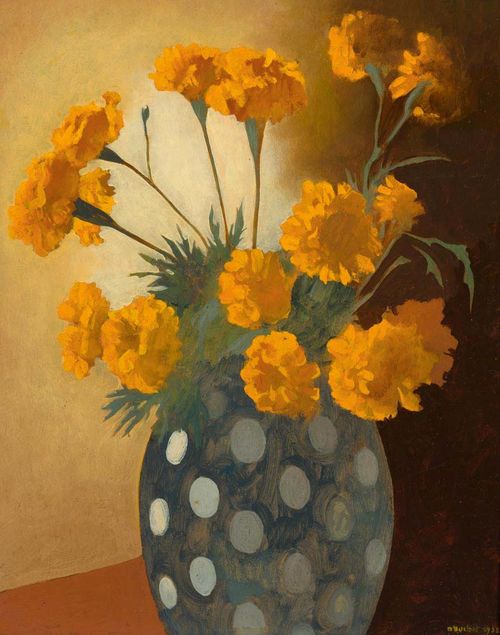
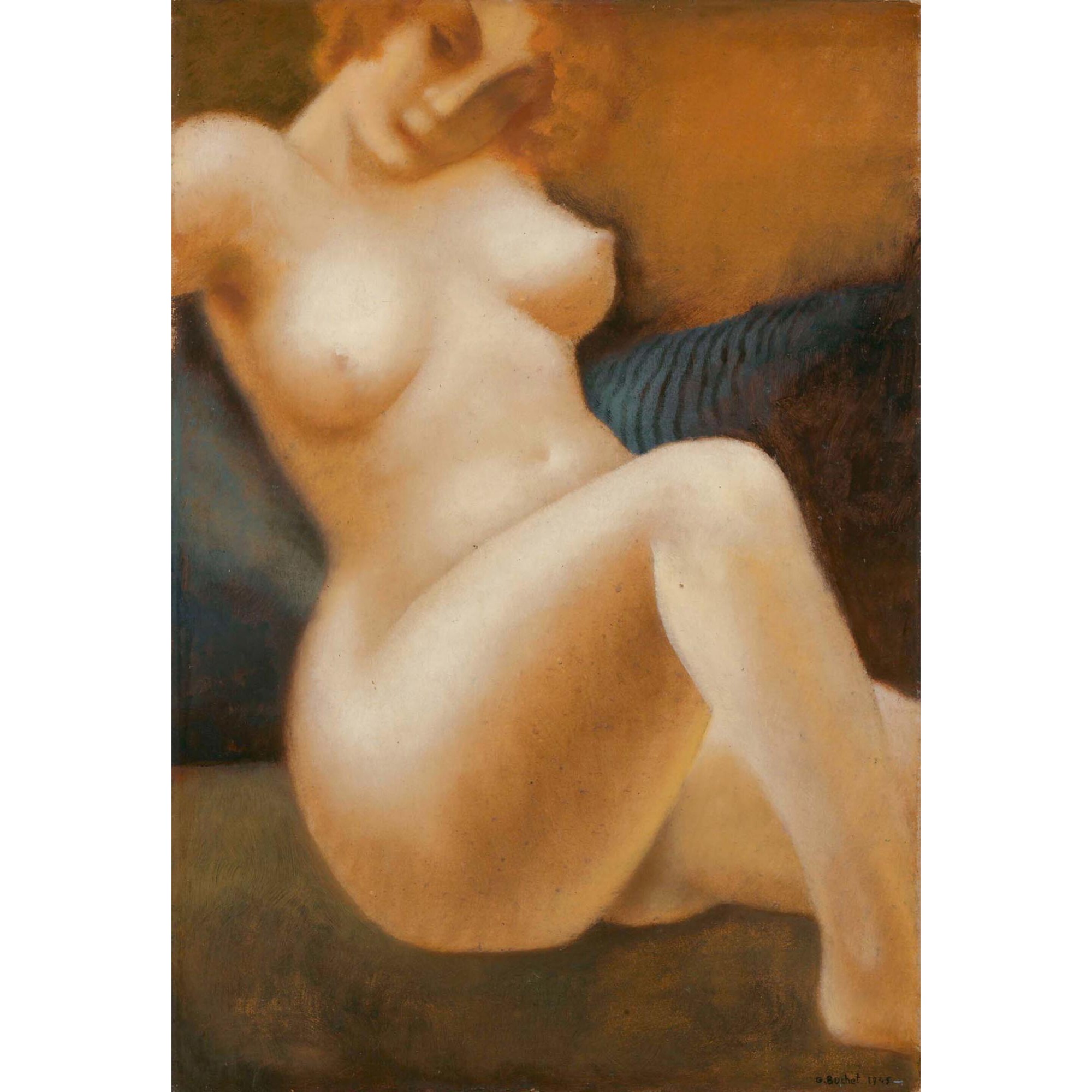
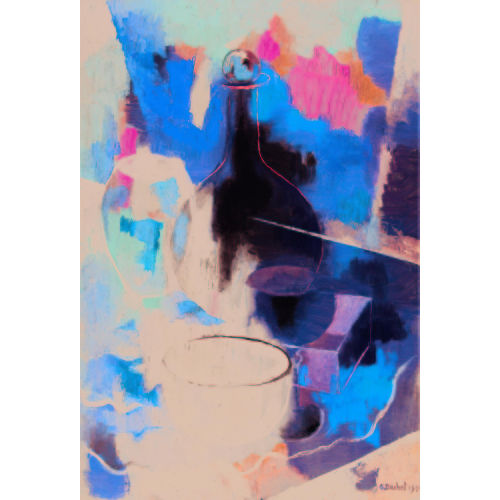
From the mid-1950s onward, the sources note an increasing predominance of colour in his paintings, marking a late formal evolution. Little visible during his lifetime, his work was the subject of a posthumous exhibition in 1963 and, from the 1970s onward, attracted renewed attention from the market and collectors.
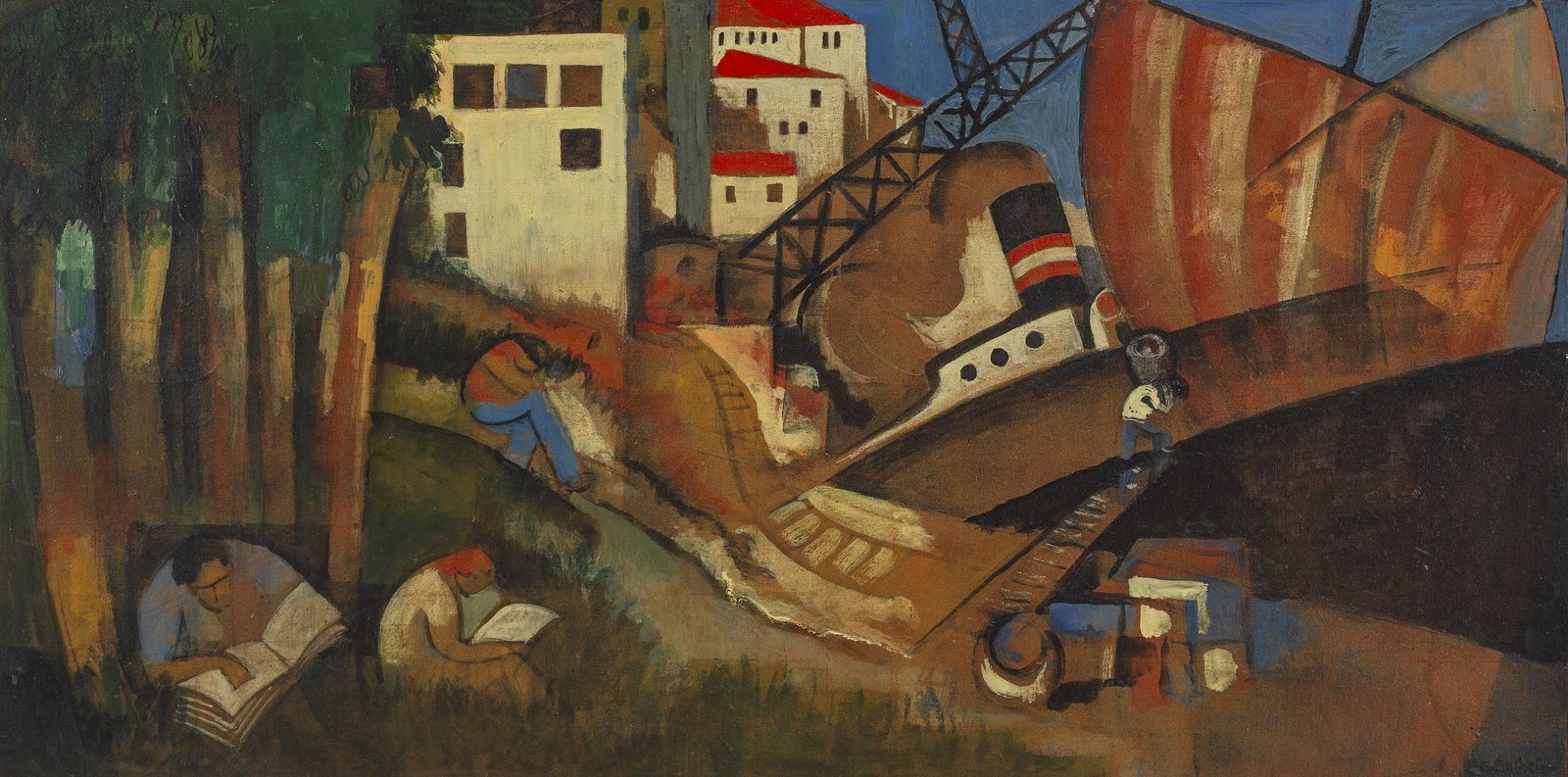
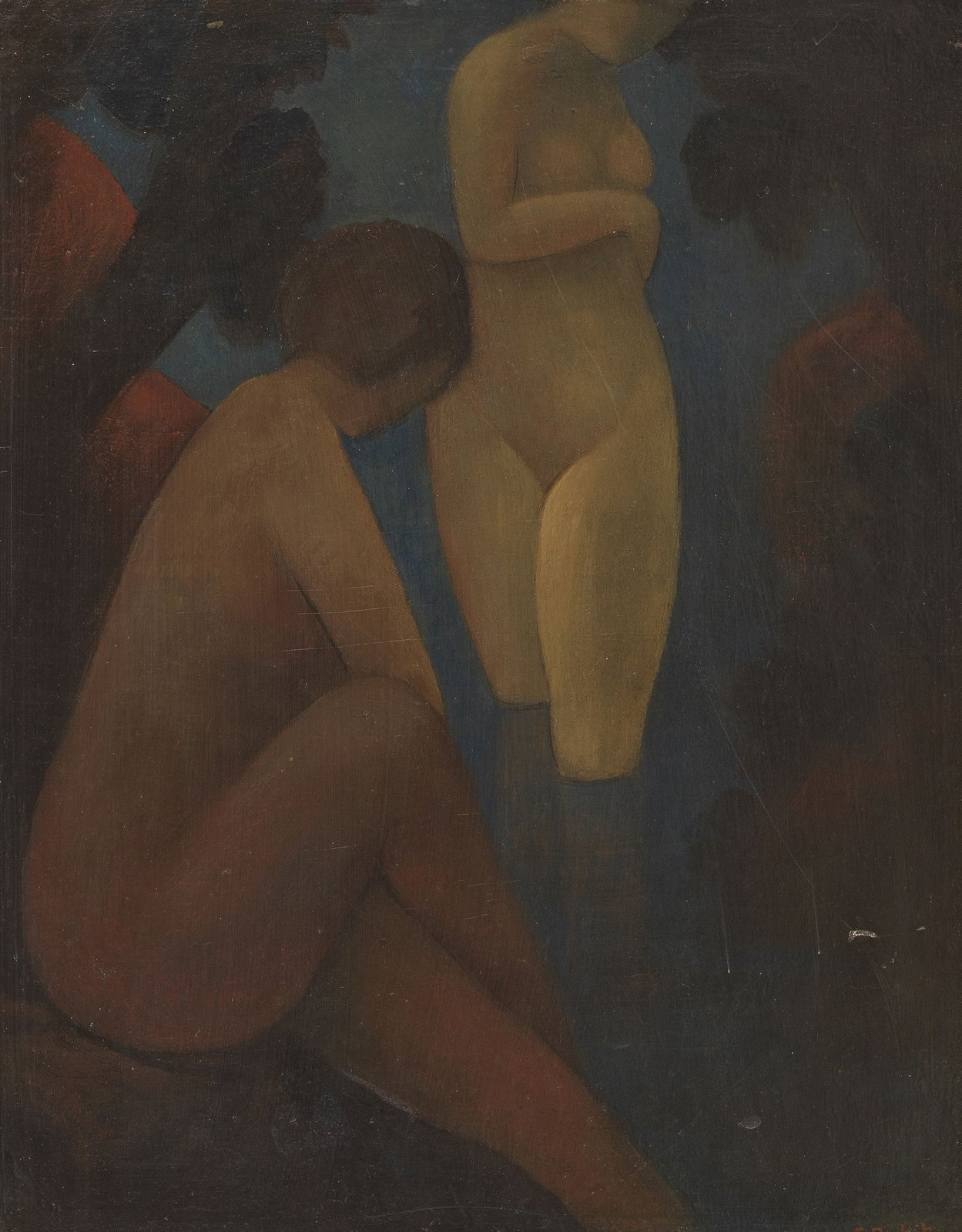
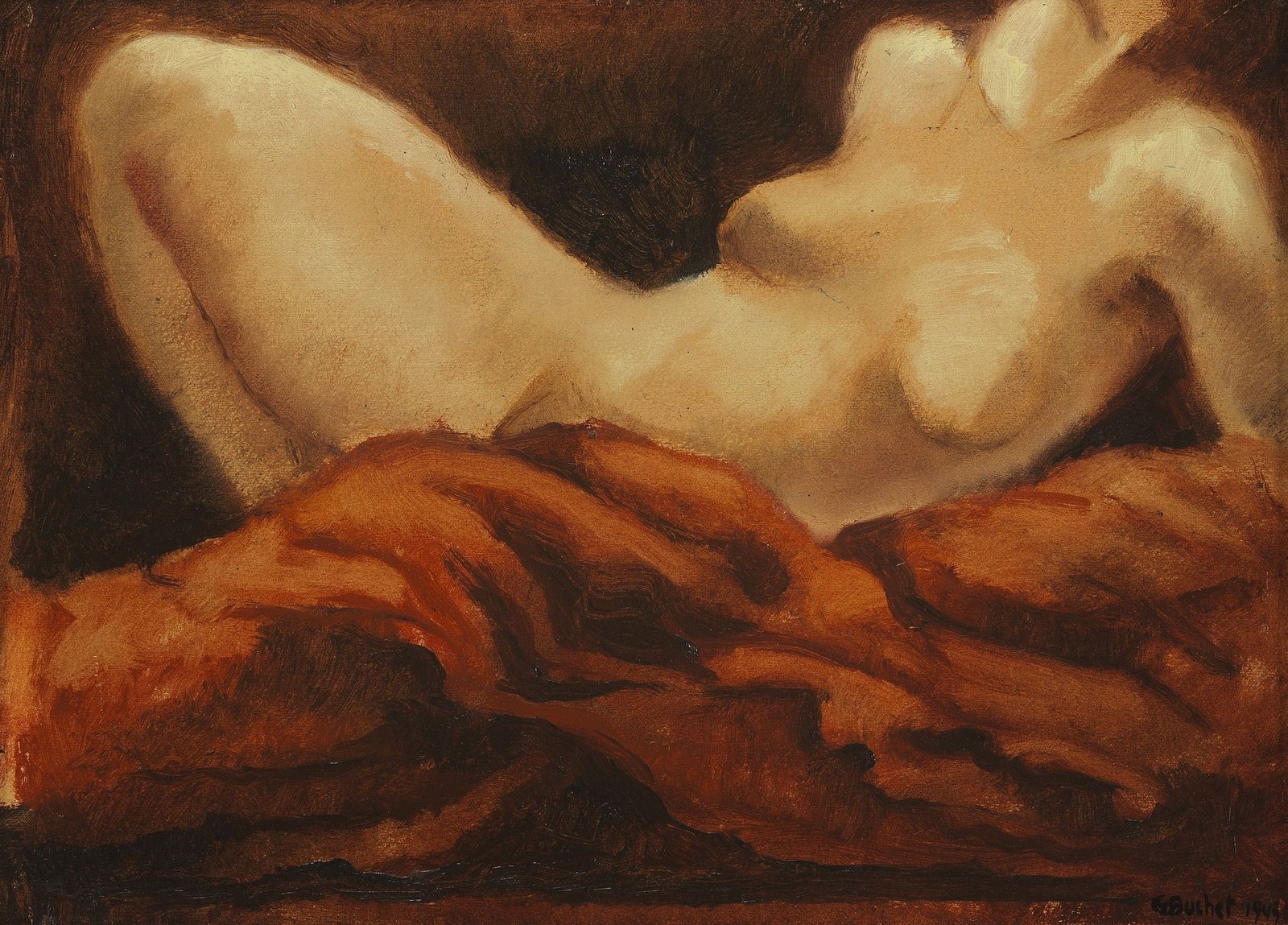
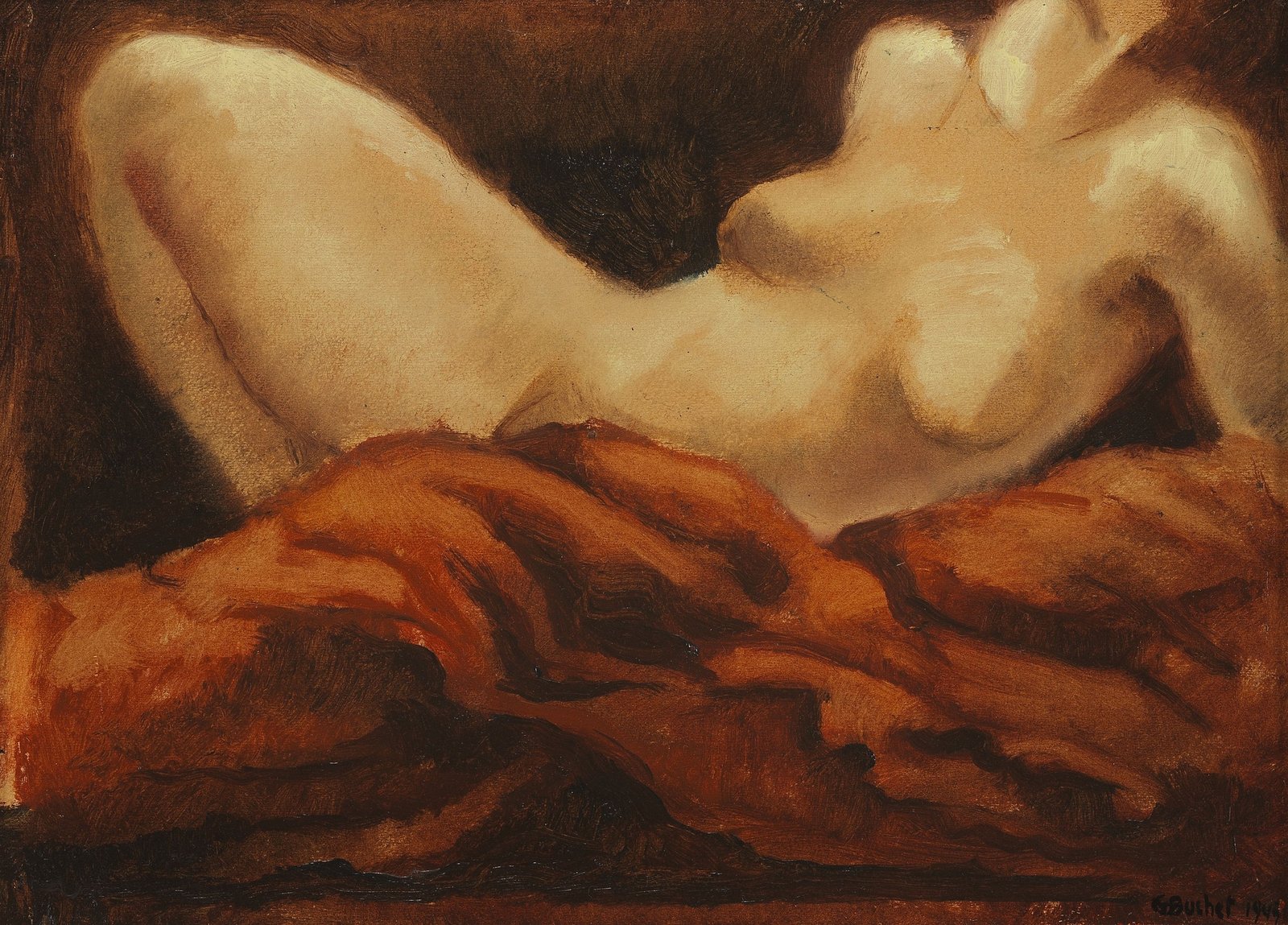
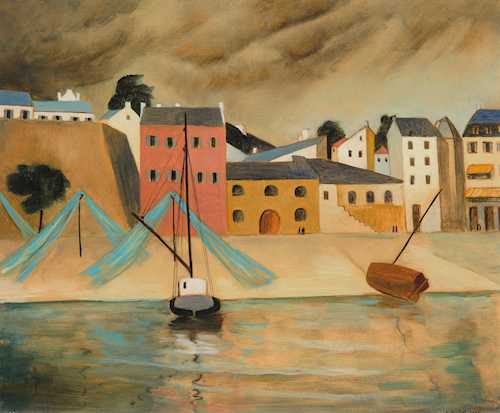
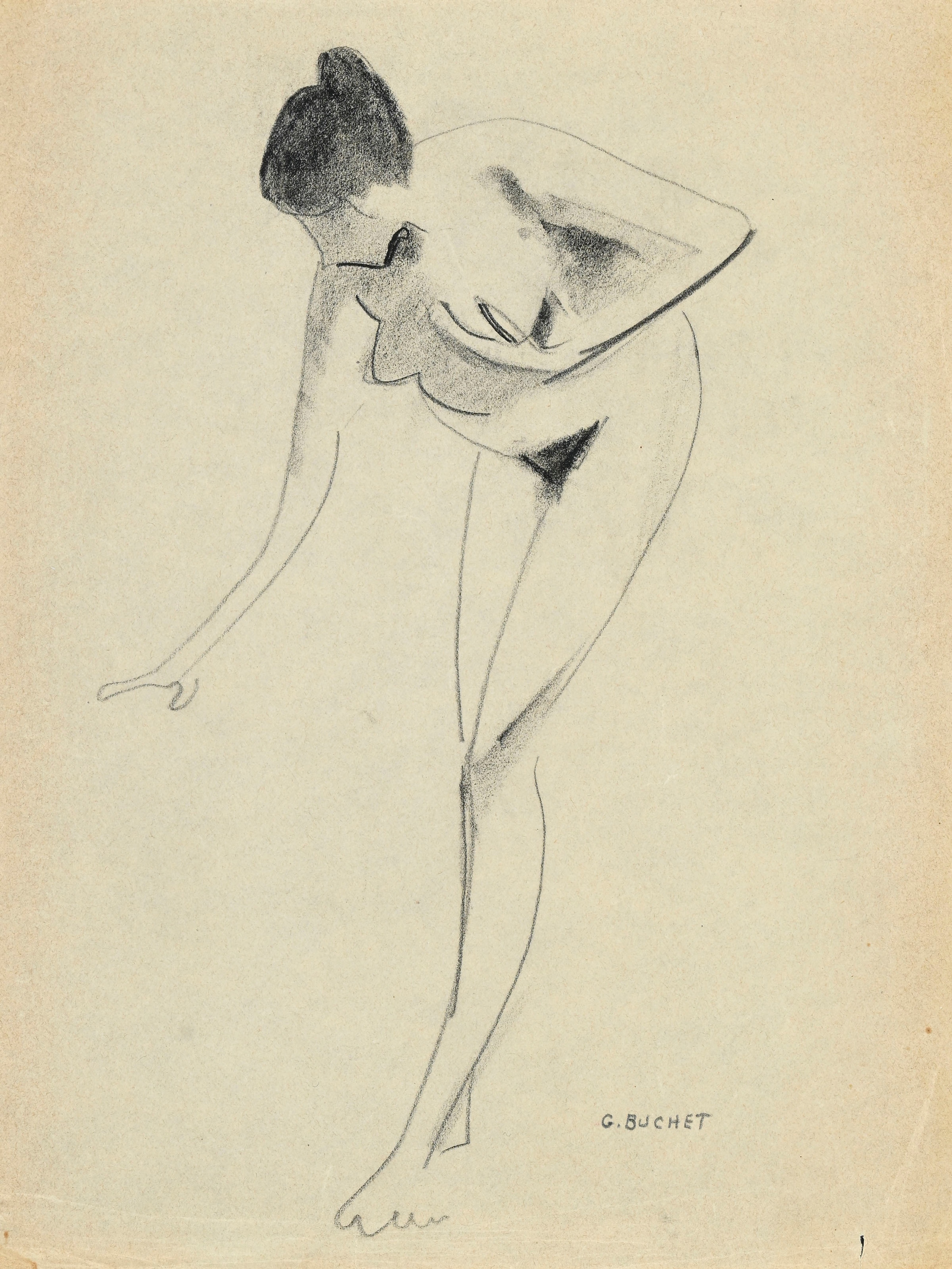
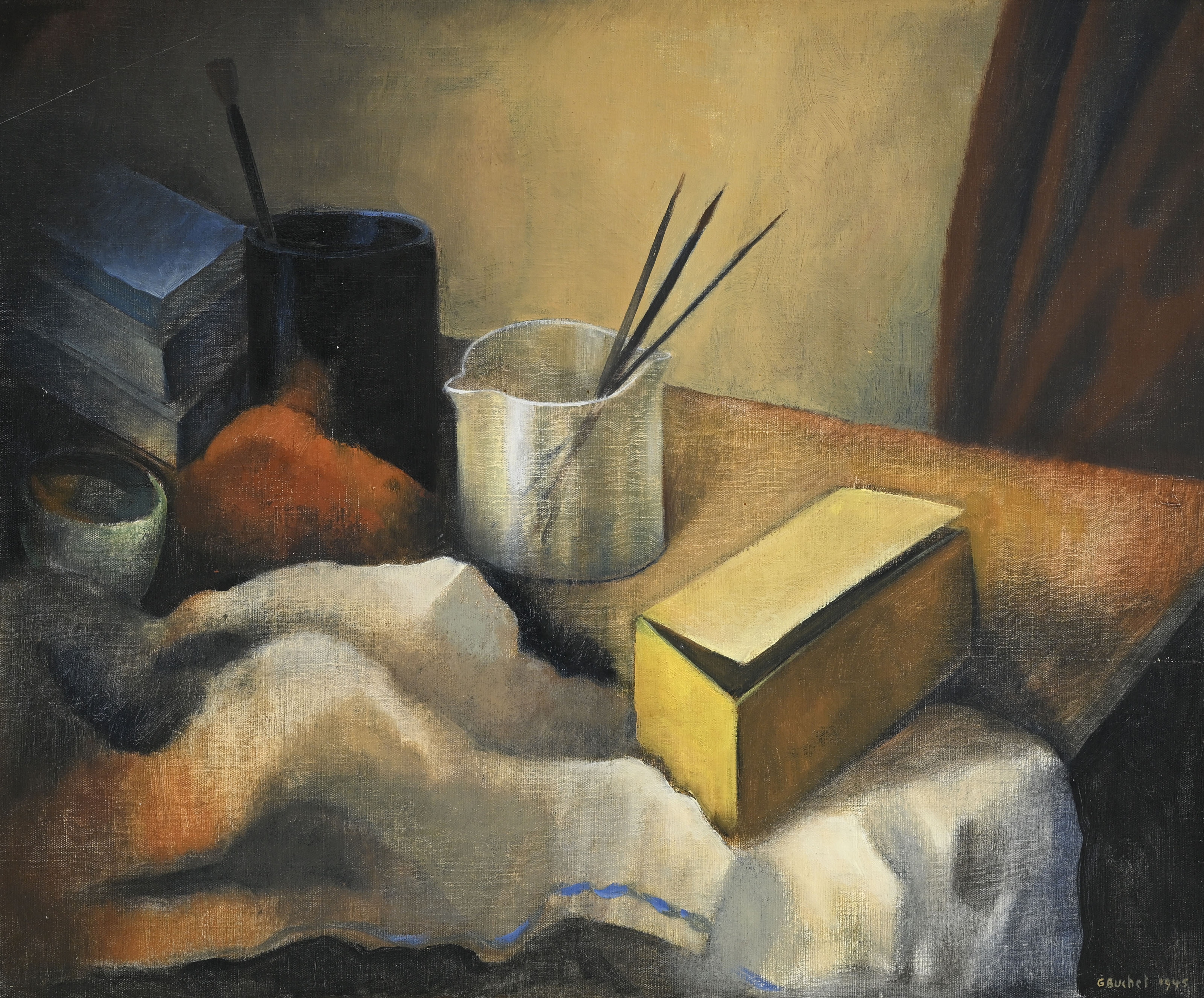
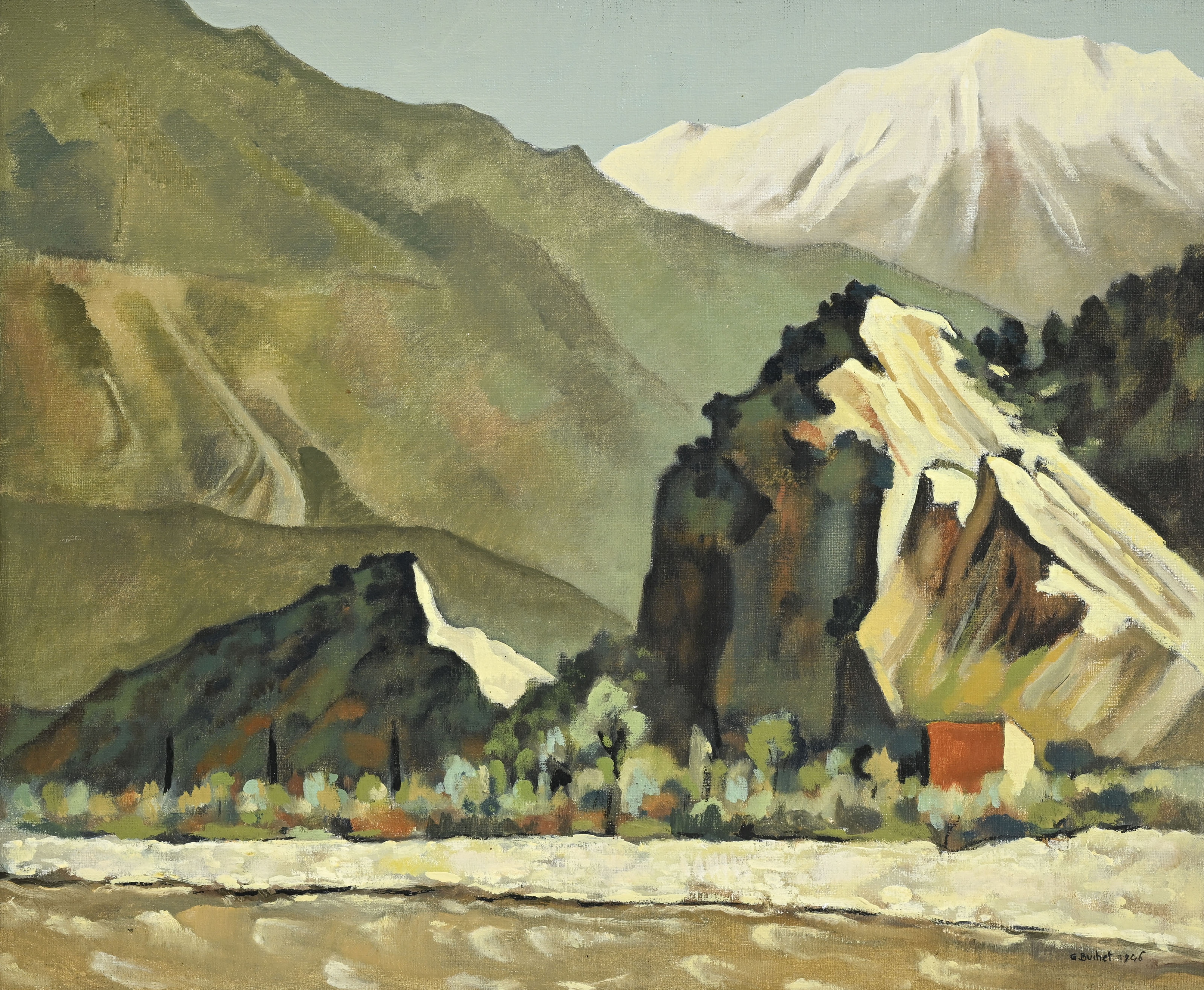
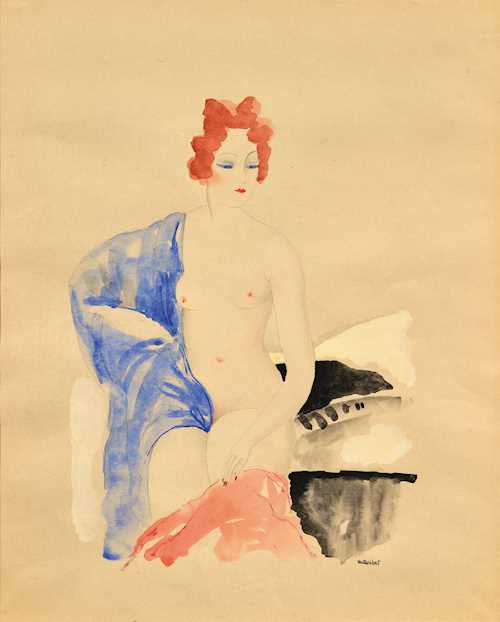
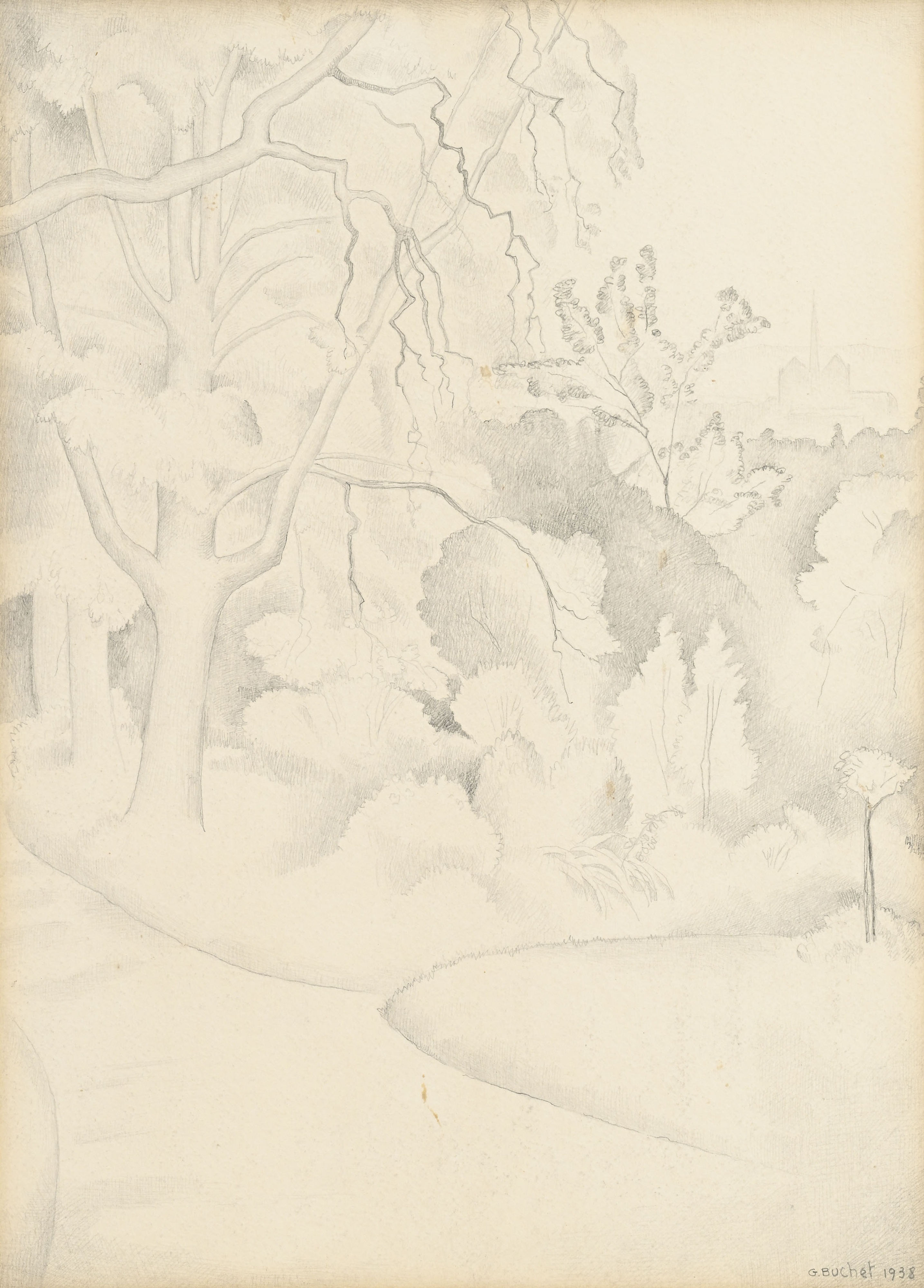
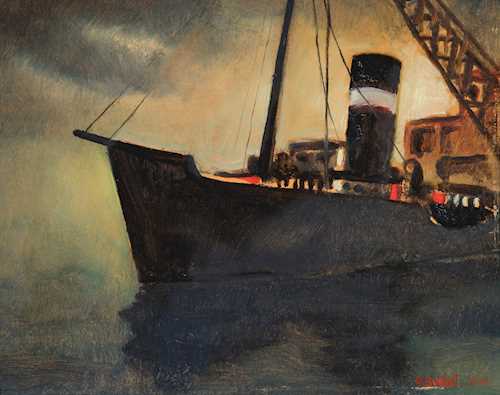
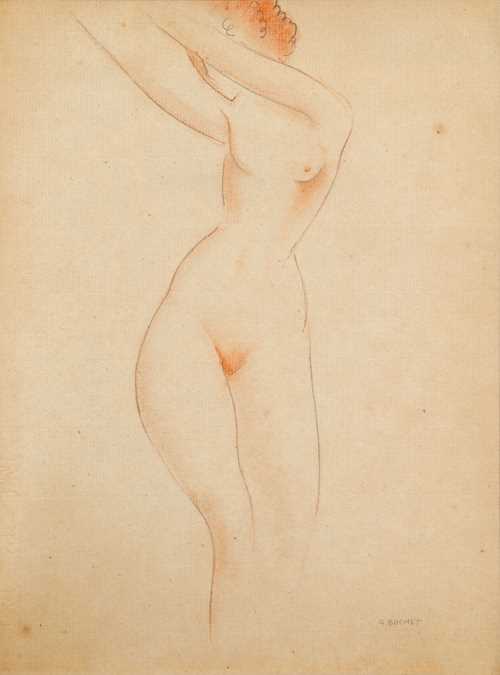
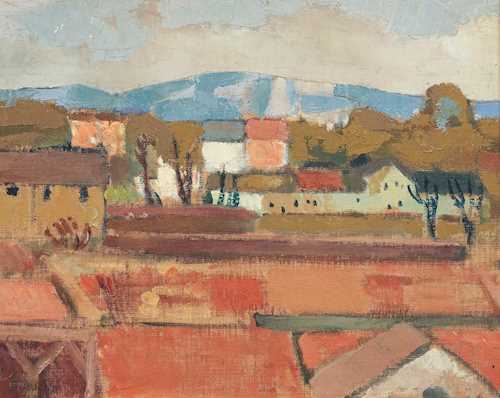
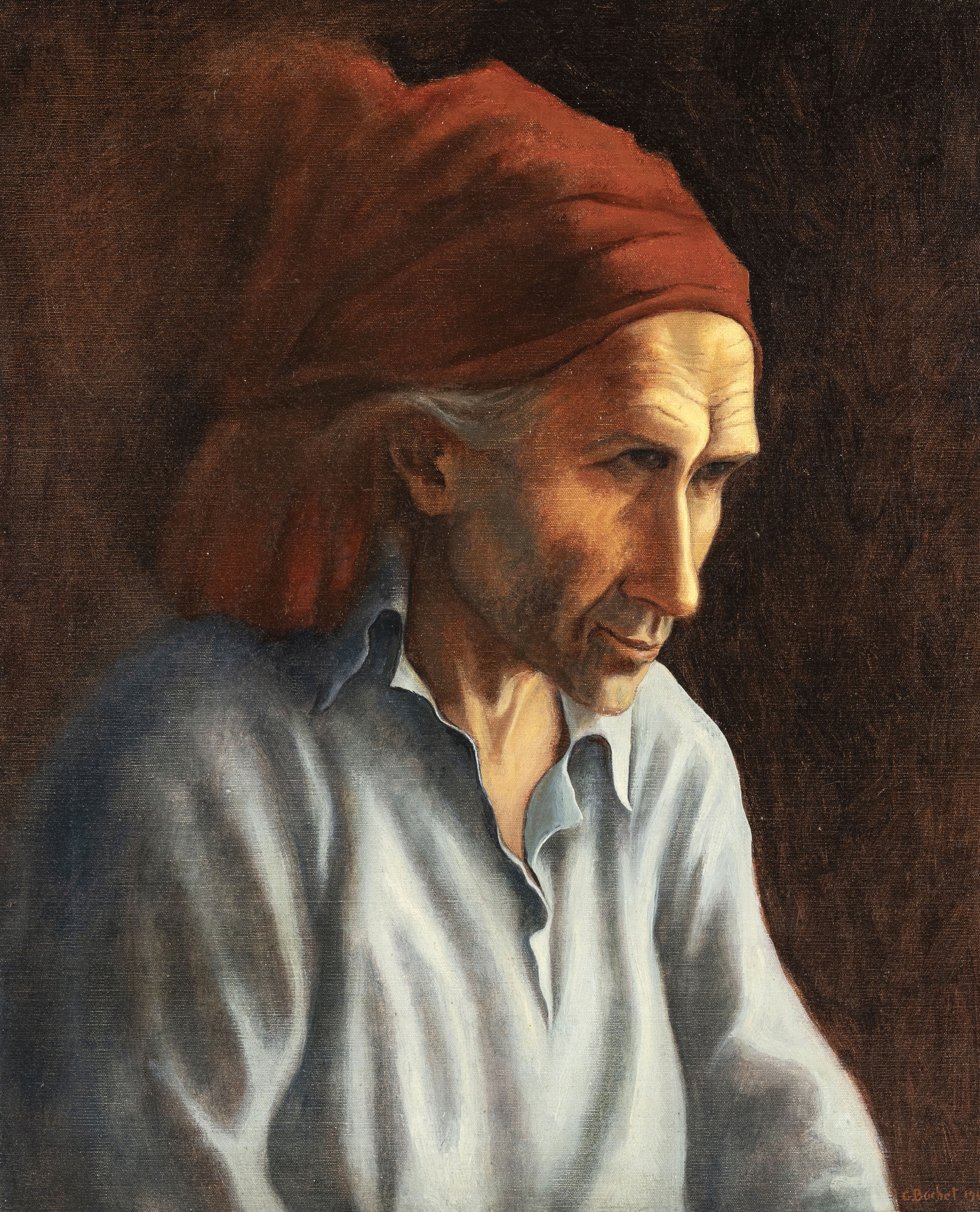
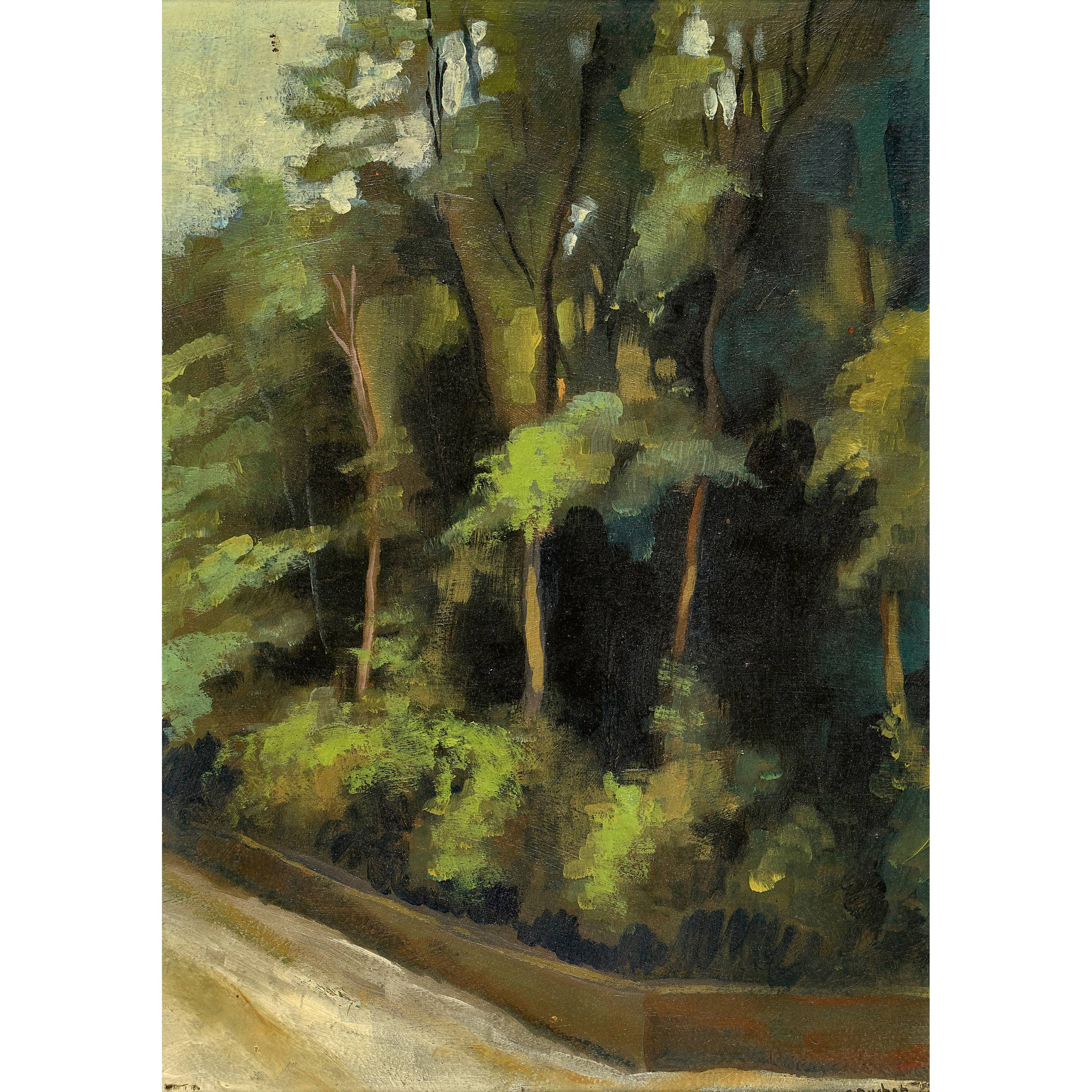
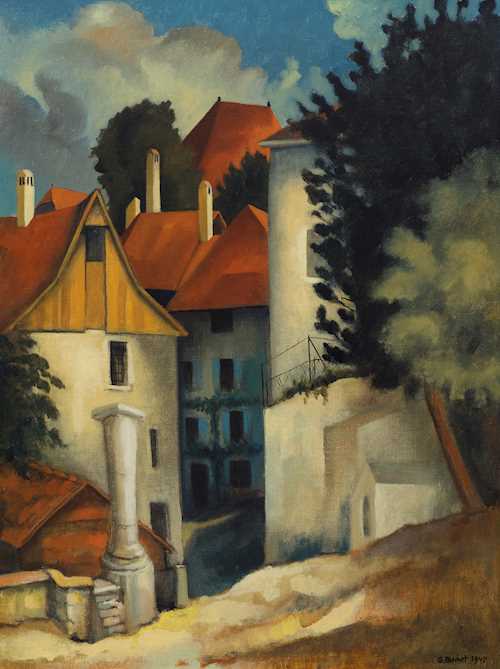
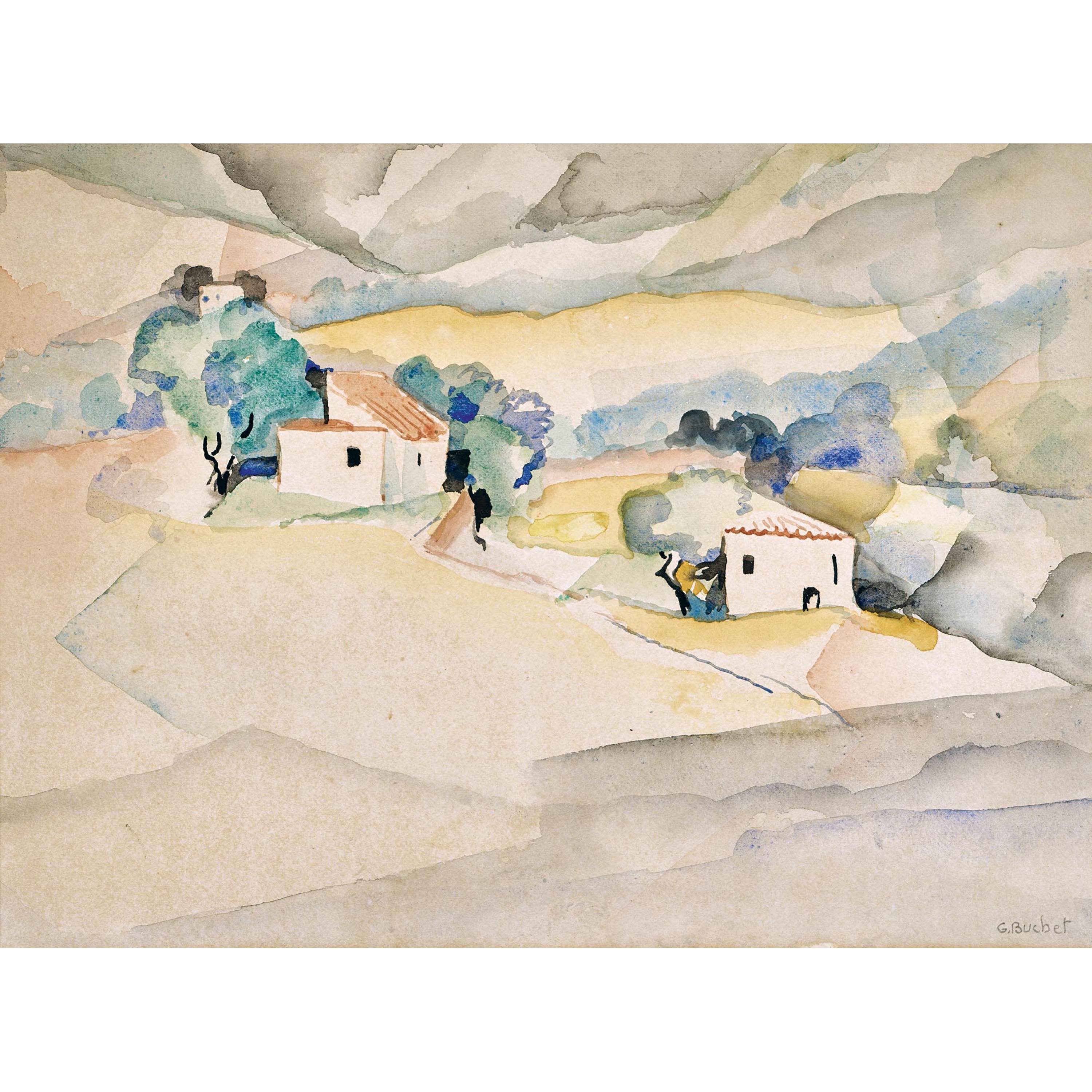
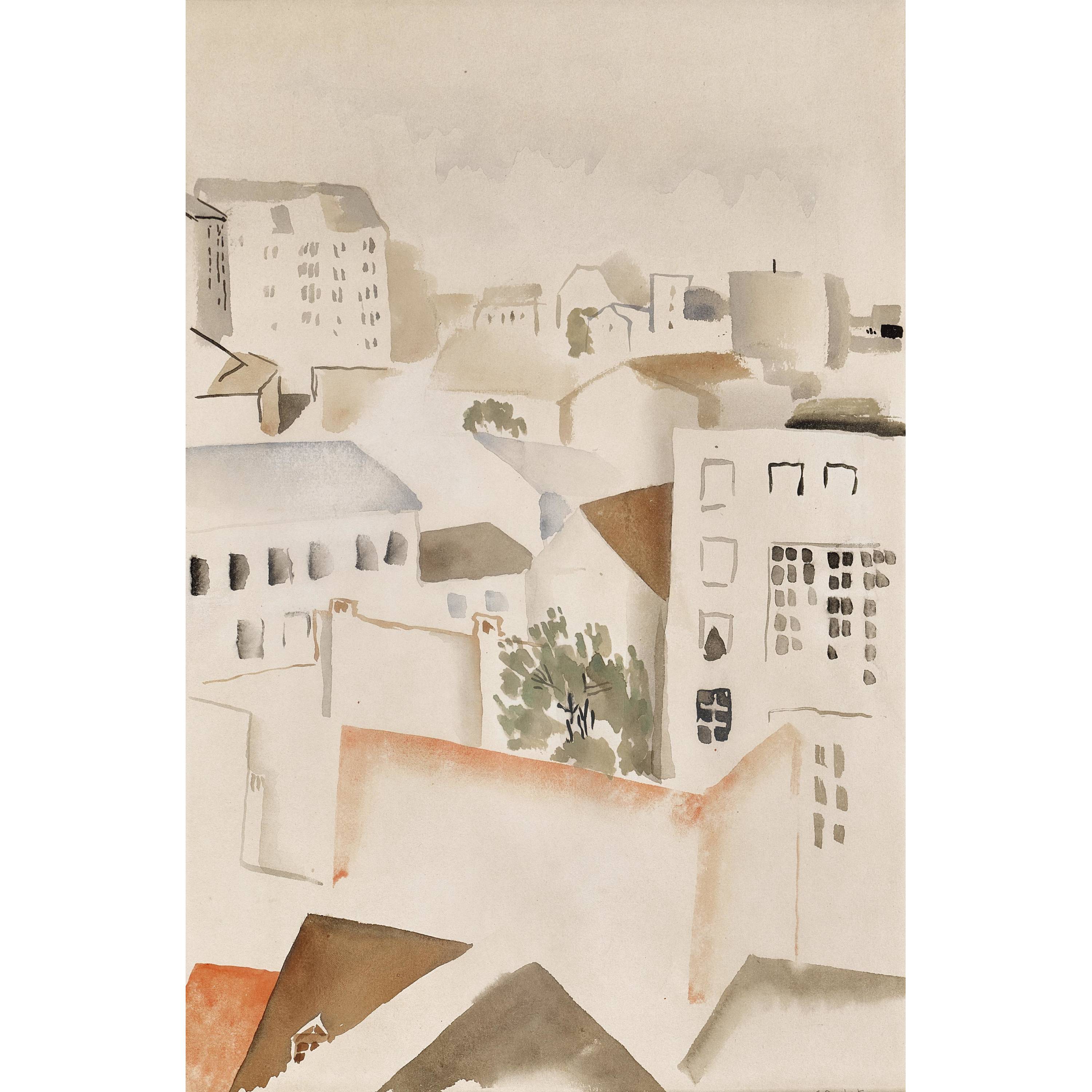
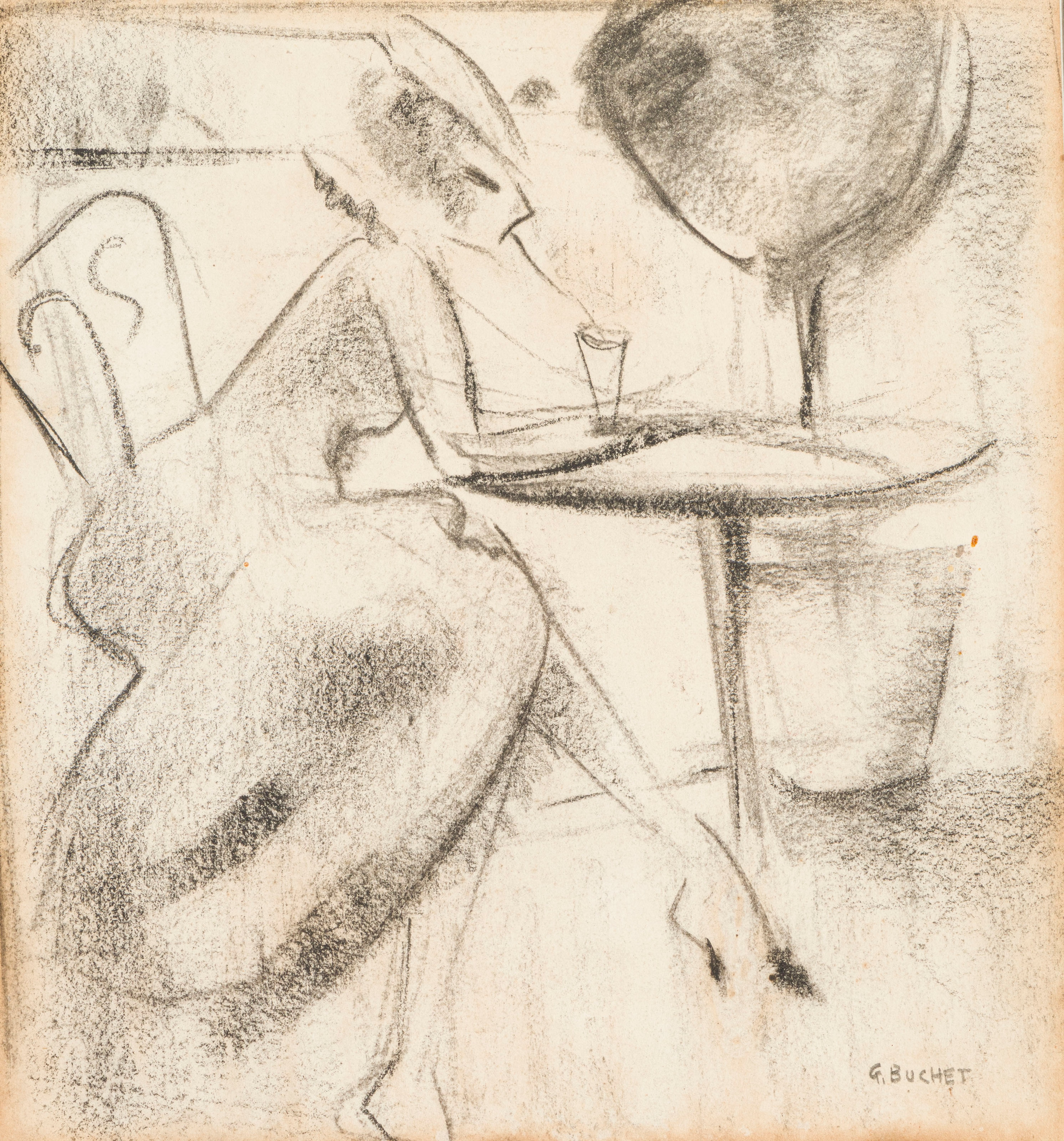
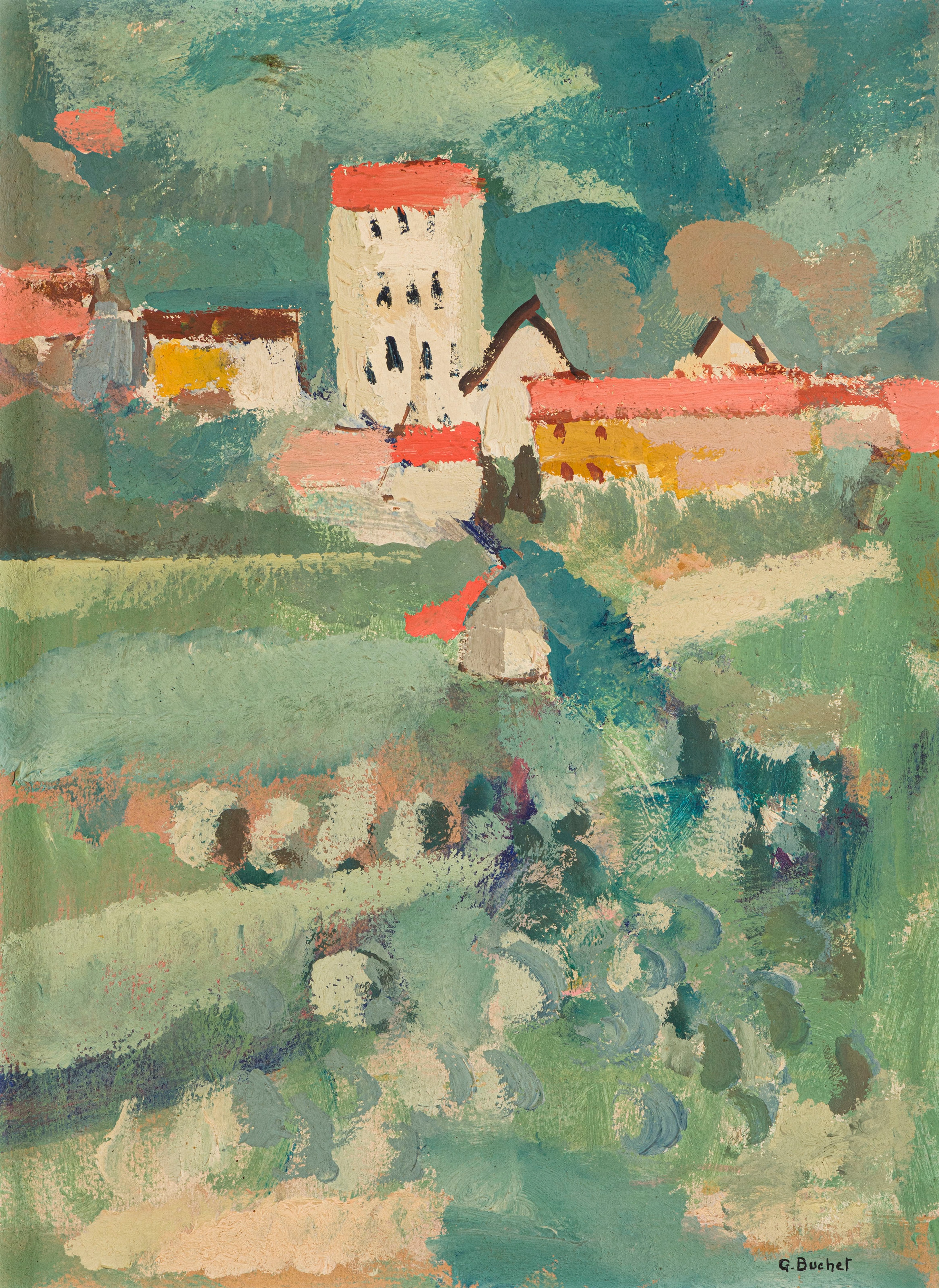
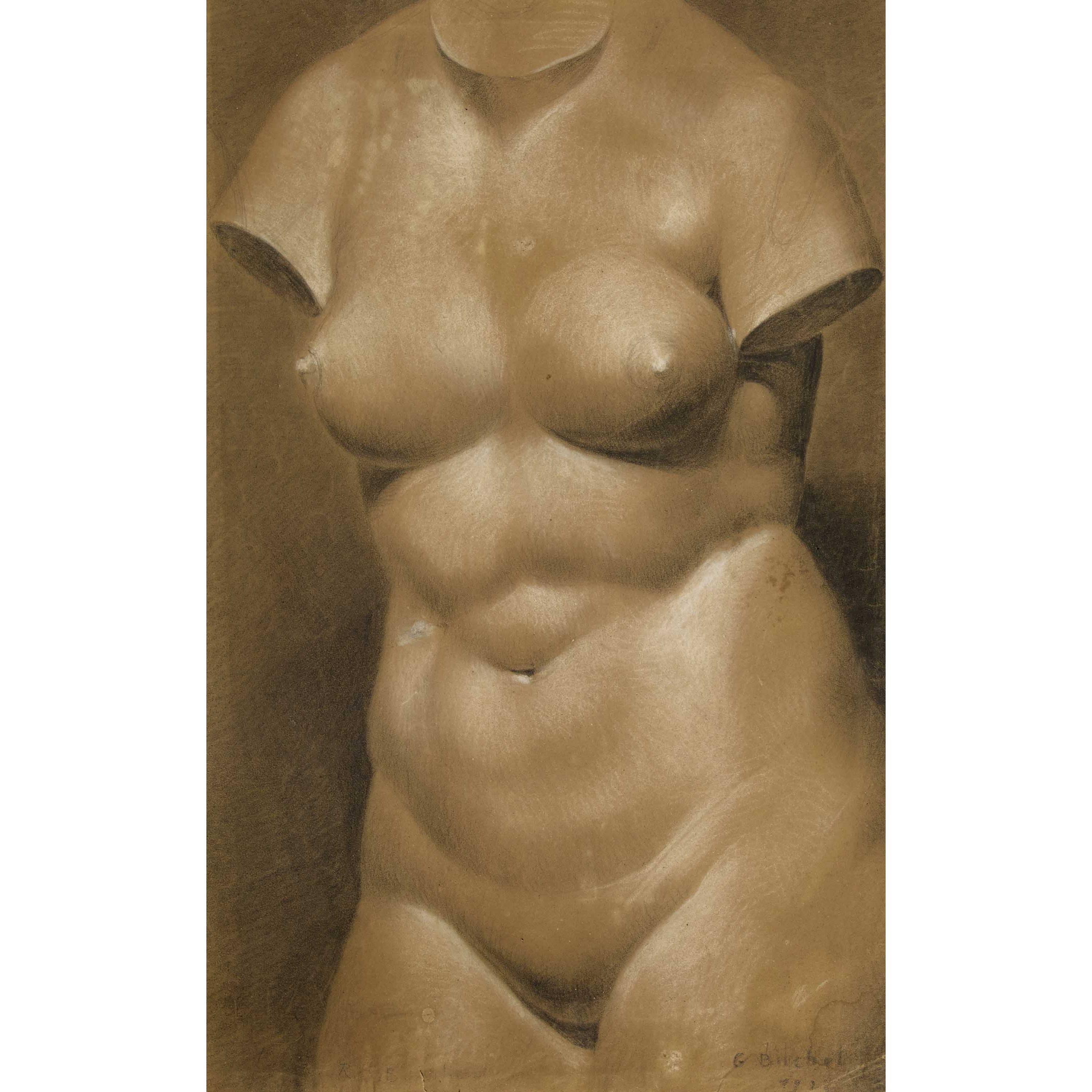
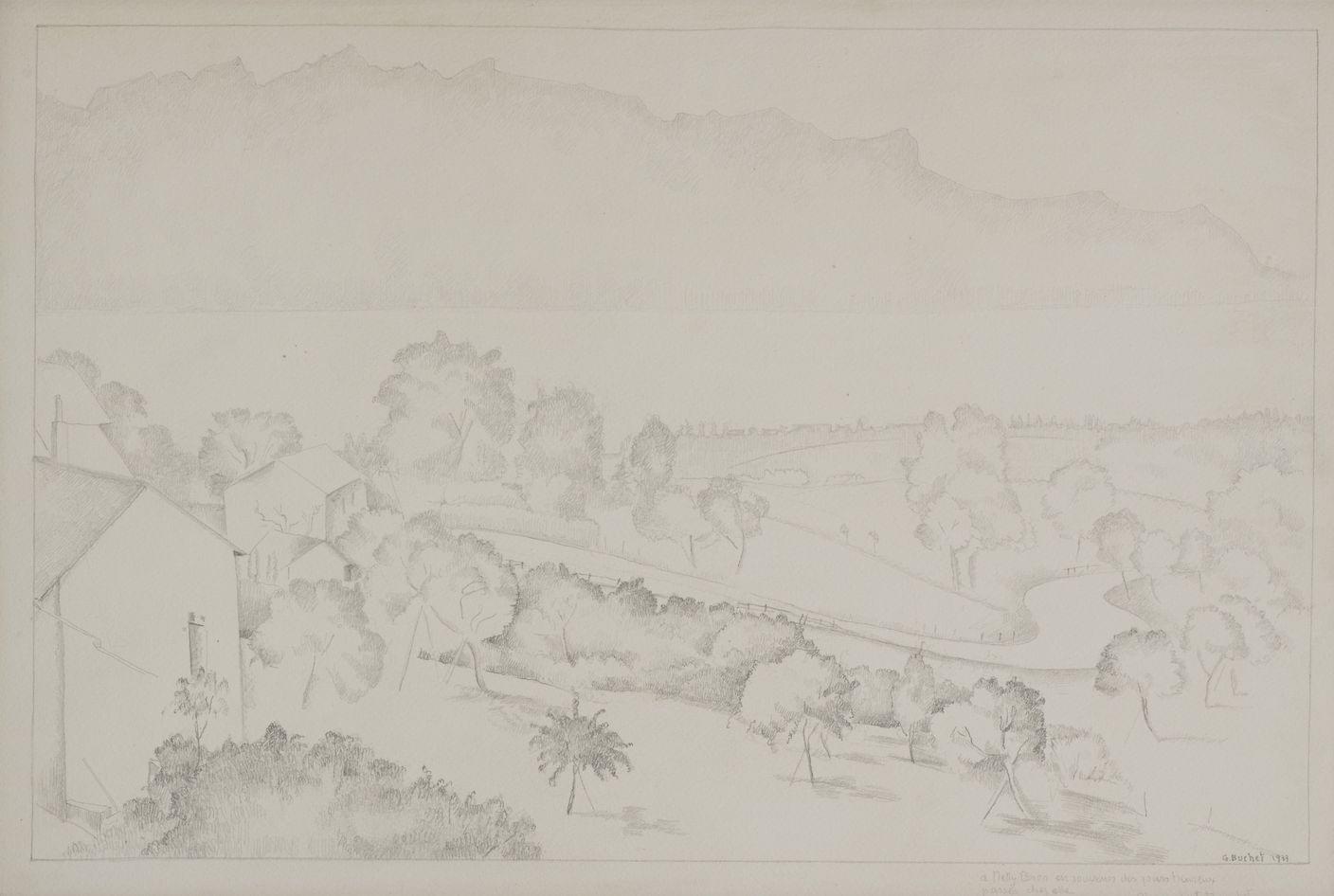
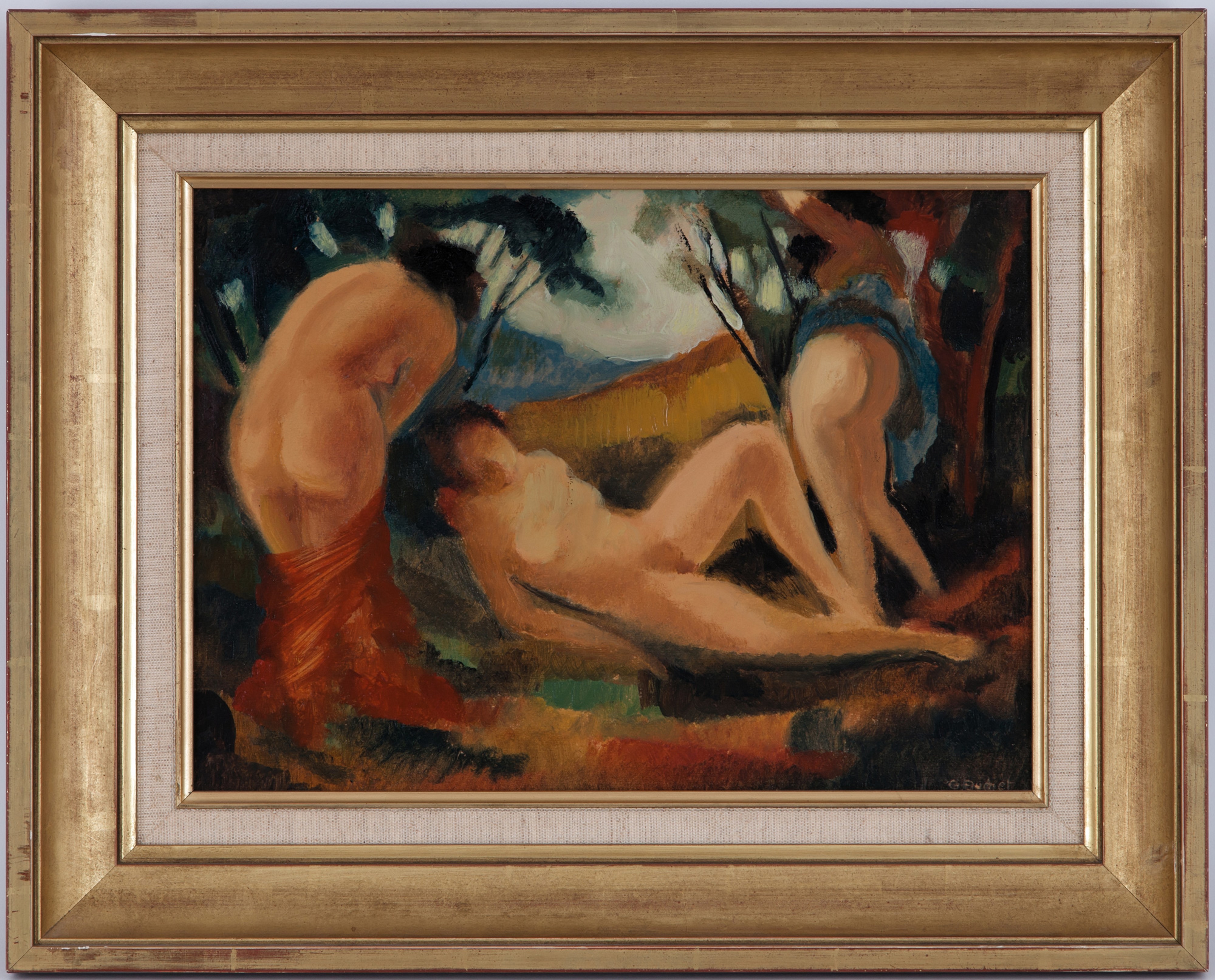
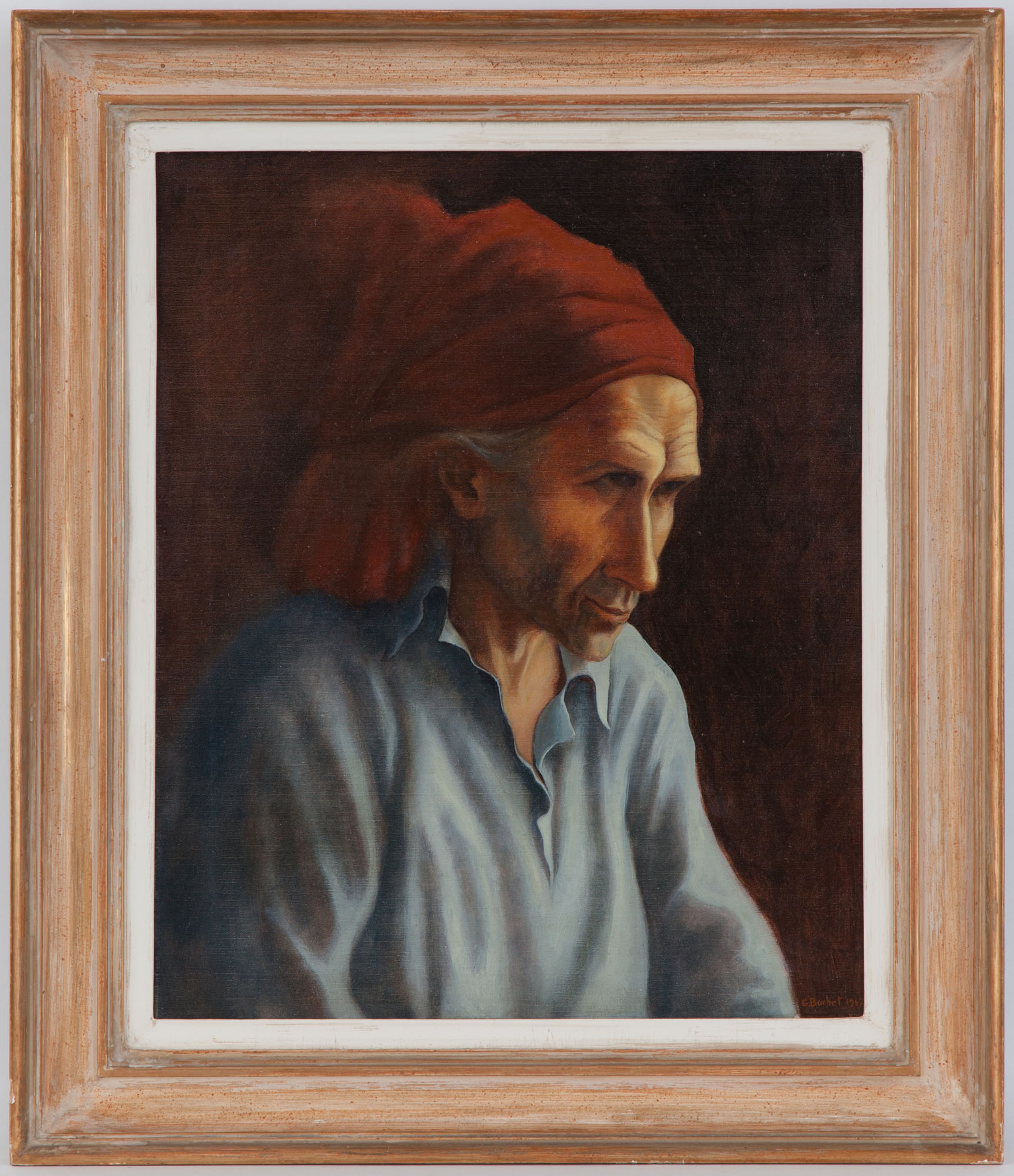
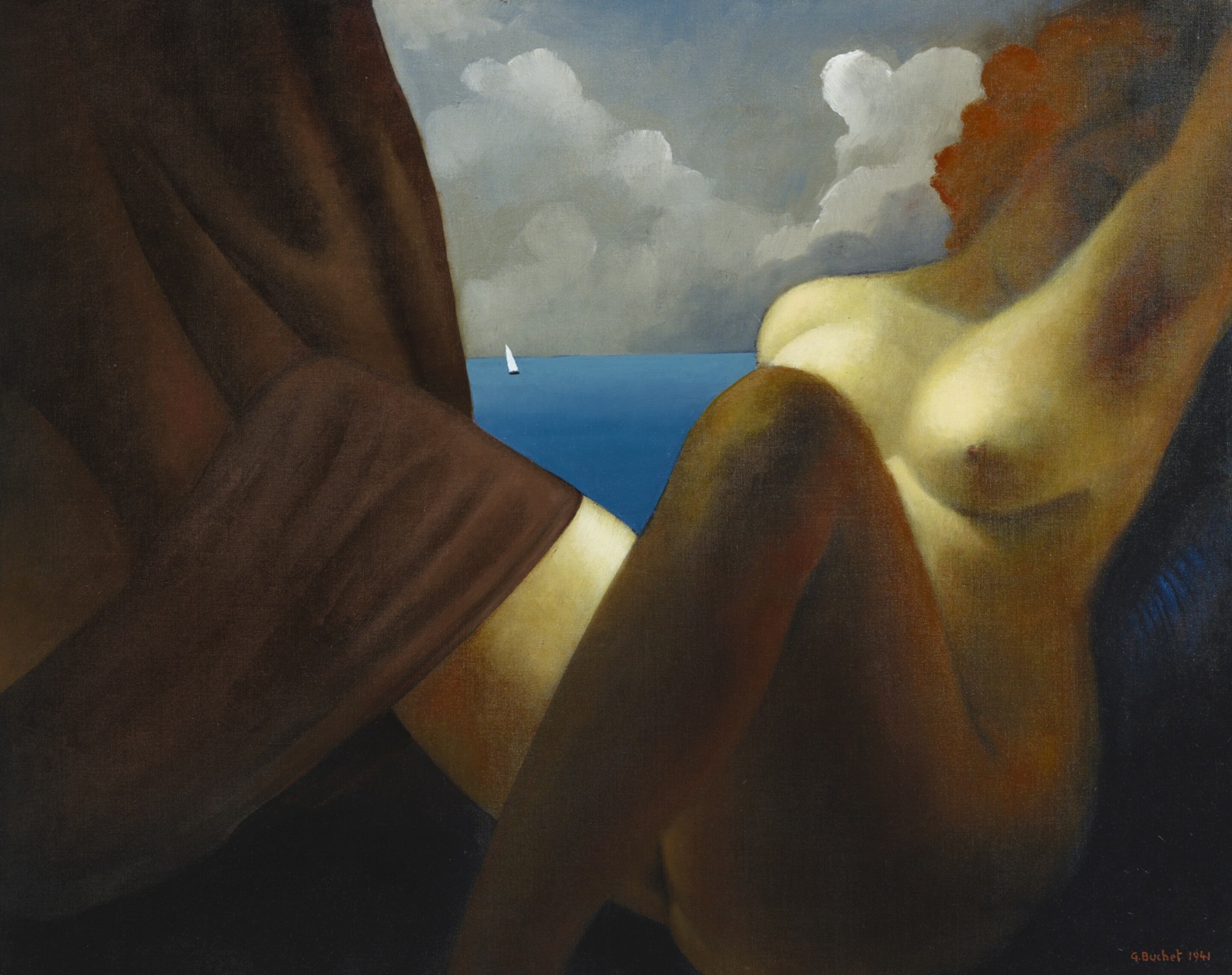
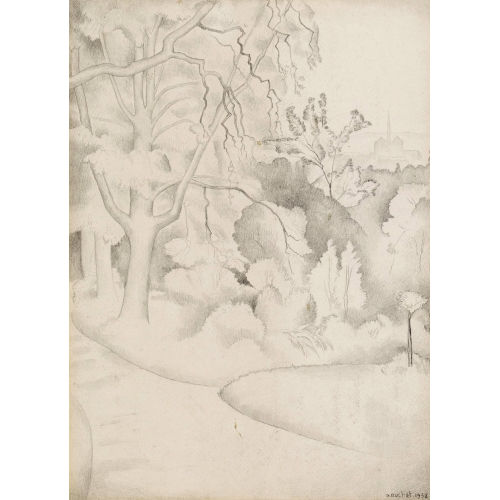
The works by Gustave Buchet presented by Swiss Art Gallery extend this artistic journey and take their place naturally within this corpus.