Franz Gertsch
Born in 1930.
Died in 2022.
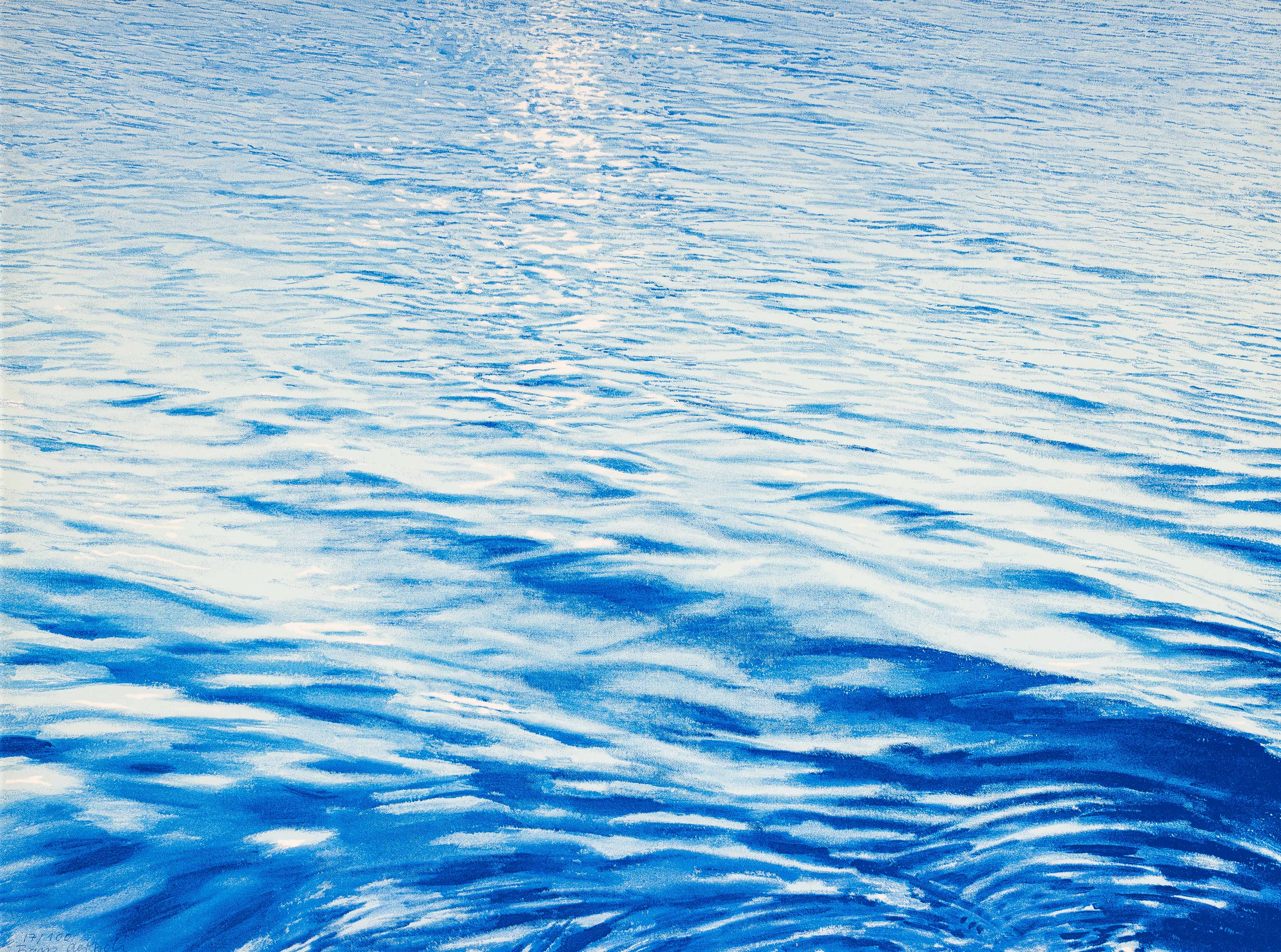
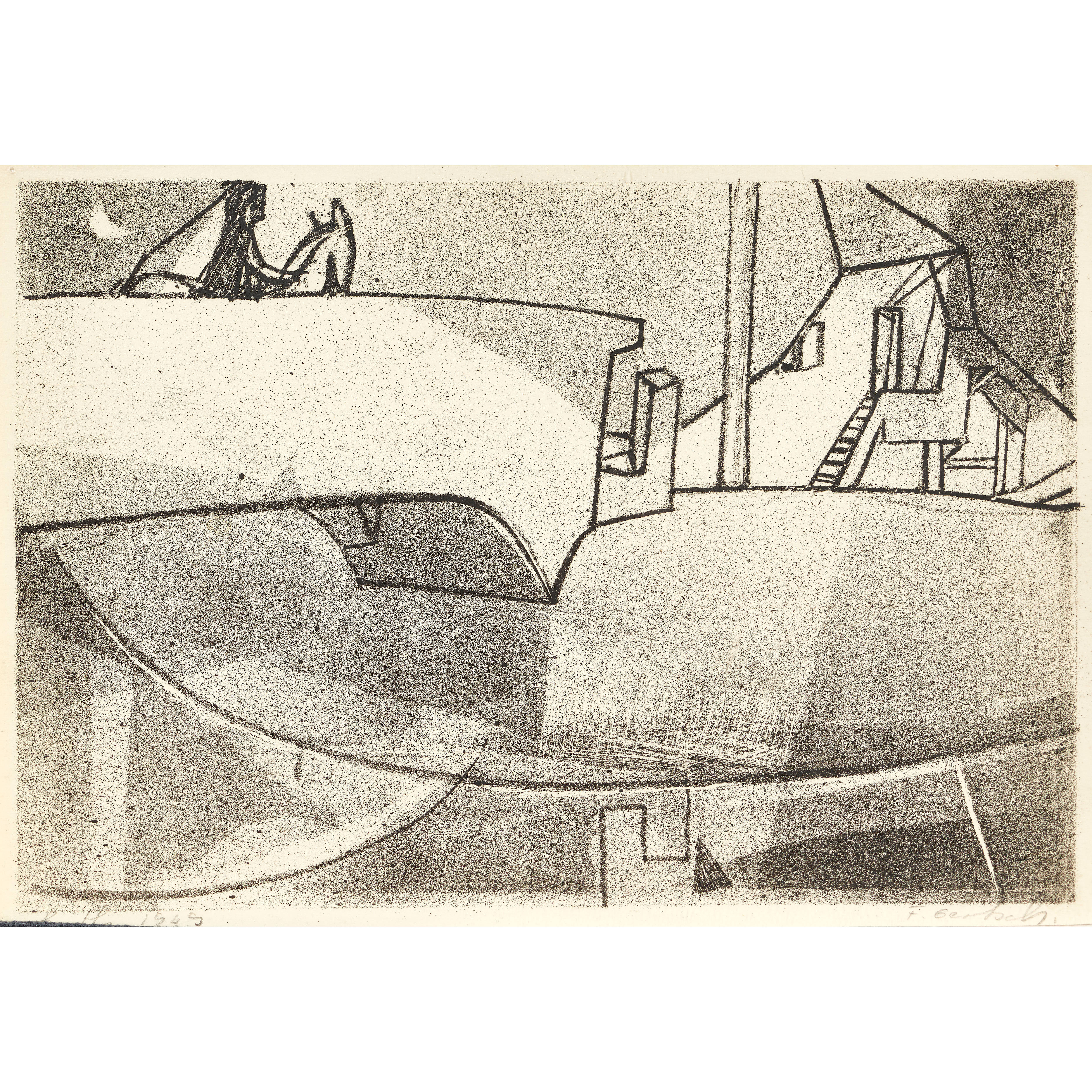
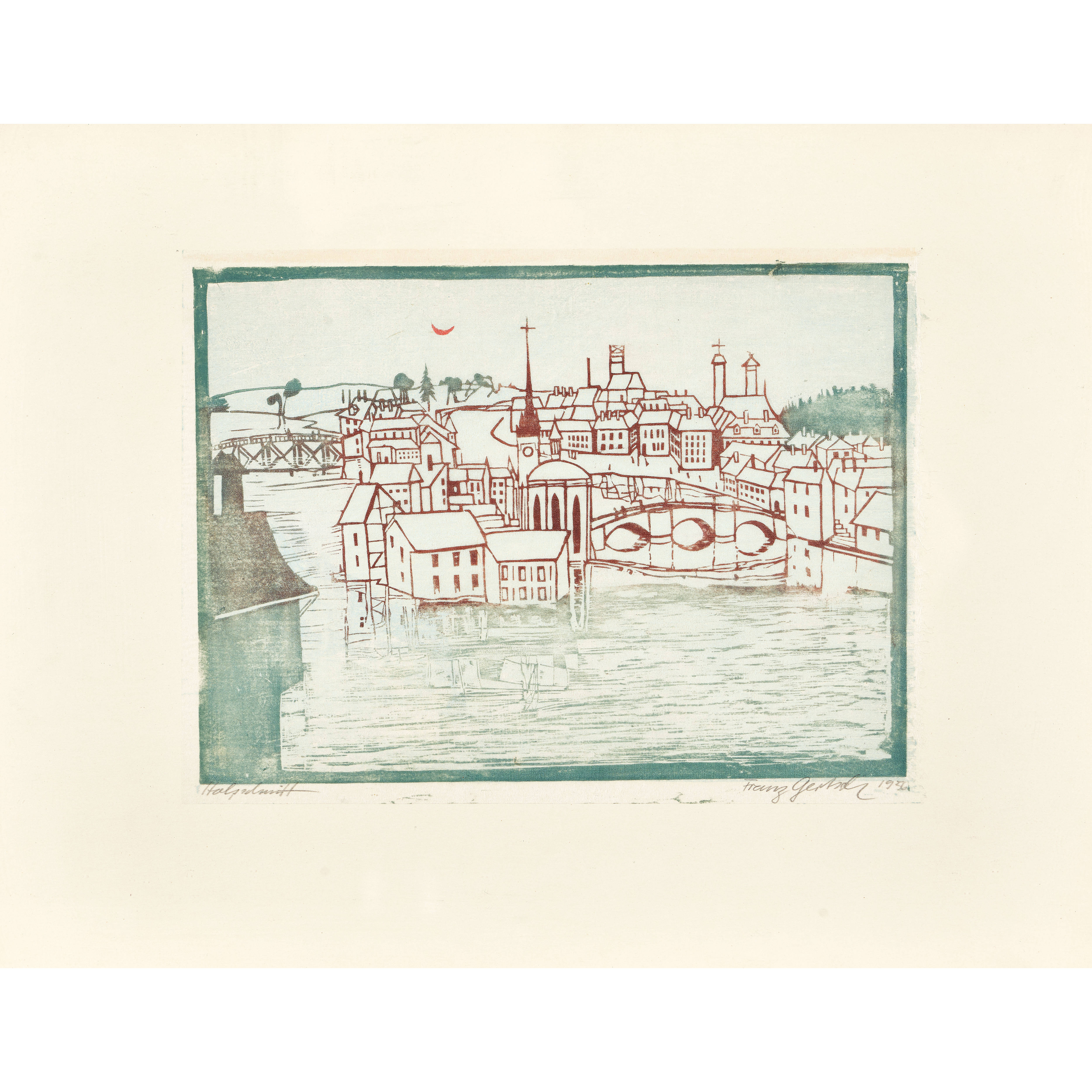
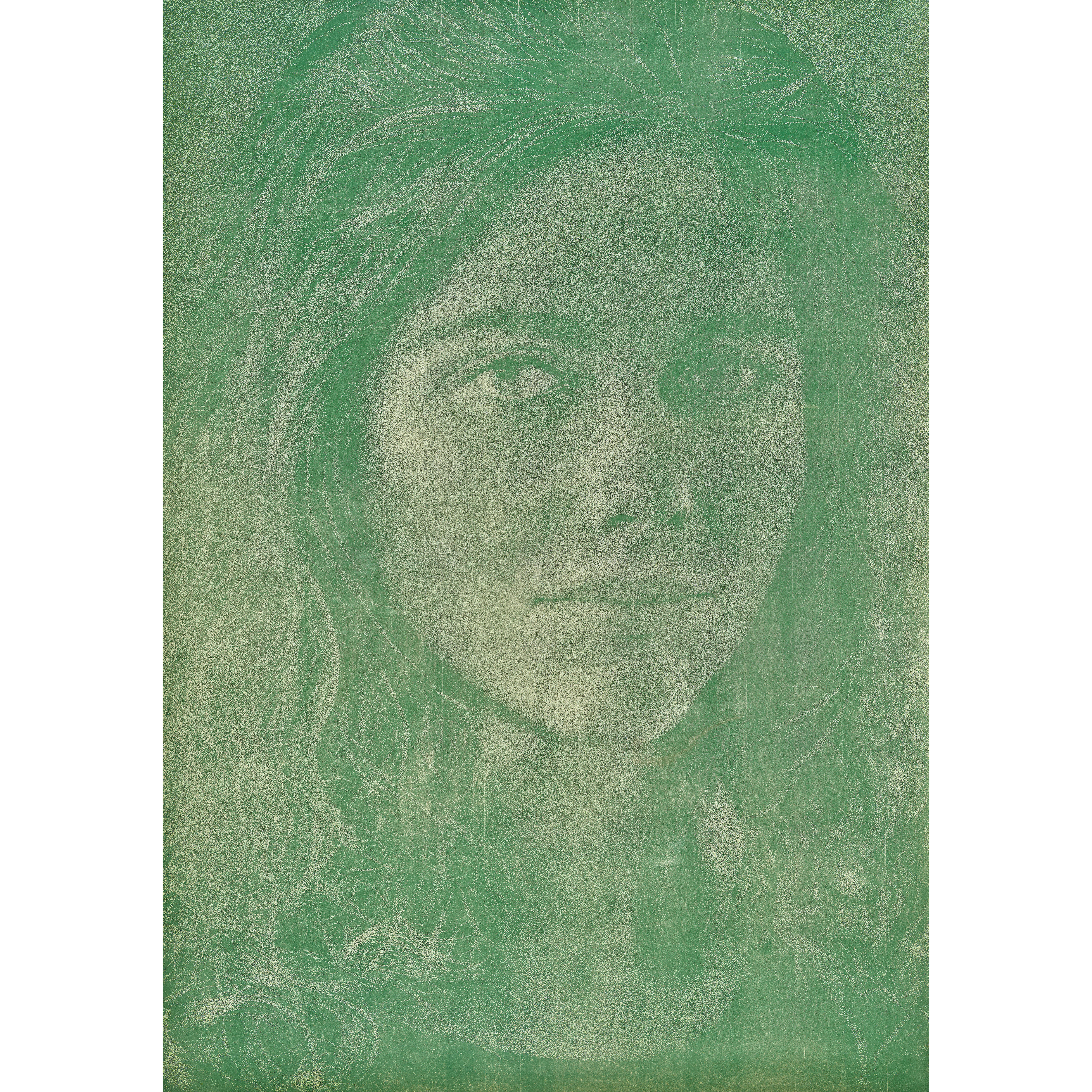
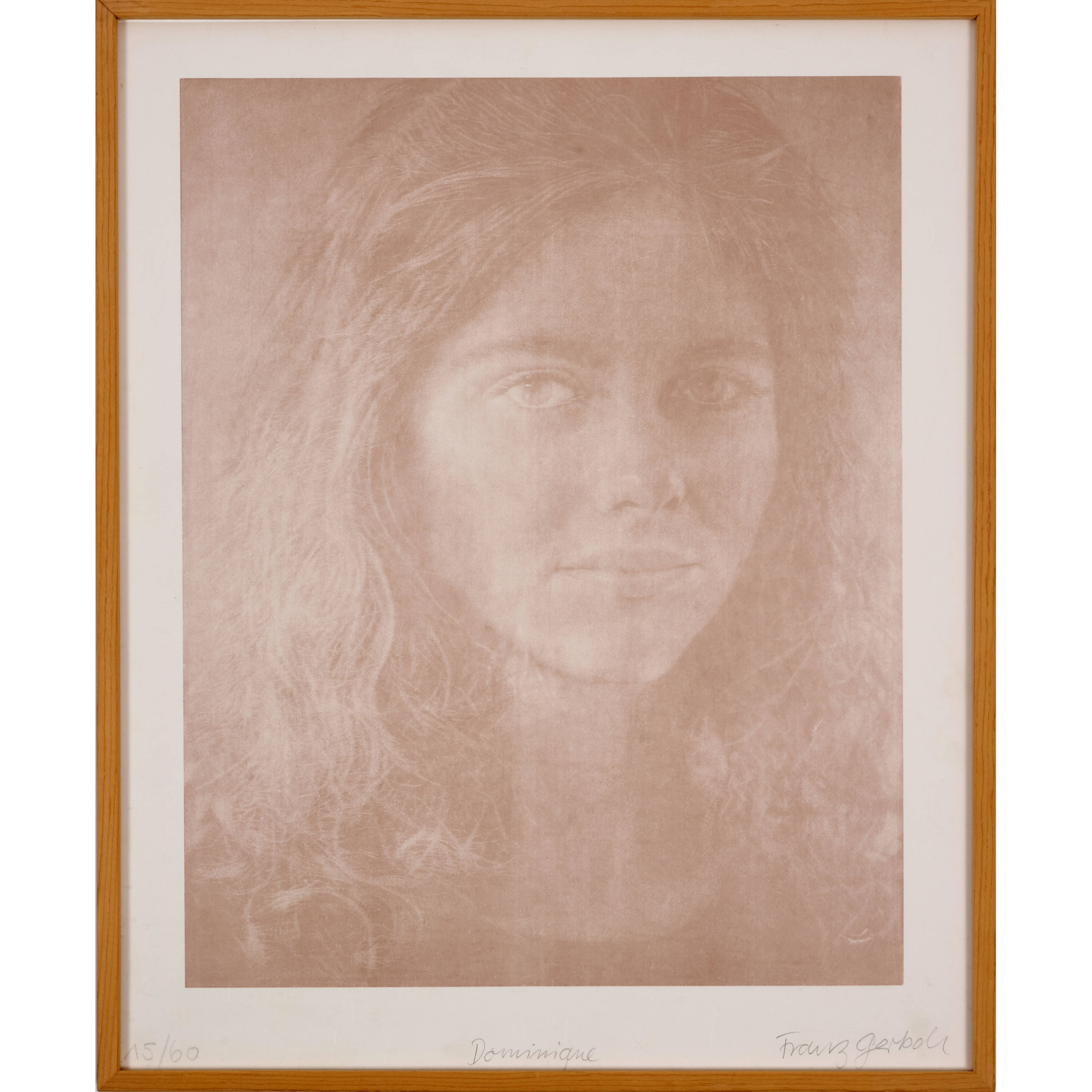
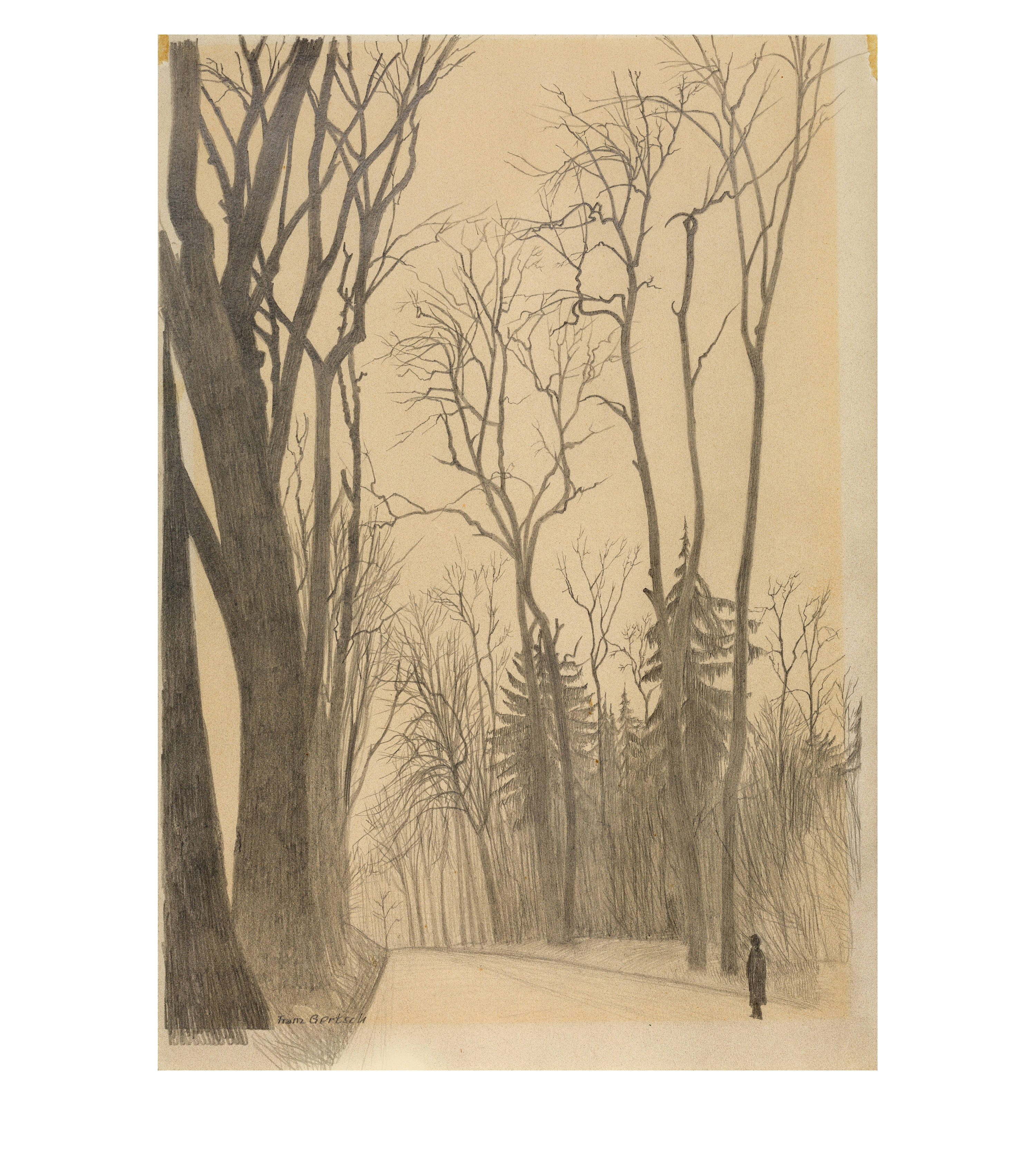
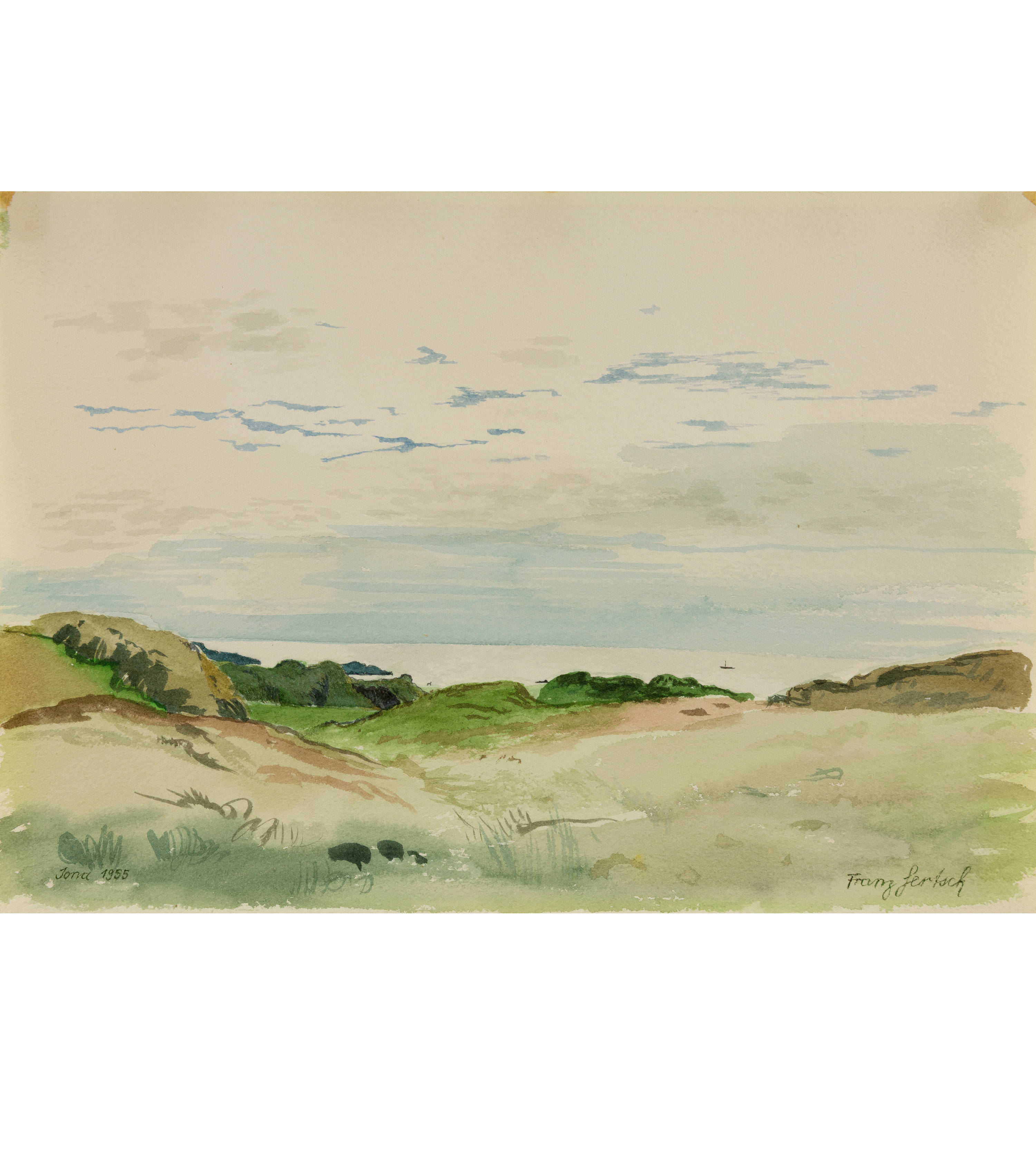
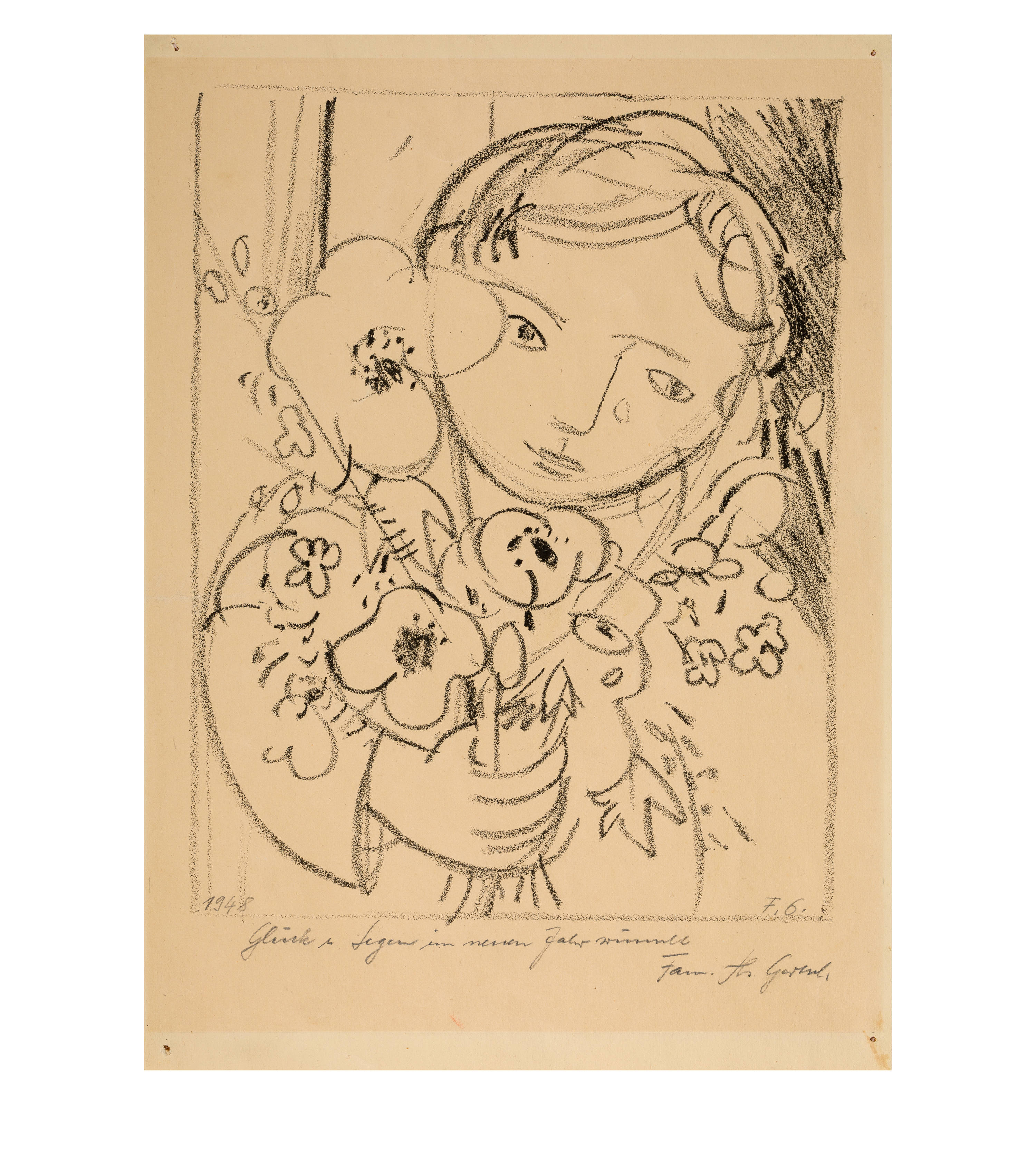
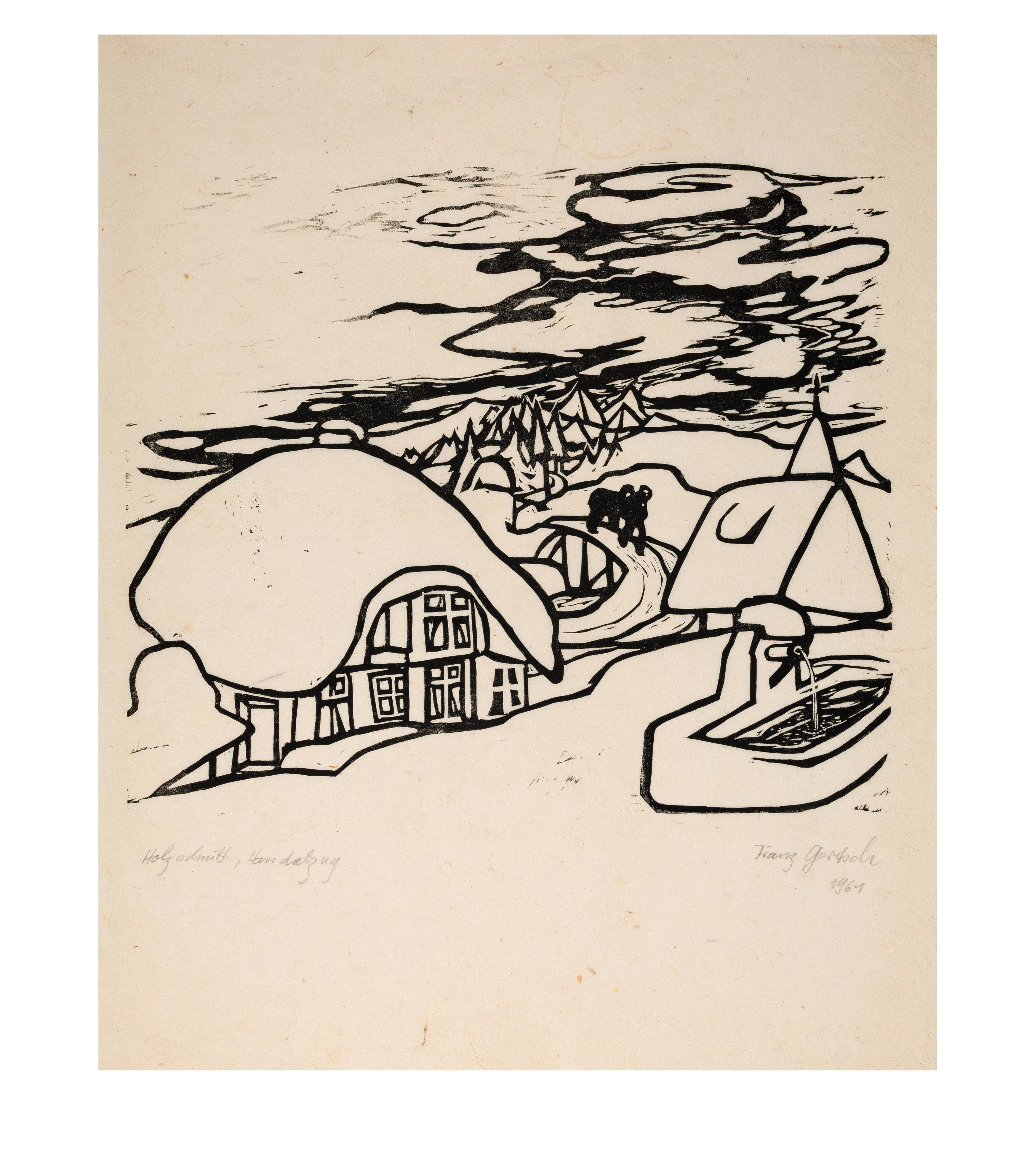
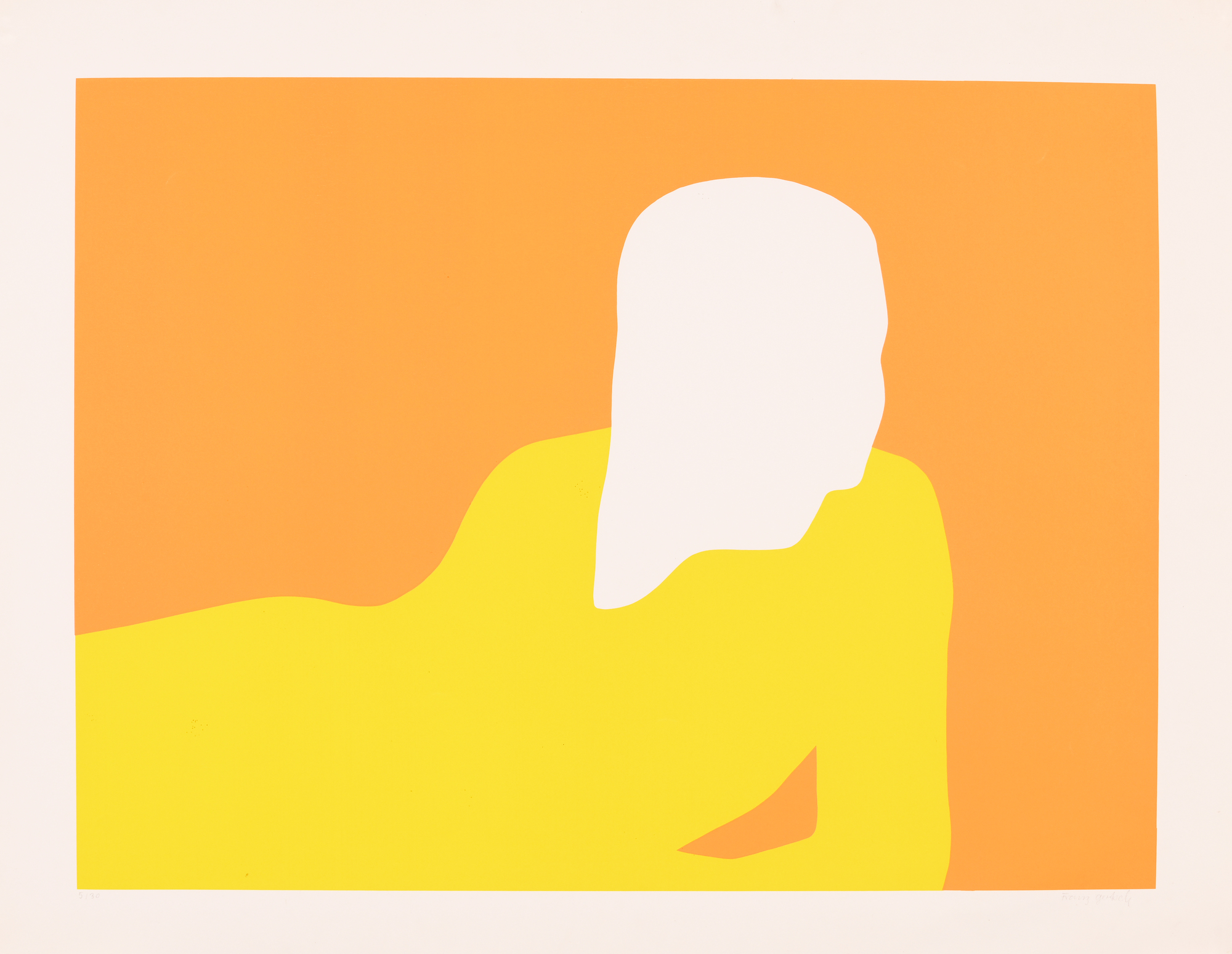
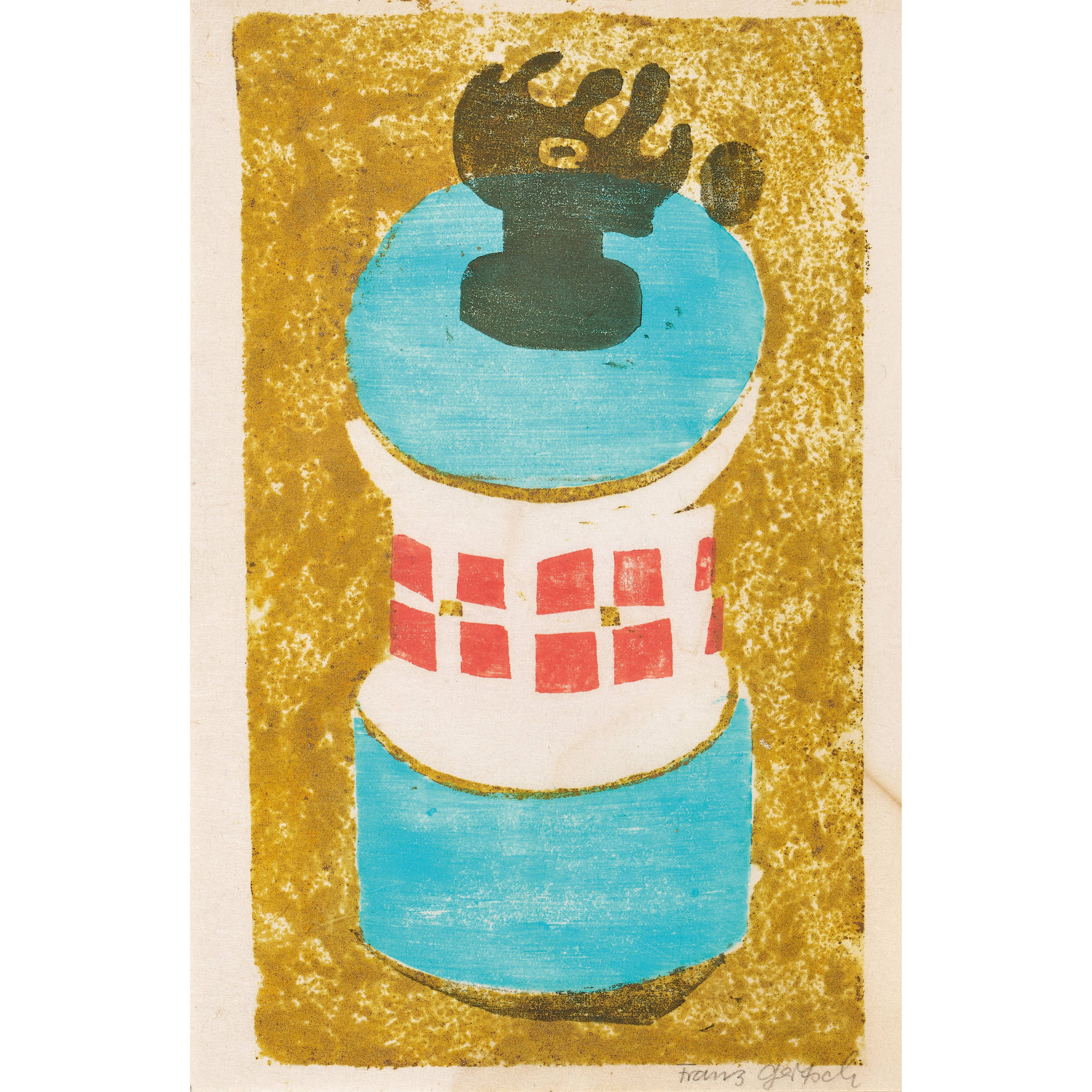
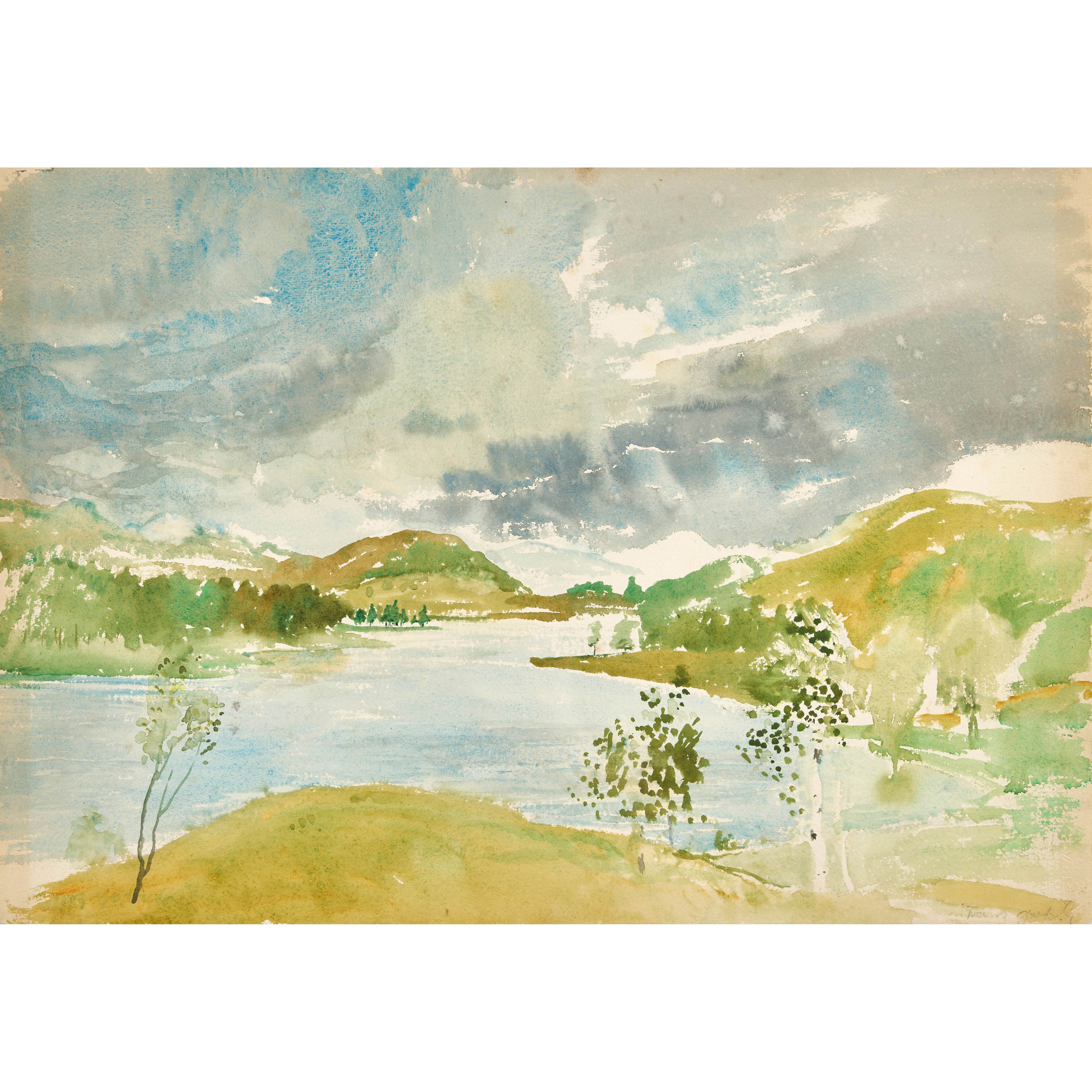
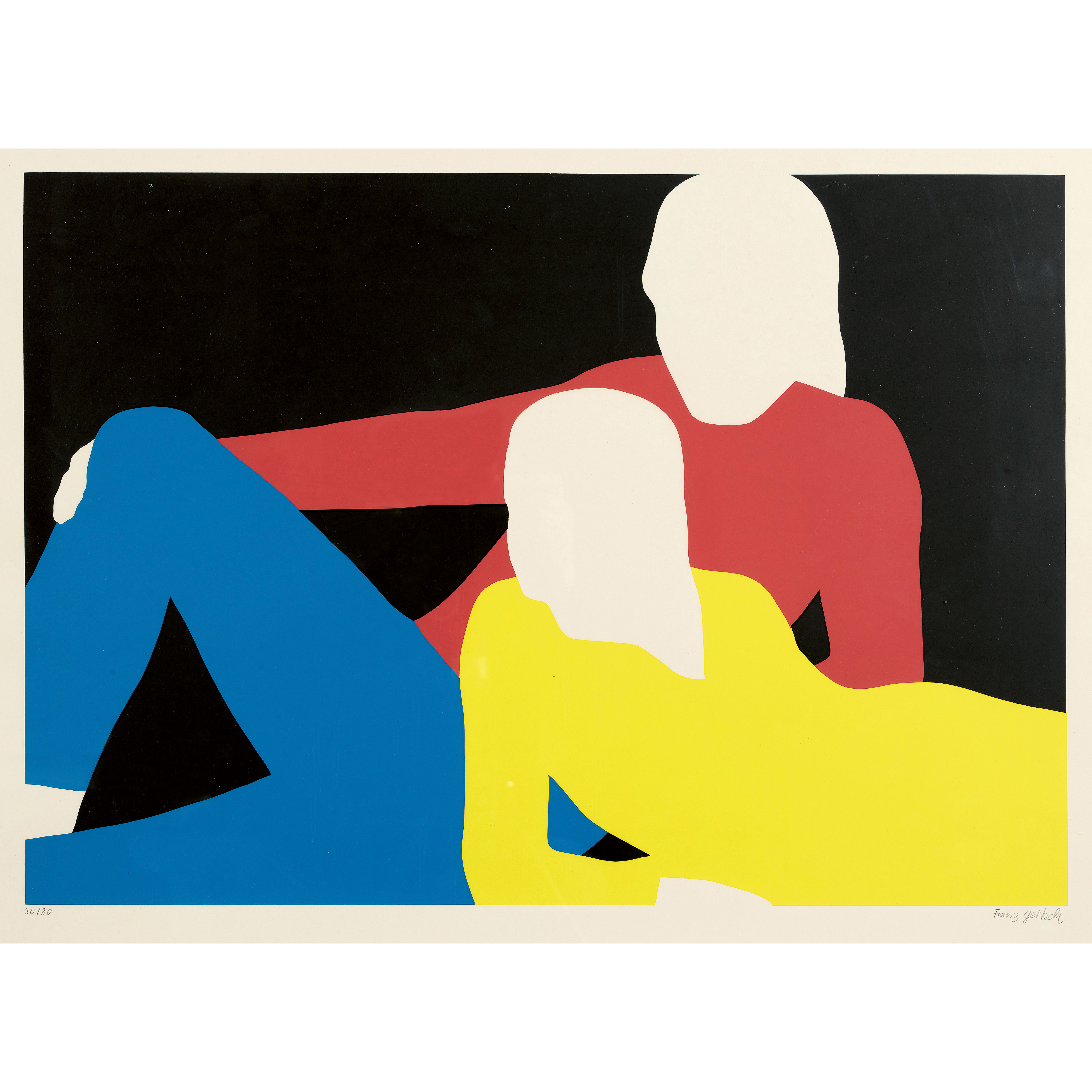
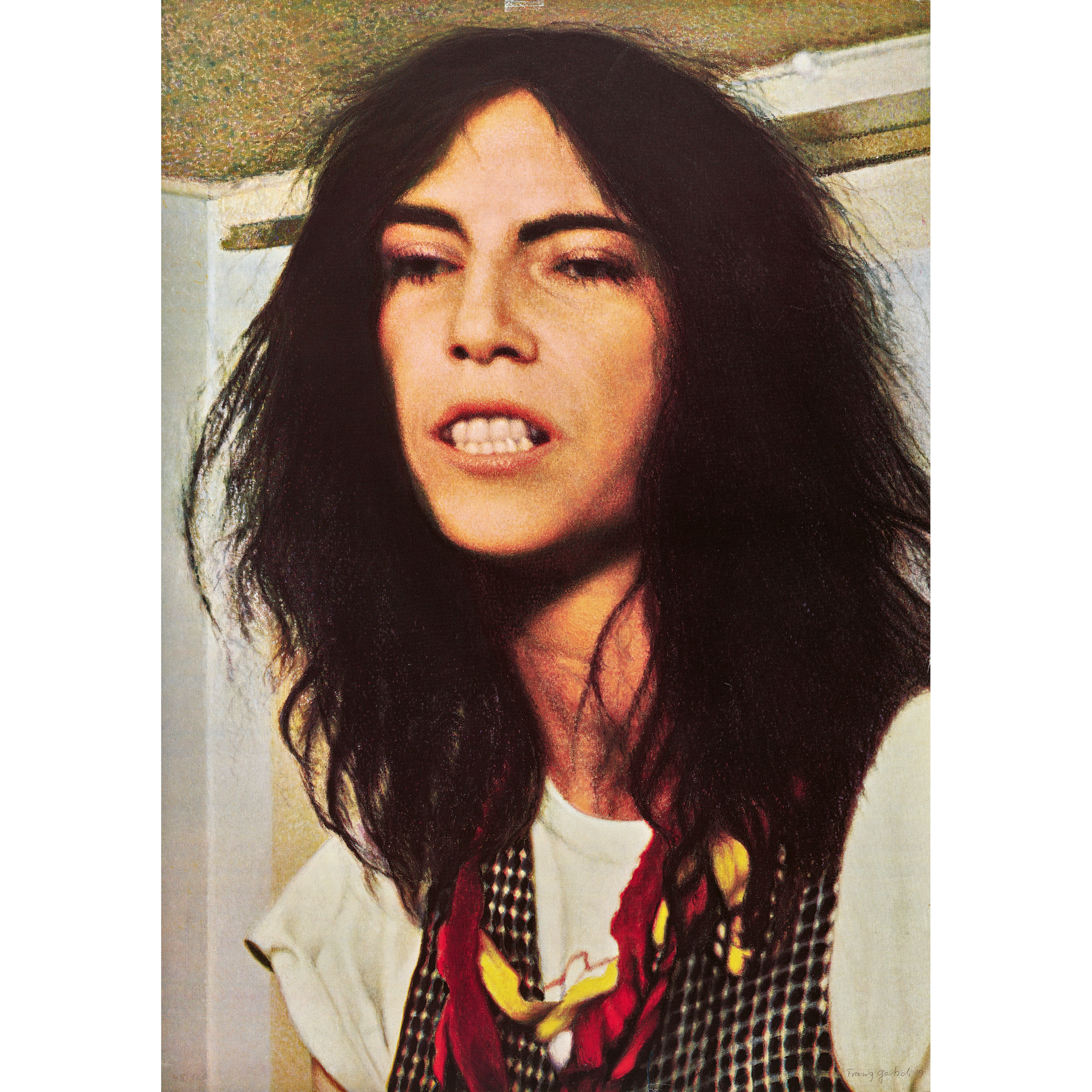
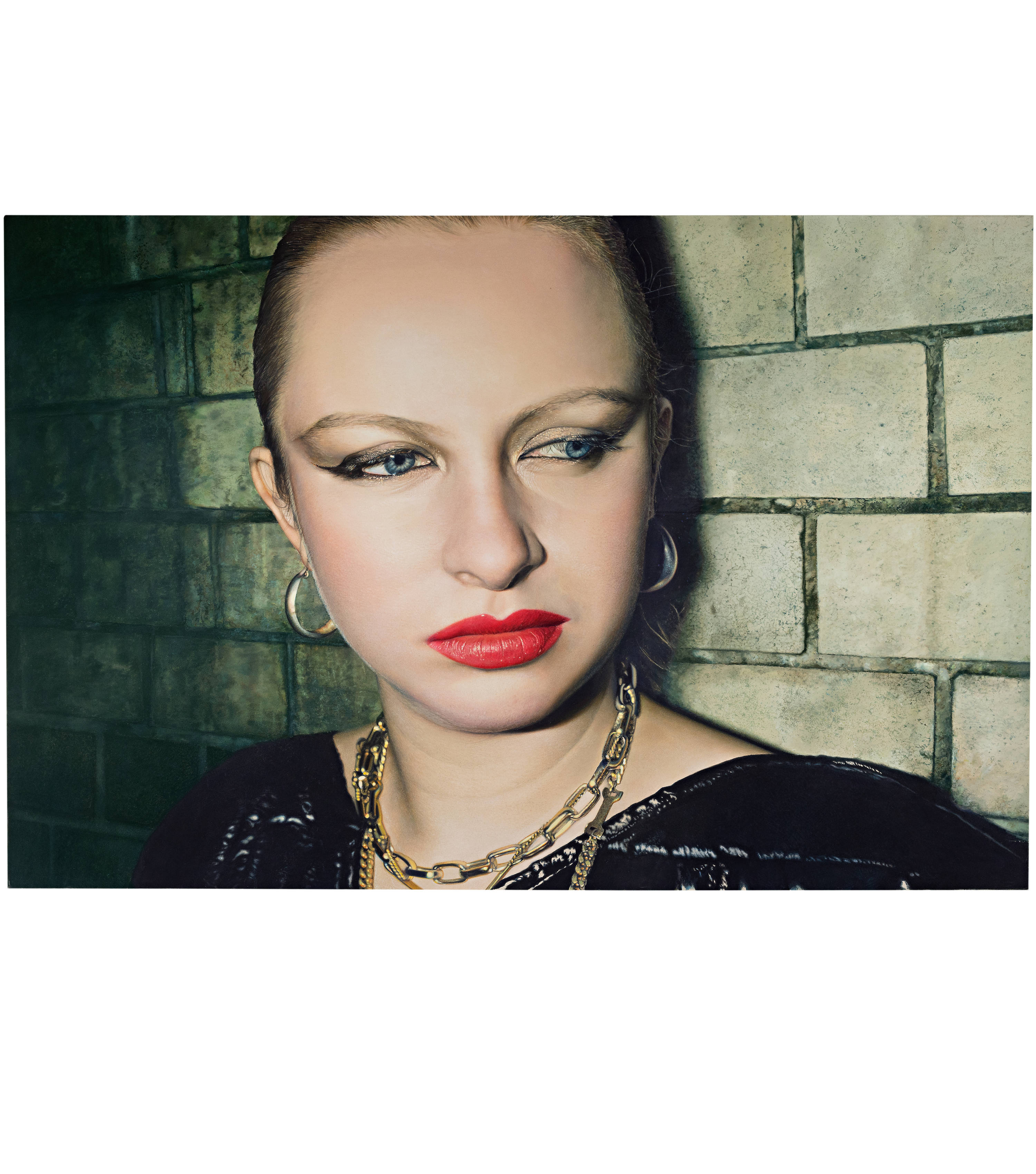
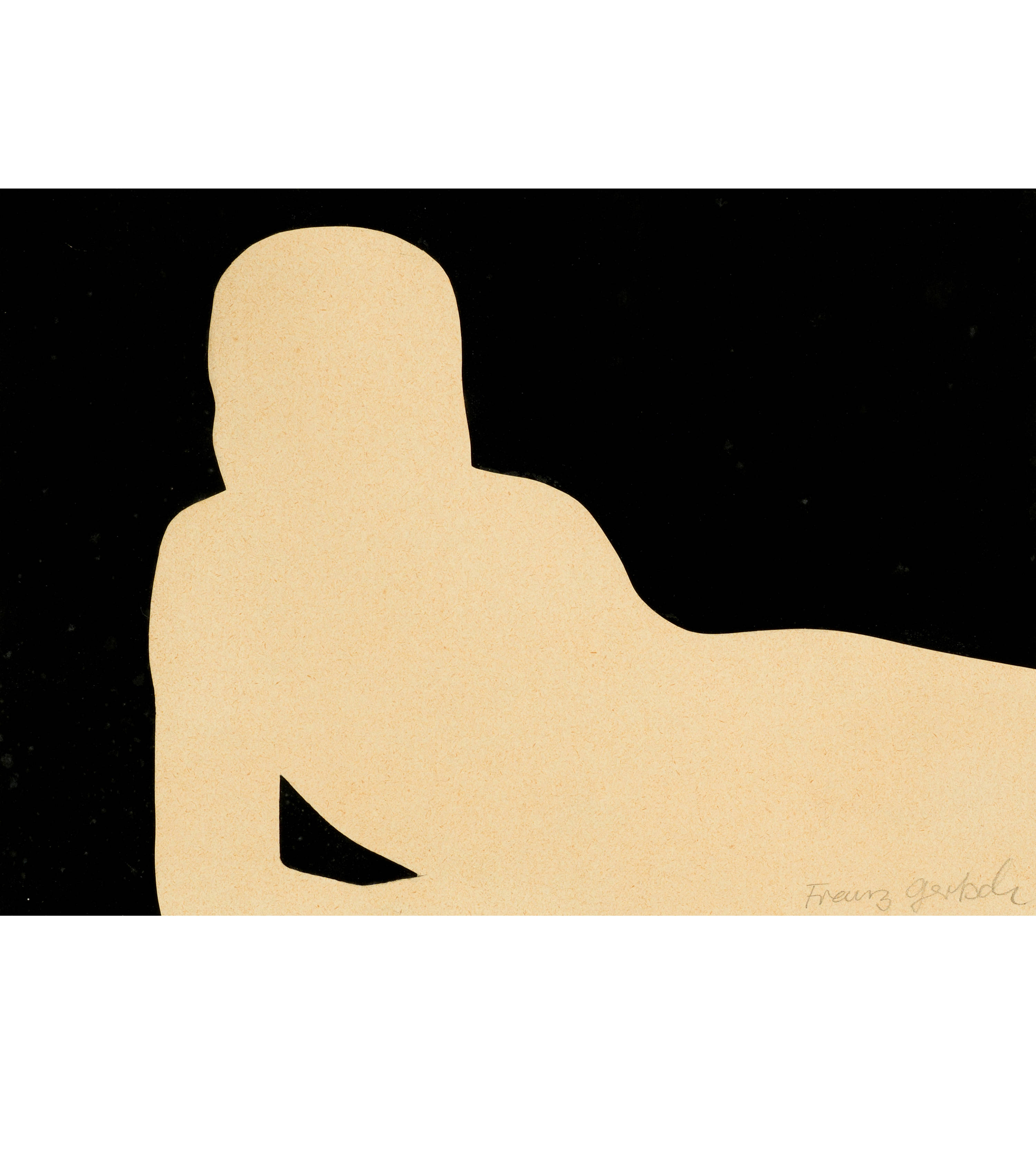
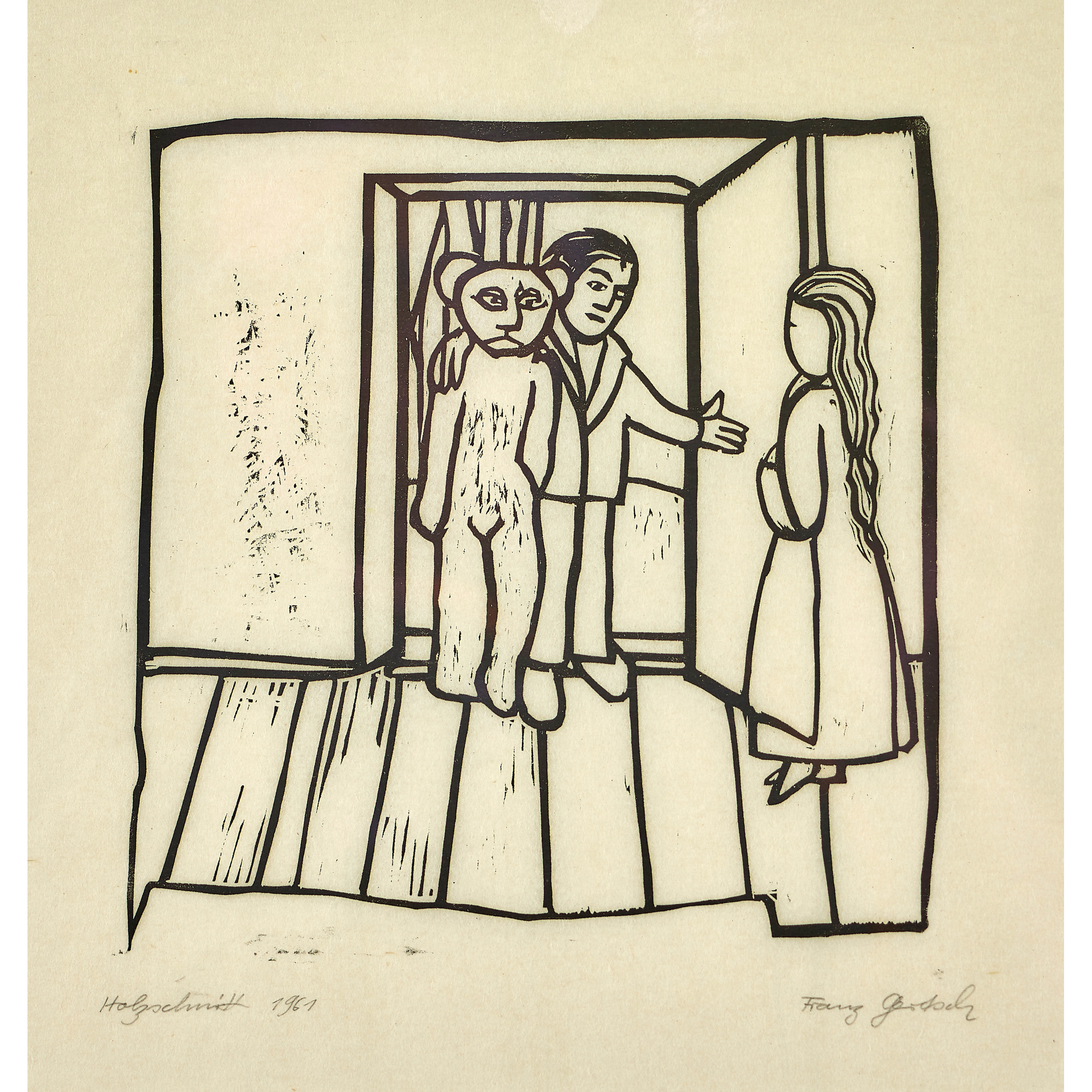
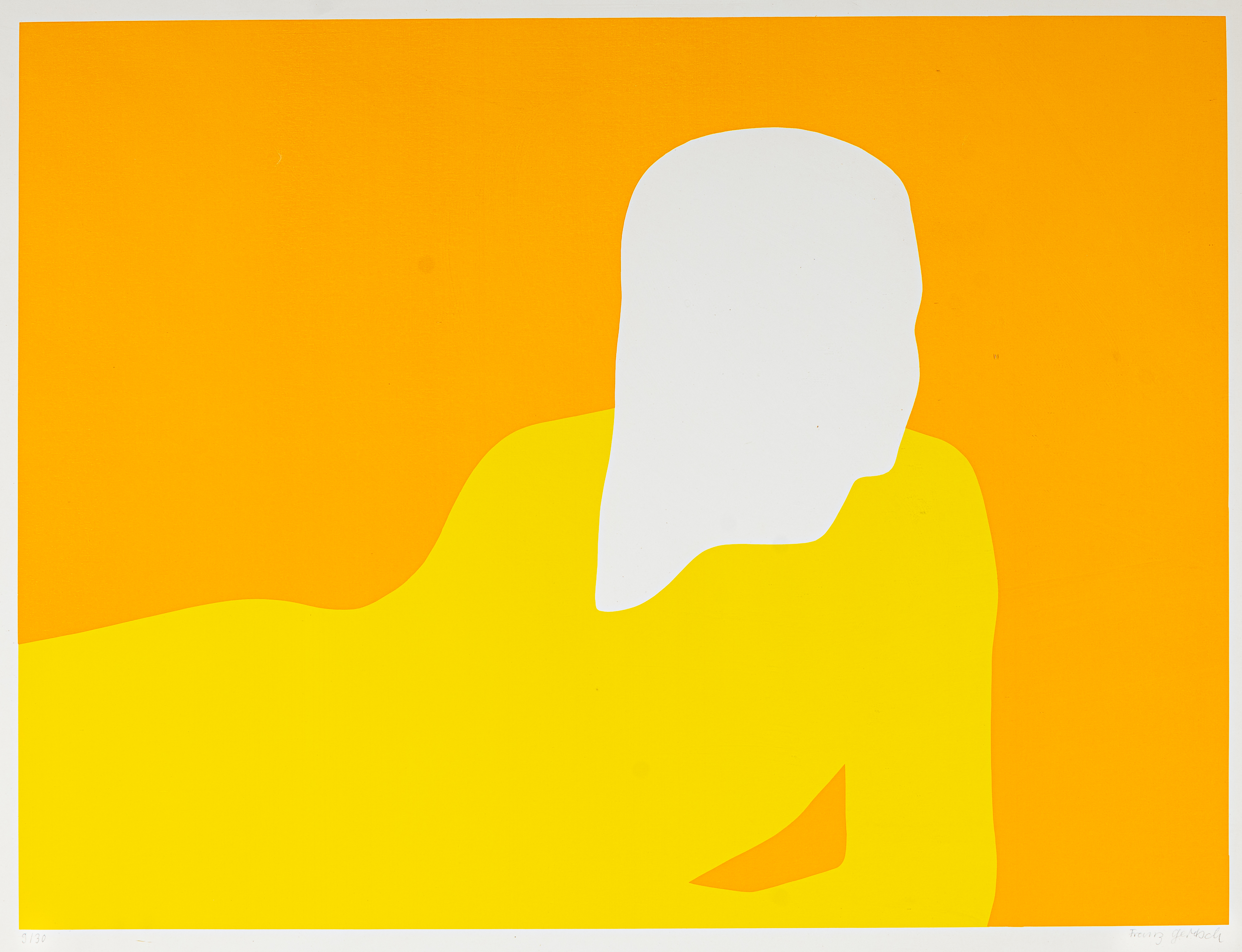
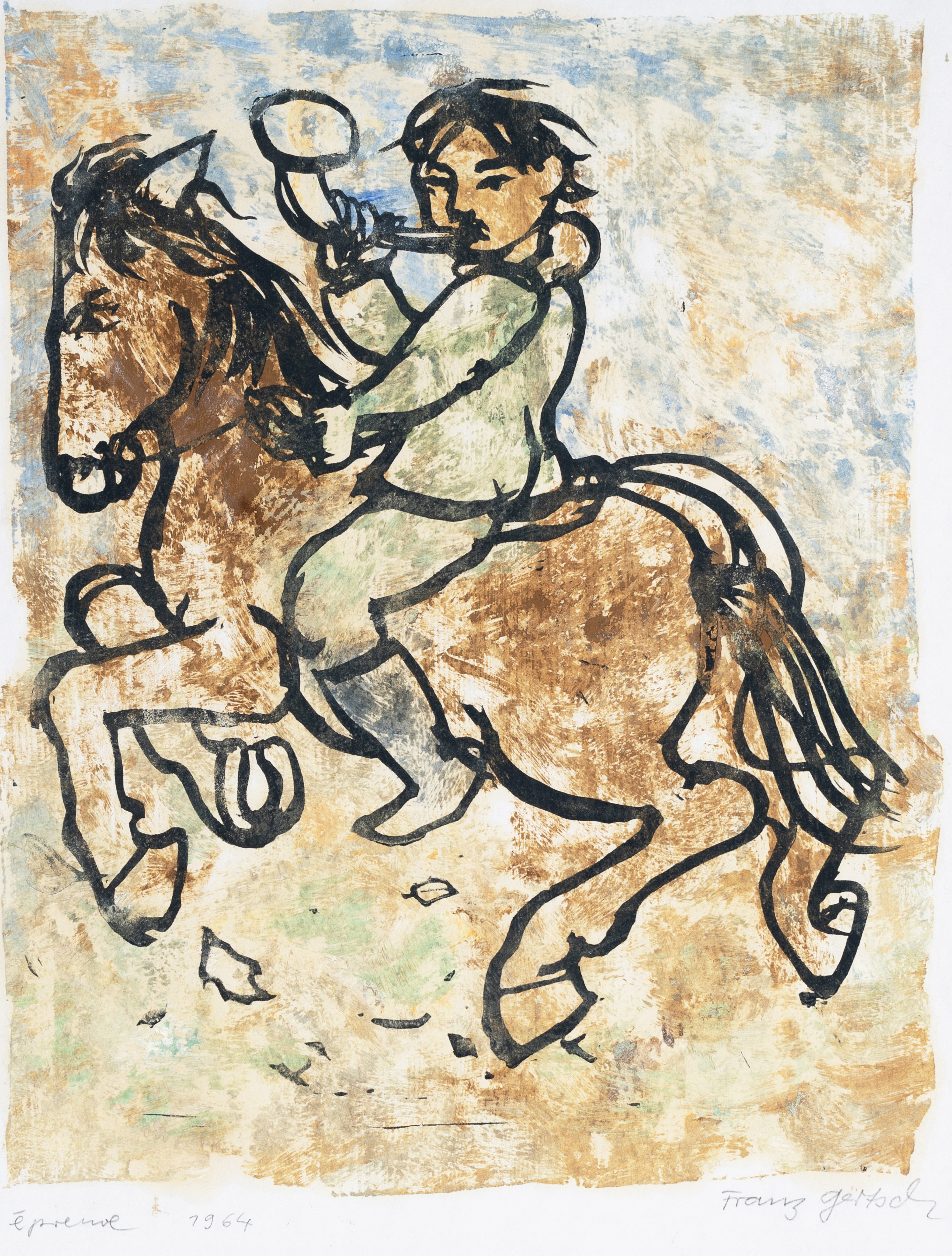
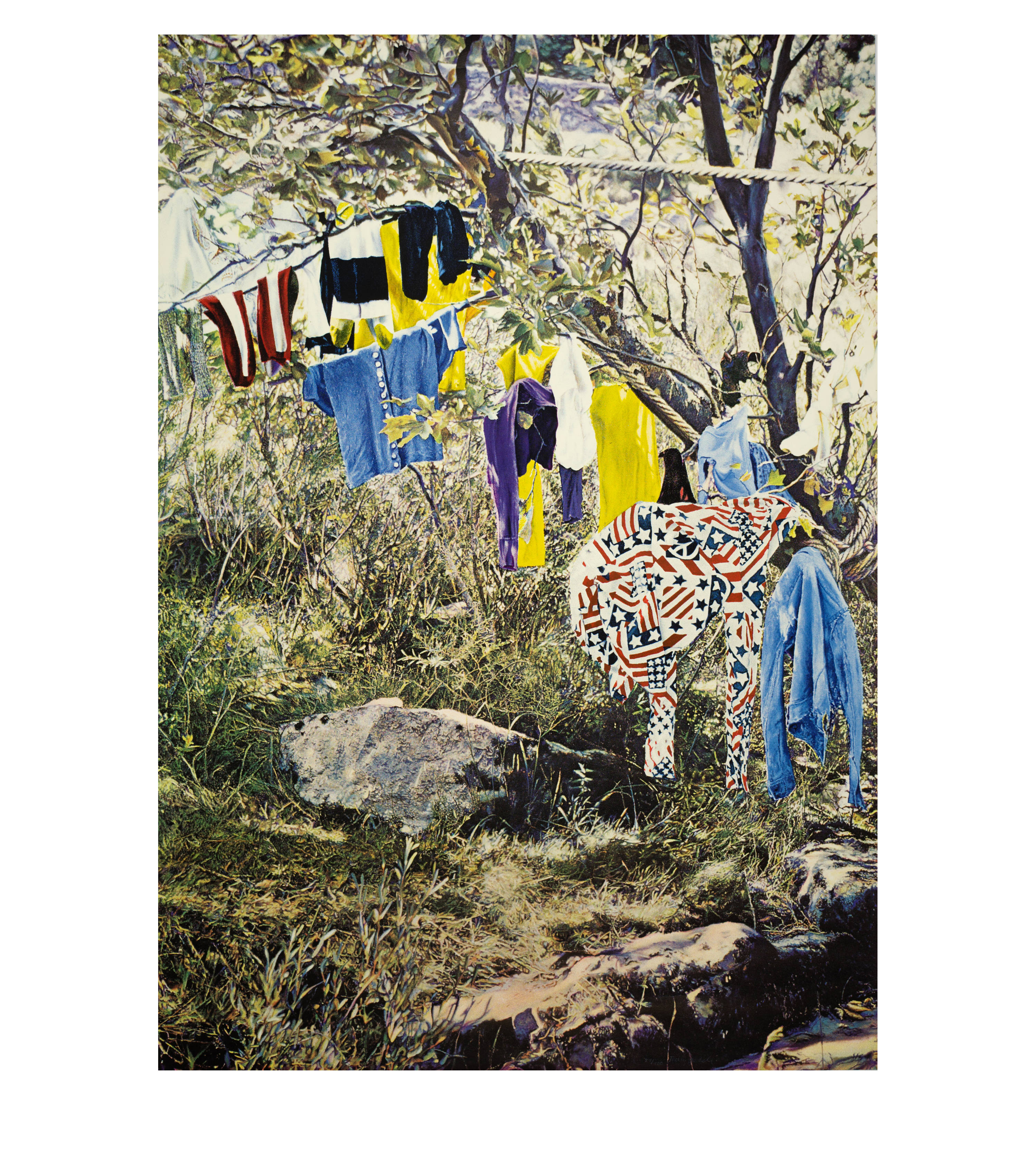
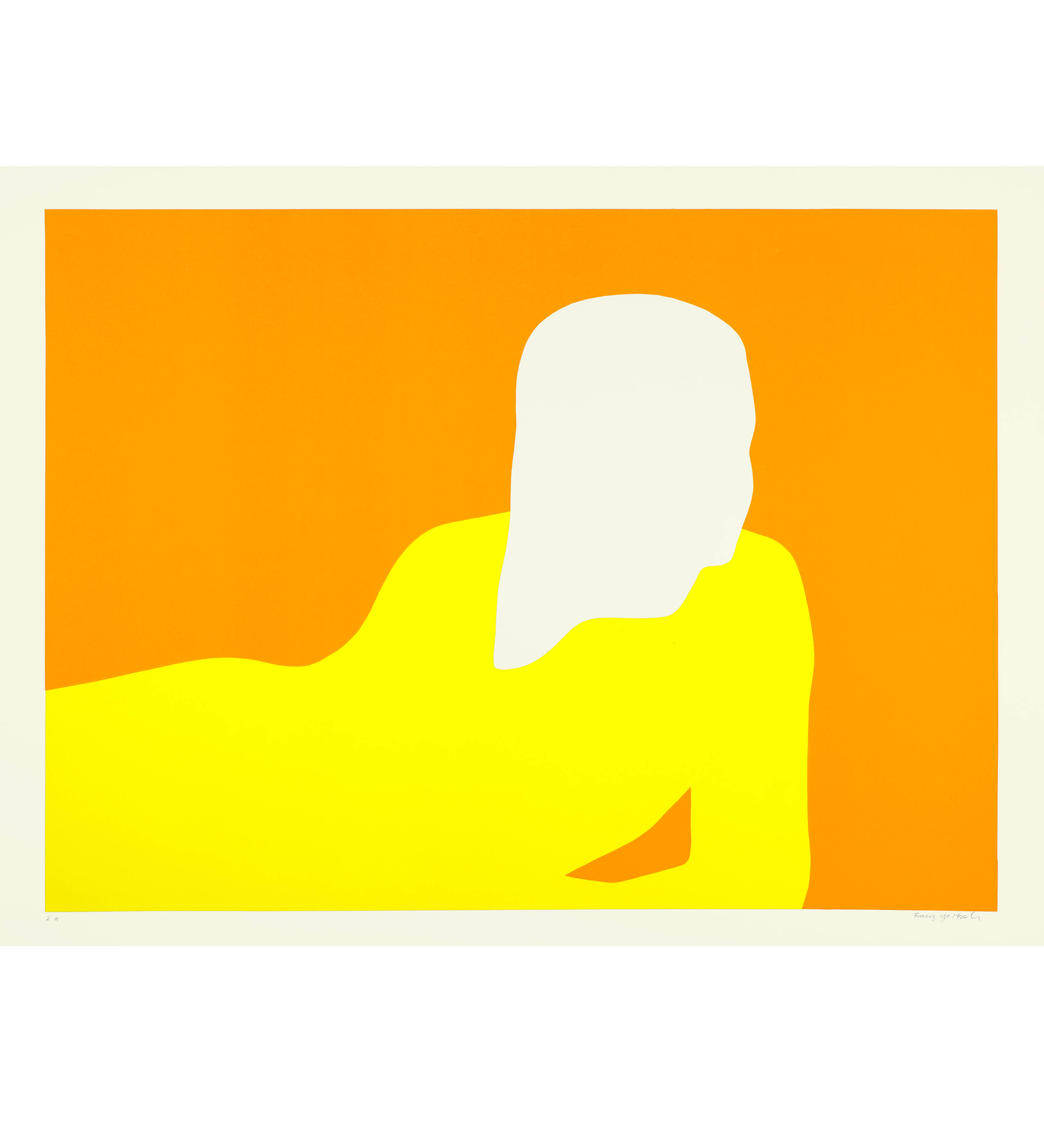
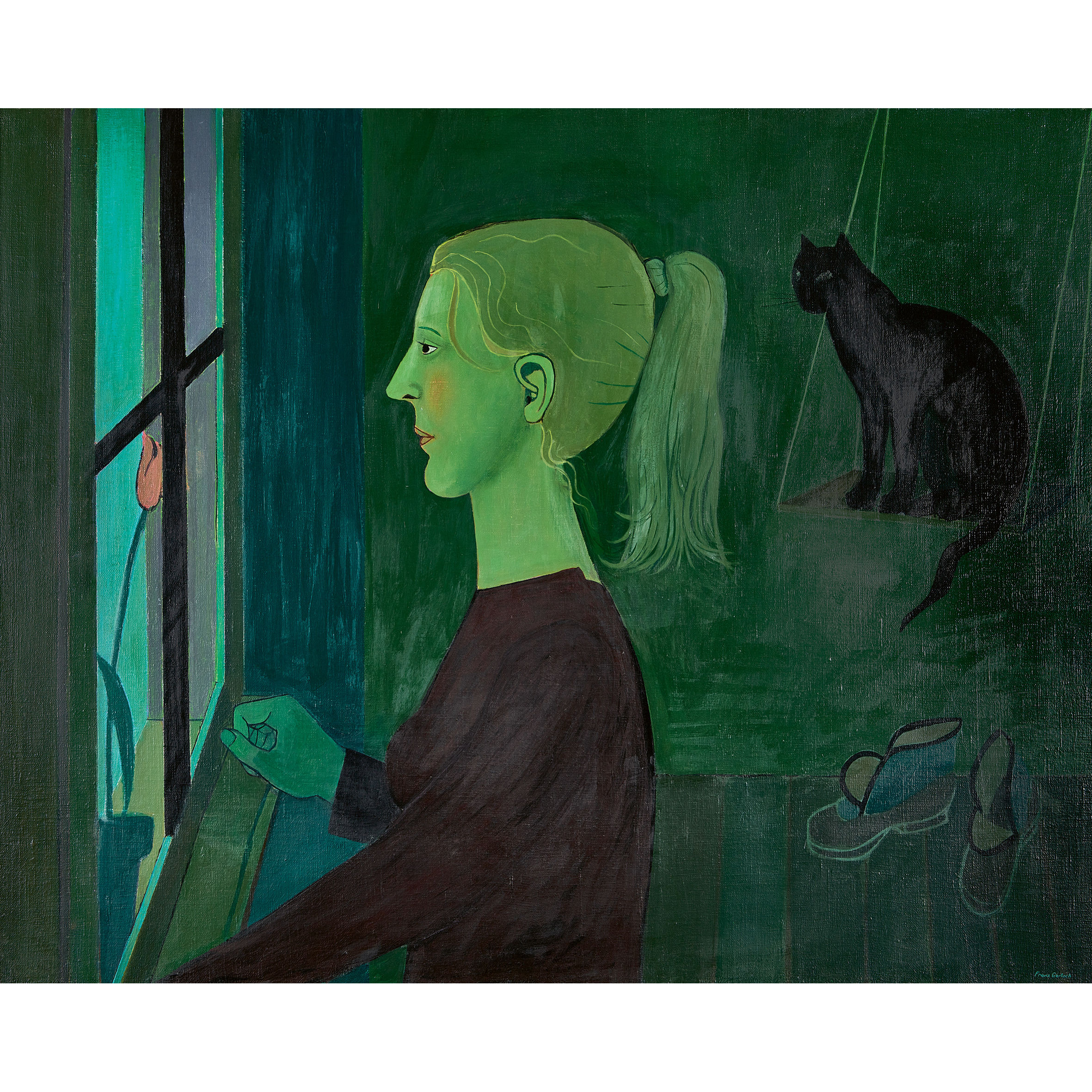
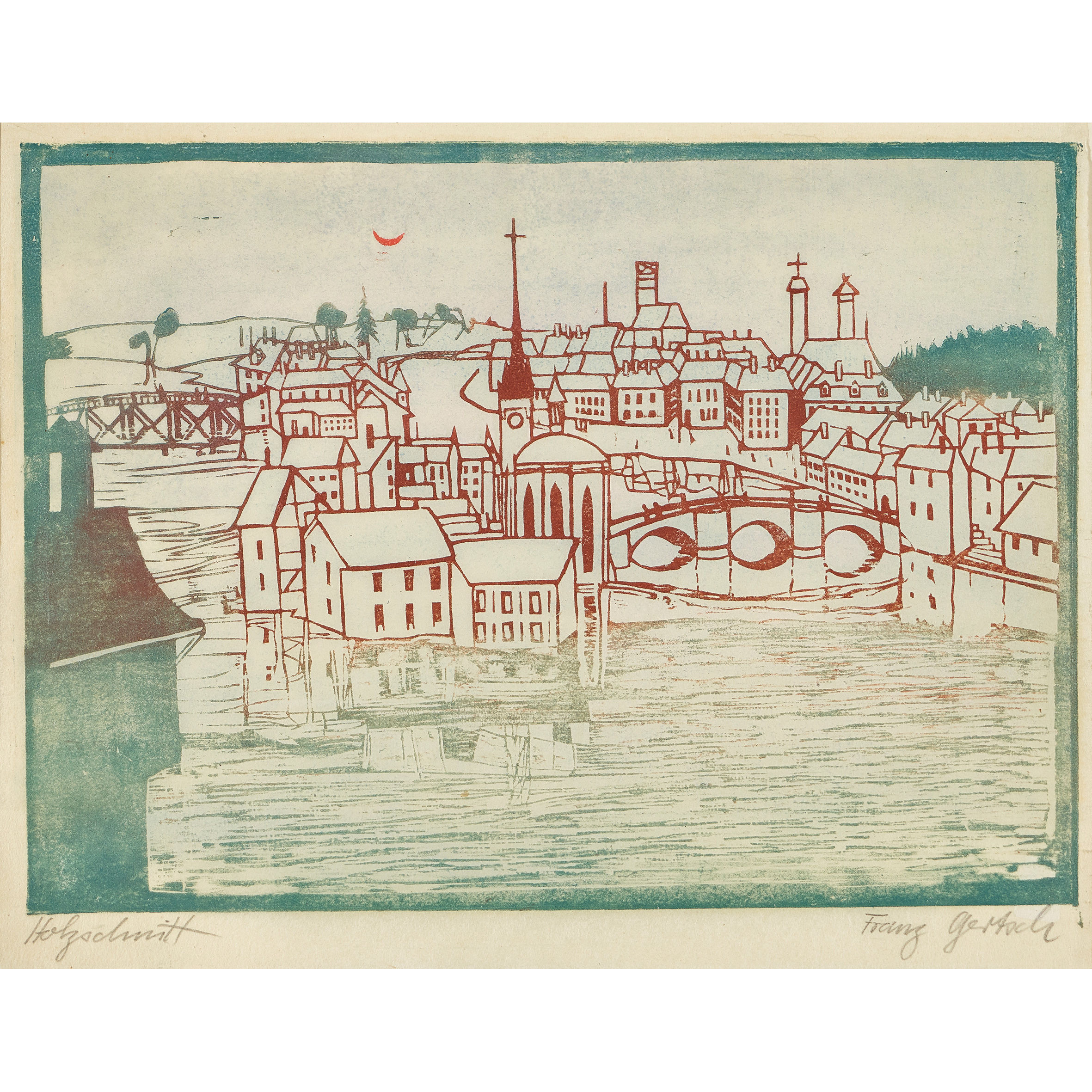
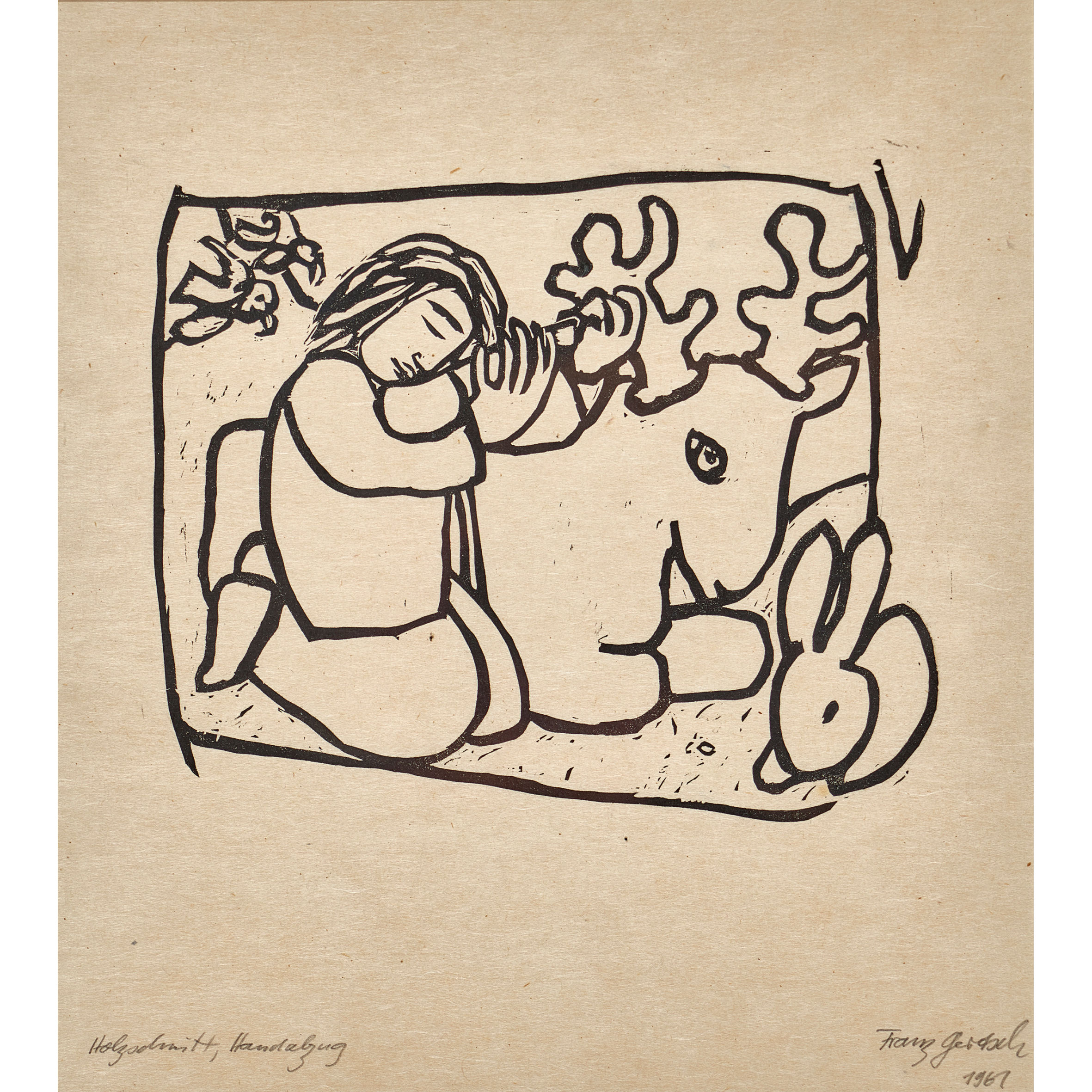
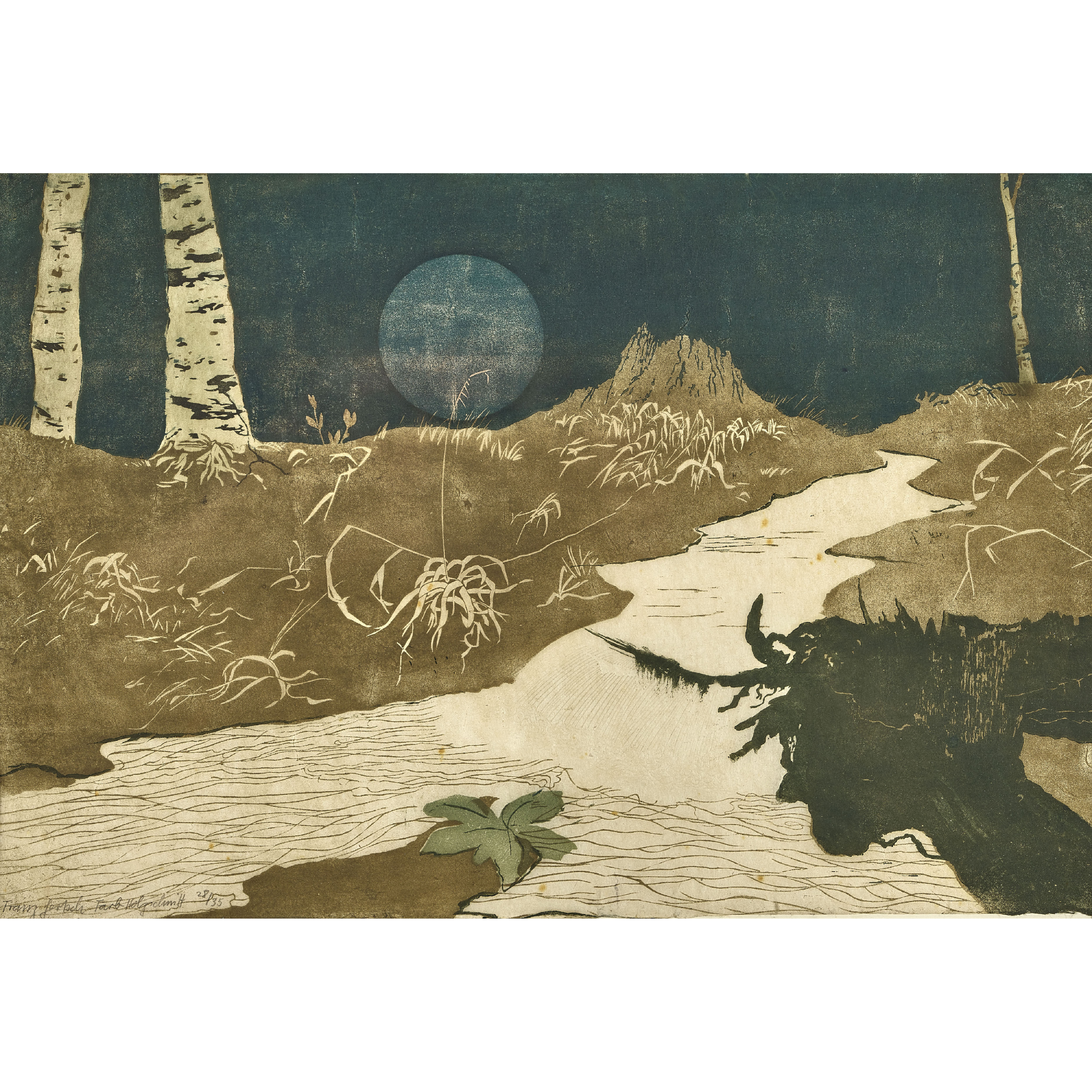
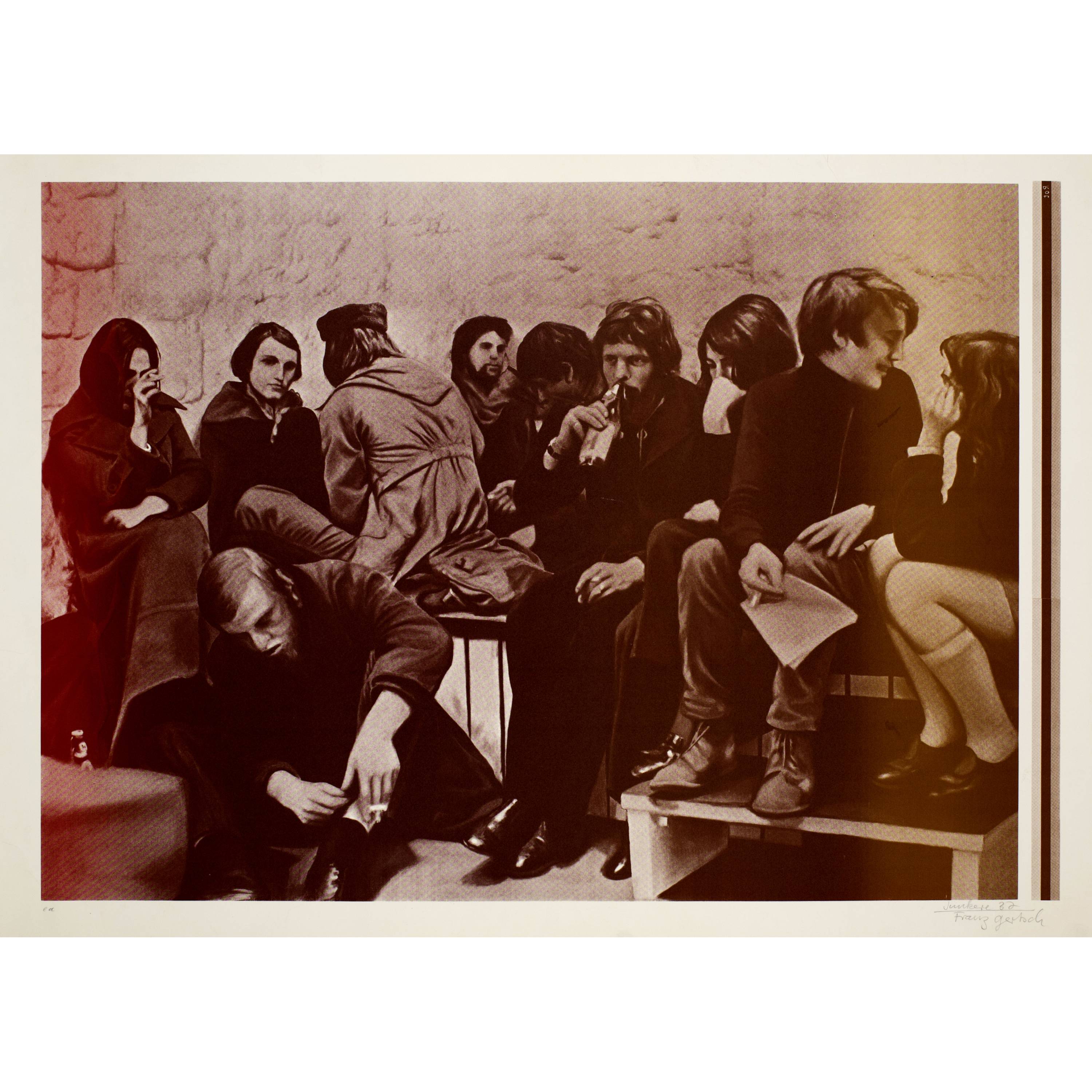
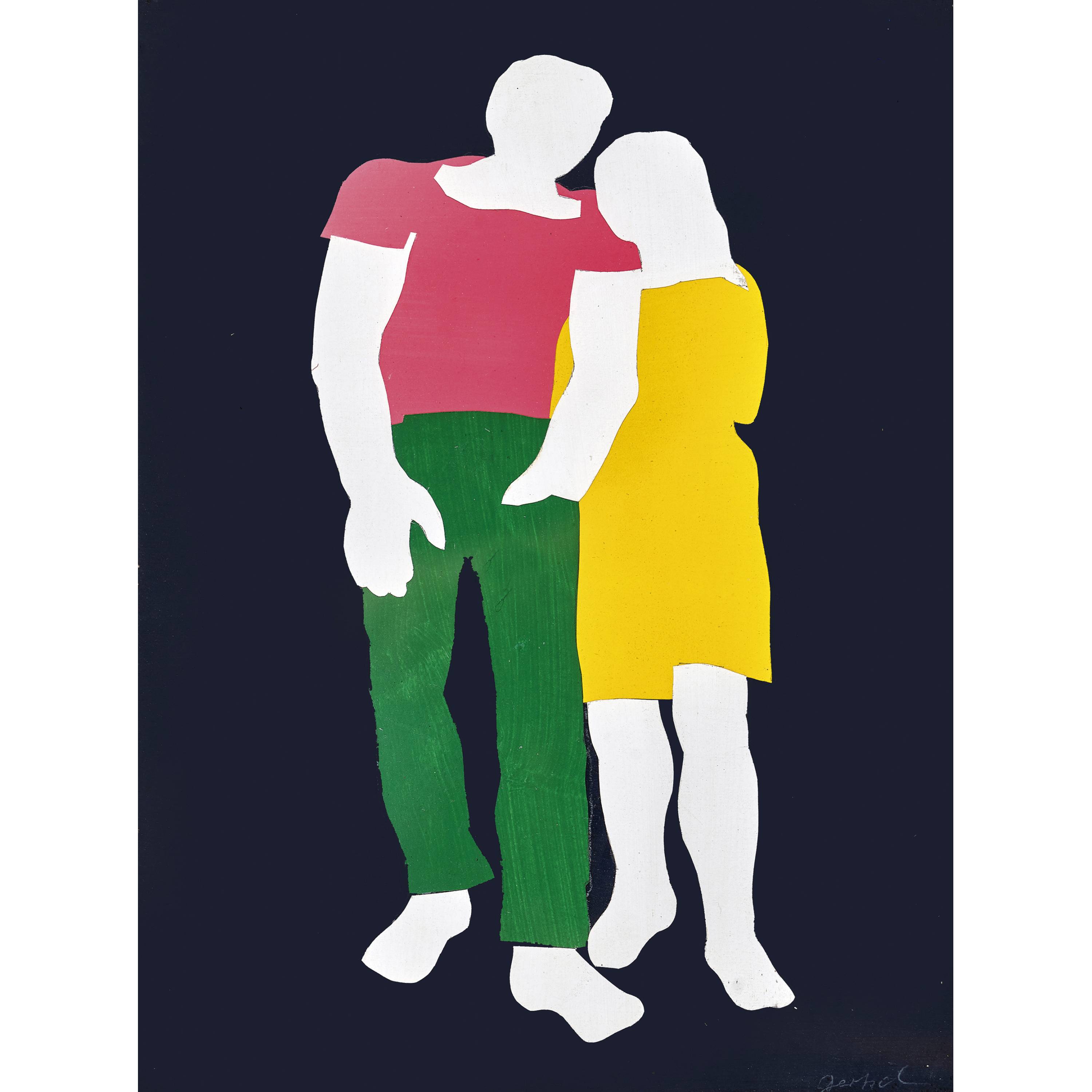
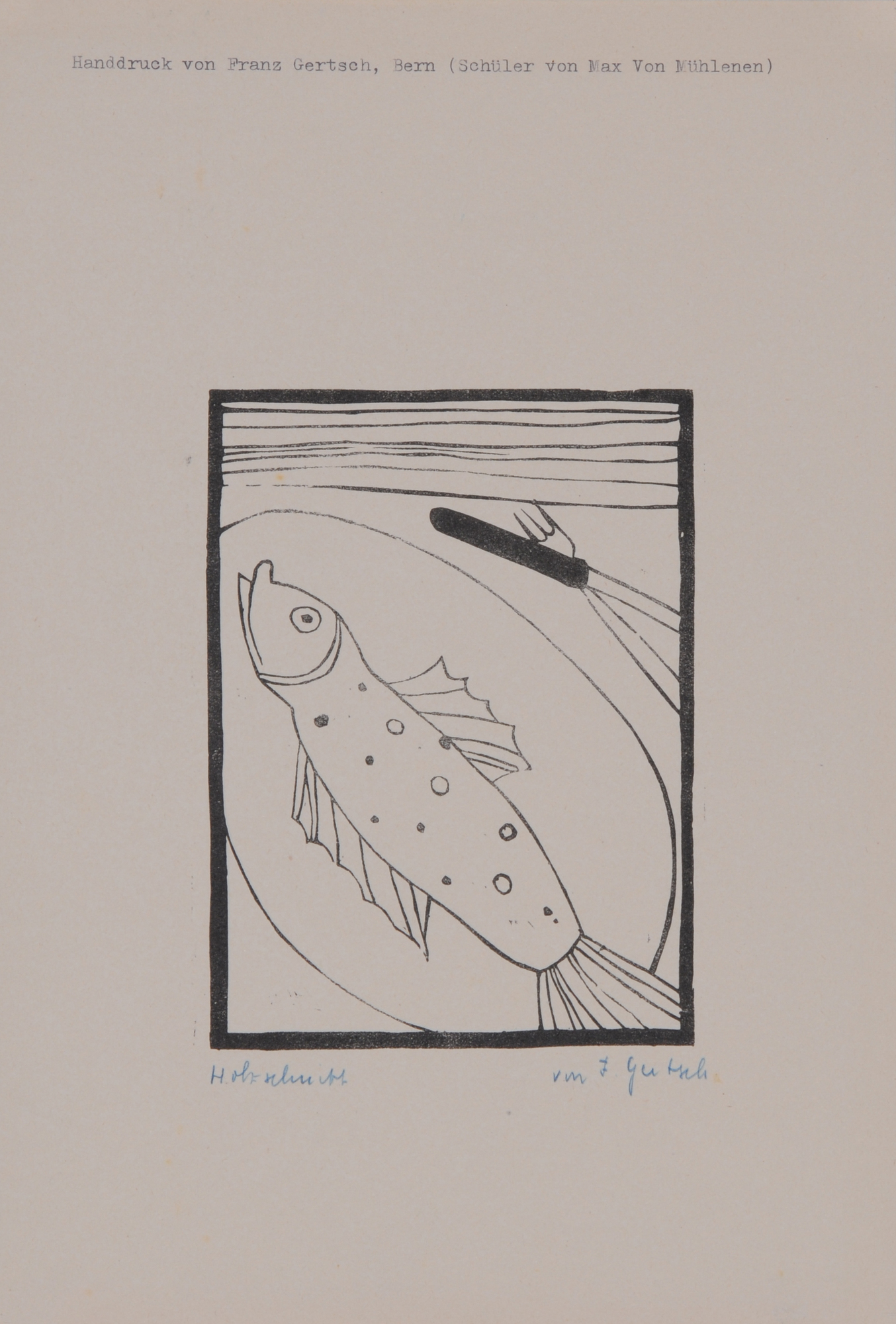
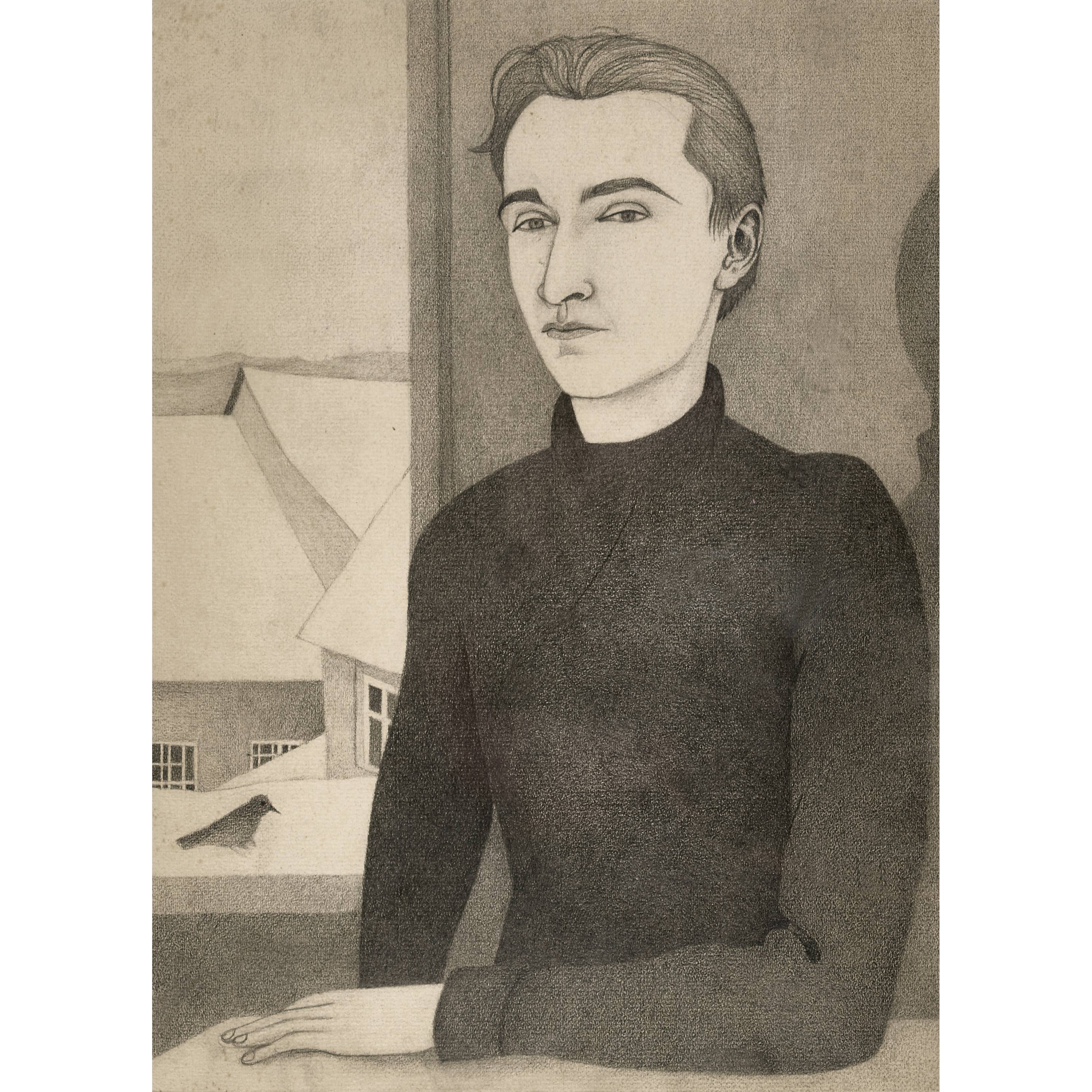
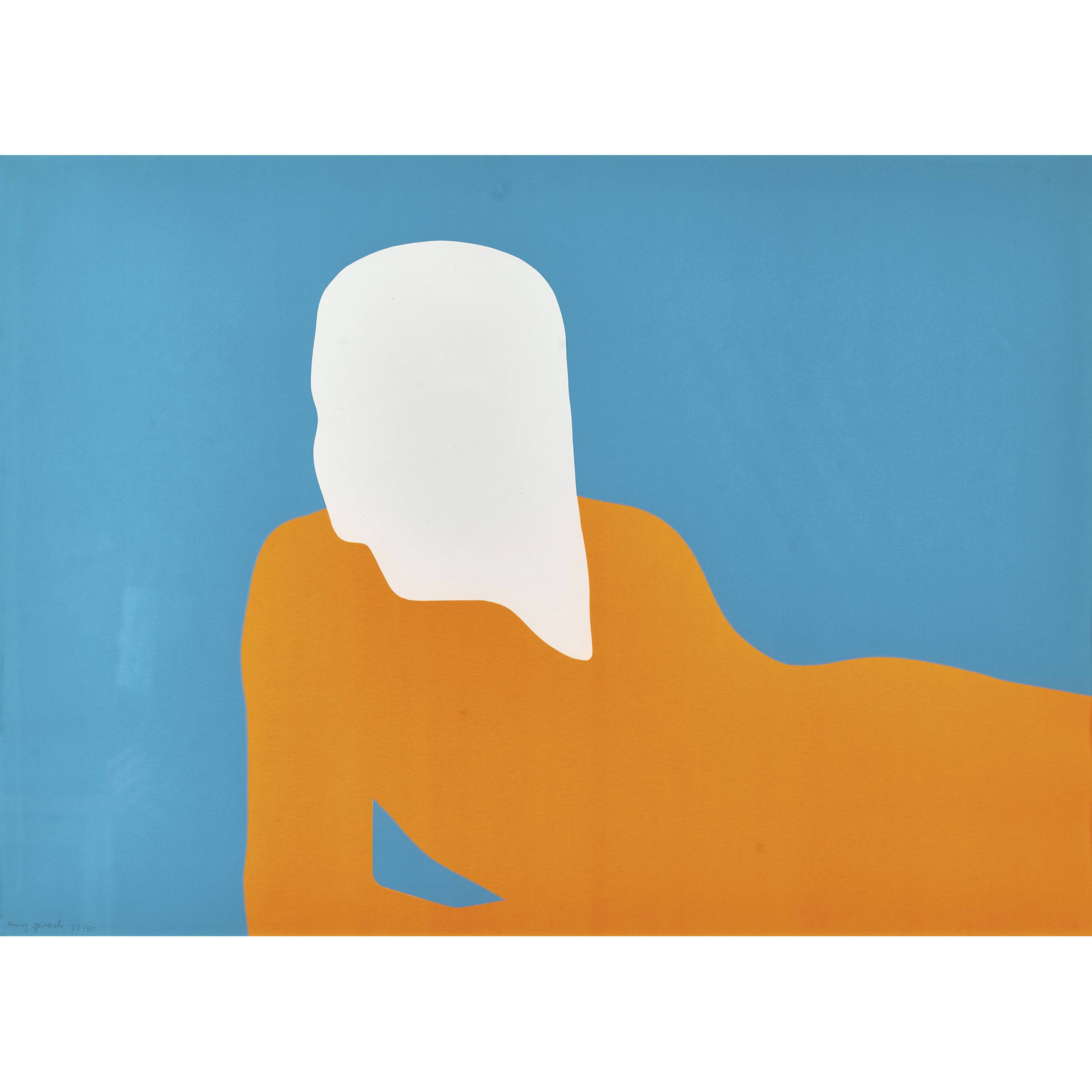
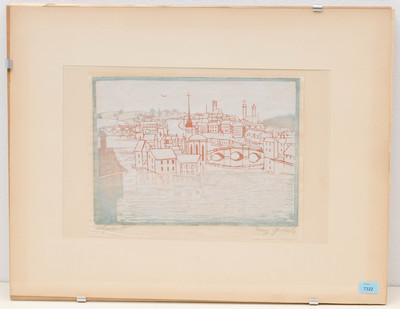
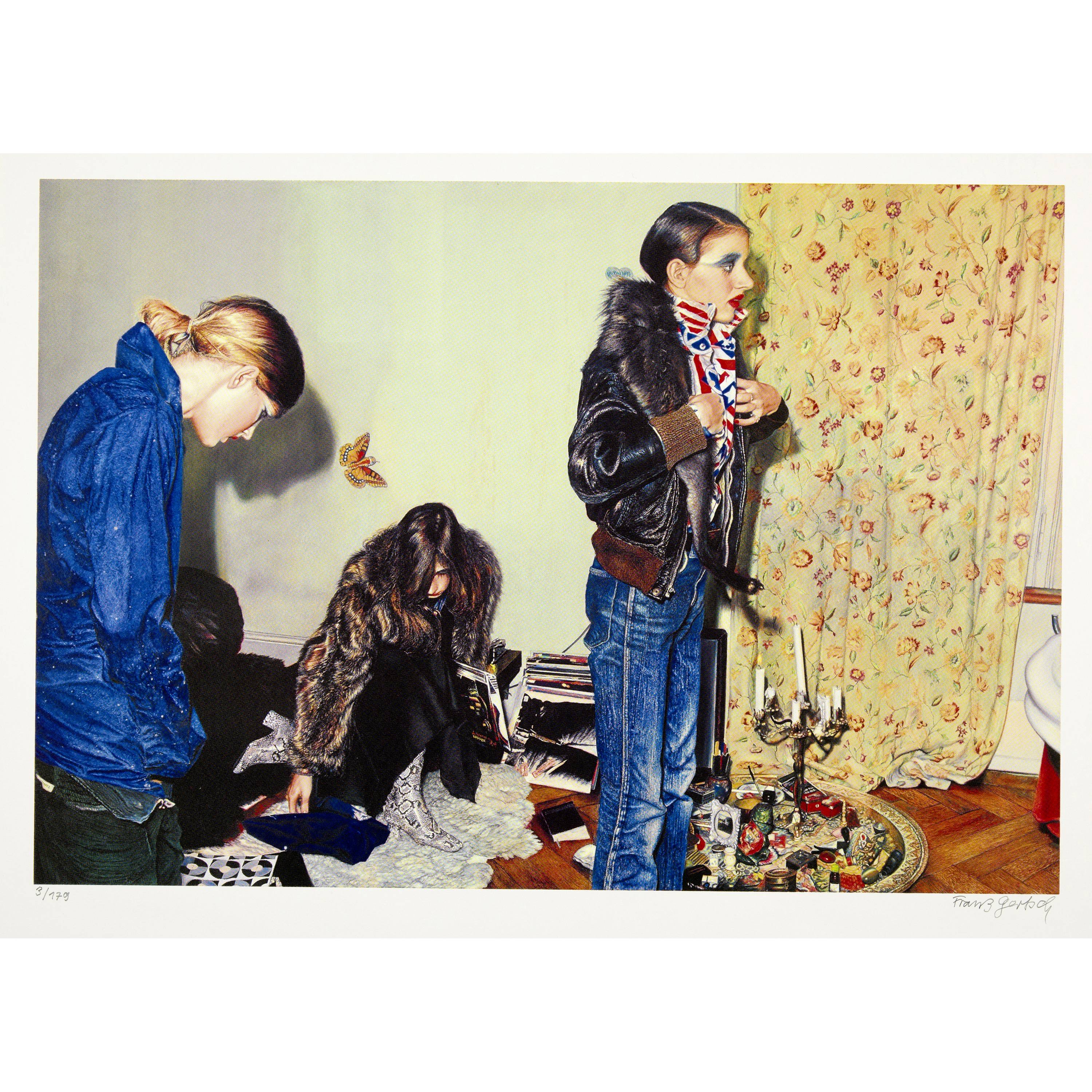
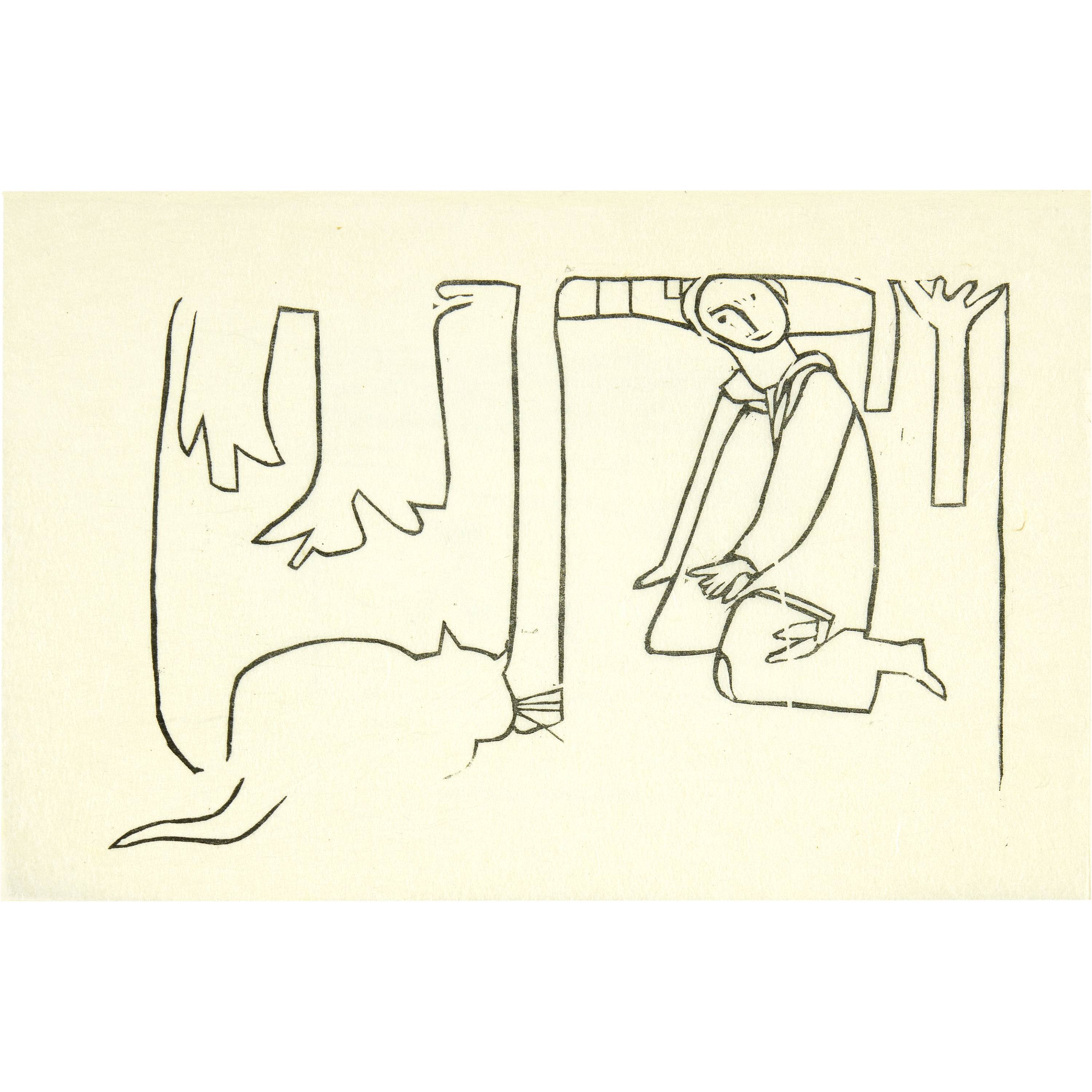
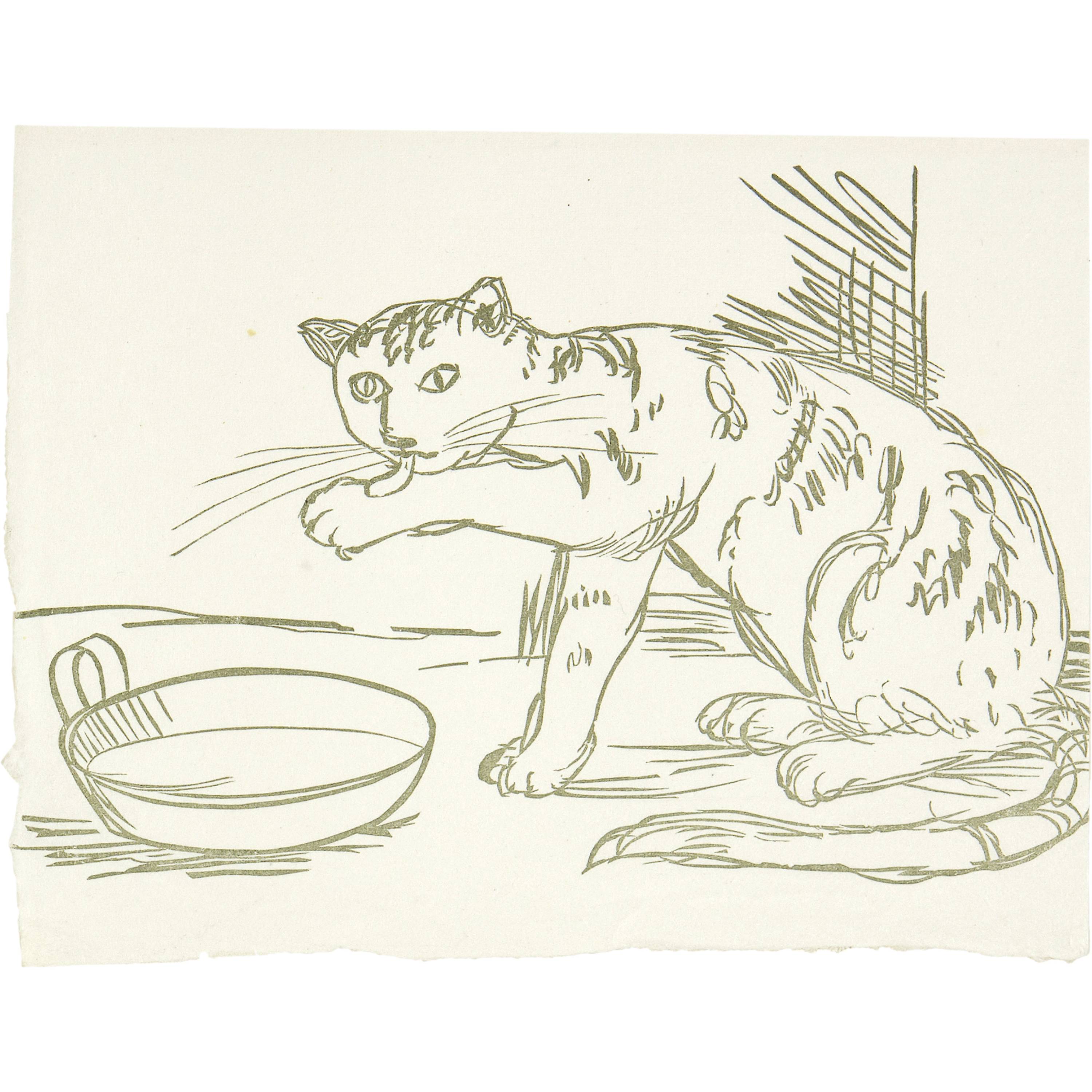
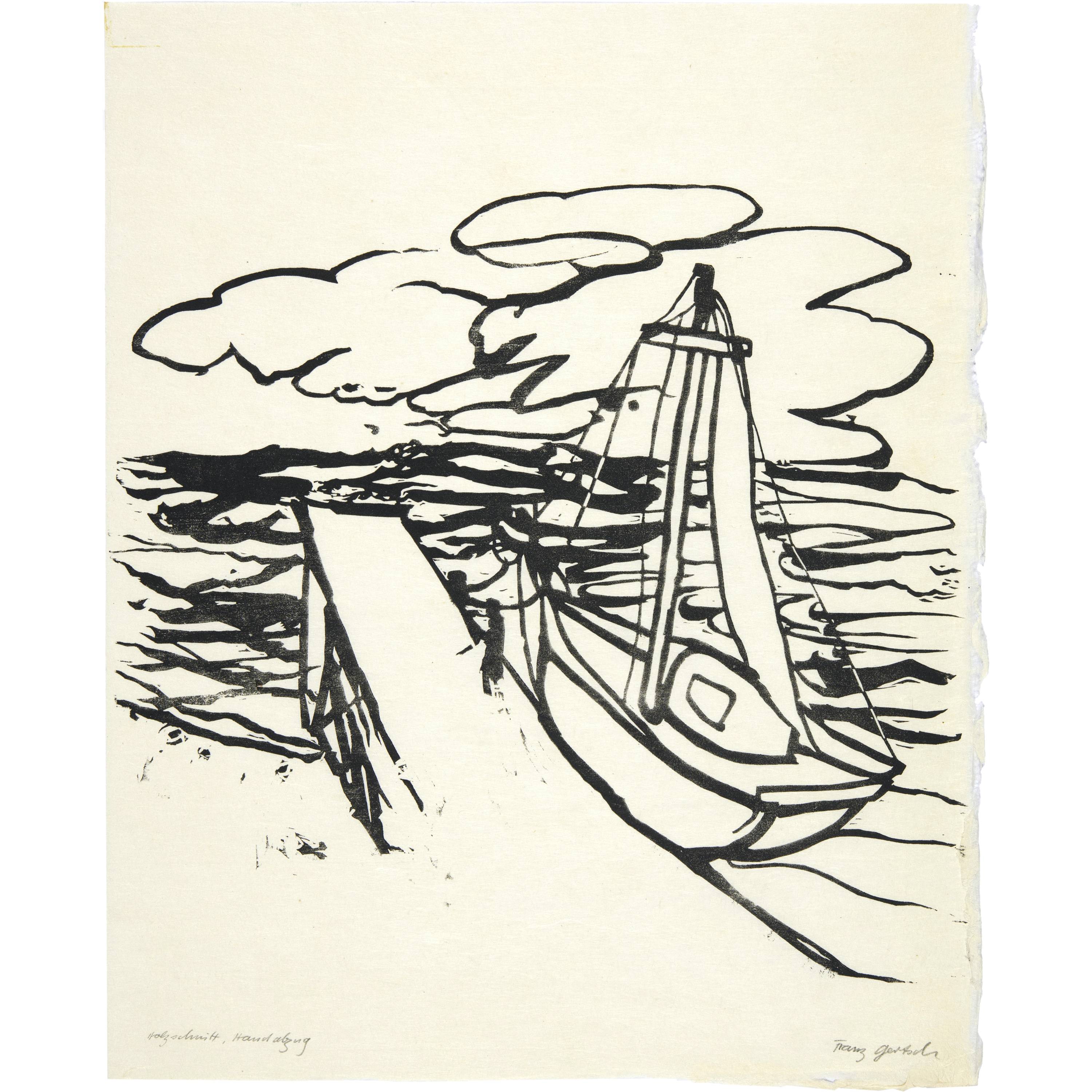
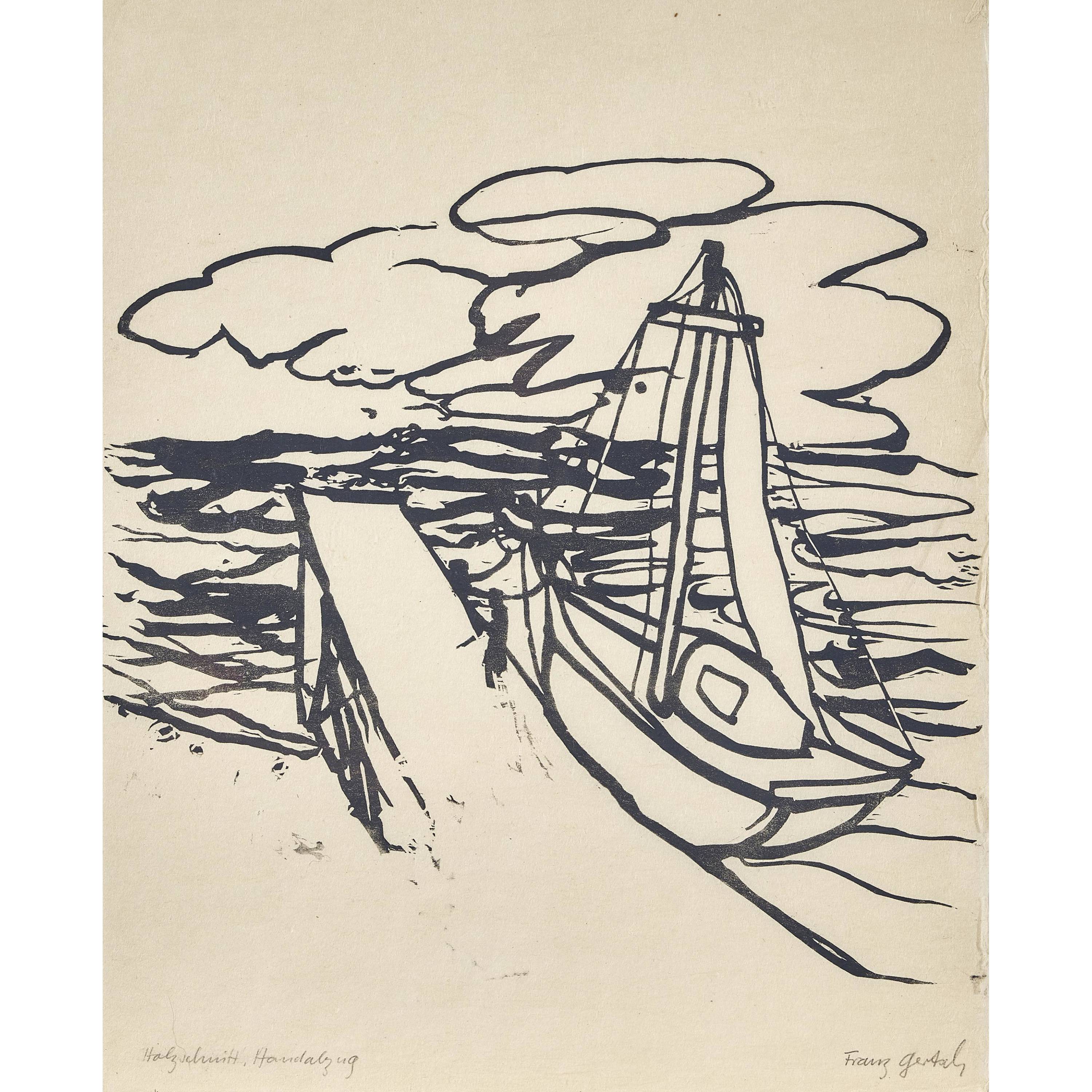
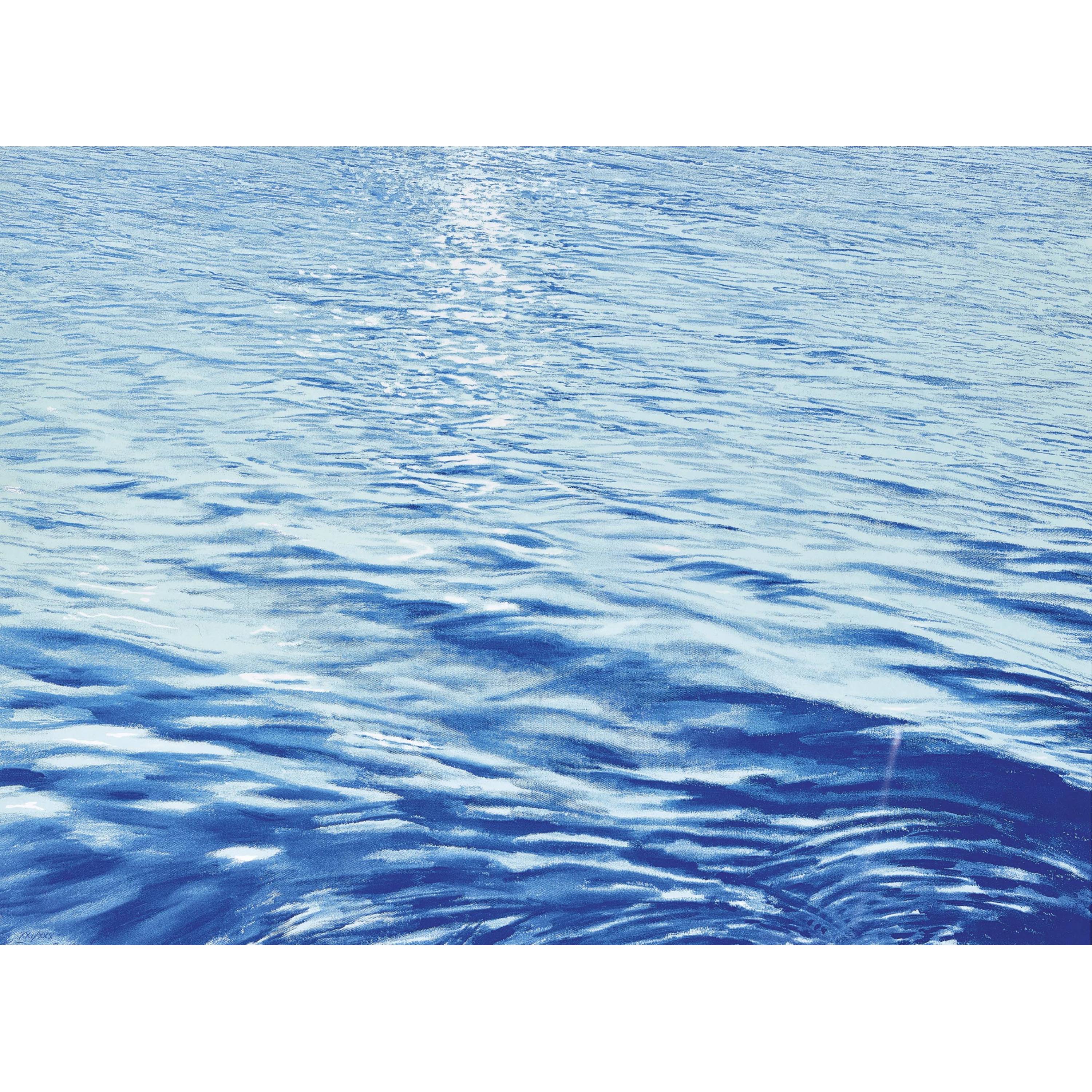
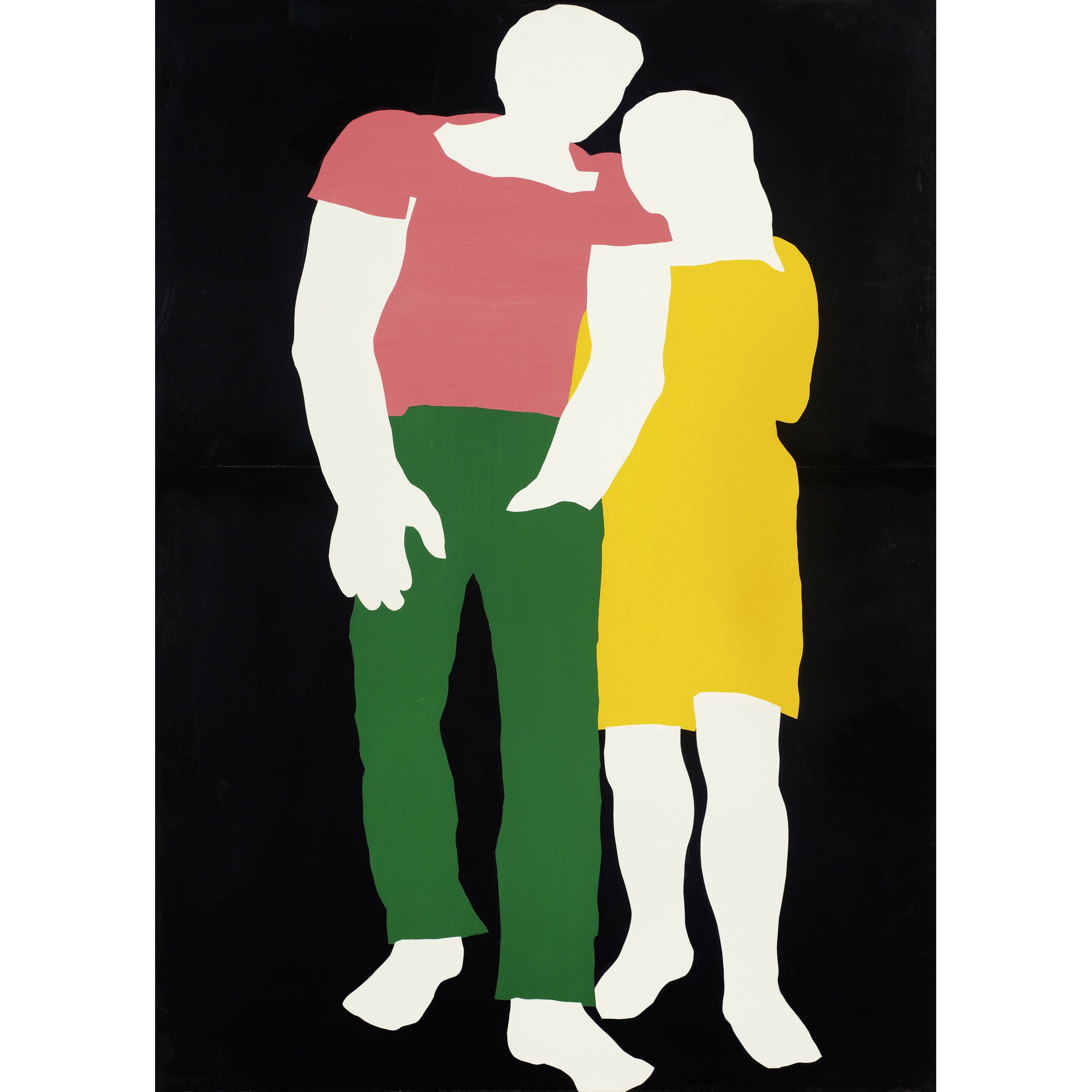
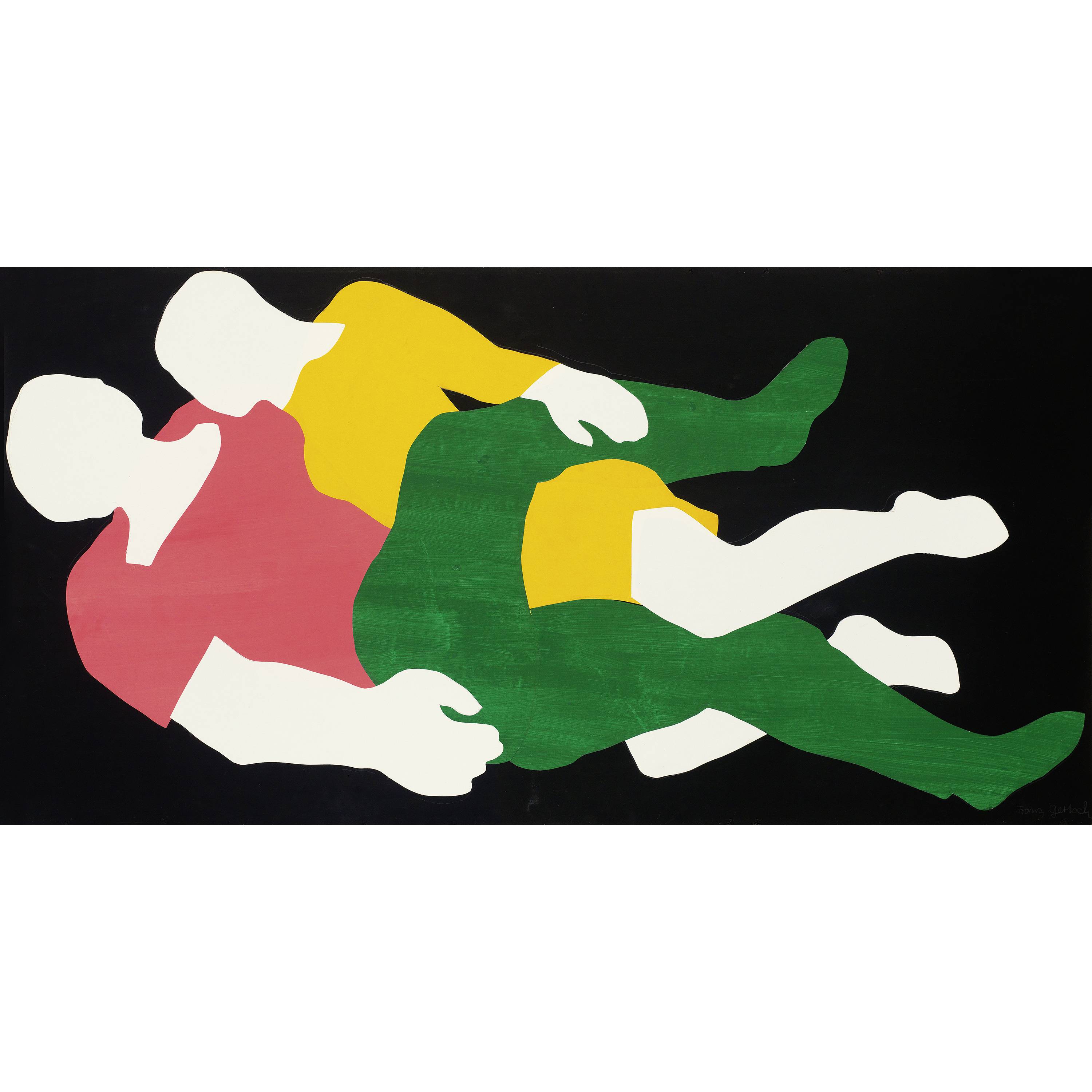
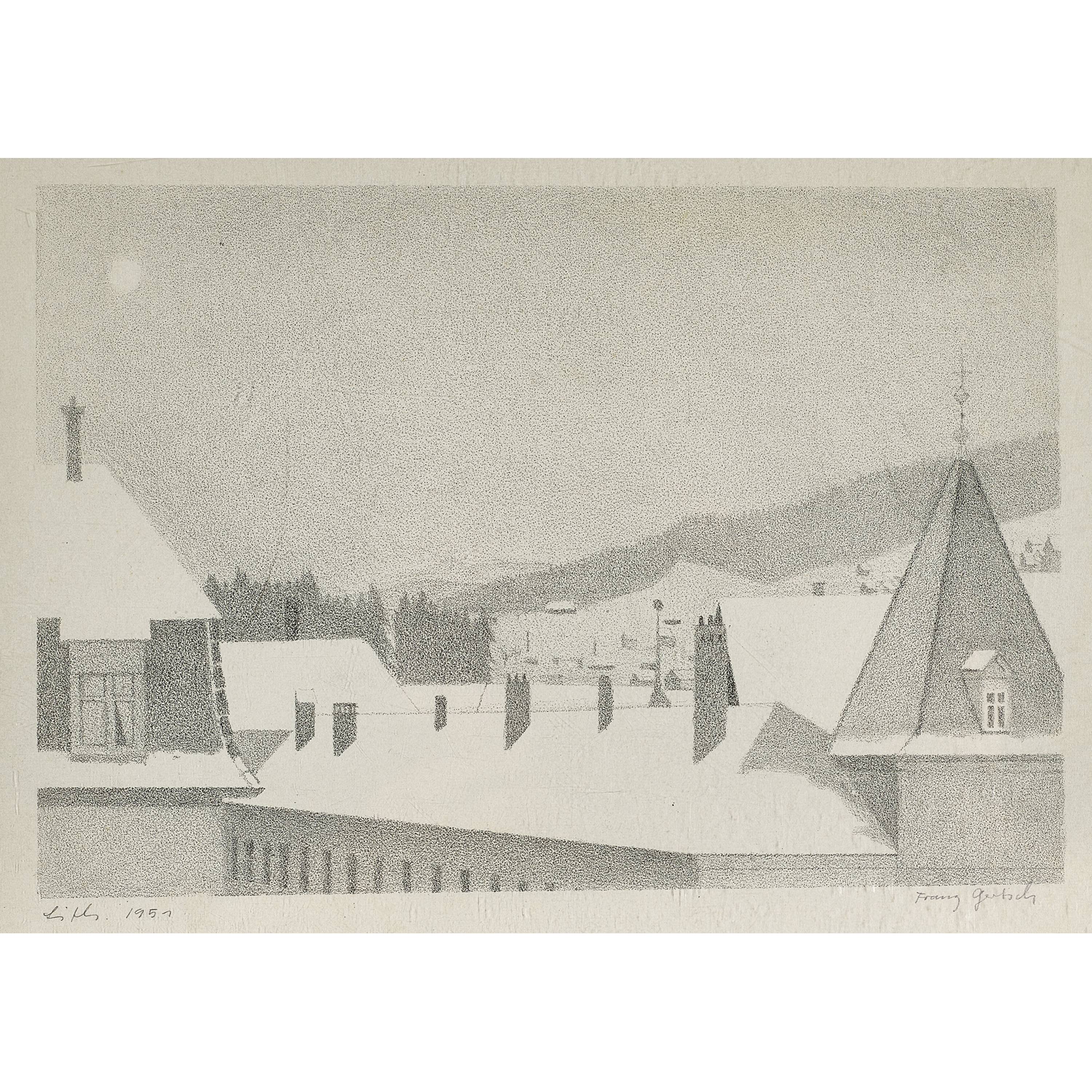
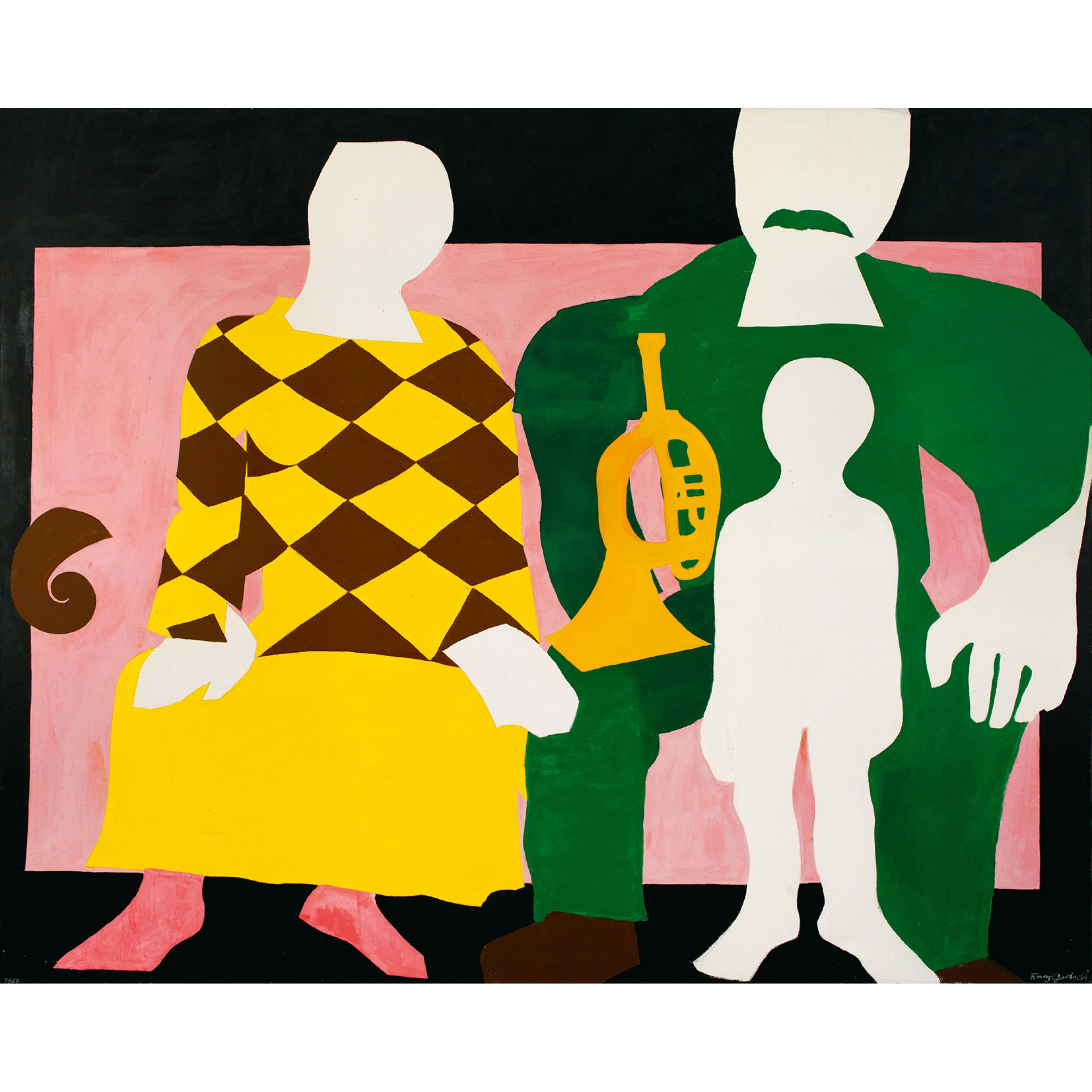
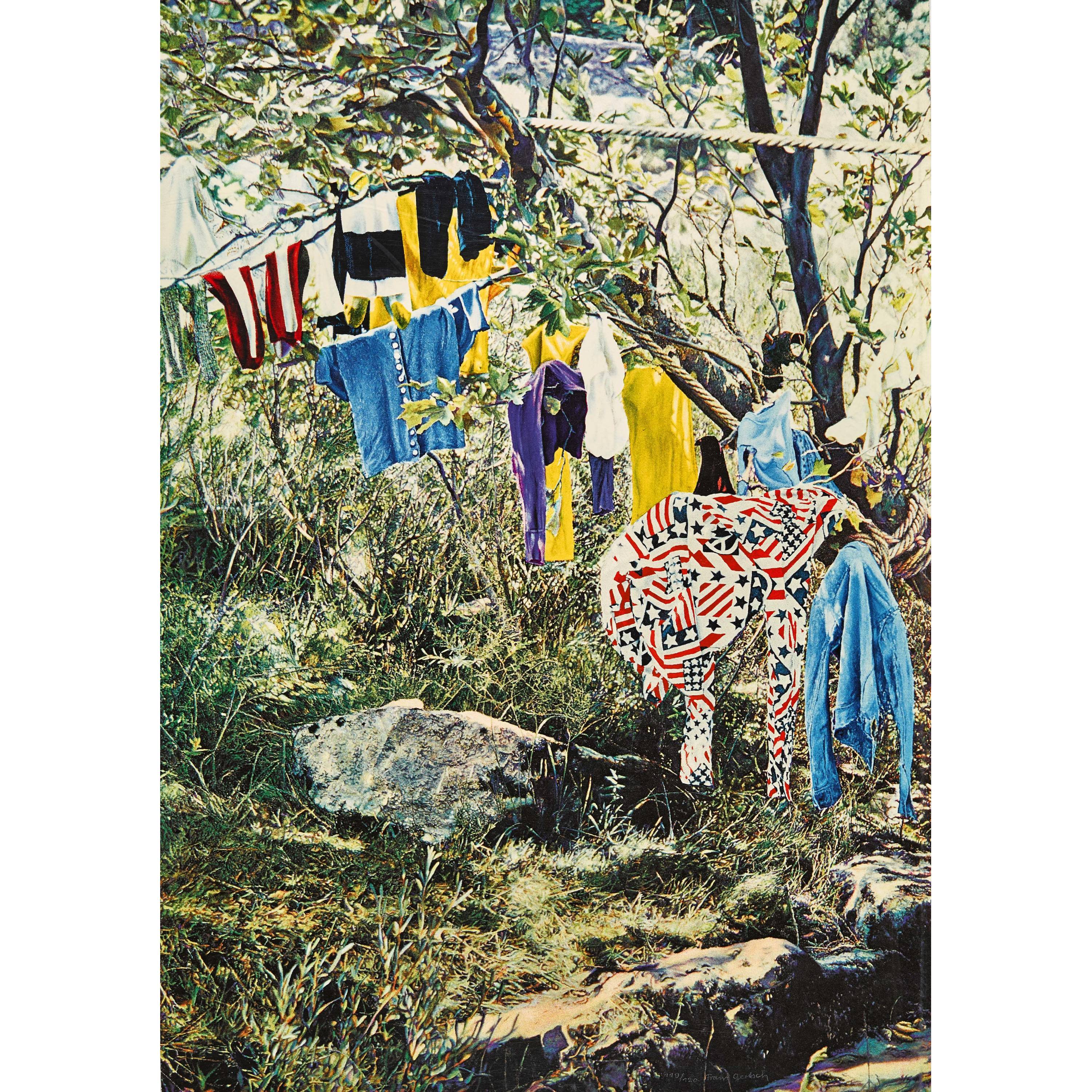
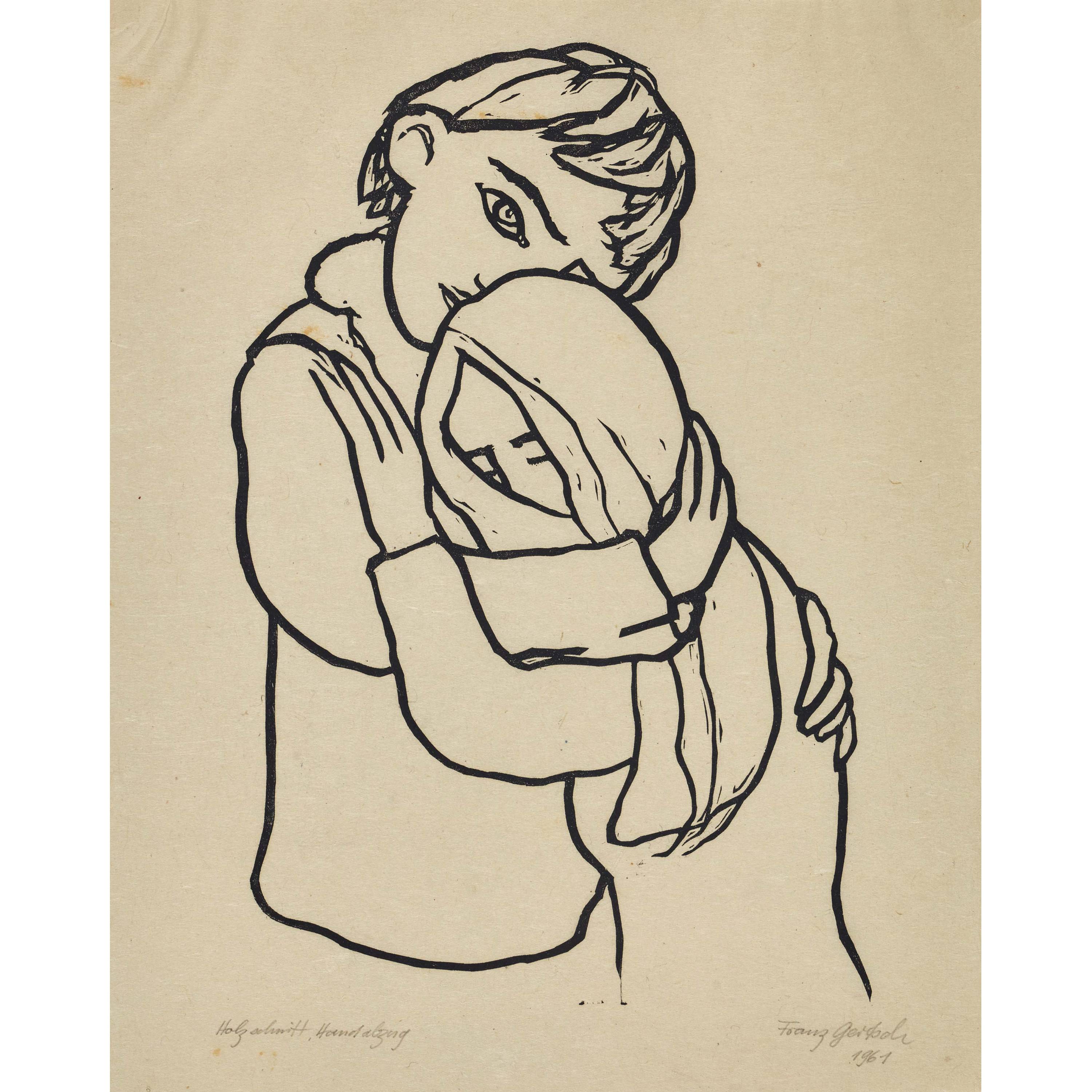
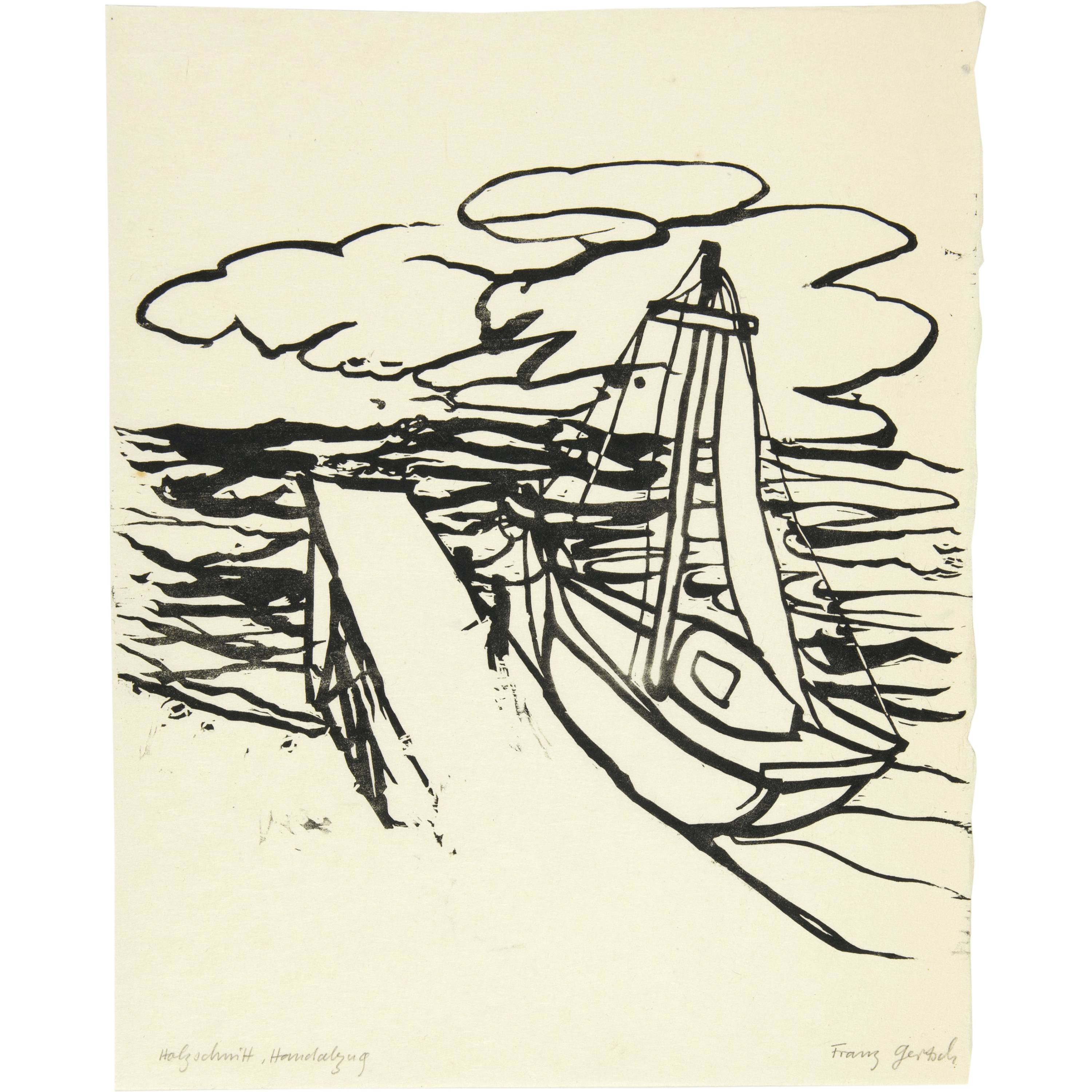
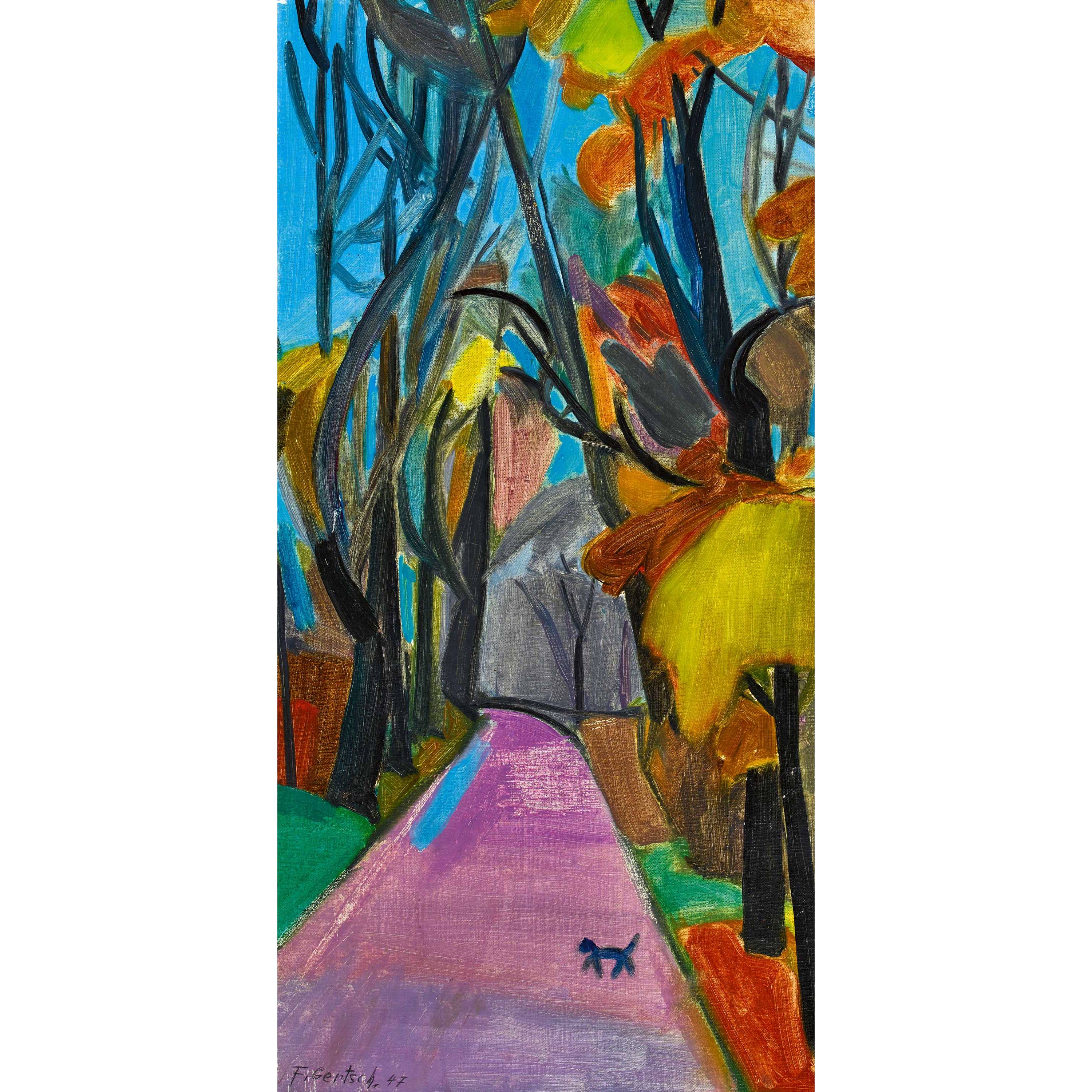
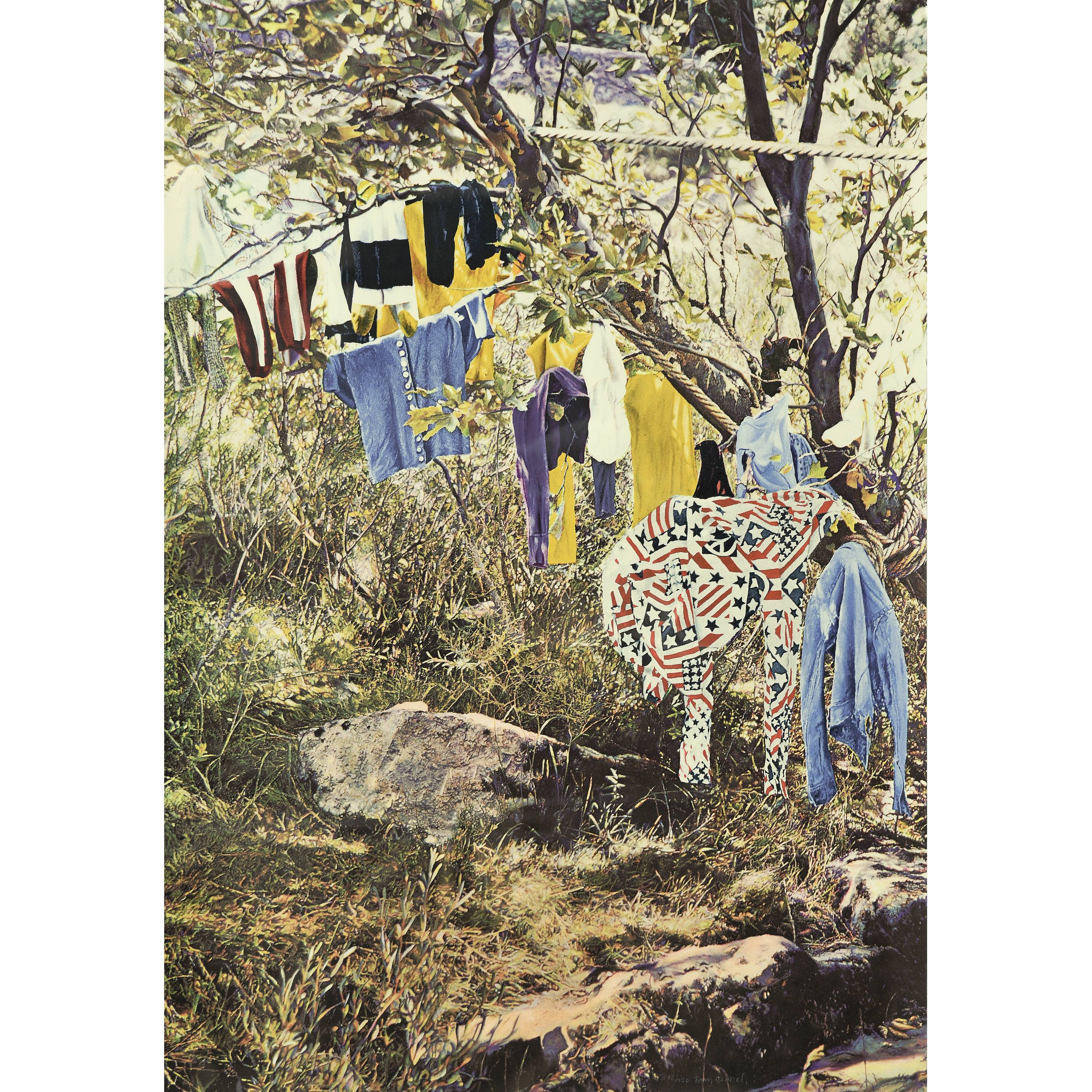
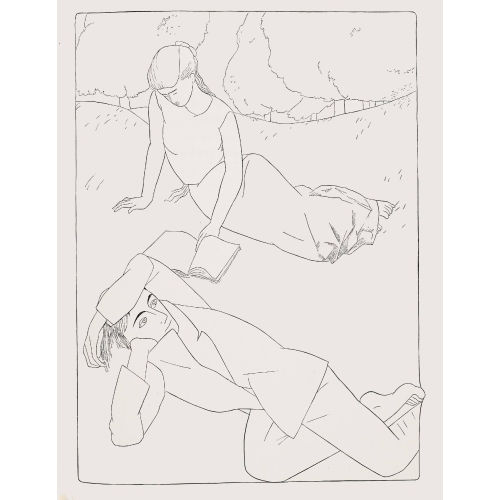
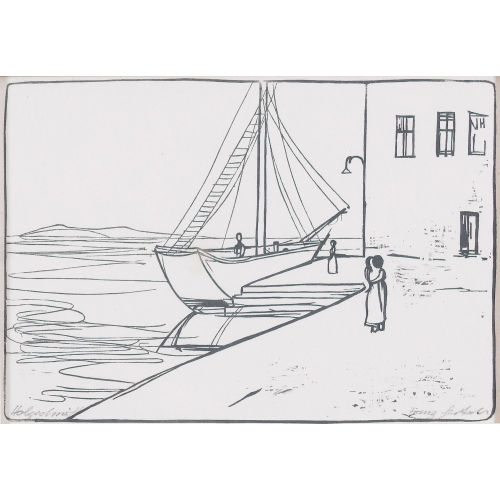
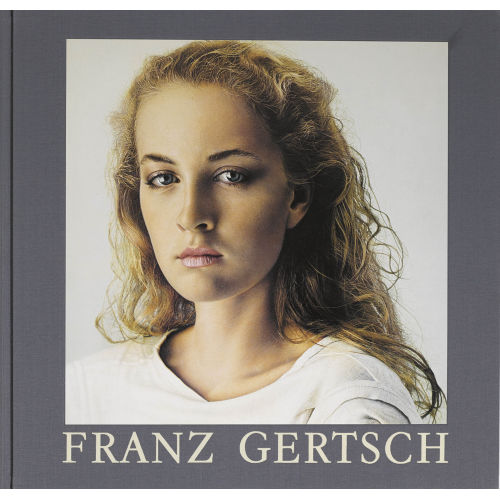
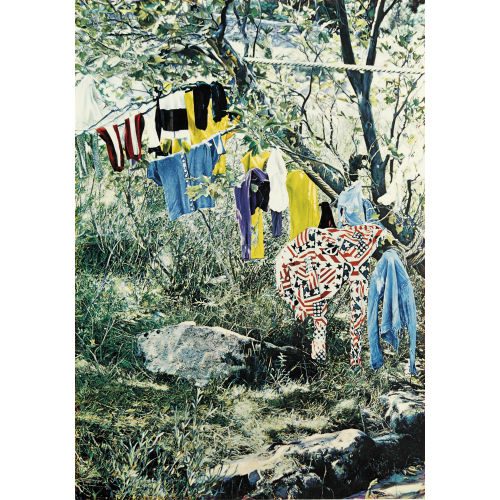
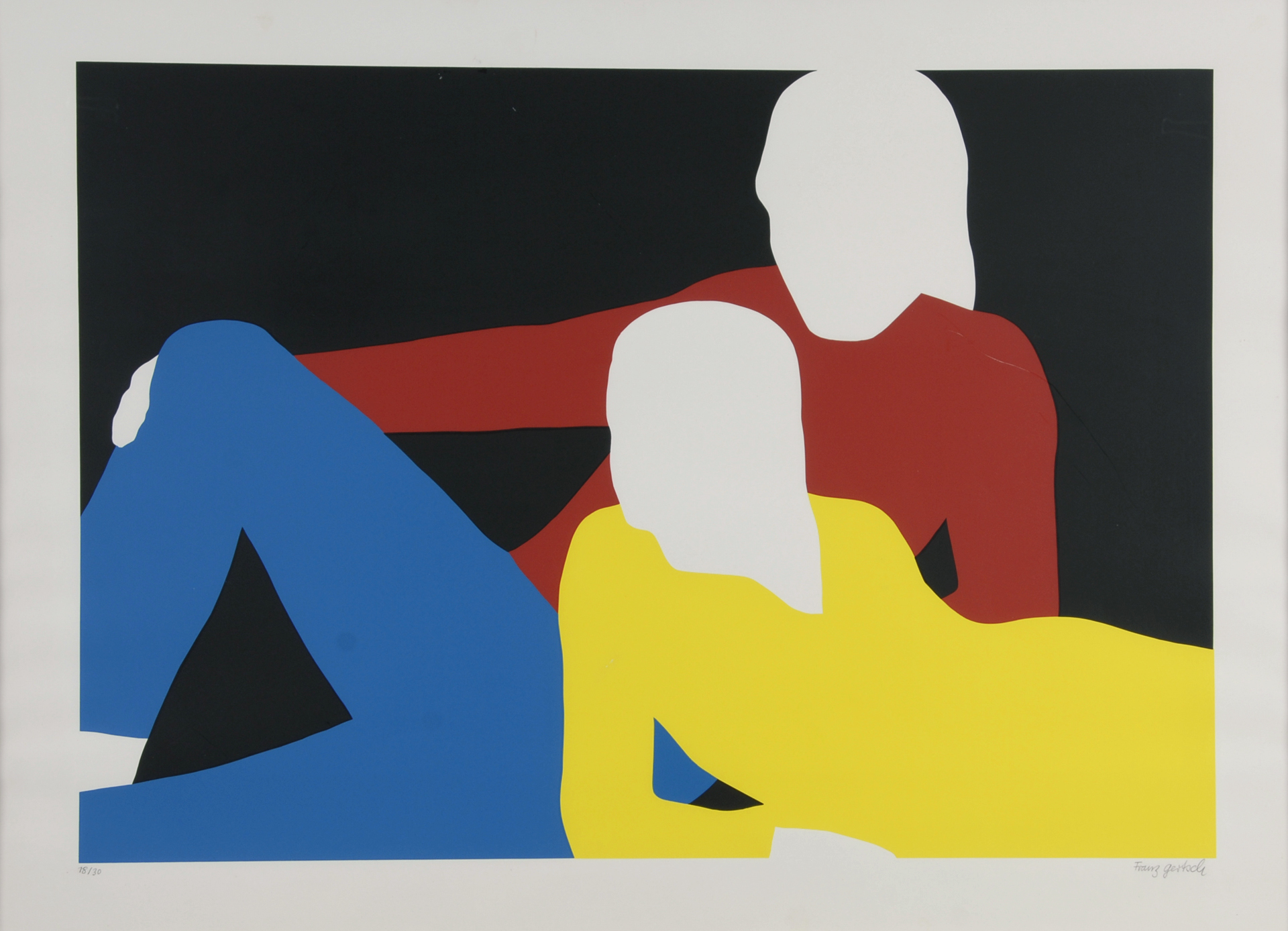
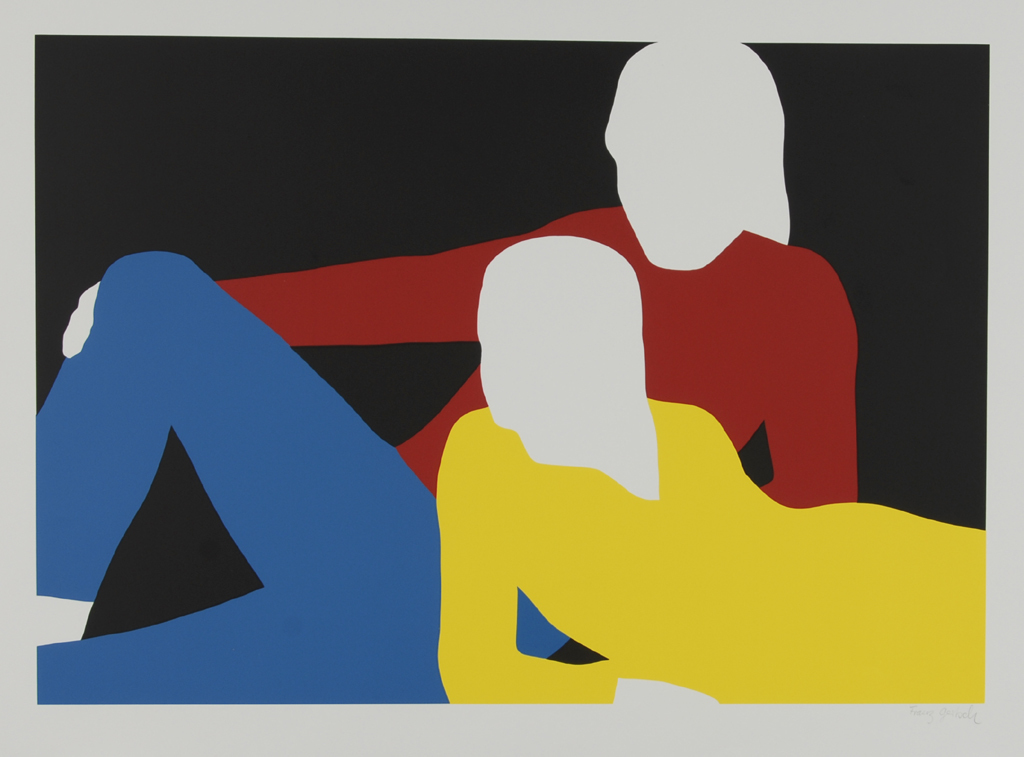
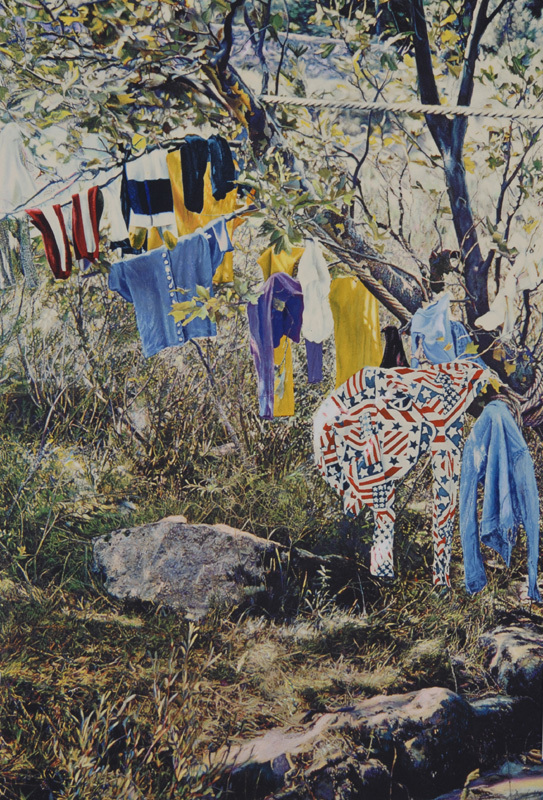
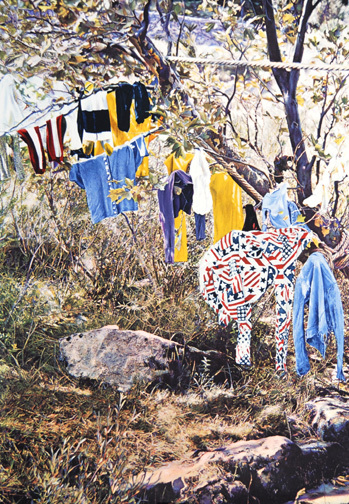
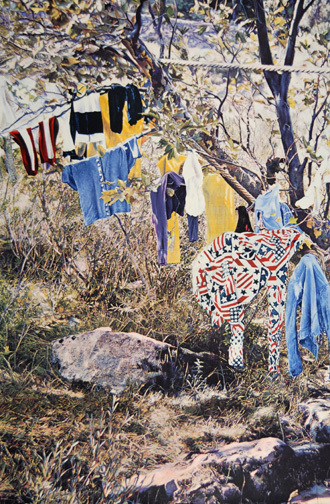
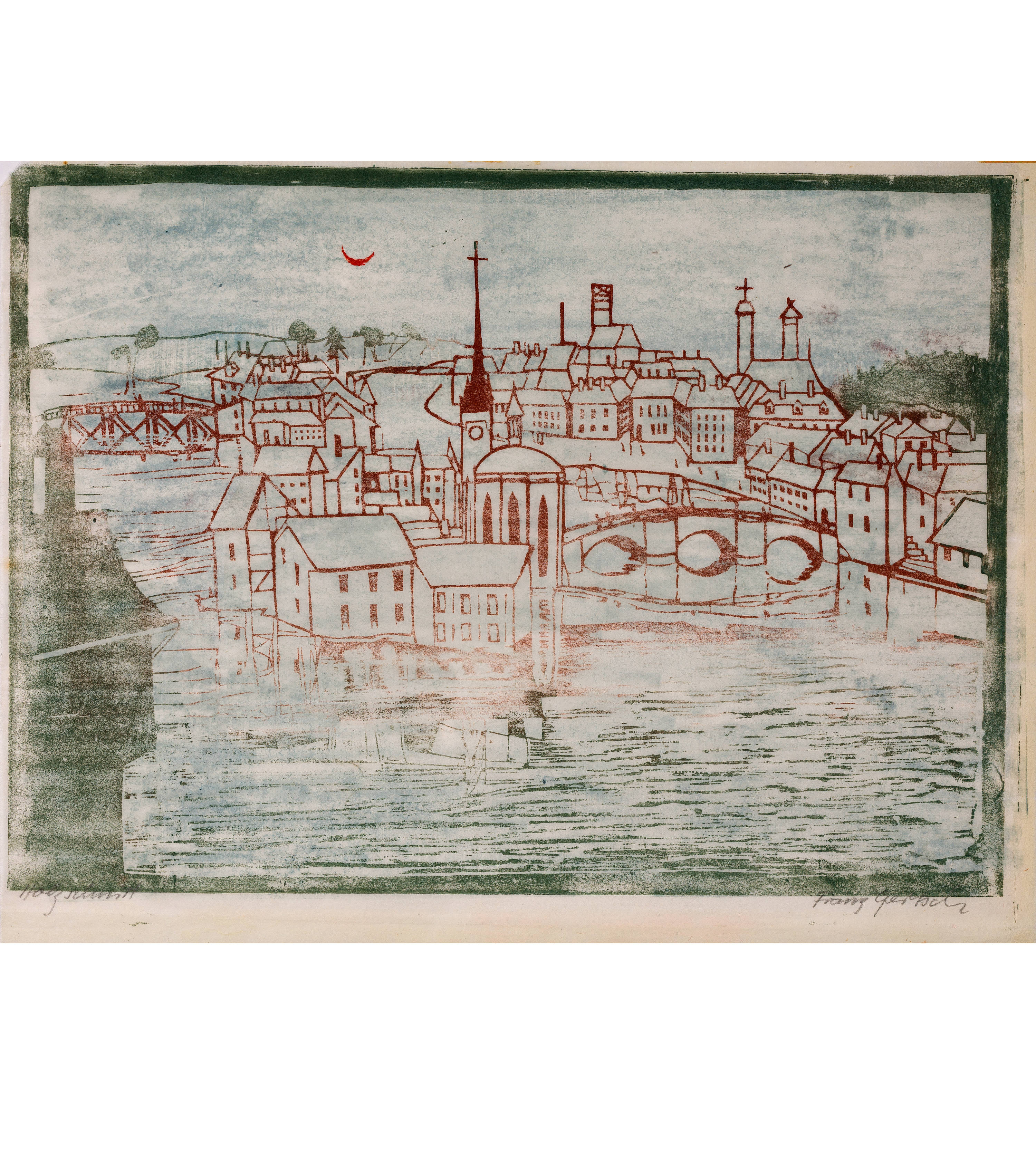
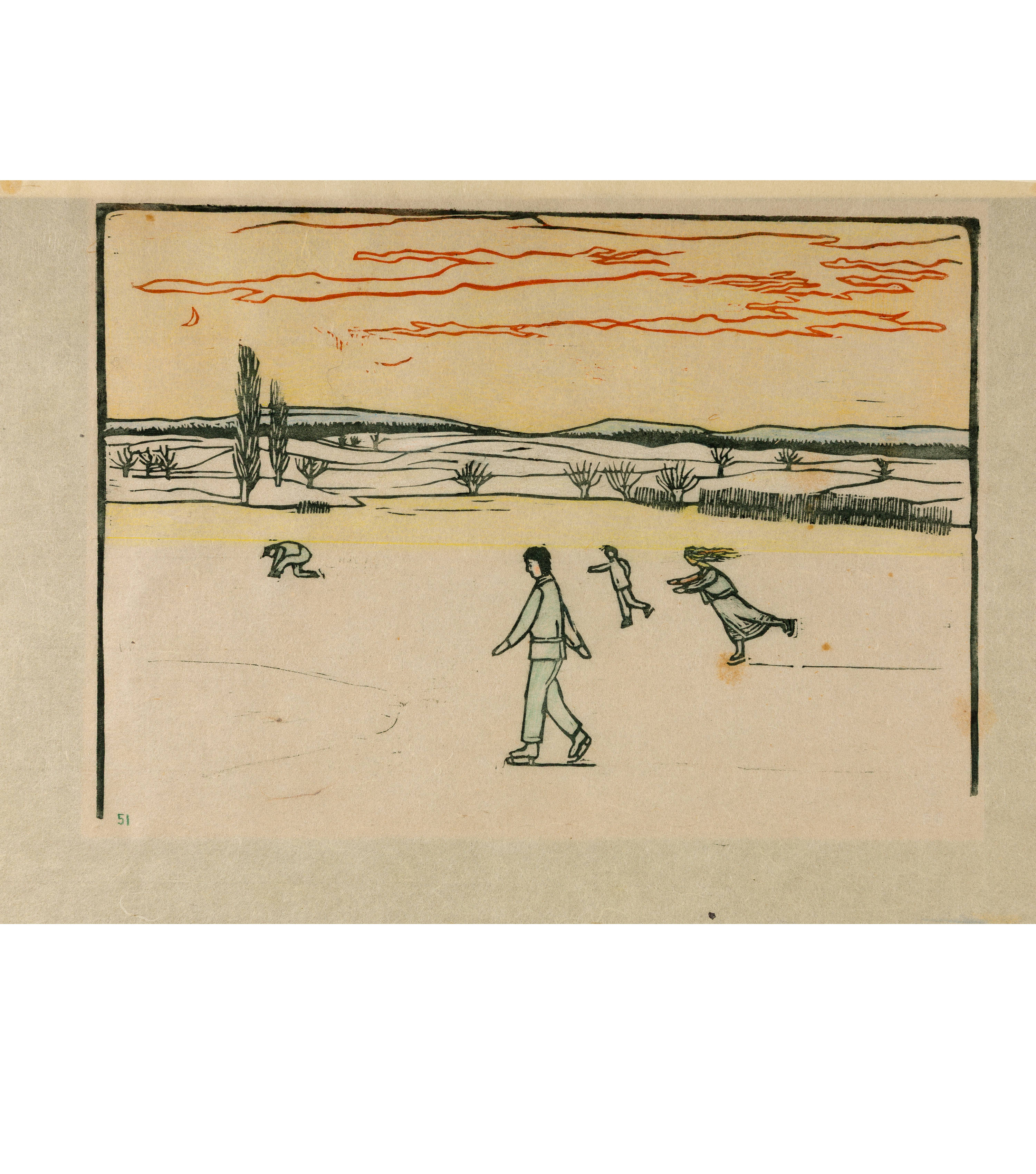
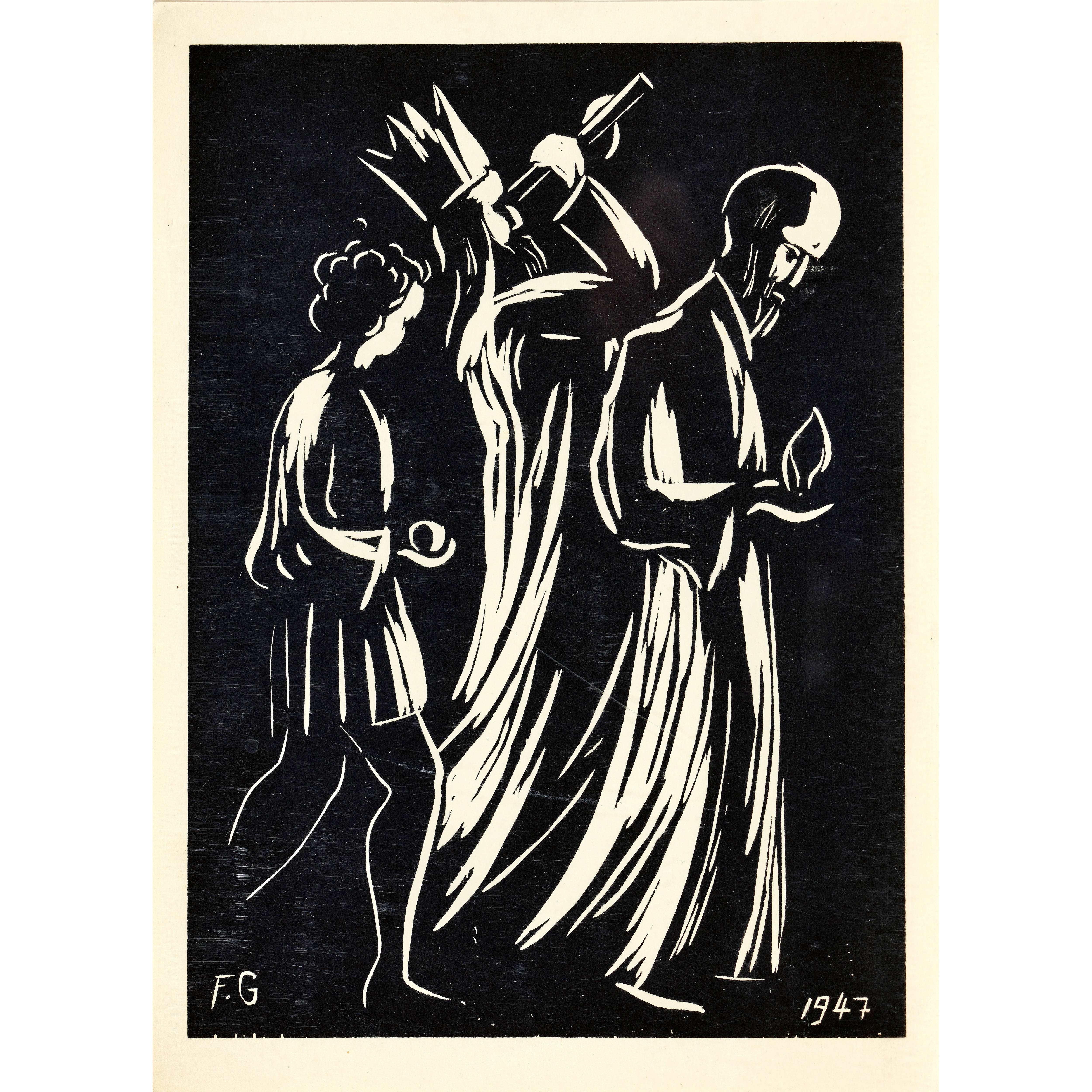
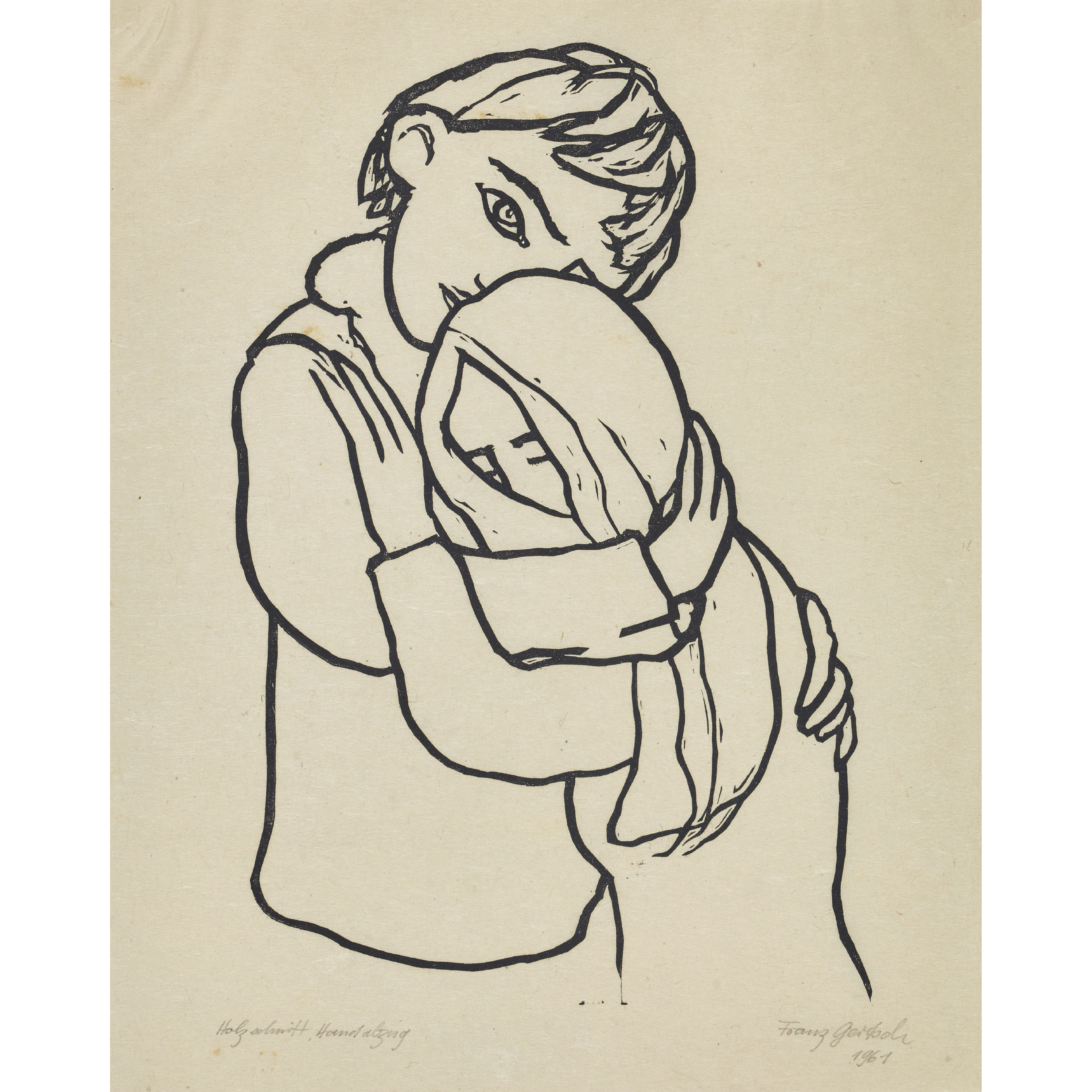
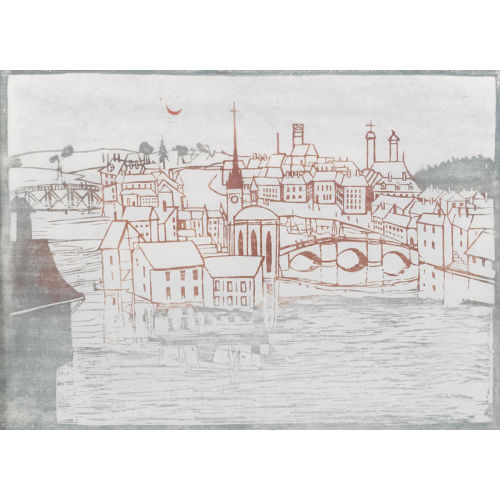
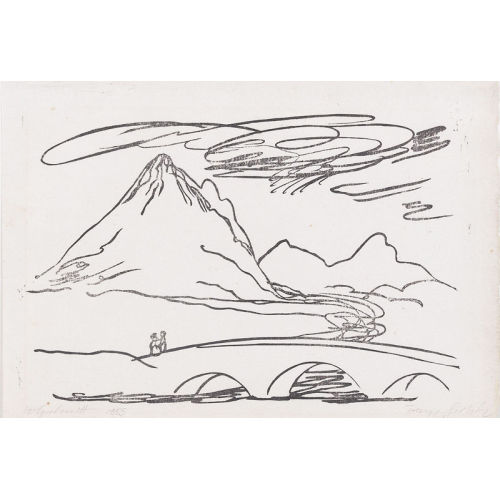
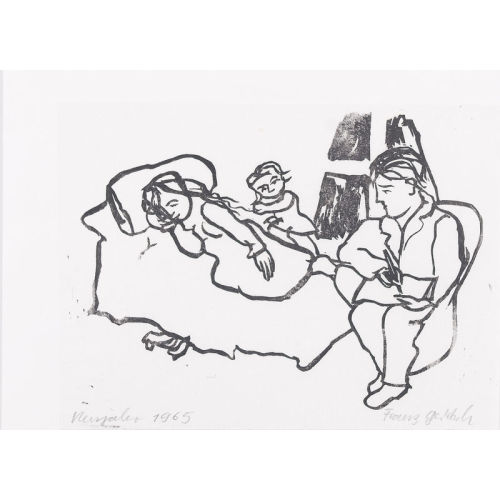
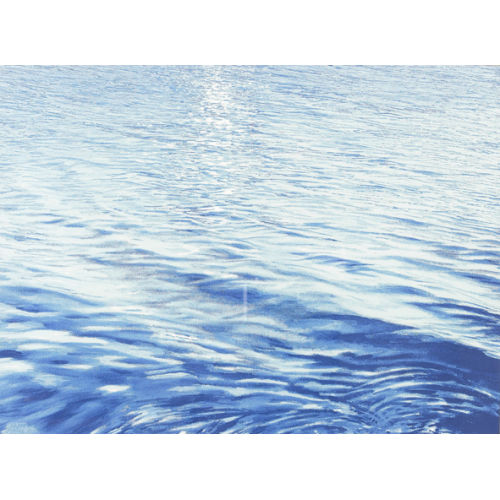
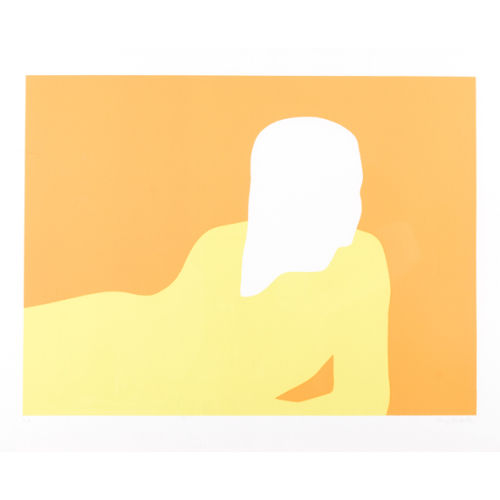
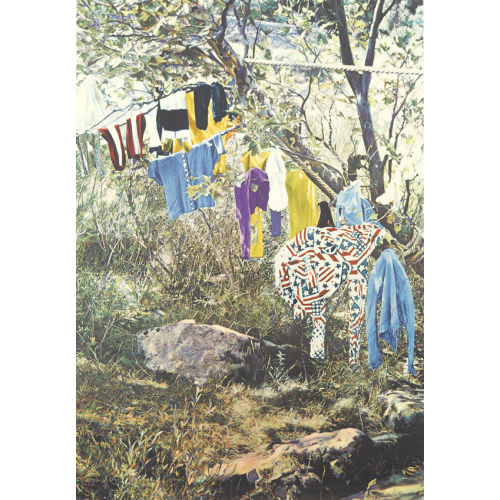
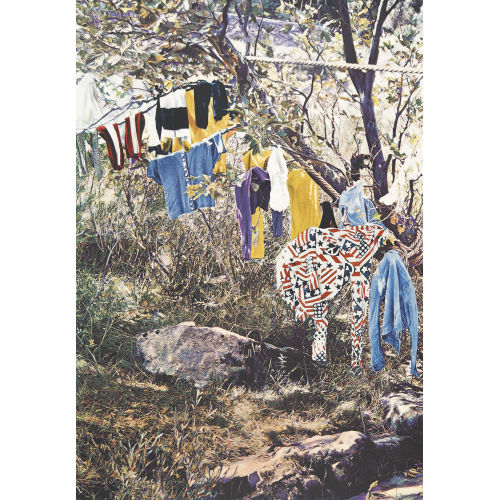
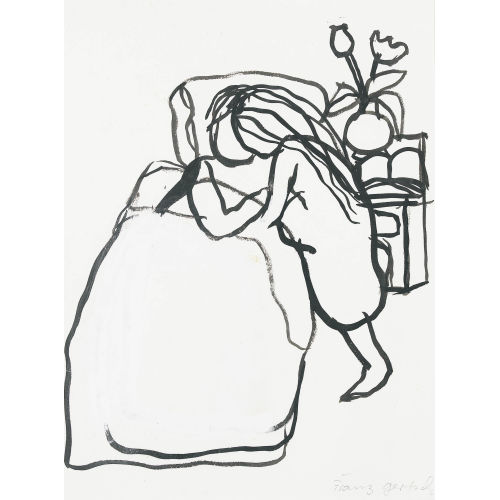
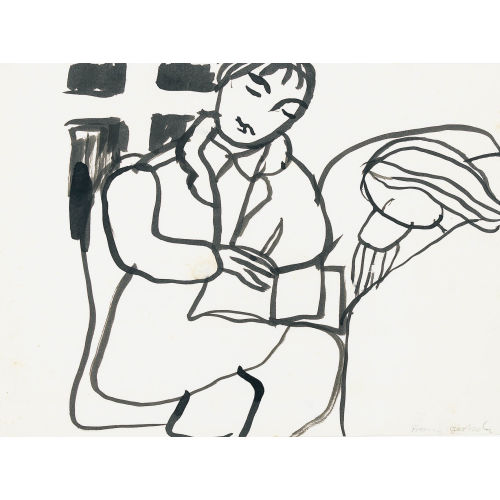
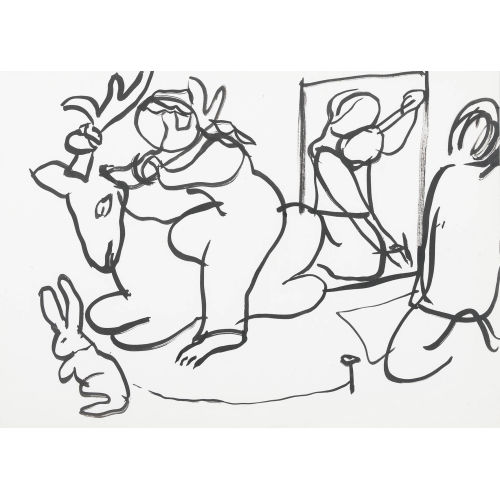
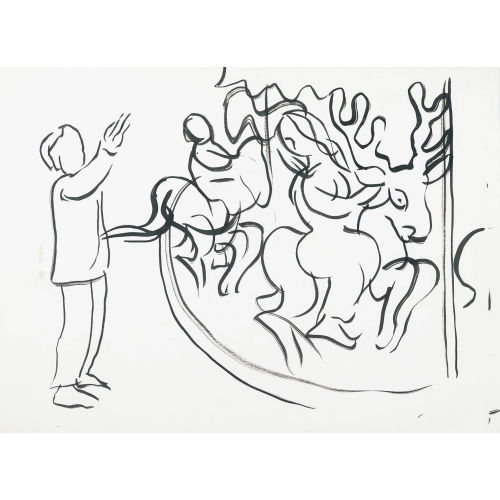
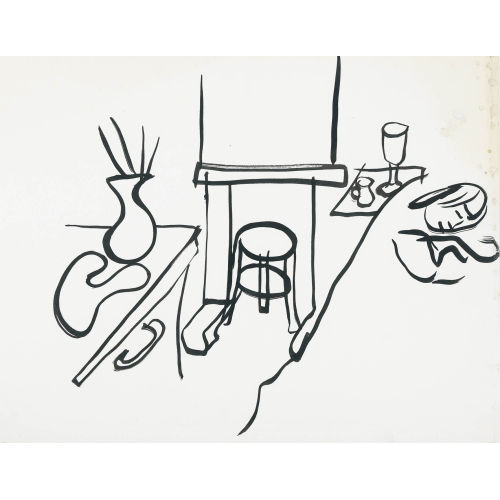
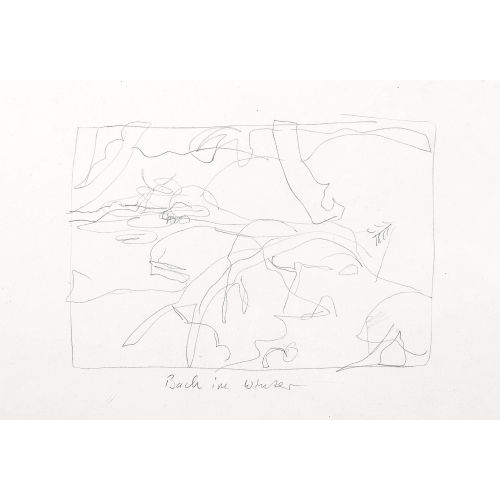
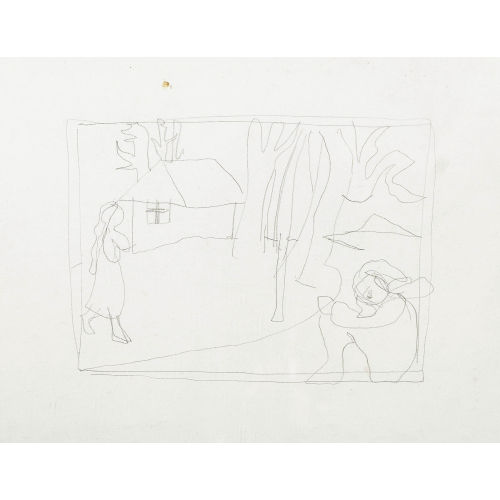
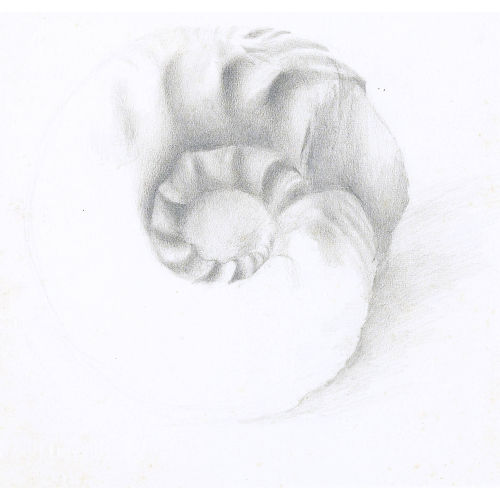
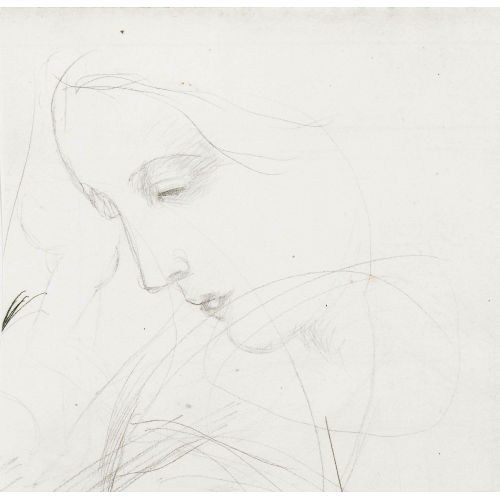
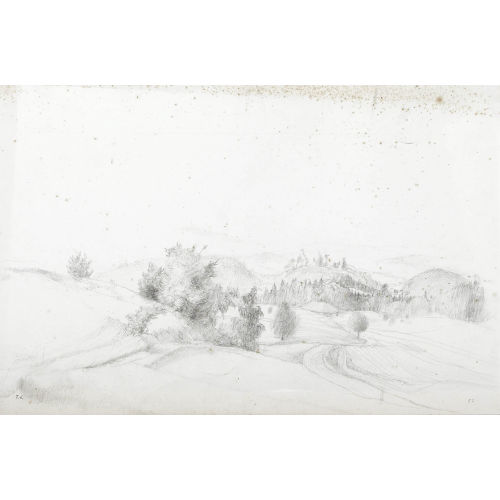
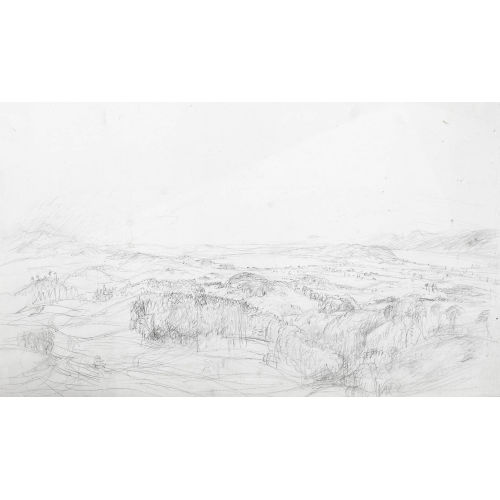
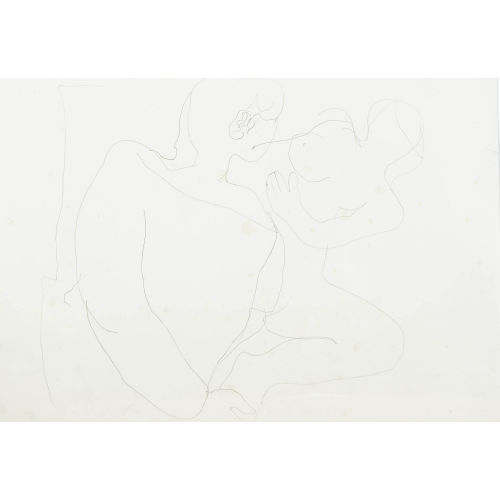
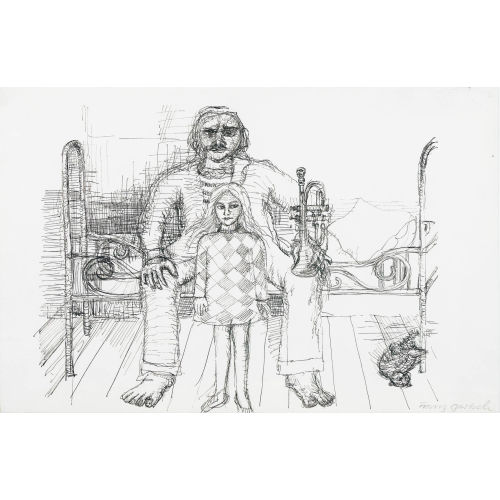
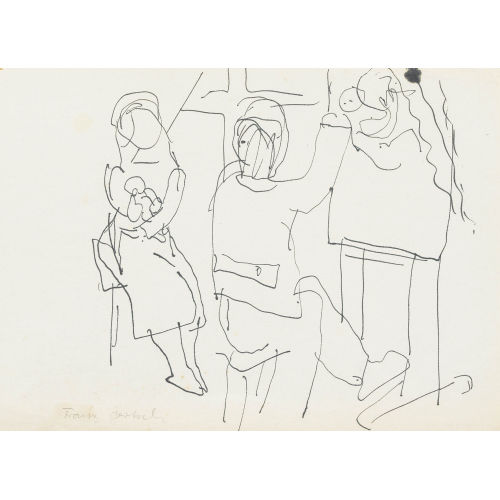
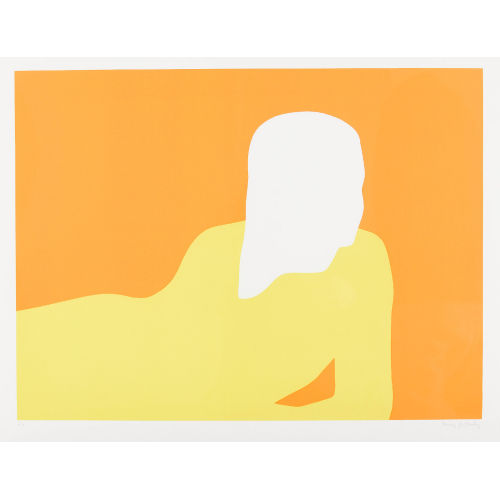
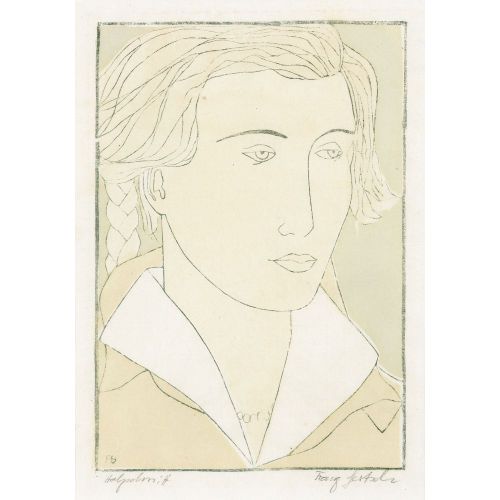
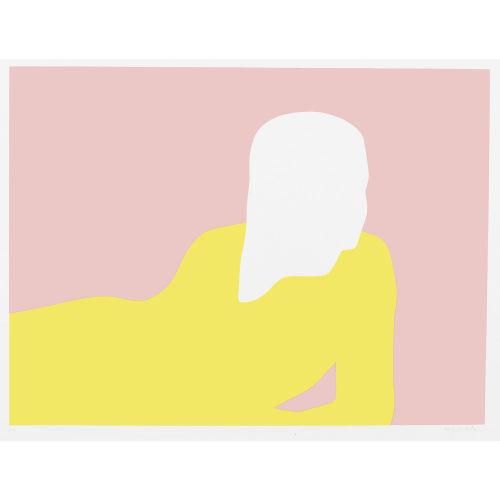
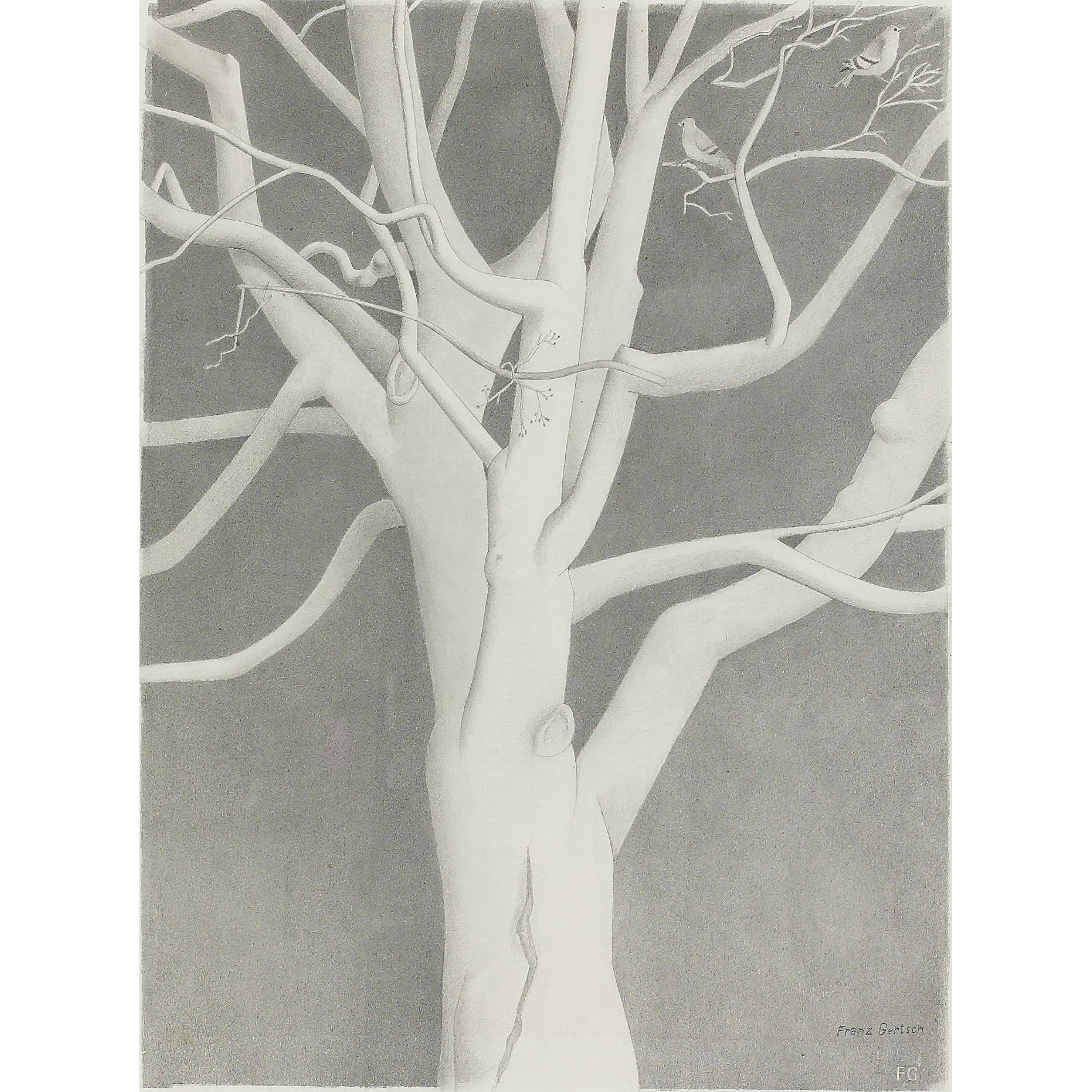
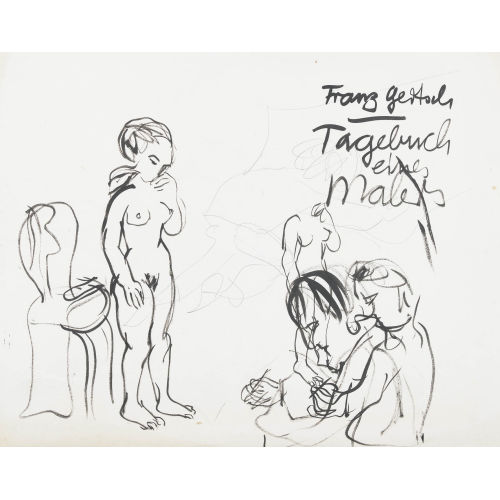
Franz Gertsch (1930–2022) gave the photographic image a monumental pictorial presence. He trained in Bern under Max von Mühlenen (1947–1950), and subsequently under Hans Rudolf Schwarzenbach (1950–1952). He explored drawing, printmaking, collage and Pop art before turning, in 1969, to large-scale realist paintings.
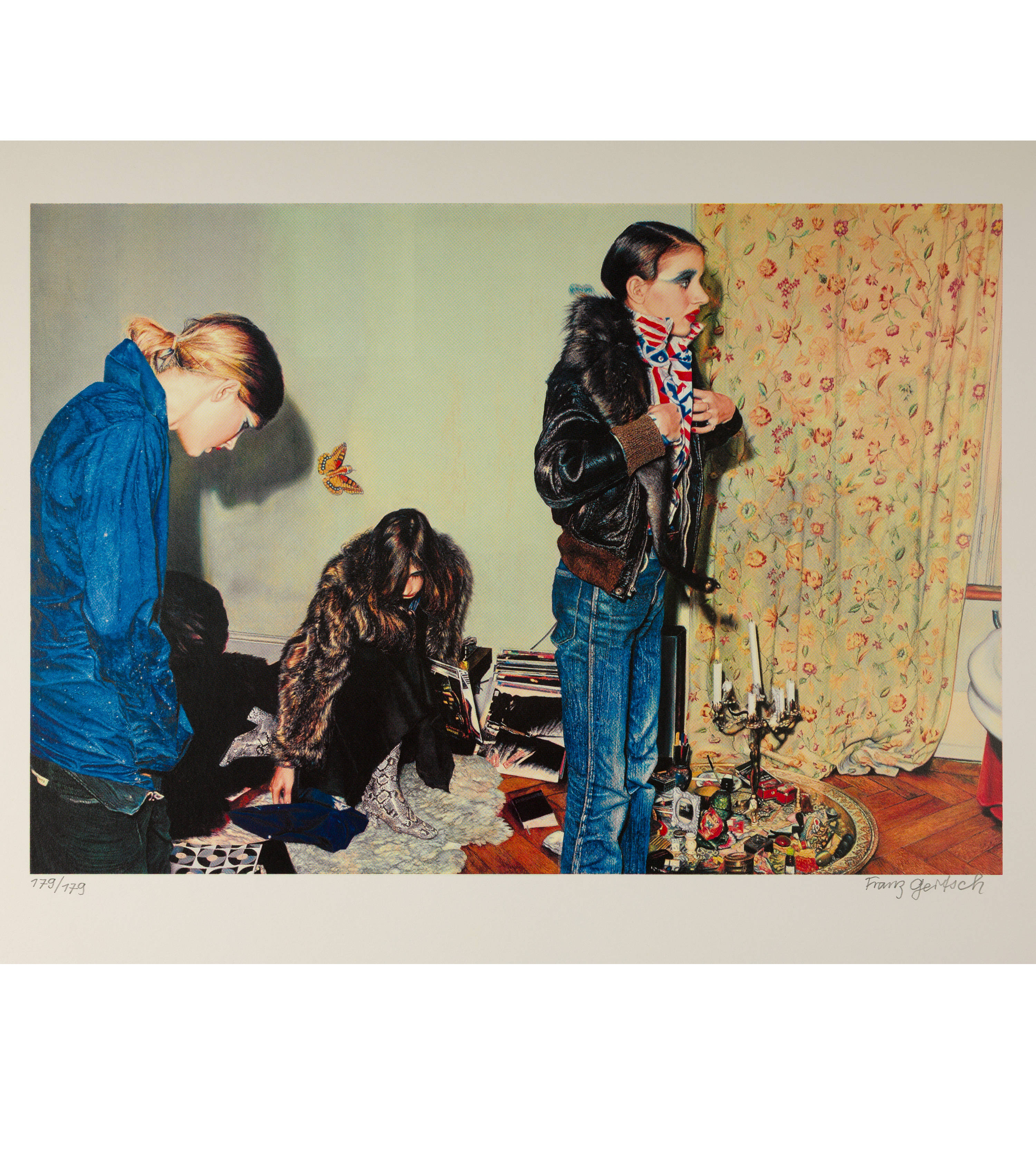
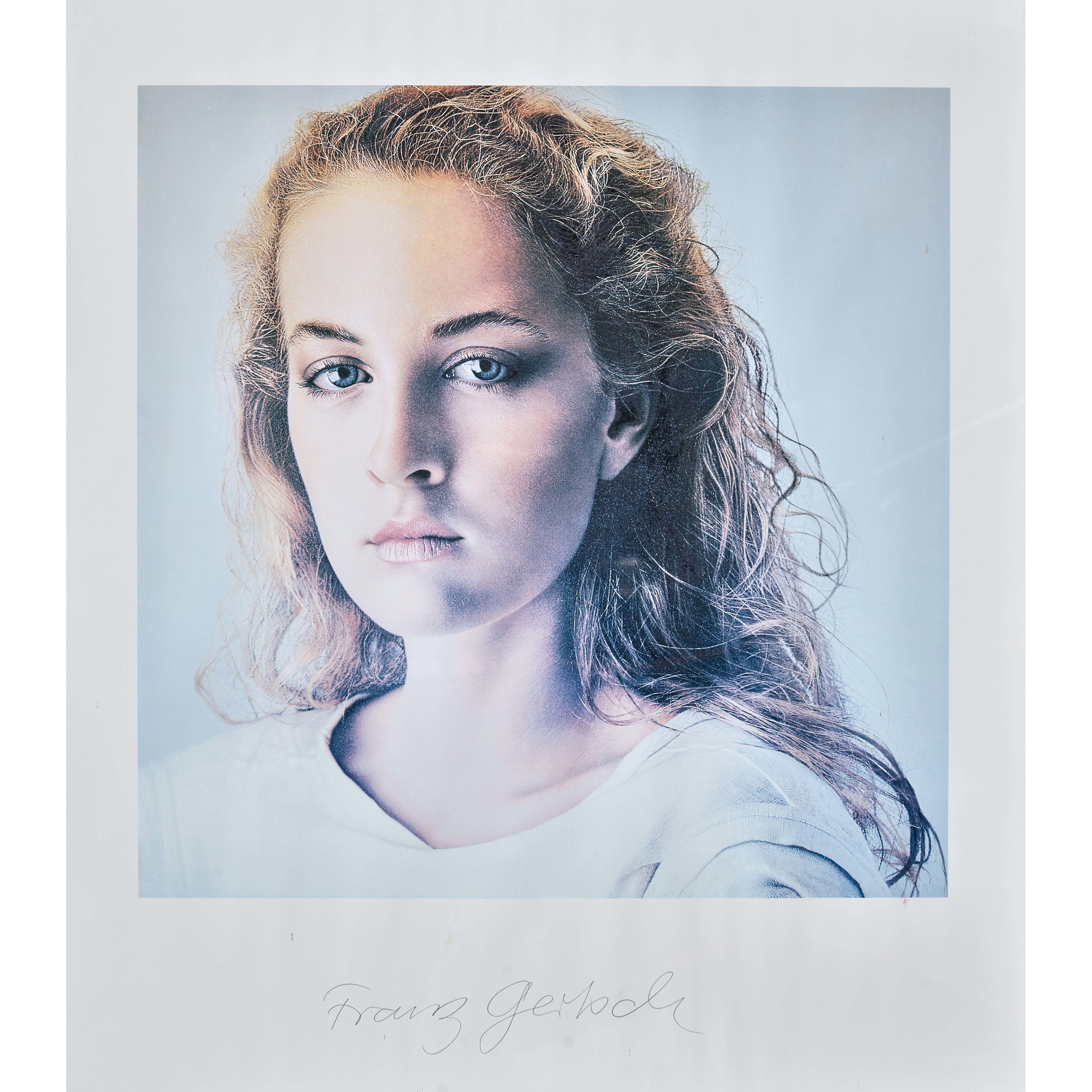
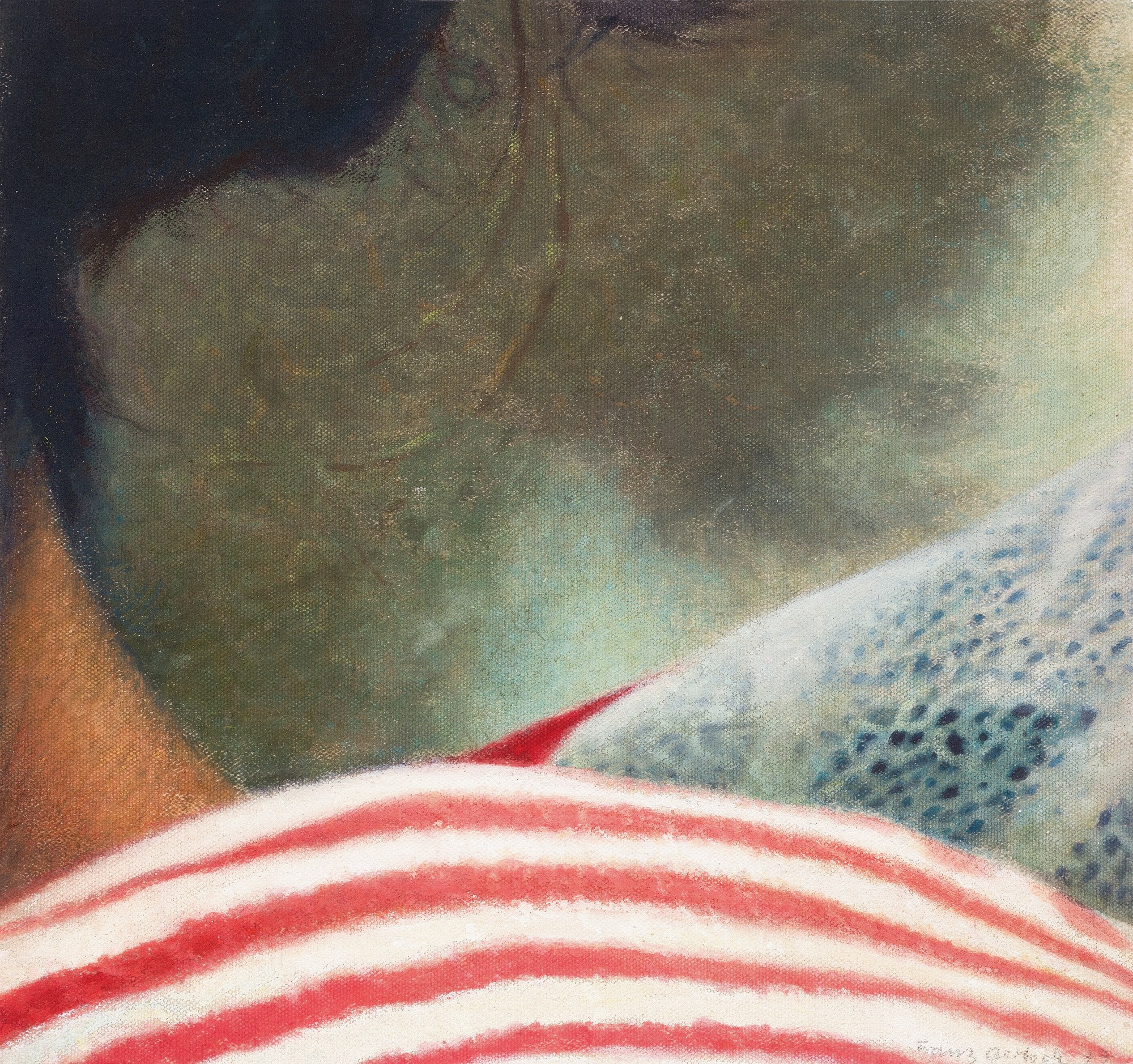
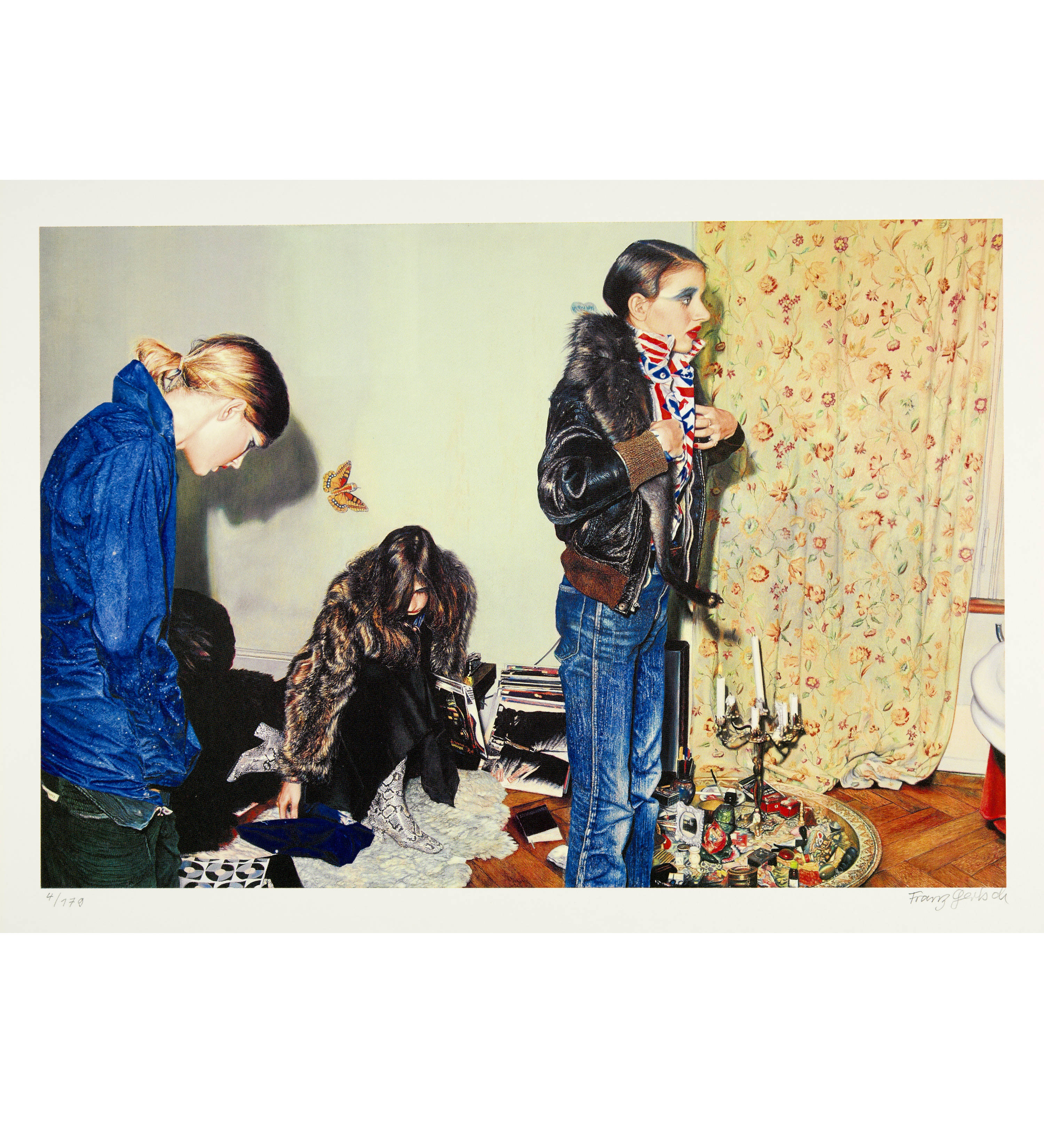
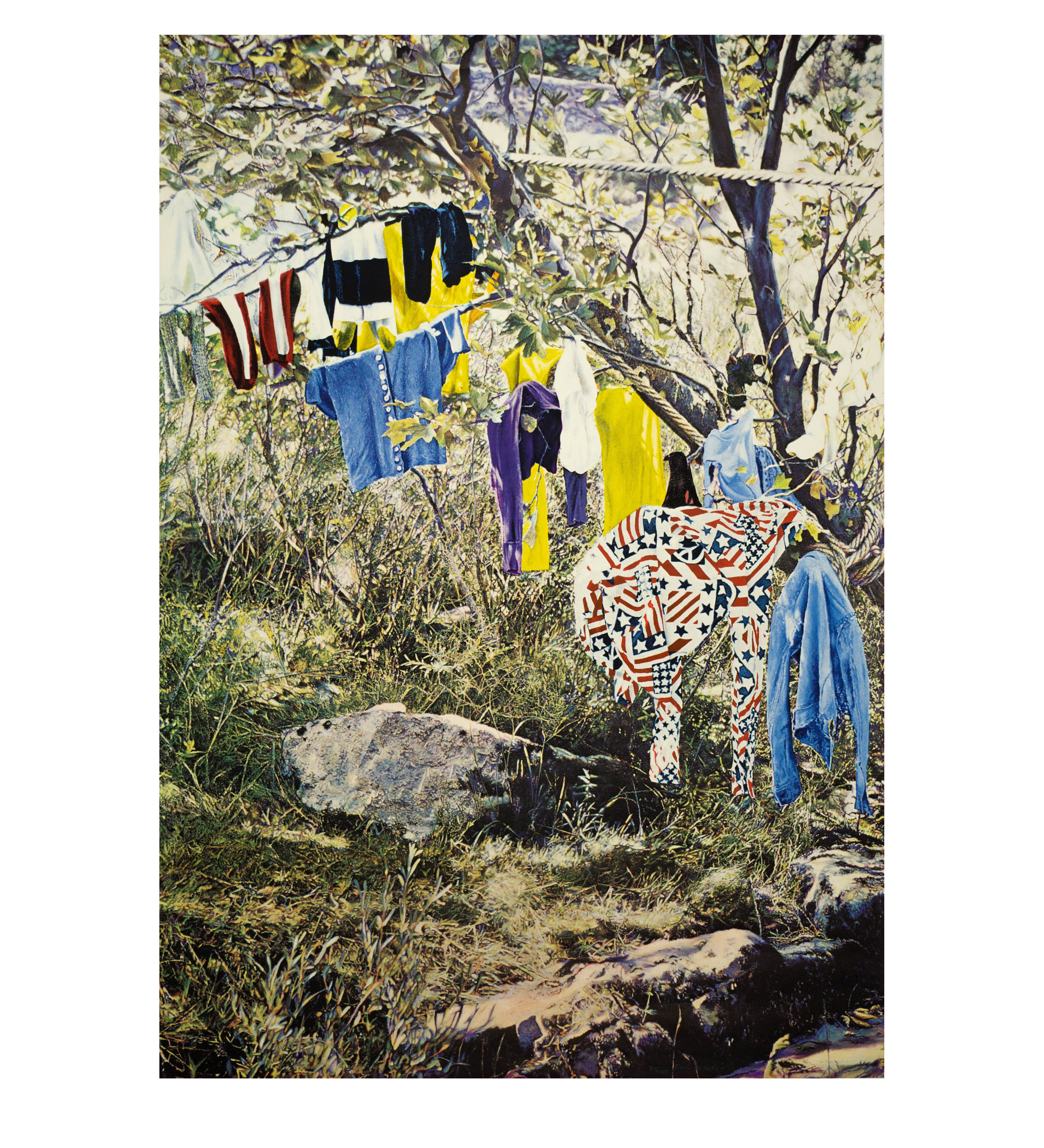
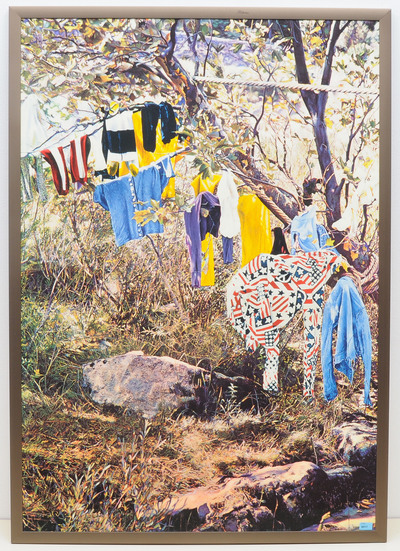
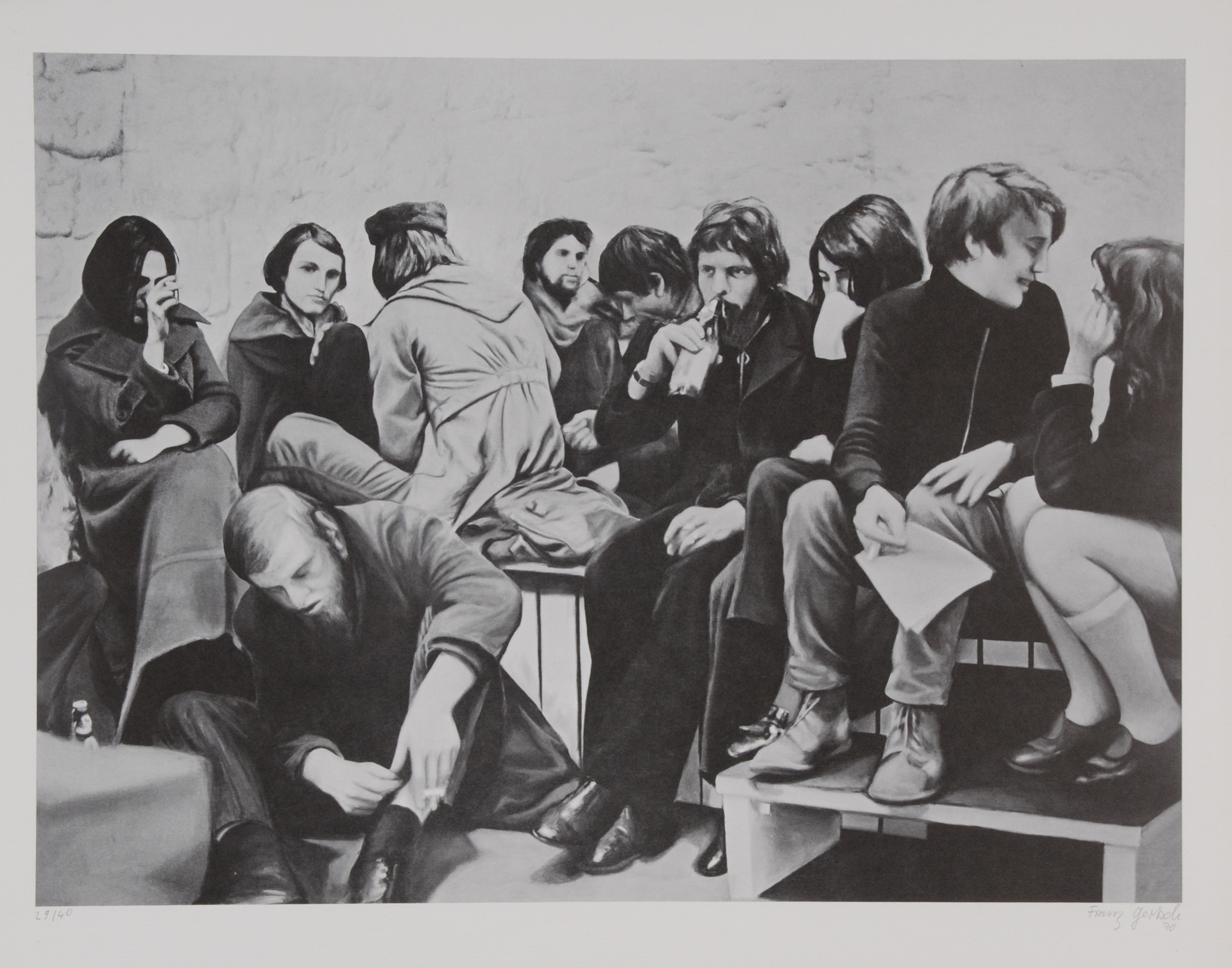
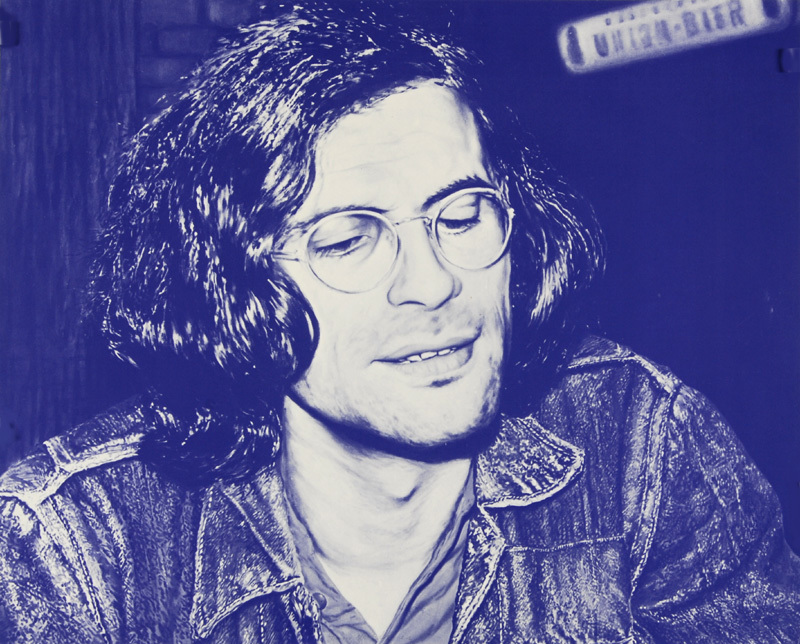
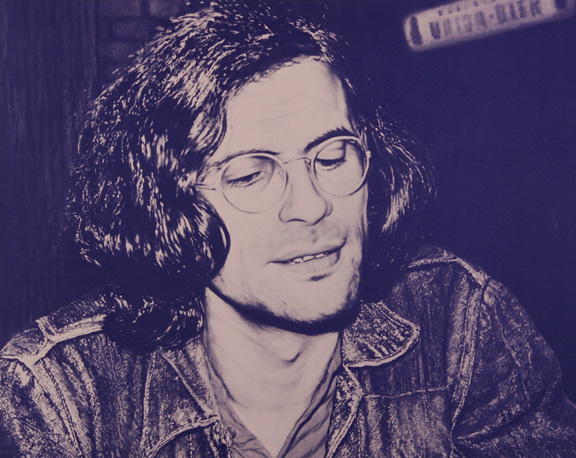
With rare exceptions, he worked from his own photographs, transformed into slides and projected onto the canvas. His first major painting in this vein, Huaa...! (1969), was nevertheless inspired by an image published in a magazine: from the outset, photography was for him a compositional tool rather than an end in itself.
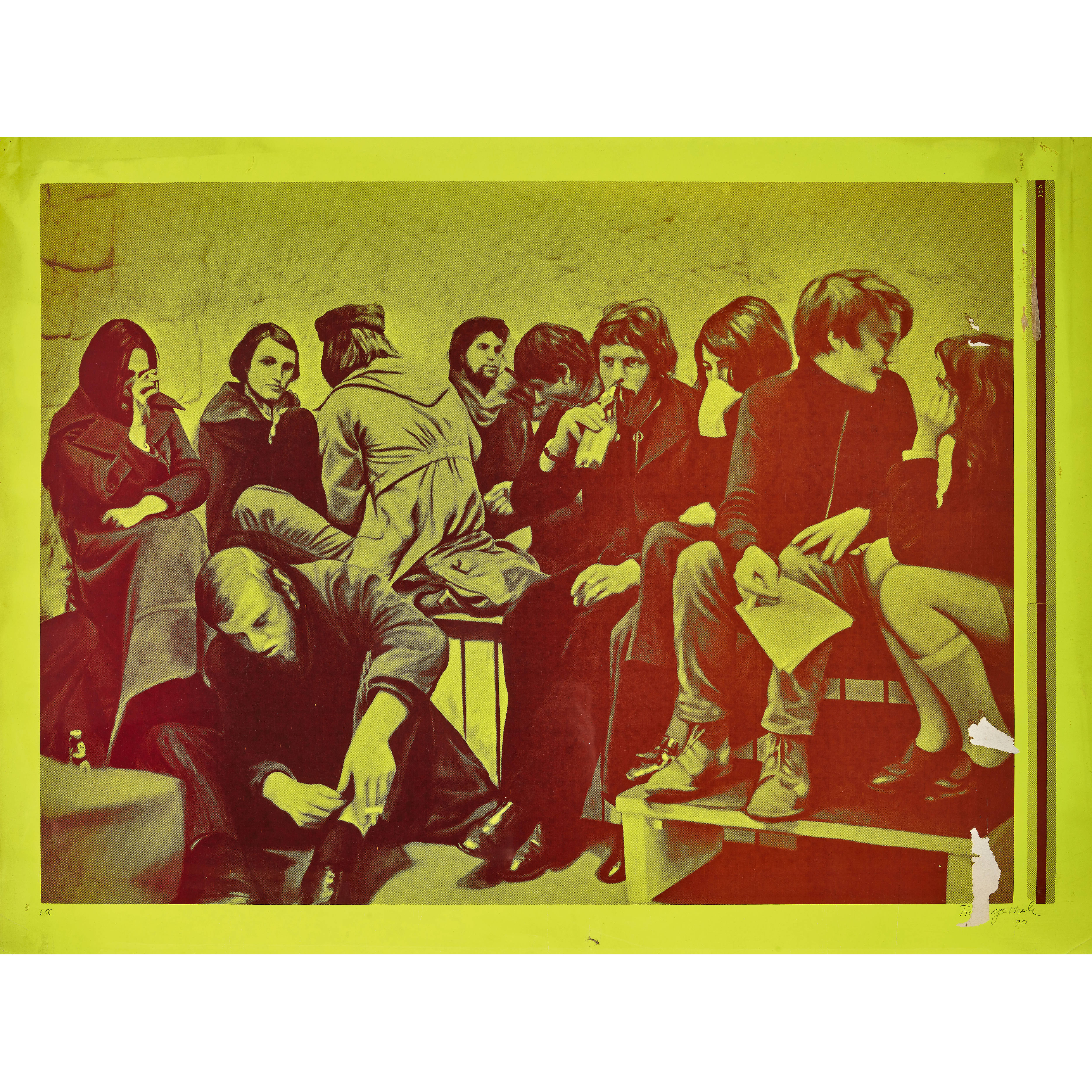
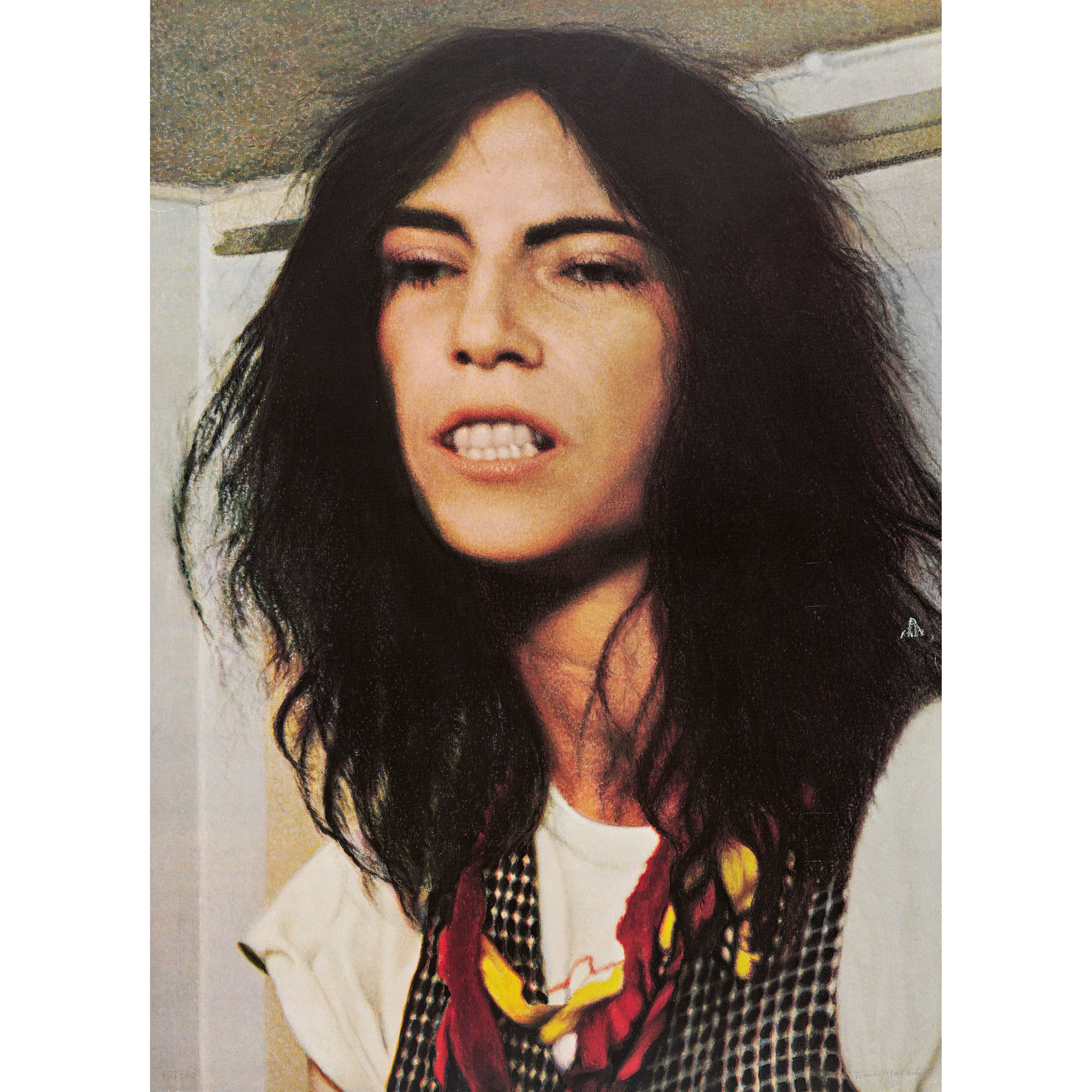
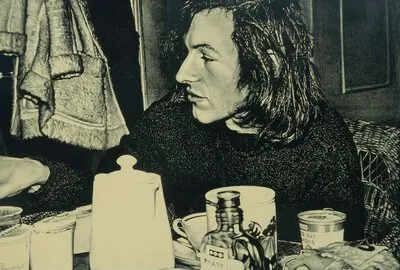
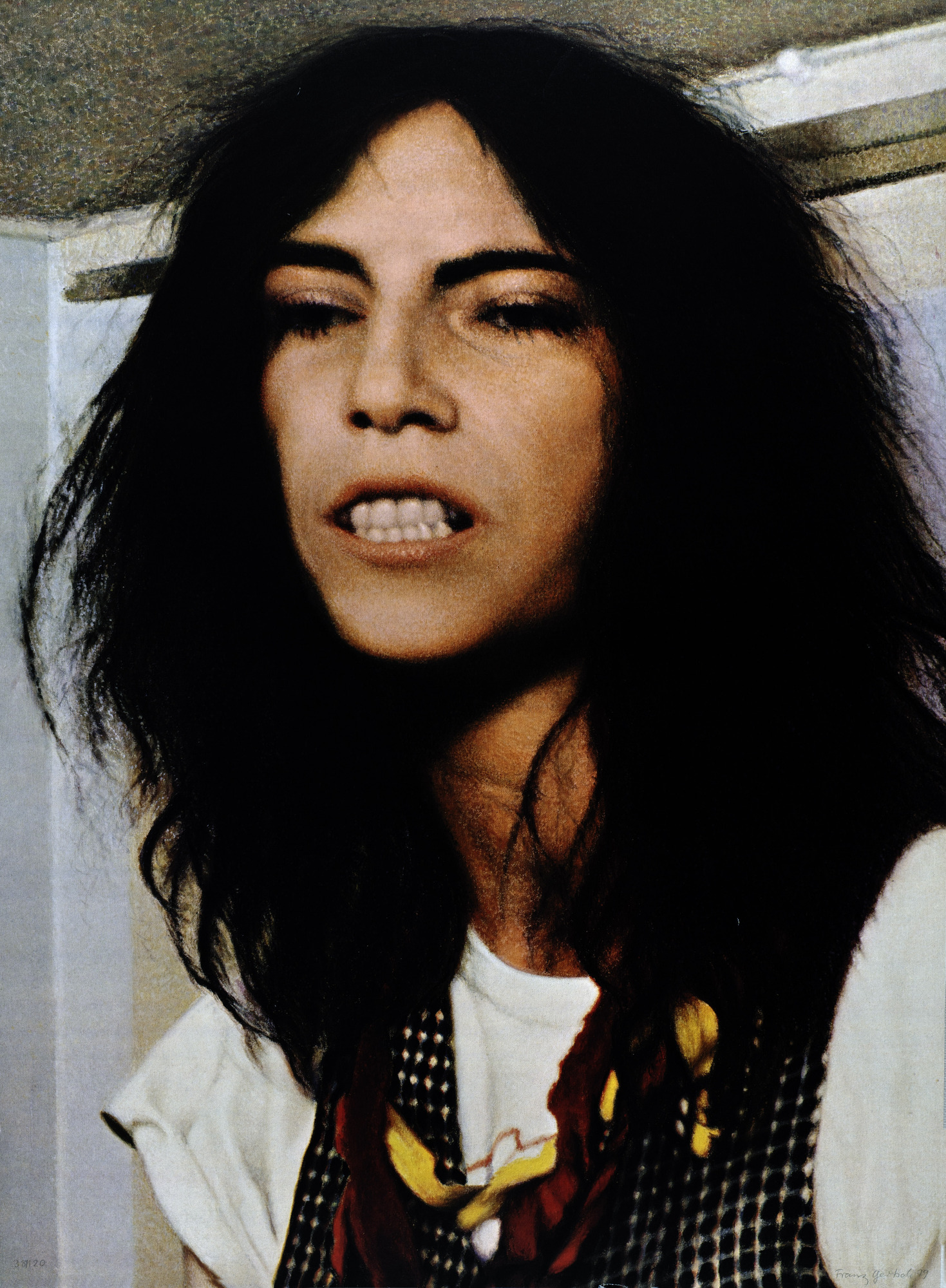
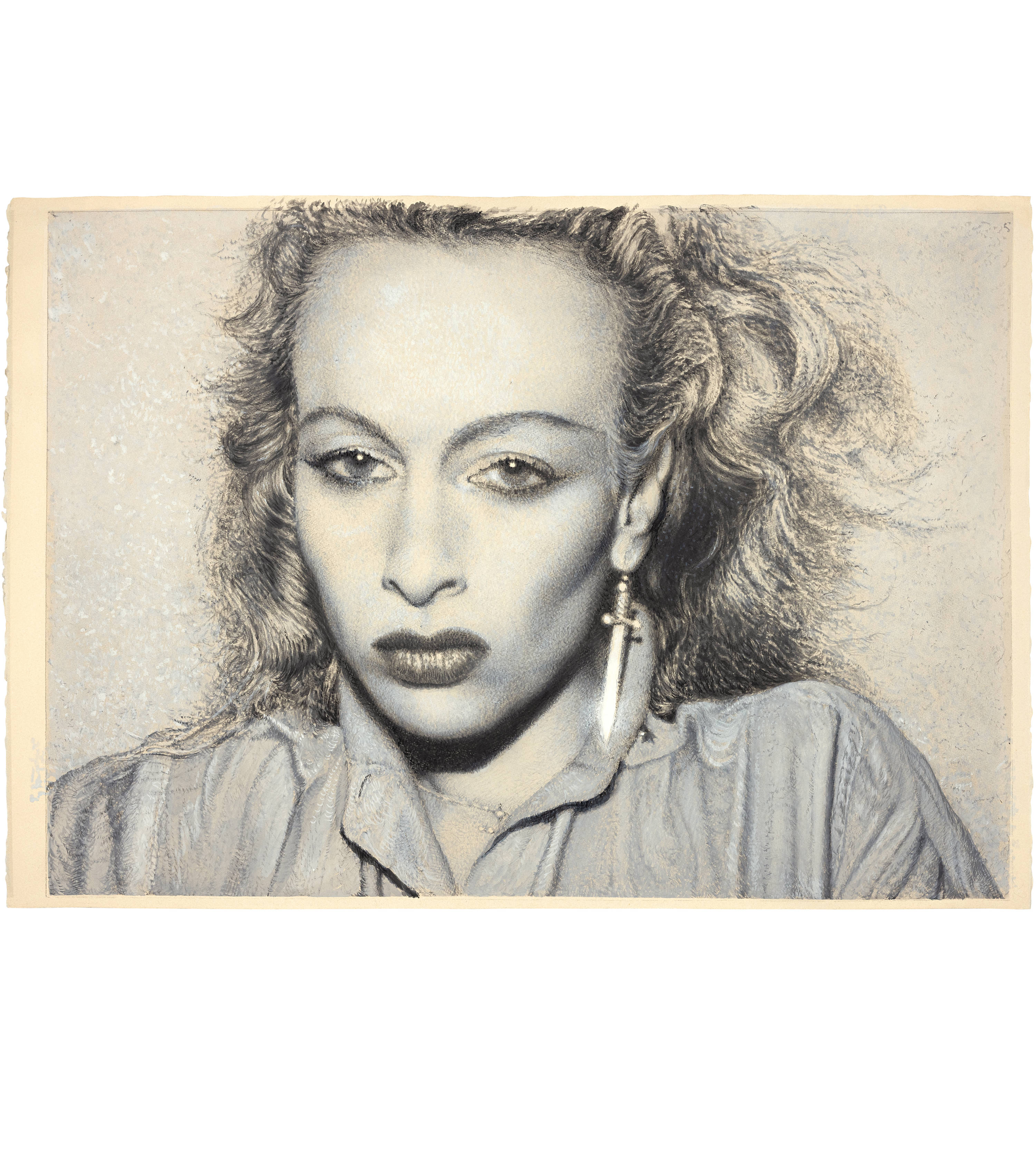
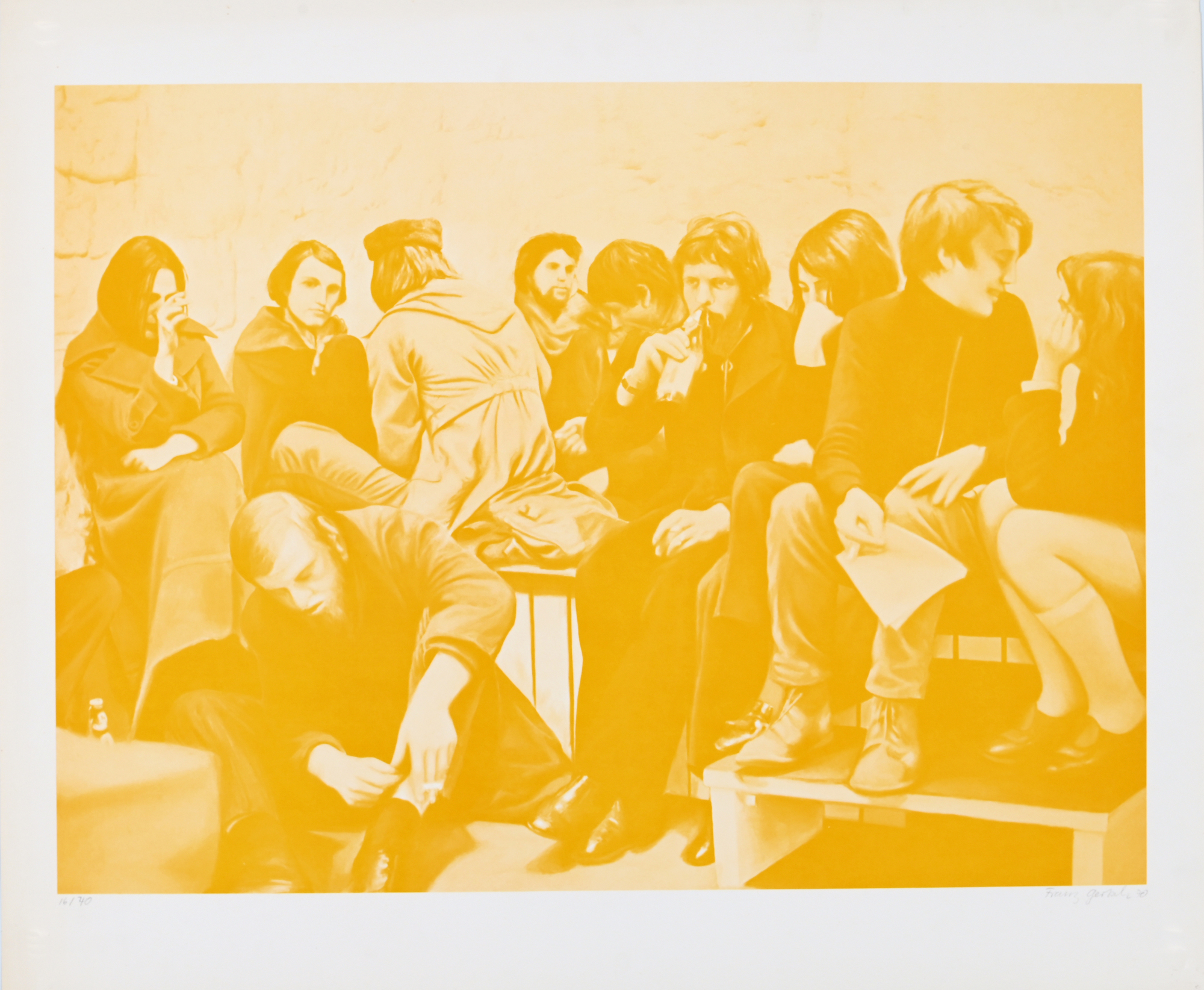
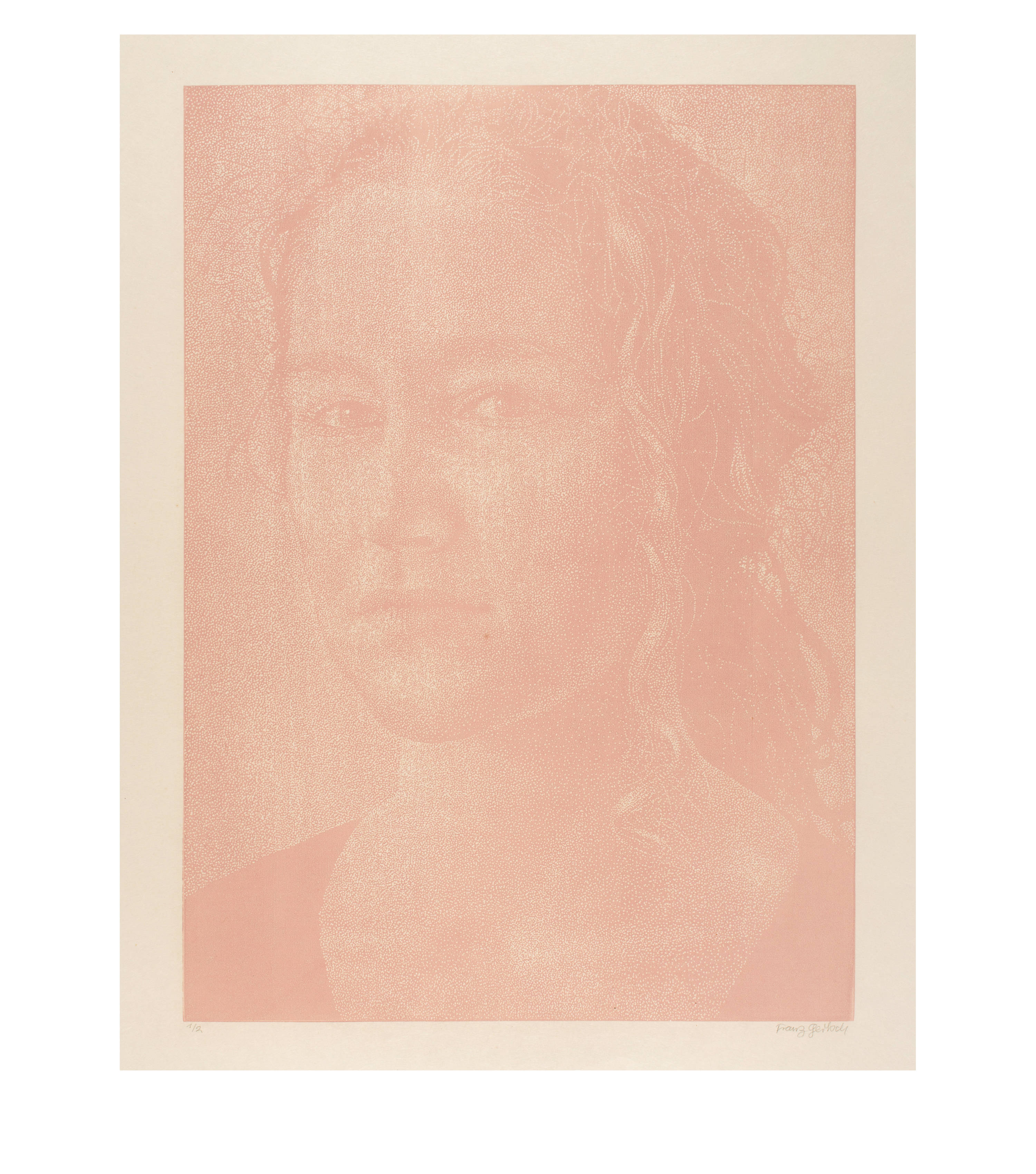
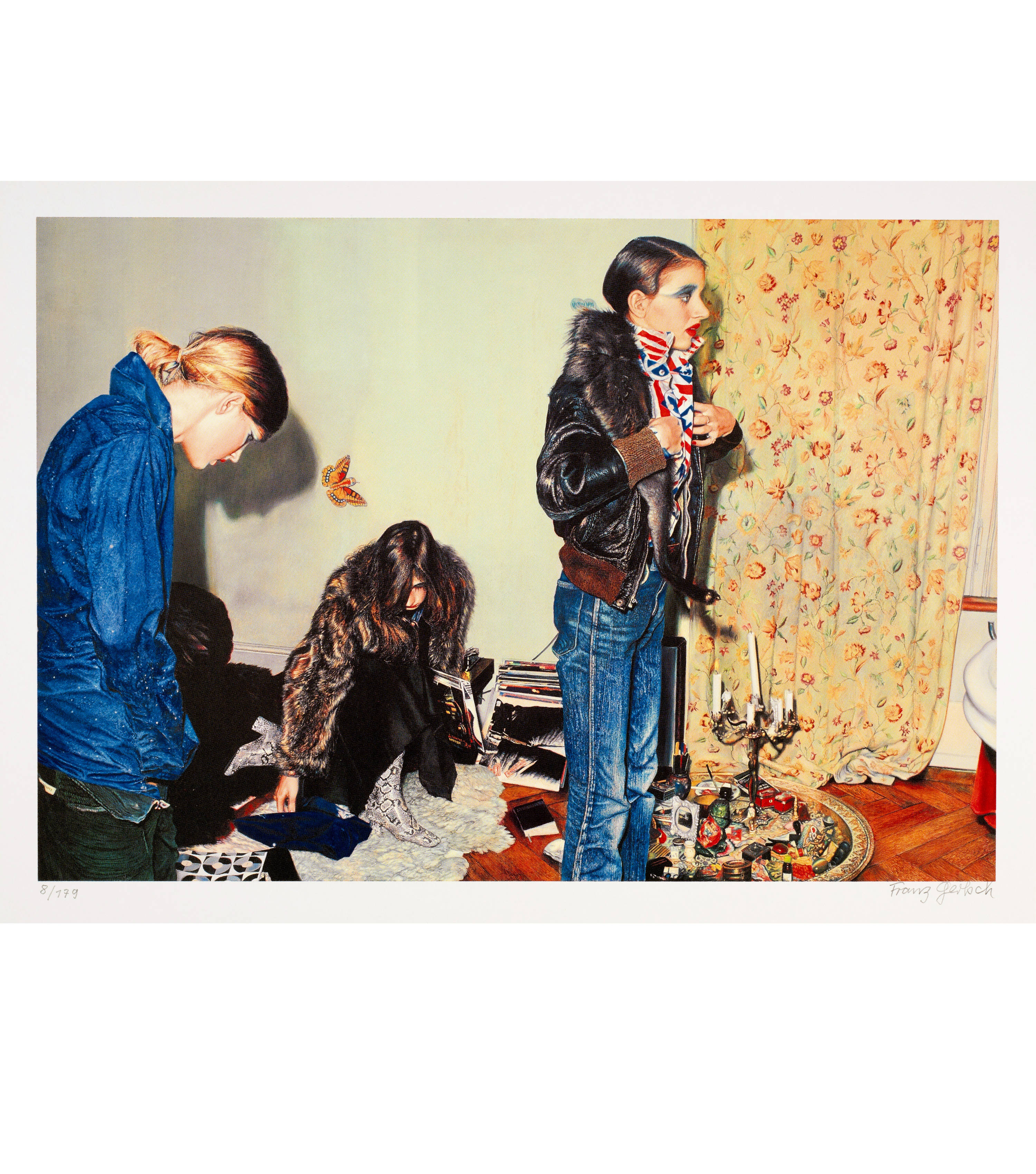
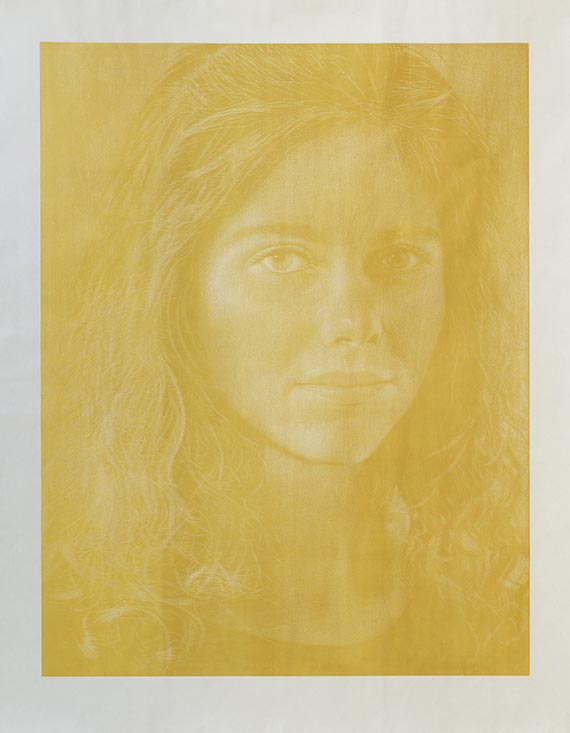
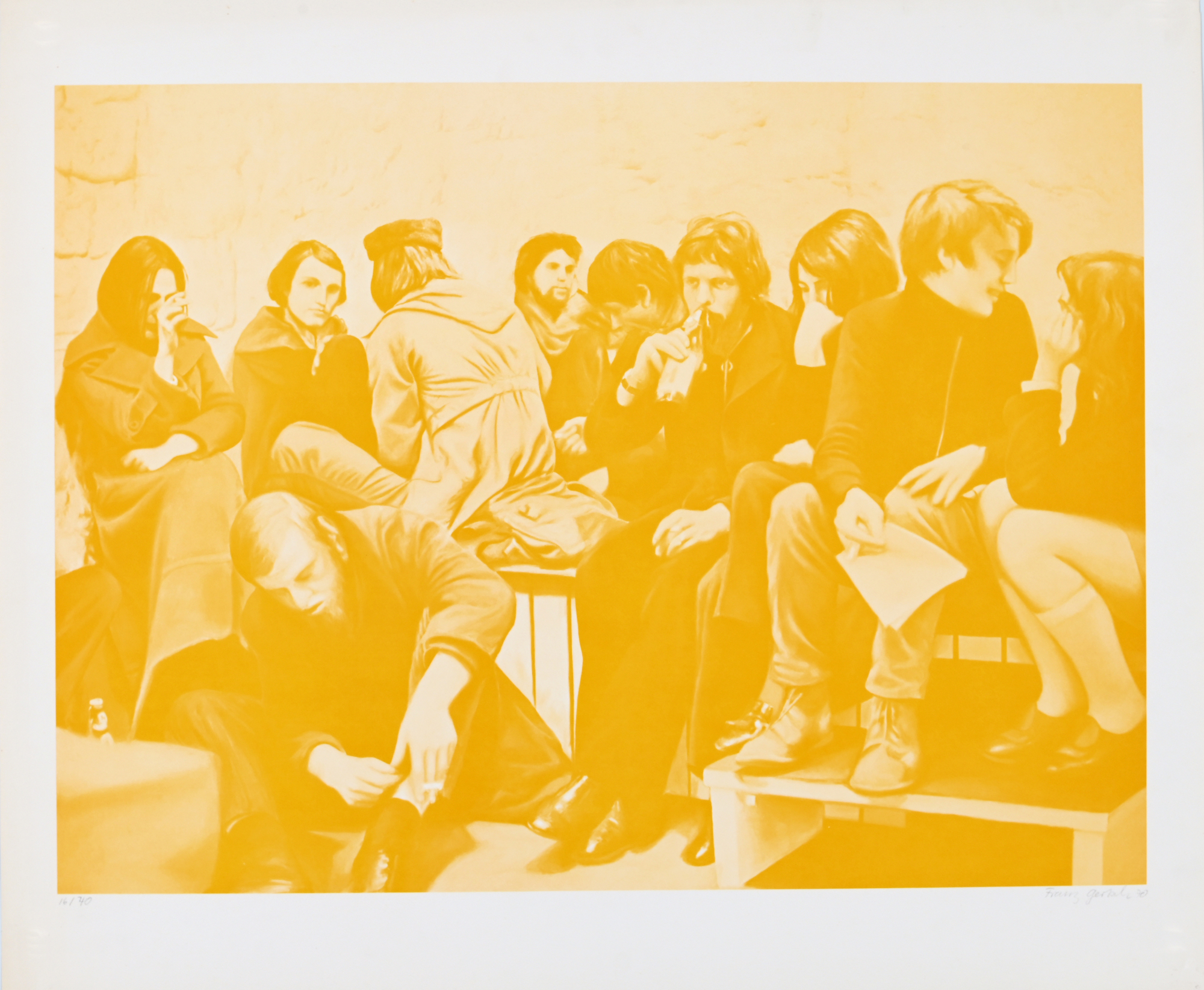
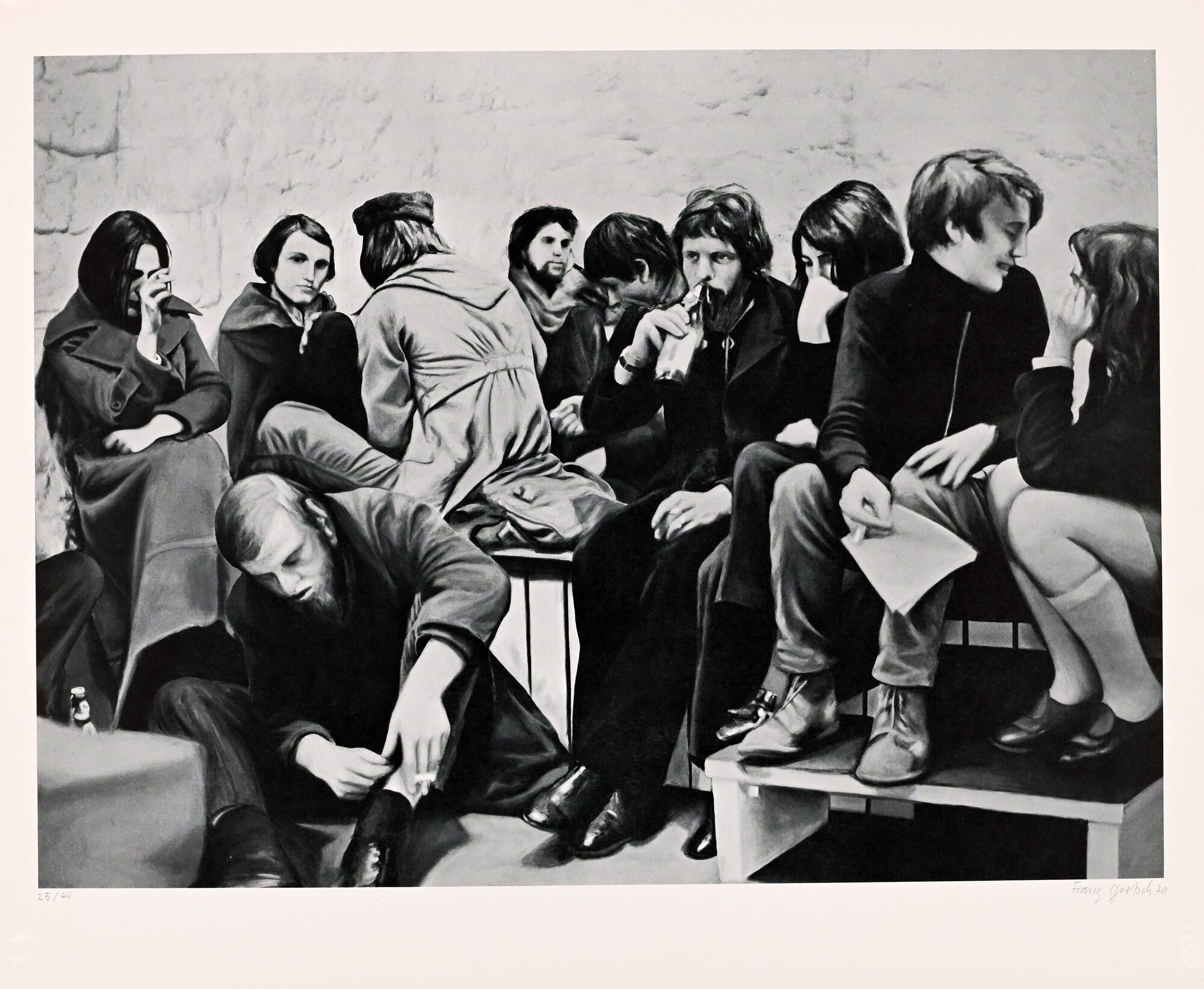
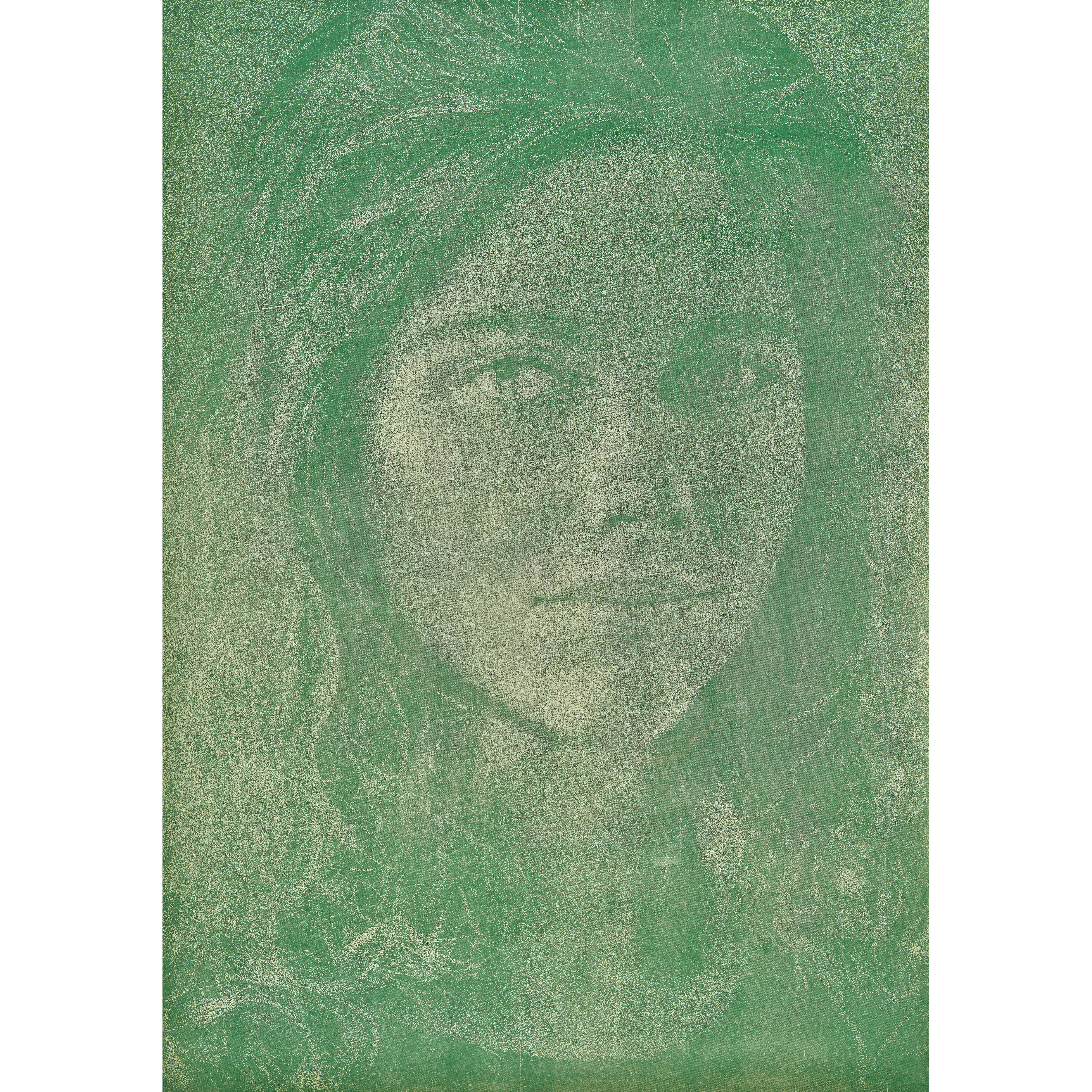
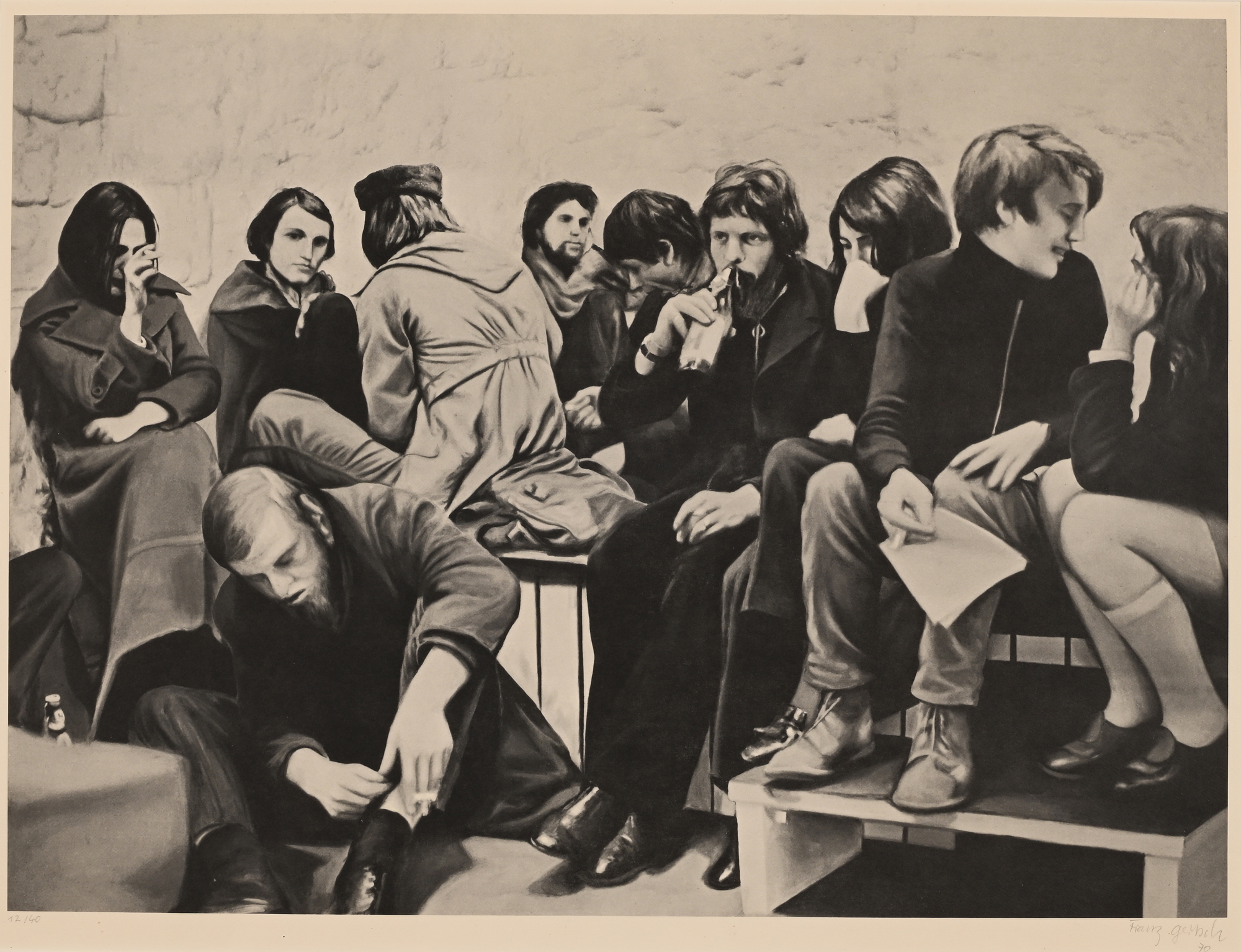
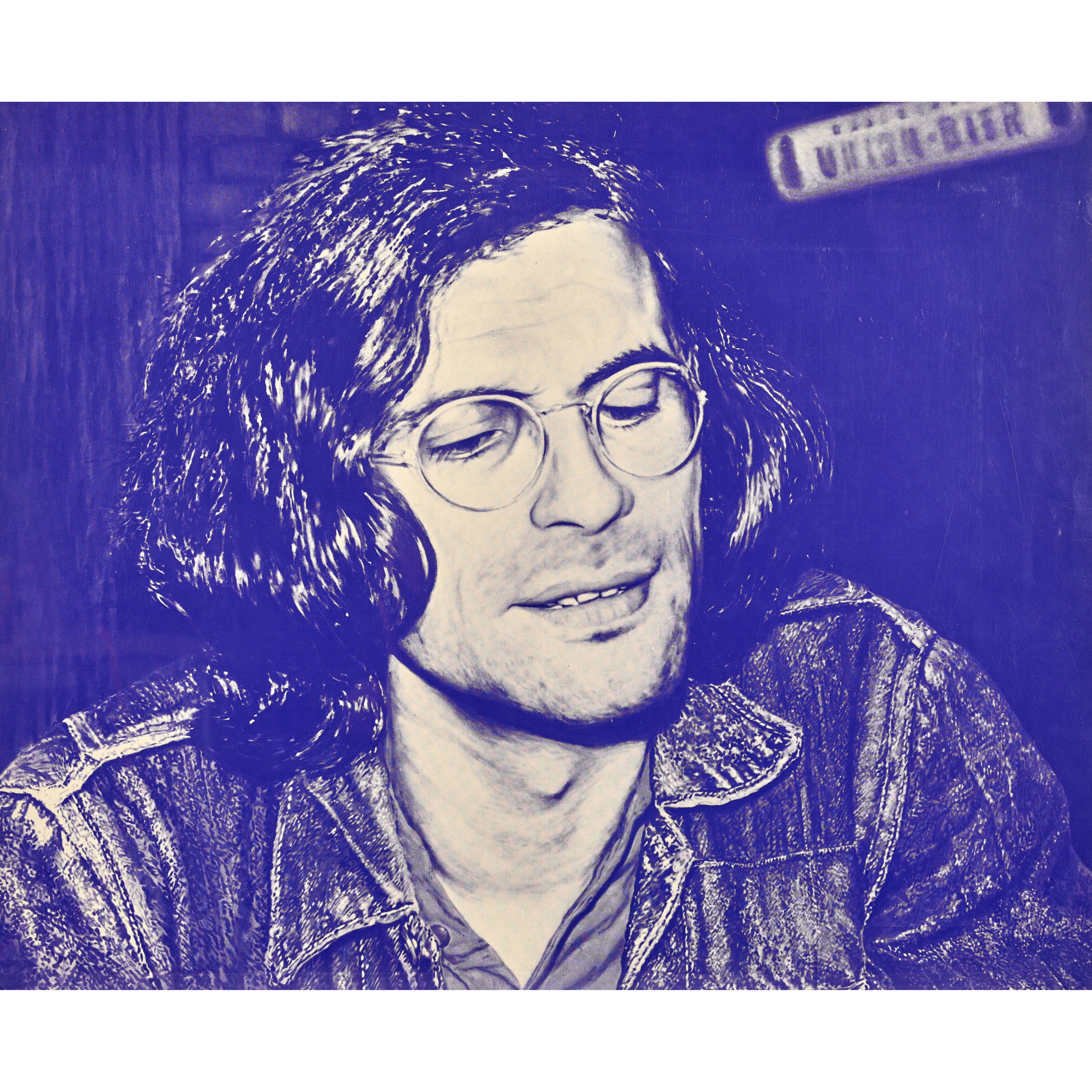
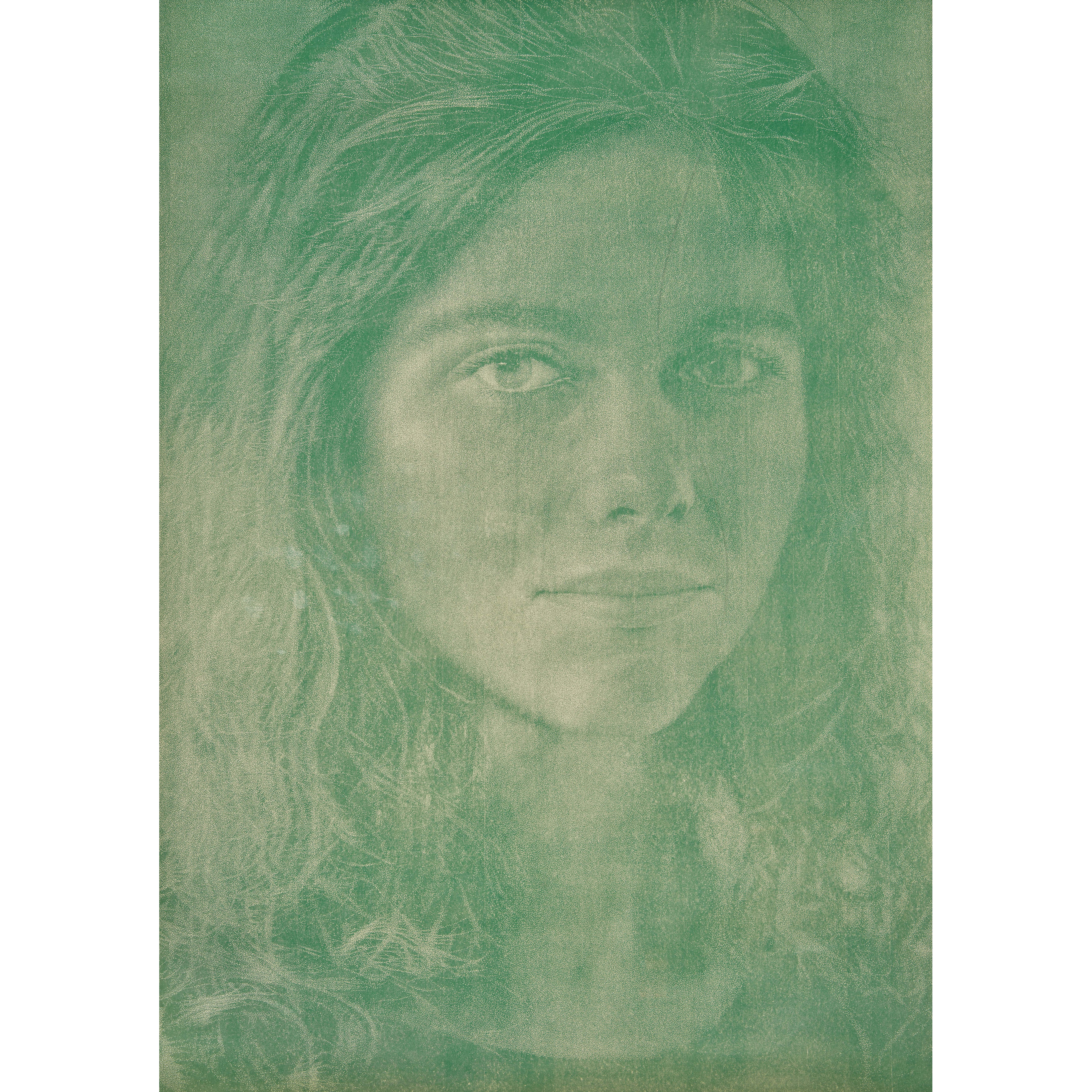
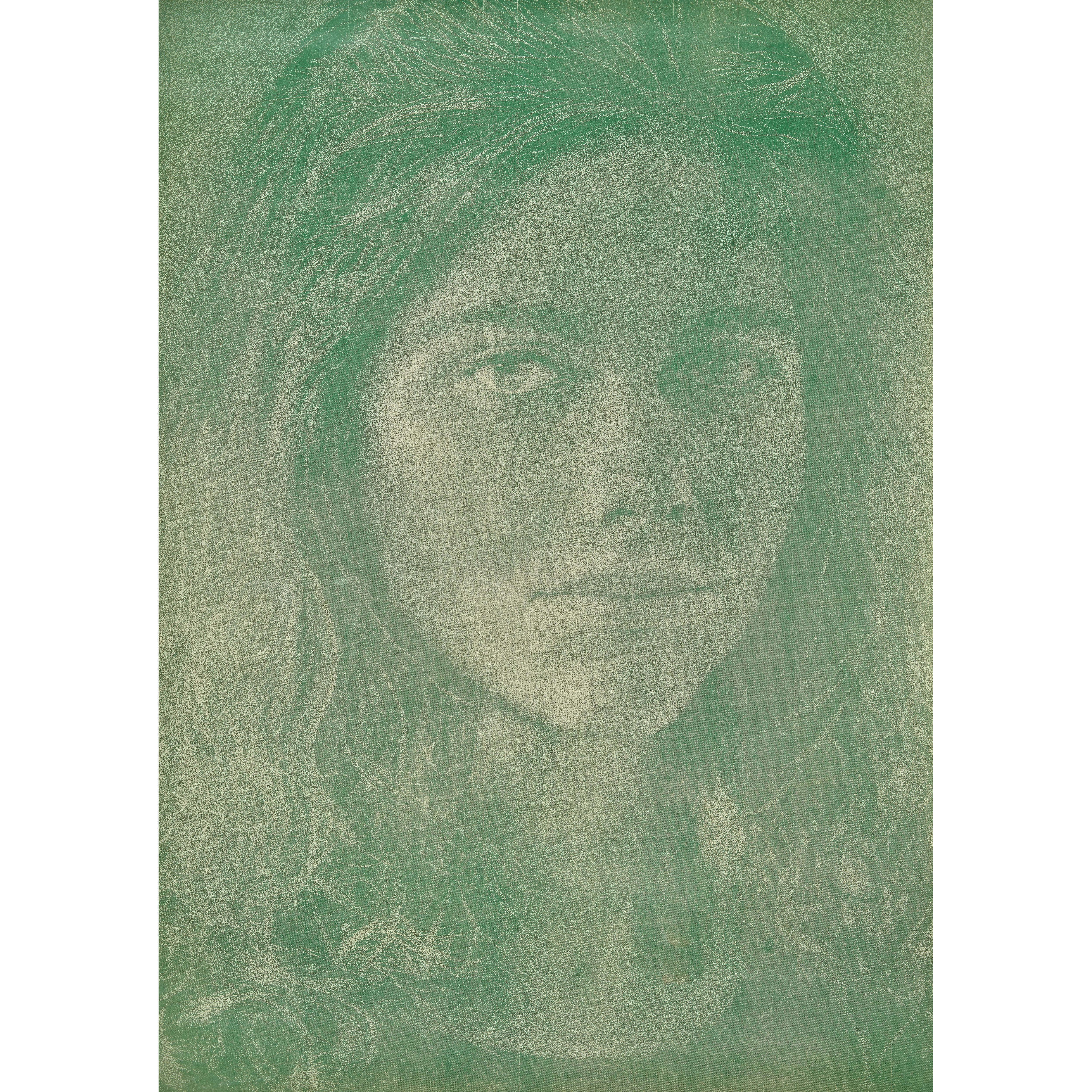
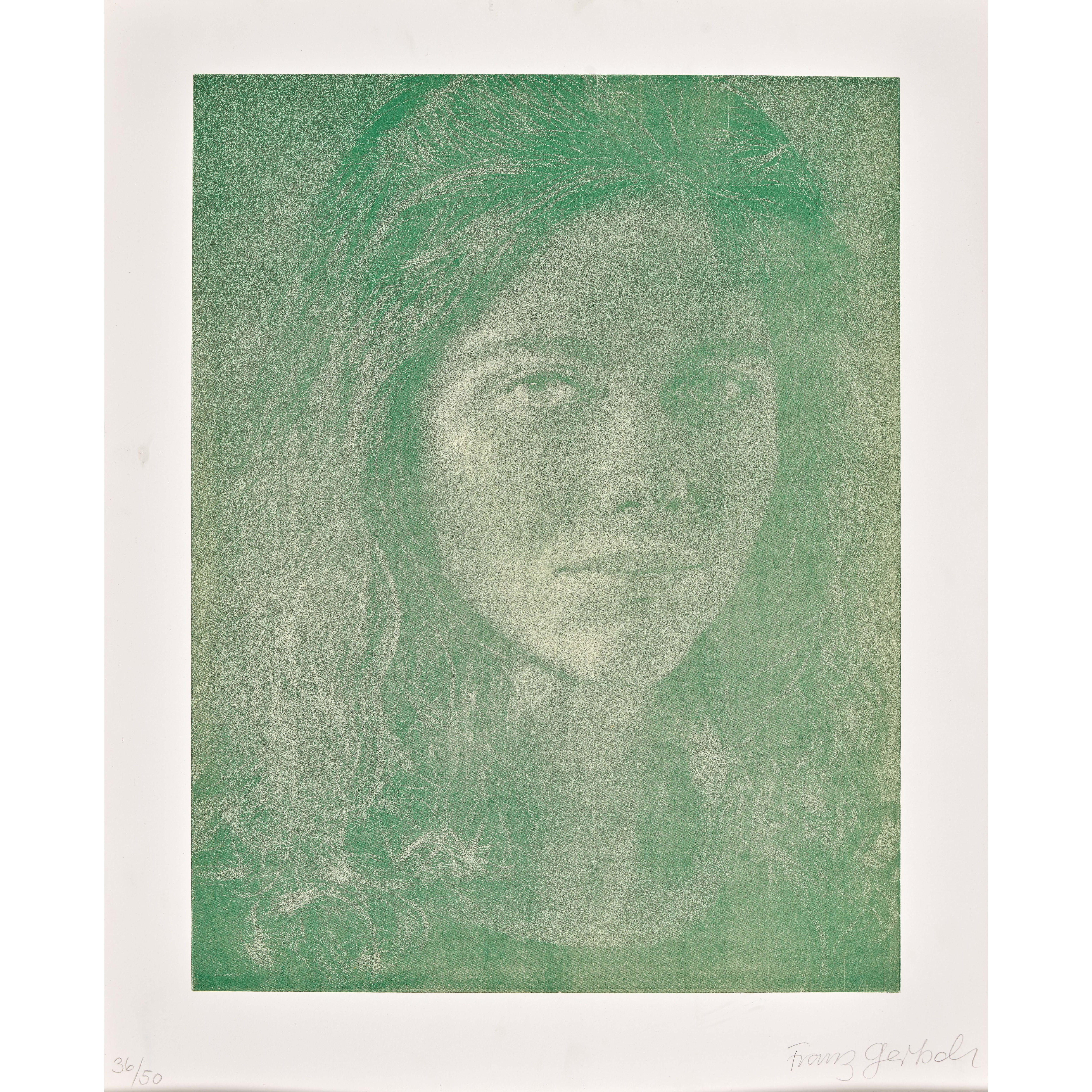
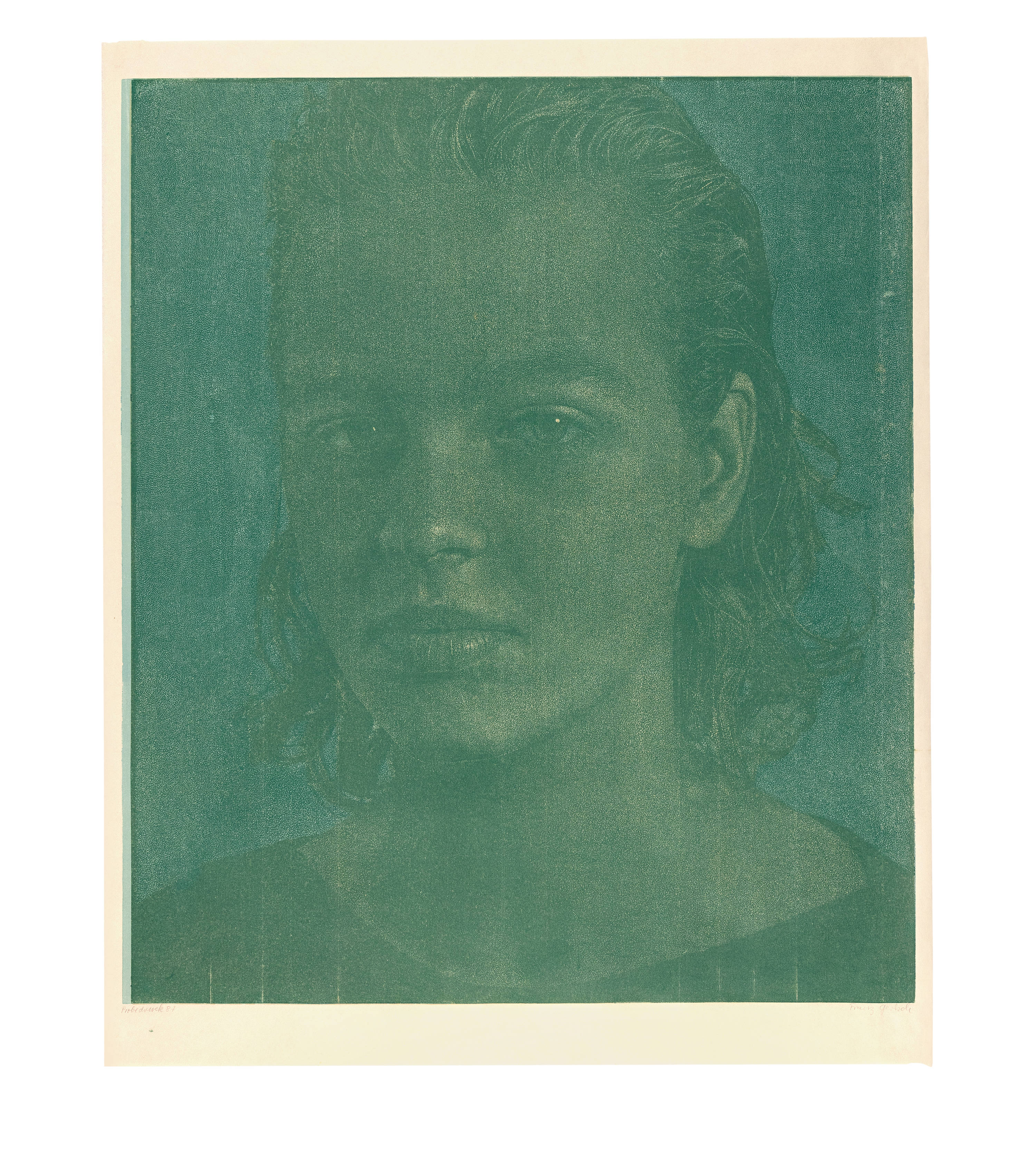
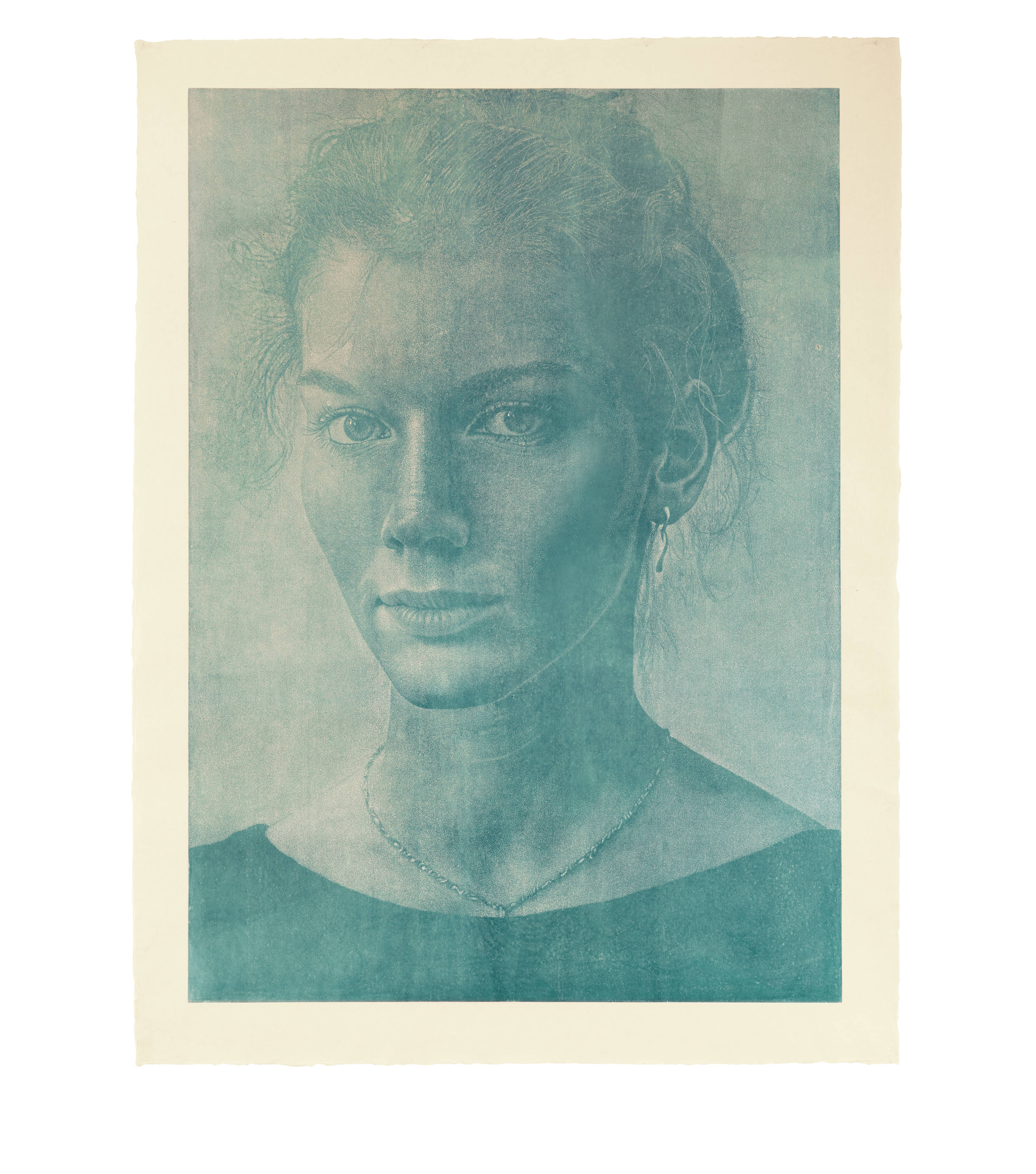
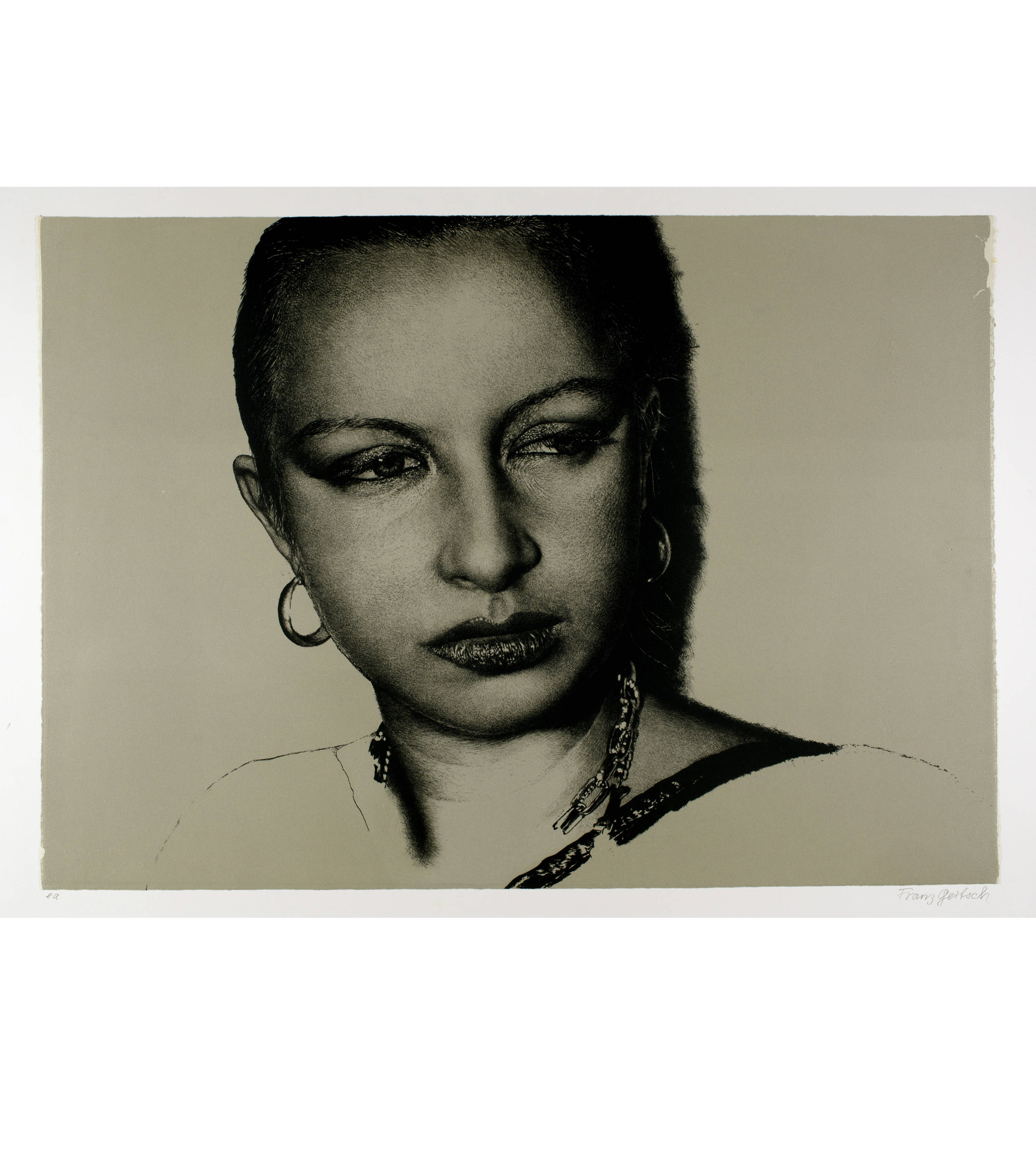
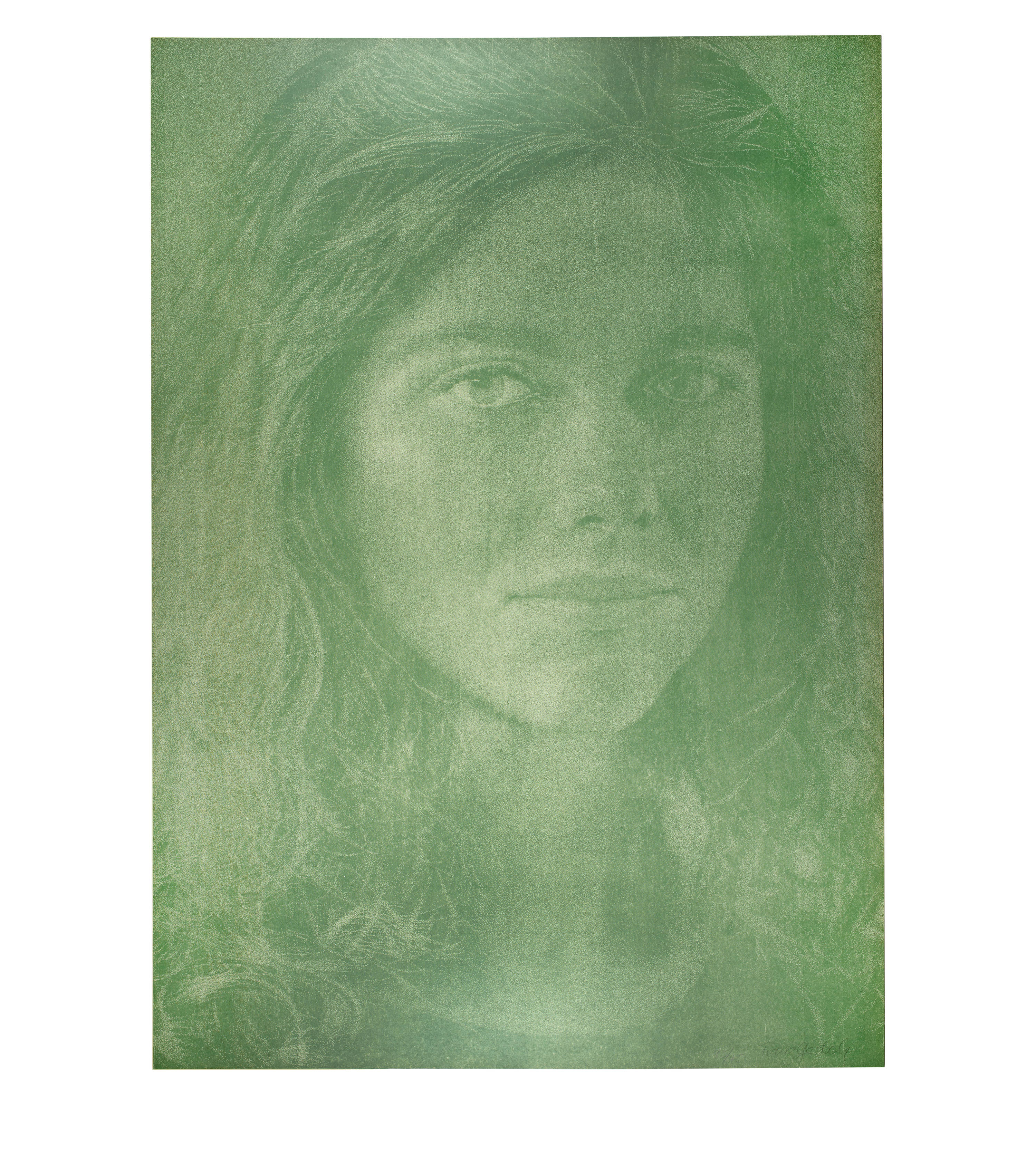
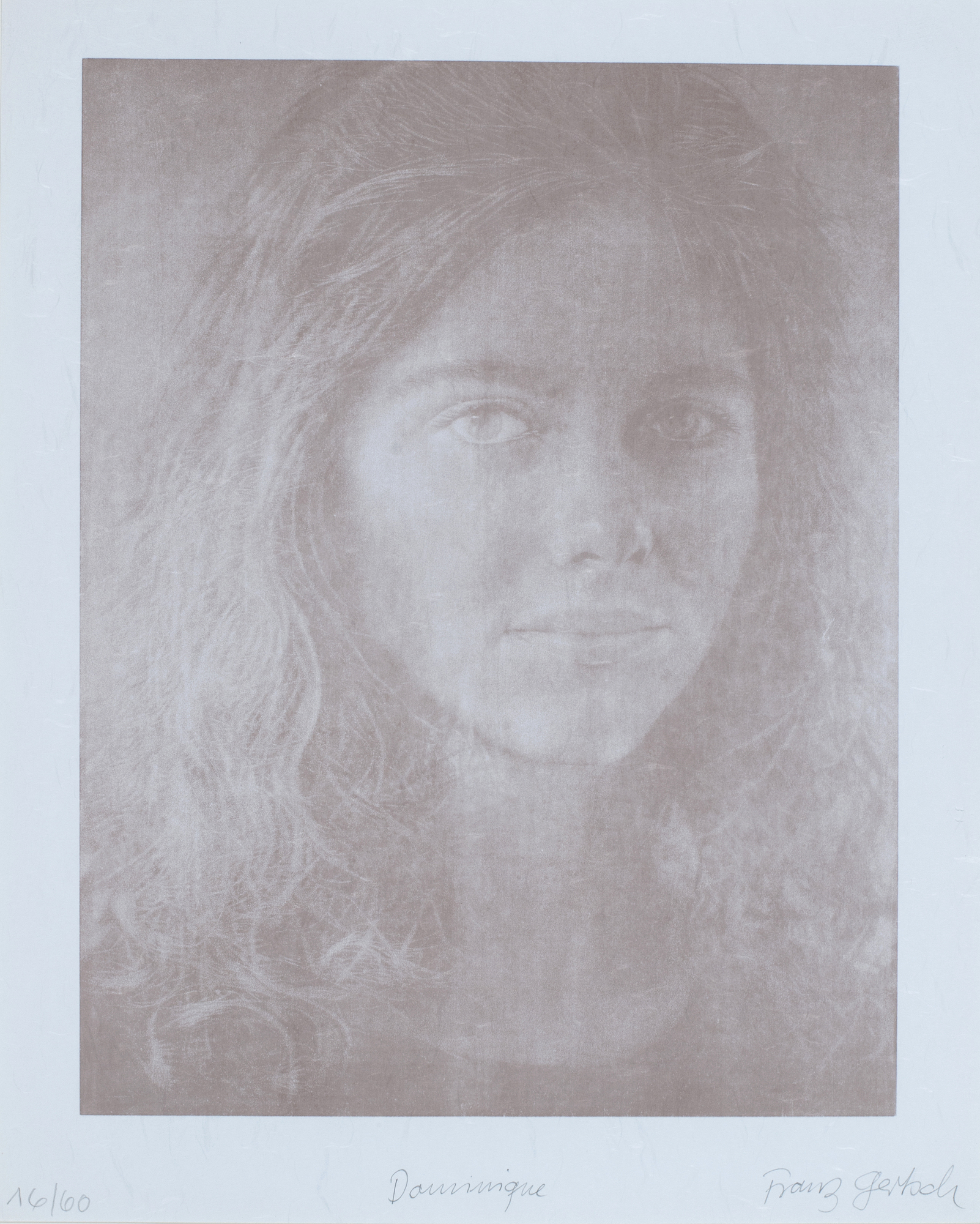
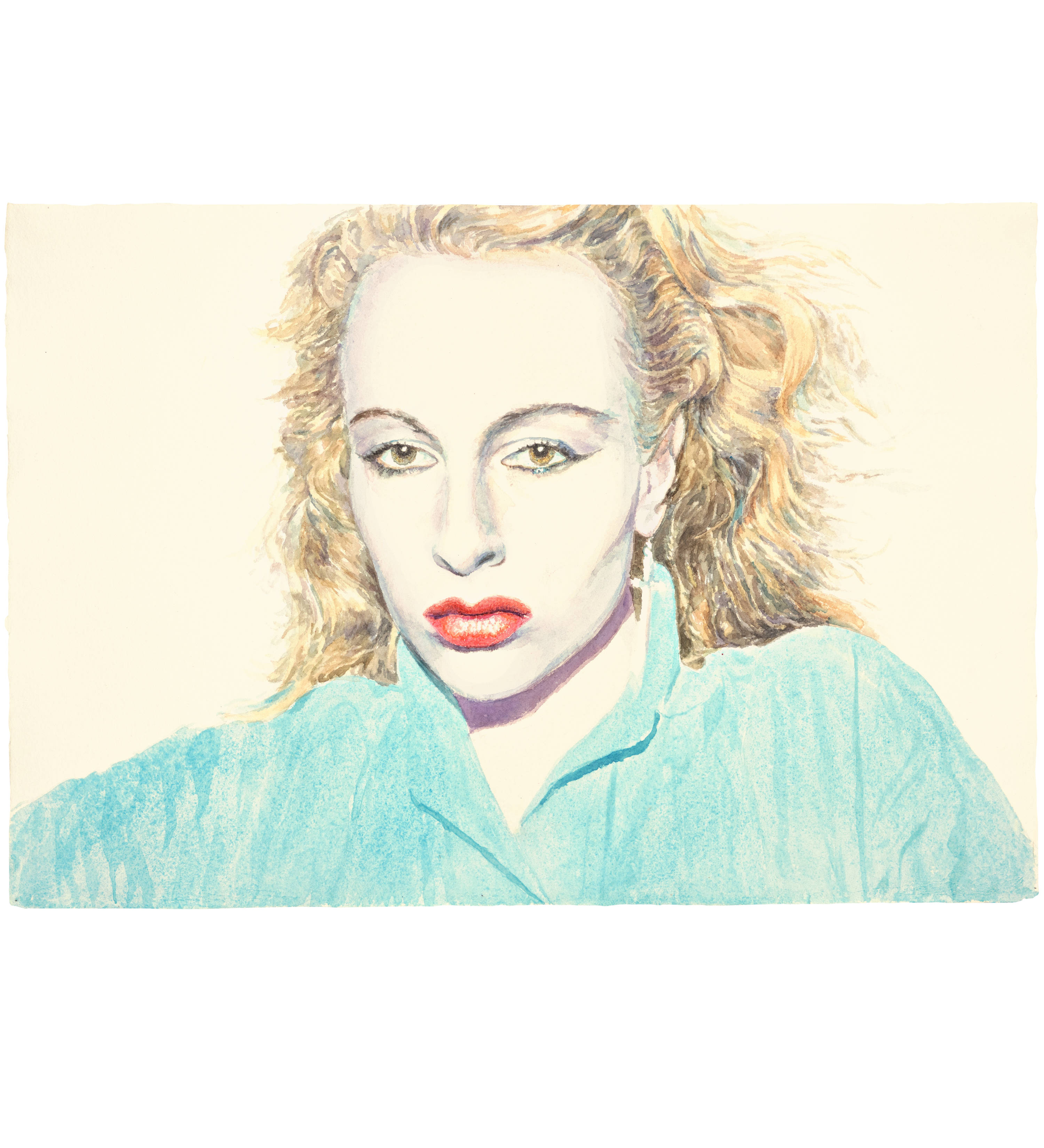
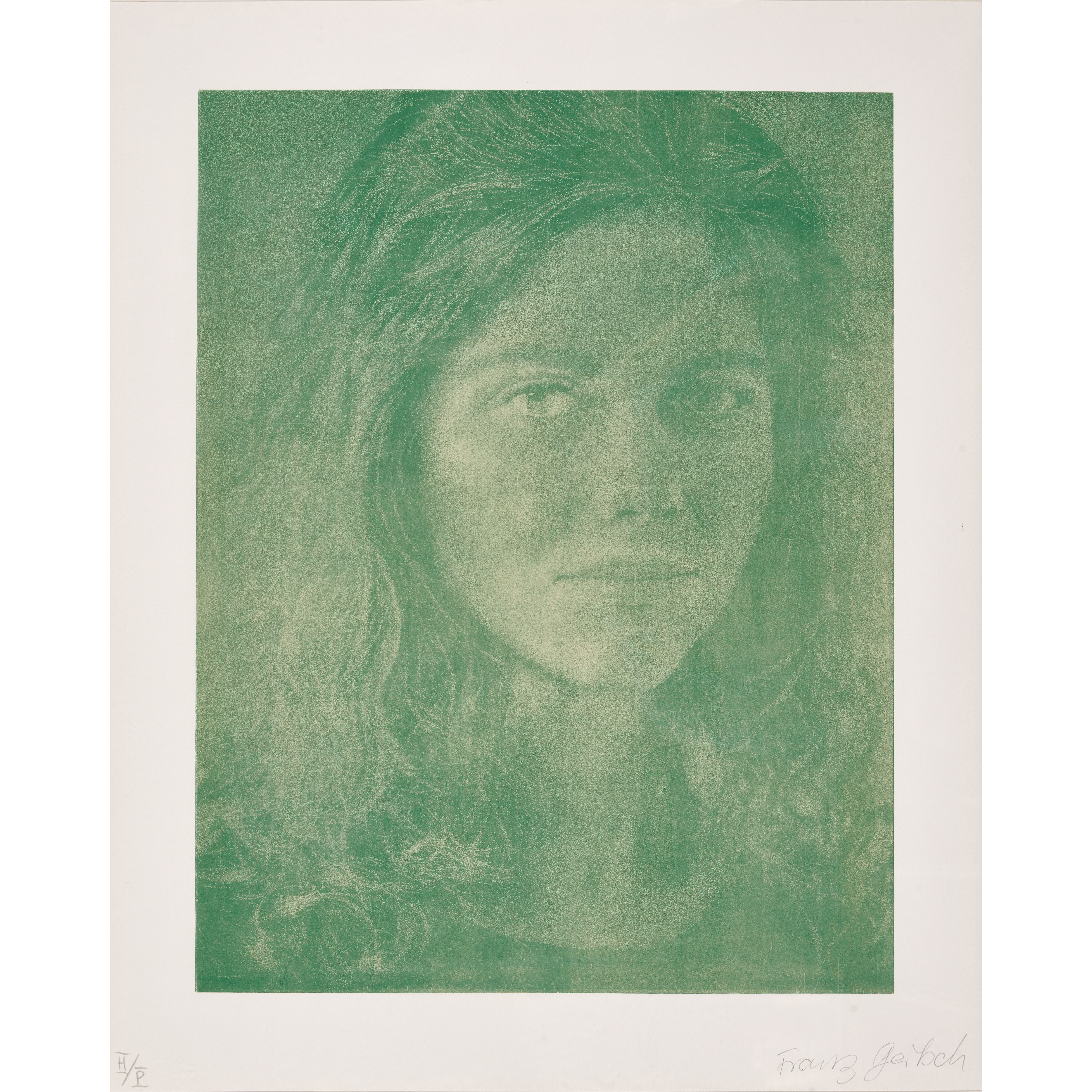
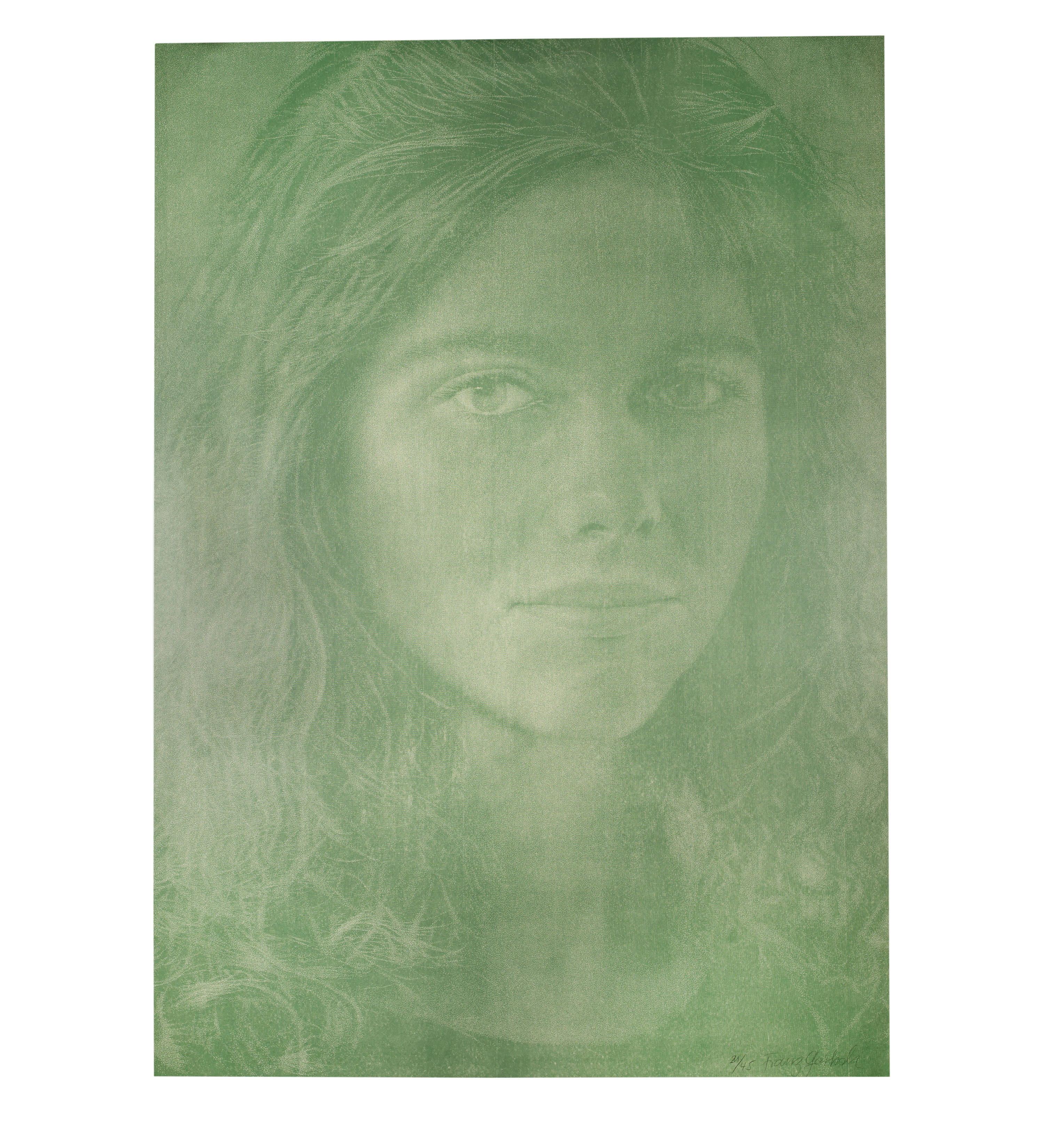
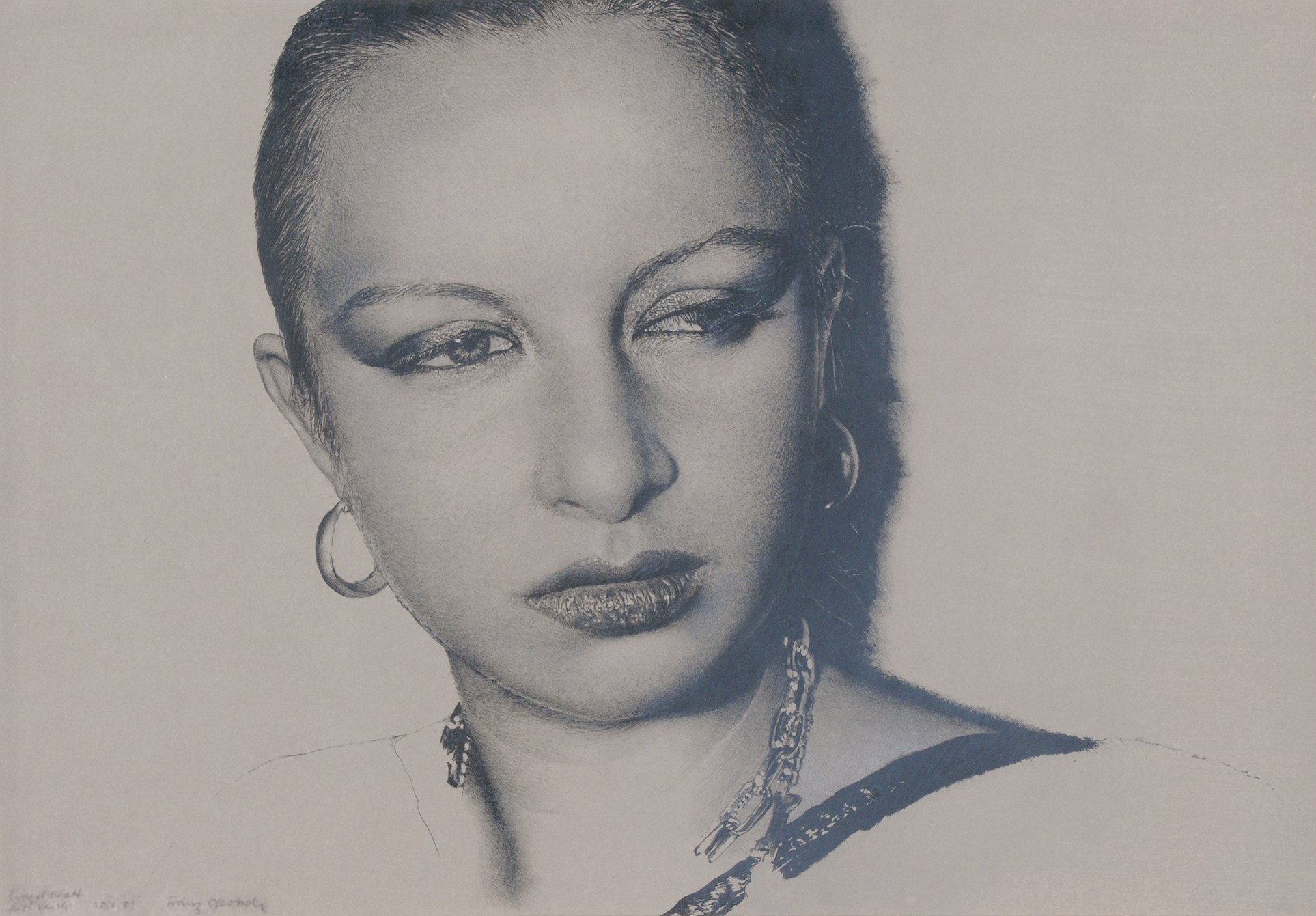
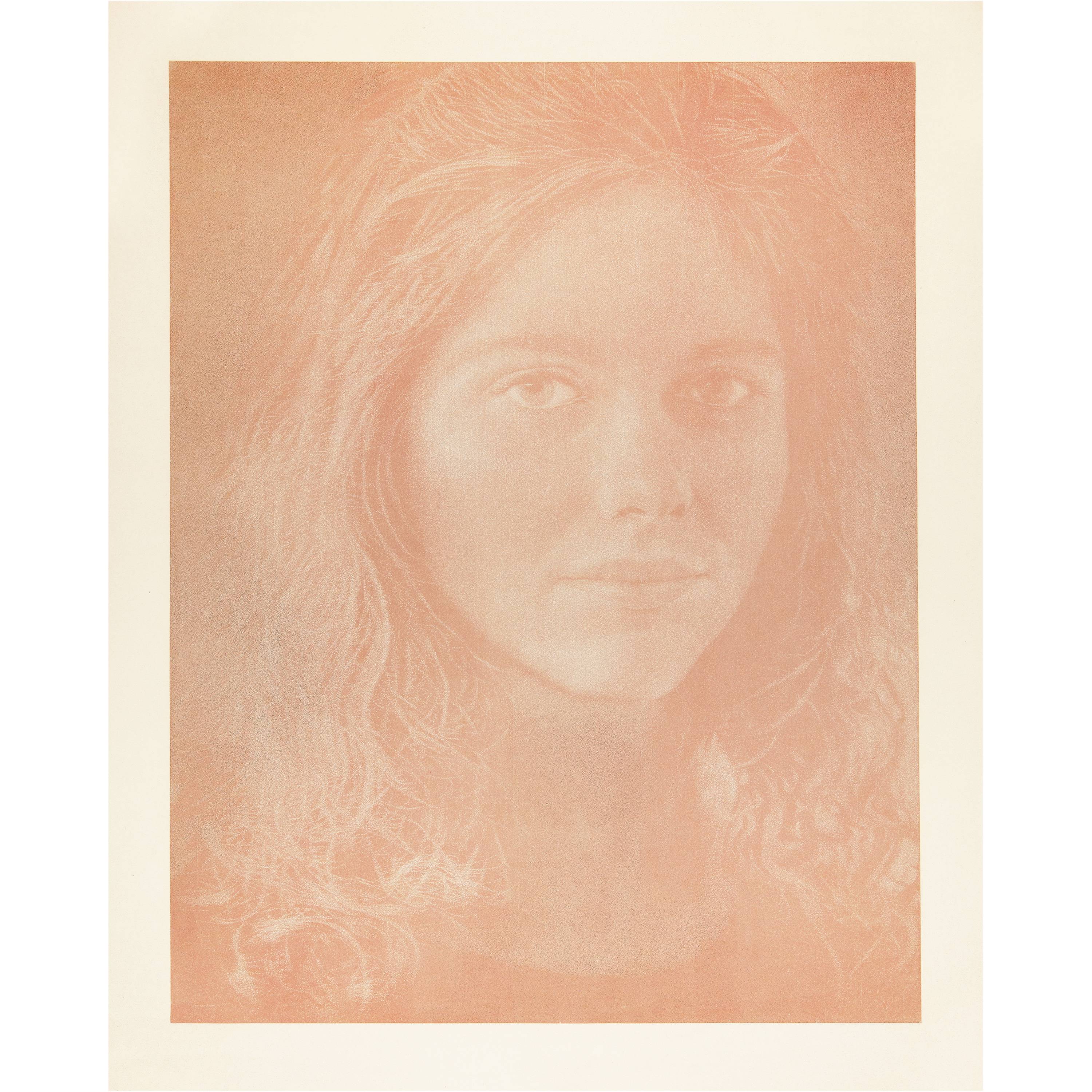
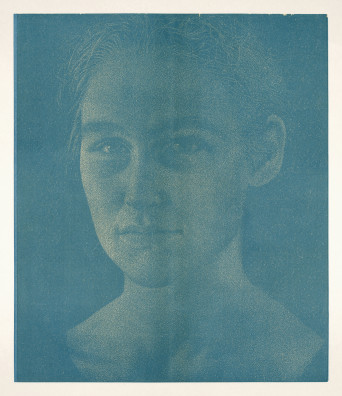
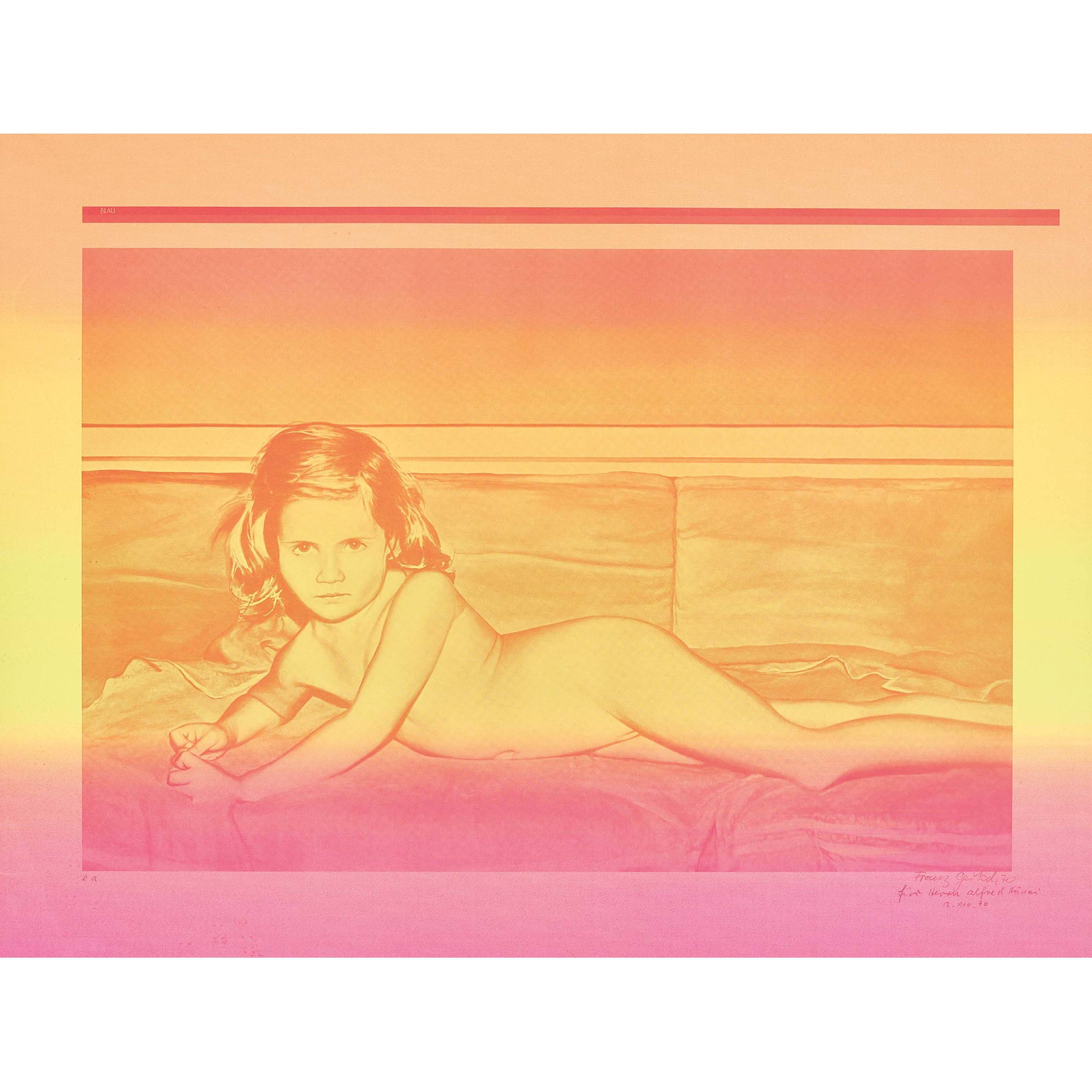
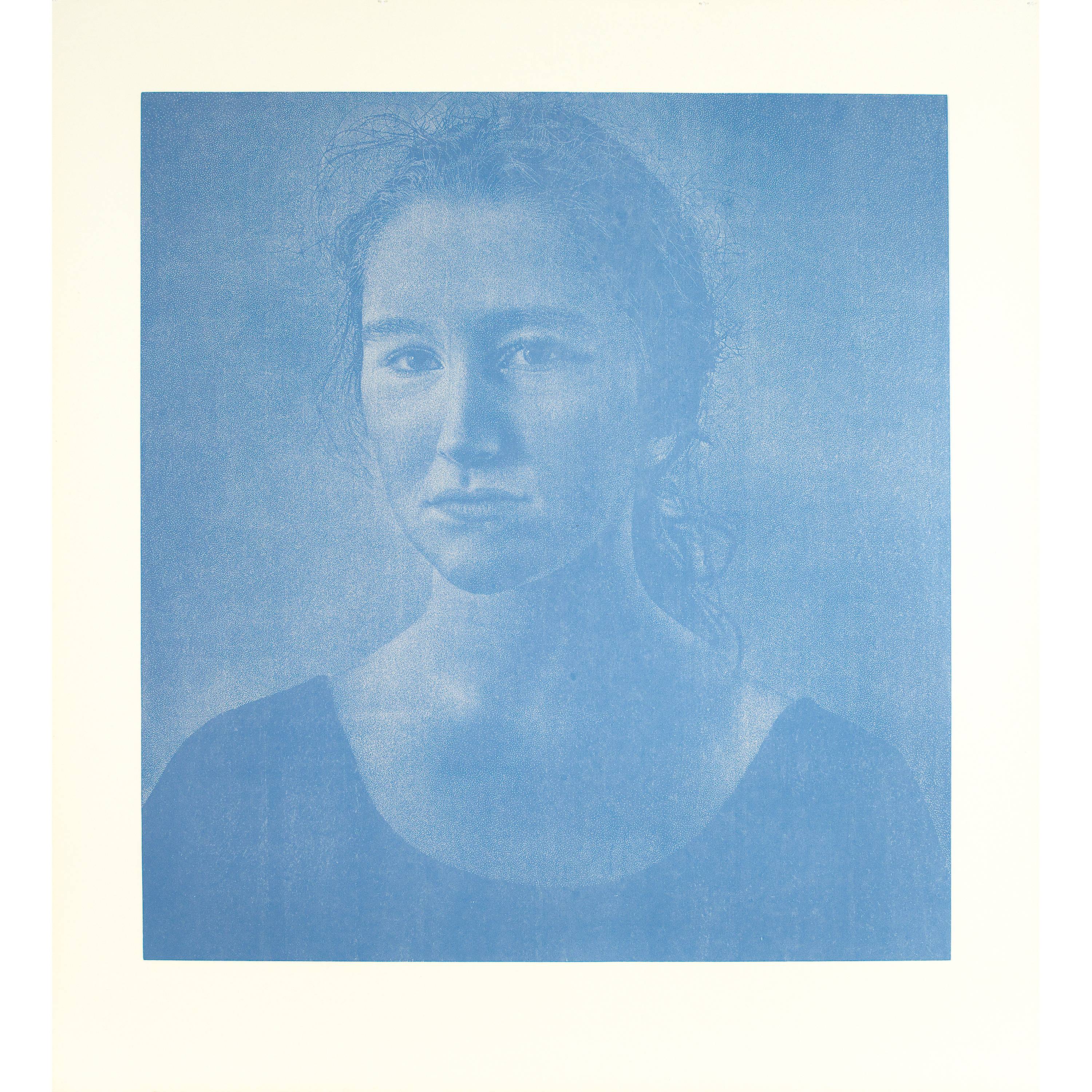
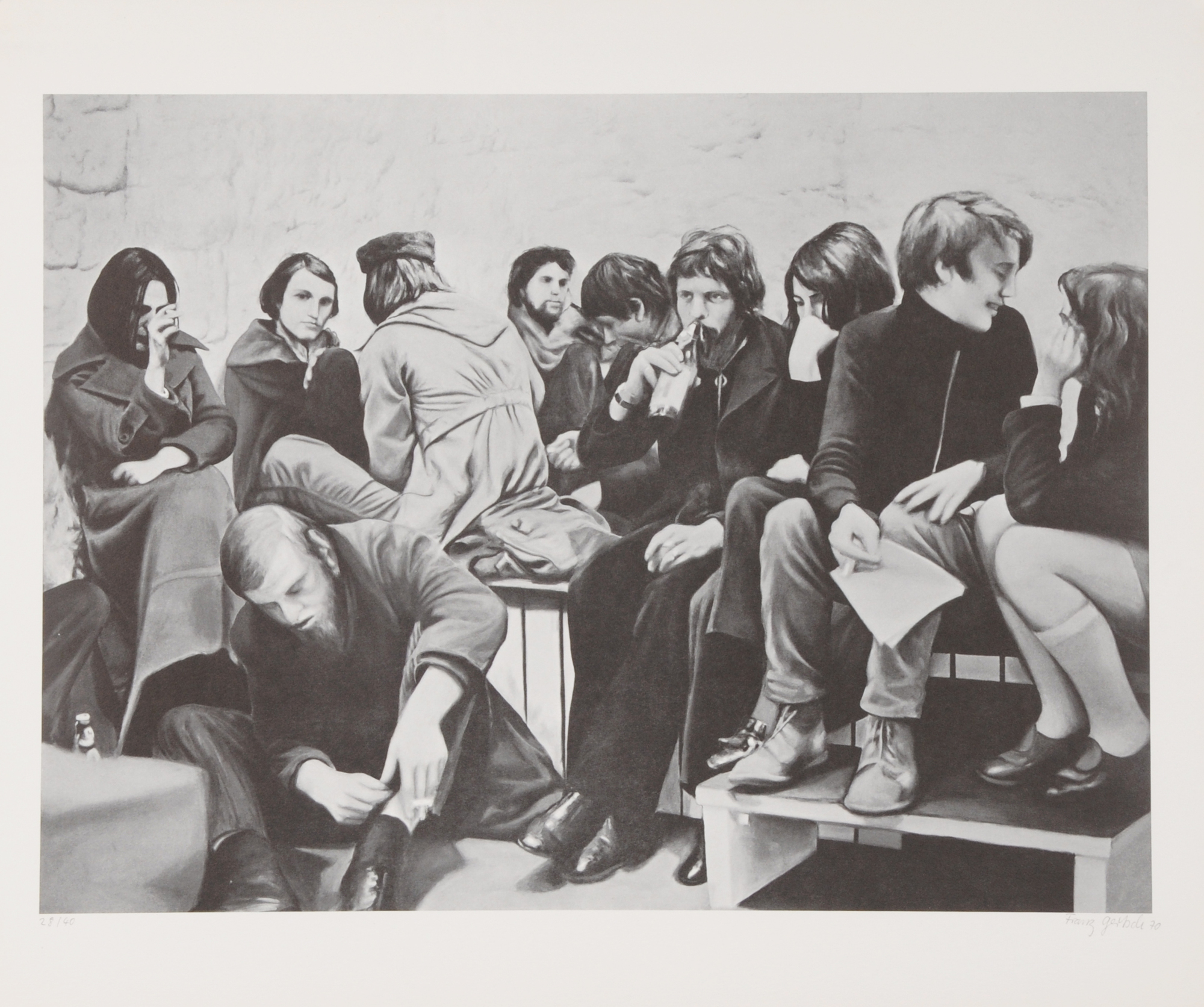
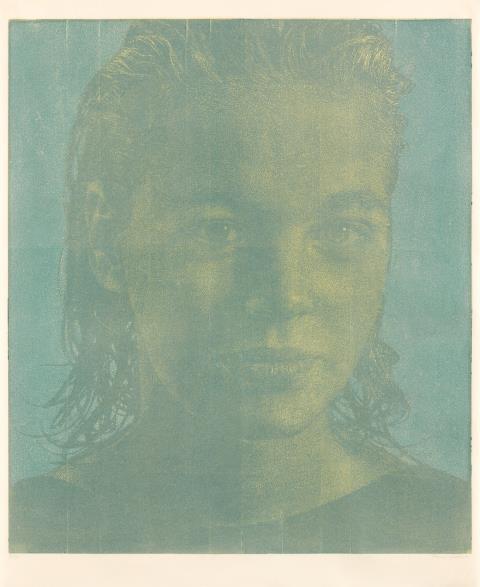
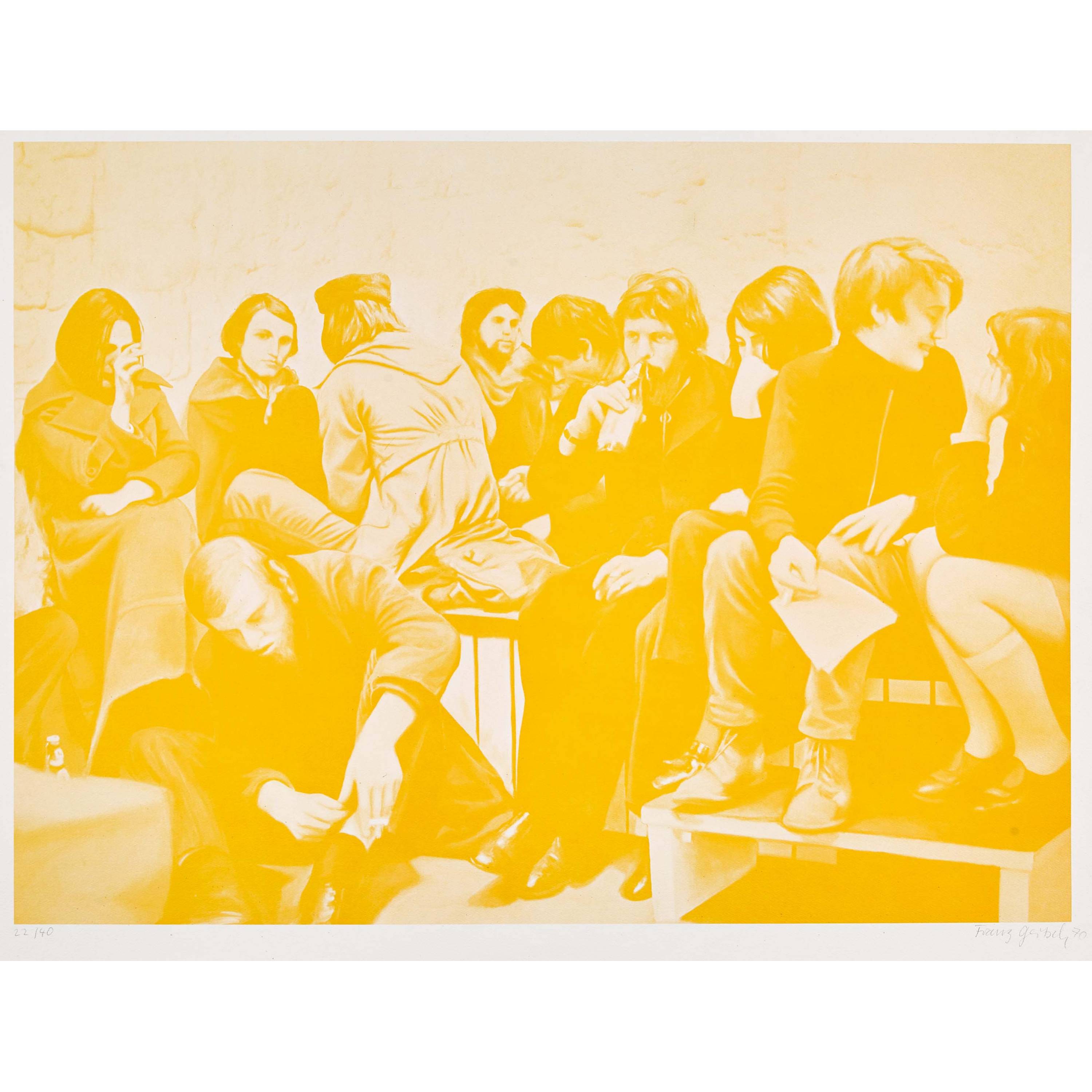
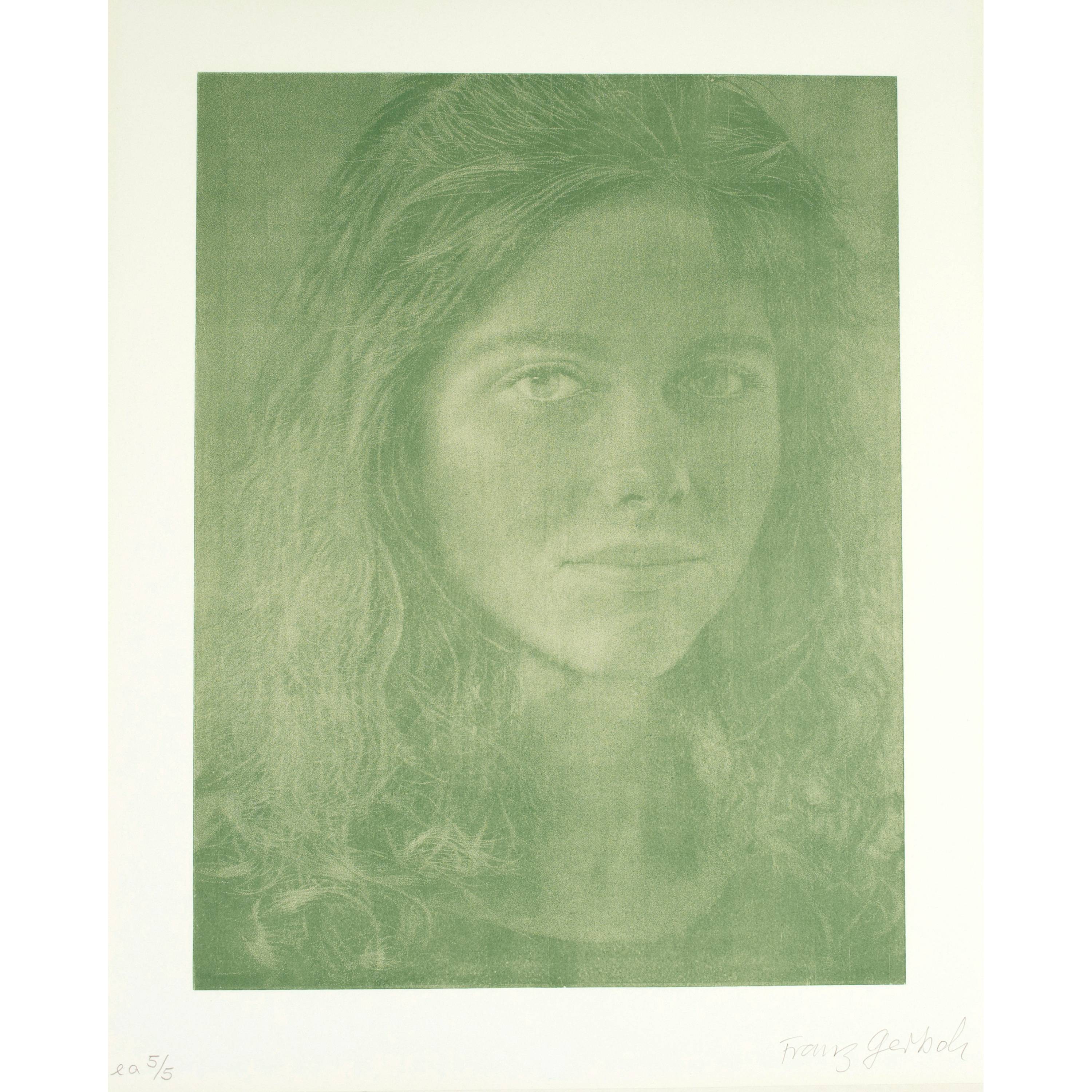
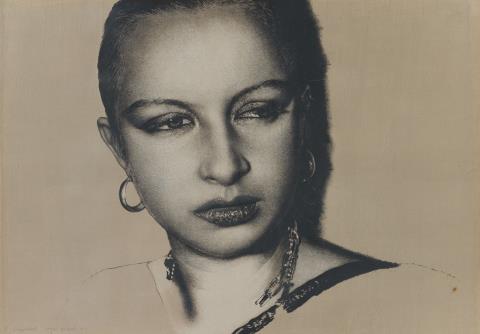
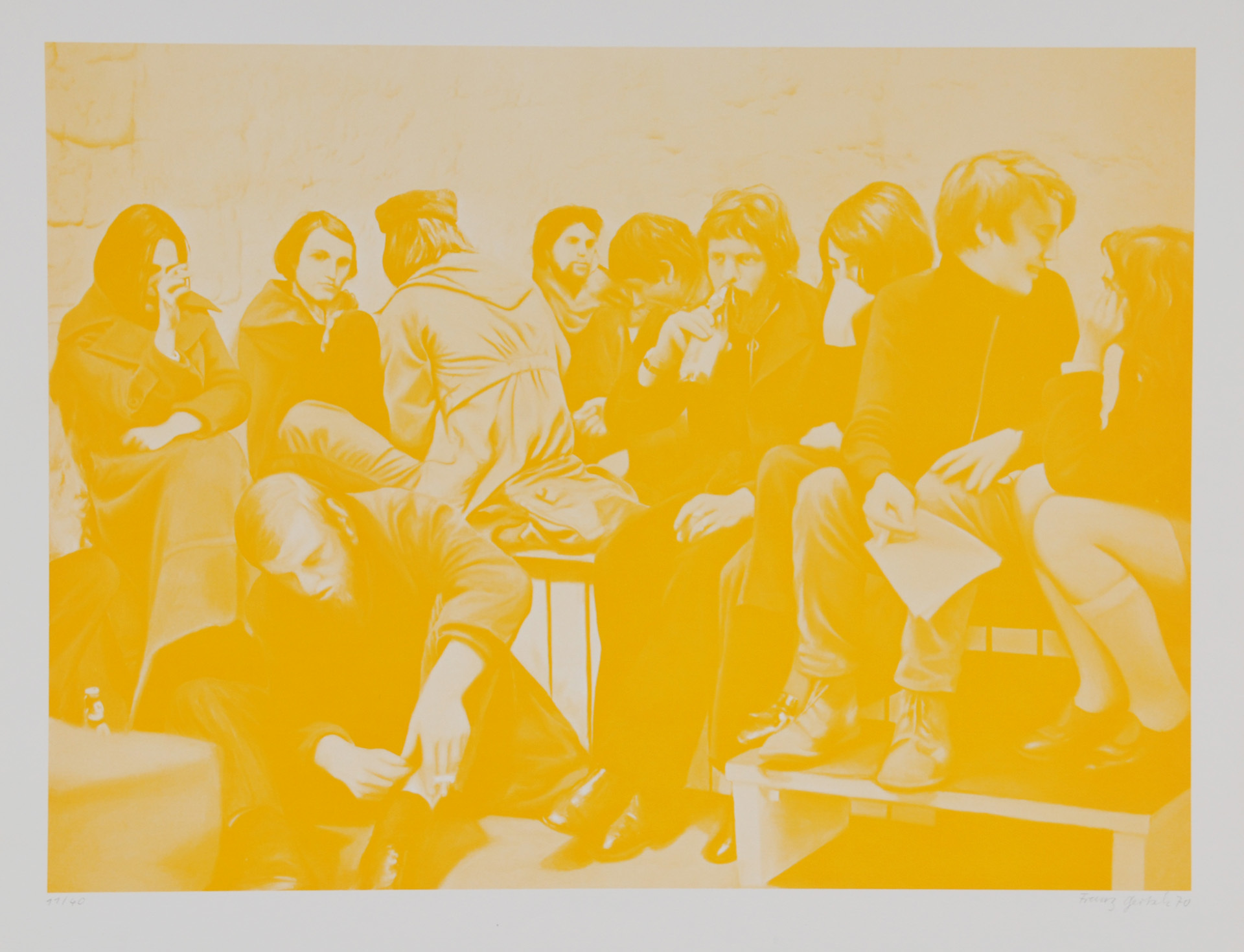
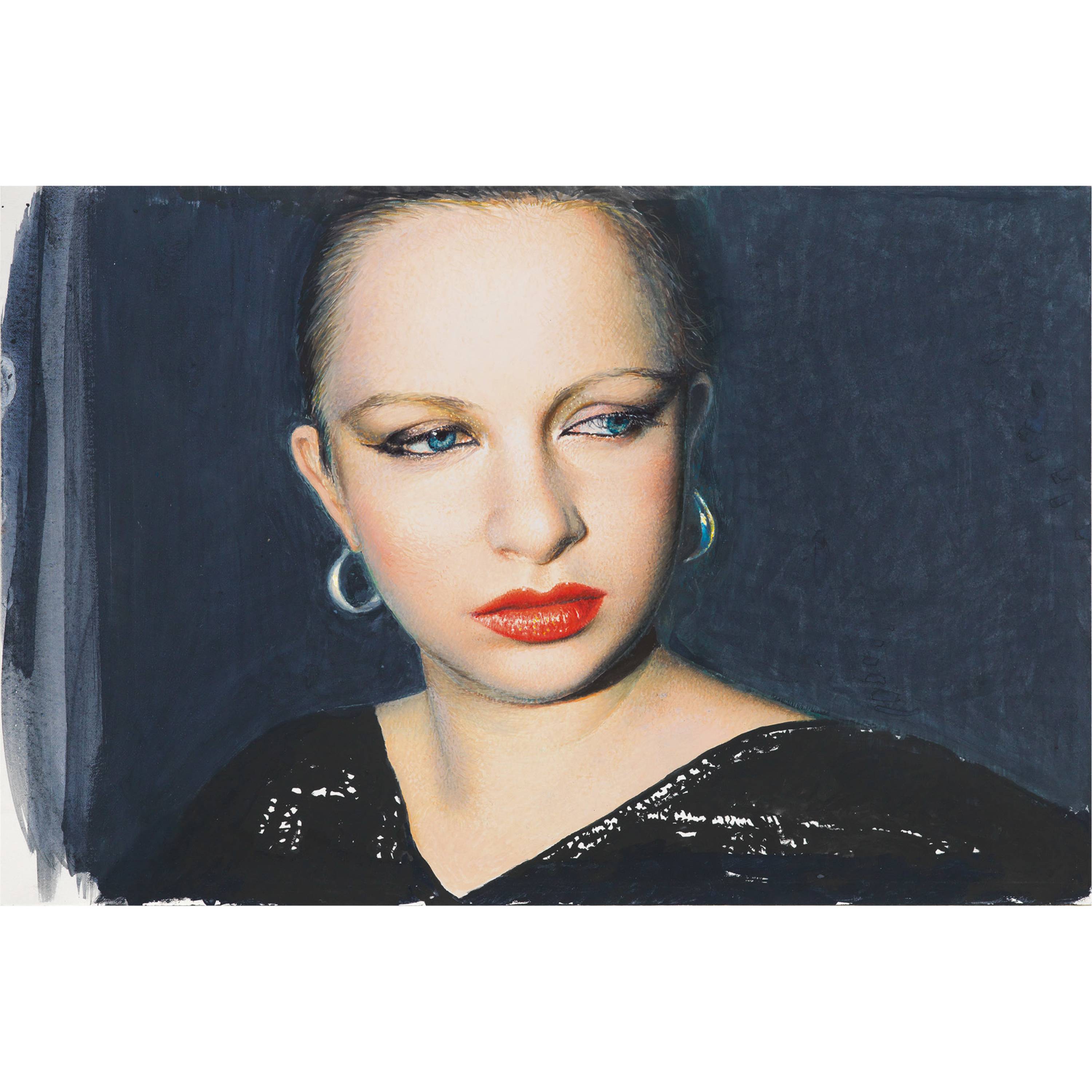
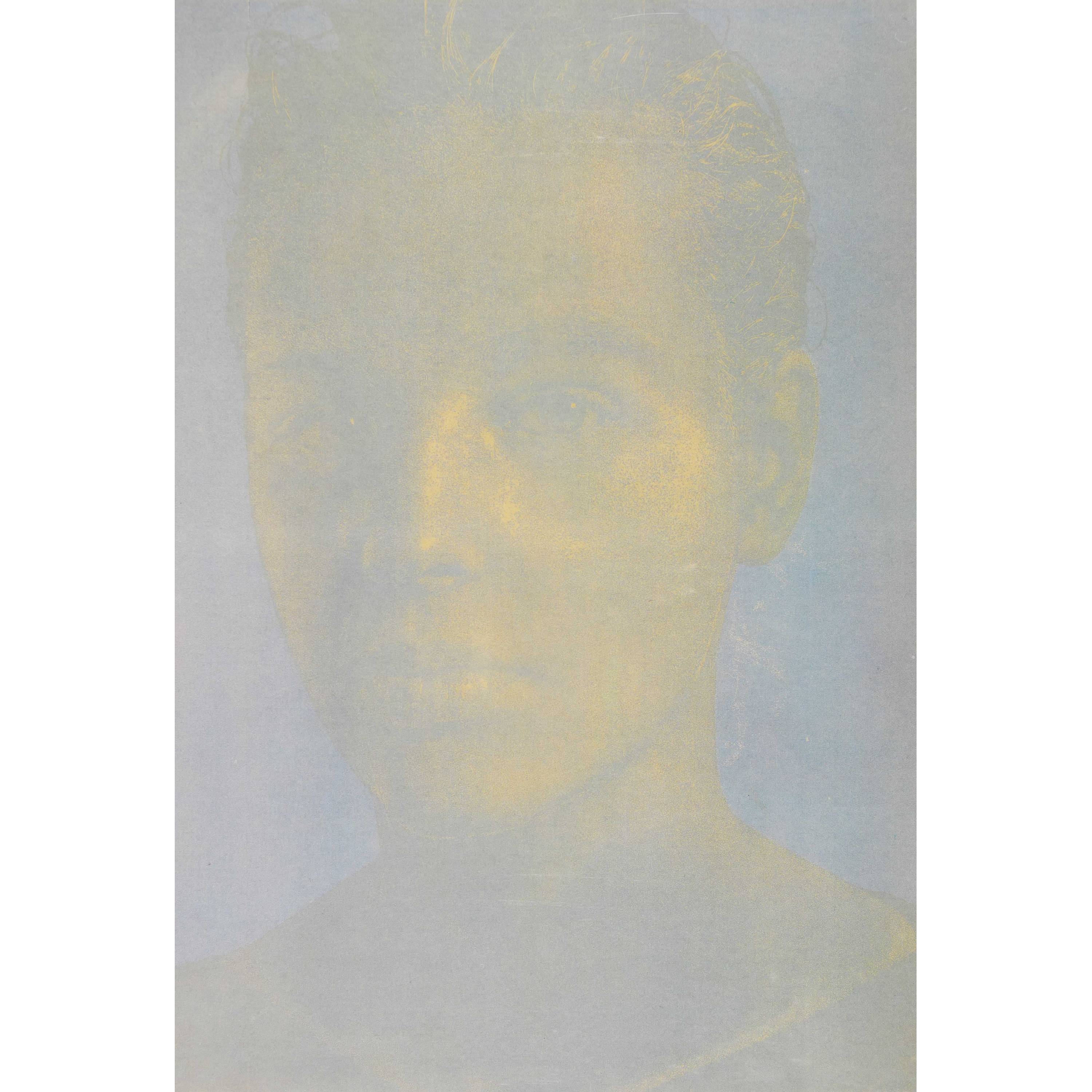
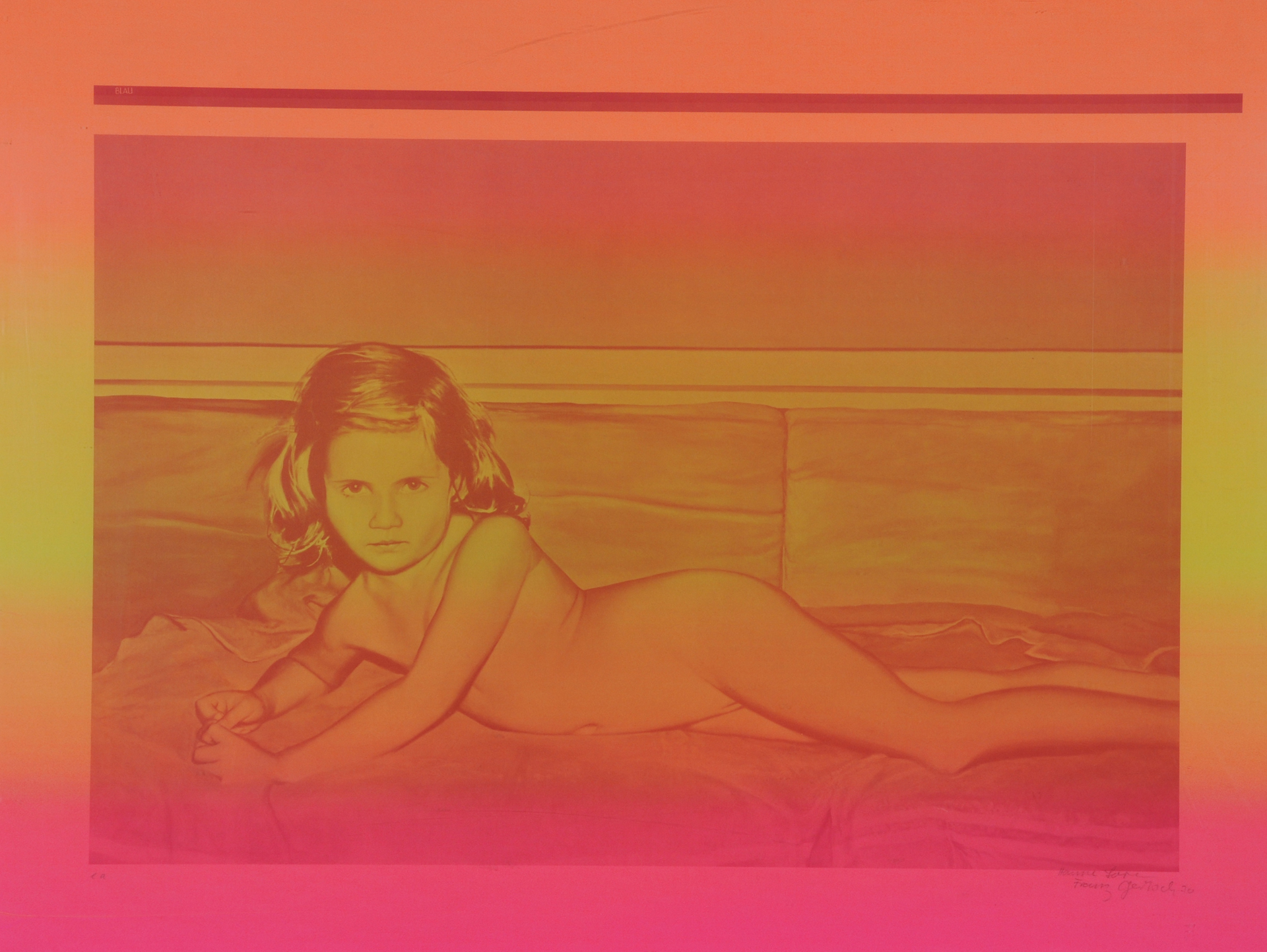
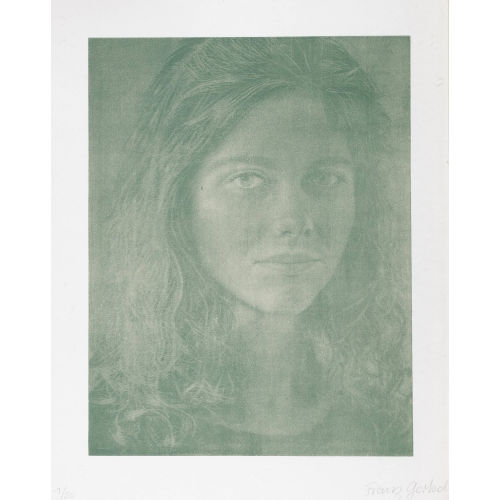
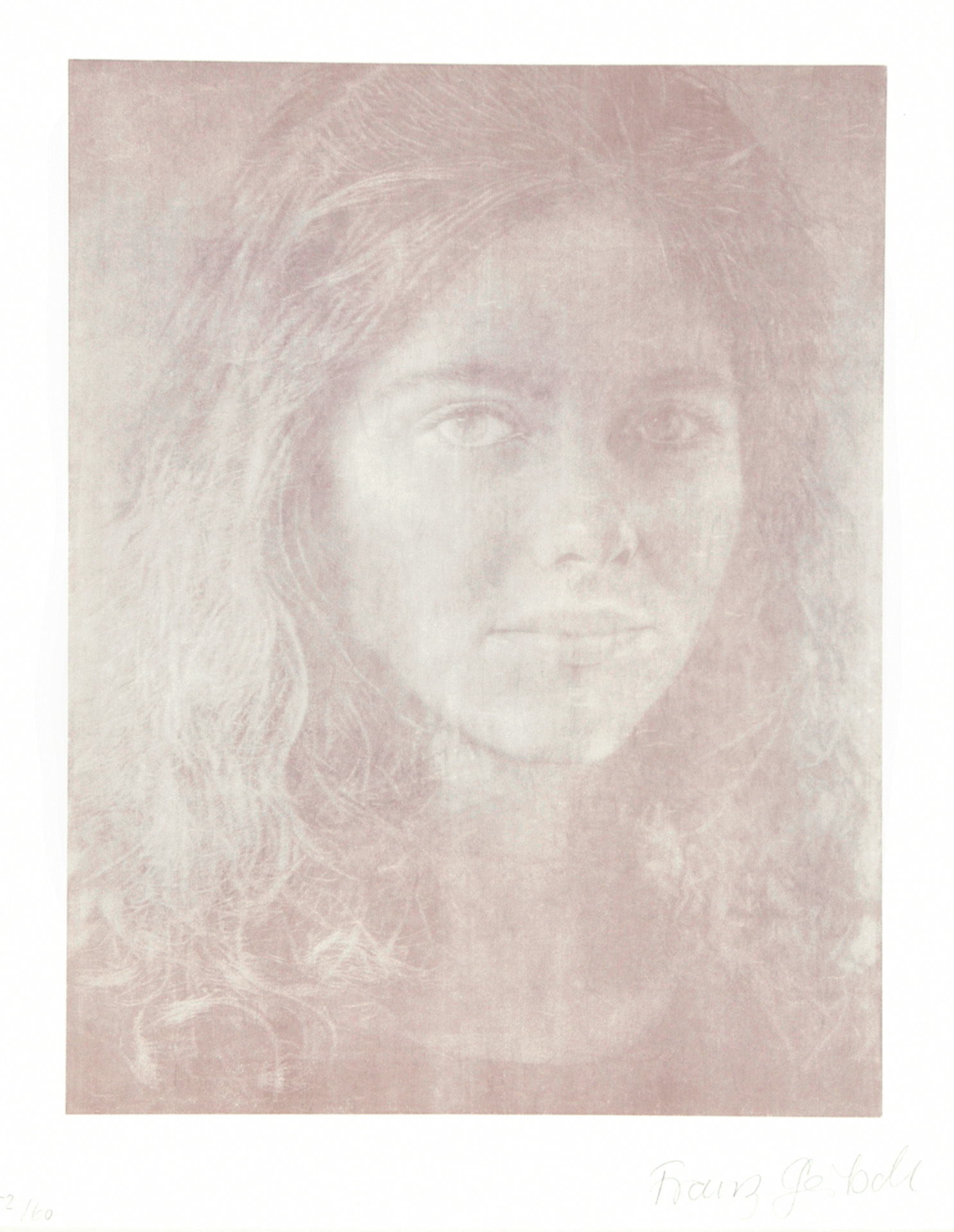
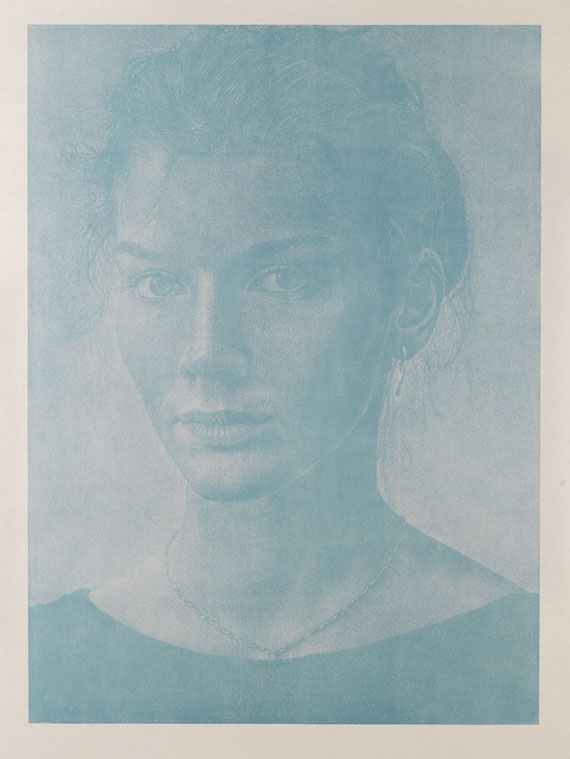
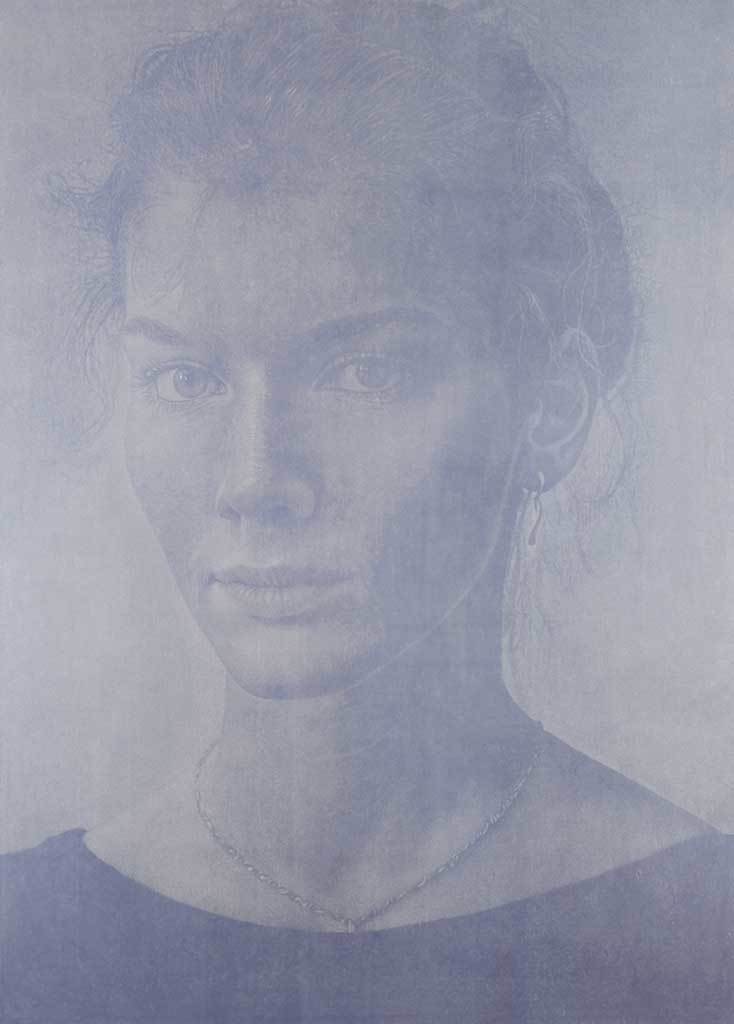
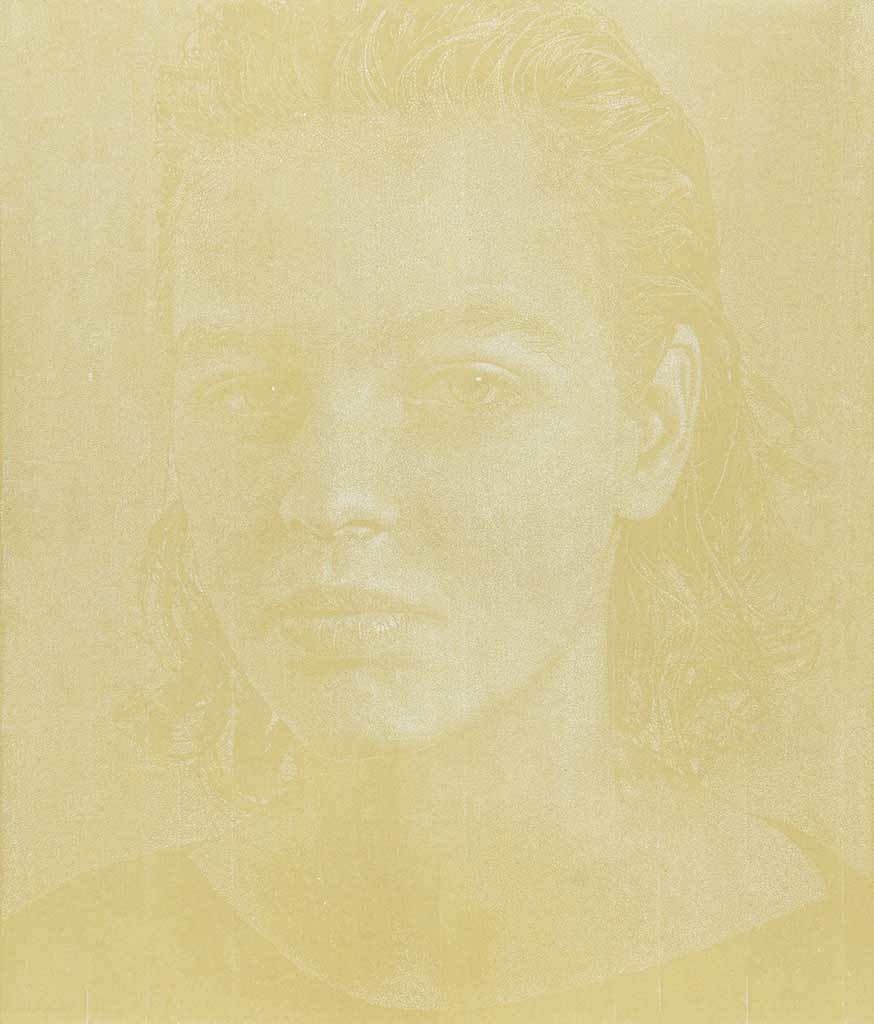
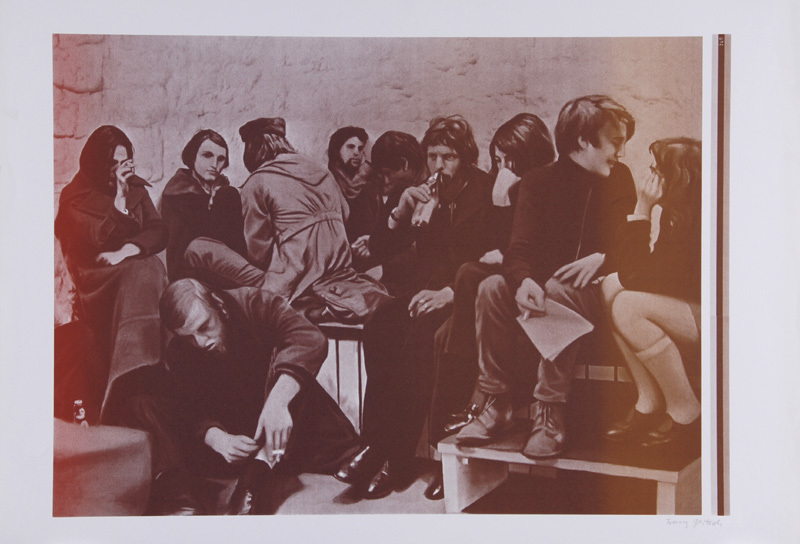
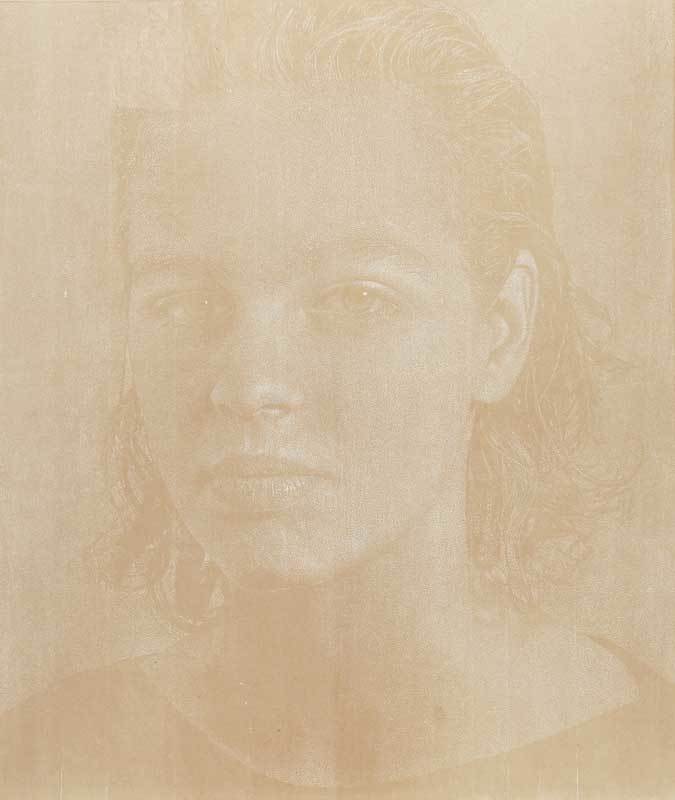
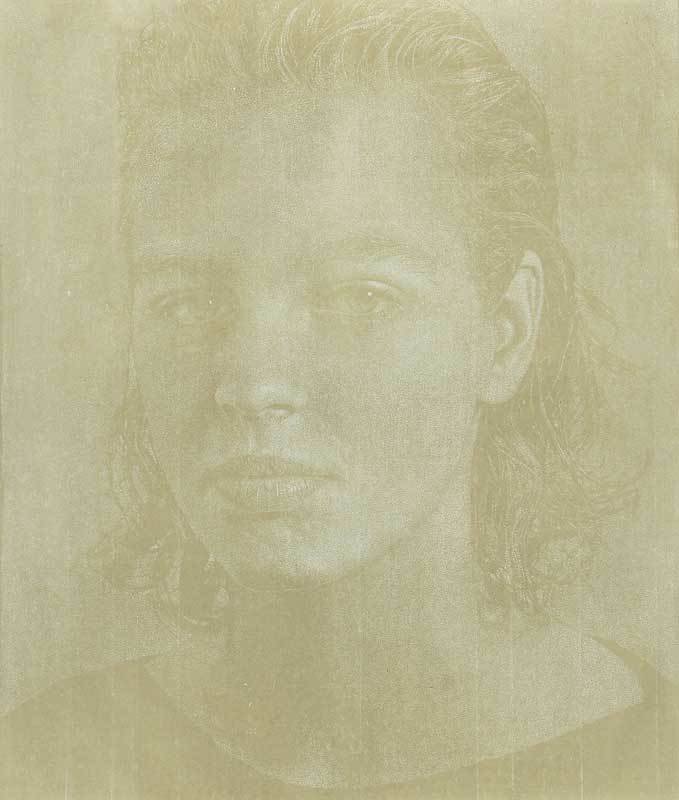
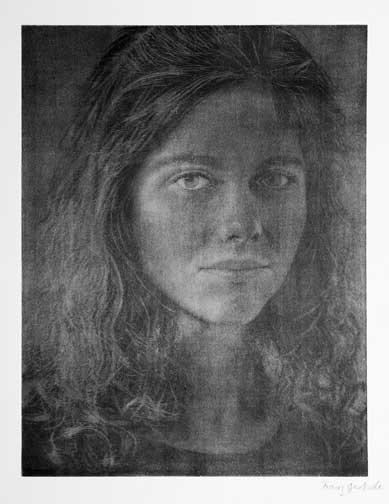
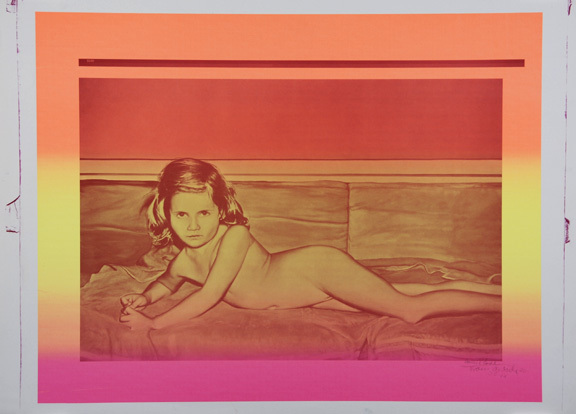
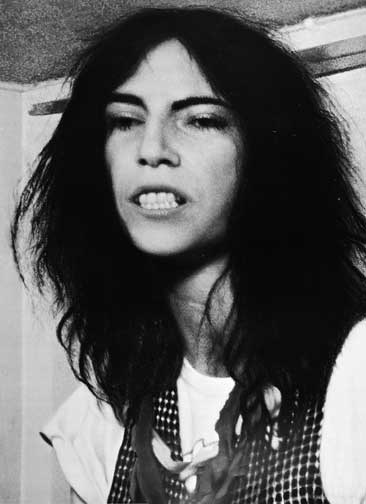
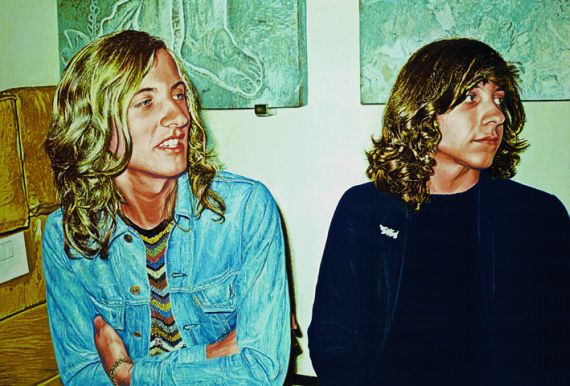
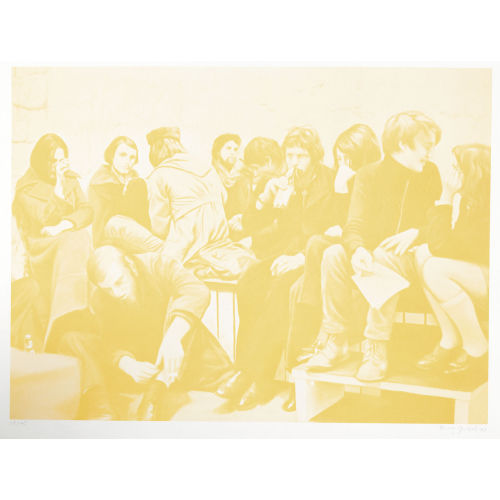
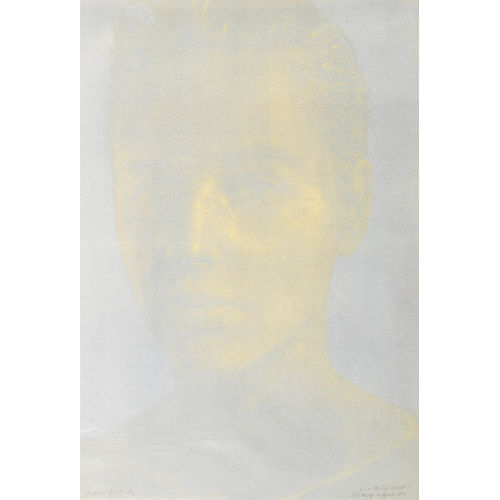
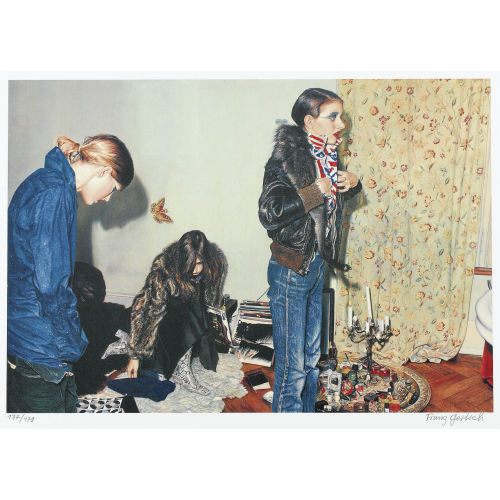
His family scenes and group portraits of the 1970s capture the artistic and musical circles of their time. Medici (1971–1972), presented at documenta 5 in Cassel, brought him international recognition. In the 1980s, Gertsch produced individual portraits, including five of Patti Smith (1978–1979), followed by series devoted to Johanna and Silvia.
Pose and light transform these models into enduring presences without erasing their rootedness in a specific period and social circle.
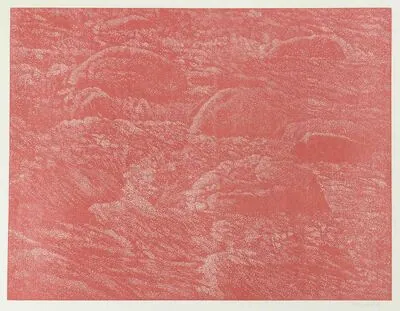
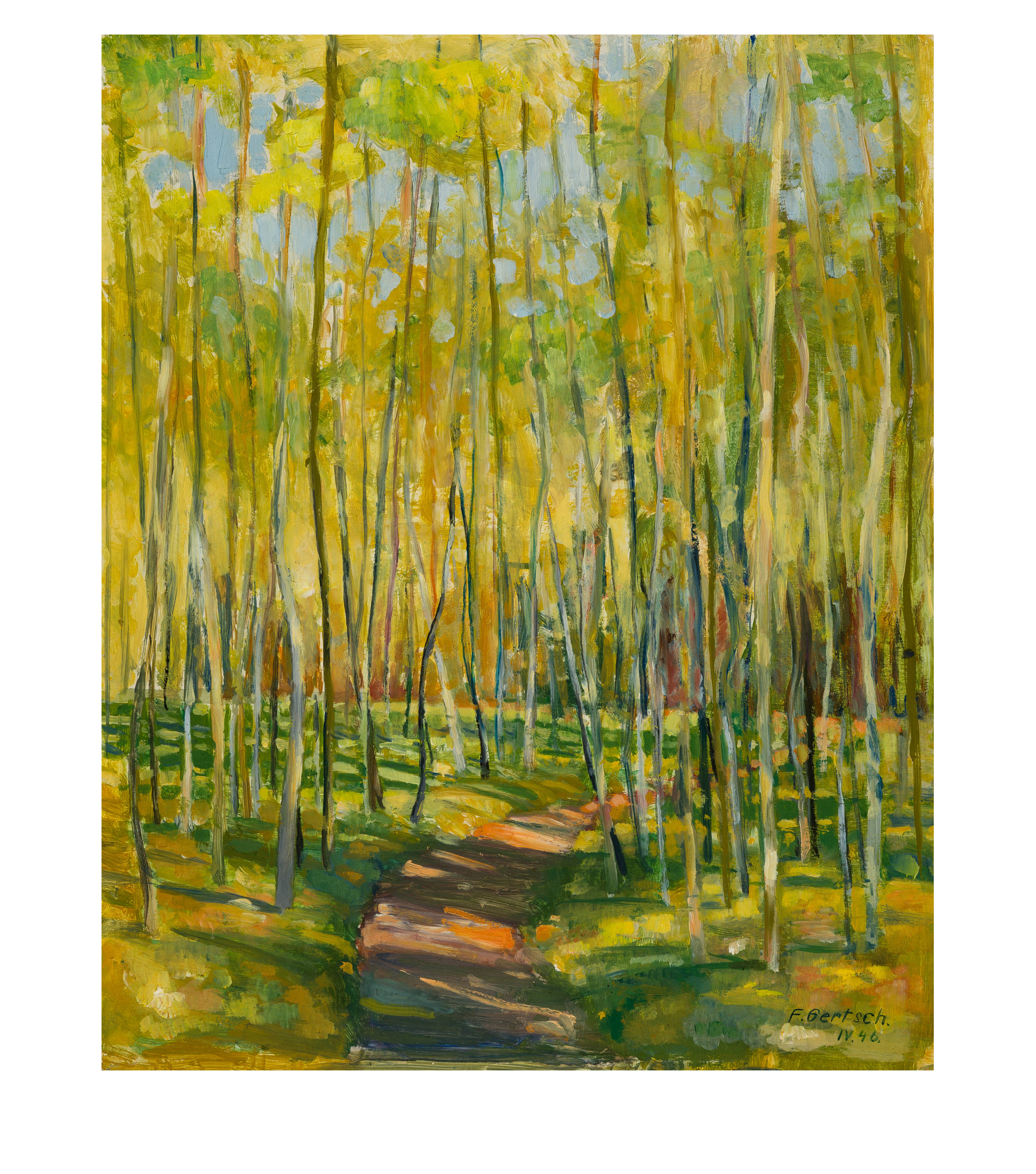
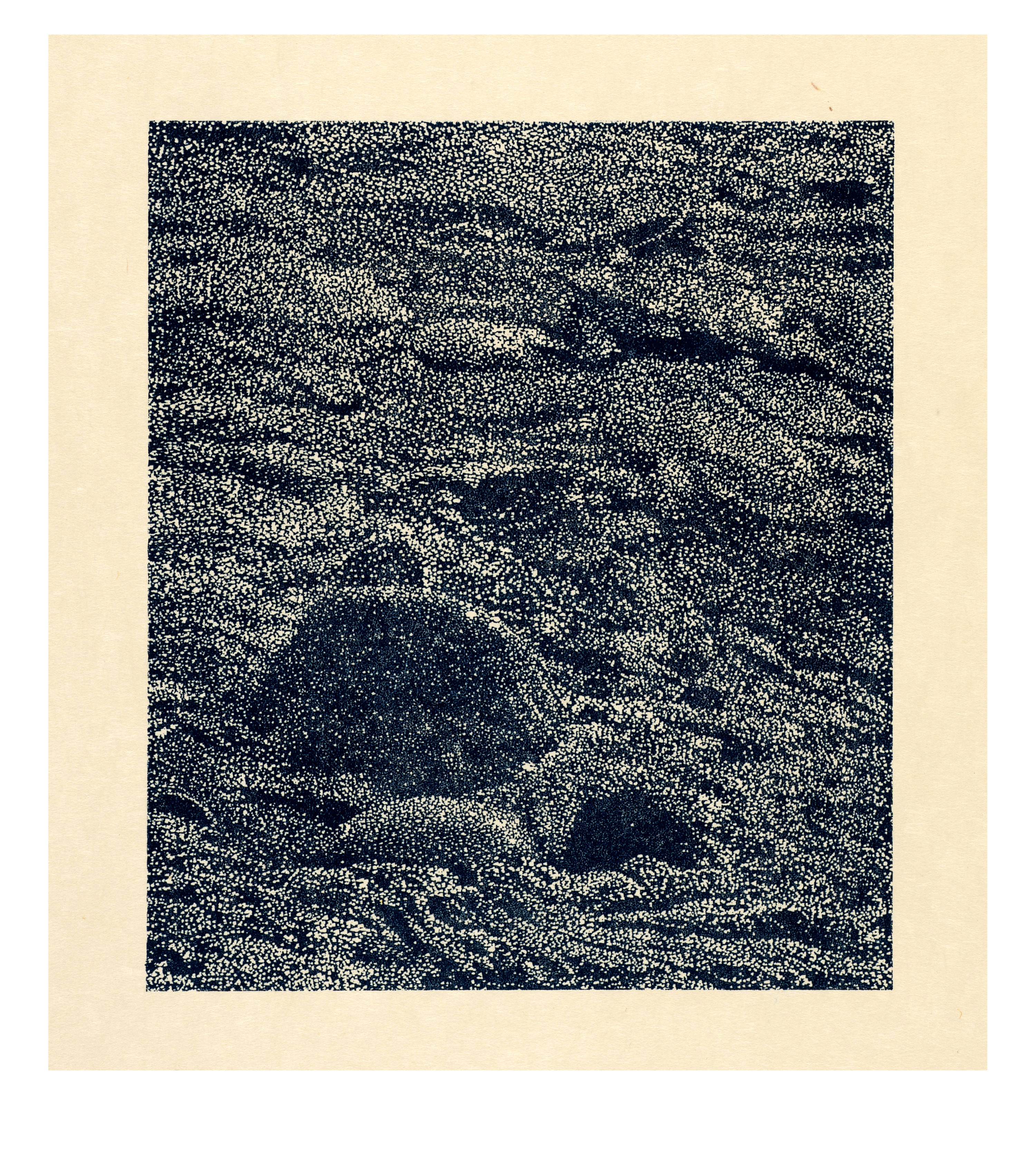
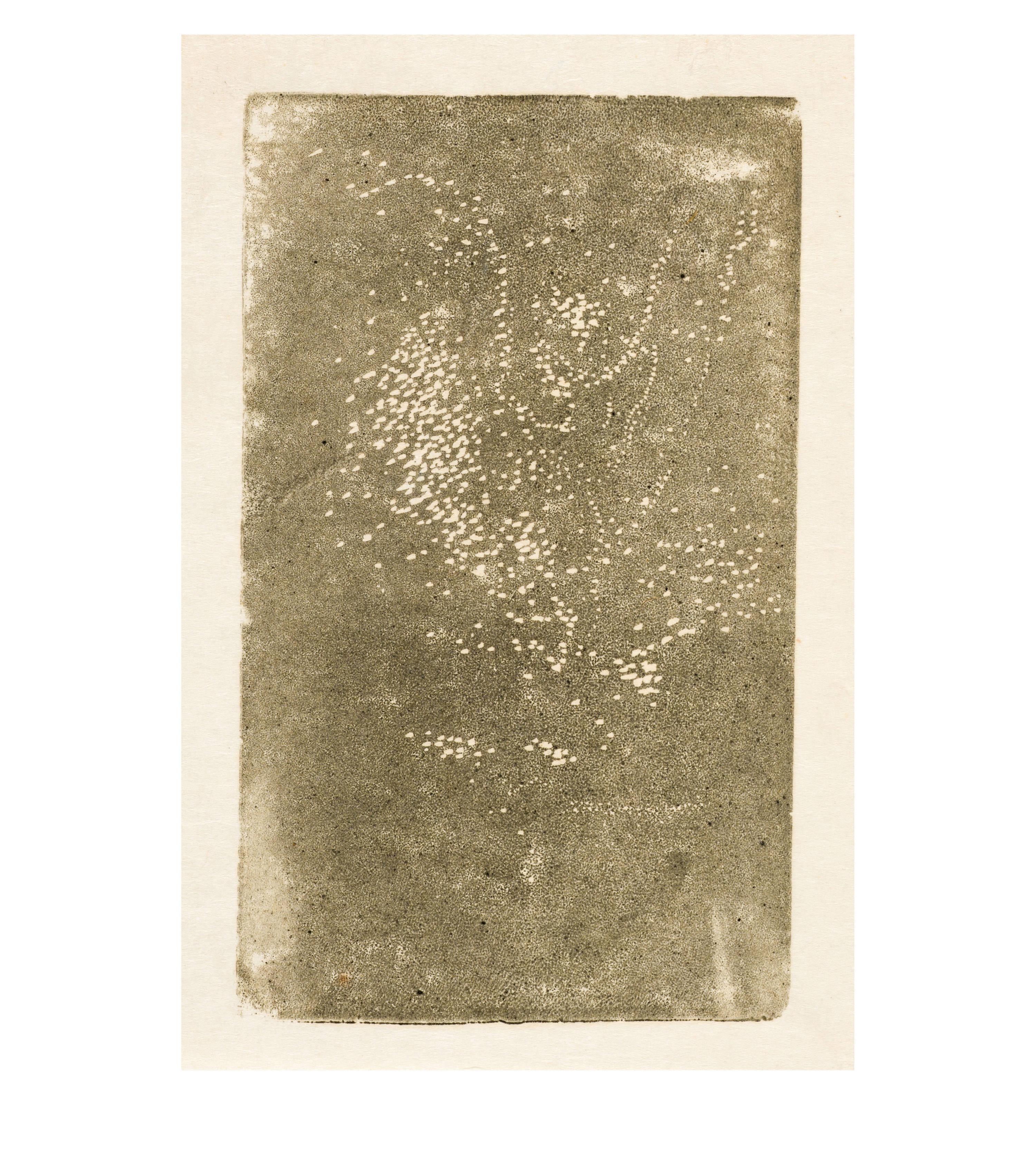
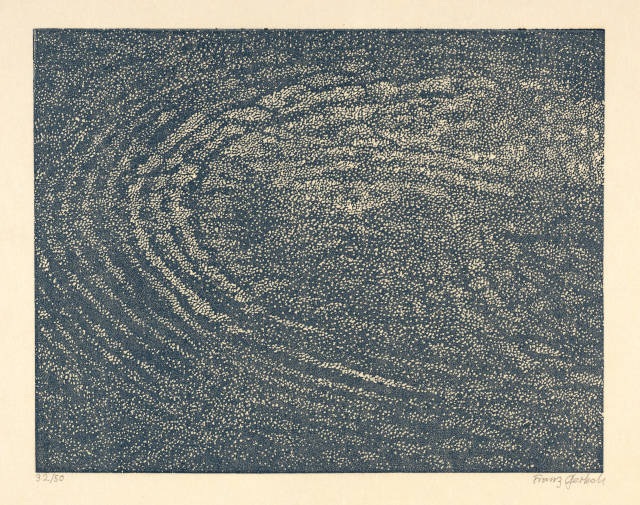
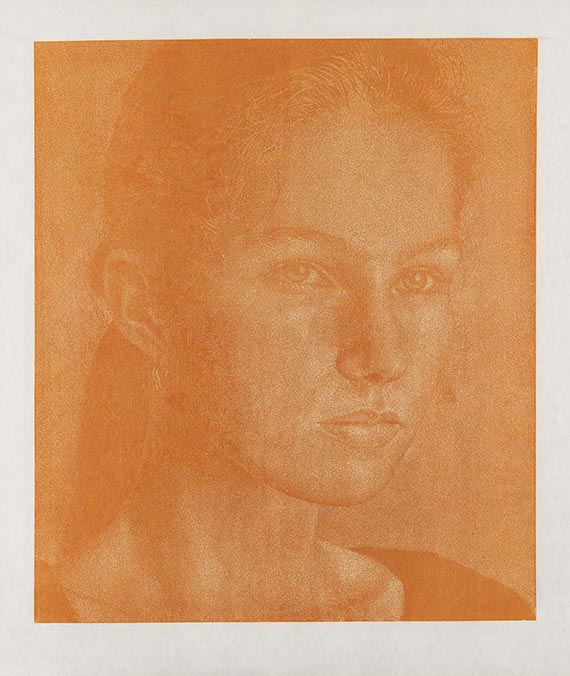
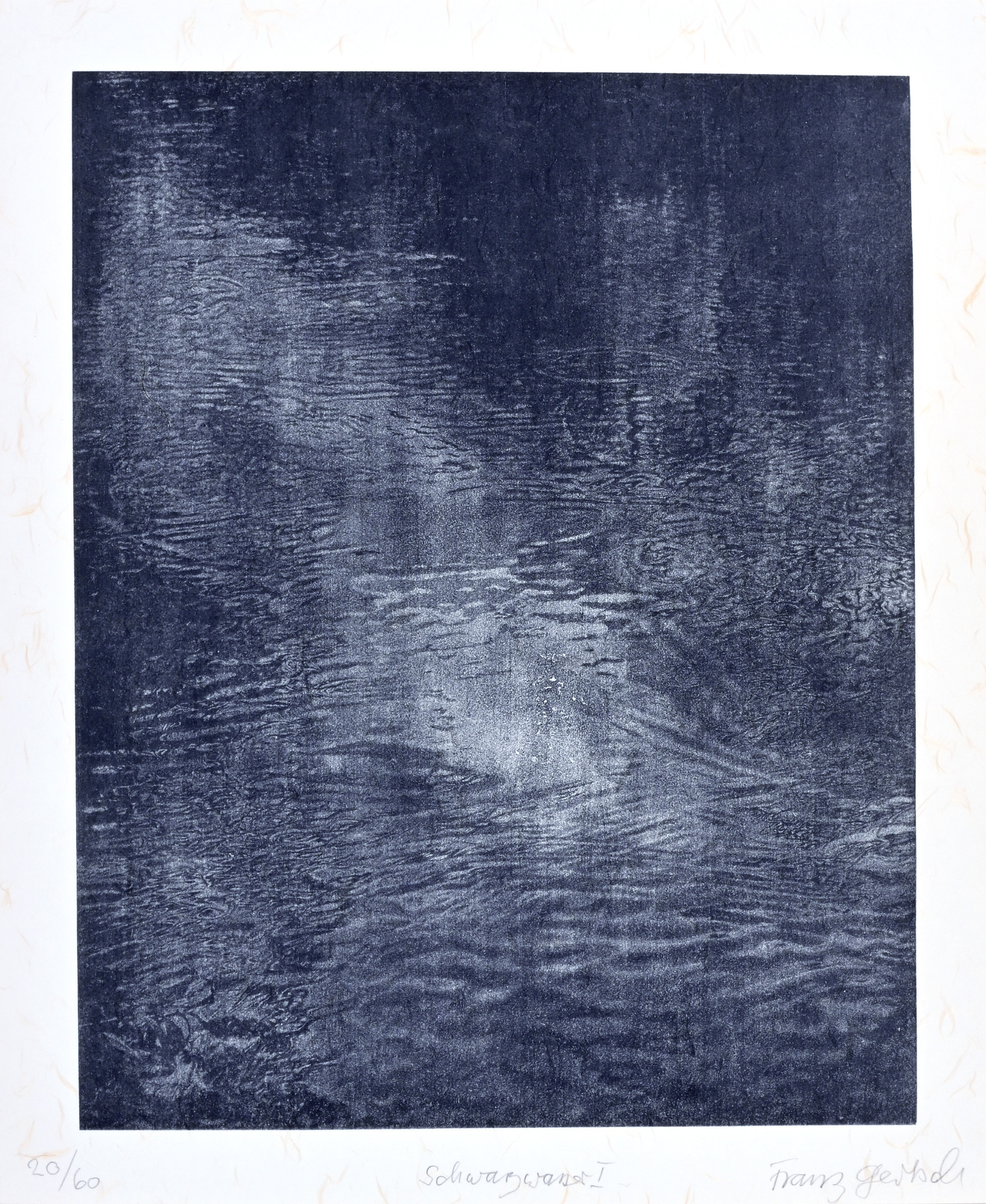
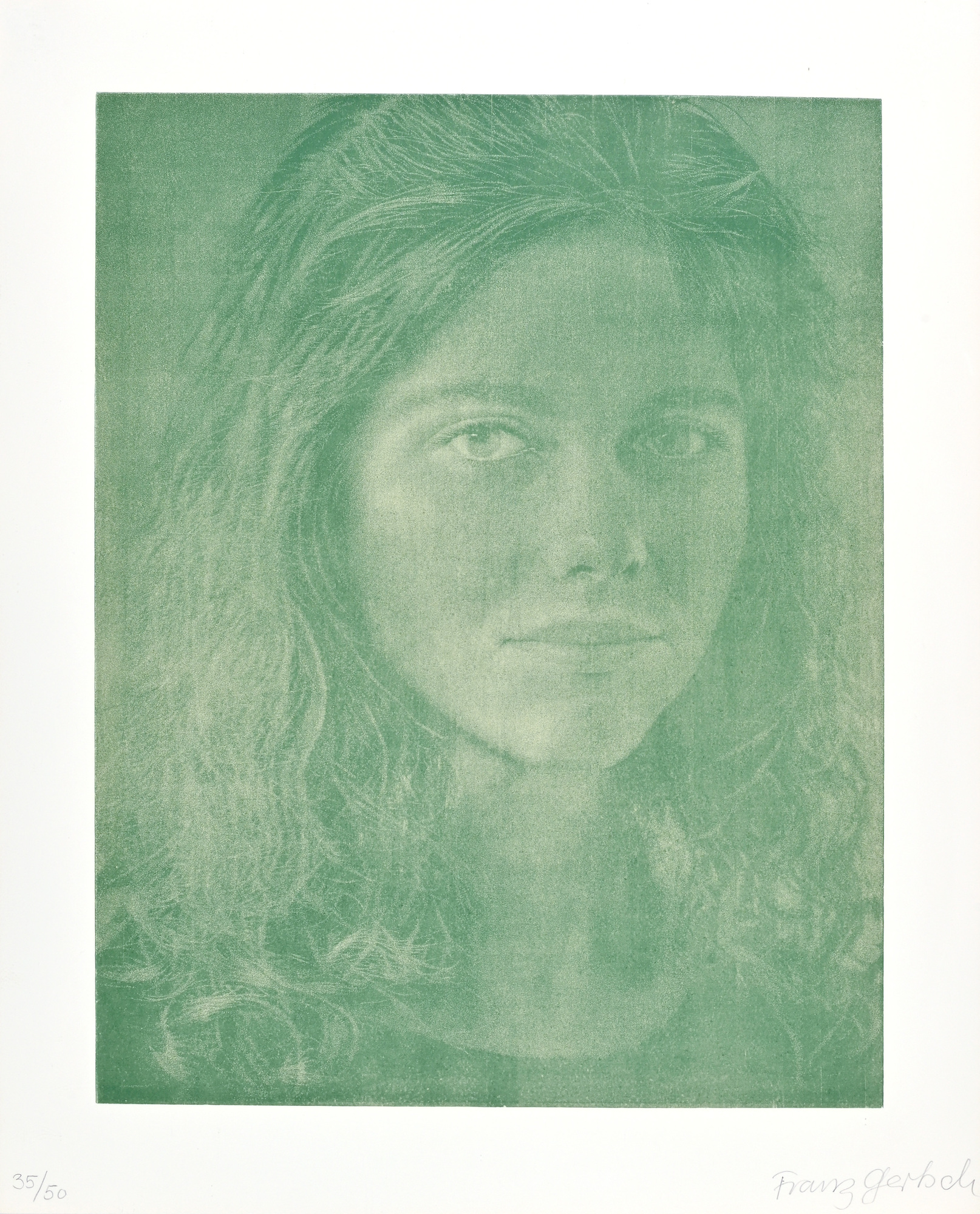
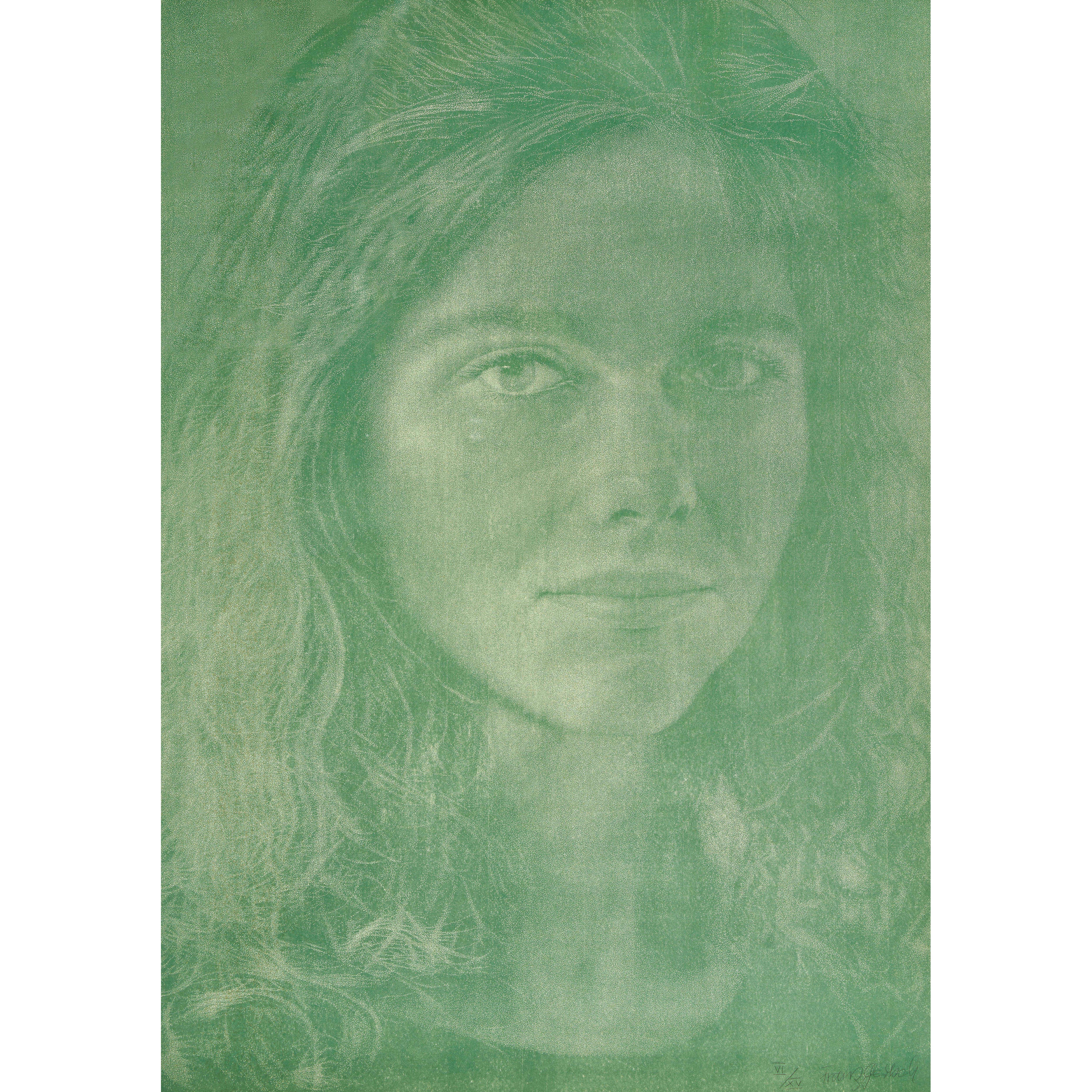
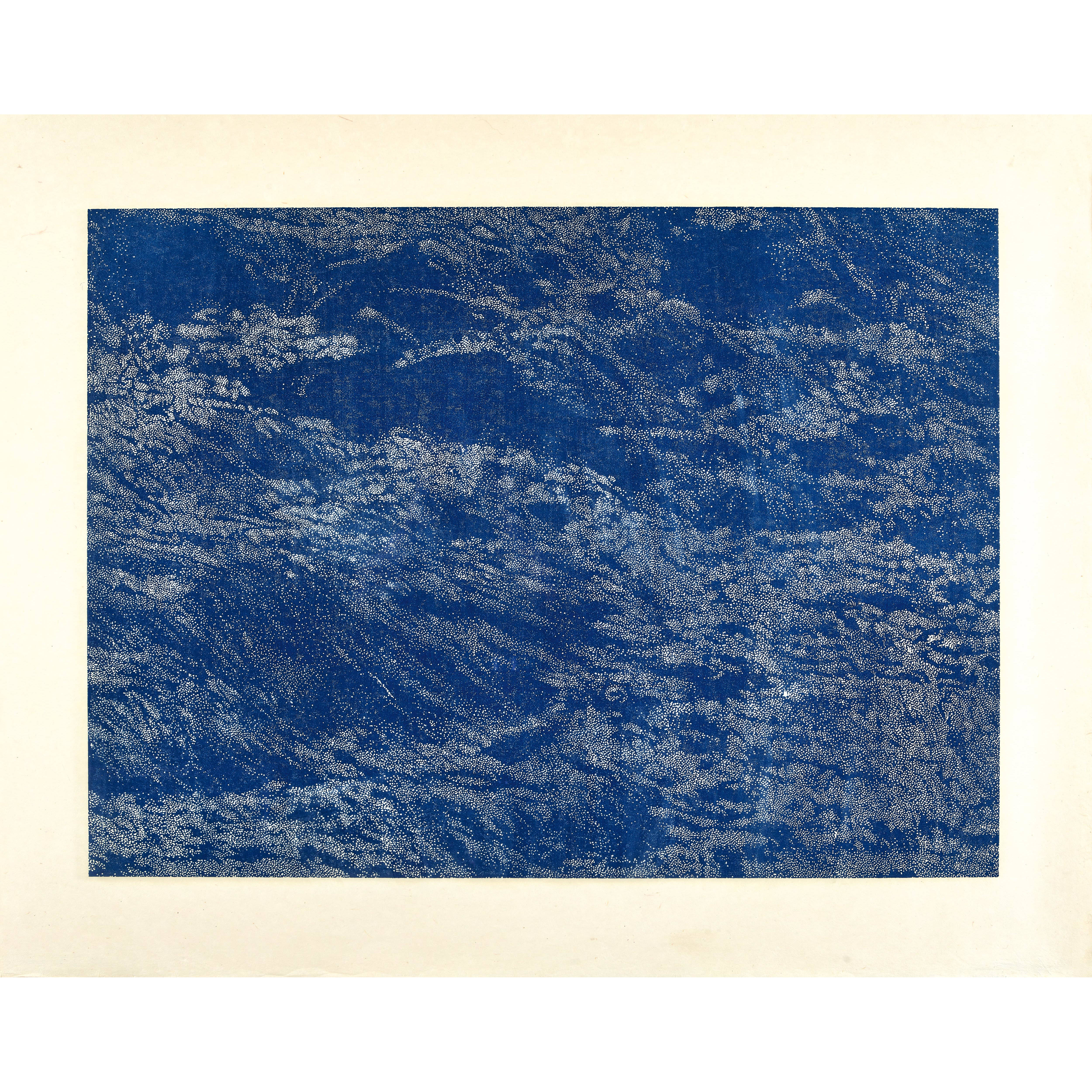
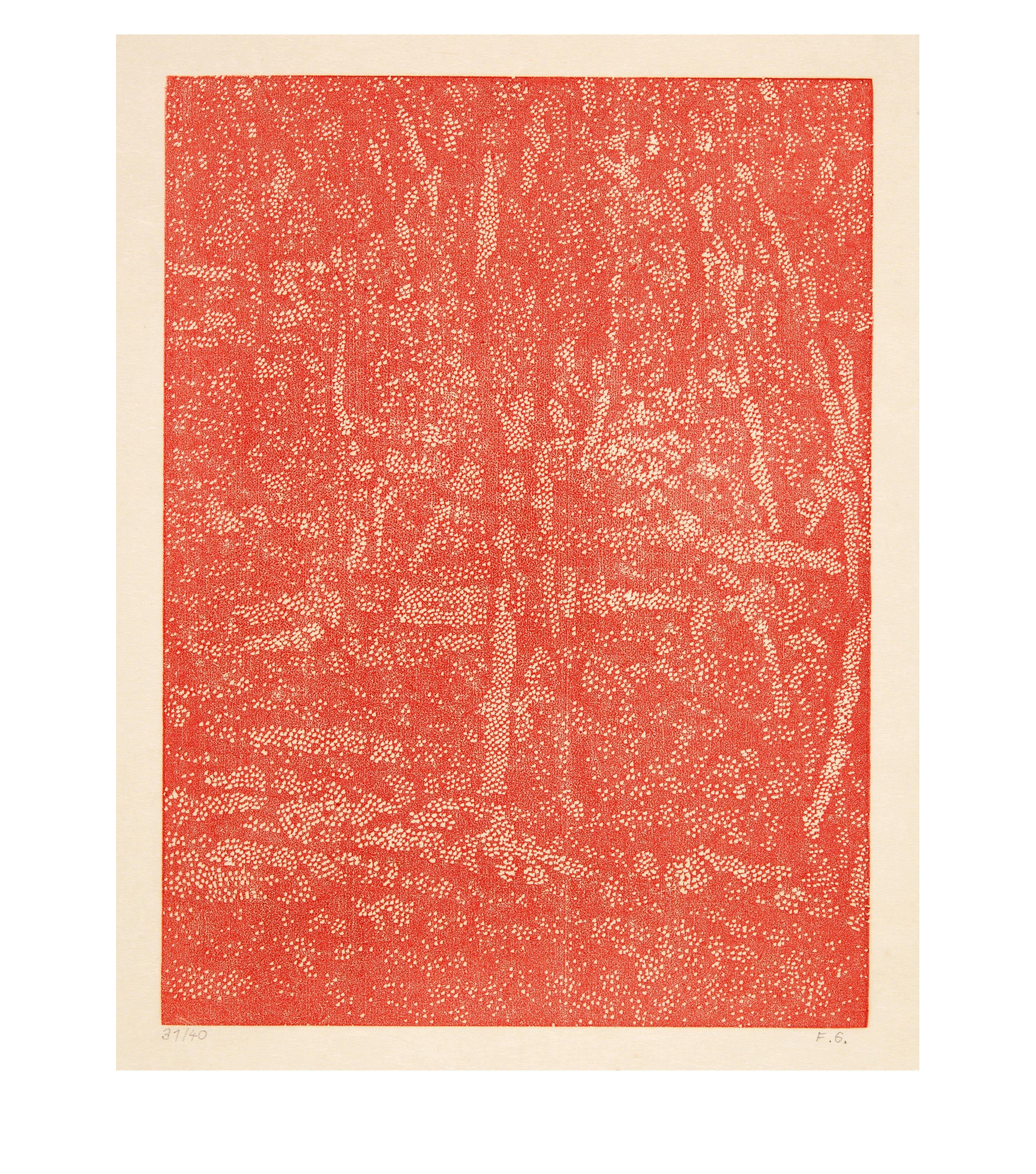
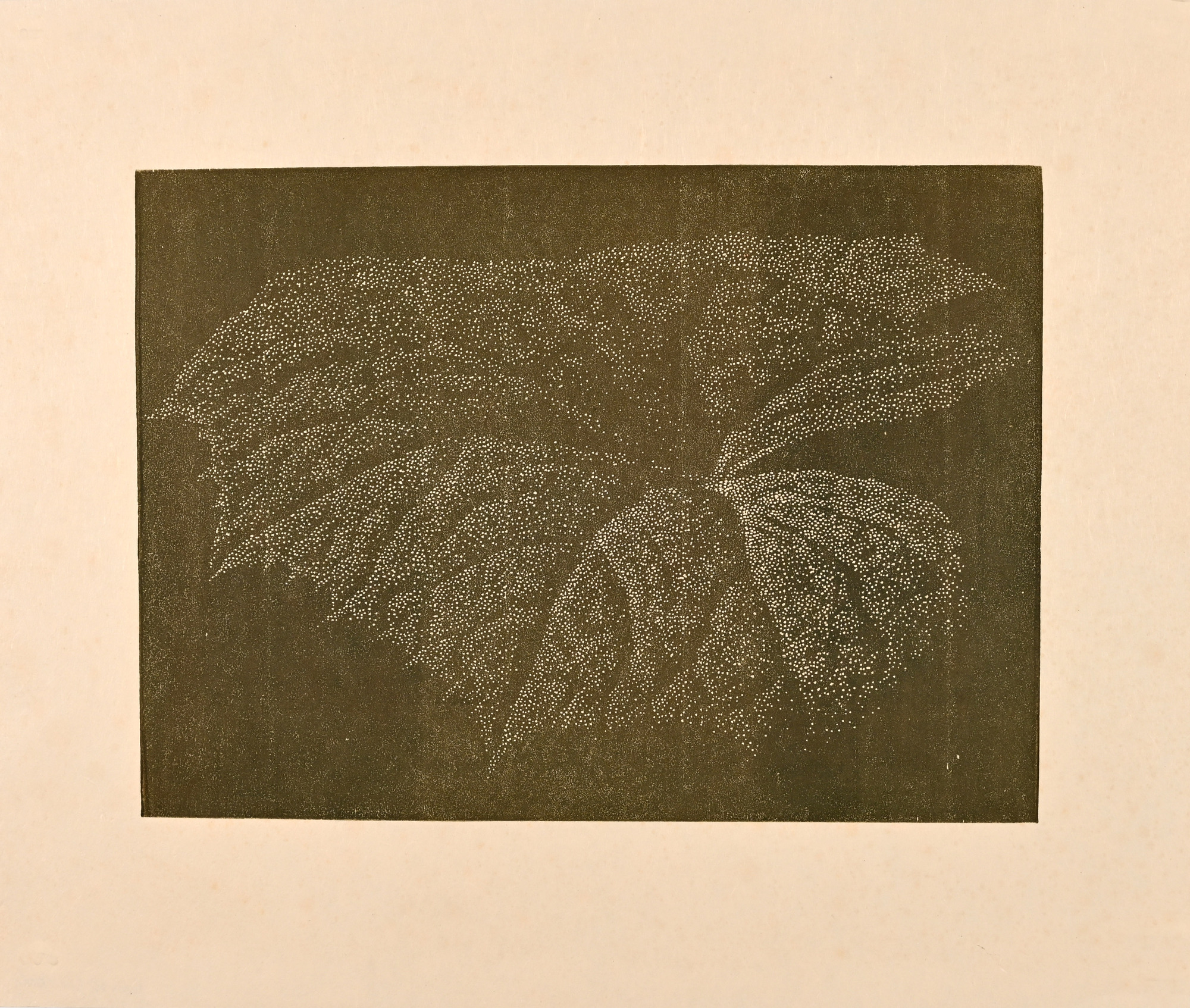
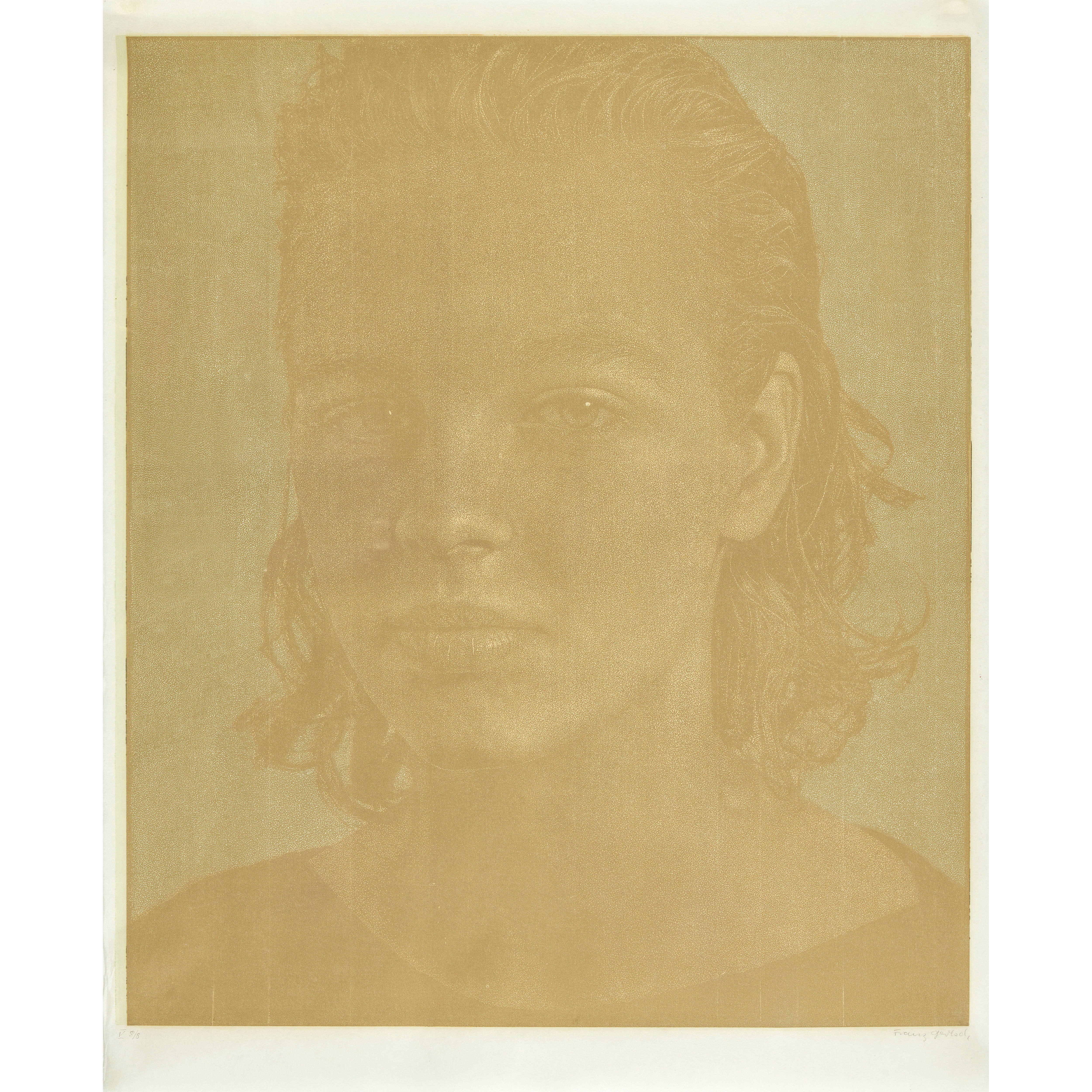
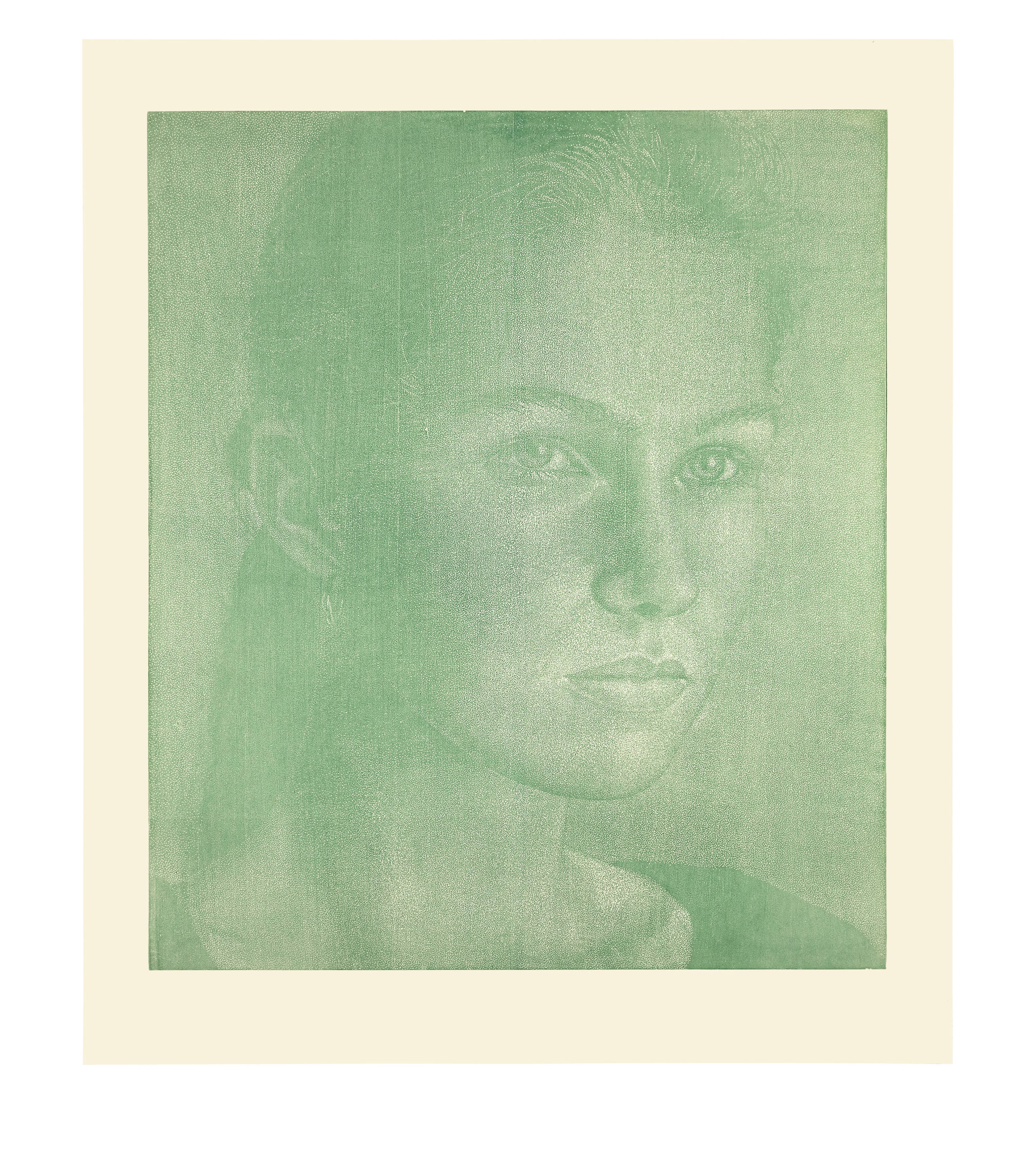
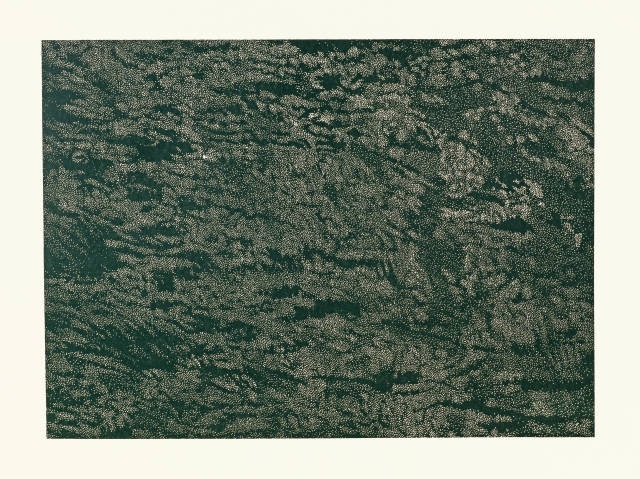
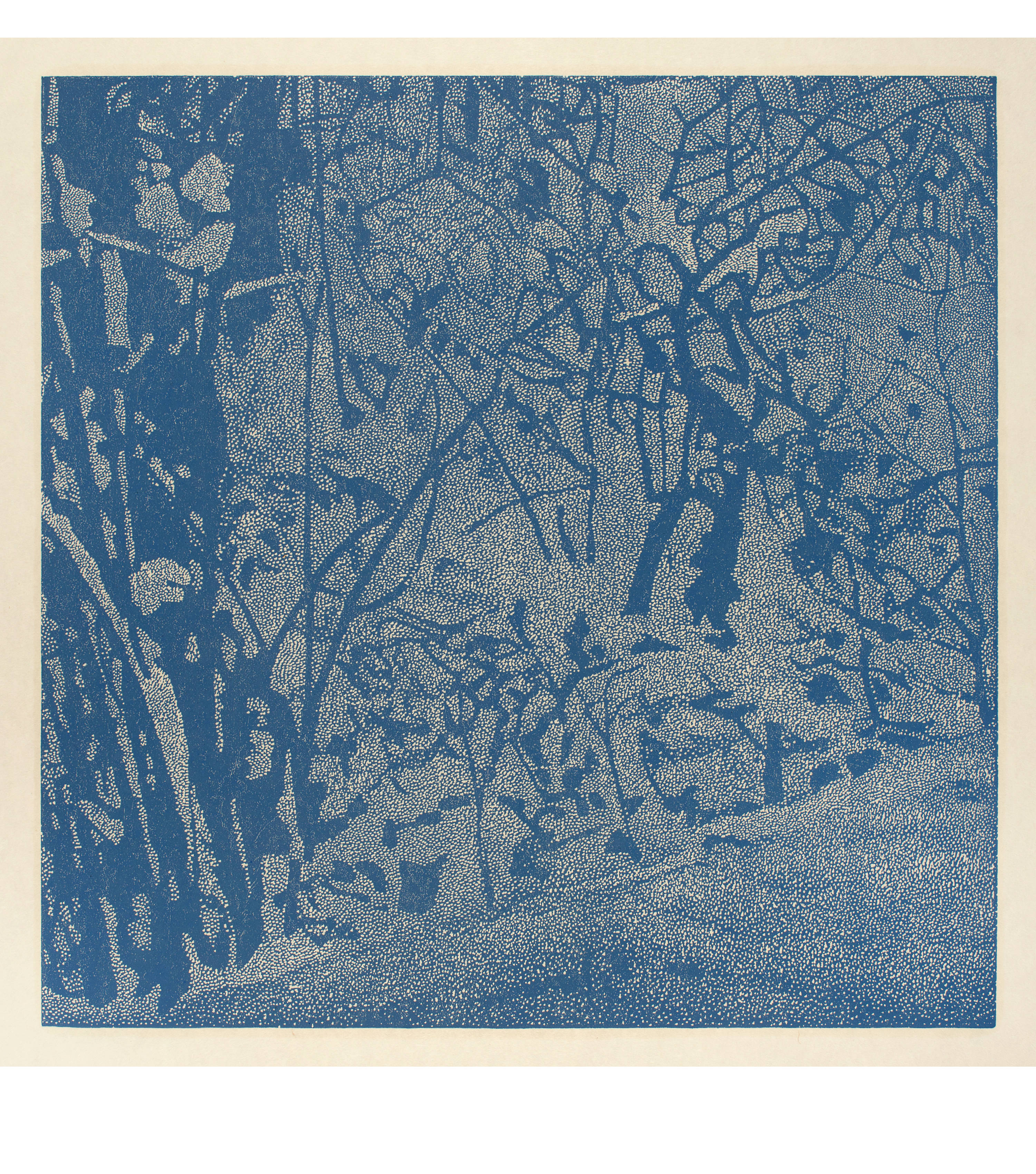
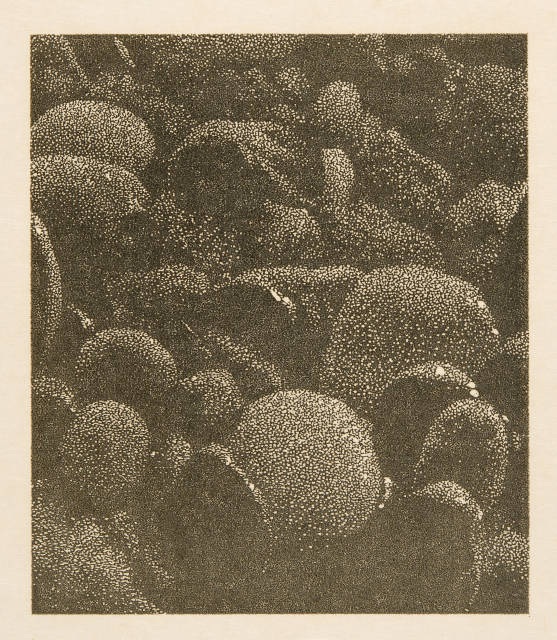
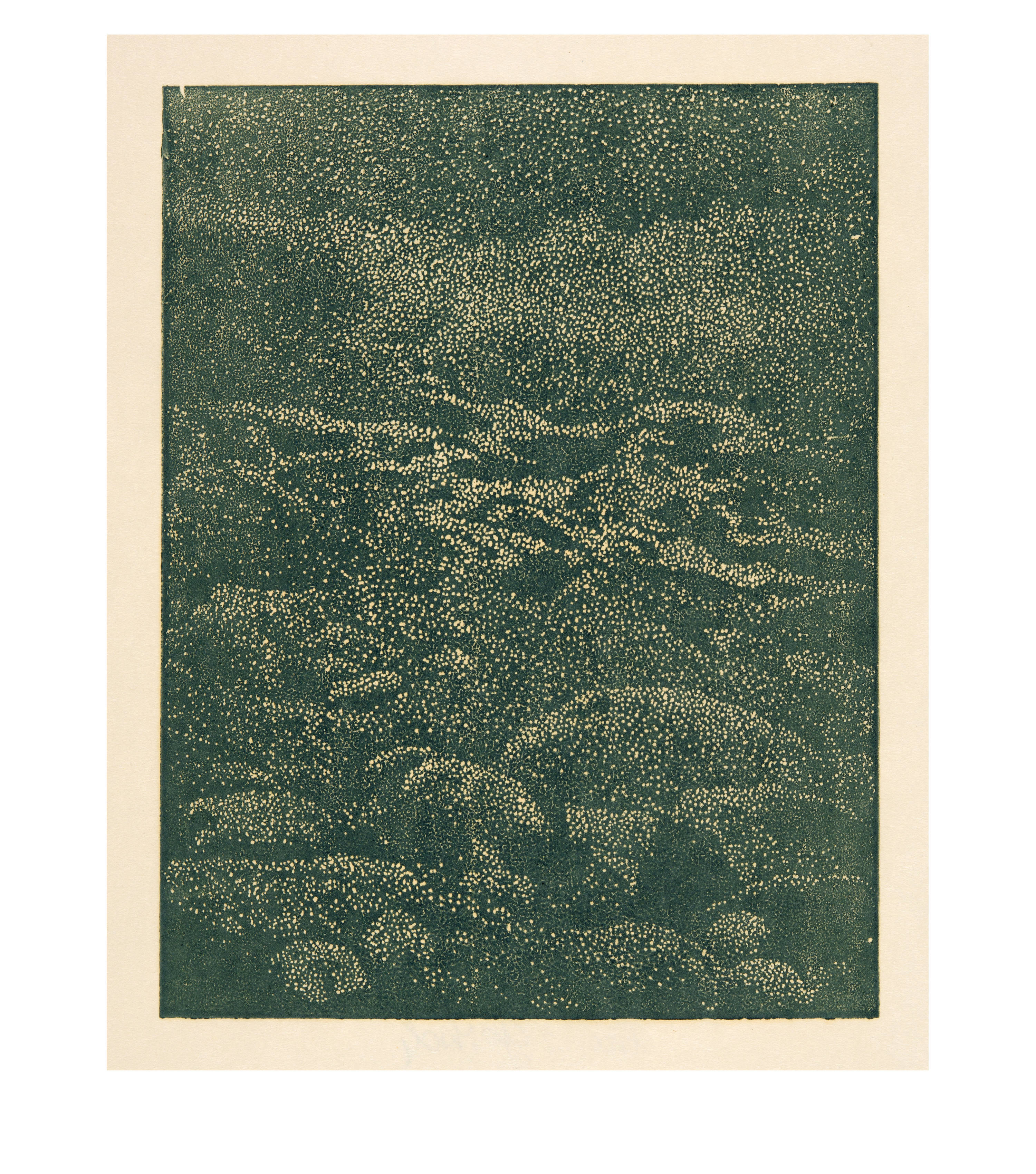
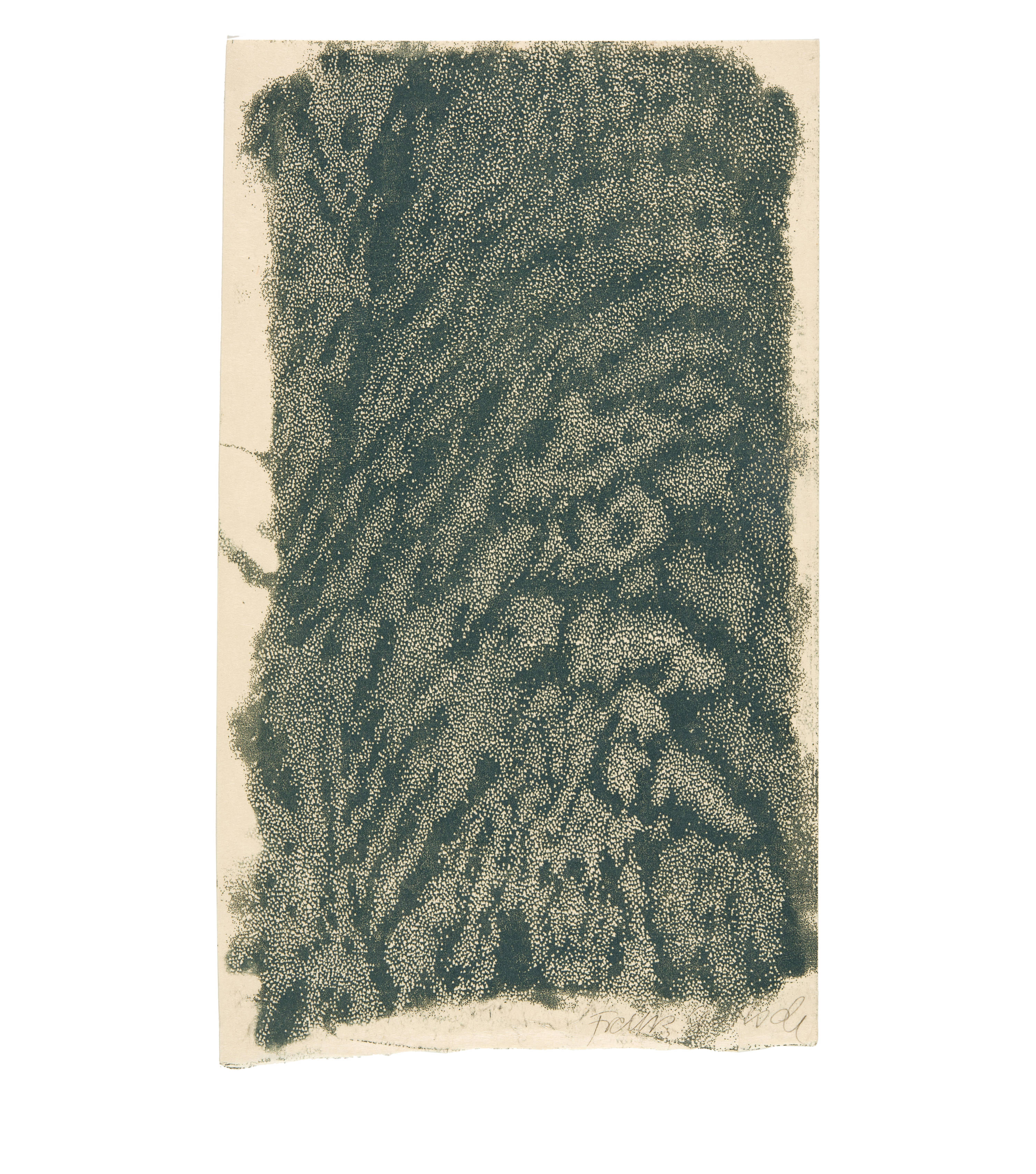
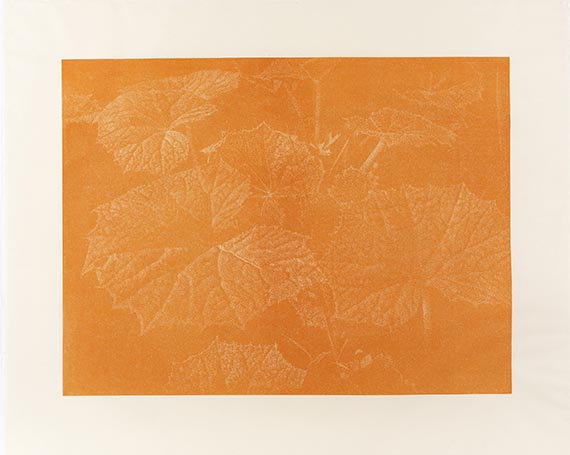
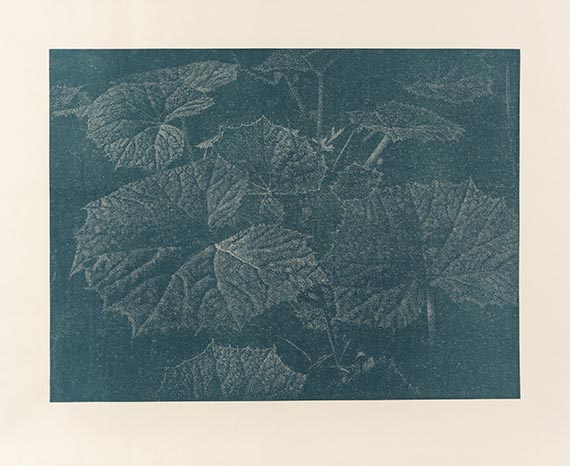
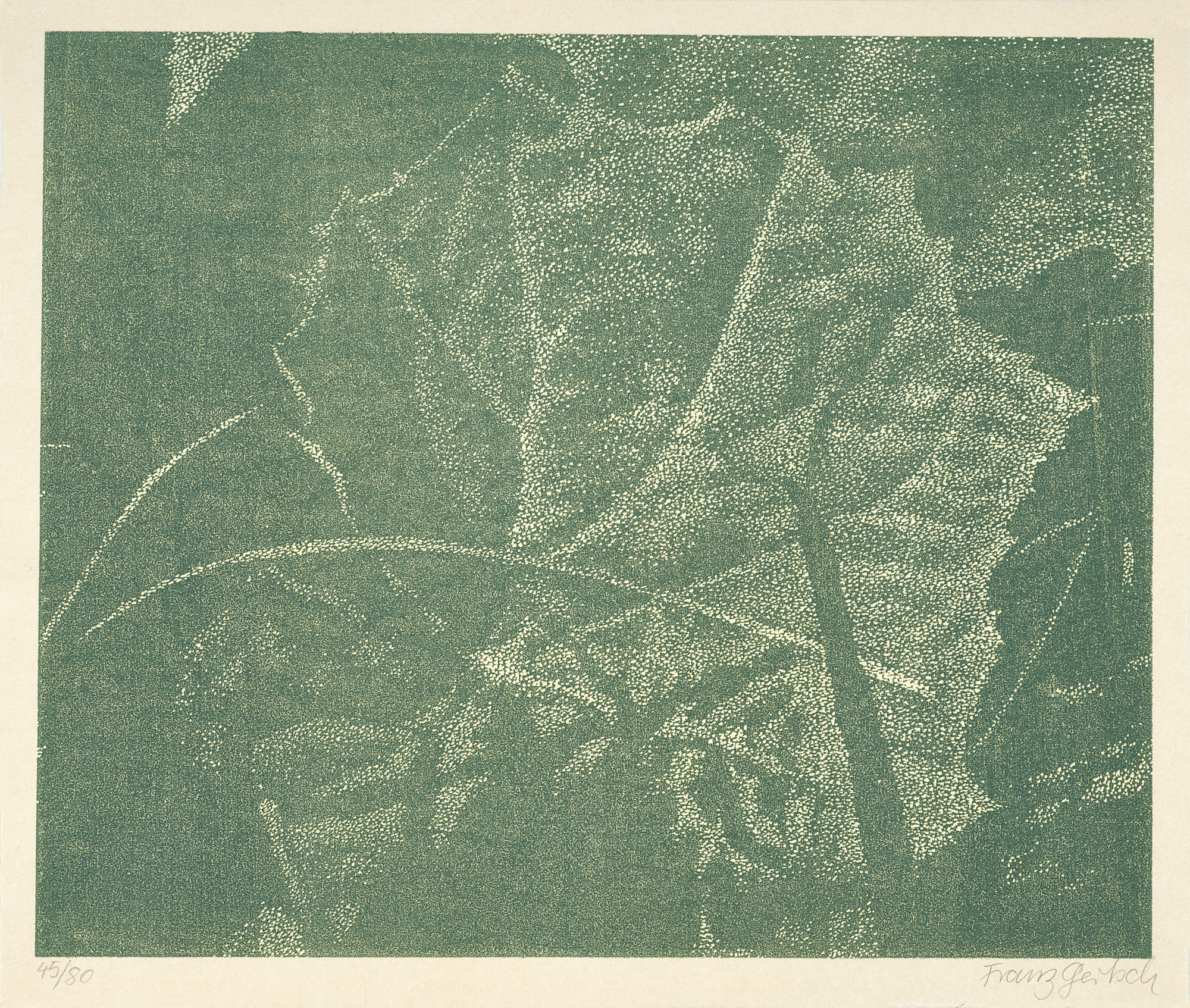
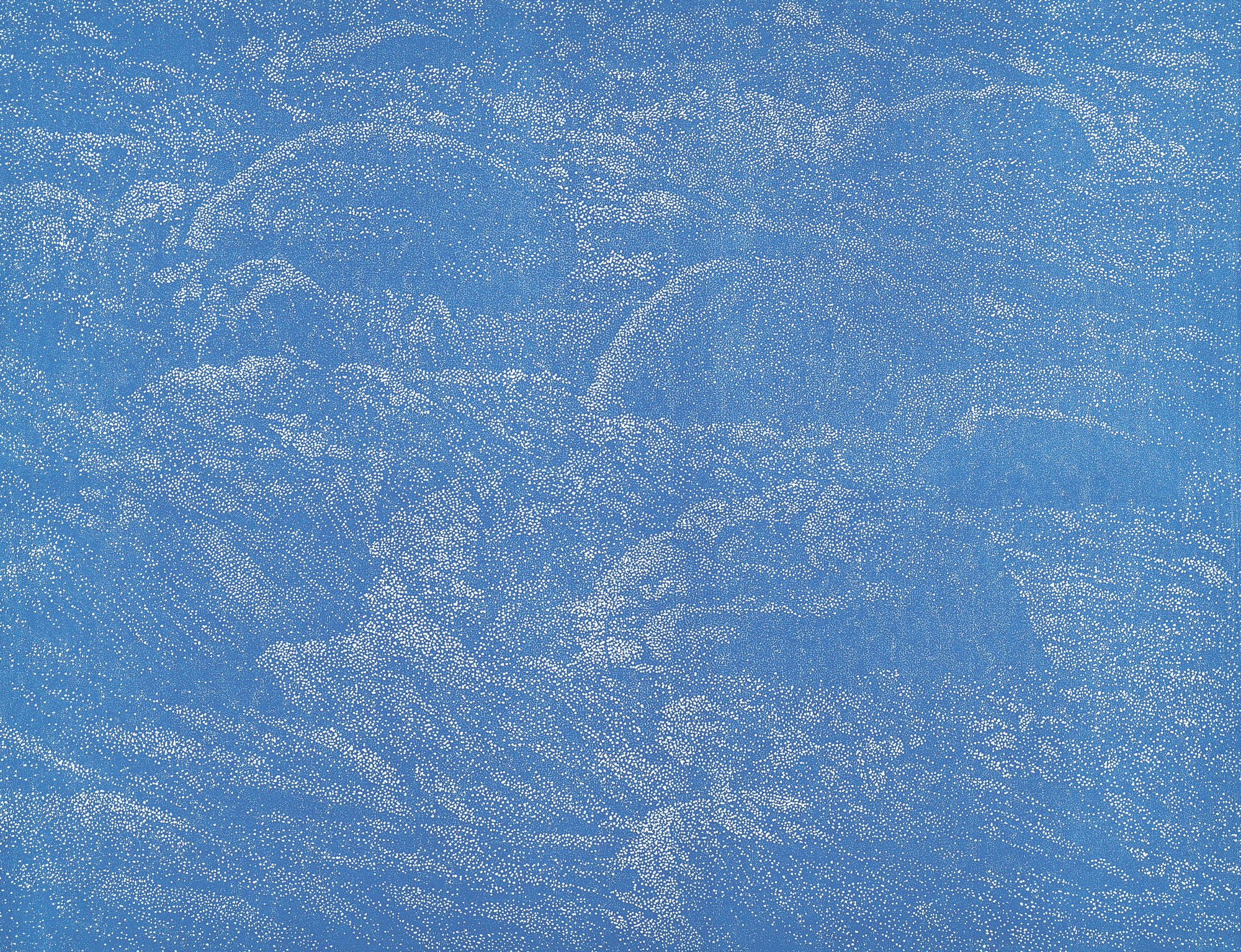
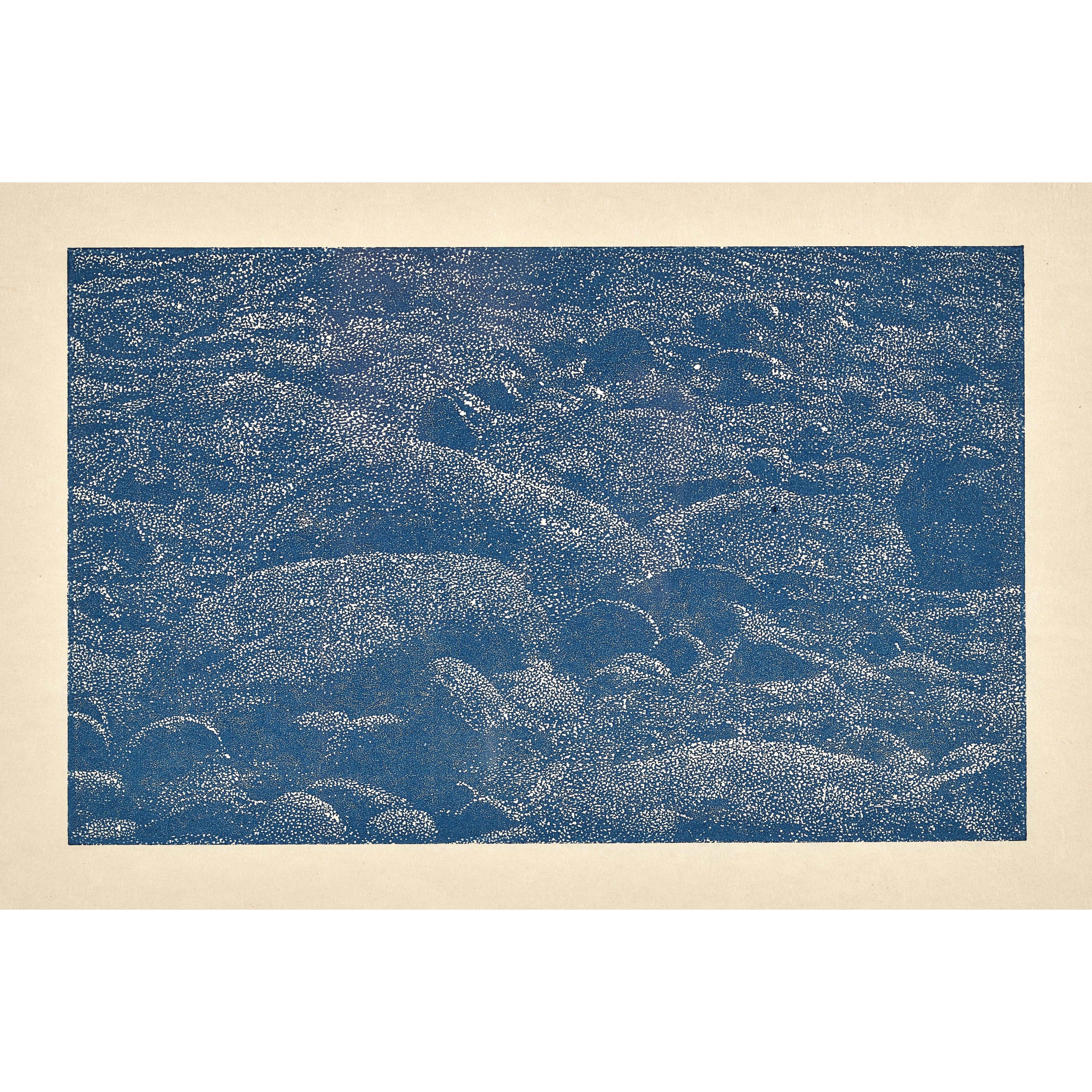
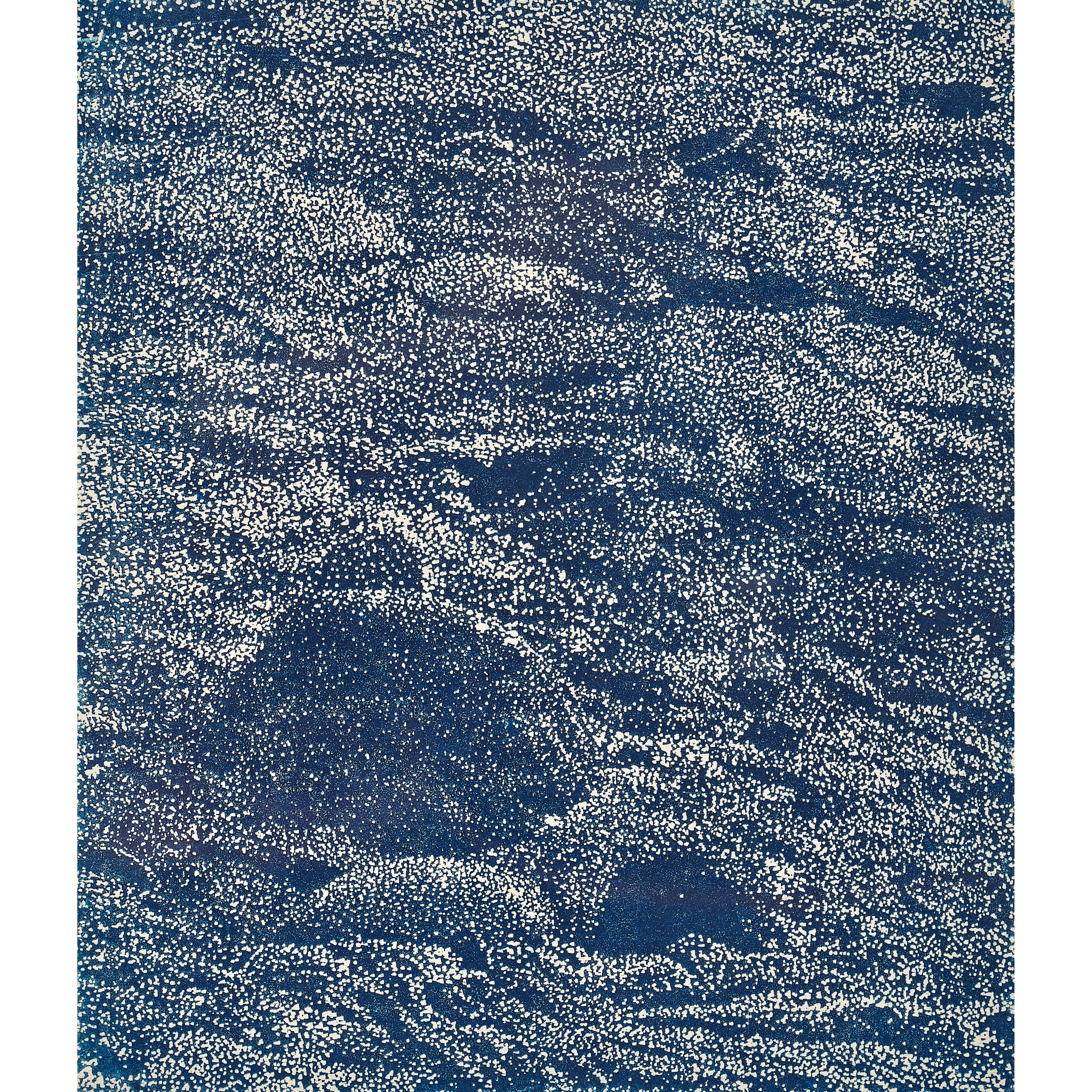
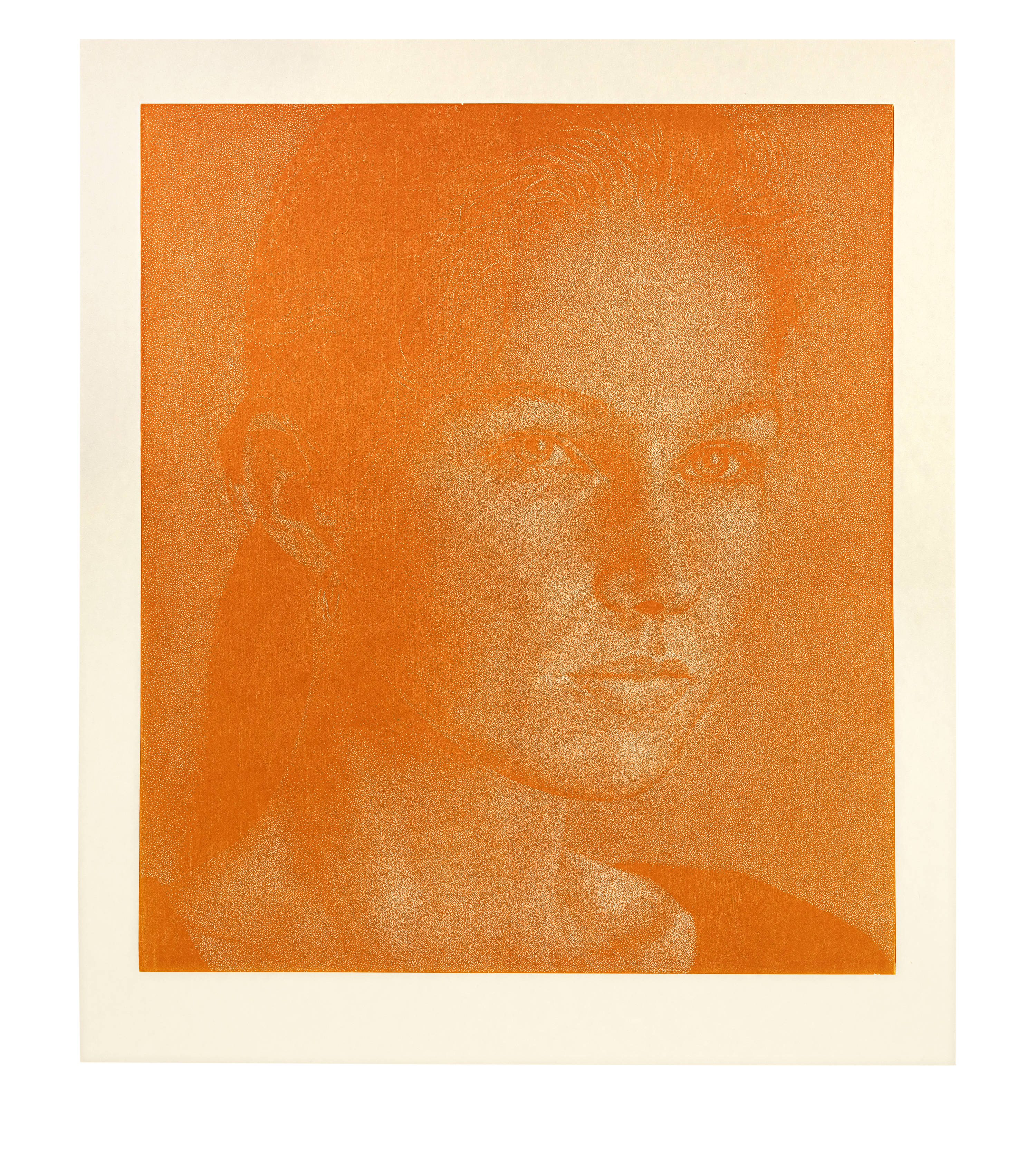
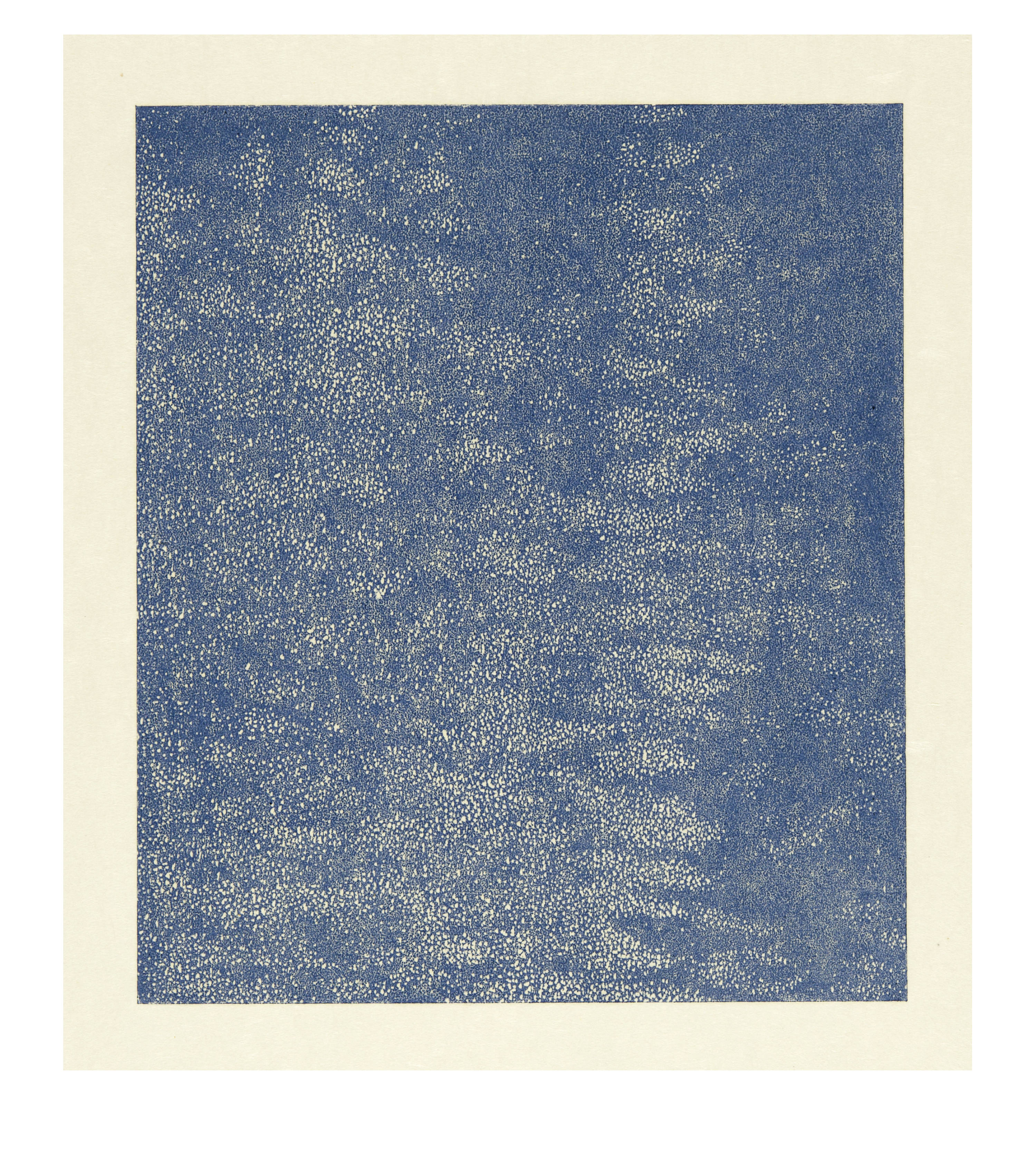
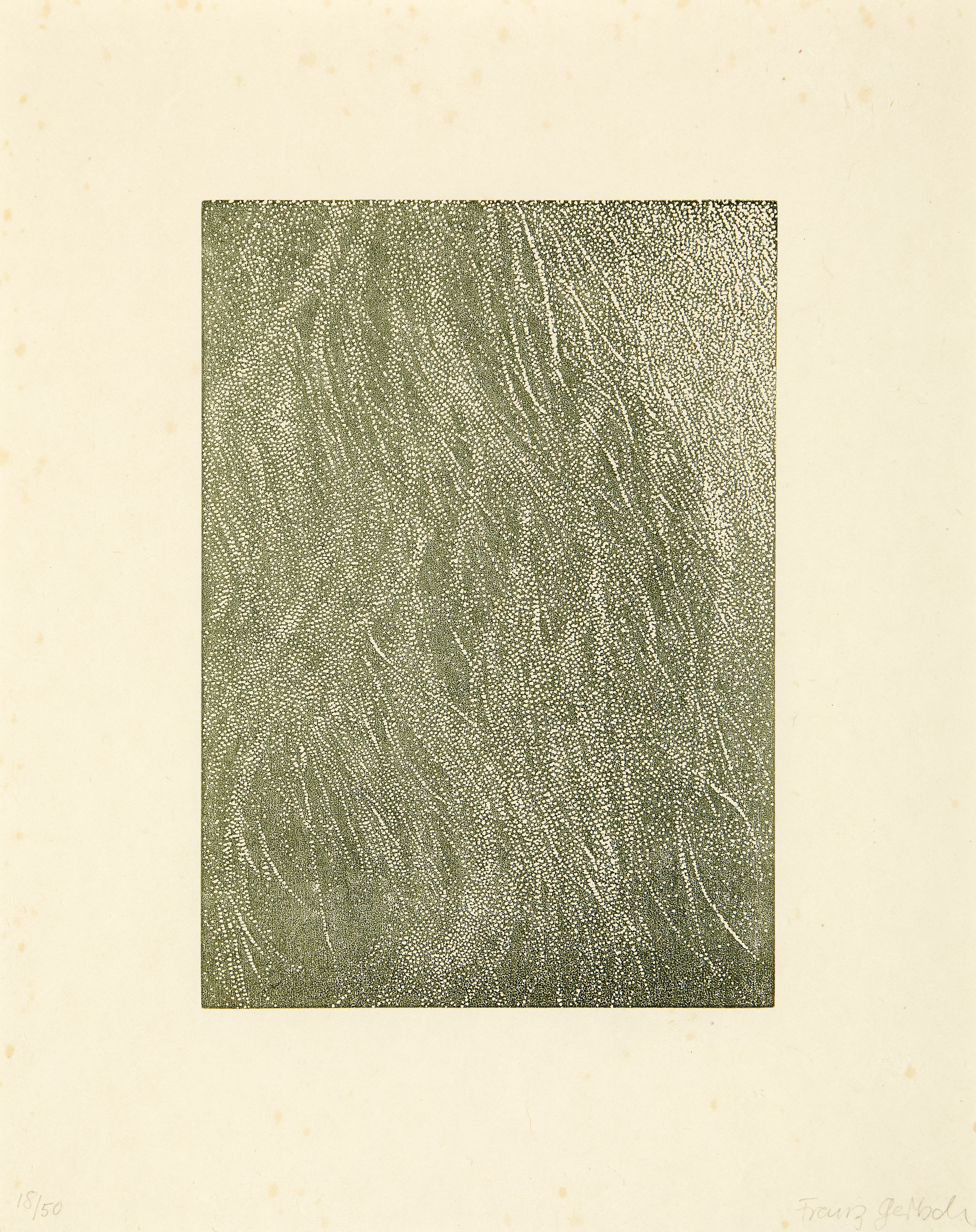
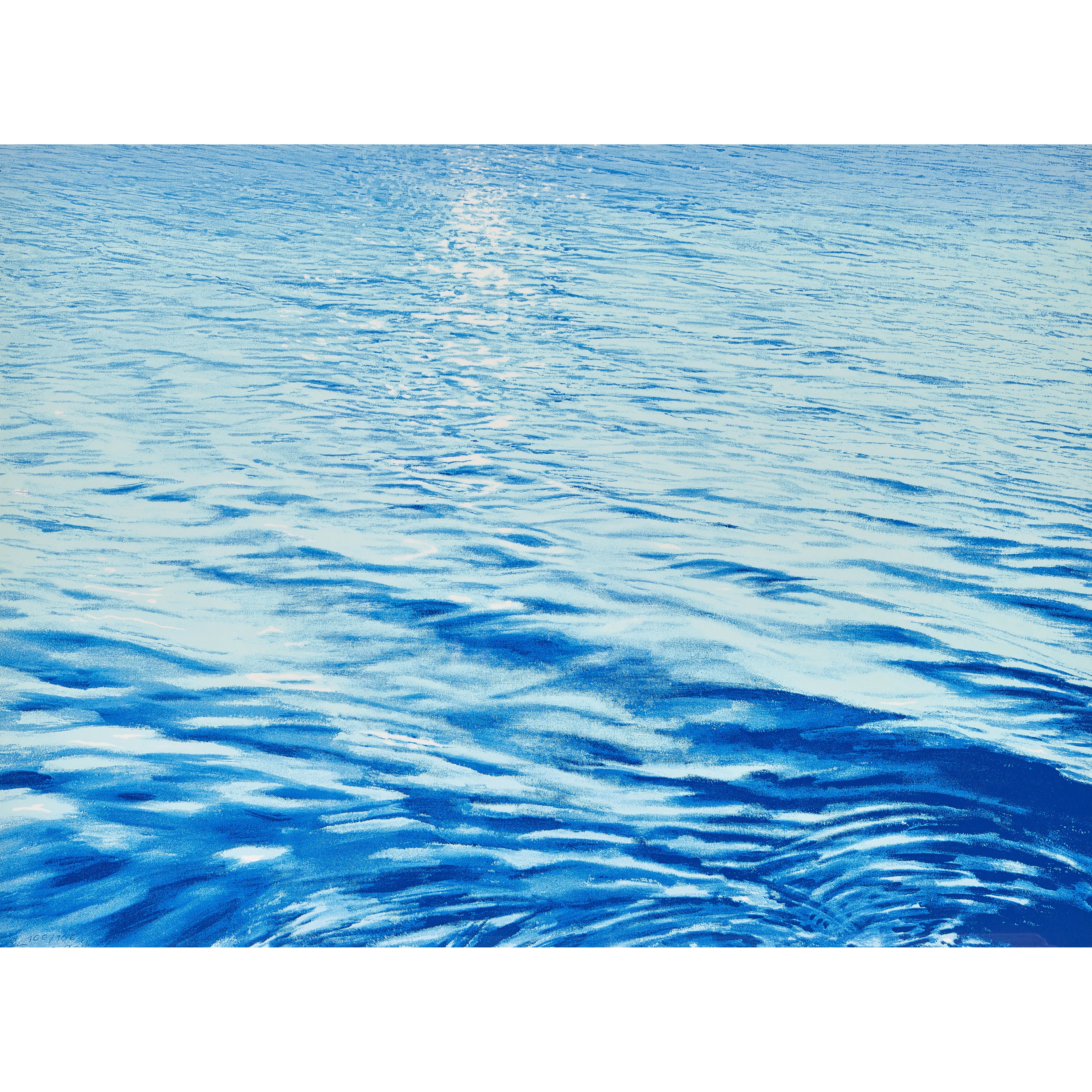
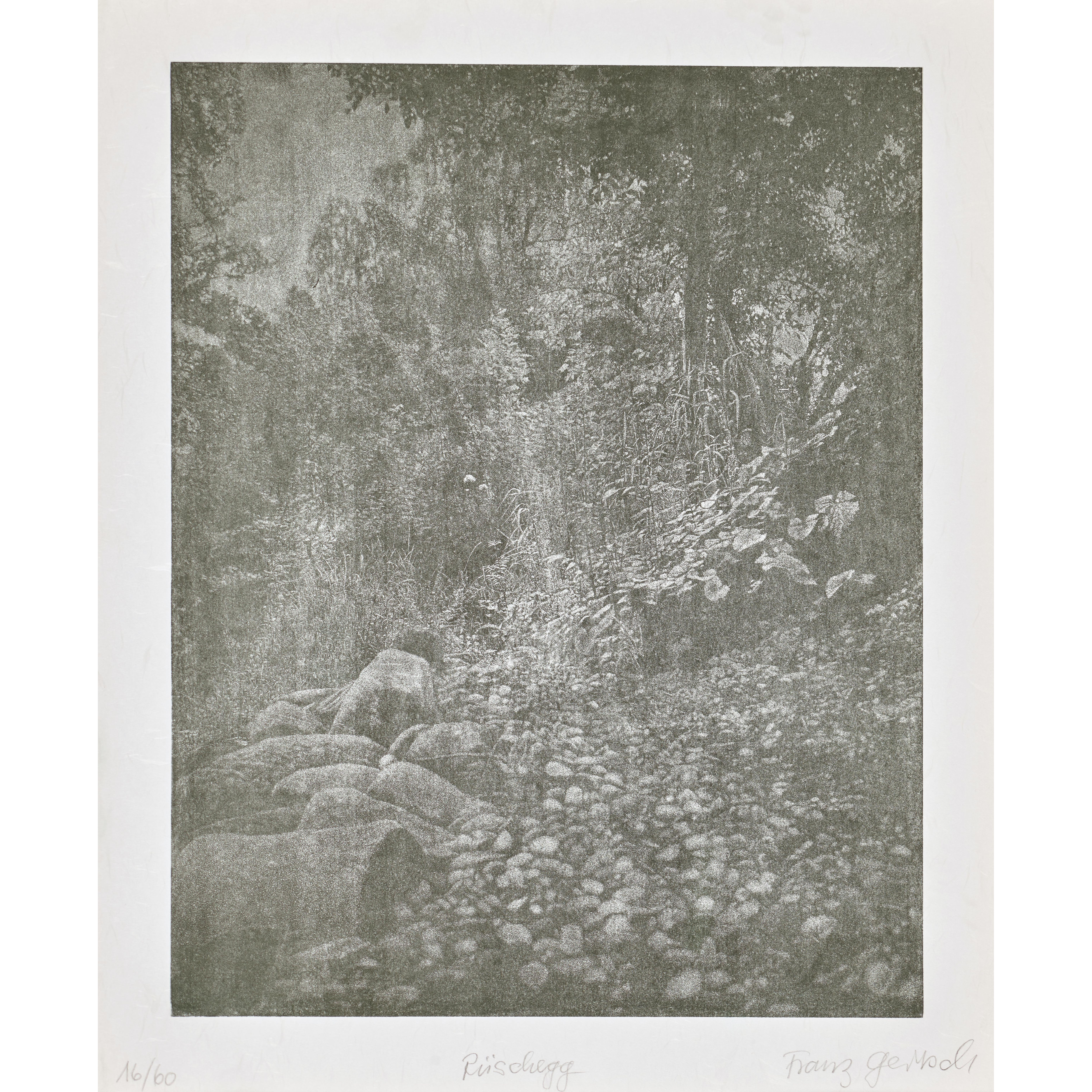
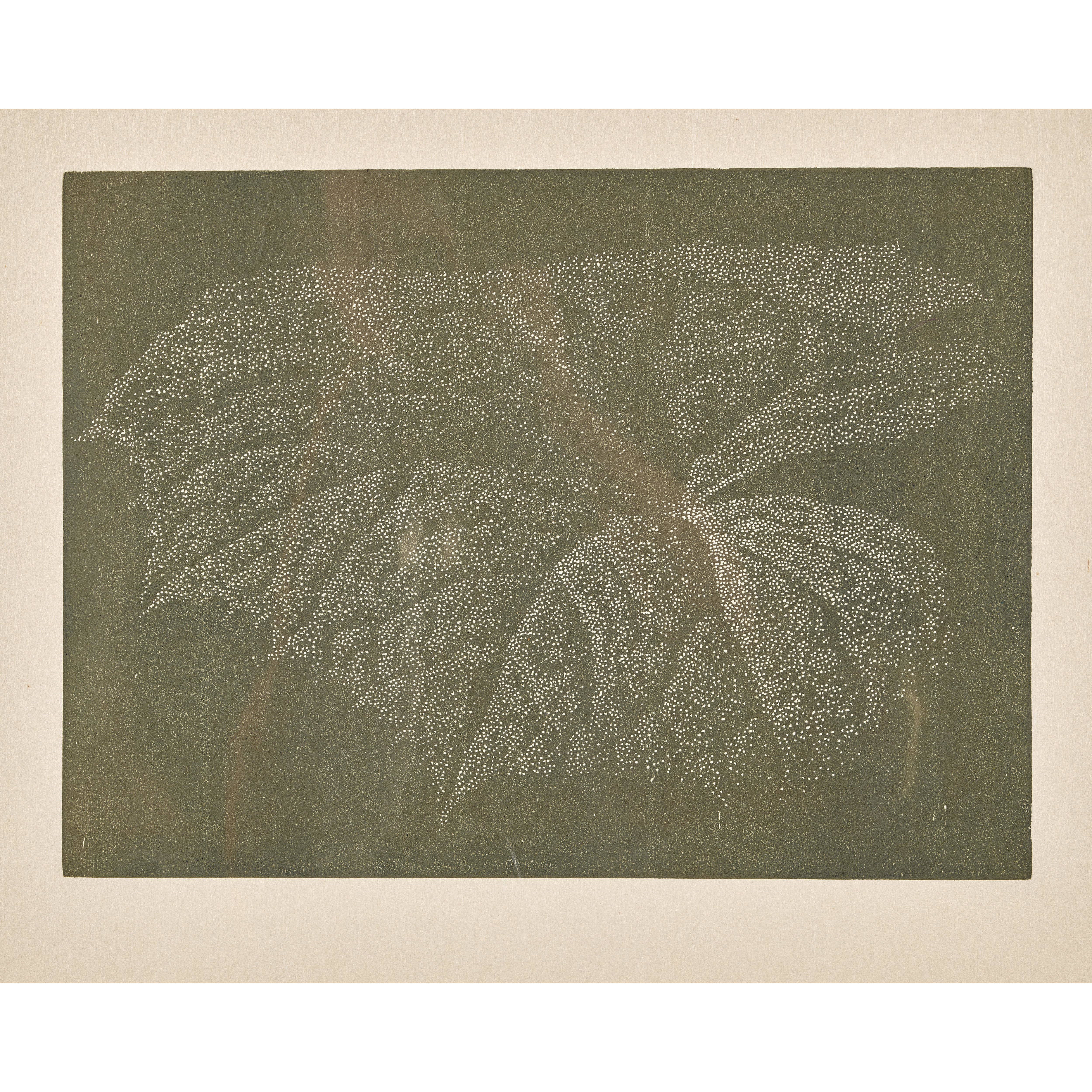
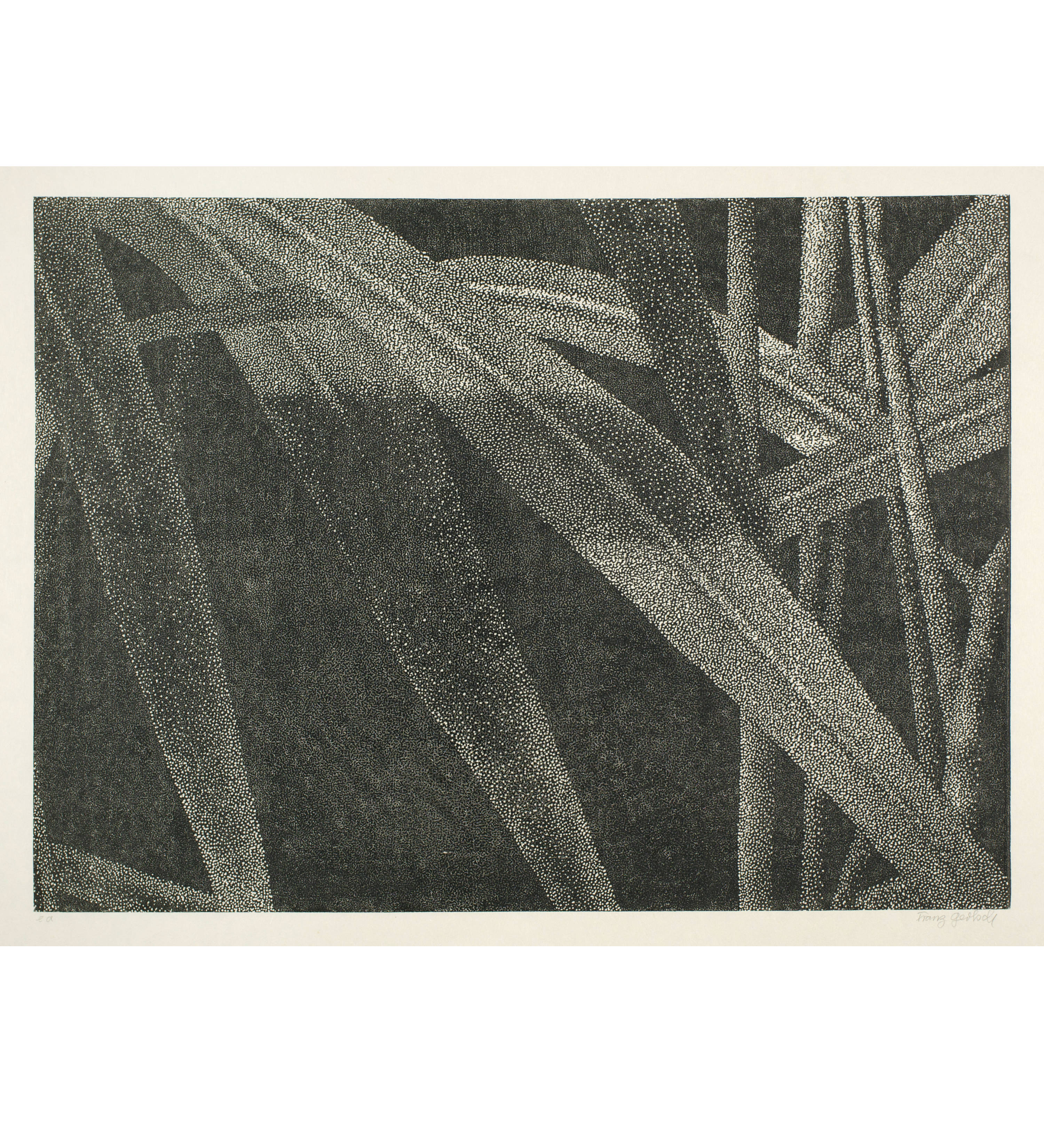
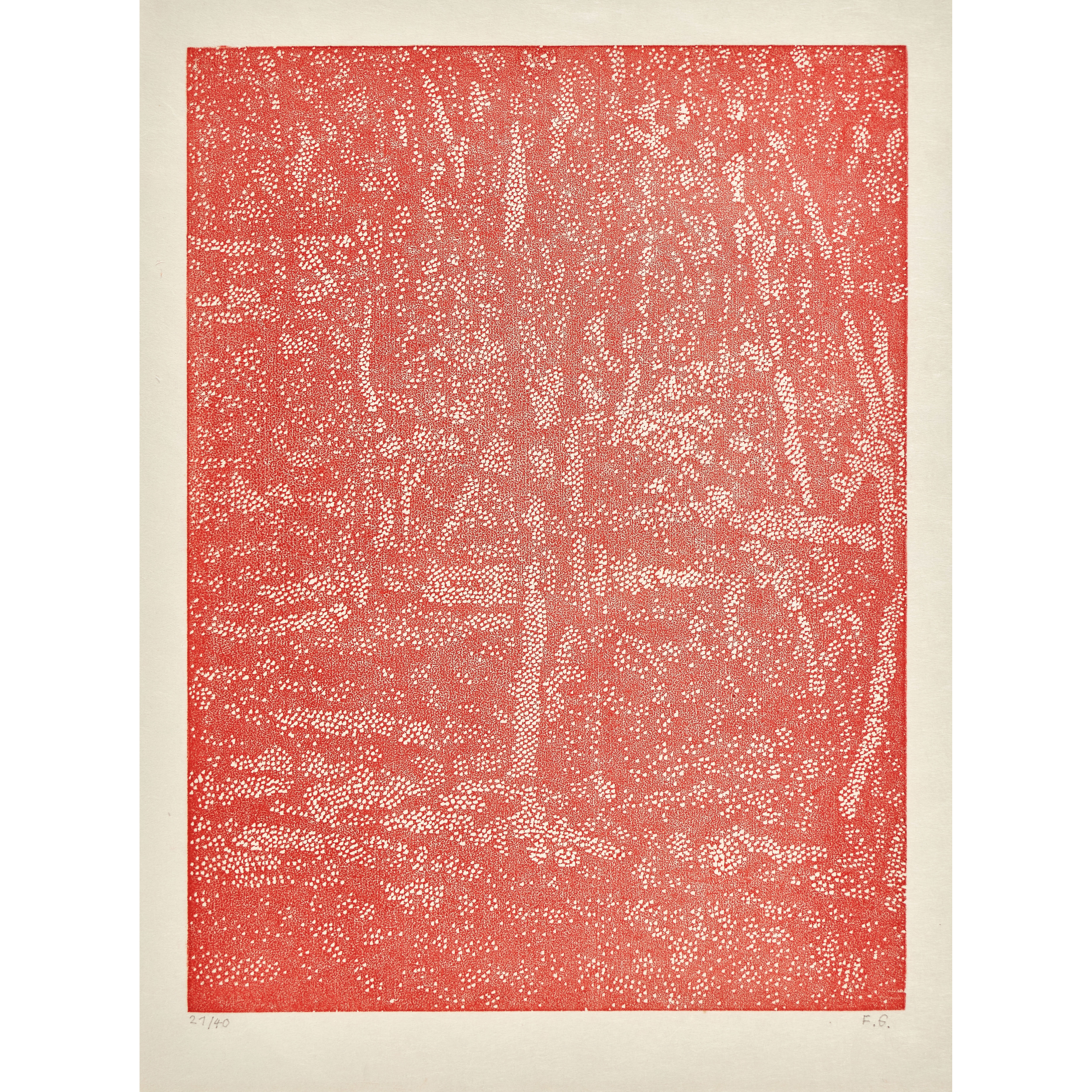
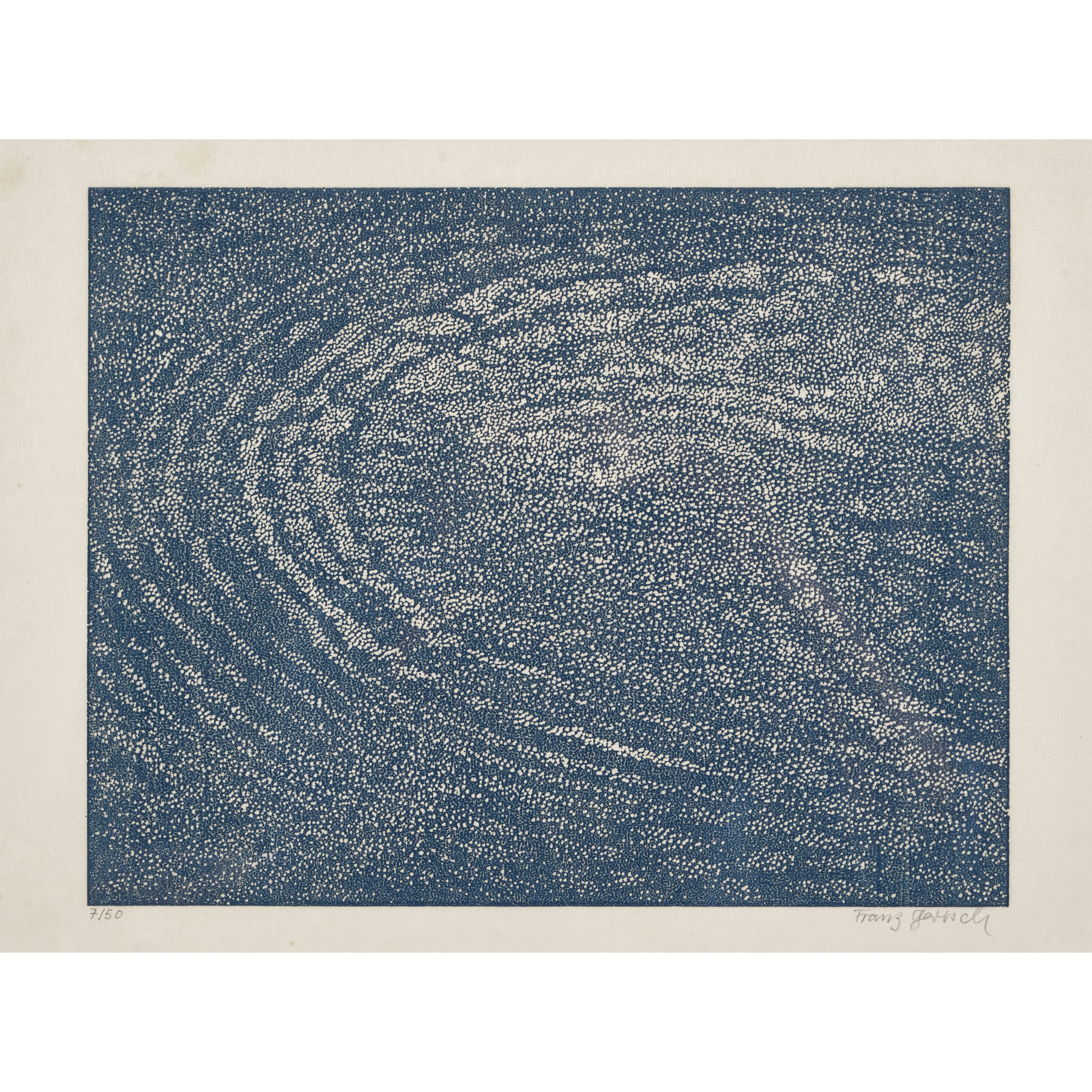
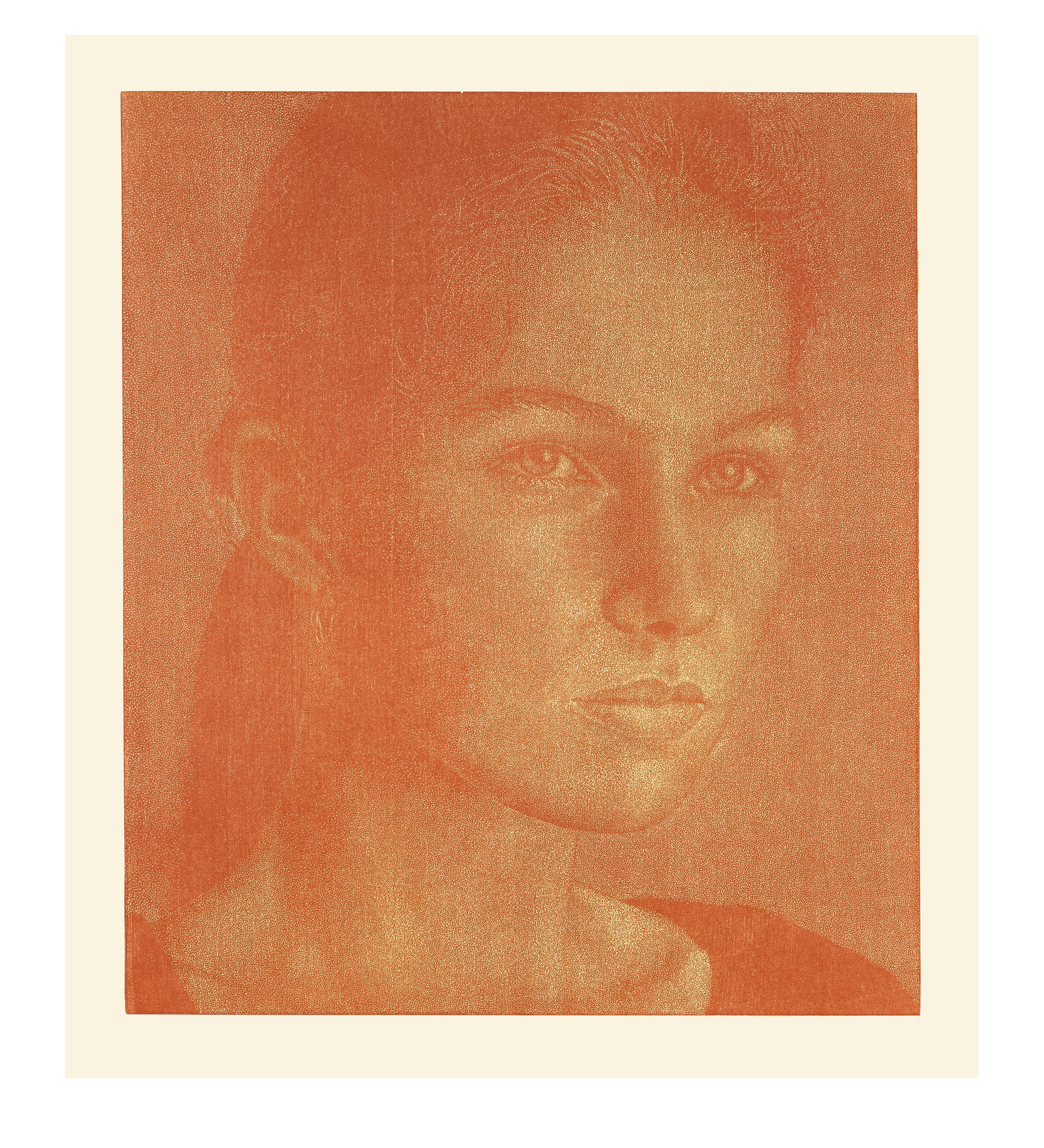
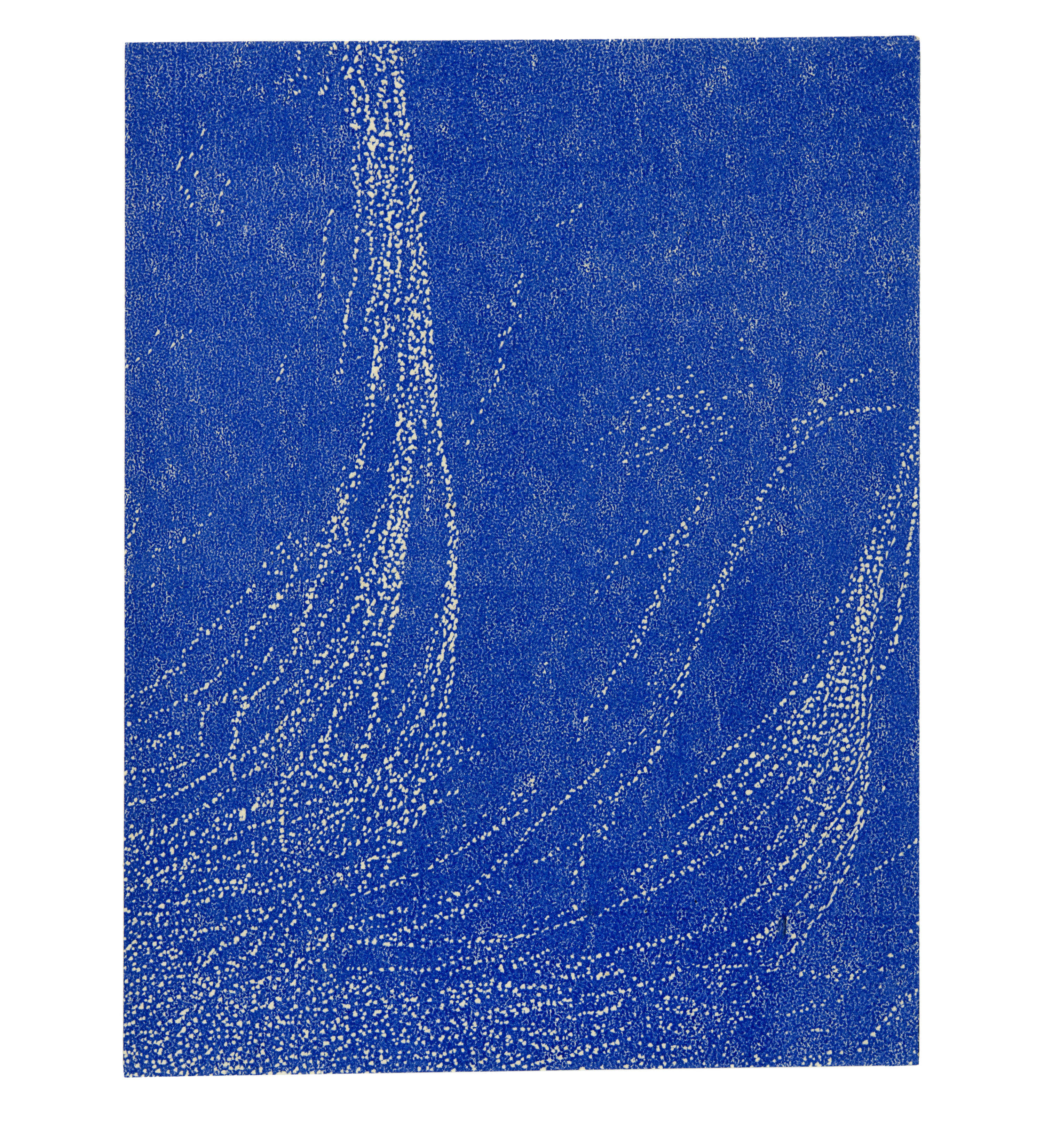
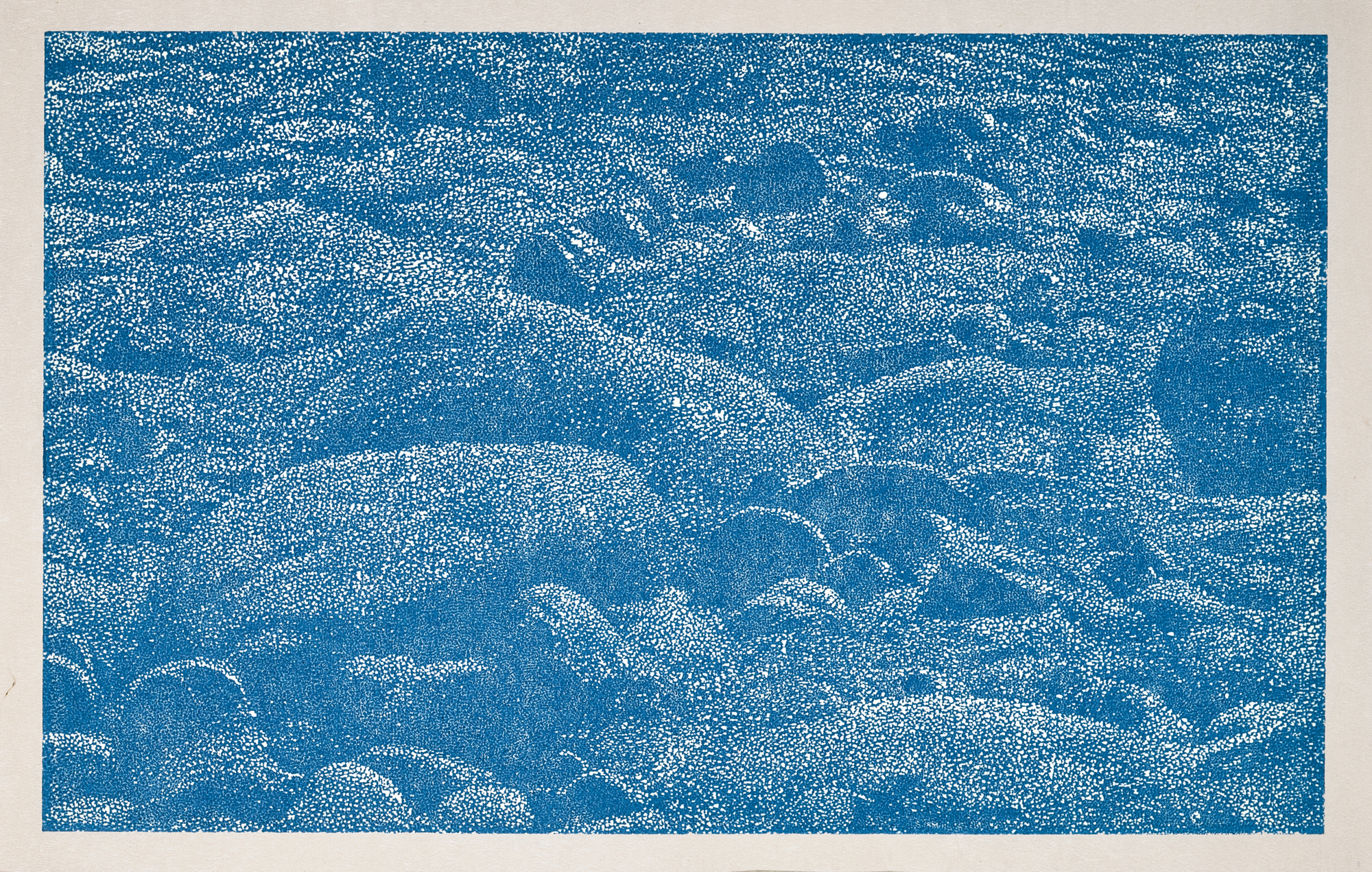
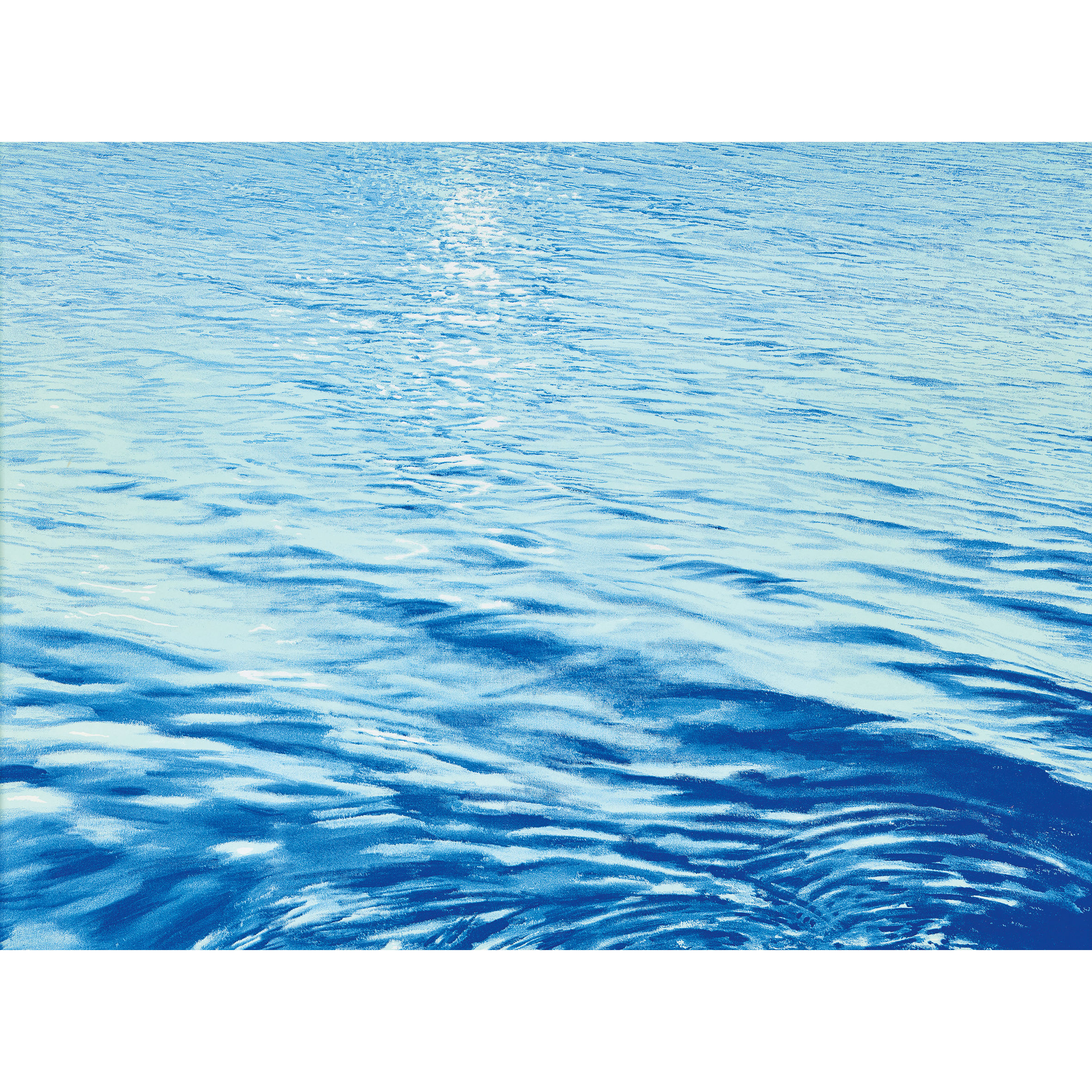
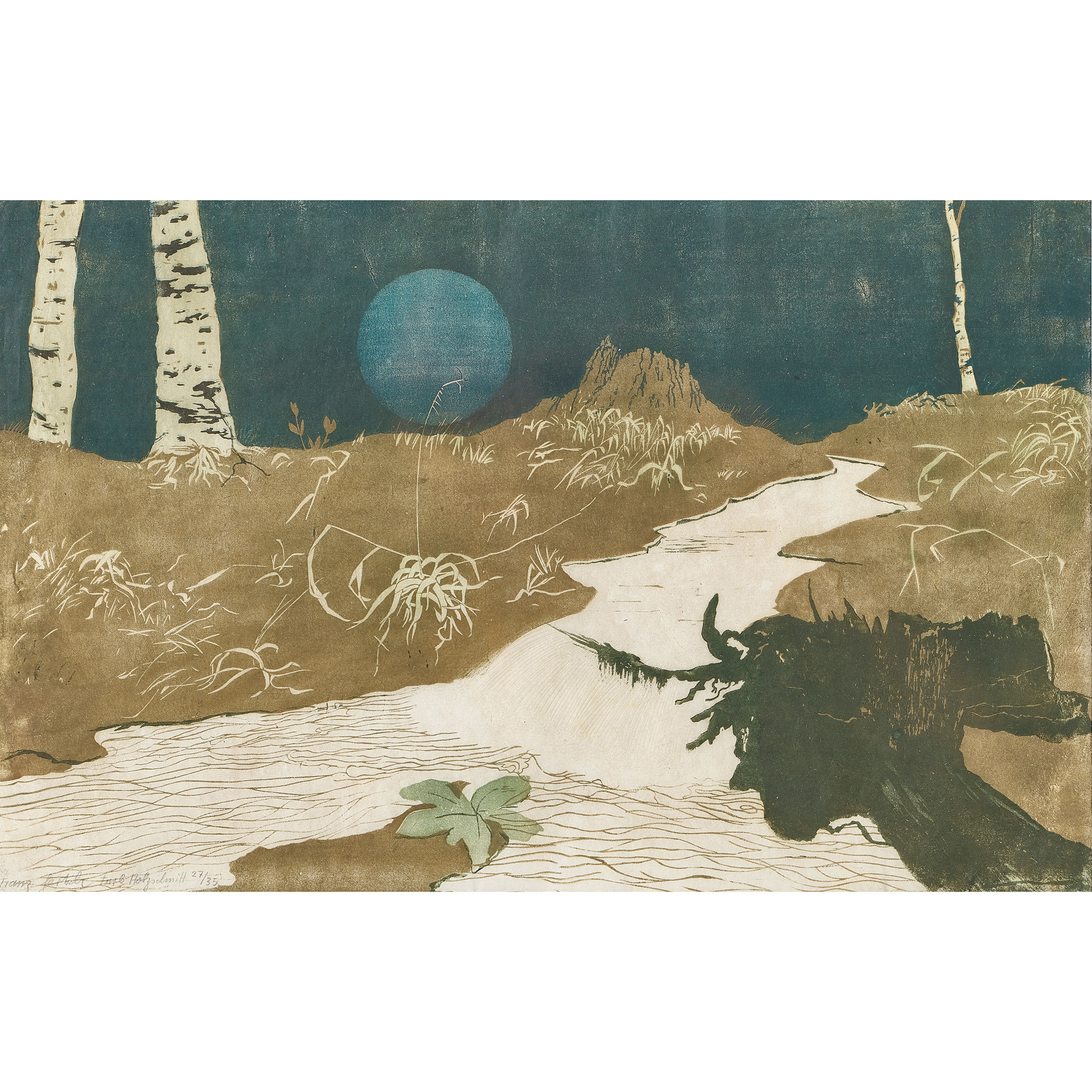
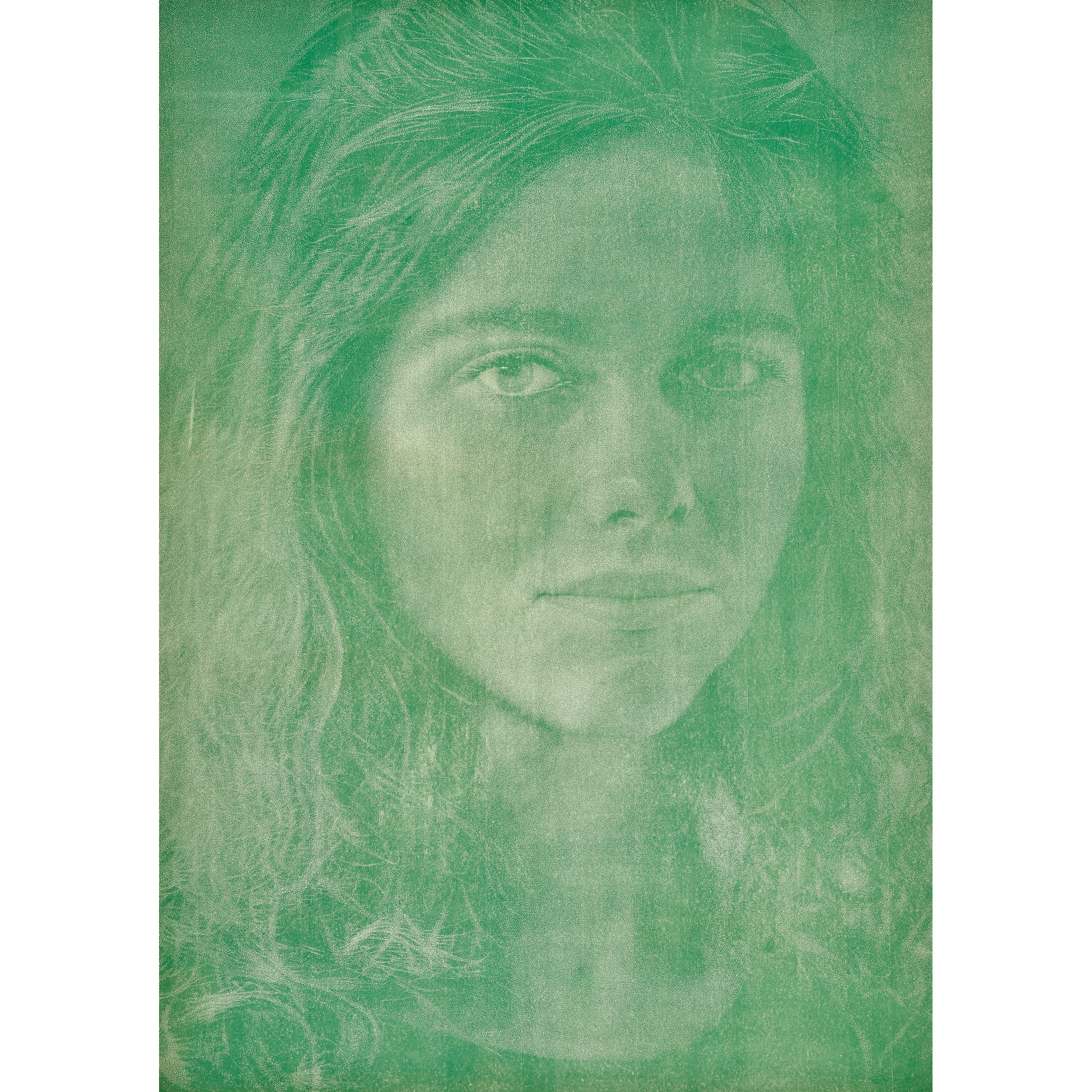
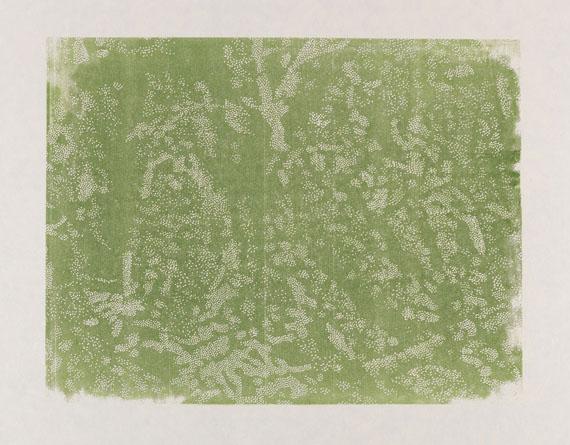
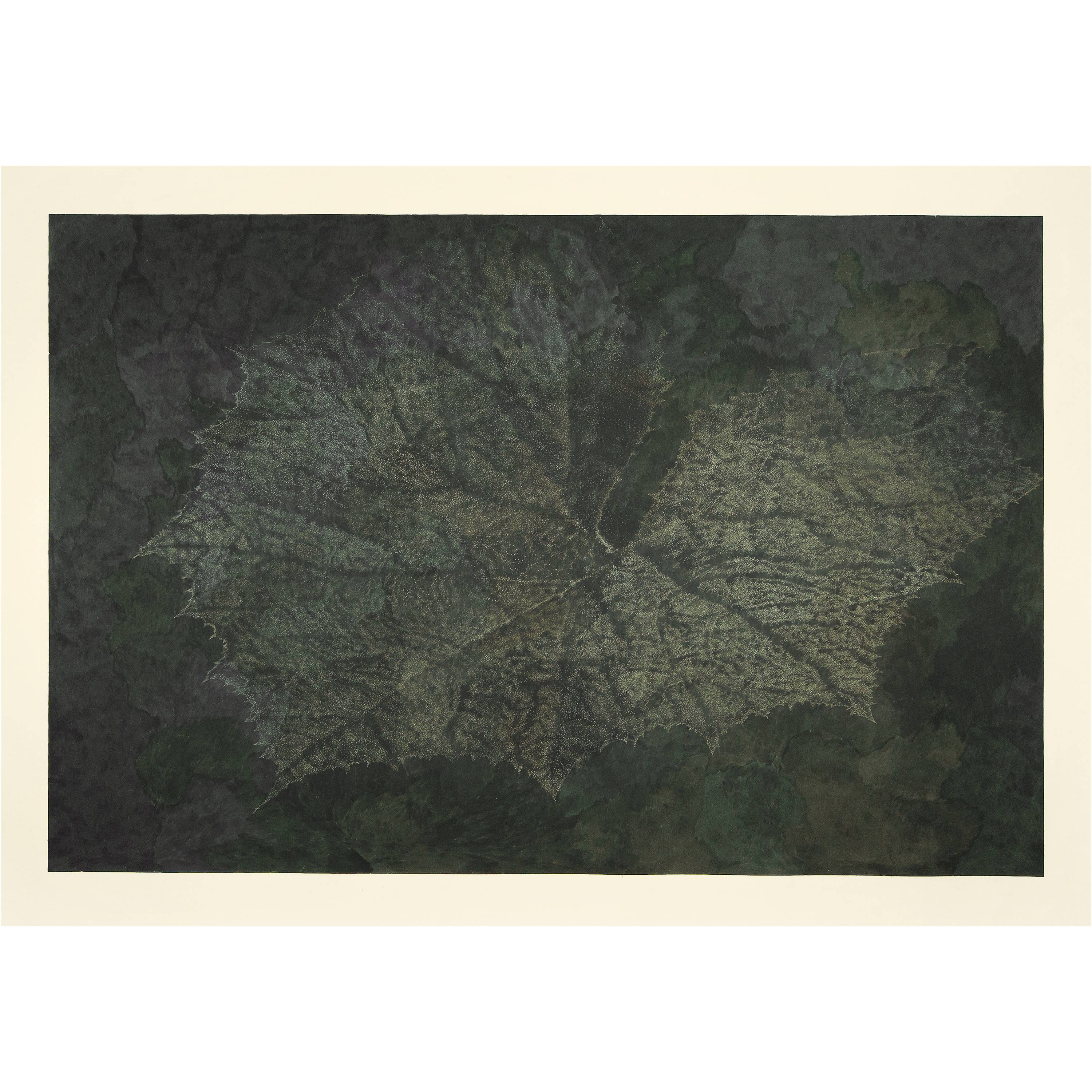
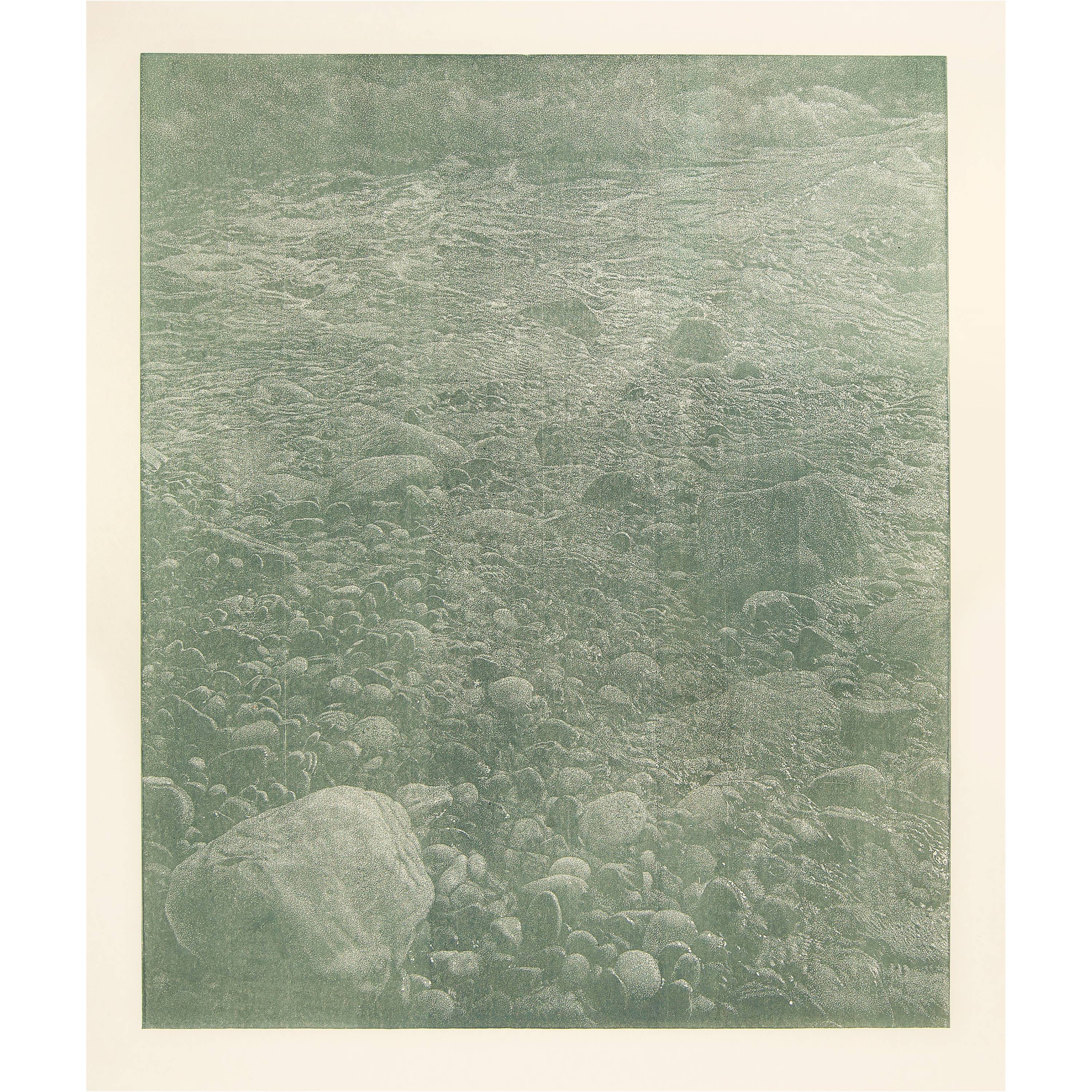
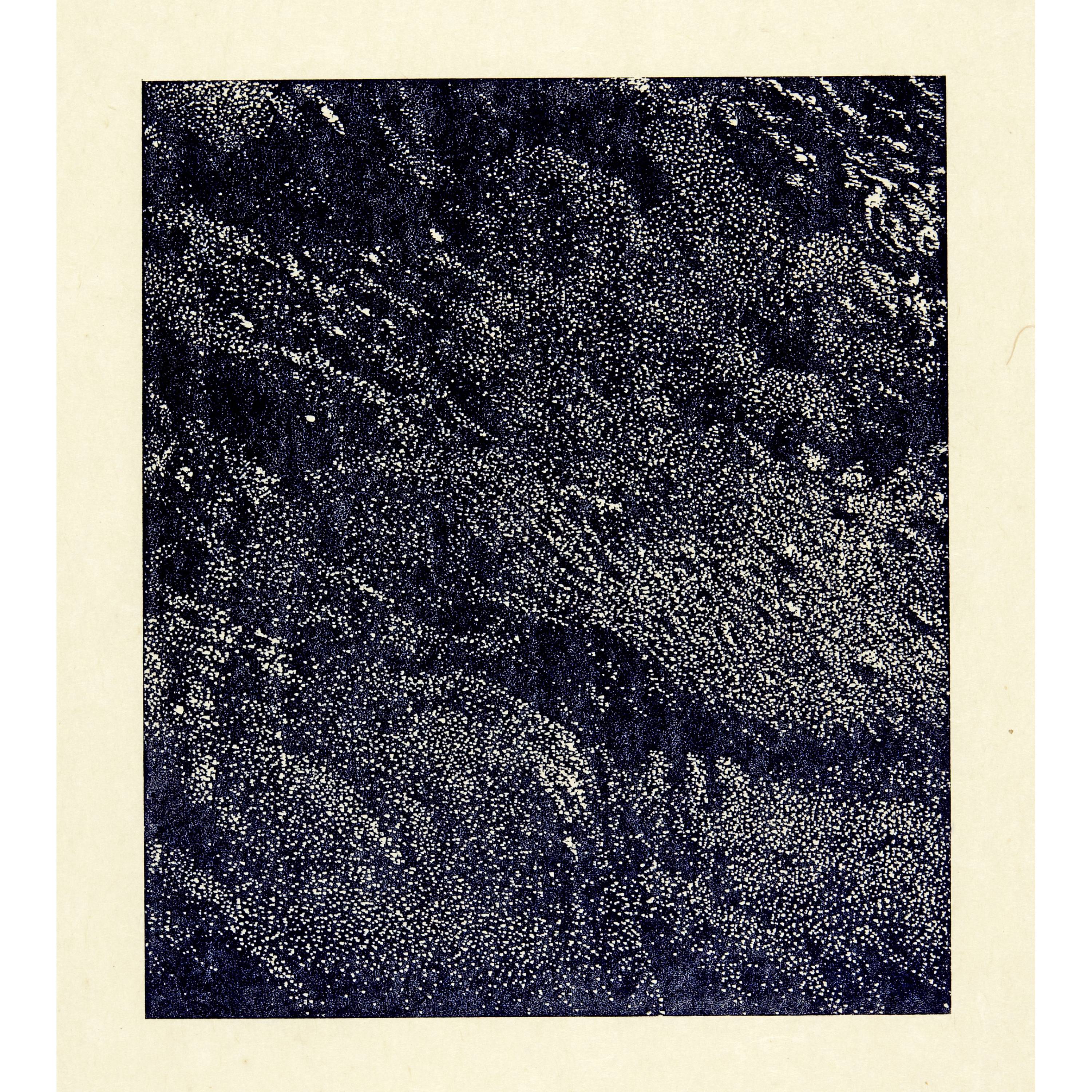
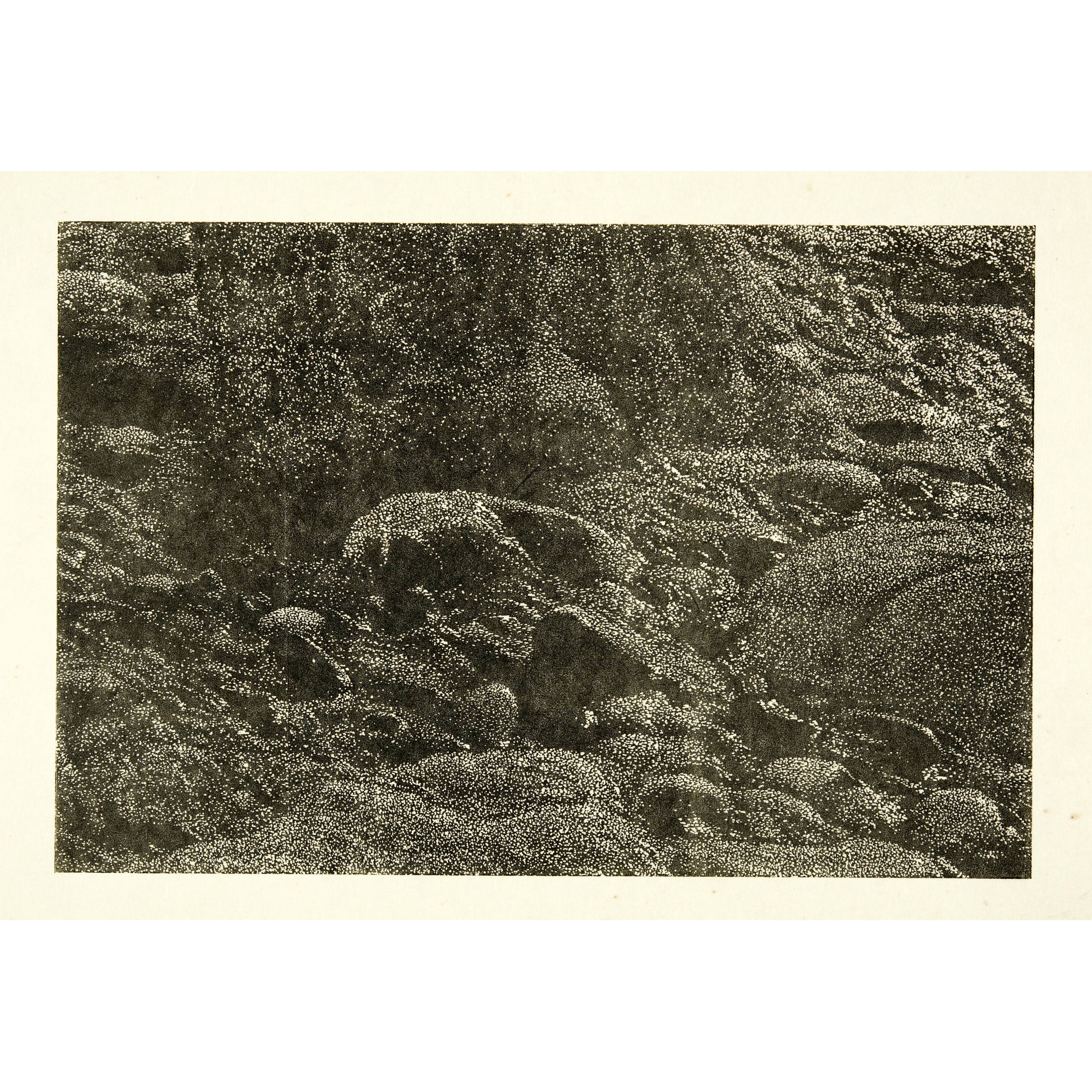
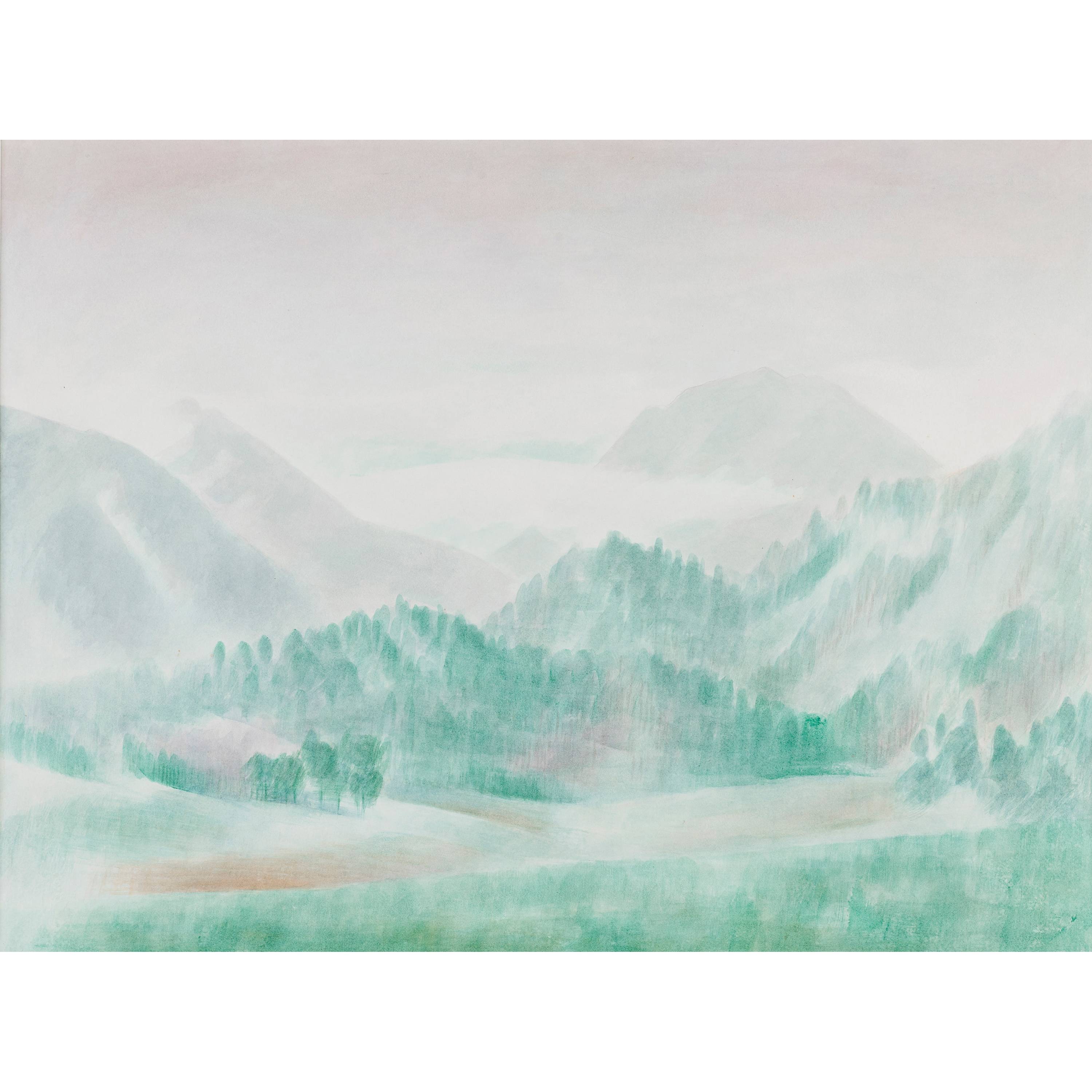
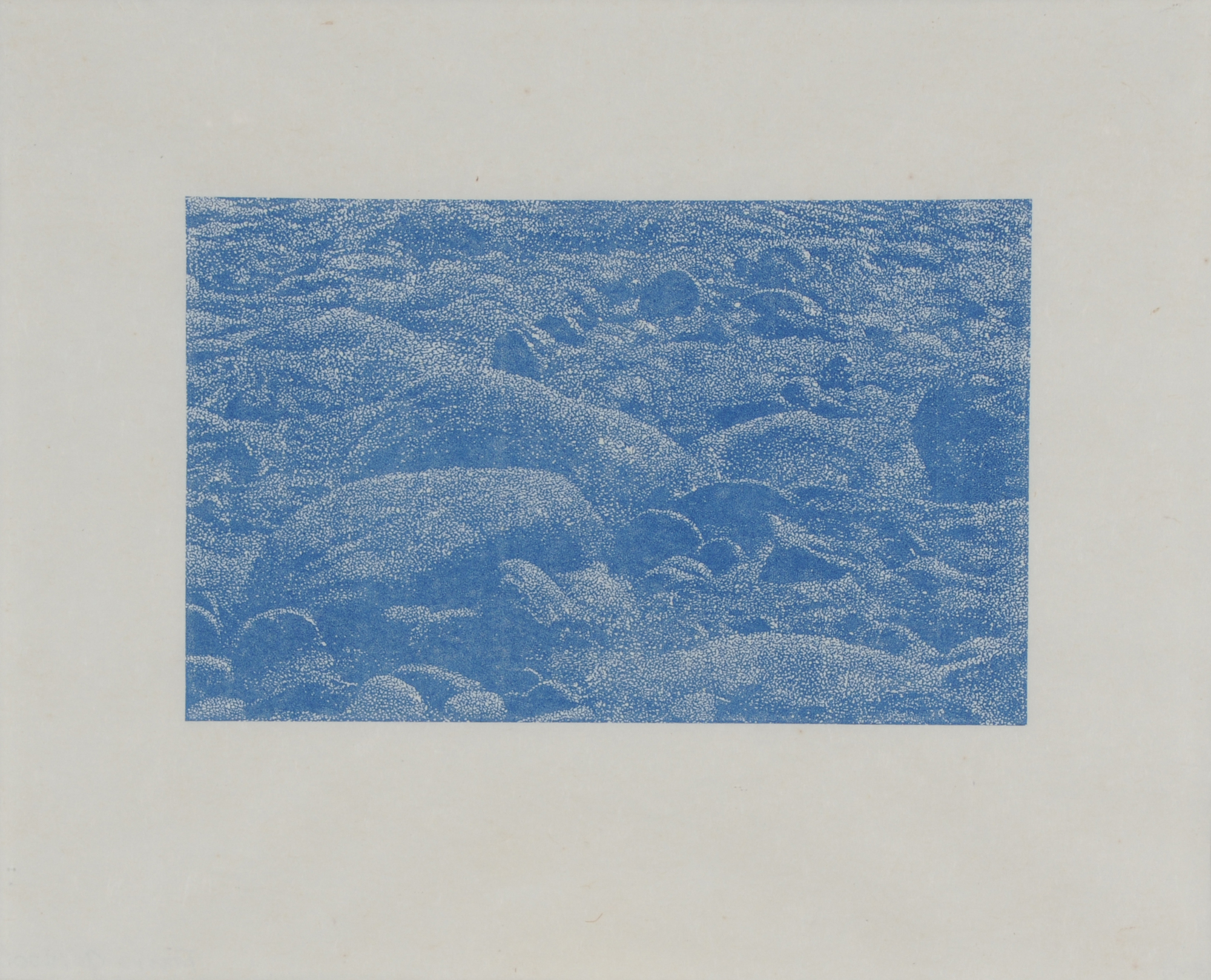
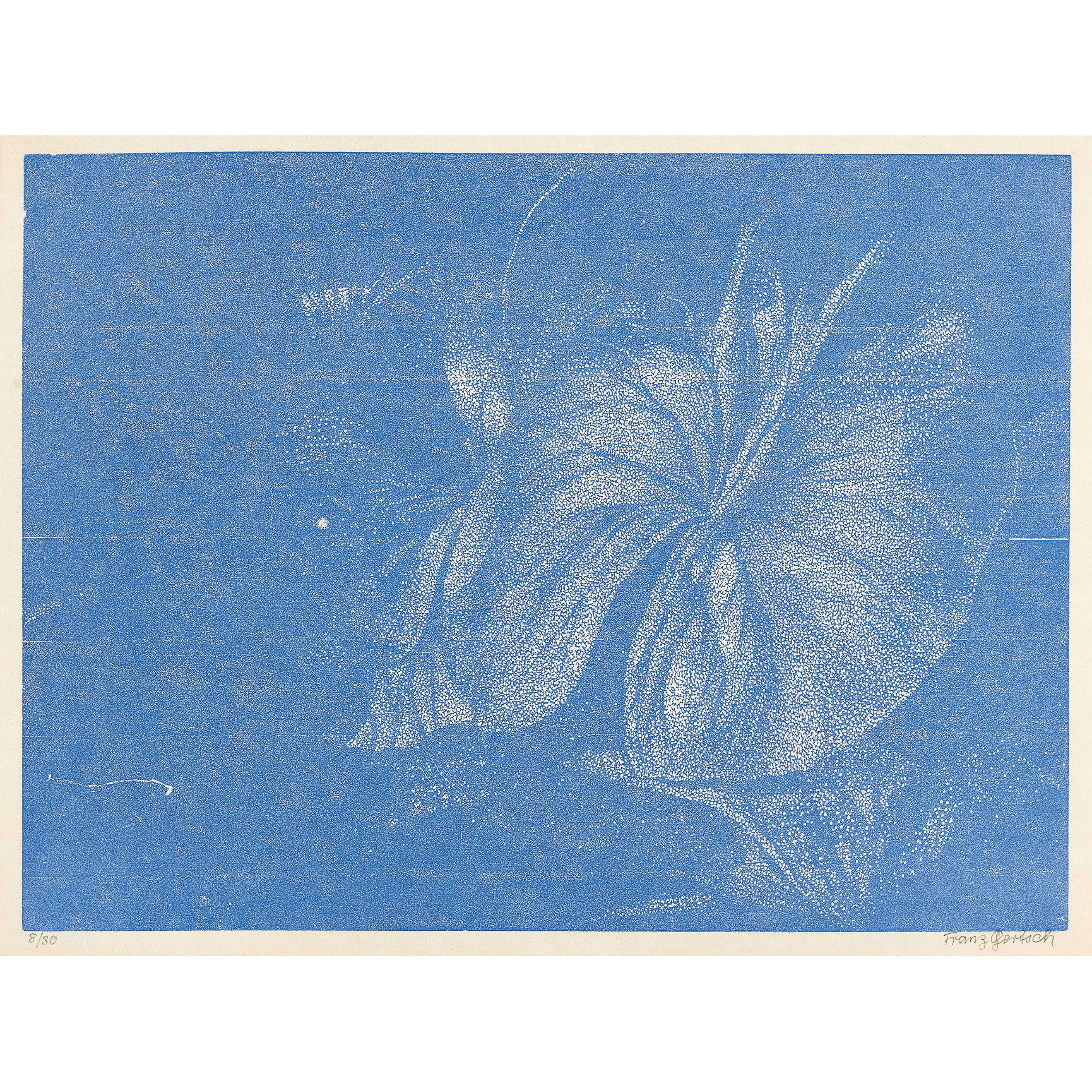
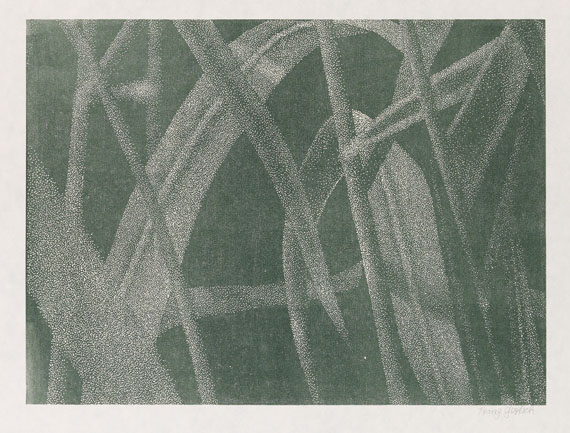
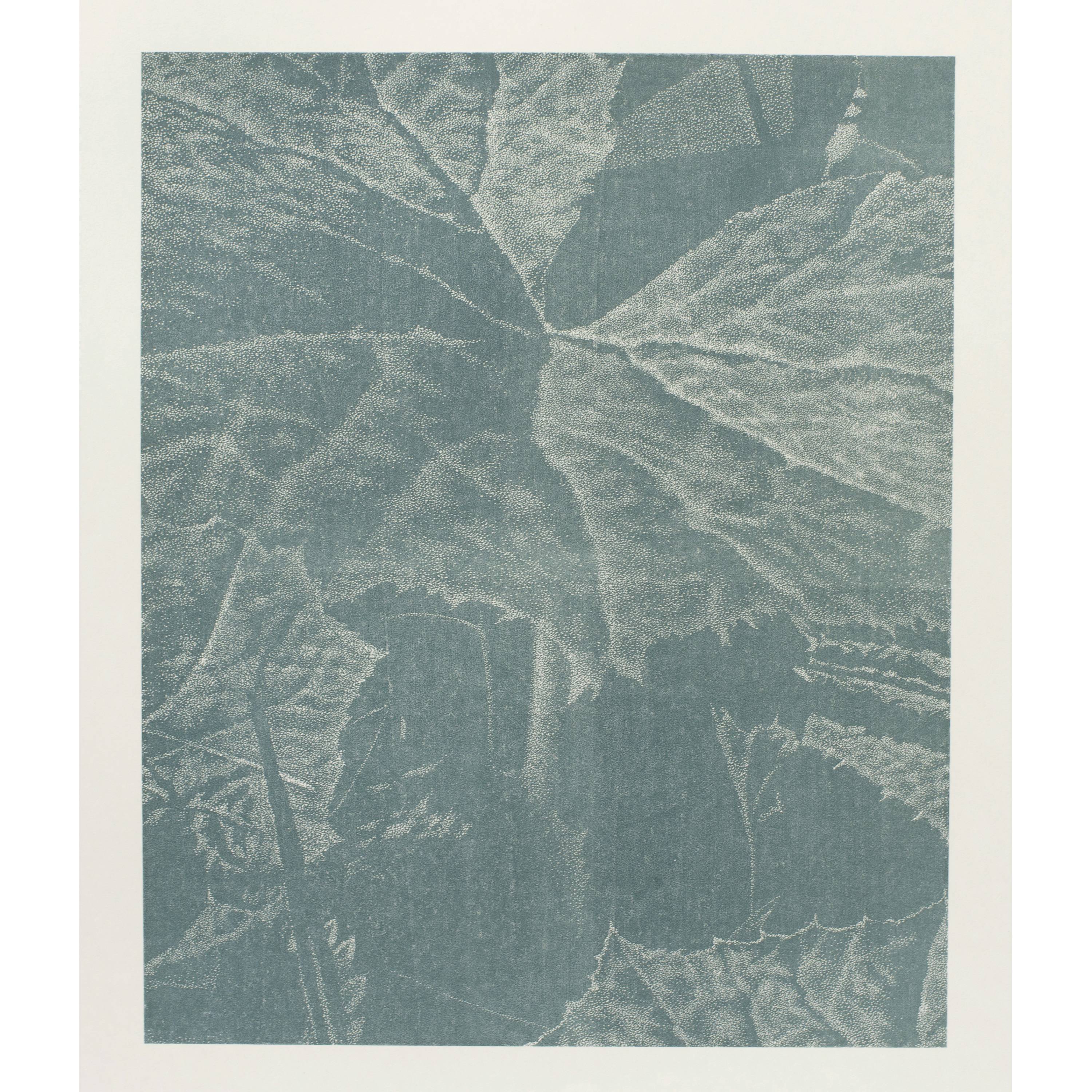
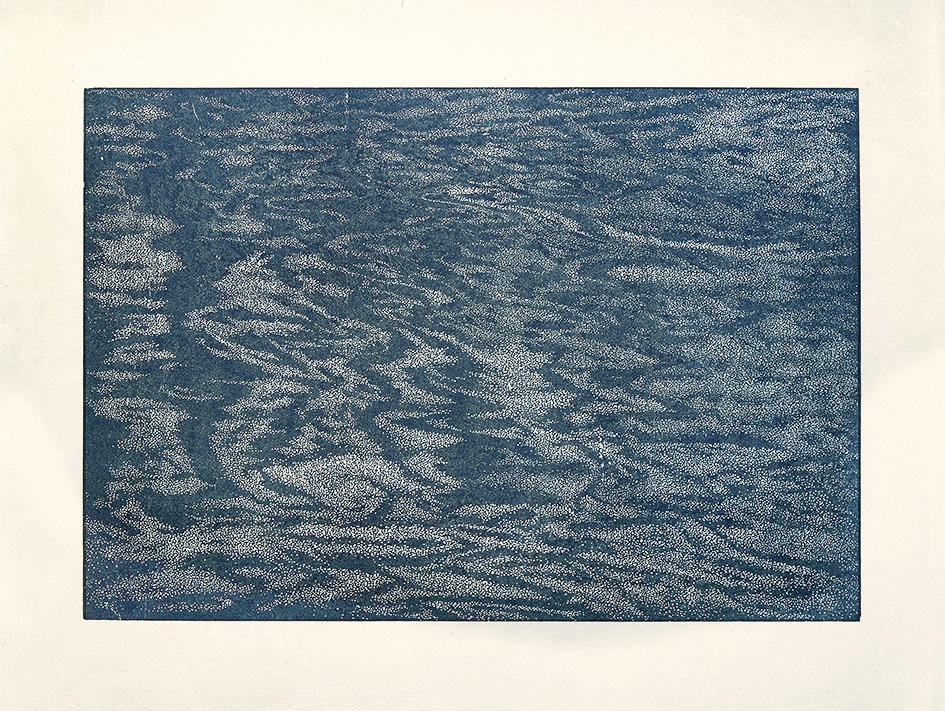
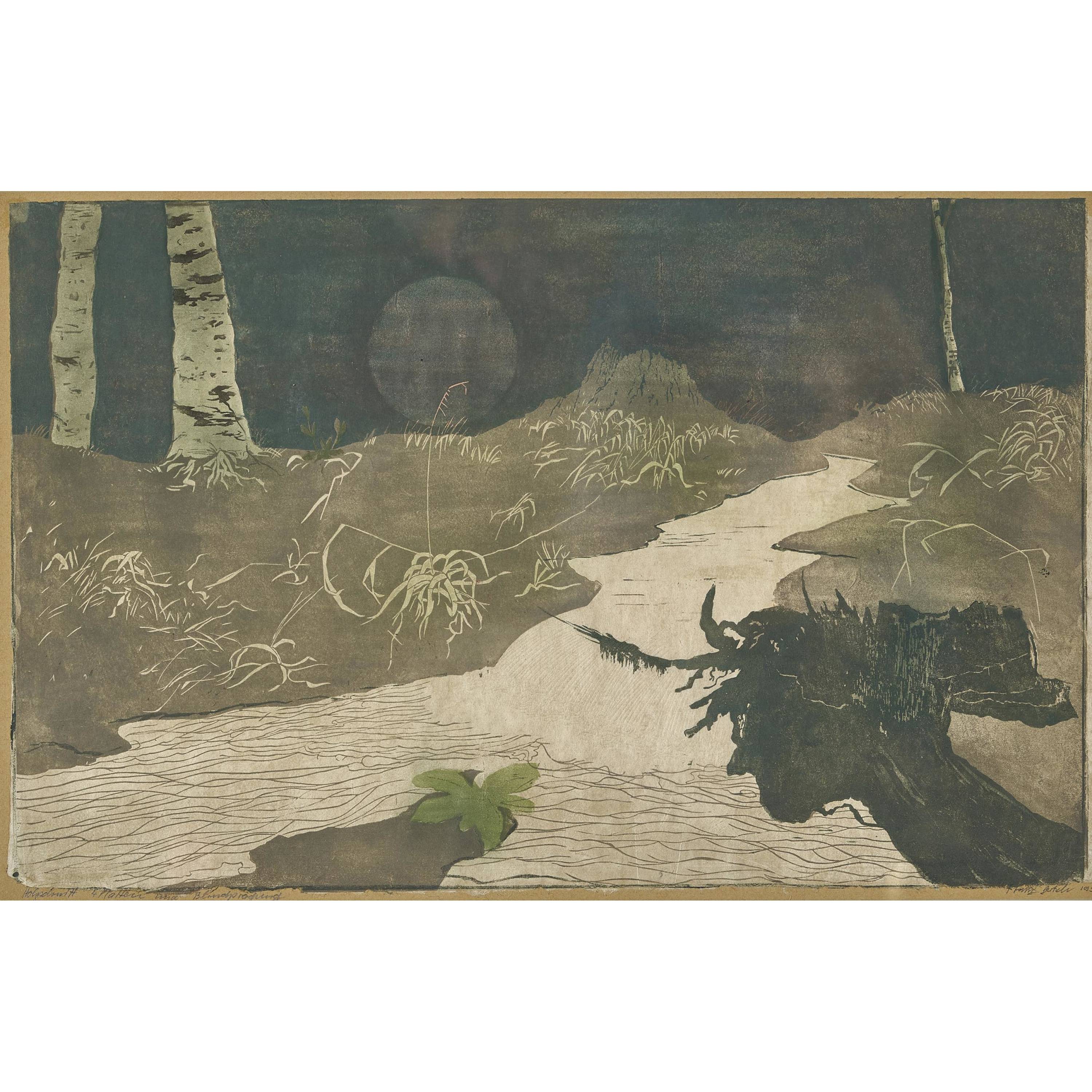
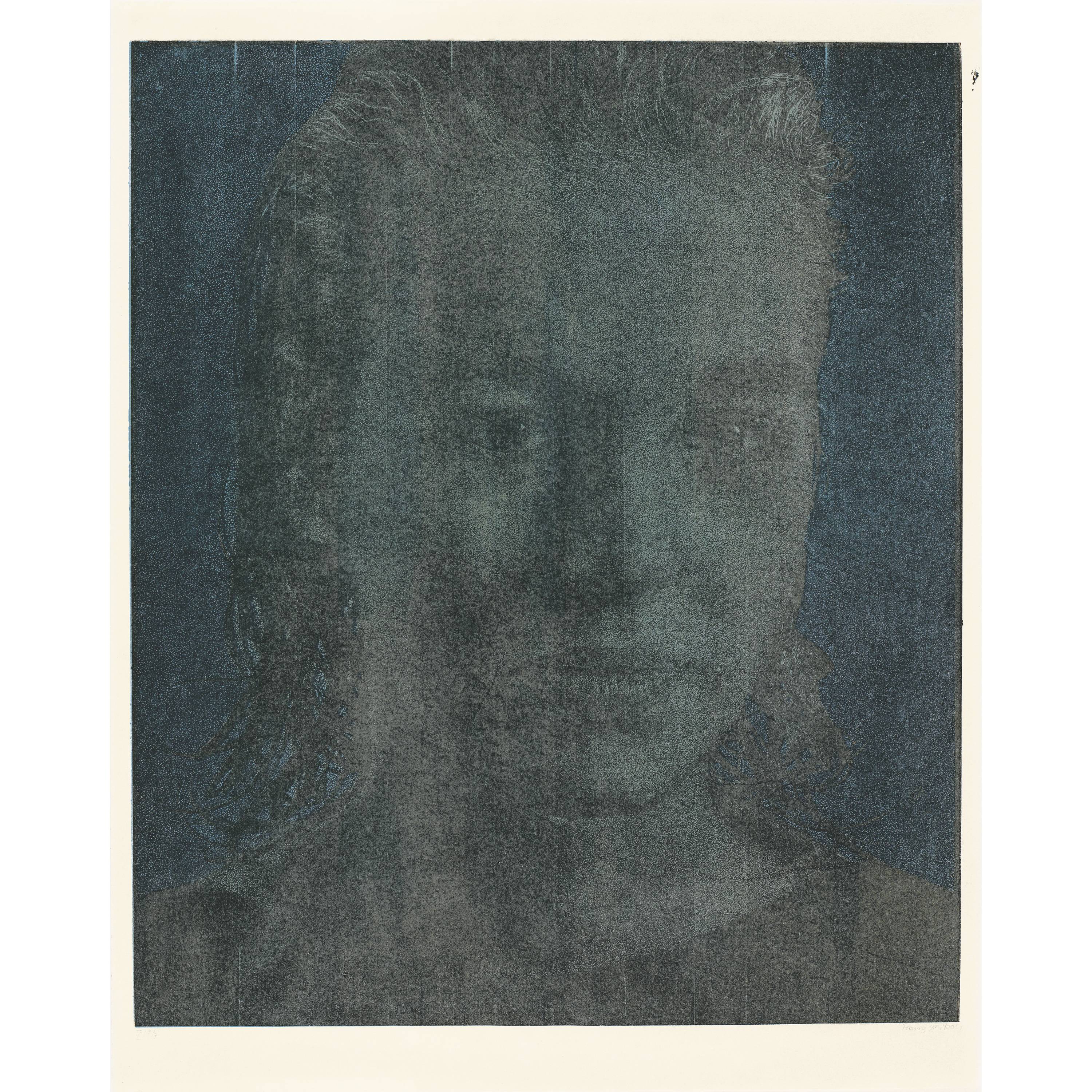
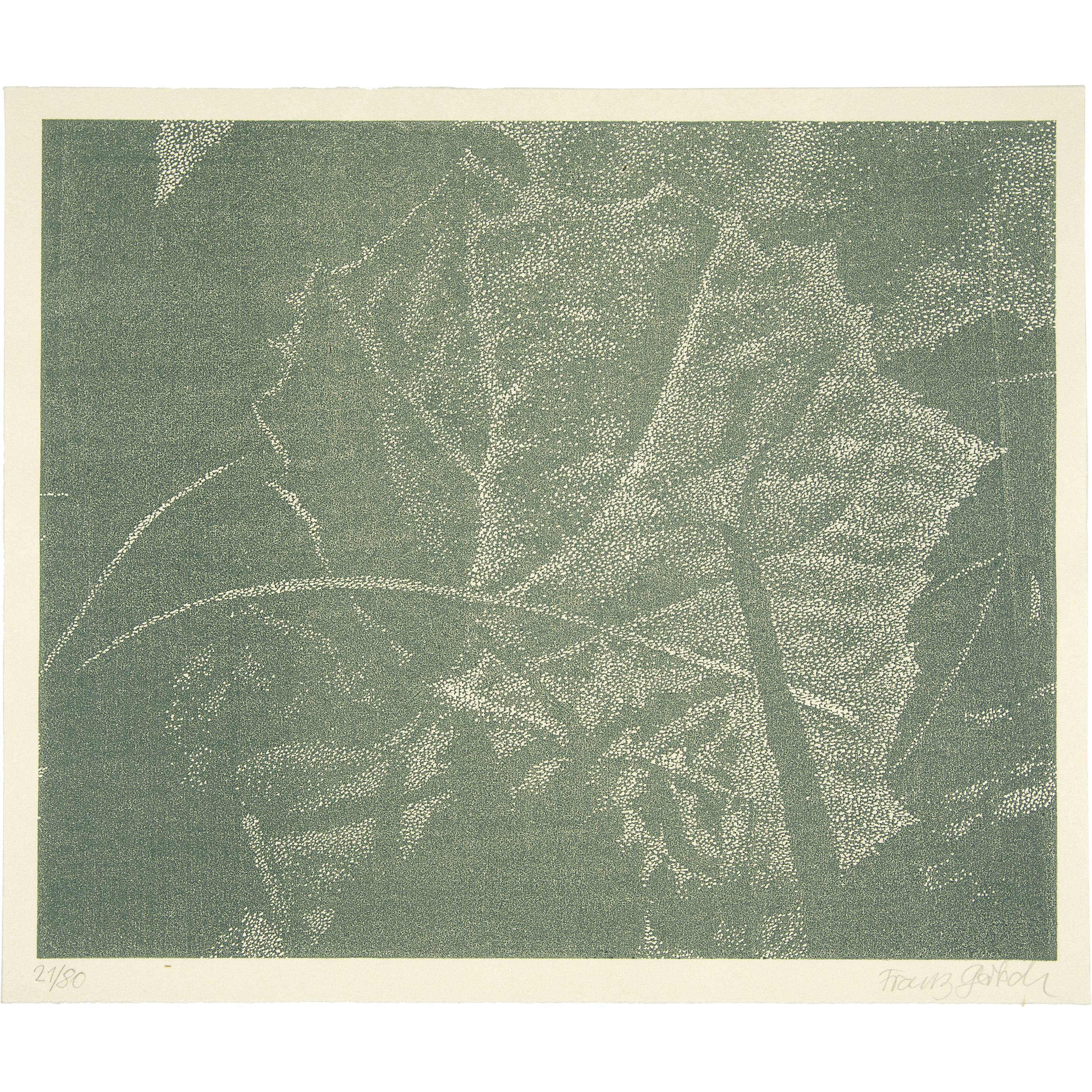
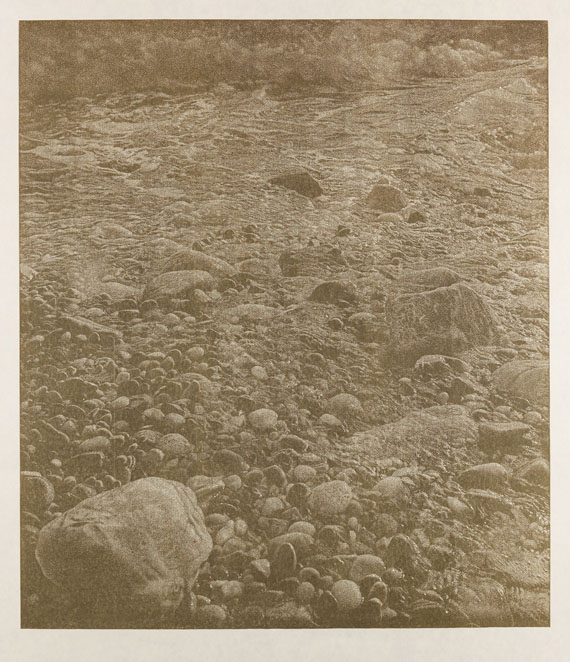
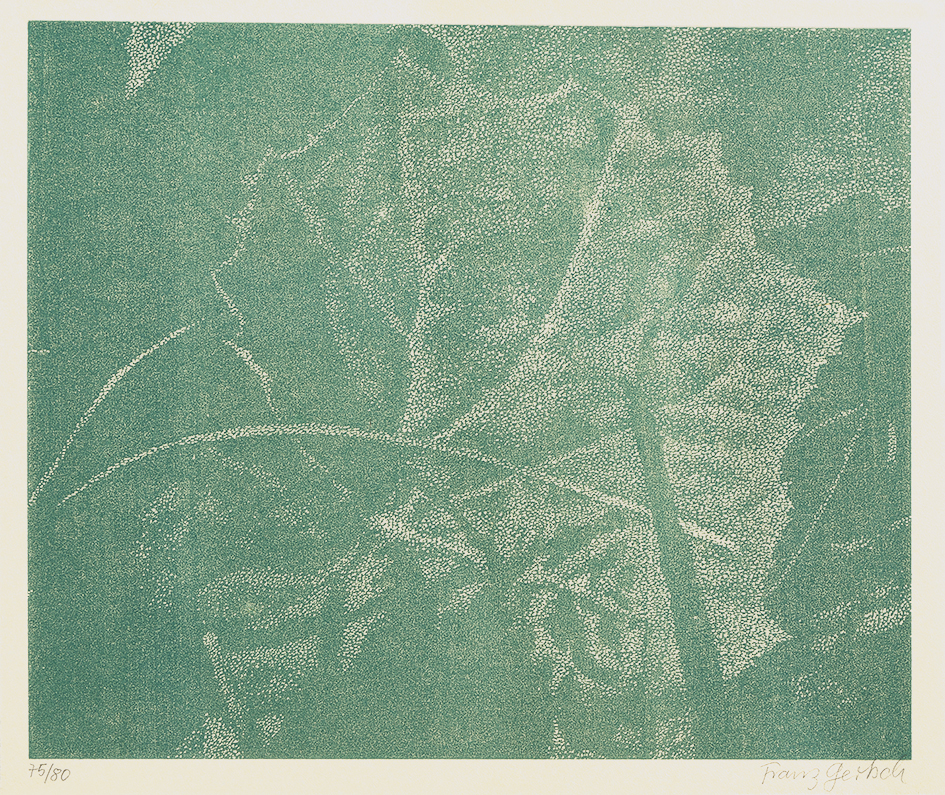
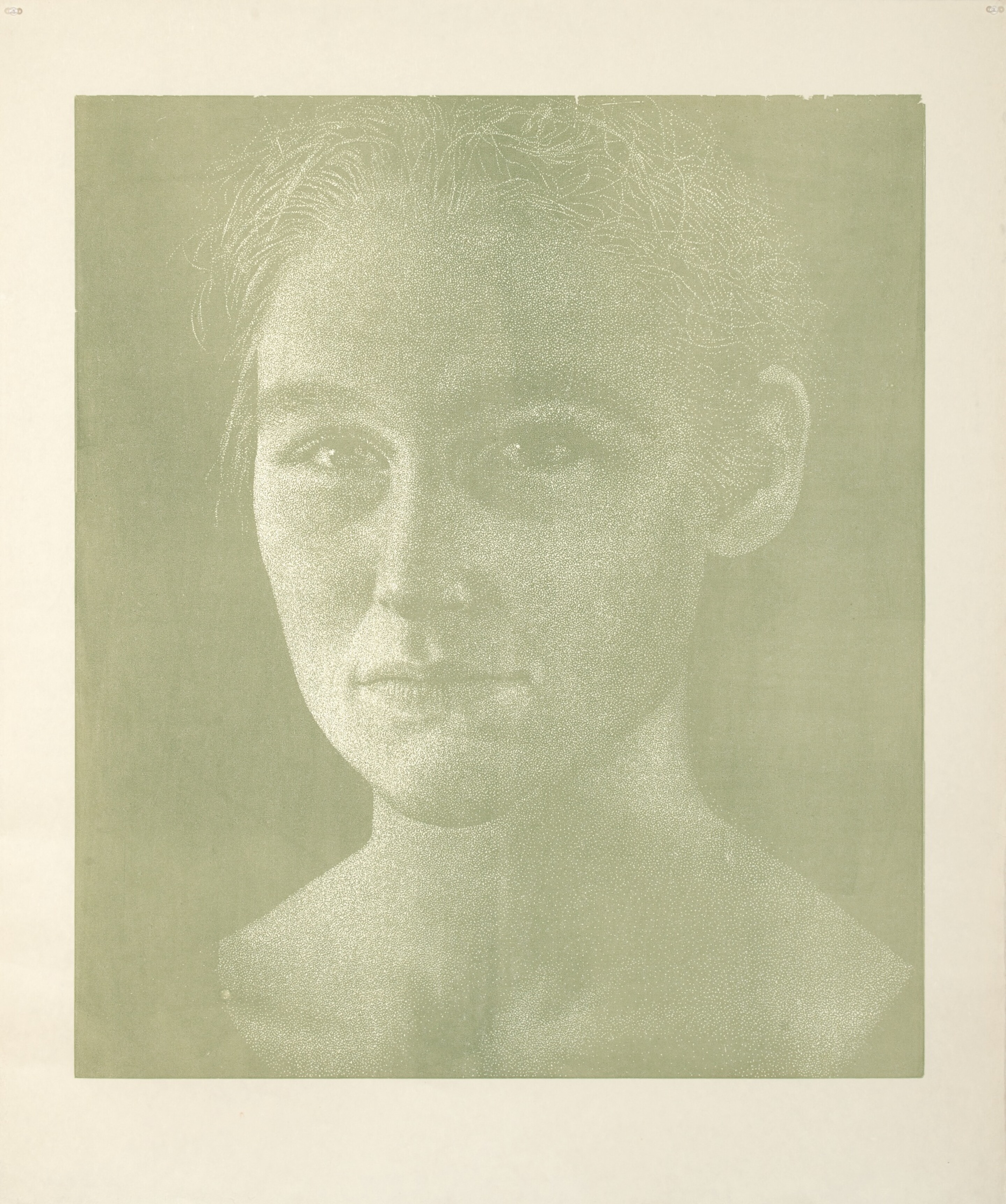
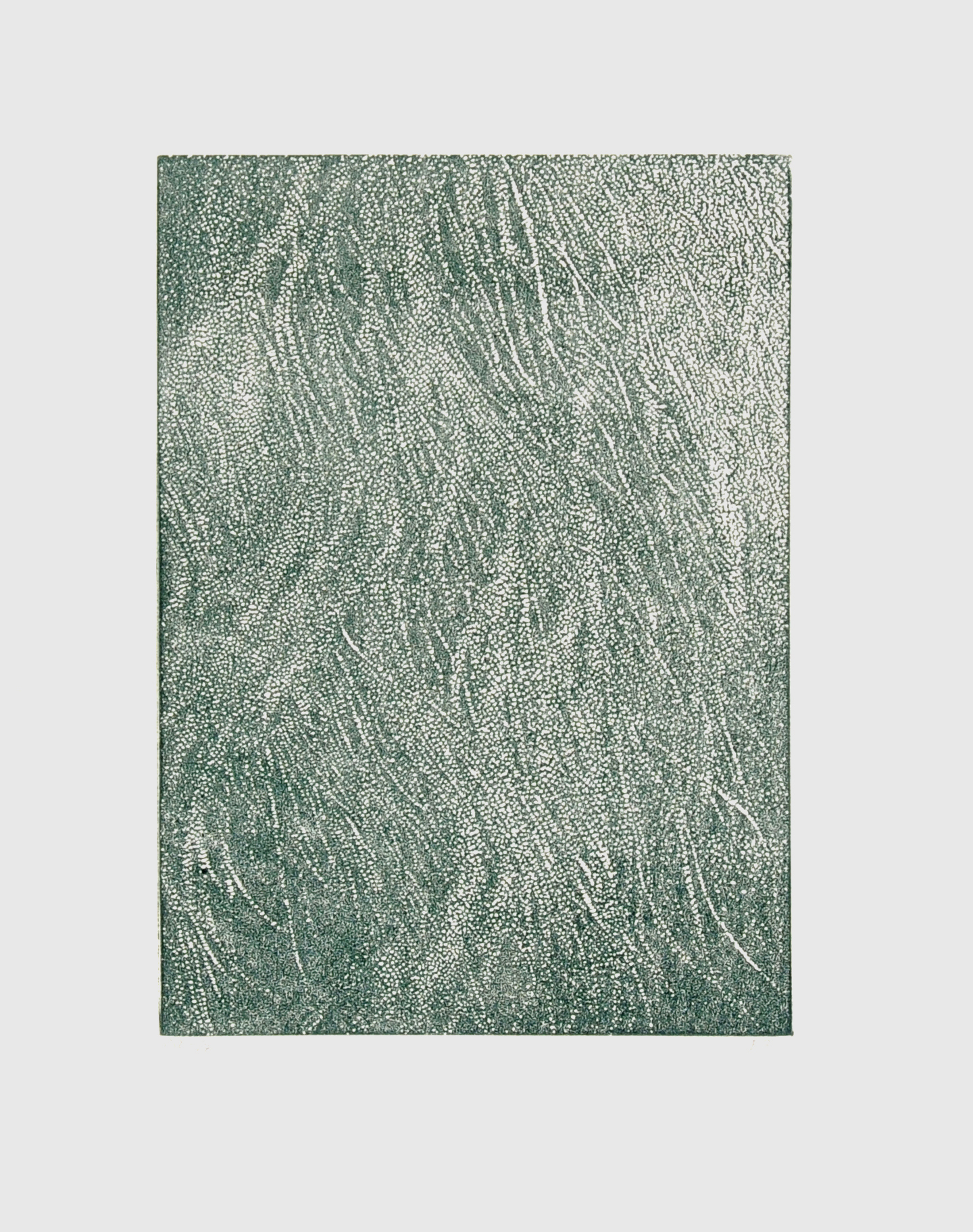
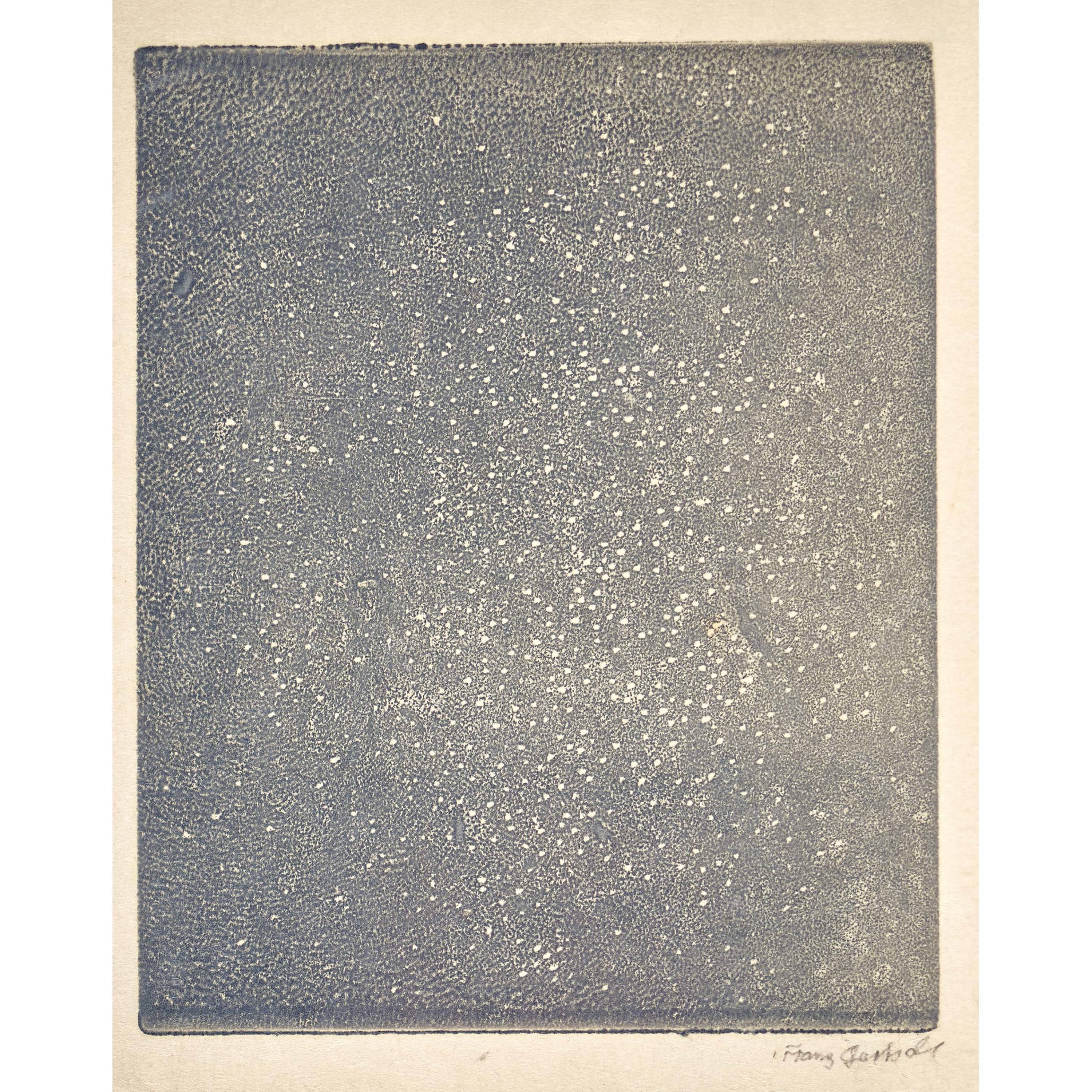
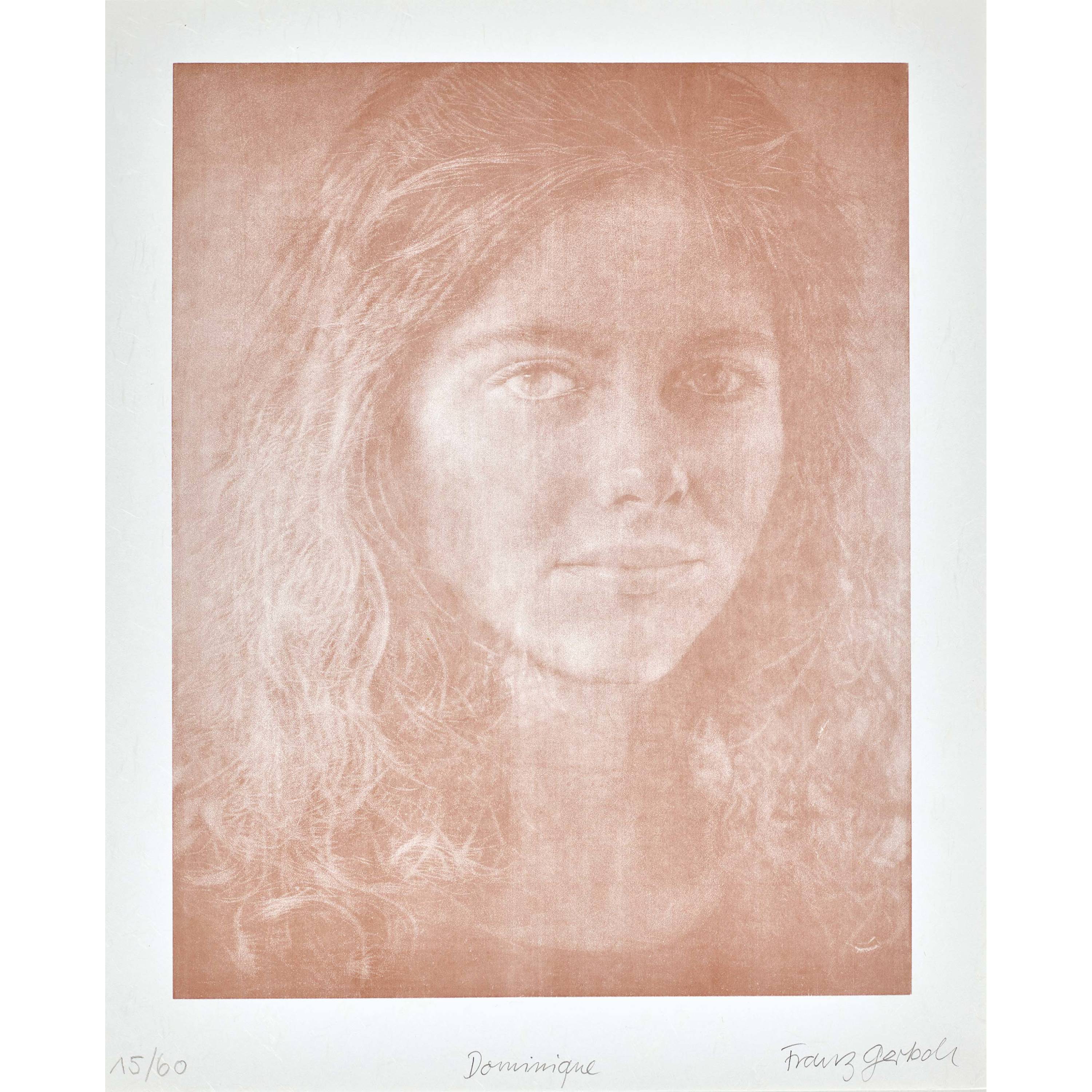
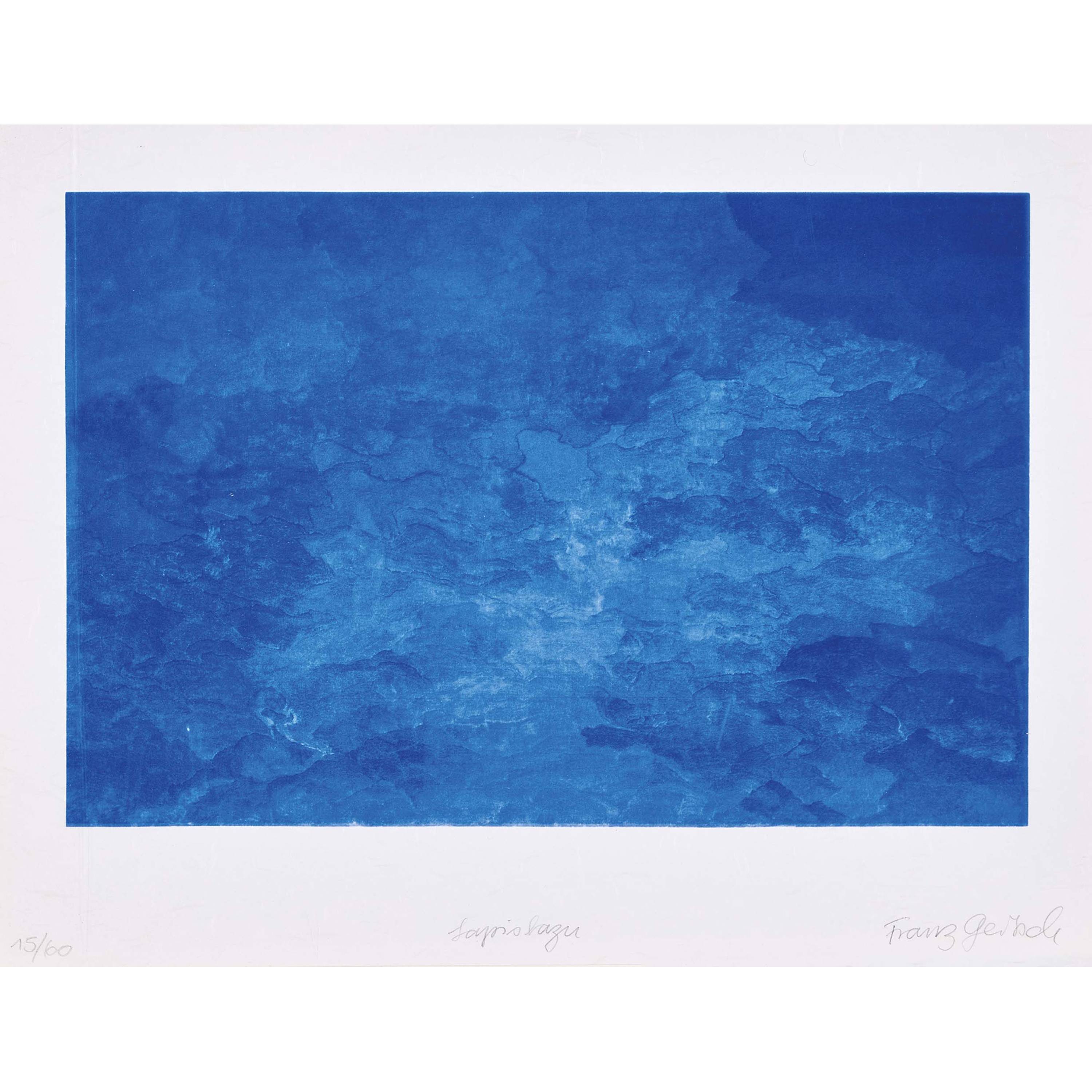
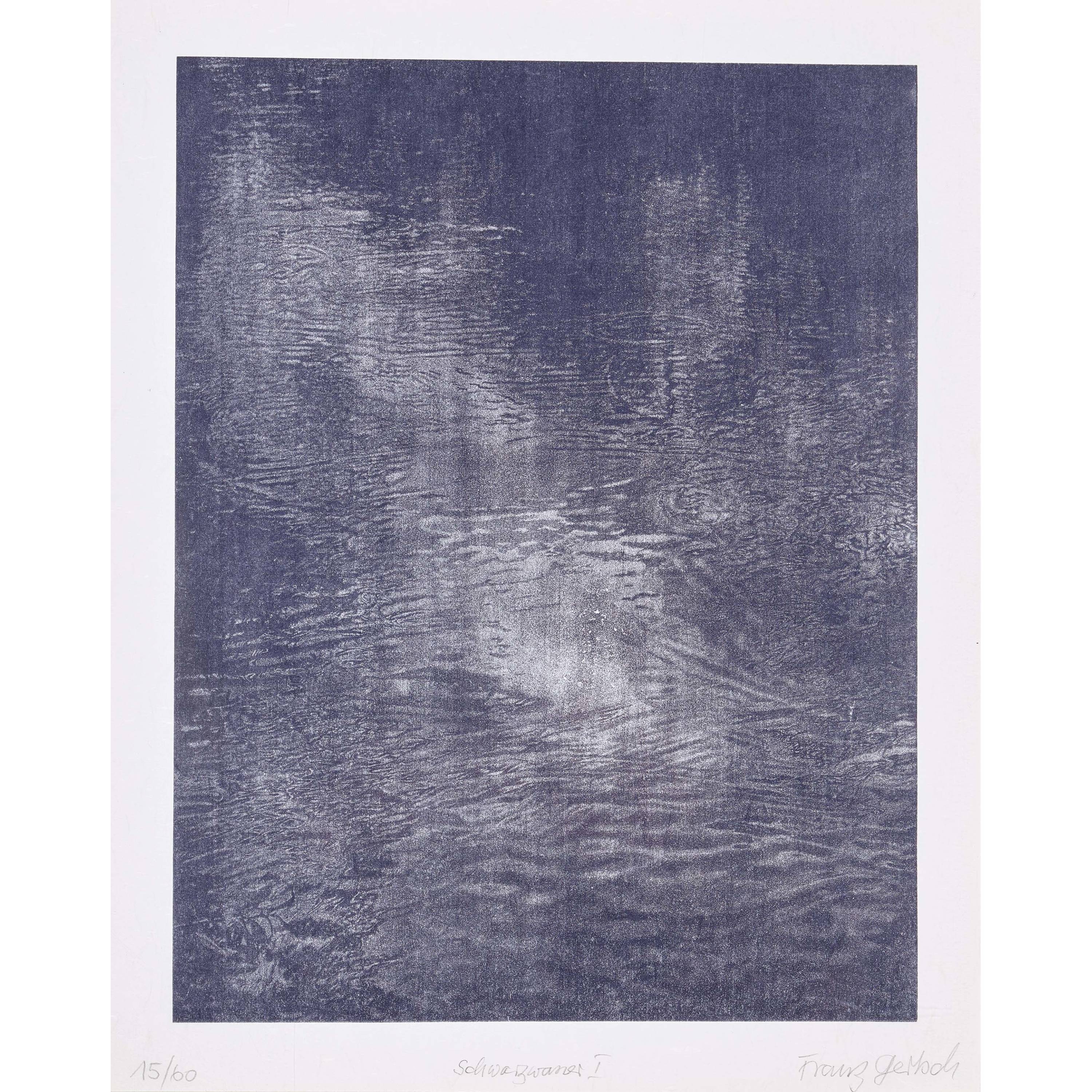
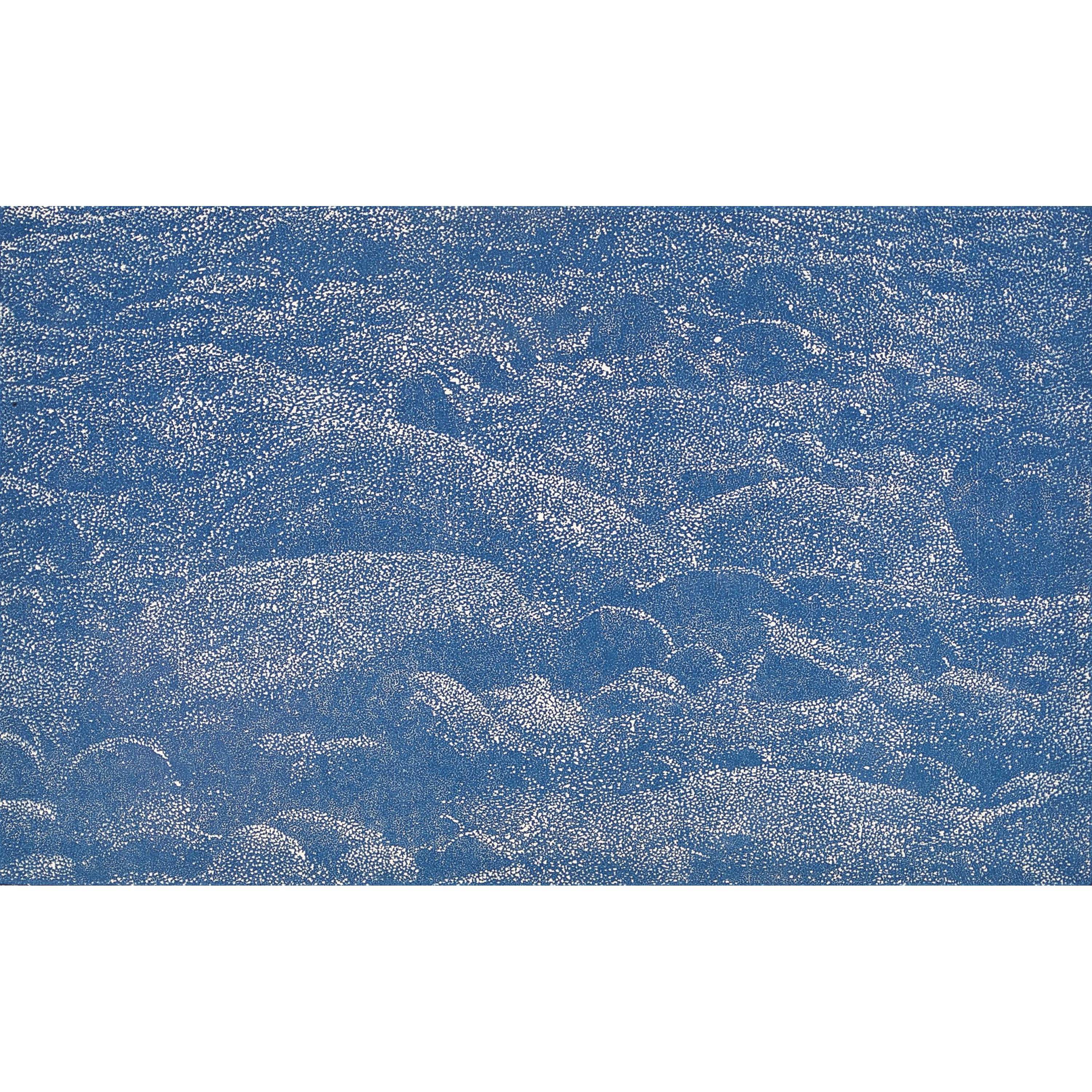
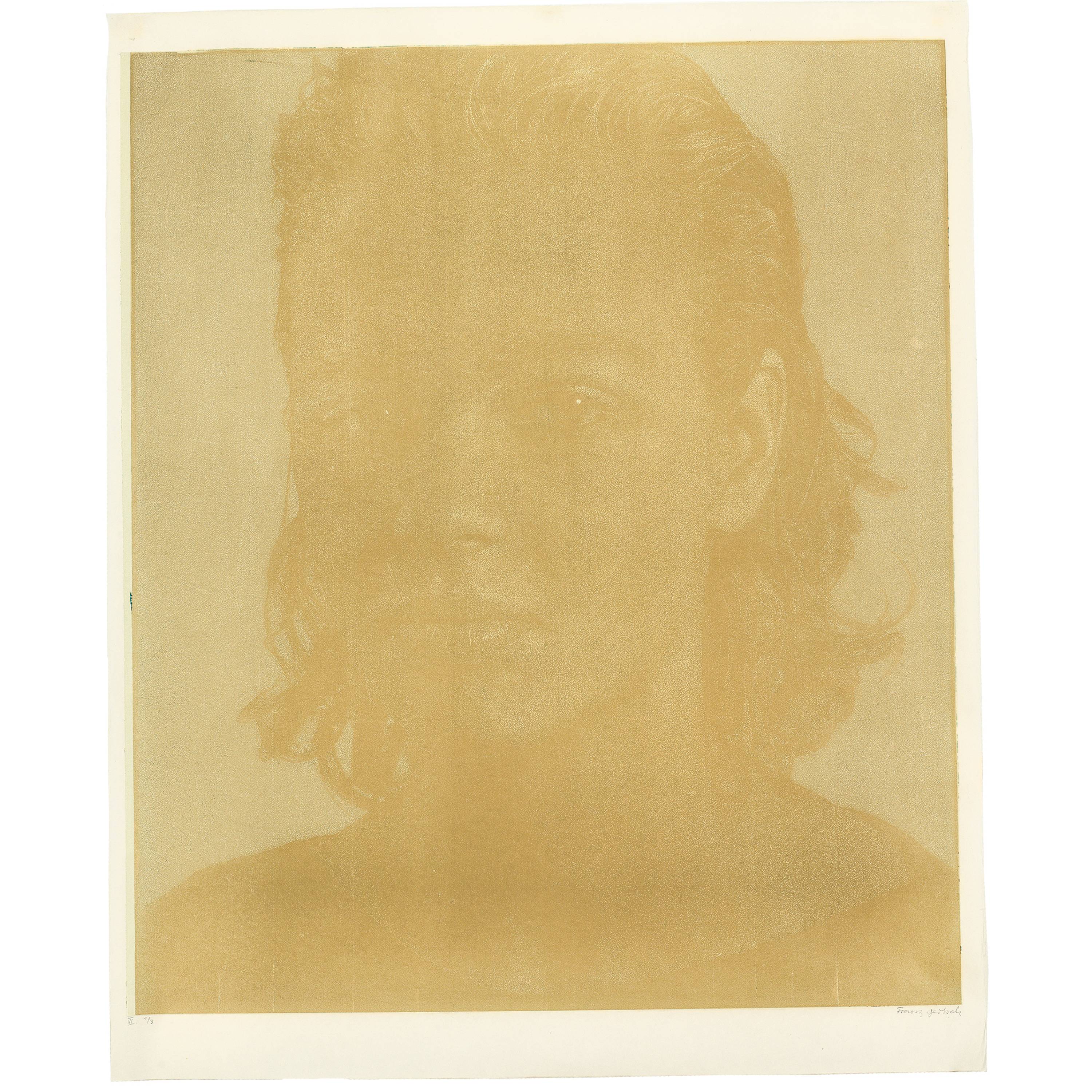
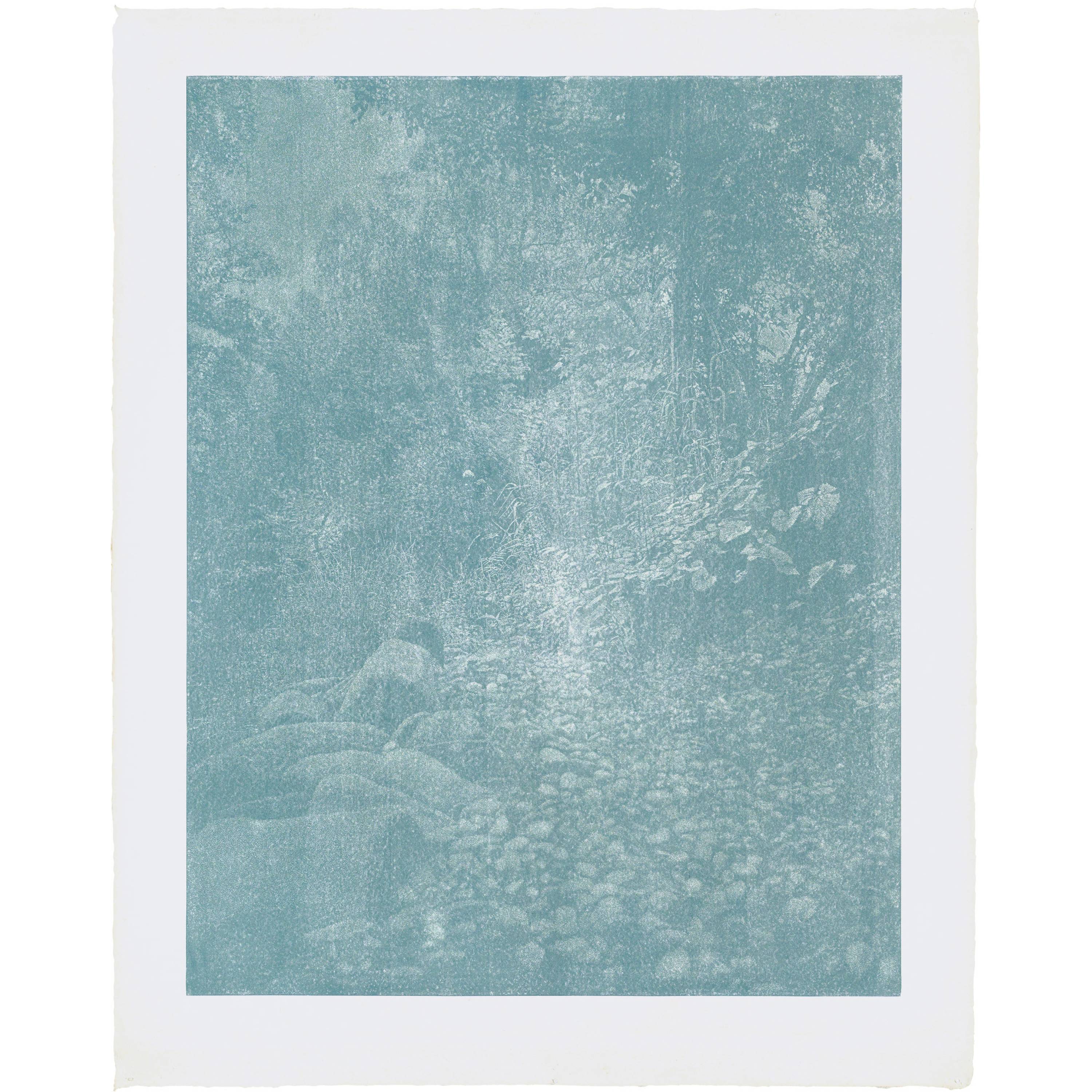
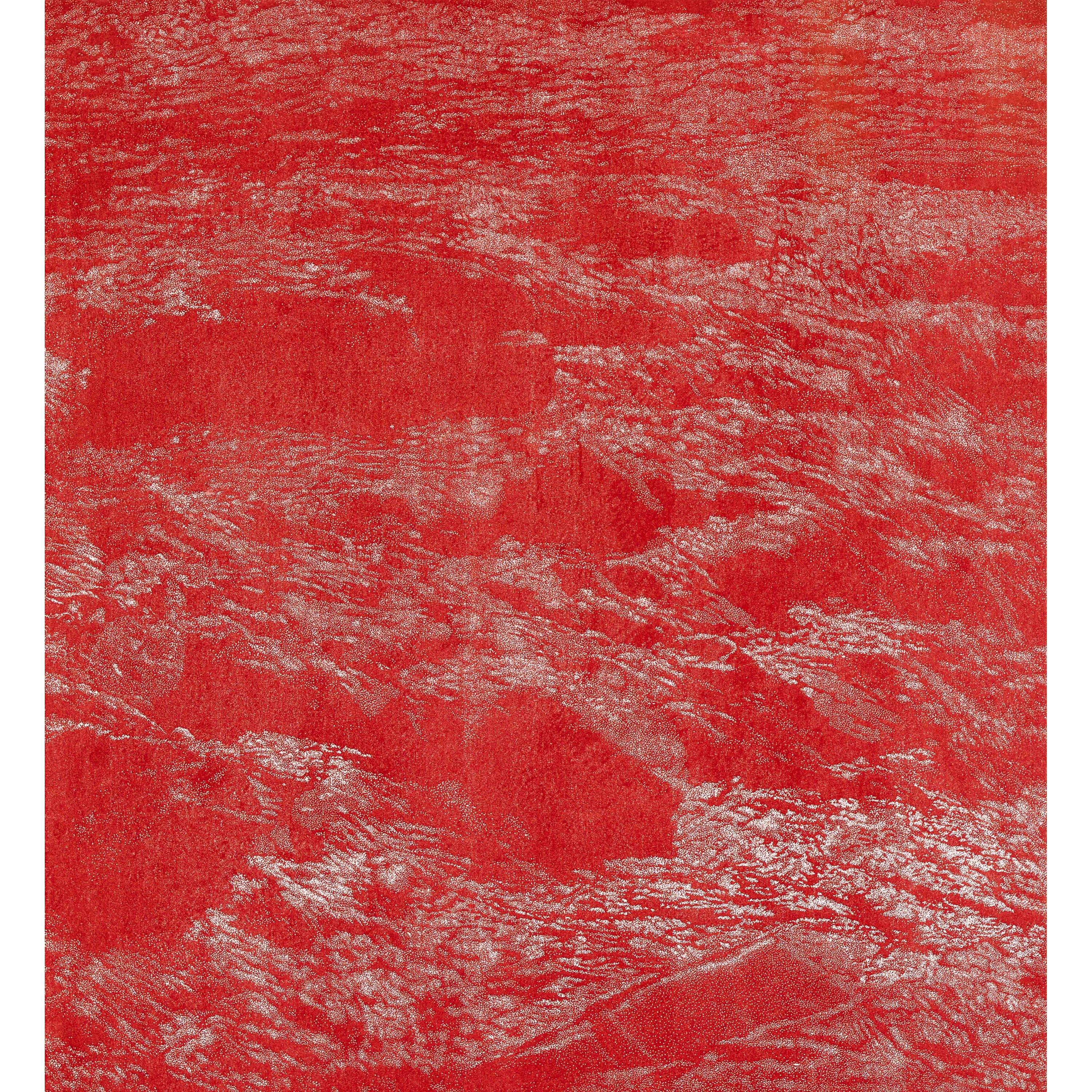
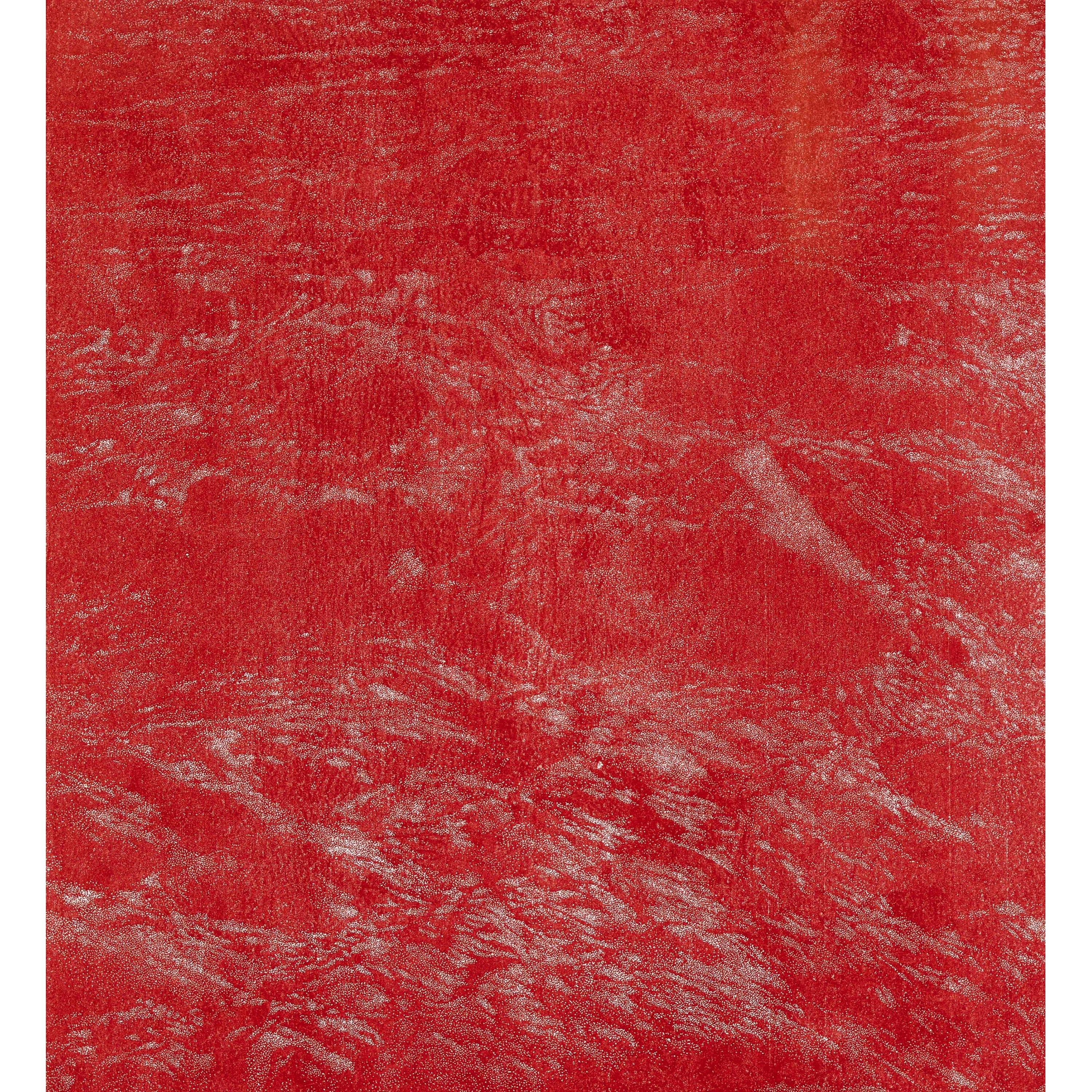
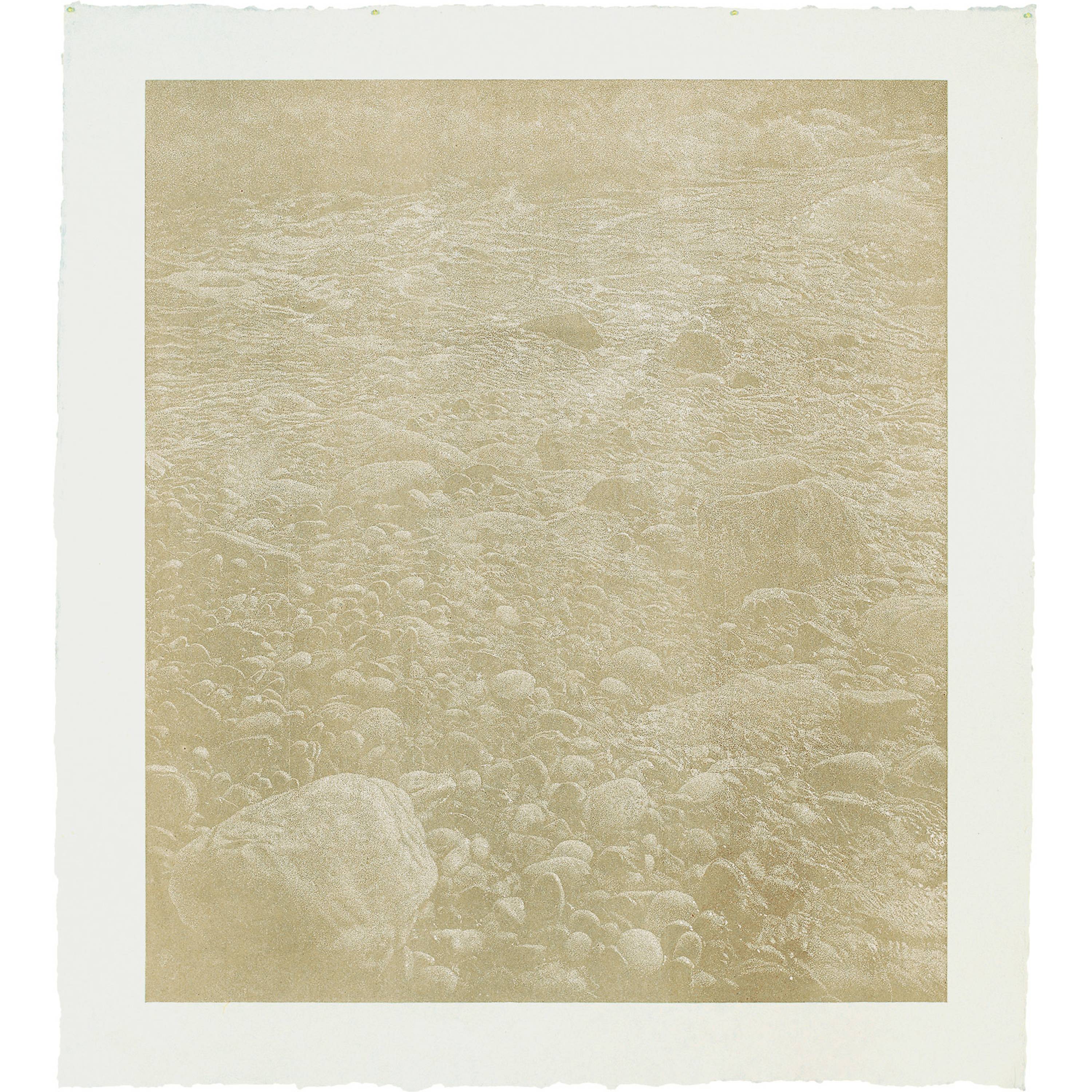
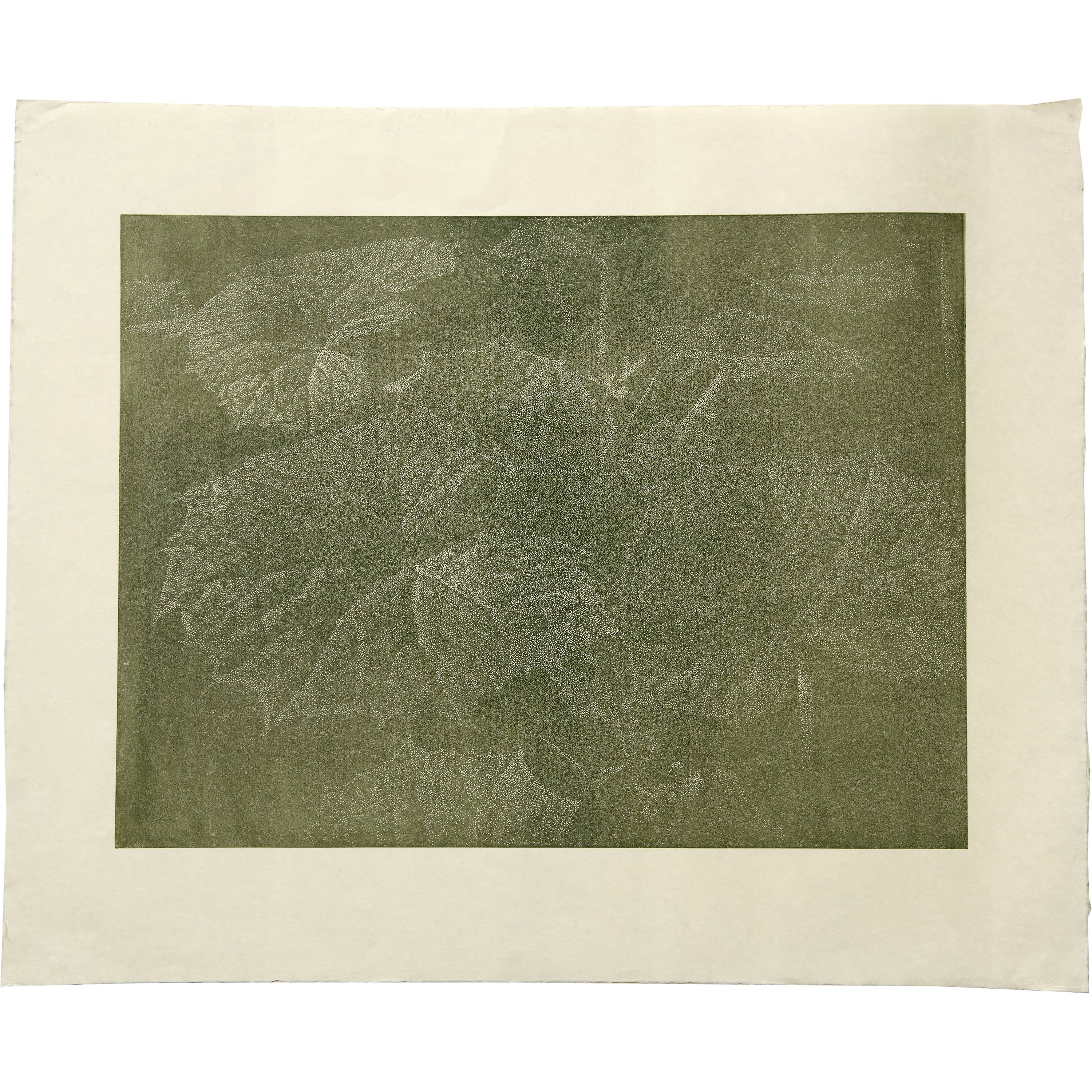
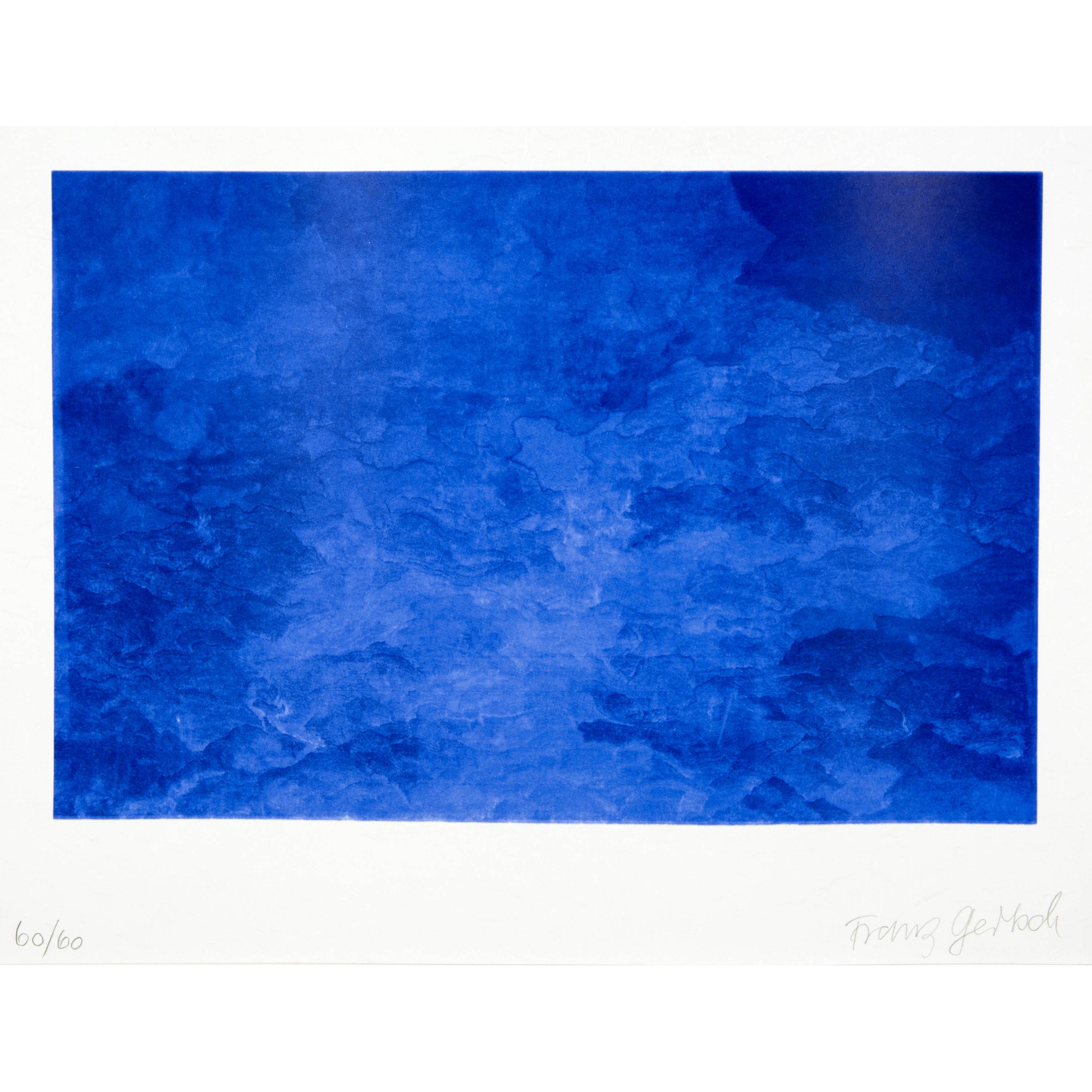
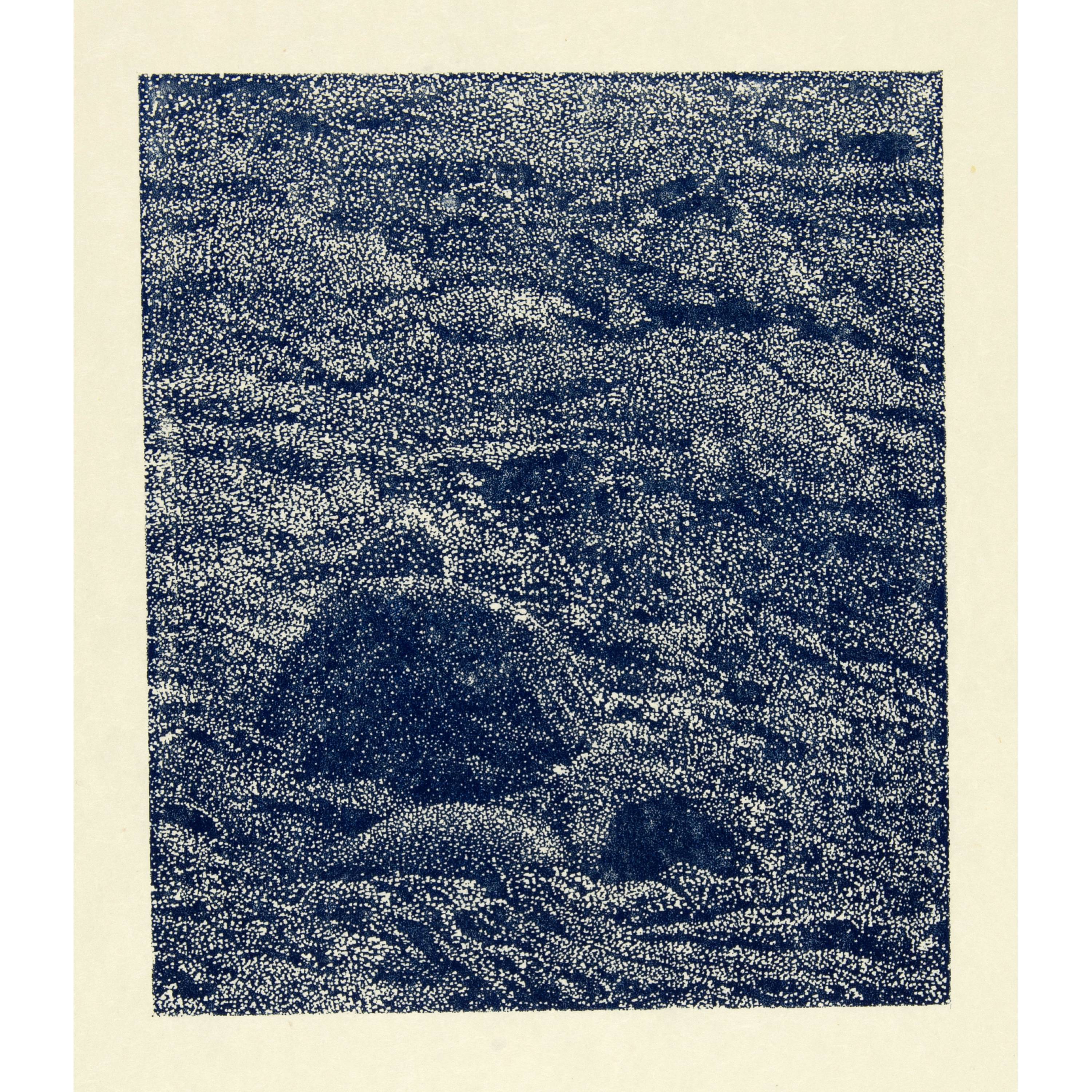
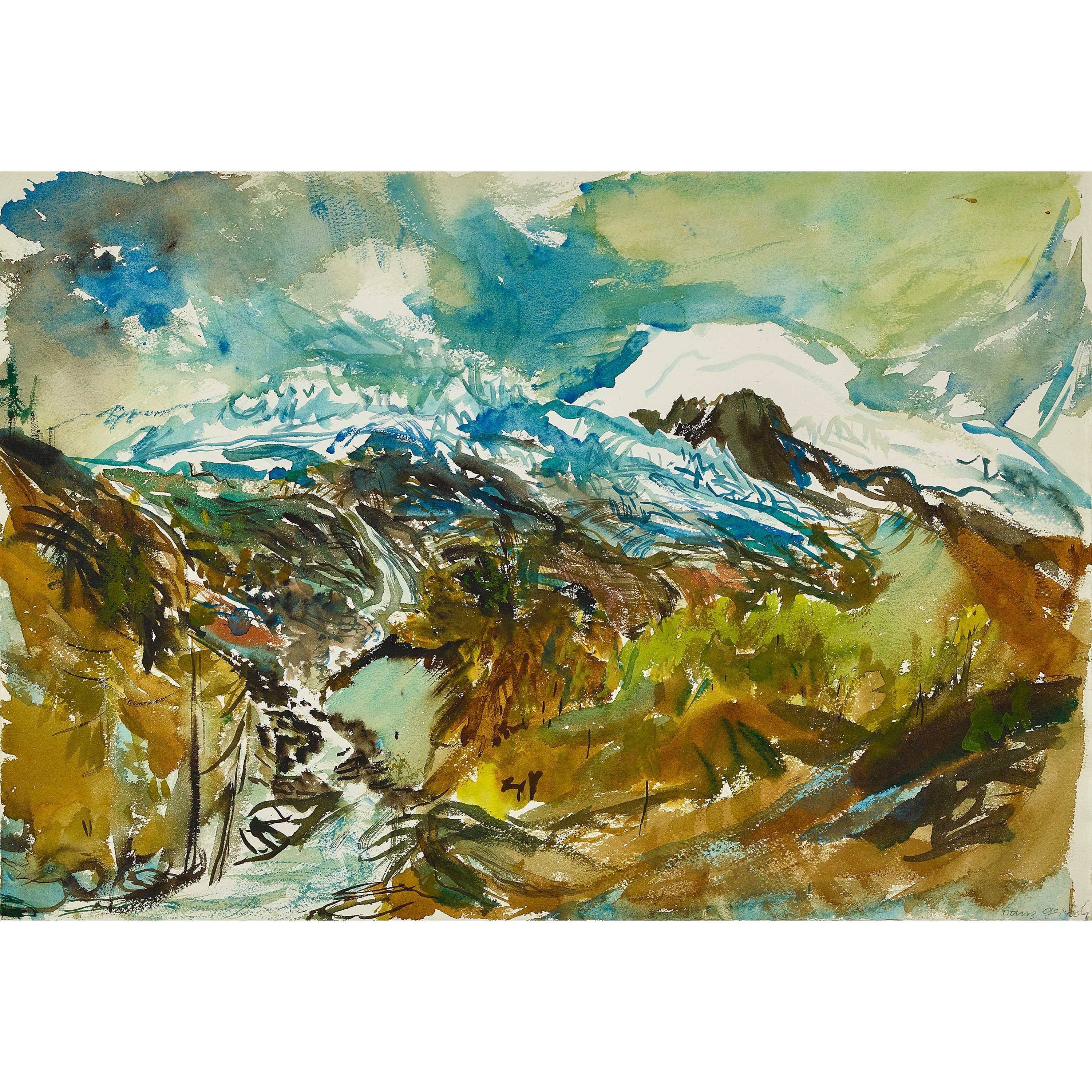
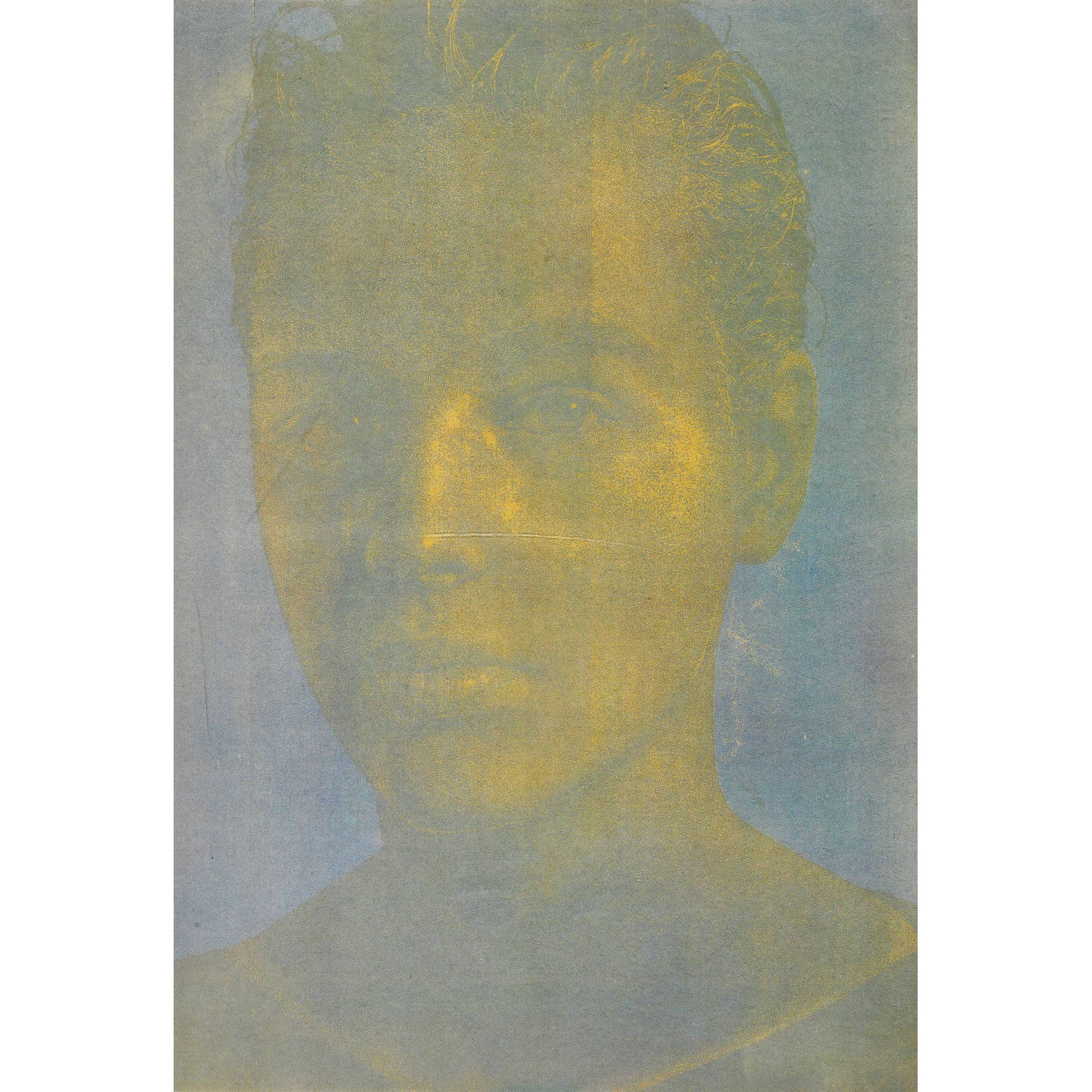
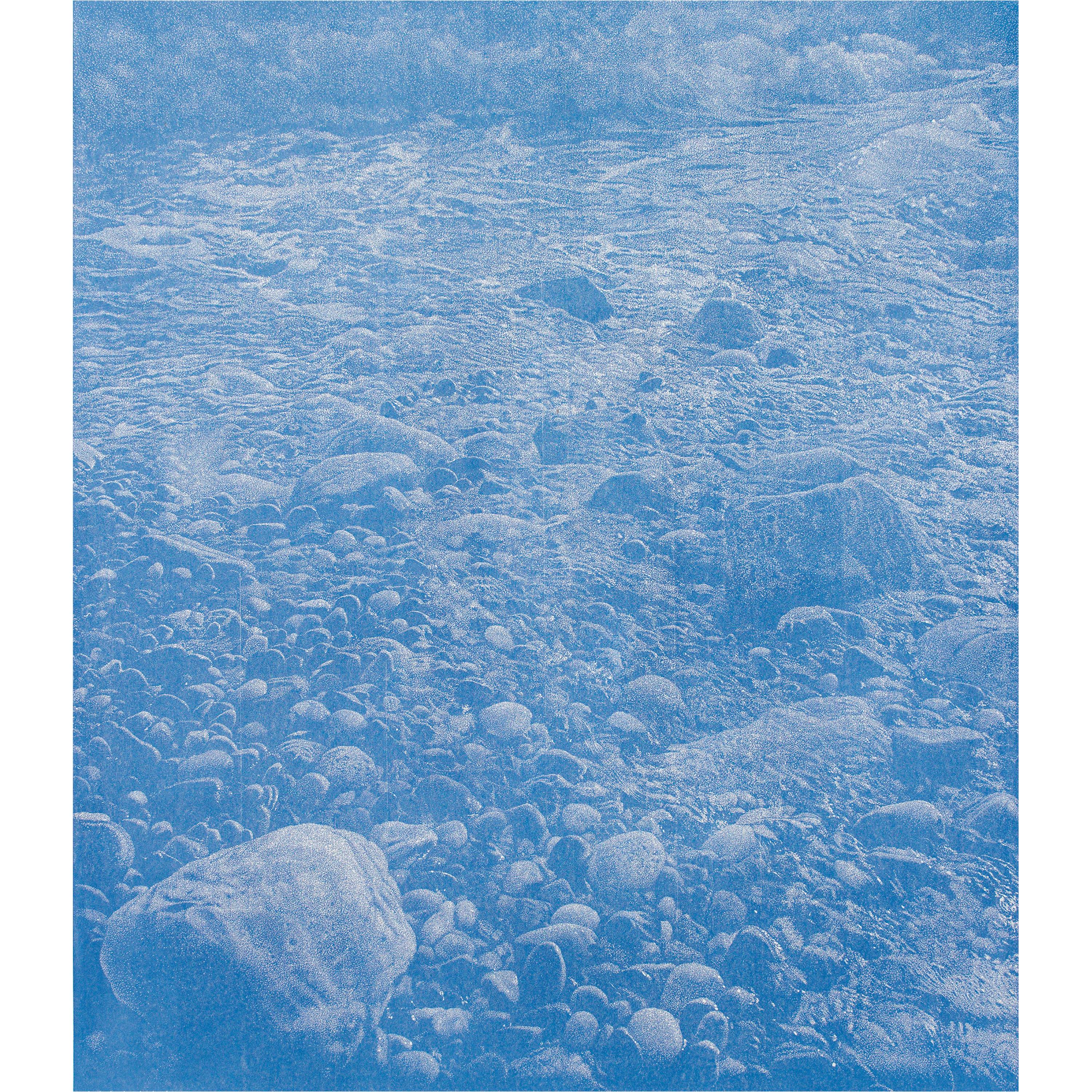
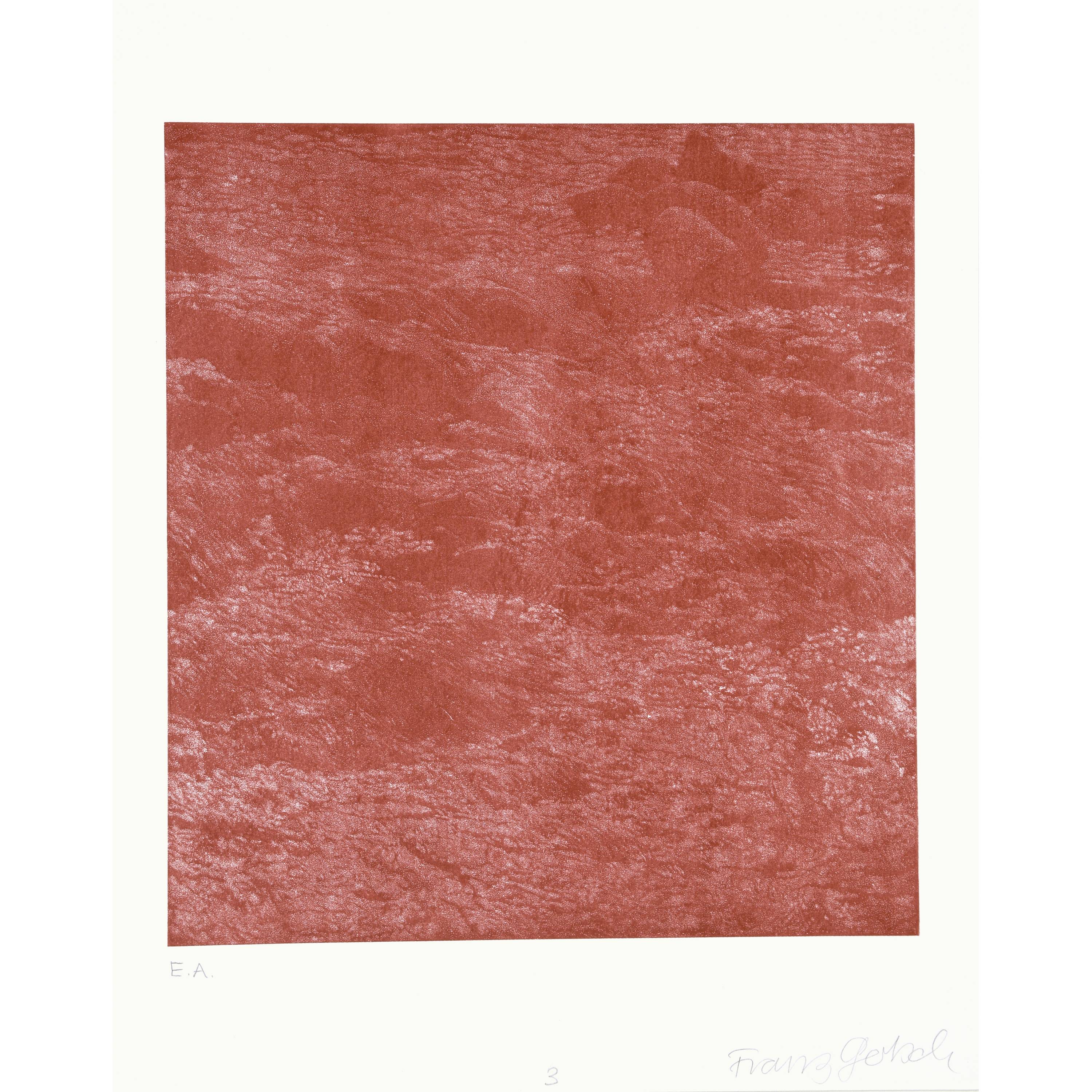
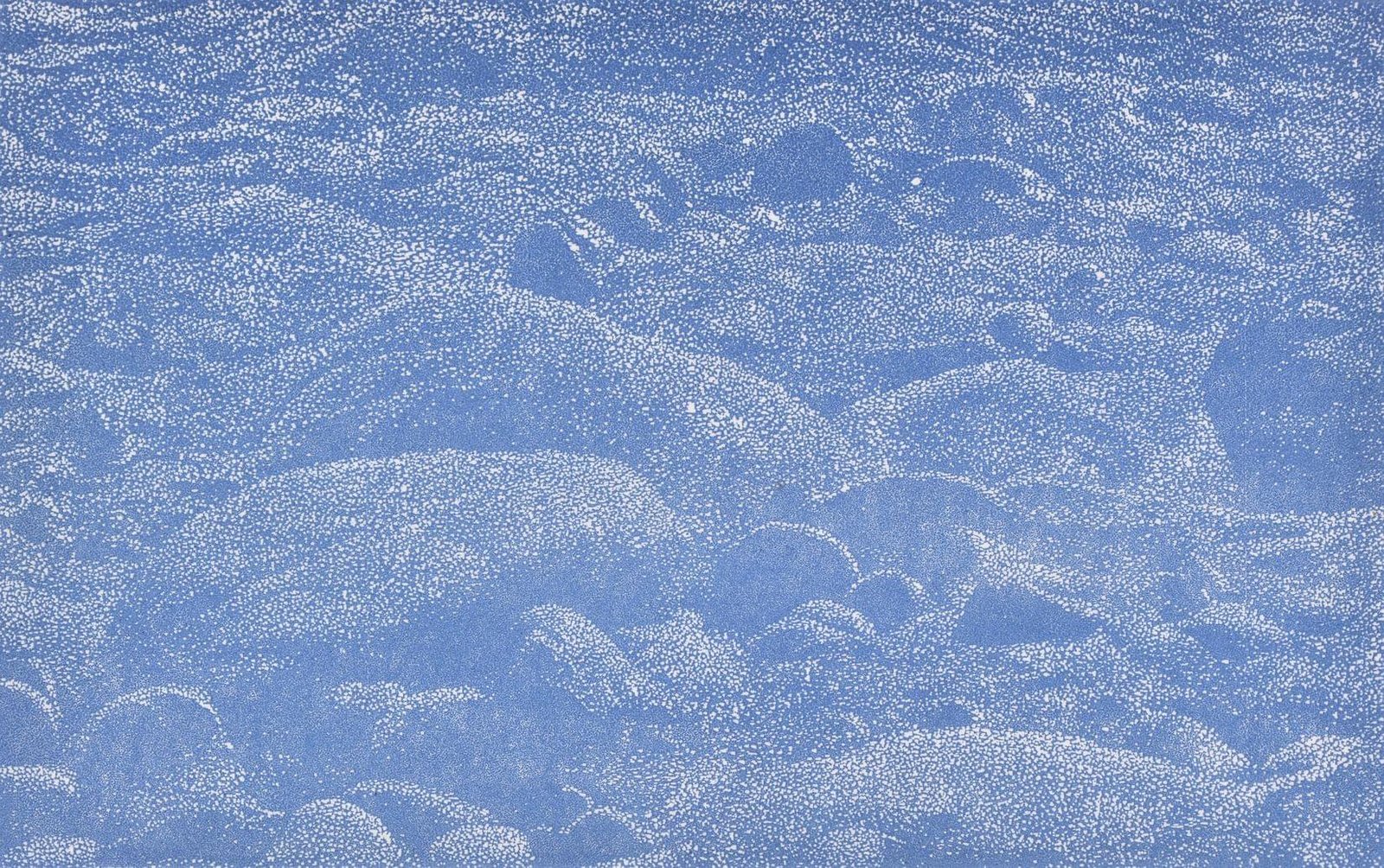
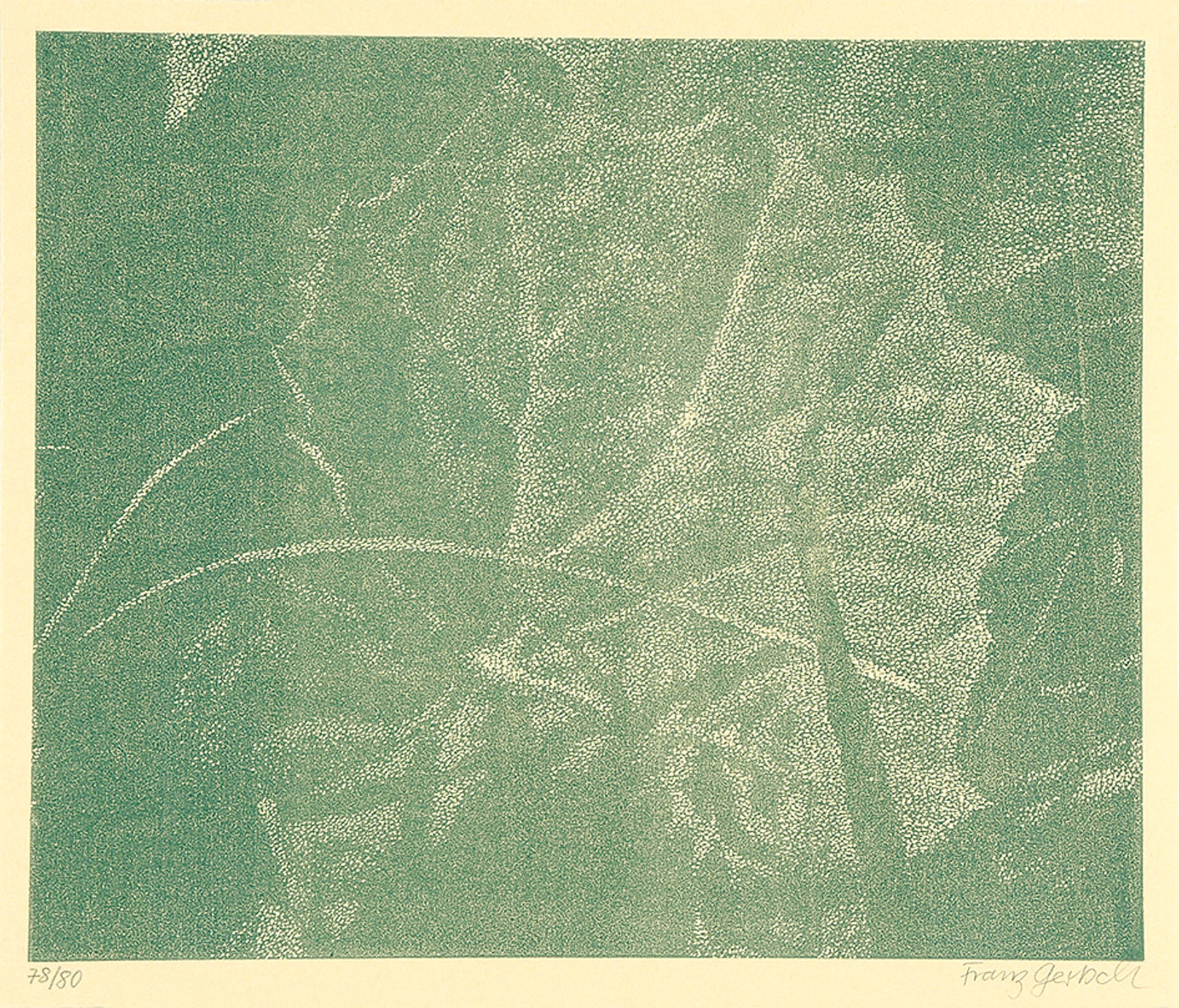
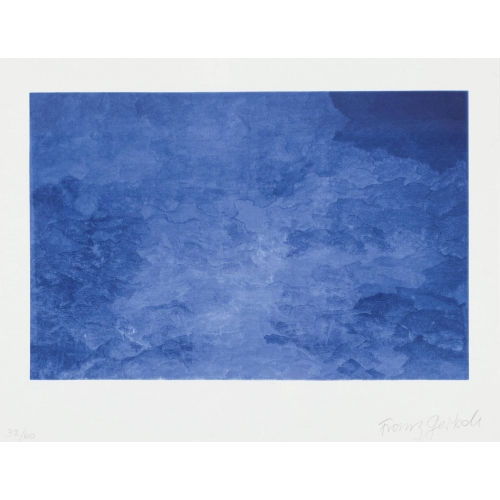
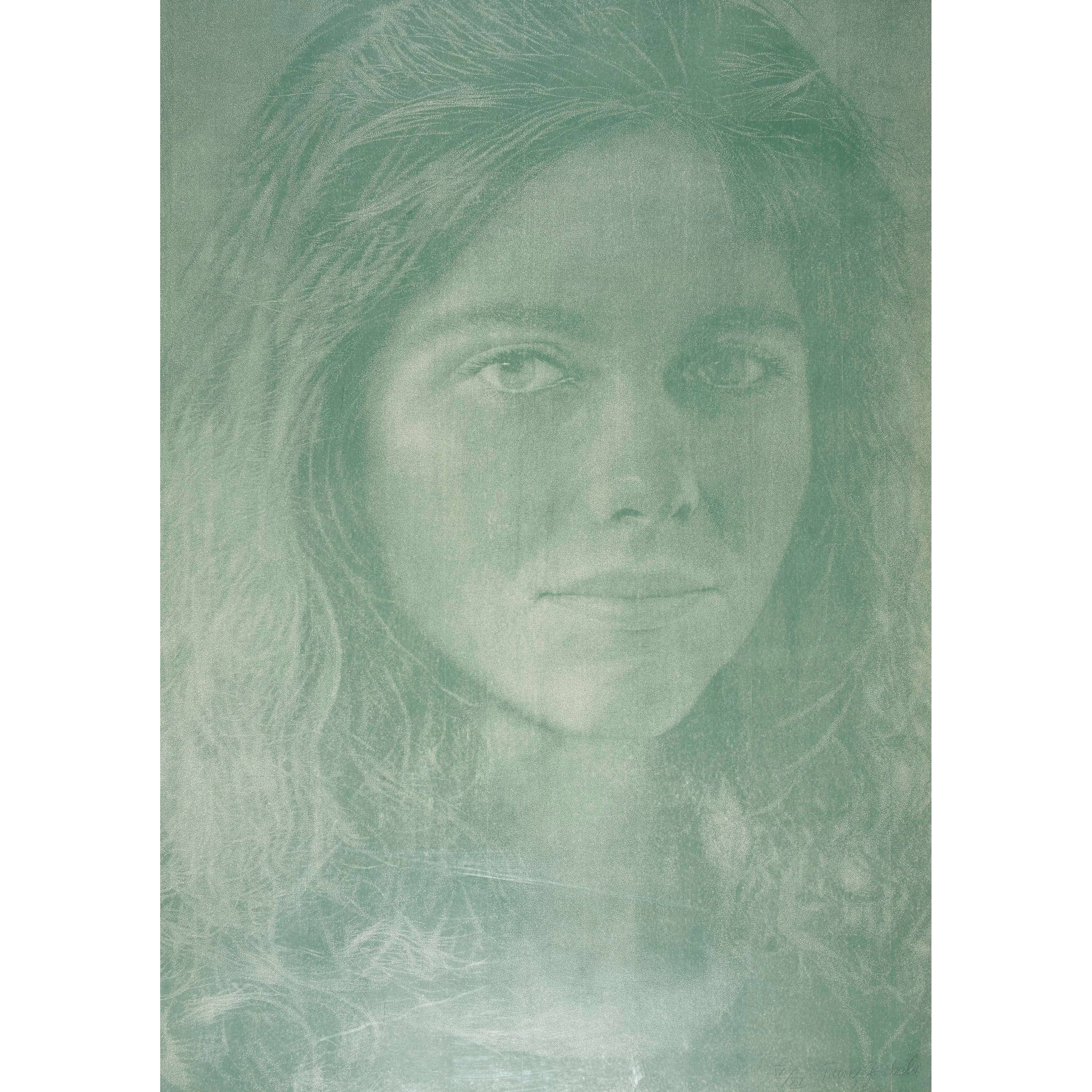
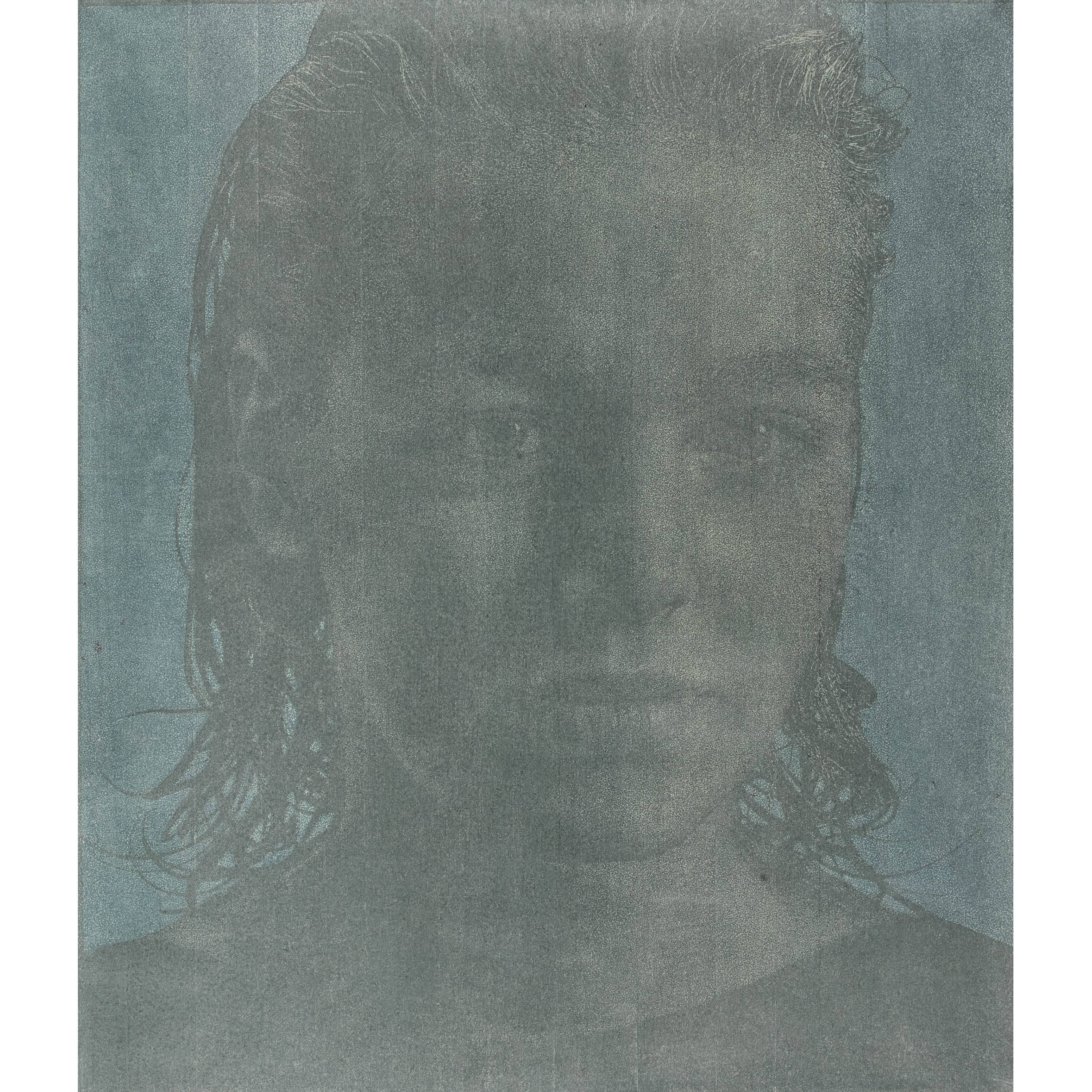
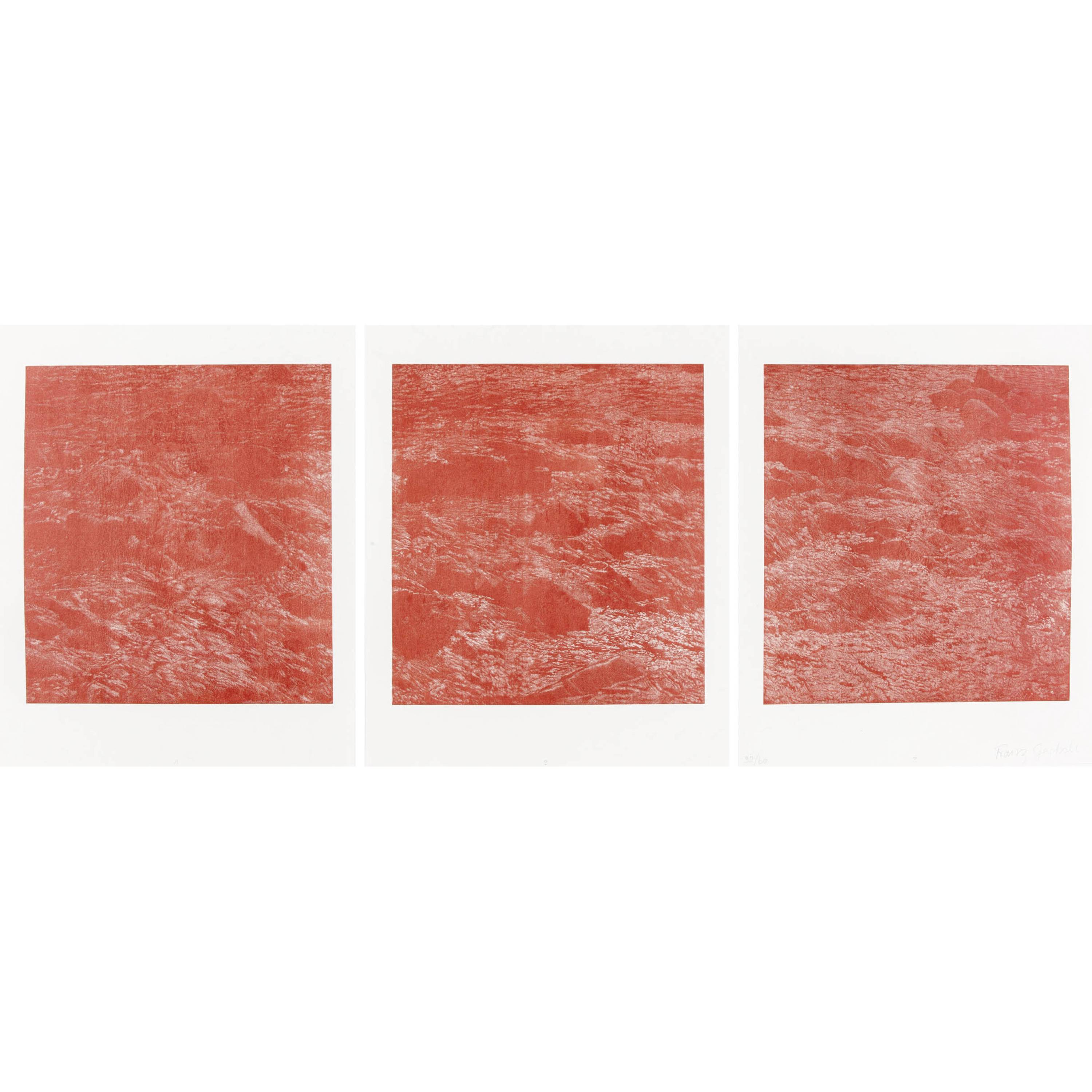
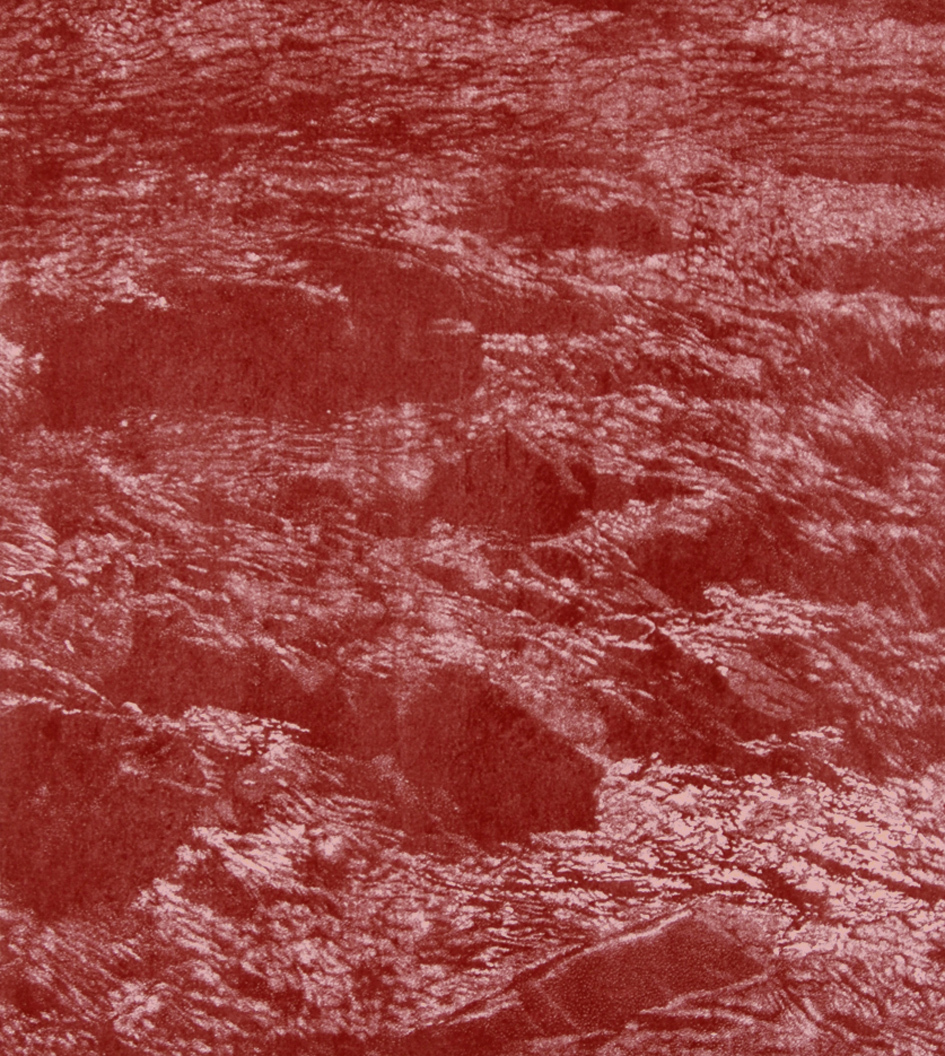
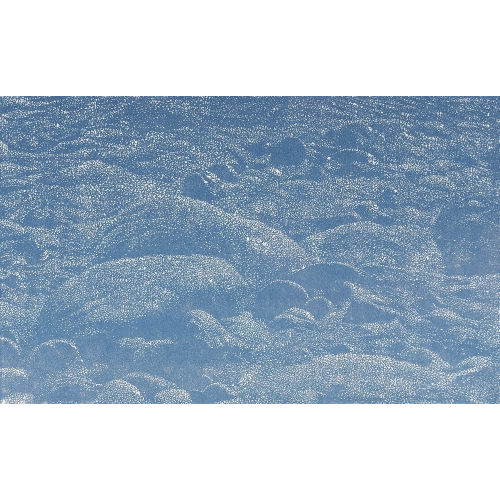
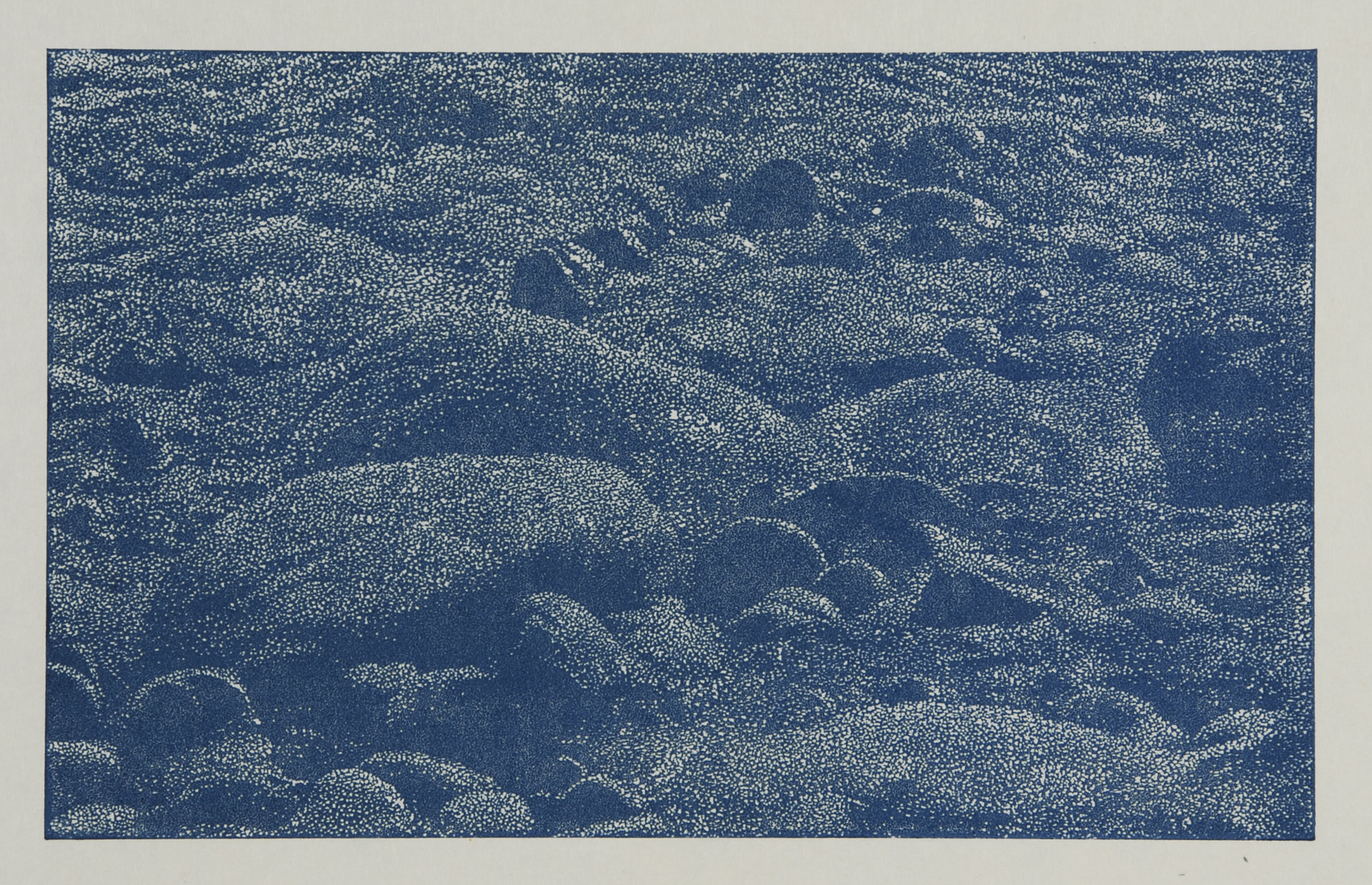
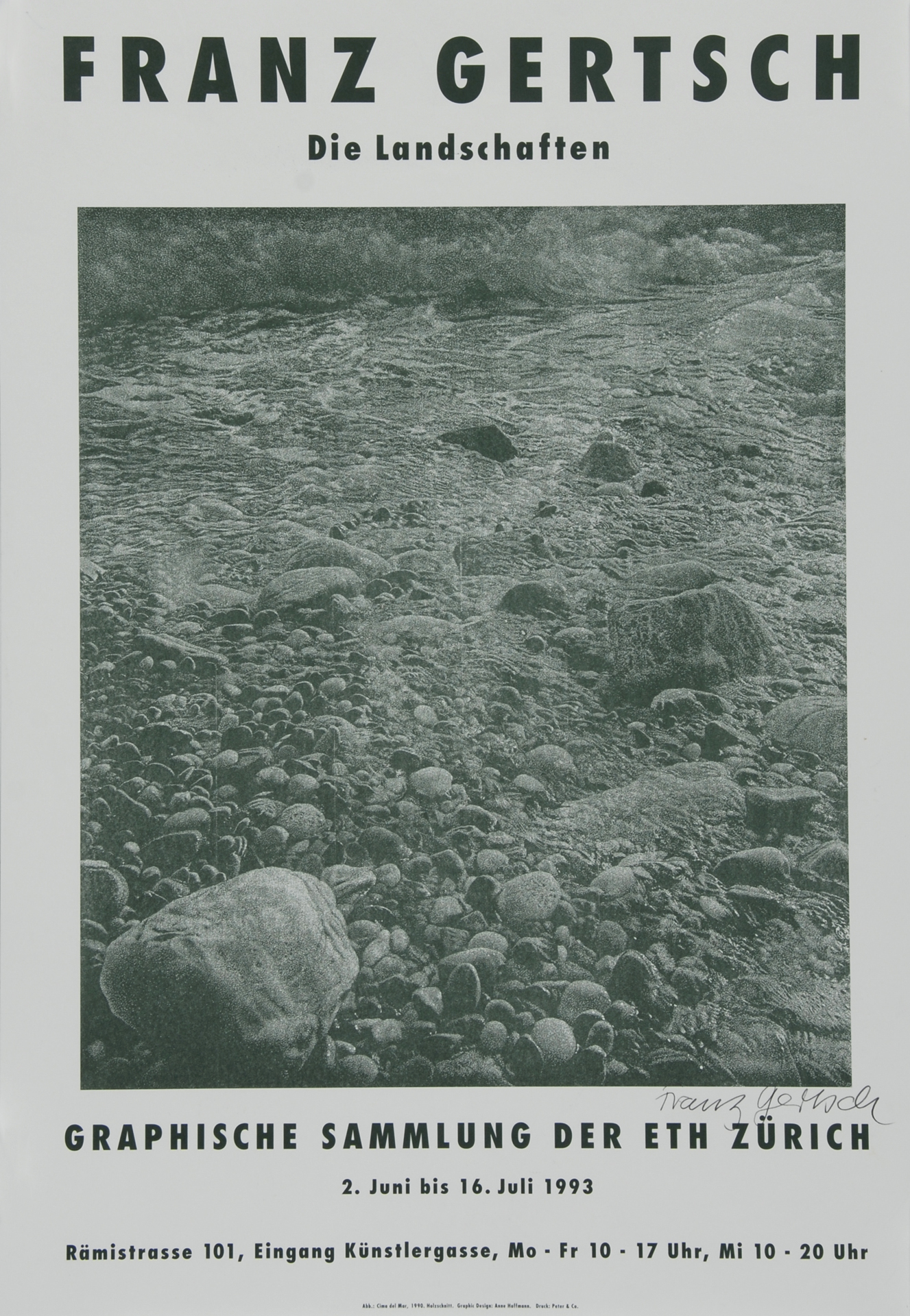
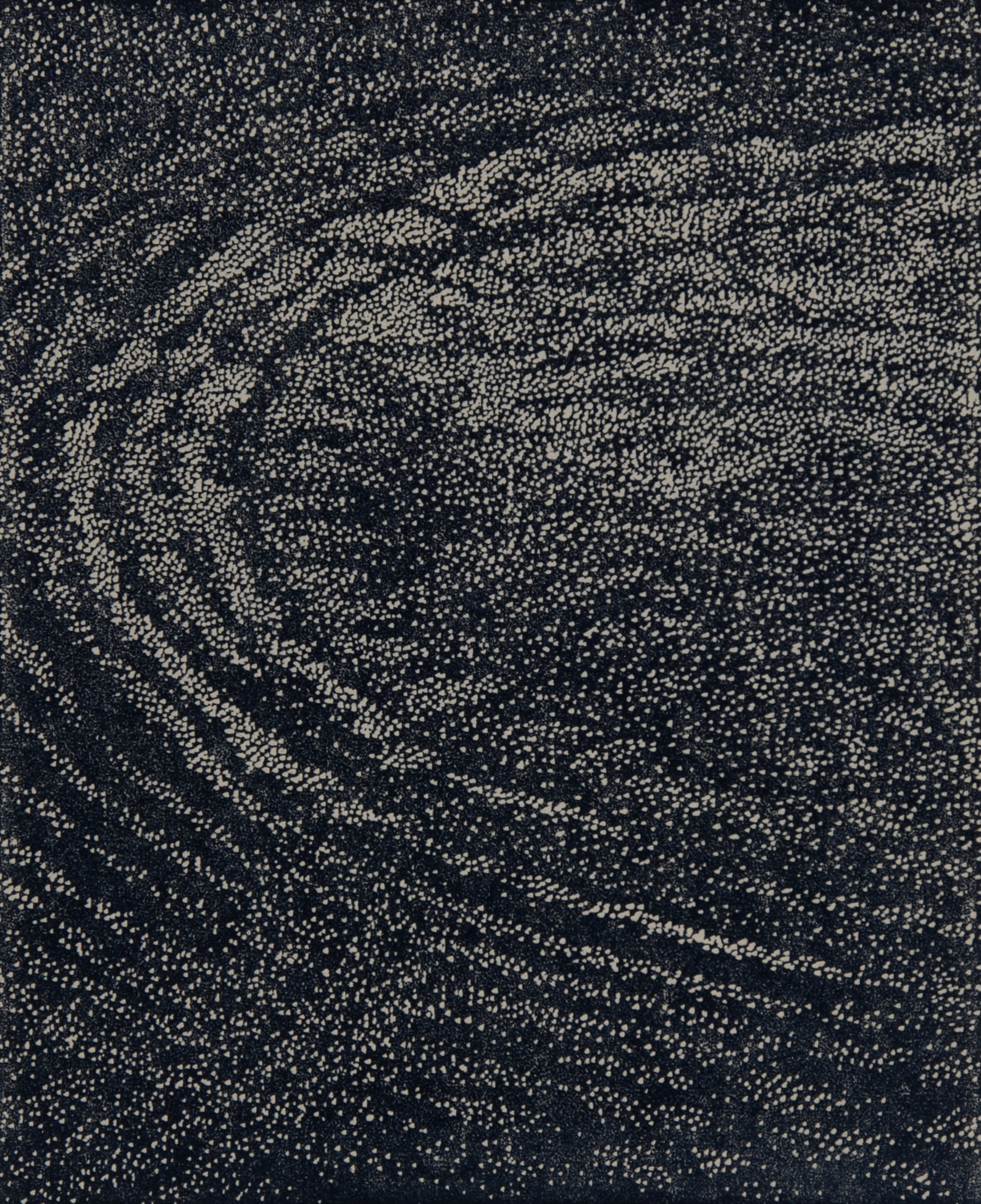
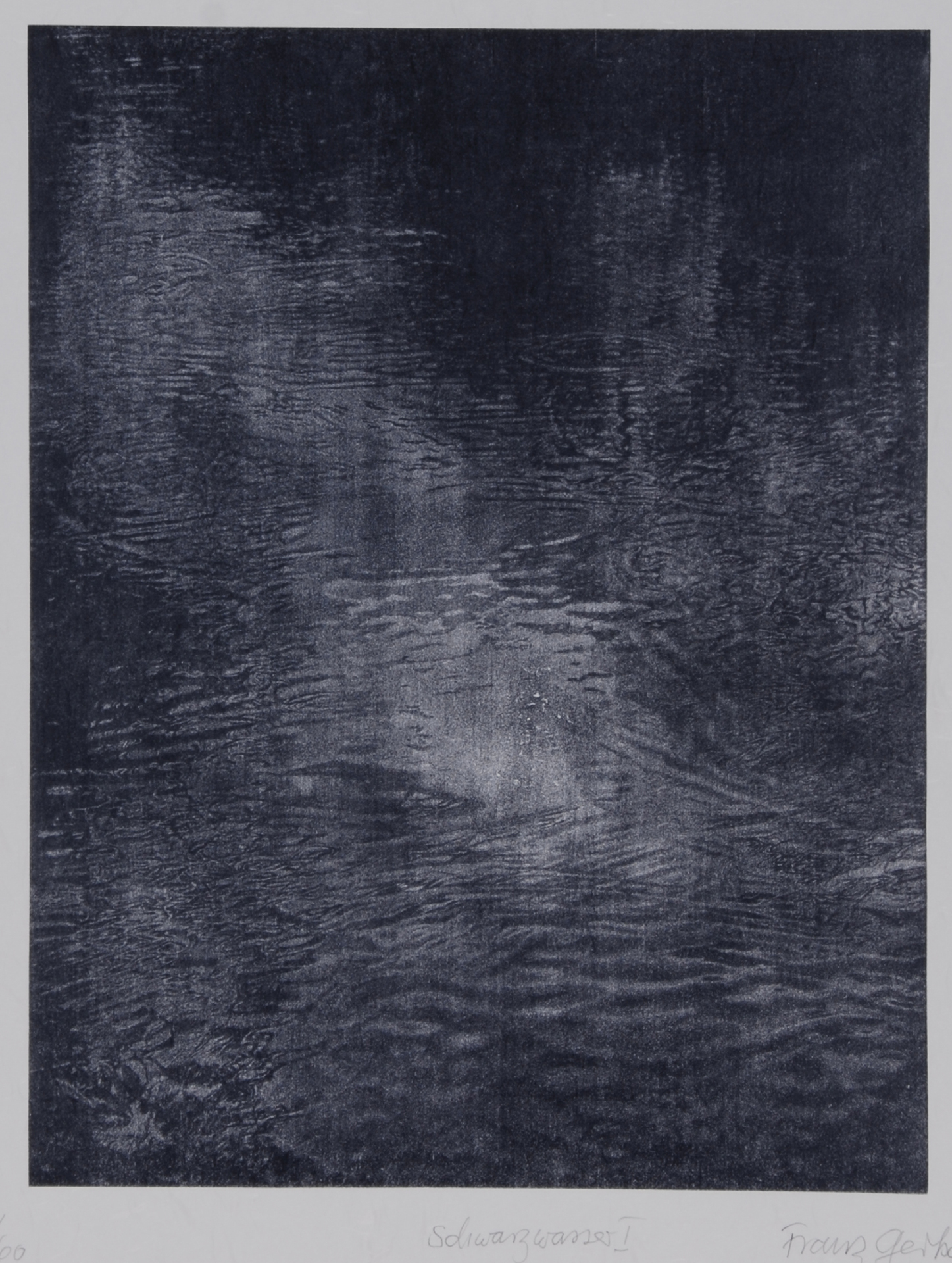
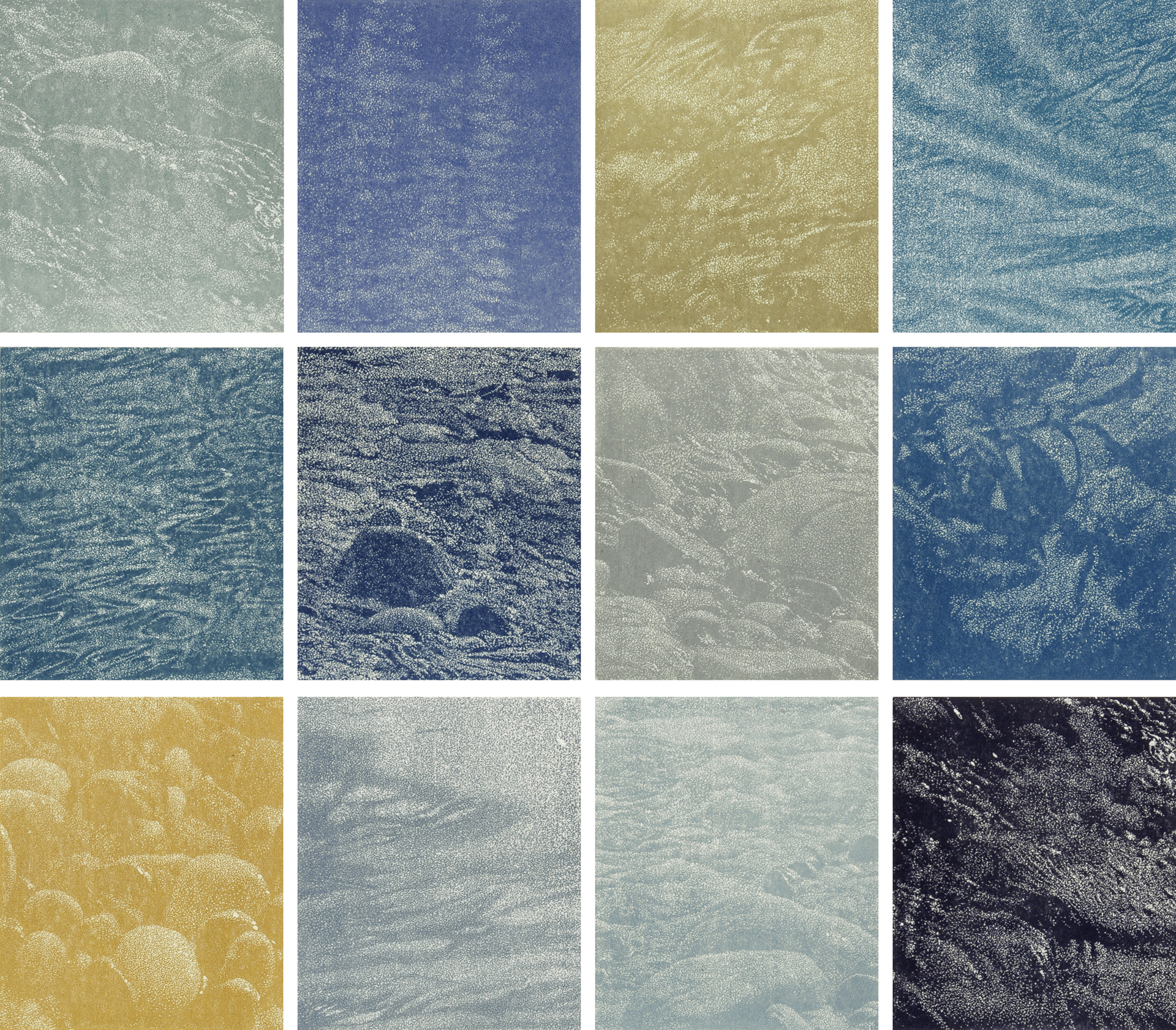
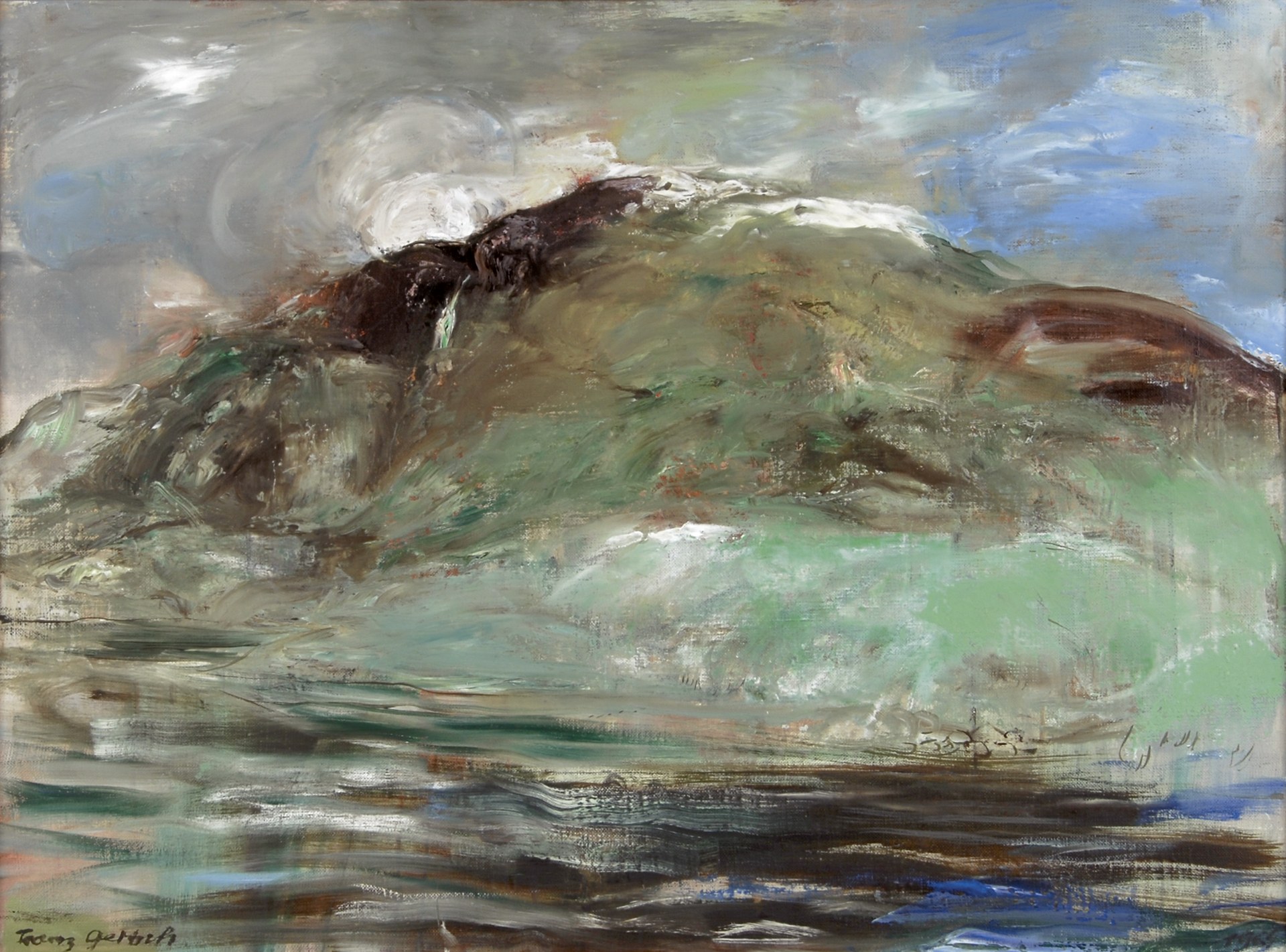
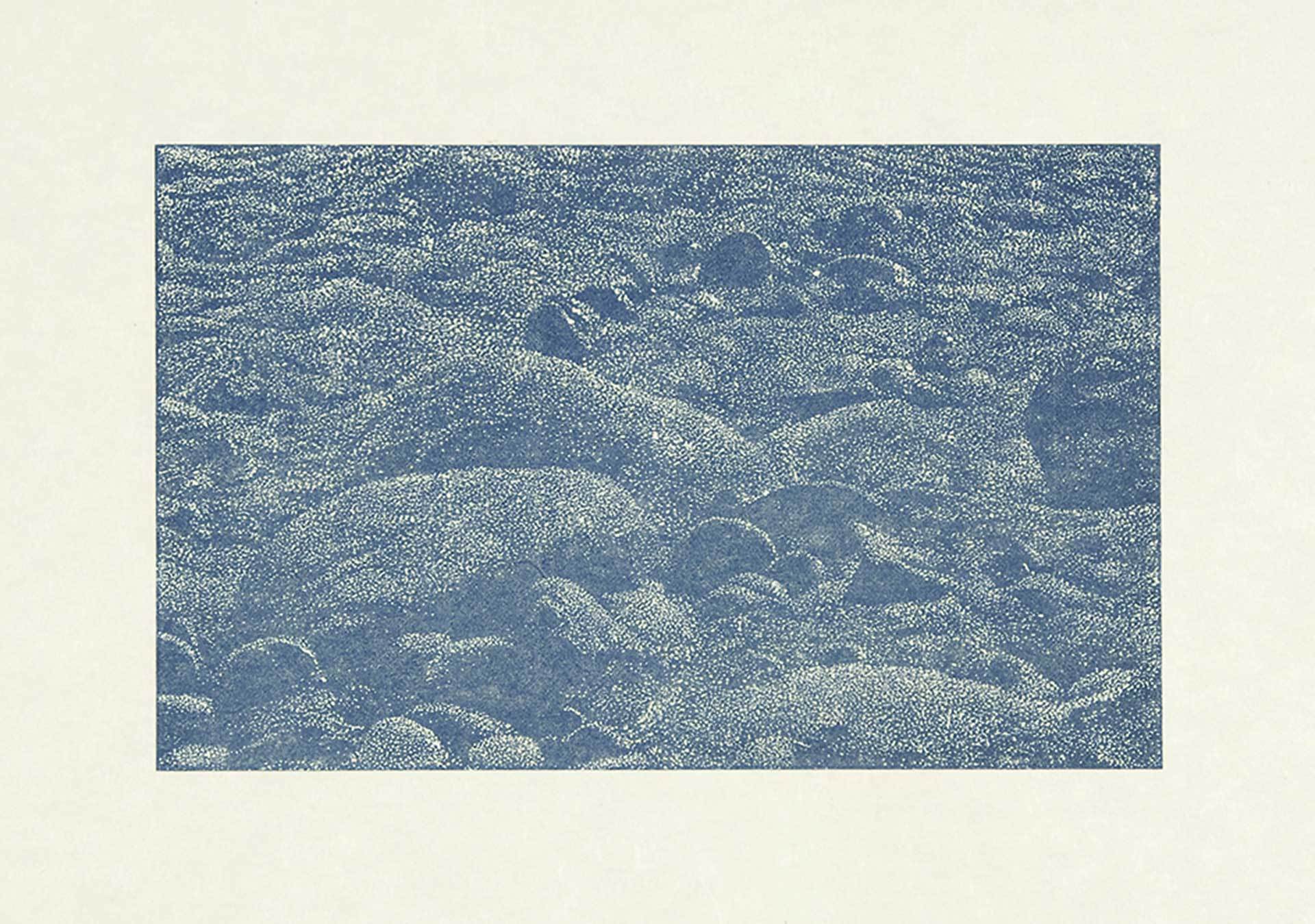
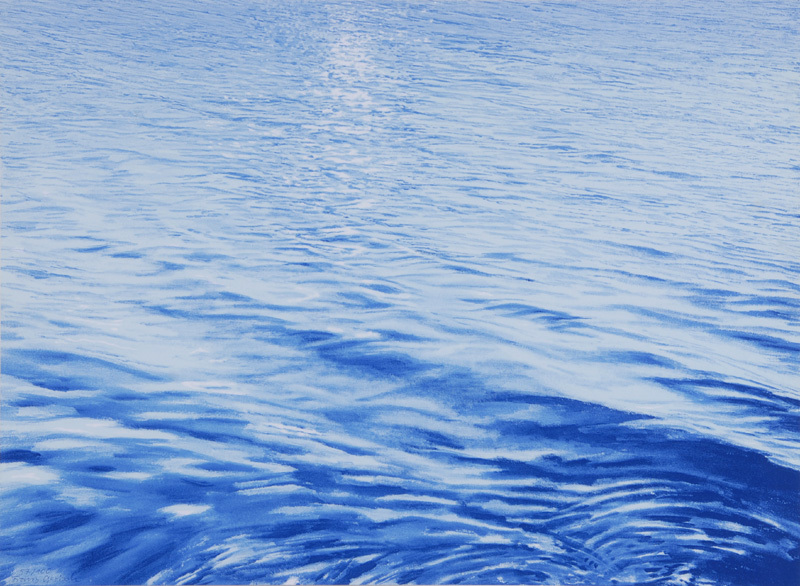
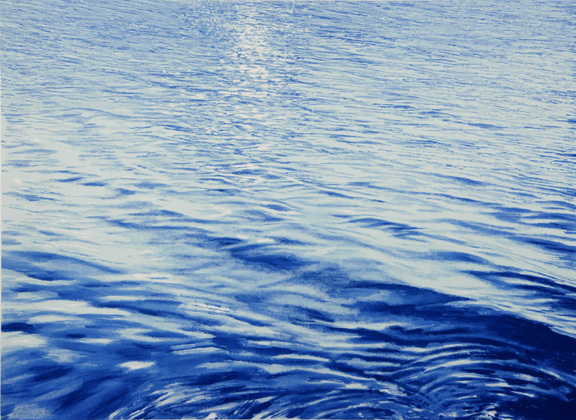
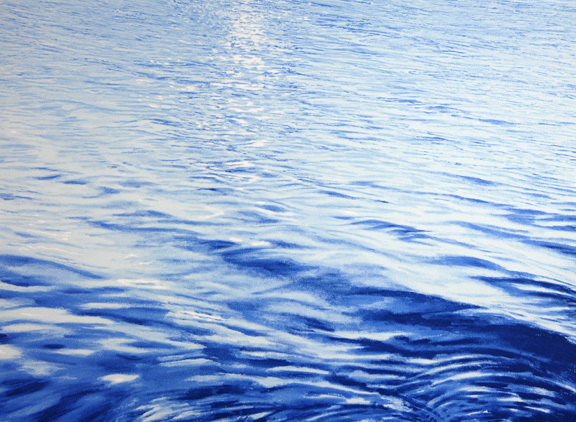
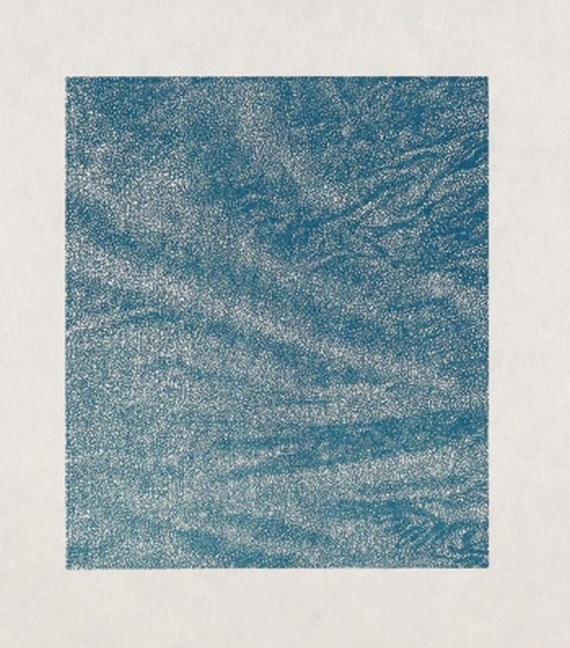
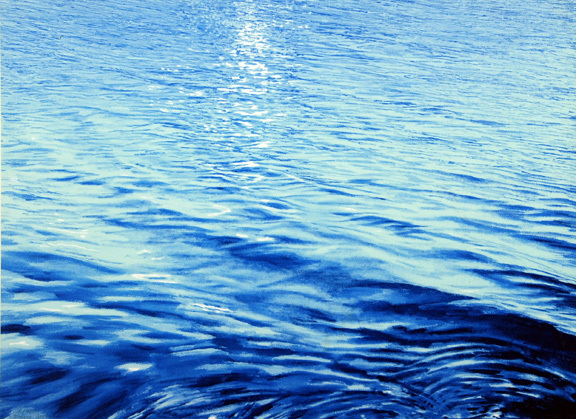
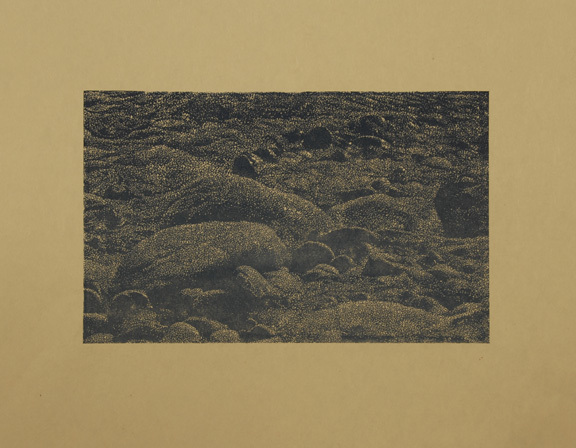
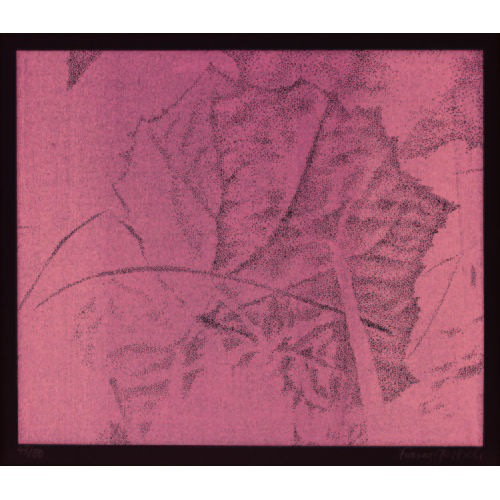
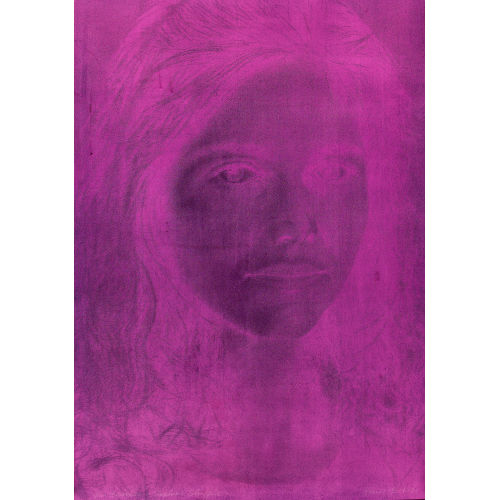
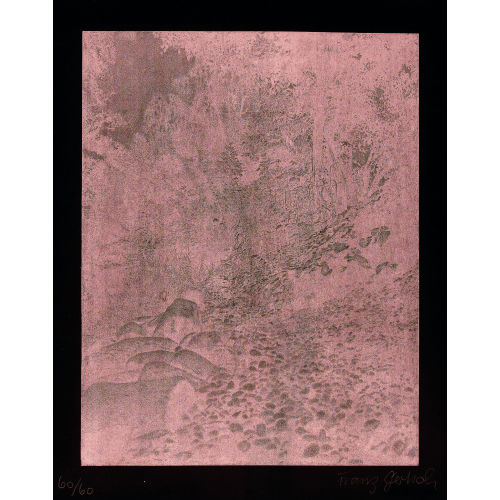
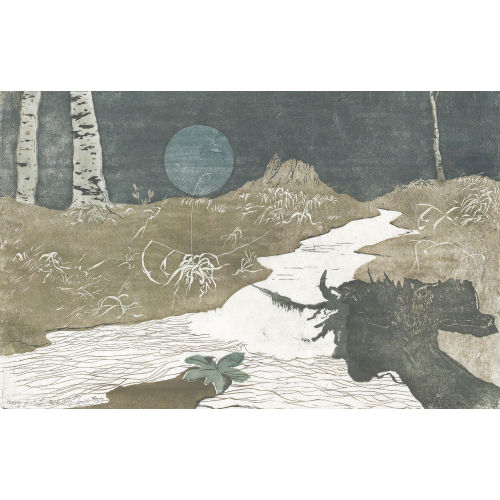
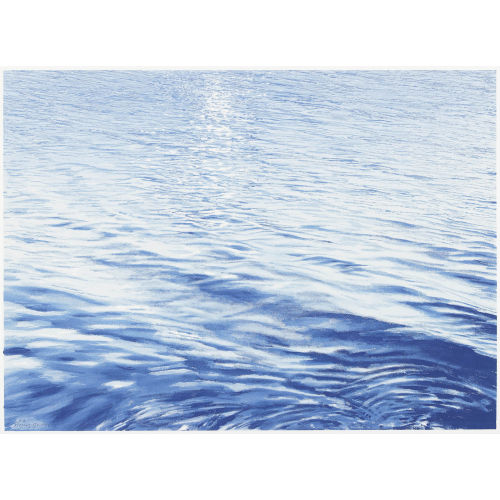
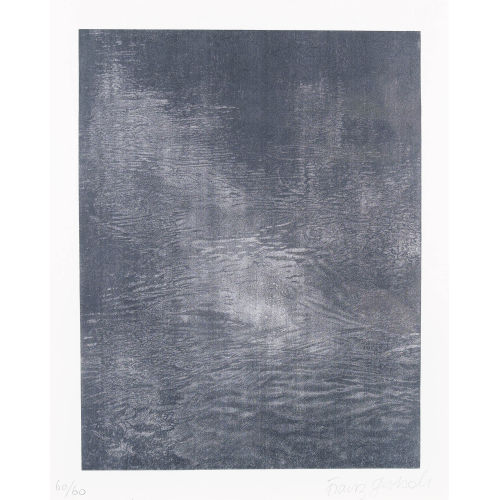
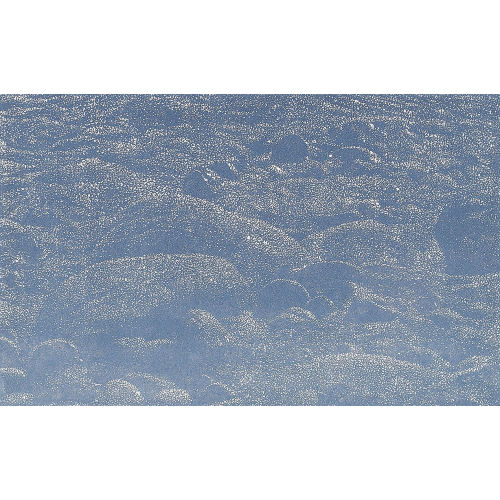
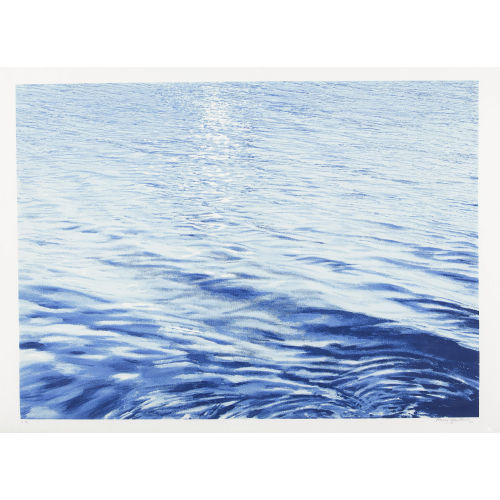
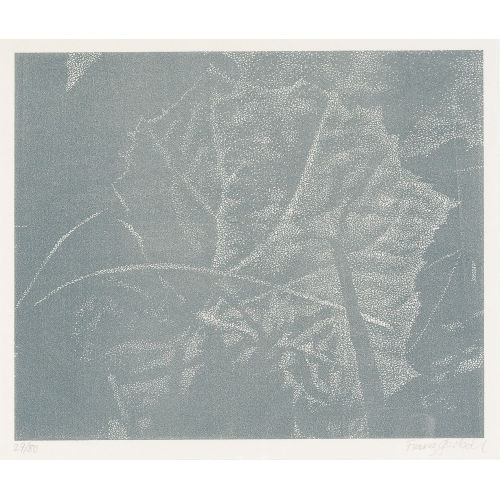
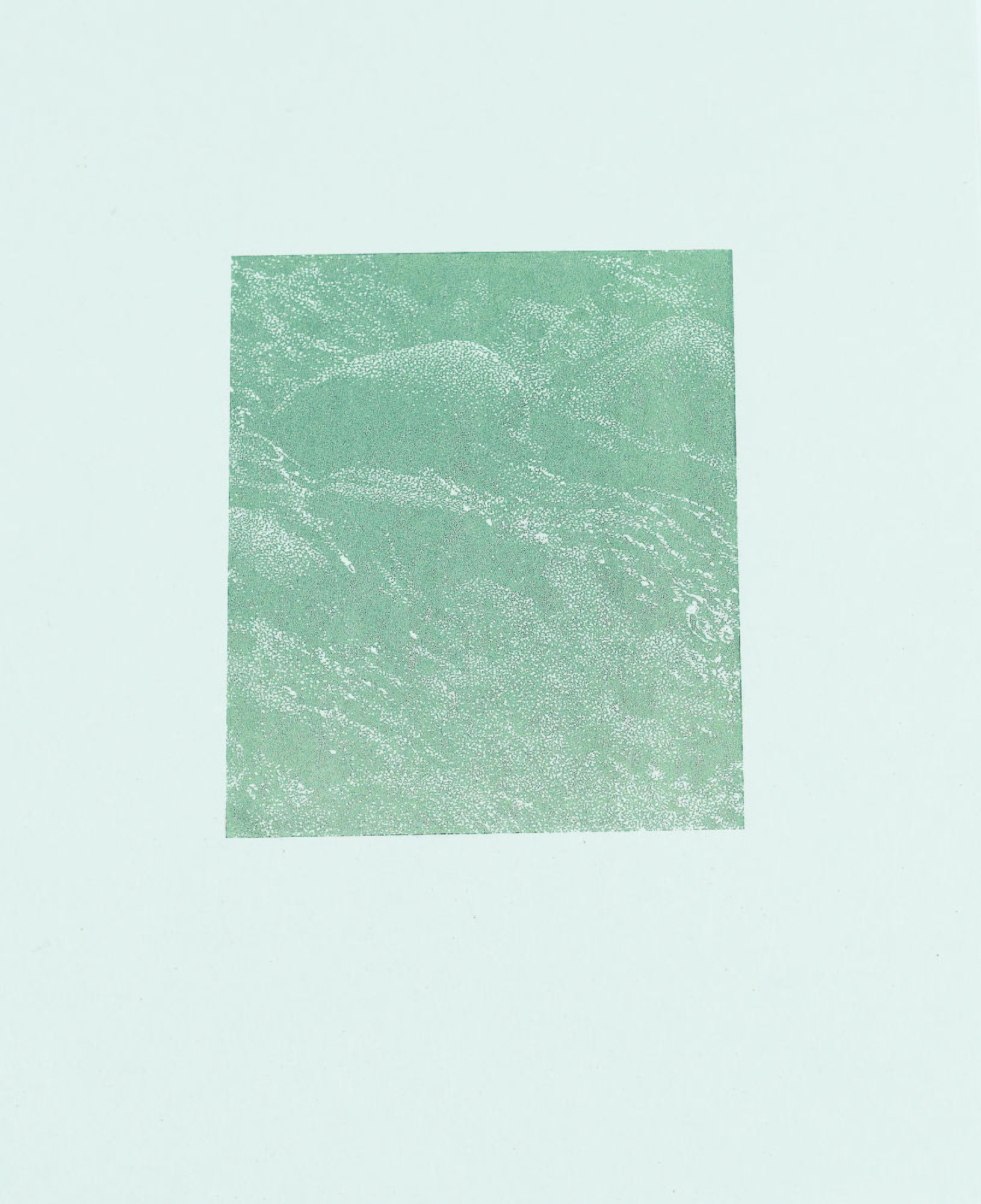
In 1986, he temporarily abandoned painting in order to develop a singular woodcut technique: using a knife, he incised points and small cuts into very large limewood panels. Printed on Japanese paper, these figurative images are built up through a mesh that appears almost abstract at close range. After returning to painting in 1994, grasses and landscapes gained in importance: Gräser I–IV (1995–1999) and the engraved triptych Das grosse Gras (1999–2001) extend this attention to nature.
The Museum Franz Gertsch, inaugurated in Berthoud in 2002, presents his oeuvre, bringing together painting, photography and printmaking without relinquishing the slowness of looking.