Frank Buchser
Born in 1828.
Died in 1890.
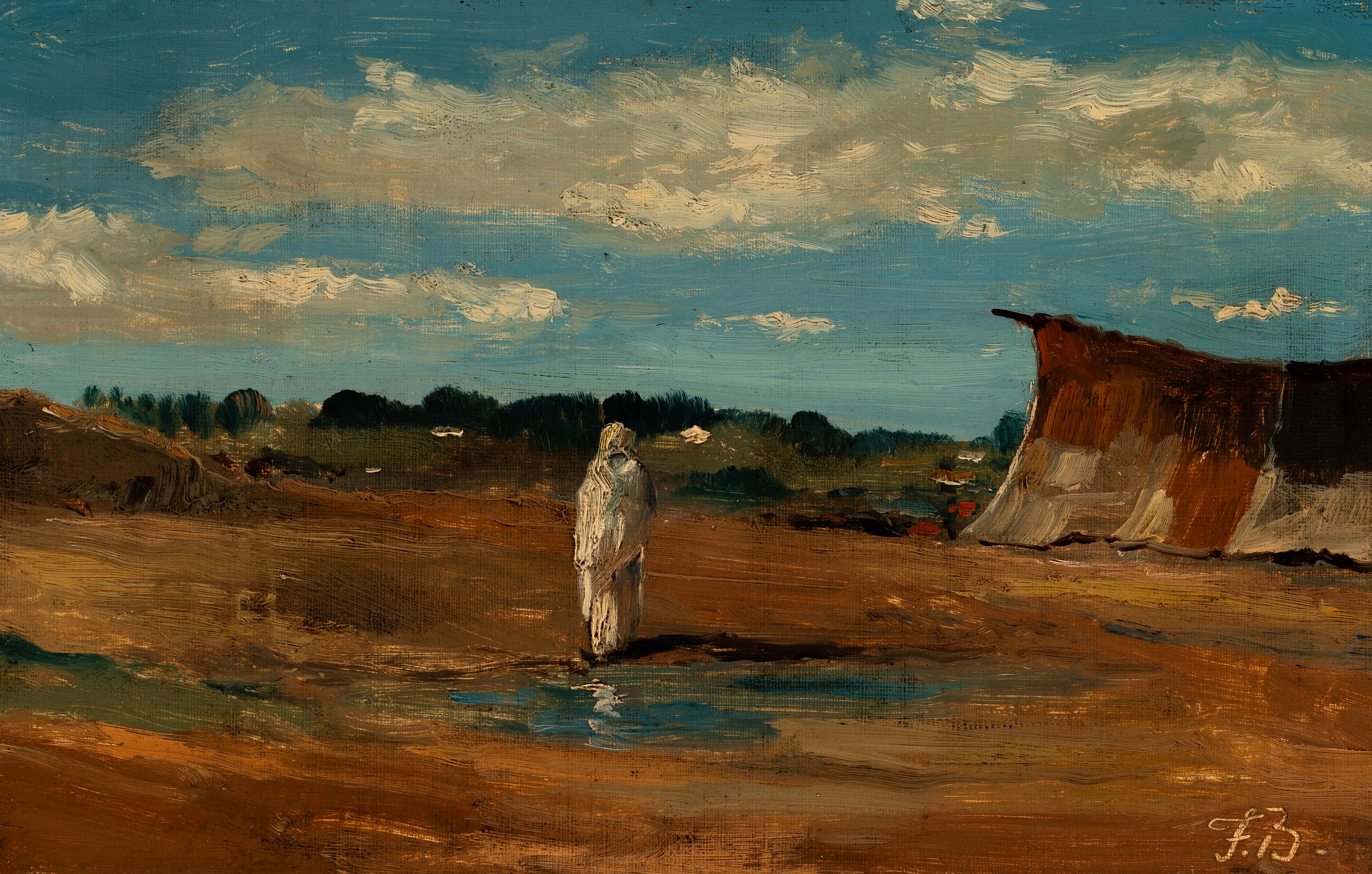
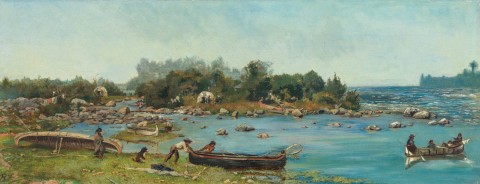
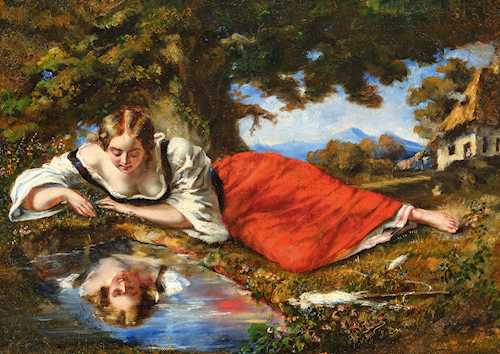
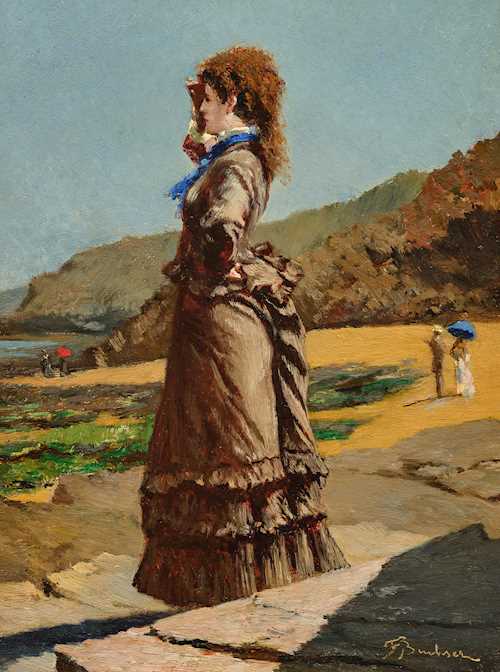
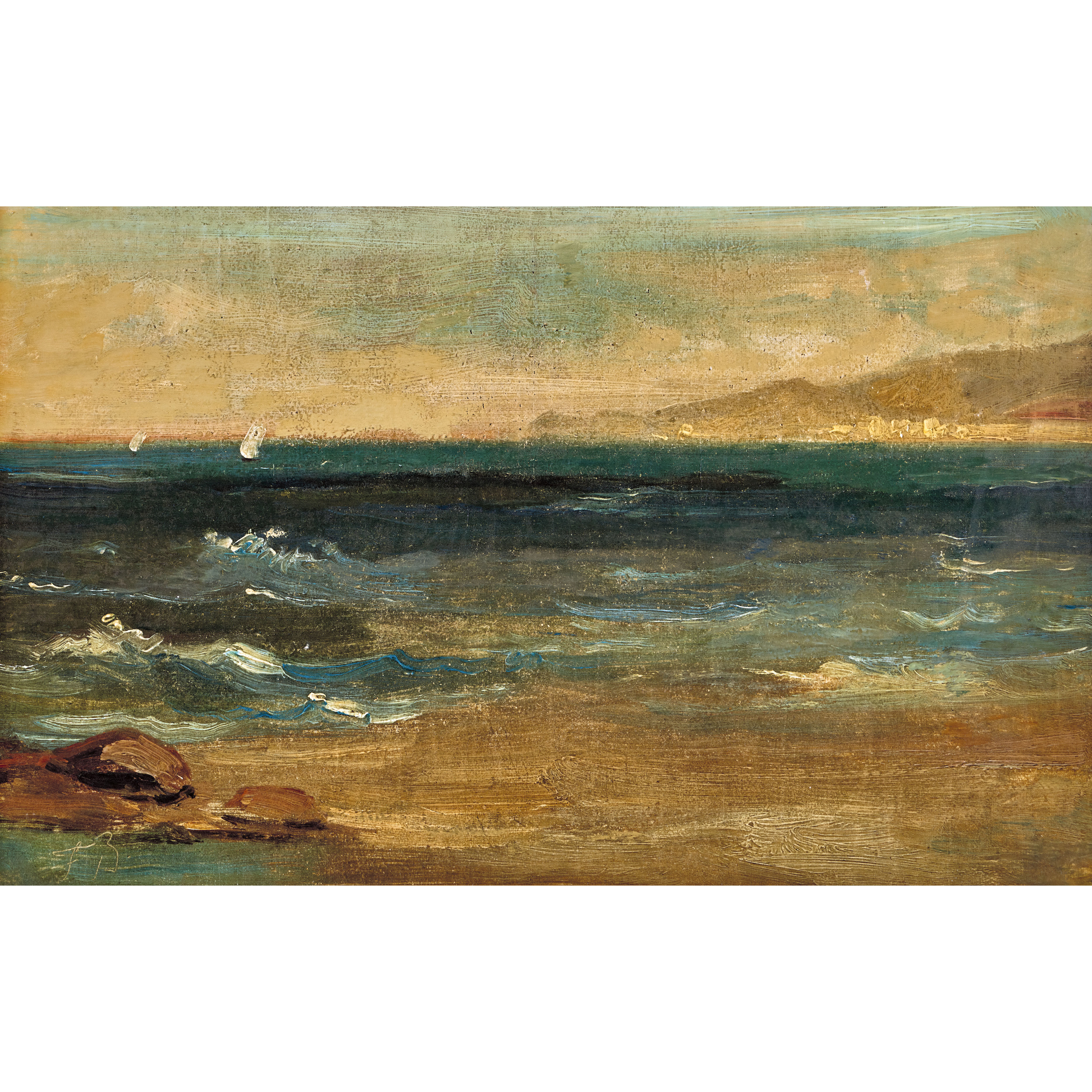
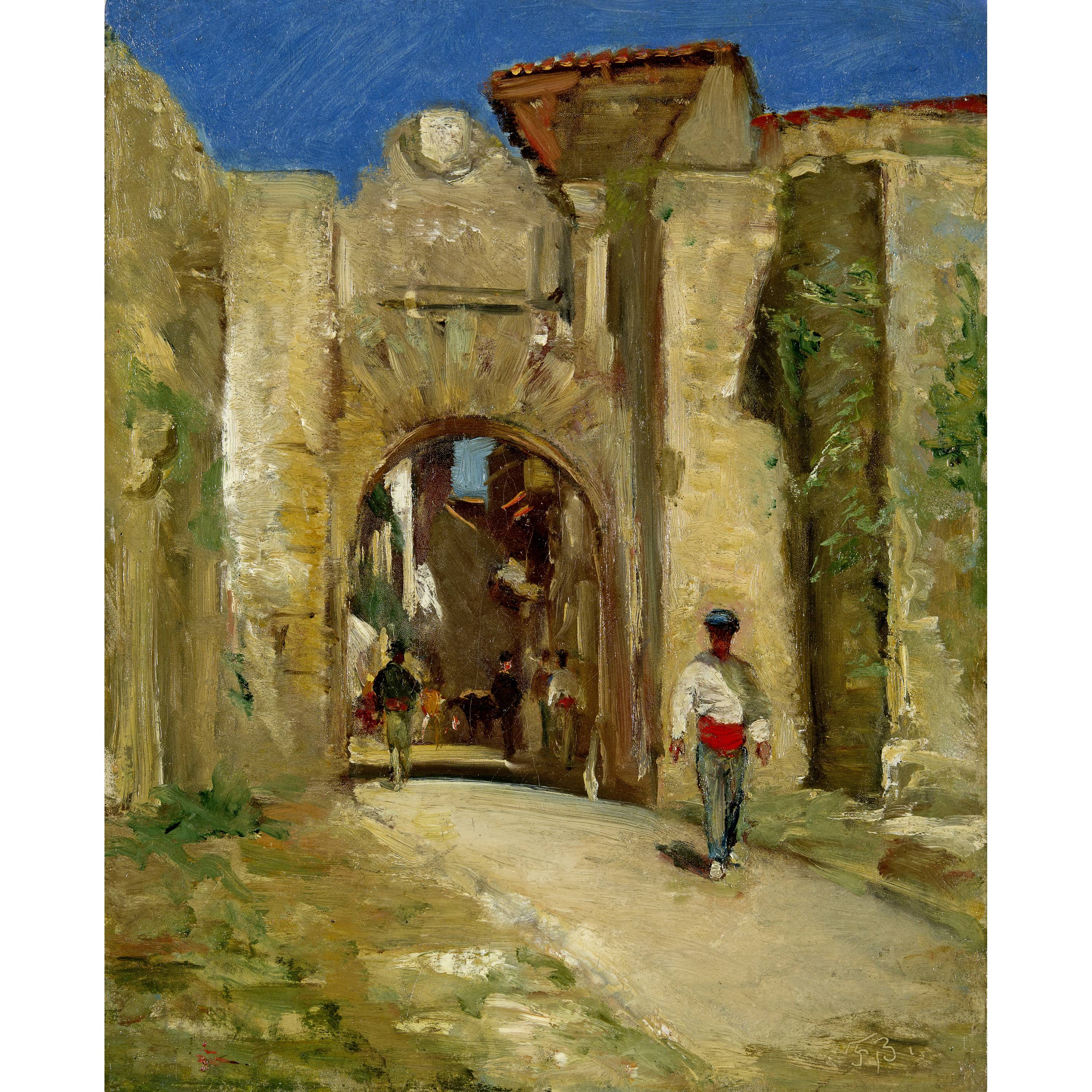
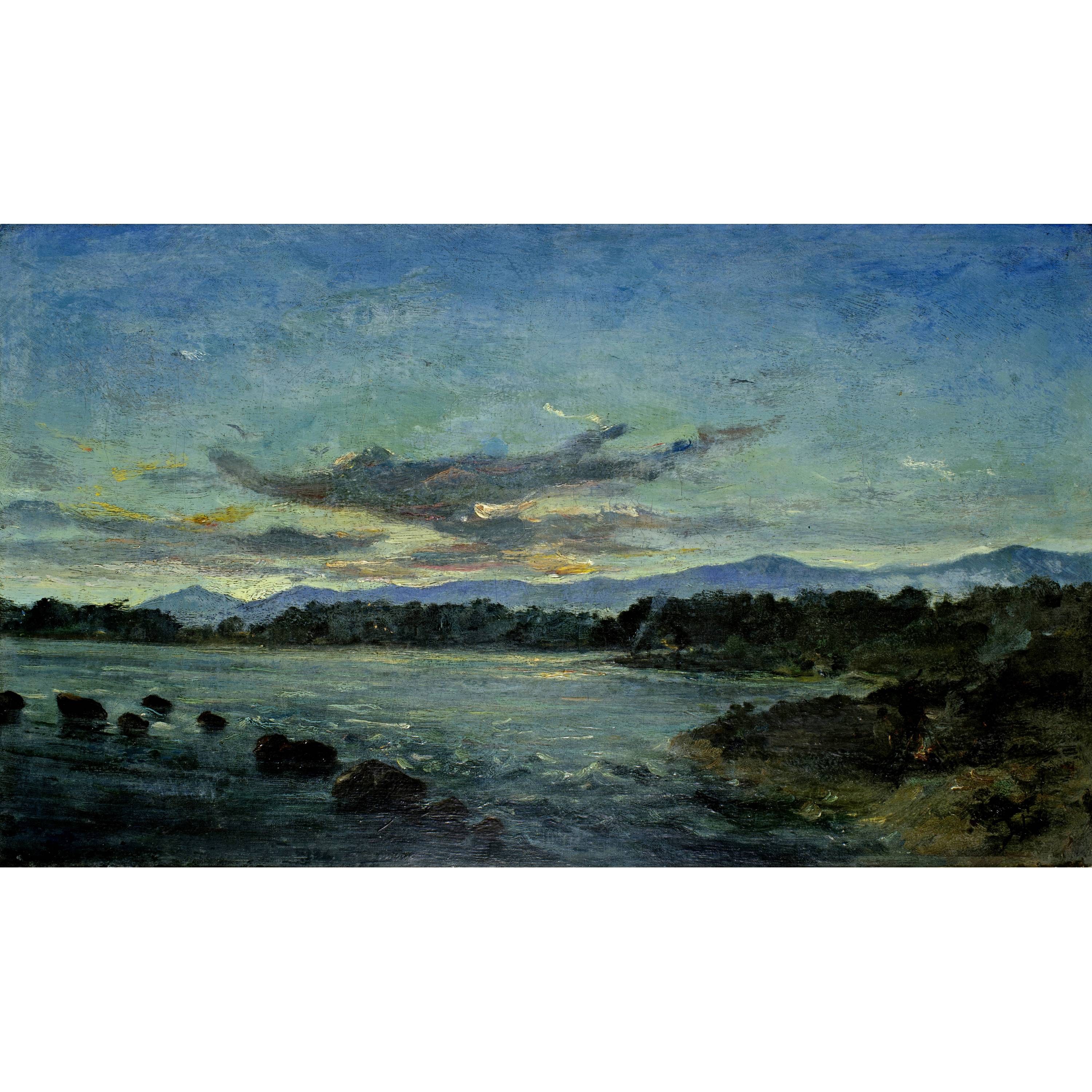
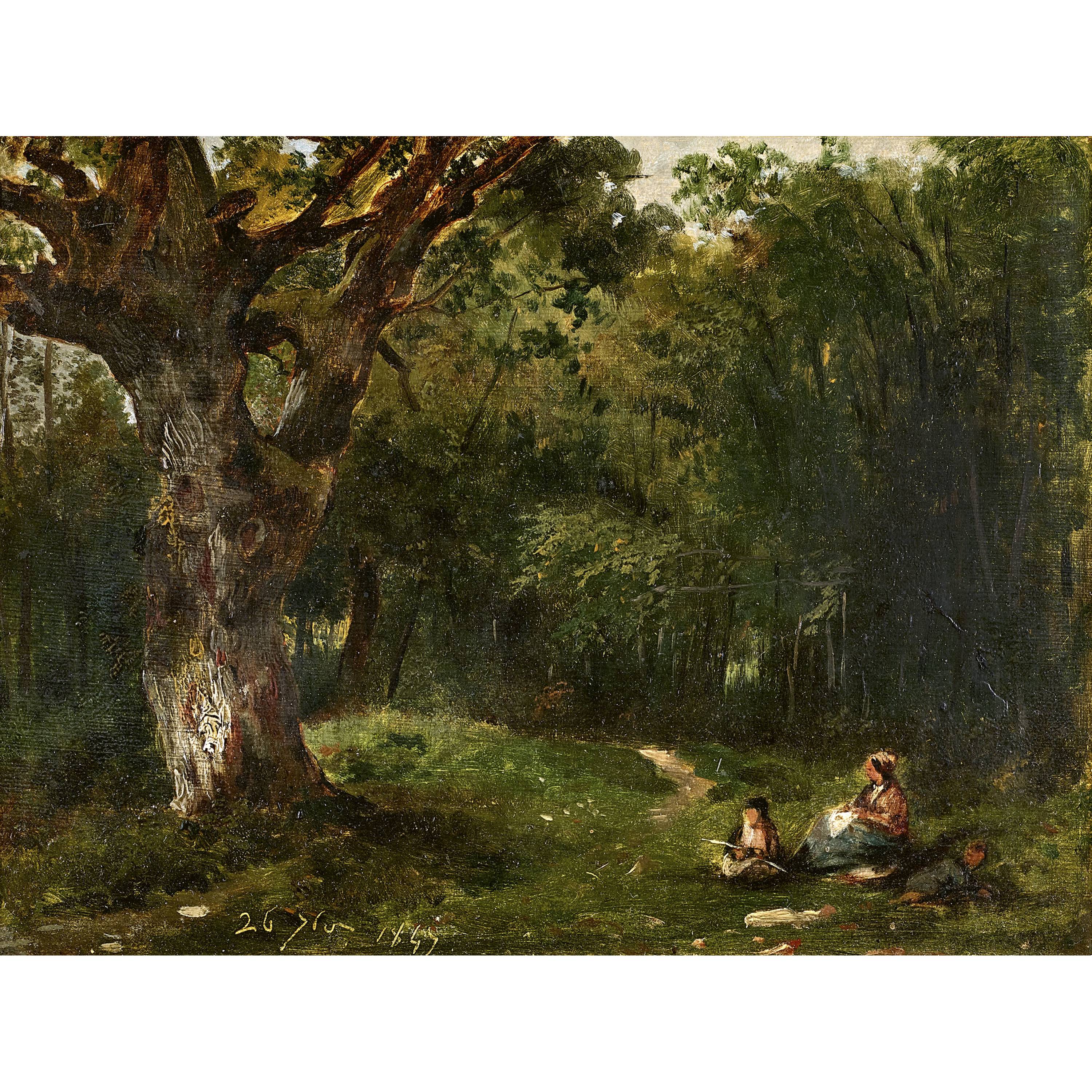
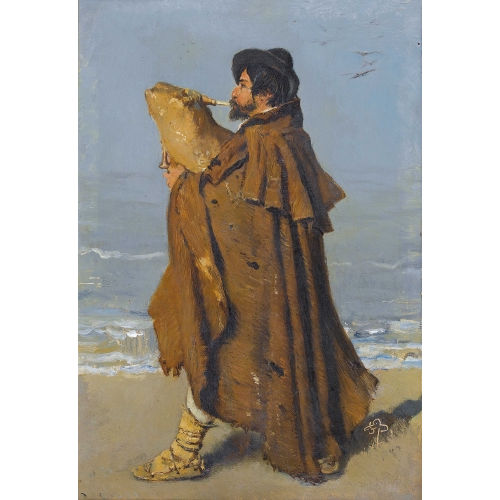
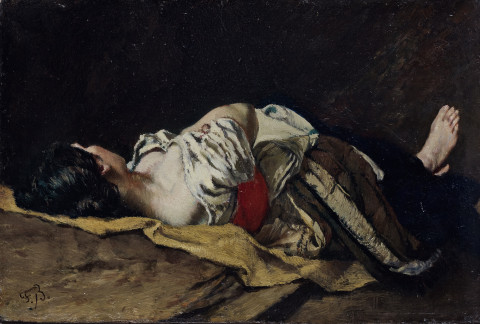
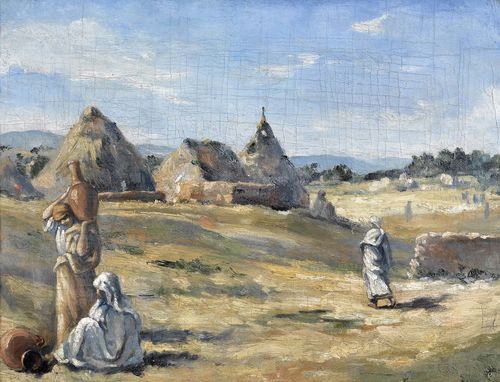
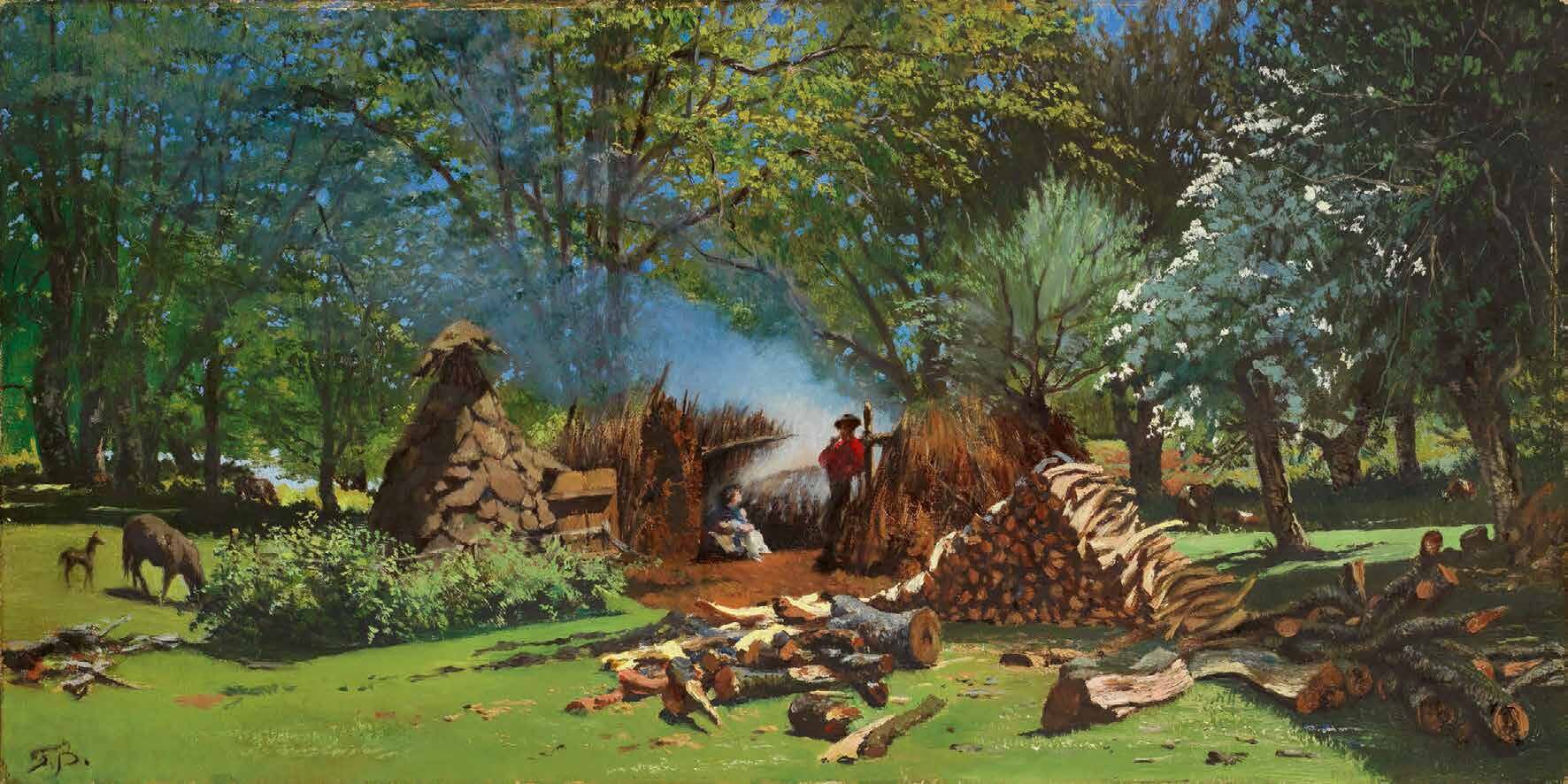
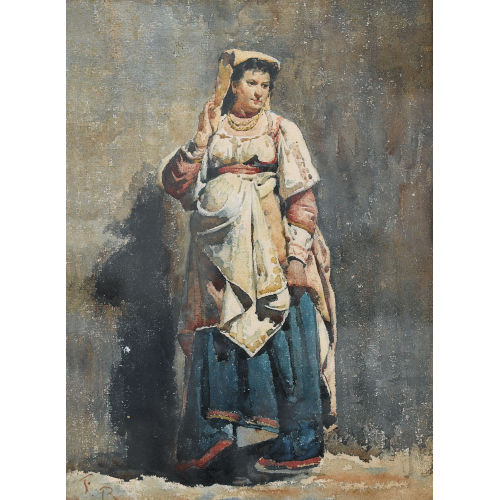
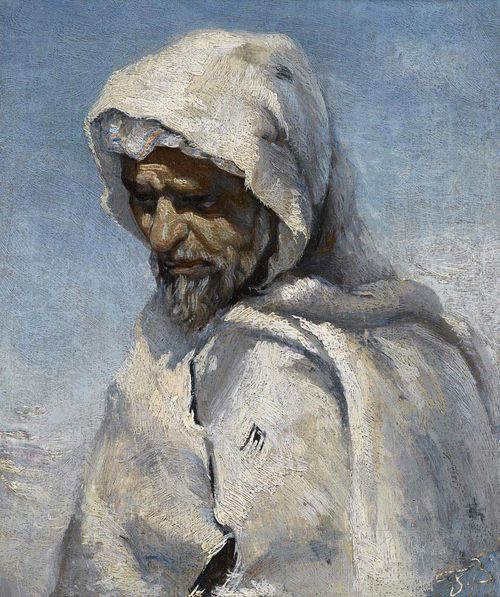
Frank Buchser made travel one of the driving forces of his painting. Initially apprenticed to an organ and piano maker, he studied drawing before continuing his training in Rome, Paris and Antwerp. He subsequently travelled through Spain, Morocco, Great Britain, Greece and the United States, regularly returning to Switzerland.
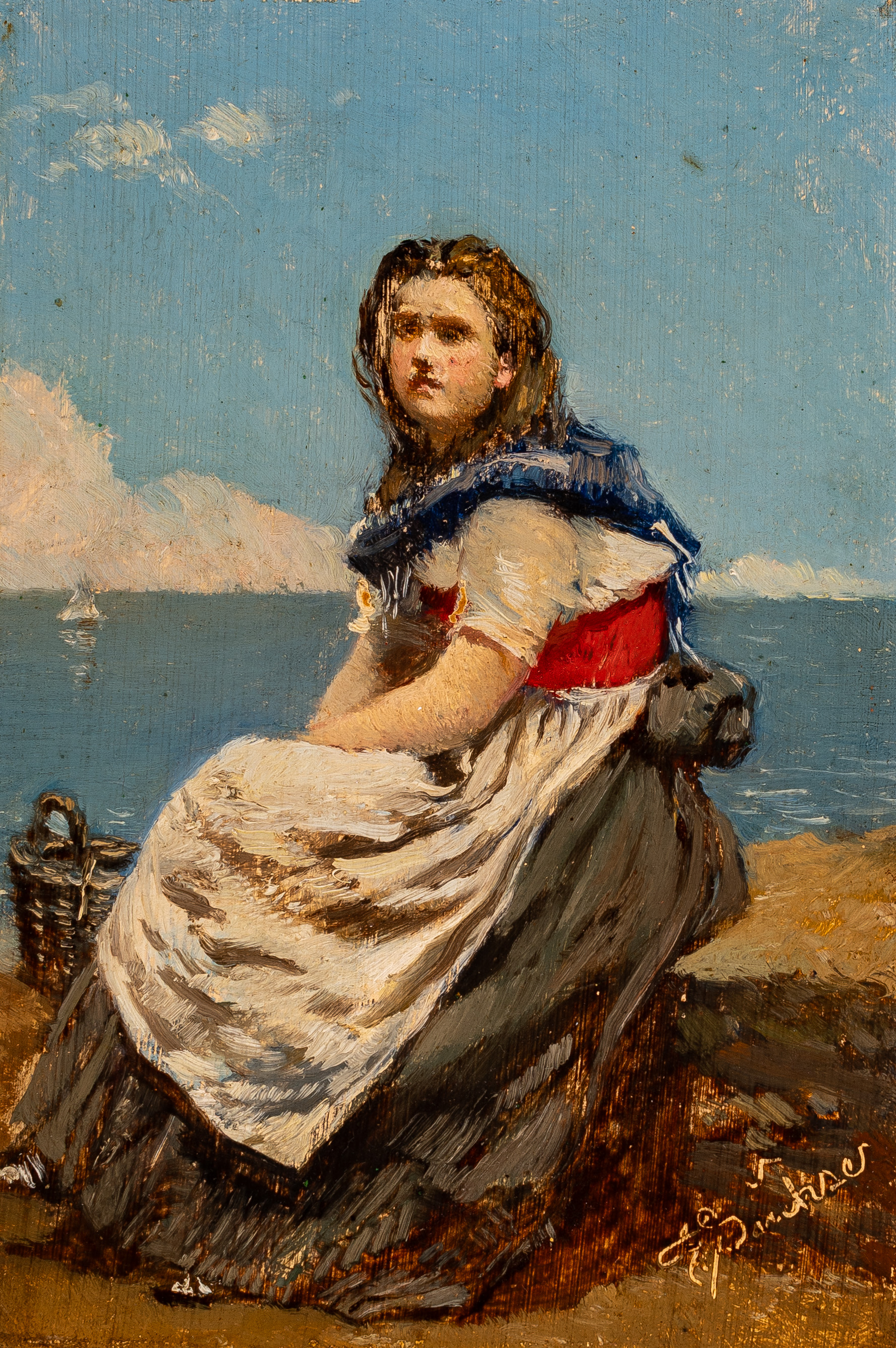
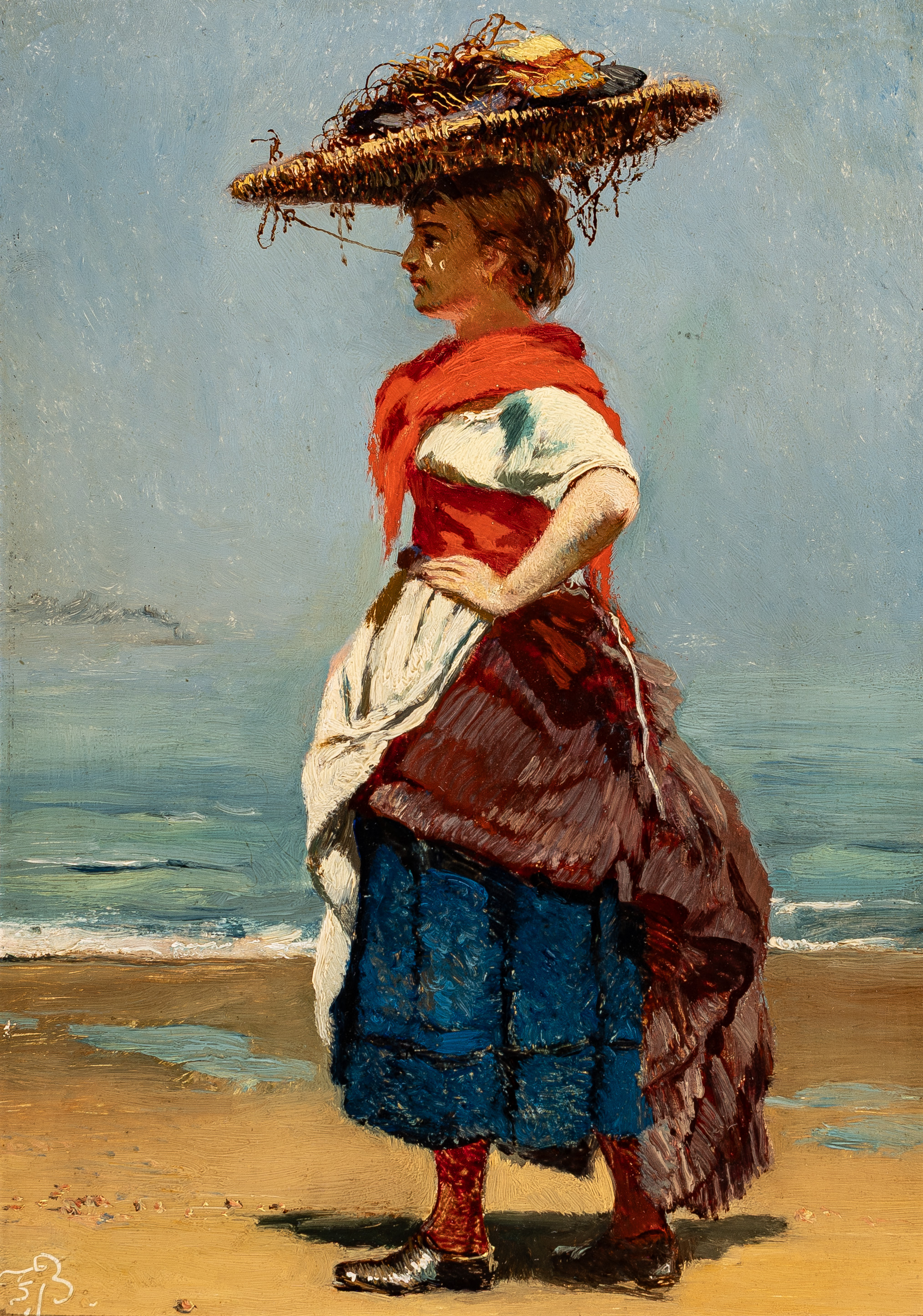
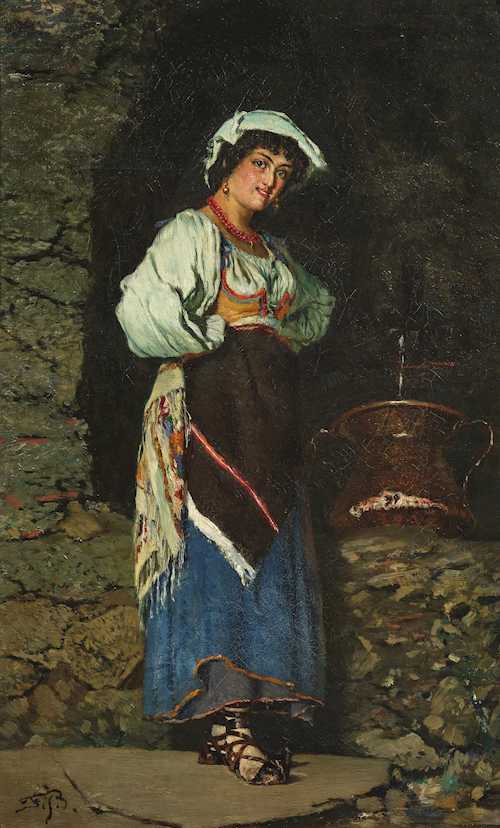
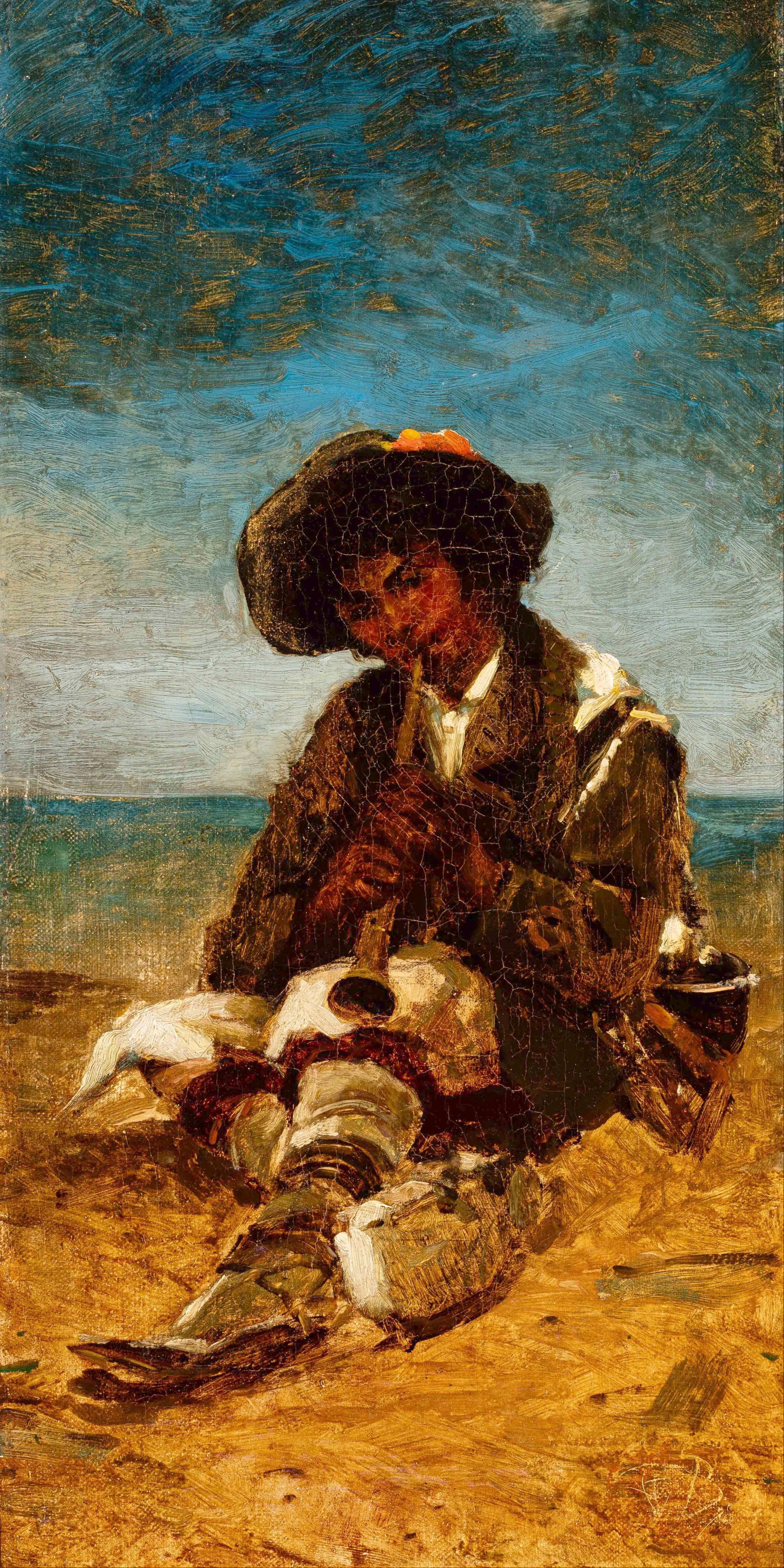
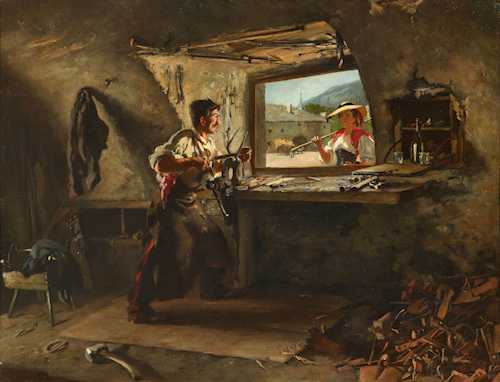
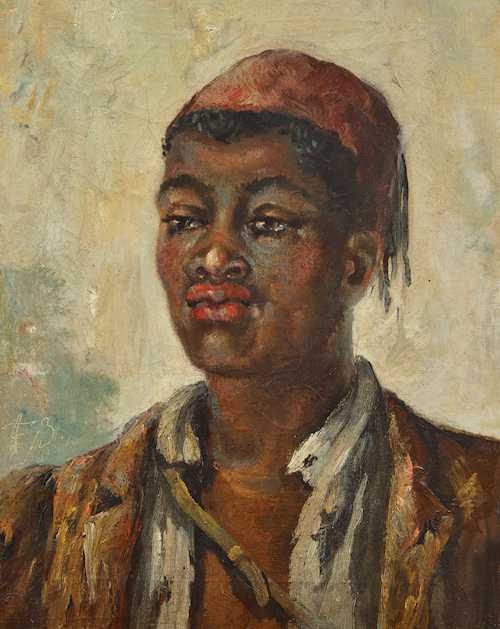
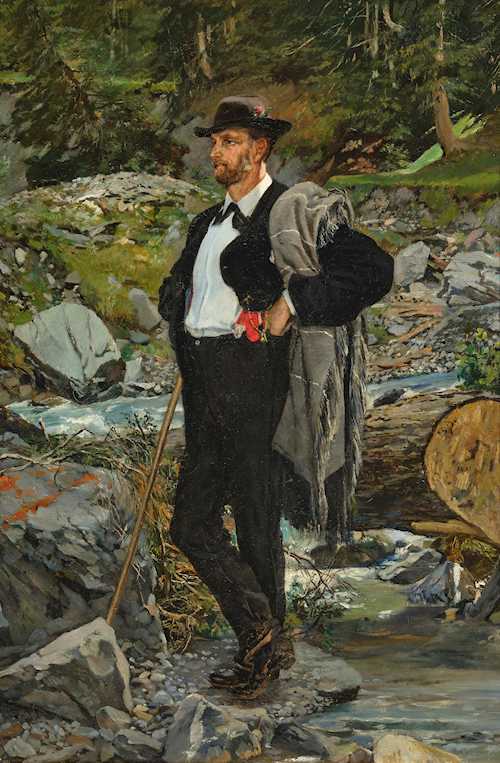
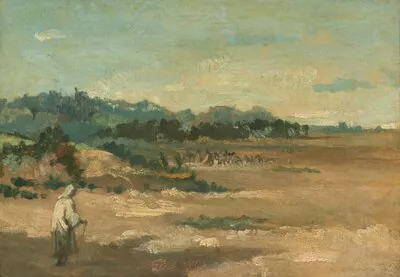
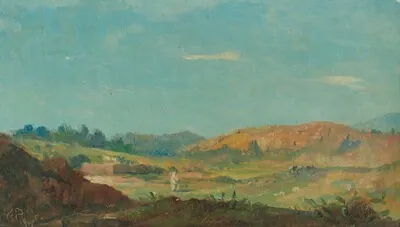
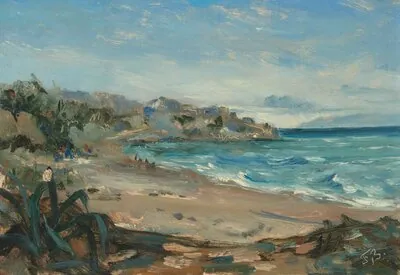
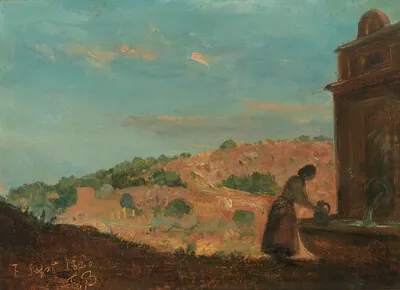
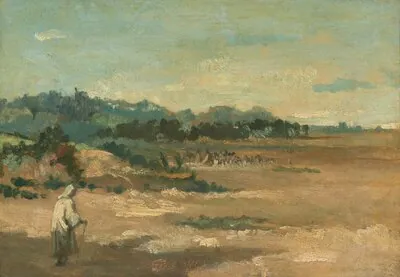
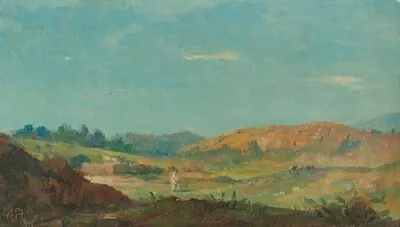
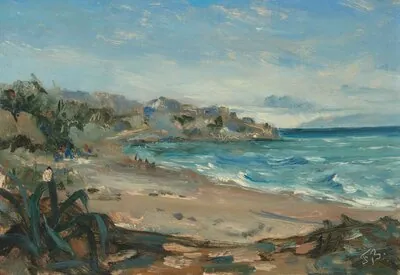
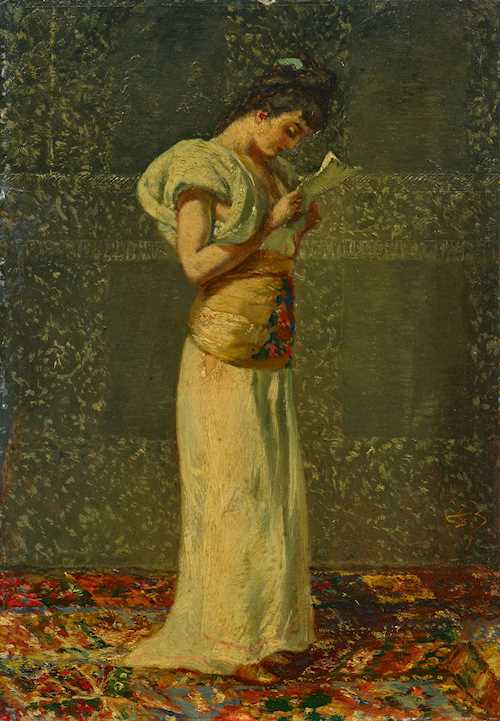
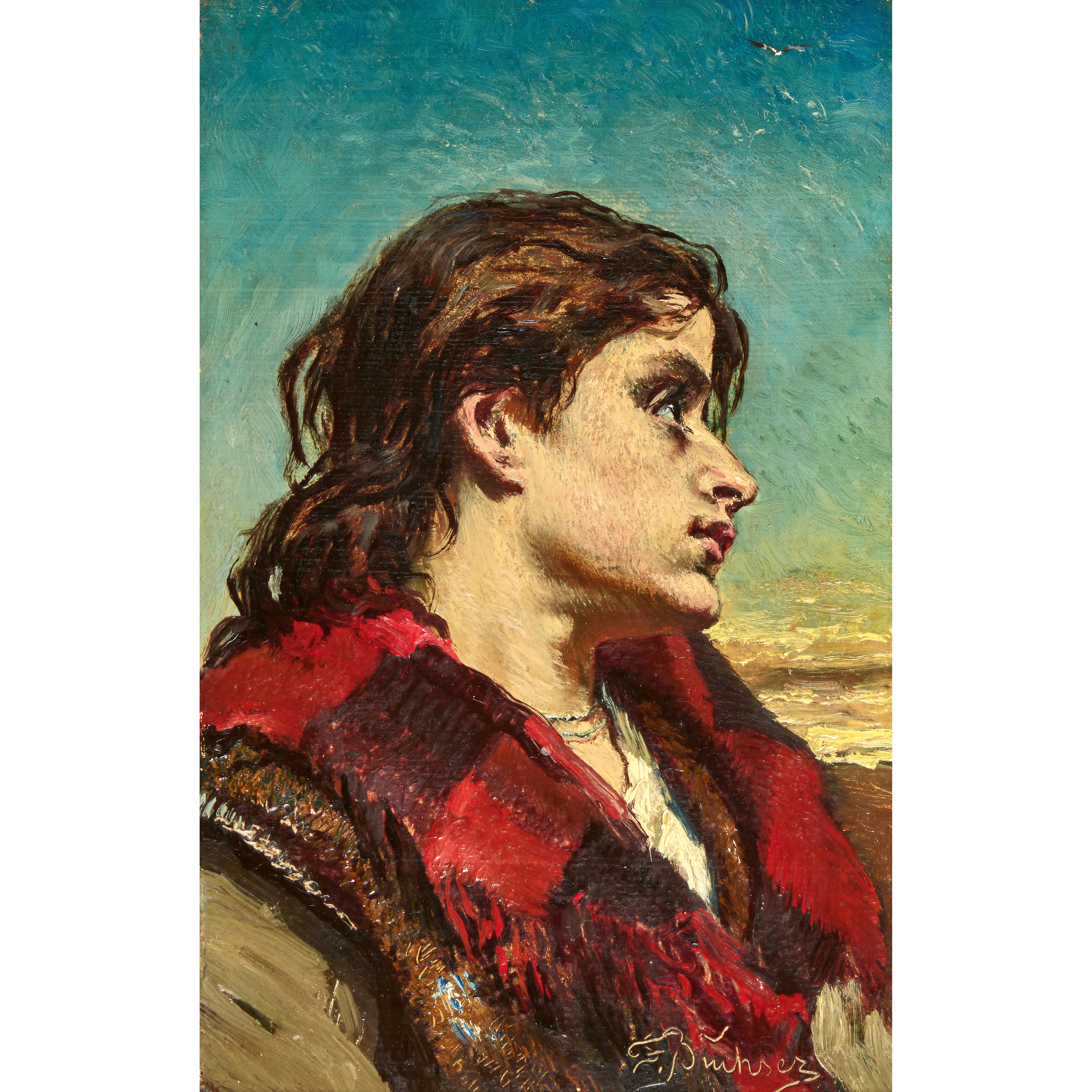
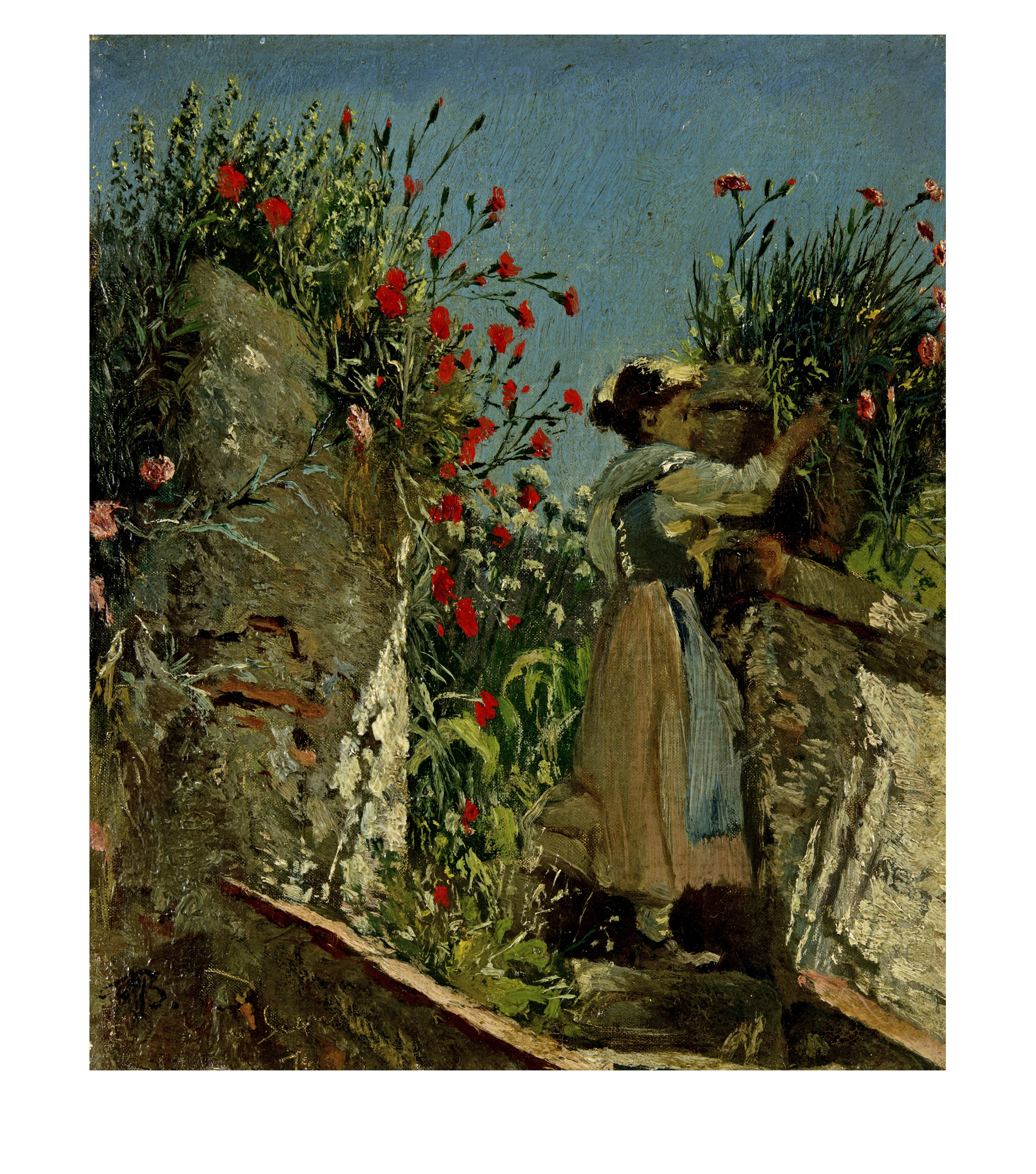
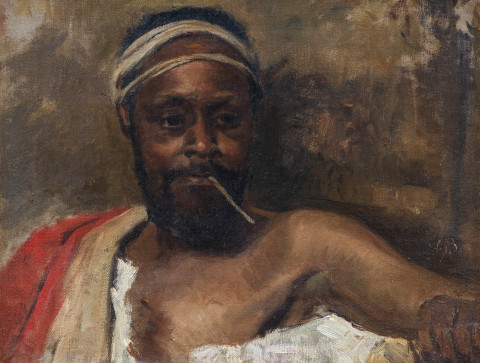
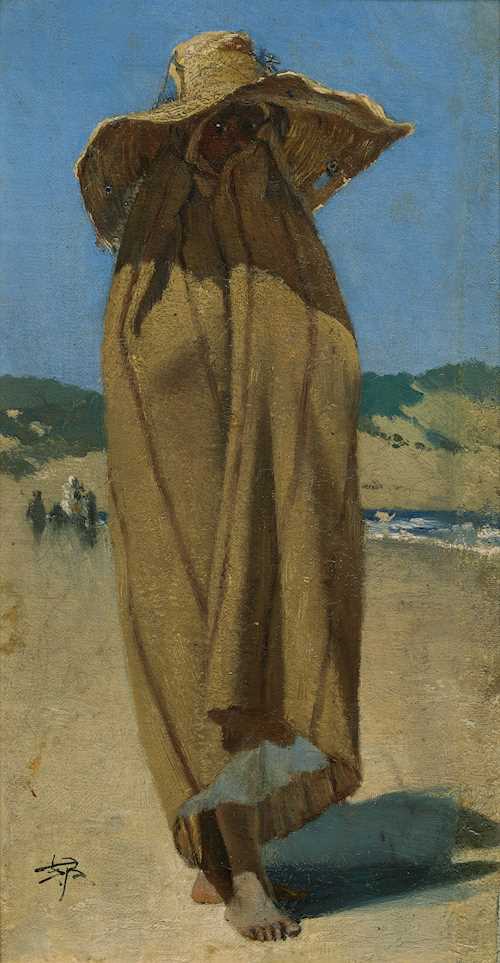
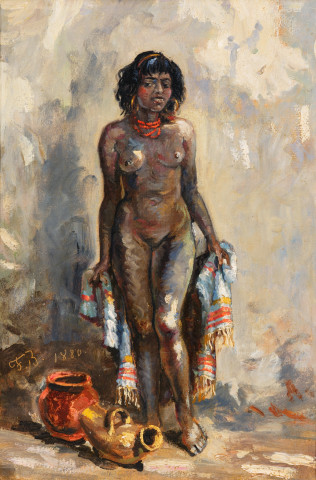
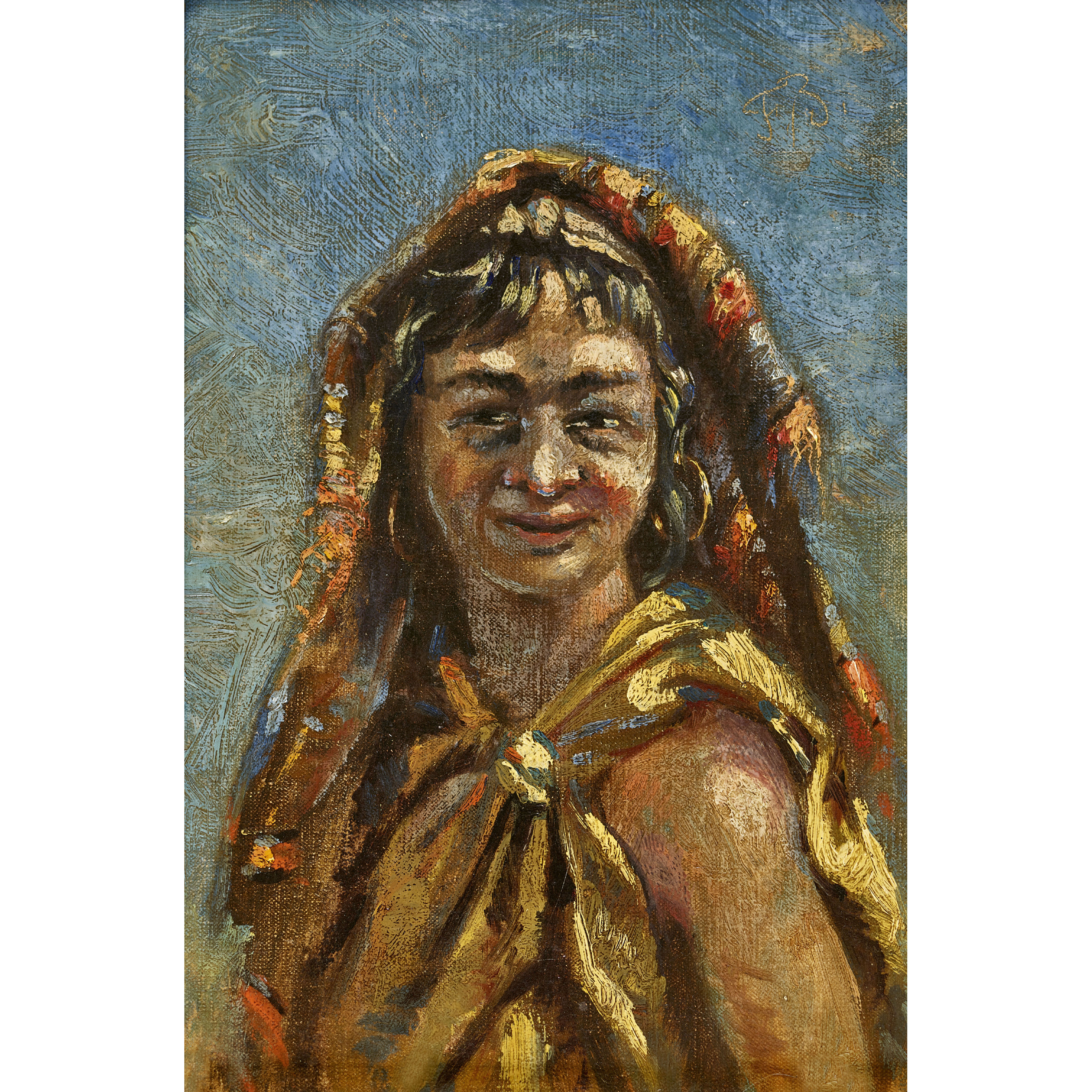
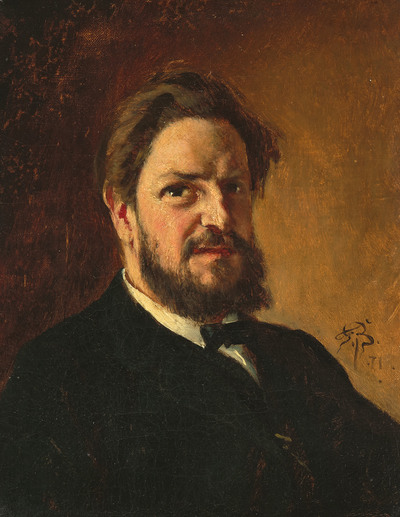
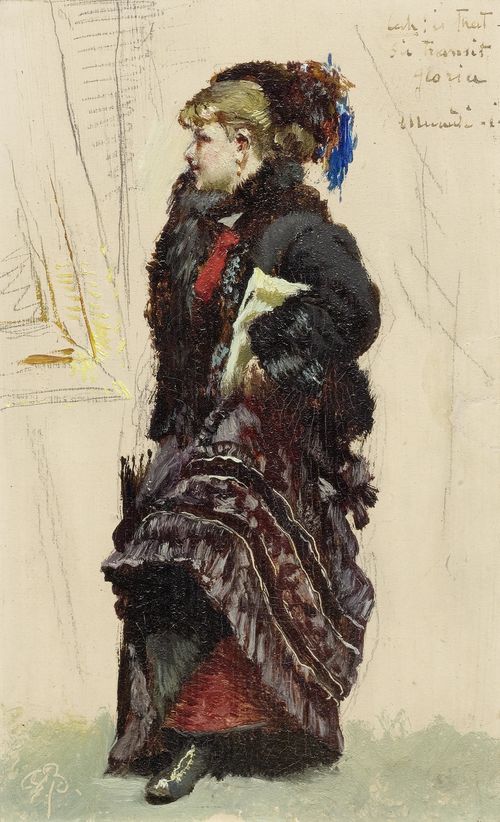
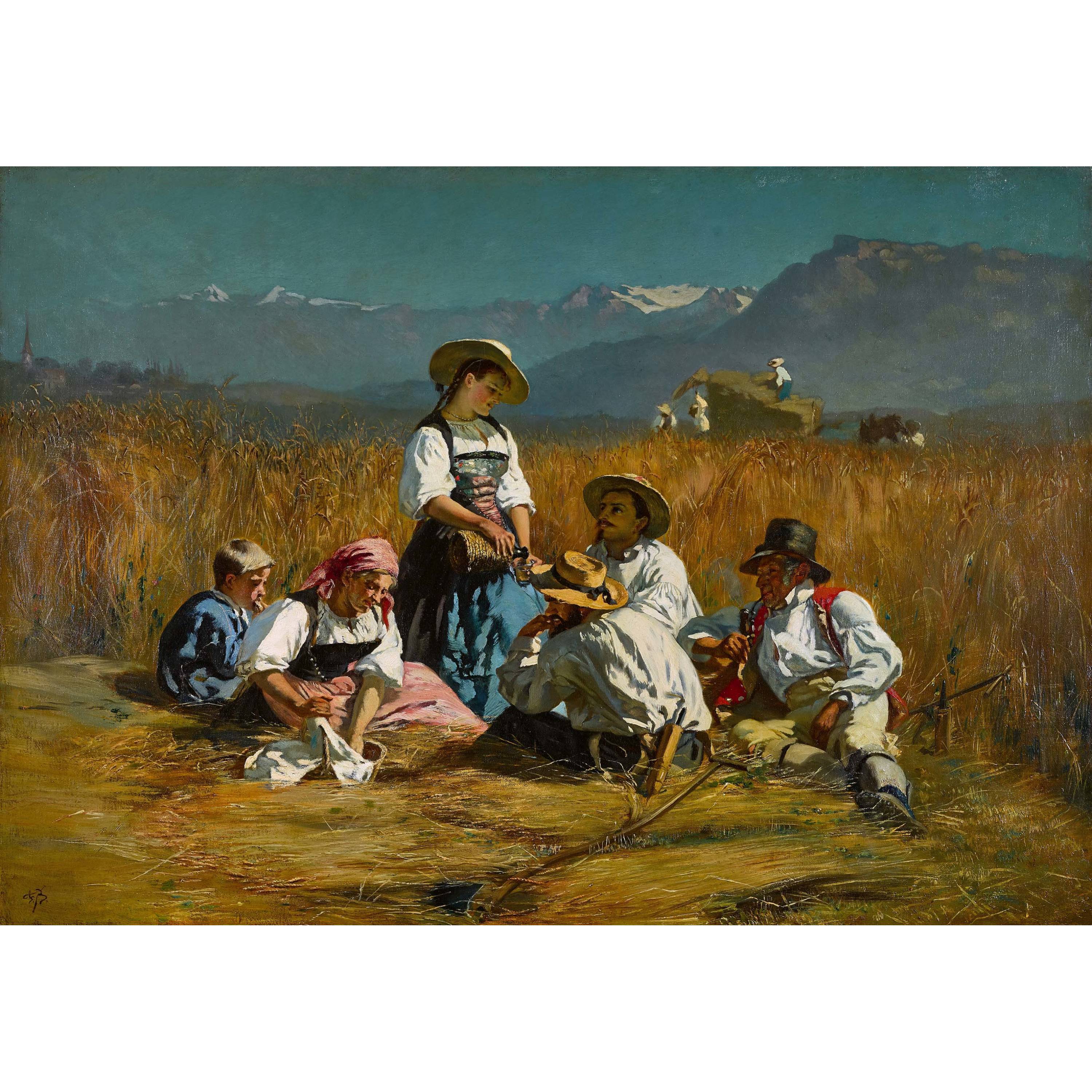
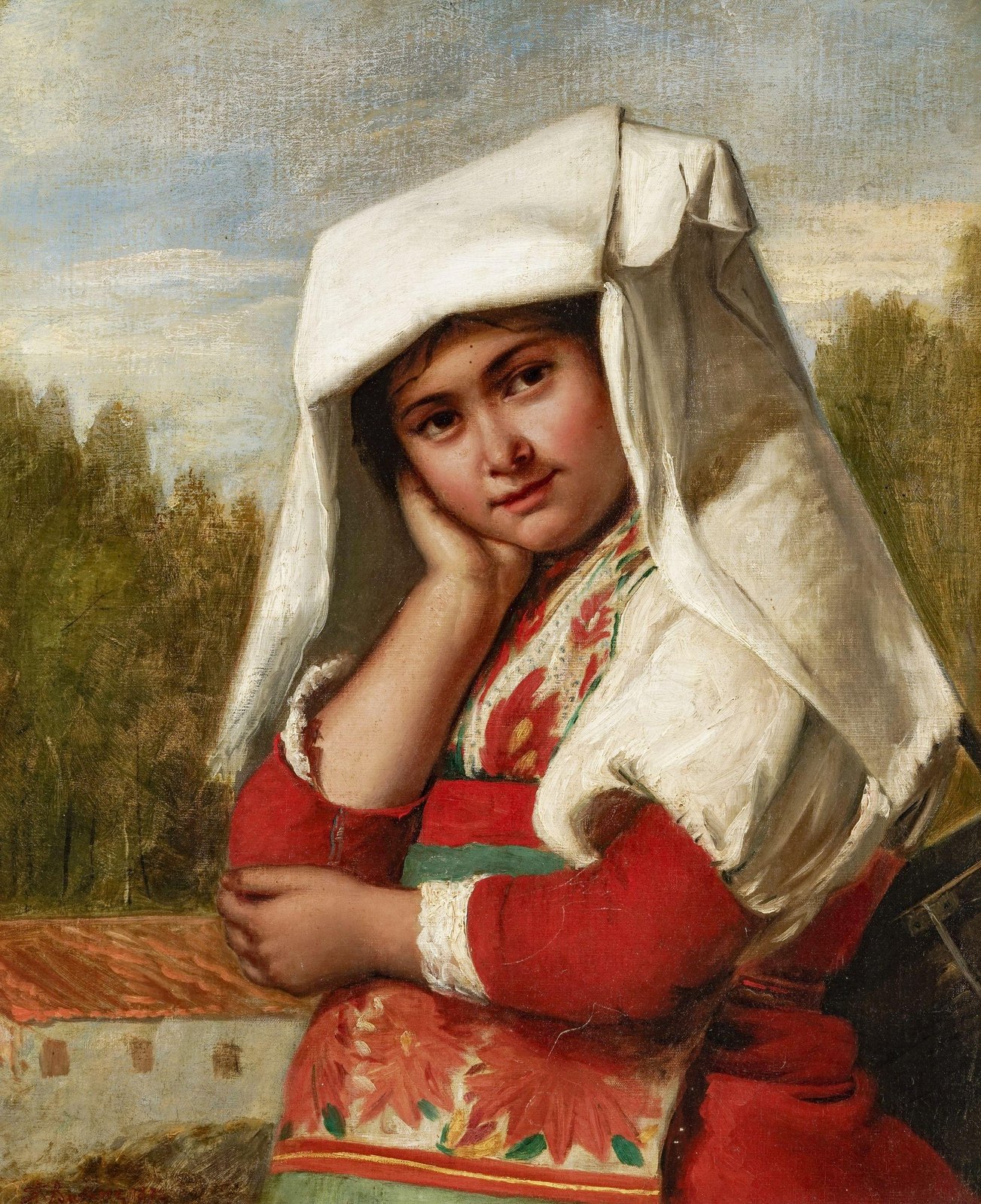
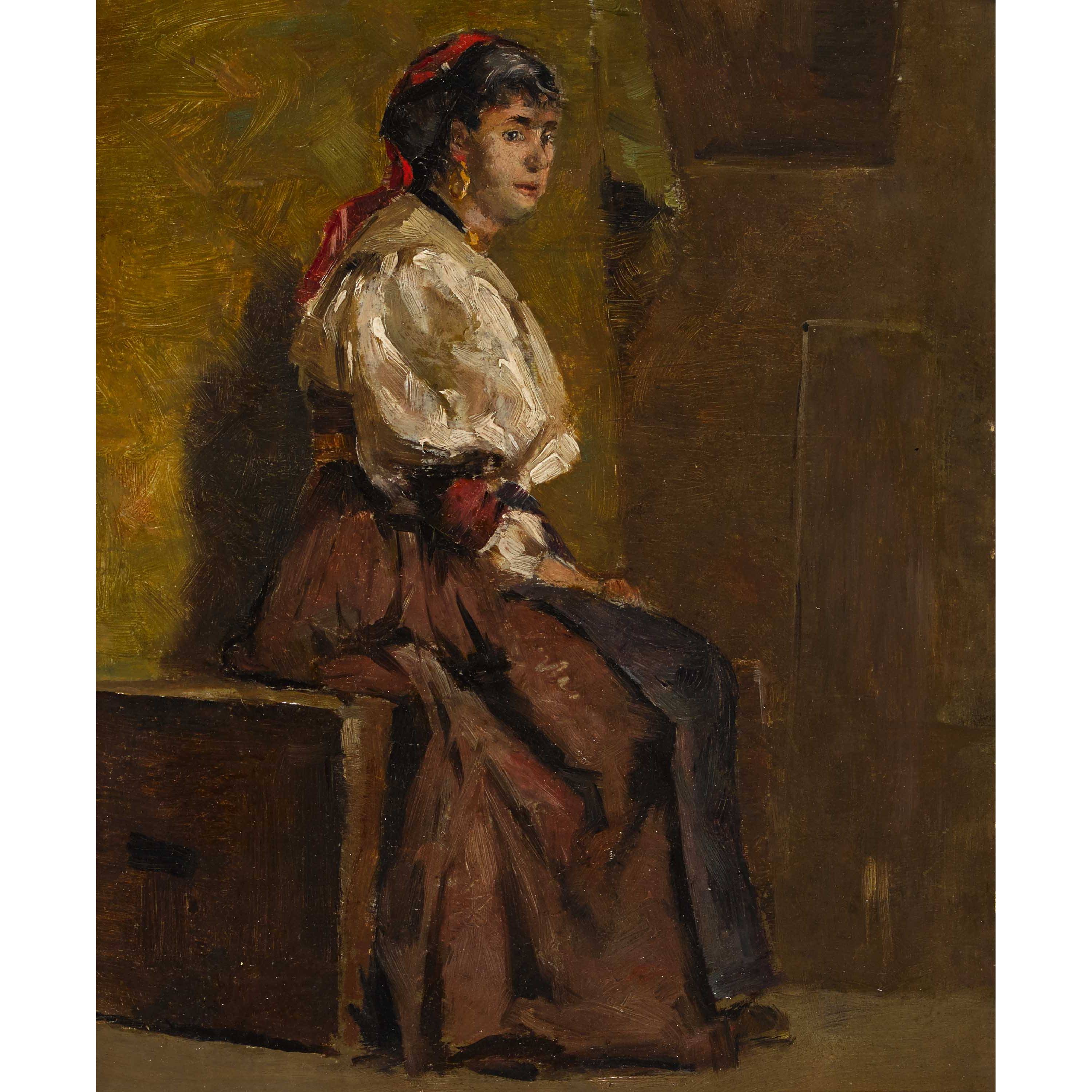
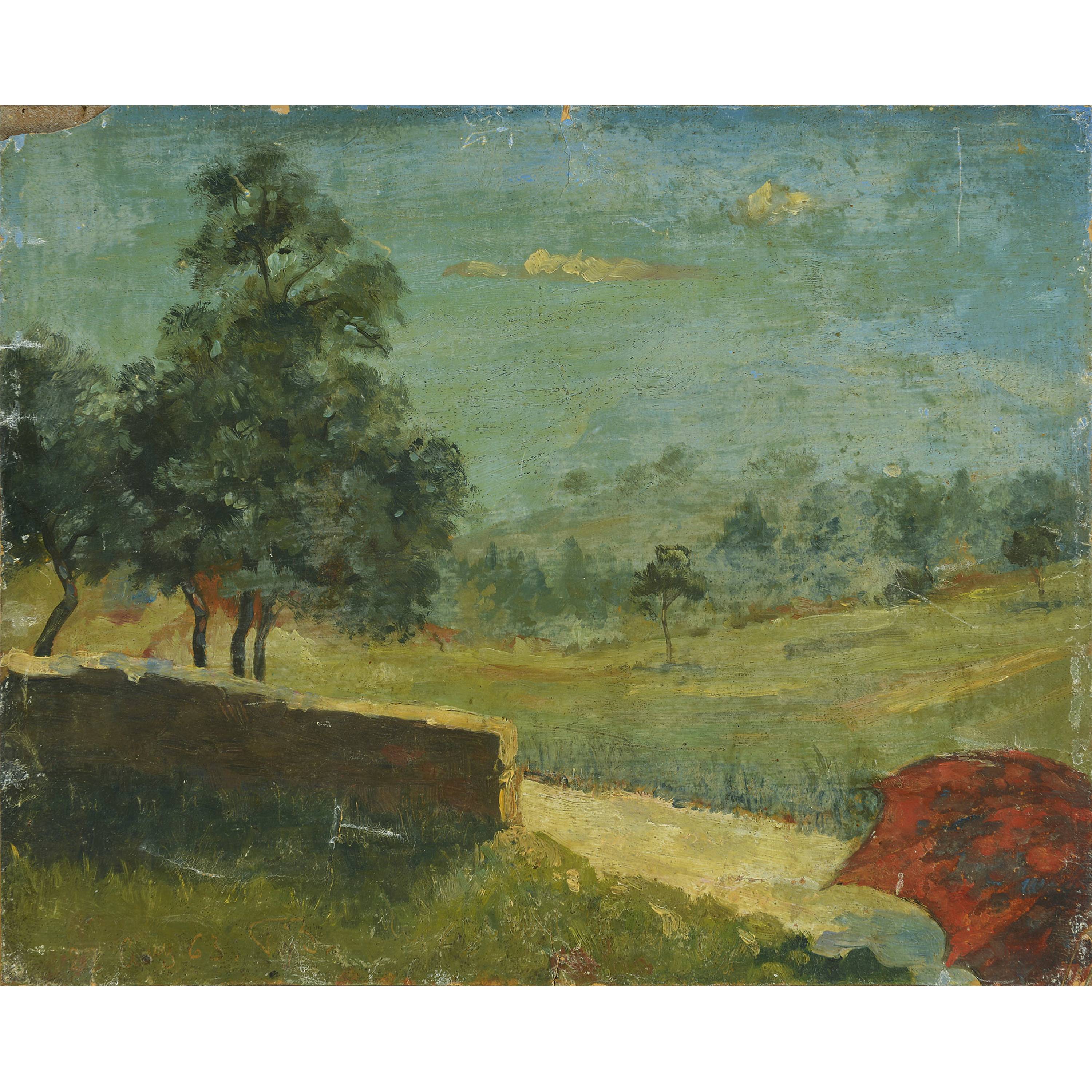
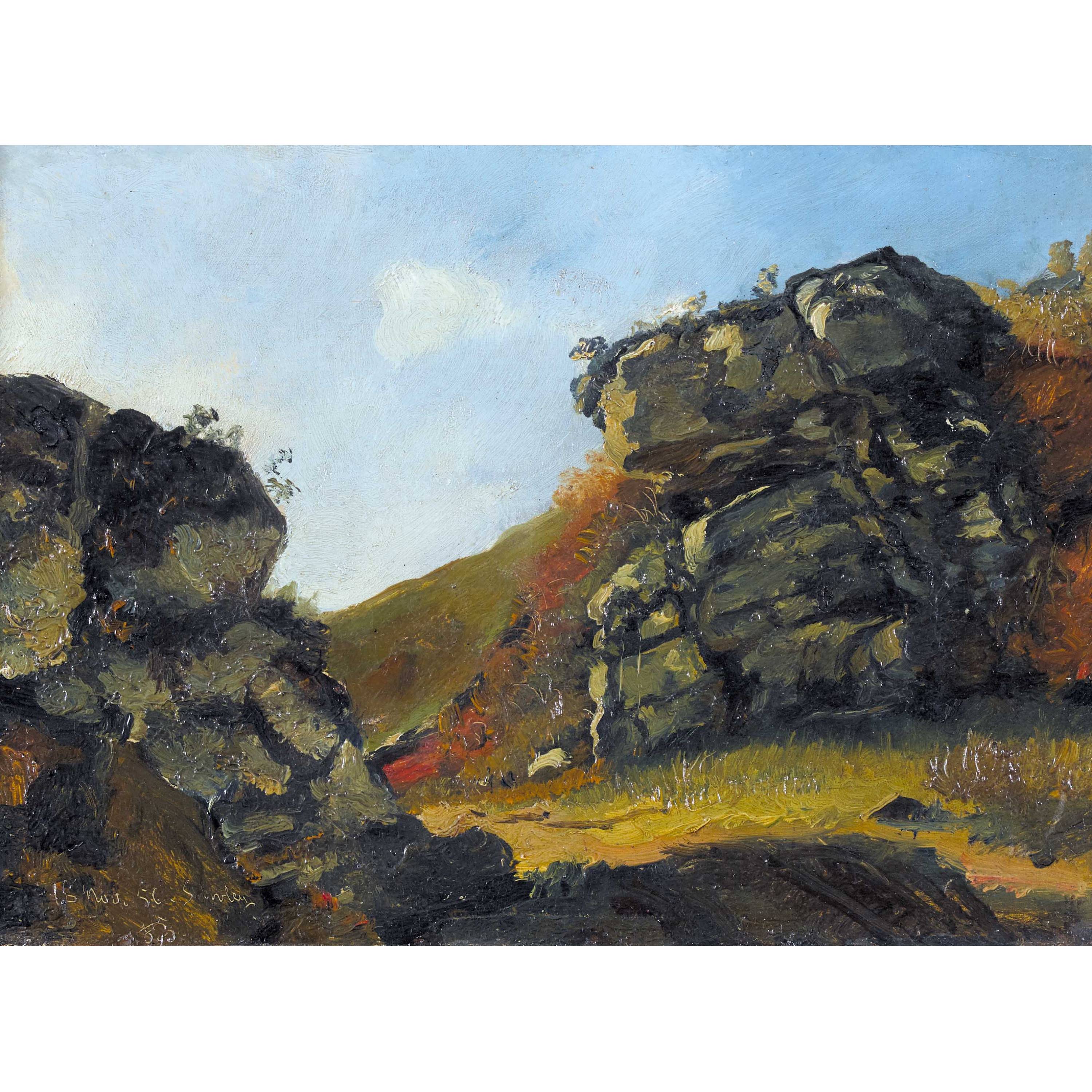
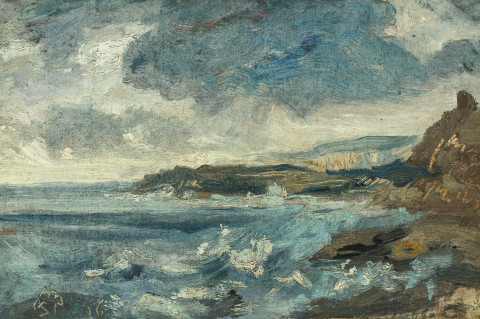
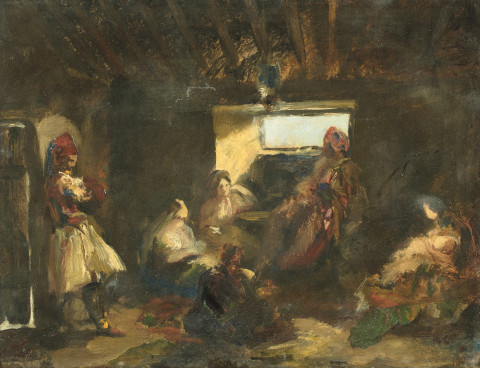
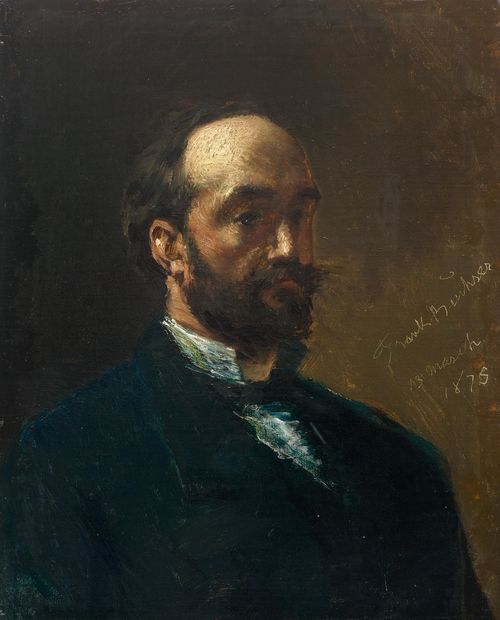
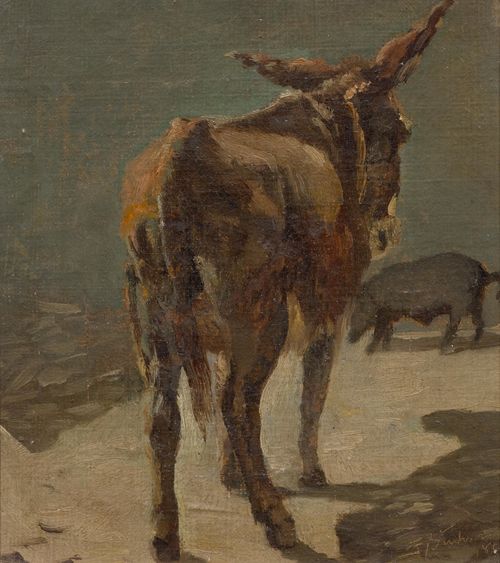
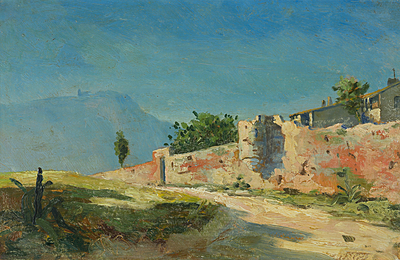
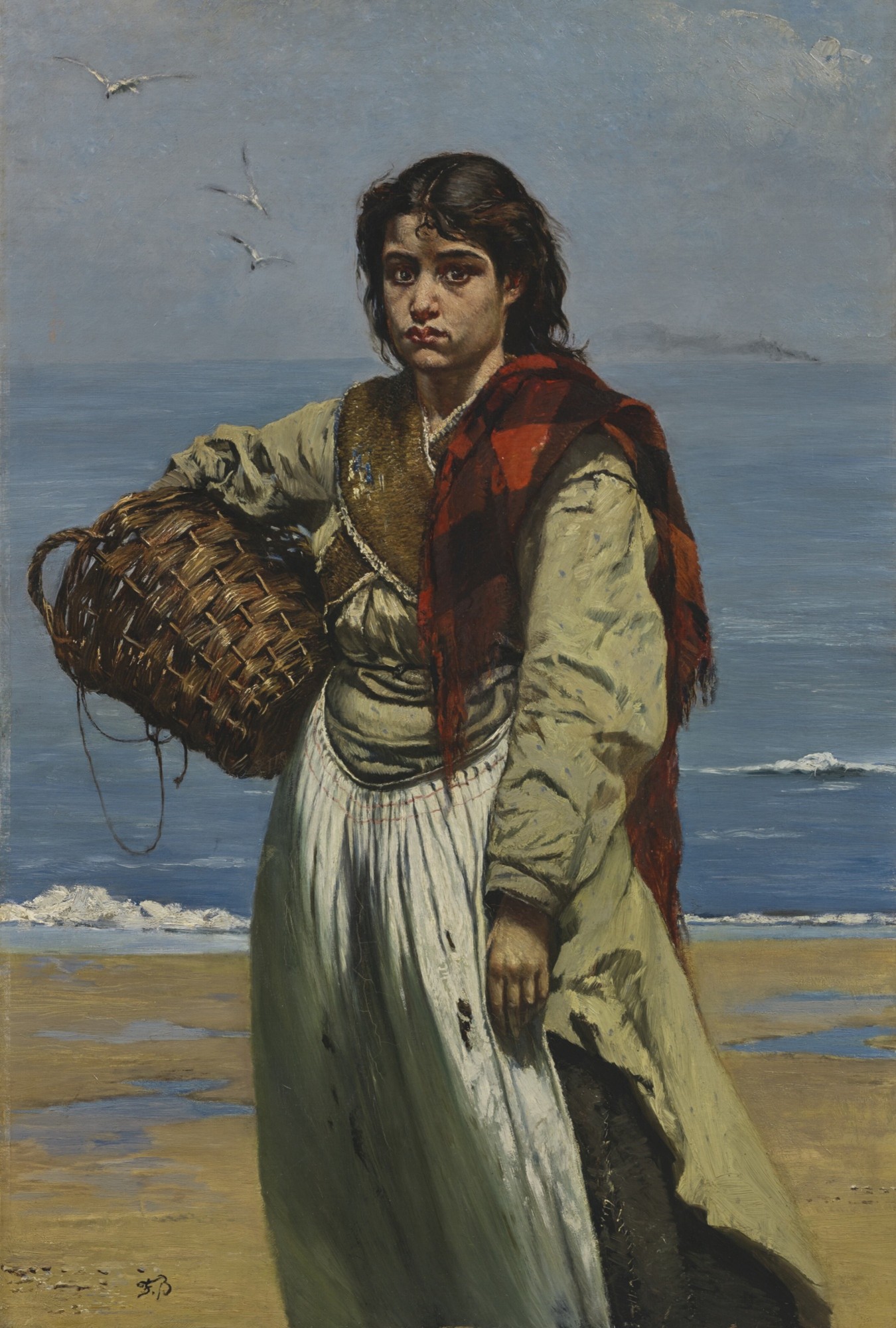
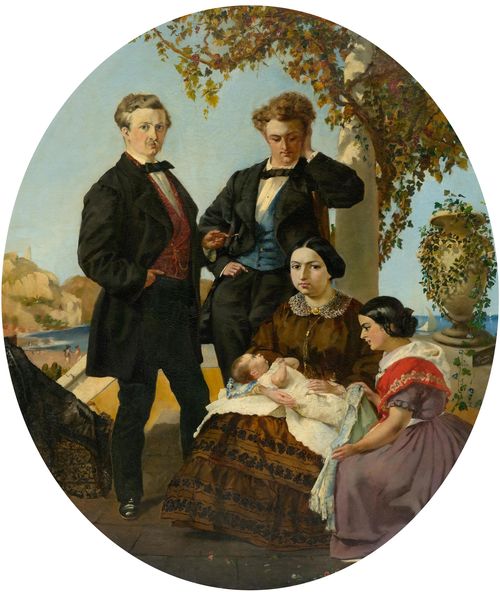
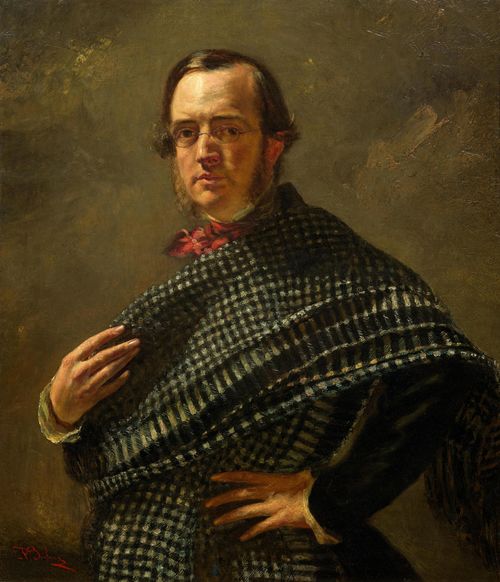
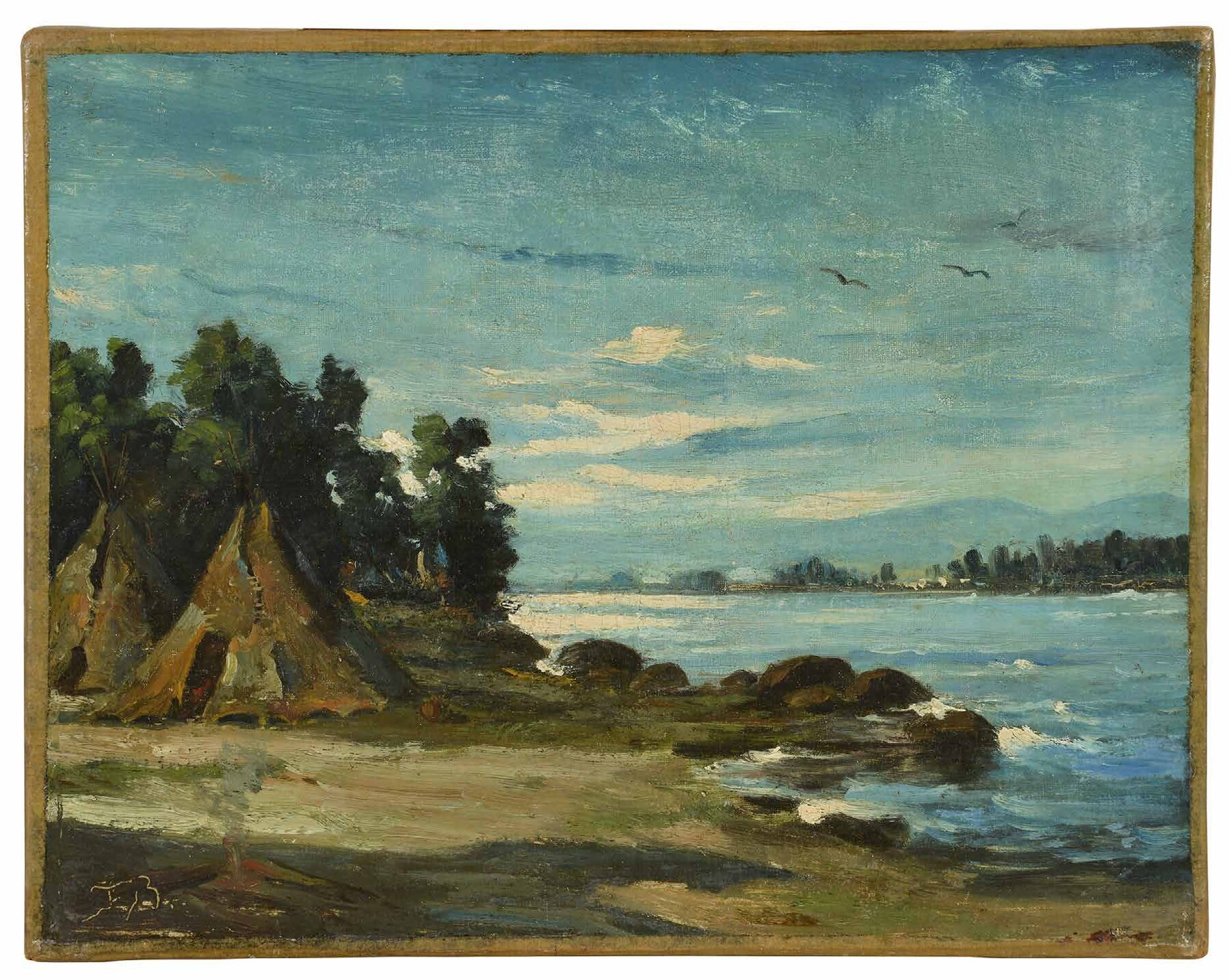
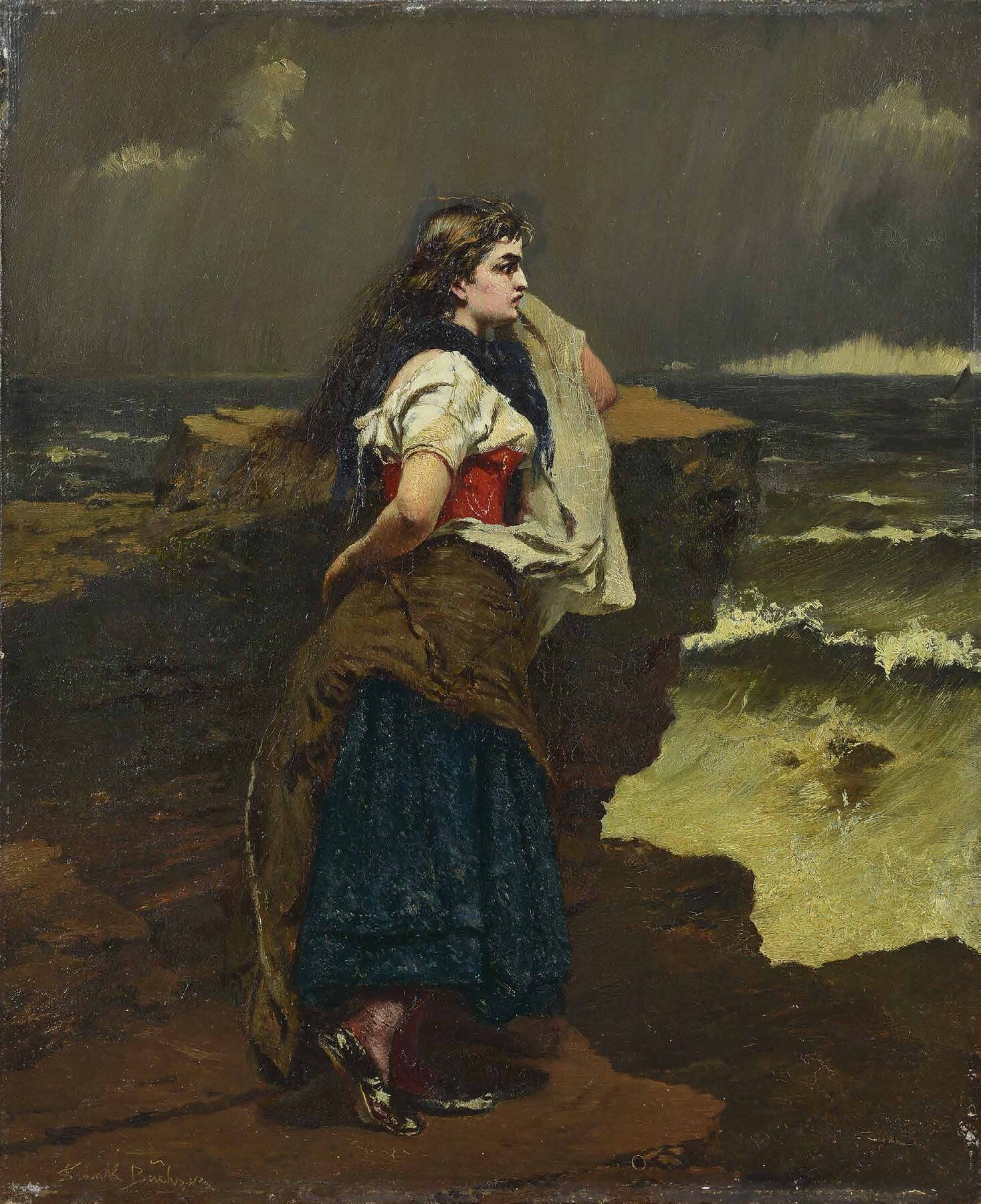
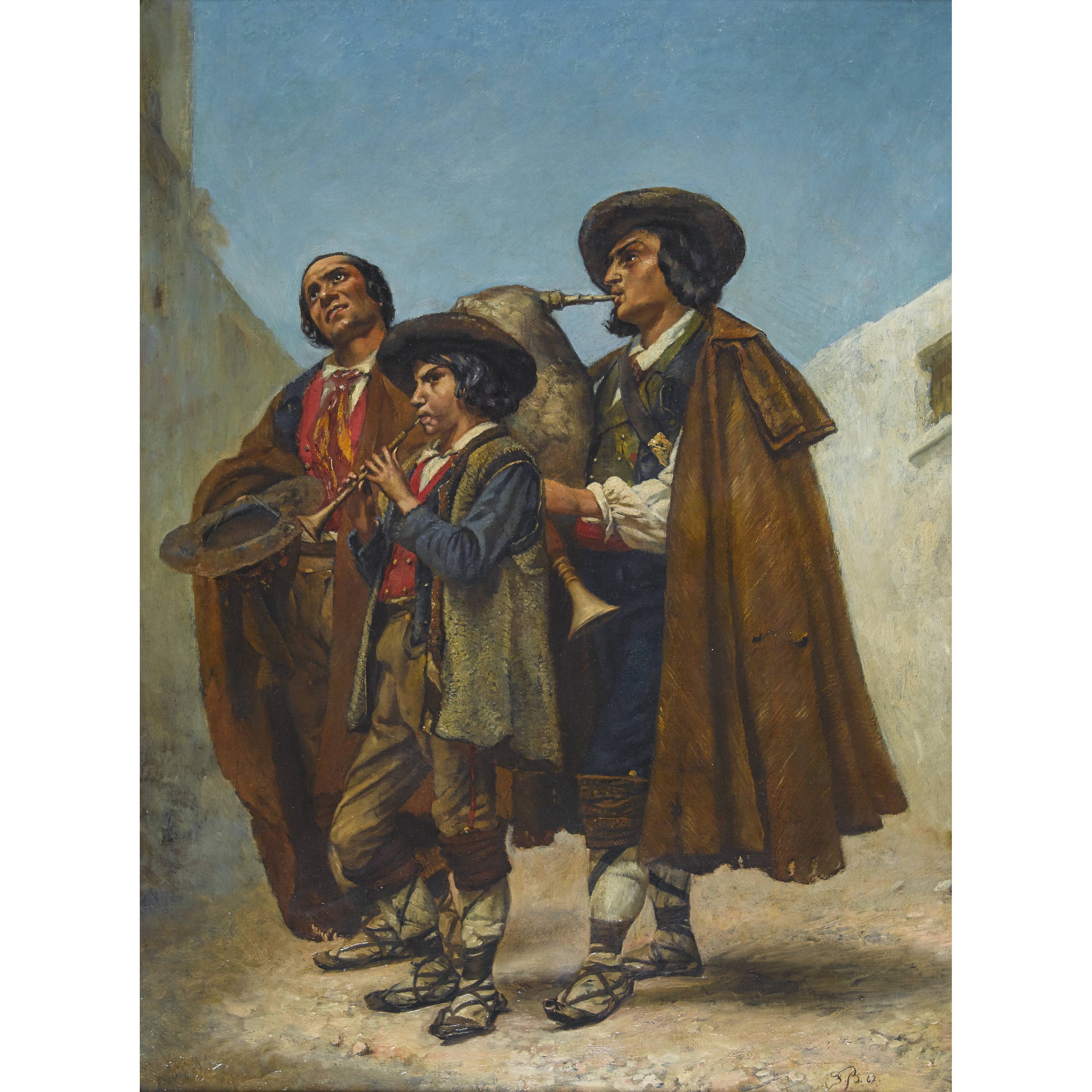
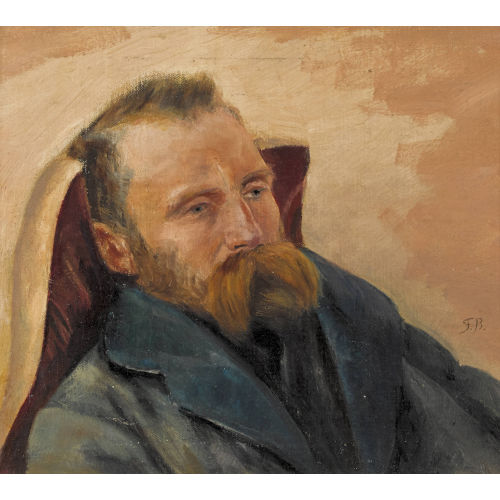
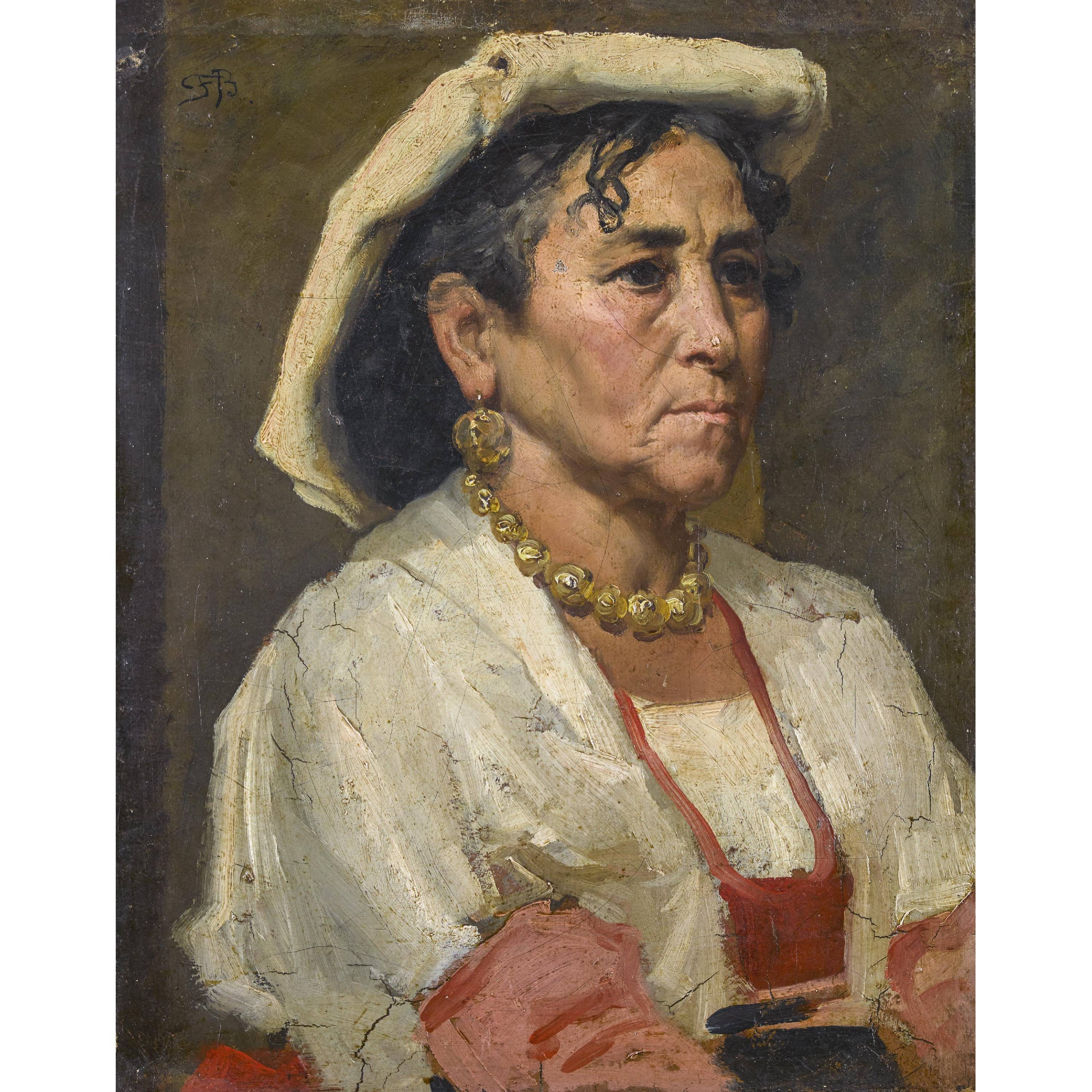
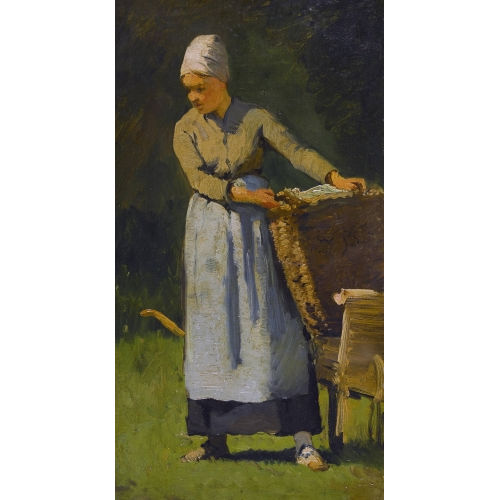
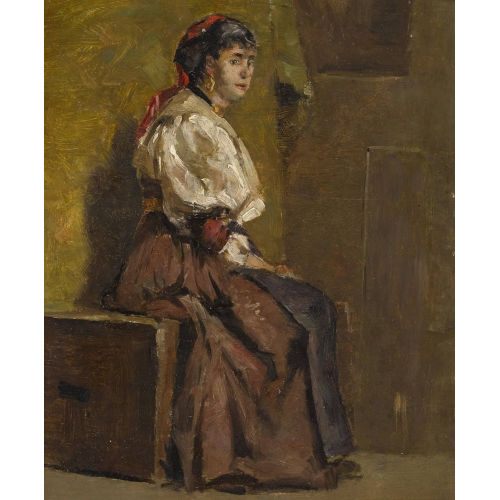
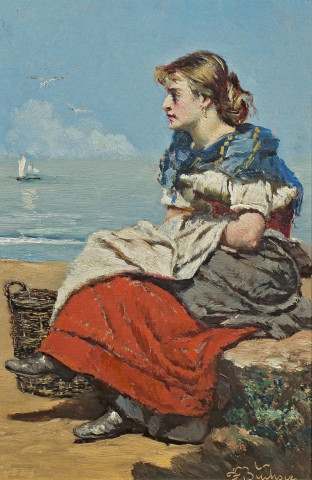
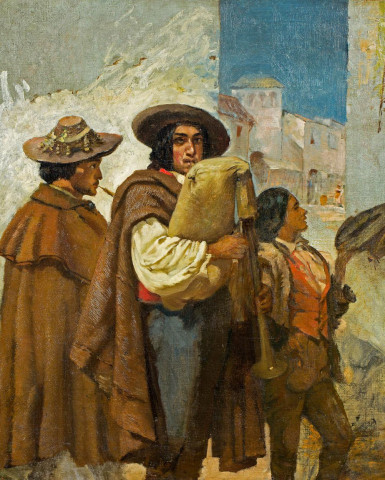
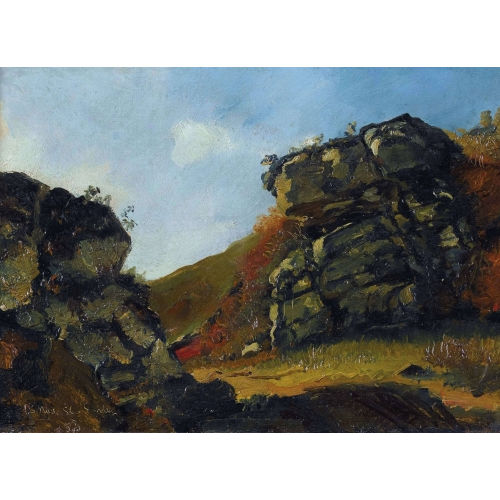
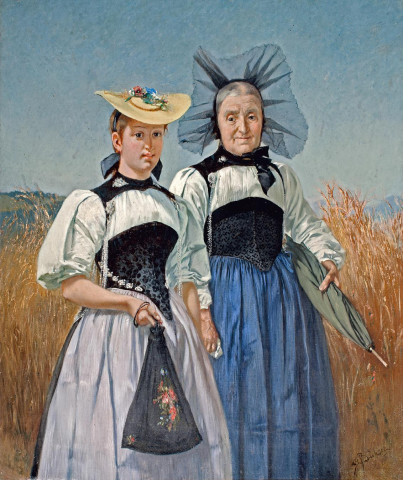
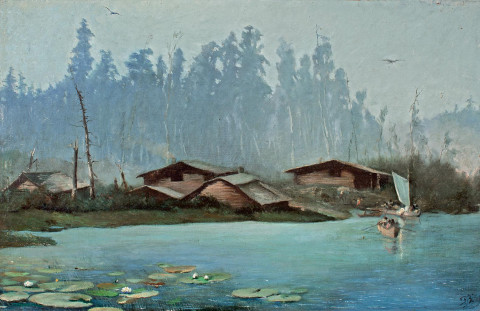
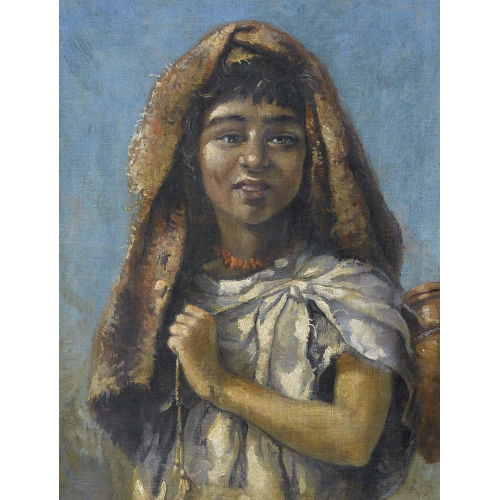
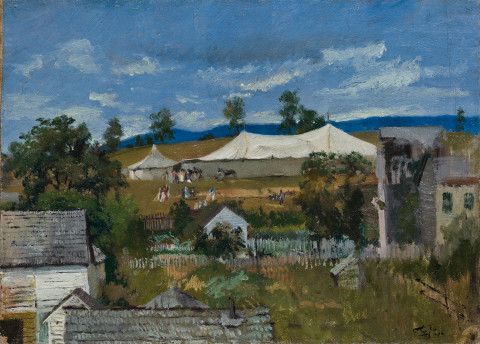
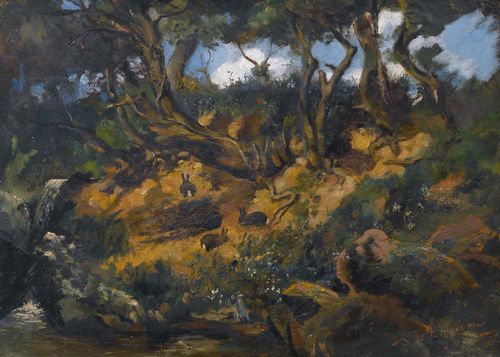
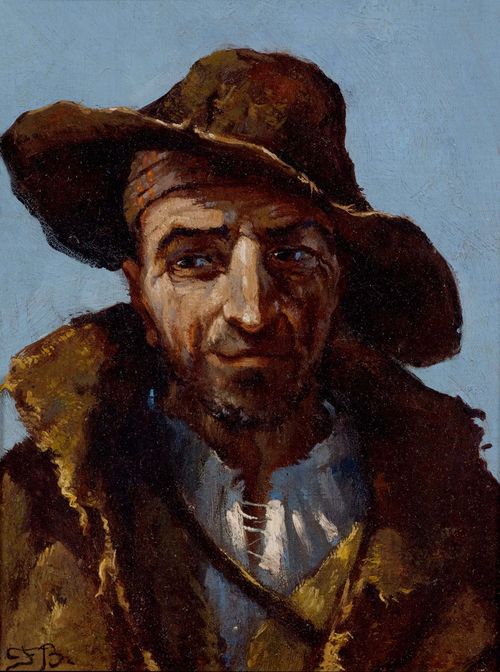
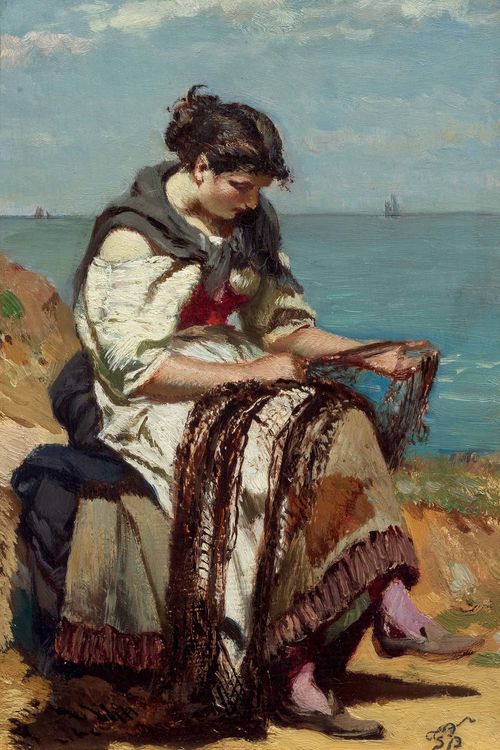
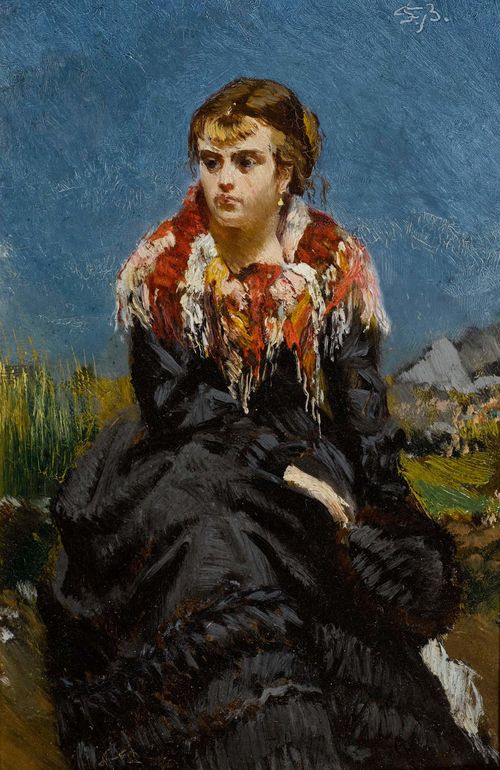
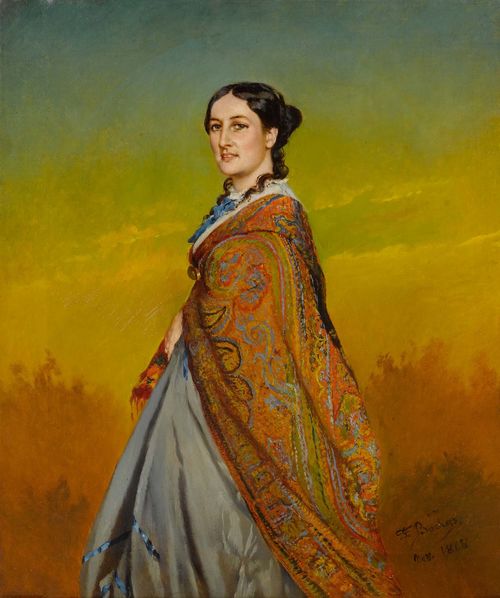
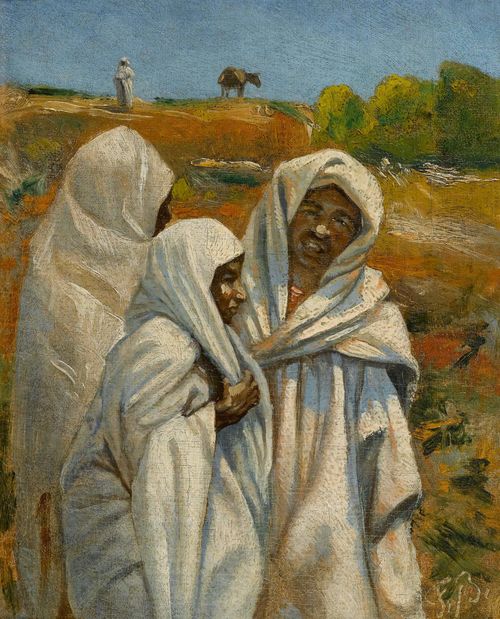
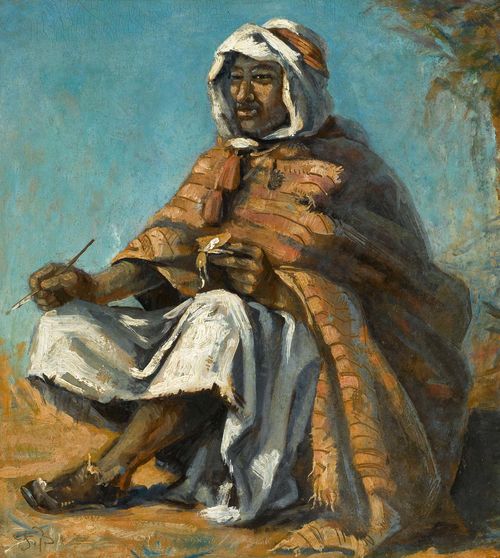
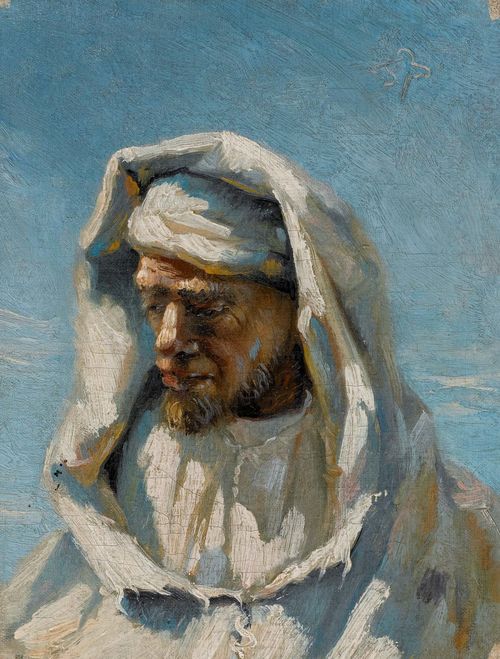
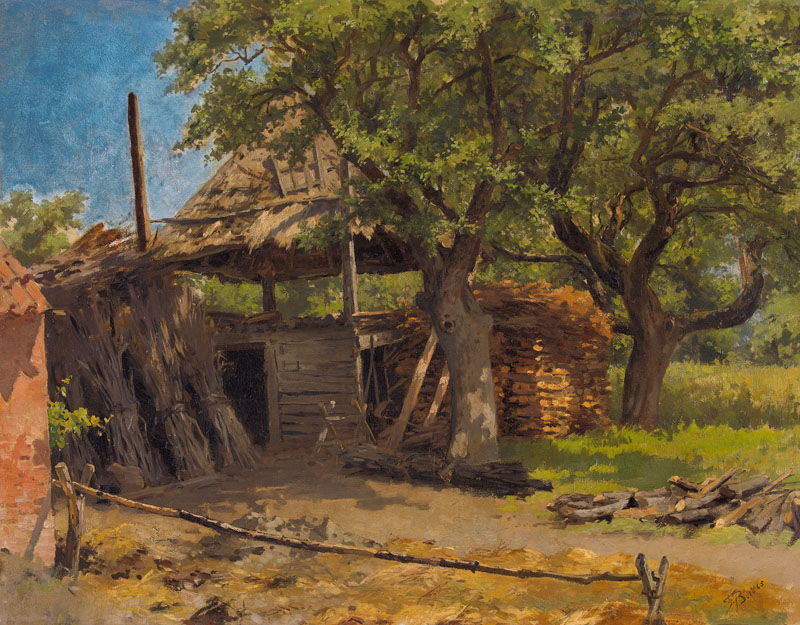
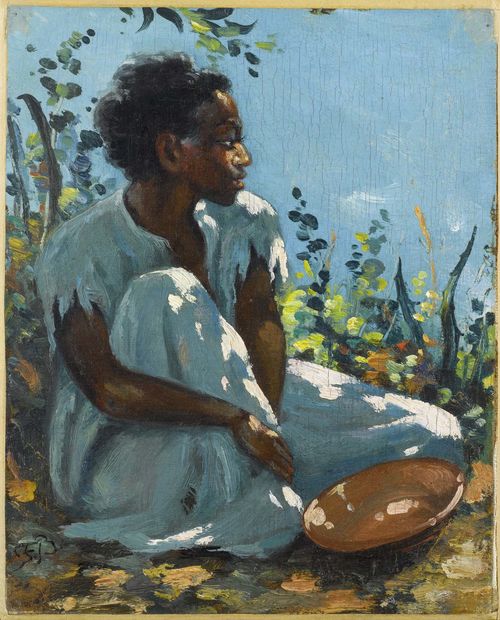
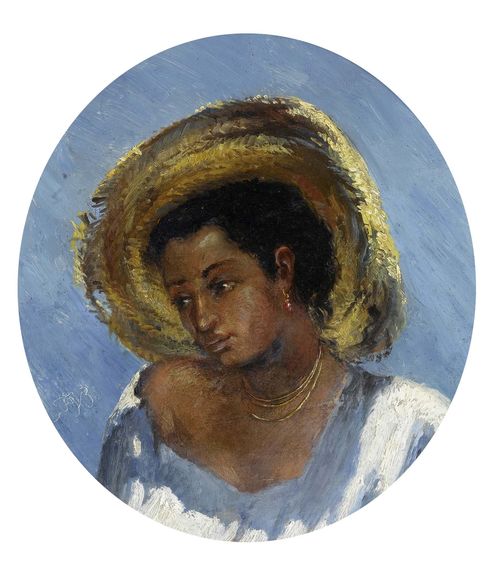
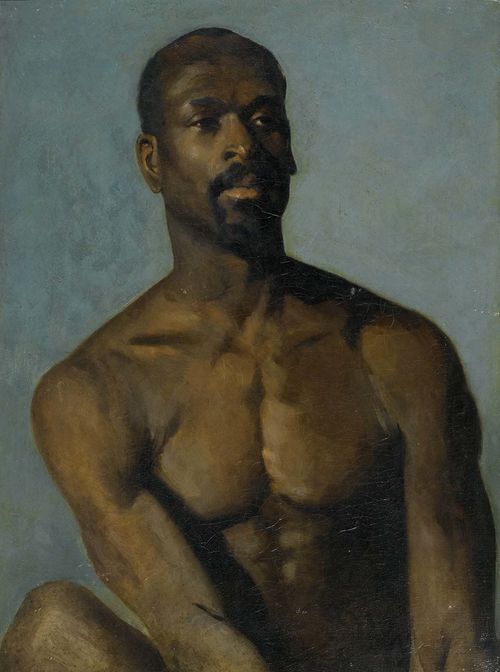
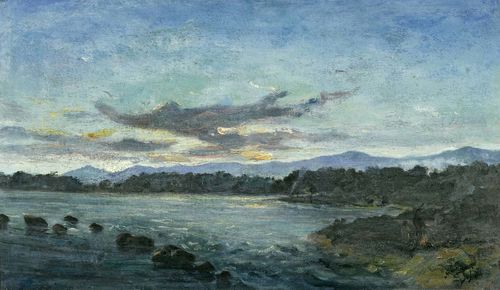
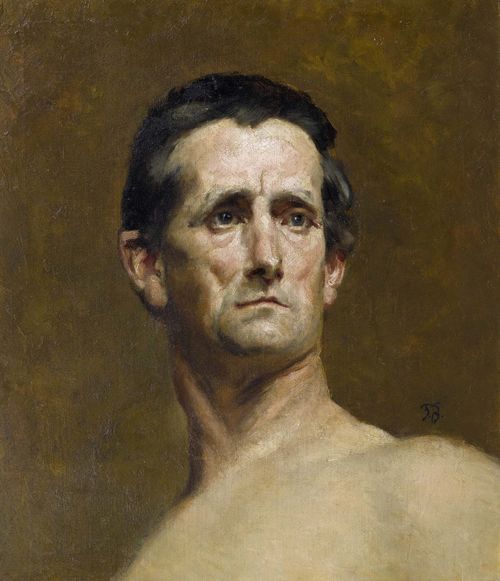
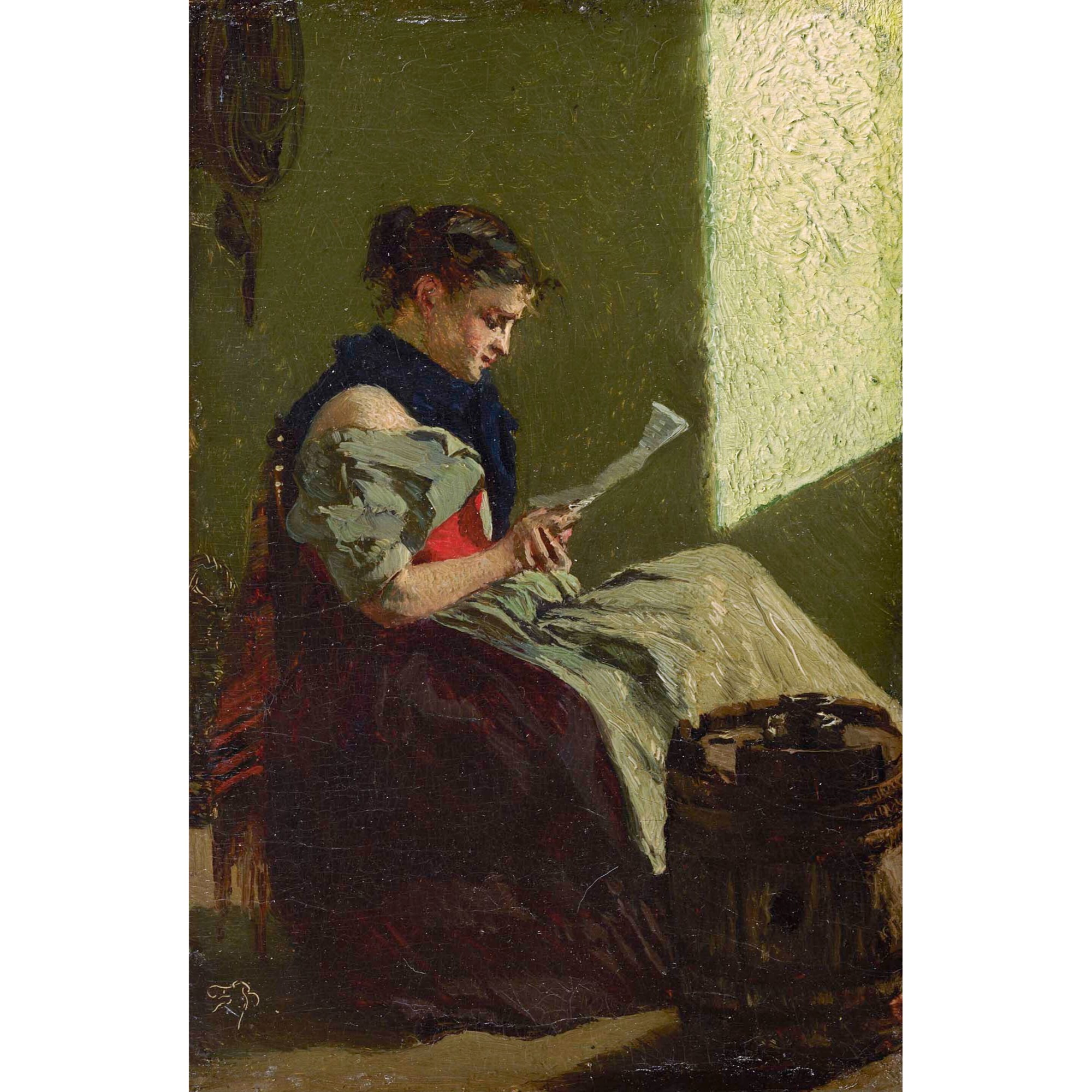
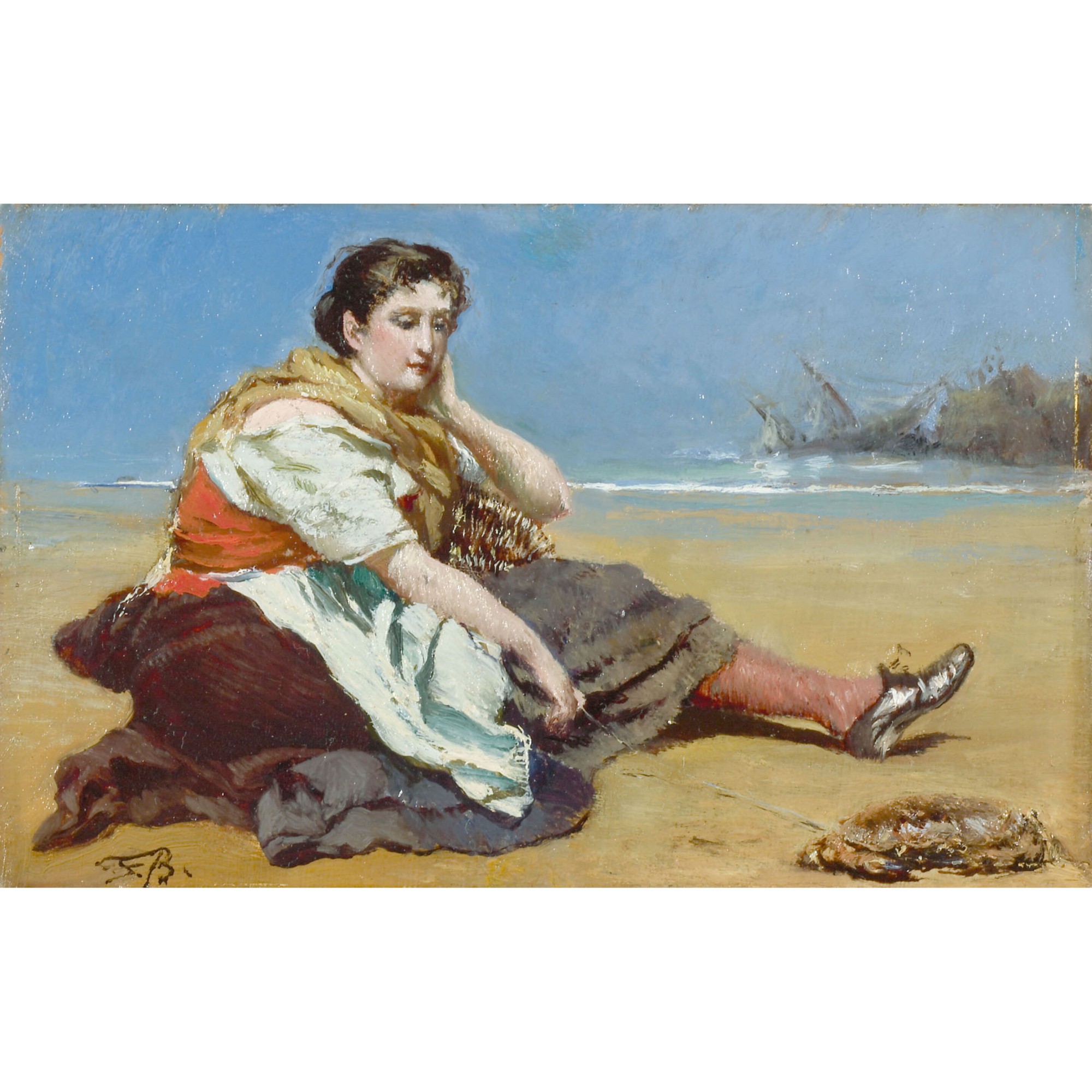
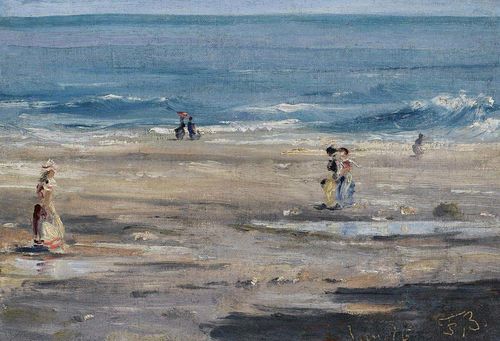
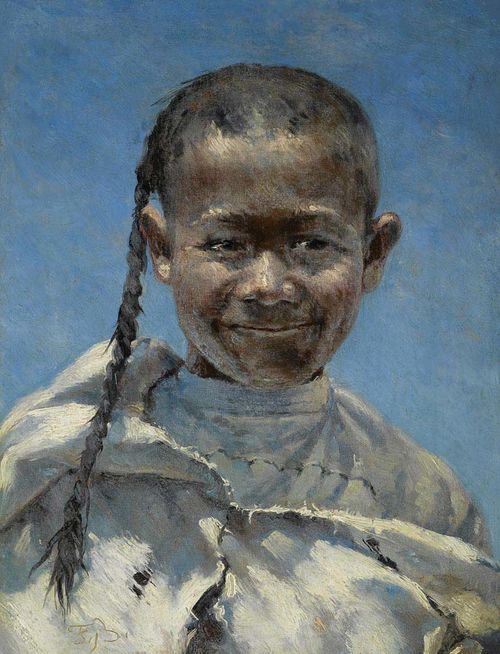
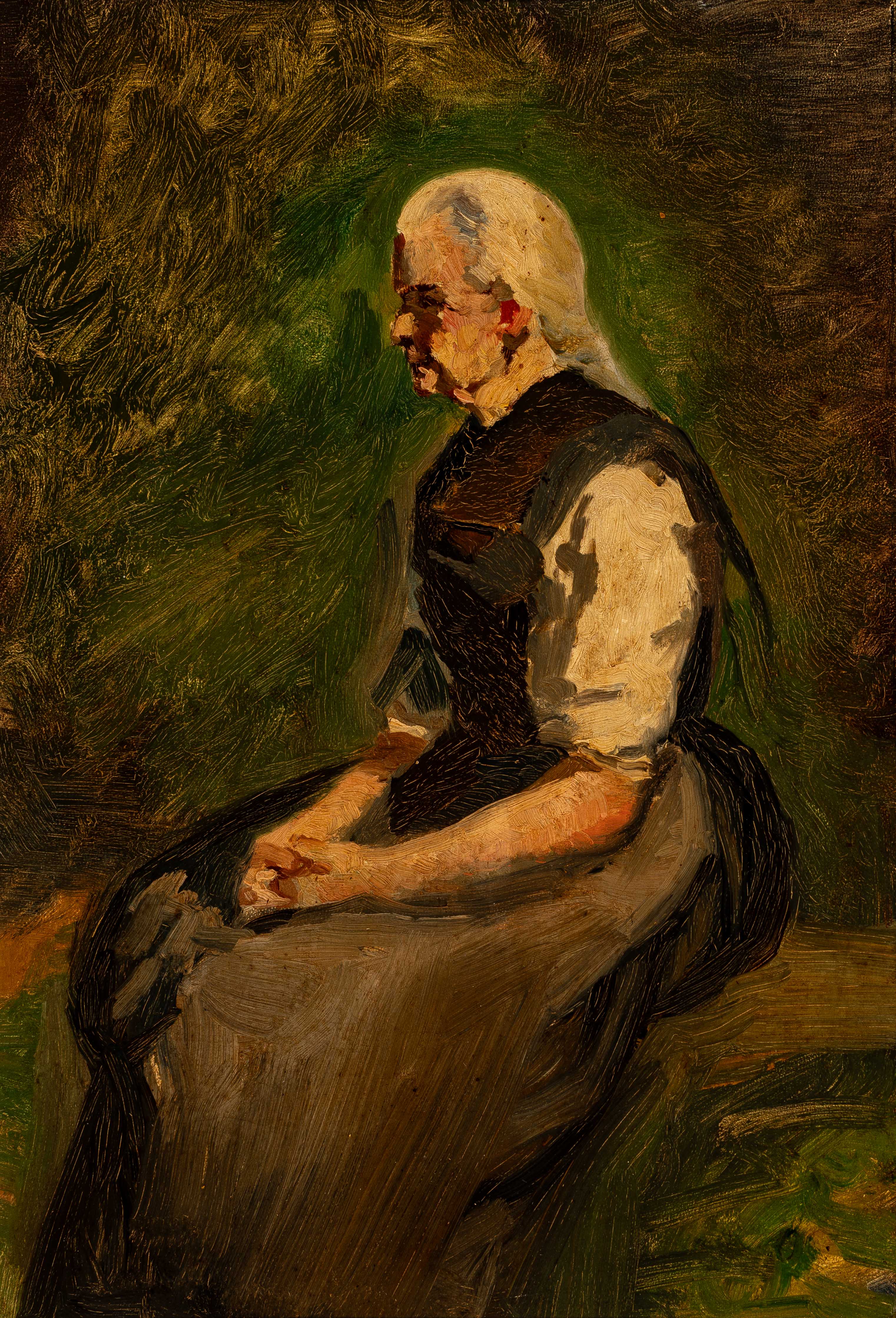
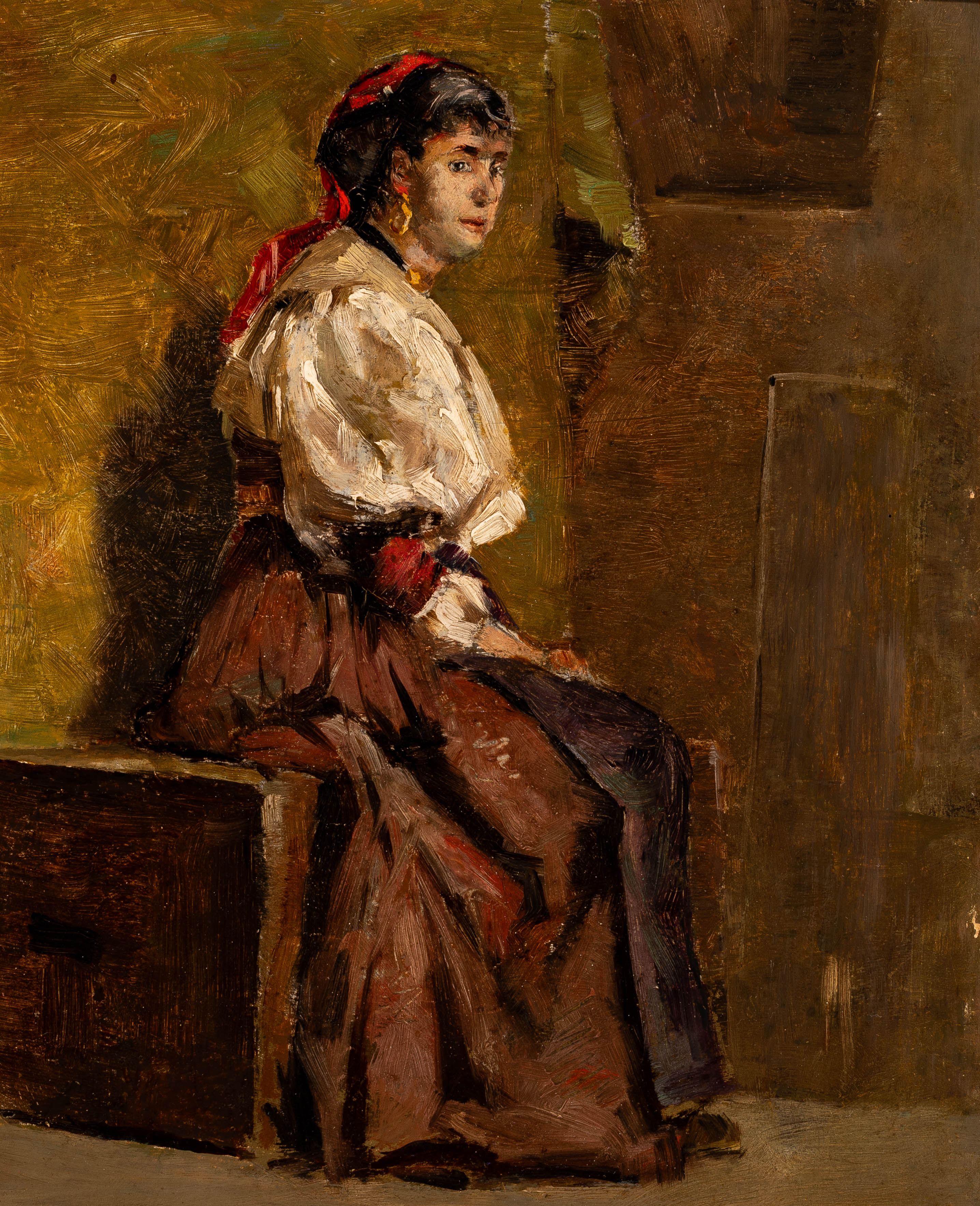
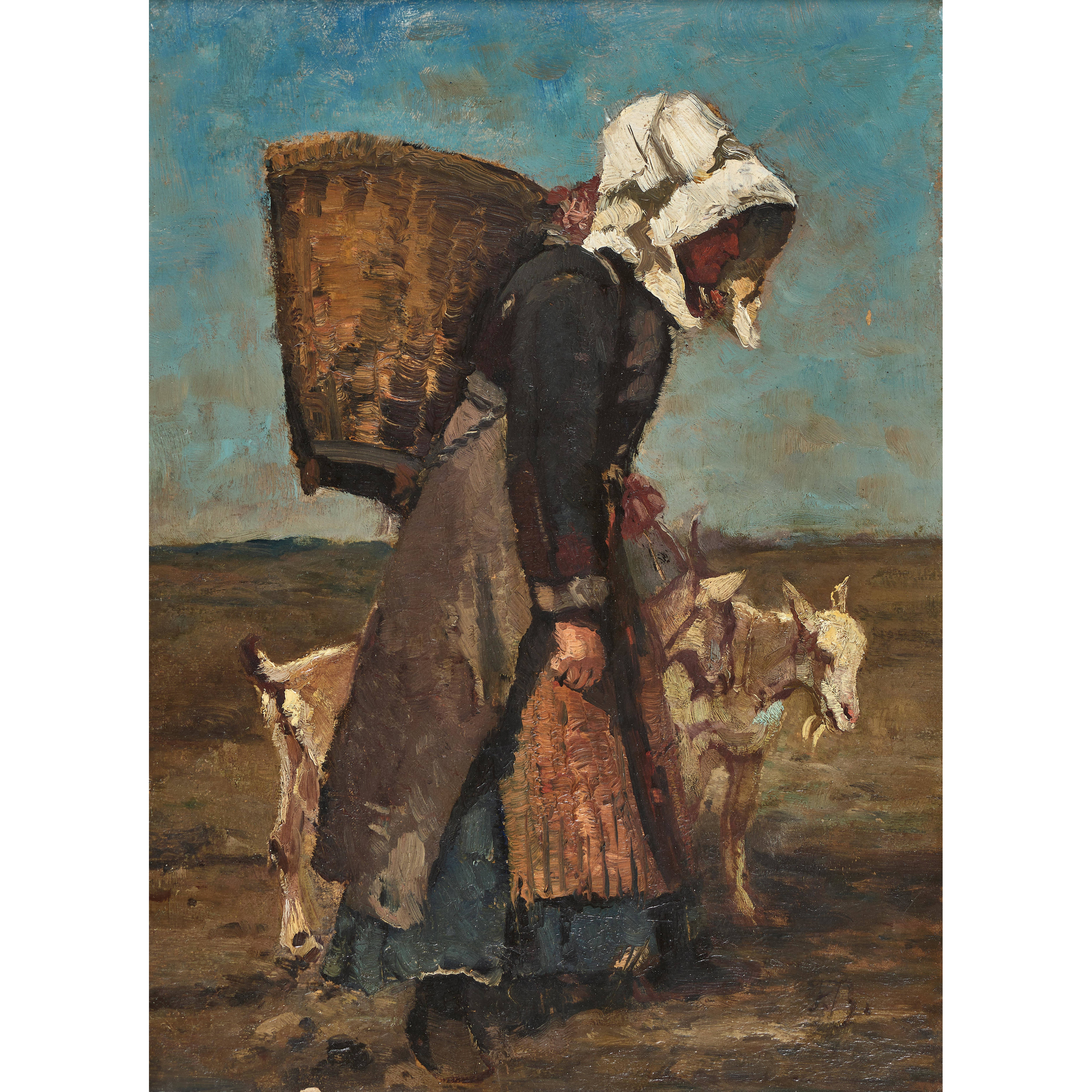
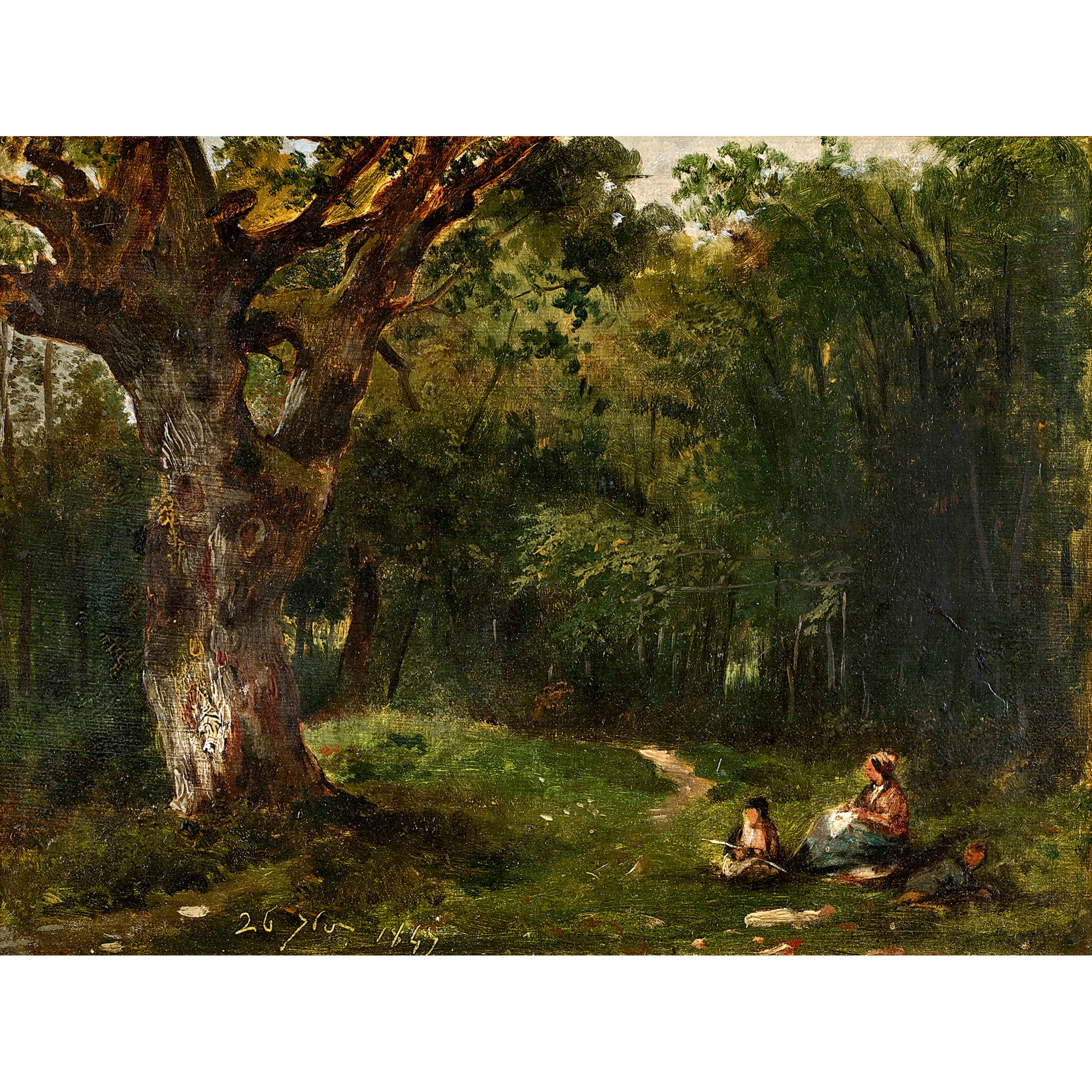
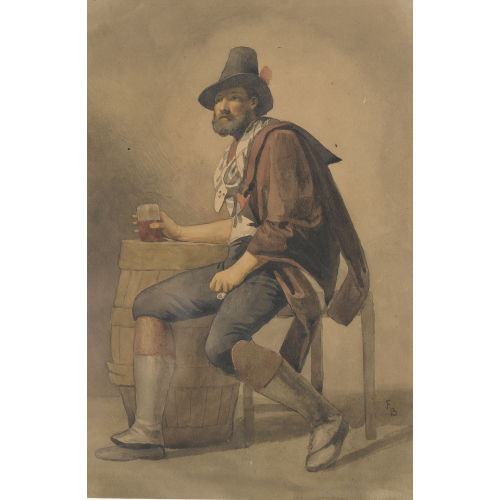
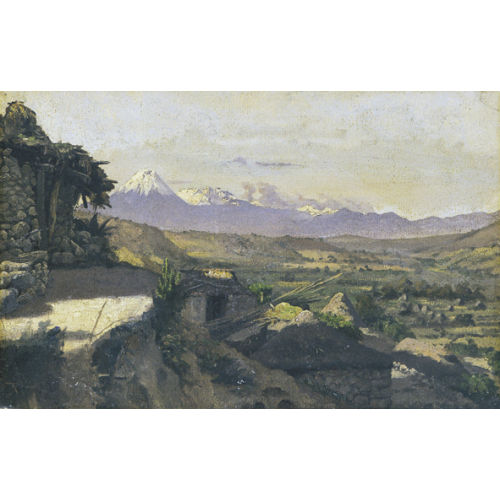
His portraits, genre scenes and landscapes testify to a mobile gaze, attentive to the effects of light and to the physical presence of his sitters.
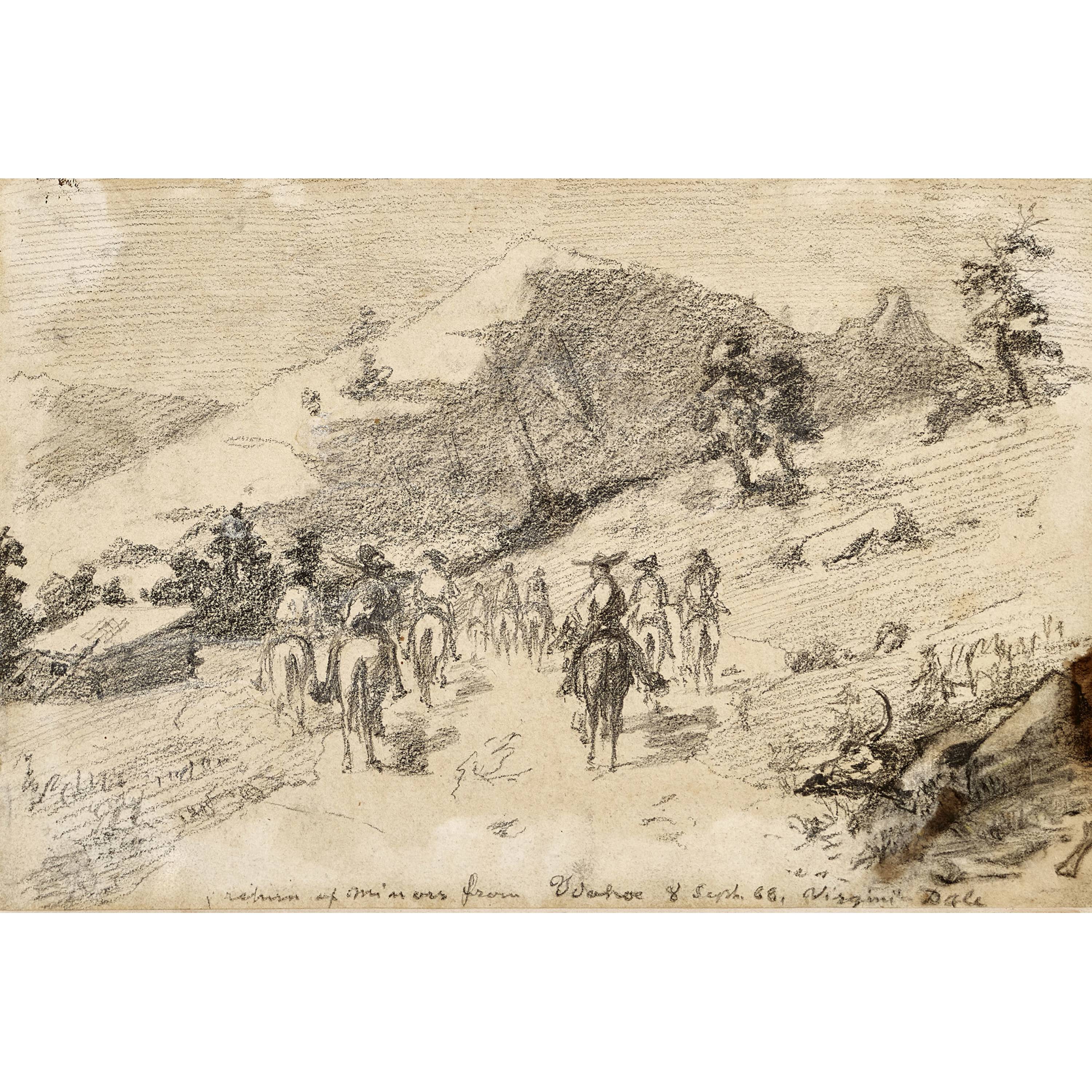
His stay in the United States from 1866 to 1871 occupies a distinctive place in this trajectory. Commissioned to prepare a painting intended to celebrate the ties between the two republics after the Civil War, Buchser met political and military figures, notably President Andrew Johnson and General Robert E. Lee.
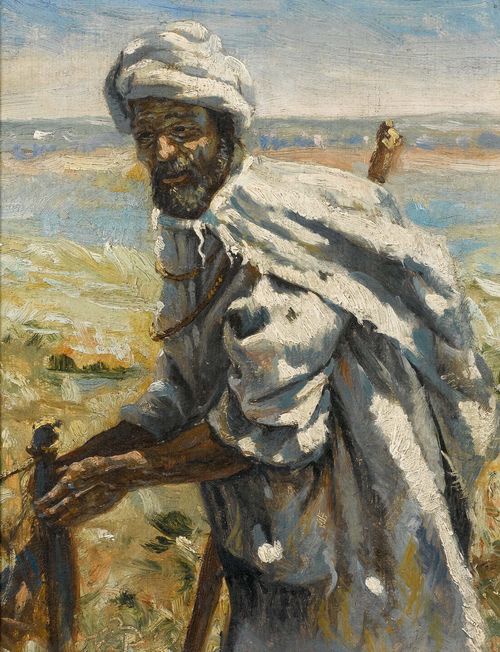
The ambitious historical project never came to fruition, but his portraits and scenes of everyday life document a society profoundly transformed by the war and the abolition of slavery. “The Song of Mary Blane”, painted in Charlottesville in 1870 and held by the Kunstmuseum Solothurn, brings together Black figures in a scene whose social contrasts invite attentive consideration today. The works inspired by his travels in Morocco, including the 1880 “Marché de Tanger”, likewise call for consideration of the European gaze of their time.
Buchser’s concerns extended beyond his own career. A co-founder of a Swiss artists’ society in 1865, he campaigned for better exhibition conditions and public support for the arts. He also taught the young Cuno Amiet.