François Diday
Born in 1802.
Died in 1877.
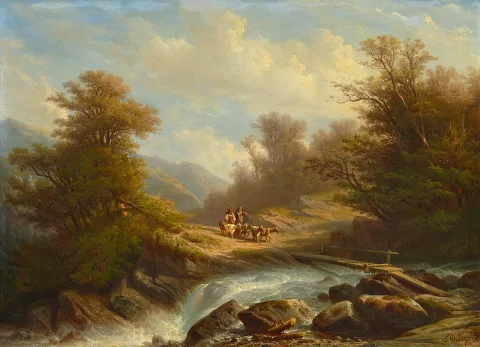
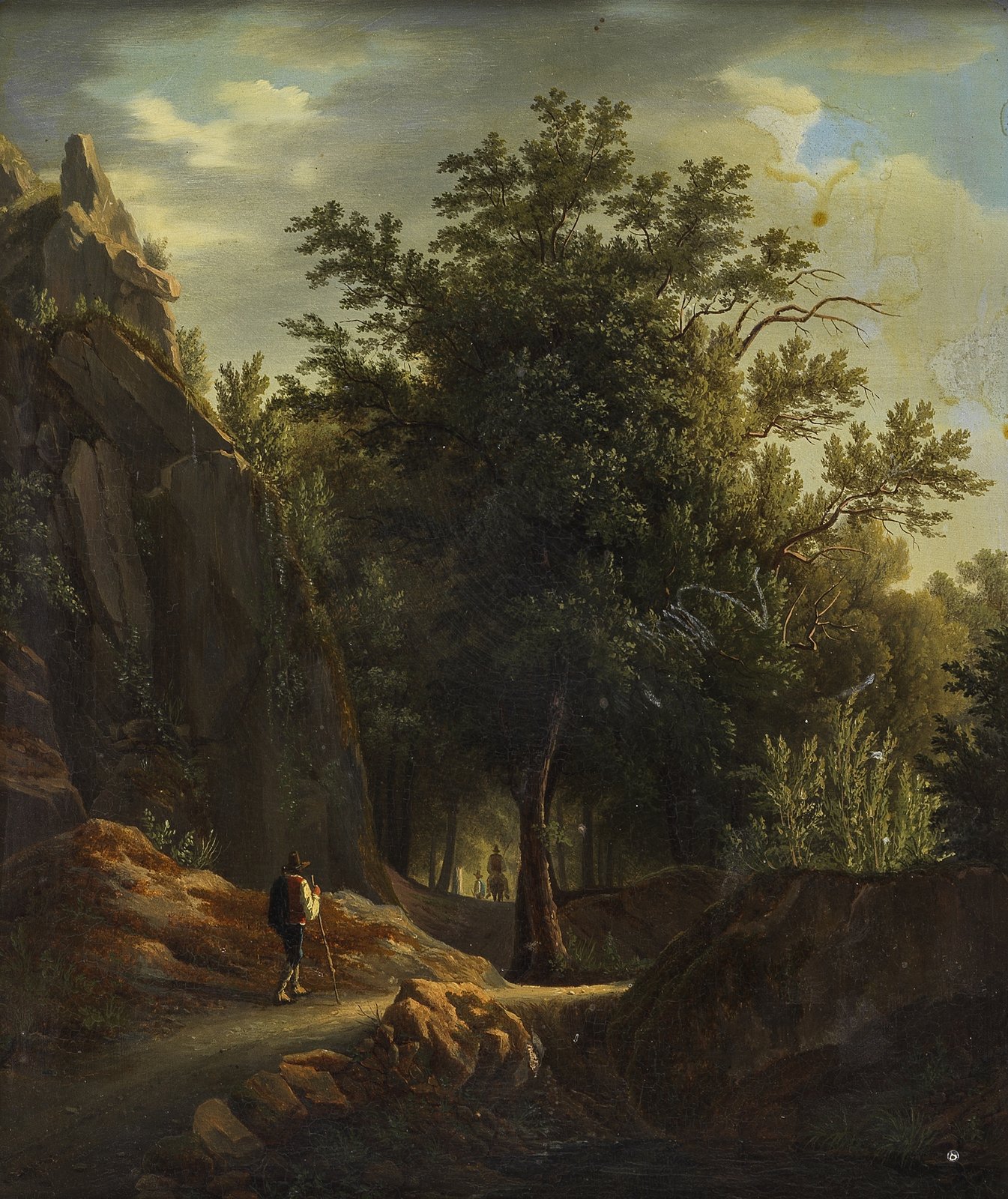
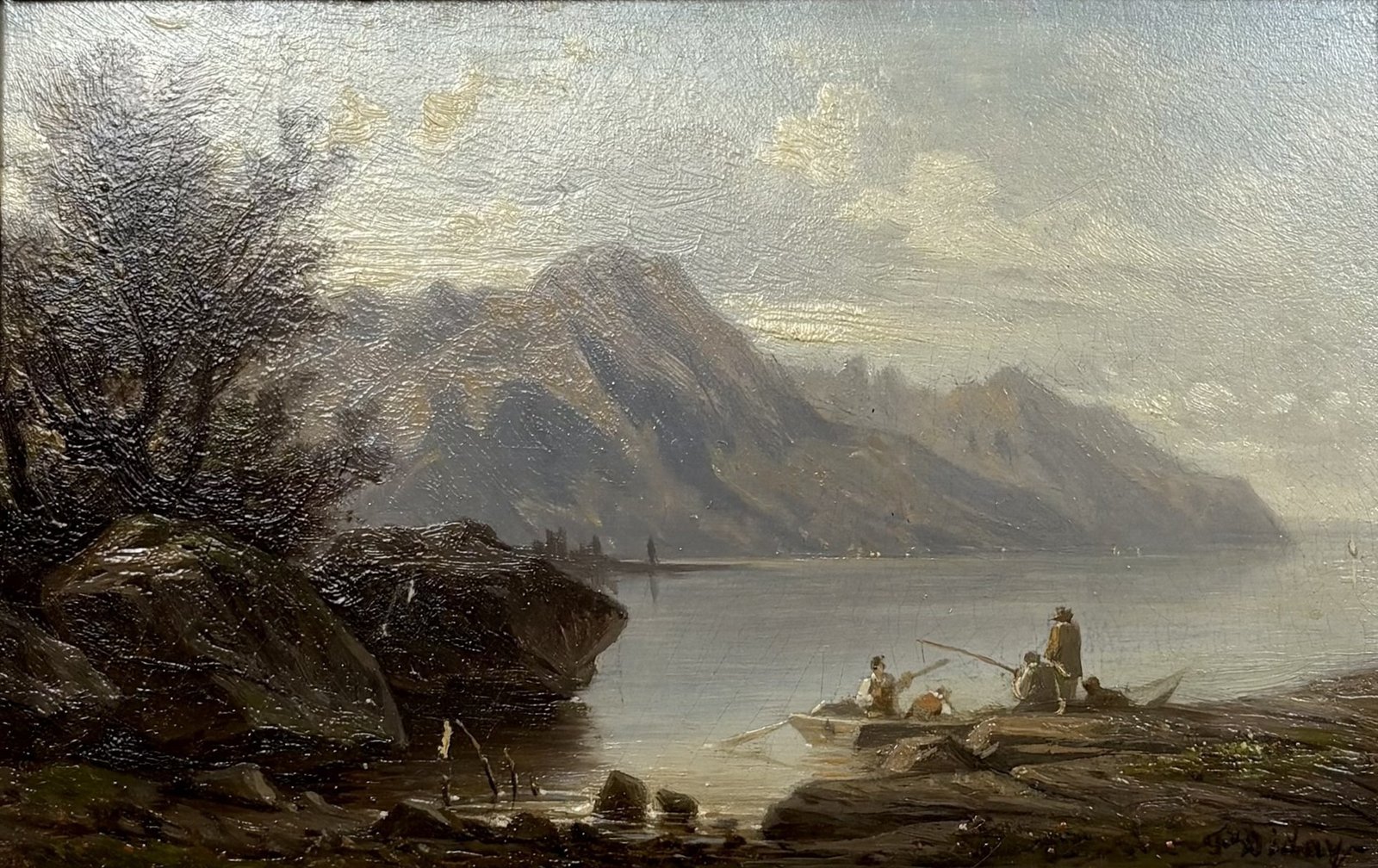
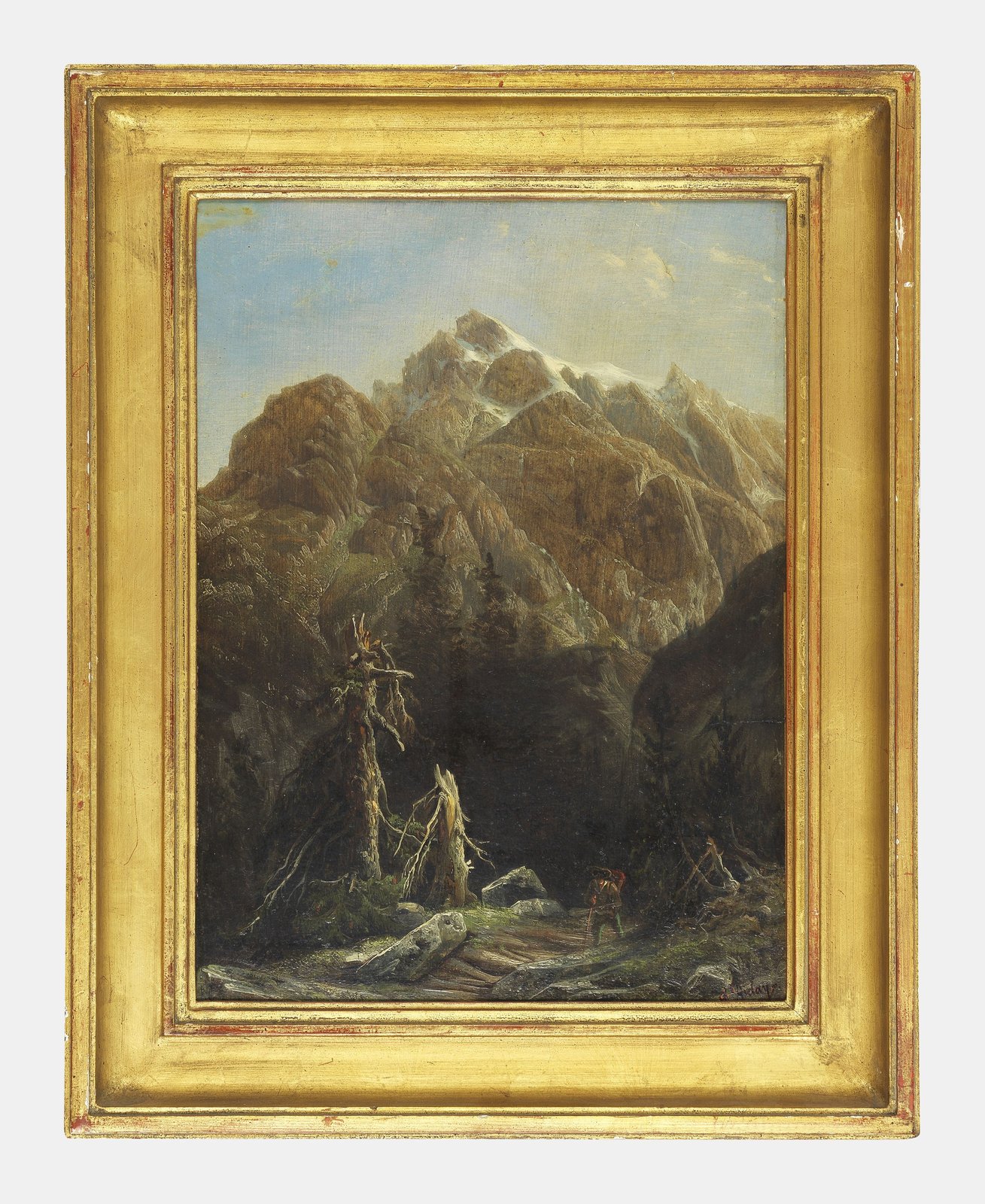
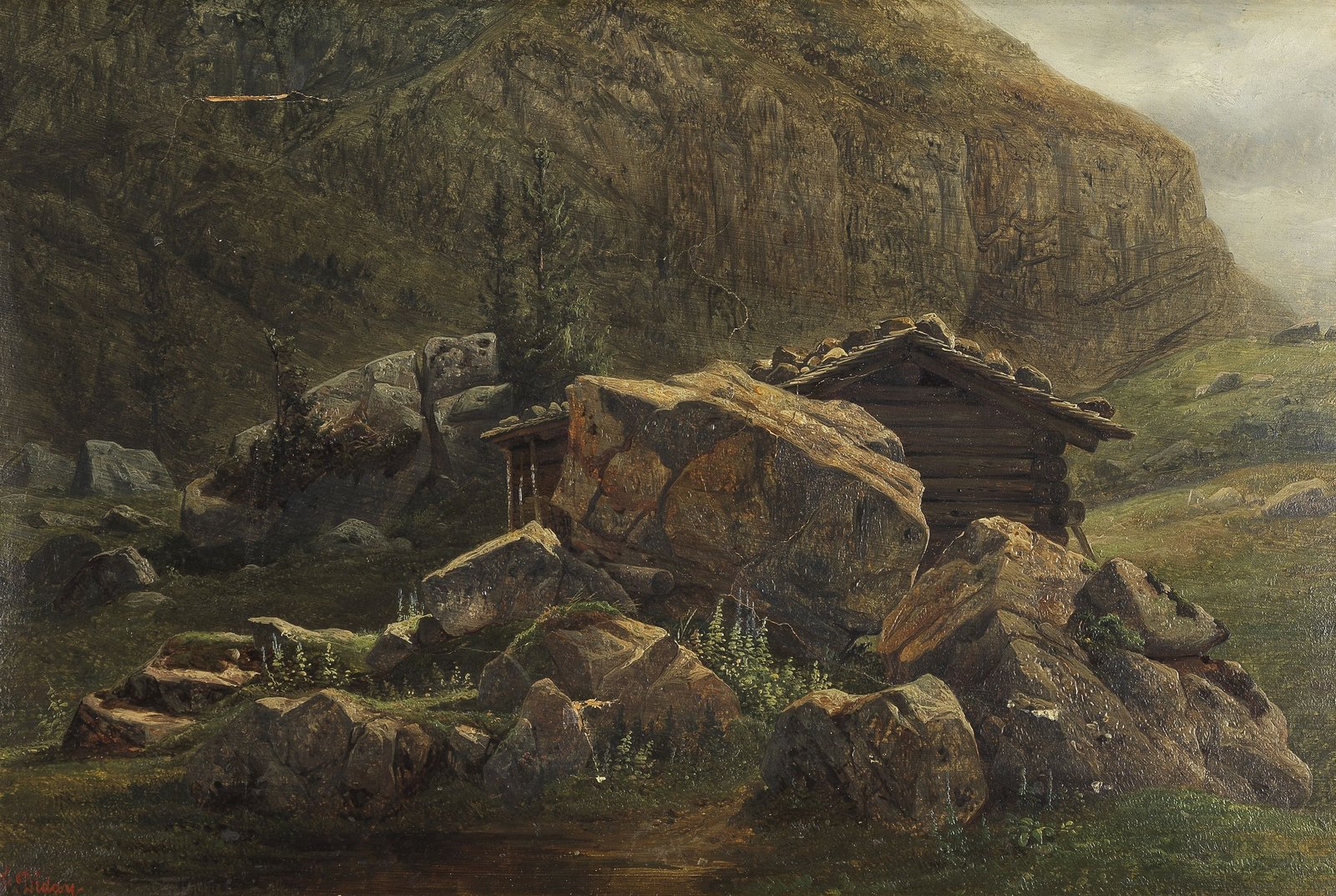
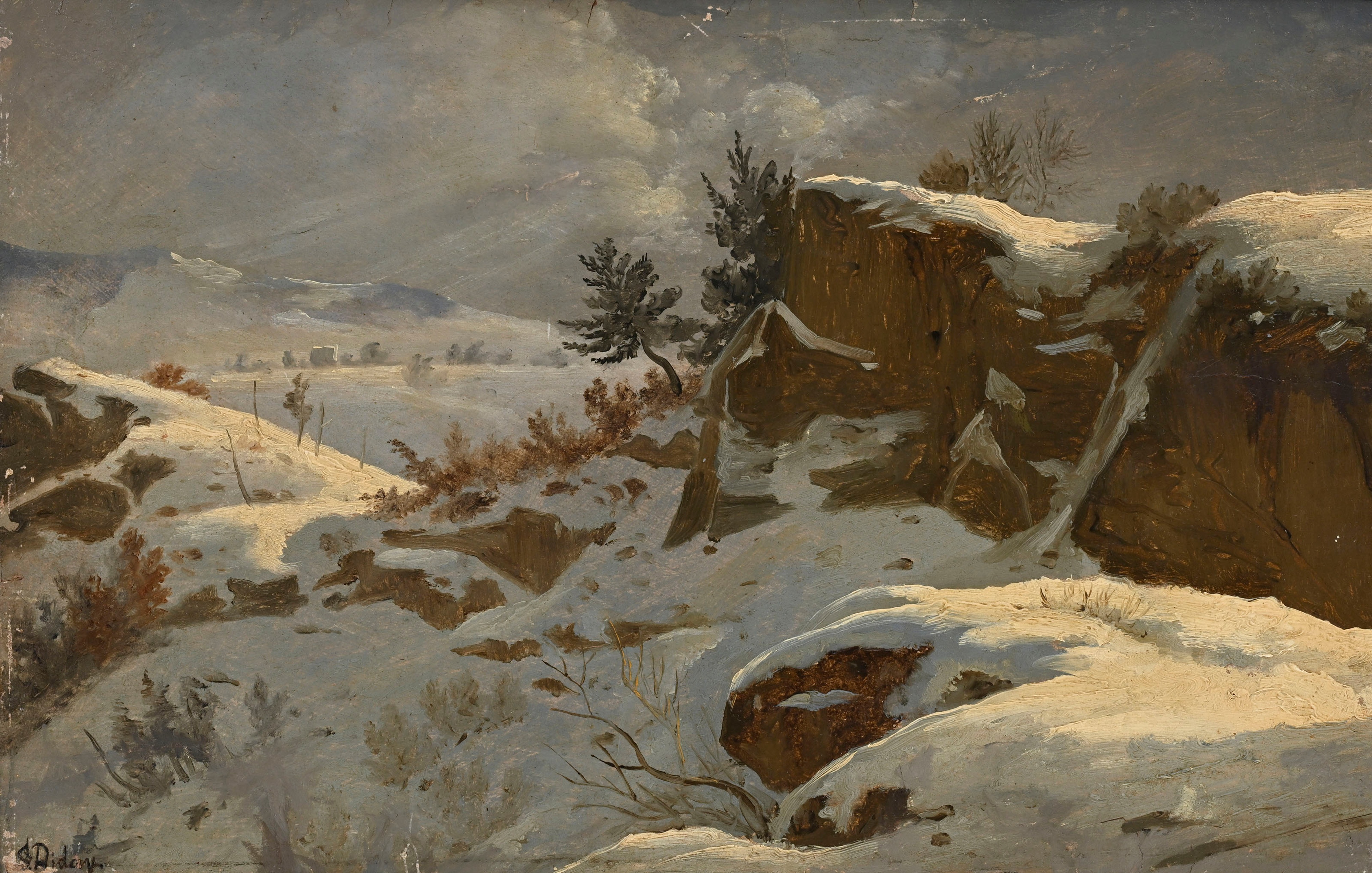
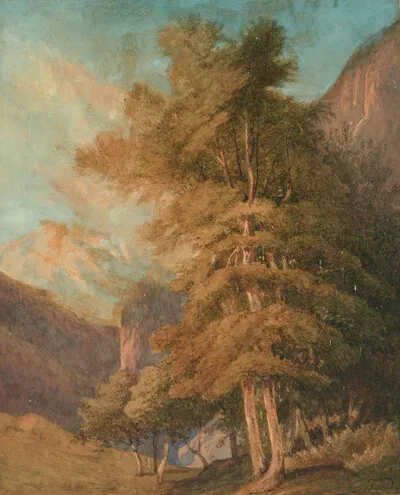
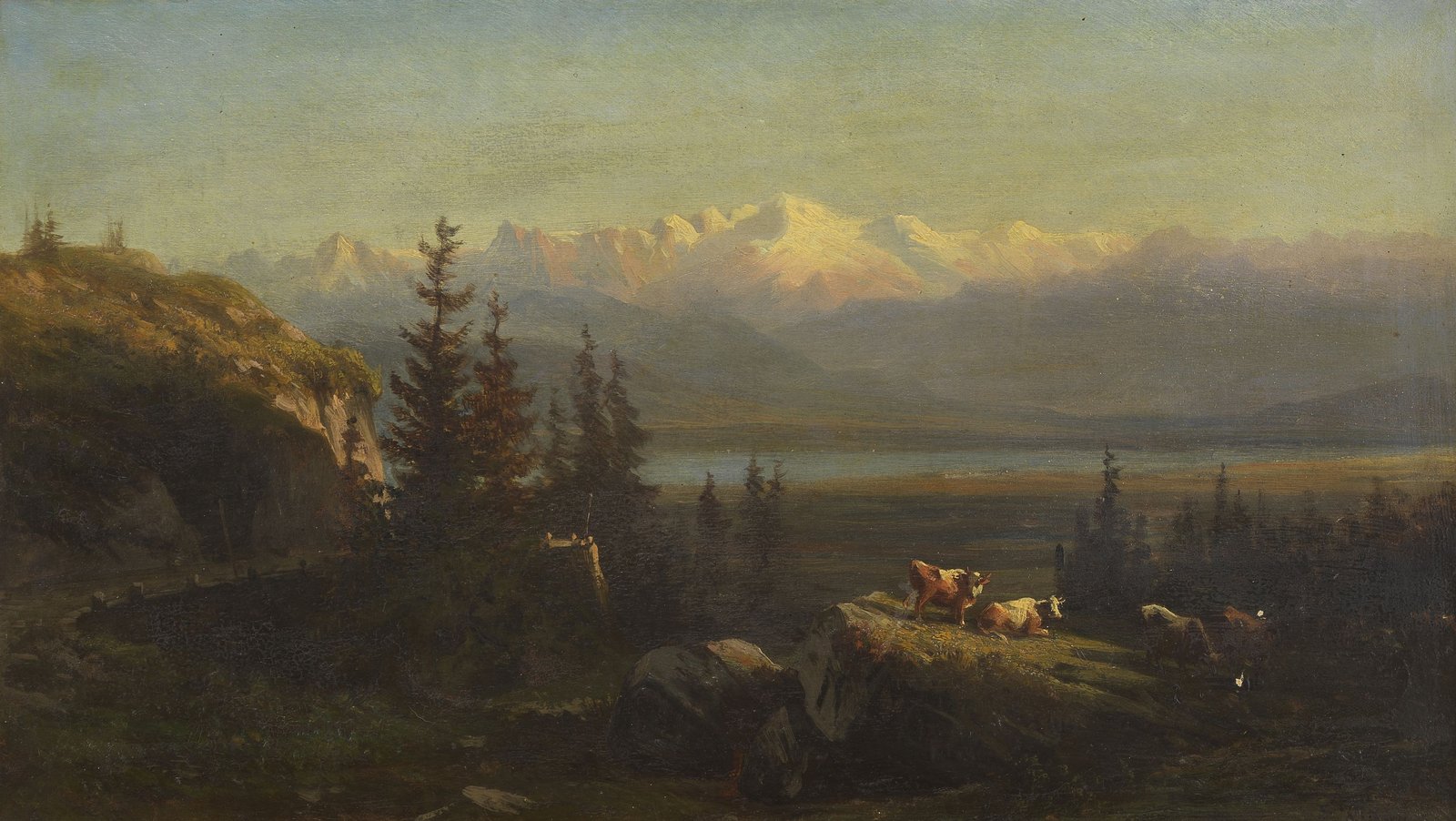
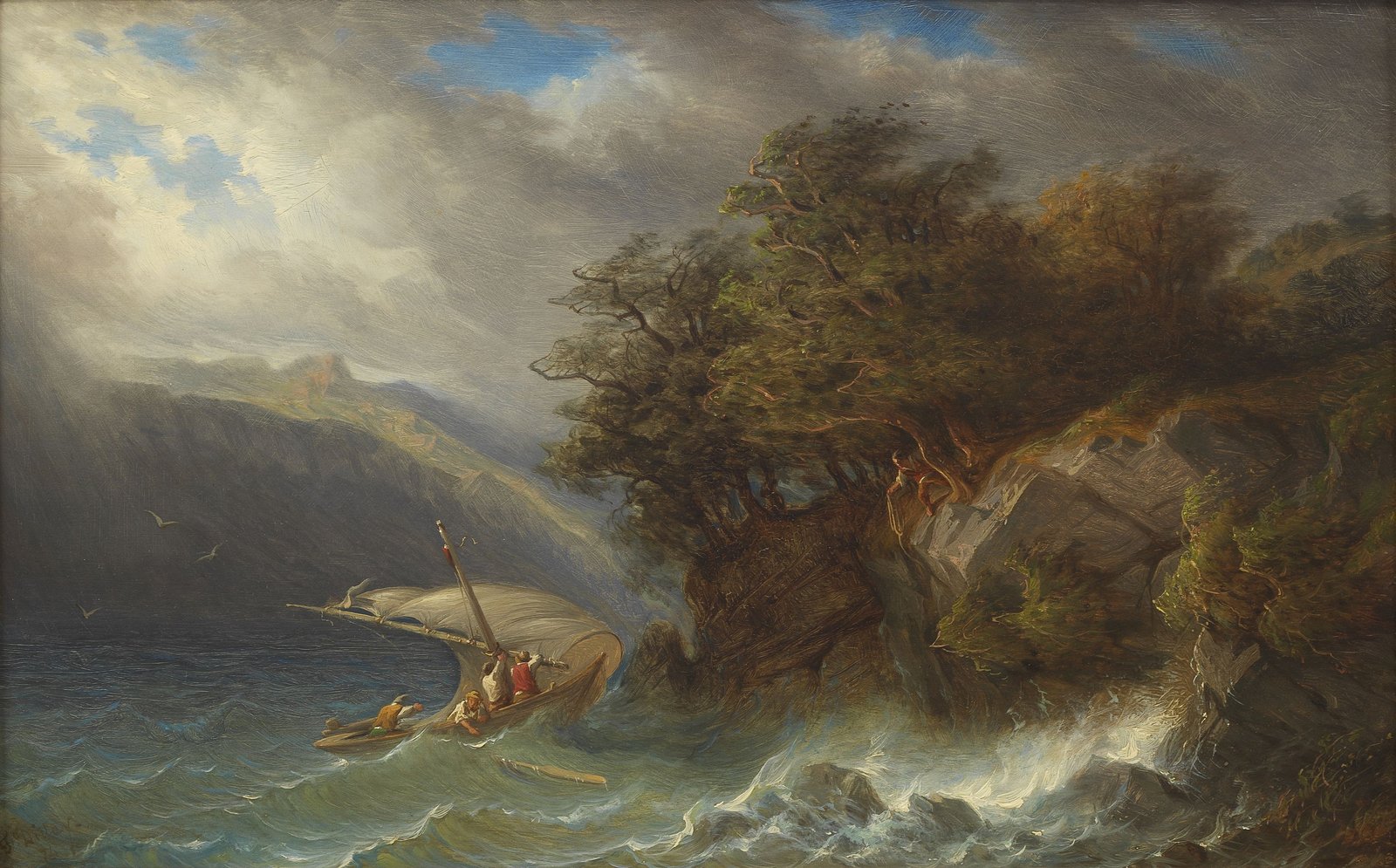
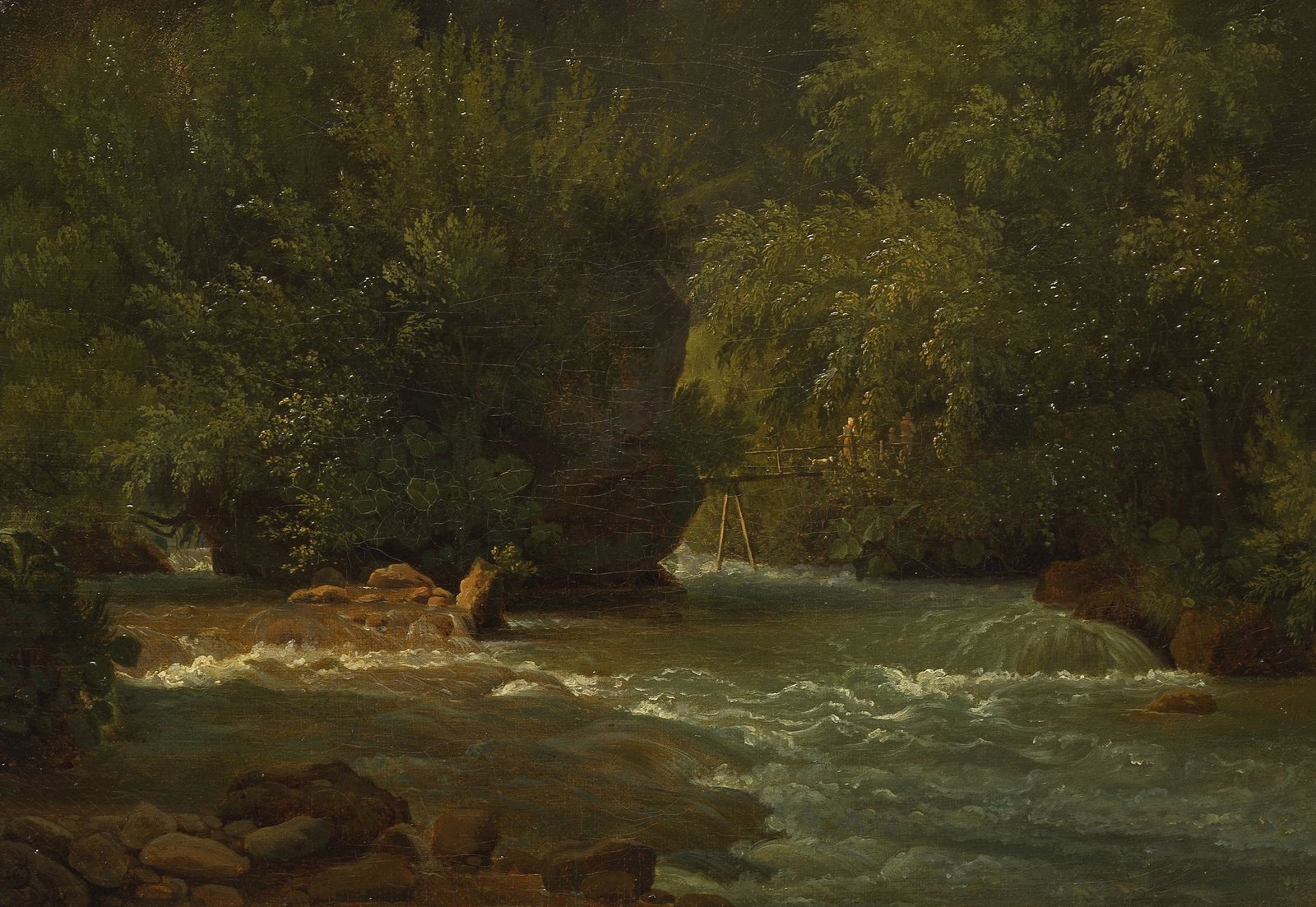
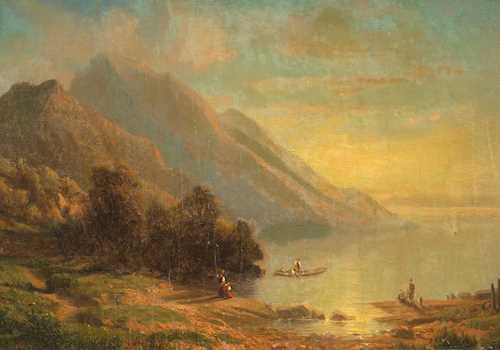
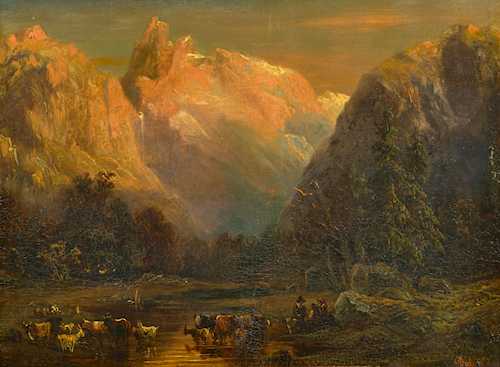
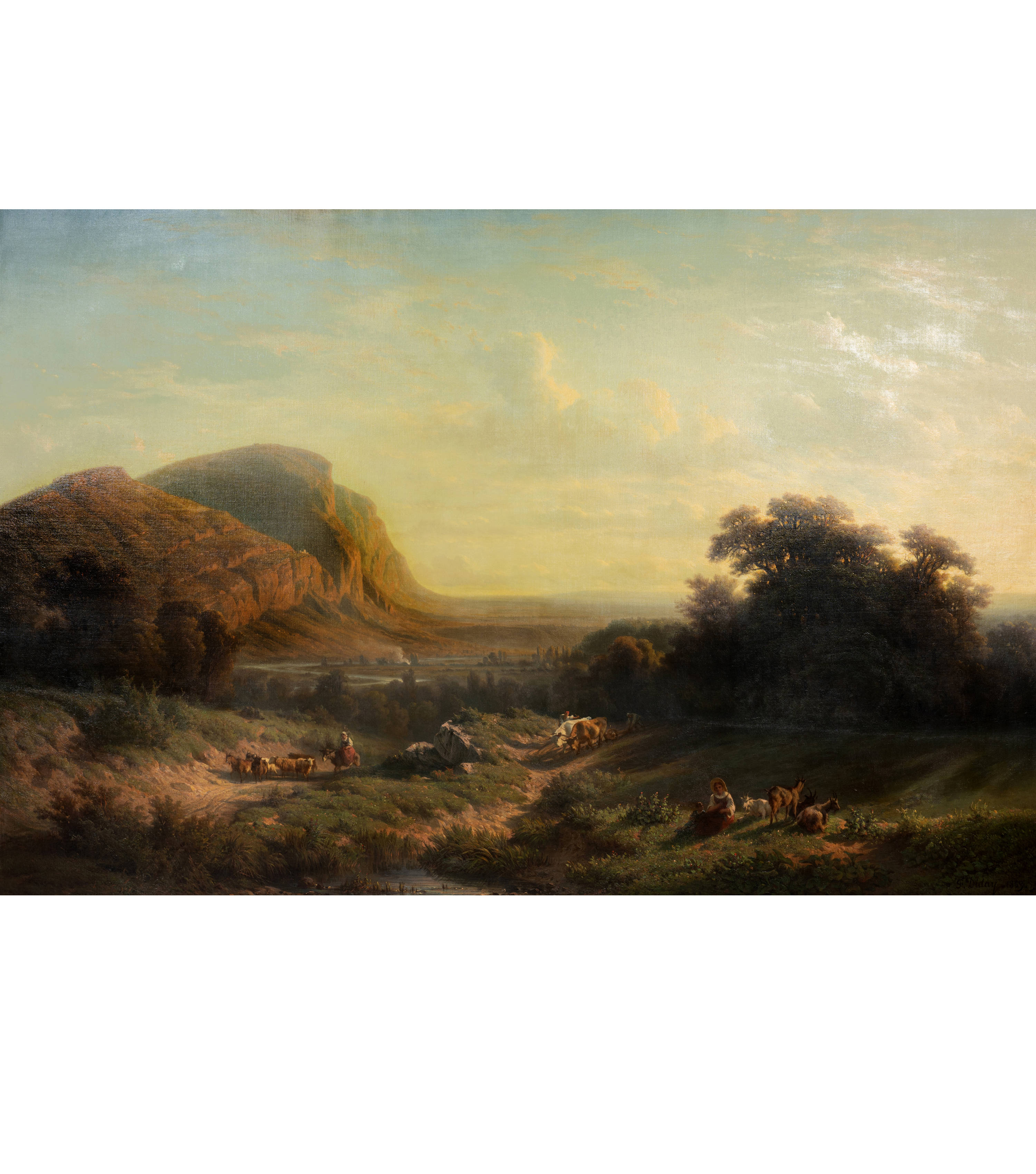
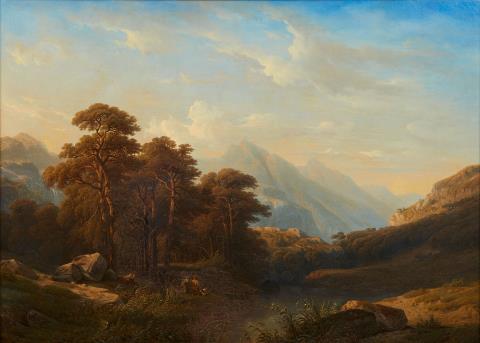
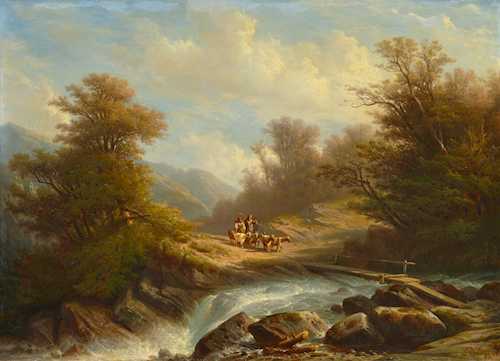
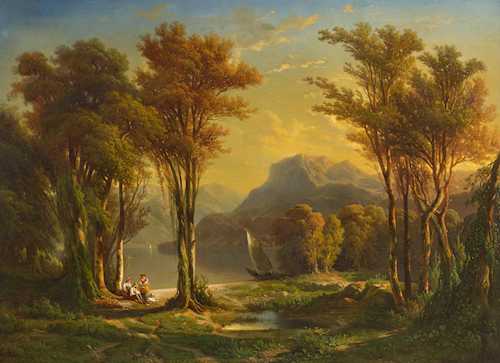
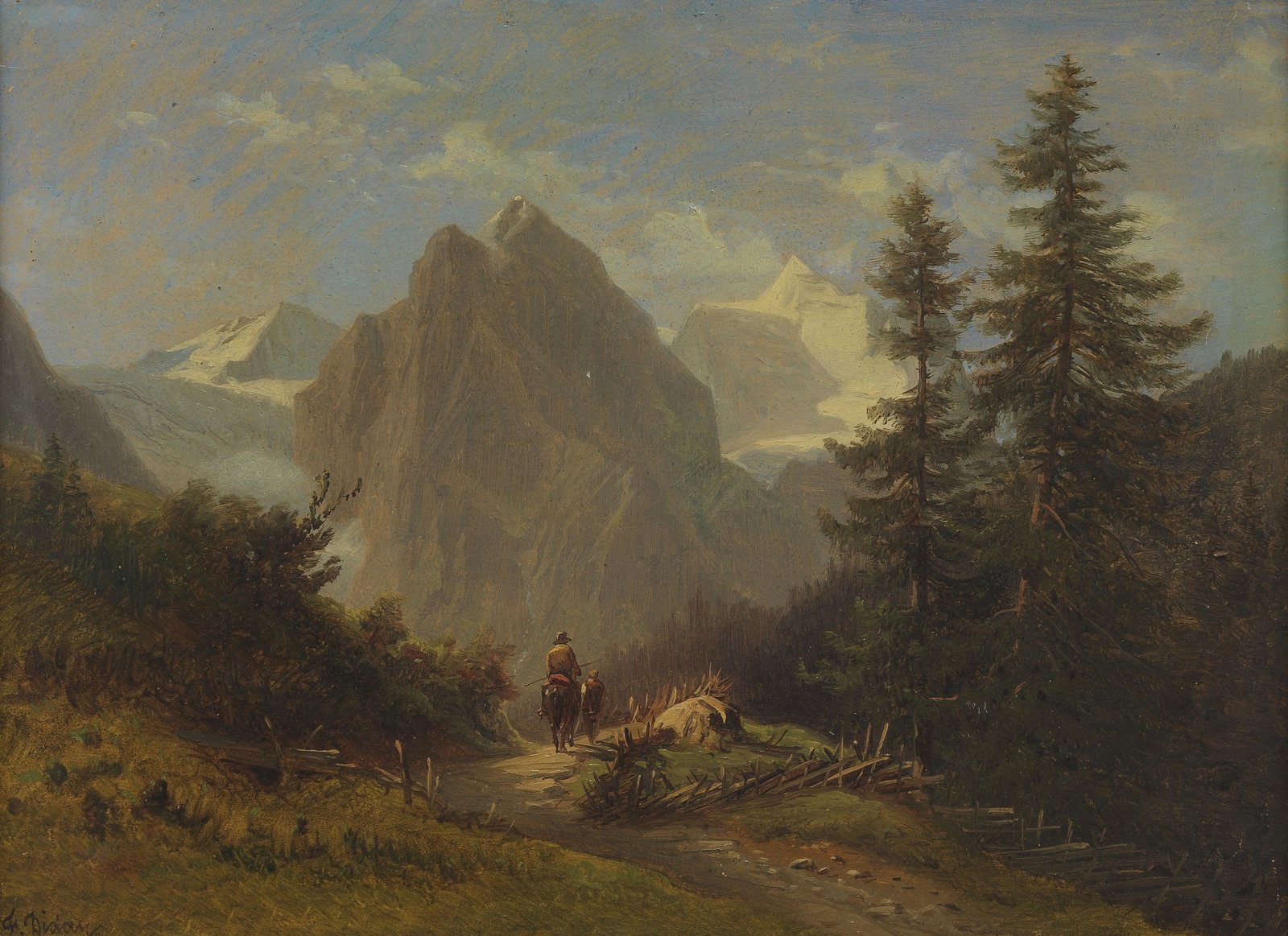
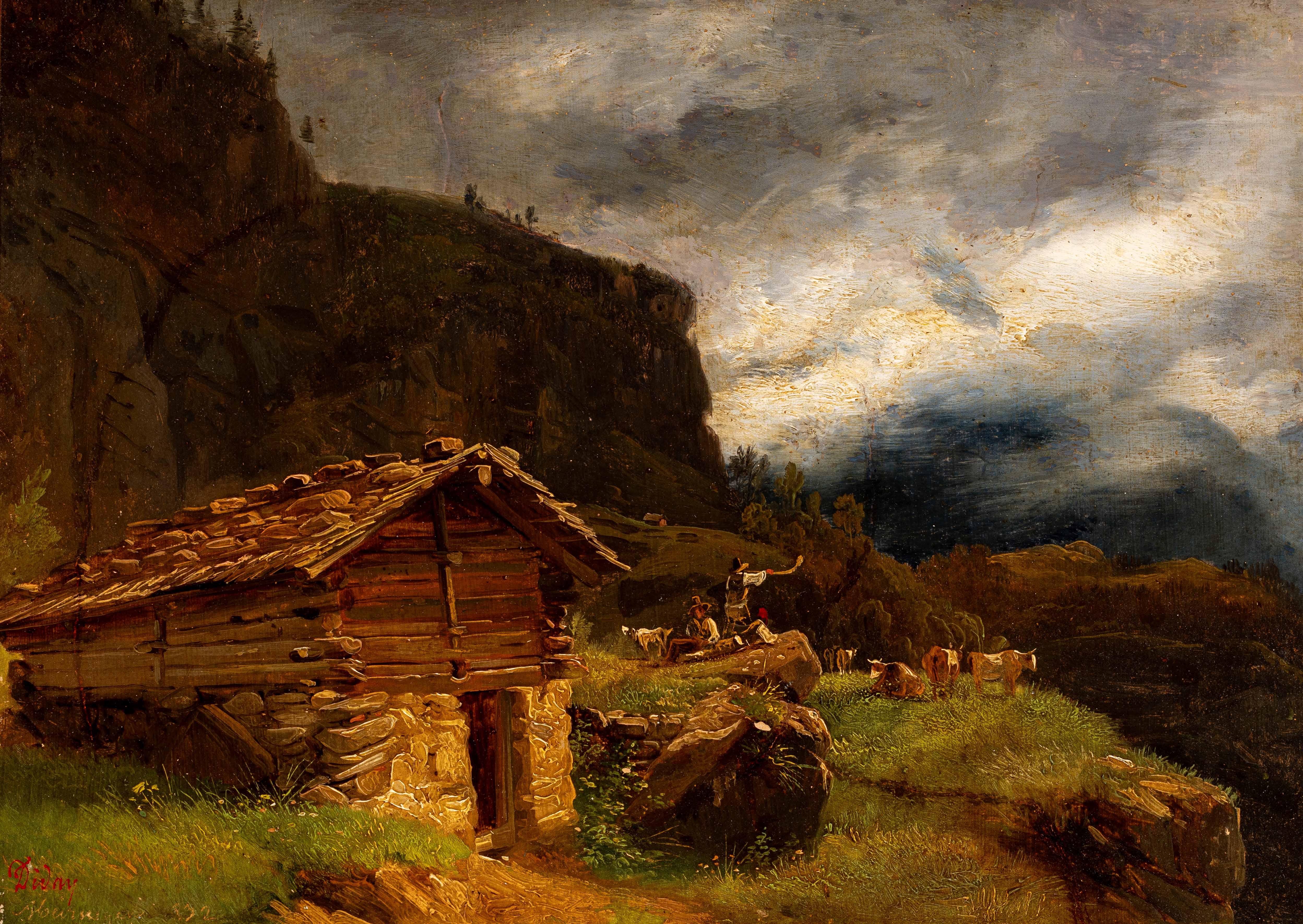
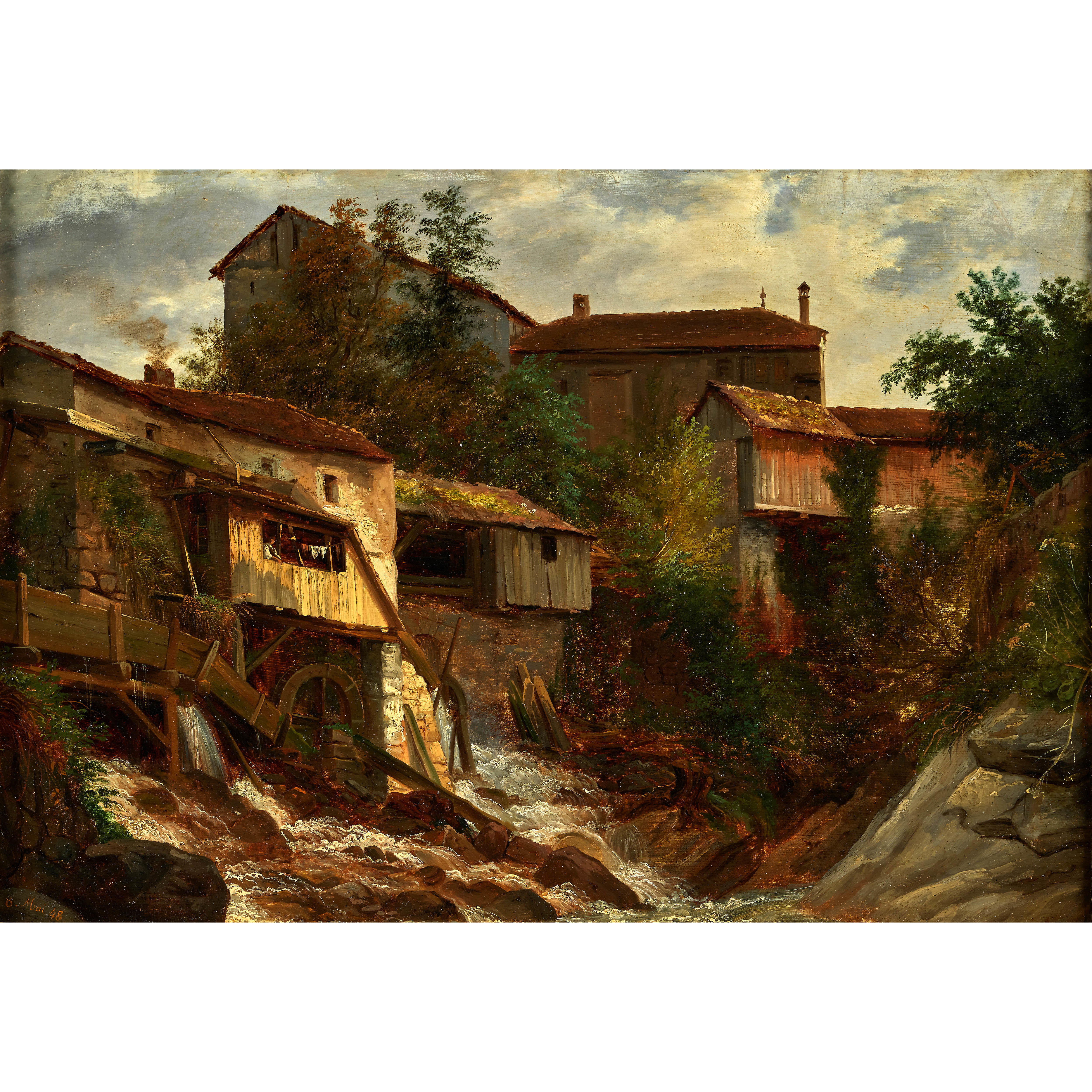
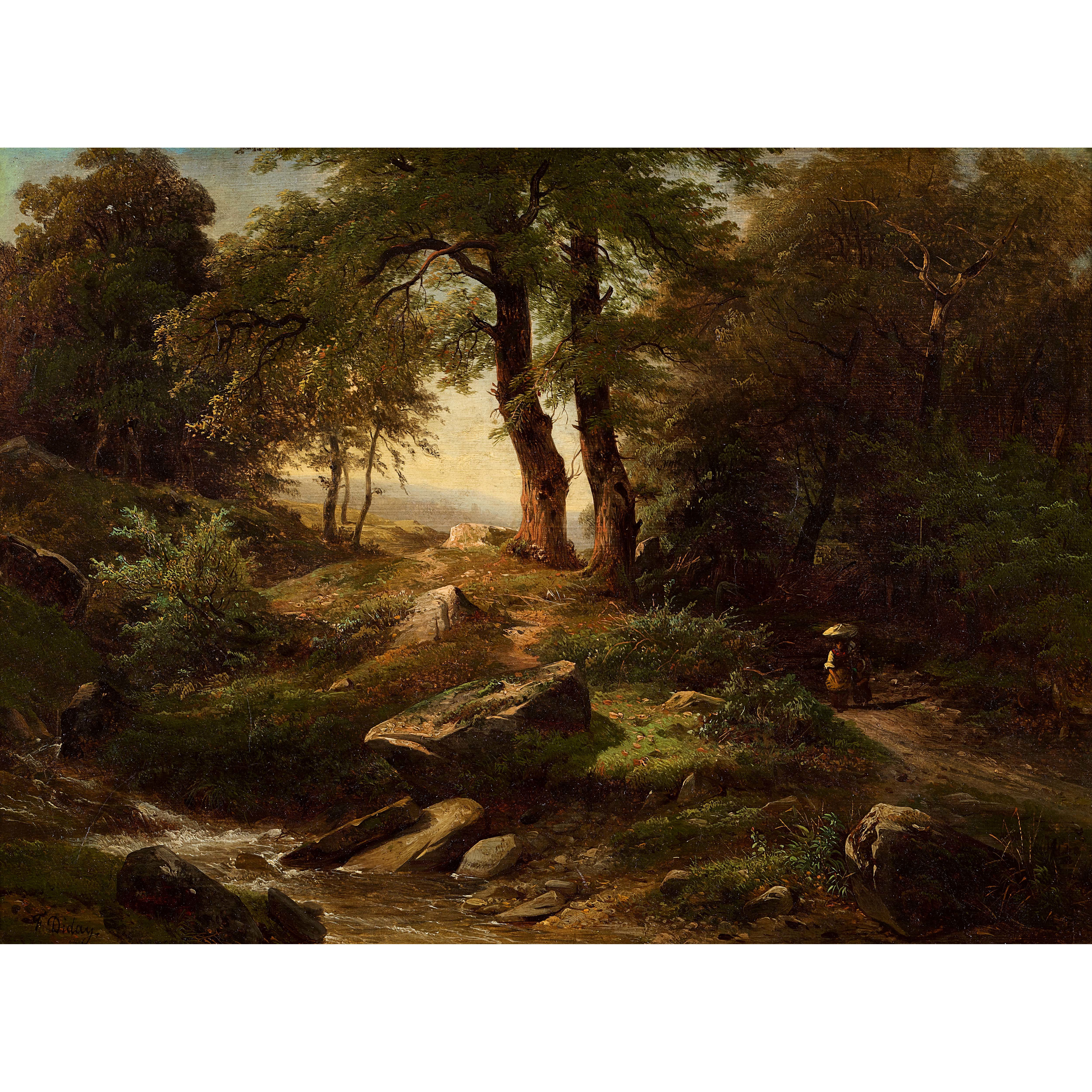
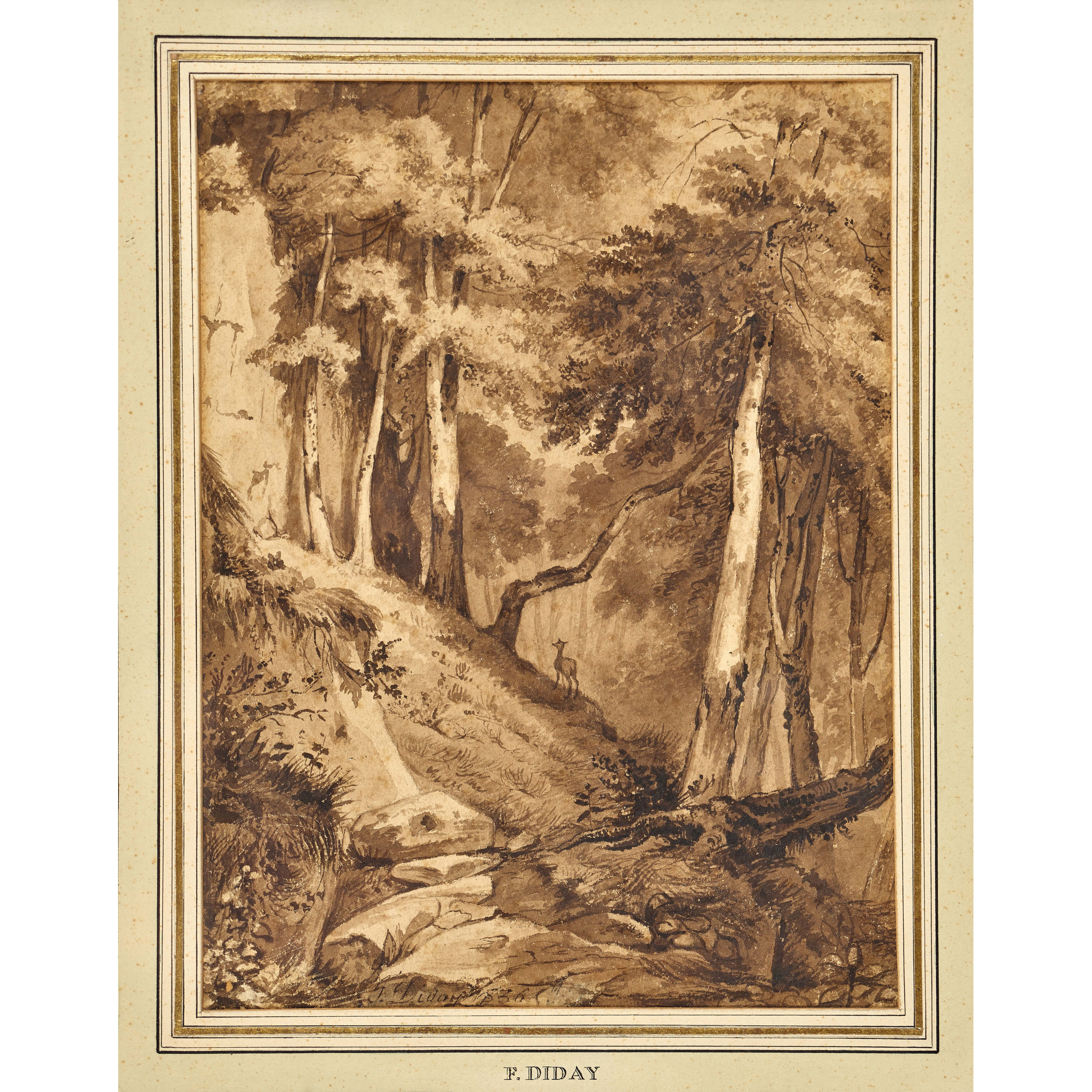
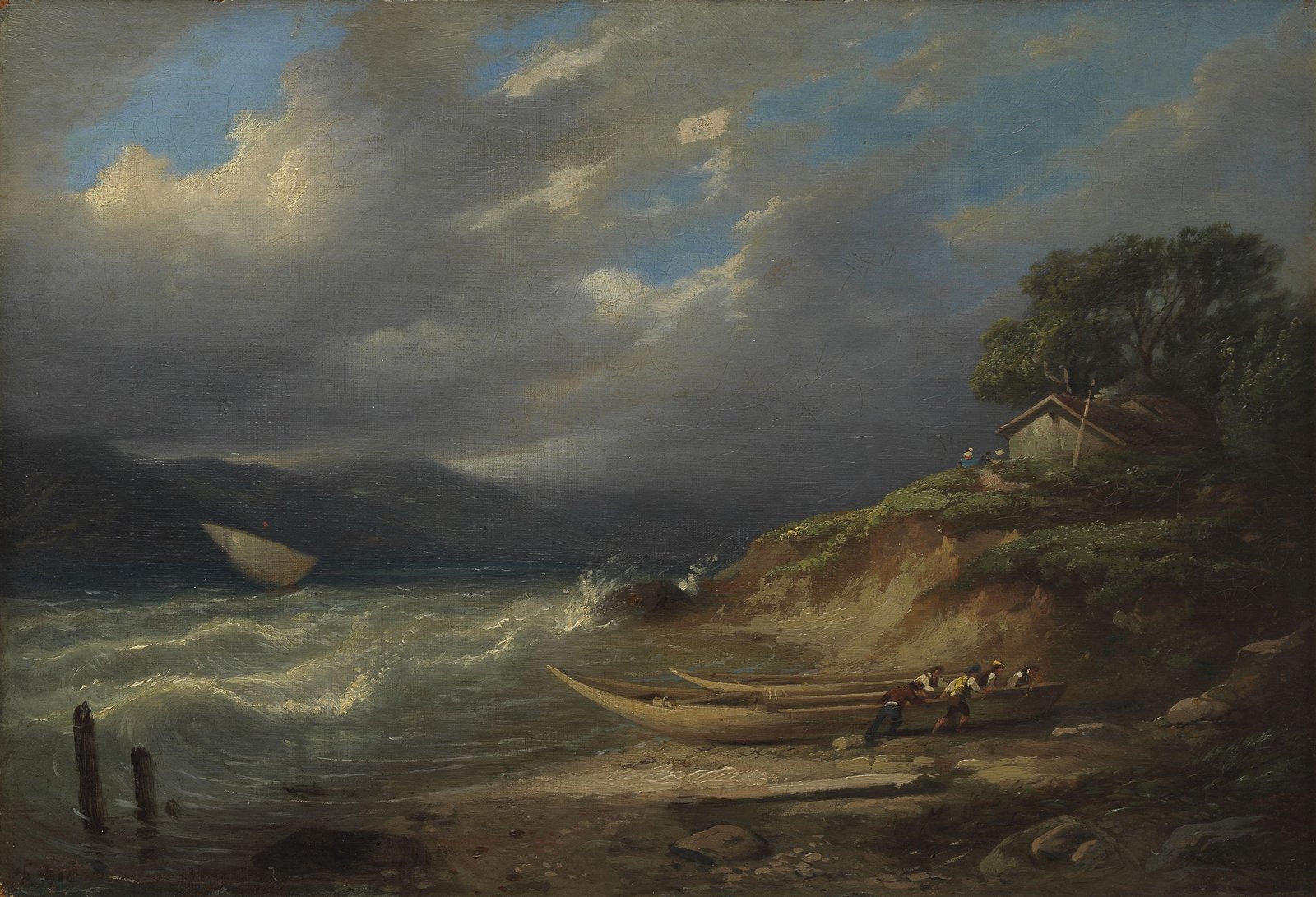
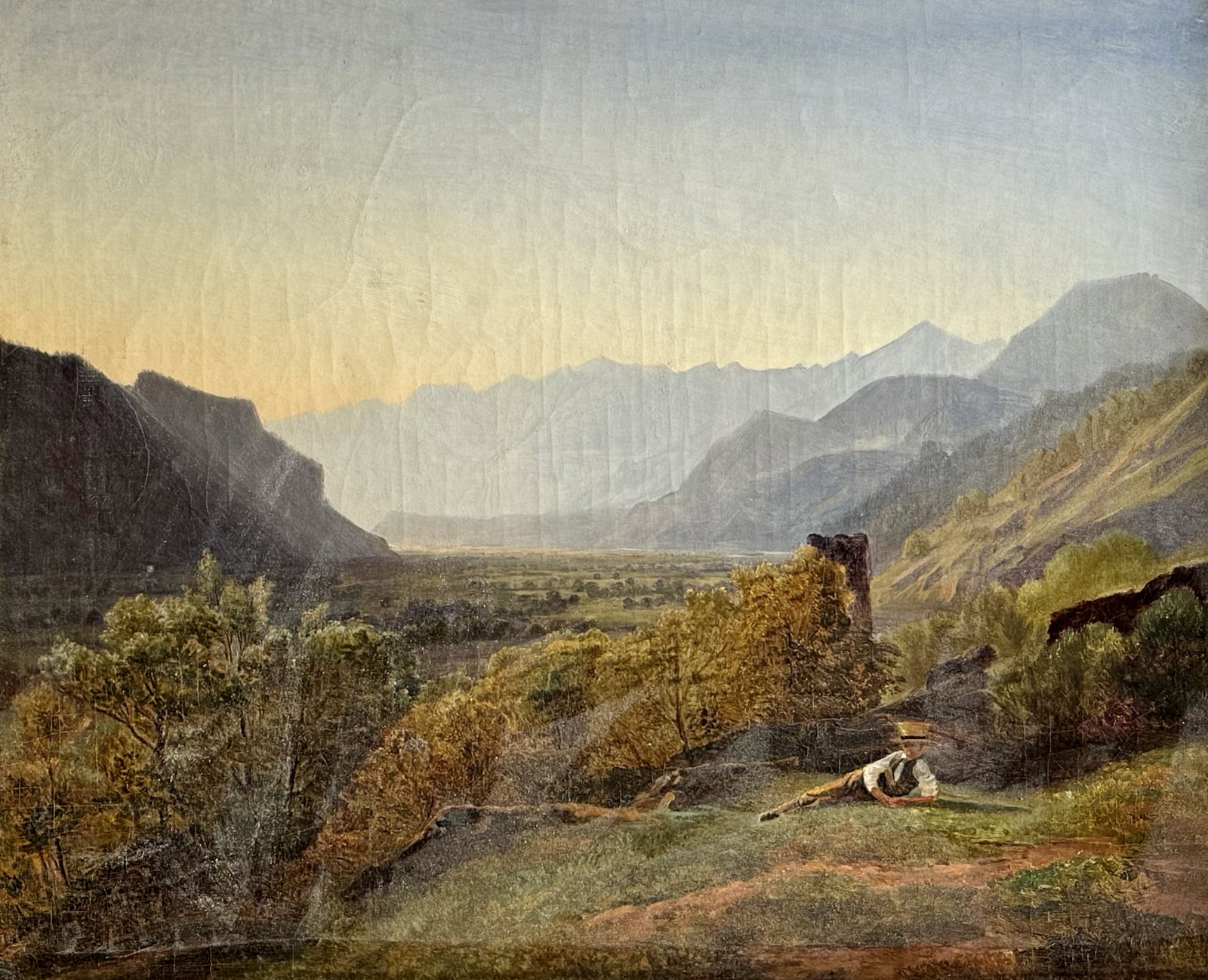
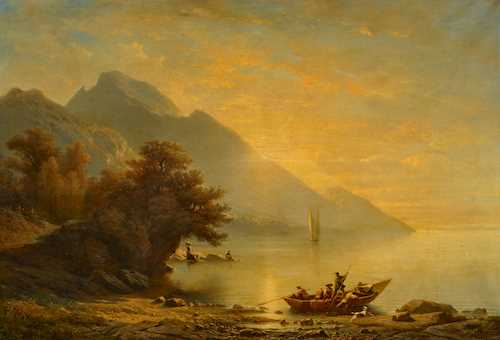
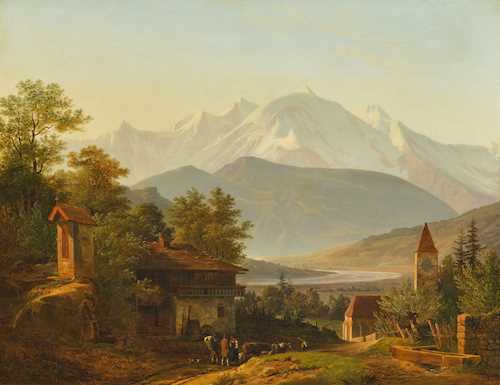
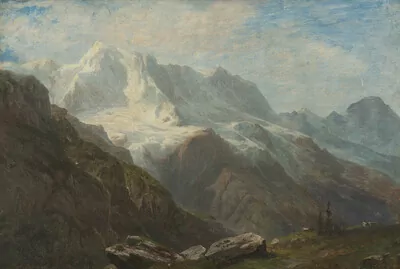
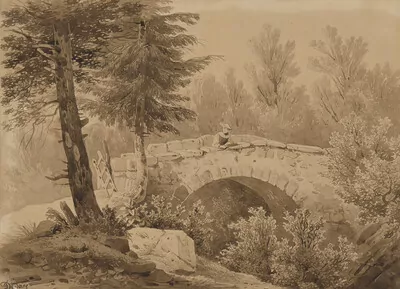
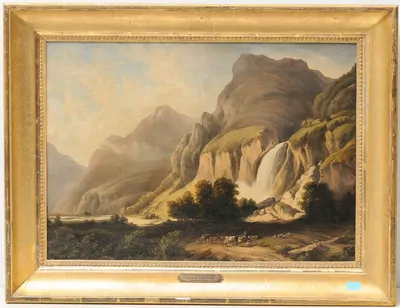
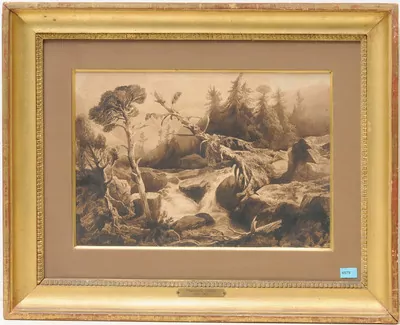
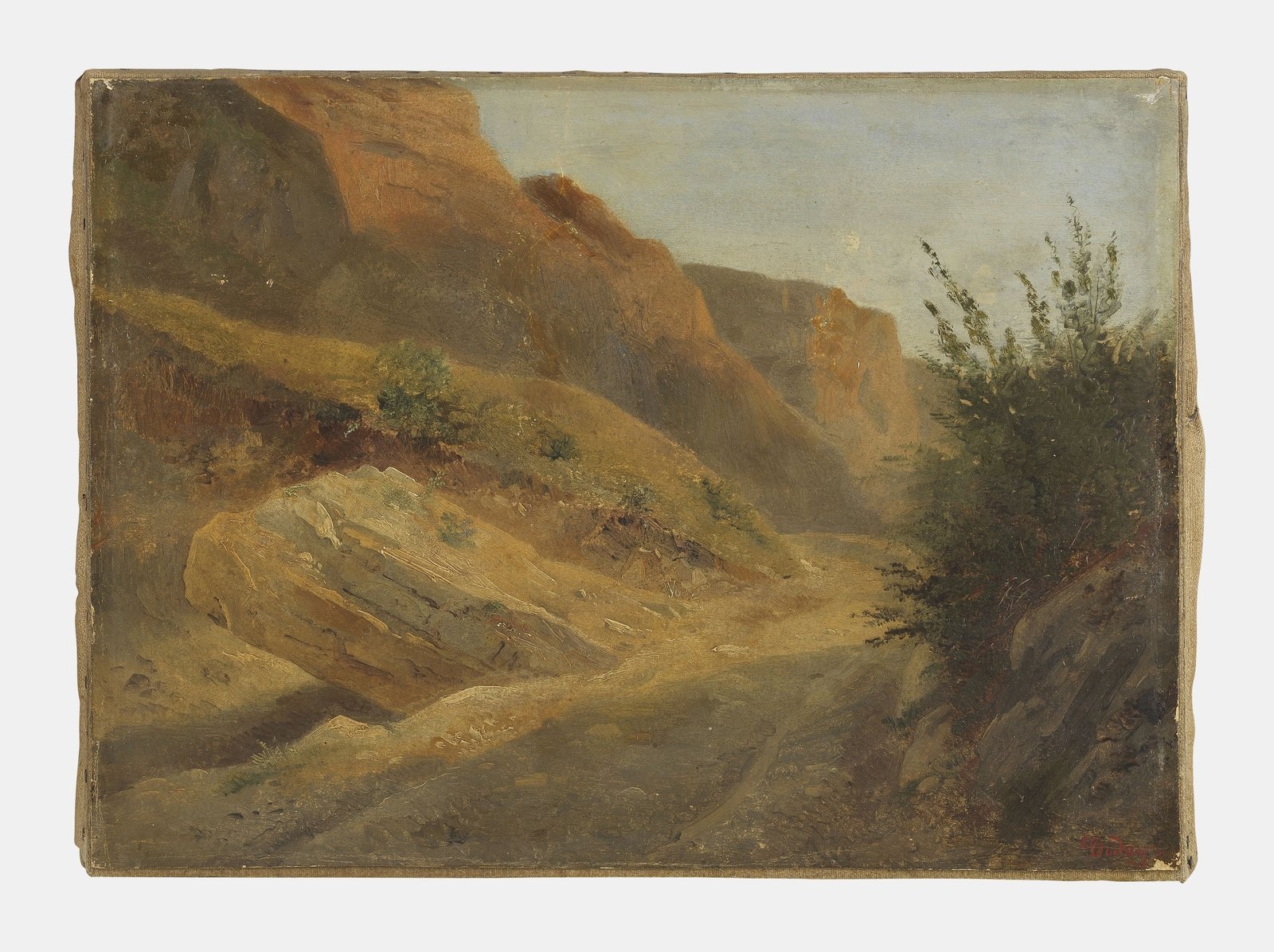
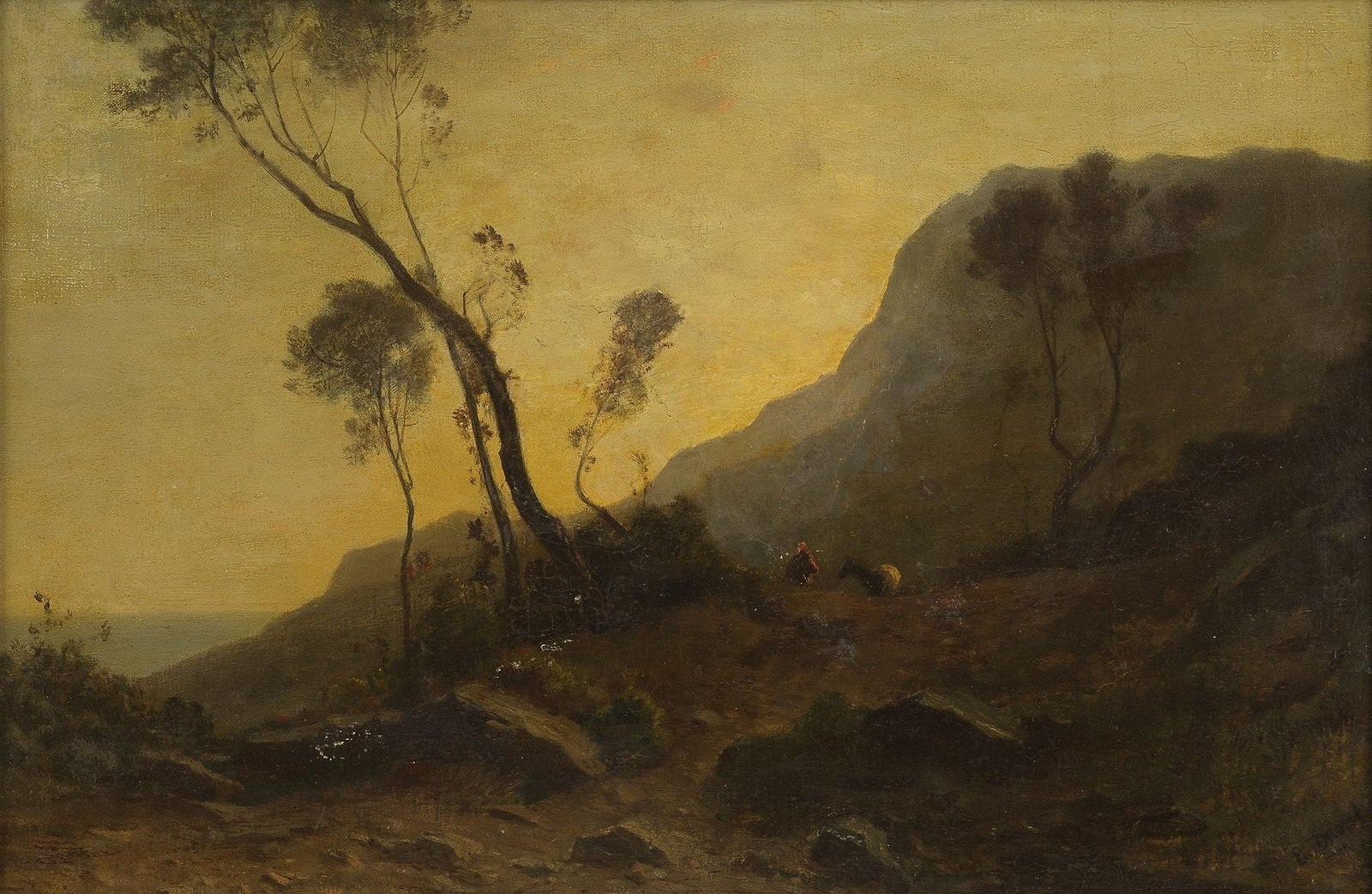
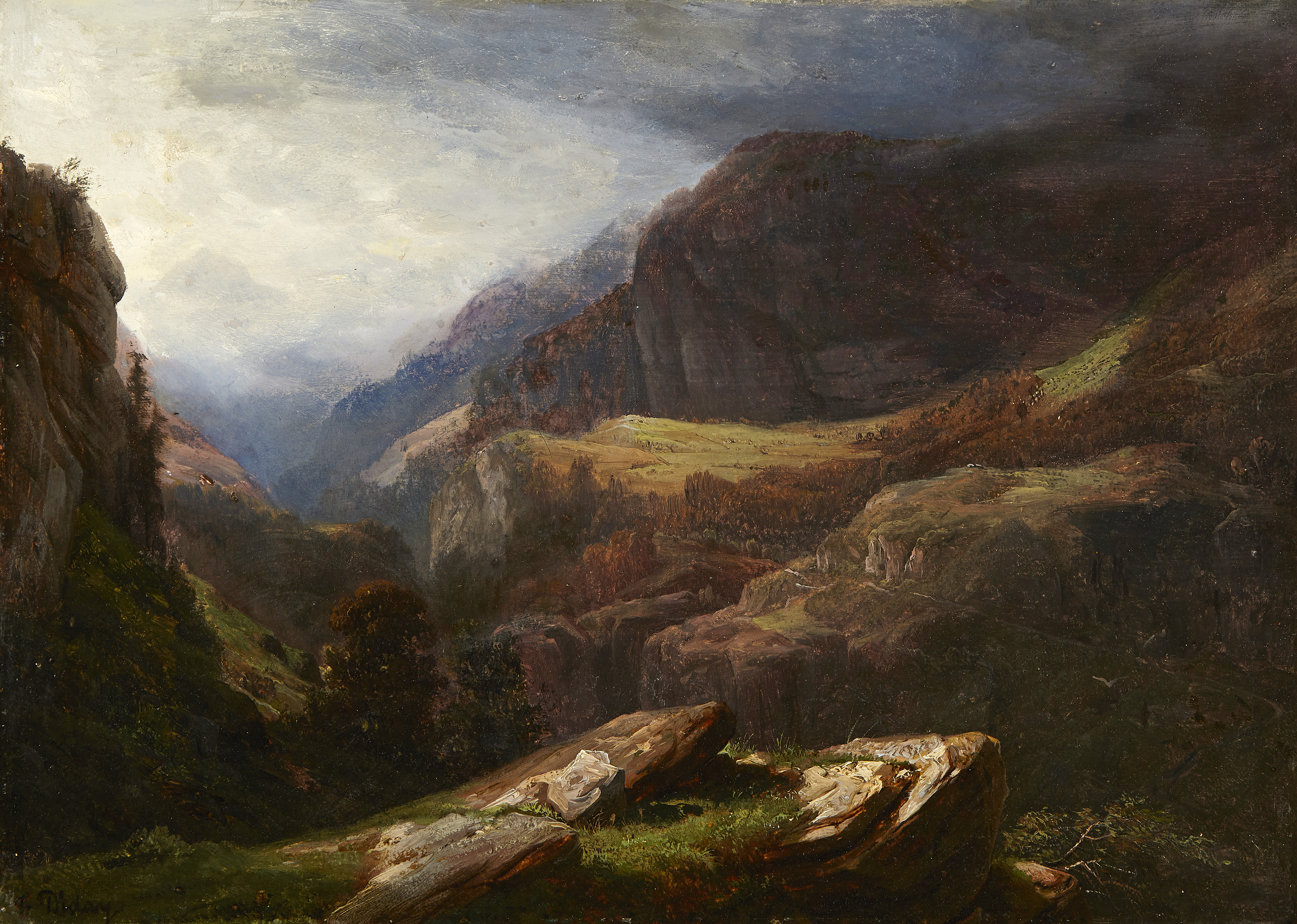
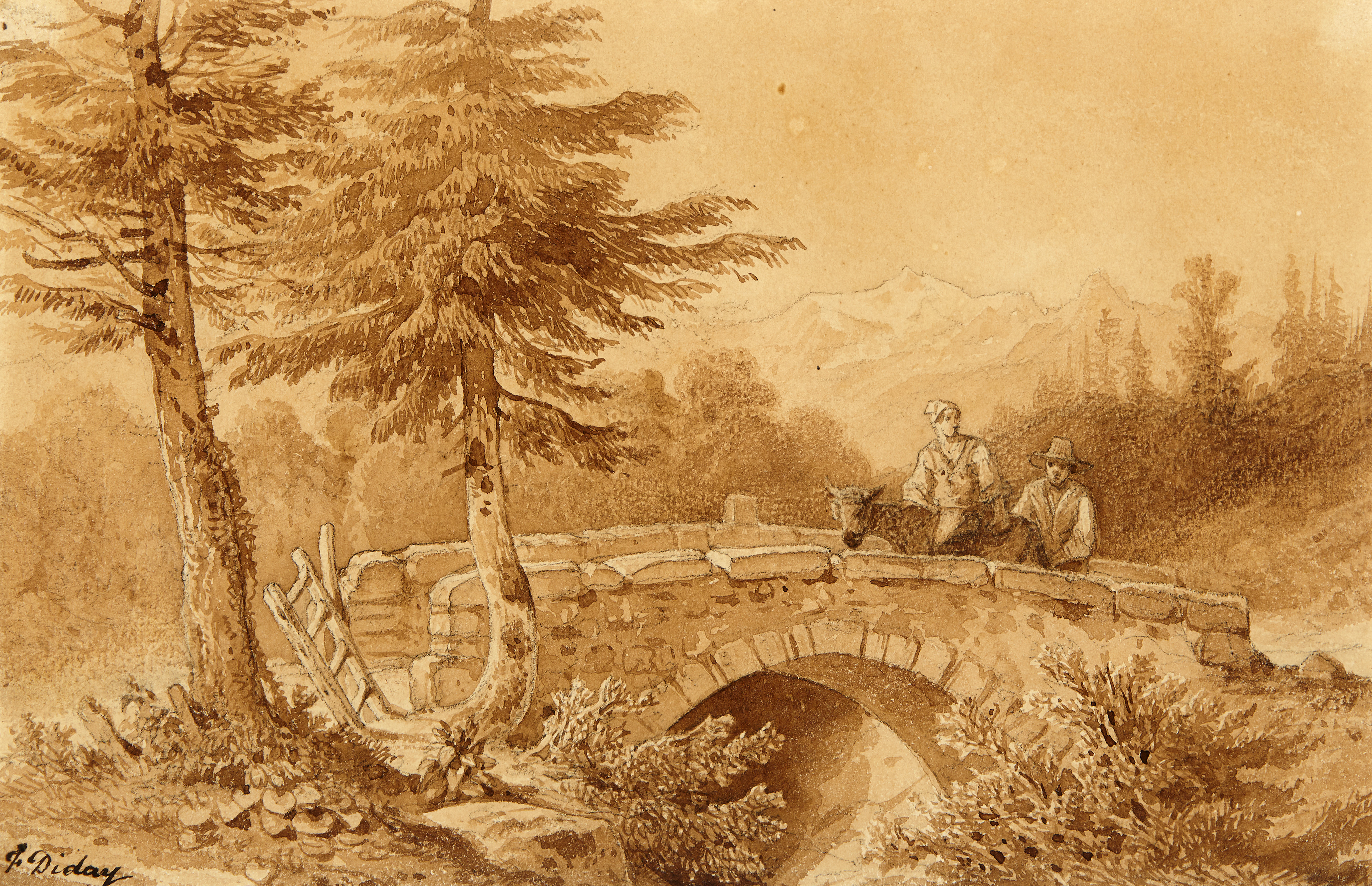
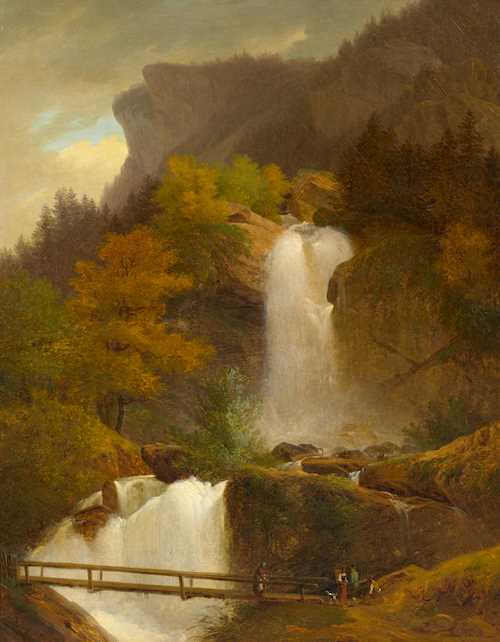
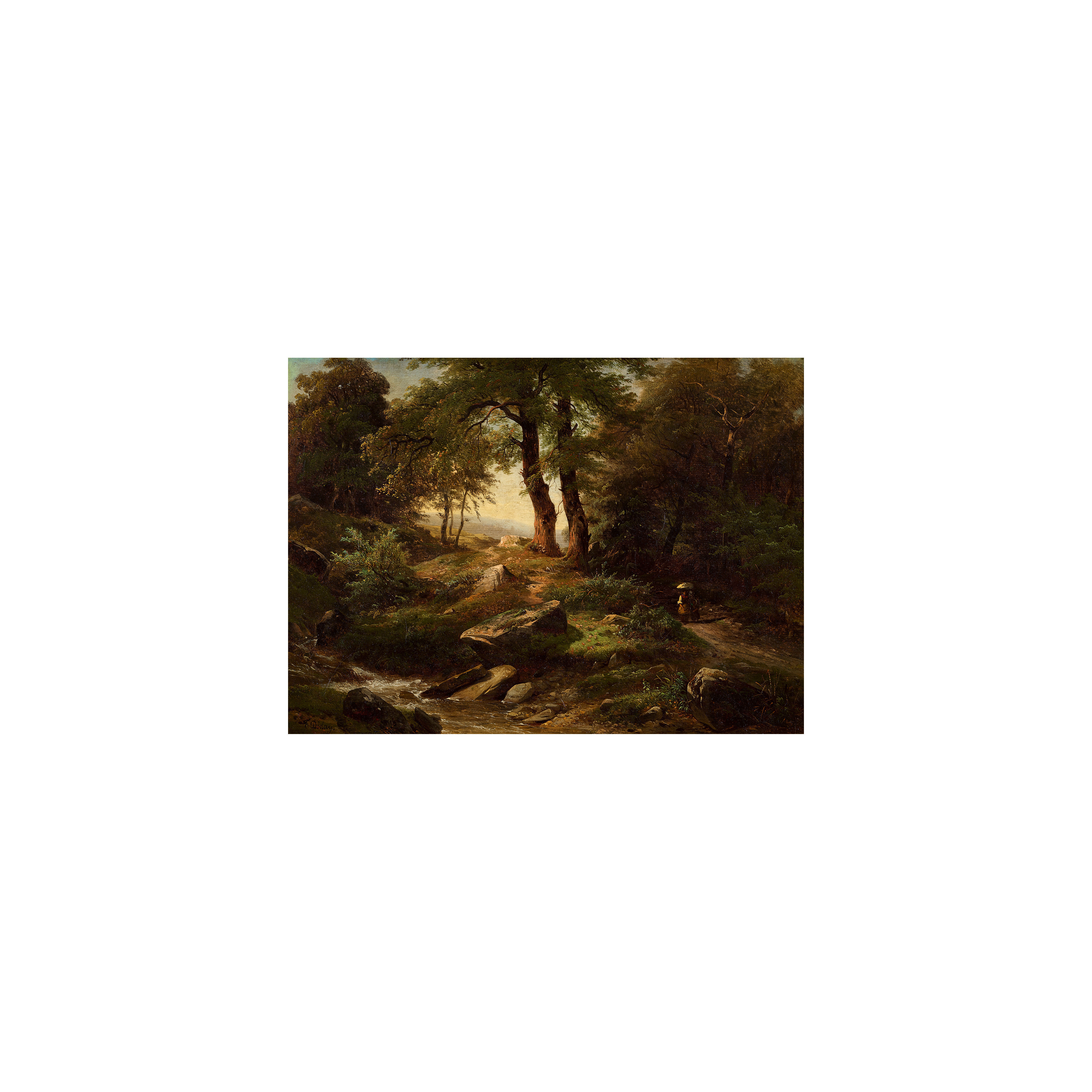
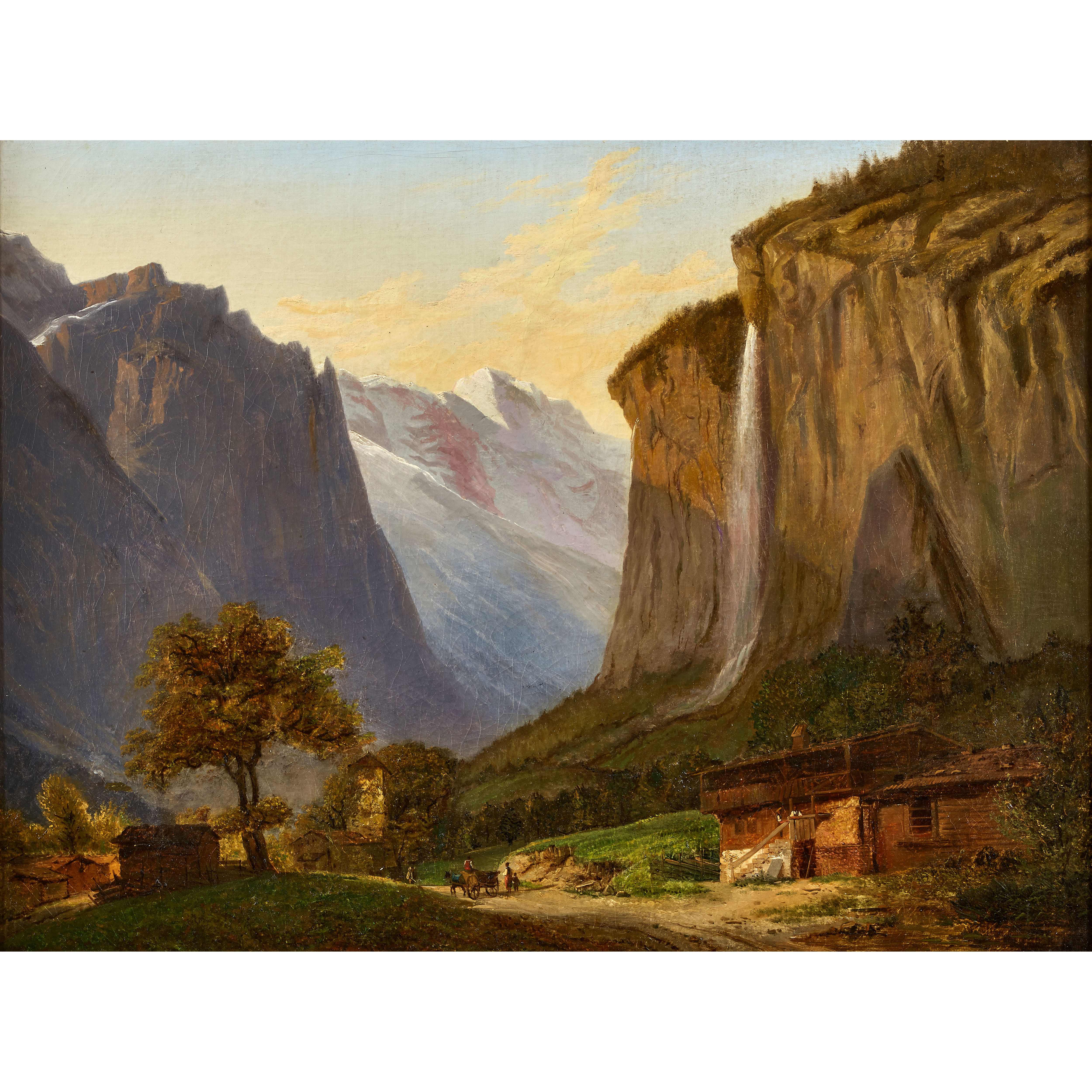
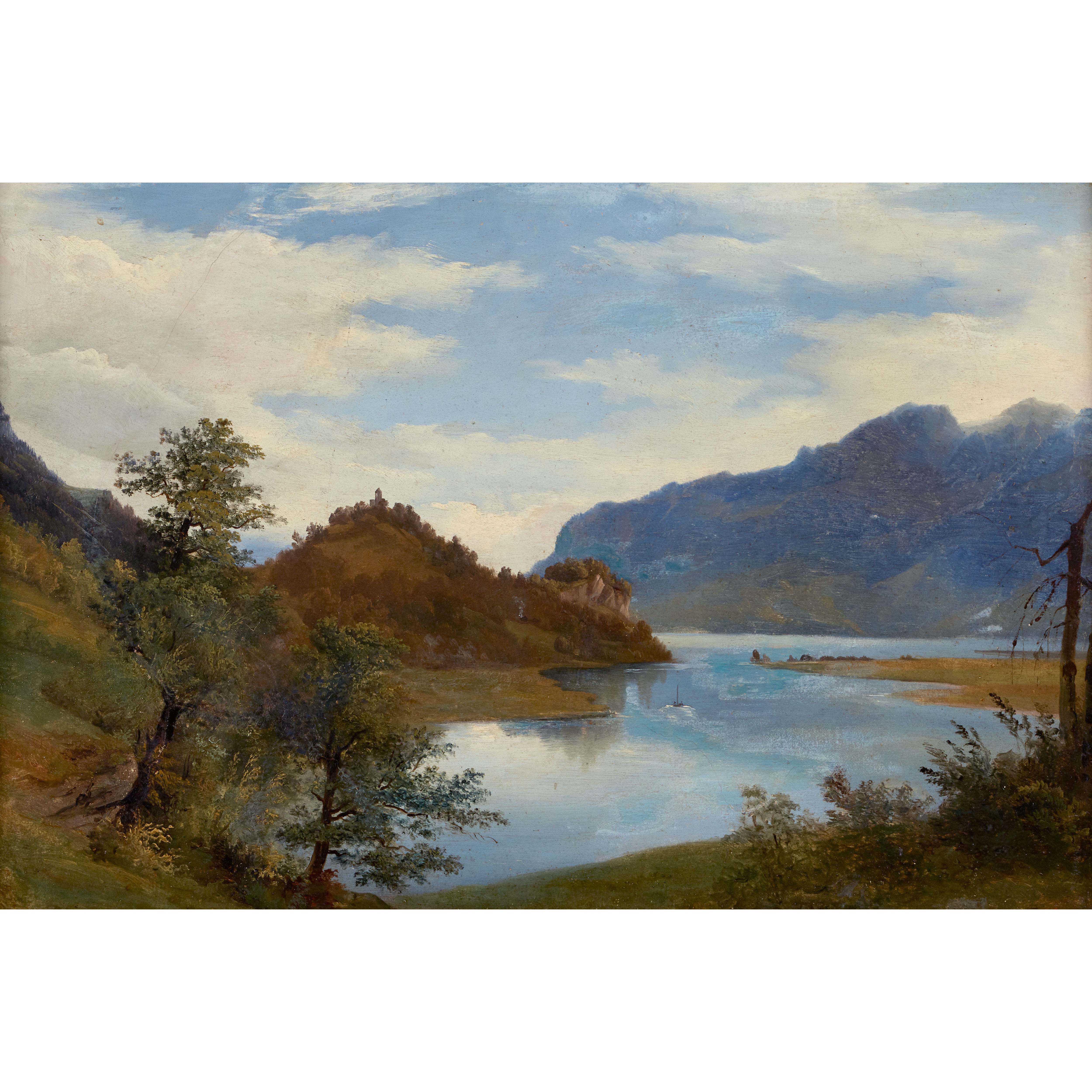
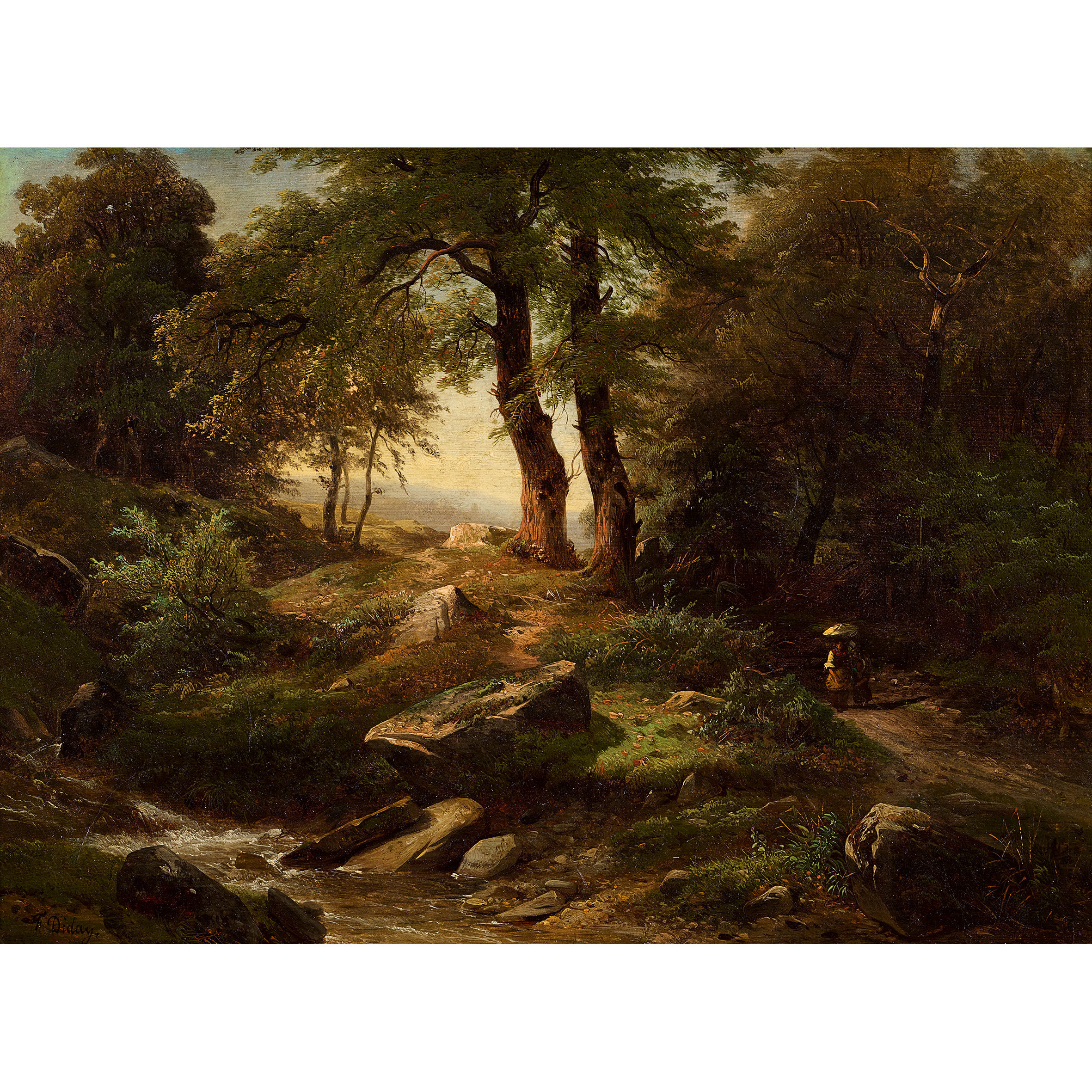
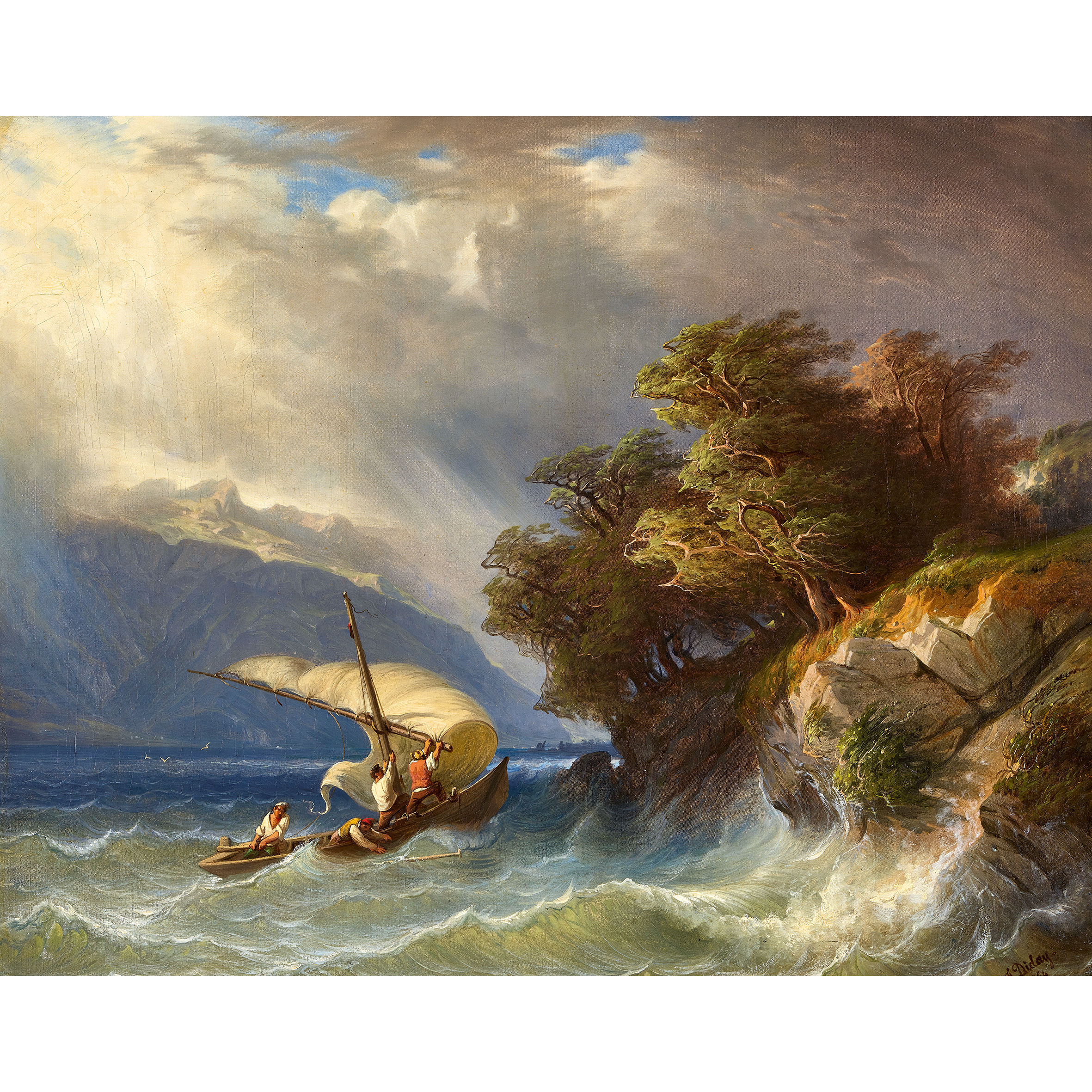
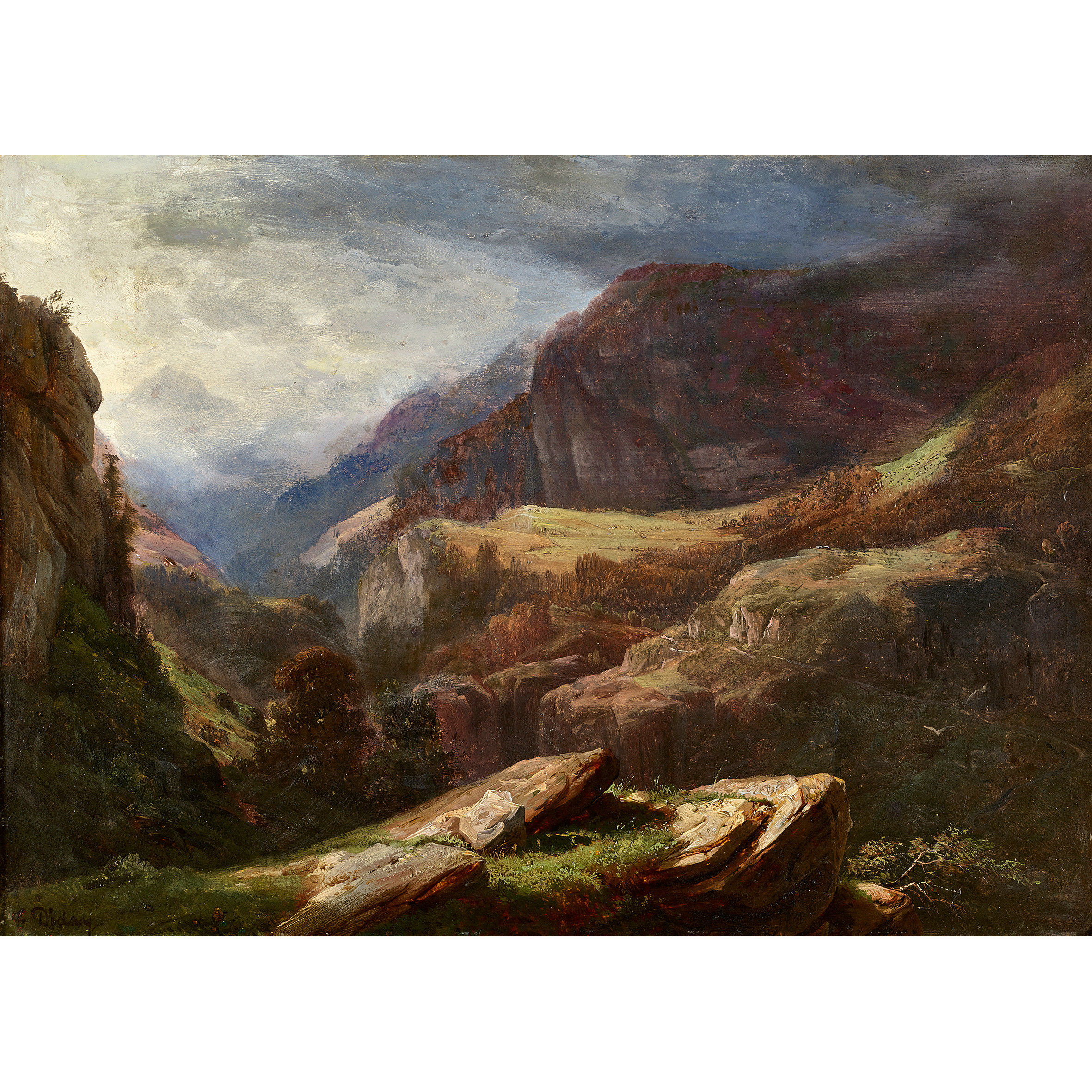
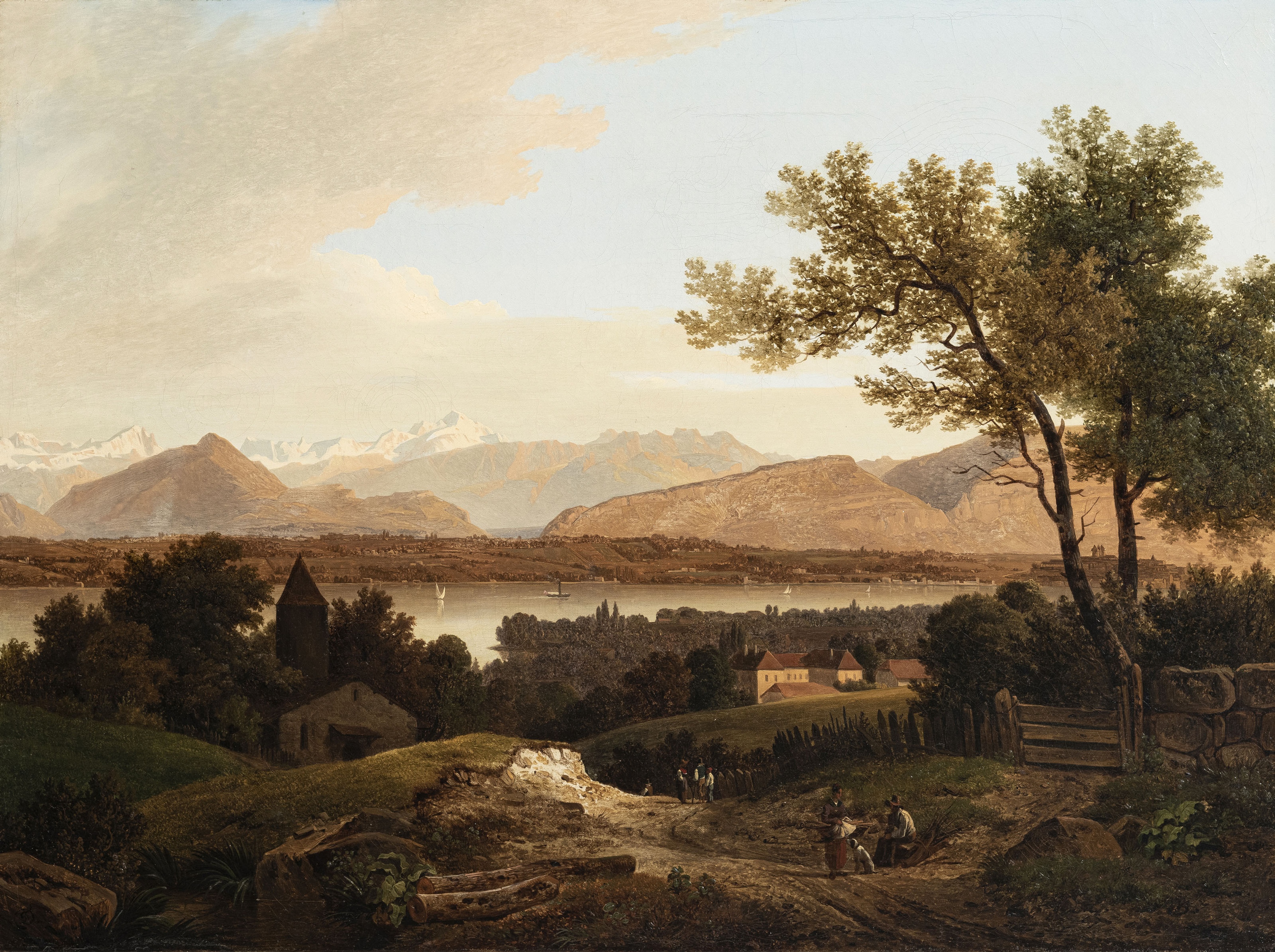
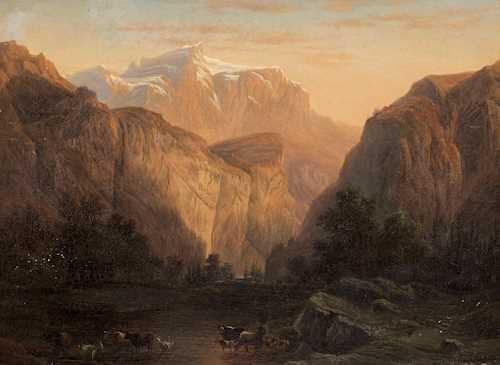
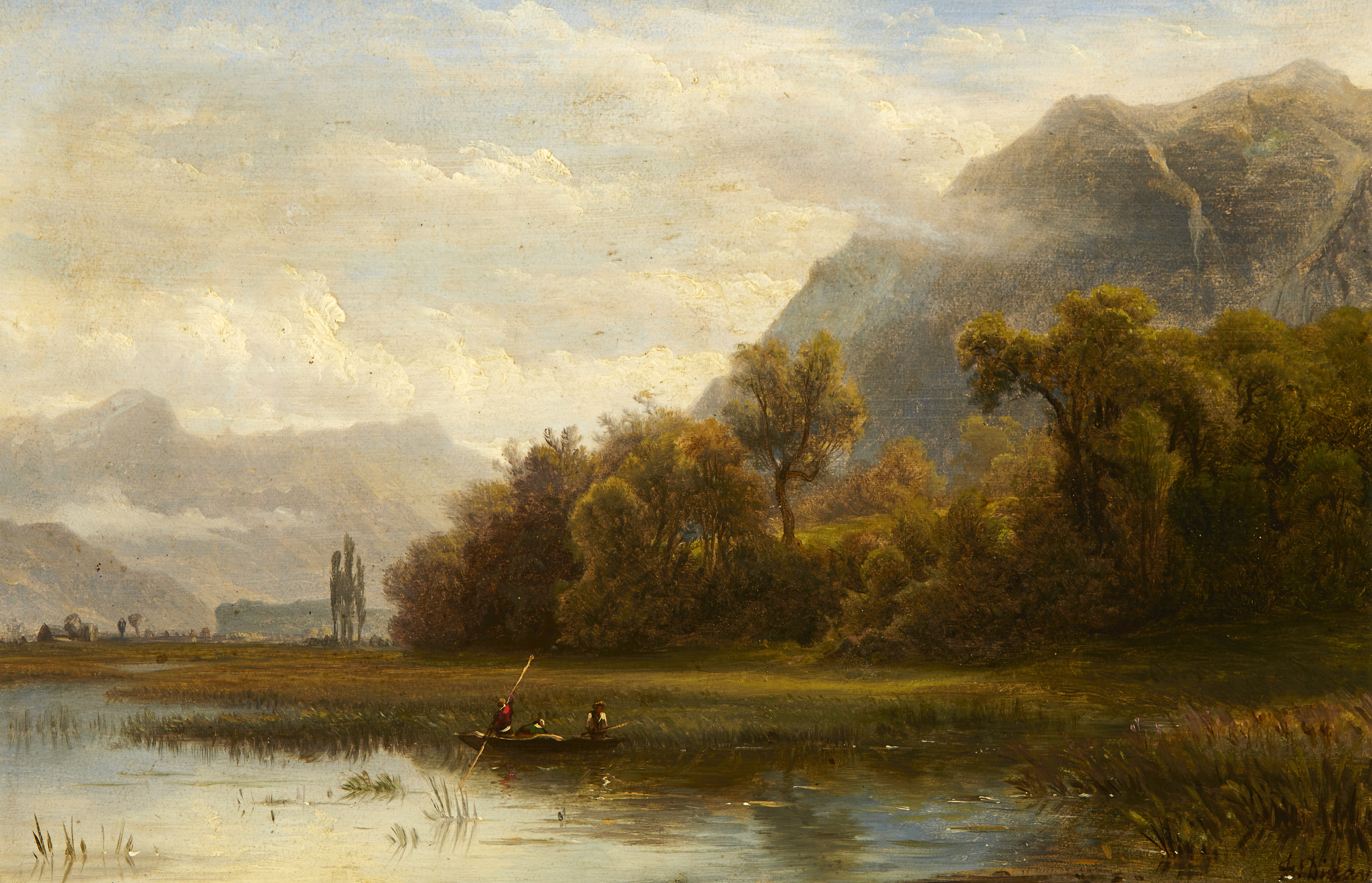
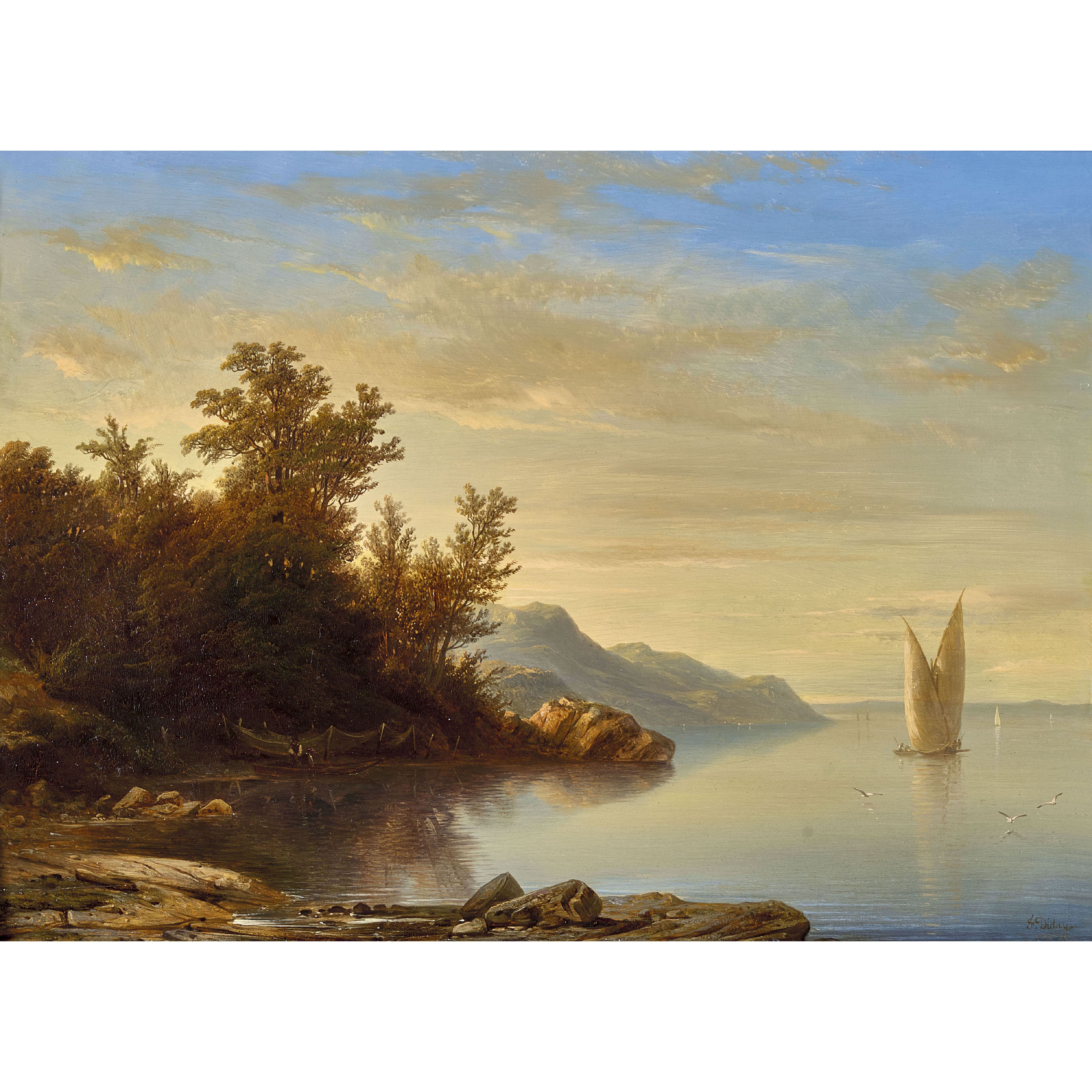
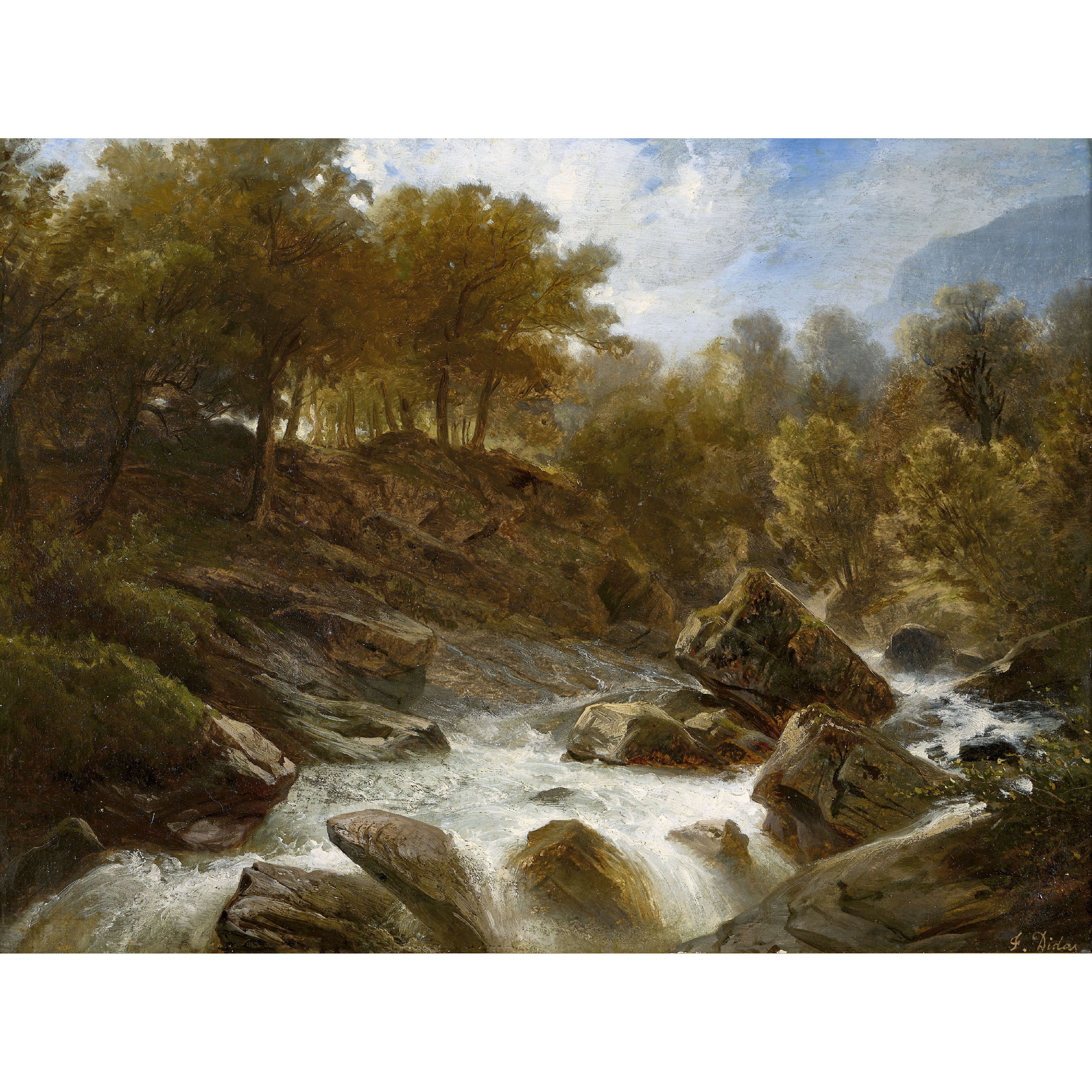
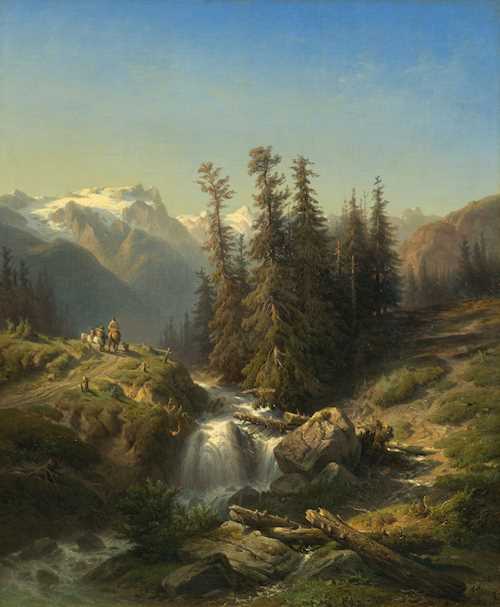
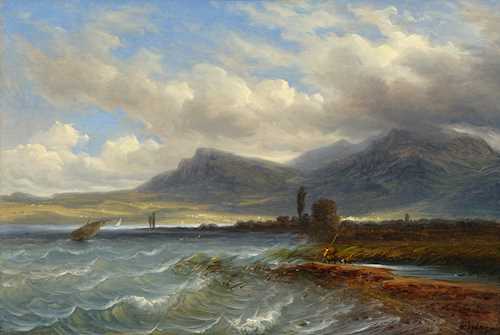
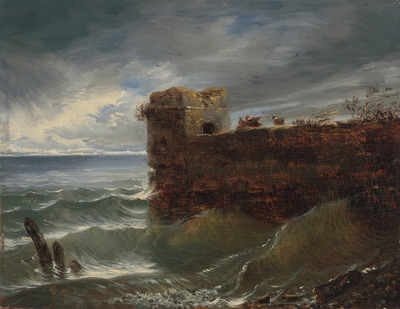
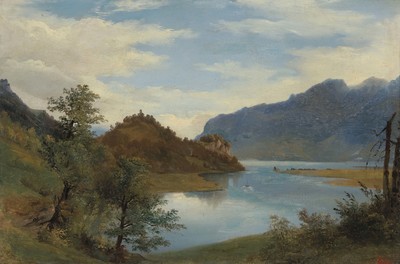
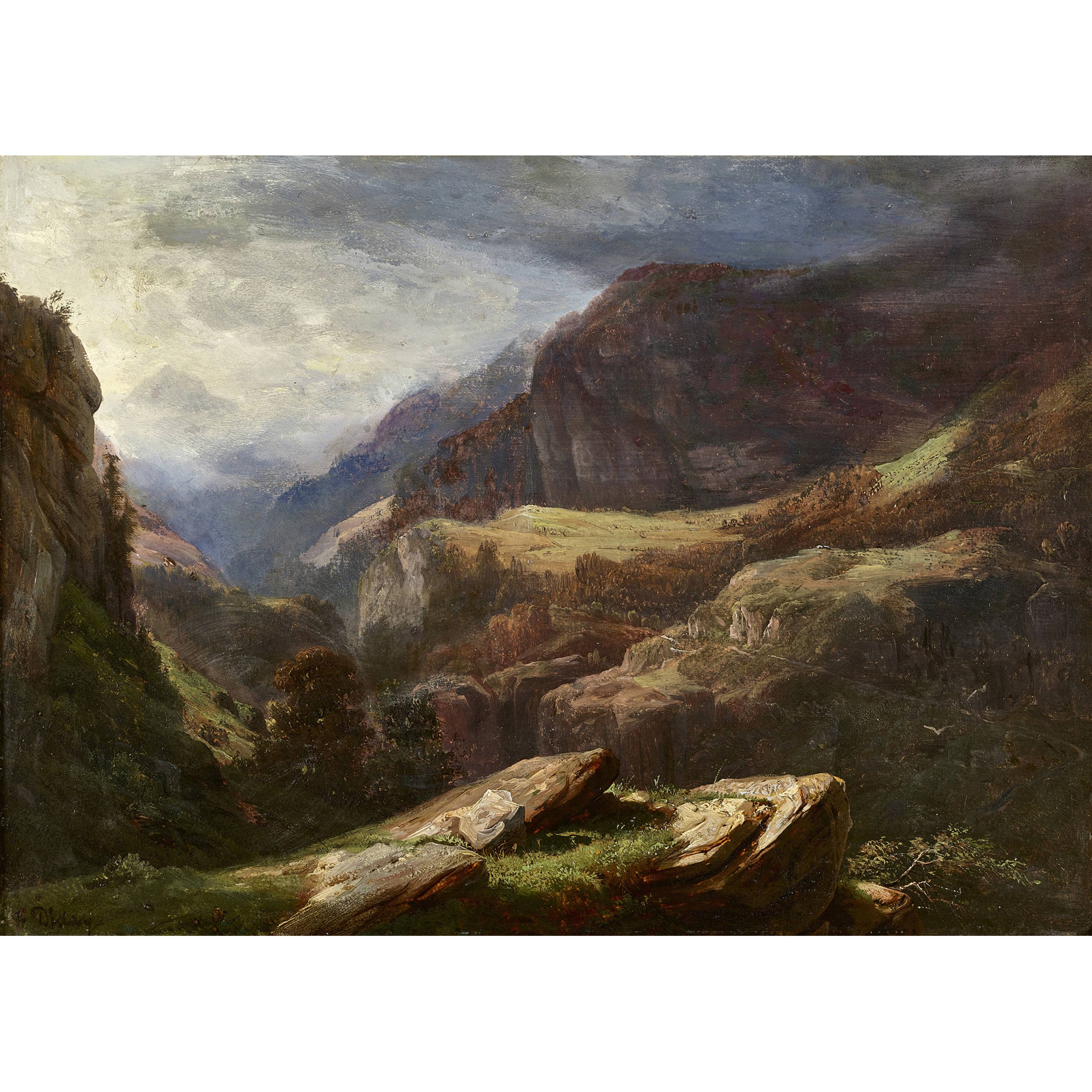
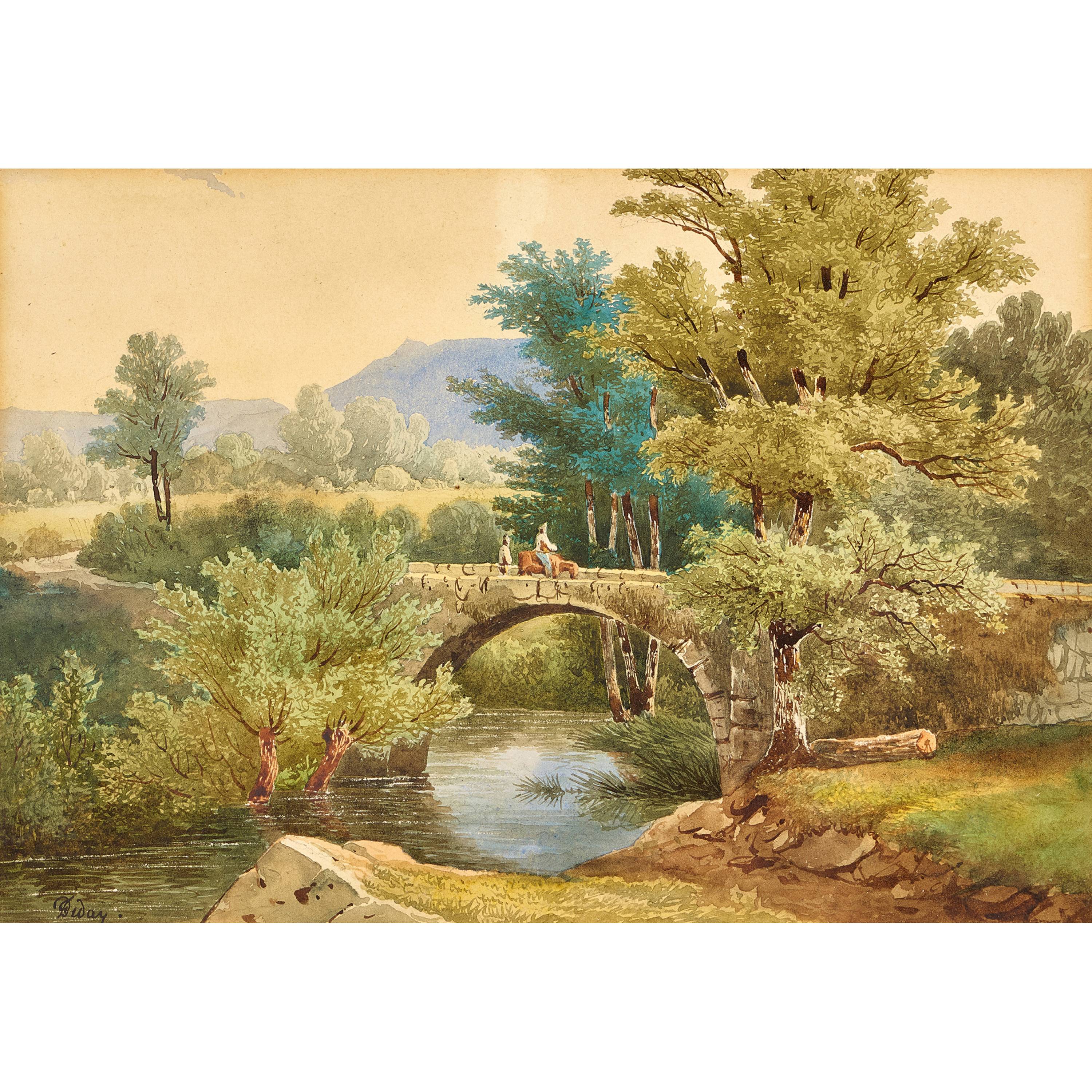
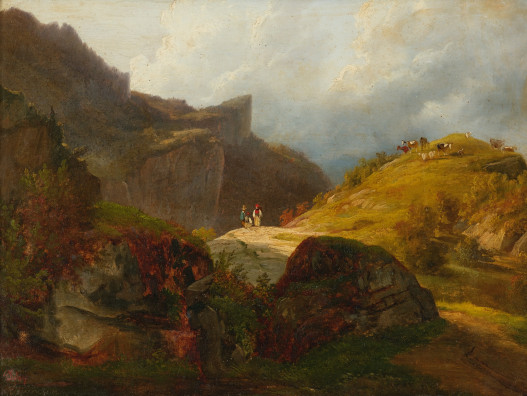
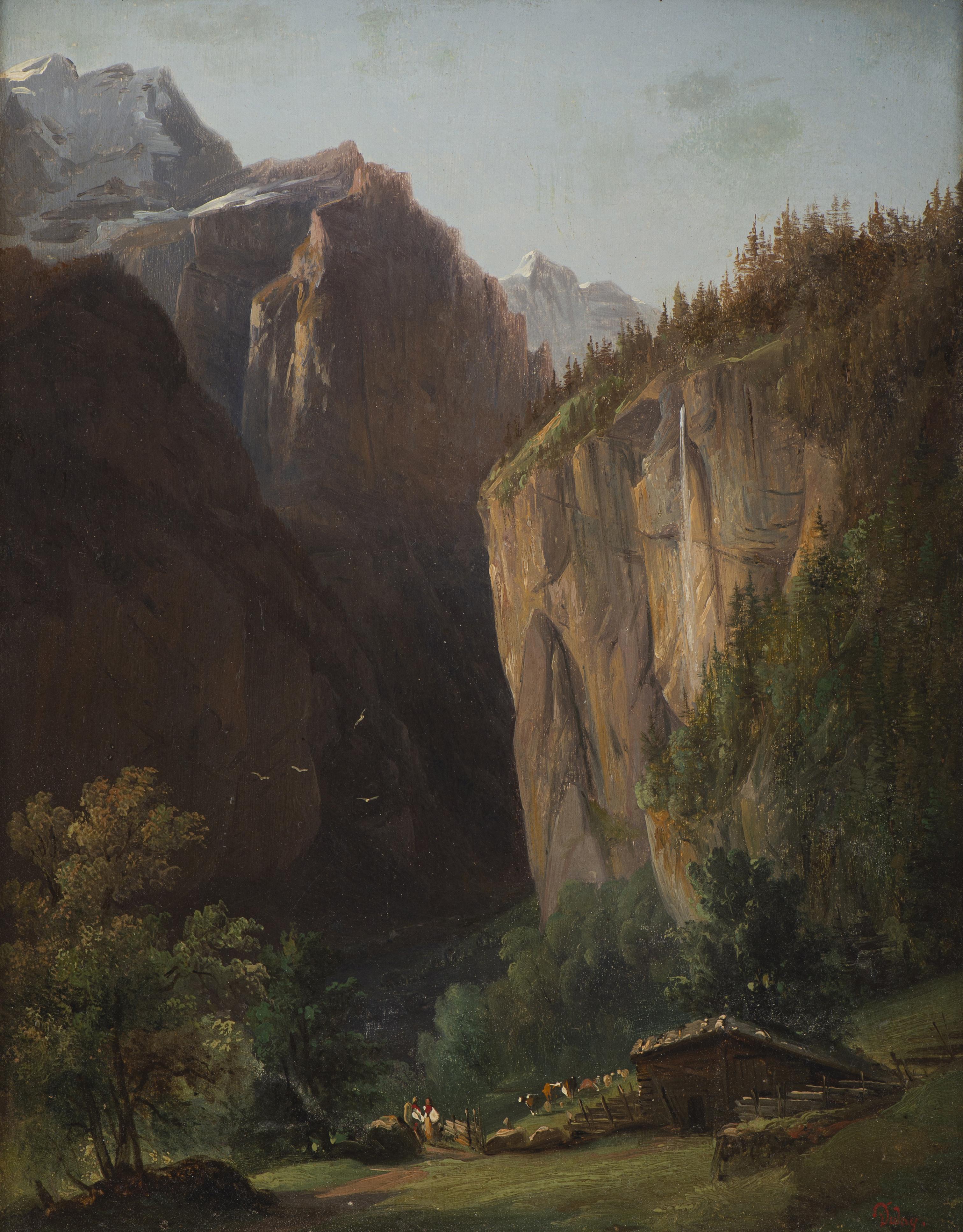
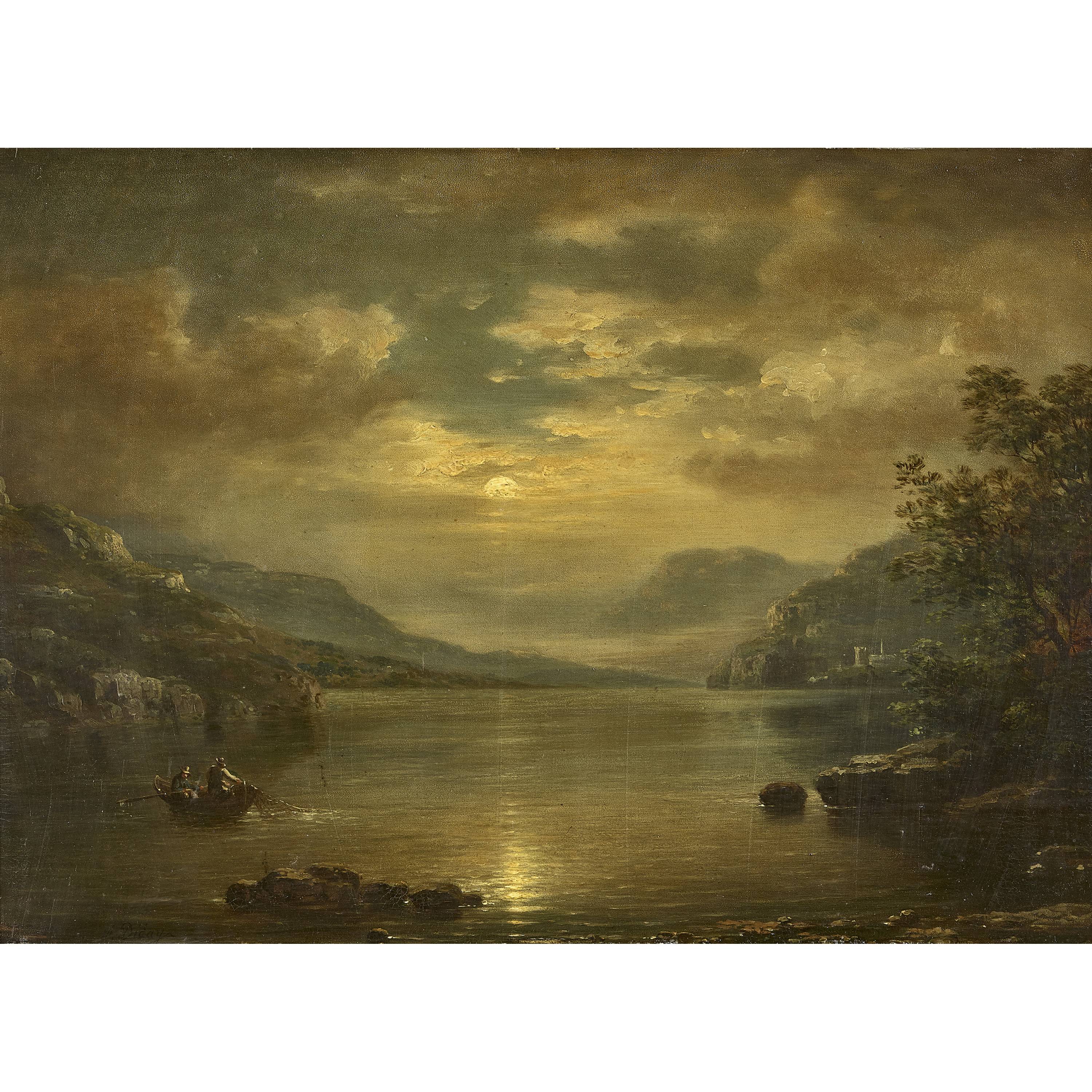
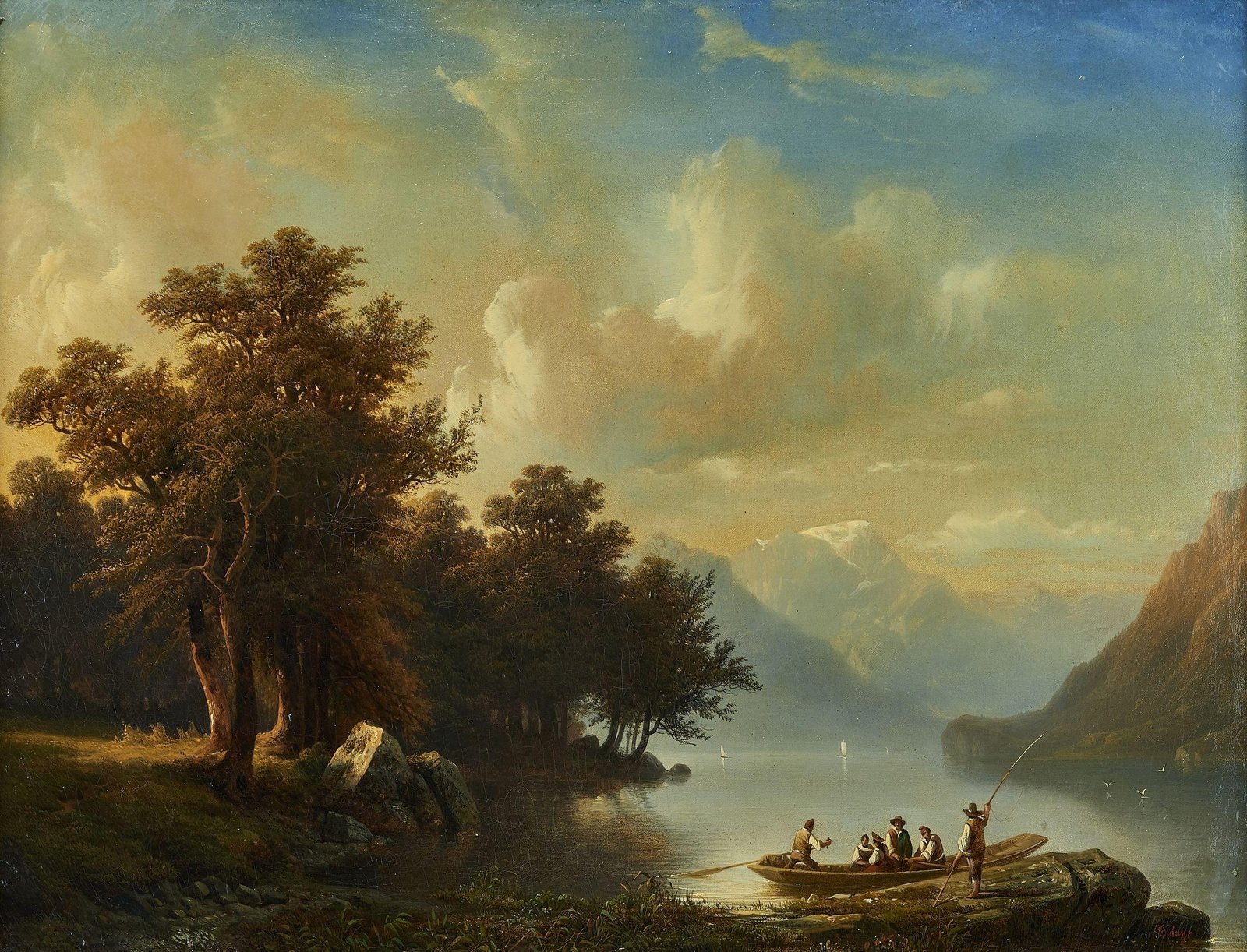
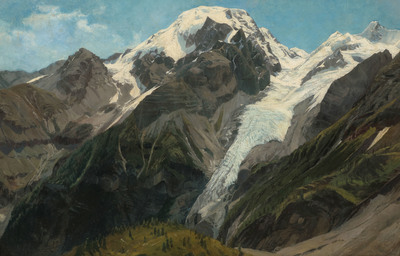
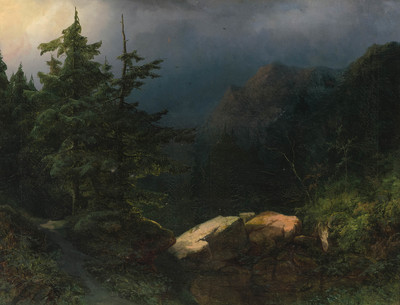
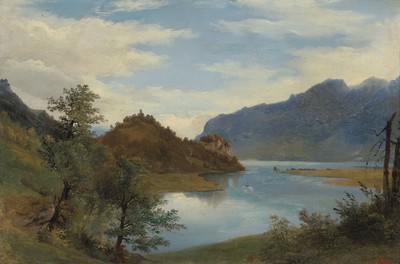
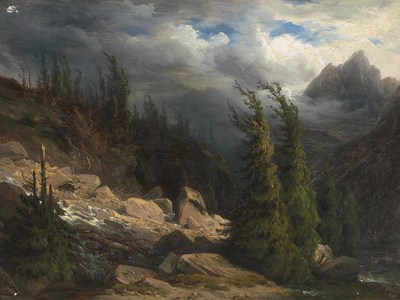
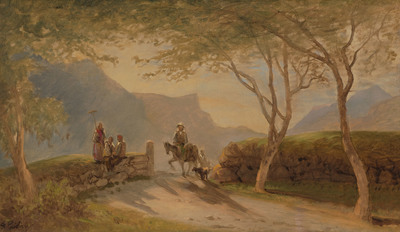
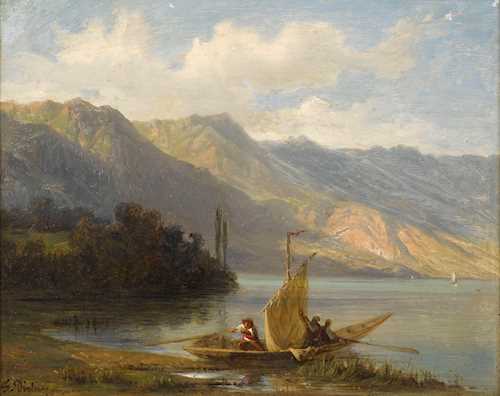
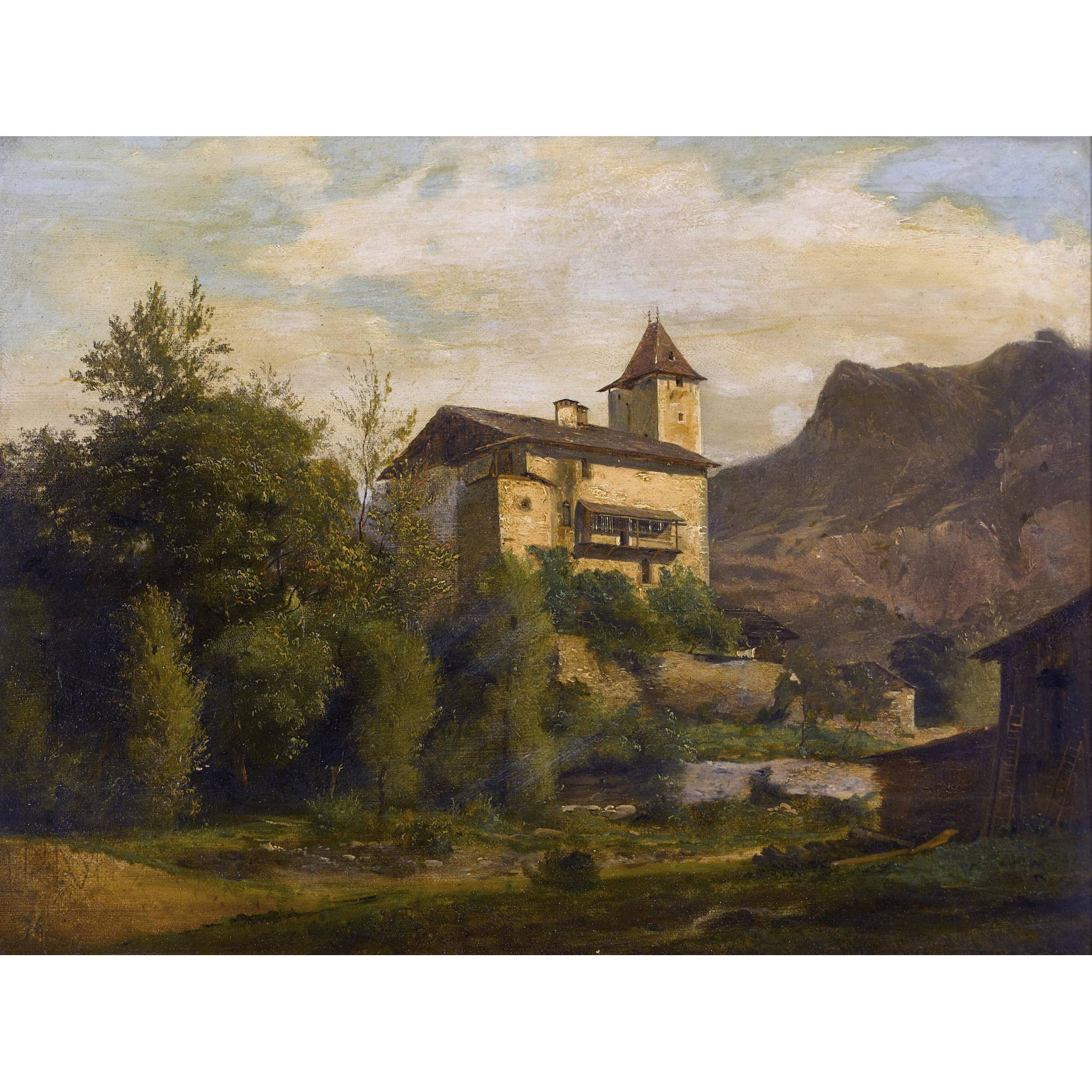
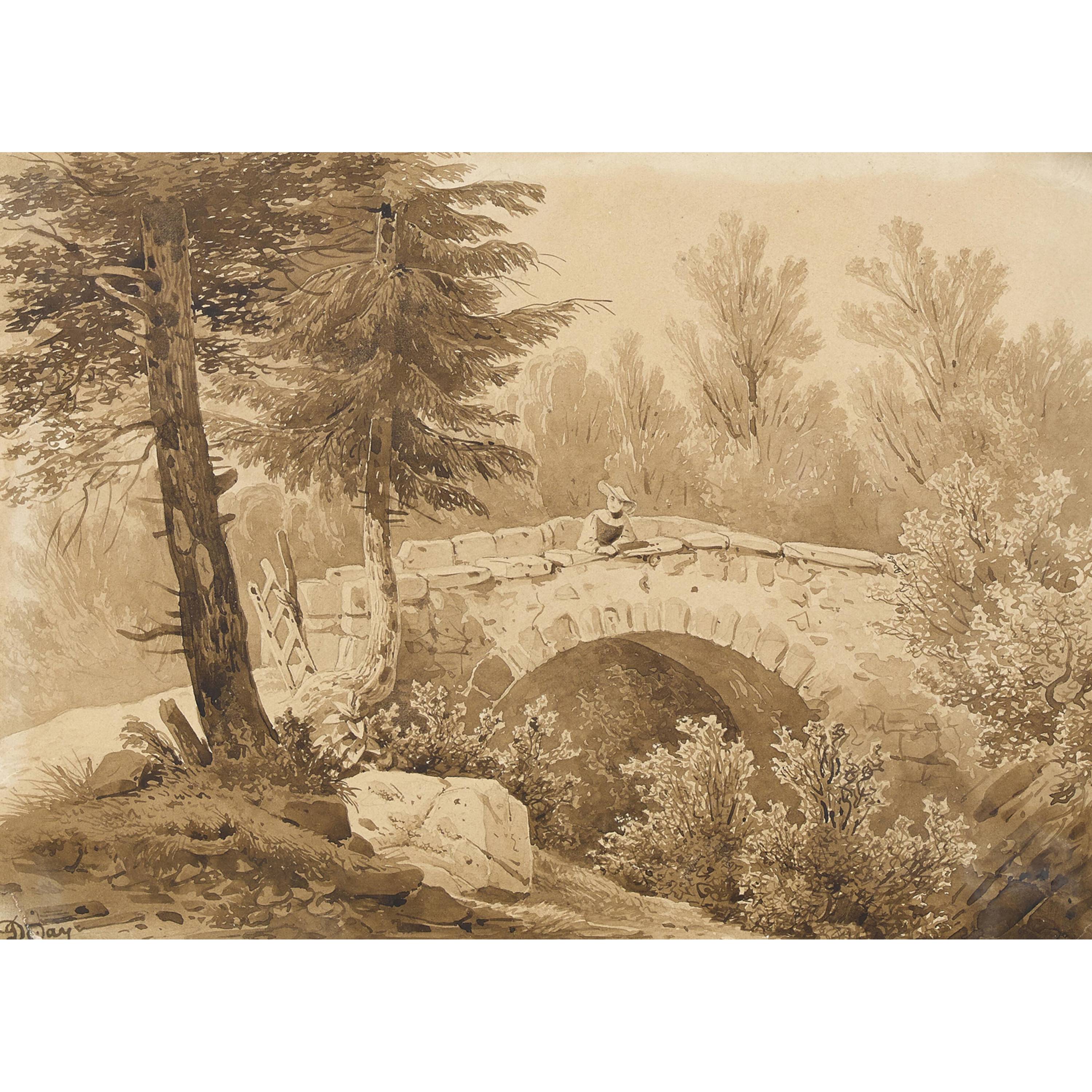
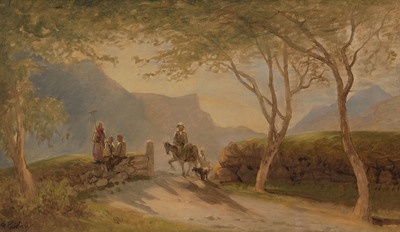
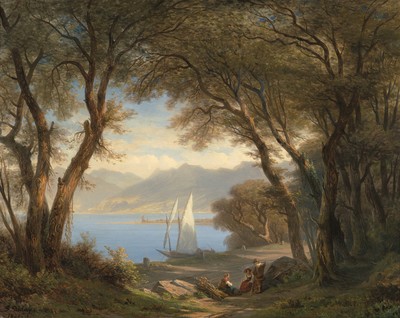
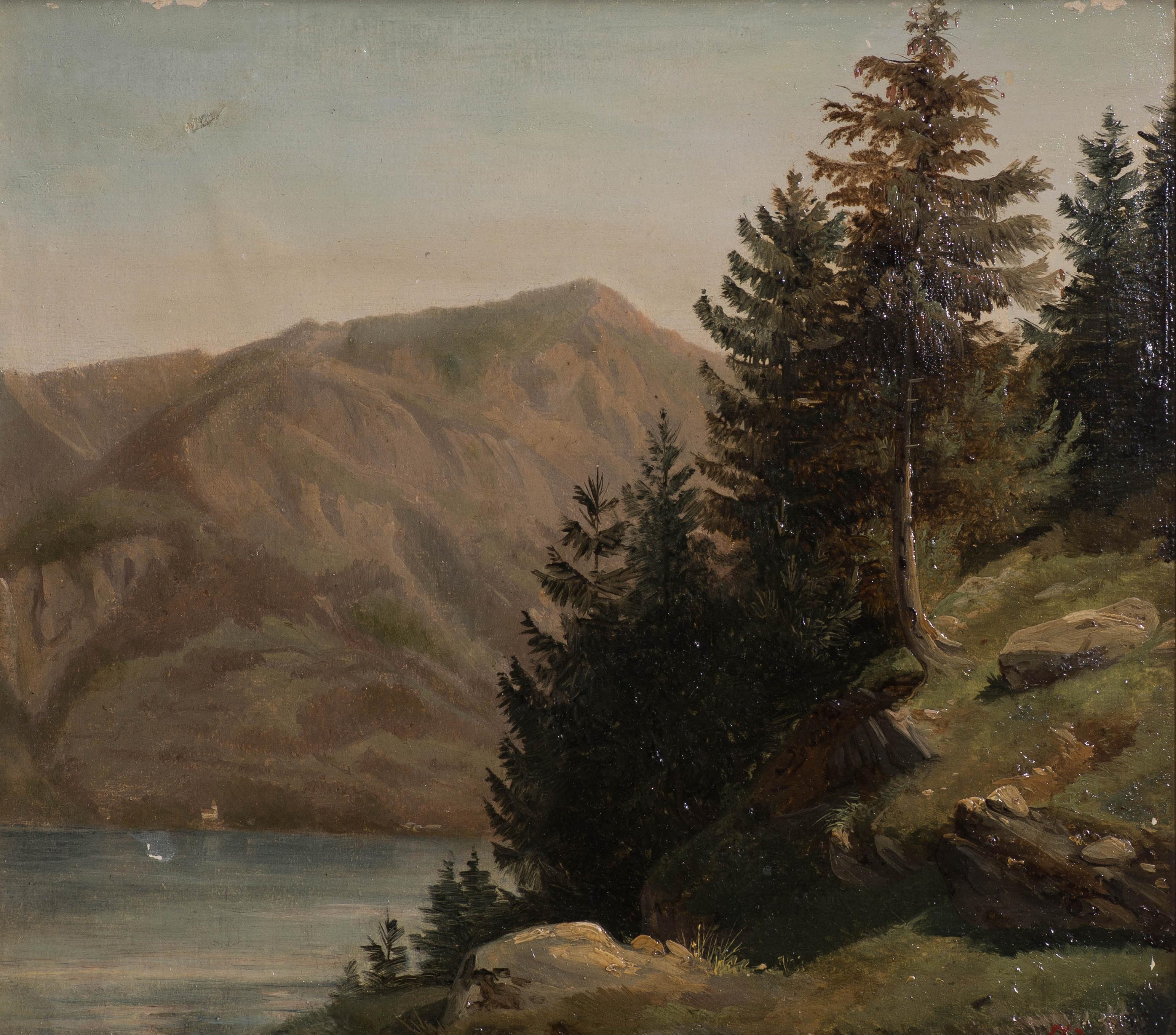
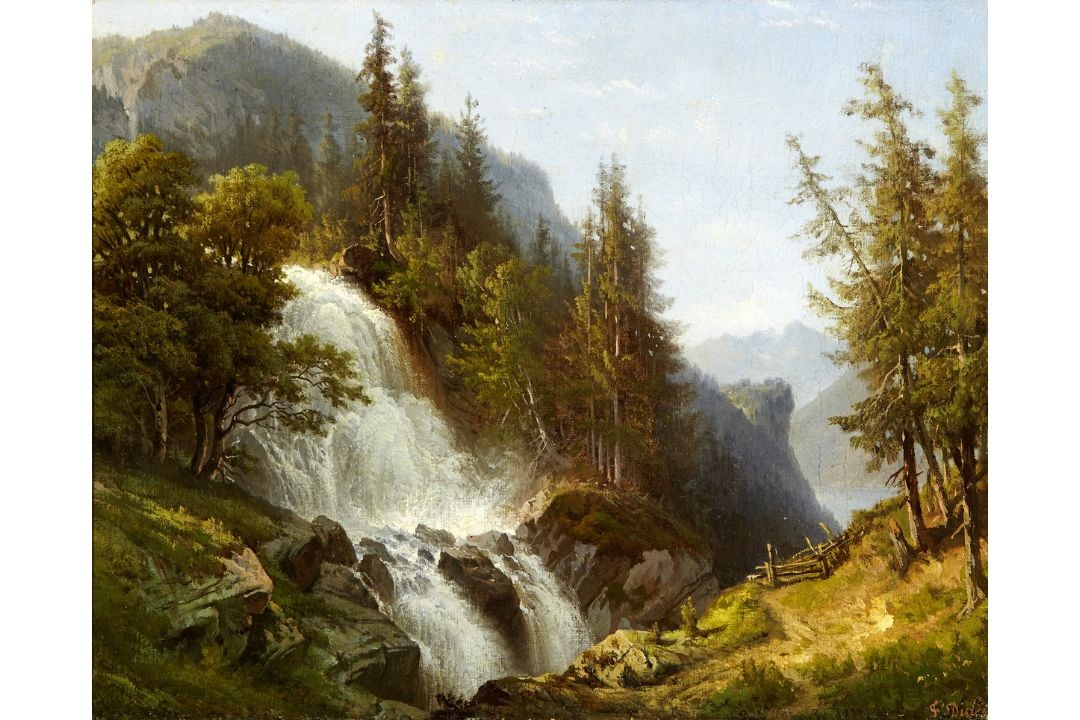
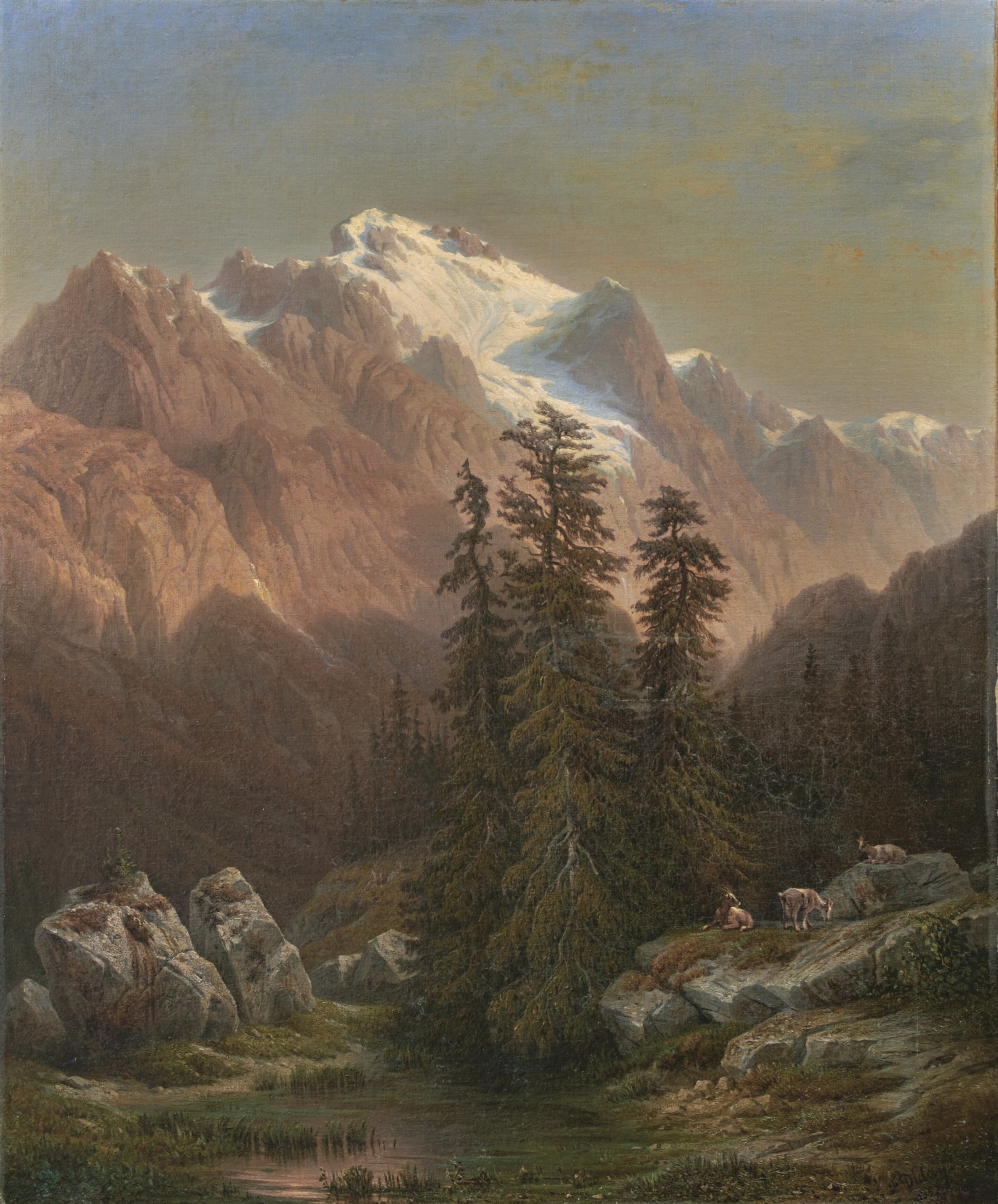
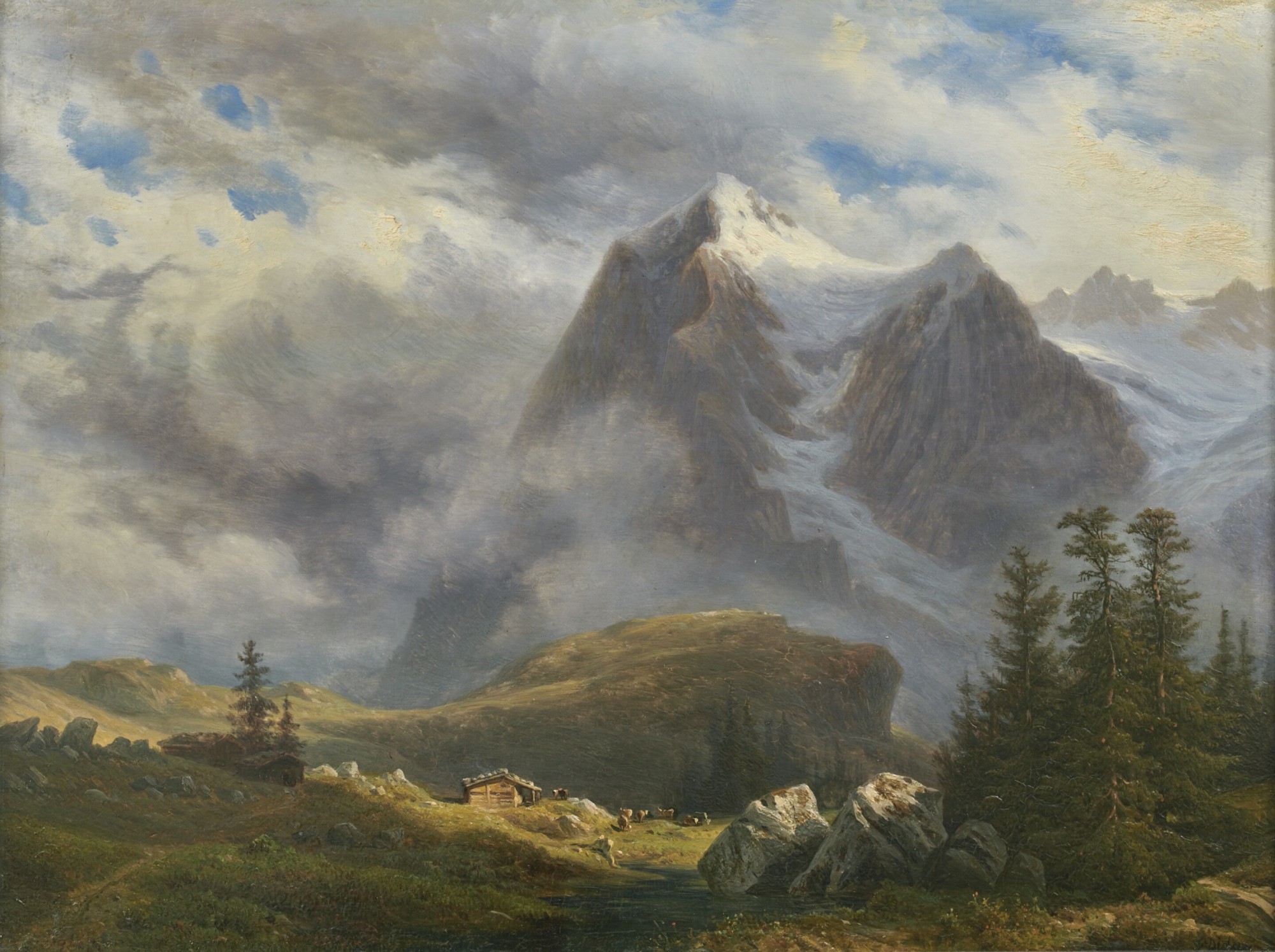
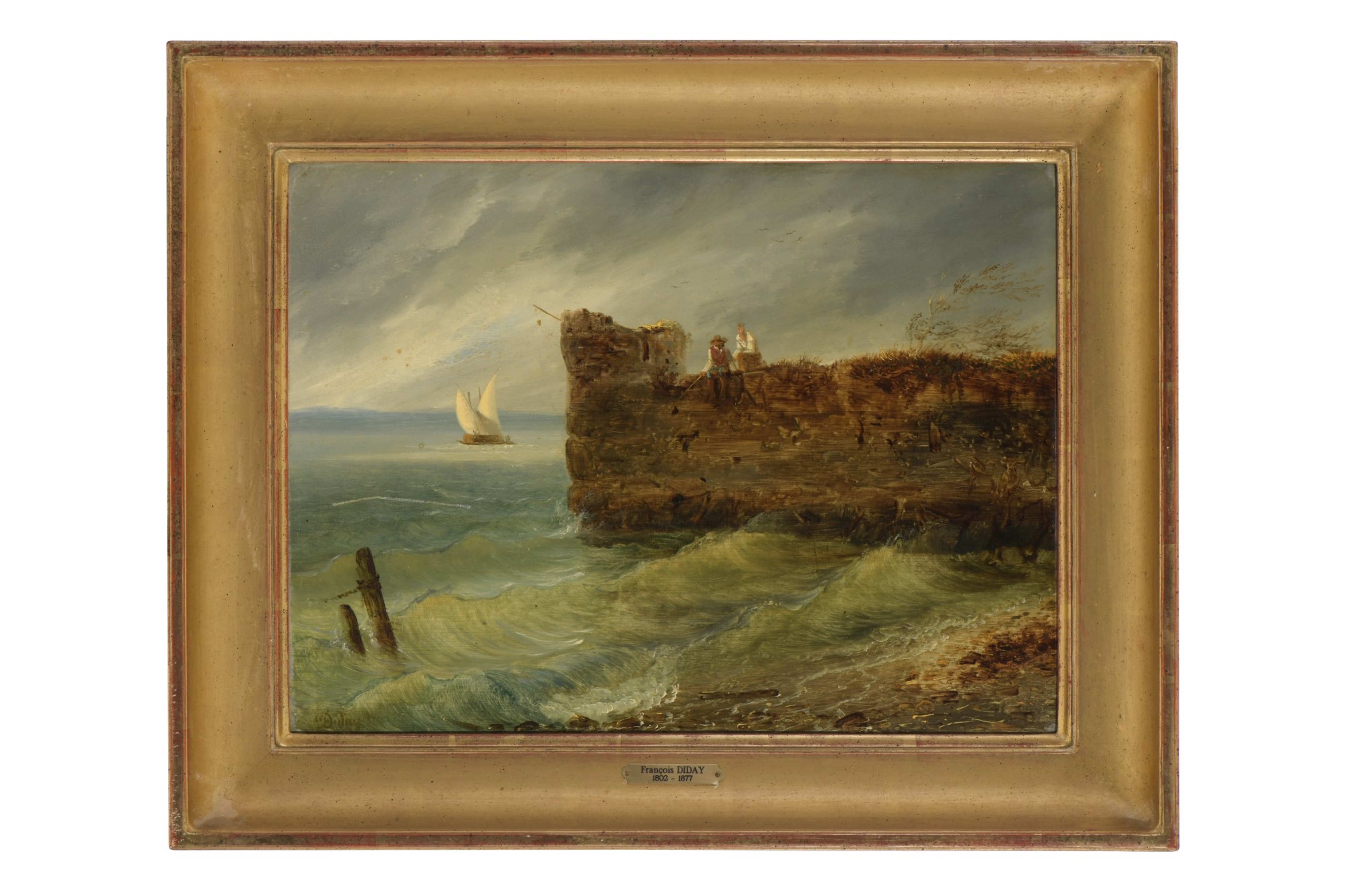
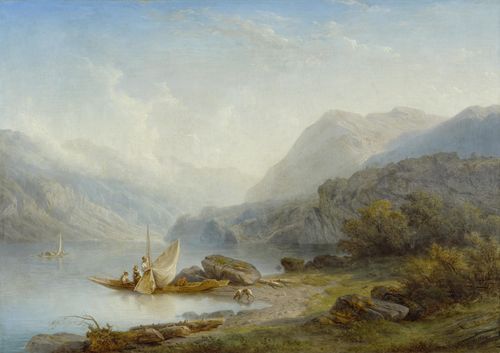
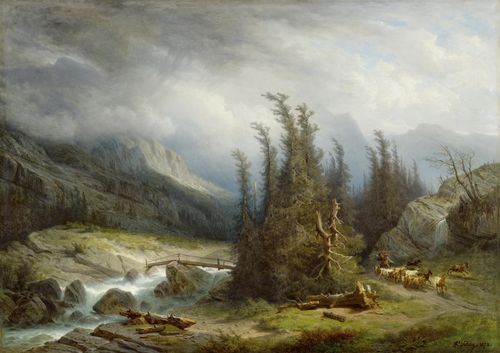
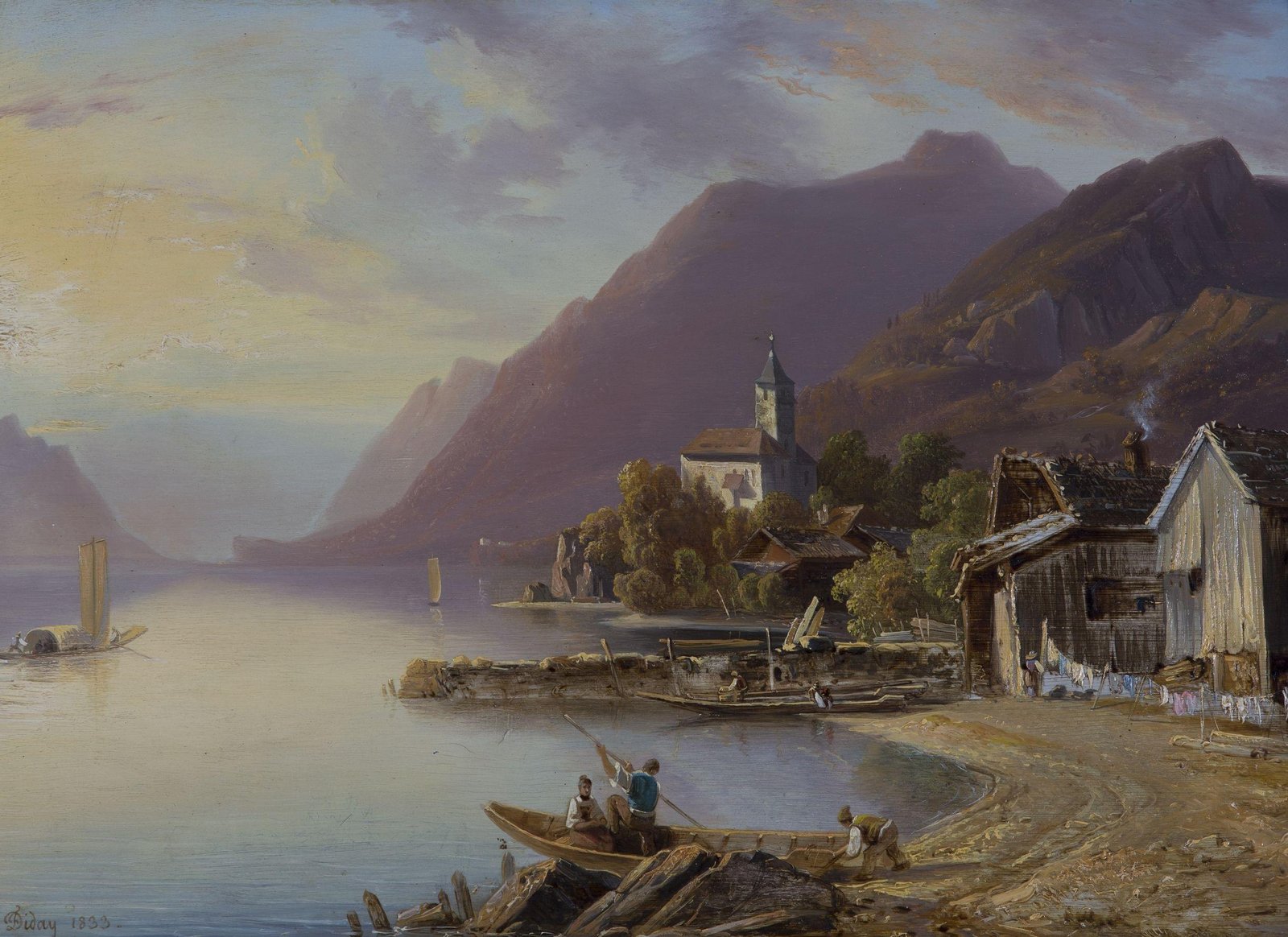
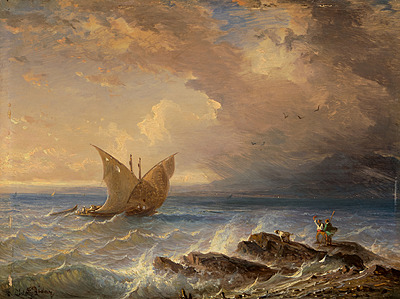
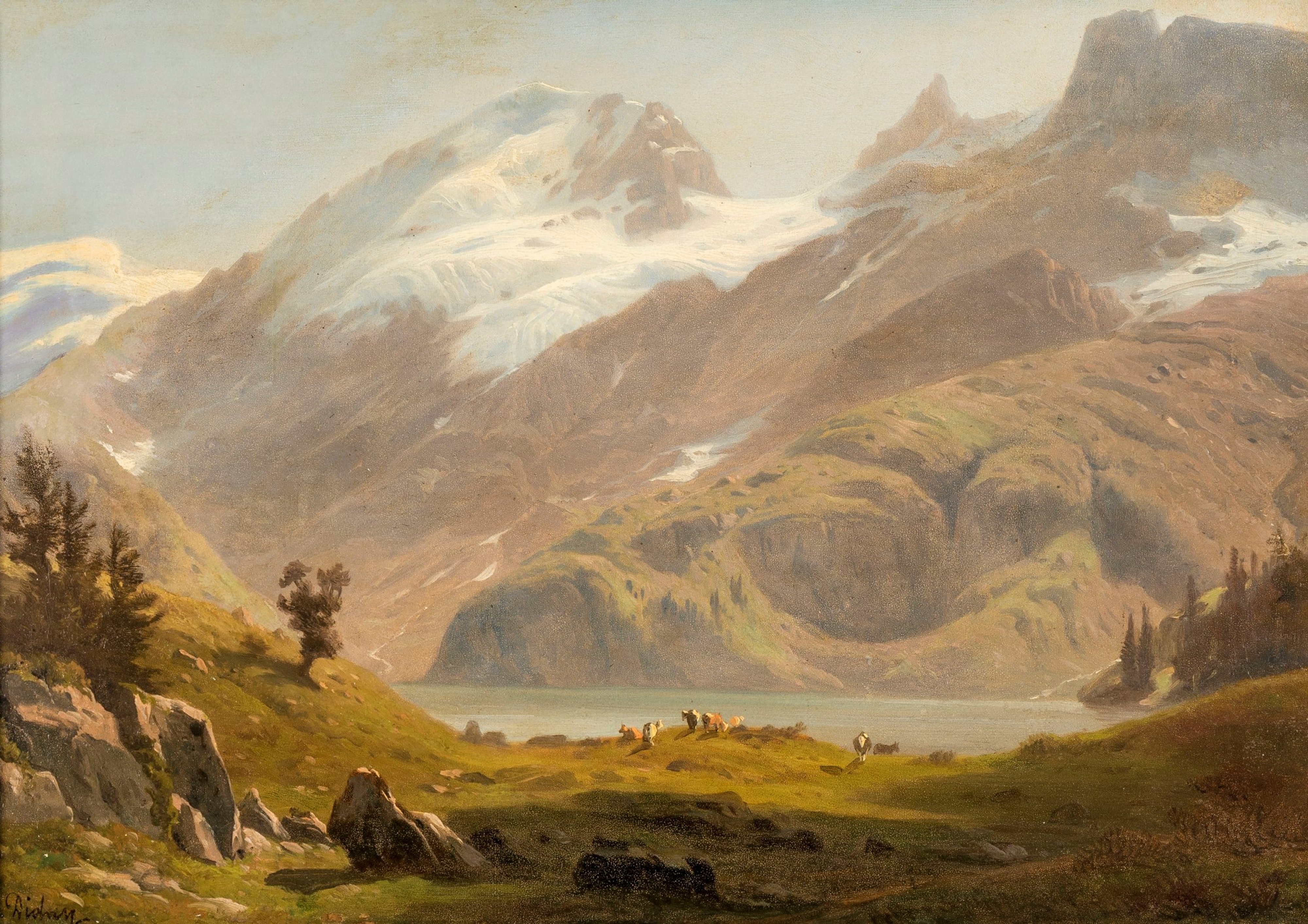
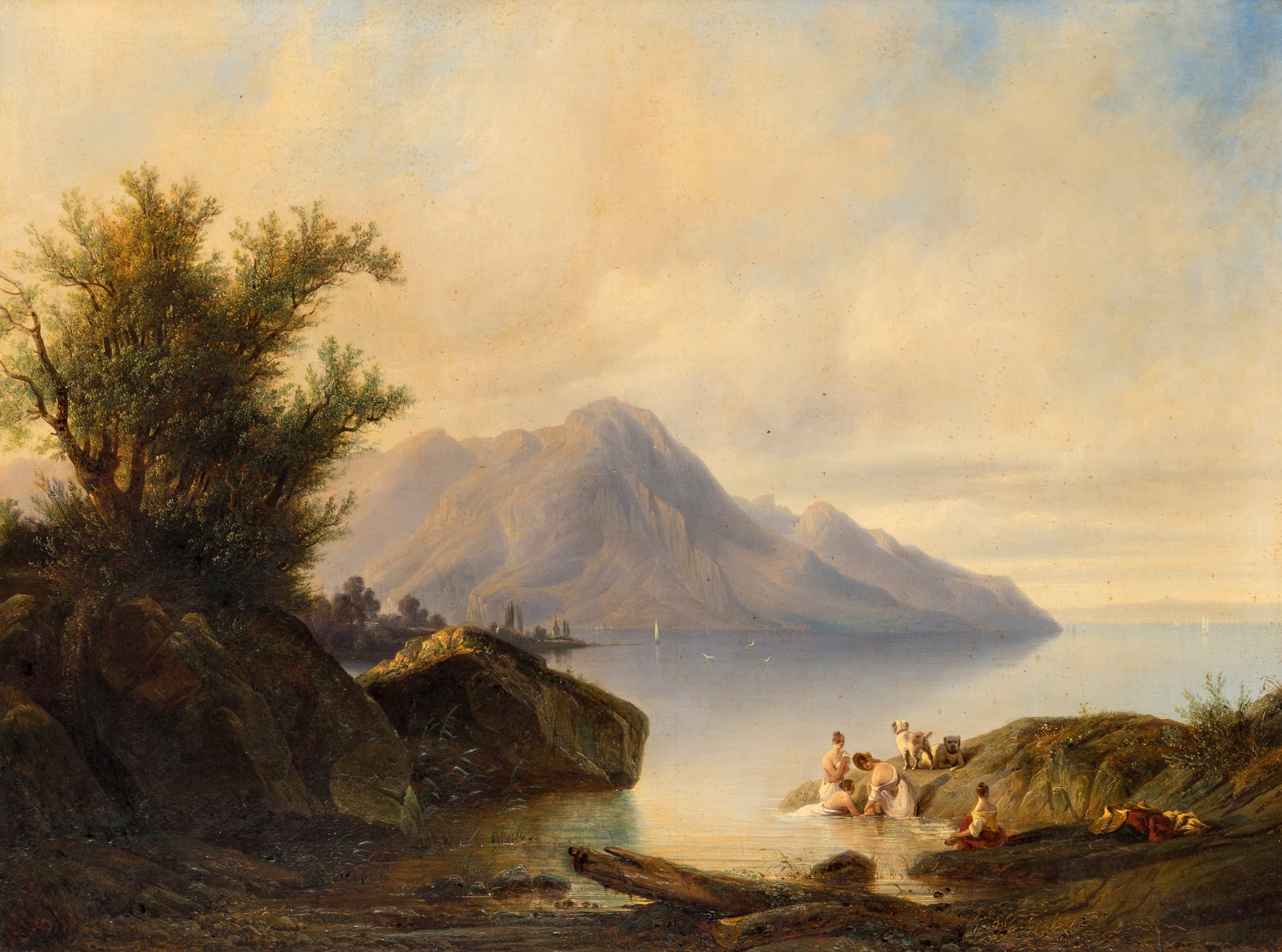
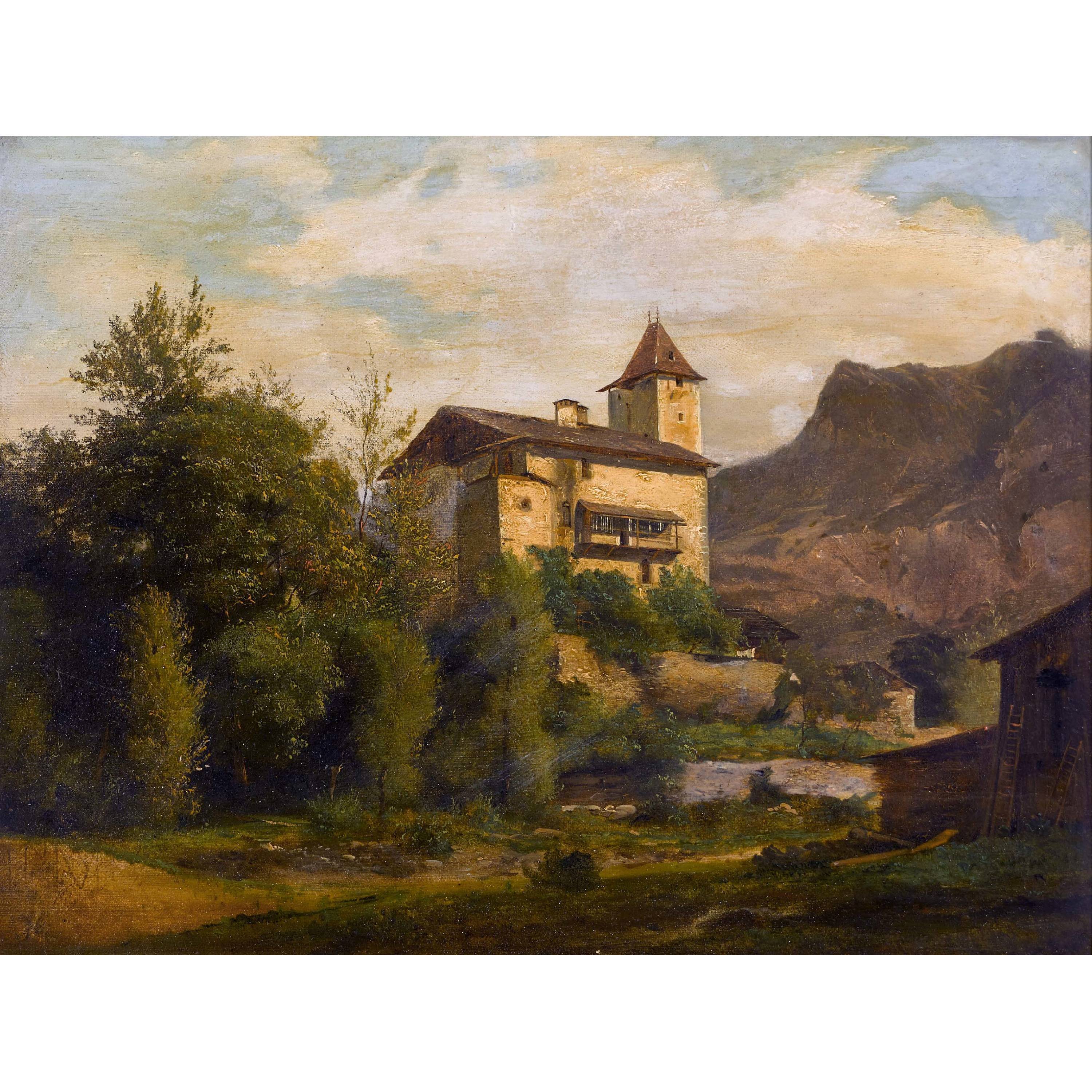
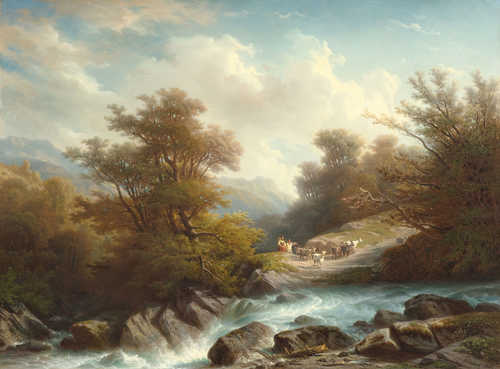
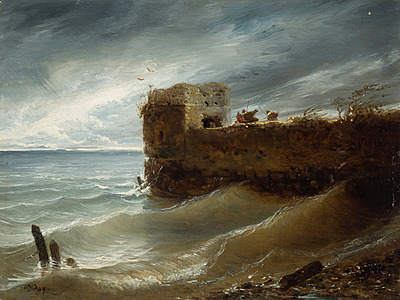
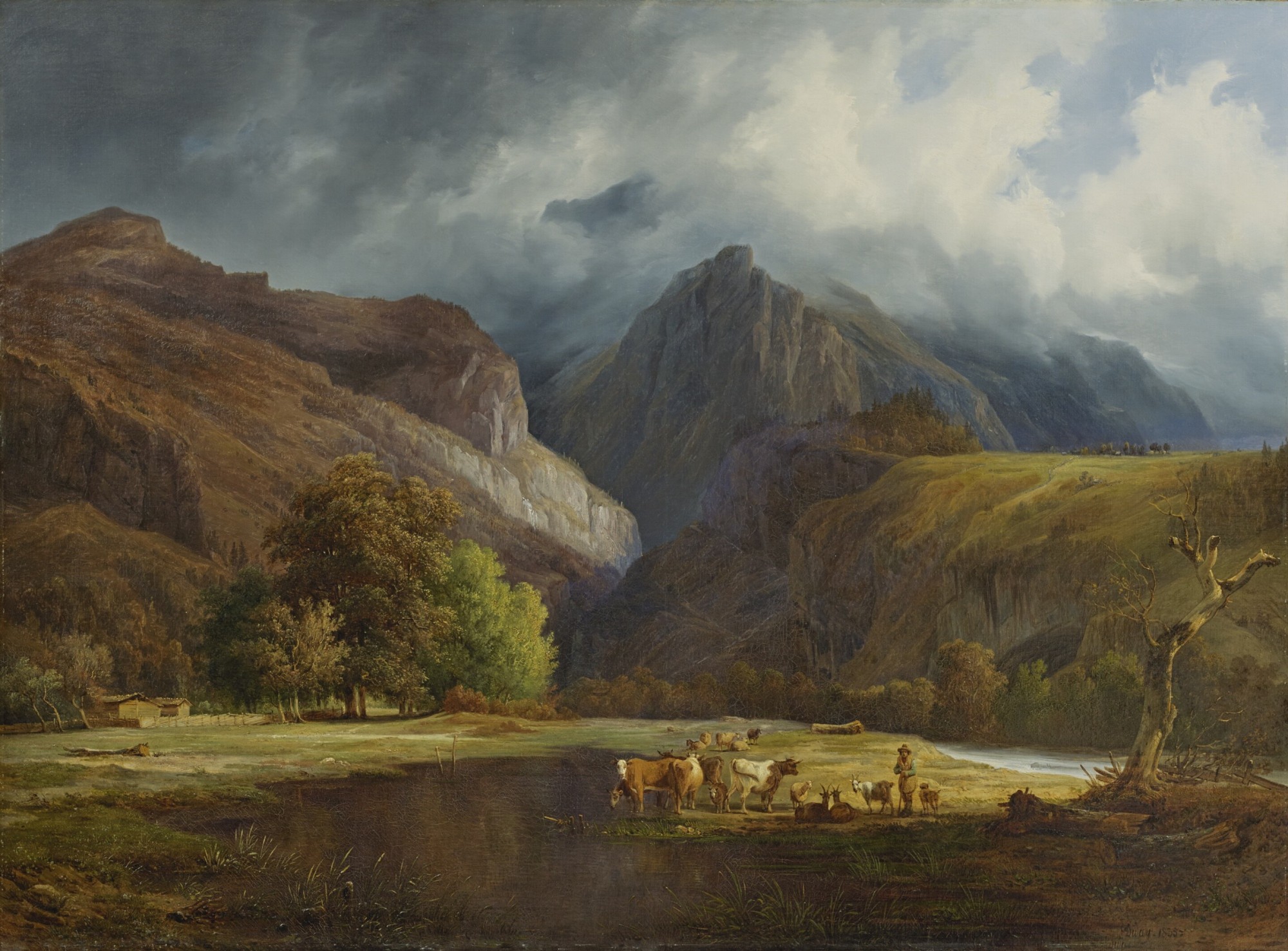
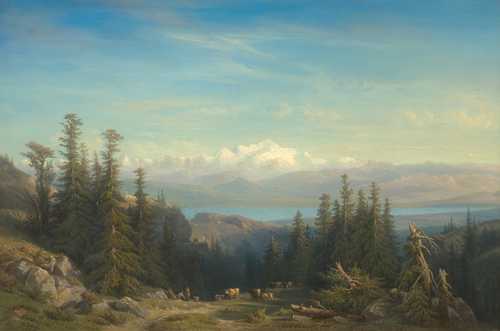
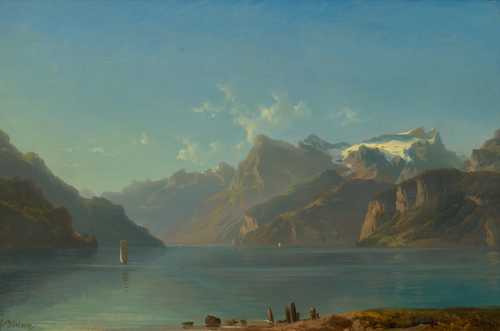
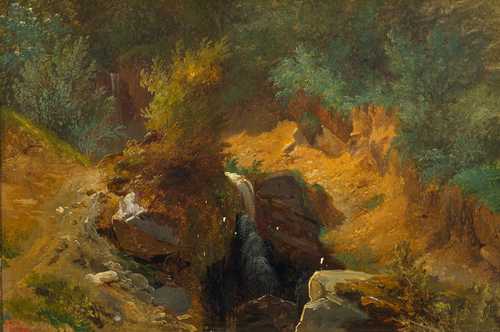
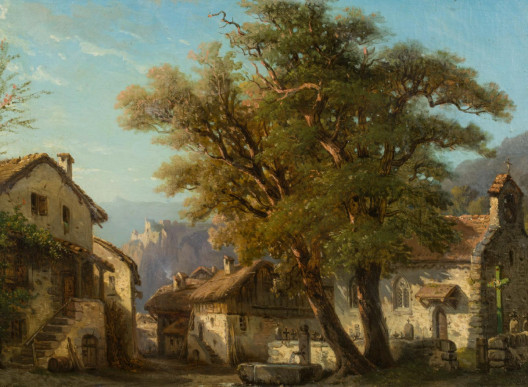
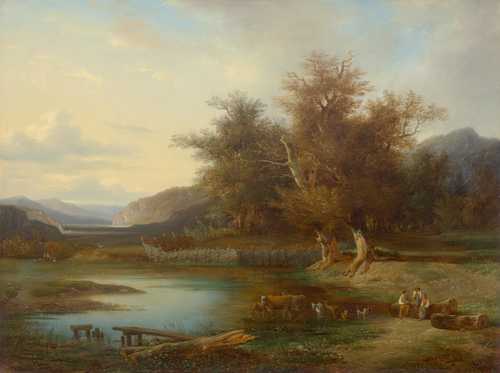
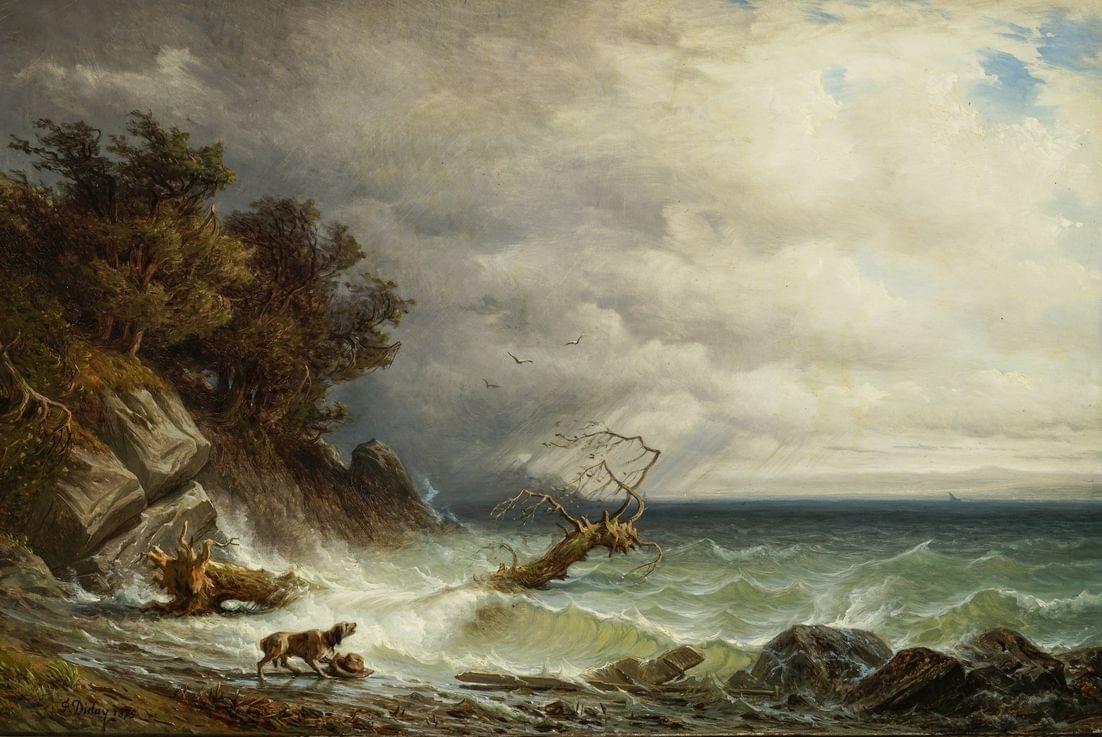
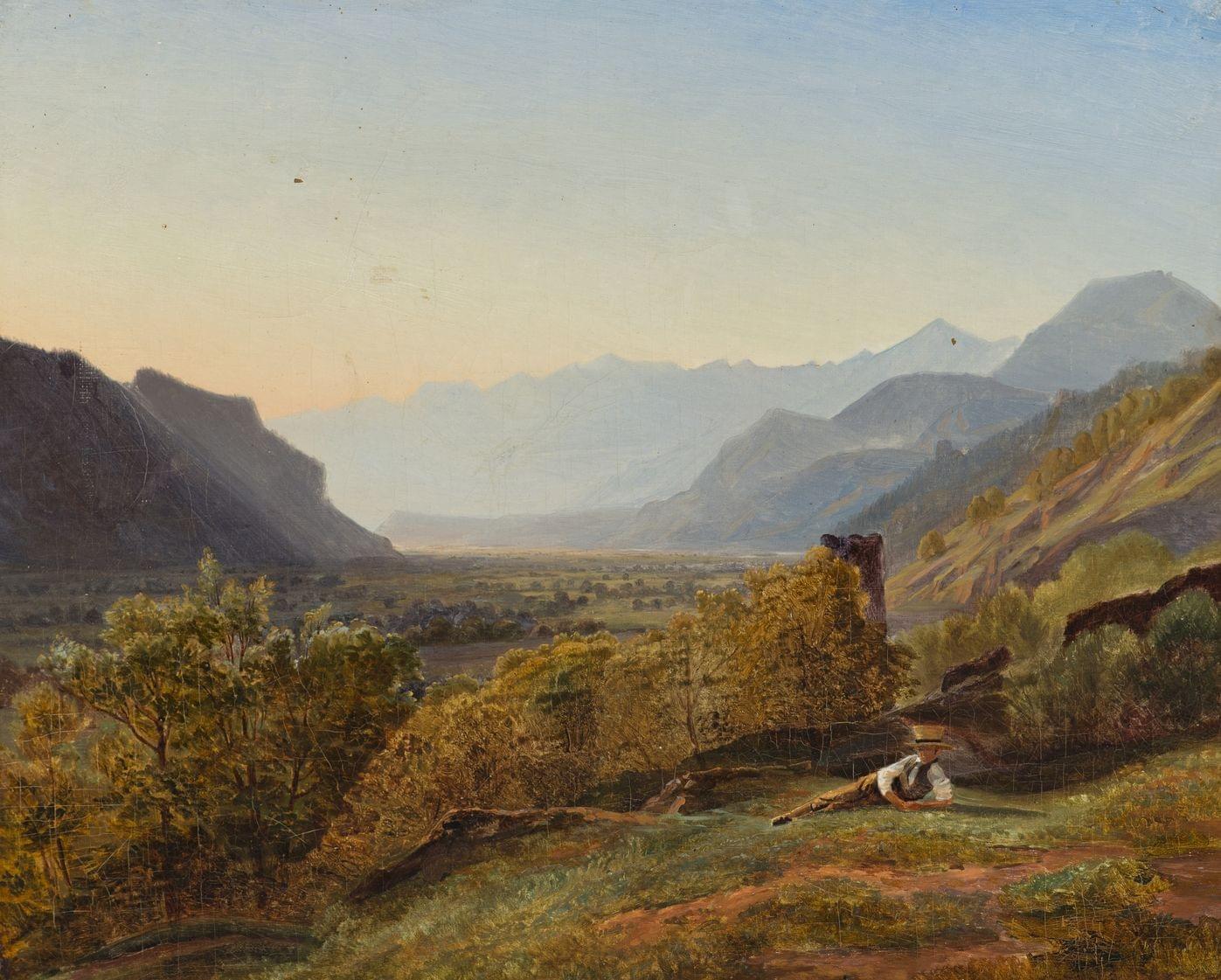
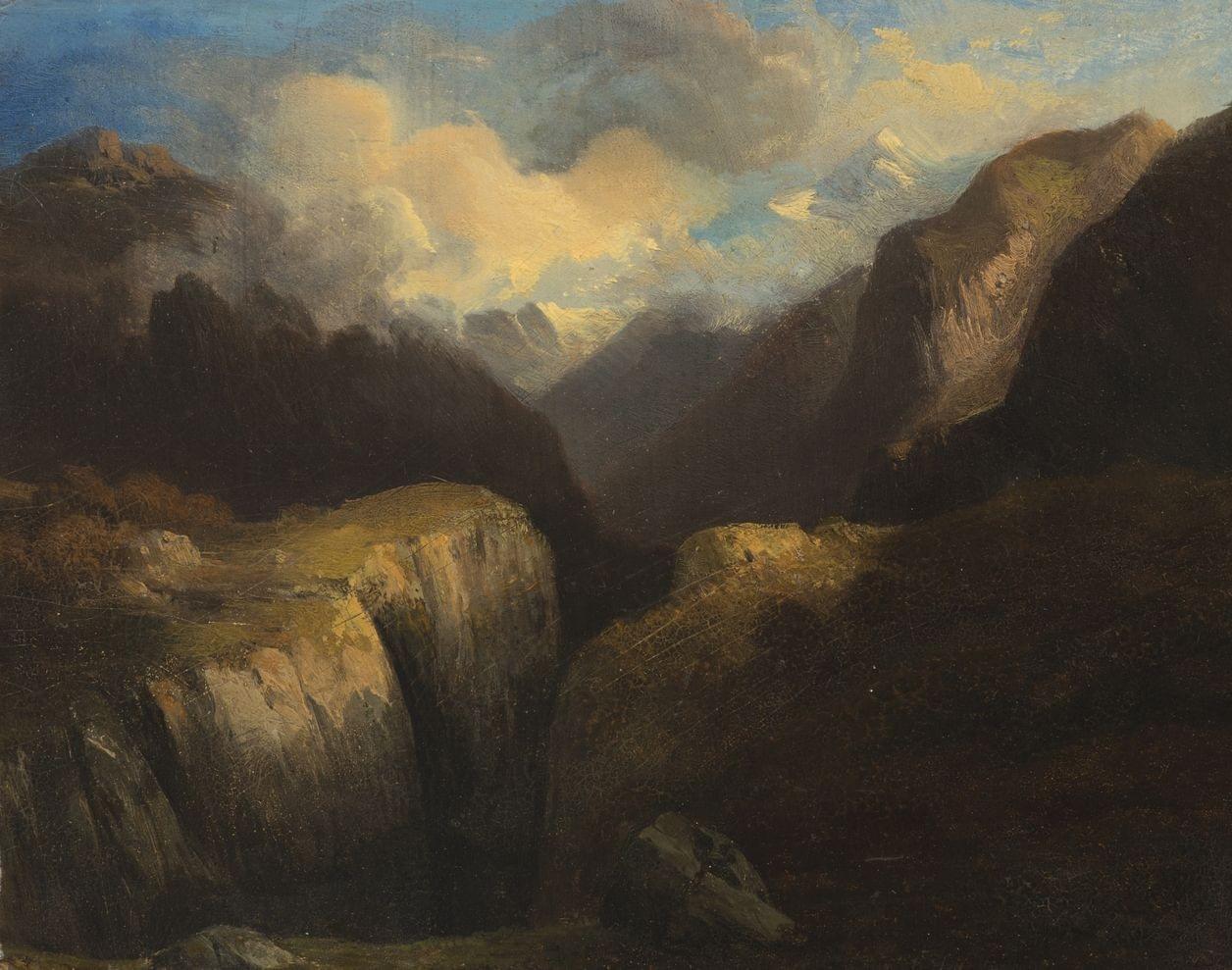
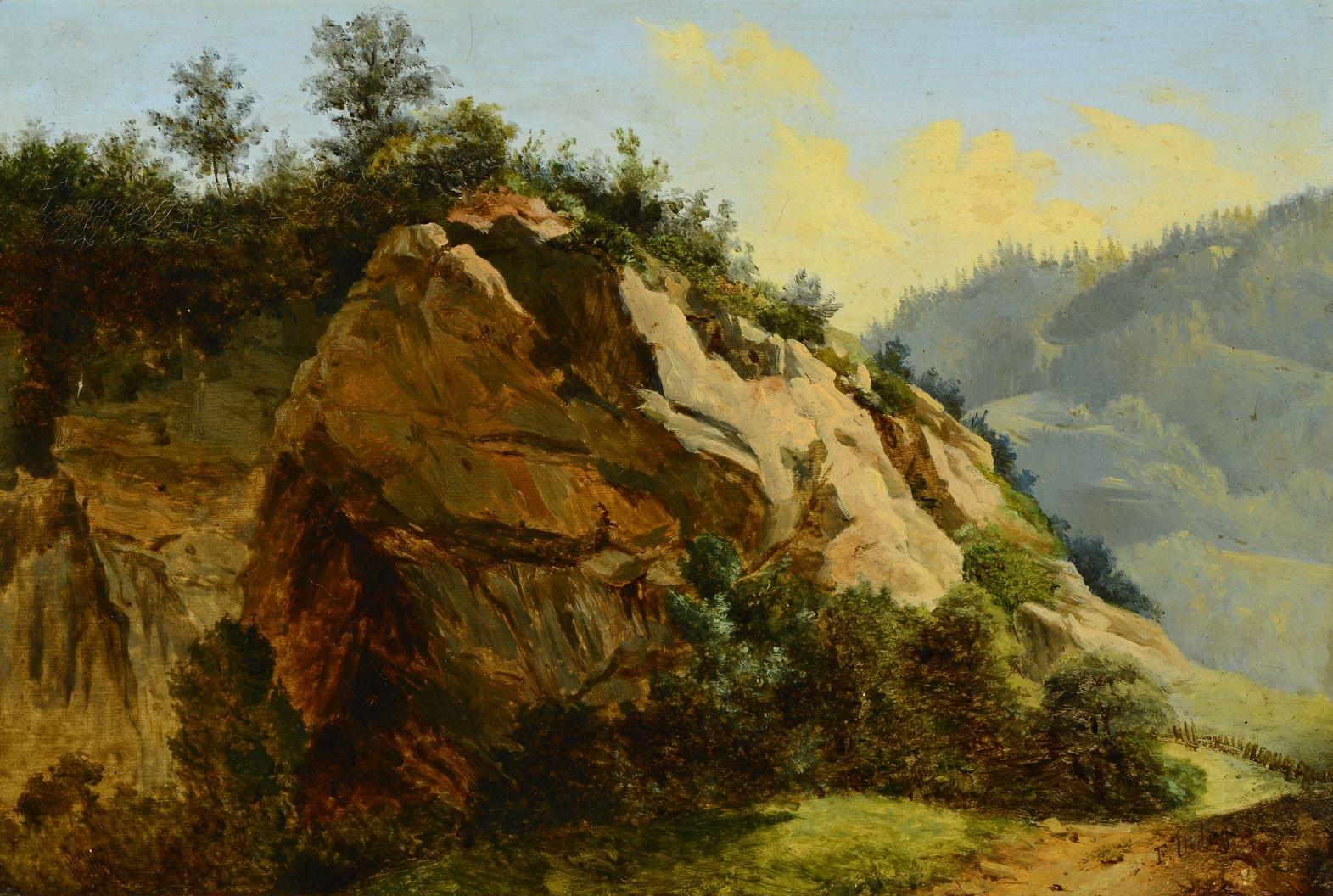
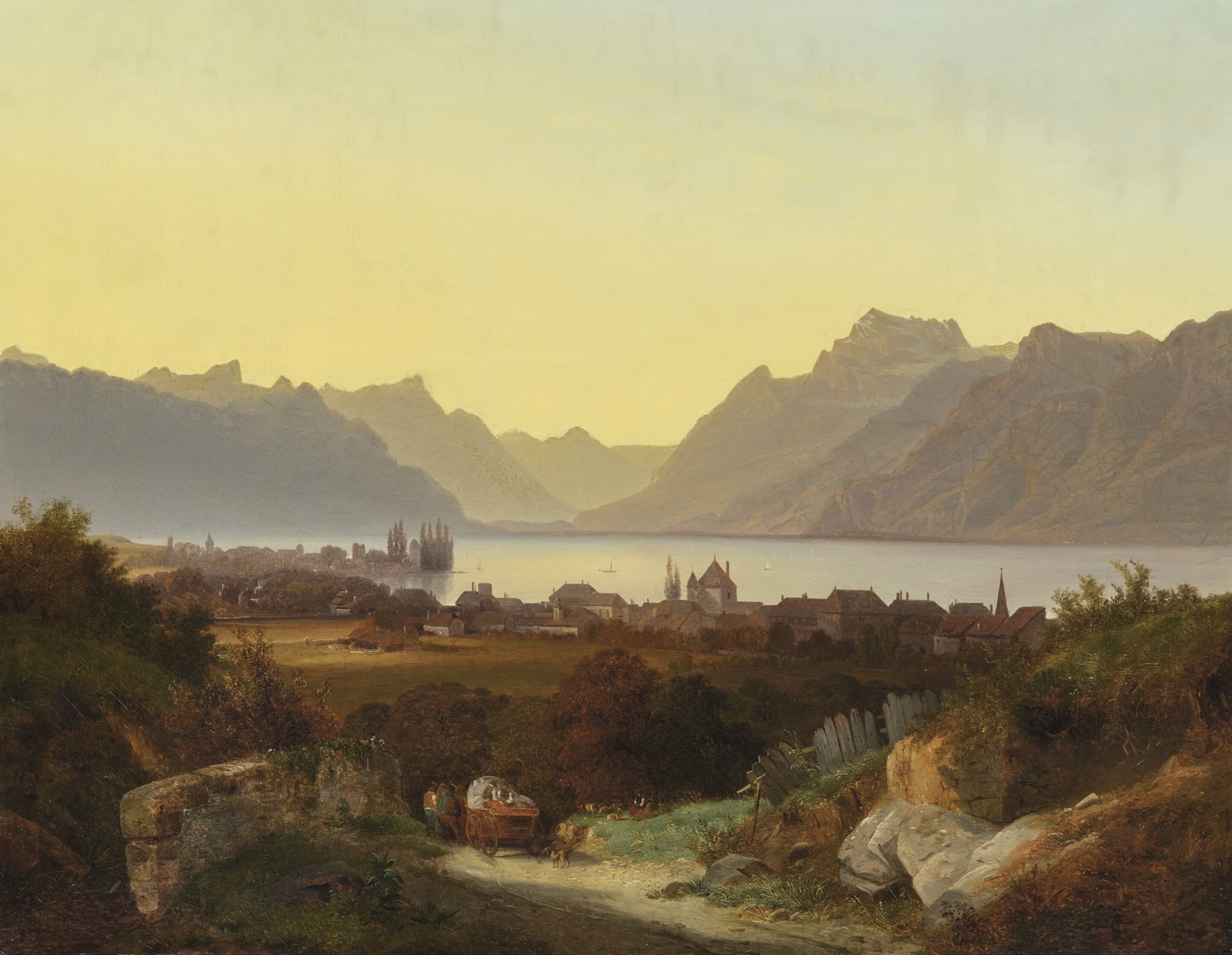
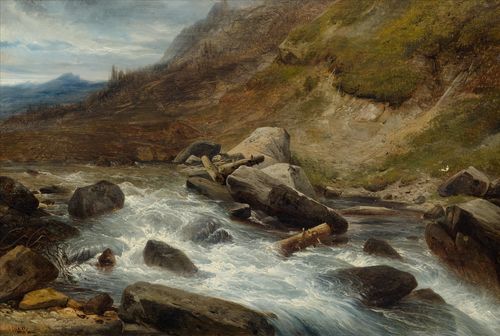
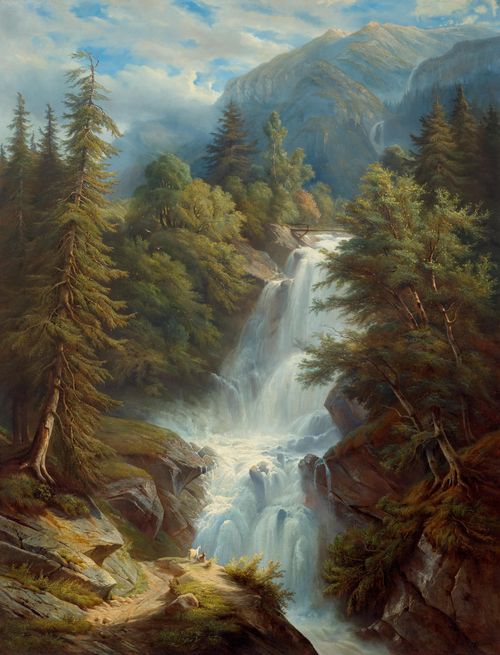
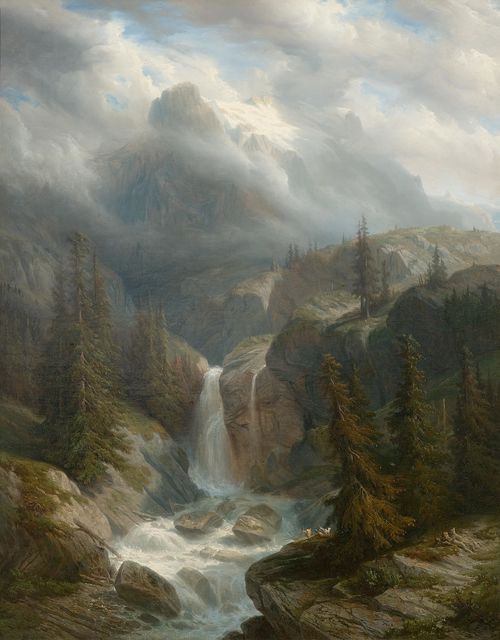
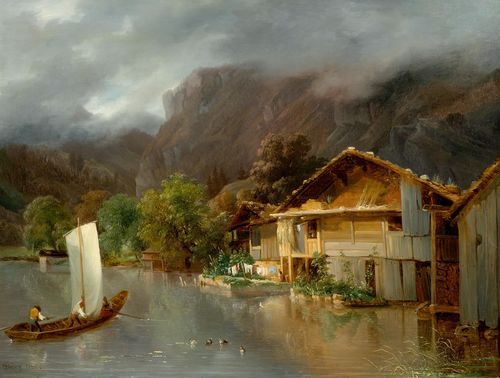
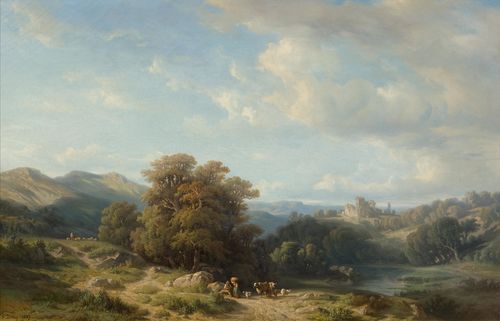
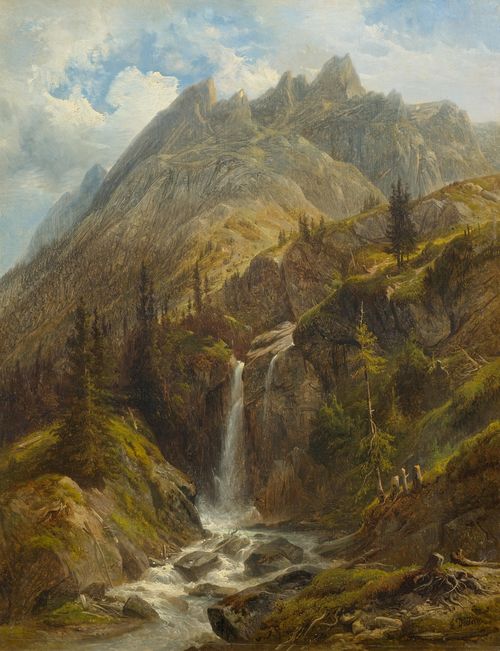
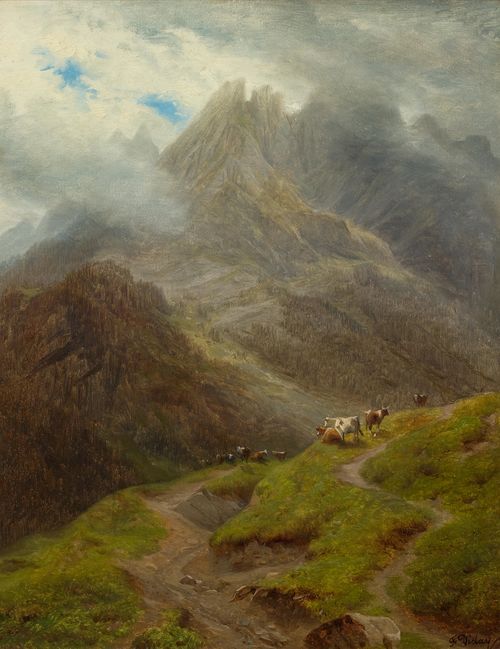
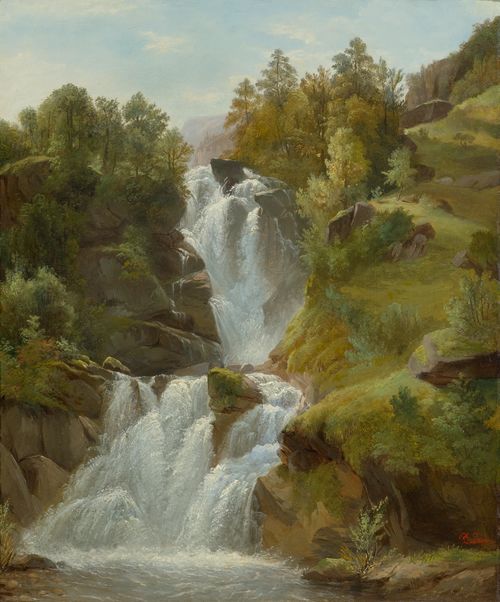
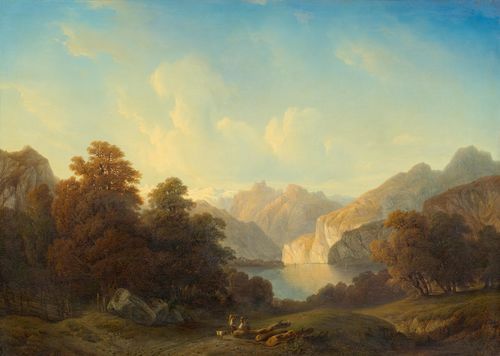
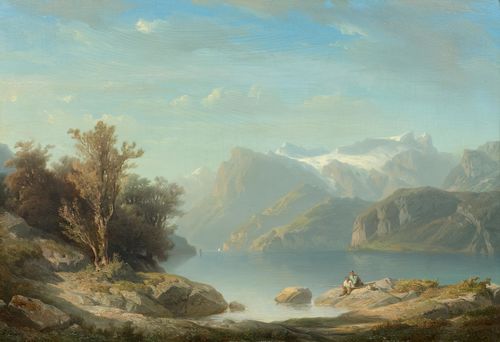
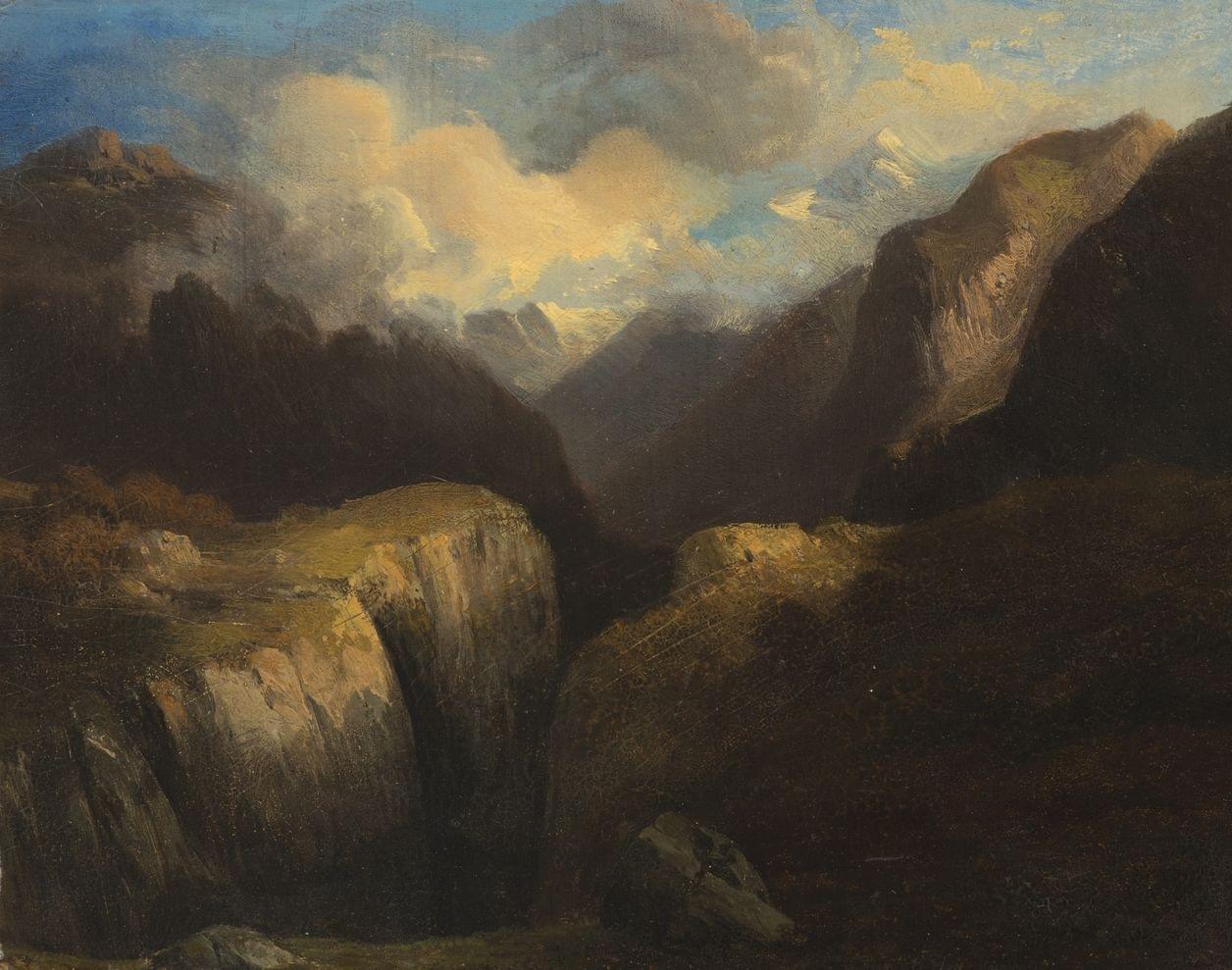
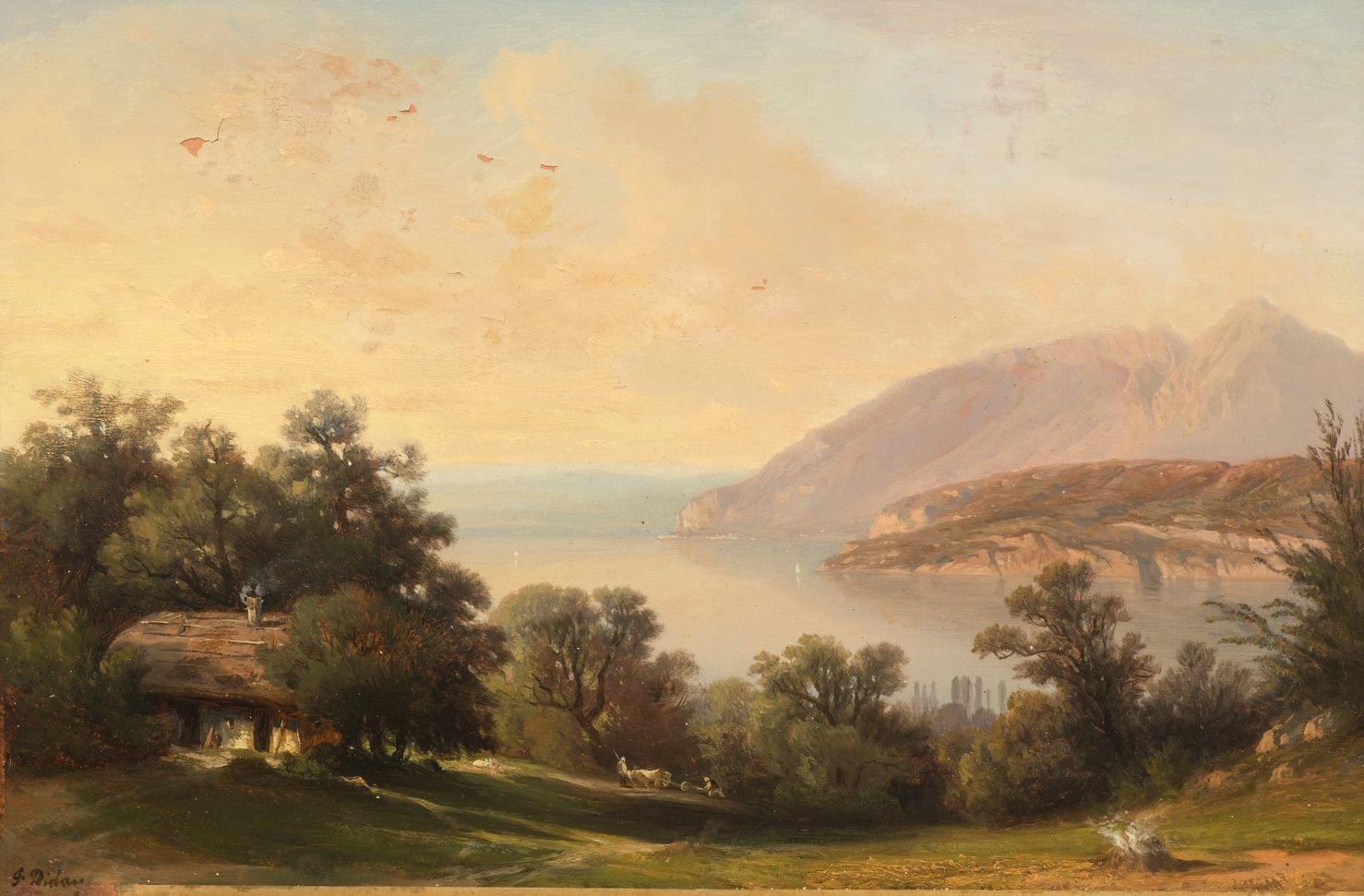
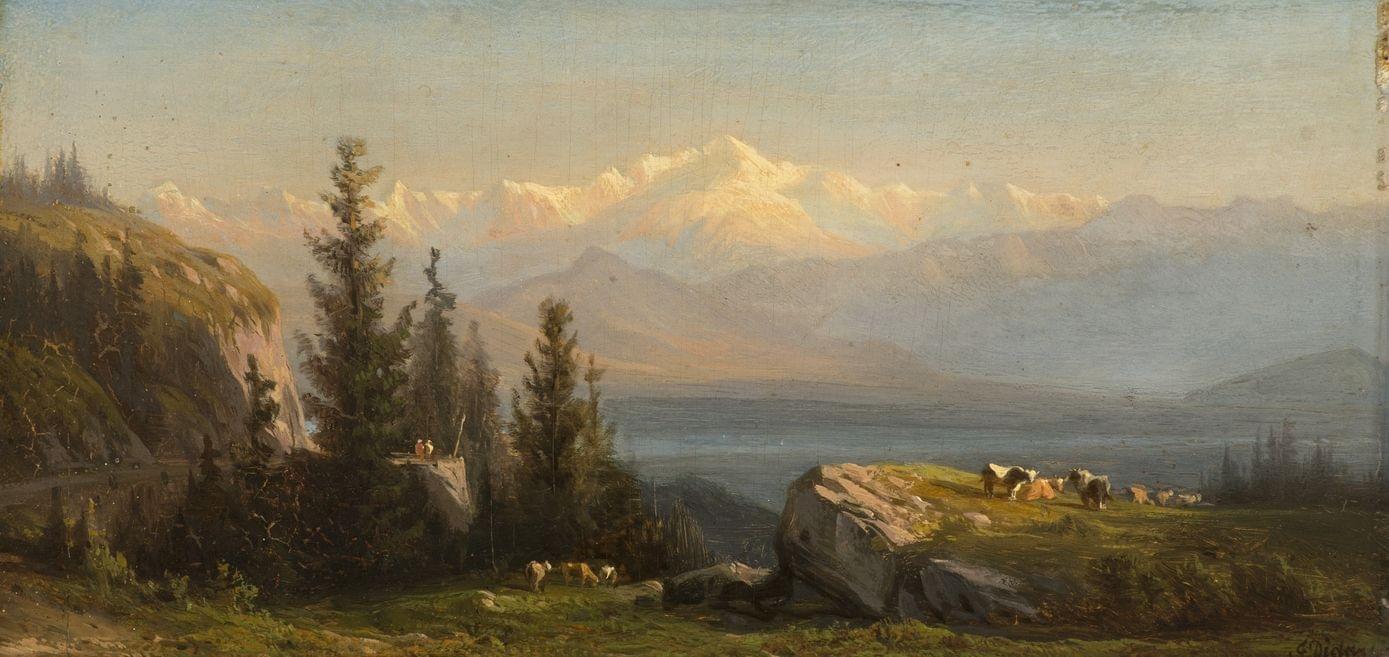
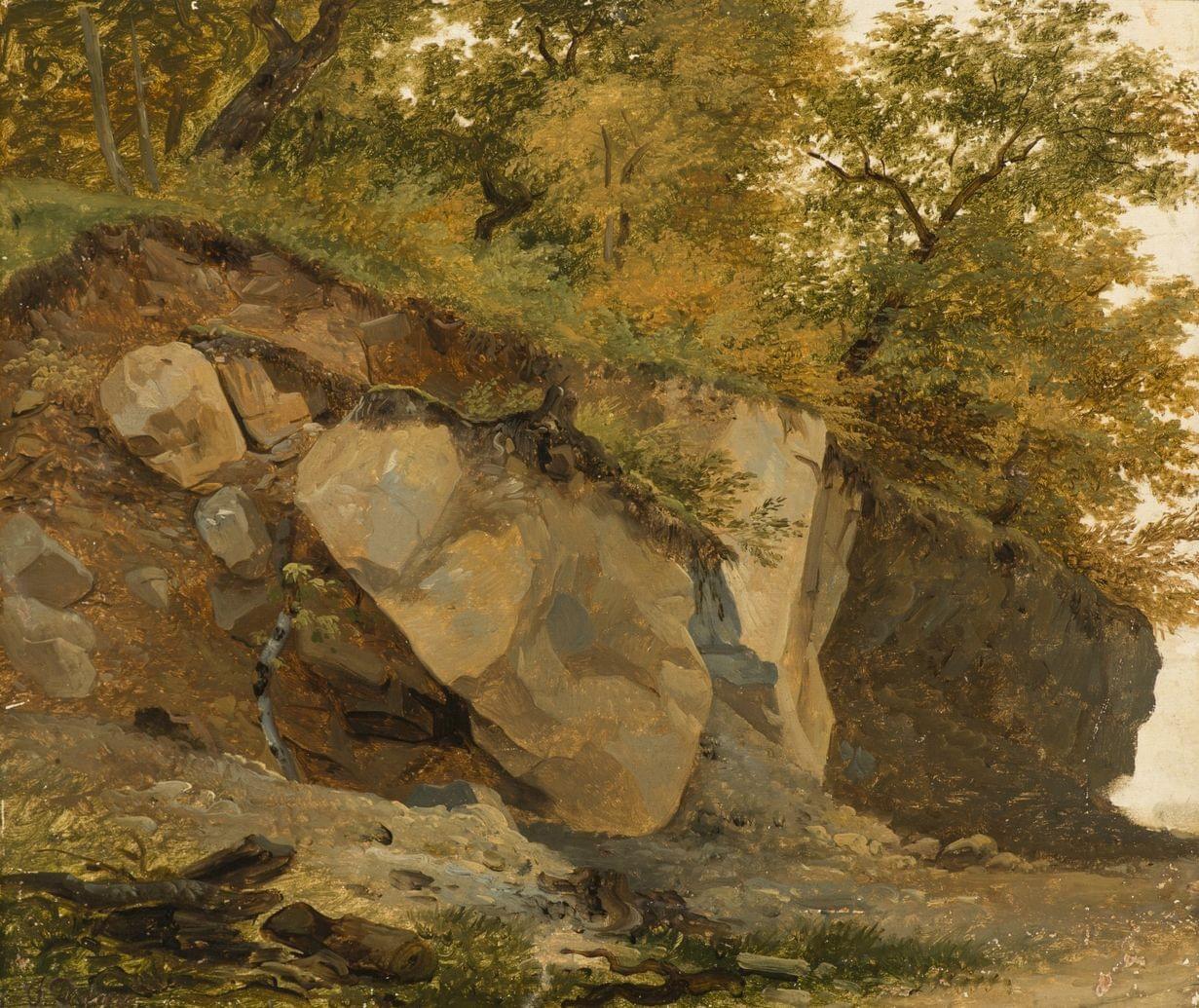
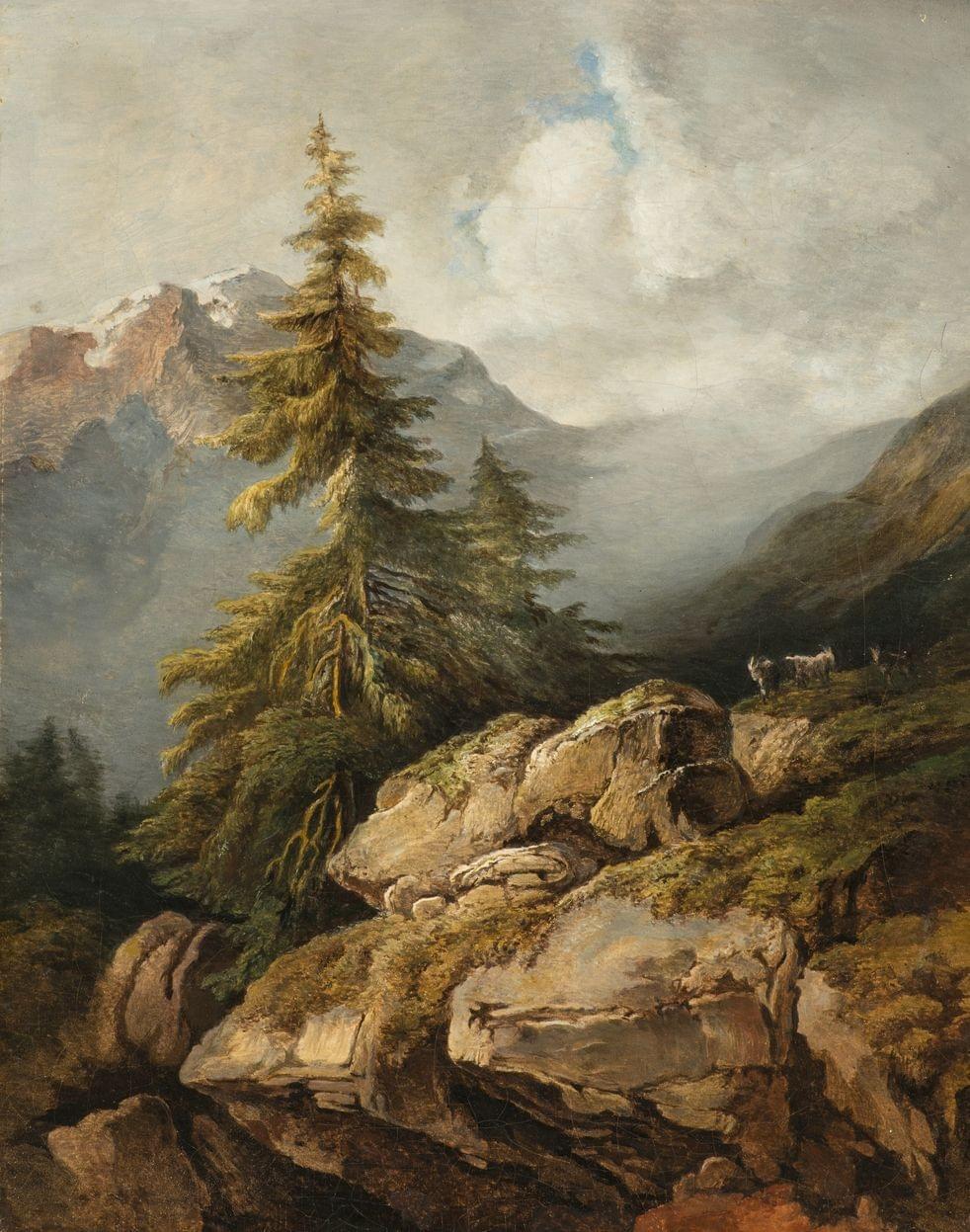
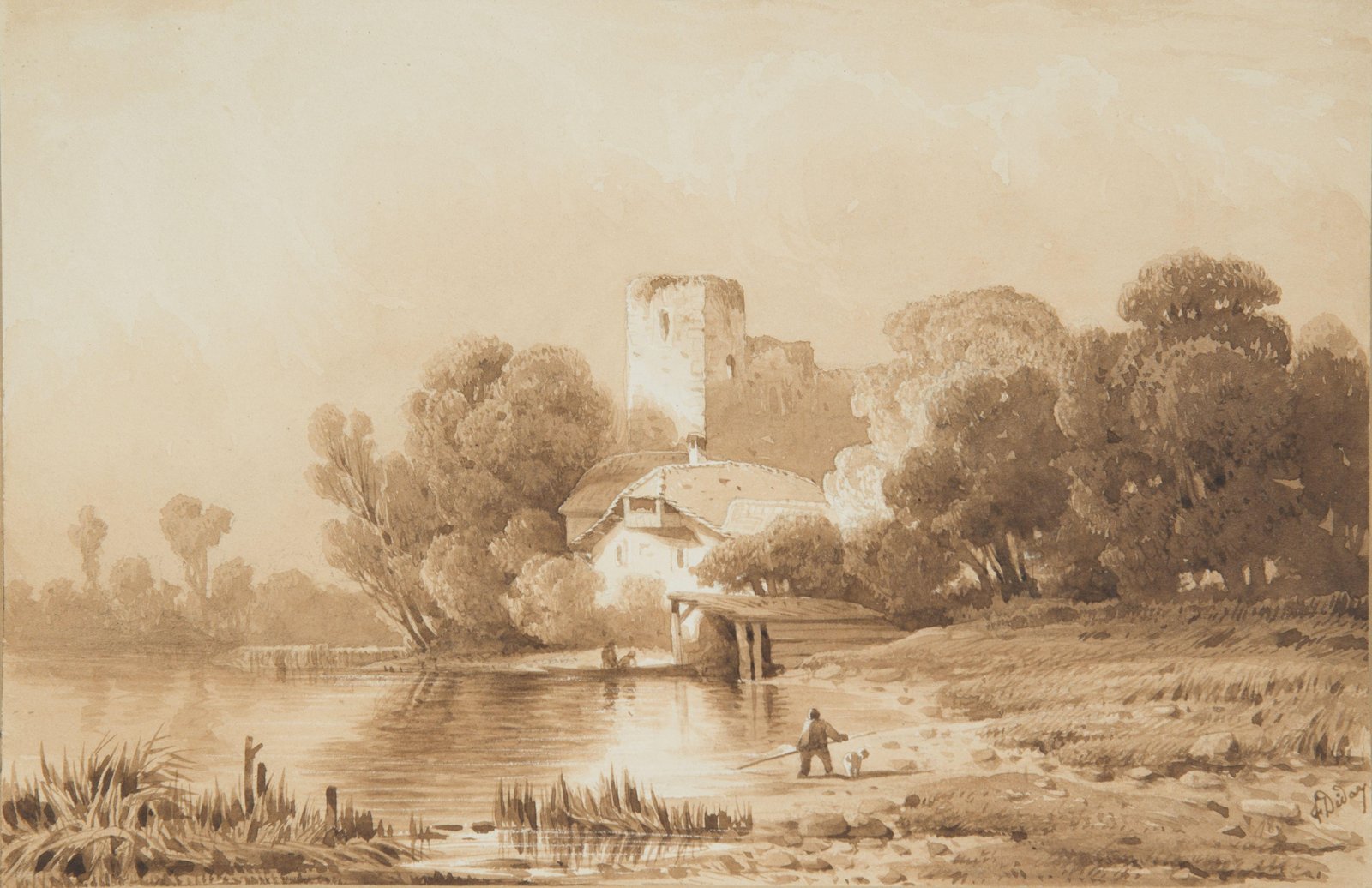
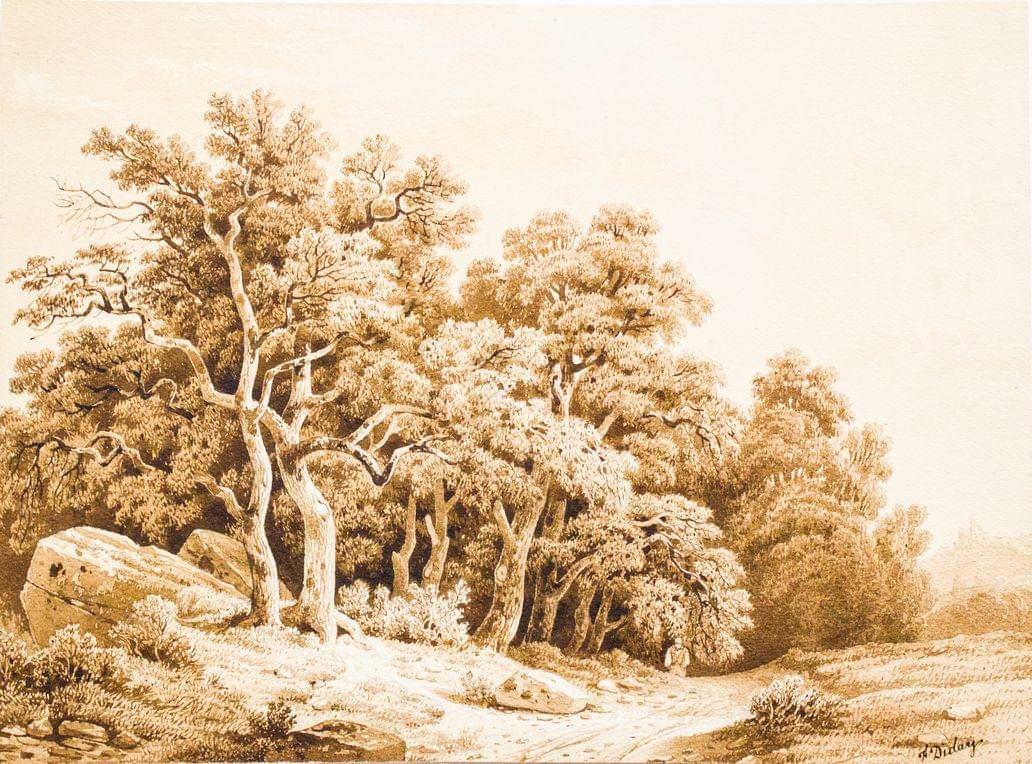
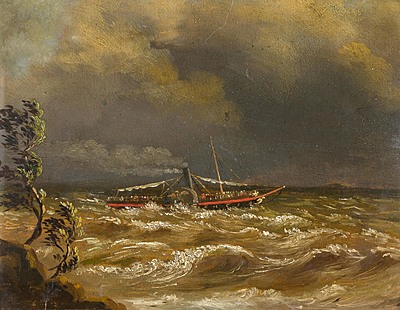
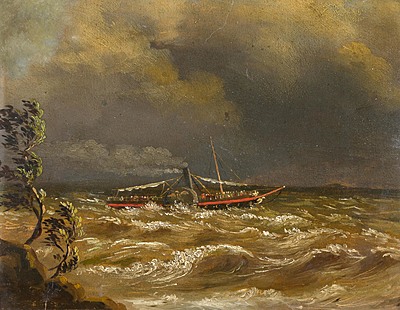
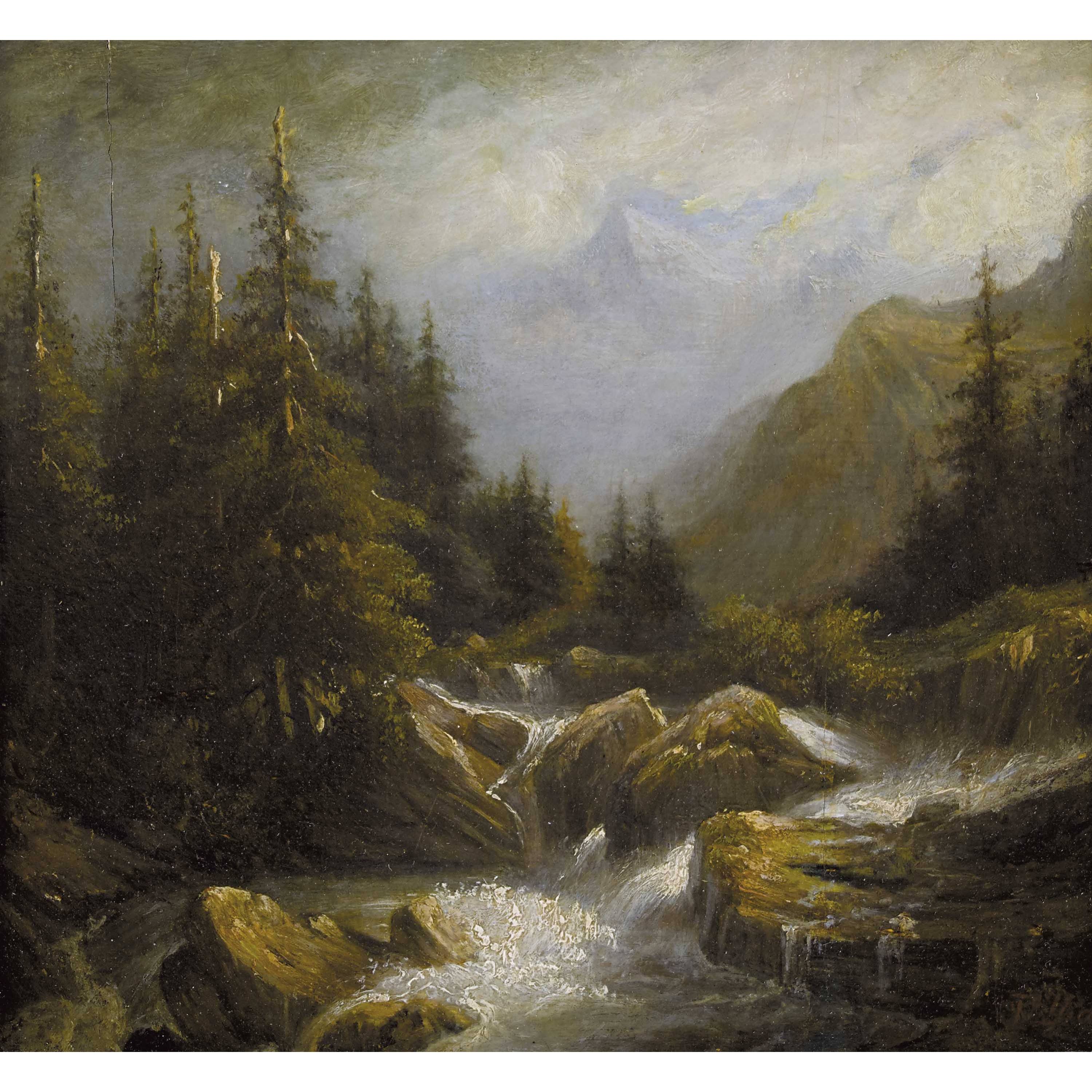
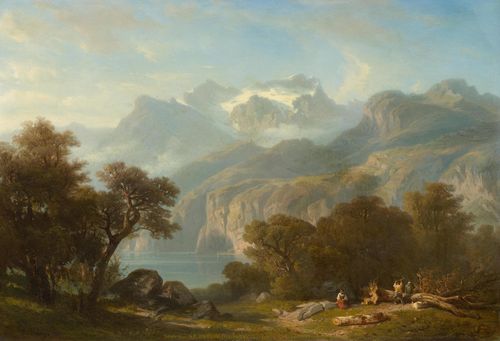
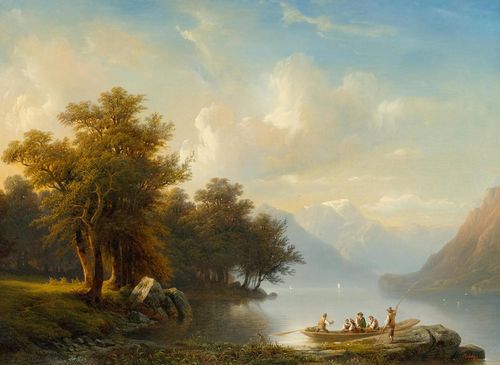
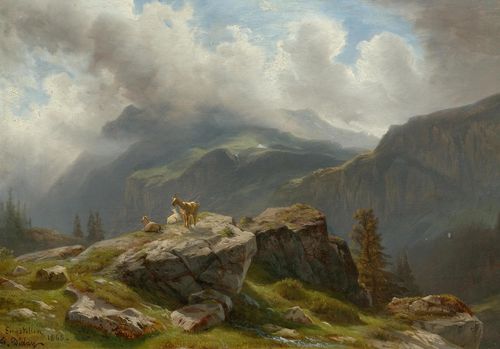
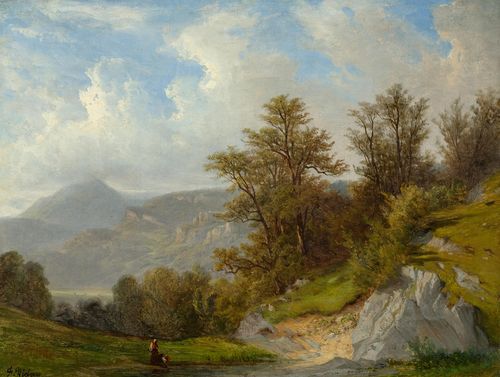
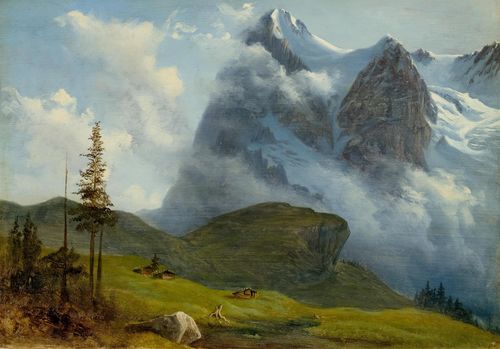
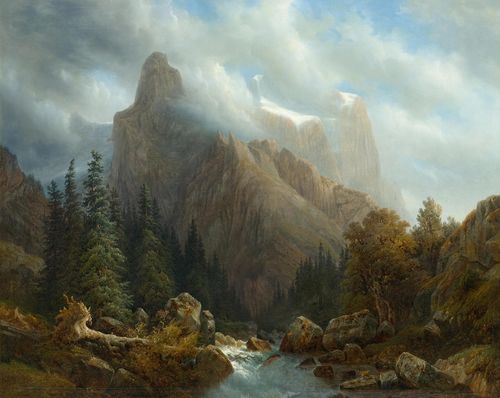
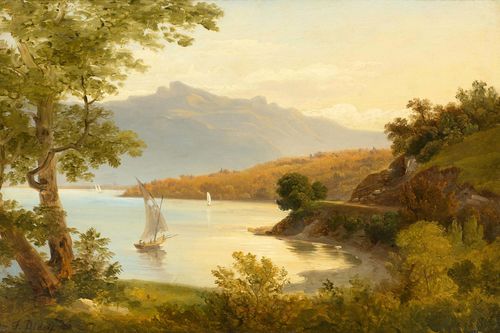
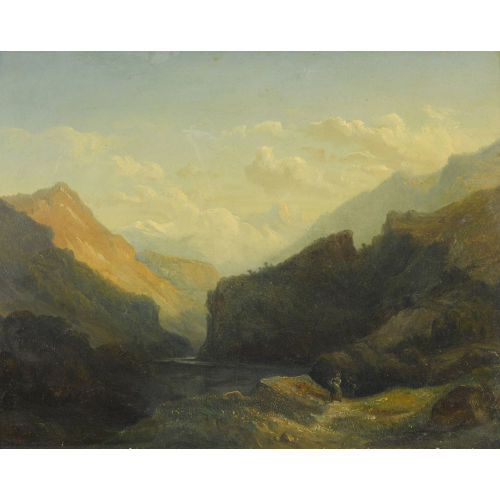
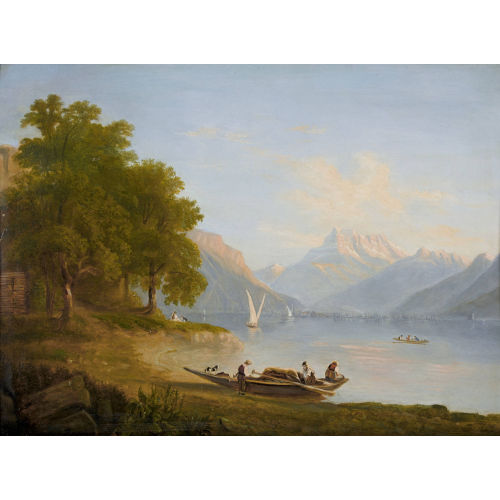
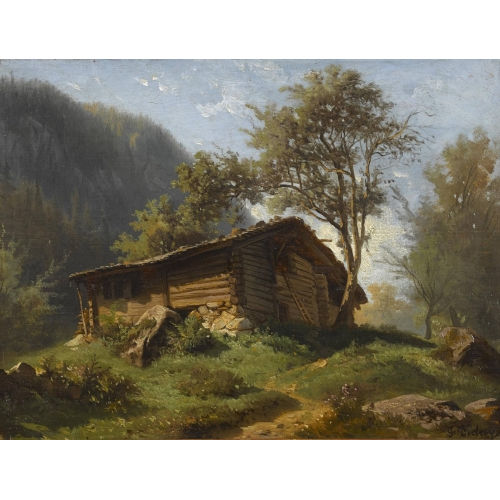
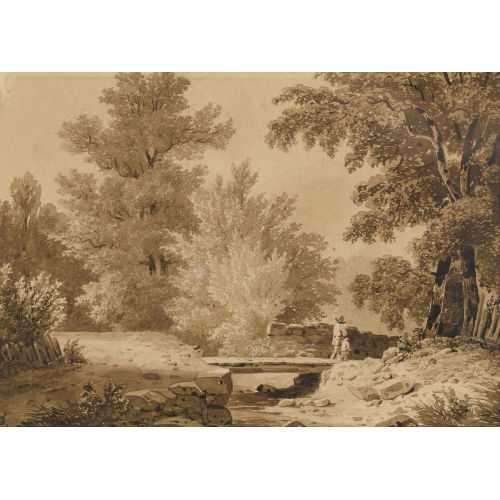
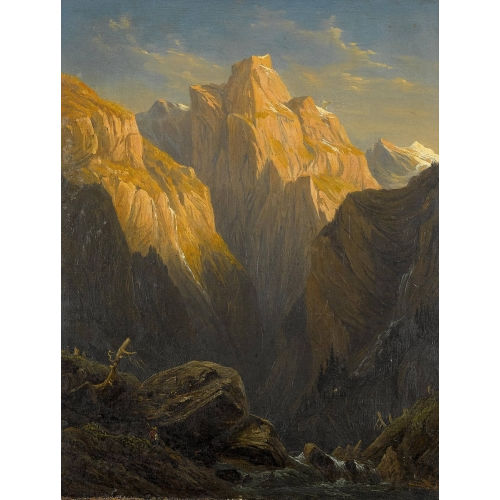
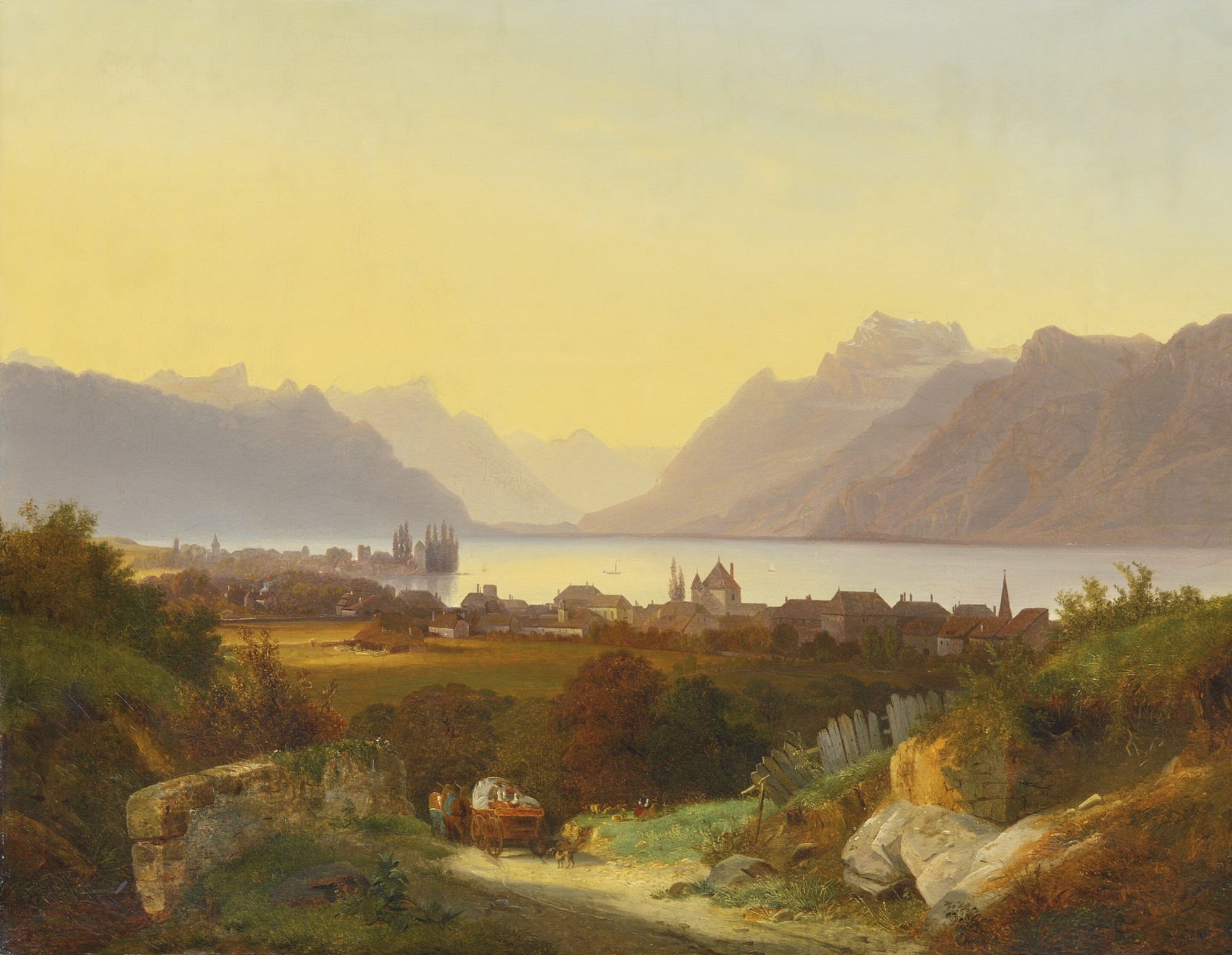
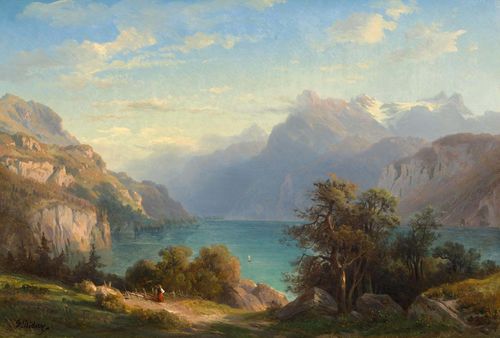
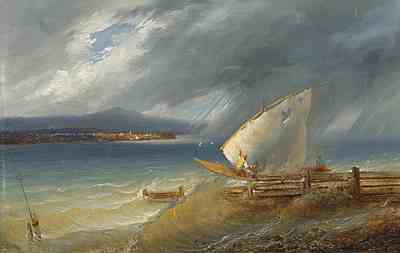
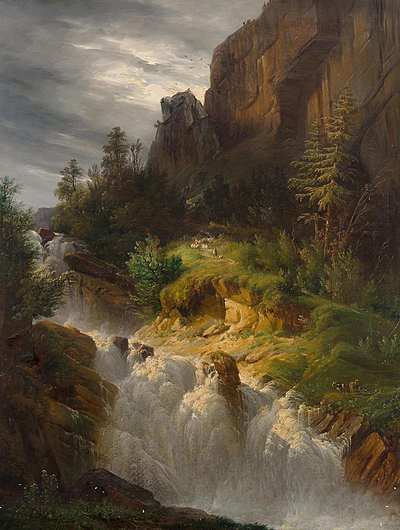
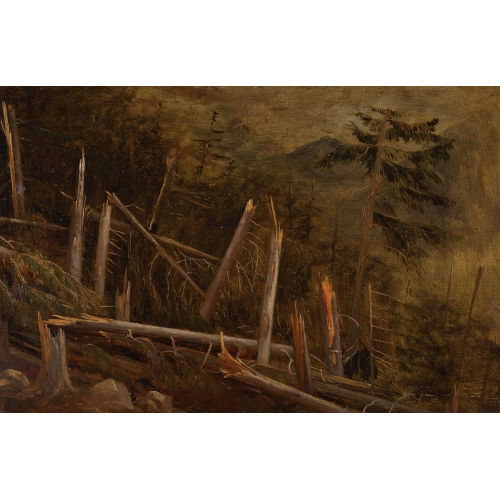
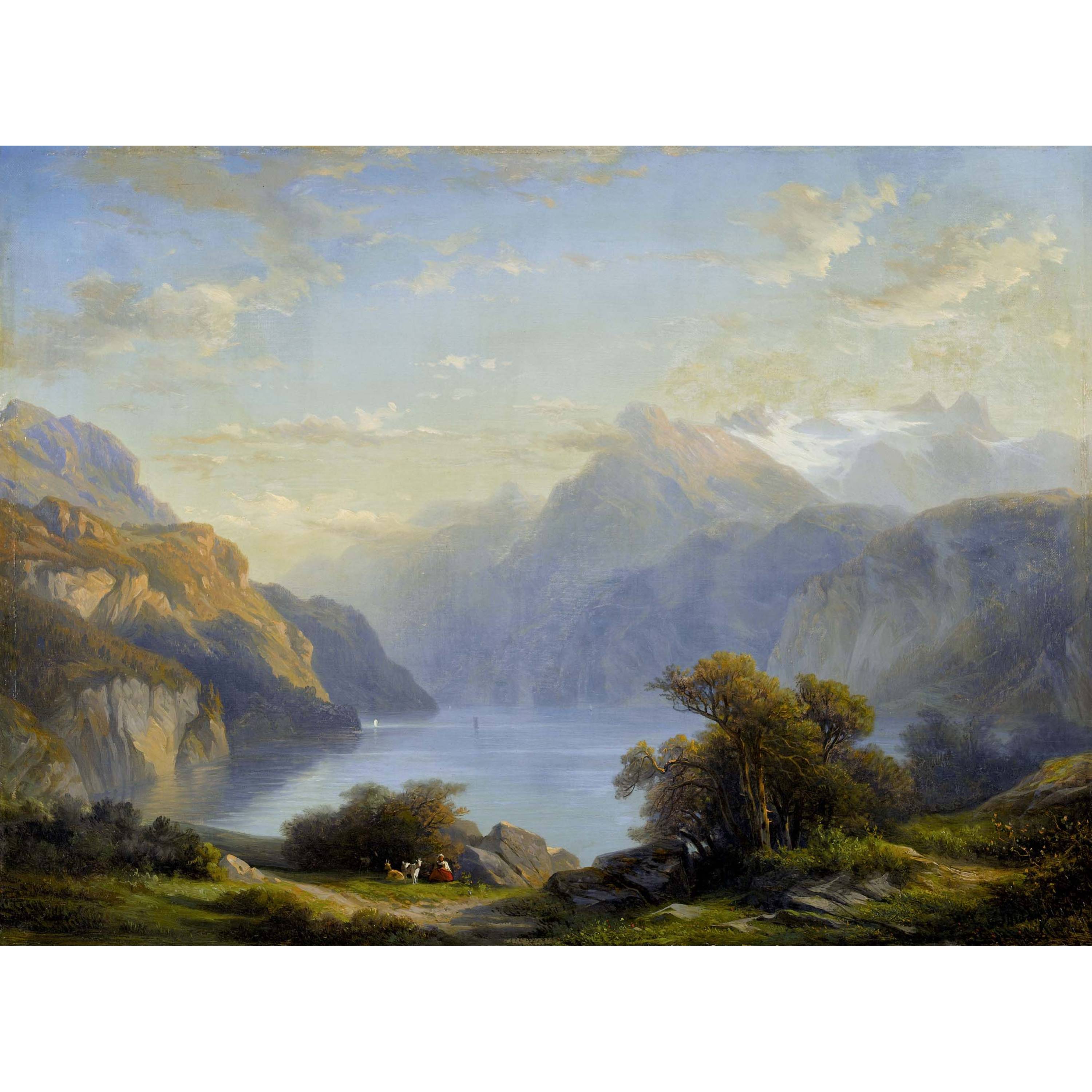
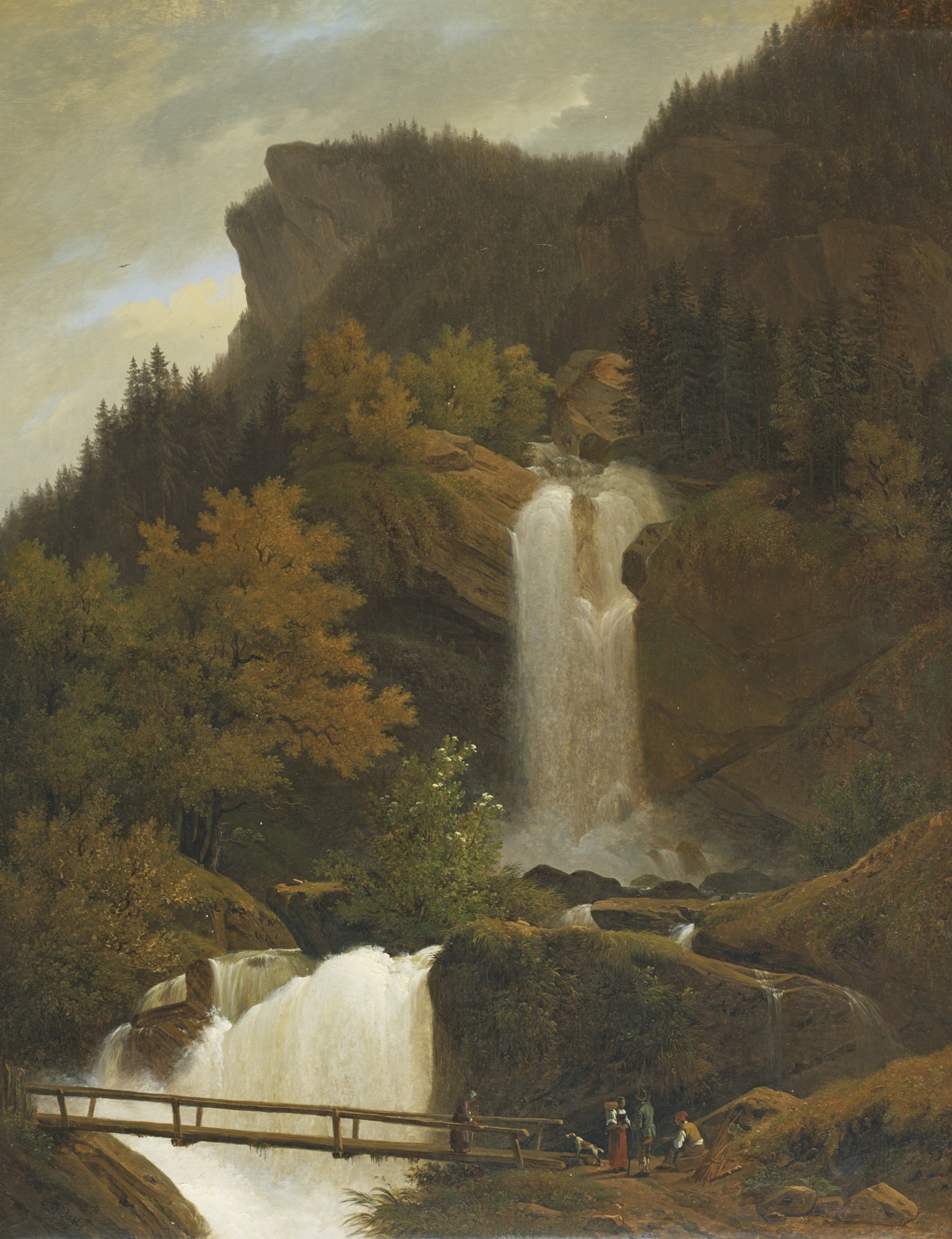
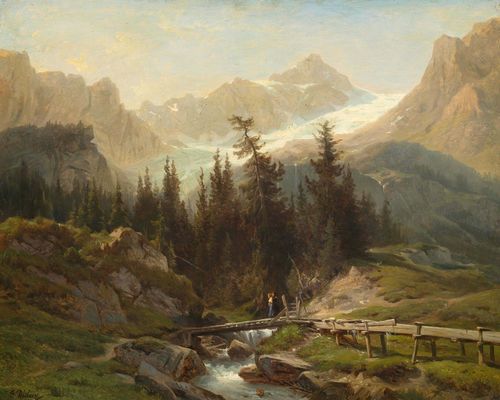
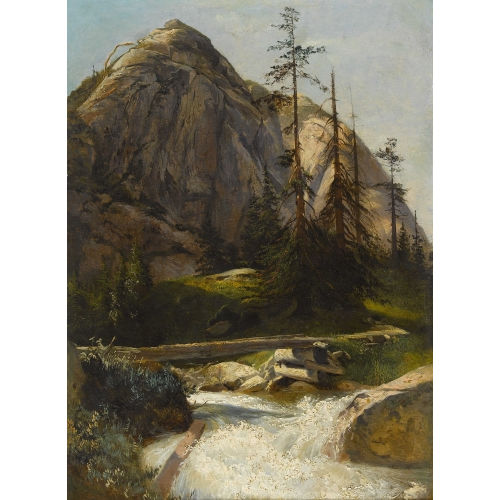
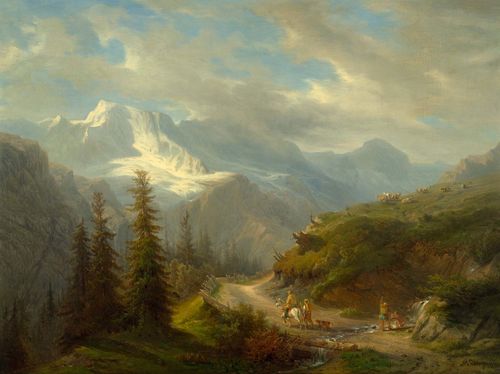
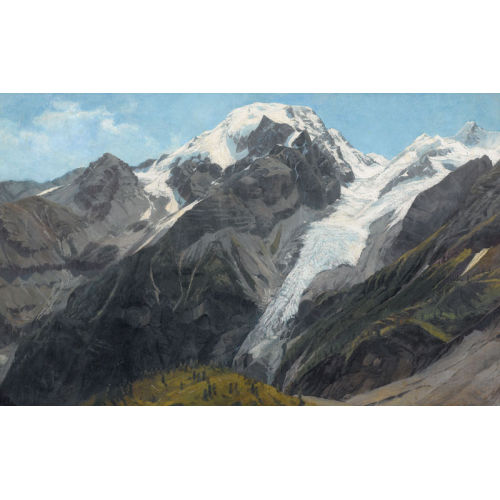
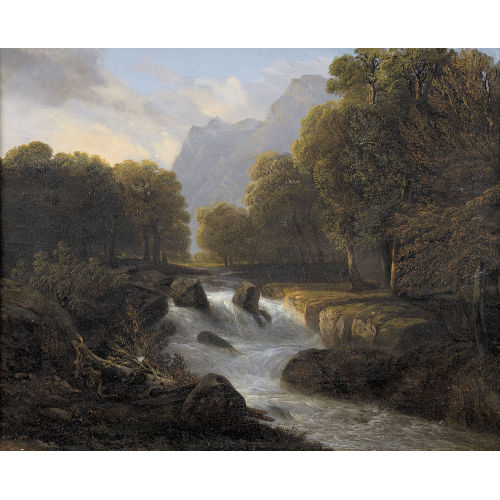
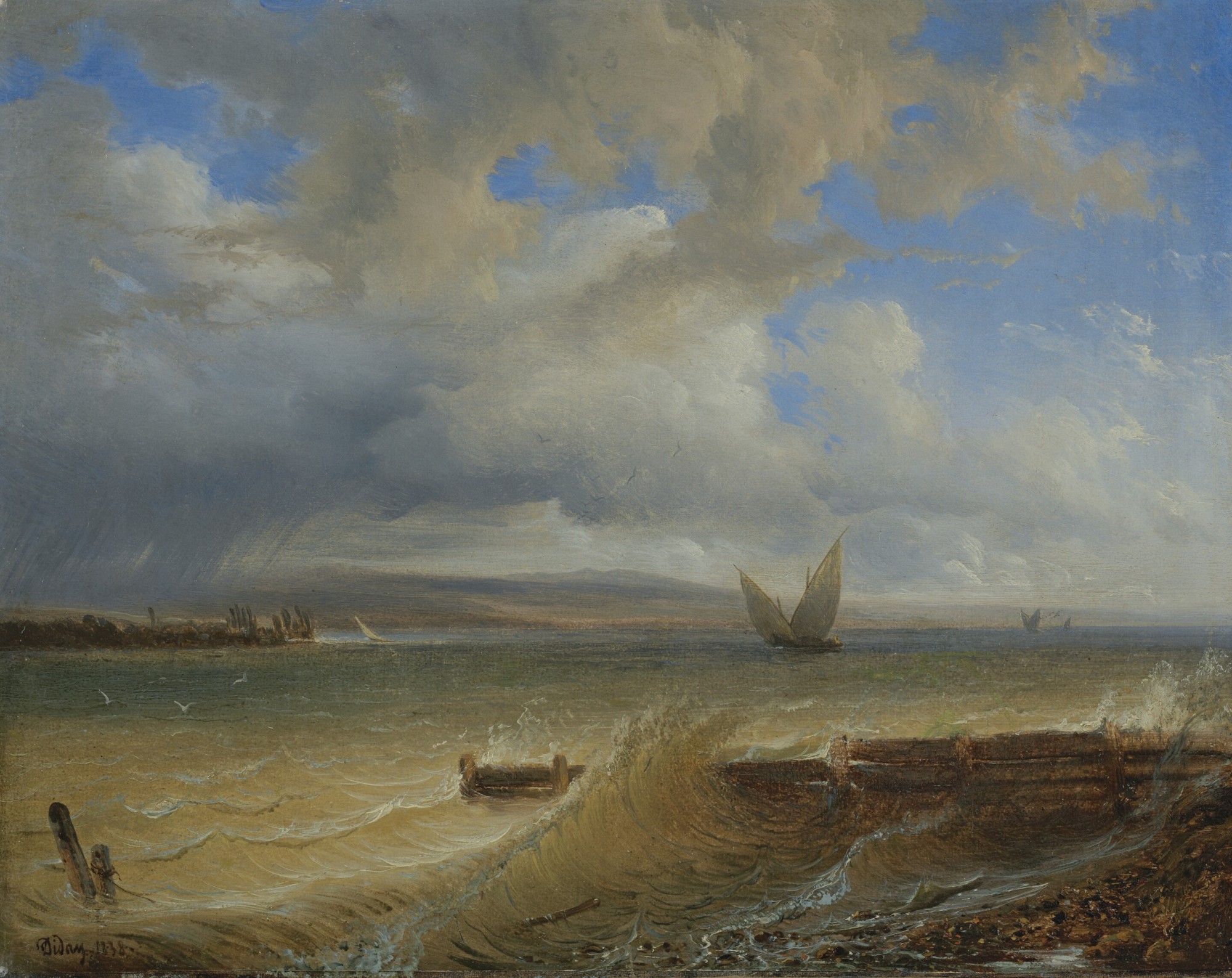
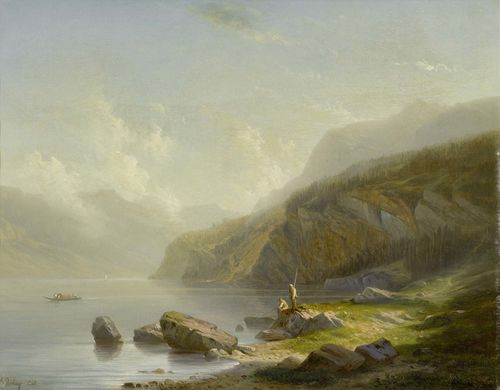
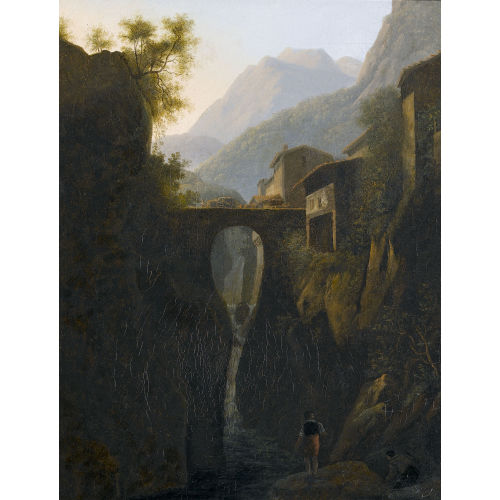
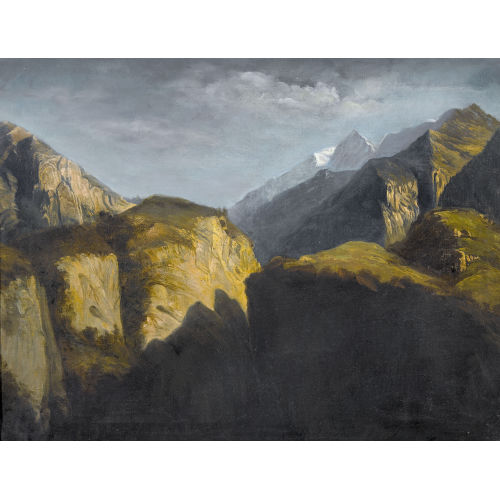
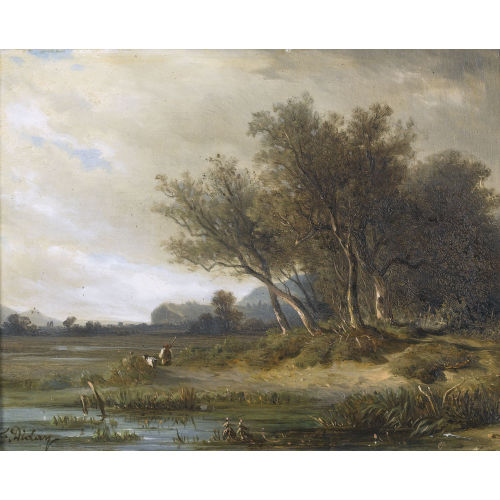
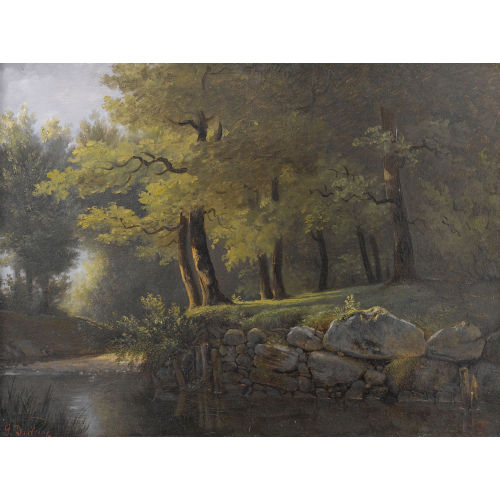
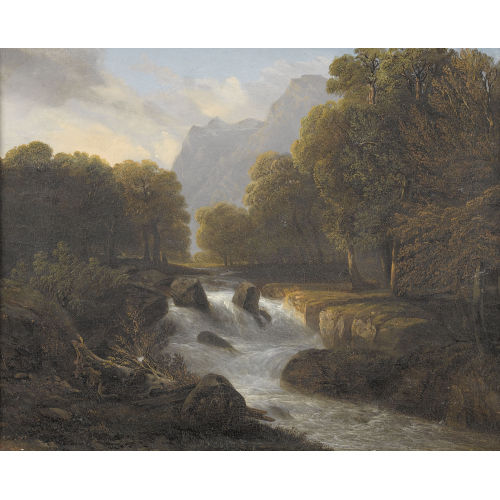
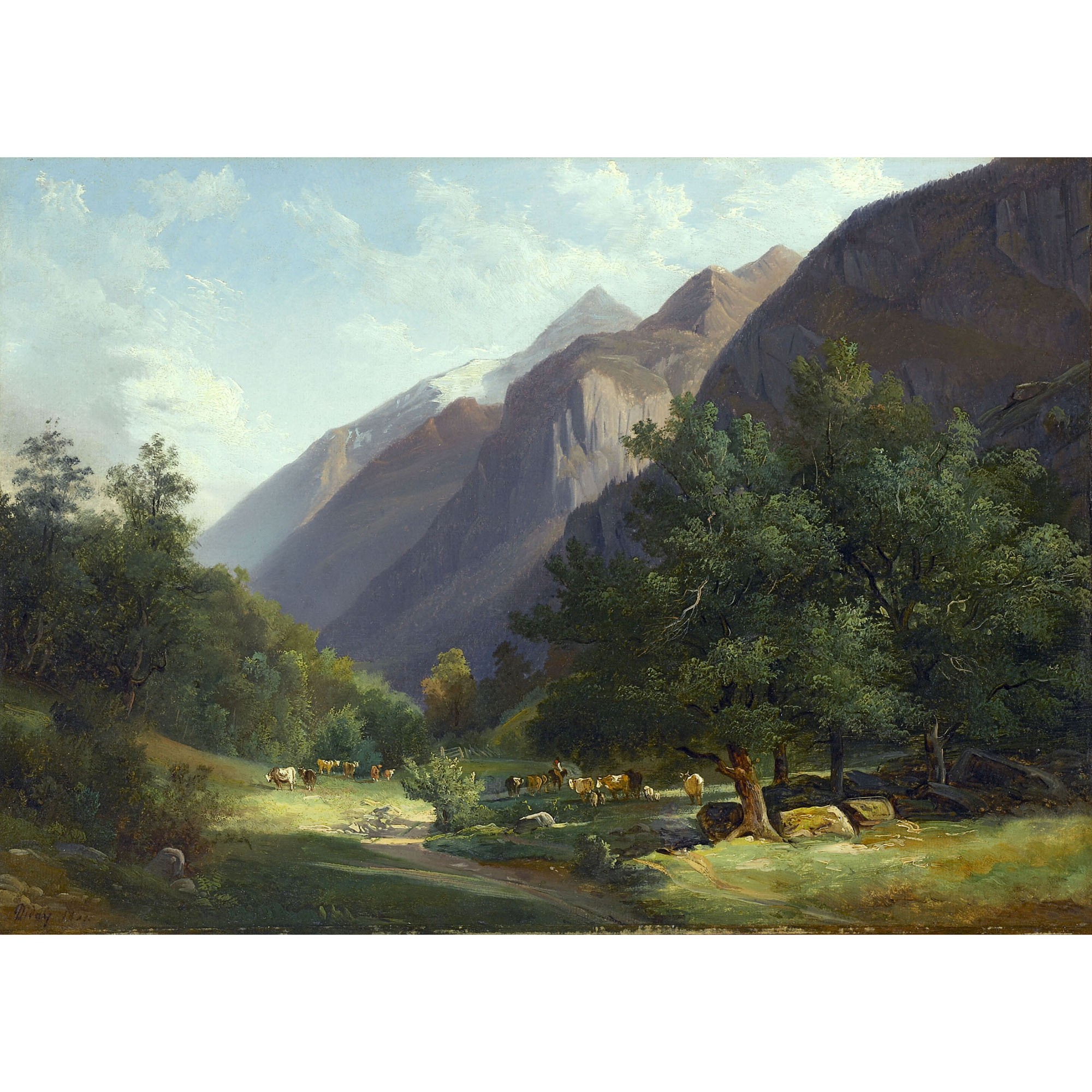
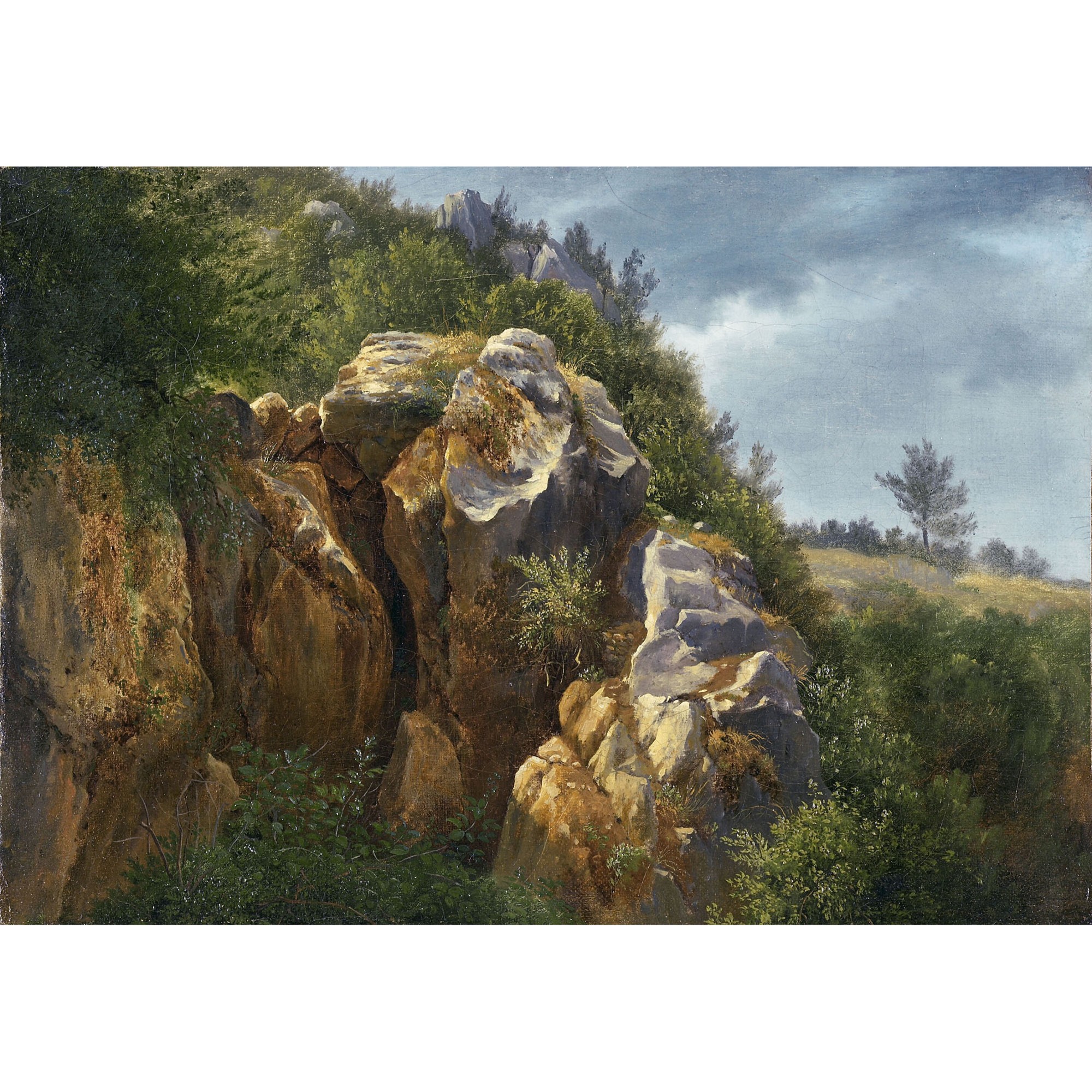
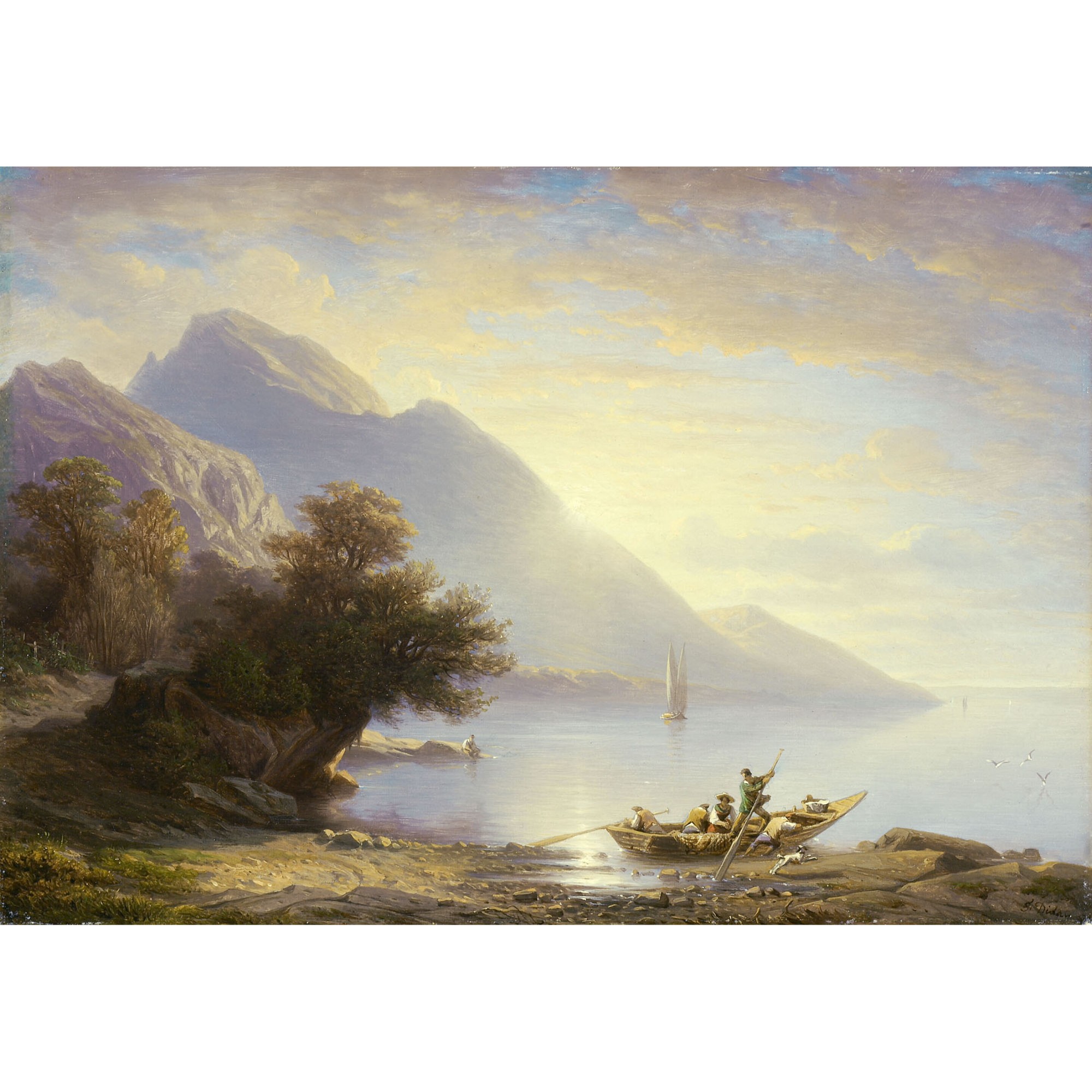
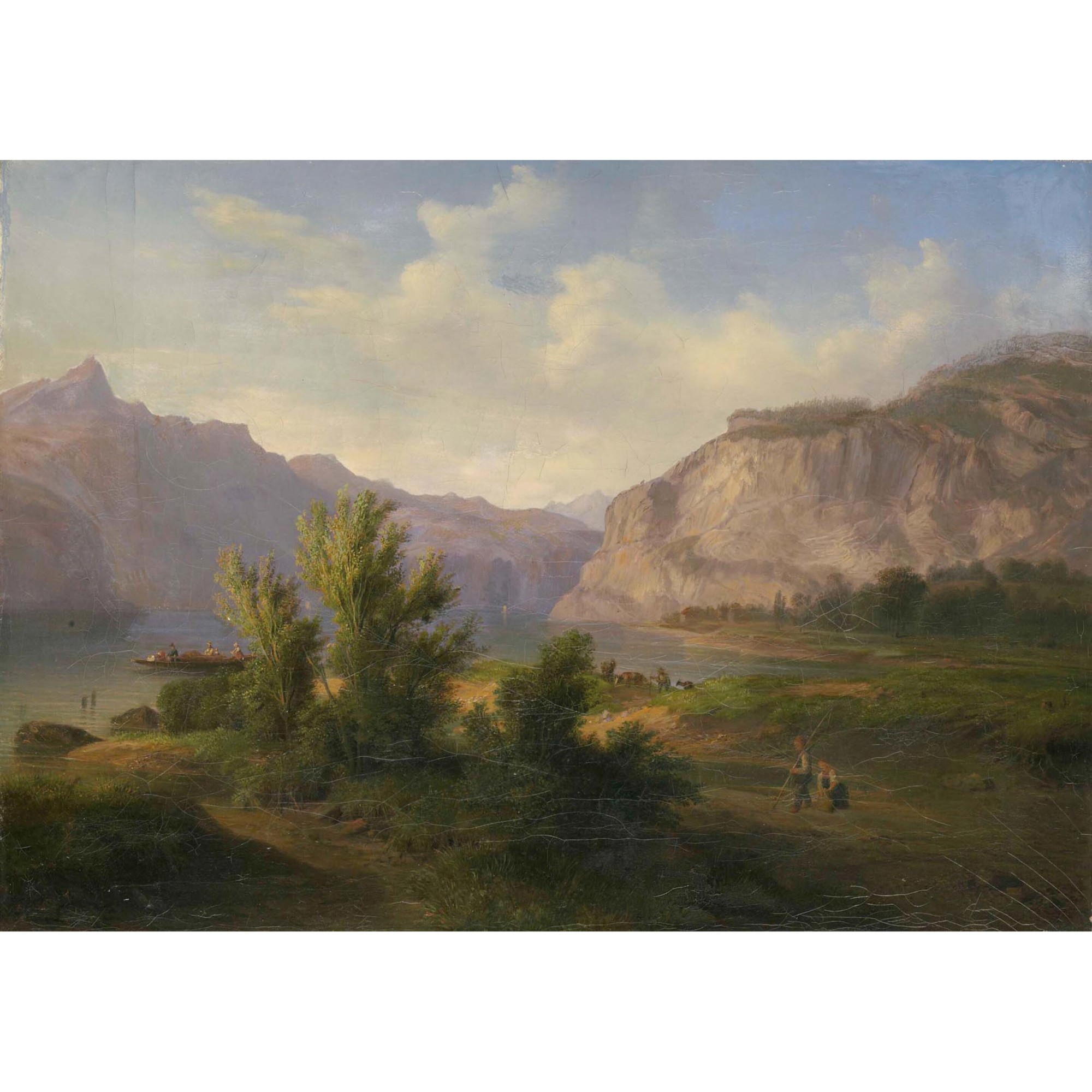
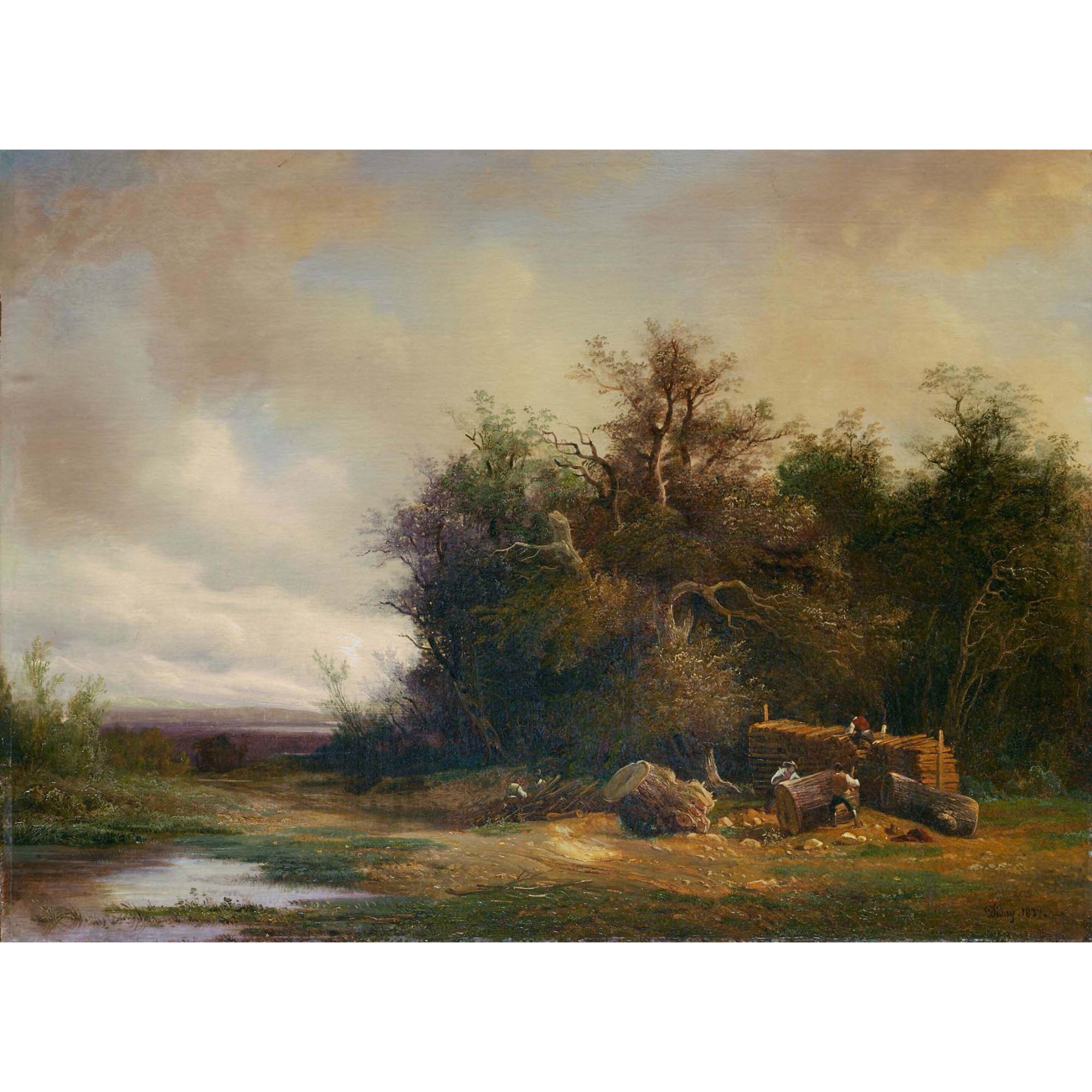
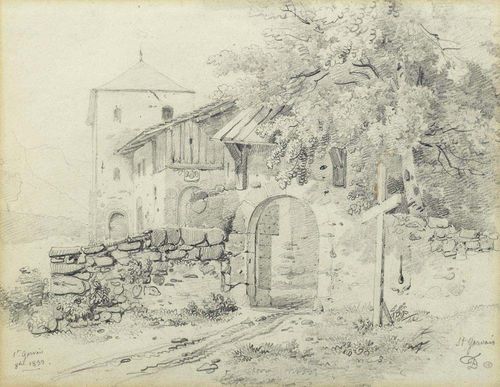
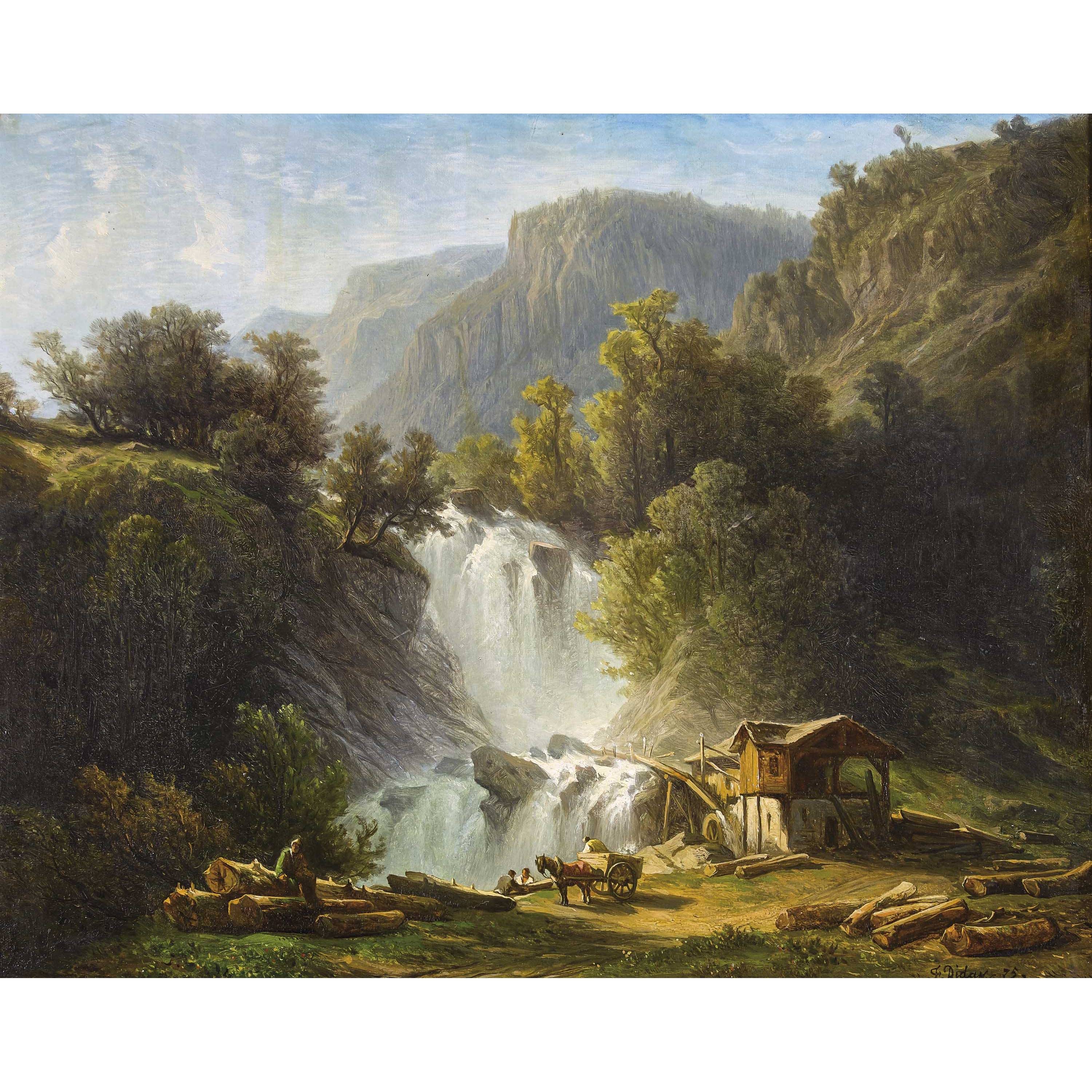
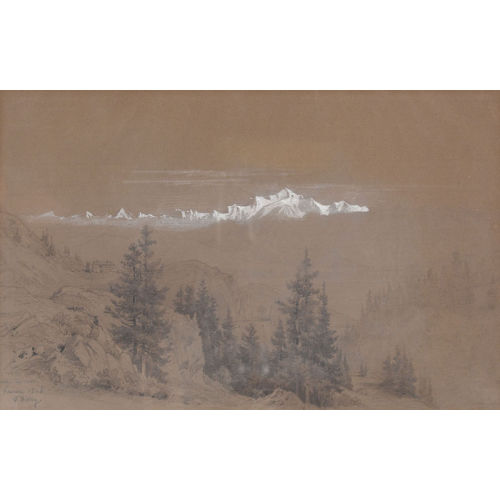
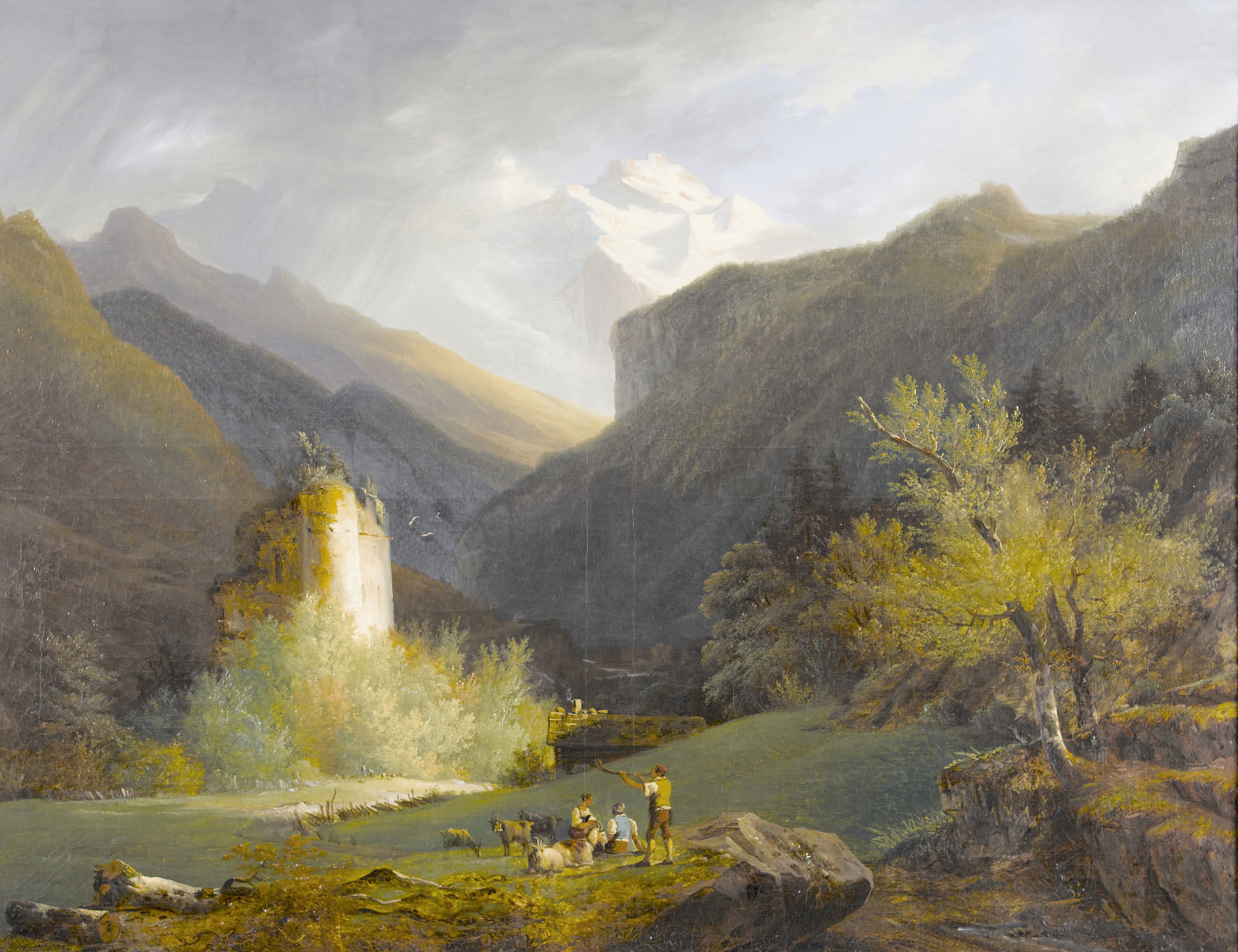
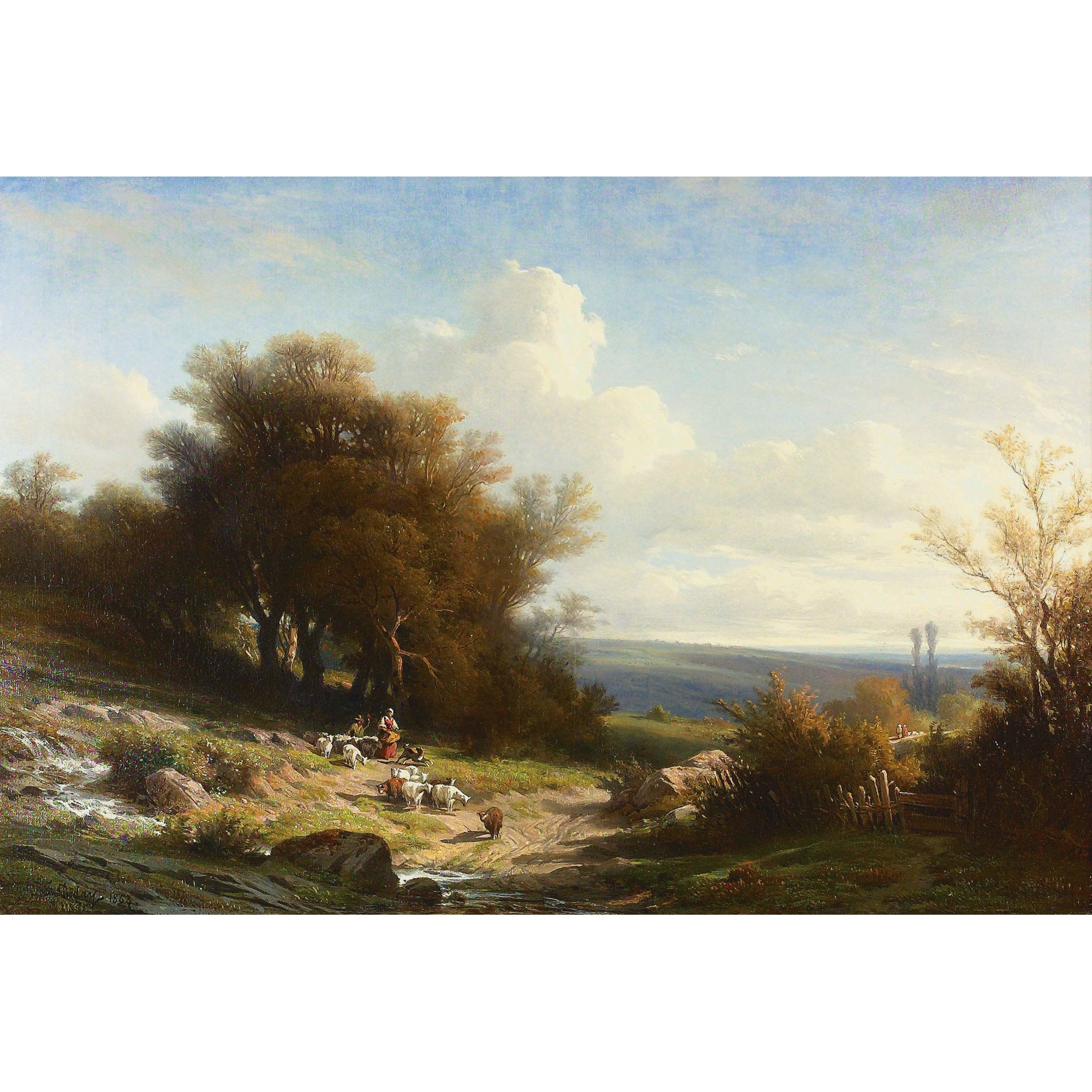
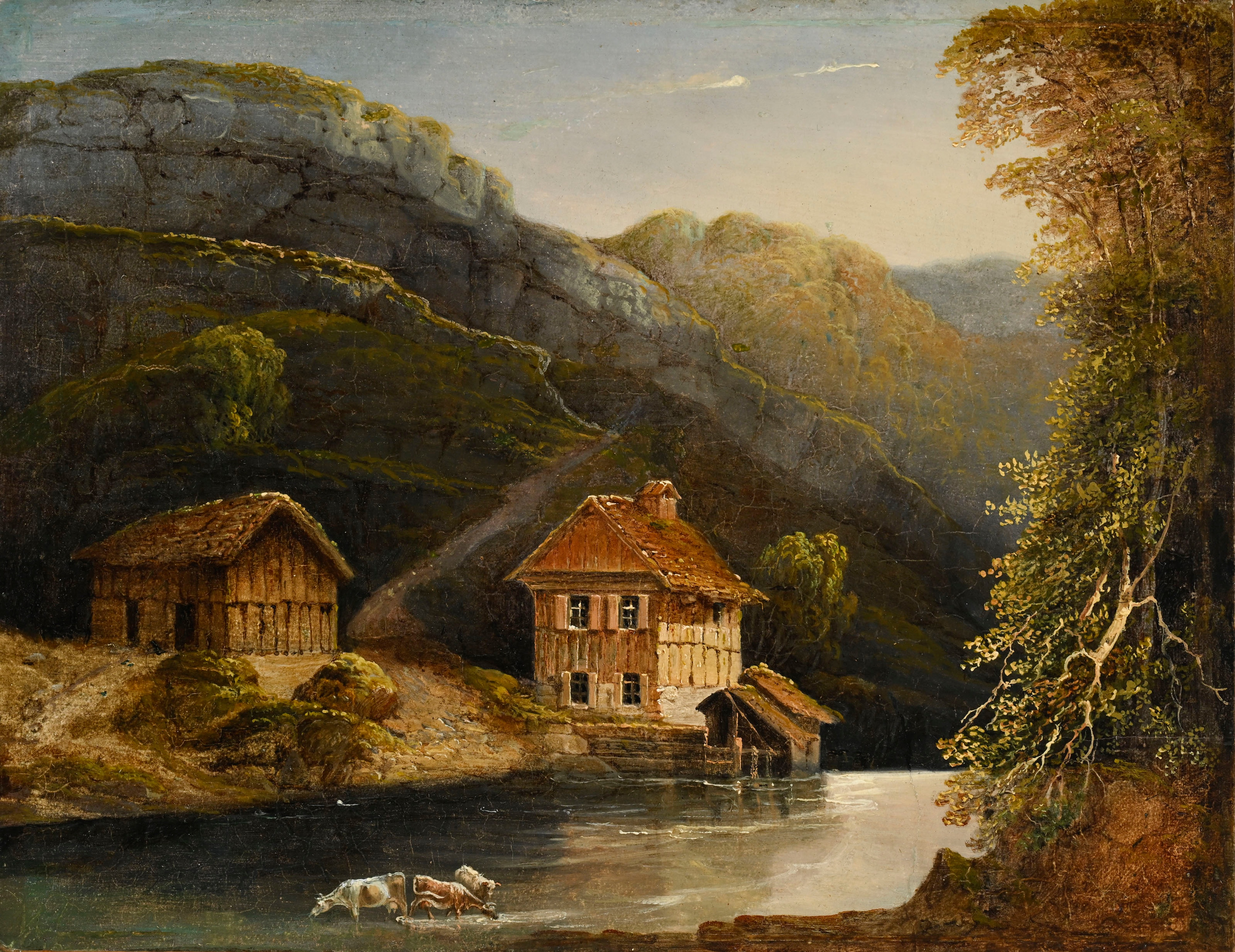
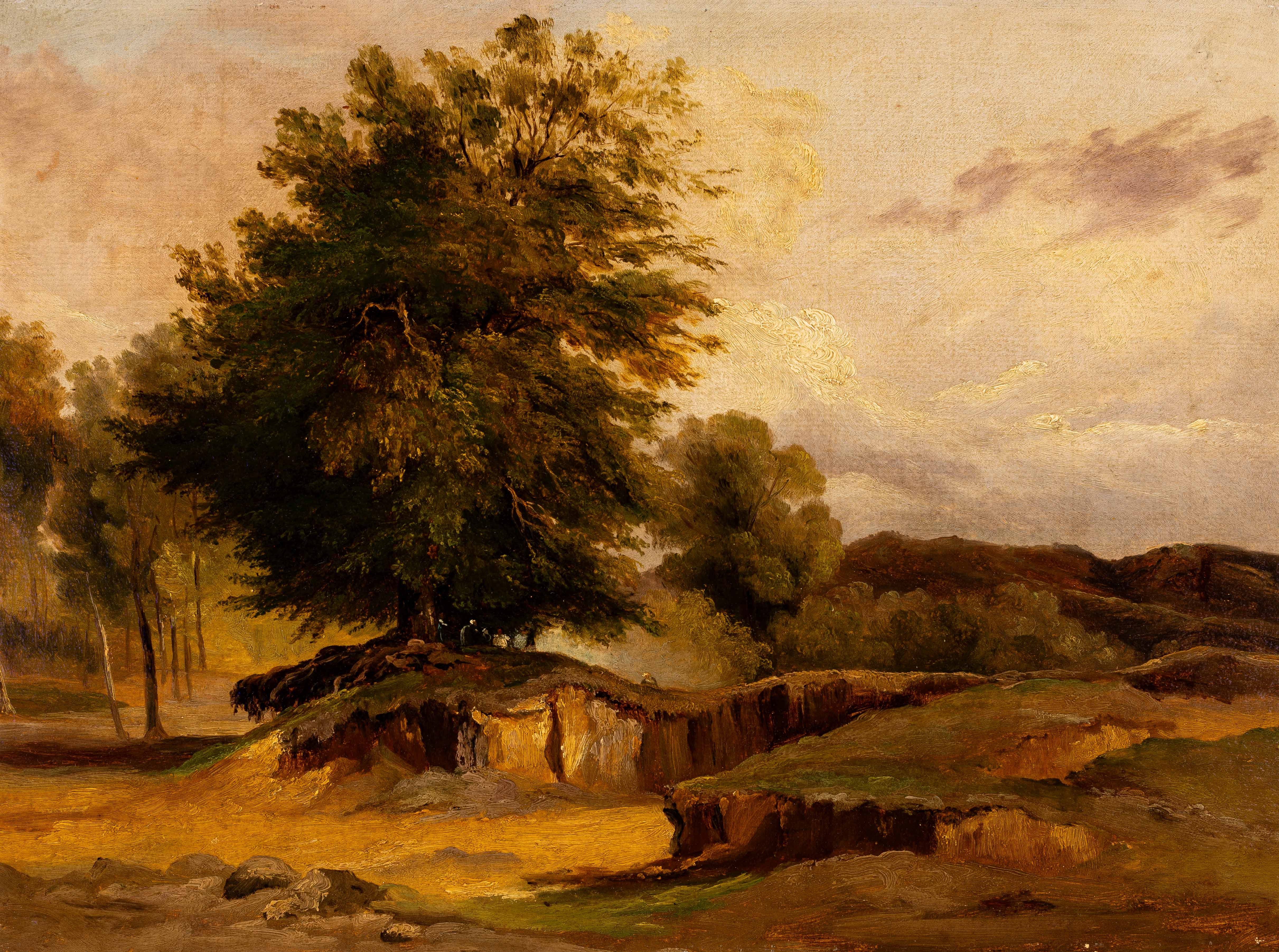
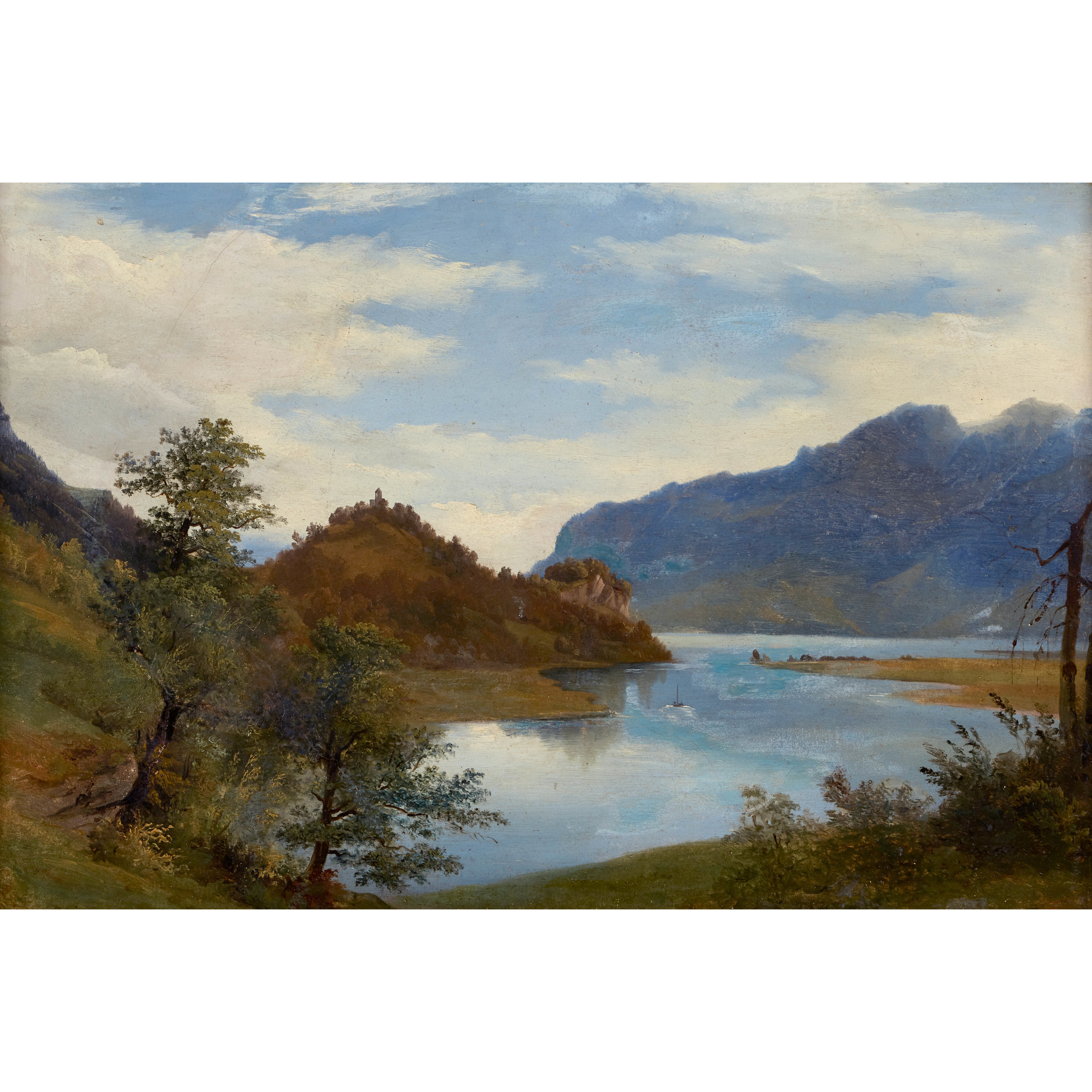
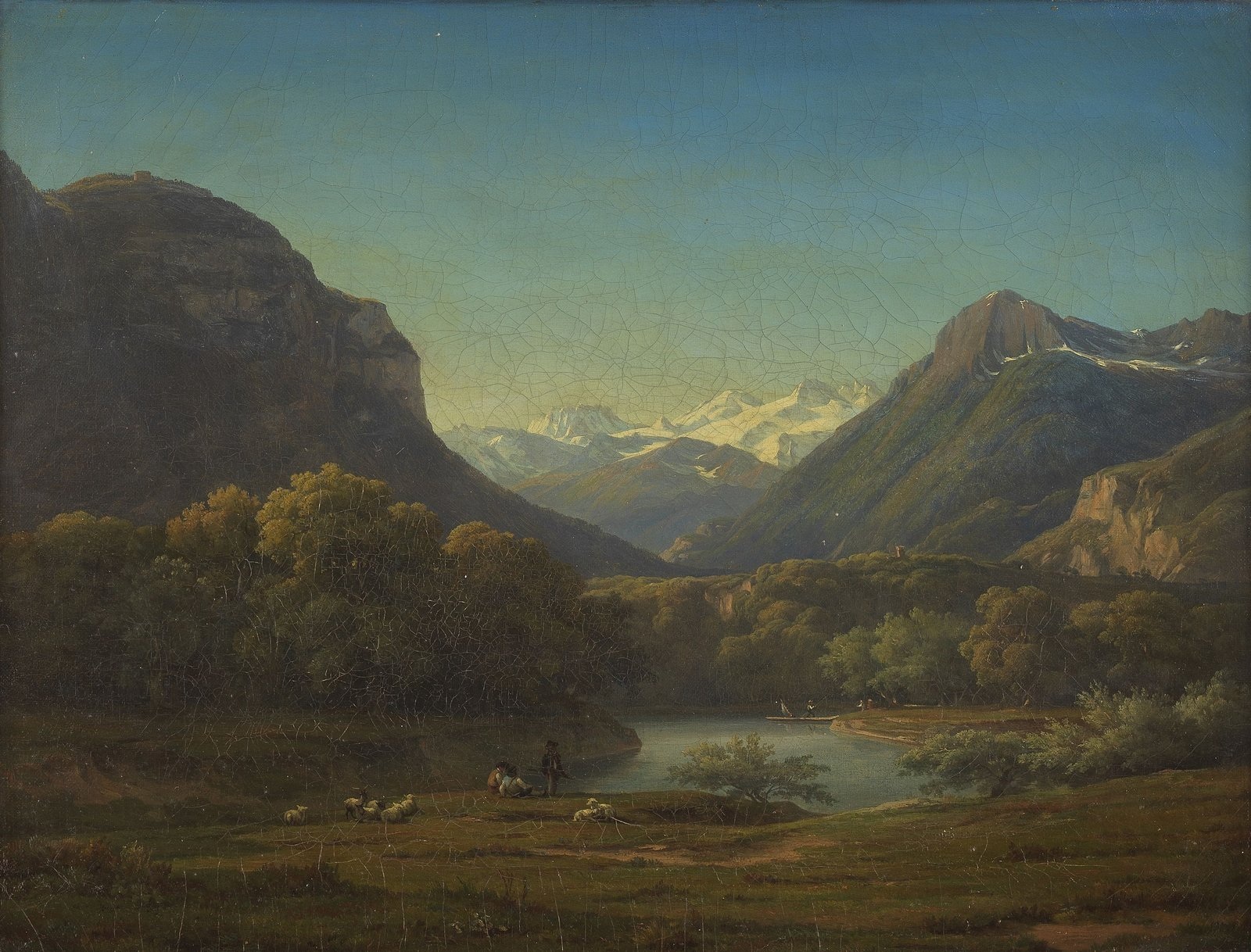
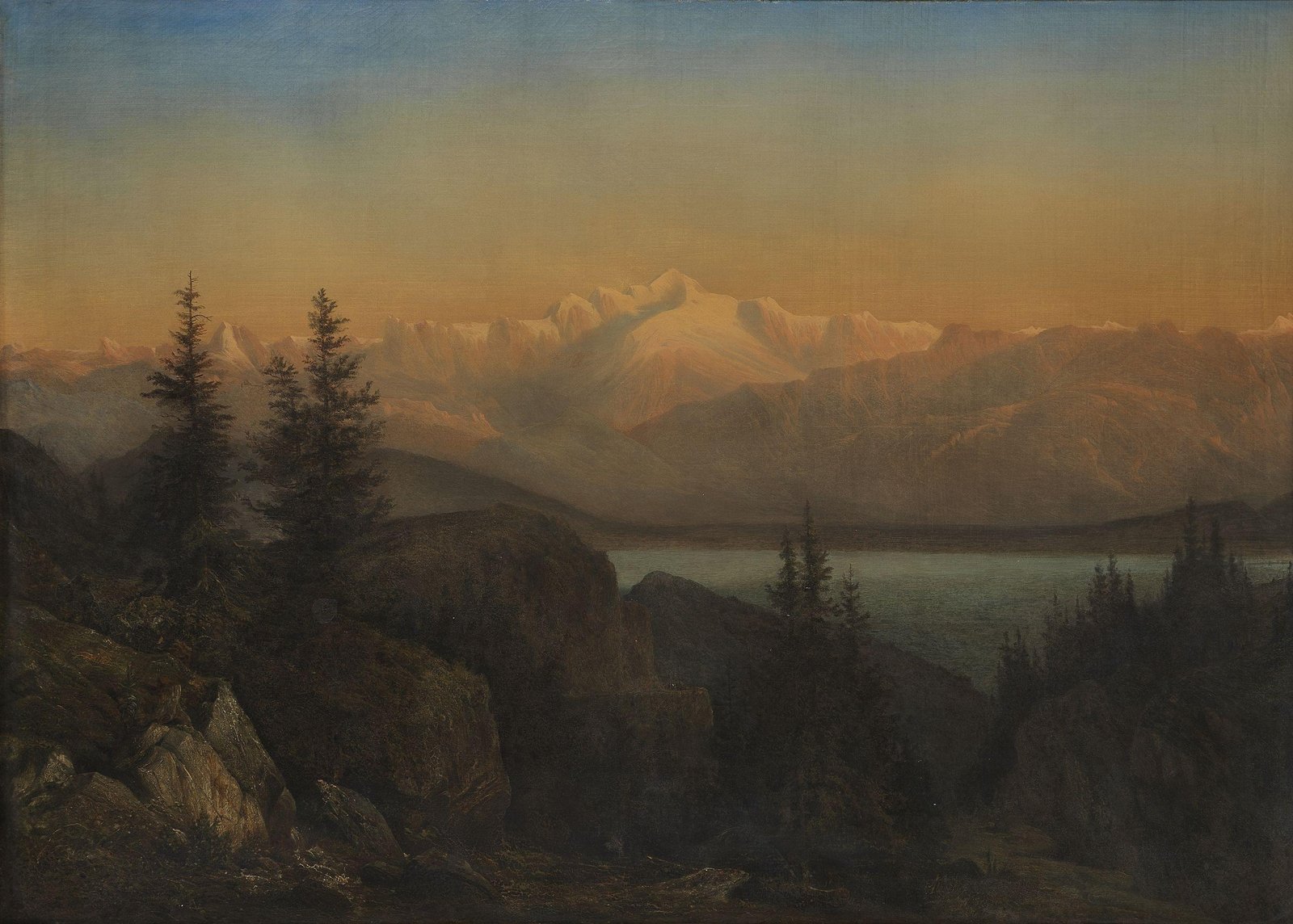
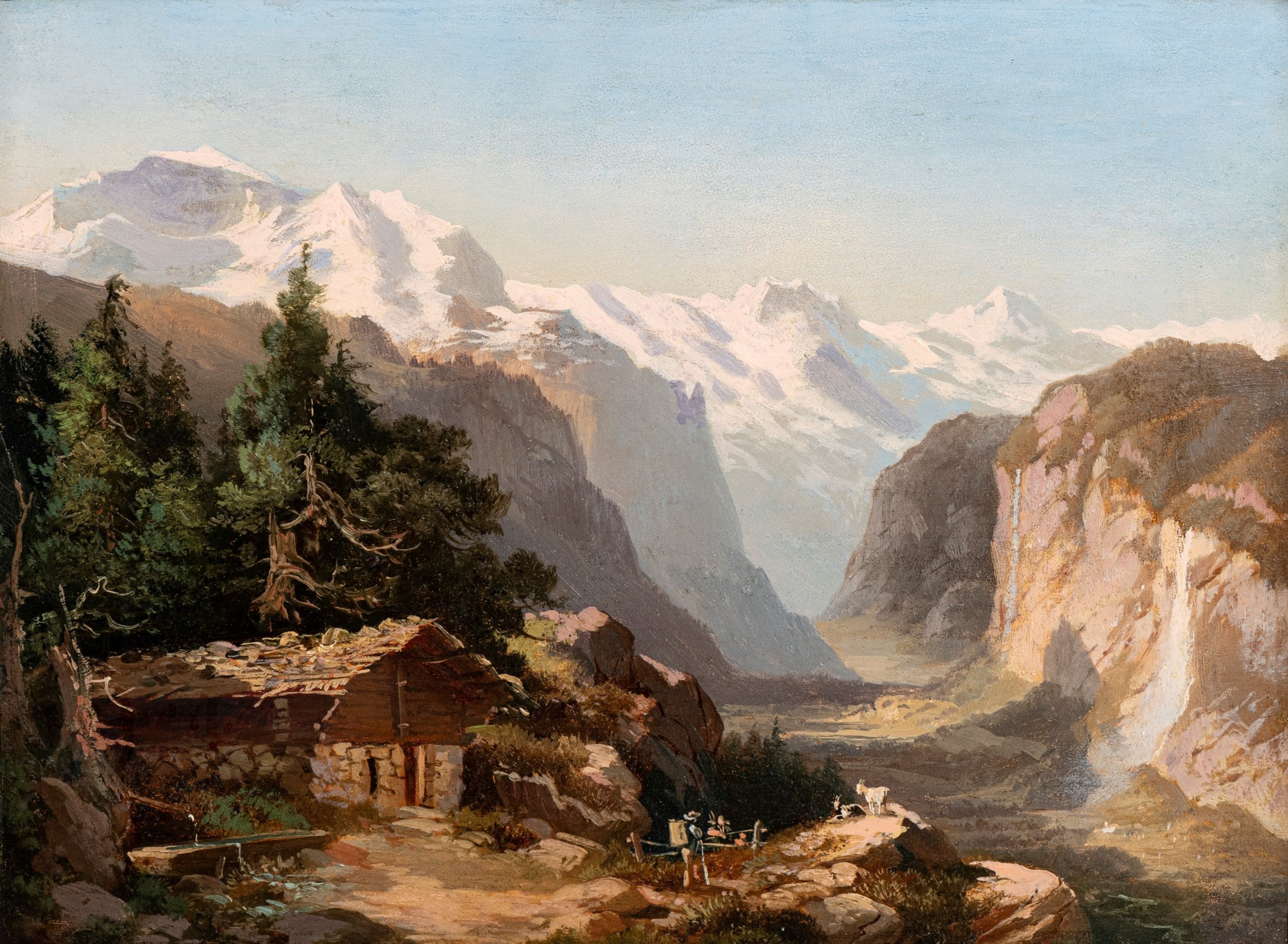
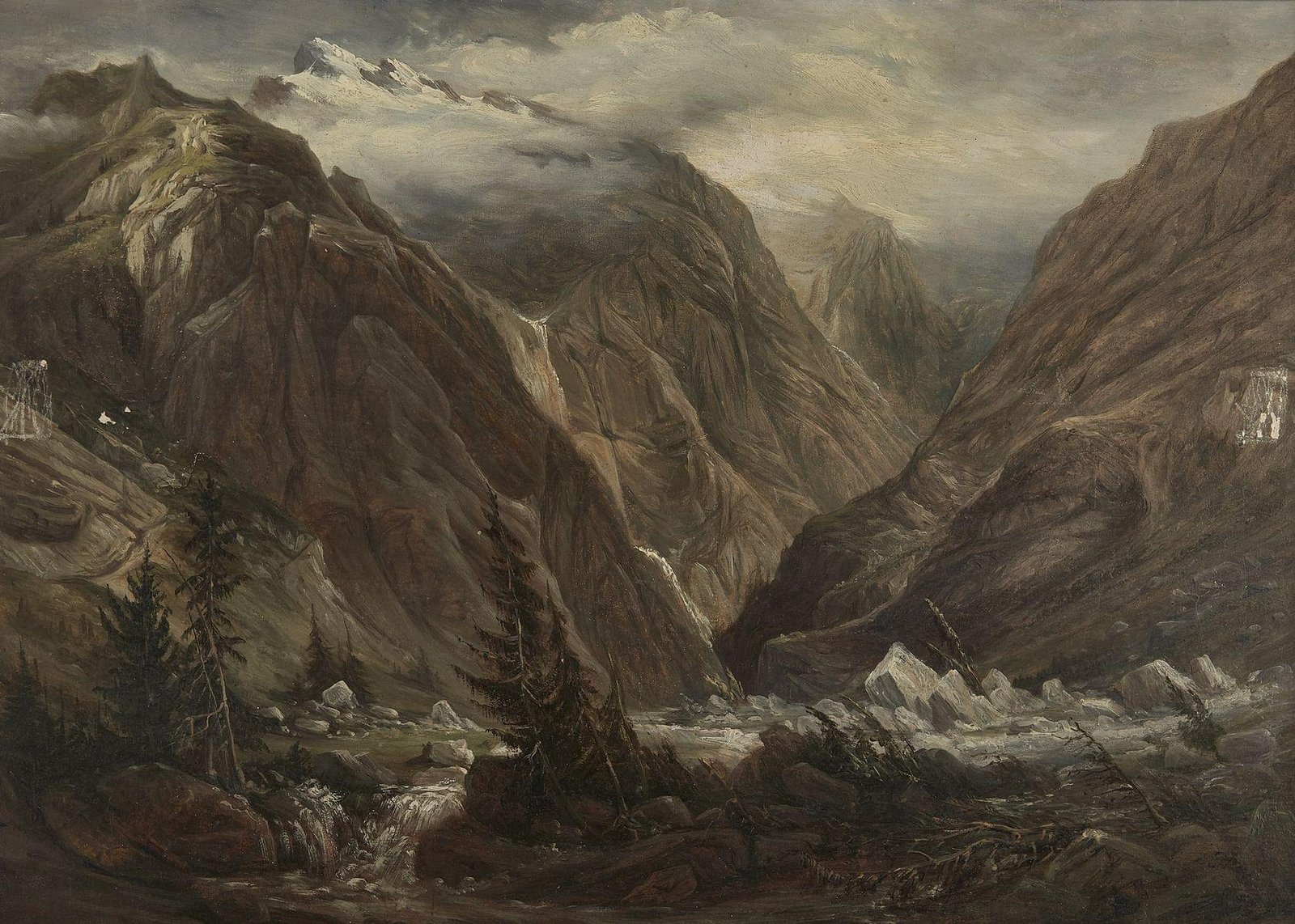
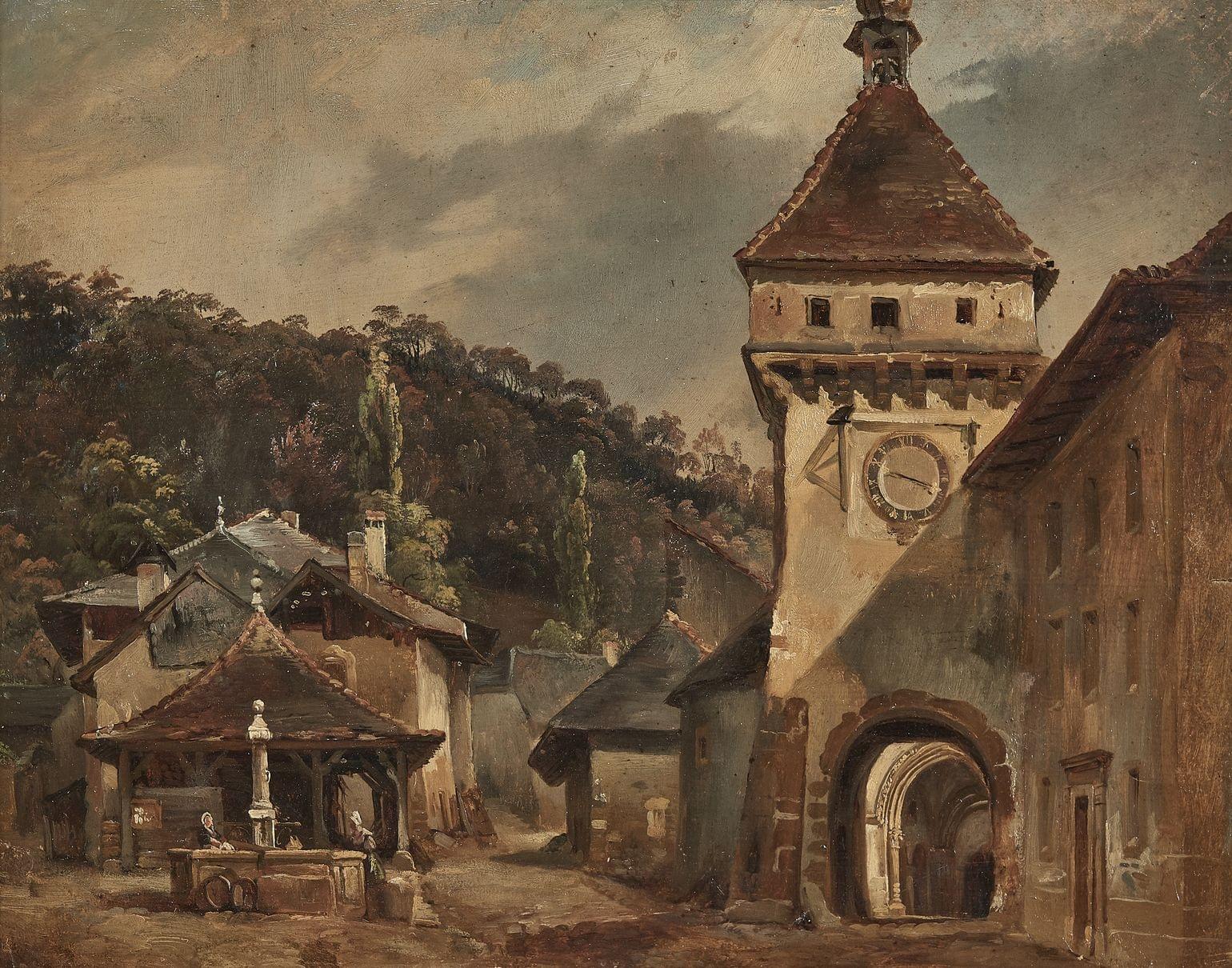
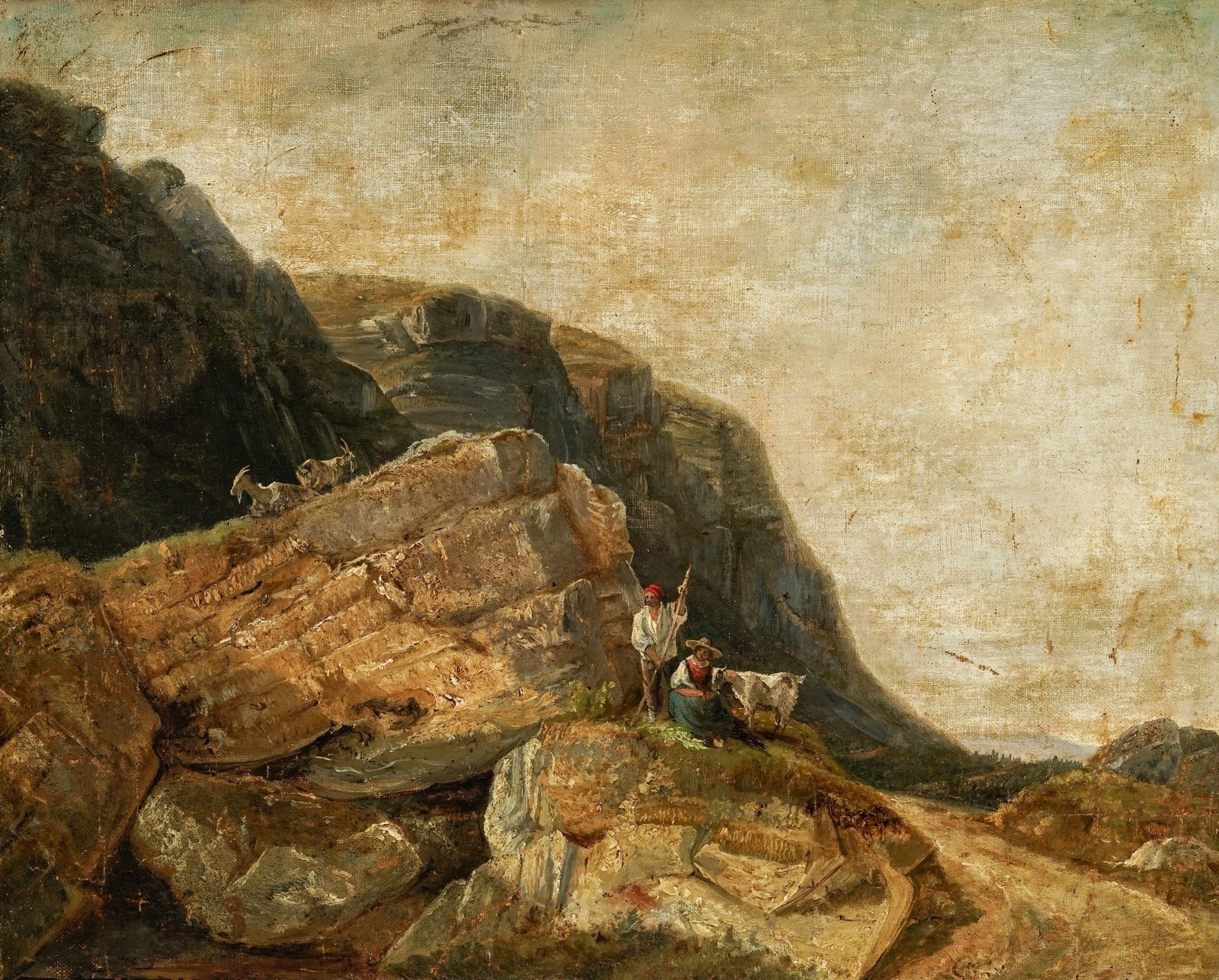
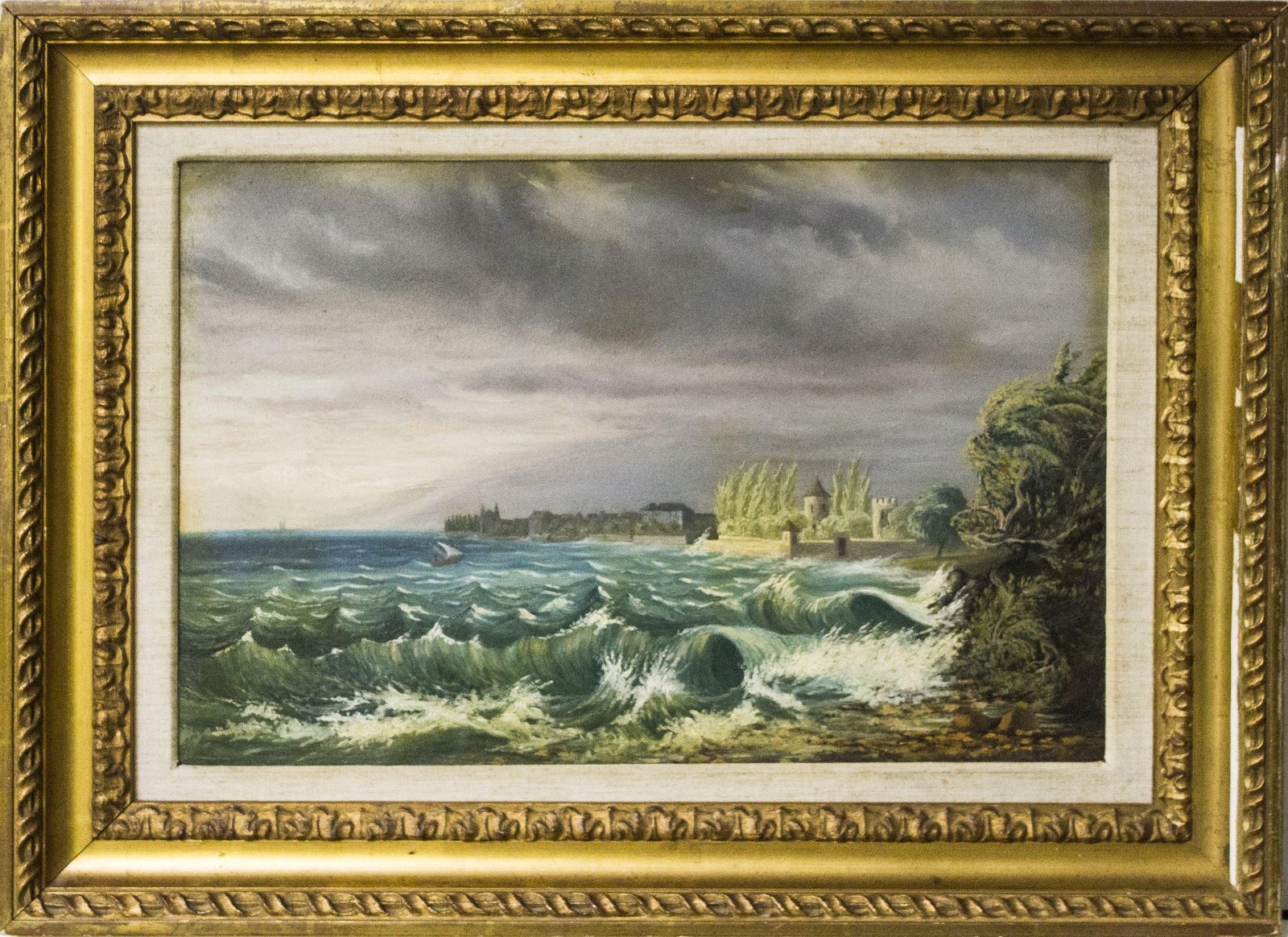
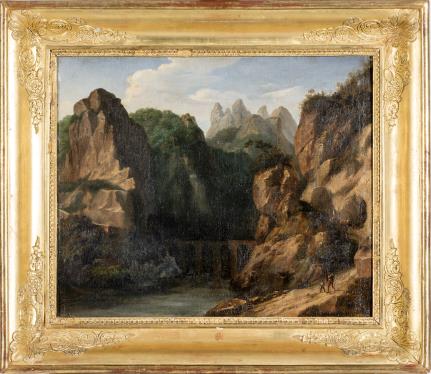
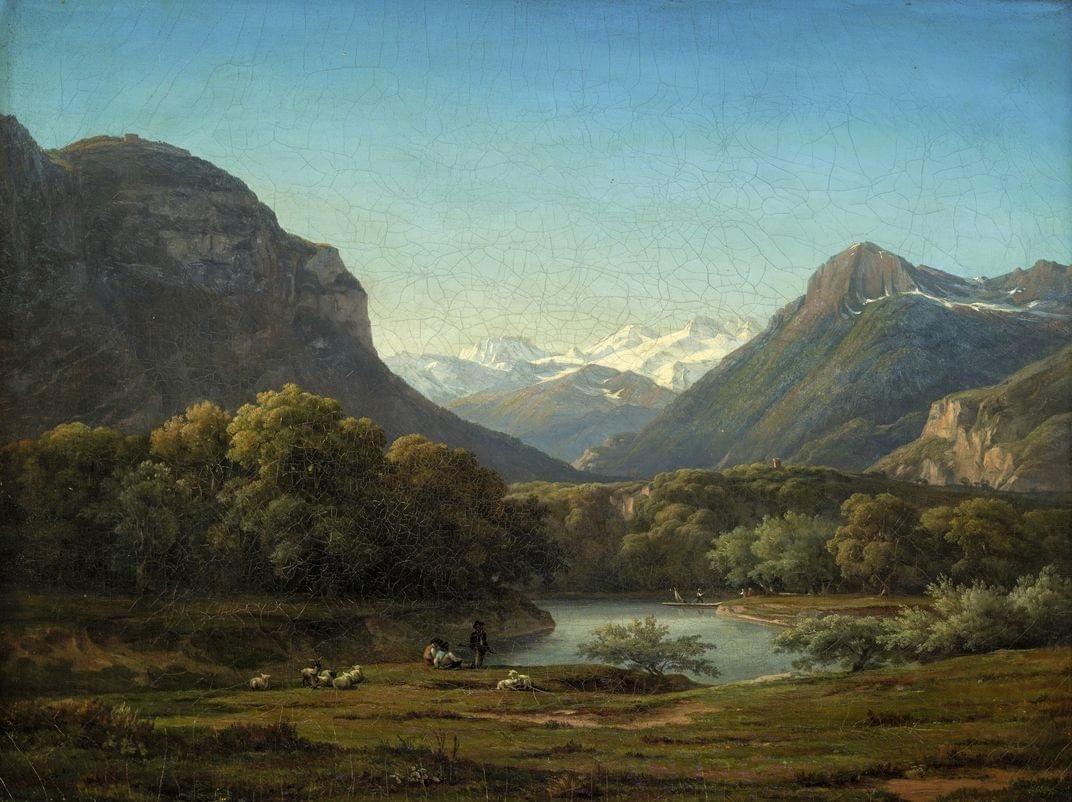
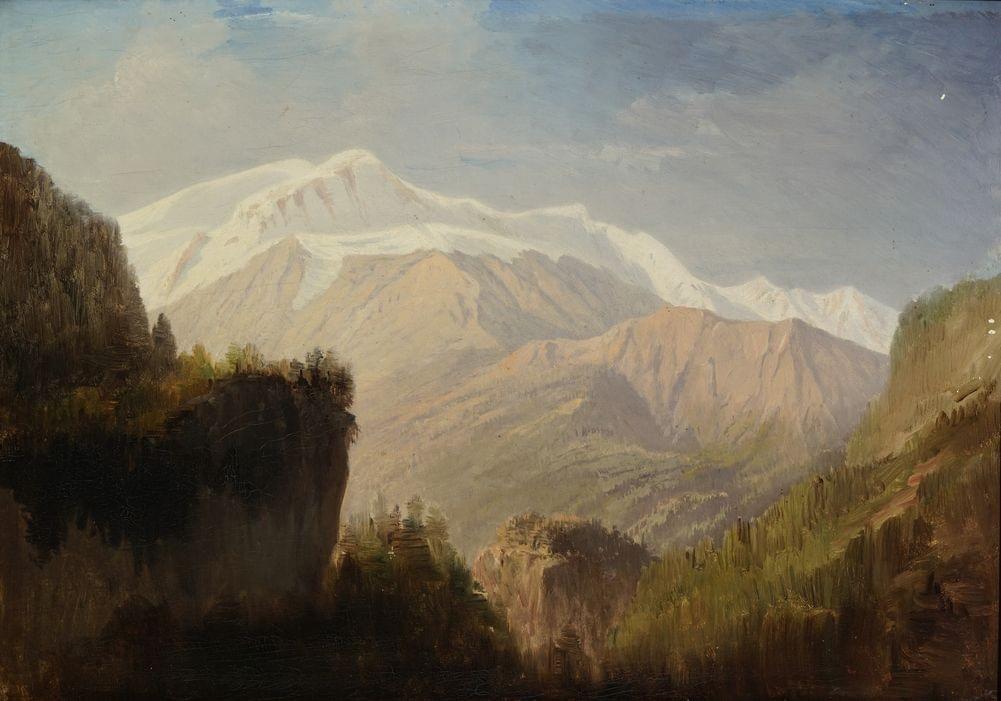
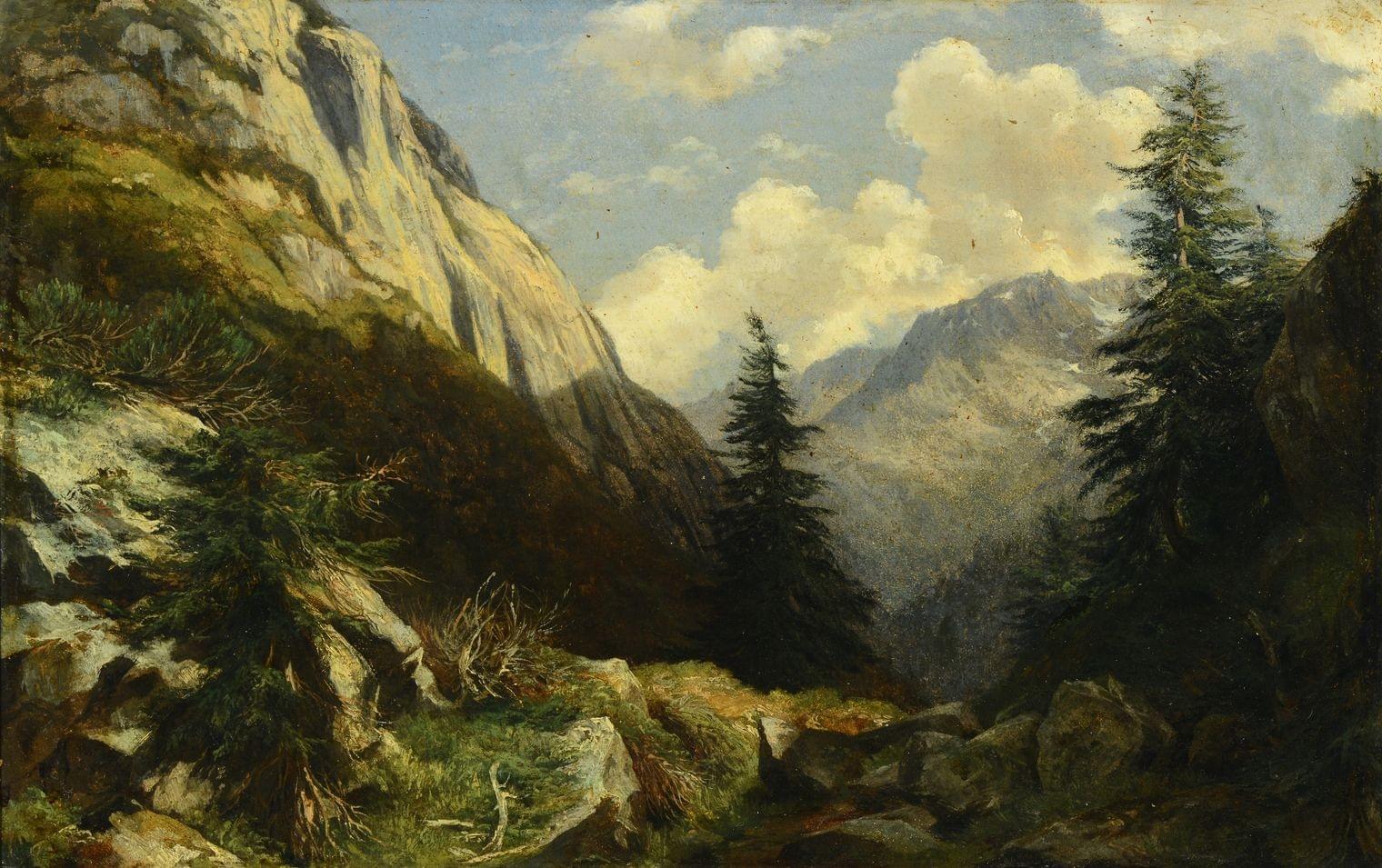
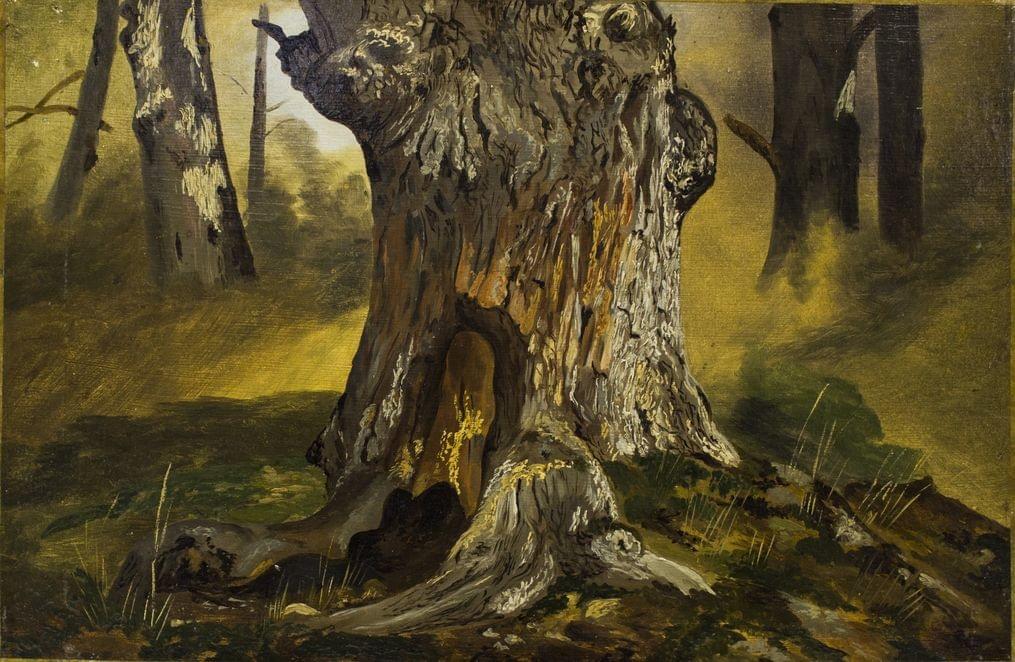
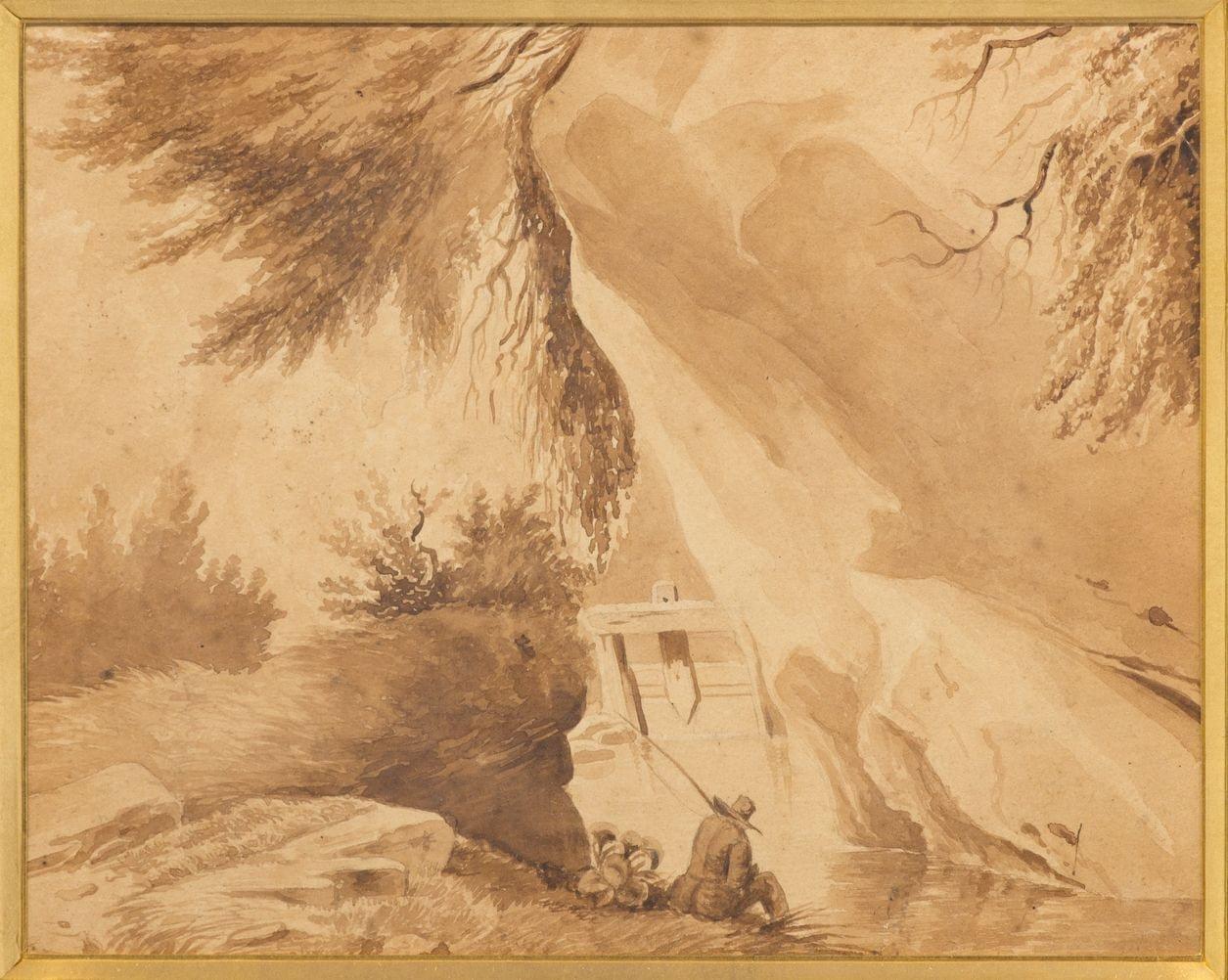
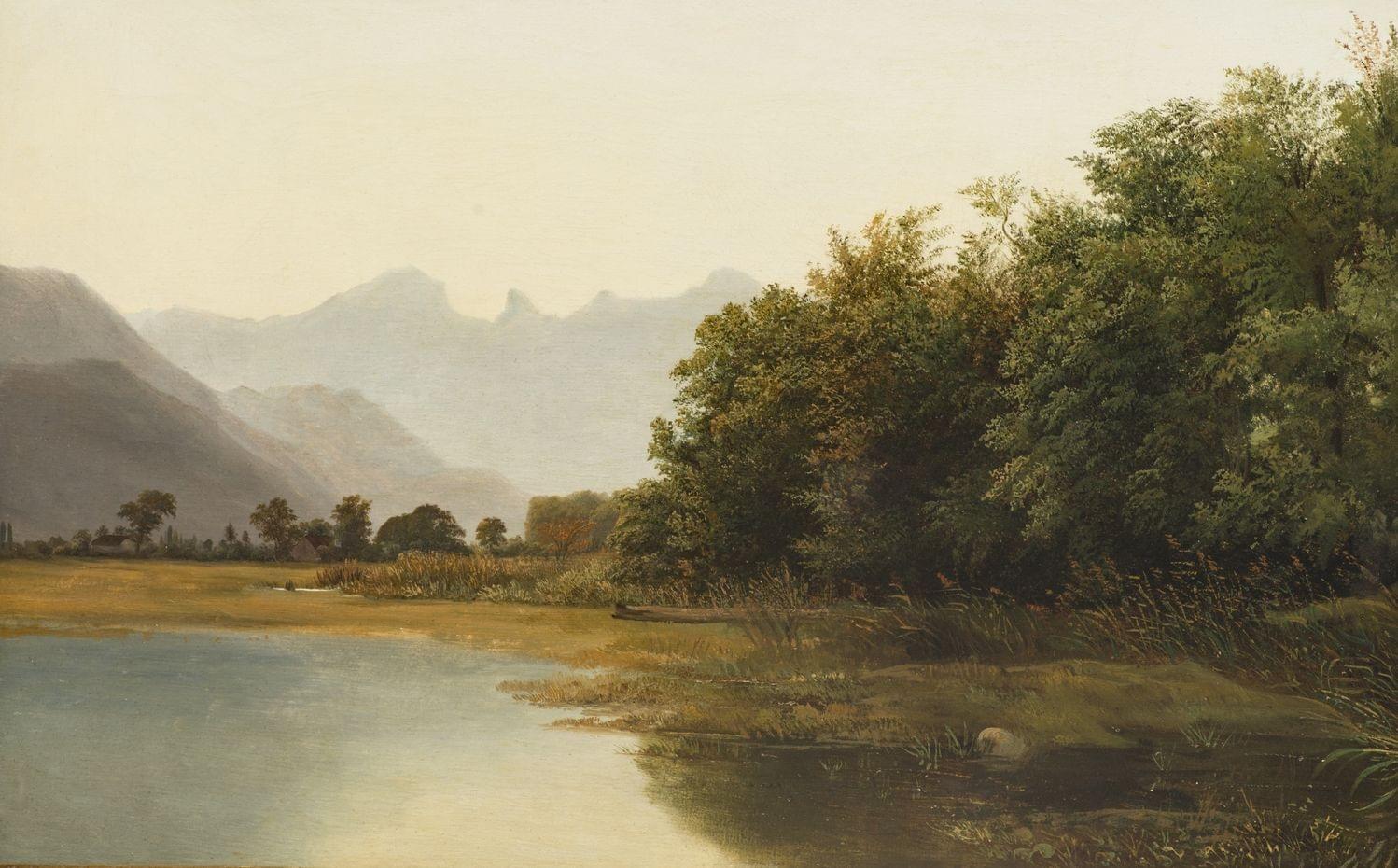
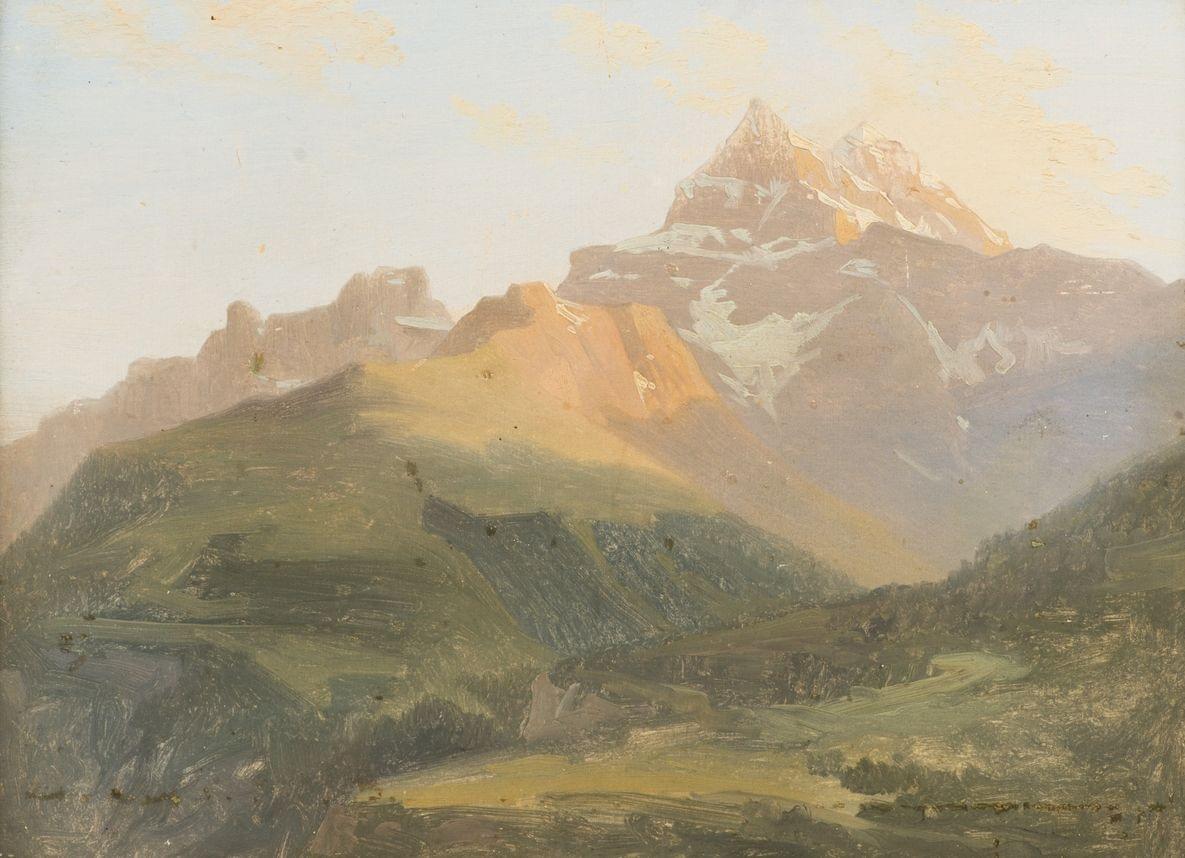
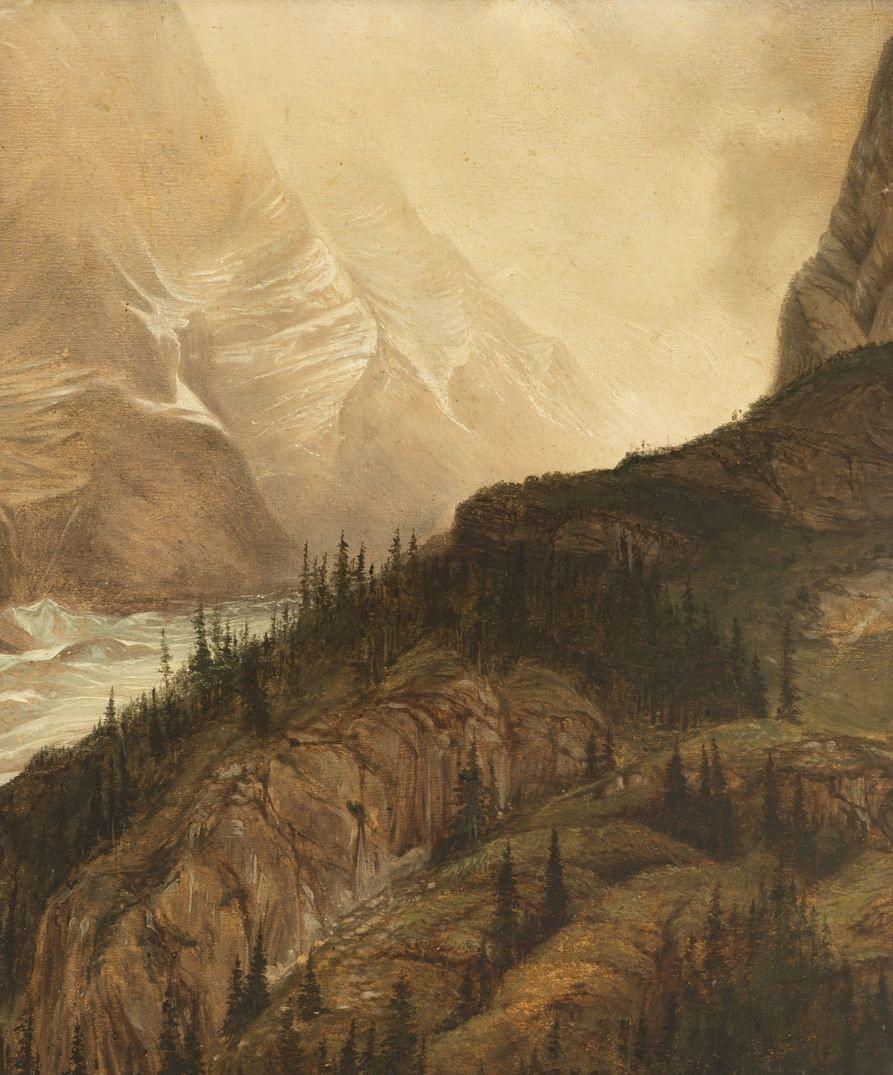
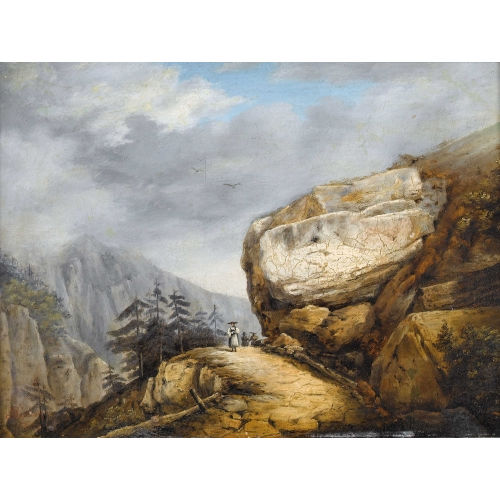
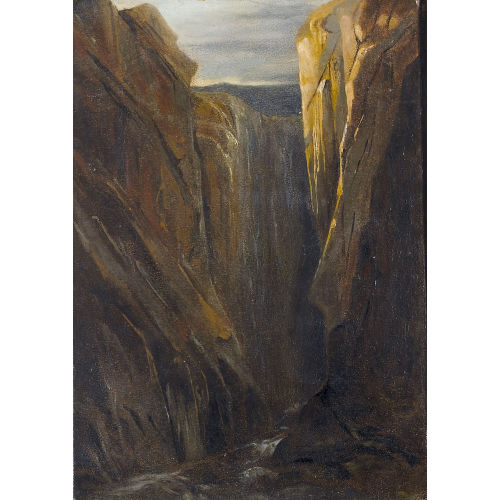
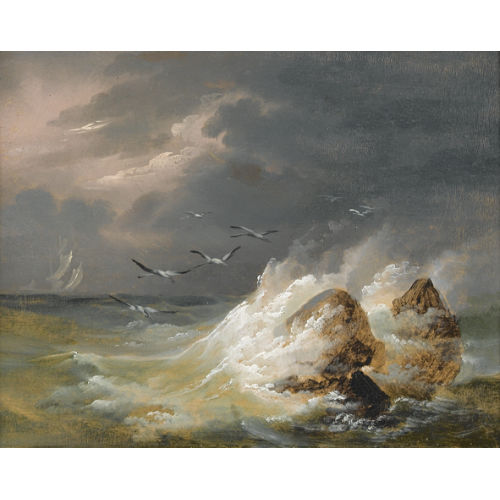
In François Diday’s landscapes, the mountain becomes a stage: a torrent draws the eye onward, a break in the light reveals a summit, and dark trees herald the power of the storm. His work combines close observation of sites with a Romantic staging of nature.
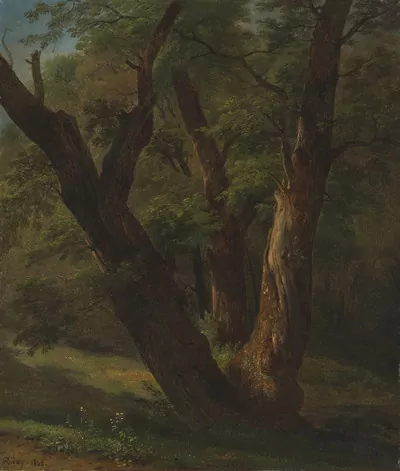
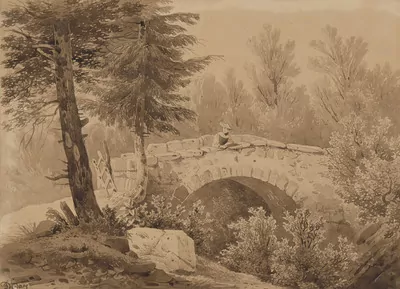
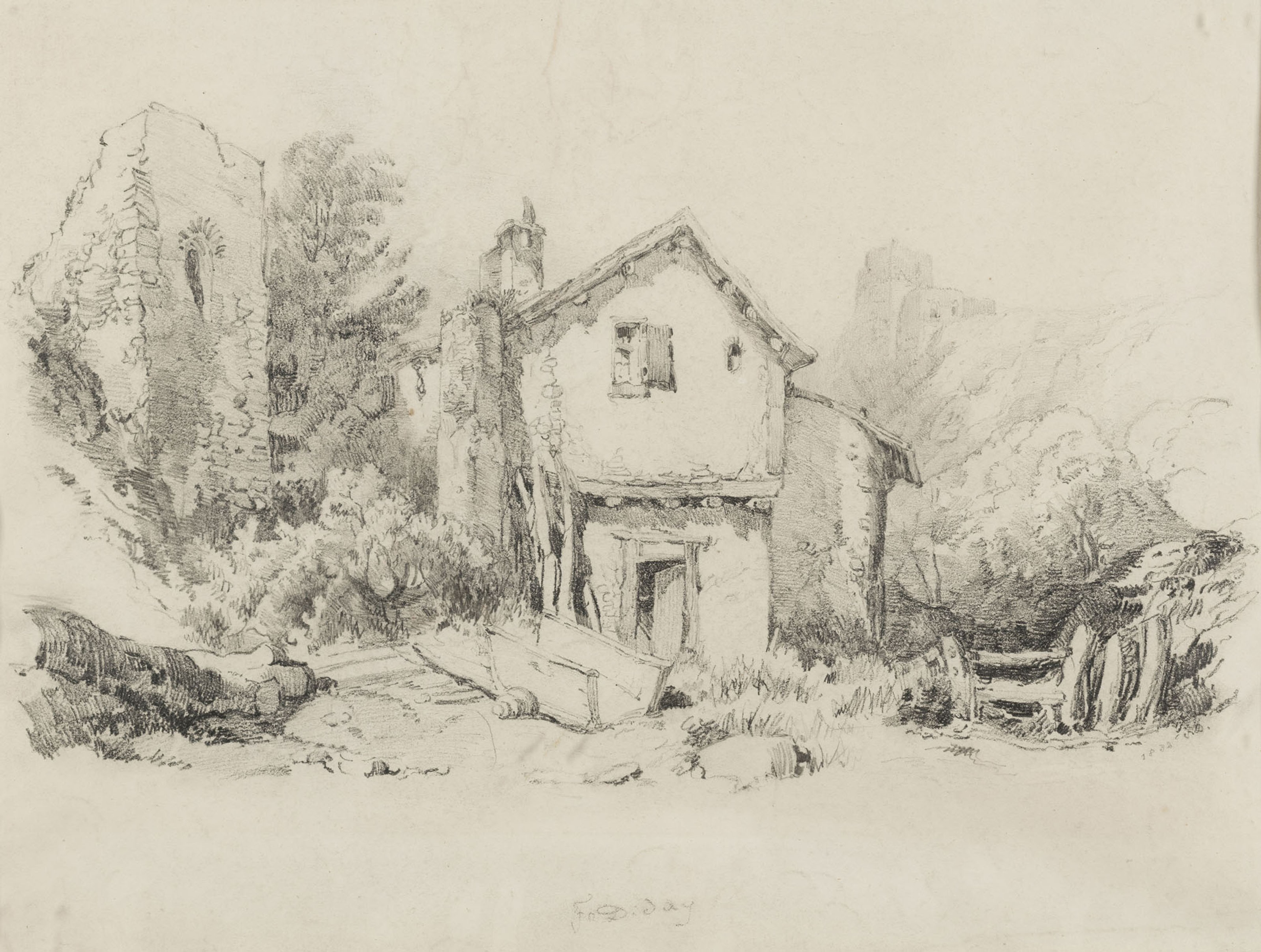
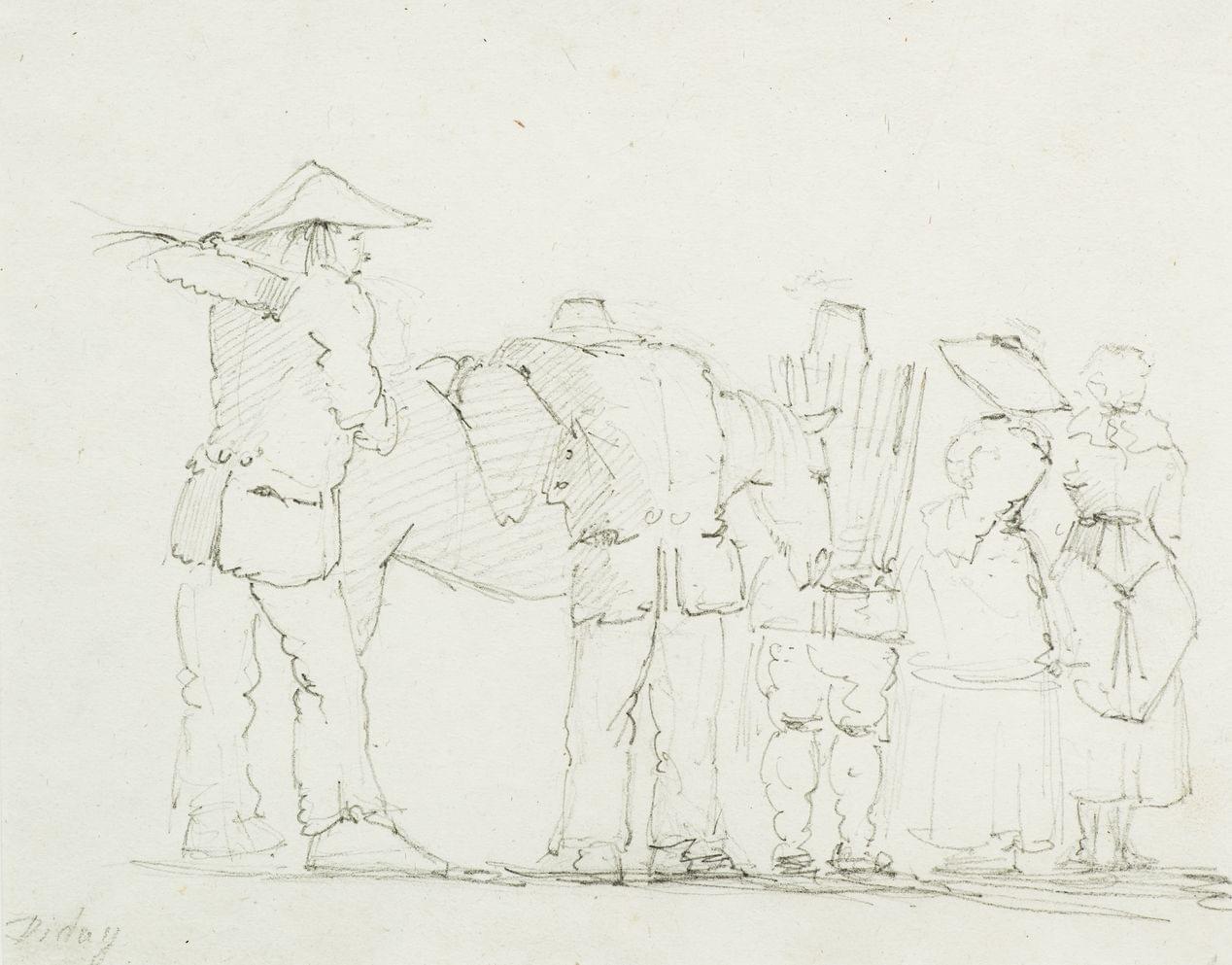
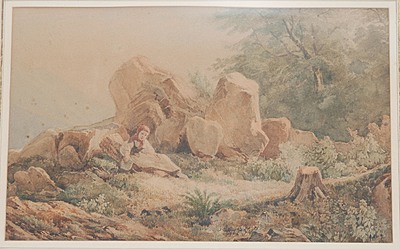
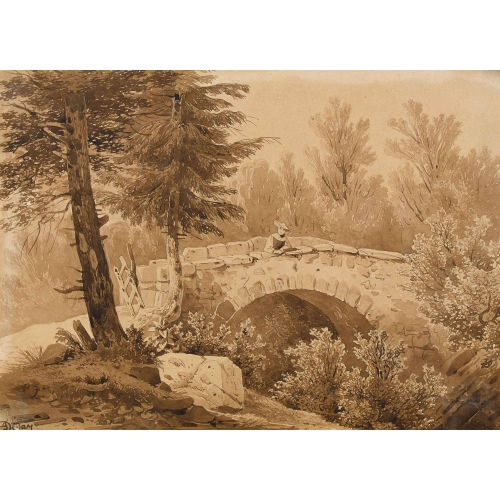
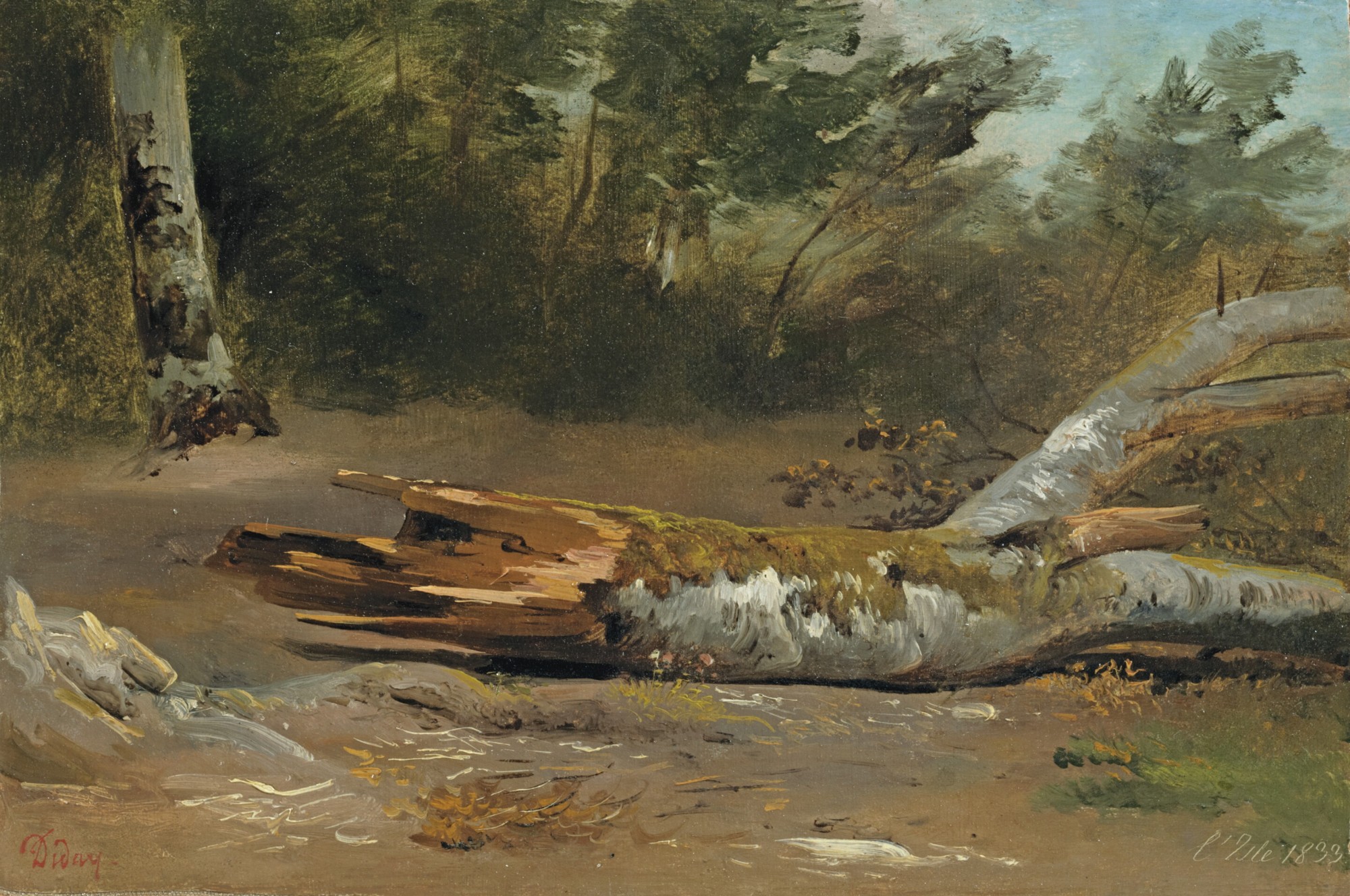
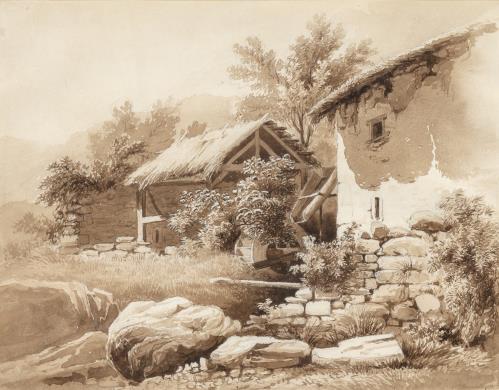
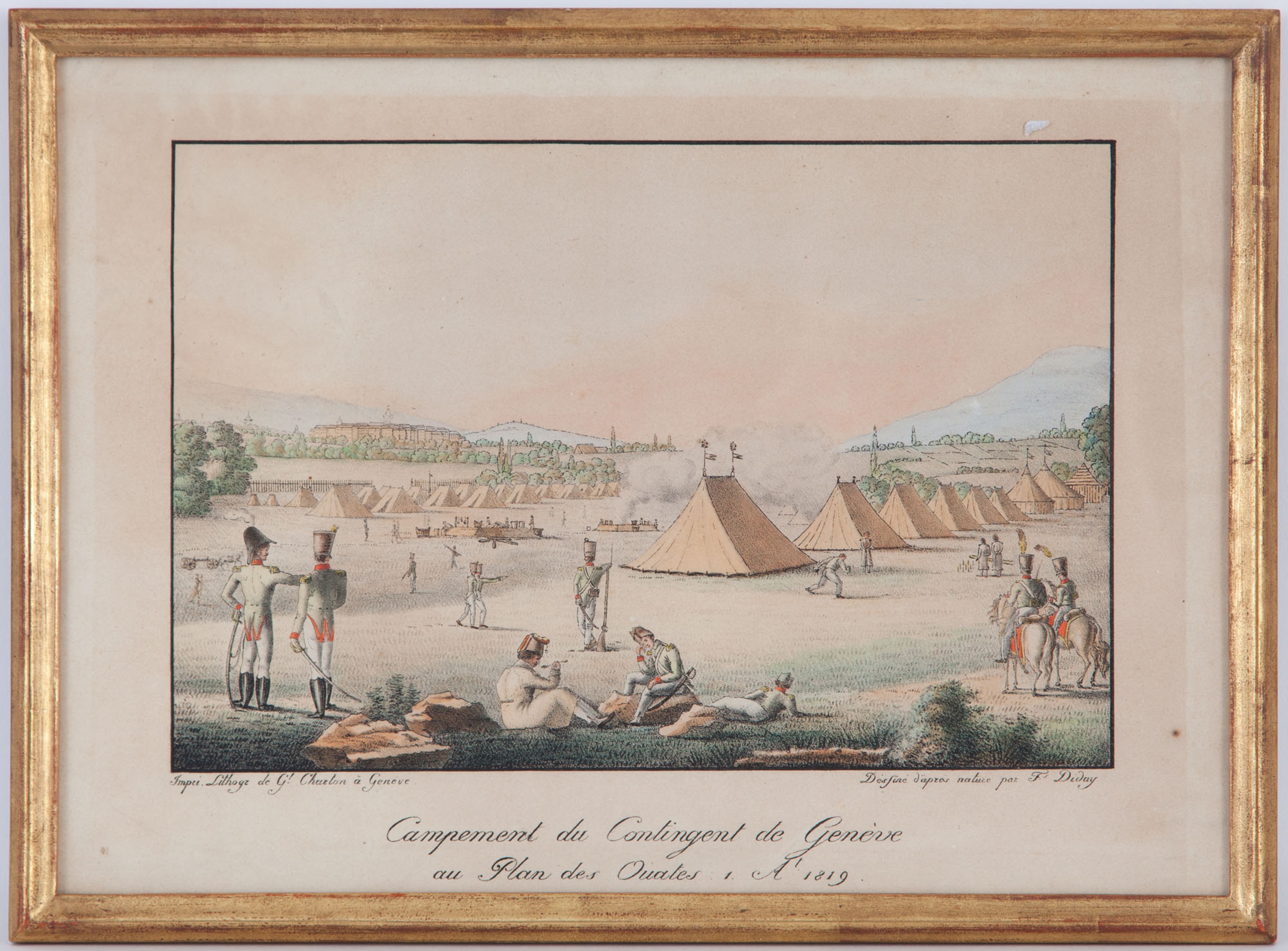
Trained in Geneva and then in Paris in the studio of Antoine-Jean Gros, Diday made studies from nature before composing large-format paintings in the studio. He notably trained Alexandre Calame, with whom he developed a dialogue marked by emulation and rivalry. Their landscapes contributed to the European recognition of Geneva painting at a time when the Alps were also attracting increasing numbers of travellers.
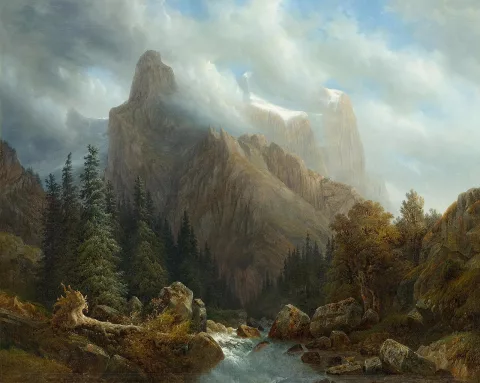
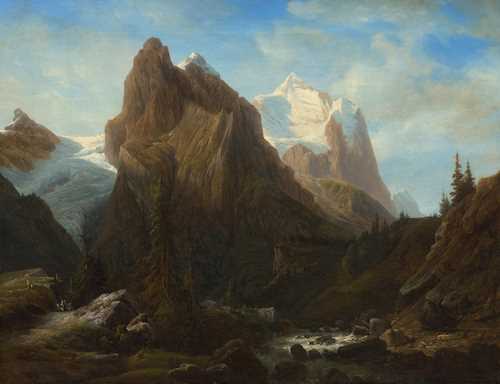
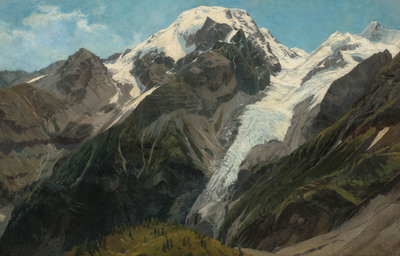
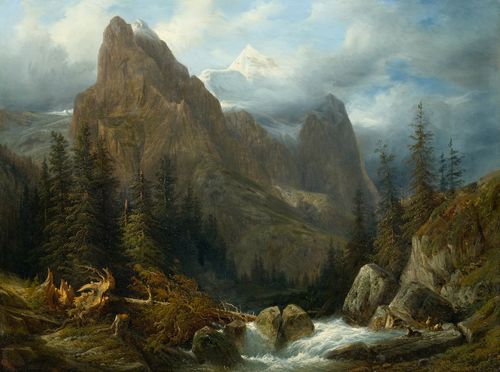
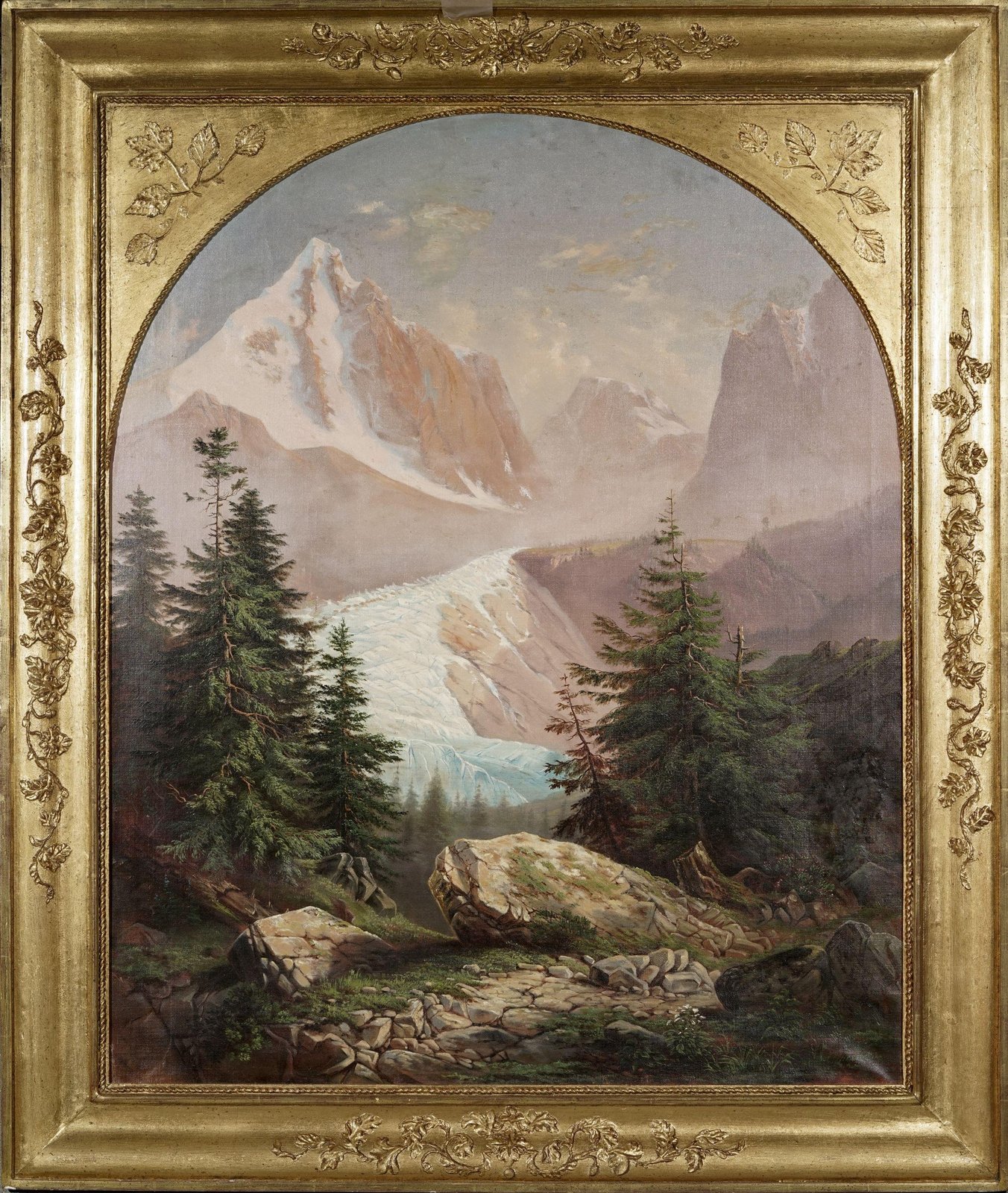
Le Glacier du Rosenlaui, presented at the Salon de Paris in 1841 and held at the Musée cantonal des Beaux-Arts de Lausanne, offers a spectacular example of this ambition. The composition arranges fir trees, mountain forms and water around the Wellenhorn; passages of shadow and light lead towards the snow. The impression of grandeur rests as much on careful construction as on the majesty of the site.
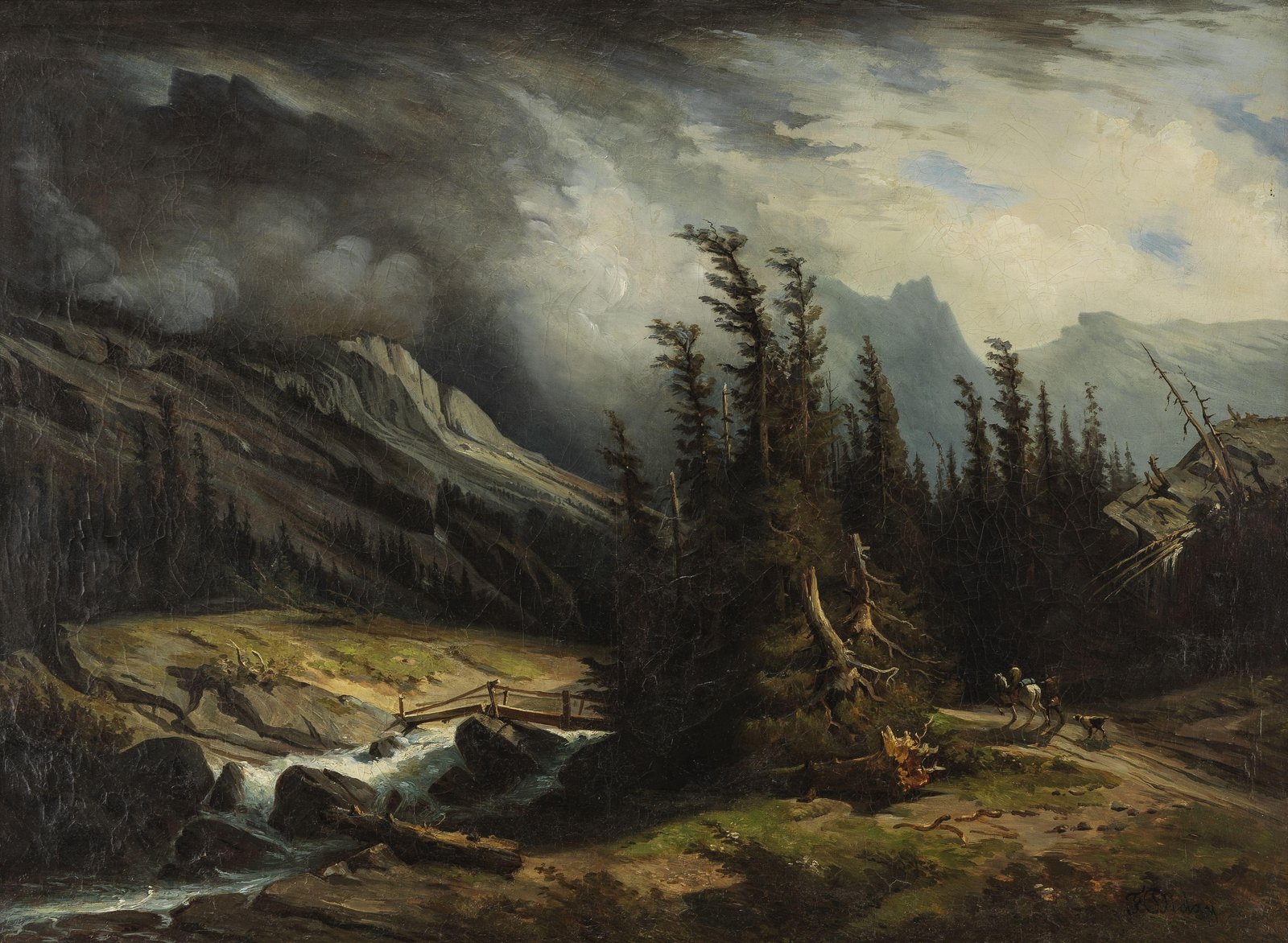
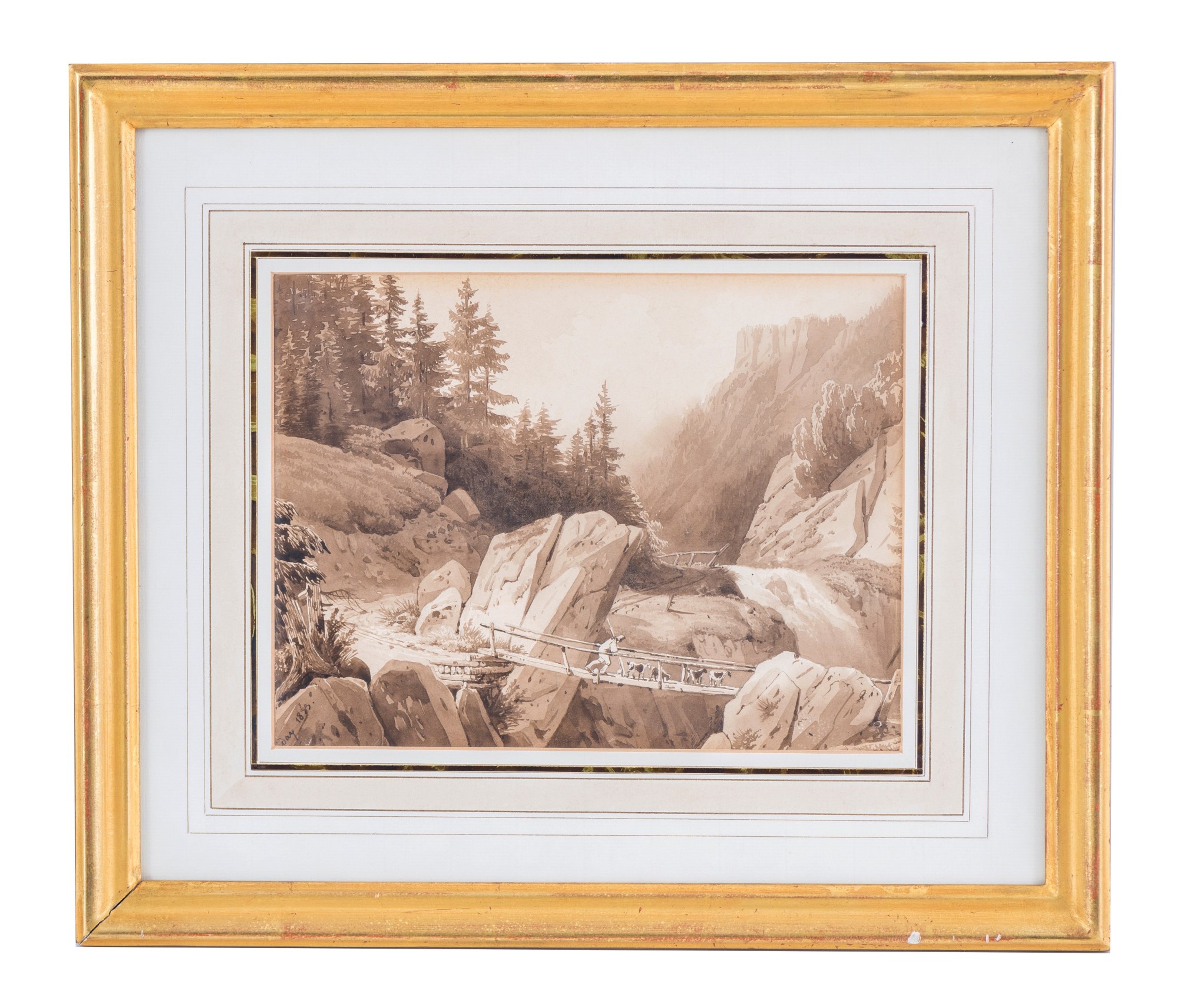
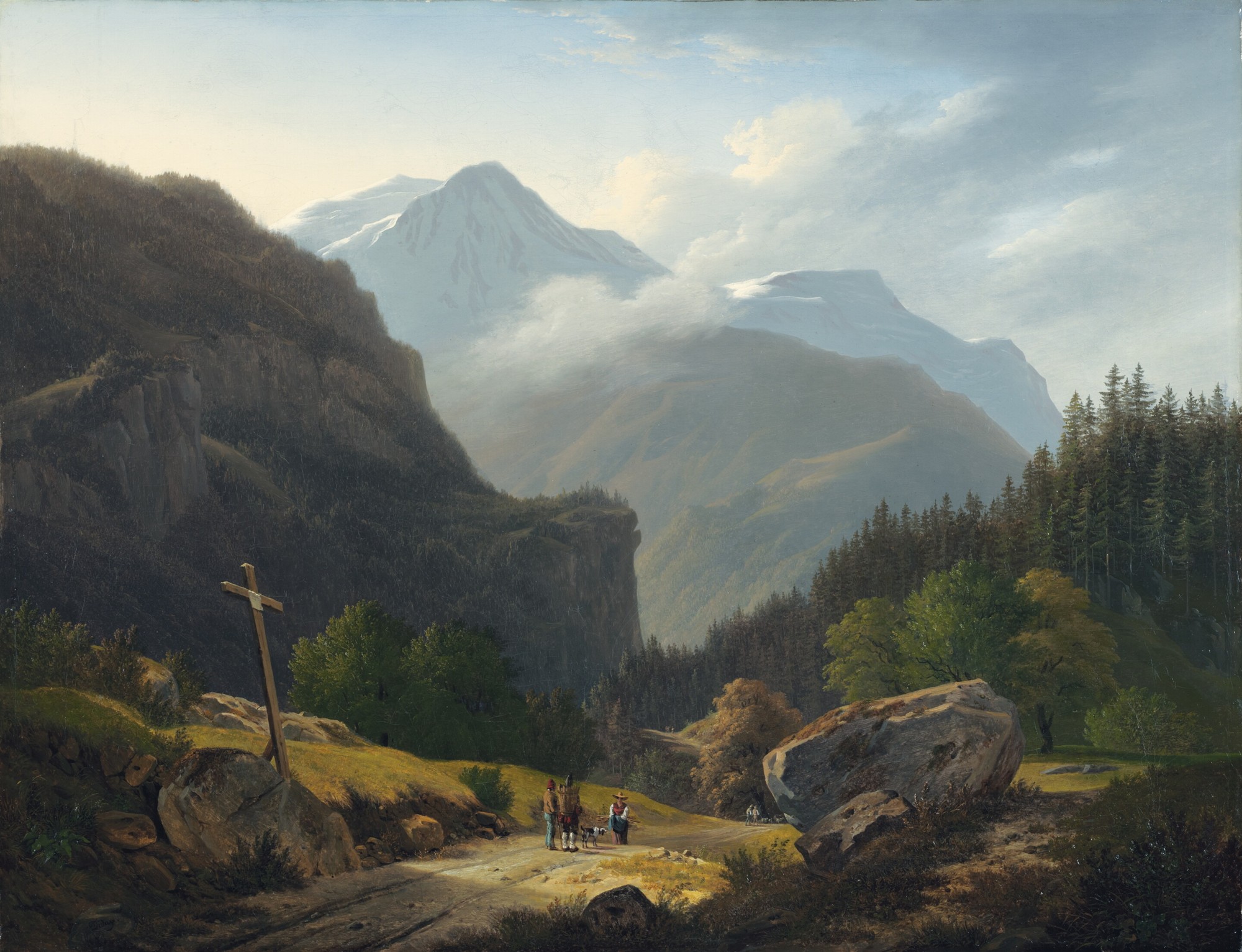
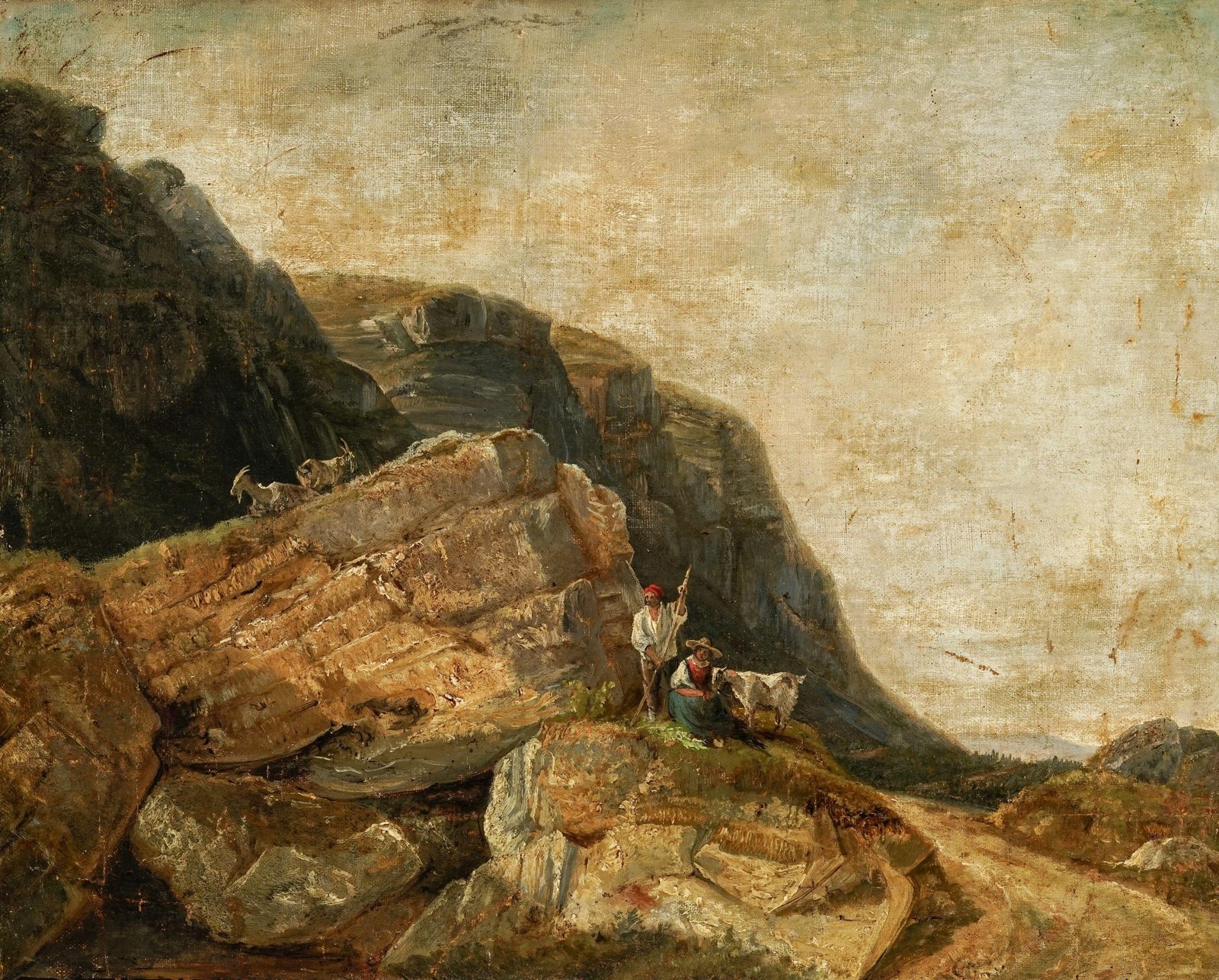
In Chemin du col du Grimsel à la Handeck, painted in 1855 and held at the Musée d’art du Valais, figures introduce a story into the landscape. The threatening weather and the crossing of the torrent give their presence a dramatic dimension. Here, Diday transforms a motif also treated by Calame into another way of telling the story of the mountain.
His commitment continued through his support for artists: he financed competitions and bequeathed properties to Geneva, the income from which was intended to fund the acquisition of Swiss works of art. To discover his paintings, following the course of the light makes it possible to understand how the observed landscape becomes an experience of the sublime.