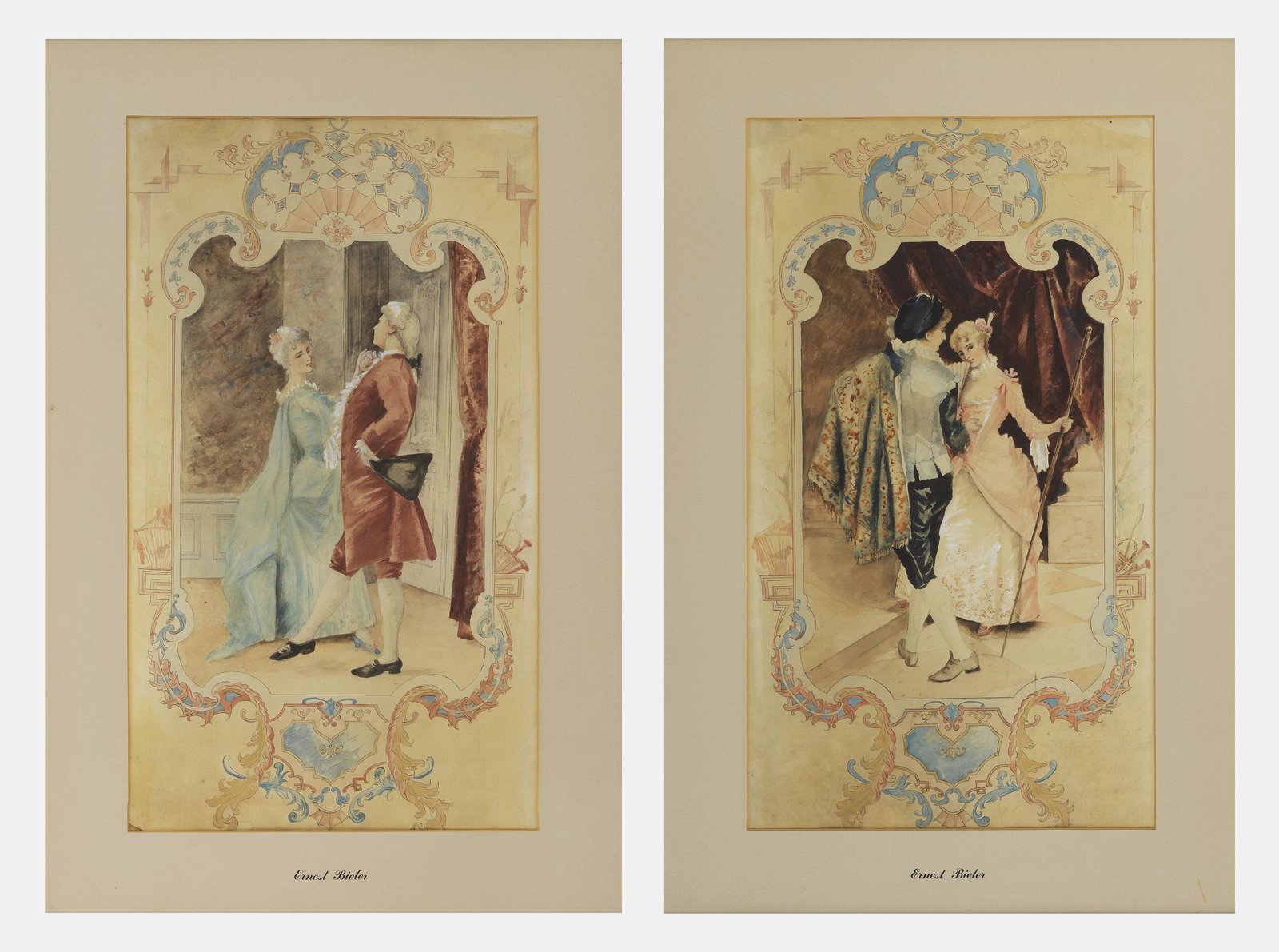
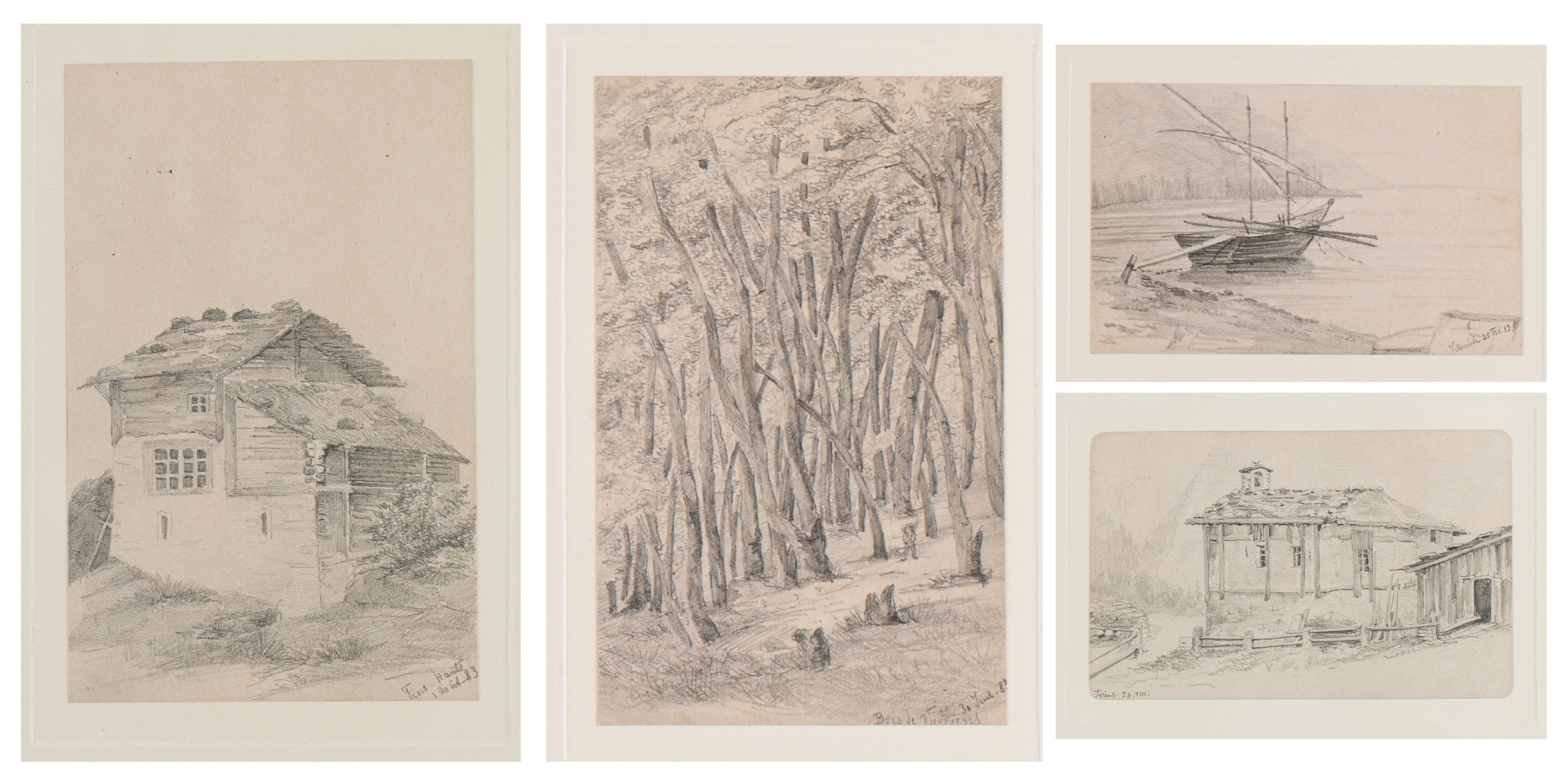
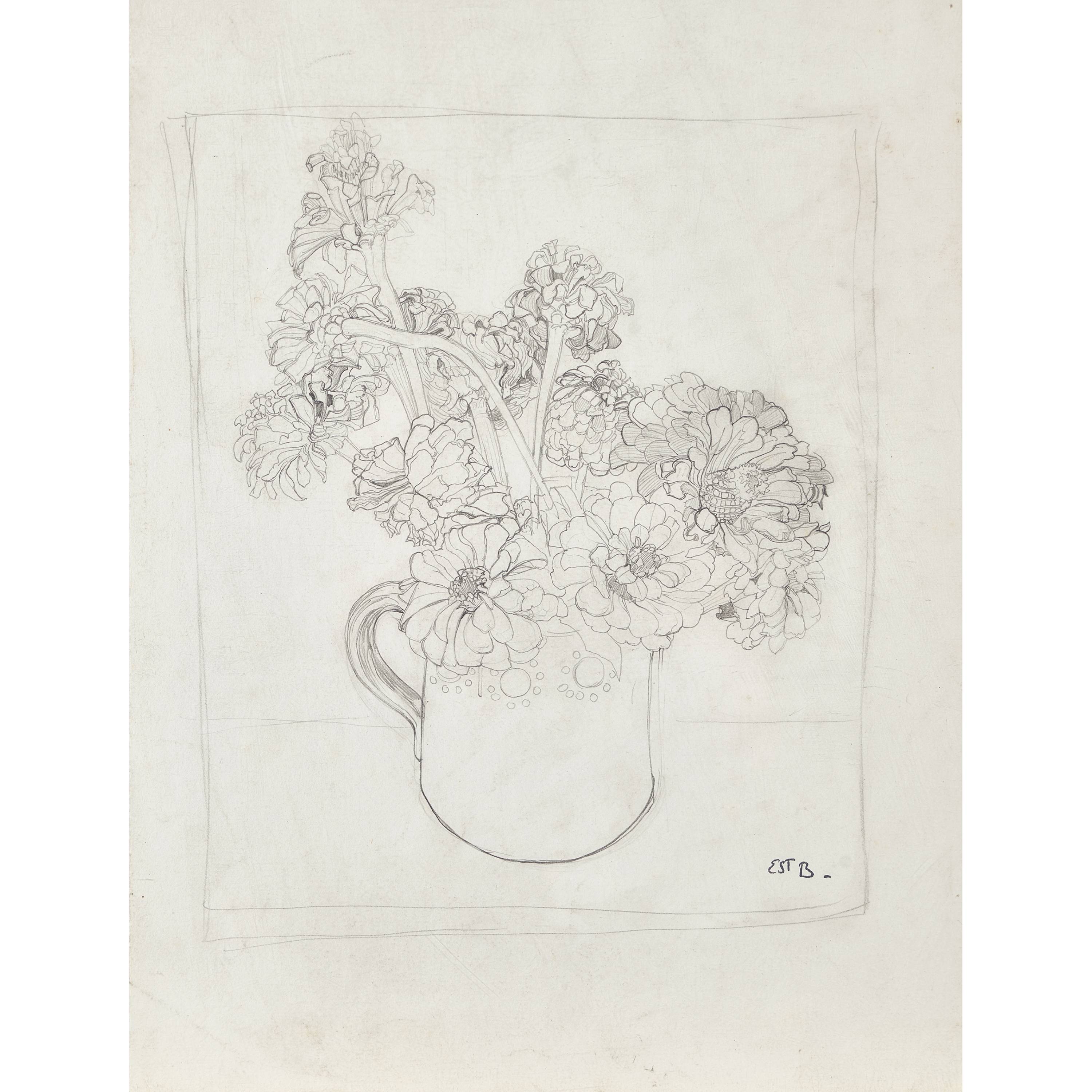
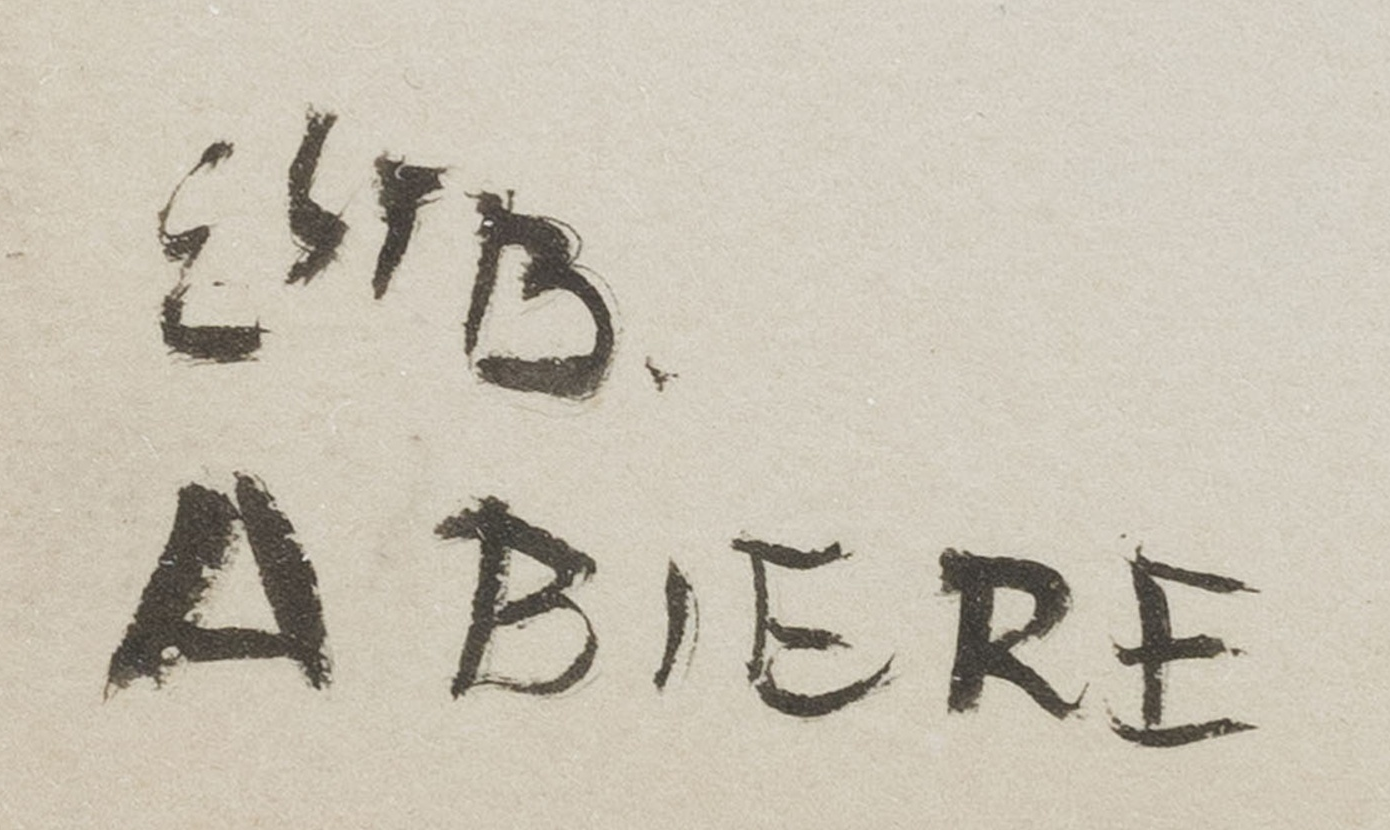
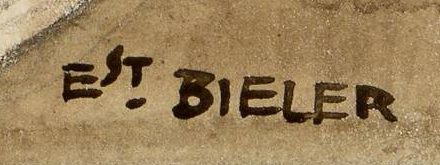
Ernest Biéler
Born on 1863, Rolle, Suisse.
Died on 1948, Lausanne, Suisse.
Switzerland — presumed nationality according to the Musée d’Orsay.
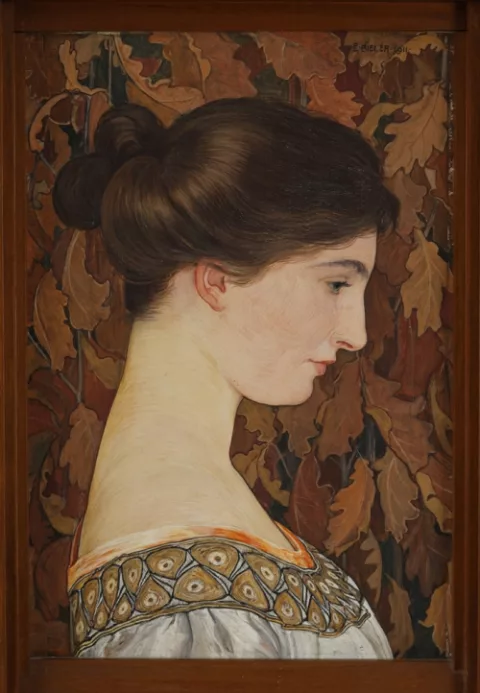
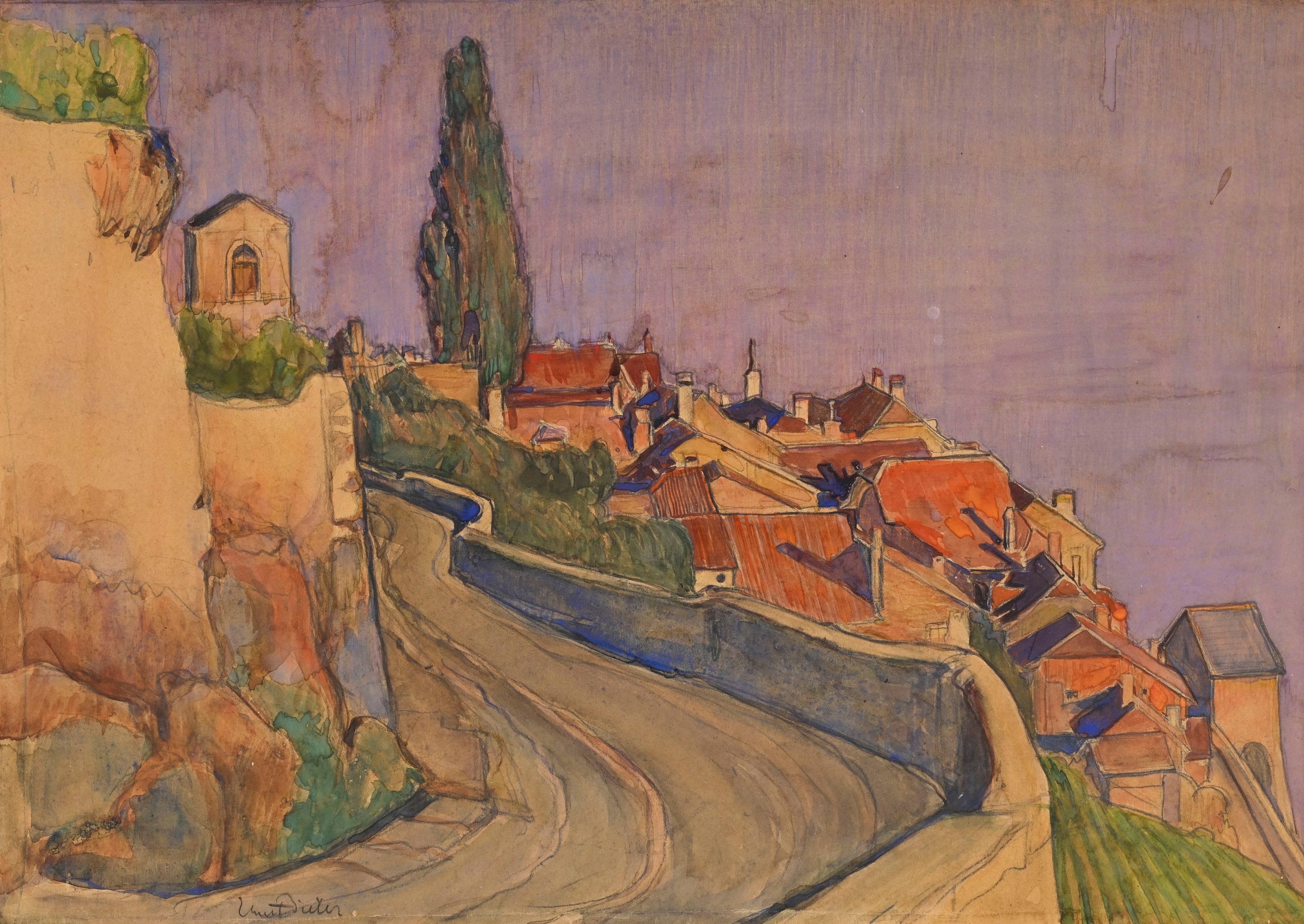
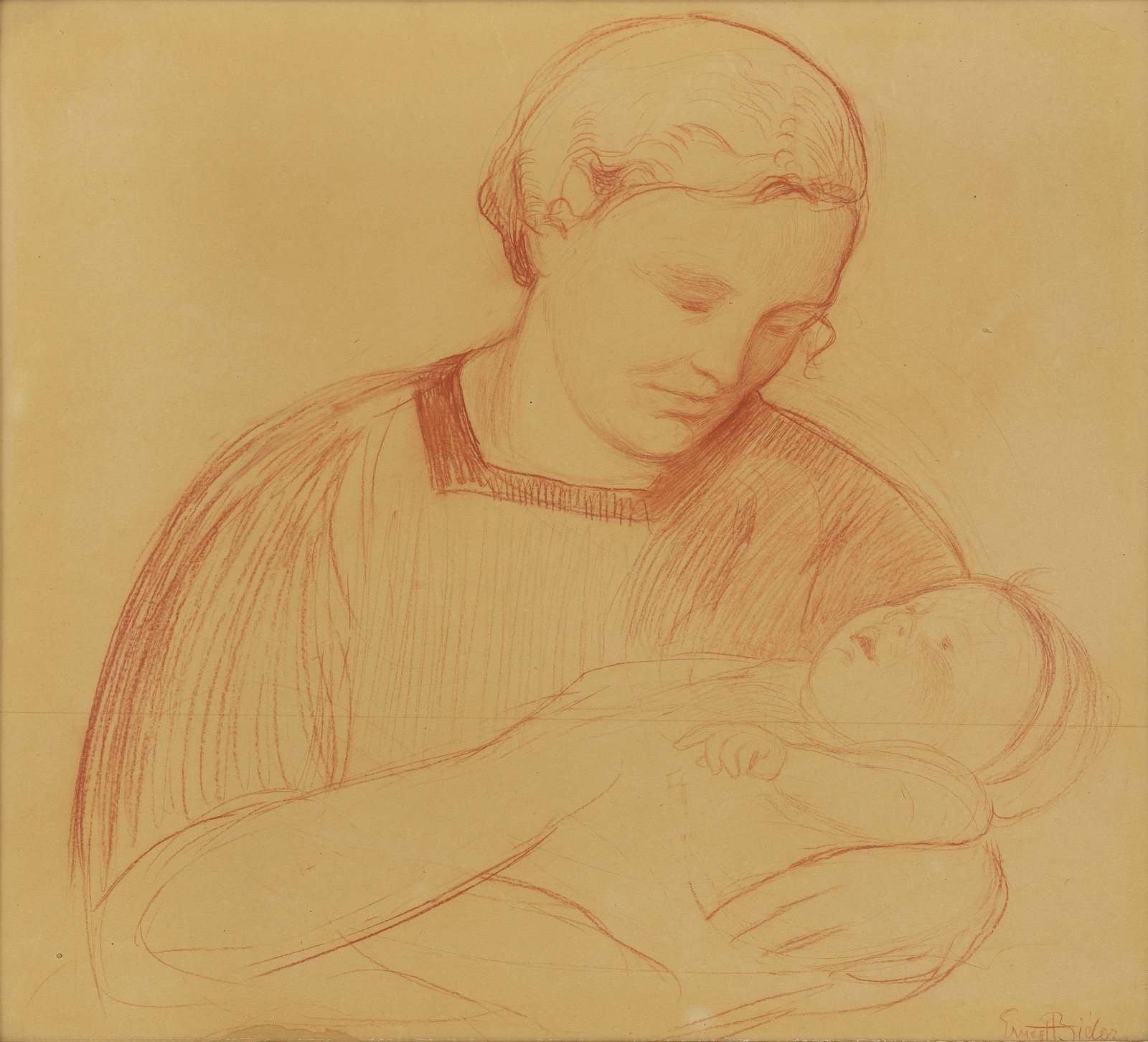
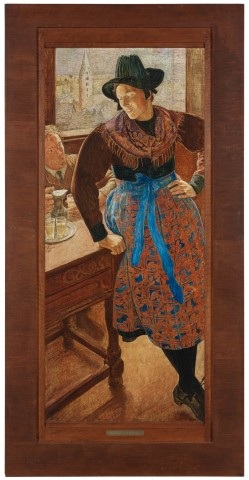
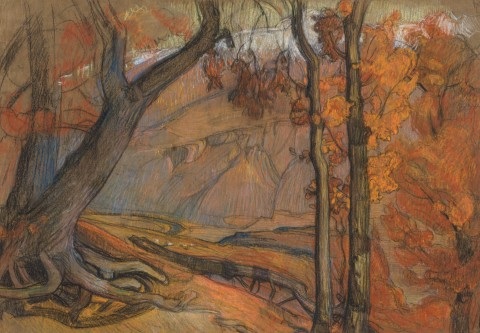
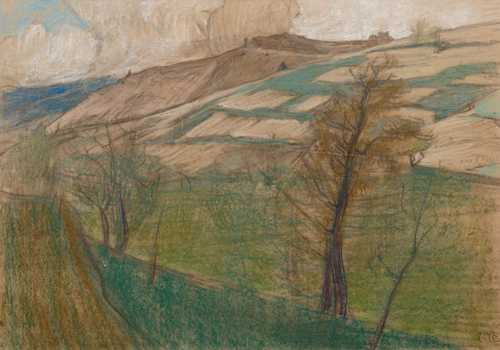
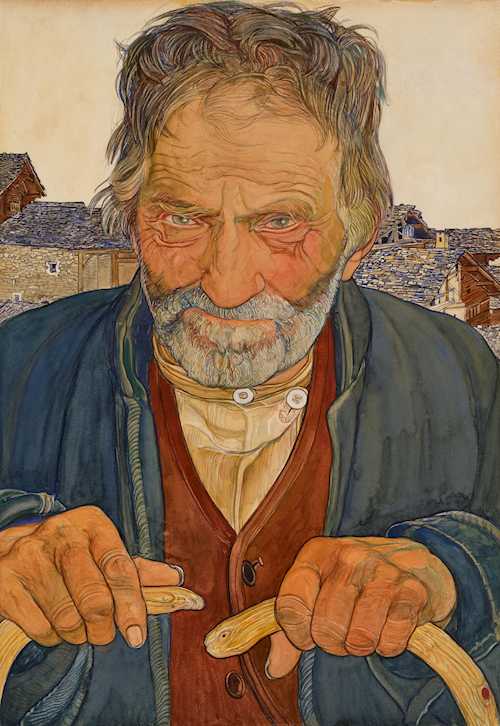
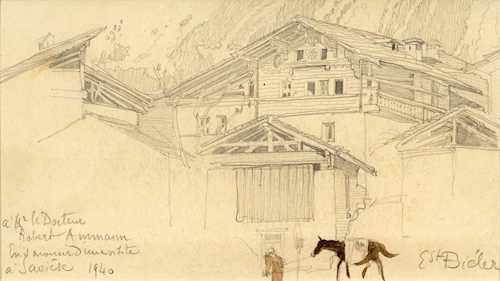
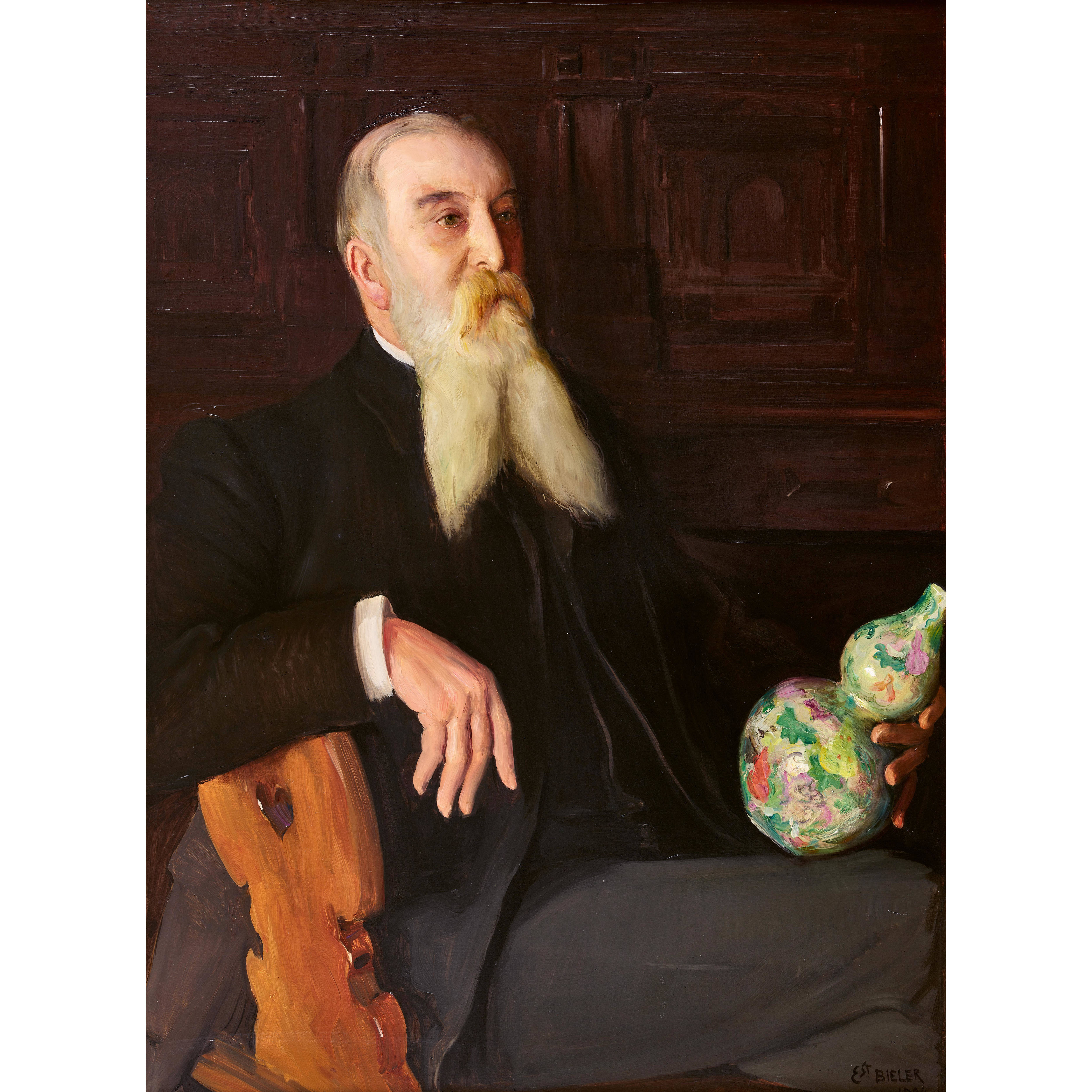
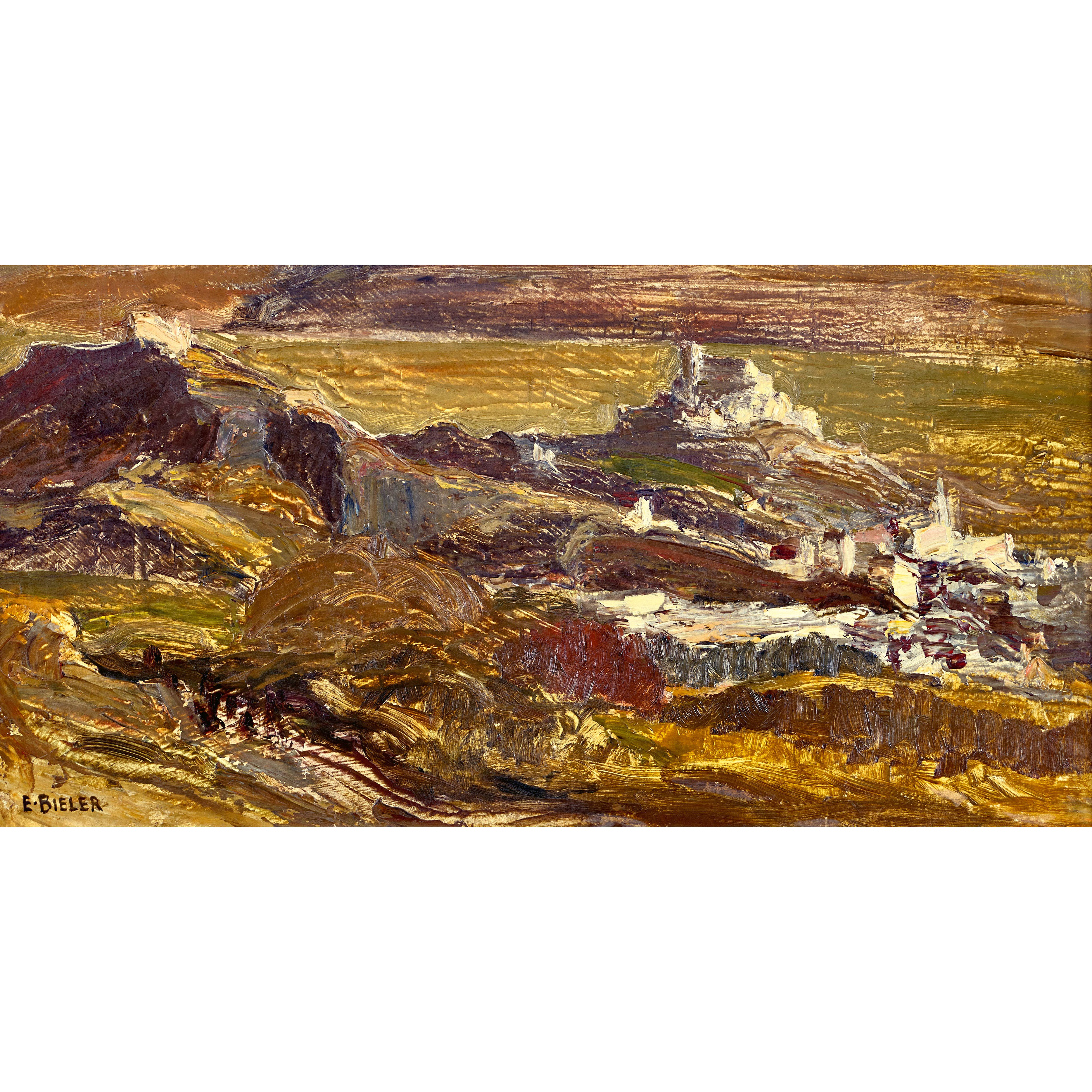
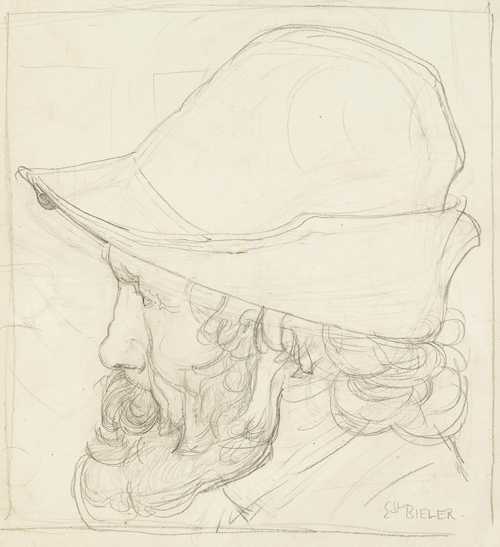
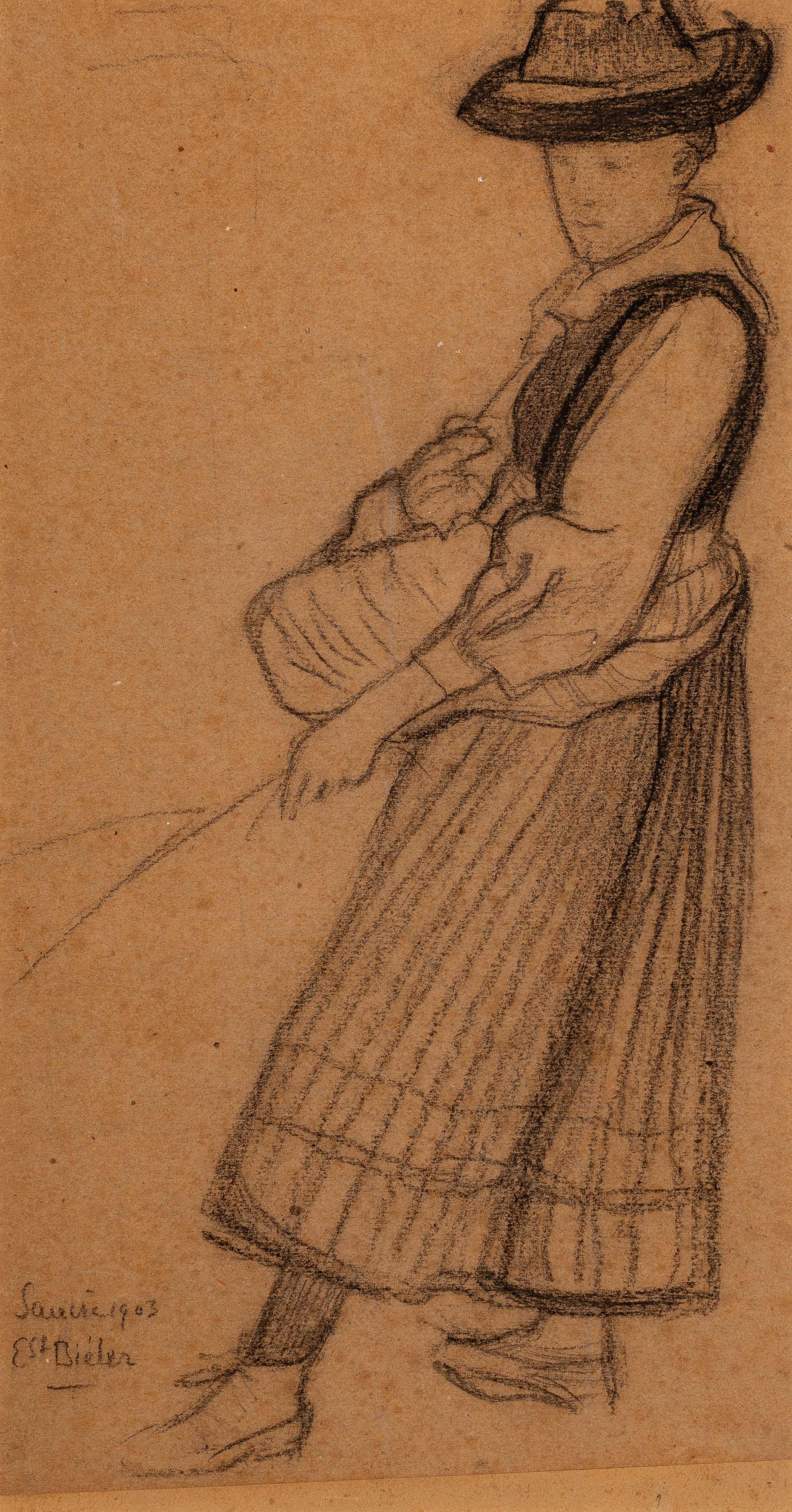
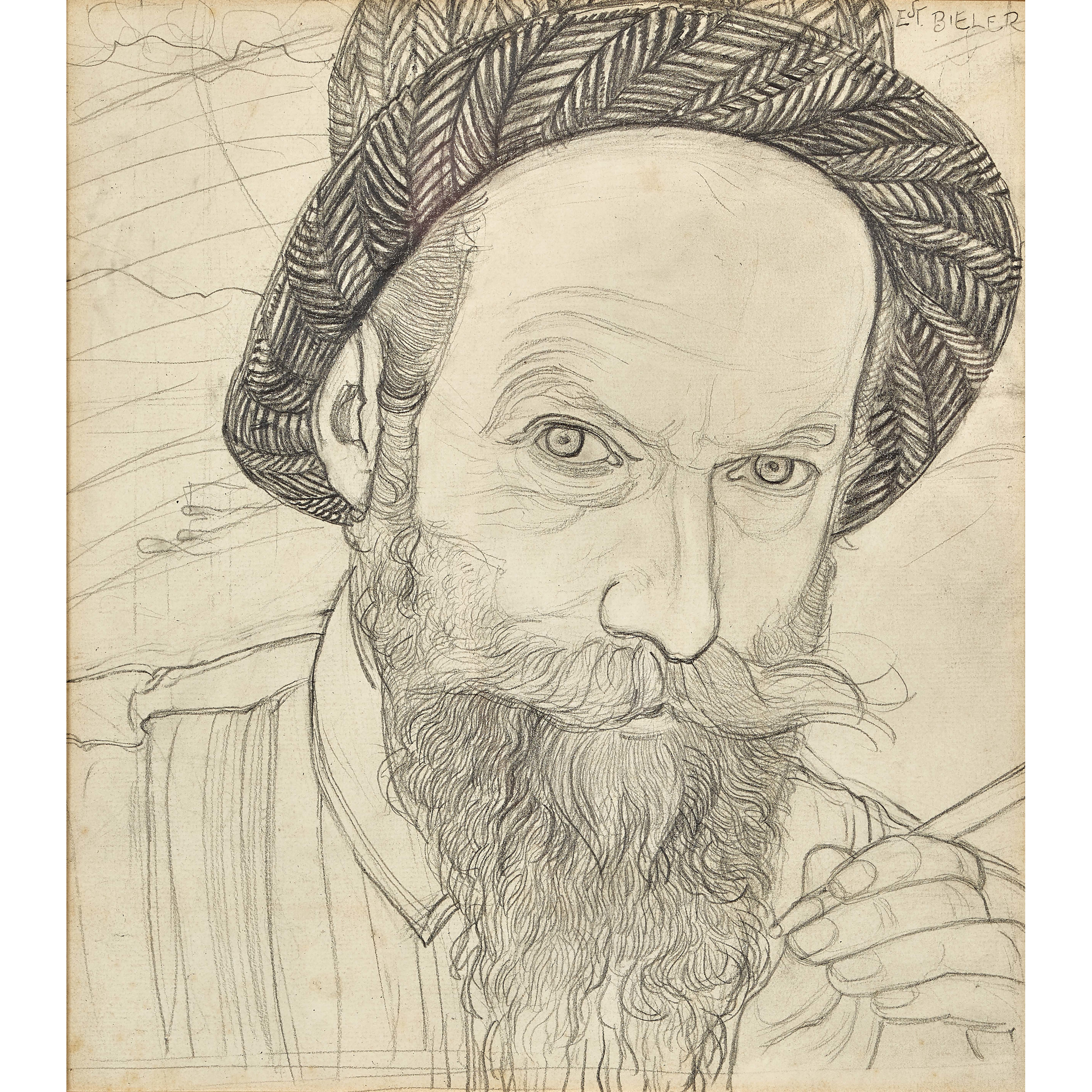
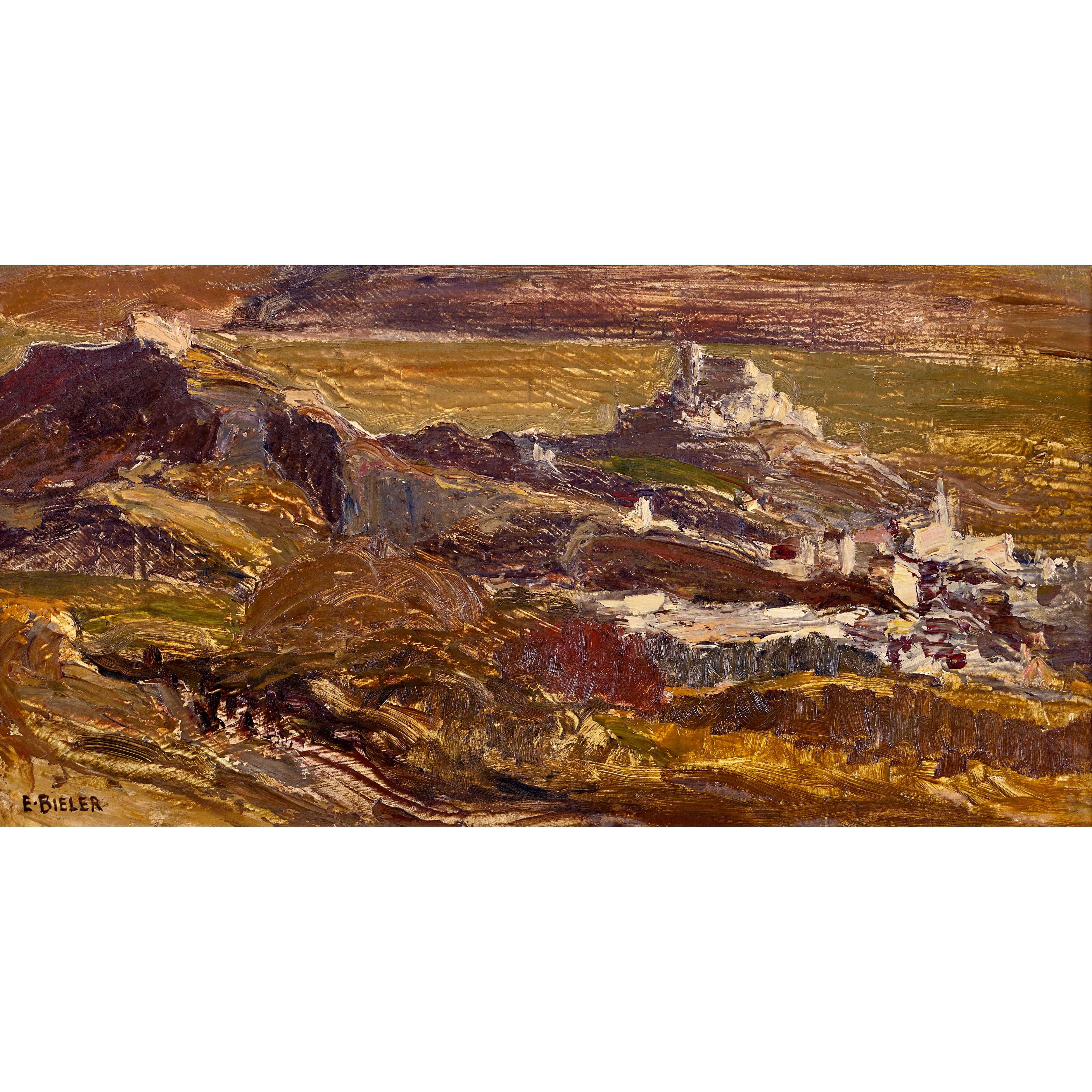
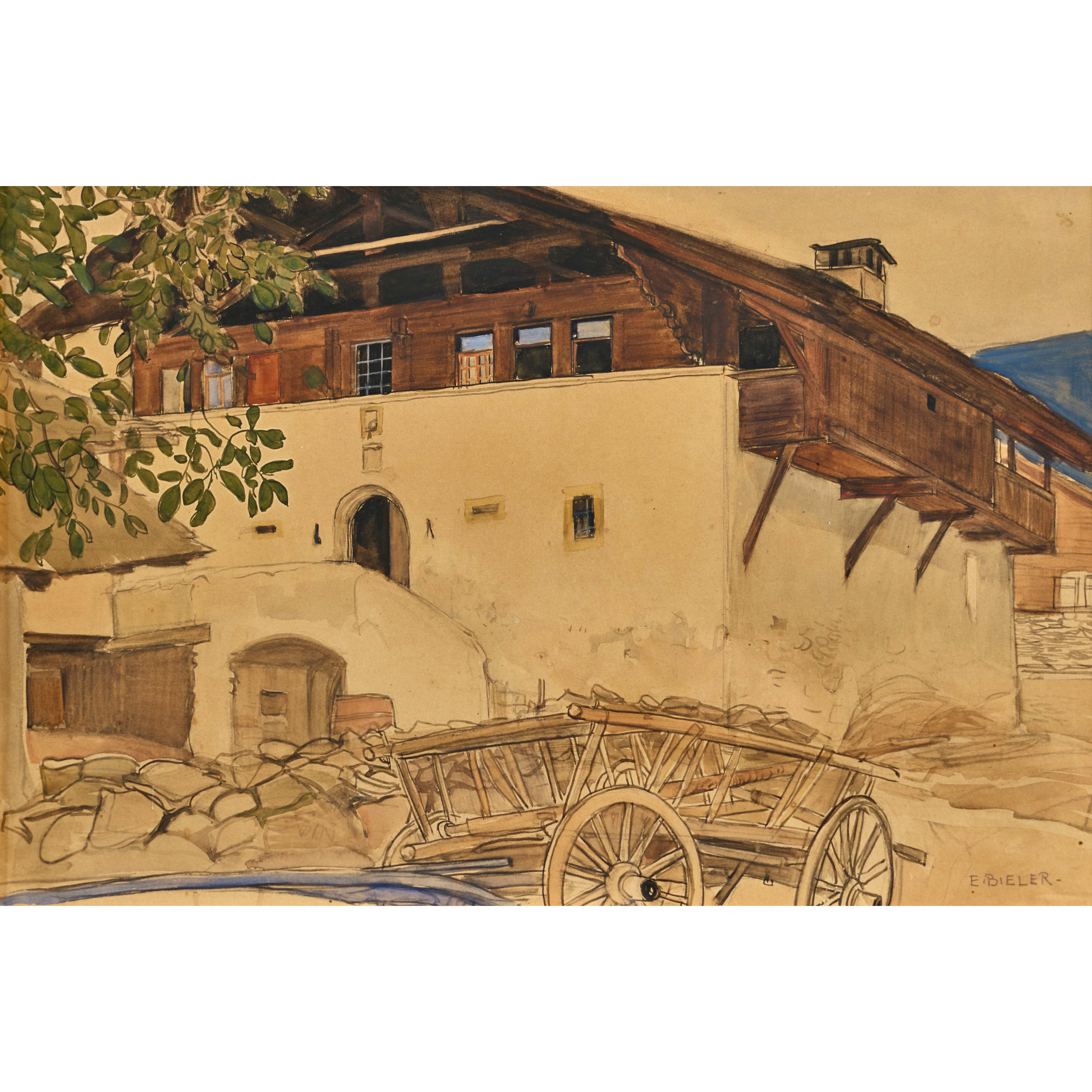
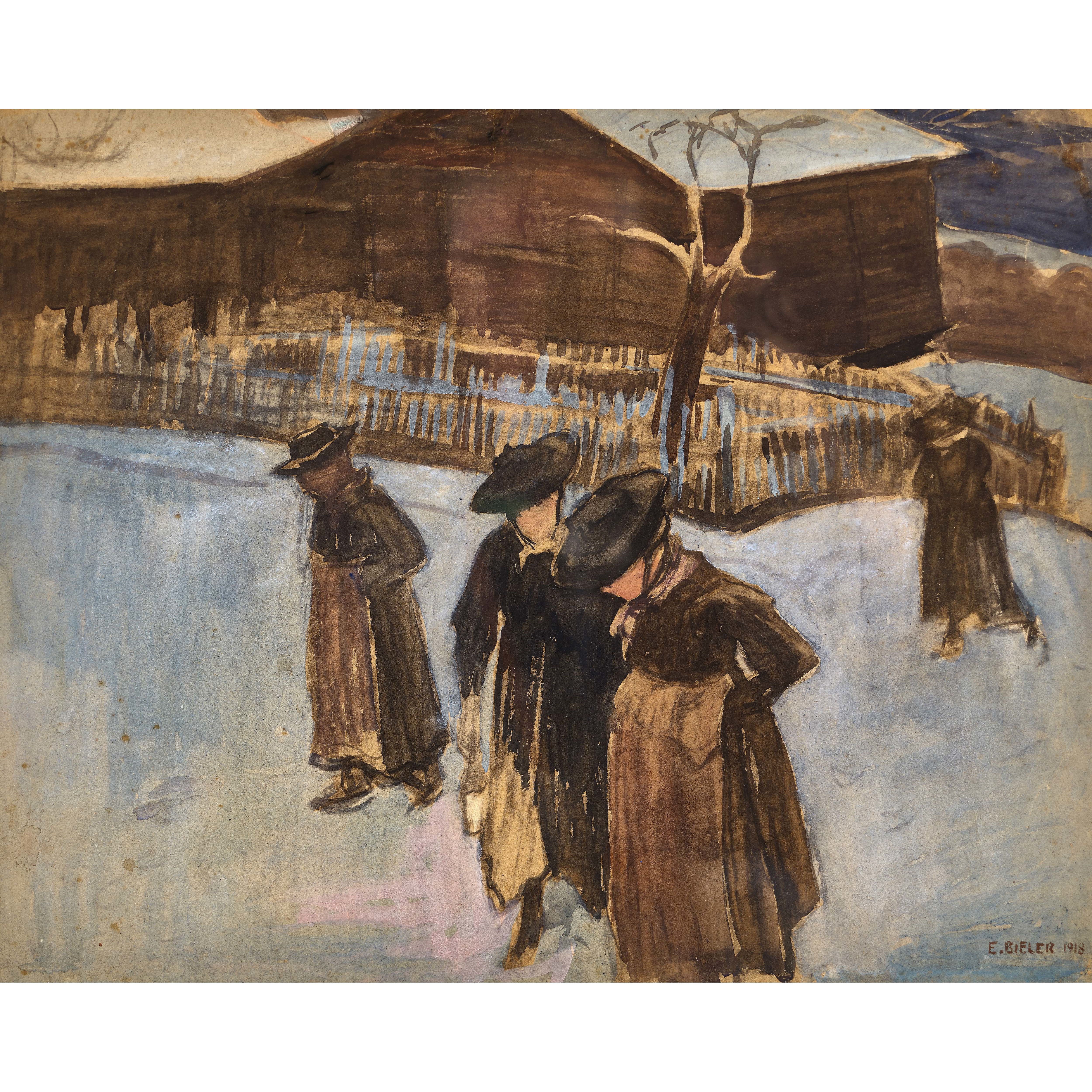
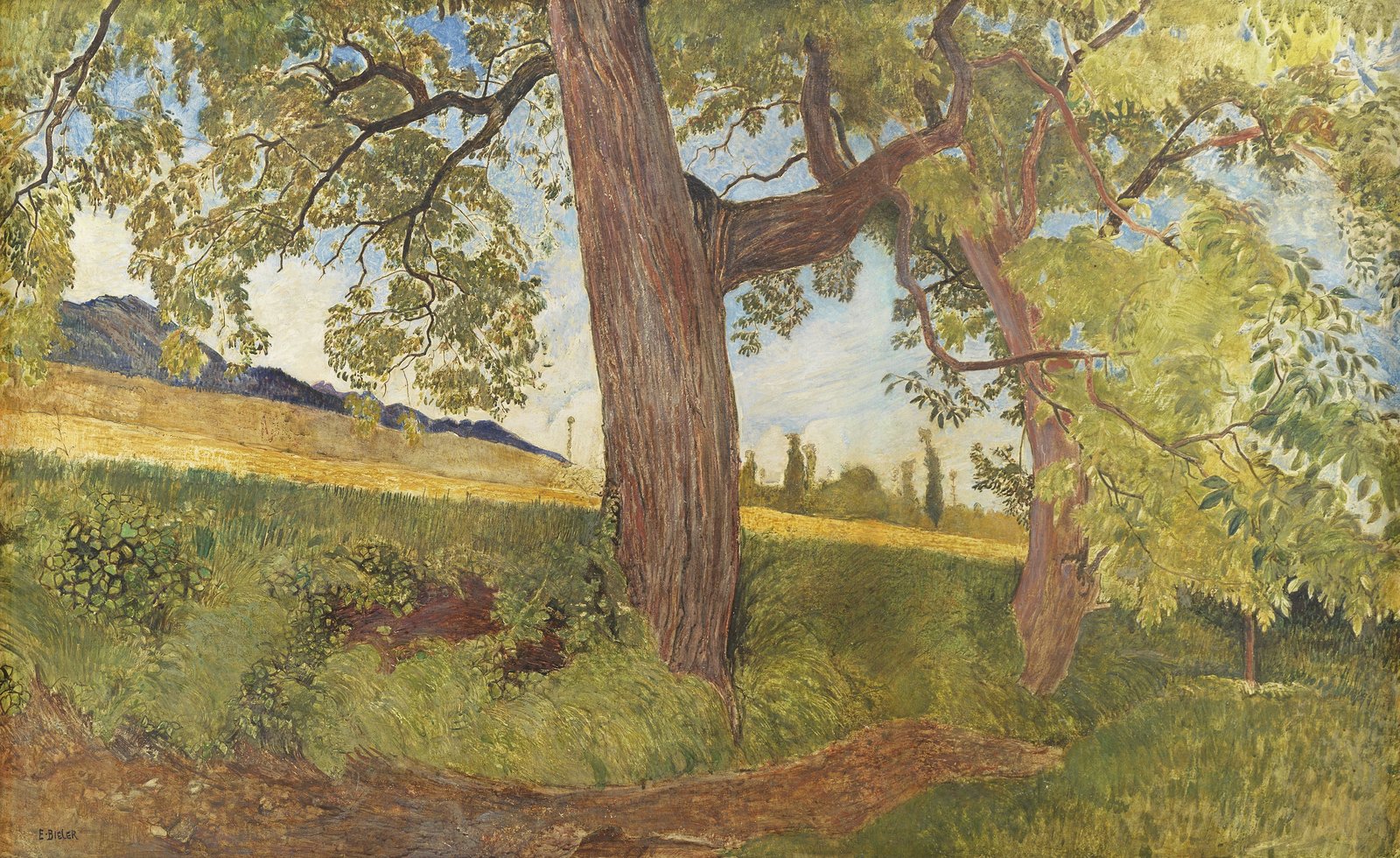
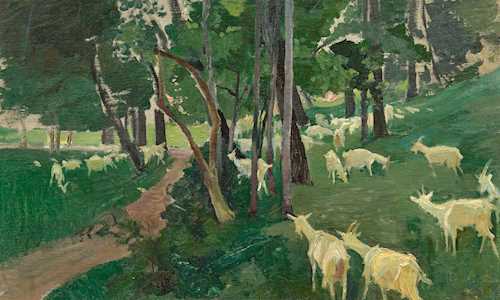
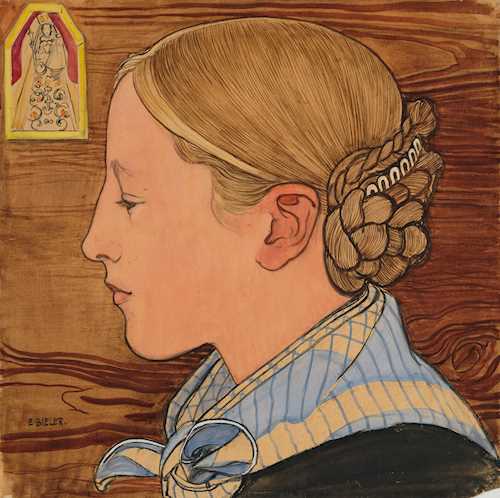
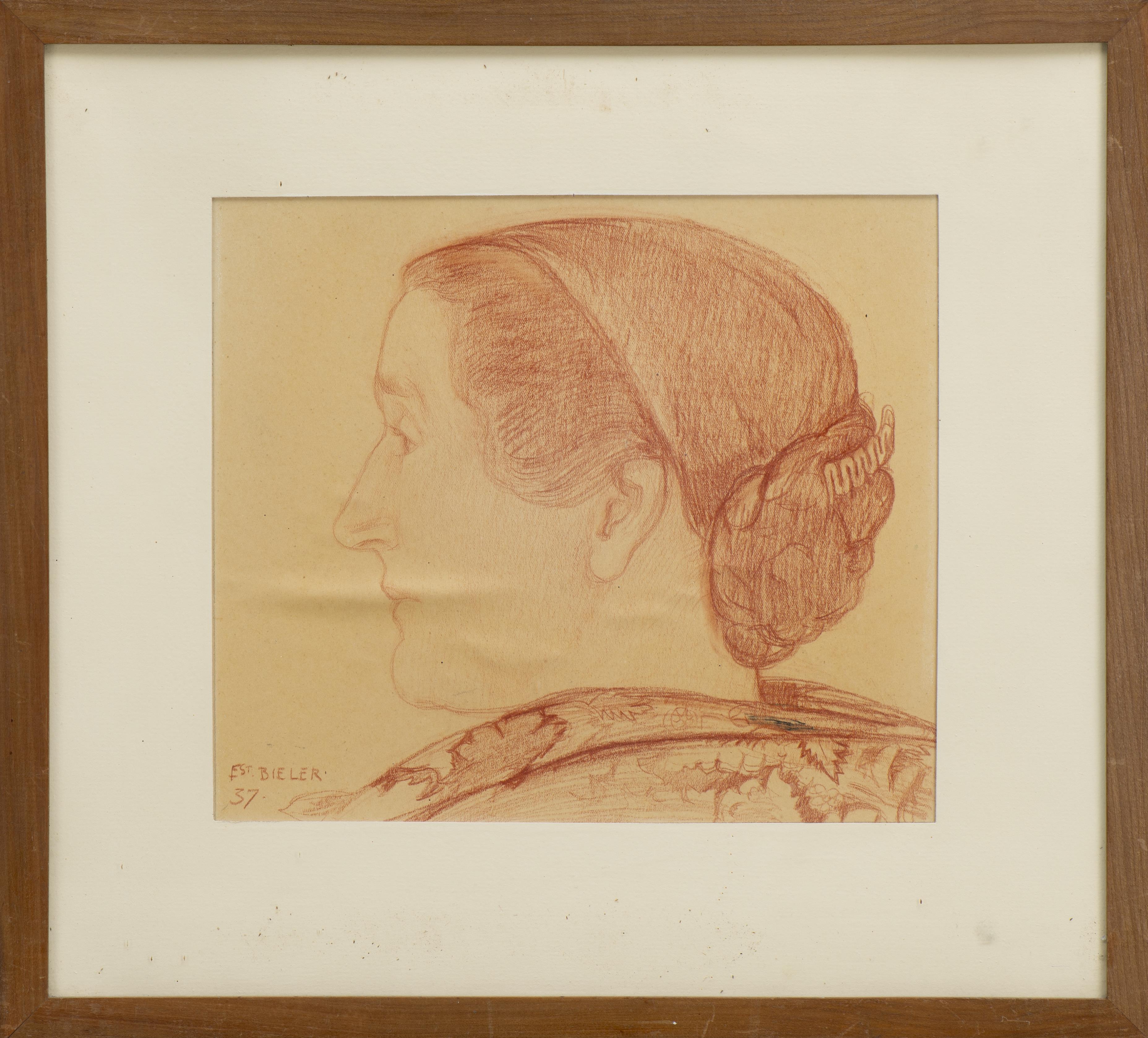
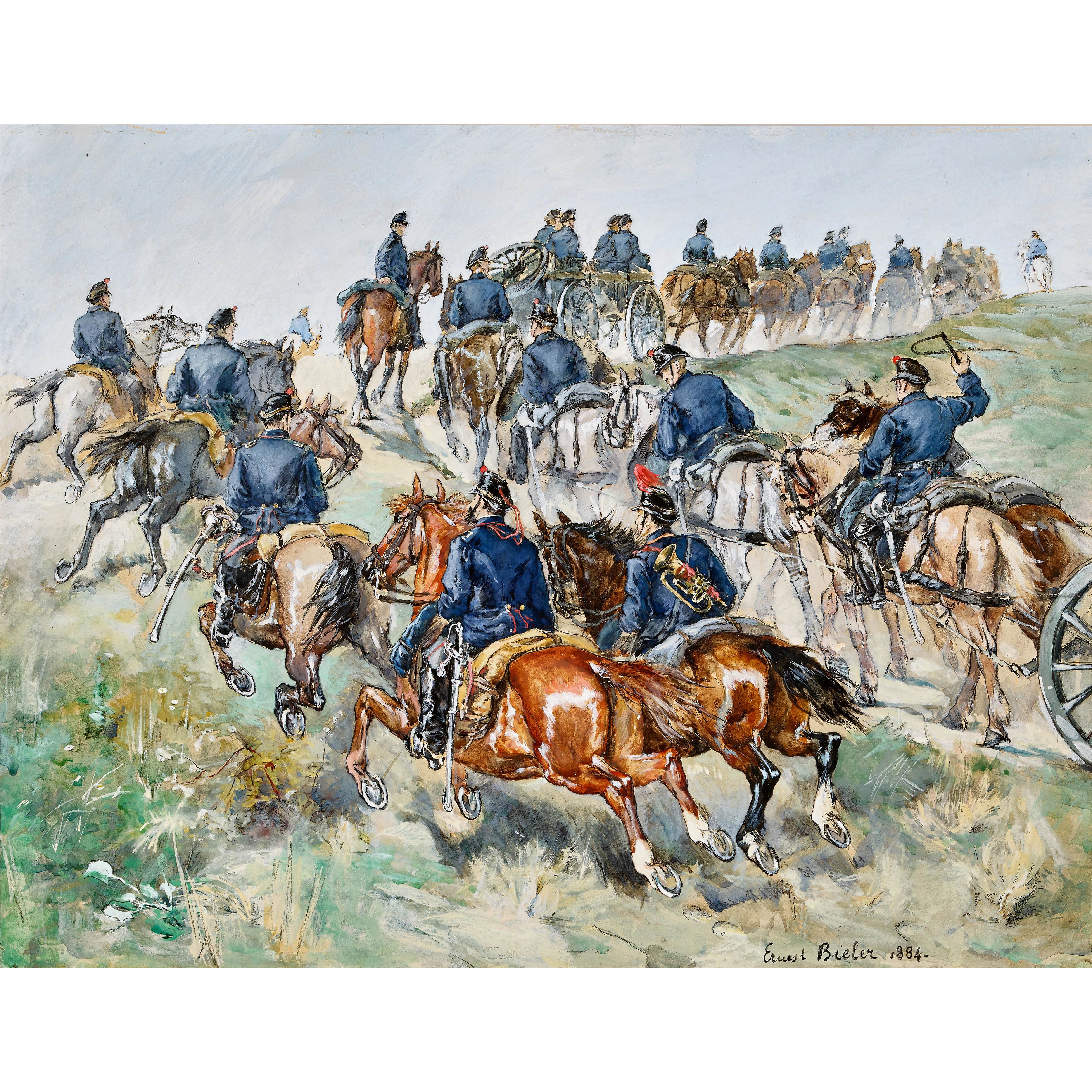
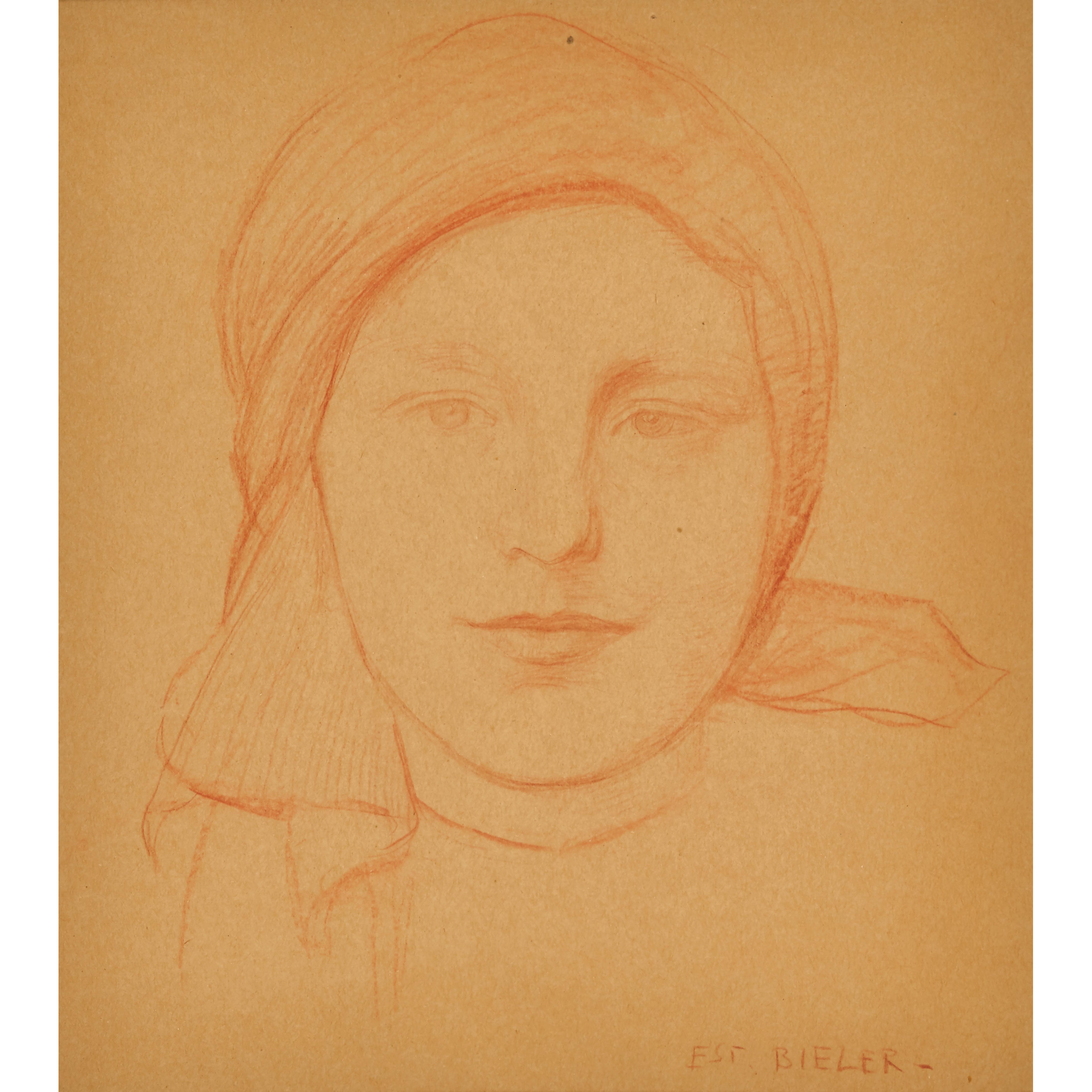
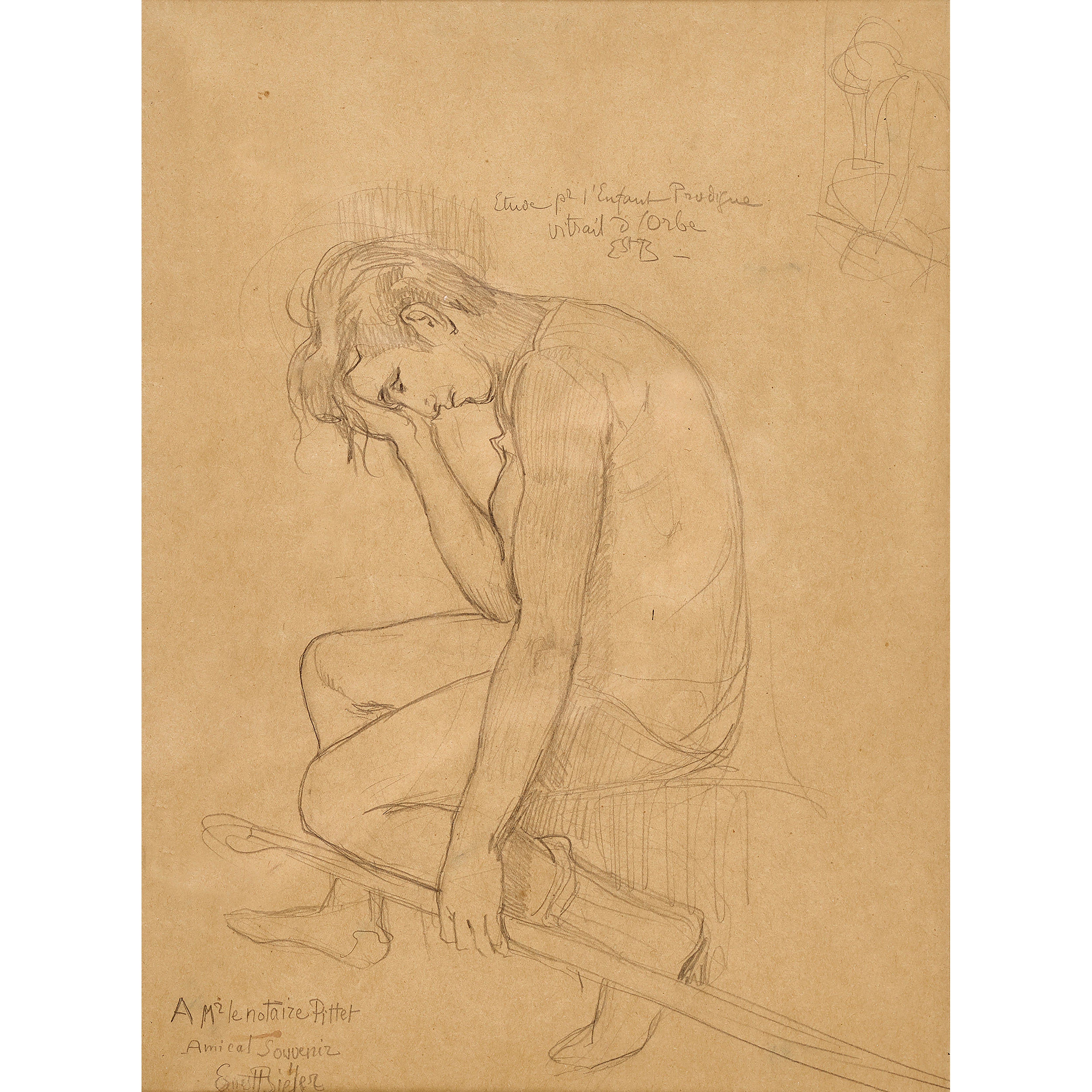
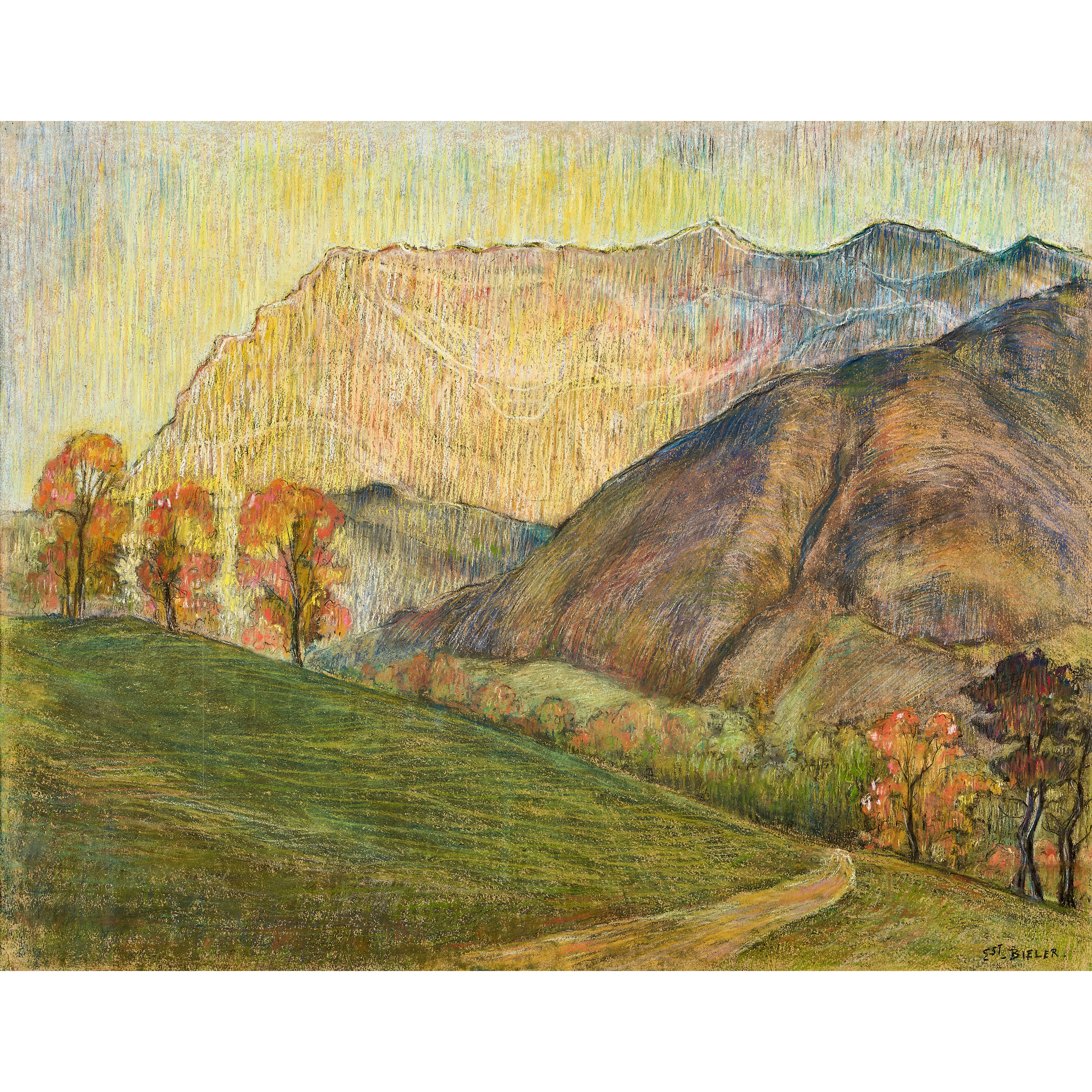
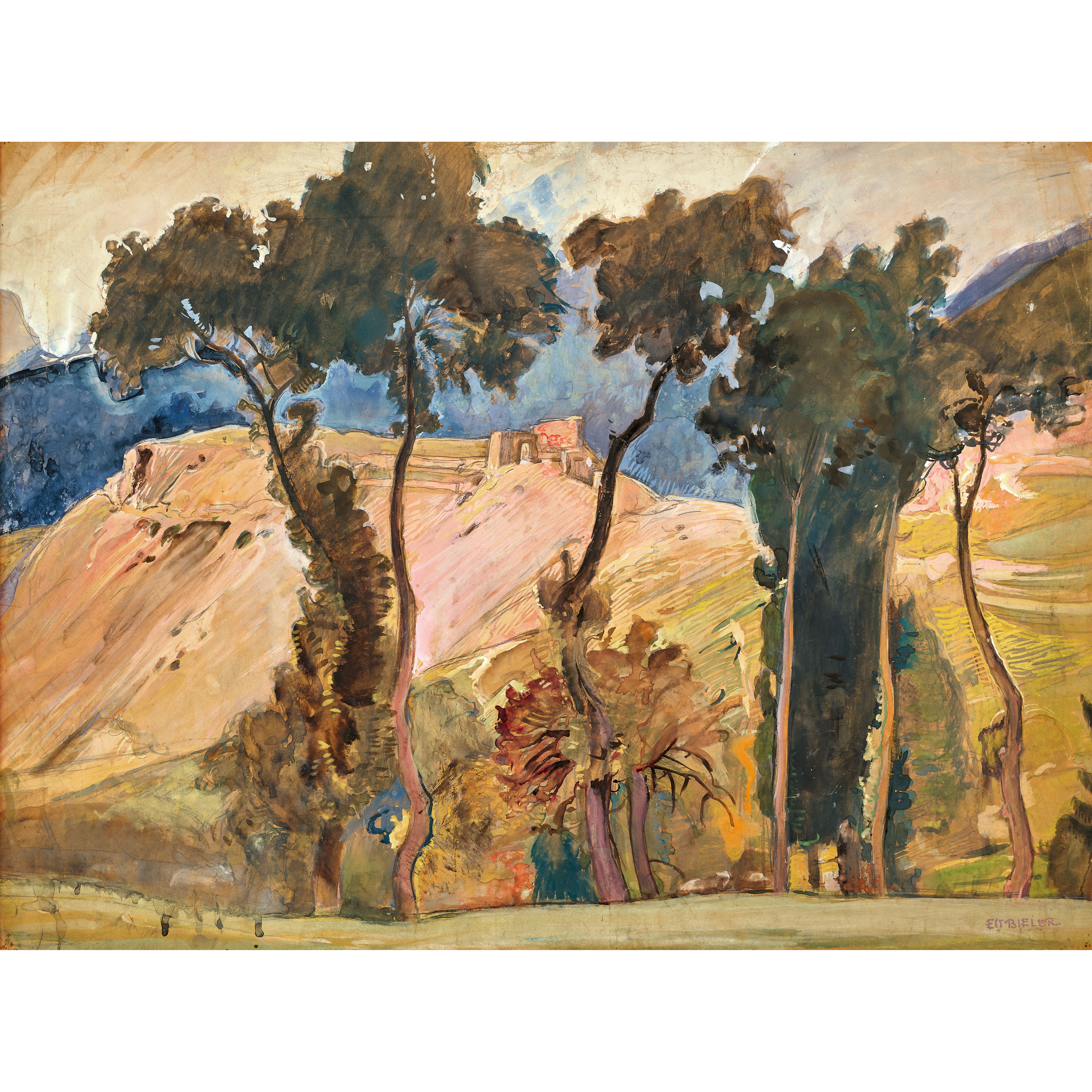
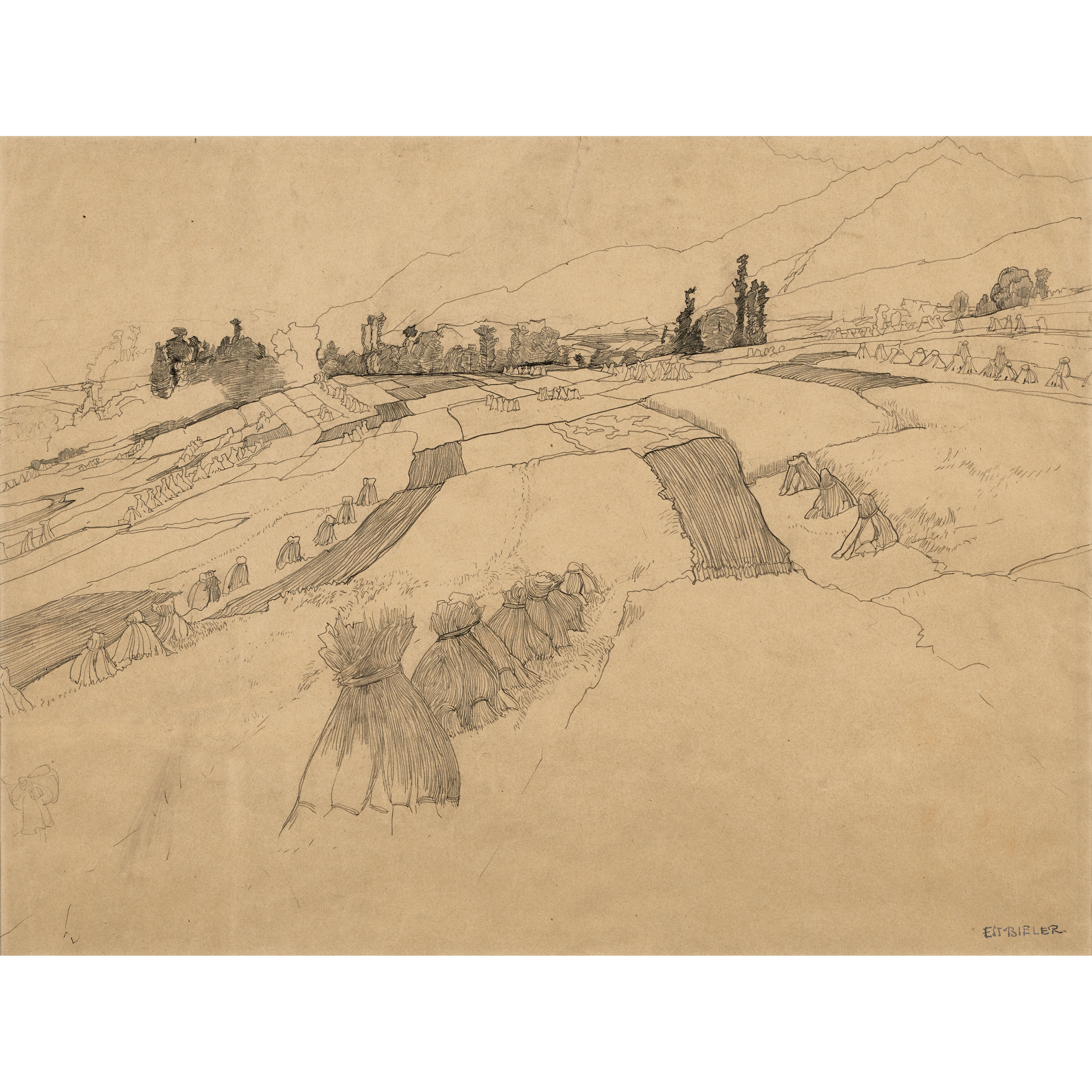
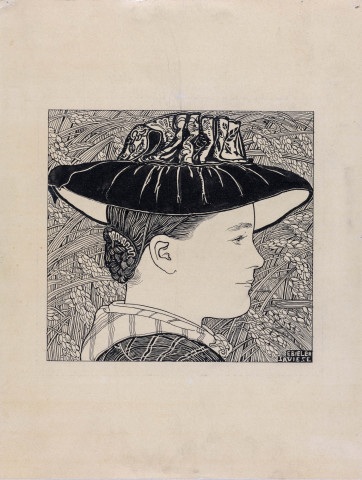
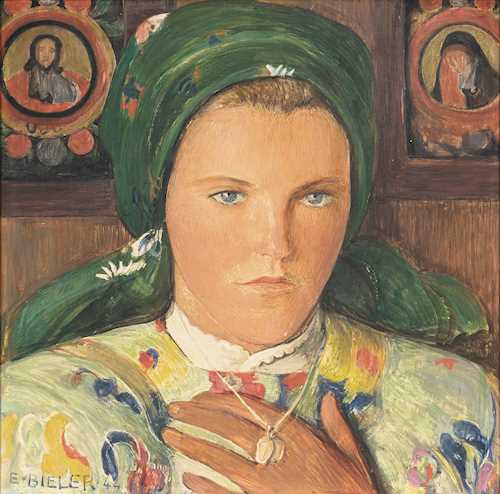
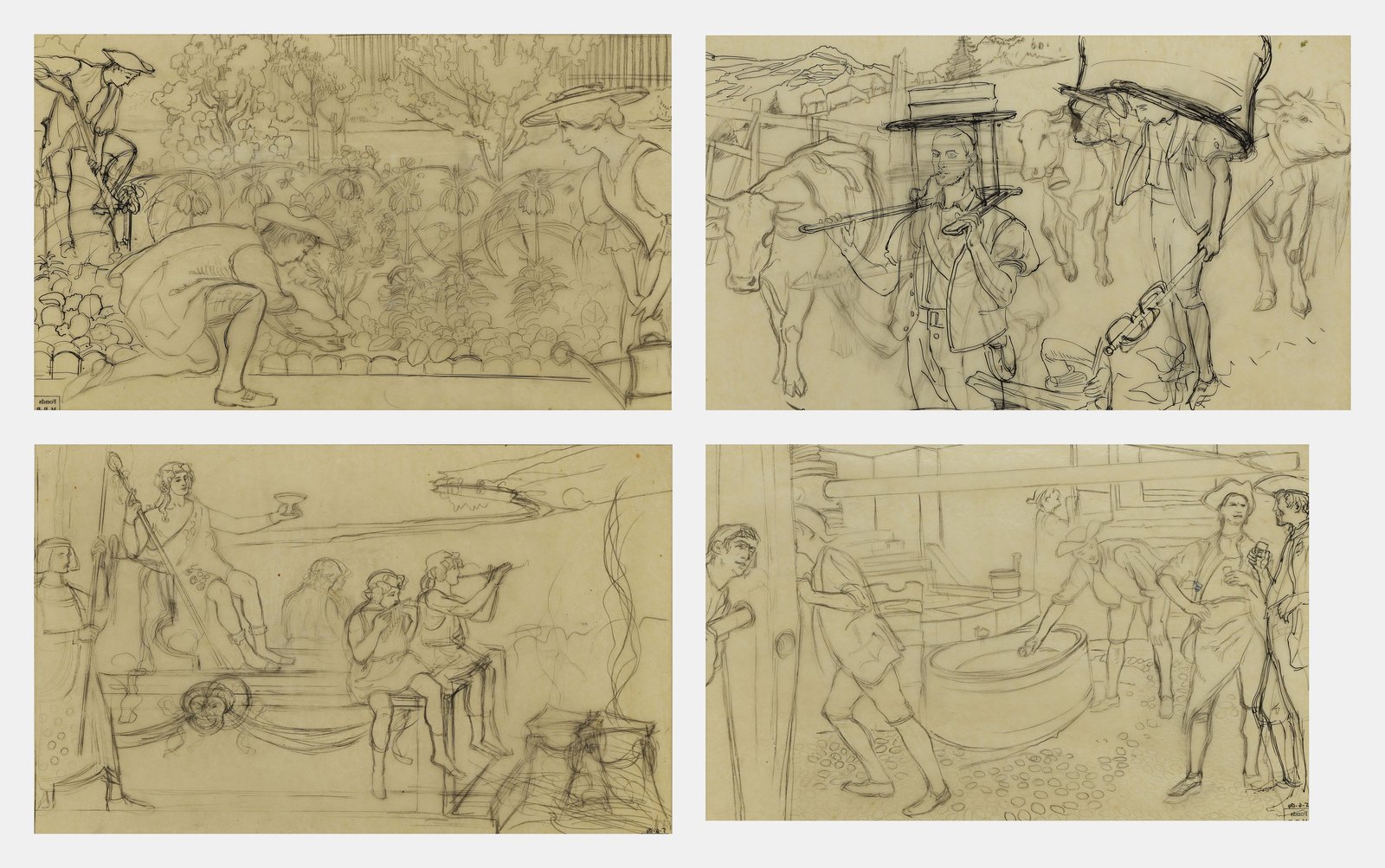
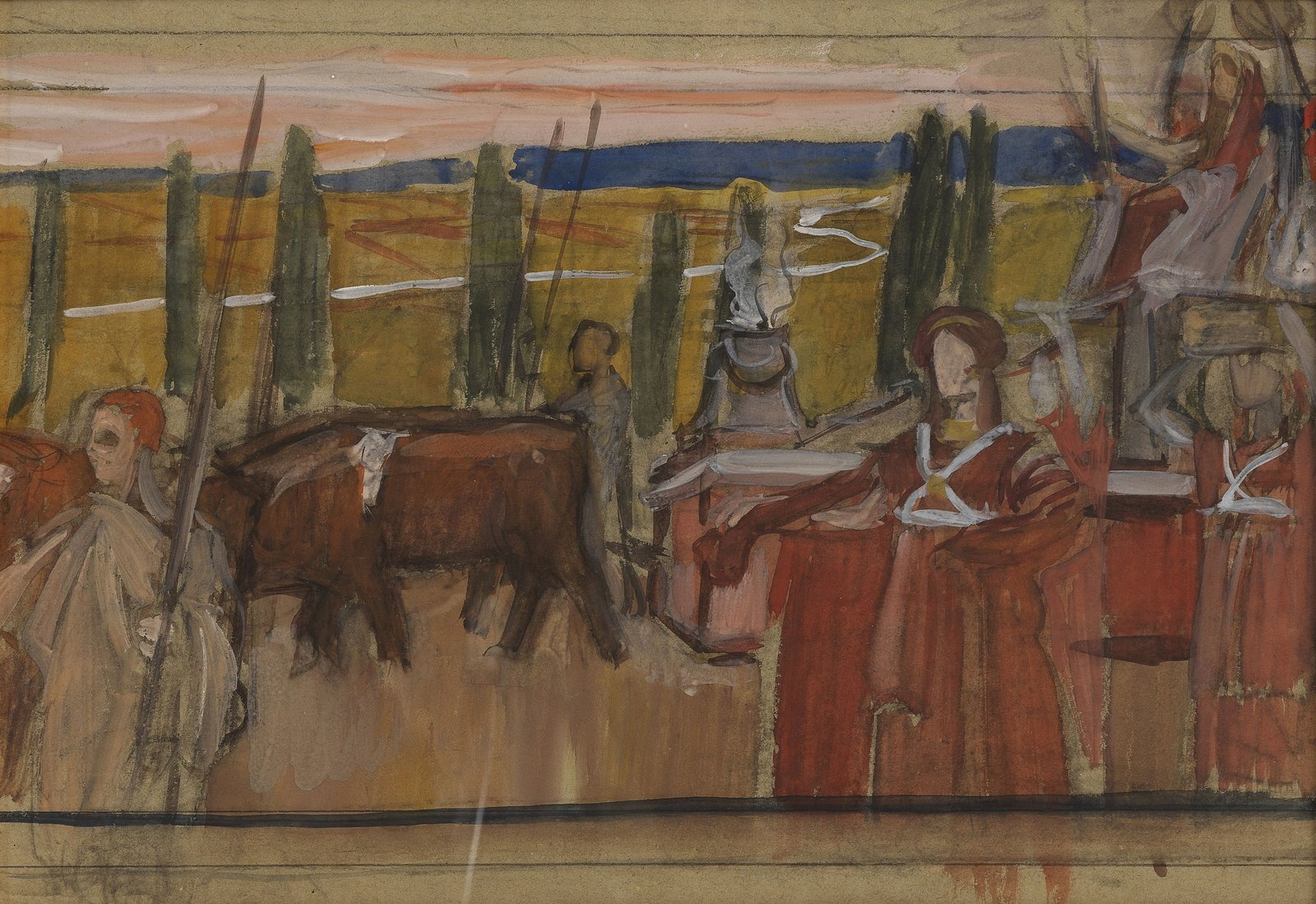
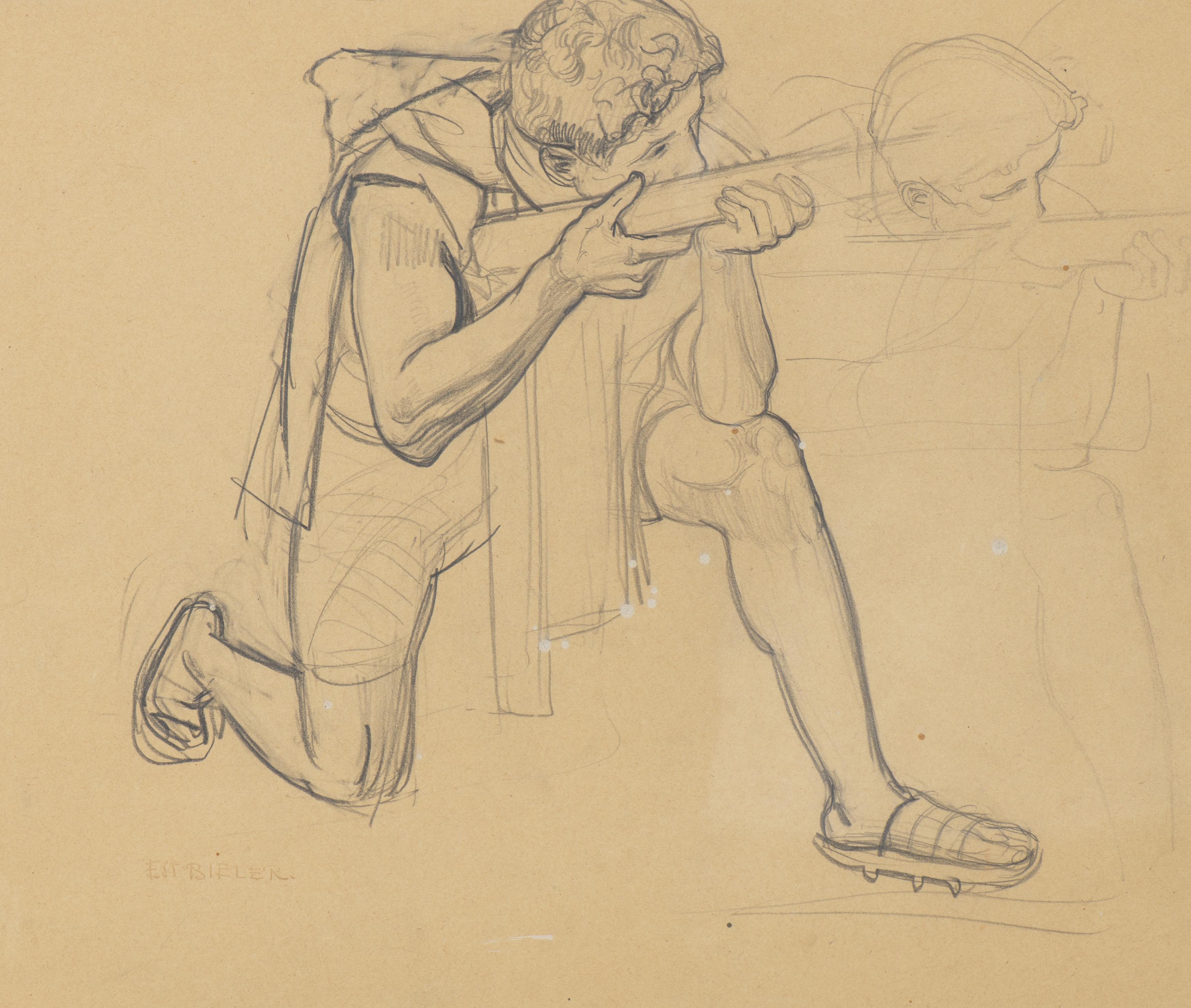
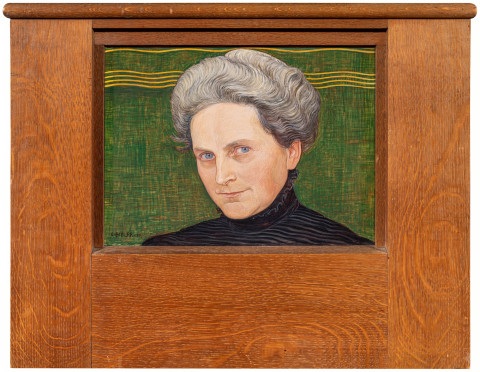
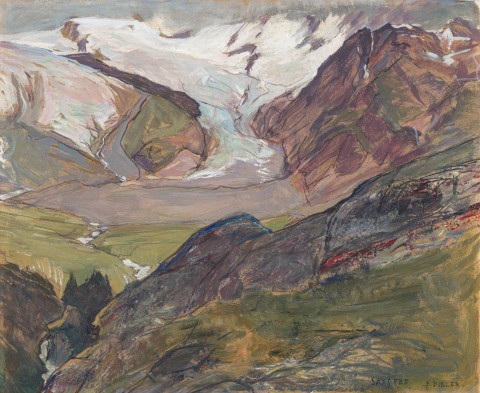
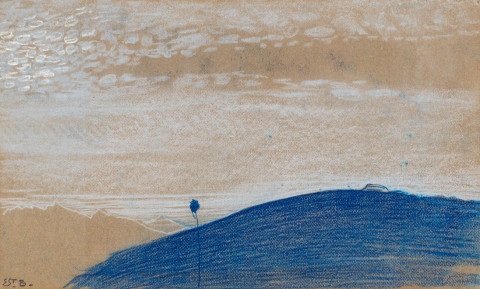
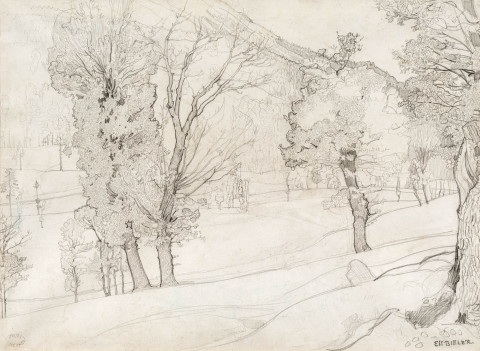
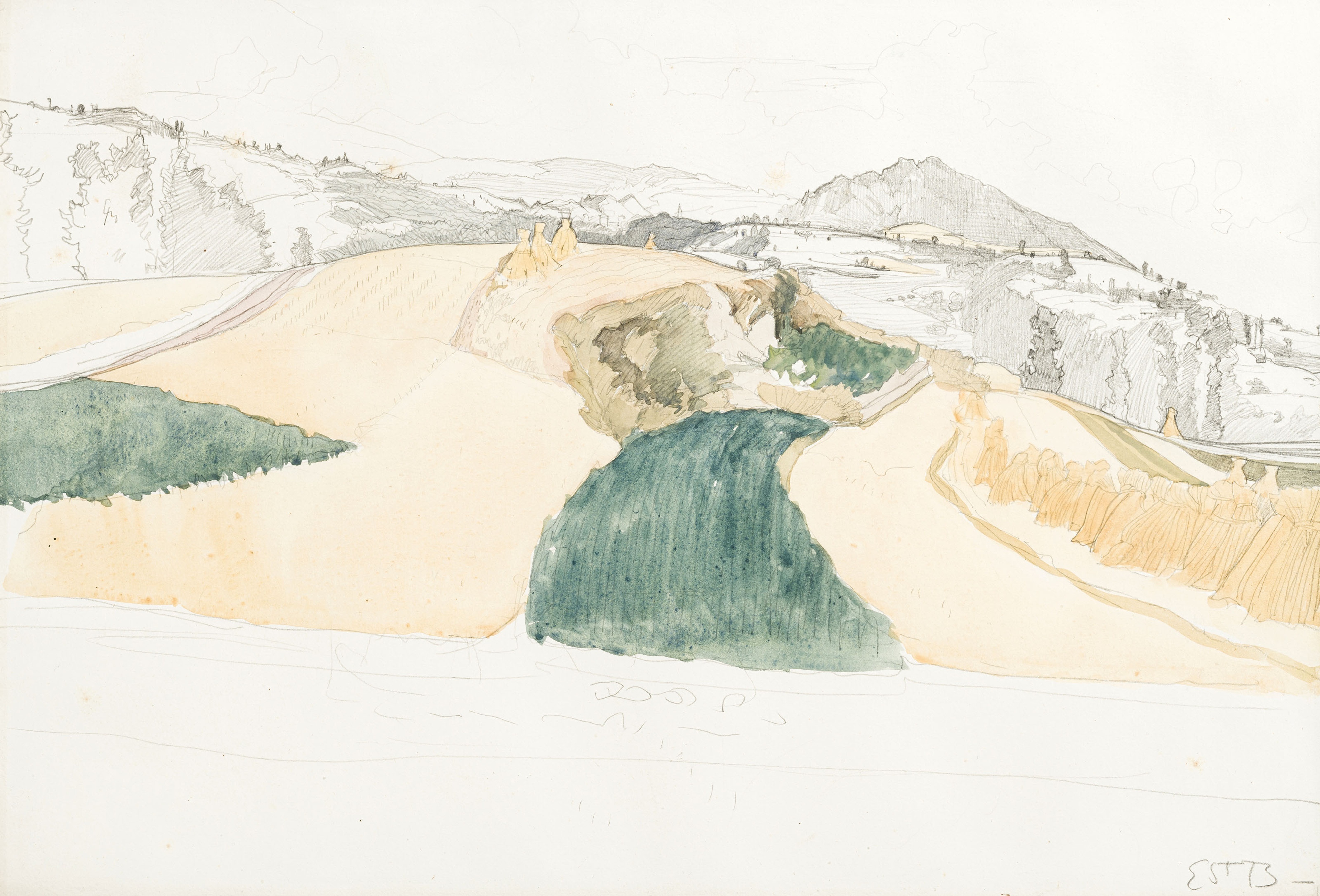
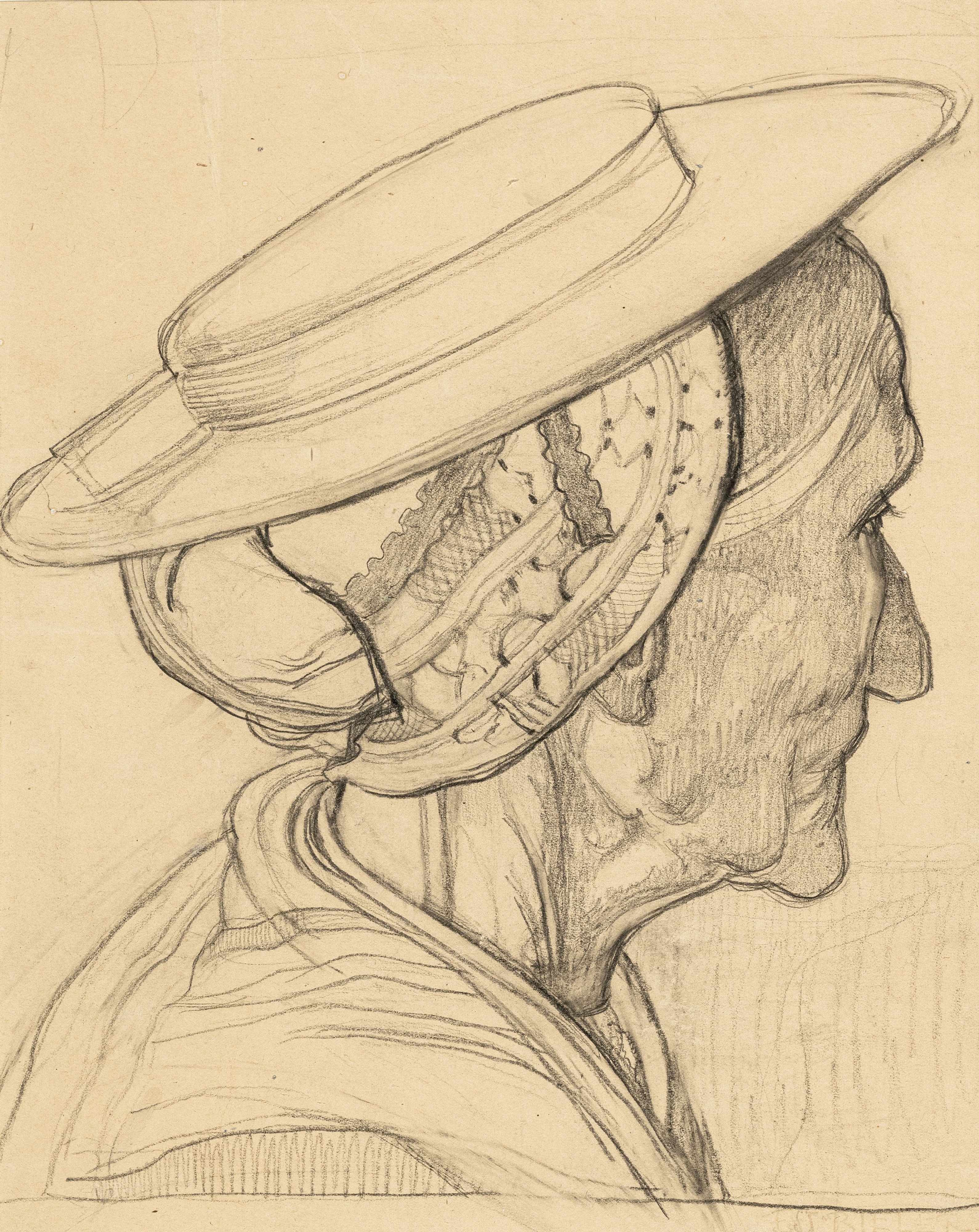
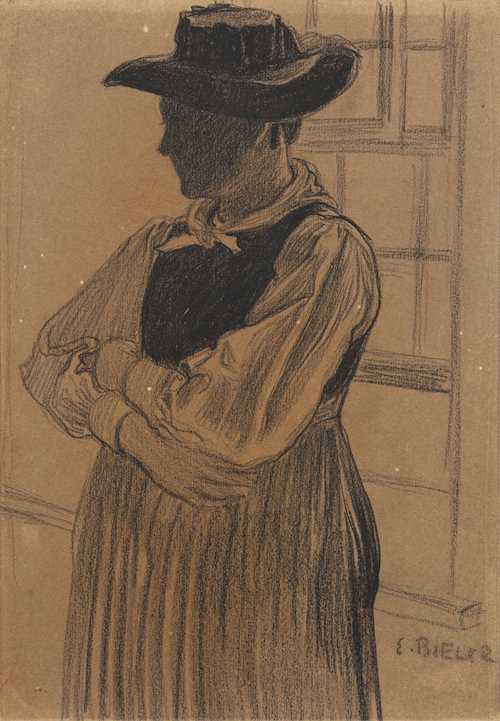
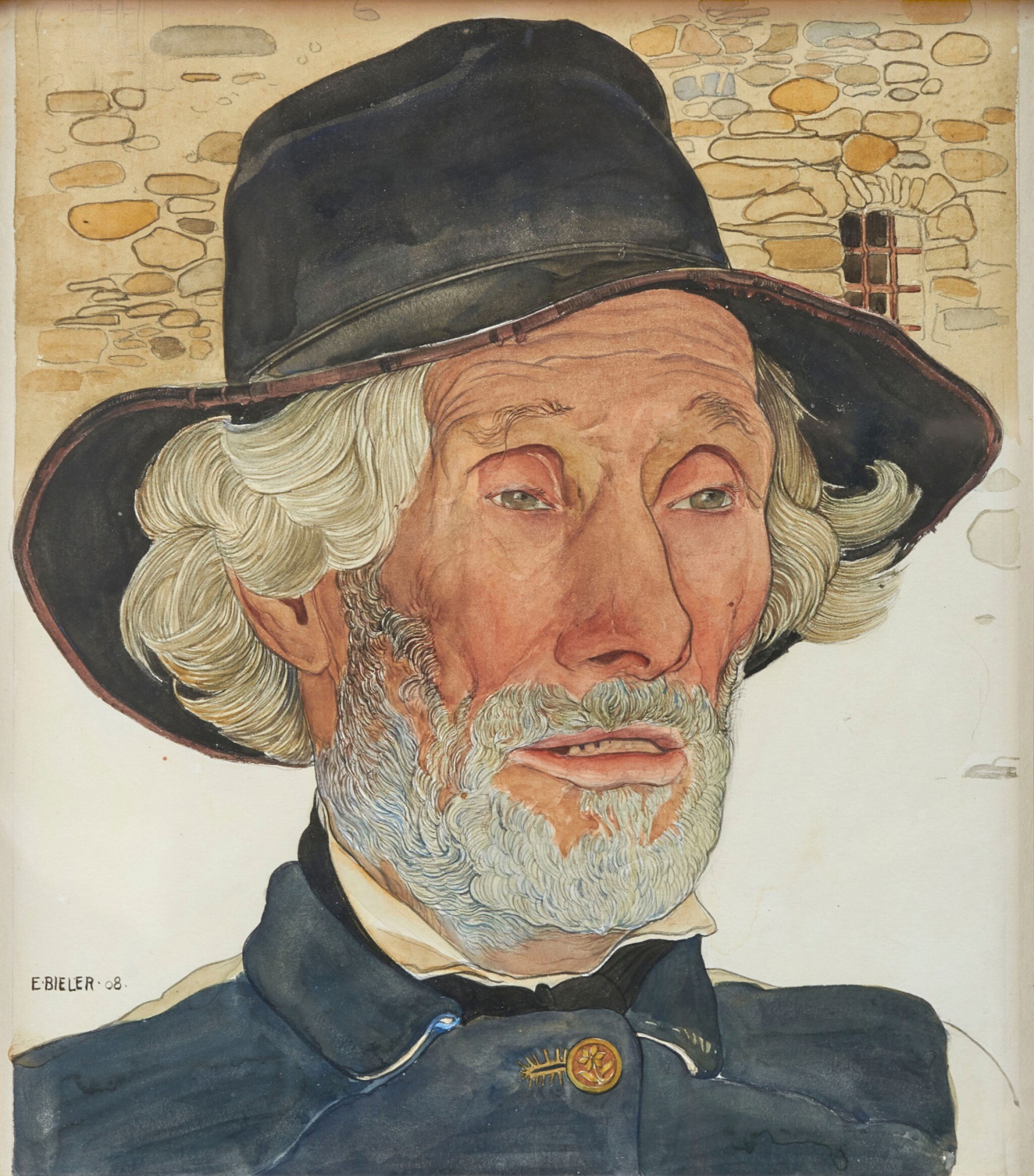
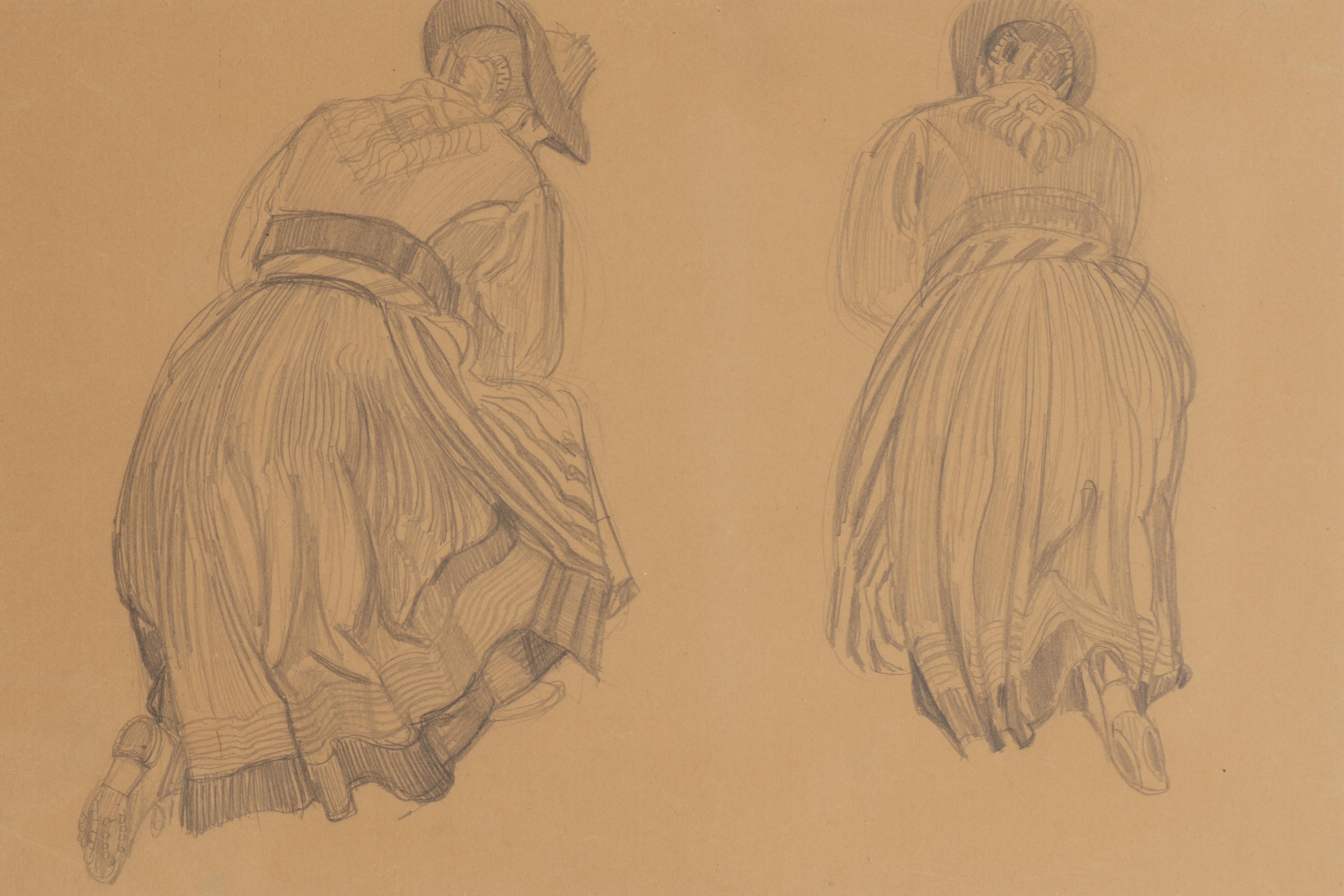
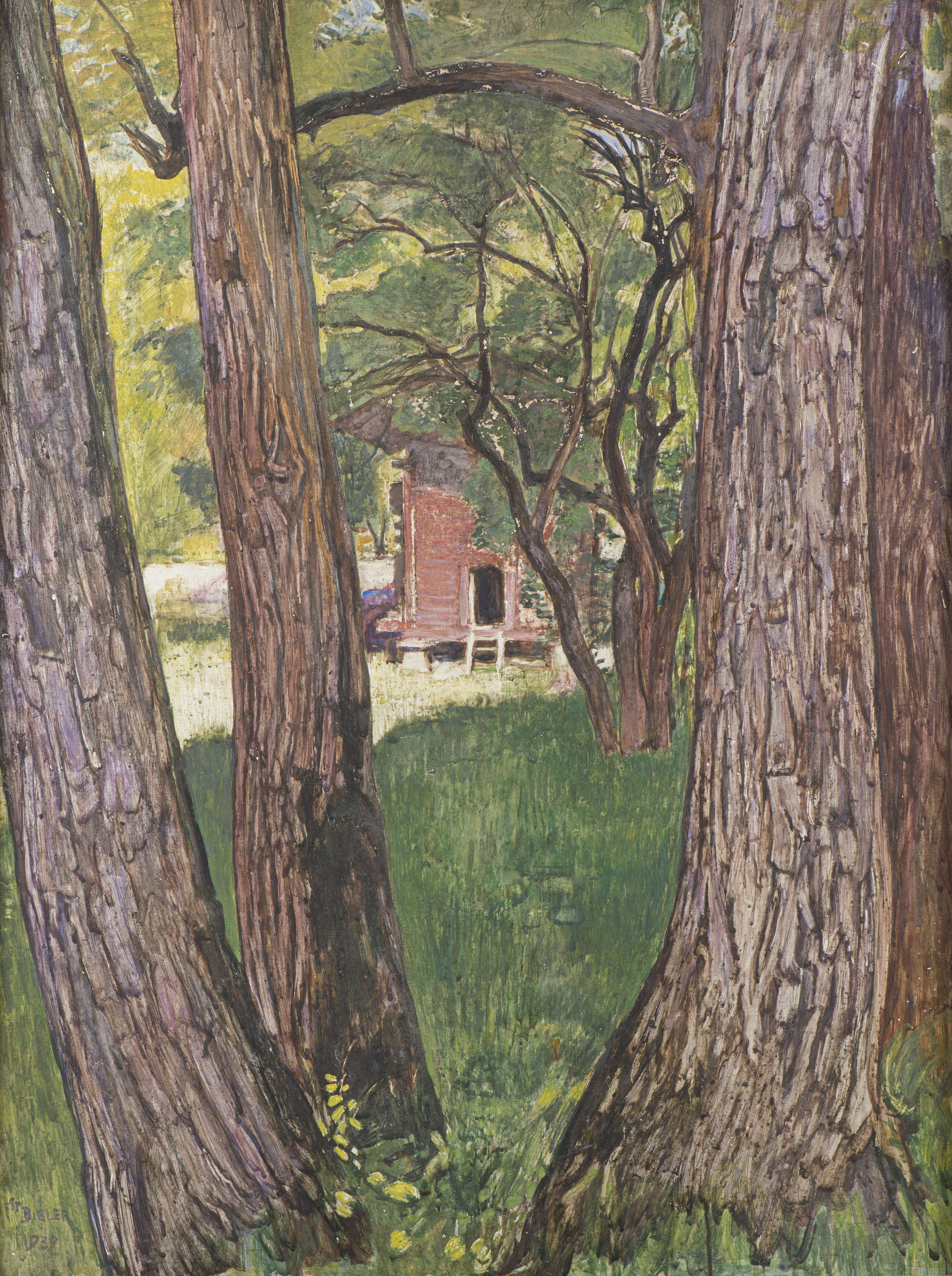
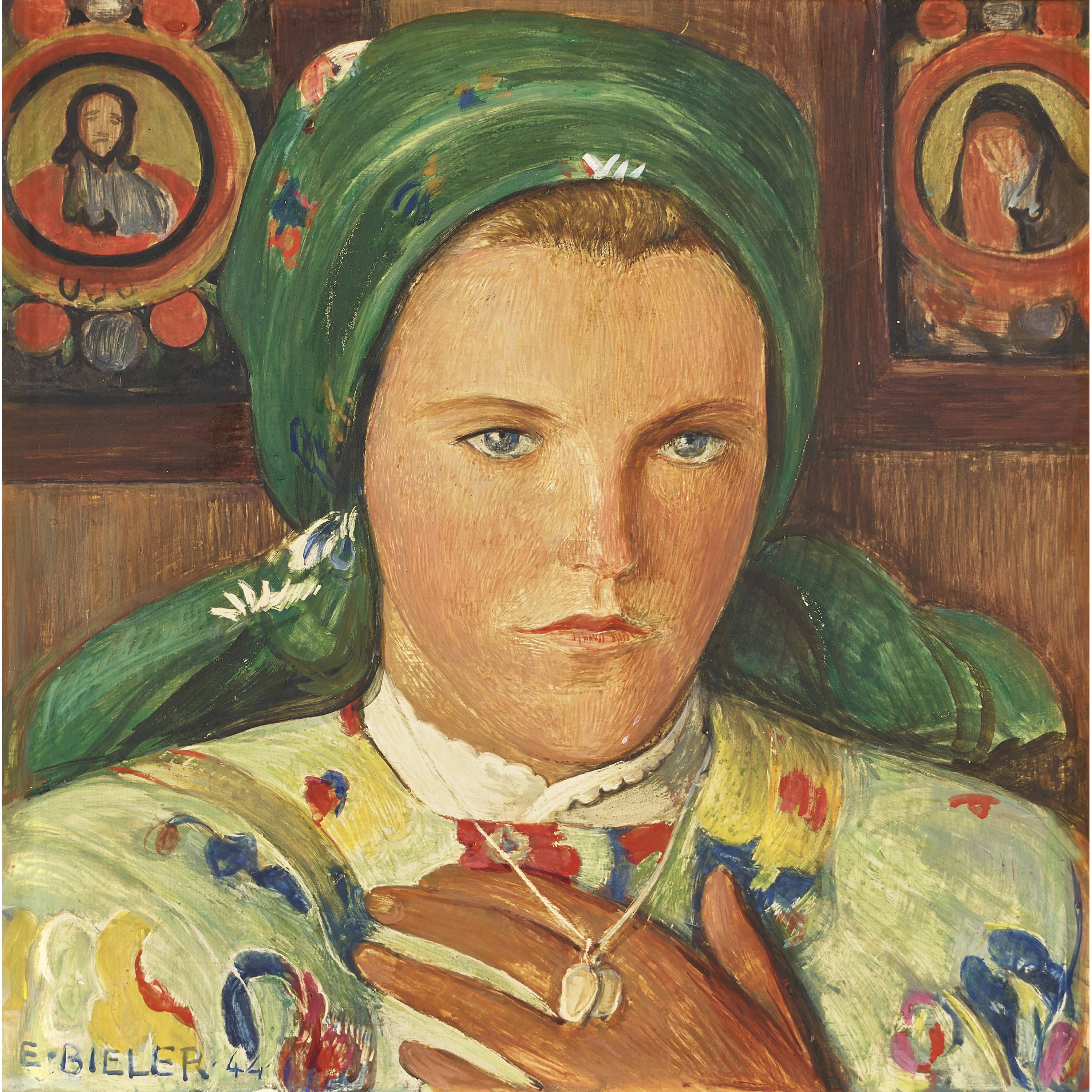
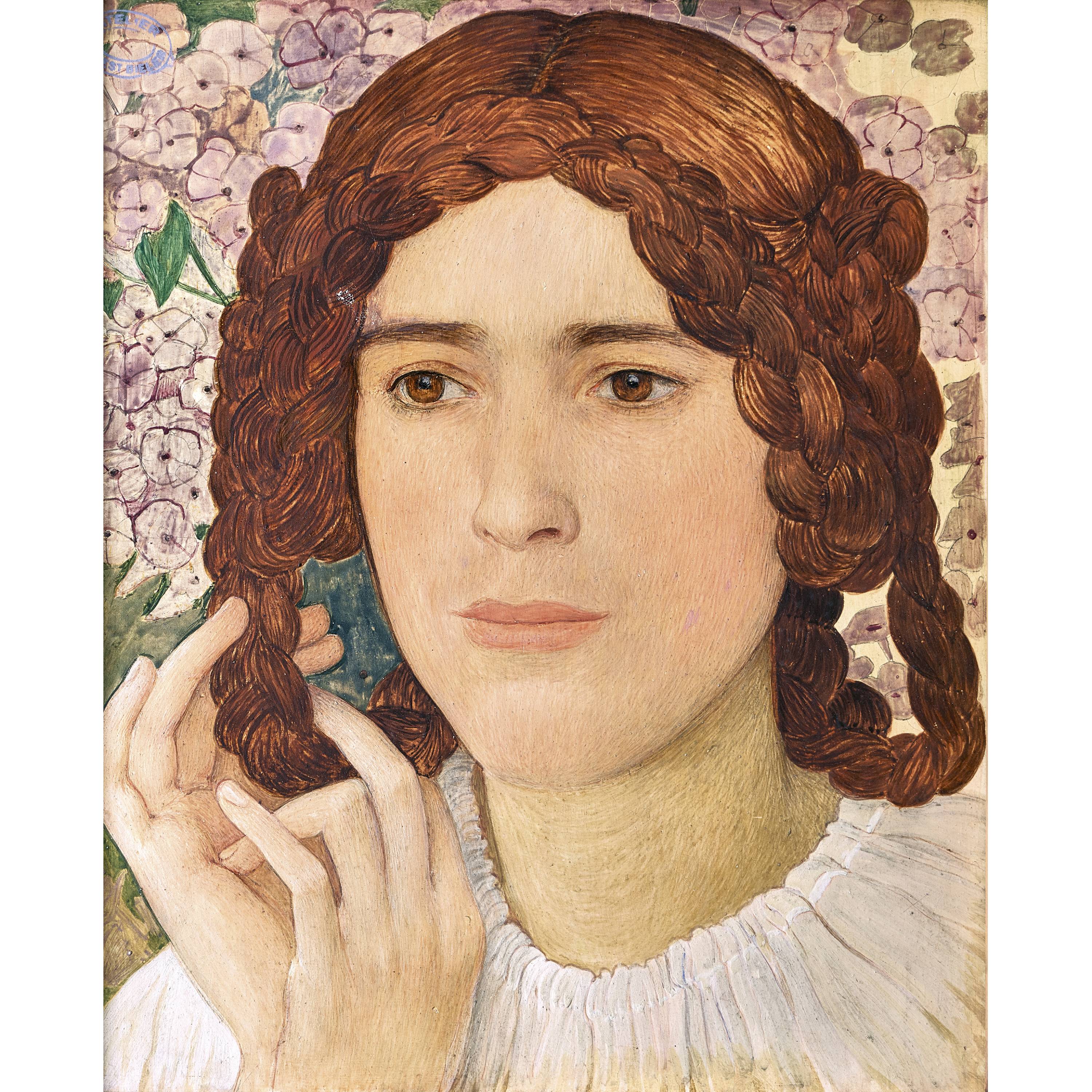
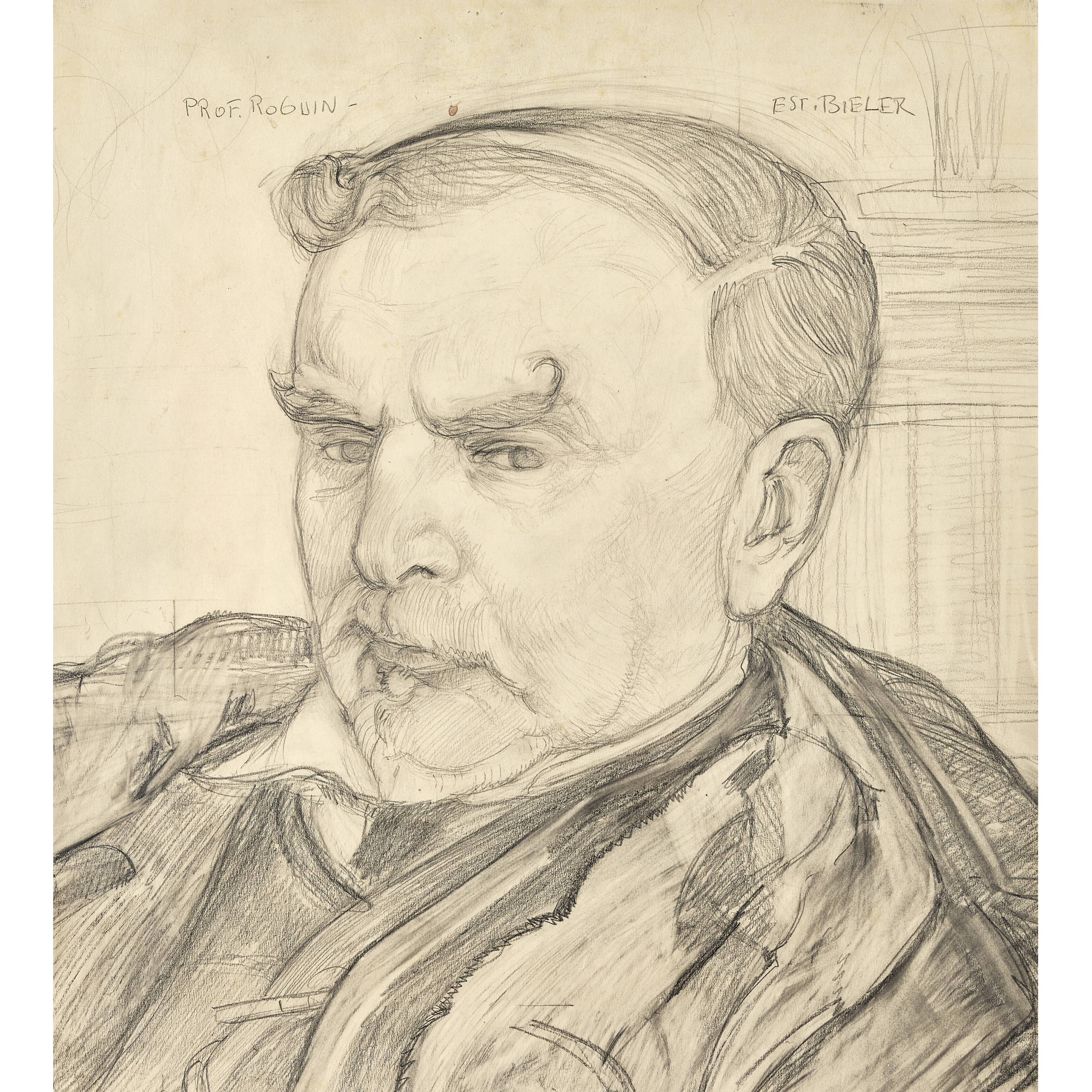
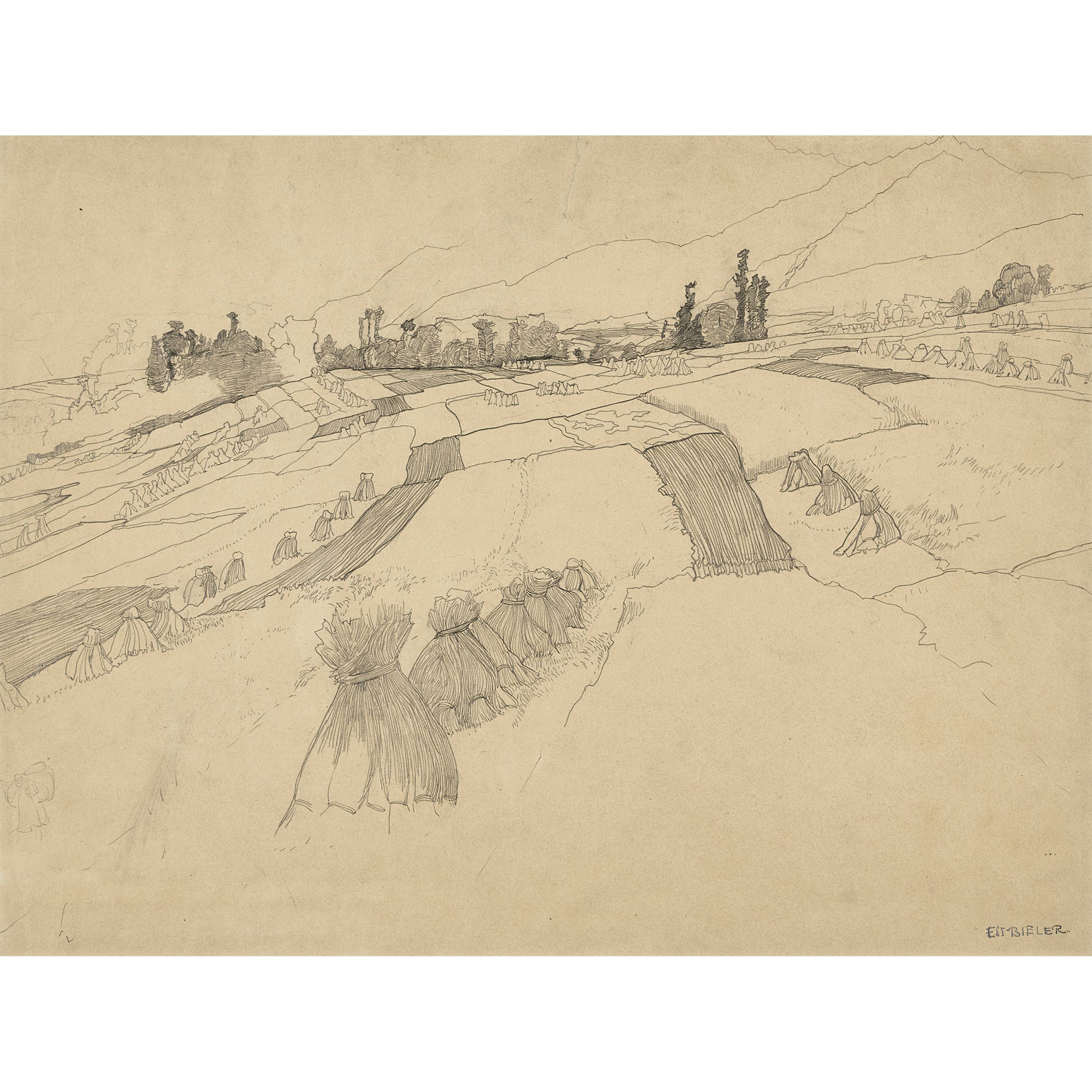
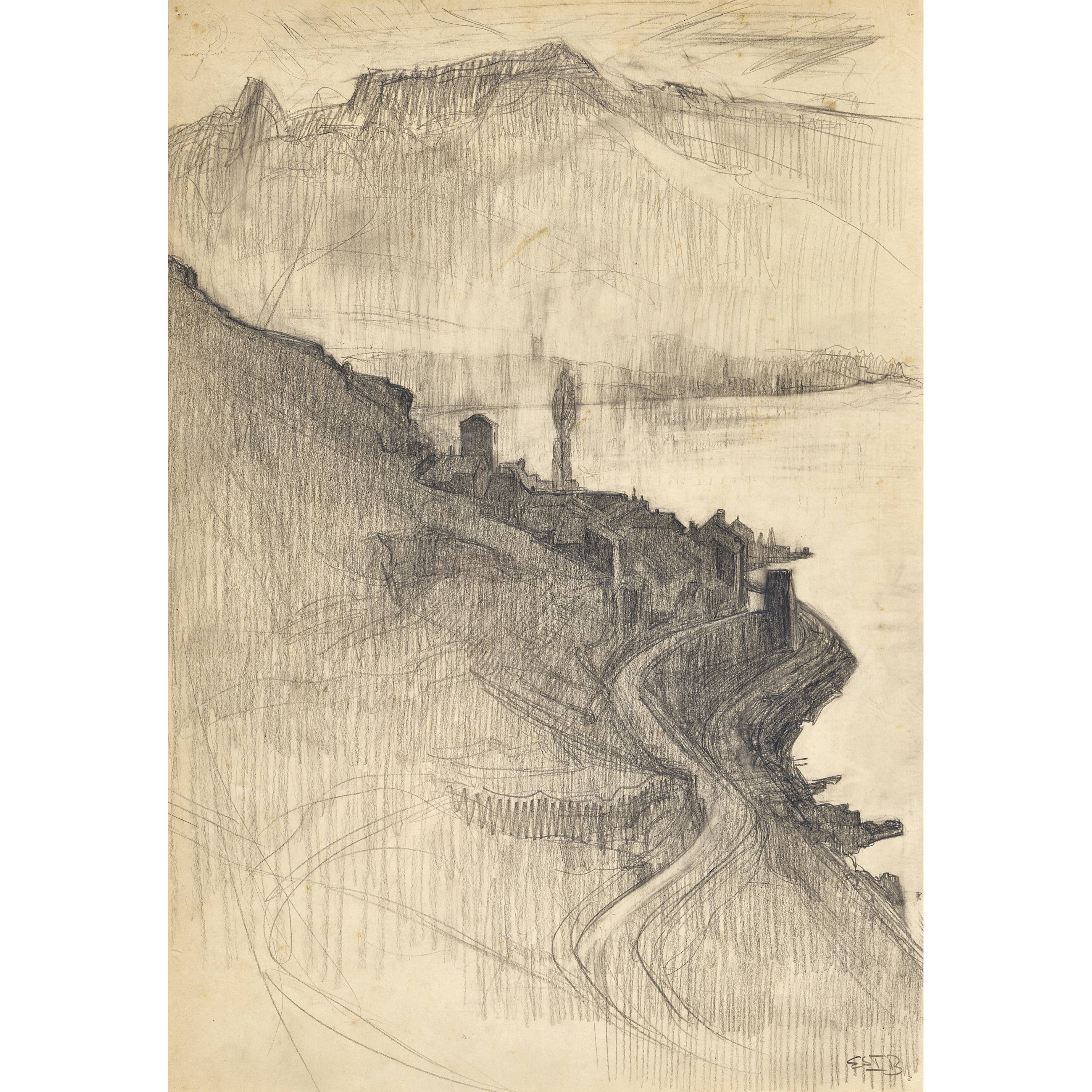
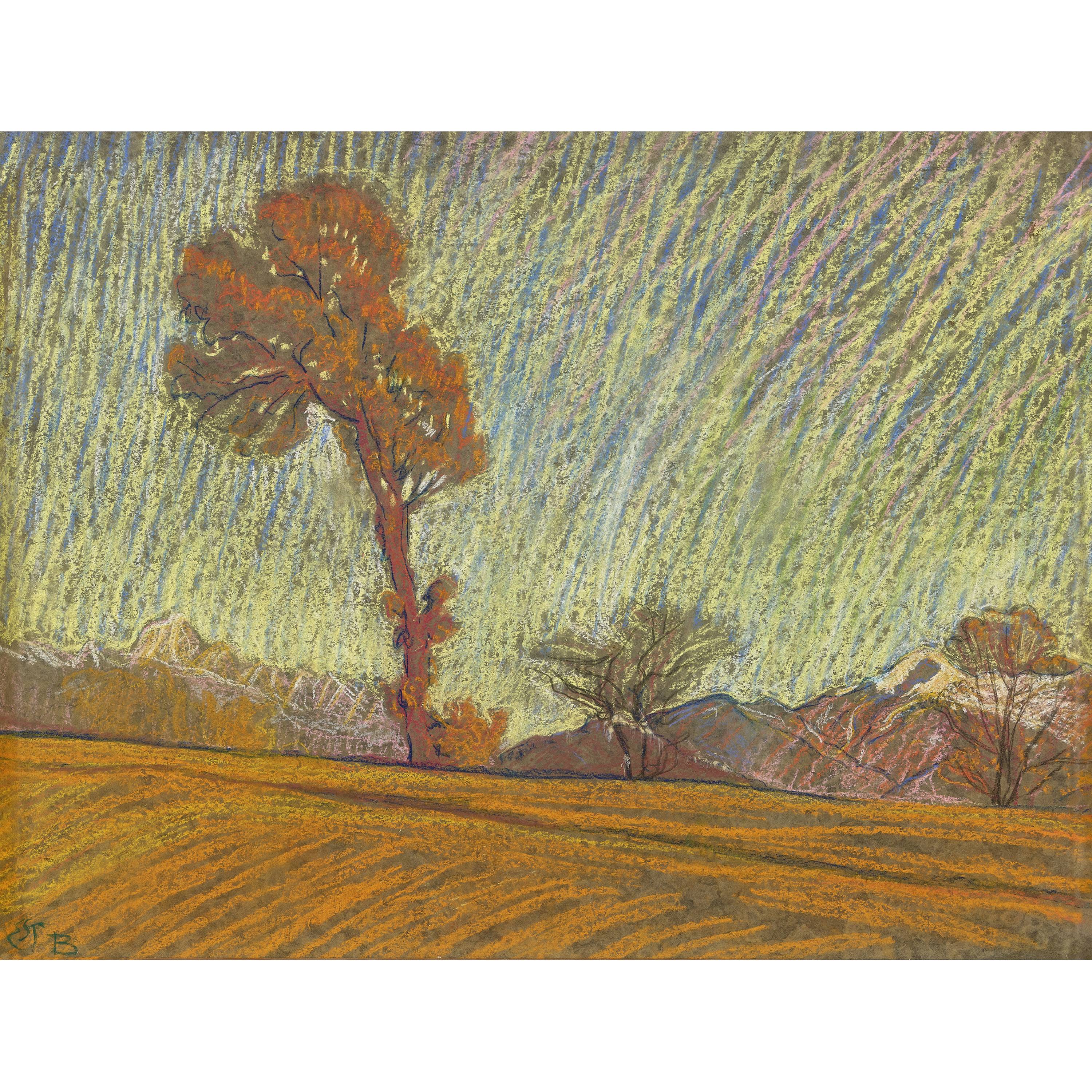
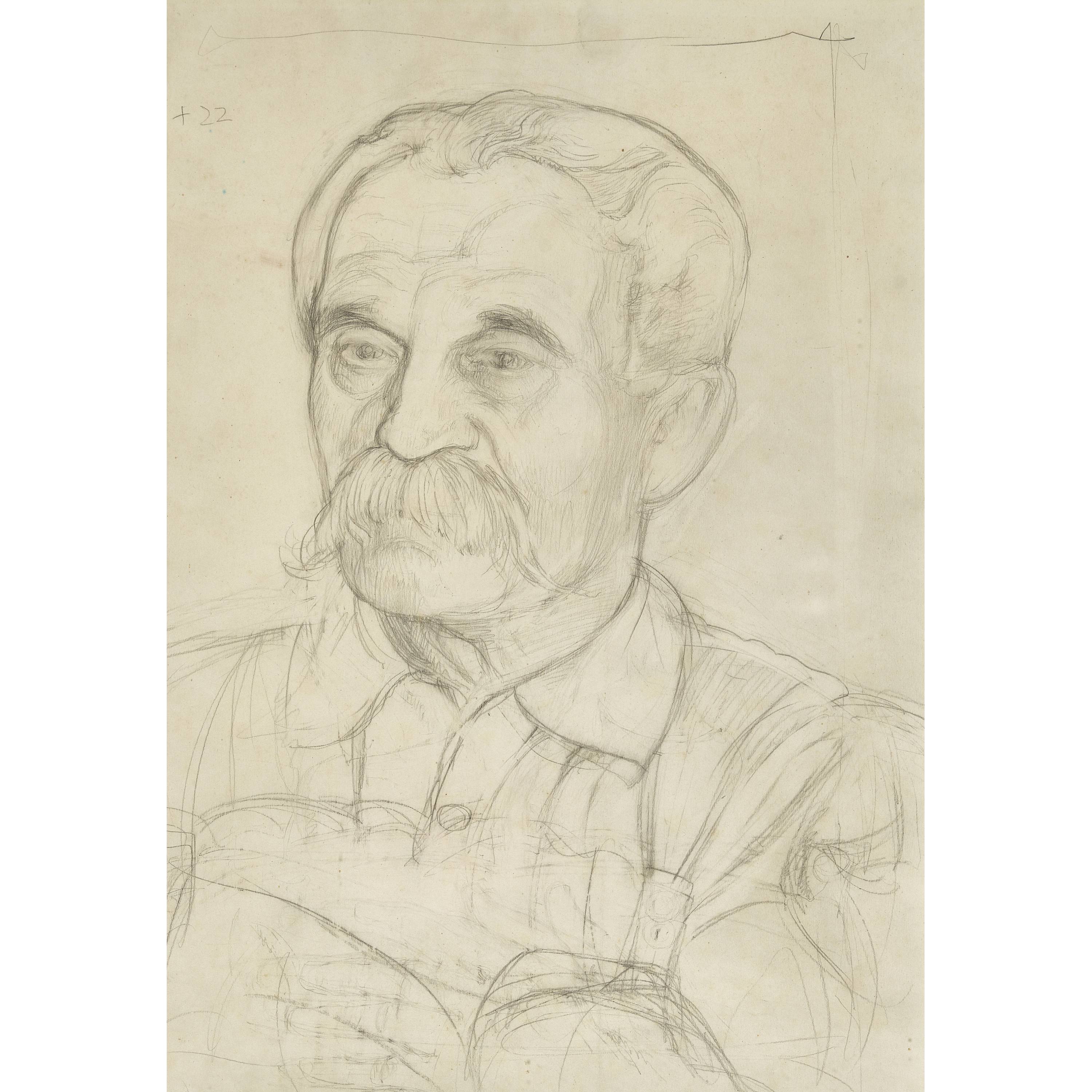
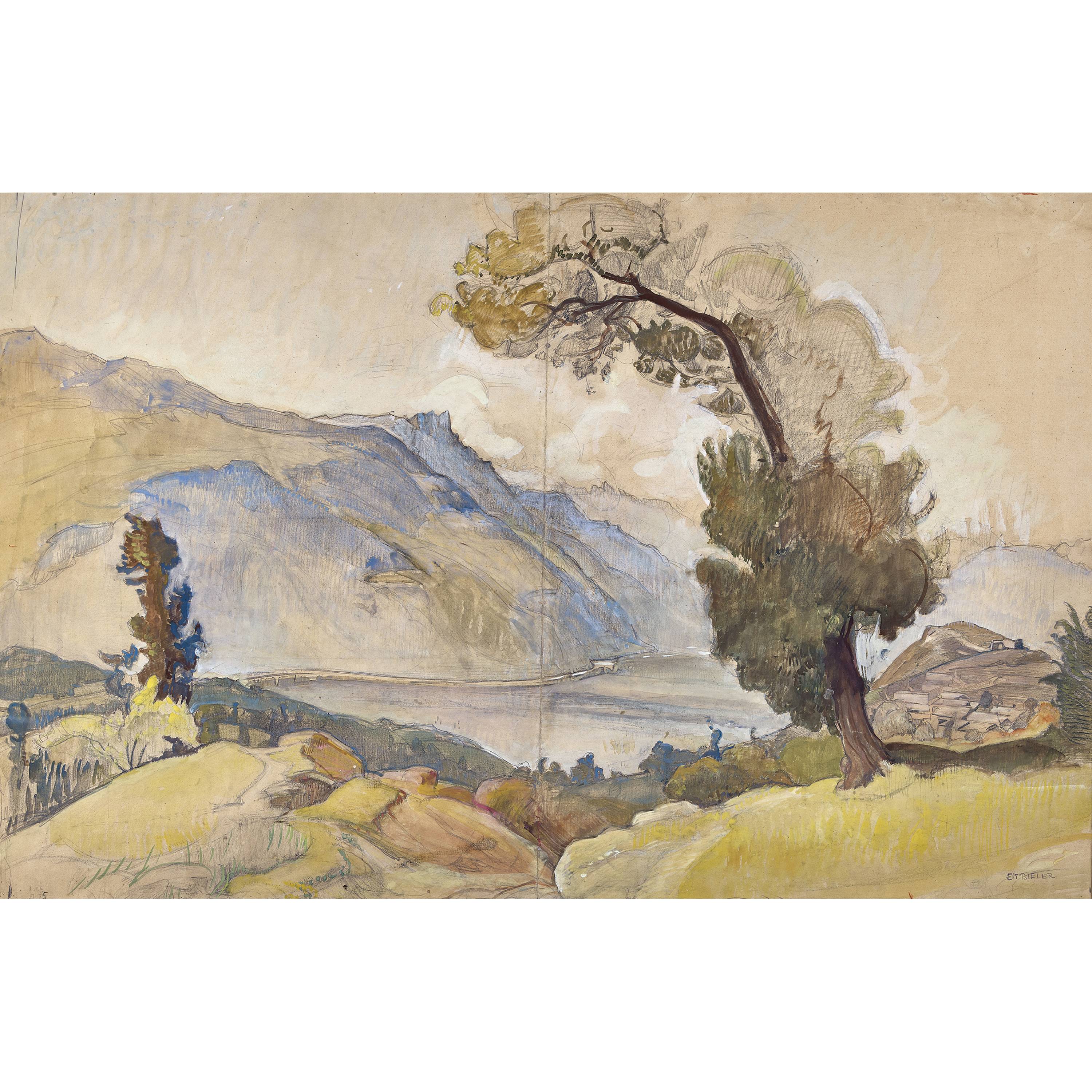
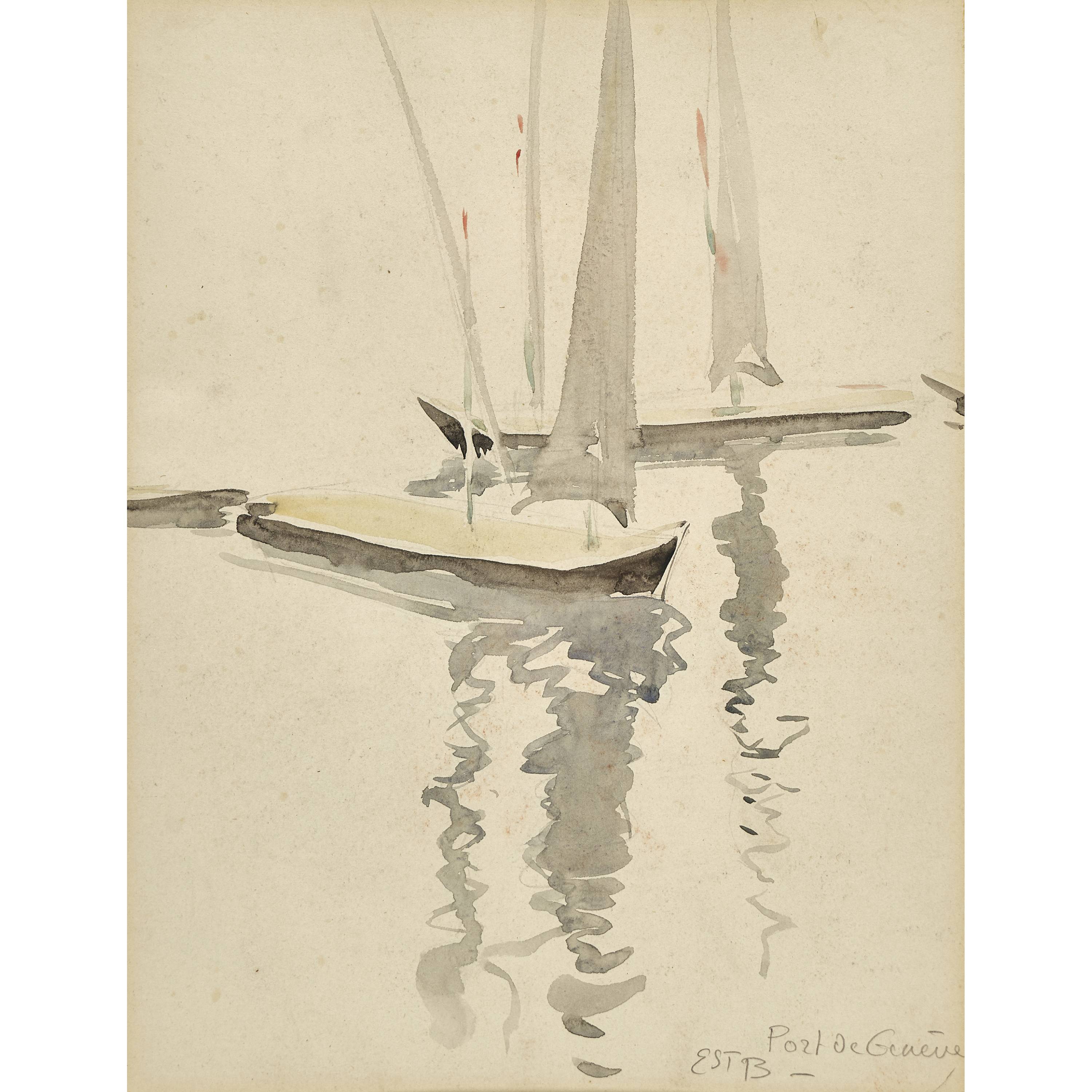
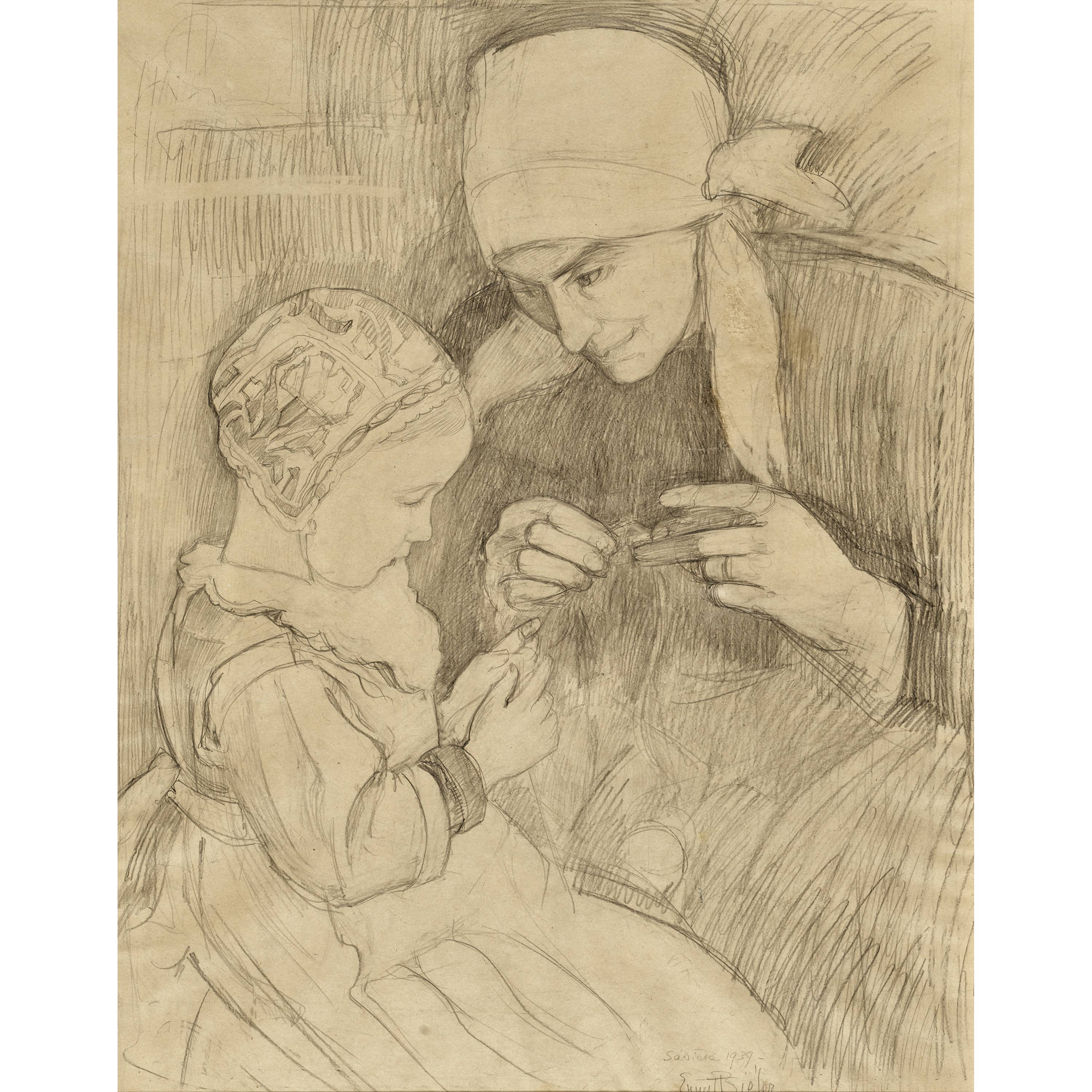
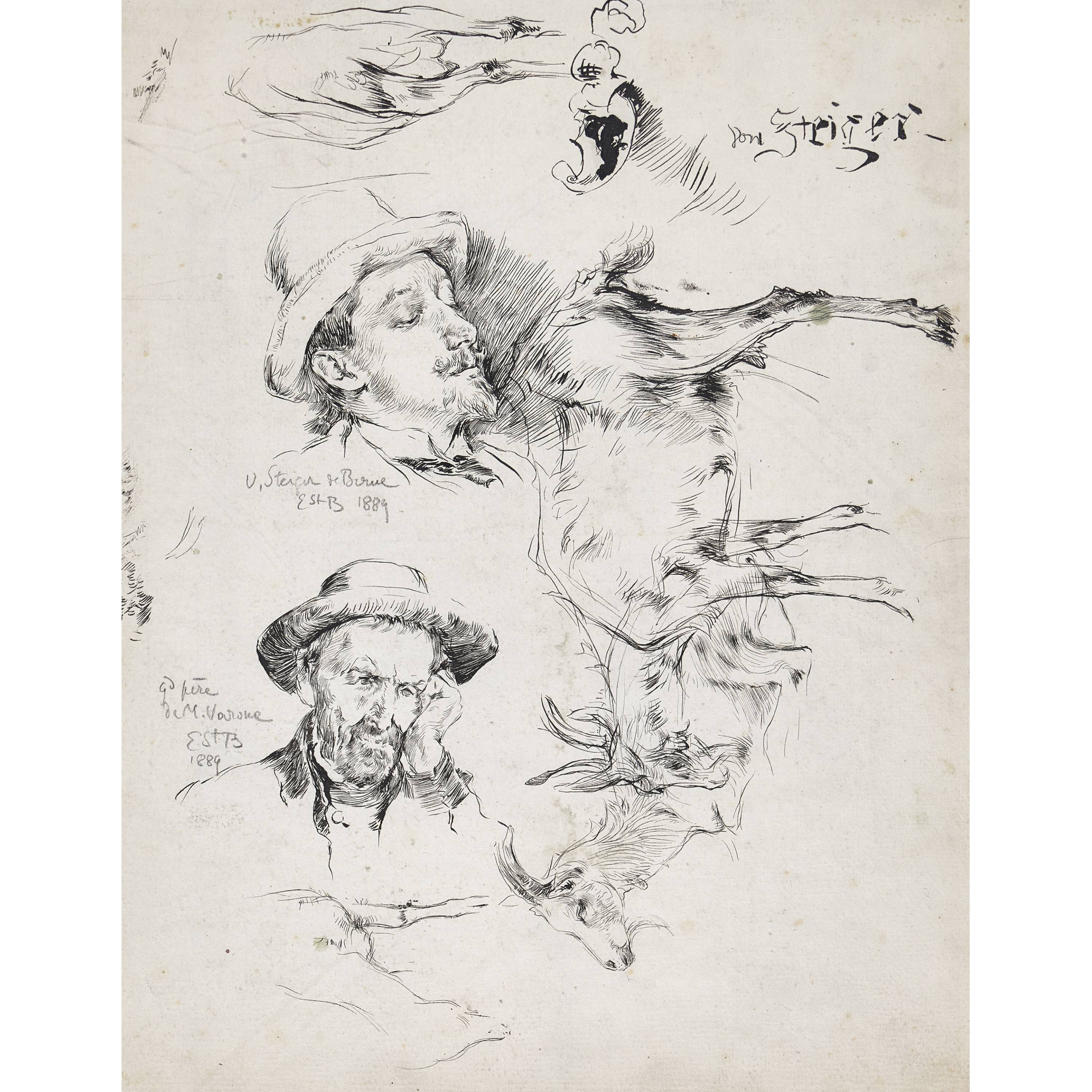
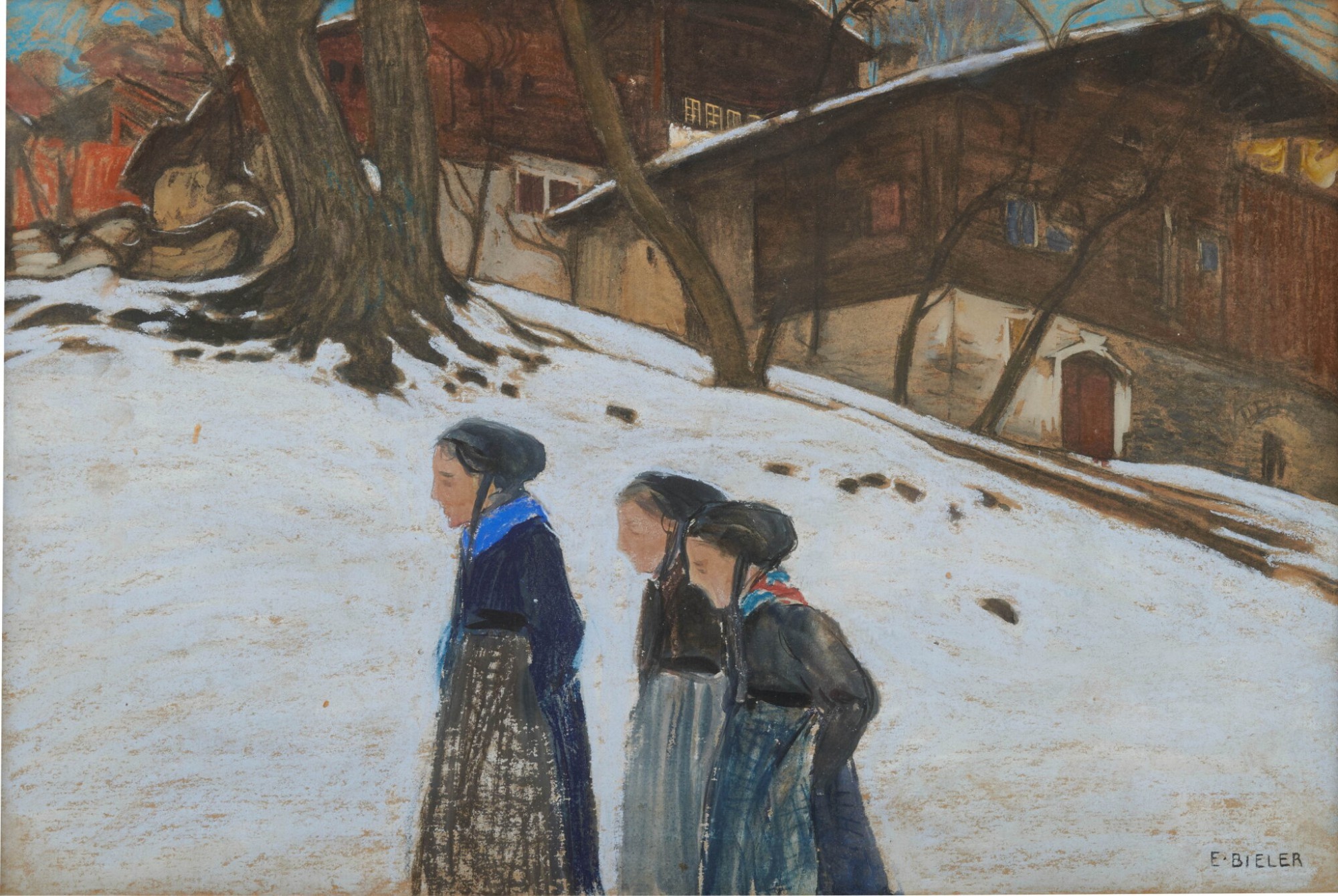
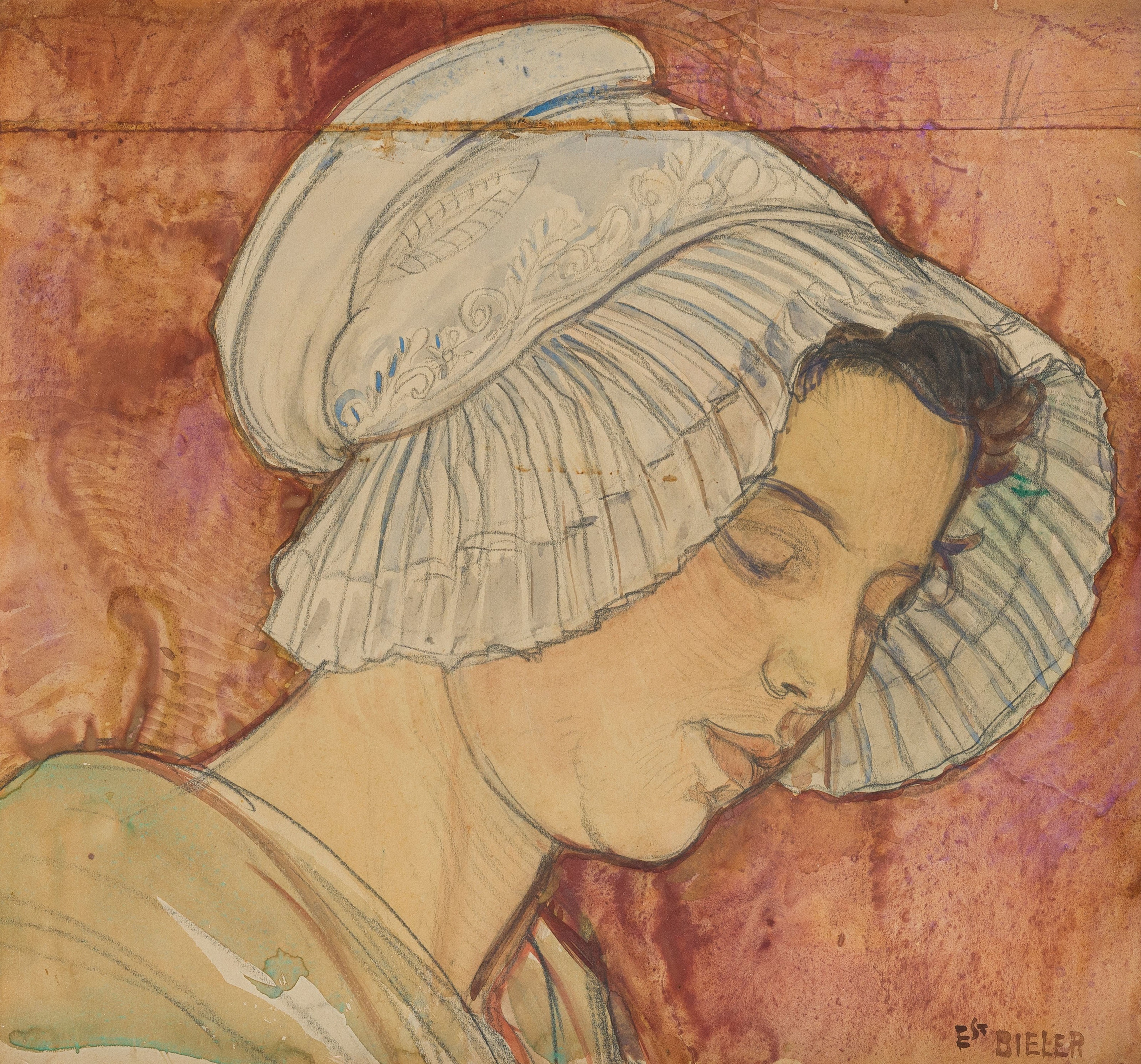
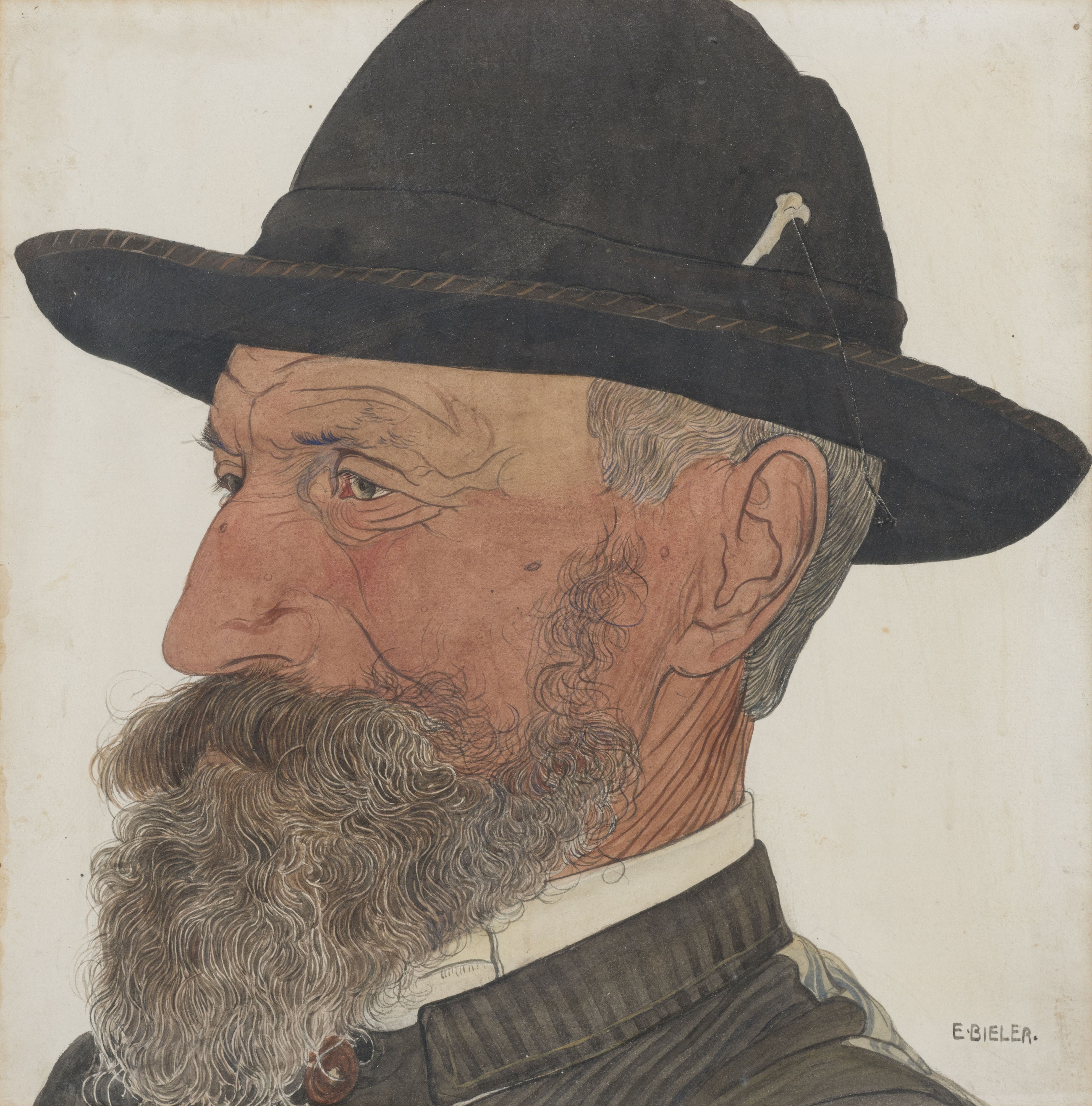
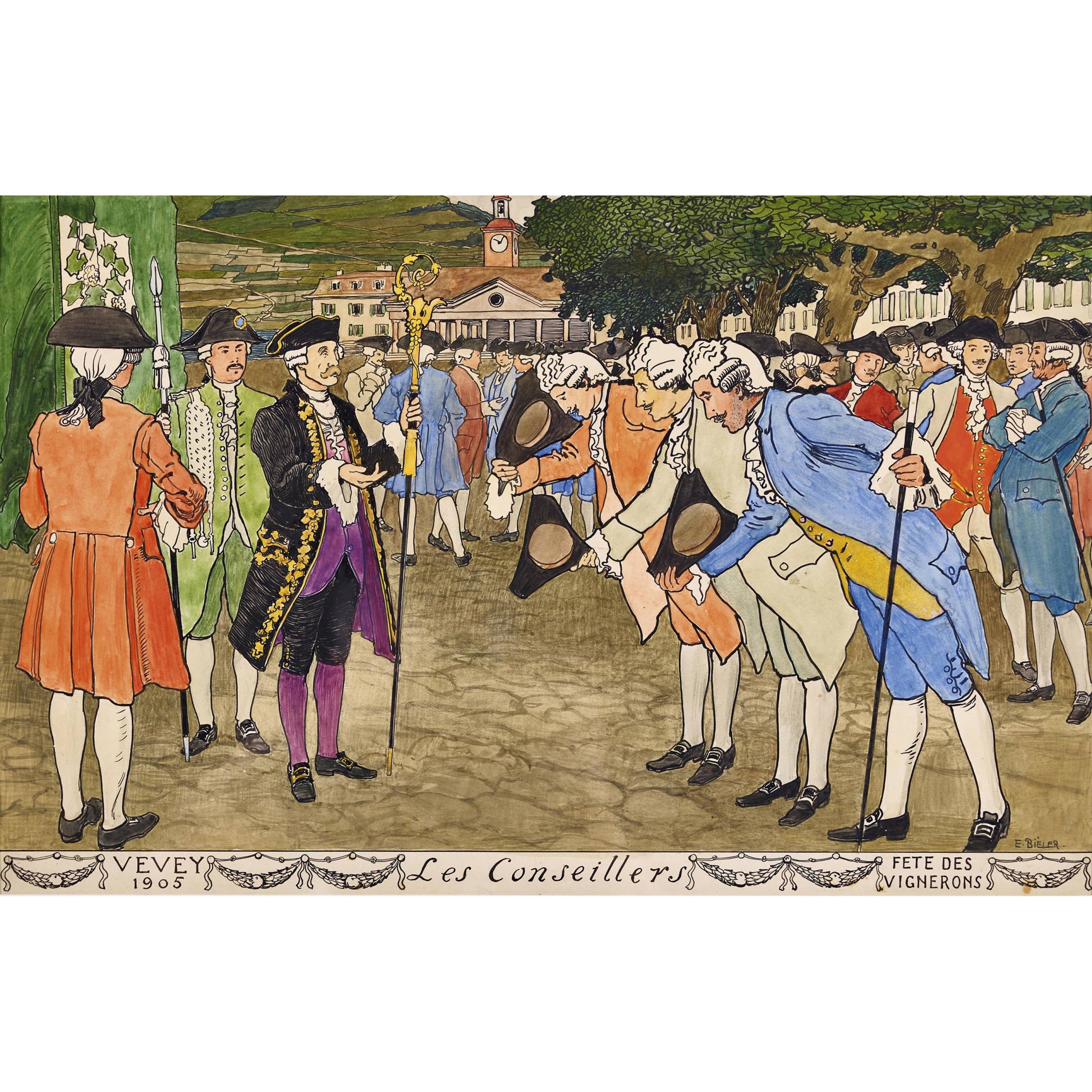
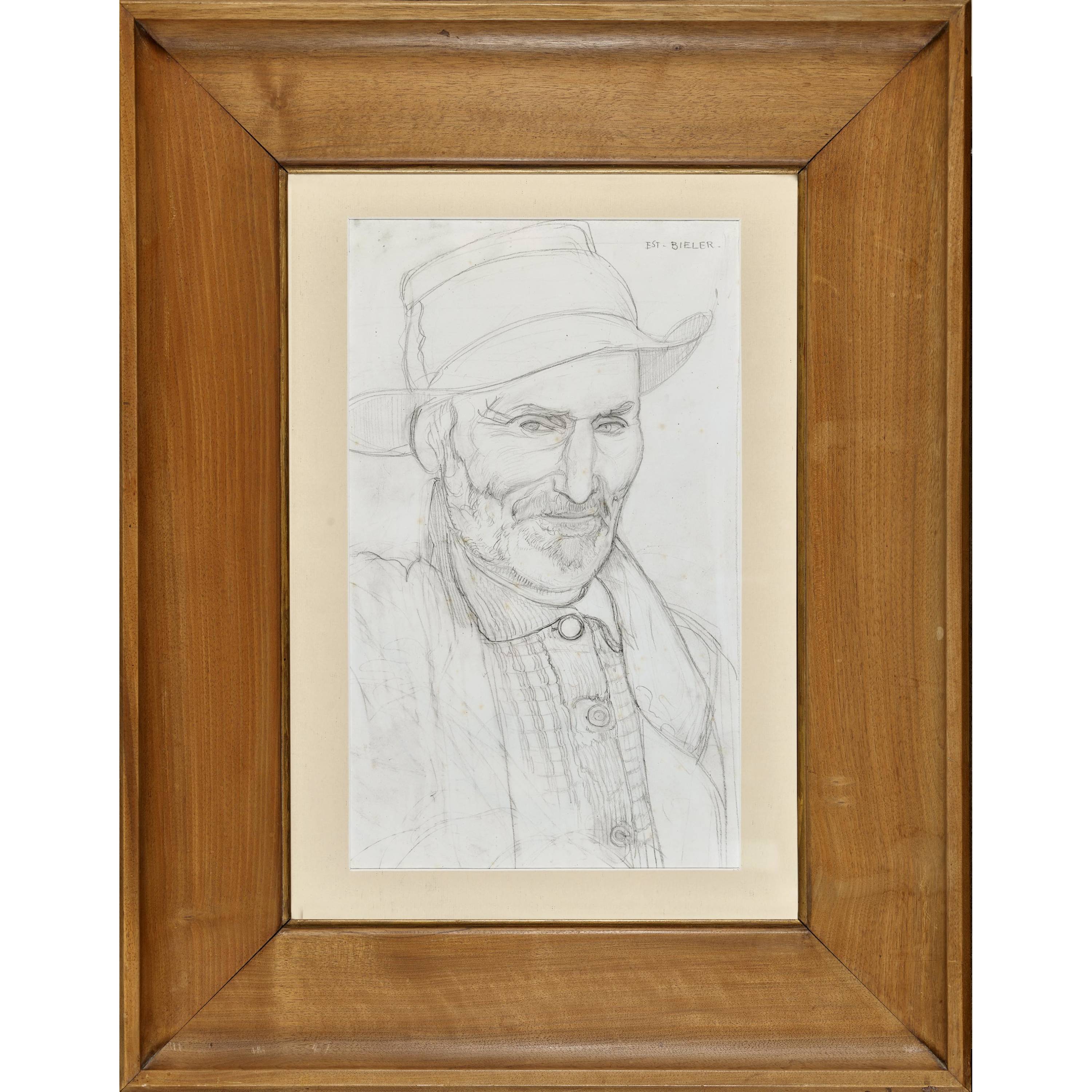
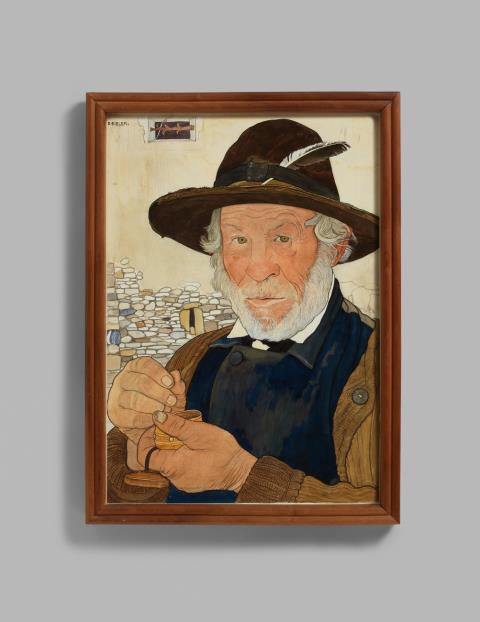
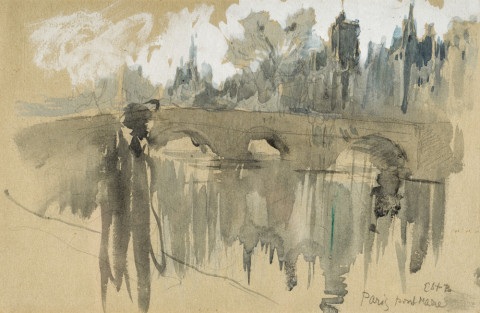
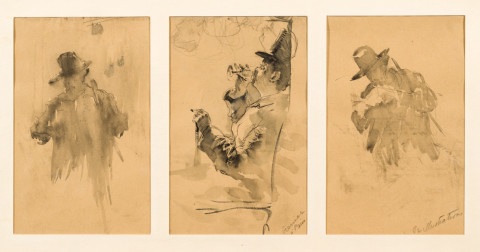
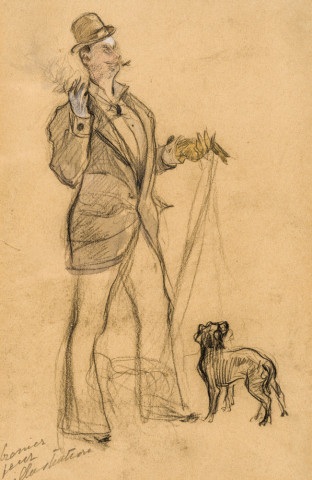
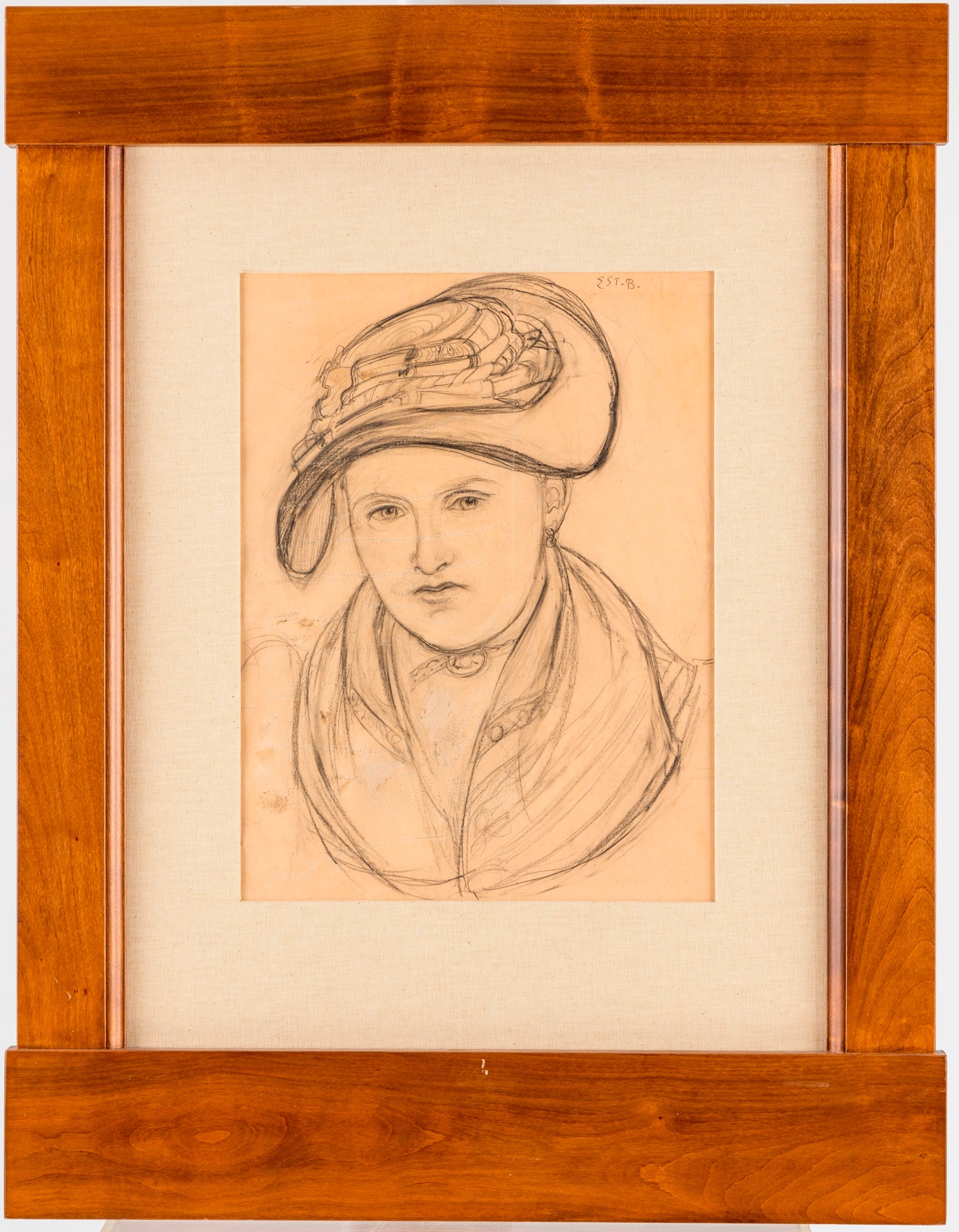
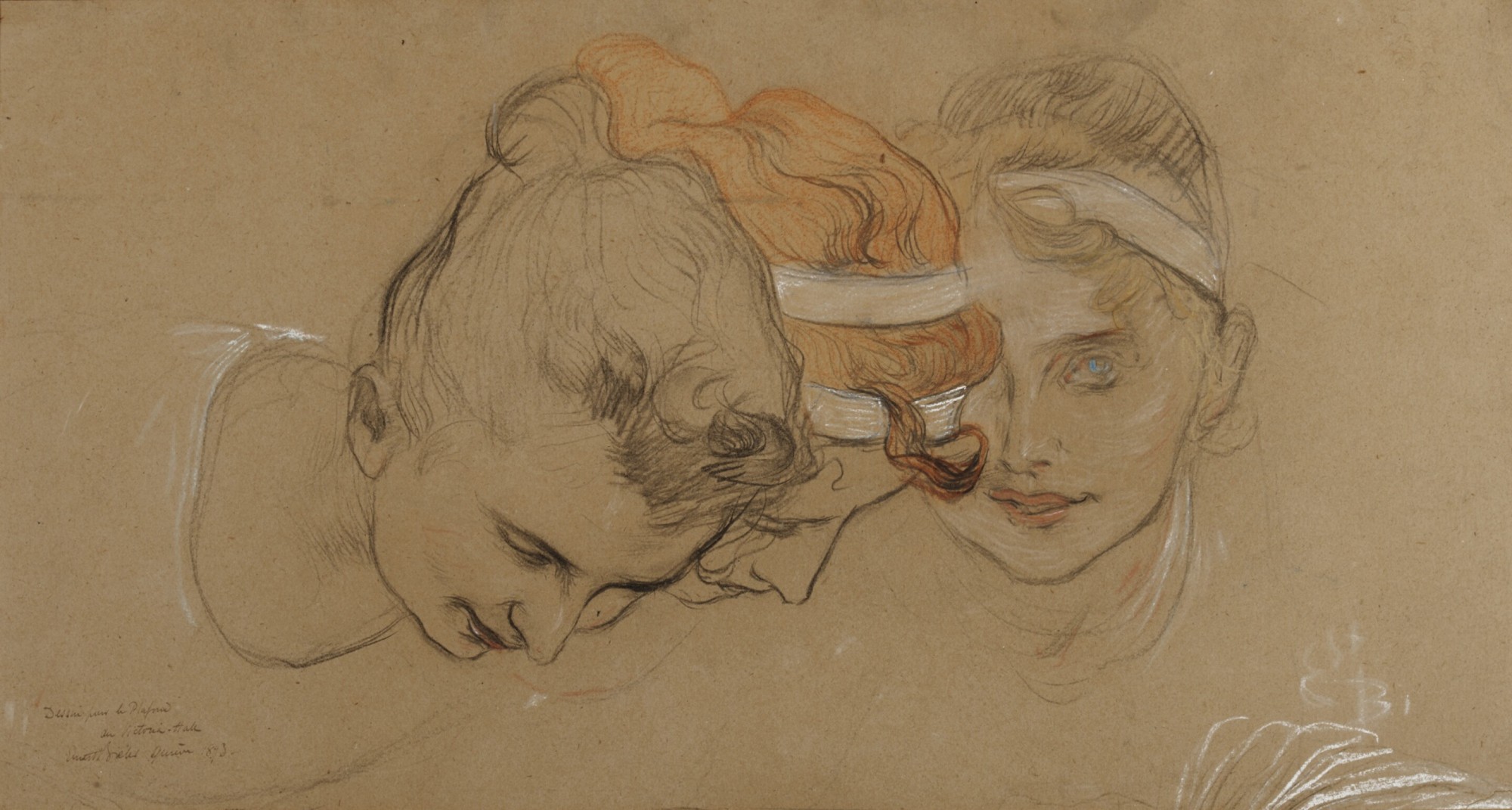
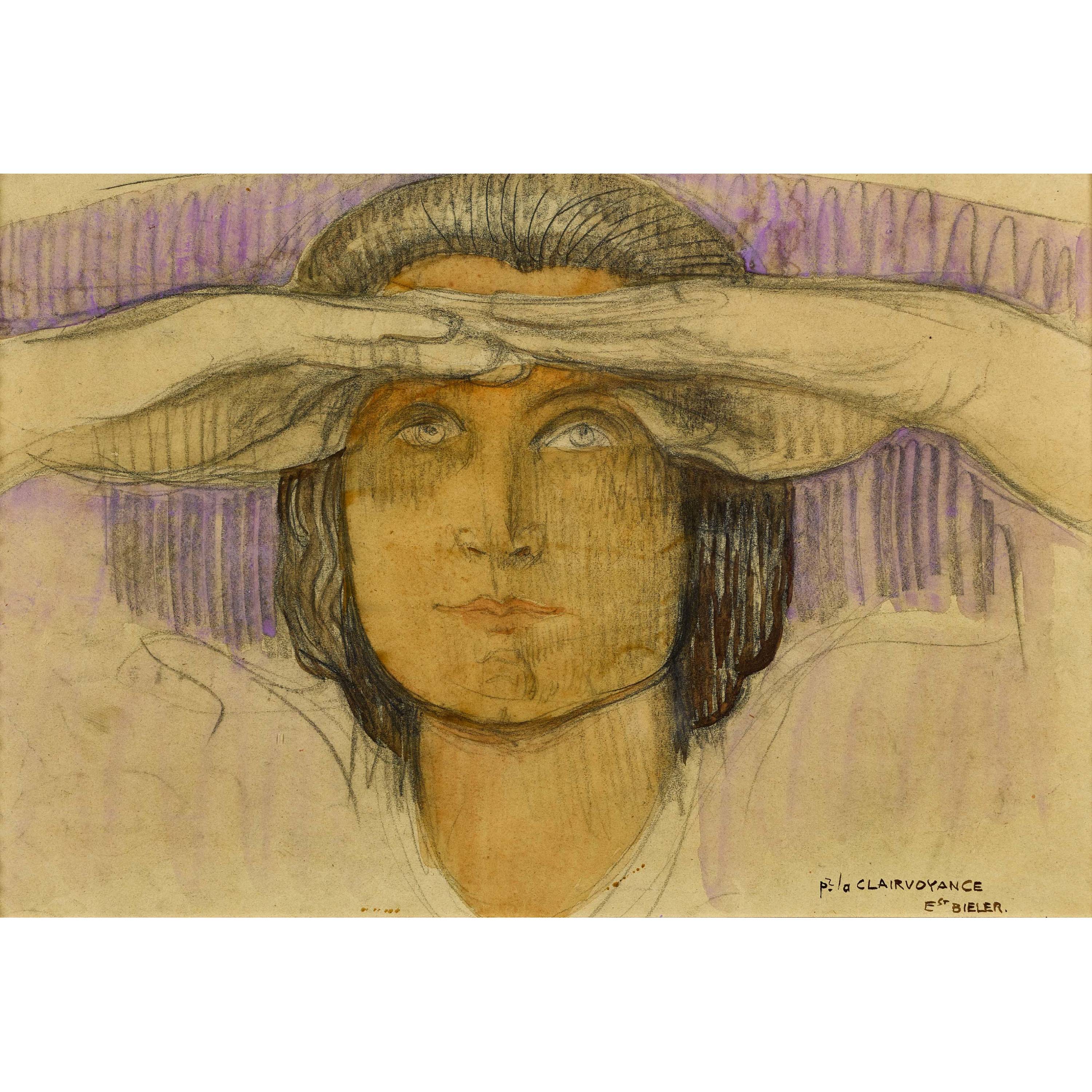
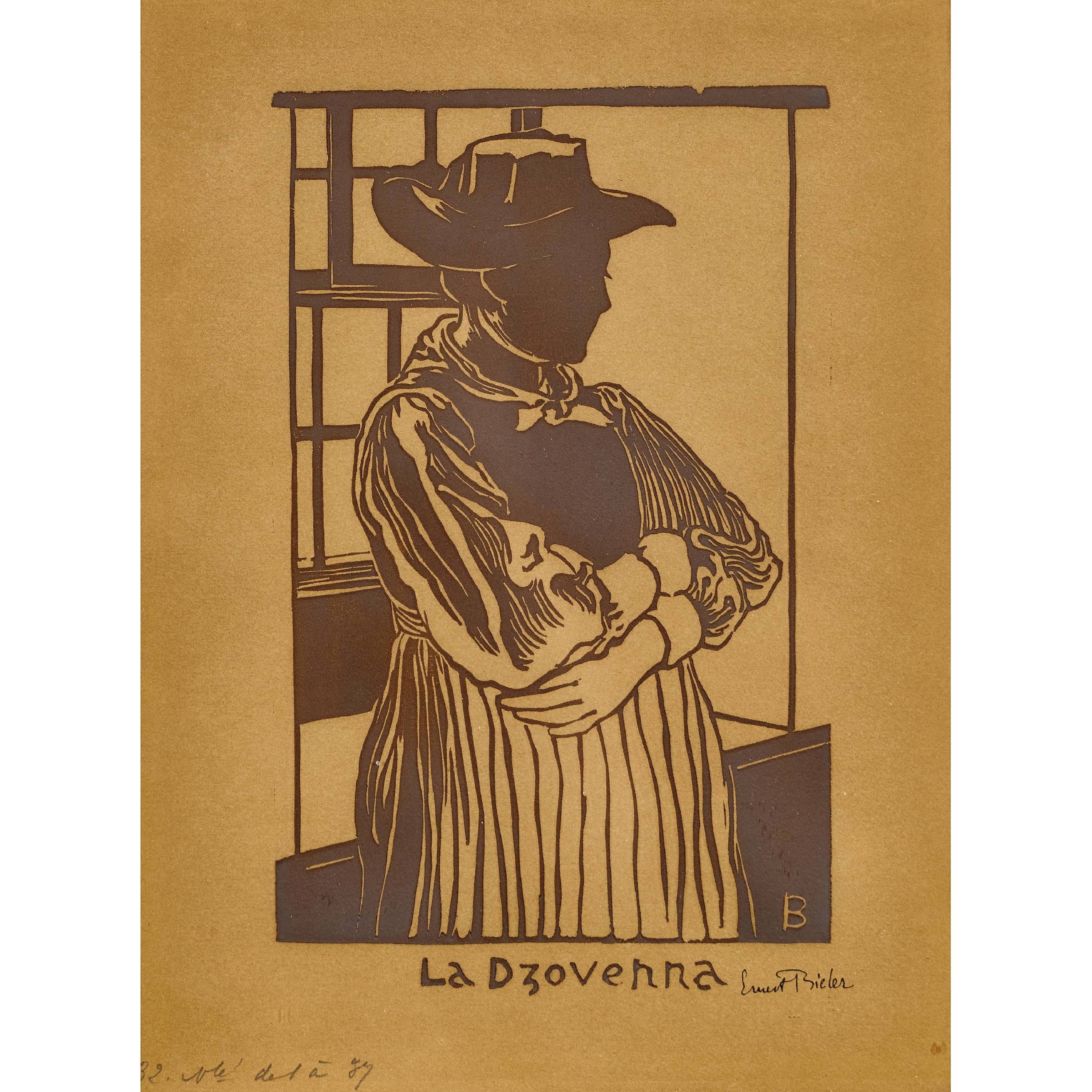
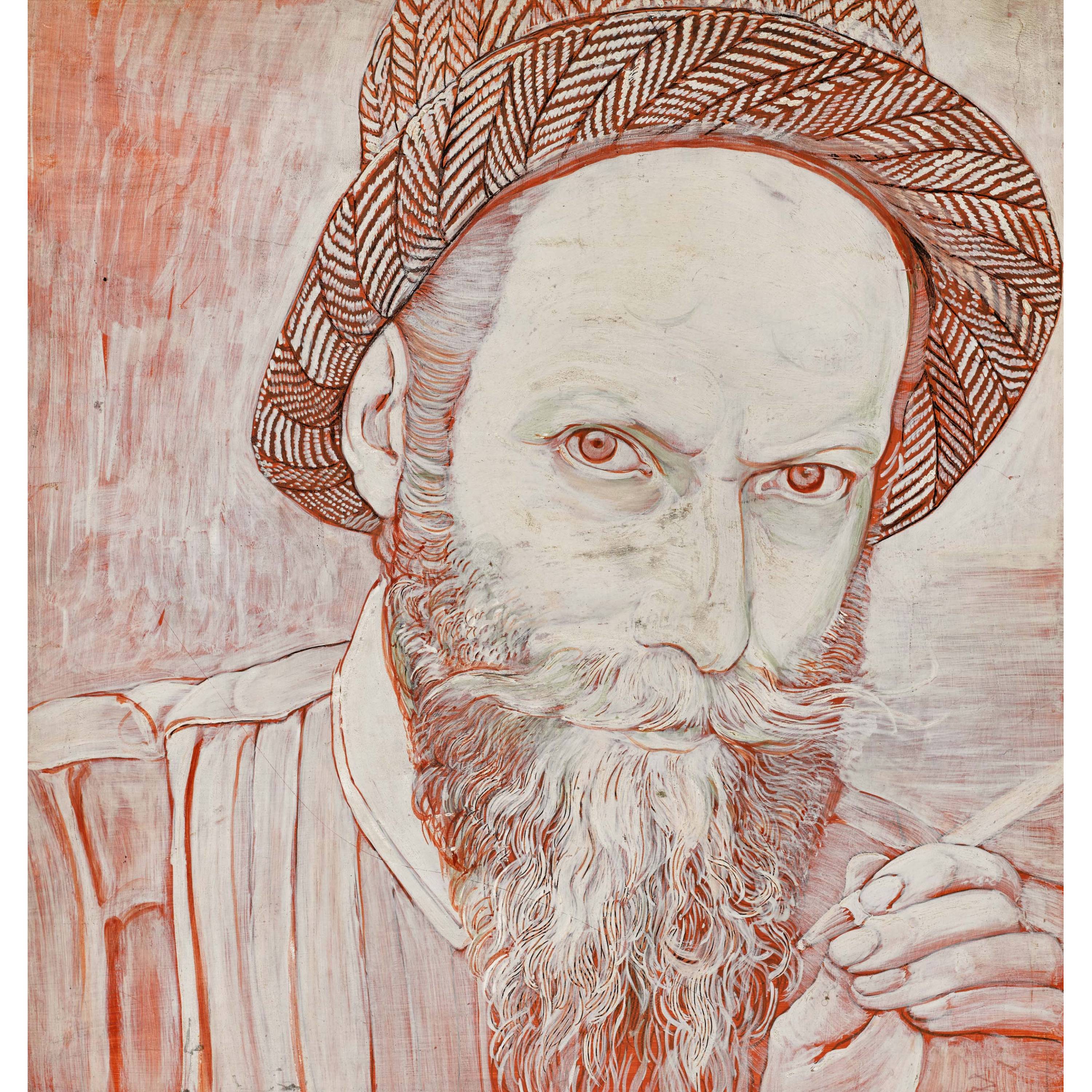
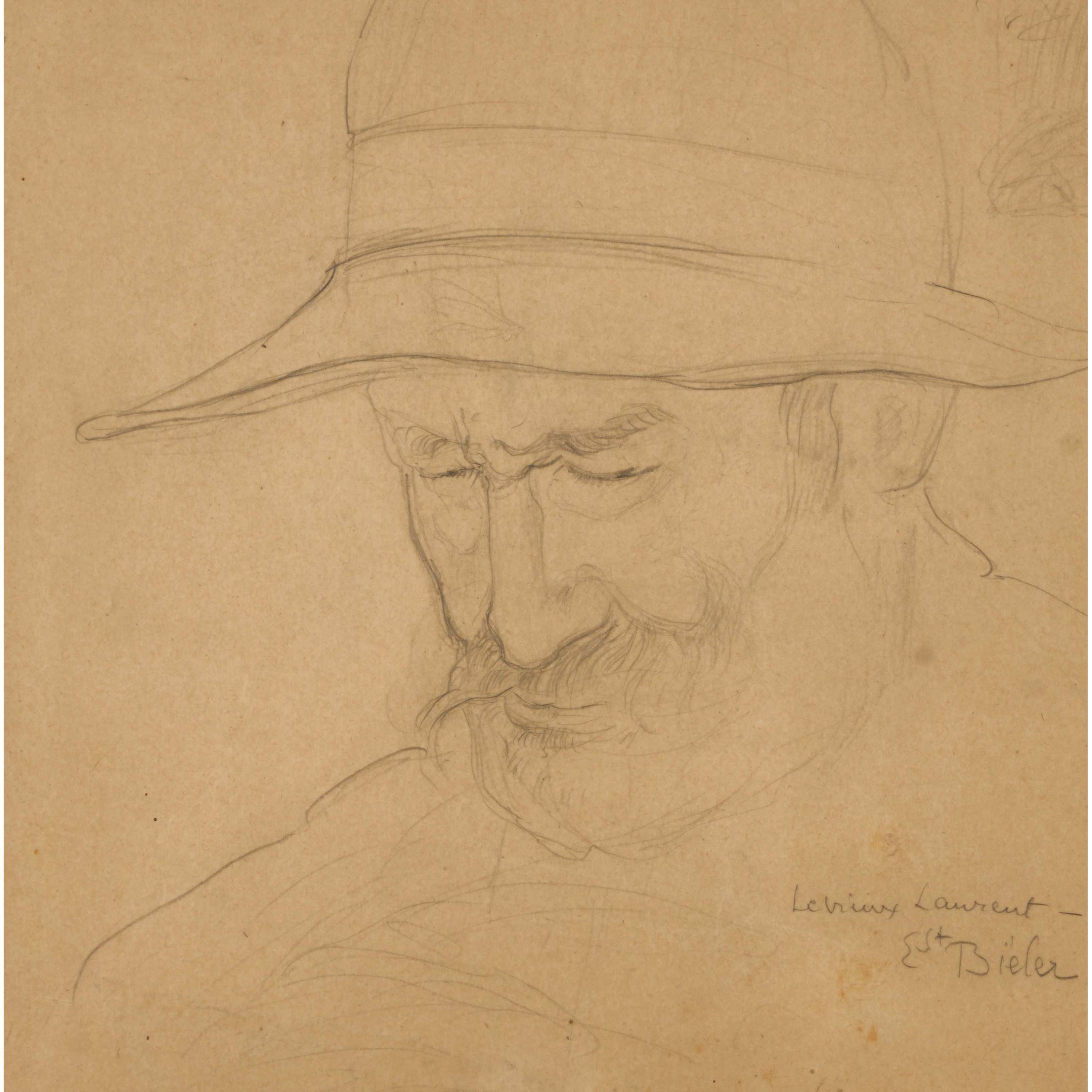
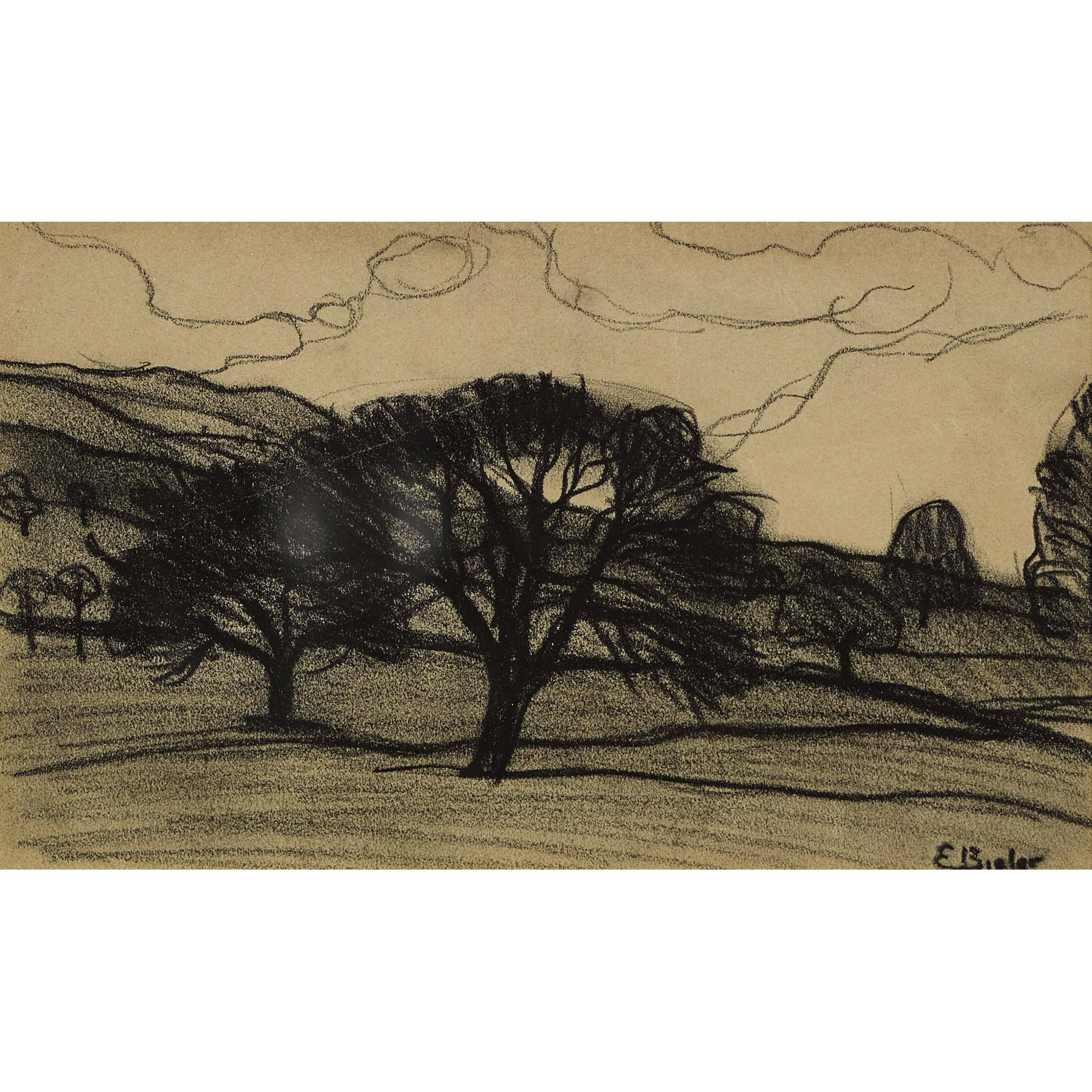
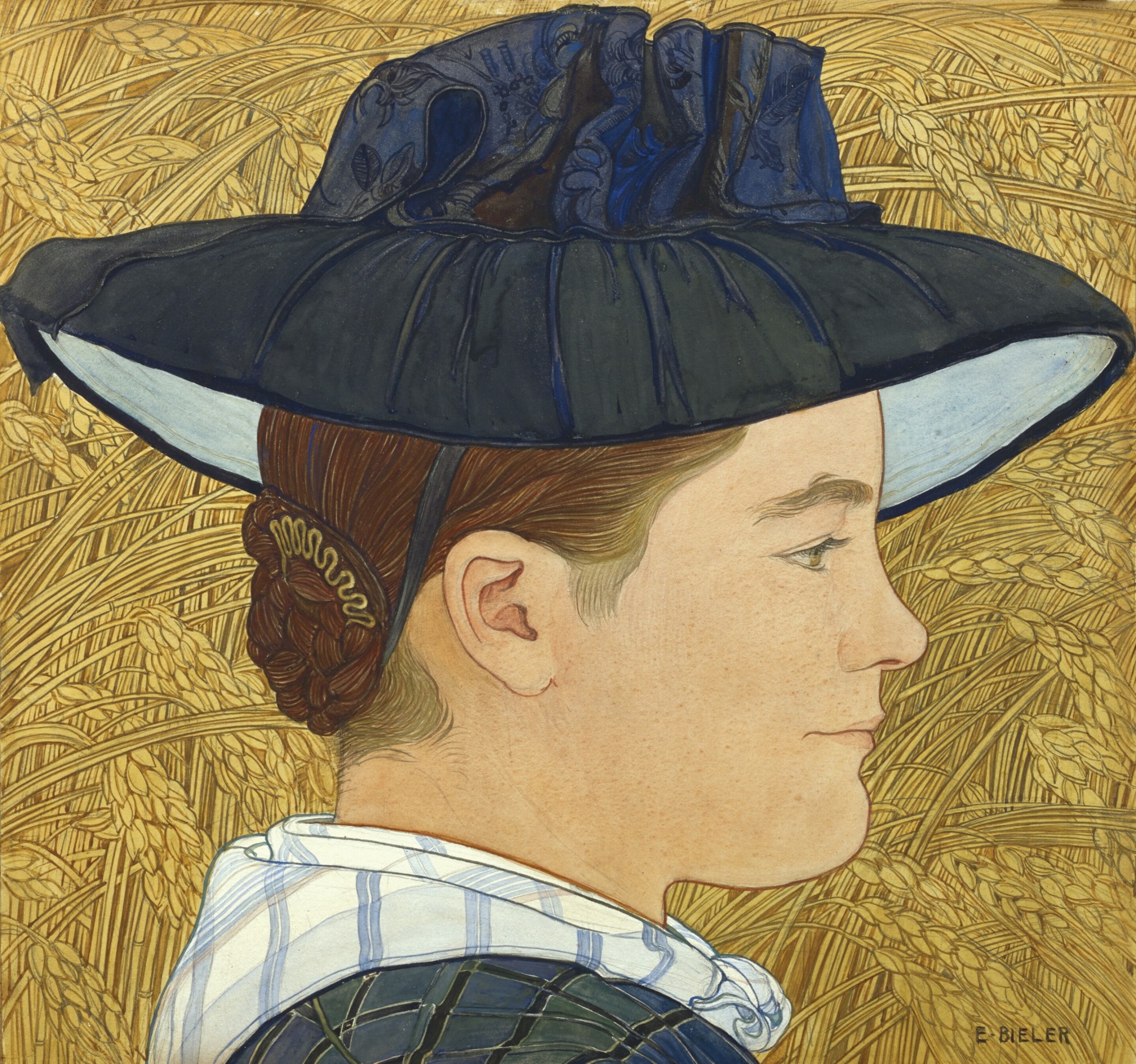
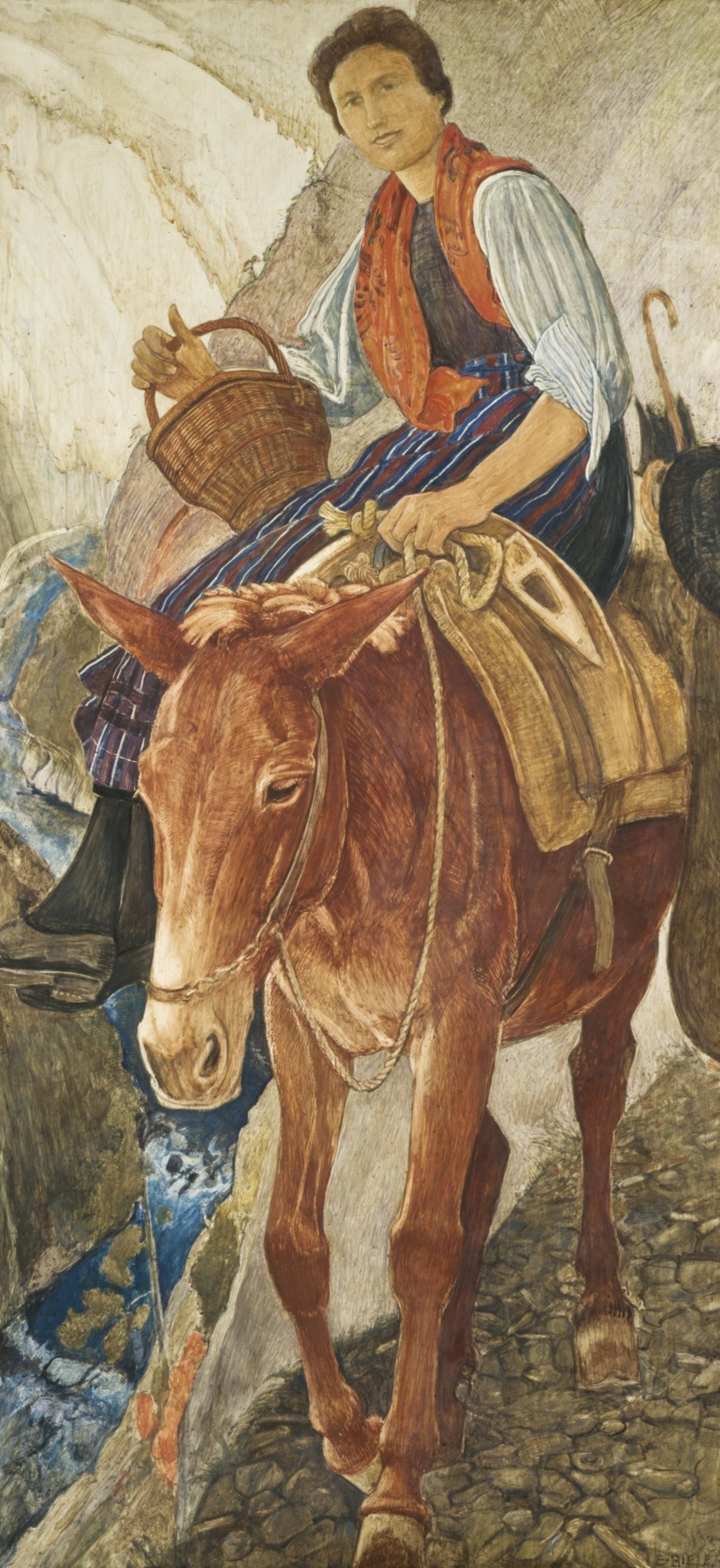
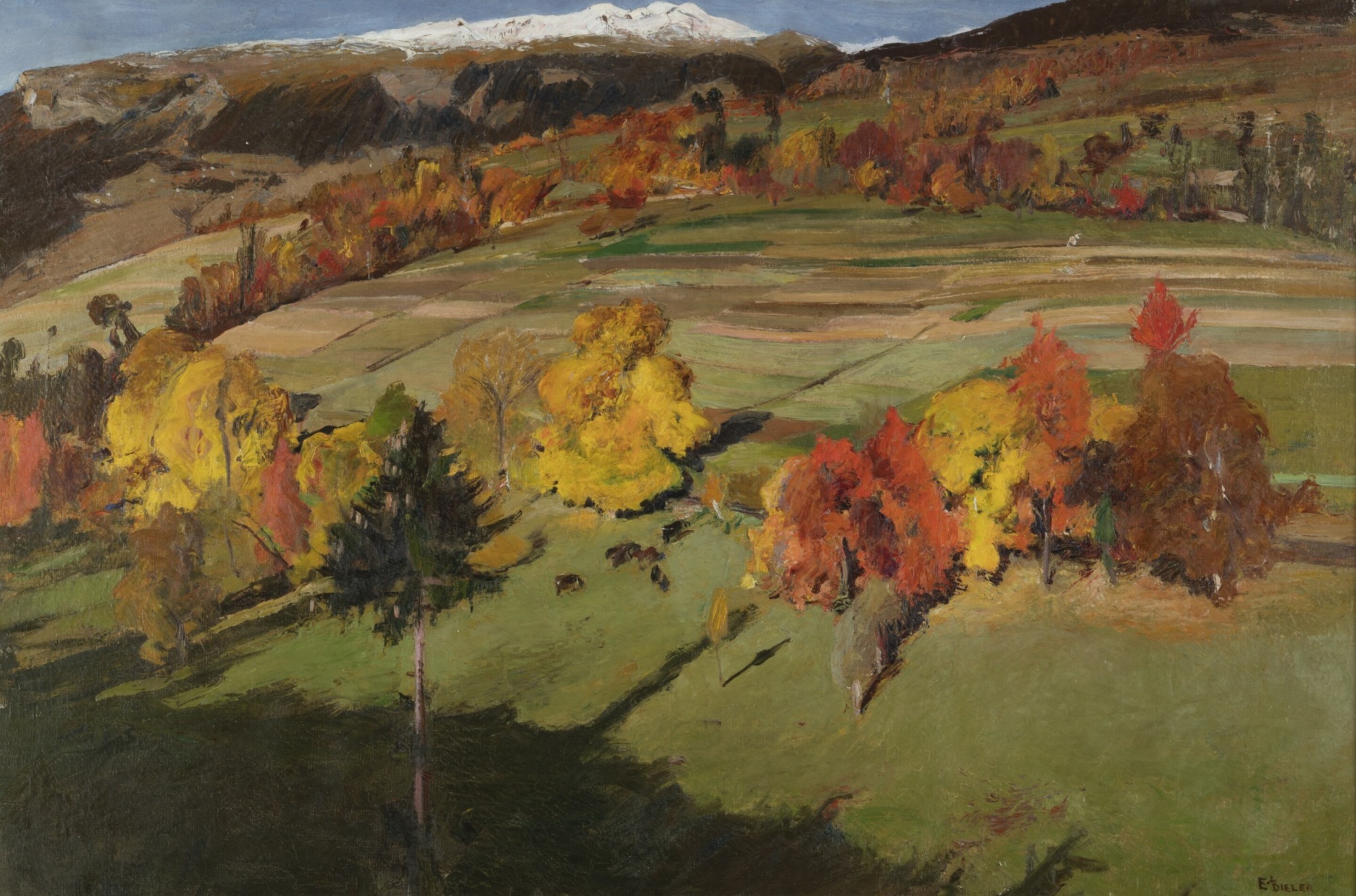
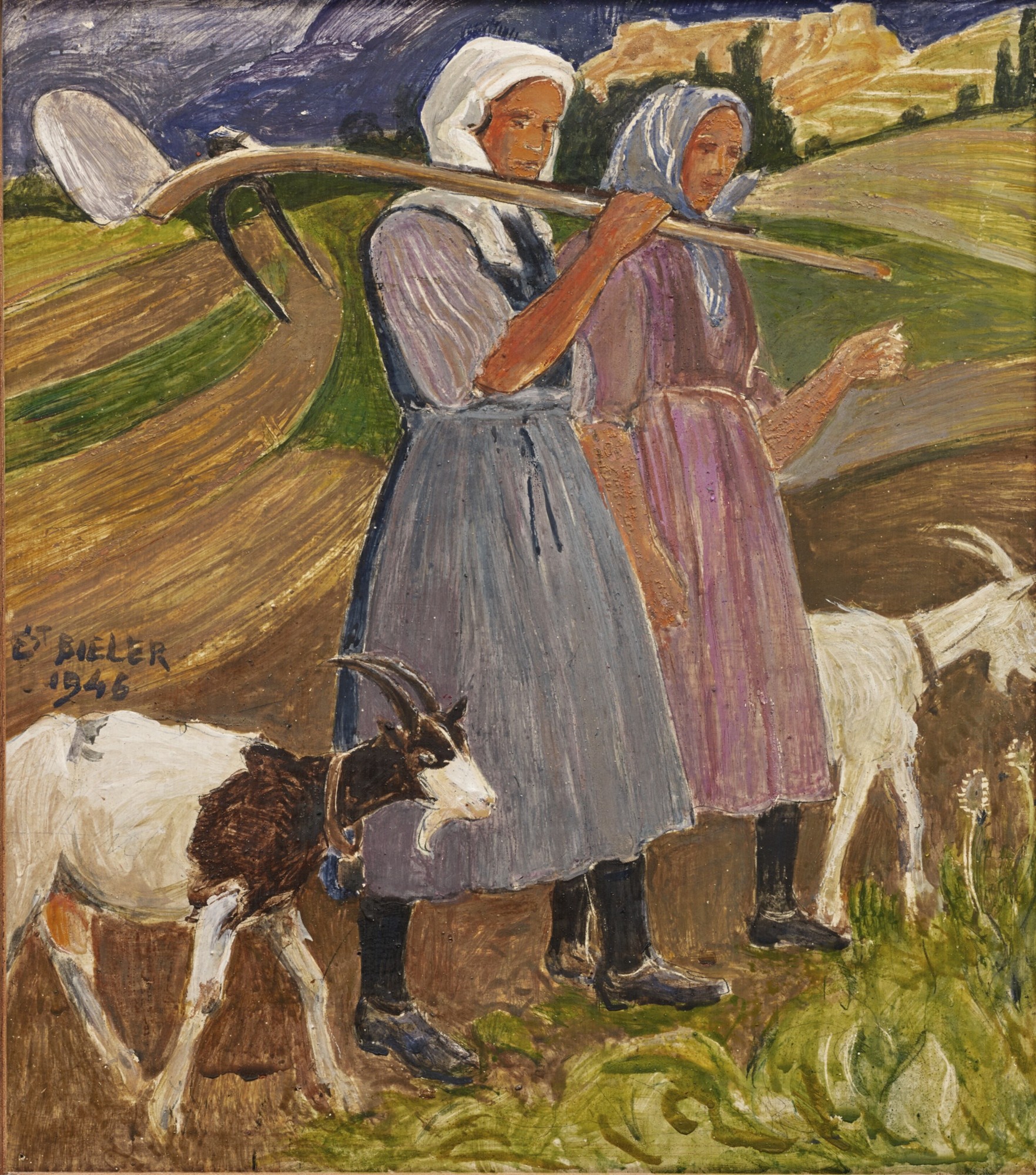
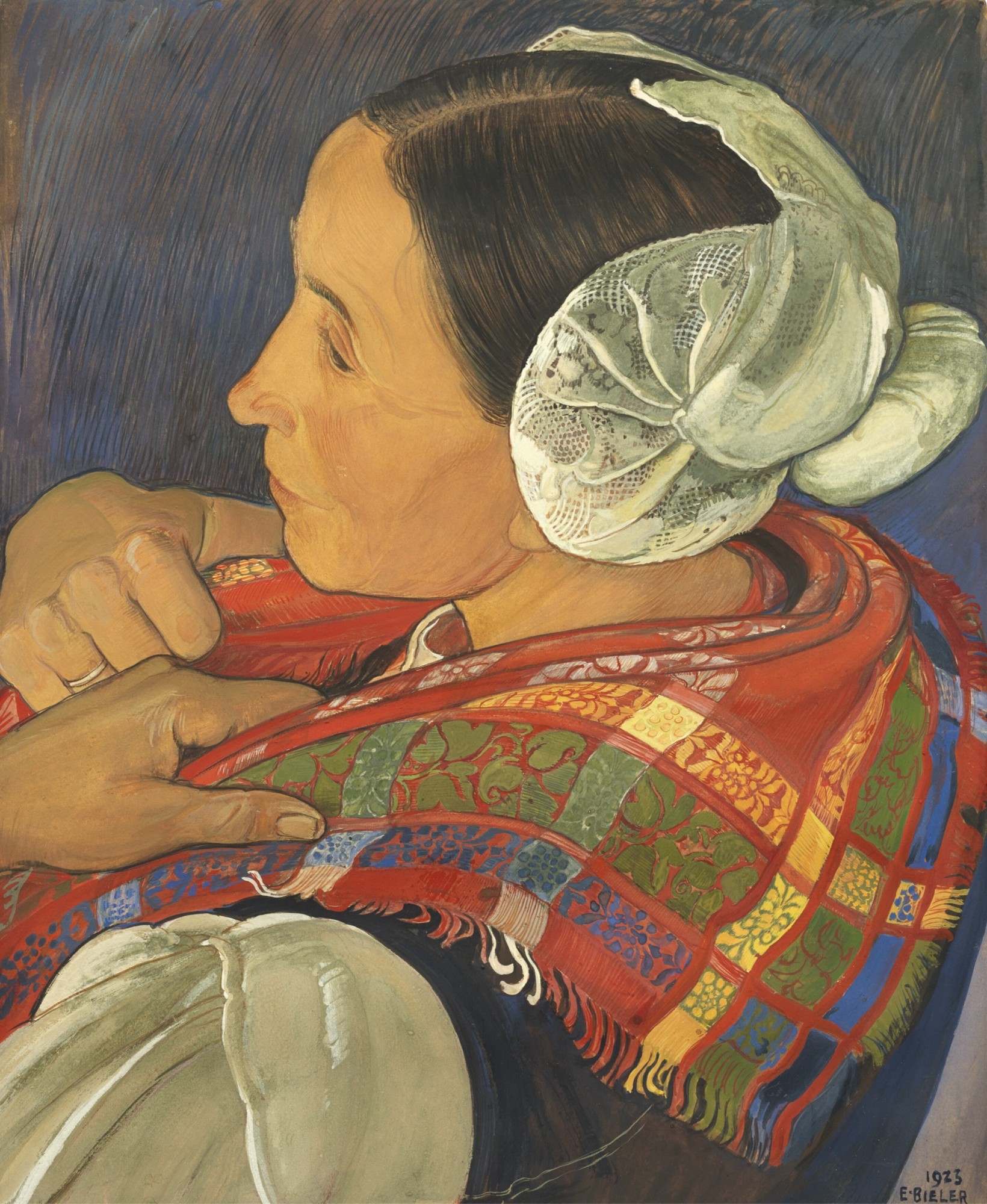
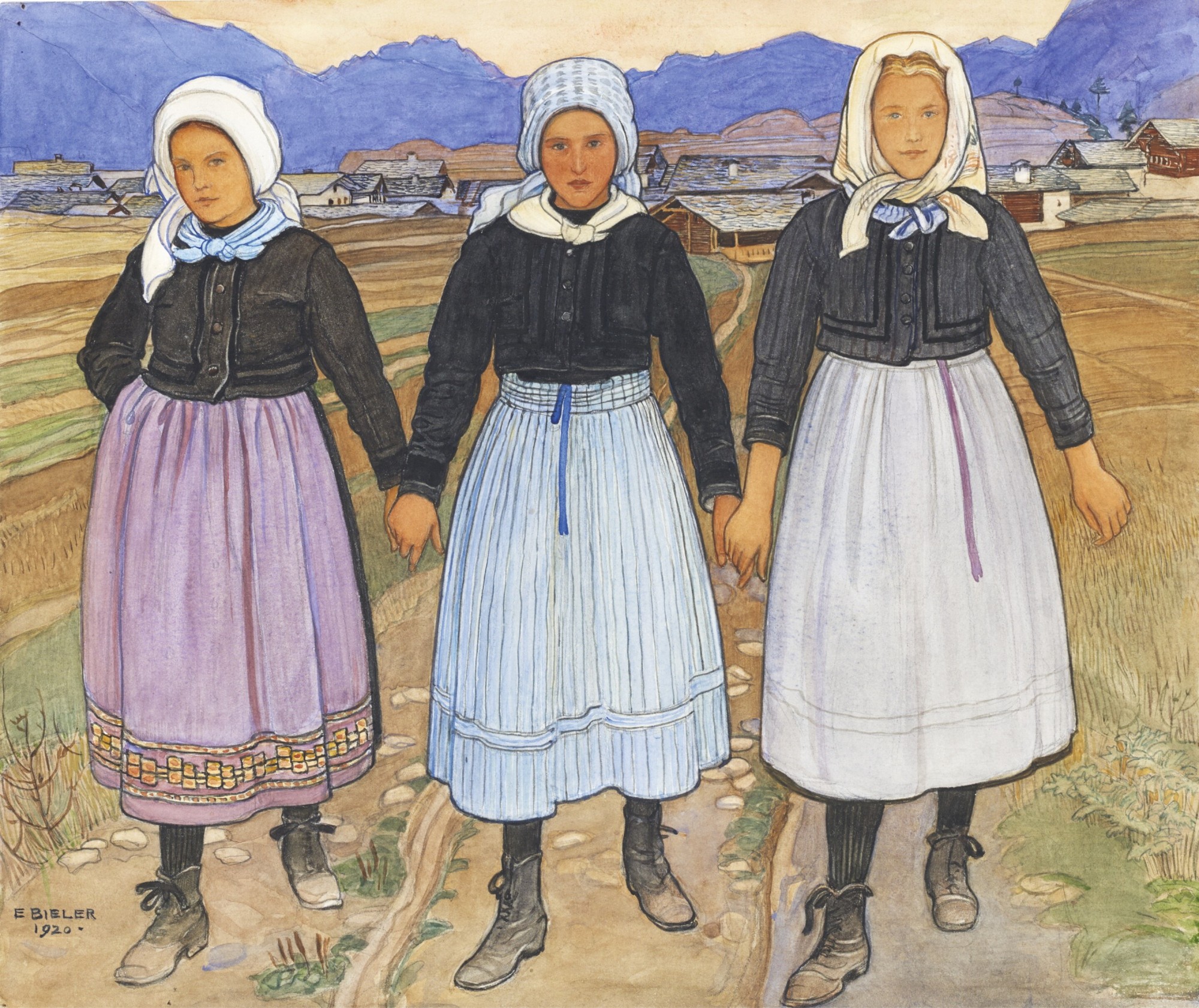
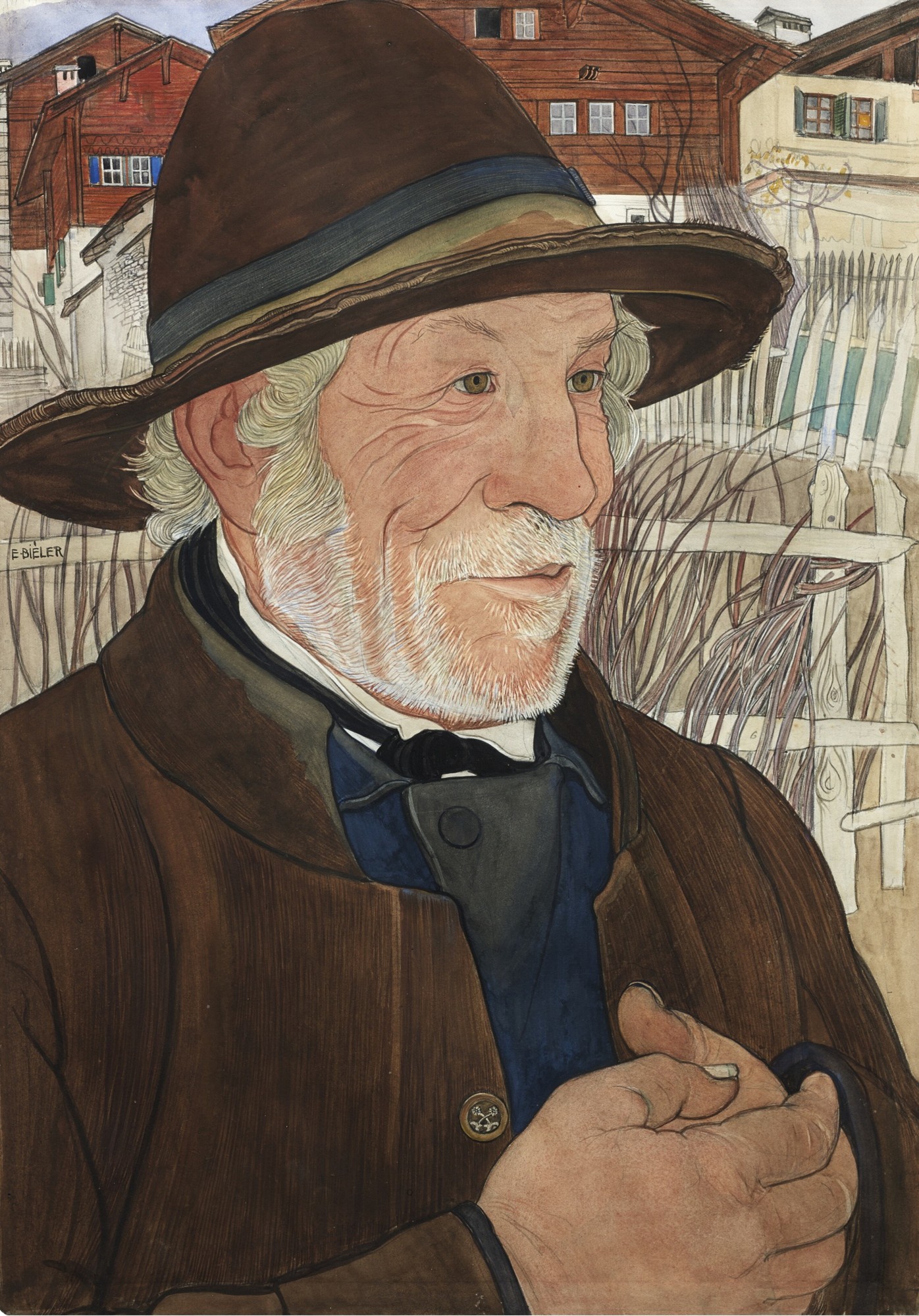
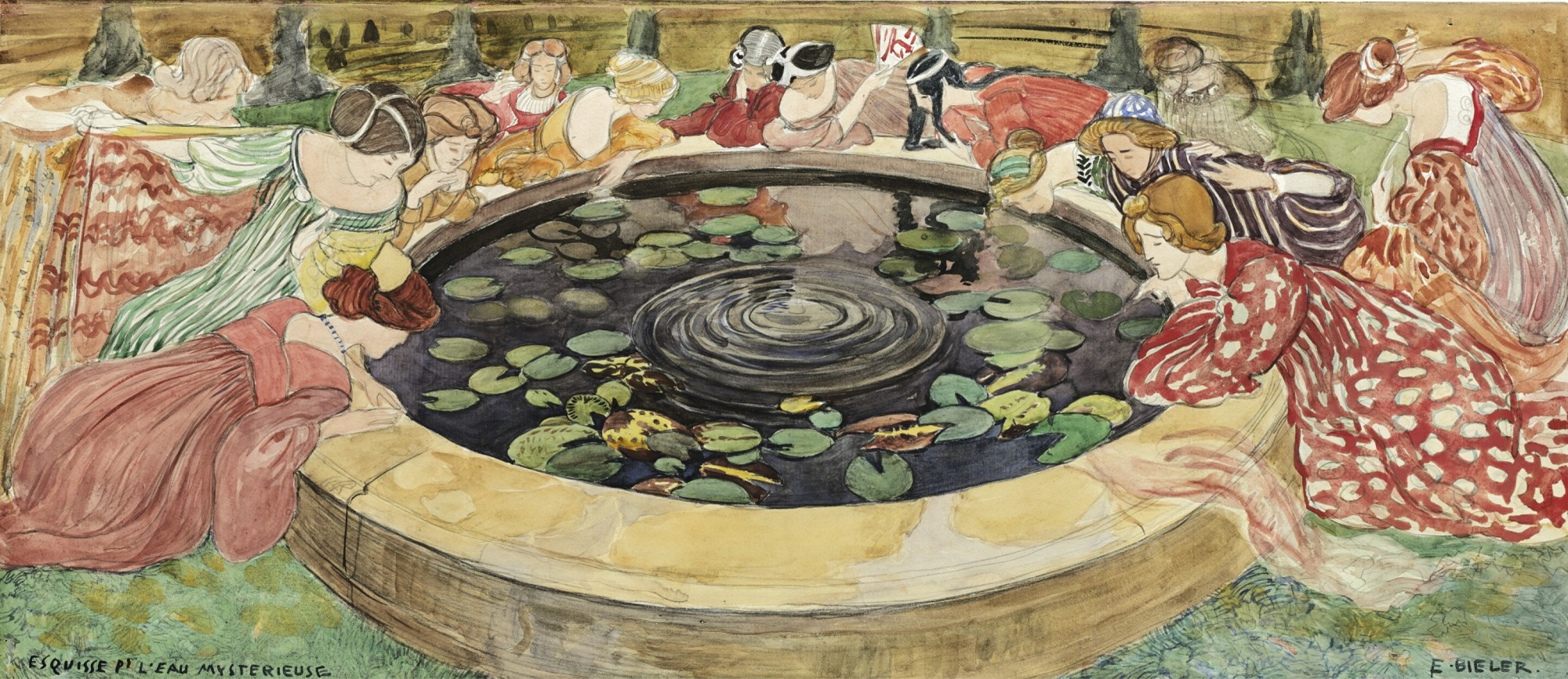
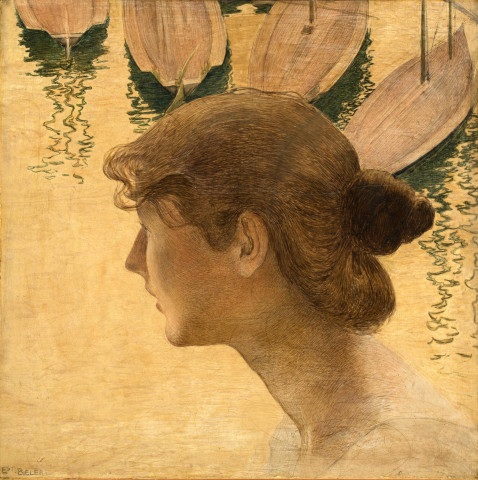
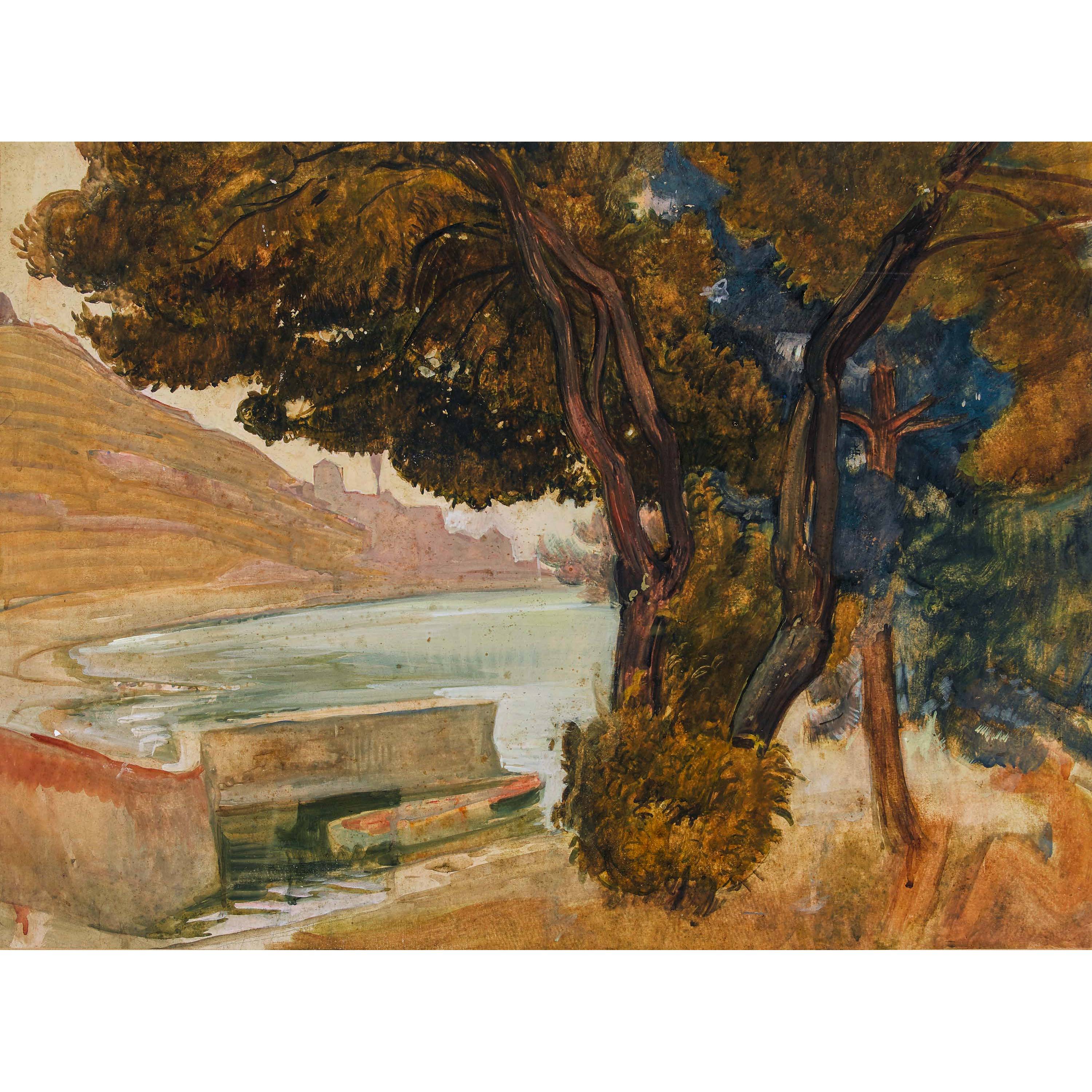
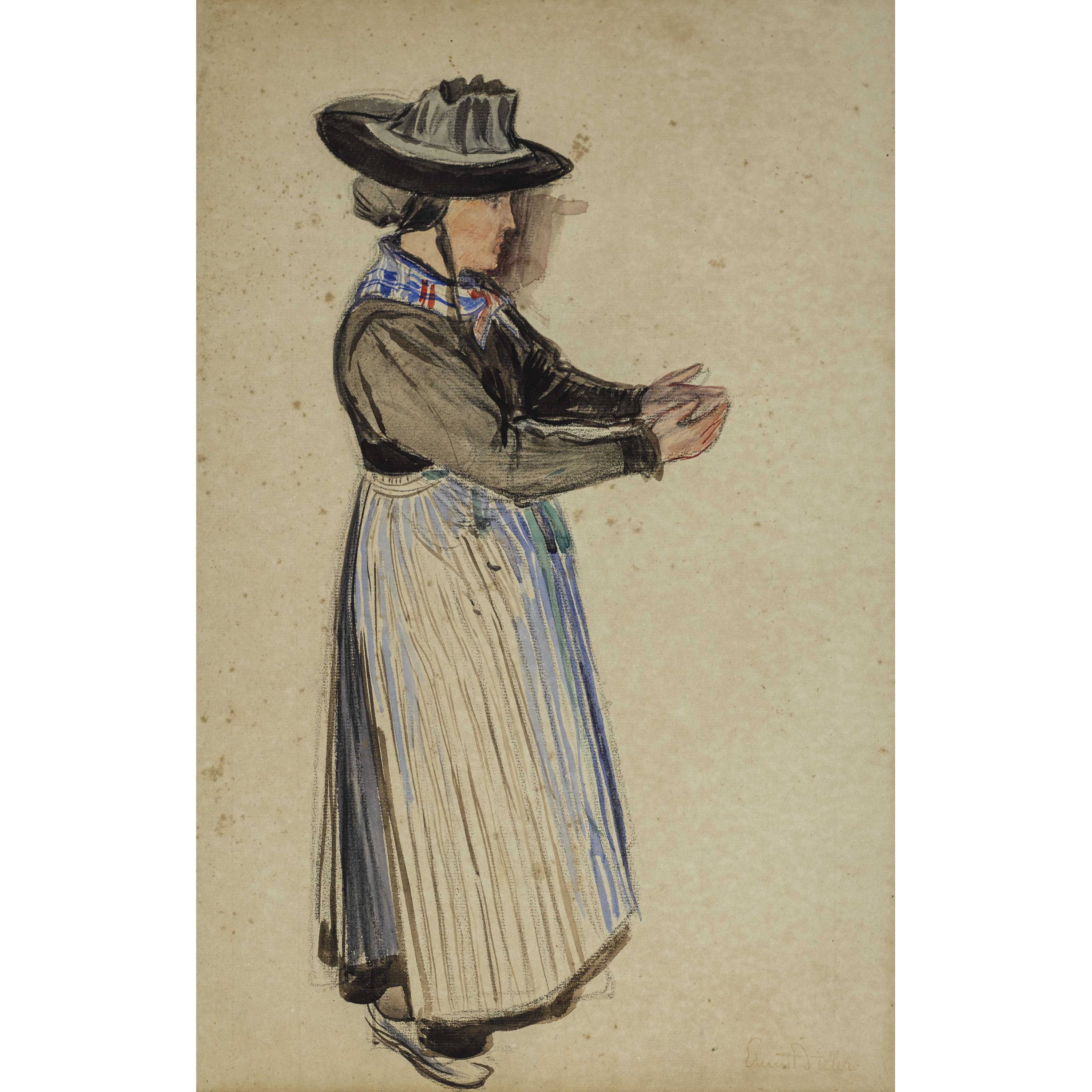
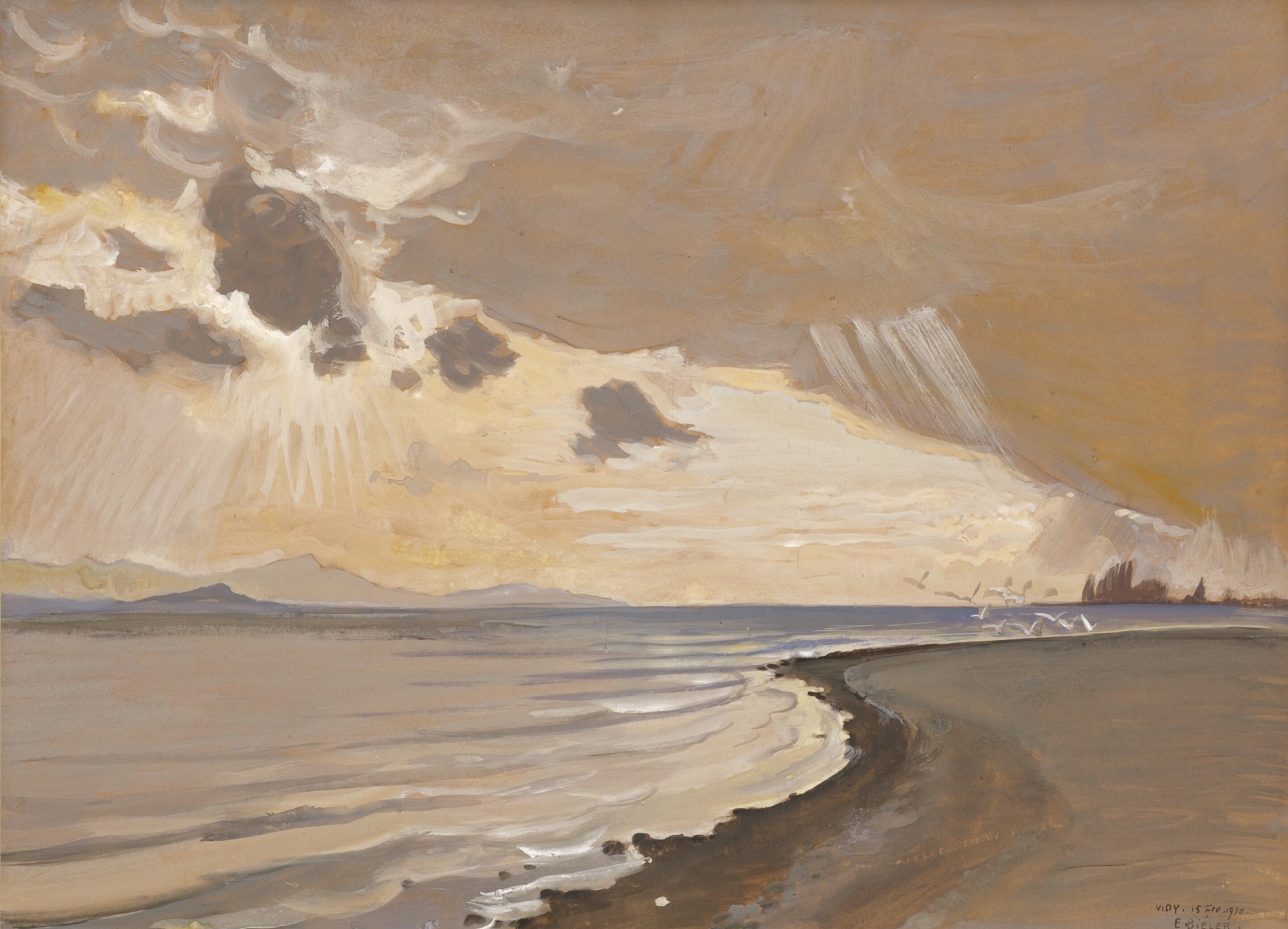
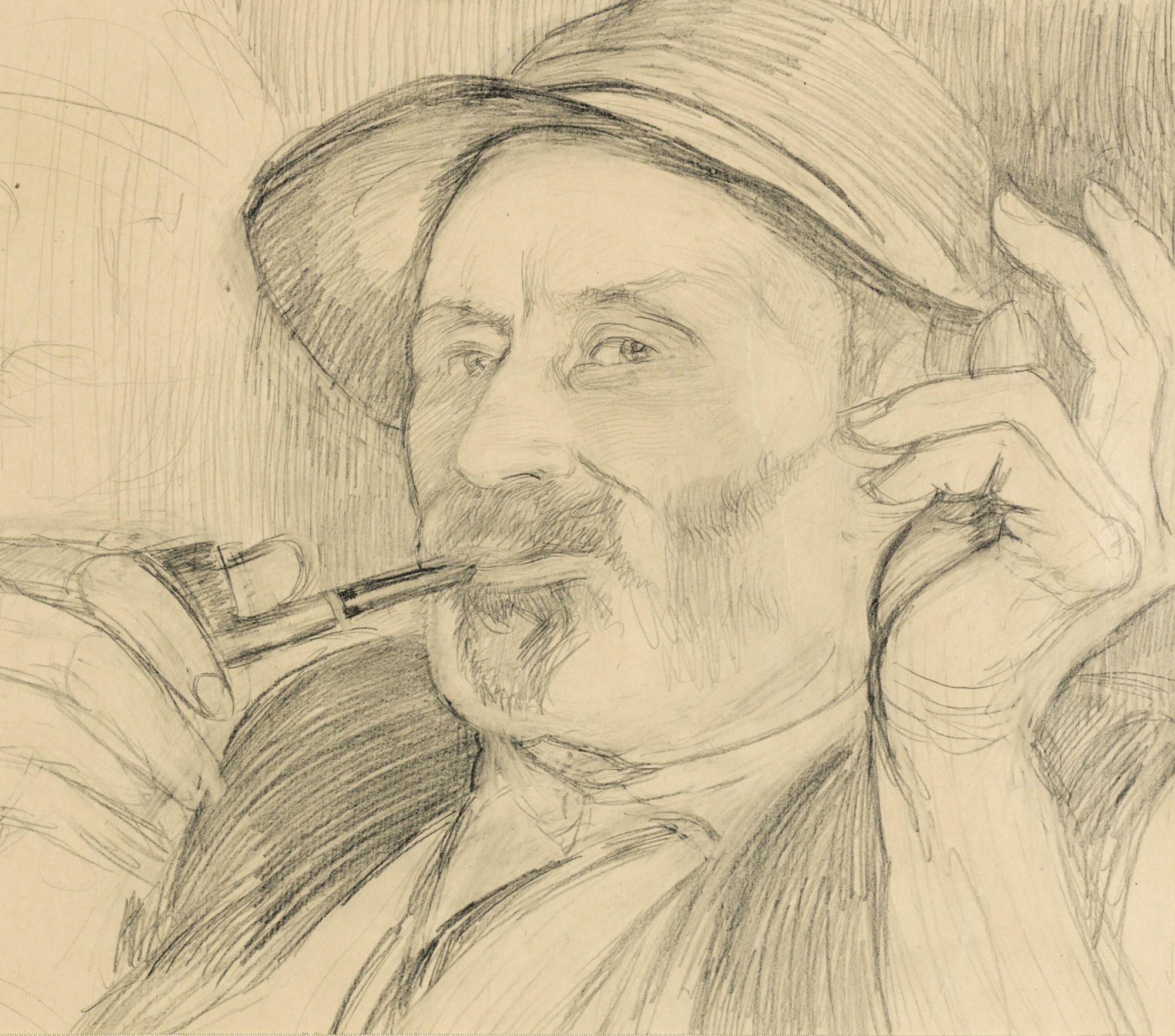
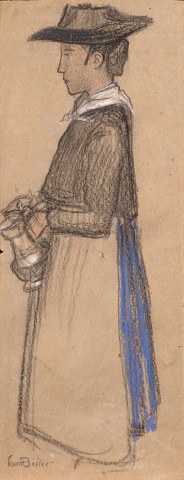
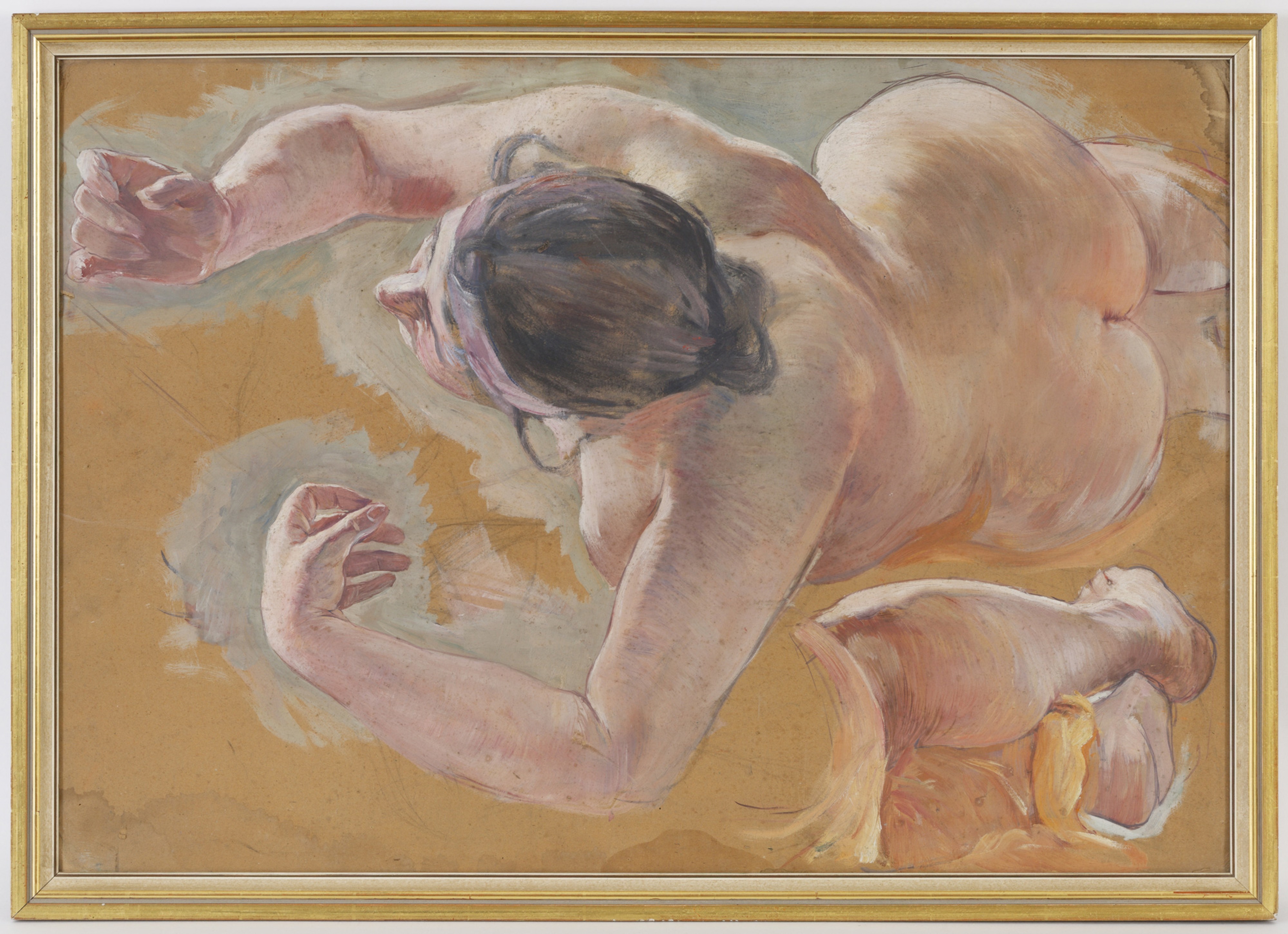
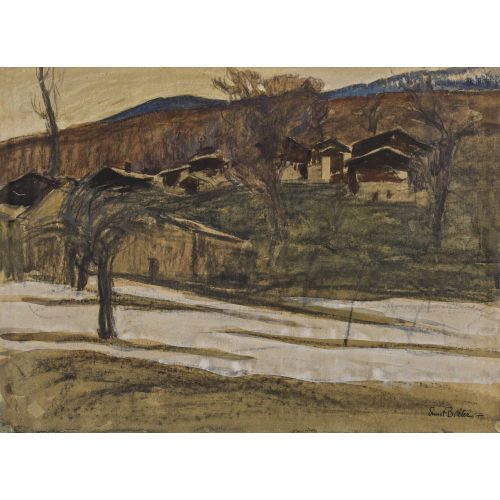
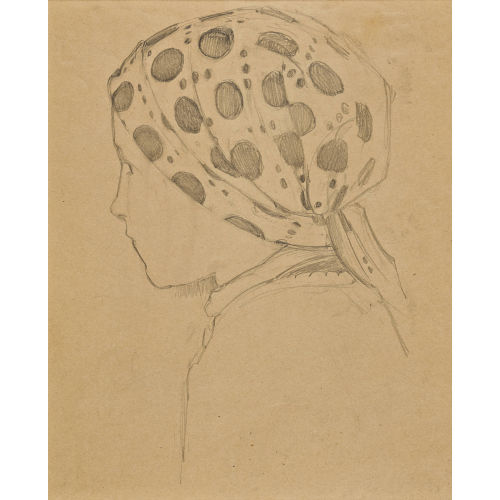
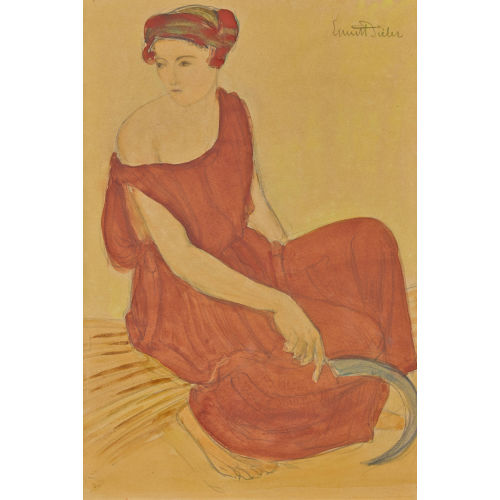
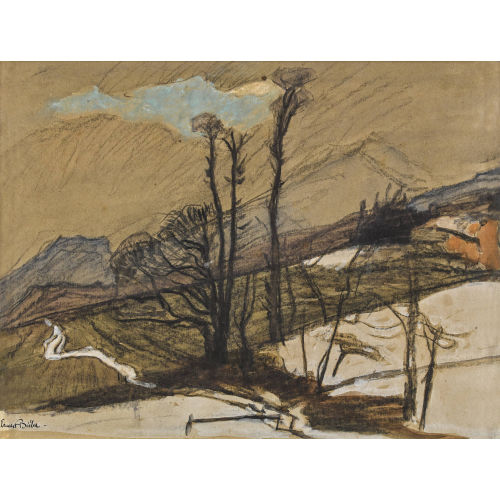
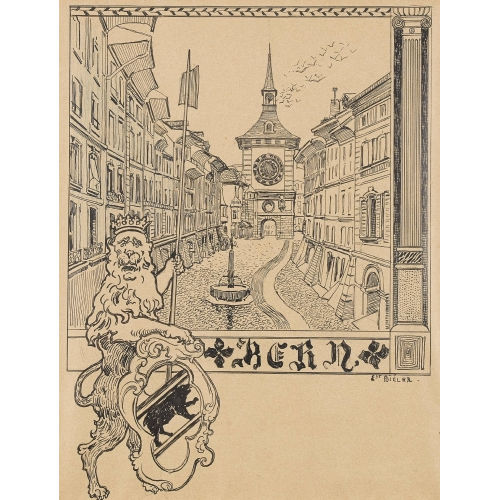
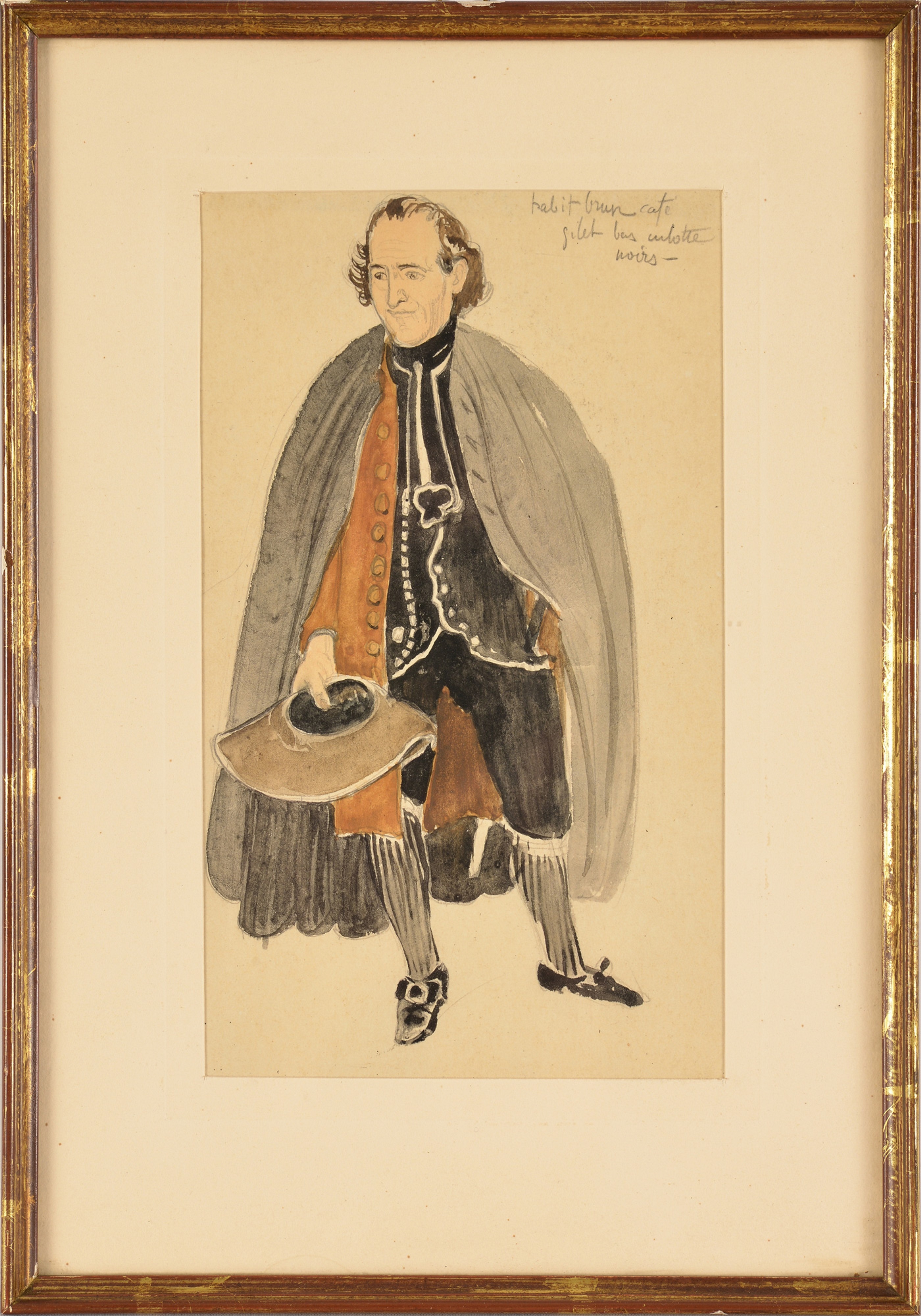
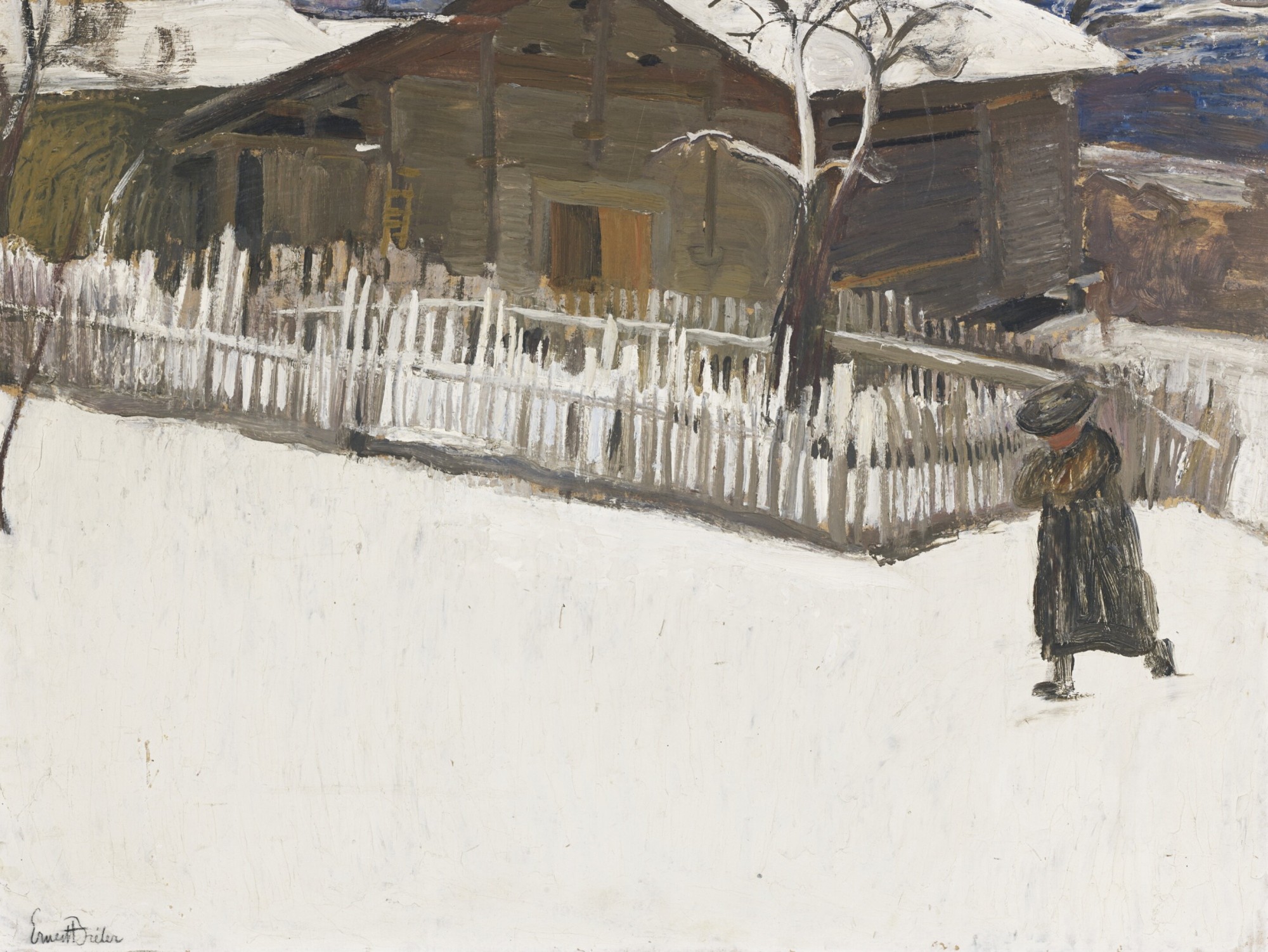
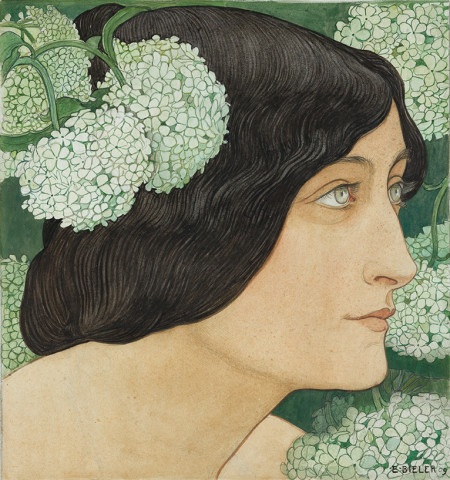
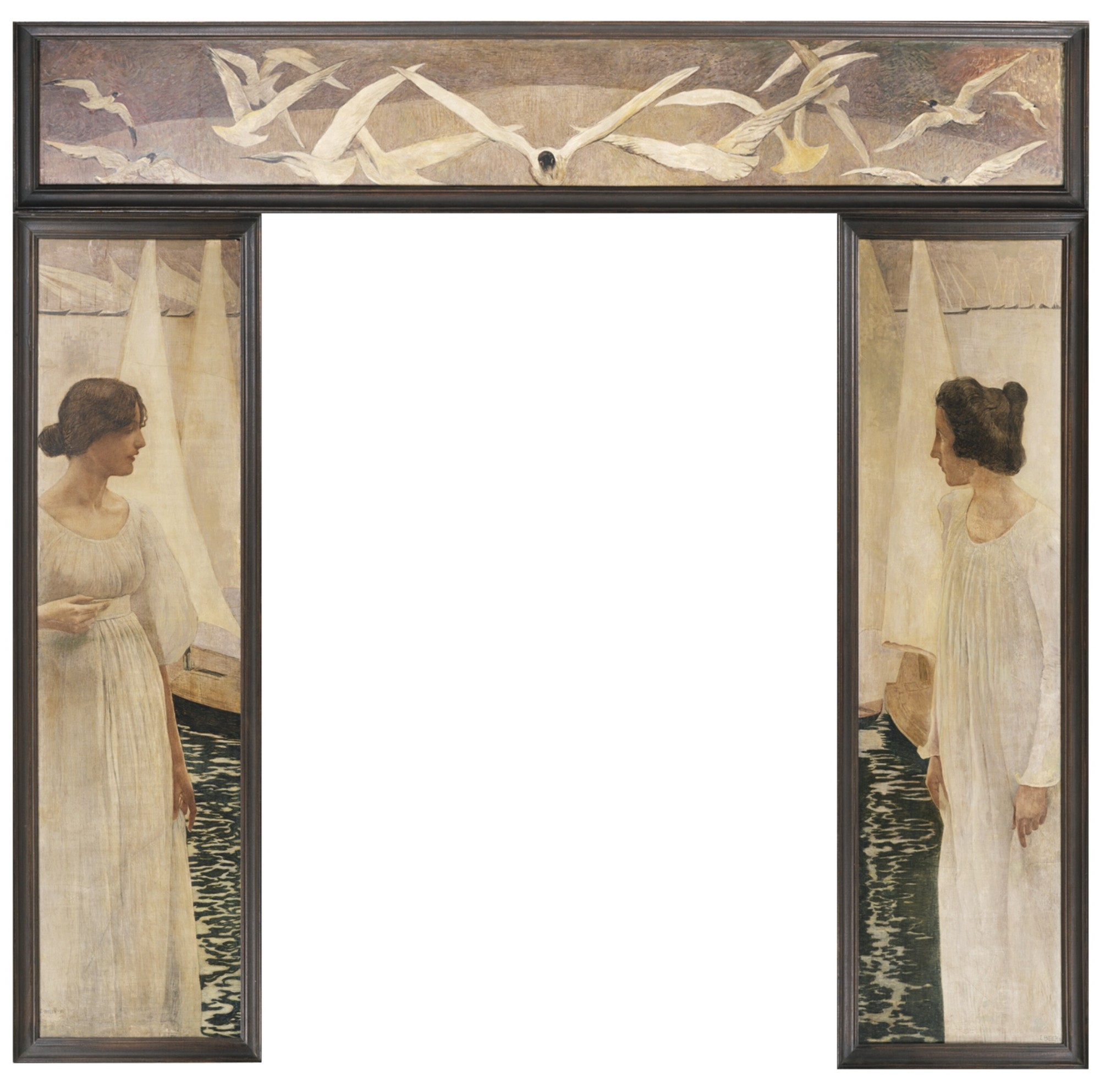
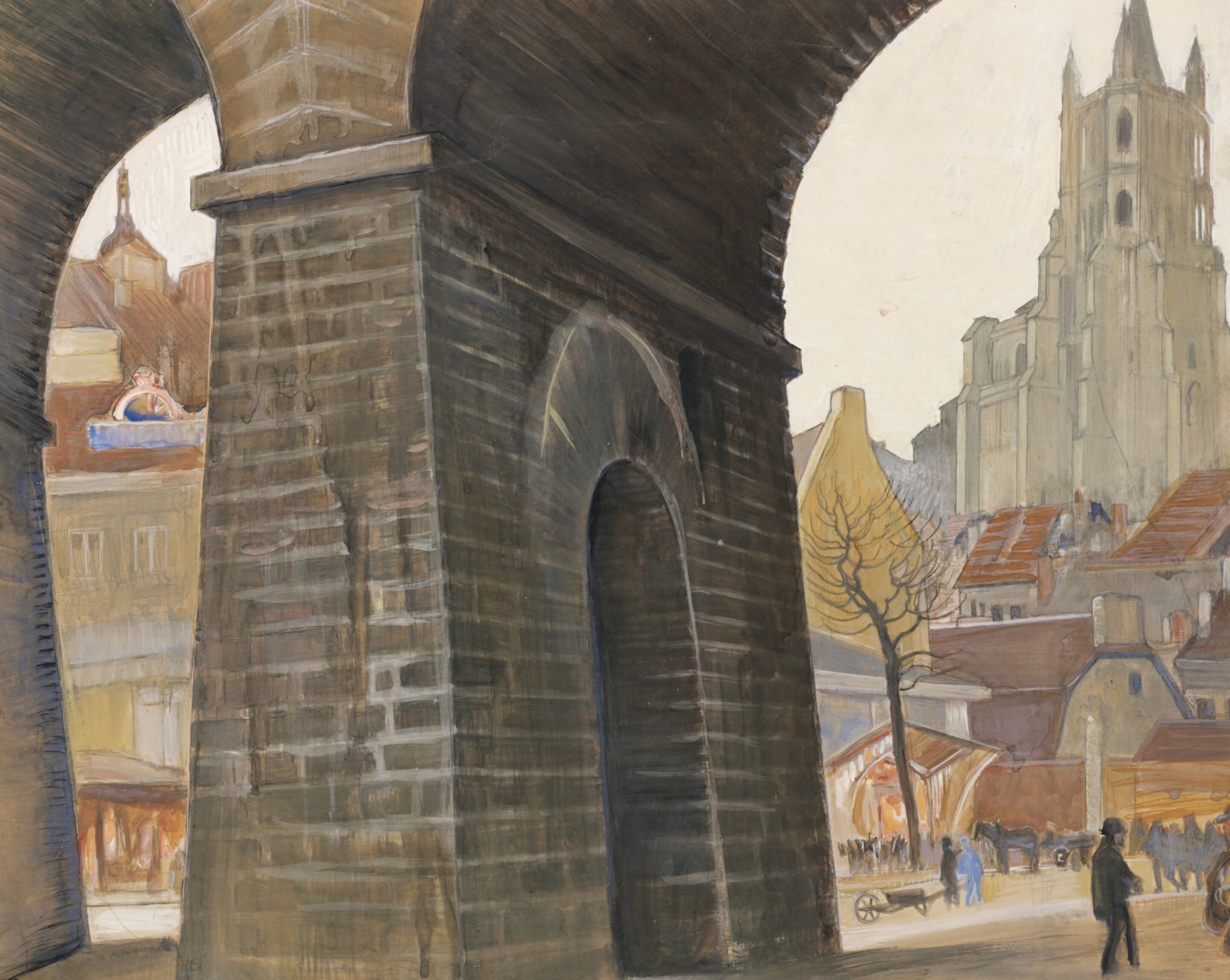
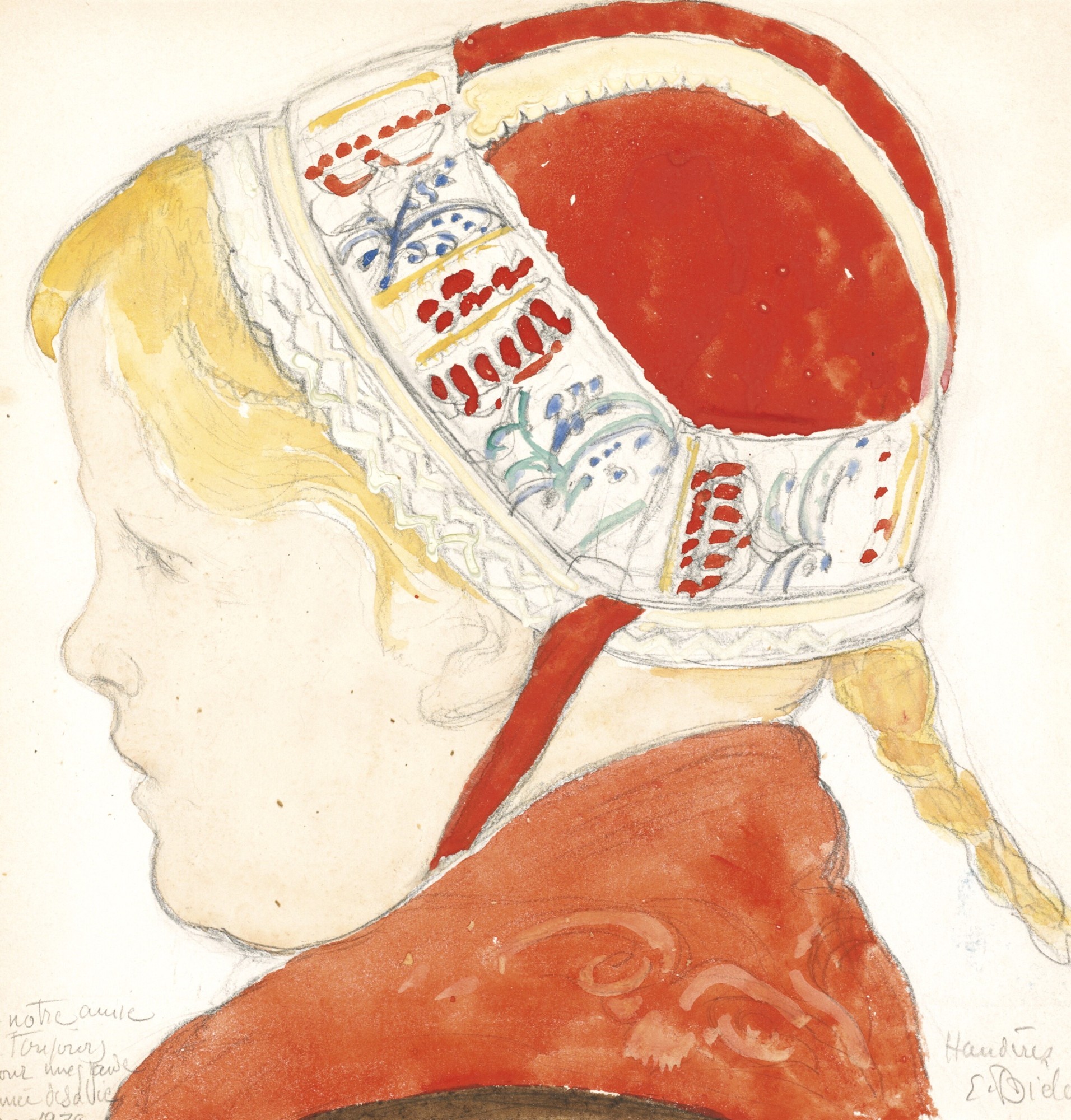
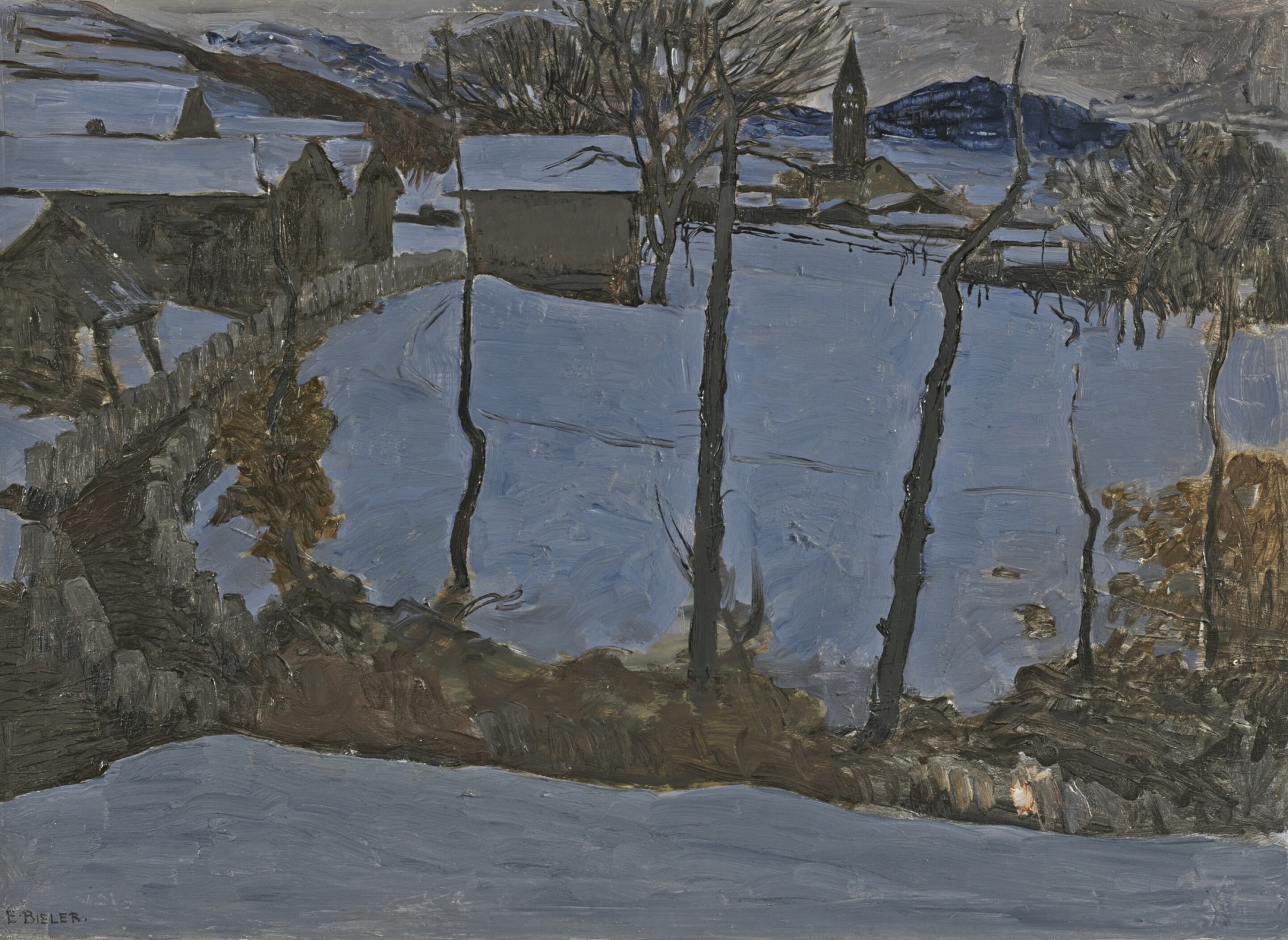
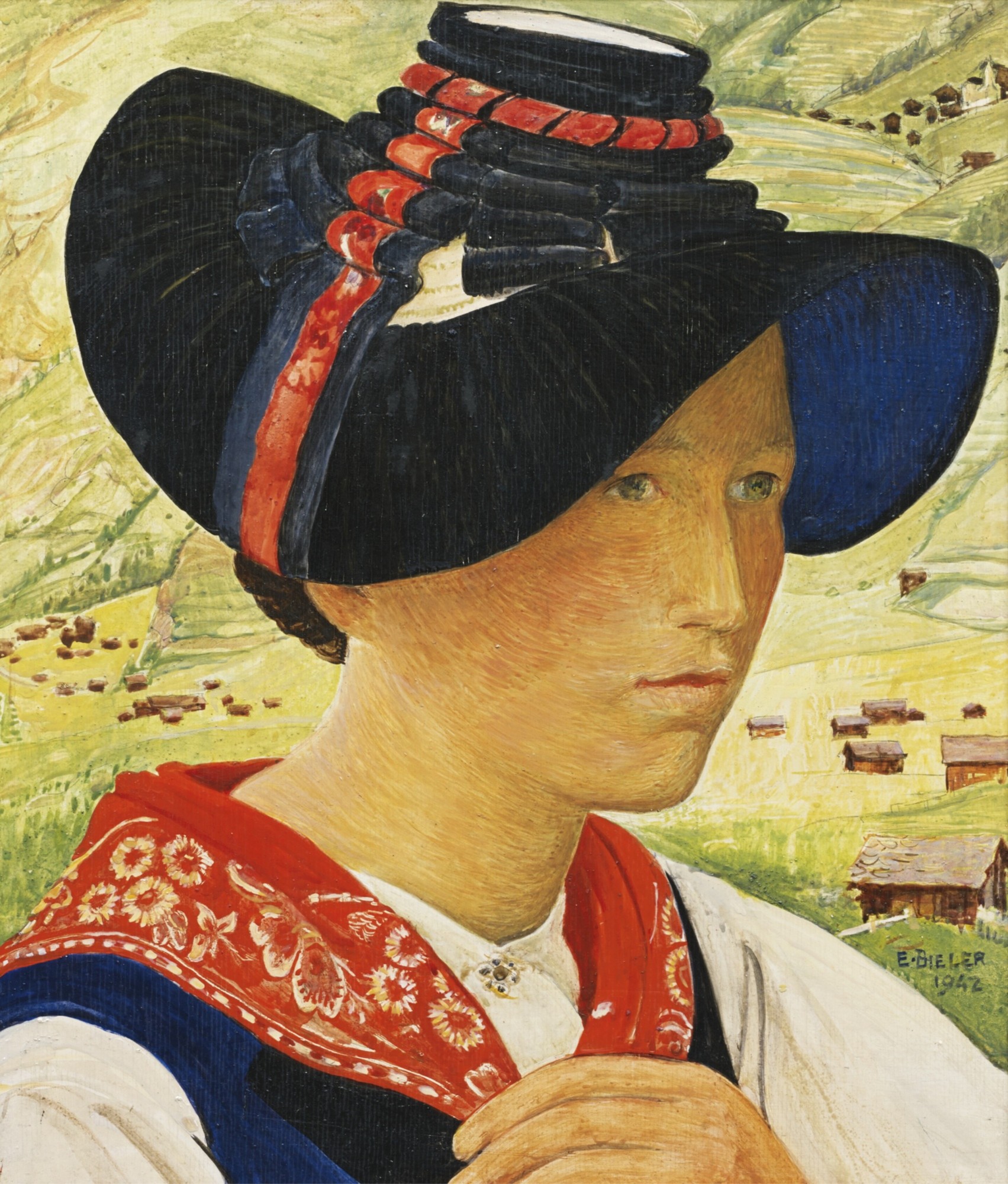
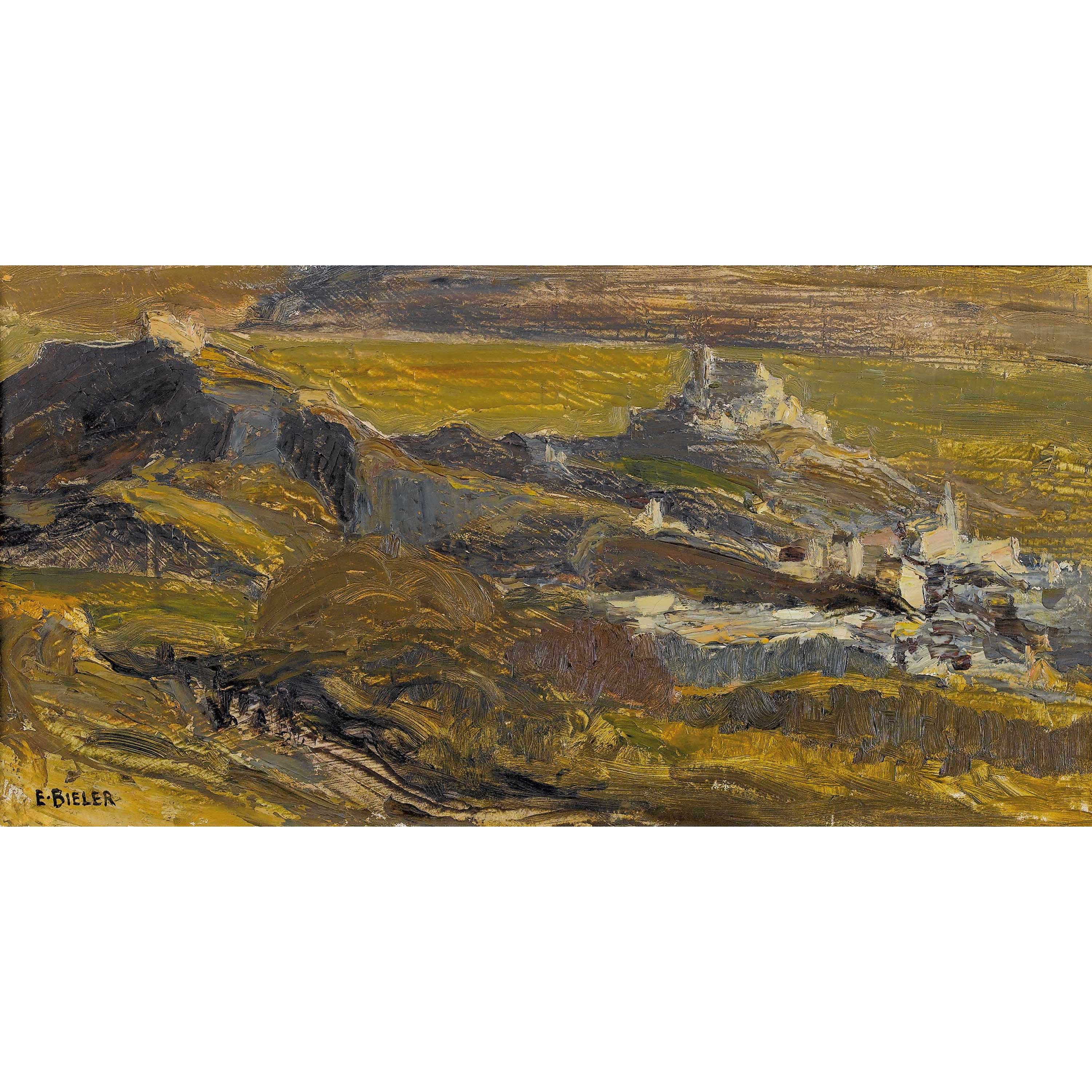
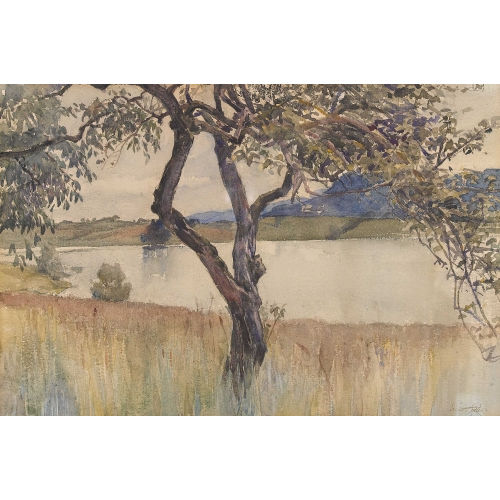
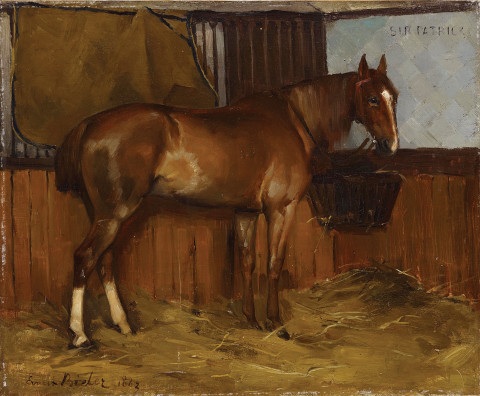
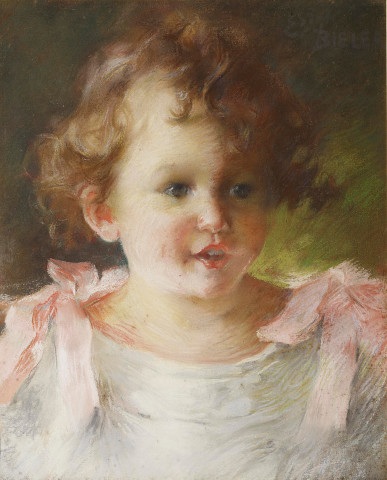
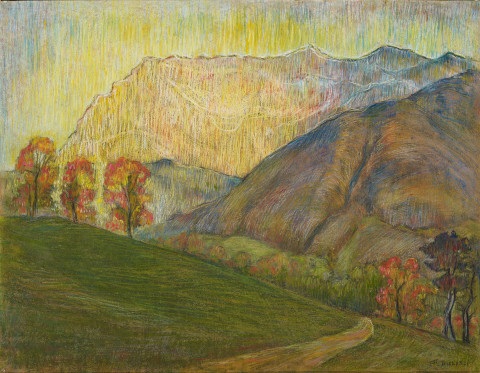
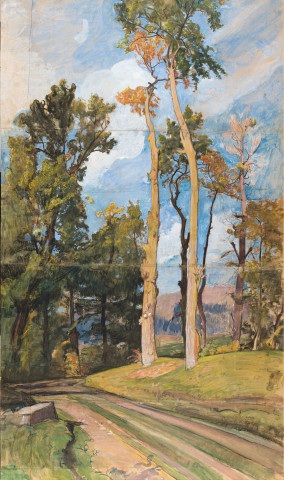
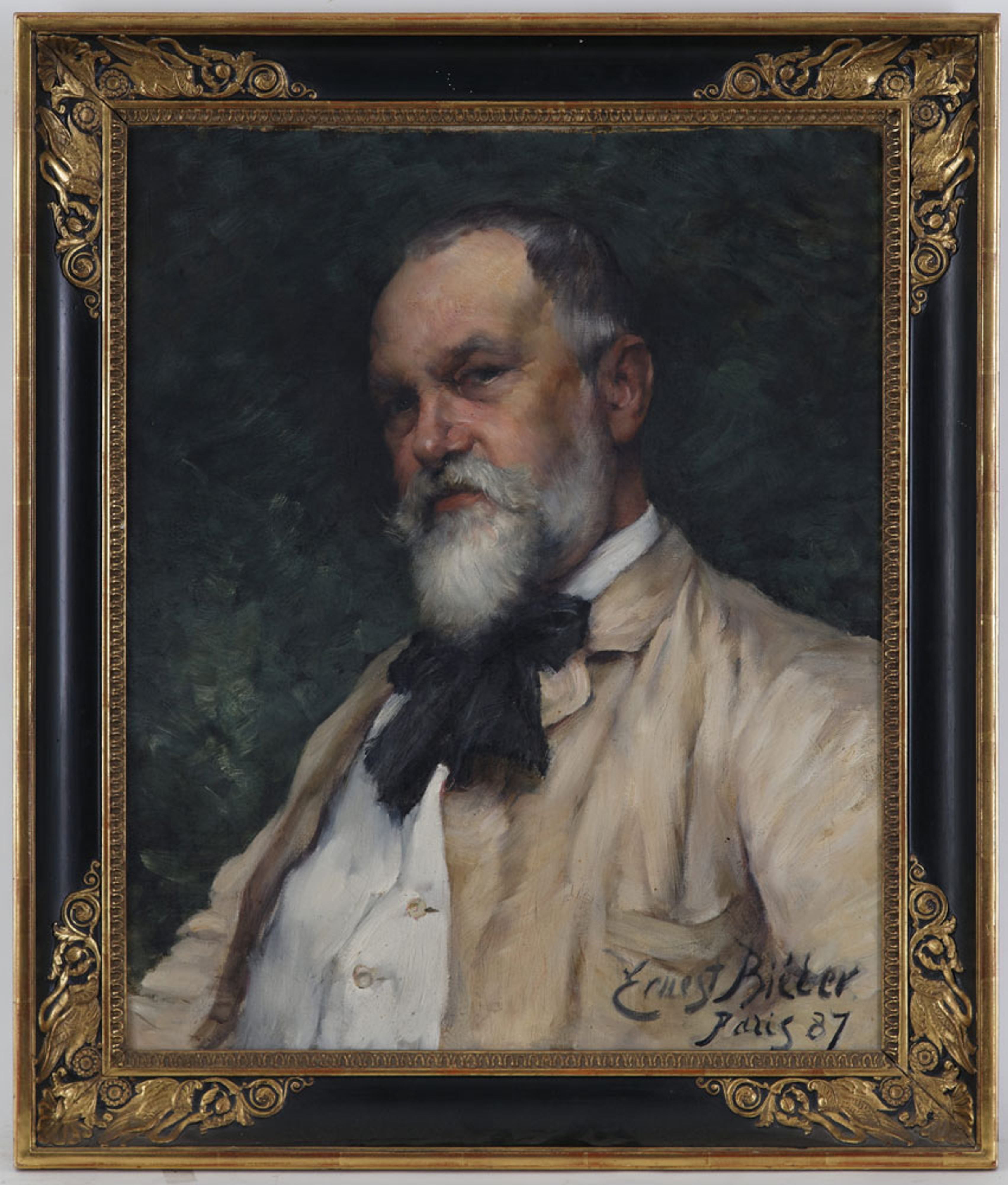
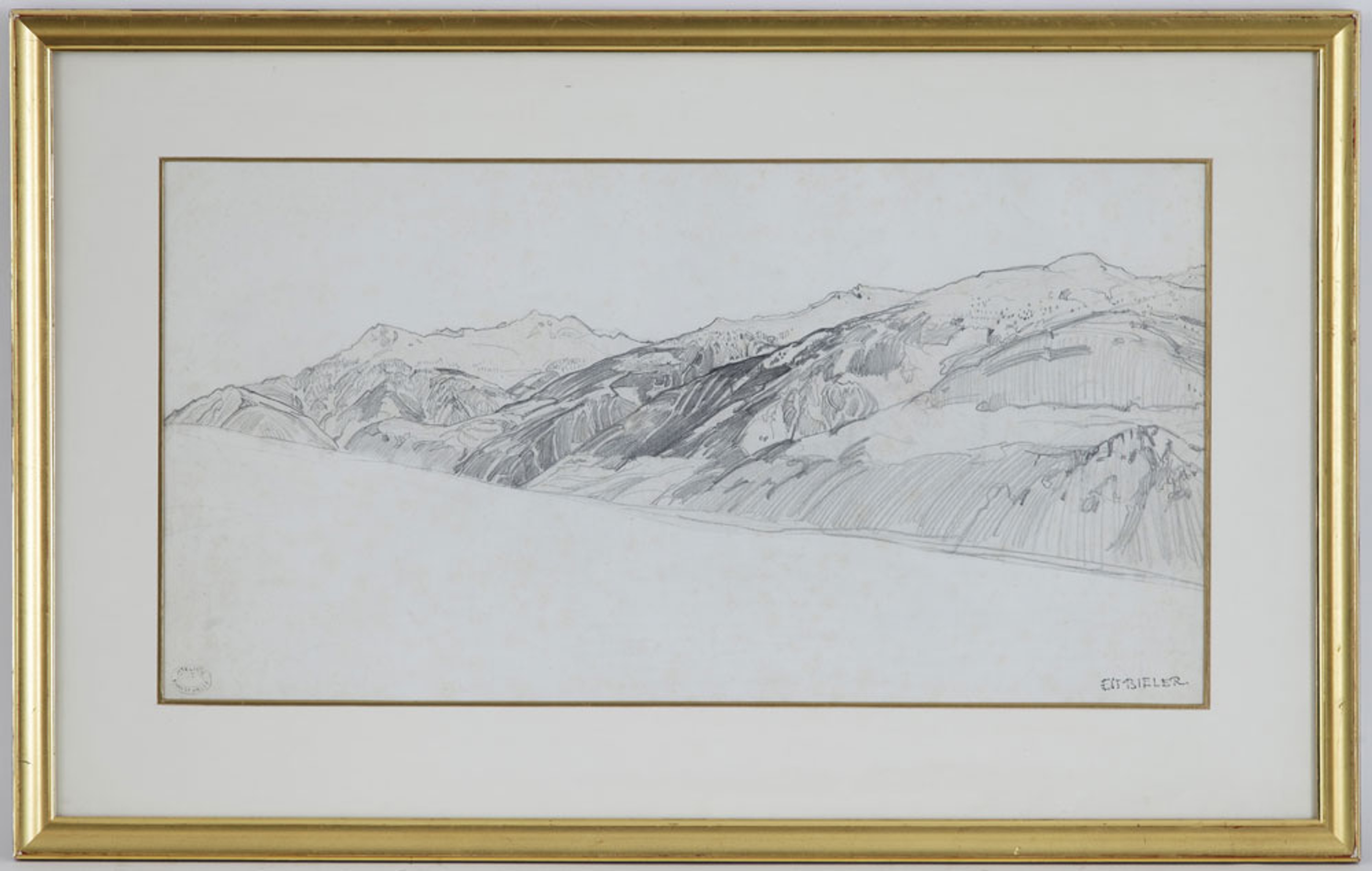
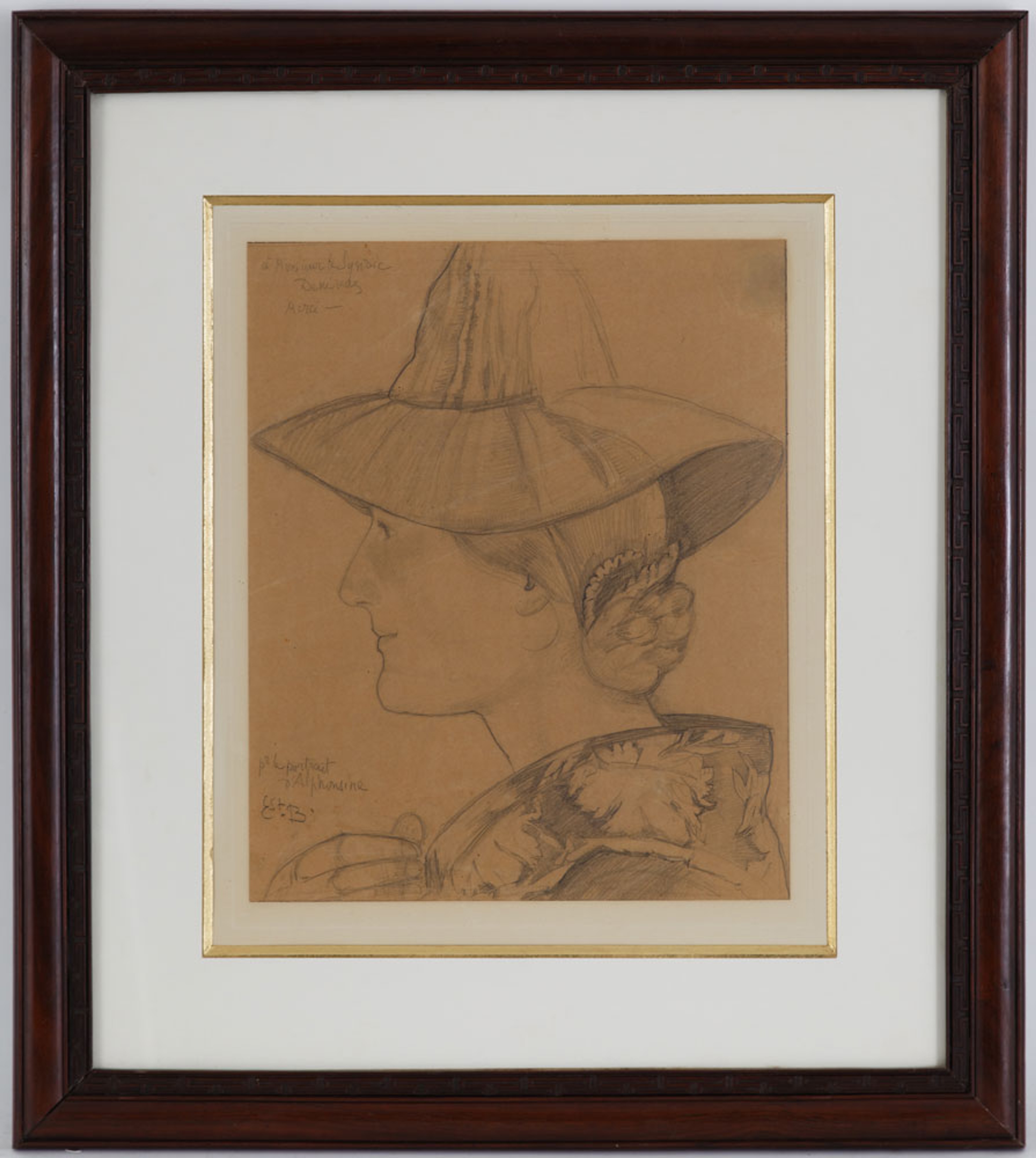
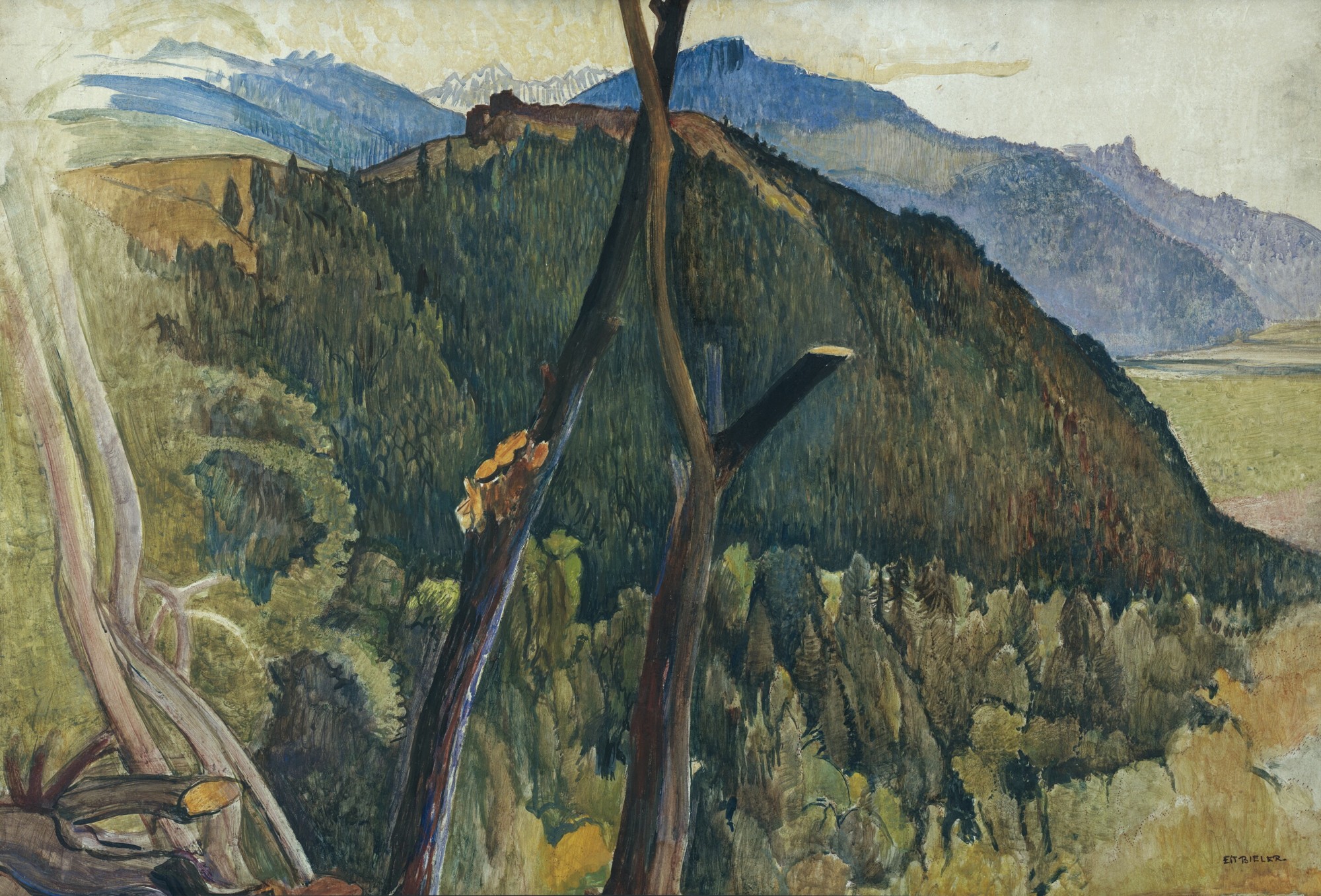
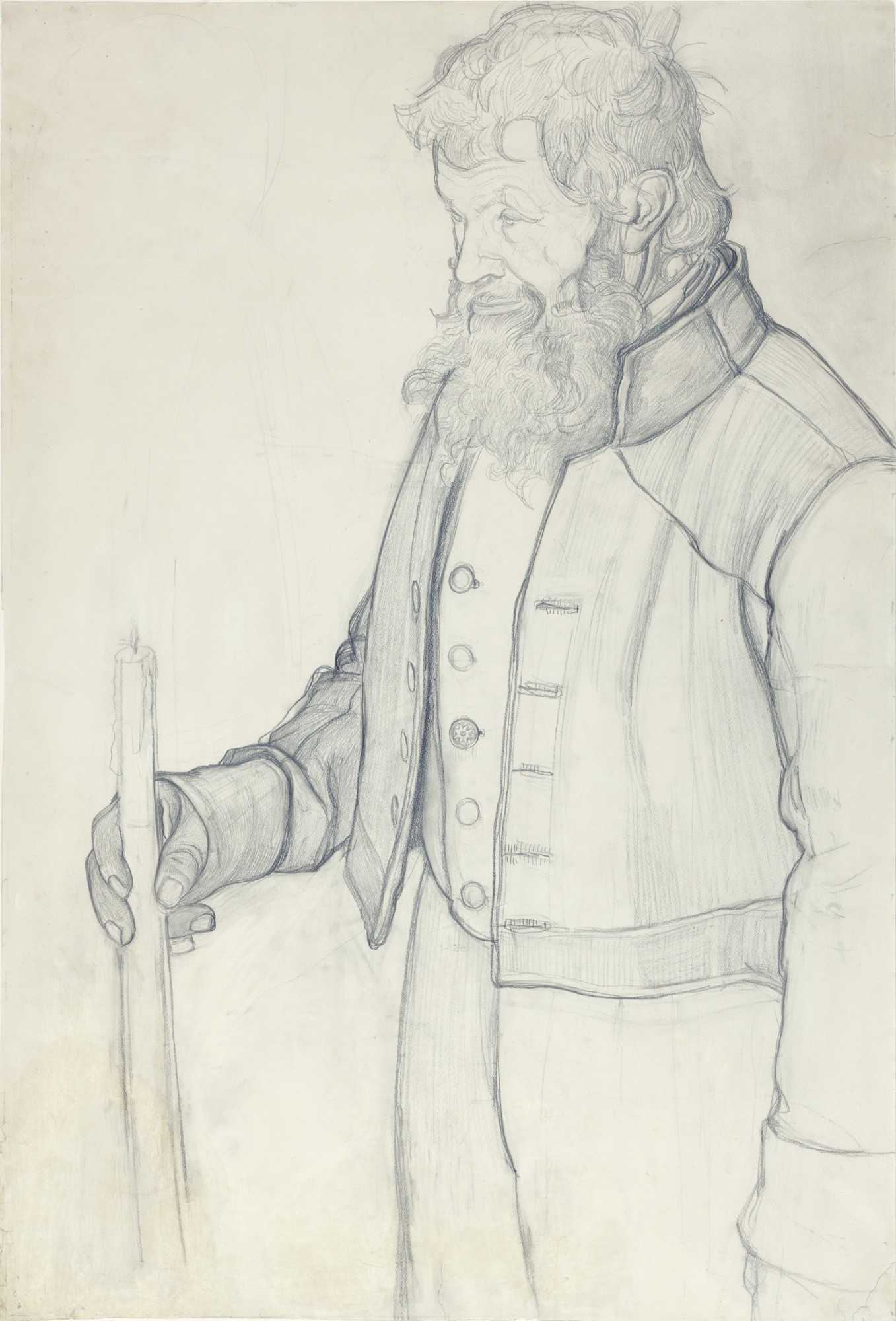
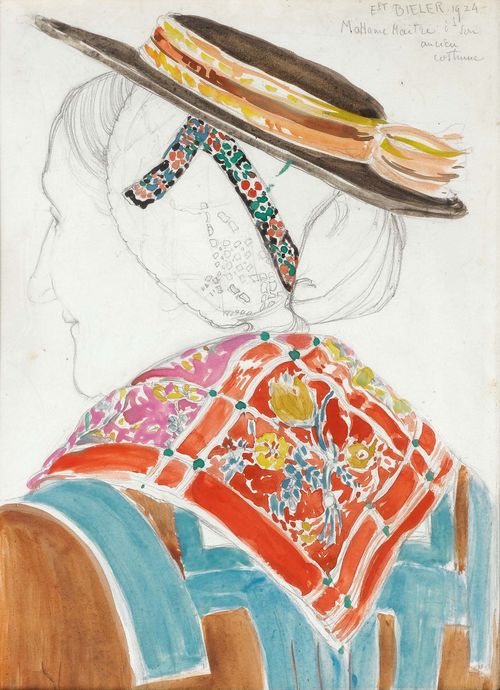
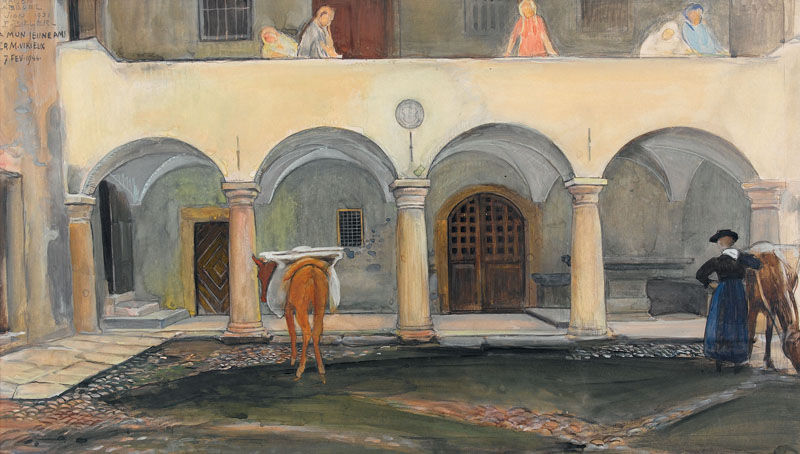
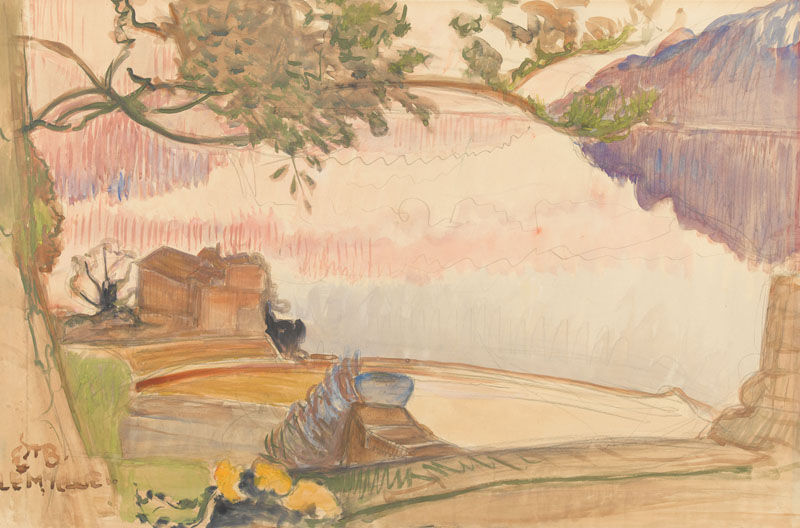
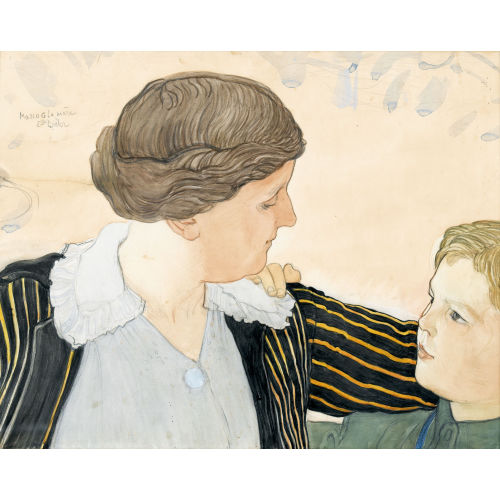
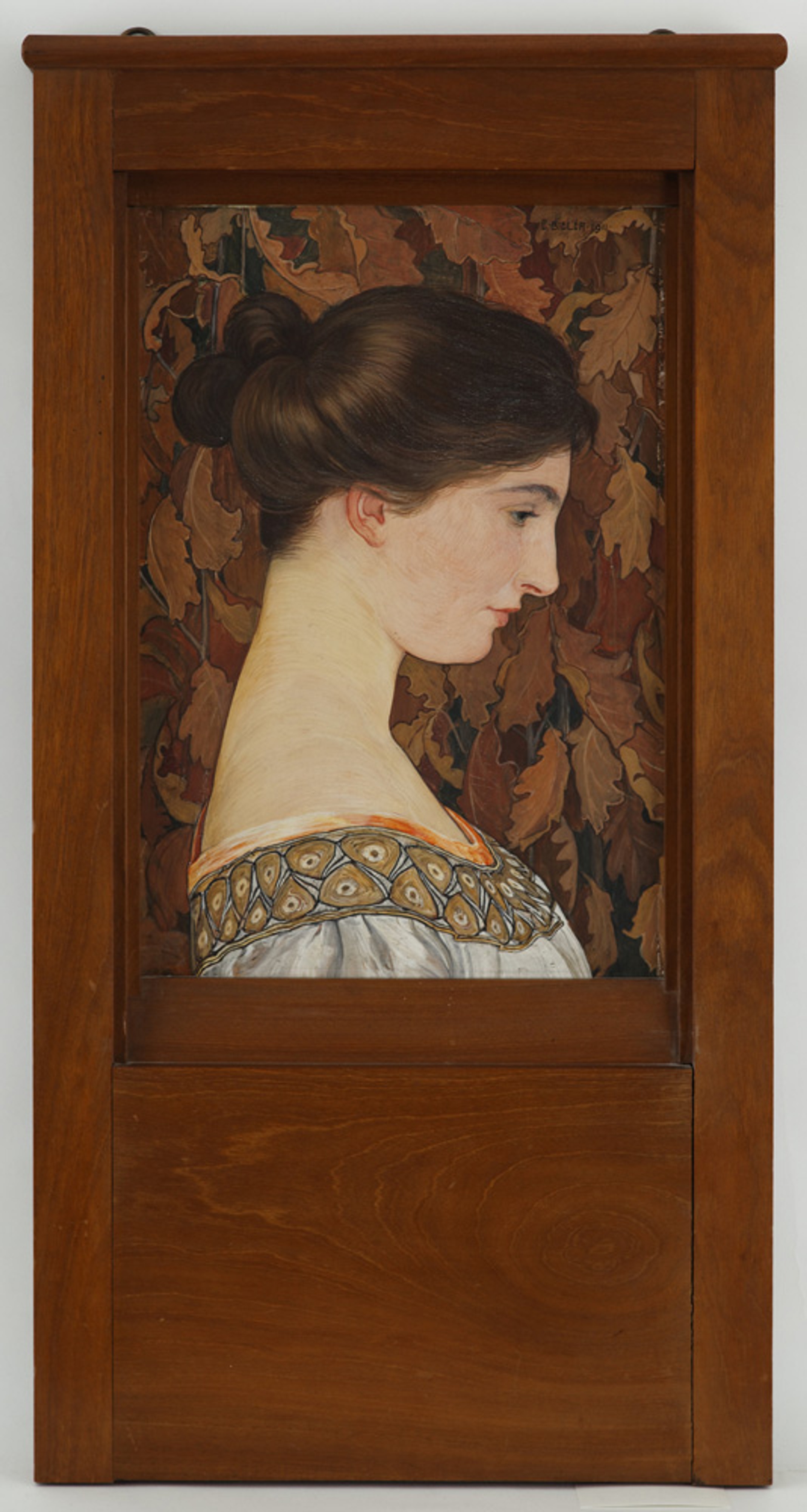
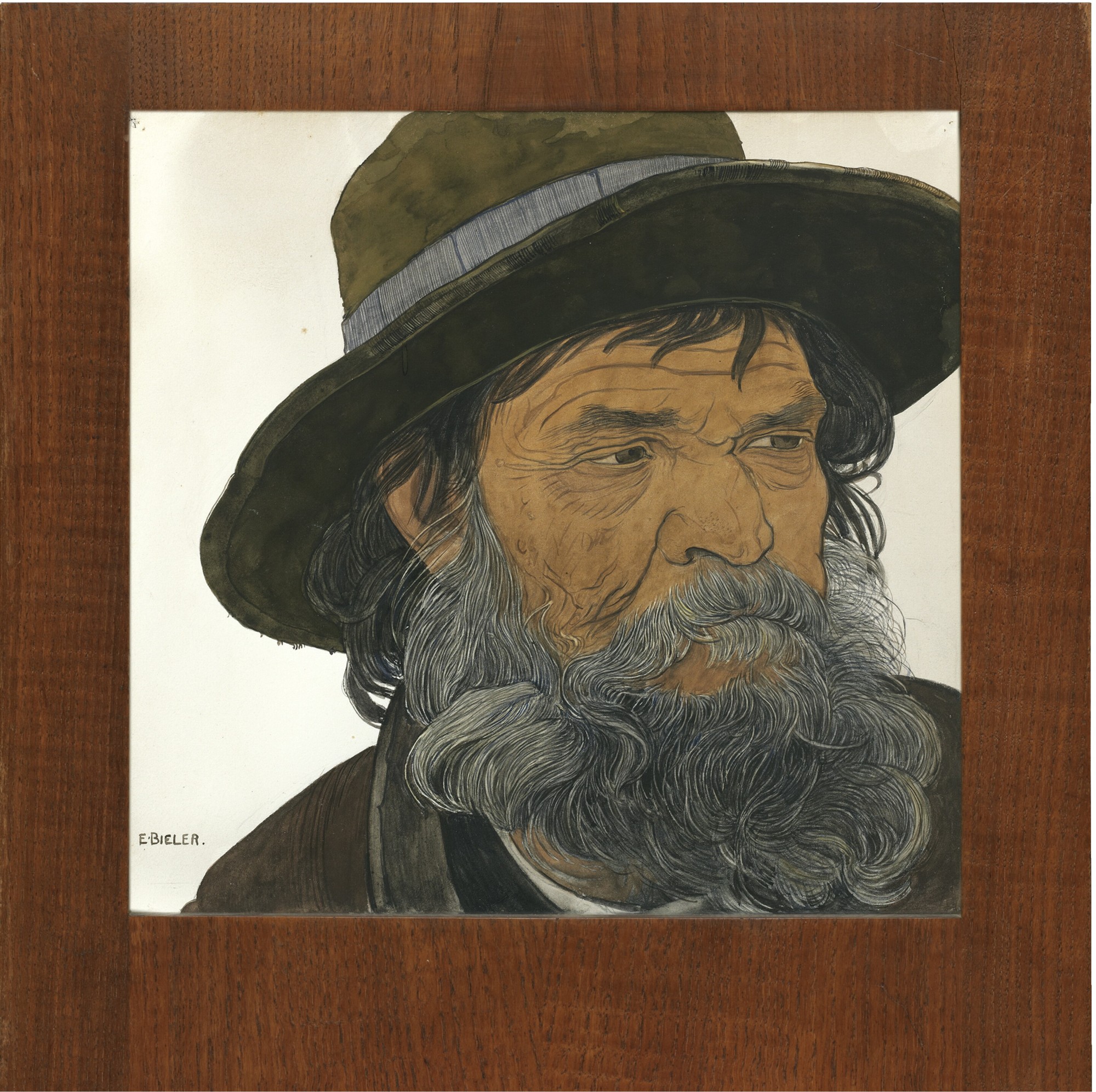
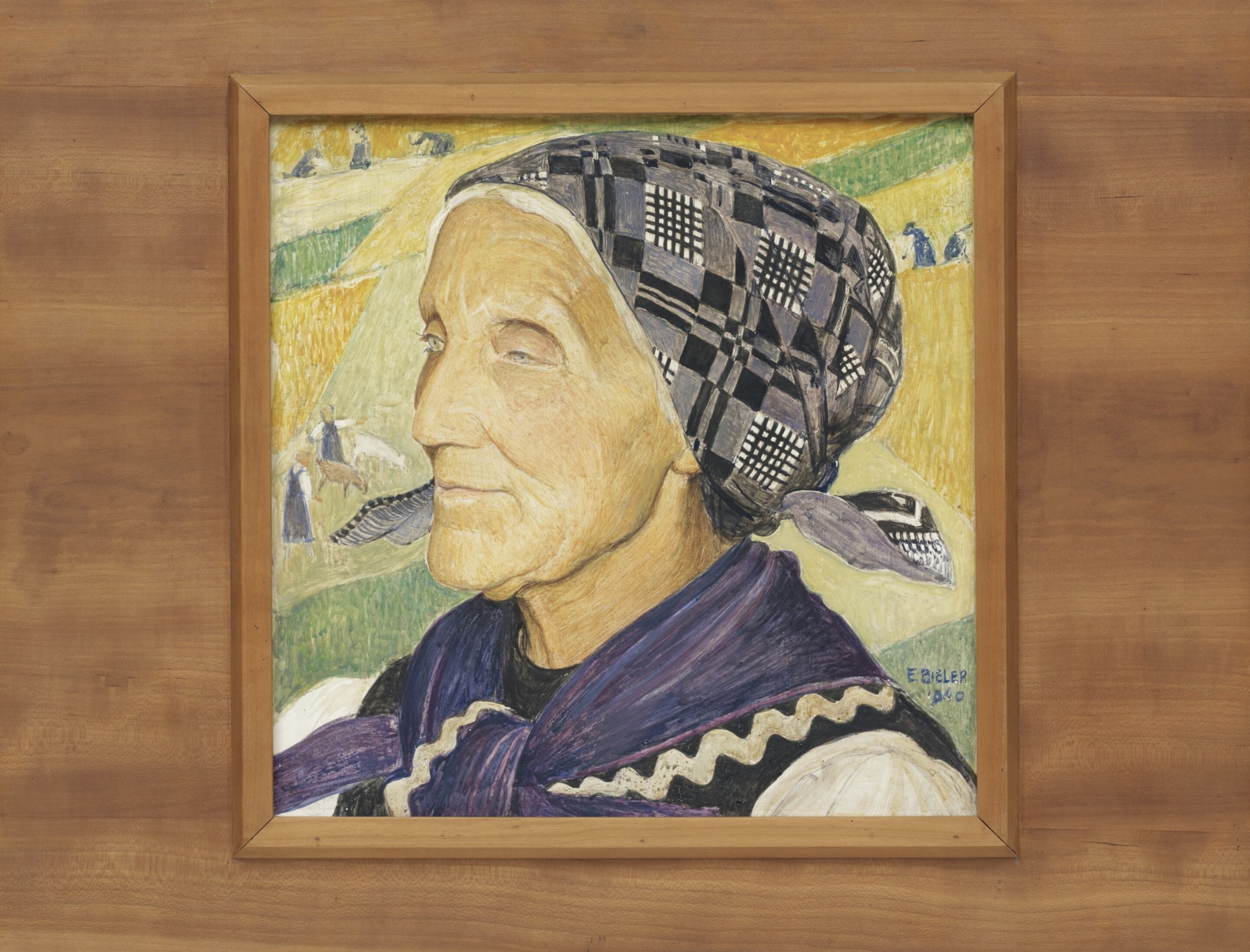
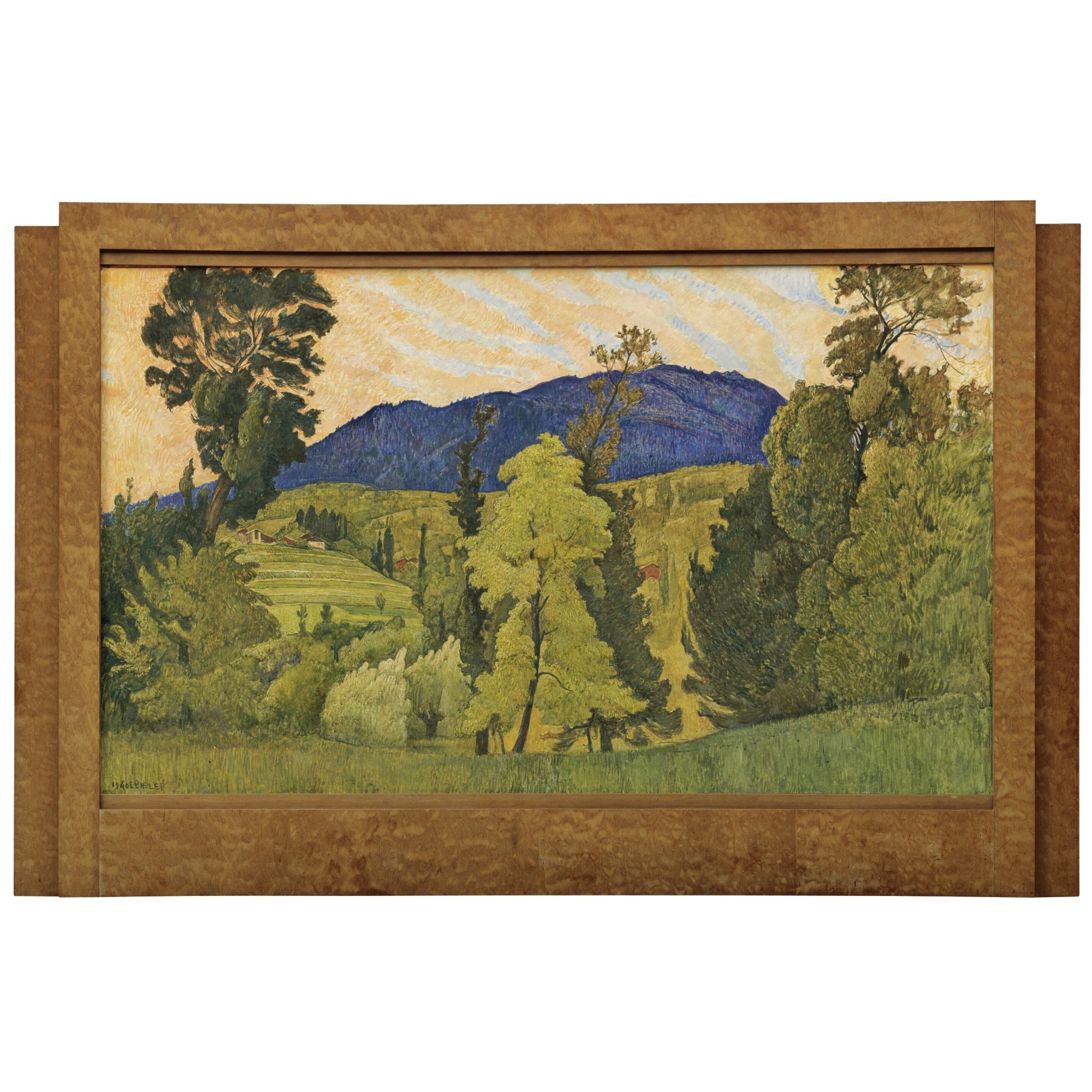
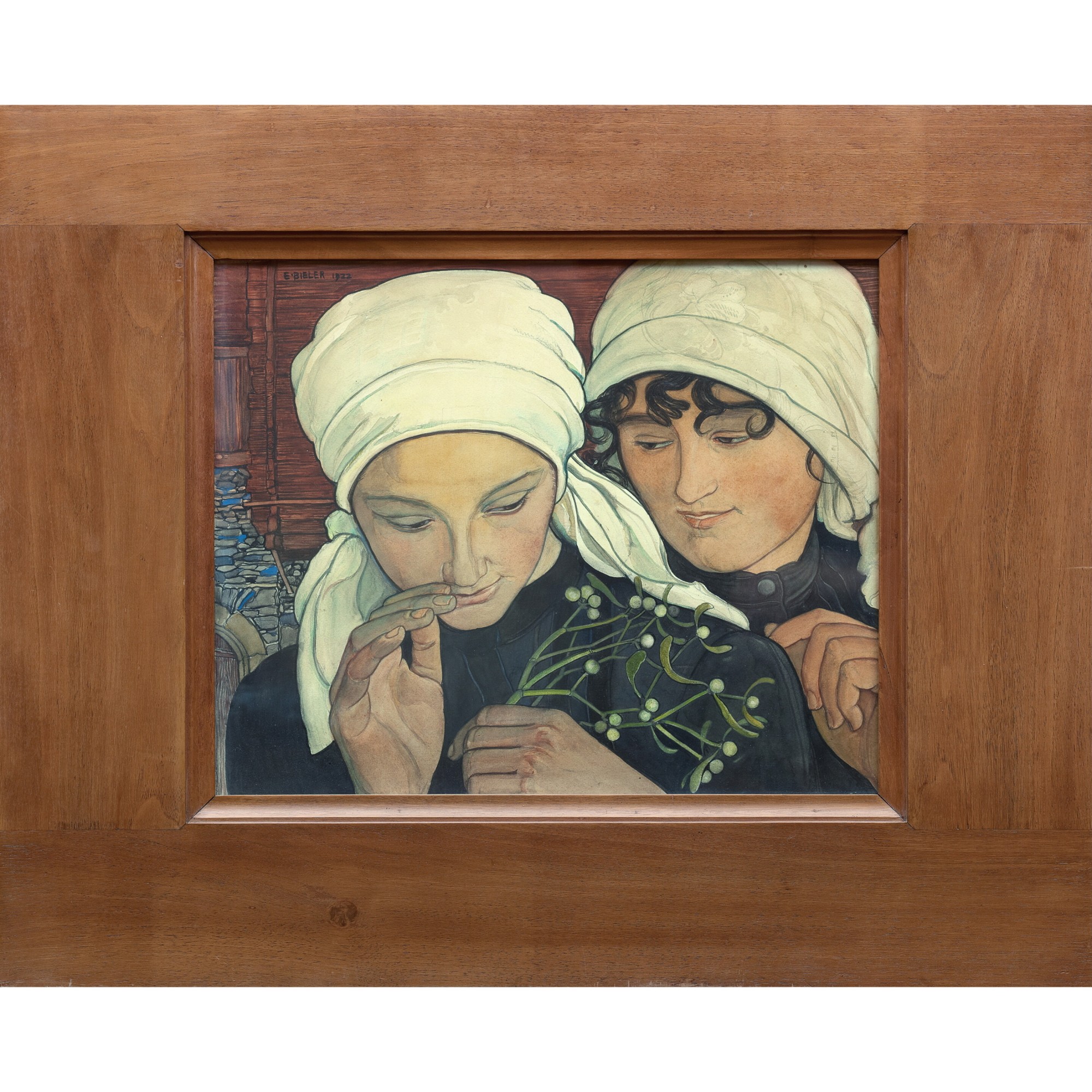
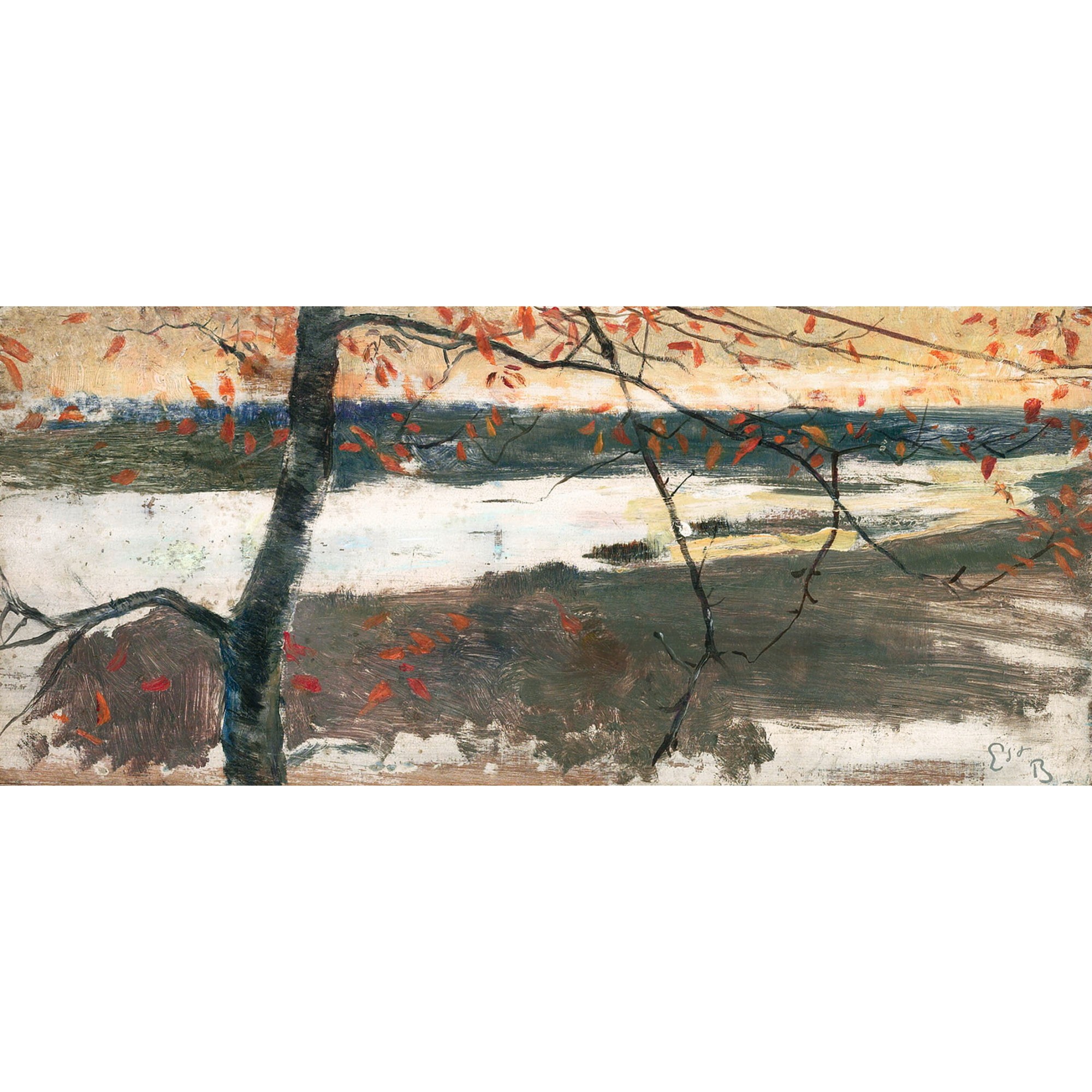
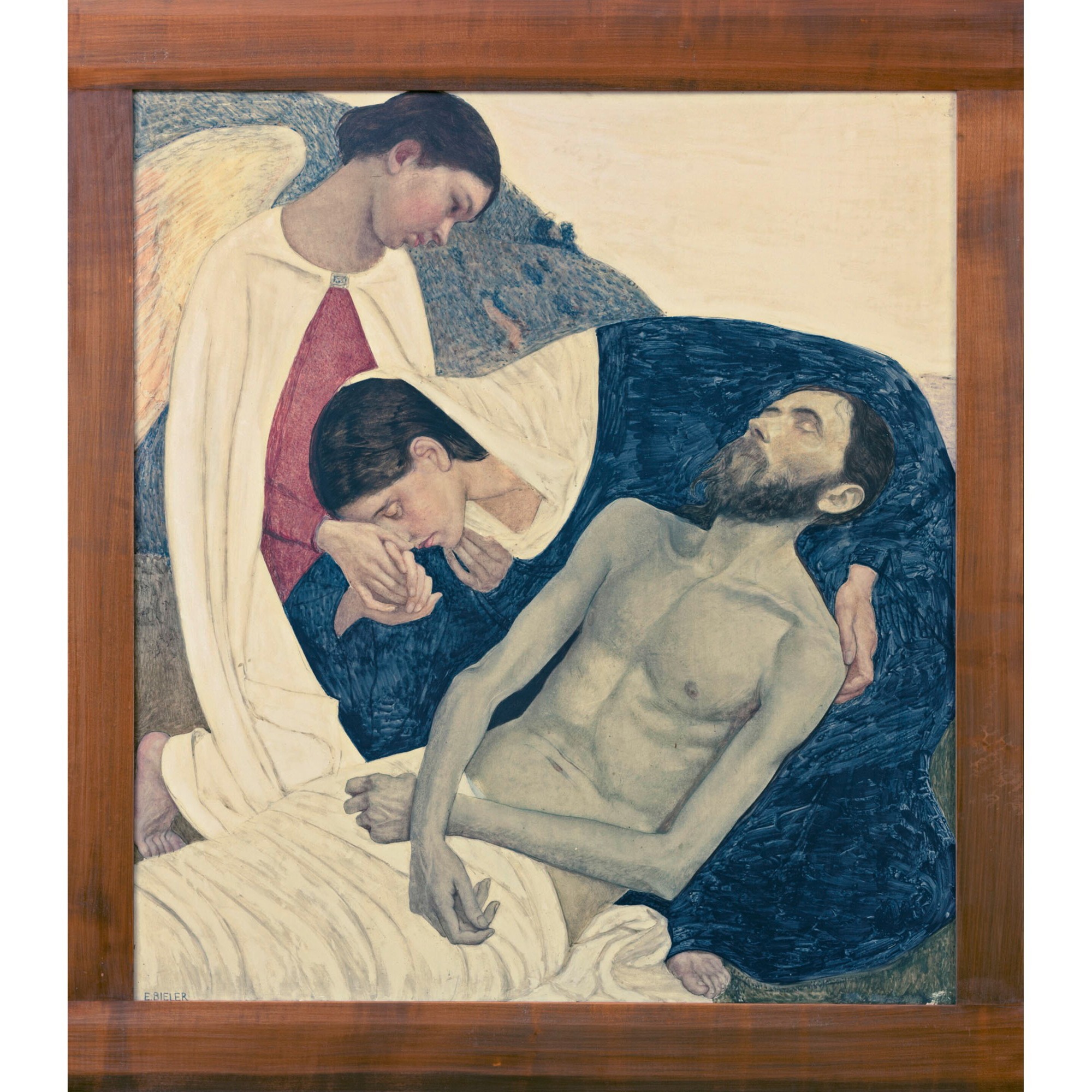
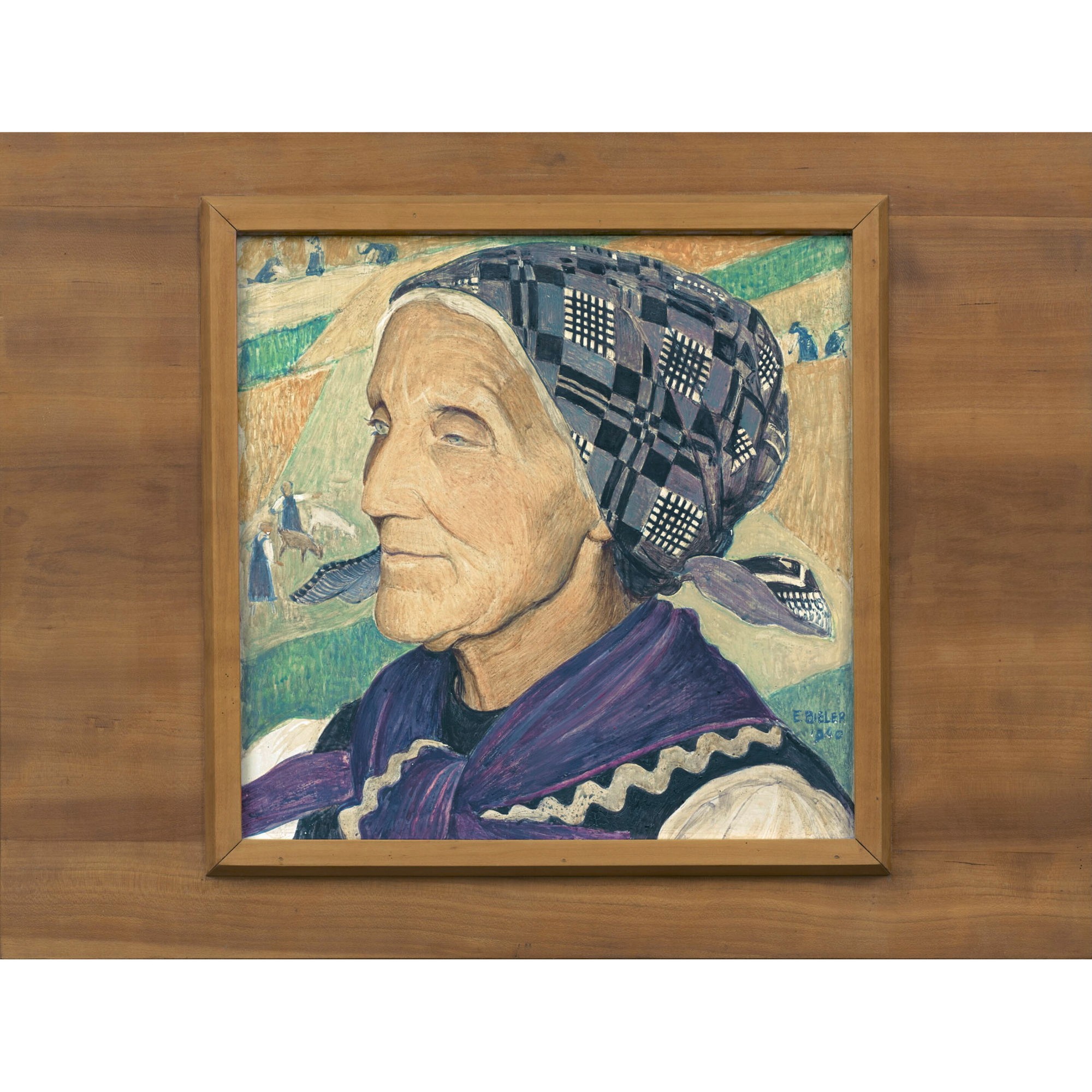
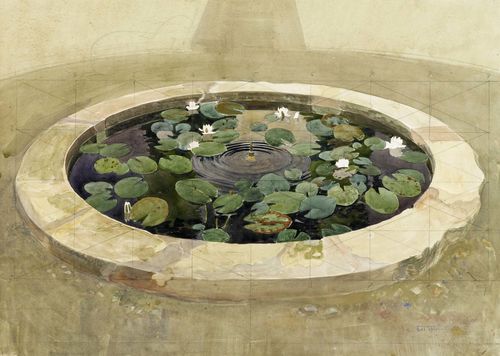
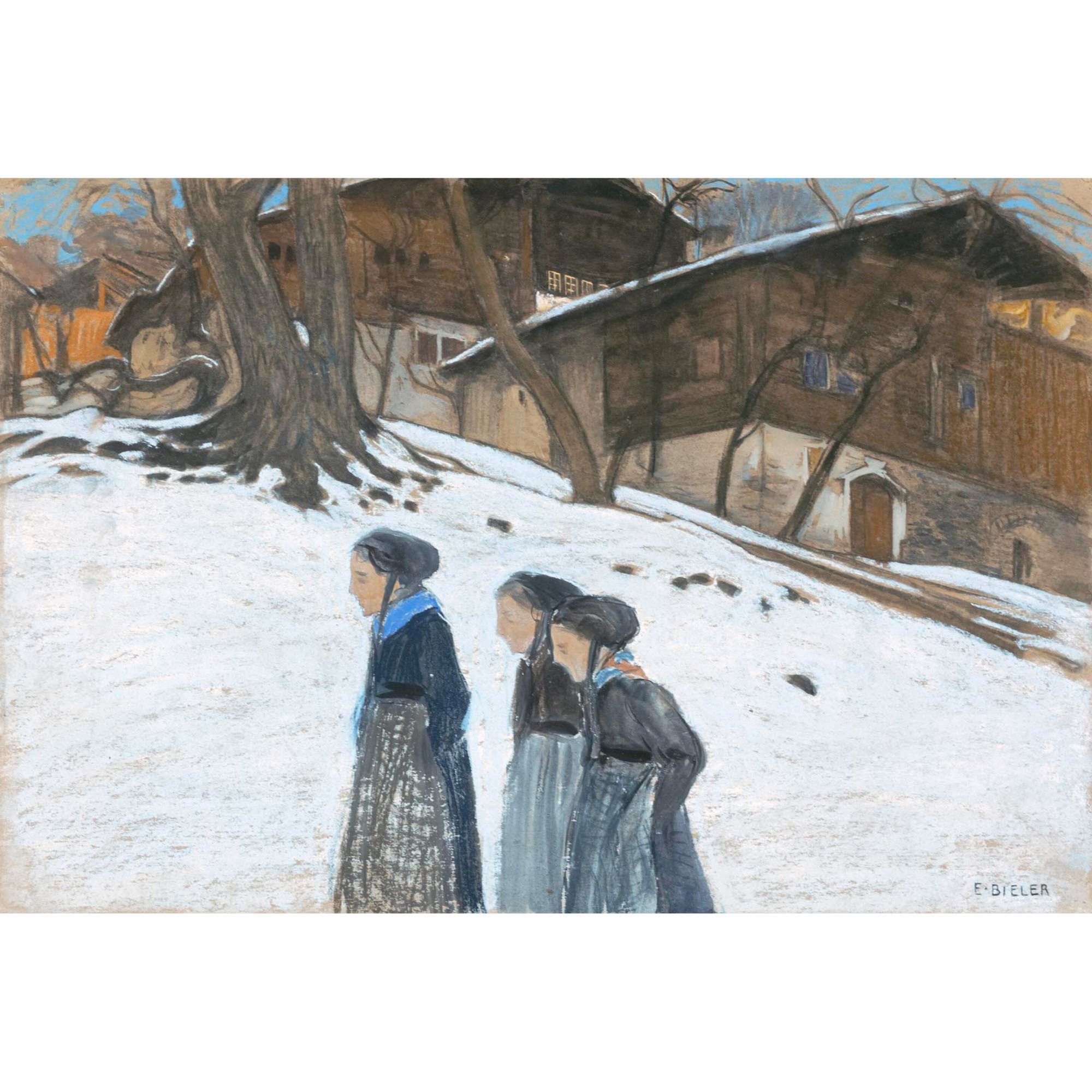
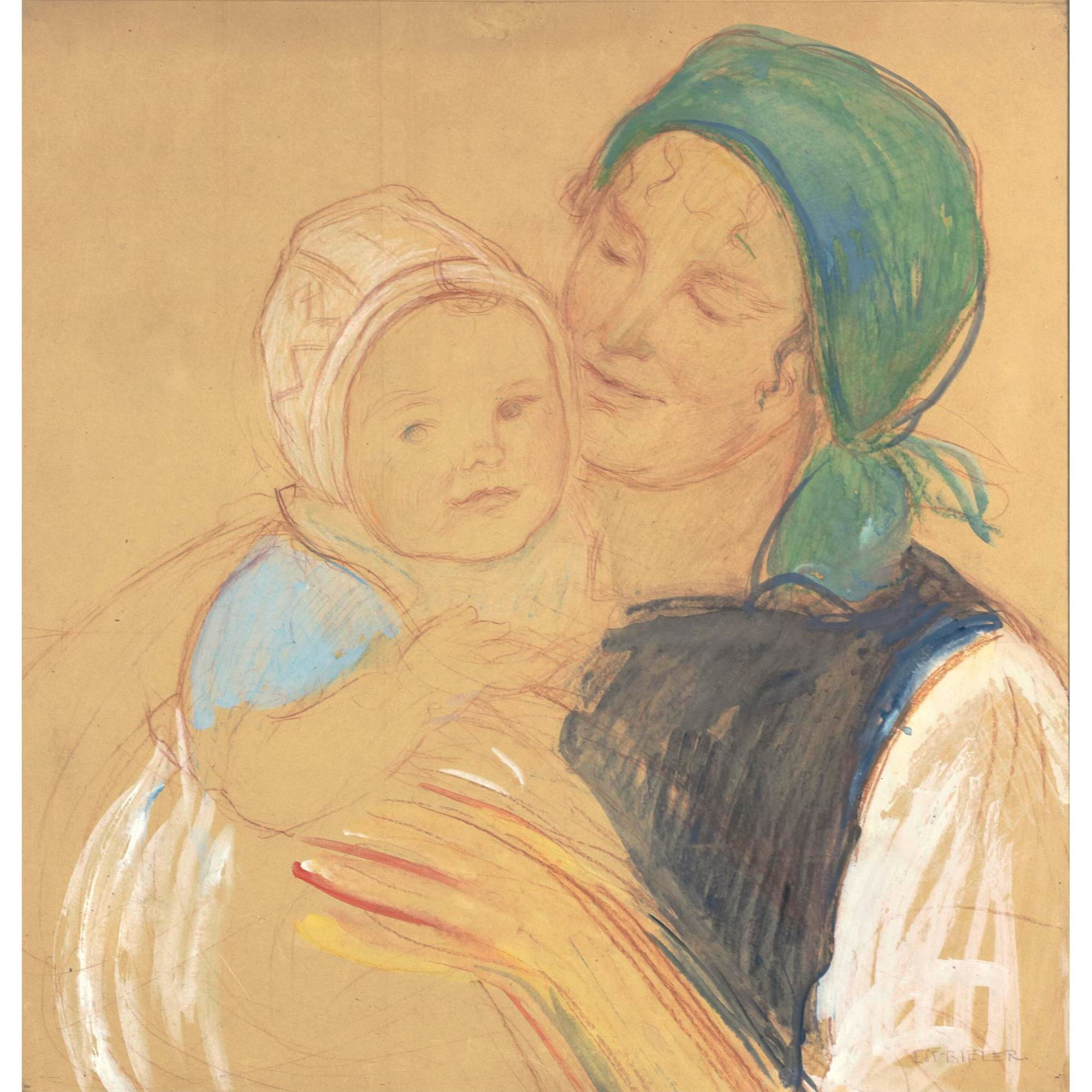
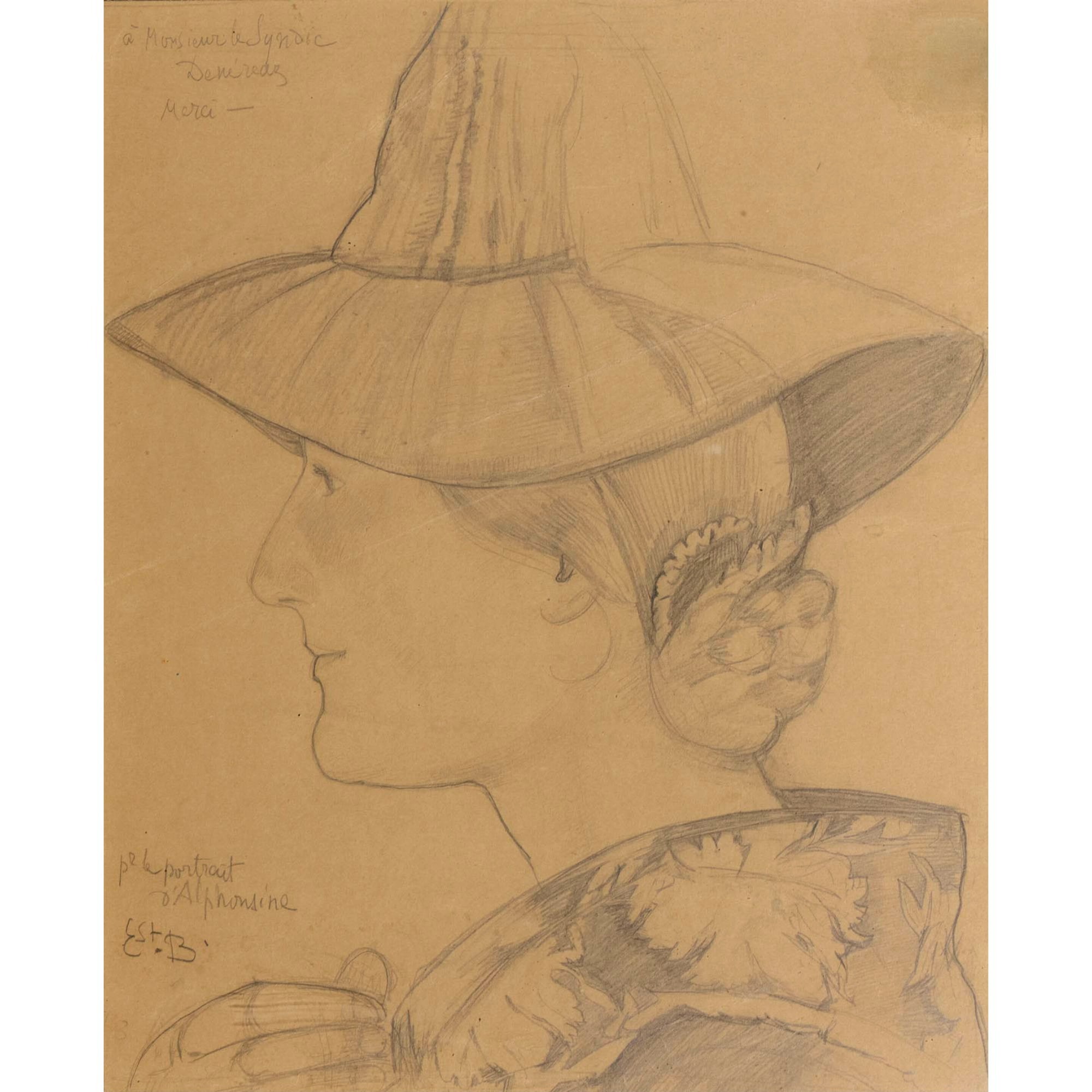
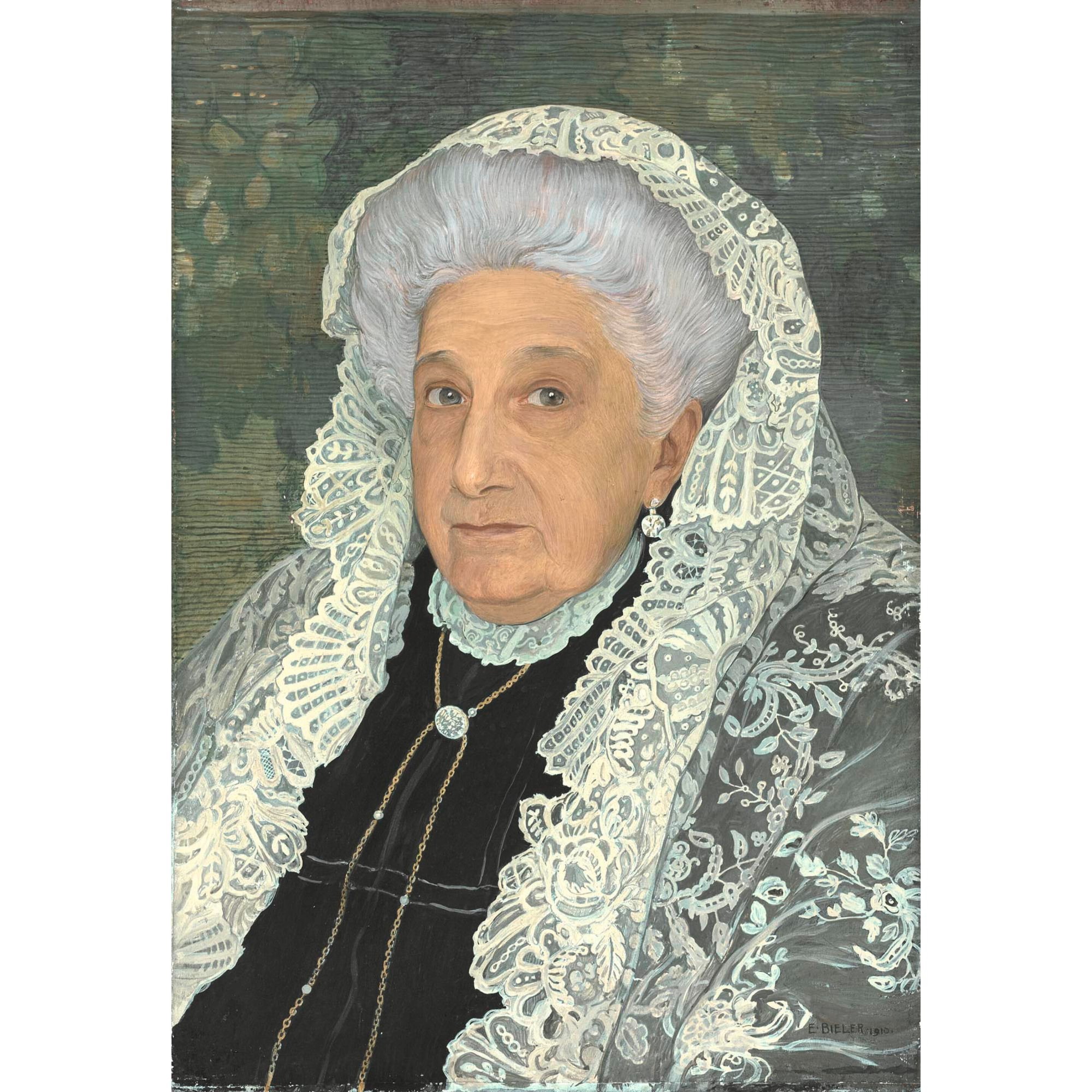
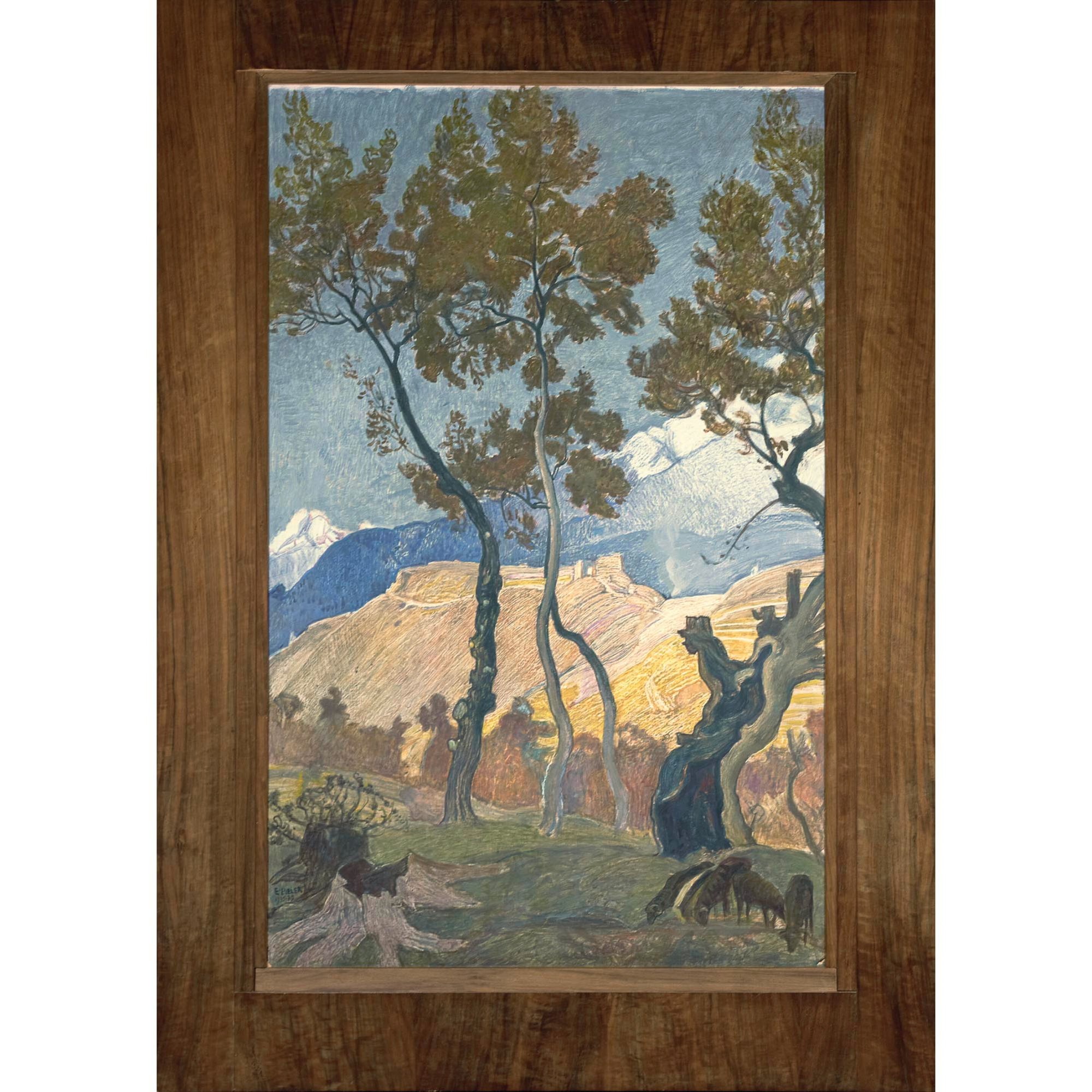
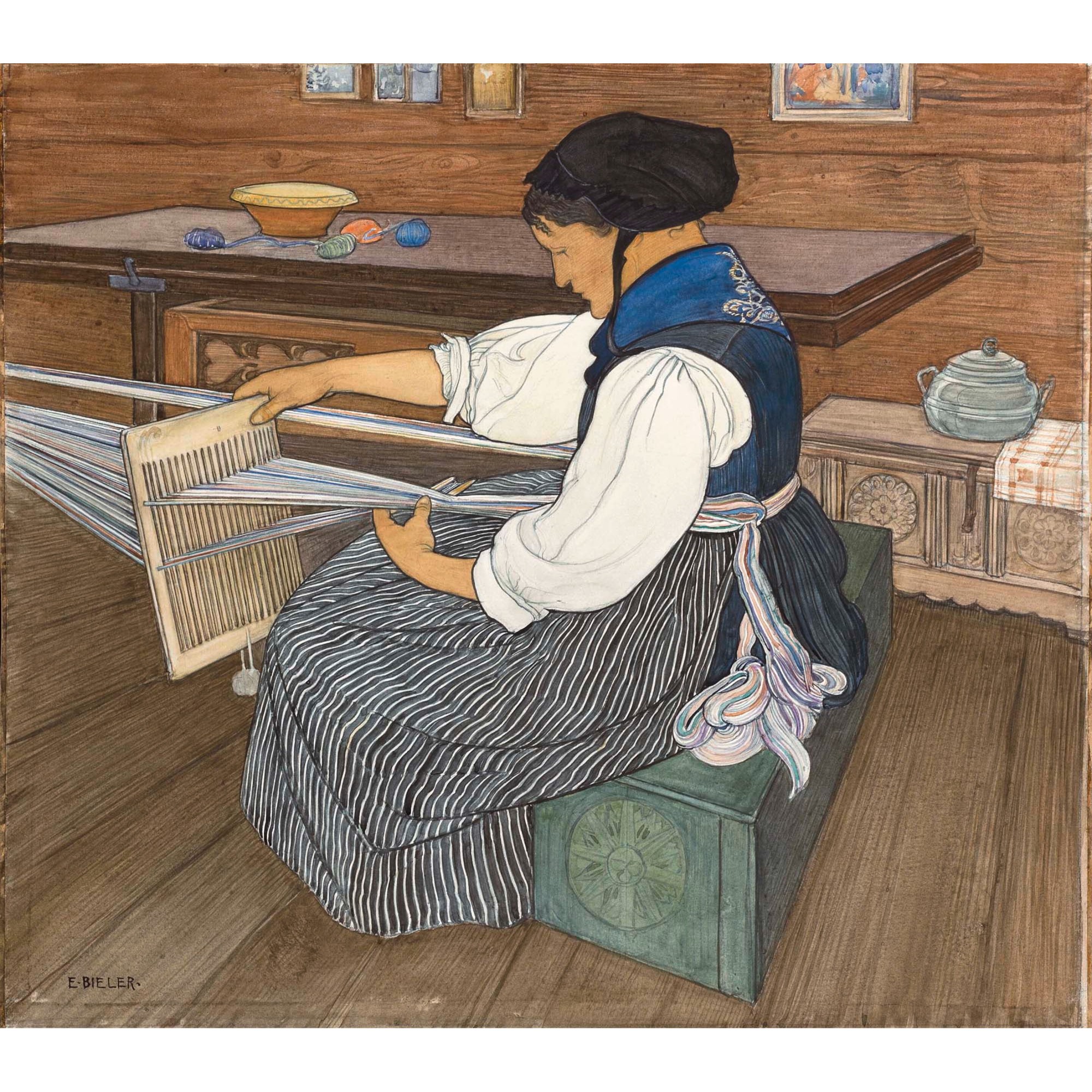
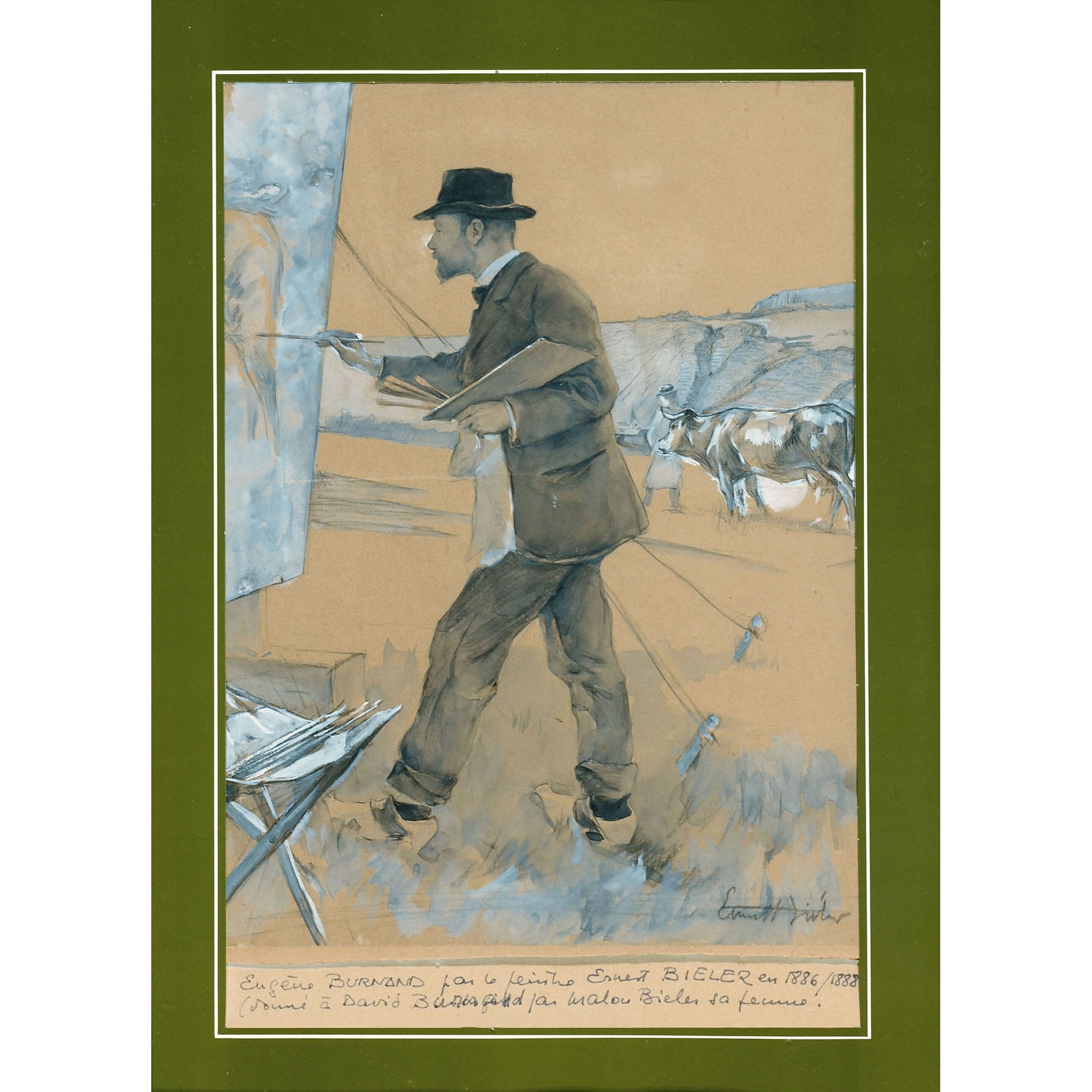
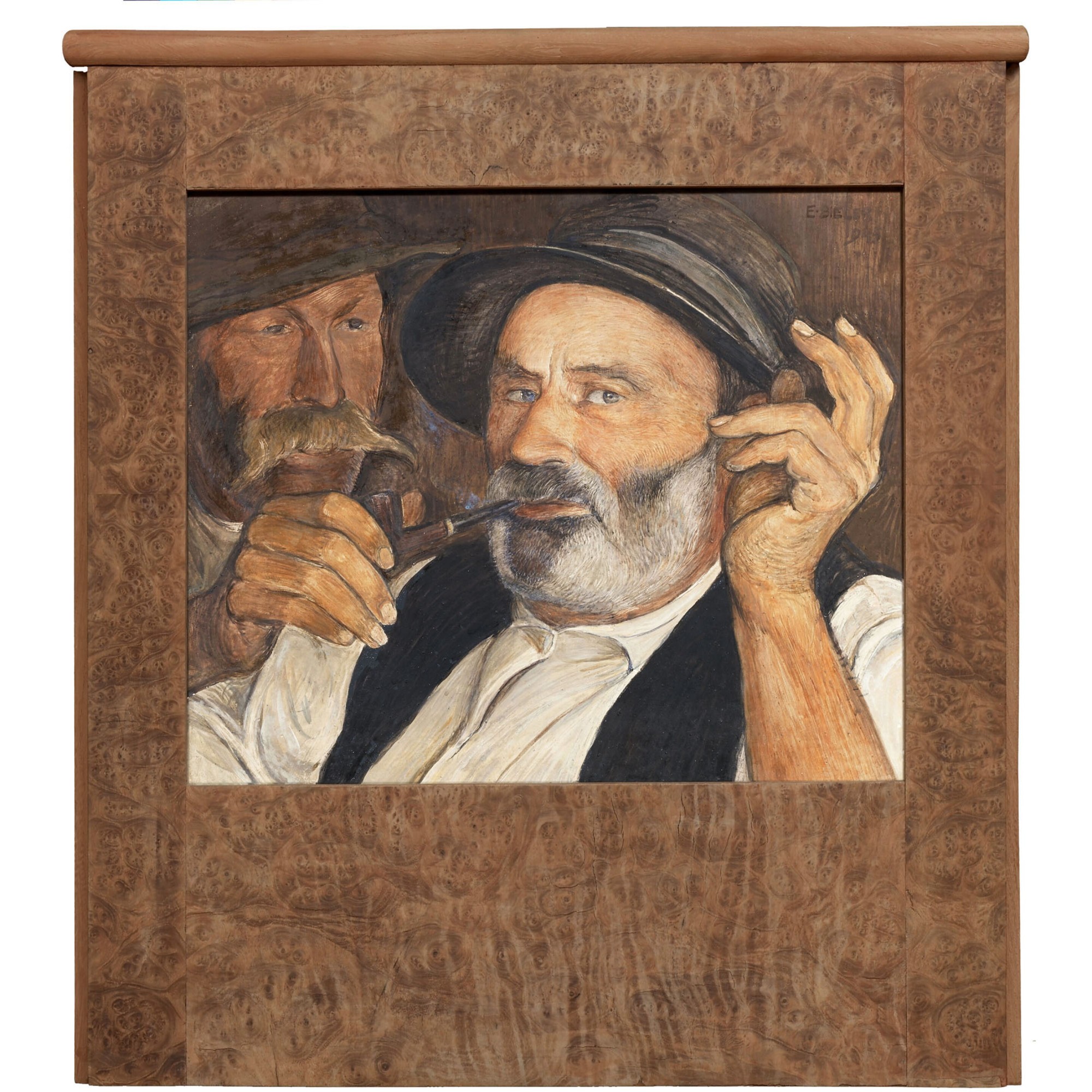
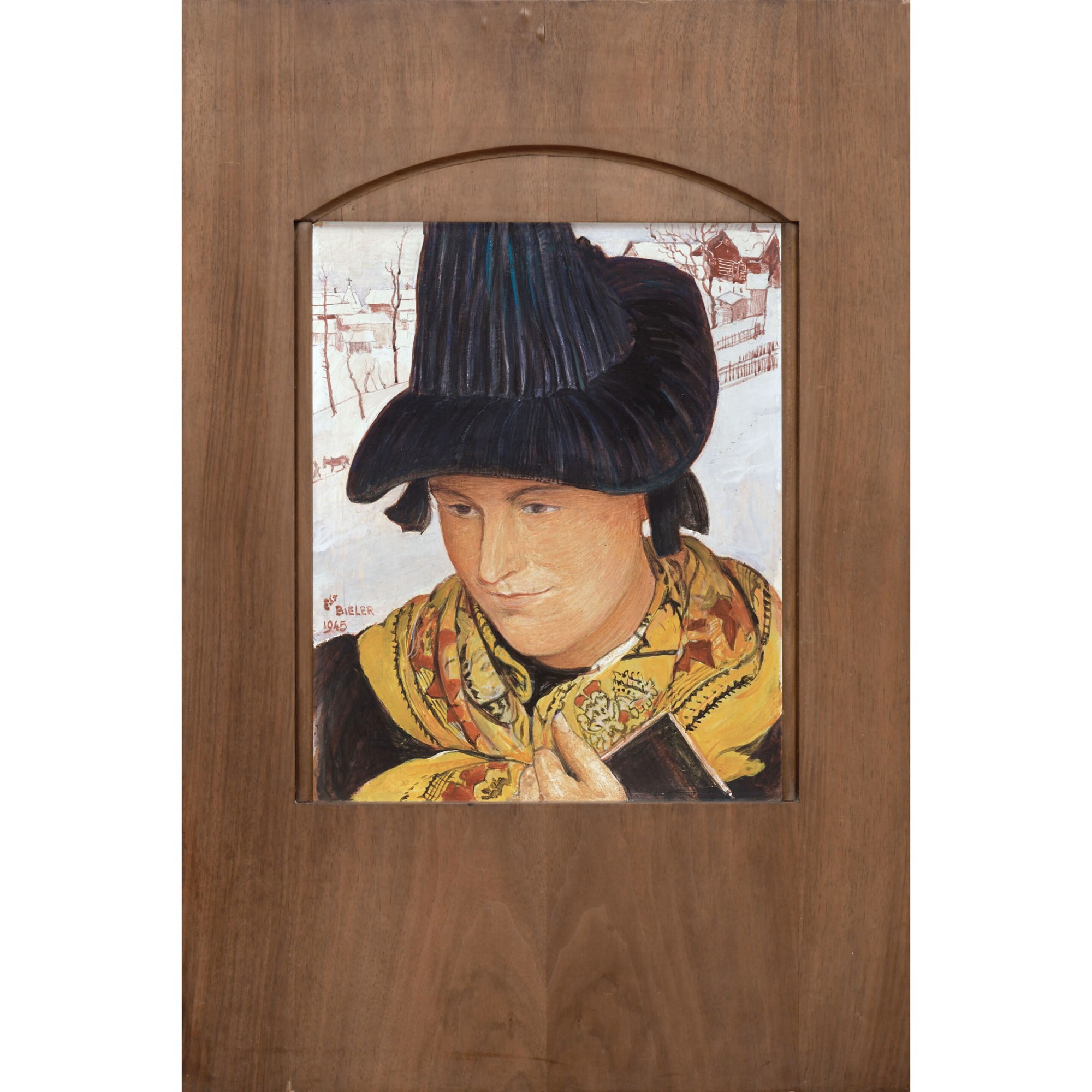
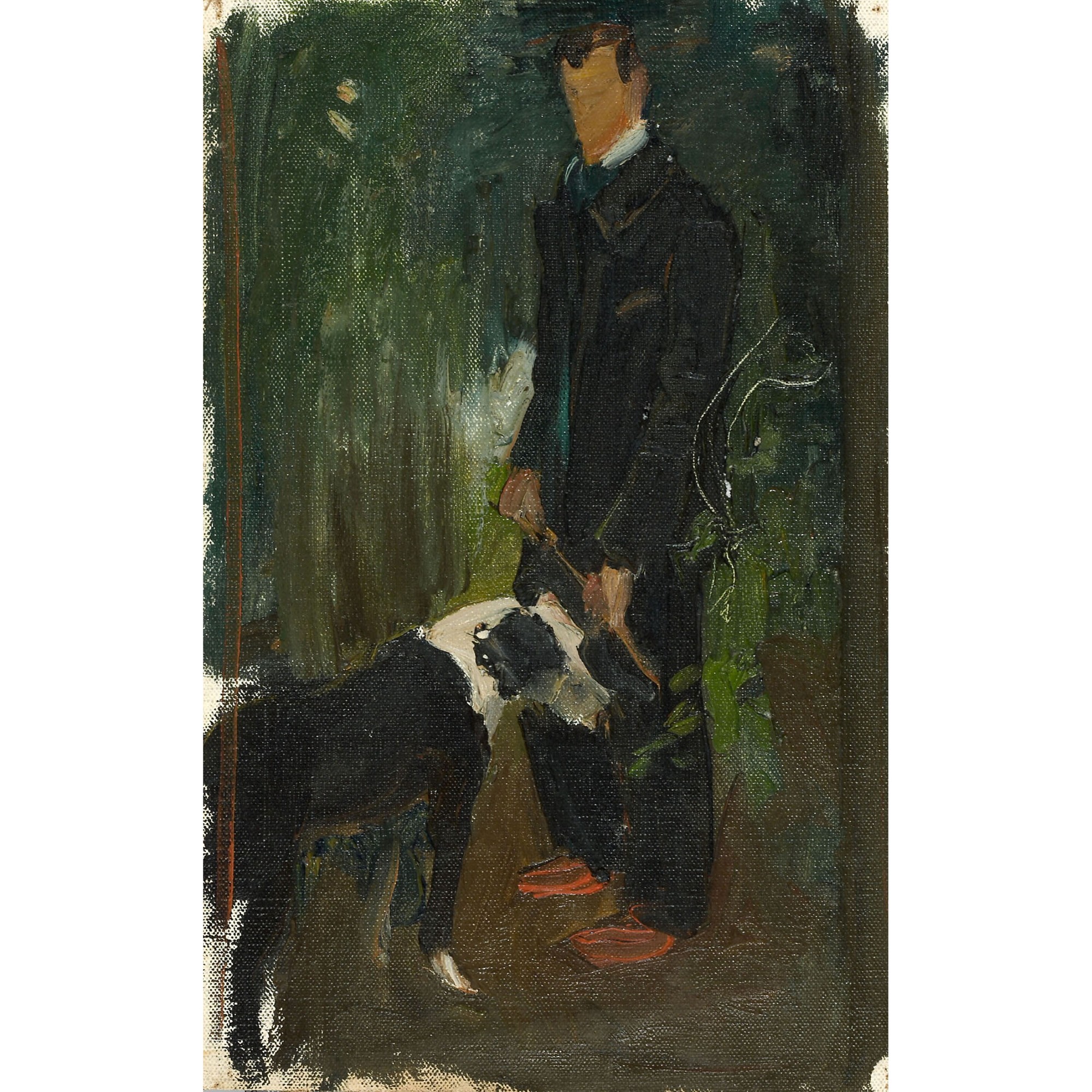
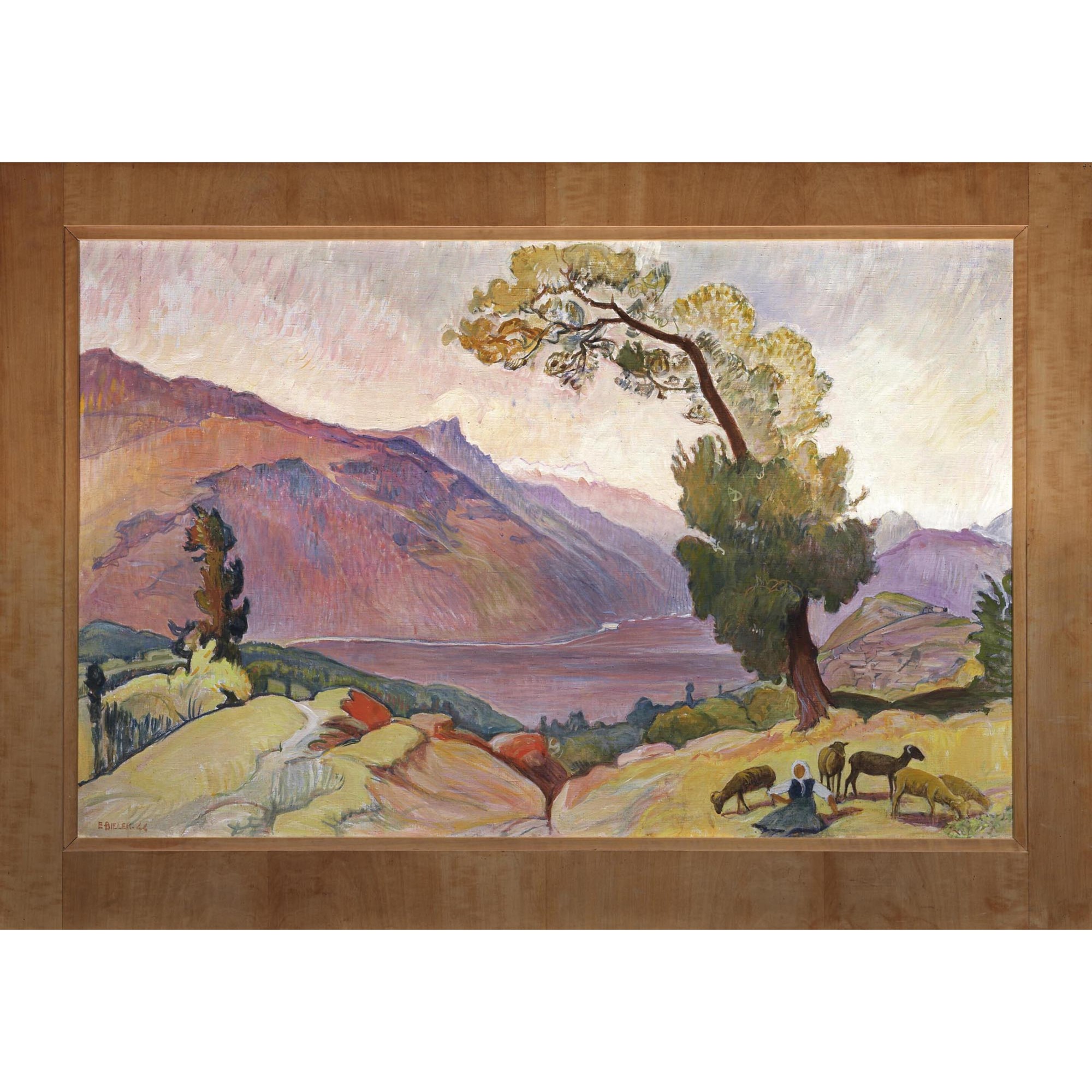
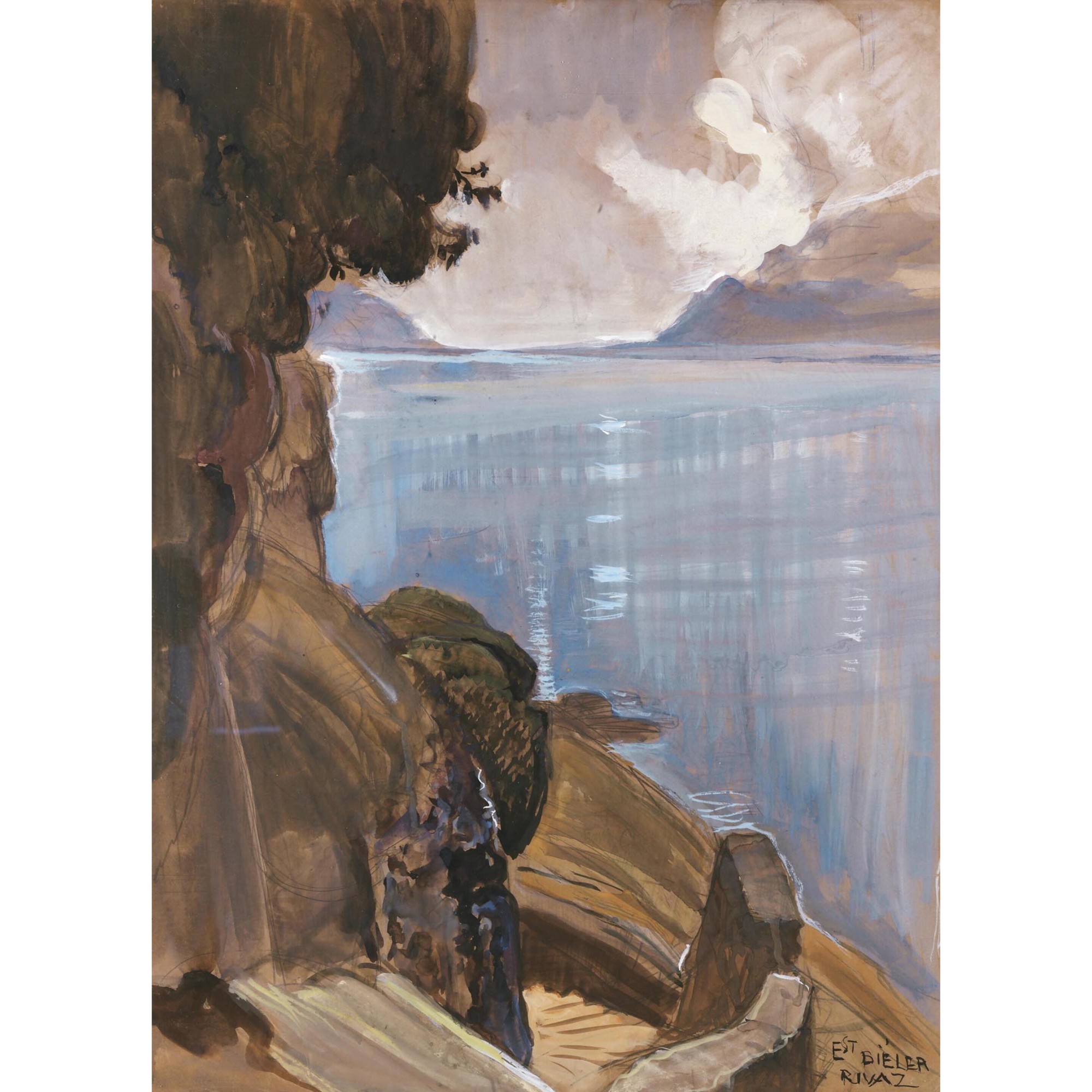
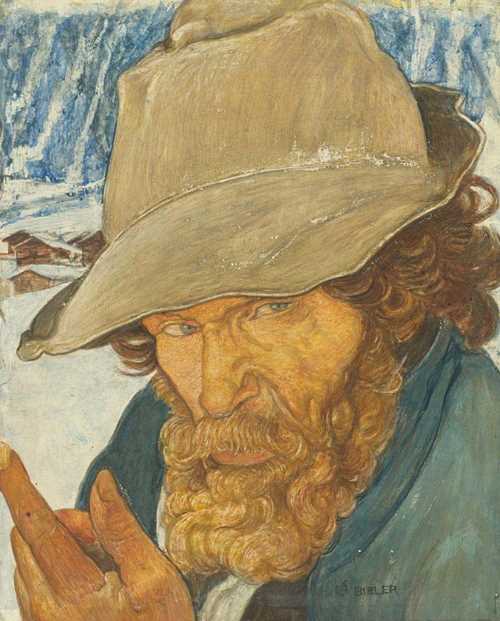
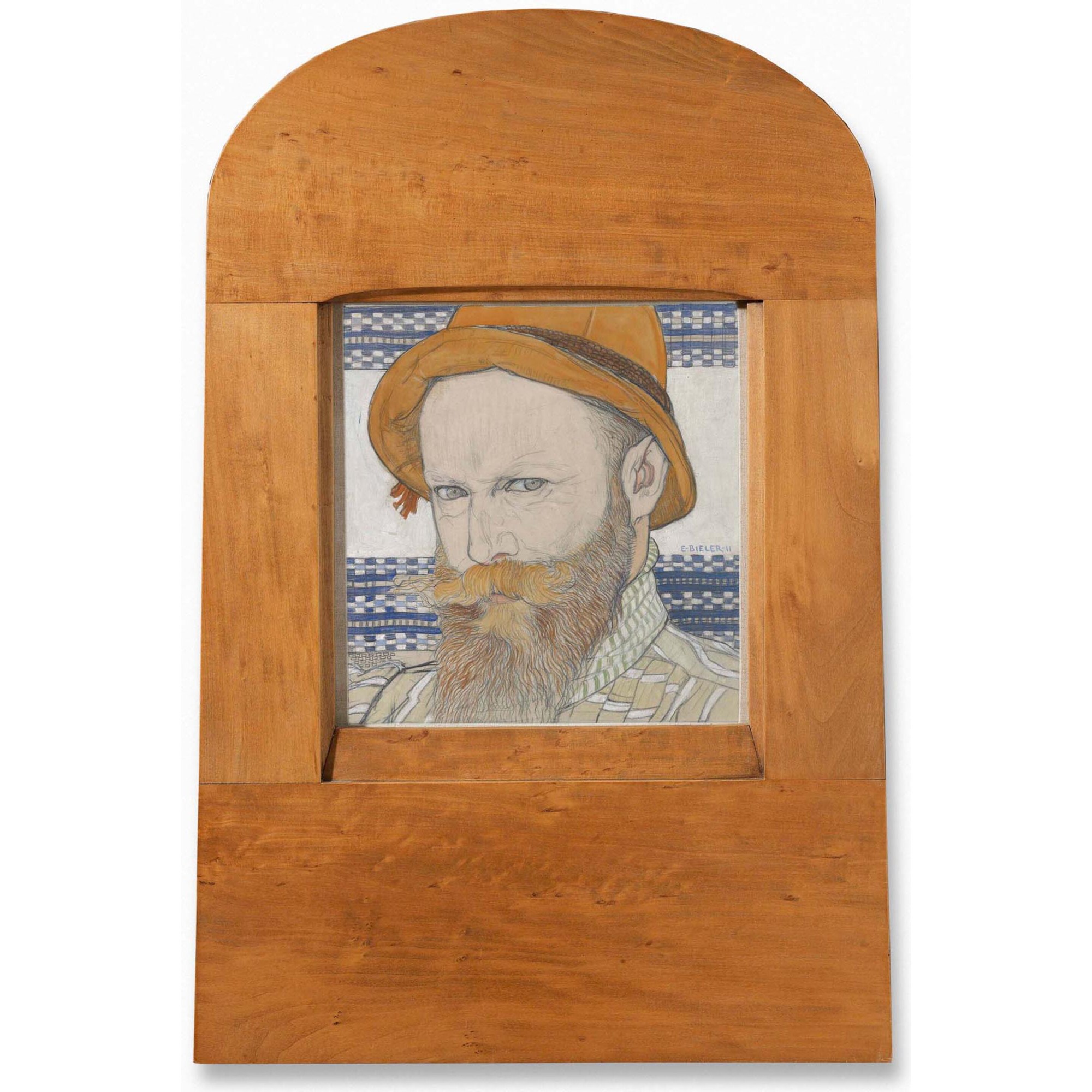
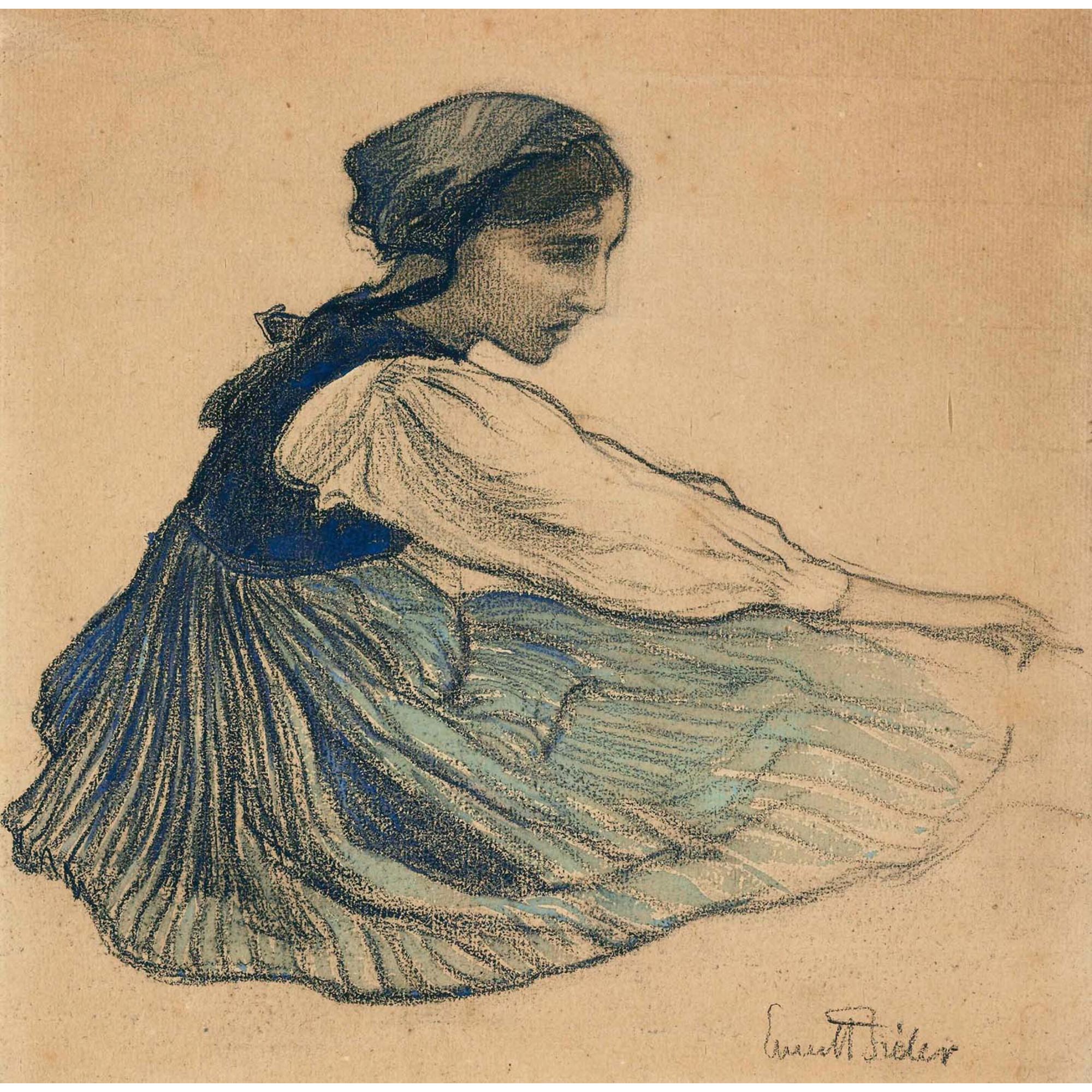
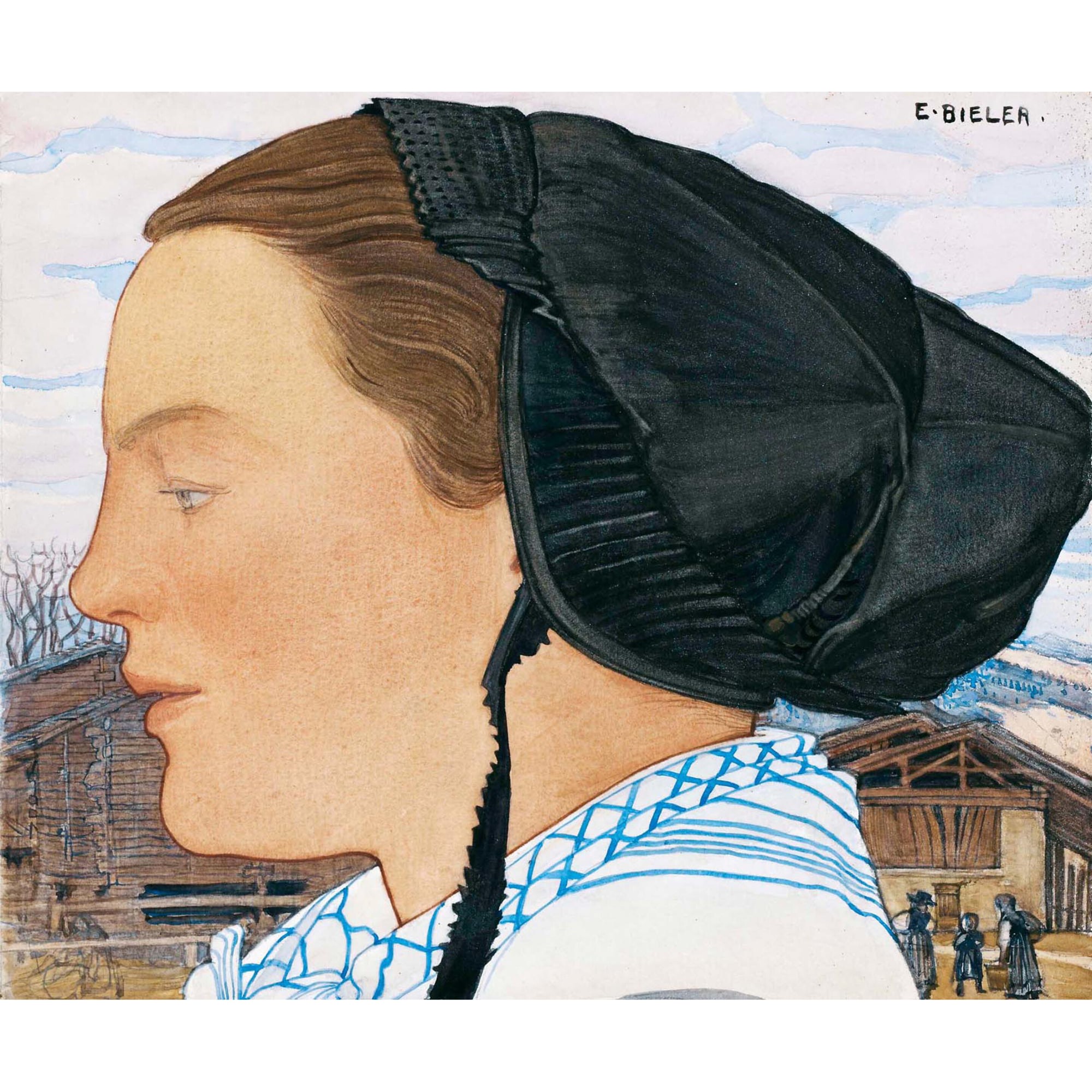
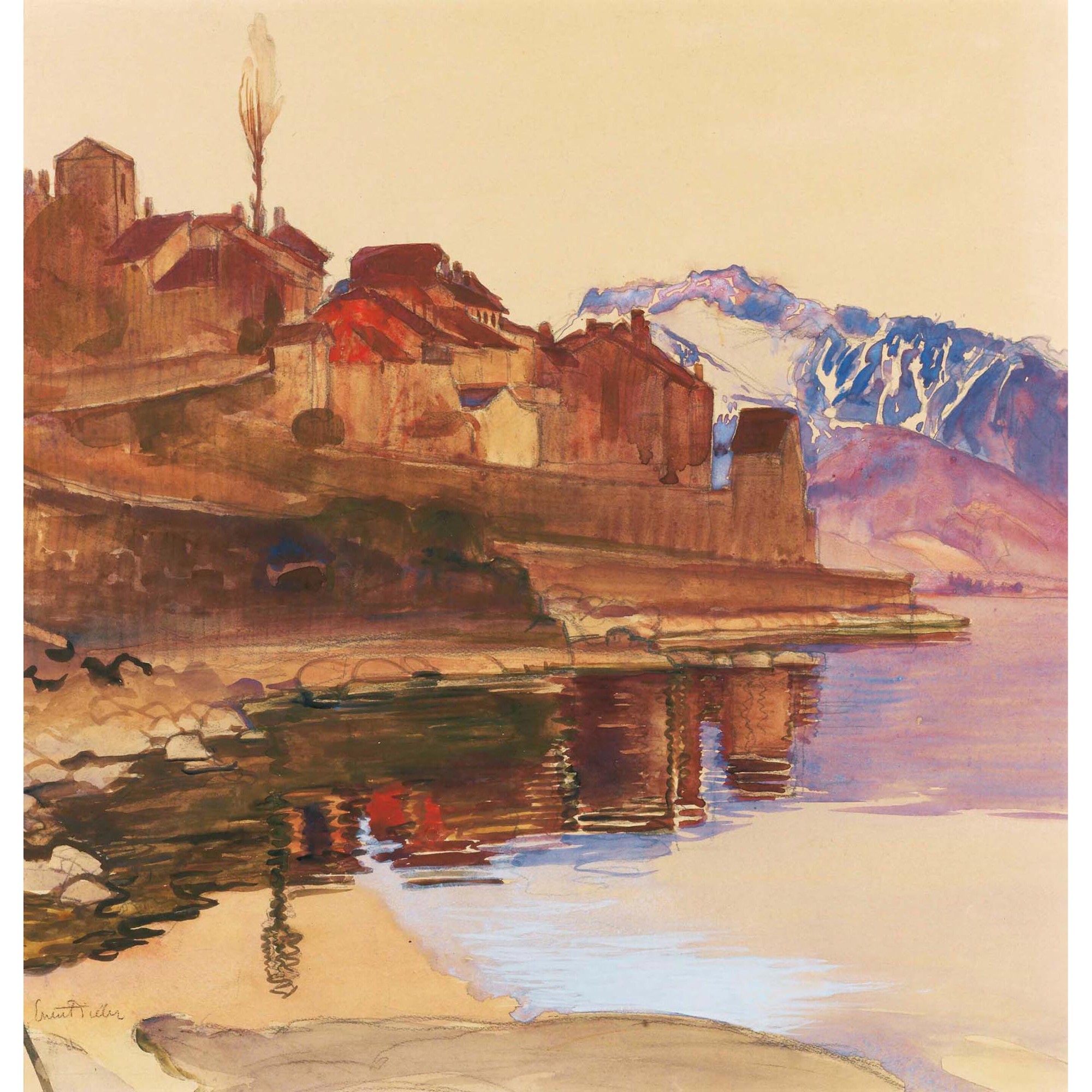
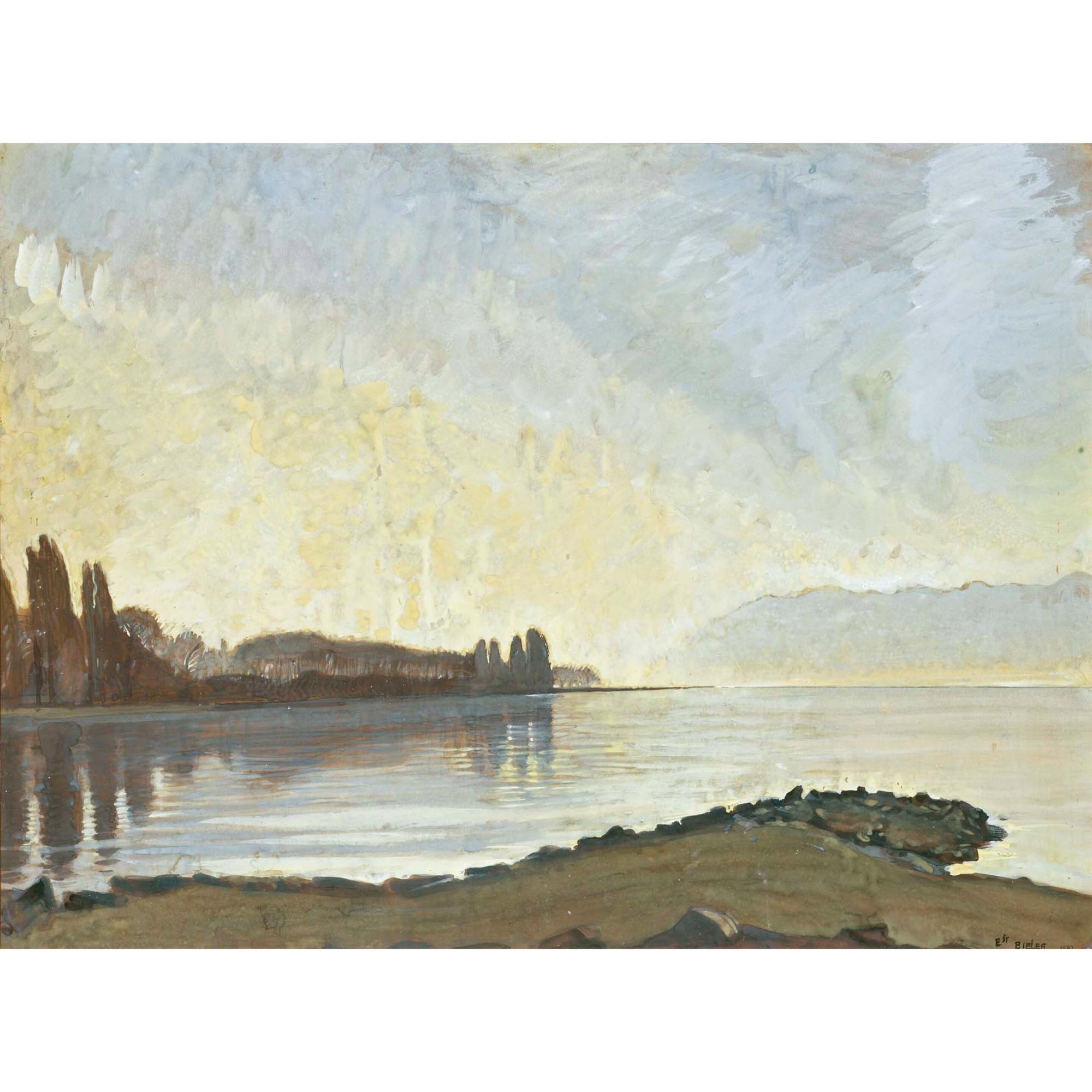
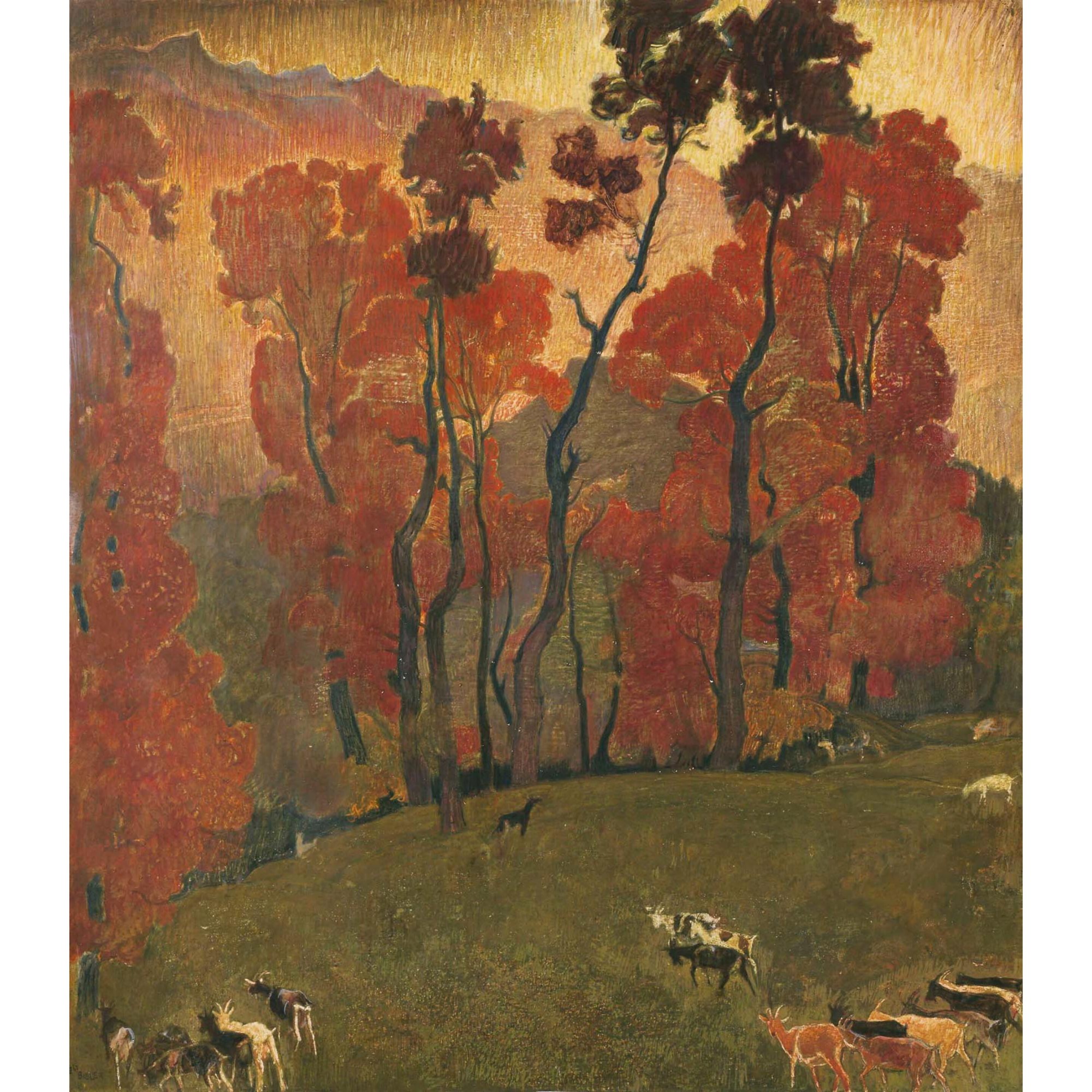
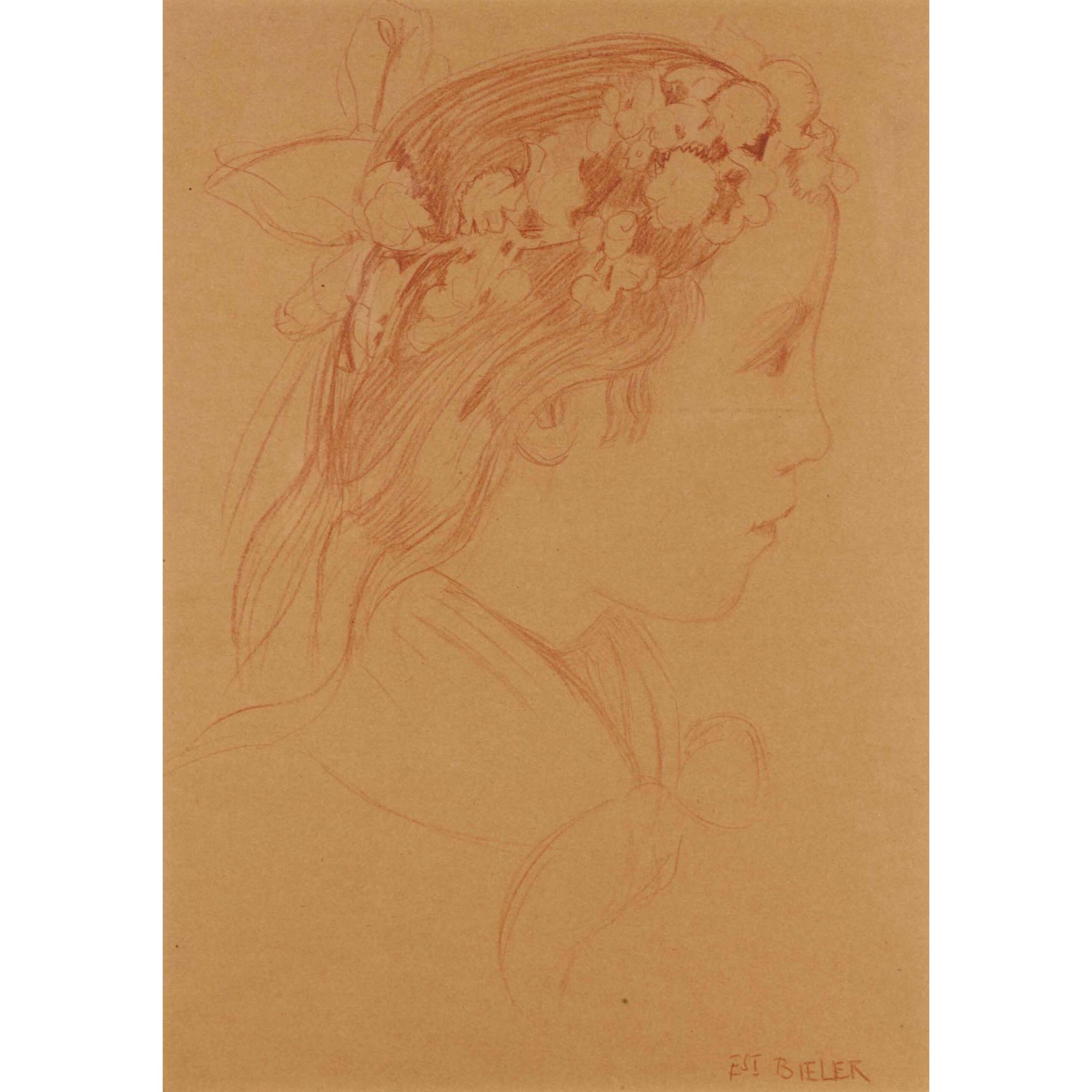
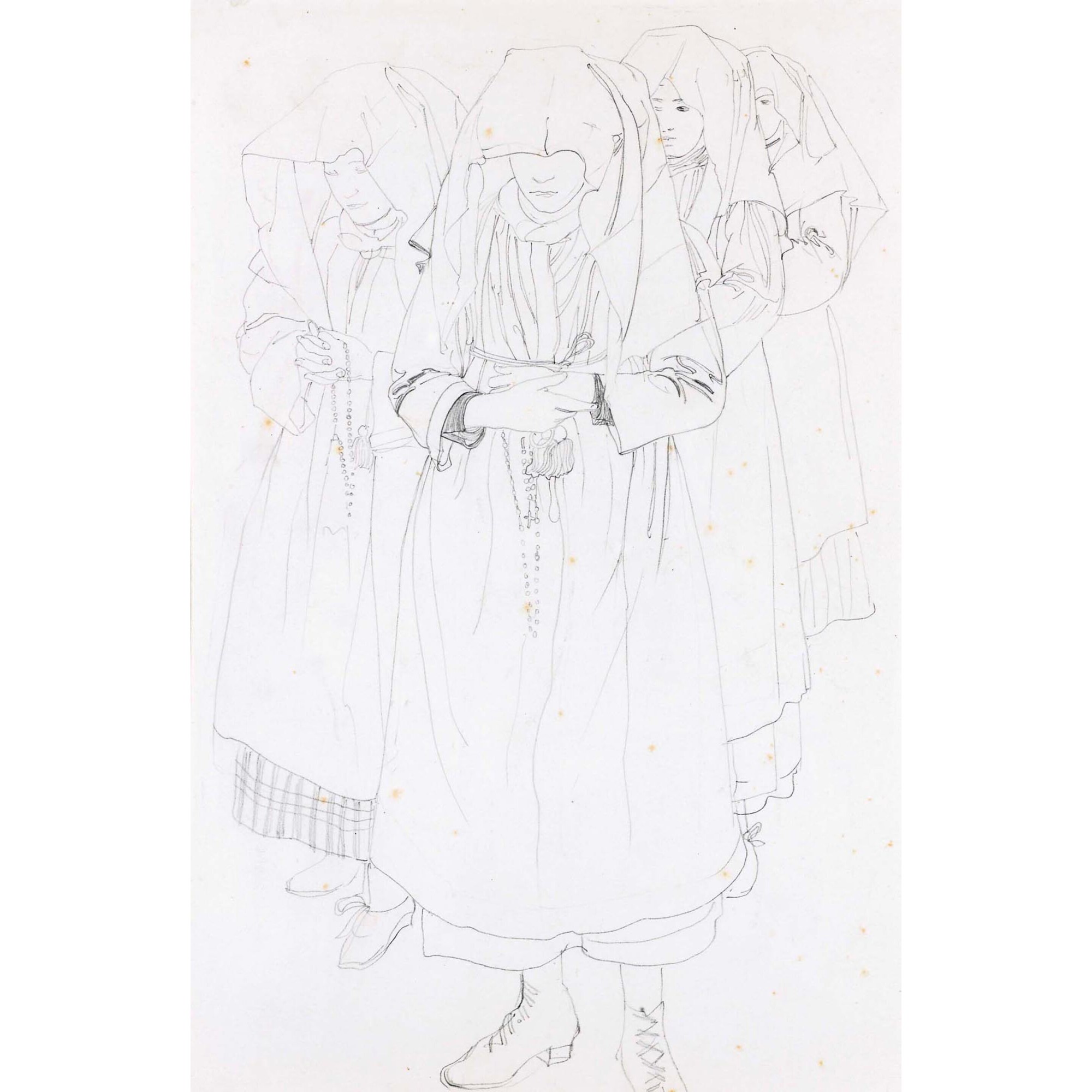
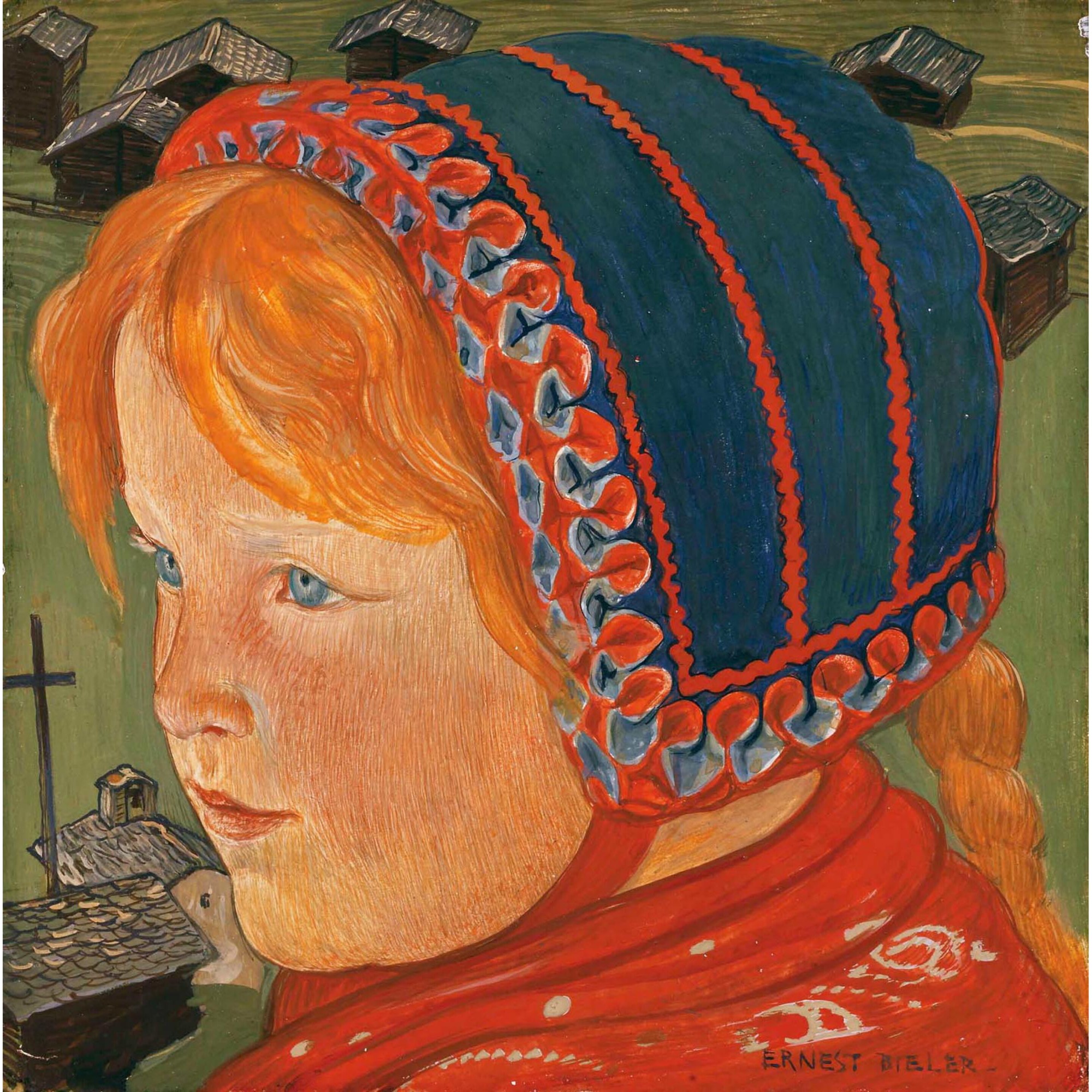
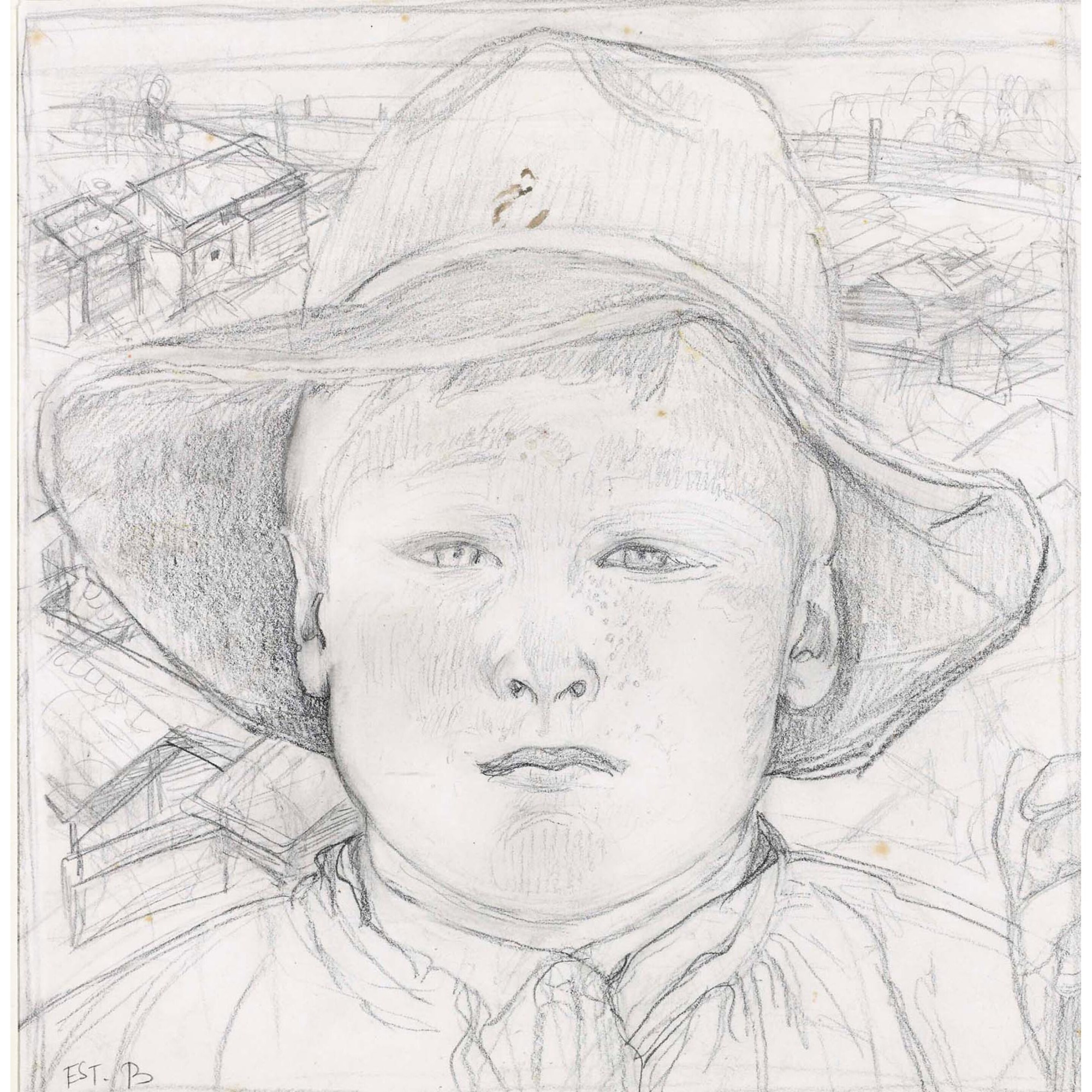
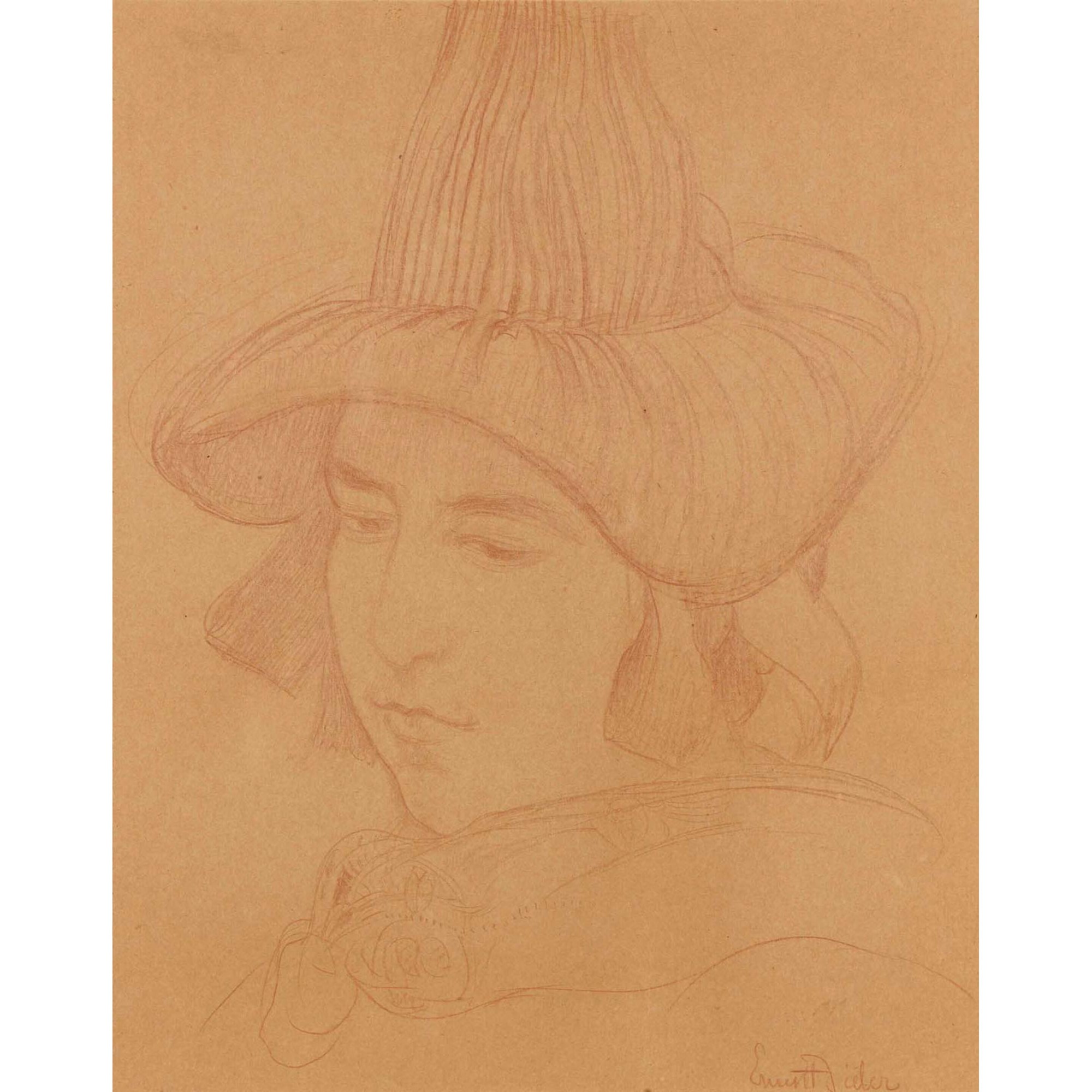
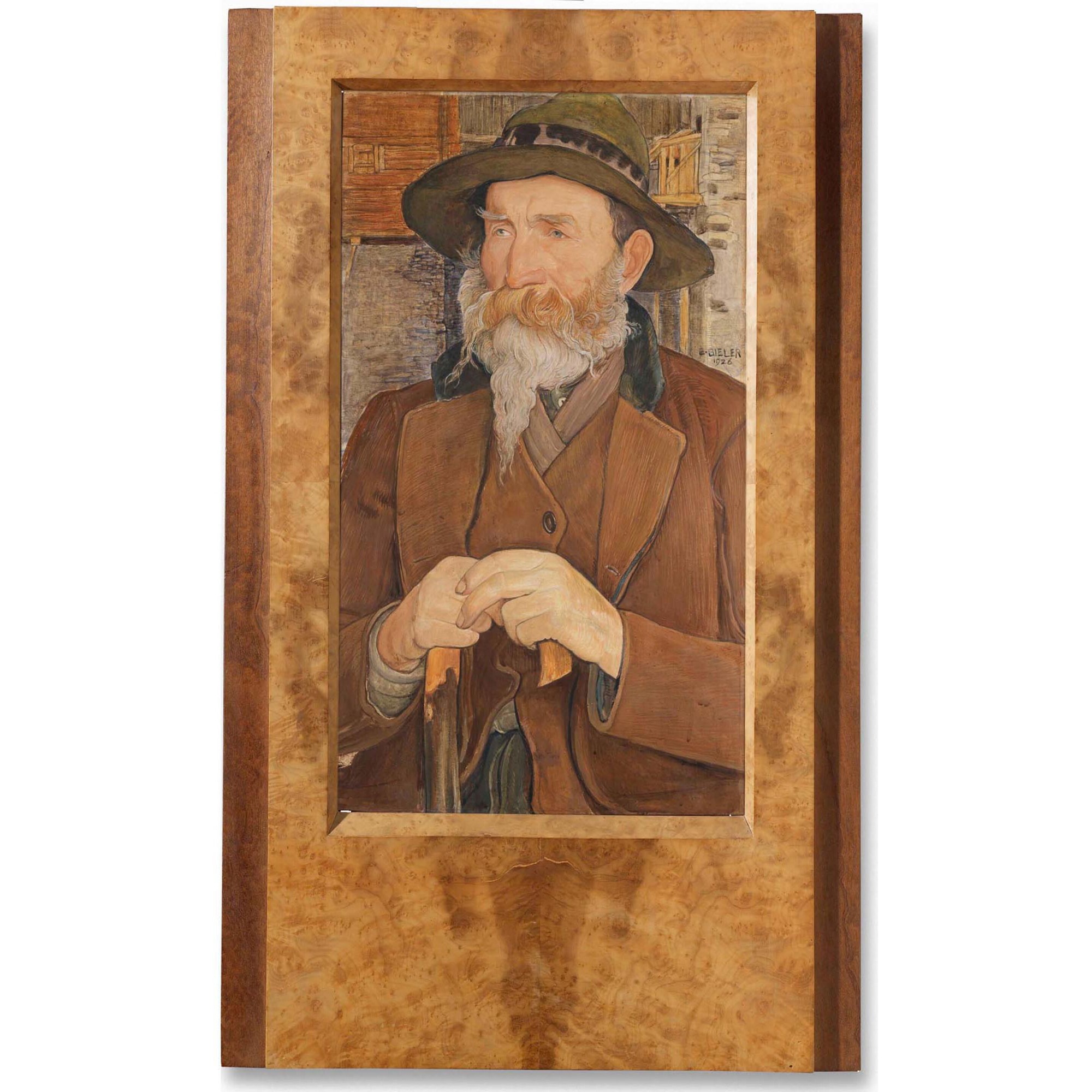
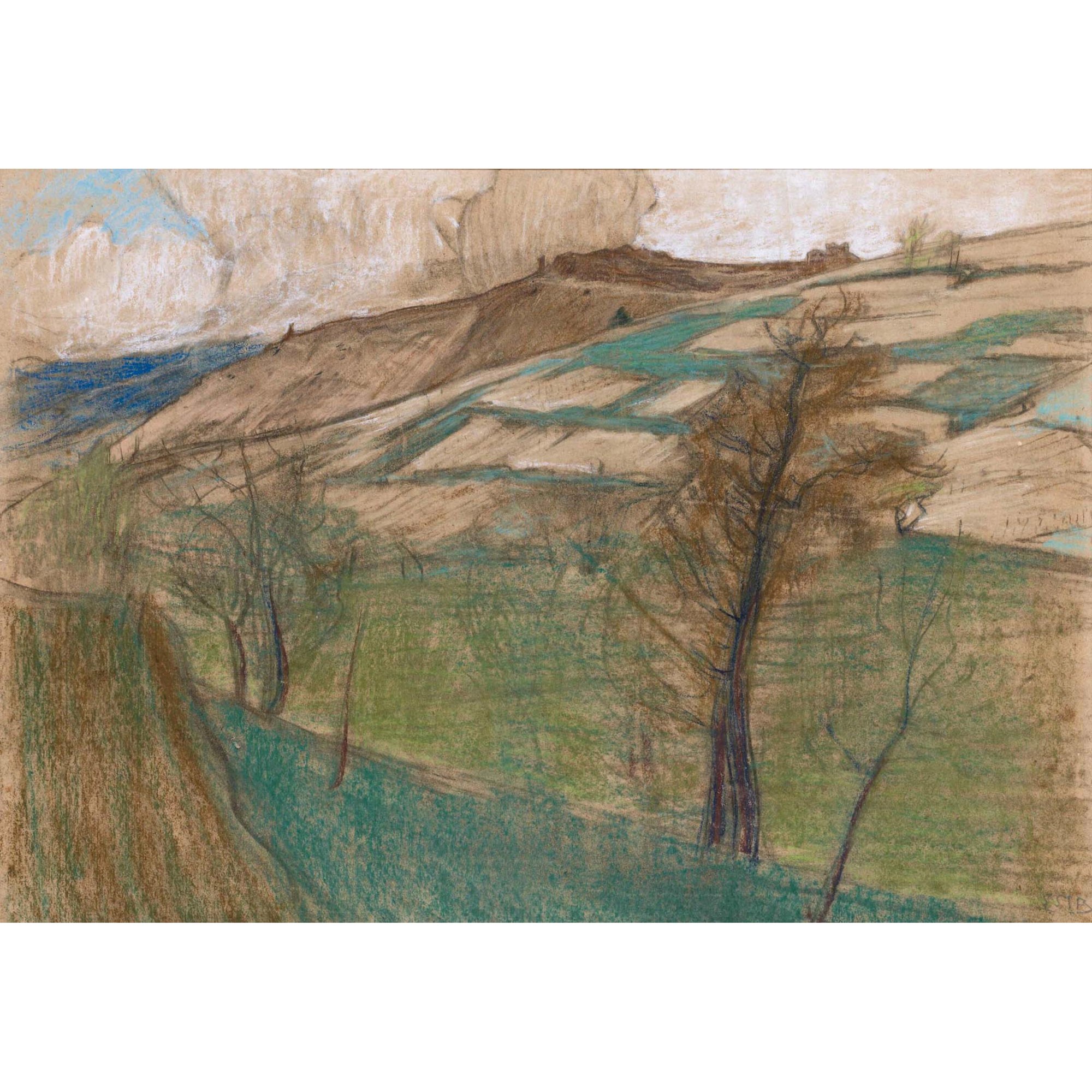
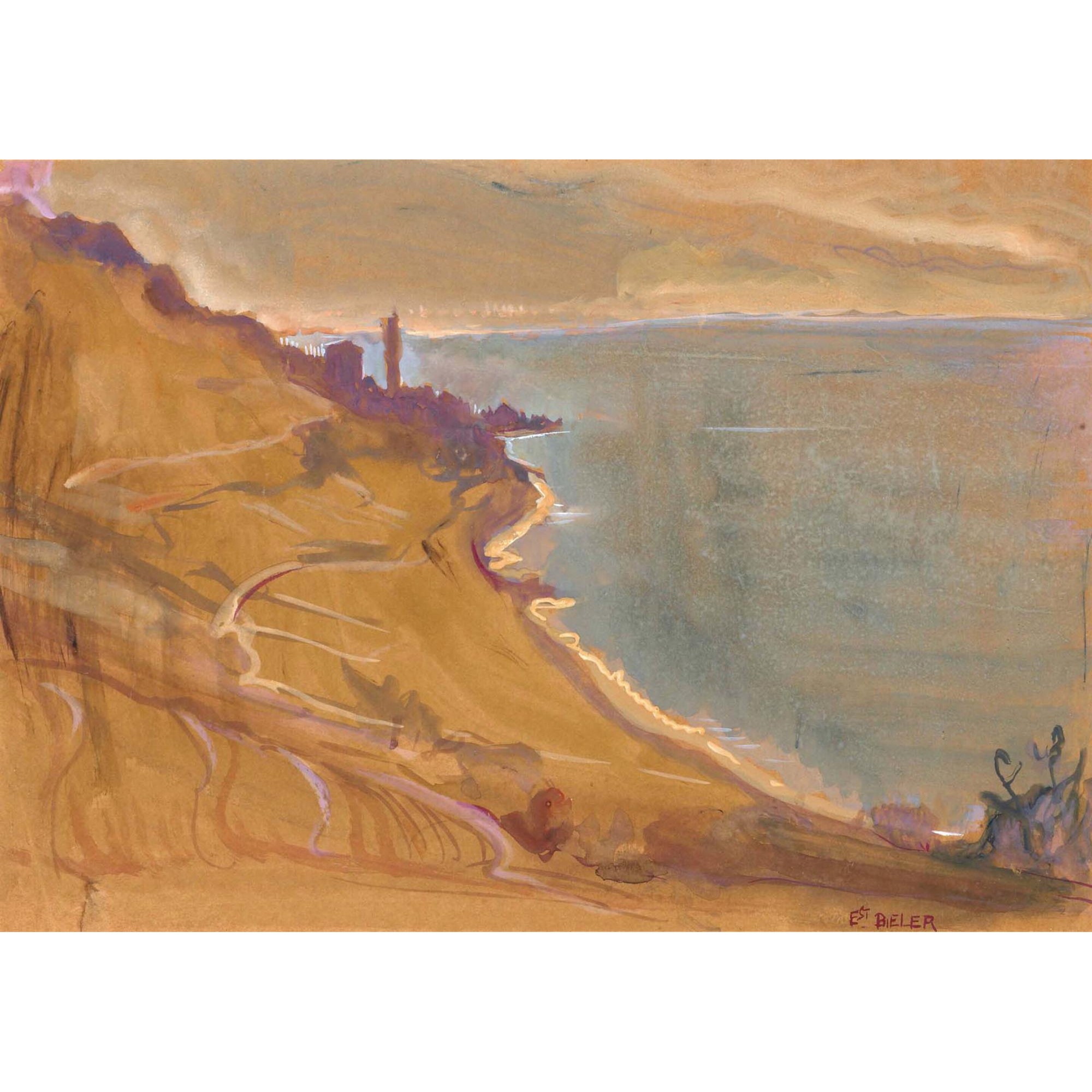
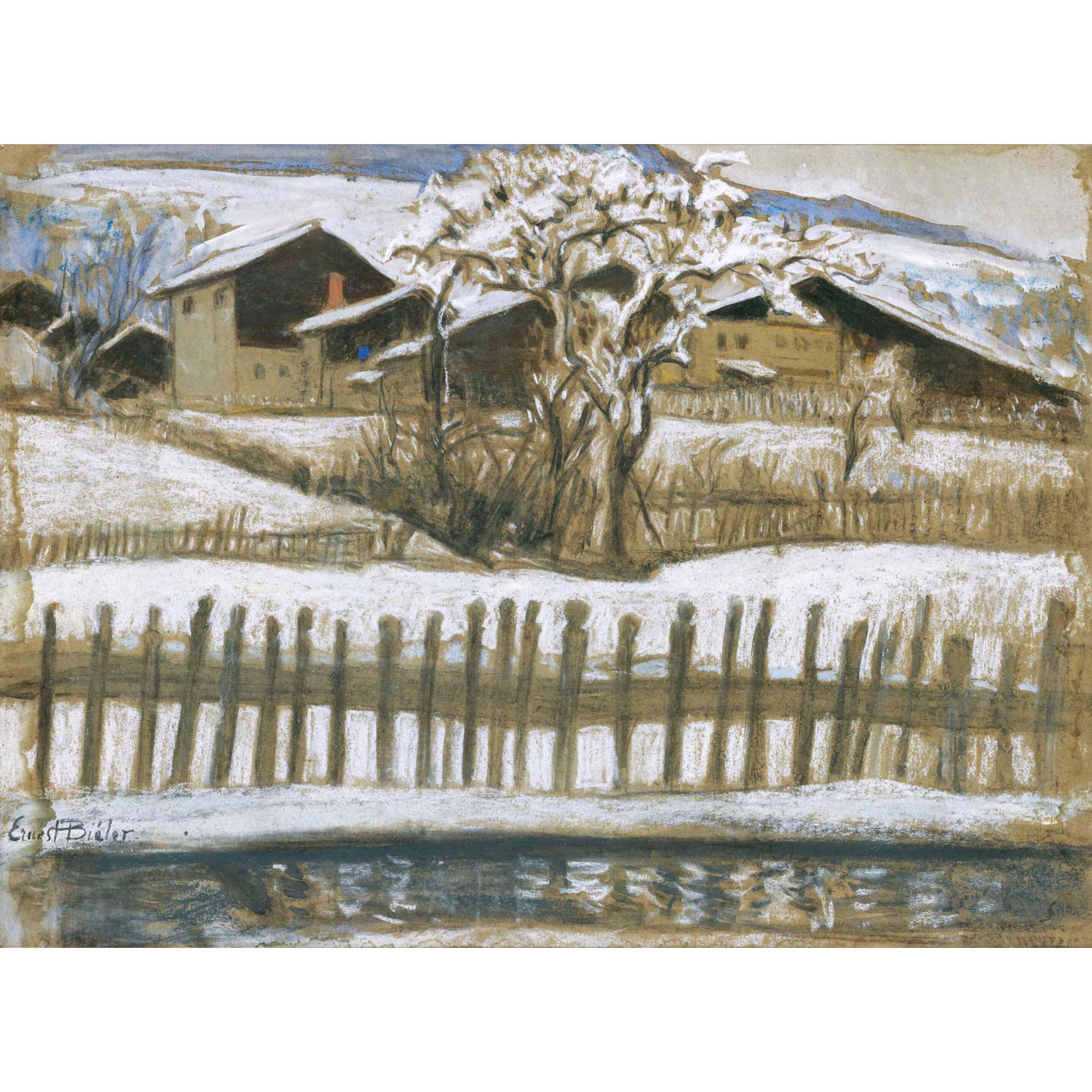
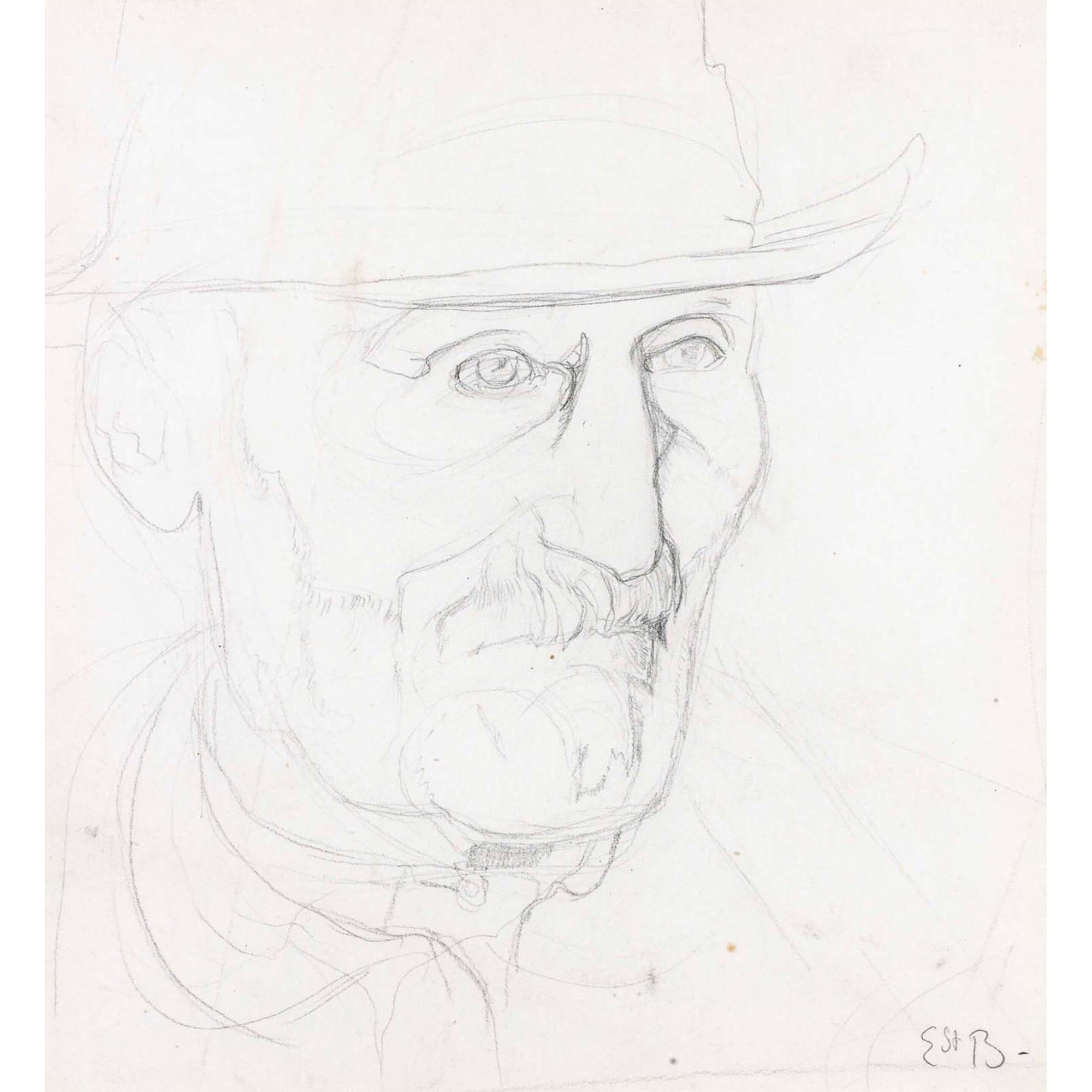
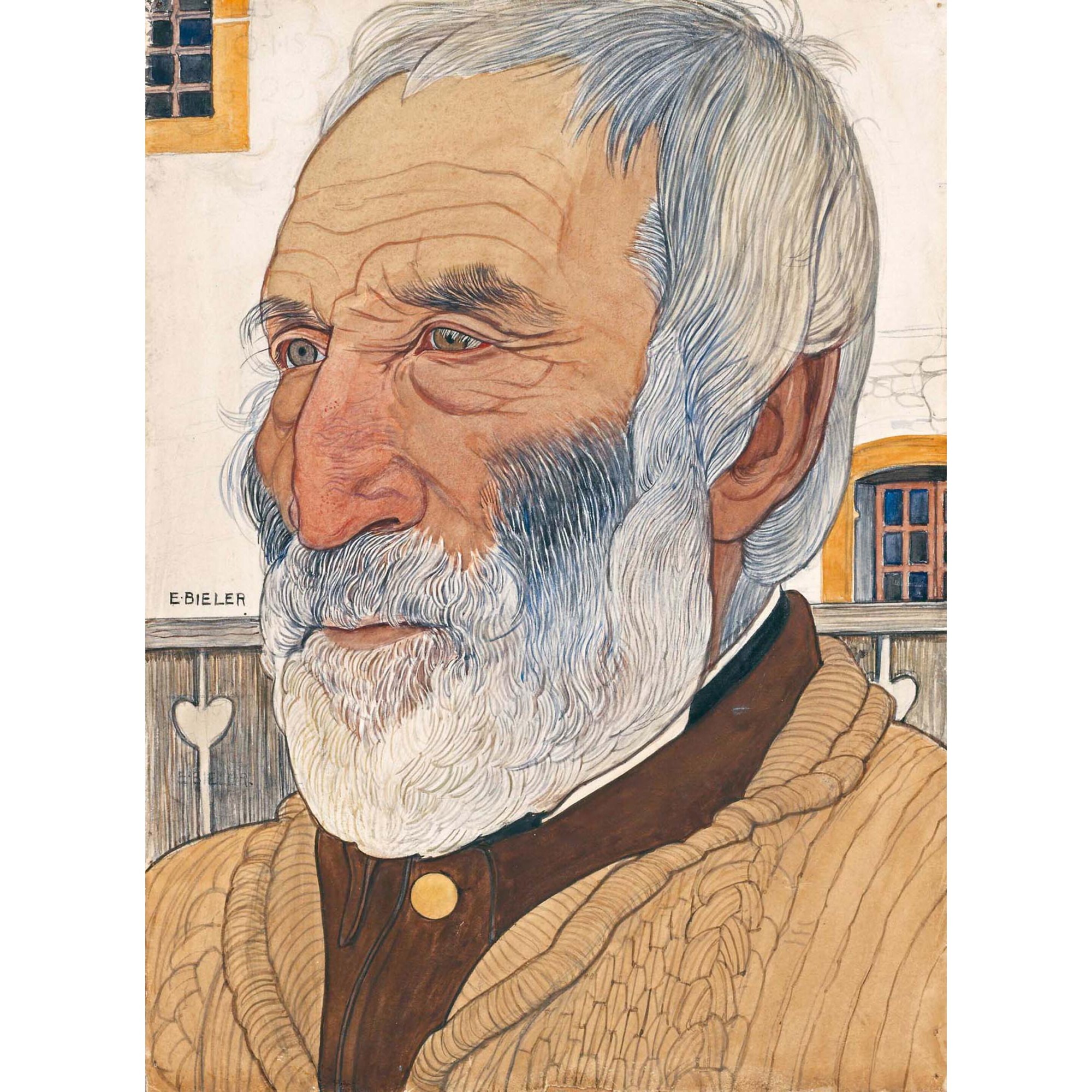
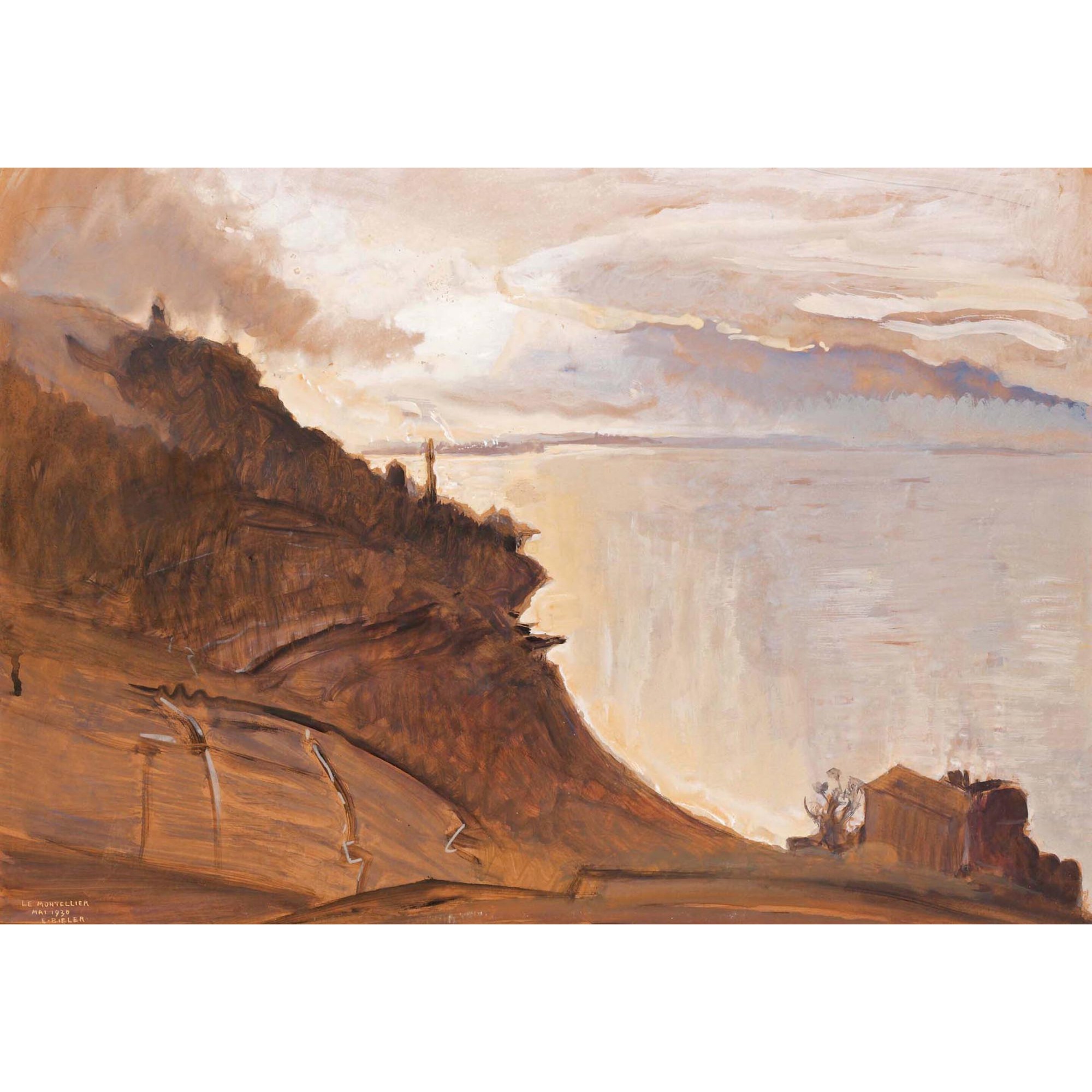
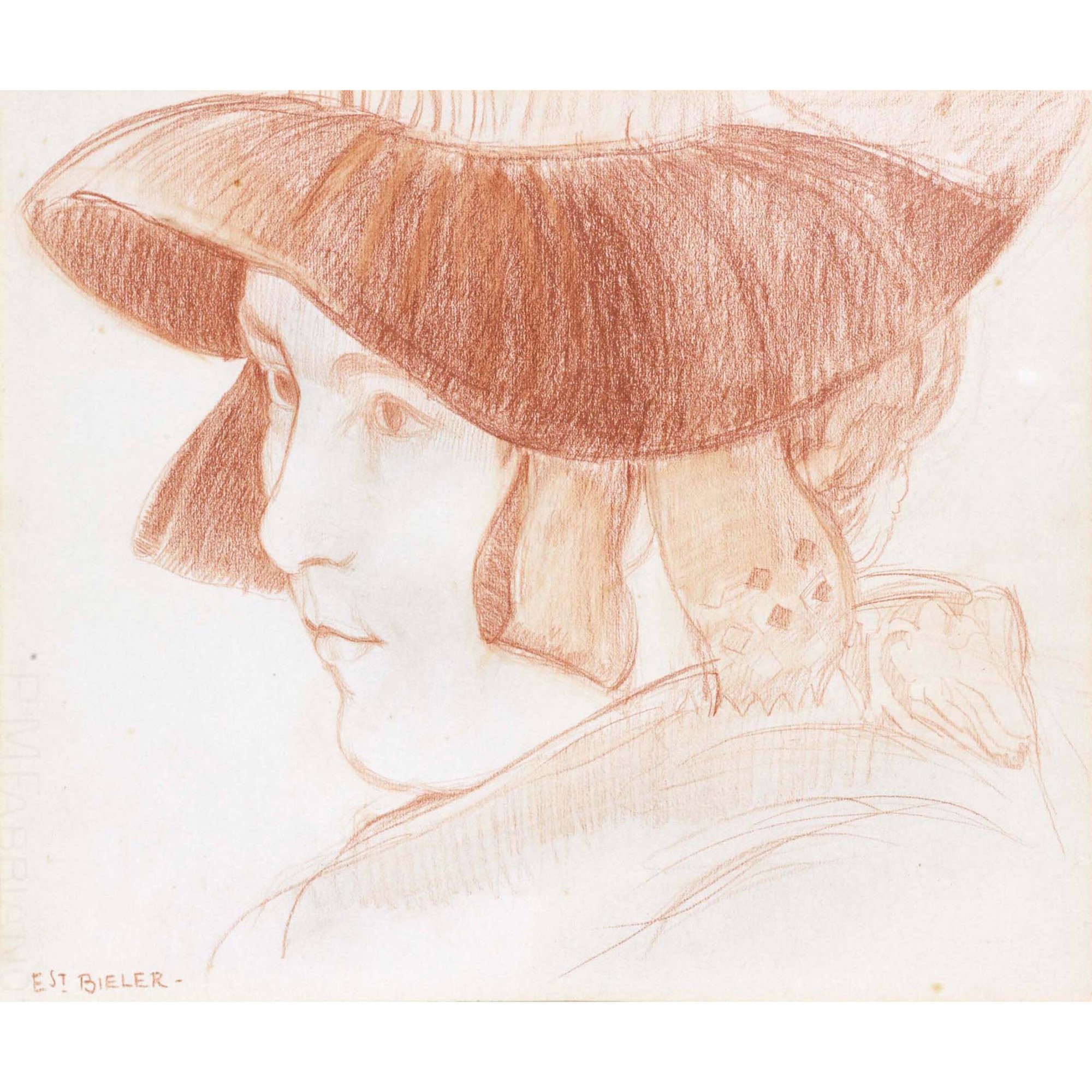
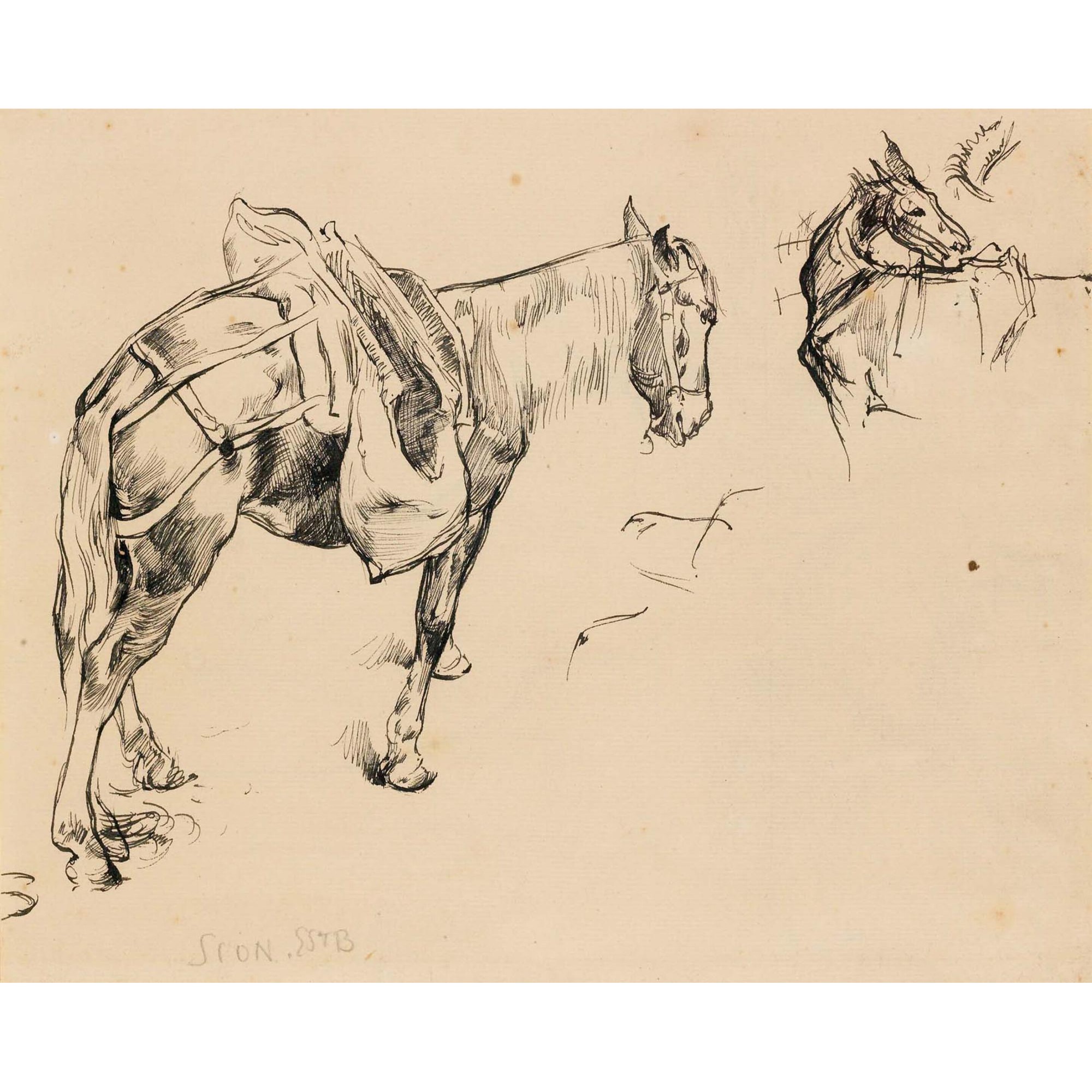
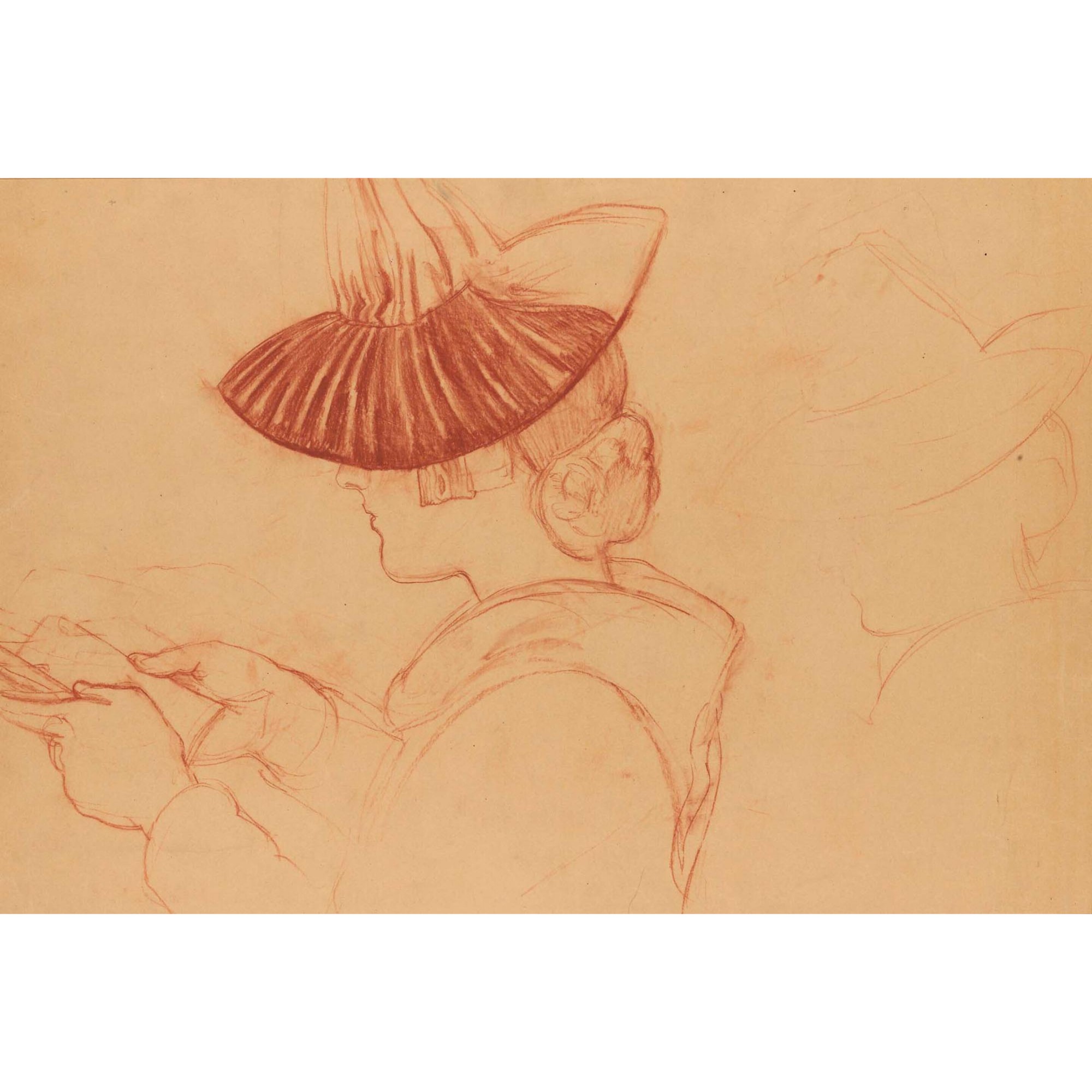
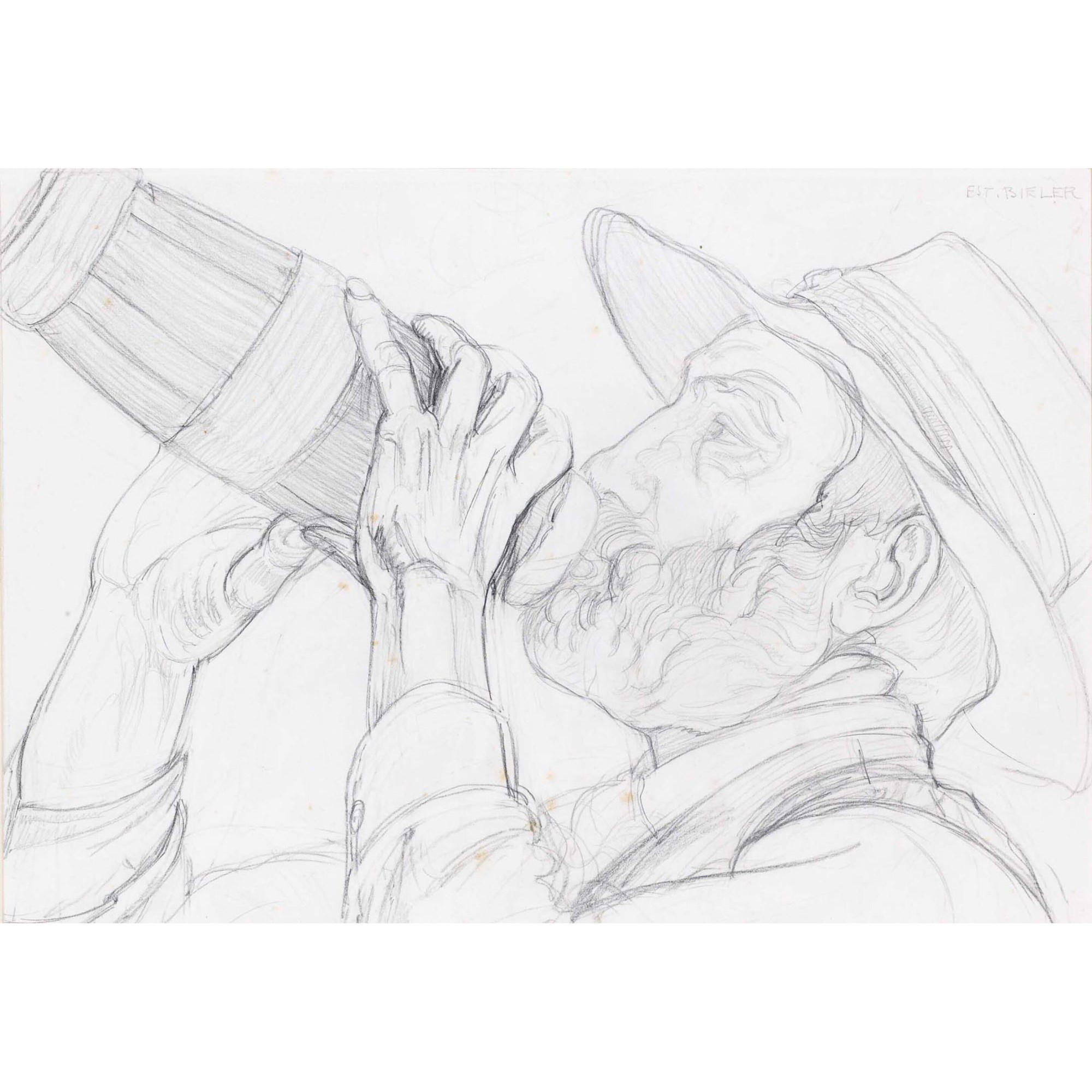
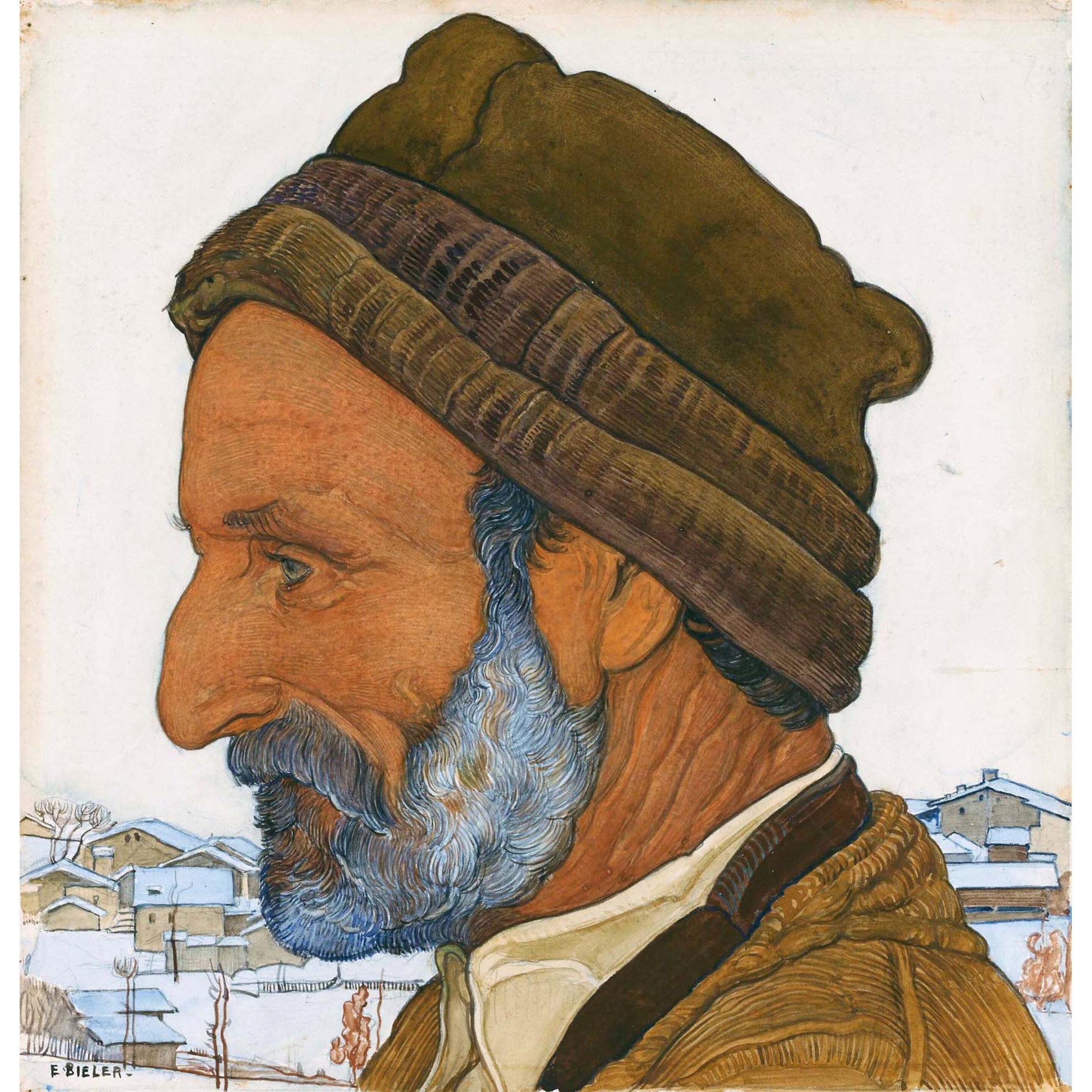
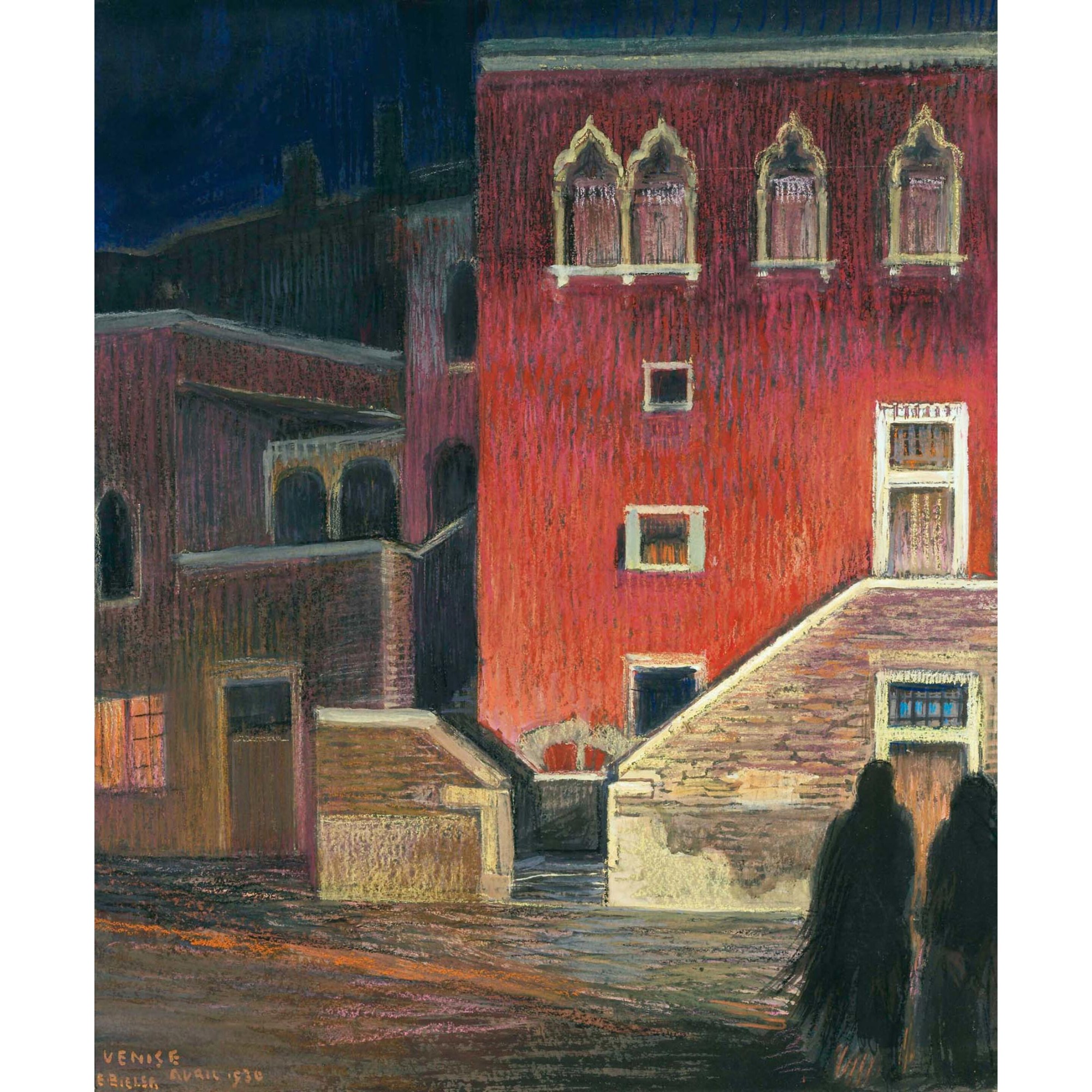
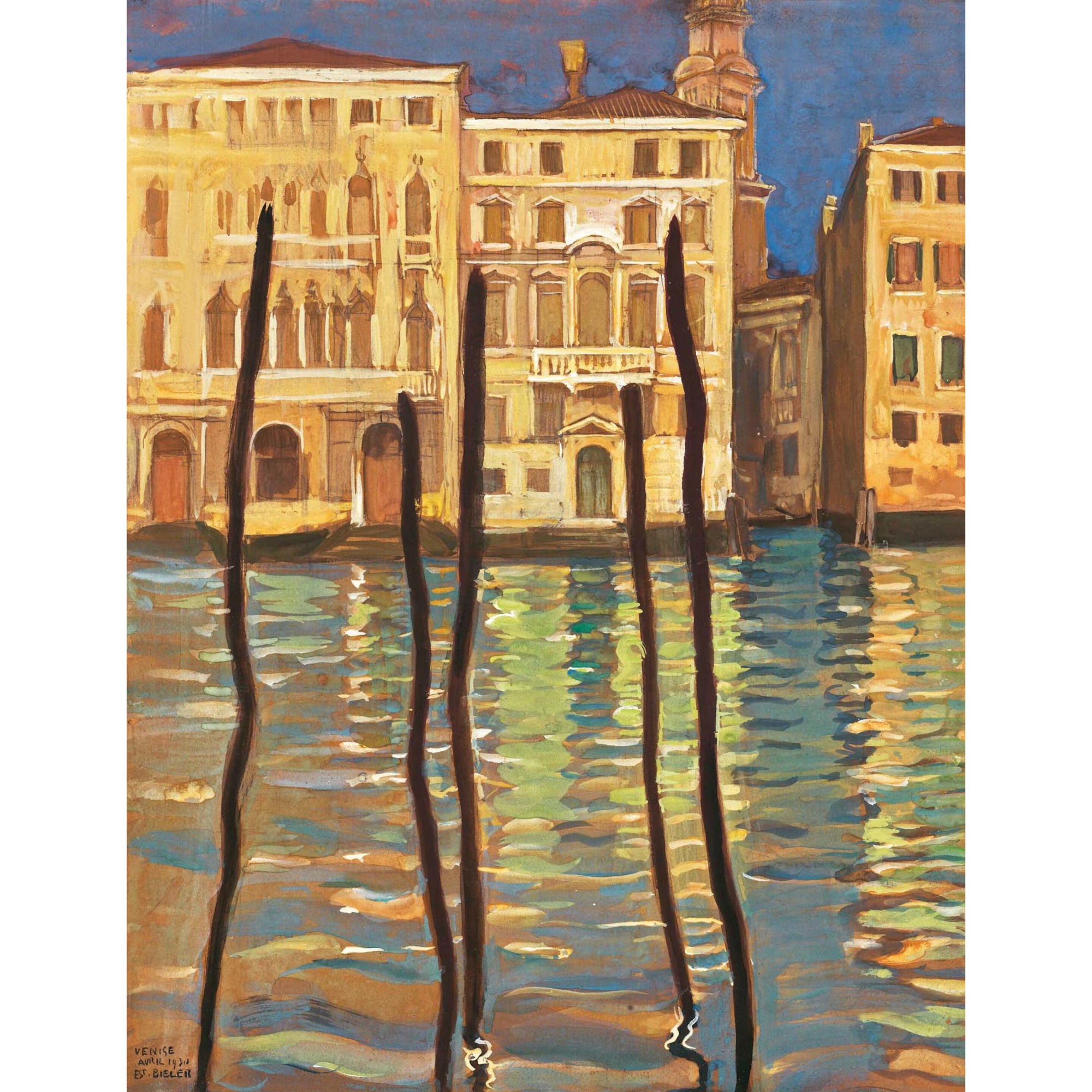
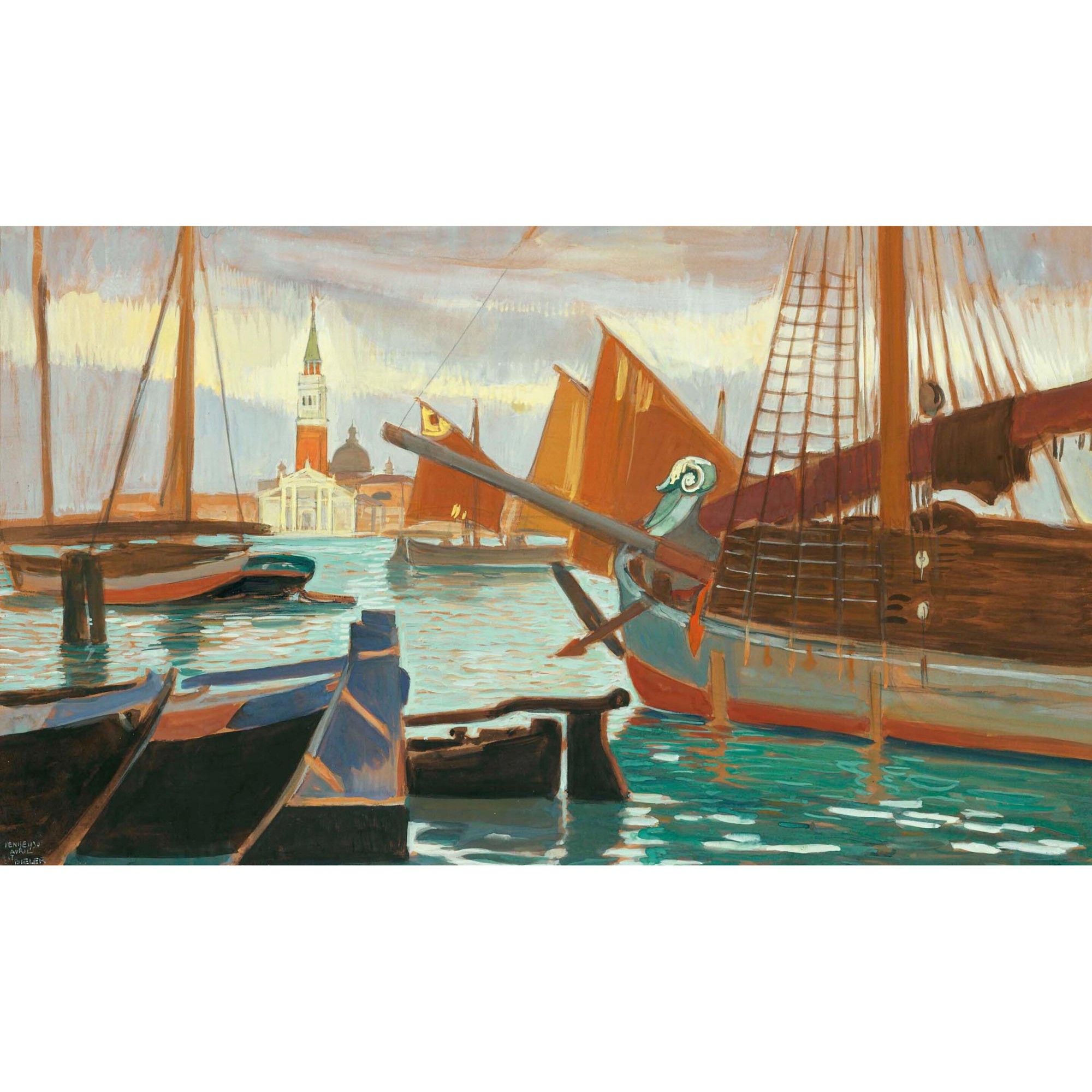
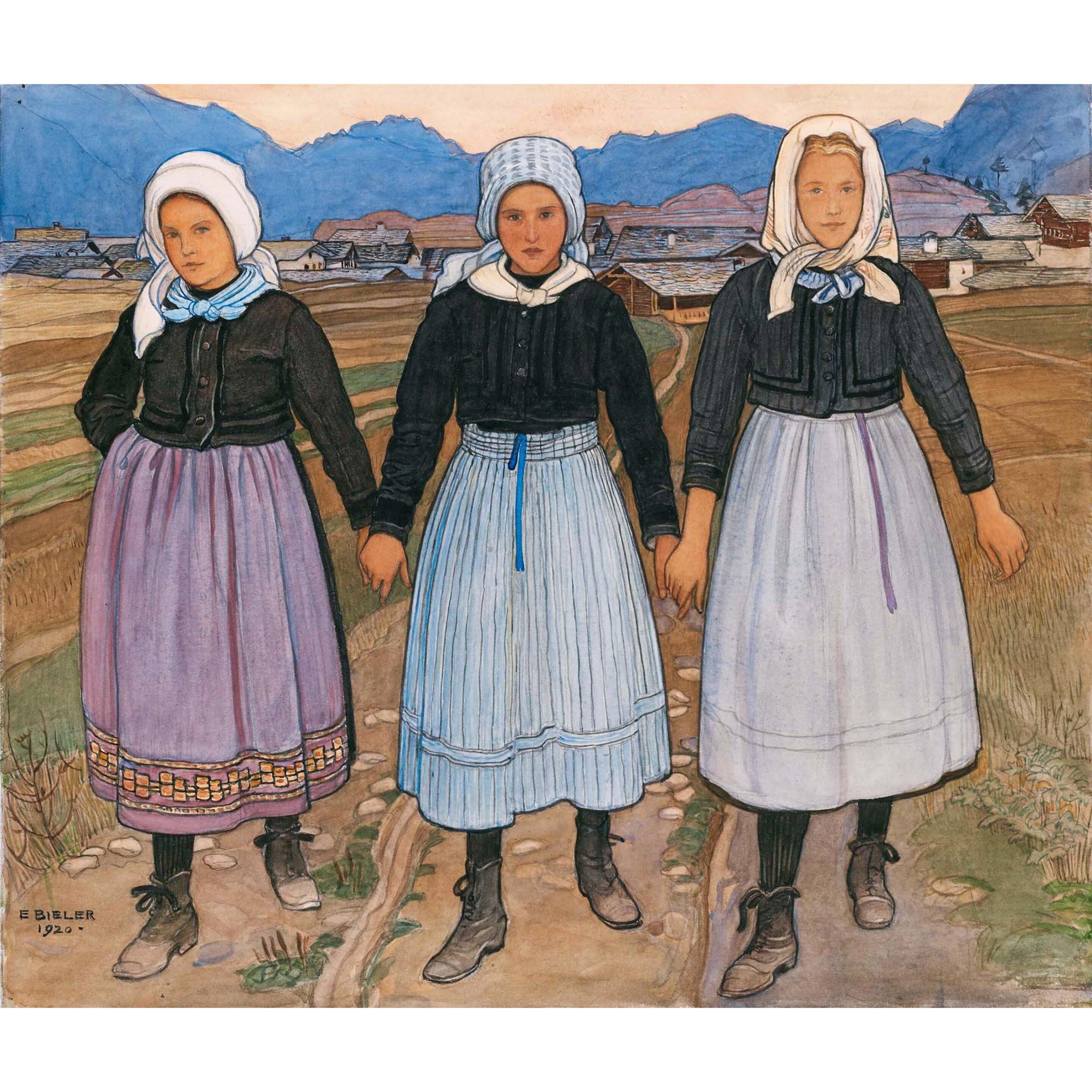
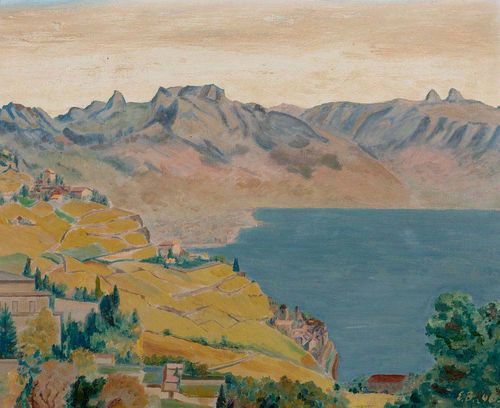
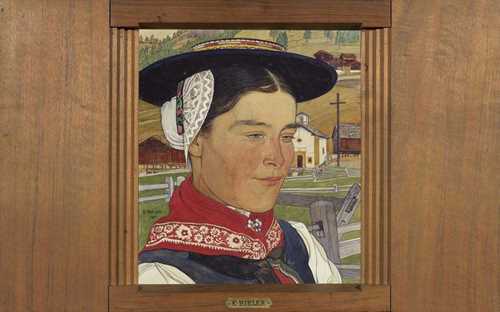
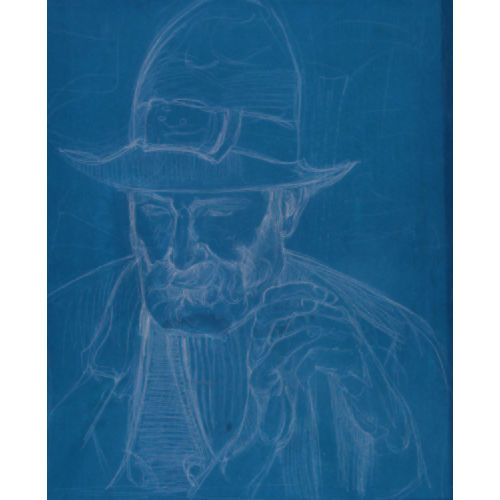
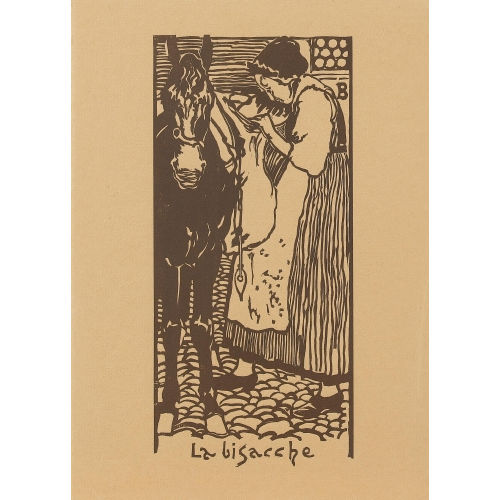
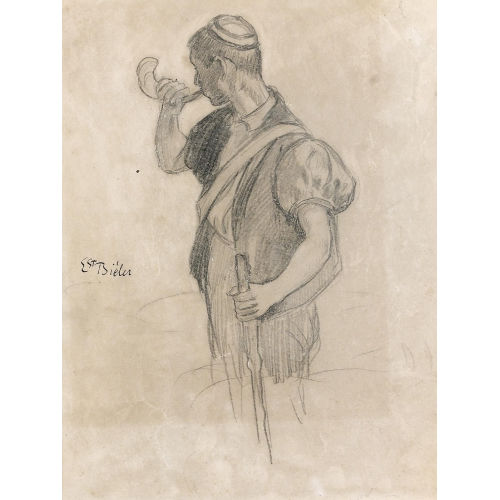
In Ernest Biéler’s work, the contour of a face, the folds of an apron and the curves of the landscape ultimately begin to speak the same language. Born in Rolle in 1863 and deceased in Lausanne in 1948, the painter moved through several ways of representing the world, from naturalistic observation to a decorative construction marked by Art Nouveau. His work thus brings together the presence of human beings and a rigorous investigation of line and surface.
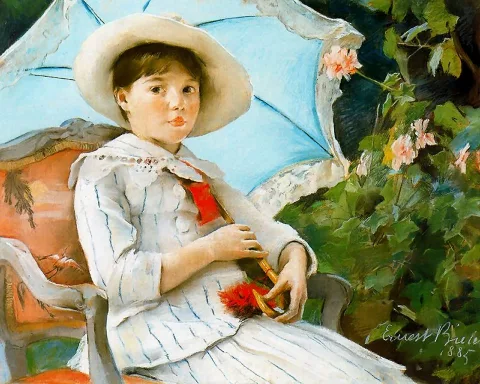
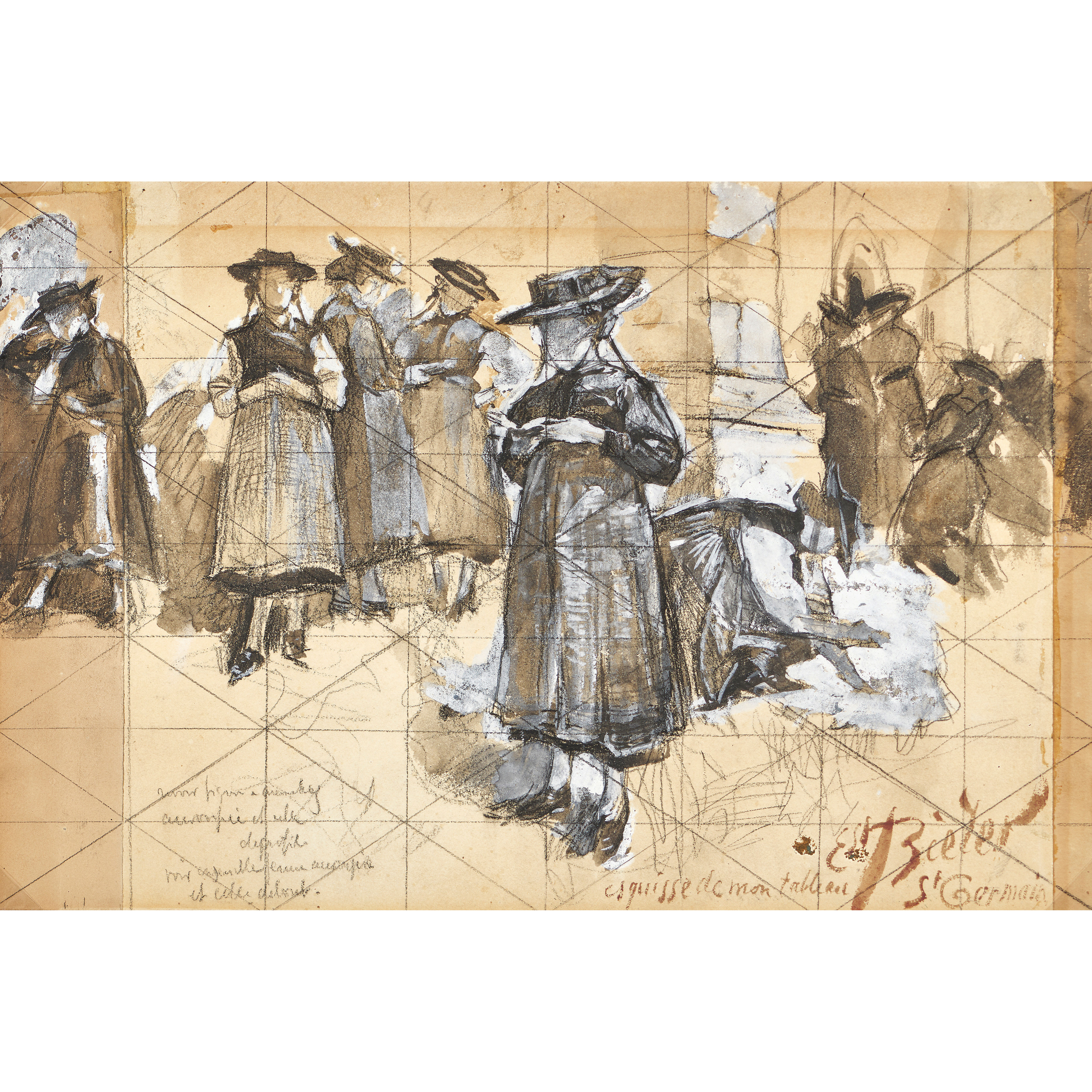
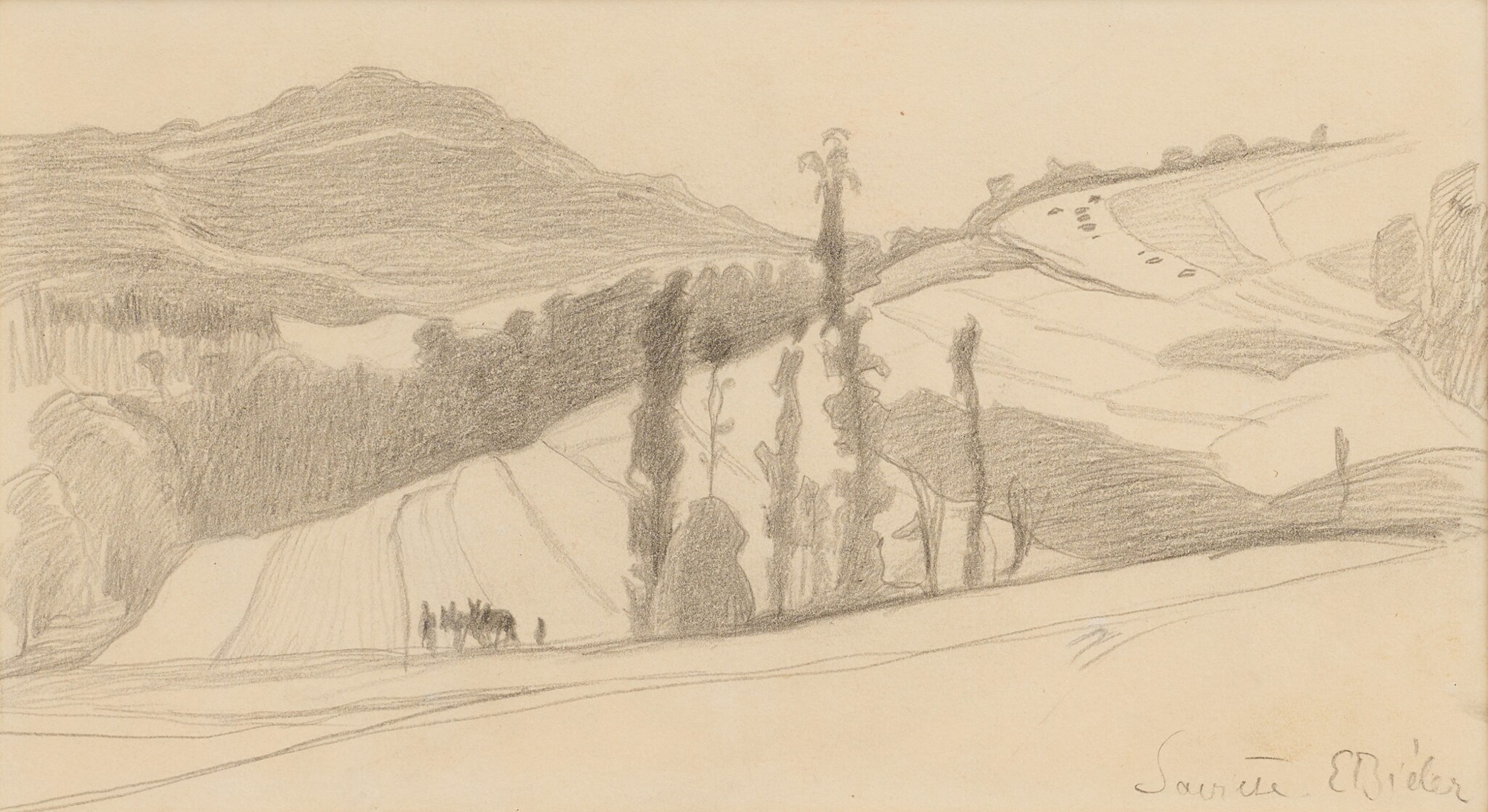
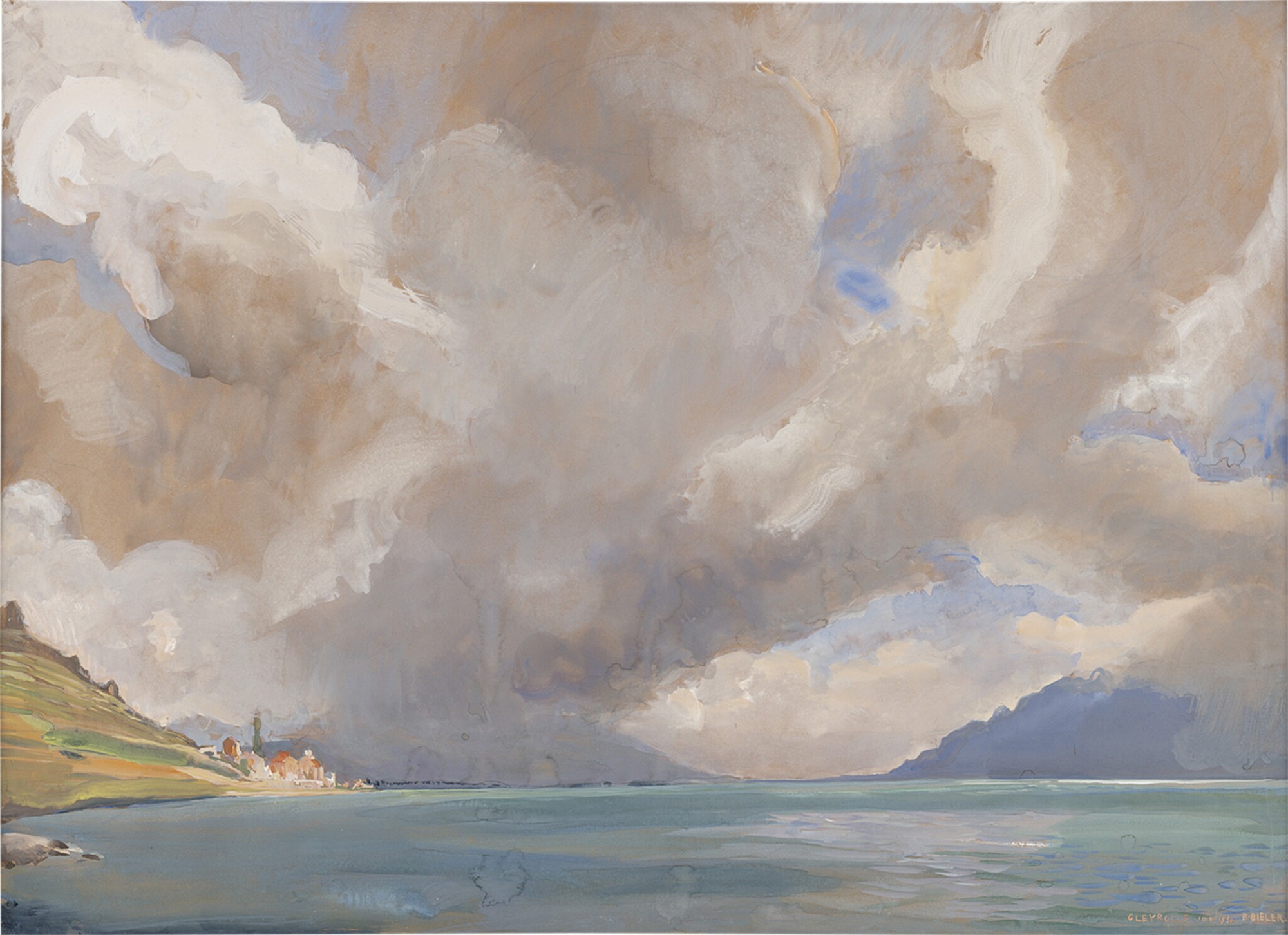
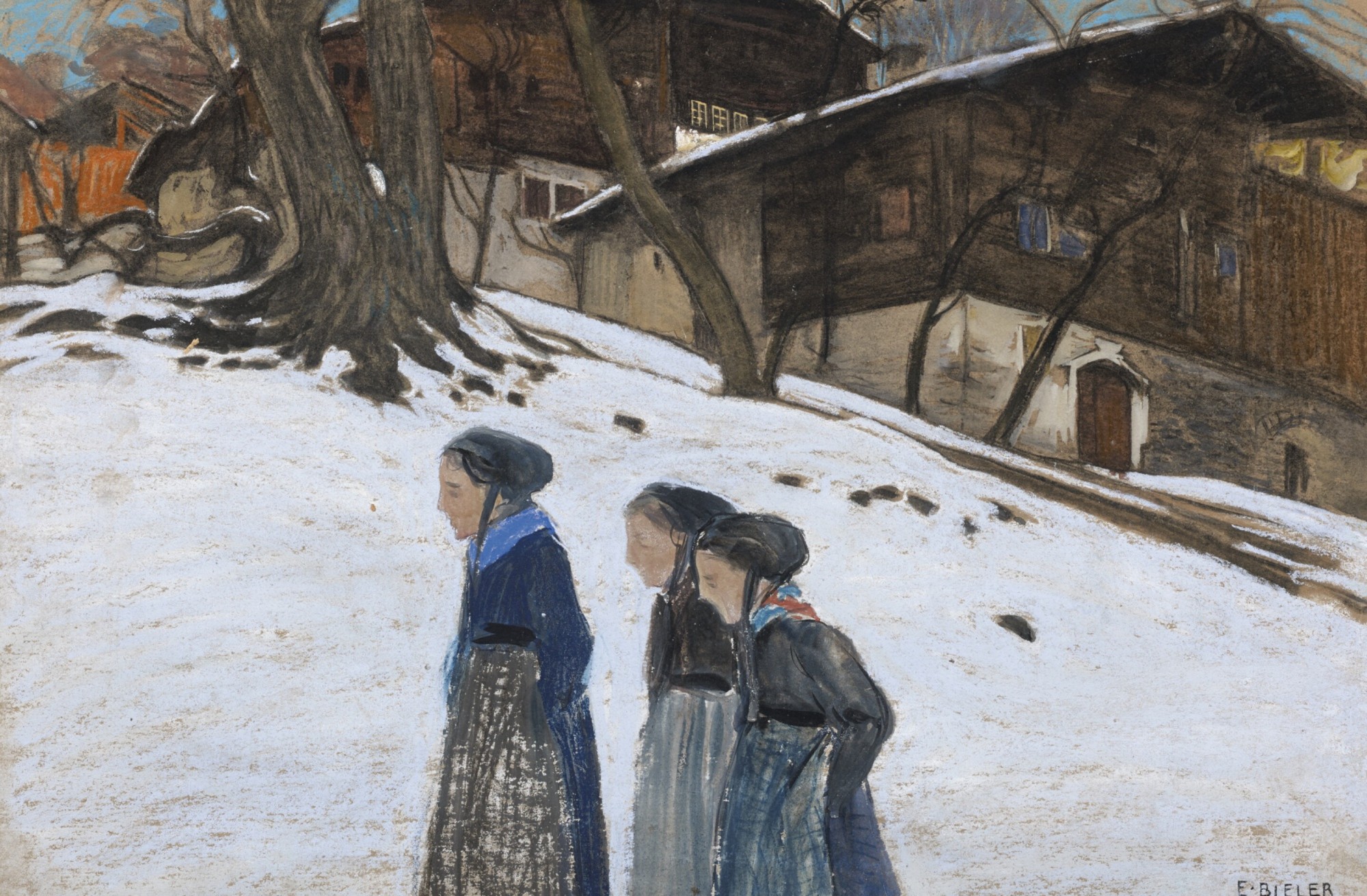
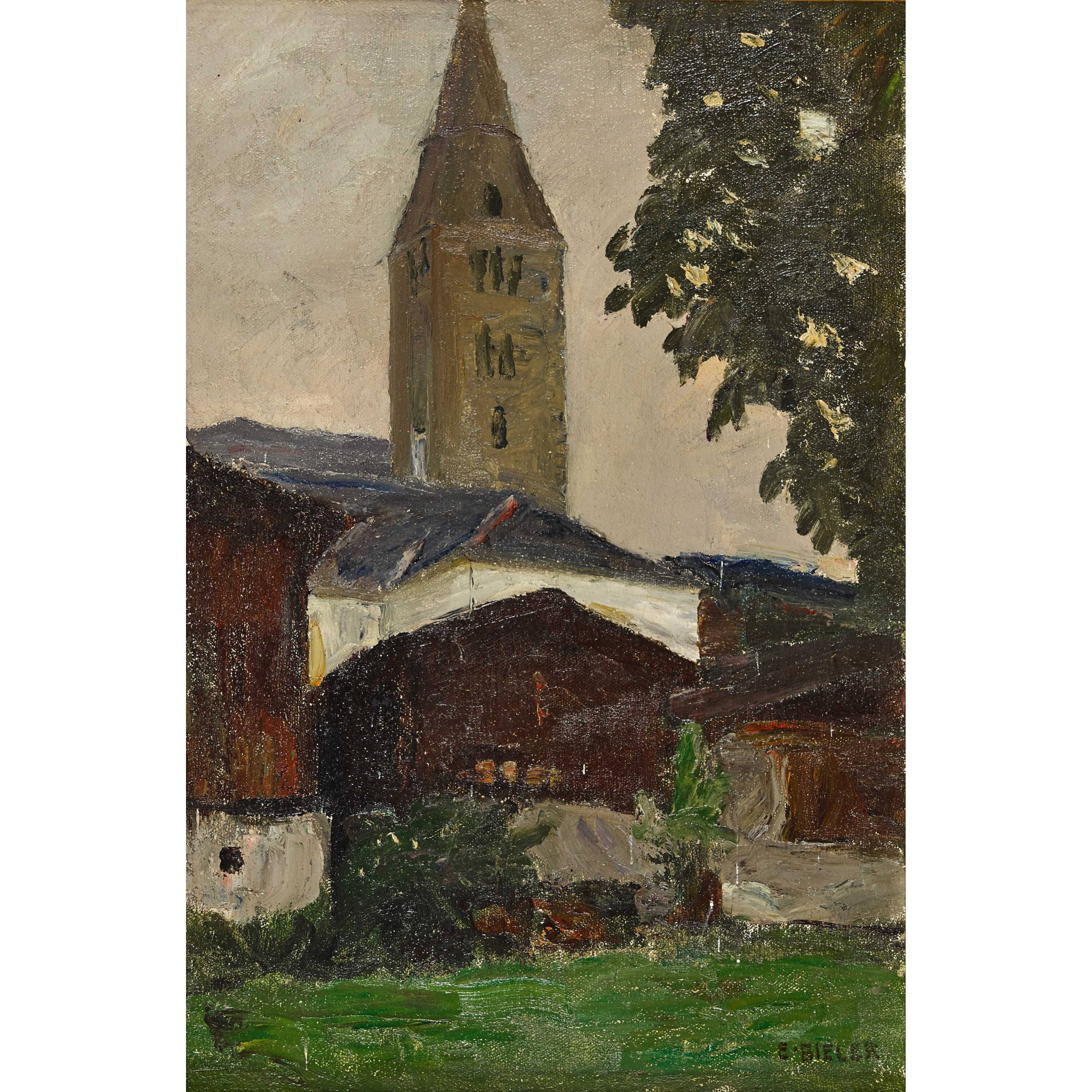
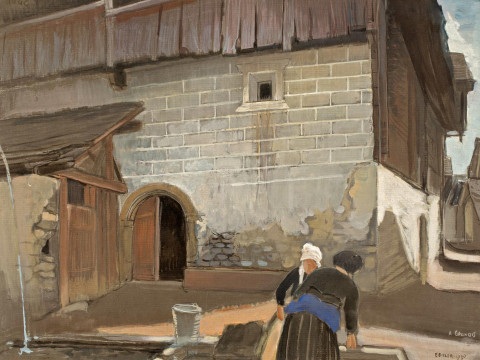
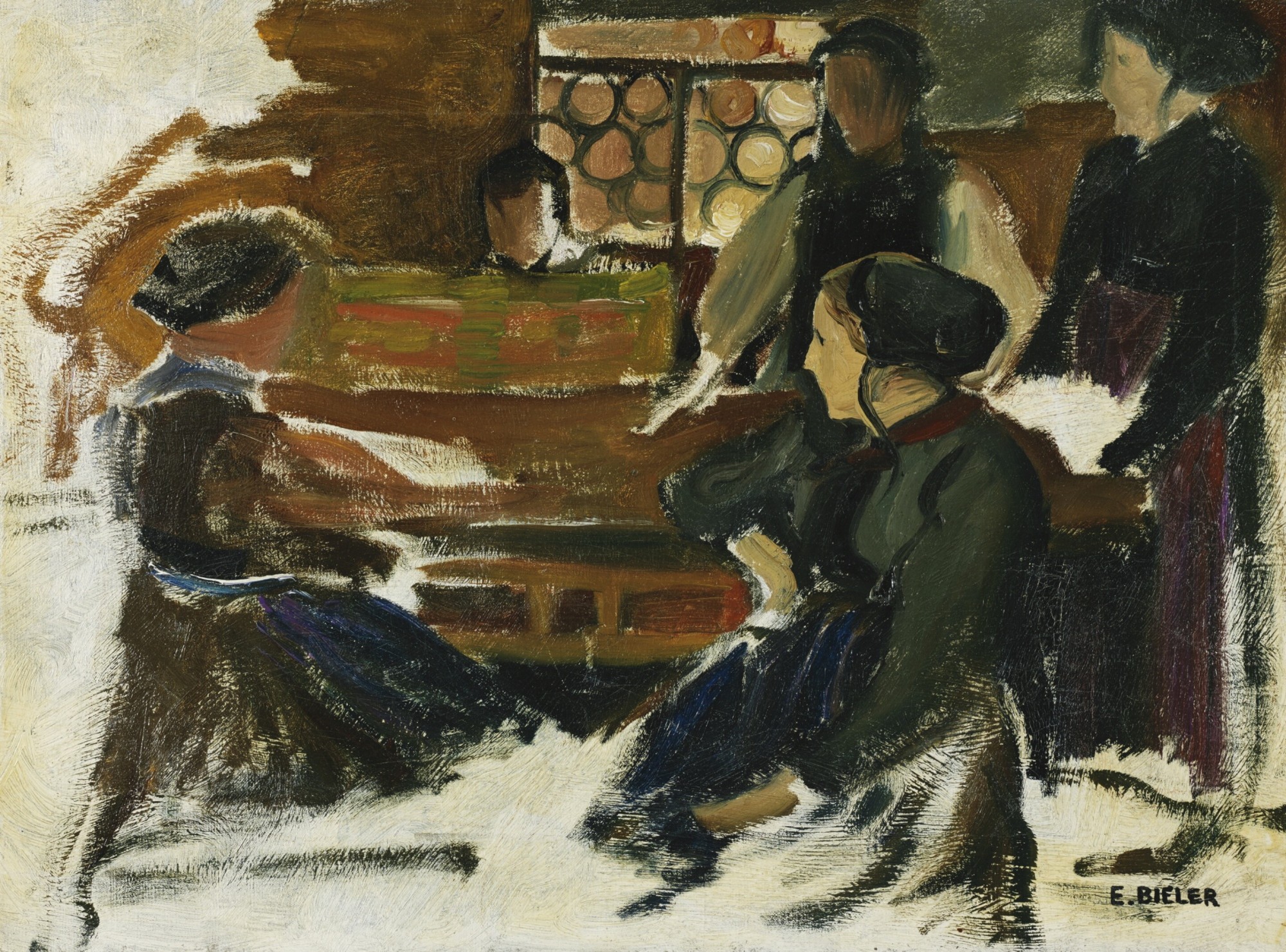
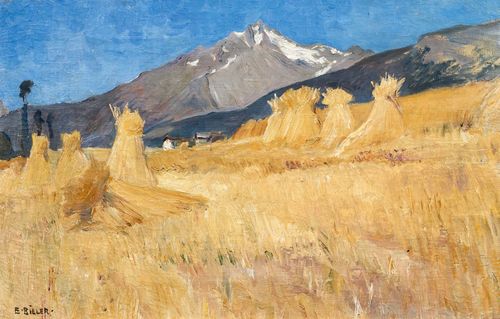
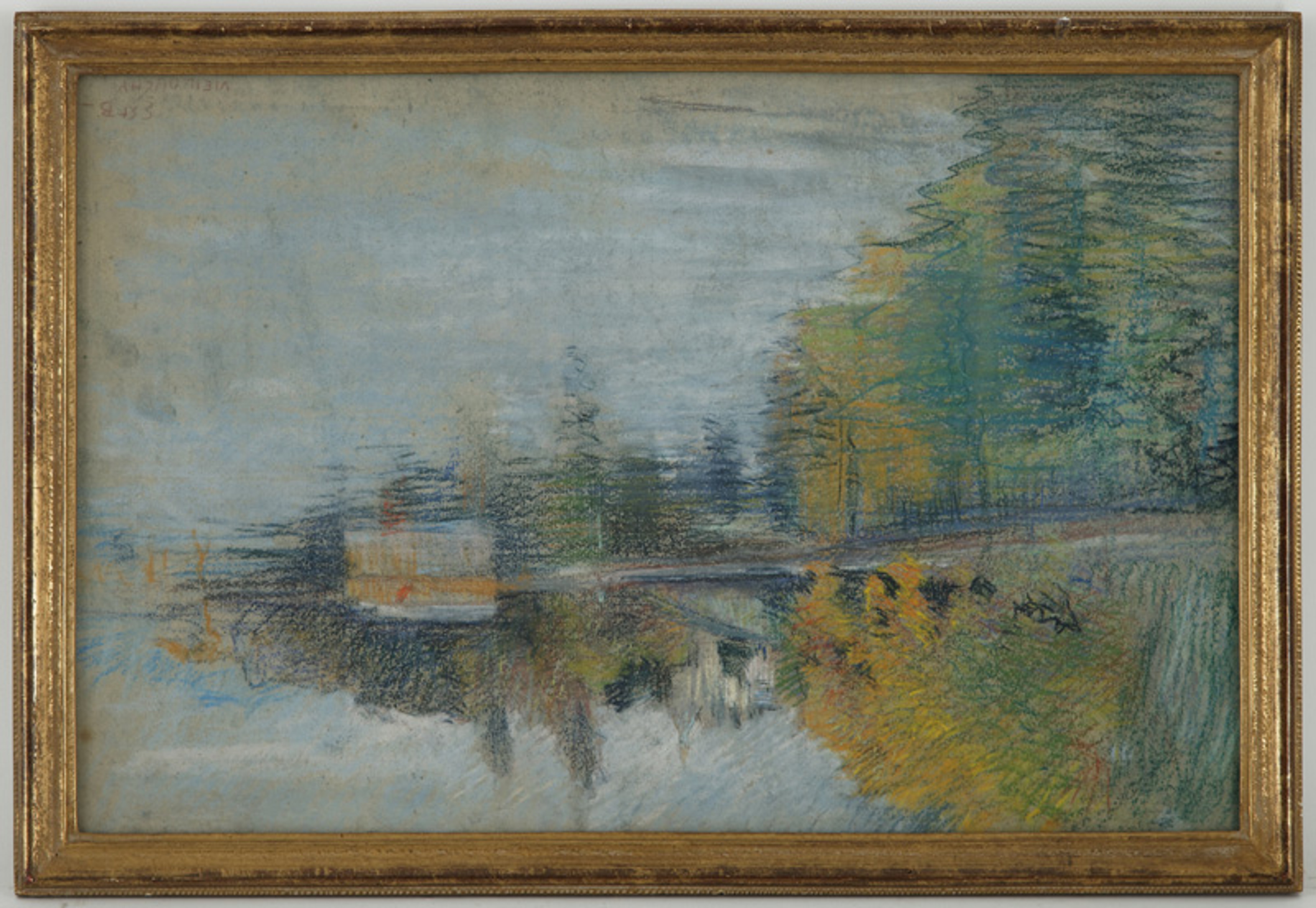
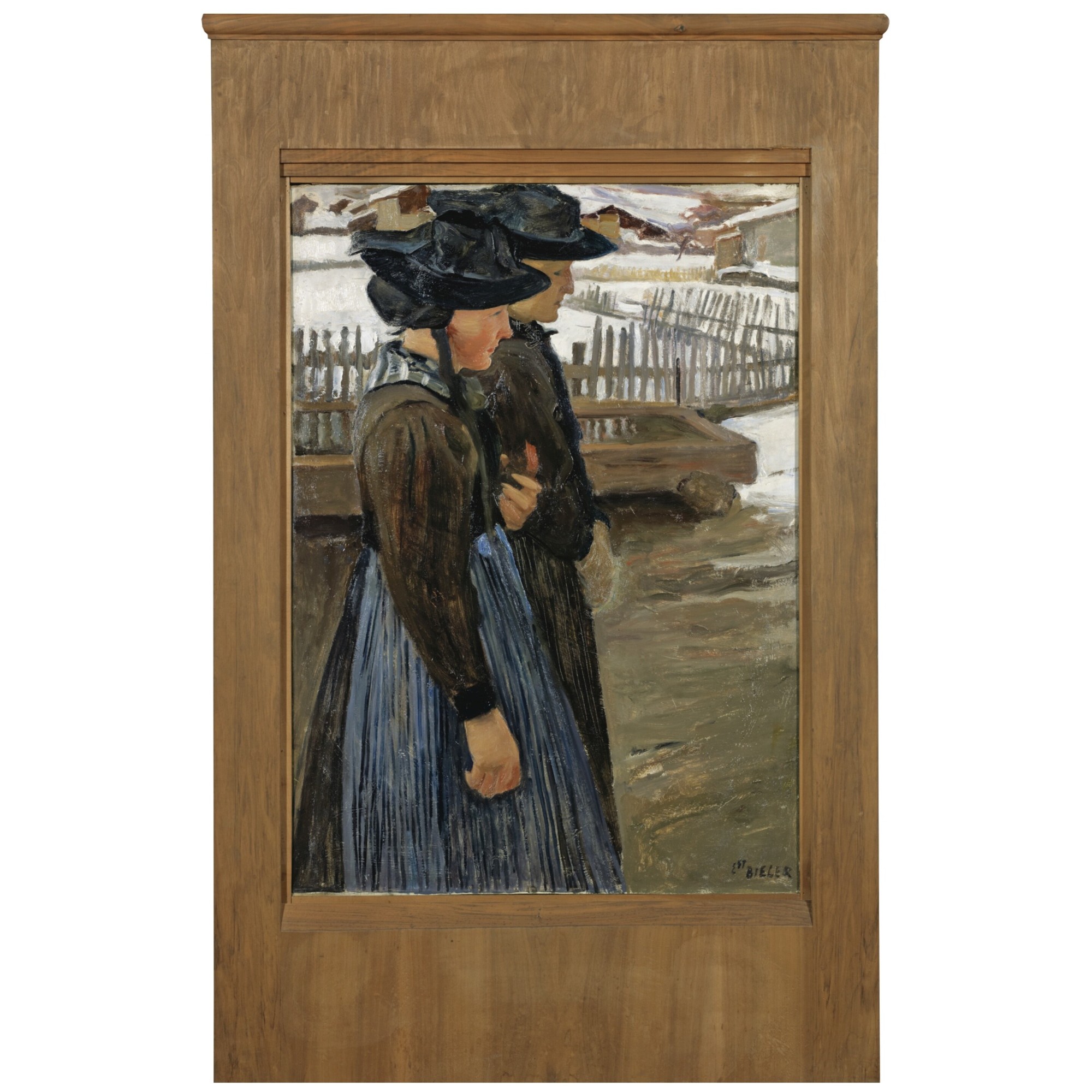
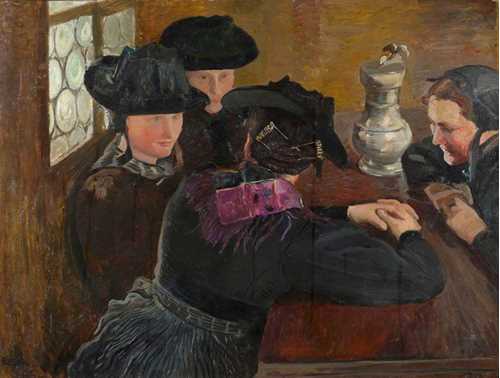
Settling in Paris at the beginning of the 1880s, Biéler discovered Savièse in the summer of 1884. The light of Valais and the life of its inhabitants inspired Devant l’église de Saint-Germain à Savièse, completed in 1886 and presented at the Paris Salon in 1887. In this large painting, held by the Musée cantonal des Beaux-Arts de Lausanne, the framing brings the figures closer together, while the bluish shadows and luminous effects attest to his attention to Impressionism.
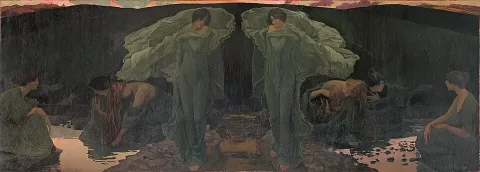
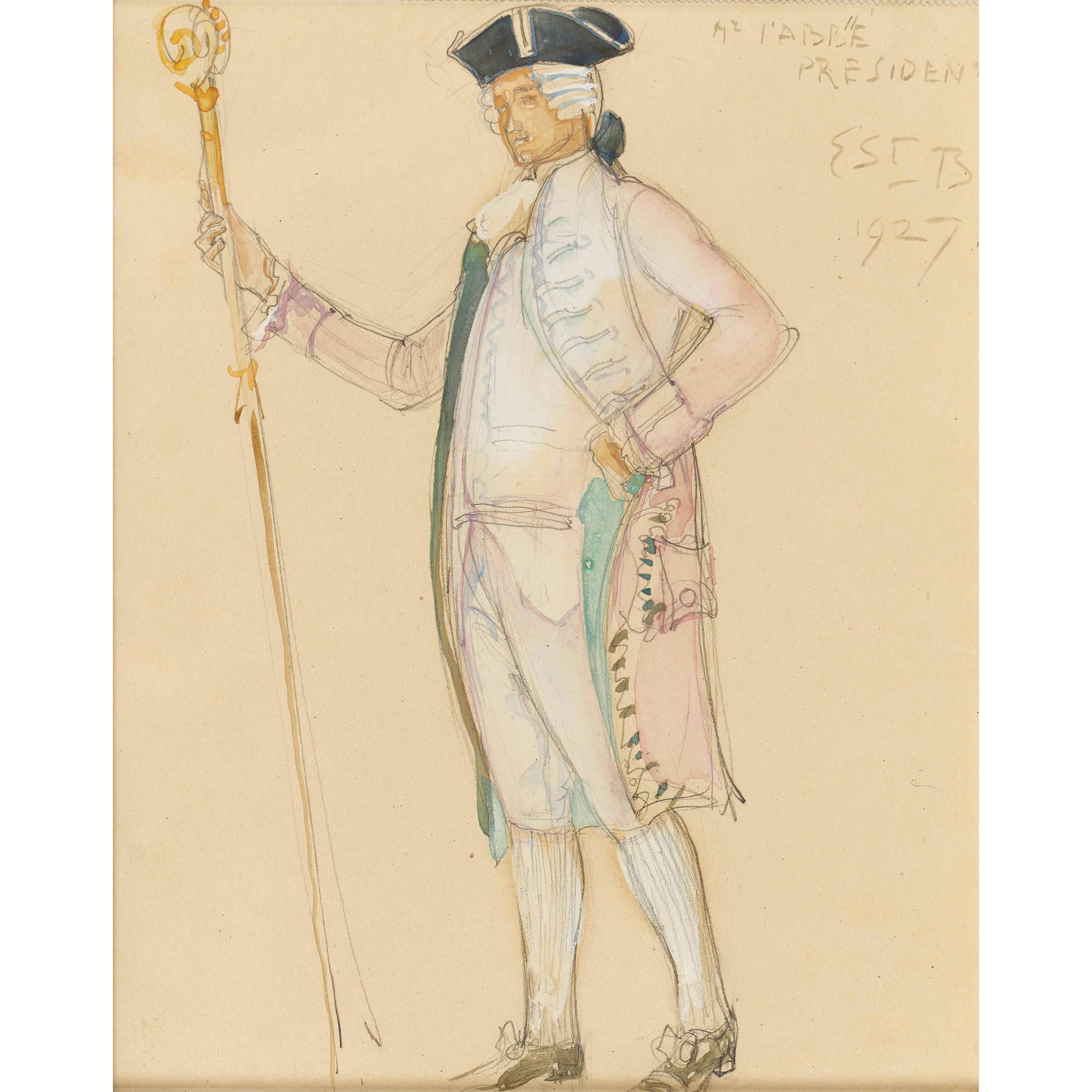
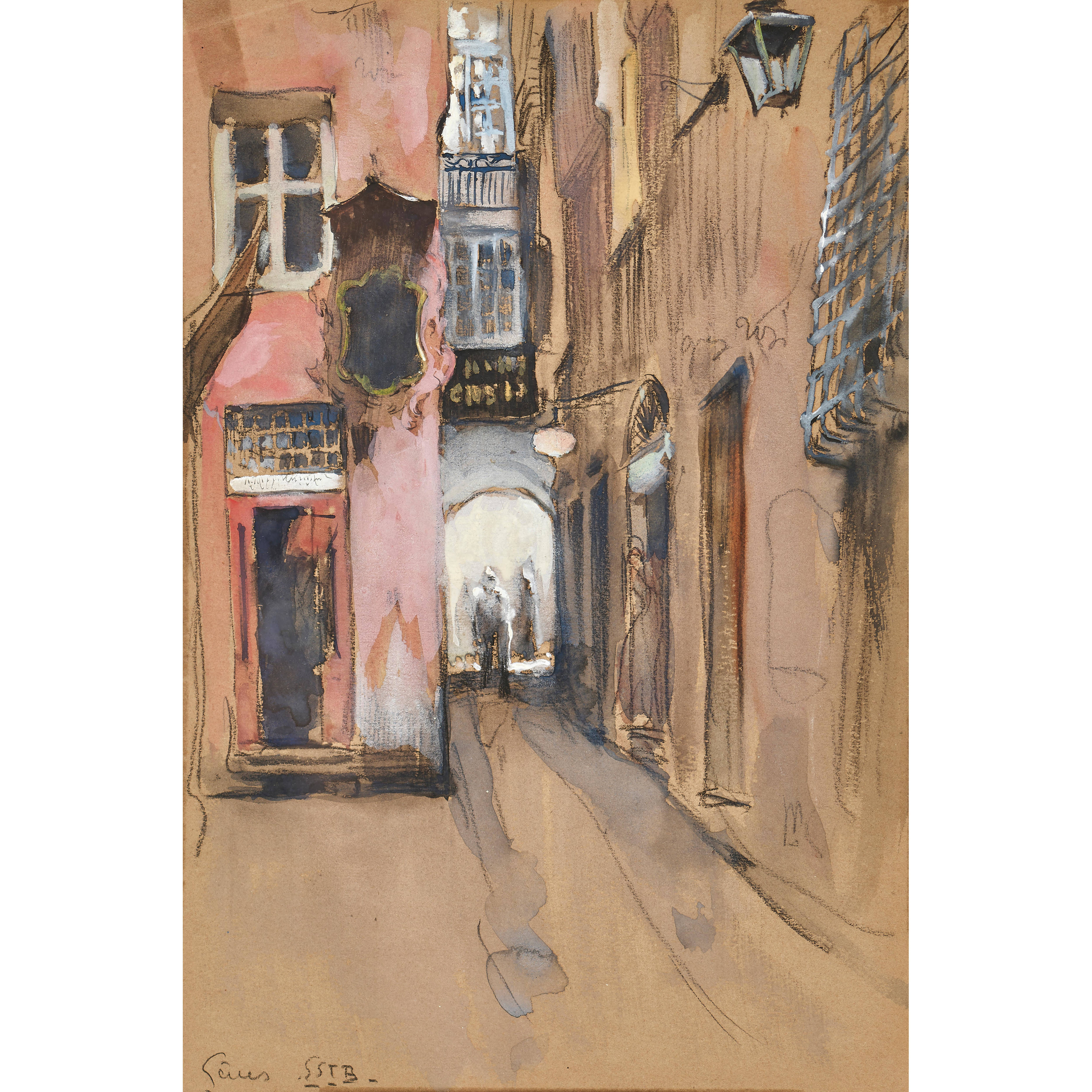
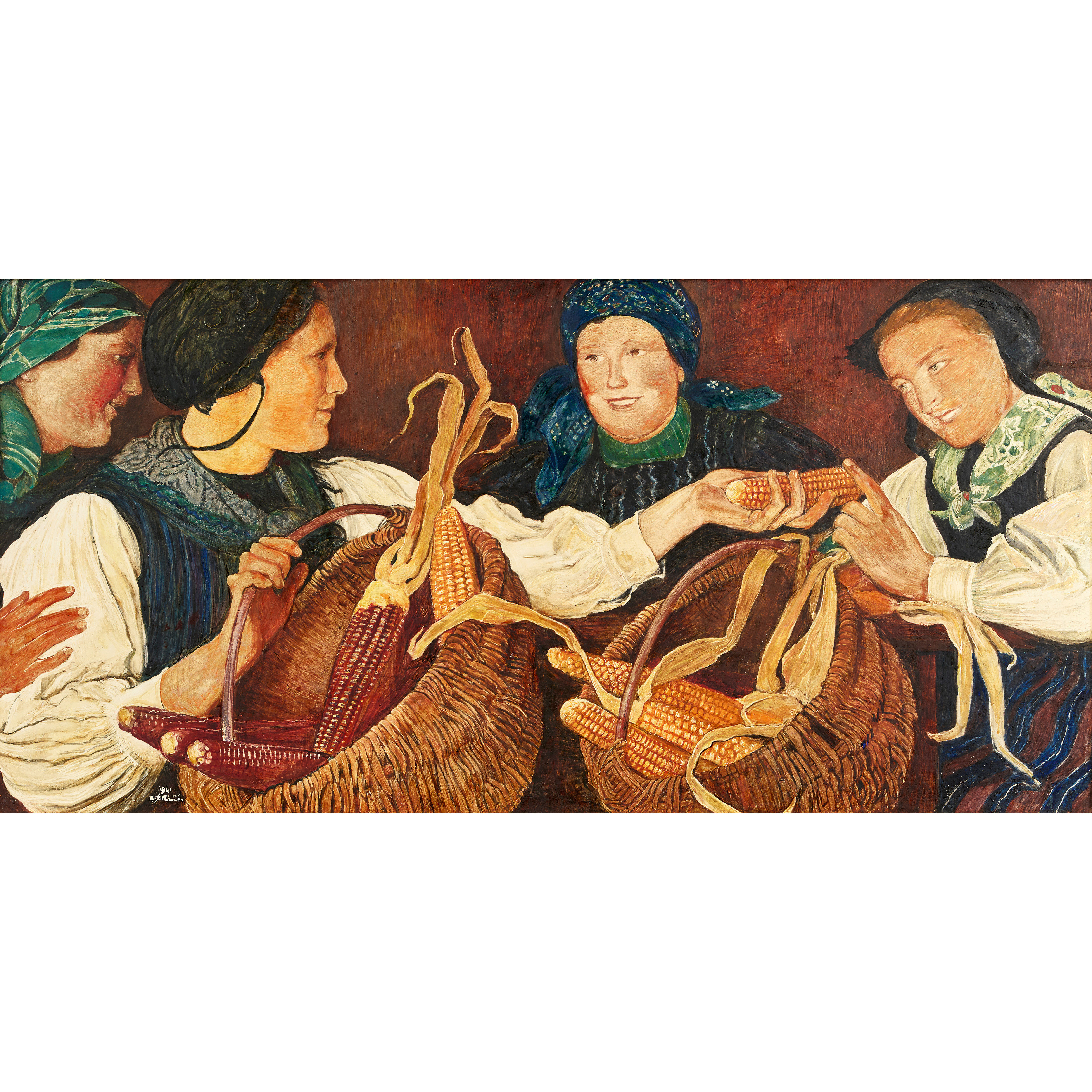
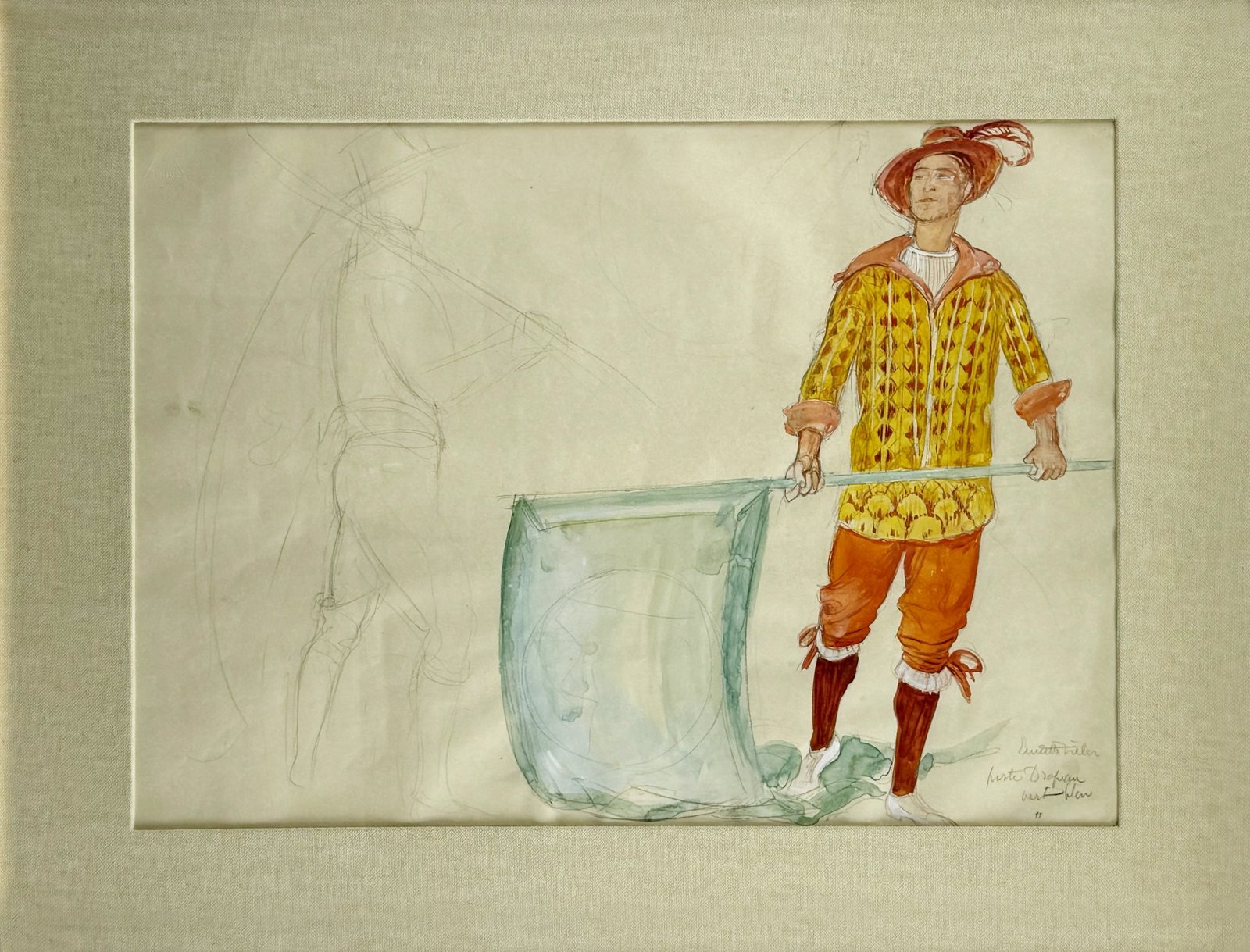
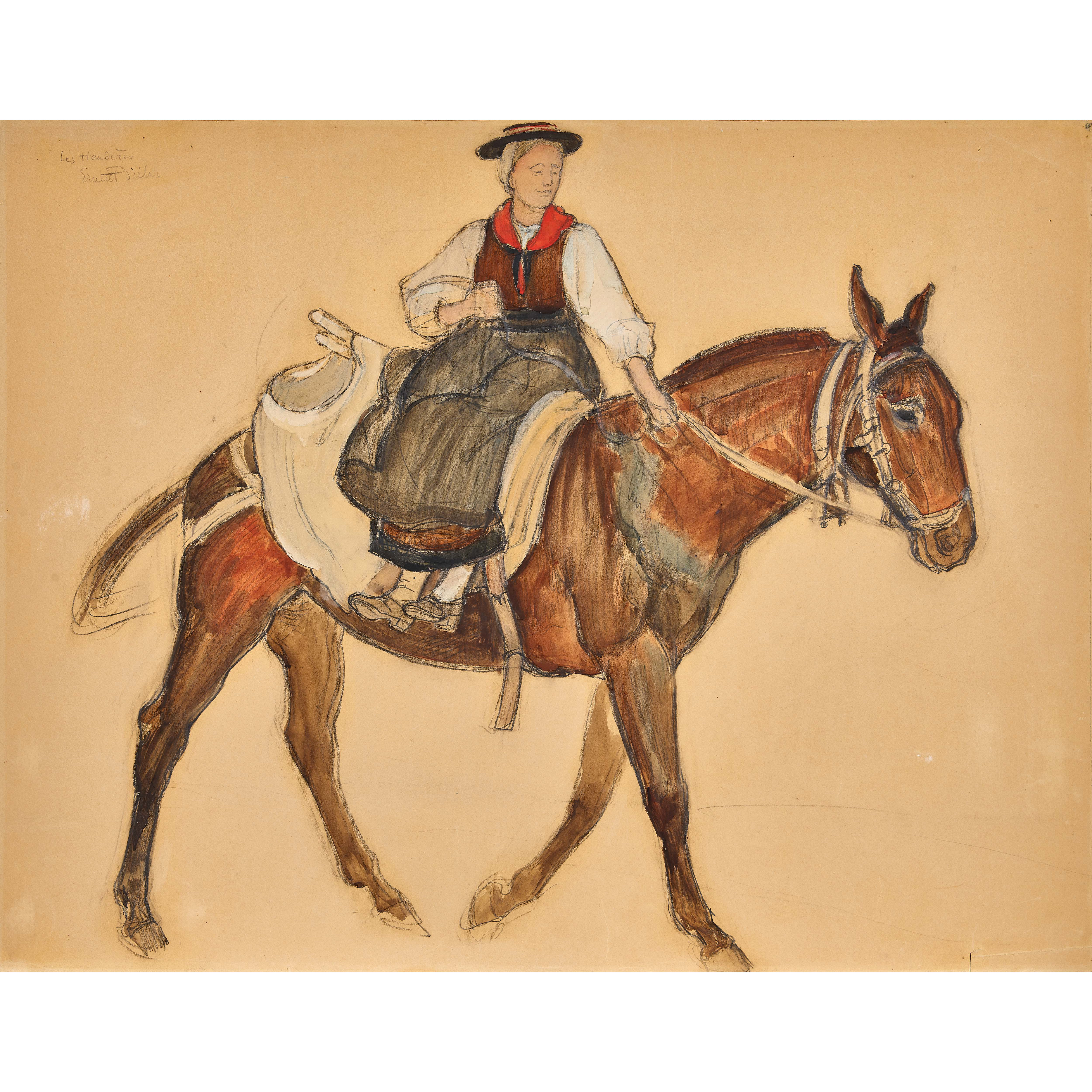
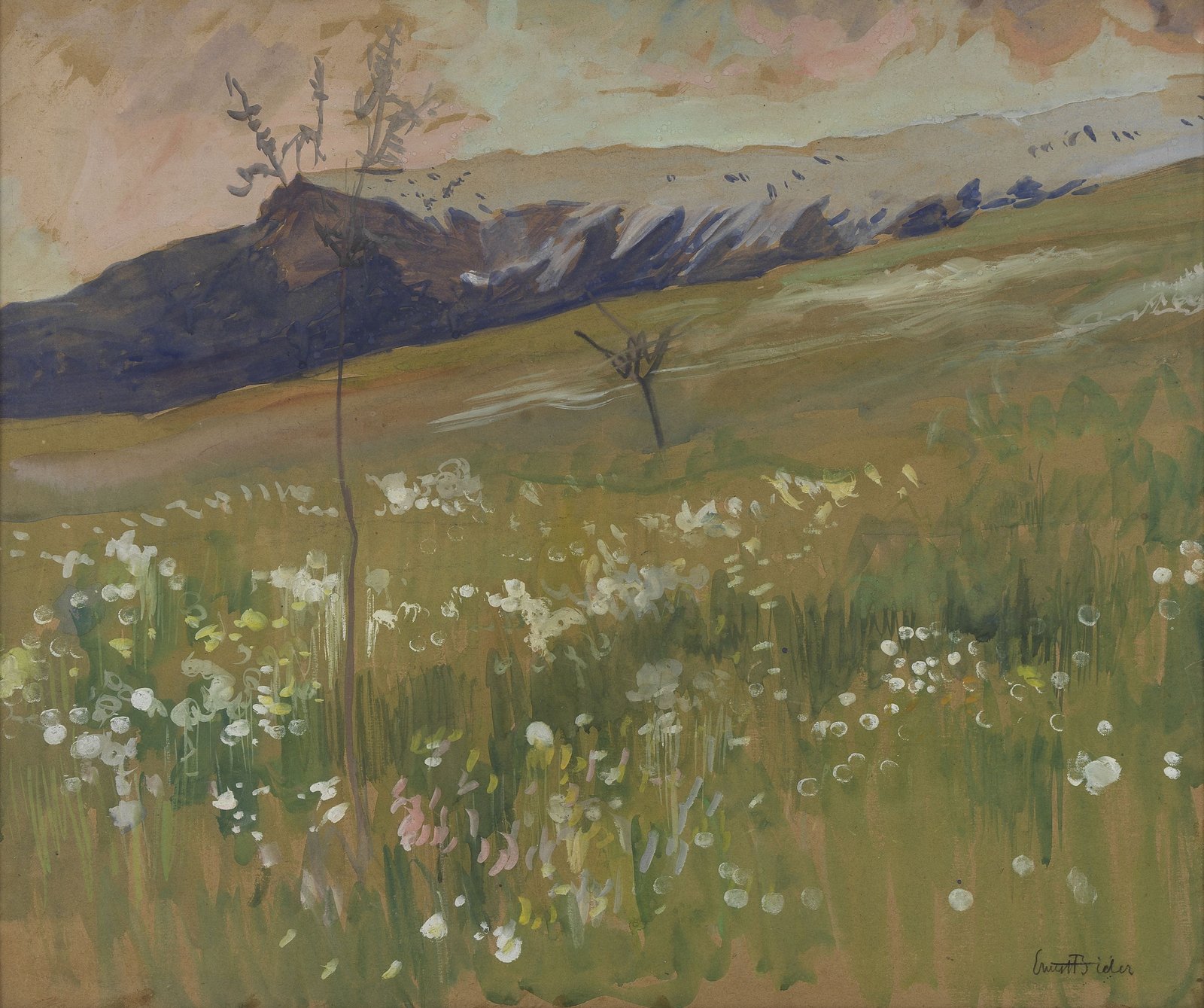
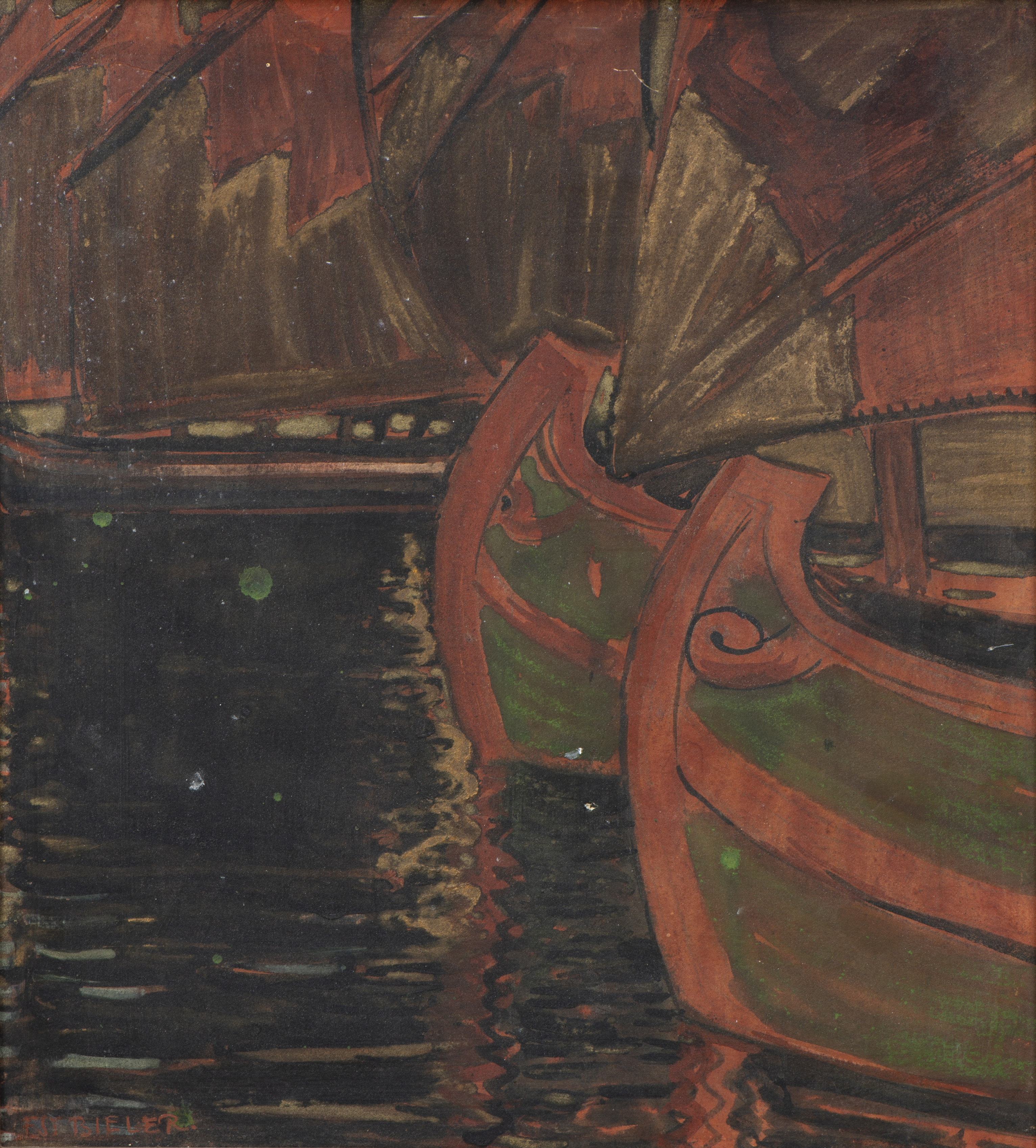
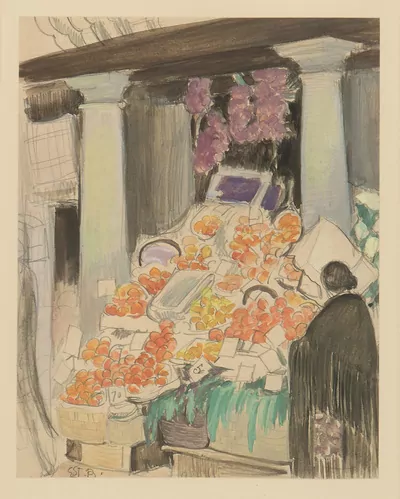
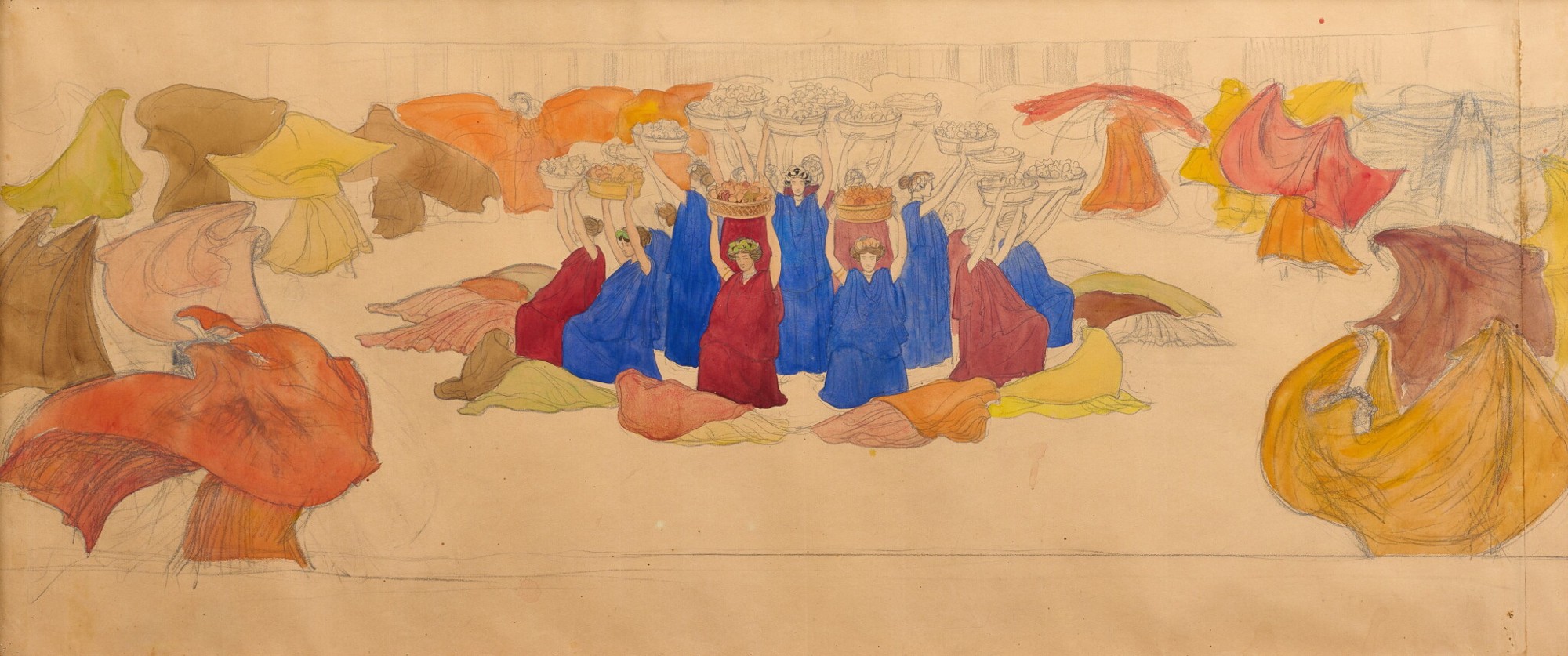
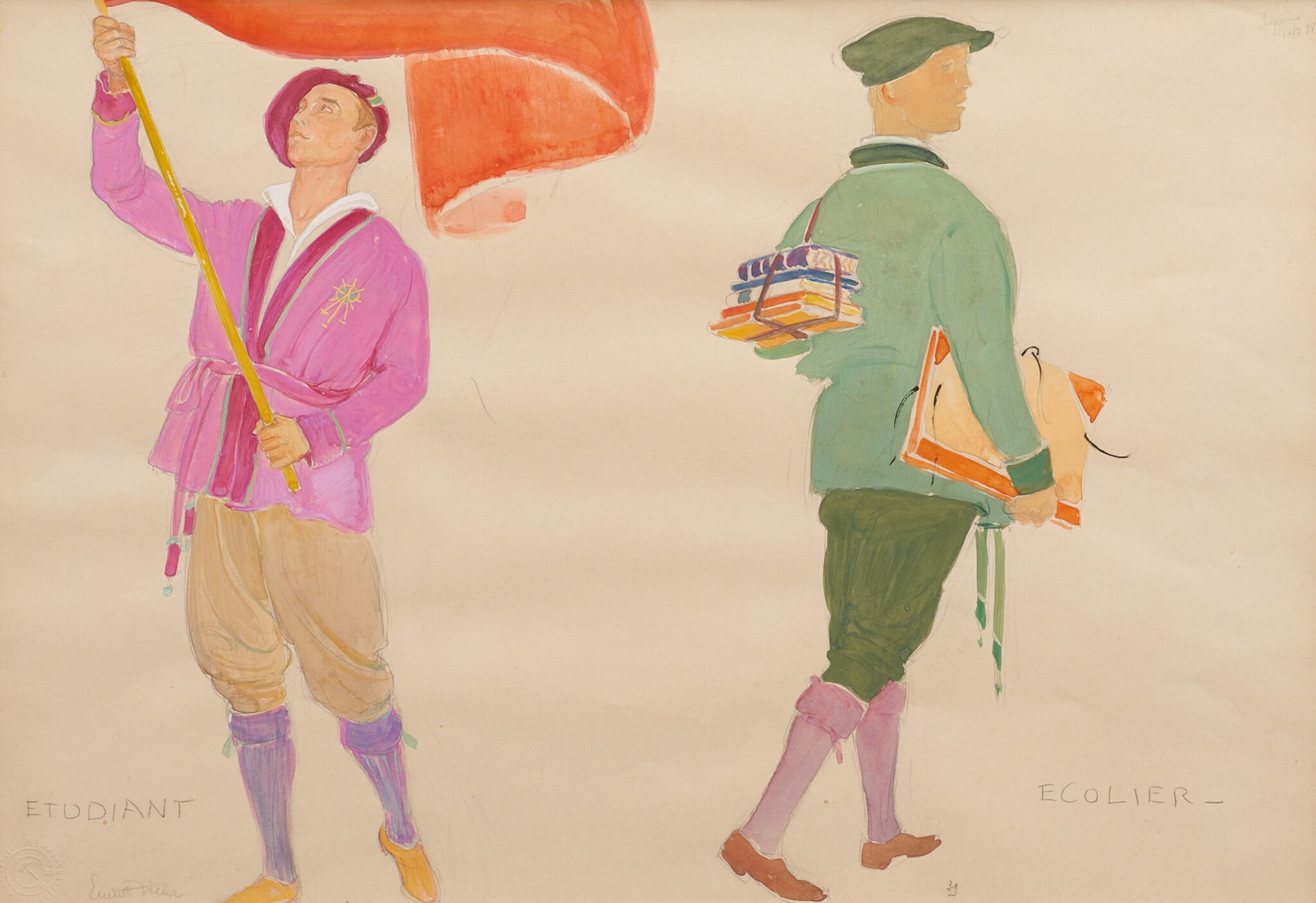
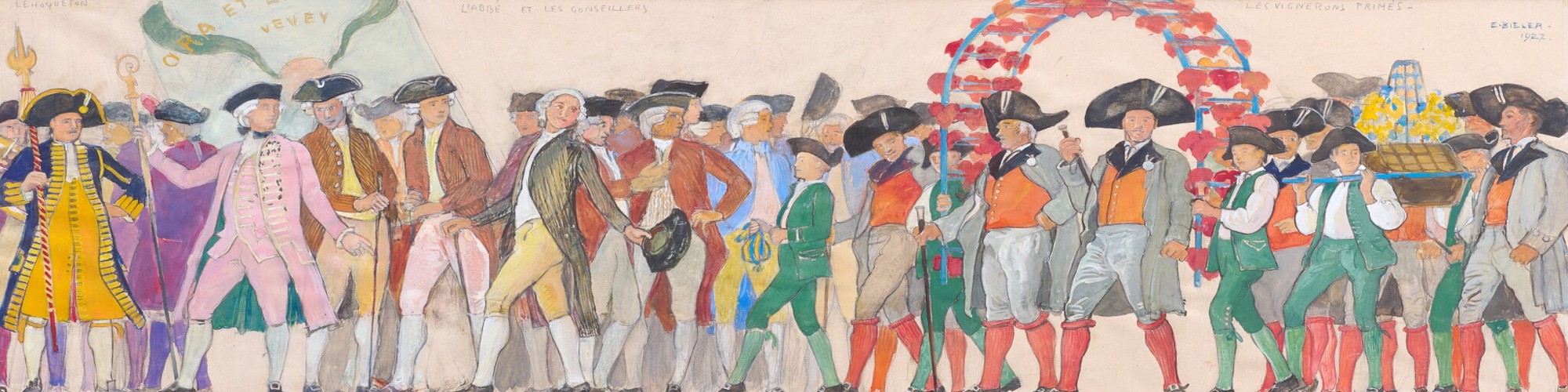
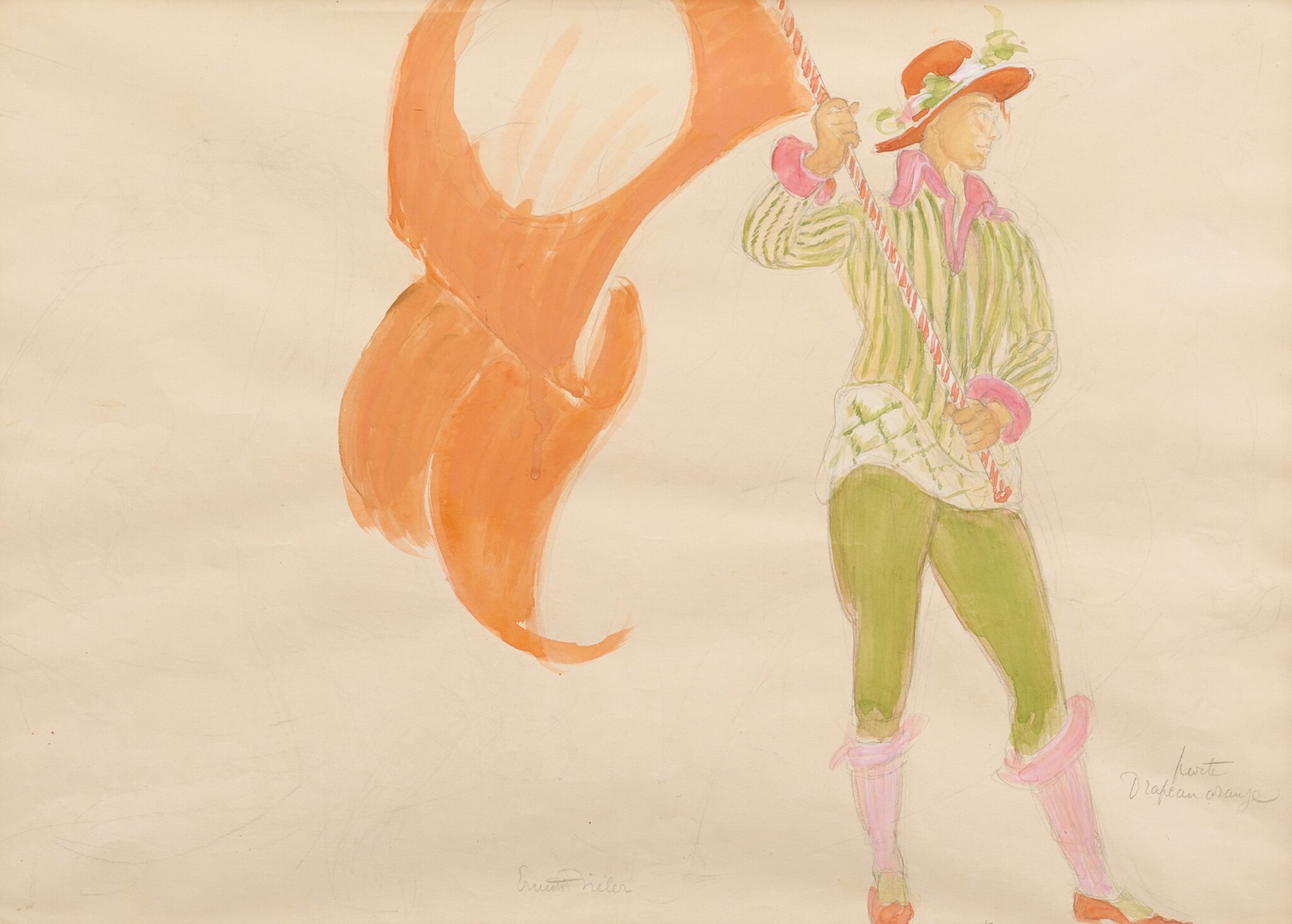
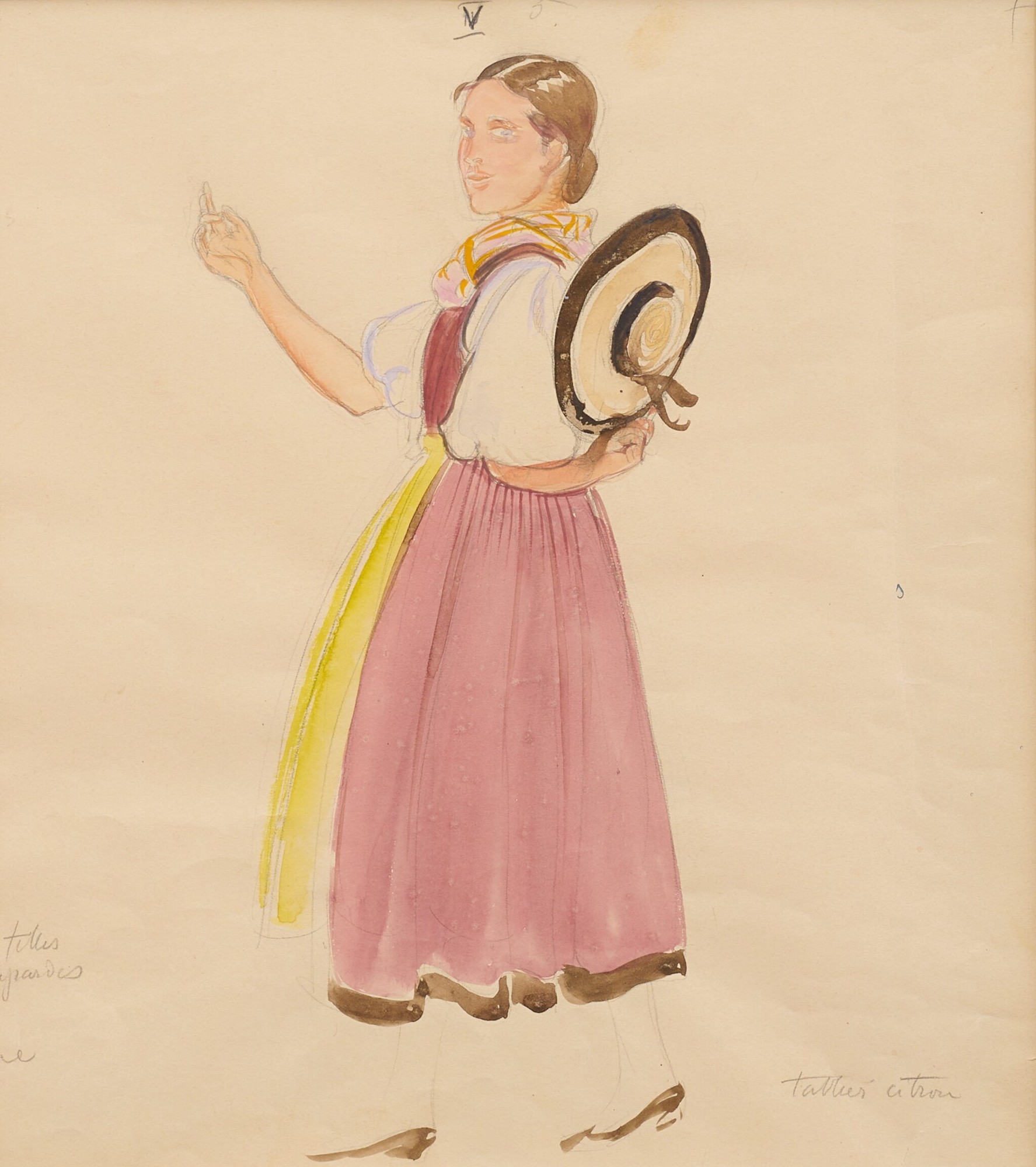
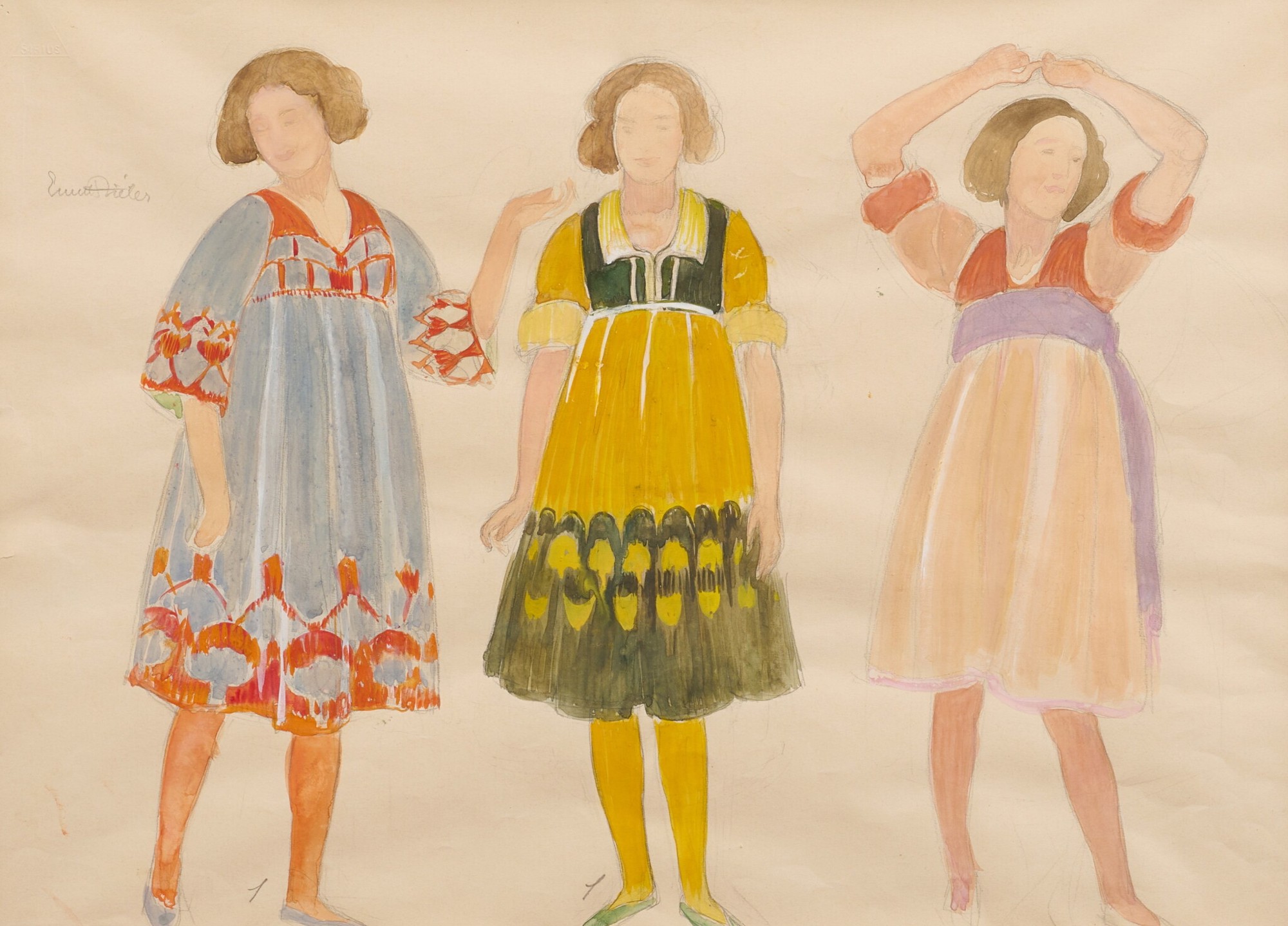
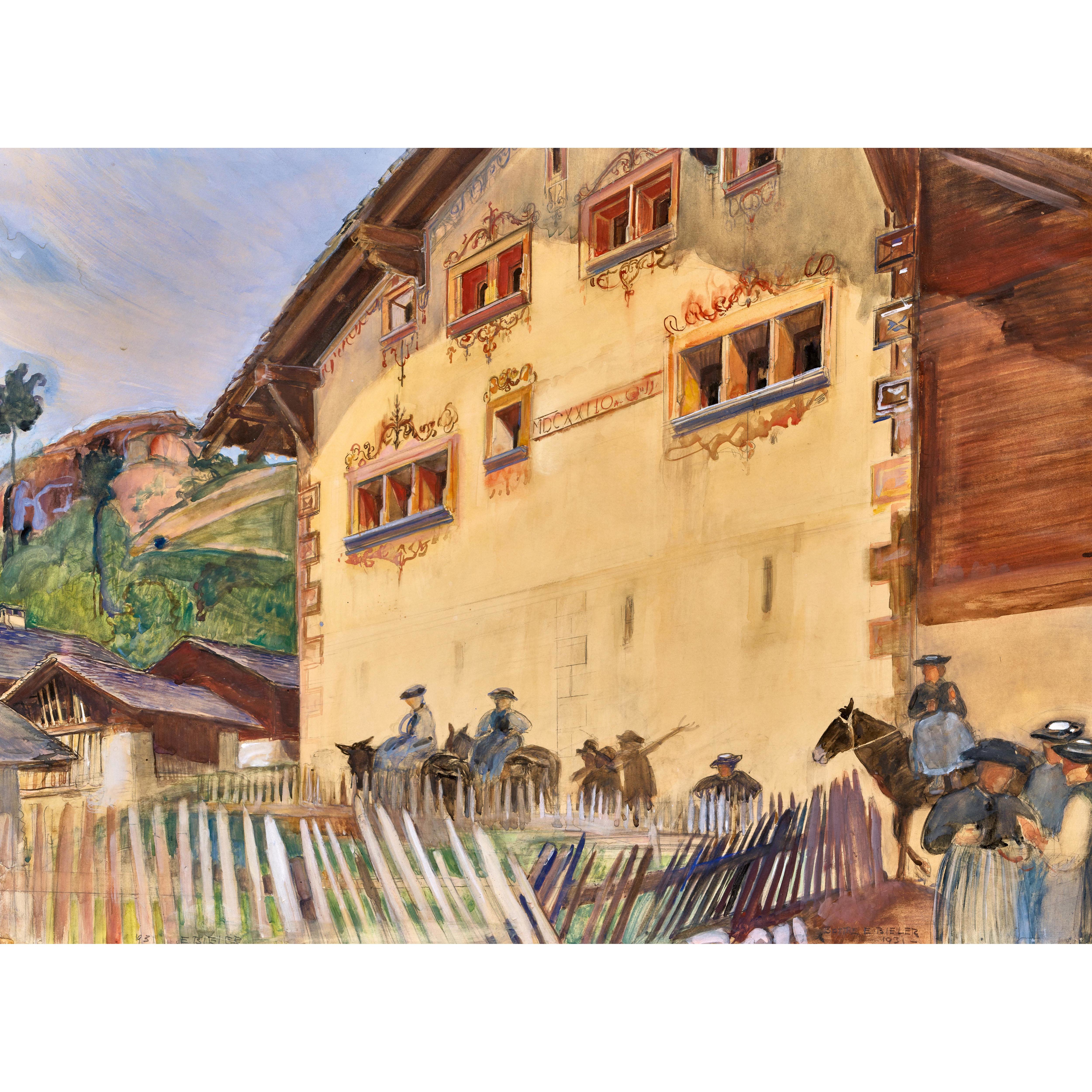
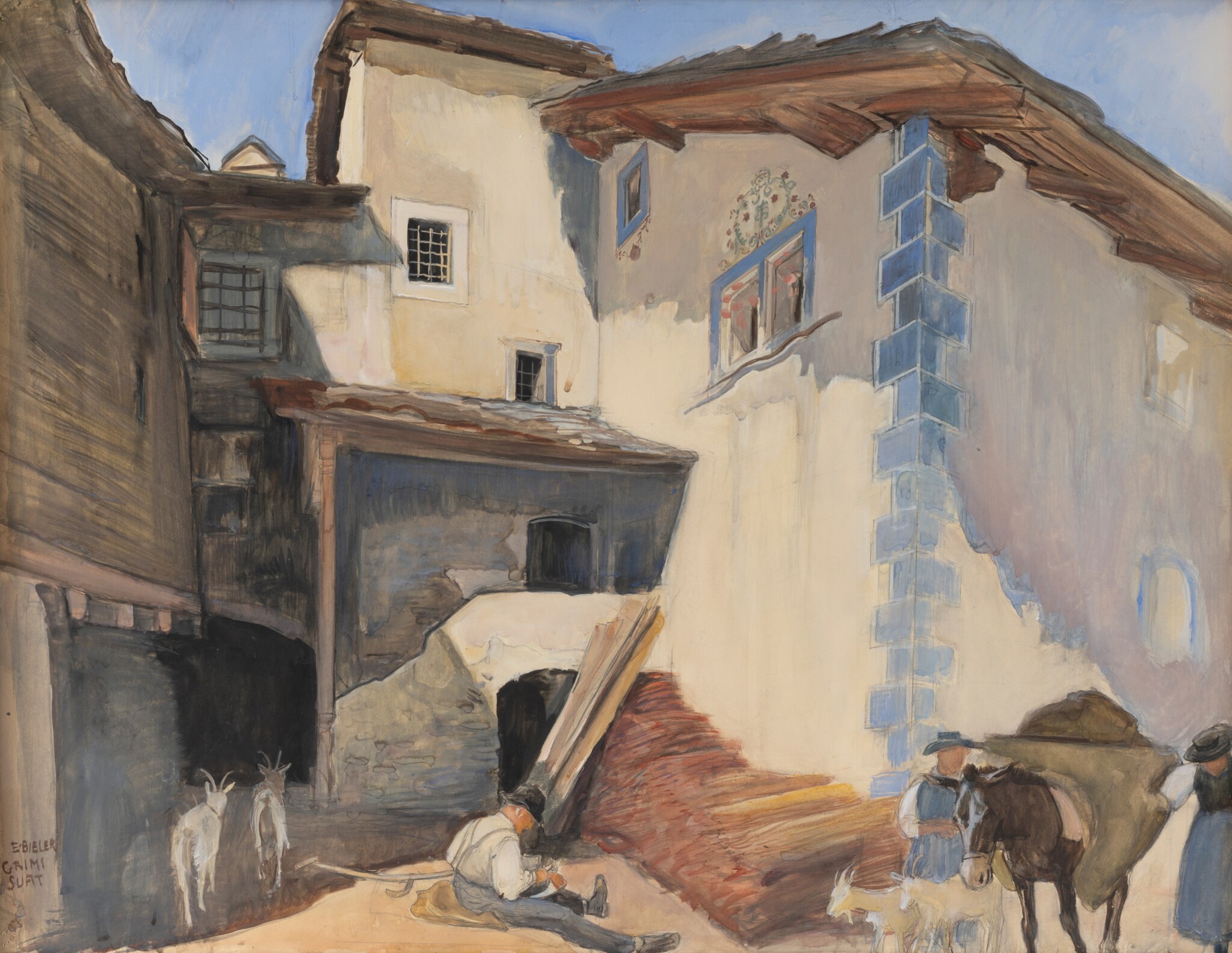
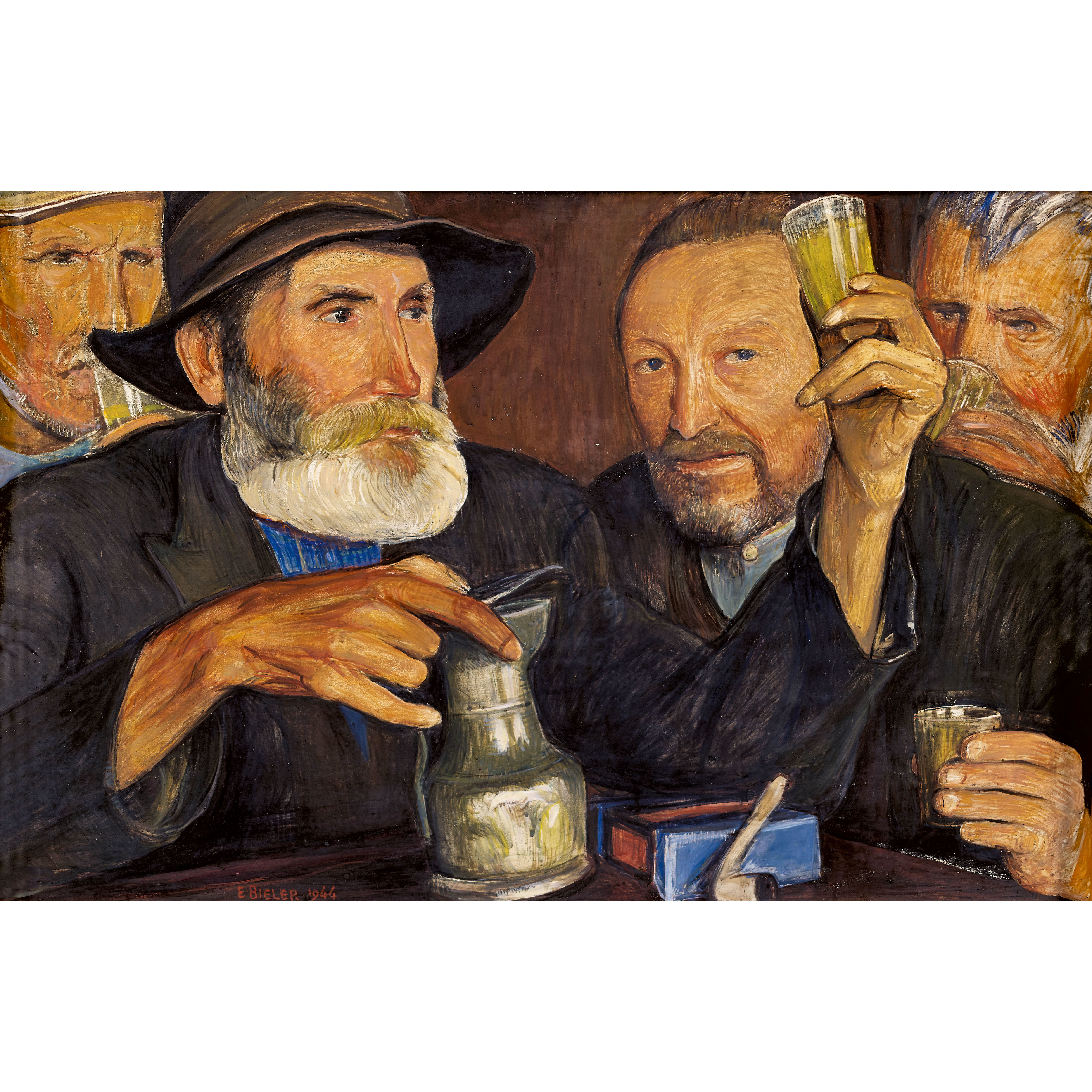
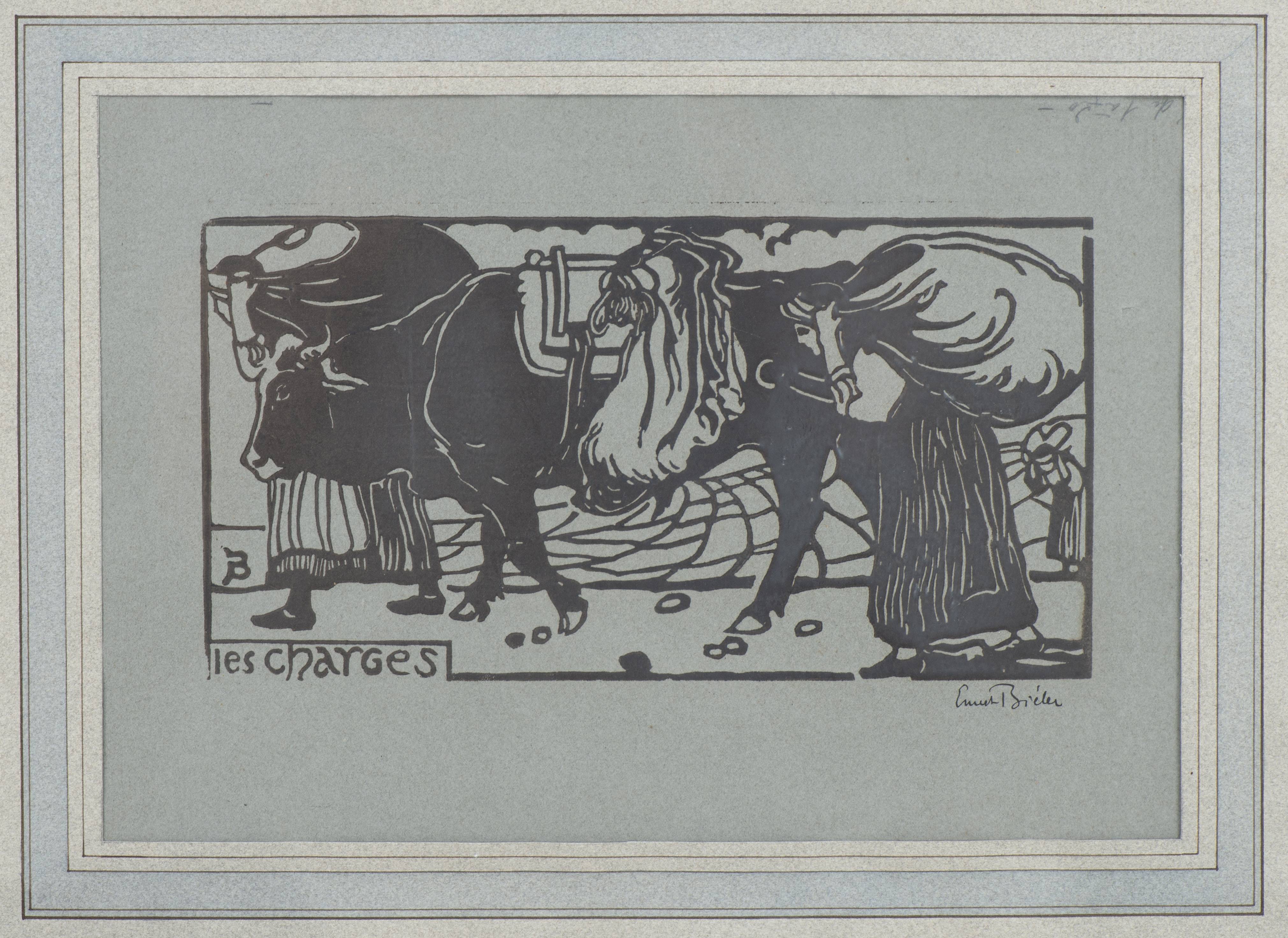
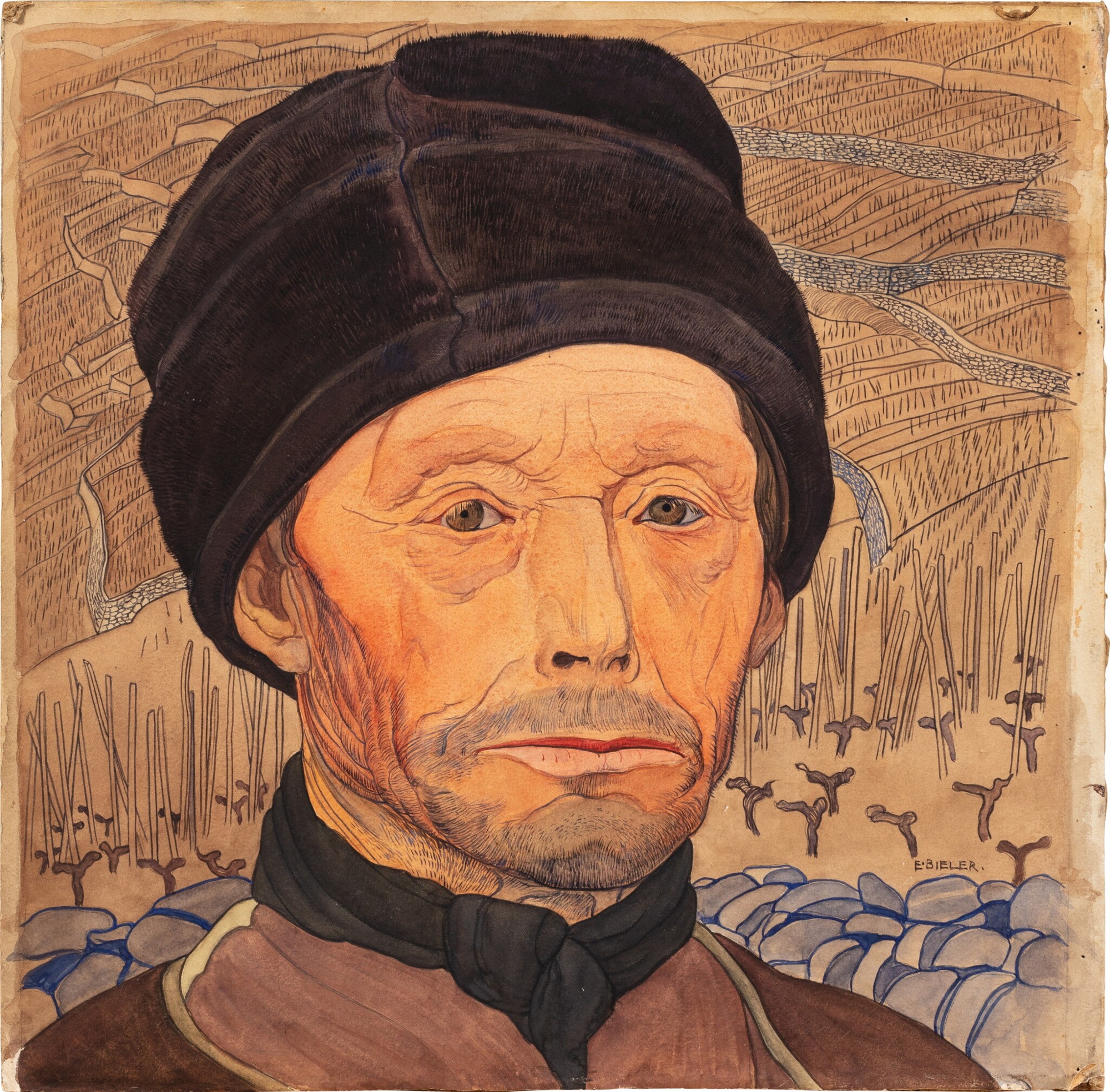
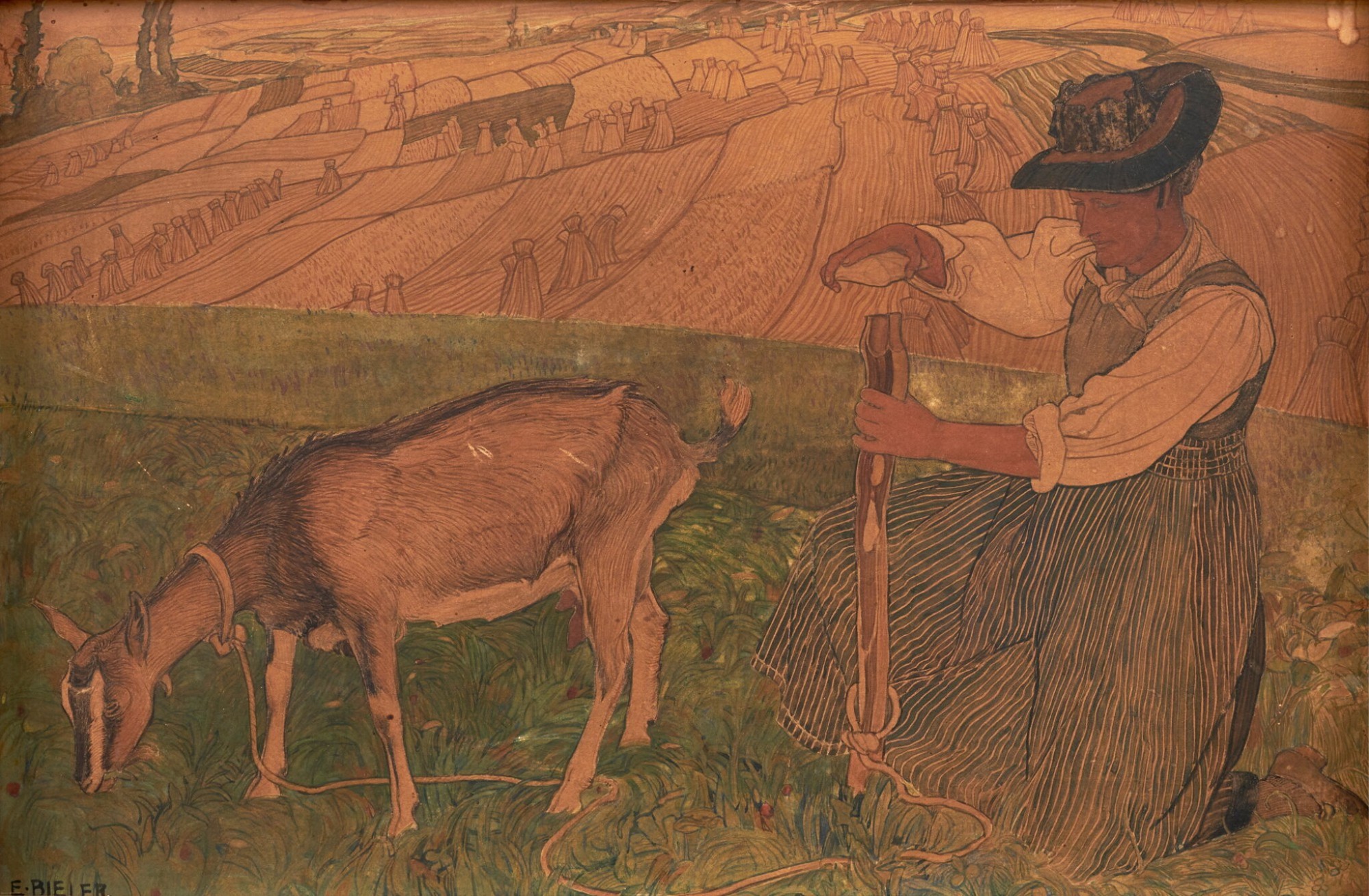
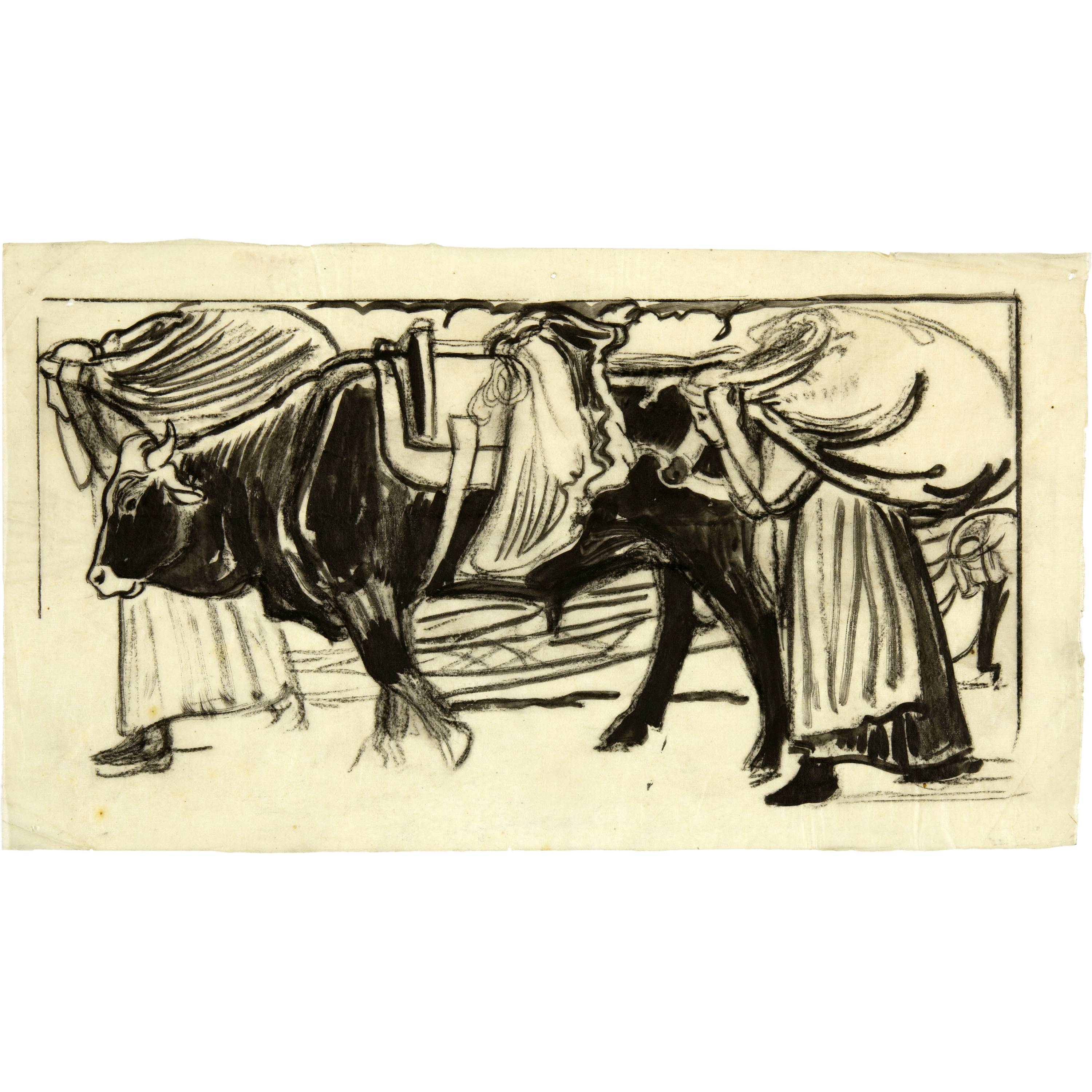
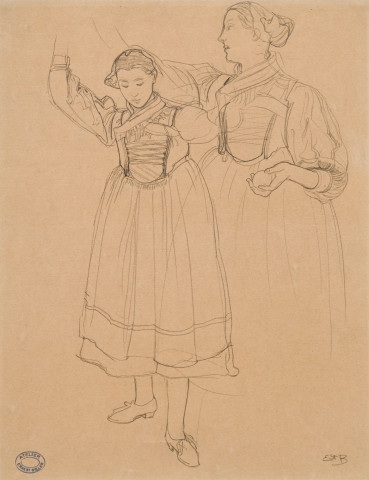
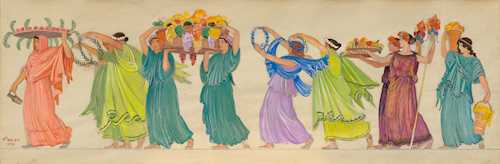
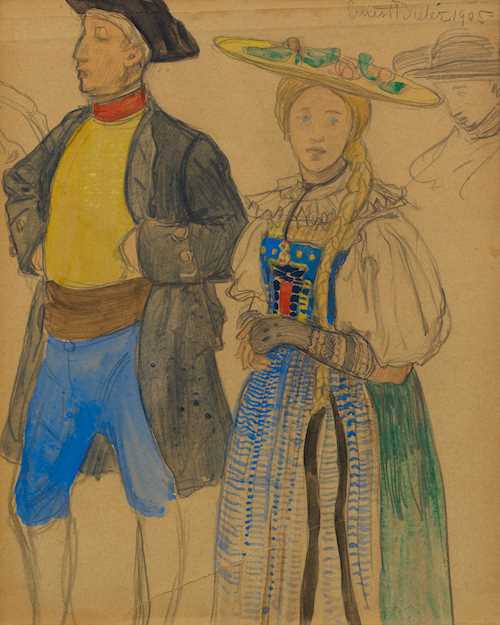
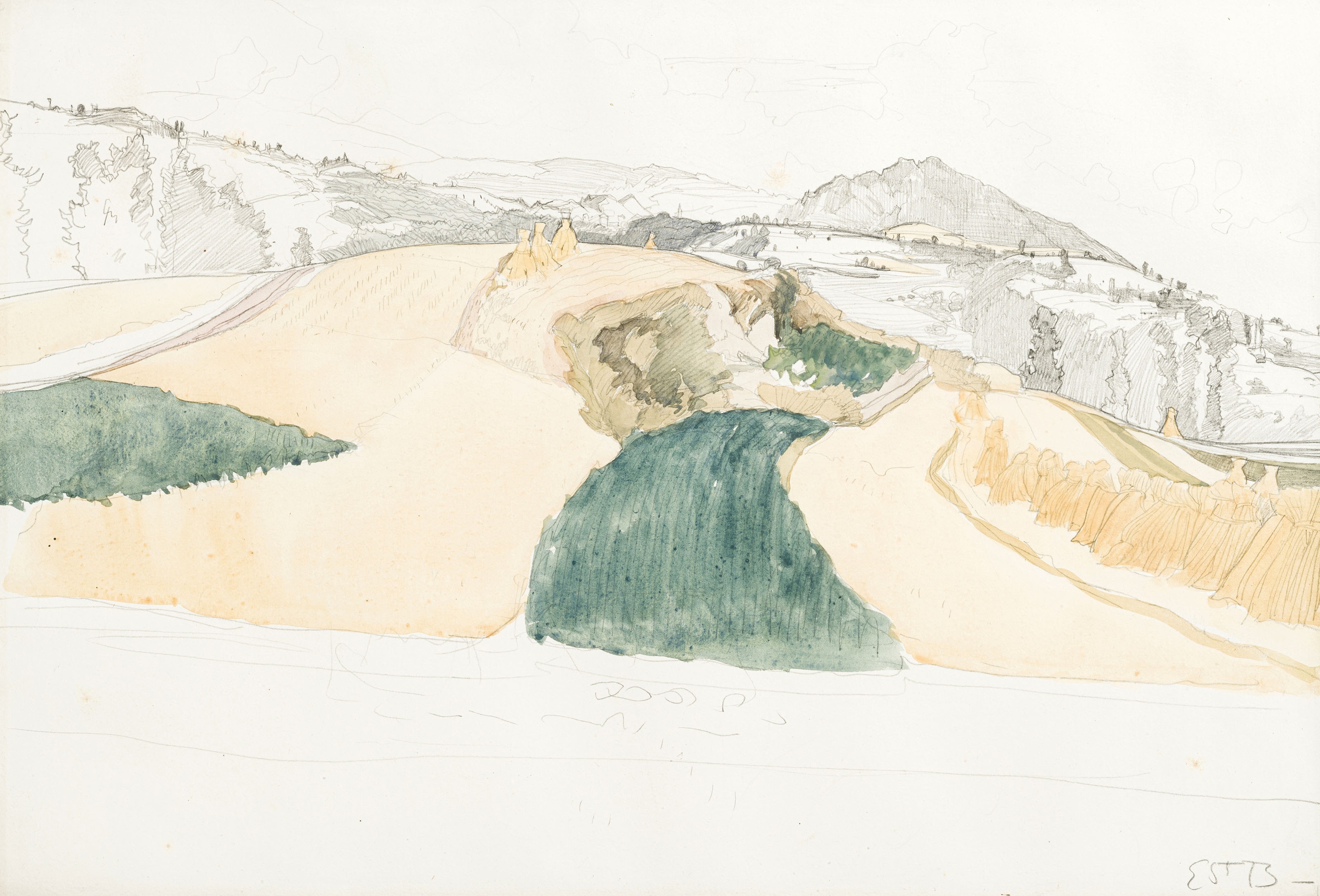
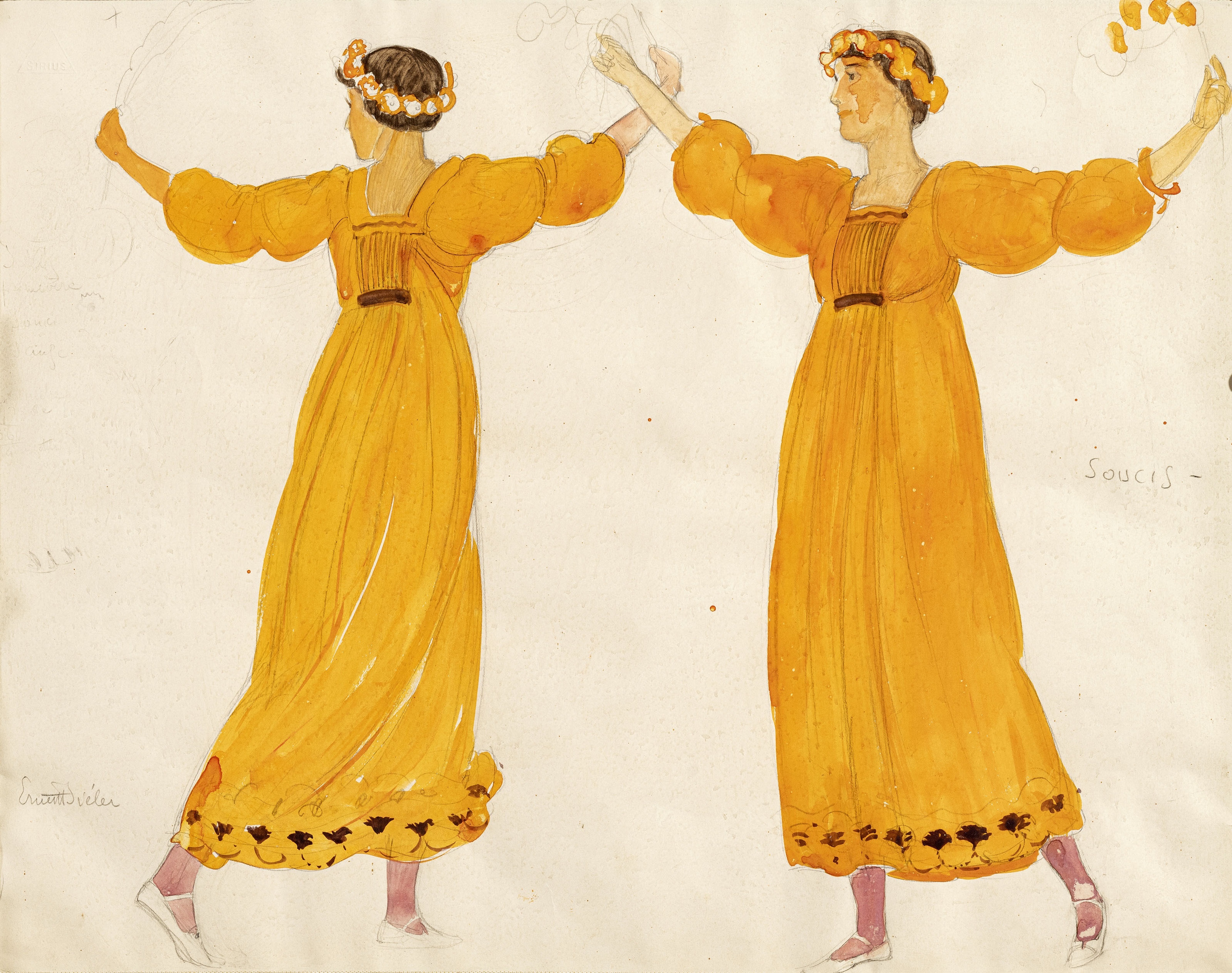
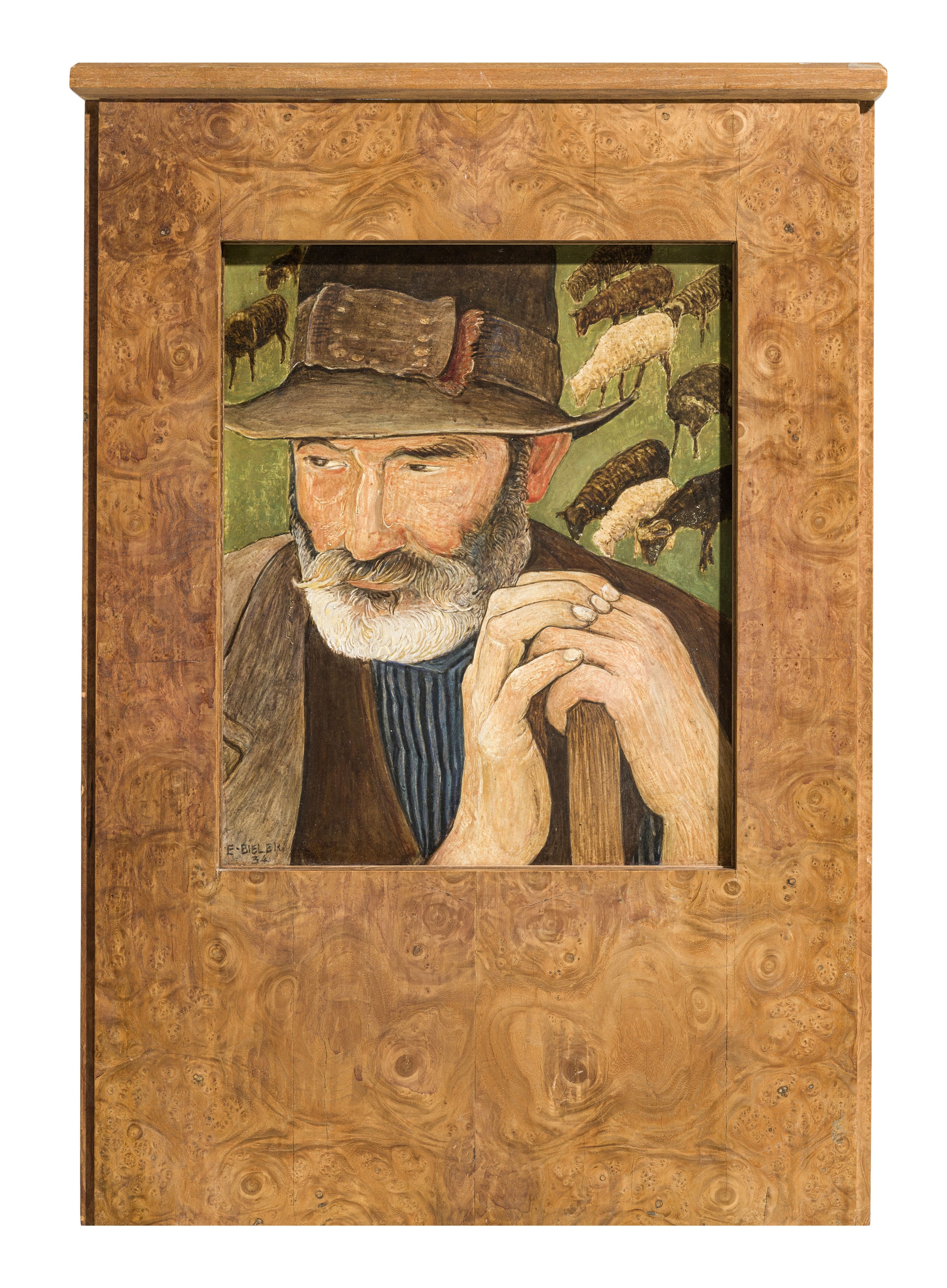
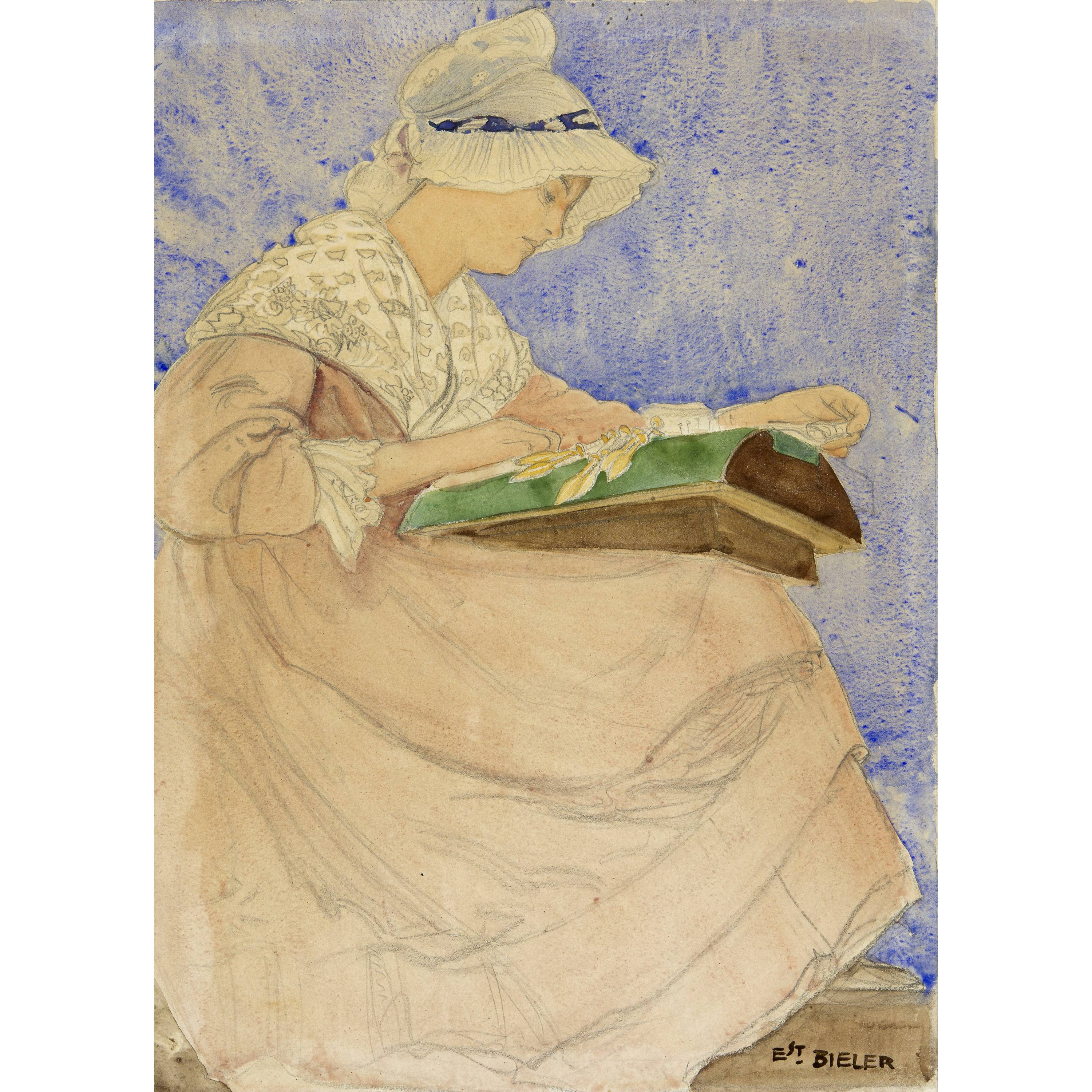
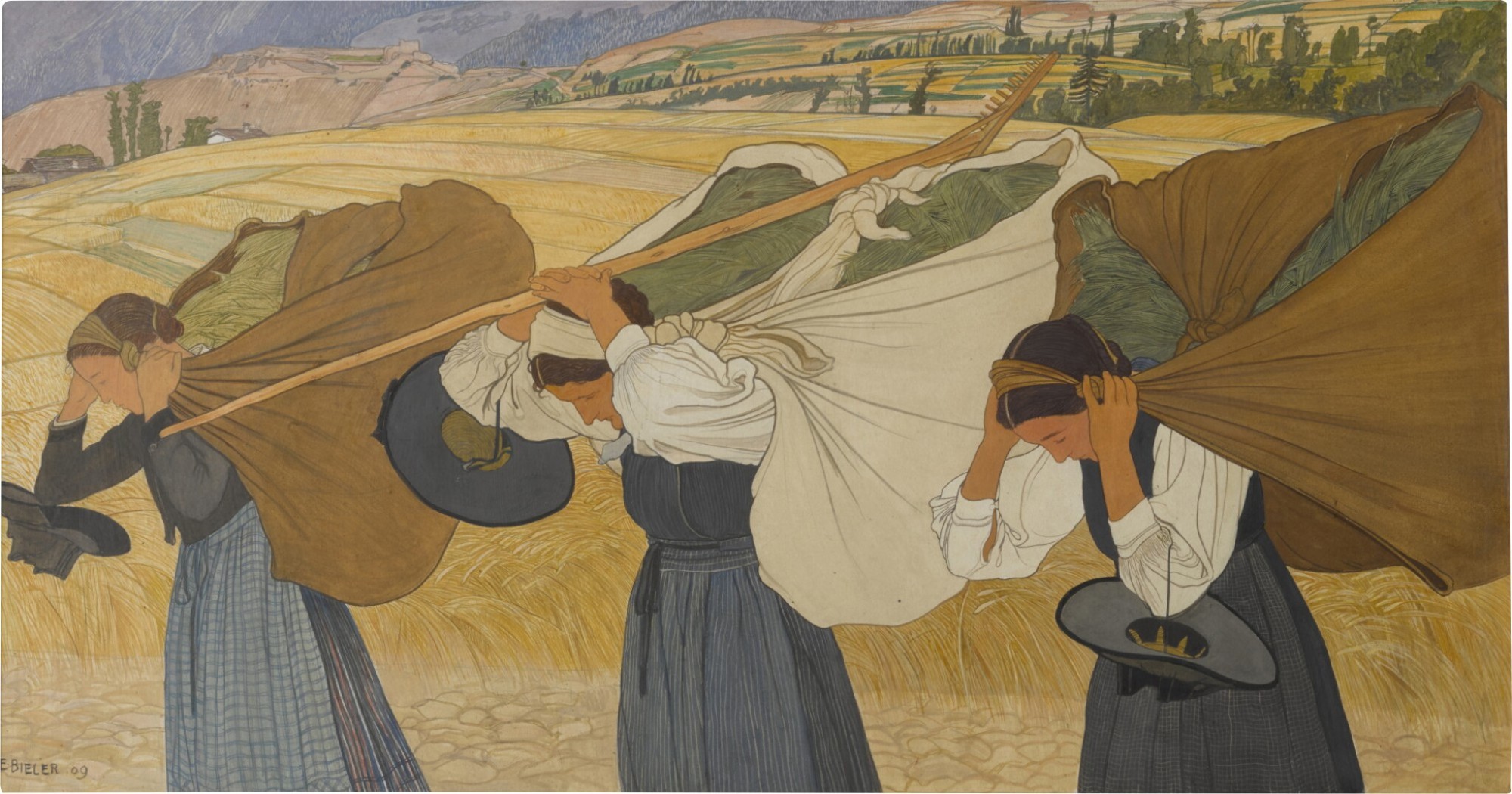
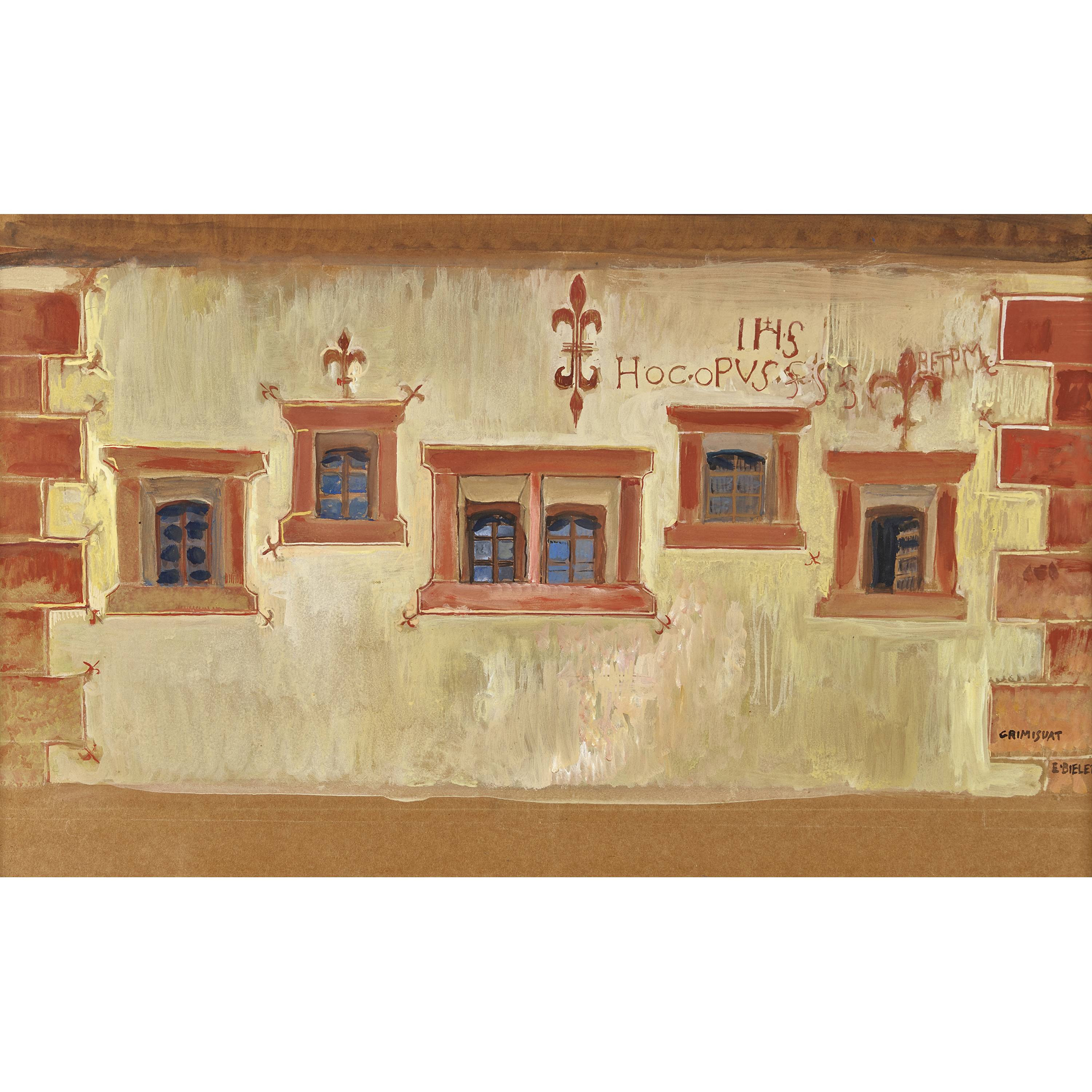
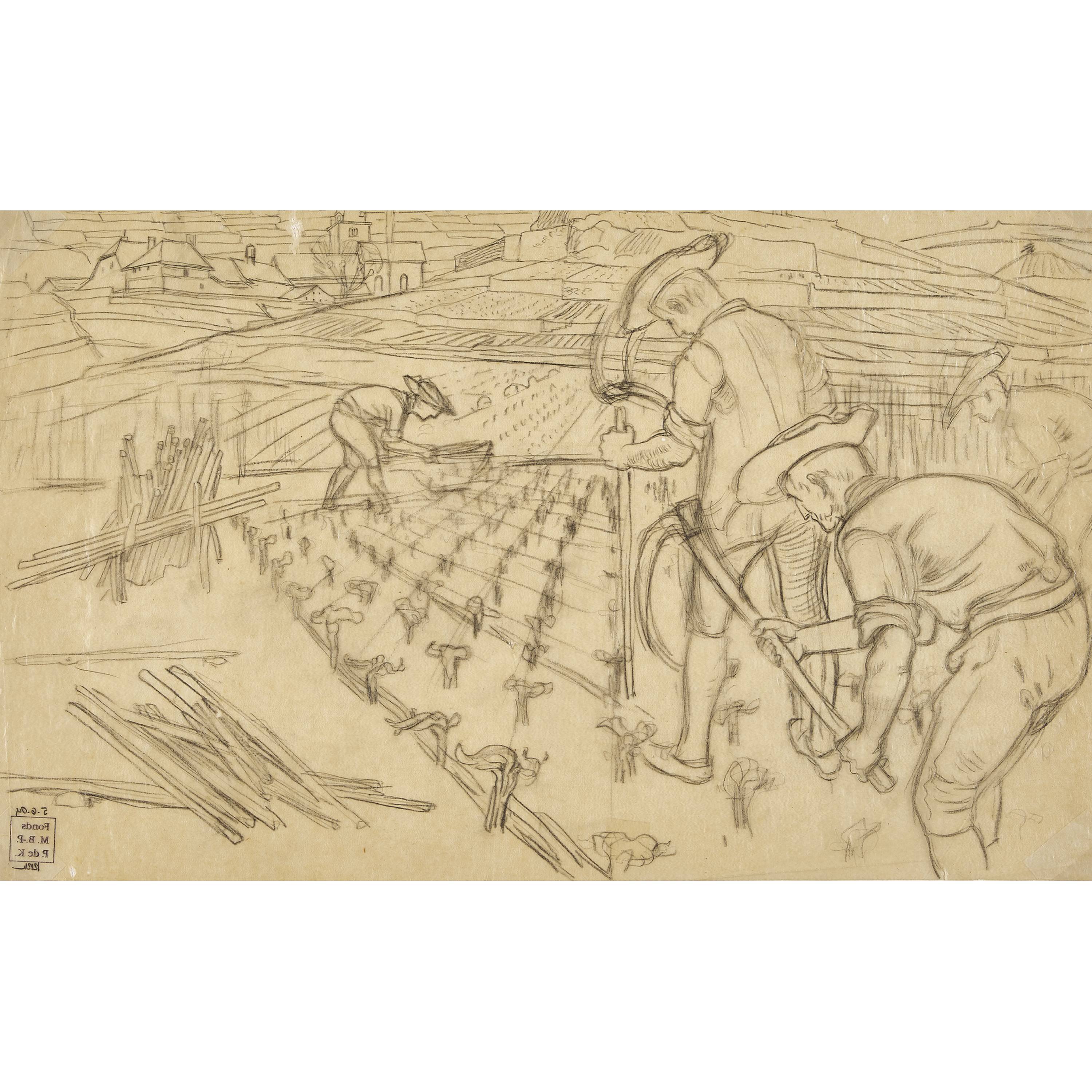
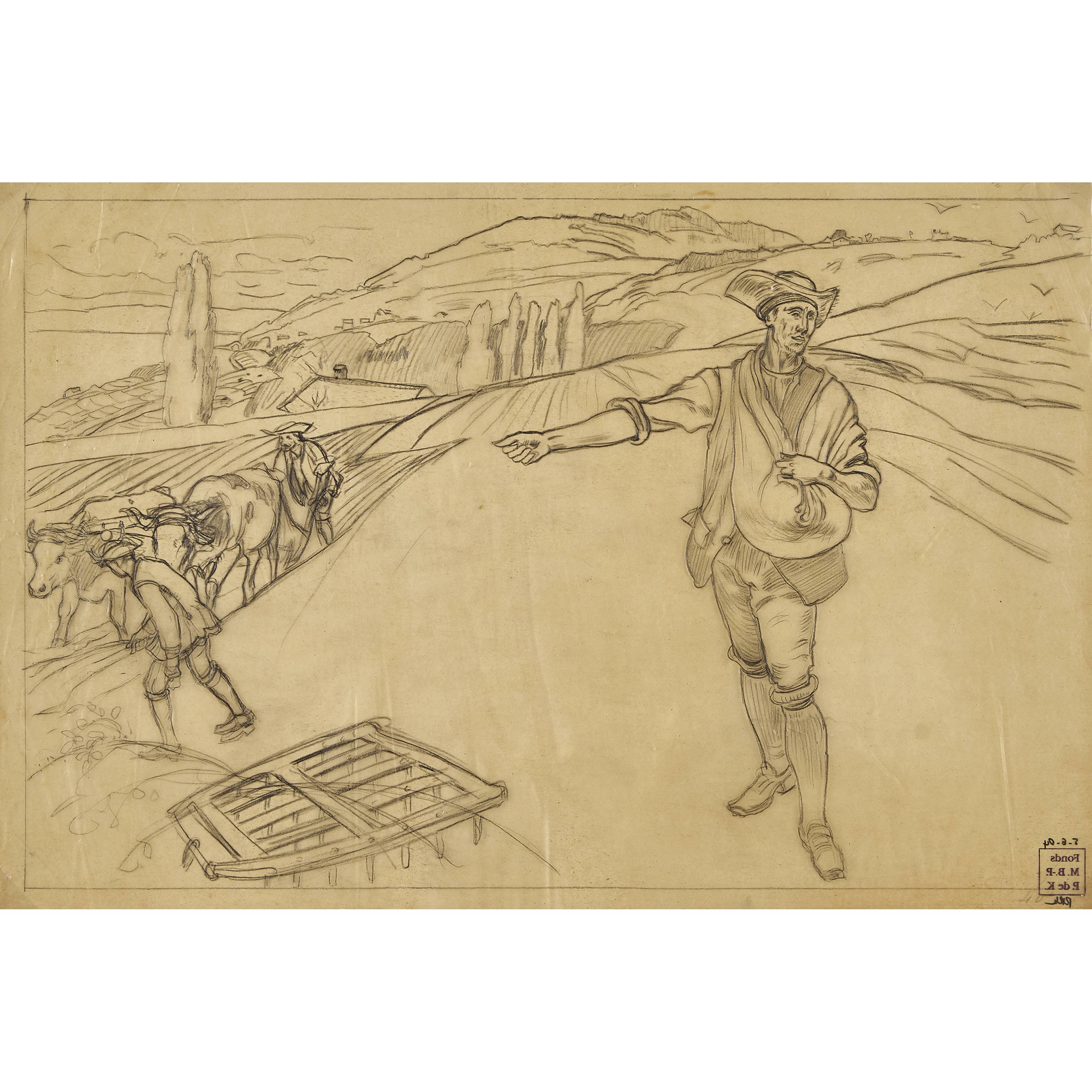
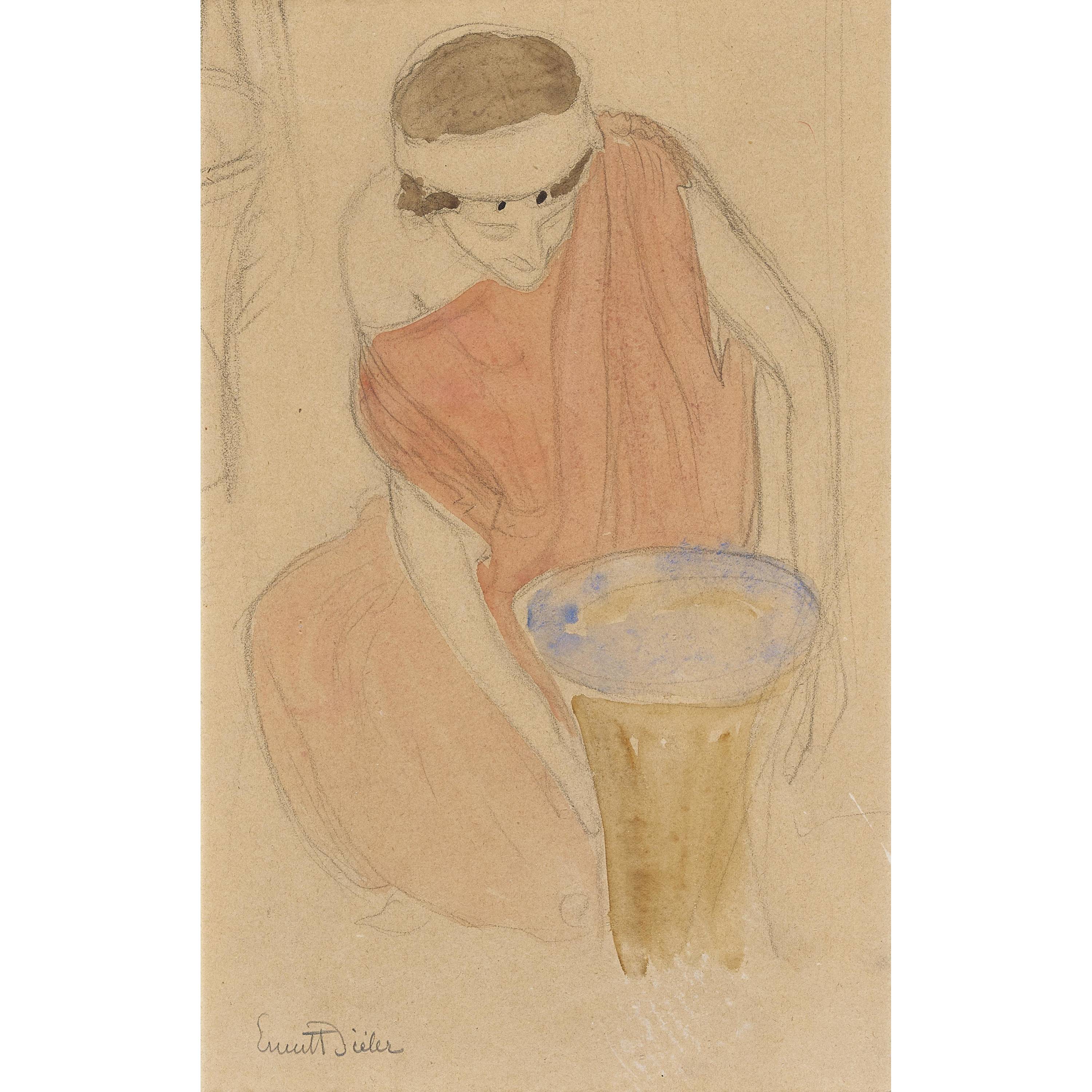
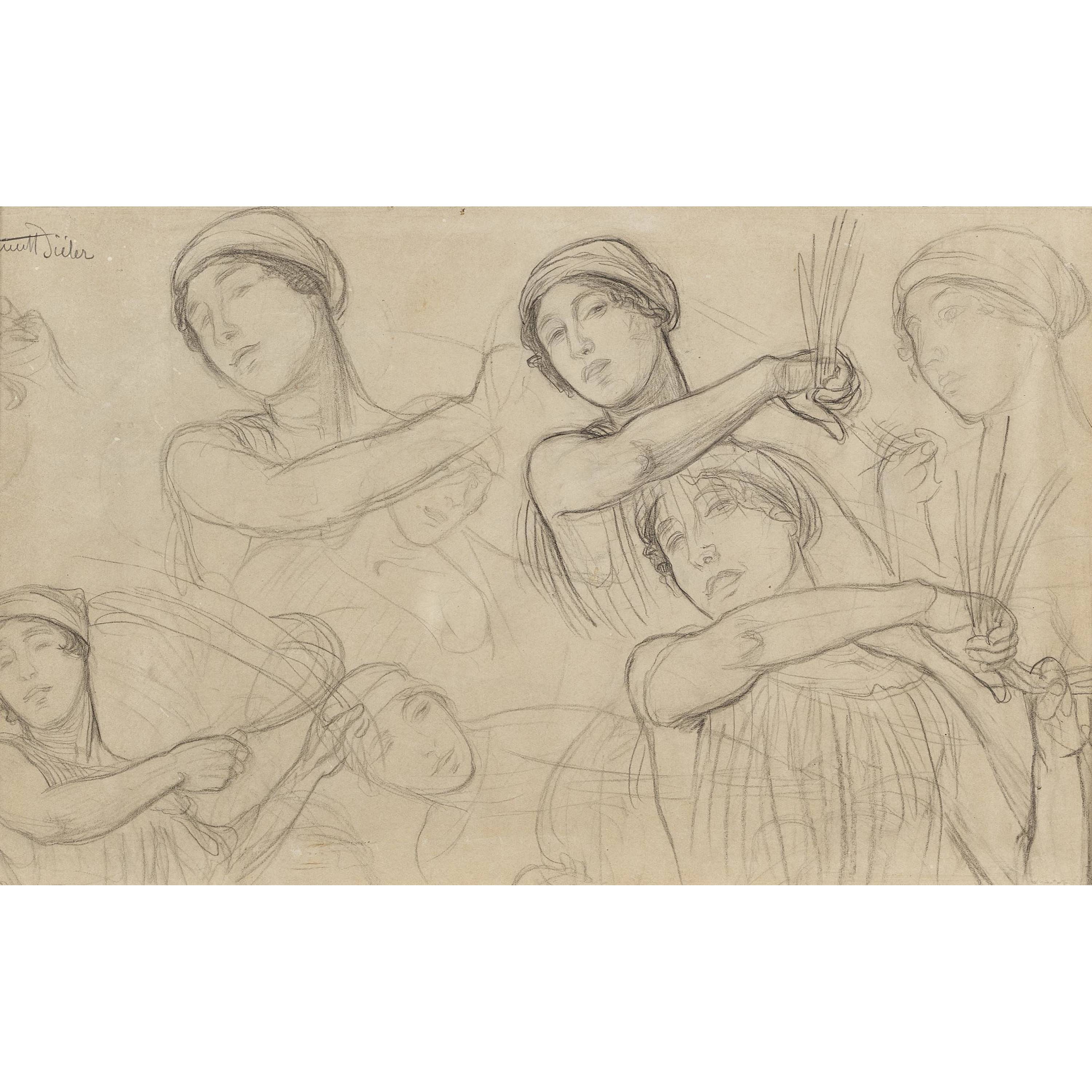
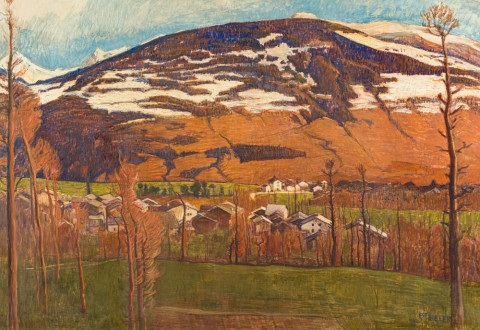
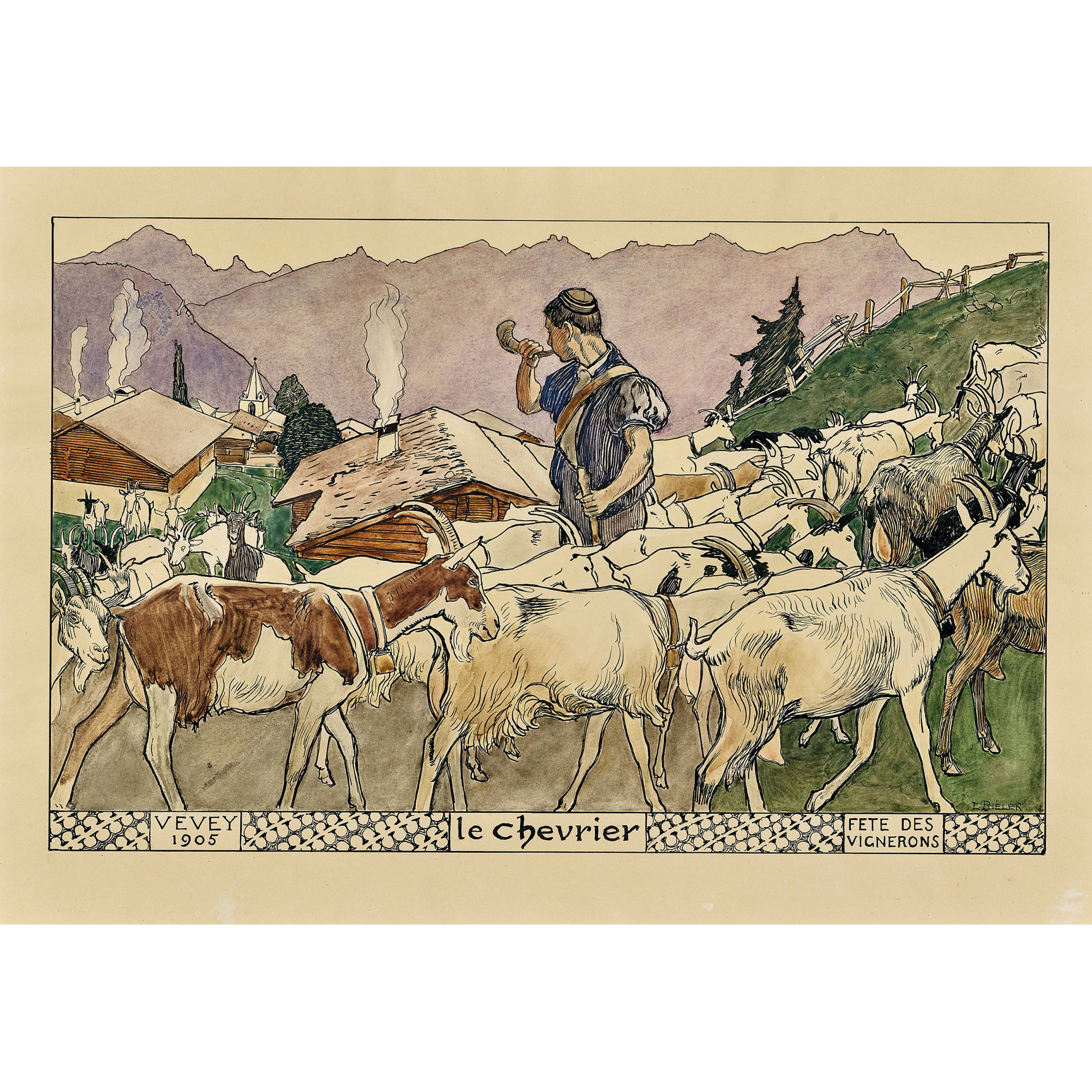
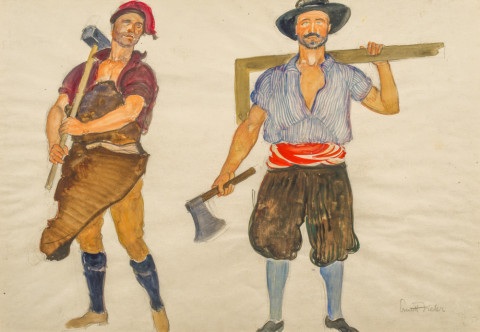
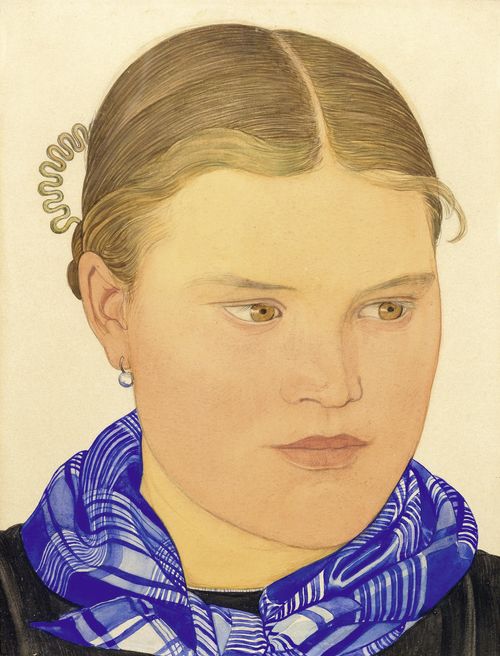
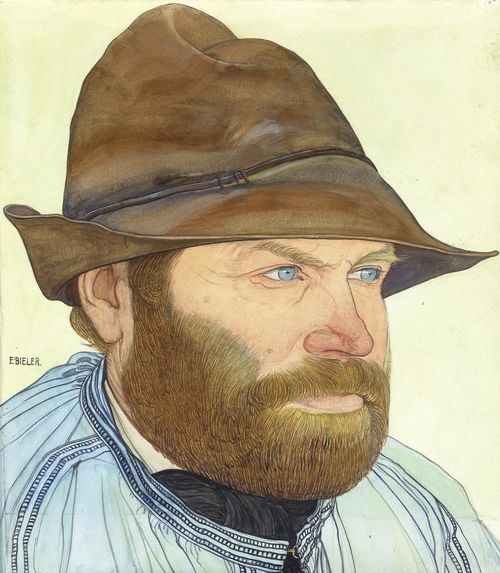
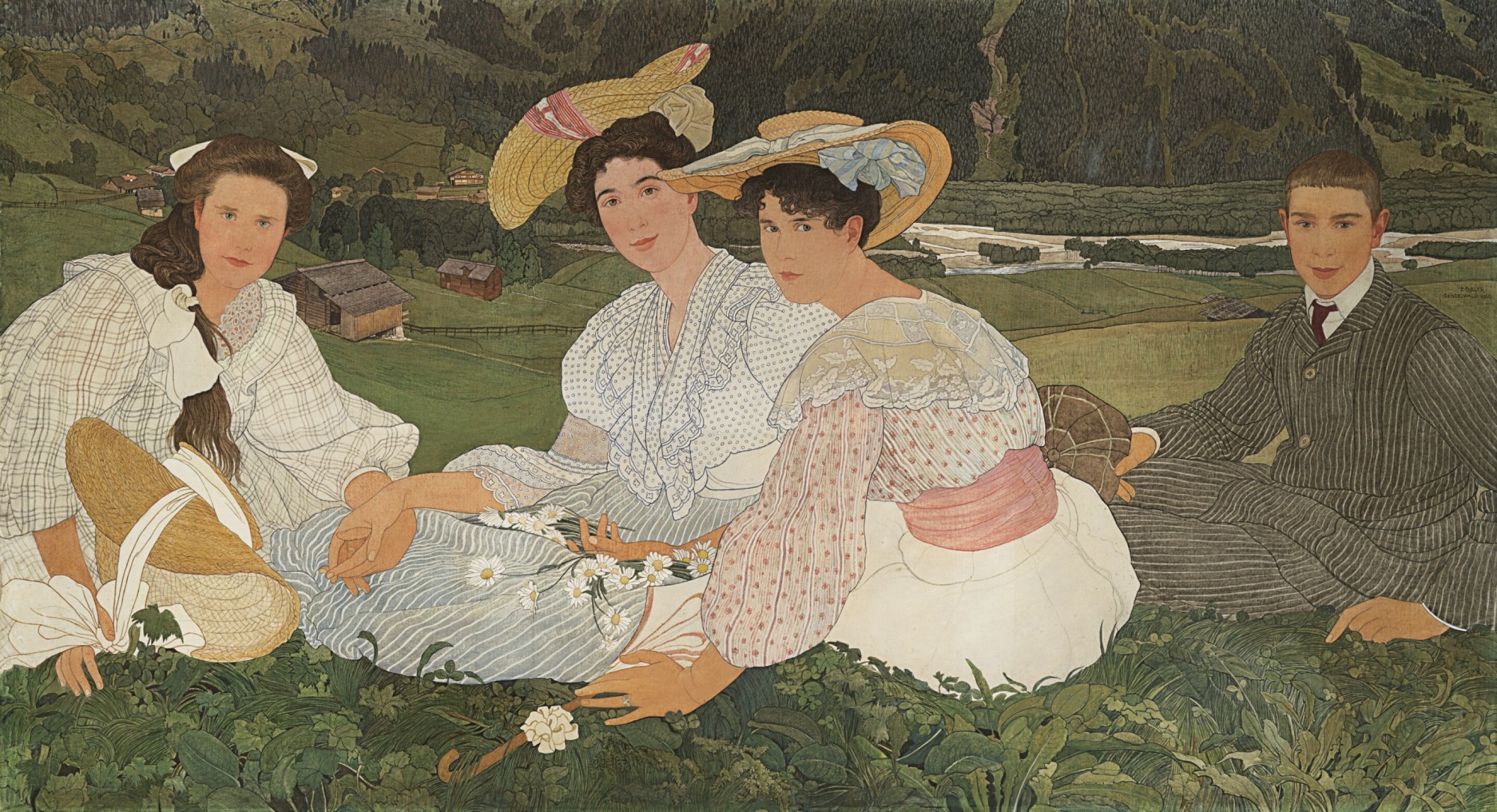
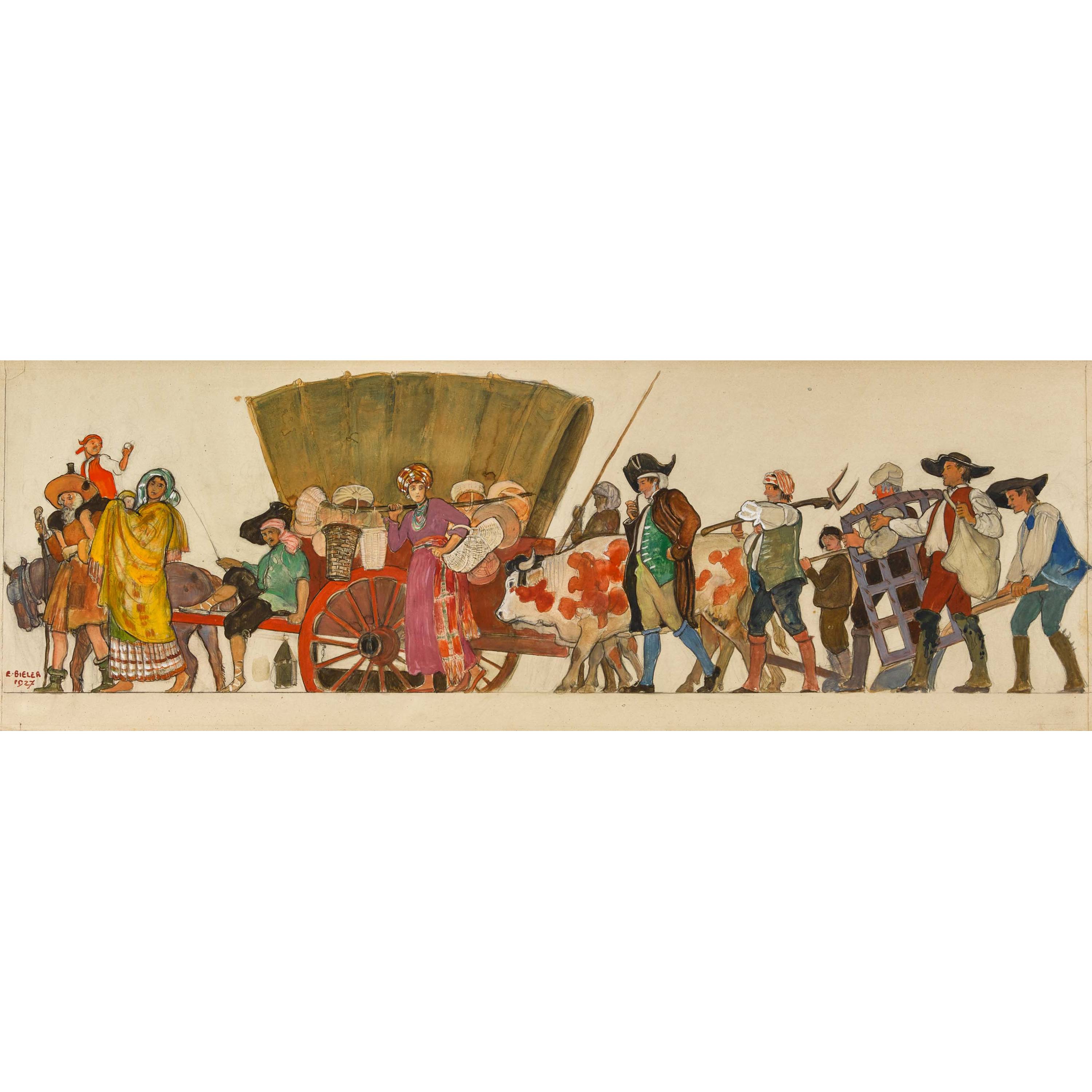
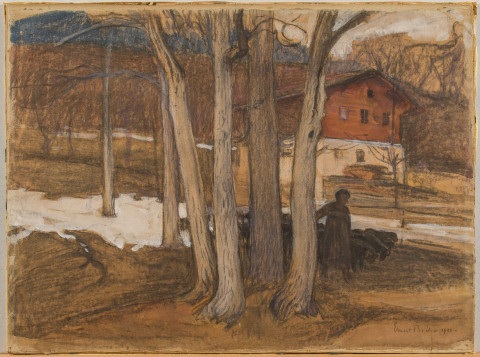
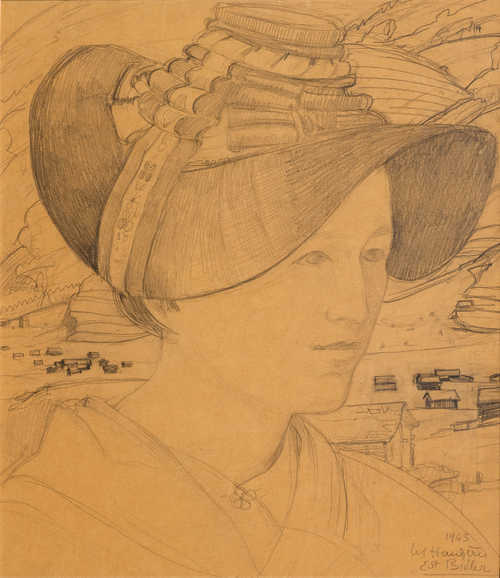
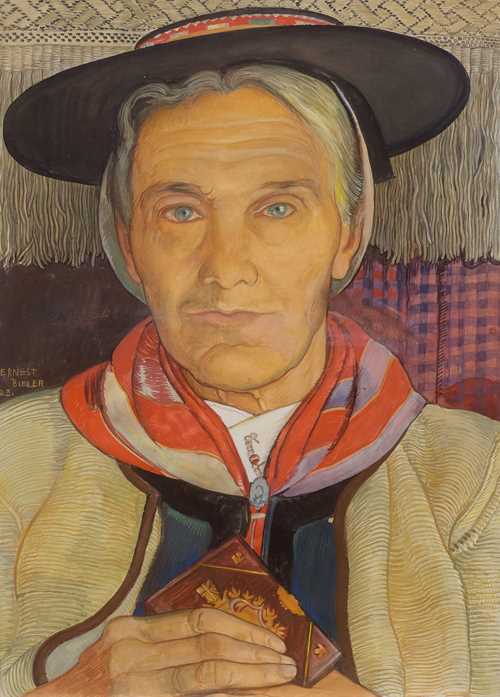
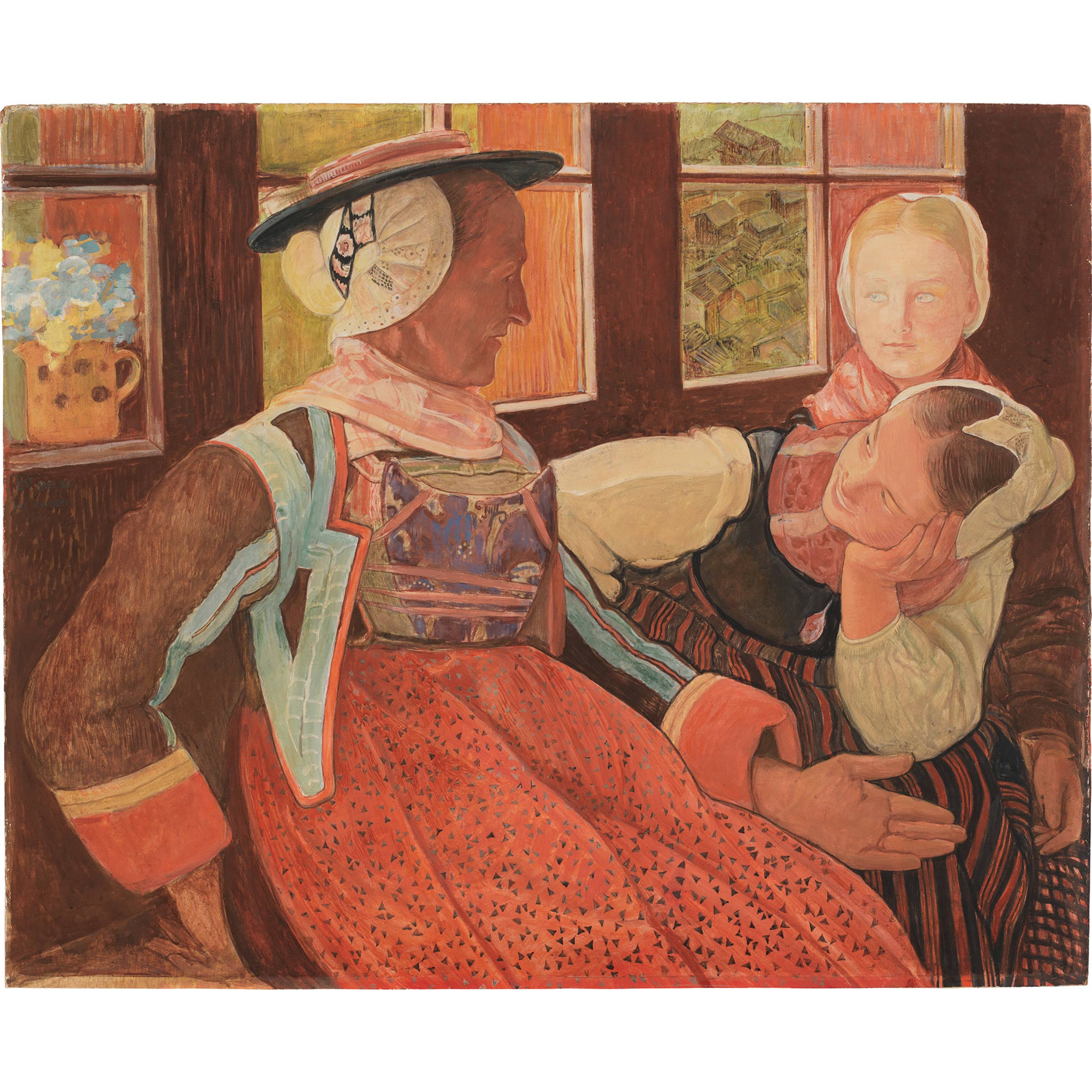
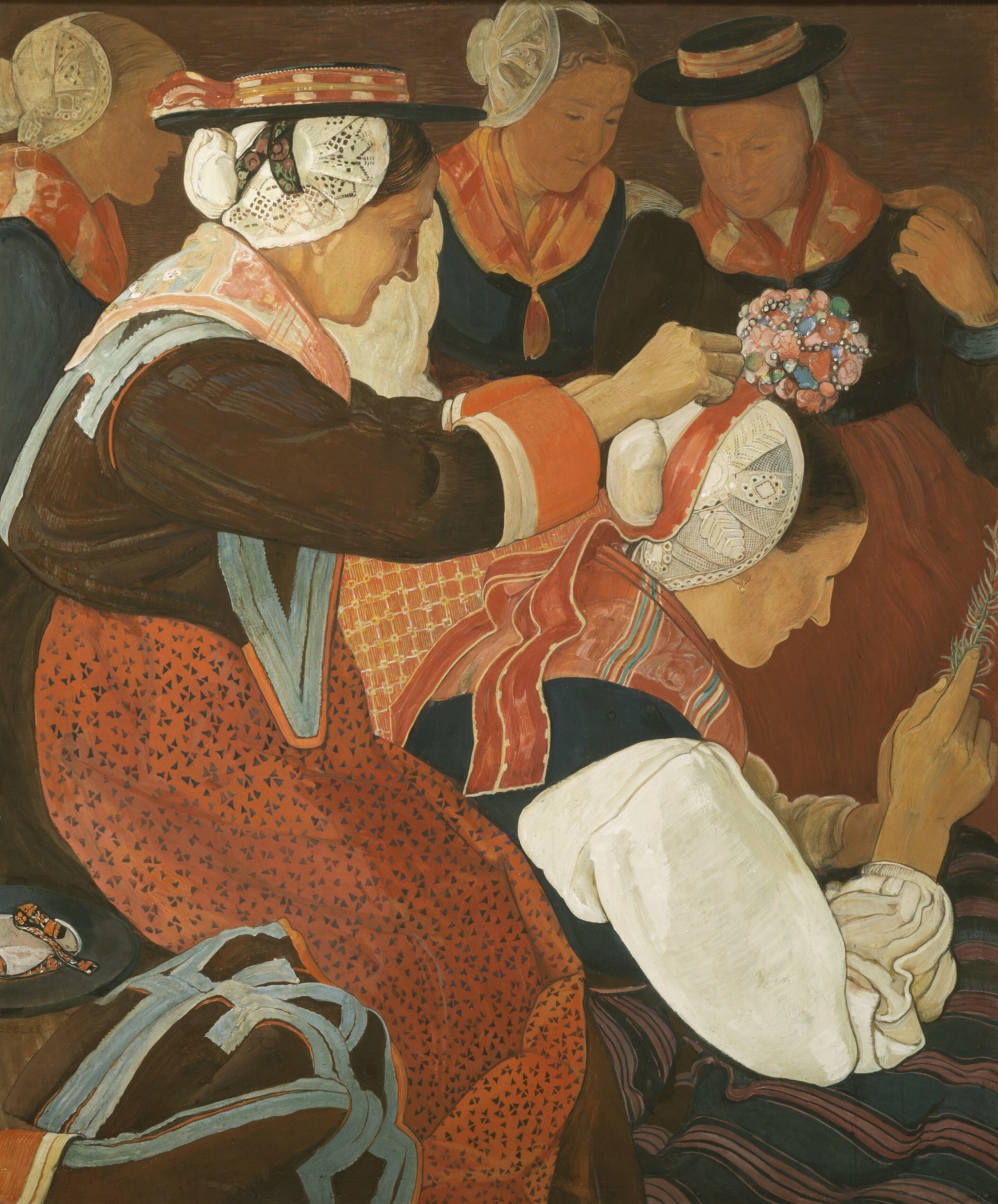
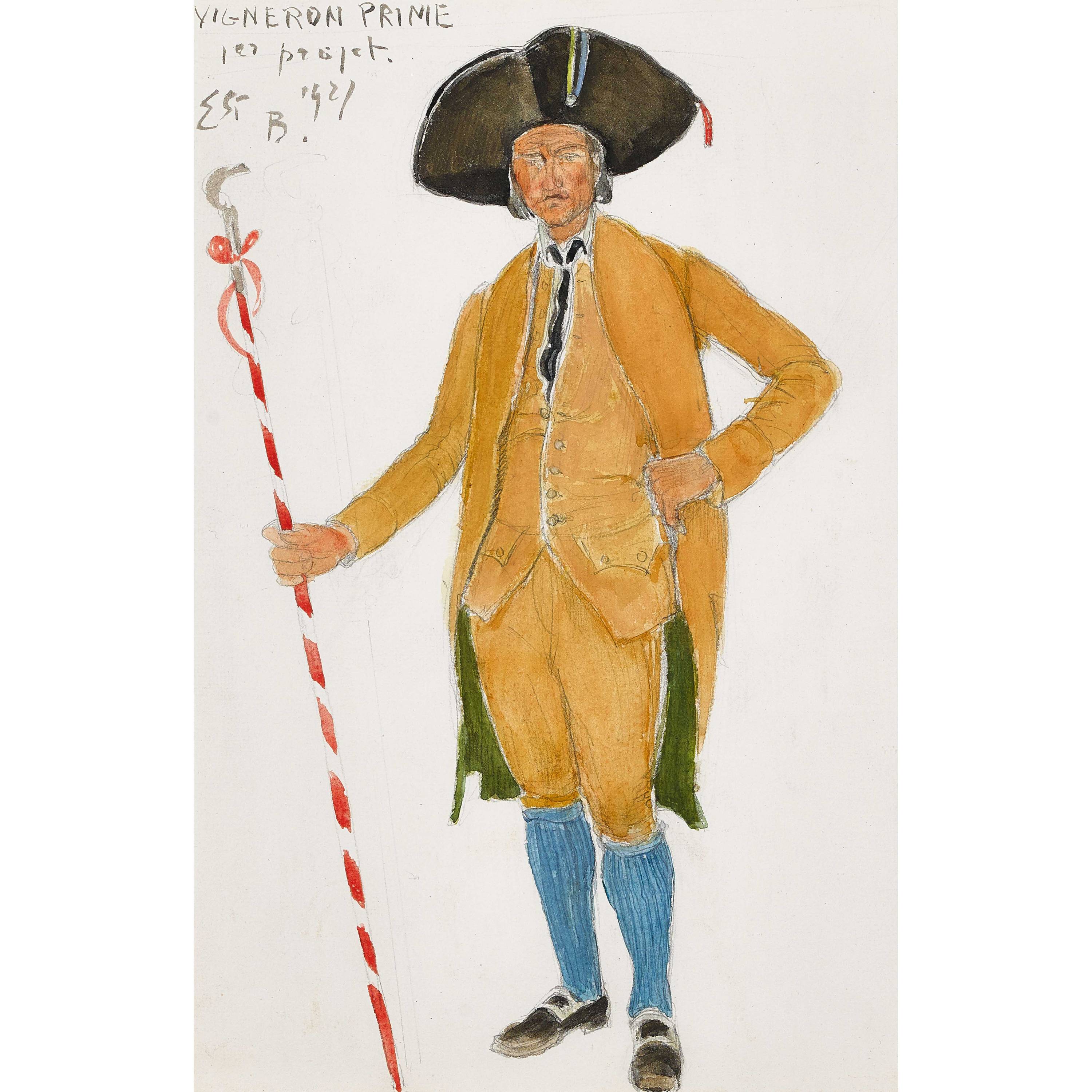
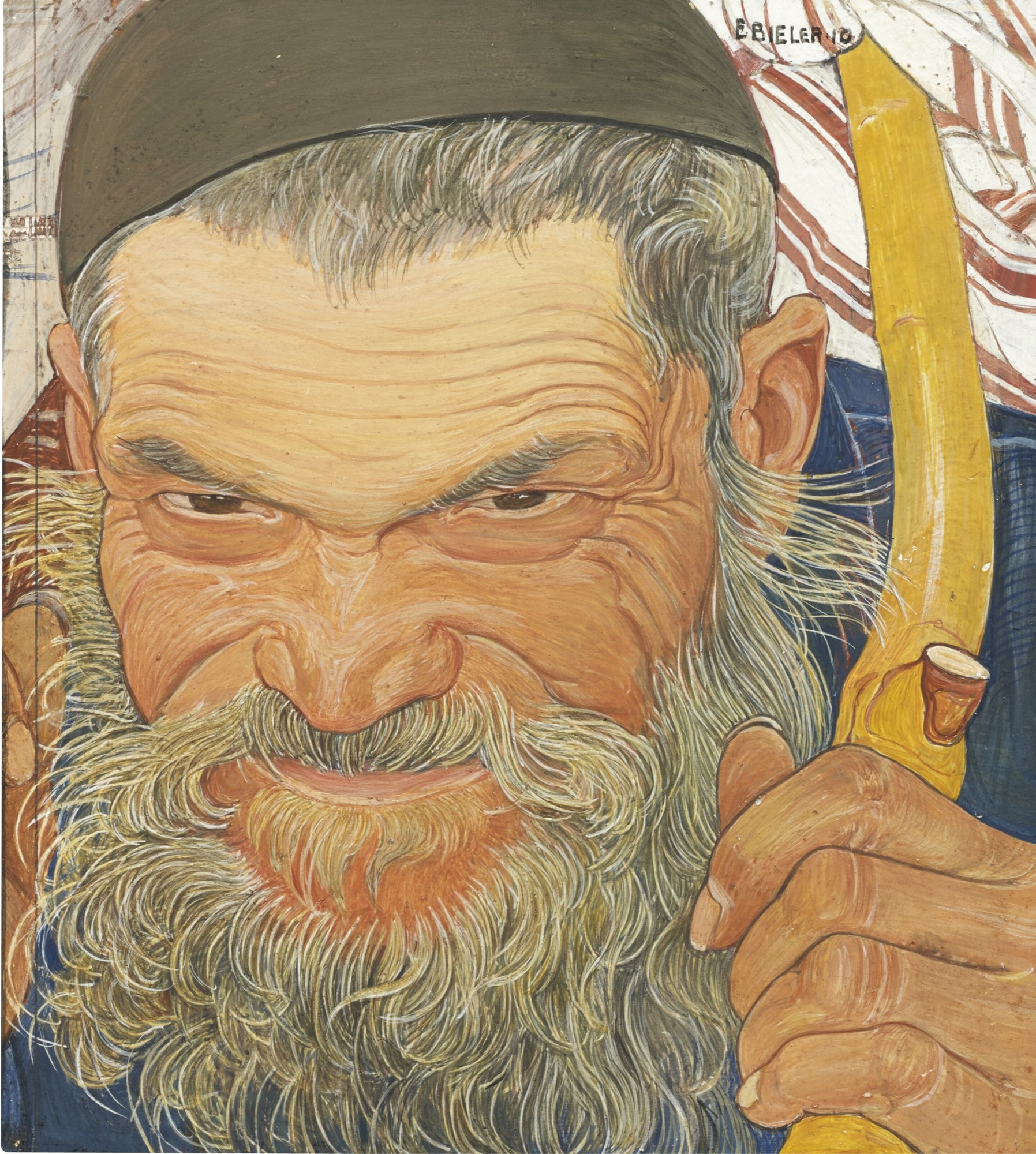
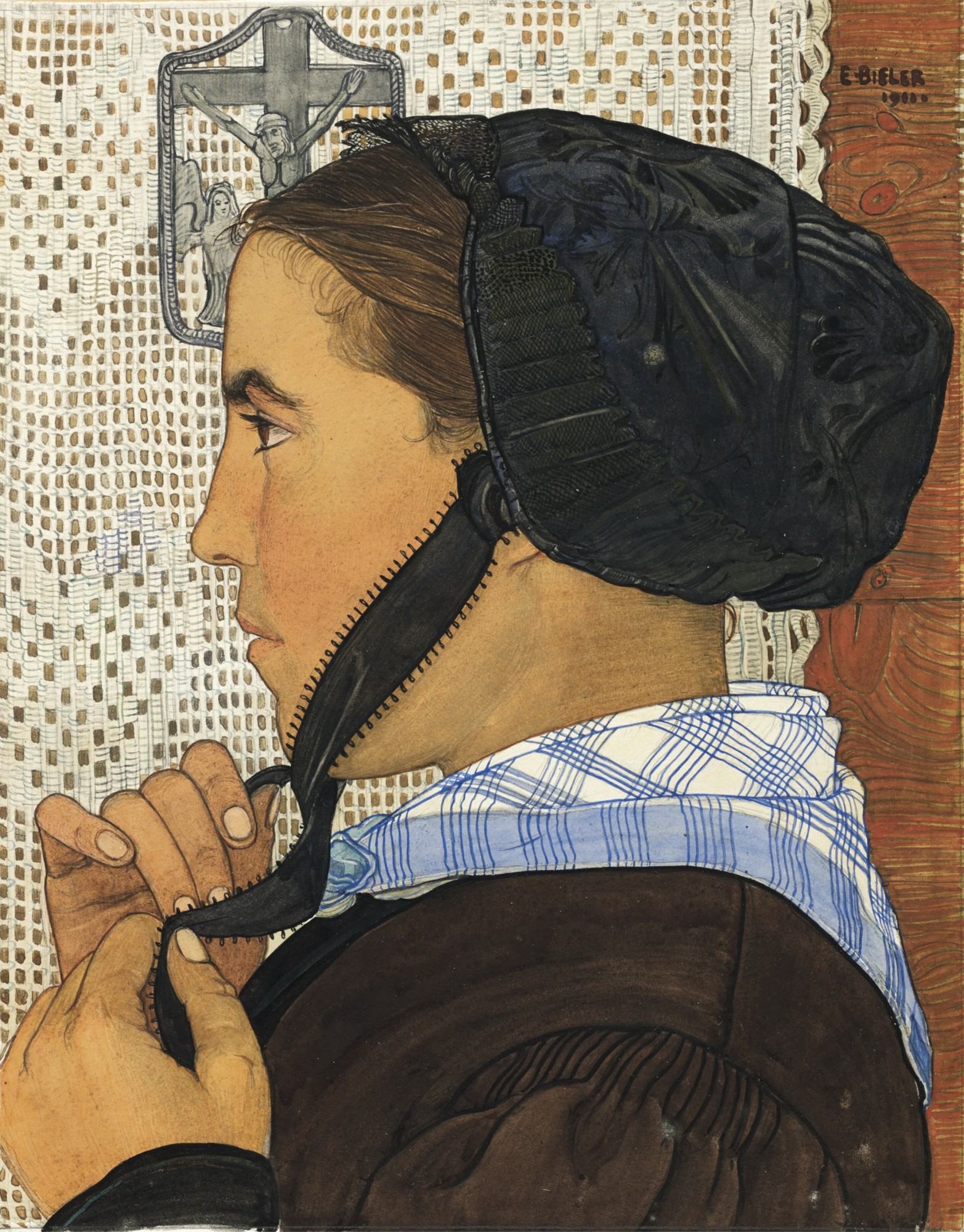
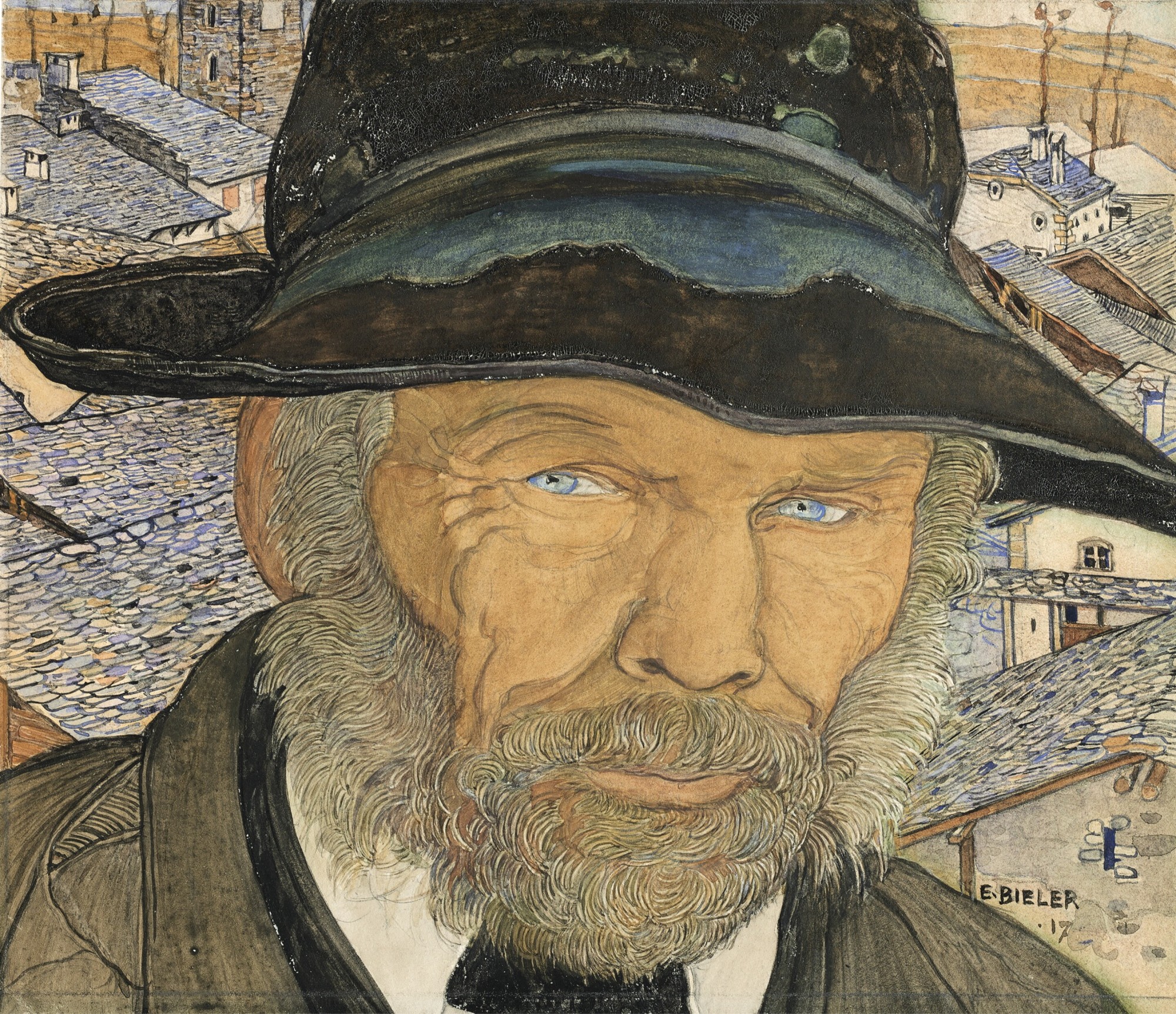
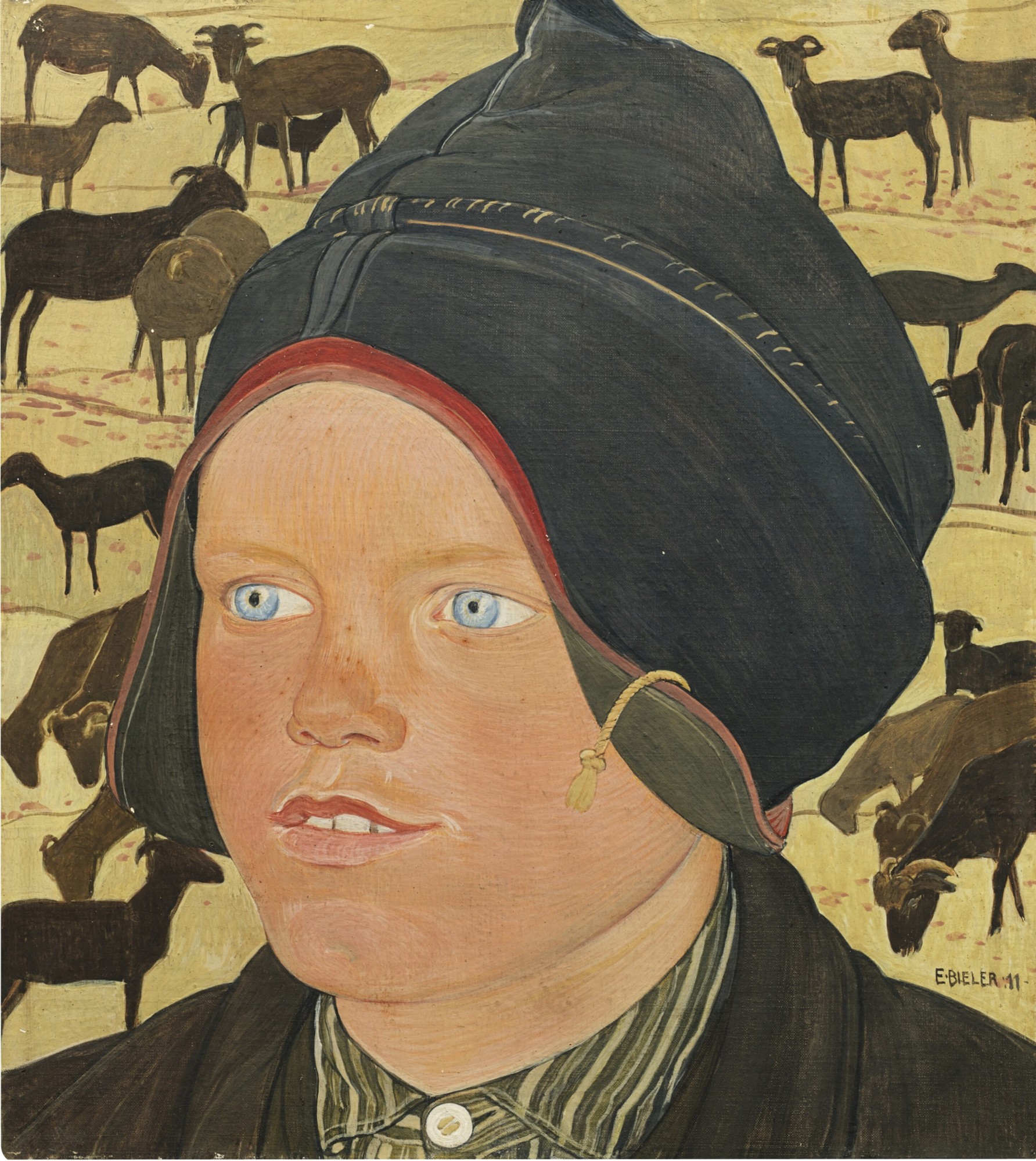
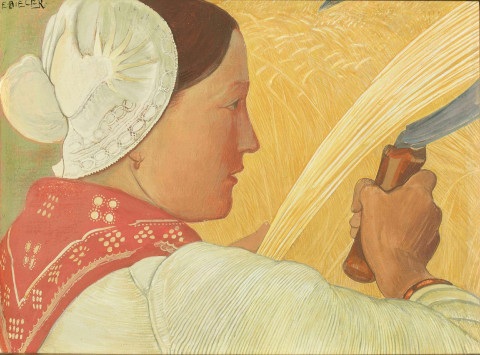
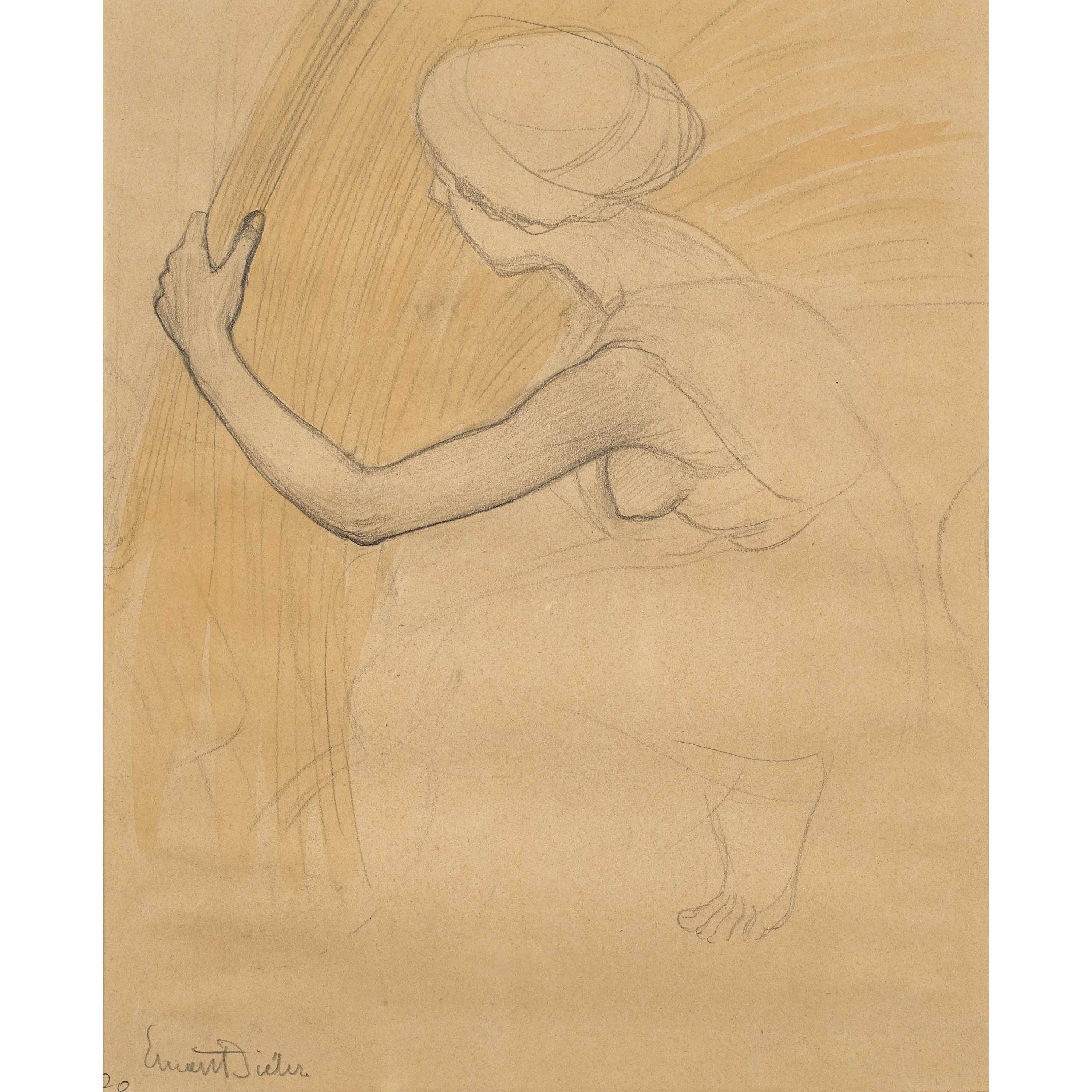
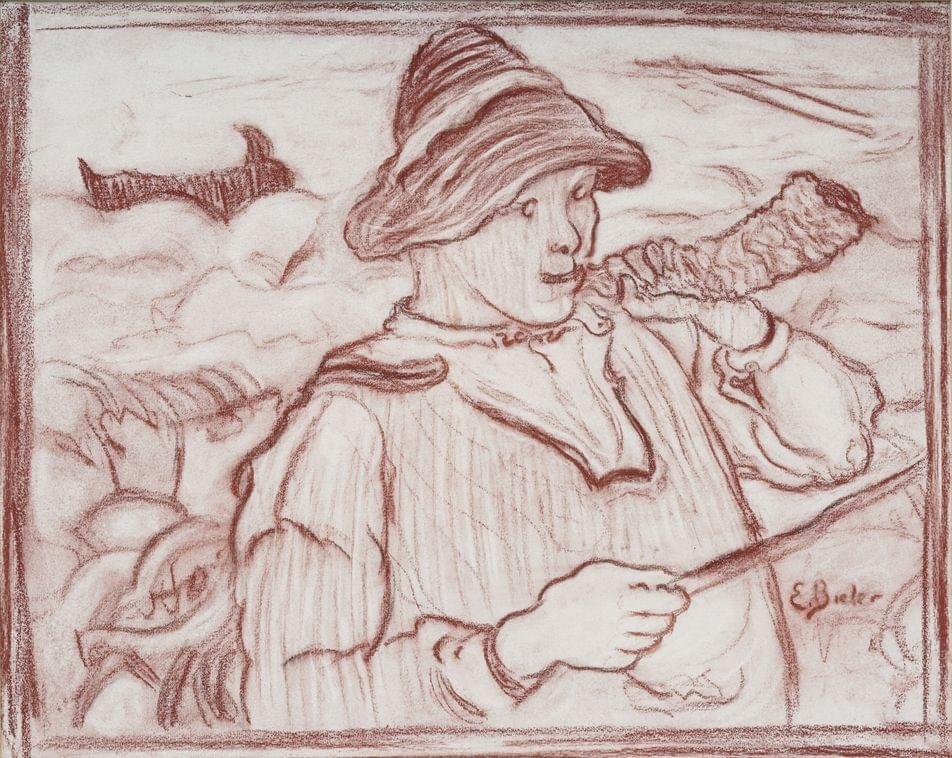
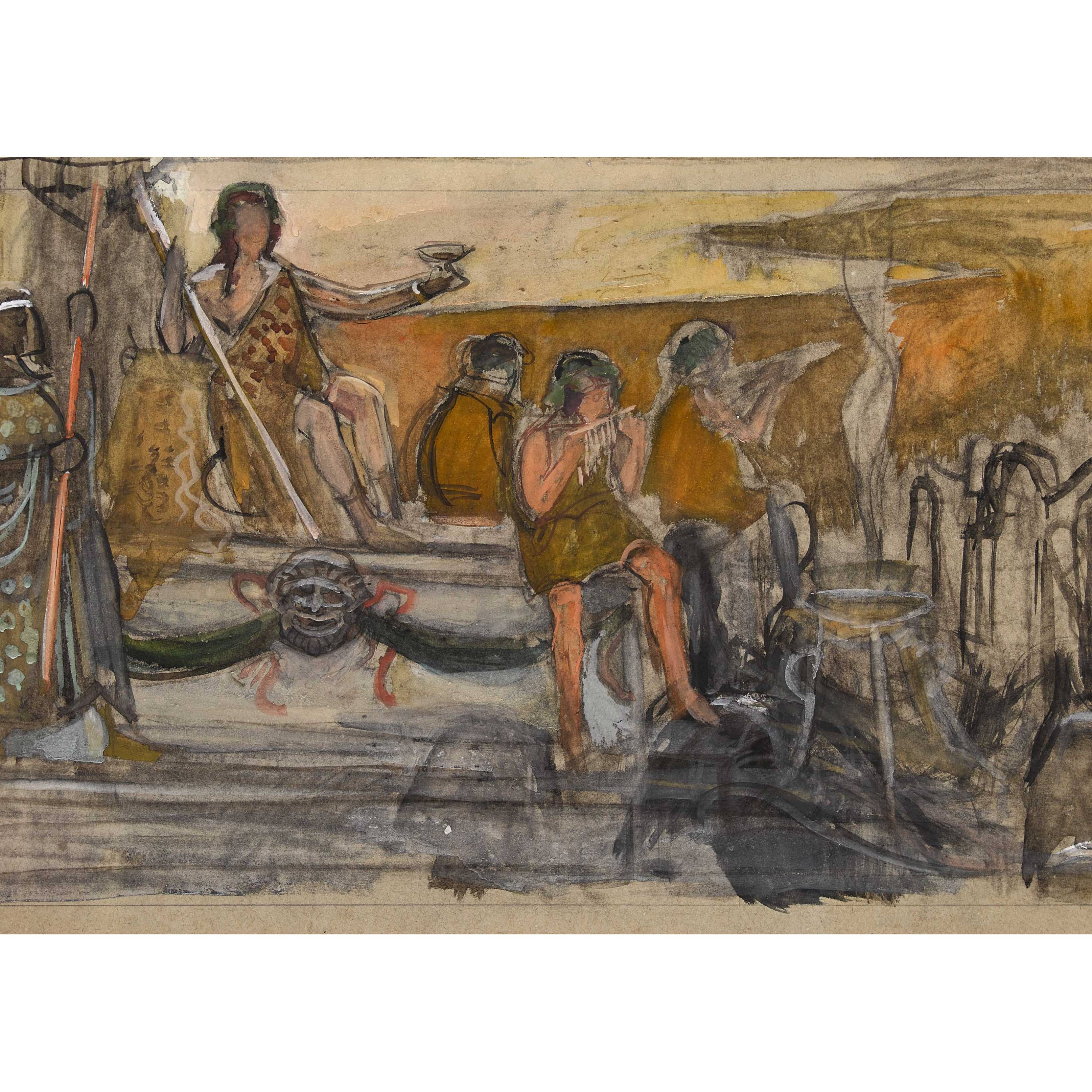
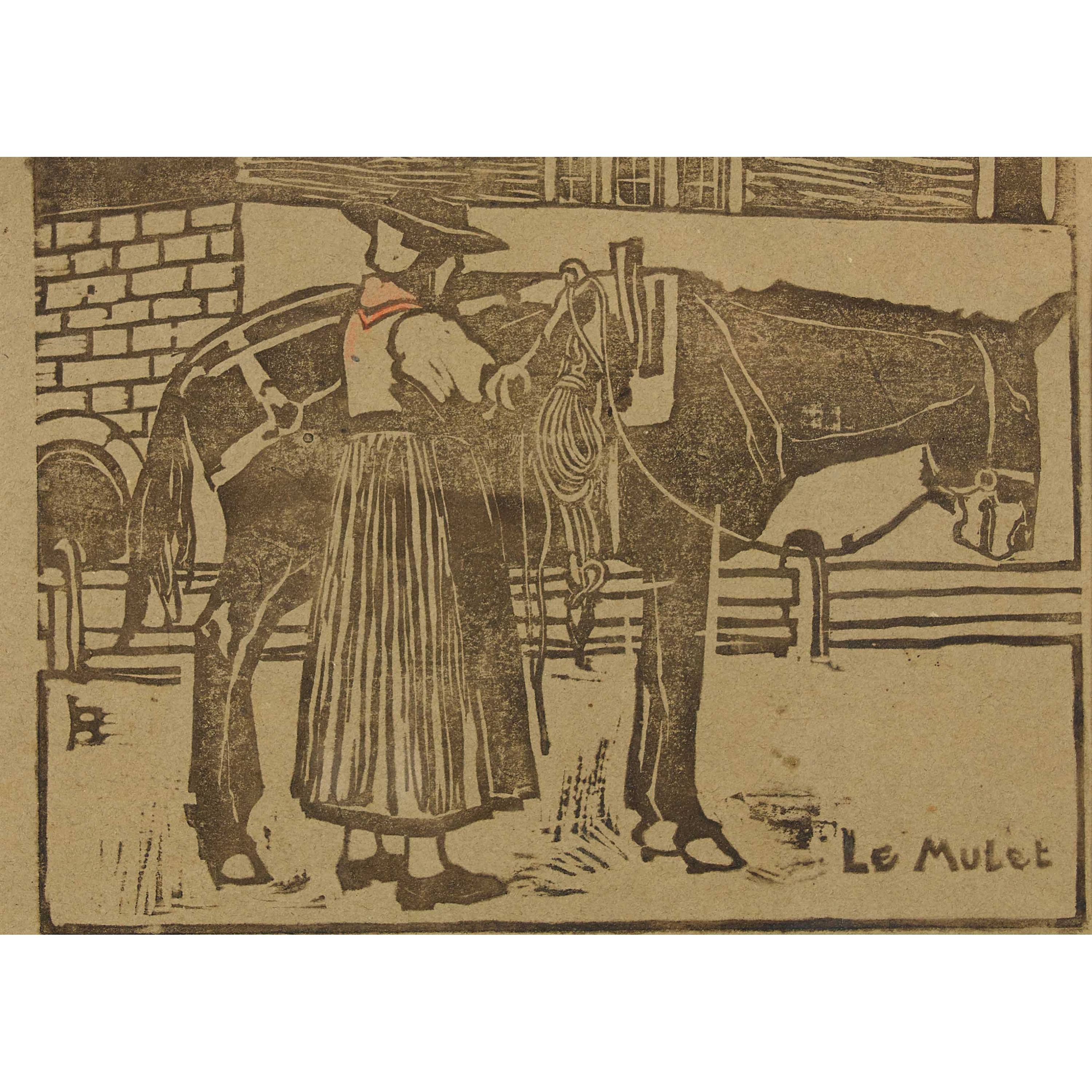
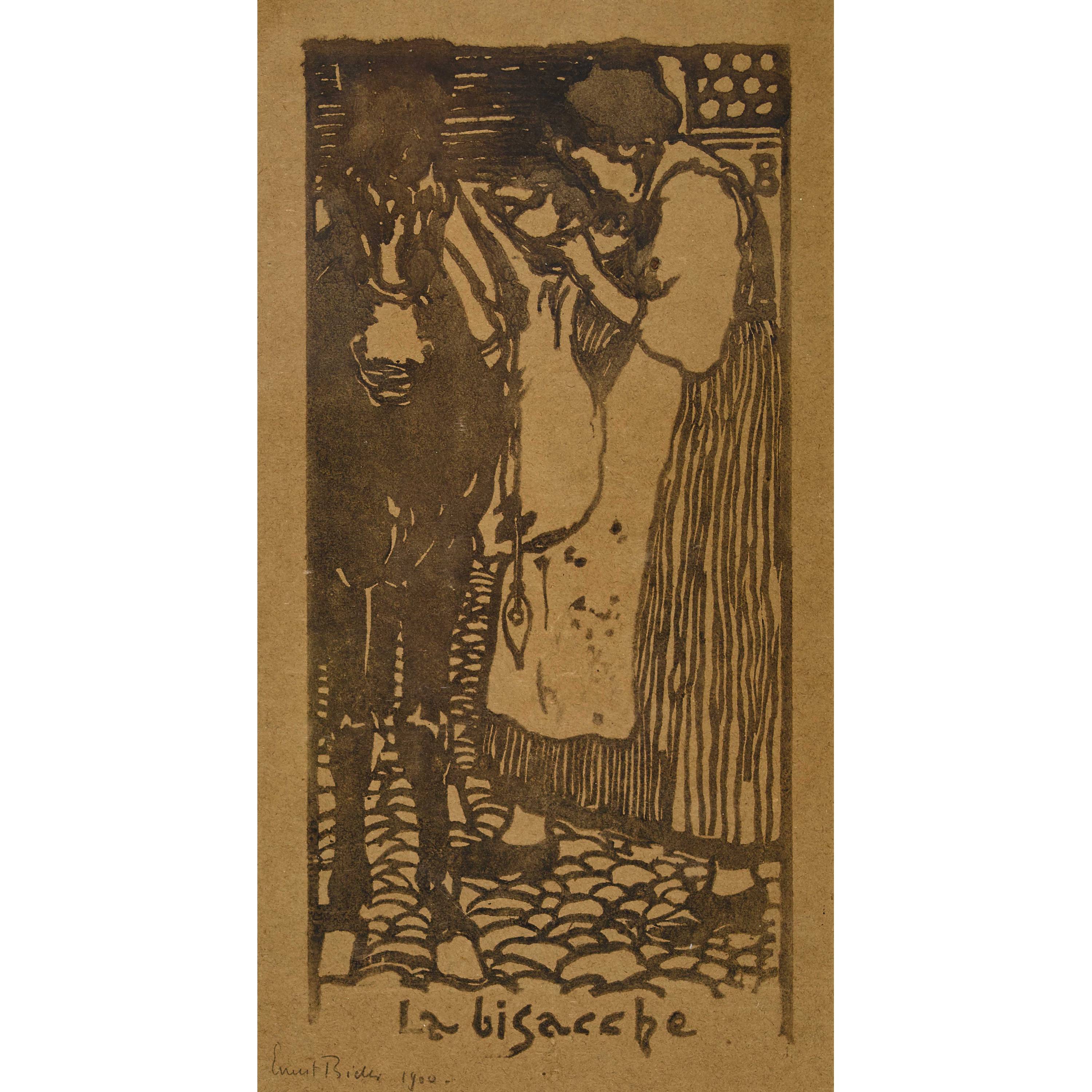
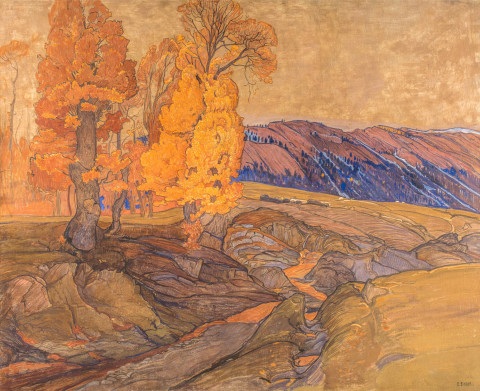
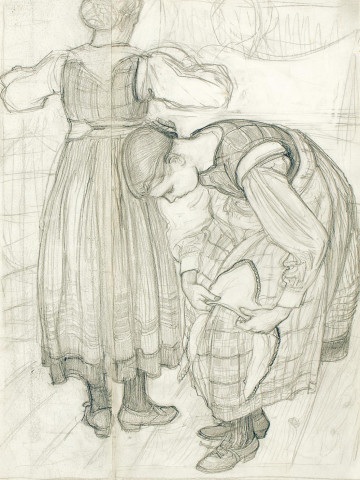
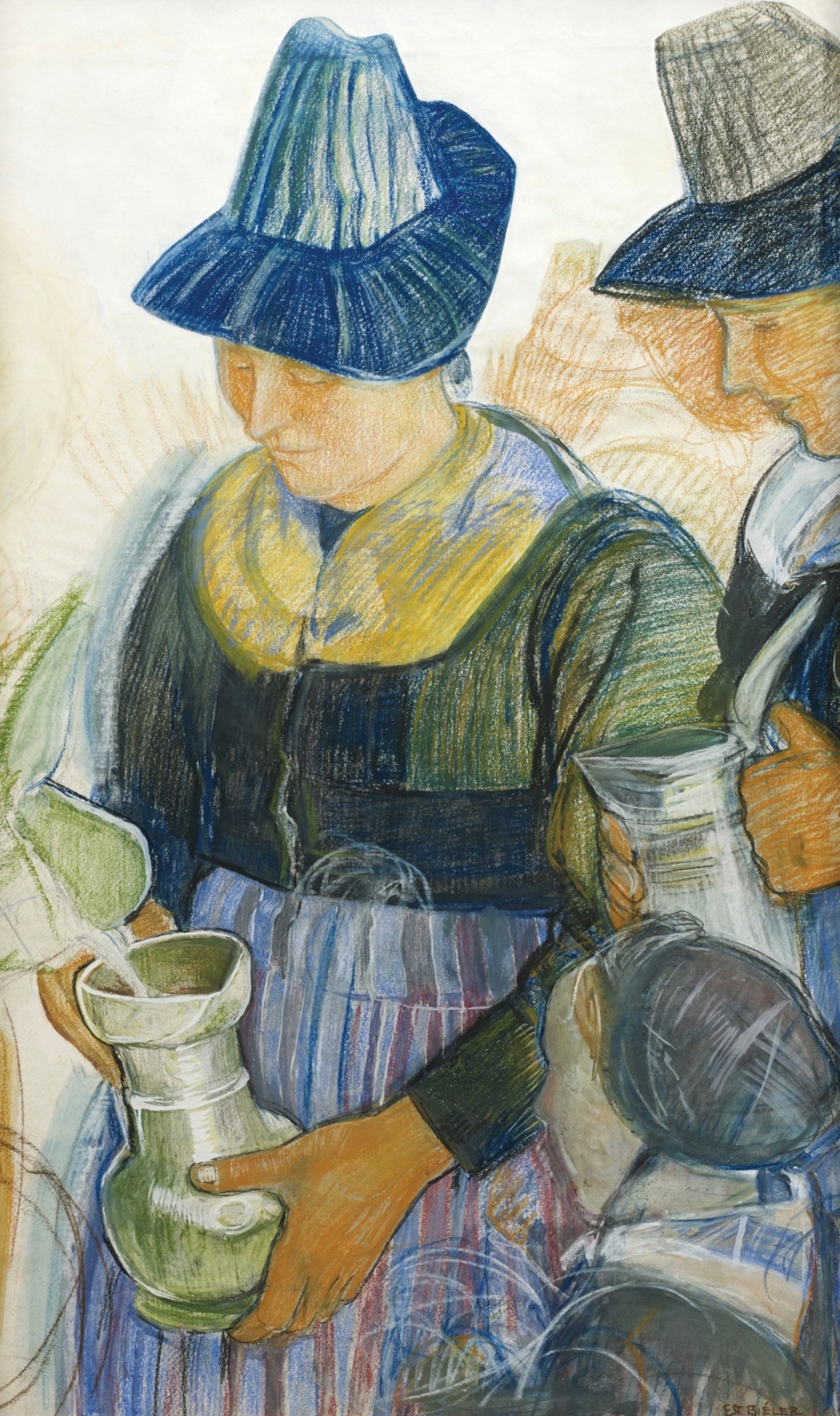
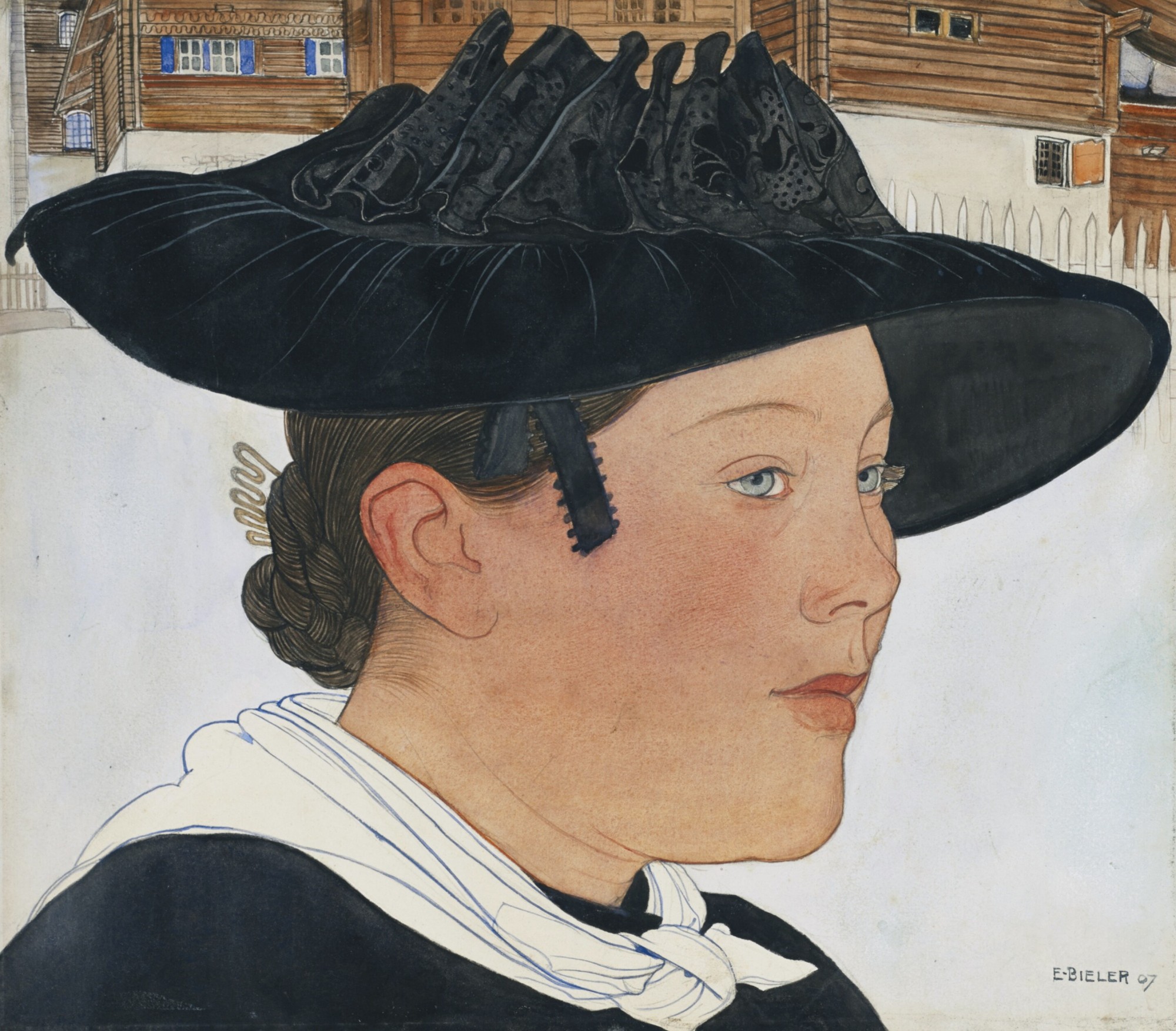
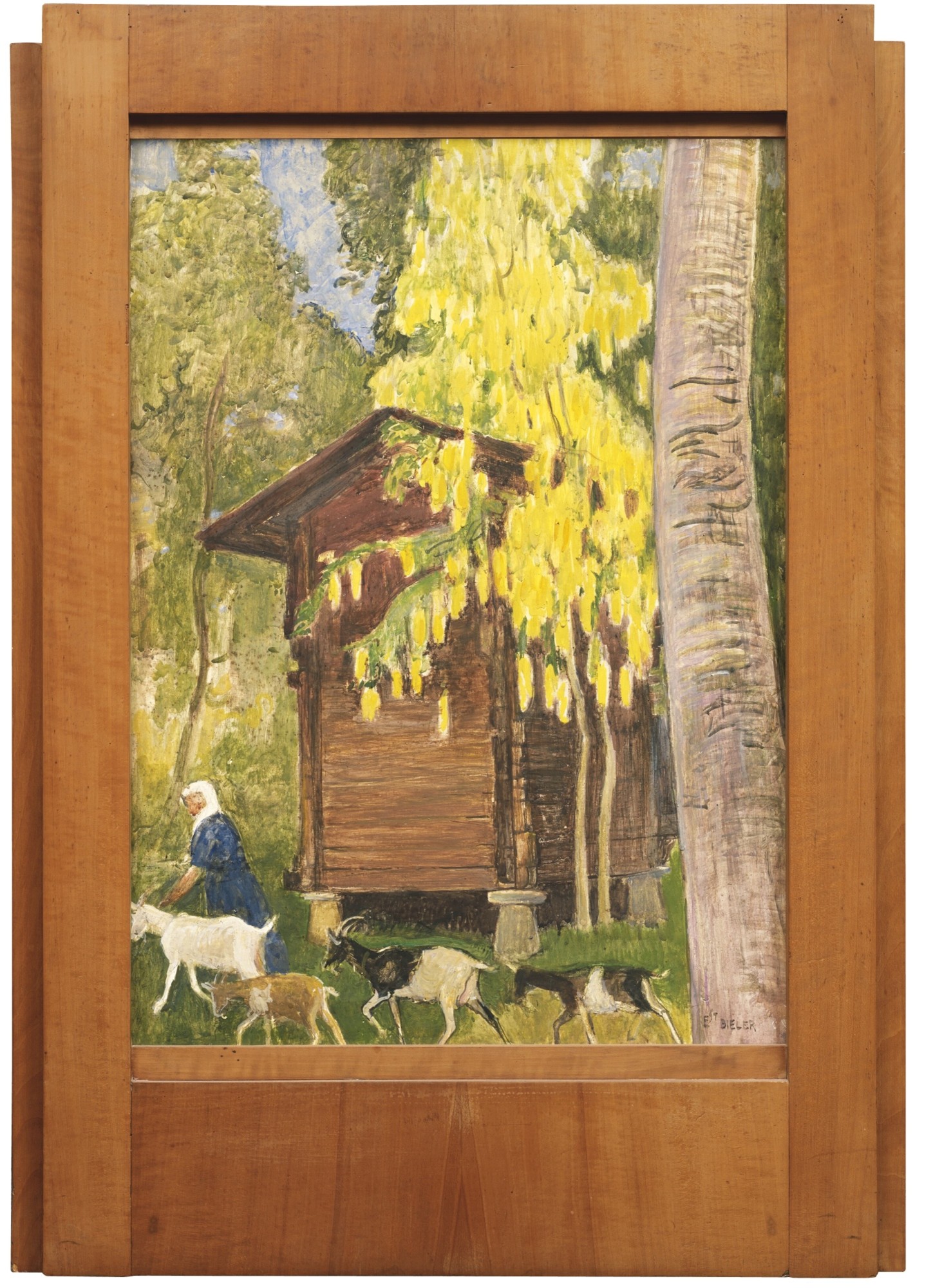
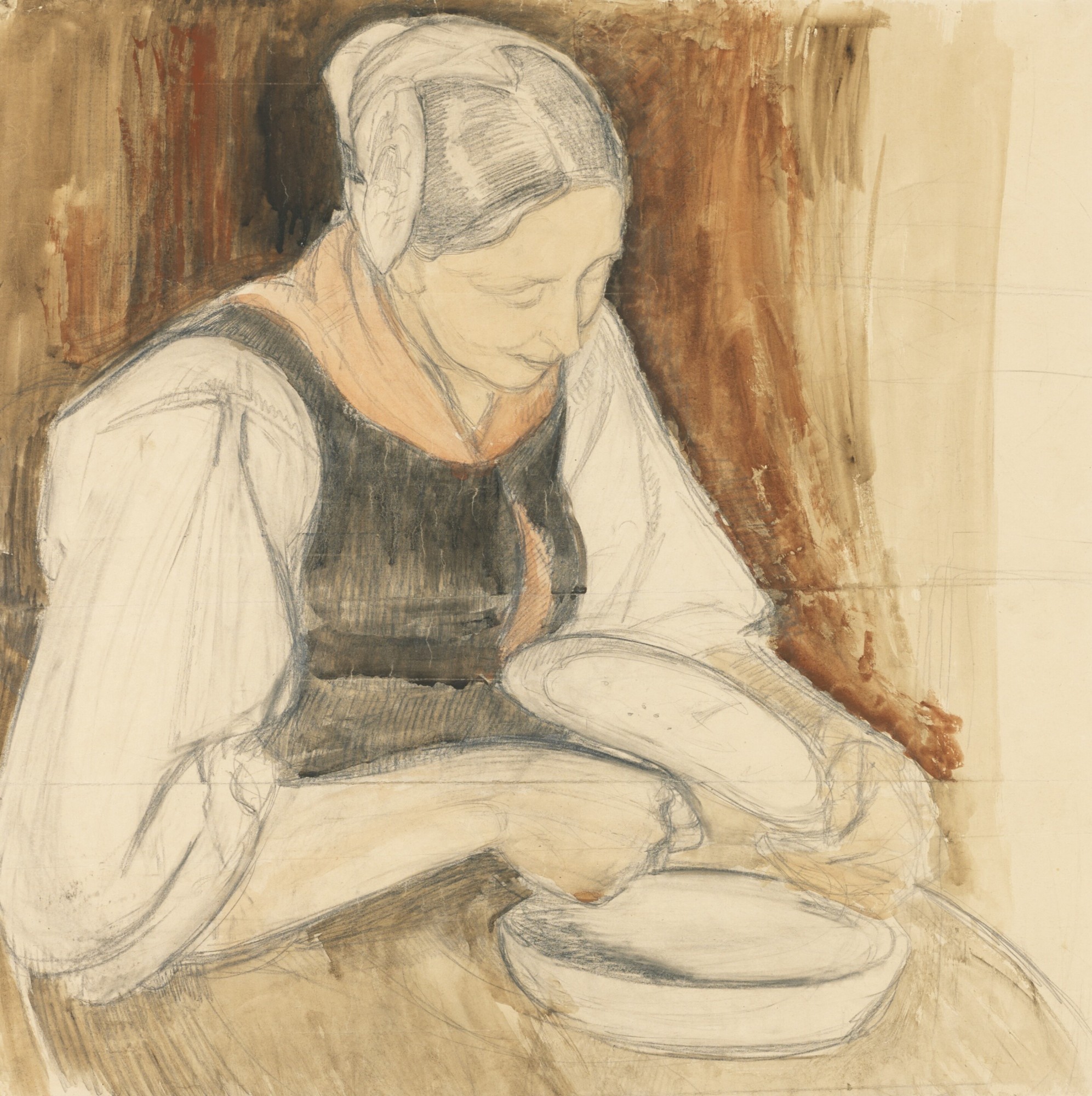
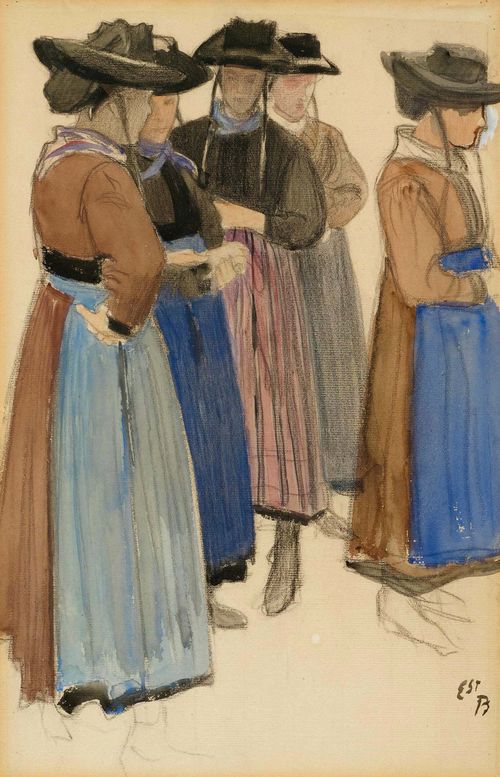
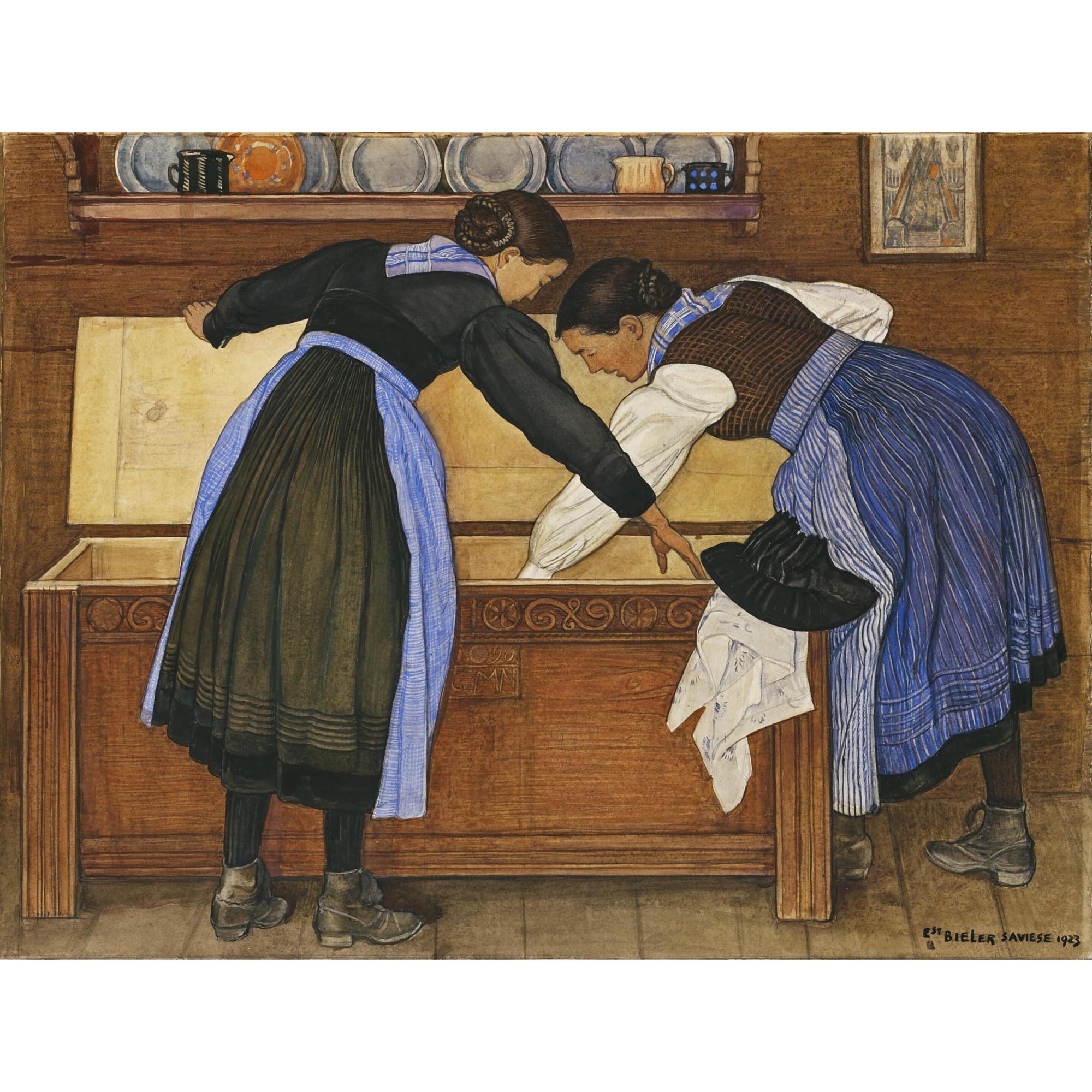
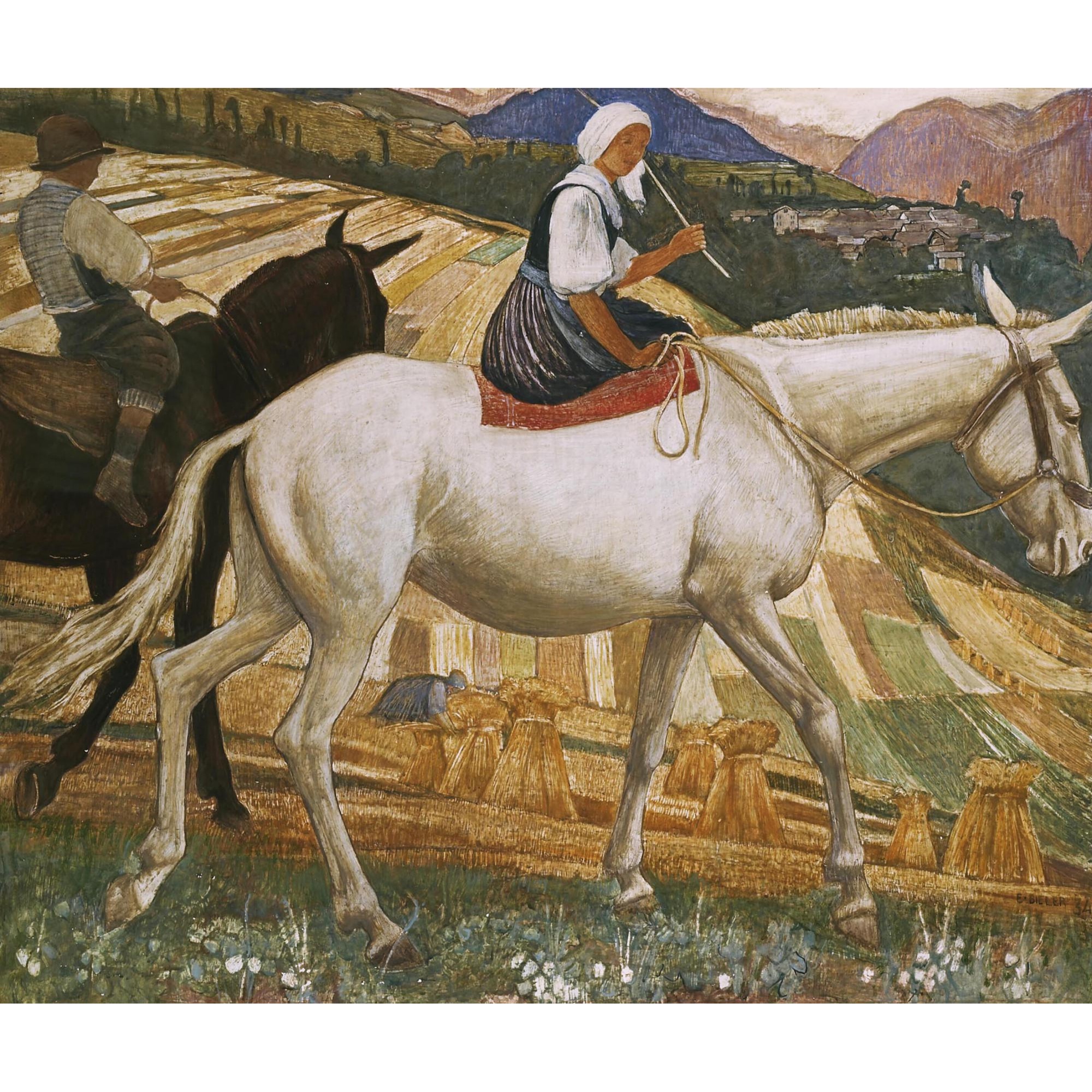
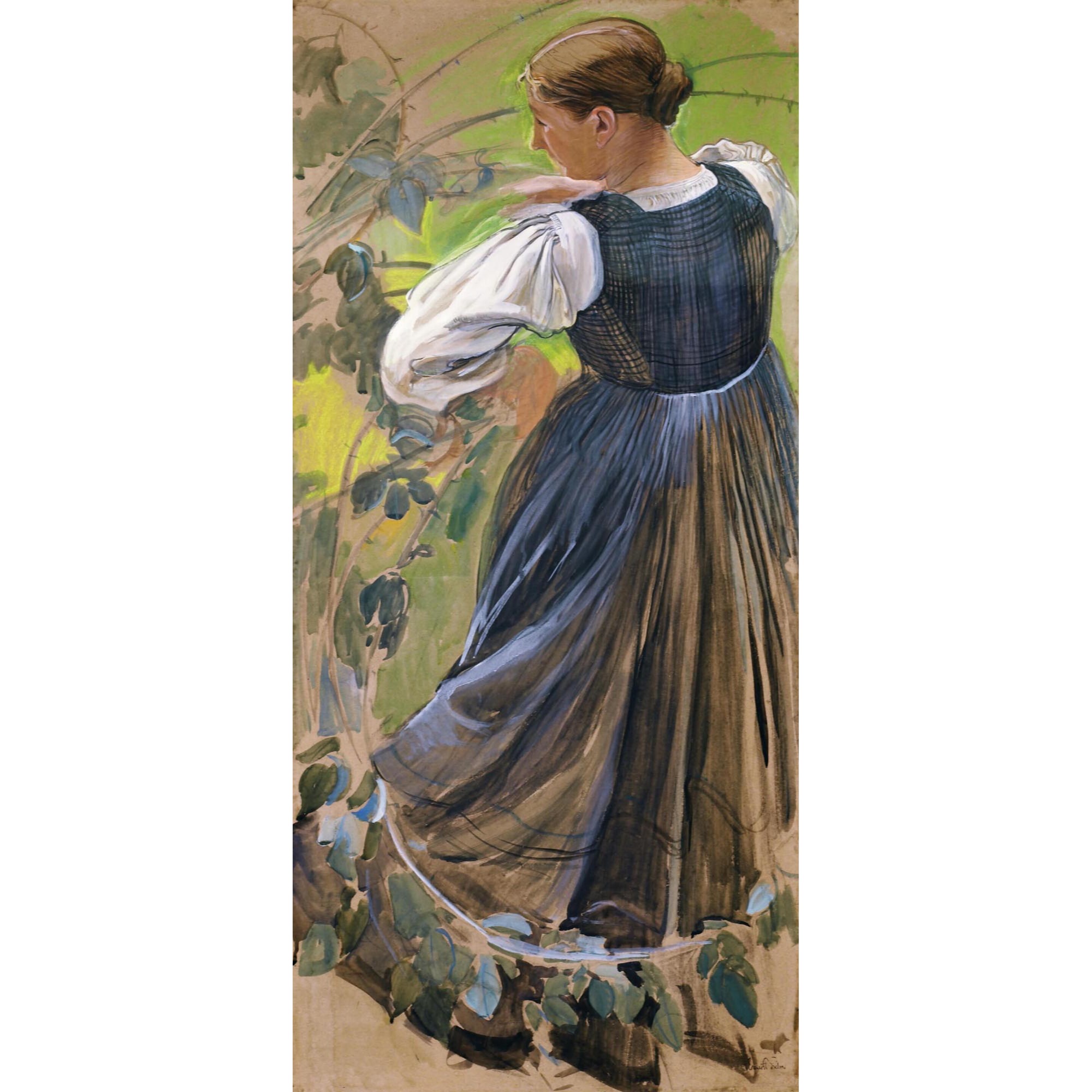
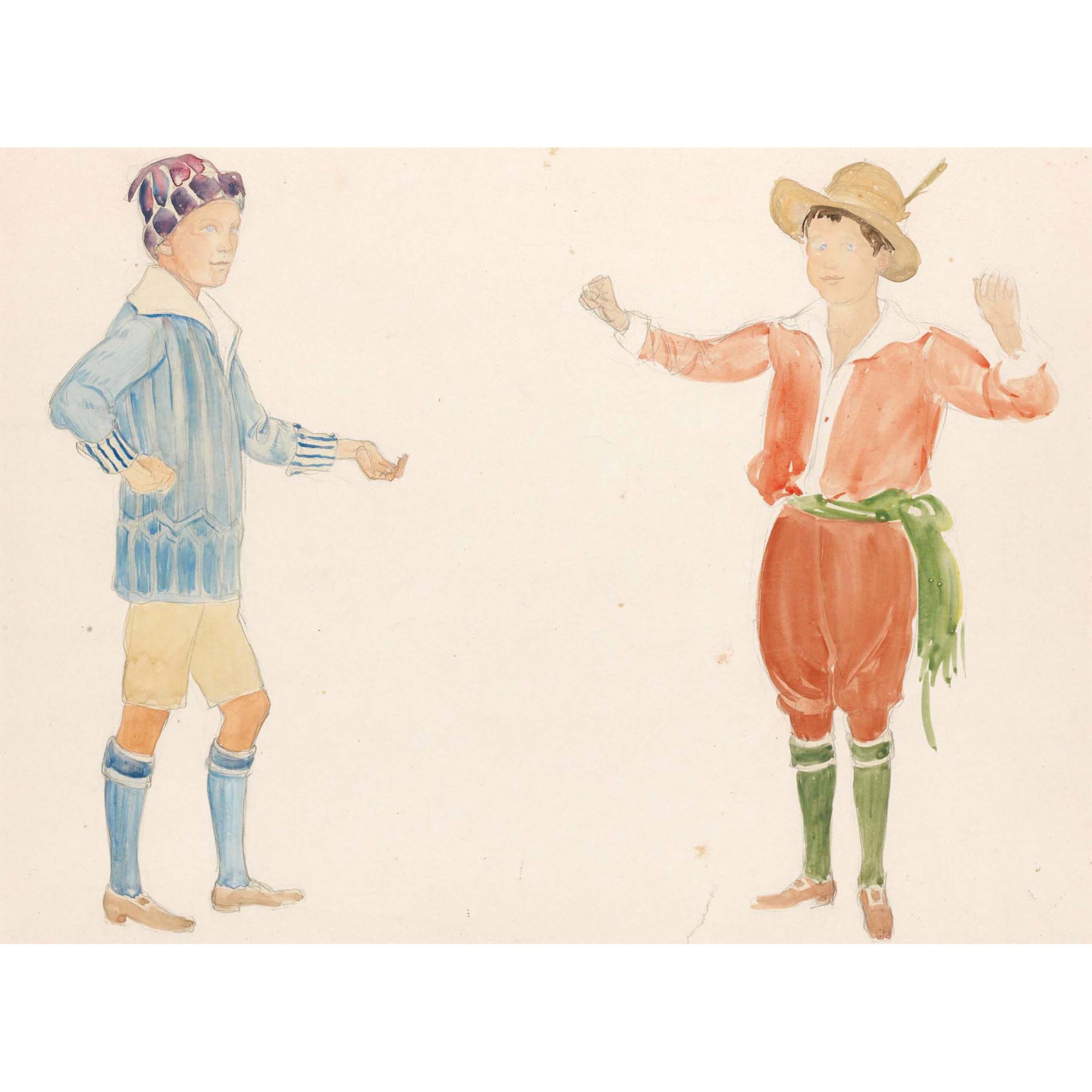
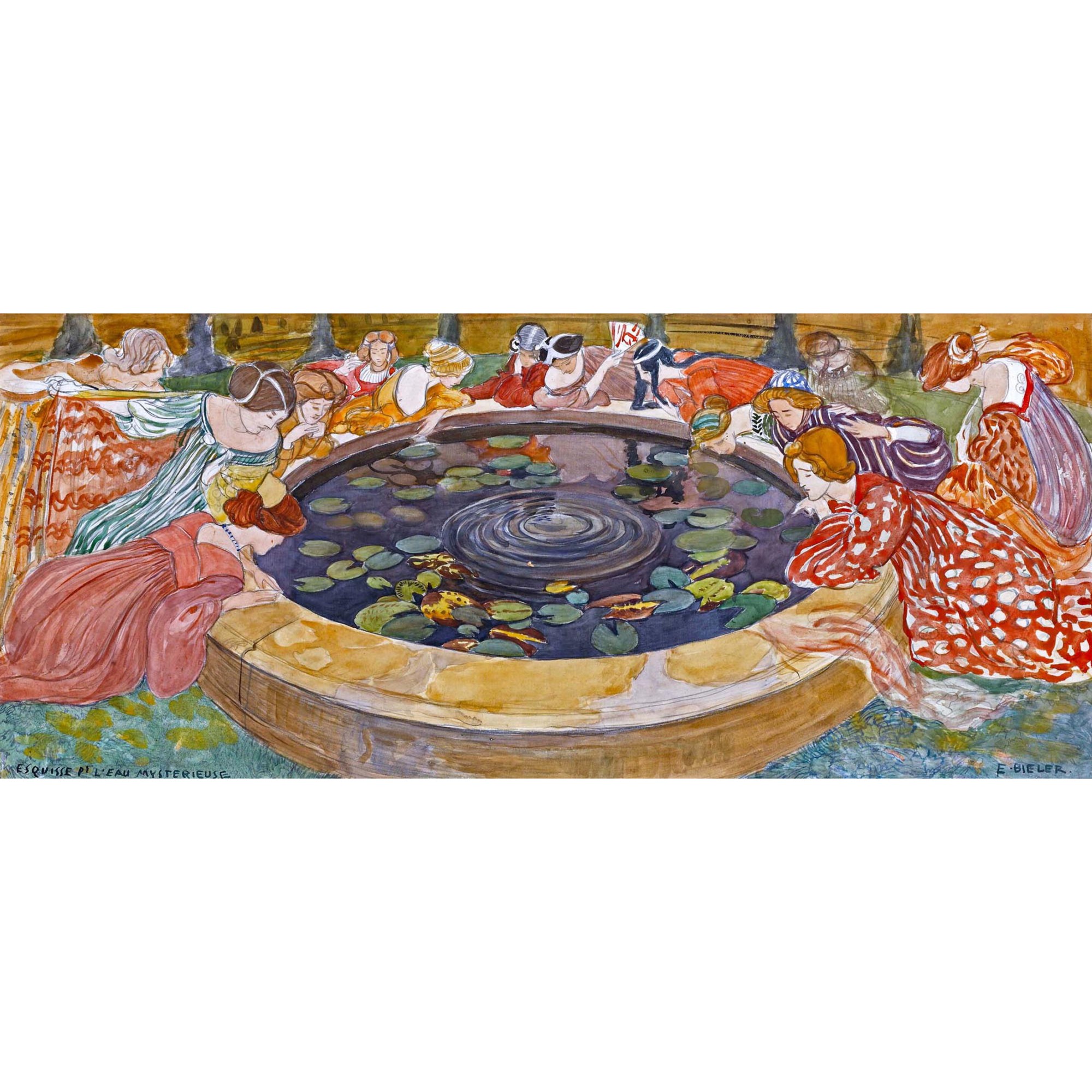
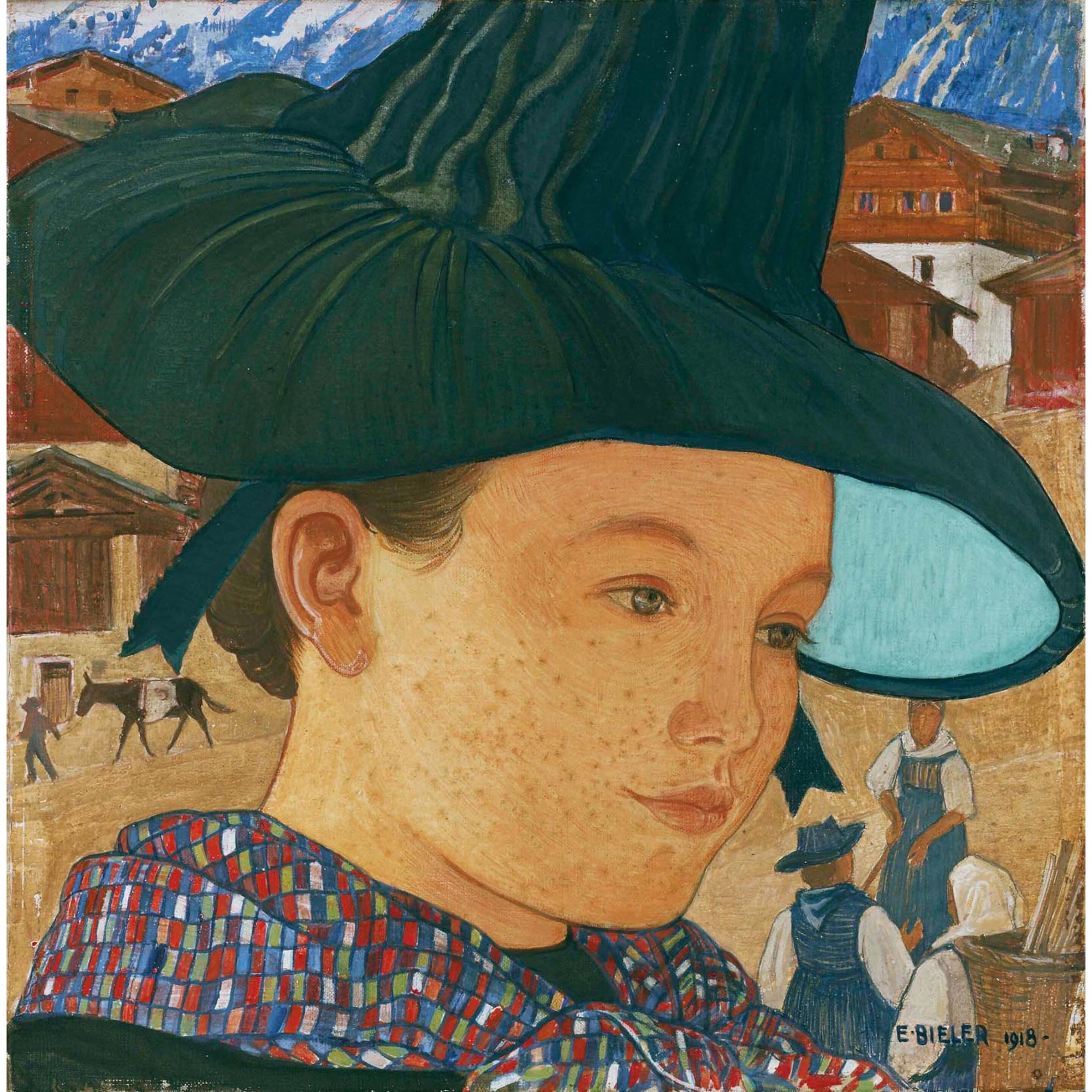
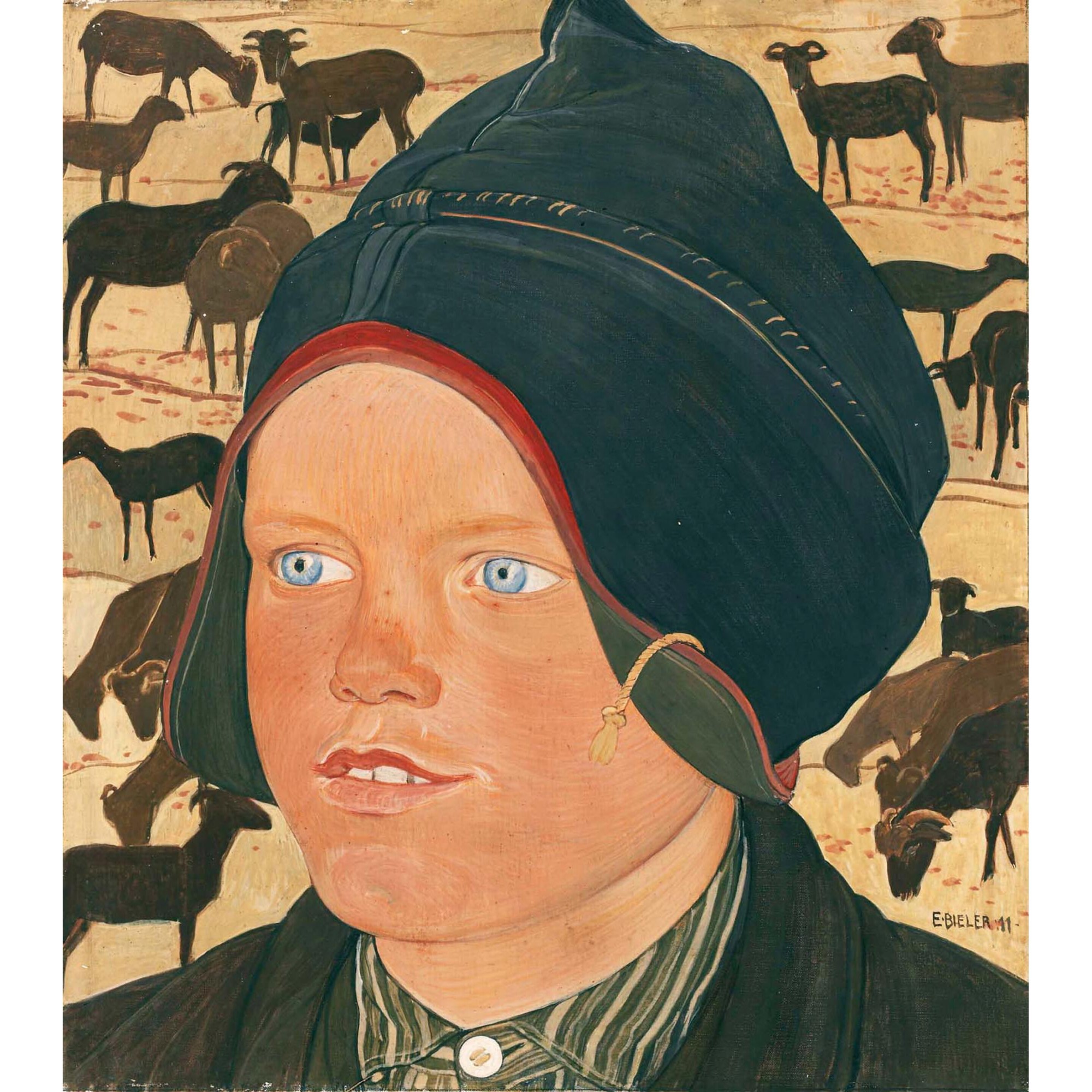
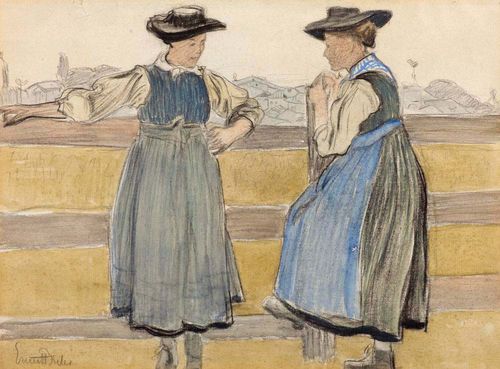
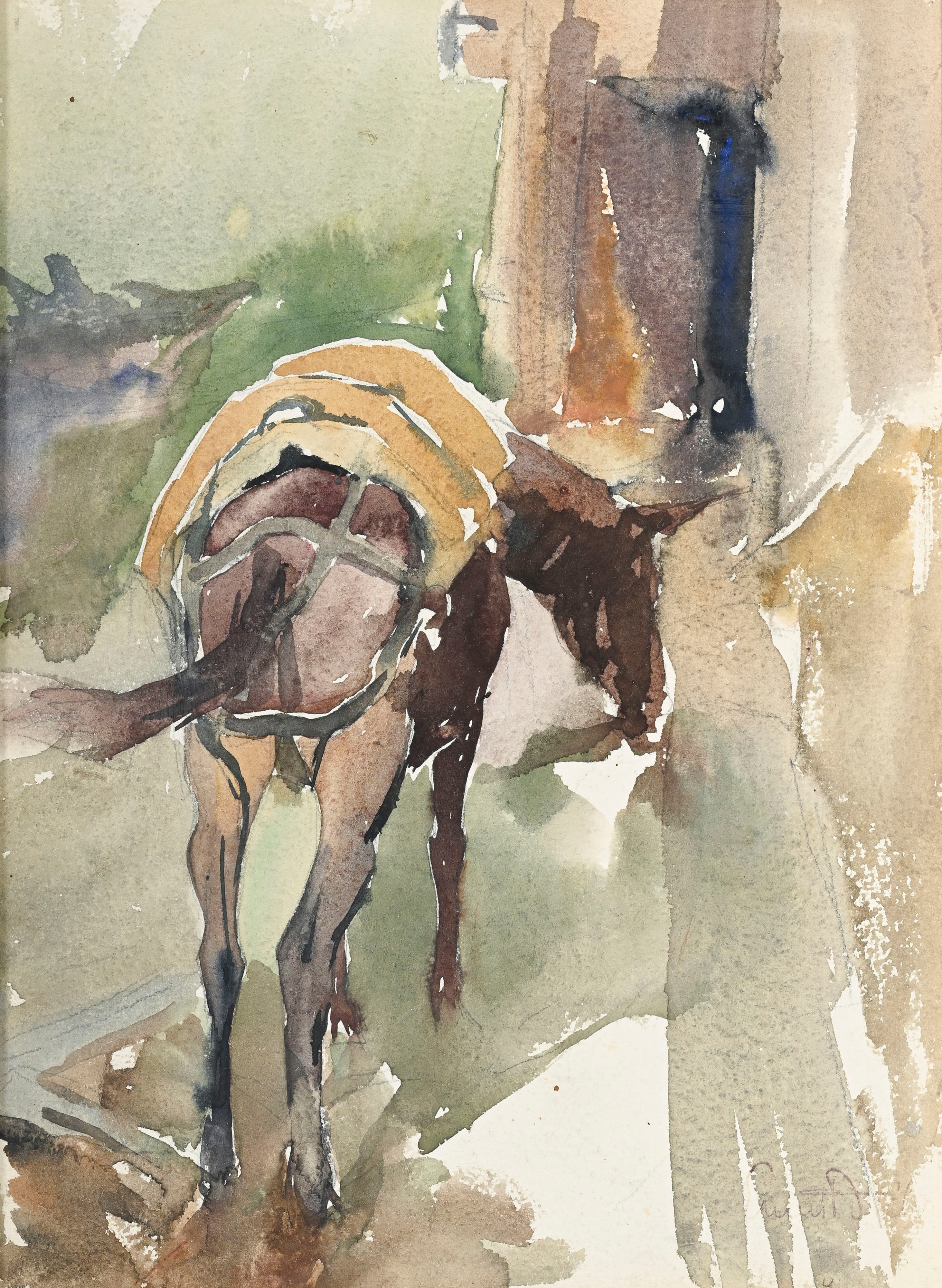
From 1906 onwards, he developed a manner that he called «graphisme». Modelled volumes gave way to contours and areas of flat colour; watercolour, gouache and tempera offered him matte surfaces. Les Tresseuses de paille, from 1906–1907, combines a village activity with a play of correspondences between clothing and landscape.
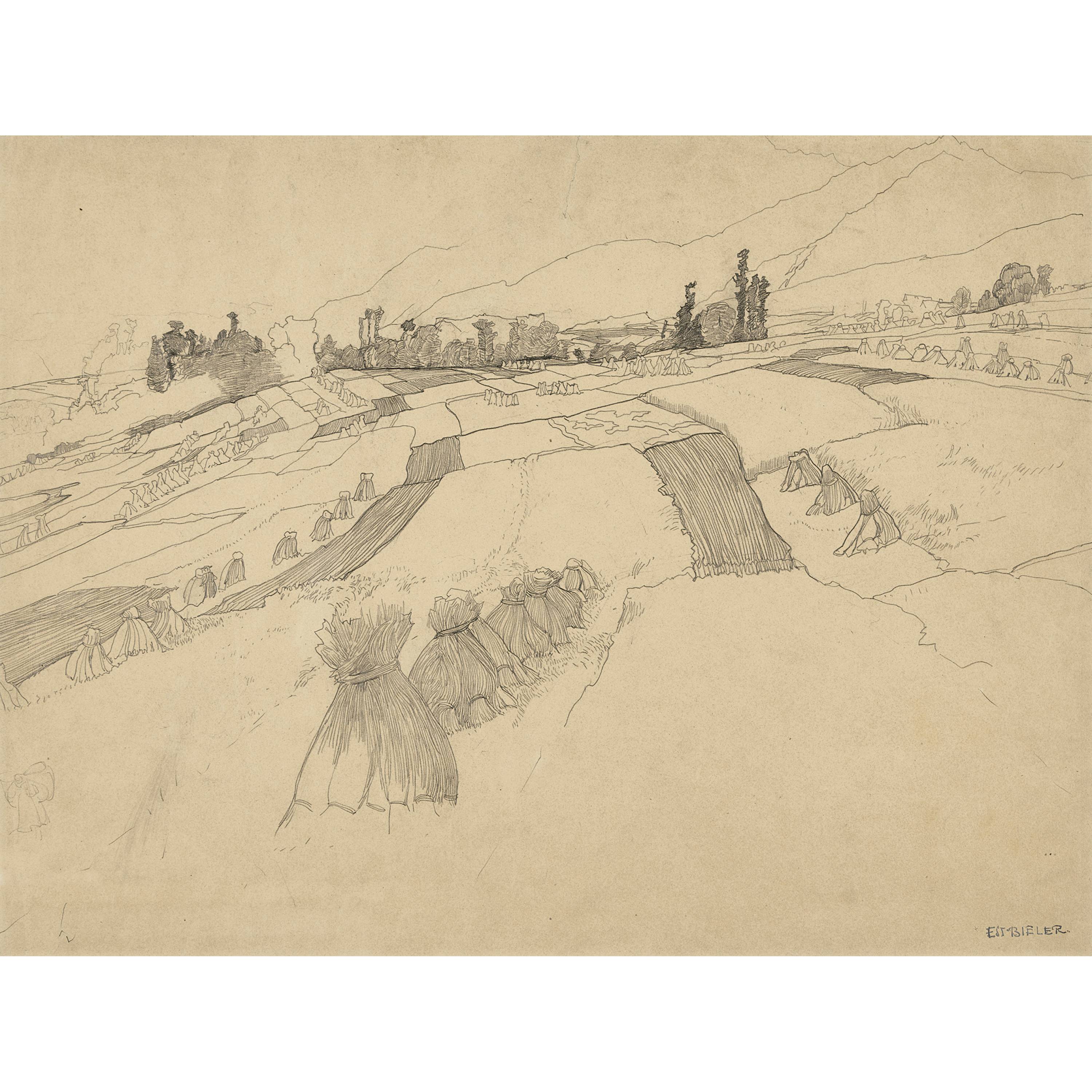
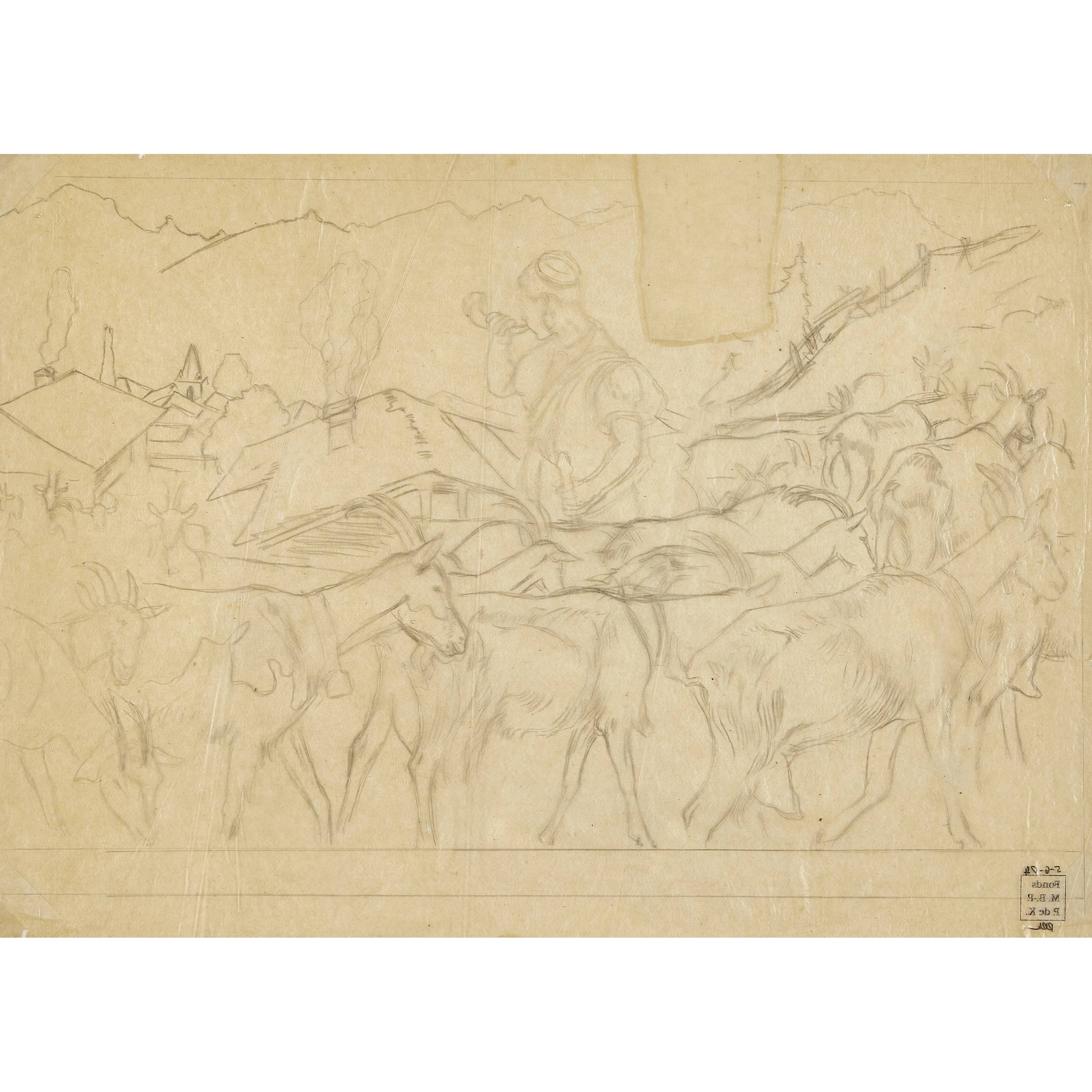
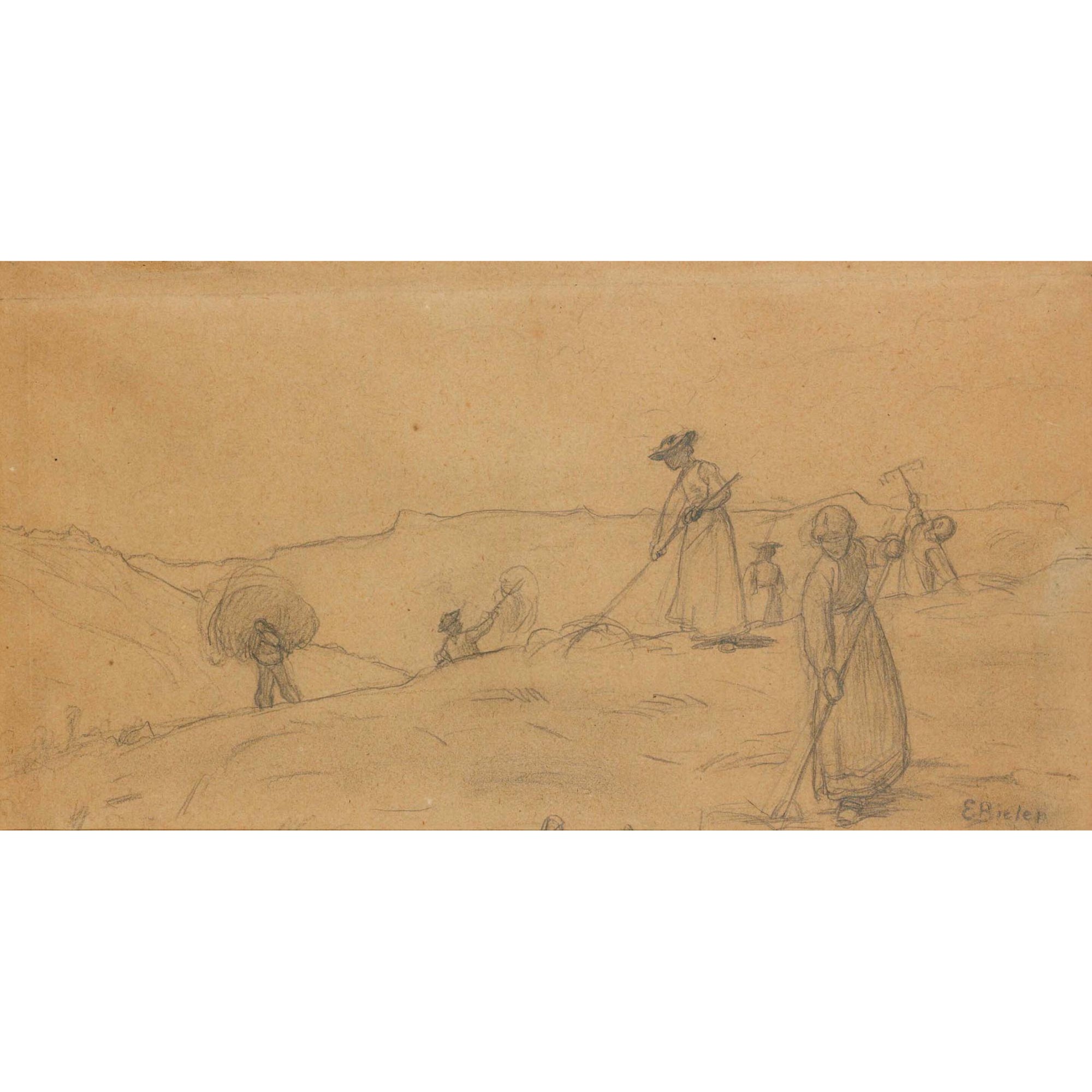
The rural scene also becomes a composition of lines.
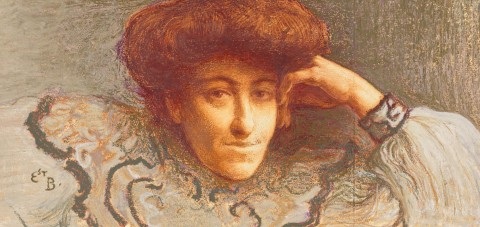
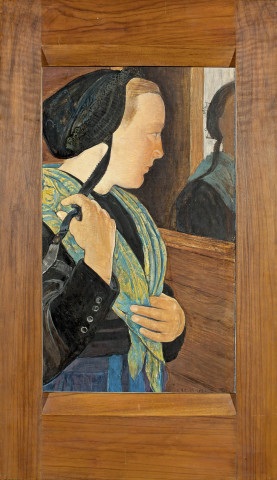
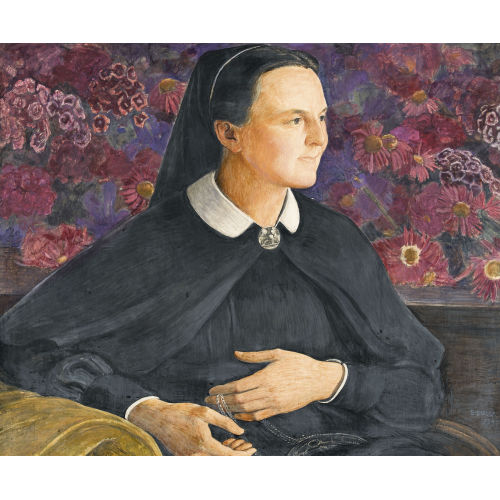
Femme en bleu, painted in tempera on wood in 1913, reveals another dimension of this world. In it, Biéler depicts his wife Michelle, a Parisian drawing teacher who had defended his artistic approach in a text of 1911. The life-size portrait brings flowers, clothing and figure together in the same quest for unity.
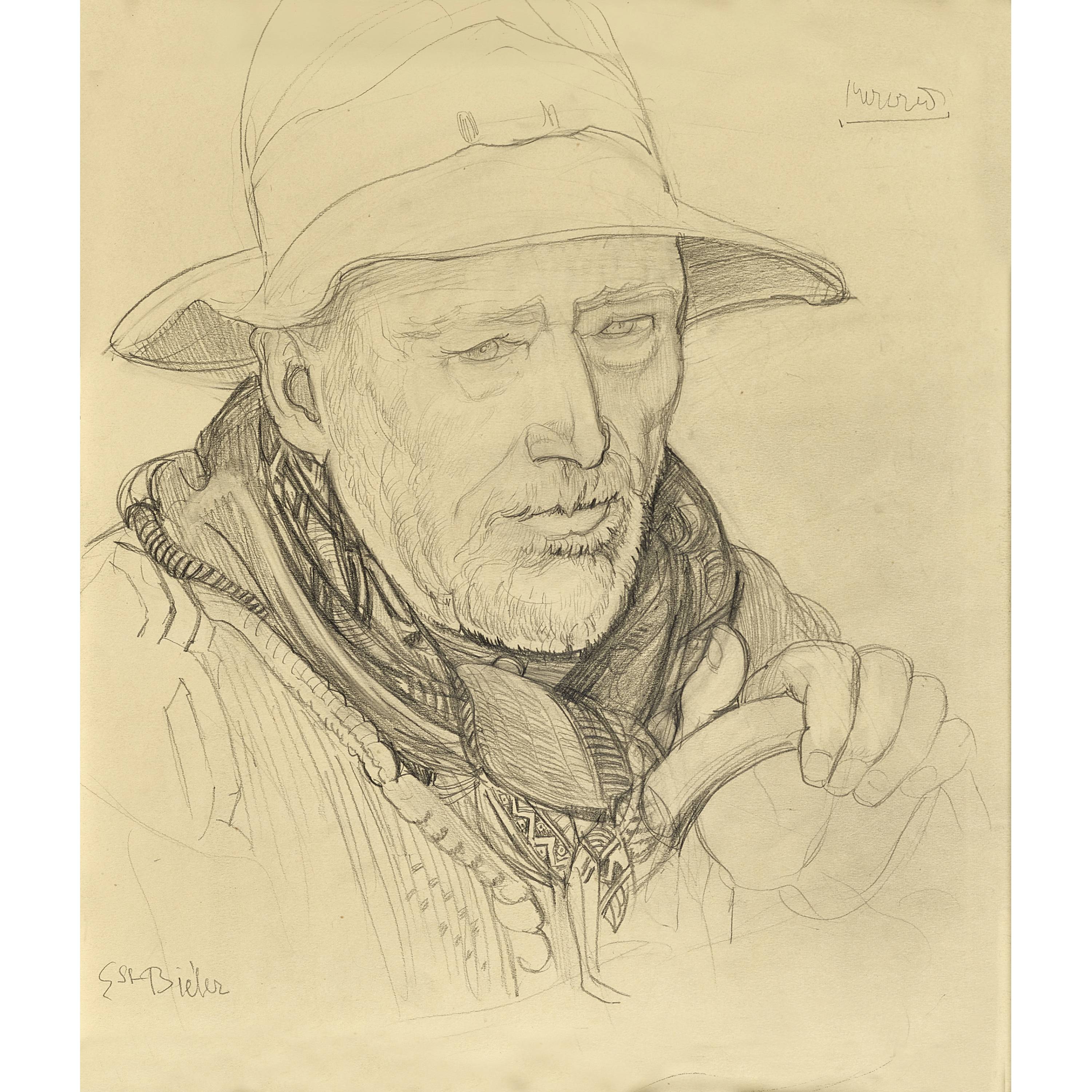
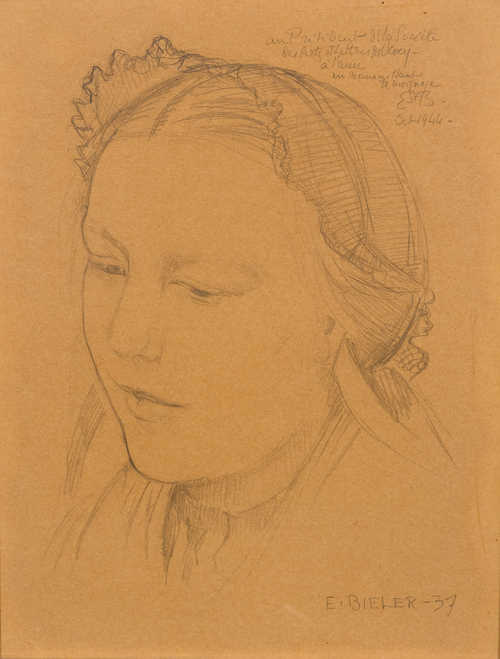
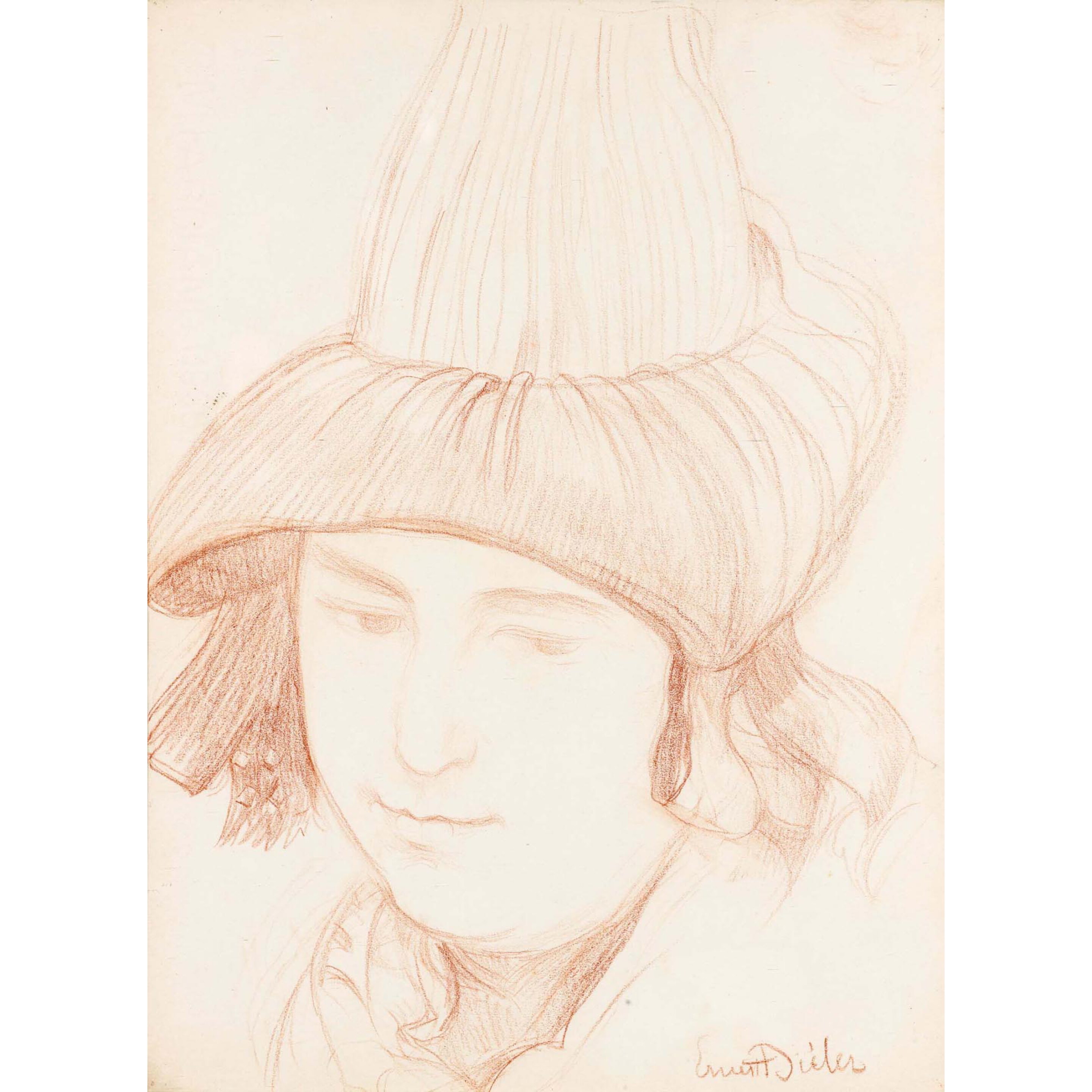
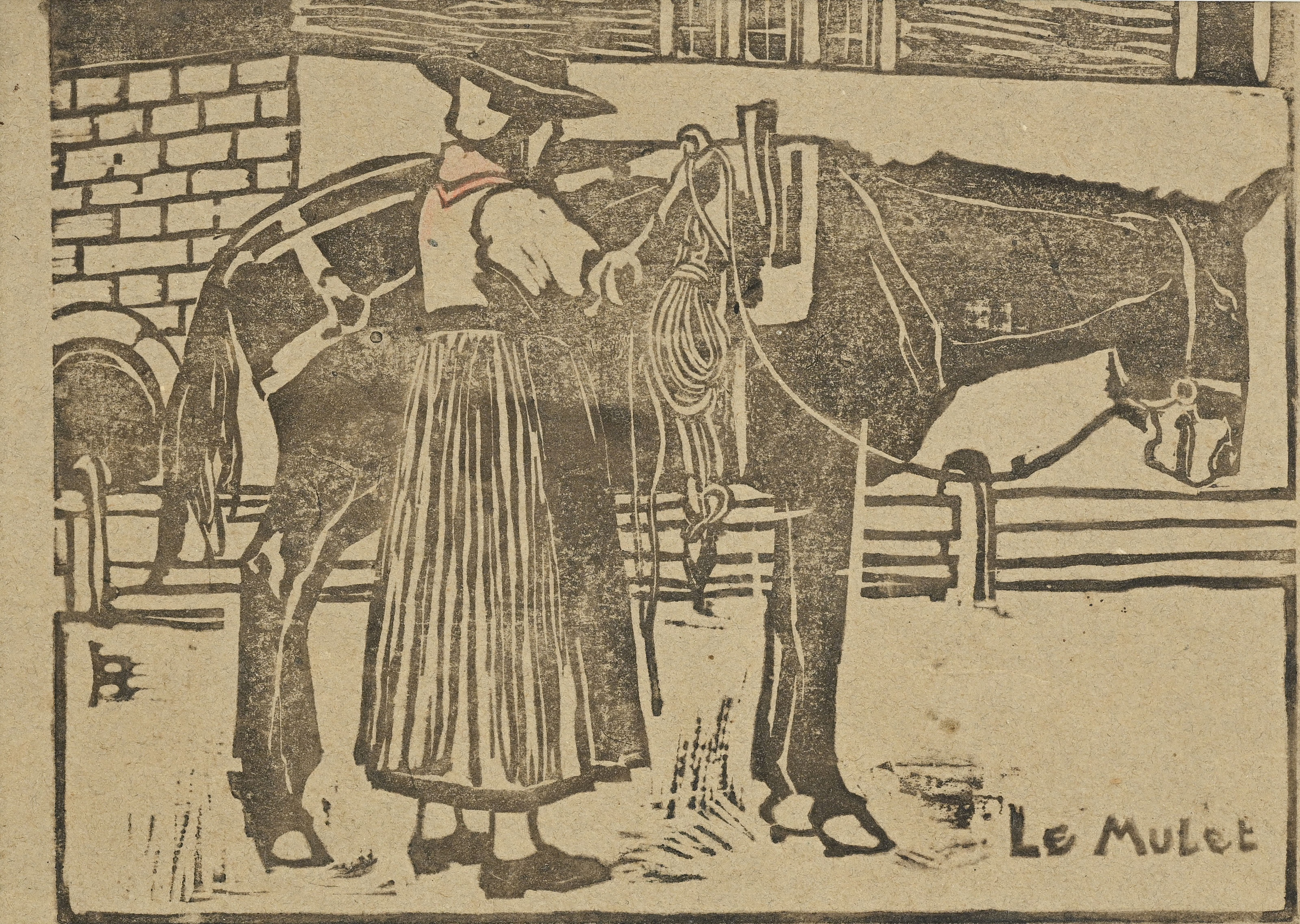
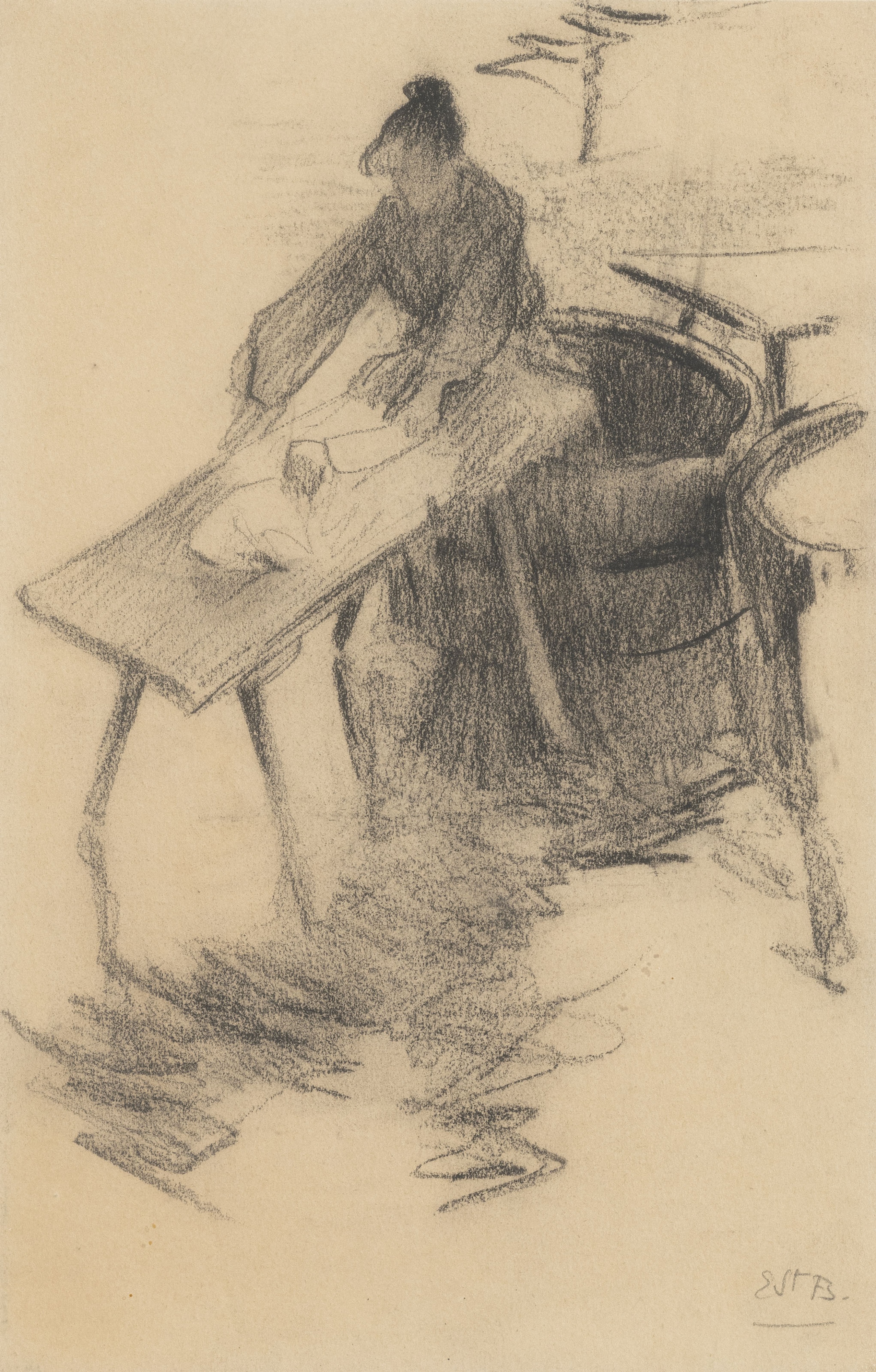
To look at Biéler, following the contours is a first key. One then discovers how an everyday gesture or an individual presence is transformed into a visual rhythm without losing its evocative power.