Emil Zbinden
Born in 1908.
Died in 1991.
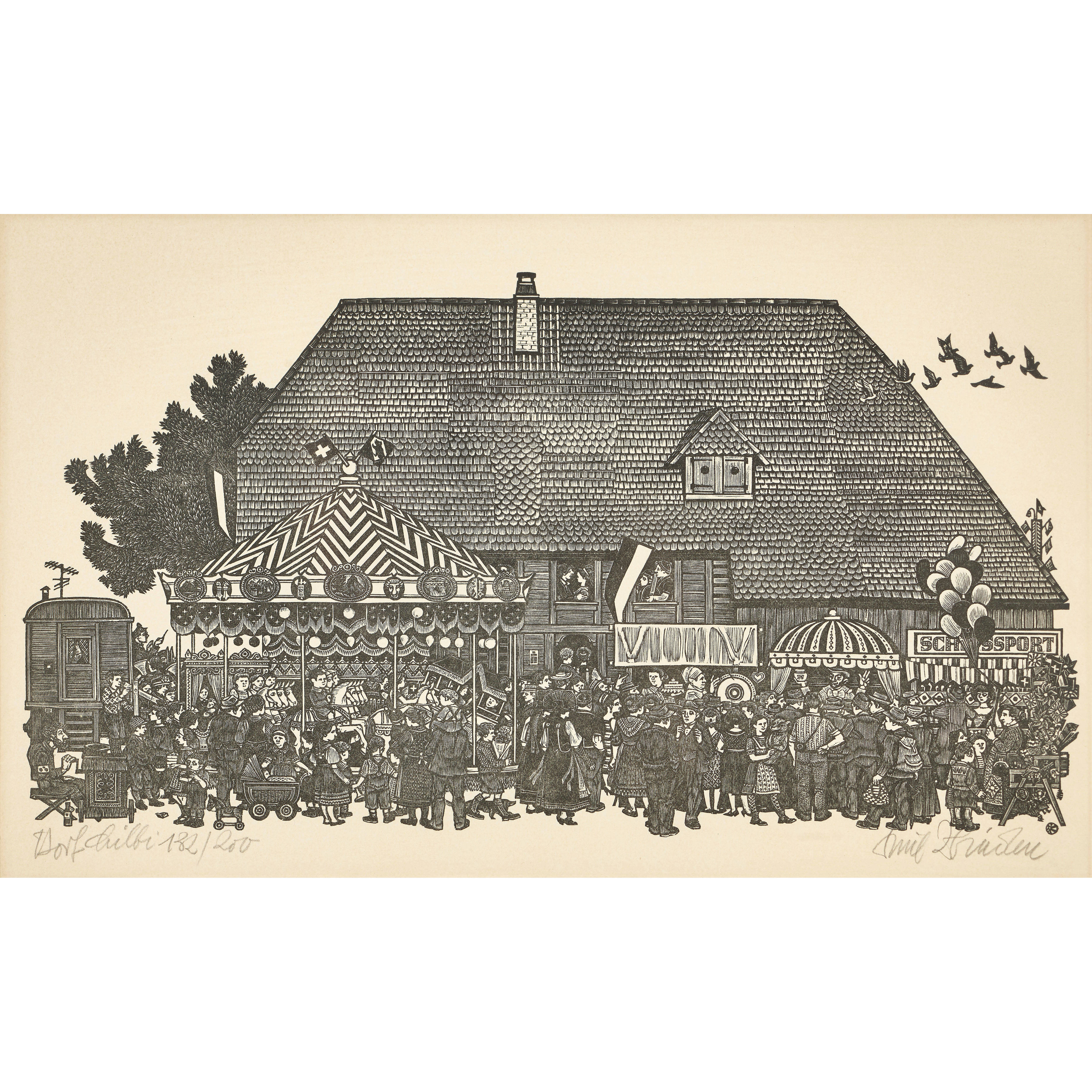
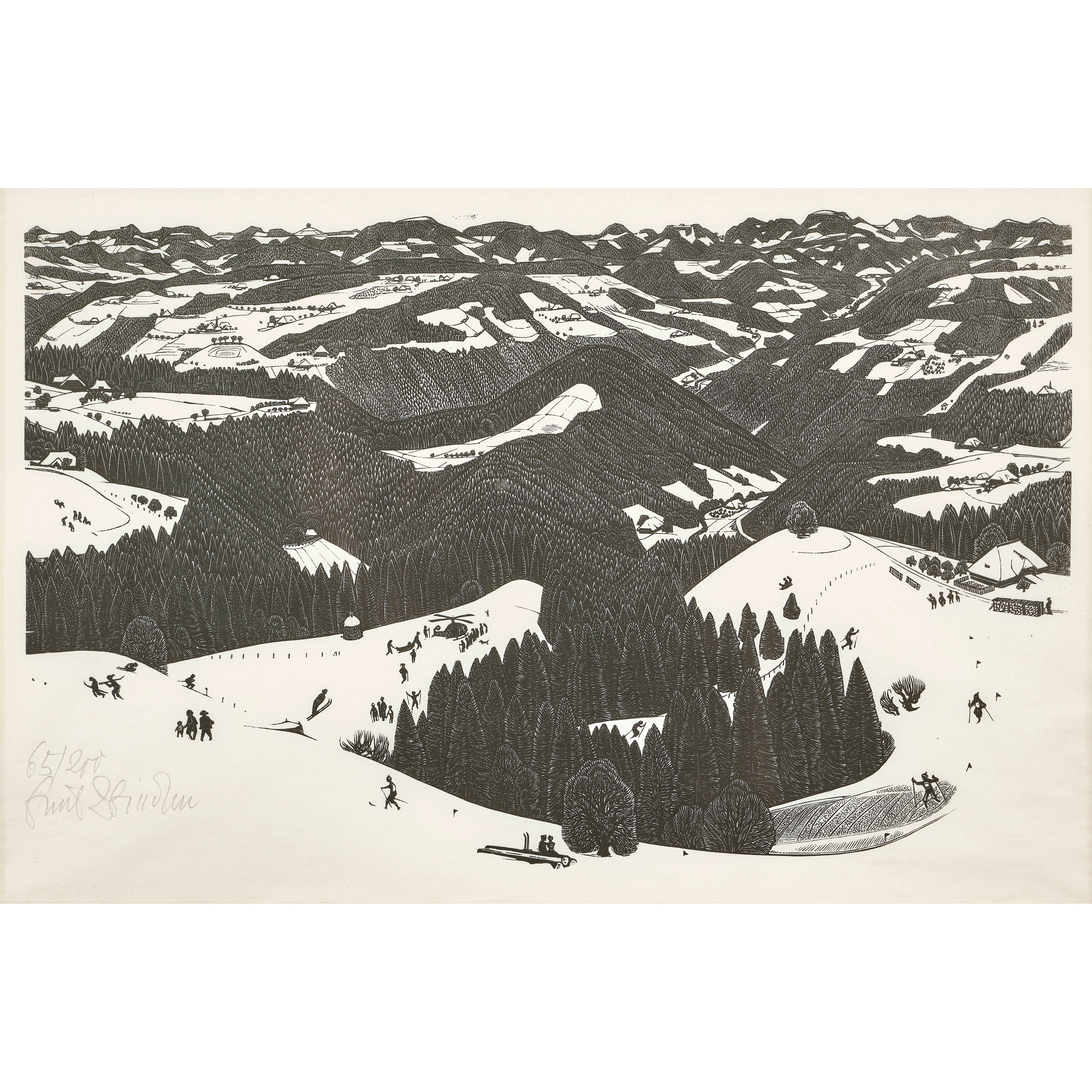
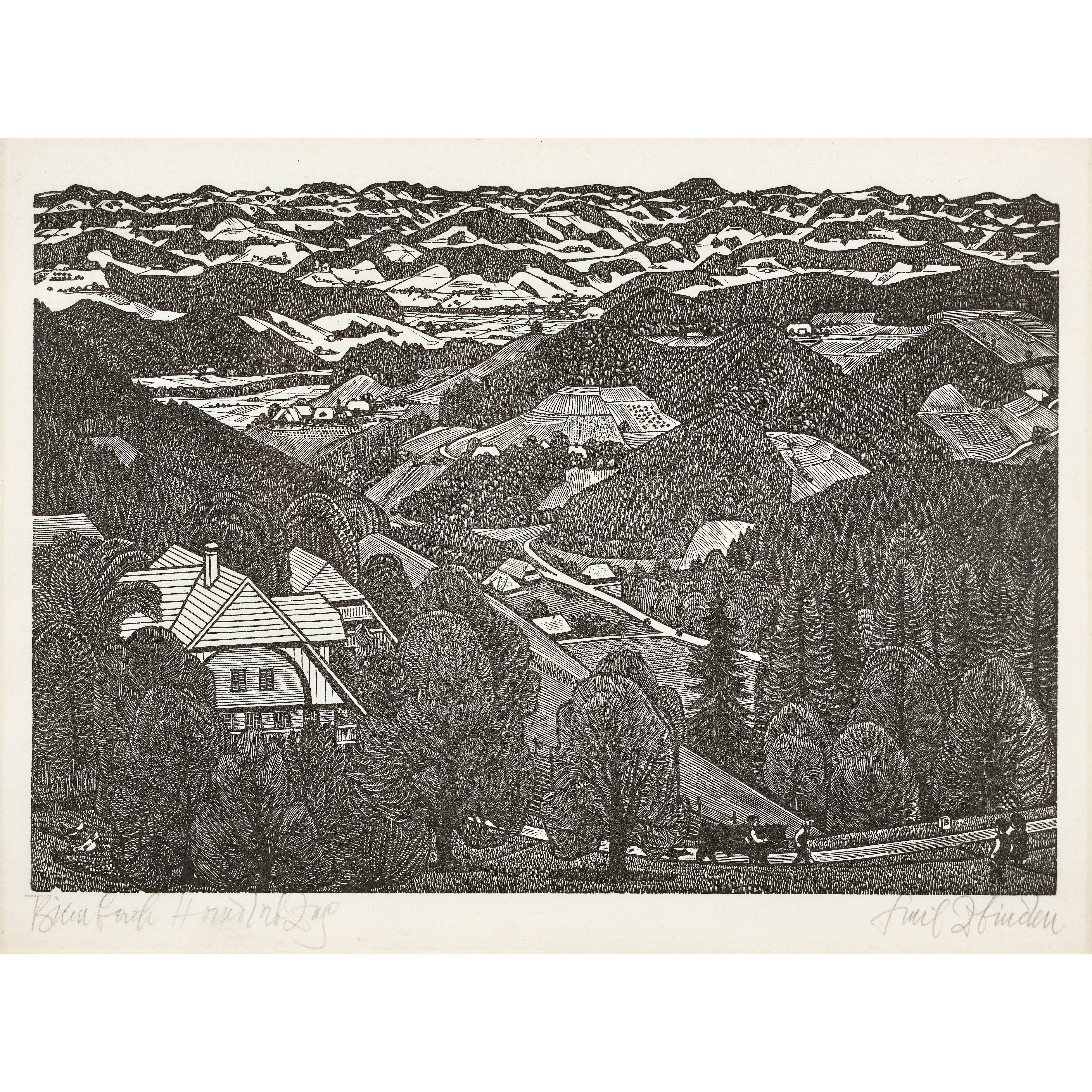
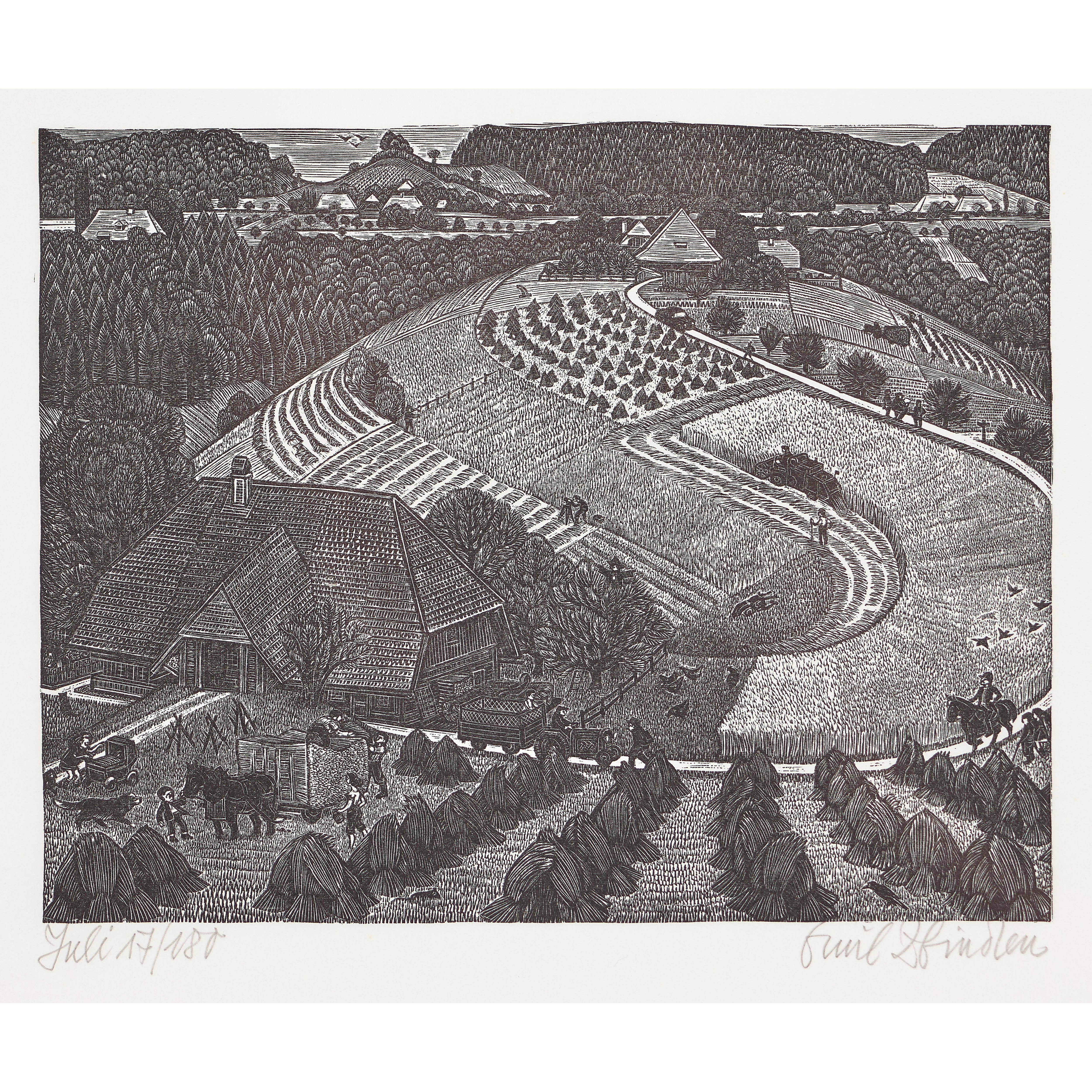
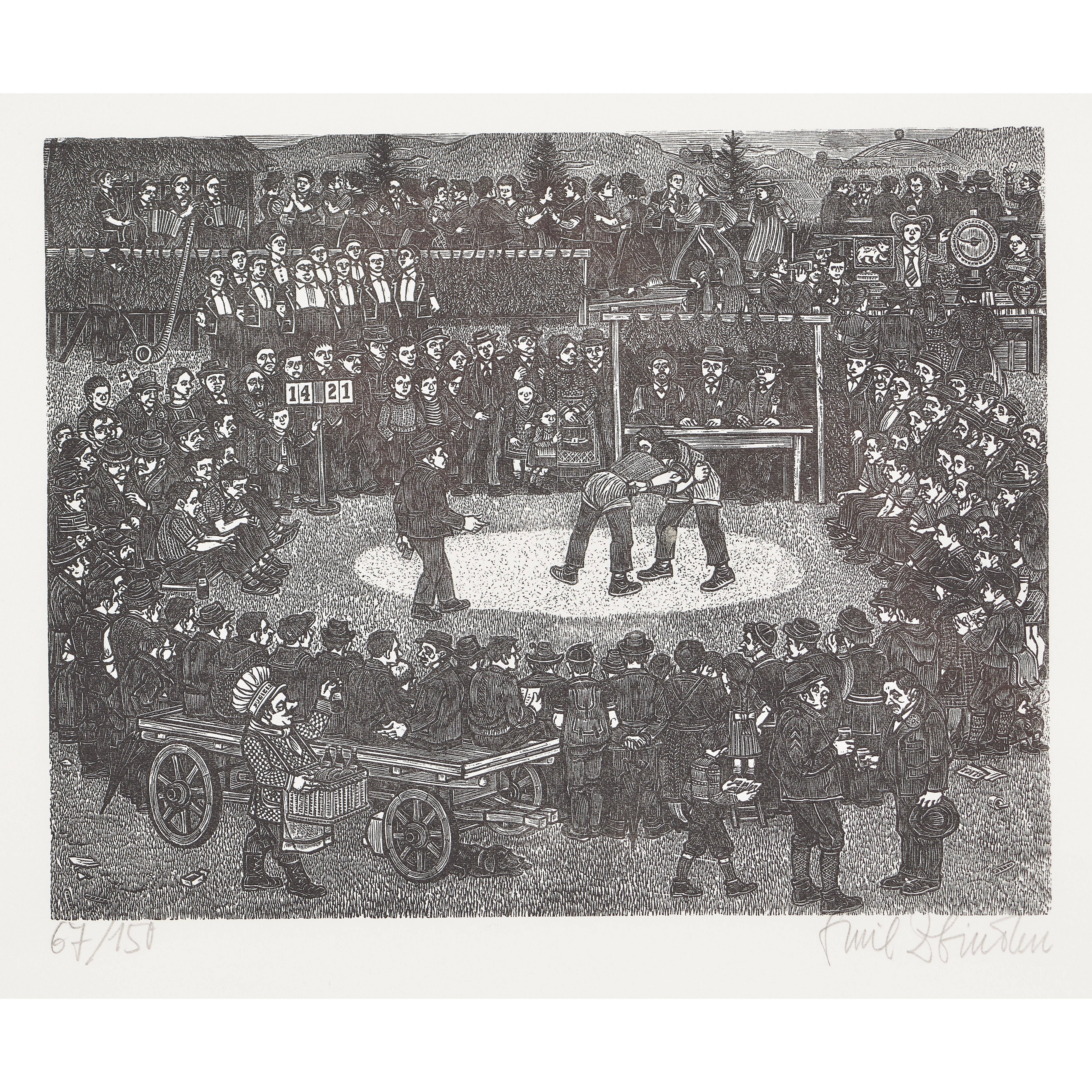
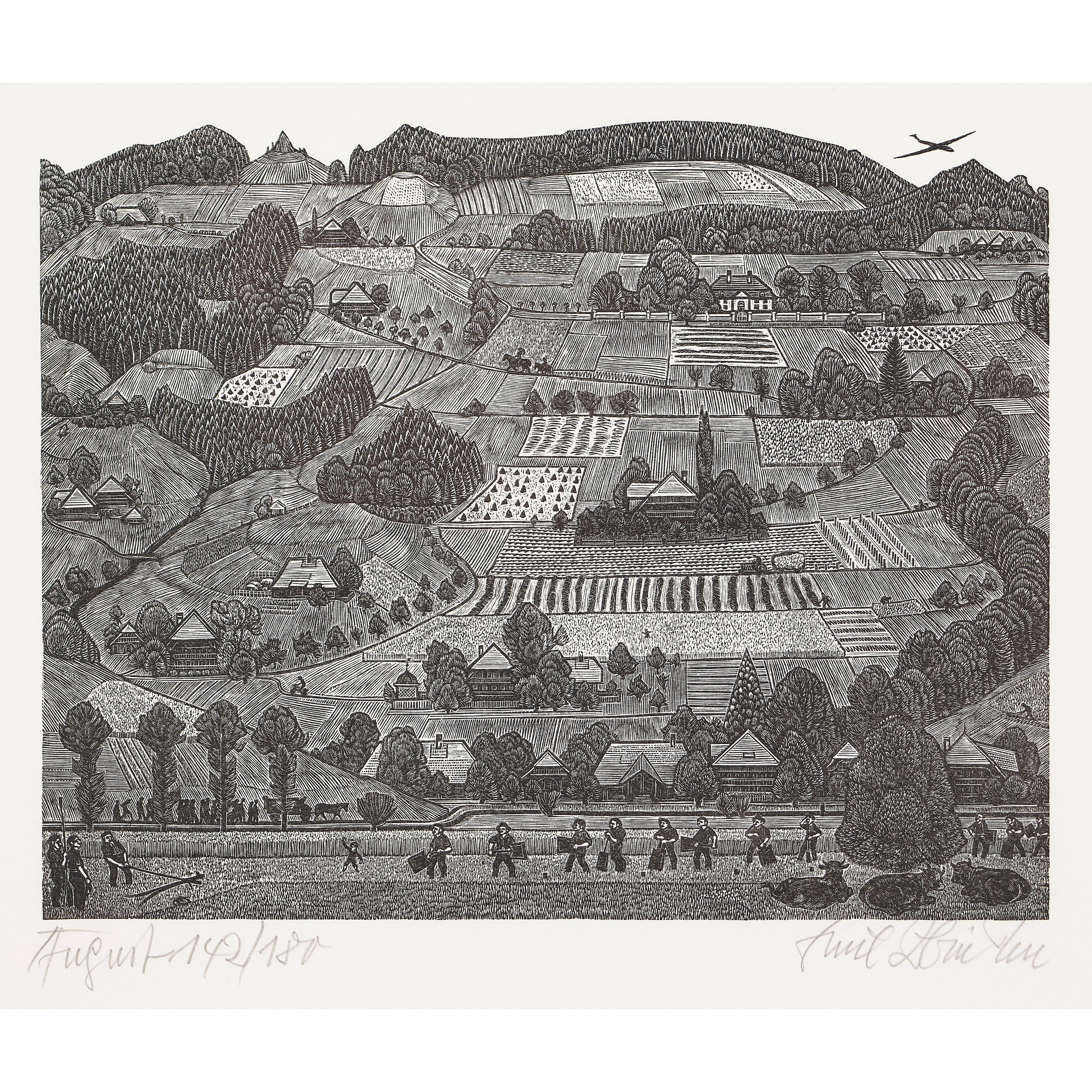
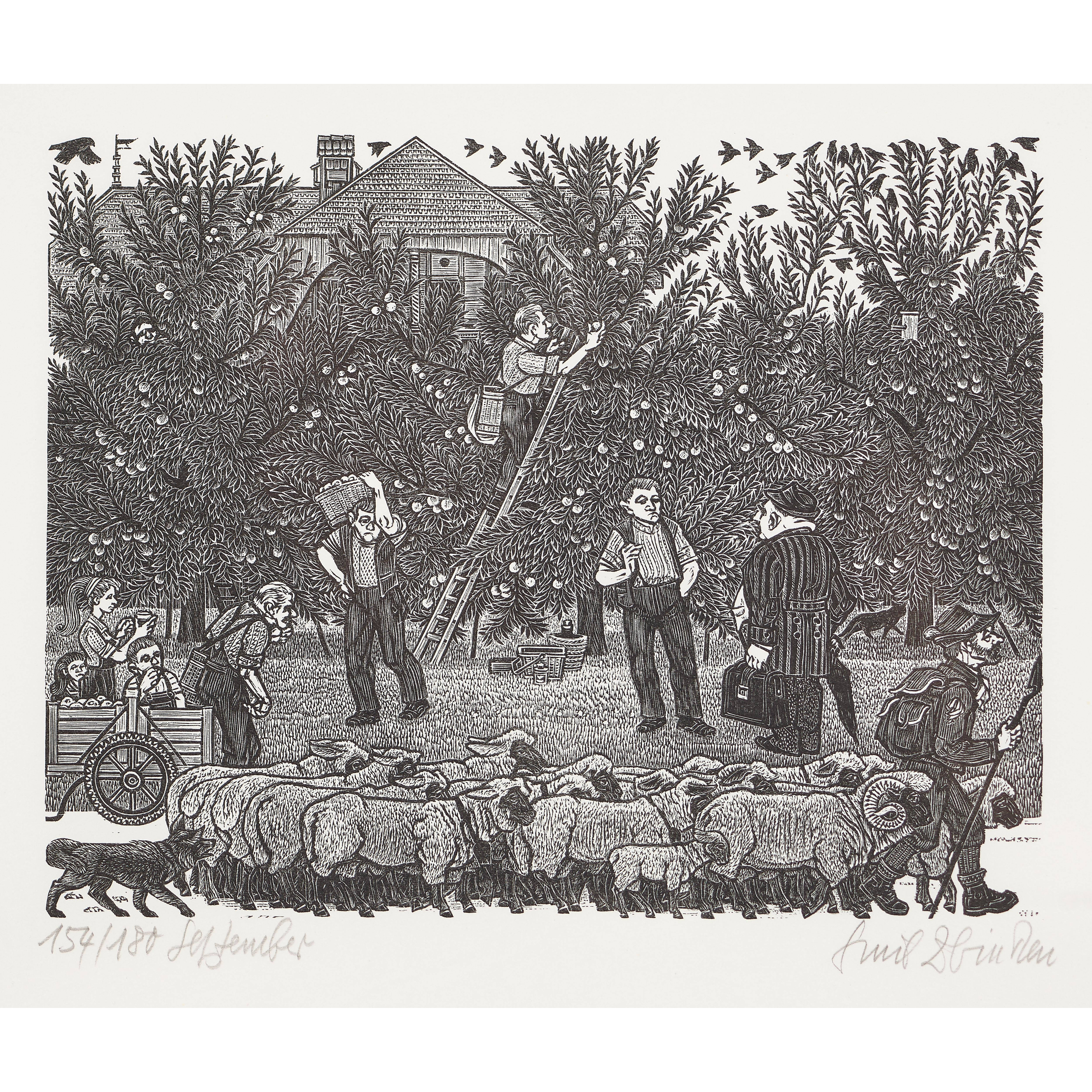
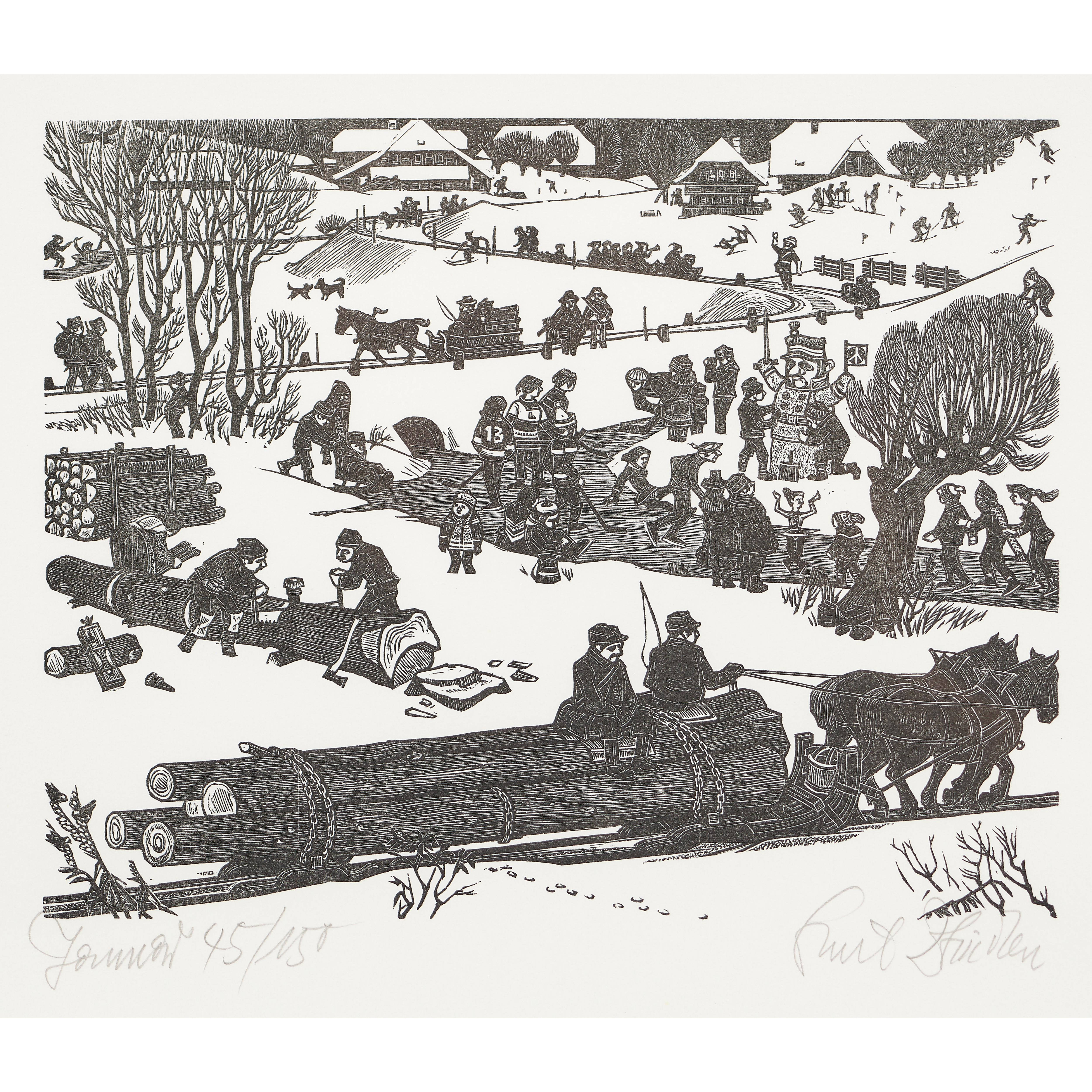
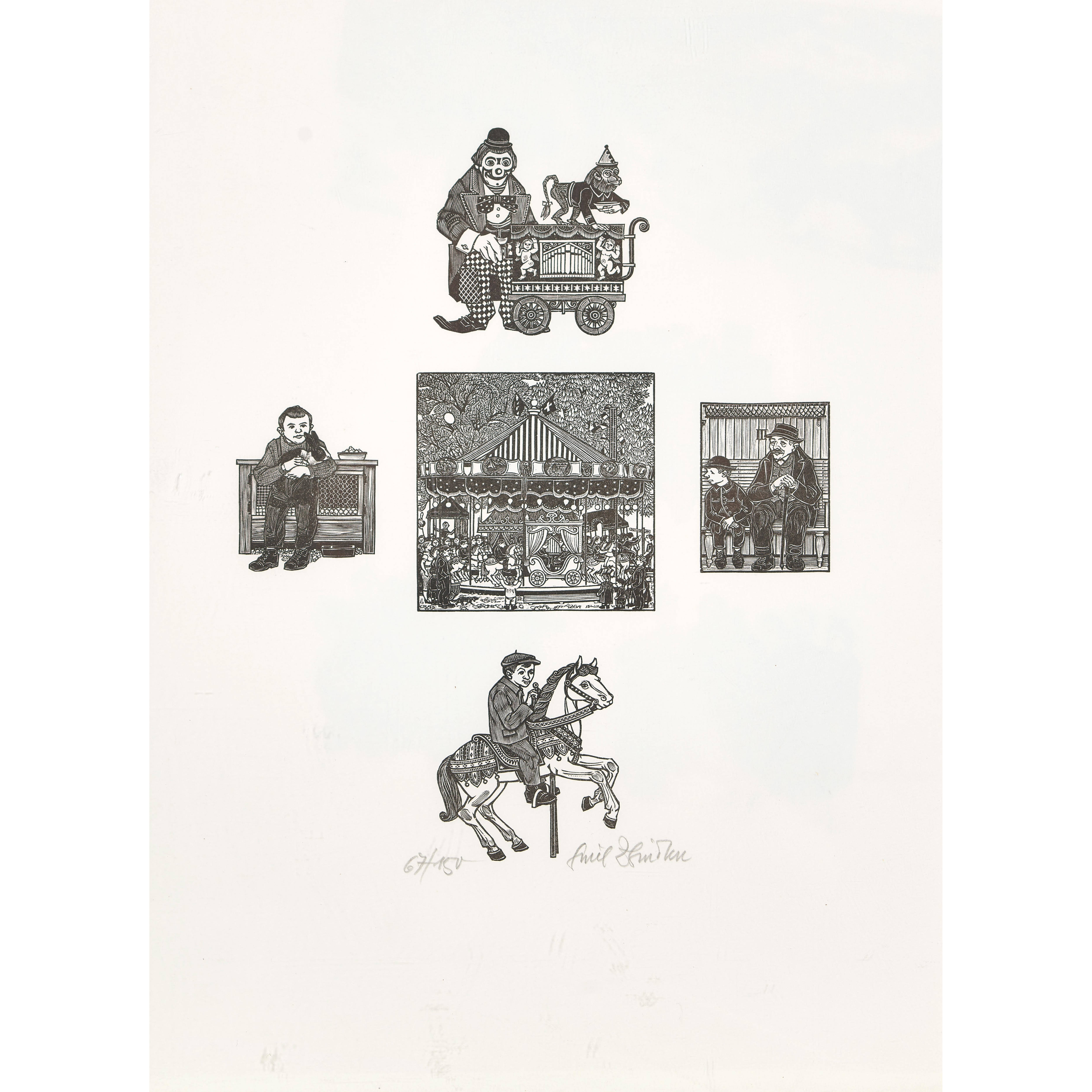
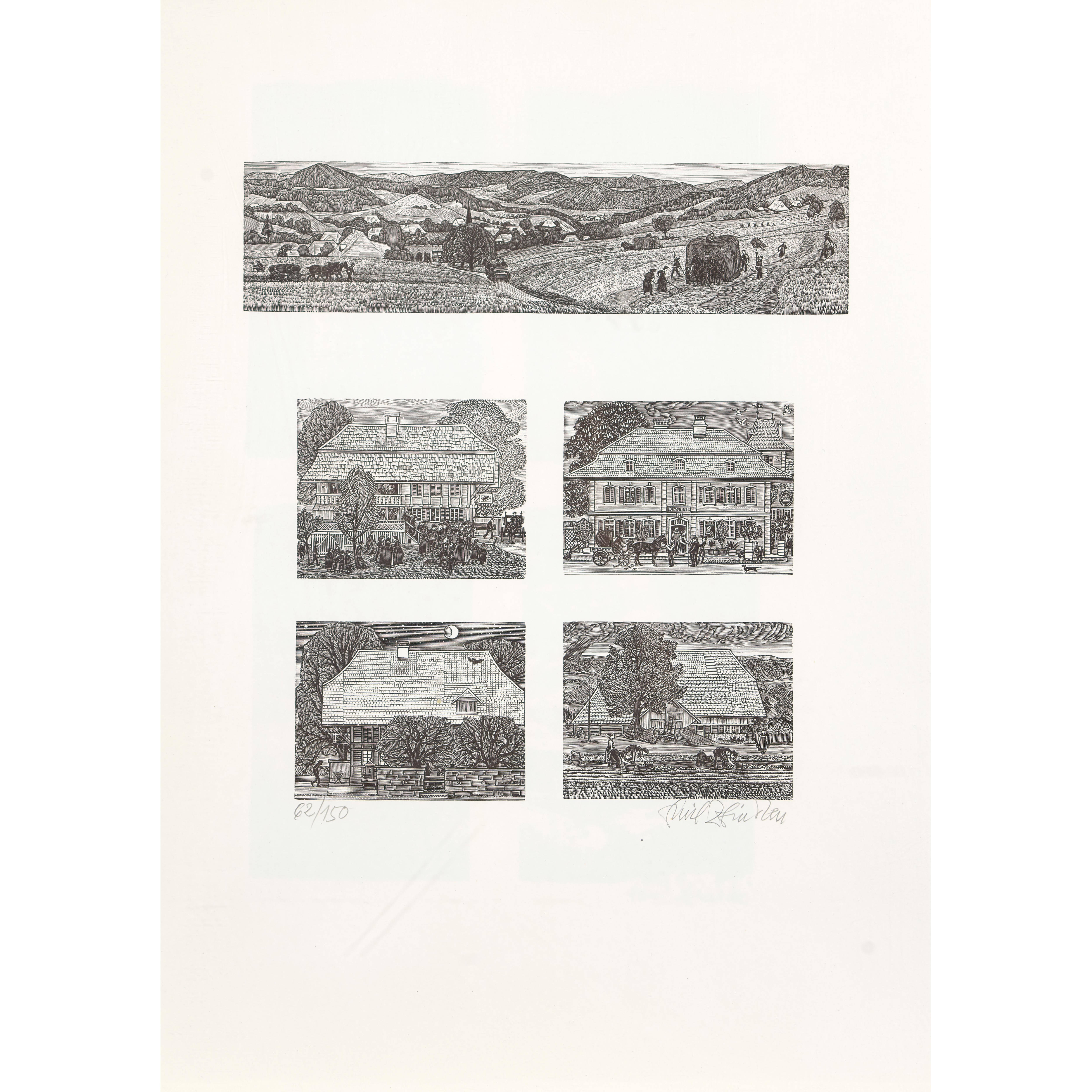
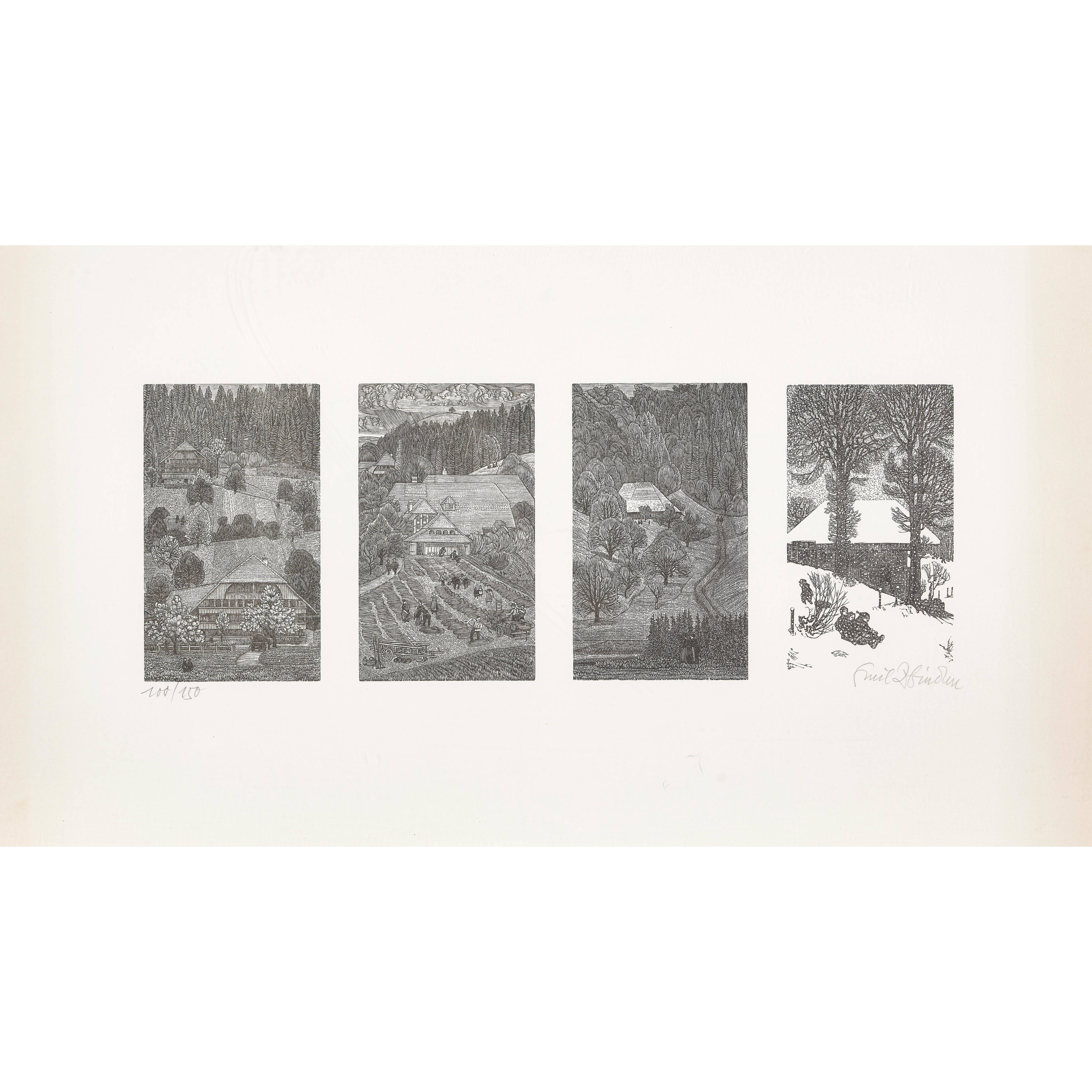
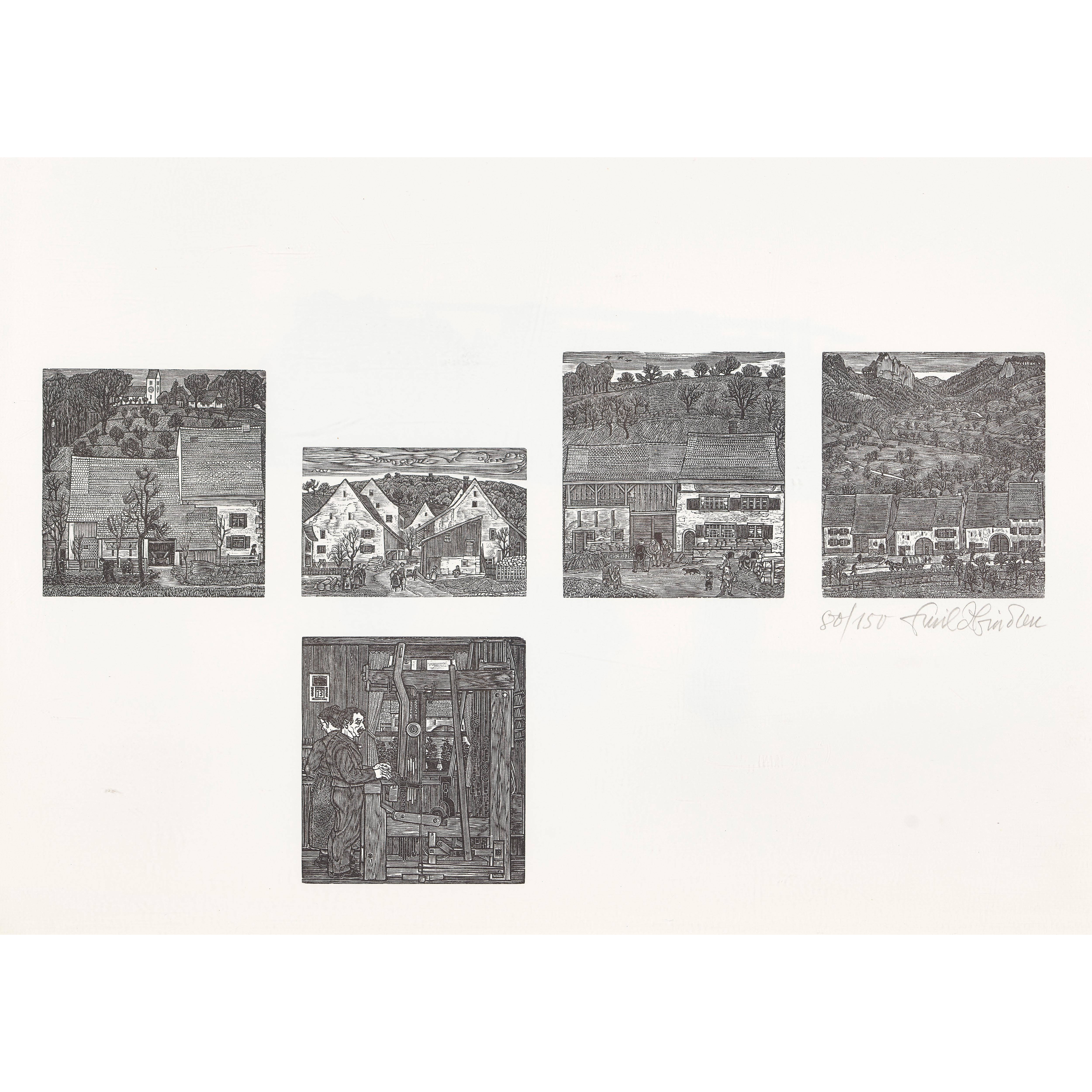
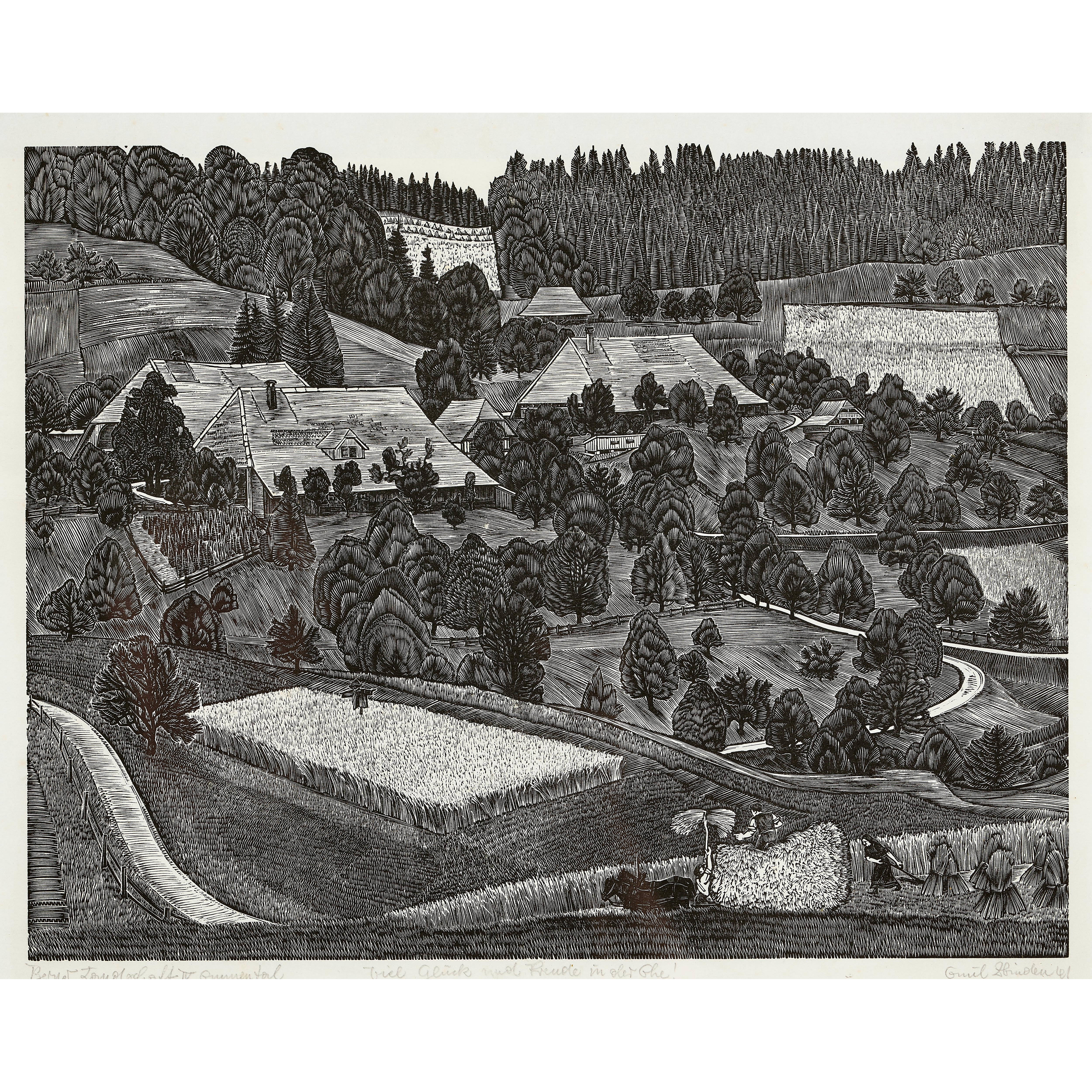
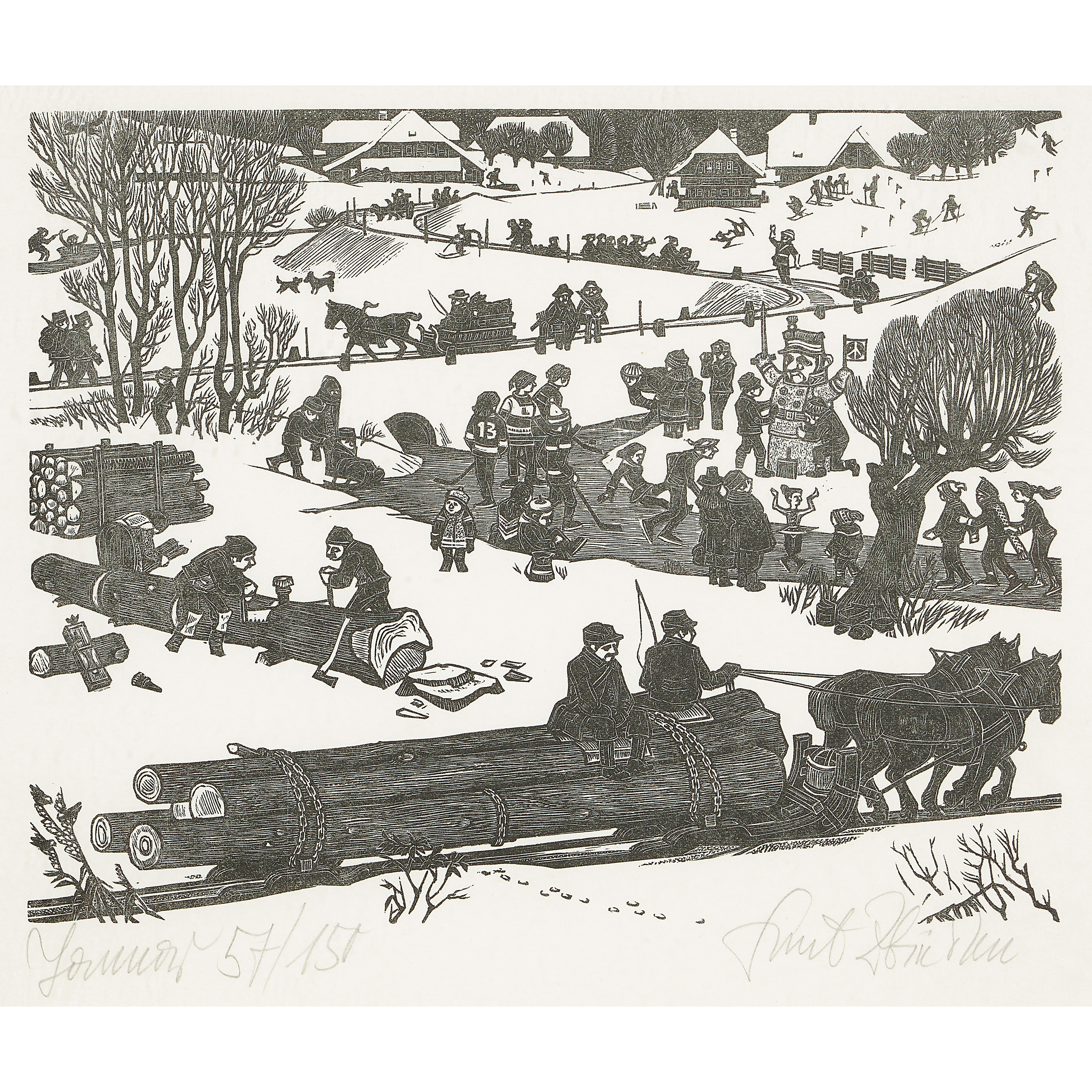
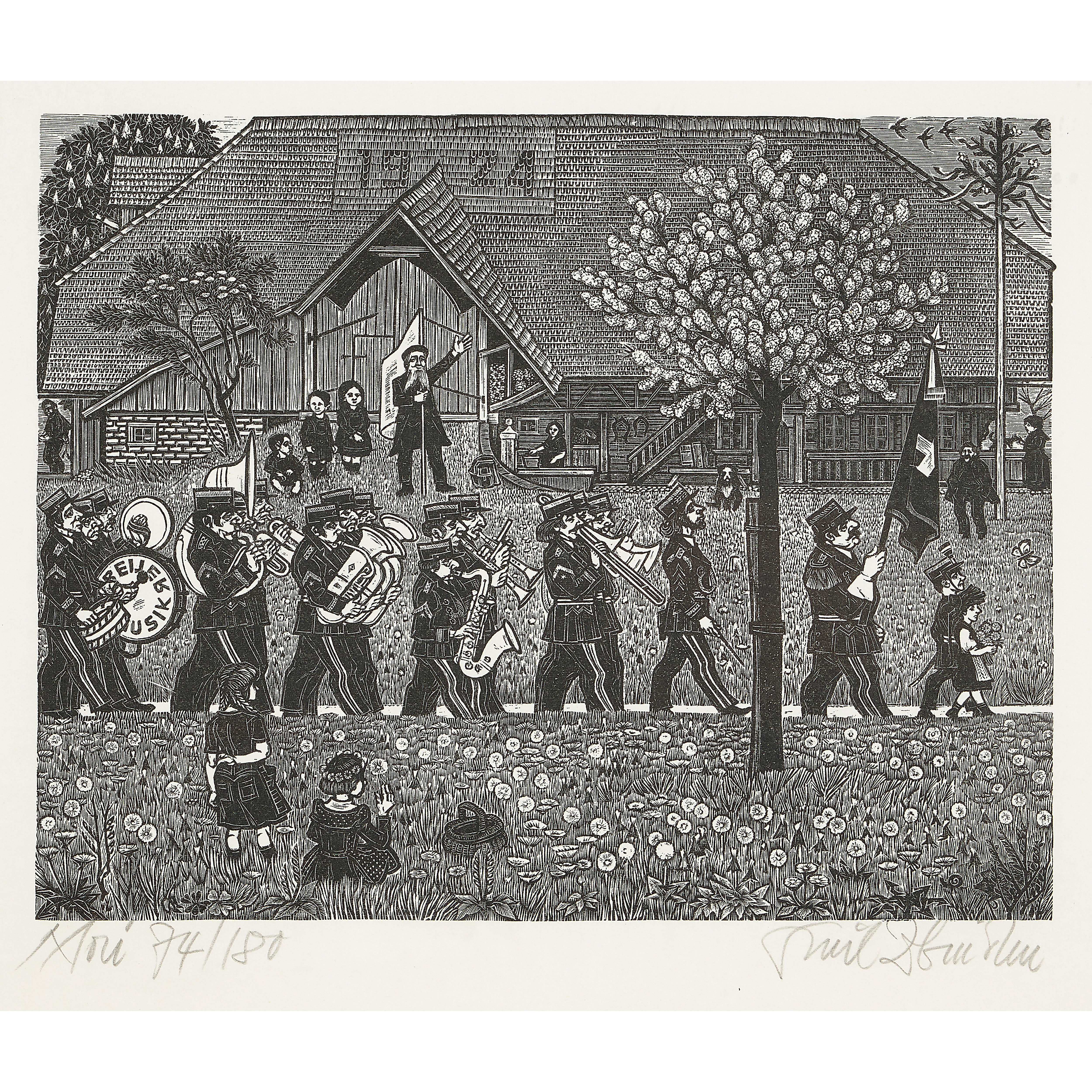
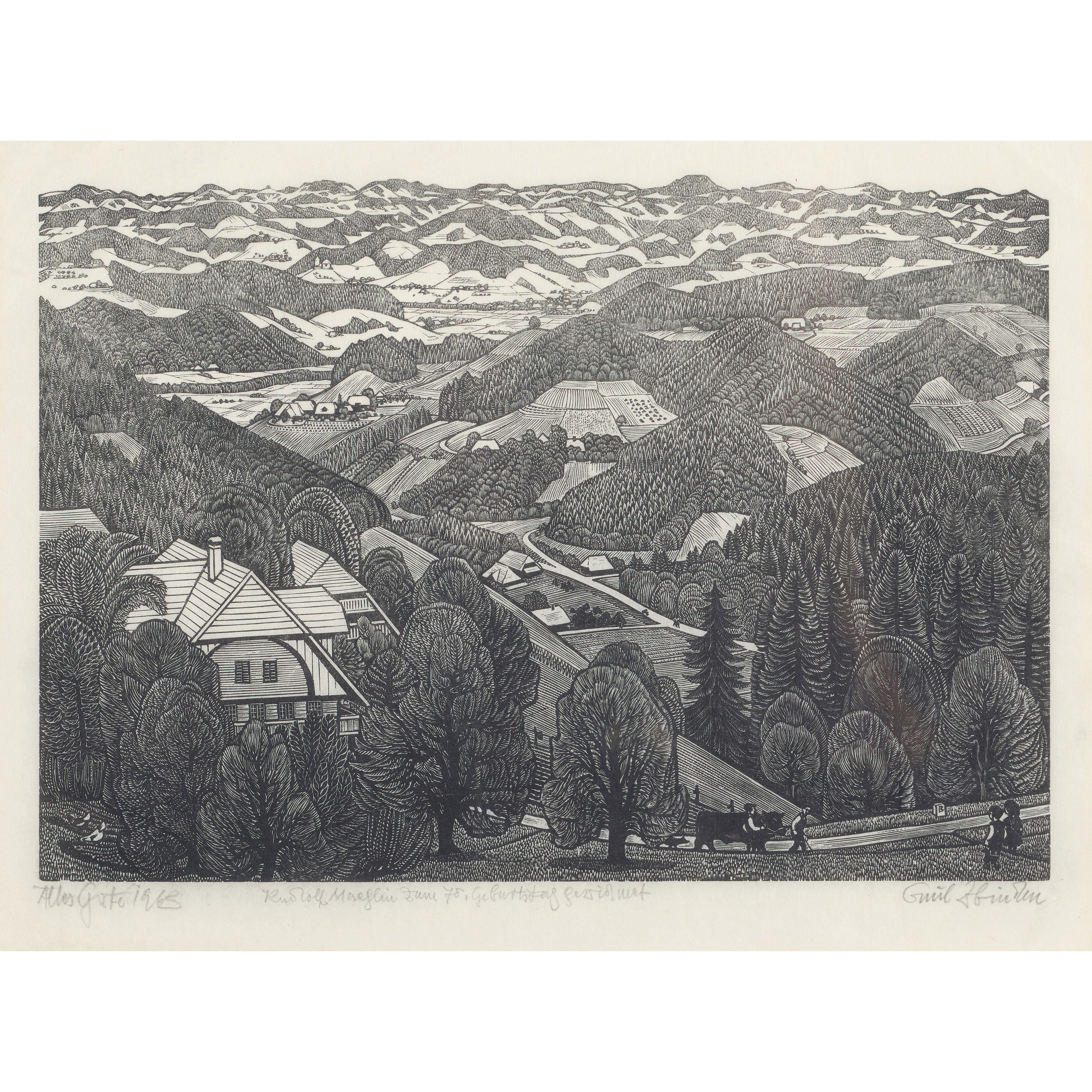
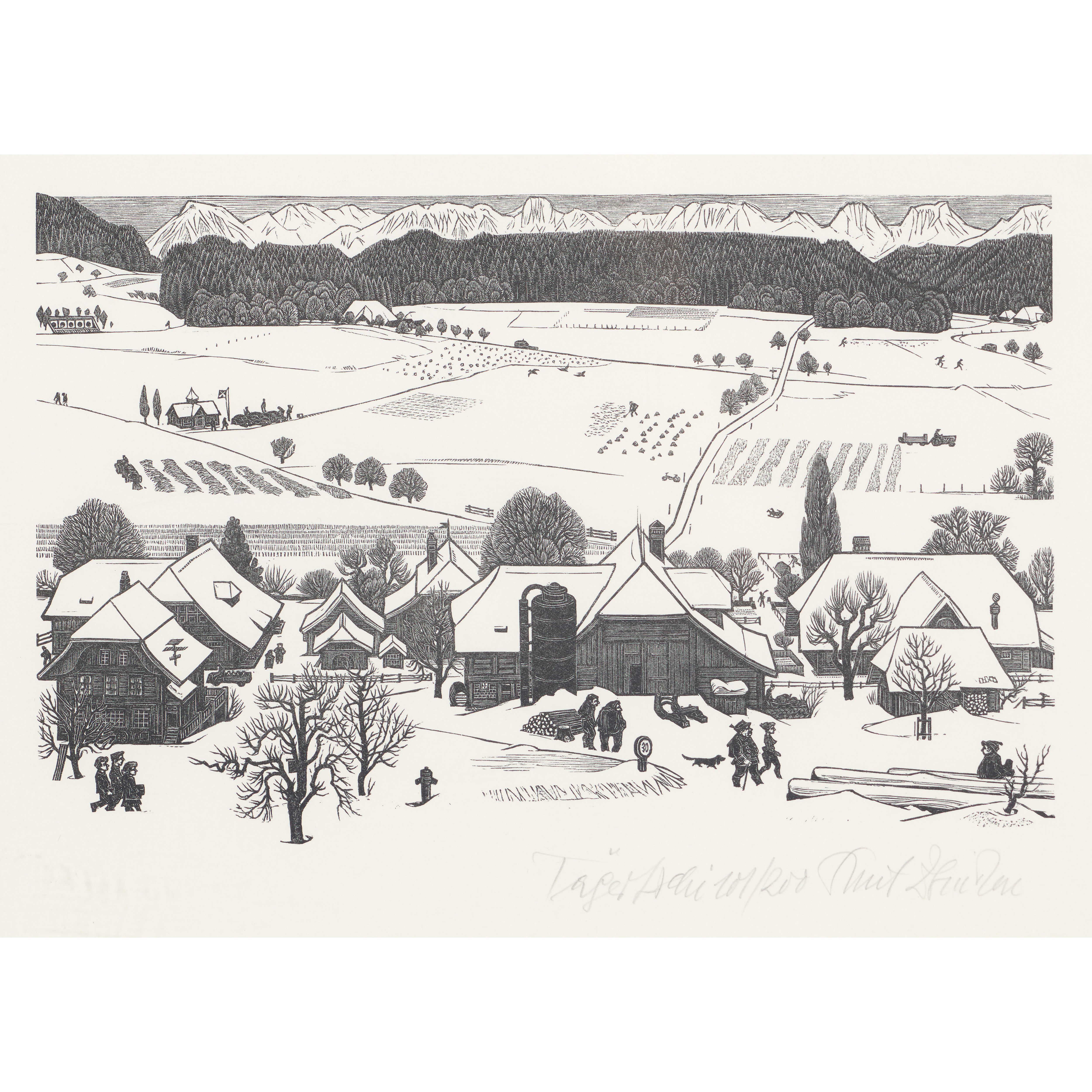
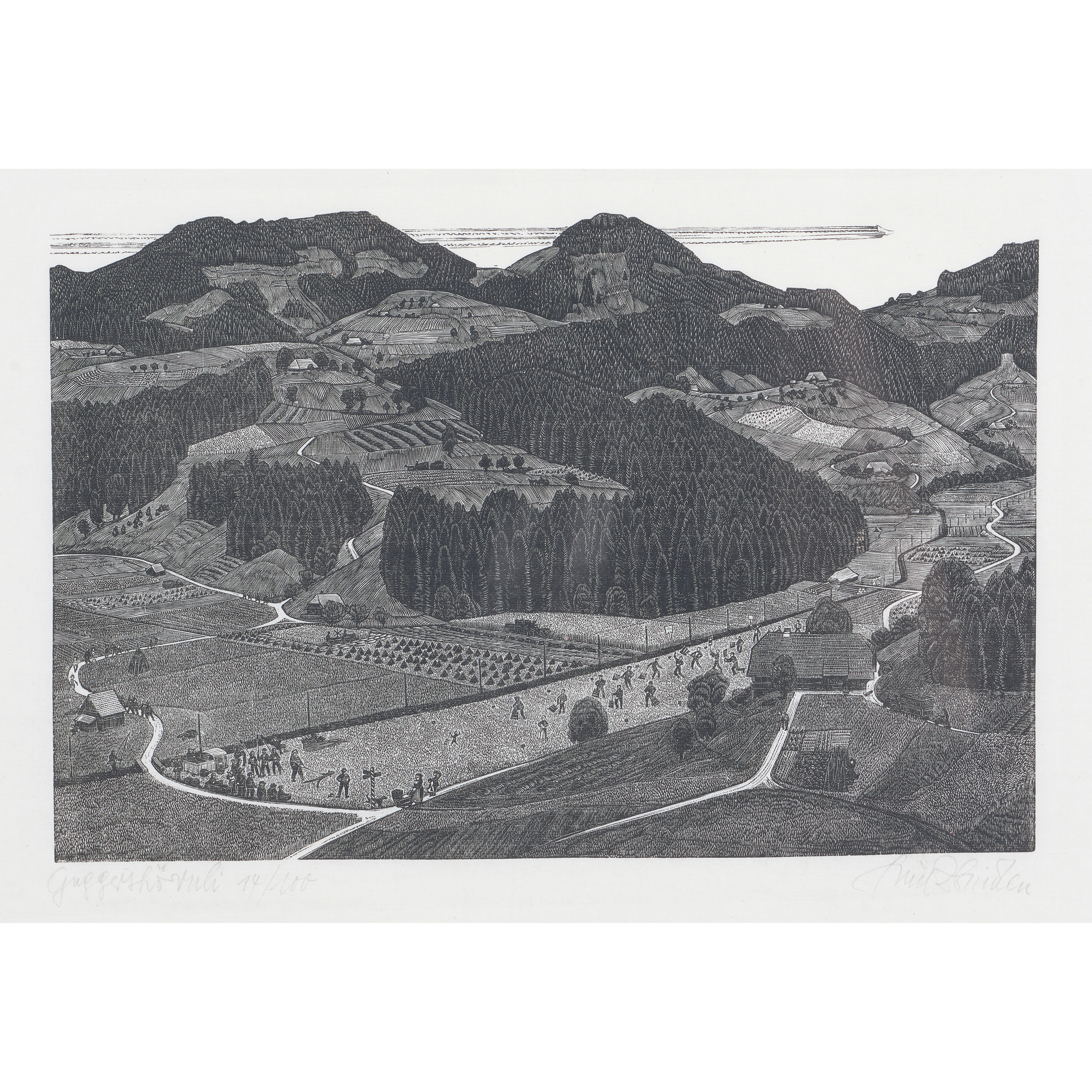
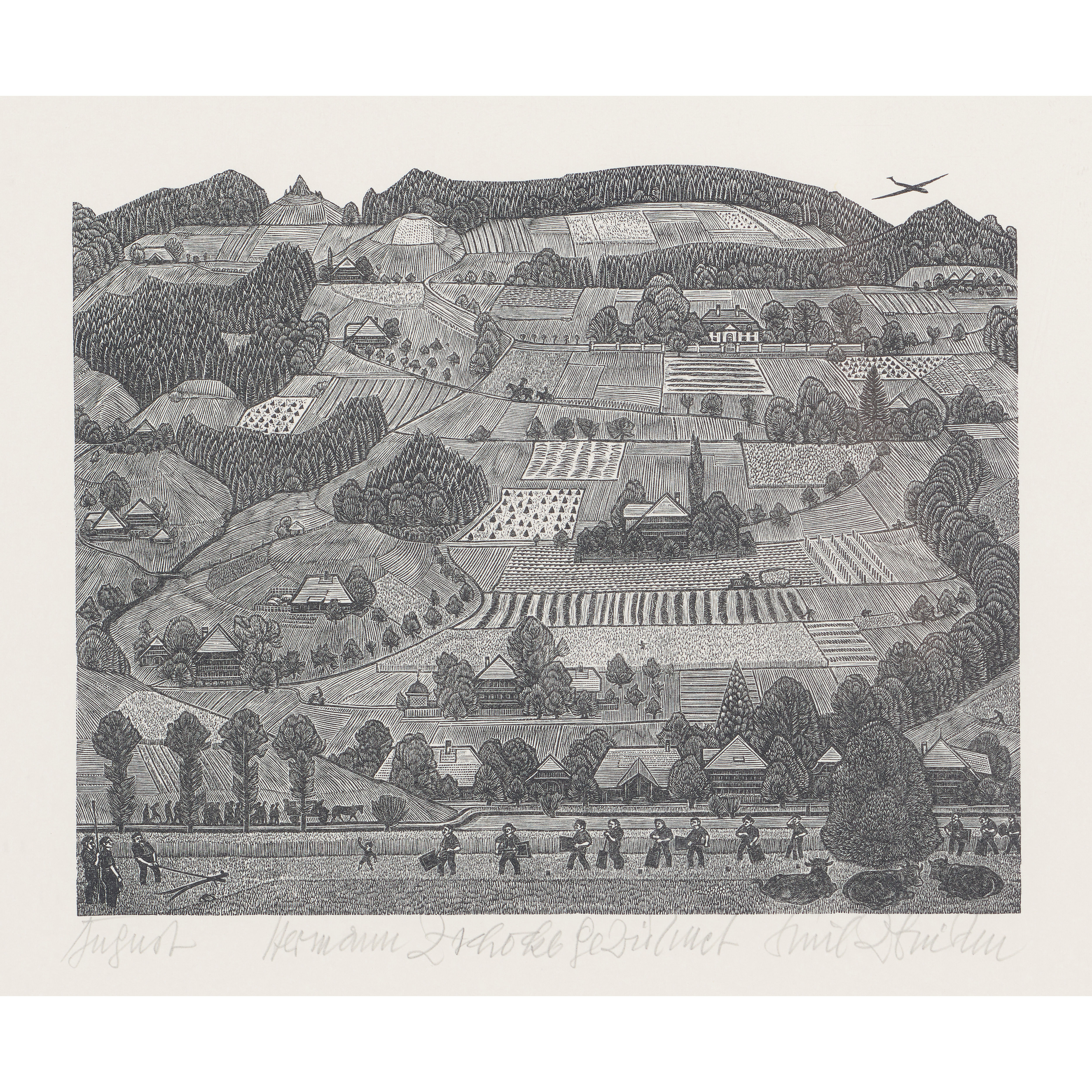
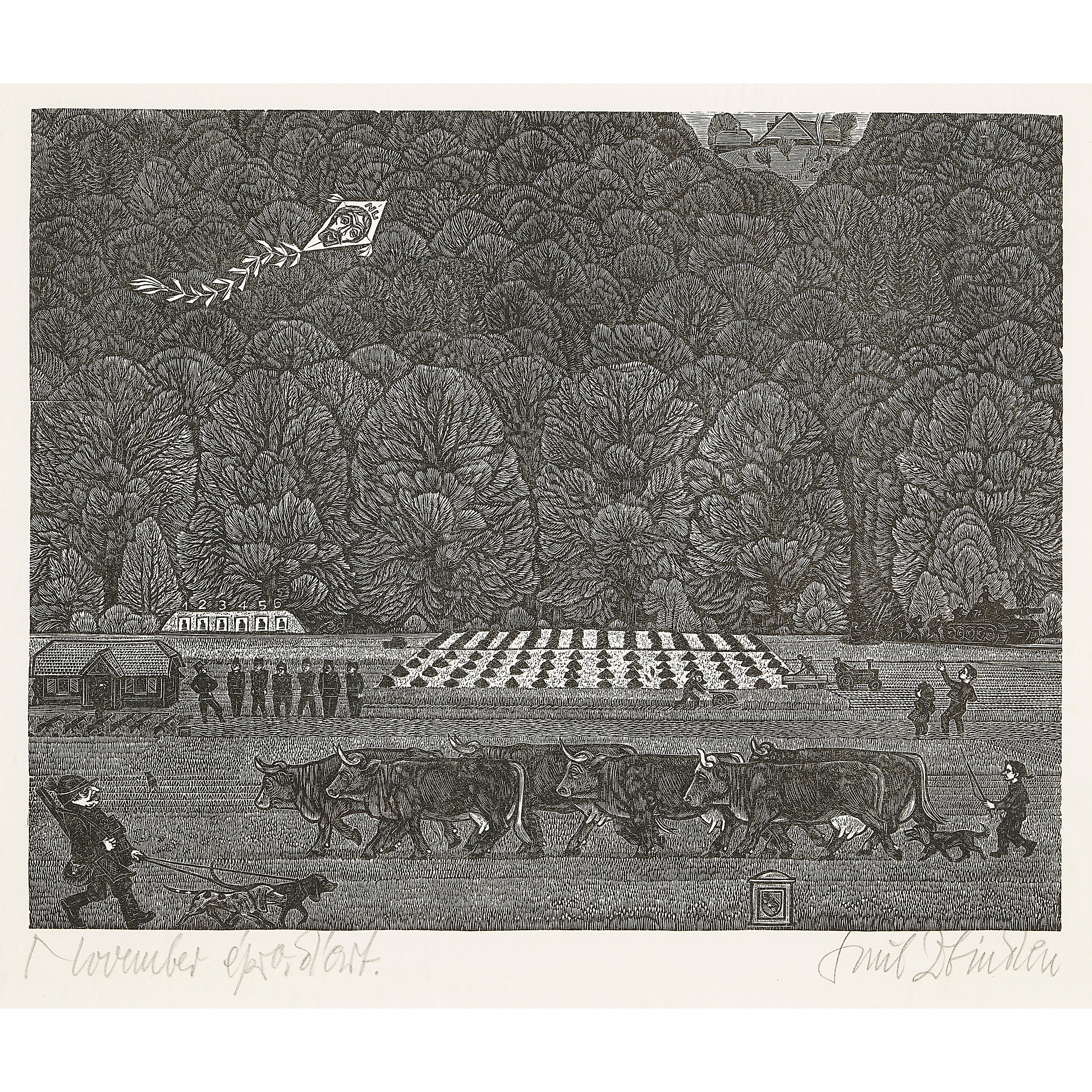
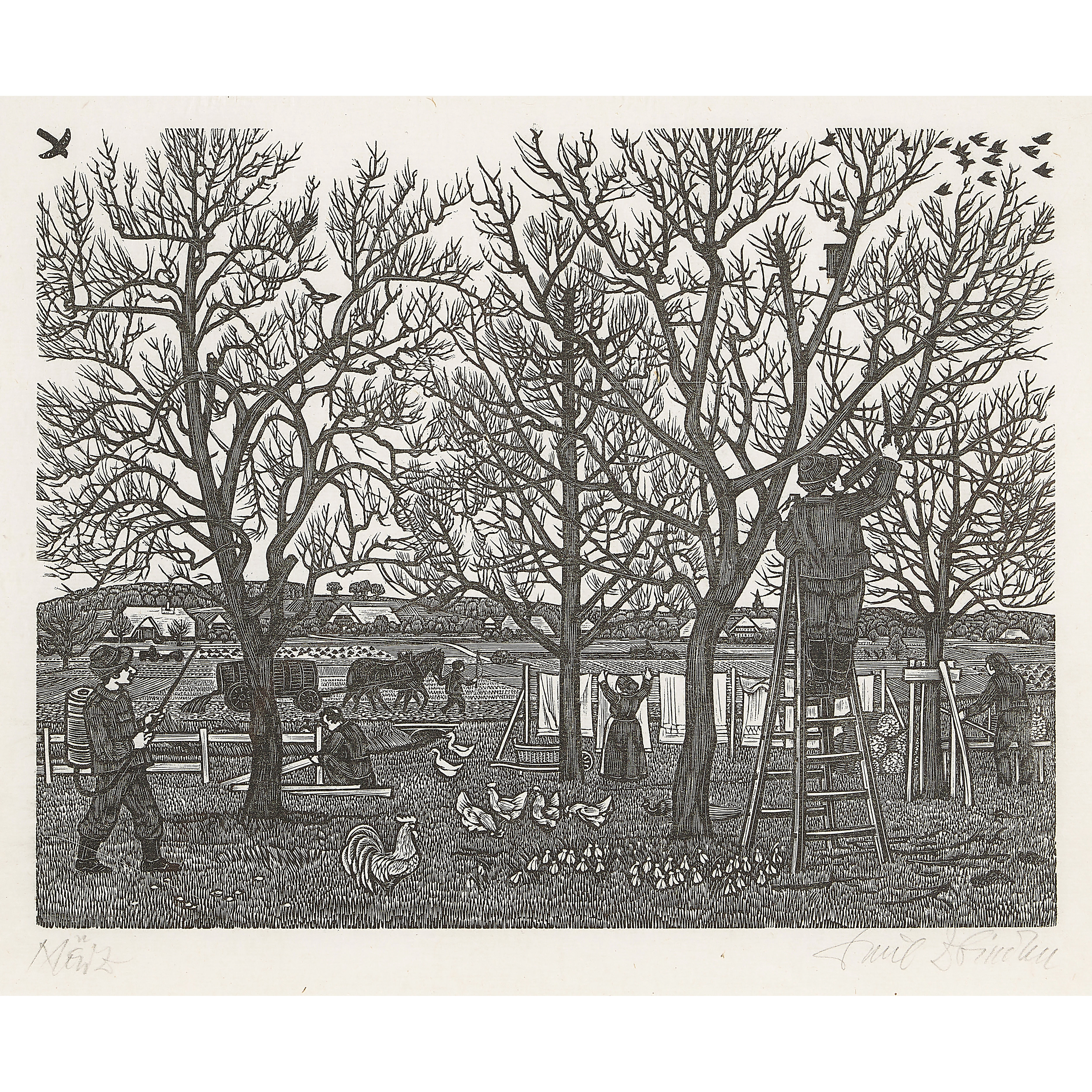
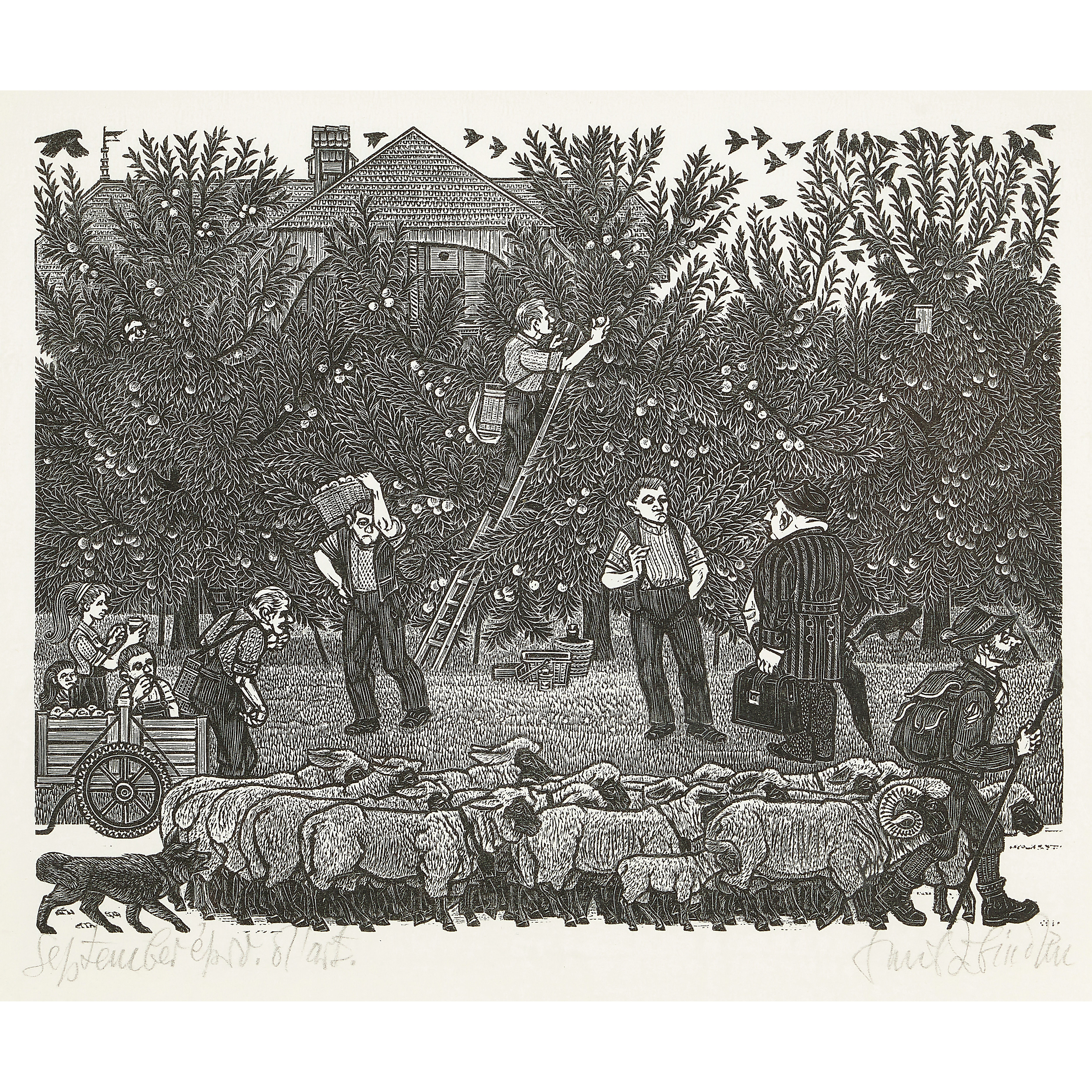
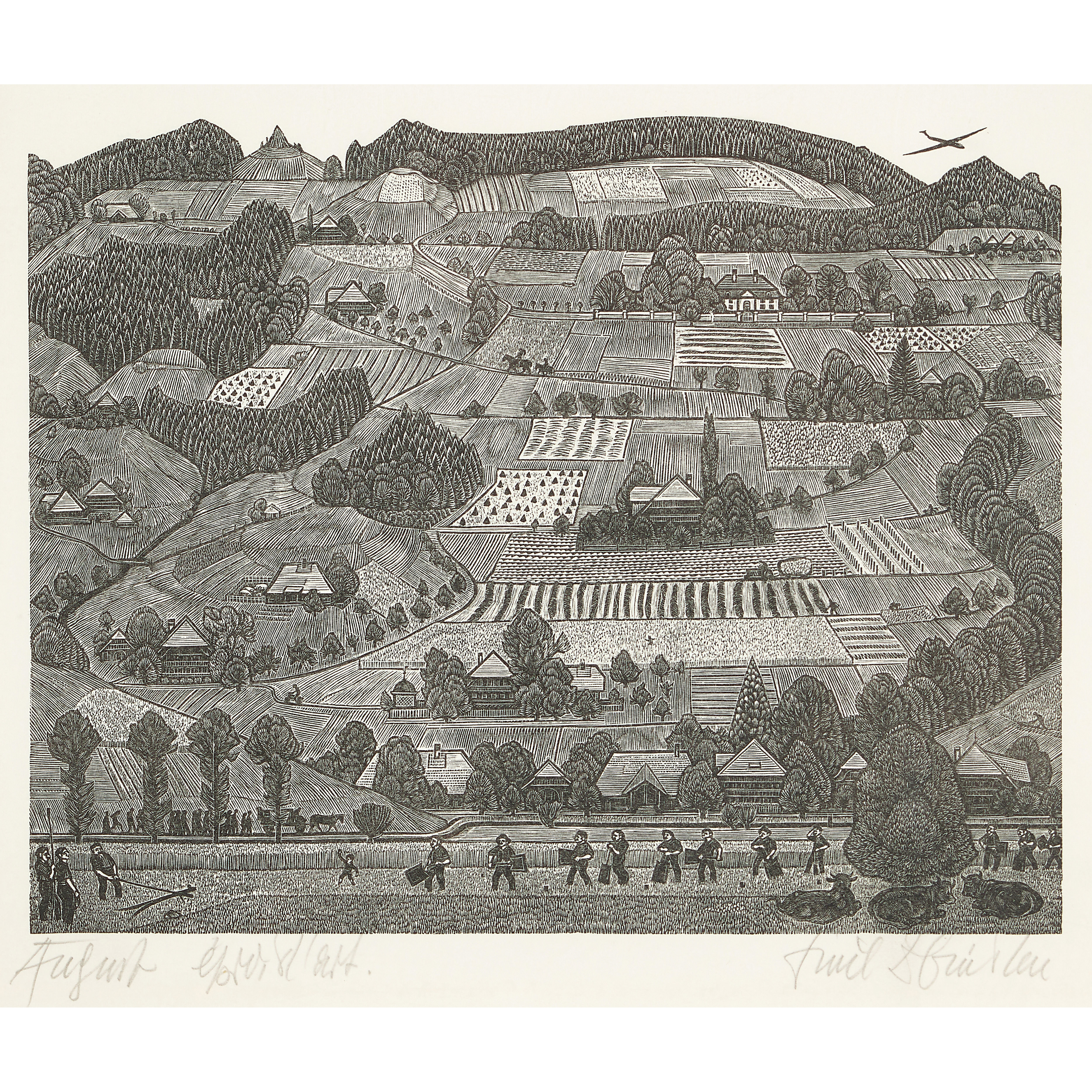
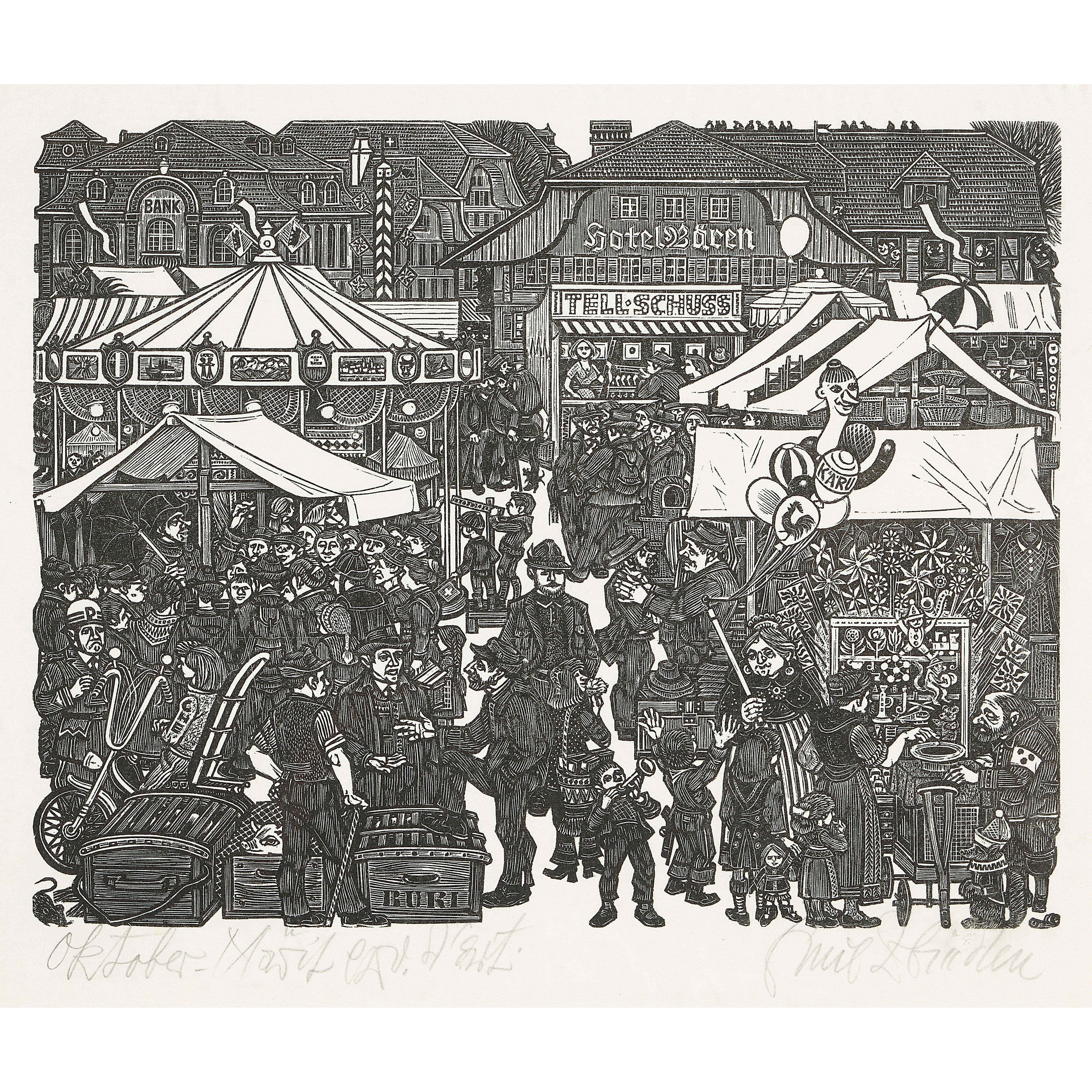
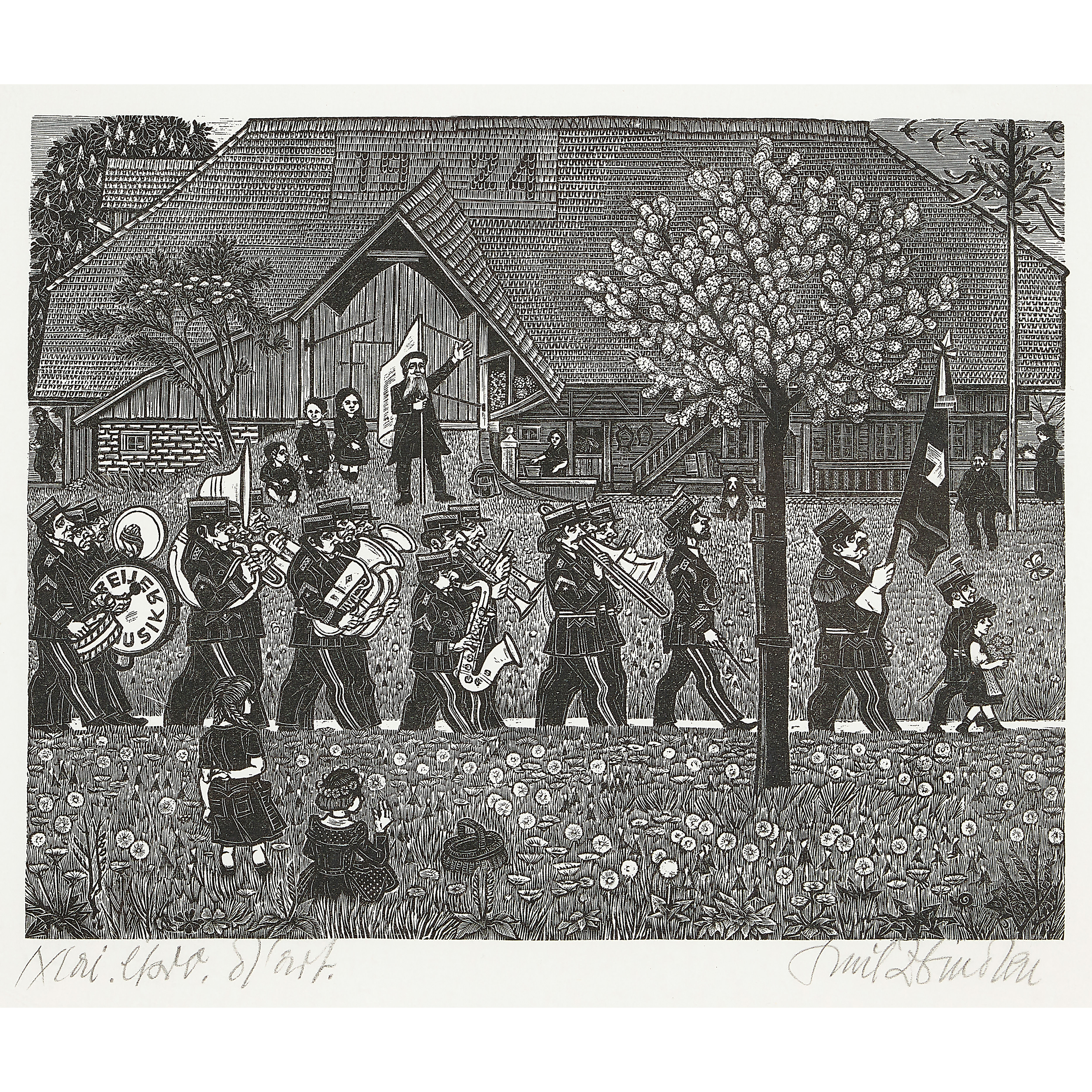
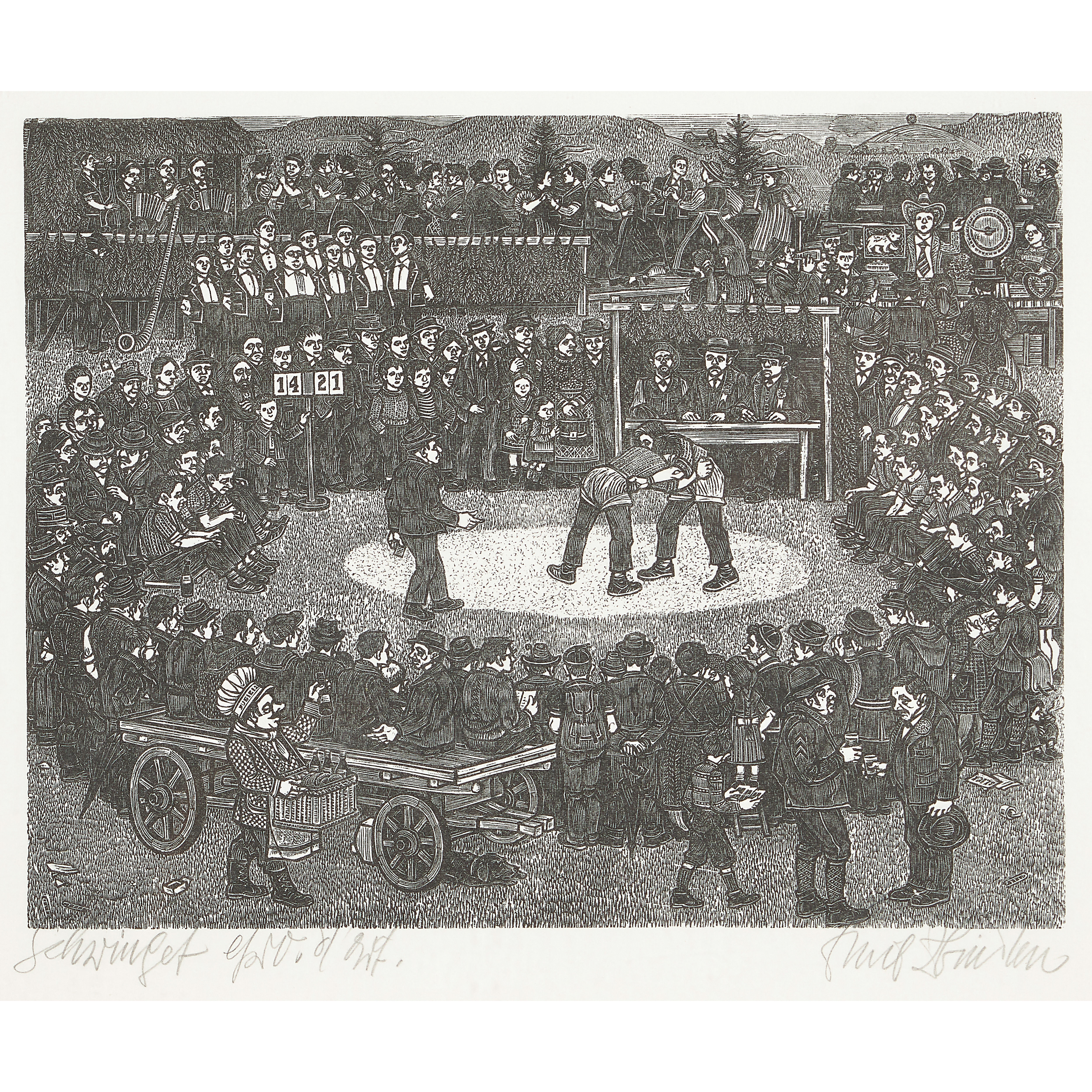
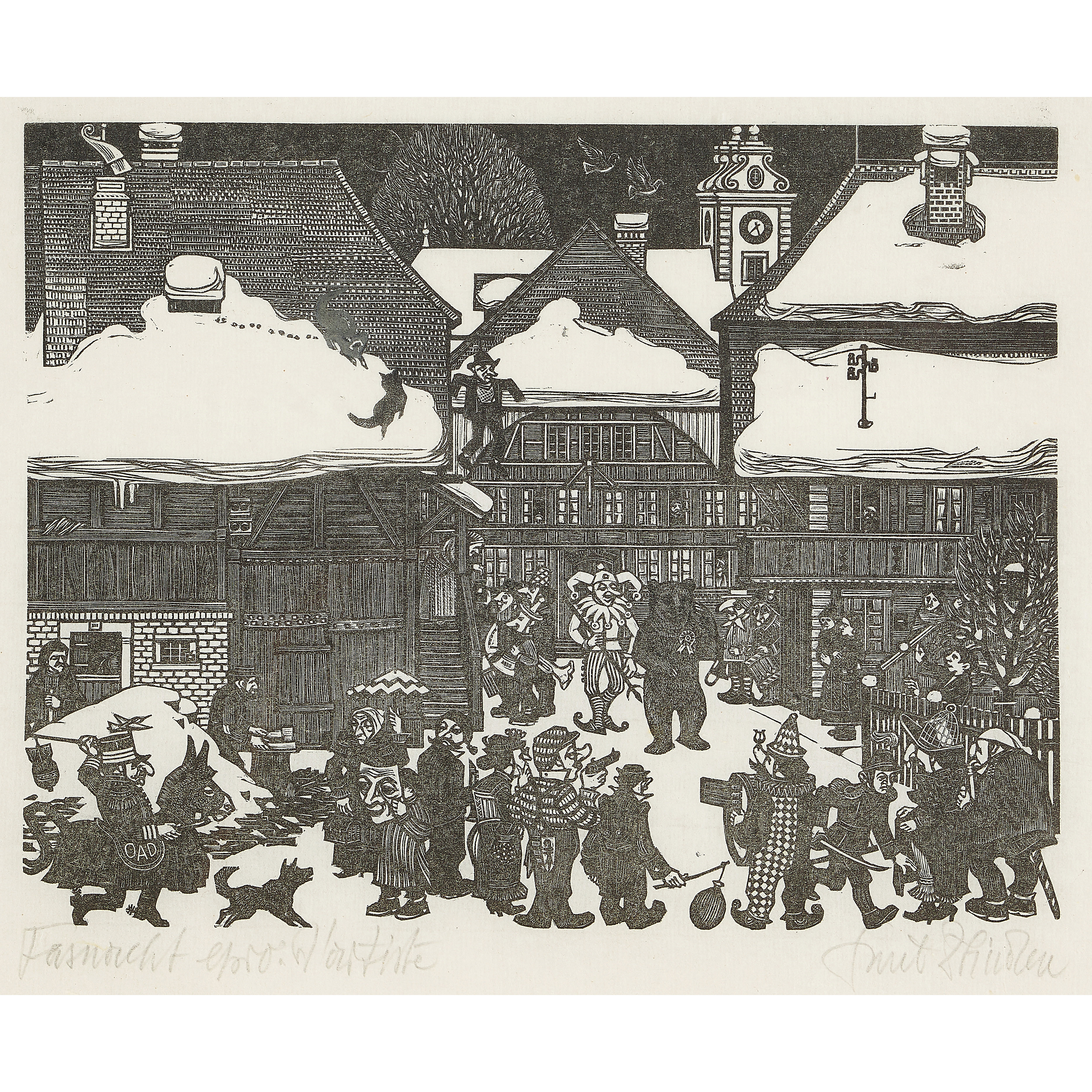
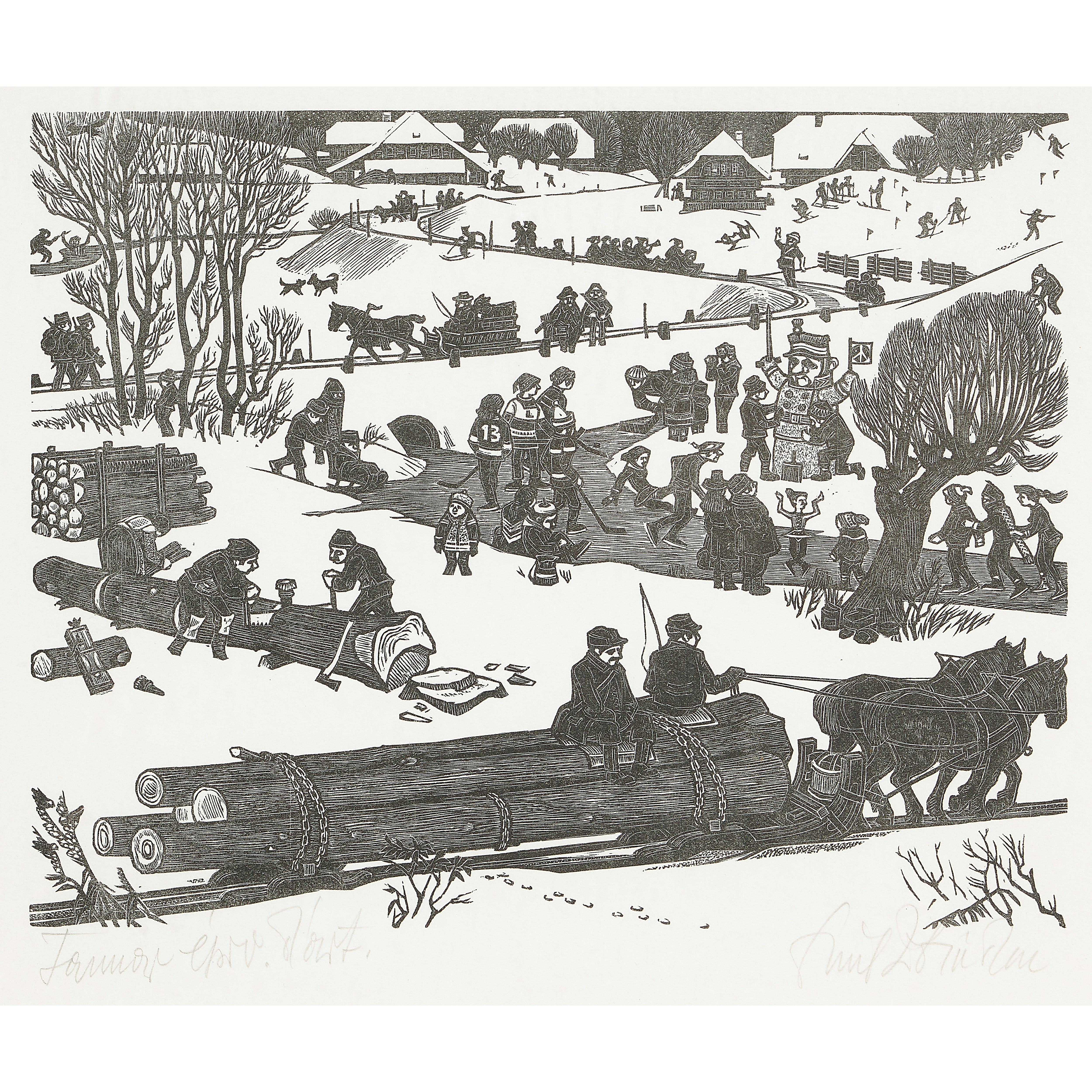
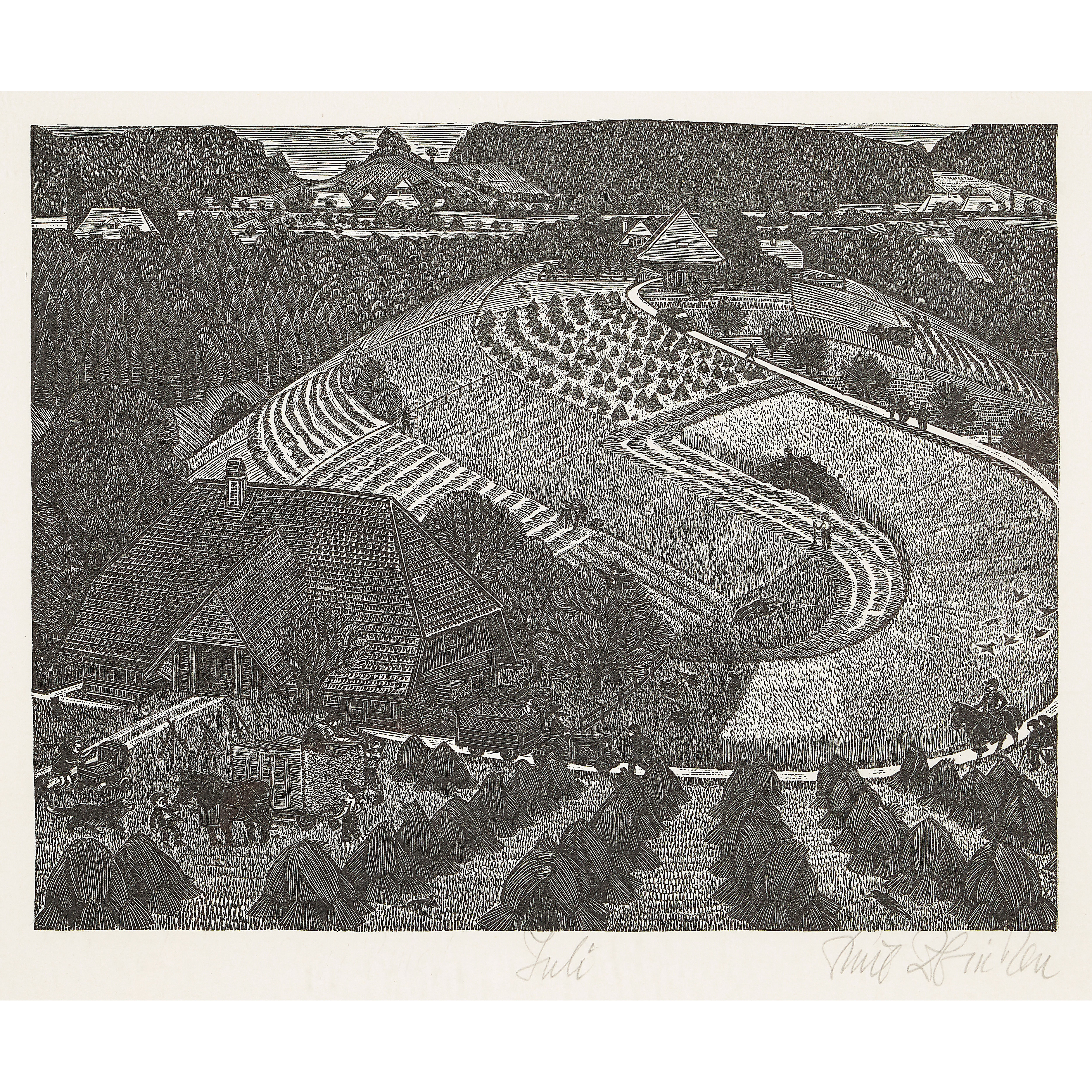
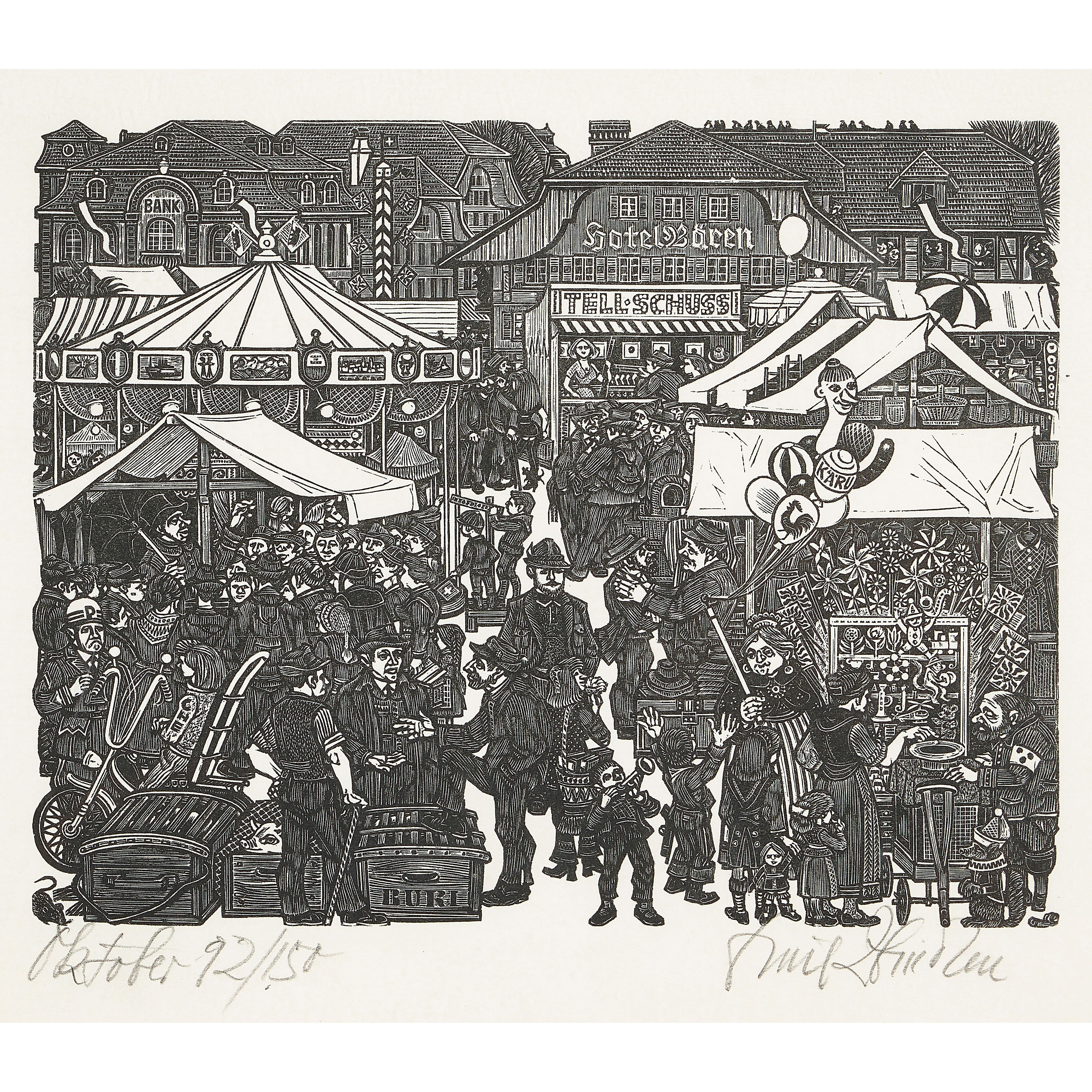
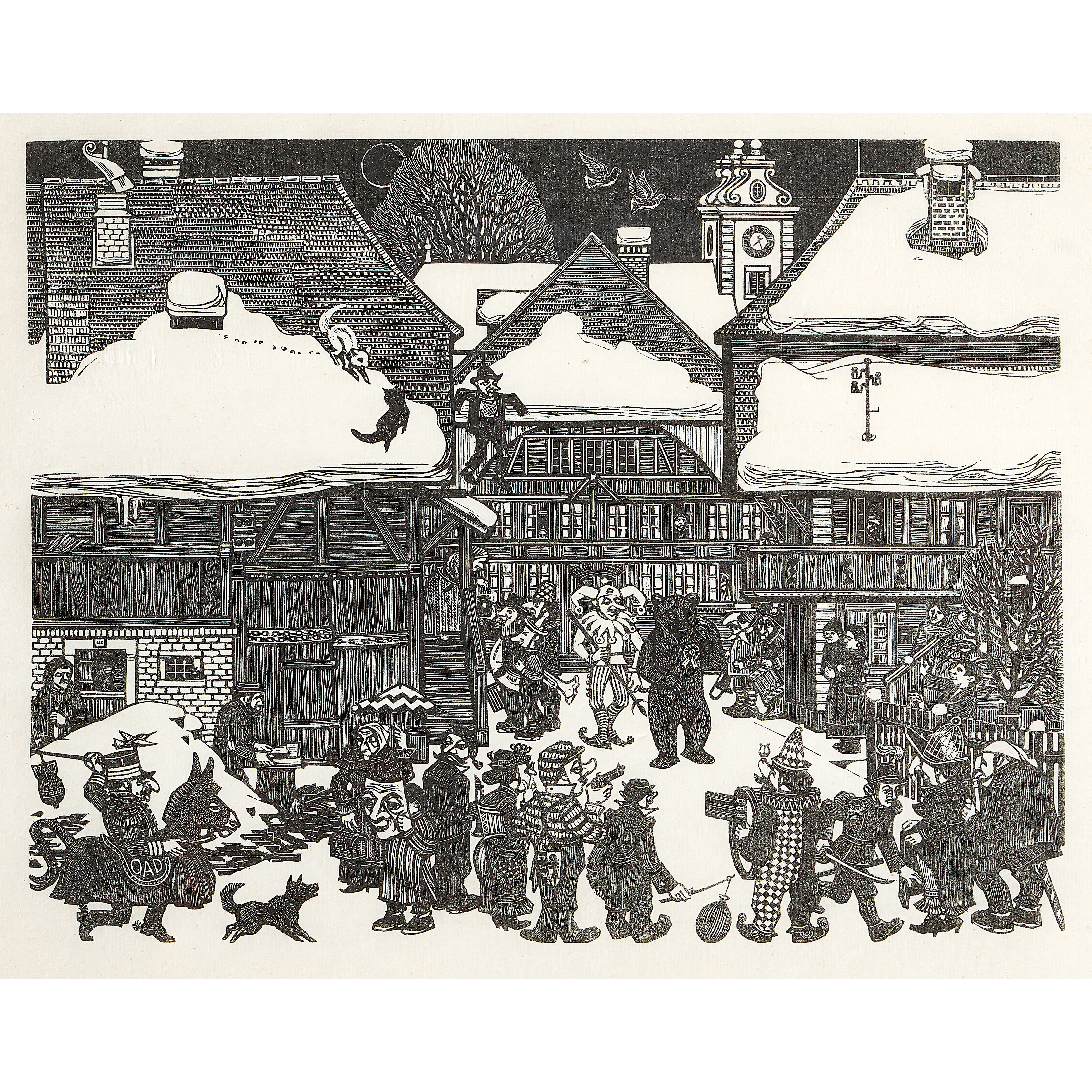
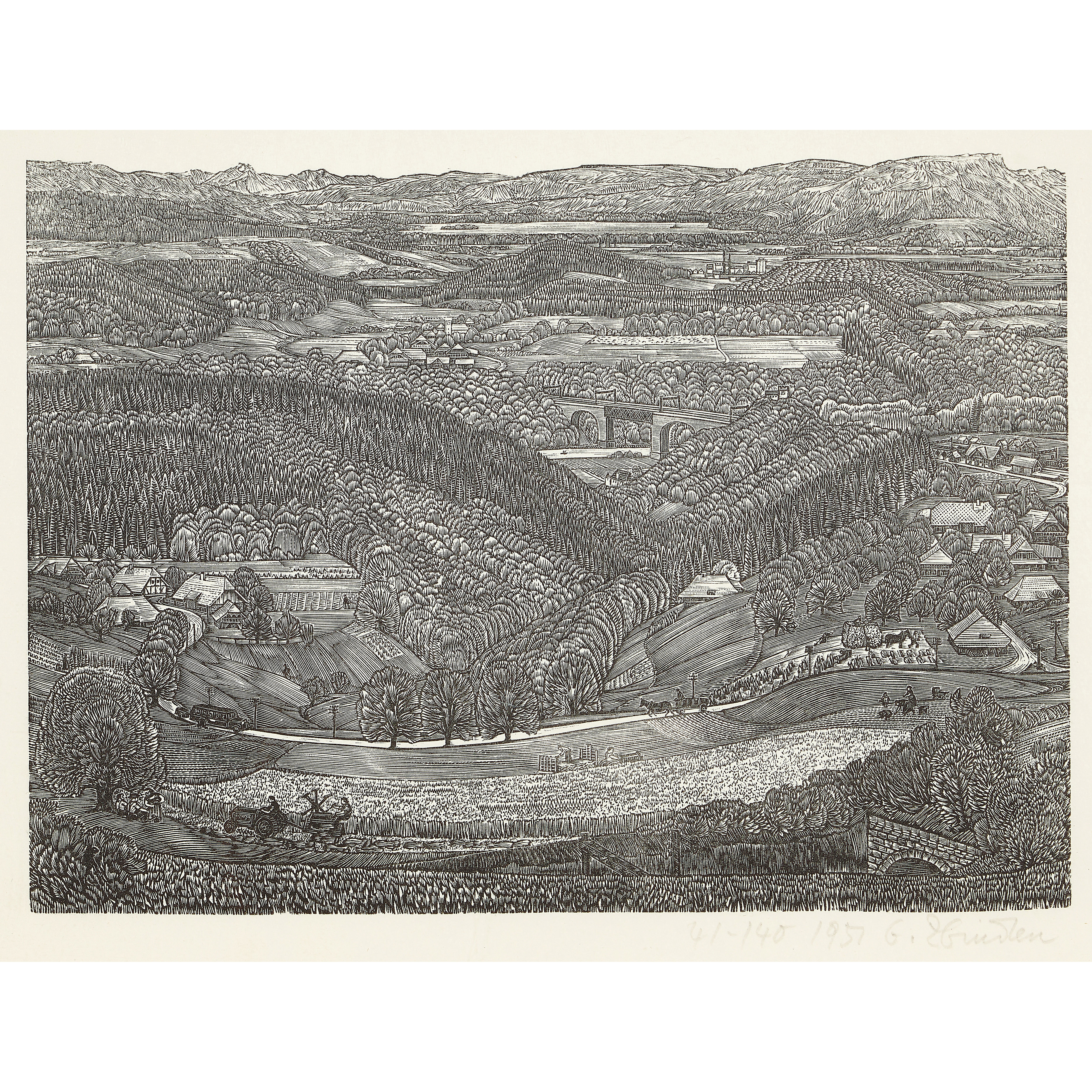
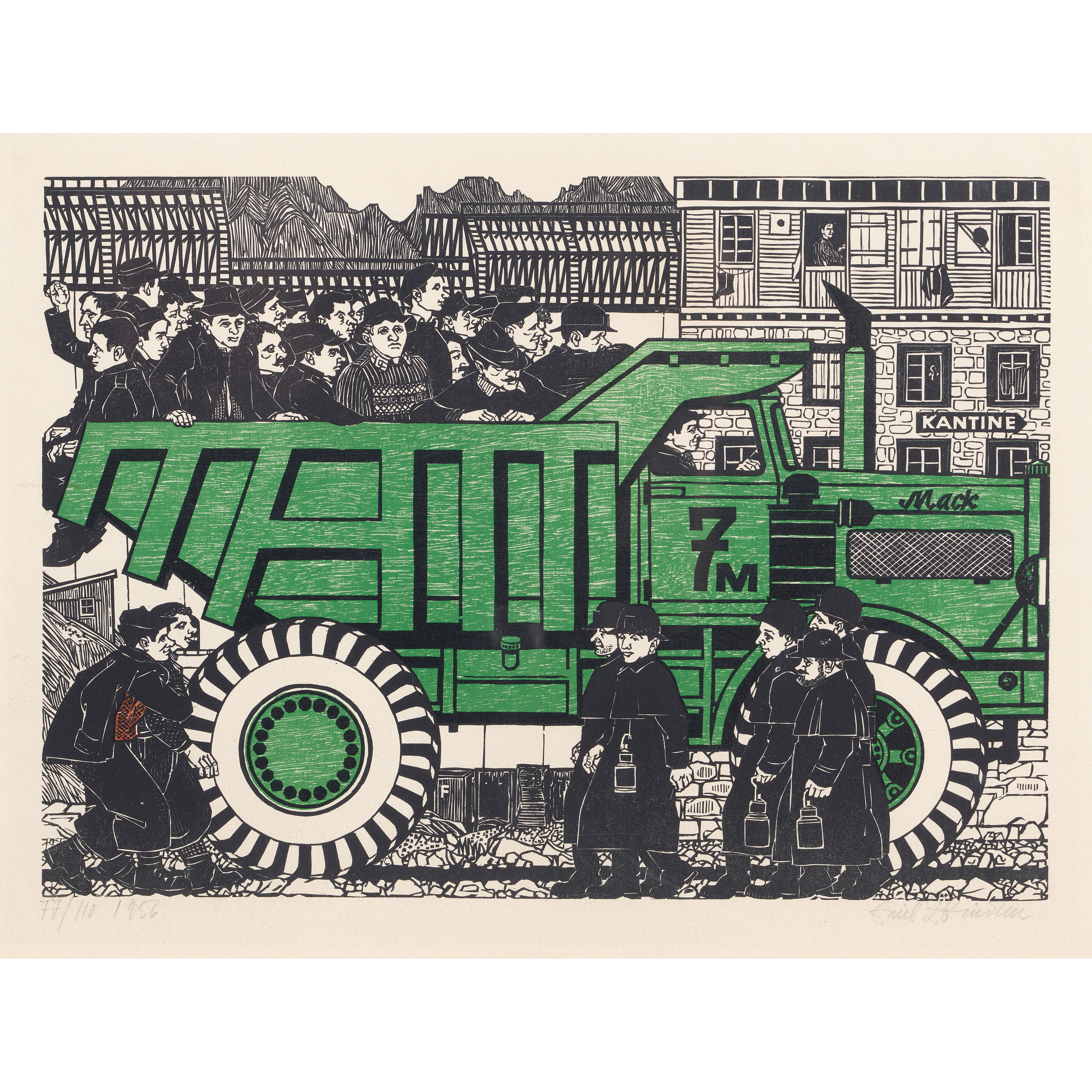
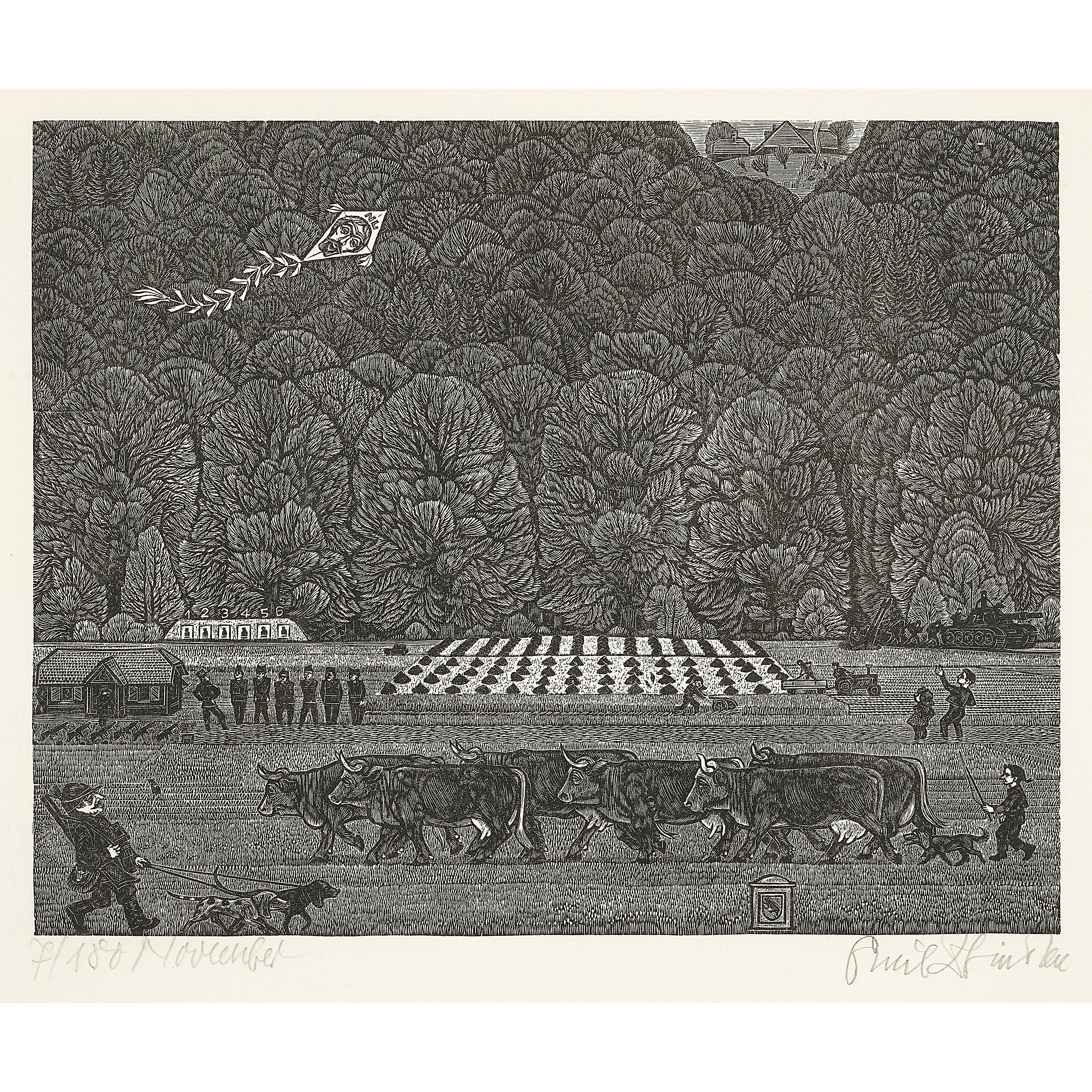
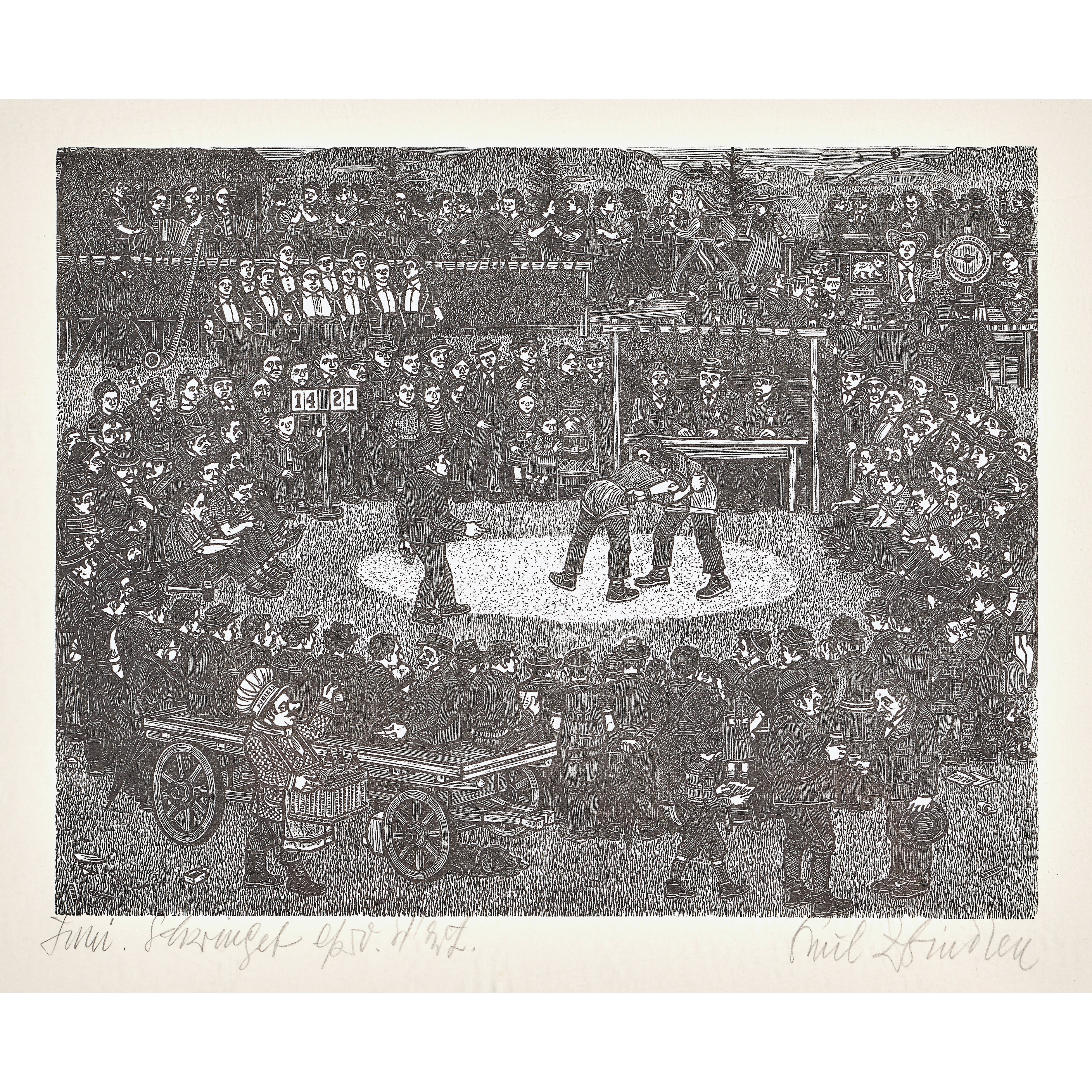
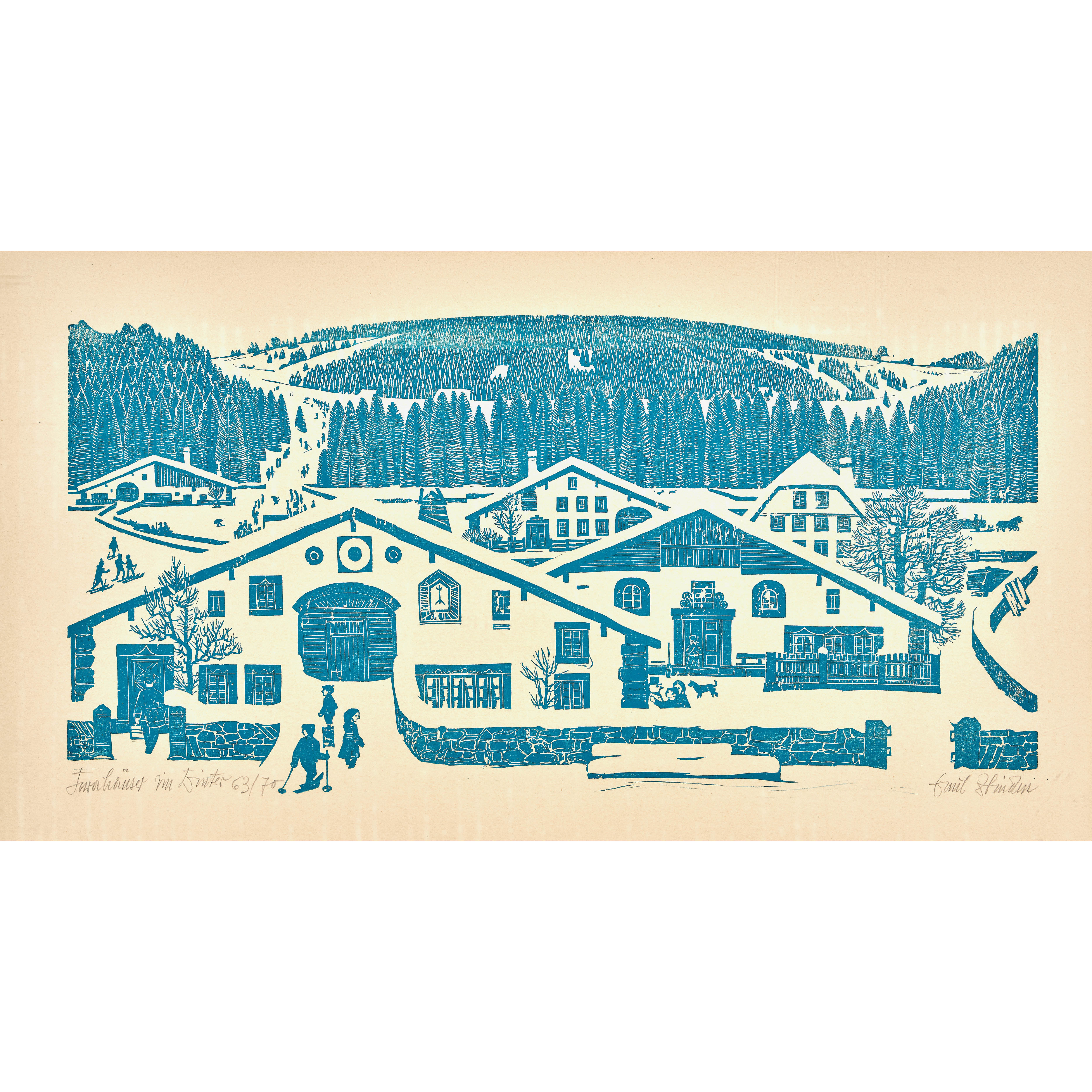
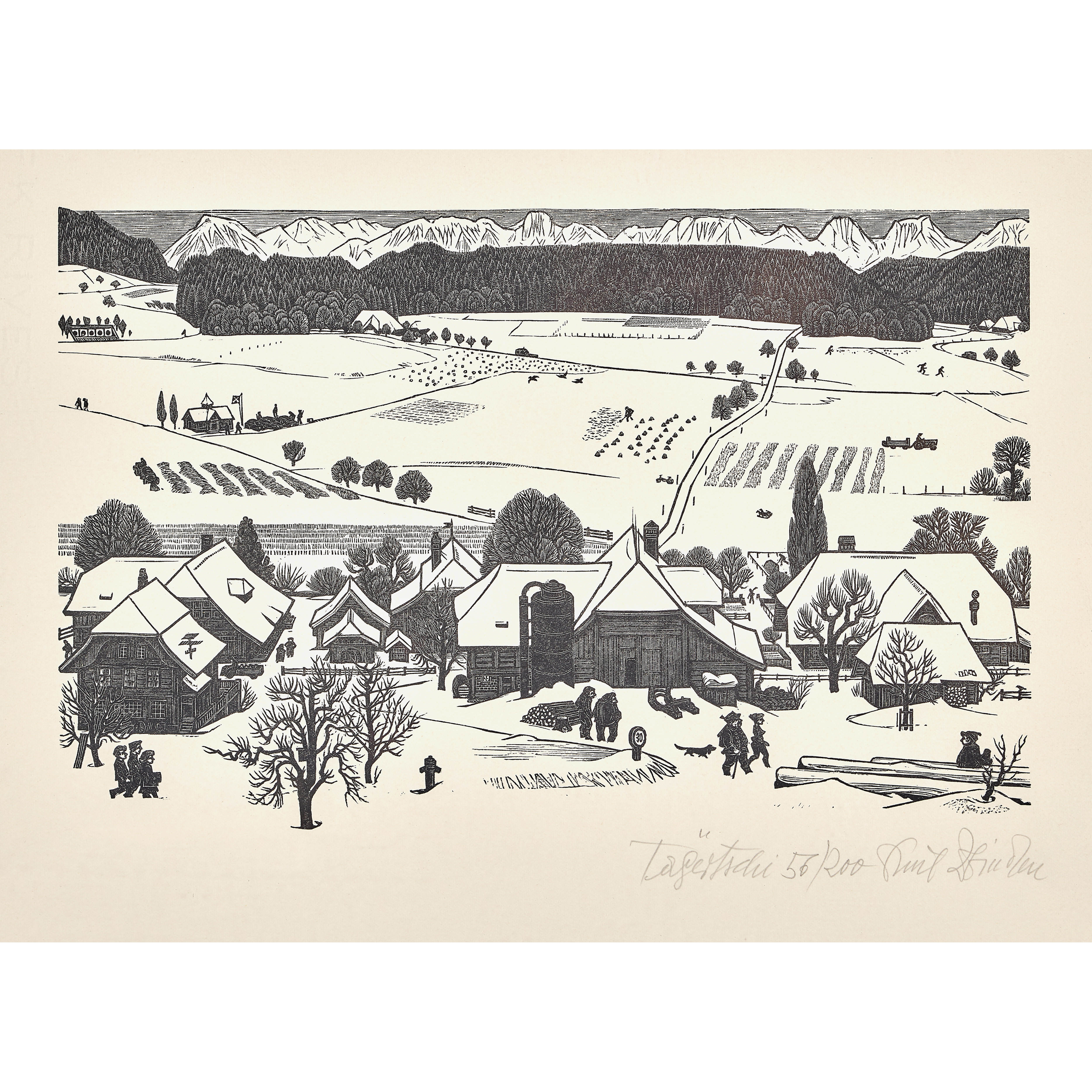
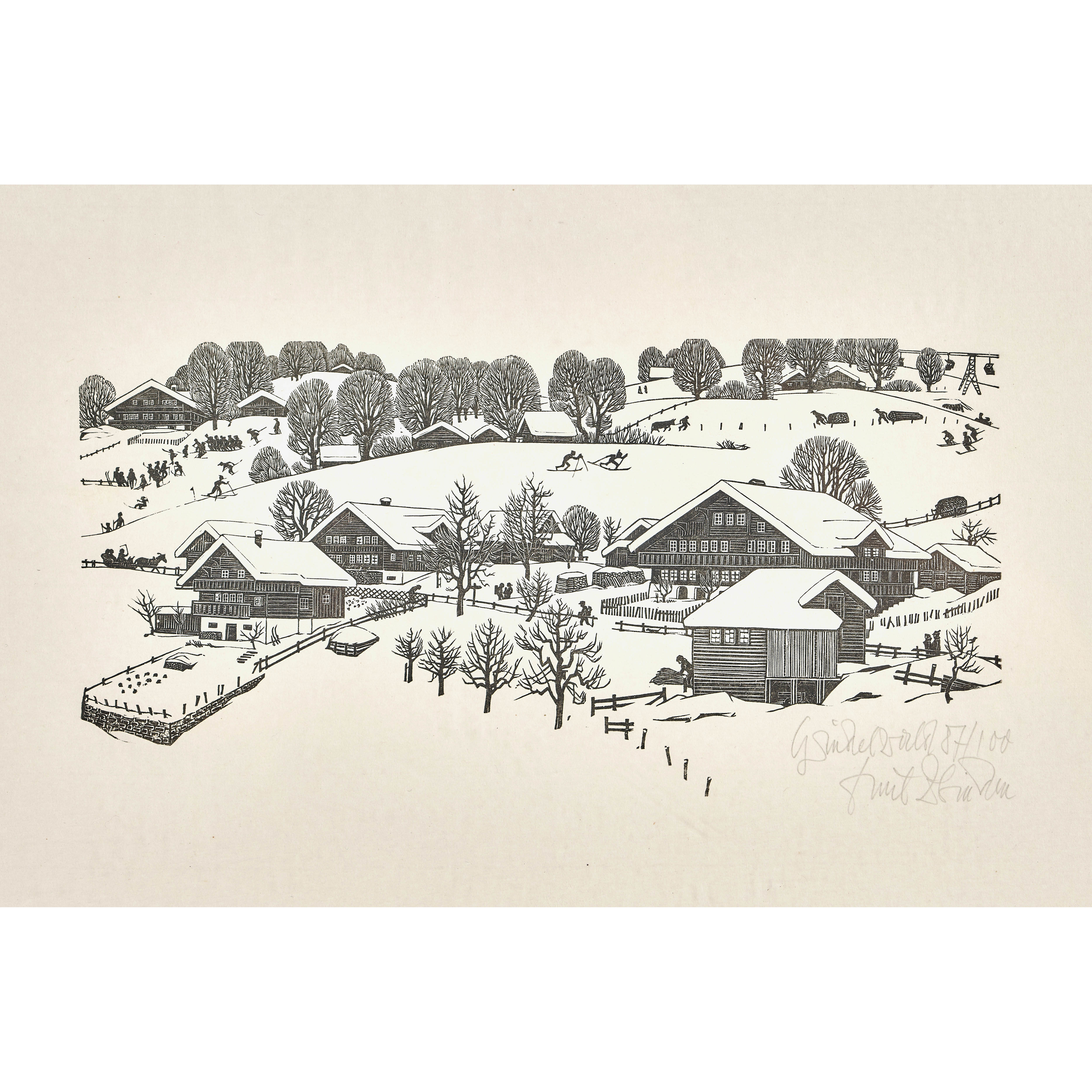
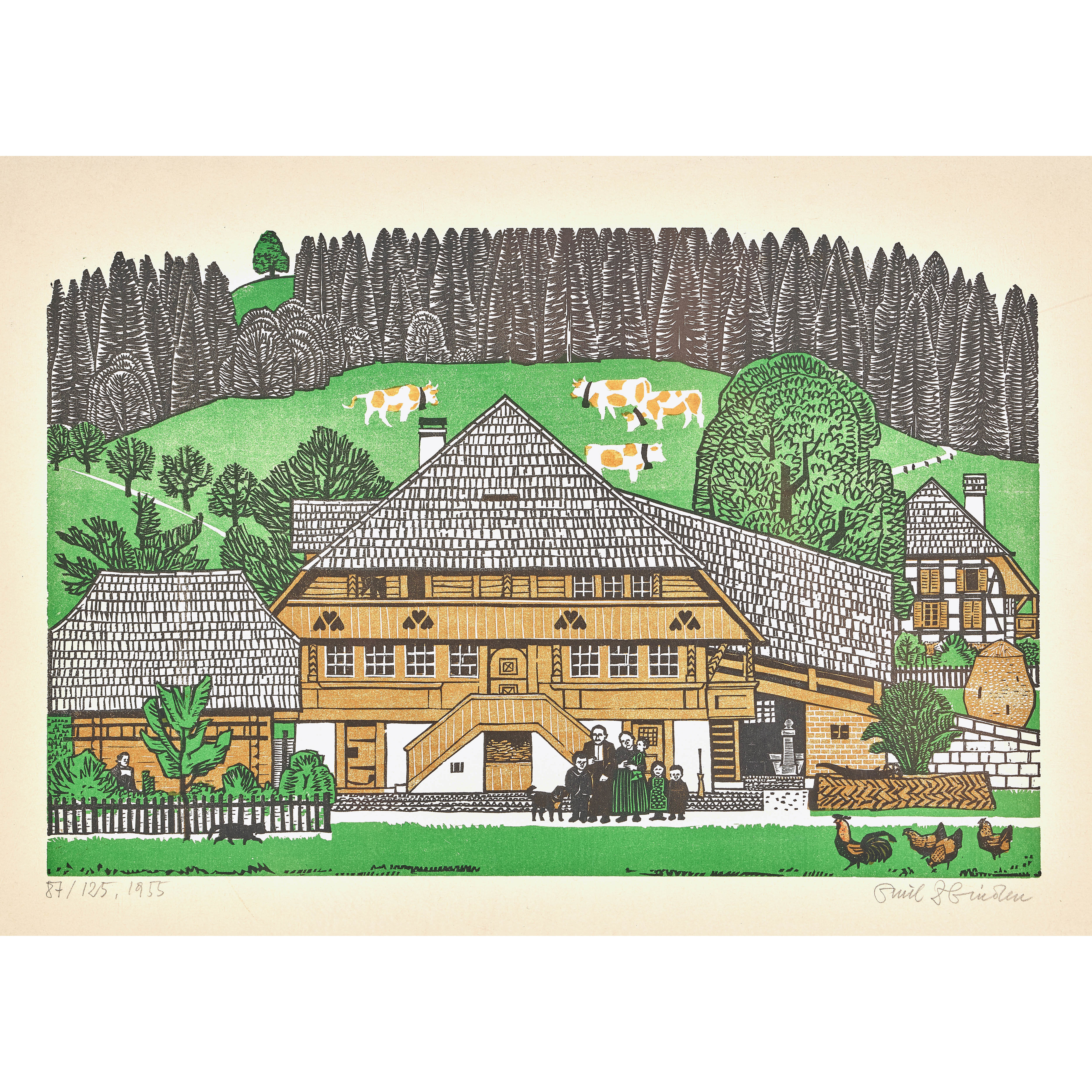
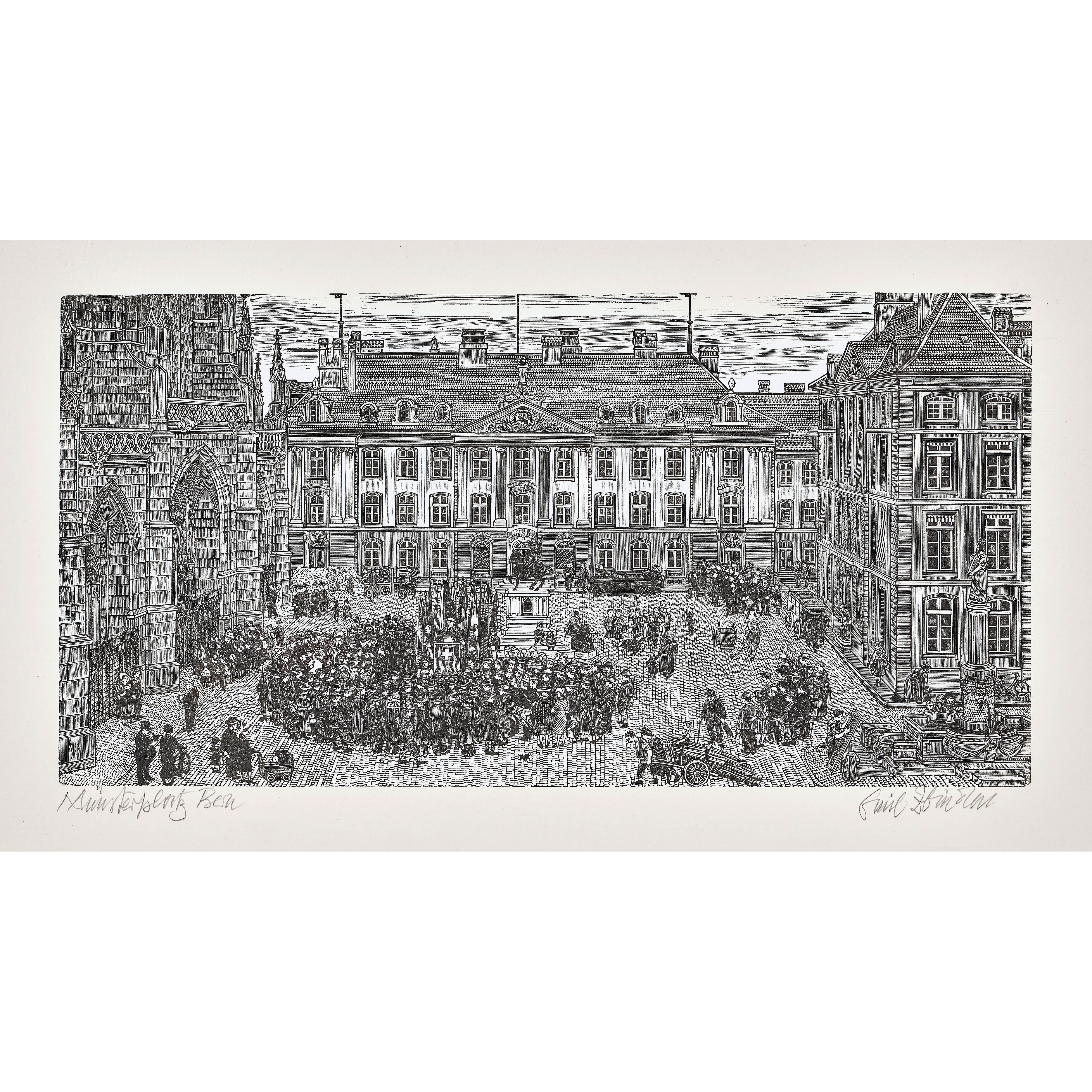
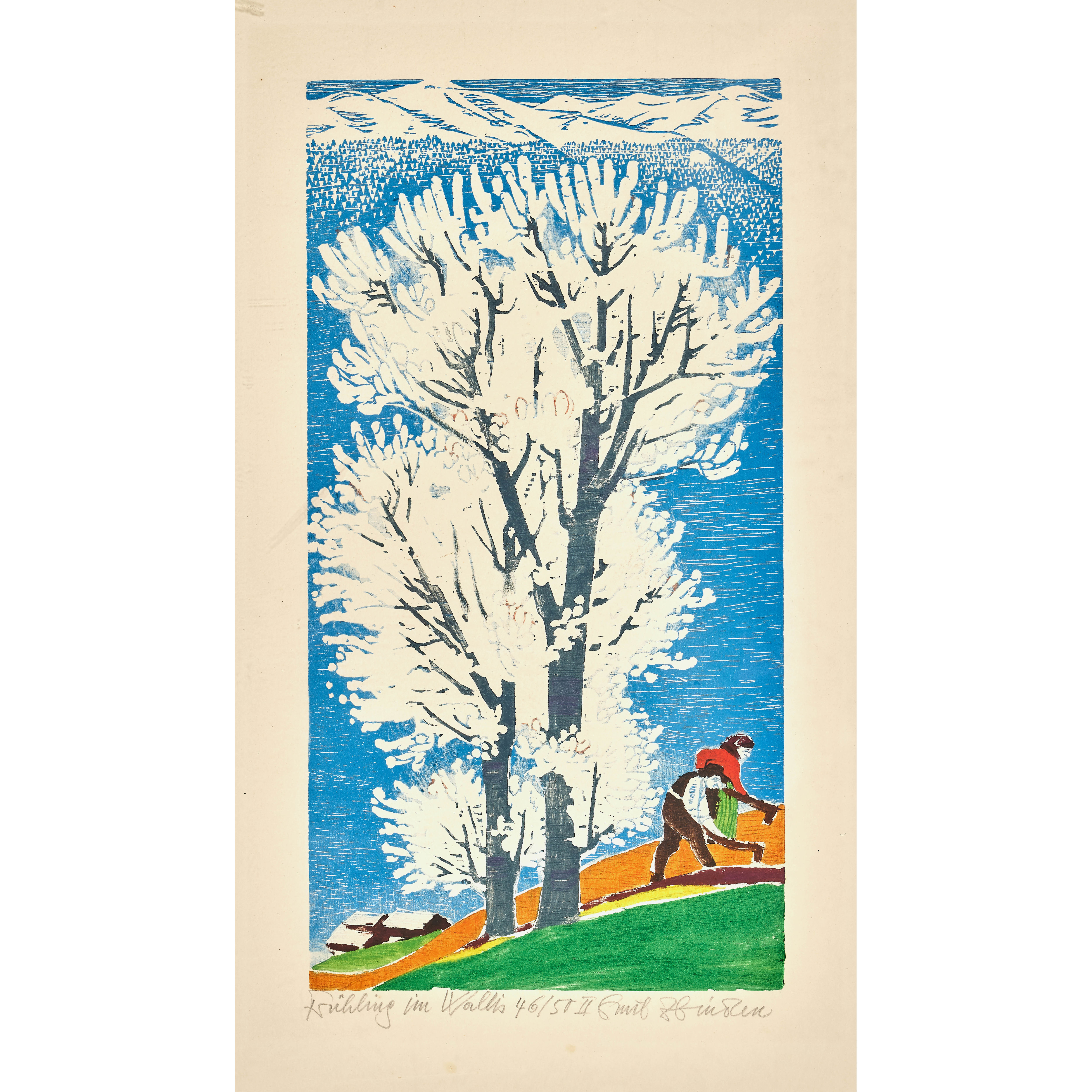
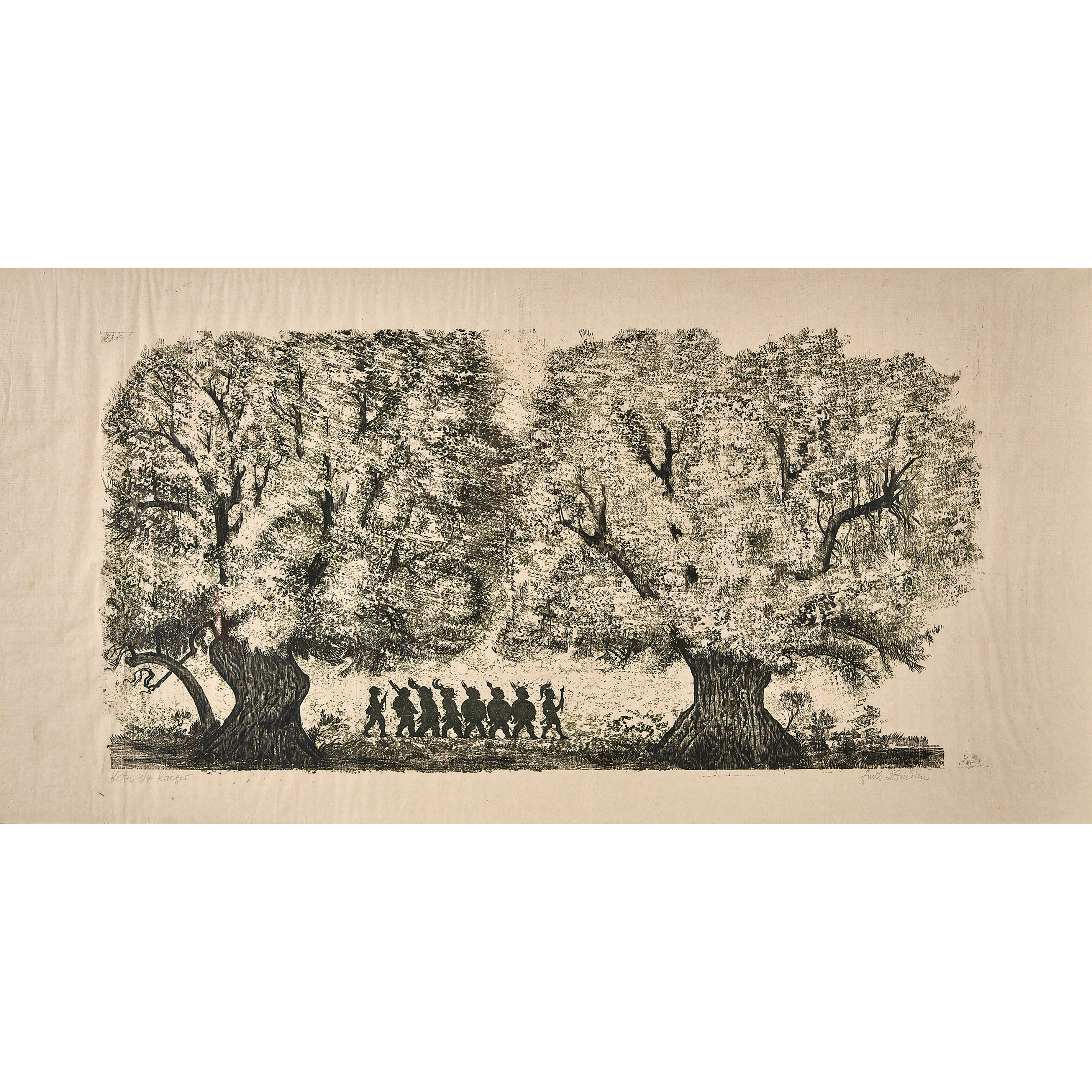
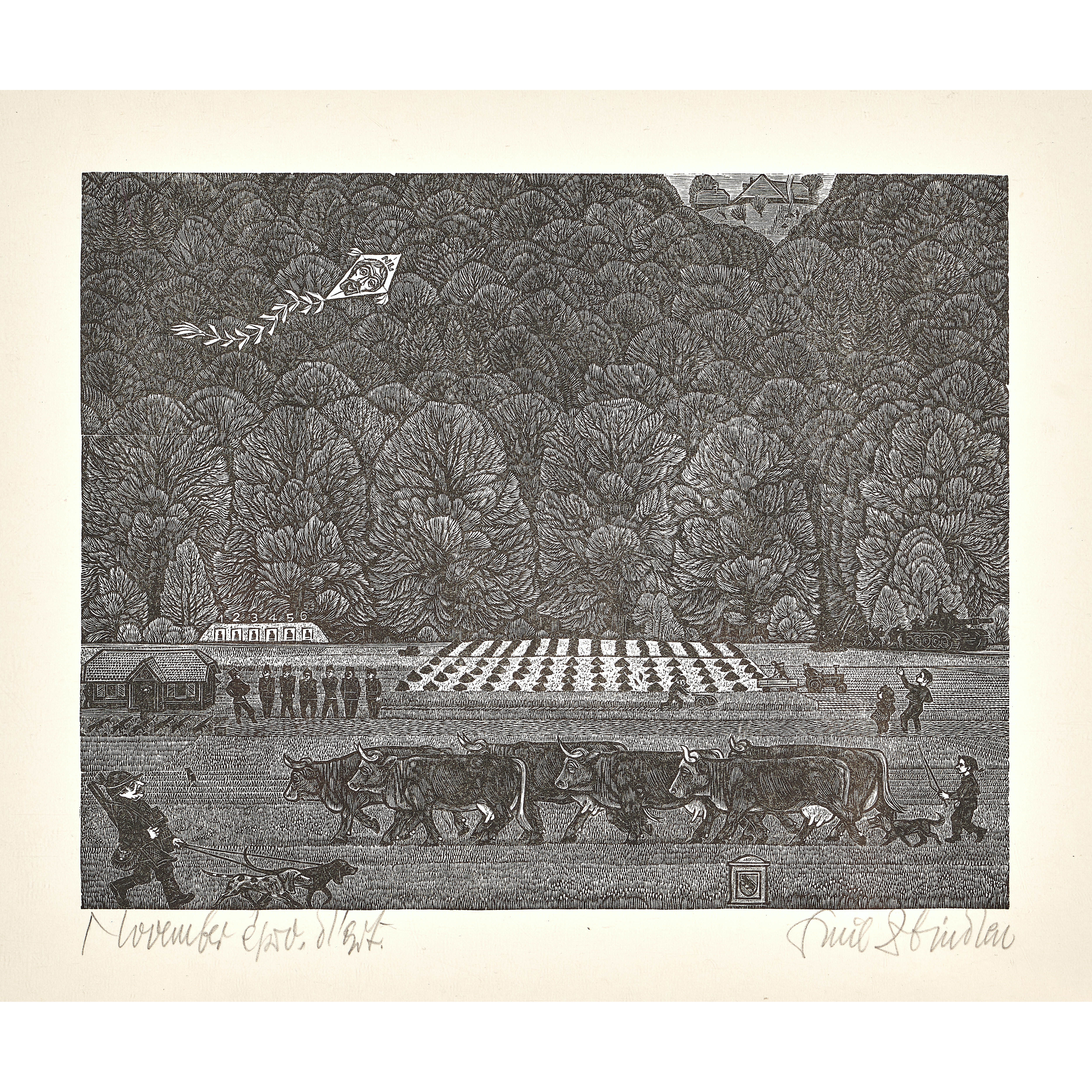
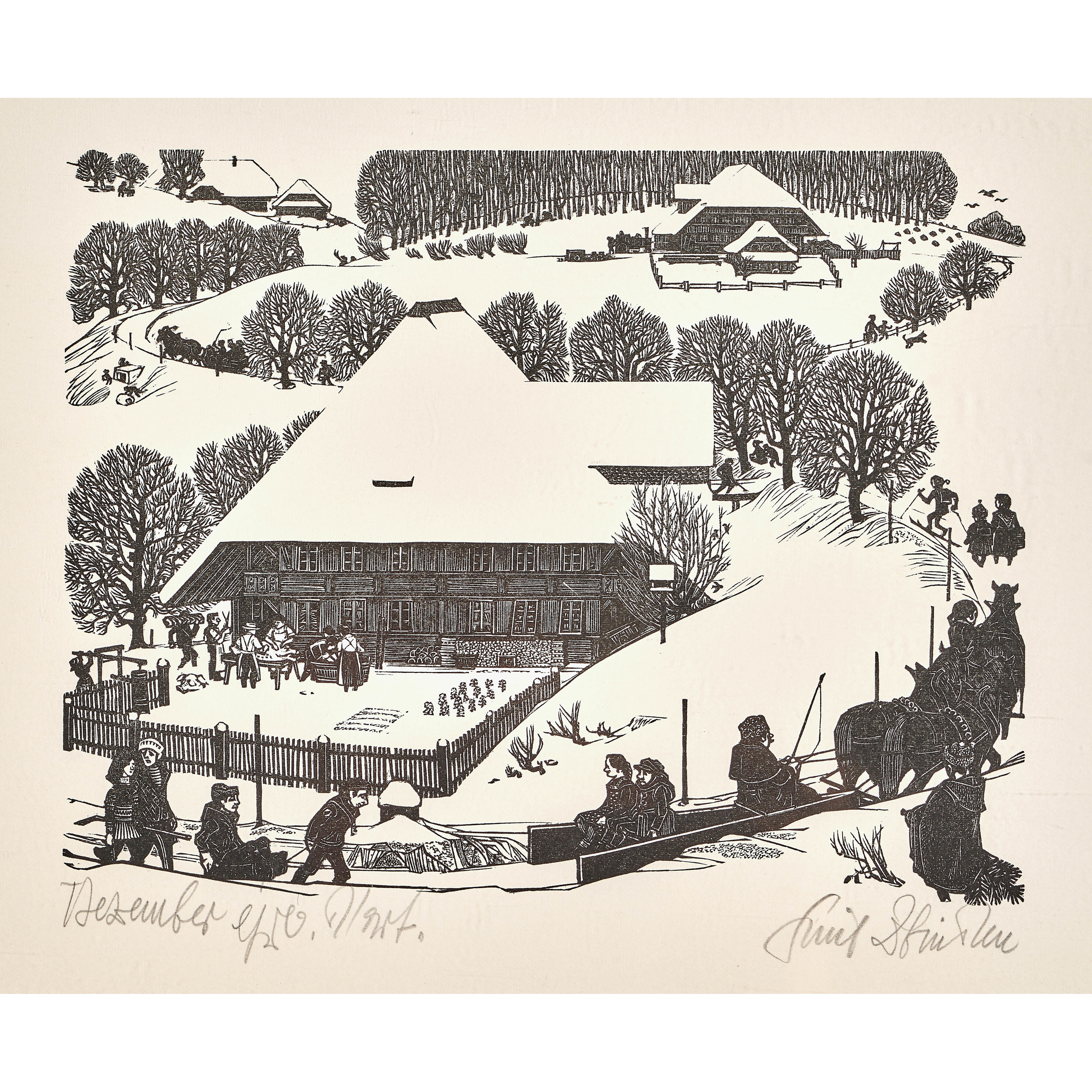
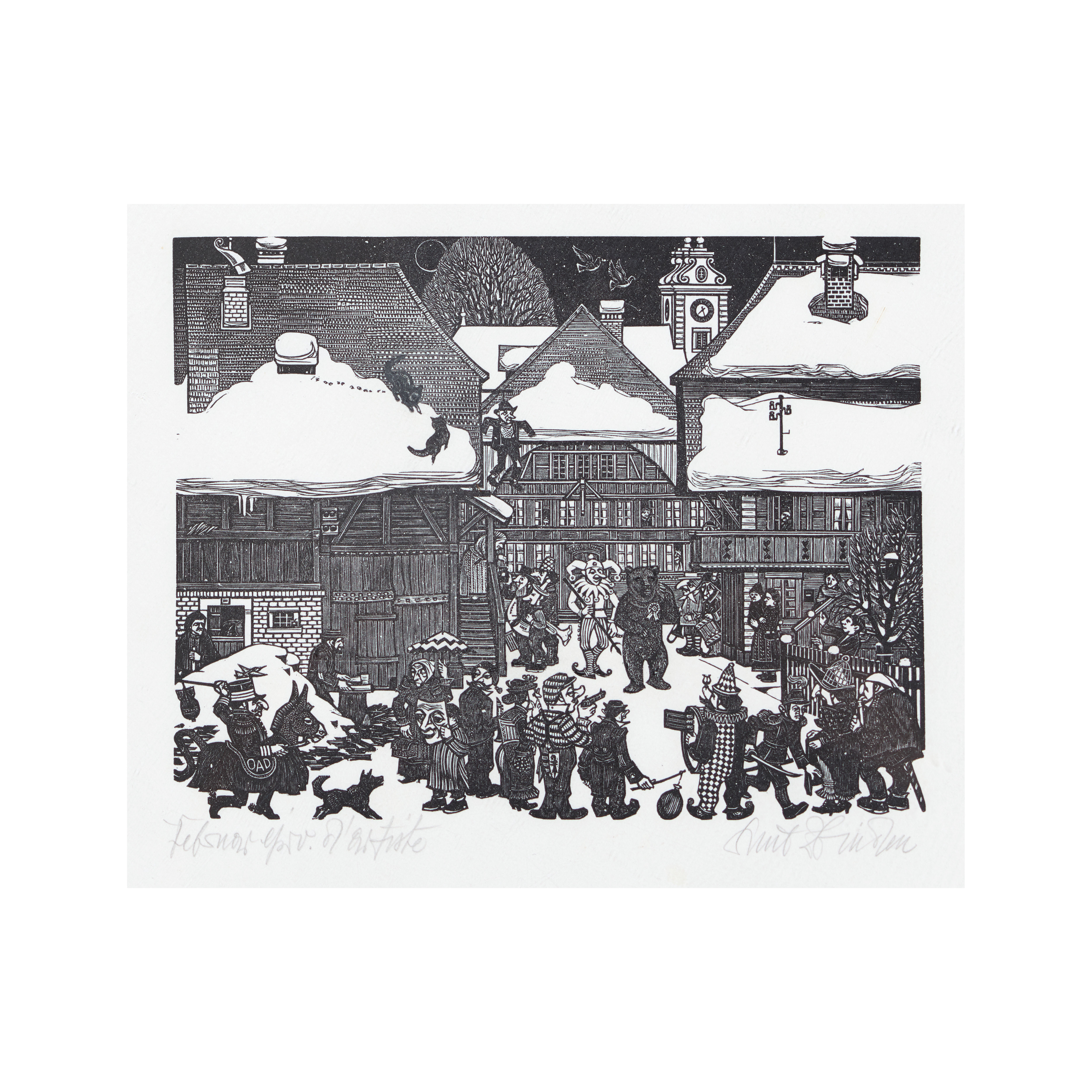
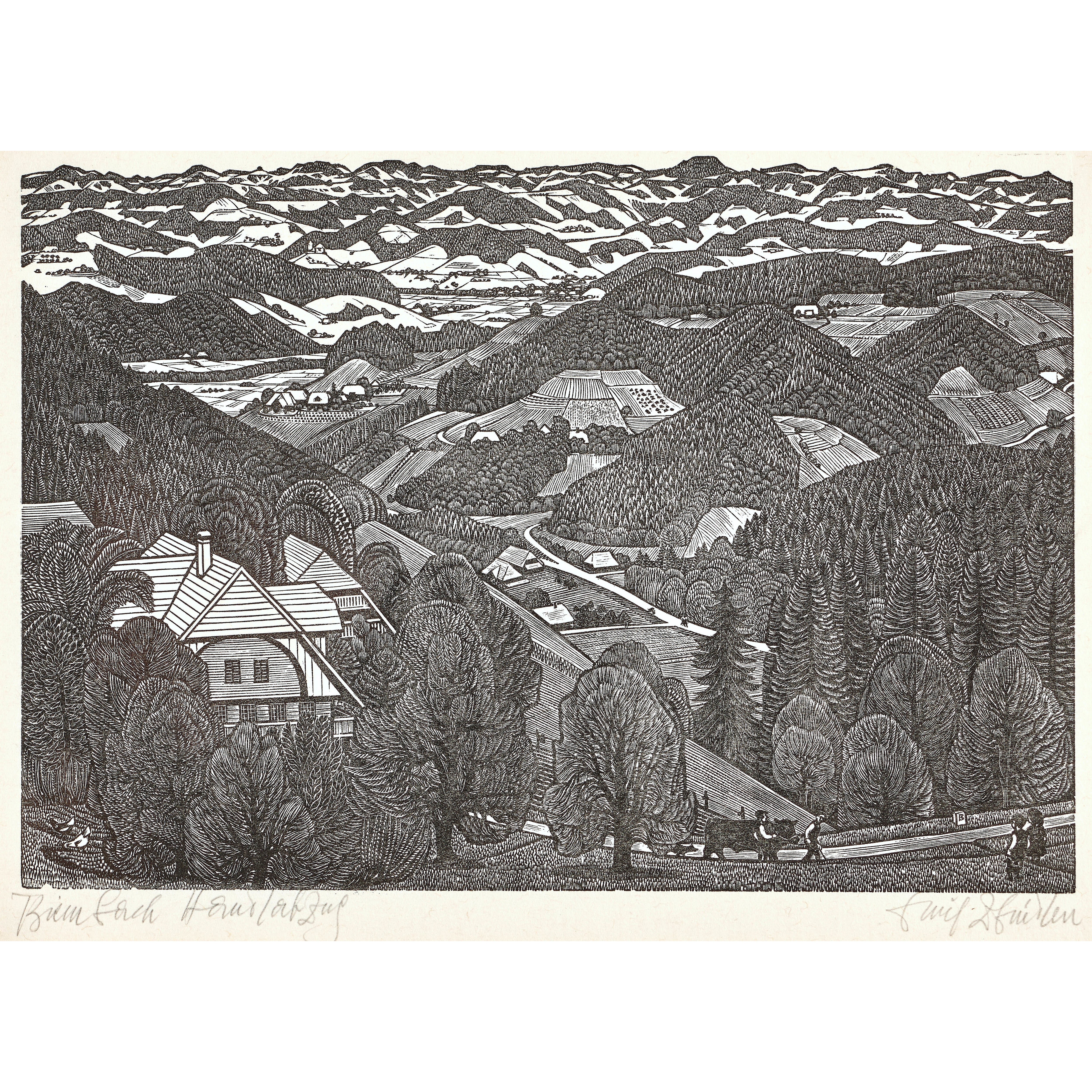
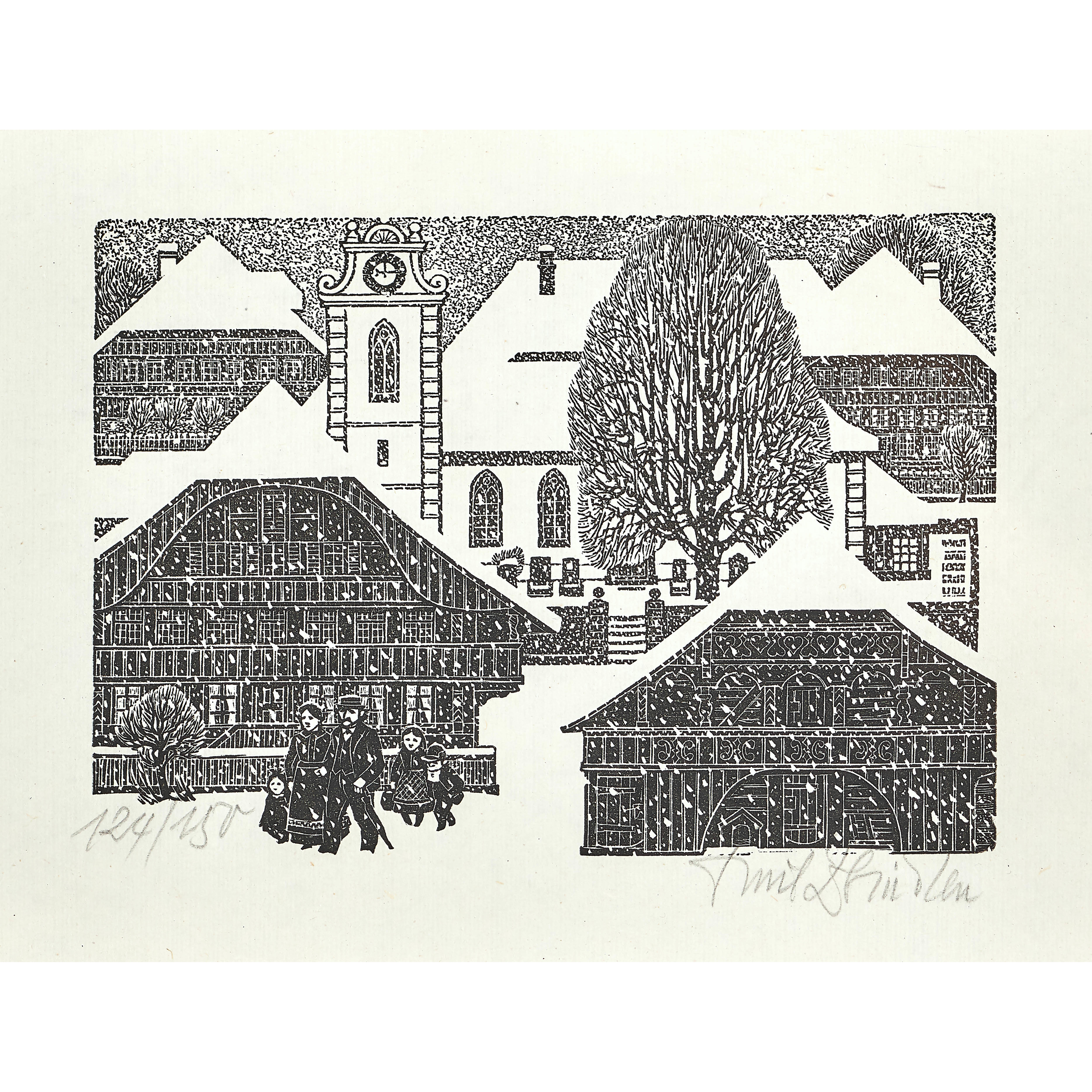
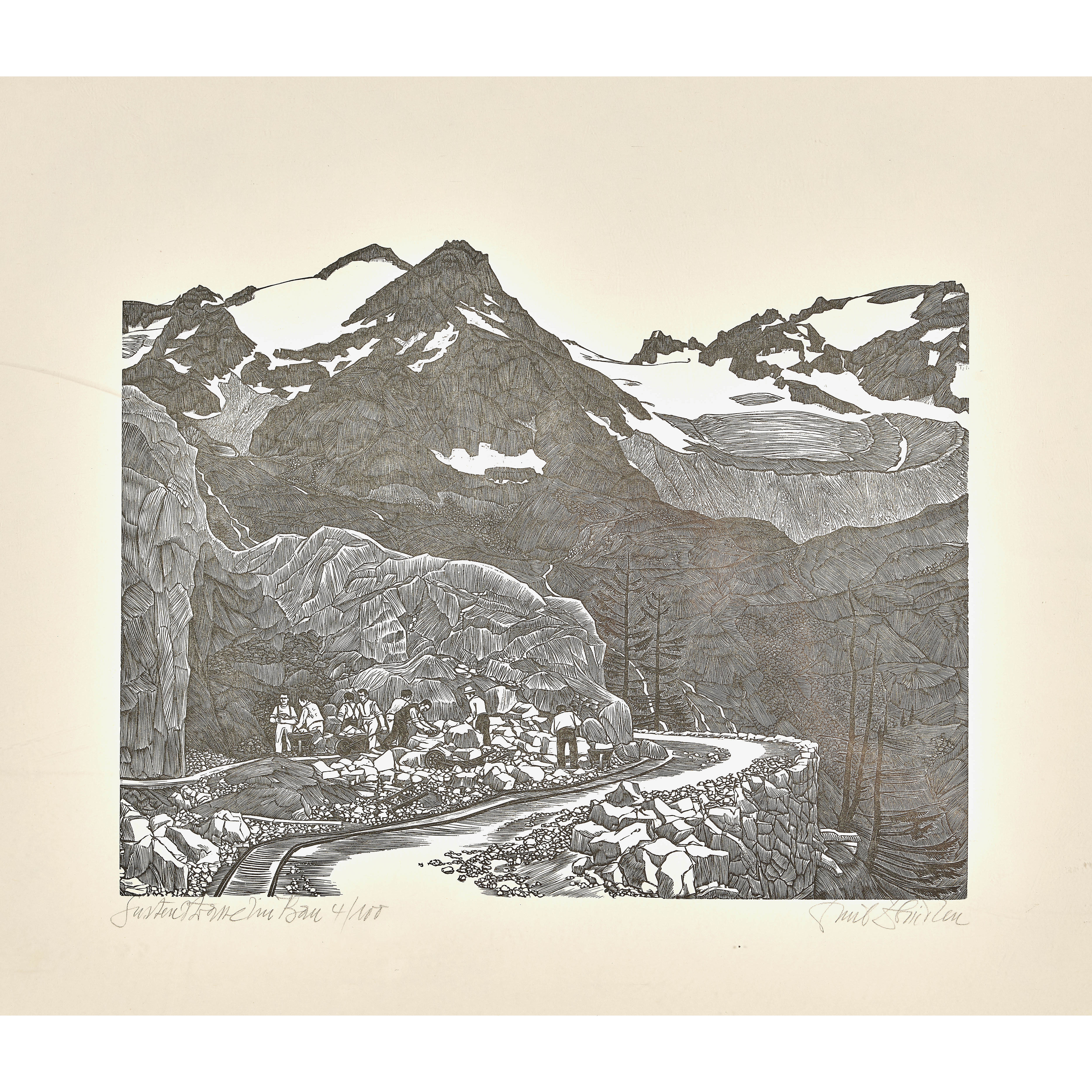
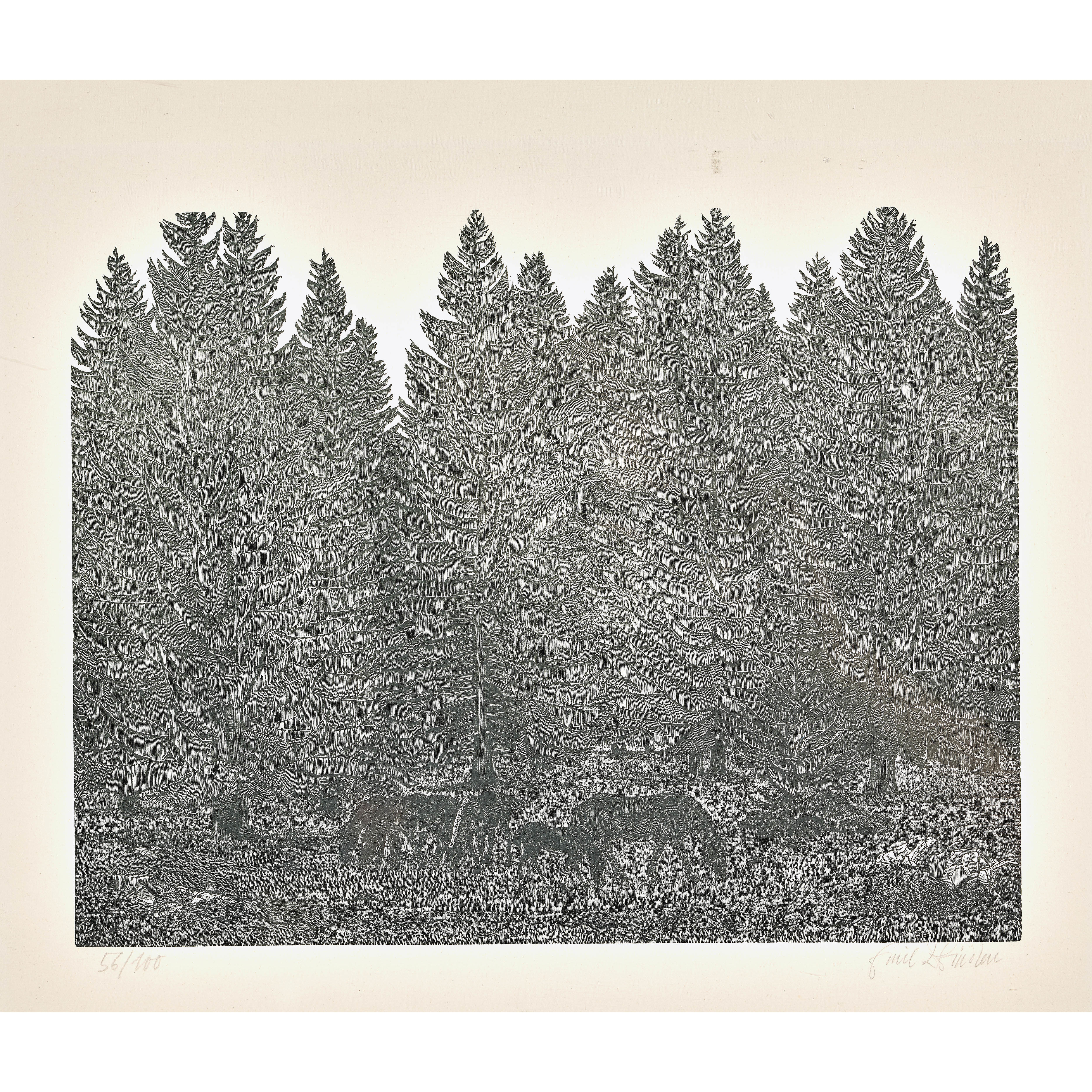
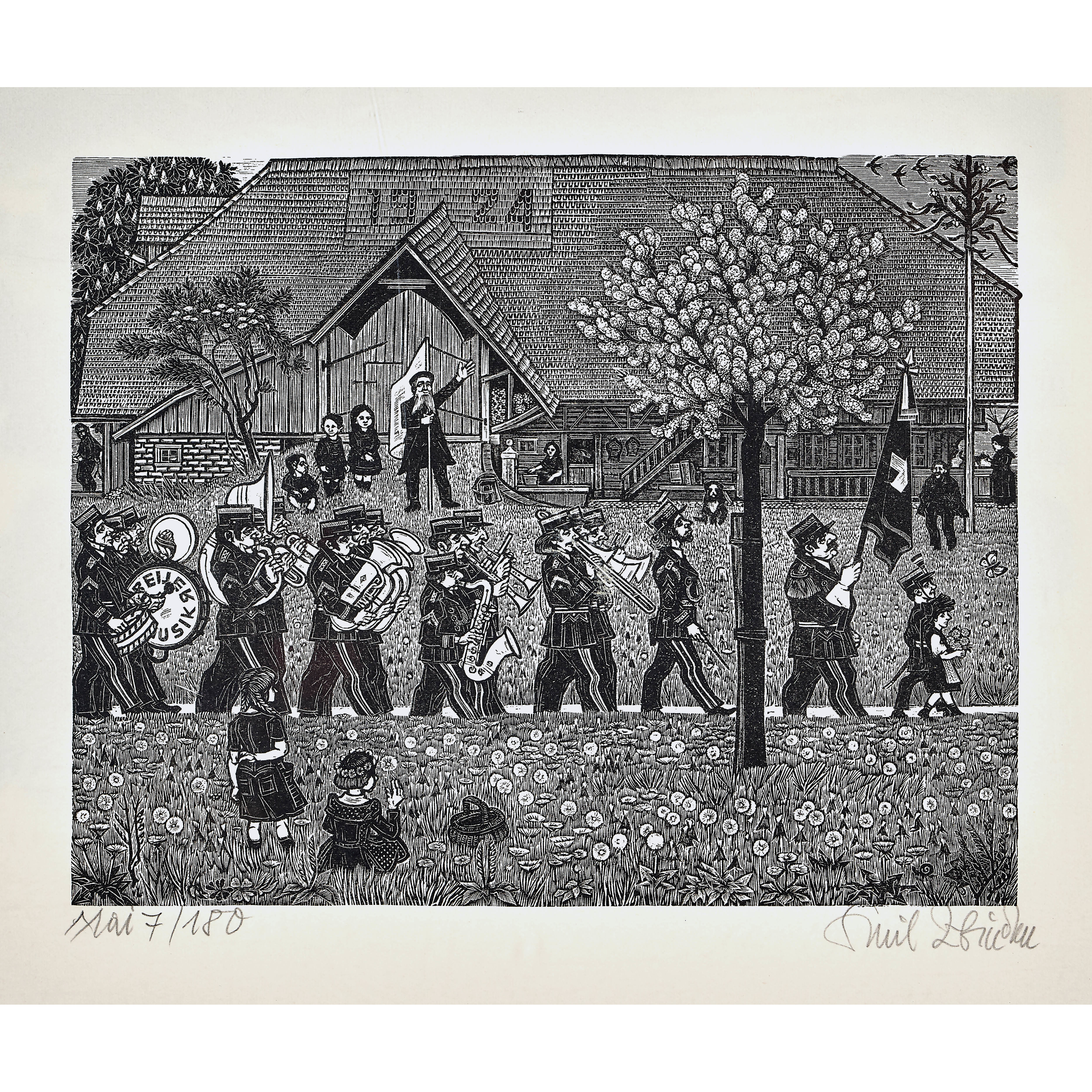
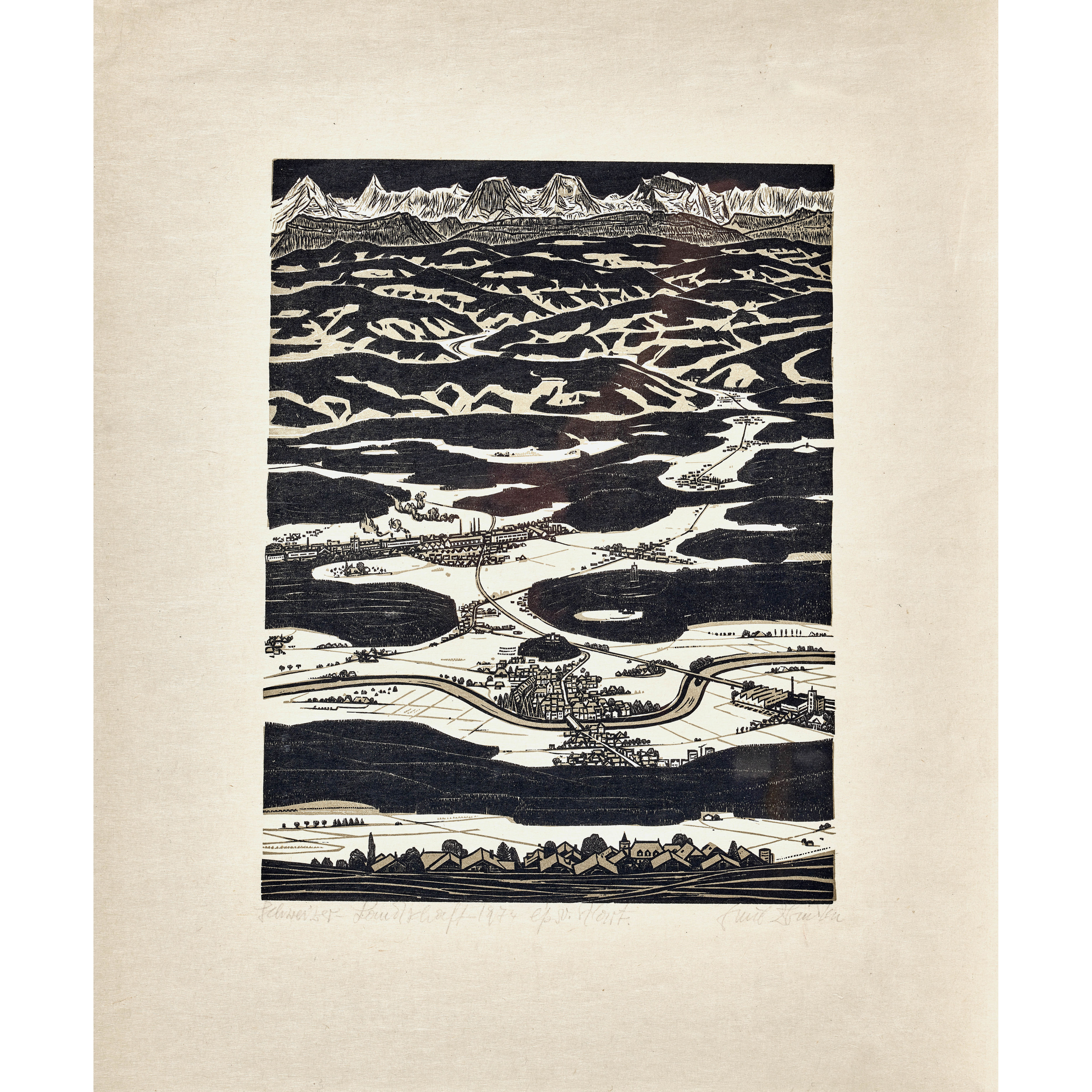
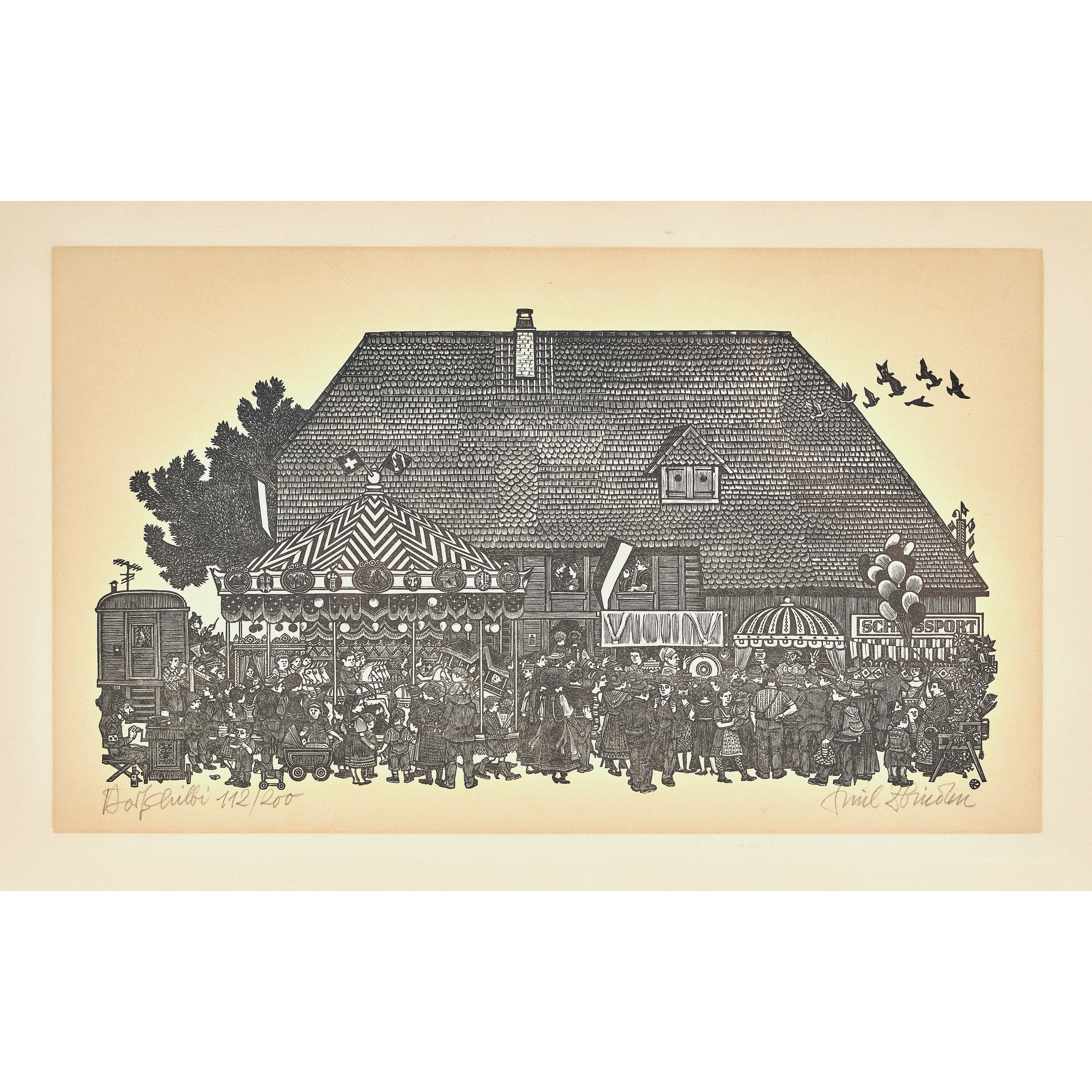
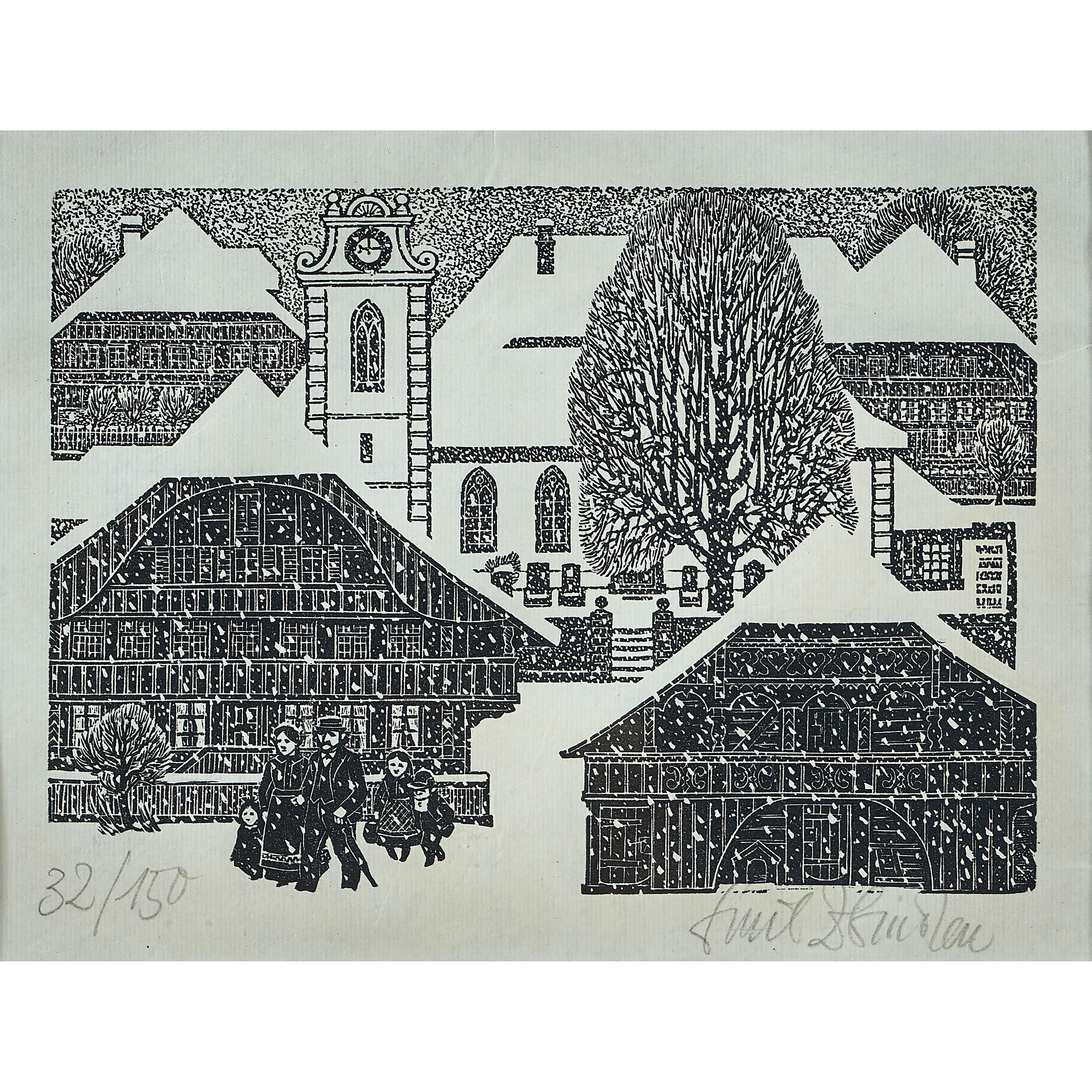
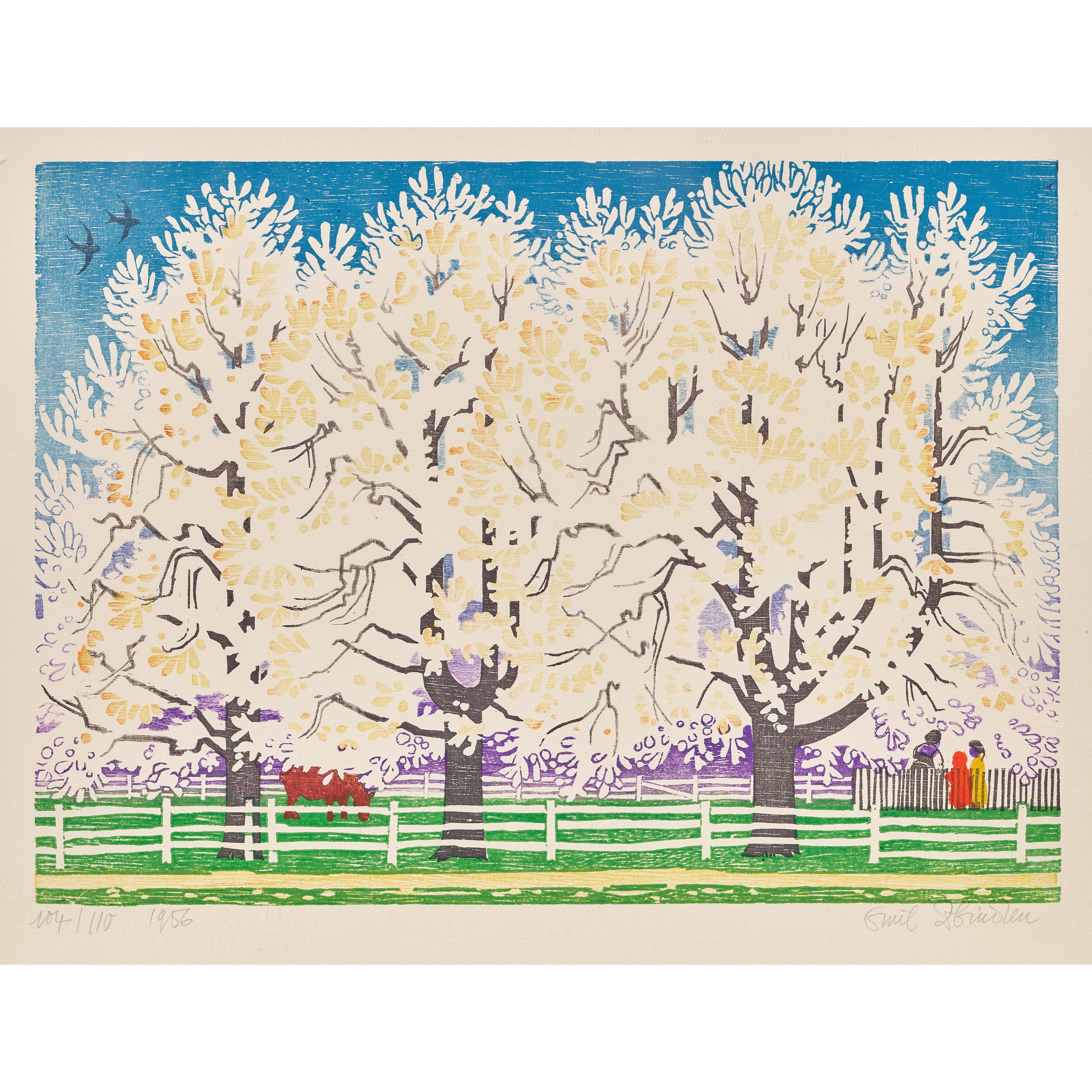
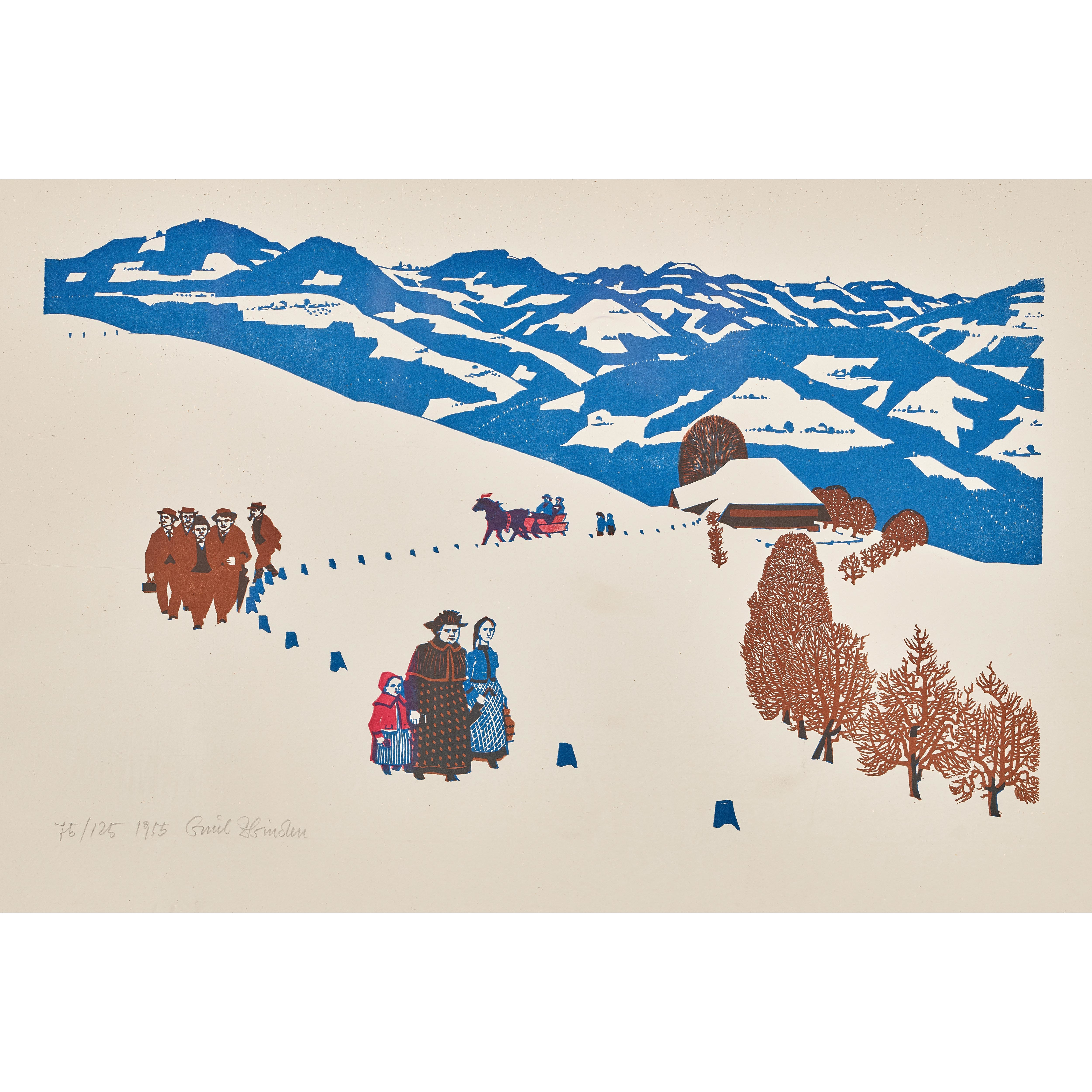
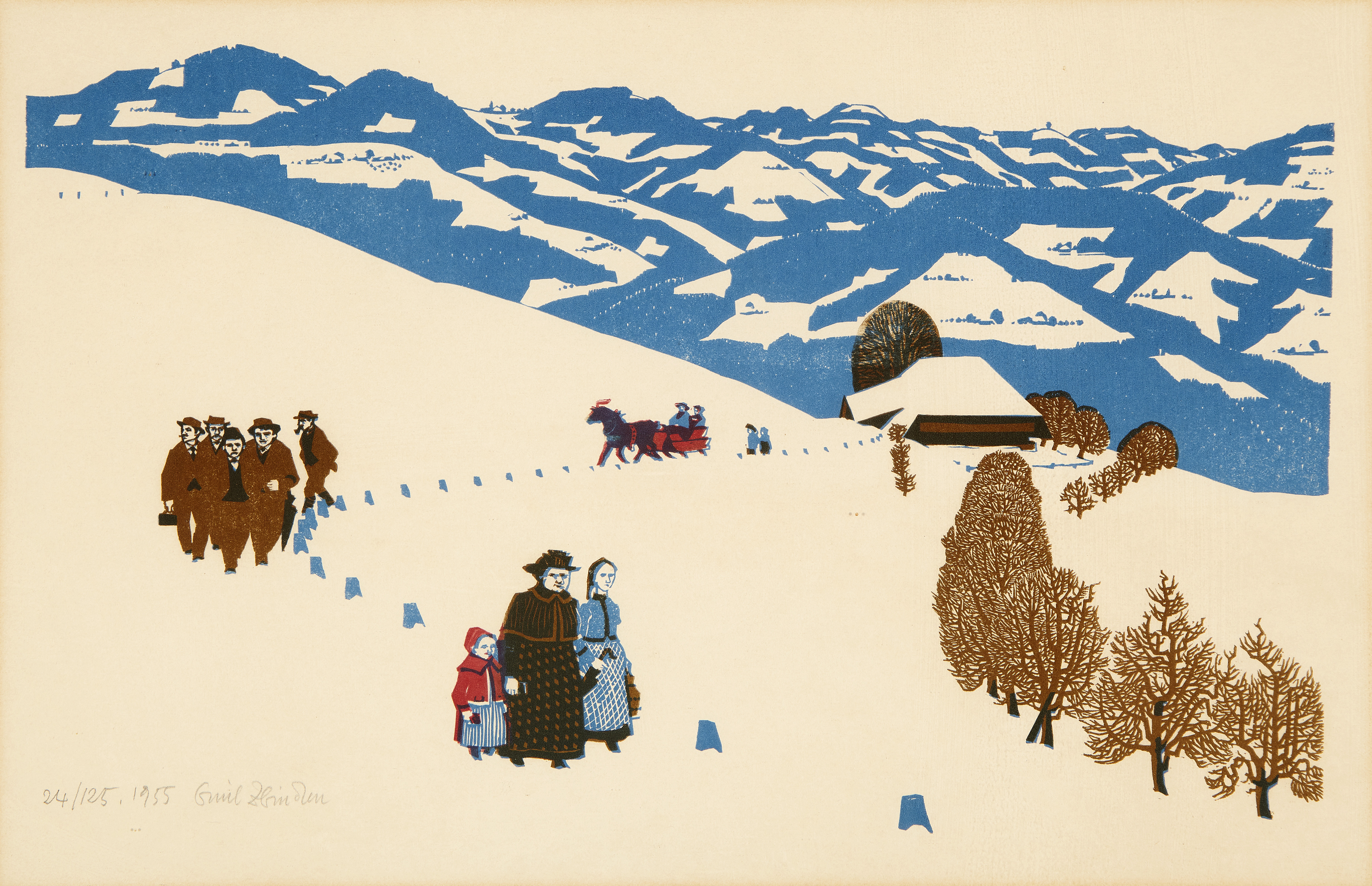
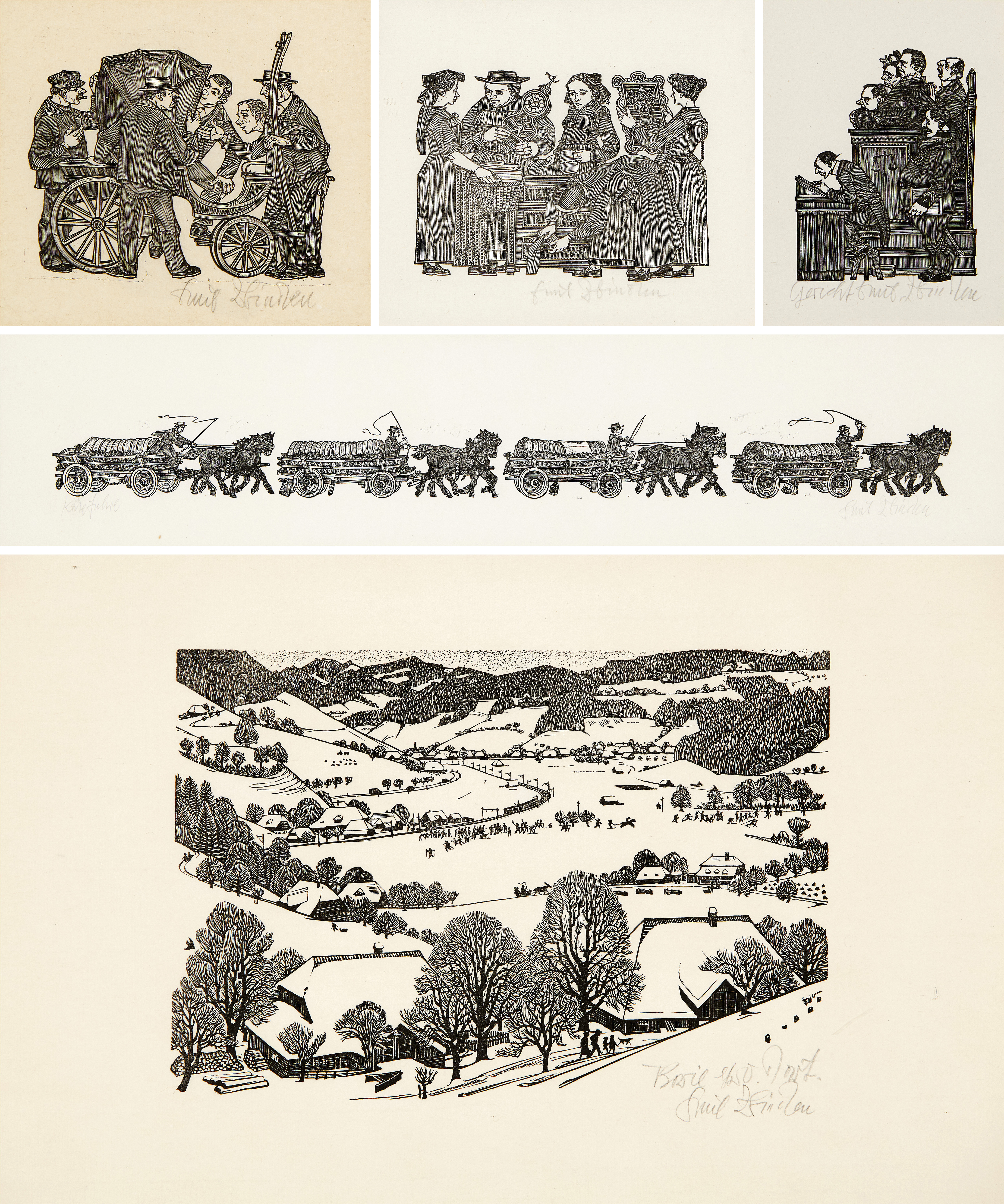
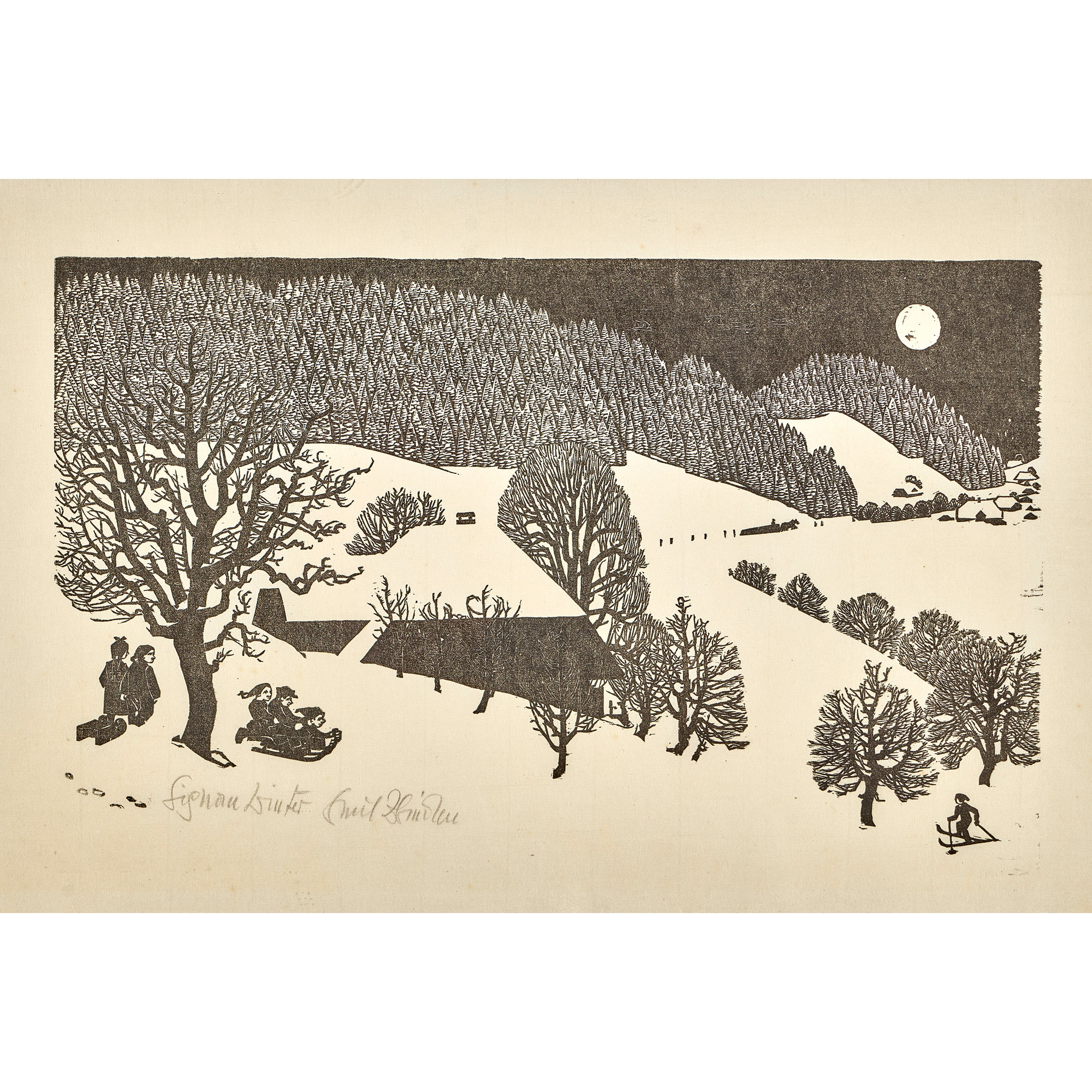
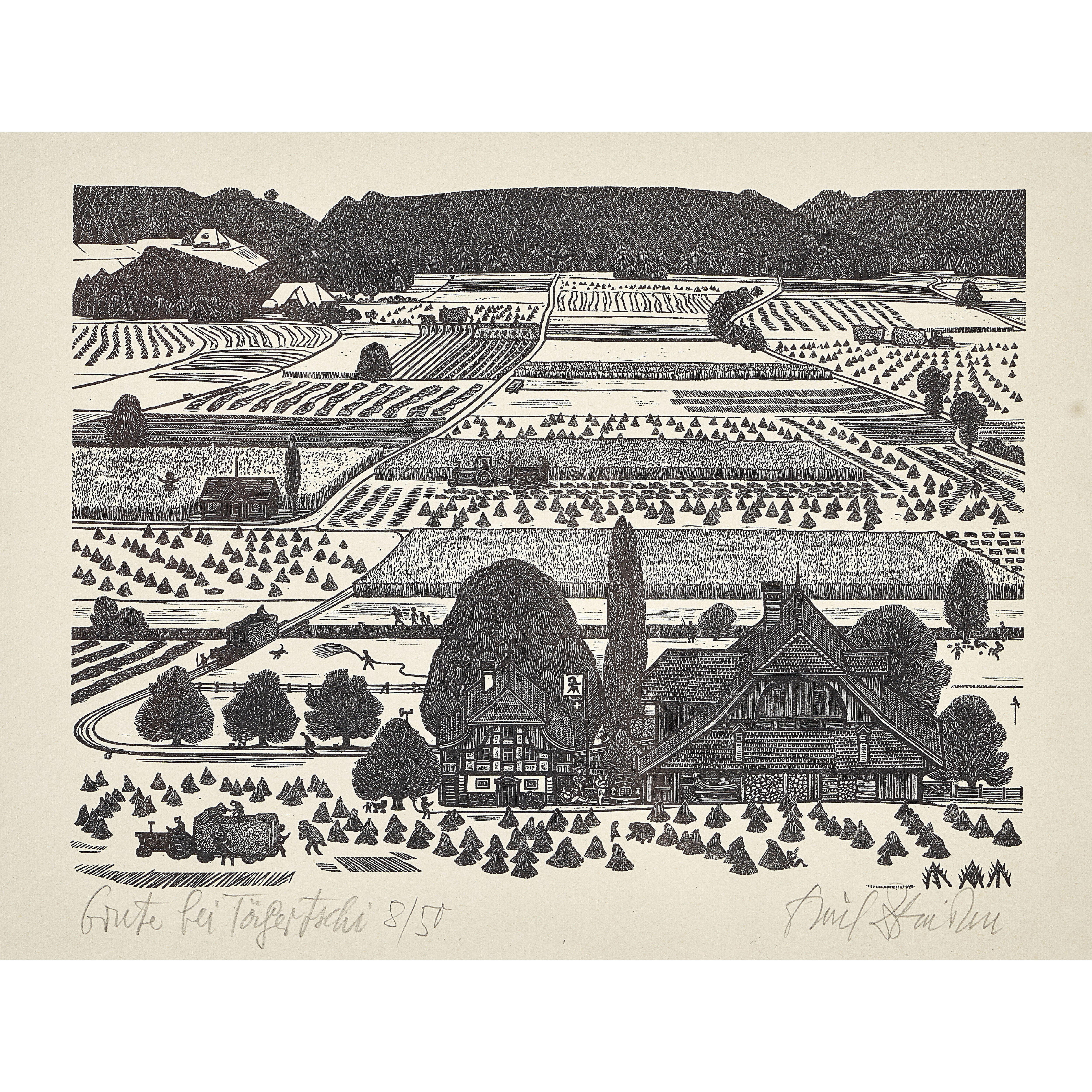
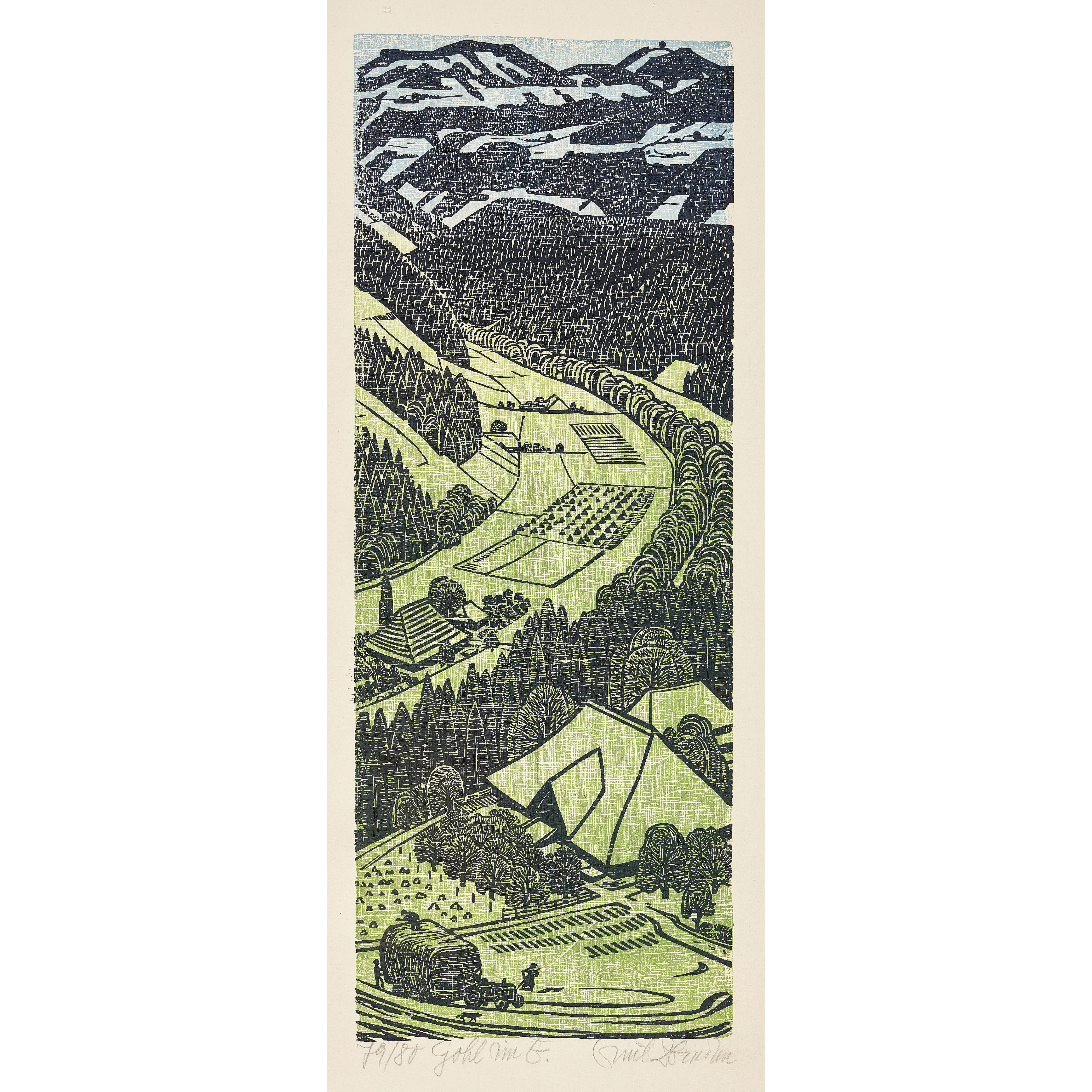
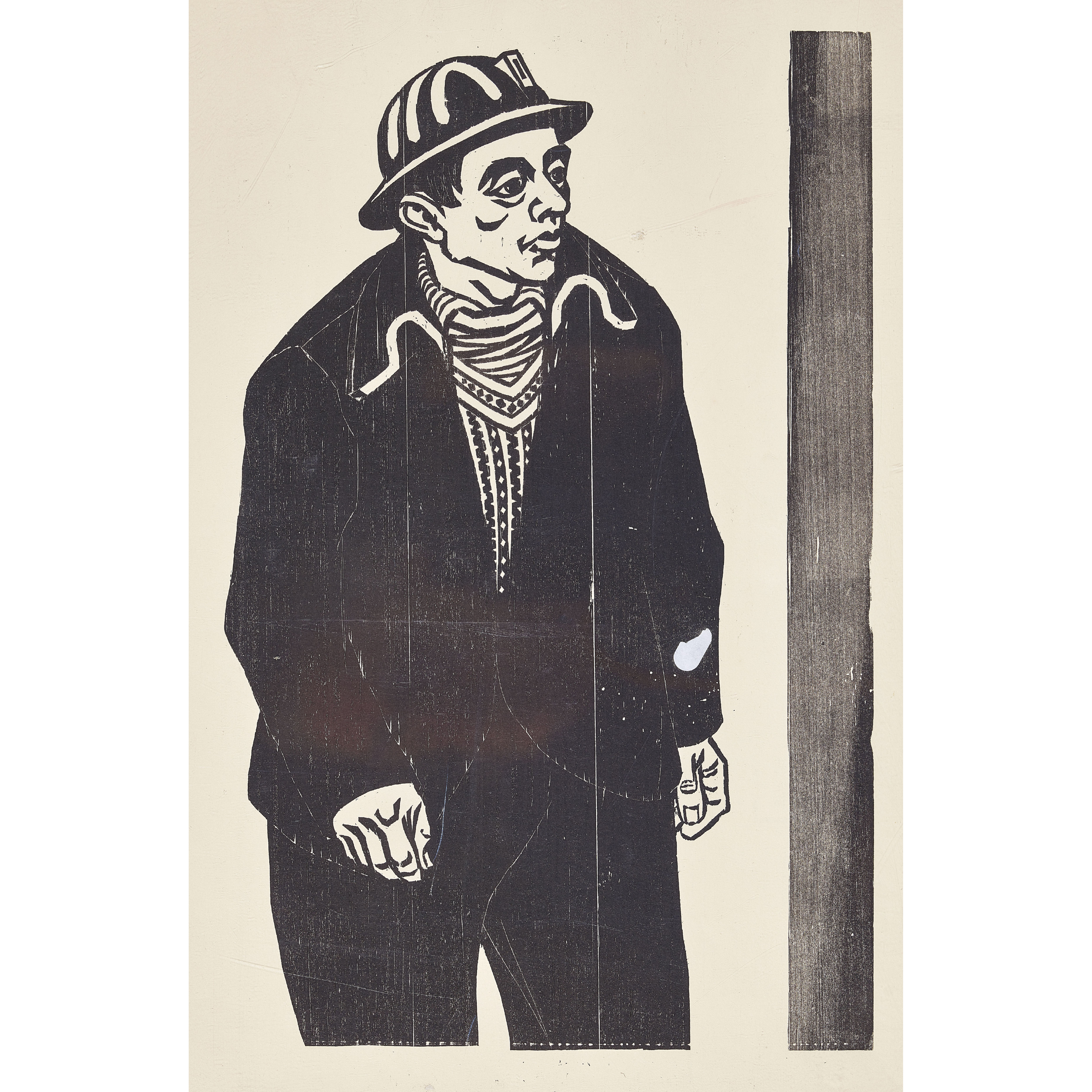
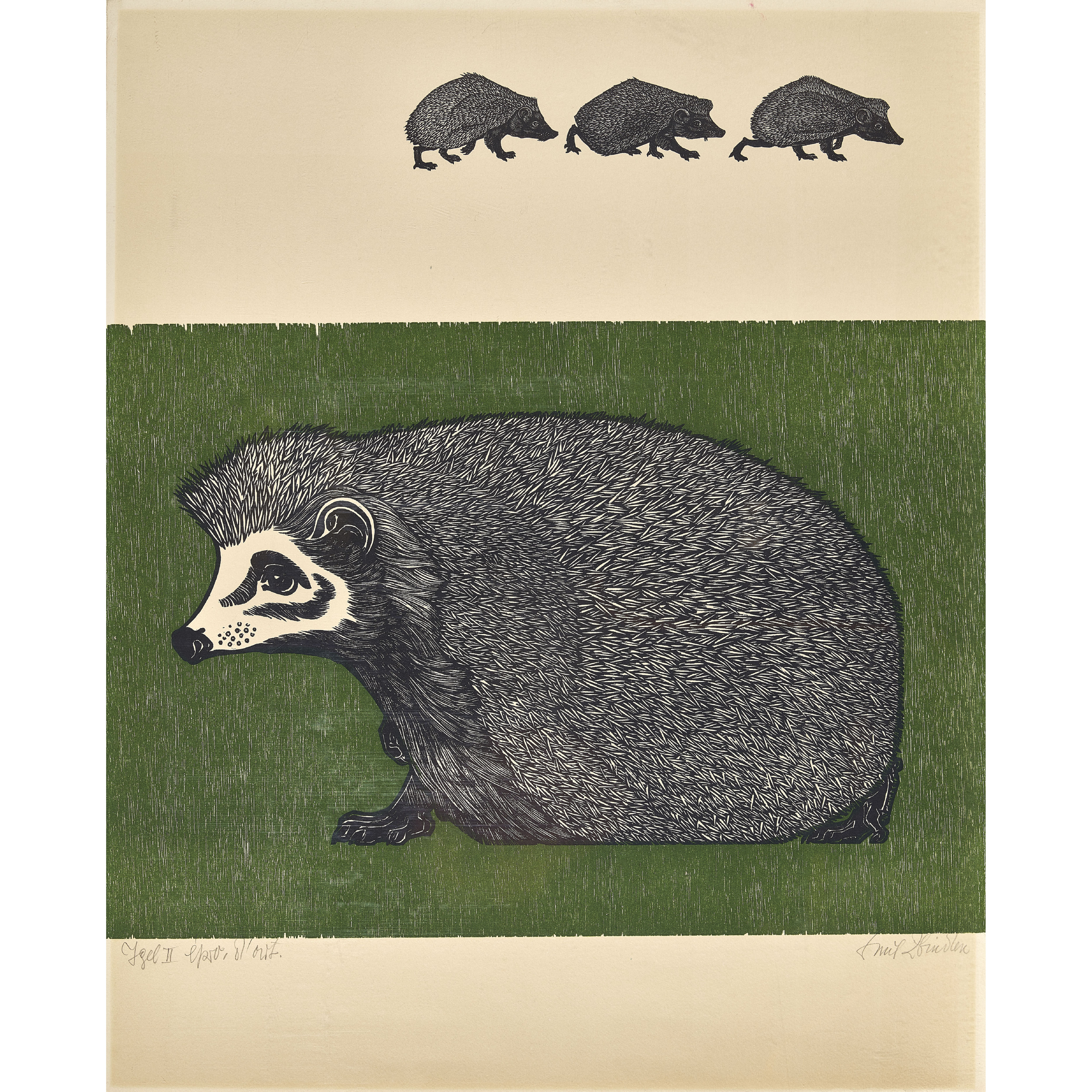
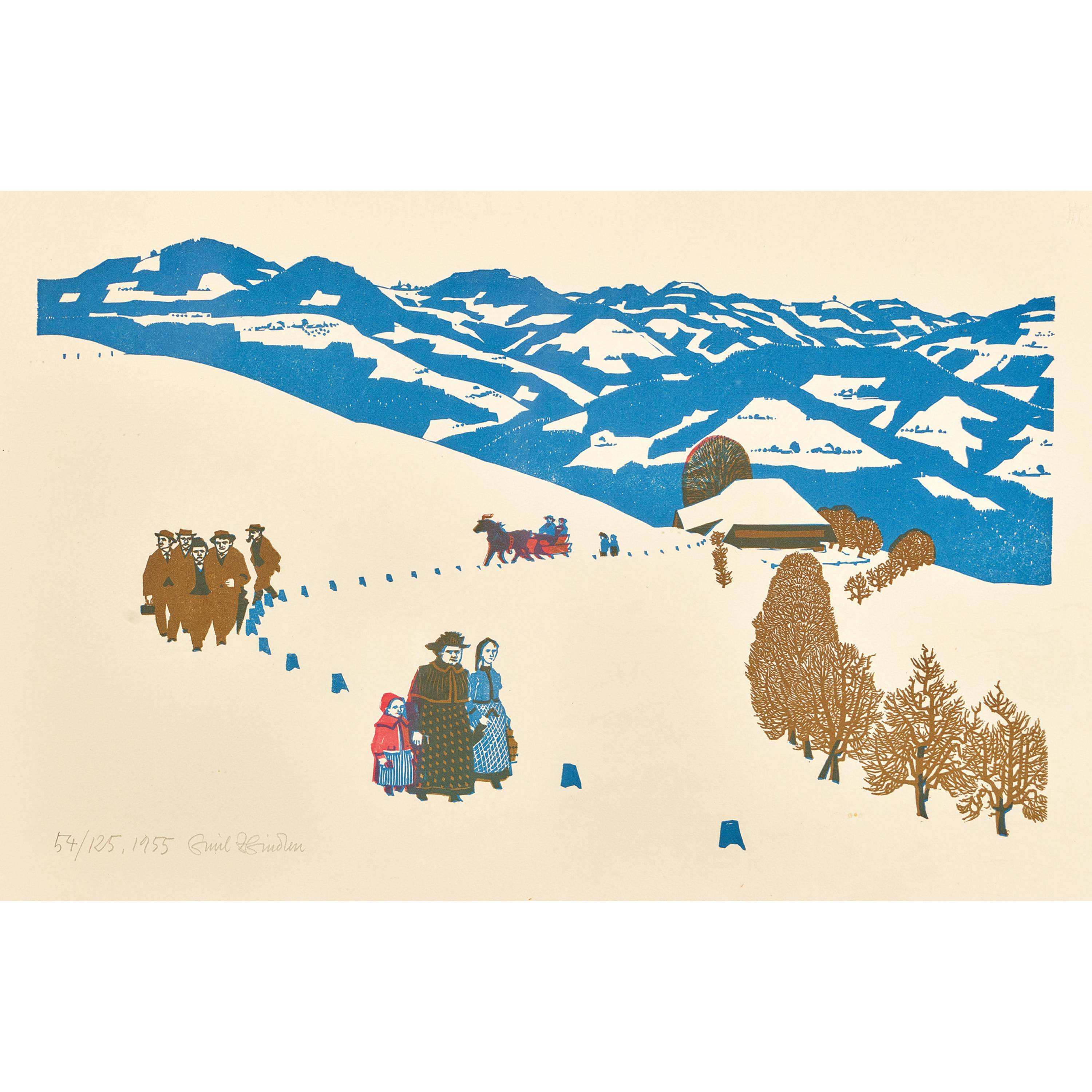
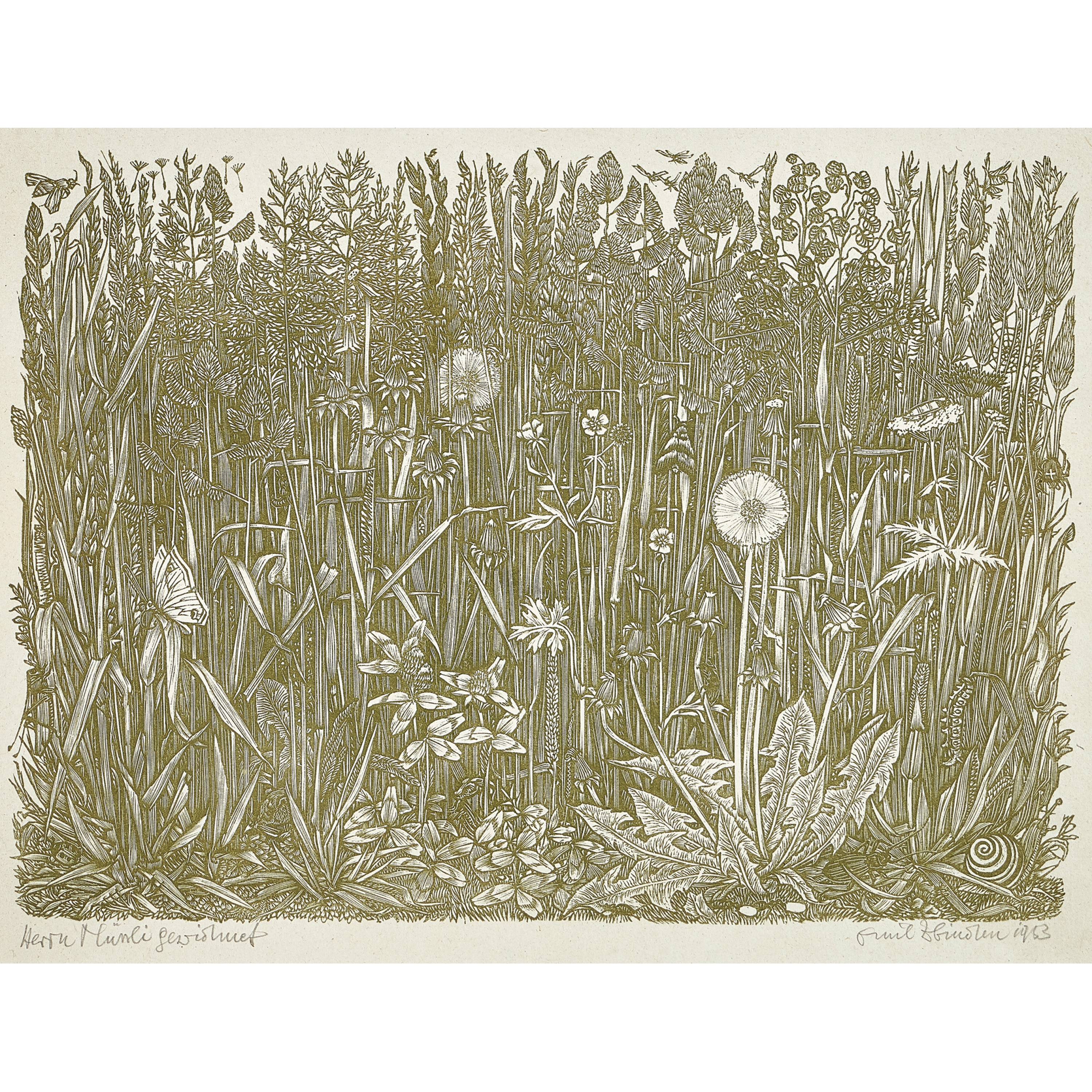
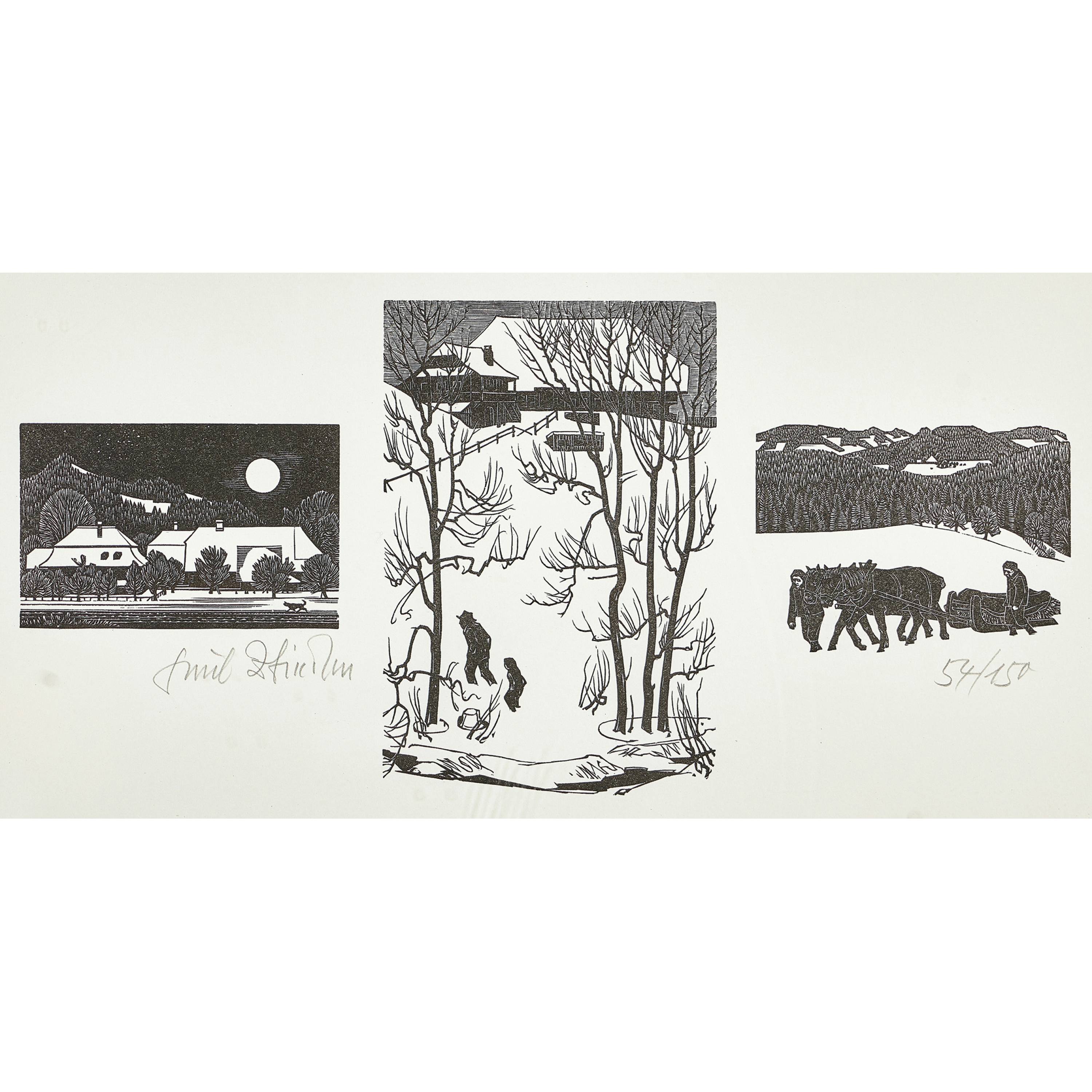
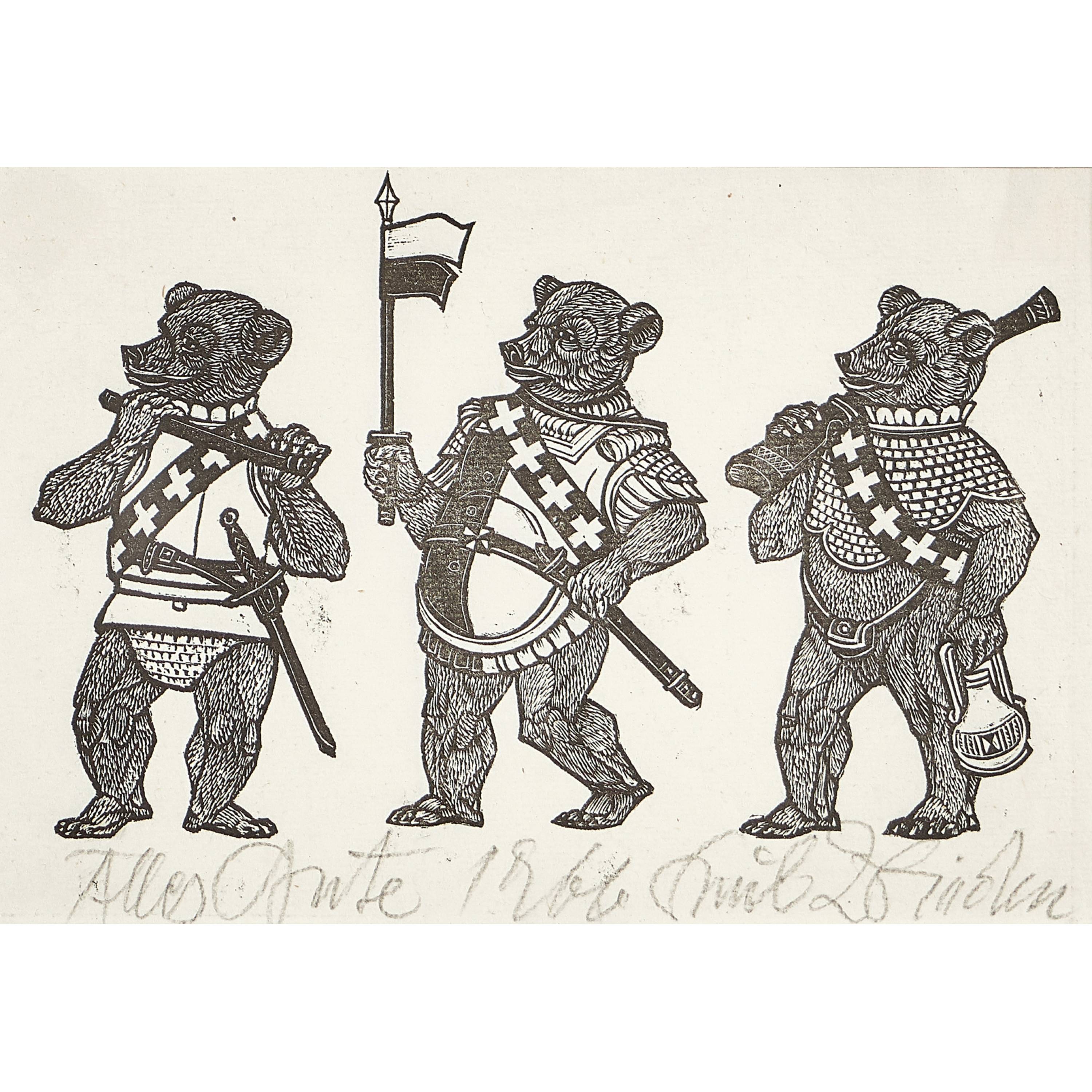
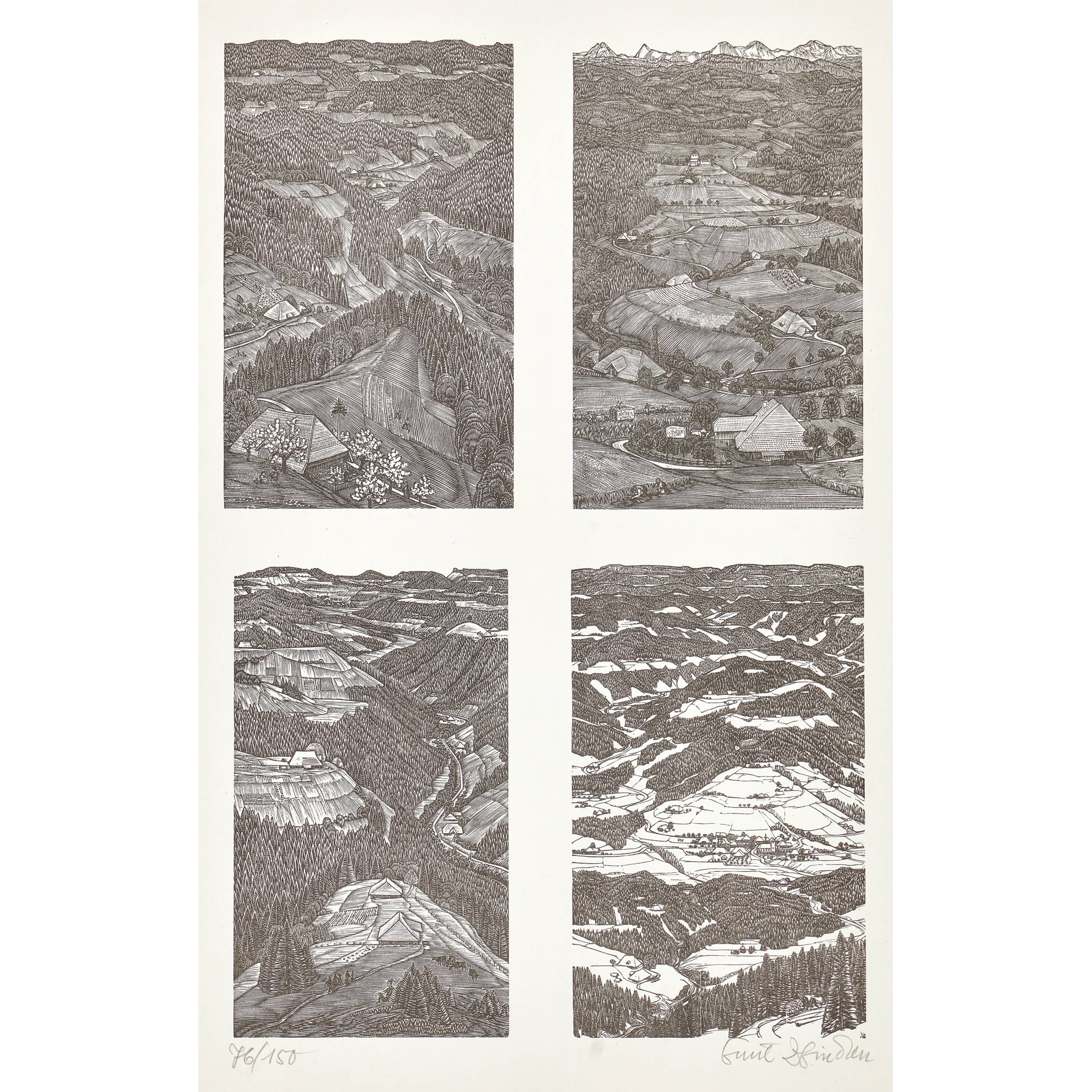
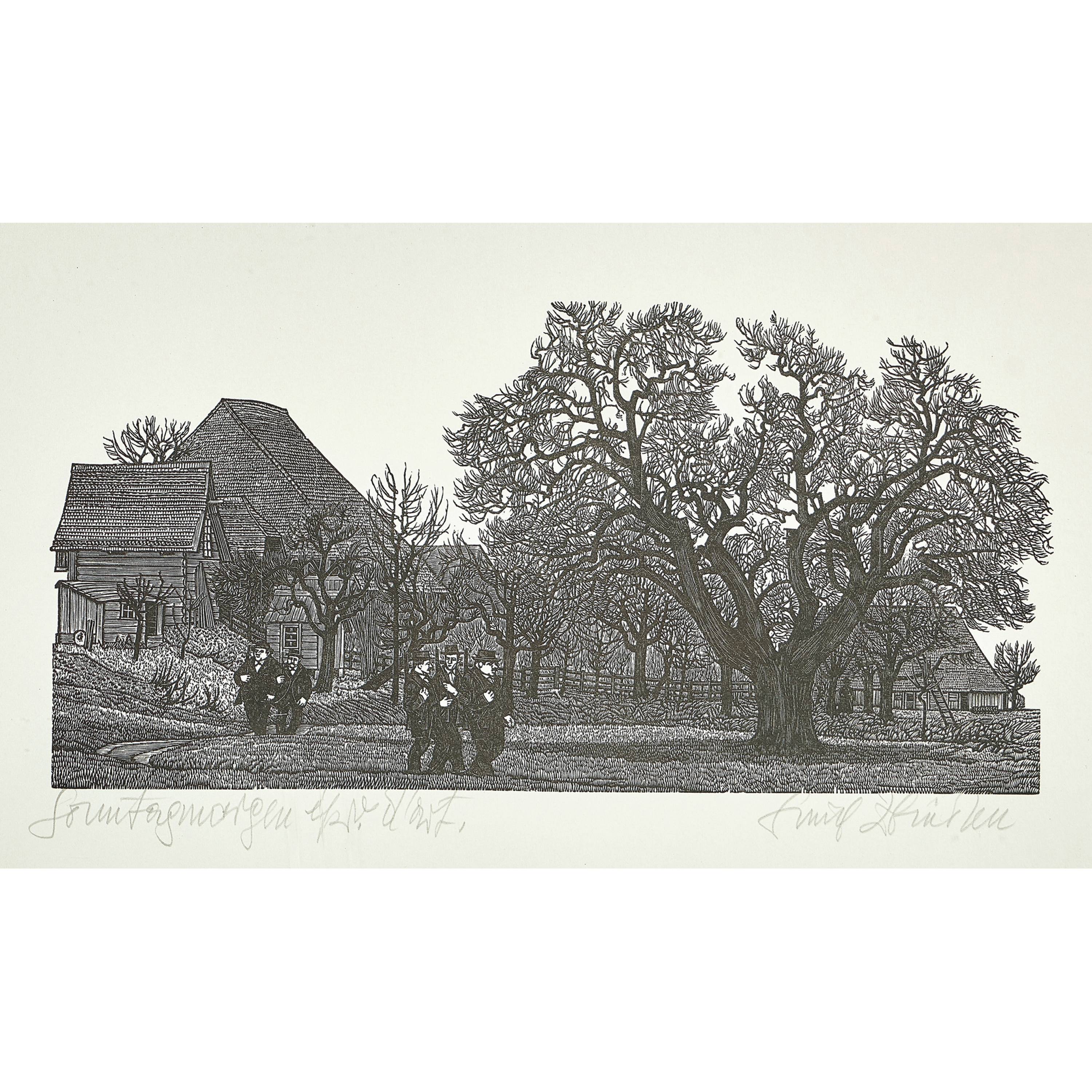
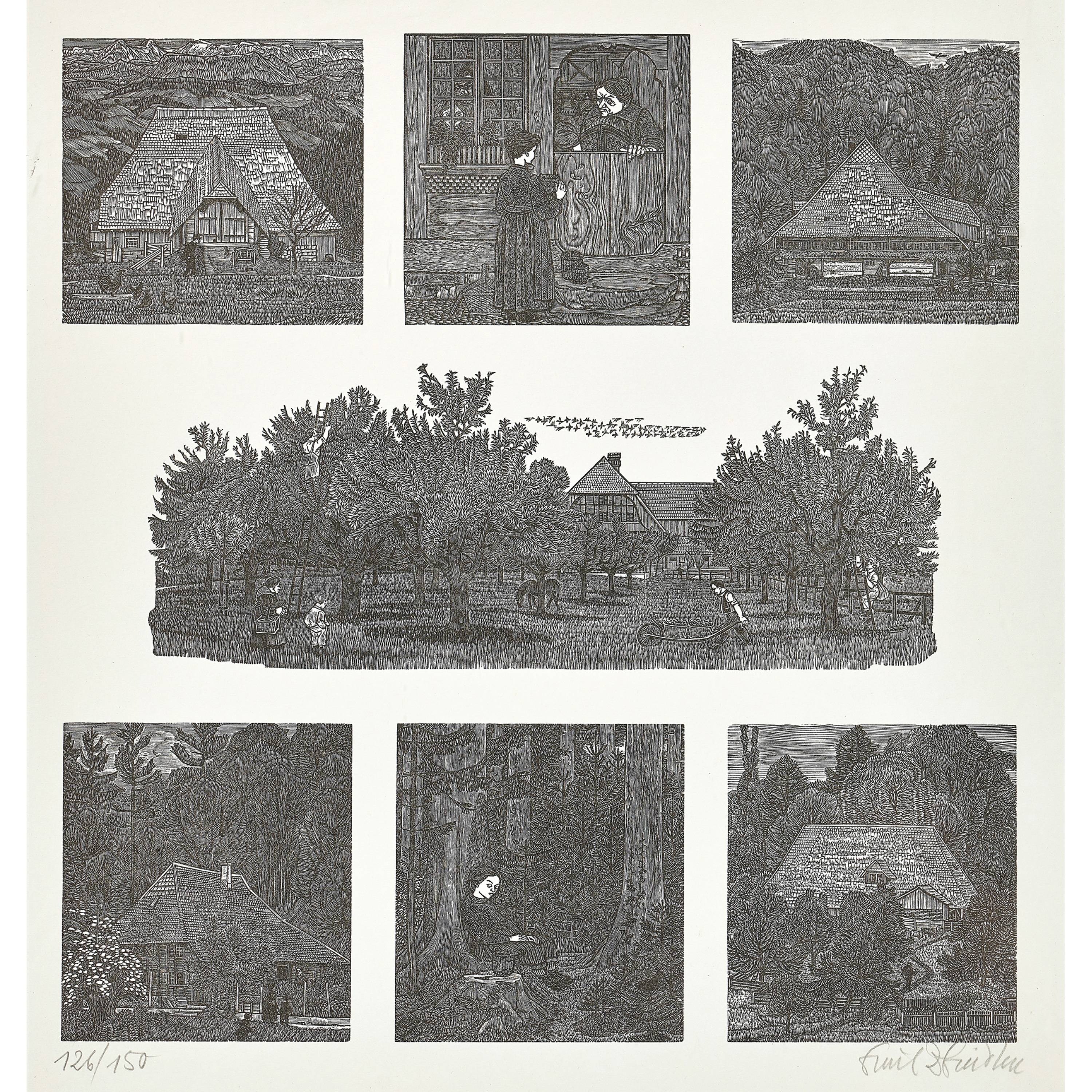
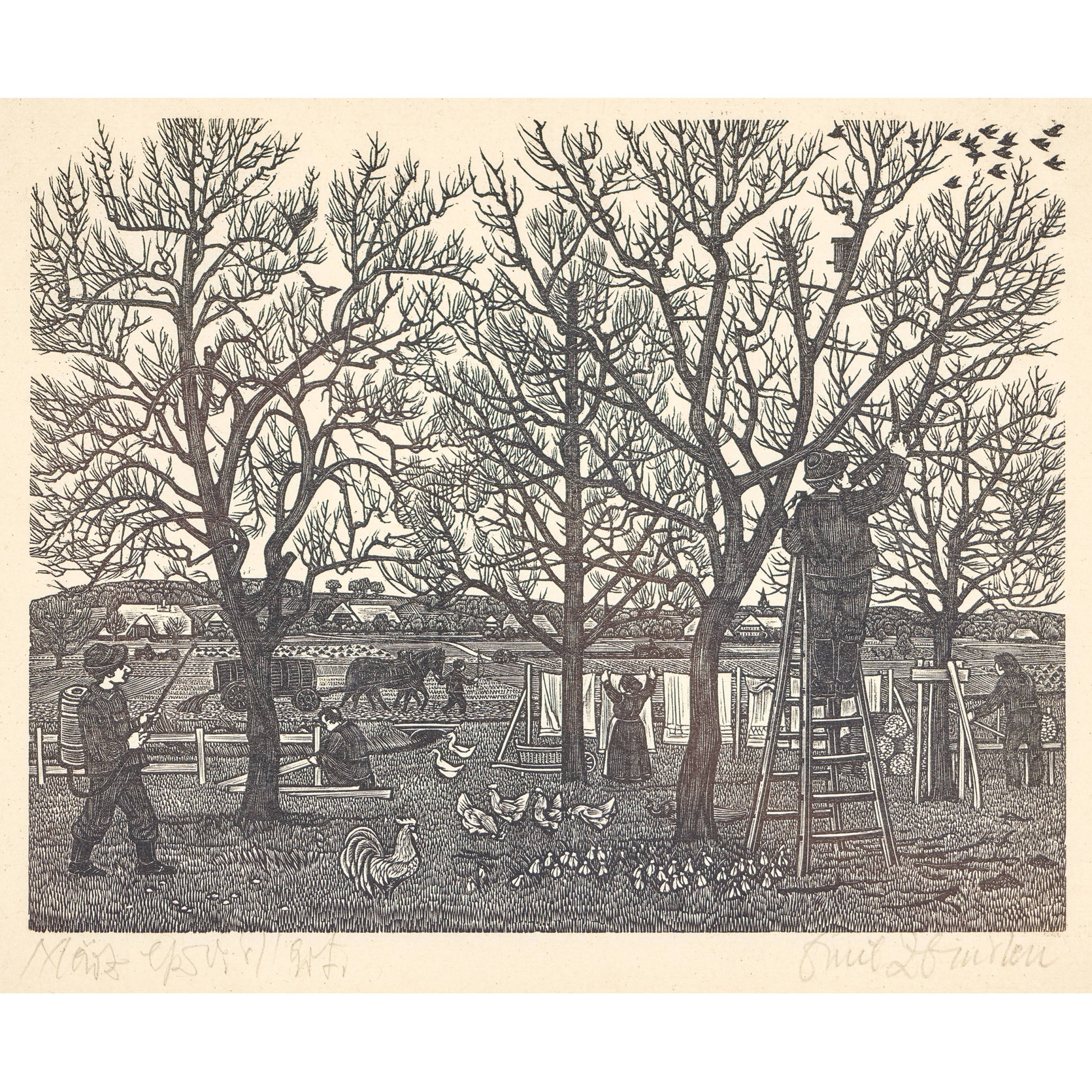
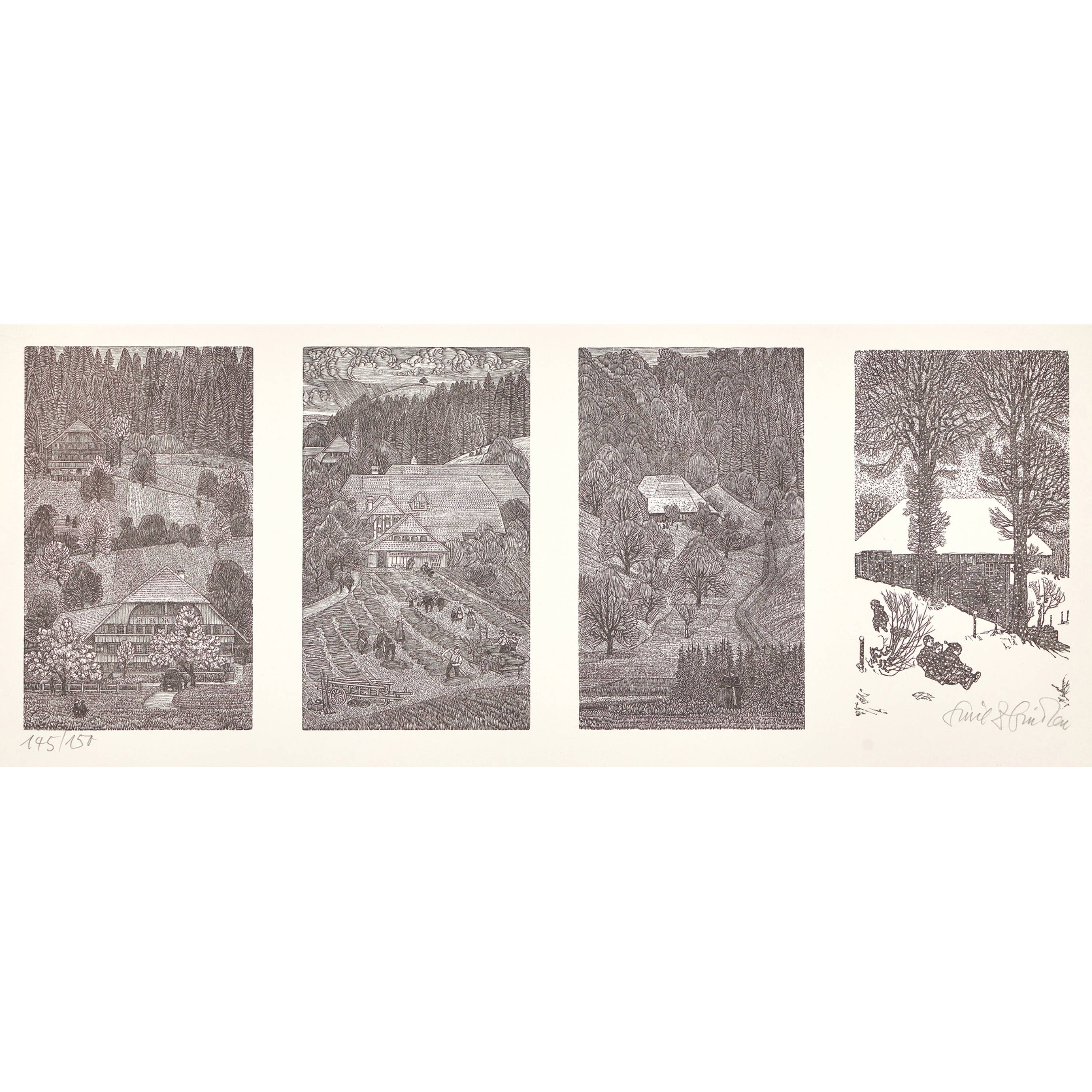
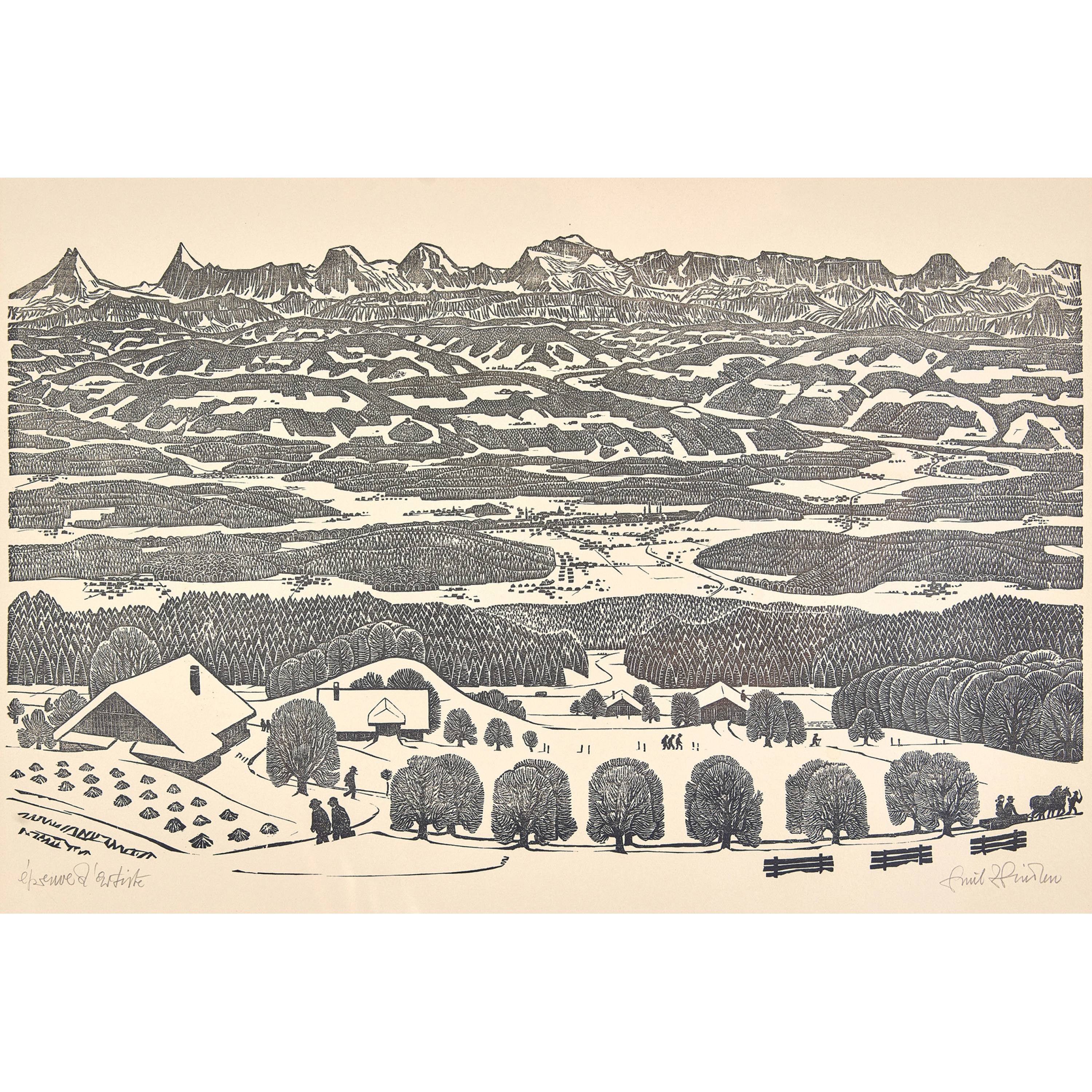
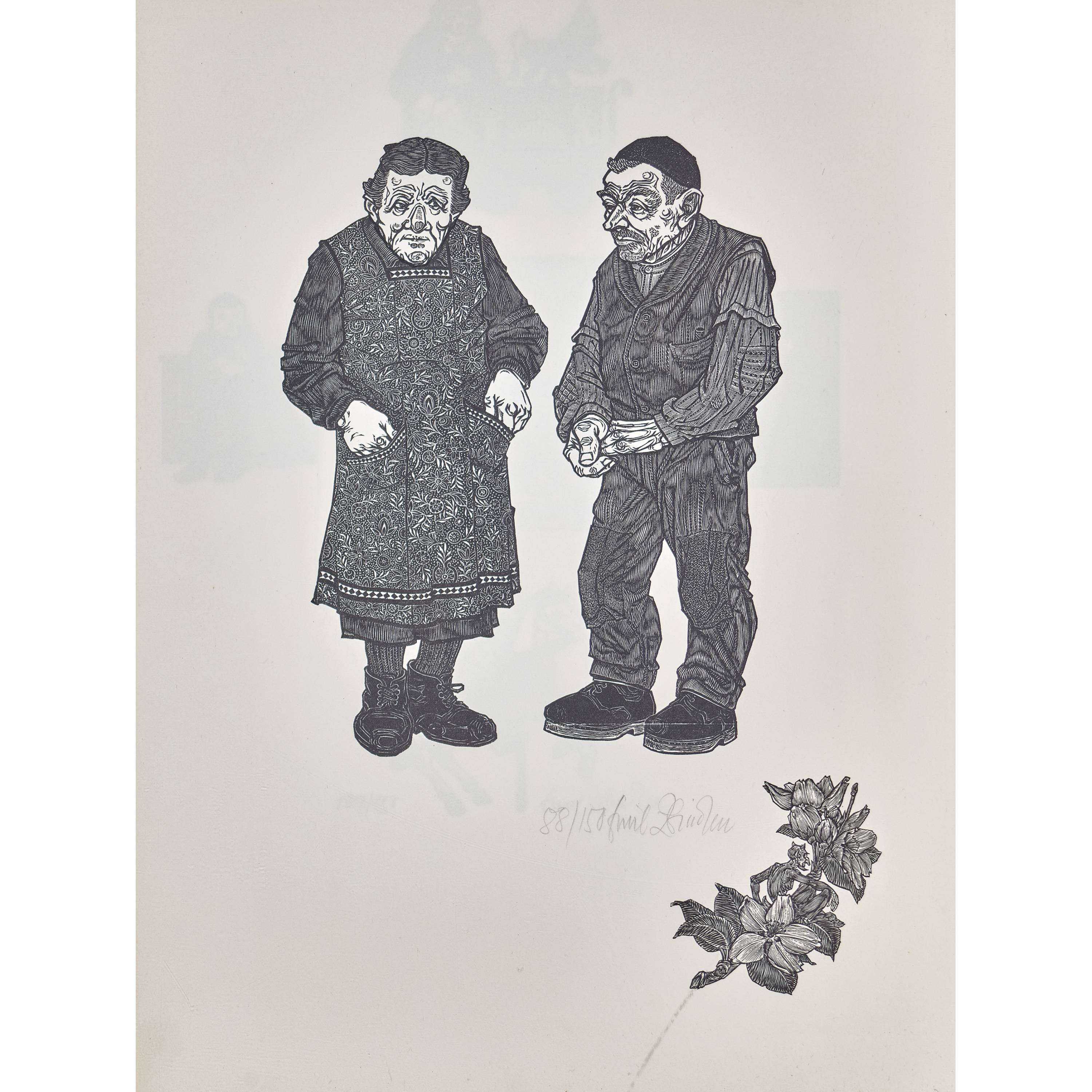
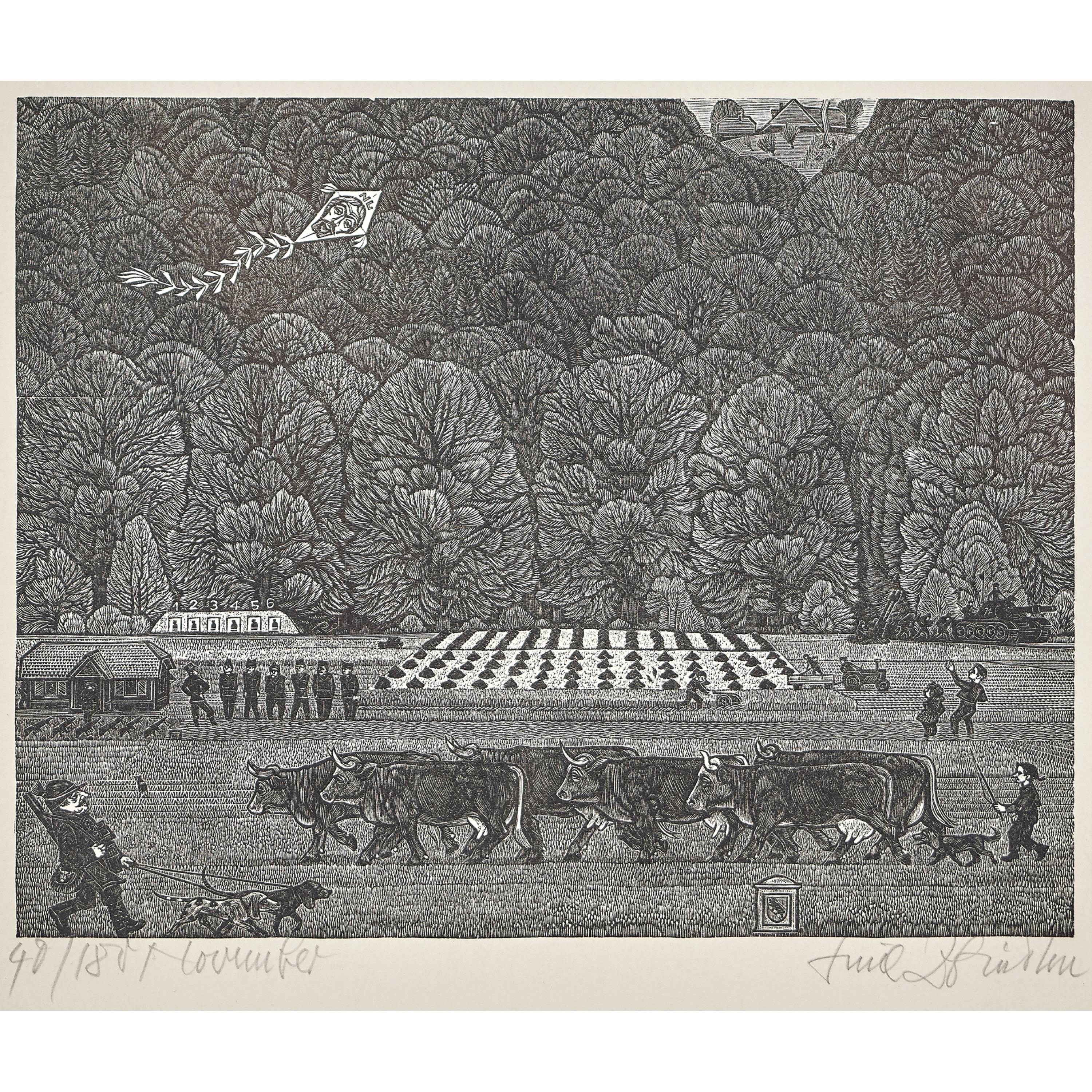
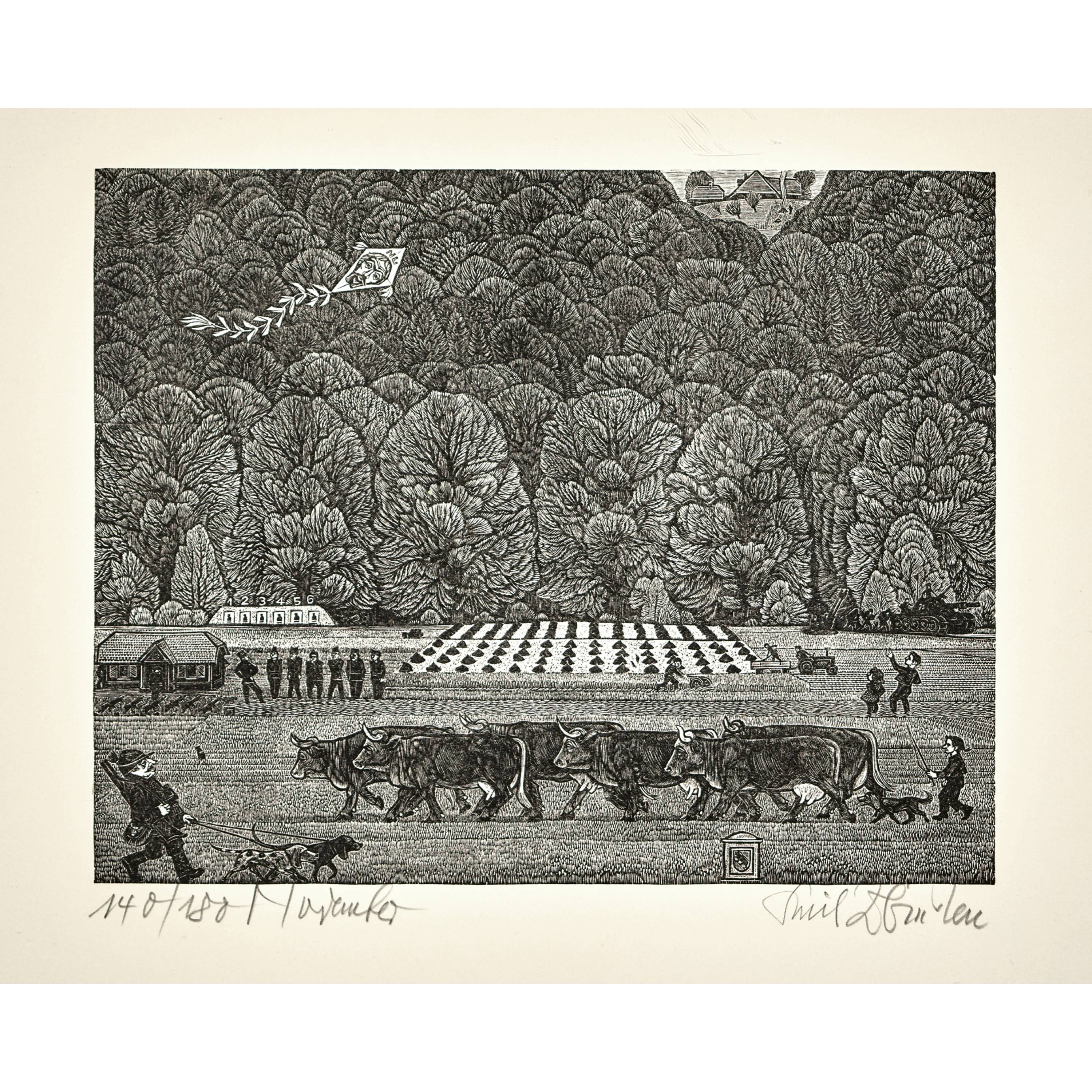
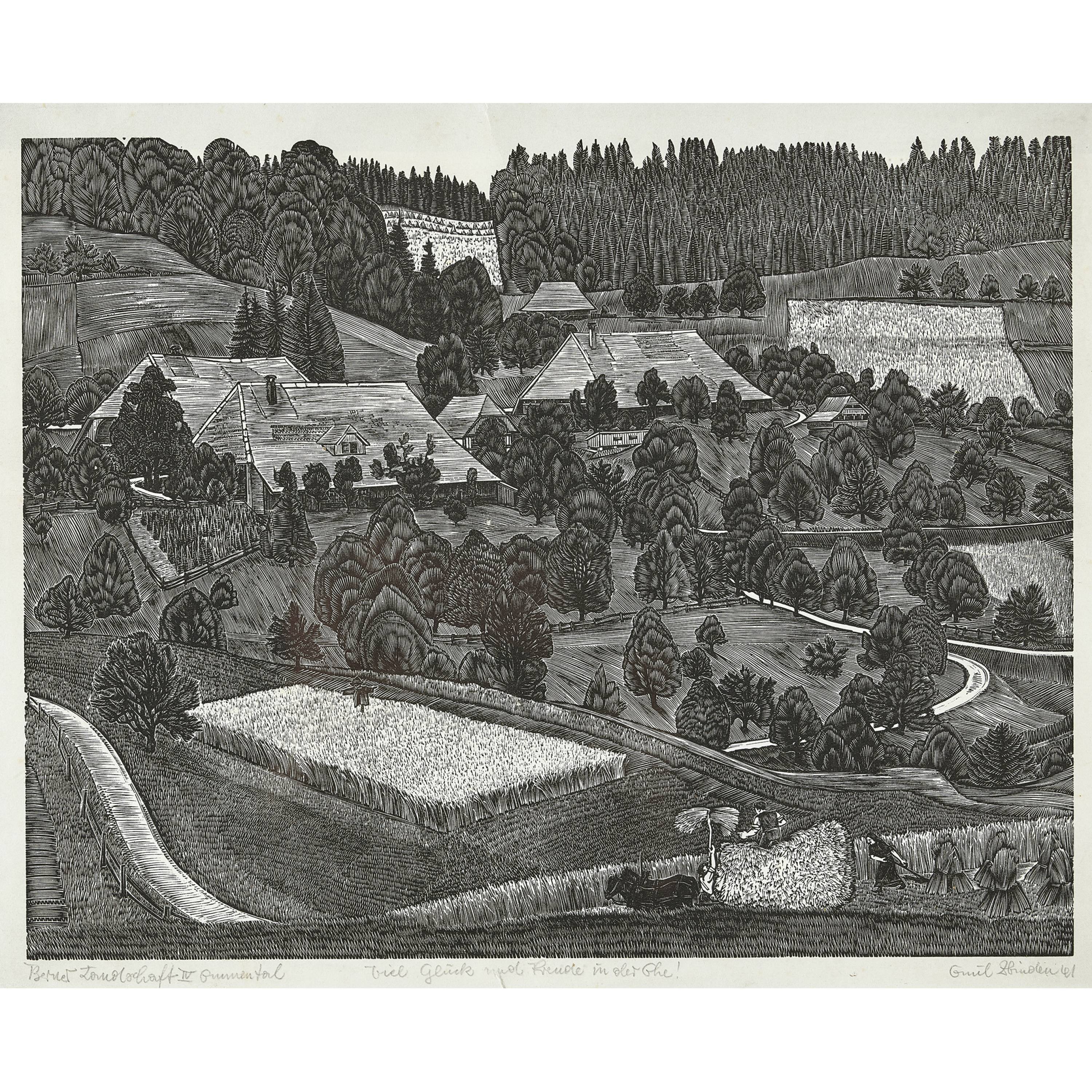
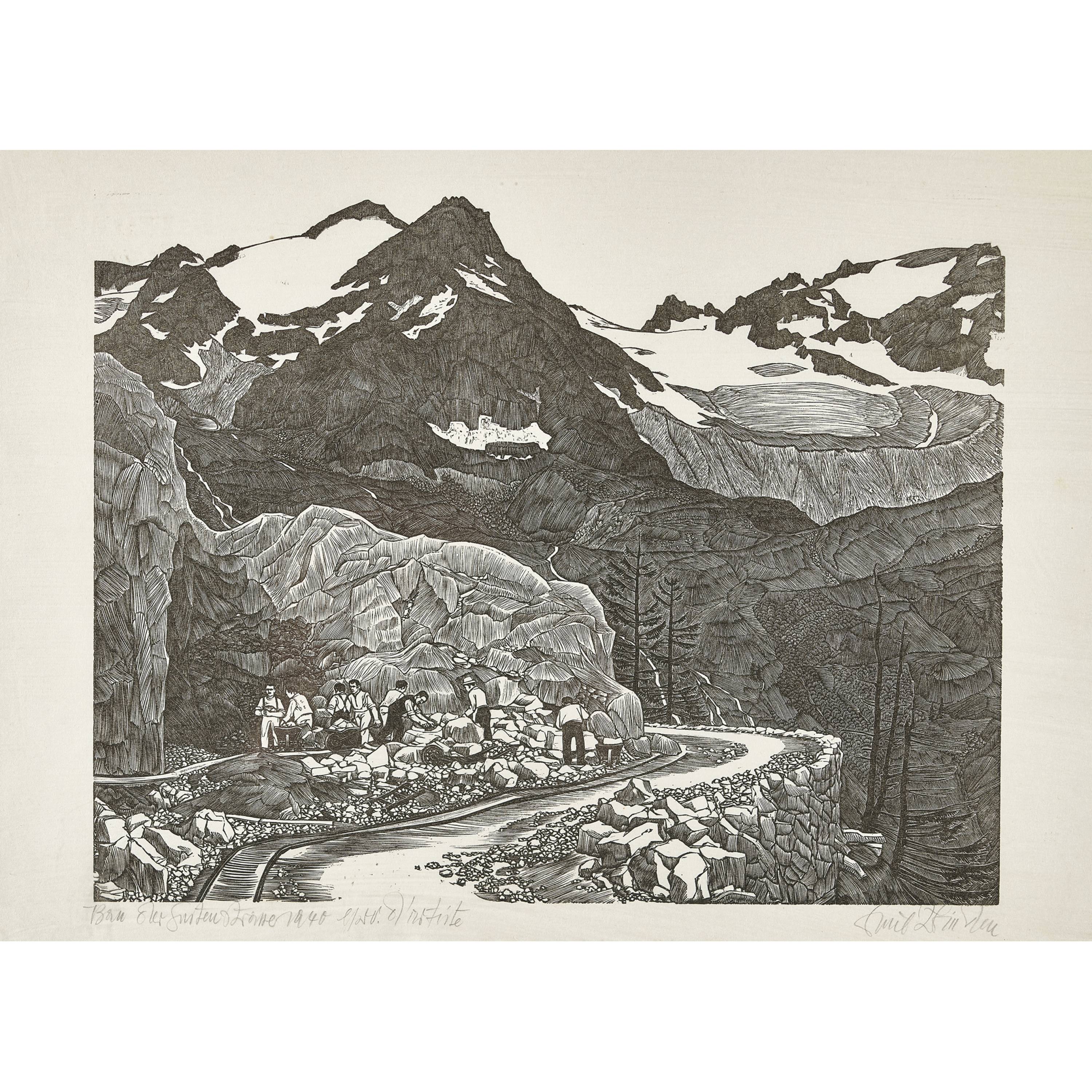
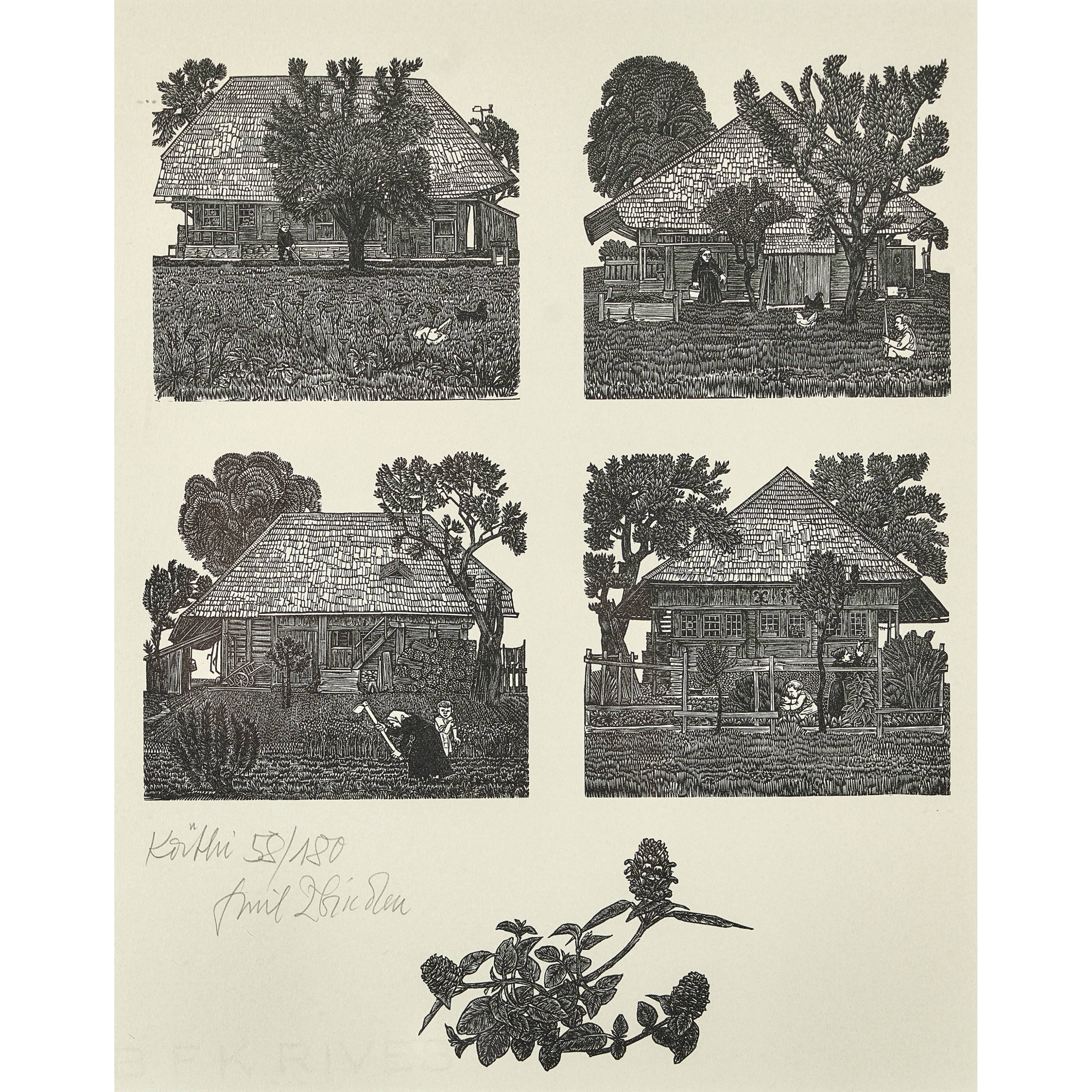
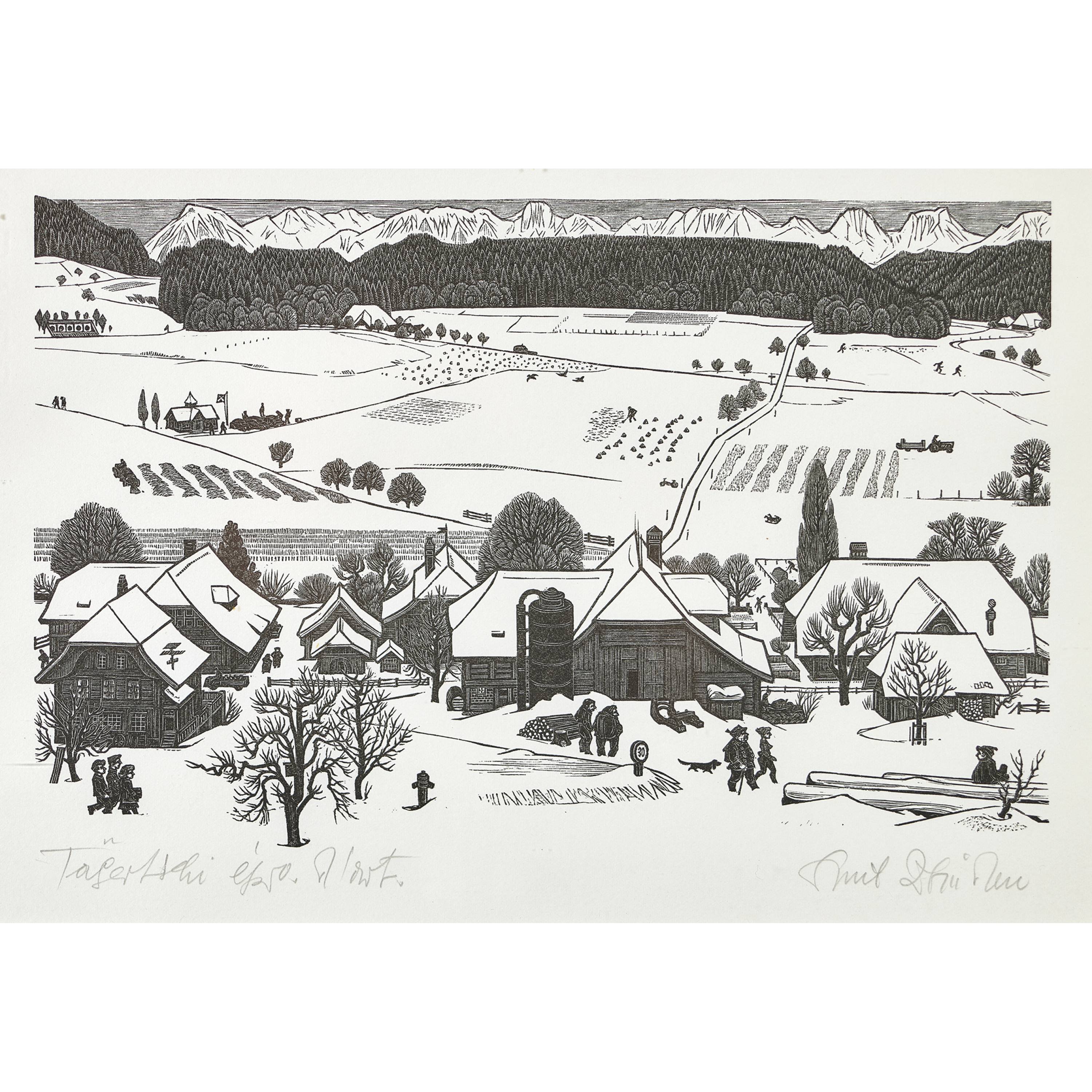
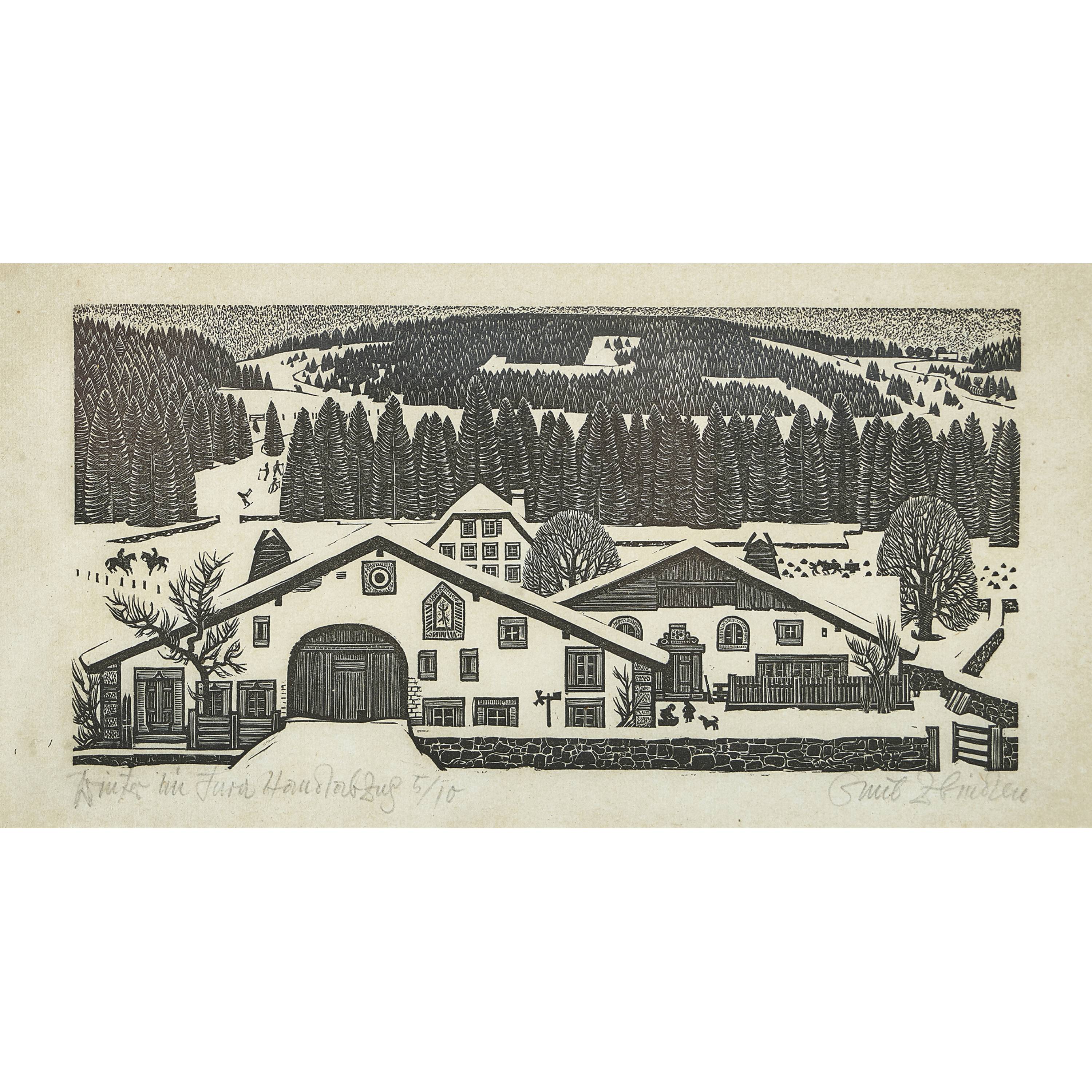
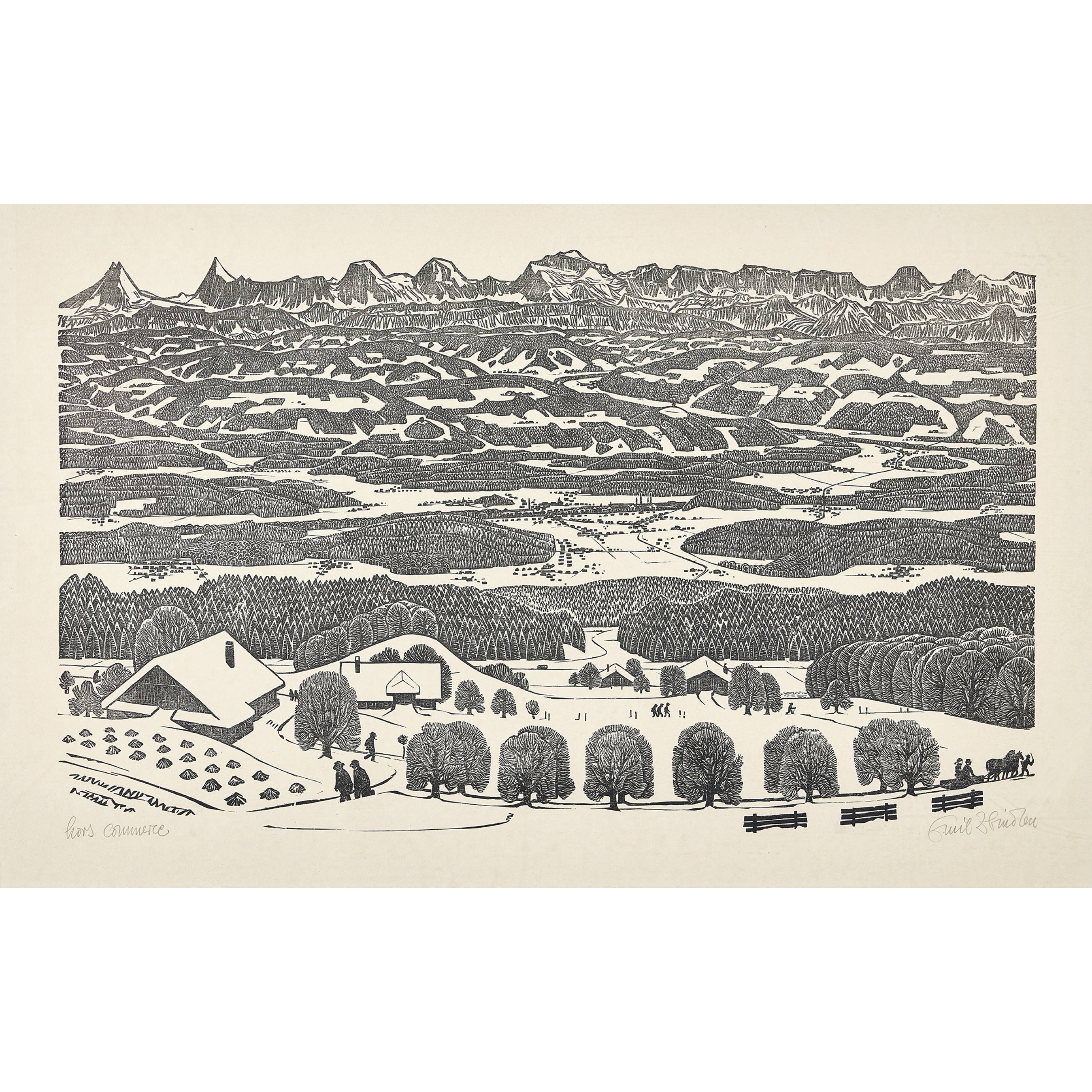
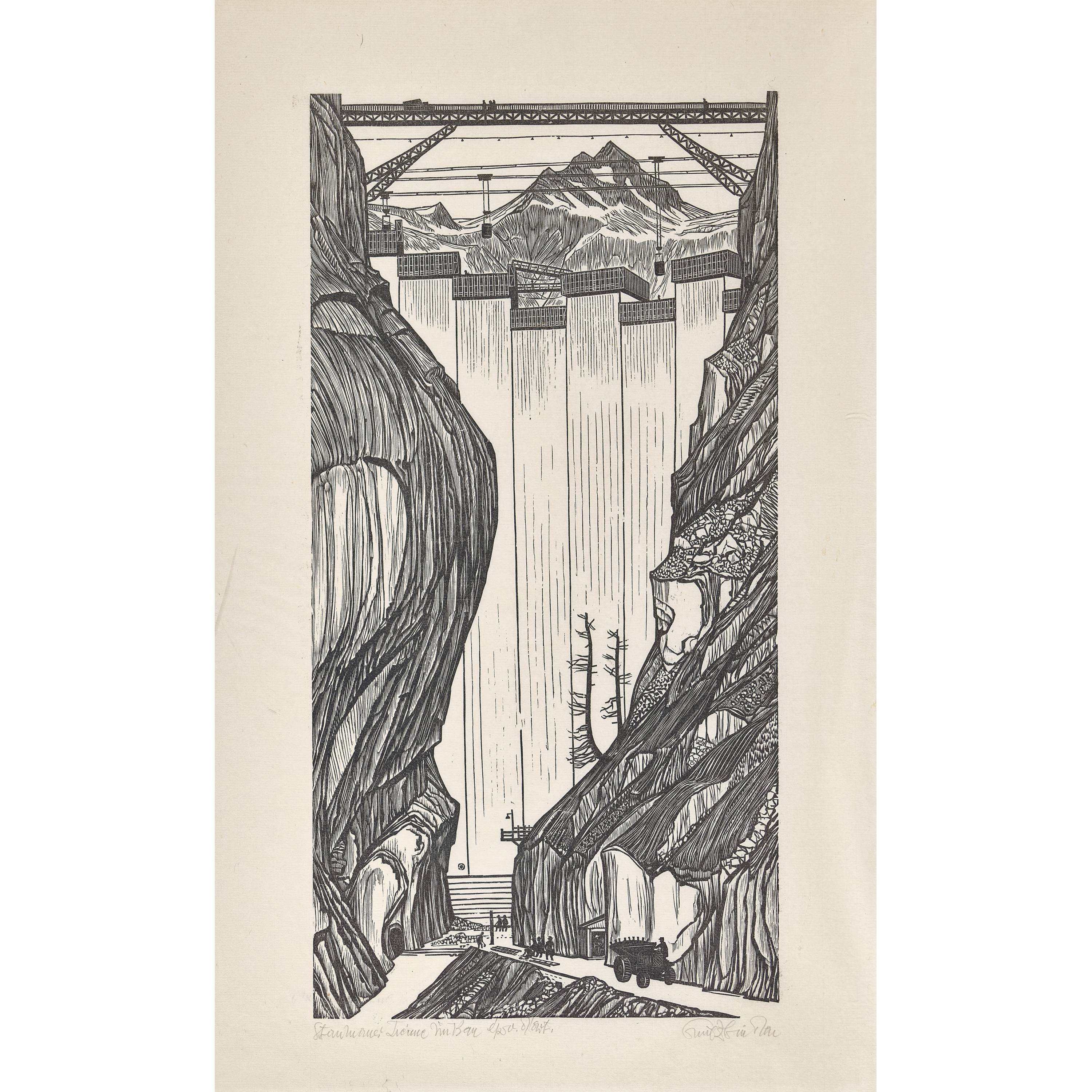
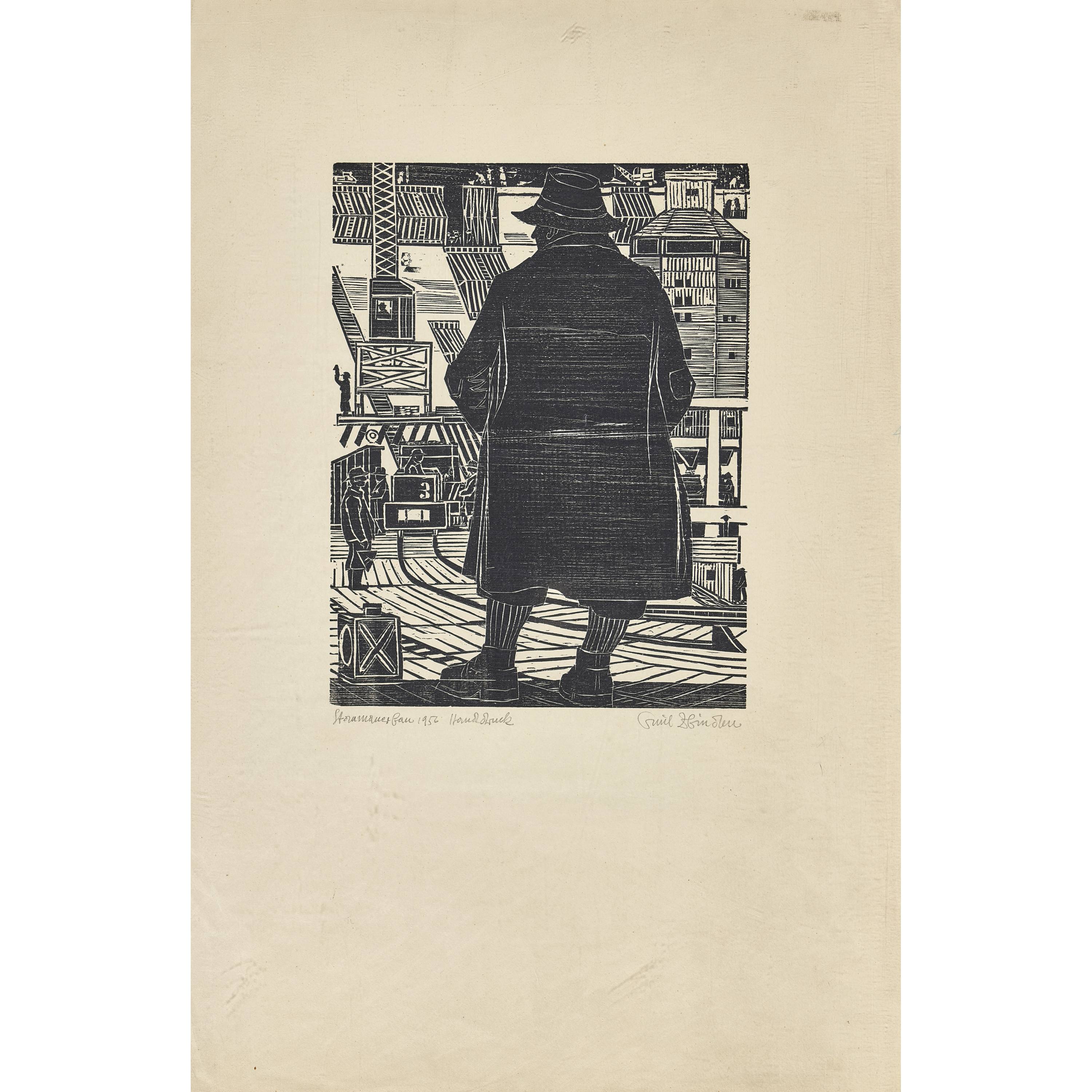
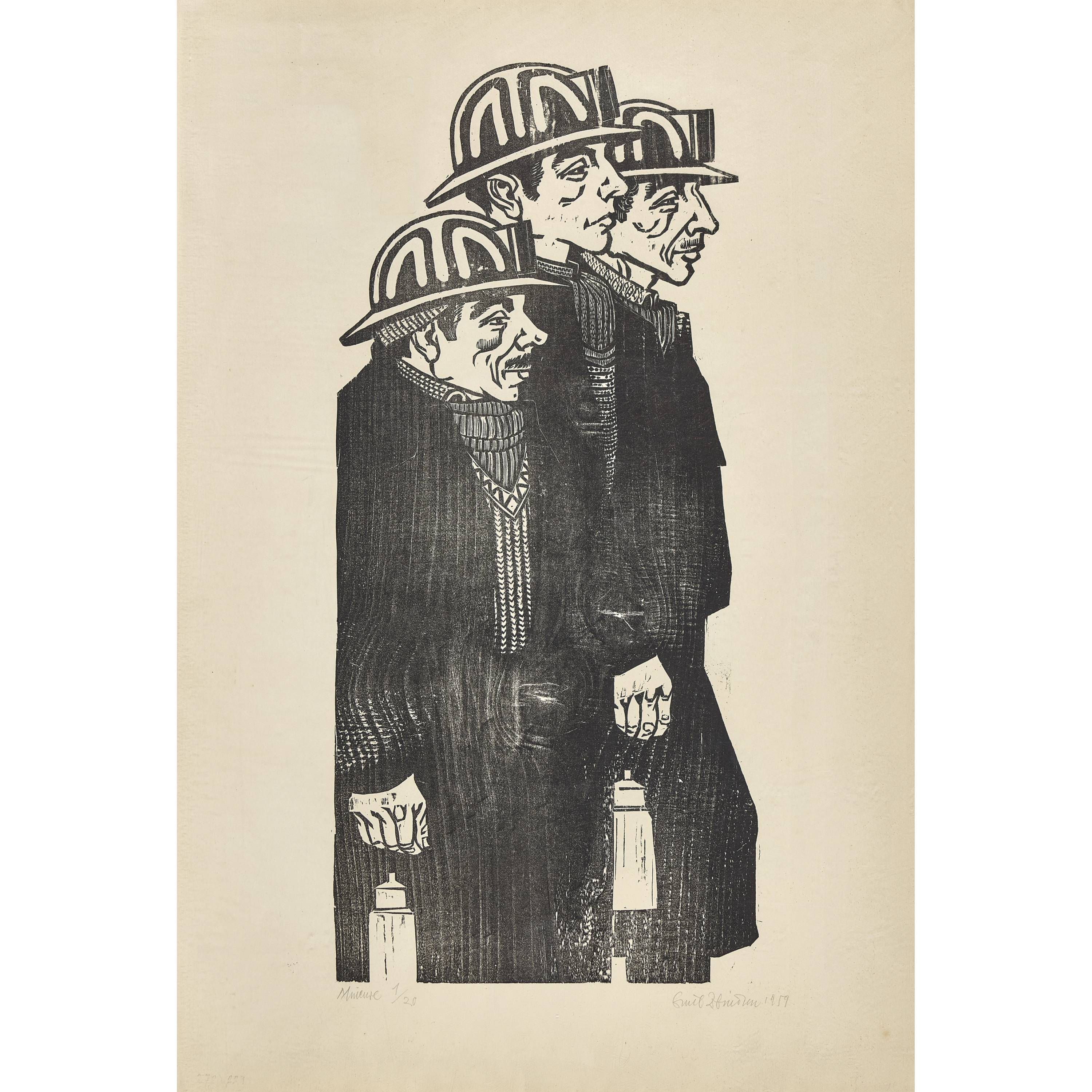
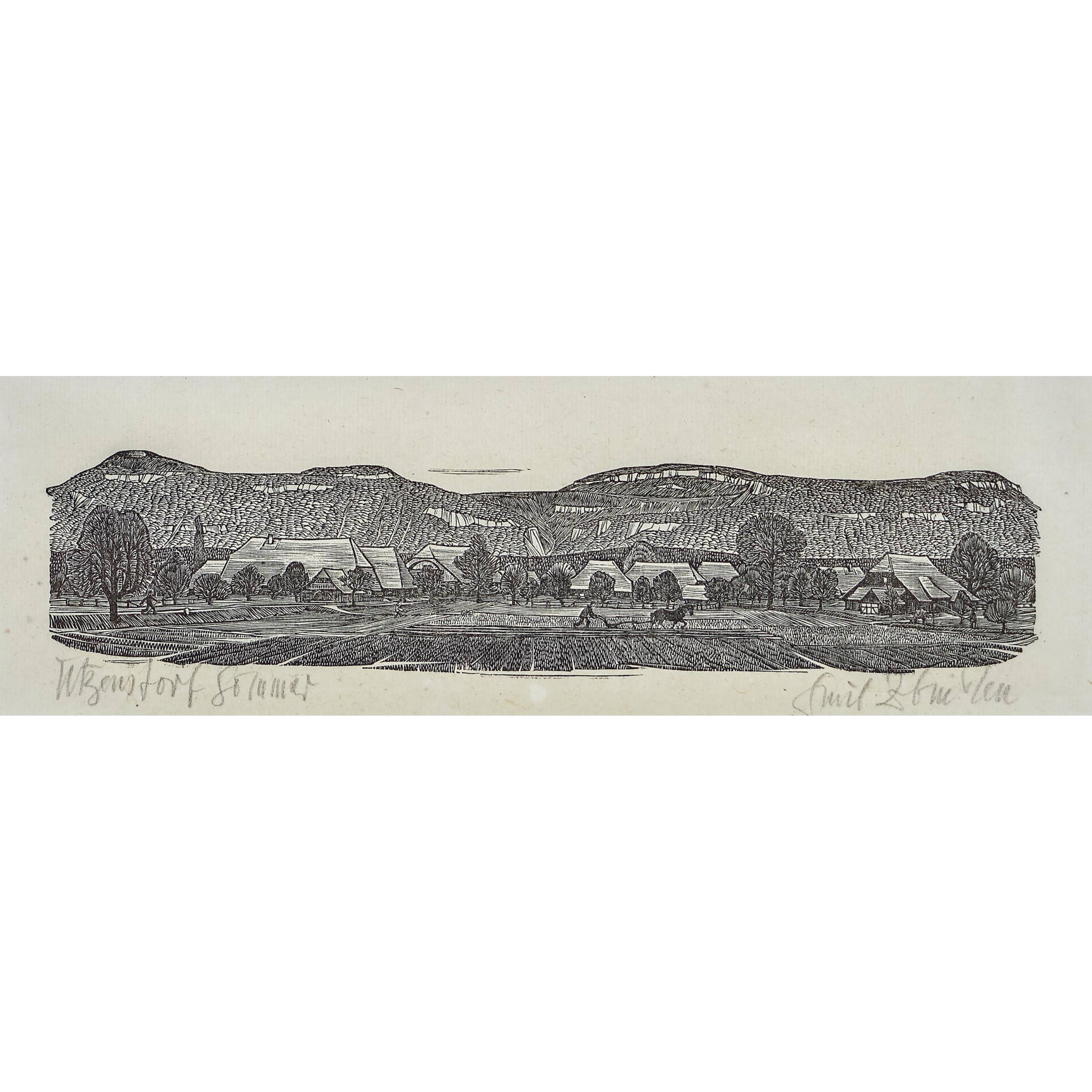
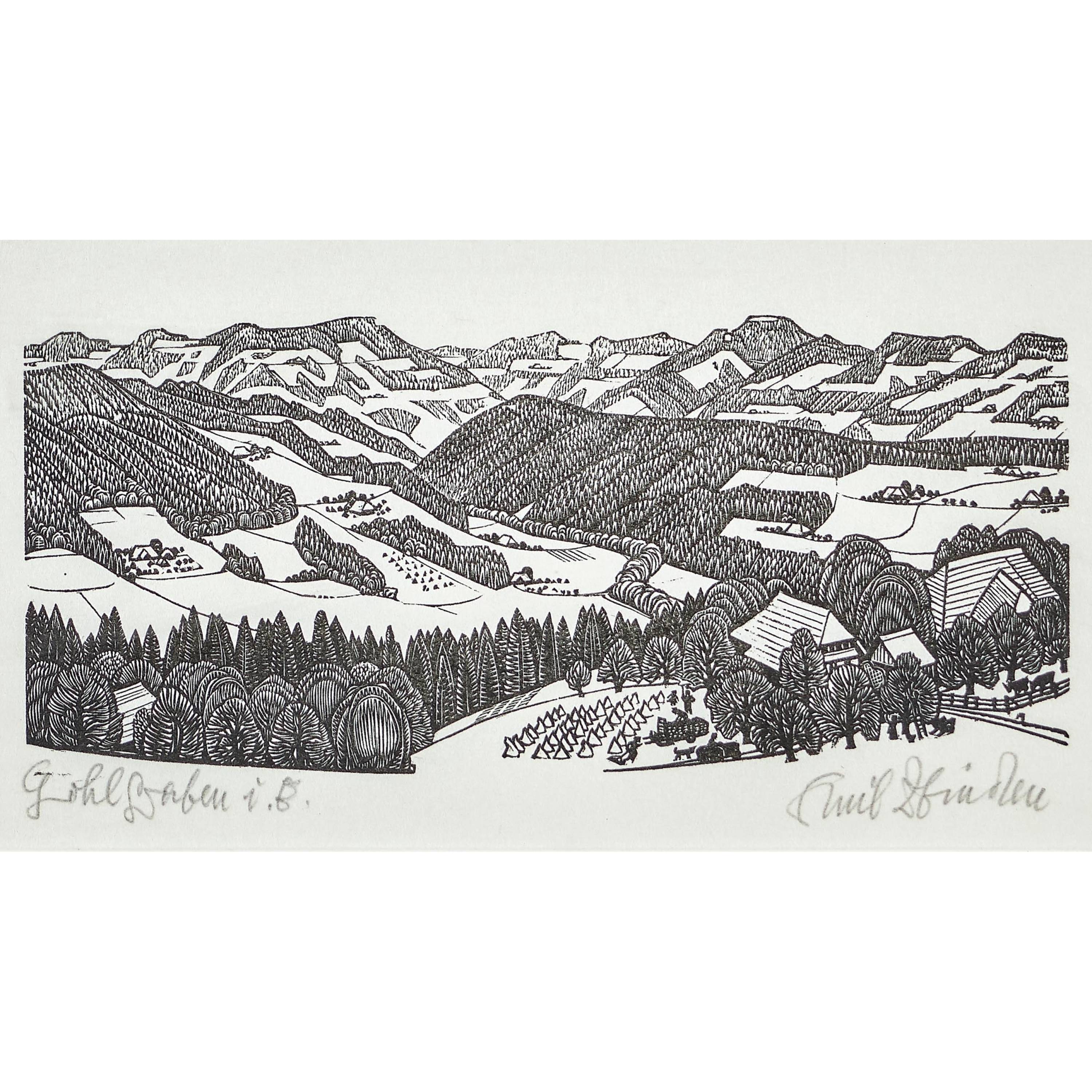
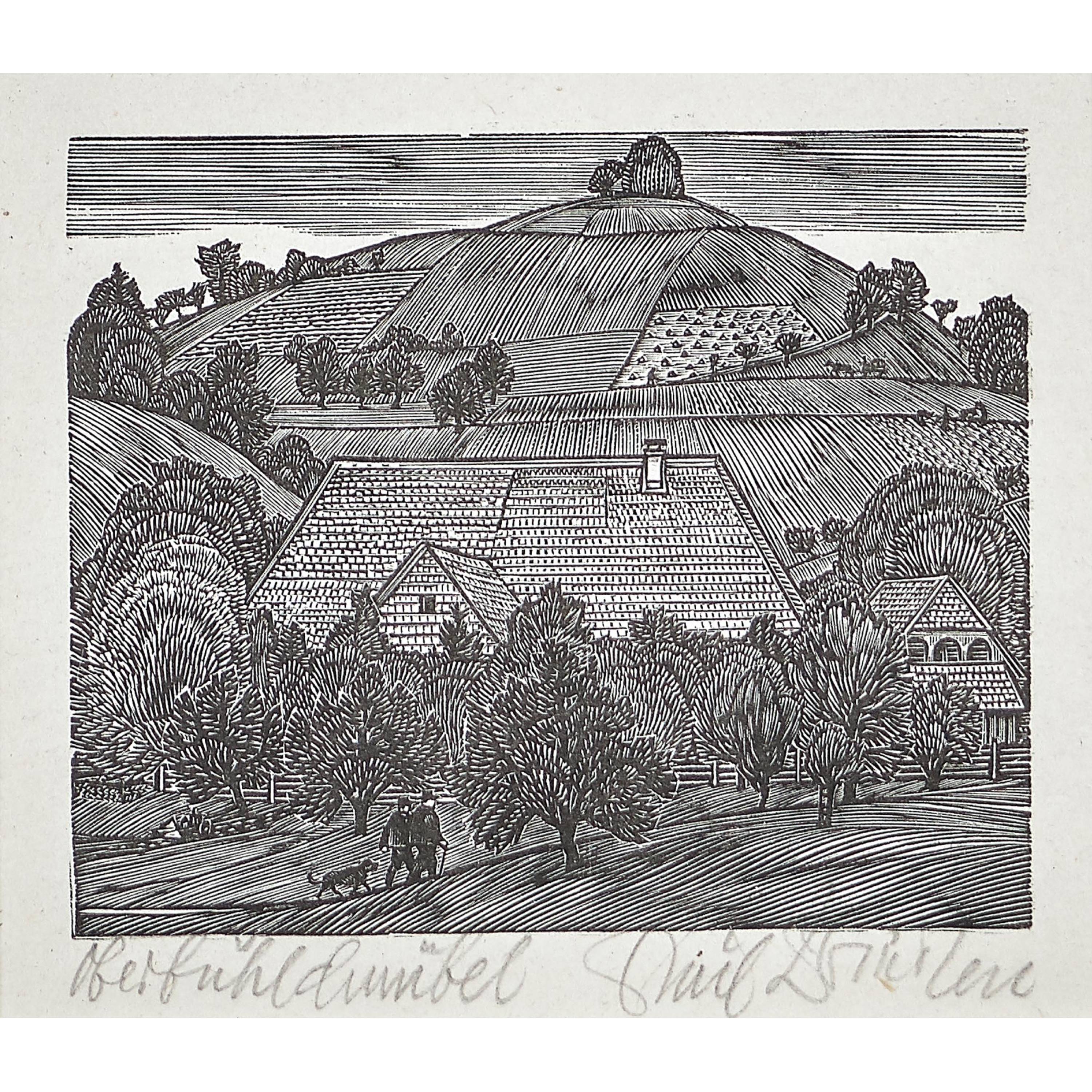
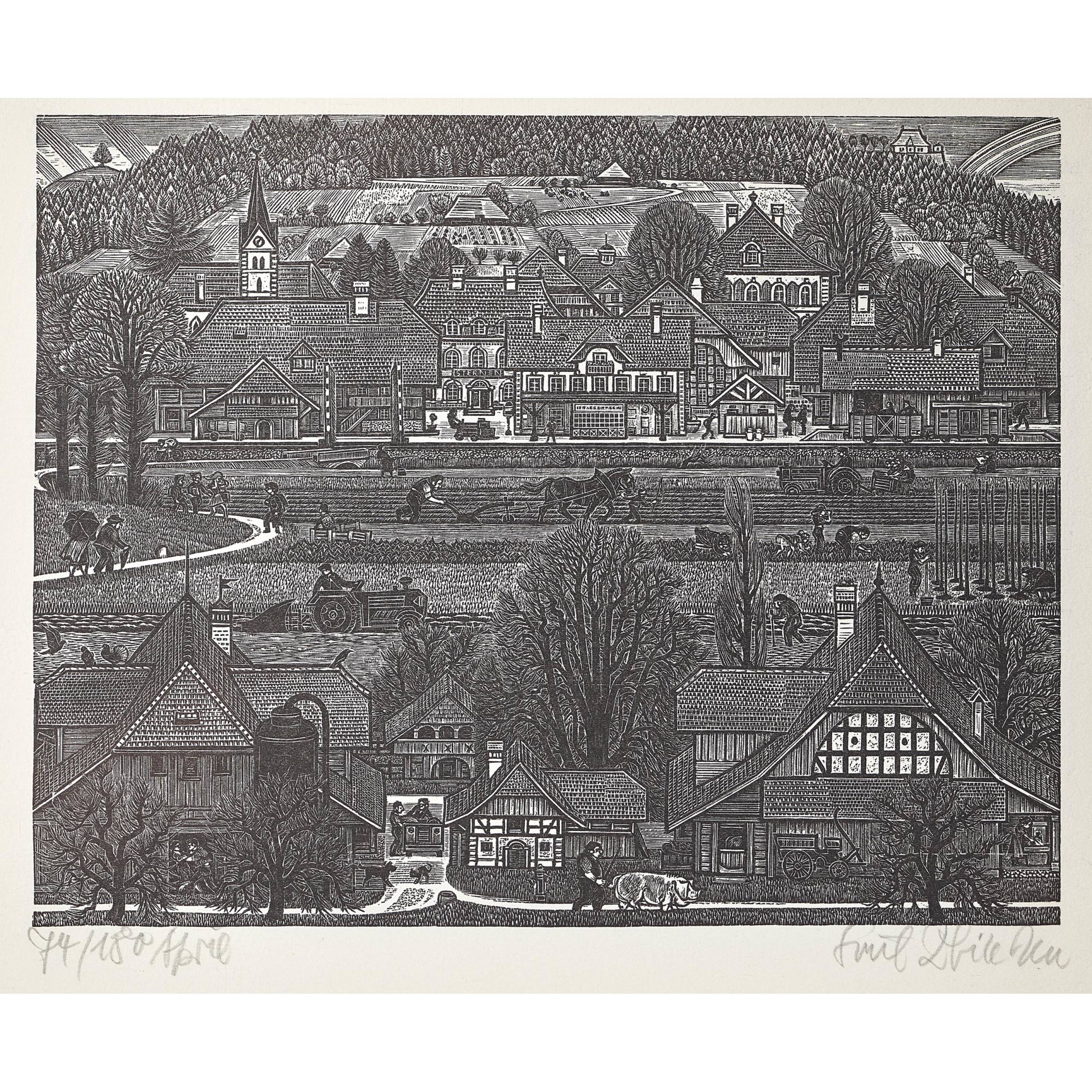
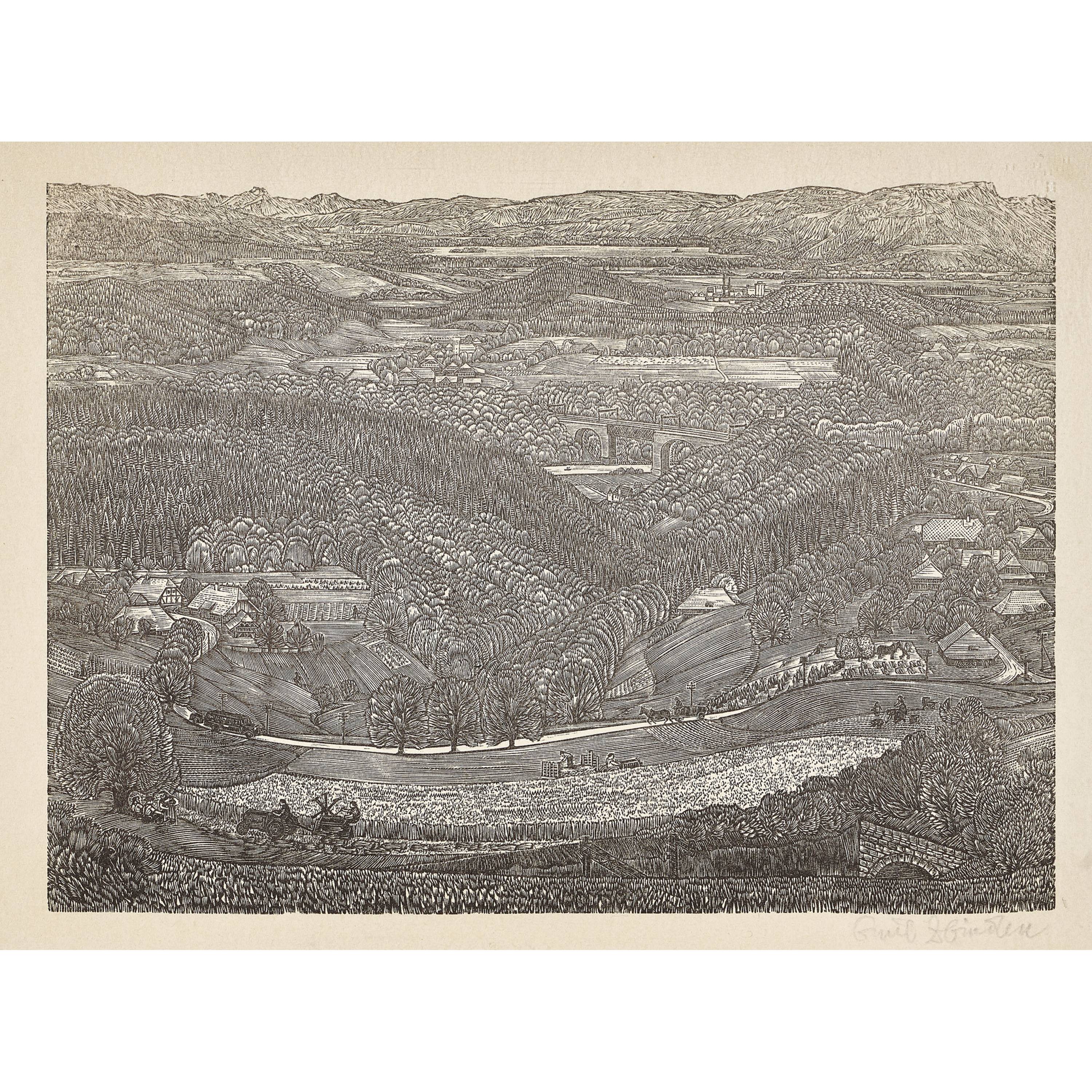
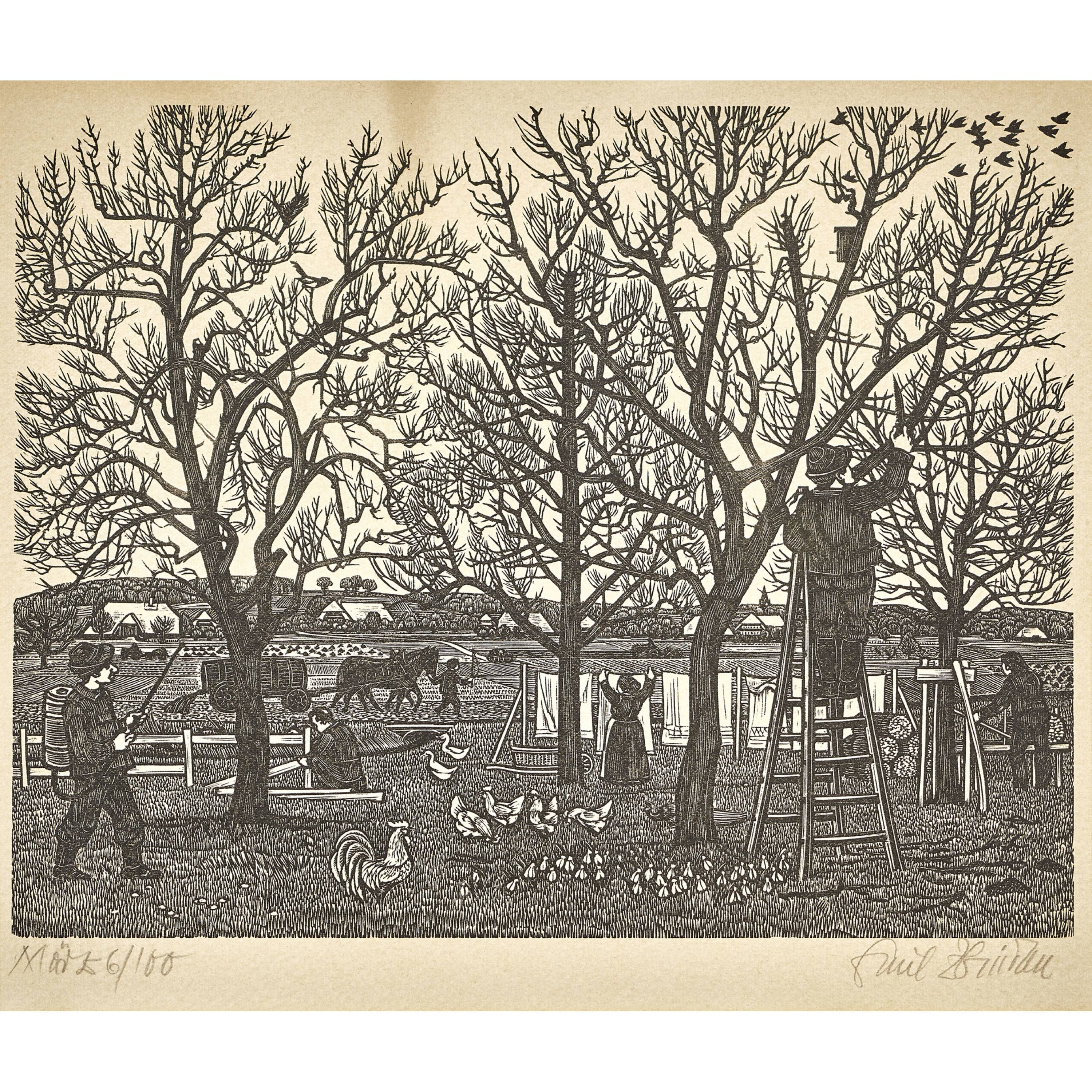
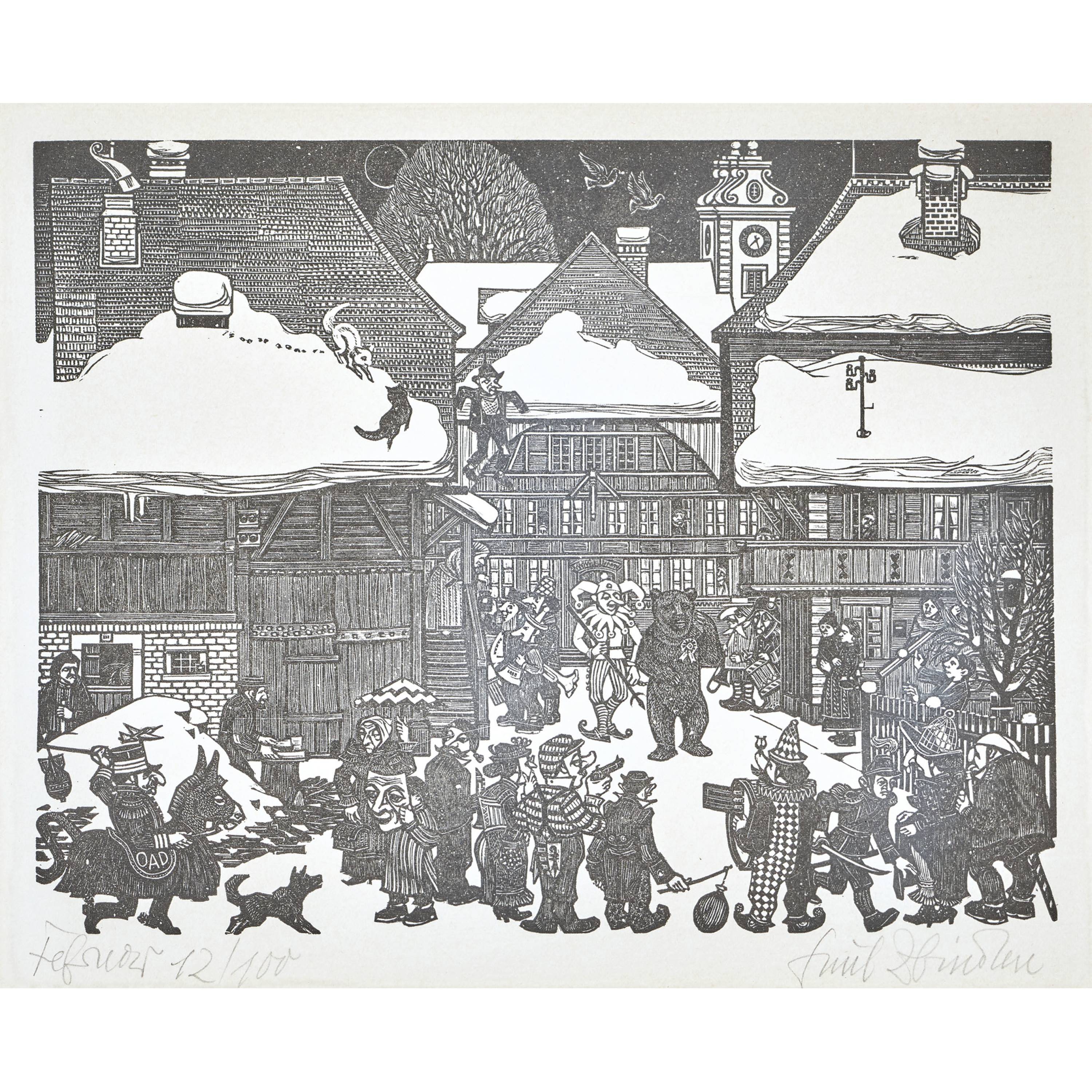
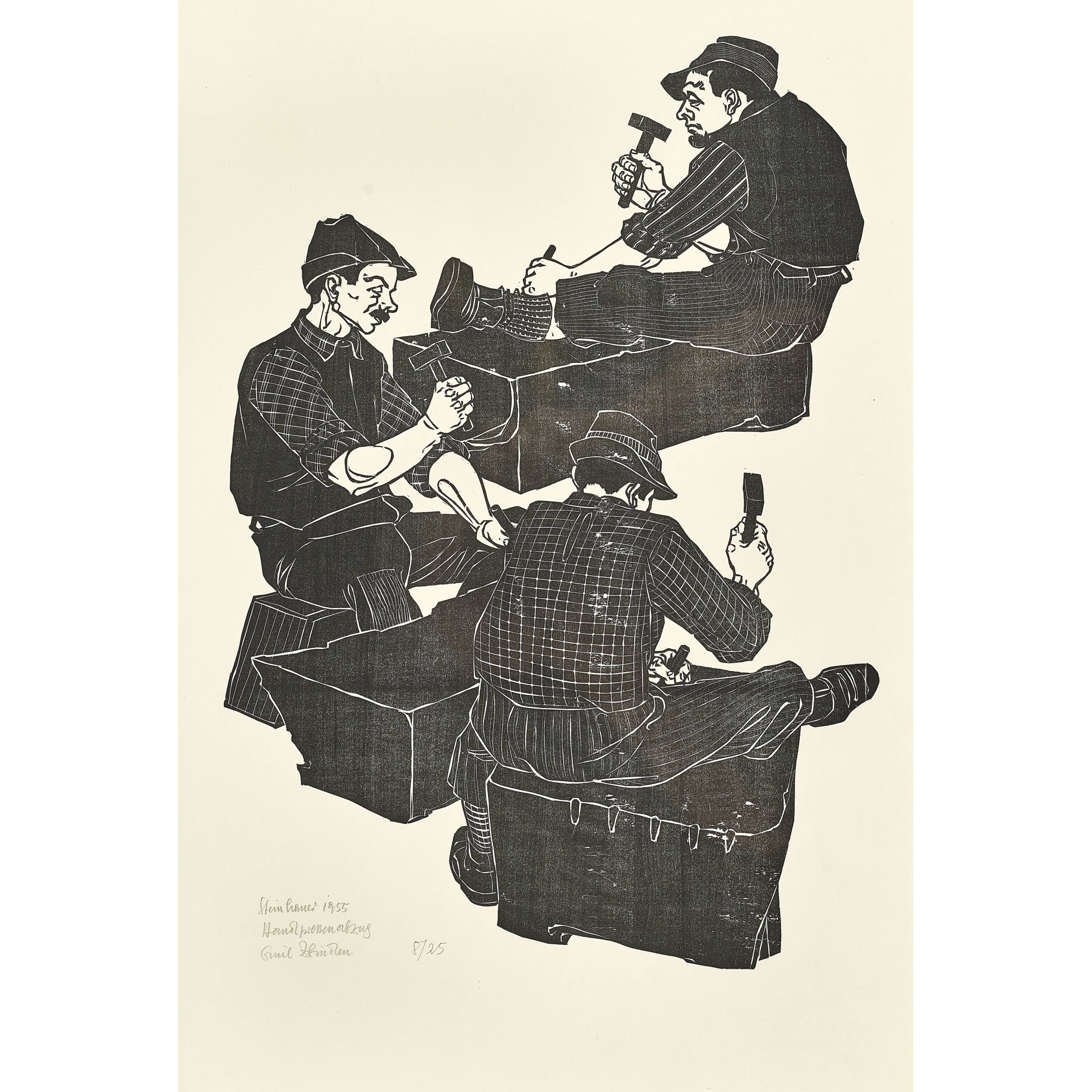
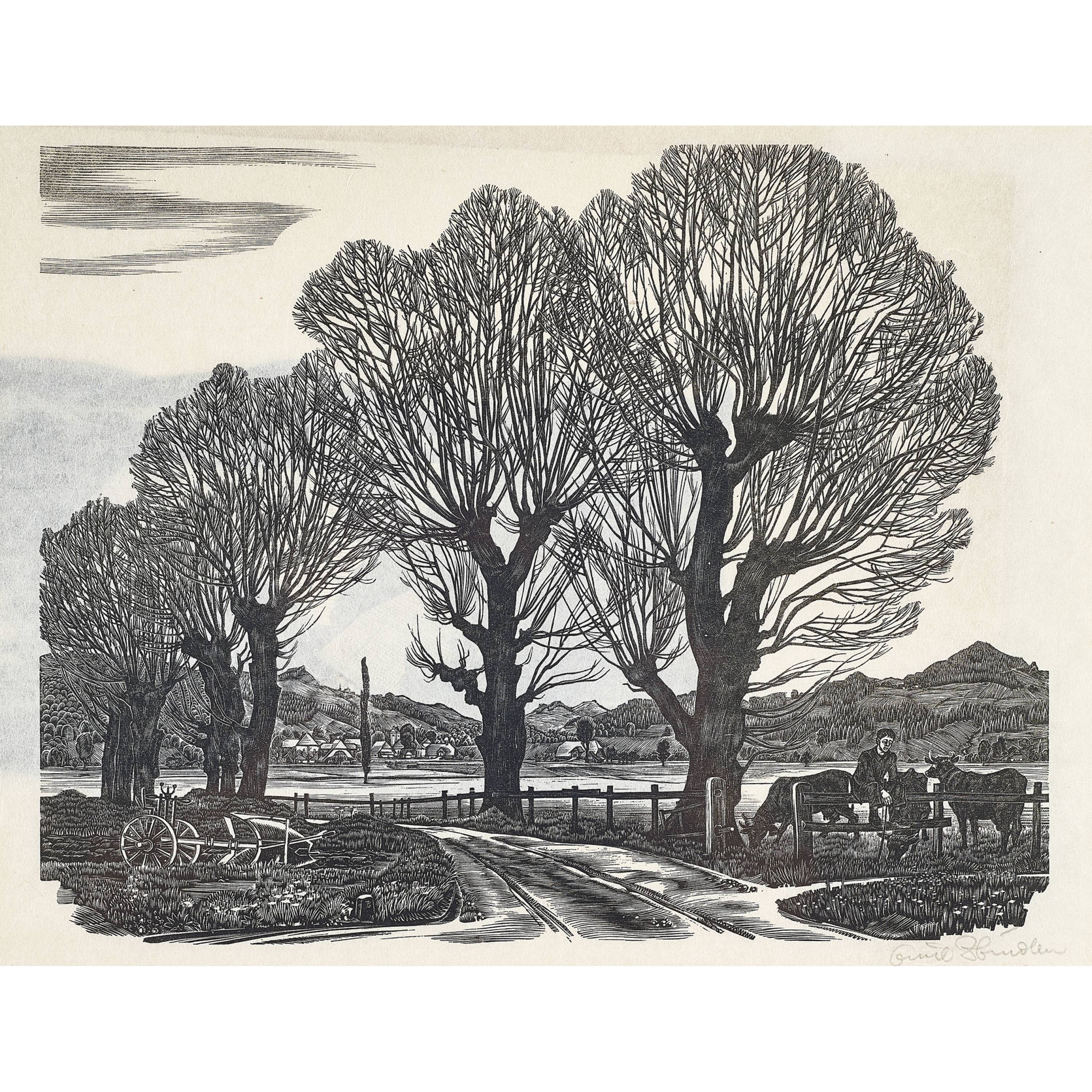
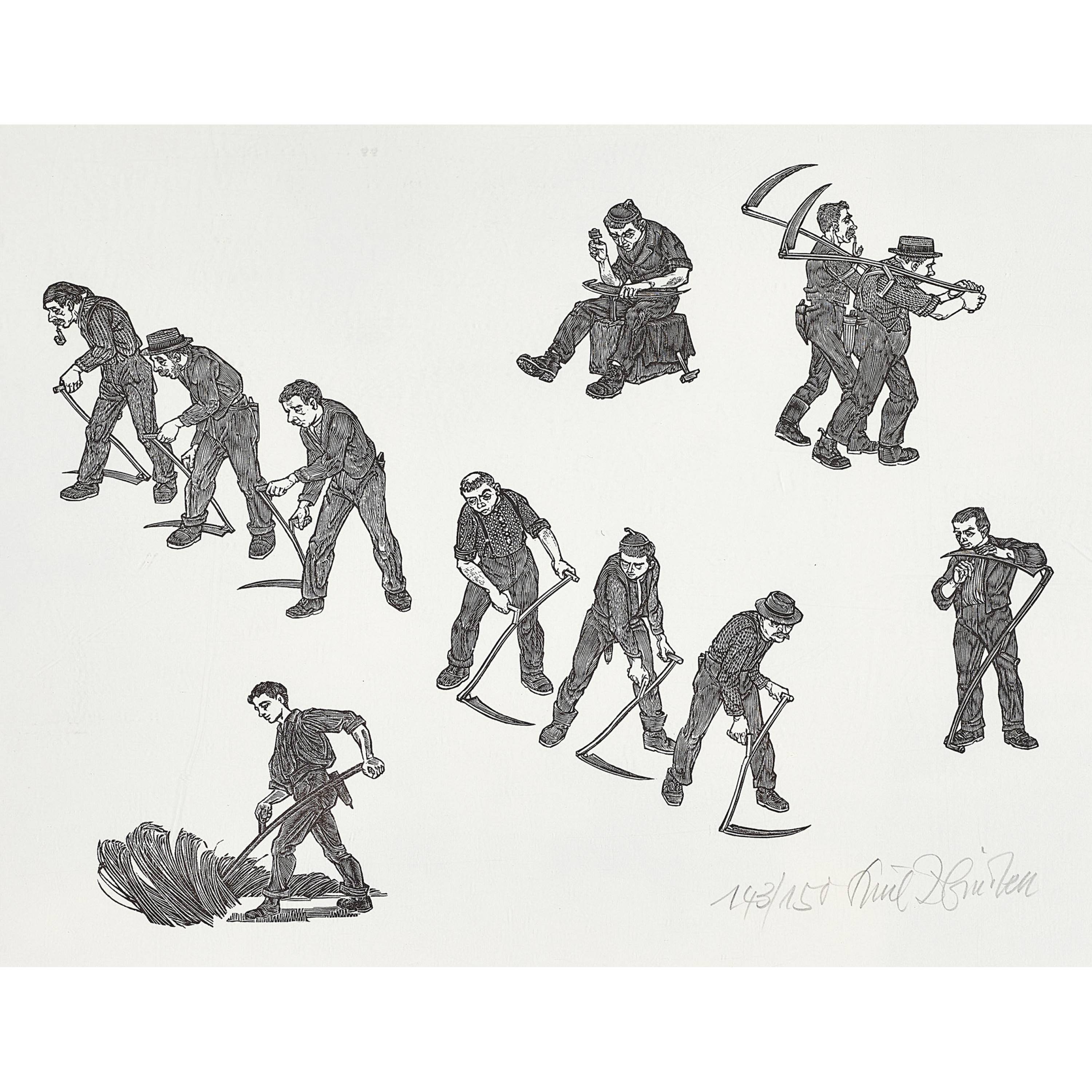
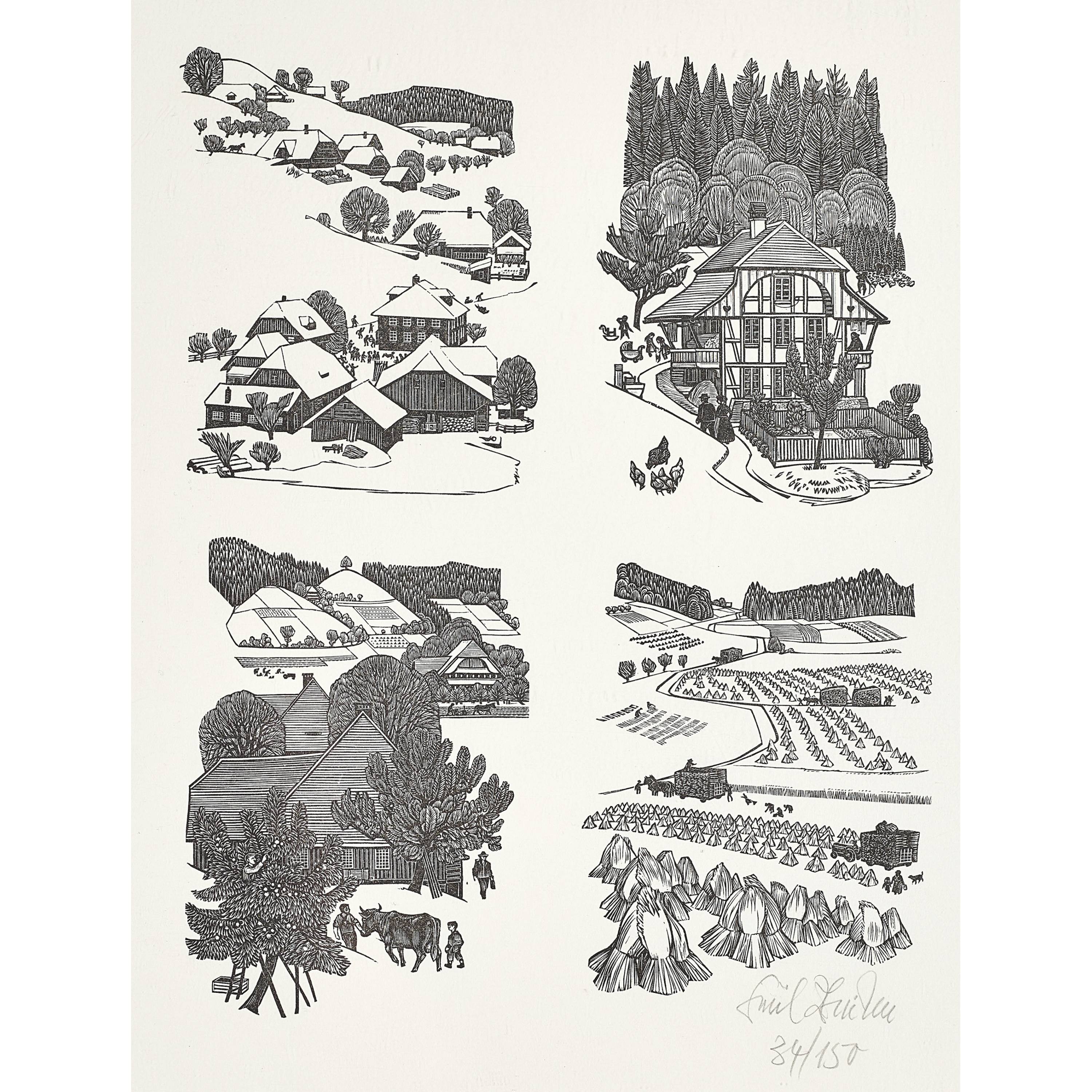
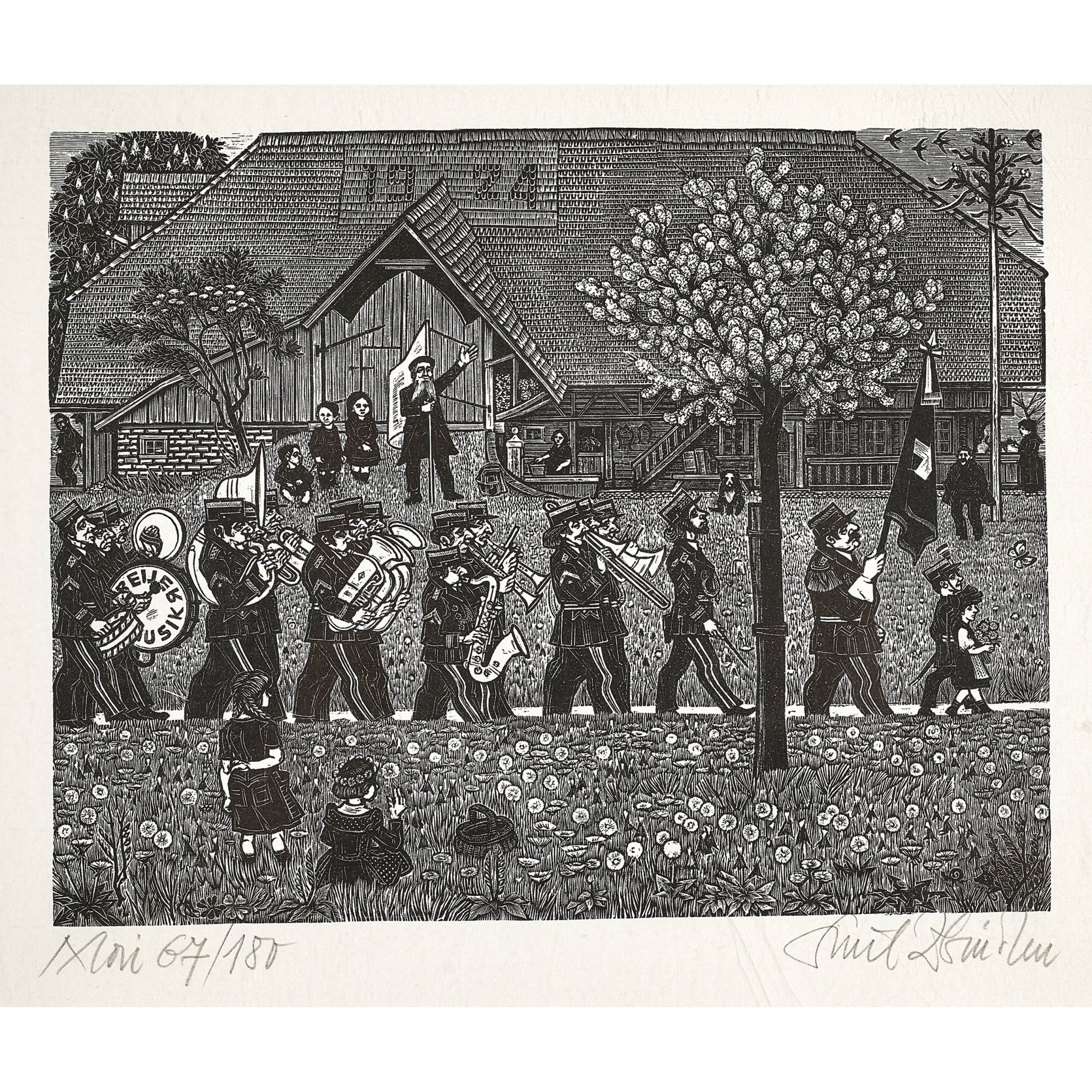
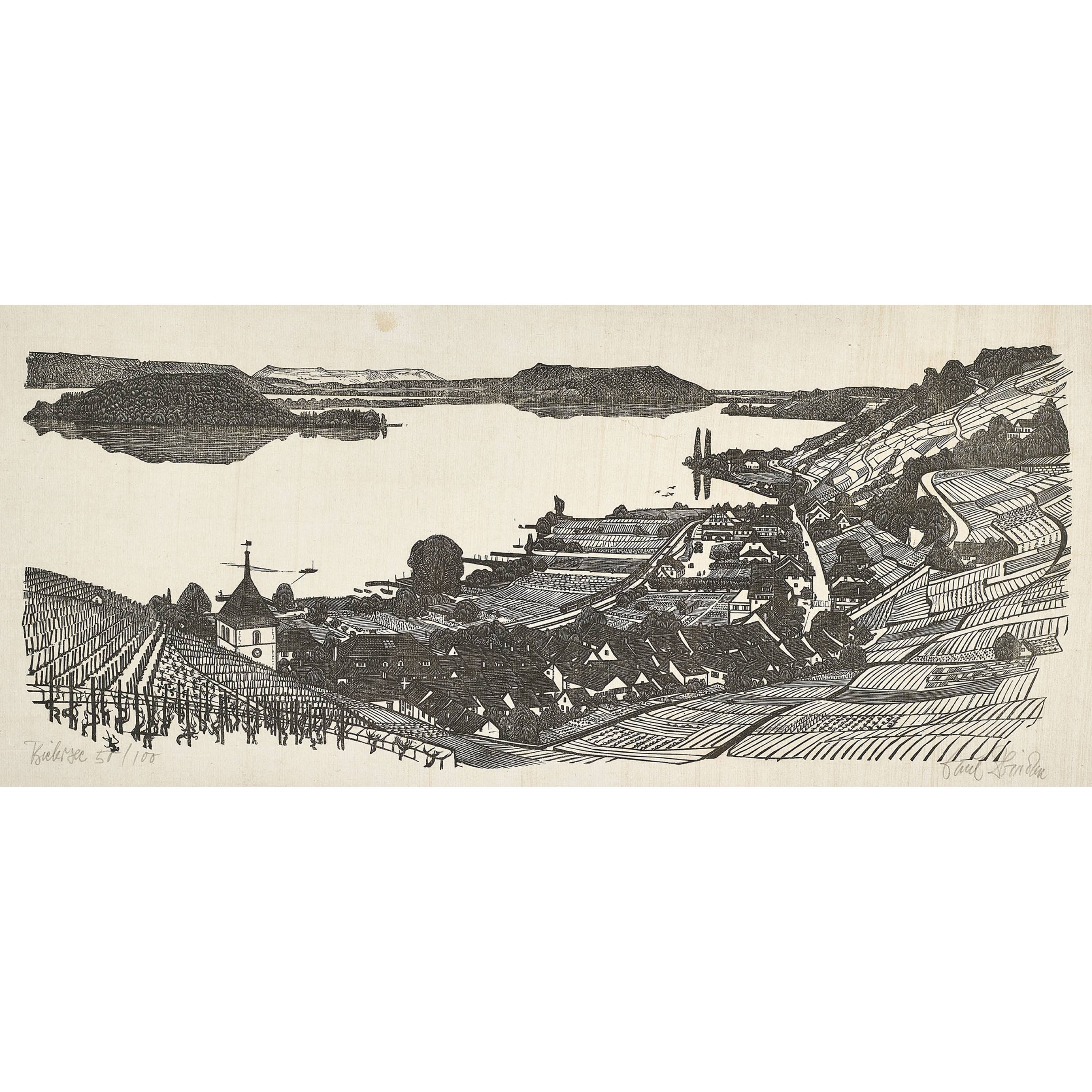
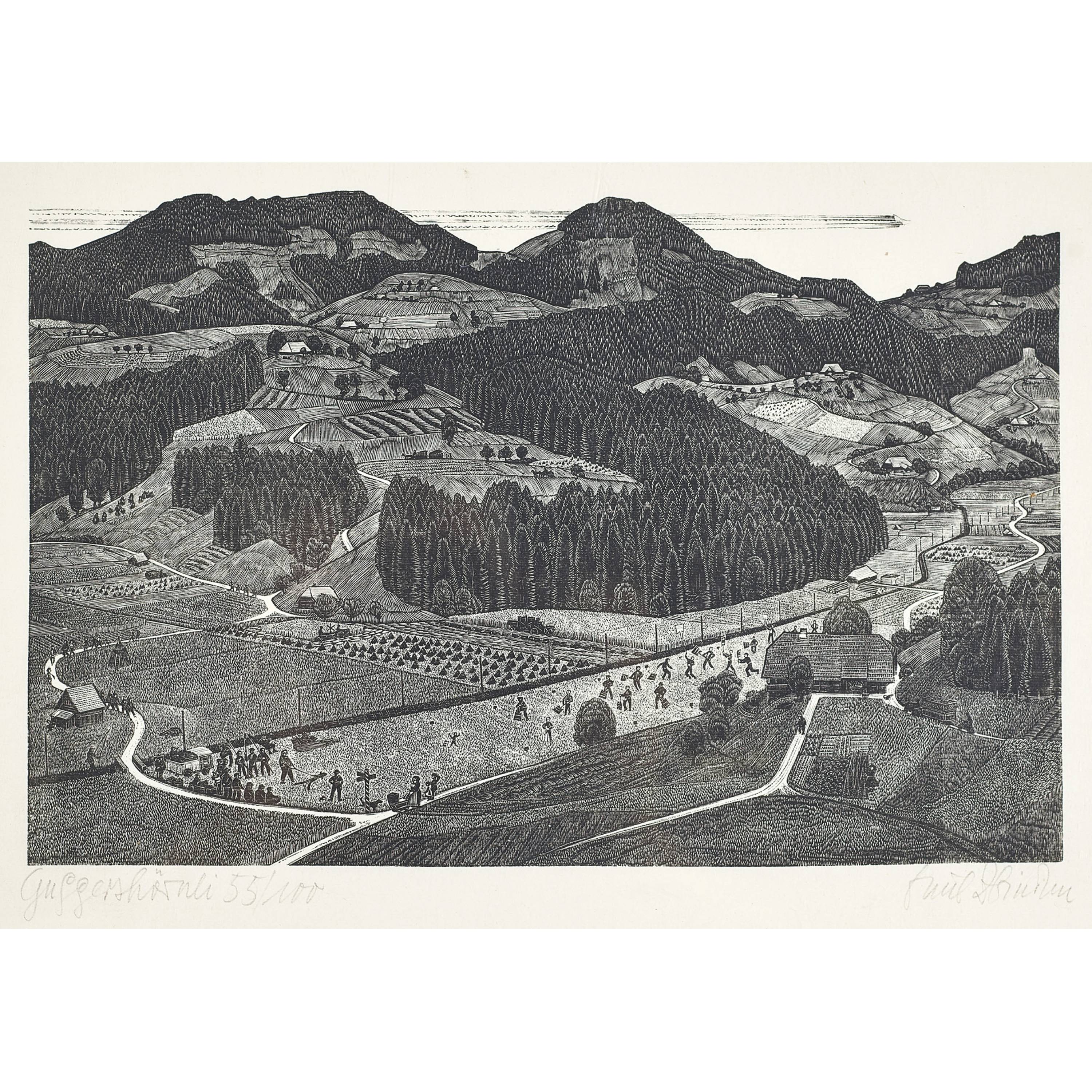
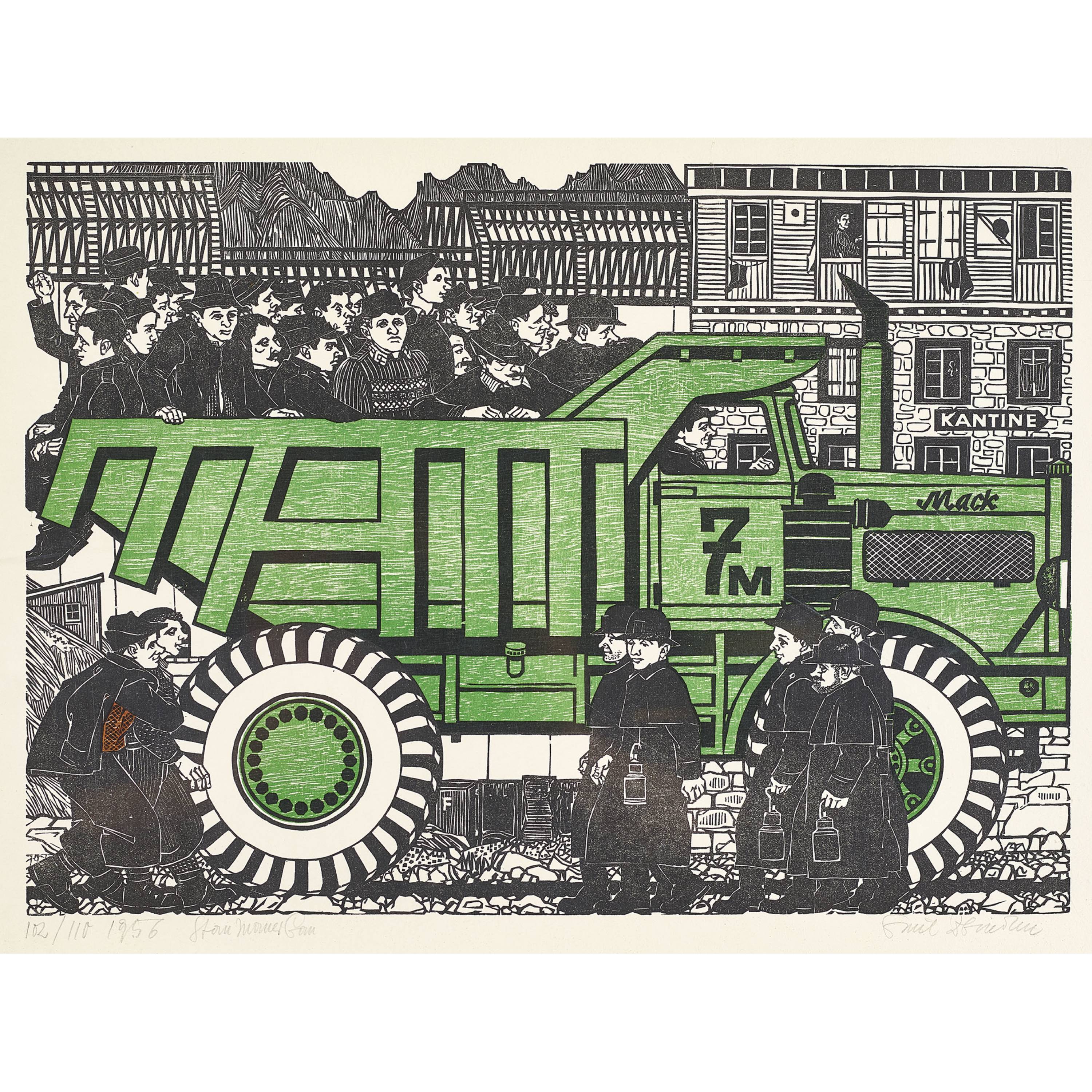
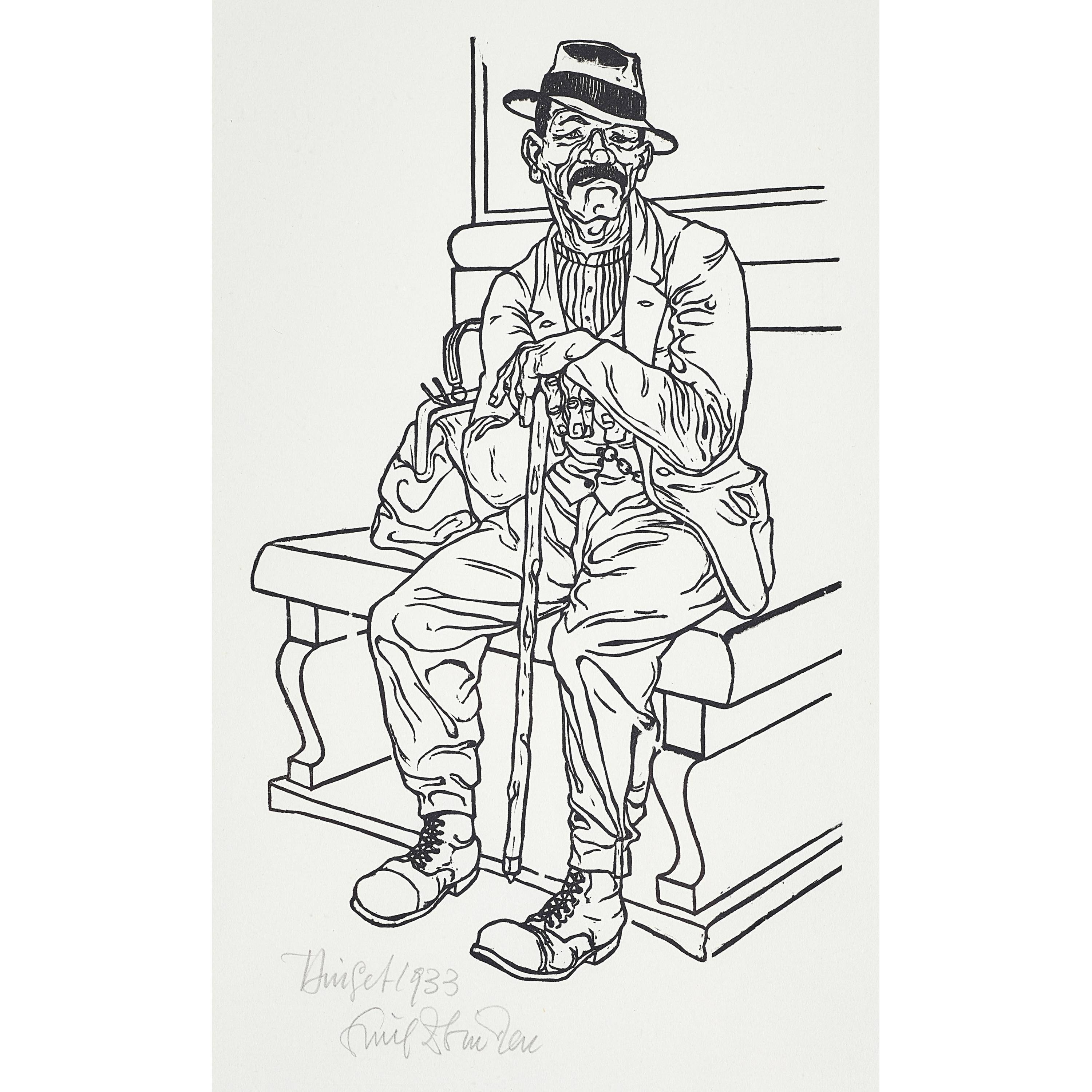
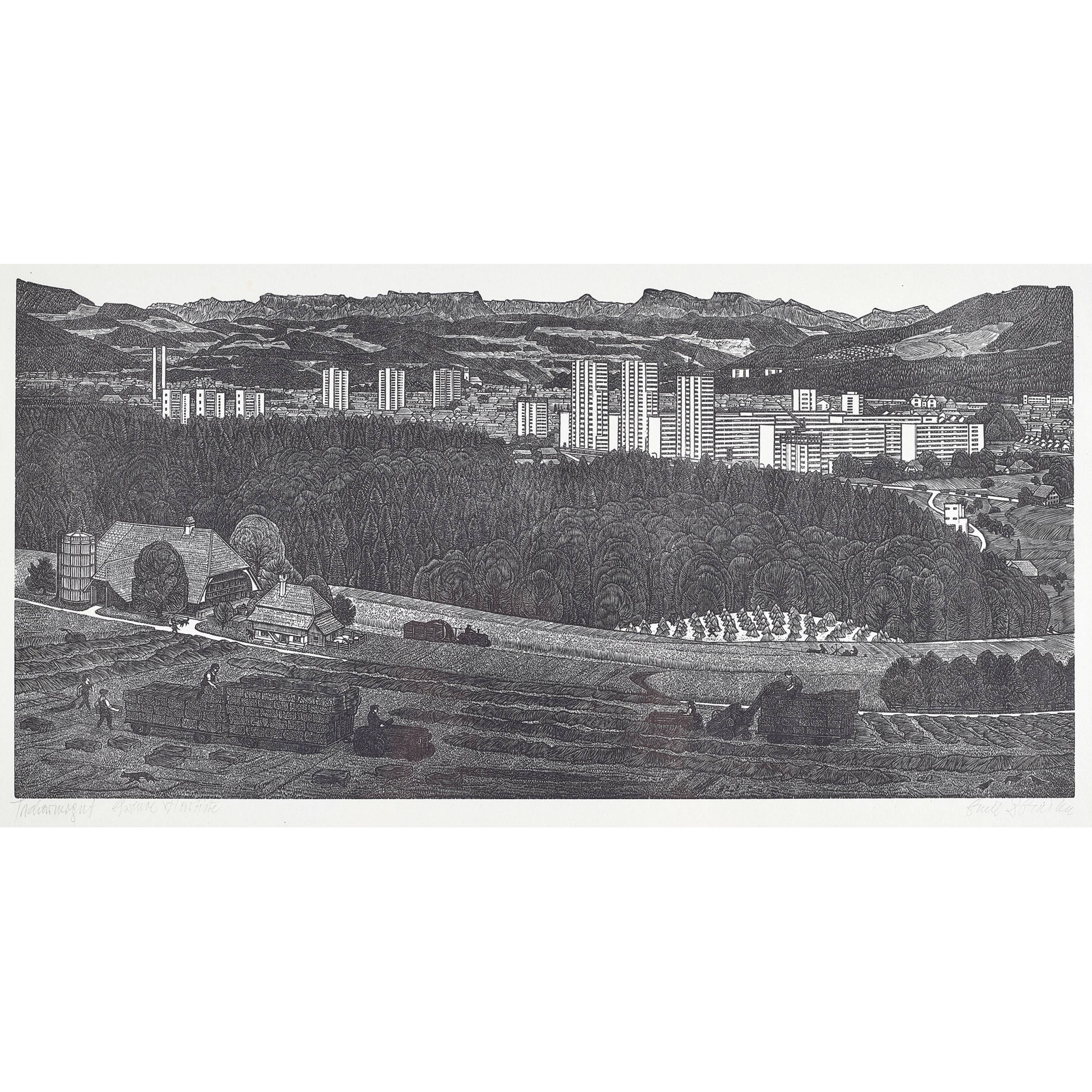
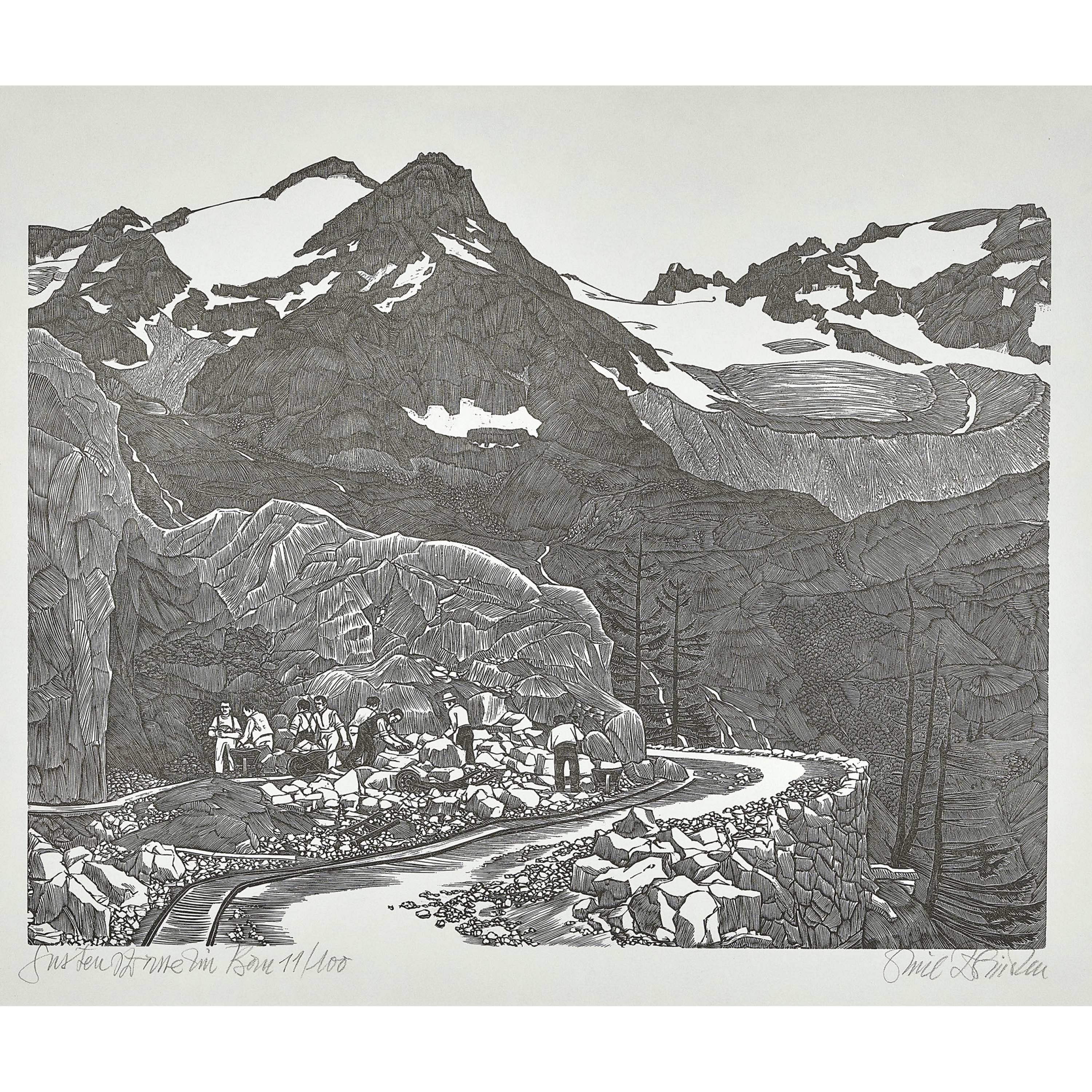
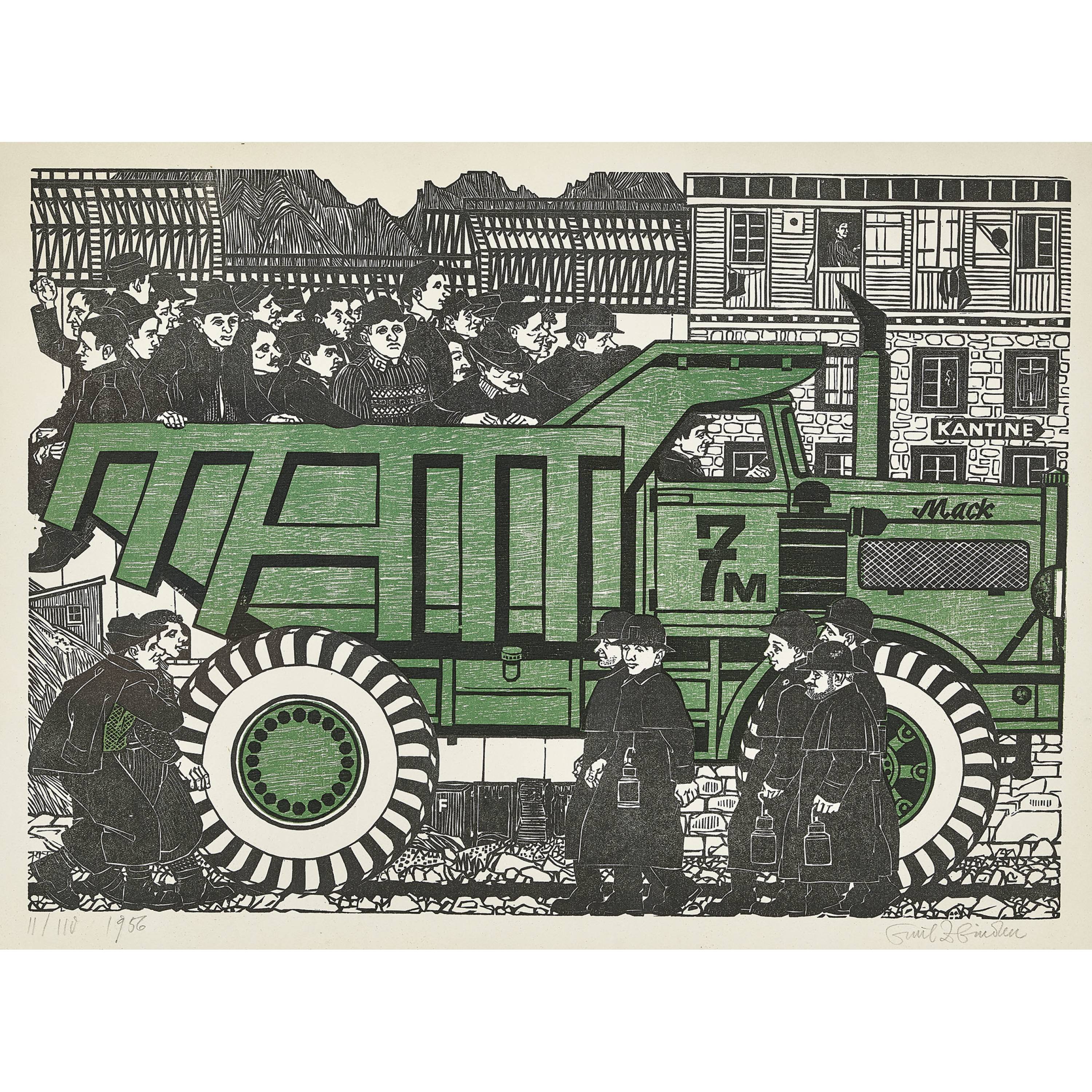
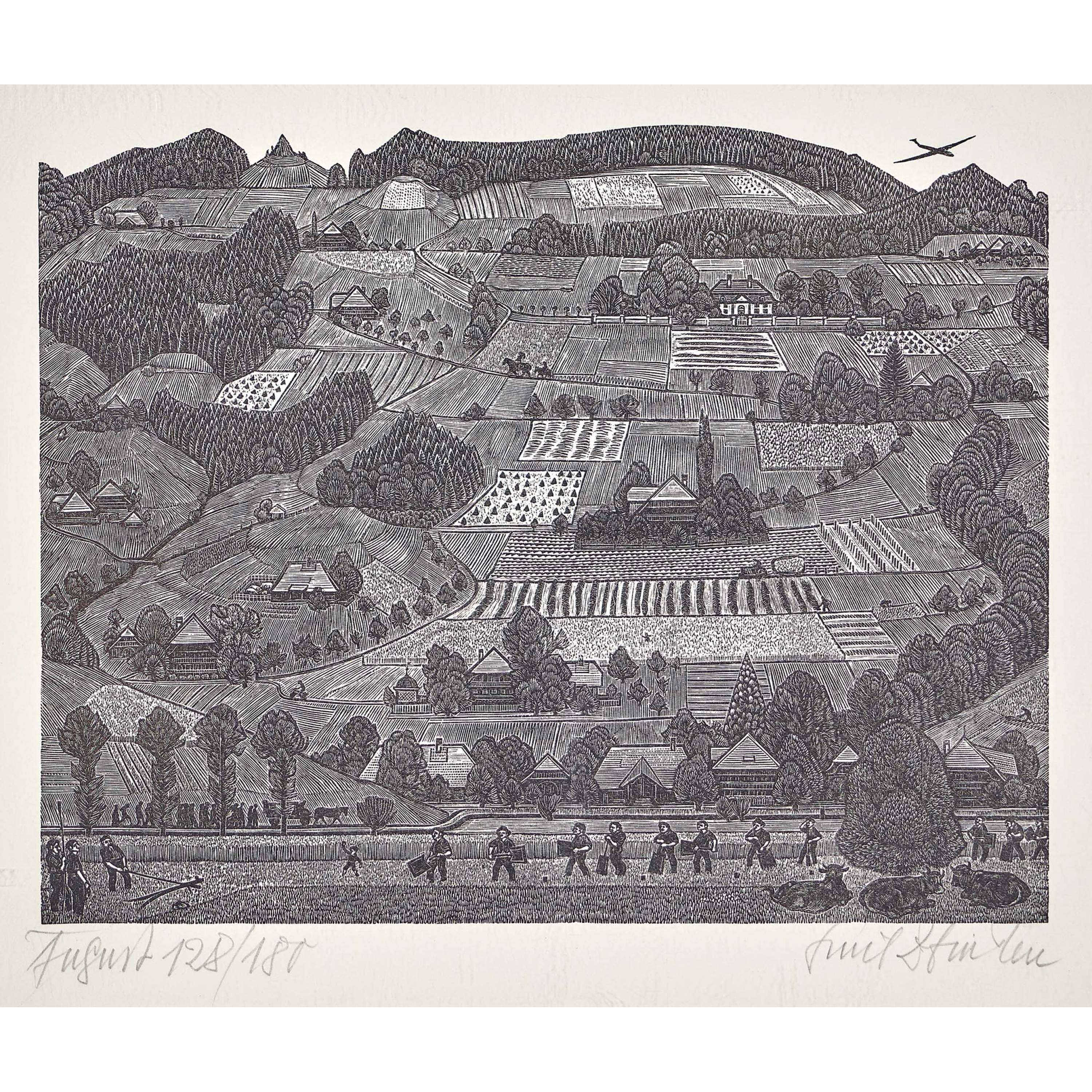
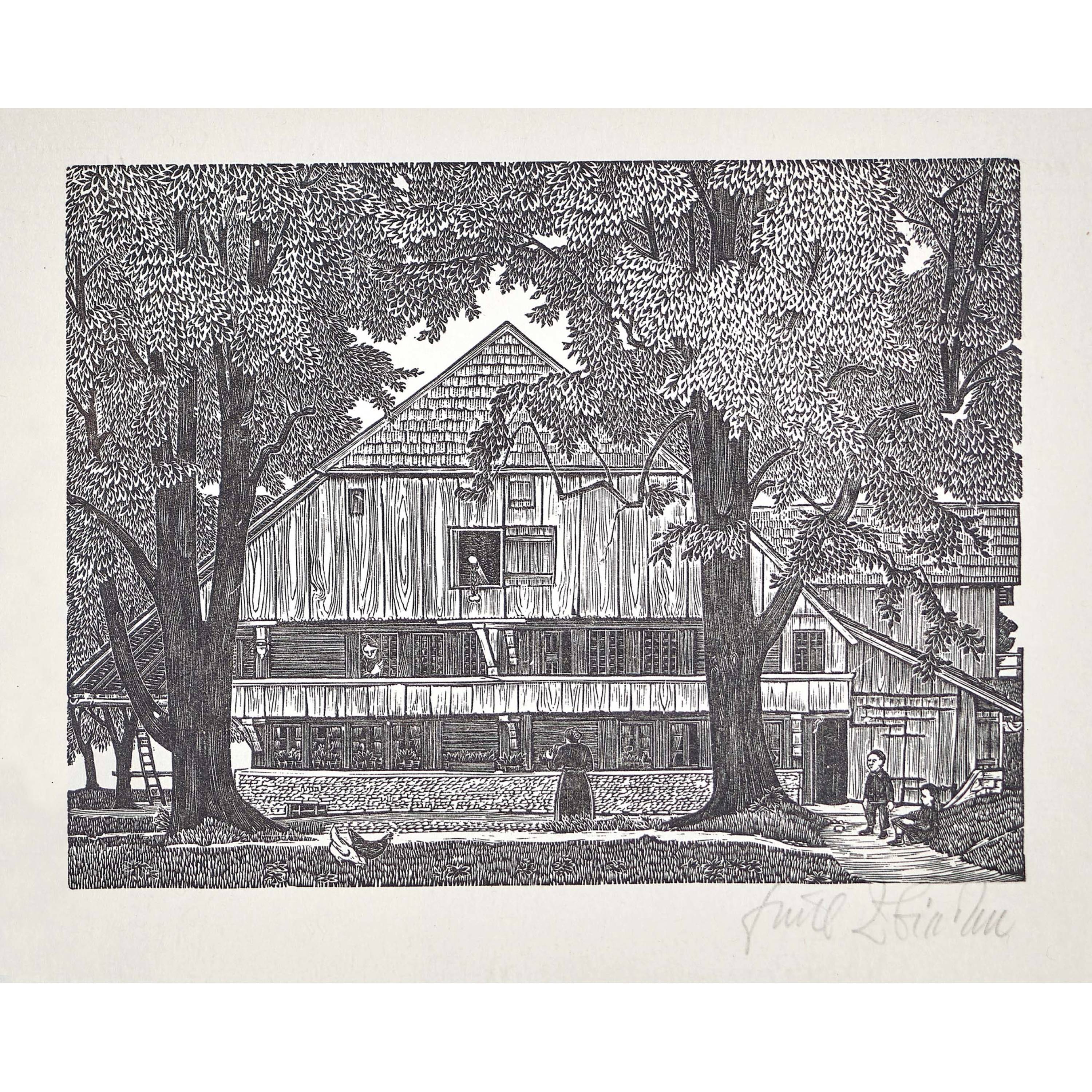
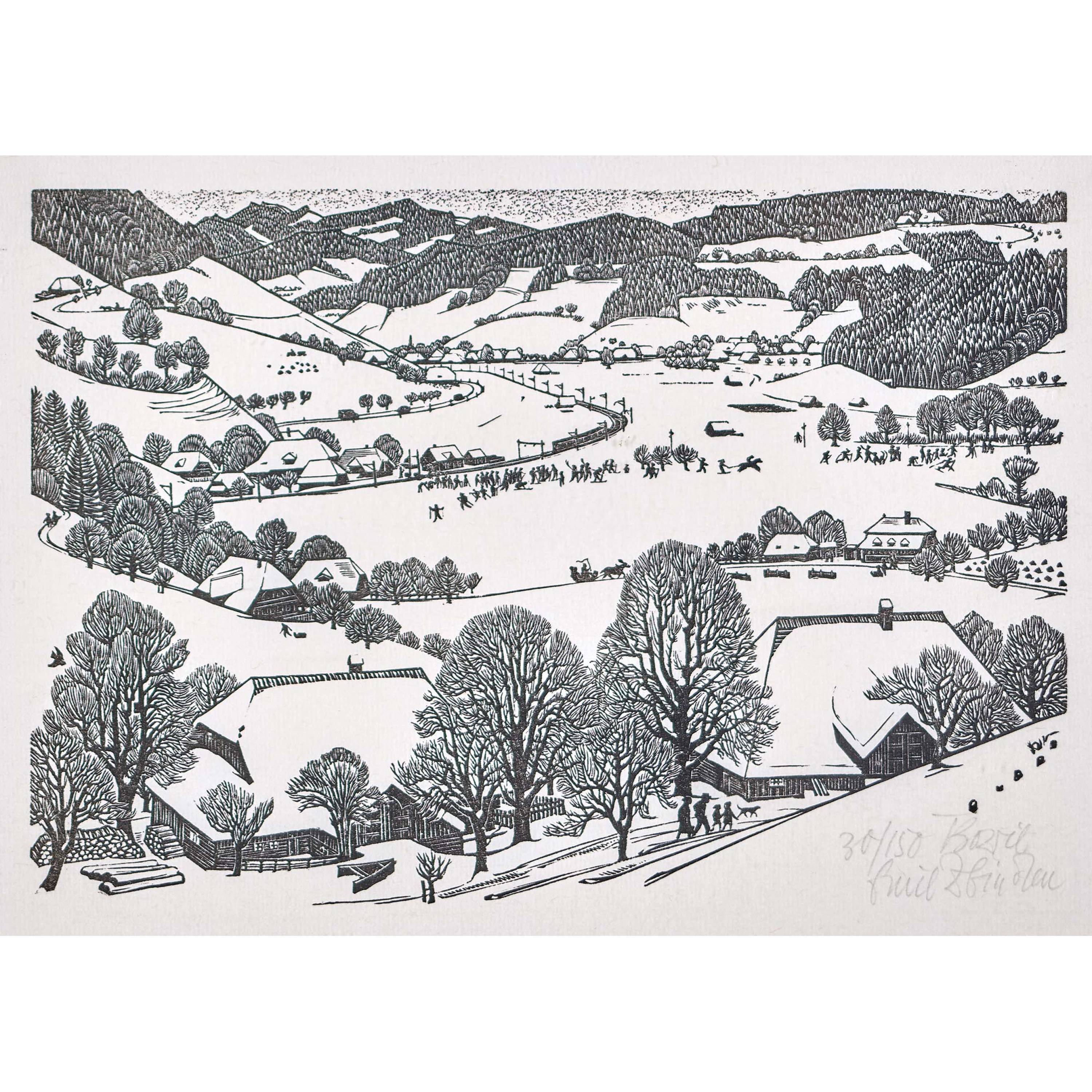
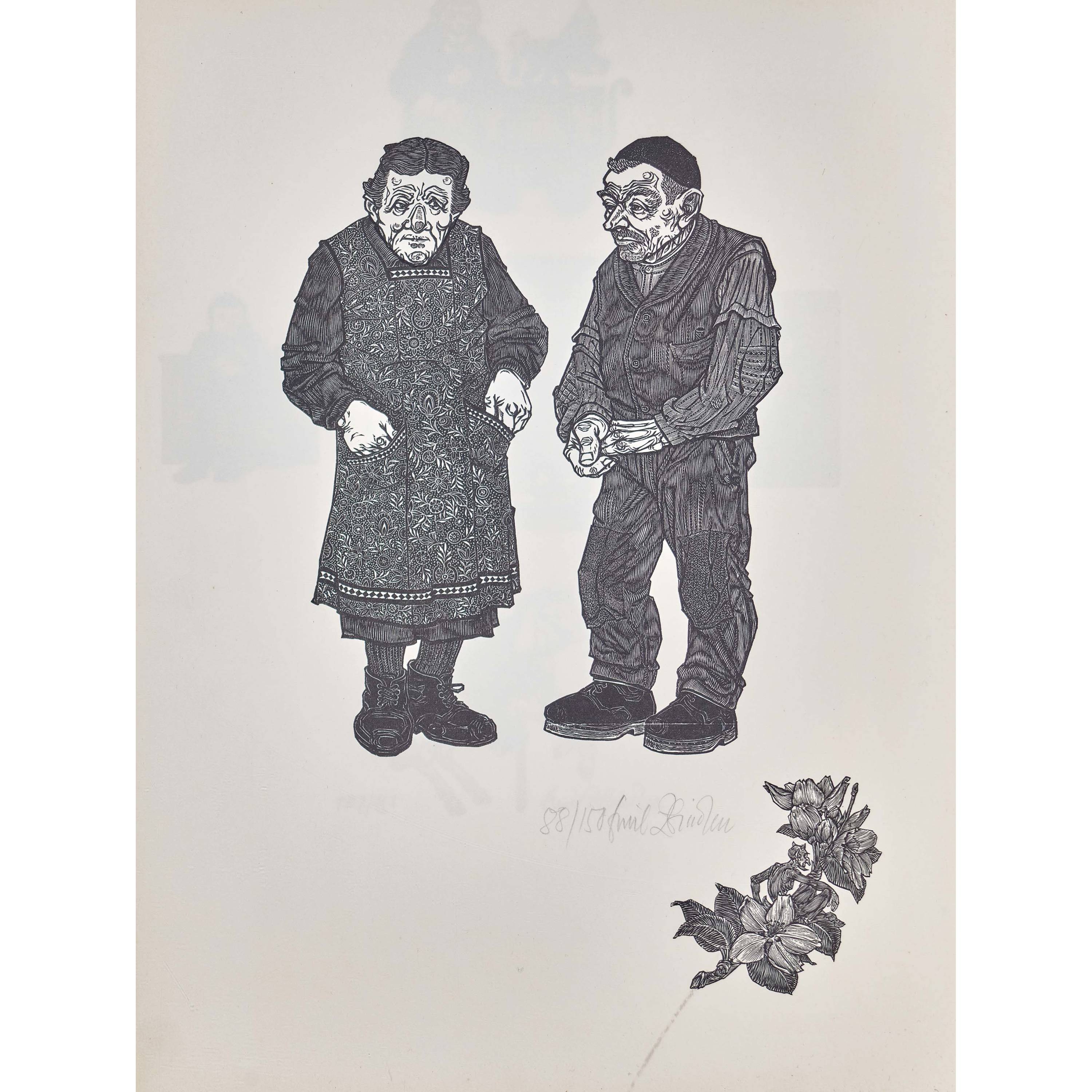
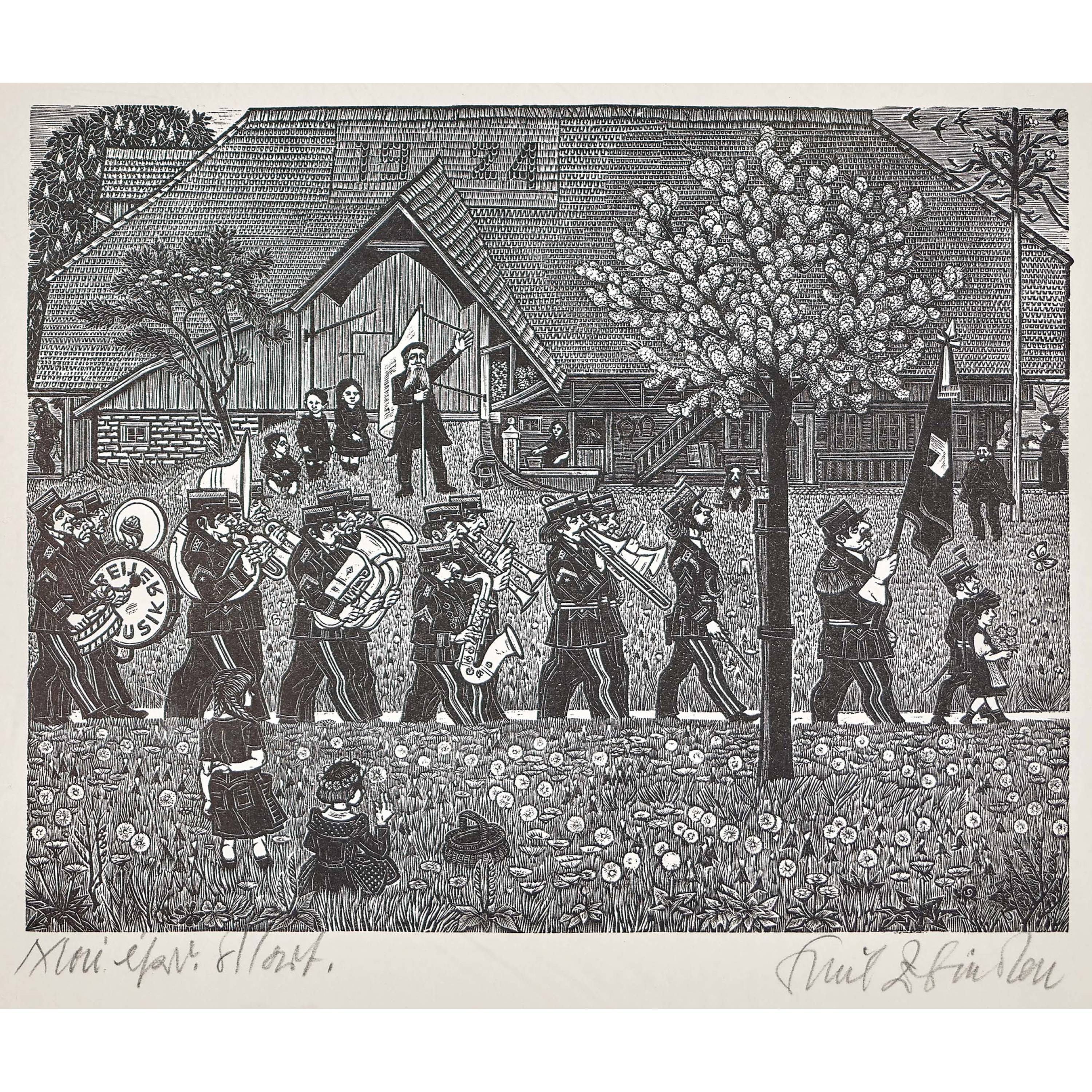
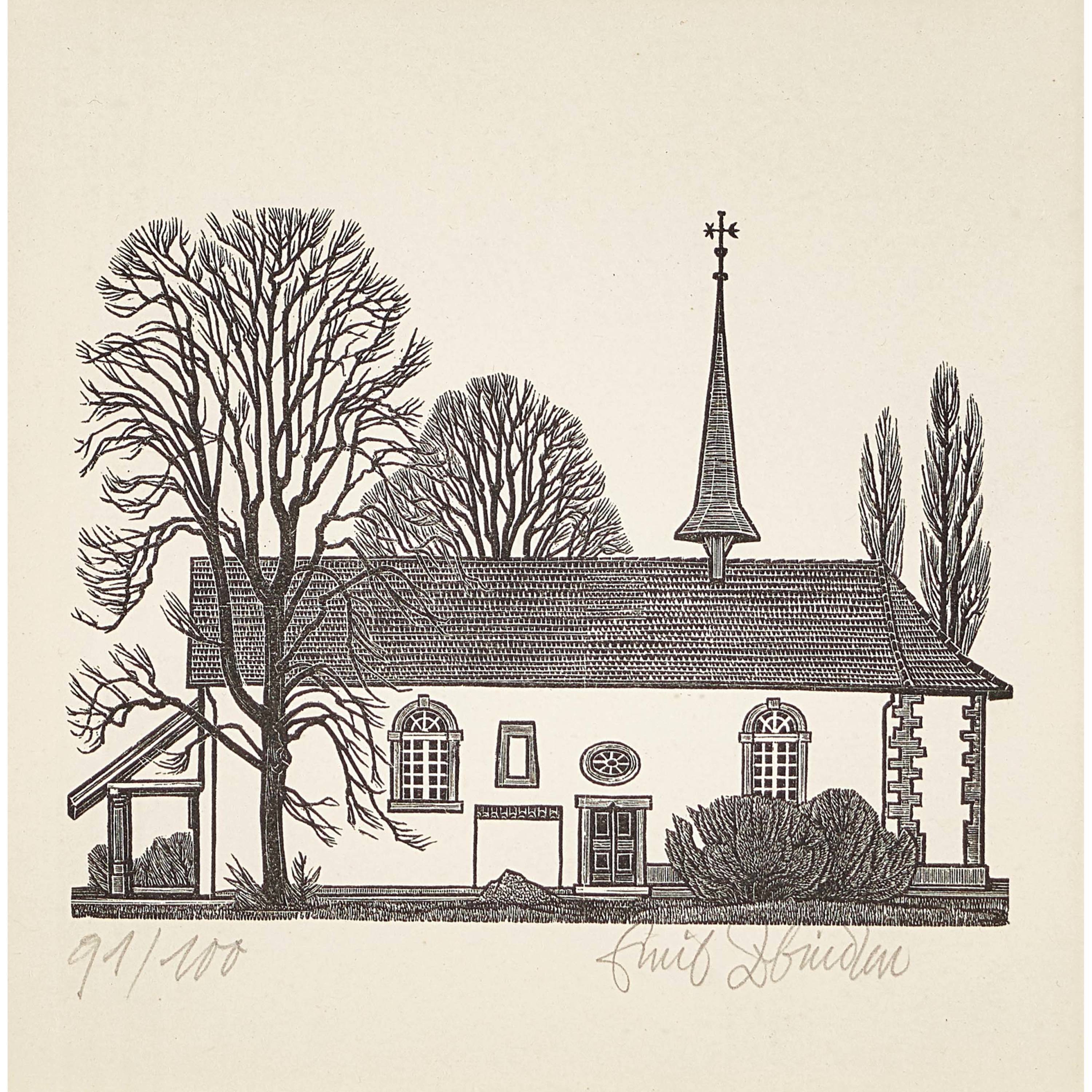
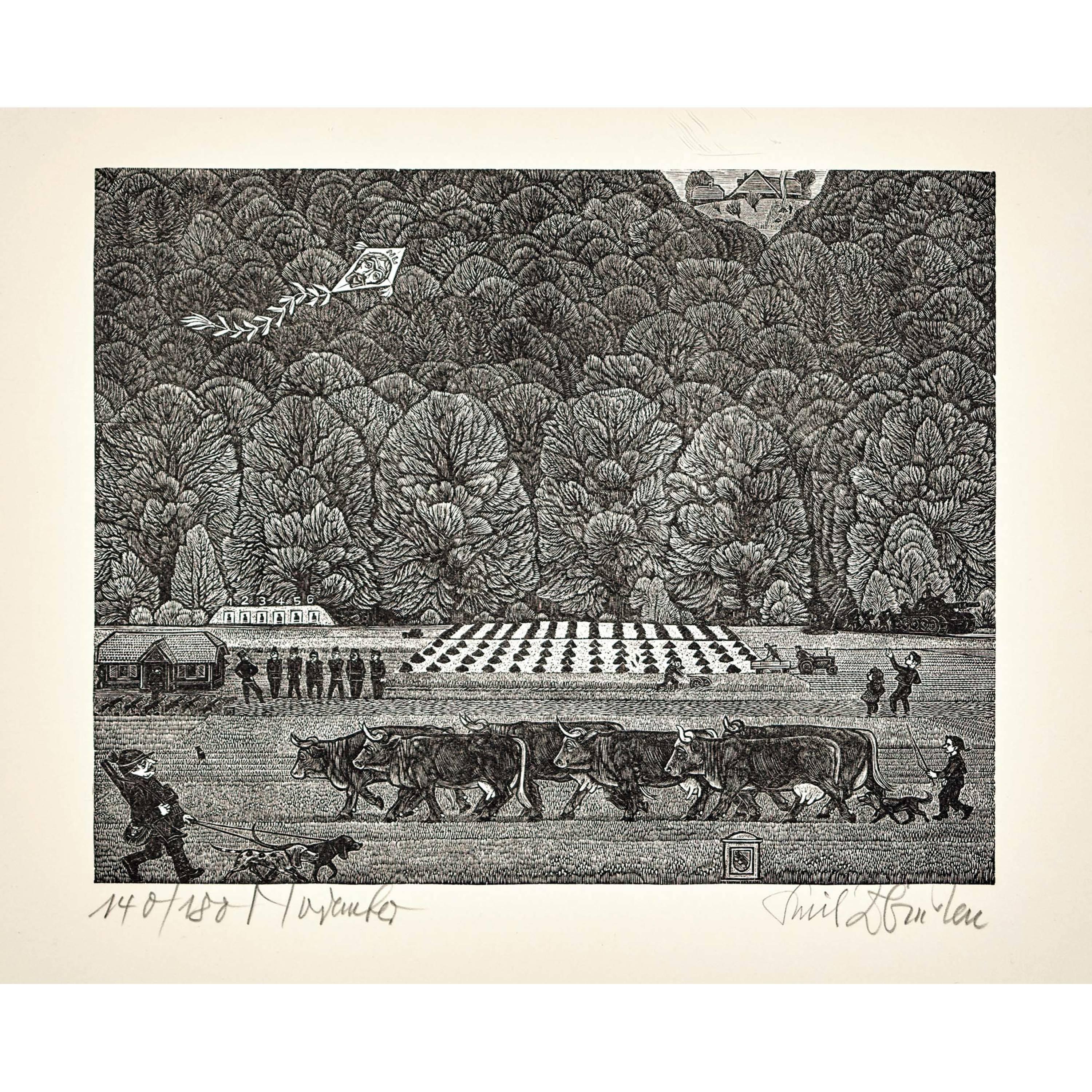
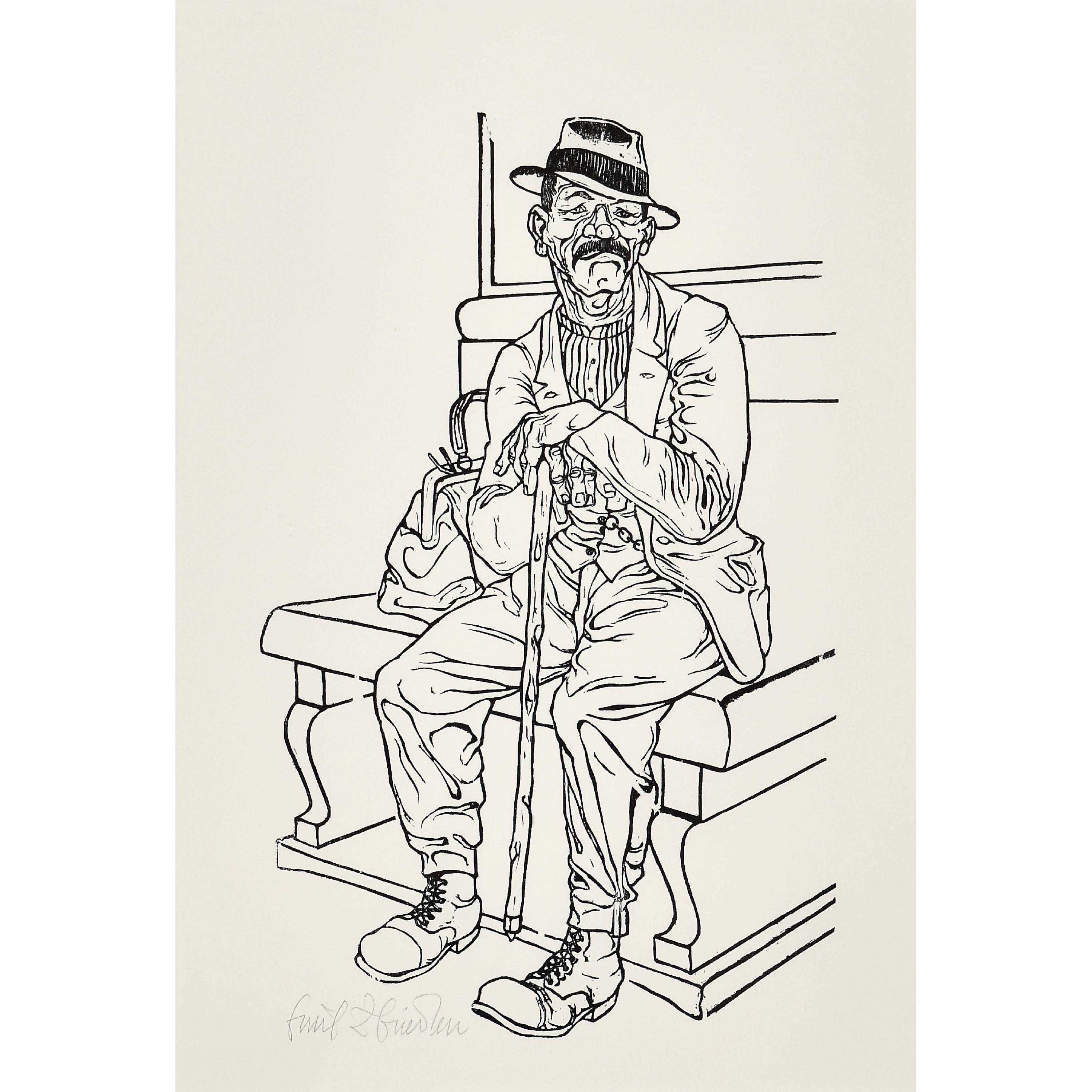
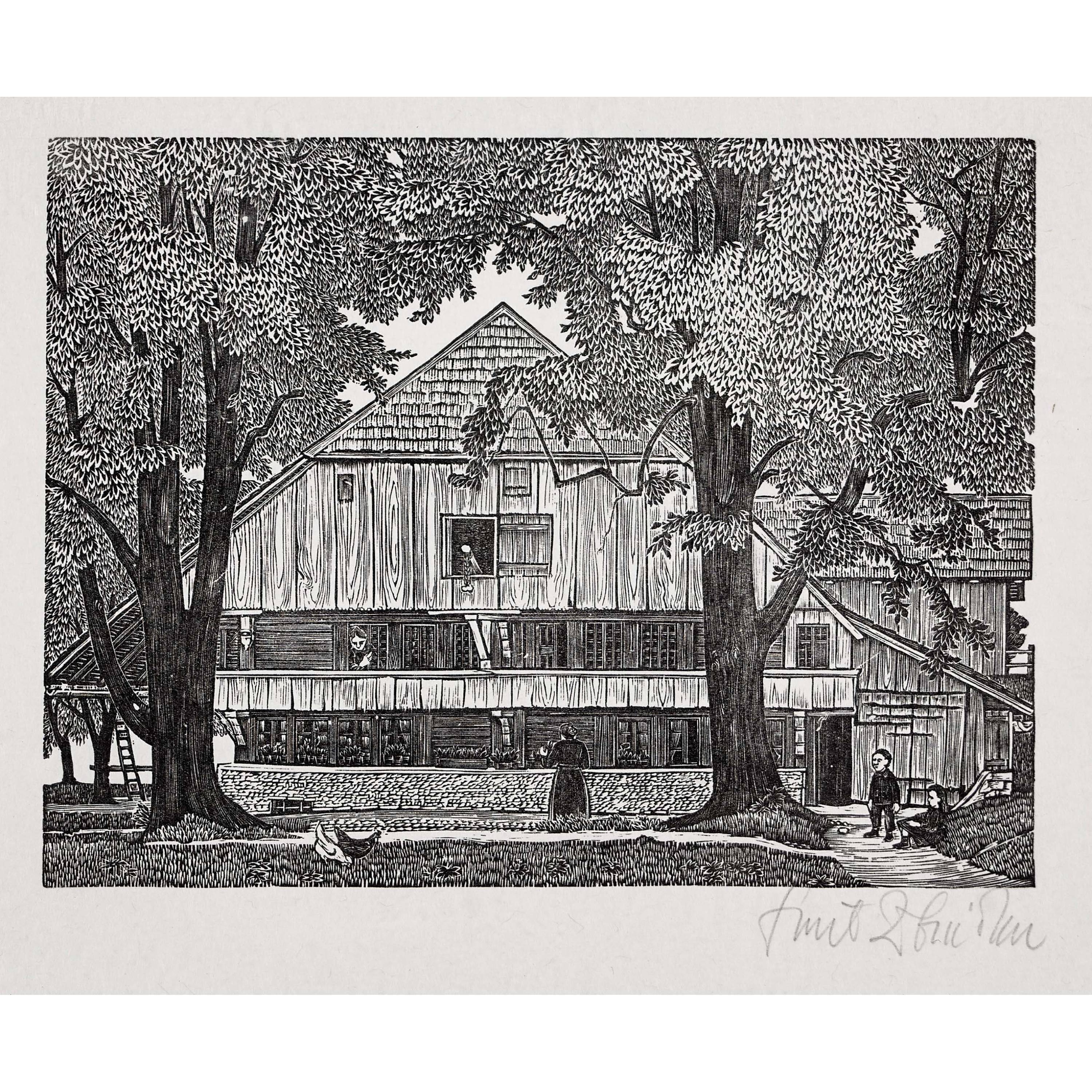
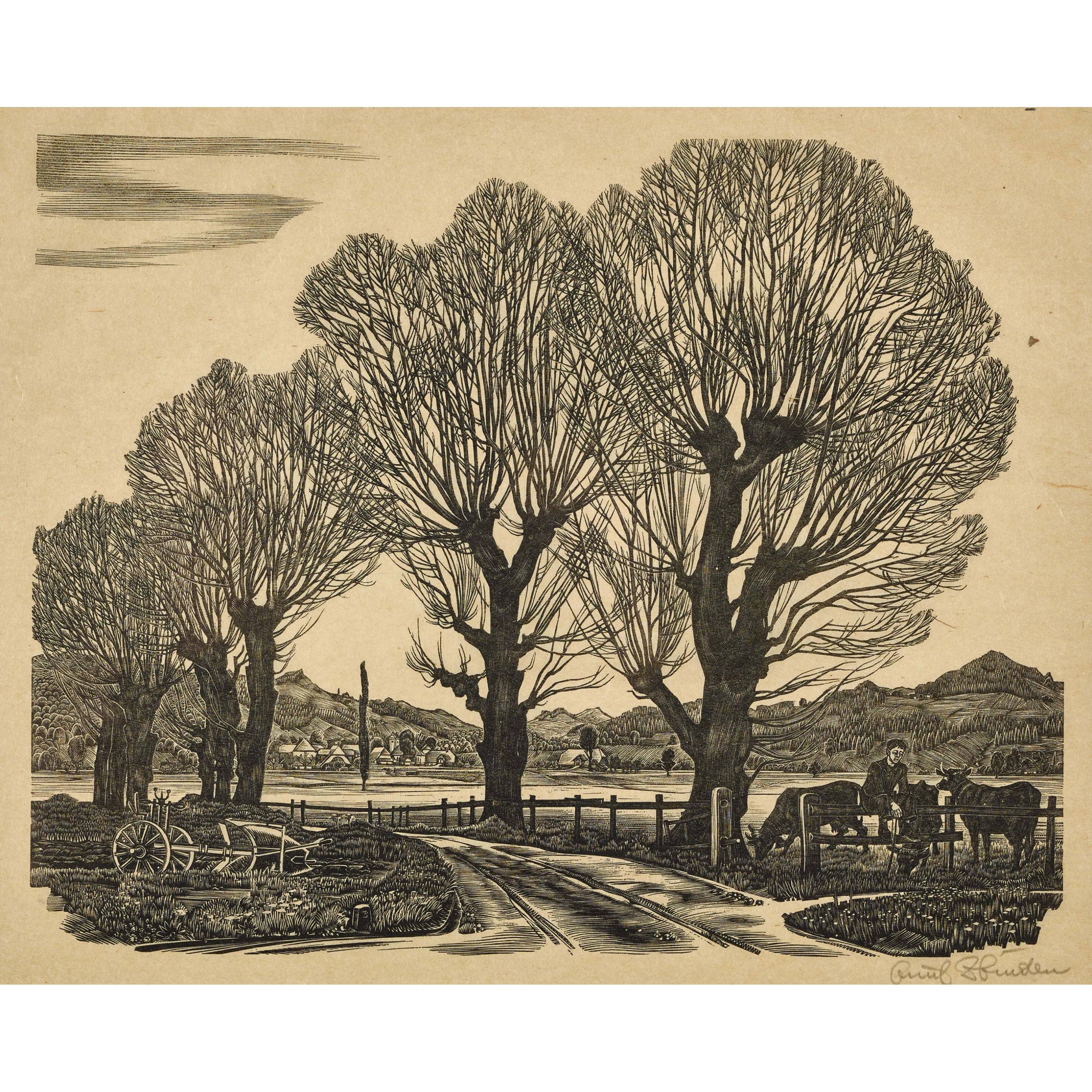
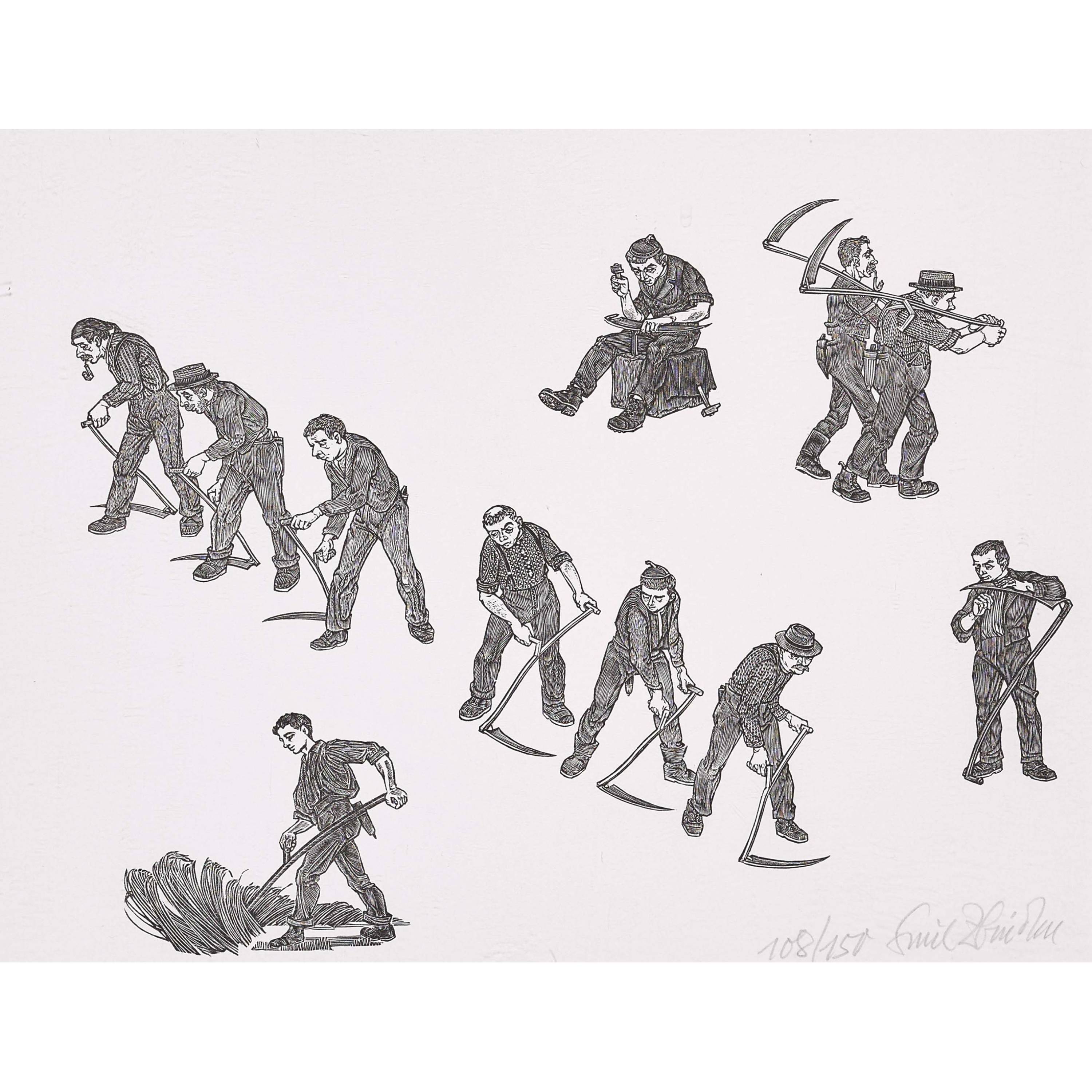
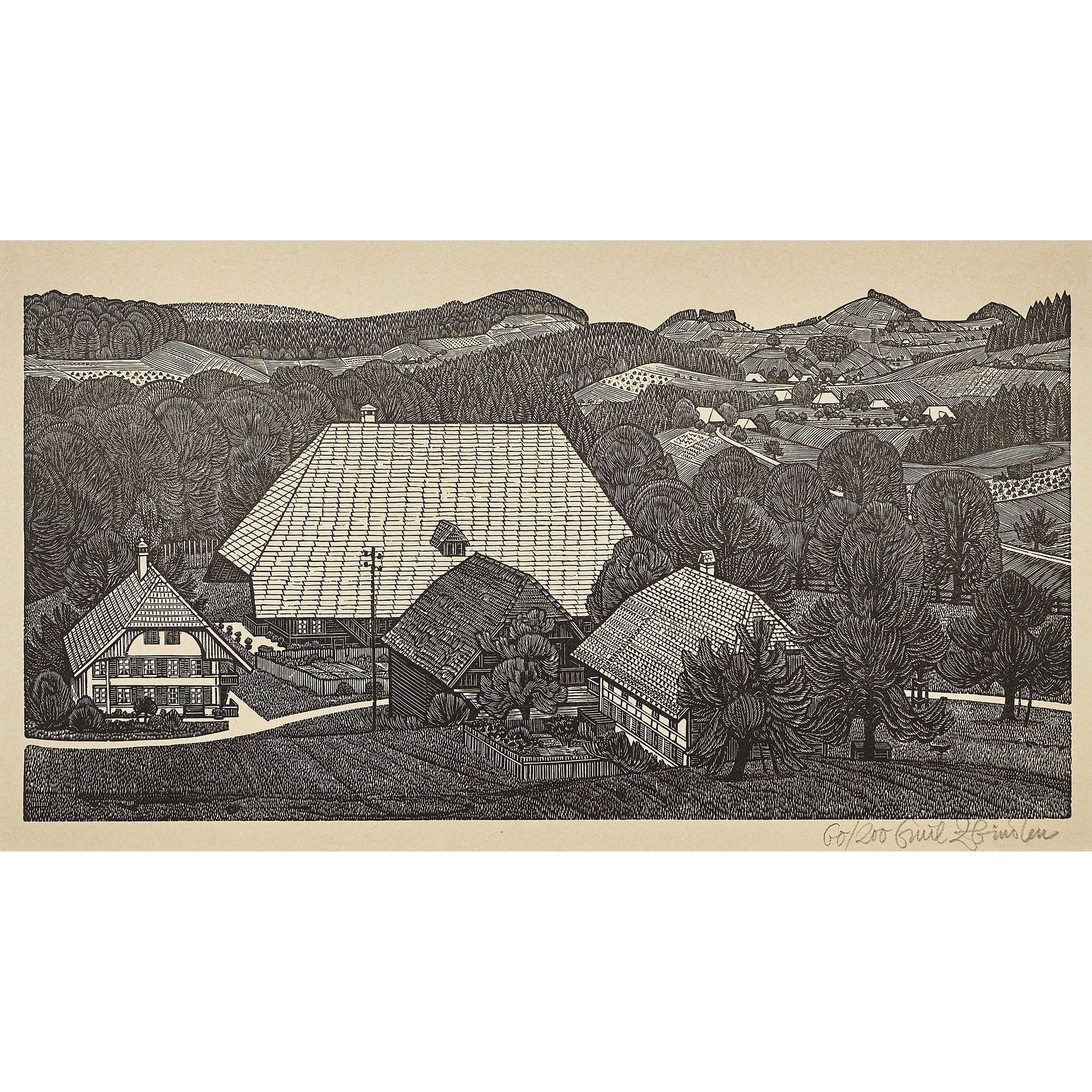
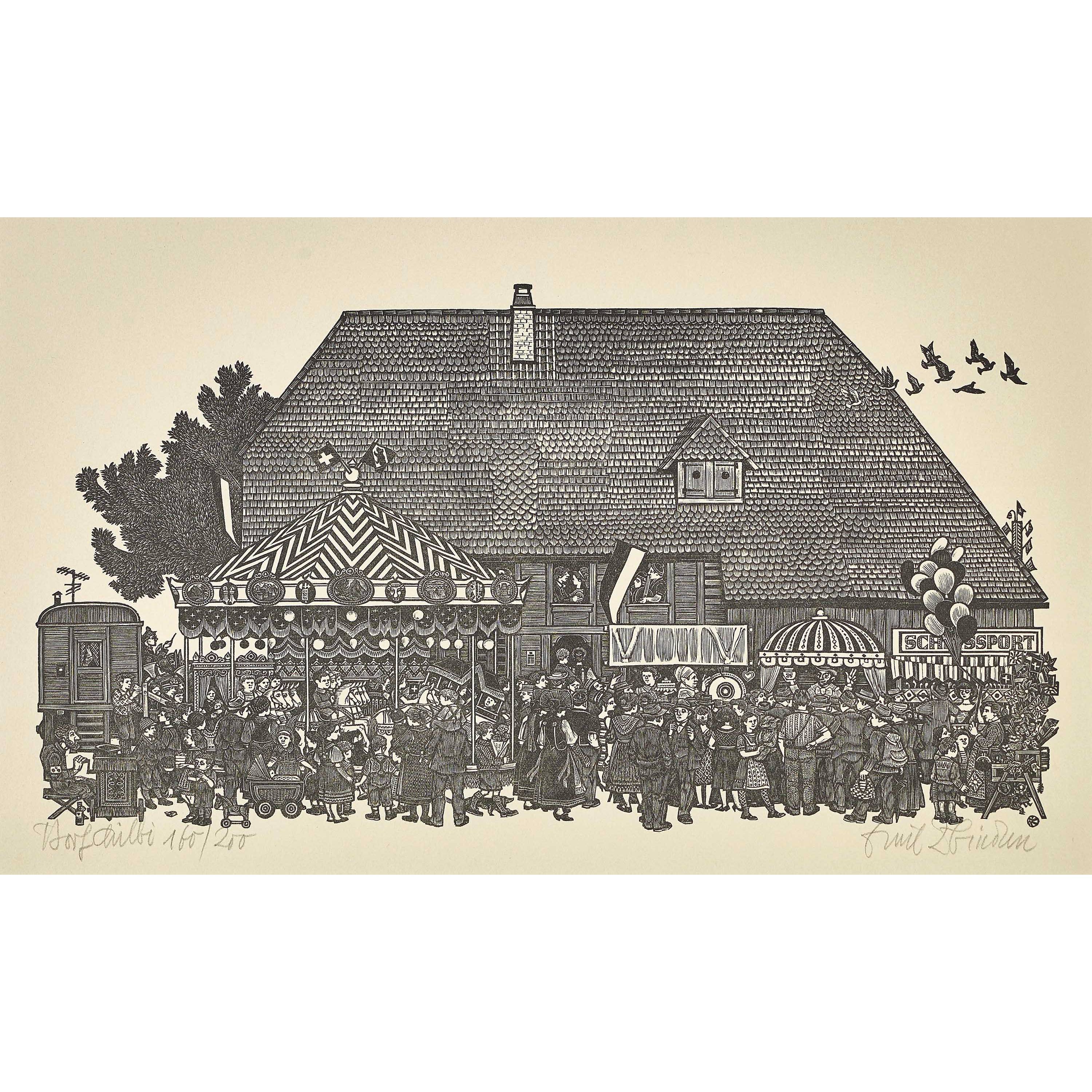
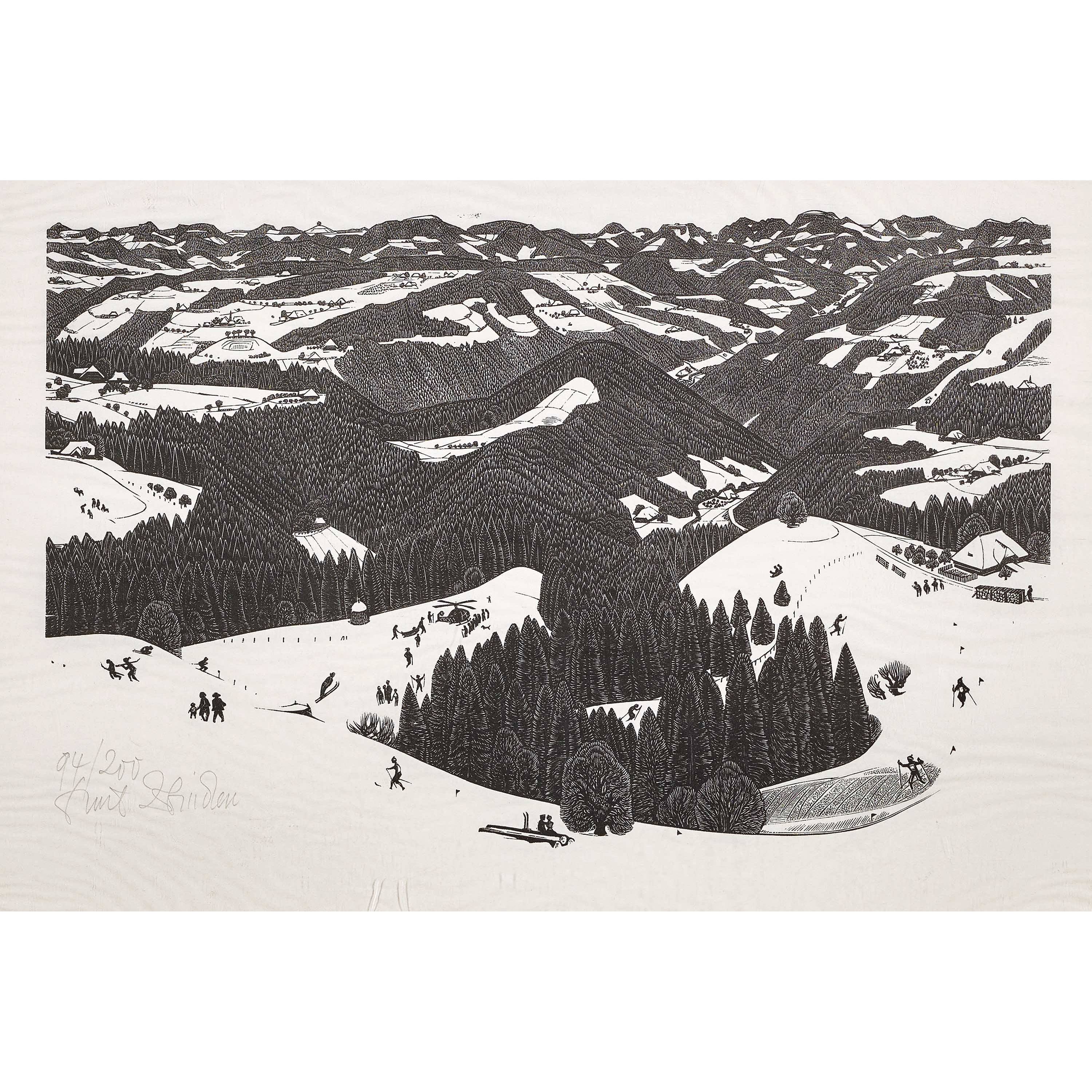
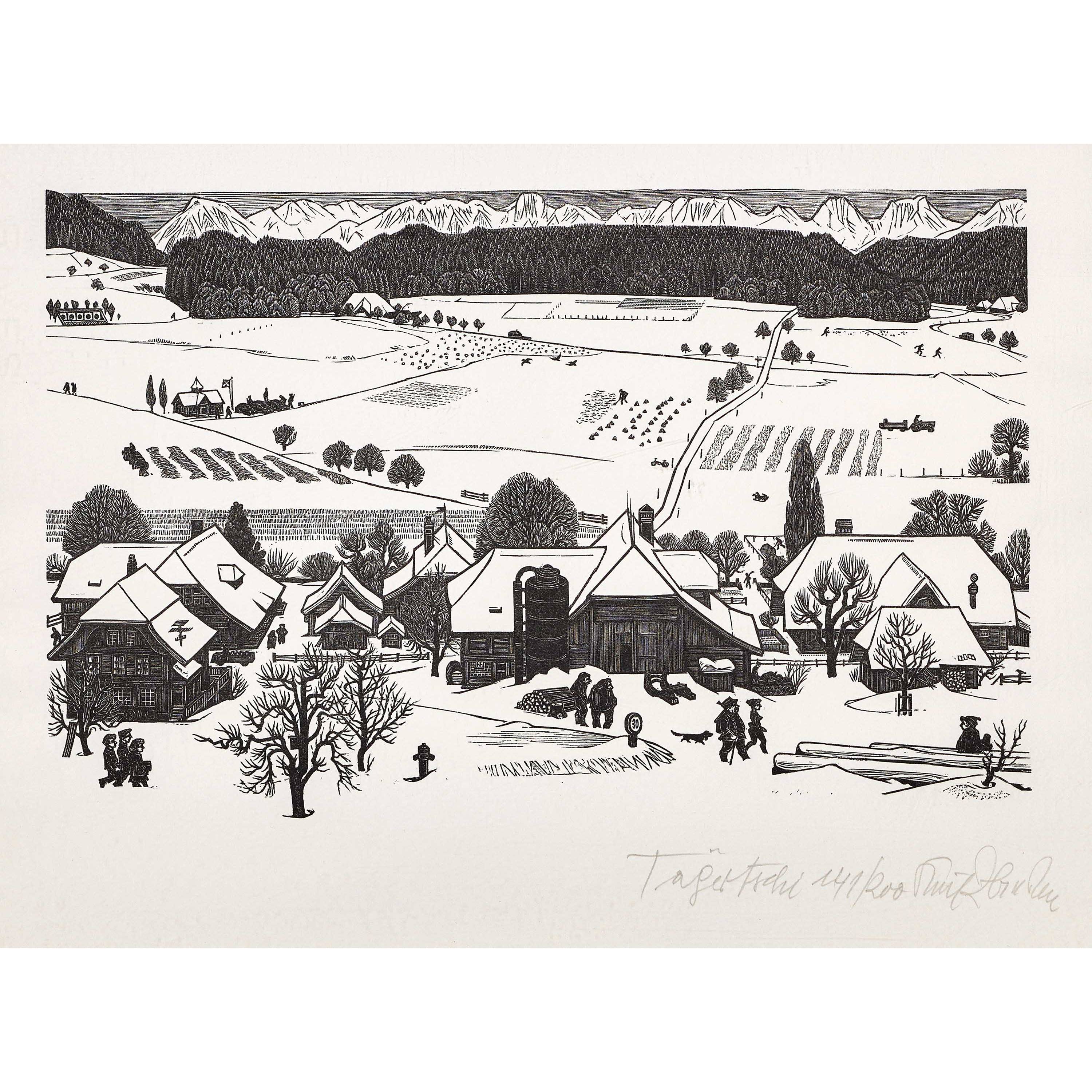
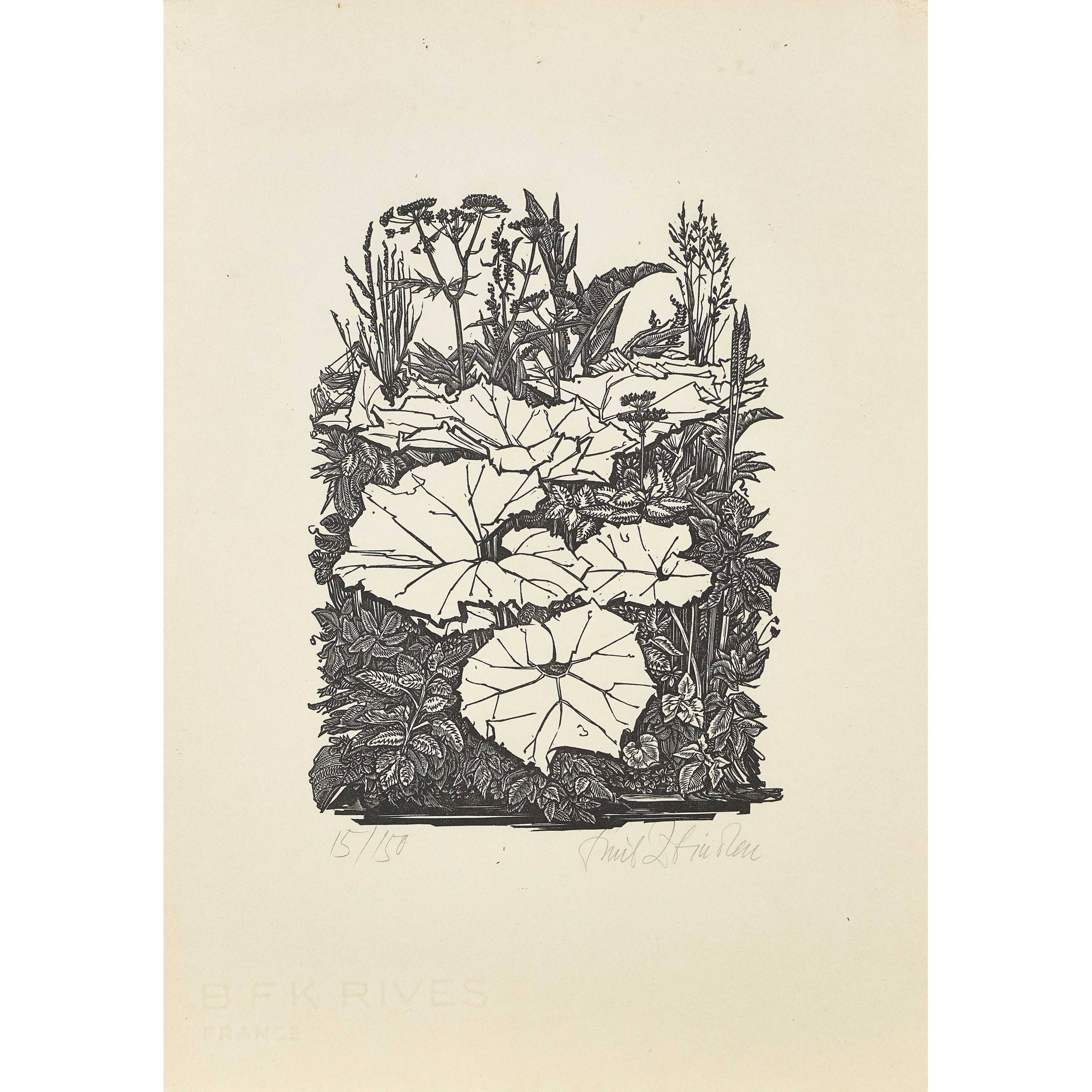
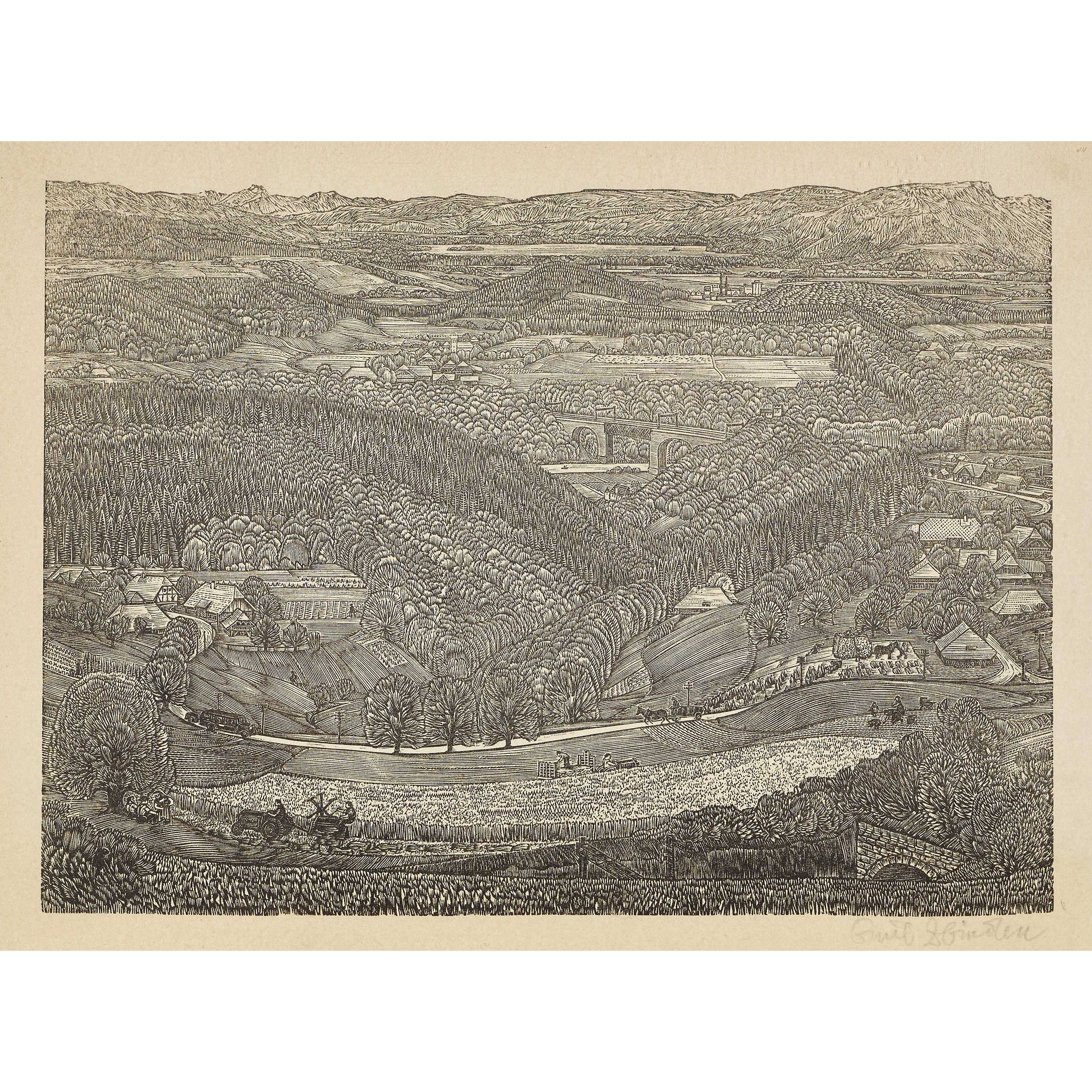
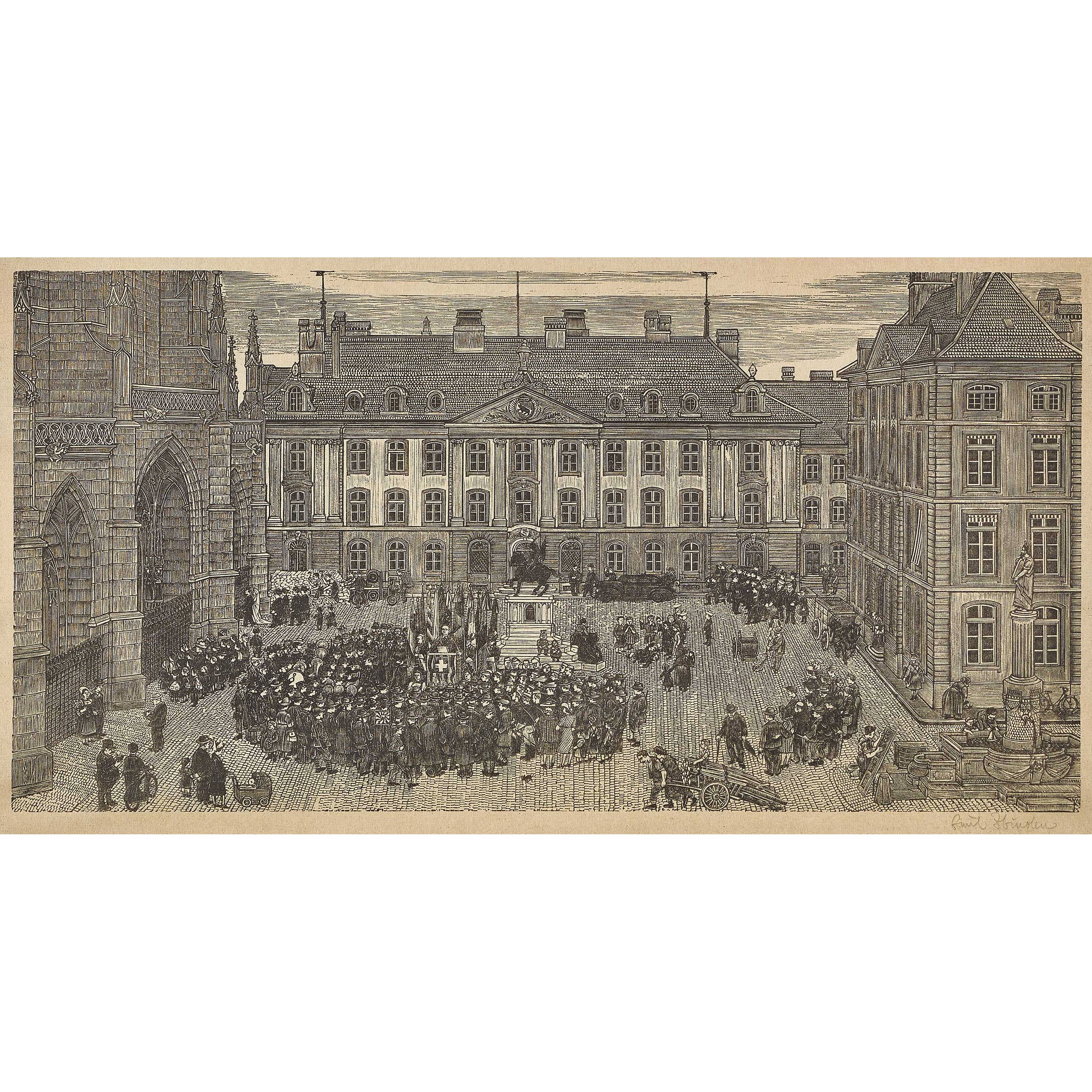
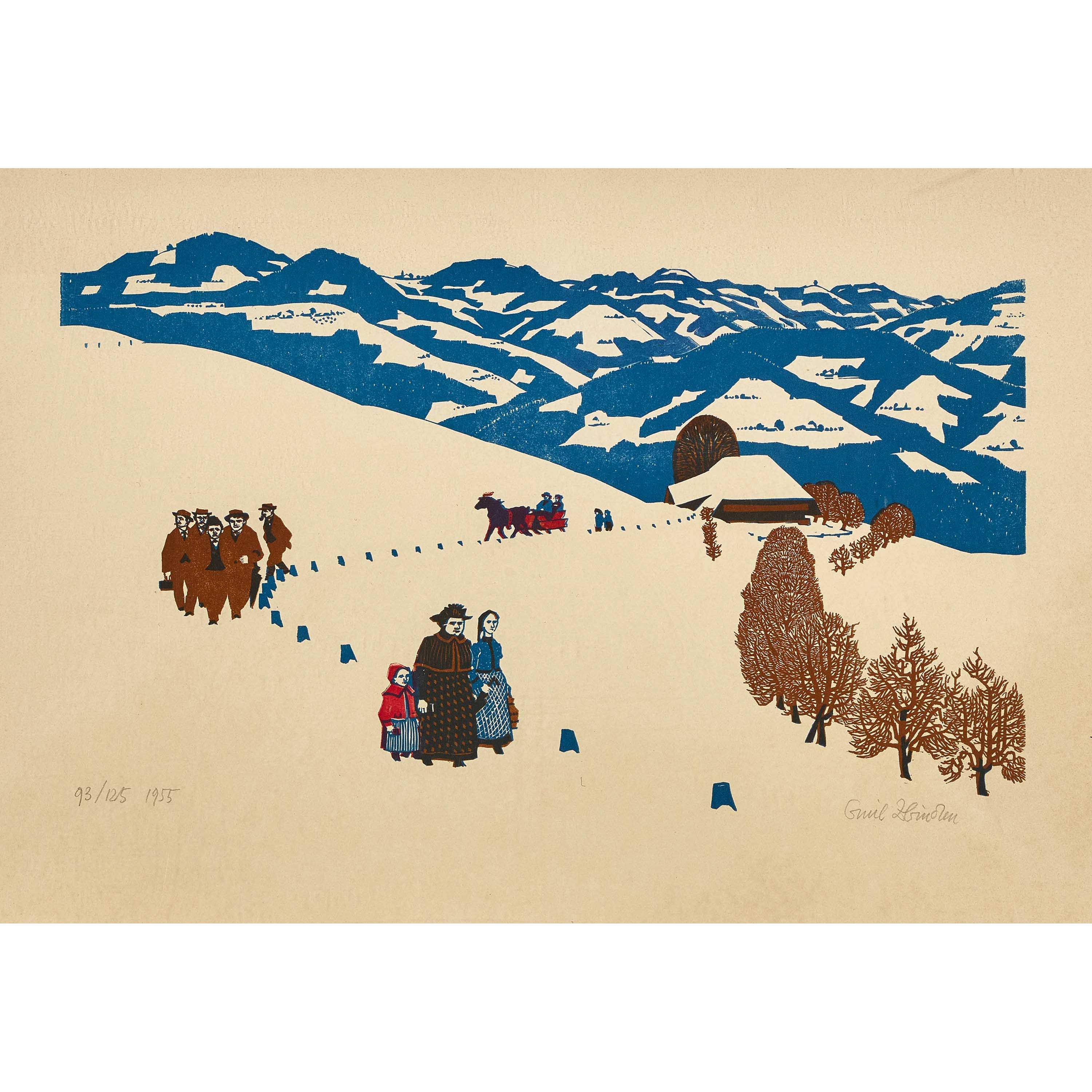
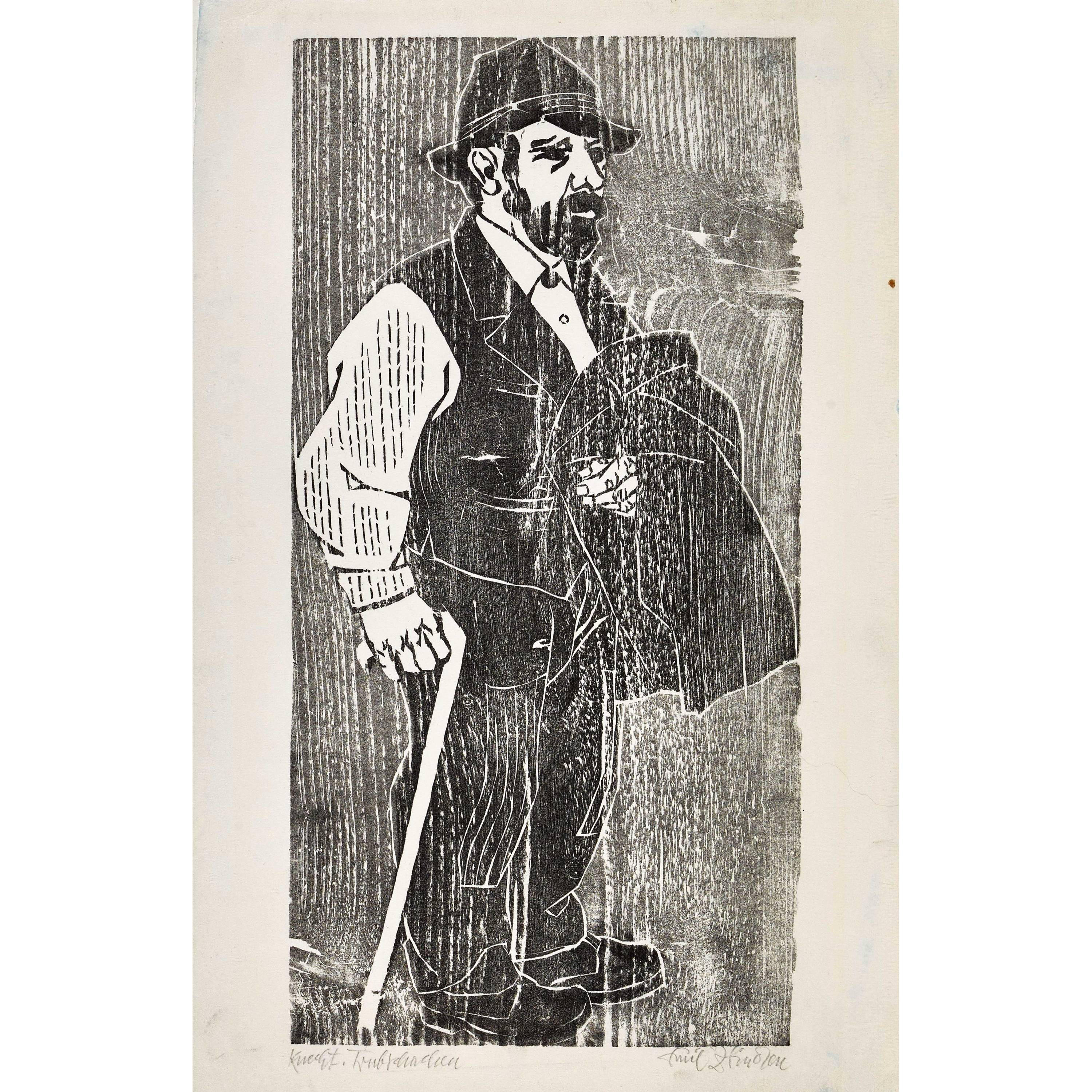
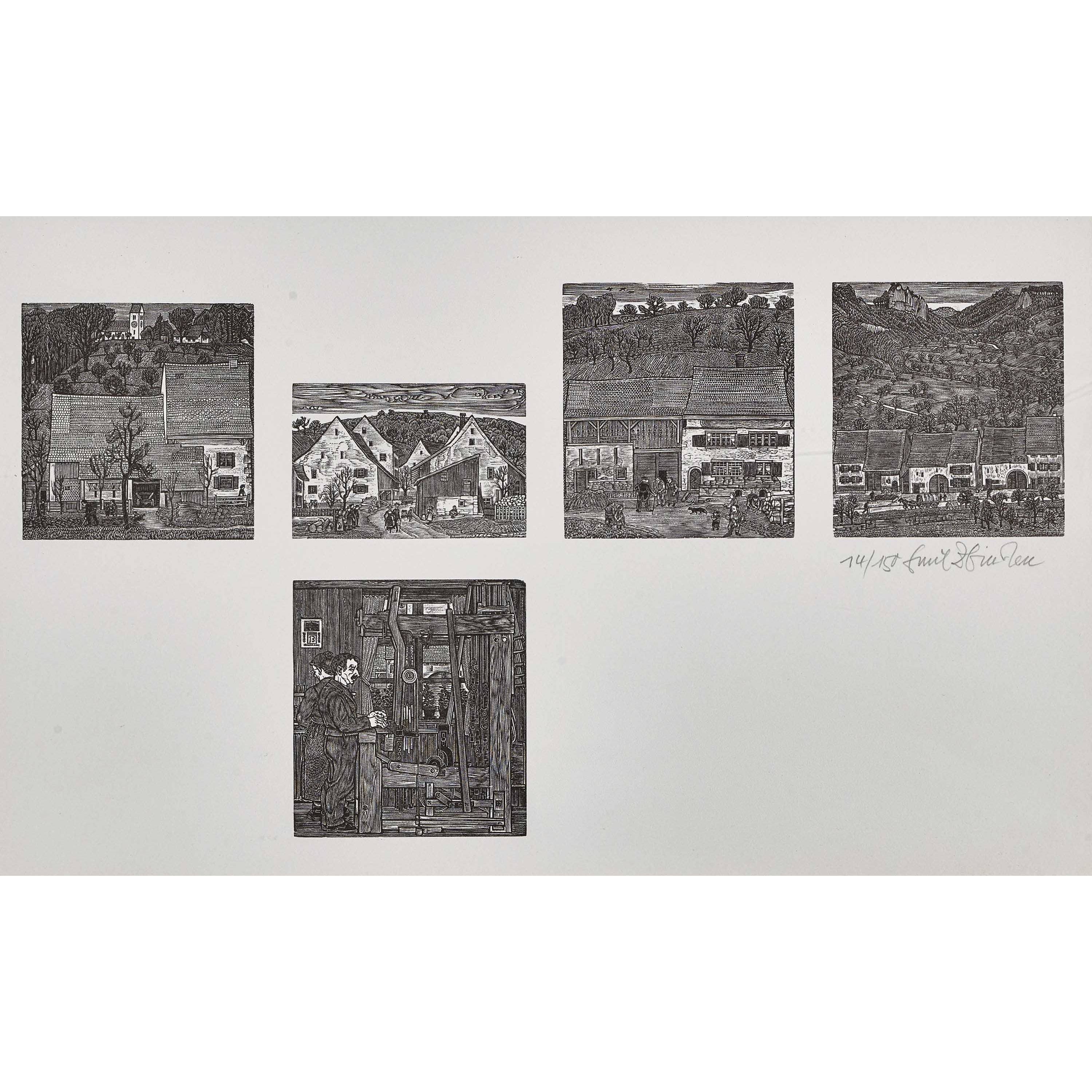
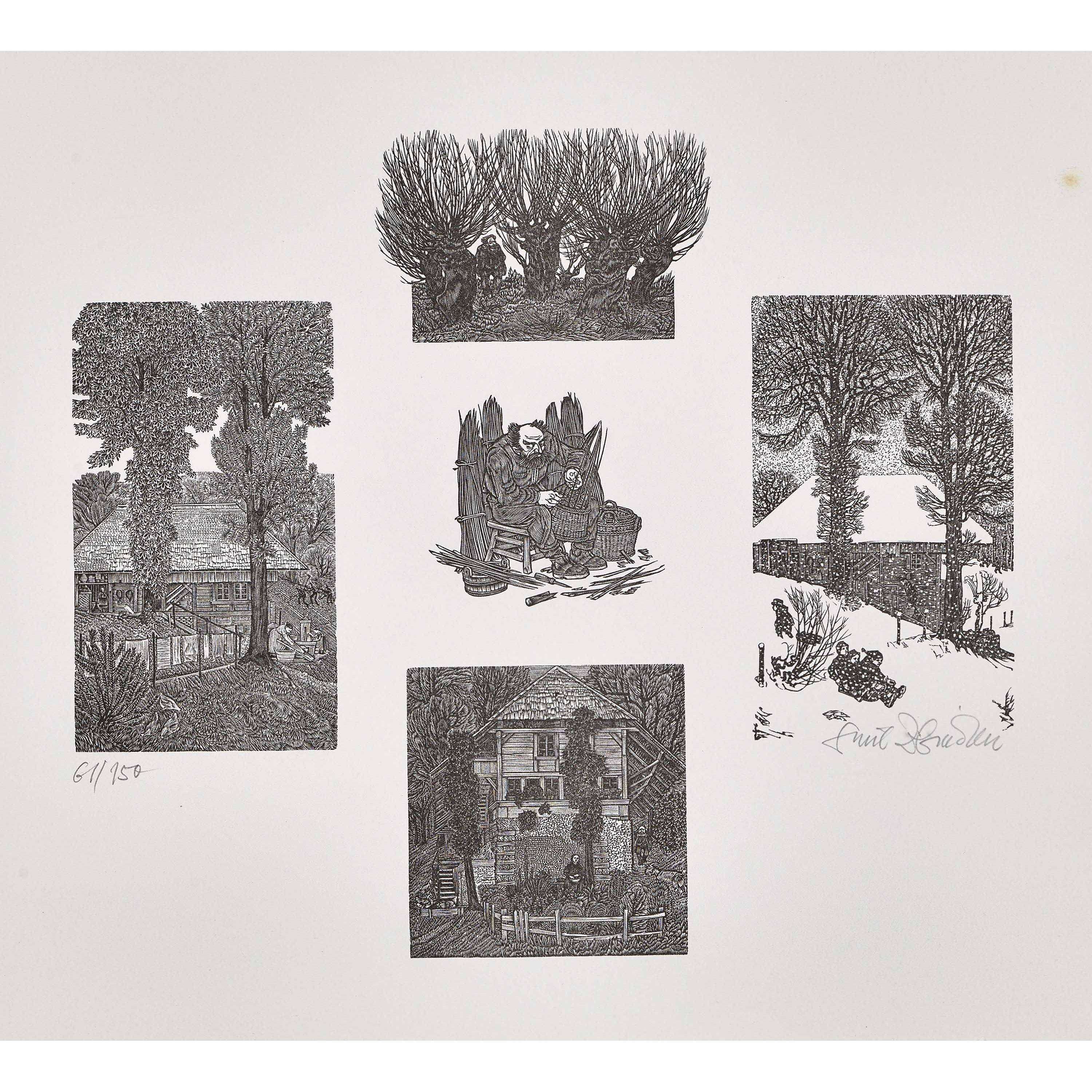
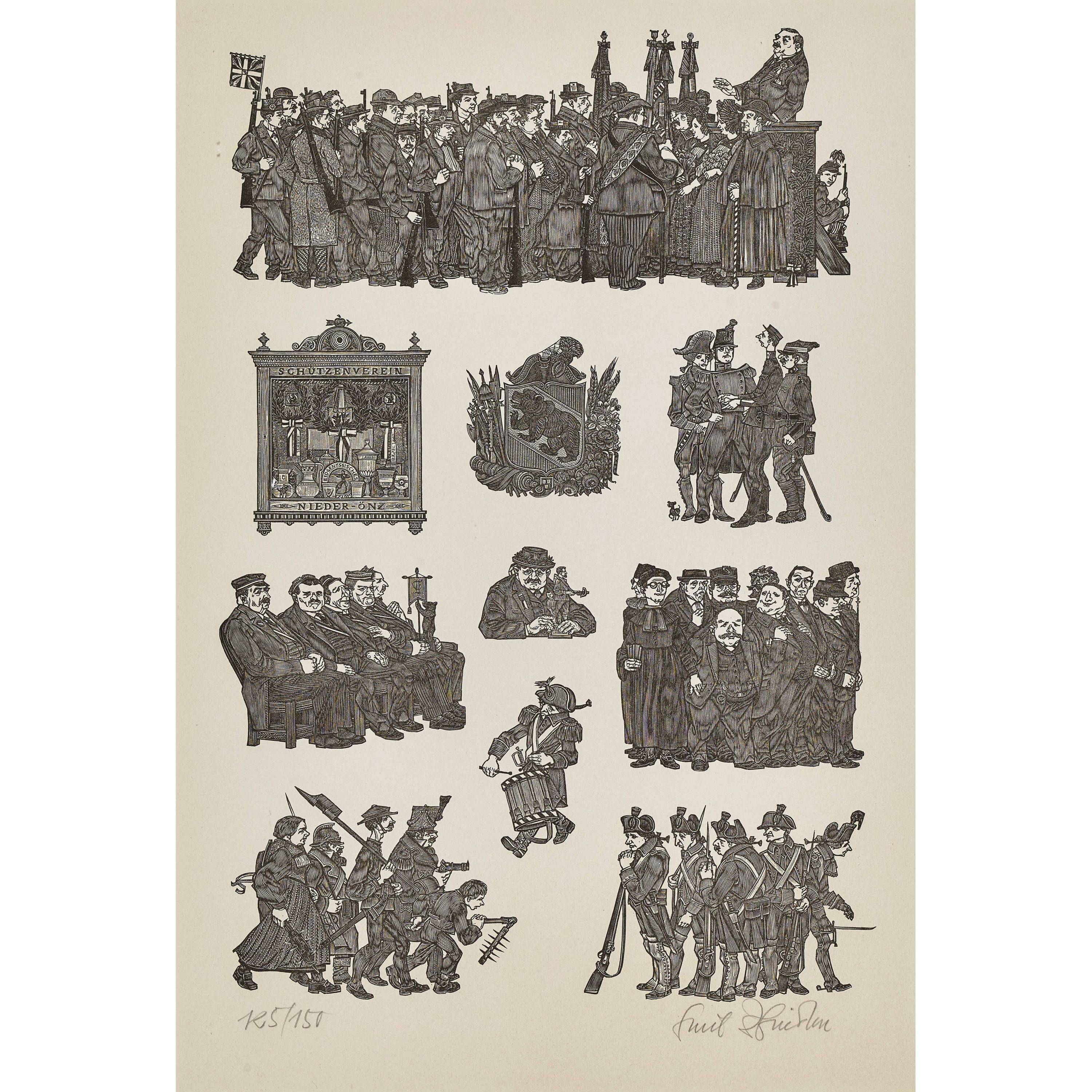
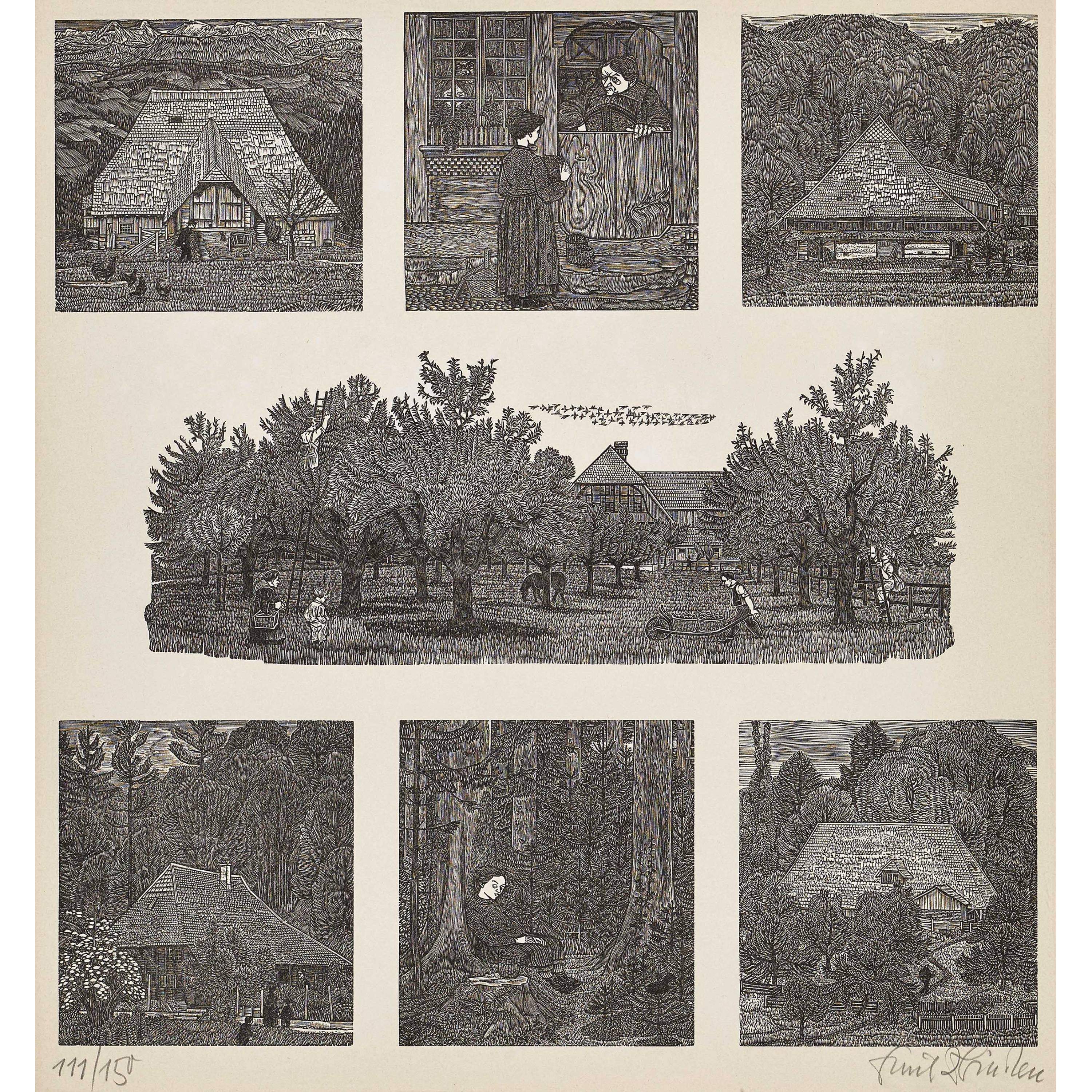
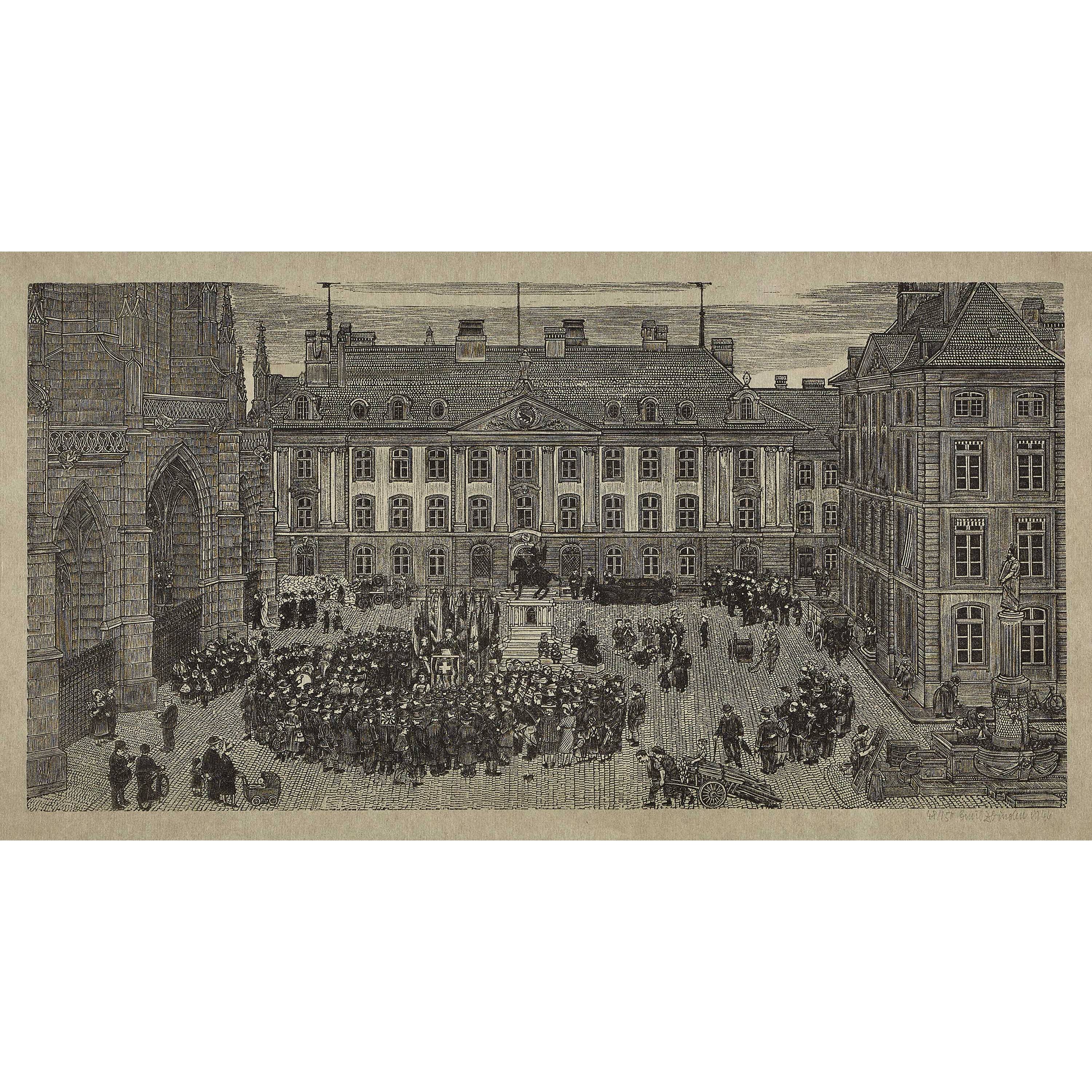
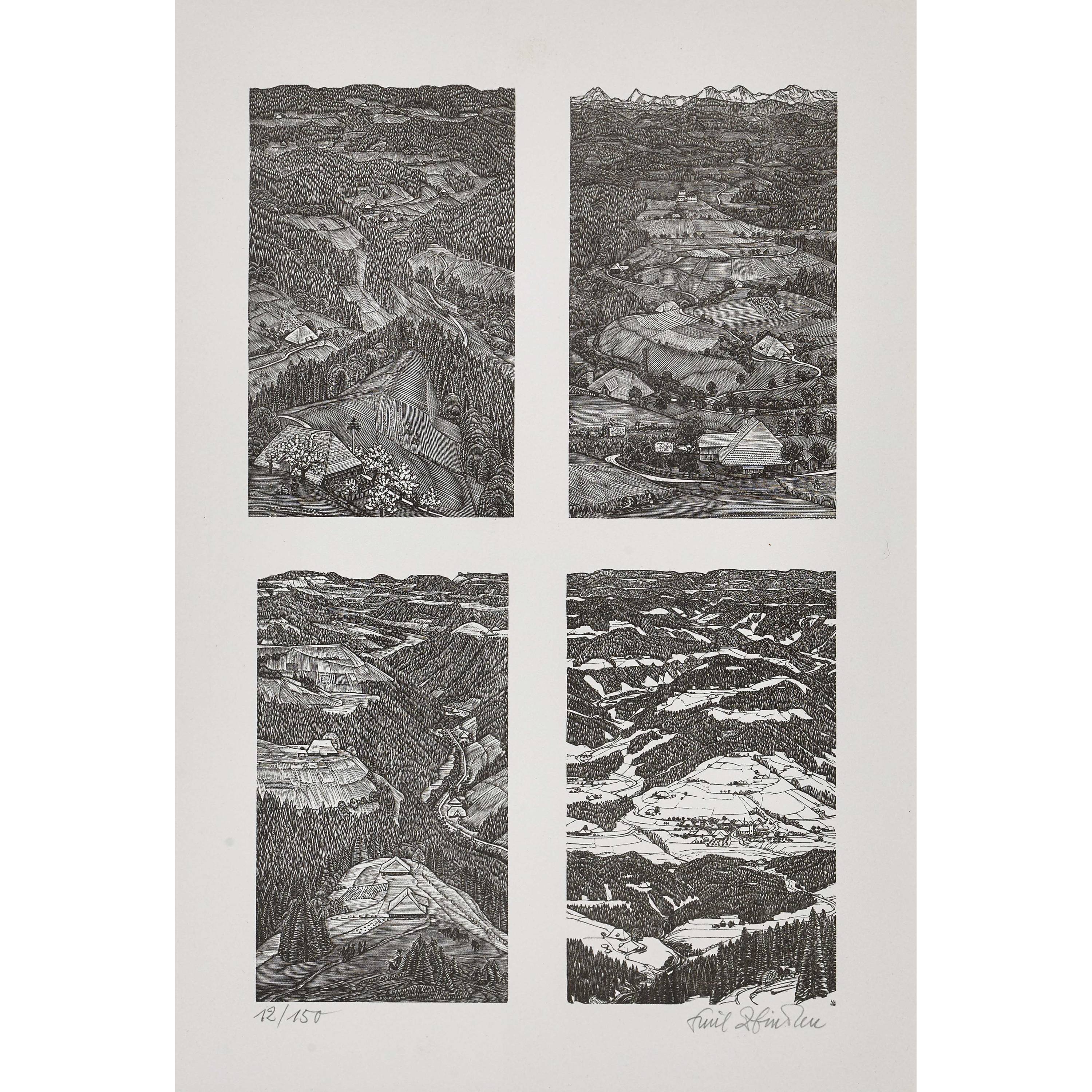
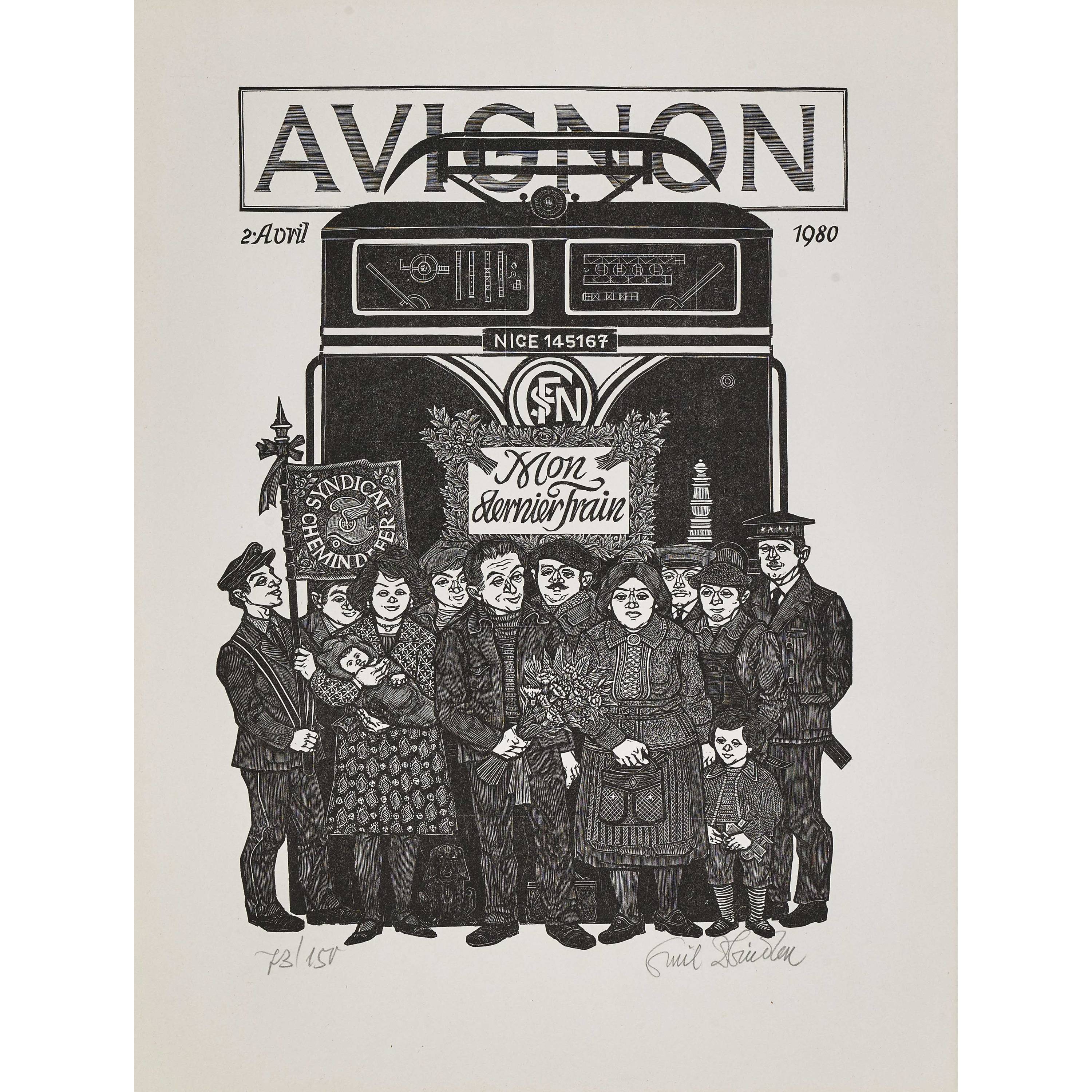
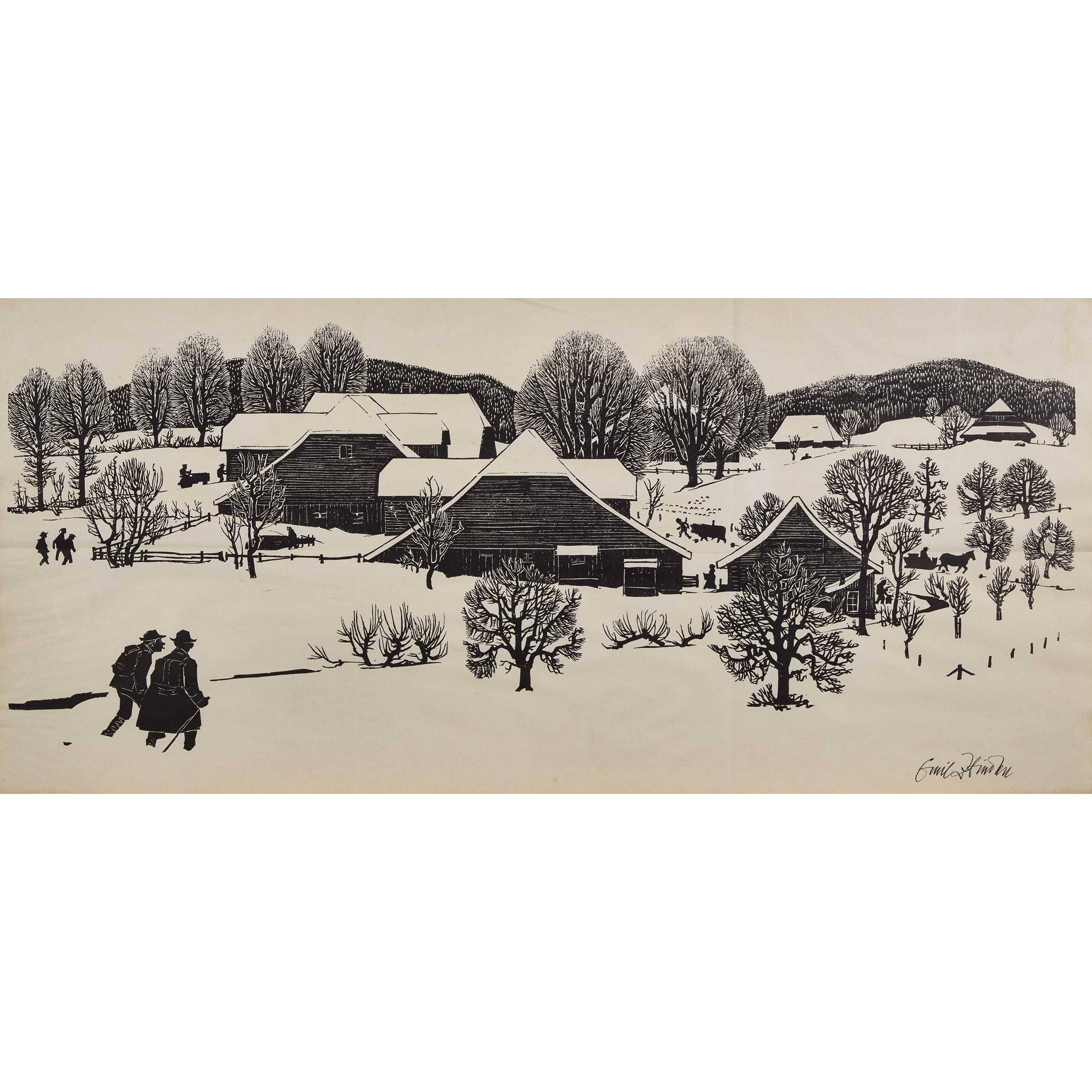
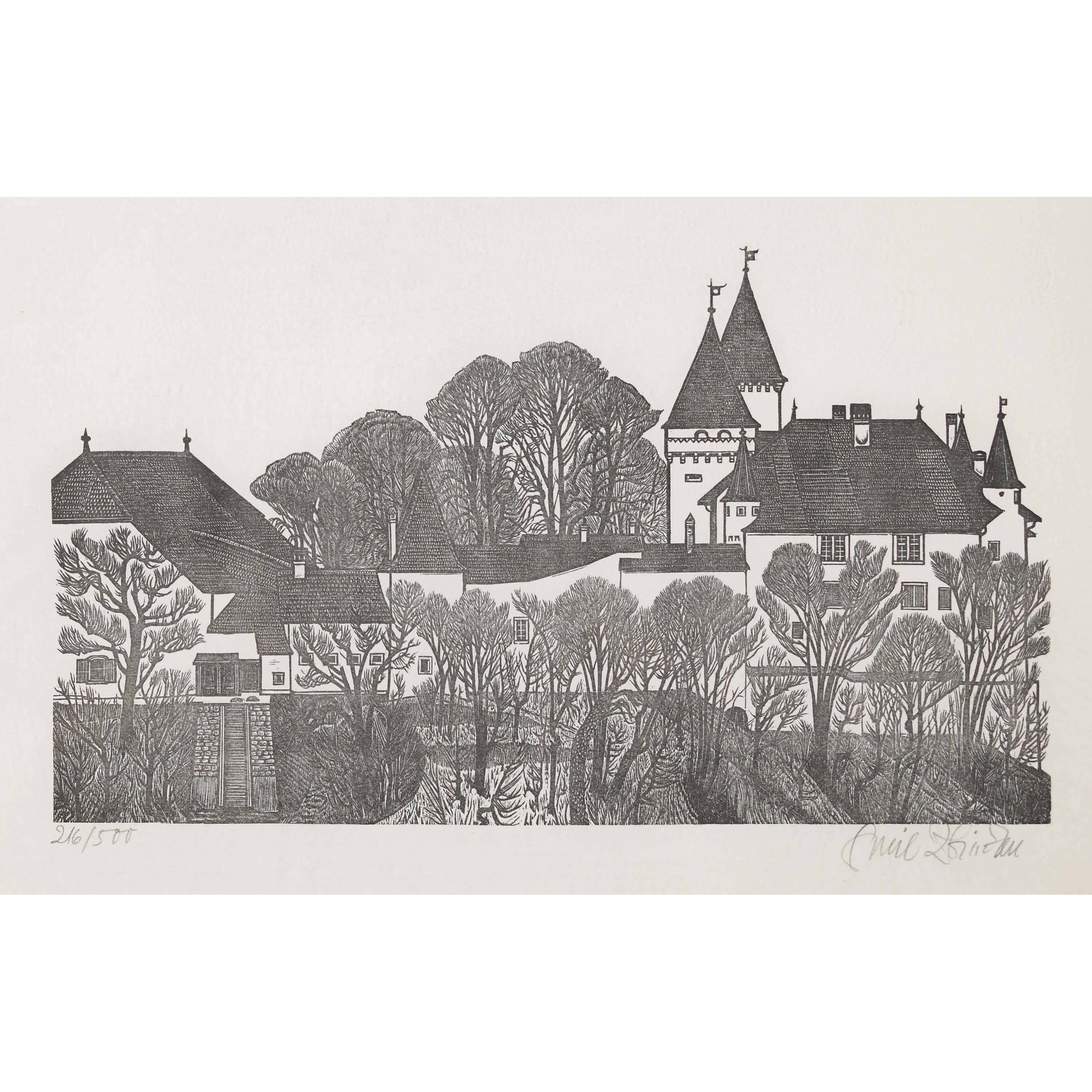
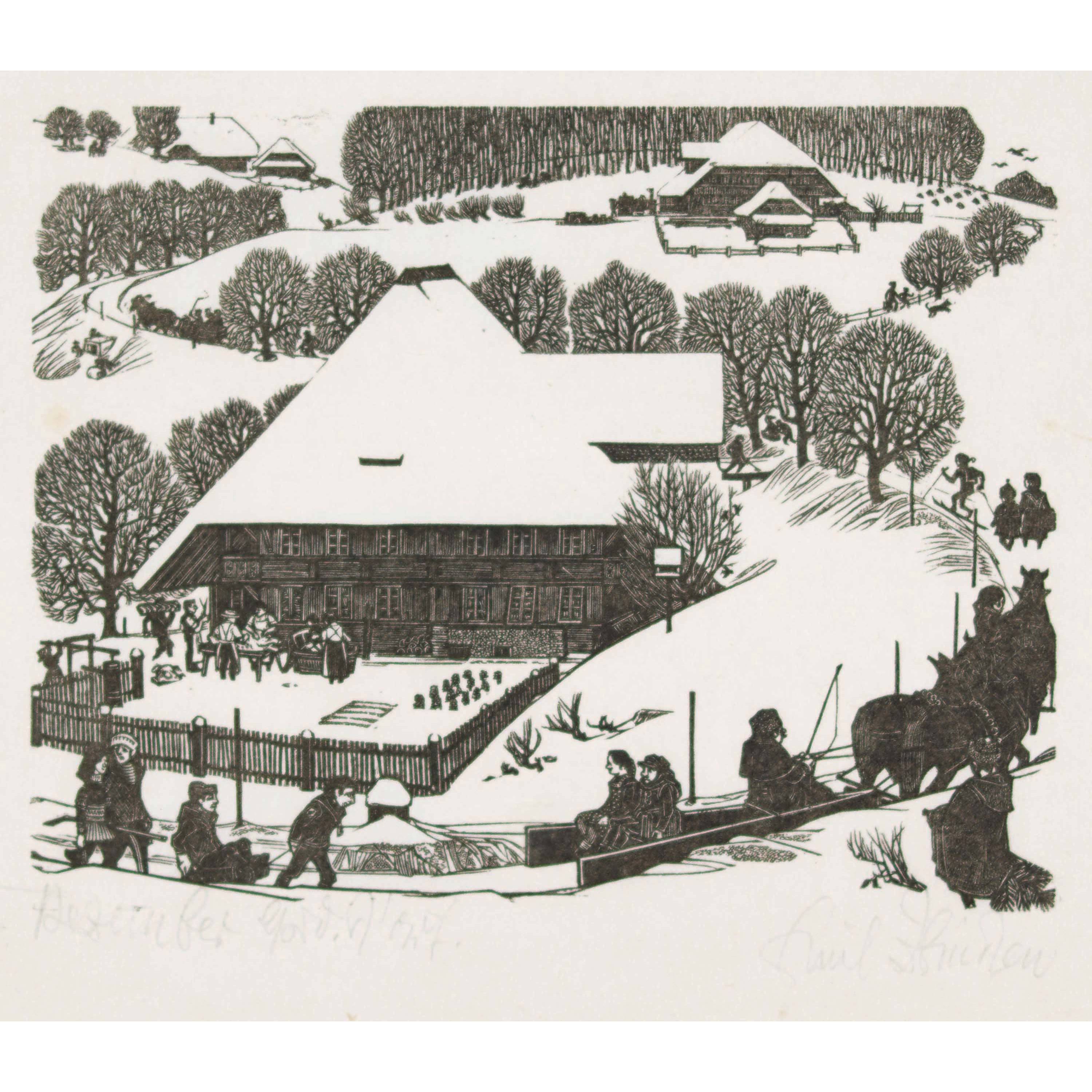
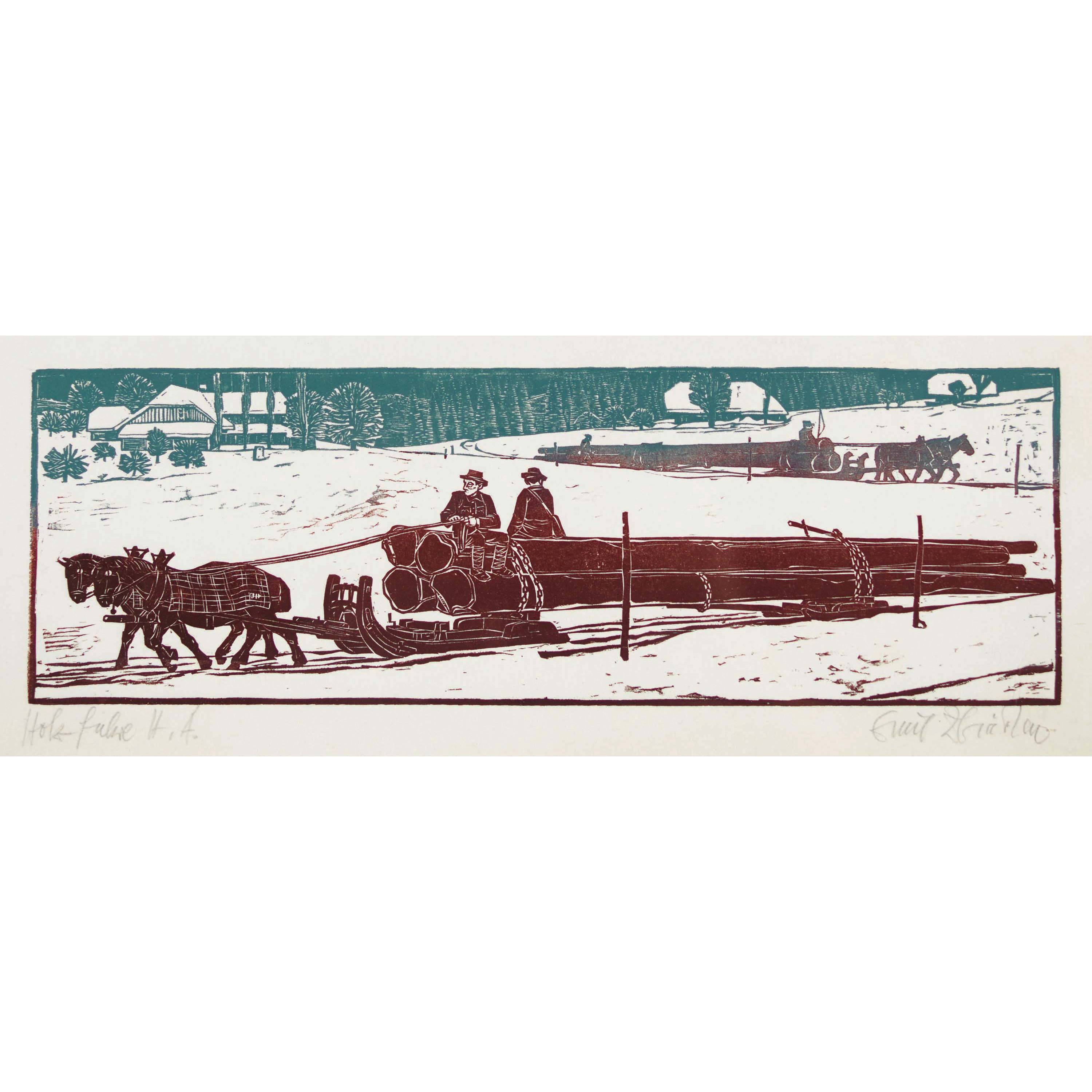
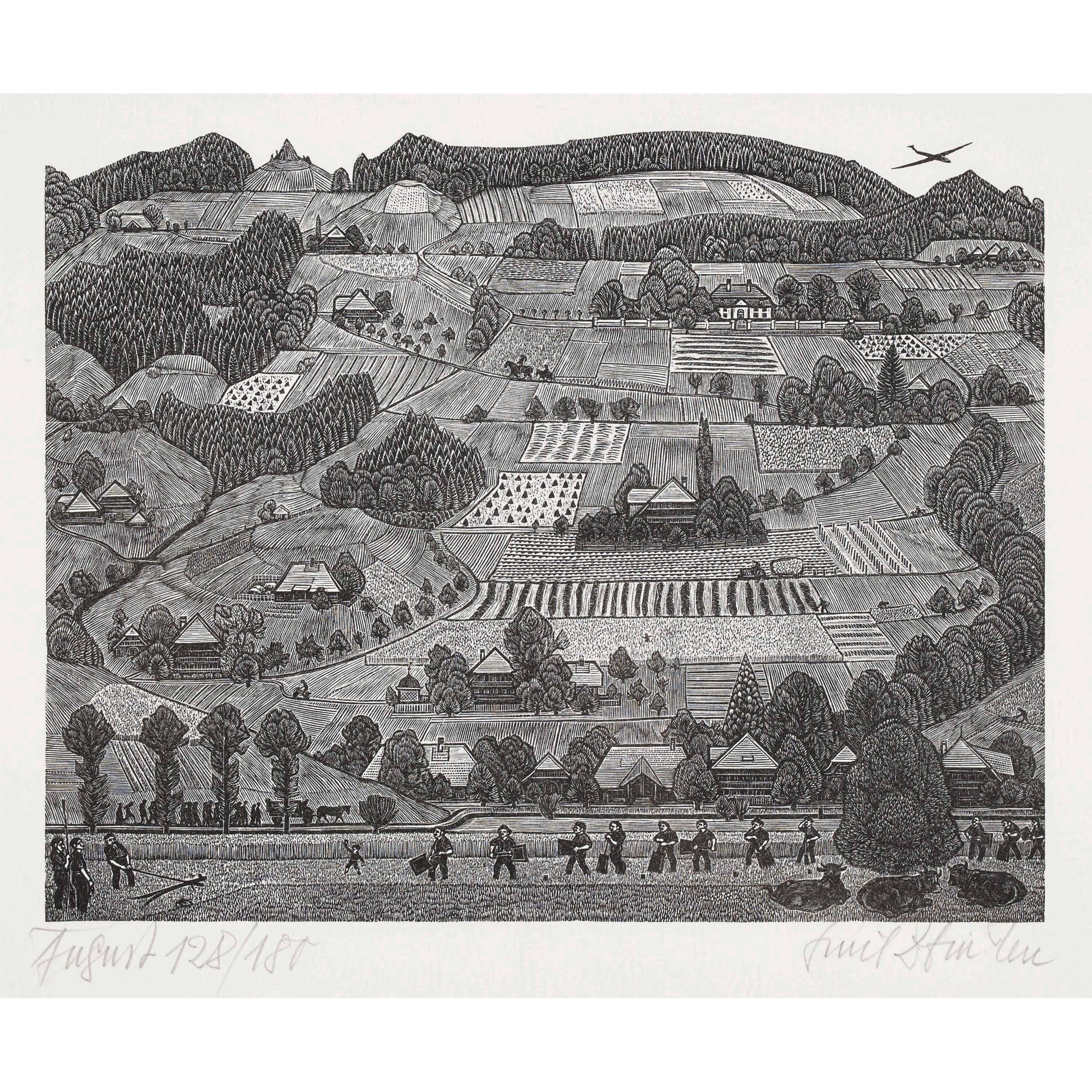
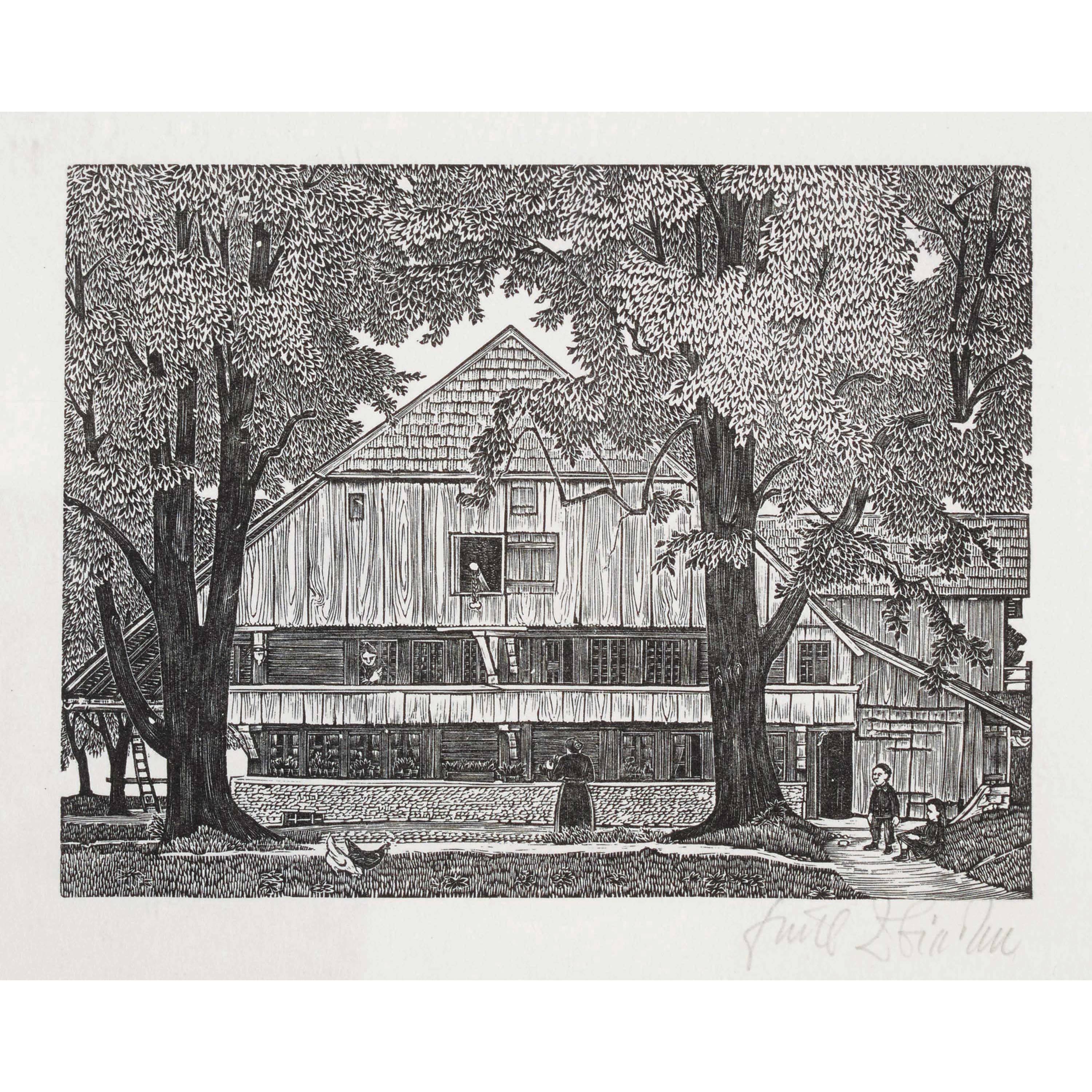
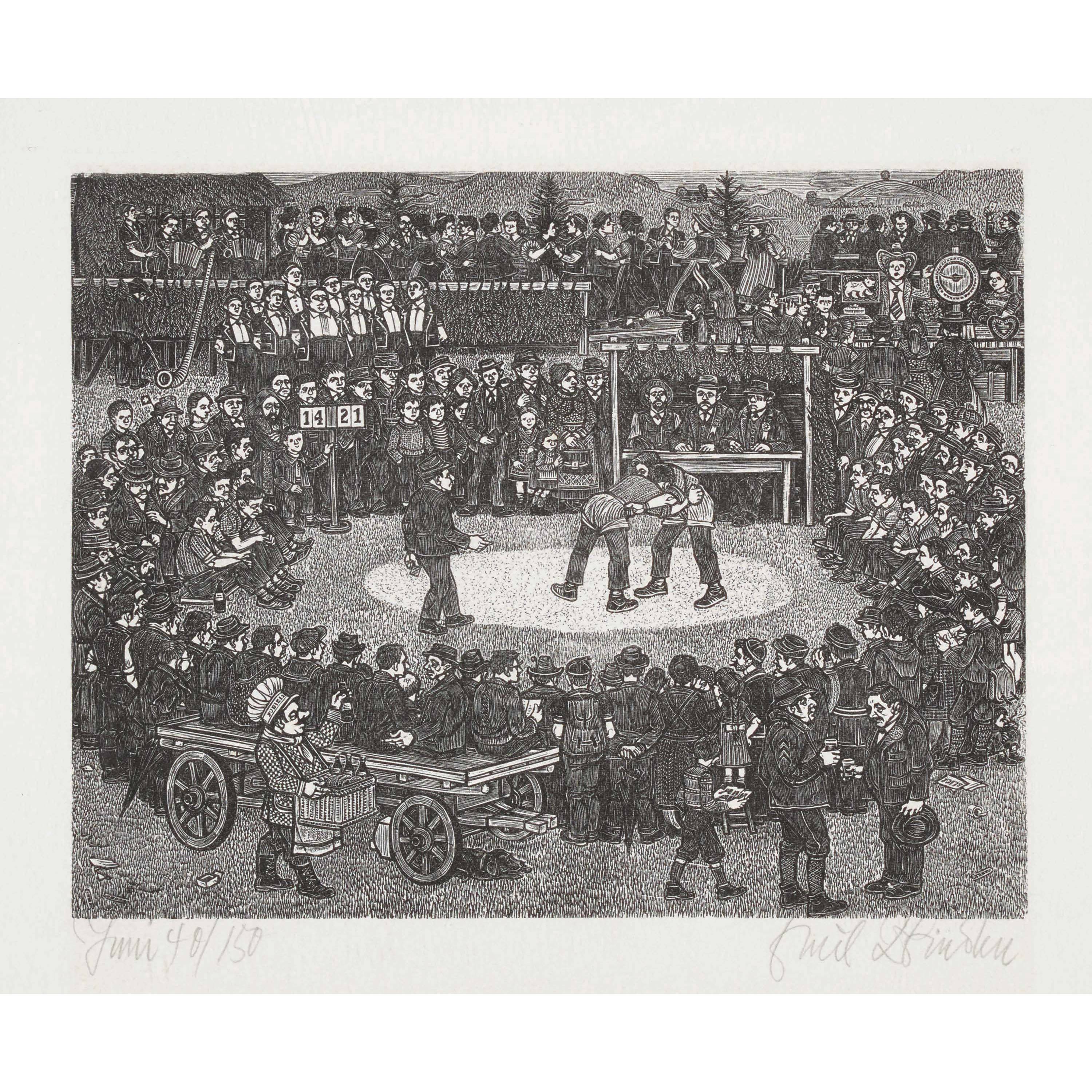
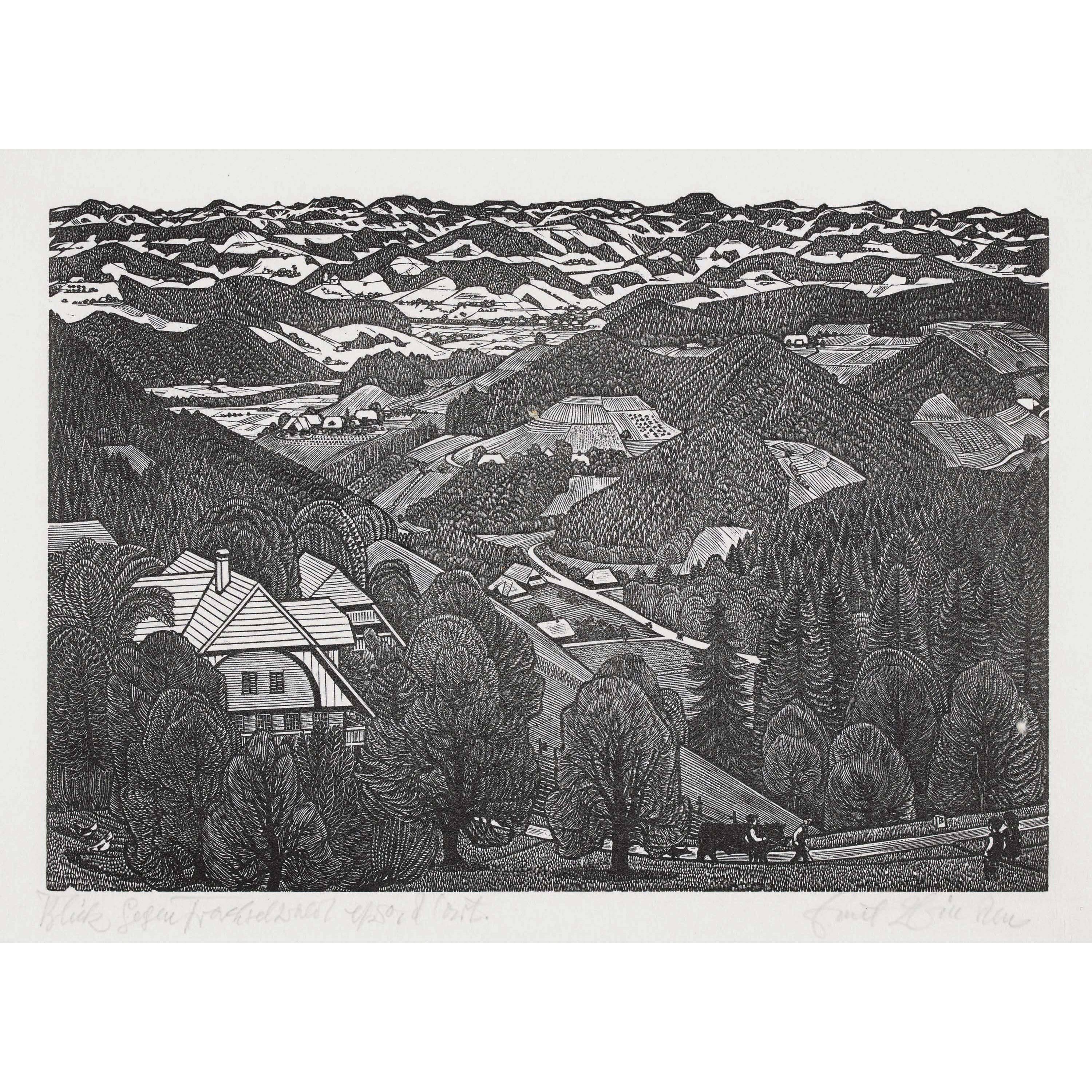
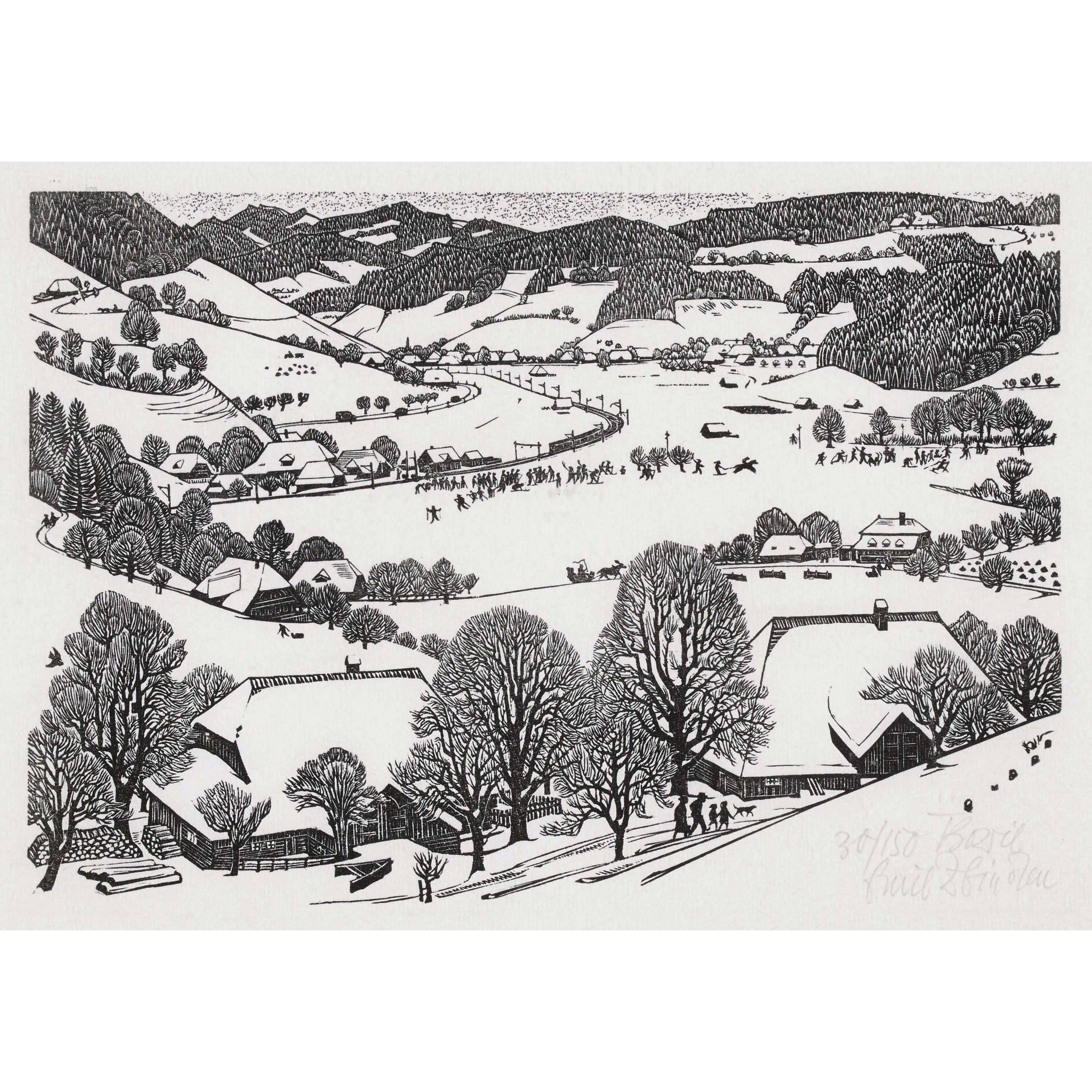
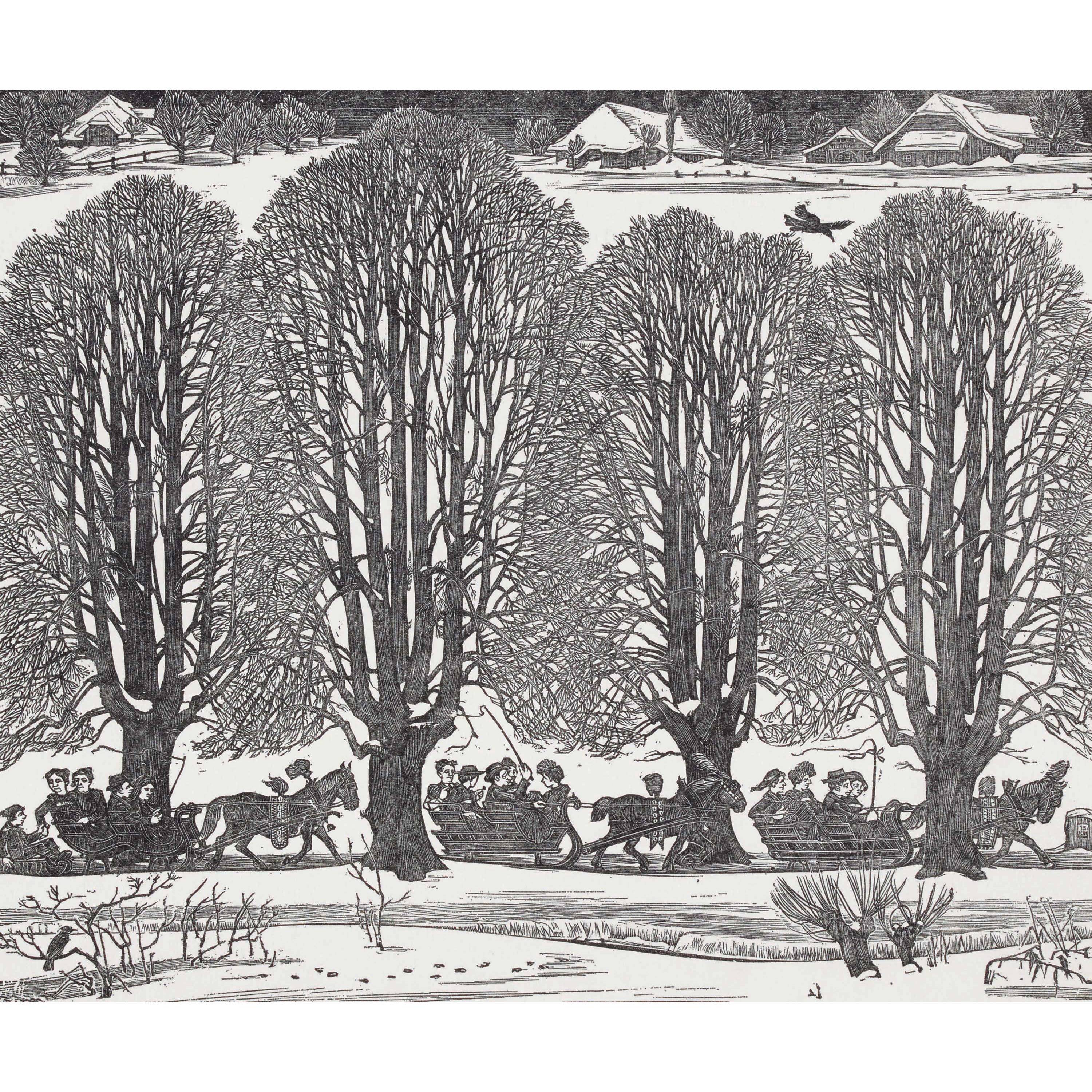
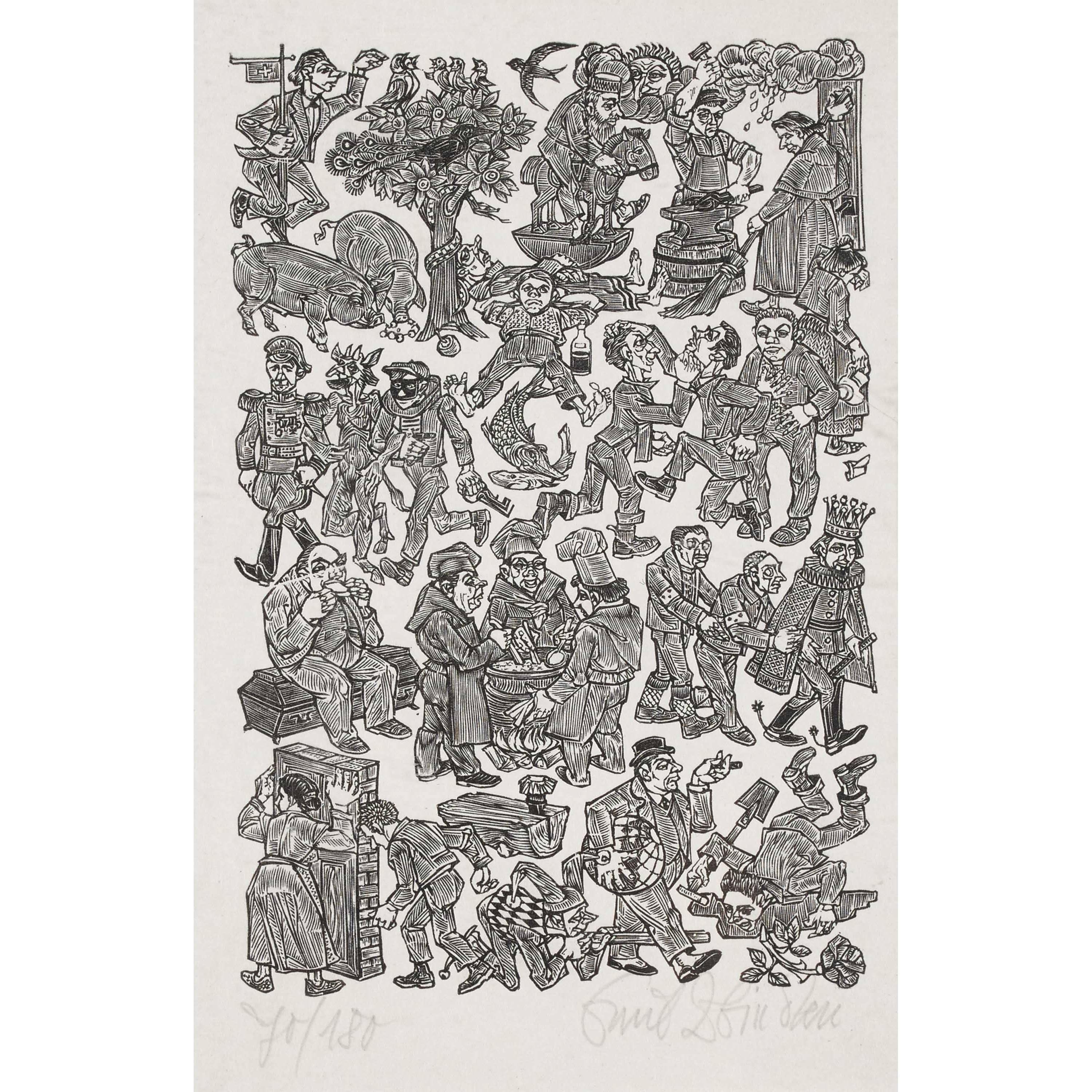
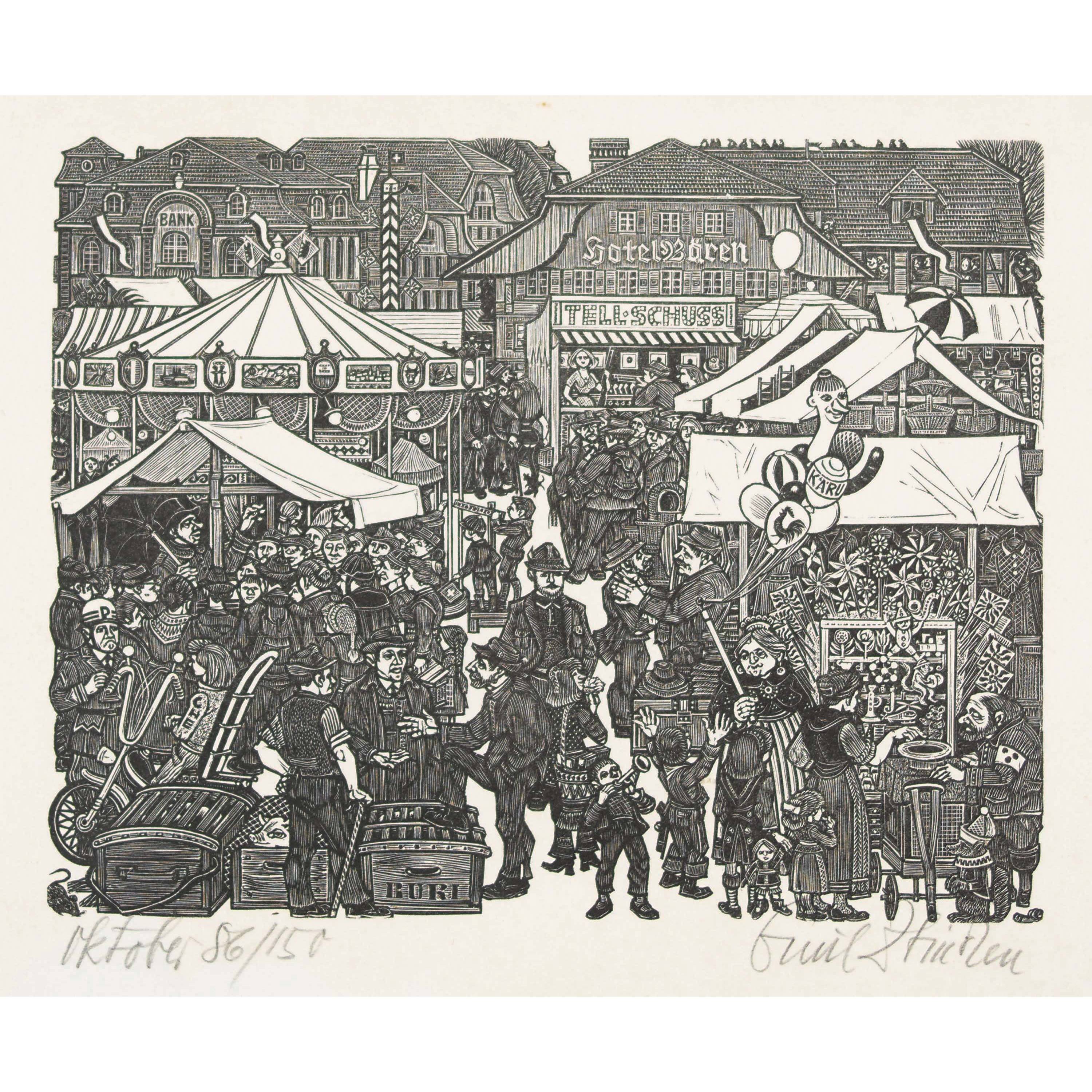
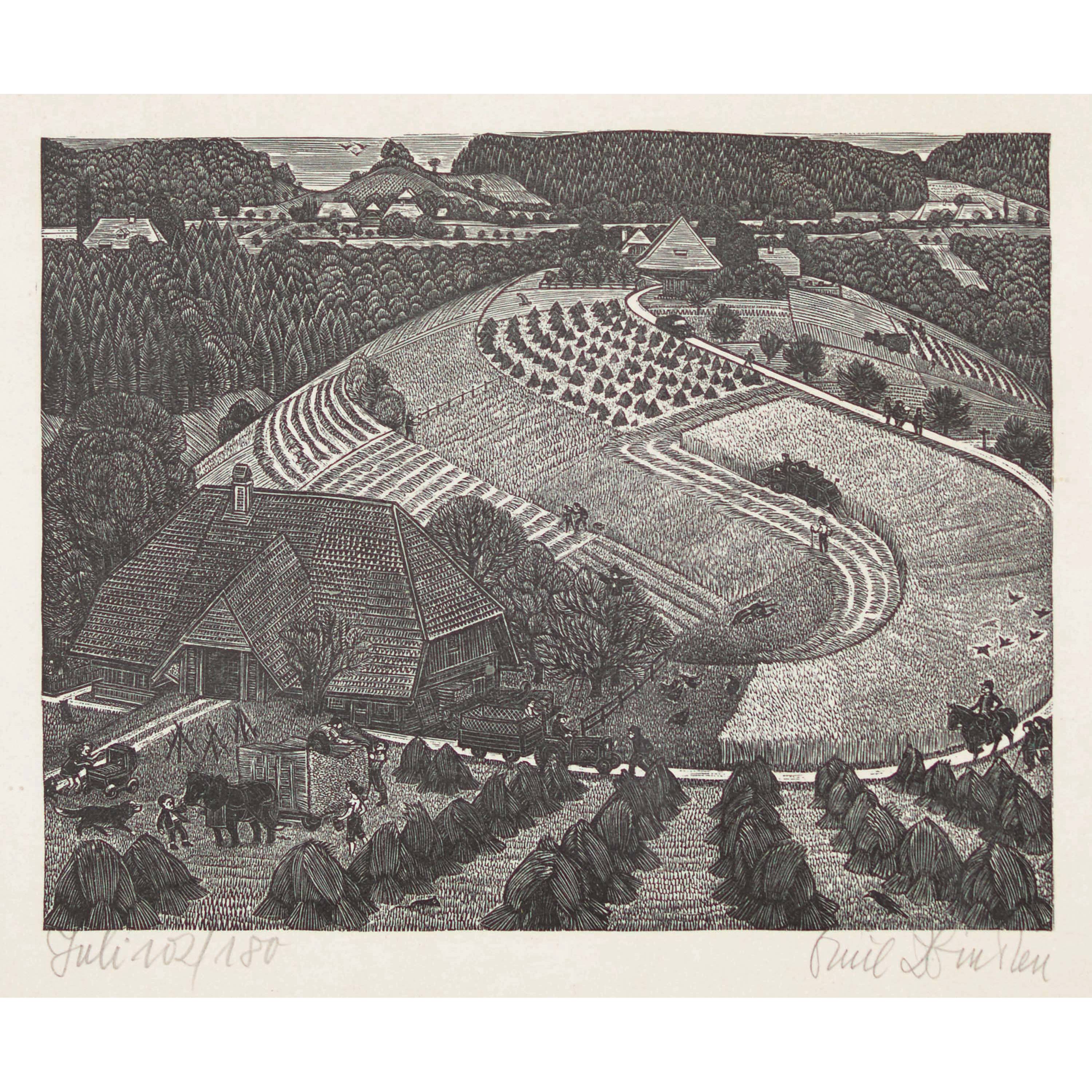
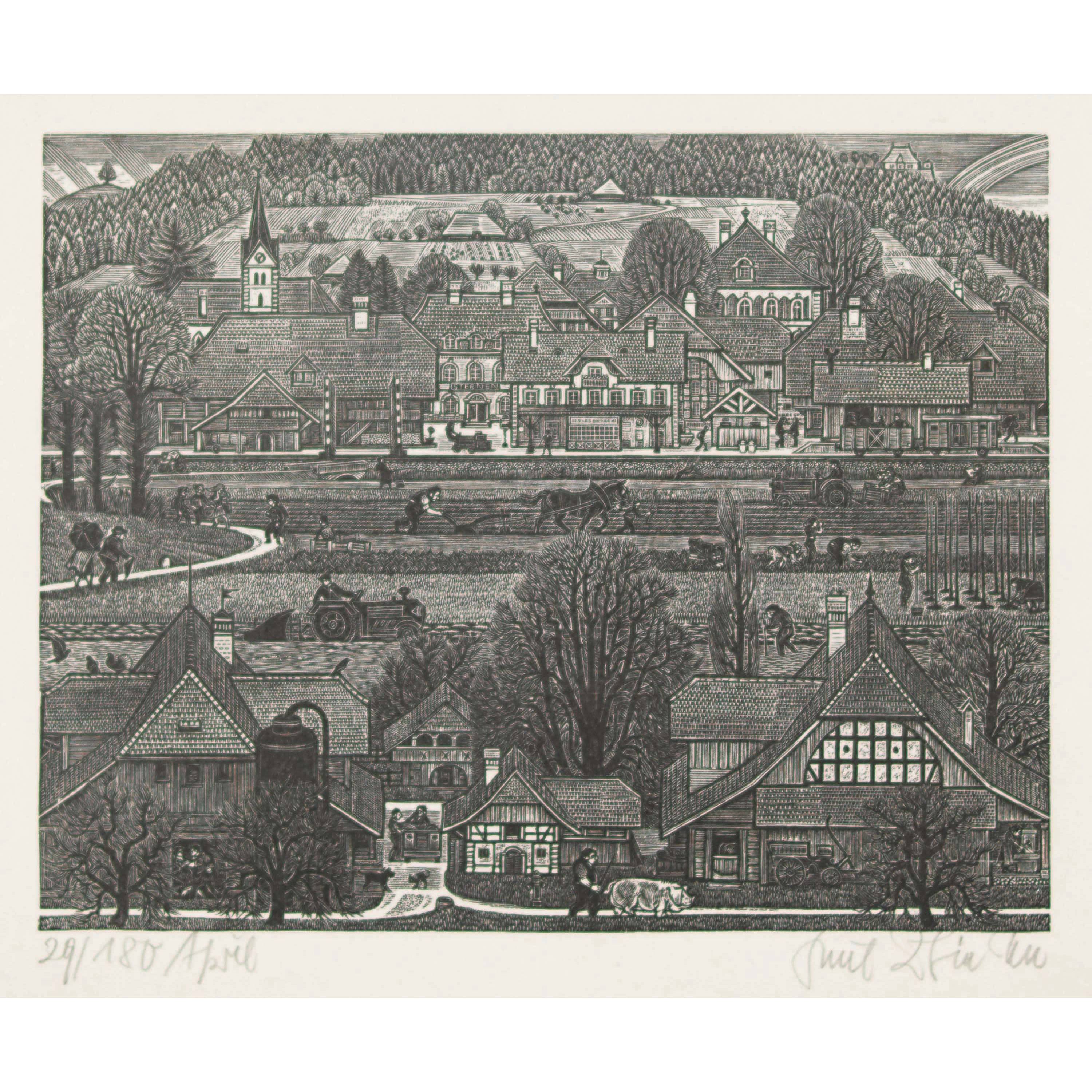
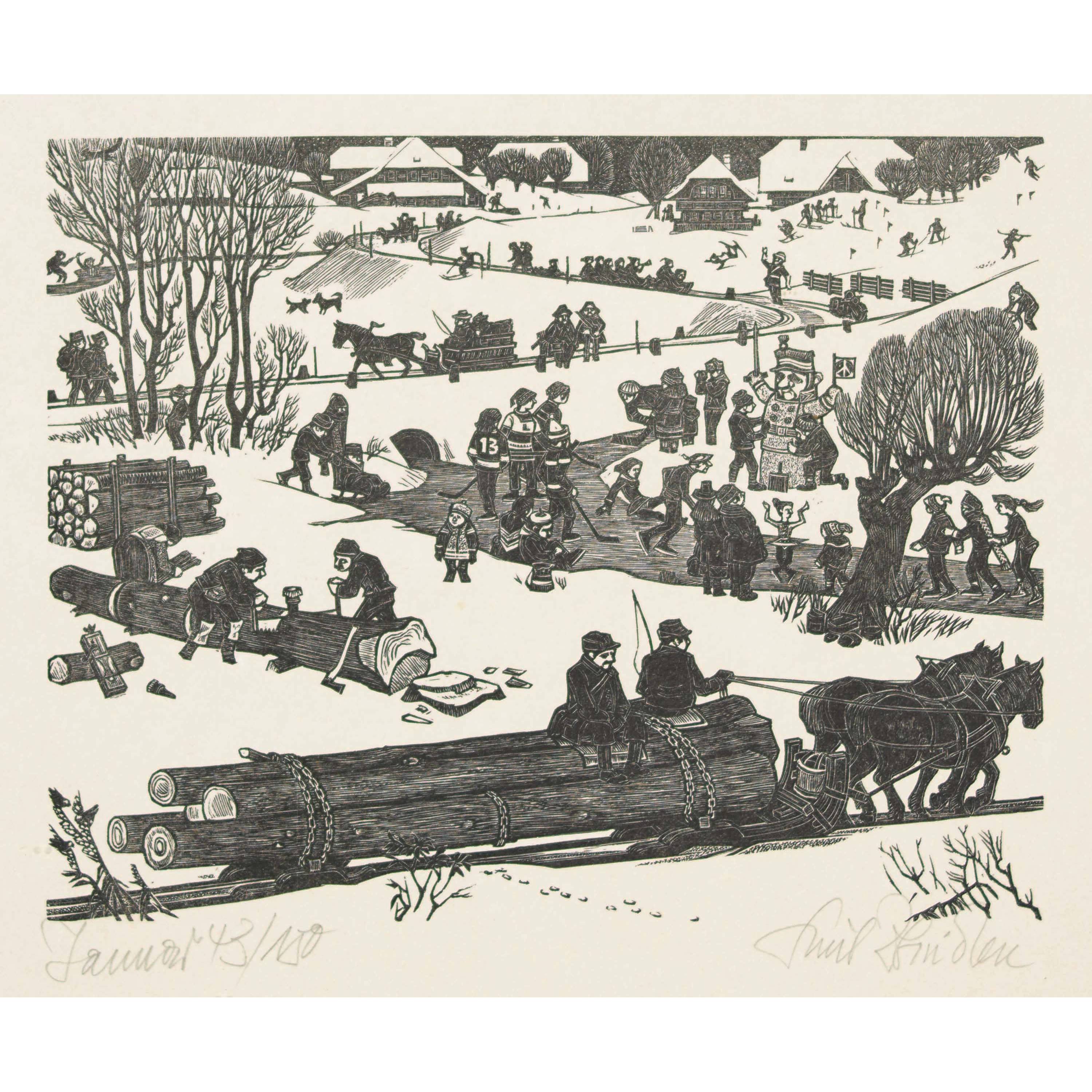
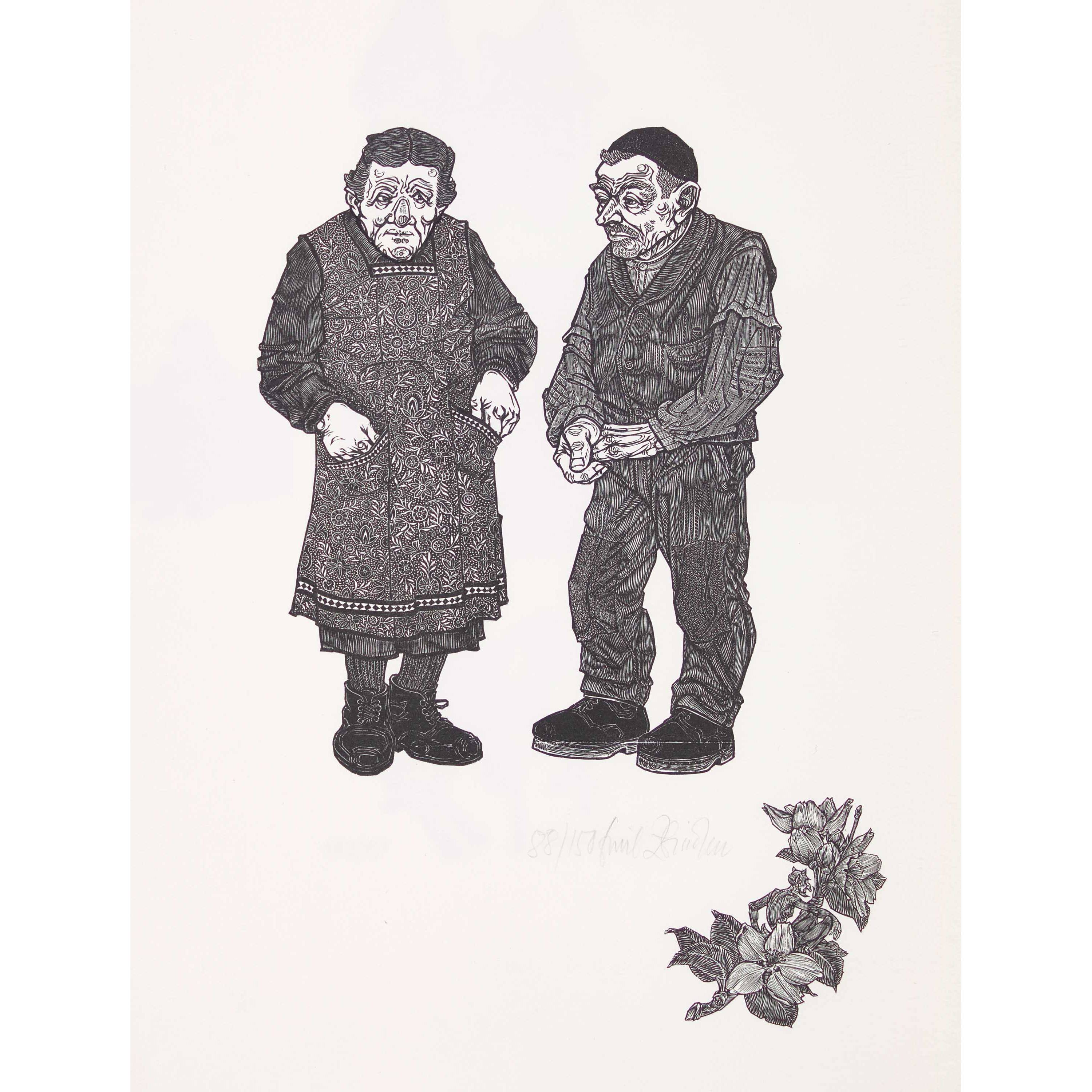
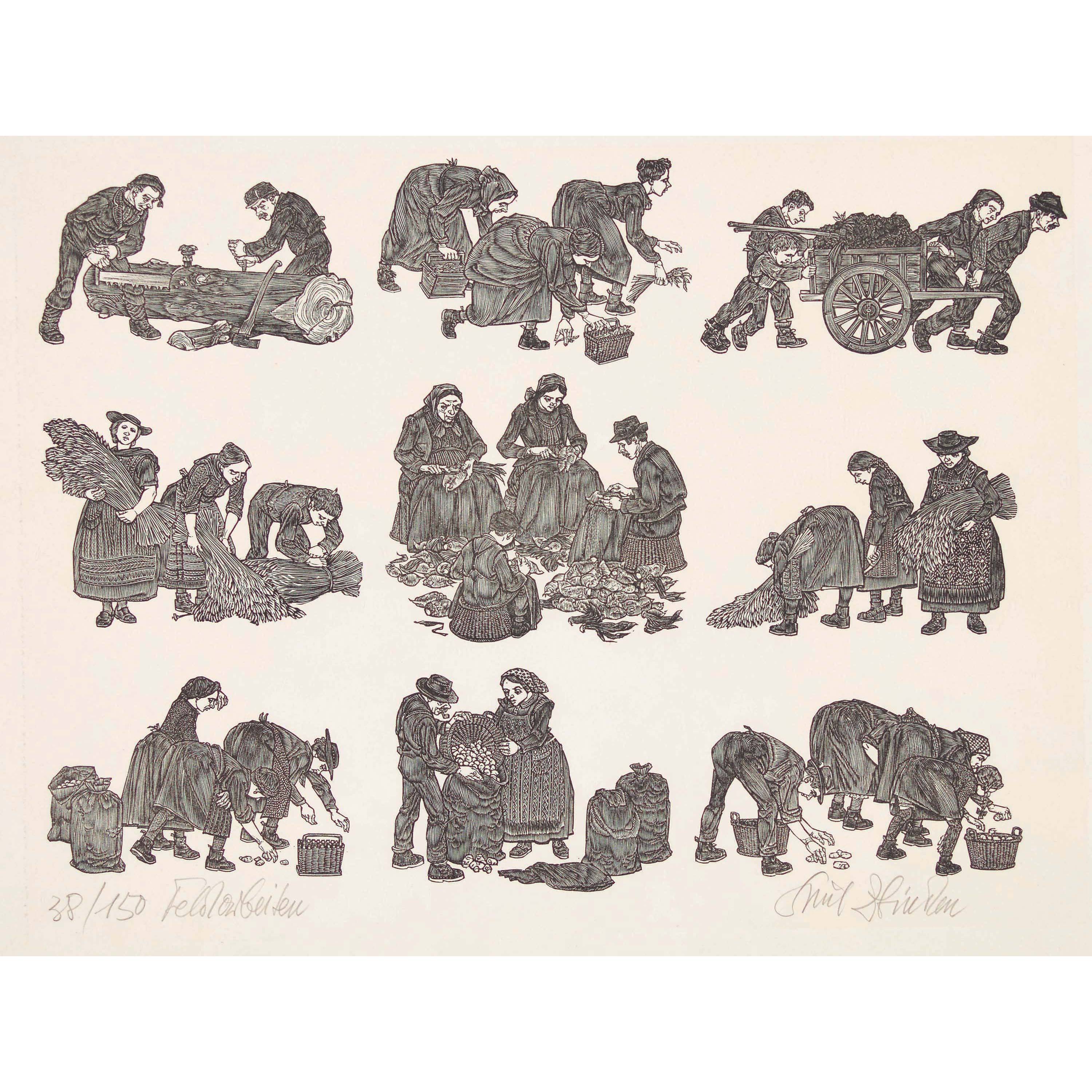
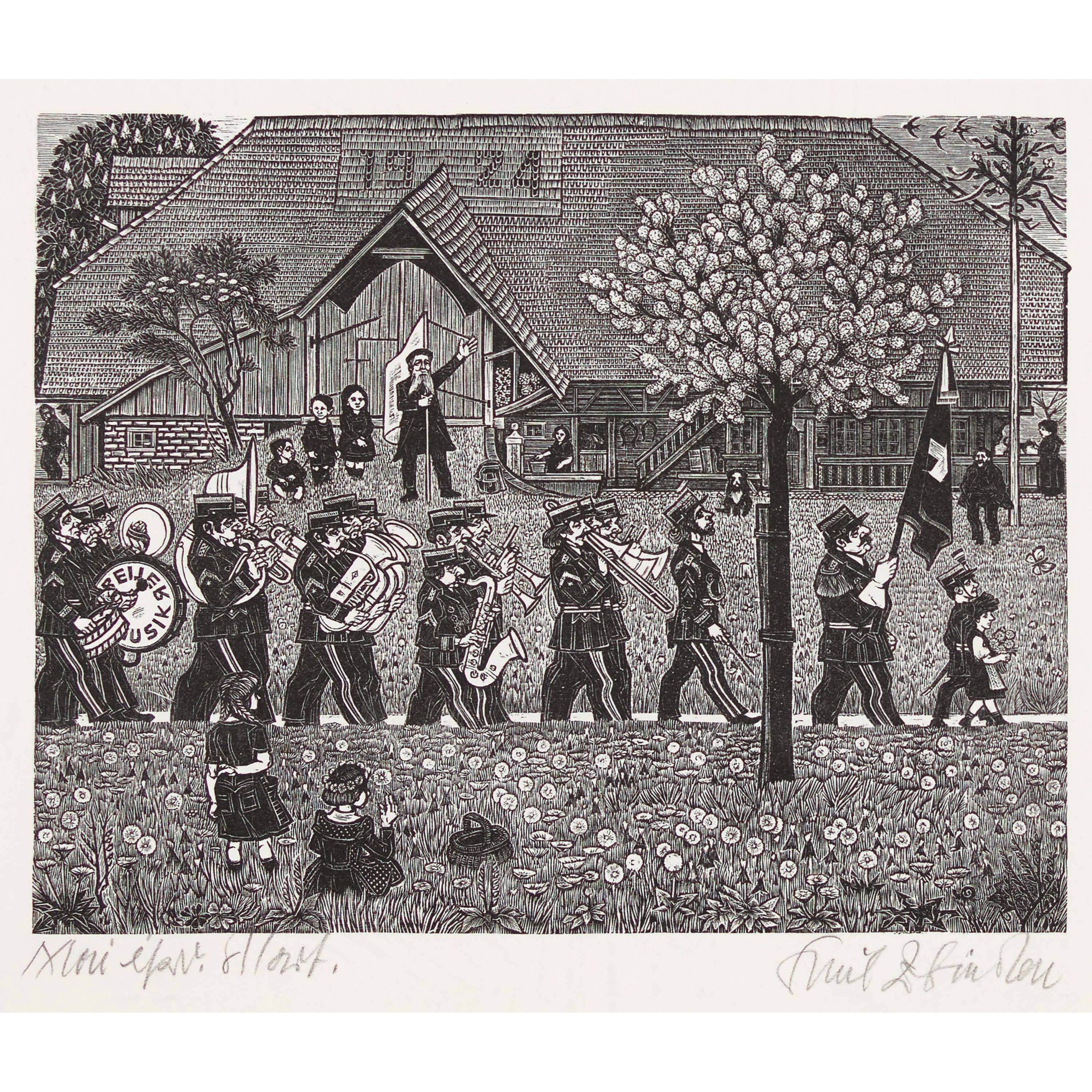
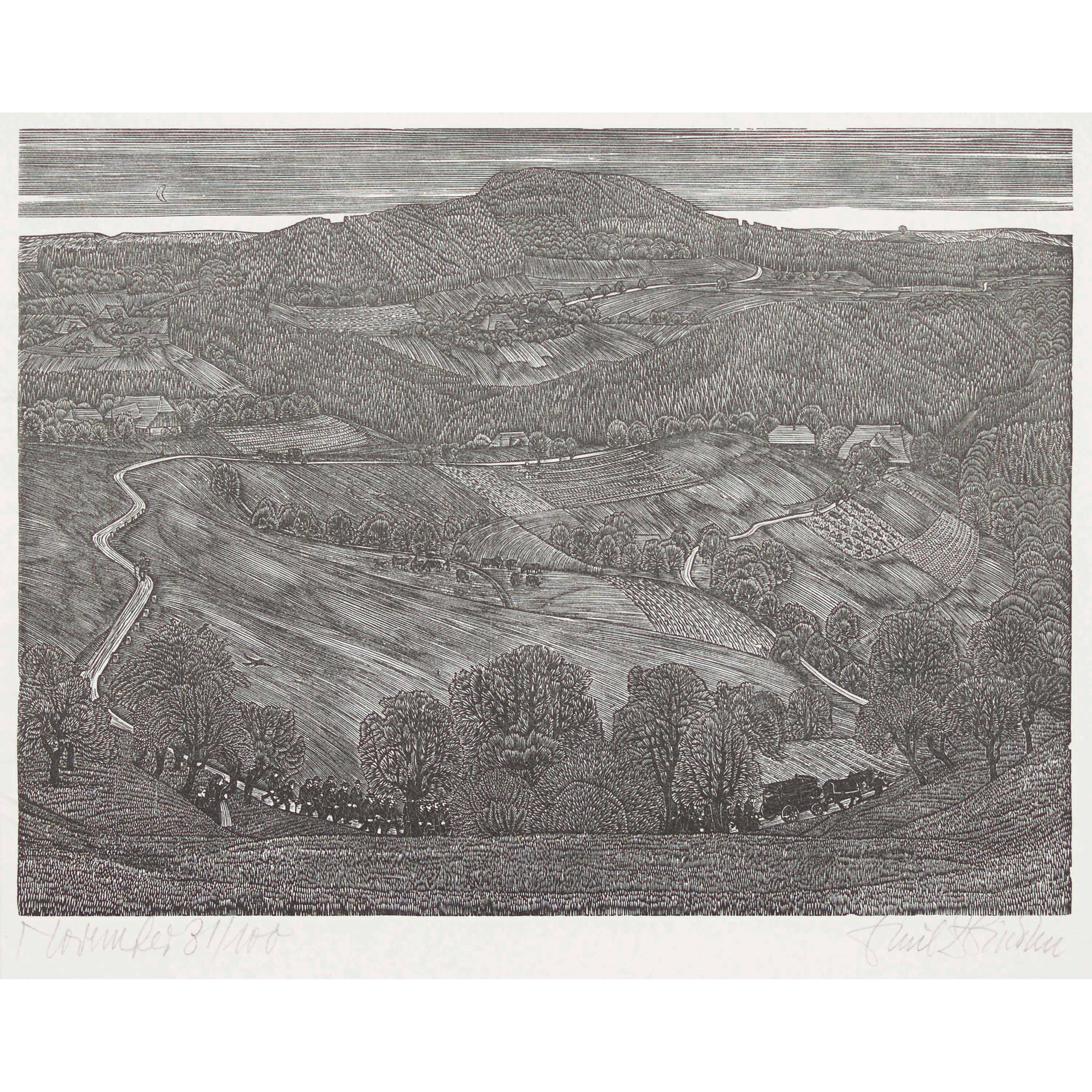
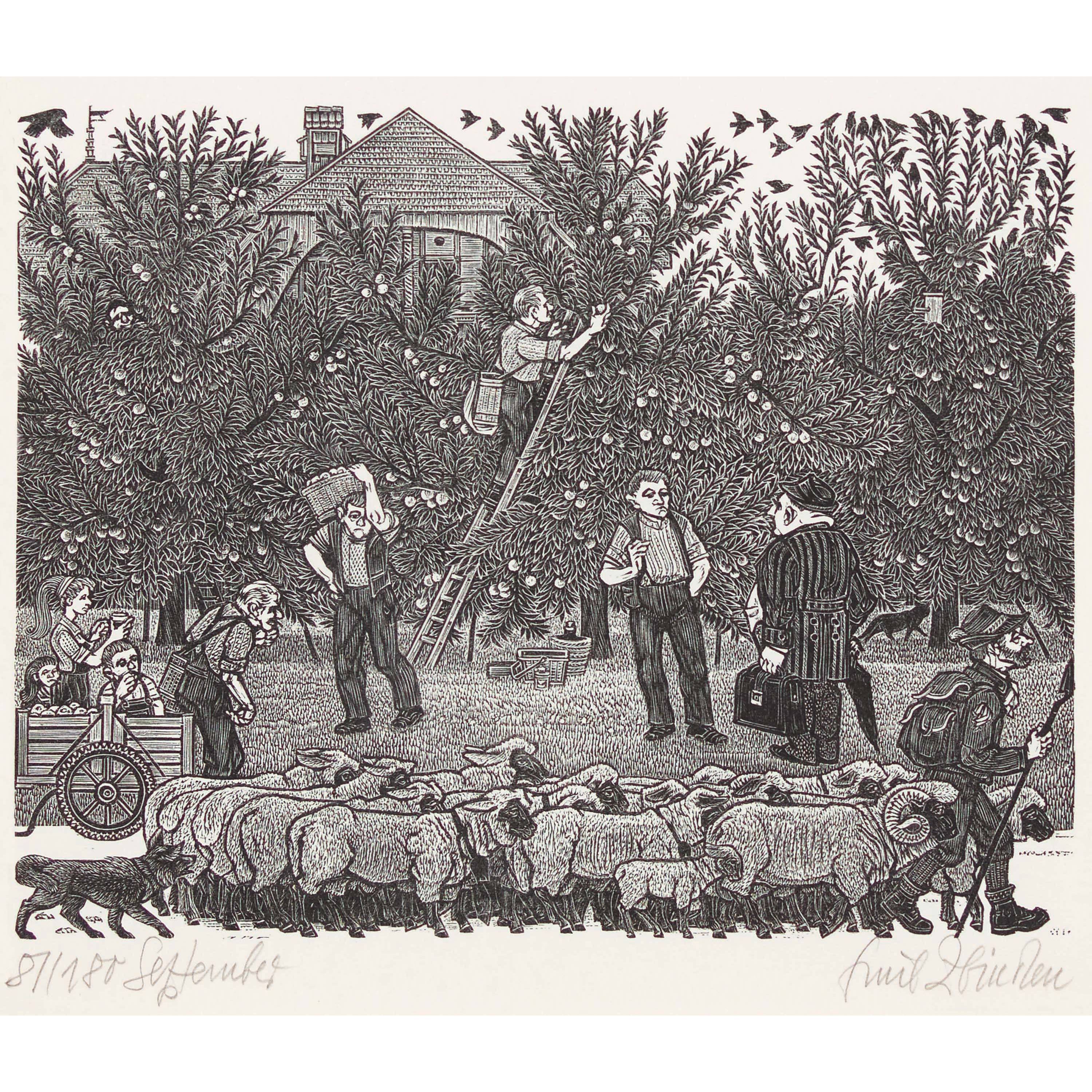
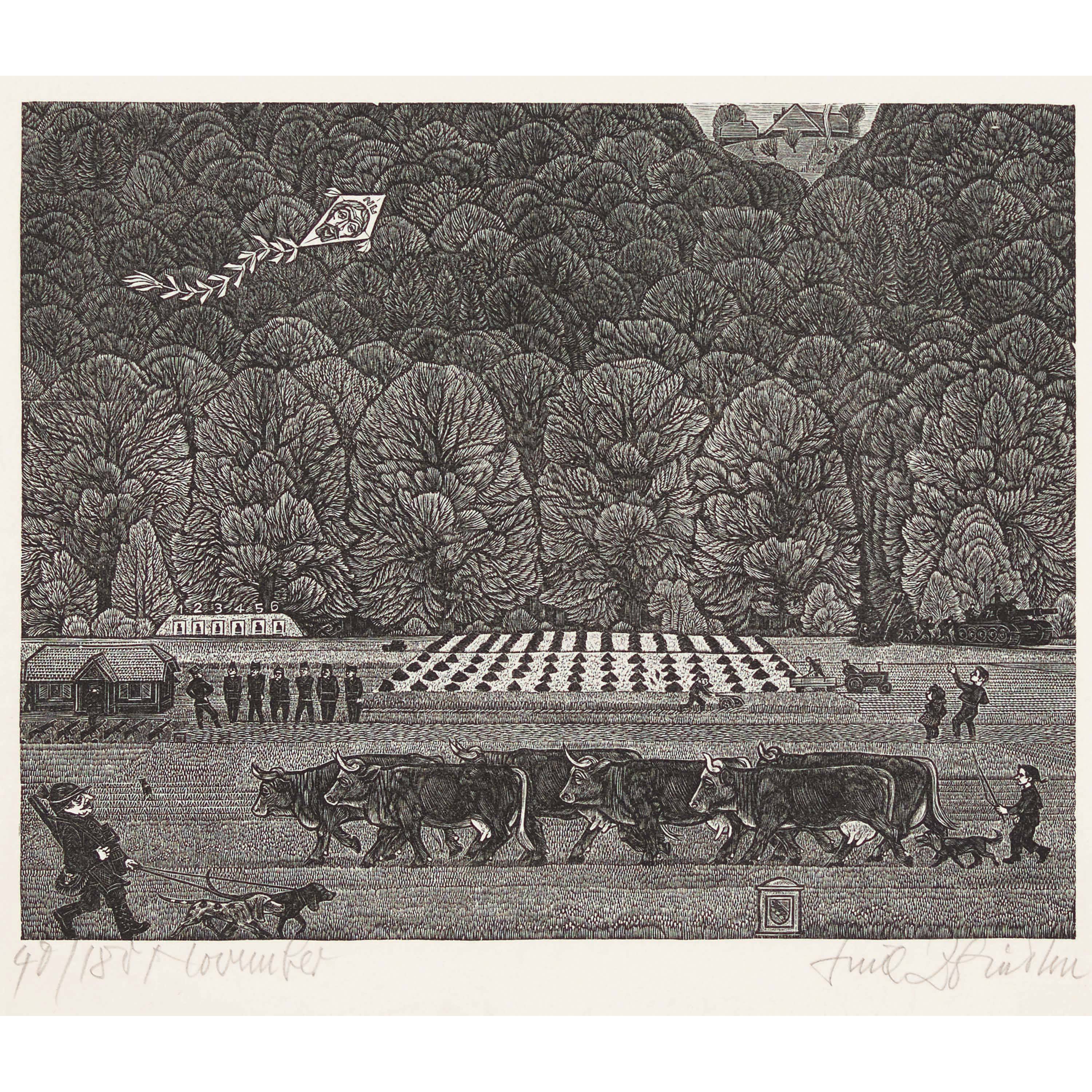
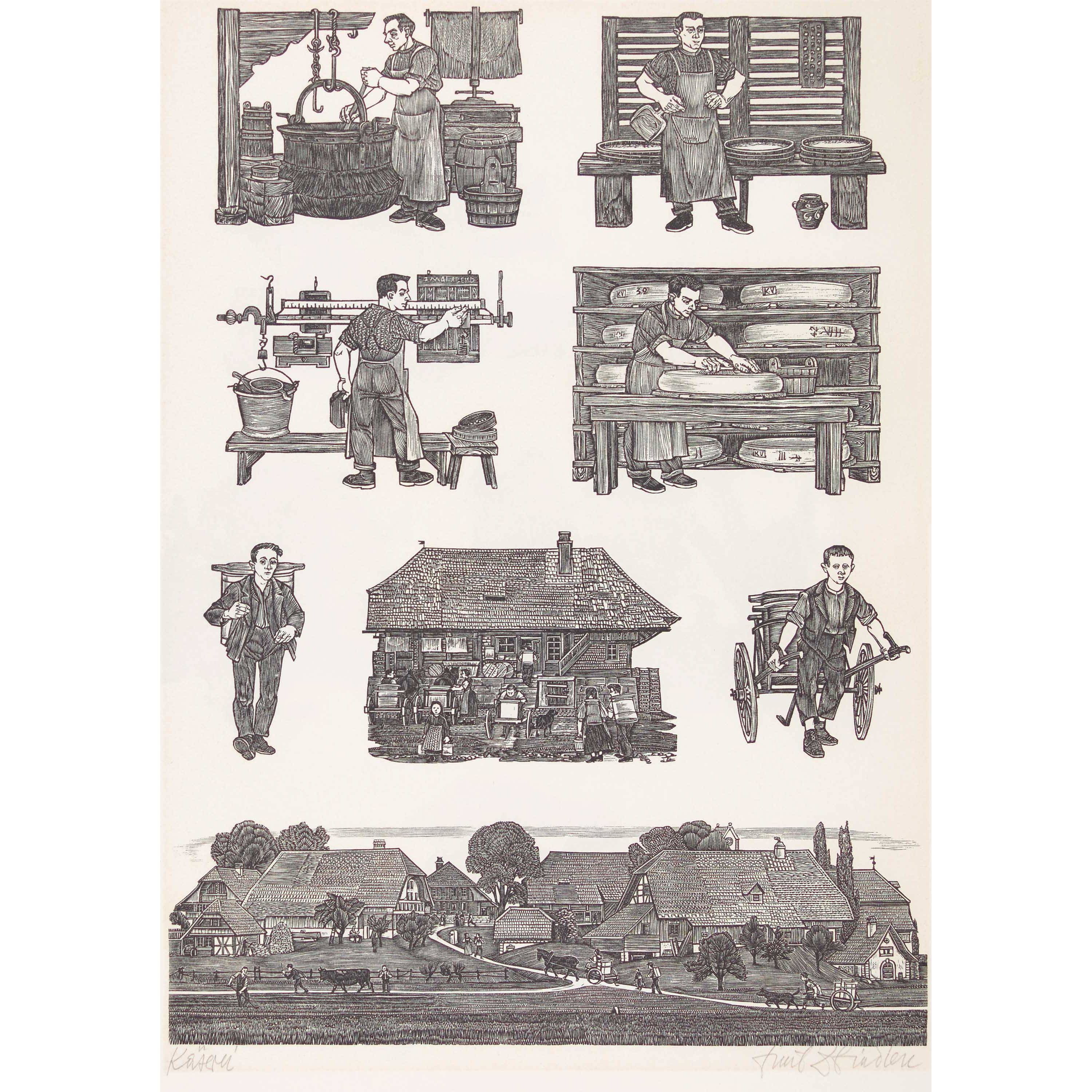
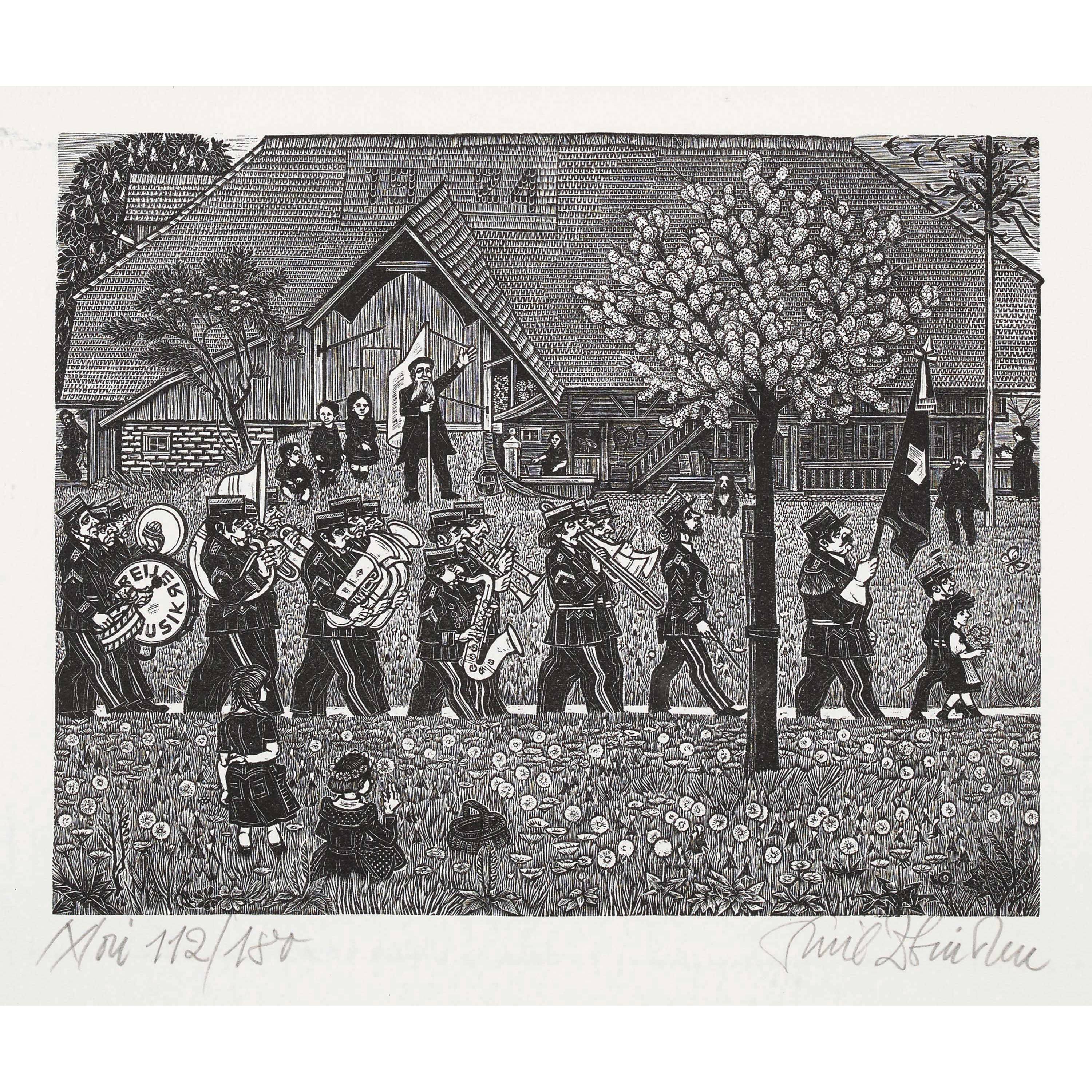
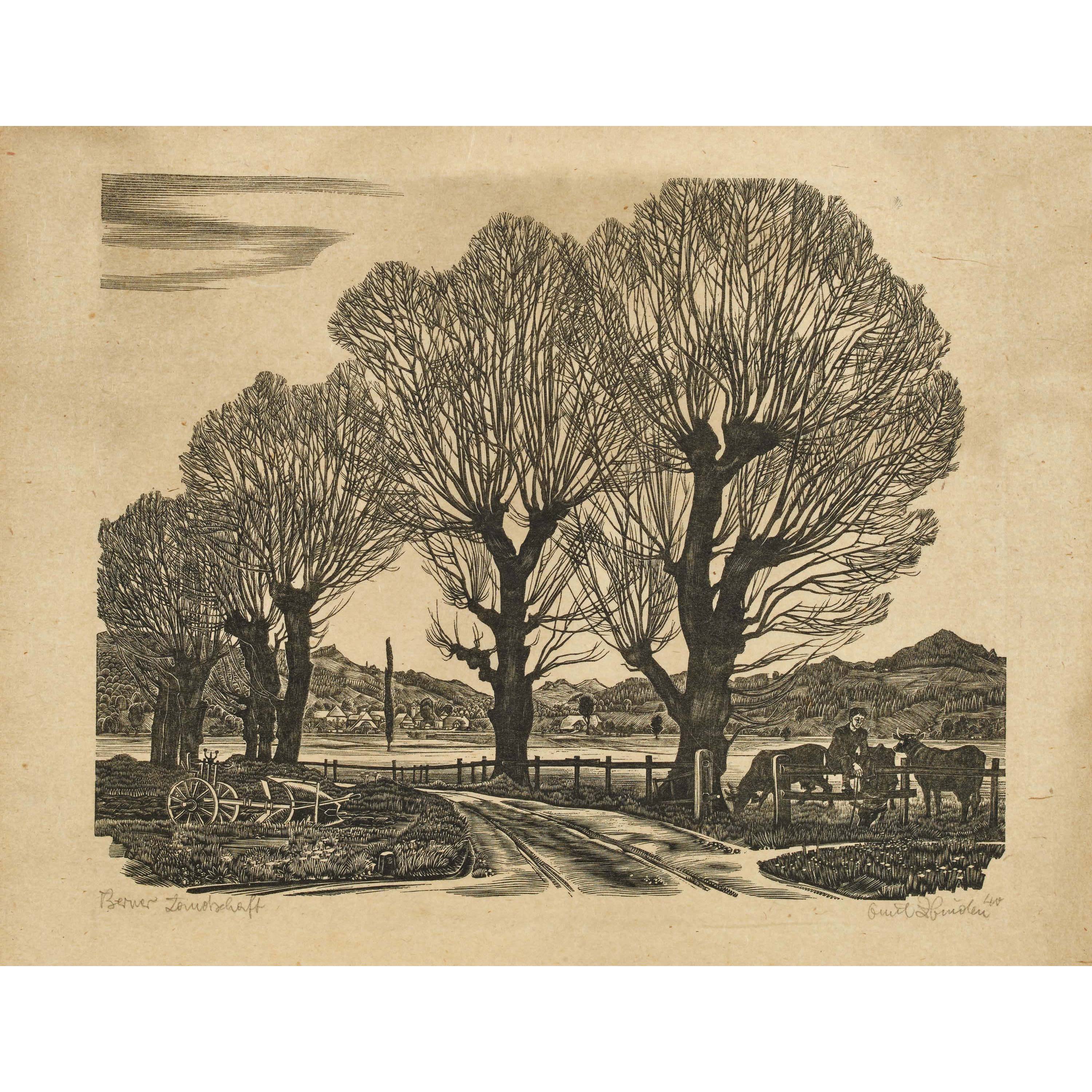
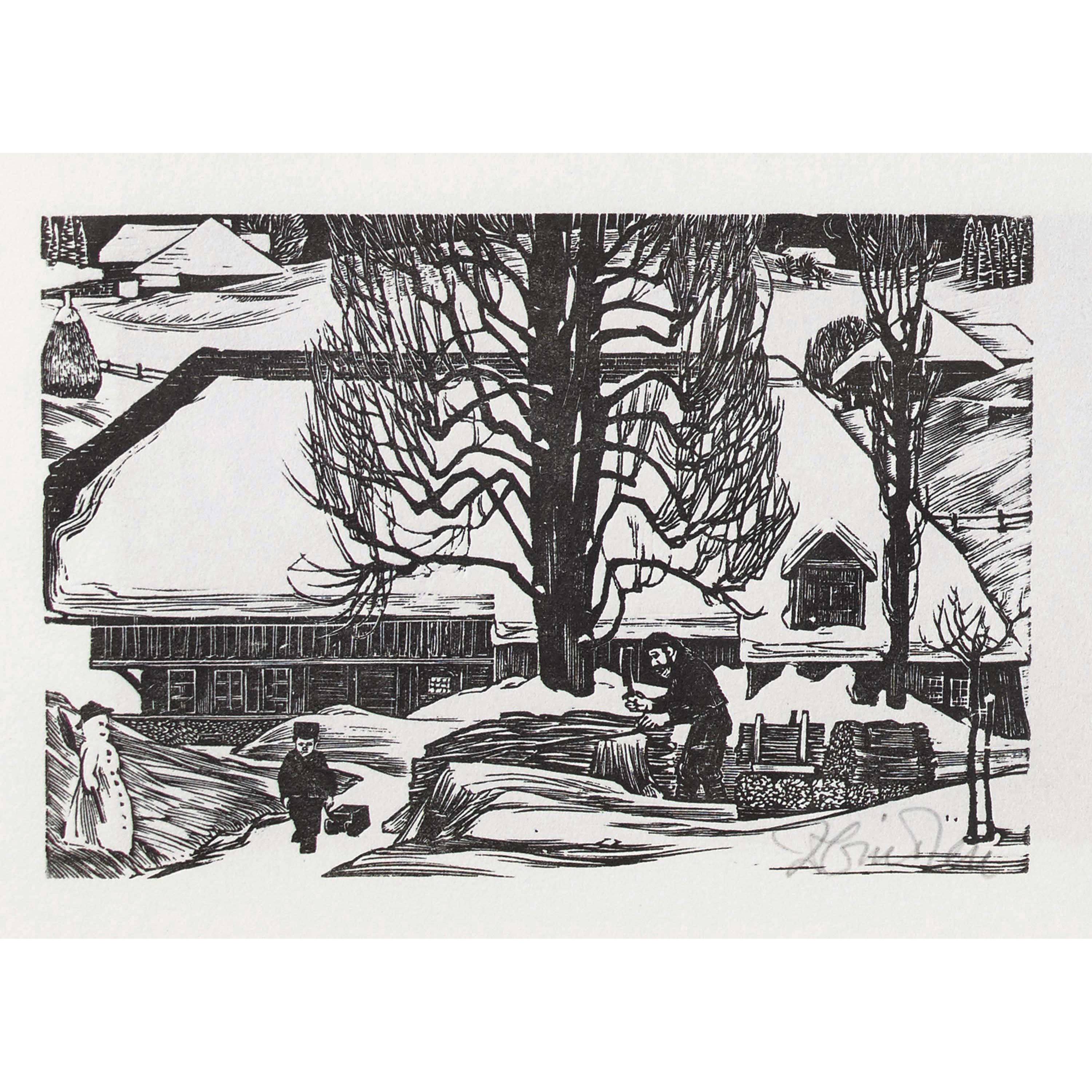
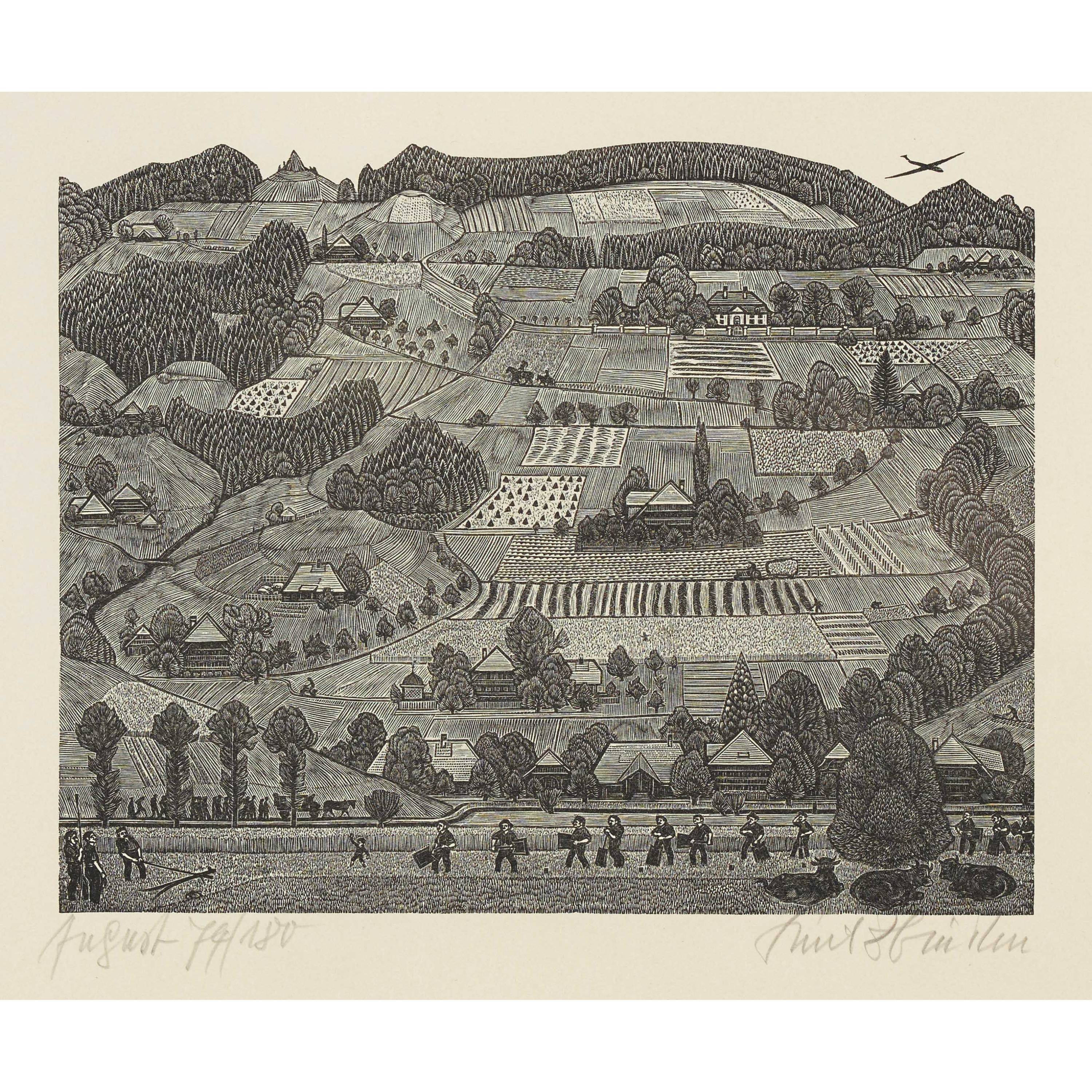
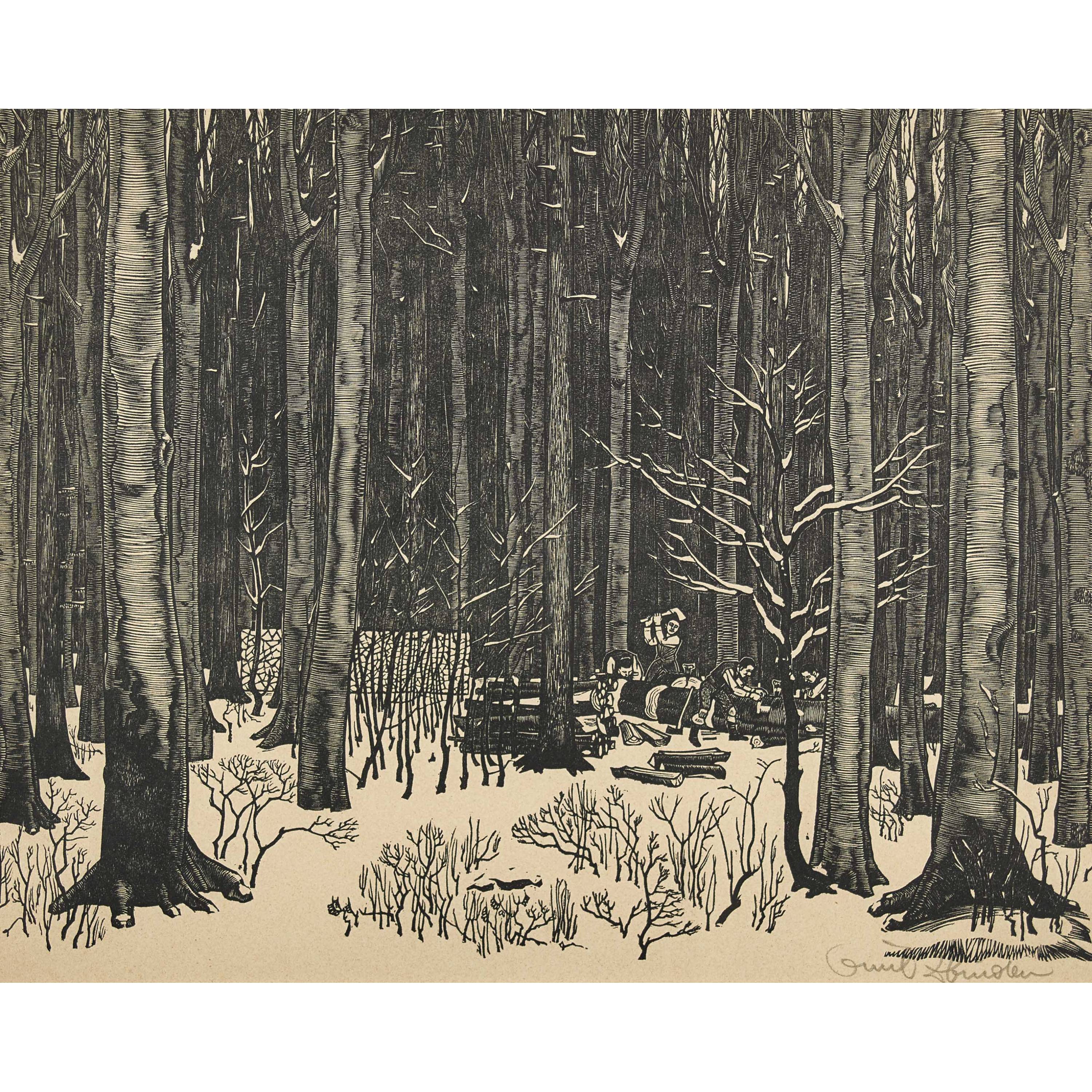
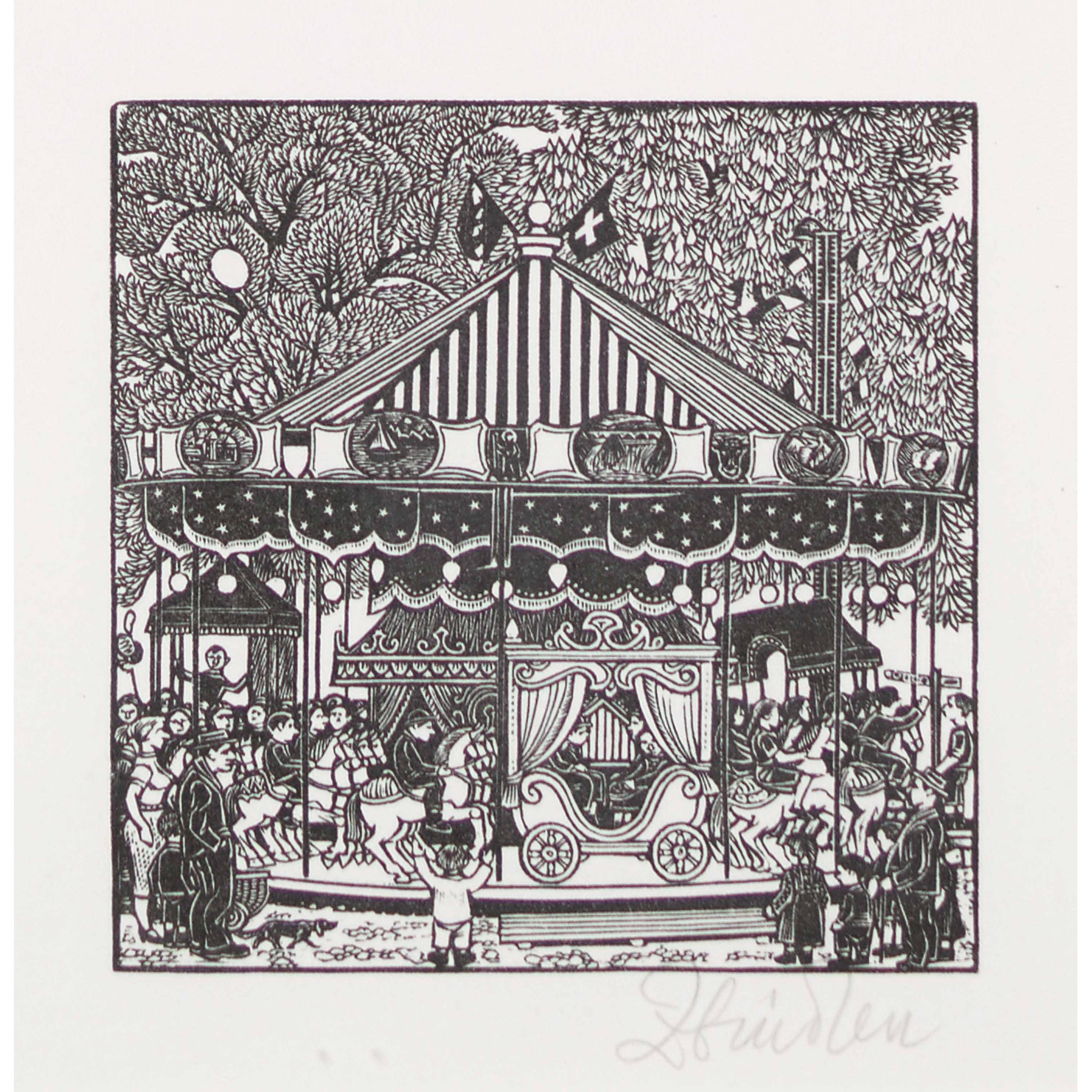
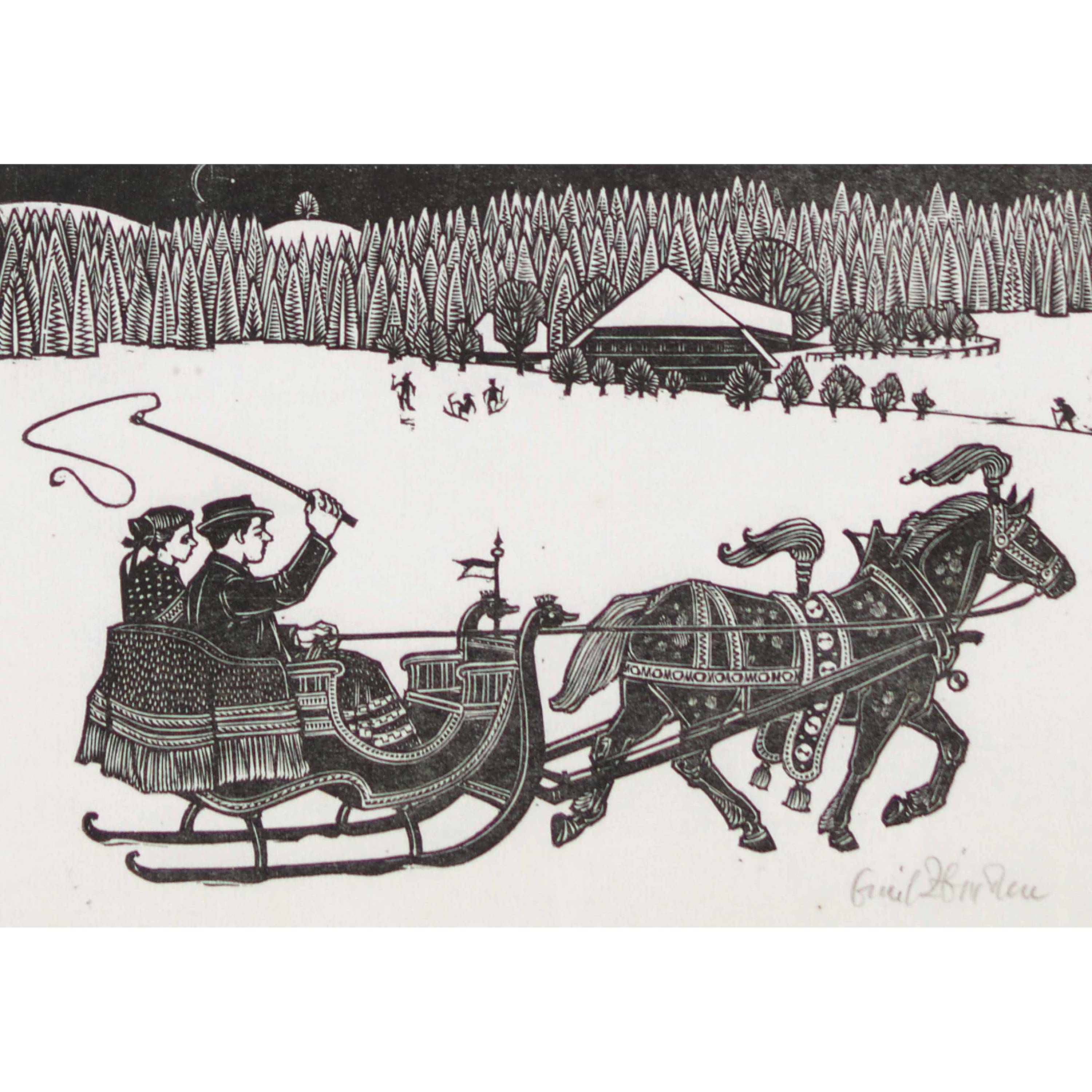
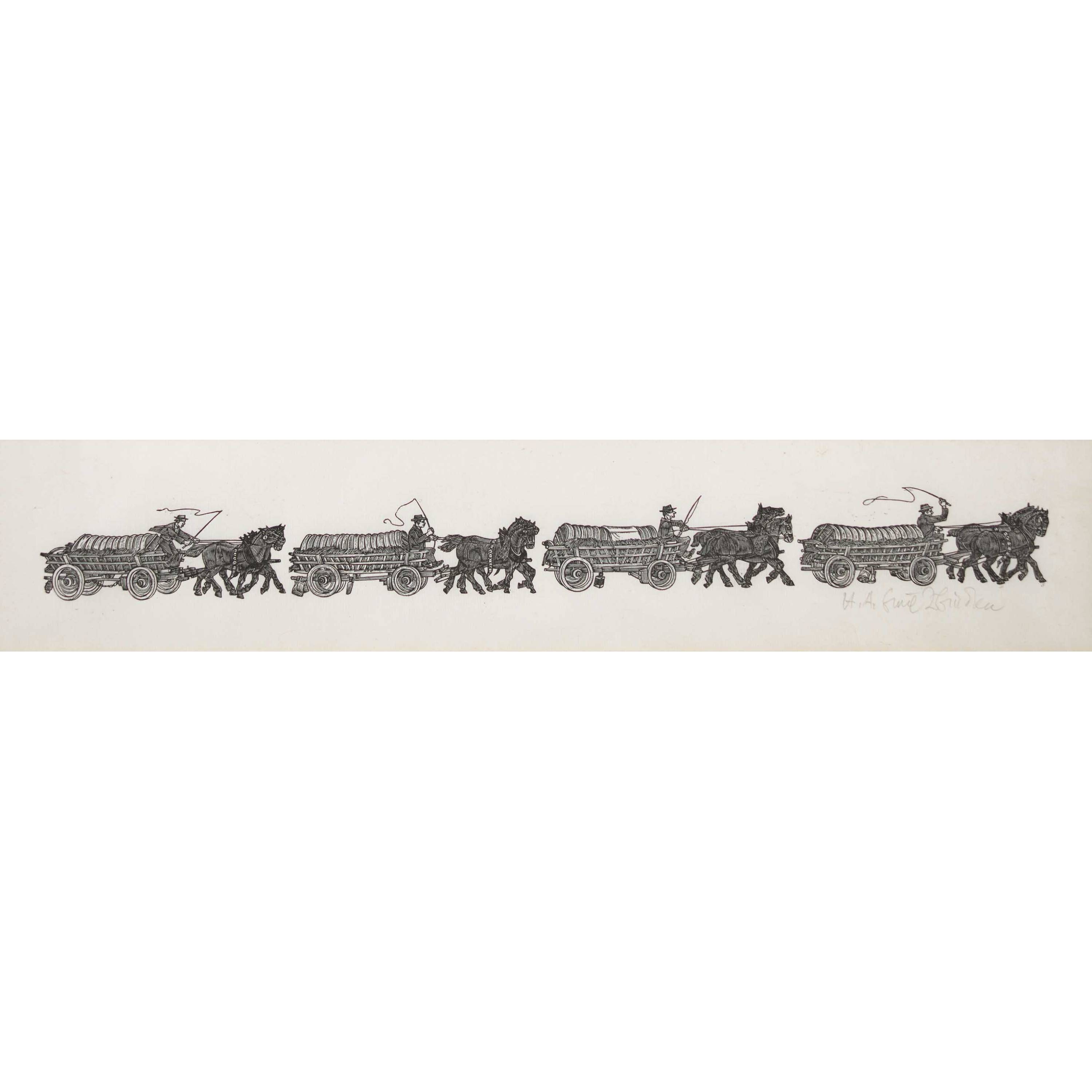
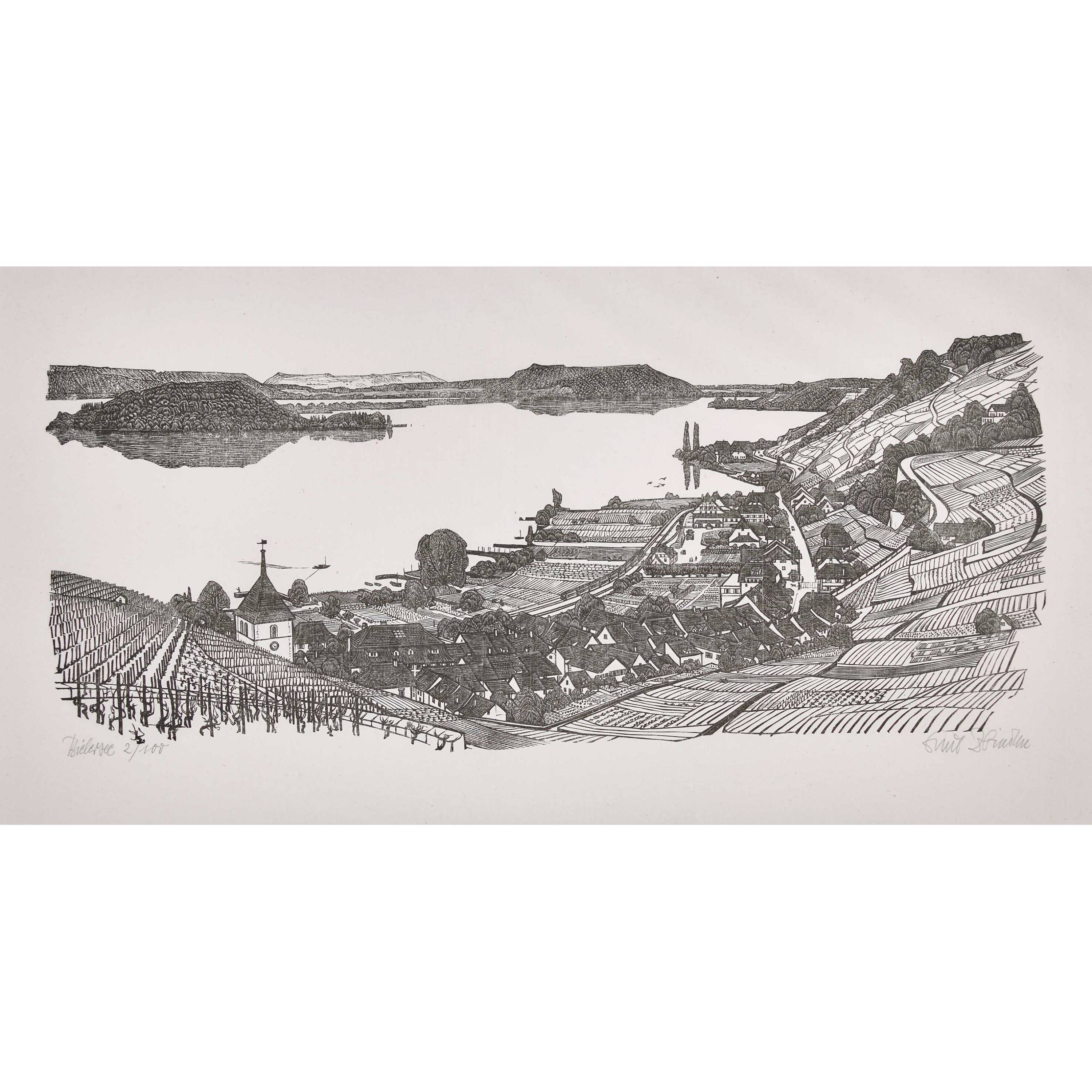
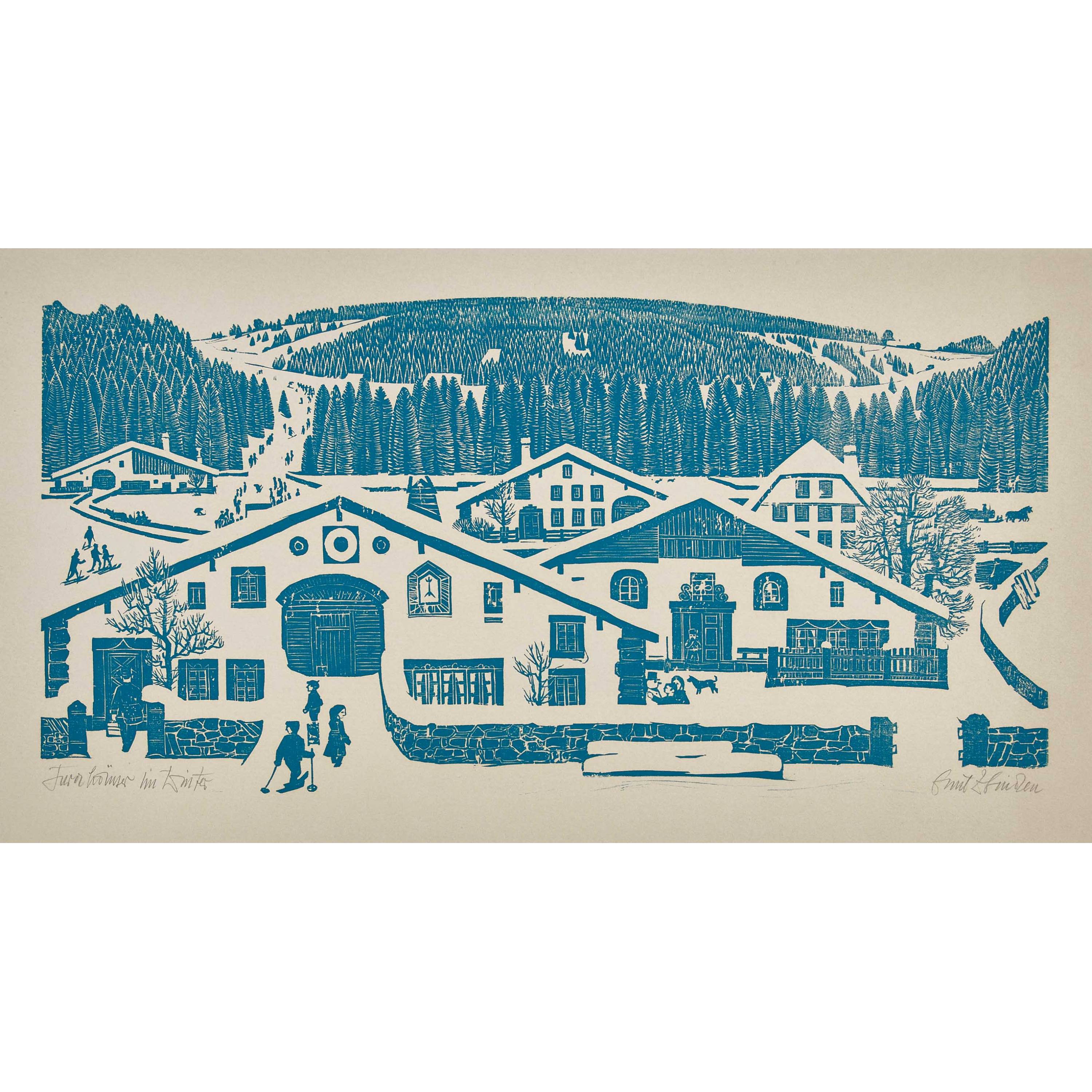
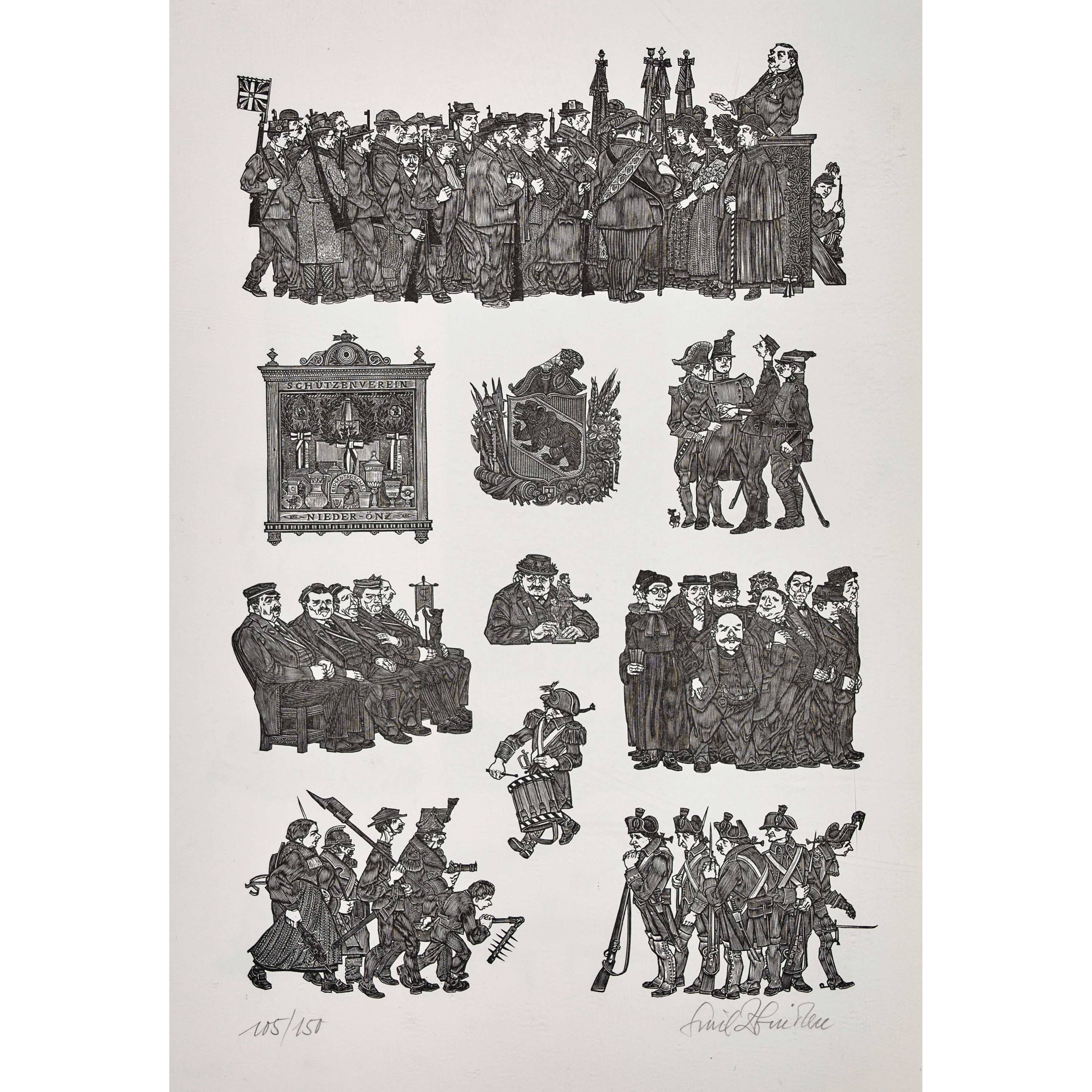
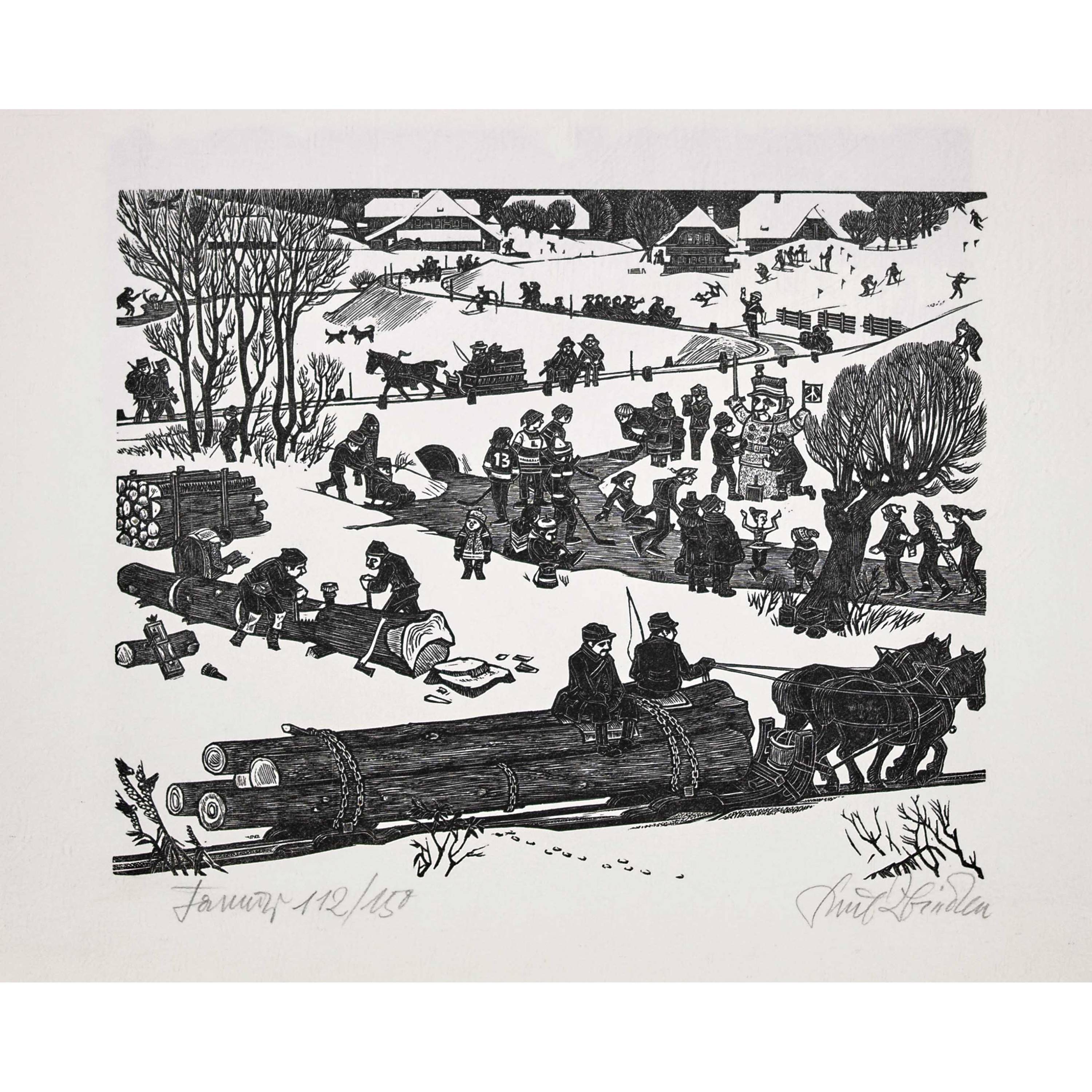
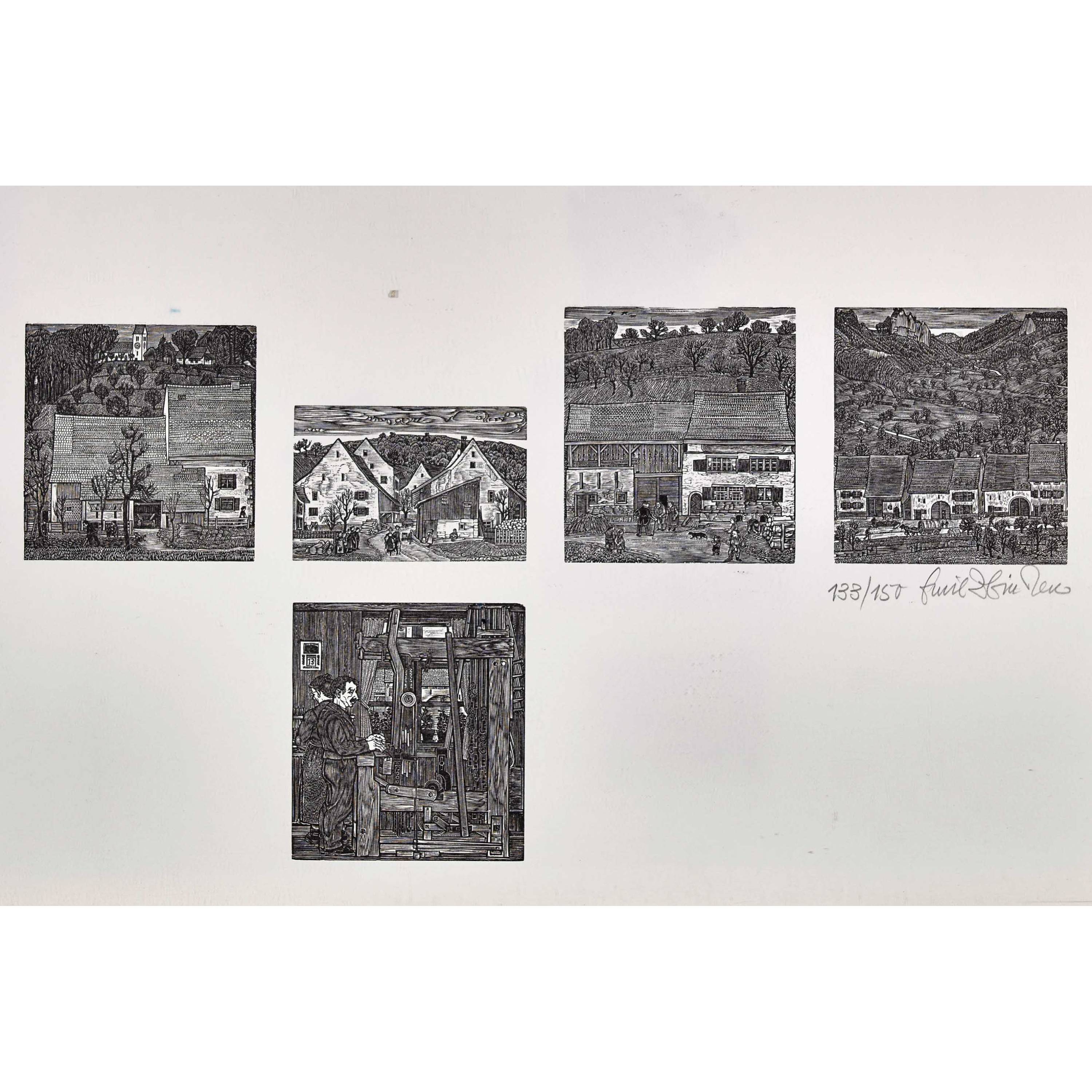
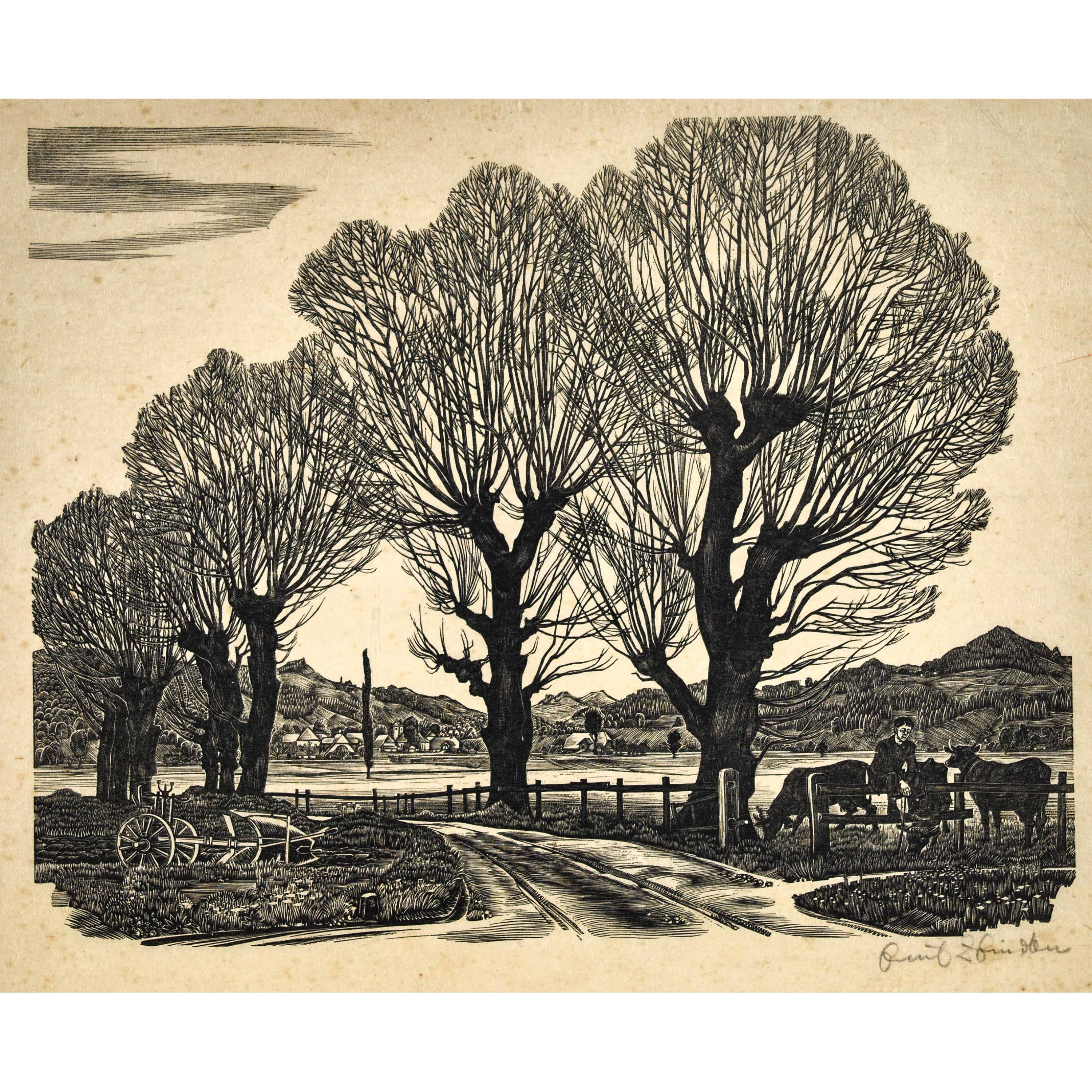
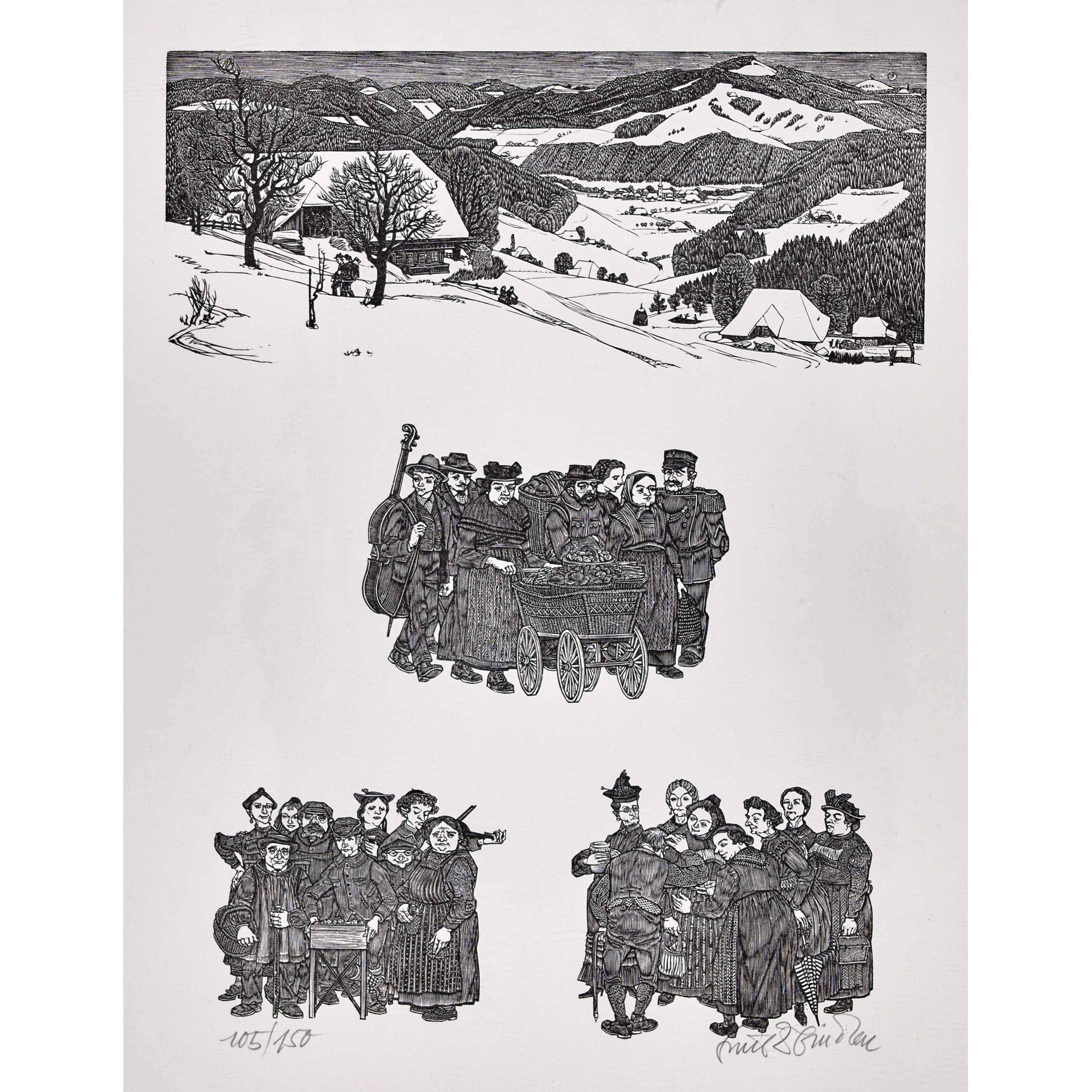
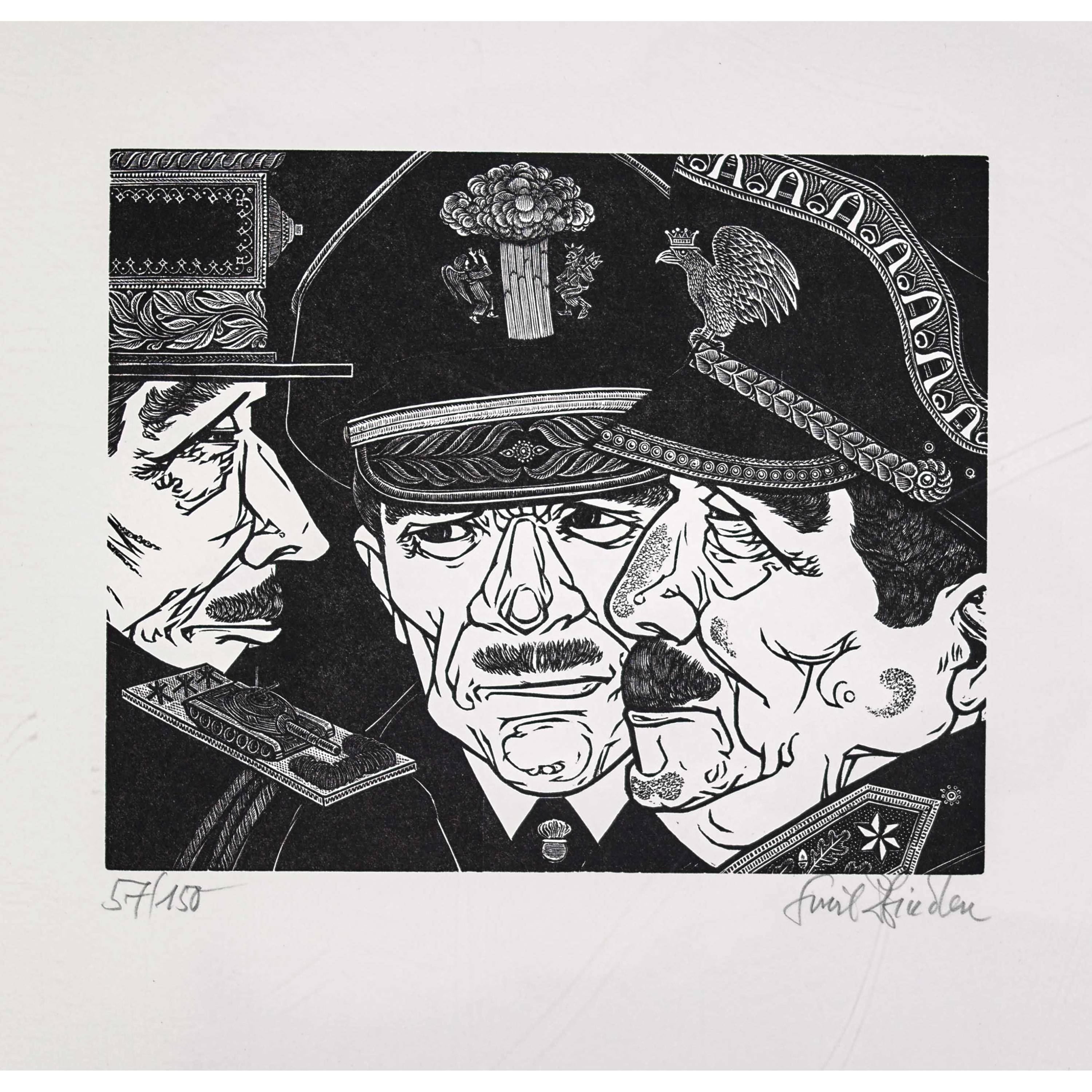
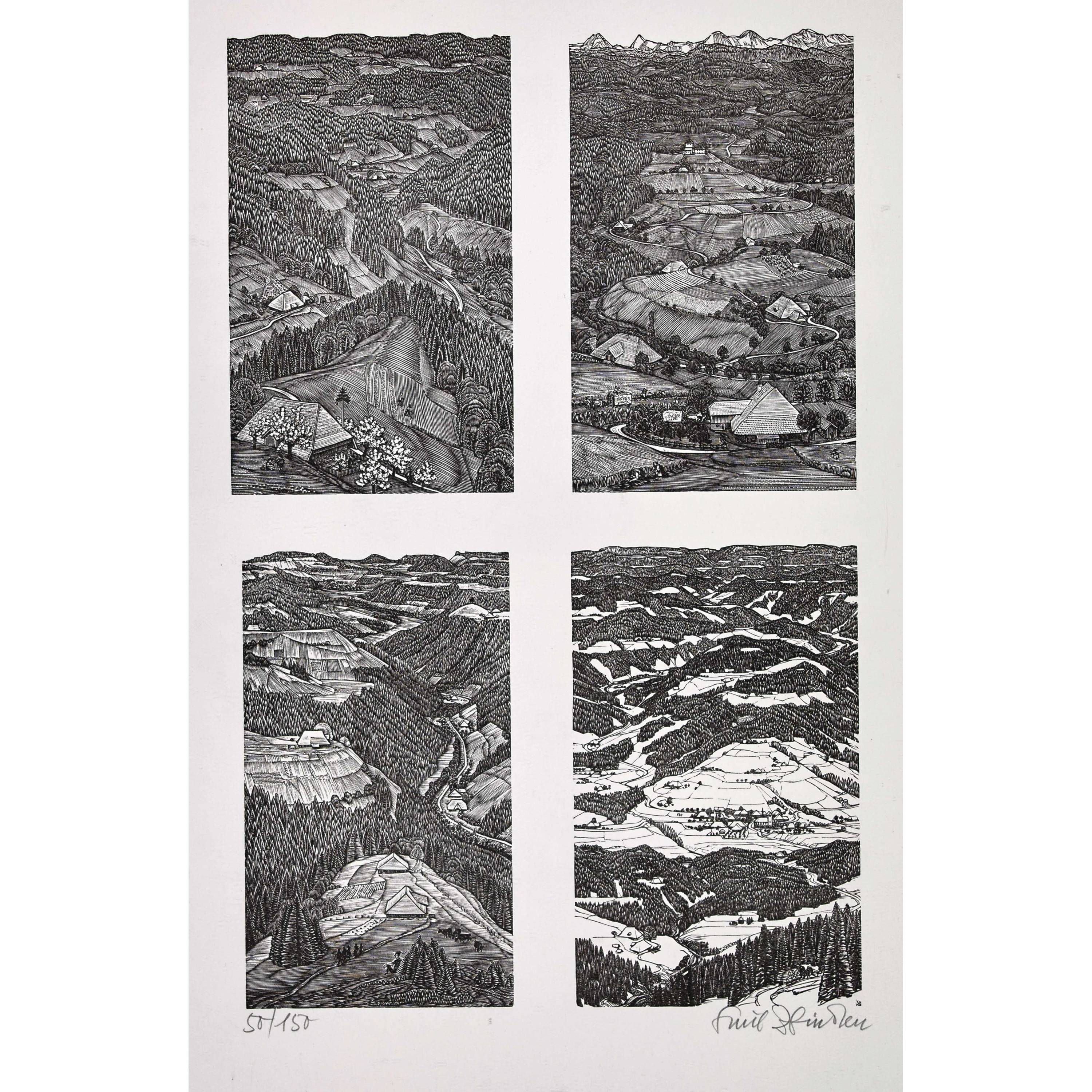
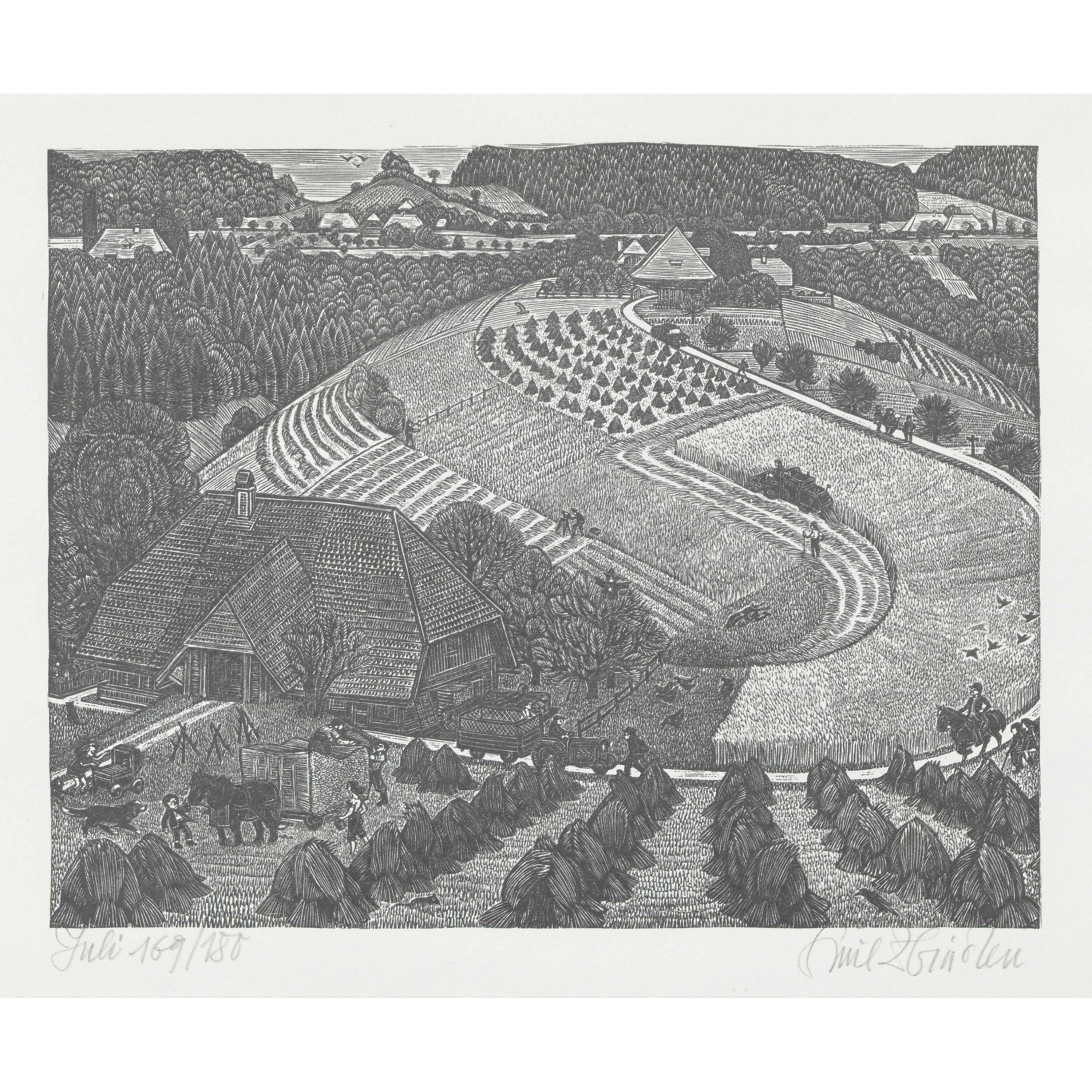
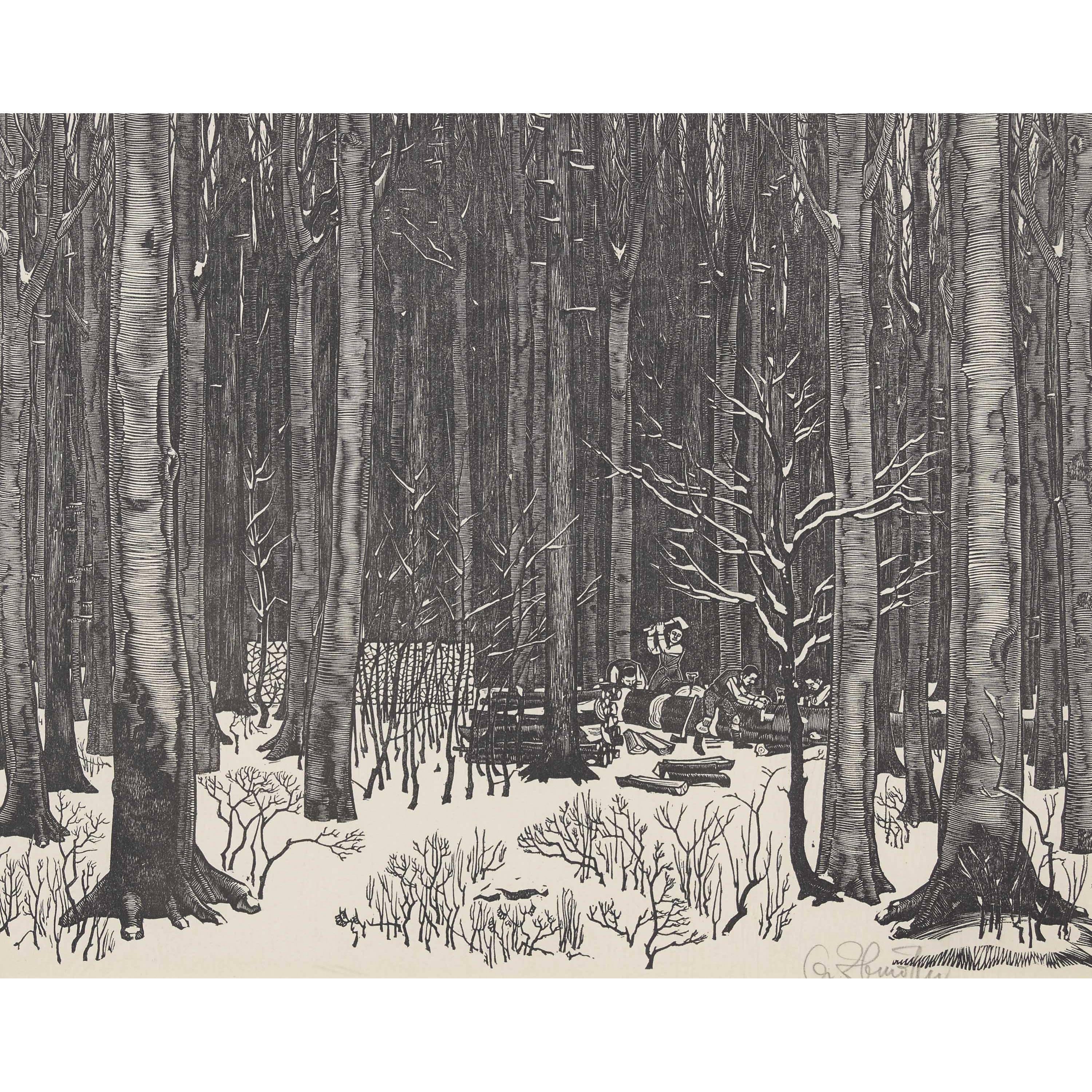
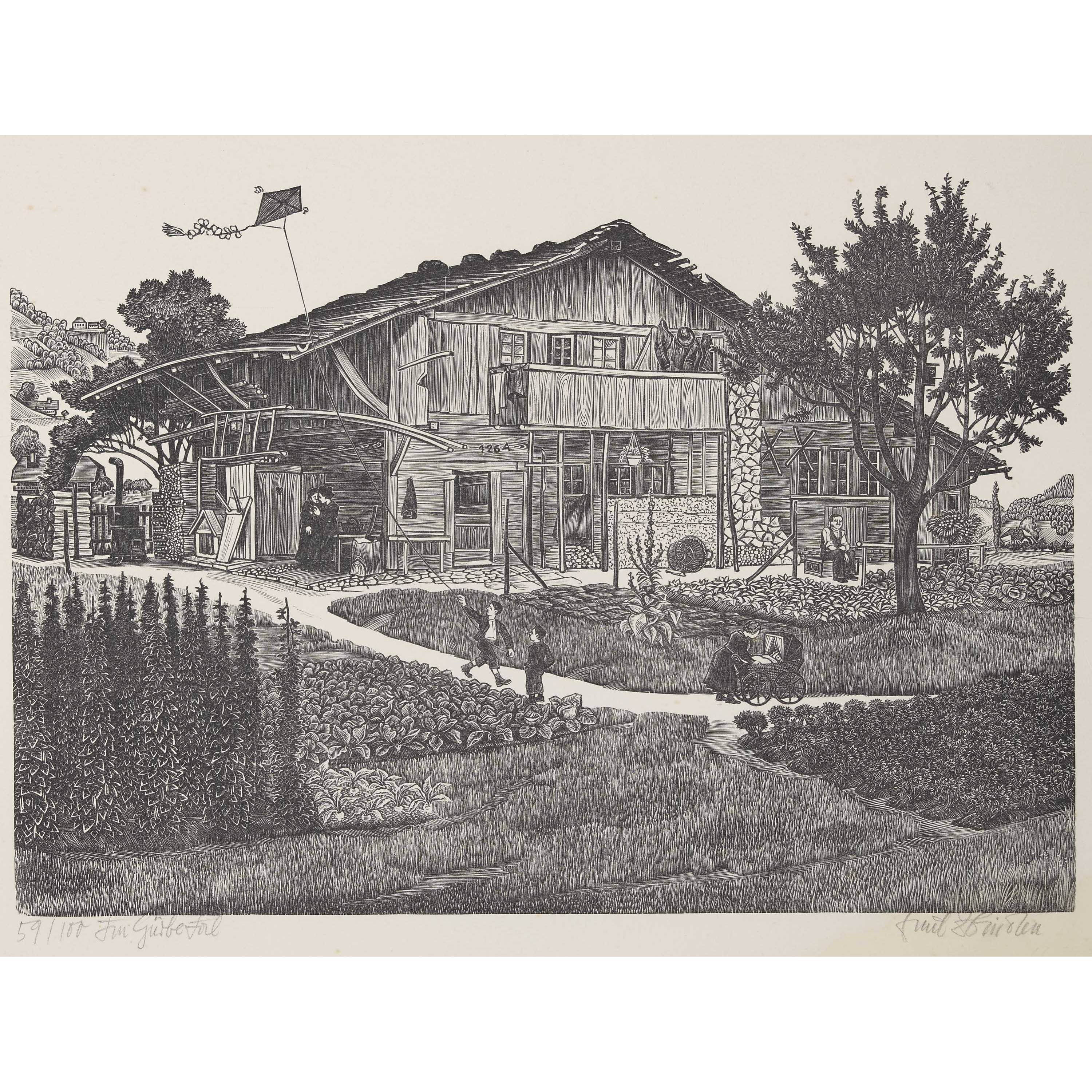
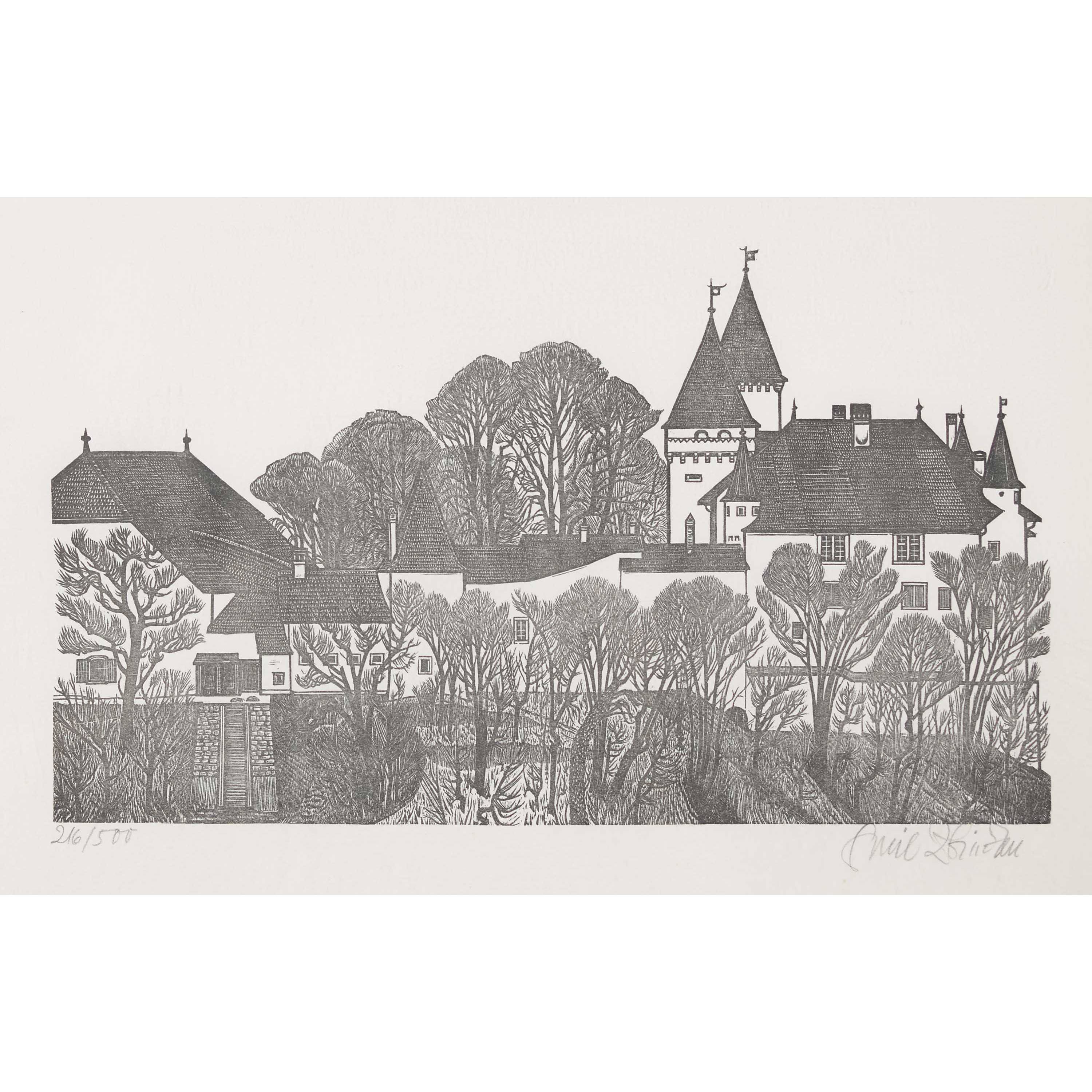
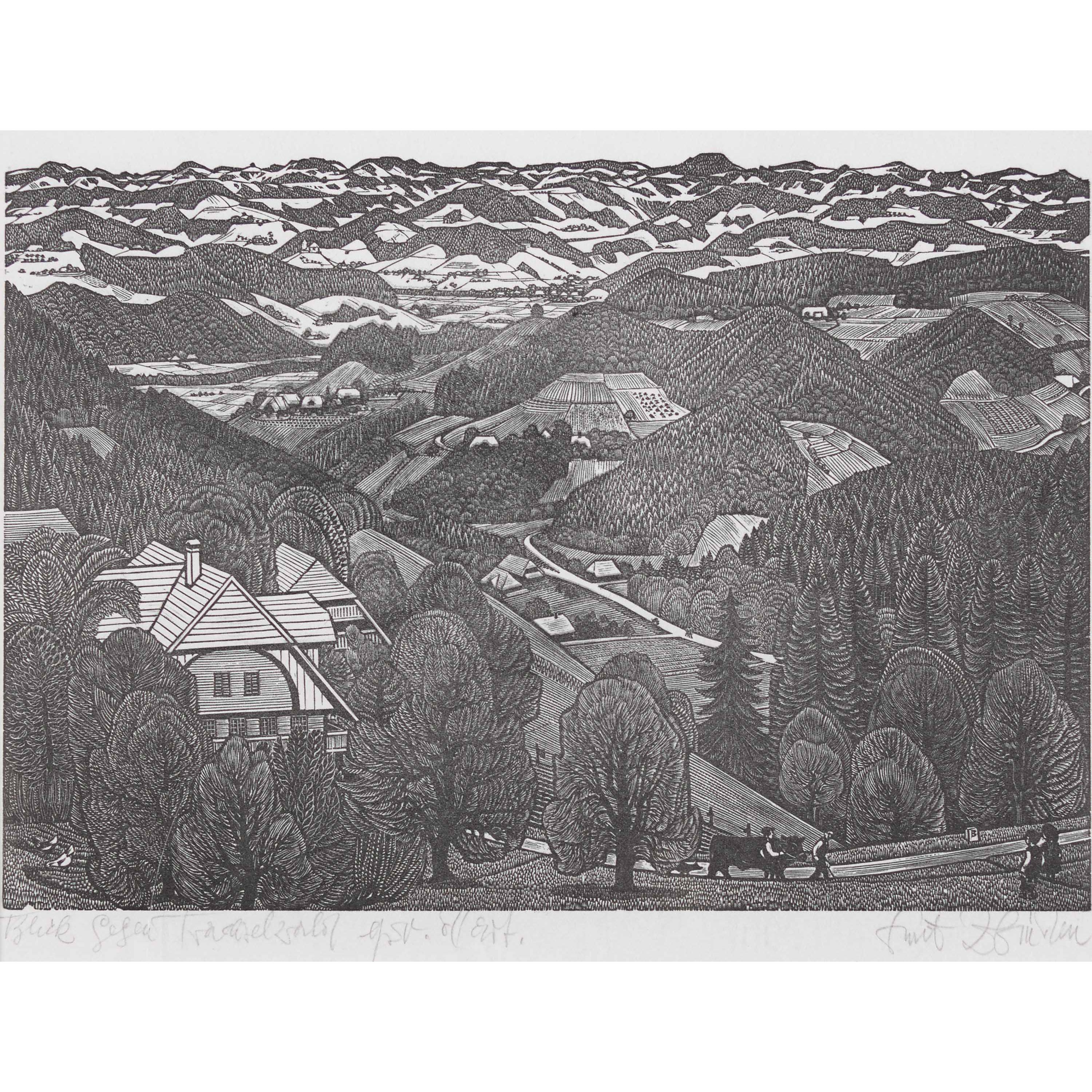
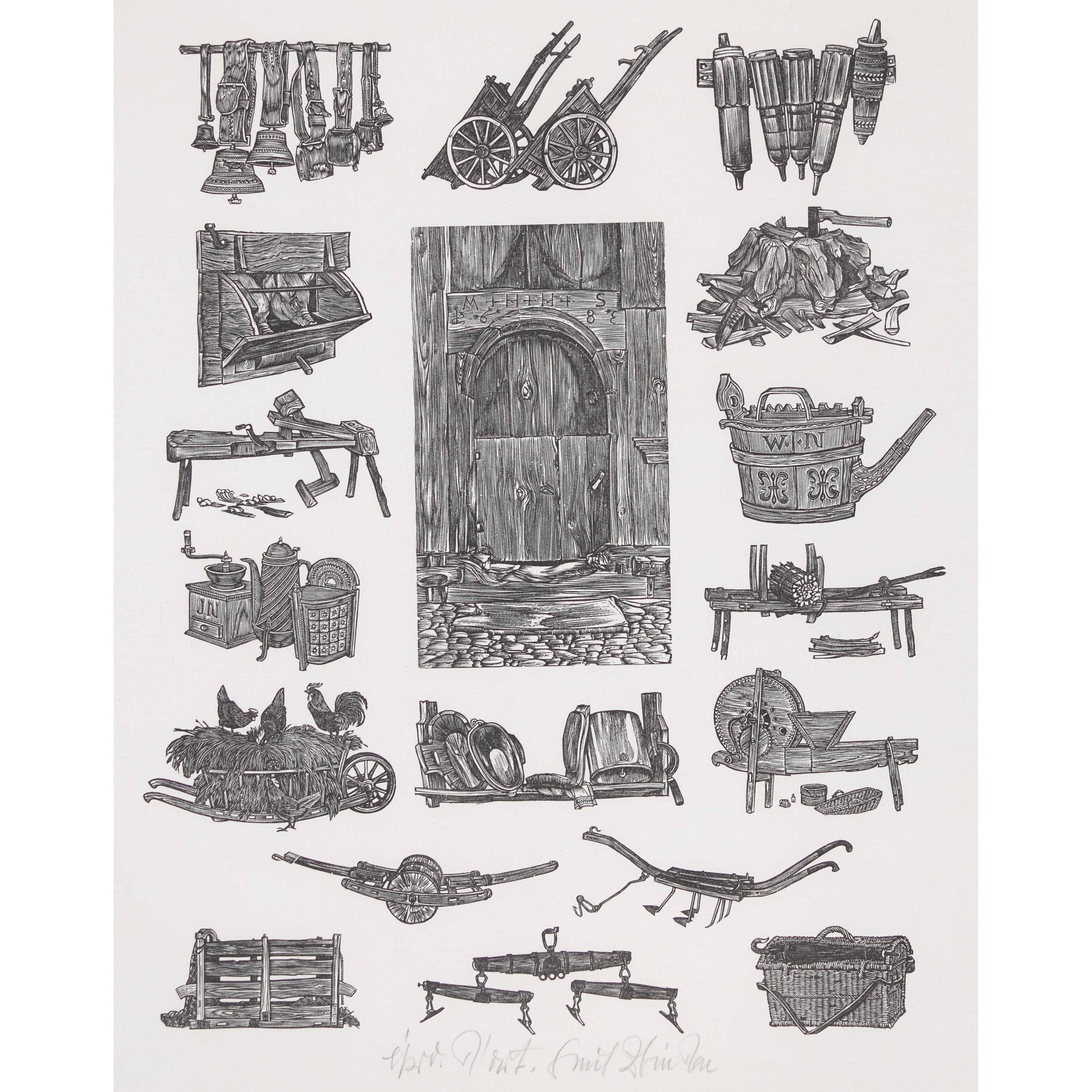
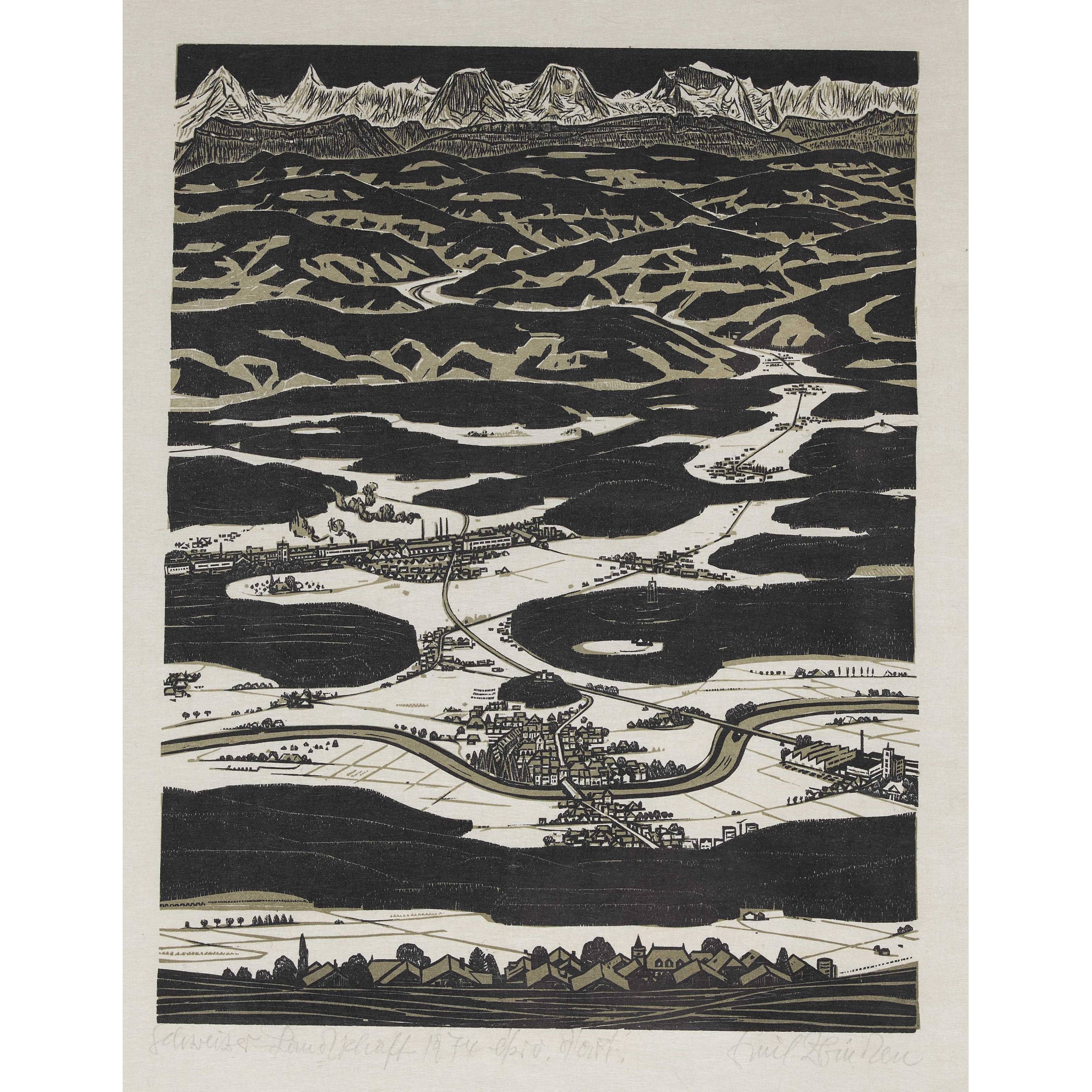
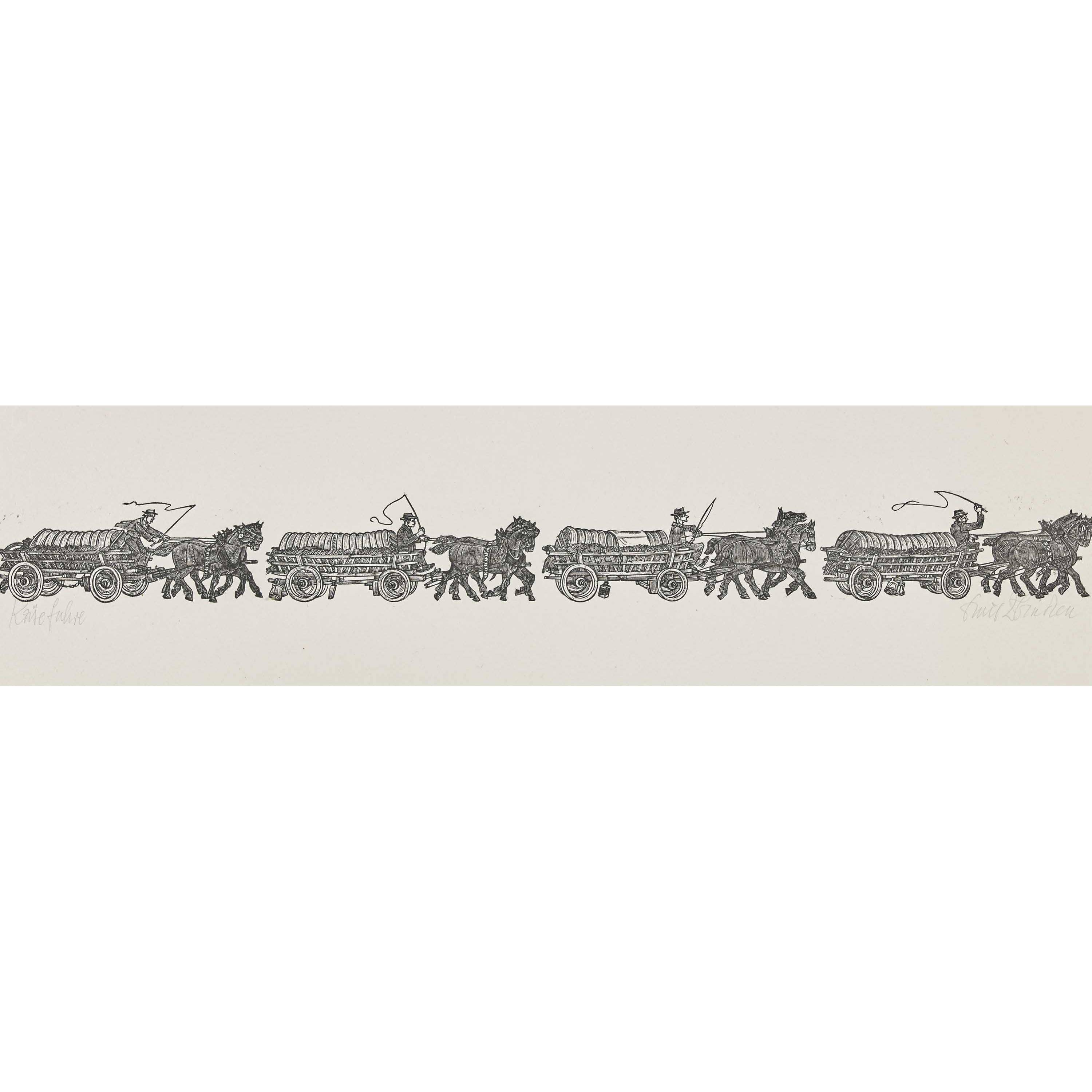
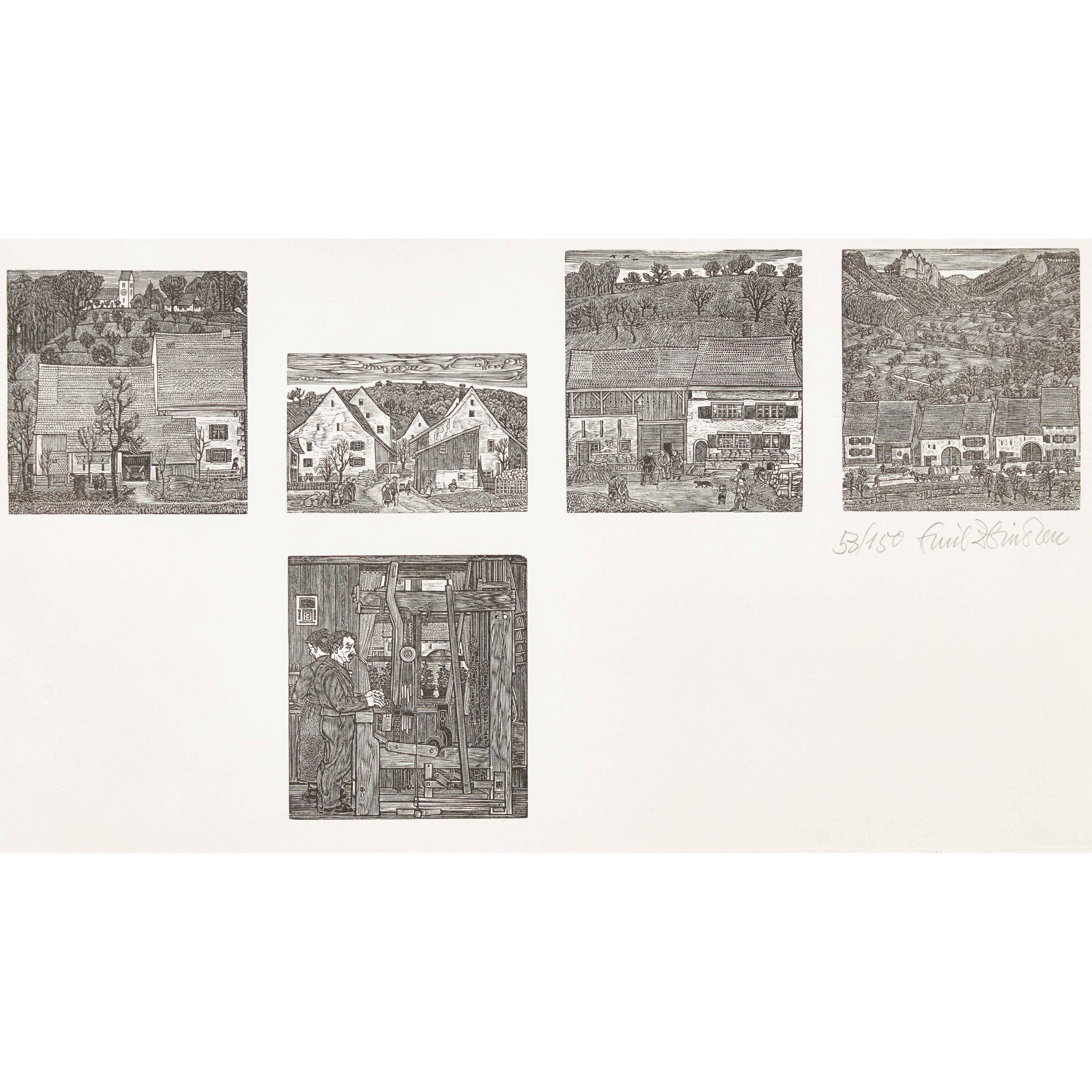
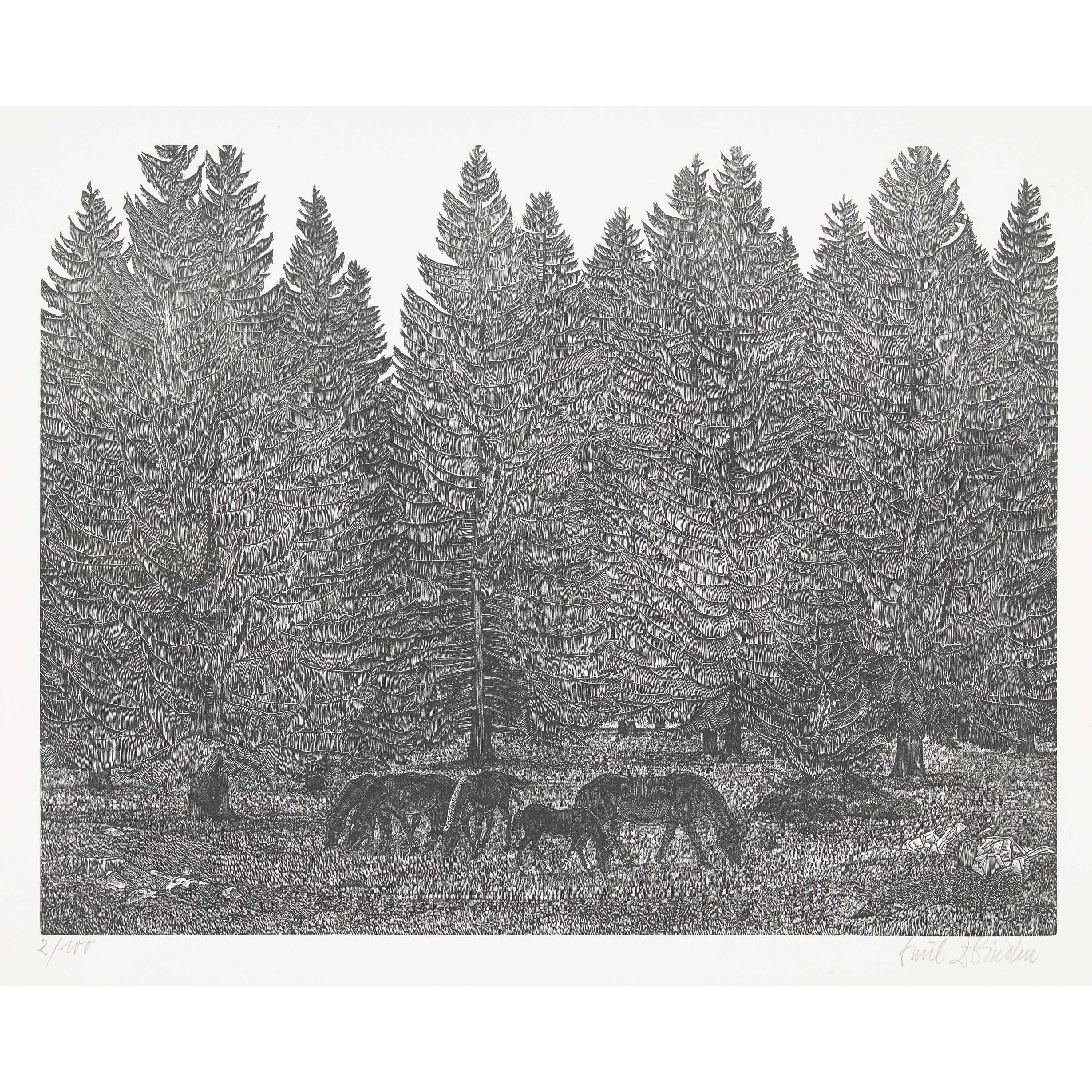
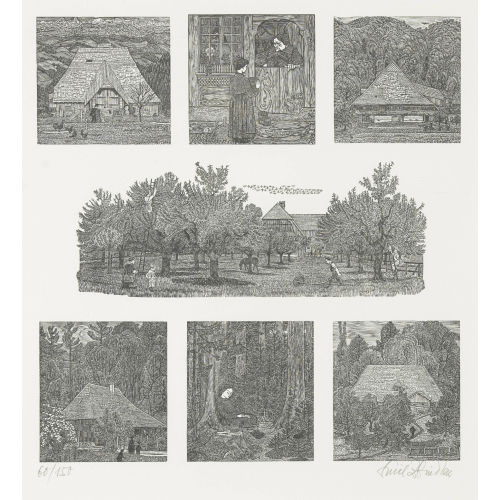
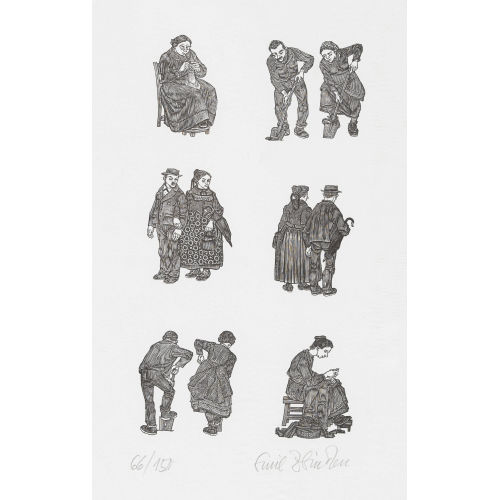
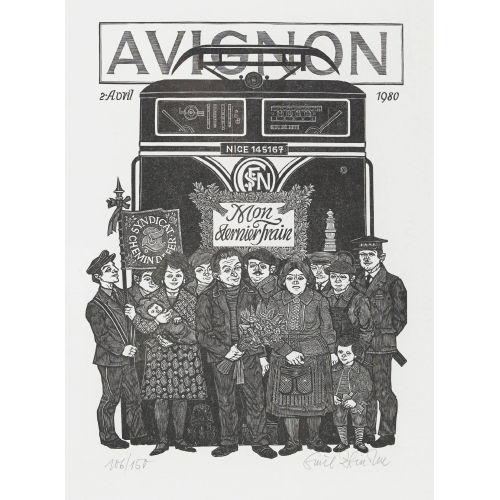
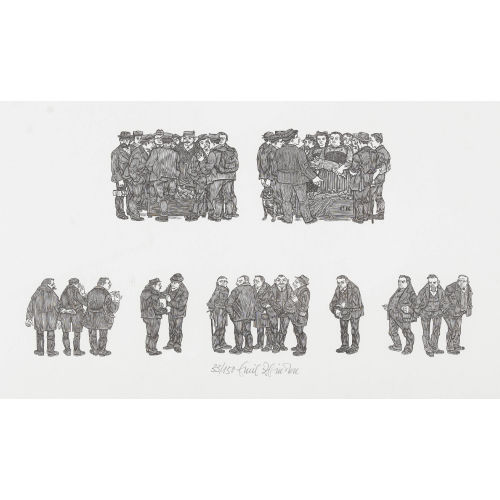
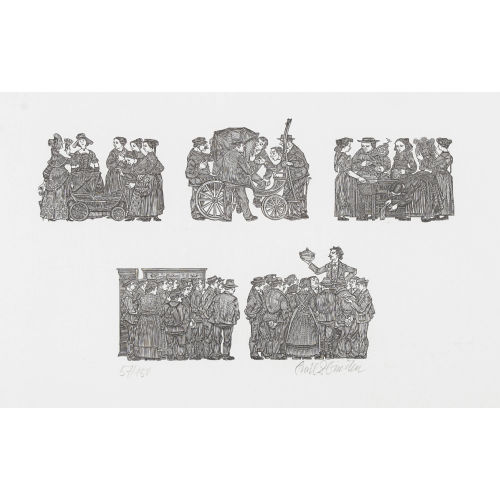
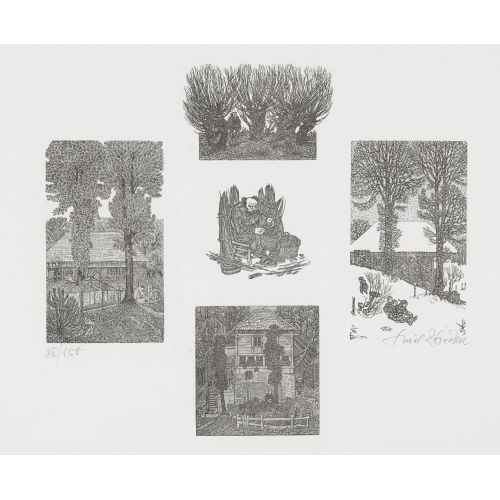
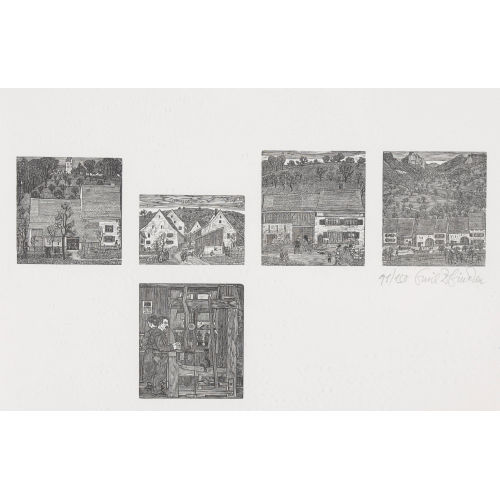
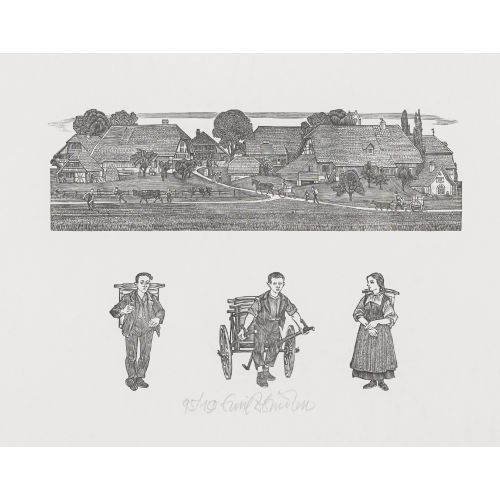
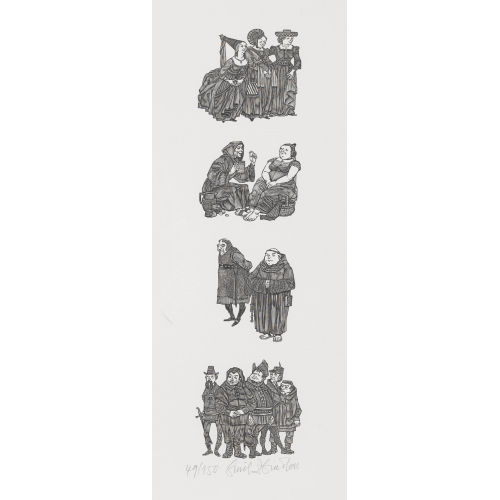
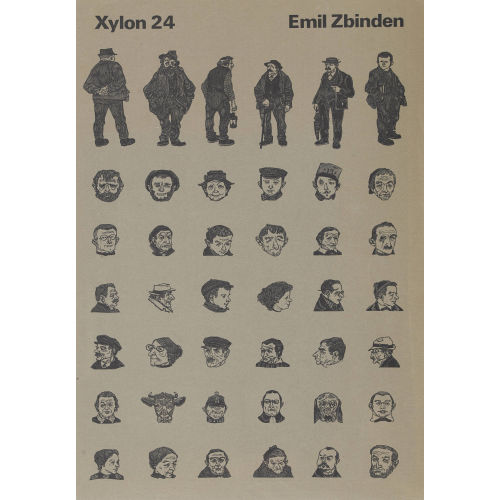
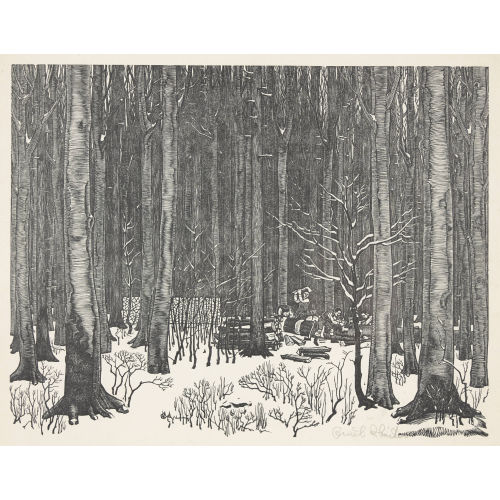
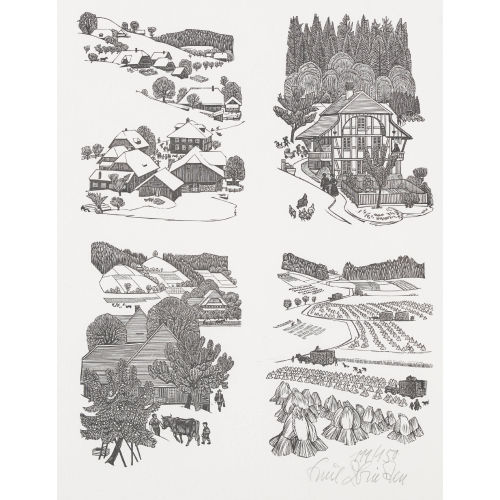
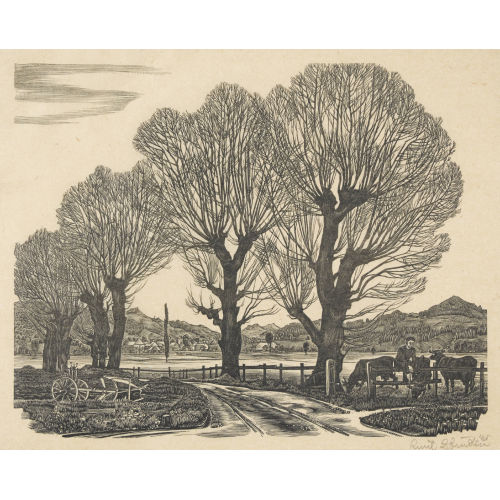
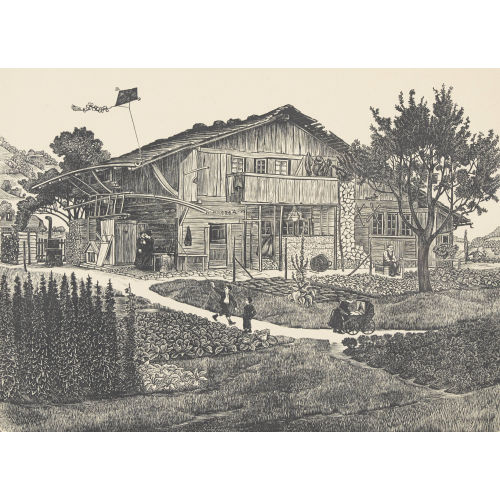
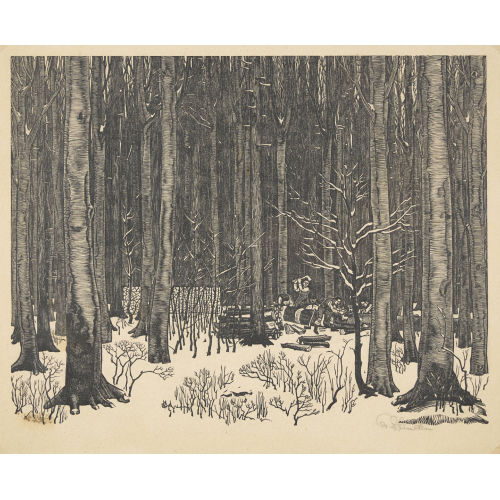
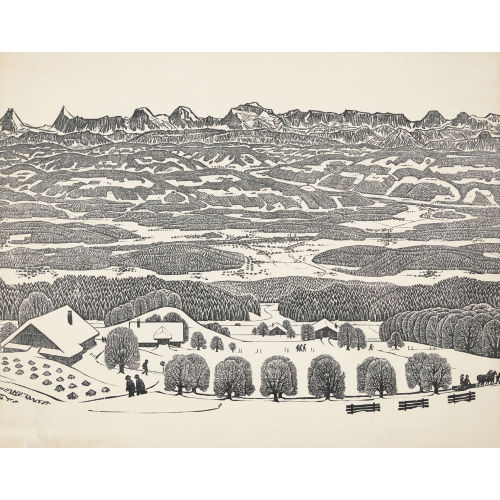
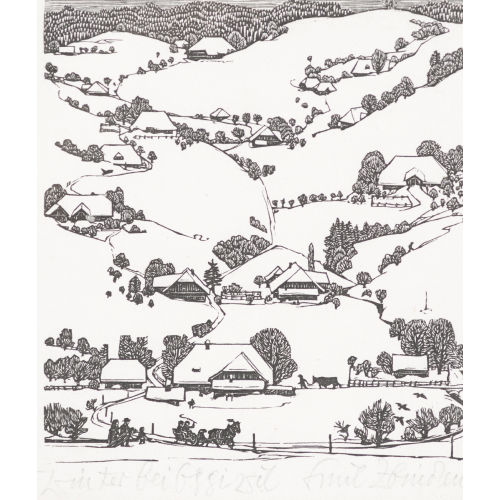
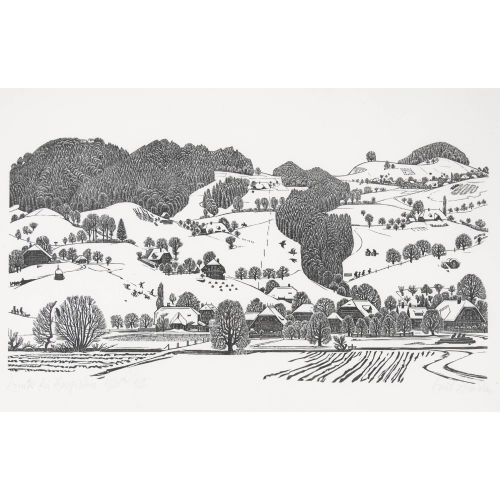
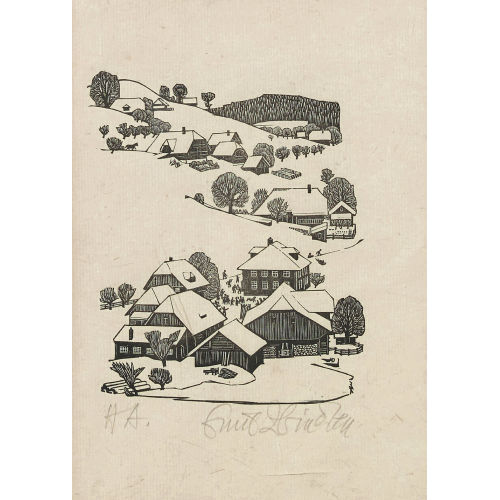
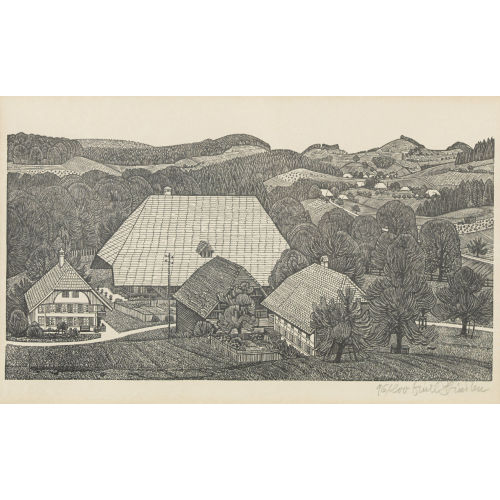
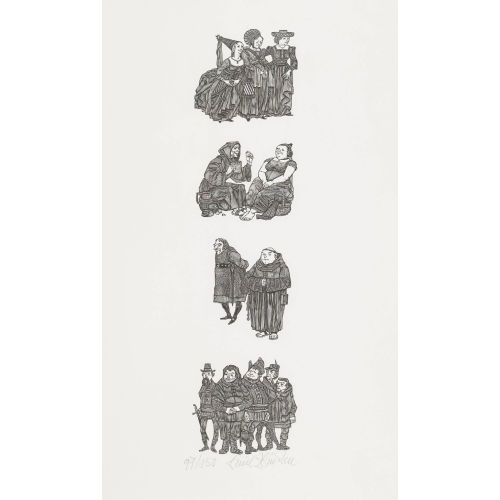
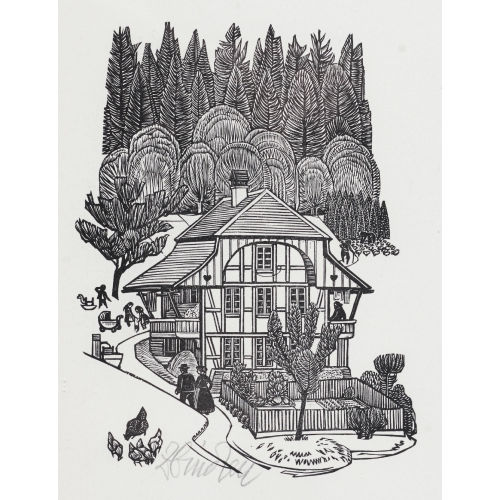
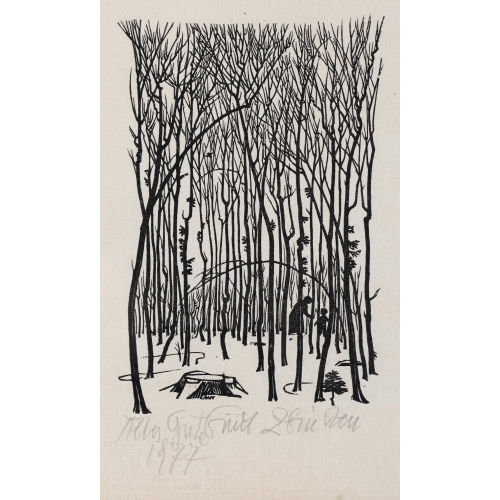
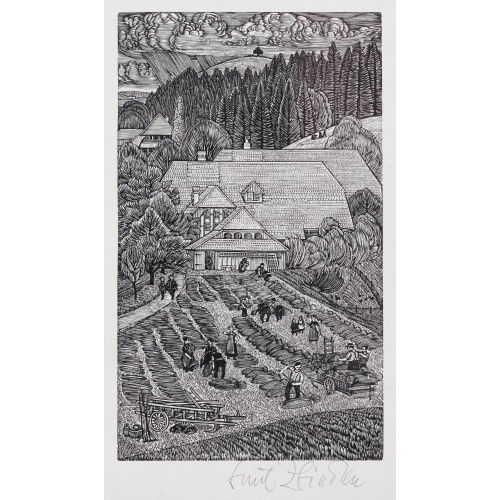
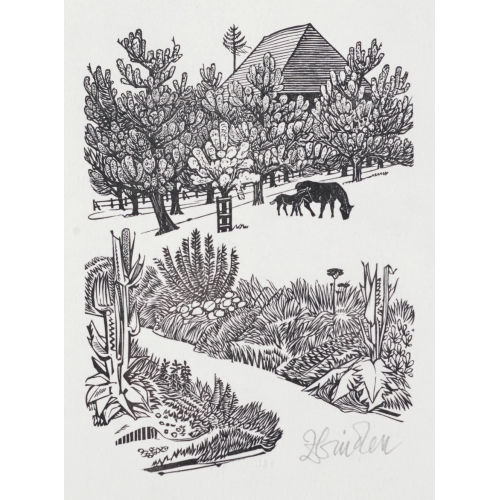
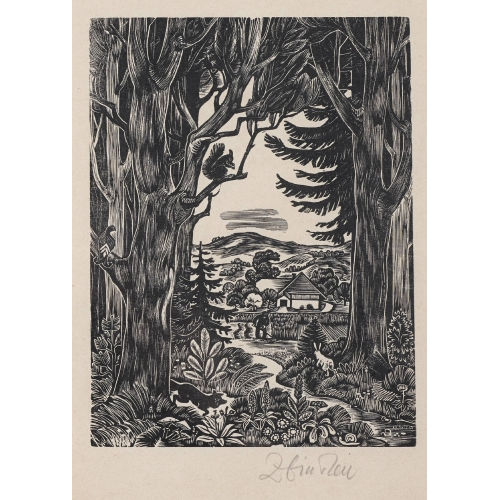
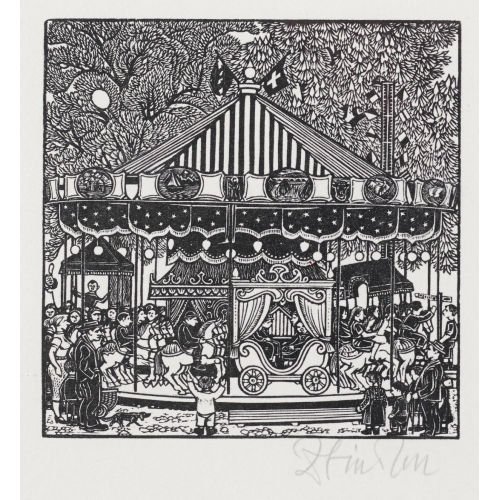
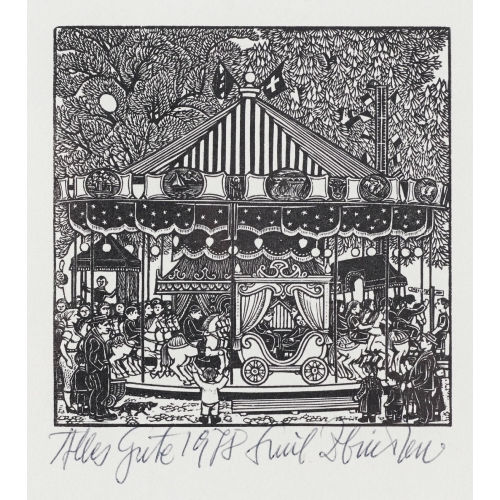
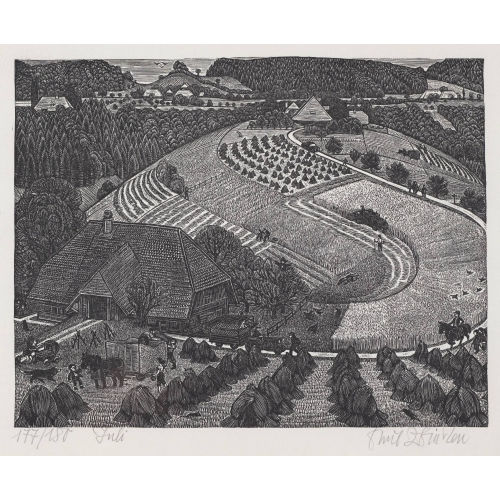
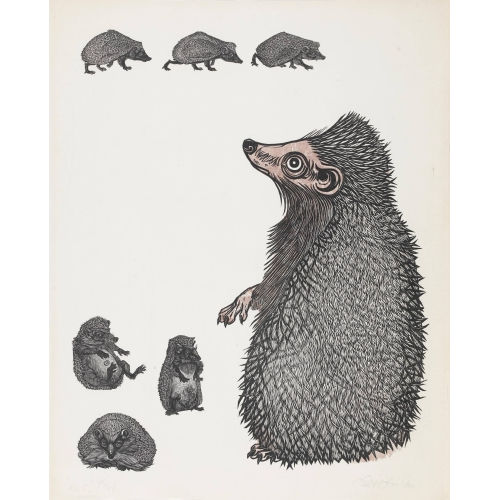
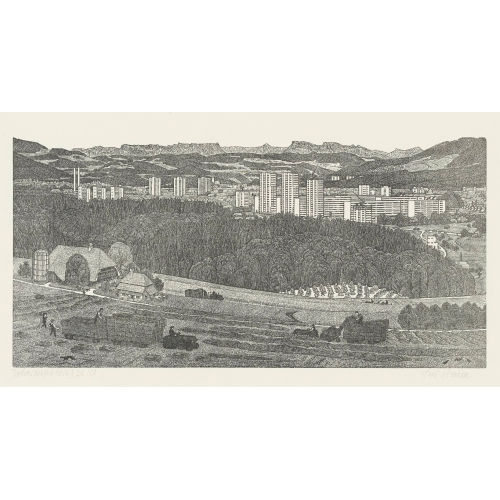
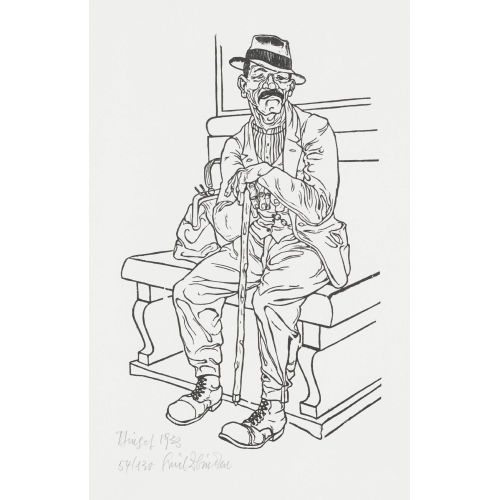
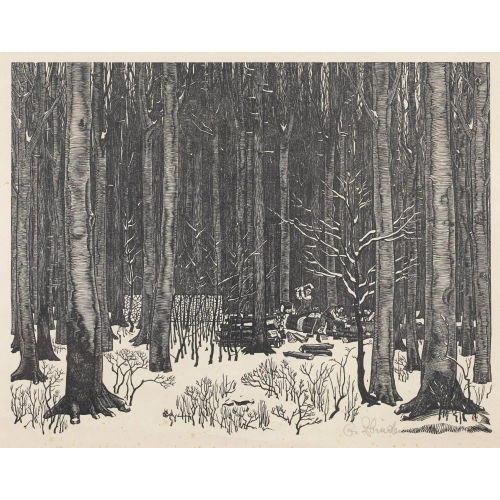
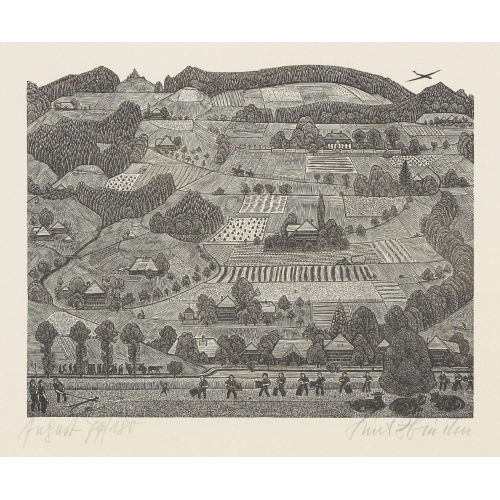
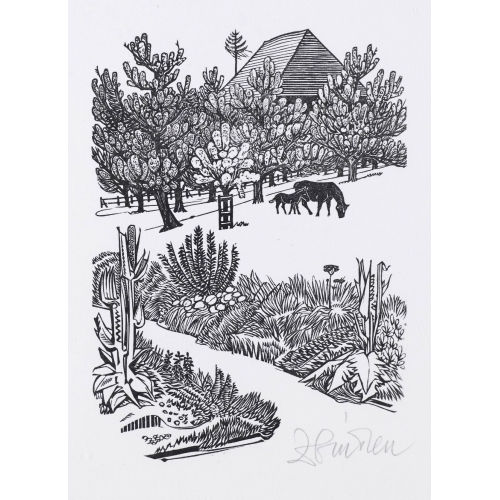
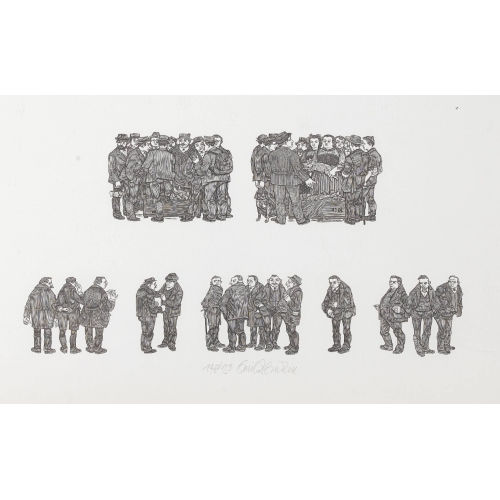
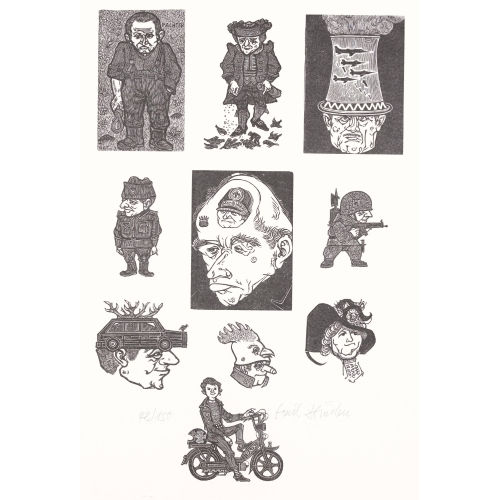
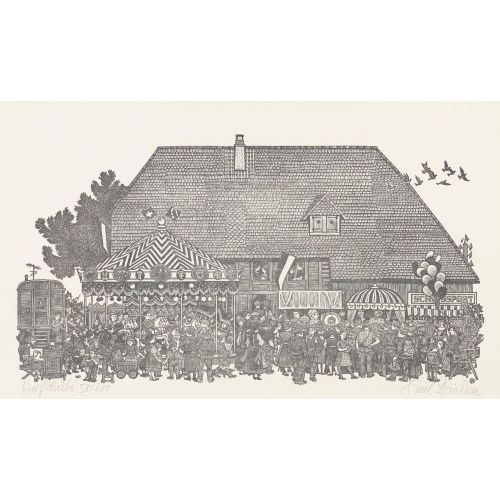
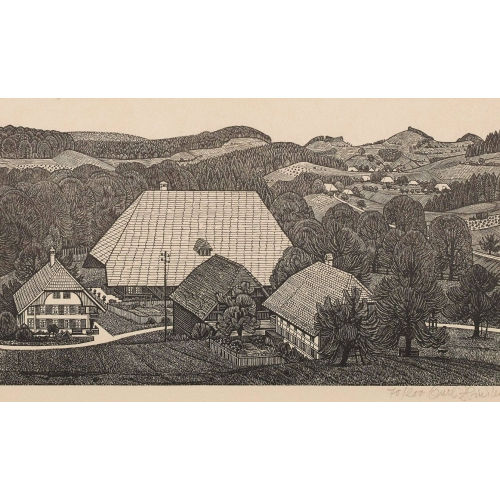
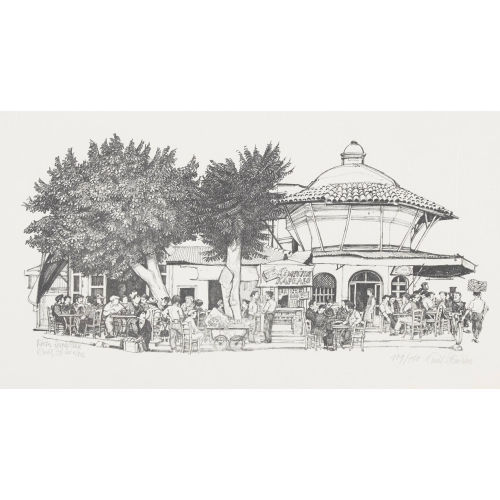
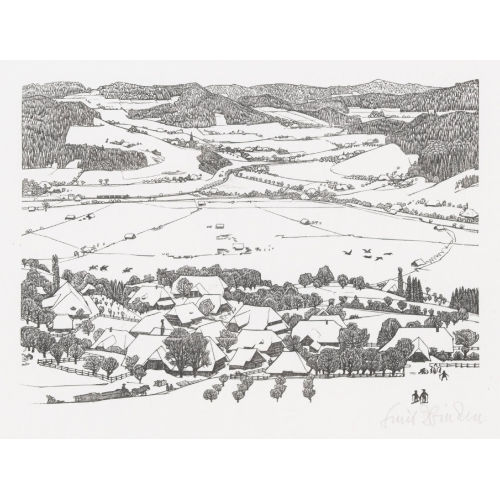
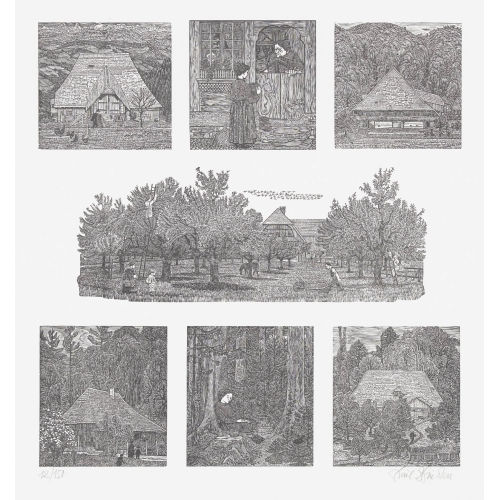
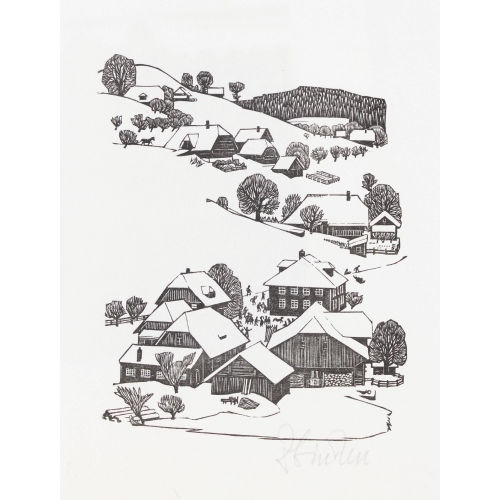
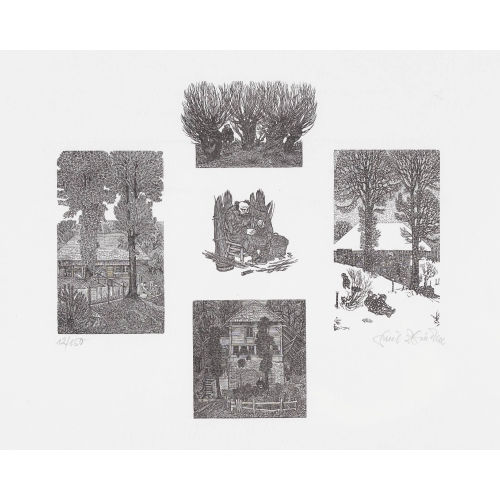
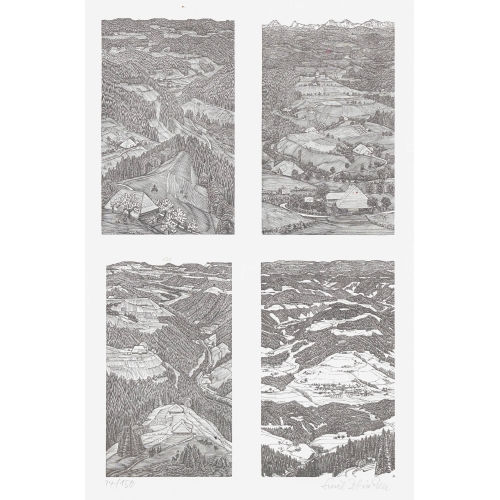
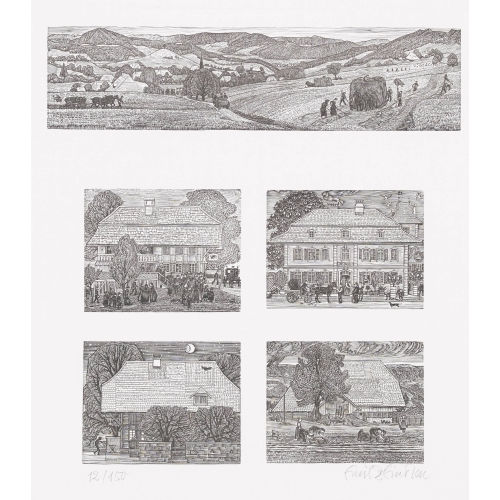
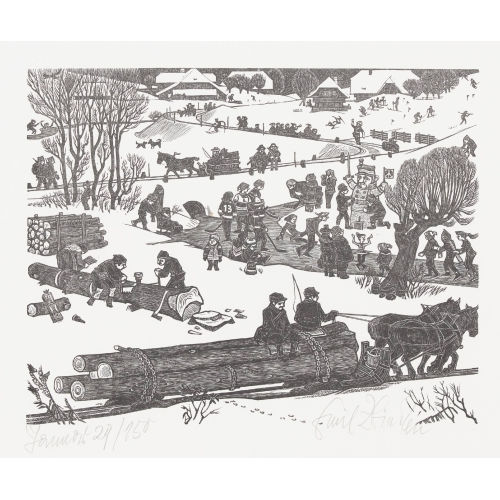
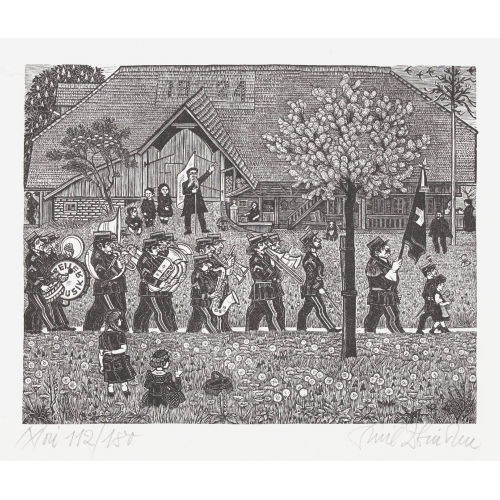
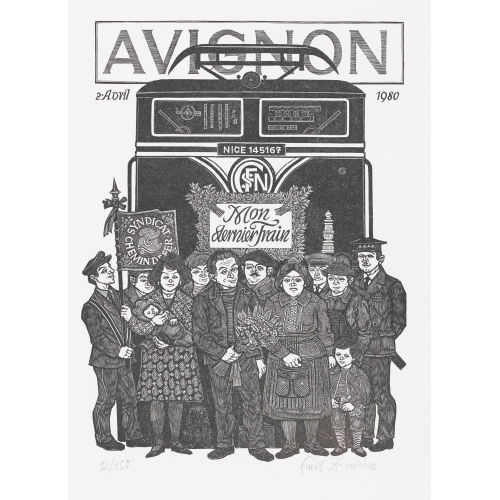
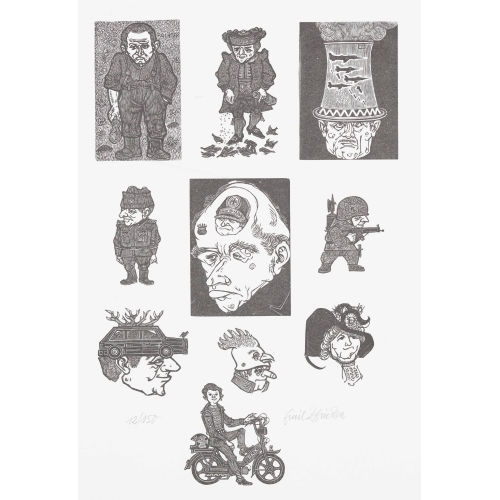
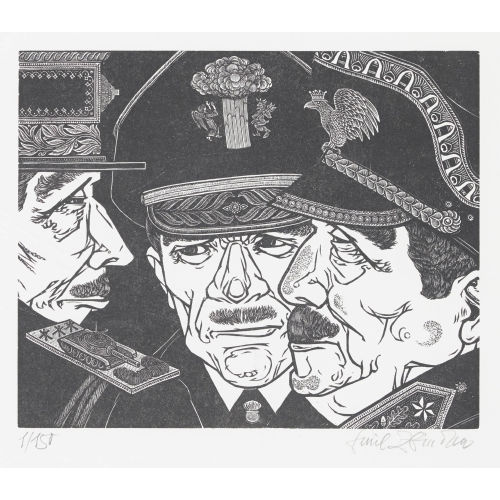
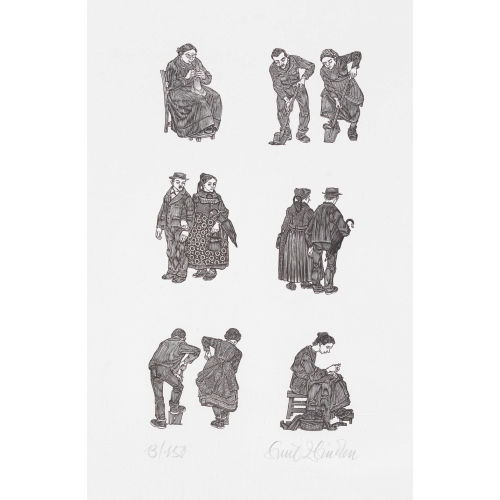
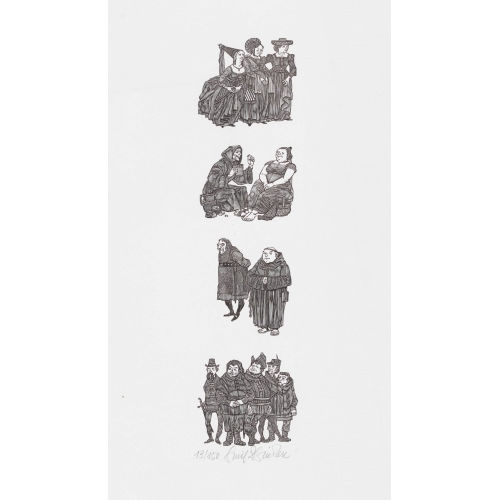
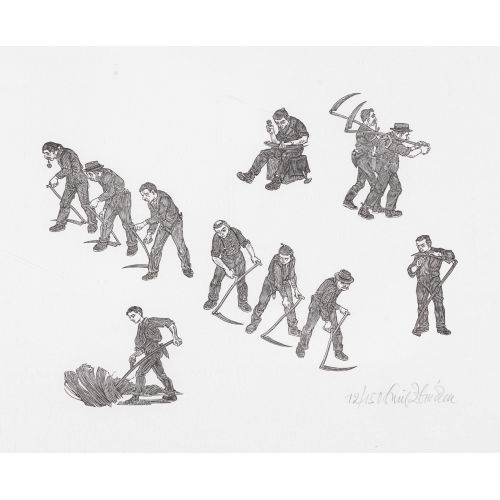
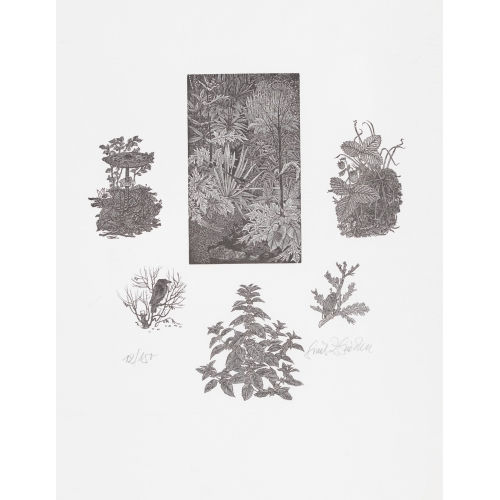
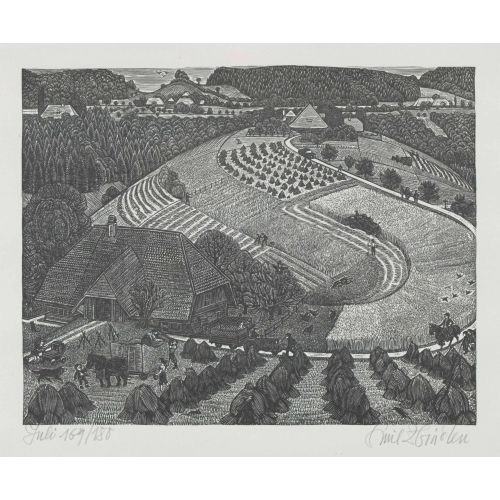
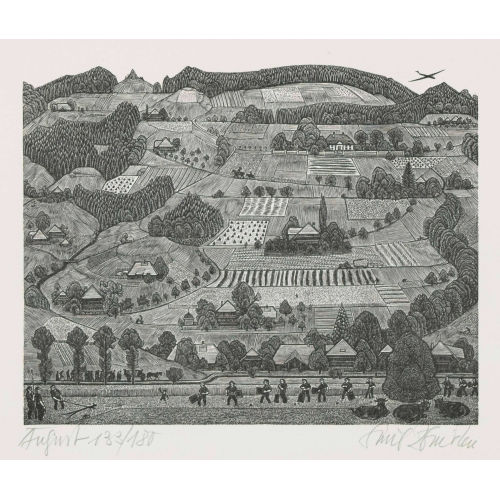
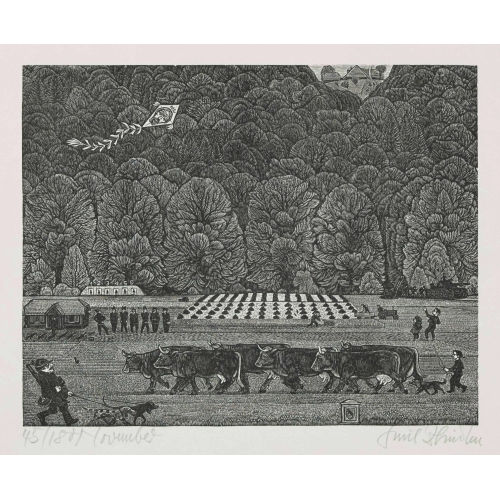
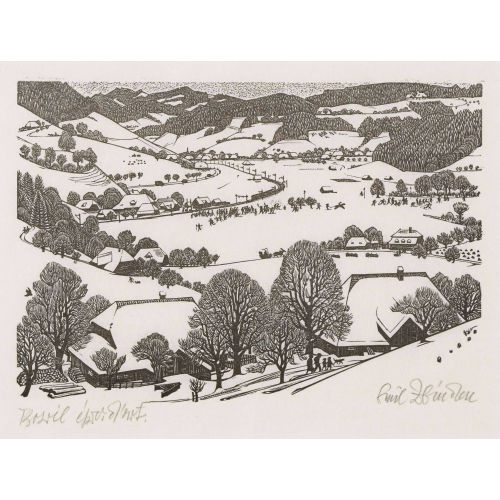
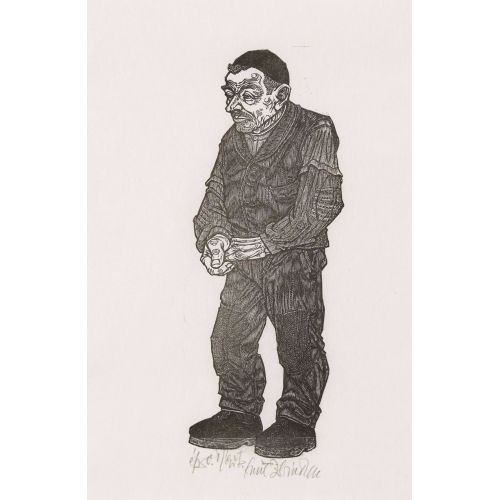
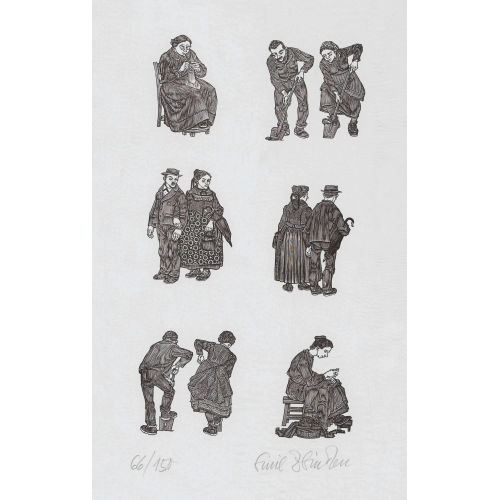
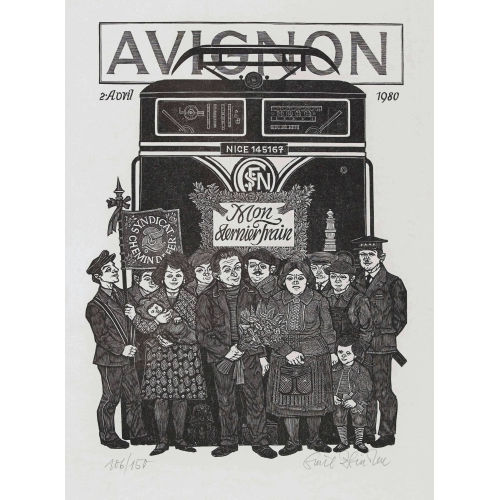
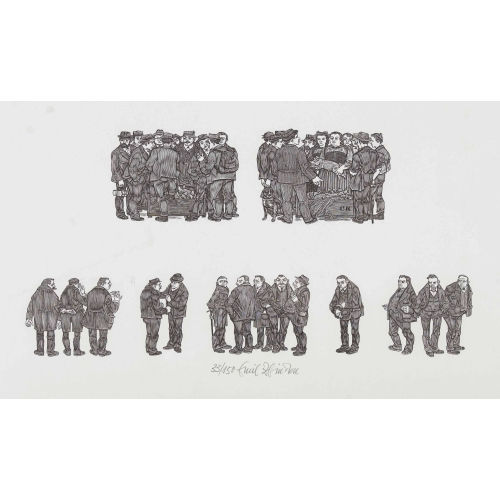
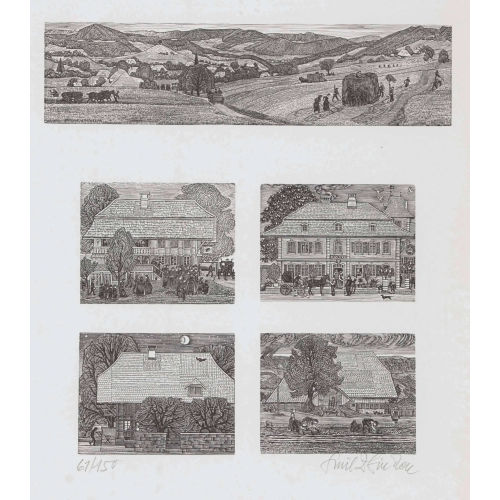
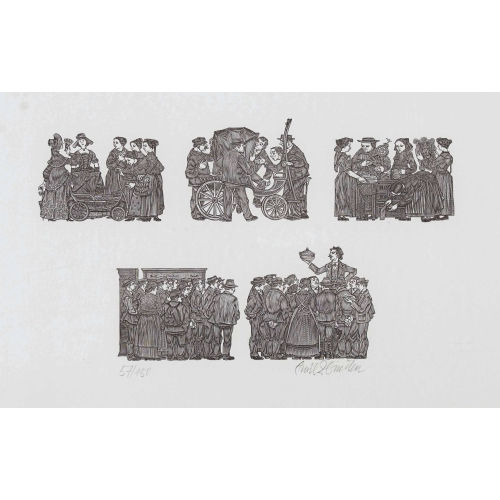
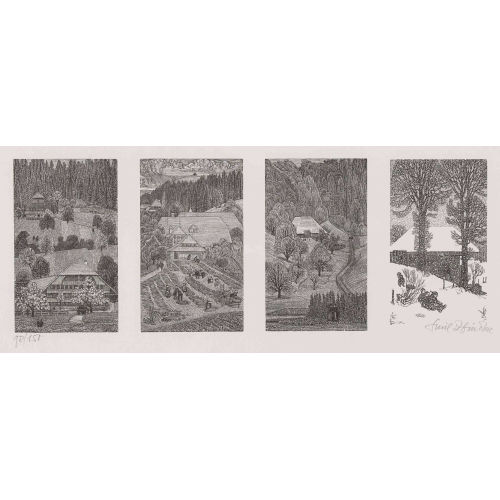
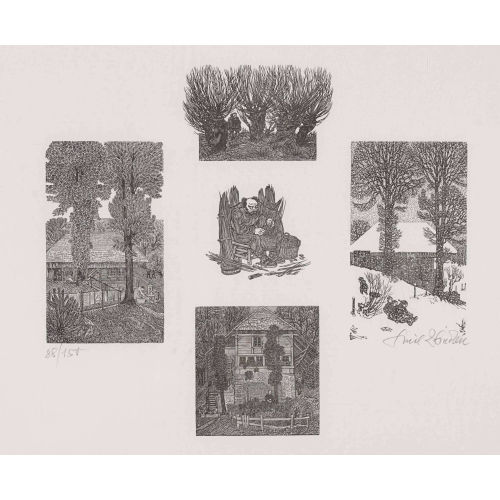
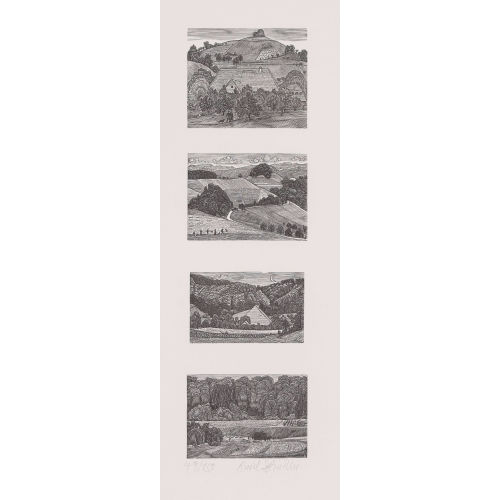
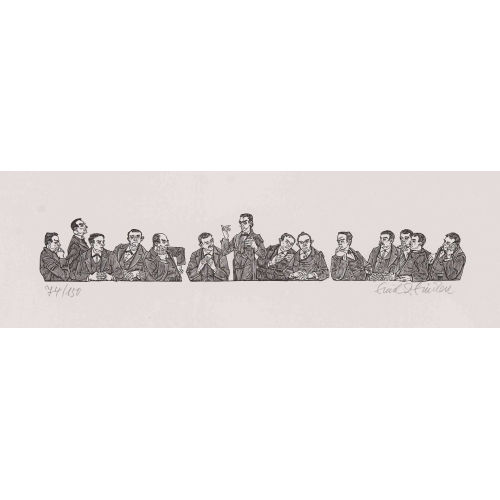
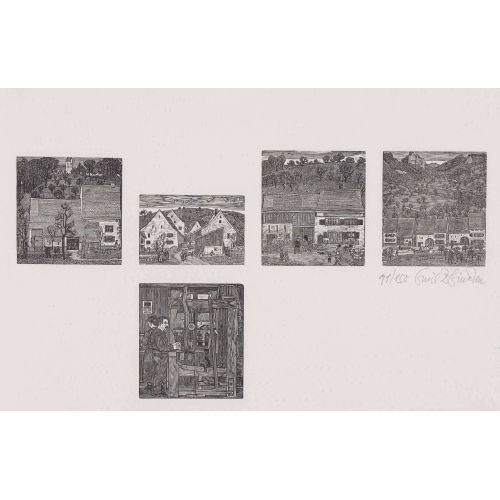
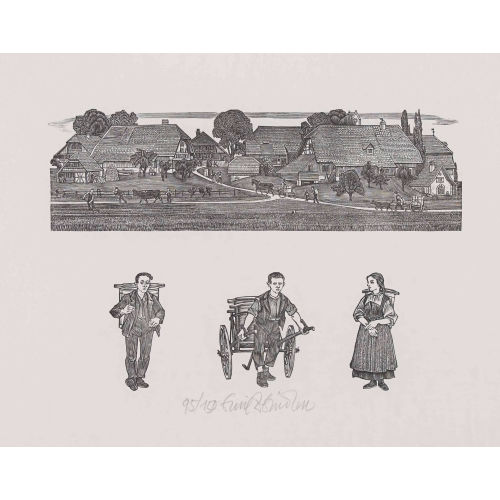
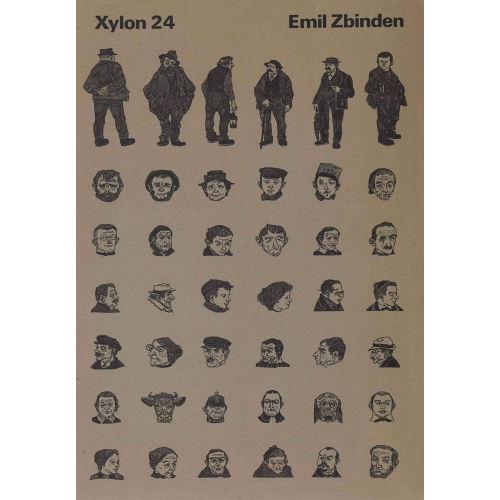
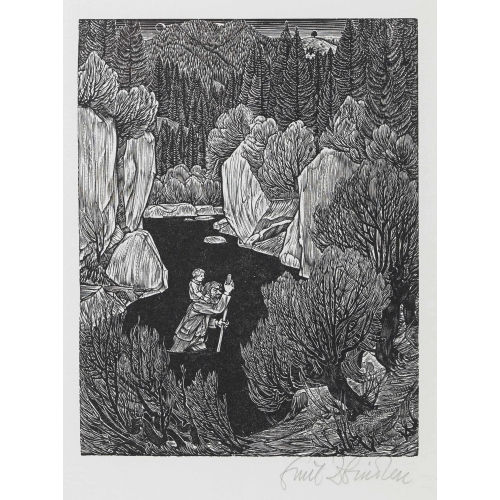
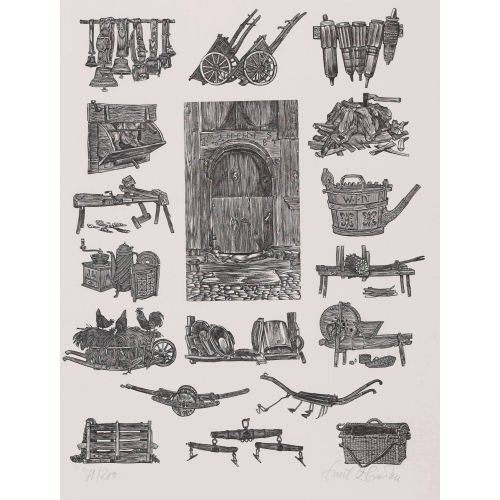
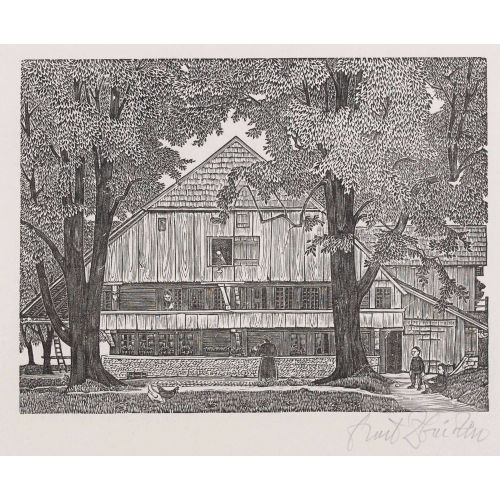
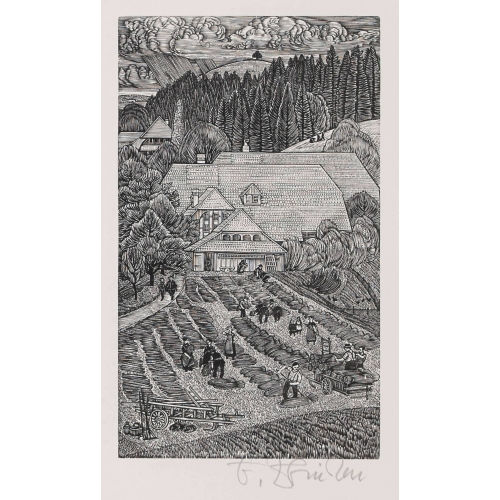
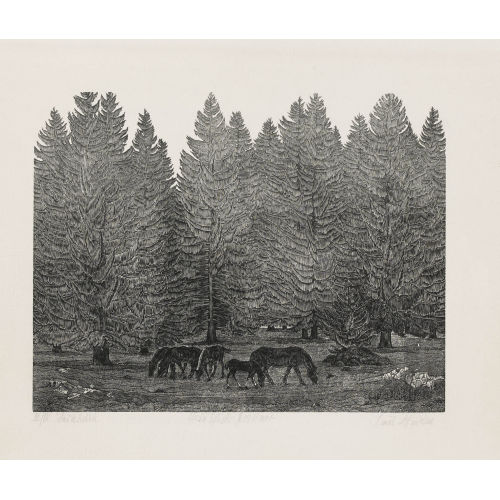
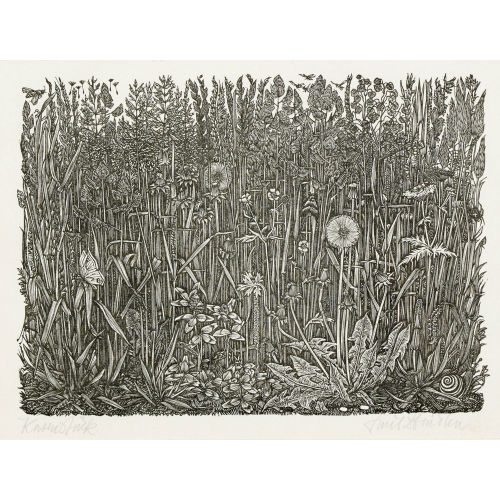
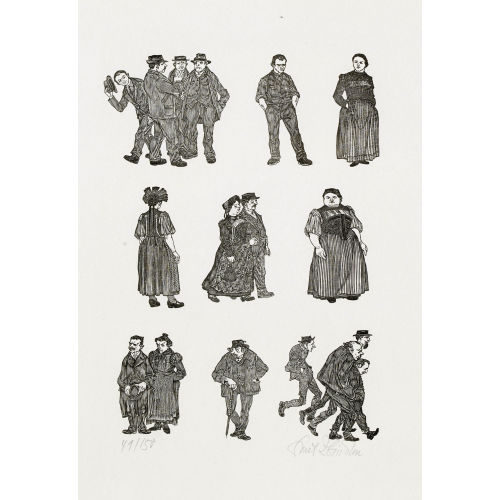
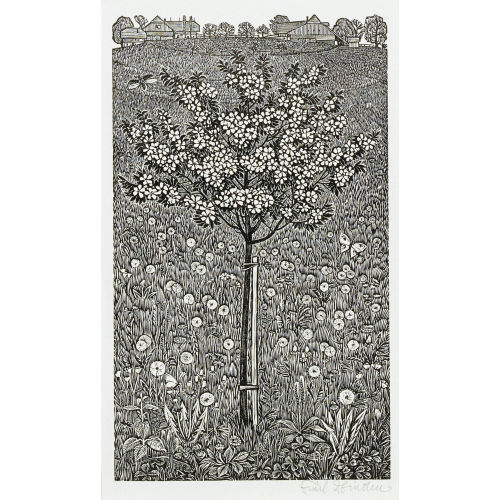
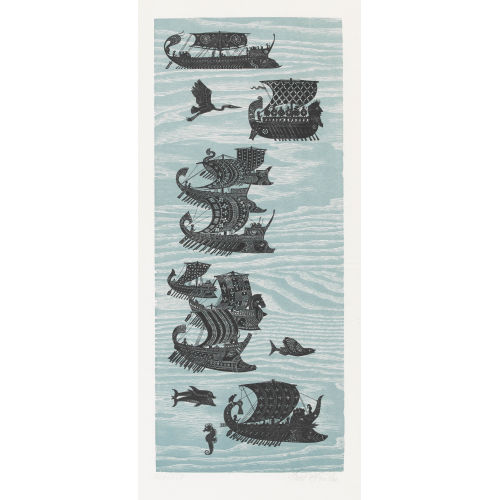
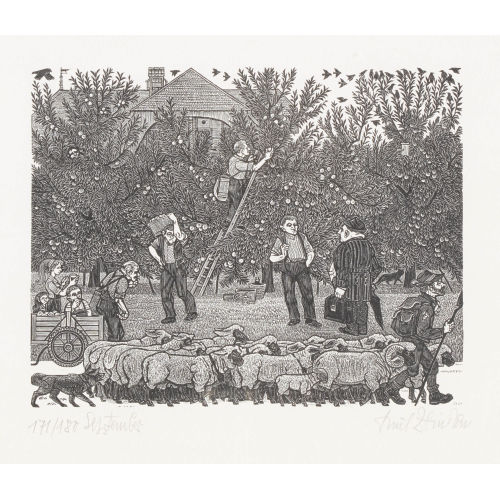
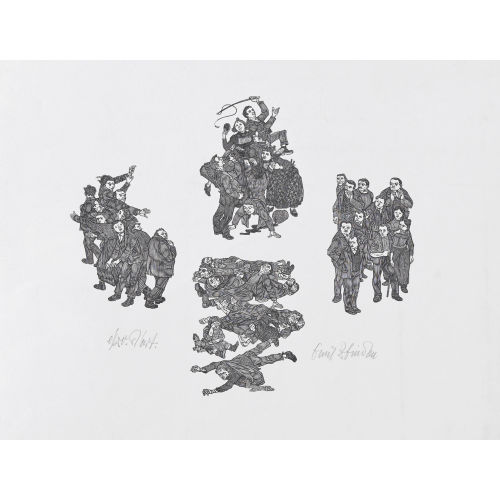
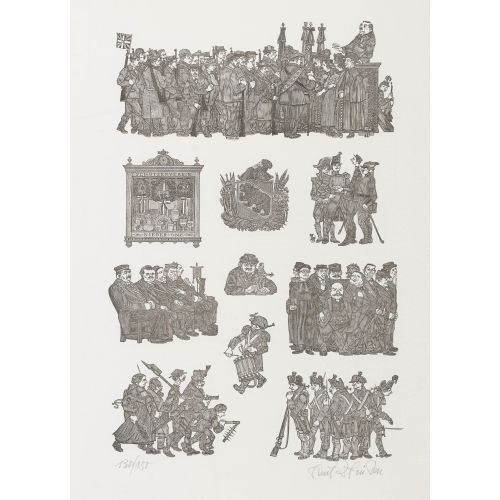
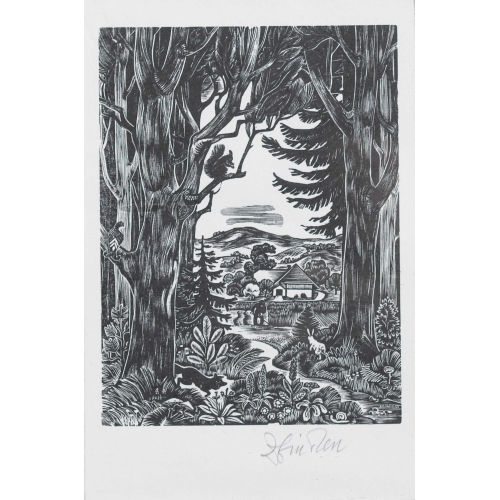
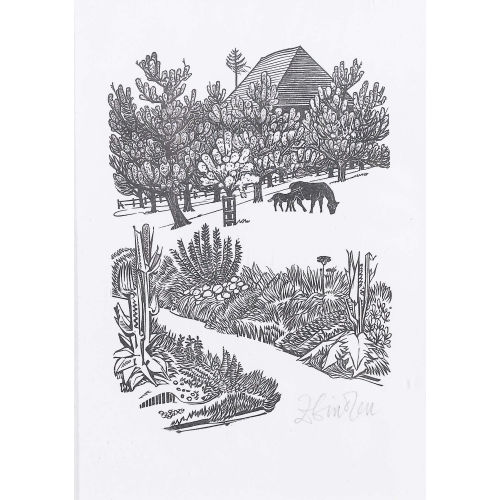
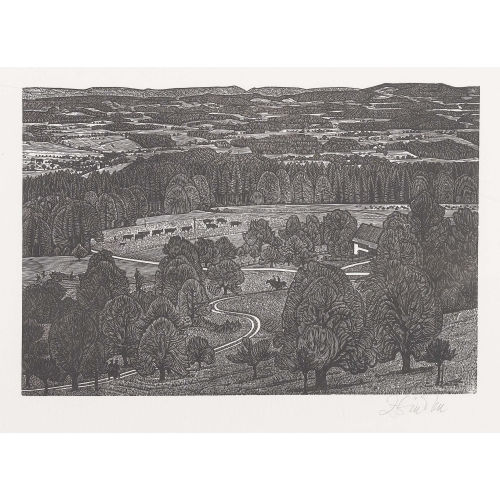
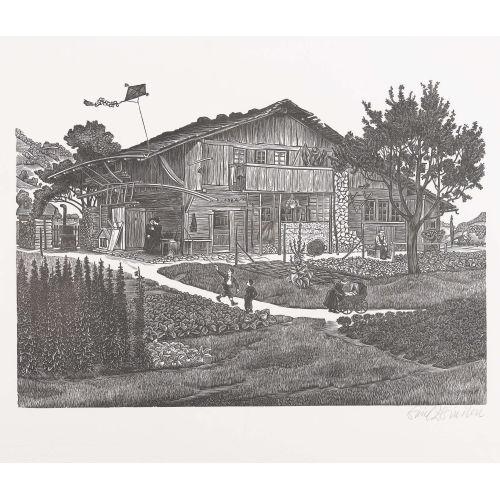
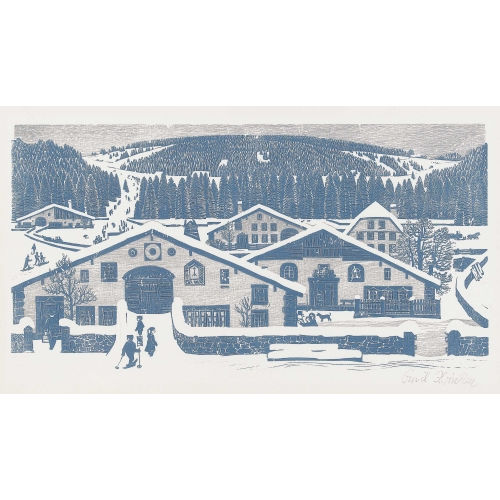
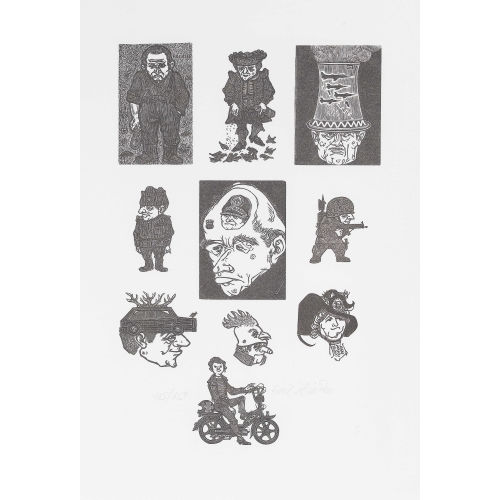
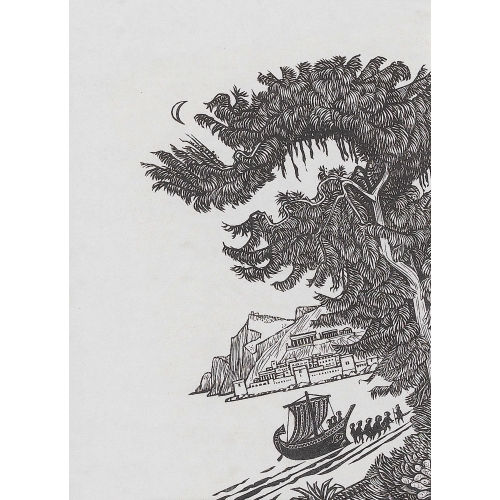
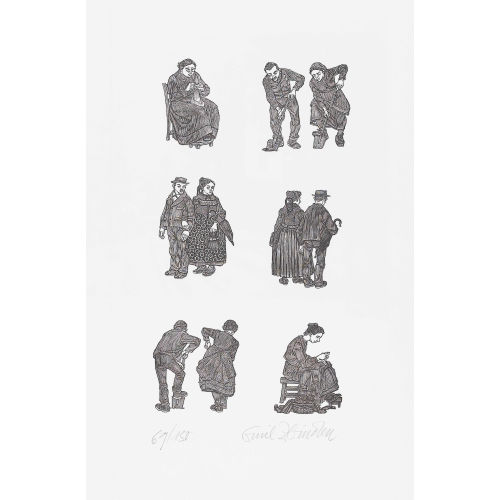
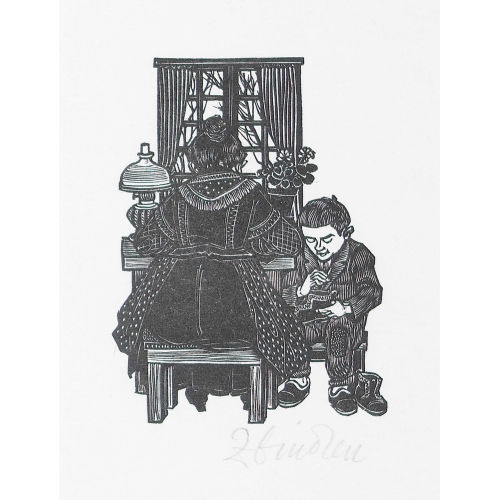
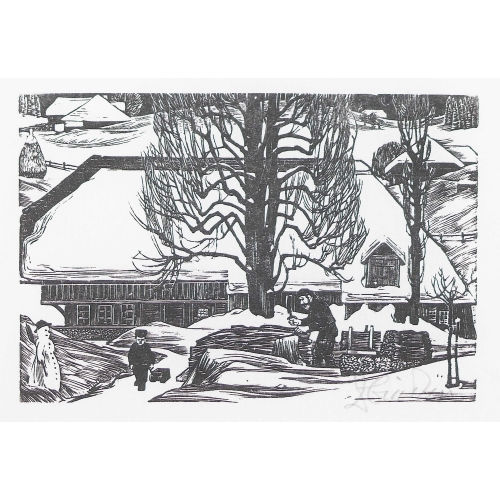
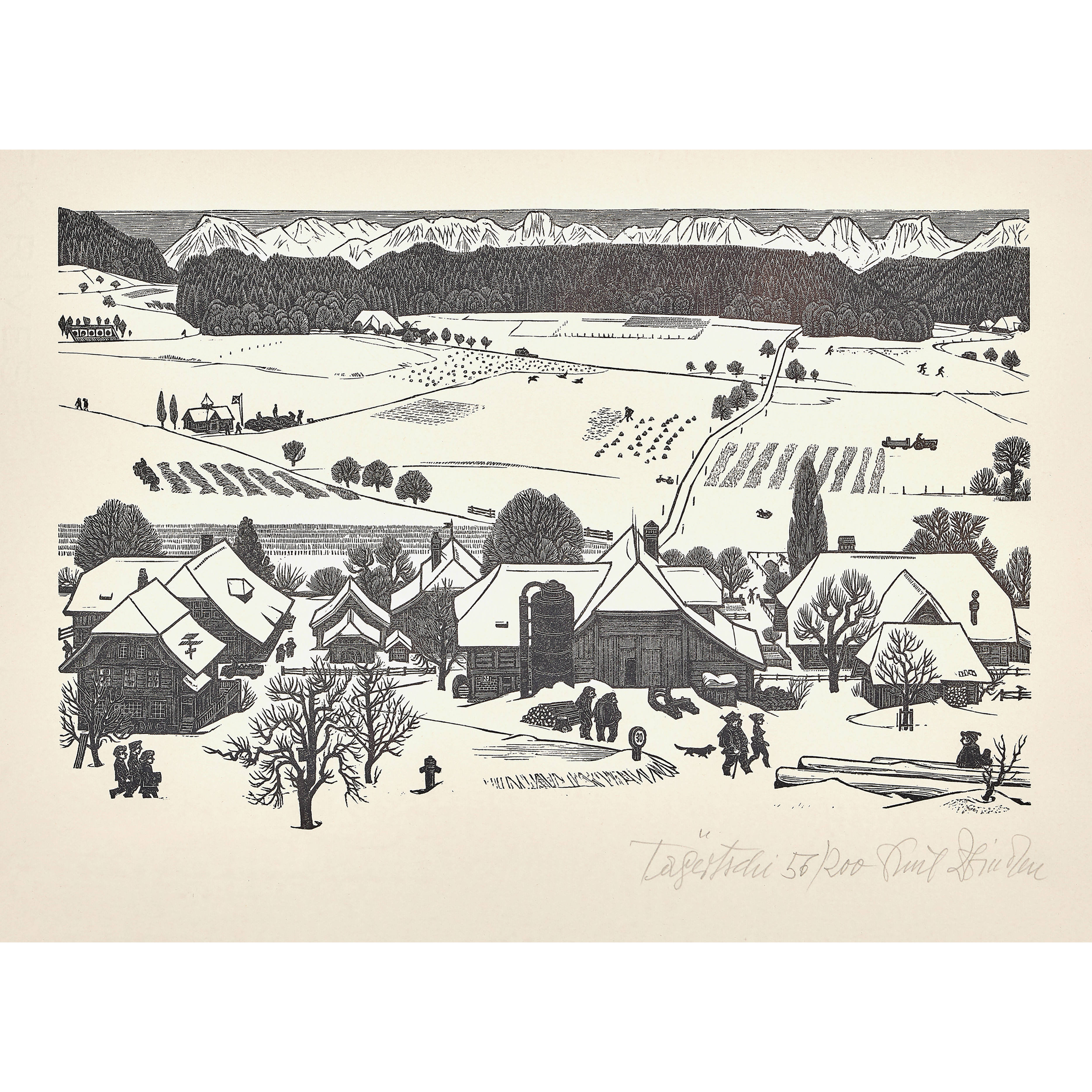
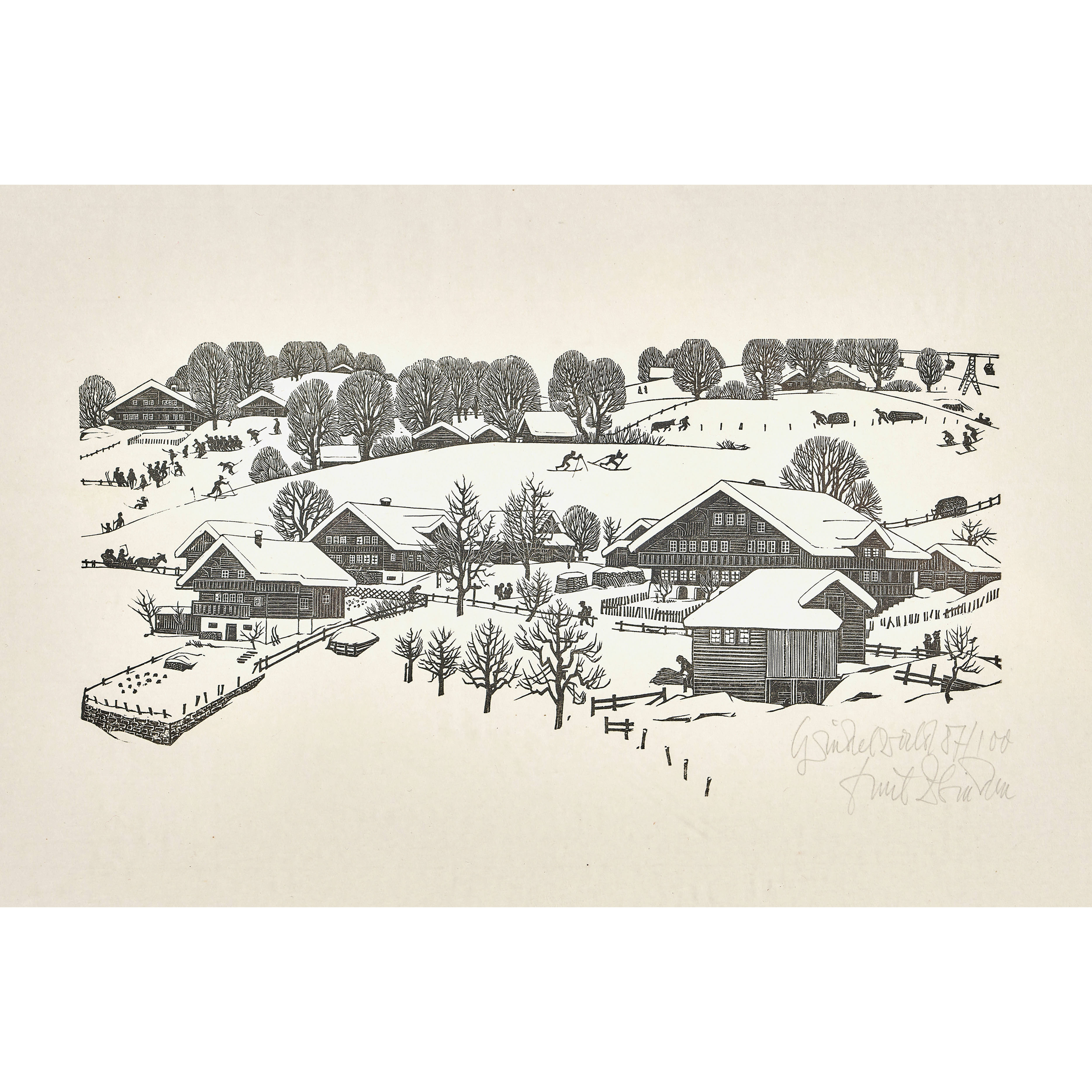
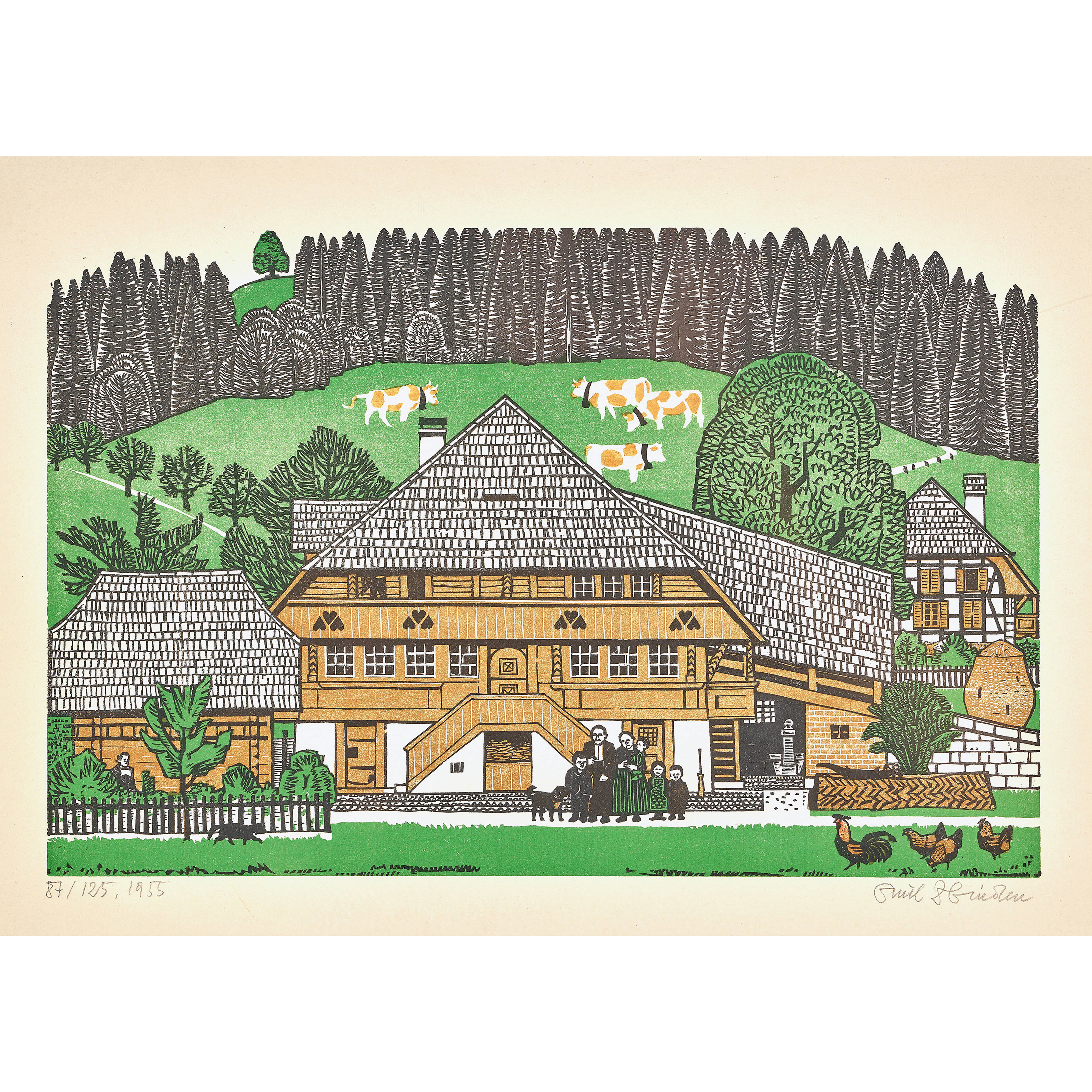
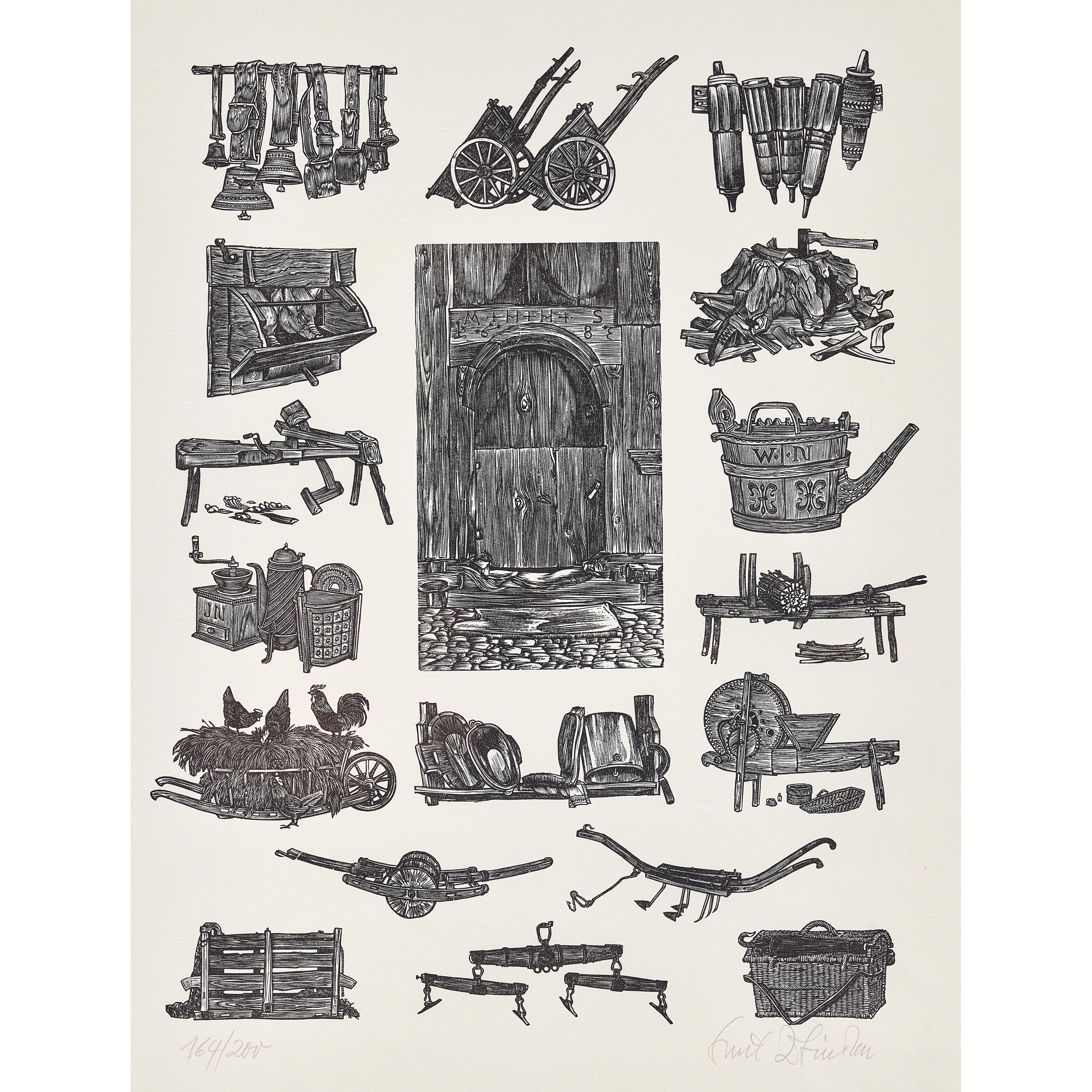
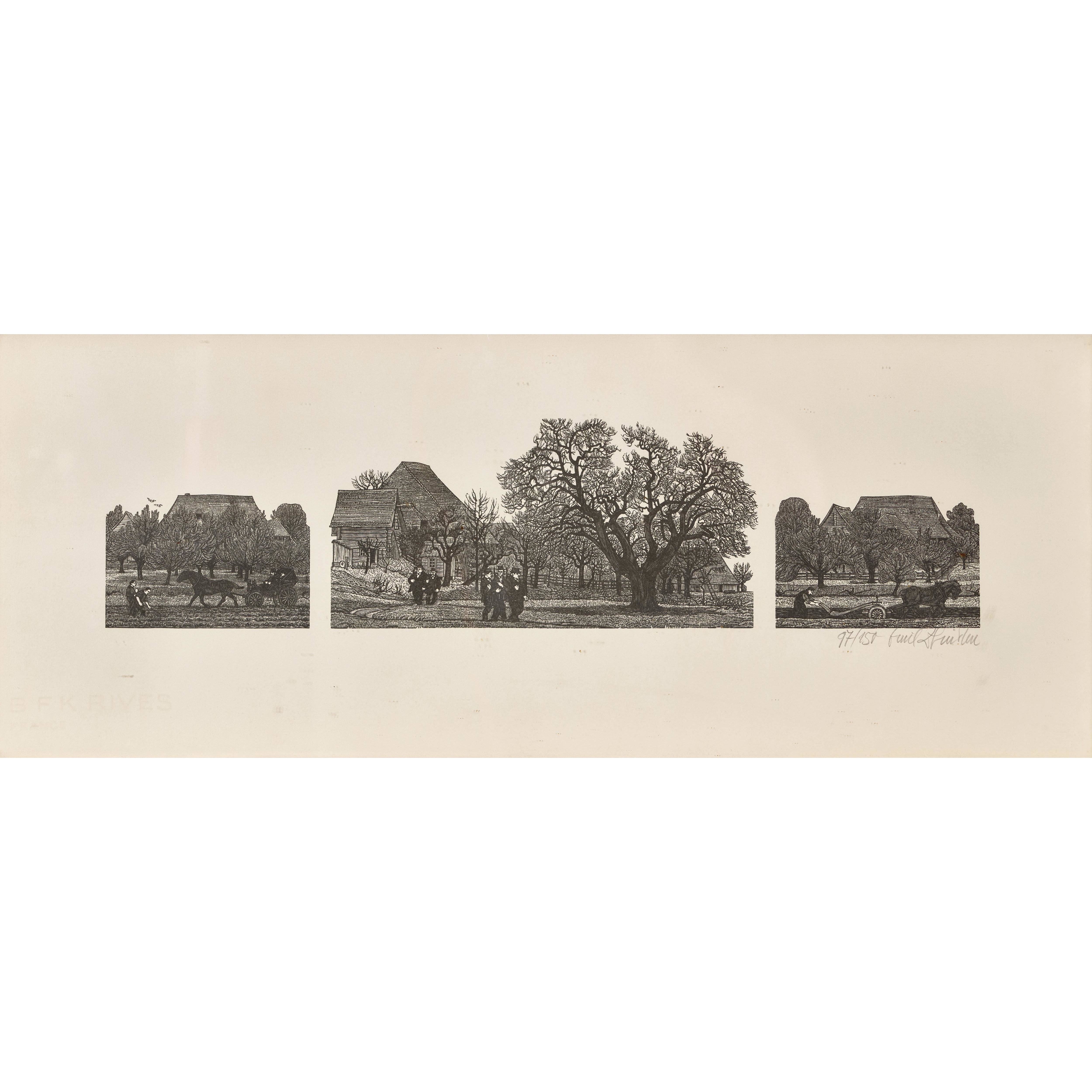
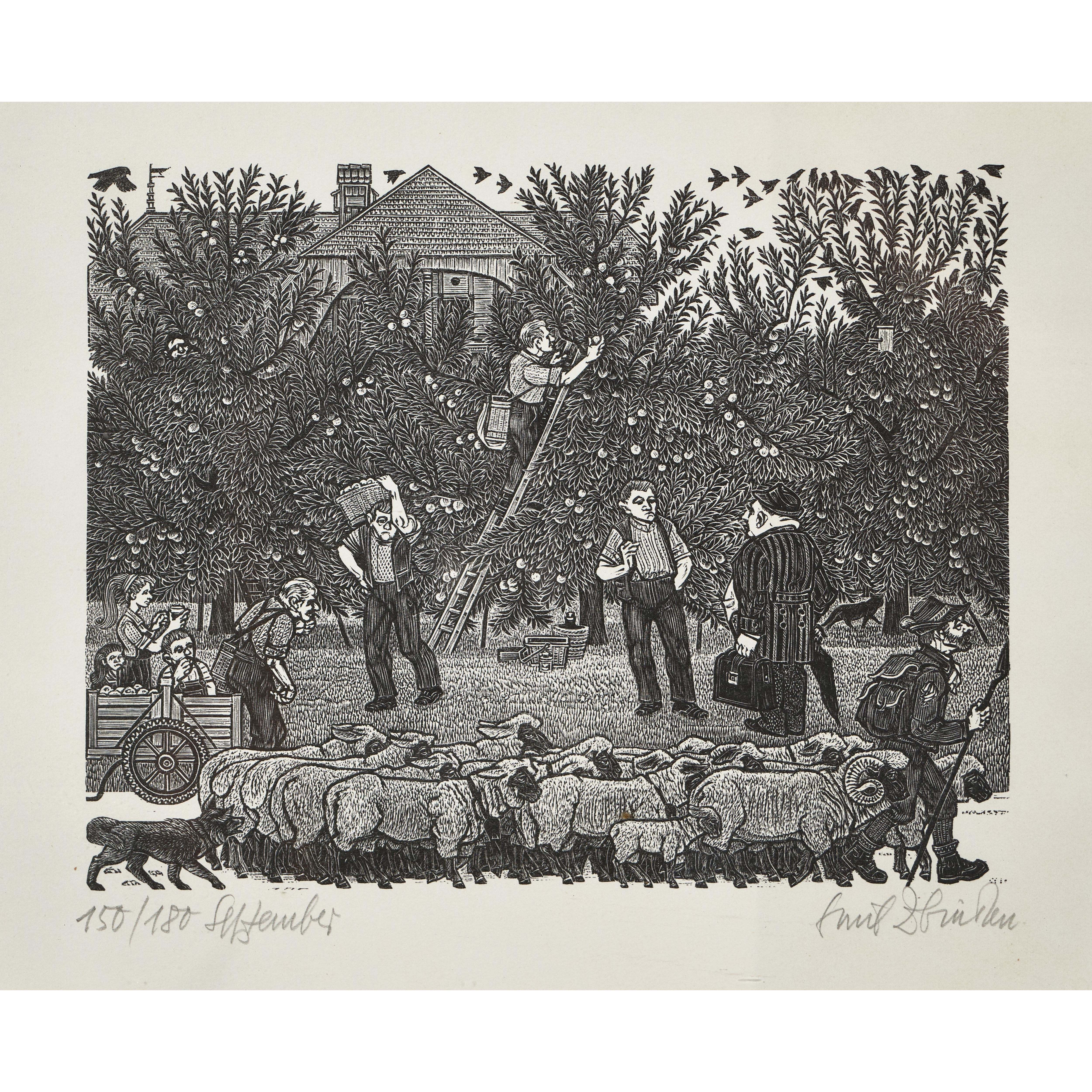
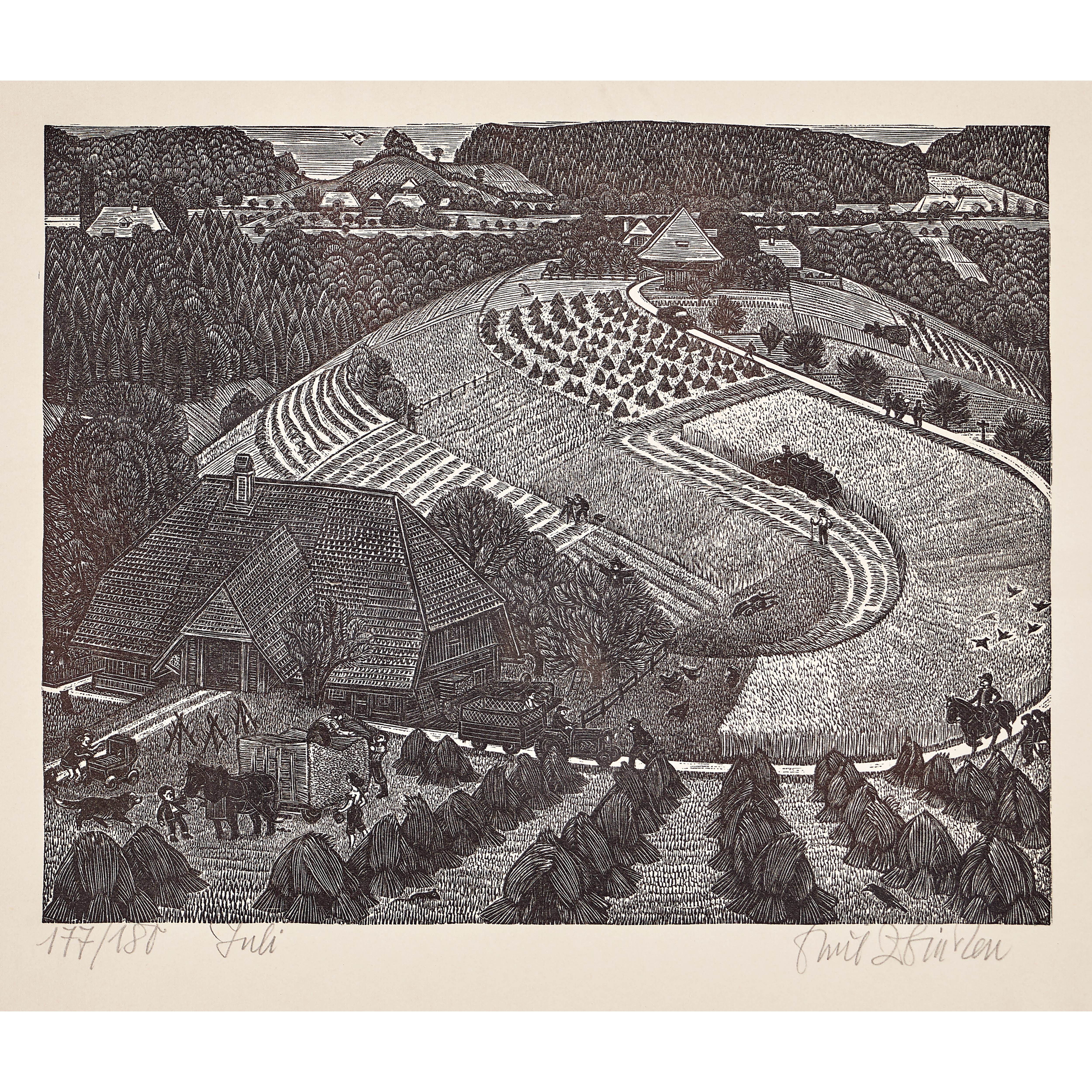
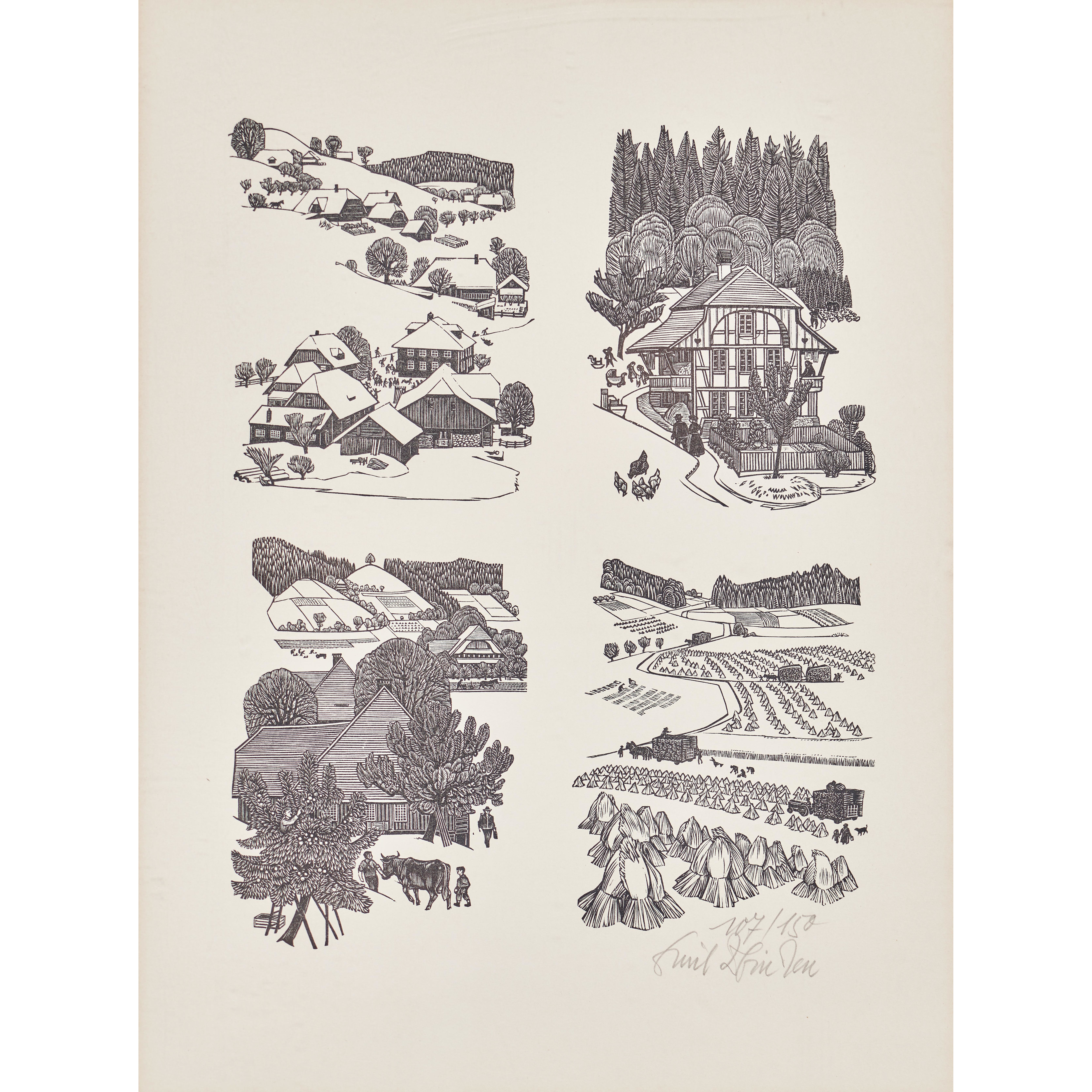
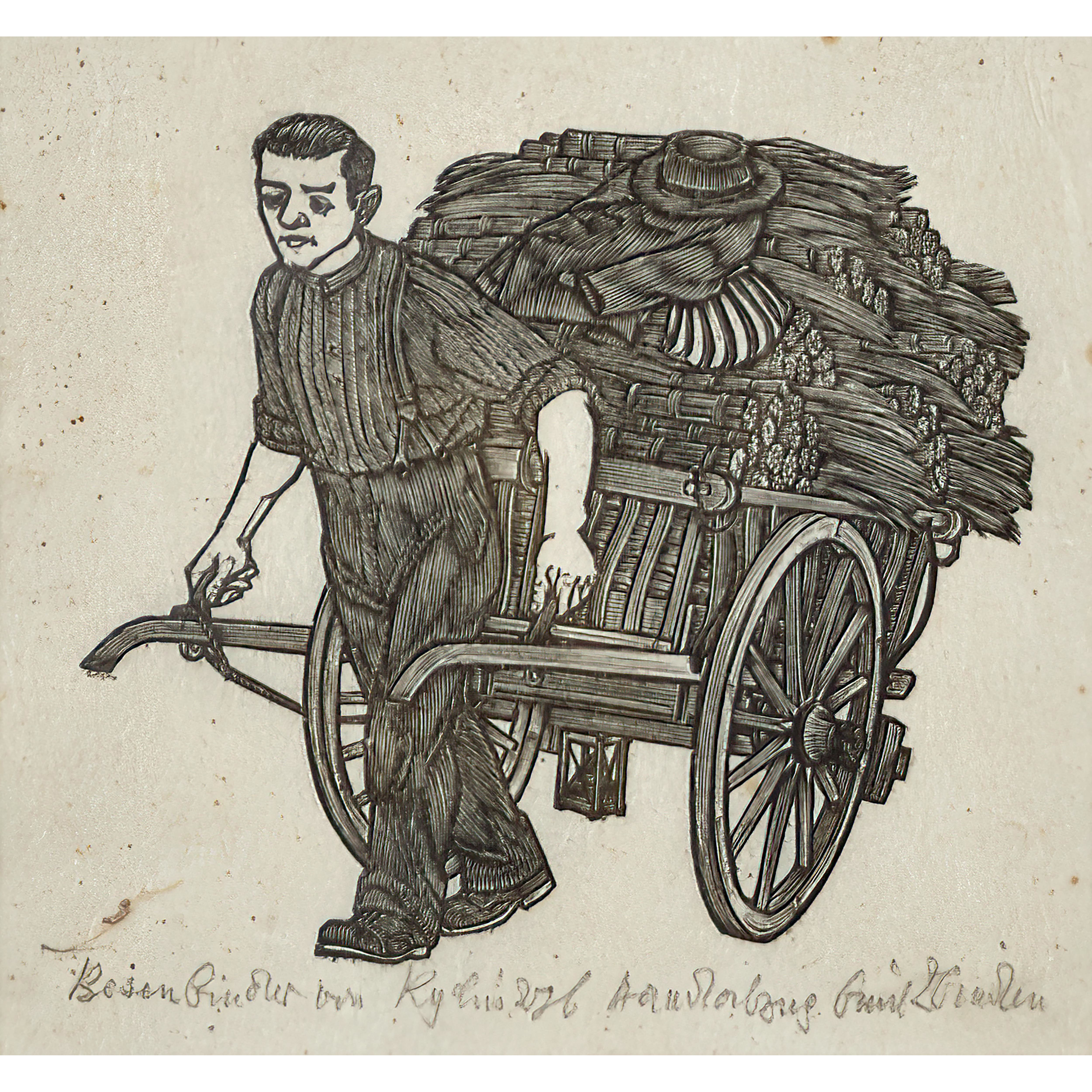
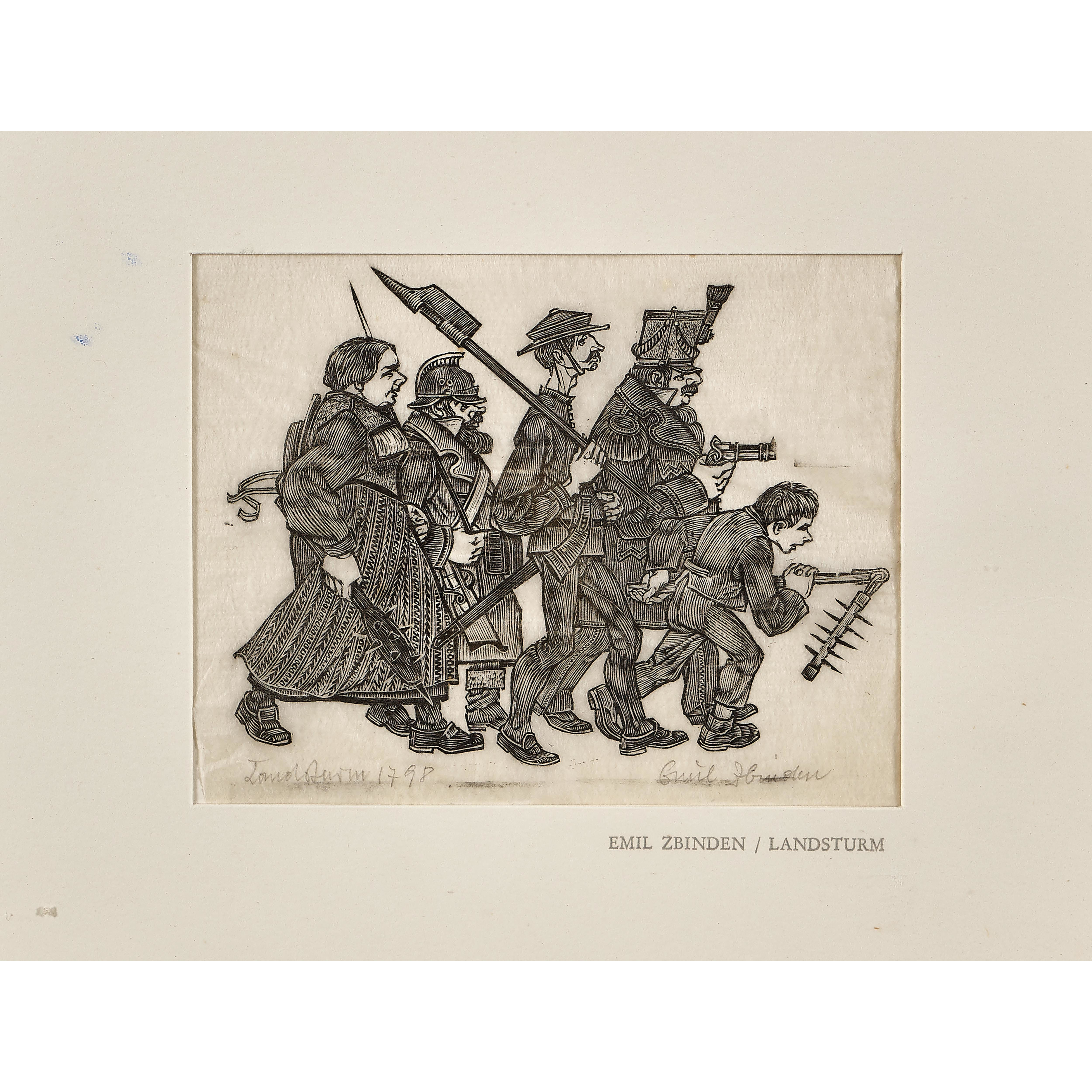
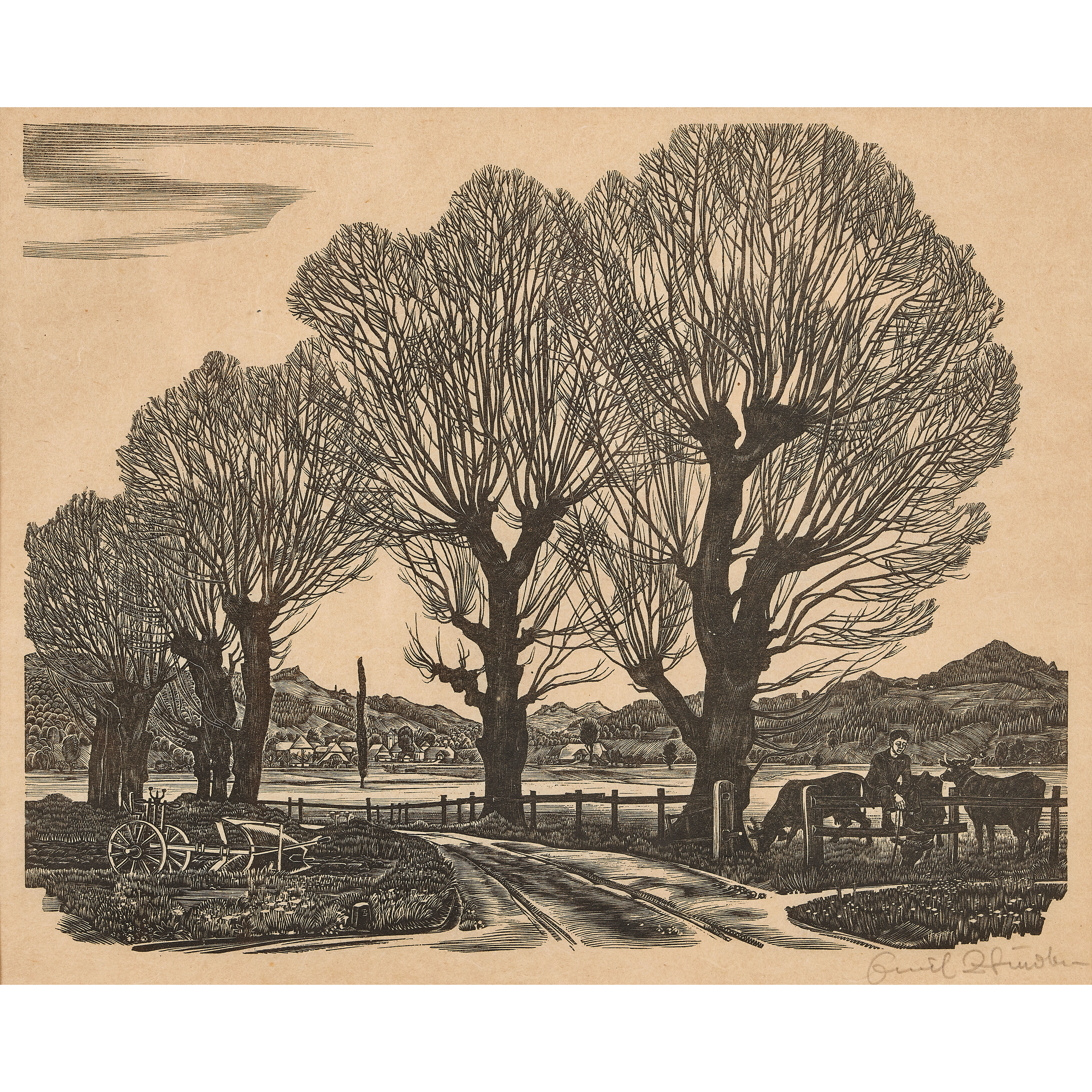
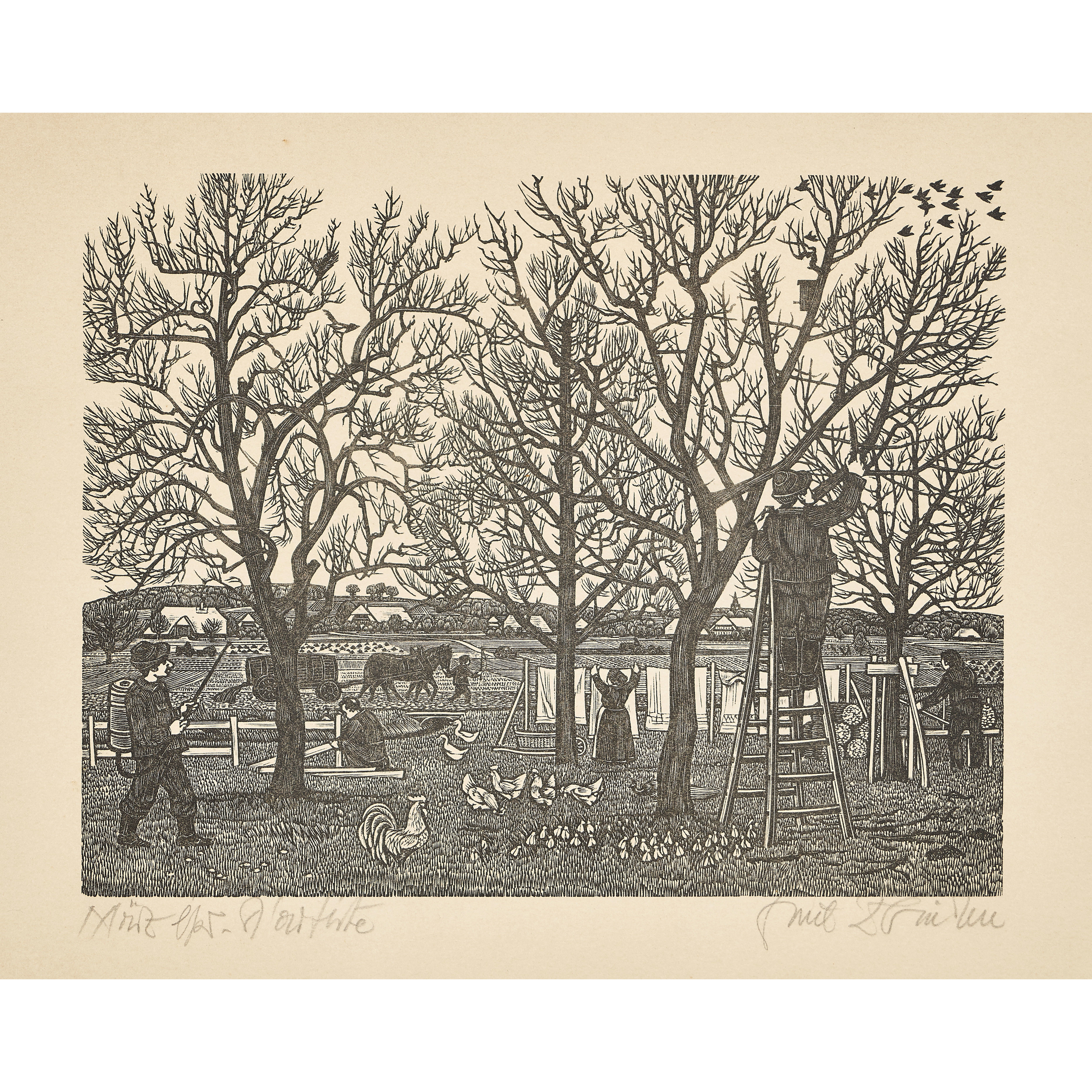
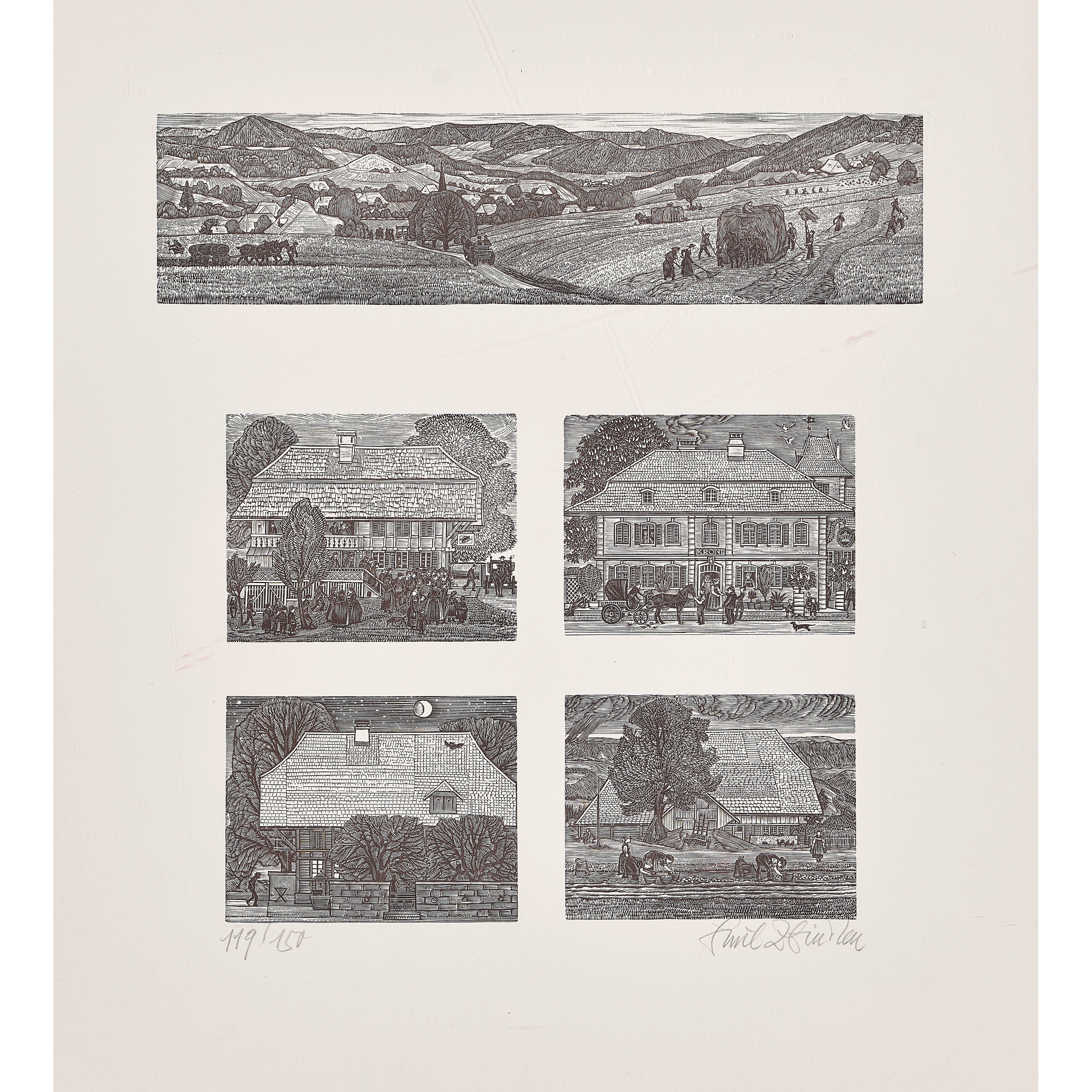
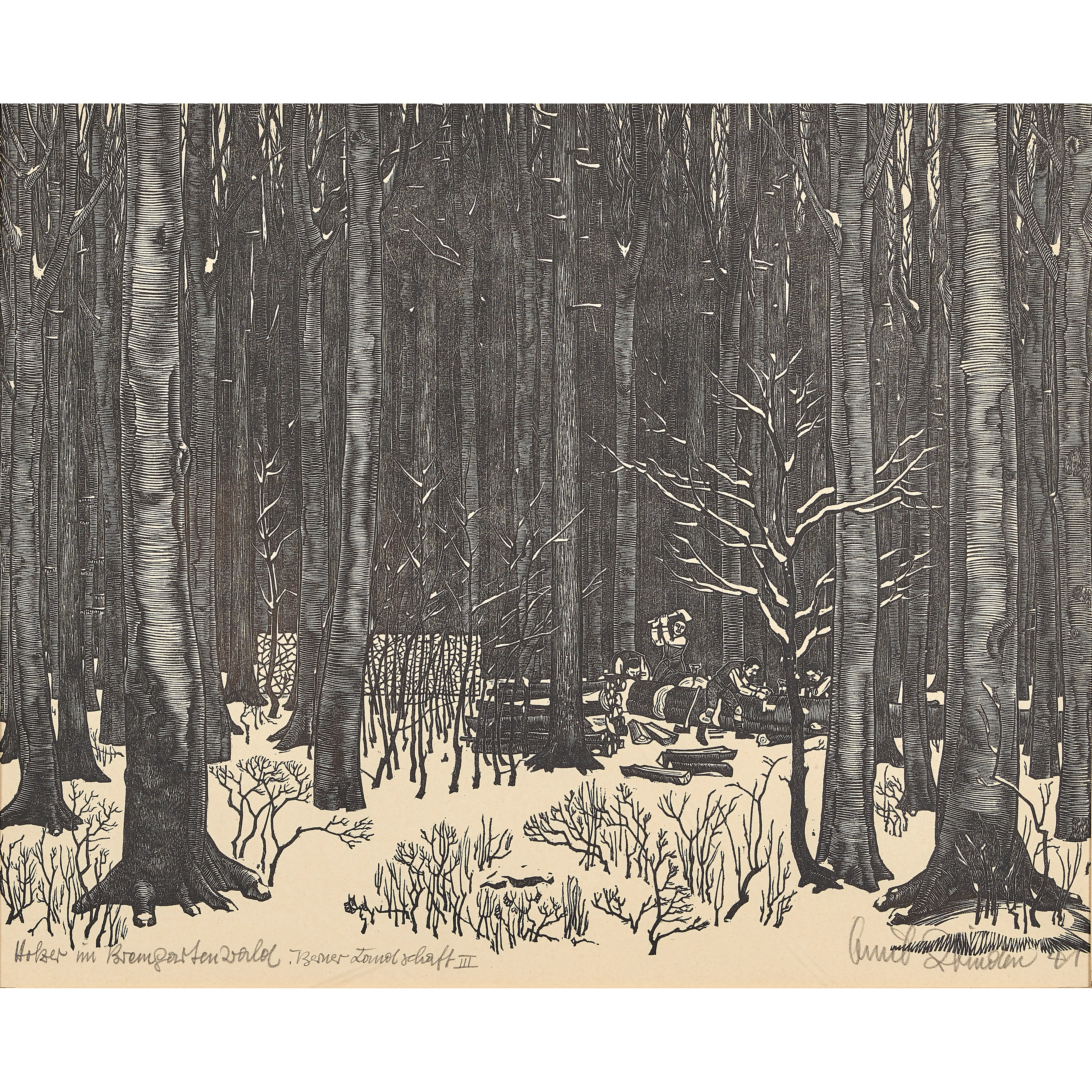
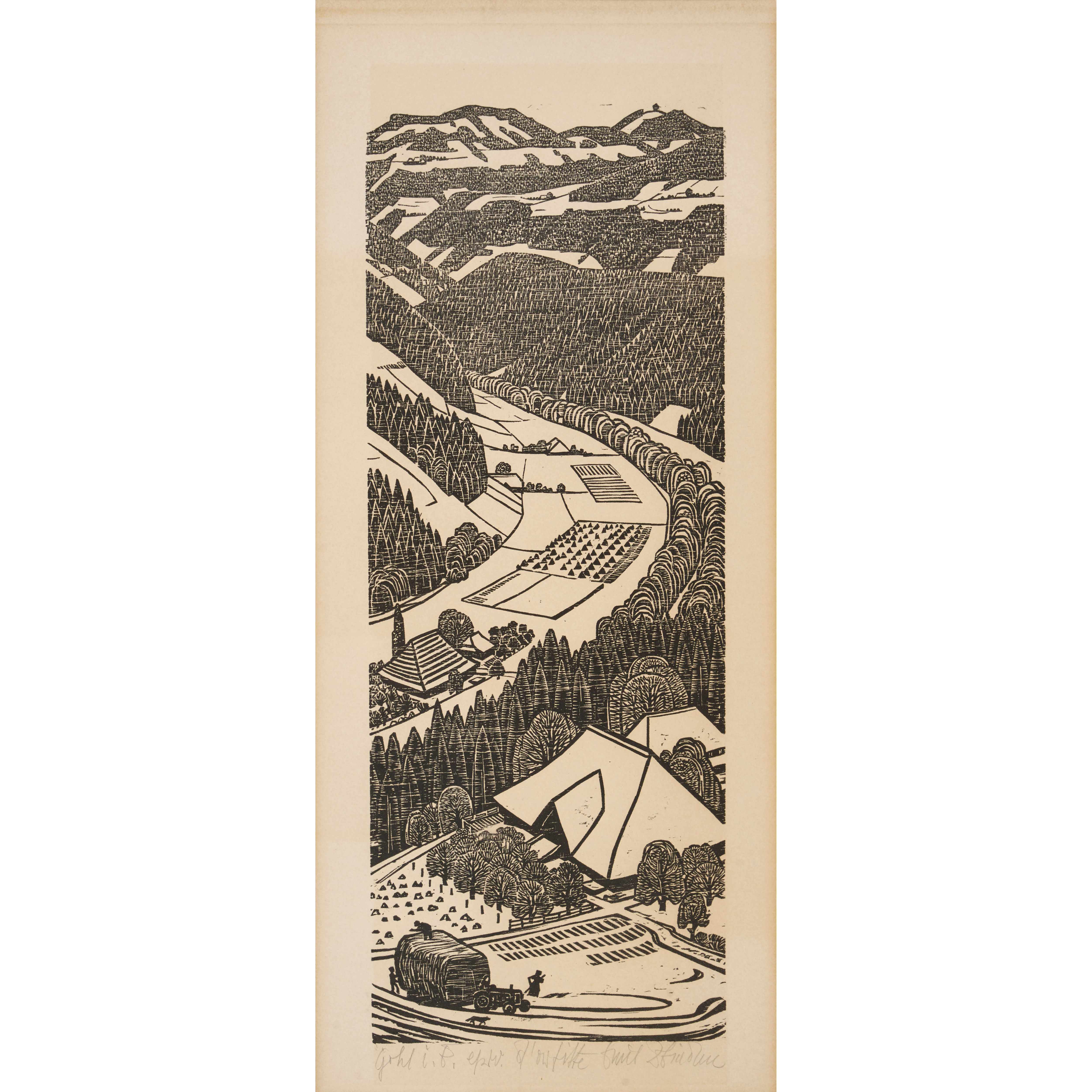
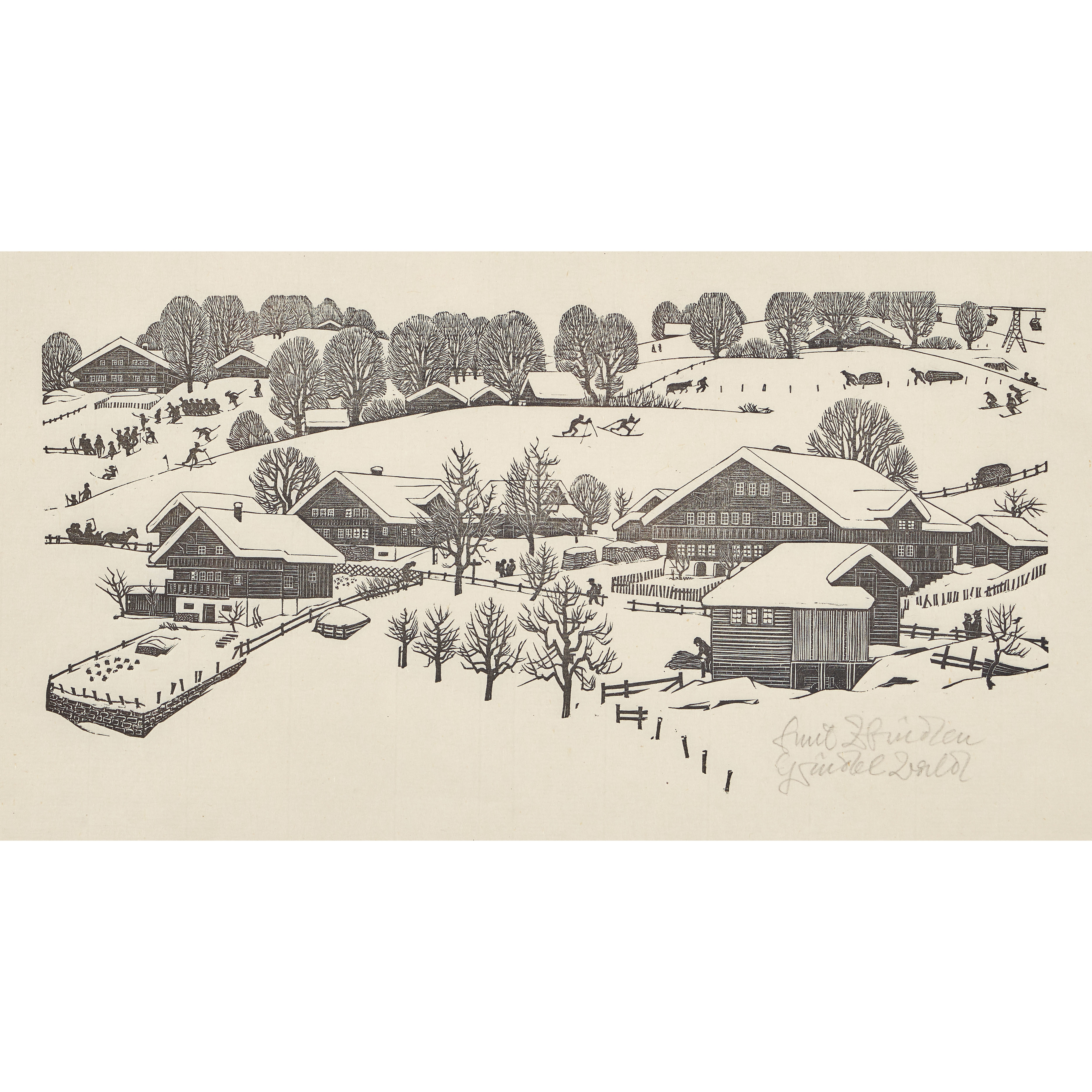
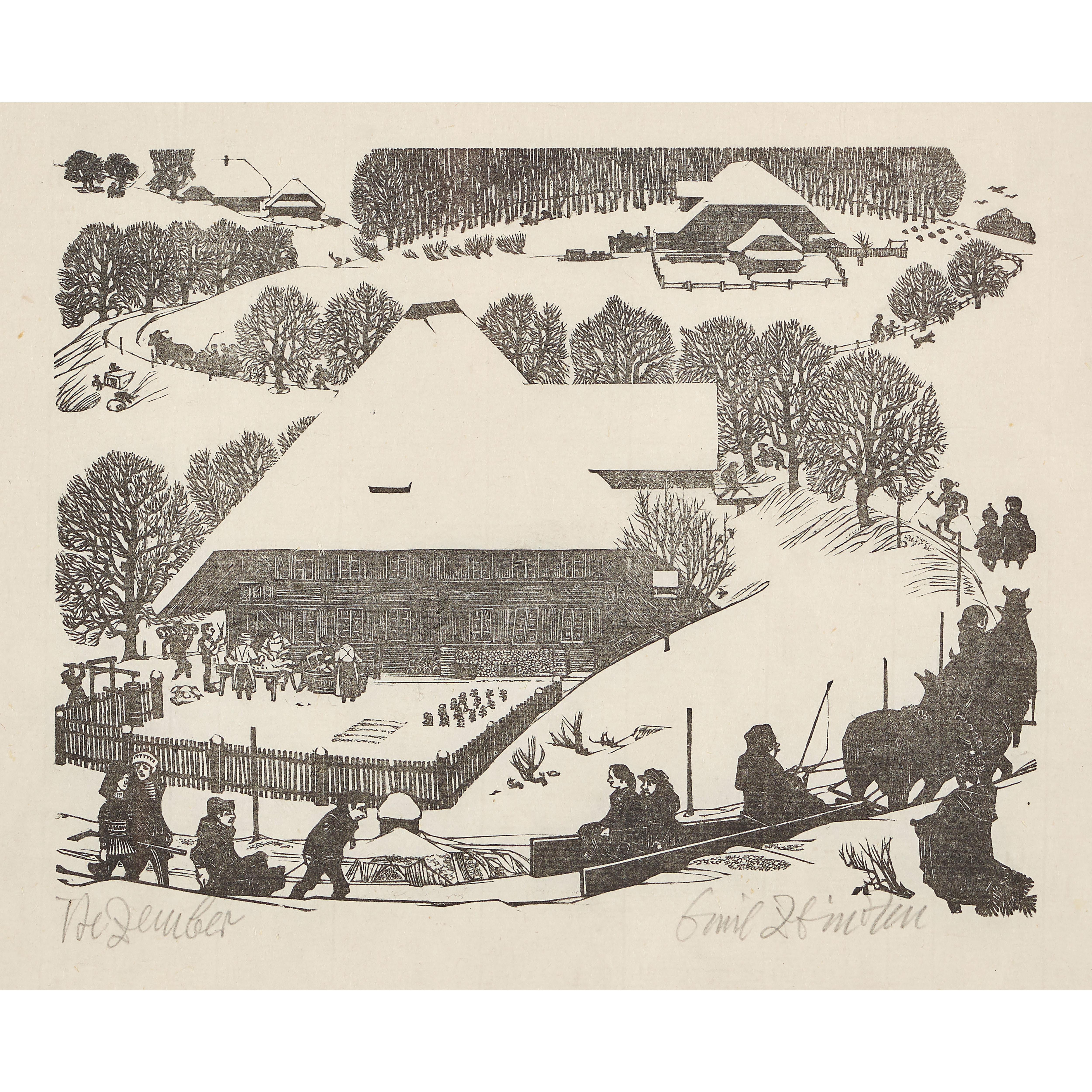
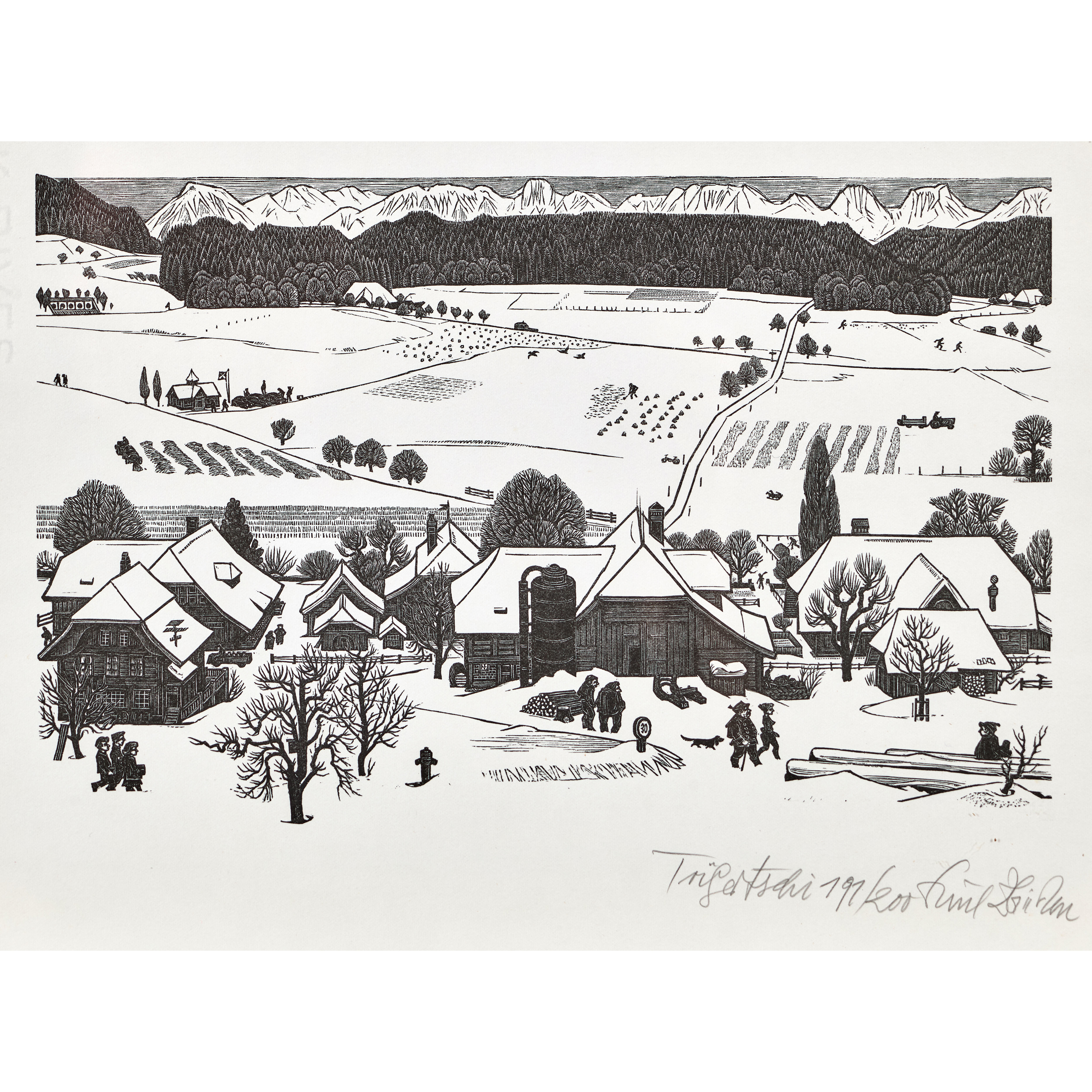
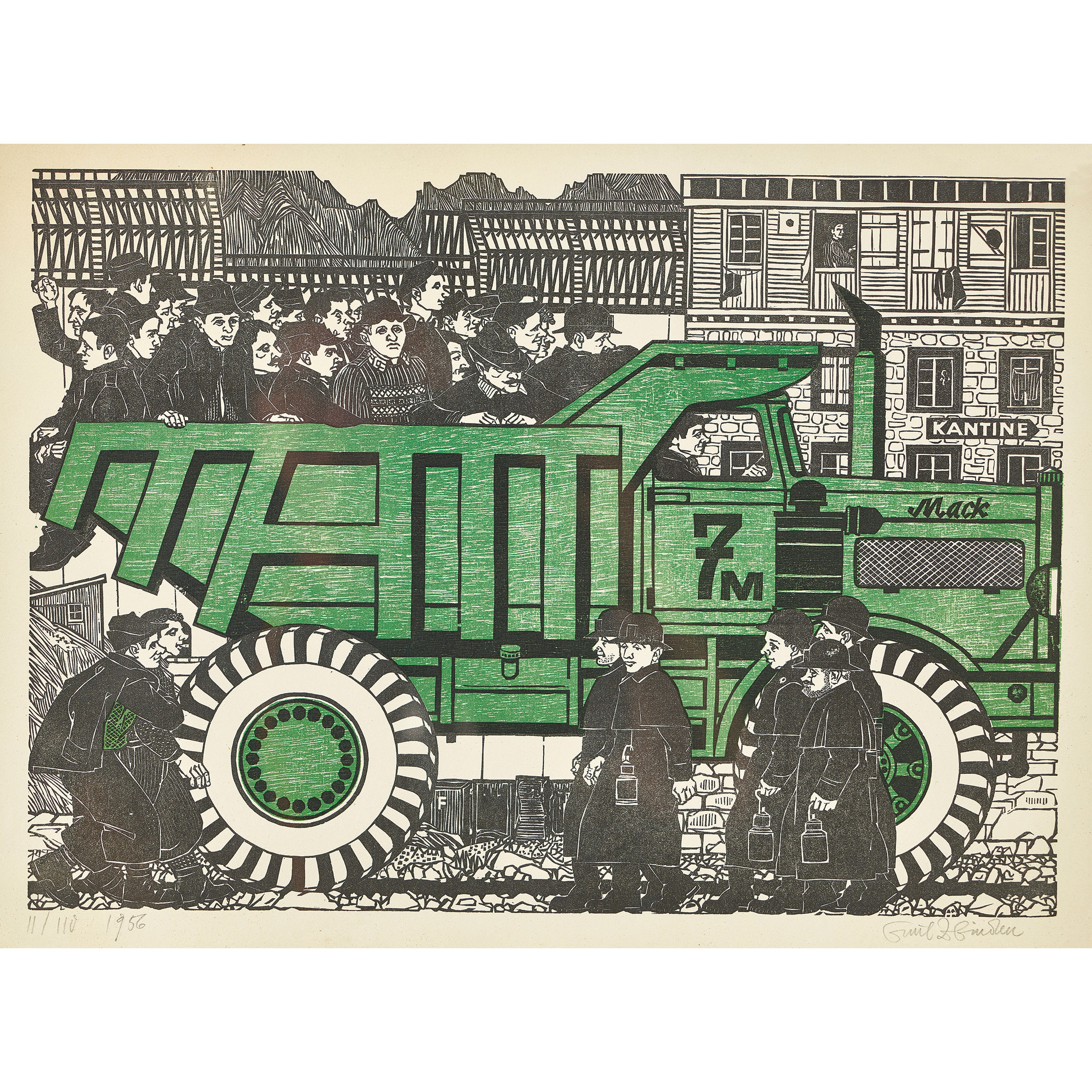
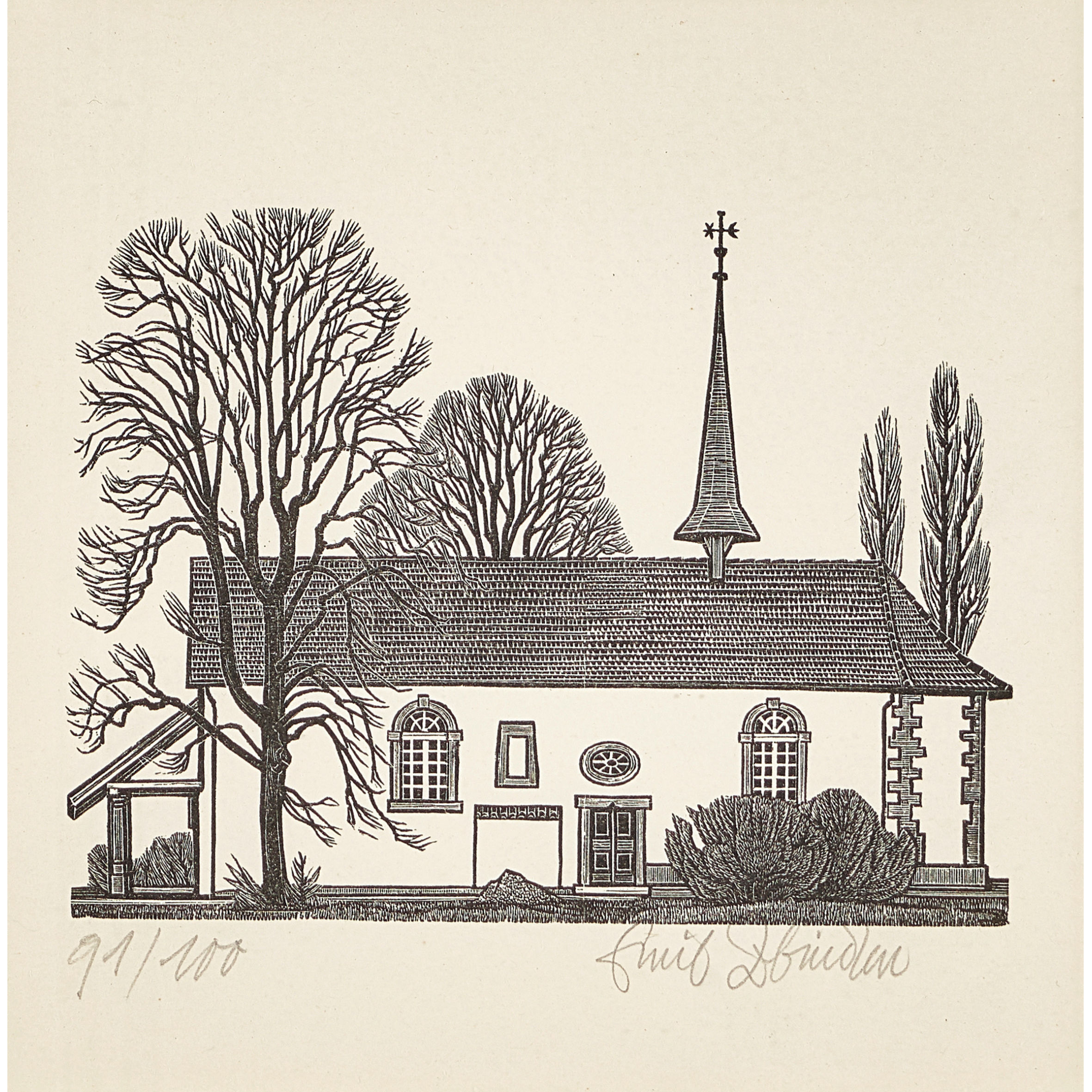
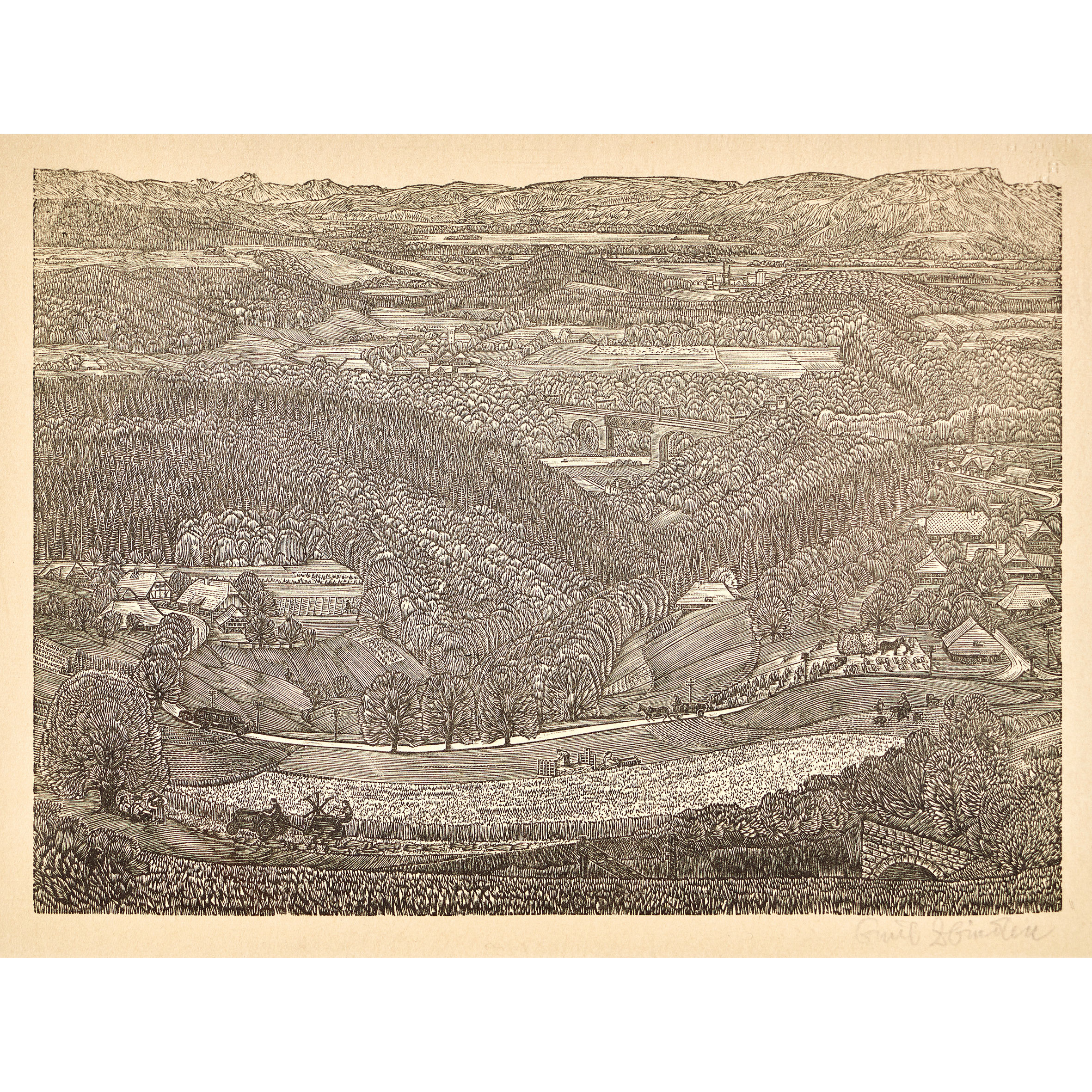
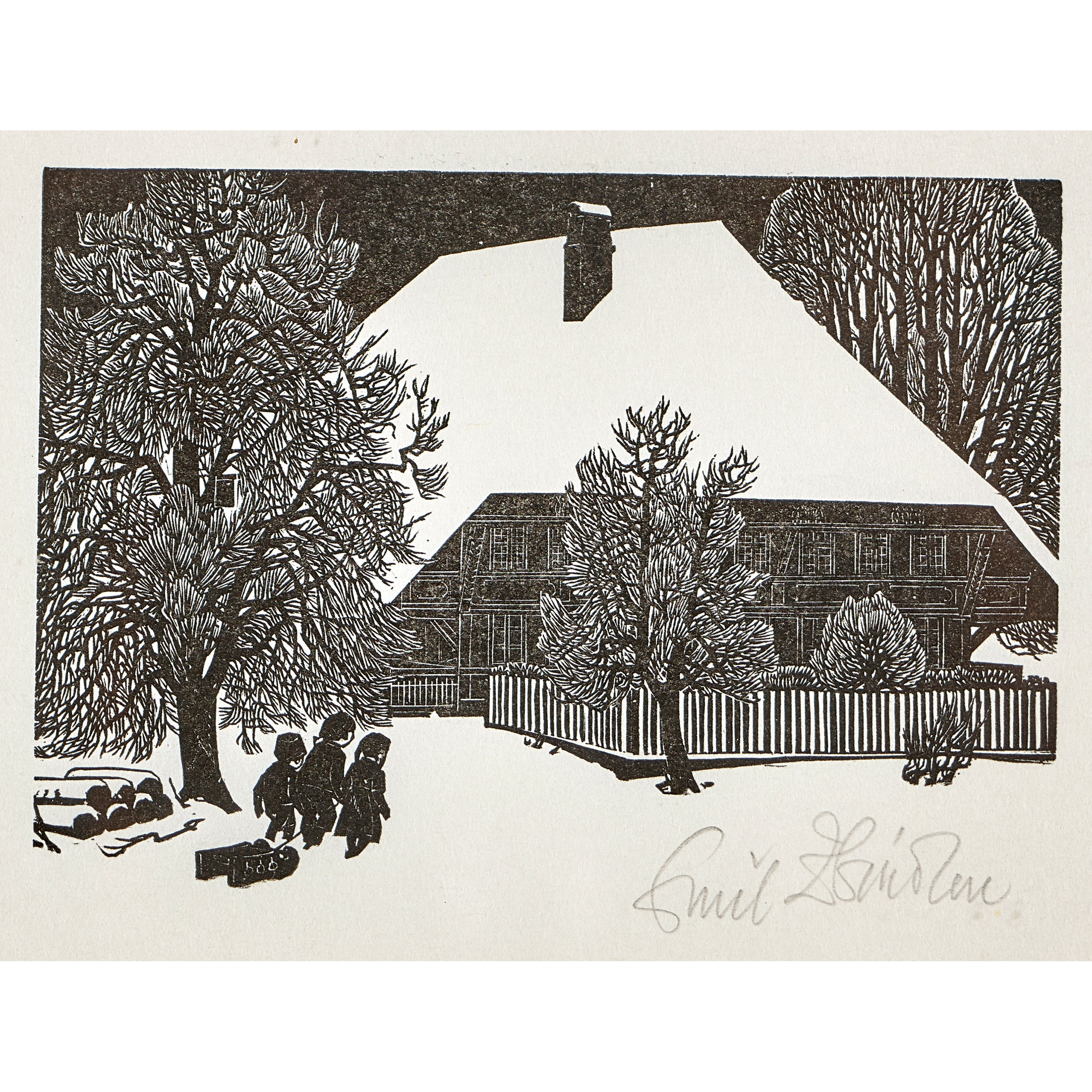
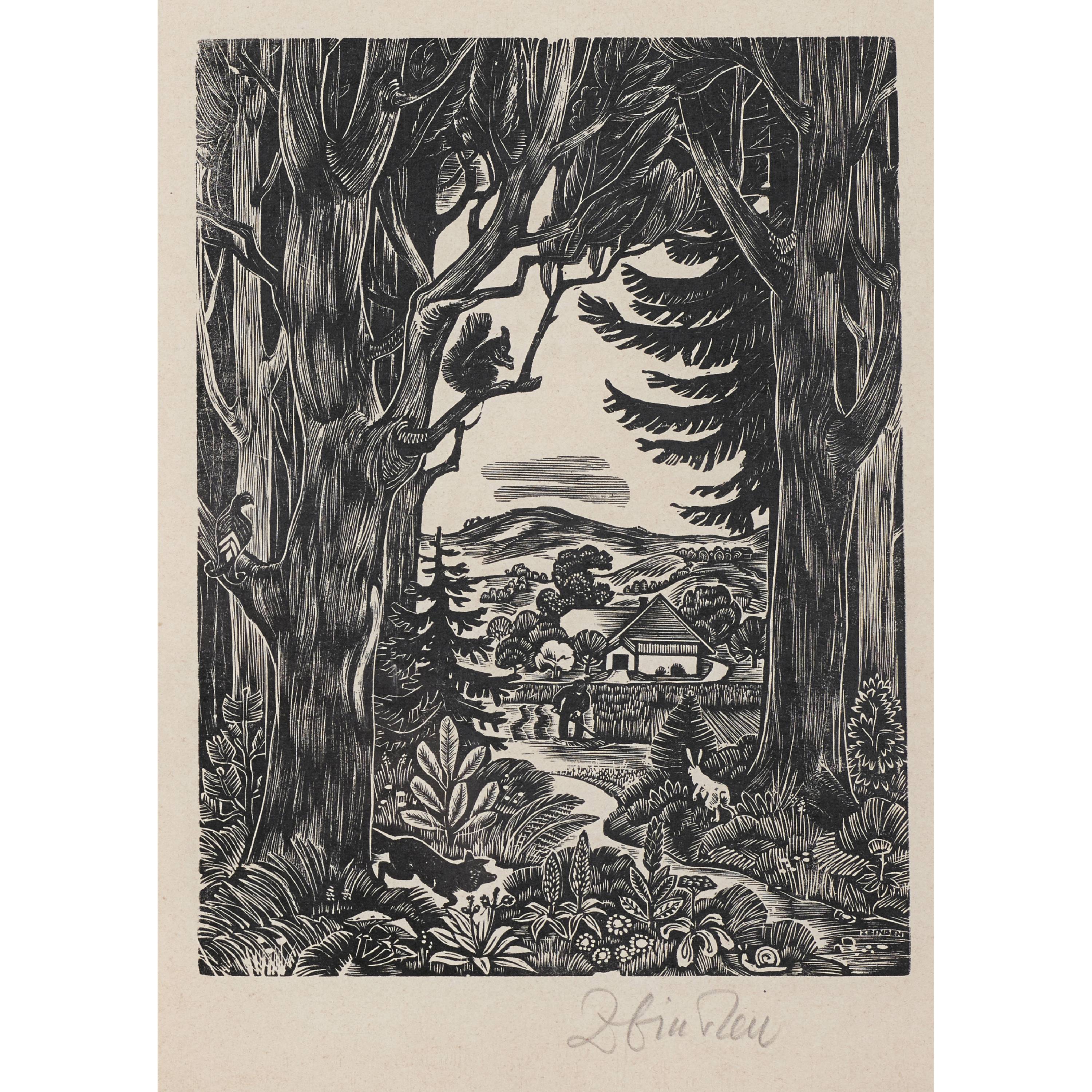
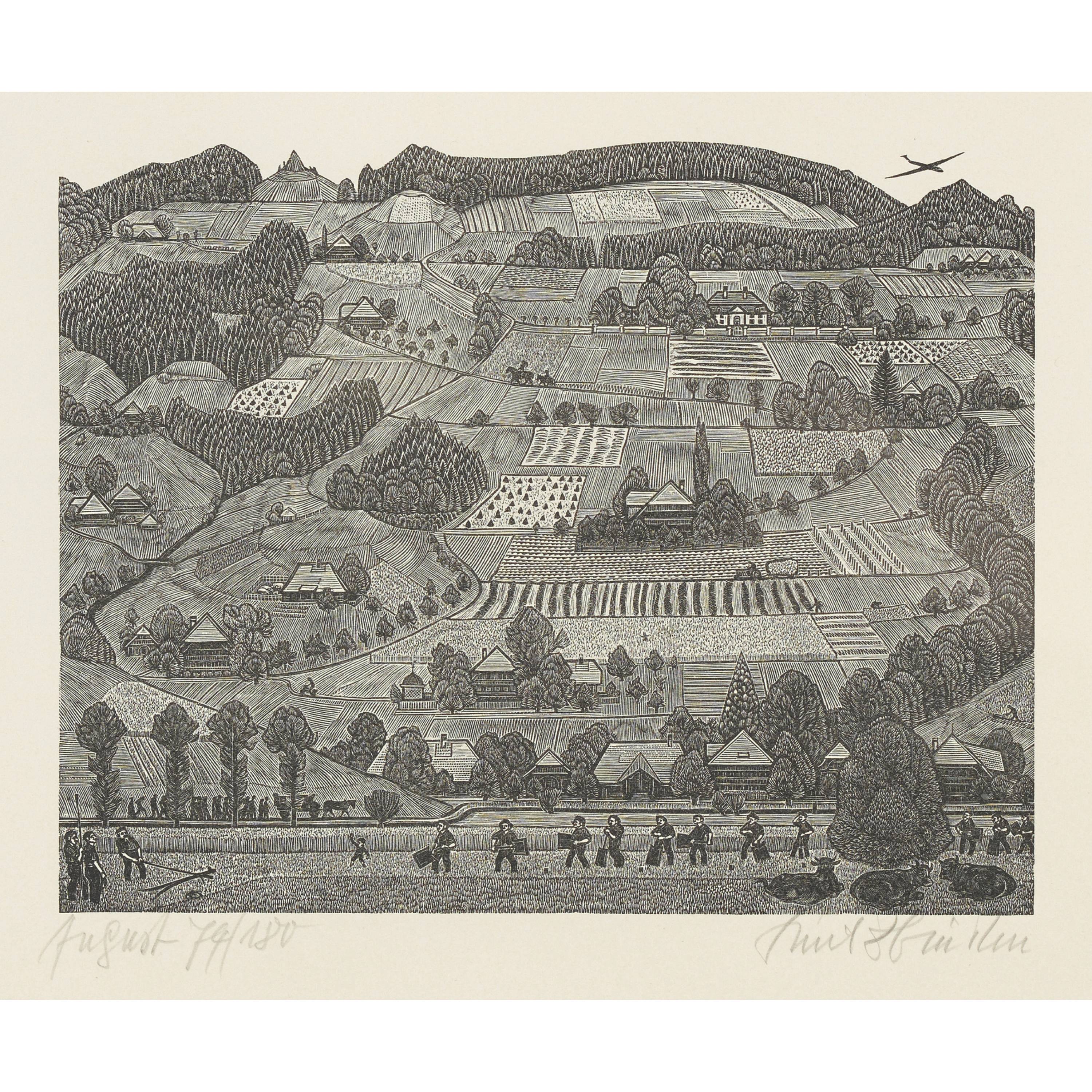
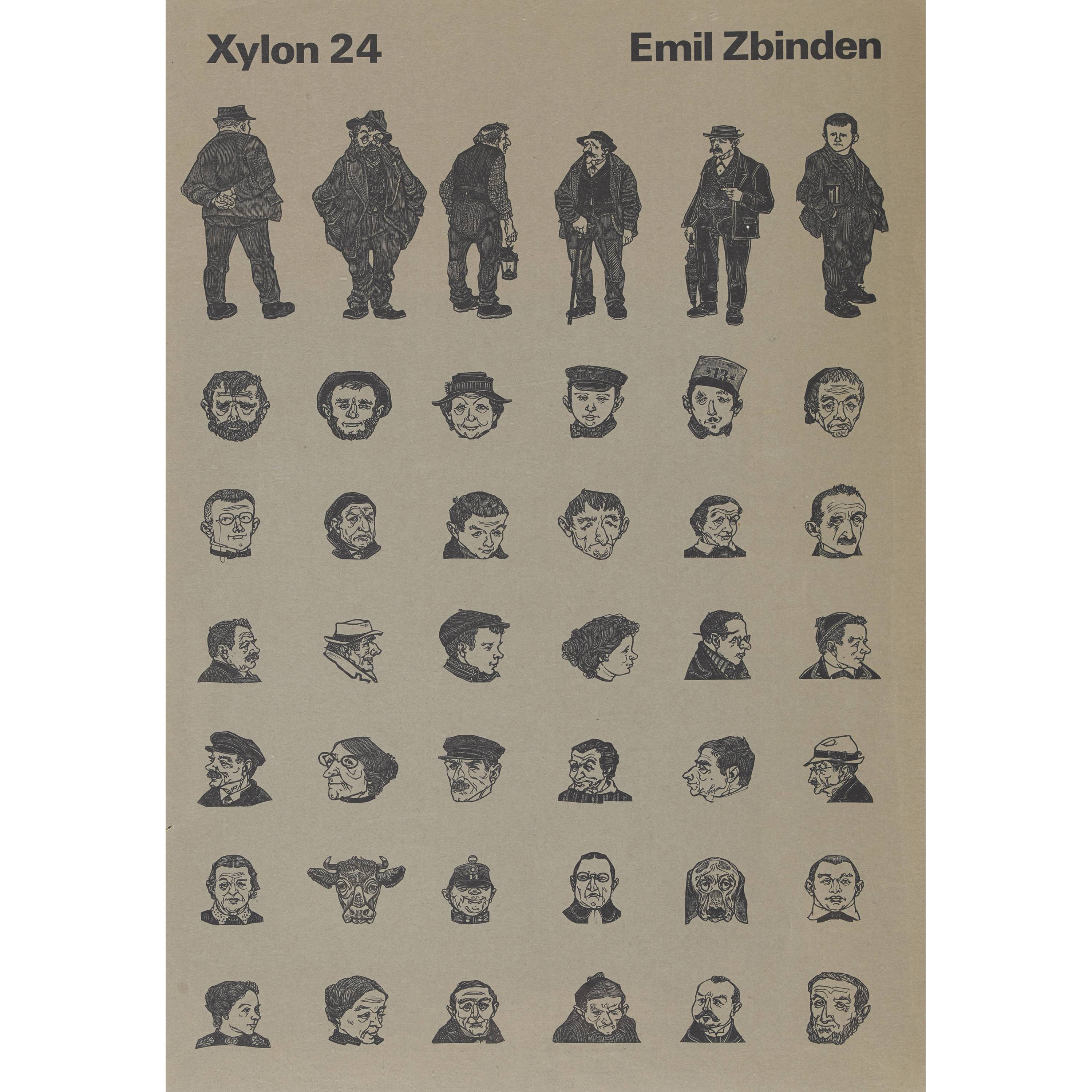
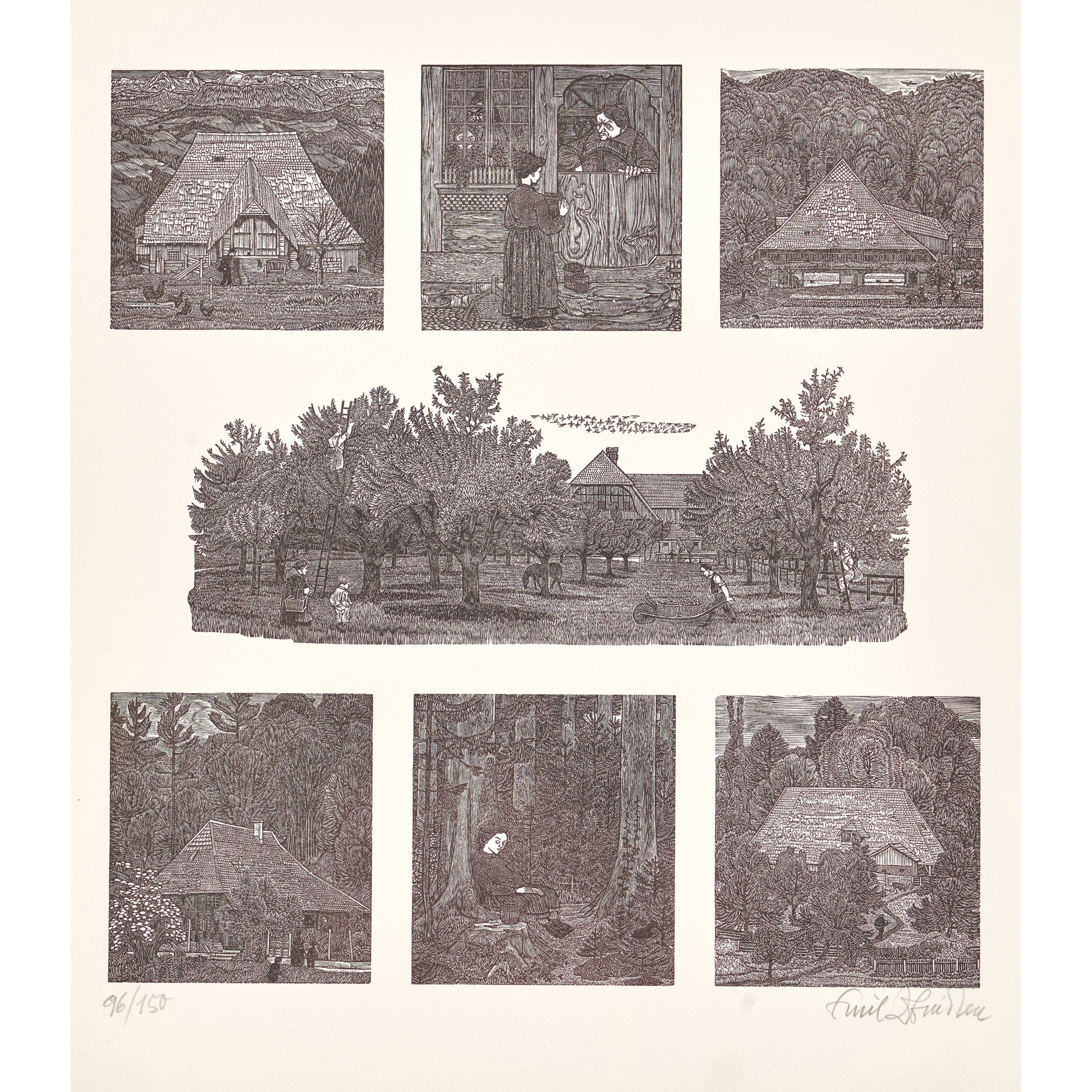
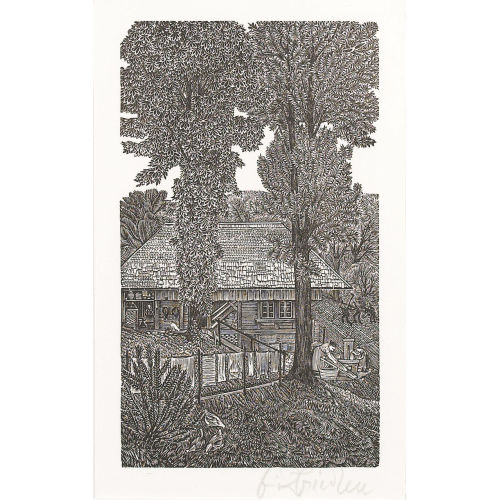
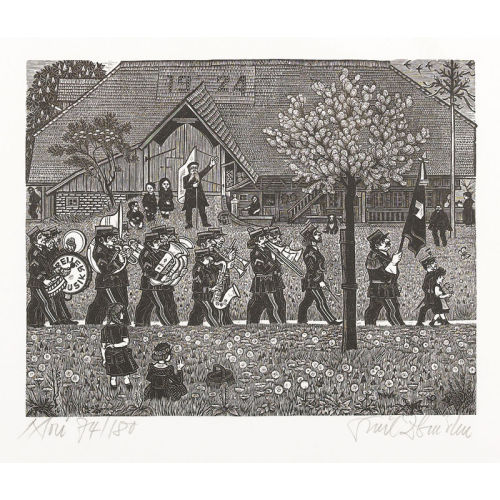
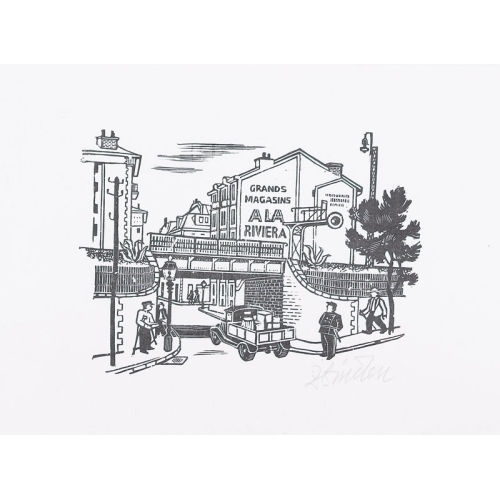
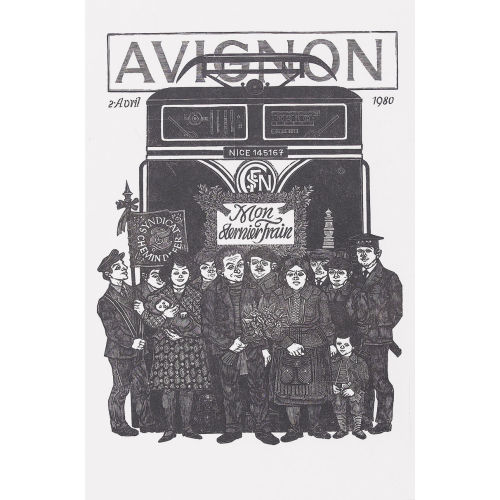
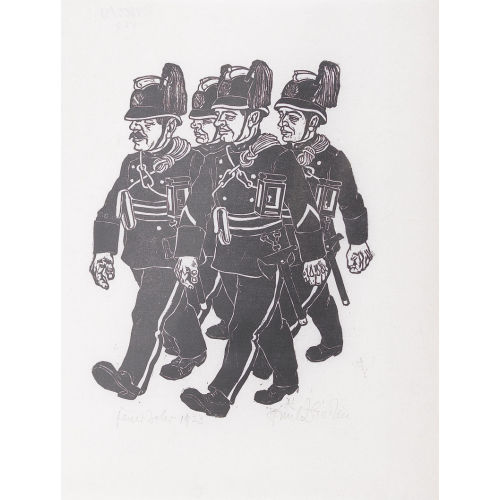
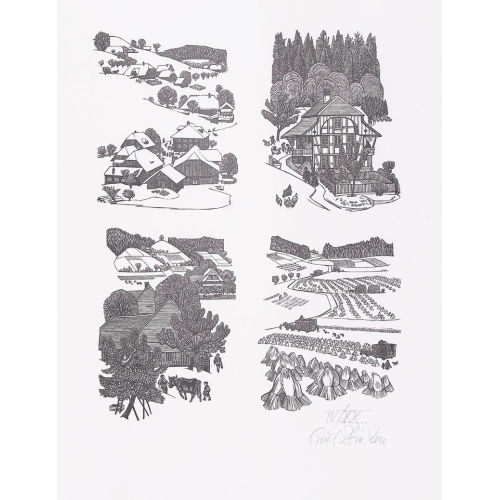
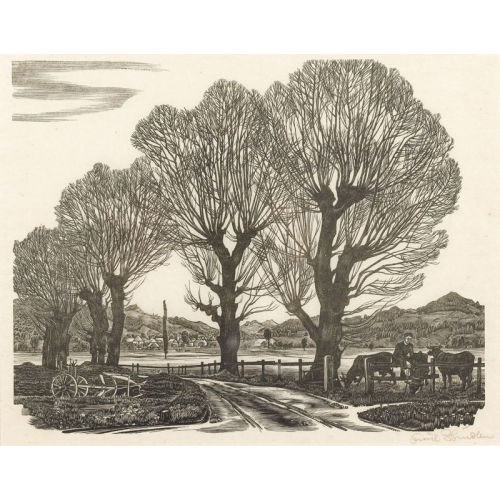
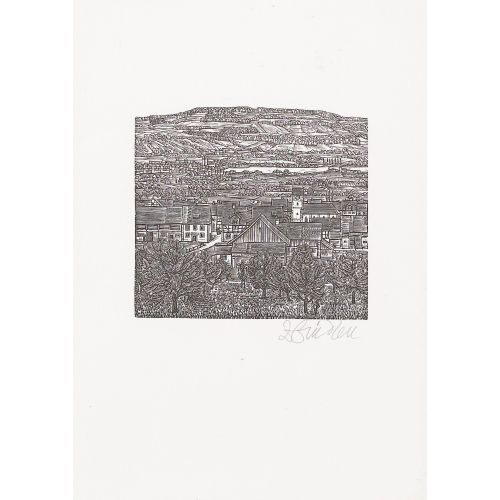
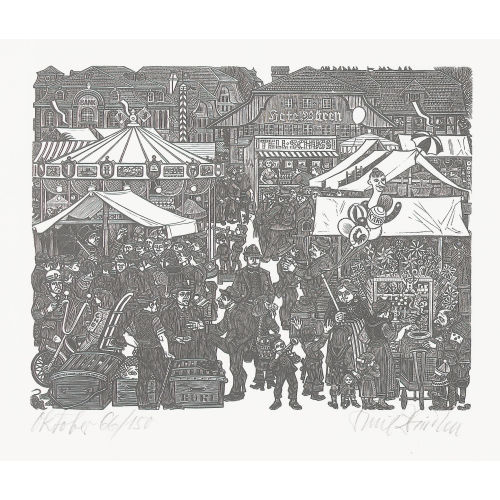
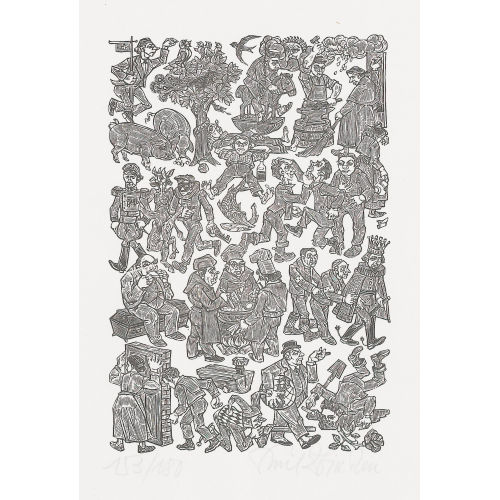
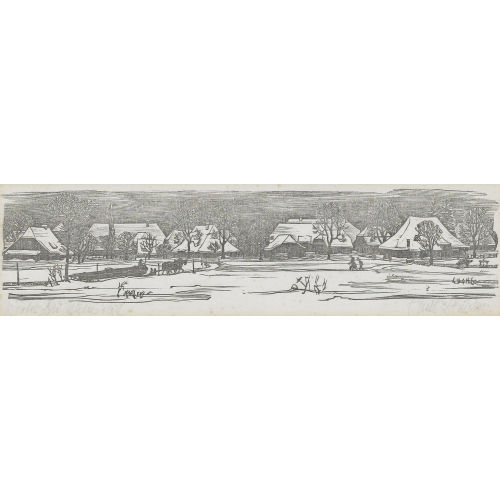
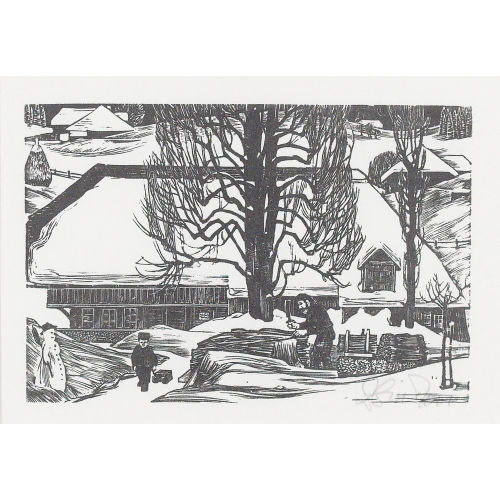
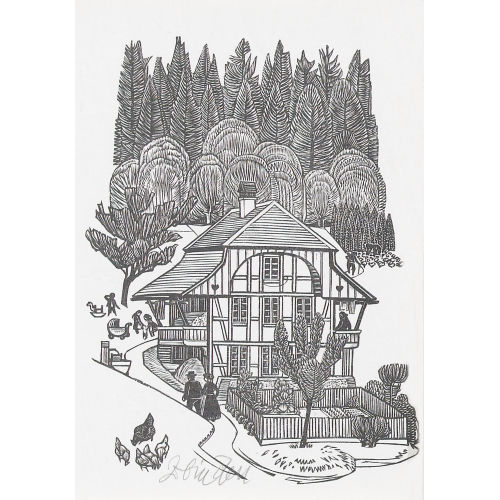
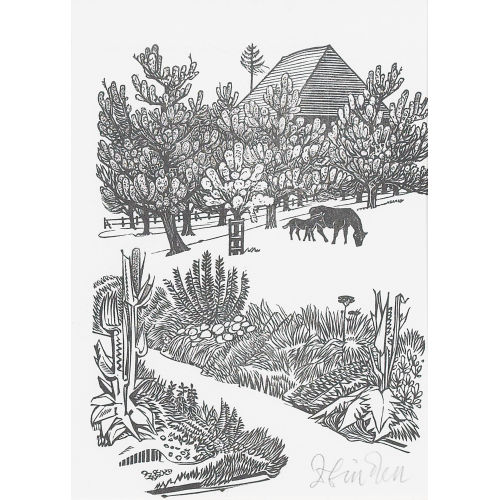
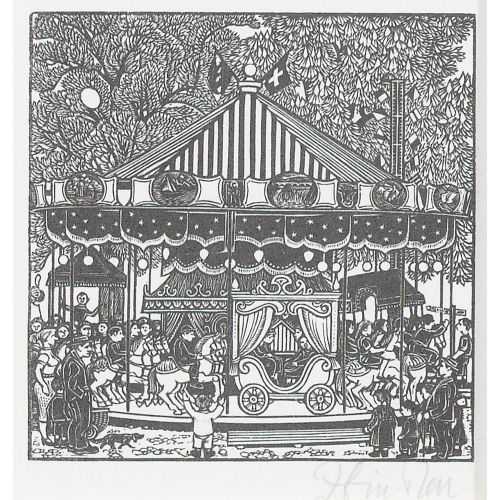
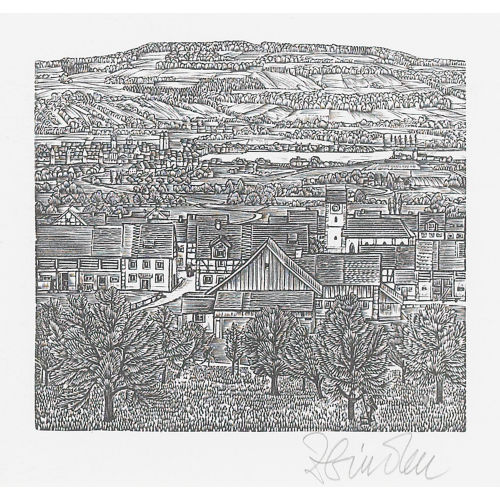
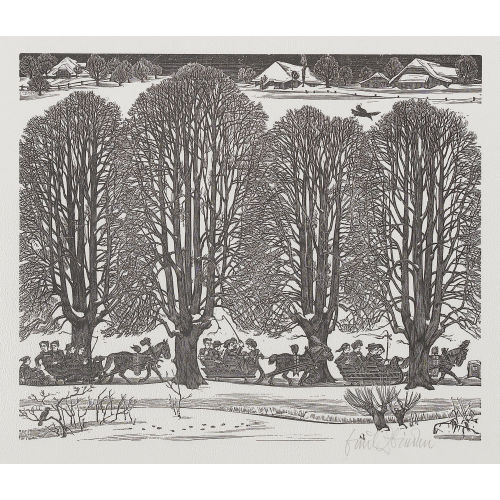
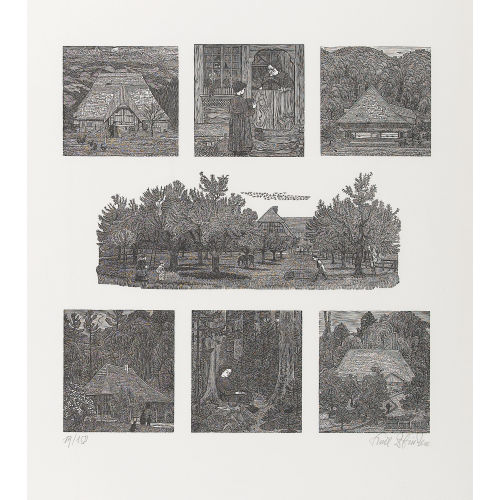
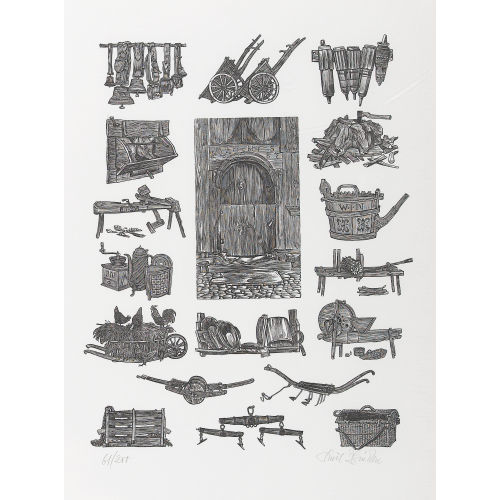
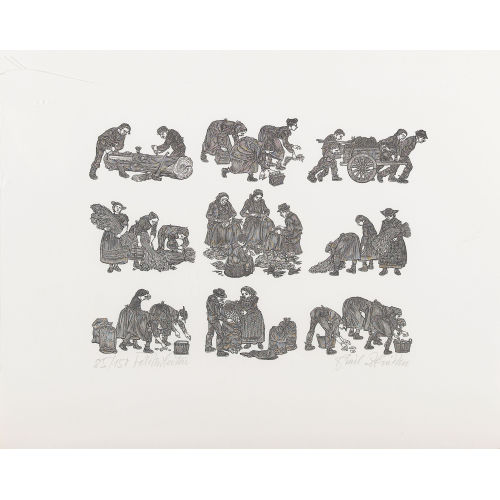
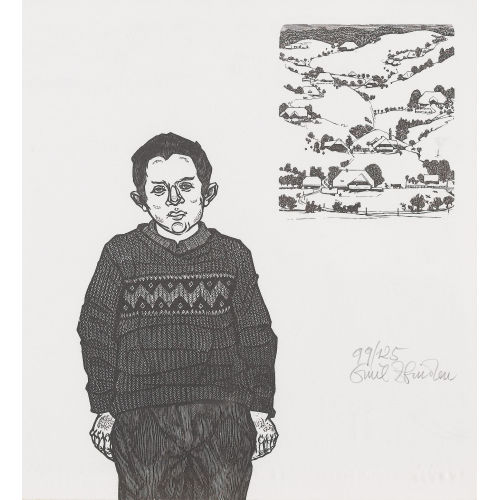
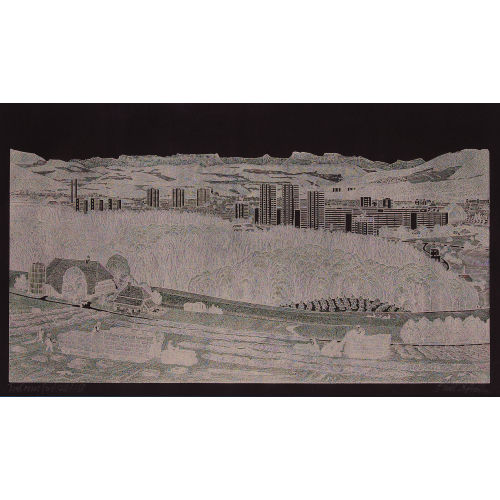
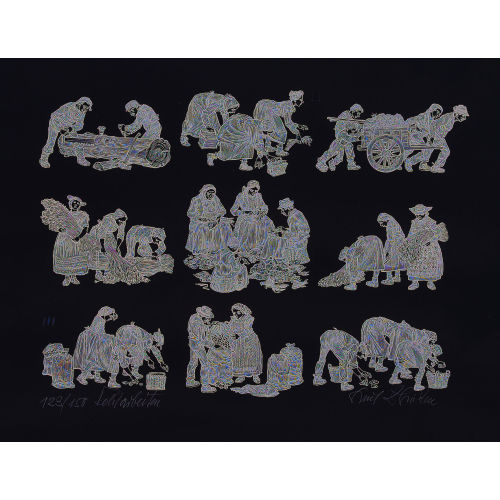
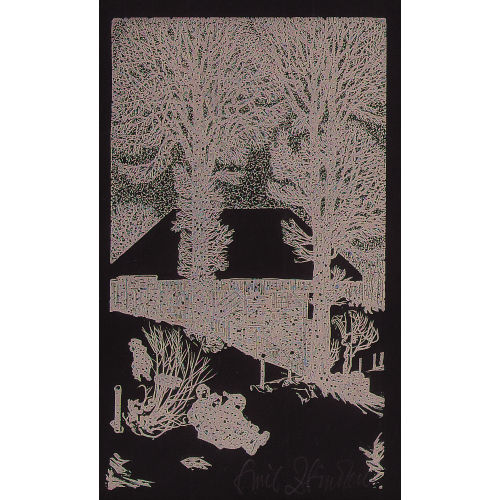
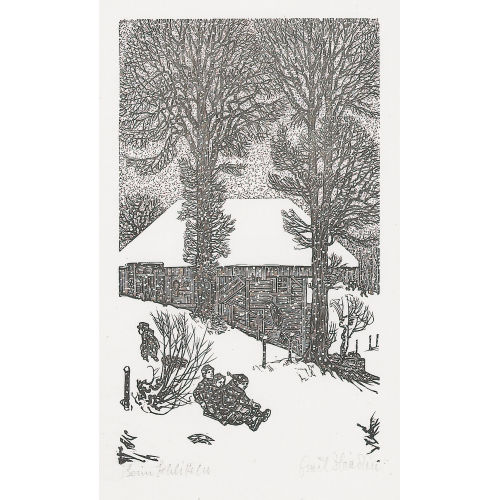
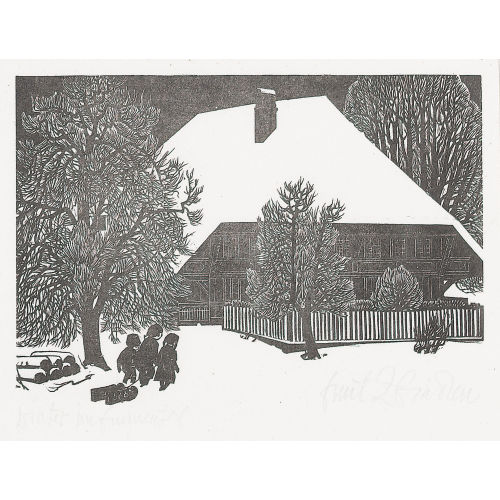
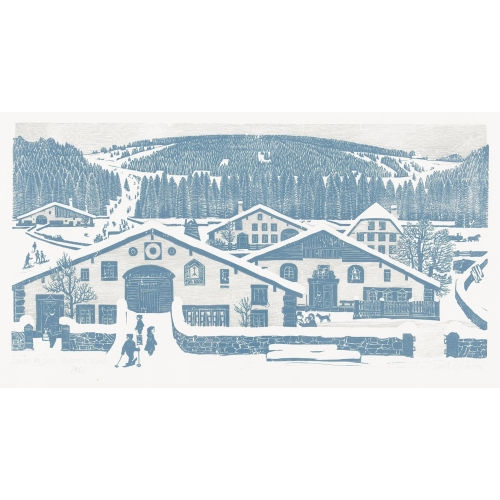
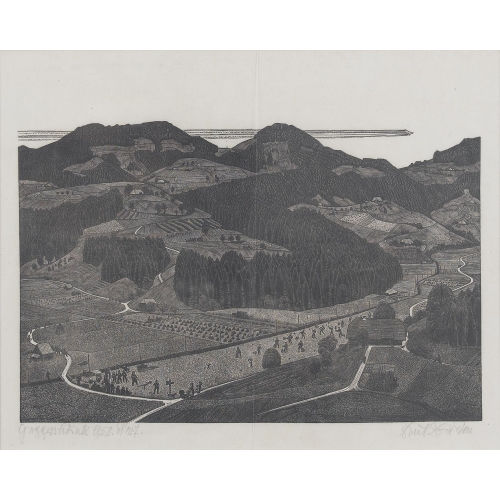
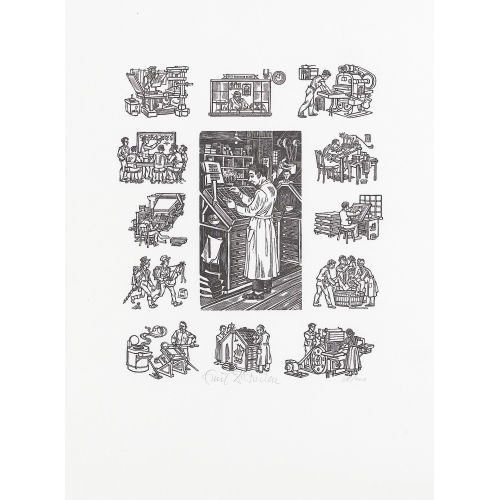
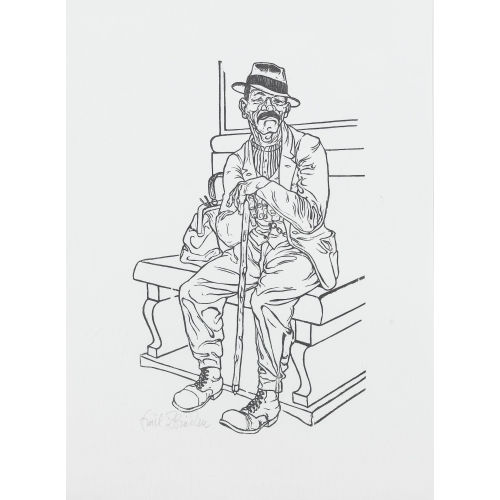
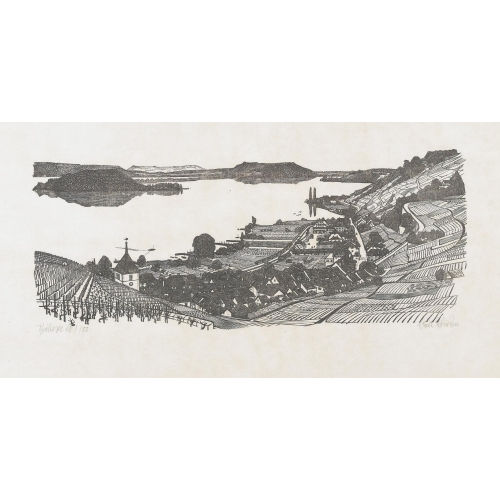
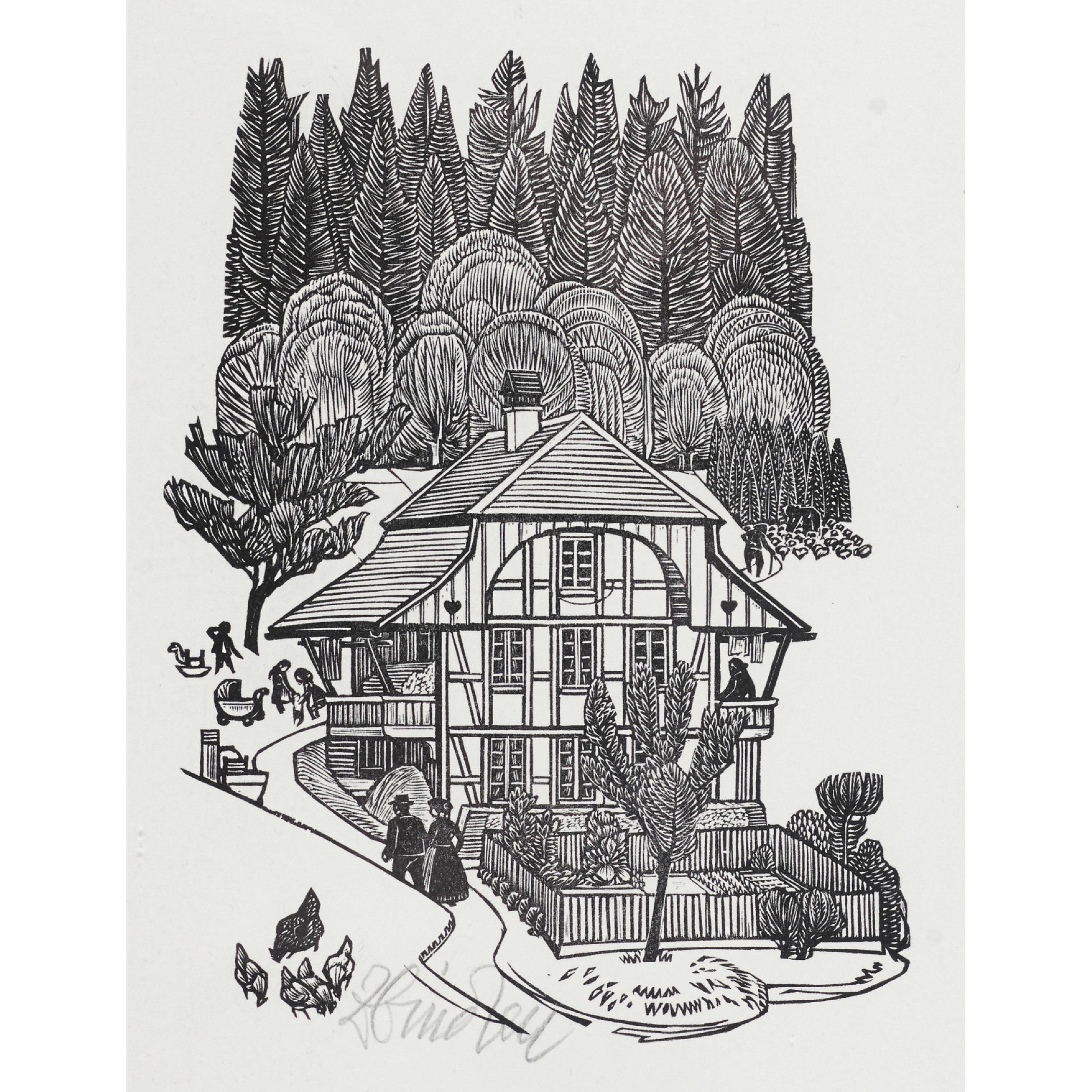
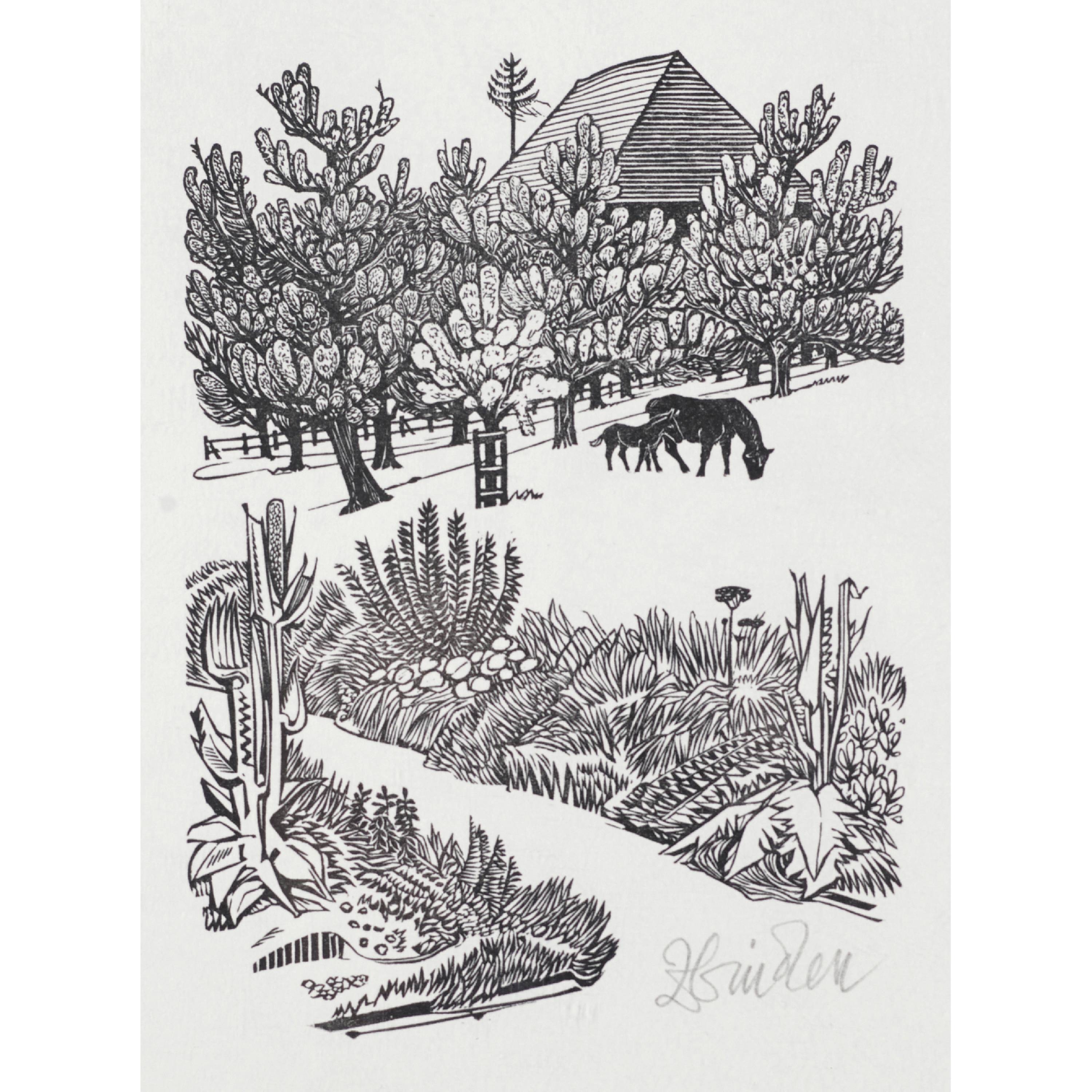
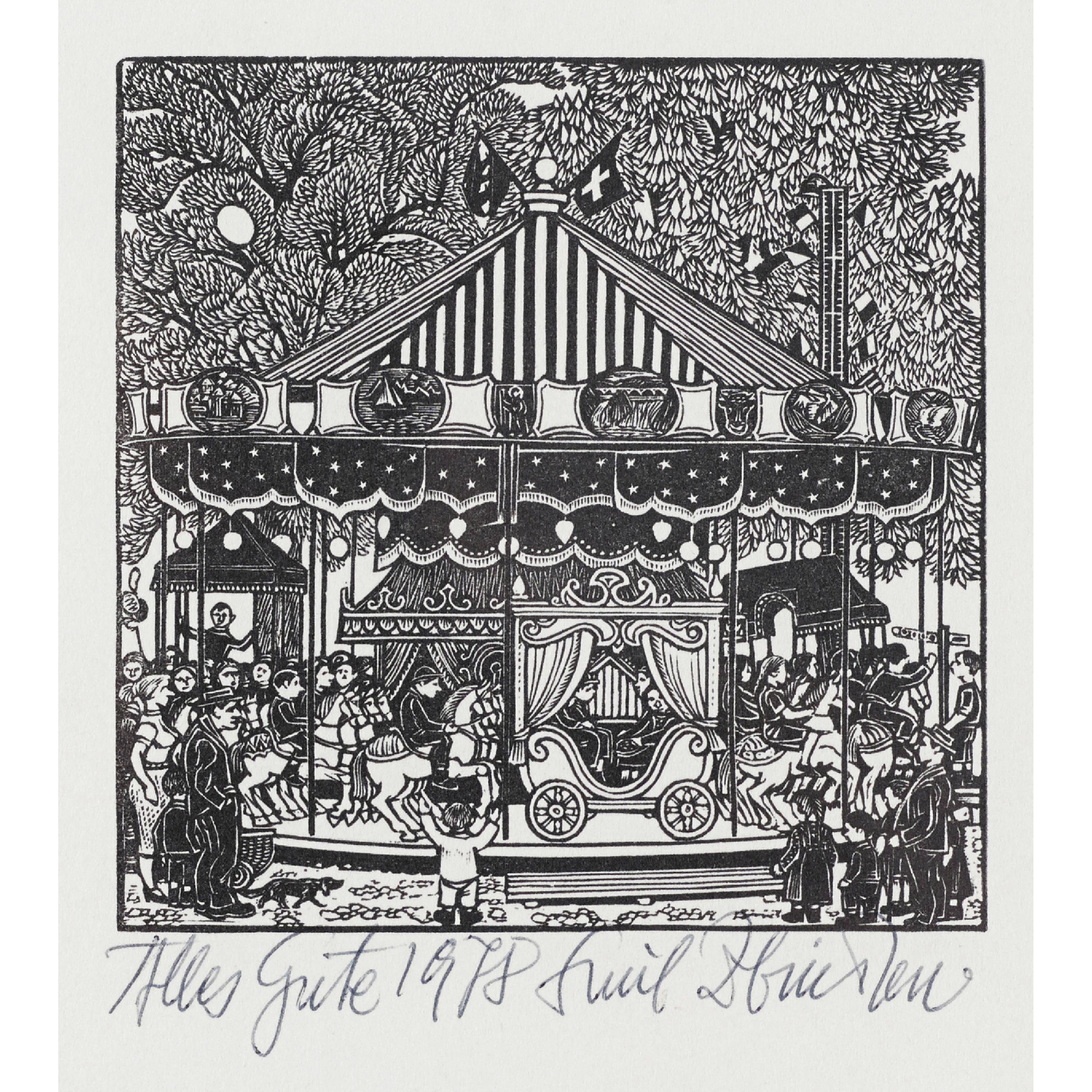
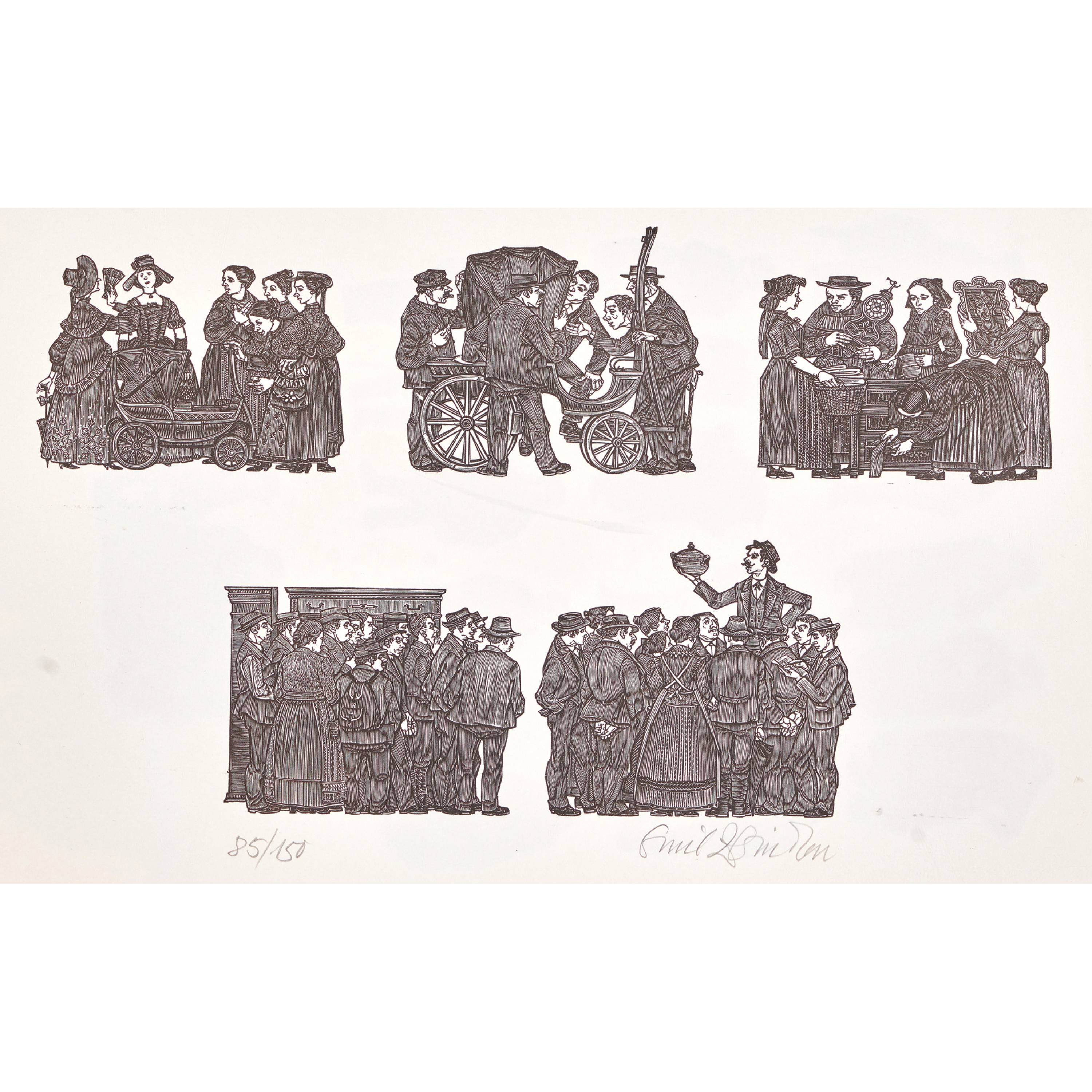
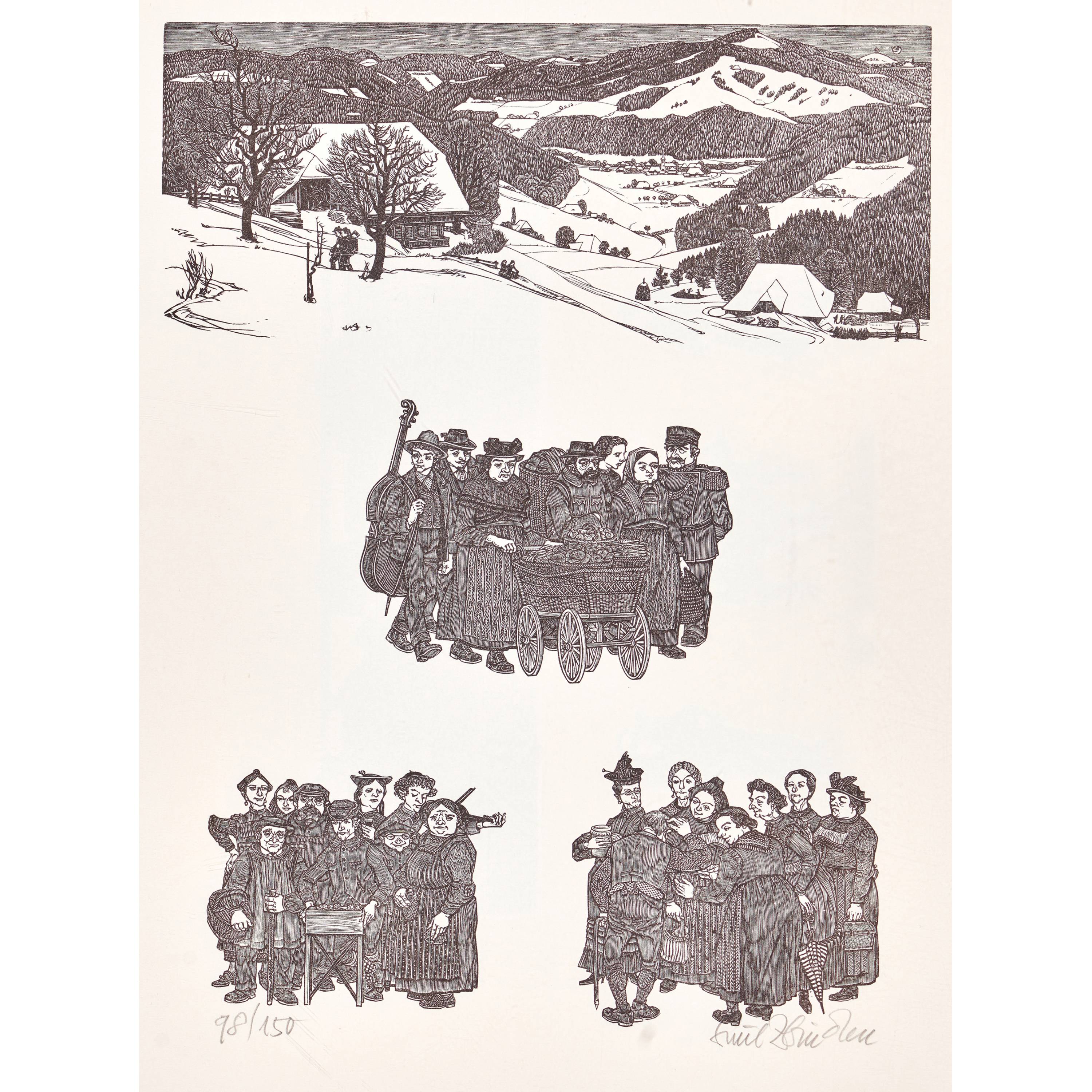
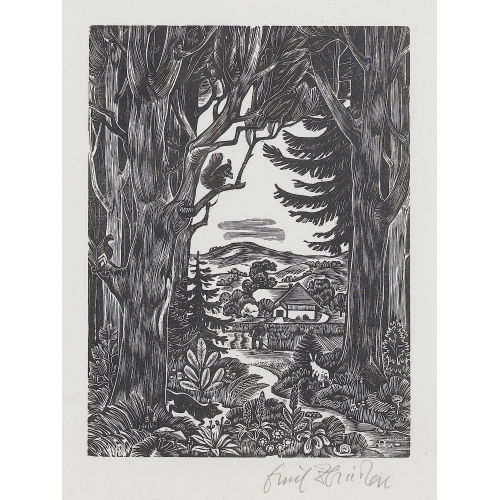
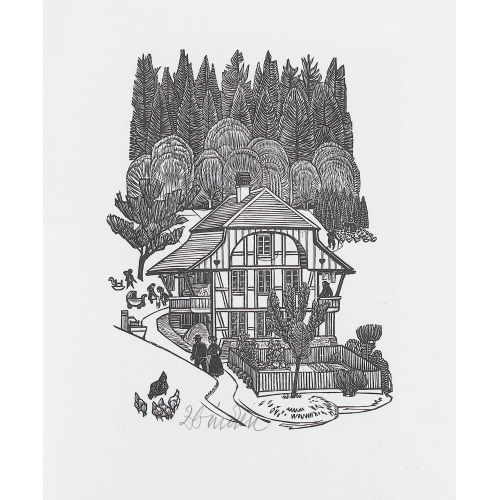
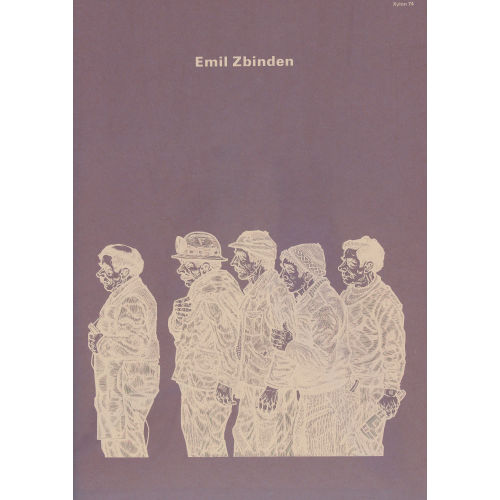
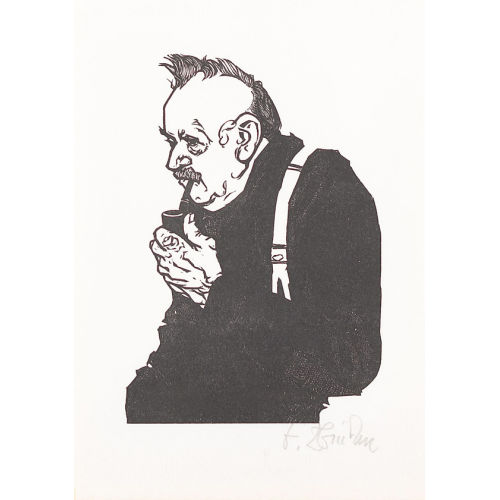
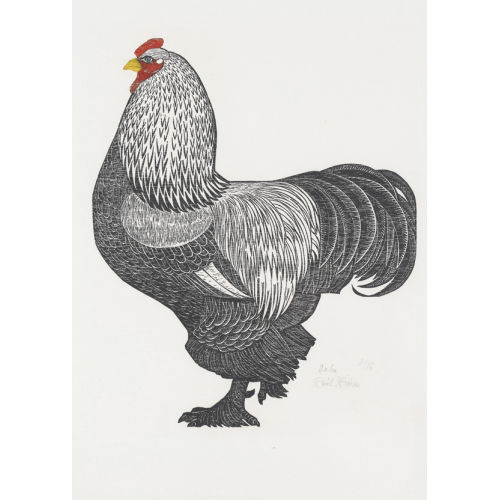
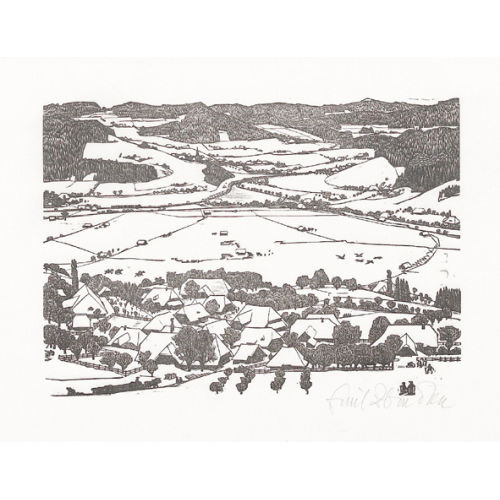
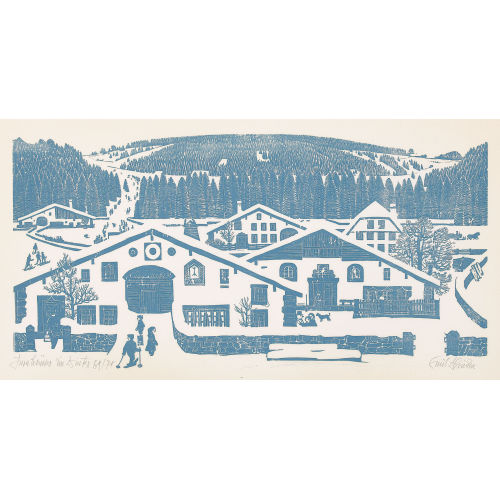
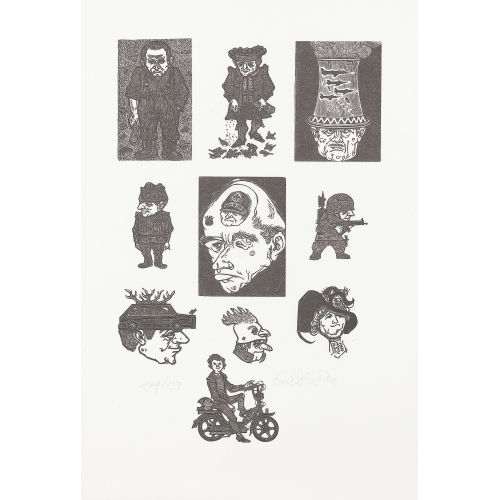
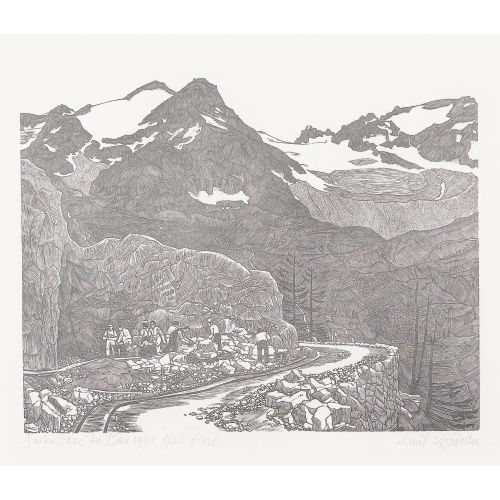
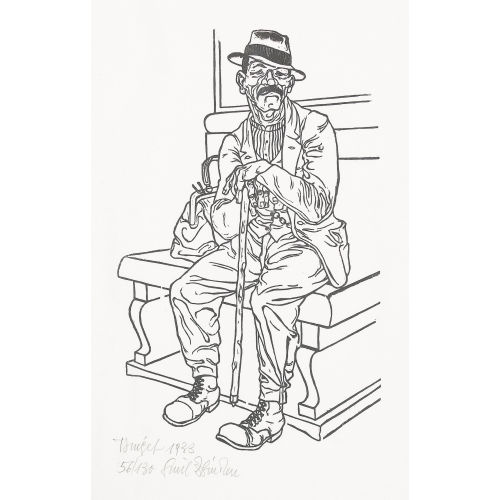
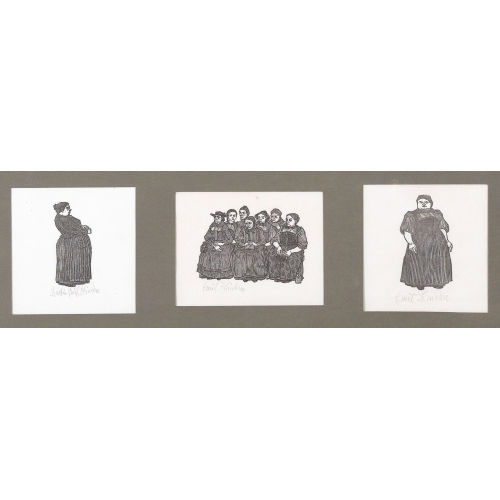
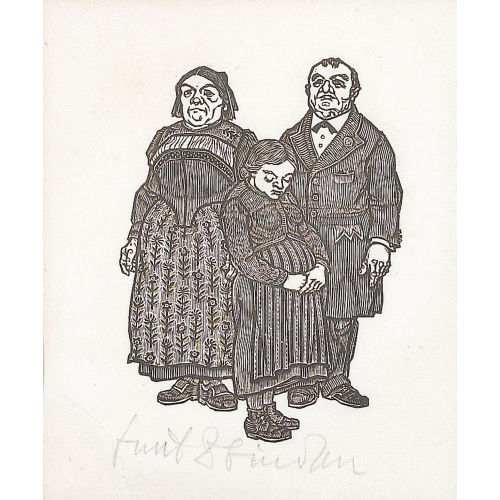
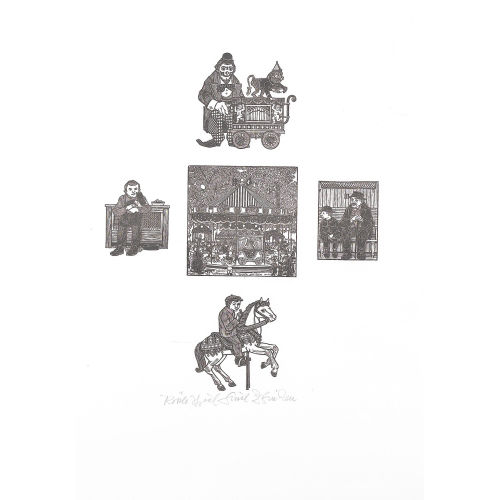
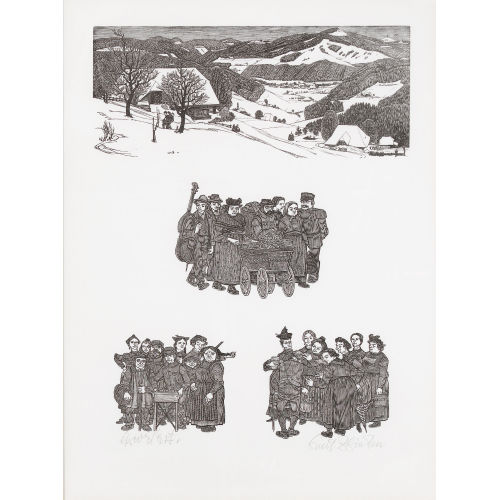
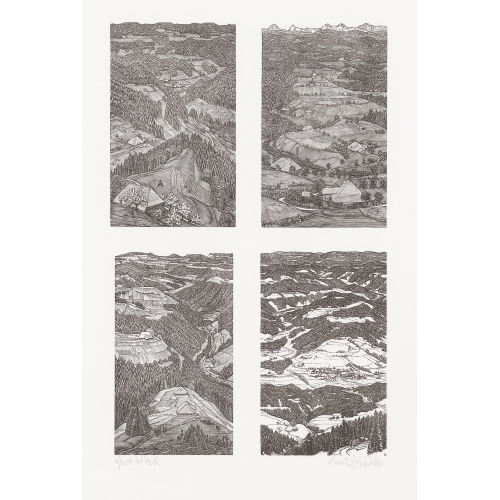
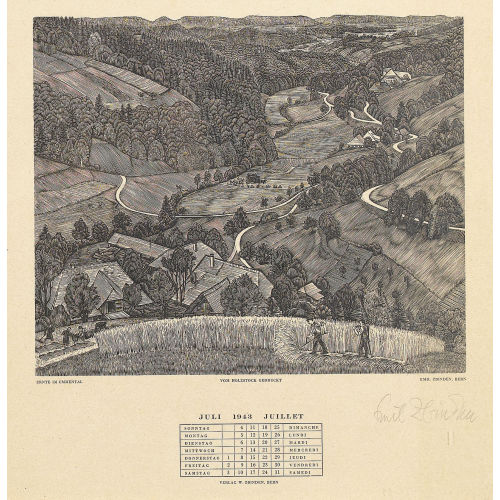
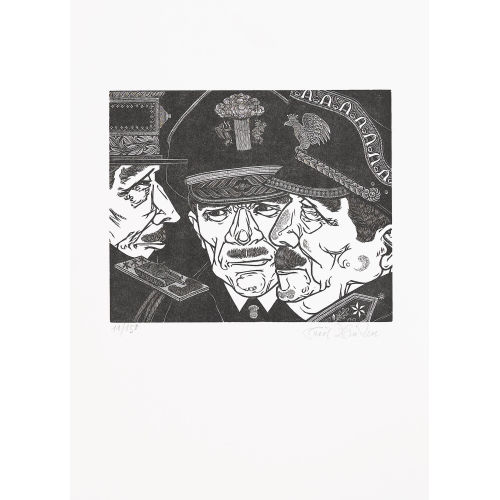
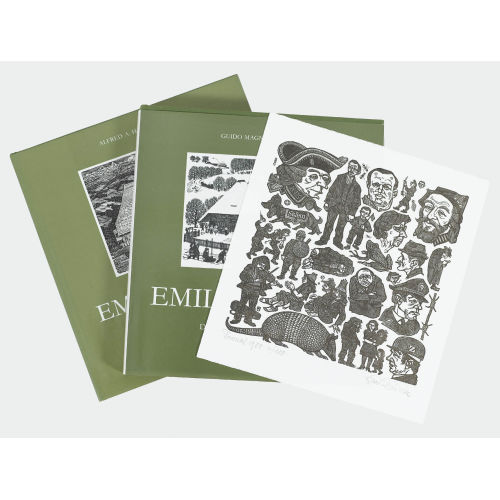
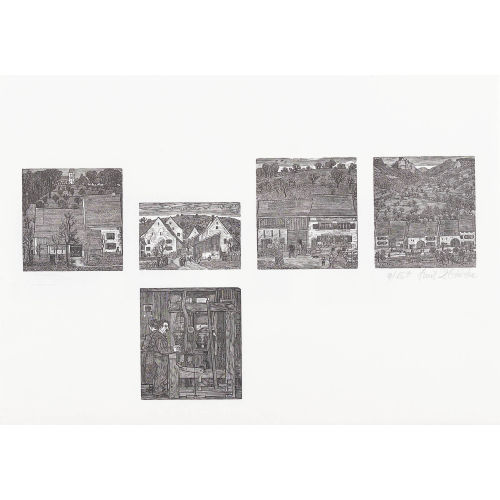
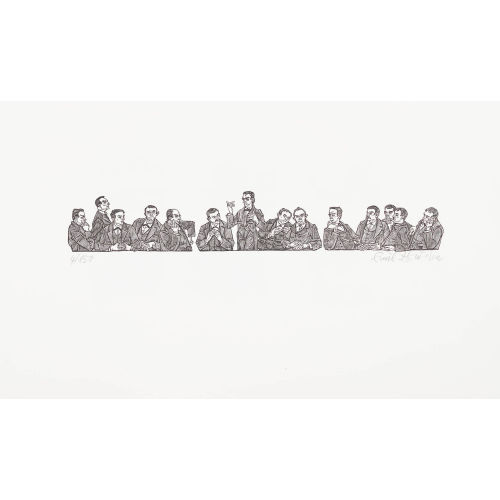
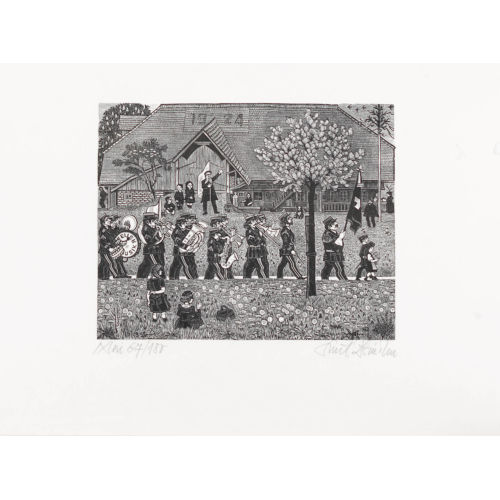
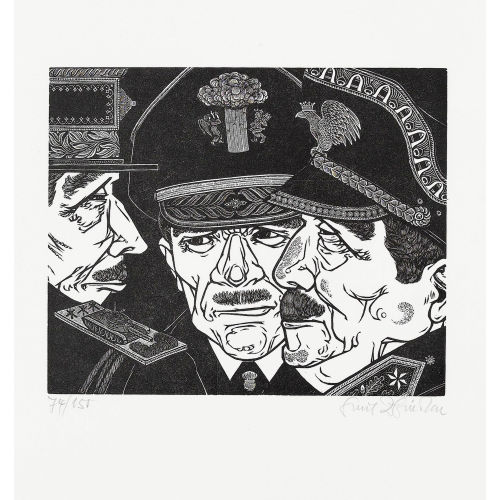
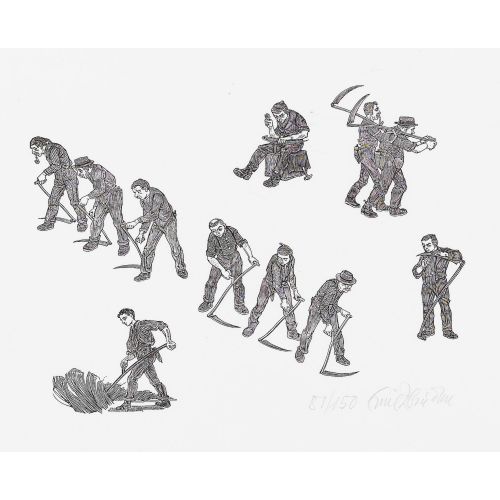
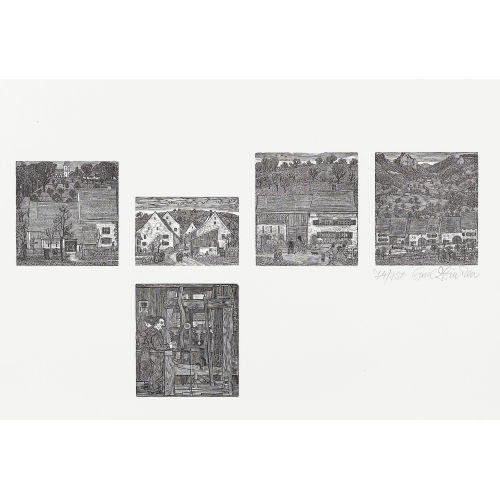
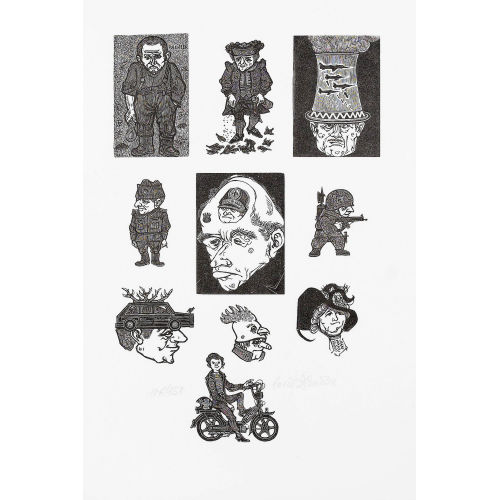
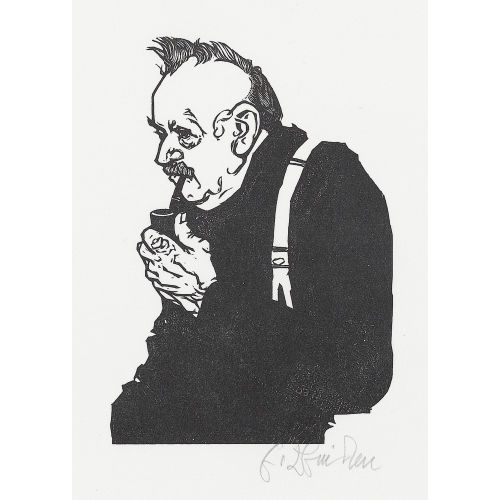
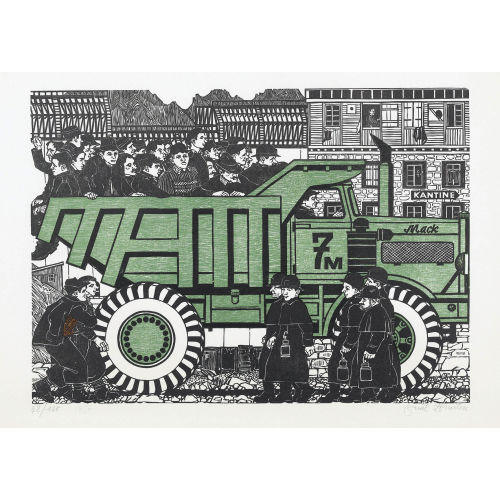
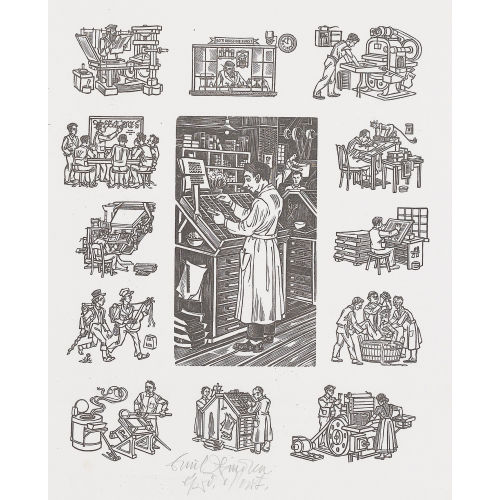
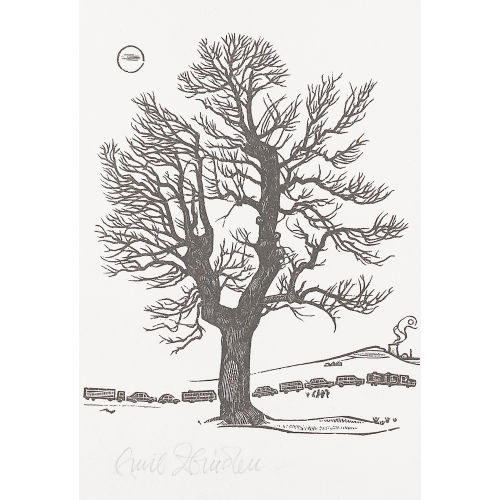
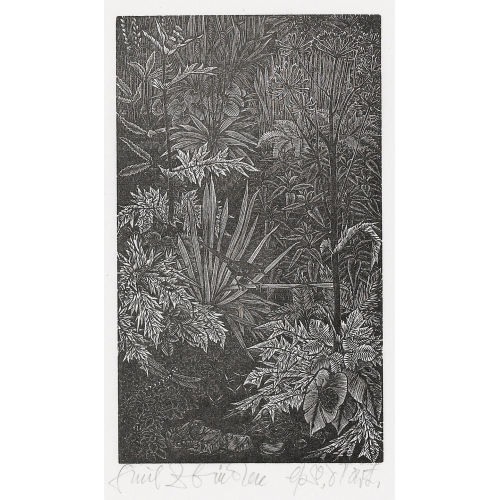
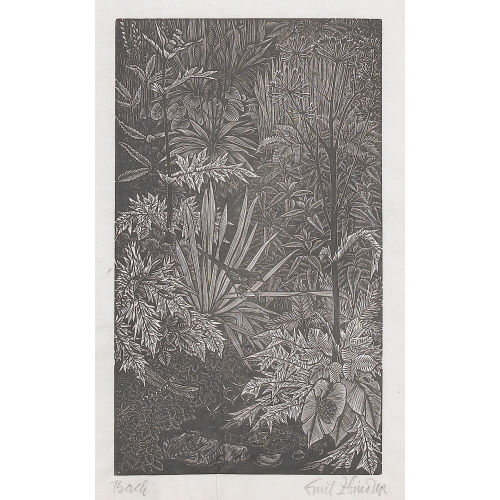
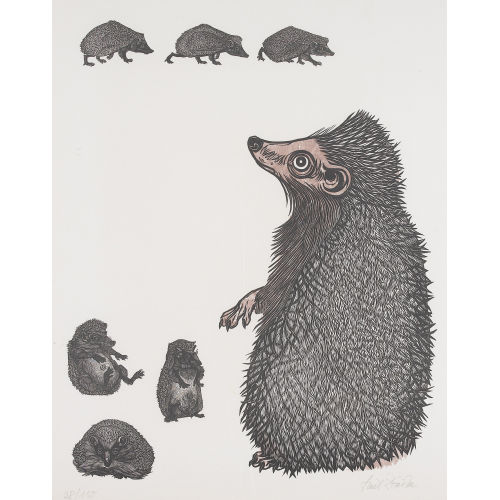
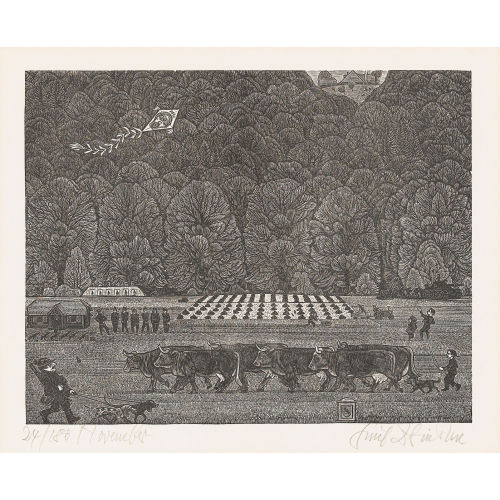
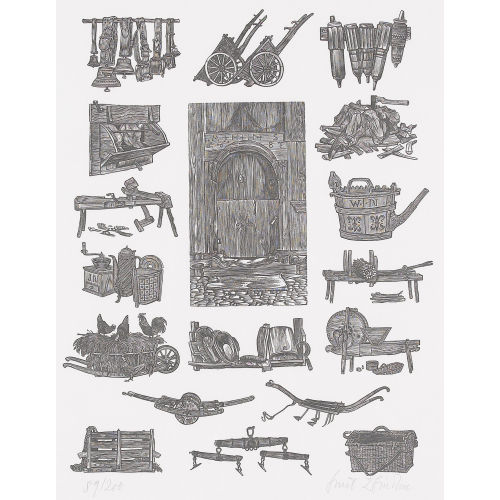
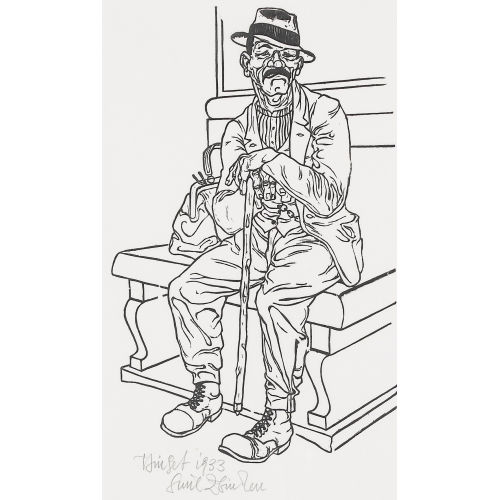
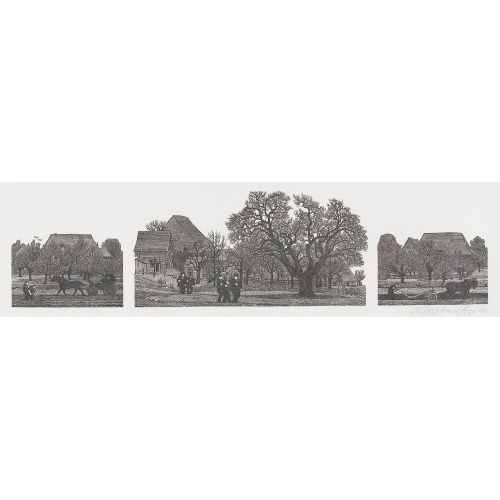
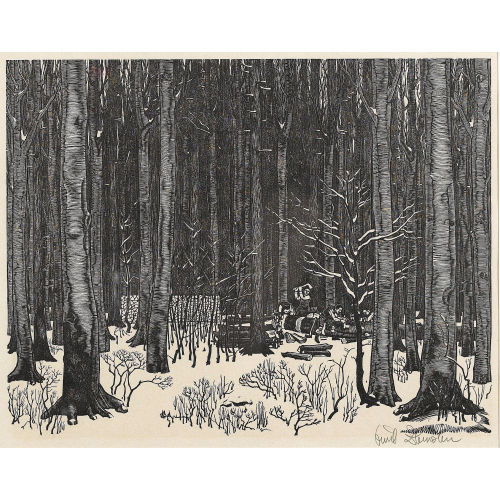
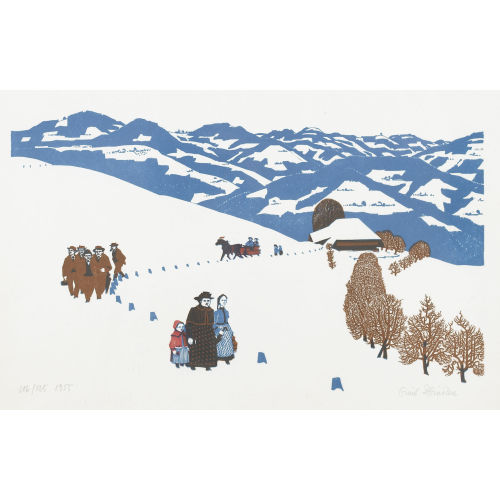
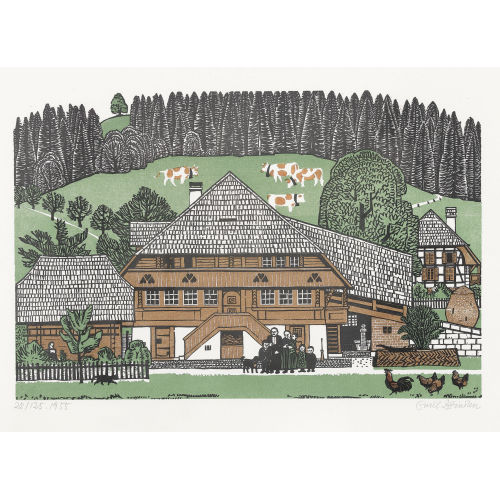
A door, a tool, the face of a worker: Emil Zbinden gives ordinary things a presence that holds the gaze. A Swiss artist born in 1908 and deceased in 1991, he developed primarily a body of work as a printmaker and draughtsman, attentive both to the inhabitants of the countryside and to the industrial world. Black and white become the means of a sensitive observation, often informed by a pronounced social awareness.
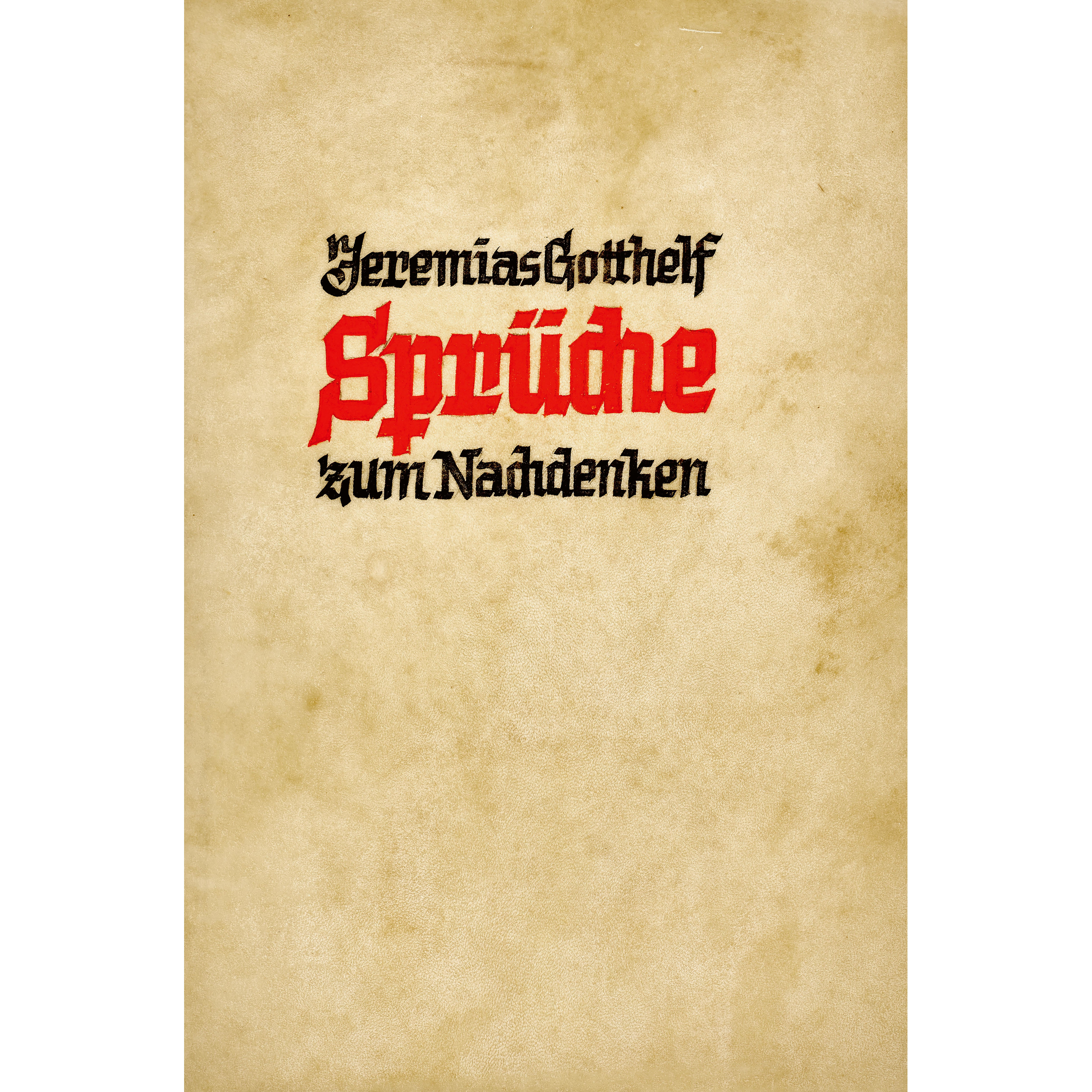
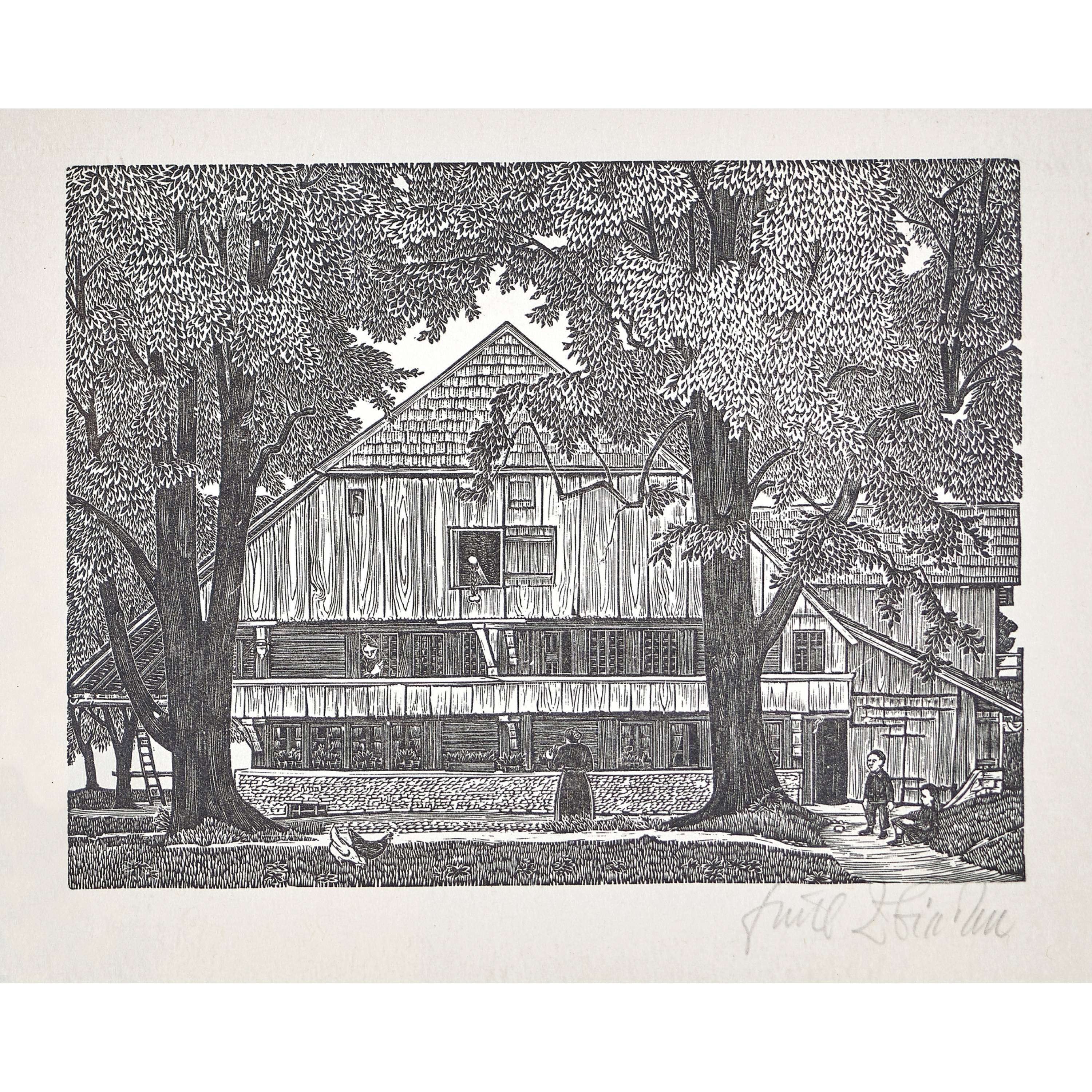
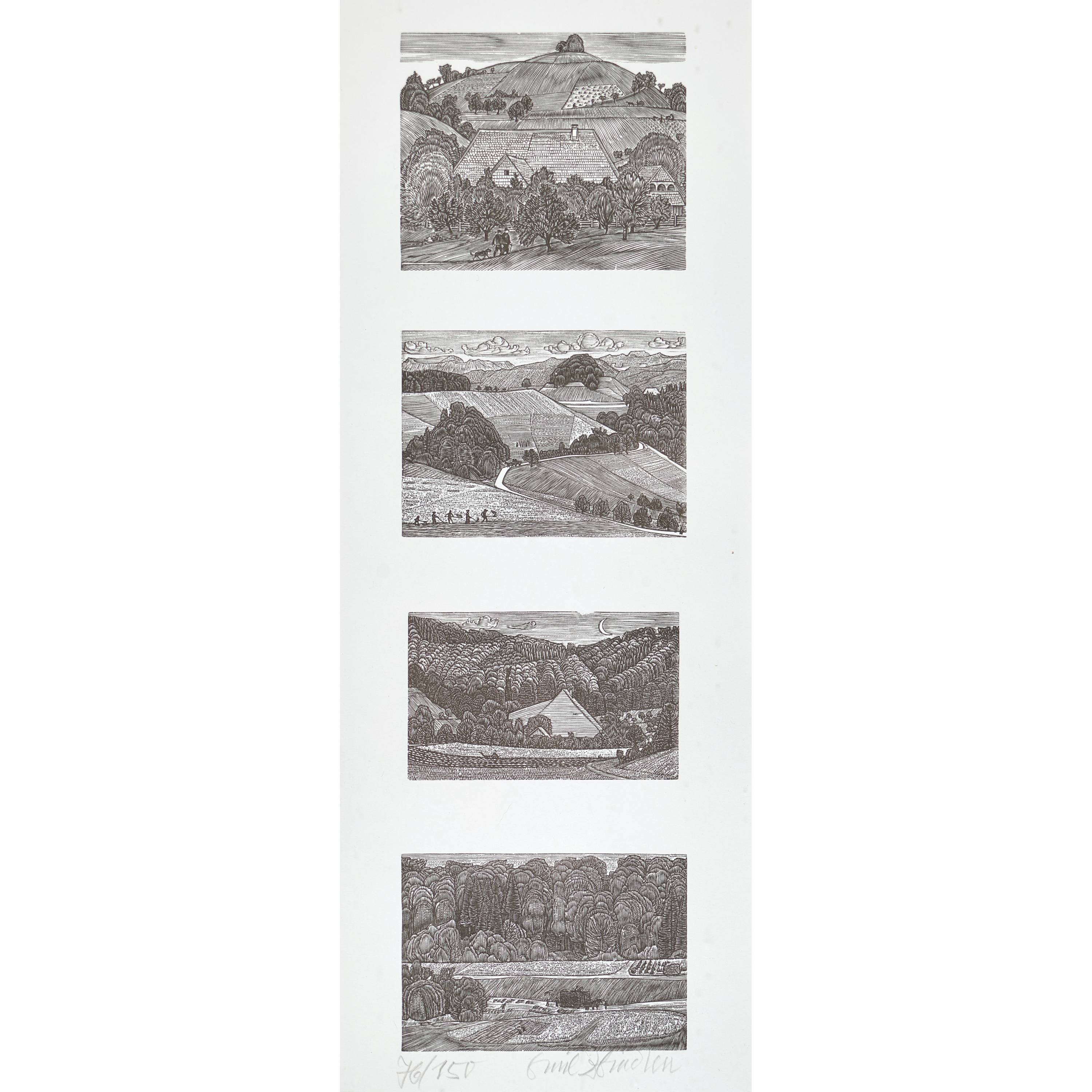
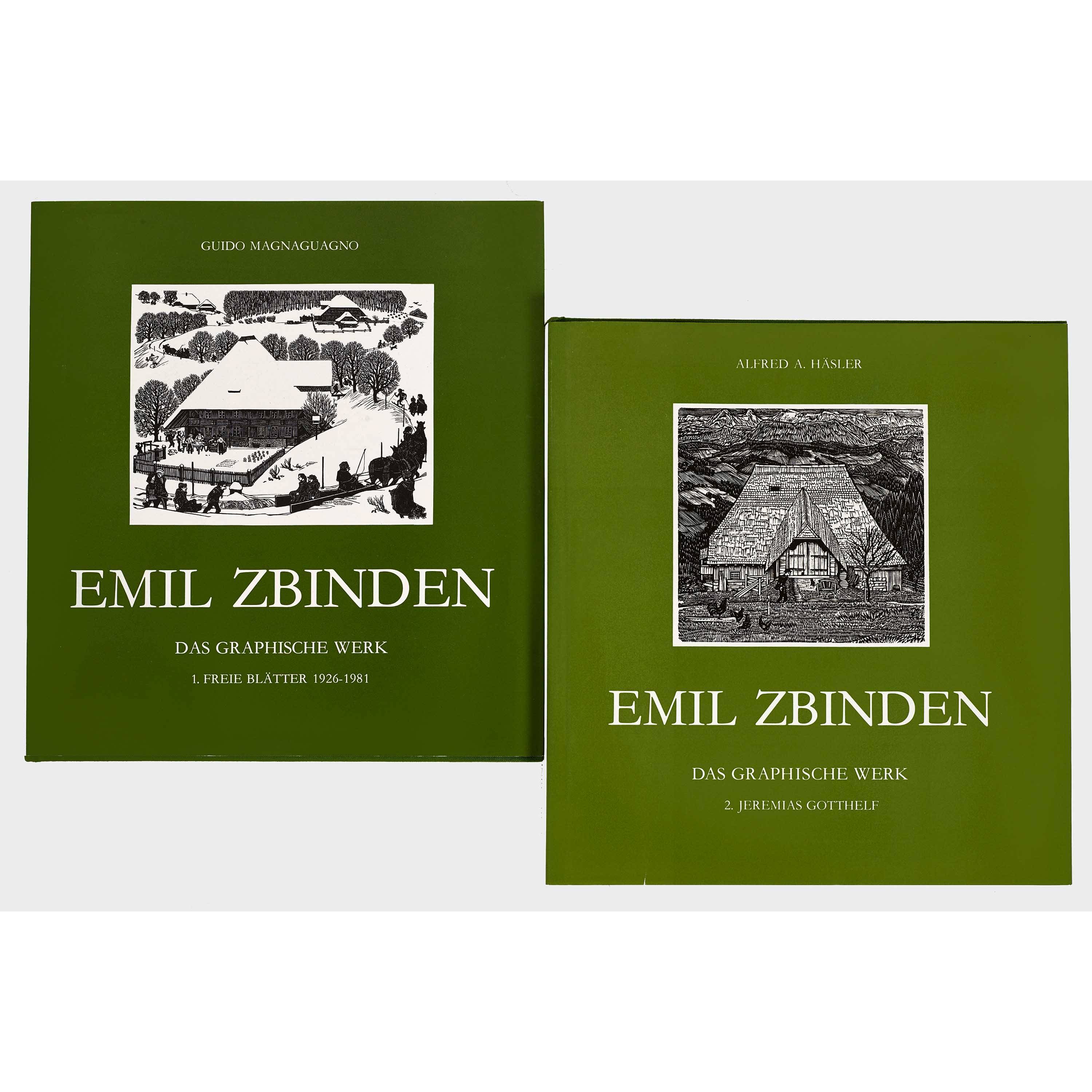
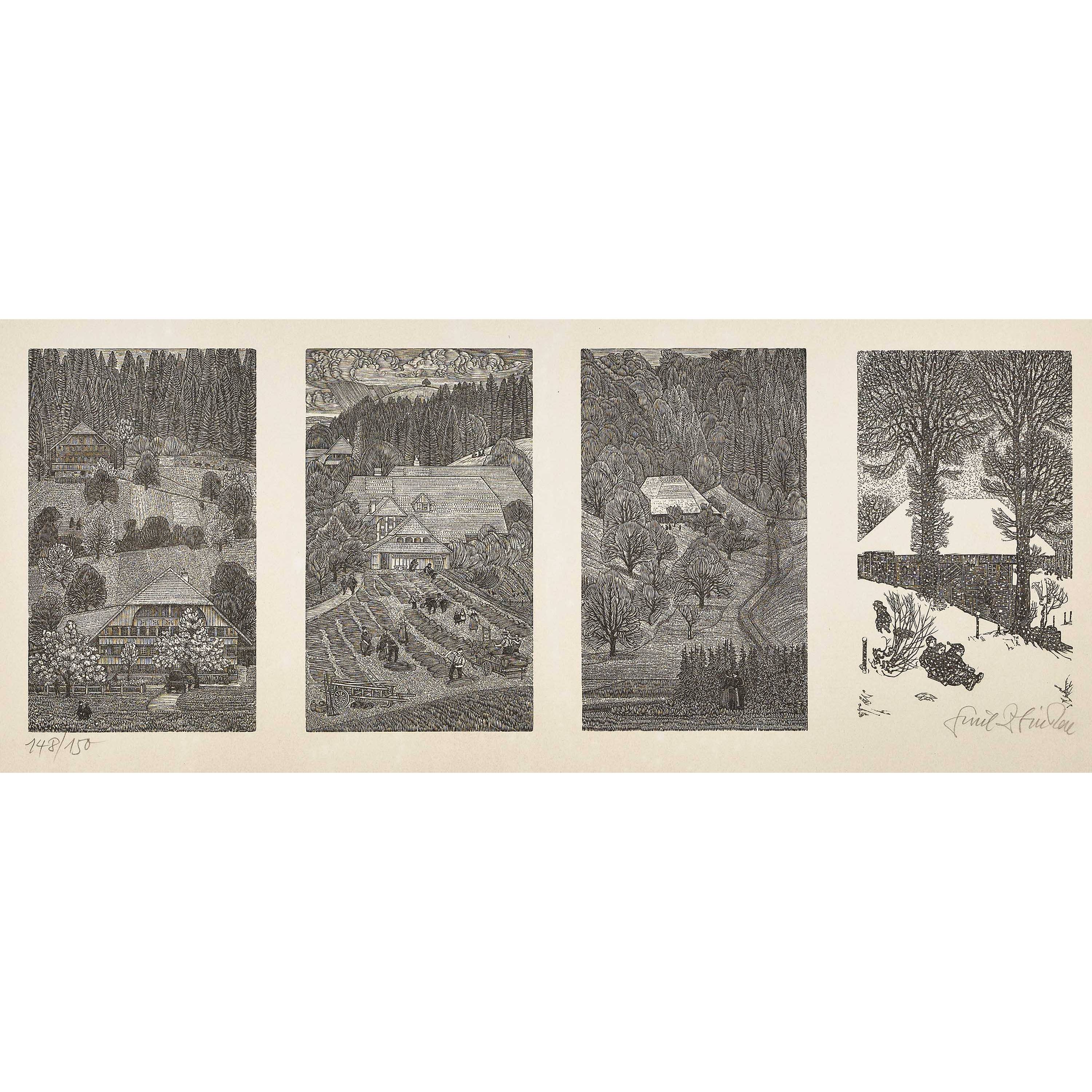
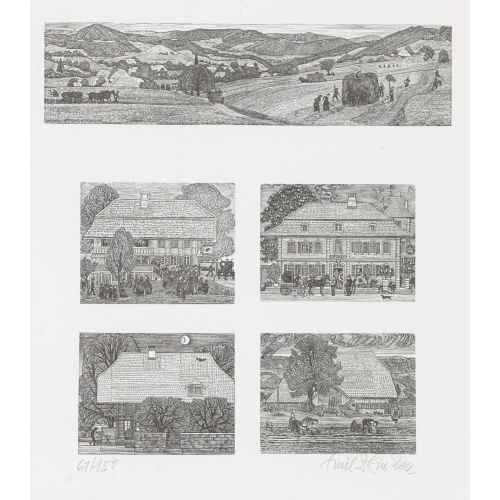
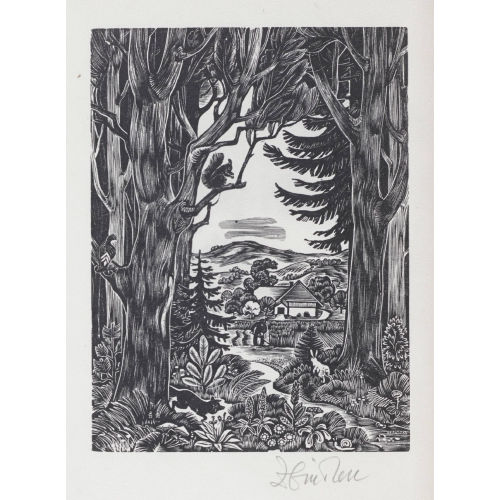
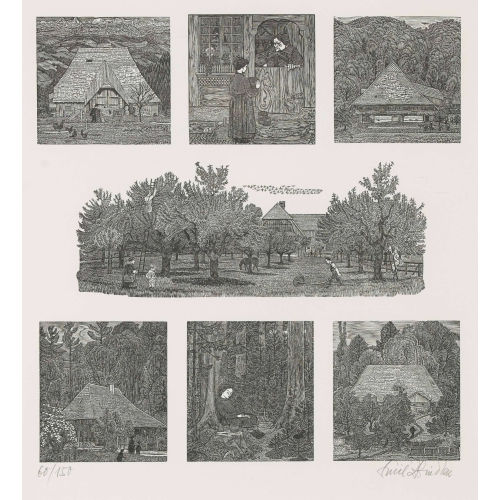
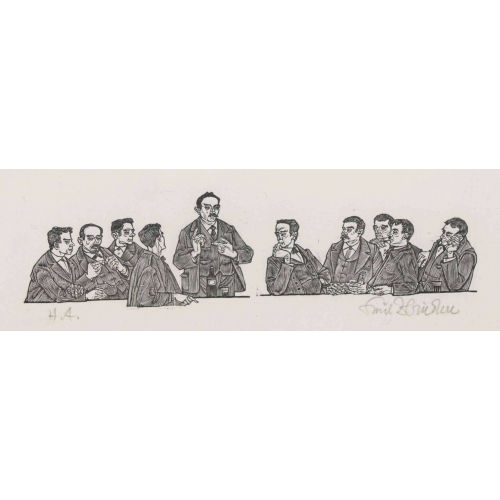
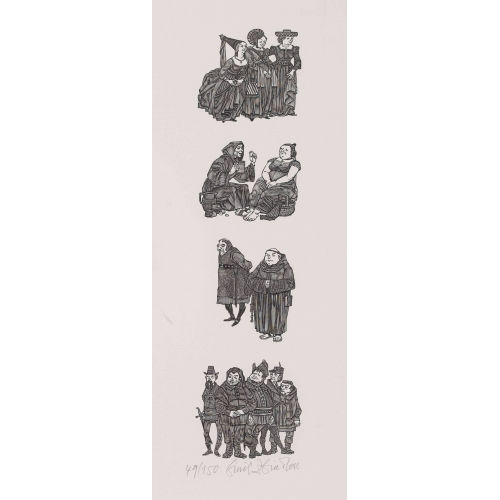
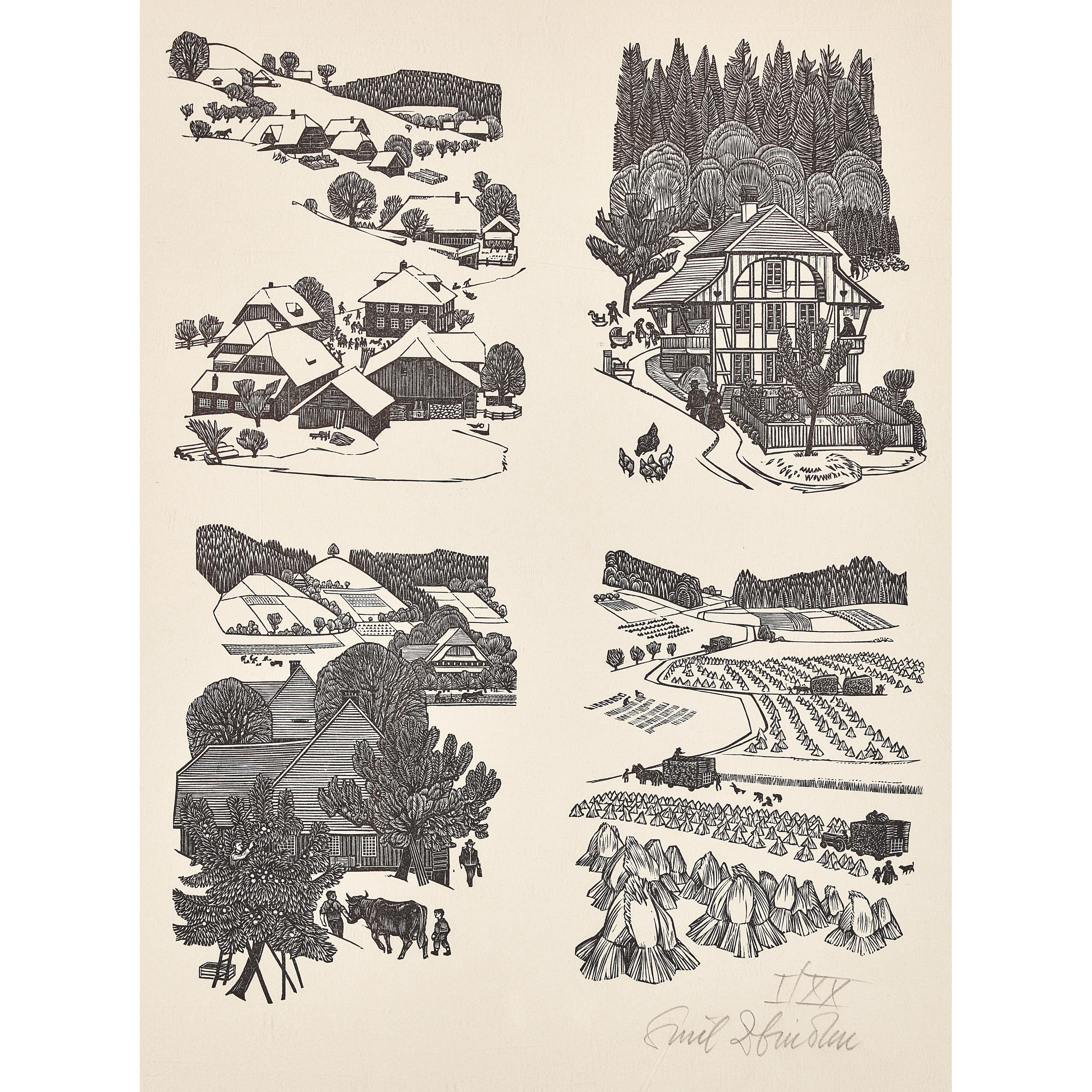
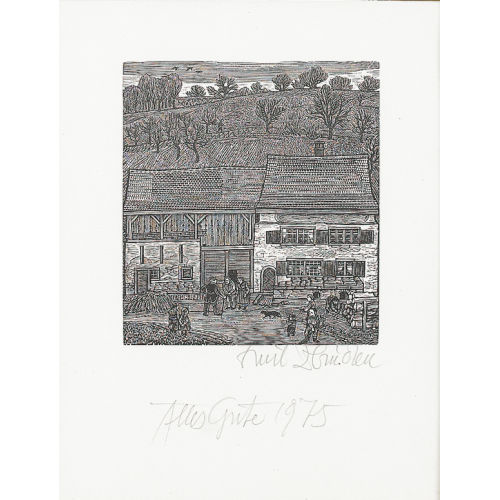
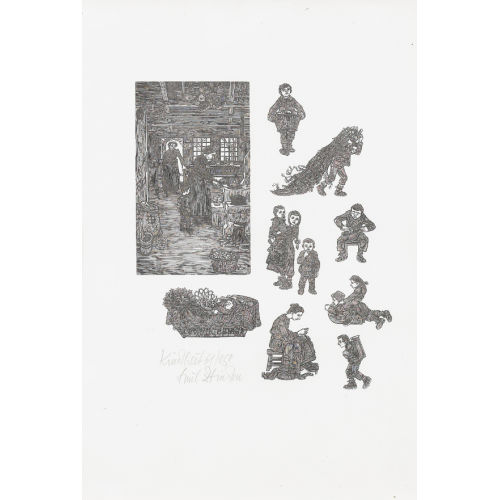
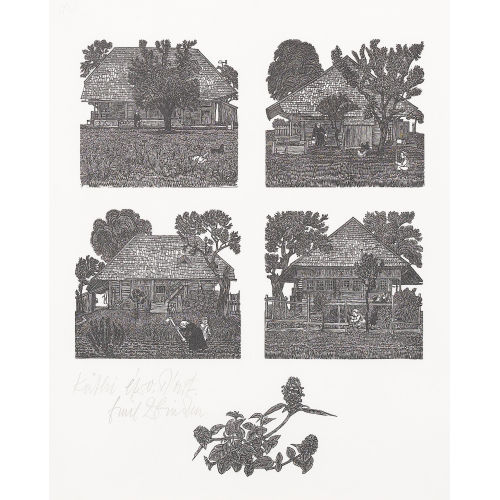
Trained as a typographer, Zbinden continued his artistic education in Germany, notably at the Academy of Graphic Arts in Leipzig. The political climate preceding the Nazis’ rise to power led him to return to Bern. He subsequently worked for the Büchergilde Gutenberg: from 1936 onwards, he produced more than nine hundred illustrations and typographic works for the sixteen volumes of the works of Jeremias Gotthelf.
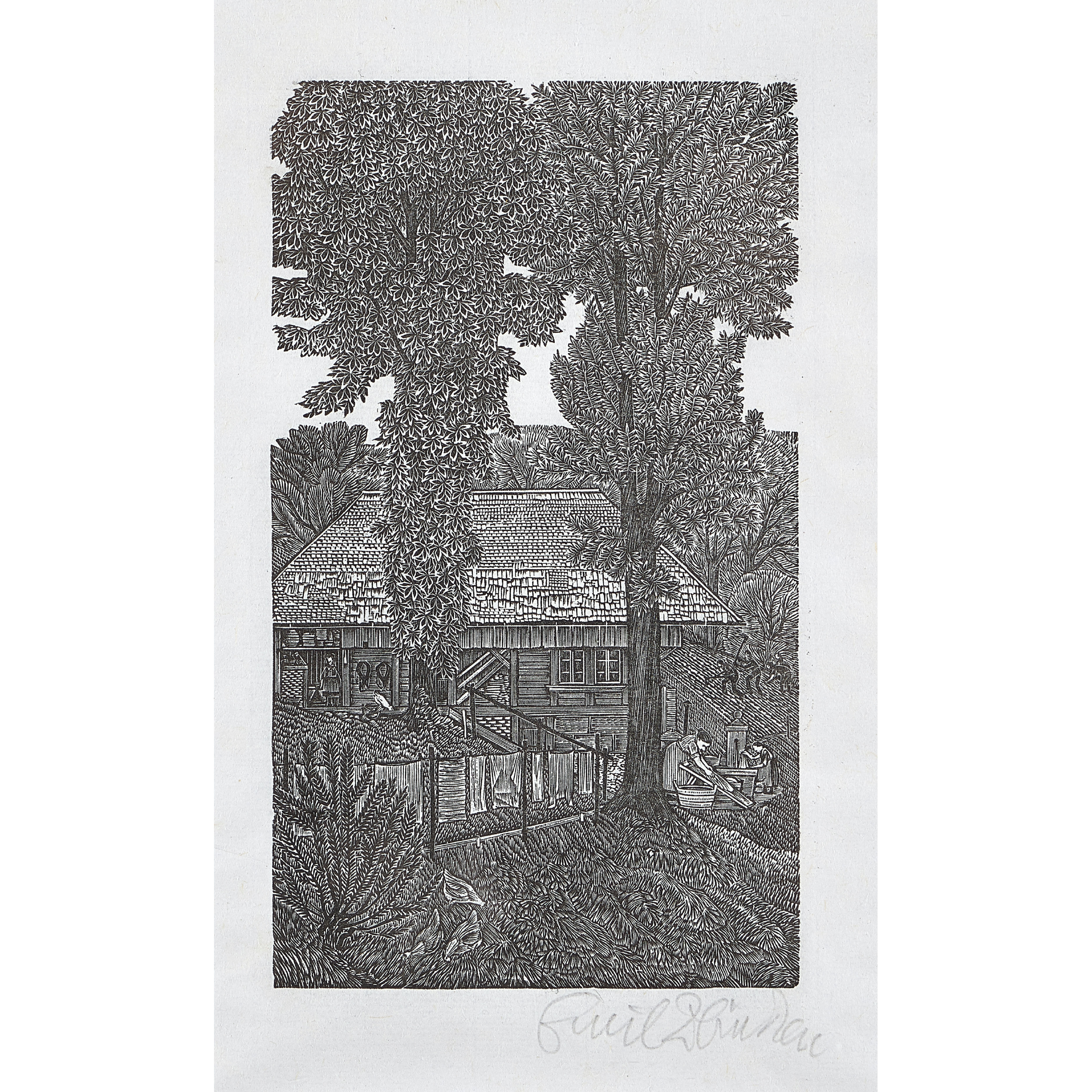
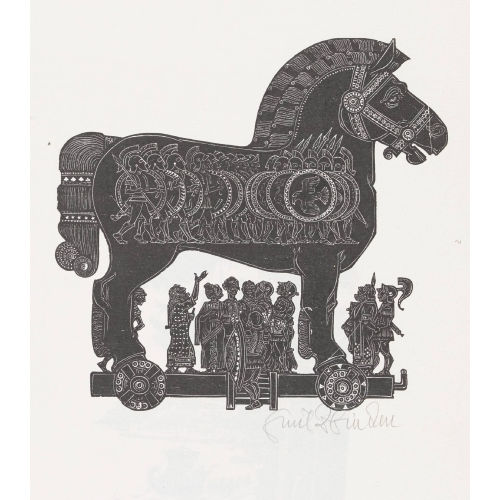
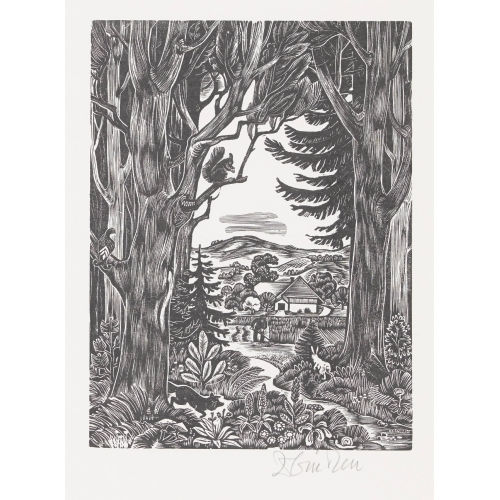
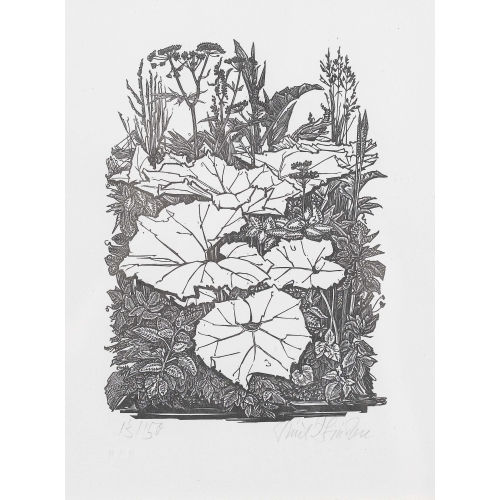
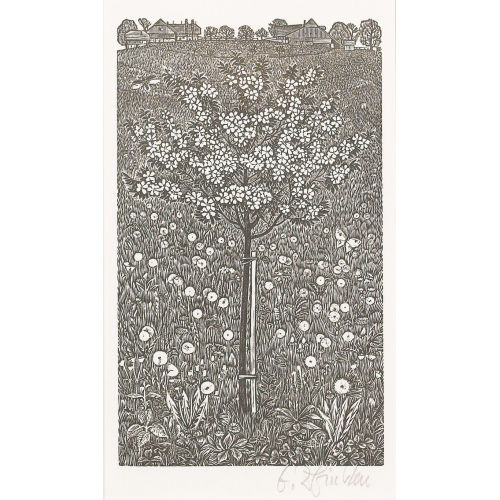
This body of work contributed substantially to his recognition as a wood engraver.
His images offer more than a literal translation of the narrative. In Uli der Pächter, published by the Büchergilde in 1943, an engraved door symbolically opens access to the book. Objects, materials and familiar spaces enable the reader to enter the everyday life of the characters.
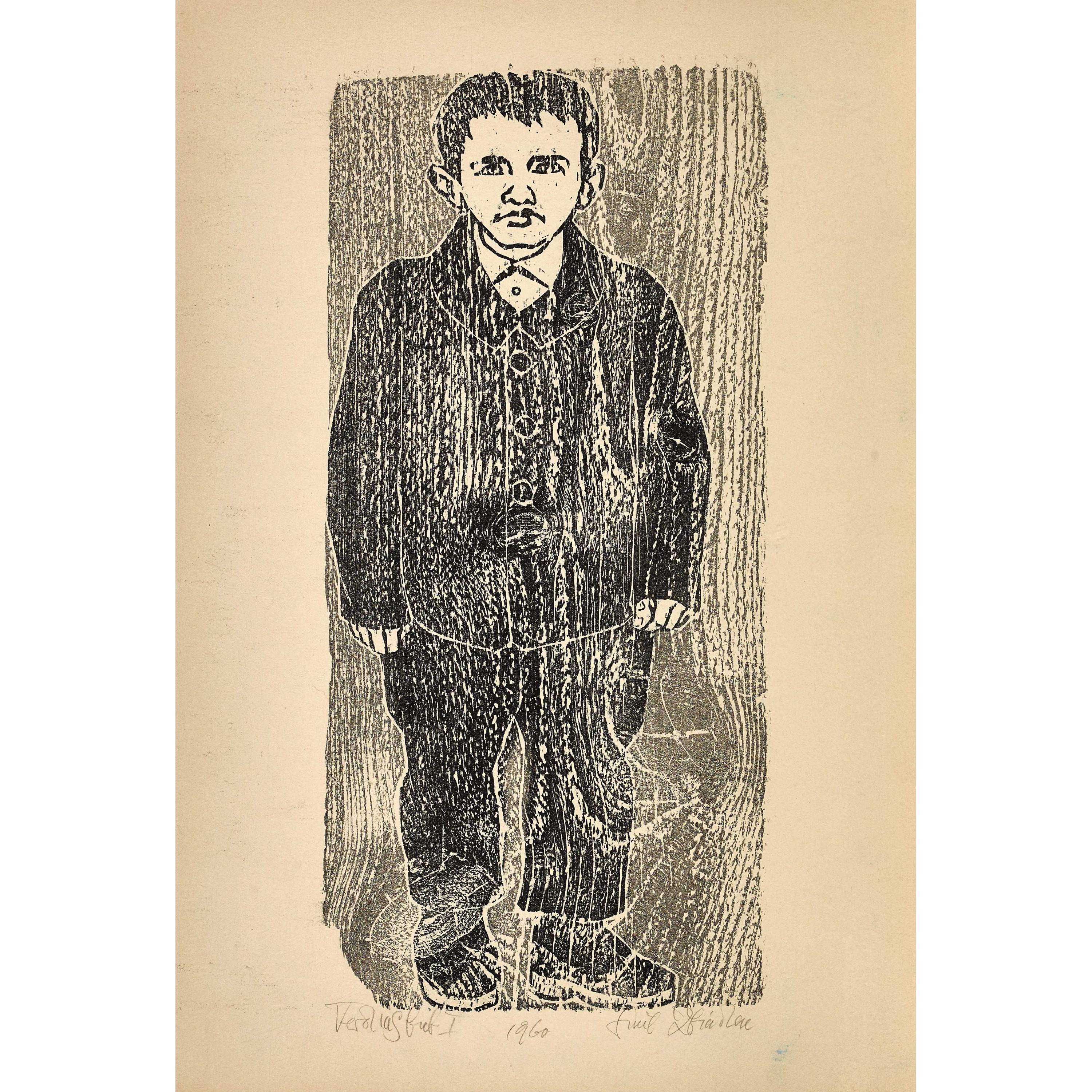
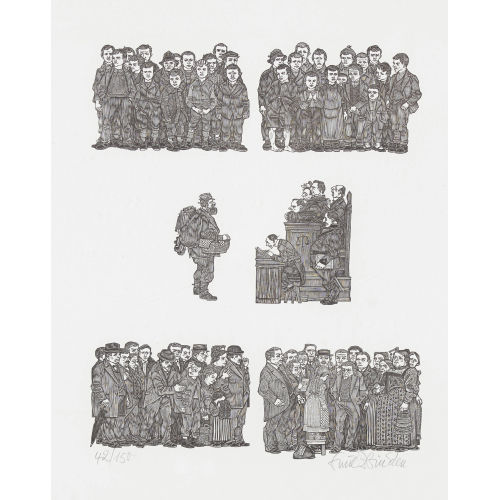
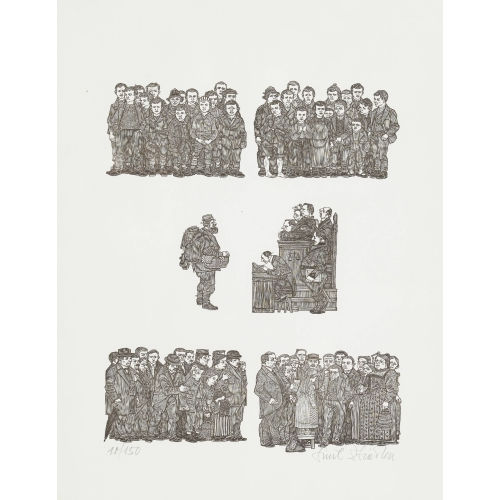
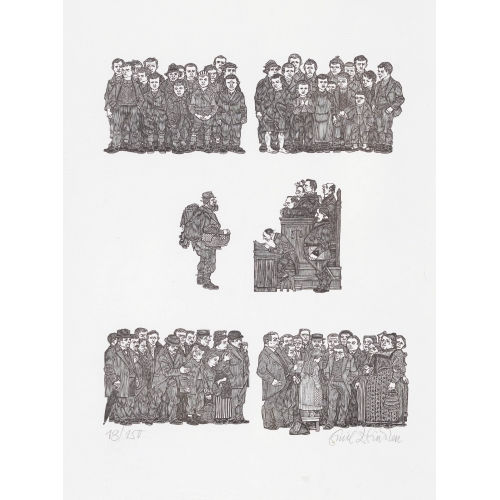
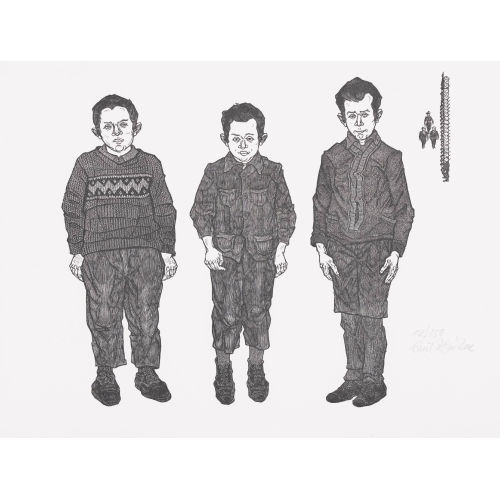
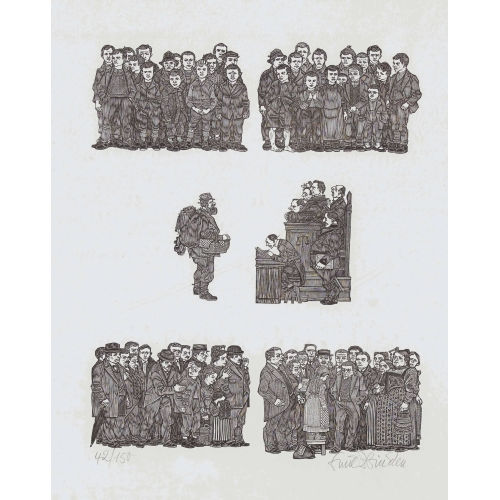
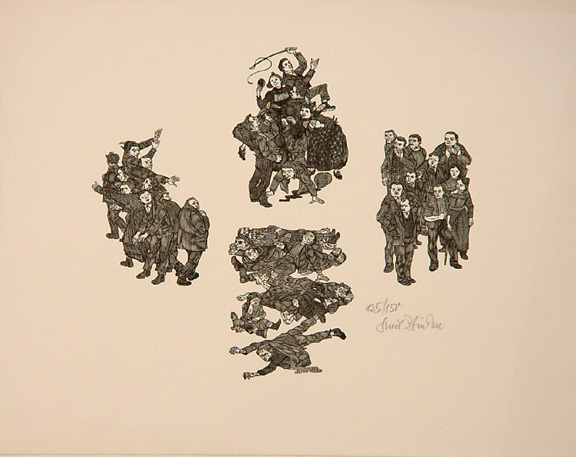
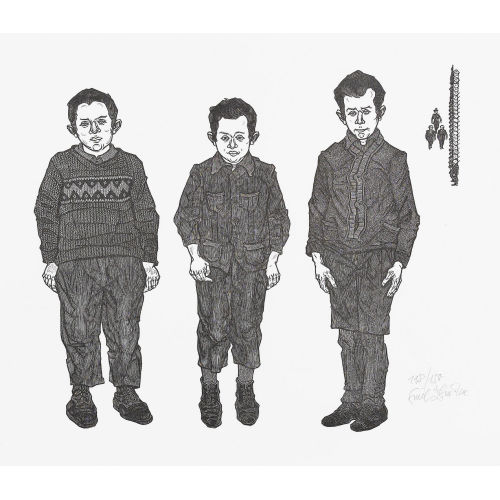
The series Verdingbuben, devoted to children placed in service and exploited as labour, gives a critical dimension to the physical presence of the printed wood.
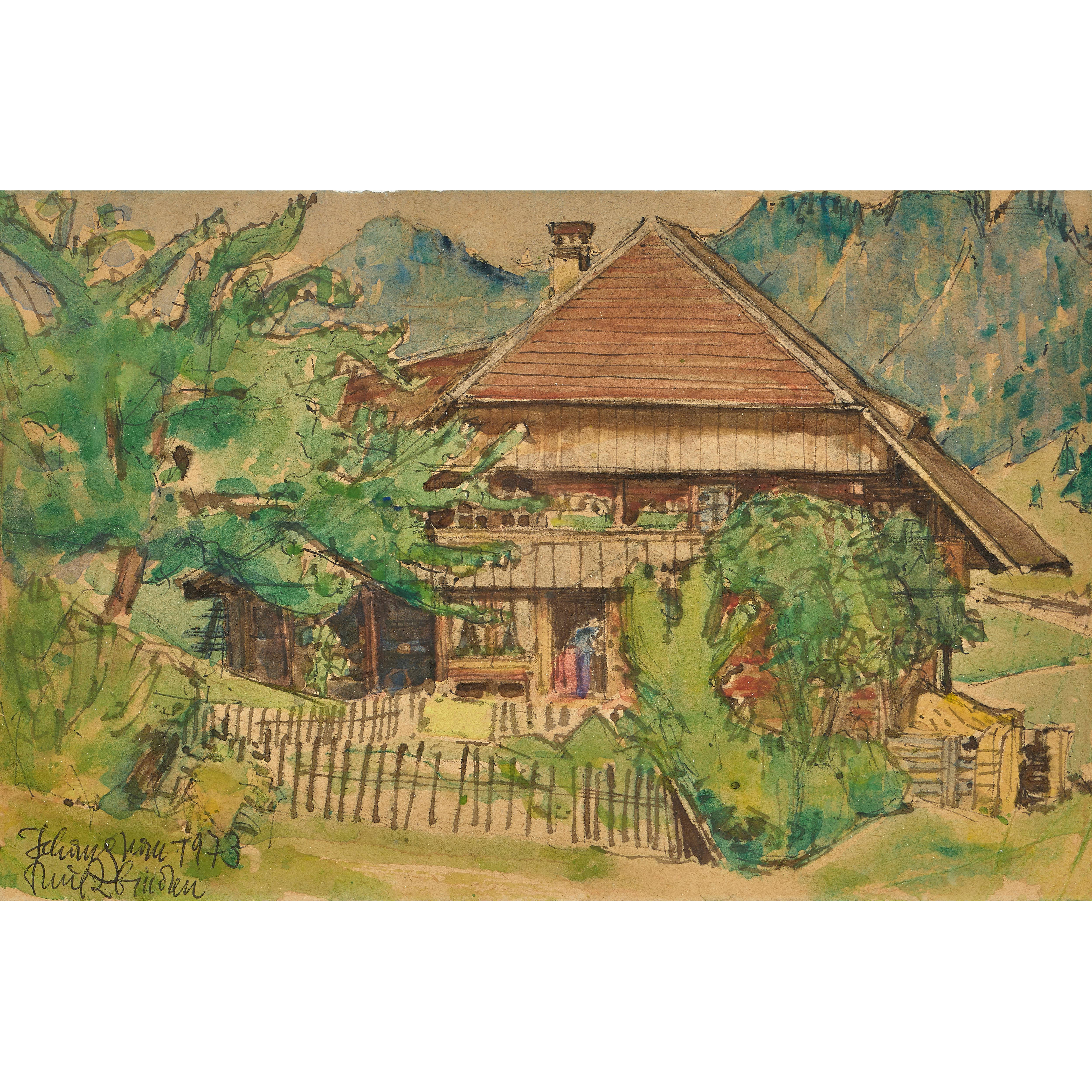
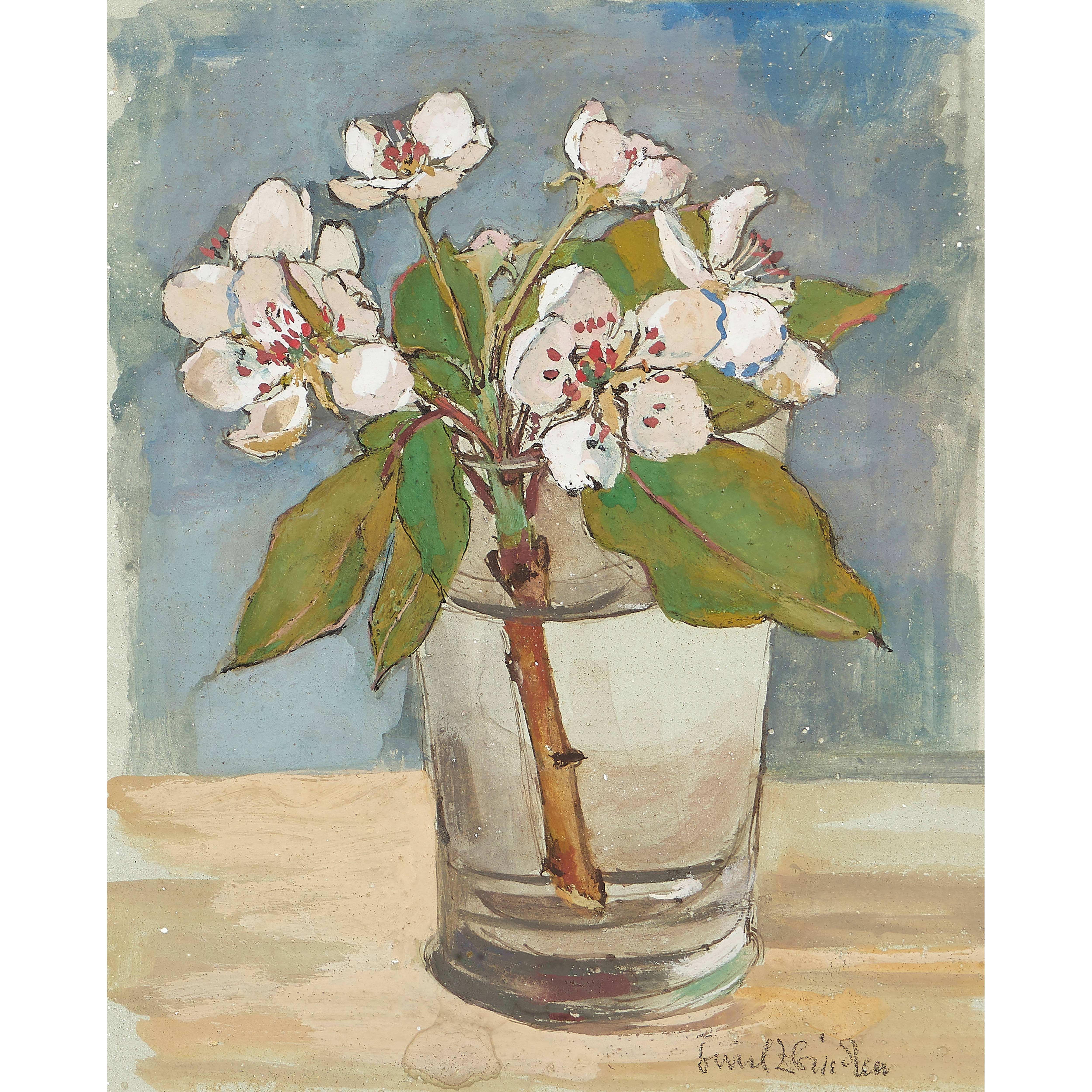
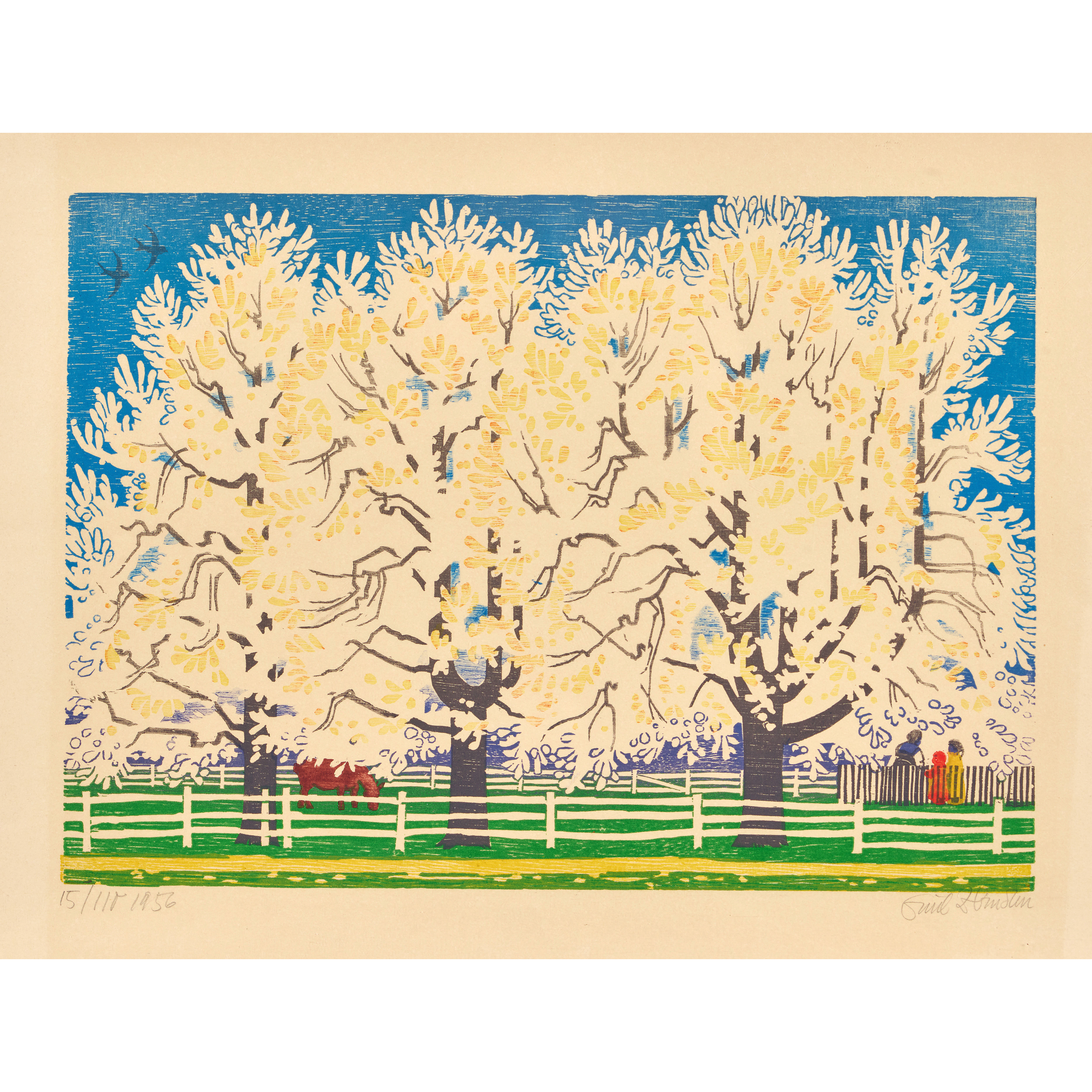
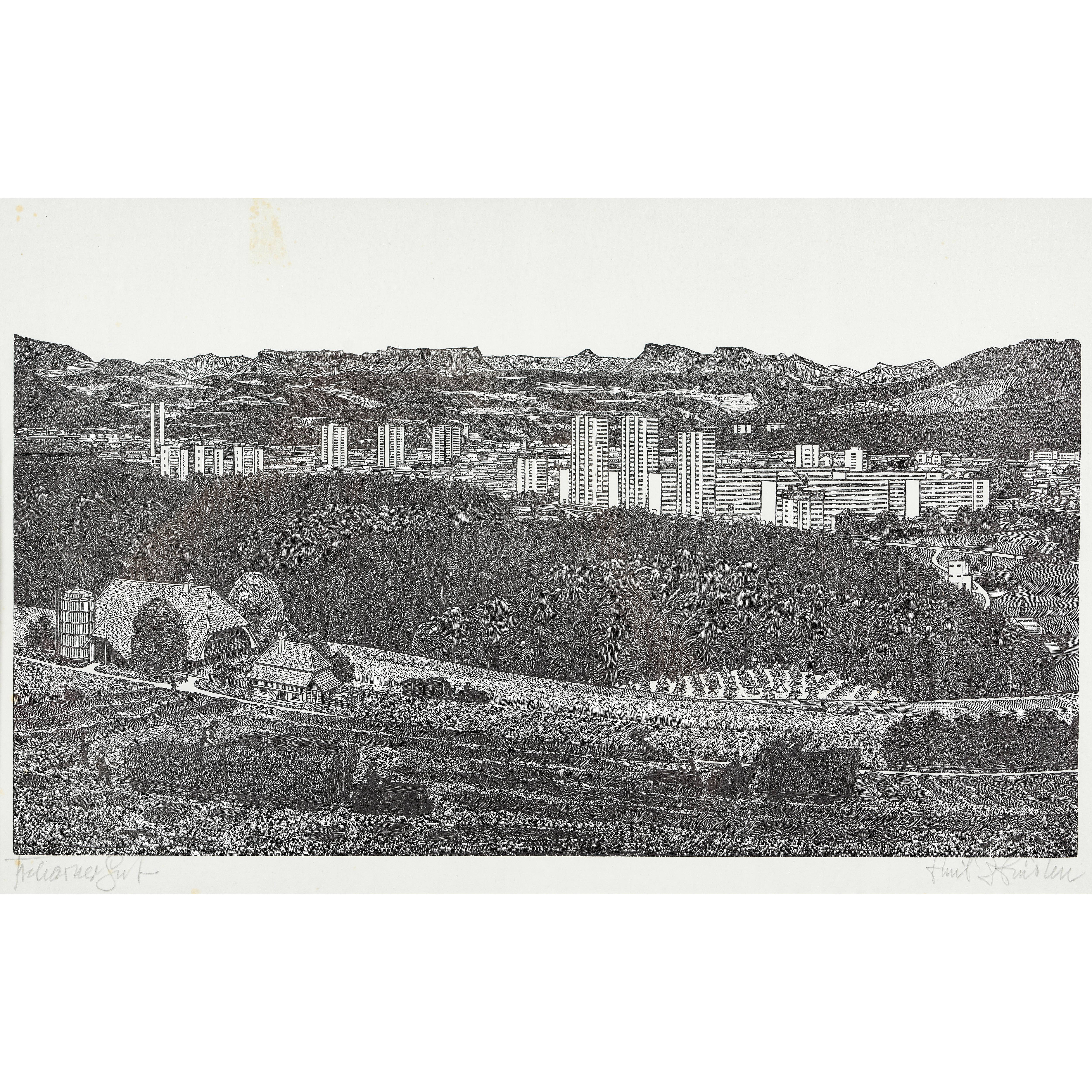
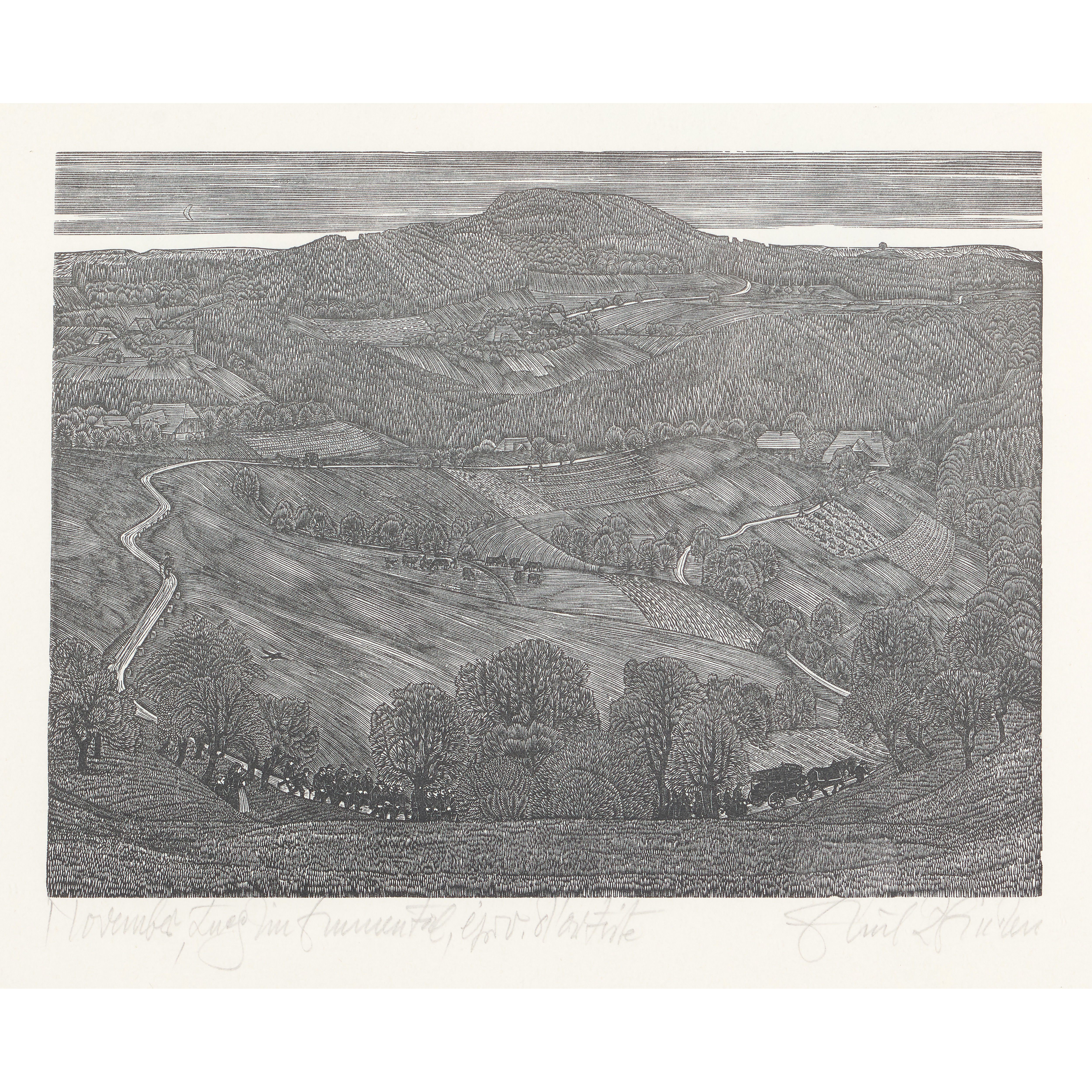
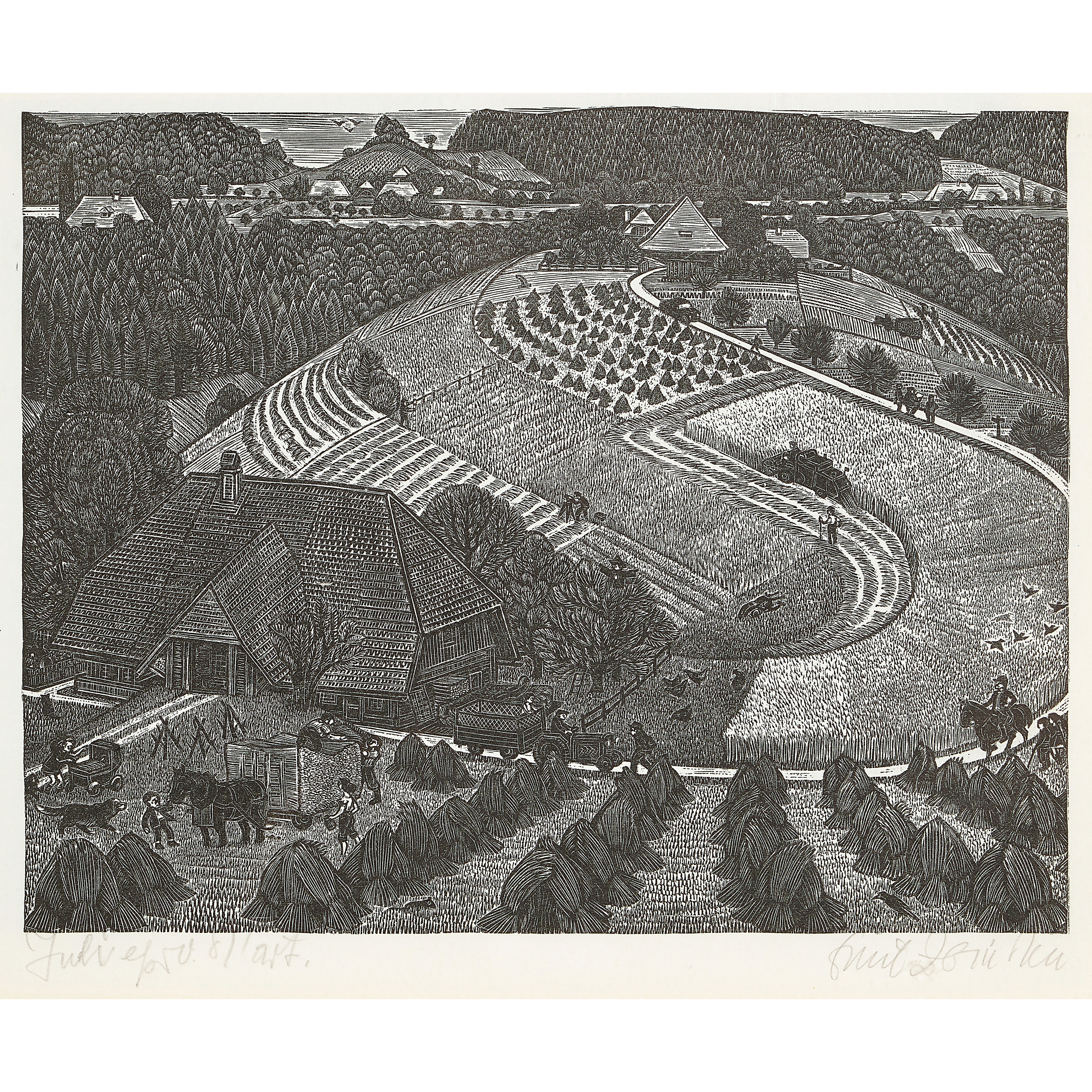
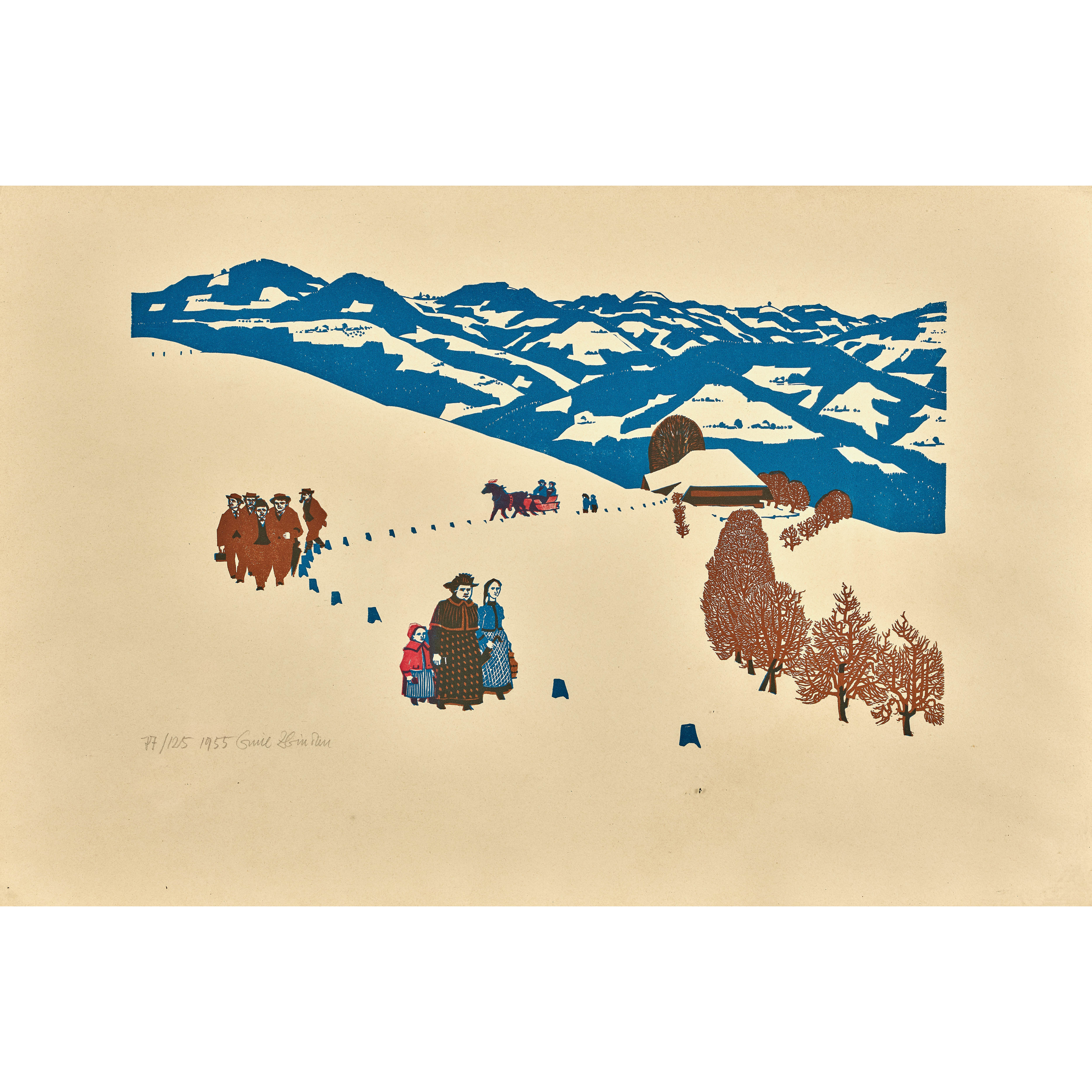
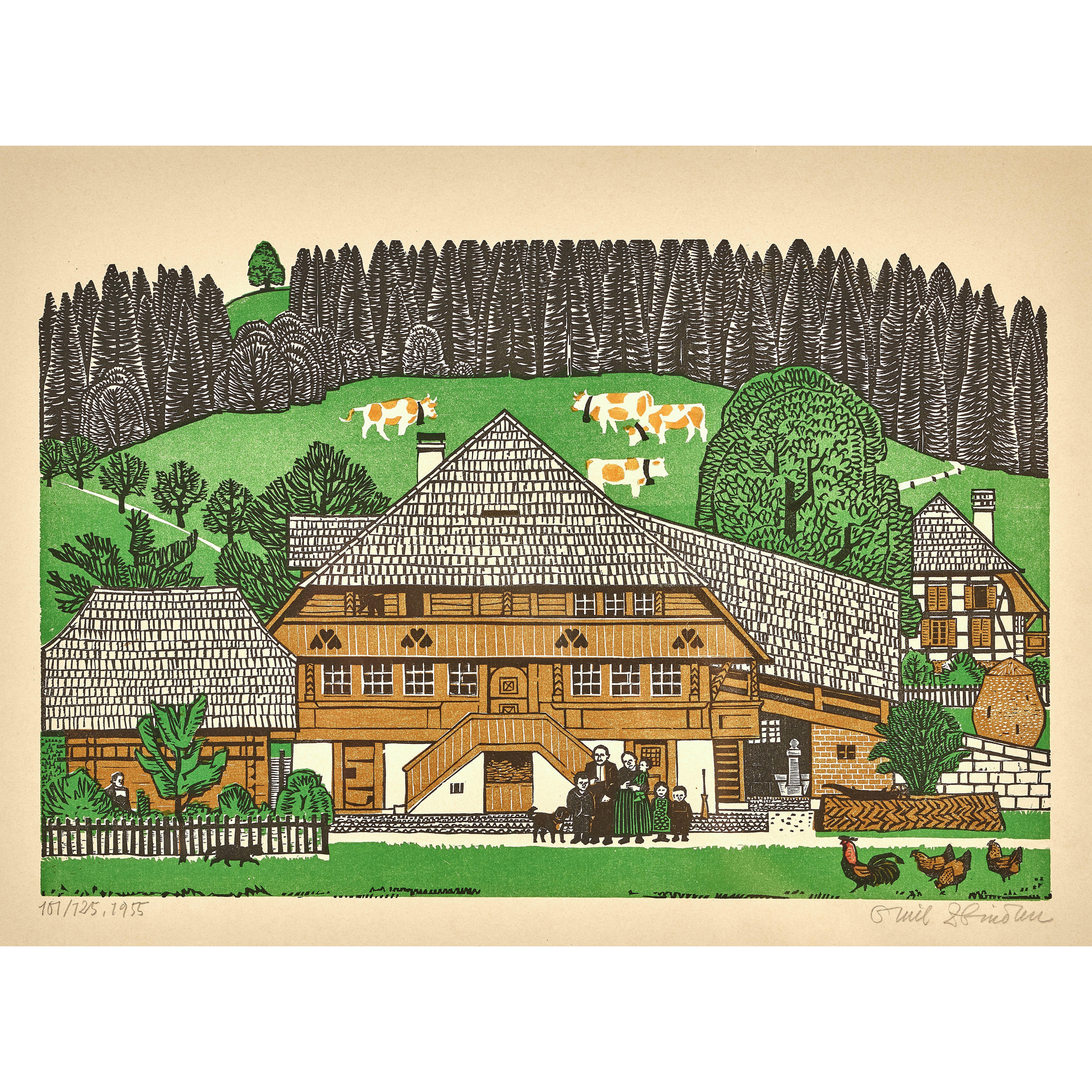
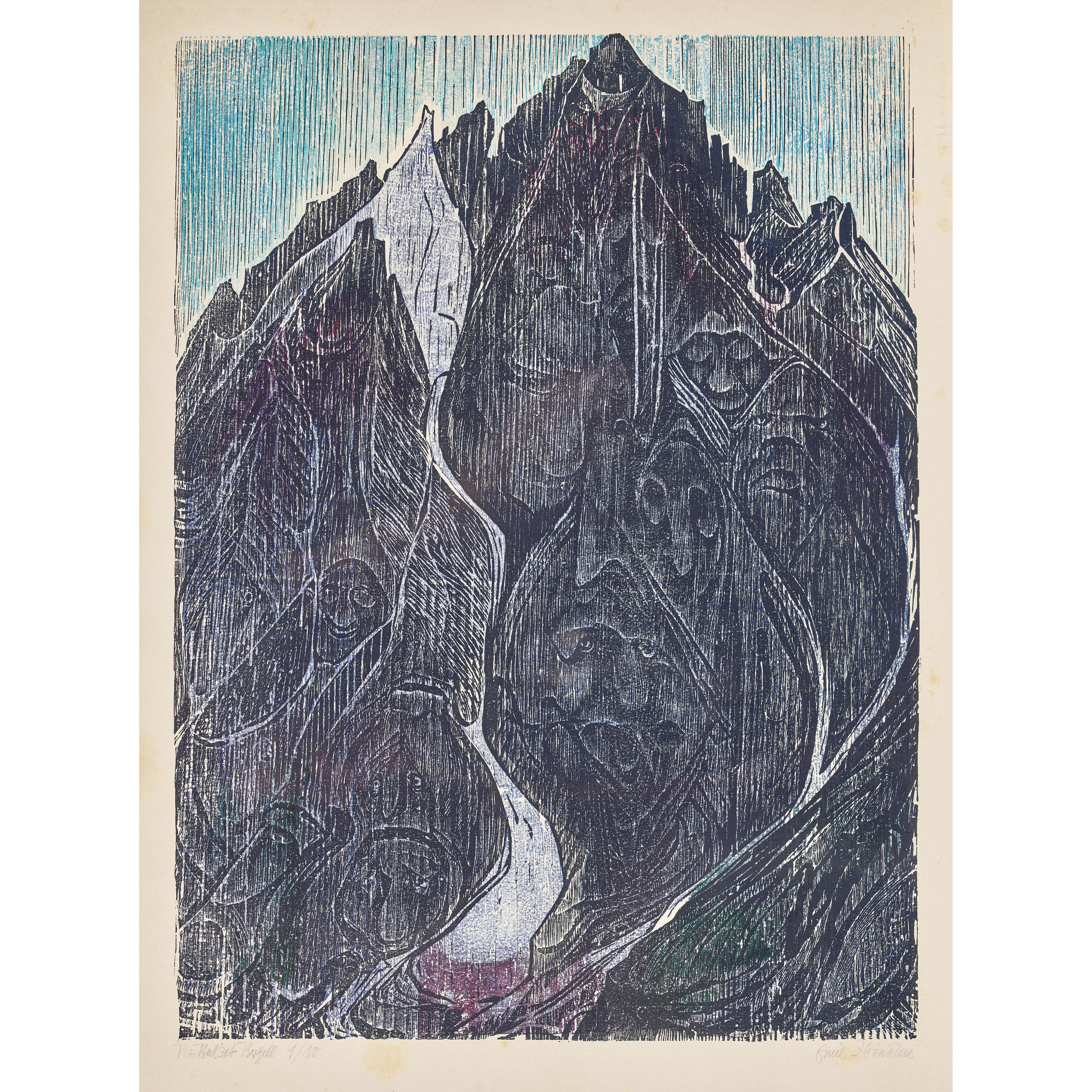
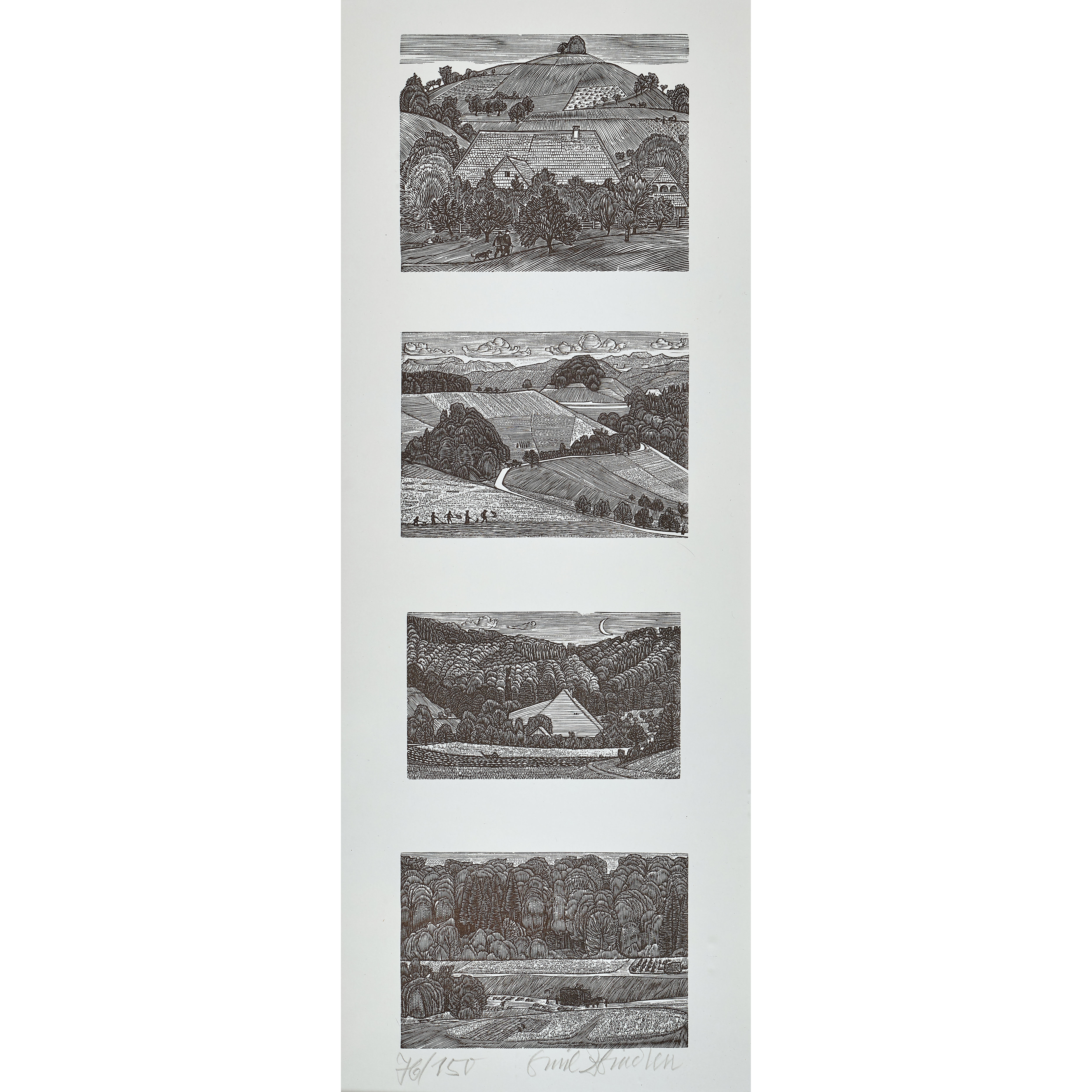
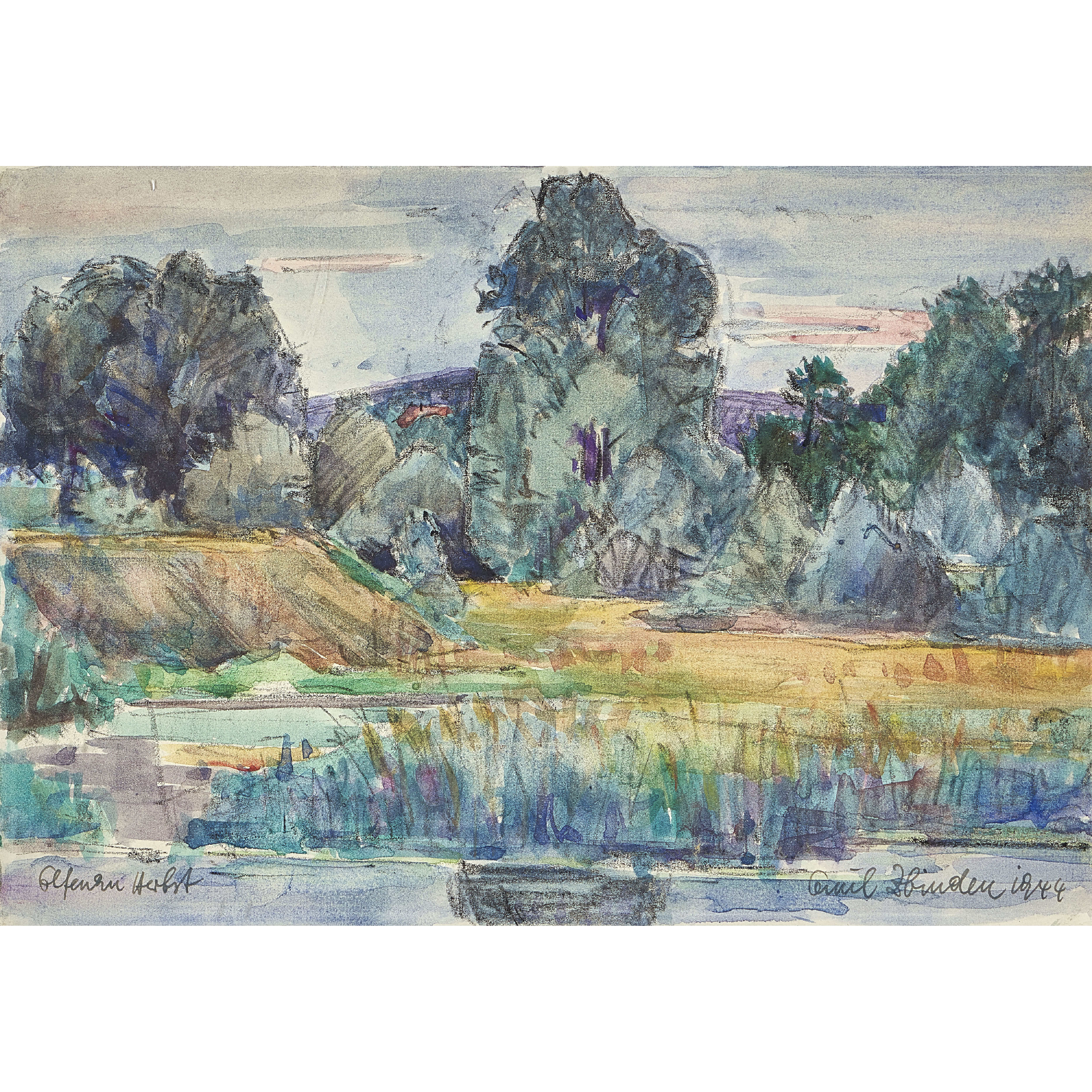
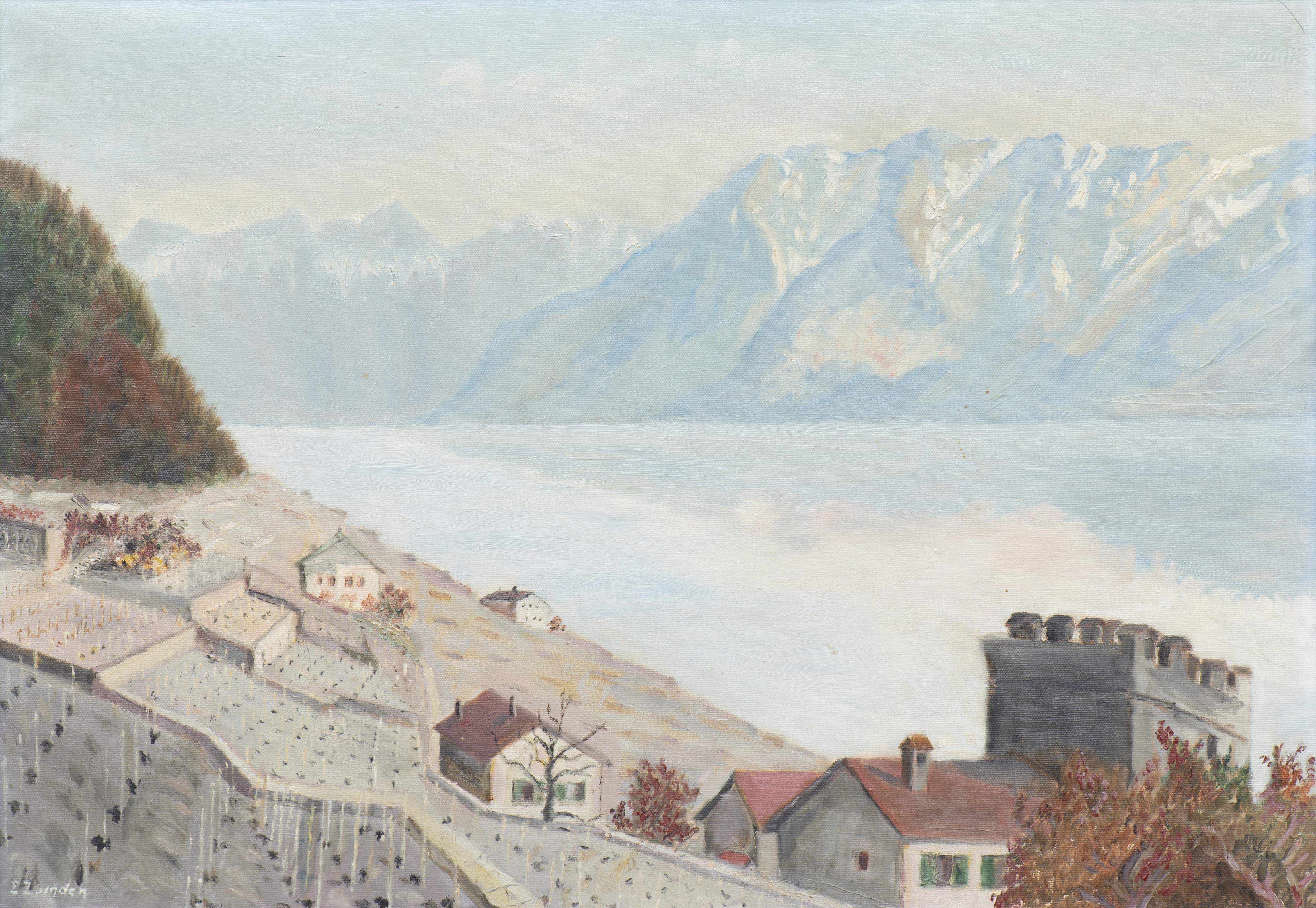
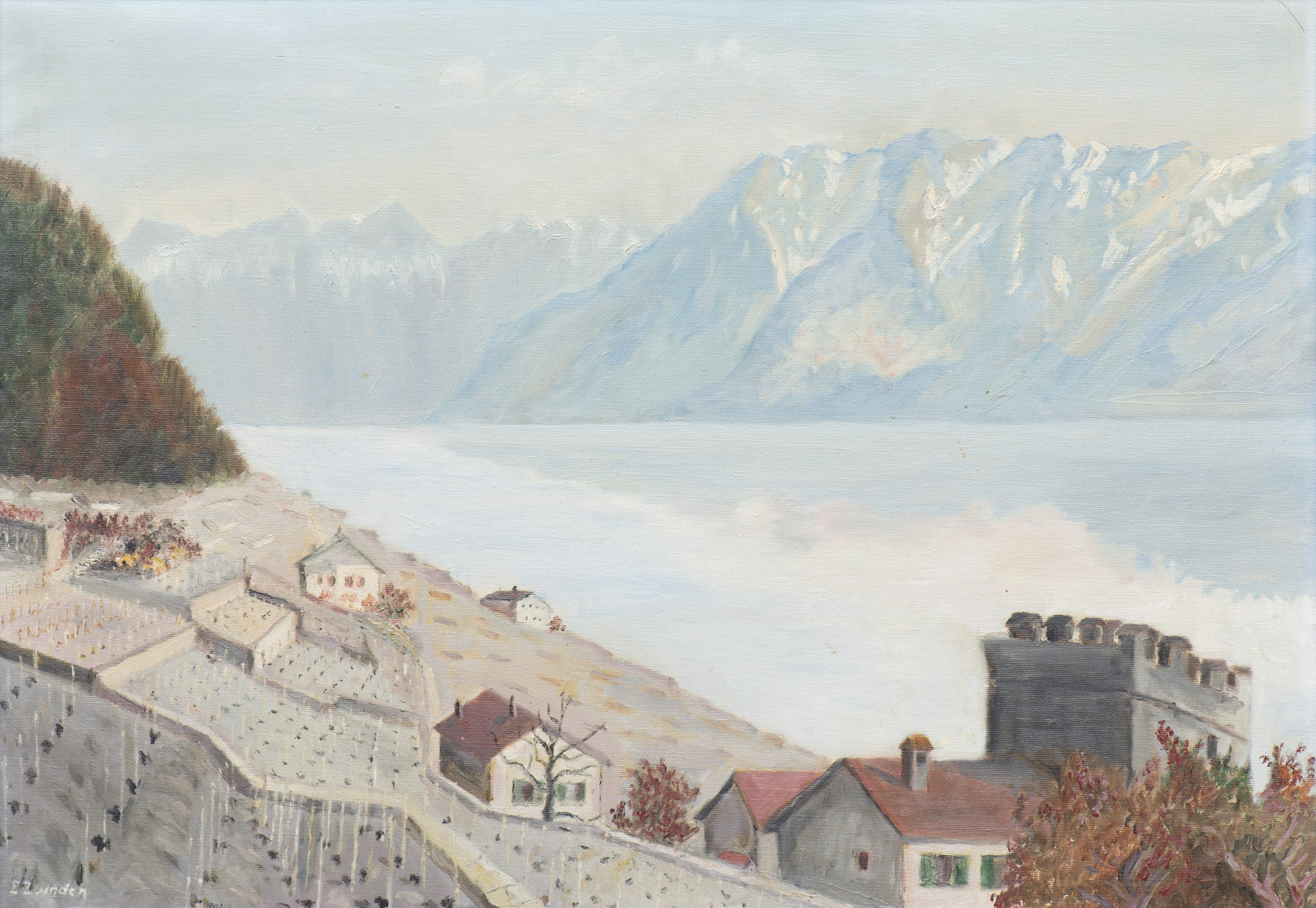
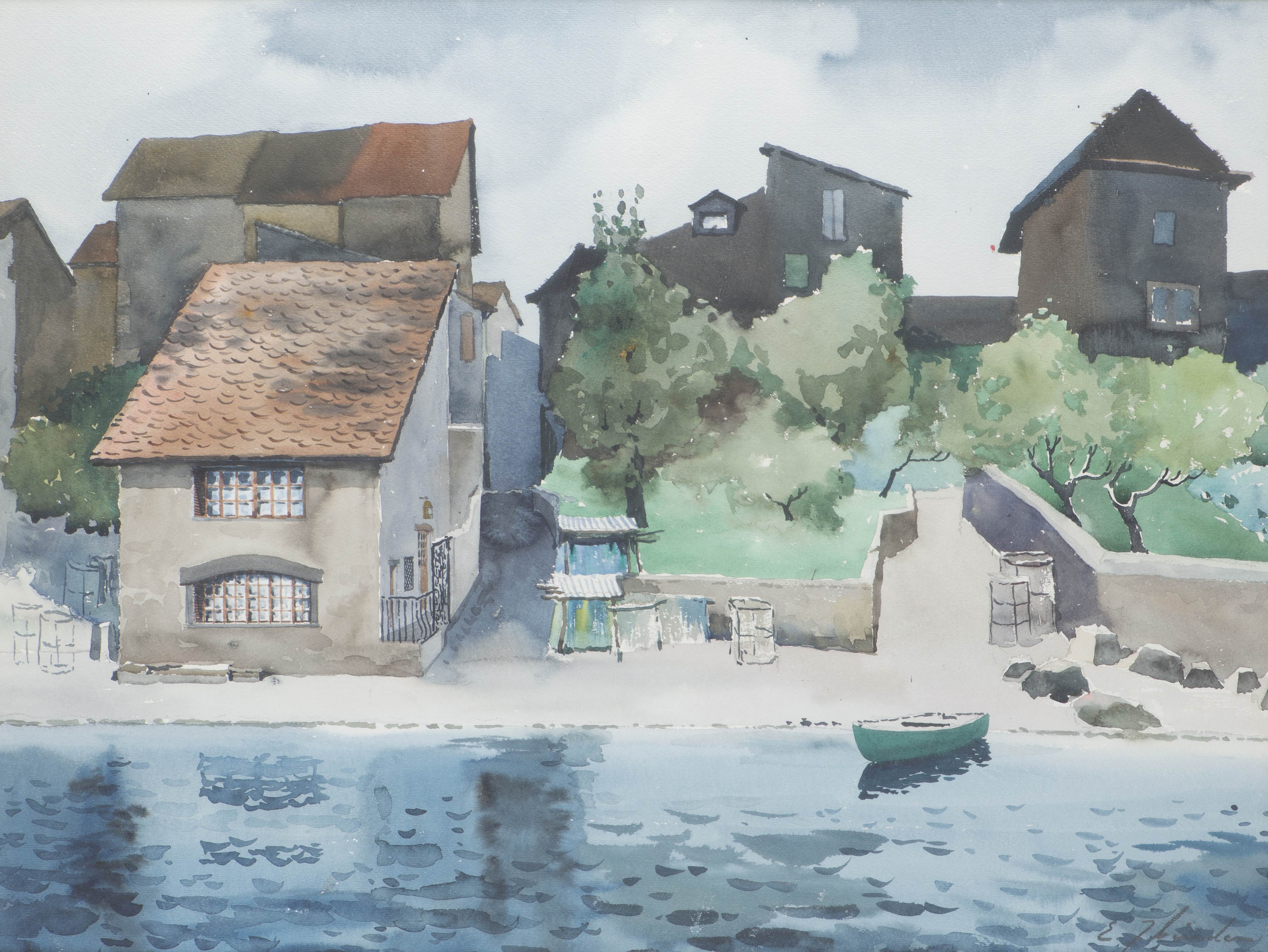
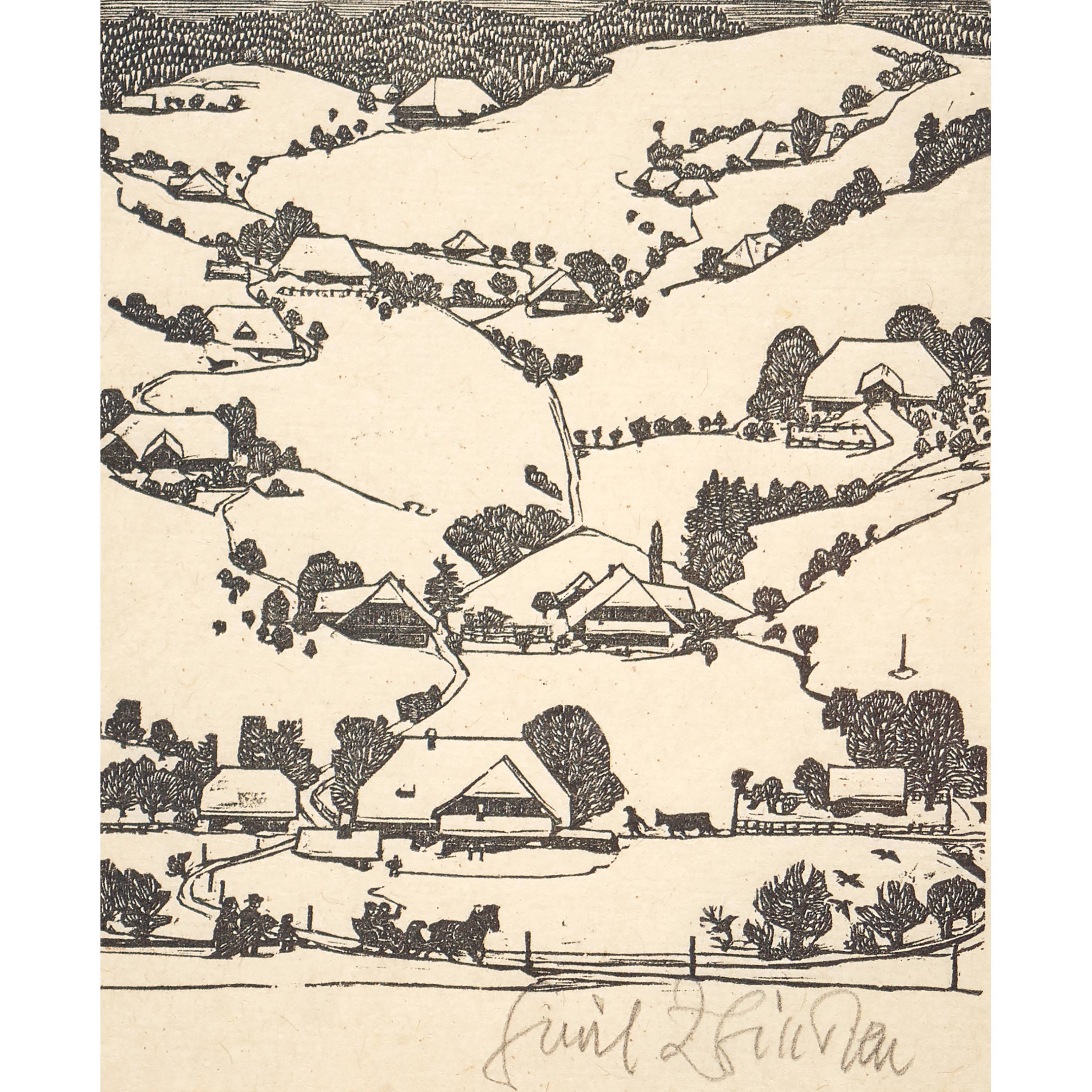
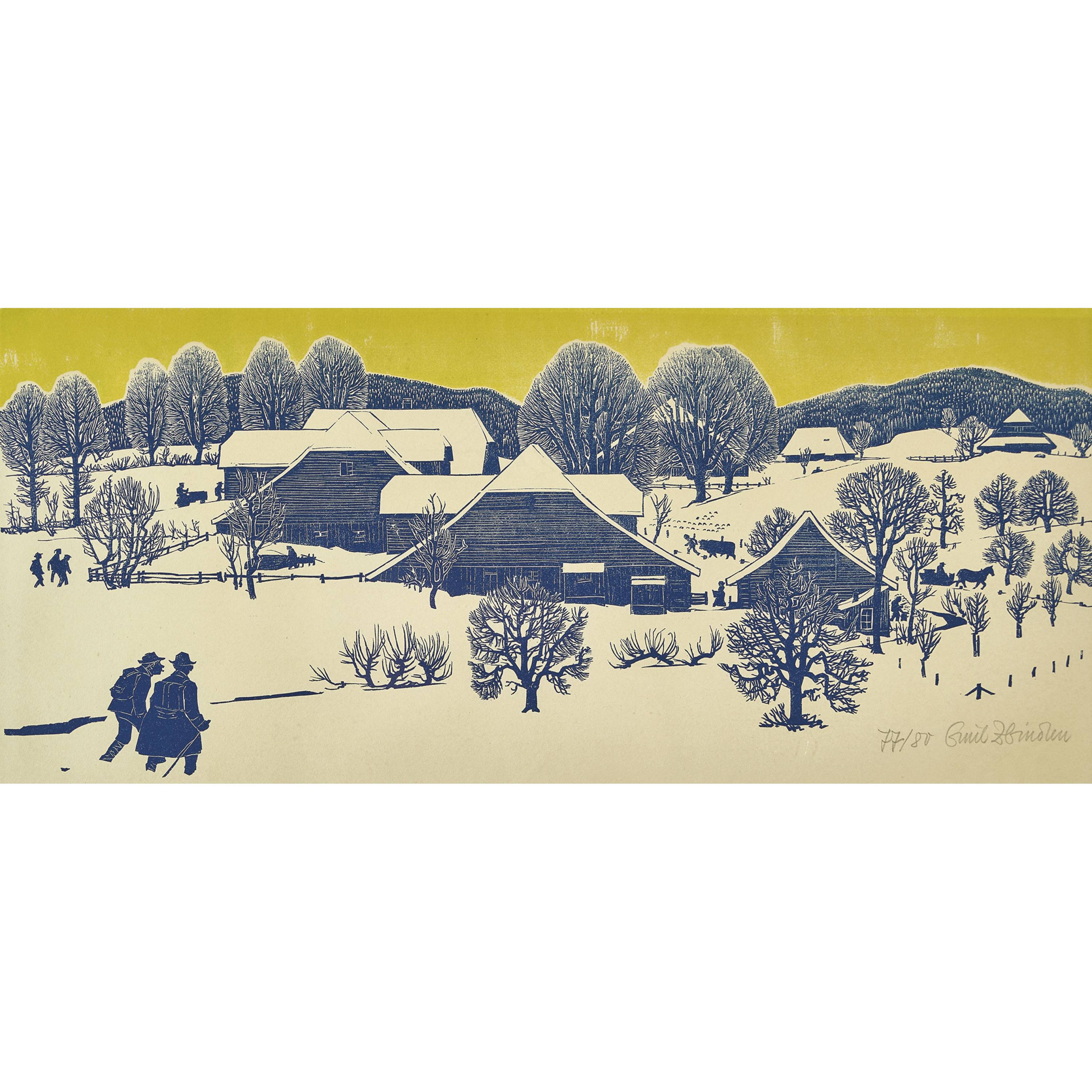
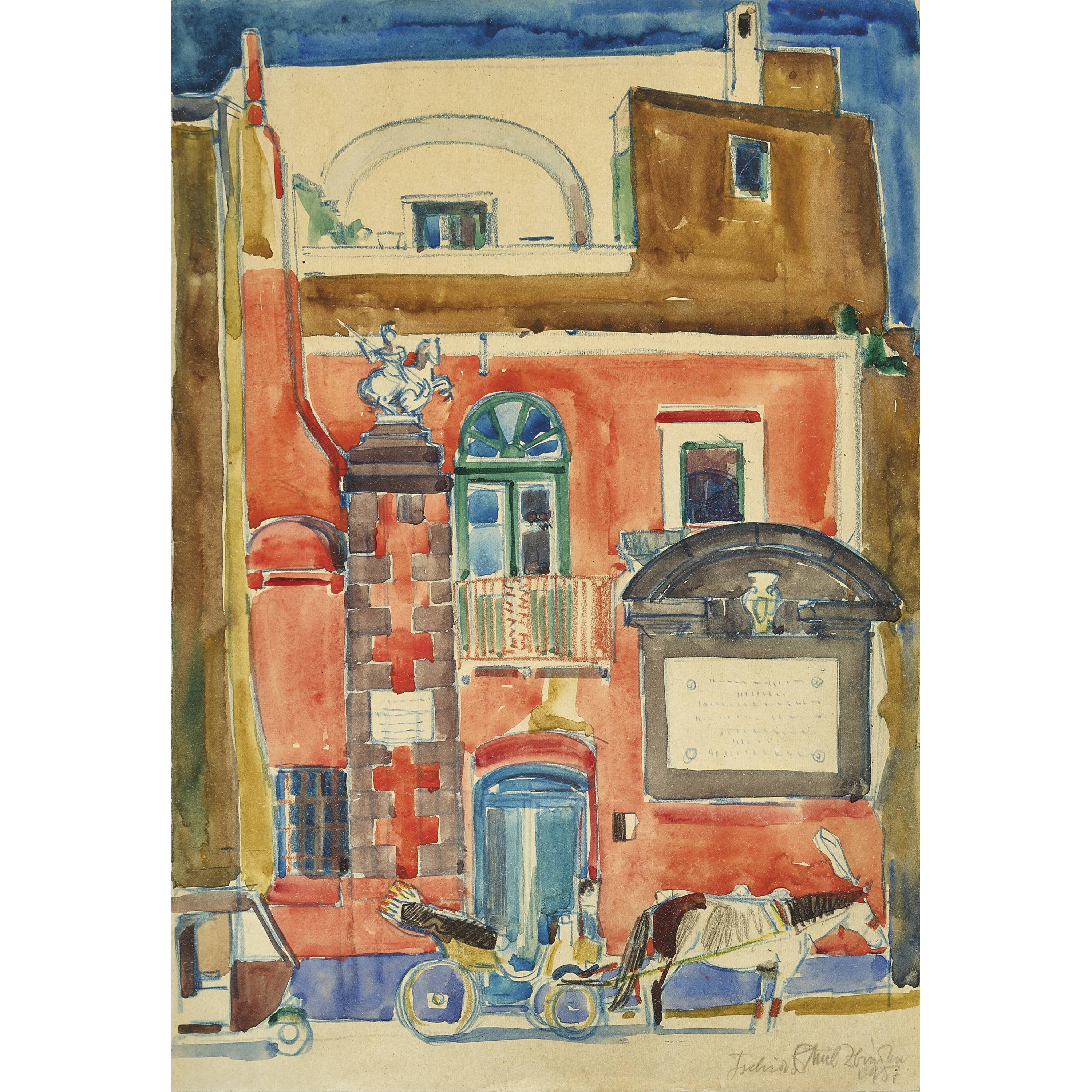
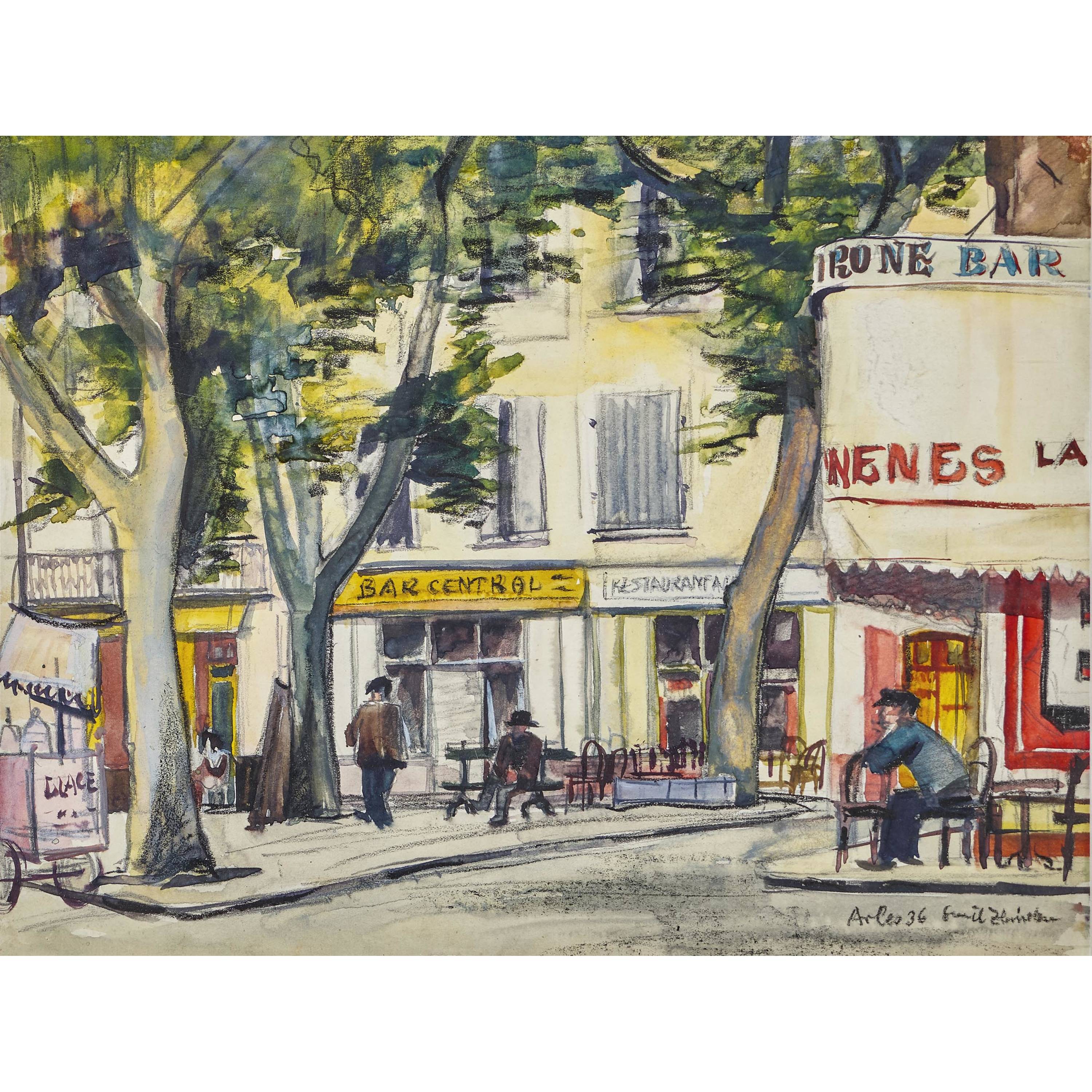
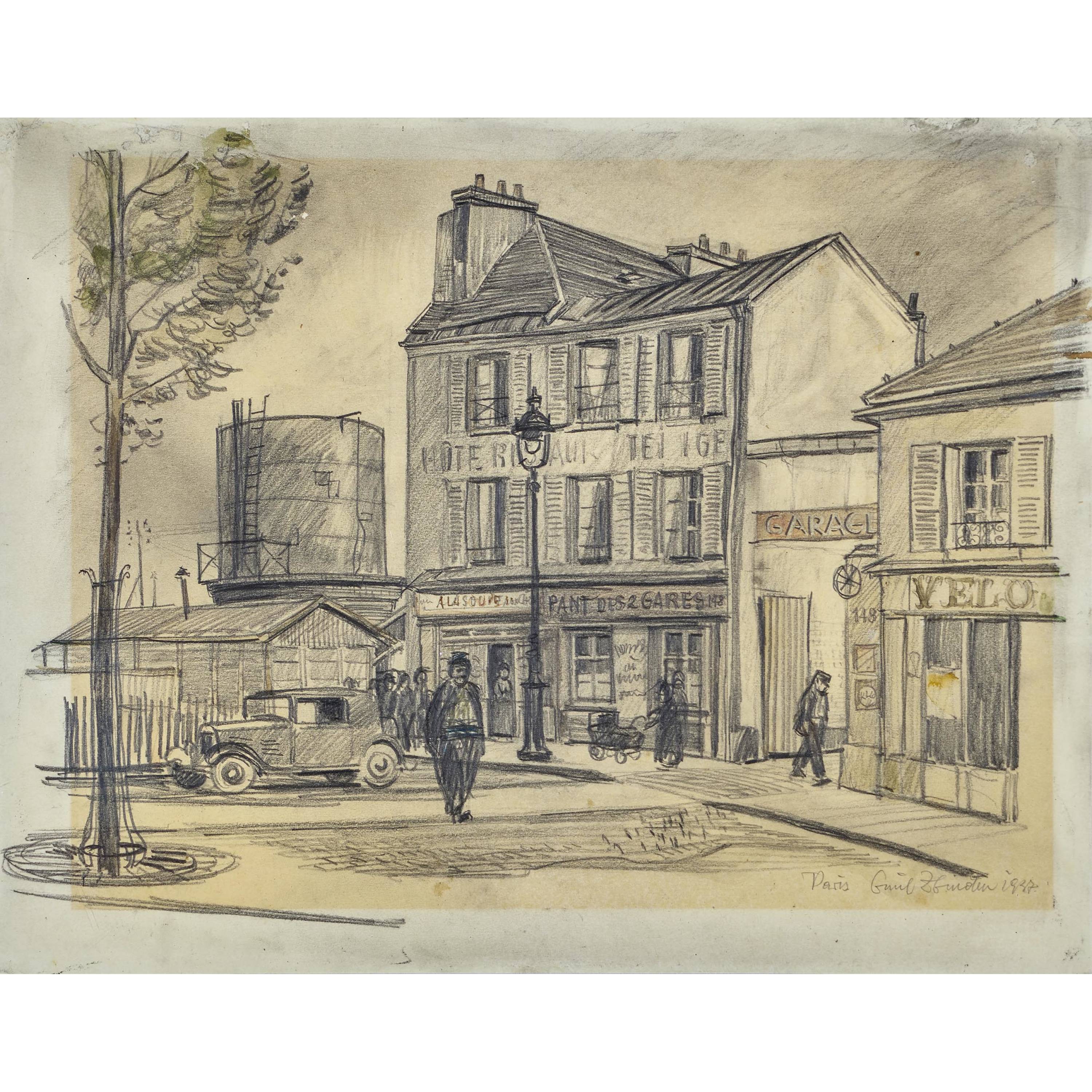
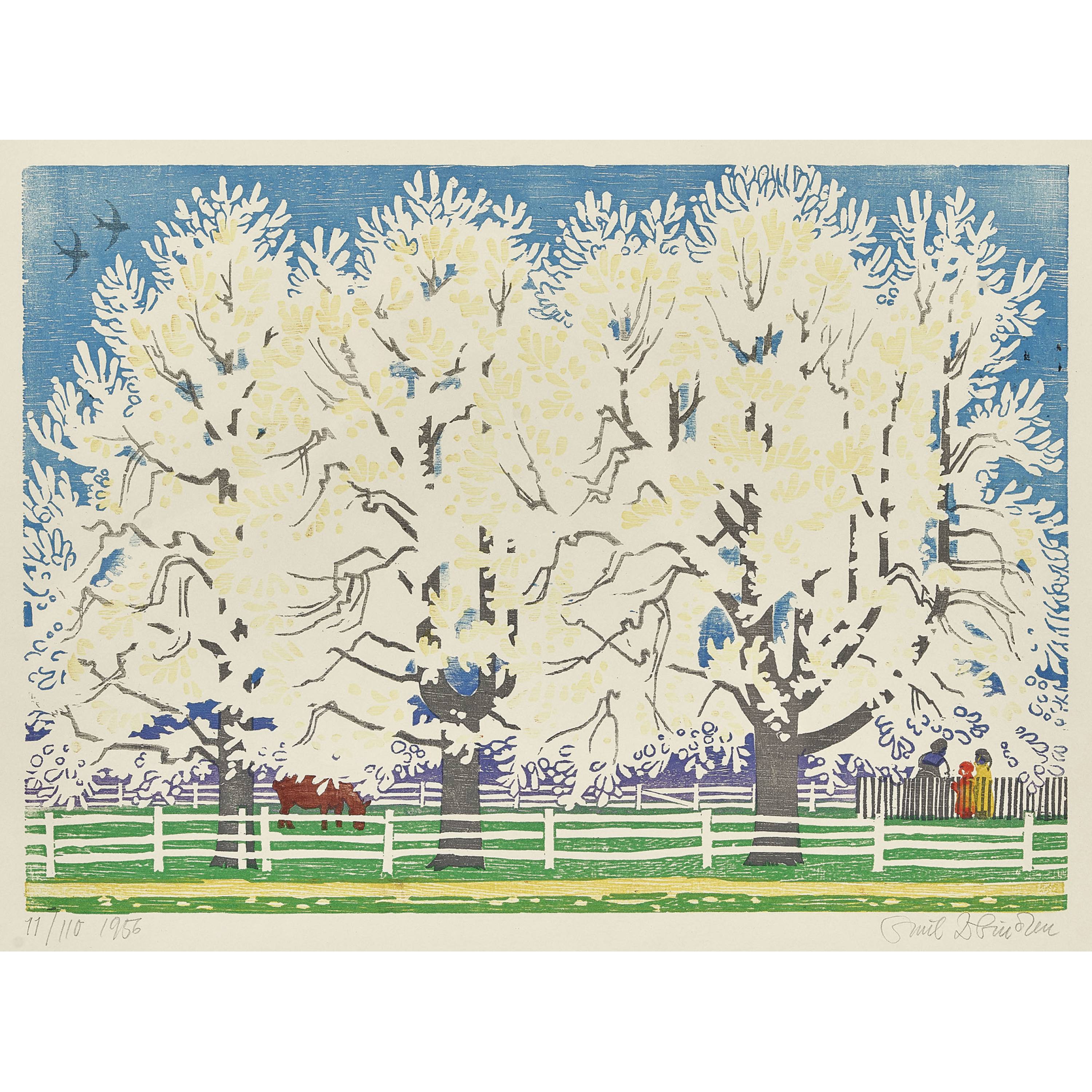
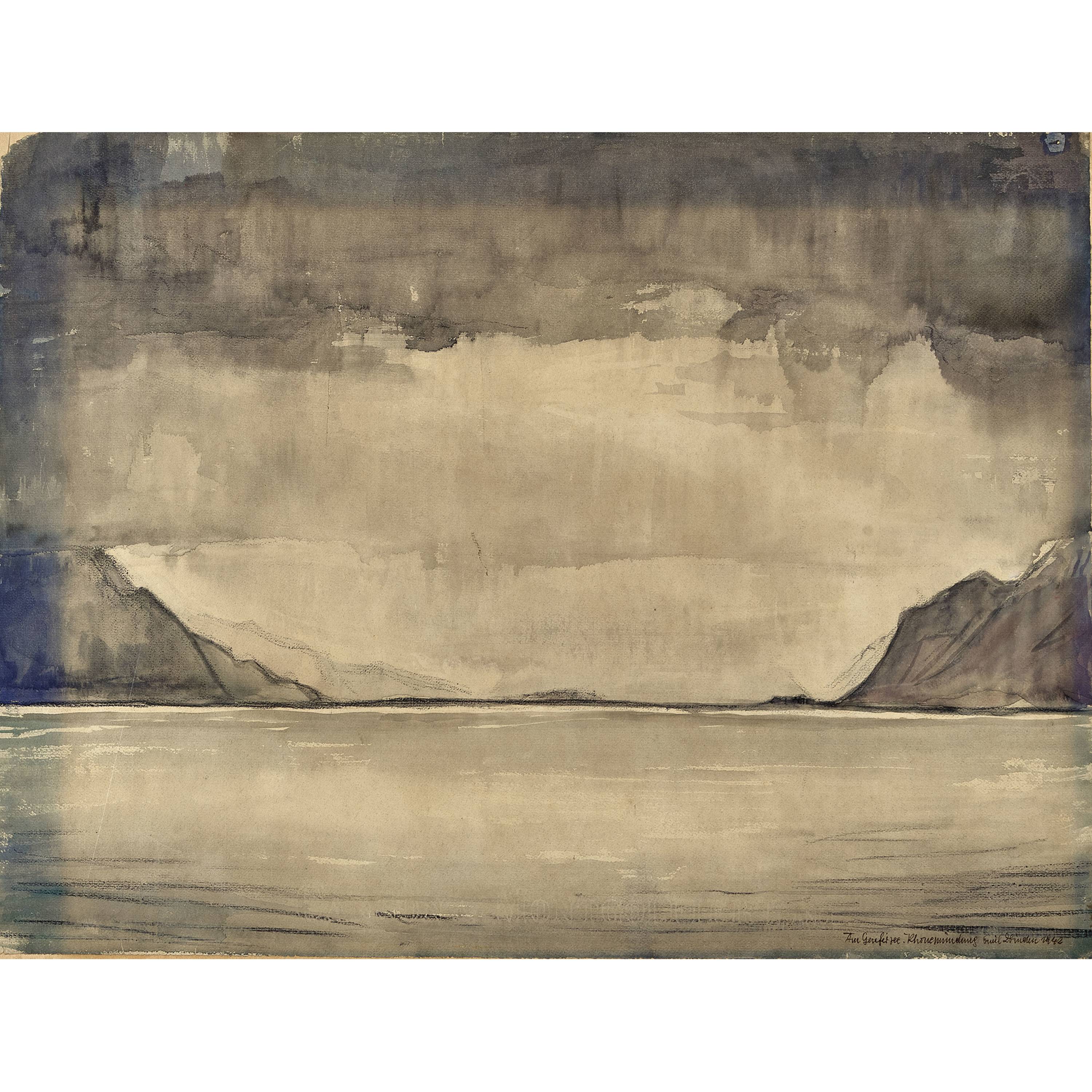
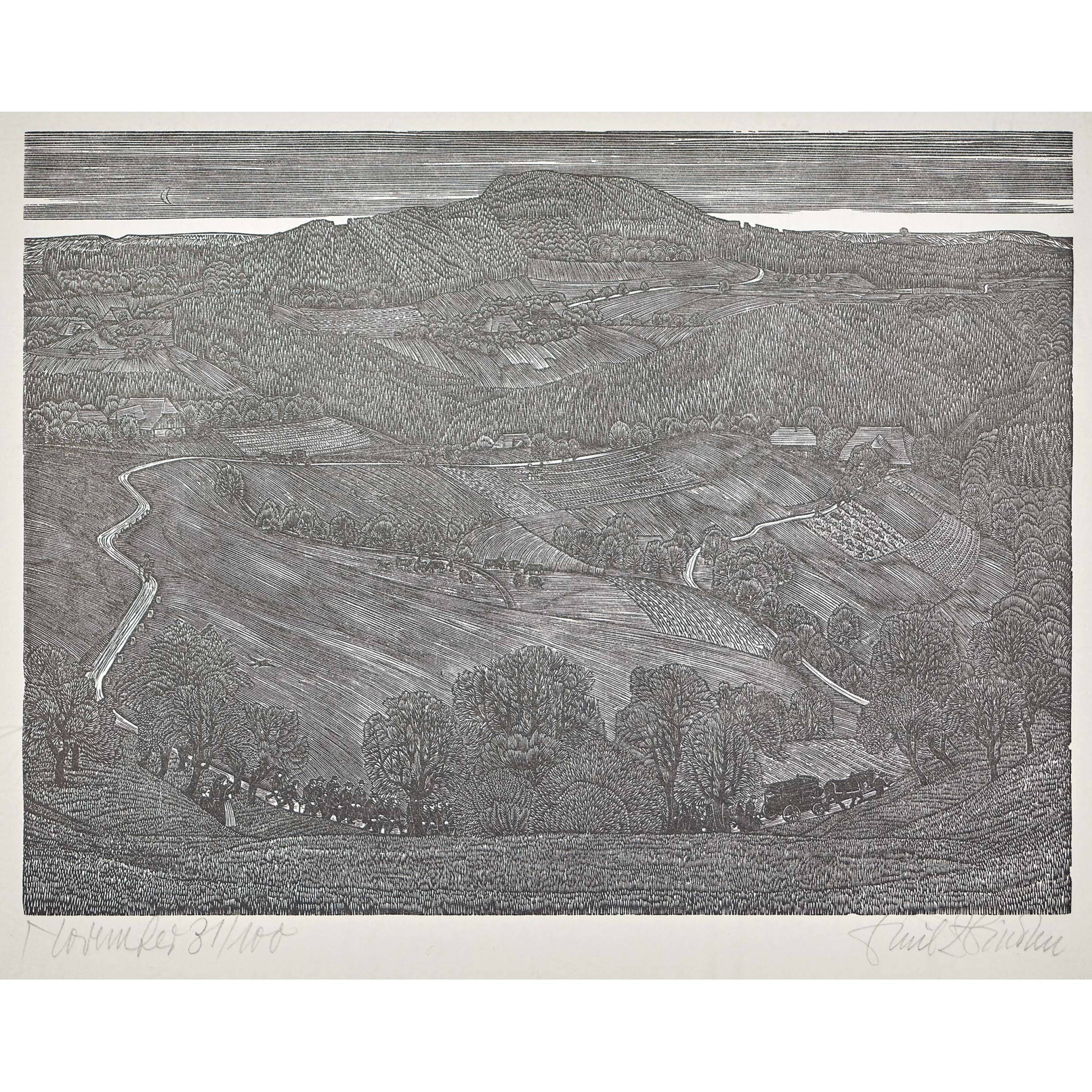
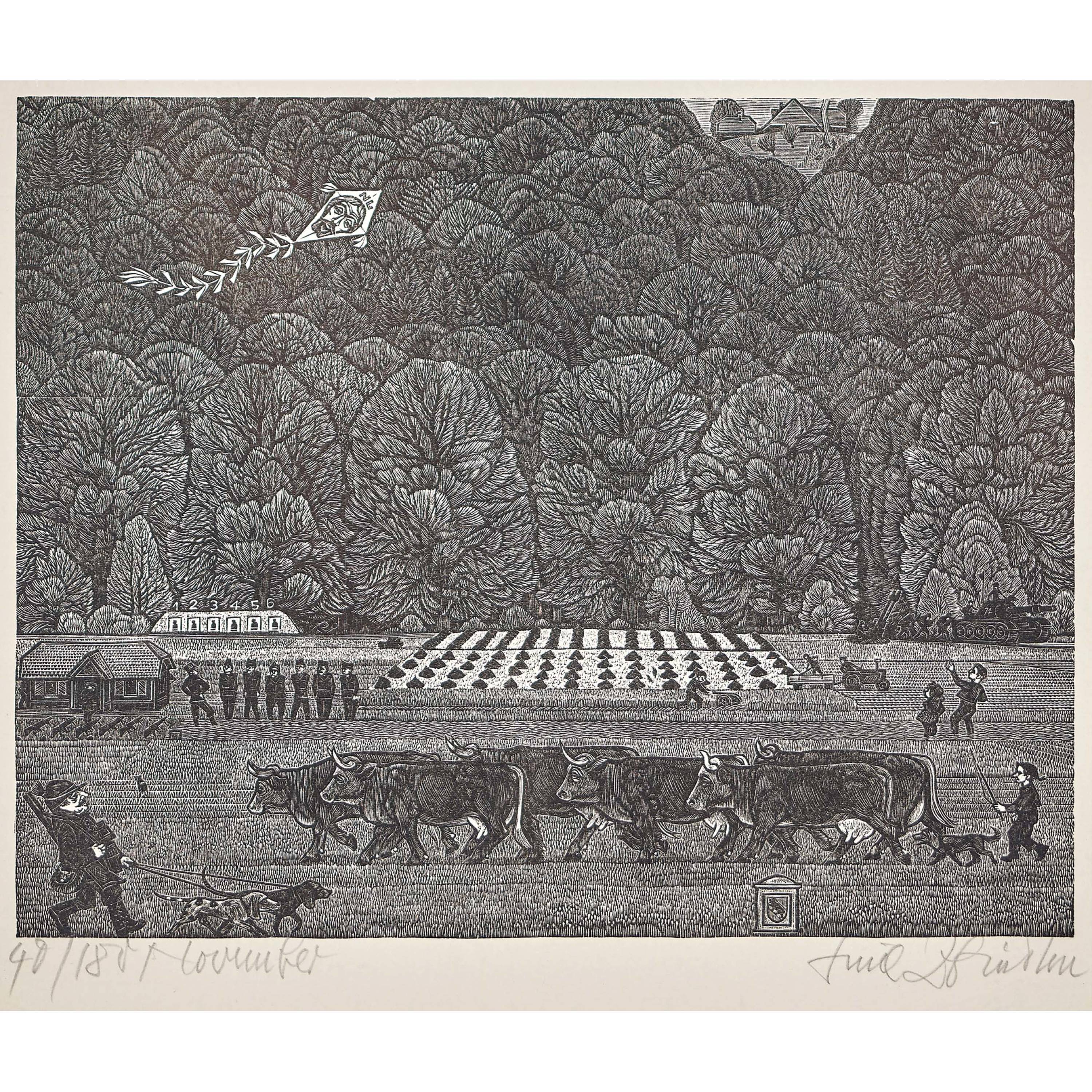
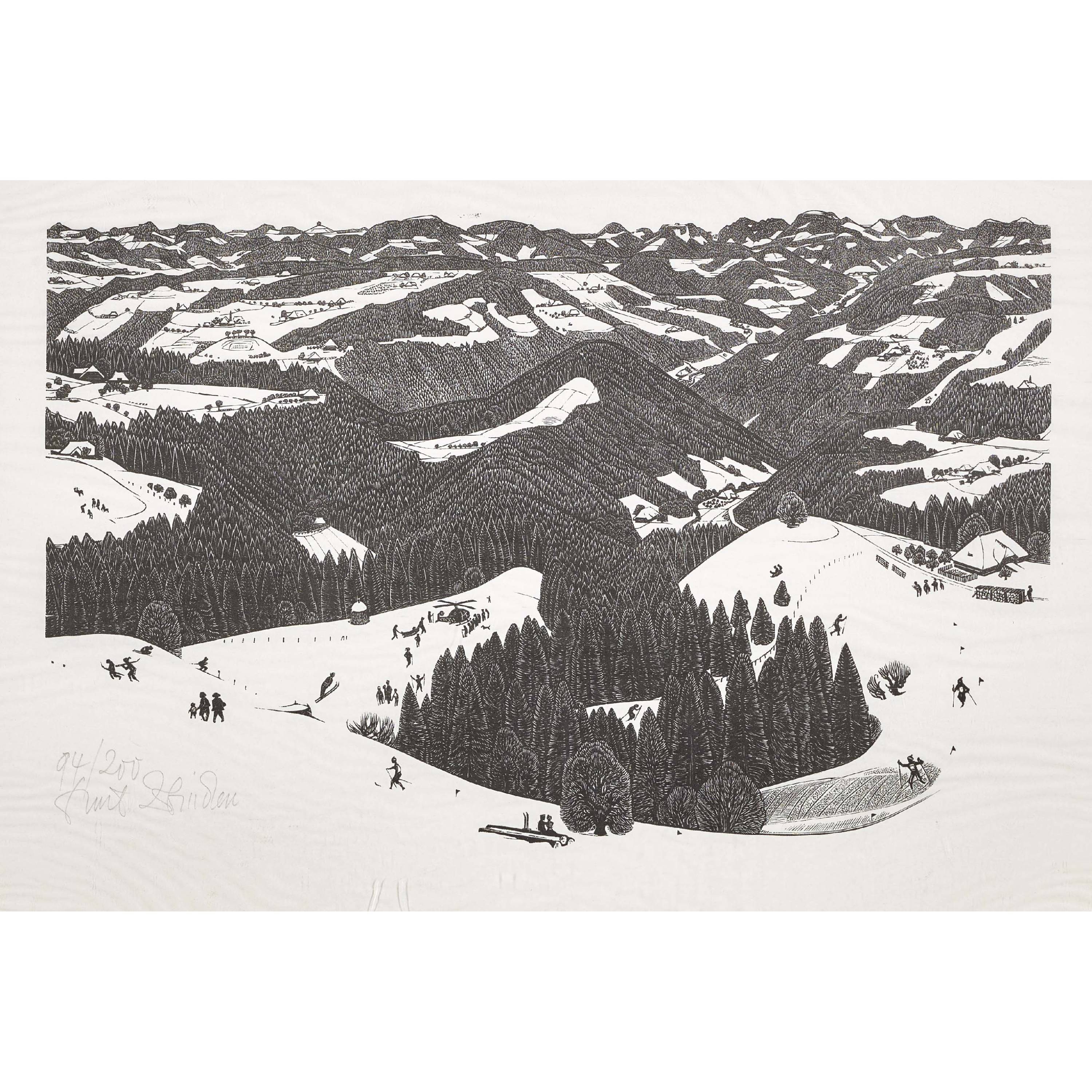
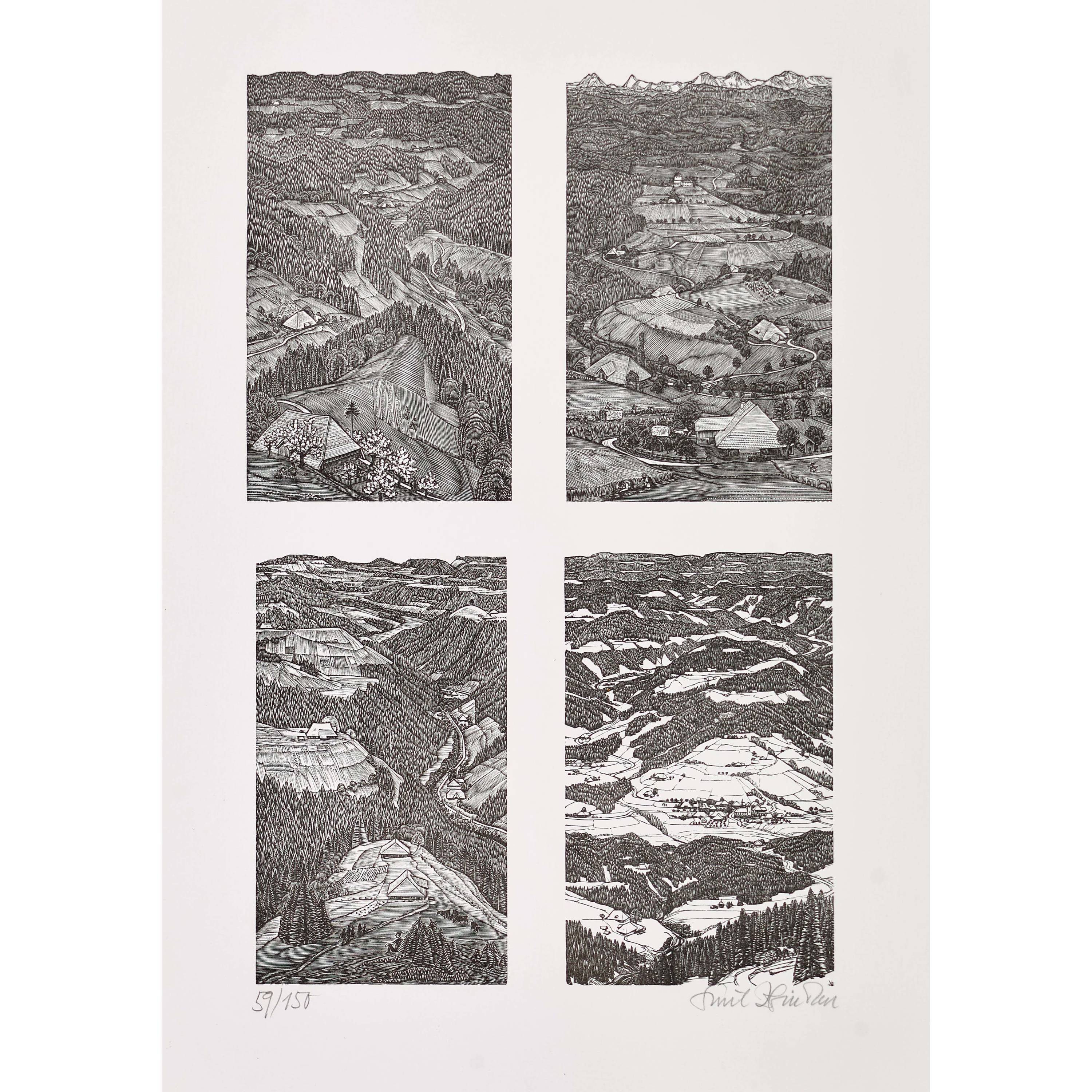
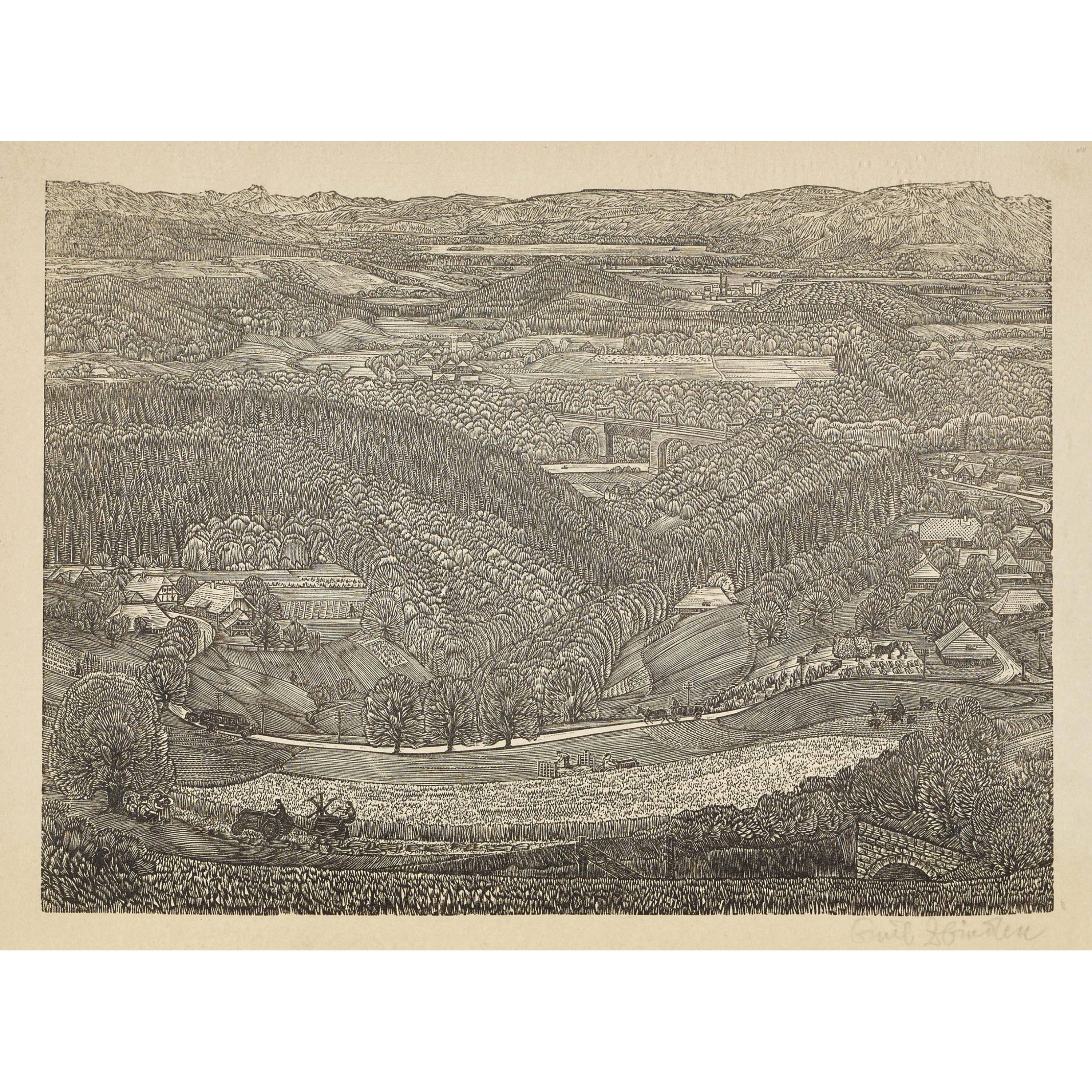
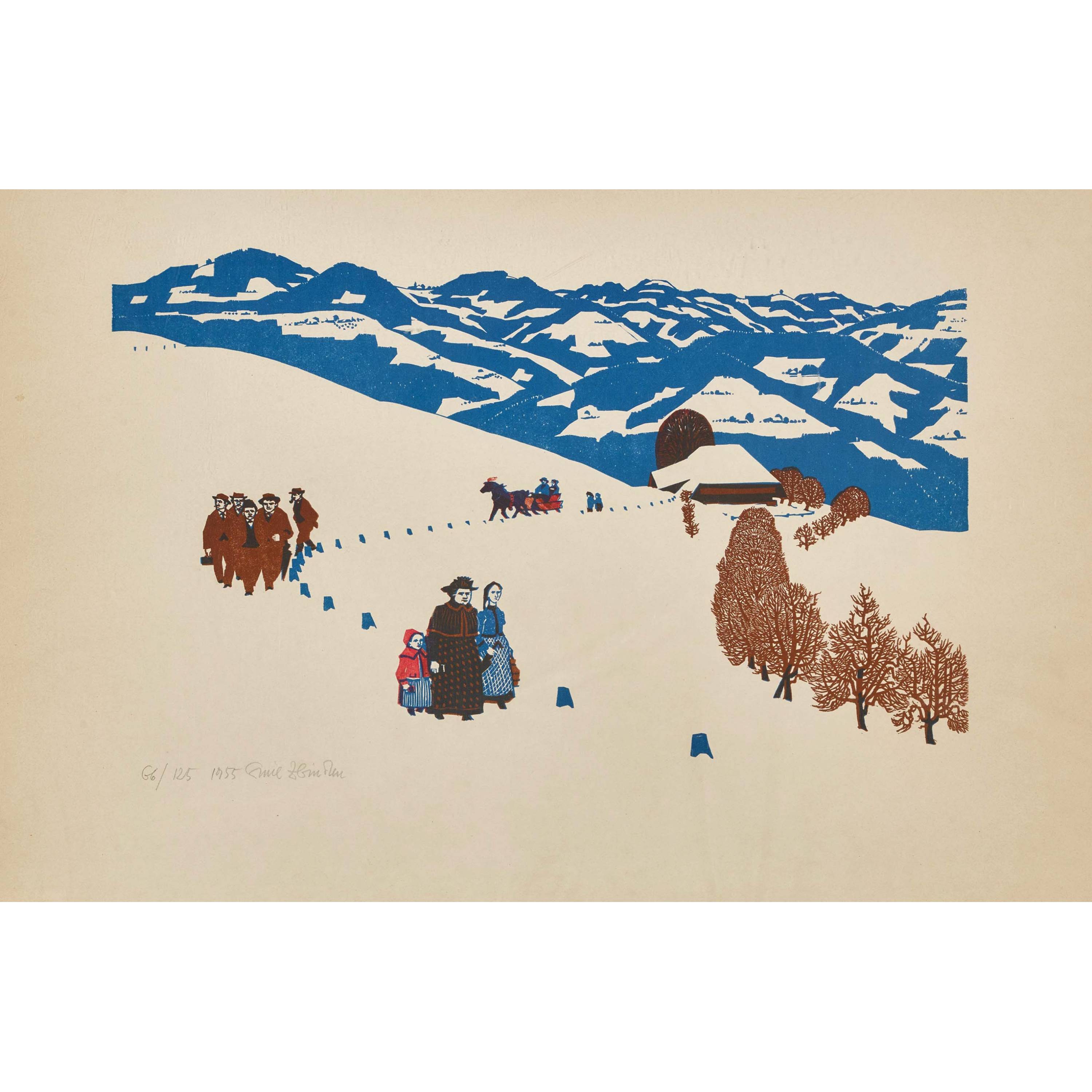
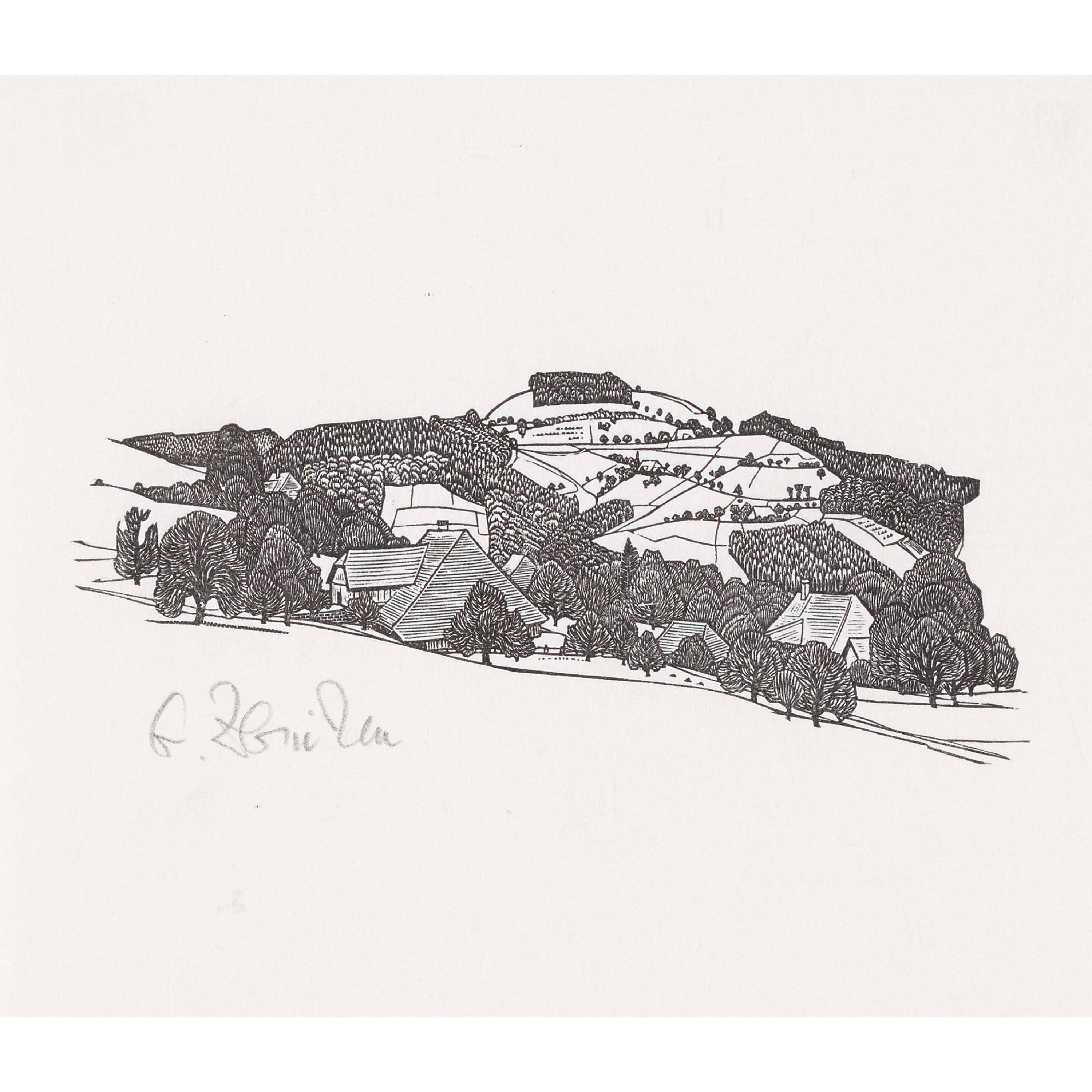
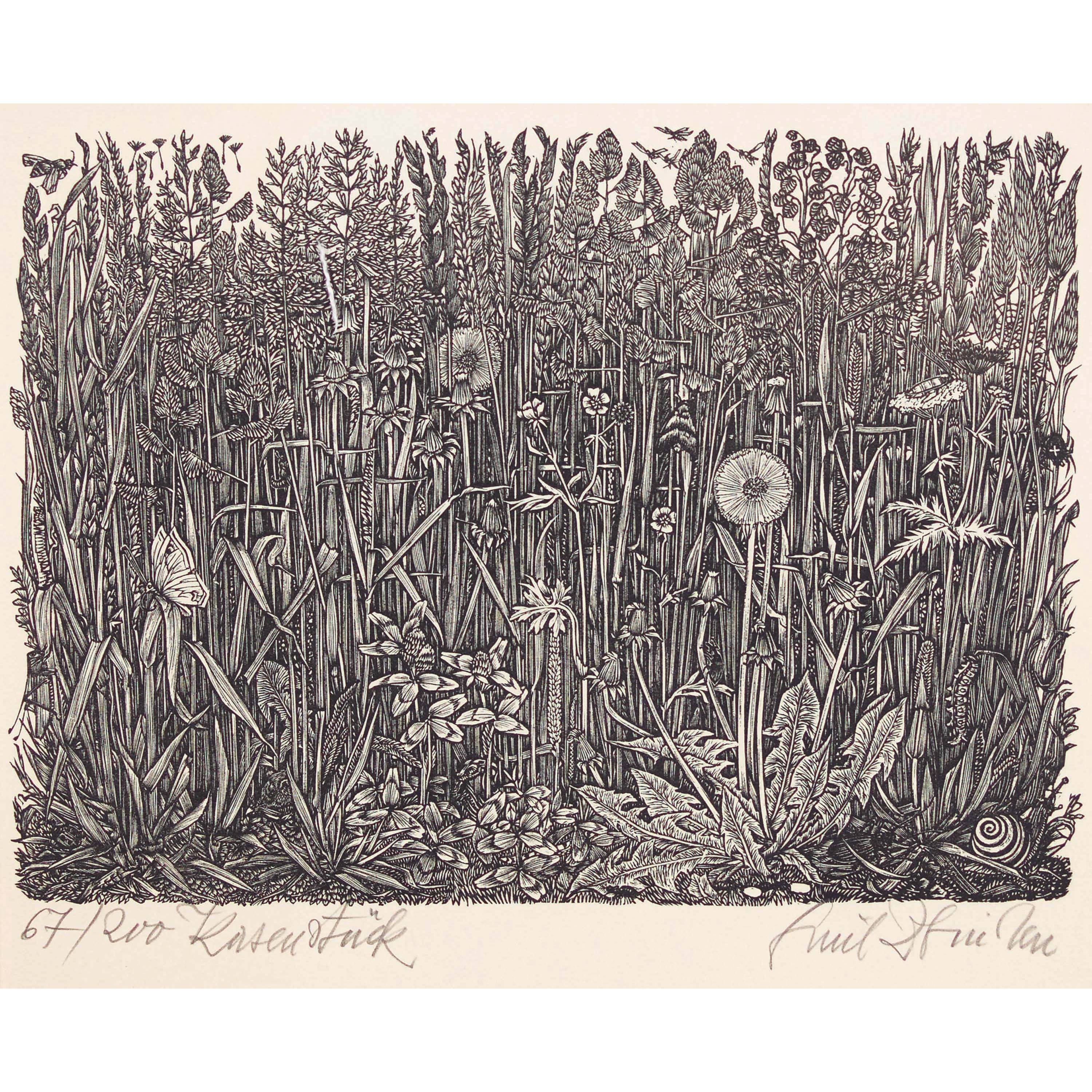
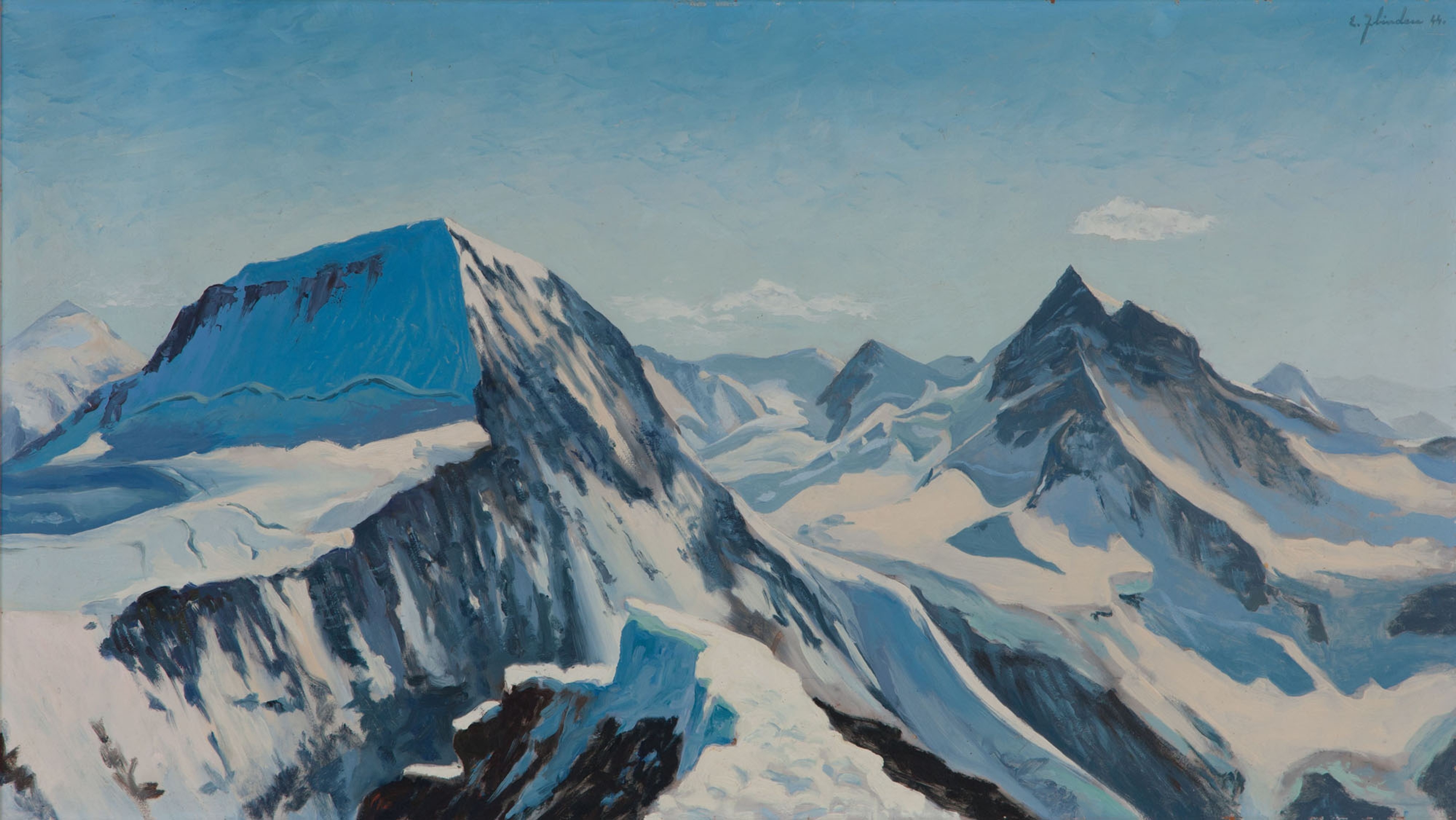
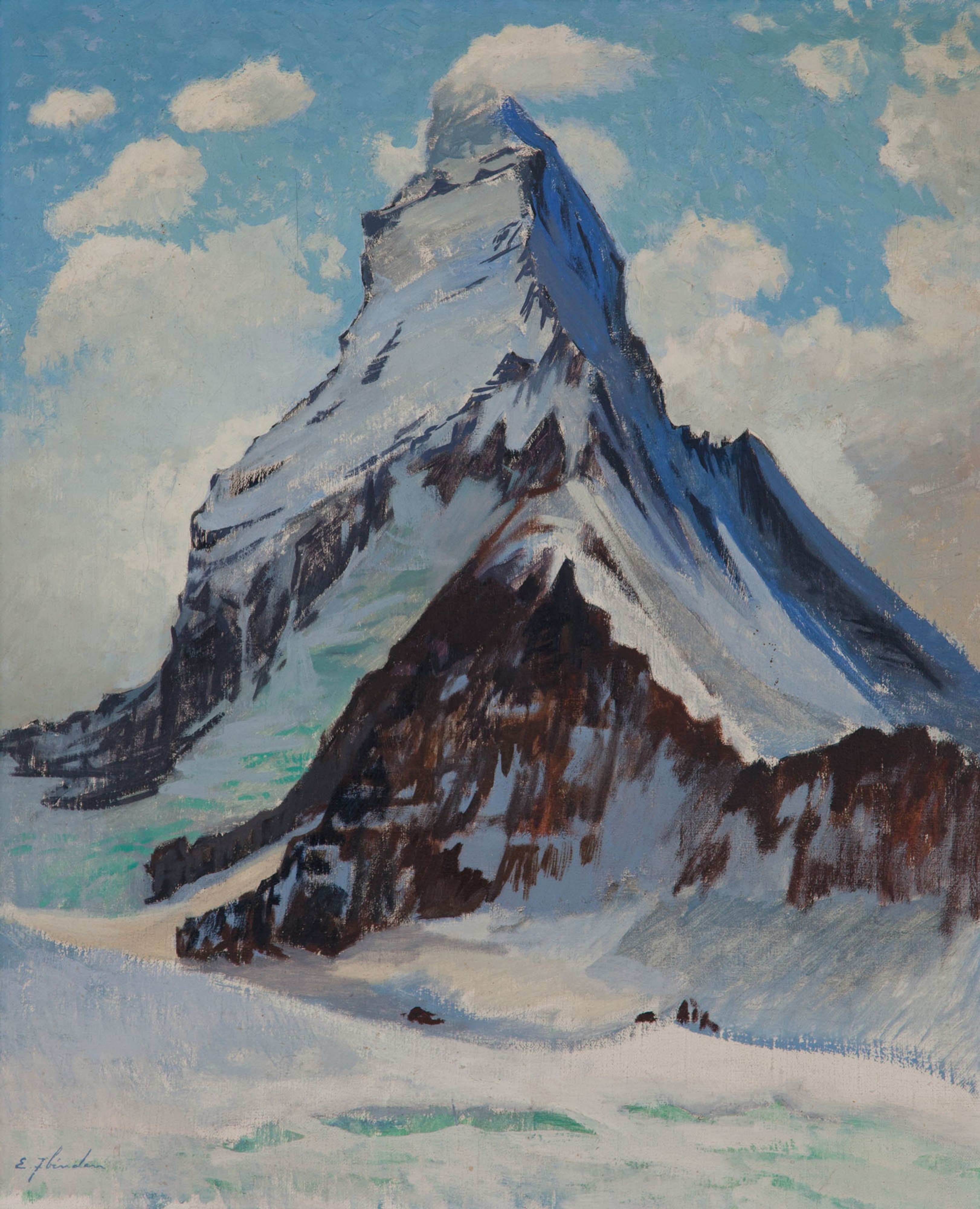
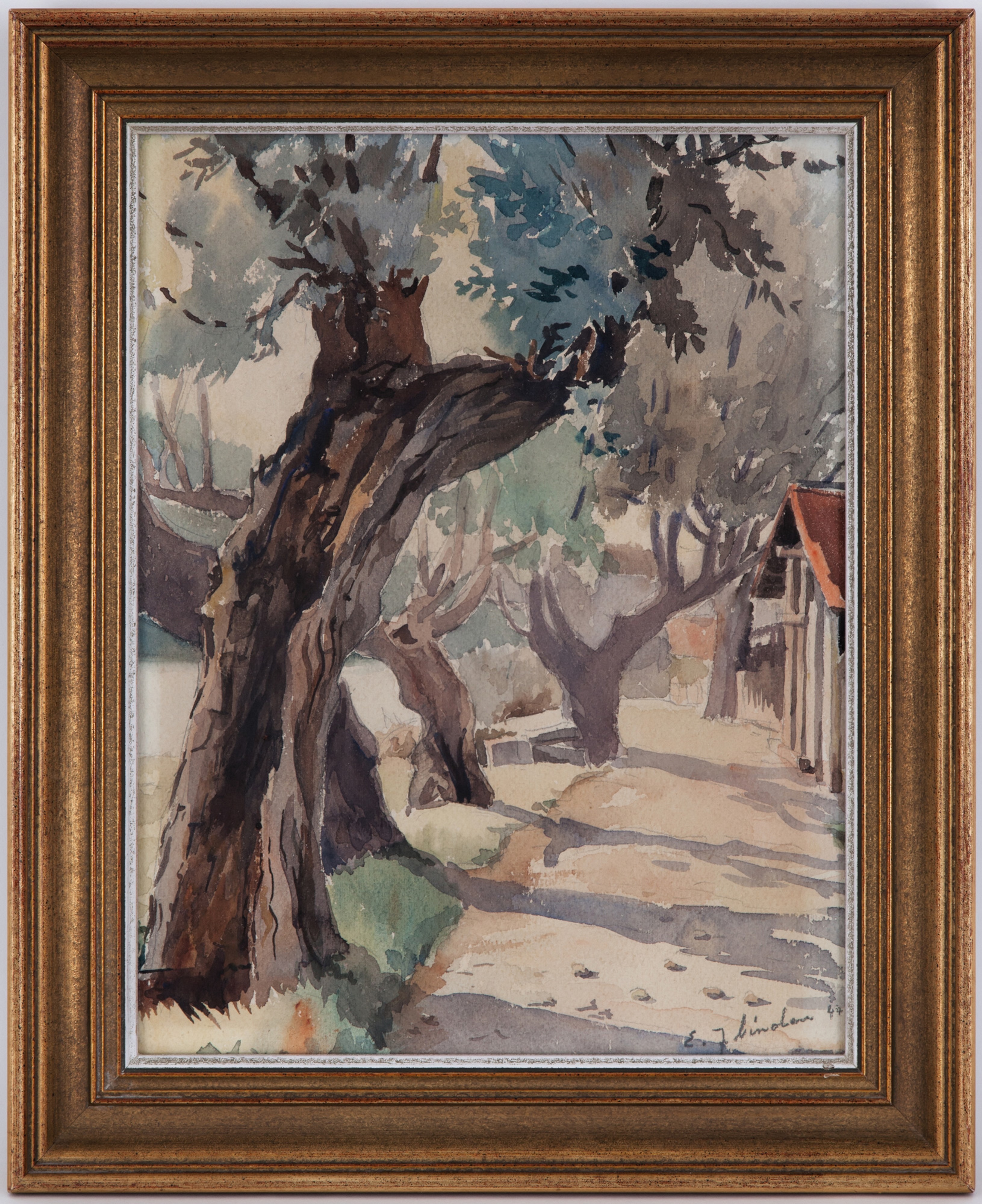
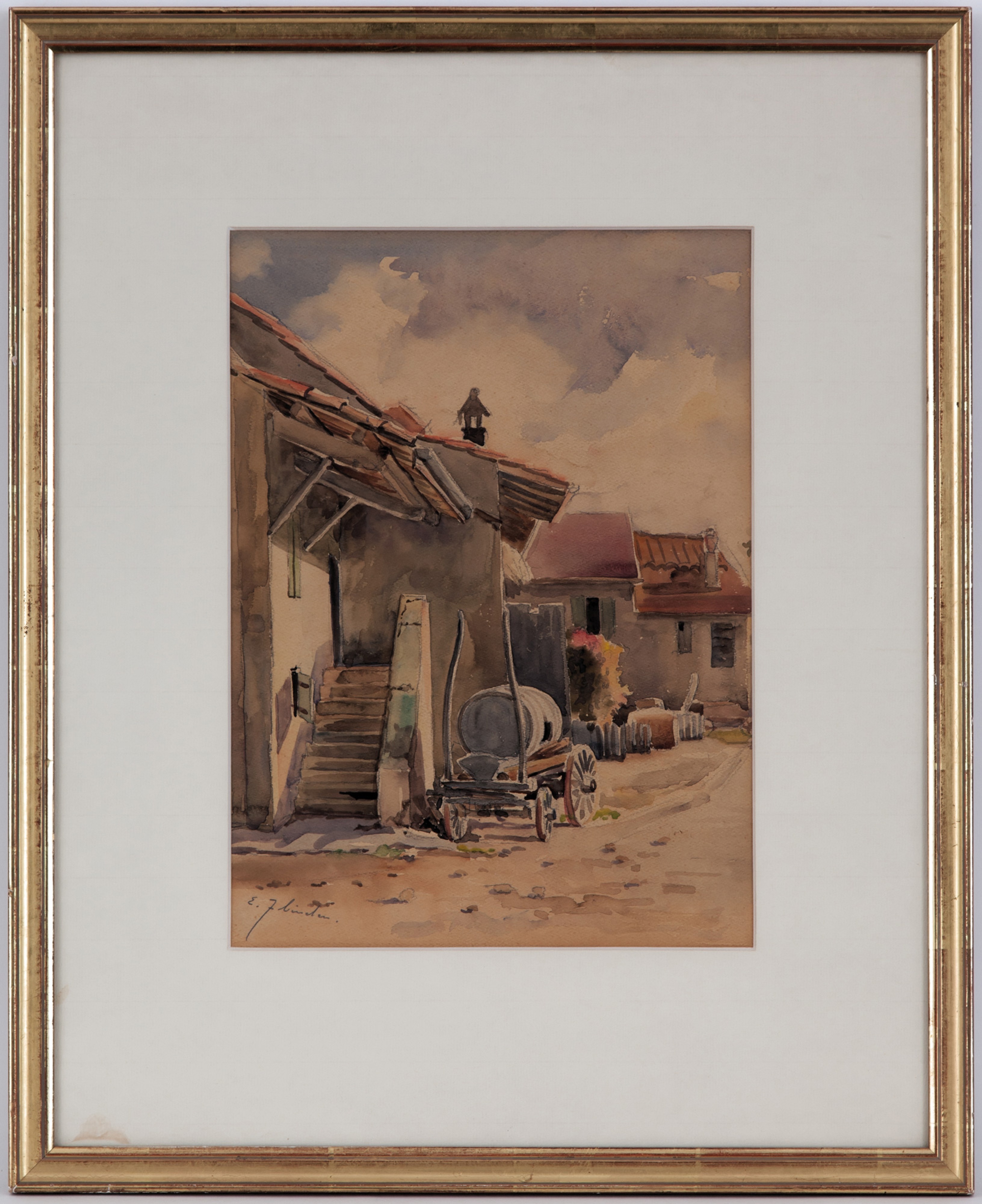
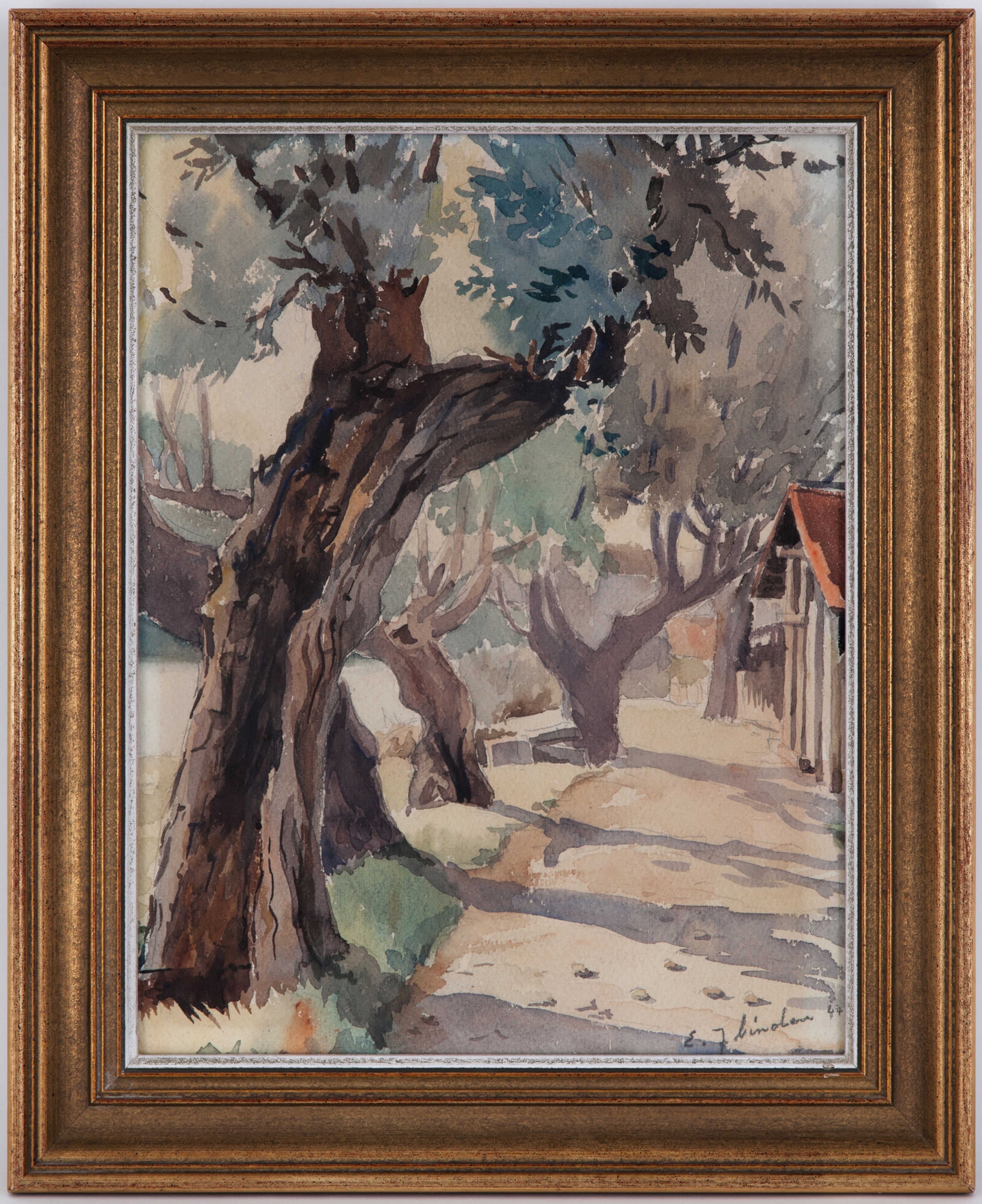
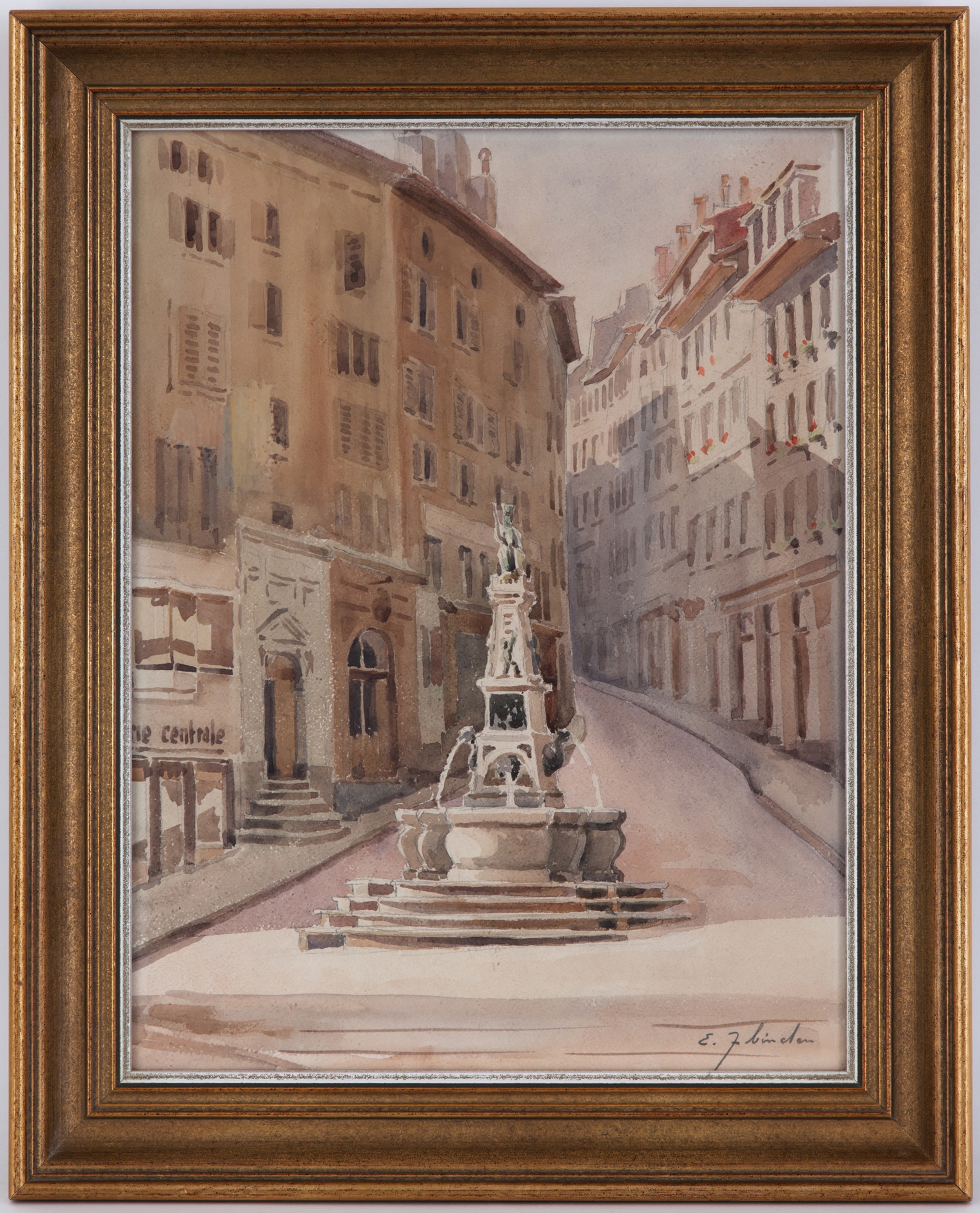
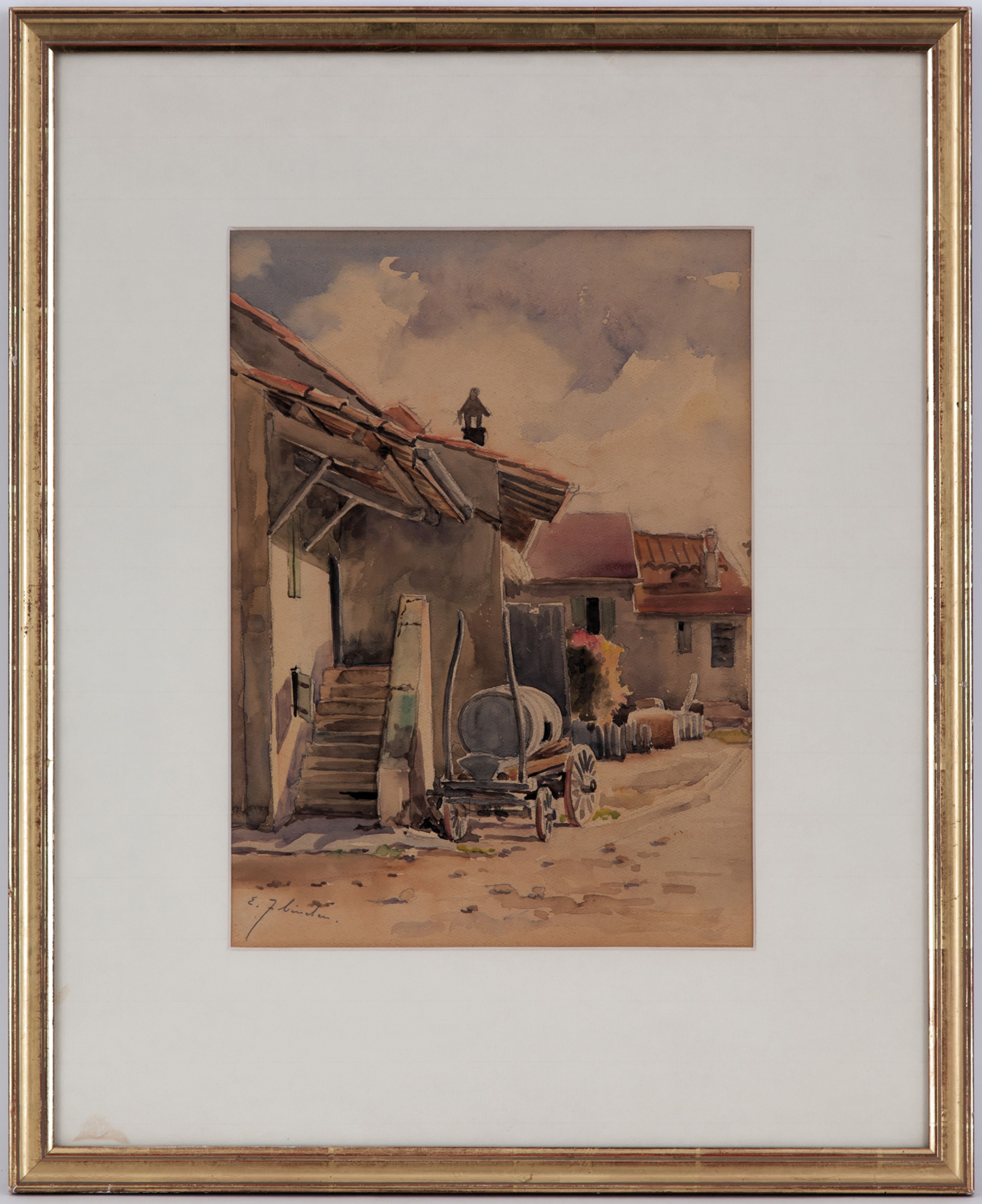
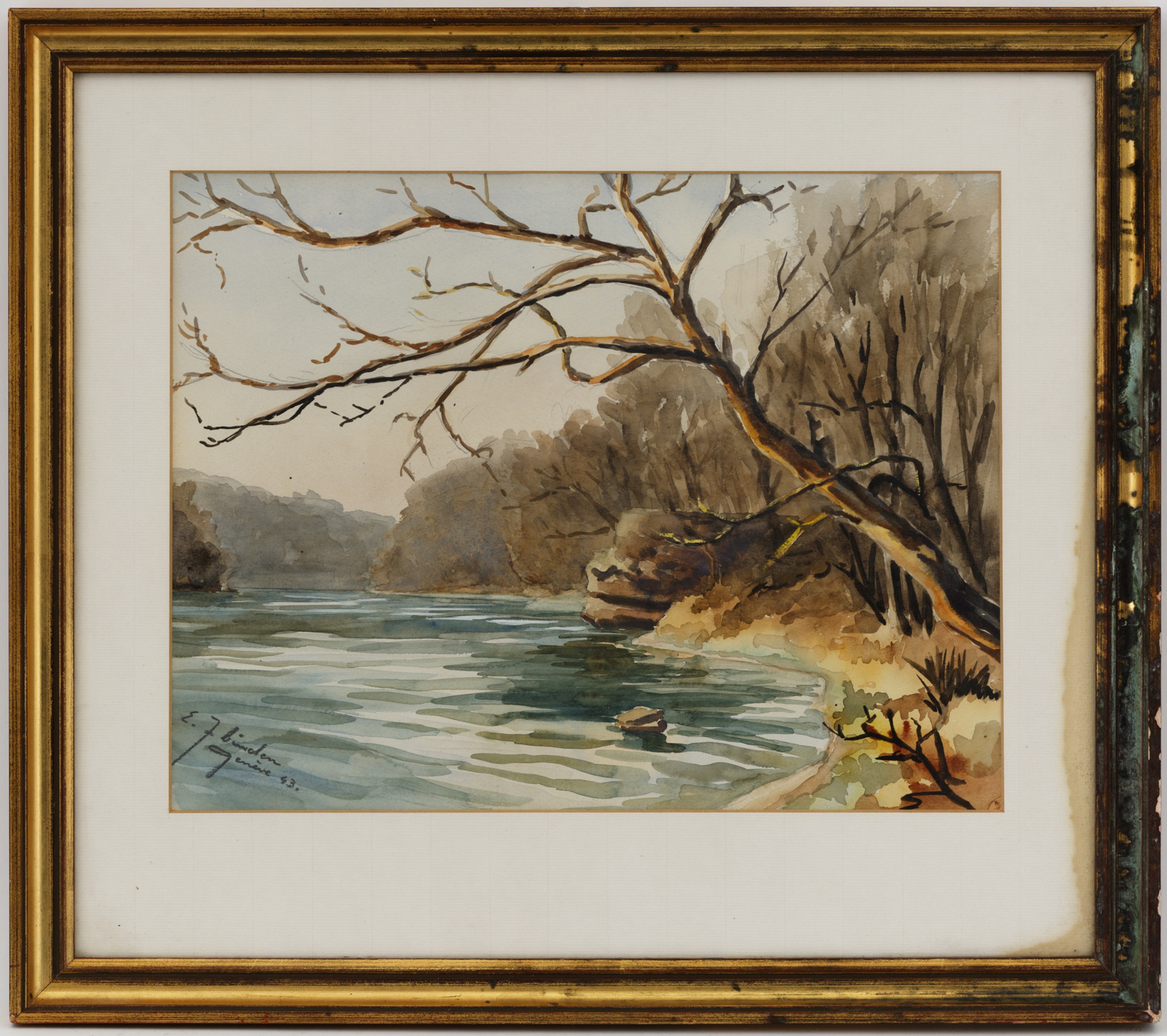
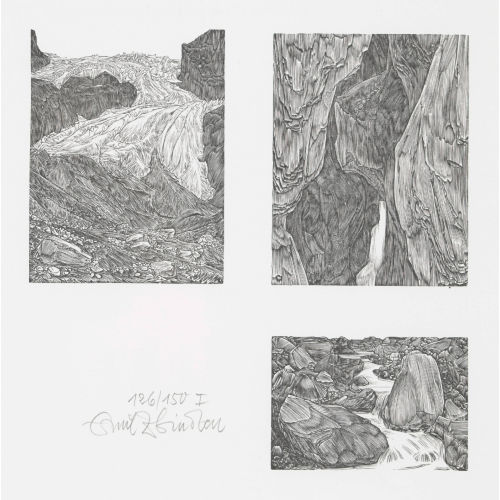
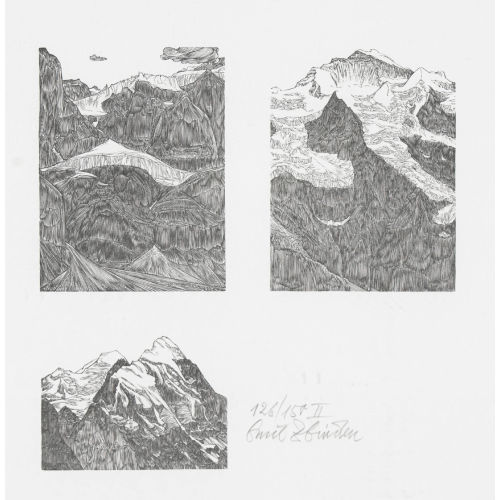
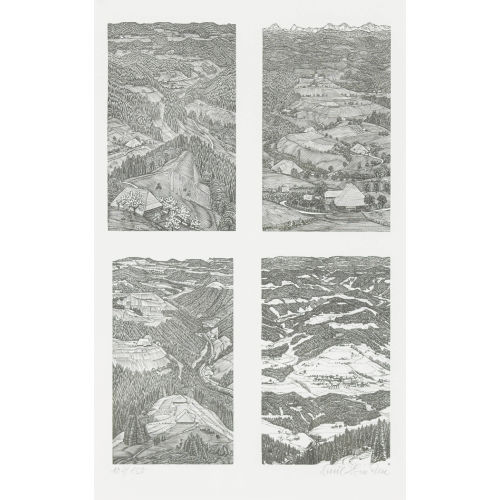
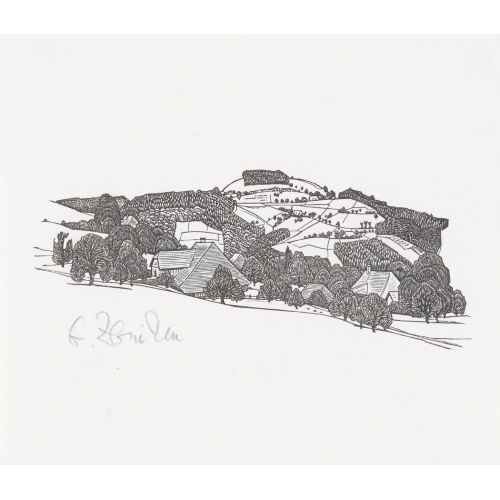
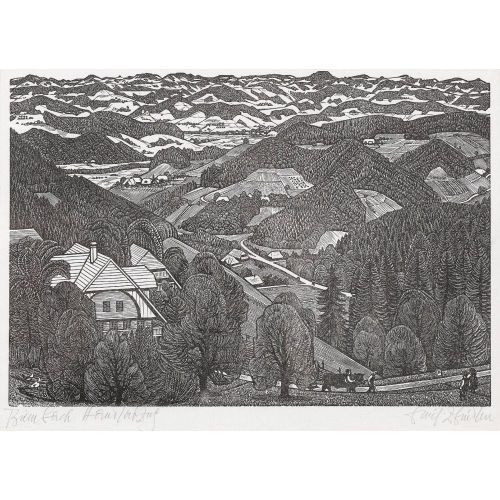
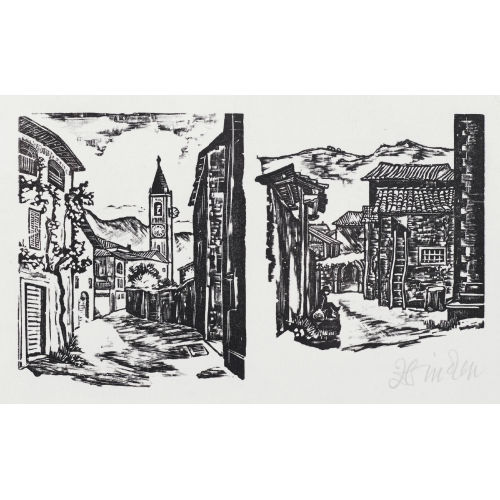
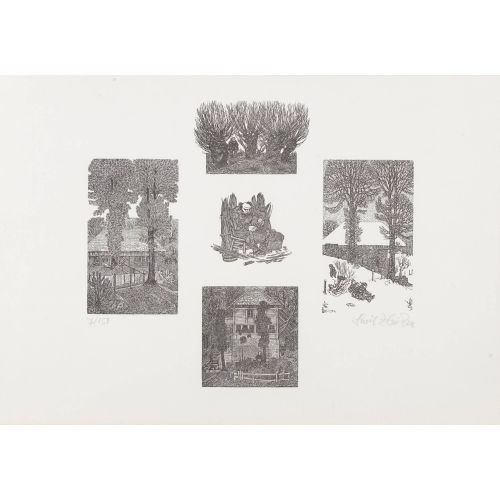
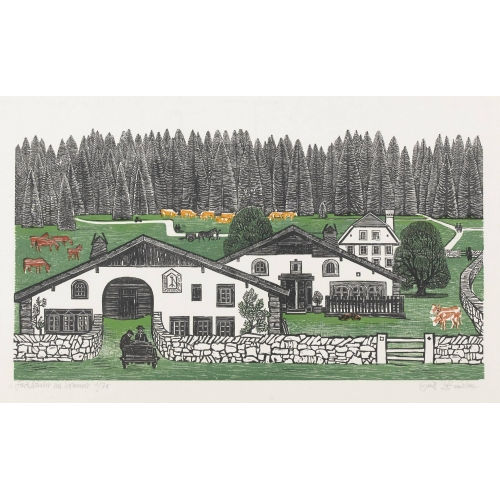
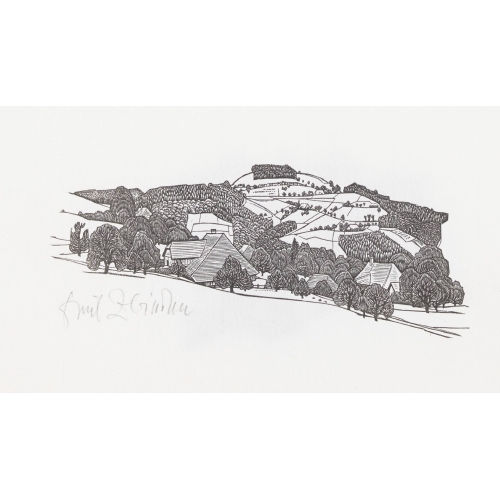
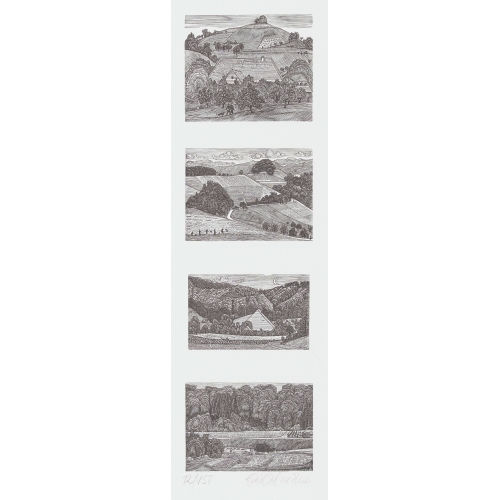
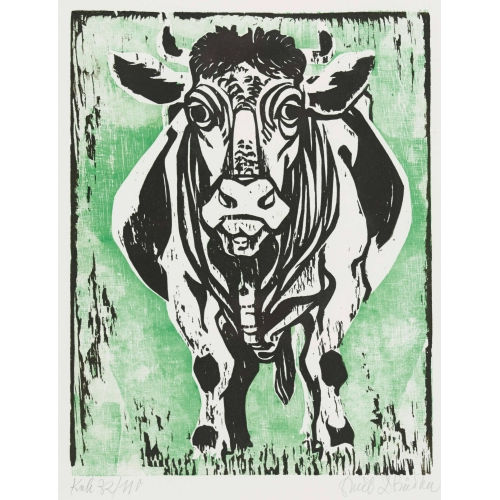
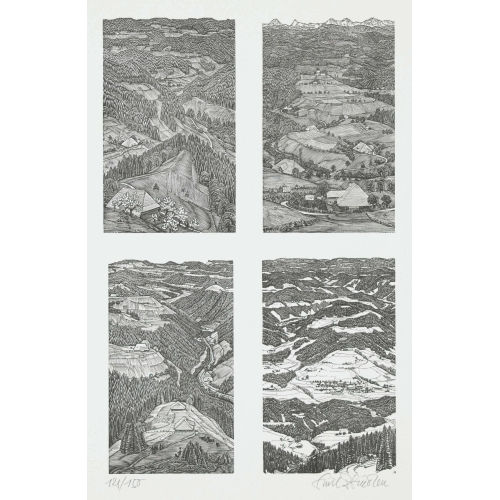
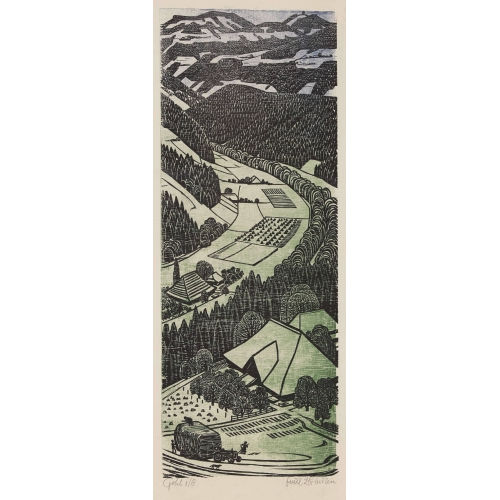
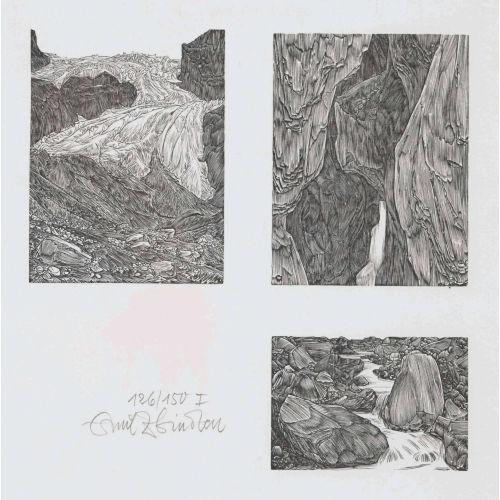
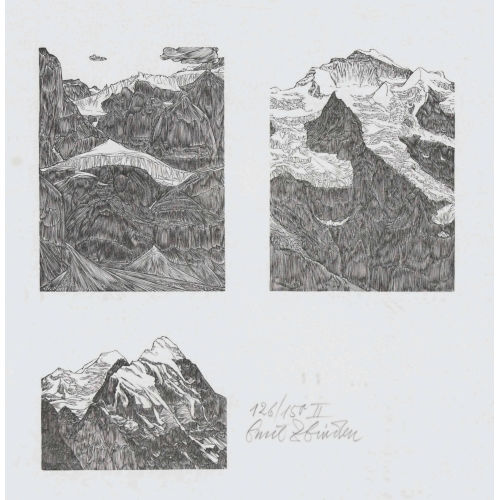
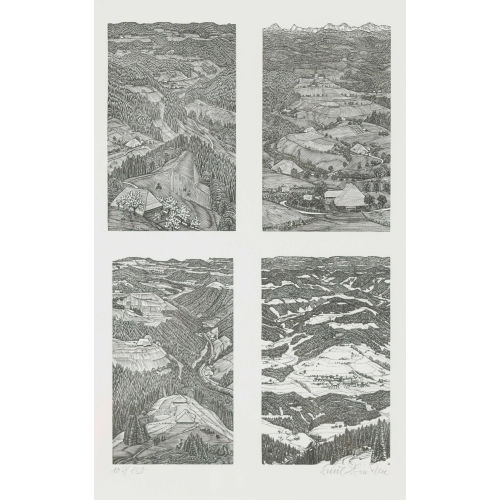
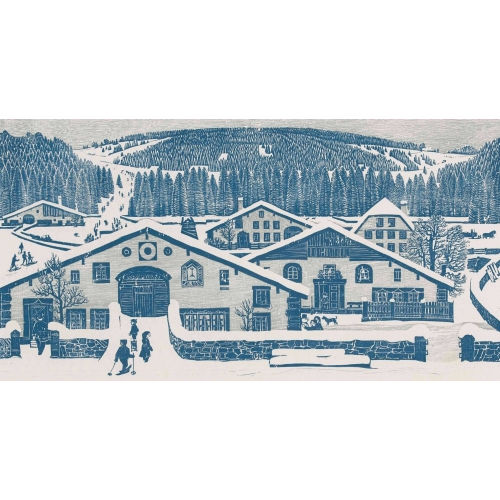
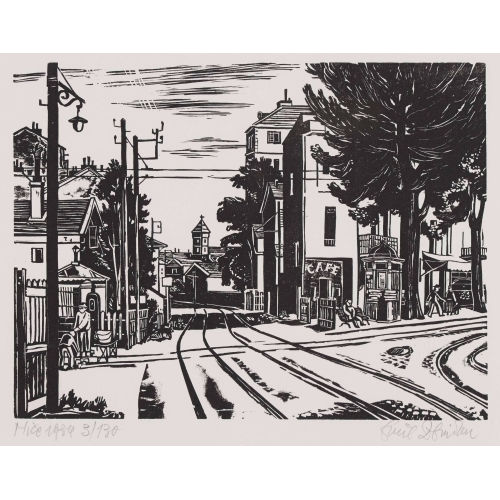
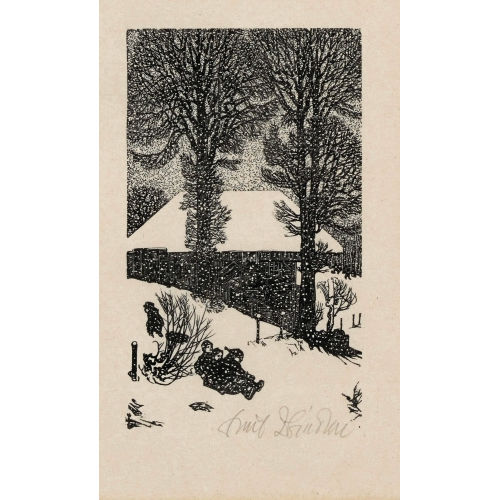
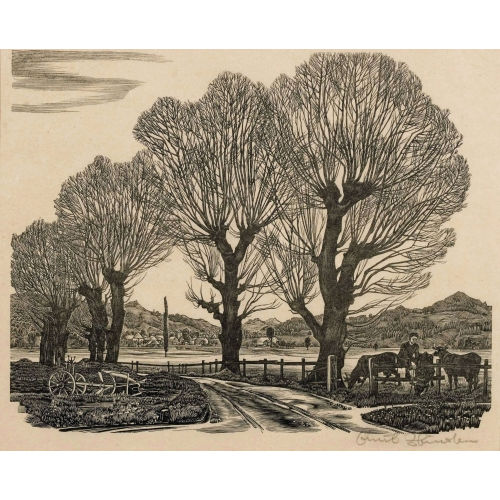
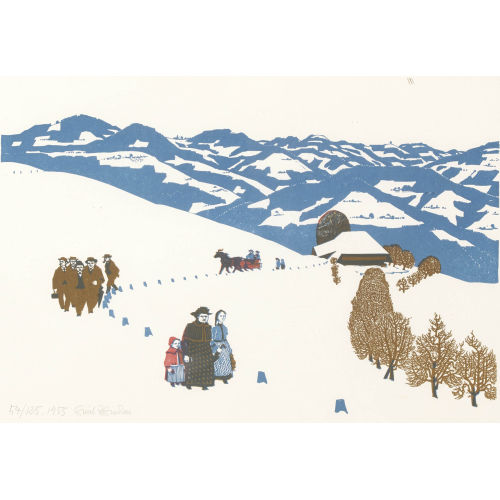
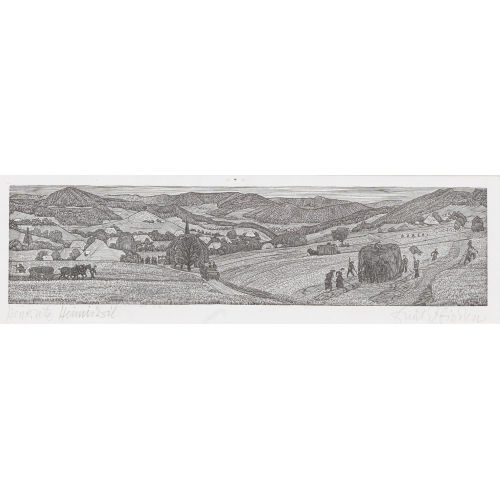
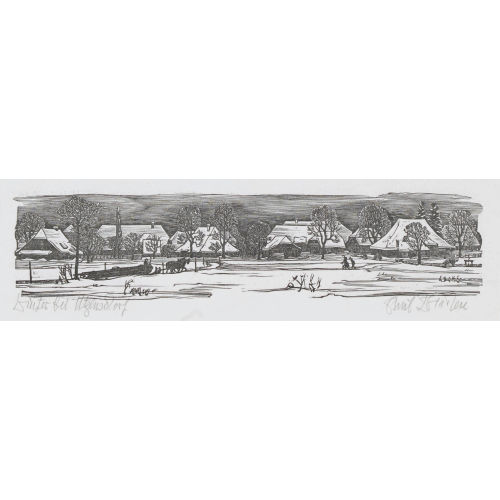
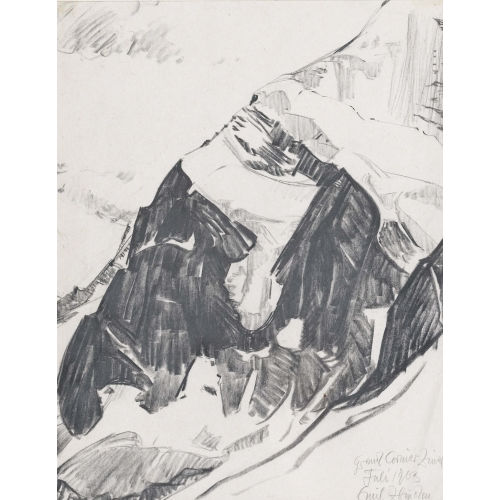
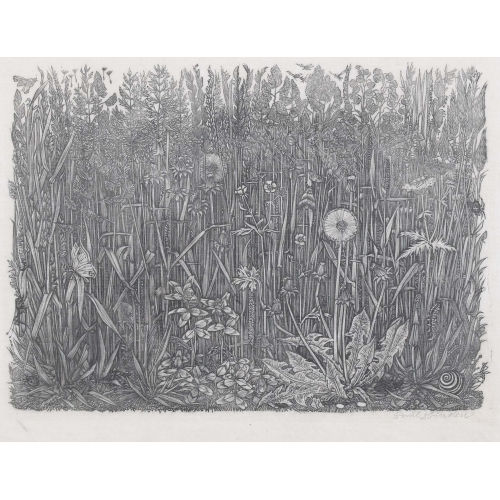
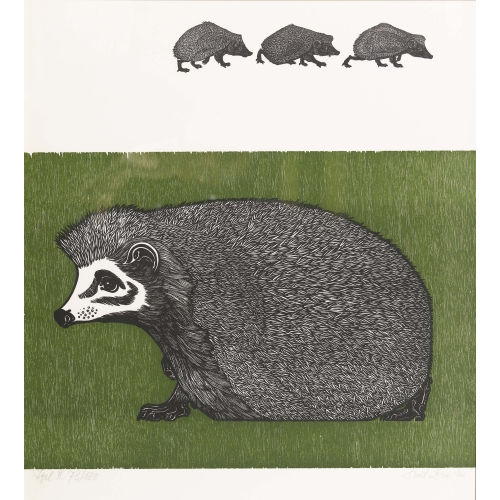
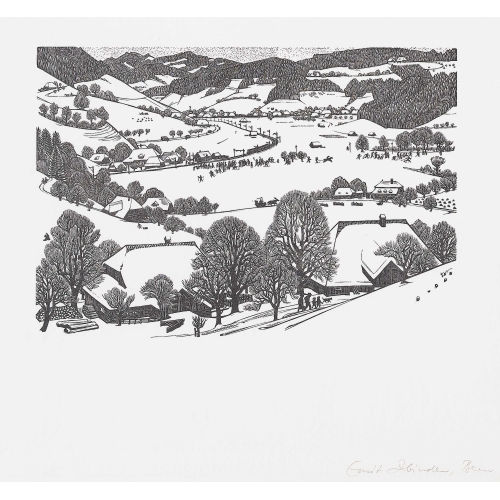
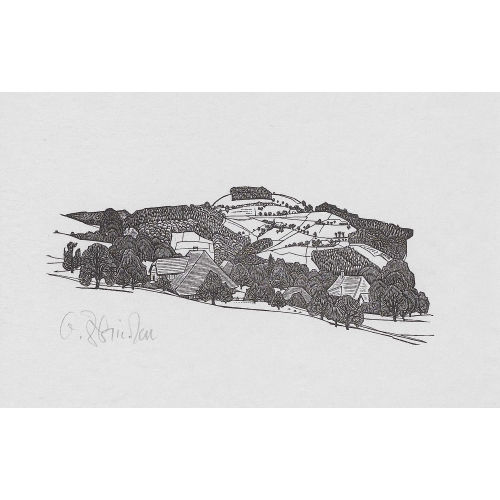
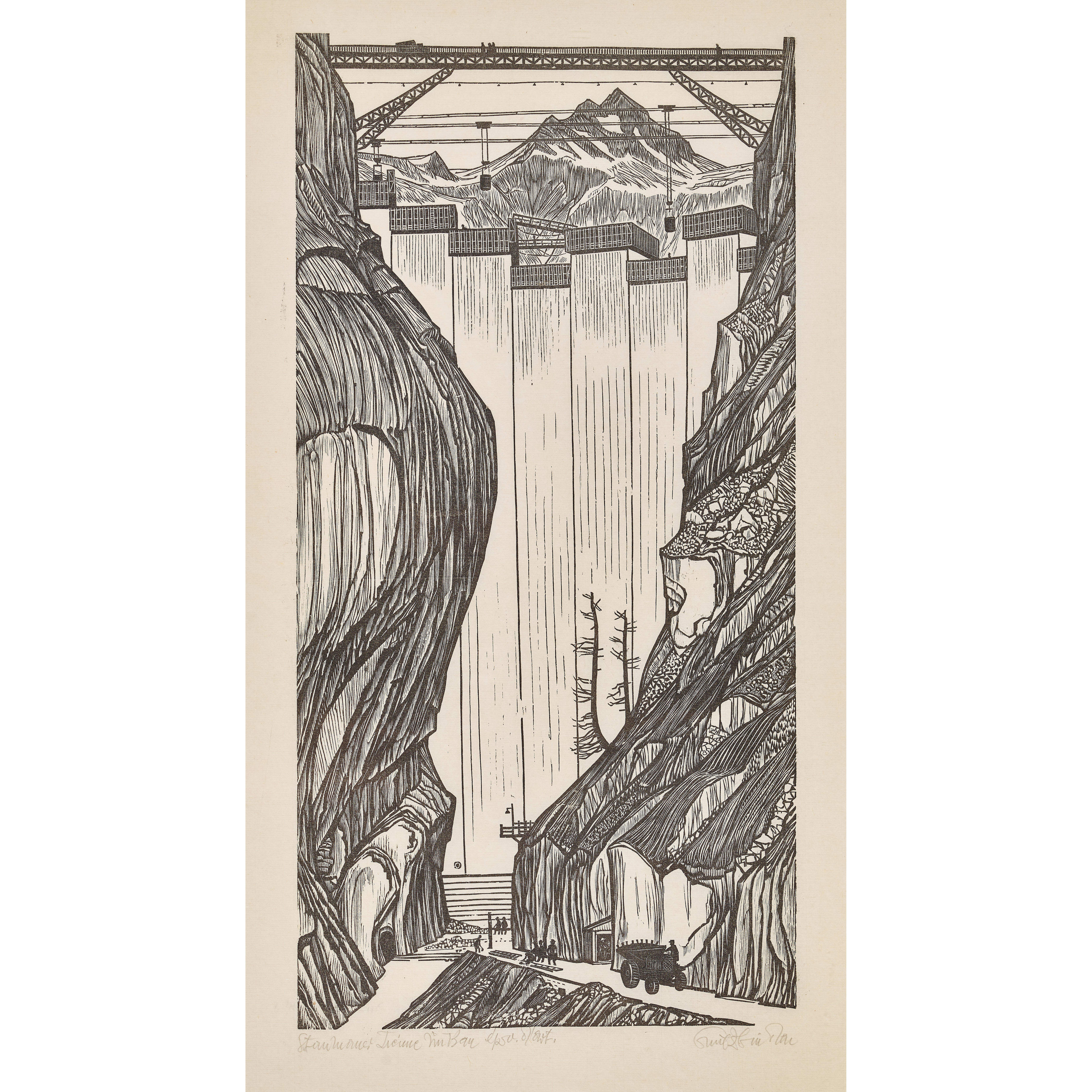
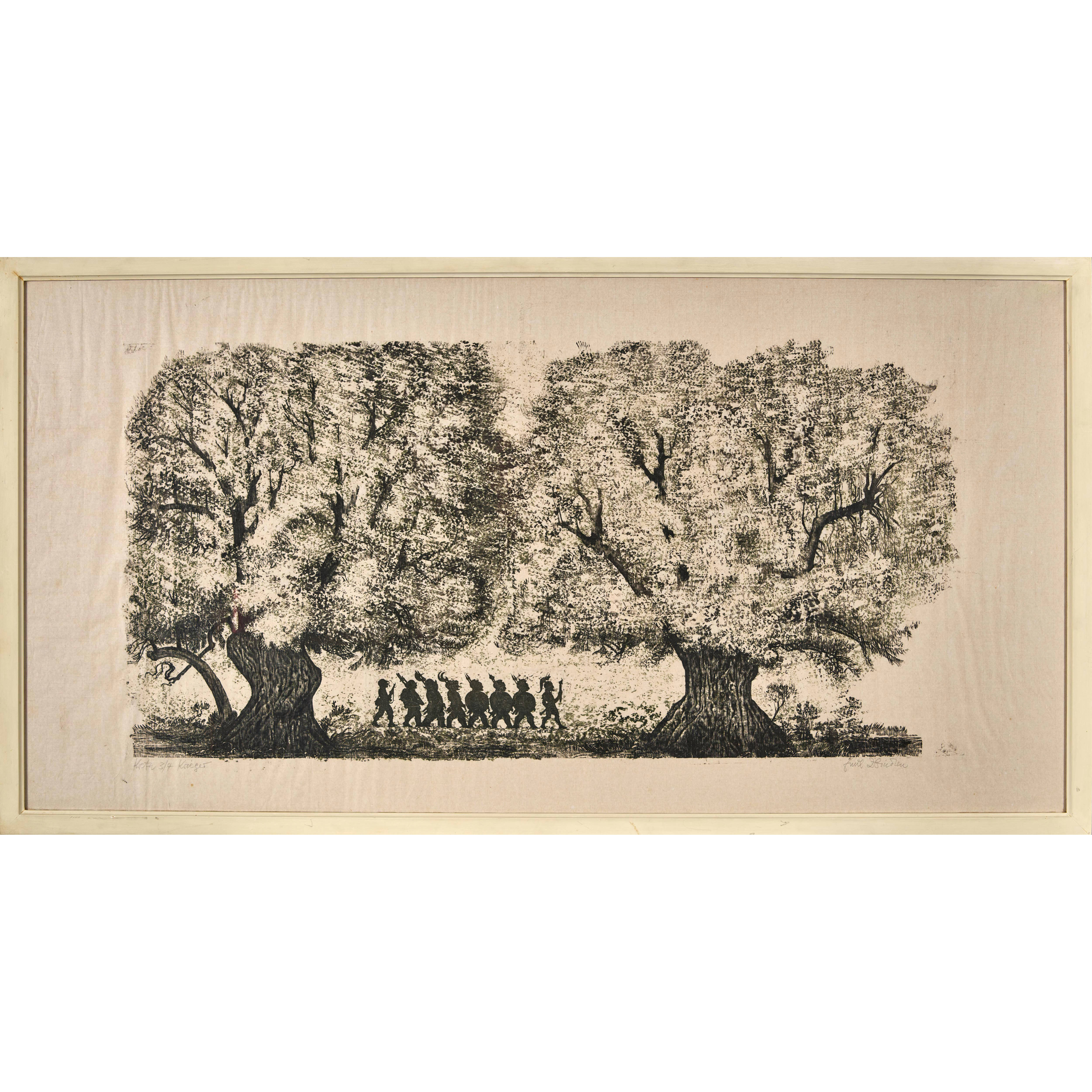
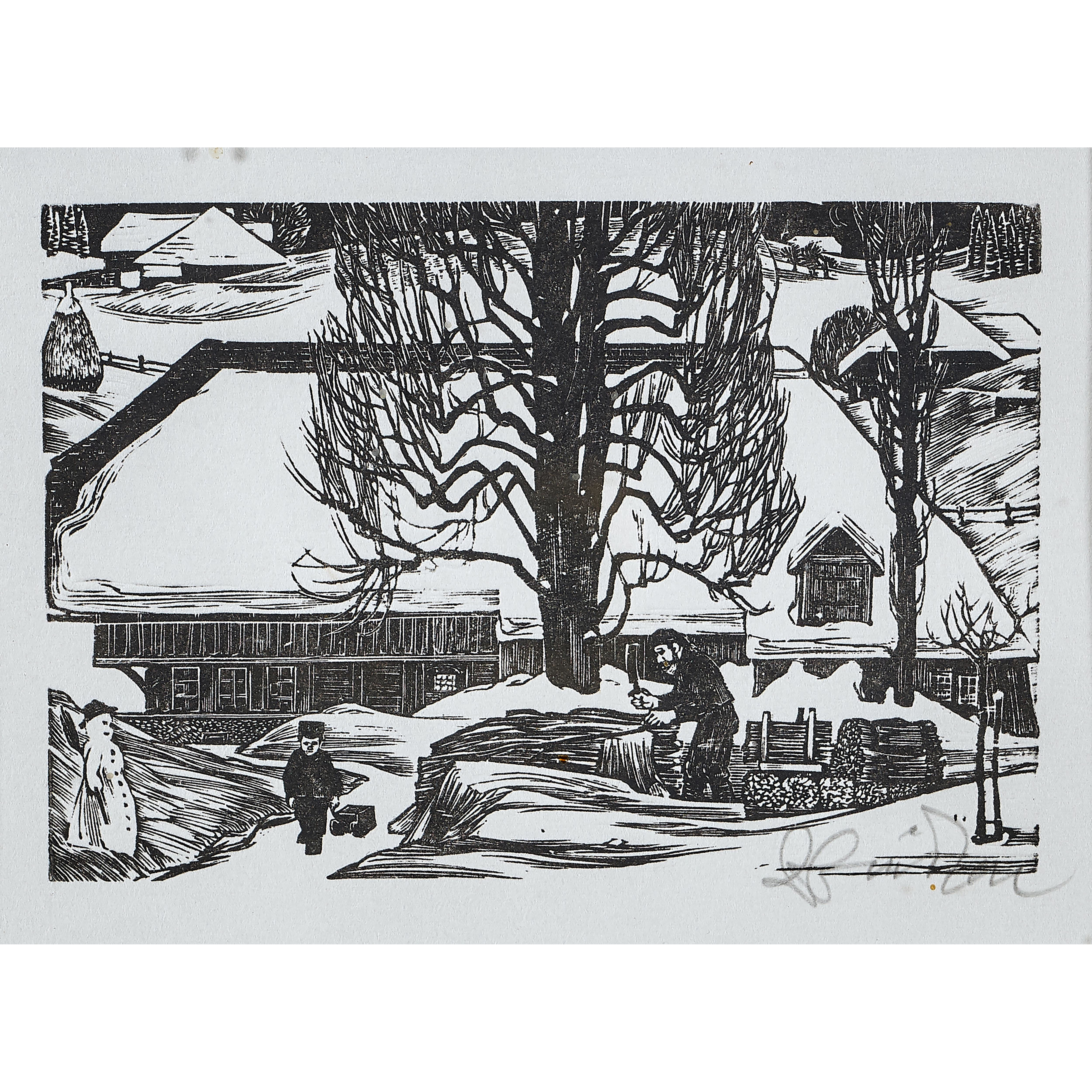
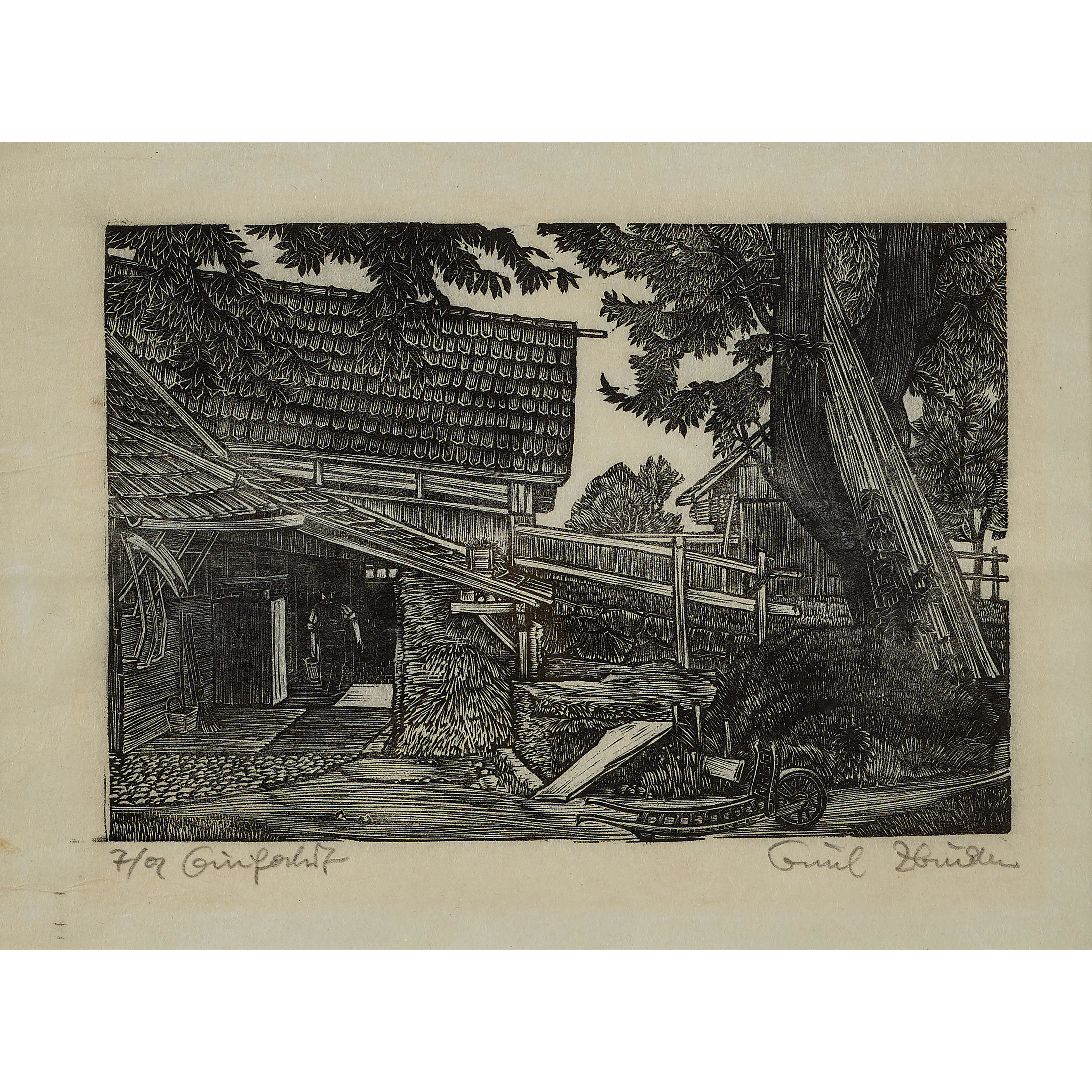
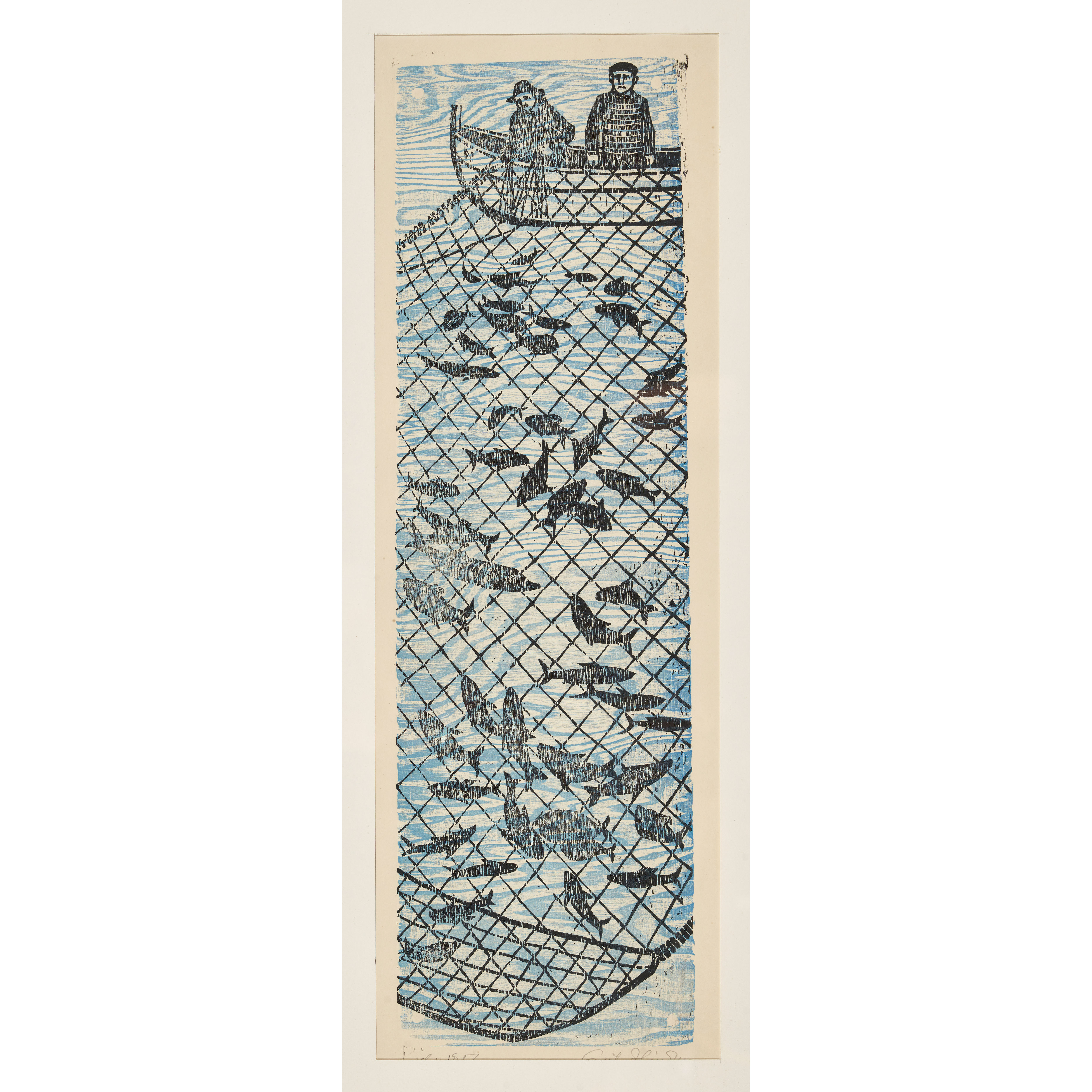
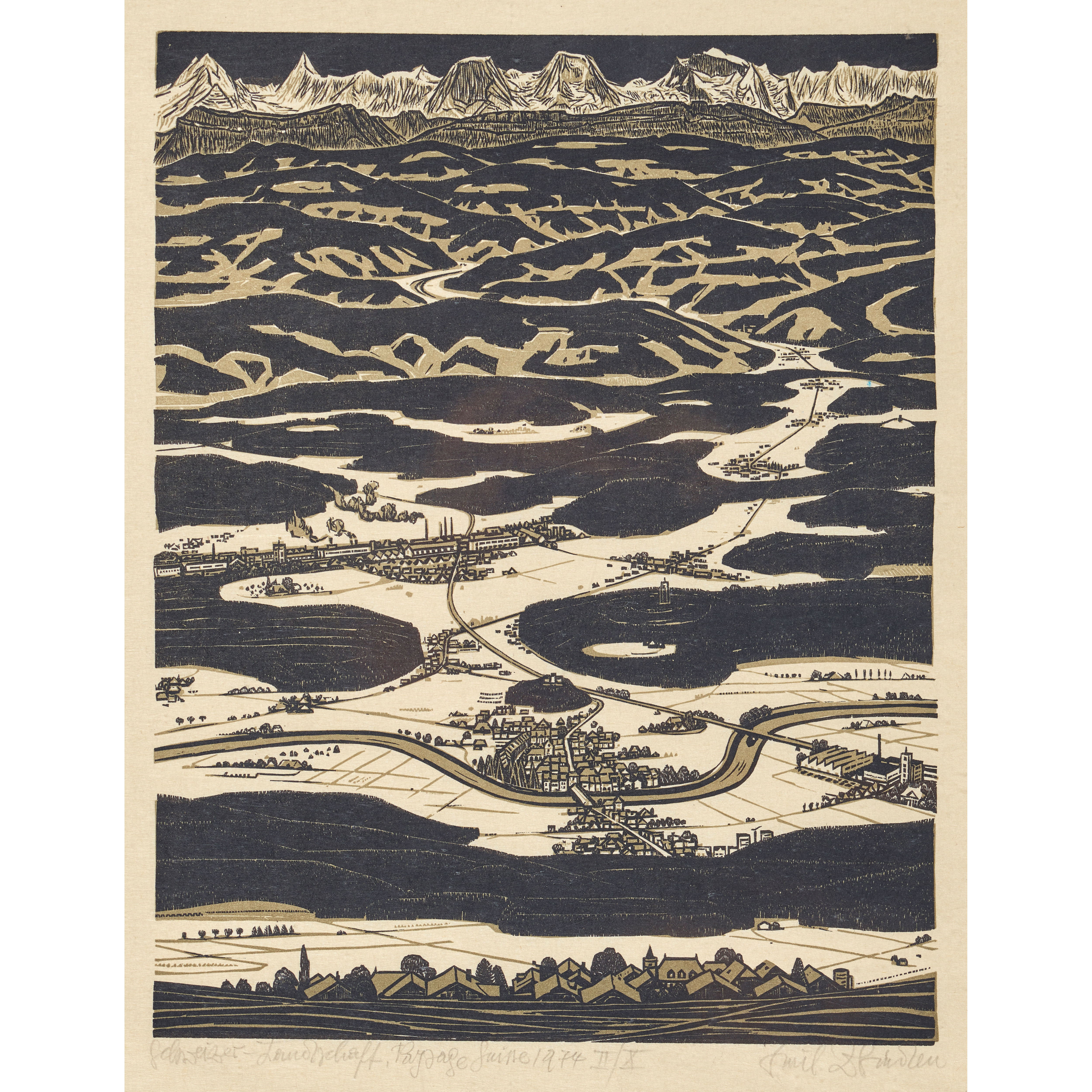
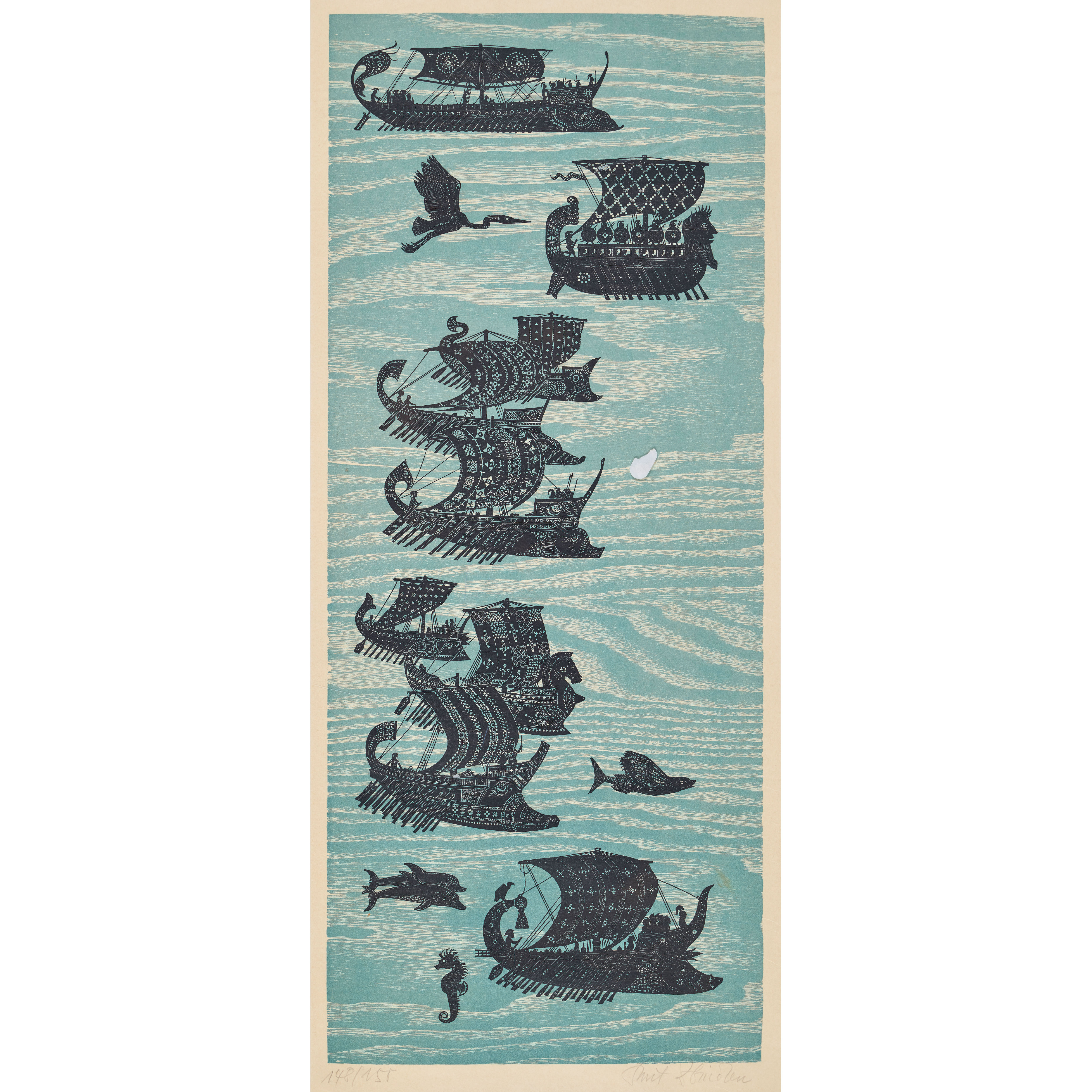
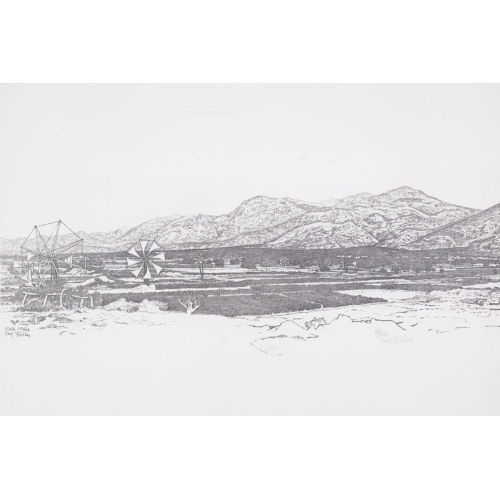
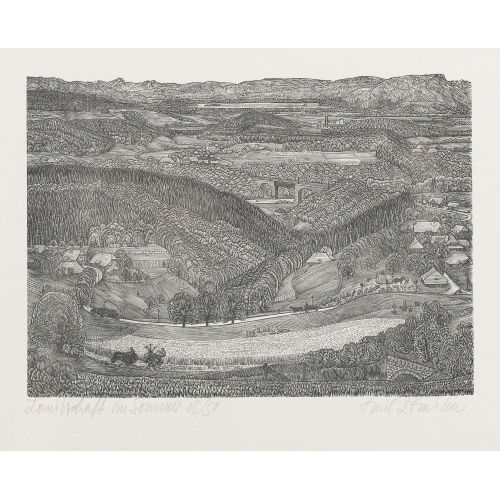
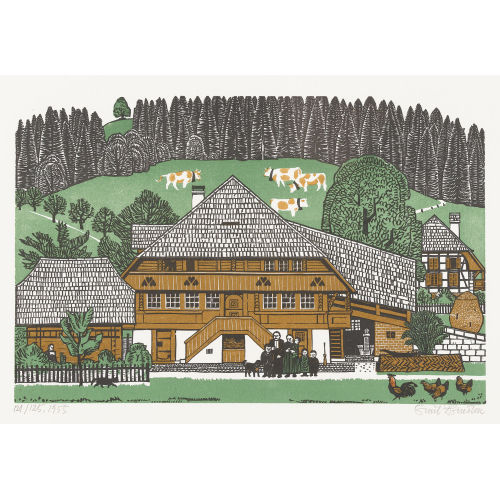
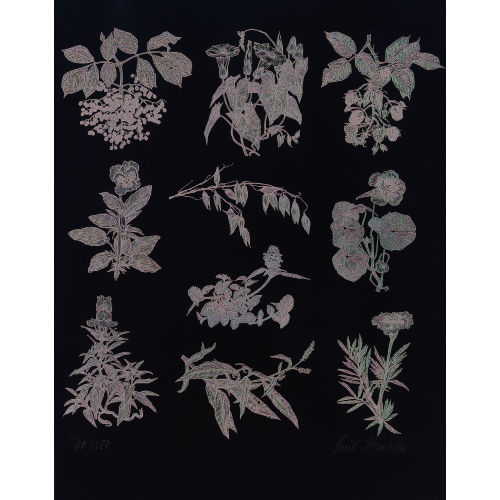
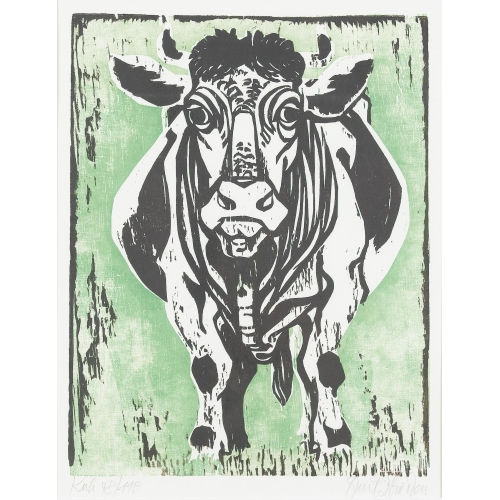
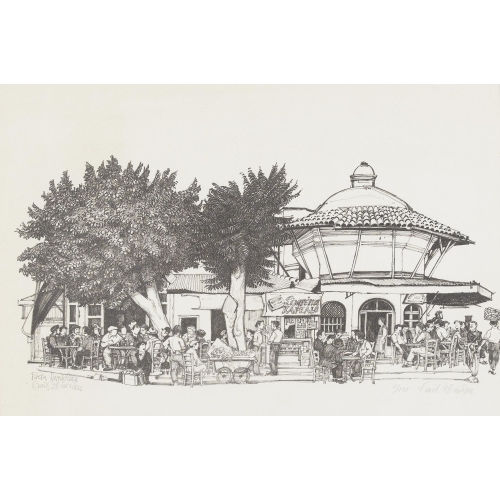
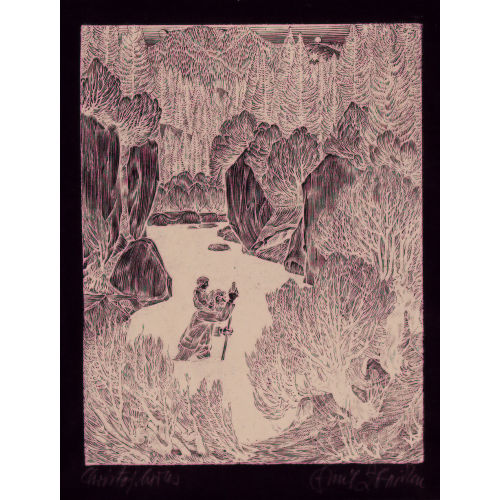
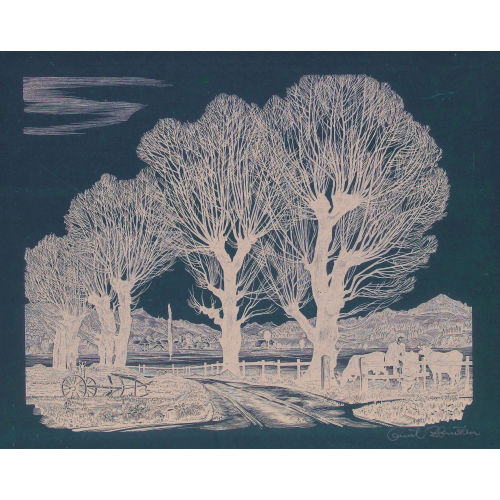
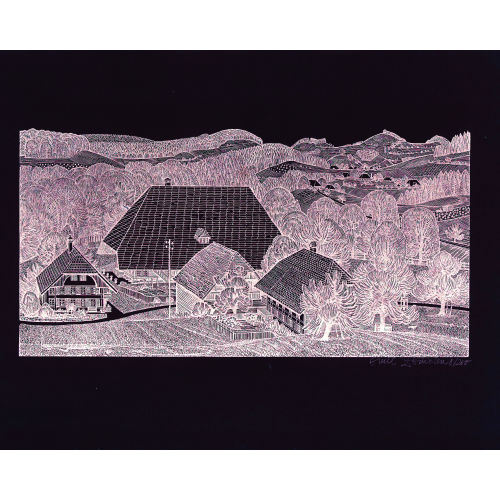
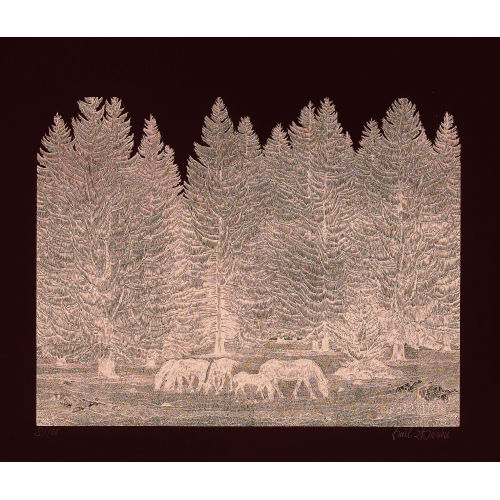
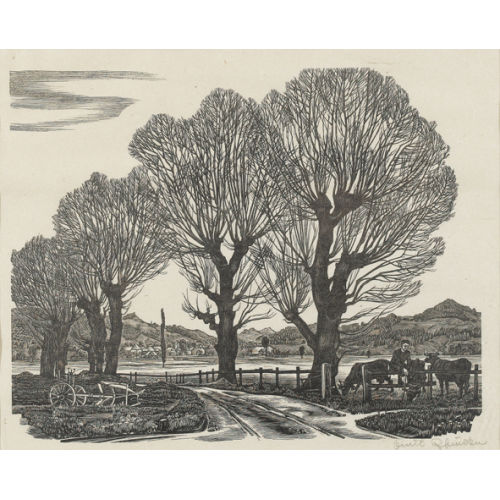
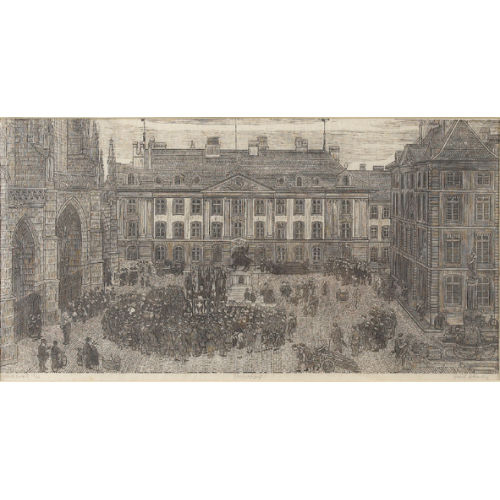
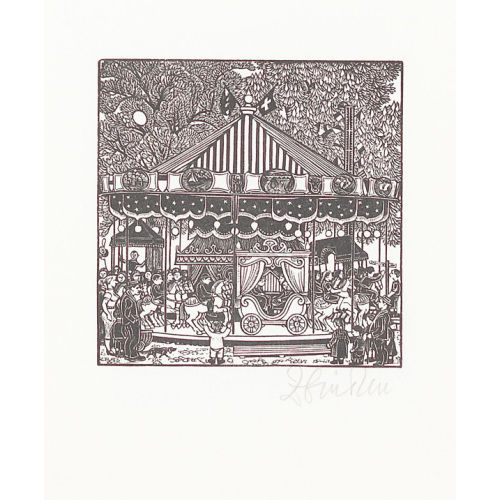
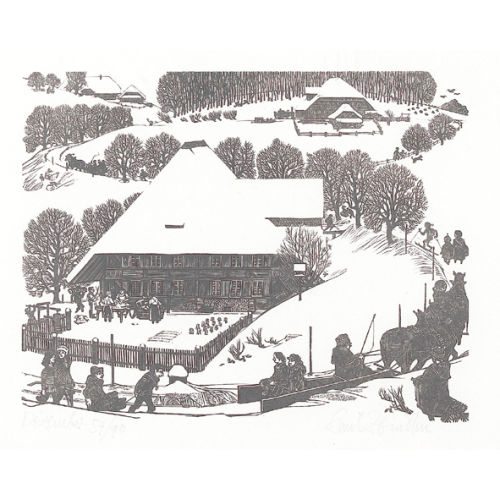
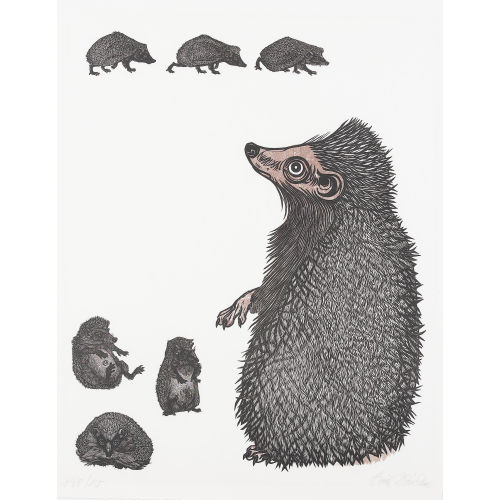
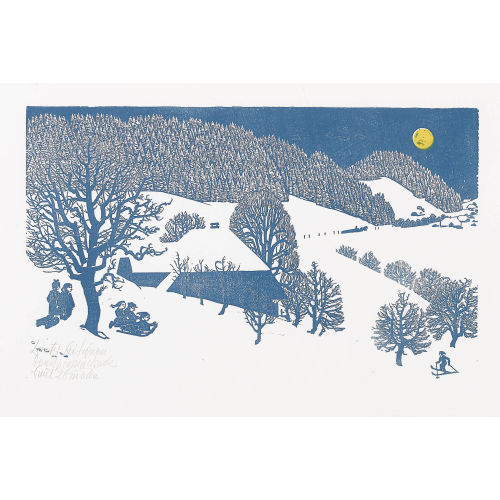
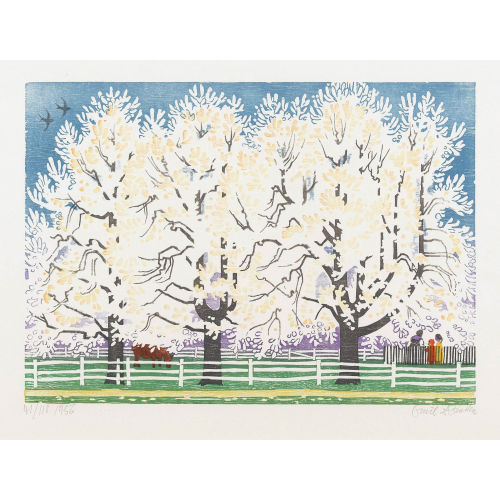
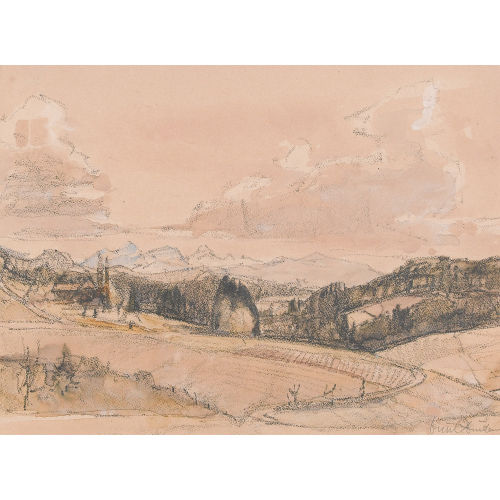
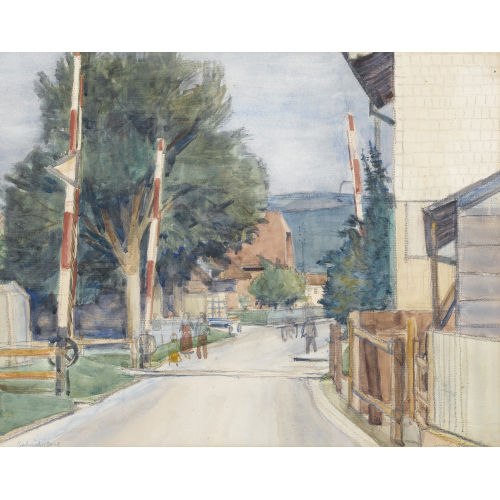
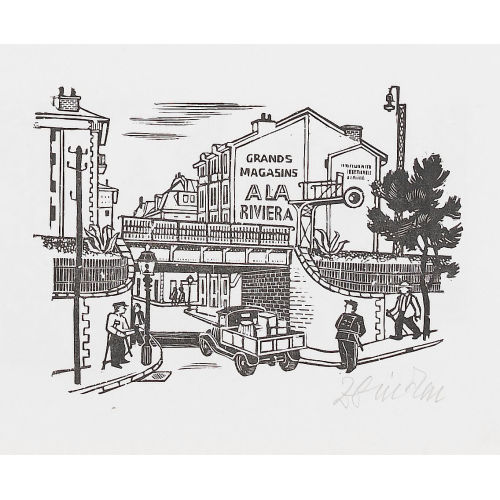
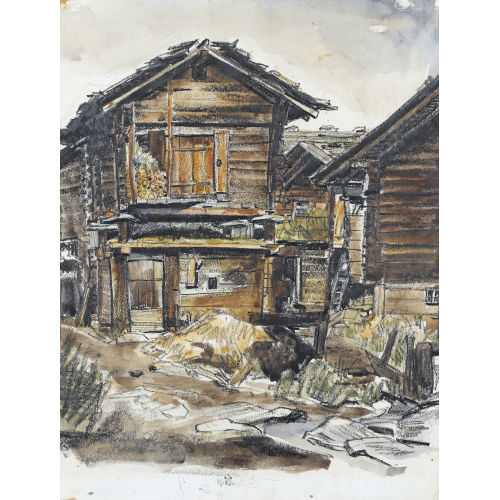
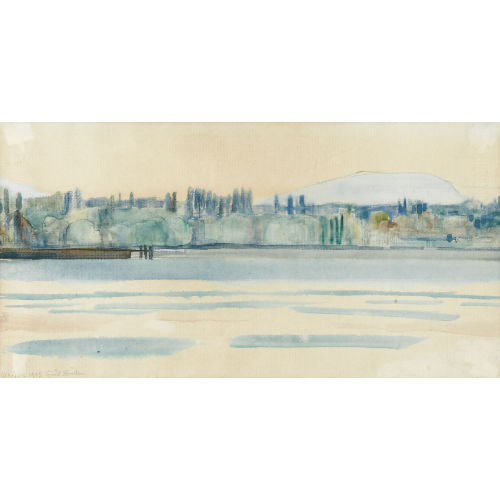
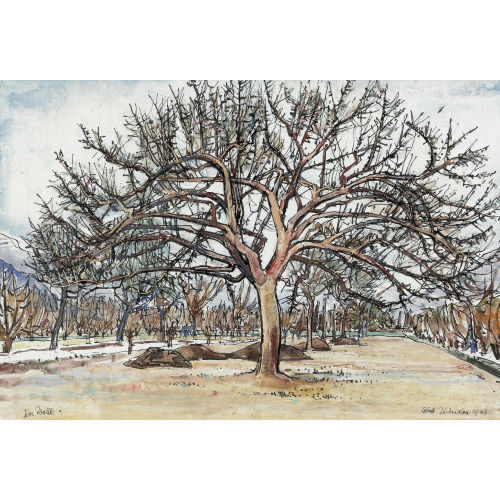
Alongside illustration commissions, Zbinden pursued an independent artistic practice: drawings, prints, watercolours and tempera works address landscapes, building sites and human figures. His work is therefore limited neither to the book nor to black and white alone. Since 2012, his graphic archives have been preserved at the Swiss National Library.
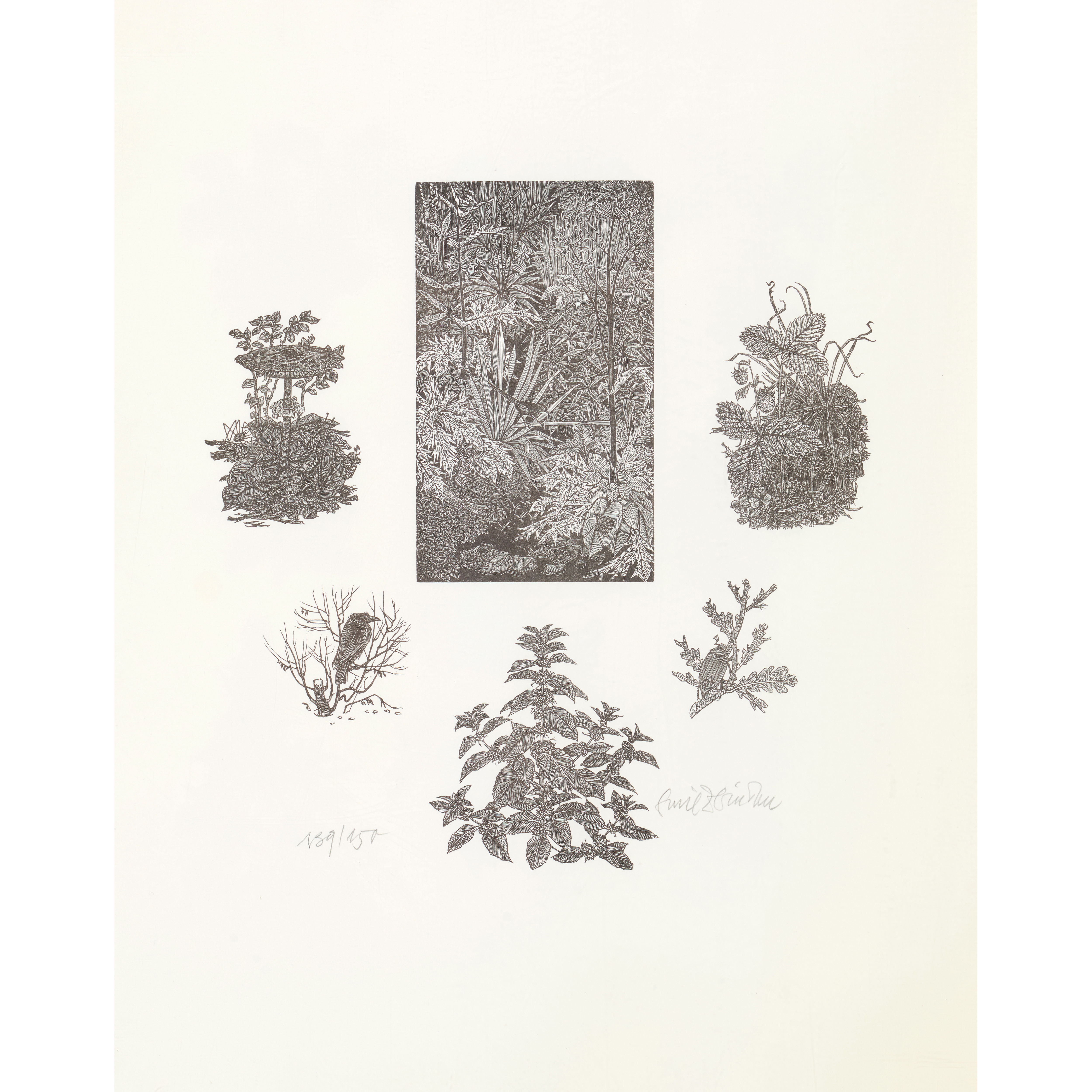
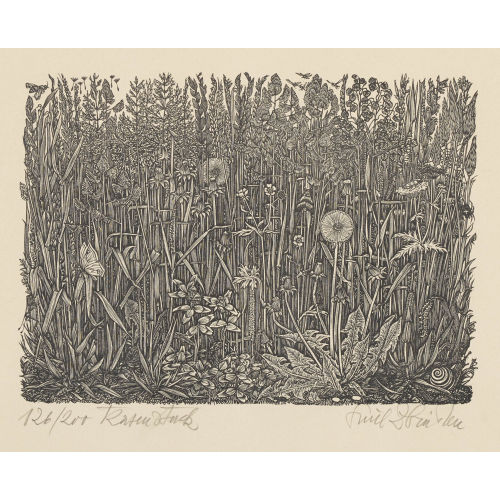
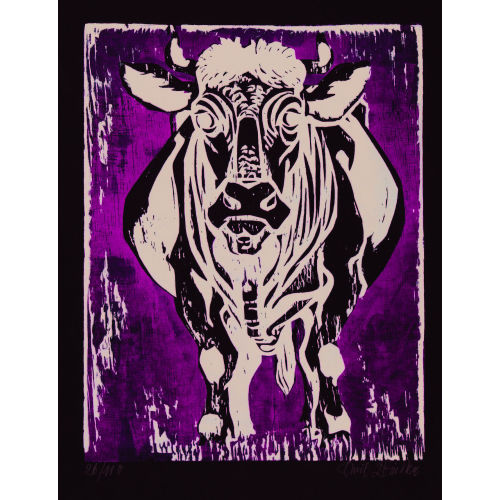
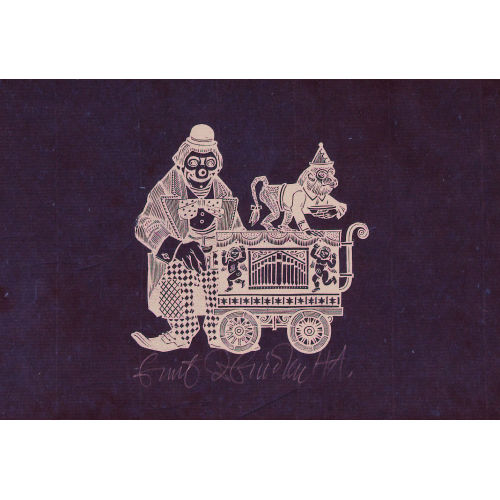
To discover Zbinden, one sometimes has to move closer: a network of cuts, a surface grain or a contrast reveals the attention devoted to the subject. The precision of the gesture thus invites us to look differently at lives and places that we might pass through without seeing.