August Cueni
Born in 1883.
Died in 1966.
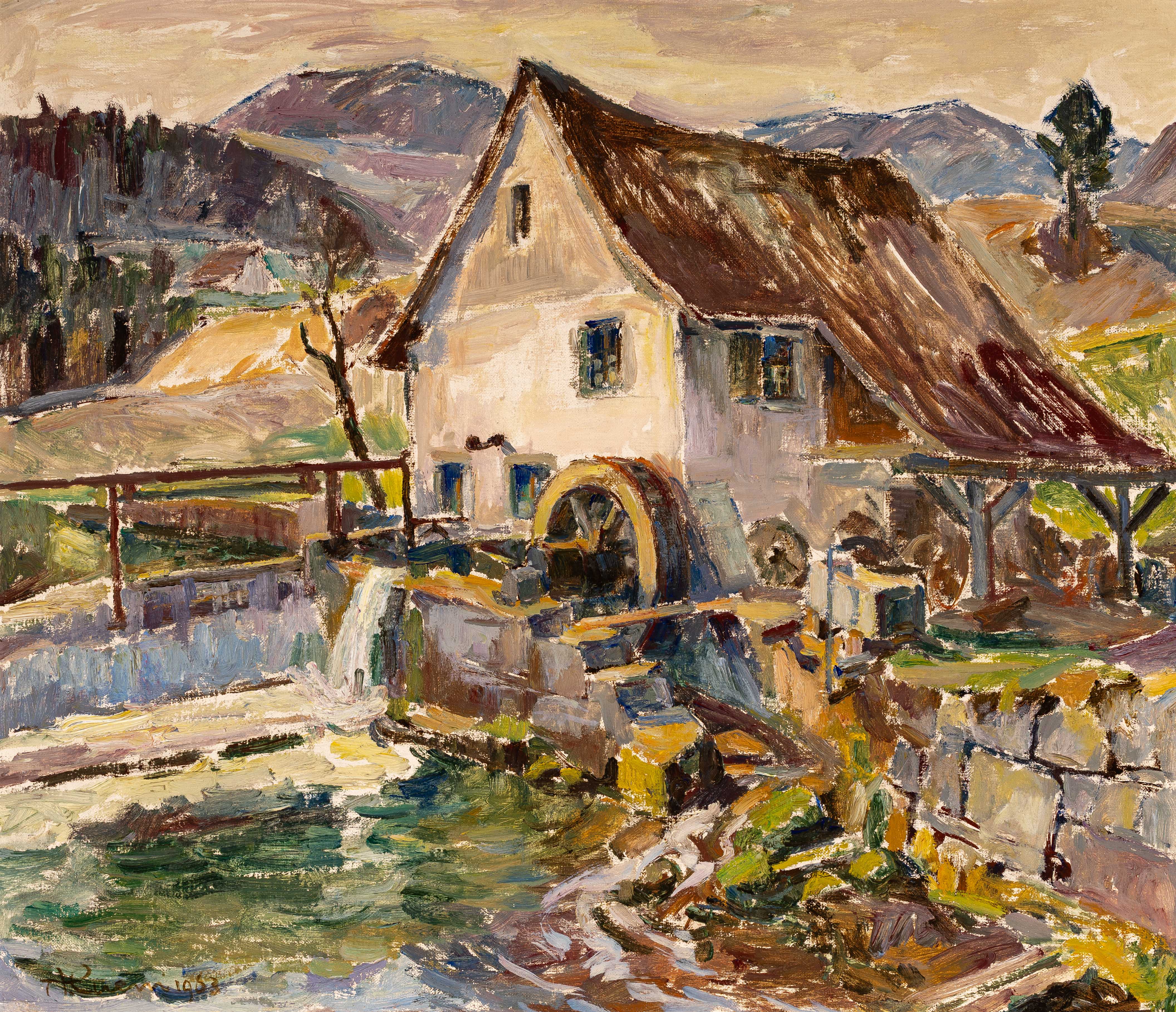
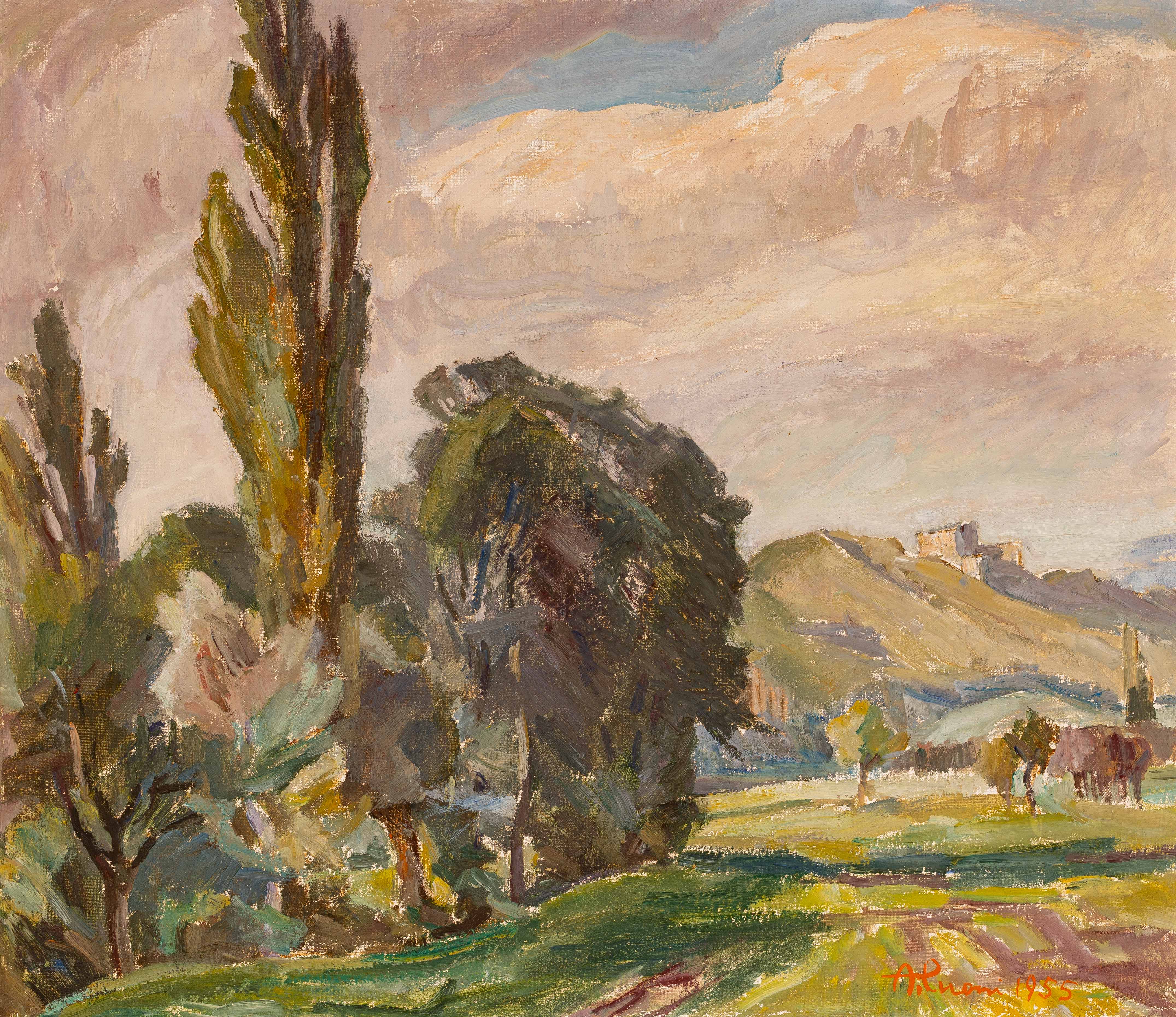
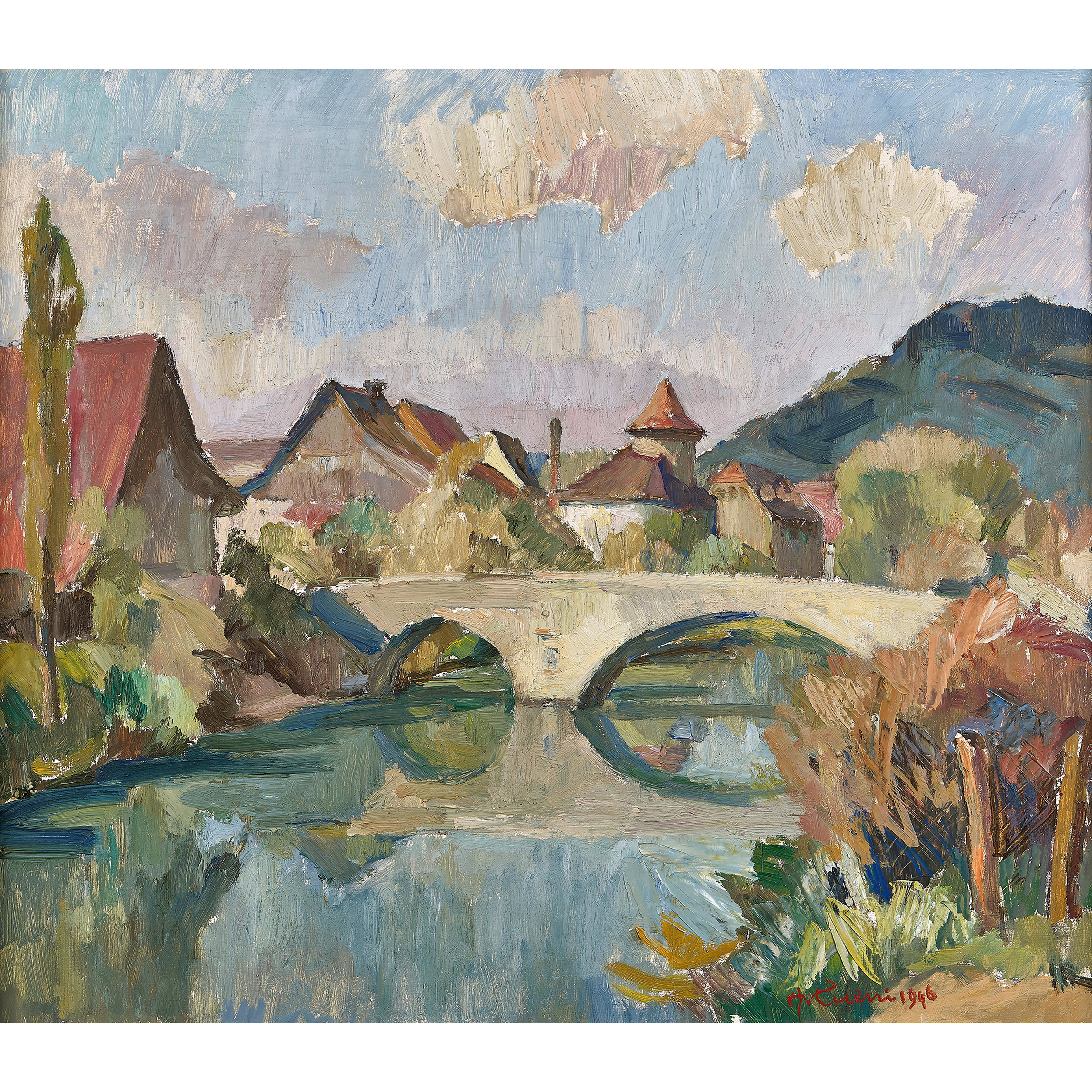
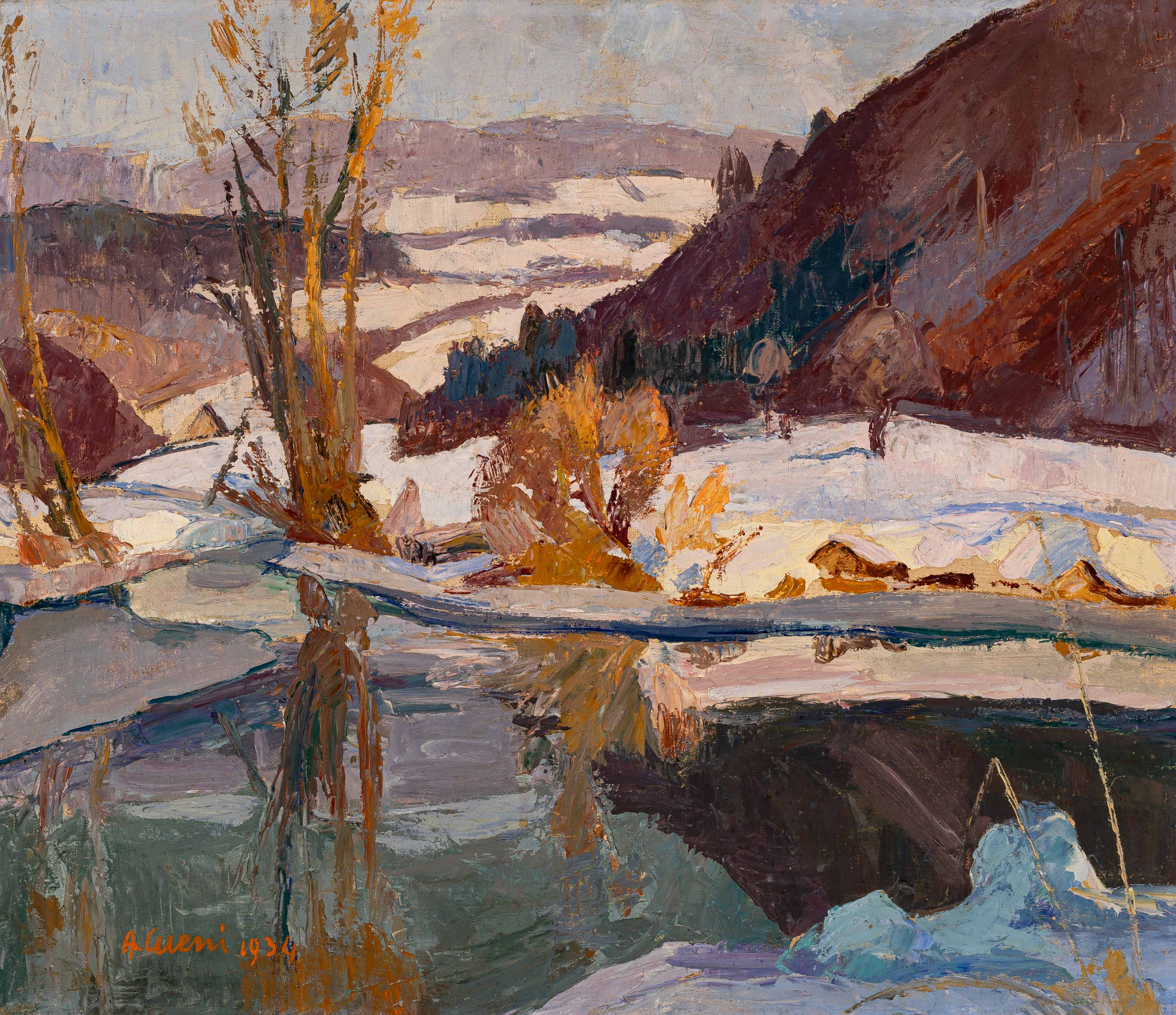
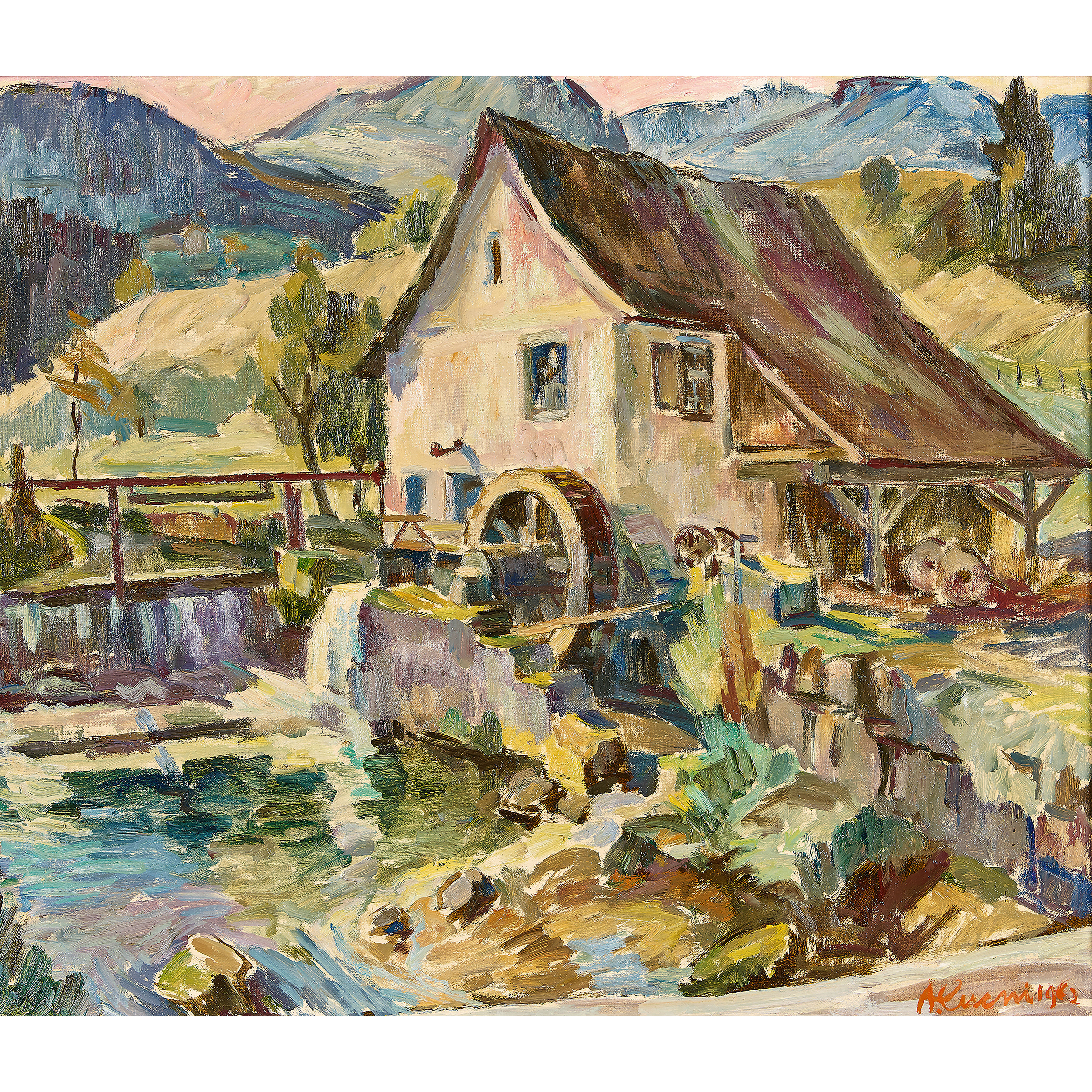
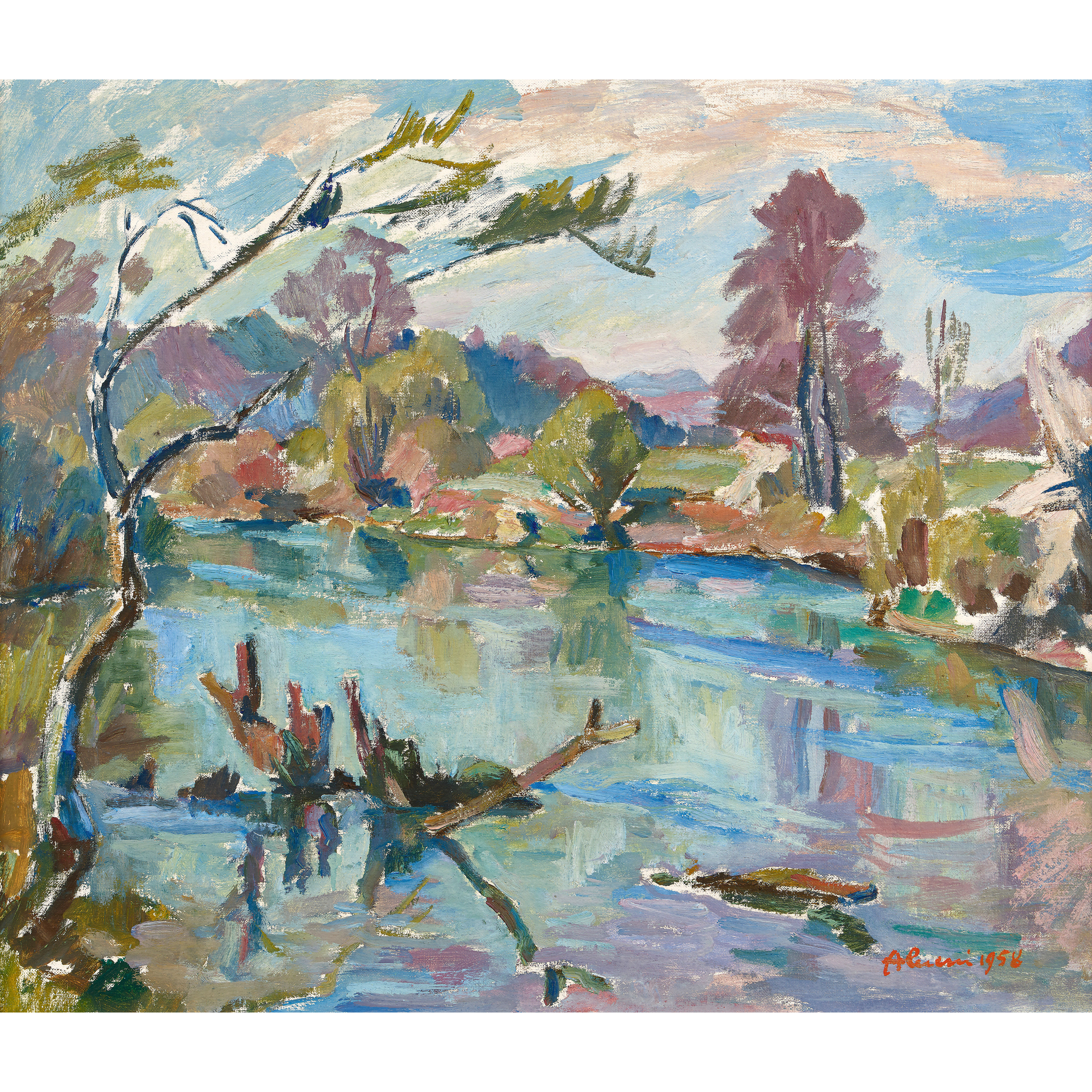
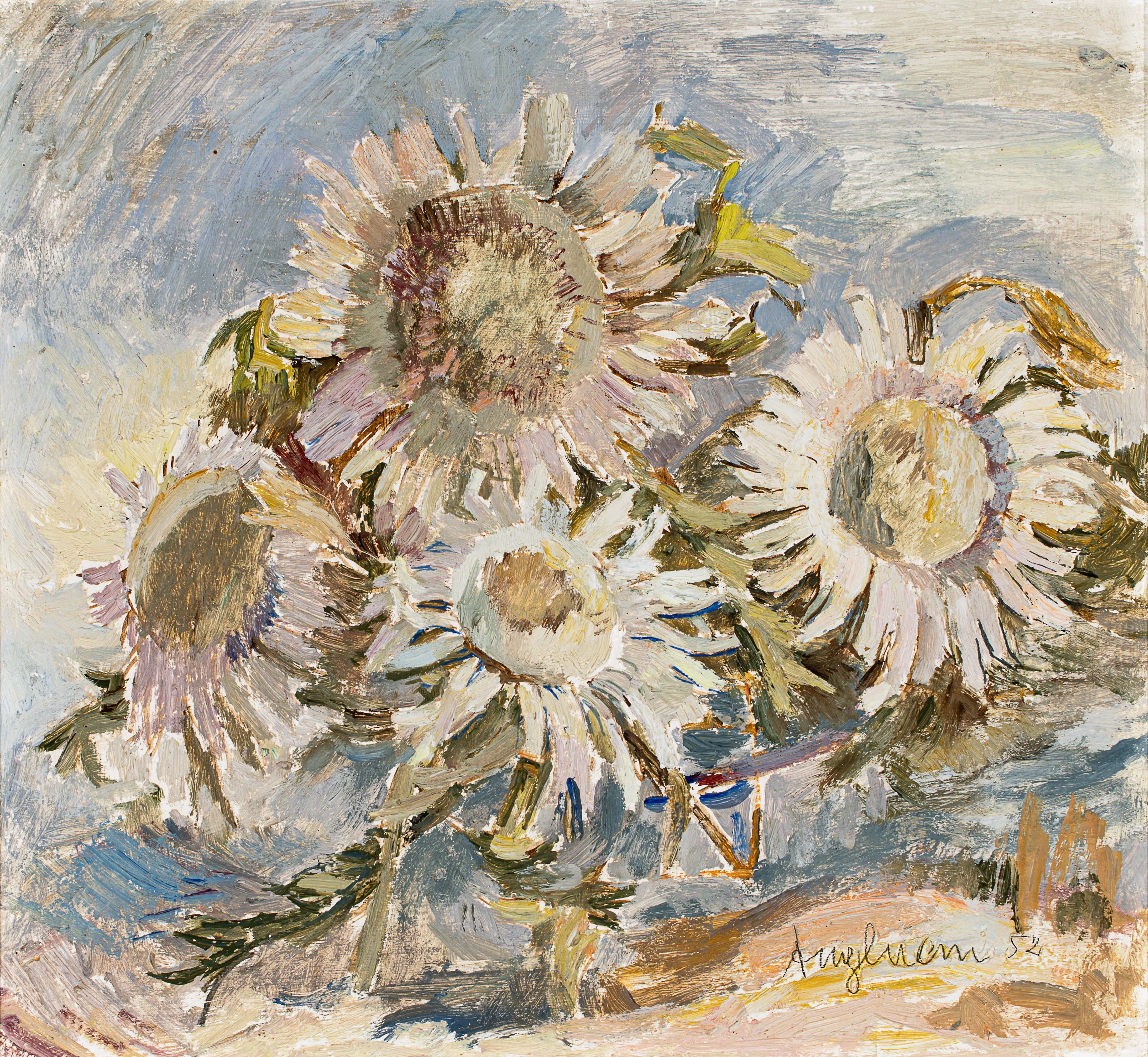
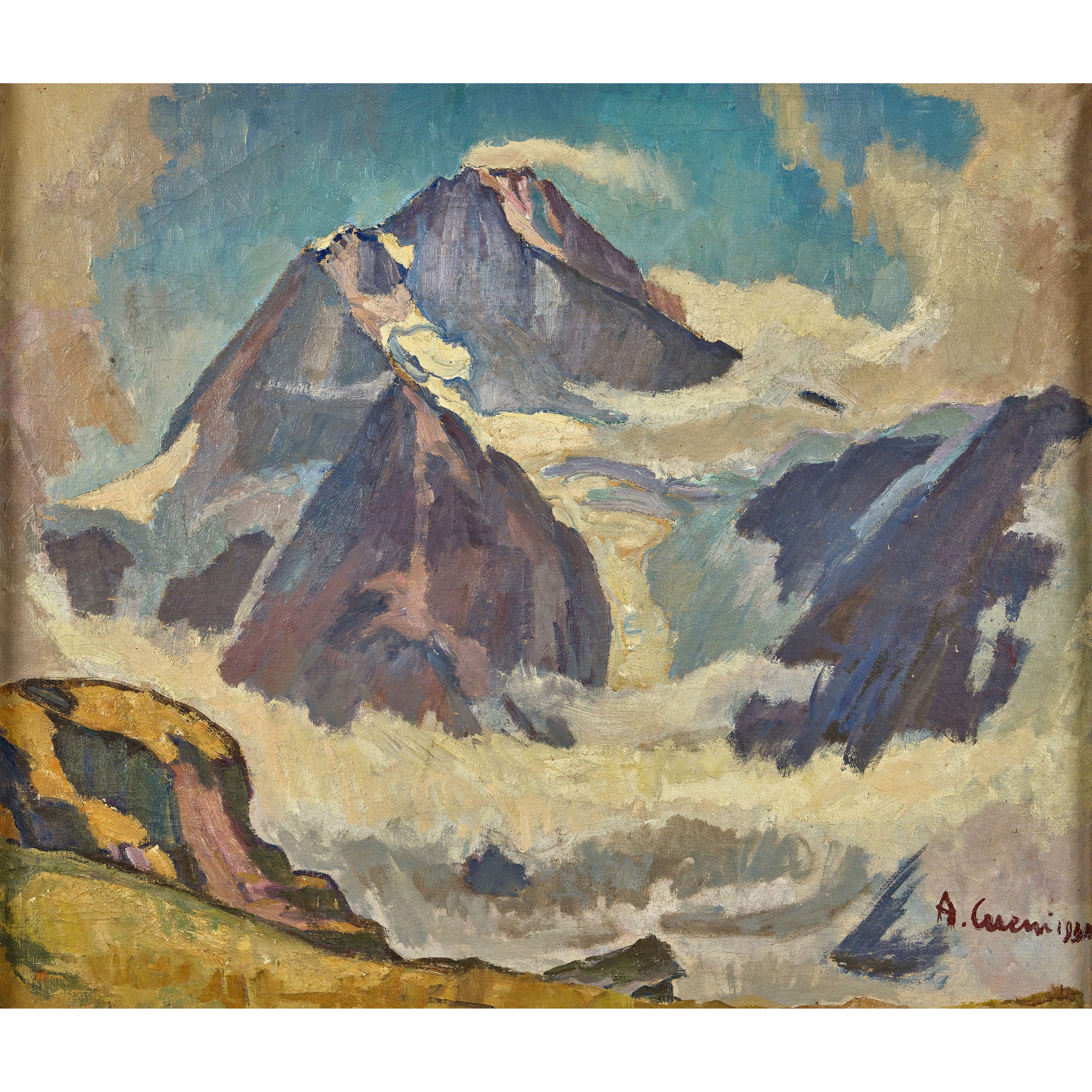
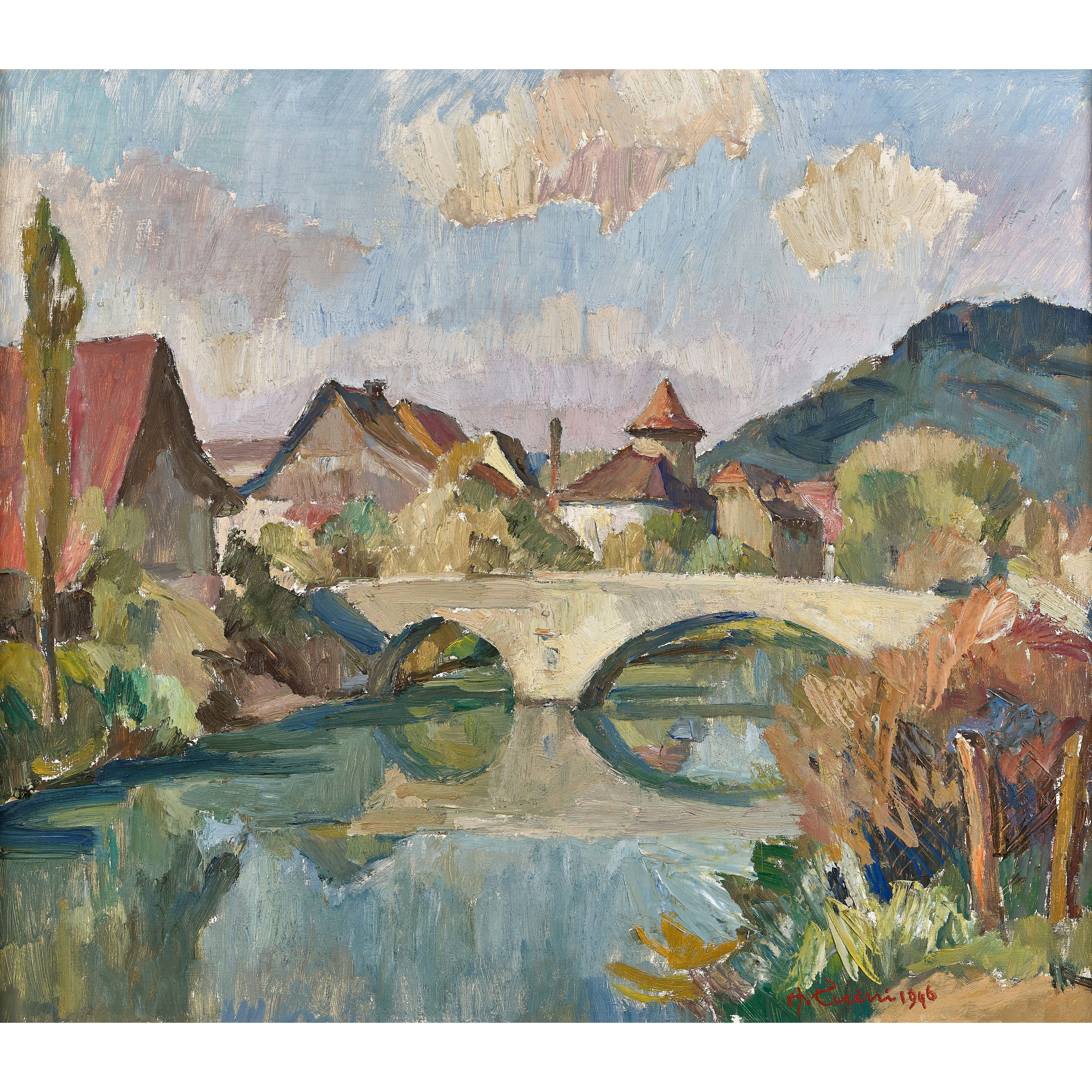
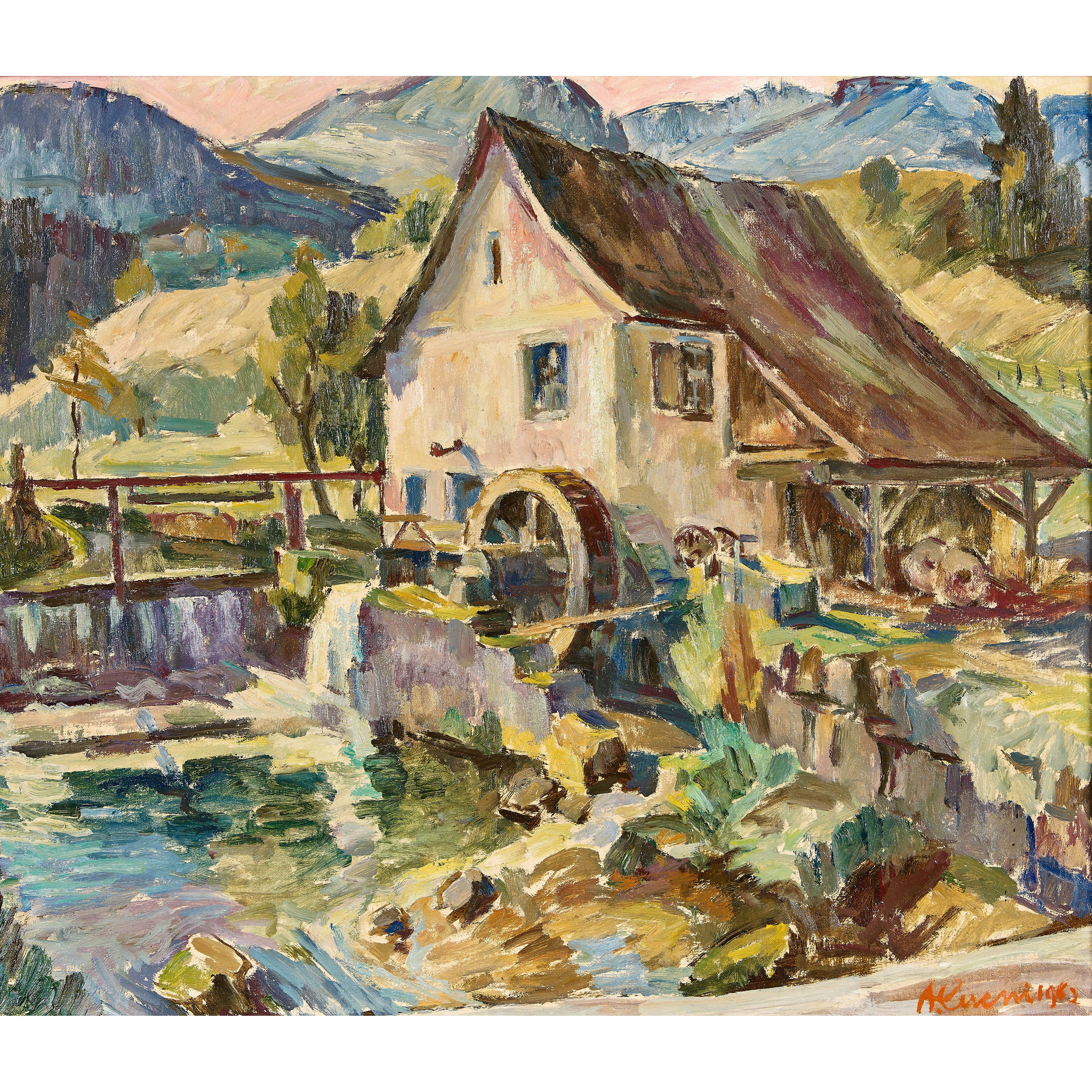
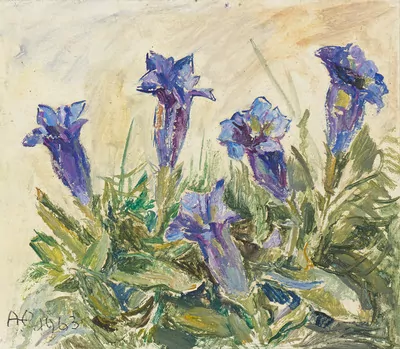
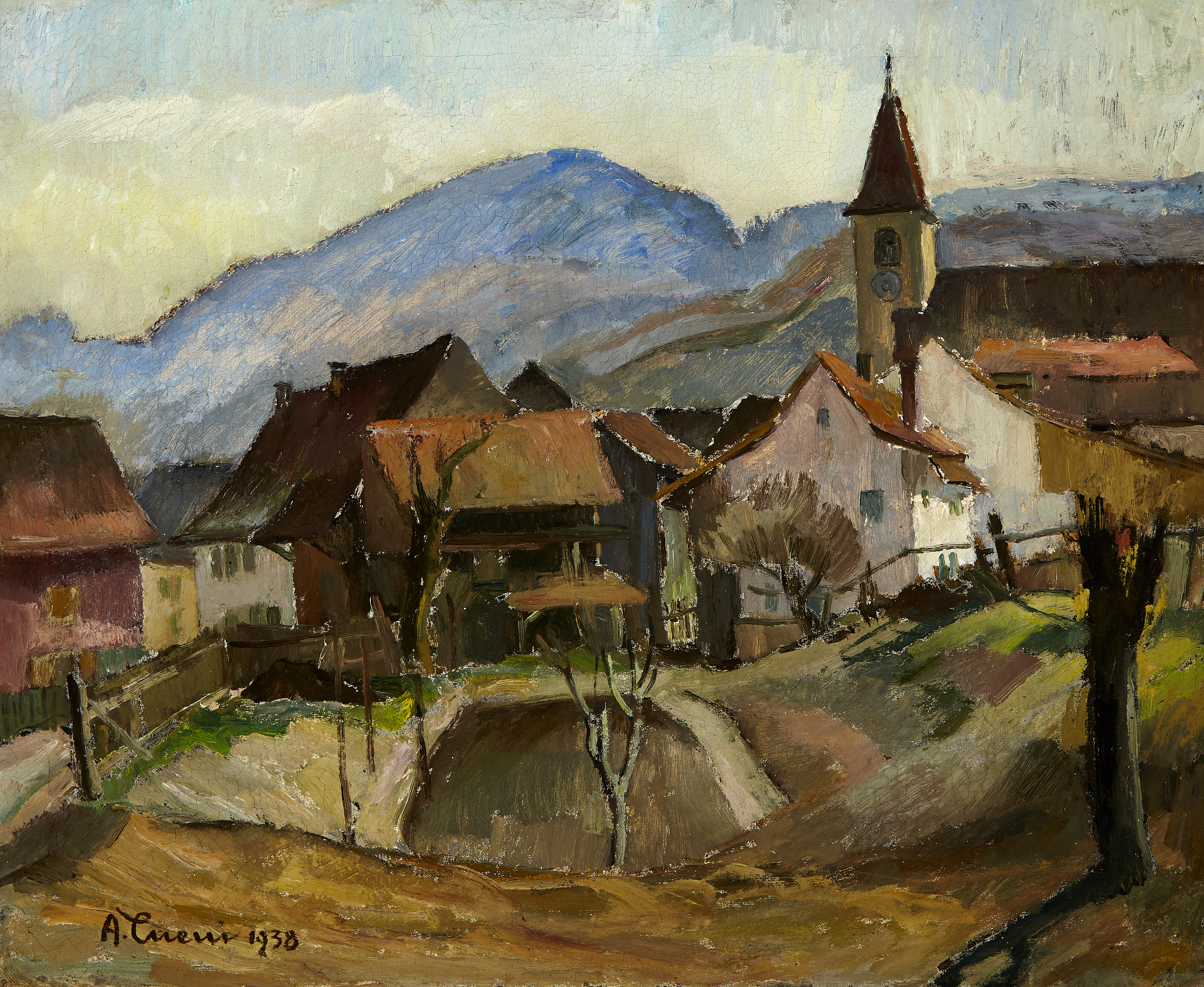
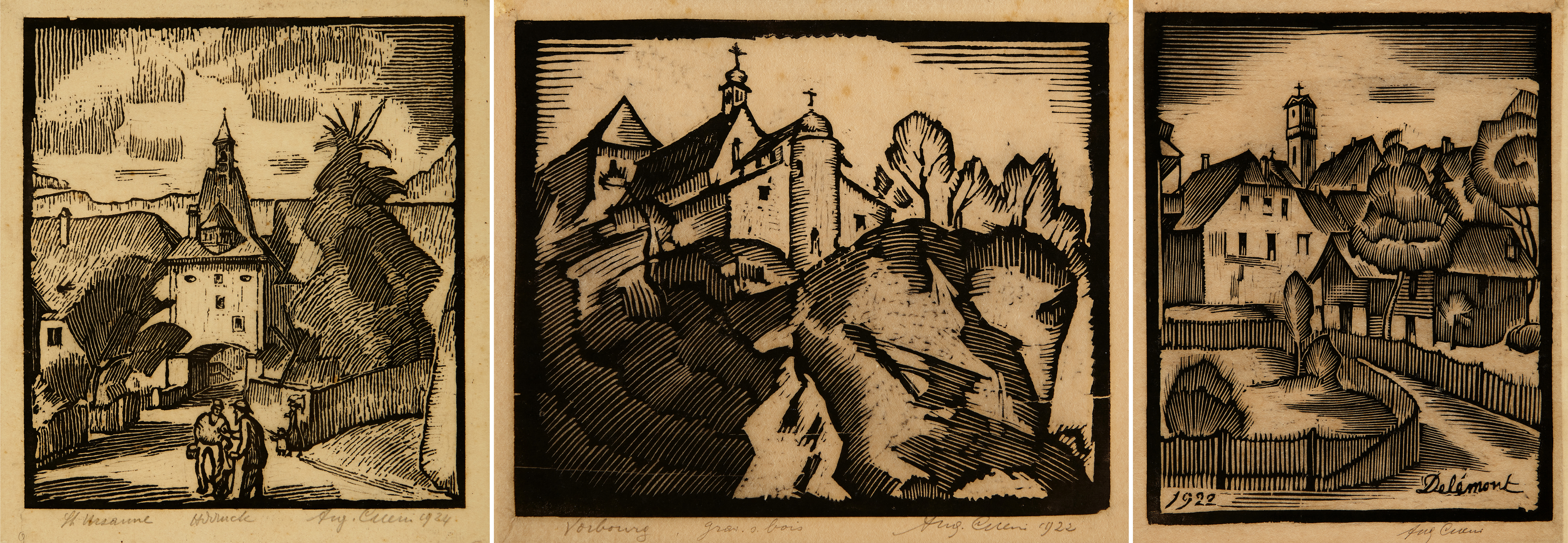
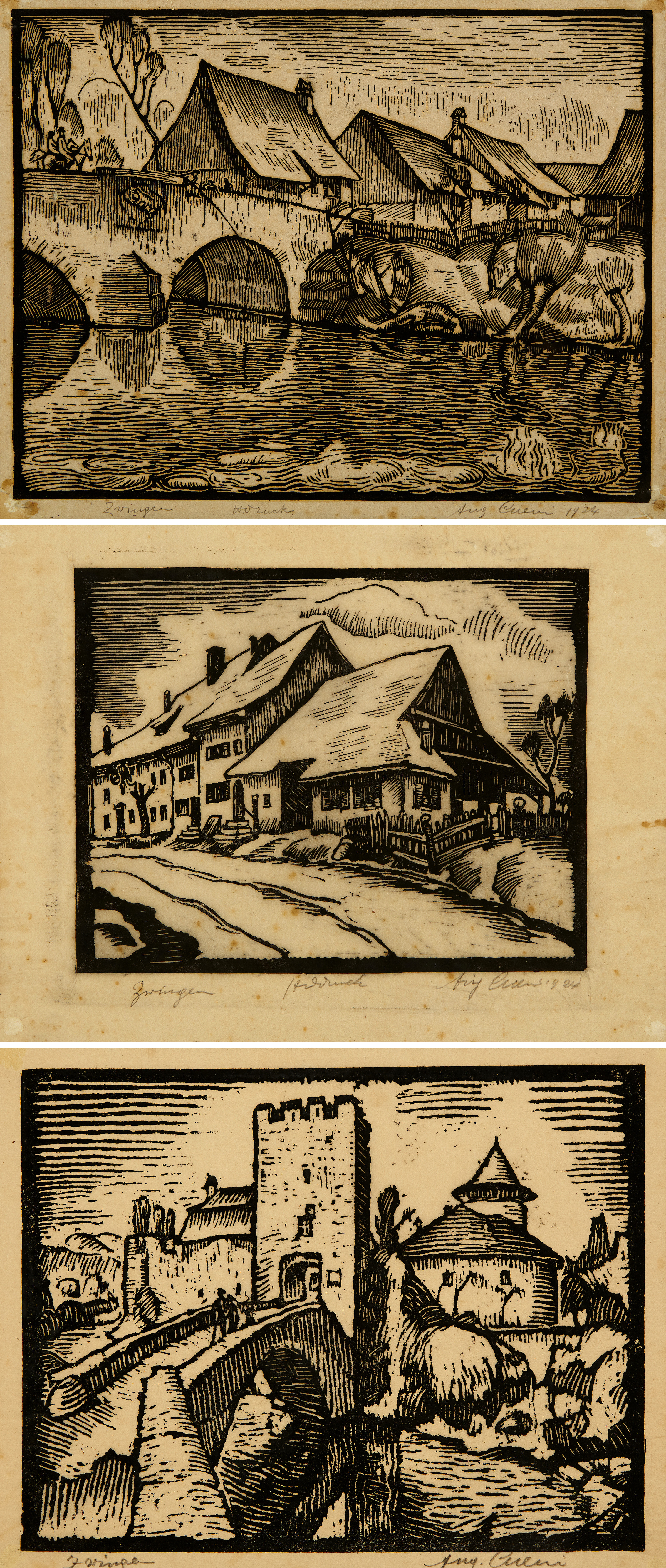
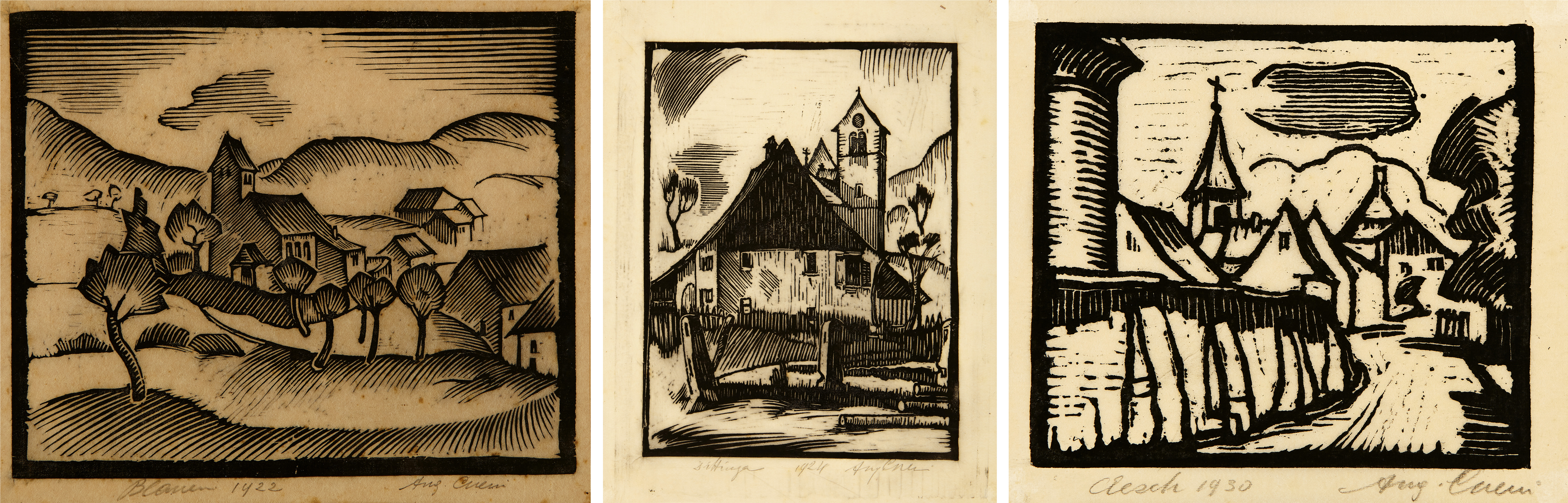
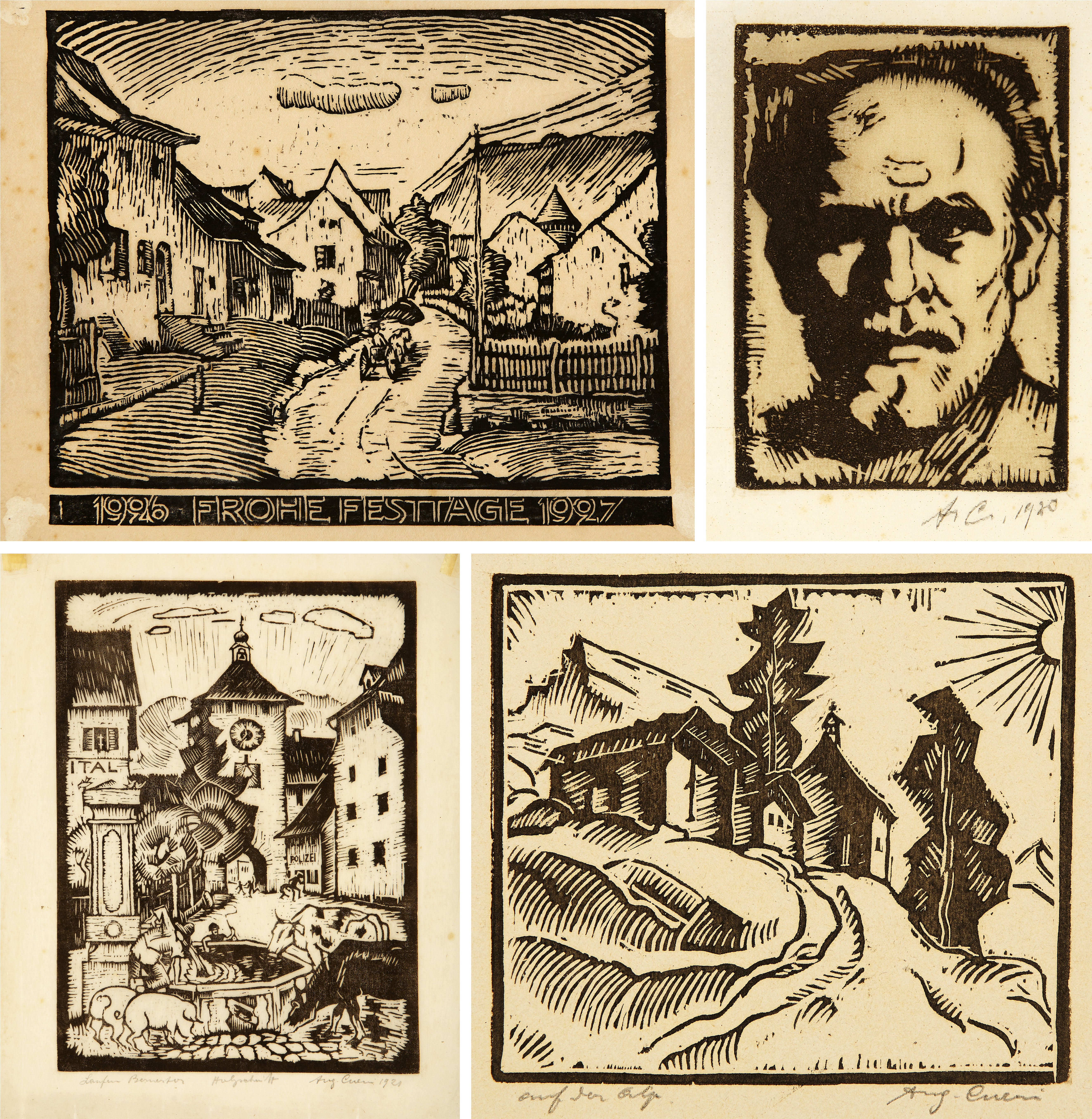
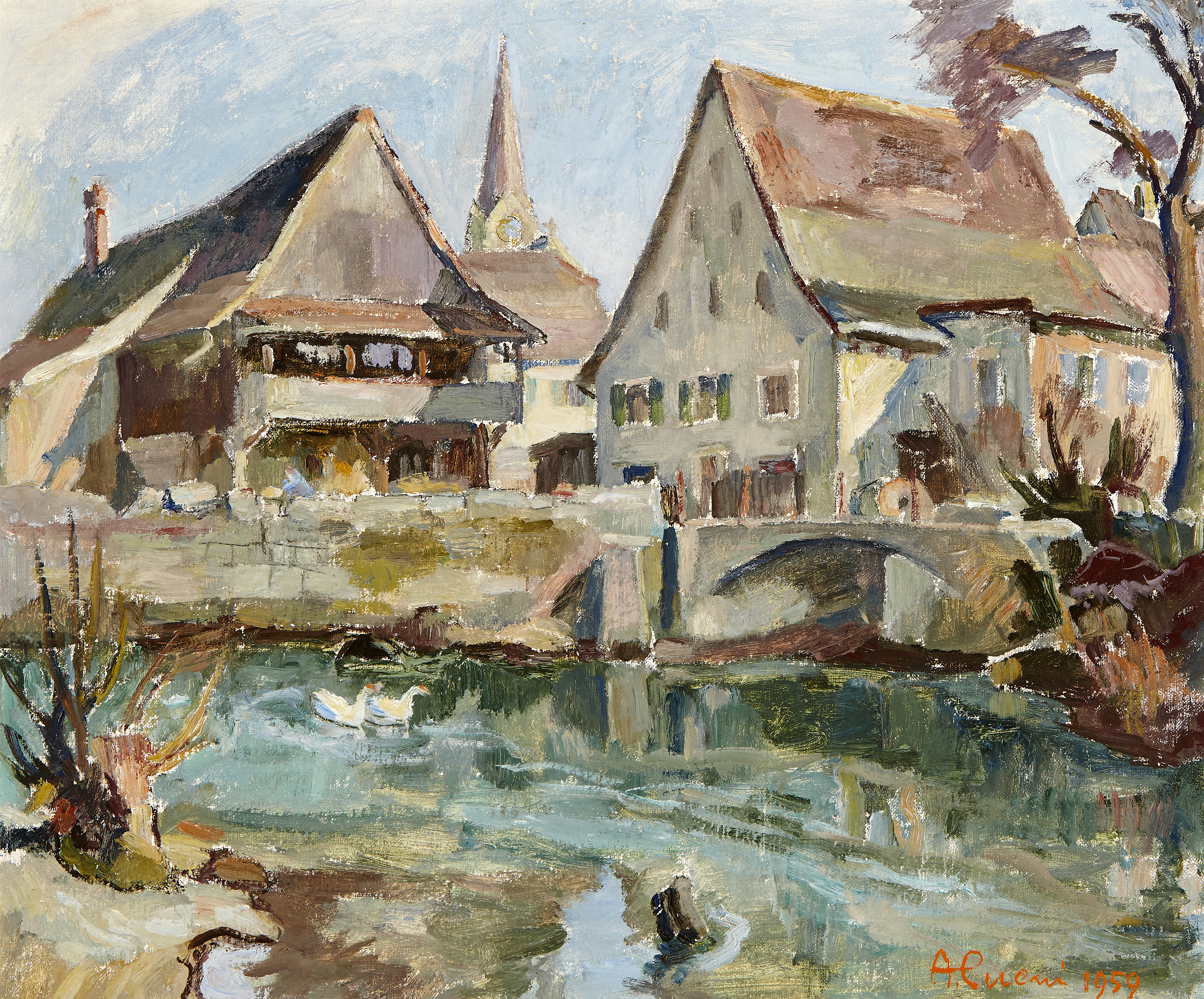
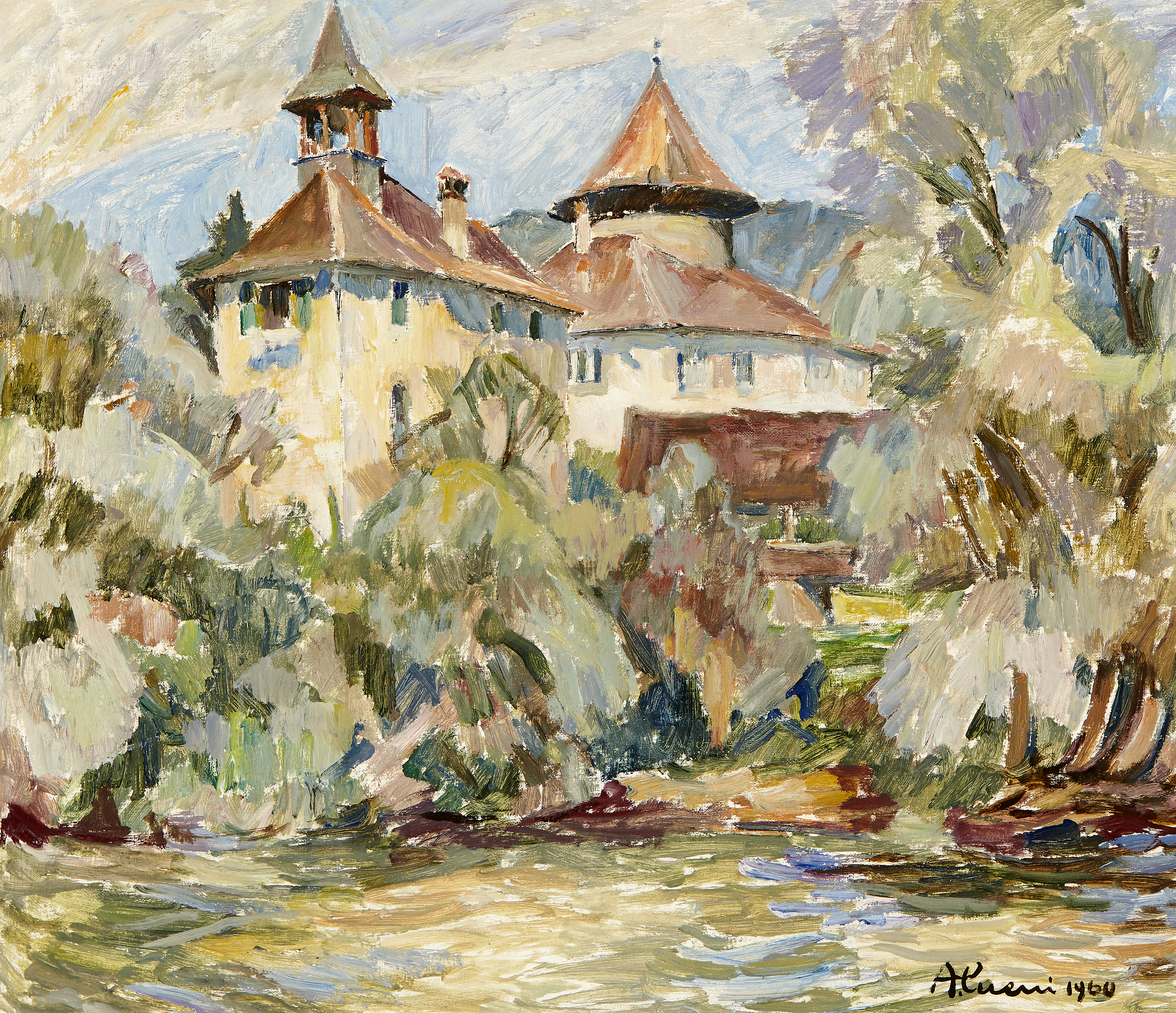
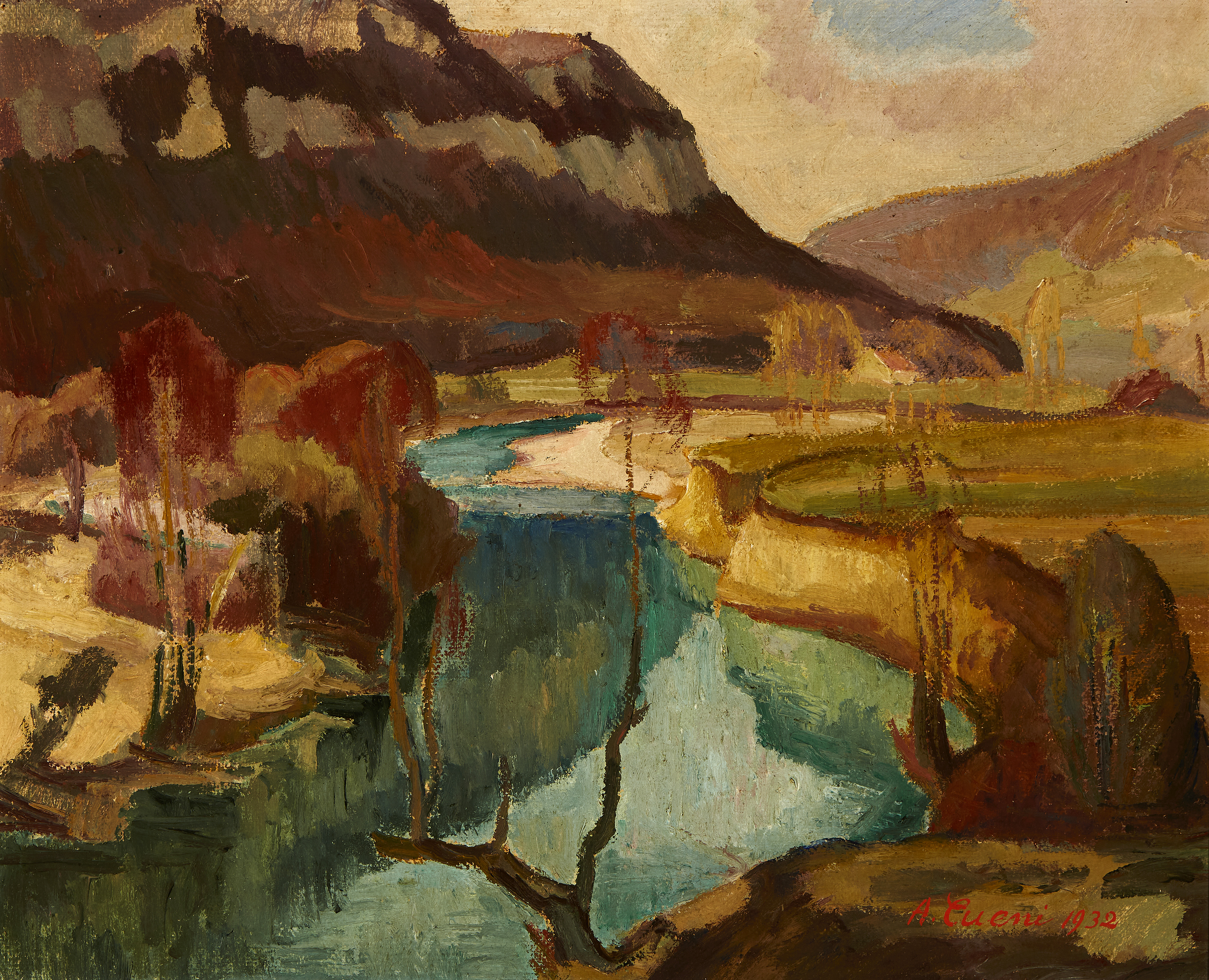
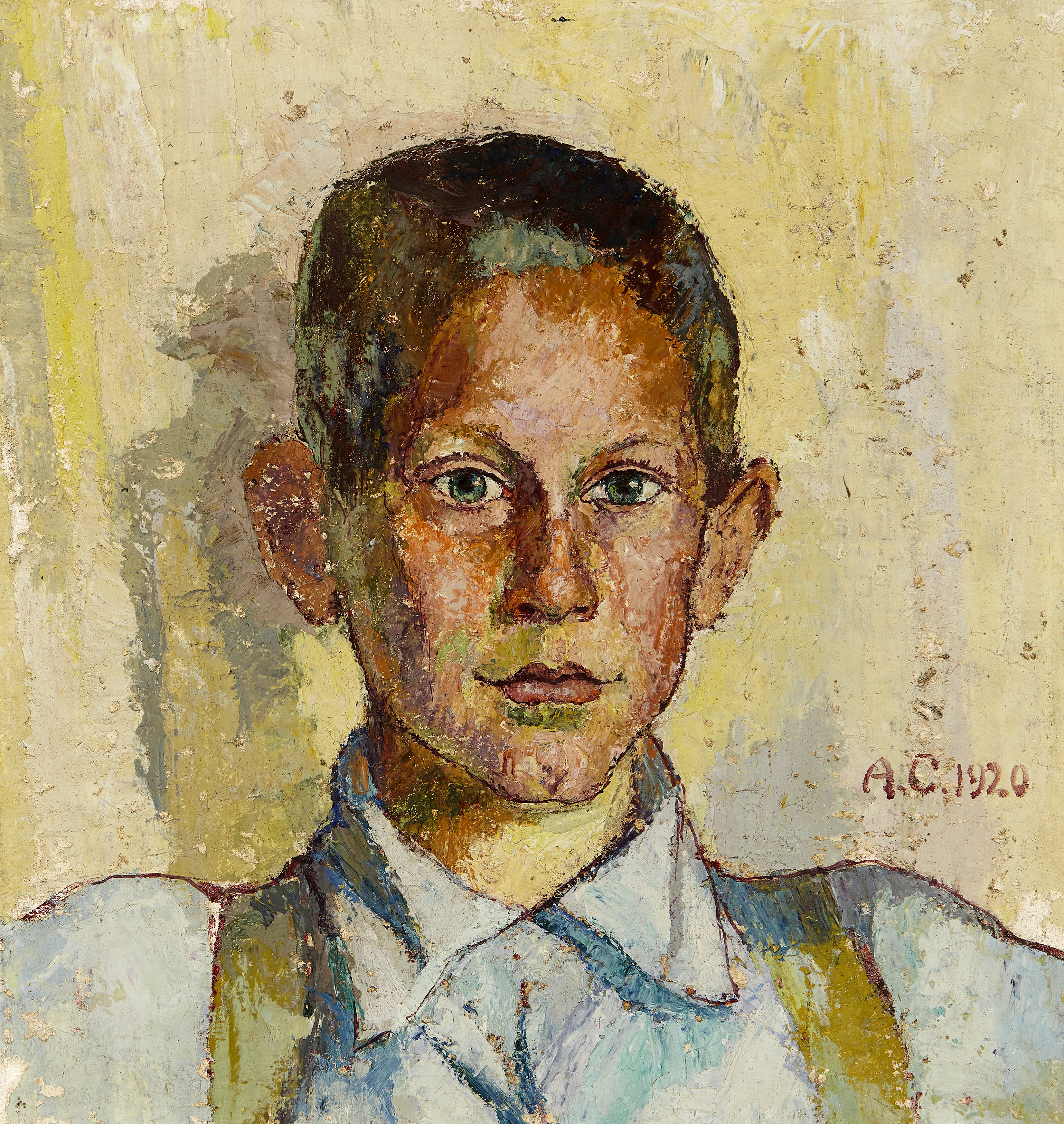
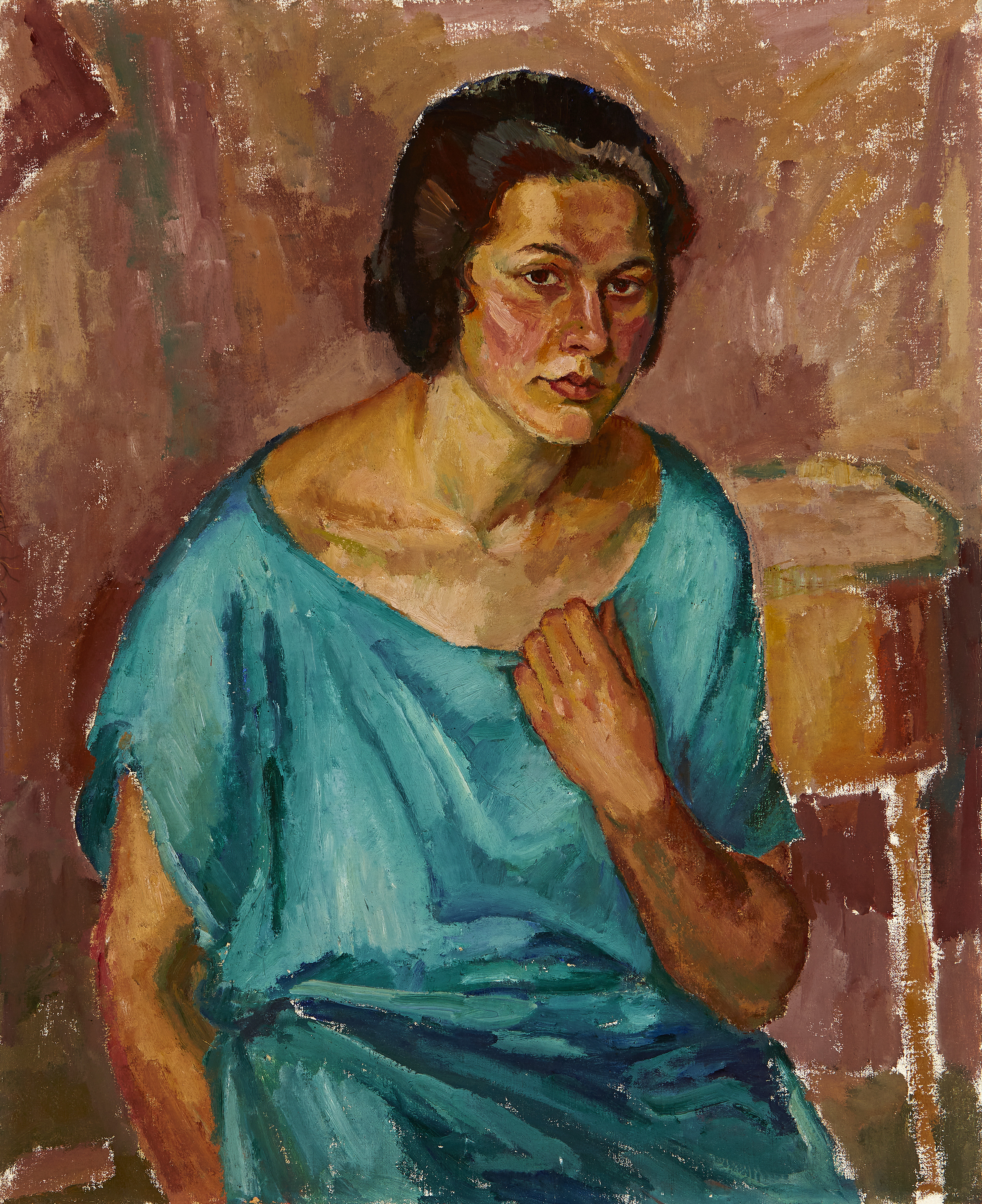
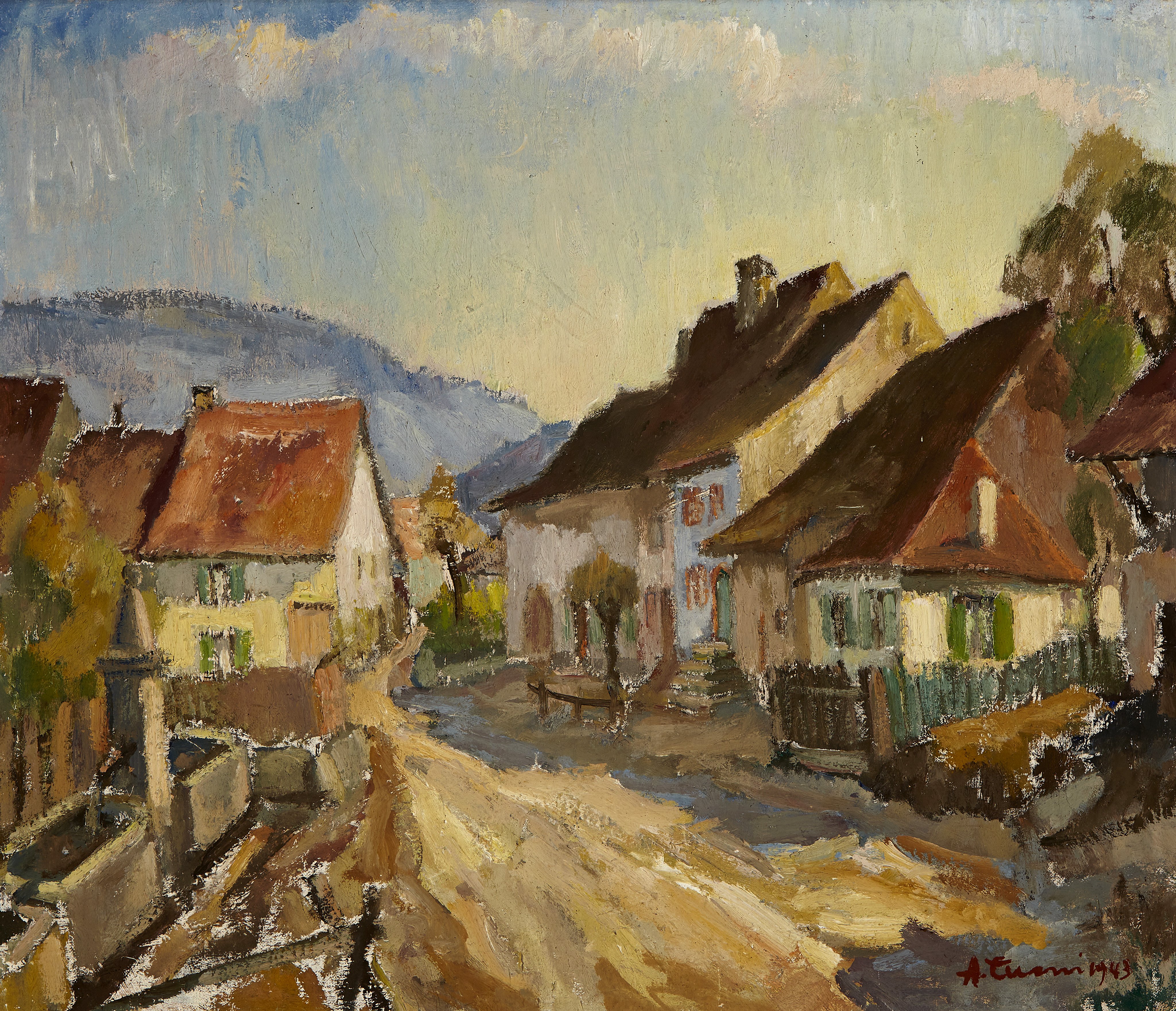
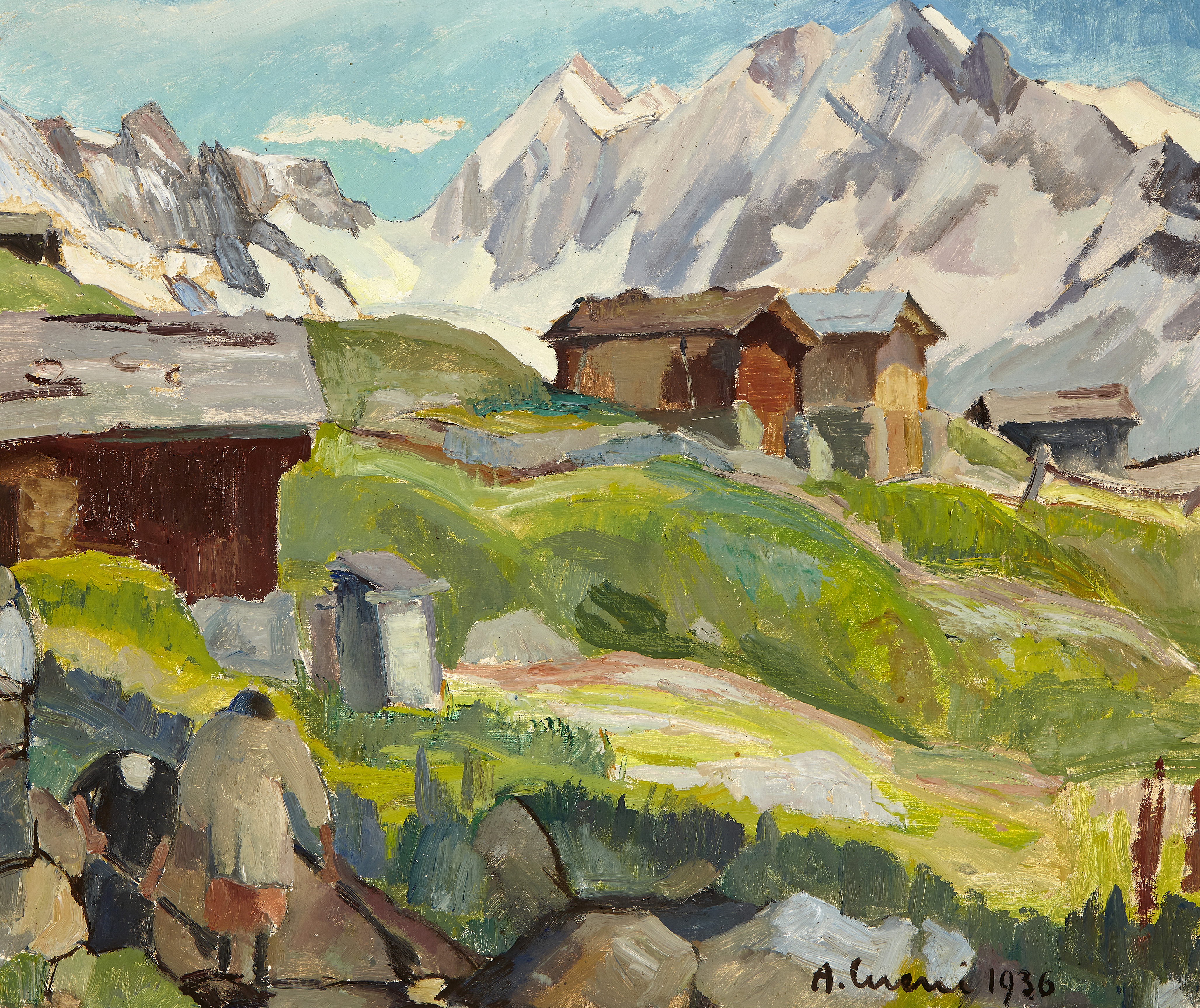
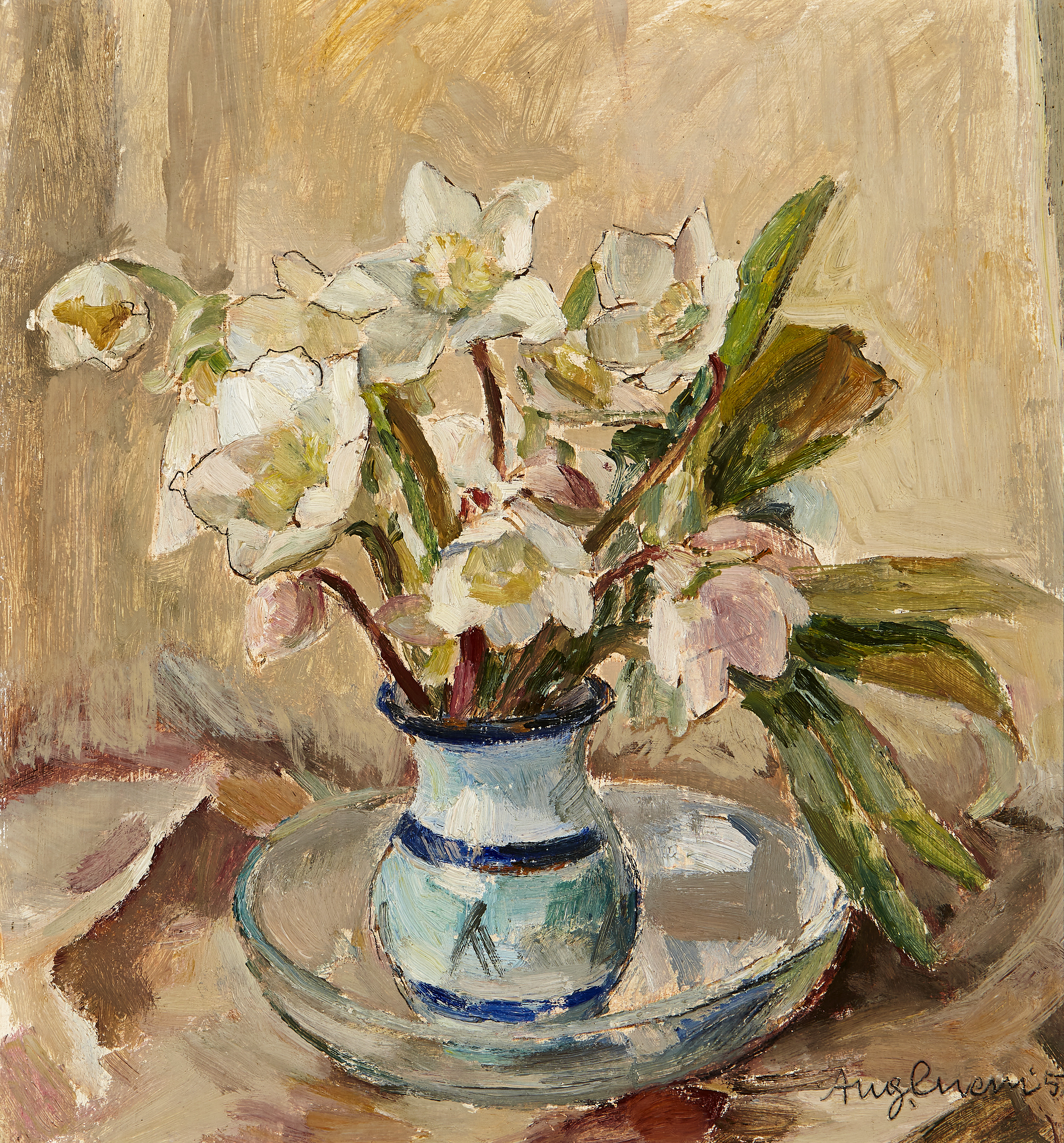
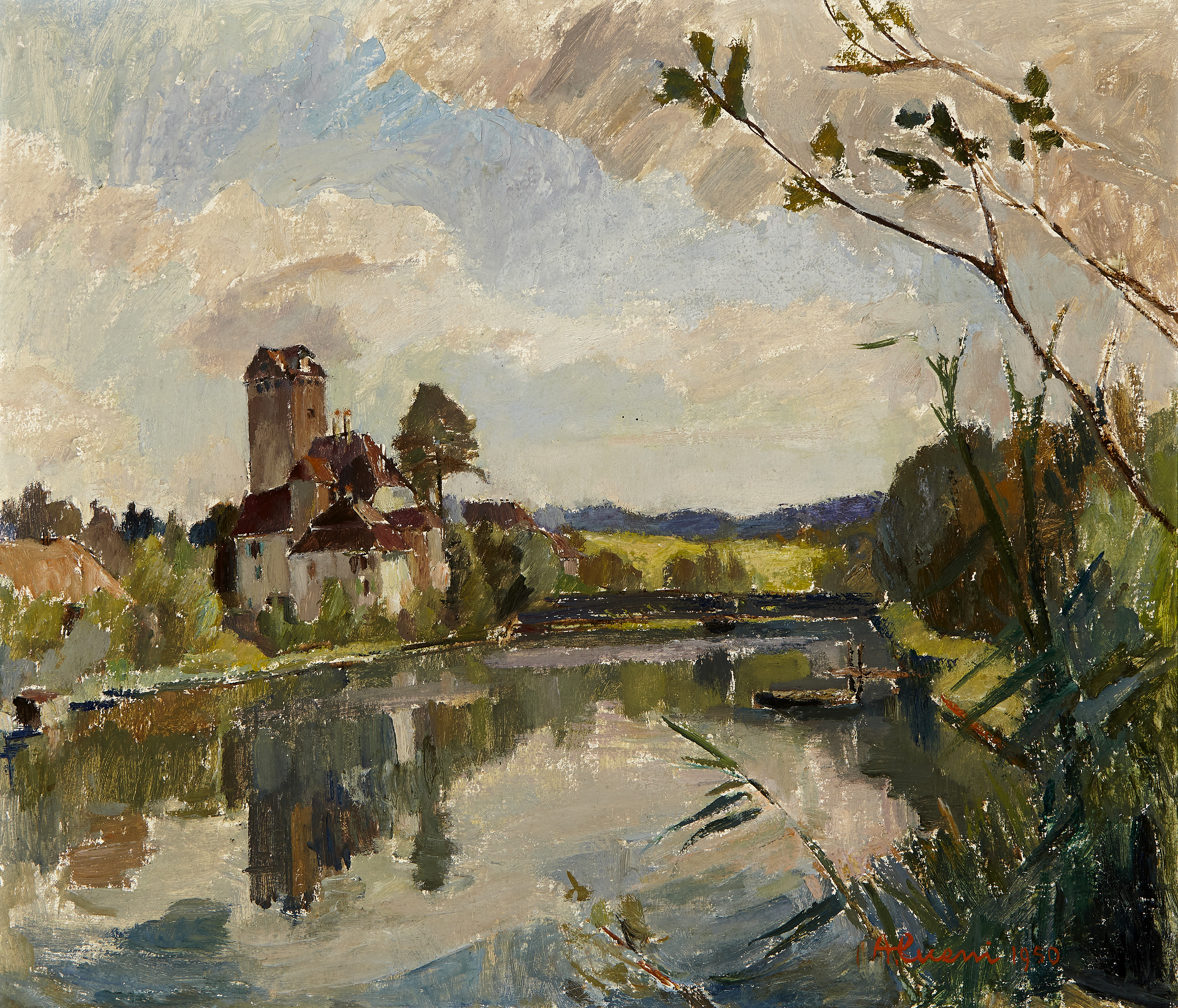
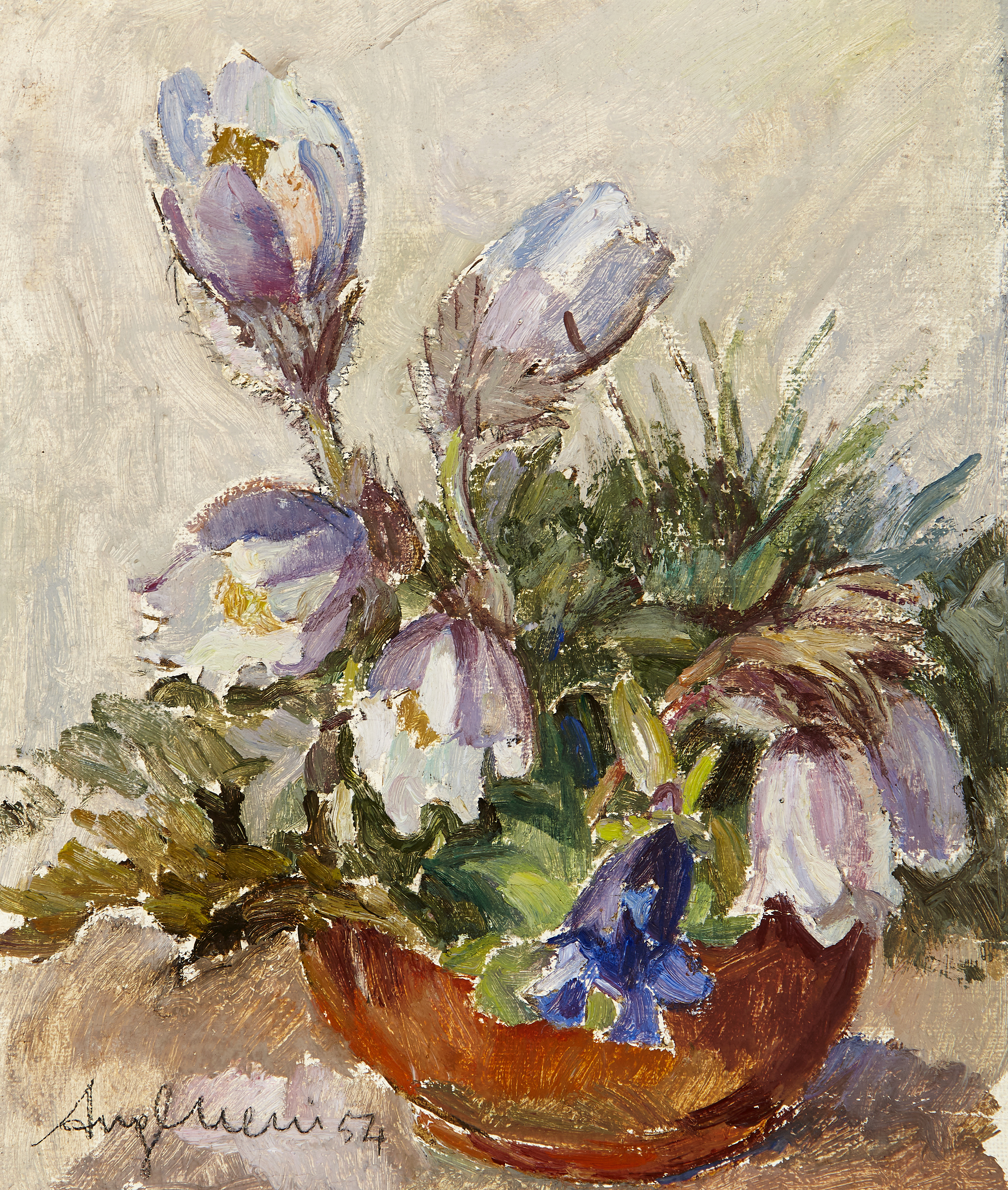
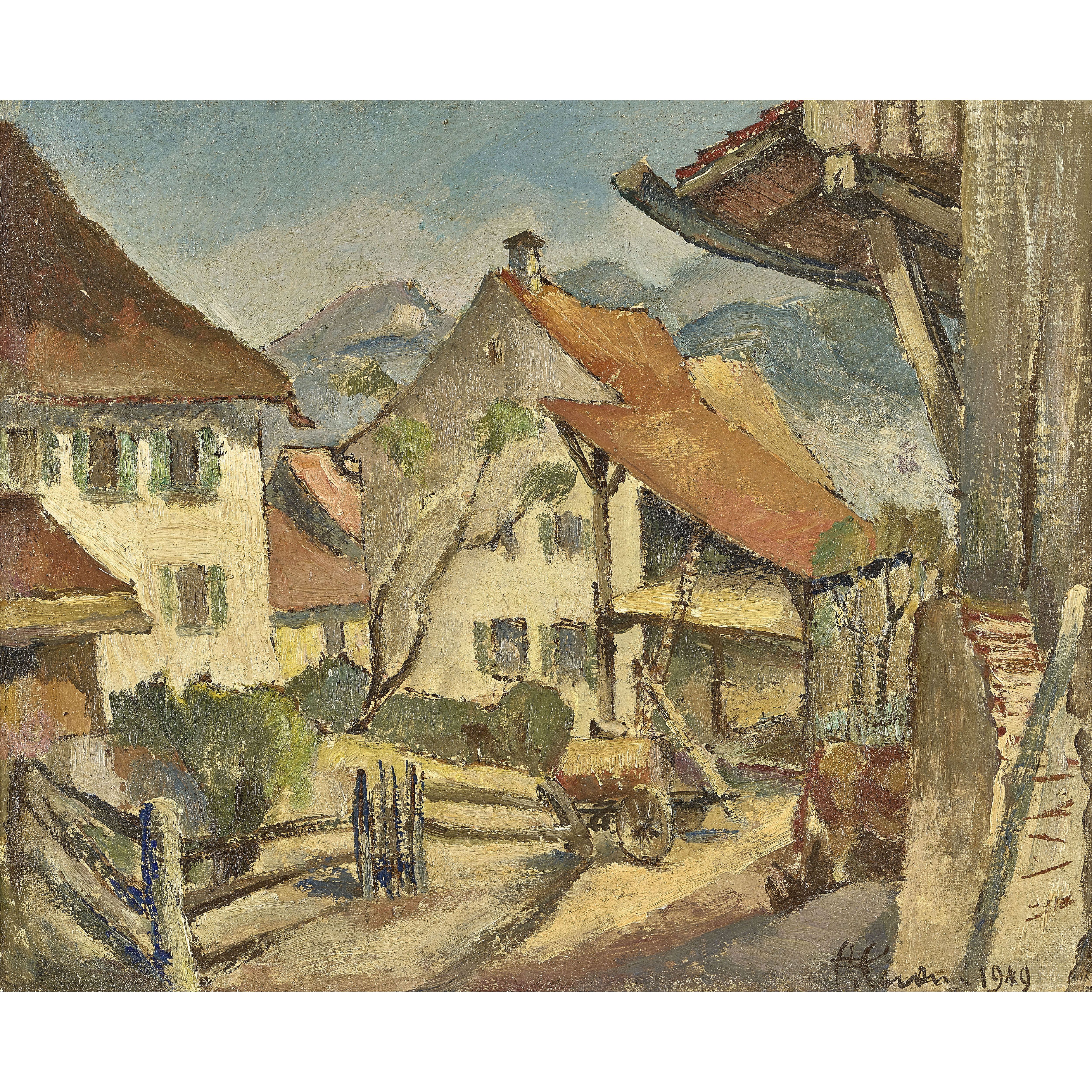
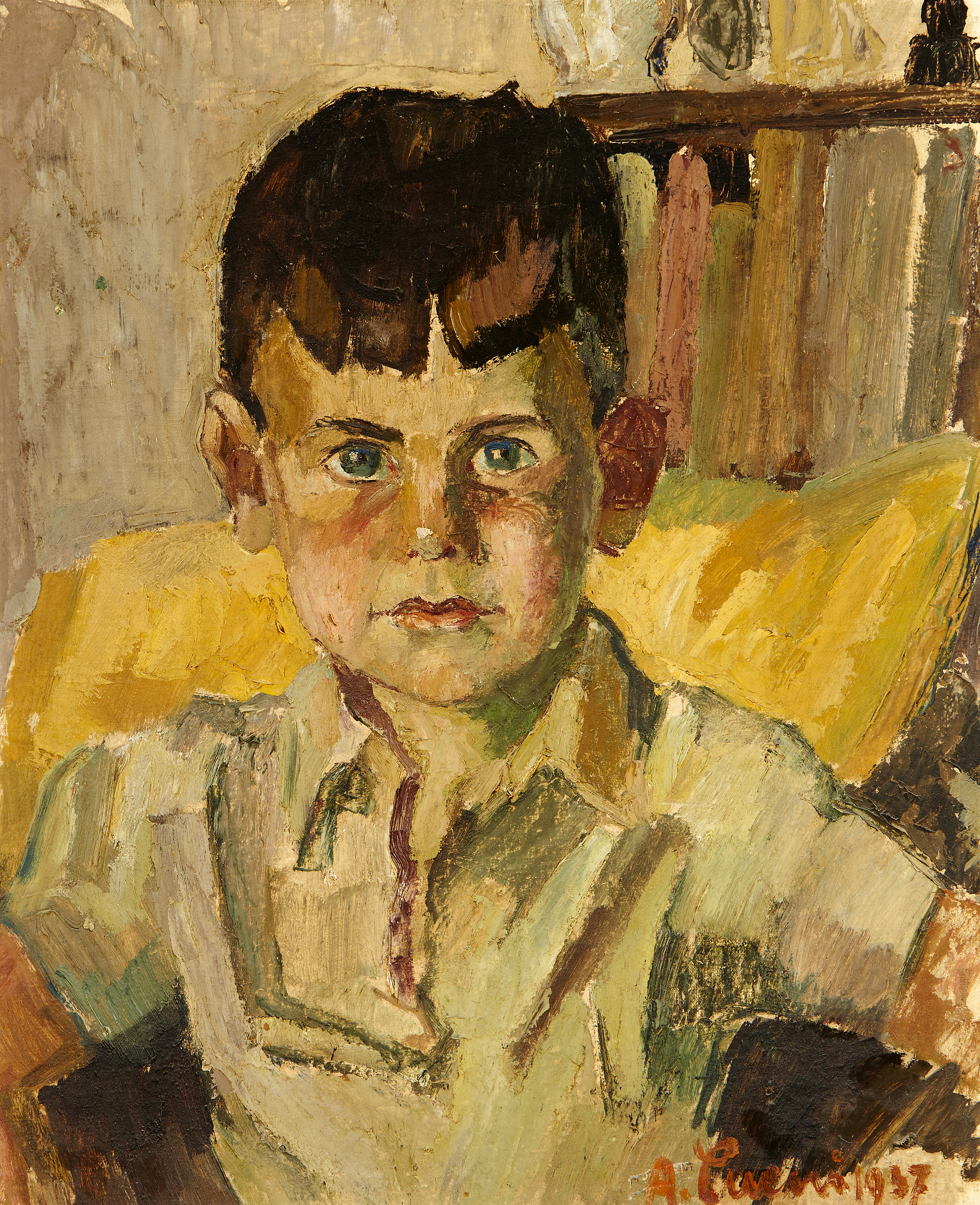
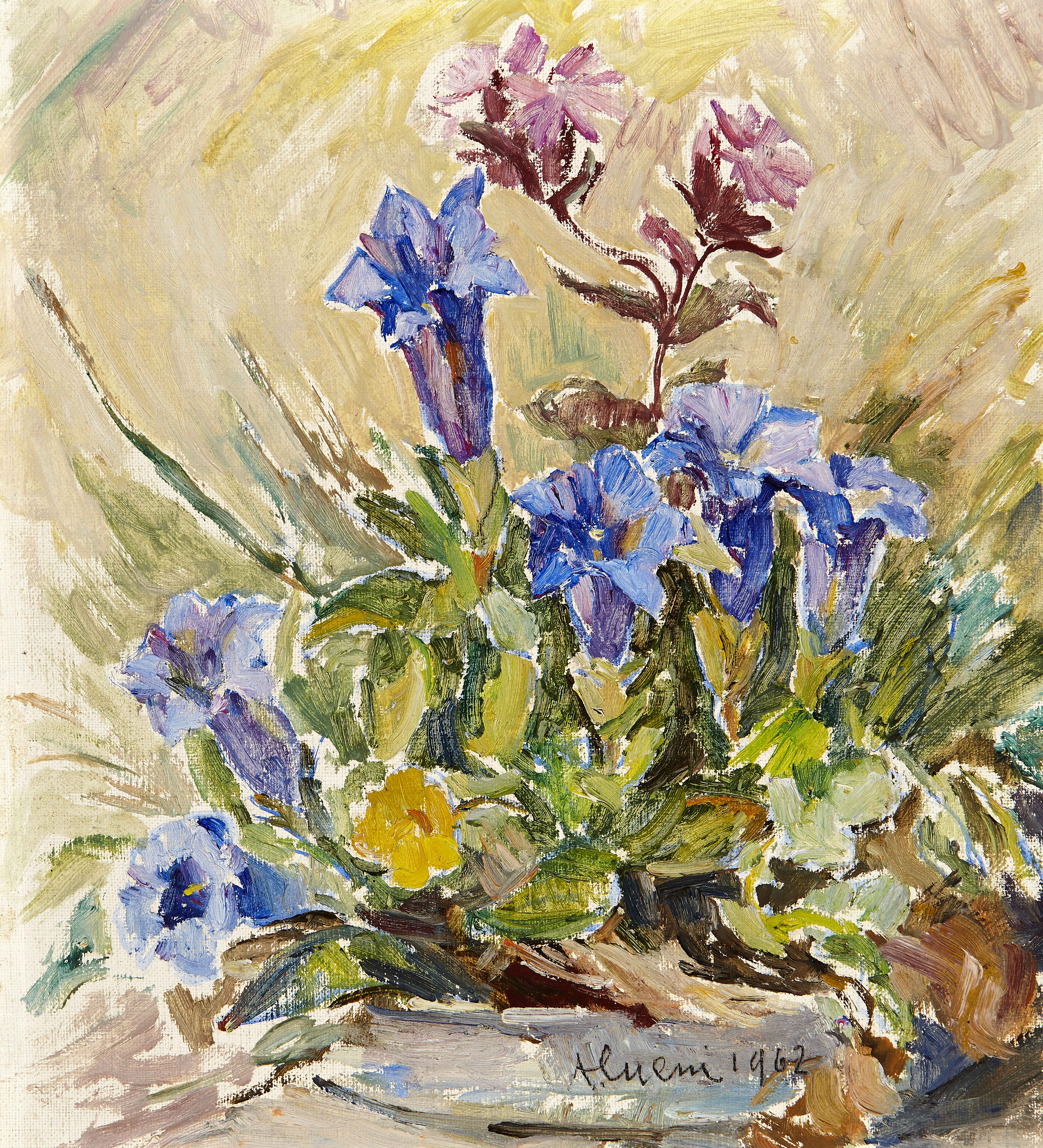
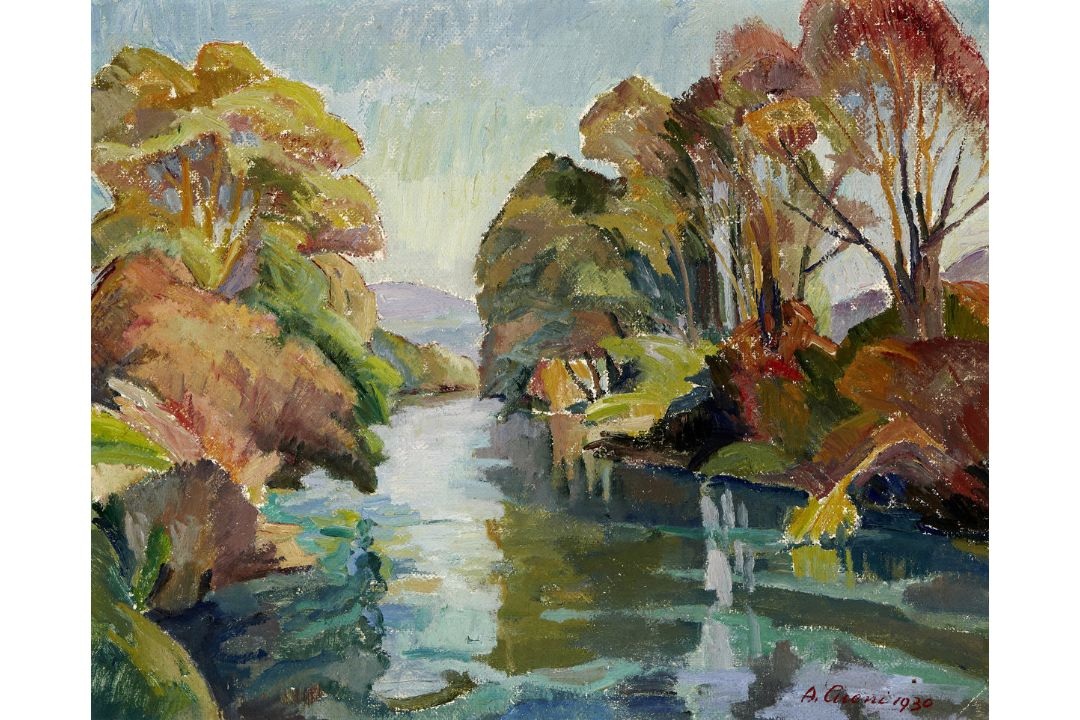
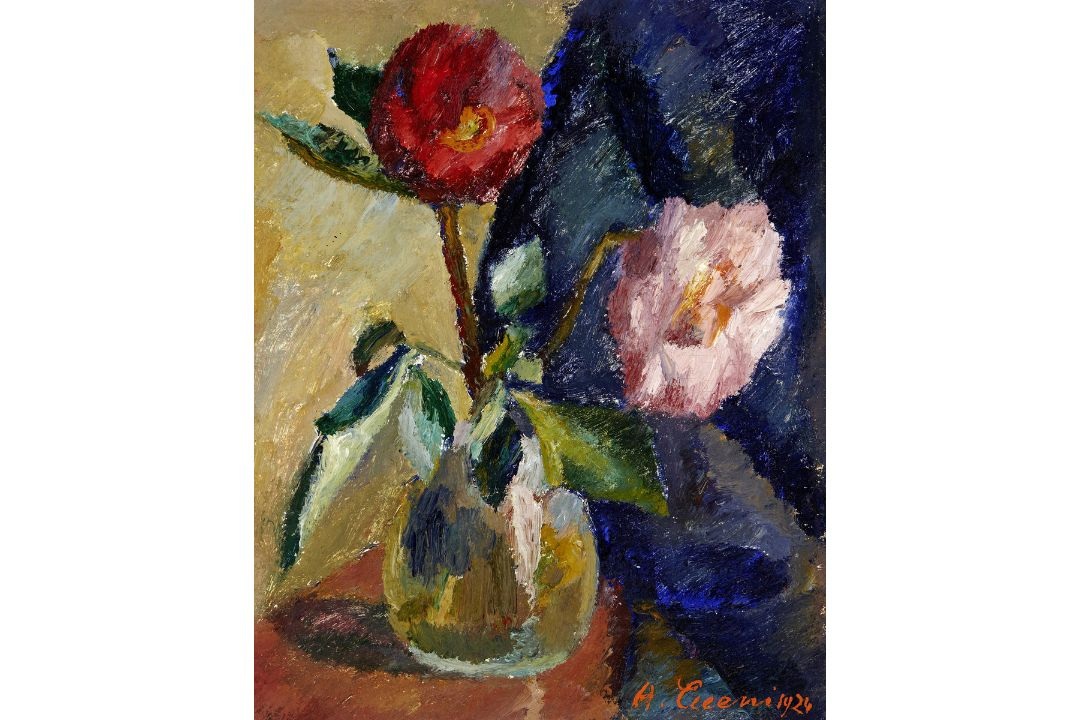
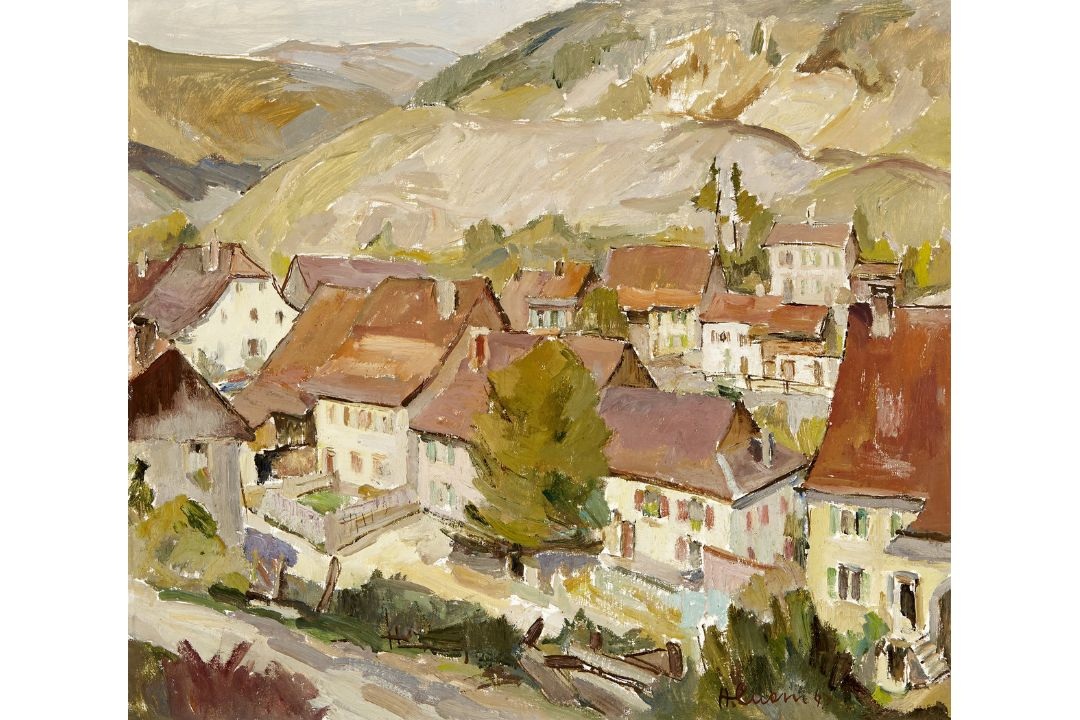
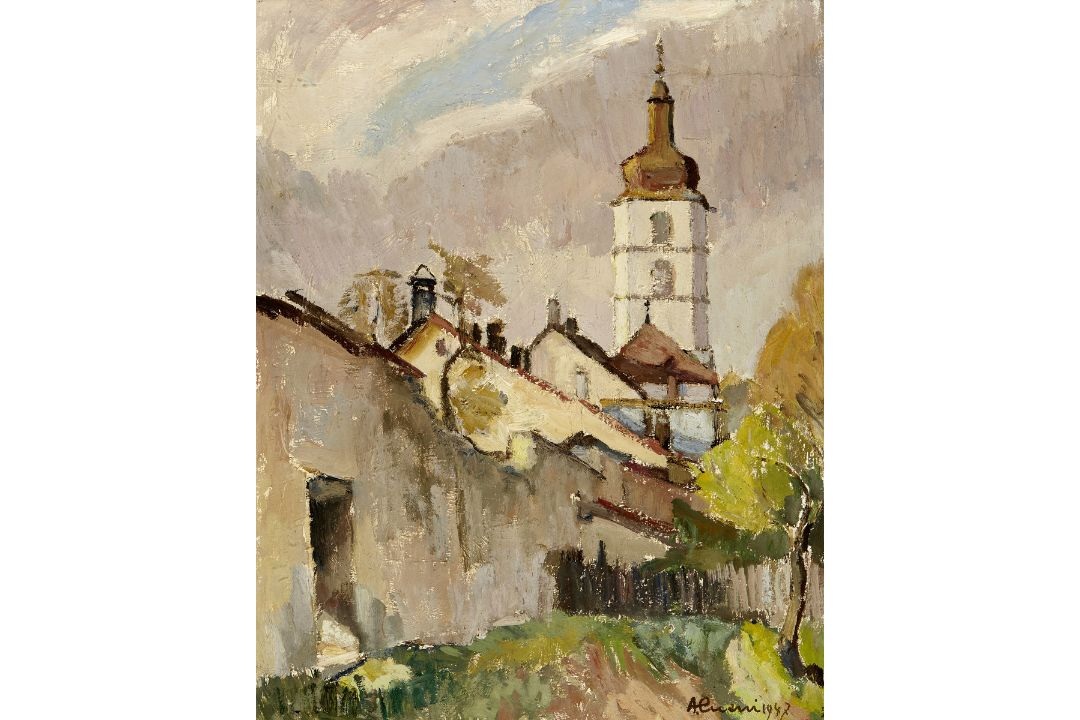
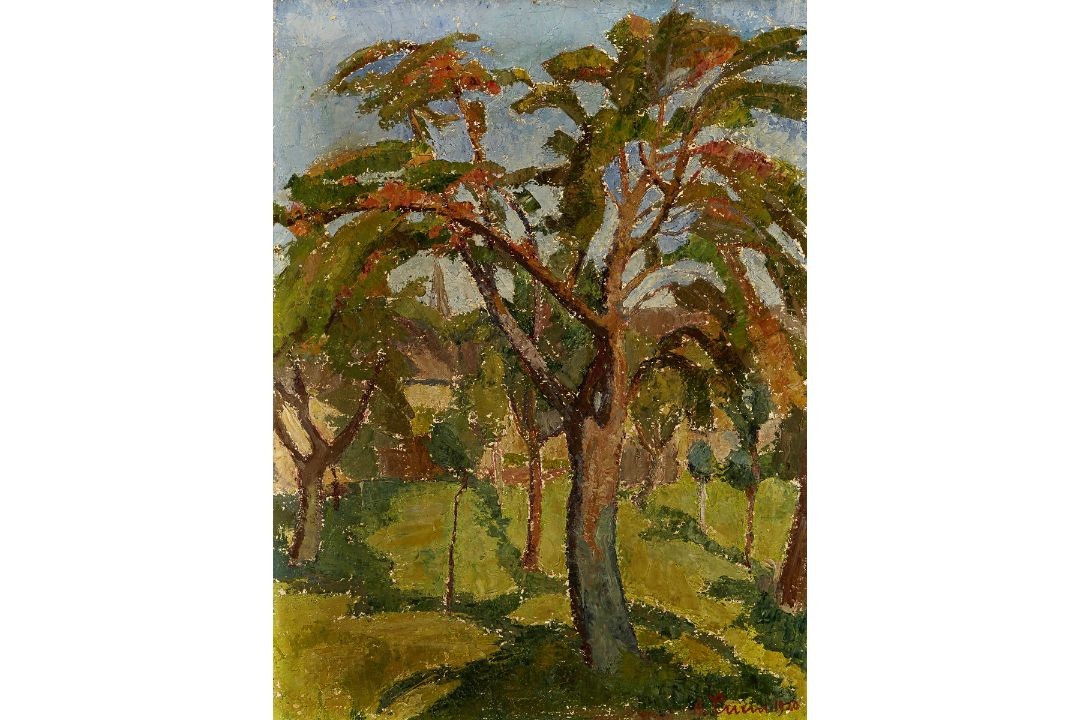
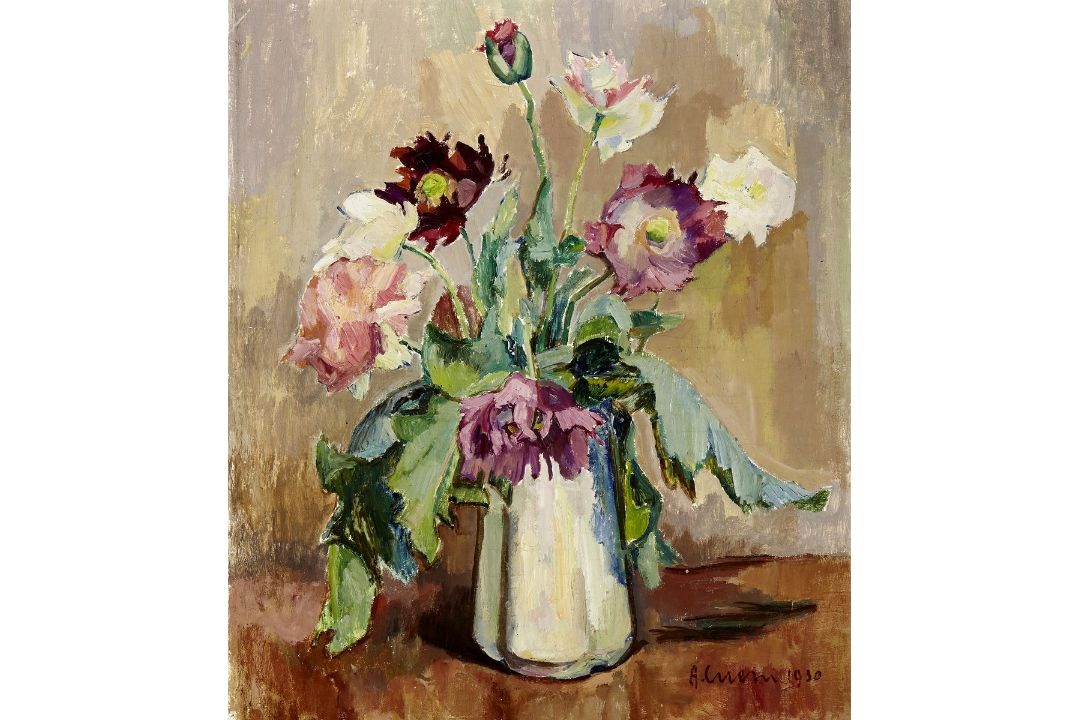
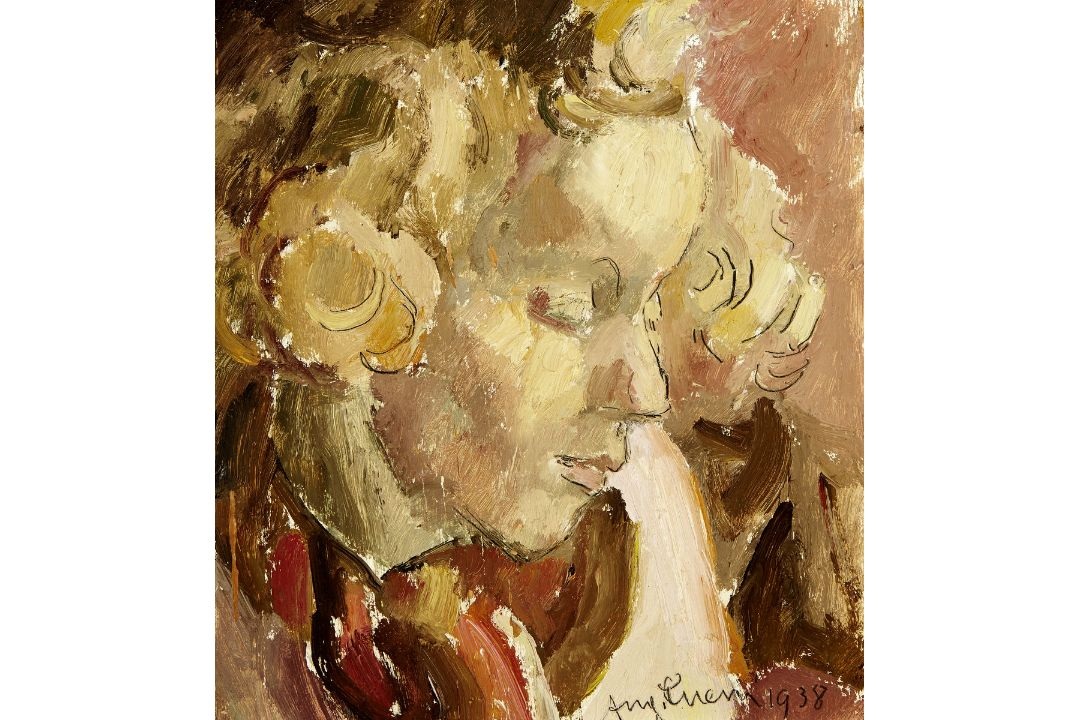
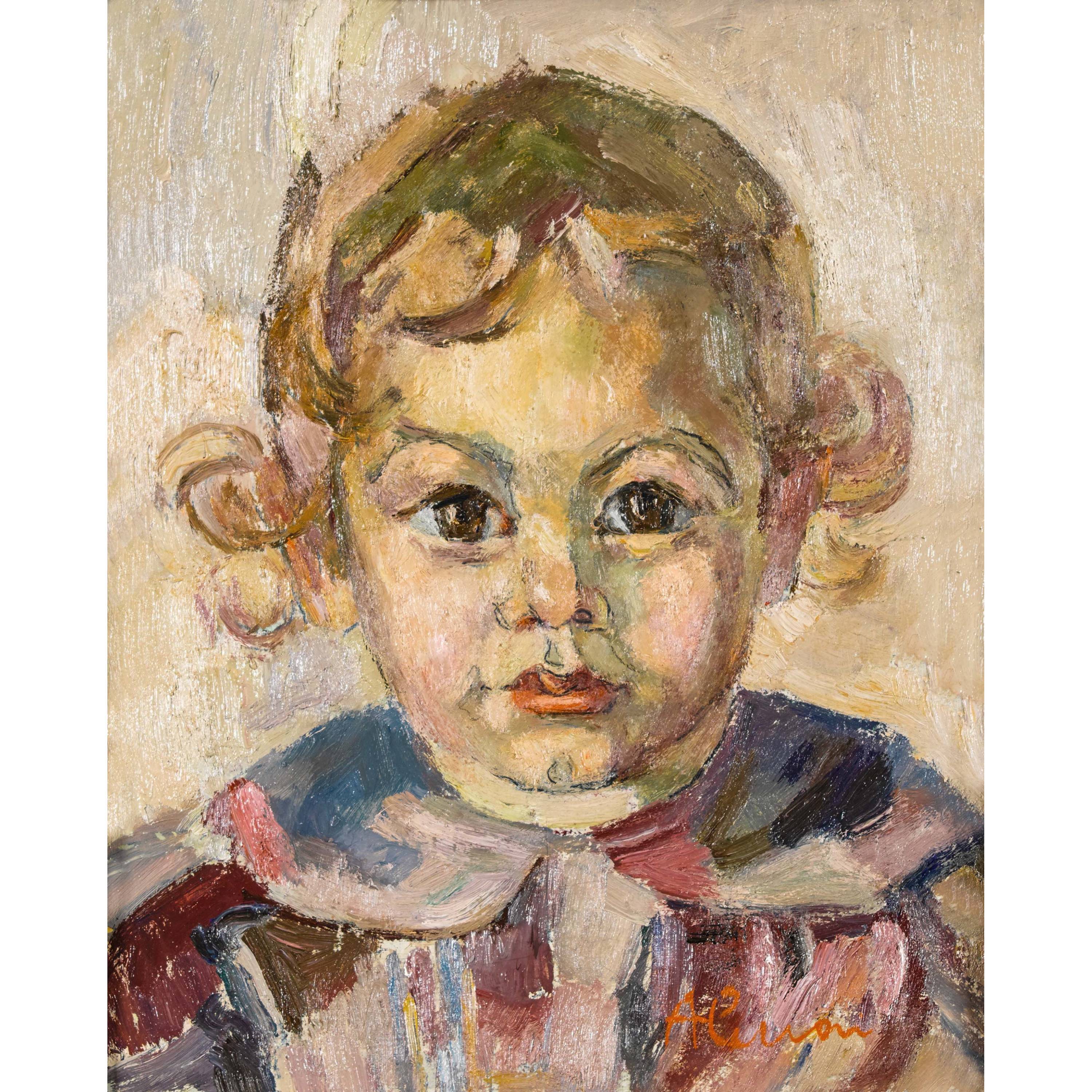
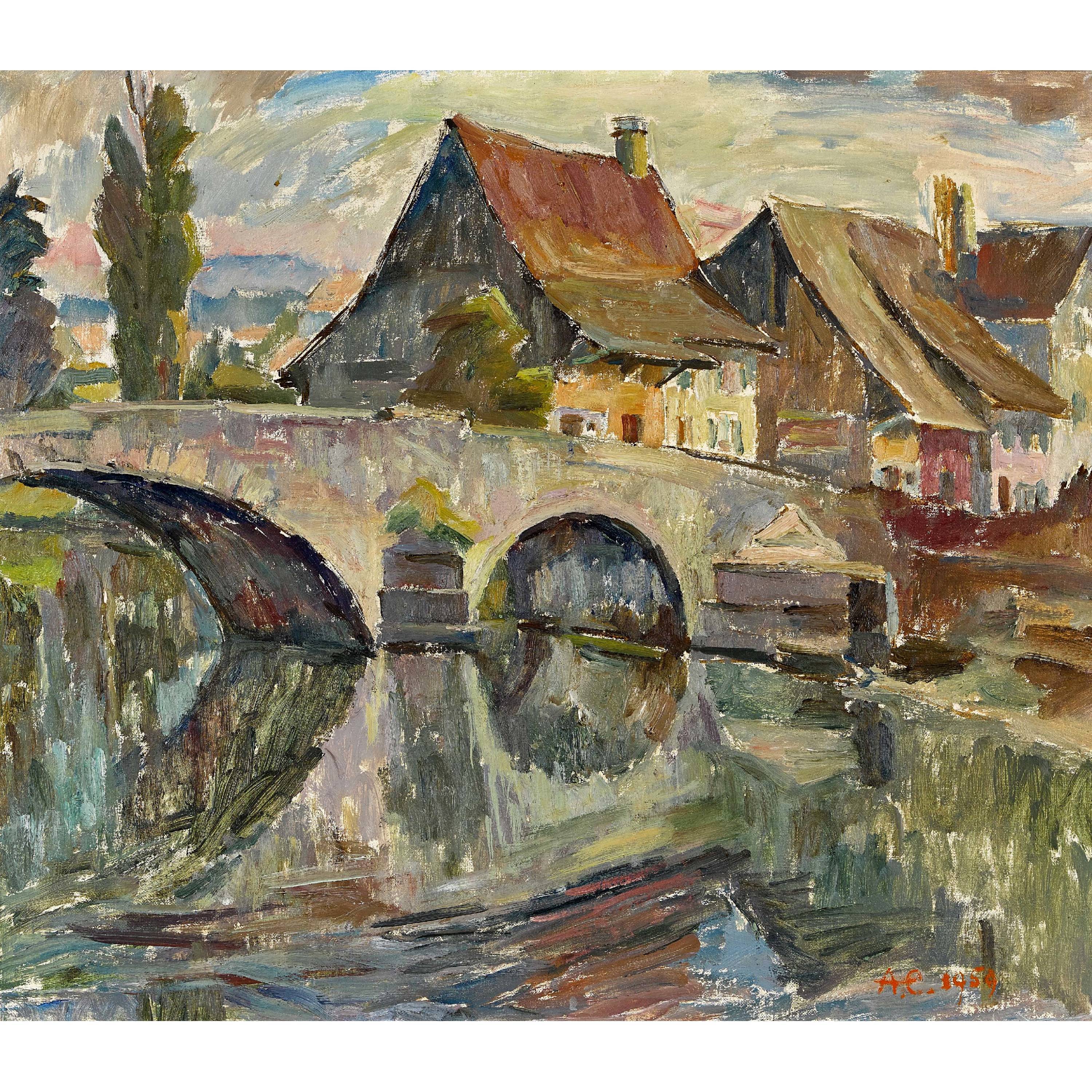
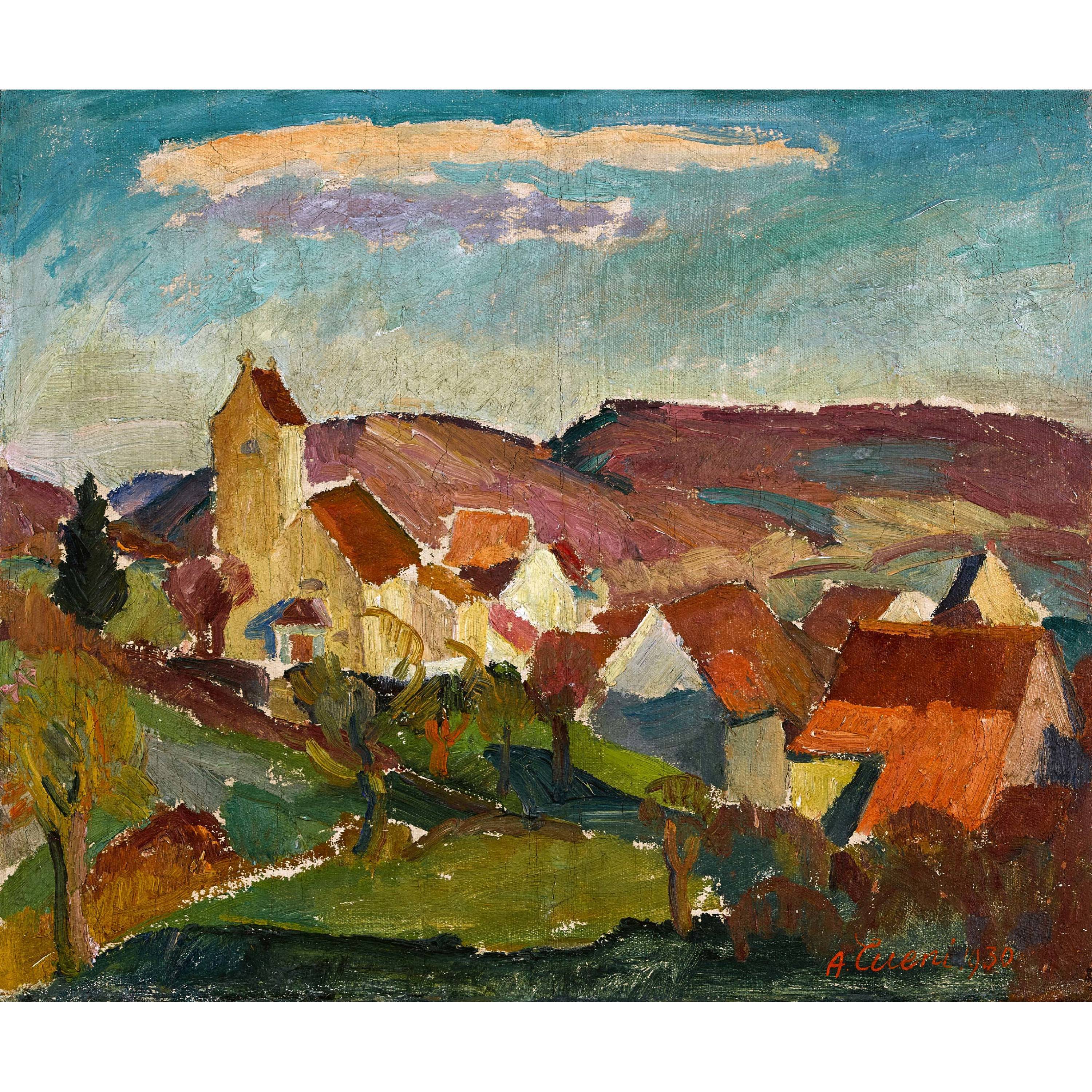
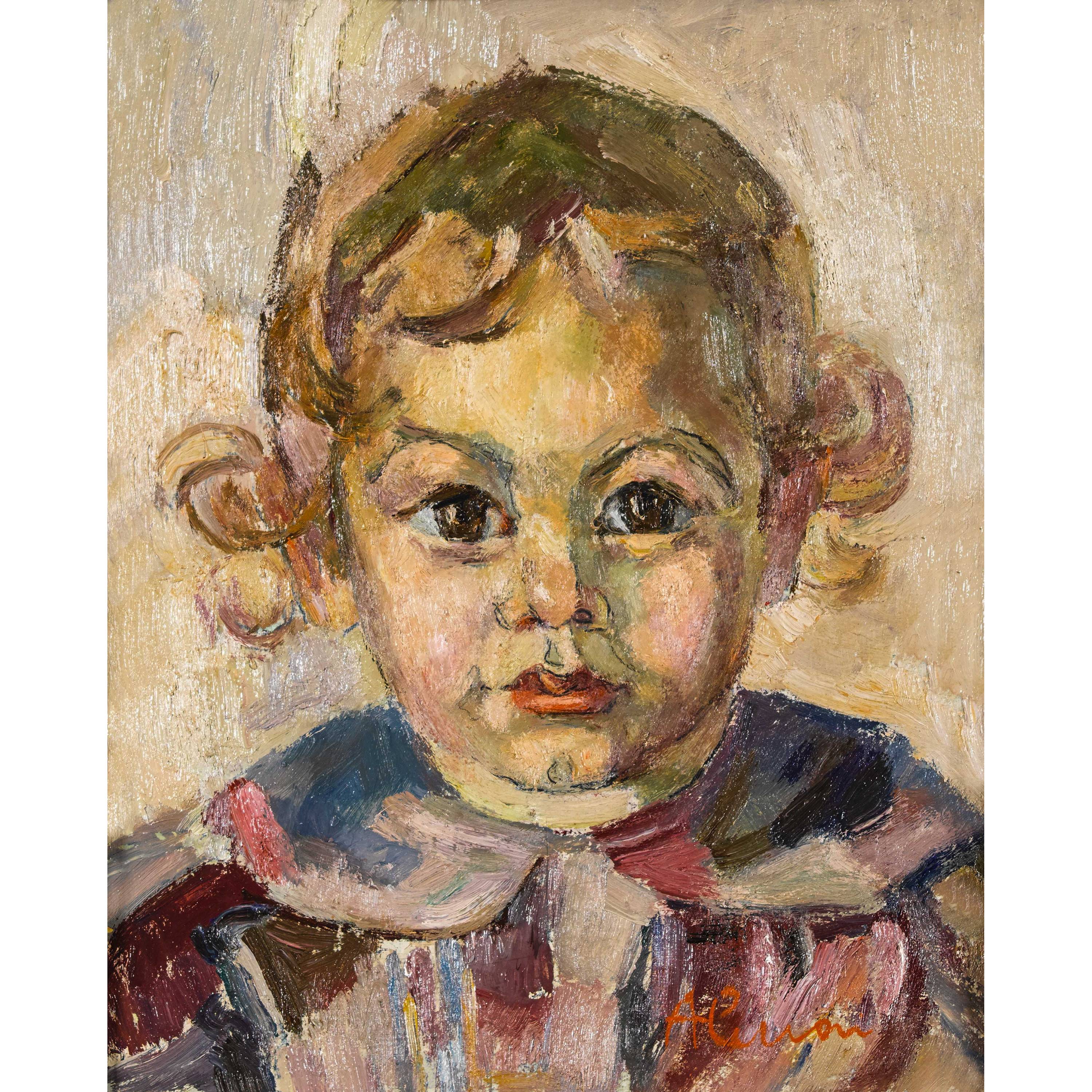
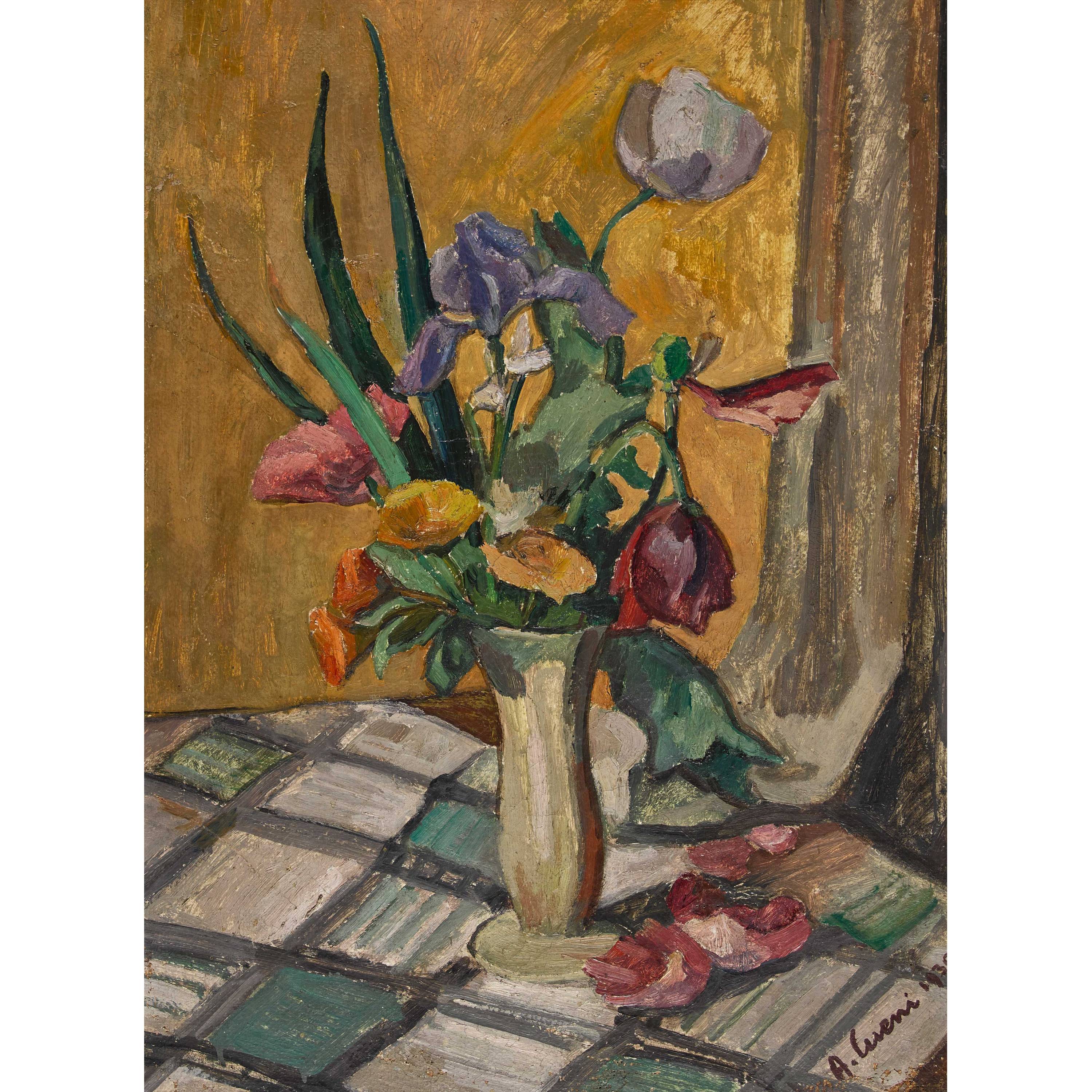
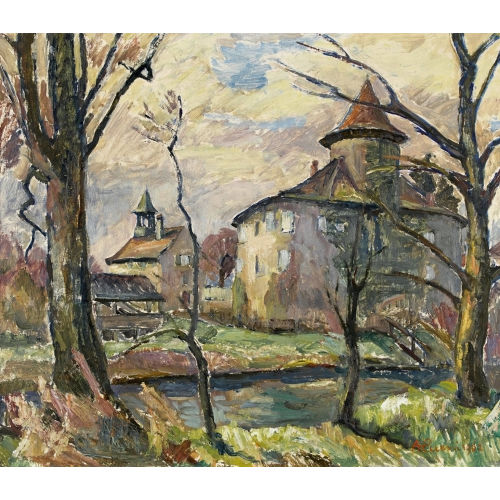
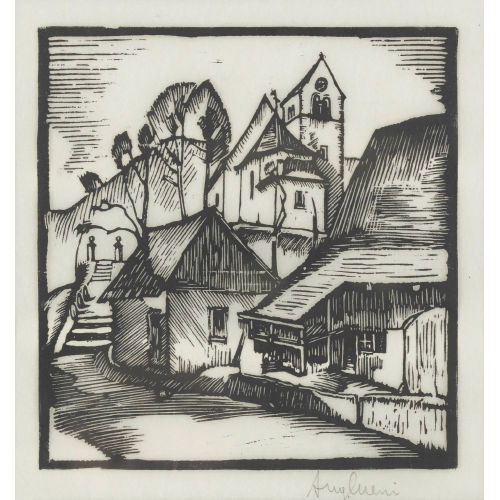
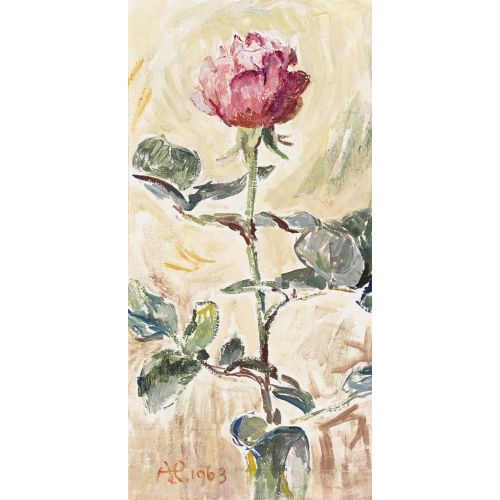
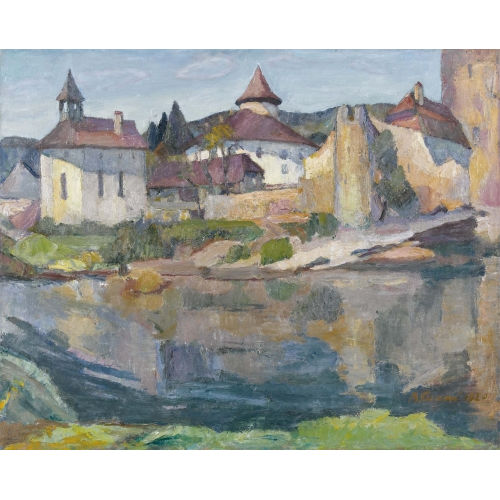
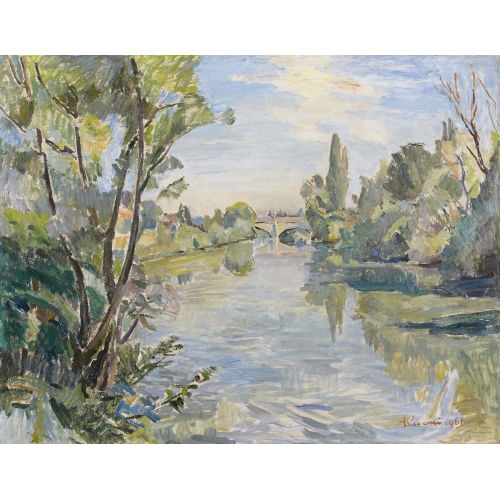
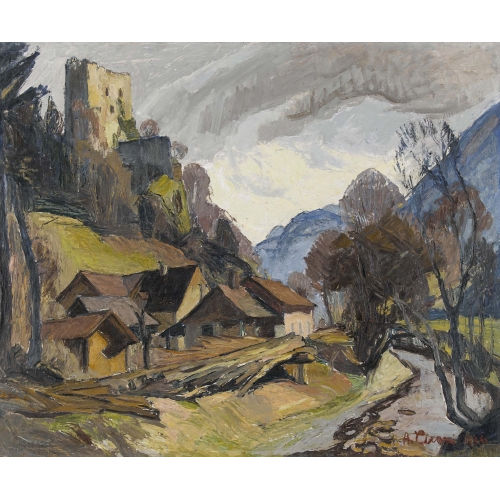
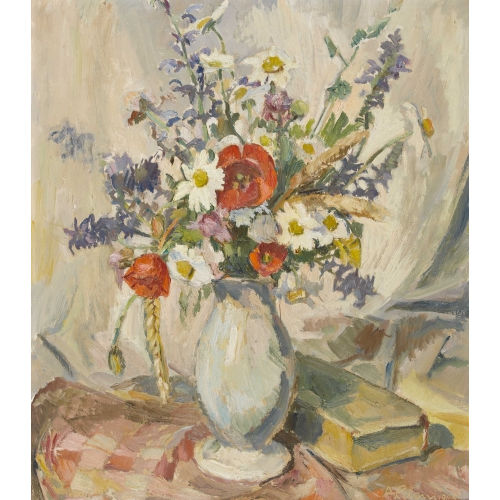
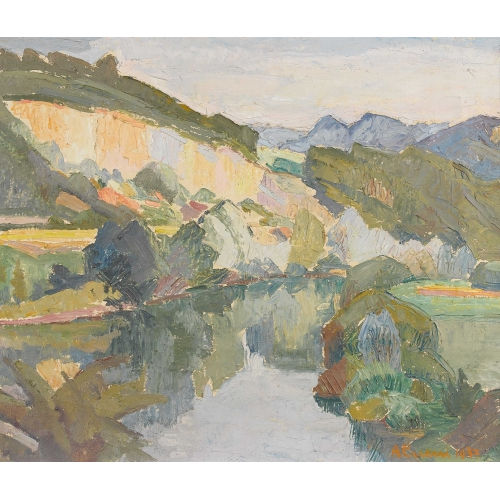
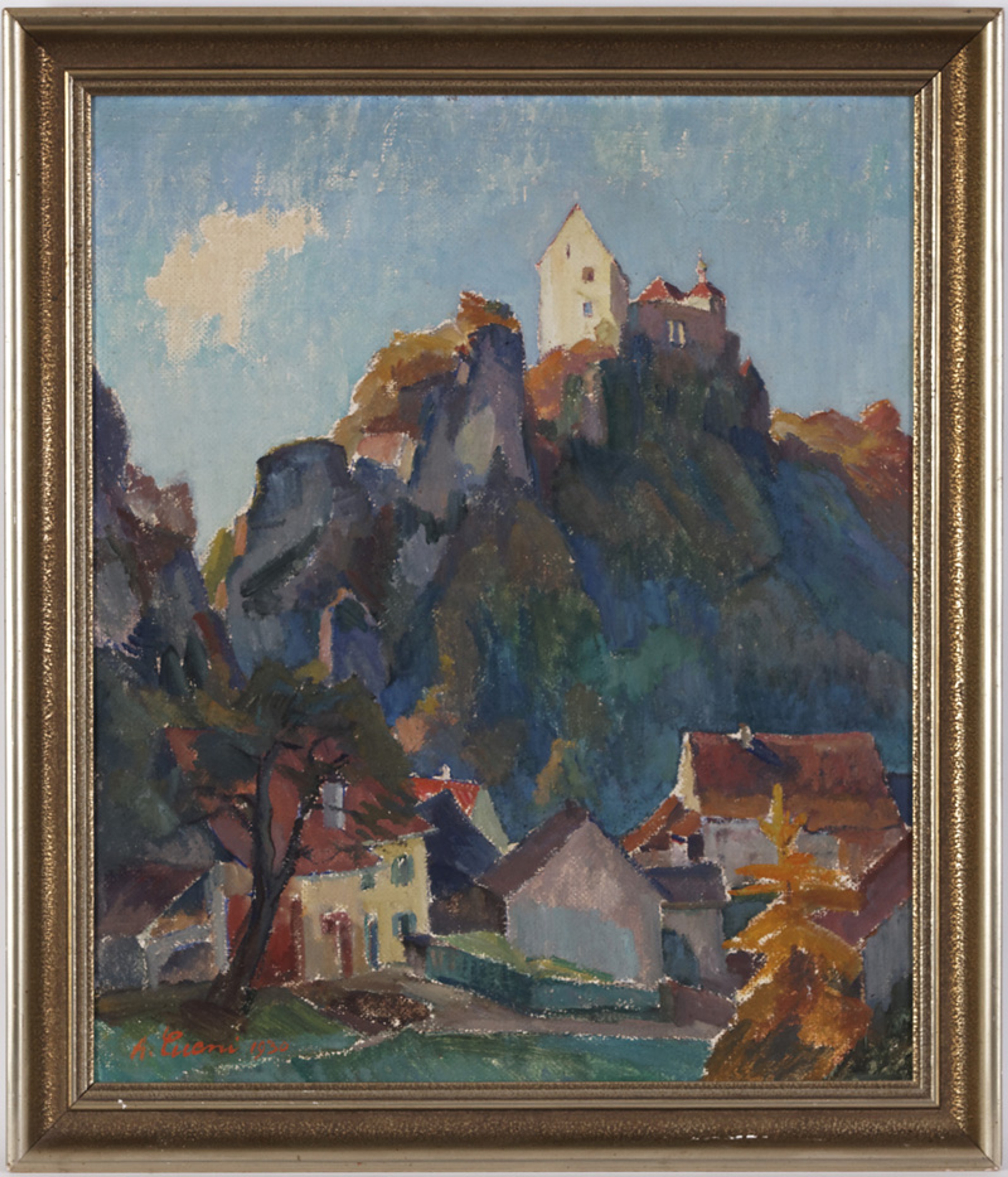
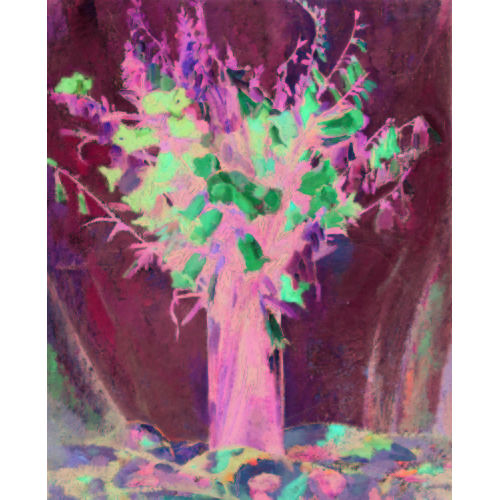
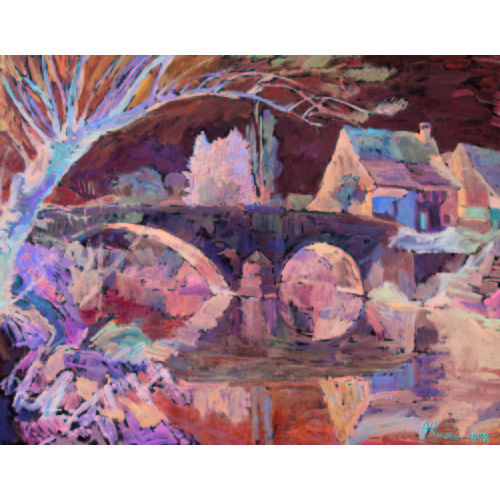
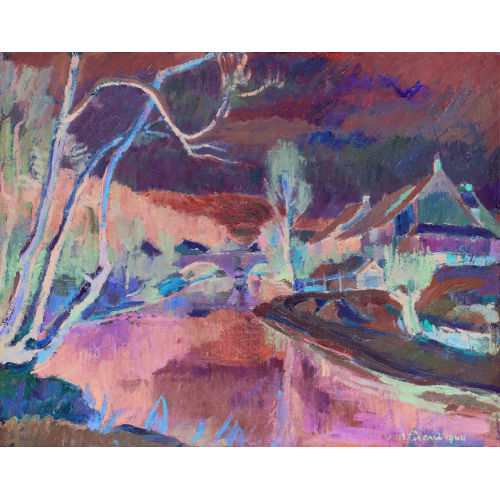
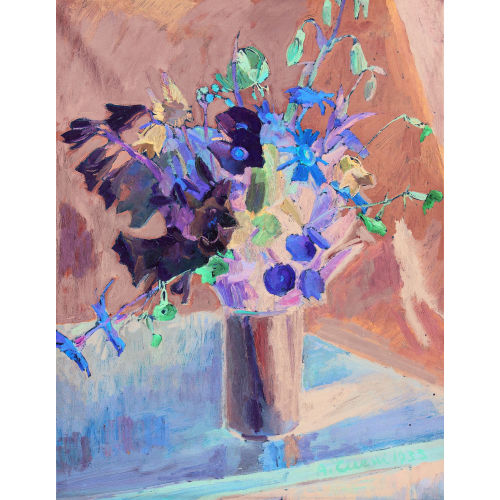
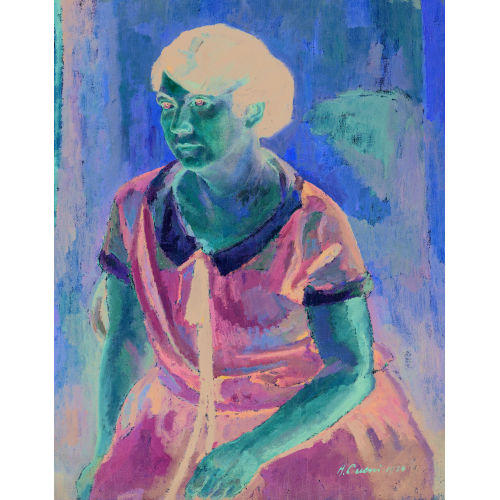
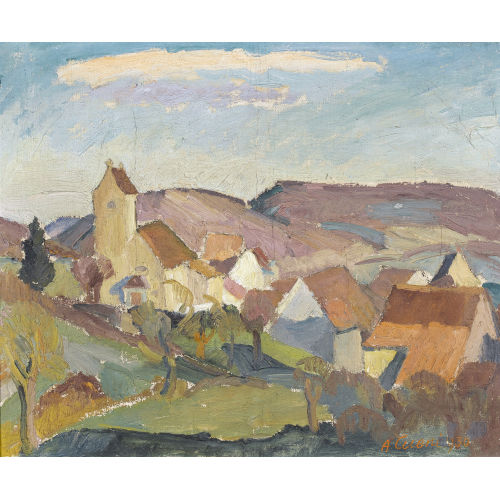
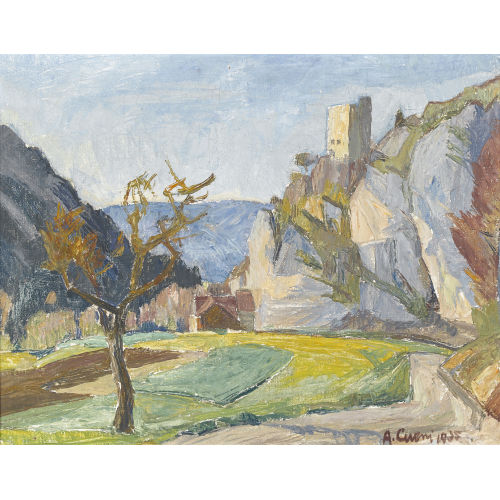
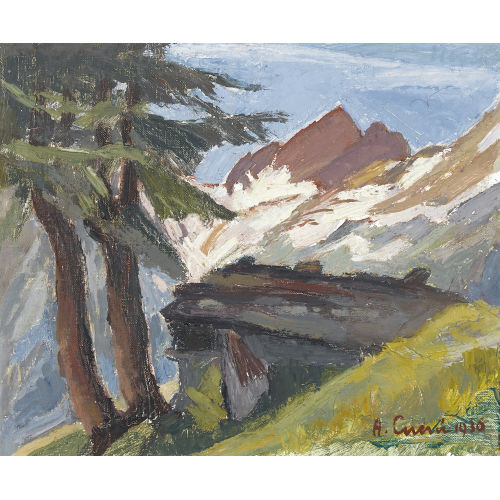
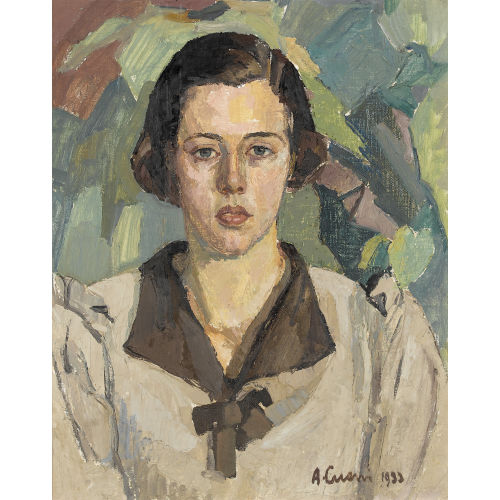
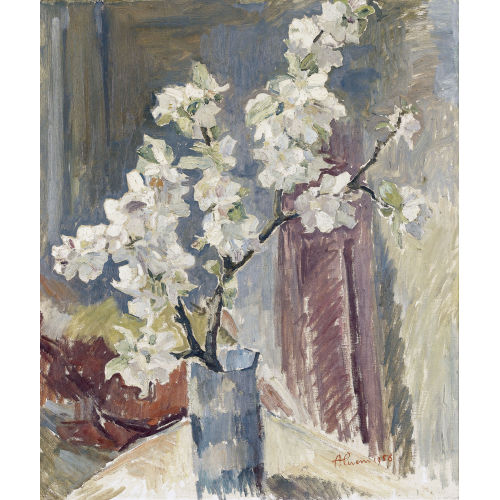
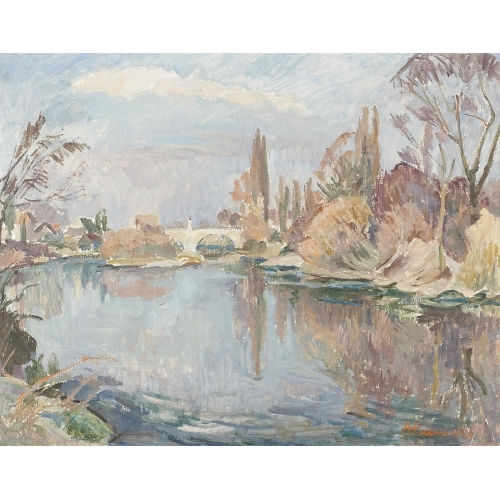
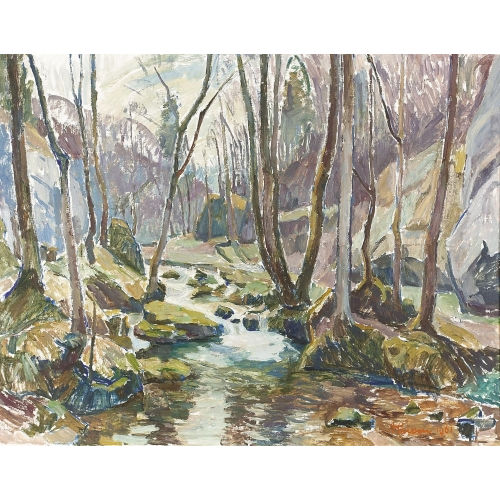
August Cueni was an artist from Zwingen who was awarded the title of honorary citizen of the municipality in 1959 and was a Bürger of Dittingen. A Roman Catholic (according to DIJU), he is presented in local sources as a painter whose numerous works are now held in private collections and displayed in the showcases of the Museum Laufental. His documented distinctiveness lies in the coexistence of an abundant output — according to DIJU, approximately 2,500 works are attributed to him — and a practical commitment to graphic techniques: from 1920 onwards, he worked in woodcut and linocut, alongside images devoted to recurring subjects such as landscapes (the Birstal, the Jura, the Alps), village views, floral motifs, portraits, several sacred images and industrial views.
Initially trained at the Basel Commercial School after completing his schooling in Zwingen and Laufen, he subsequently attended, in Munich (1910–1914), classes at the Kunstgewerbeschule under Julius Diez and then at the Academy of Fine Arts under Carl Johann Becker‑Gundahl, Adolf Hengeler and Ludwig Herterich. He returned to Zwingen at the beginning of the First World War (1914) and was able to show his first works to the general public as early as 1915 at the Kunsthalle Basel. In 1919, he joined the GSMBA (Society of Swiss Painters, Sculptors and Architects), thereby grounding his professional life in local and regional networks.
After returning to the Laufental, he bought and converted an old farmhouse in Zwingen in 1926 to establish his studio and home there; in his private life, he had married Christine Dahmen in 1920 and had at least five children named Helga, Helwin, Elfriede, Erich and Ingeborg. The period 1925–1950 is identified by the sources as the phase of his greatest productivity, but it was also marked by financial difficulties associated with the responsibility of supporting a large family. In terms of practice, the woodcuts and linocuts produced from 1920 onwards constitute an important part of his known contribution, complementing an output that encompasses landscape, village and floral subjects, as well as portraits and several sacred or industrial motifs.
The reception of his work is manifested locally: in addition to his first public presentations (Kunsthalle Basel, 1915), a significant portion of the works and objects (plaques, tools) is preserved and displayed at the Museum Laufental in Laufen, while many other pieces remain in private hands. The institutional legacy took shape after his death: the establishment of the August Cueni Foundation in 1981 under the patronage of the municipality of Zwingen is mentioned in local notices, which also give an overall estimate of the corpus at around 2,500 works.