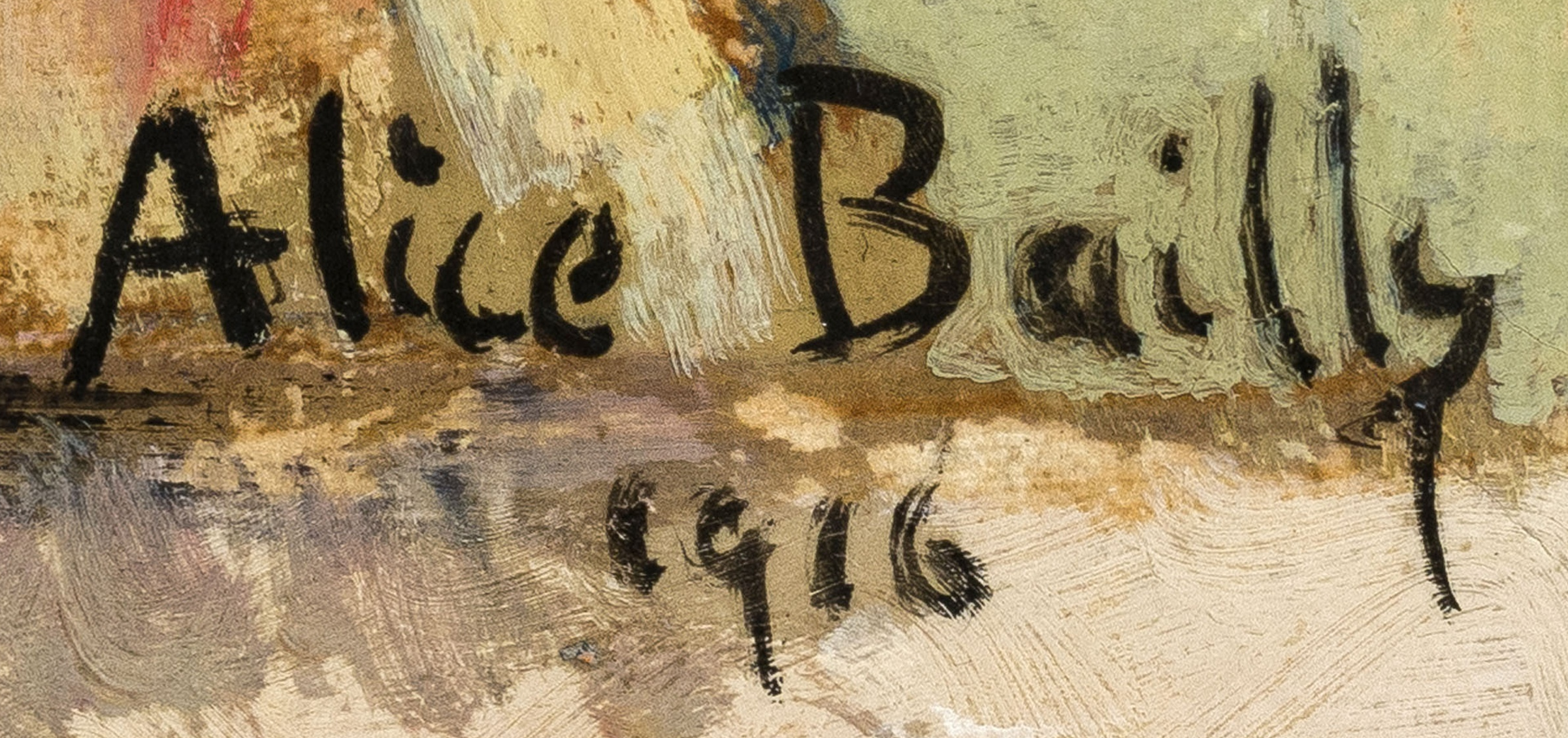
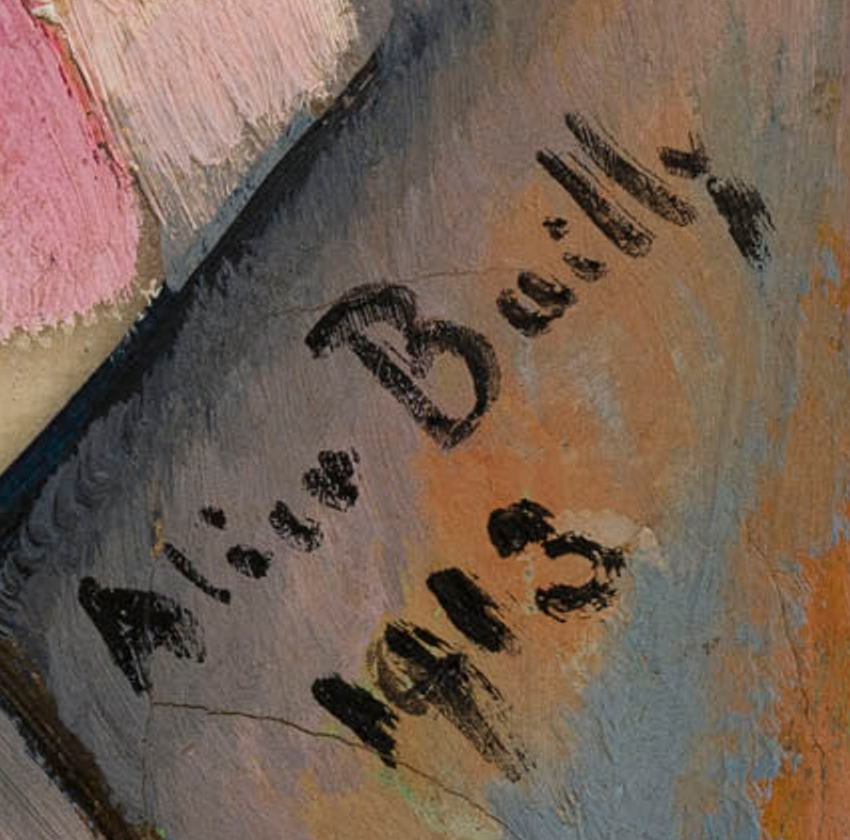
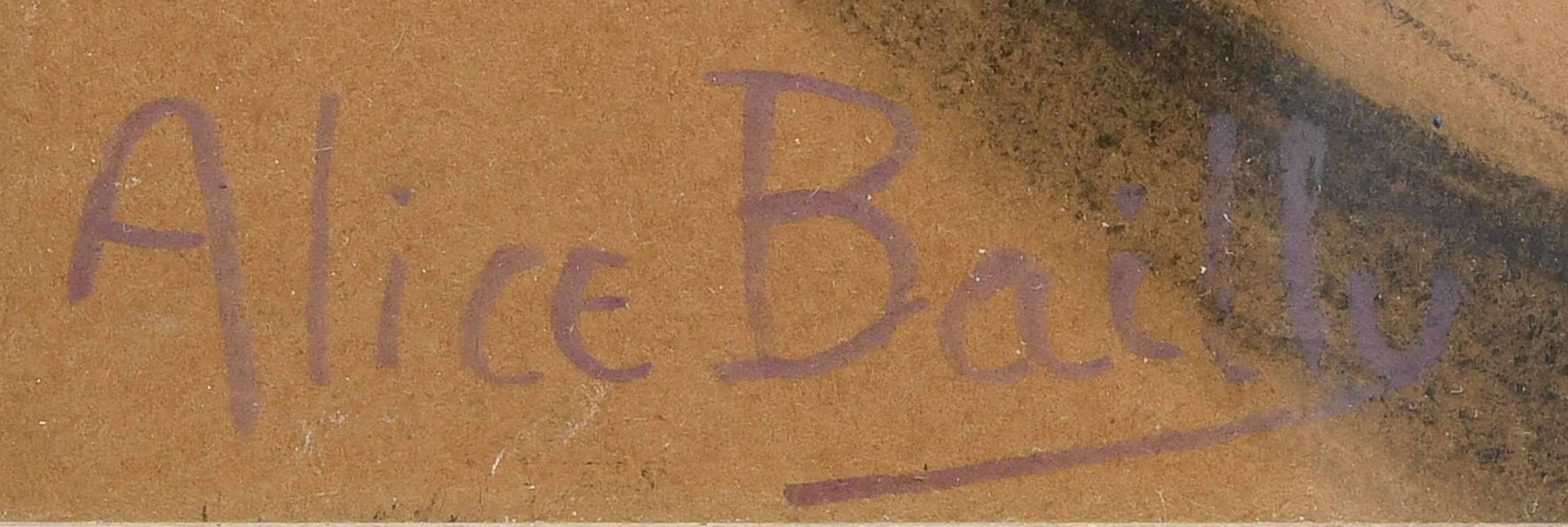
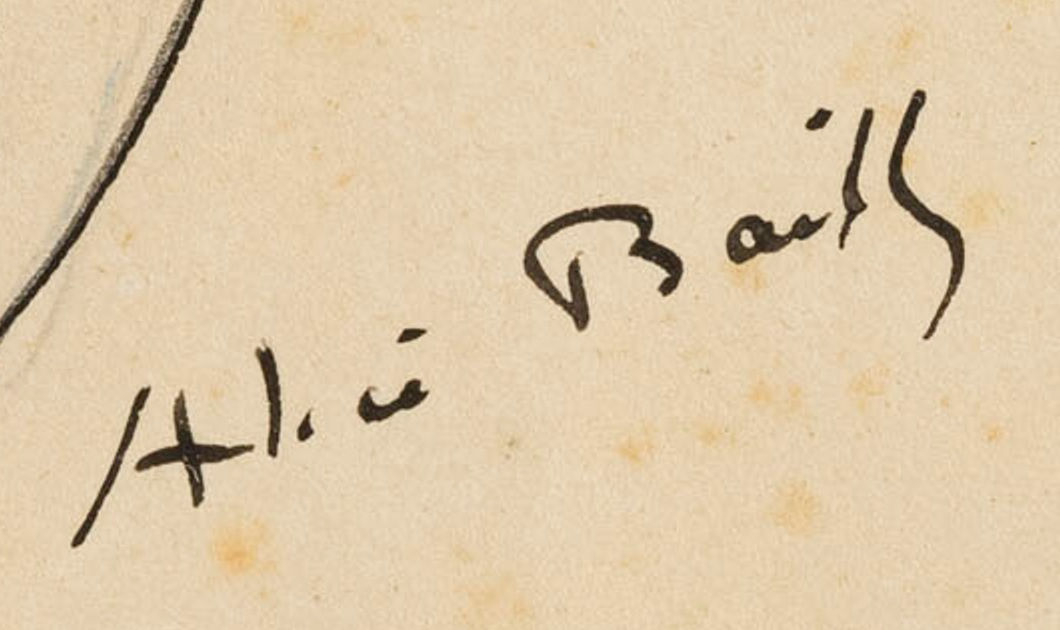
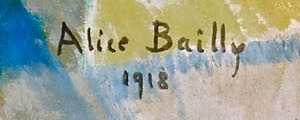
Alice Bailly
Born in Geneva (Switzerland) on 25 February 1872.
Died in Lausanne (Switzerland) on 1 January 1938.
Swiss · Swiss modernism · Fauvism, Cubism, Futurism, Dada and wool pictures
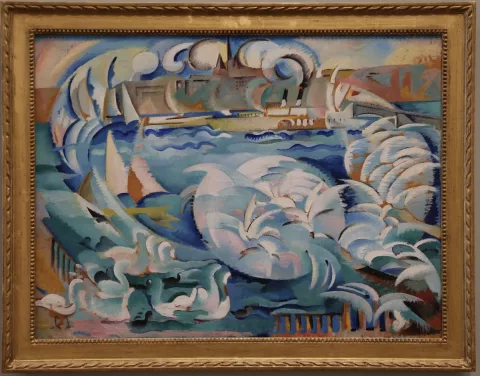
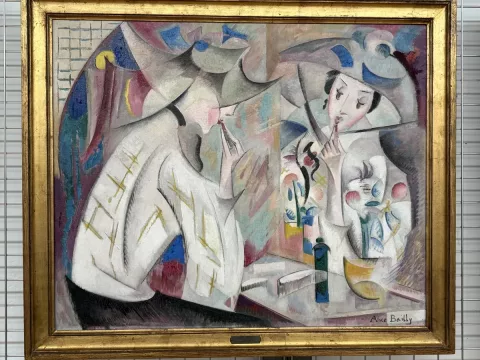
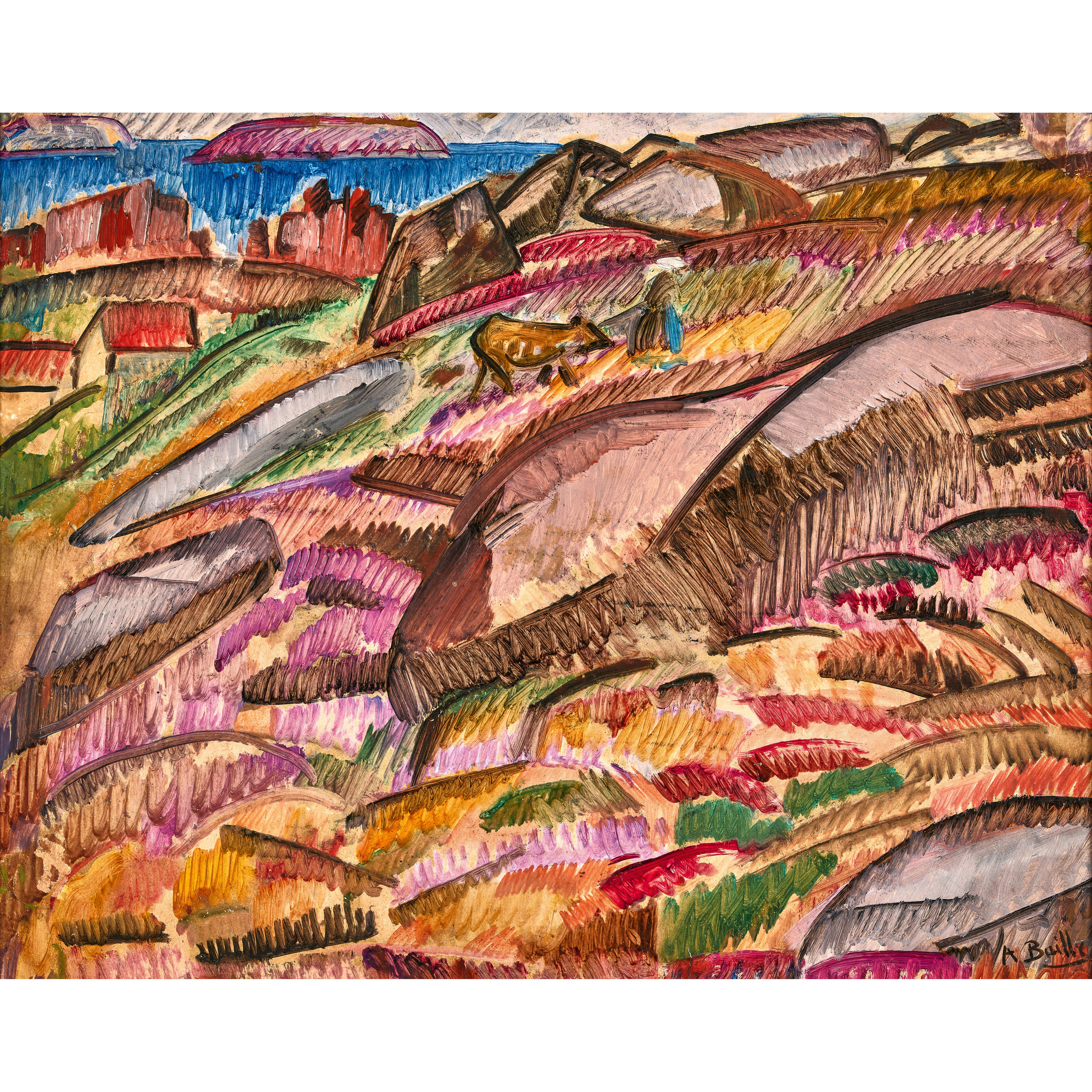
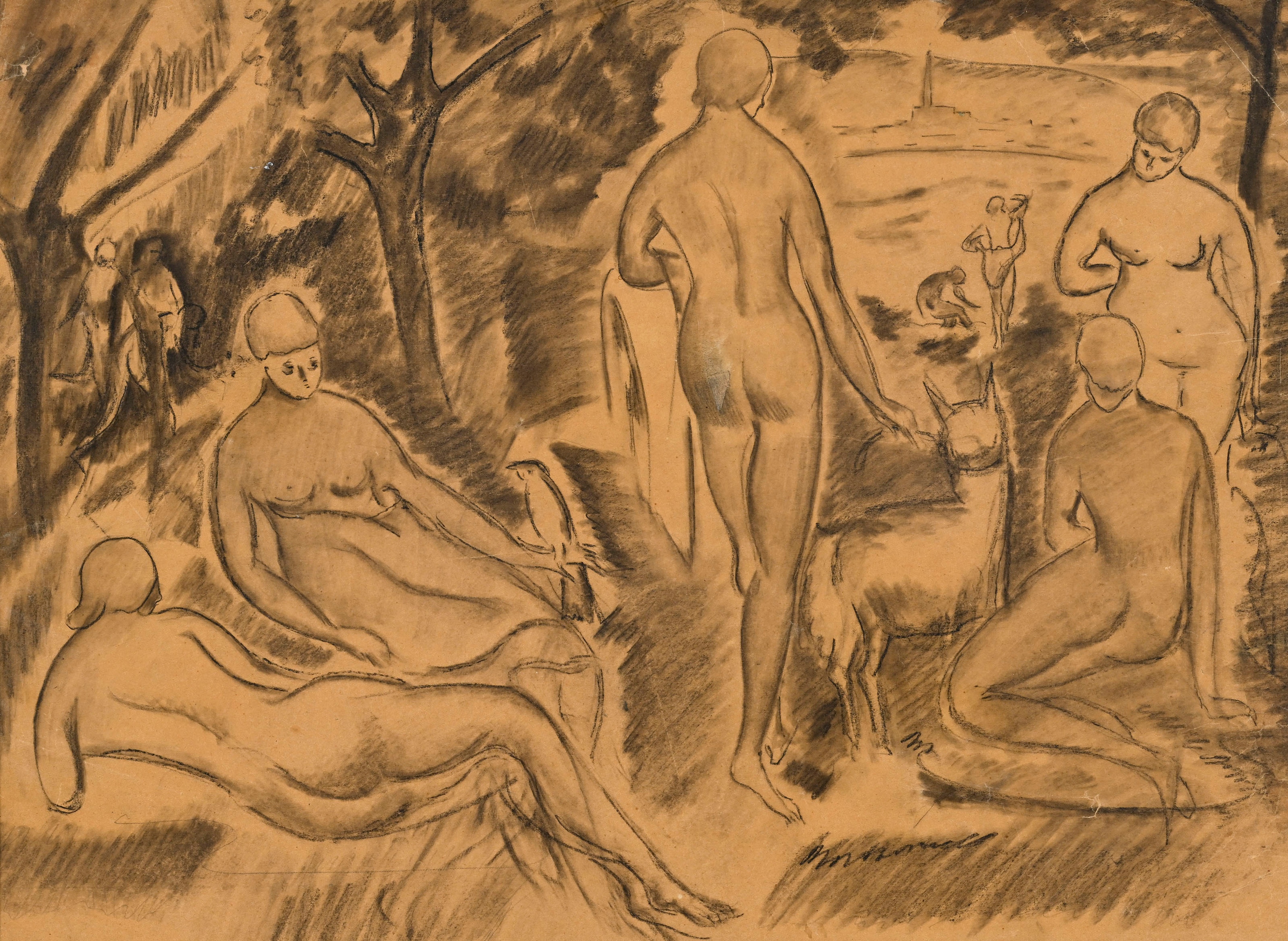
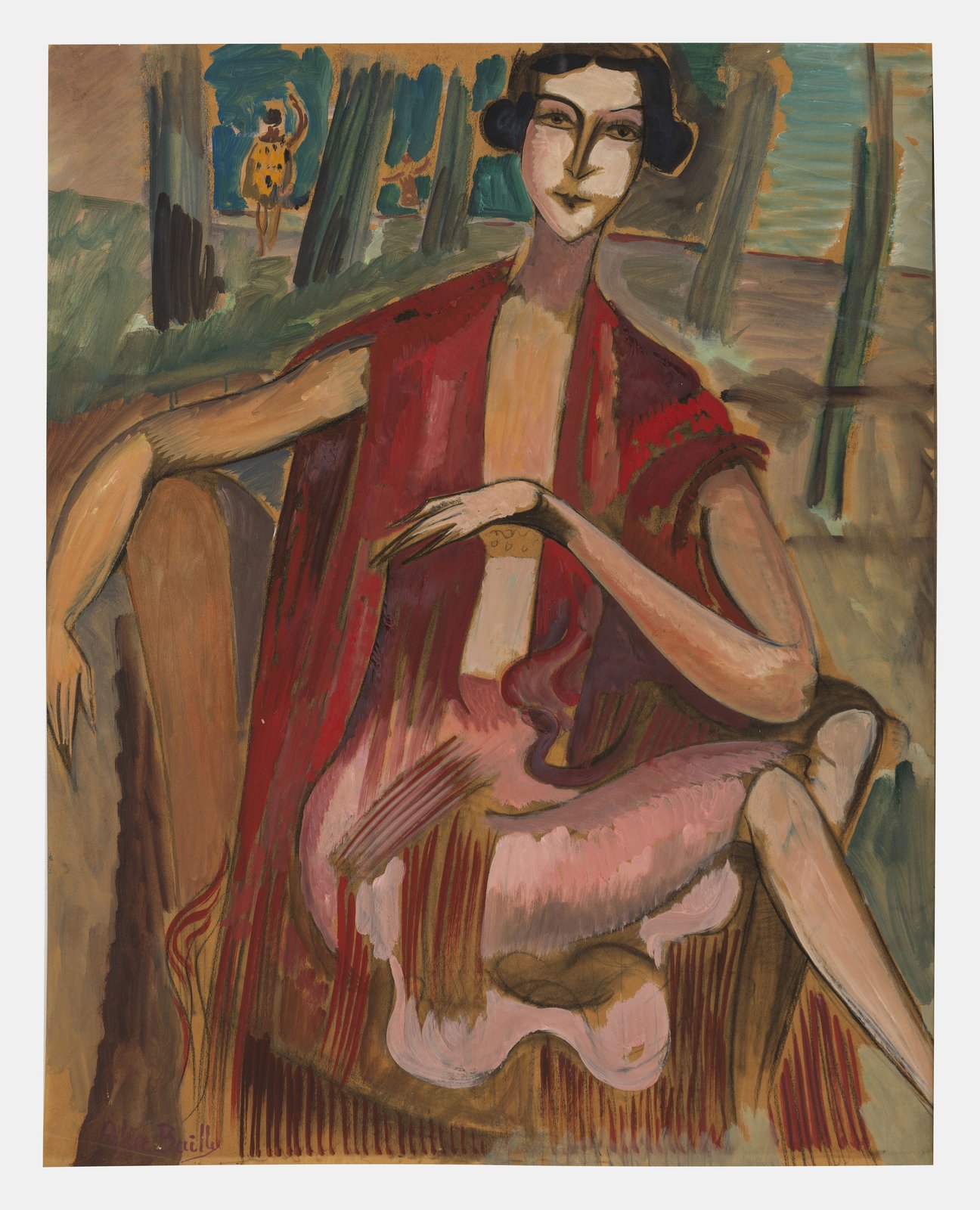
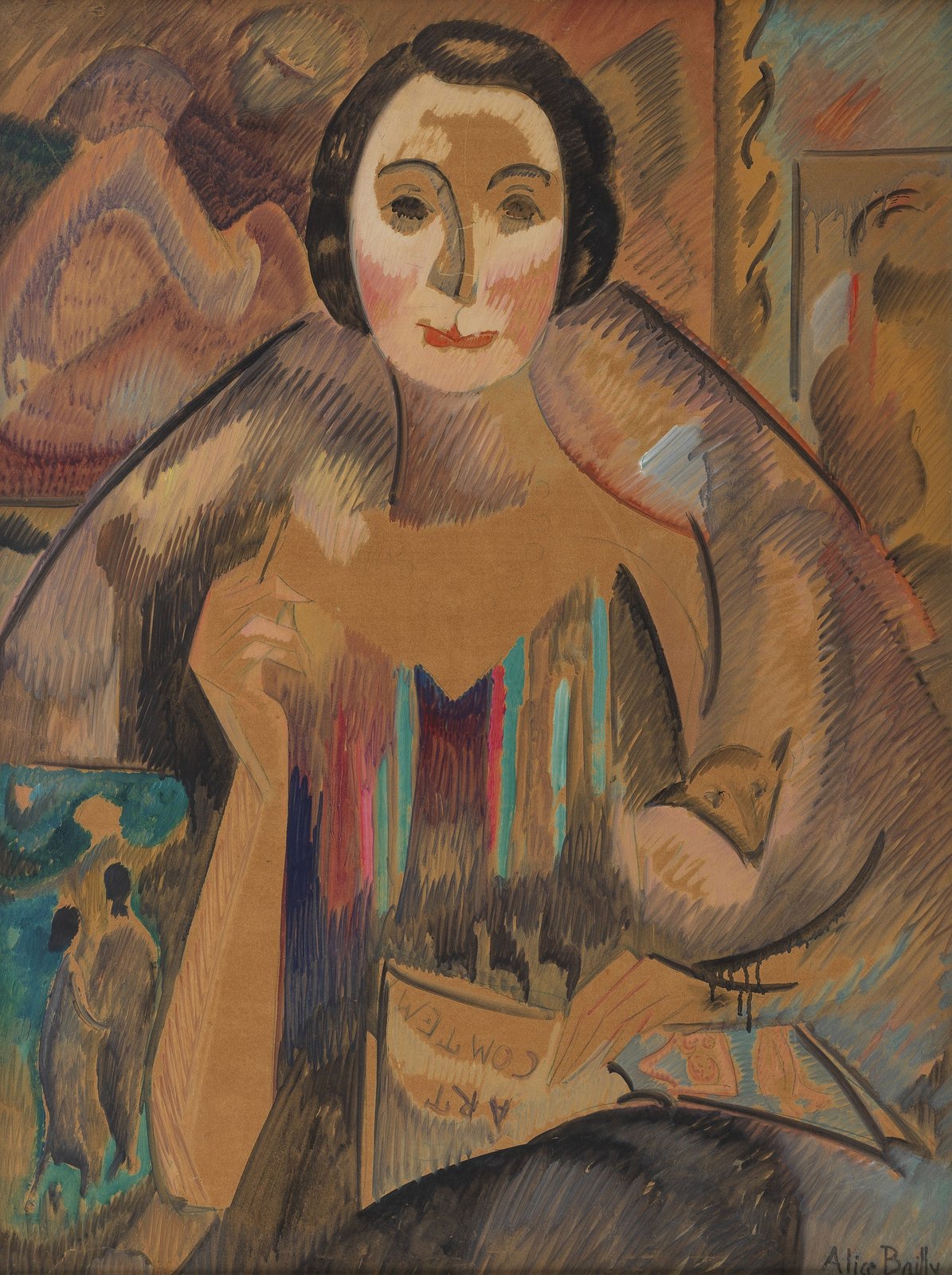
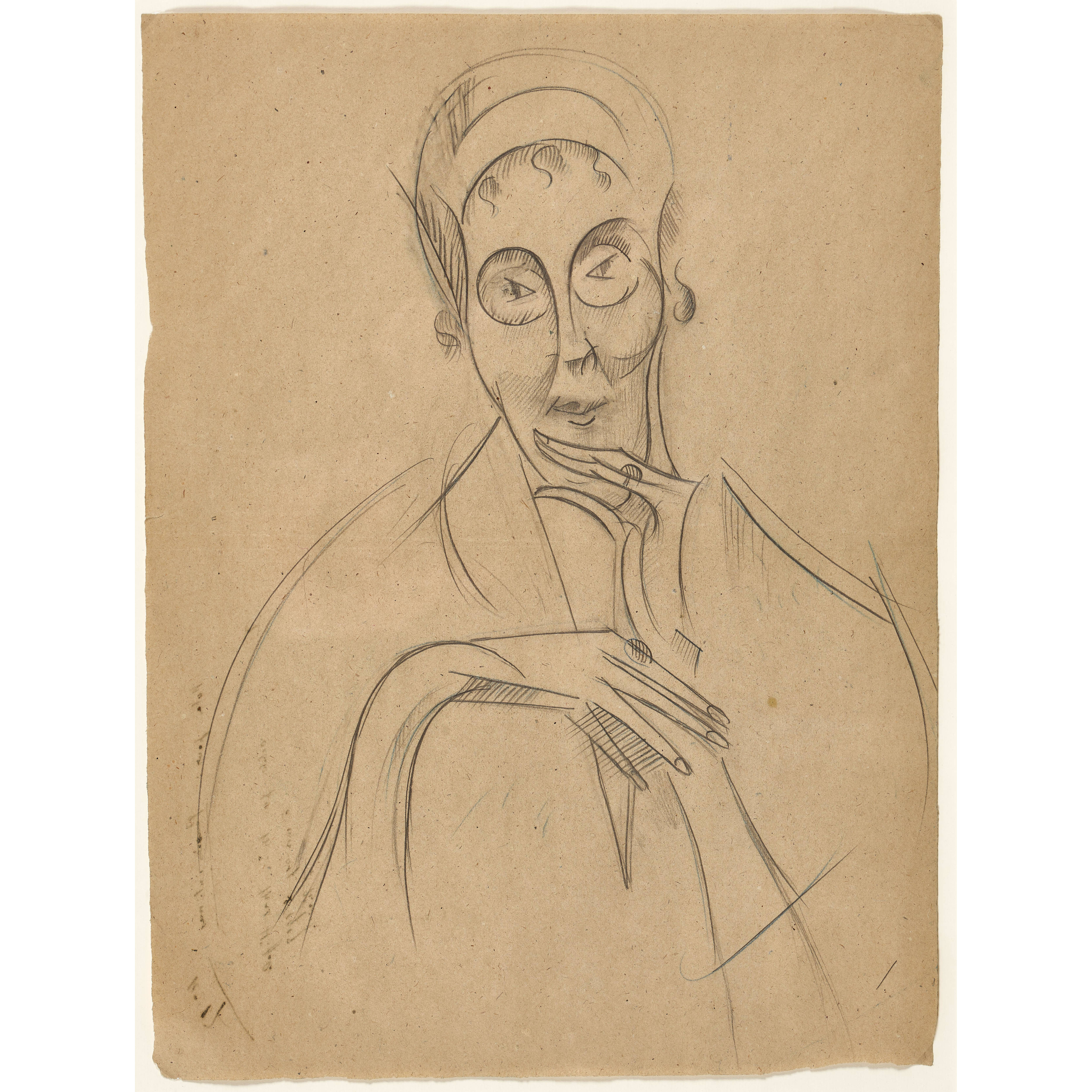
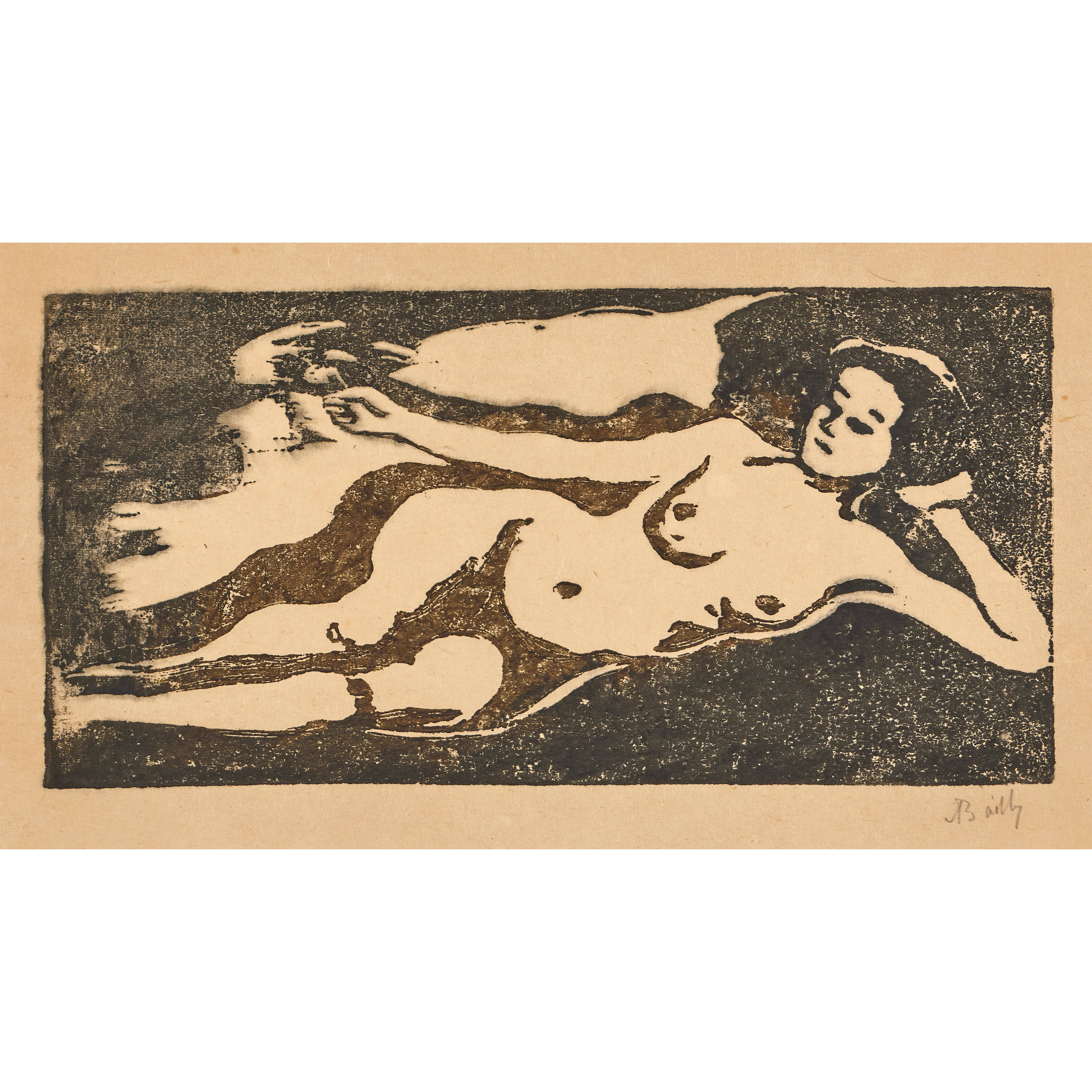
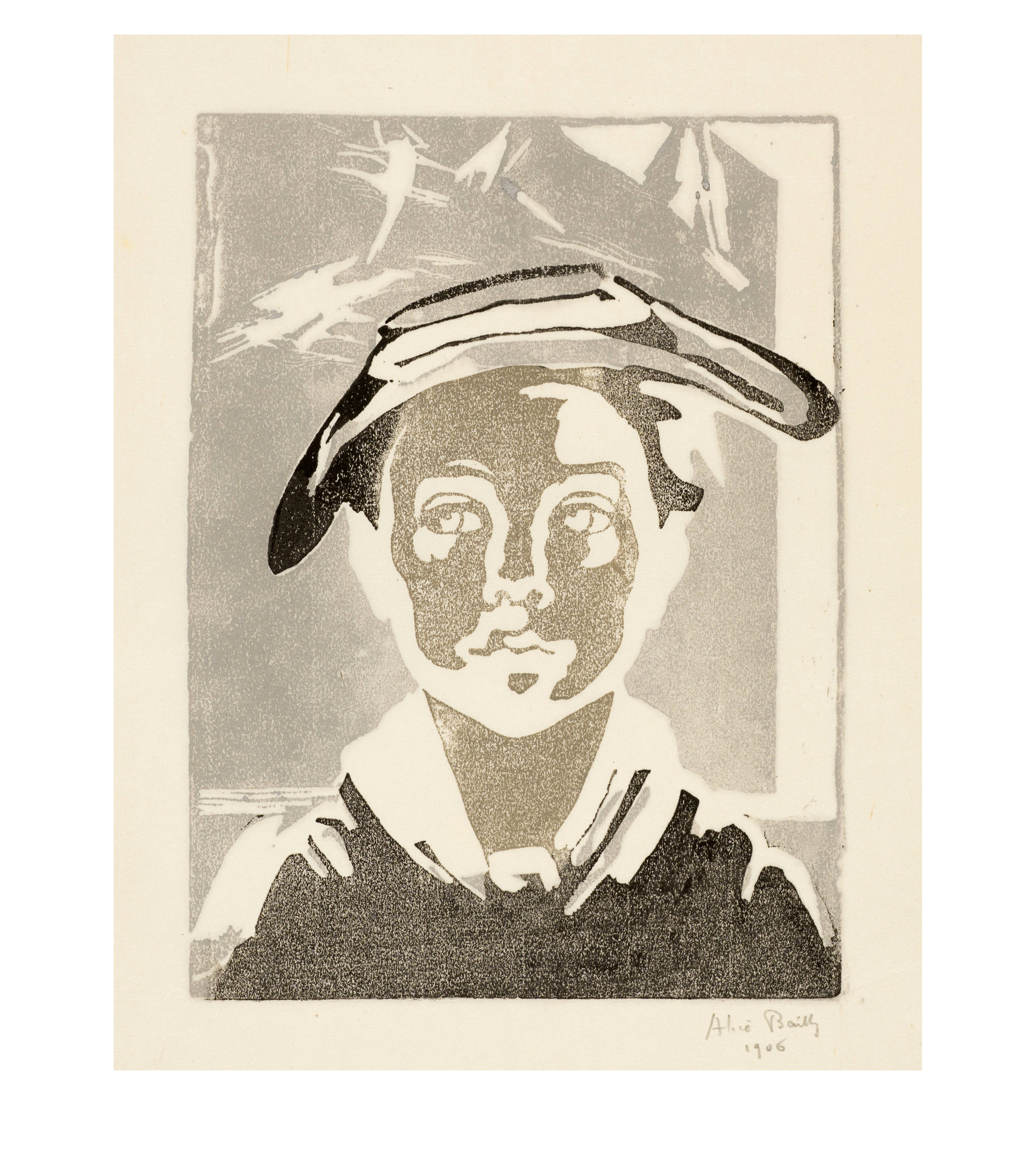
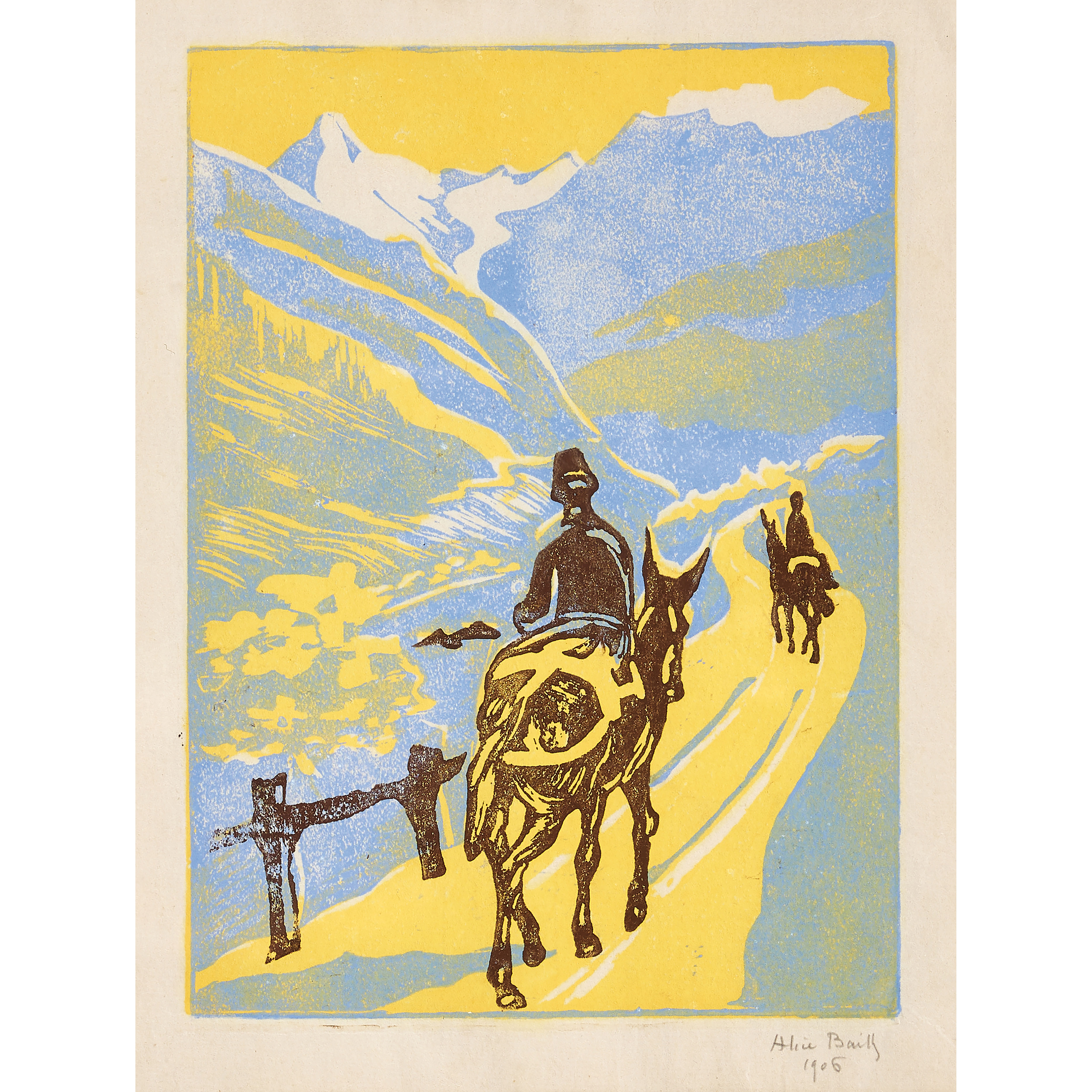
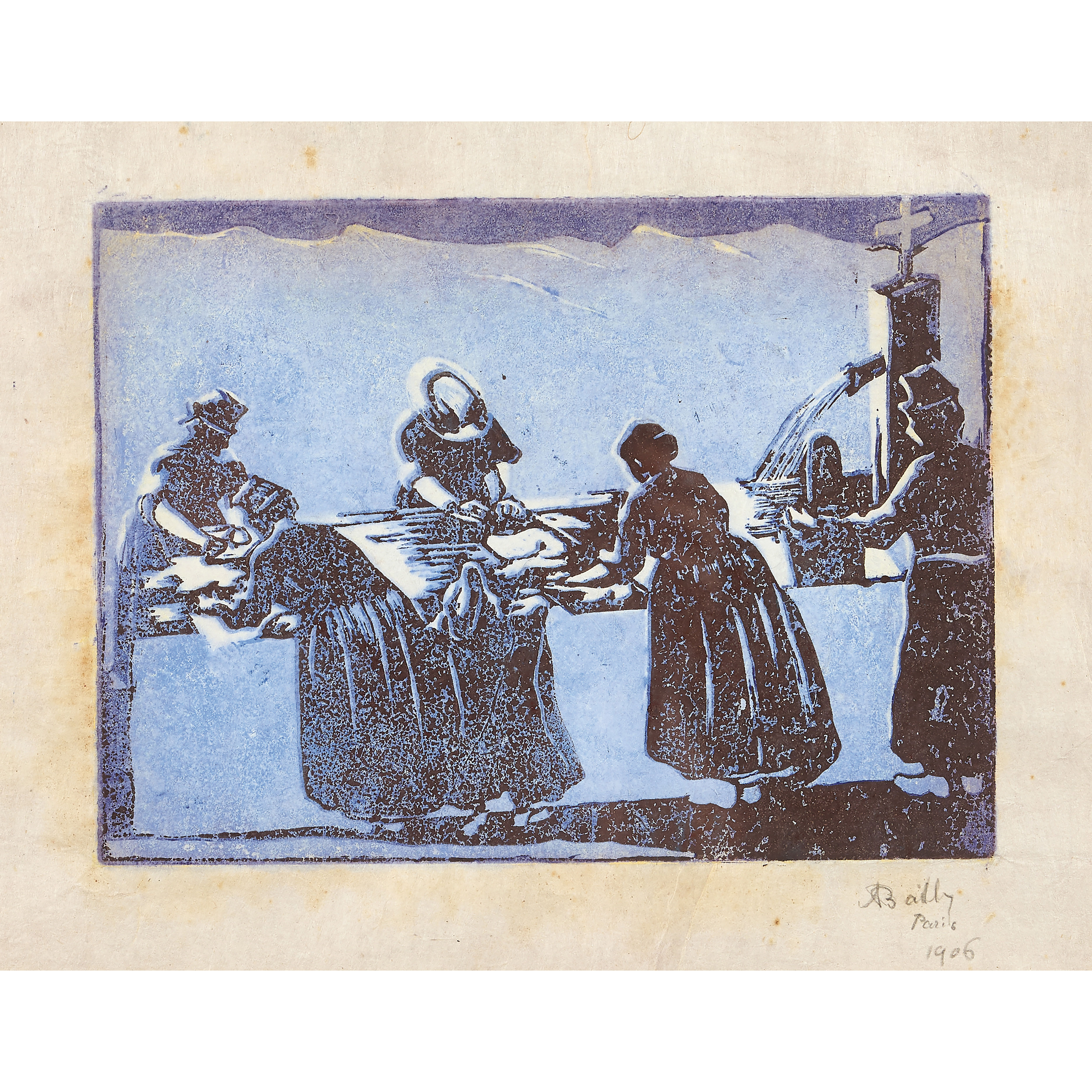
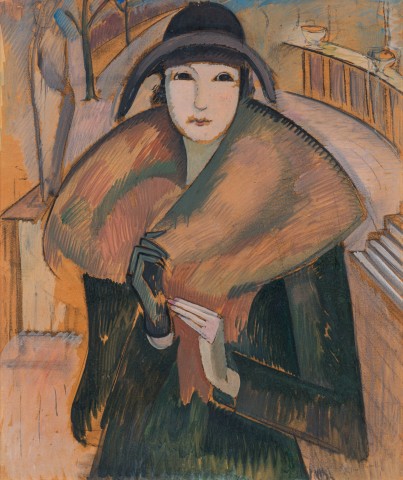
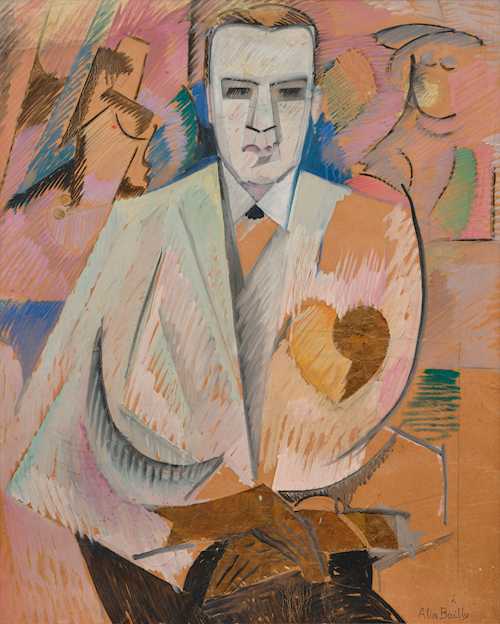
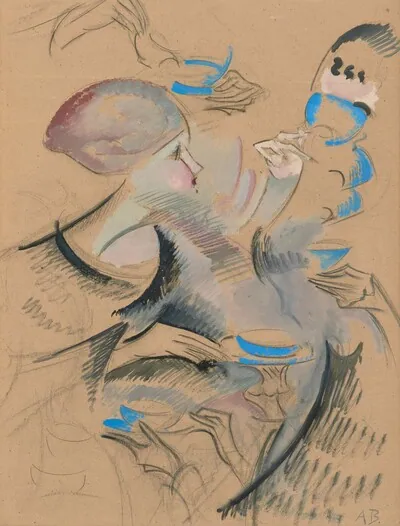
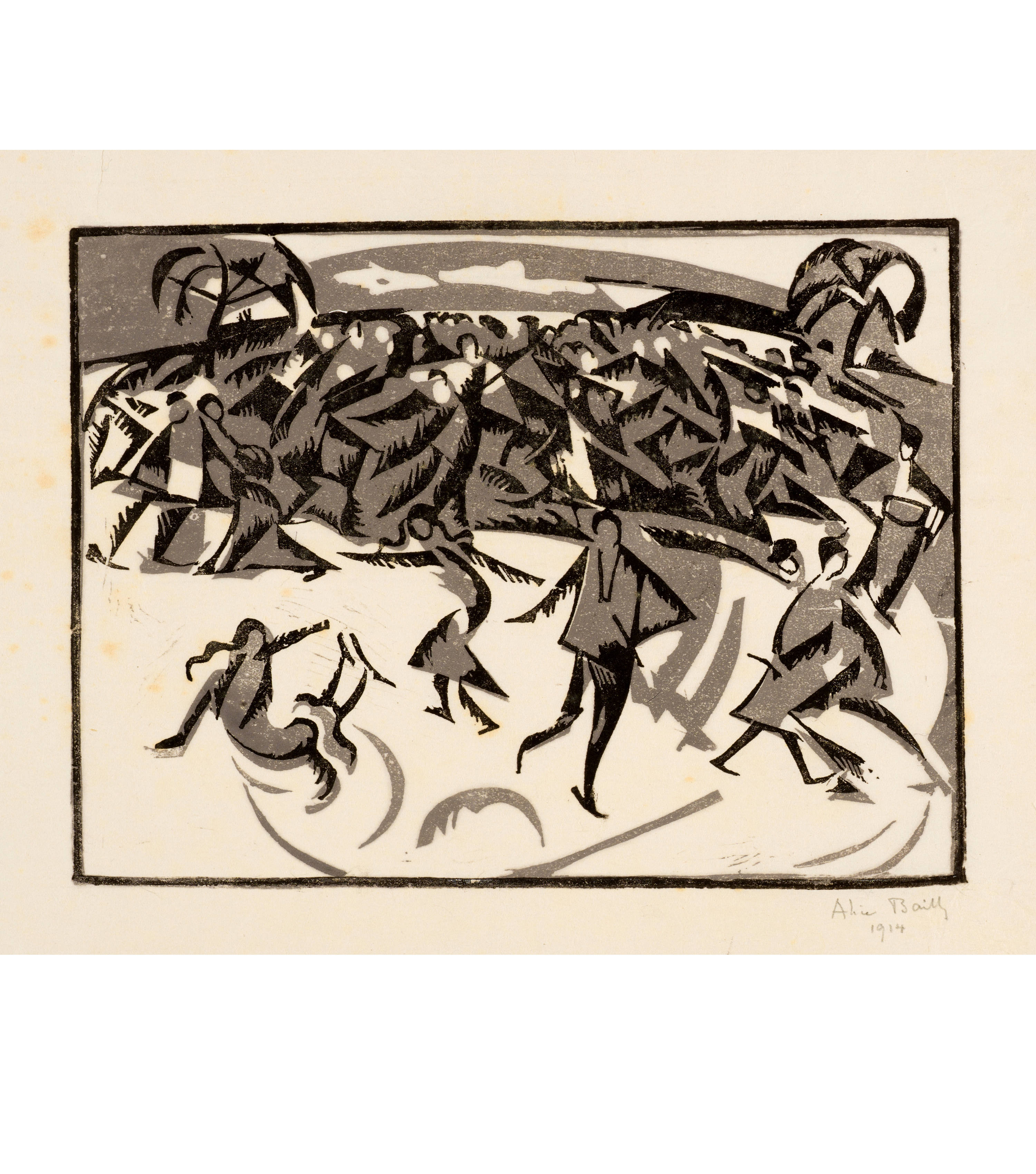
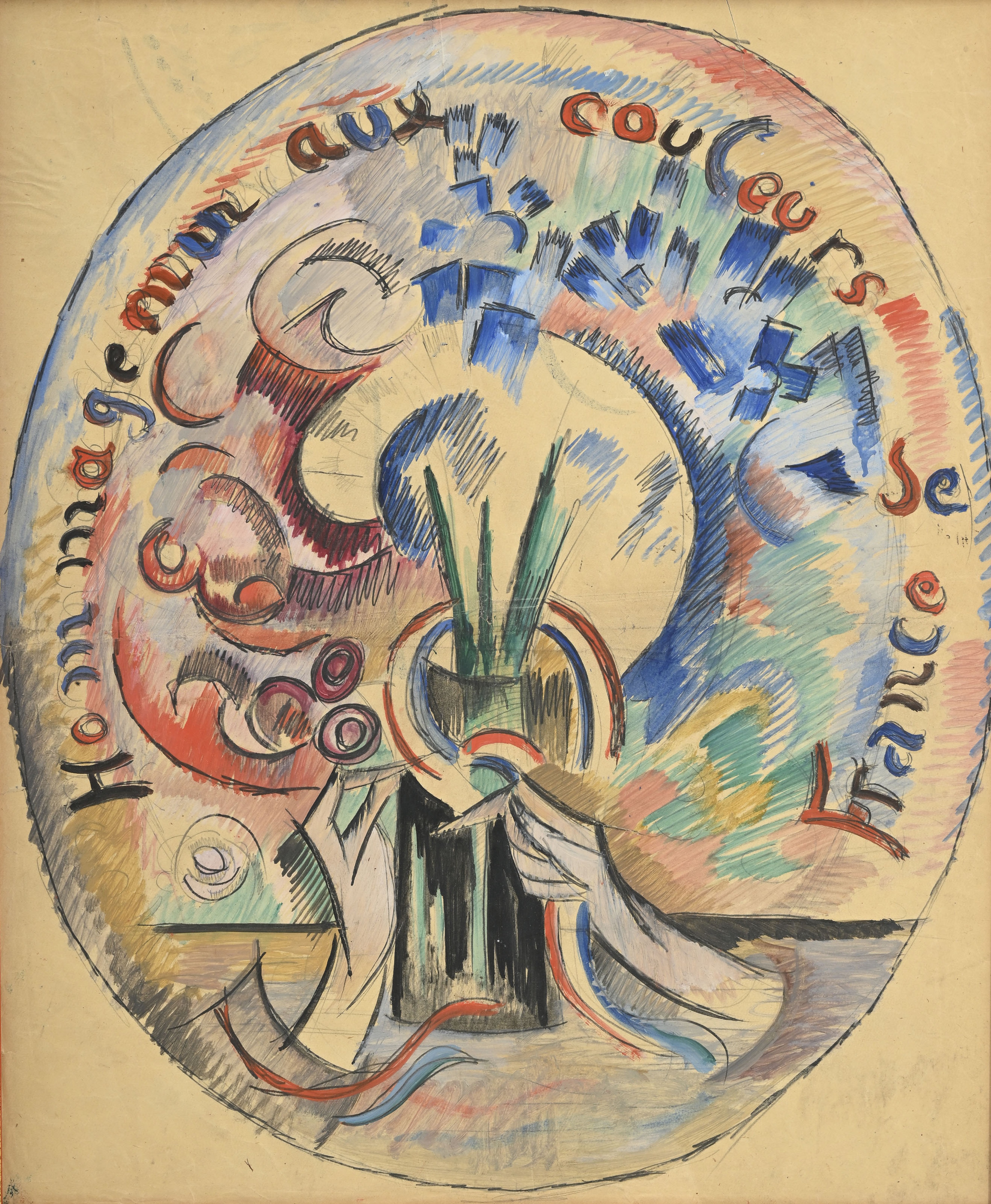
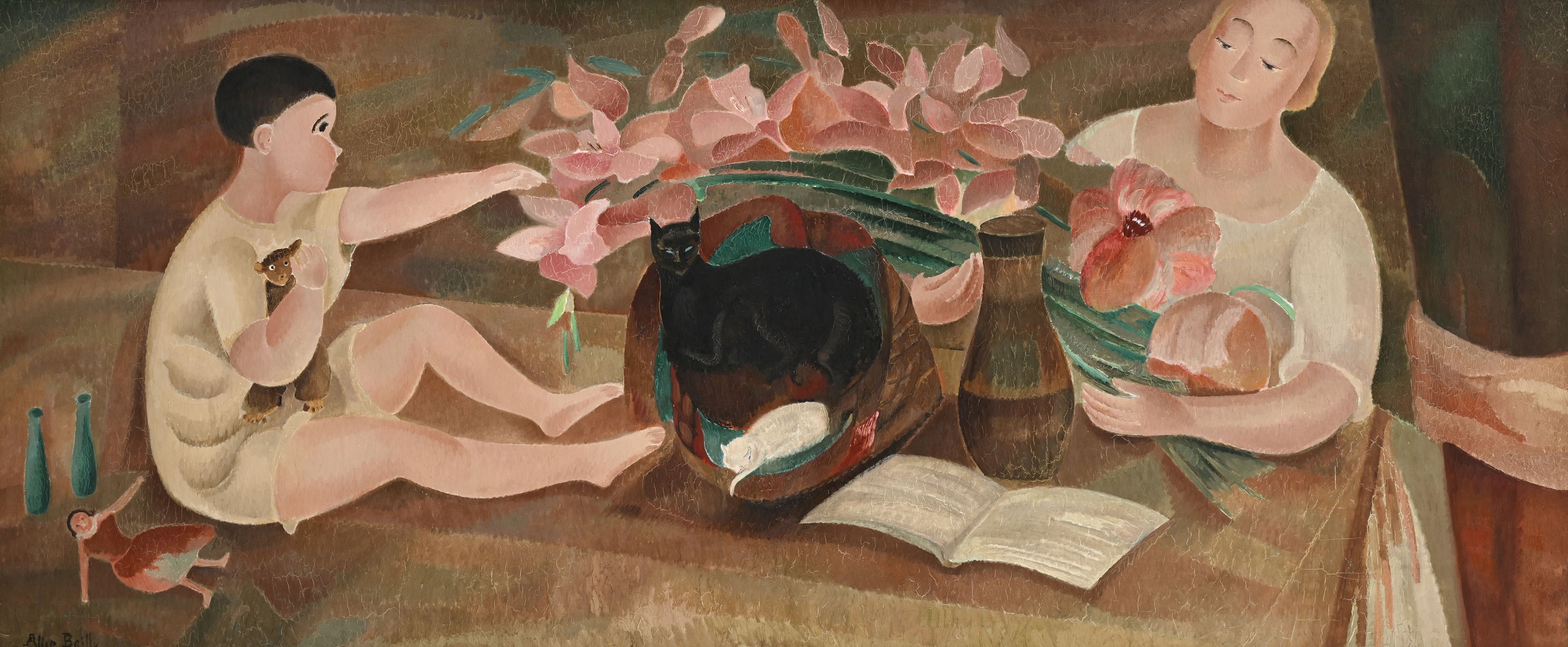
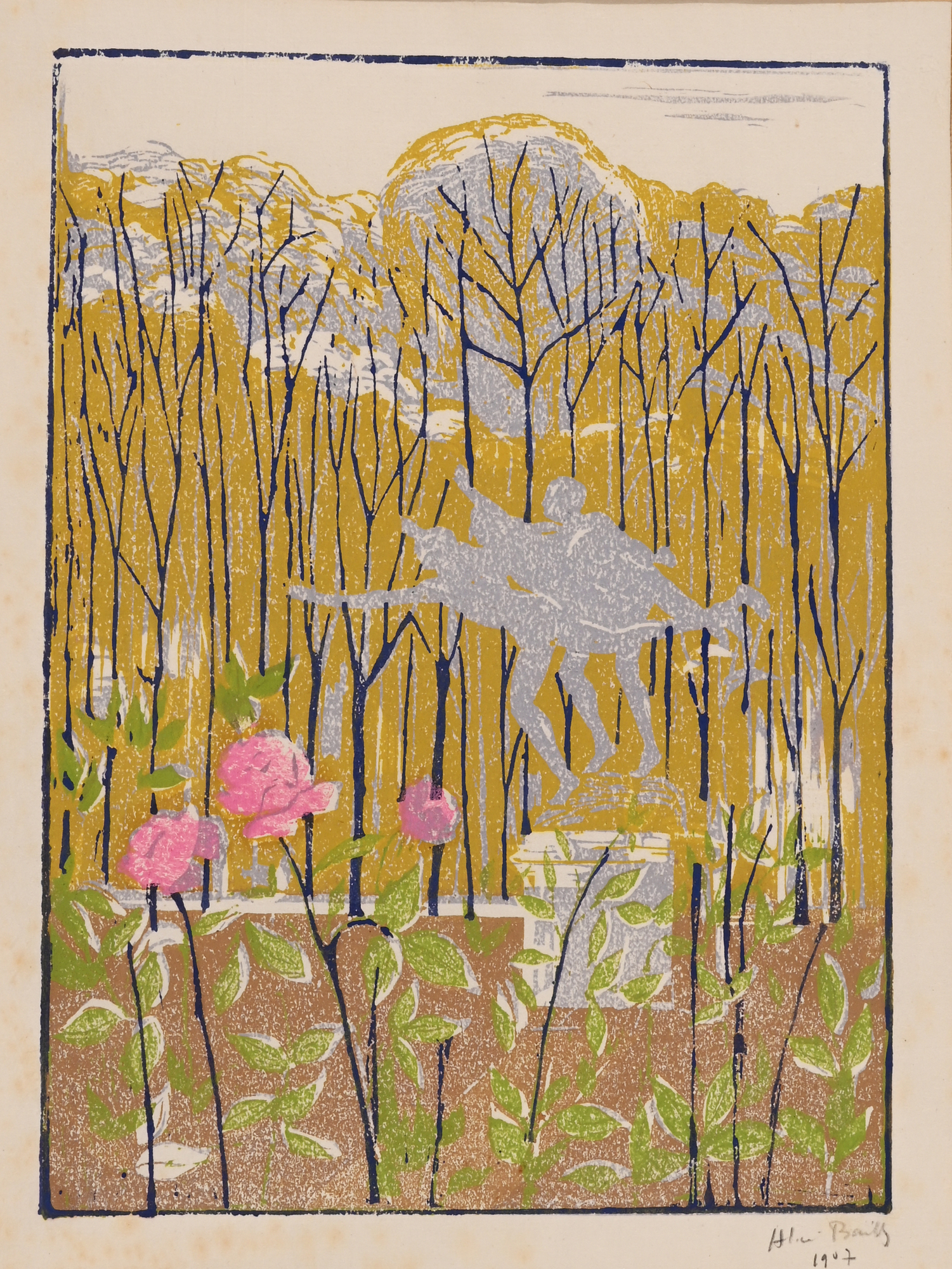
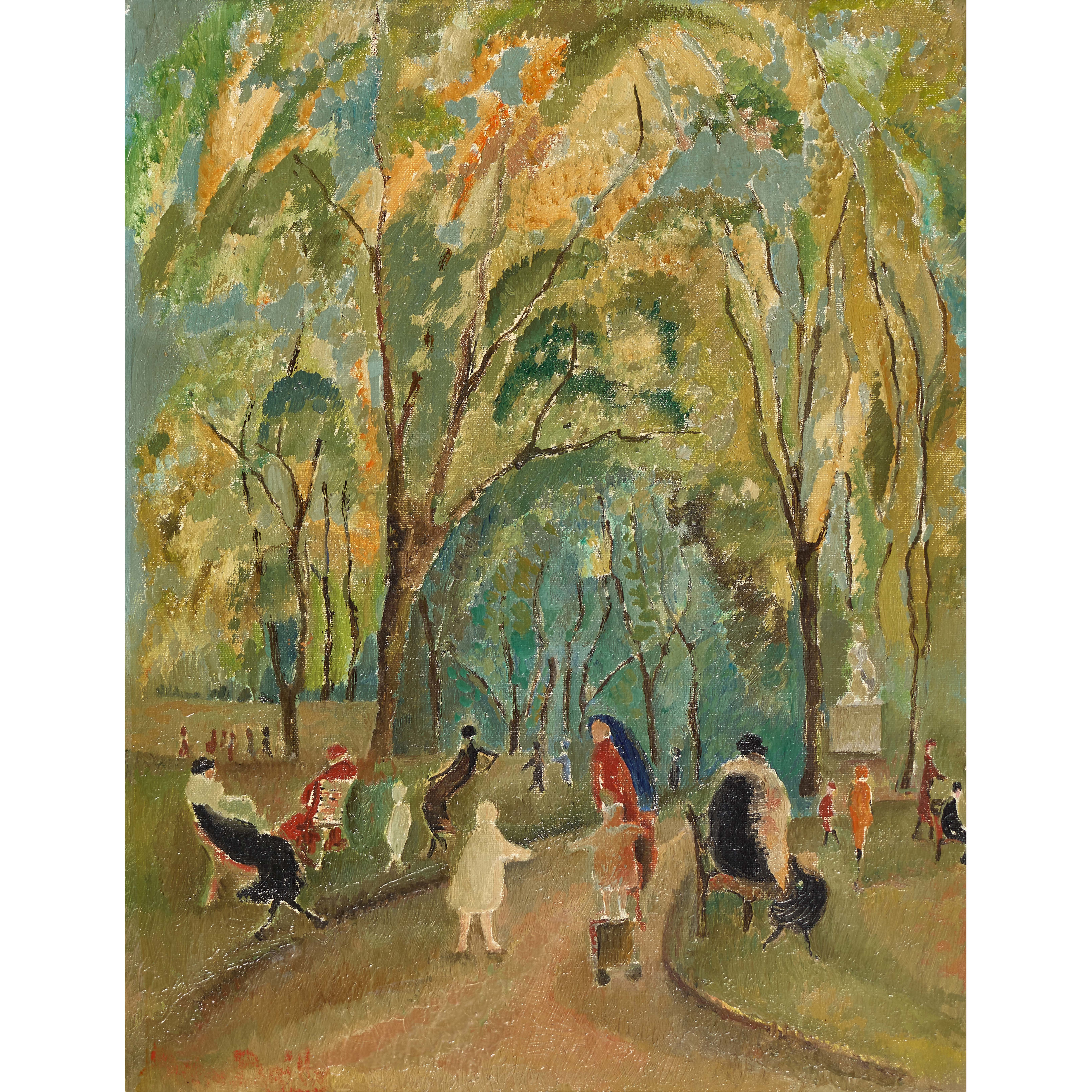
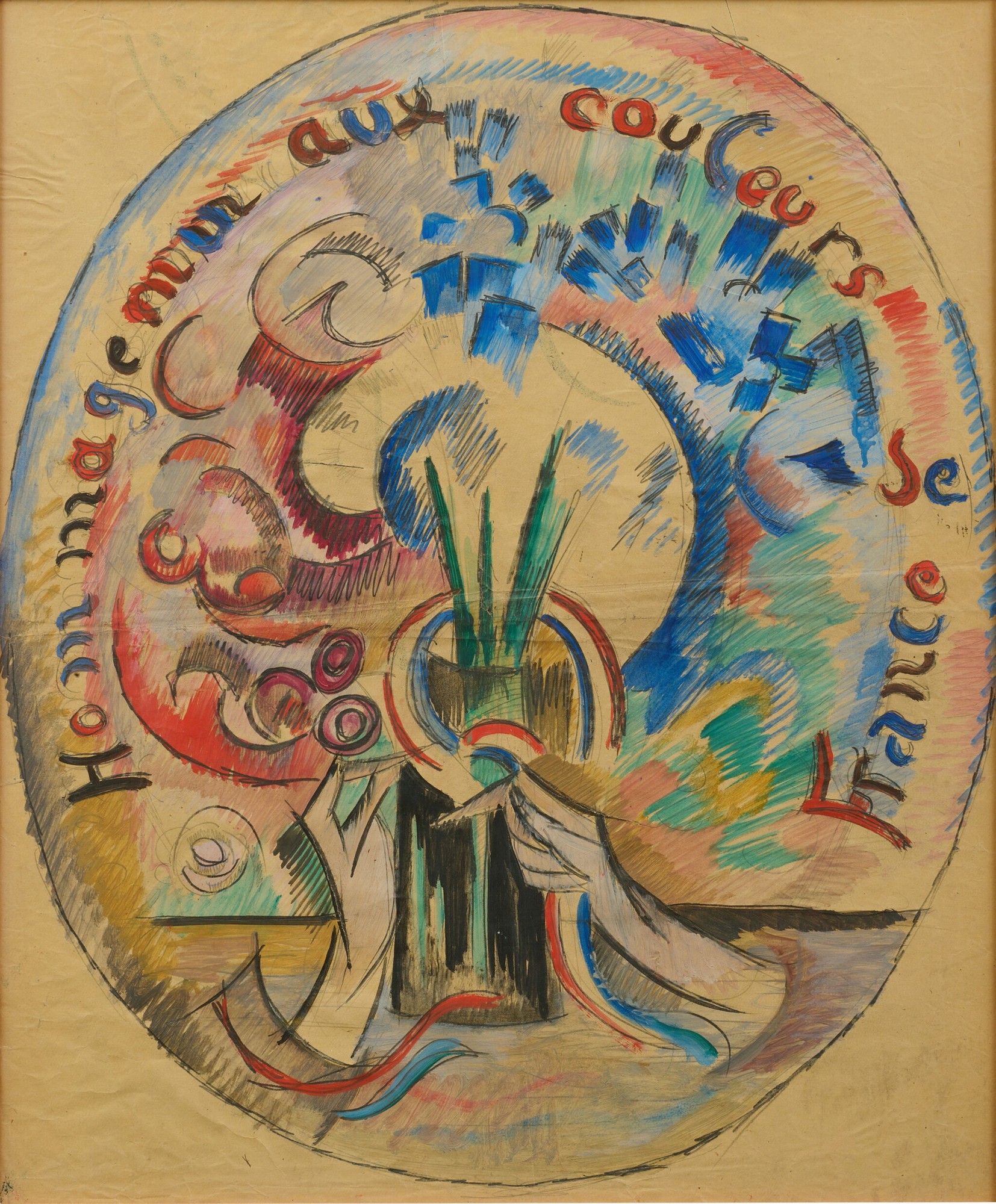
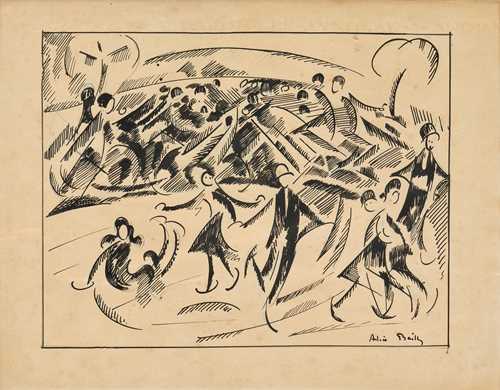
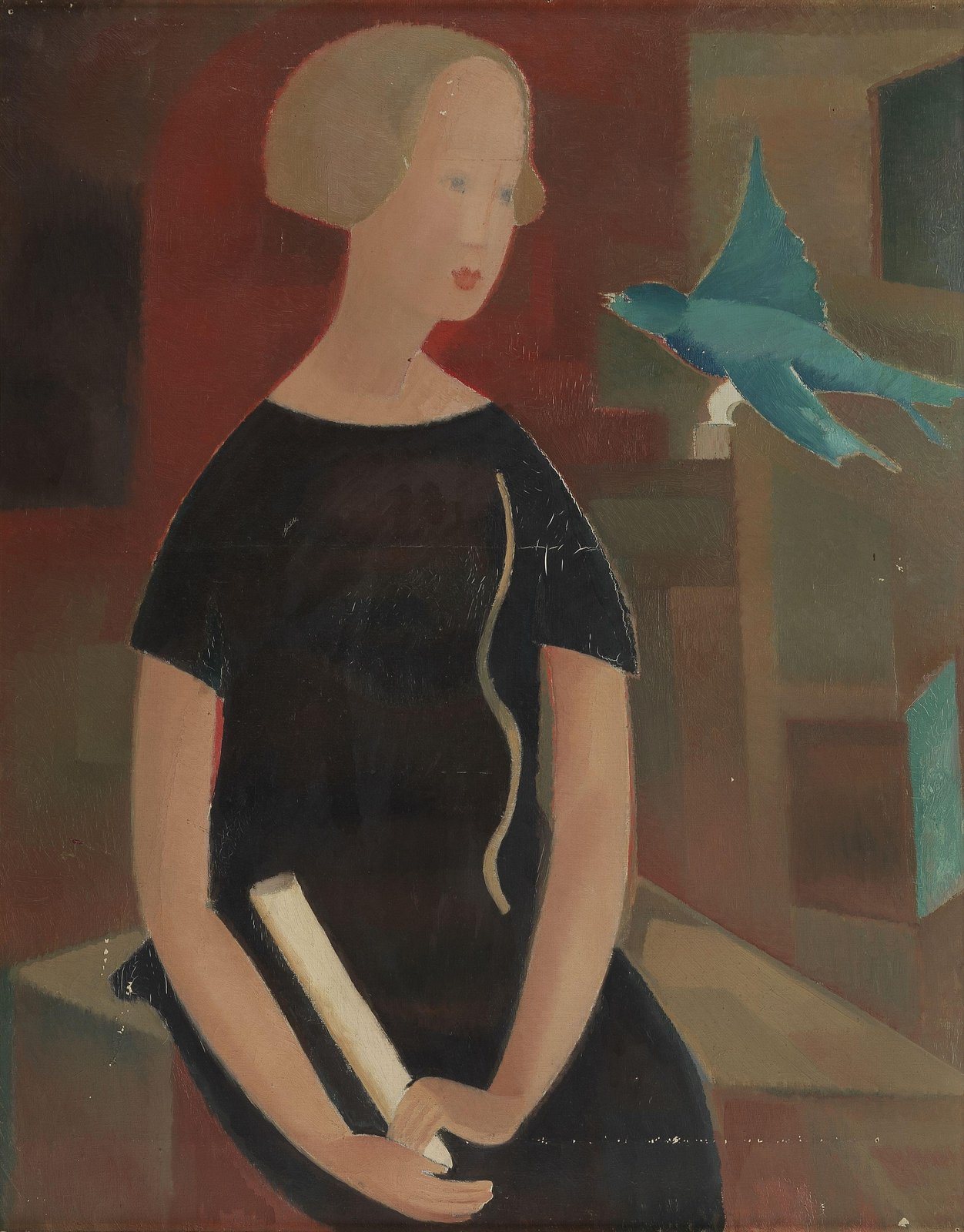
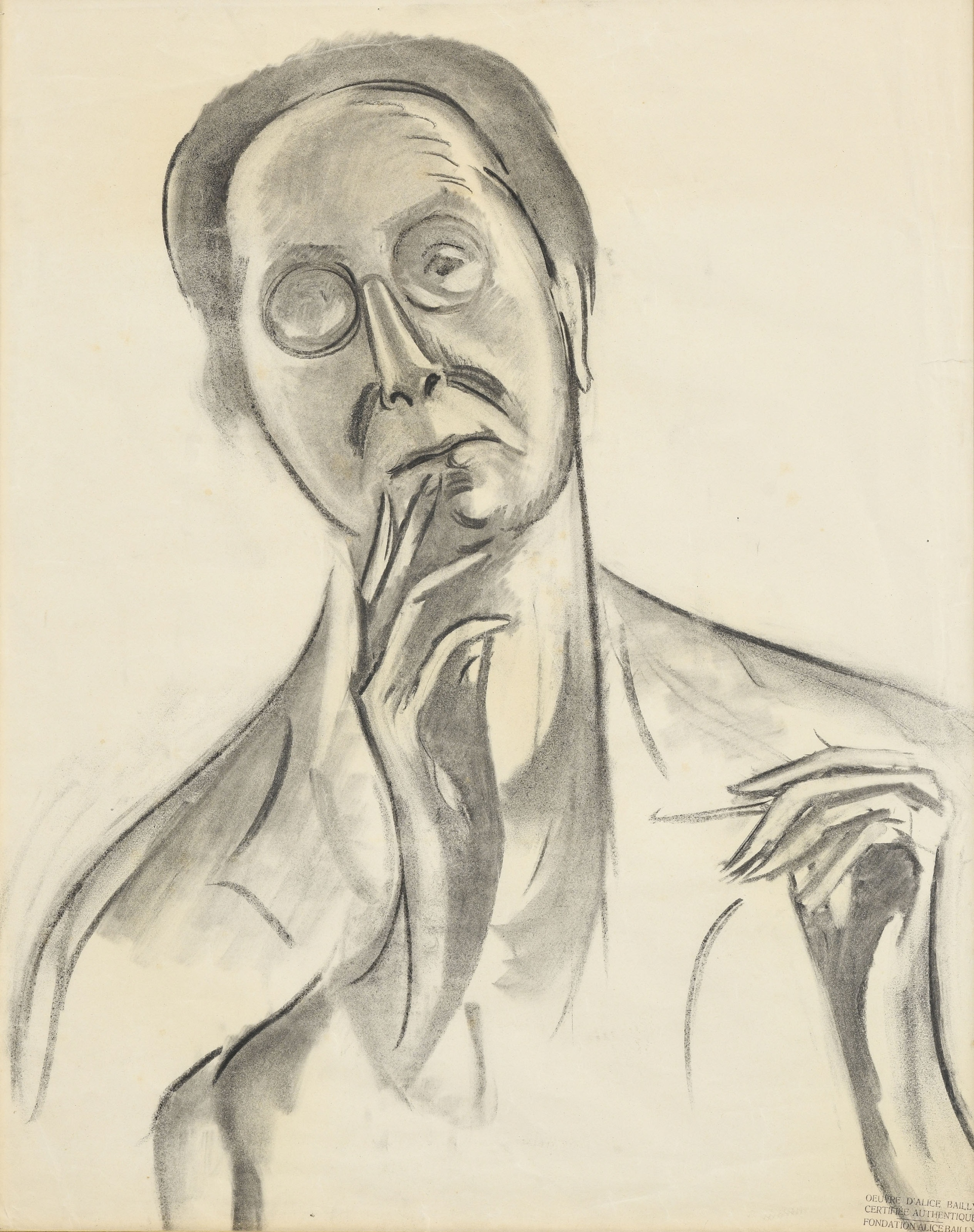
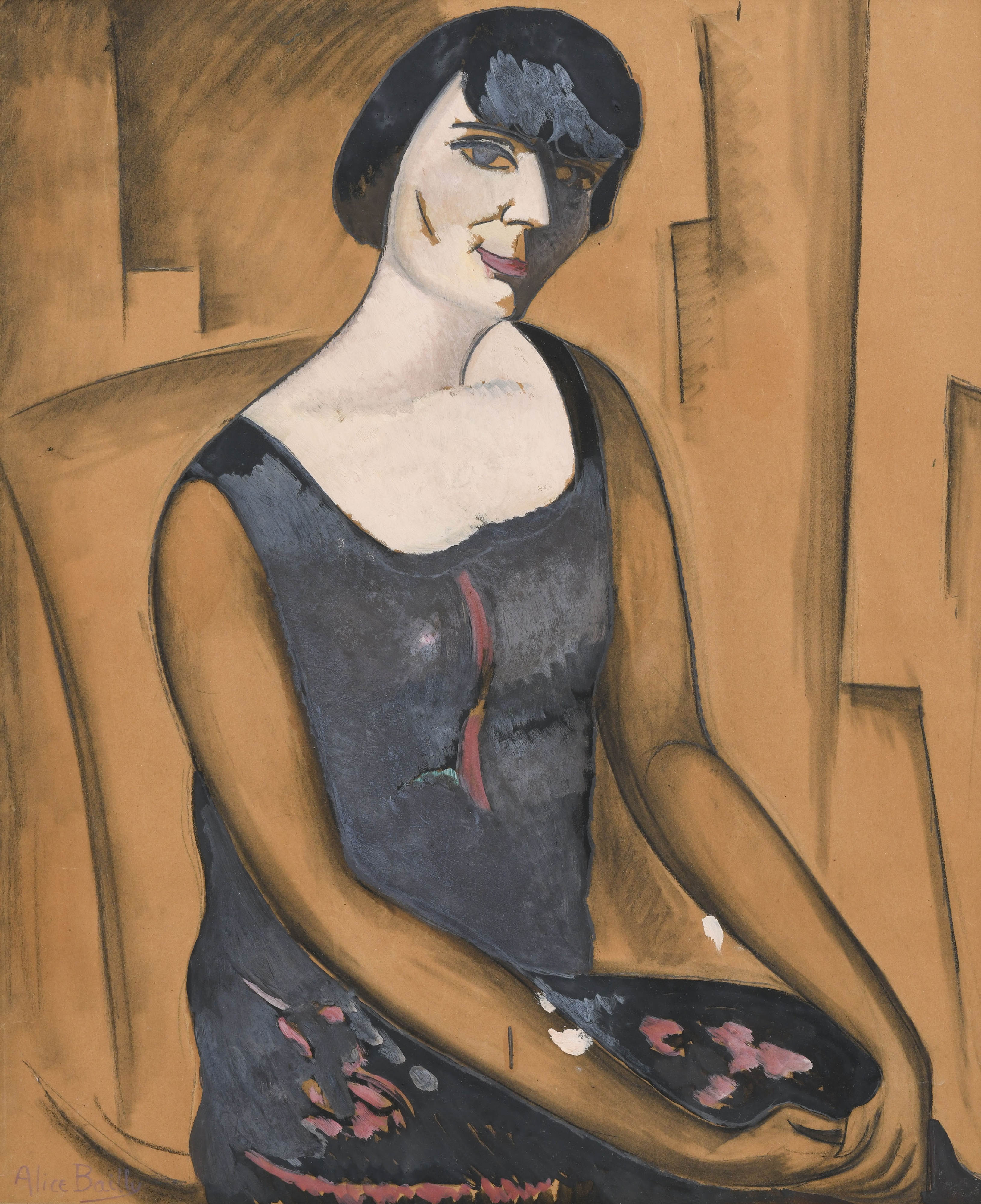
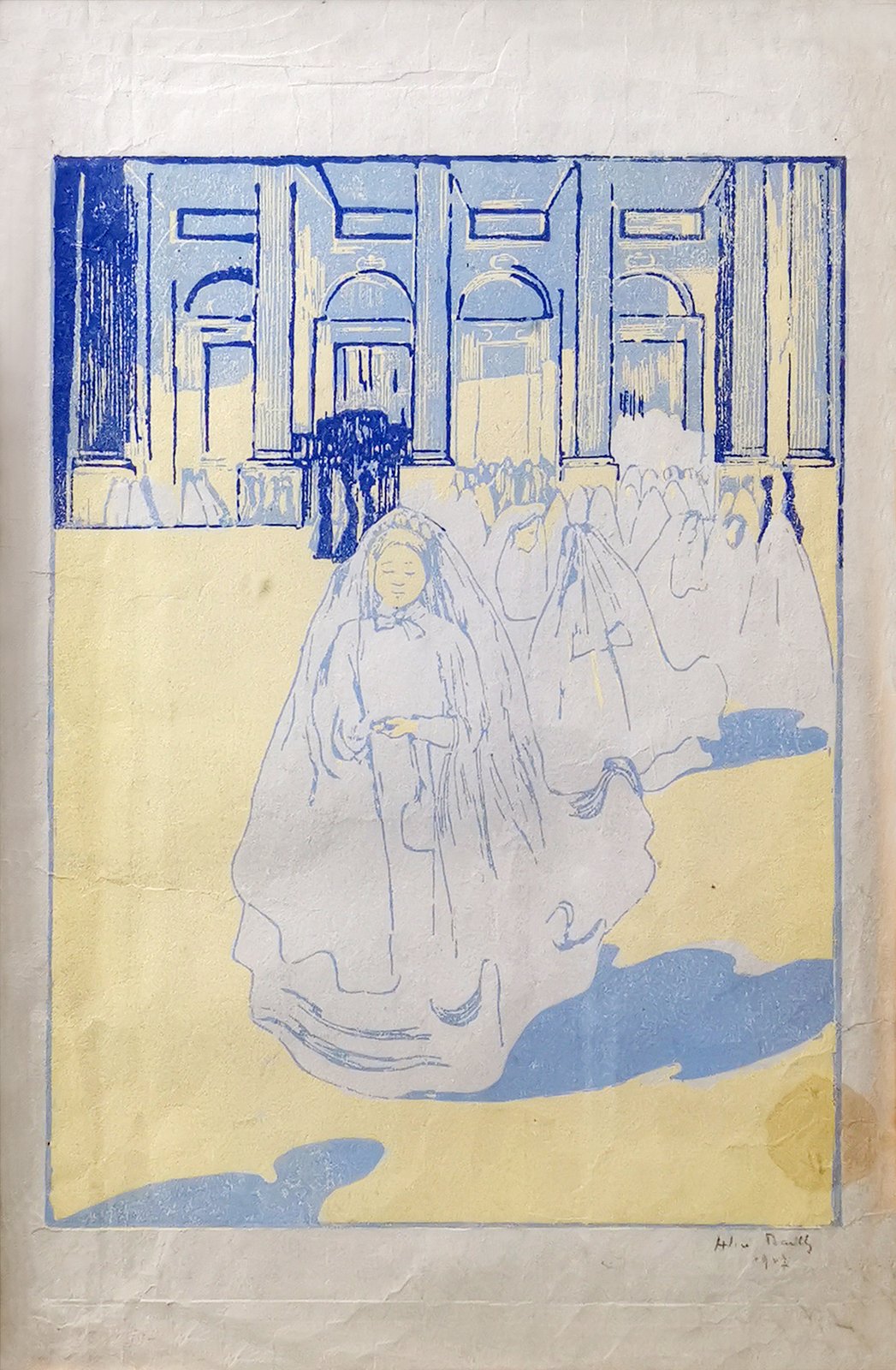
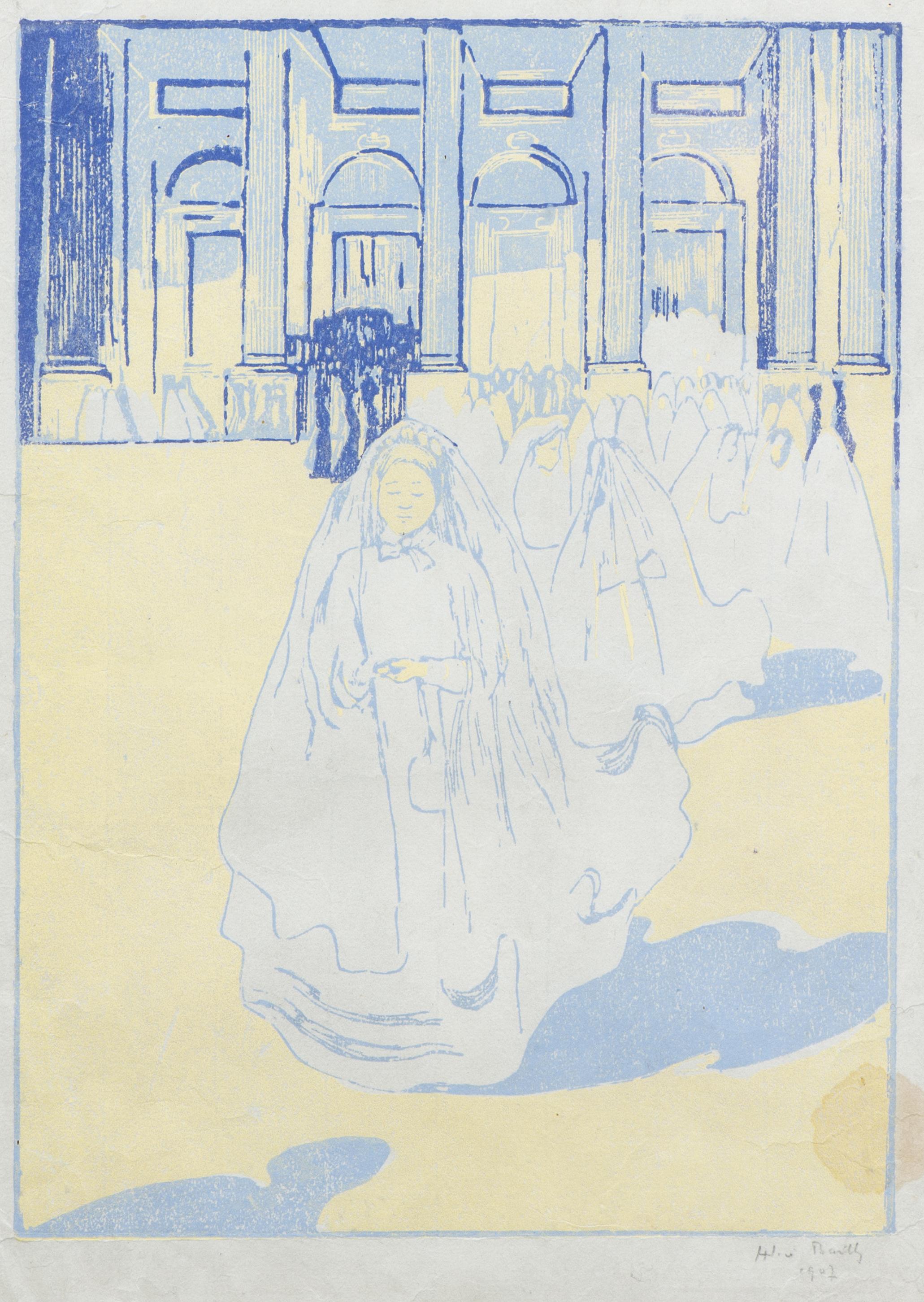
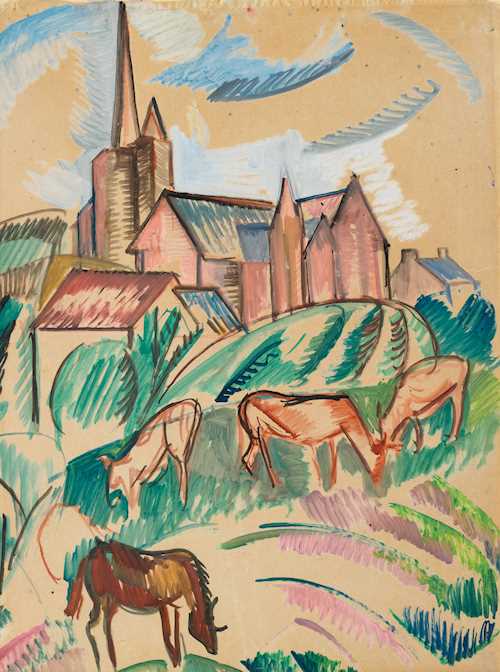
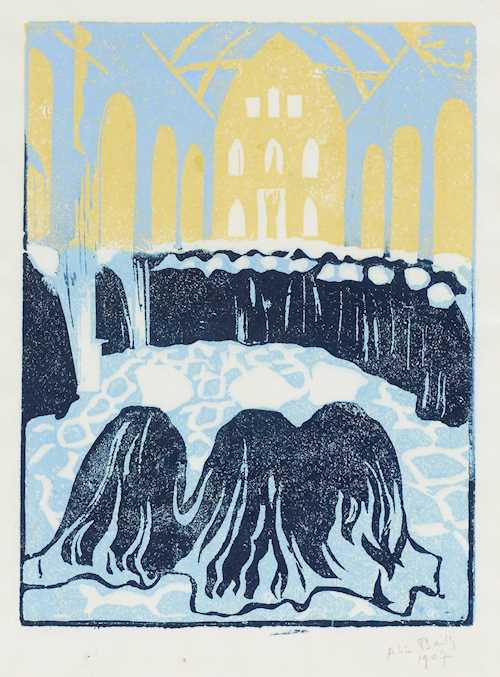
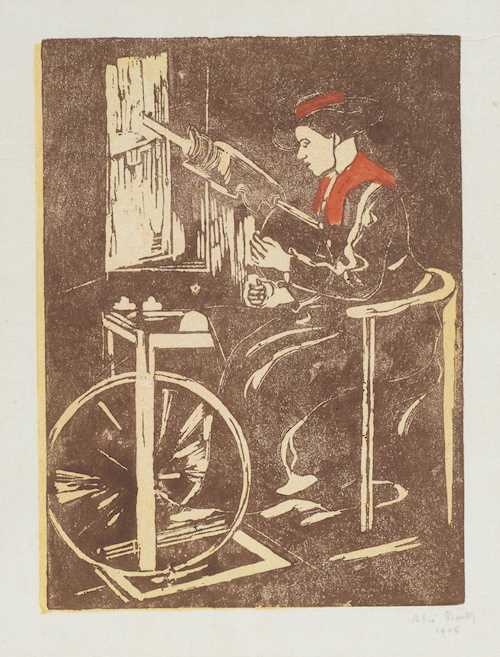
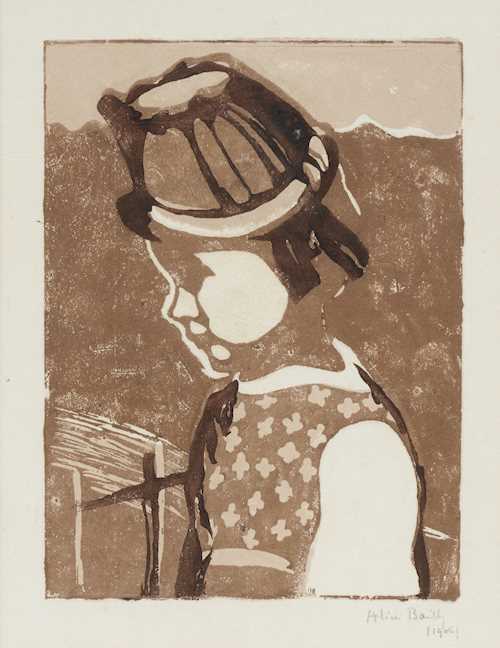
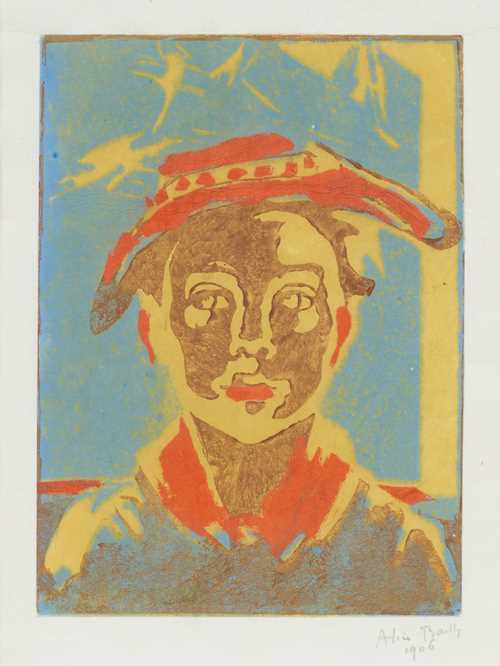
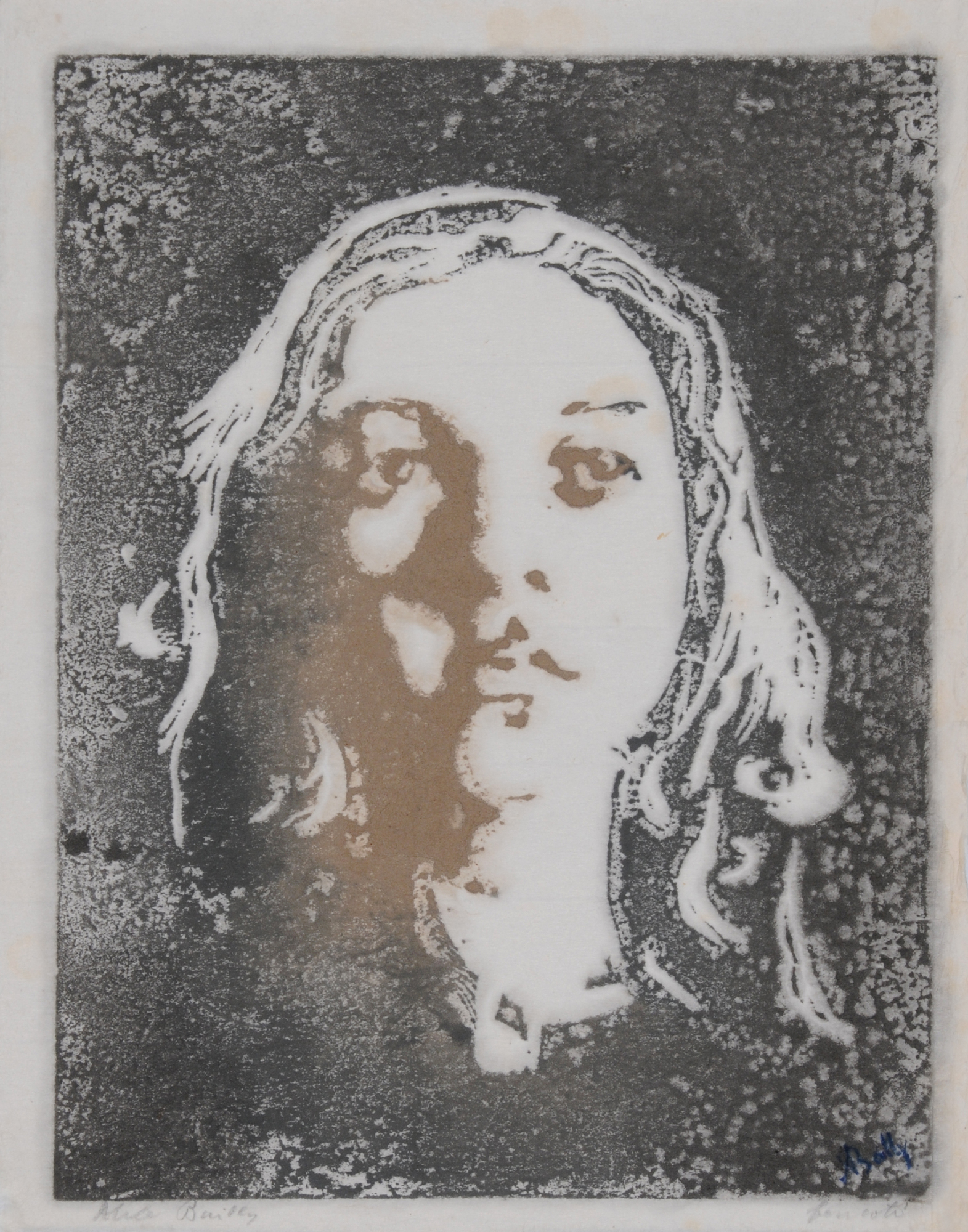
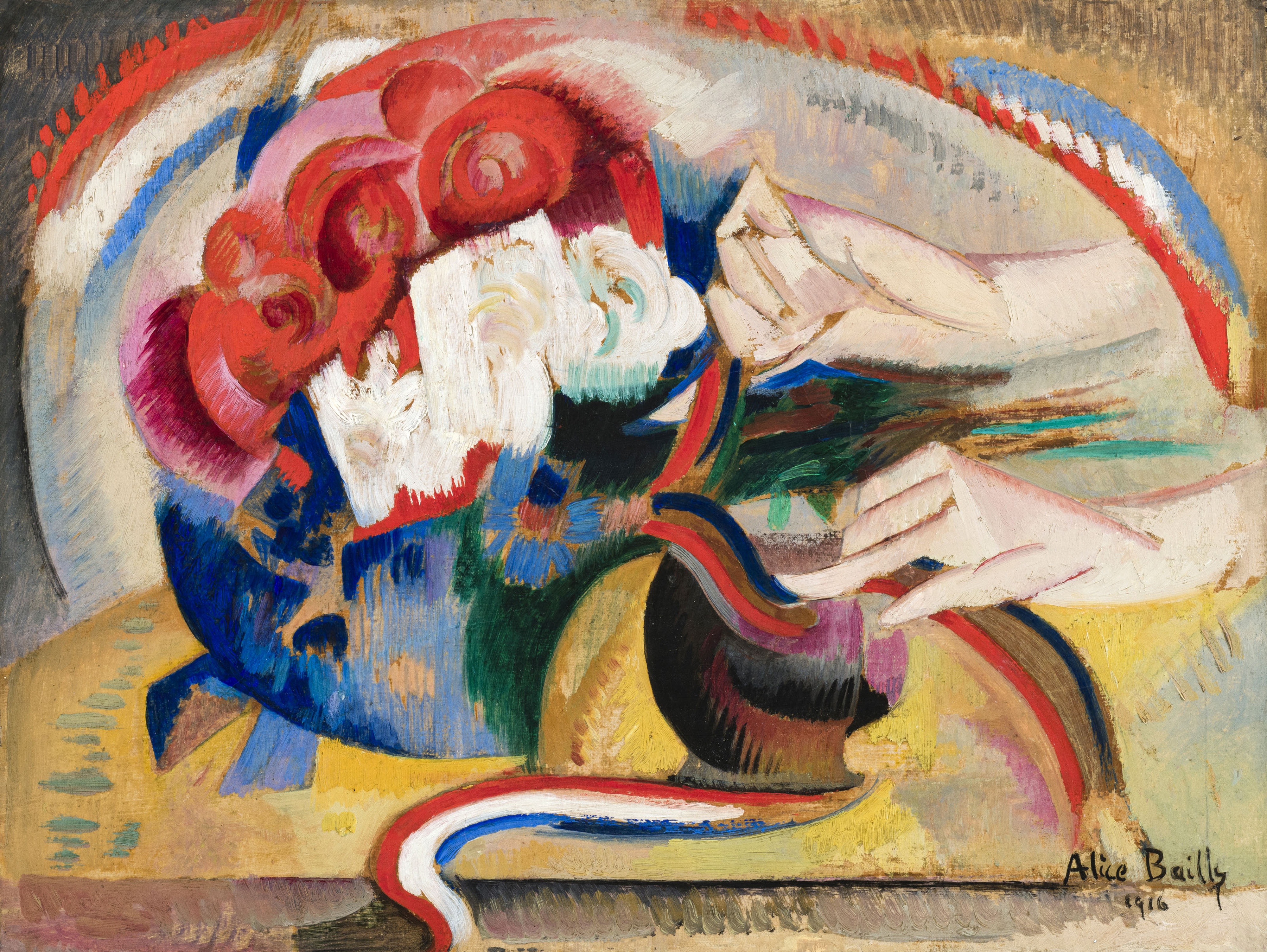
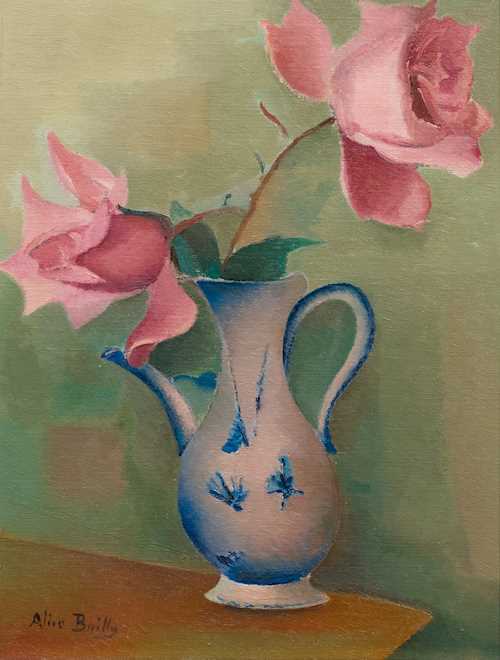
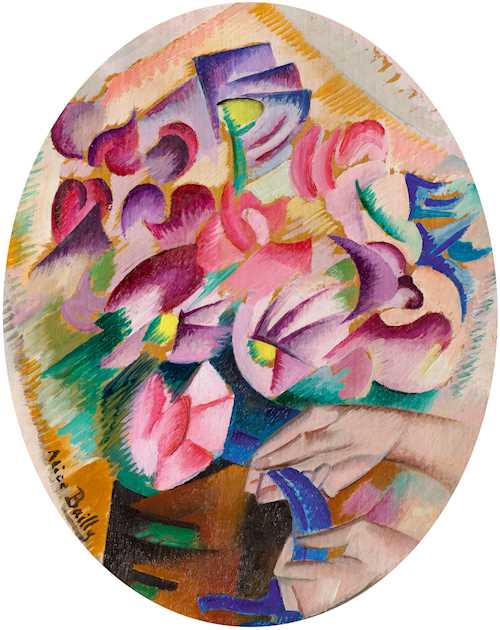
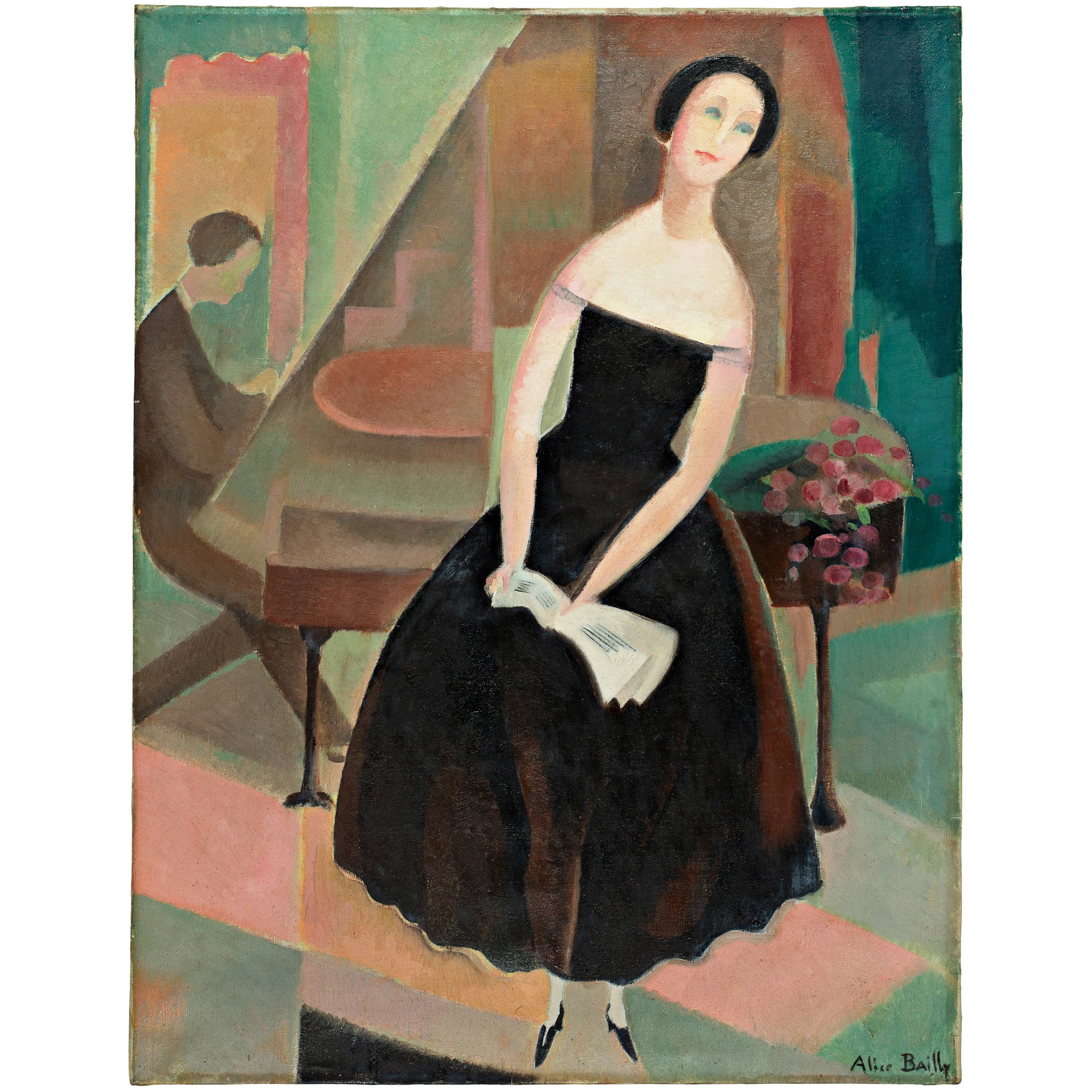
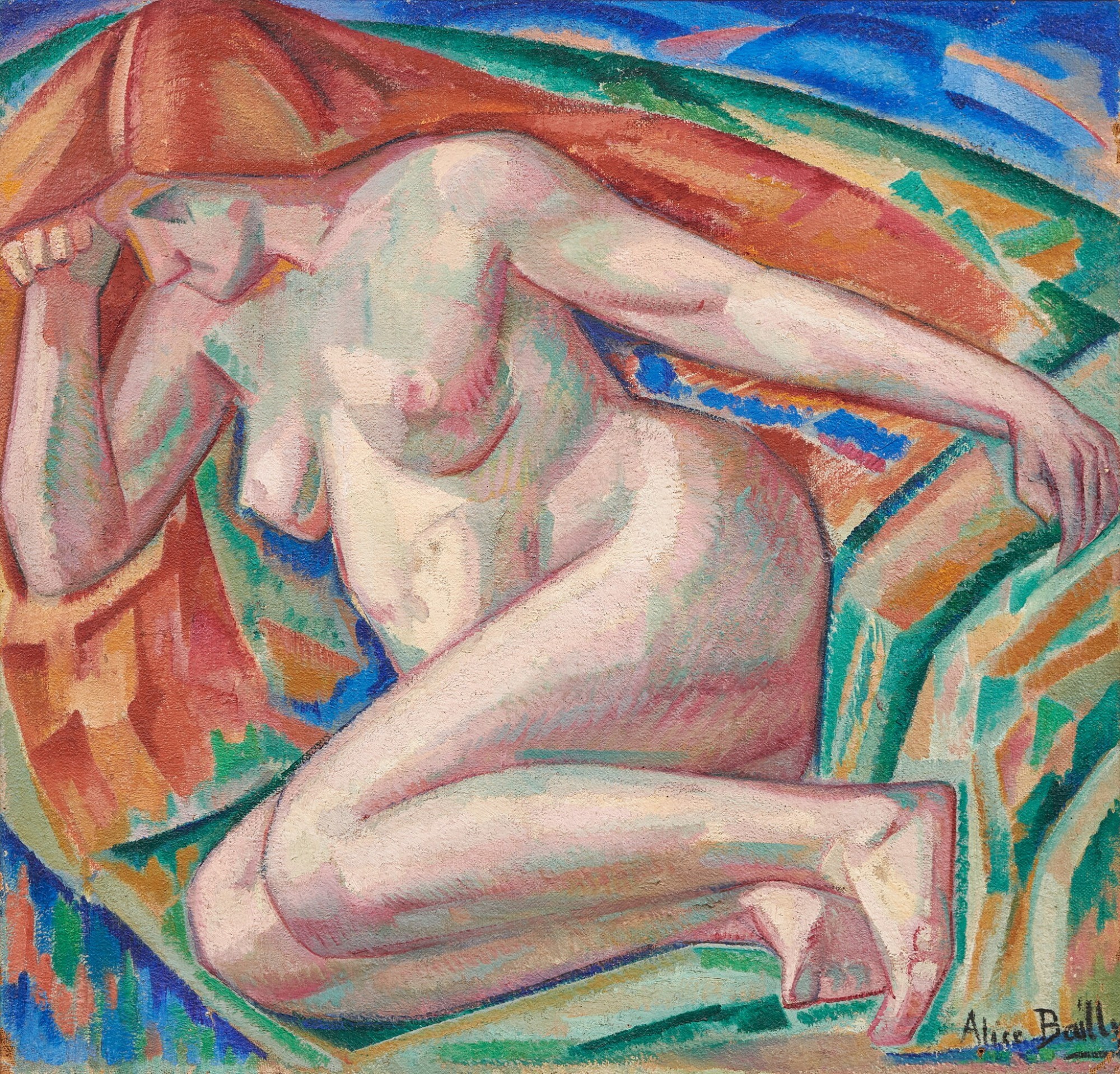
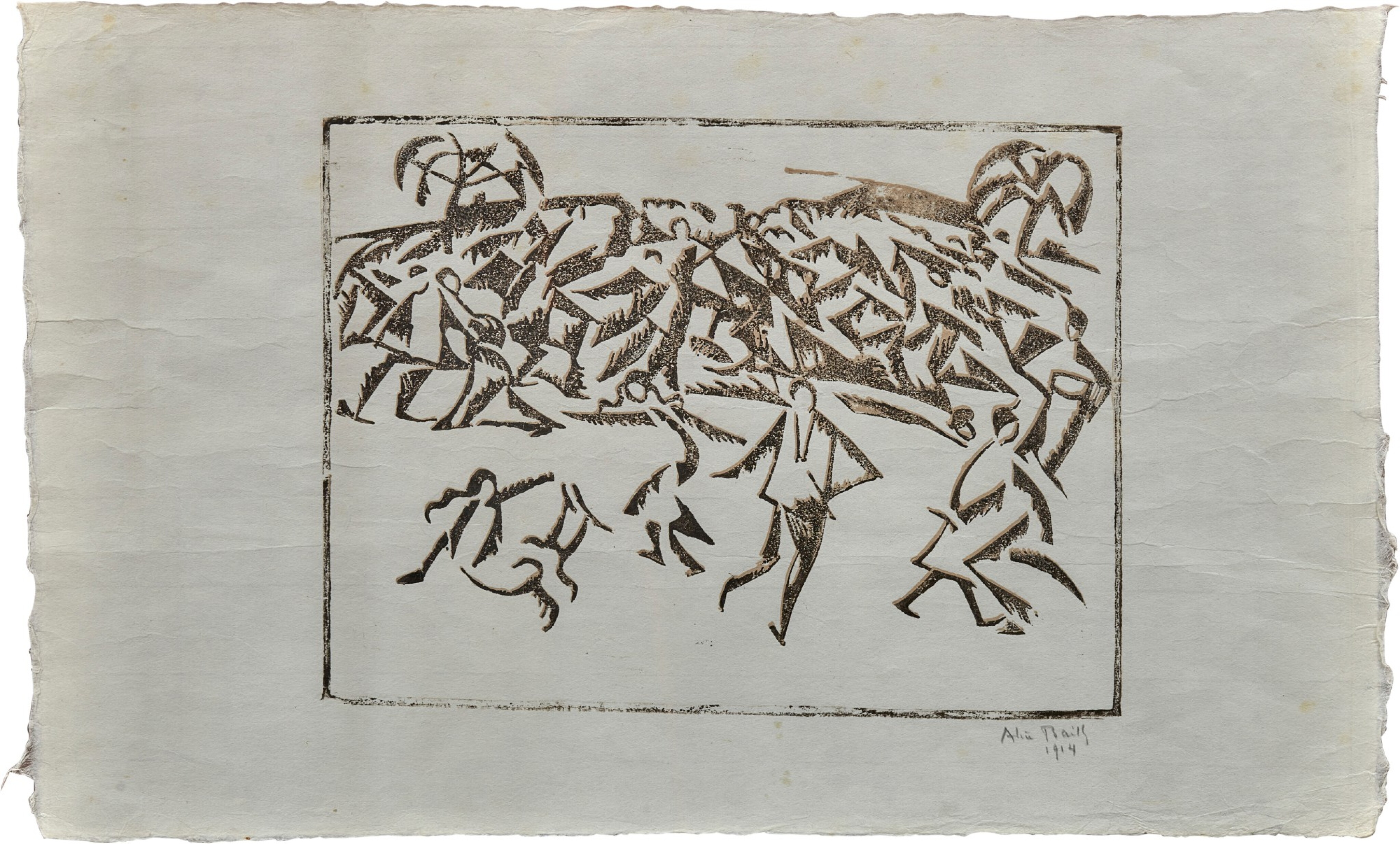
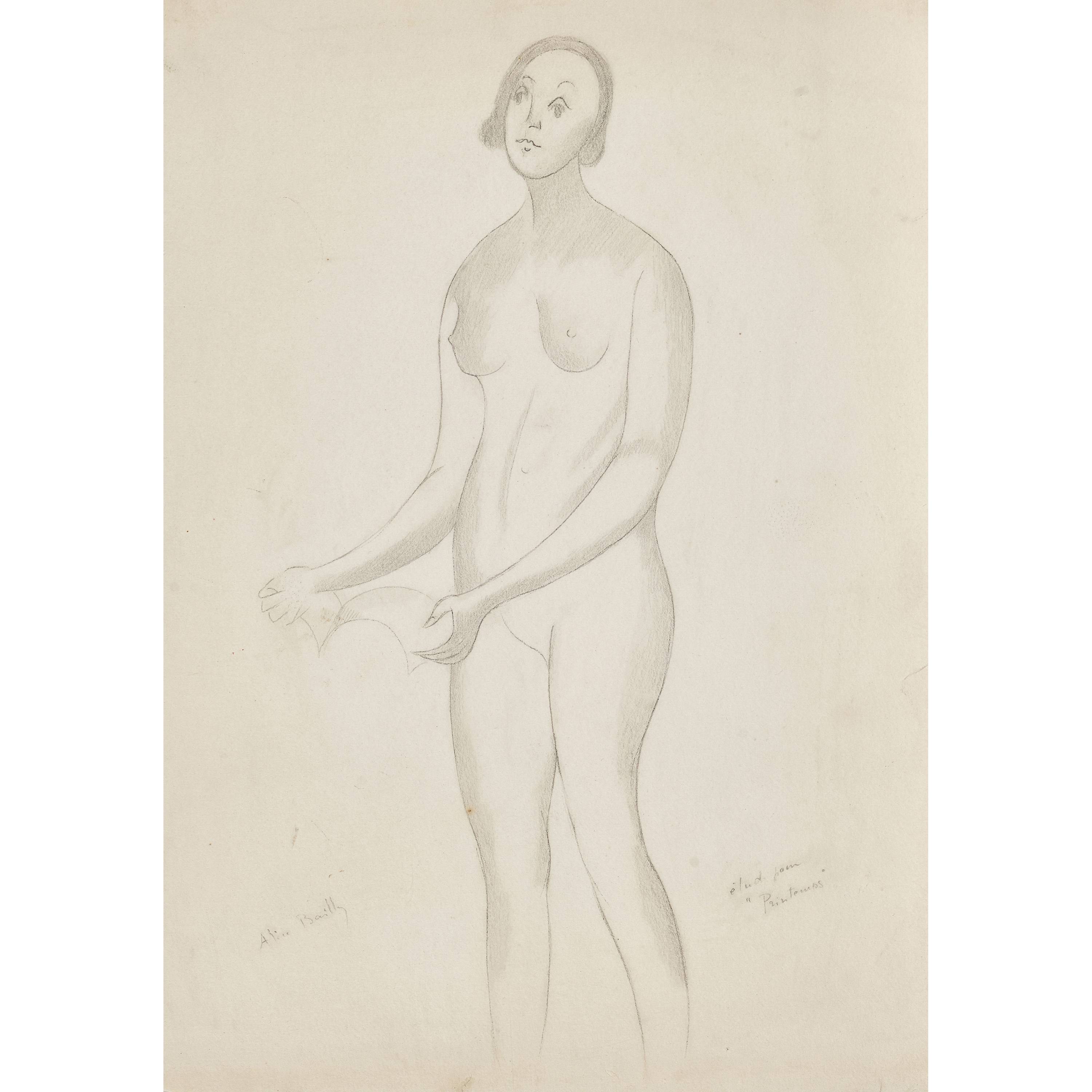
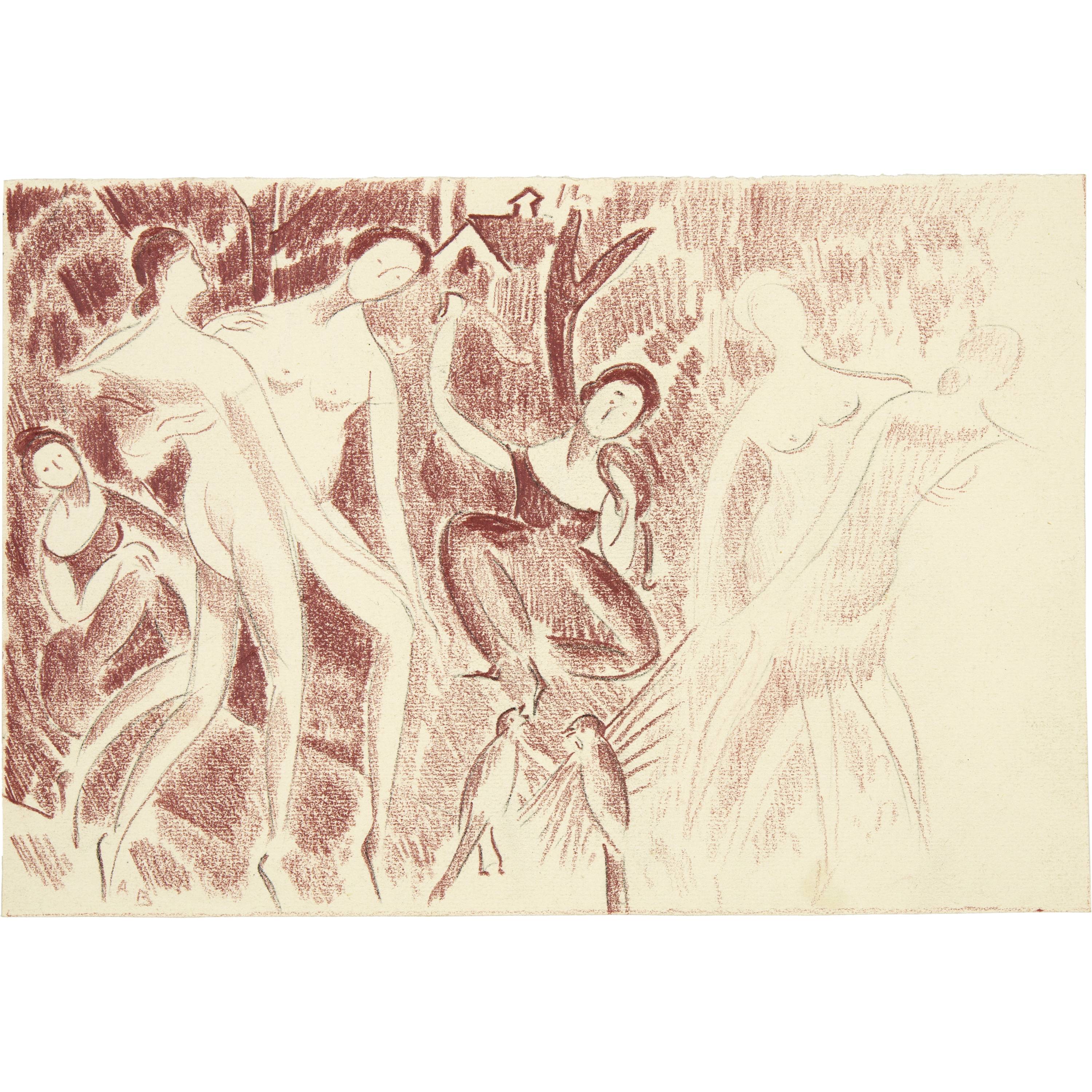
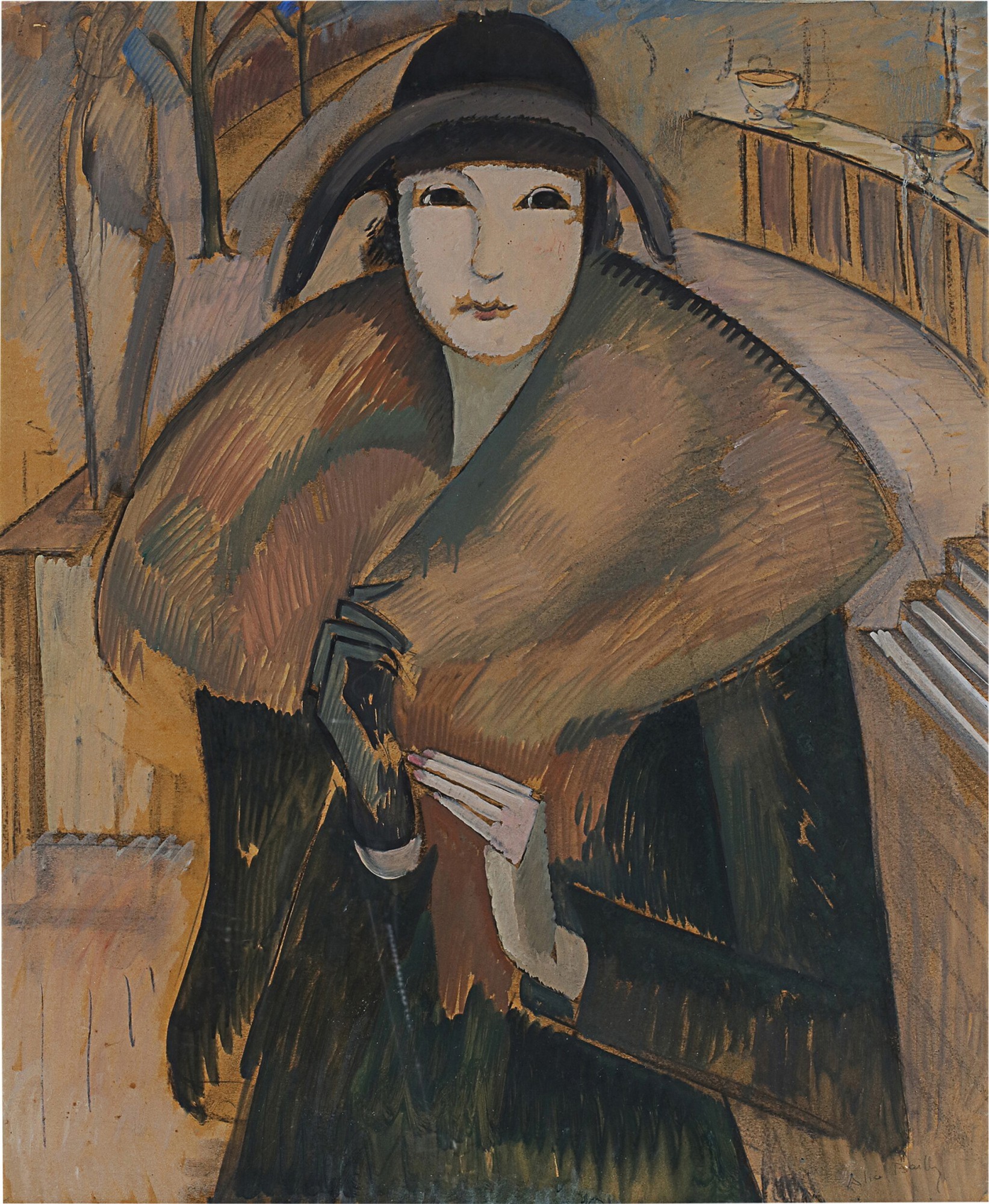
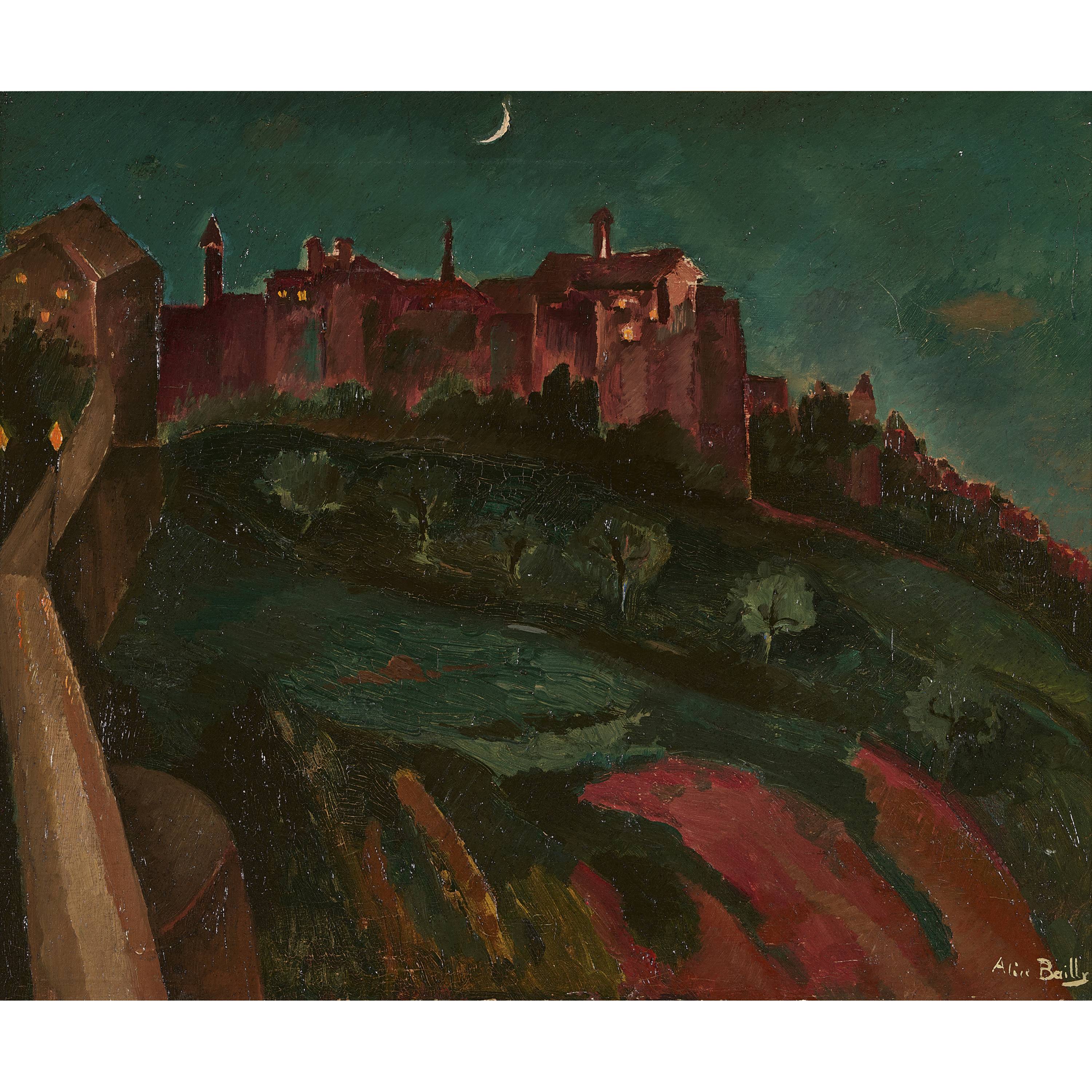
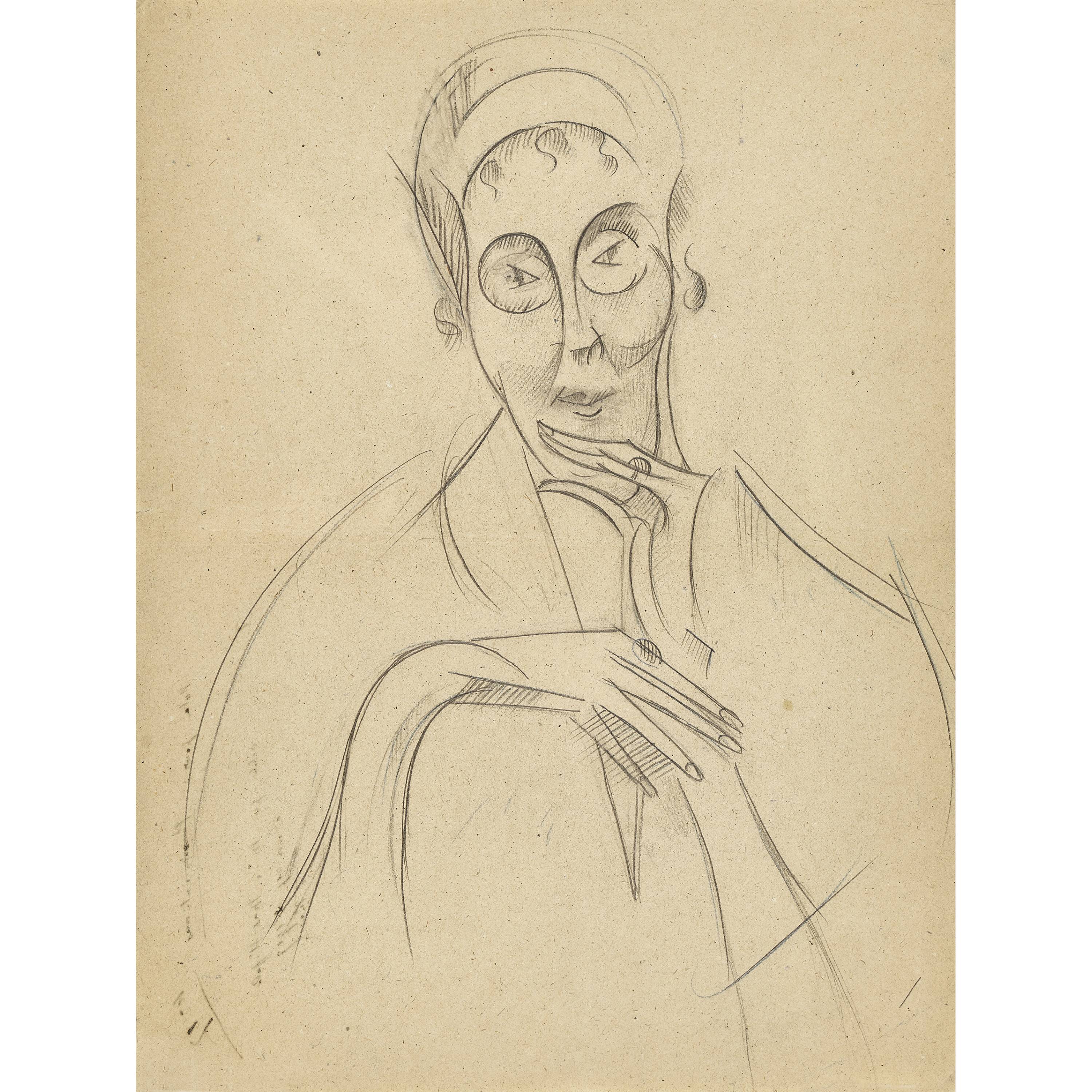
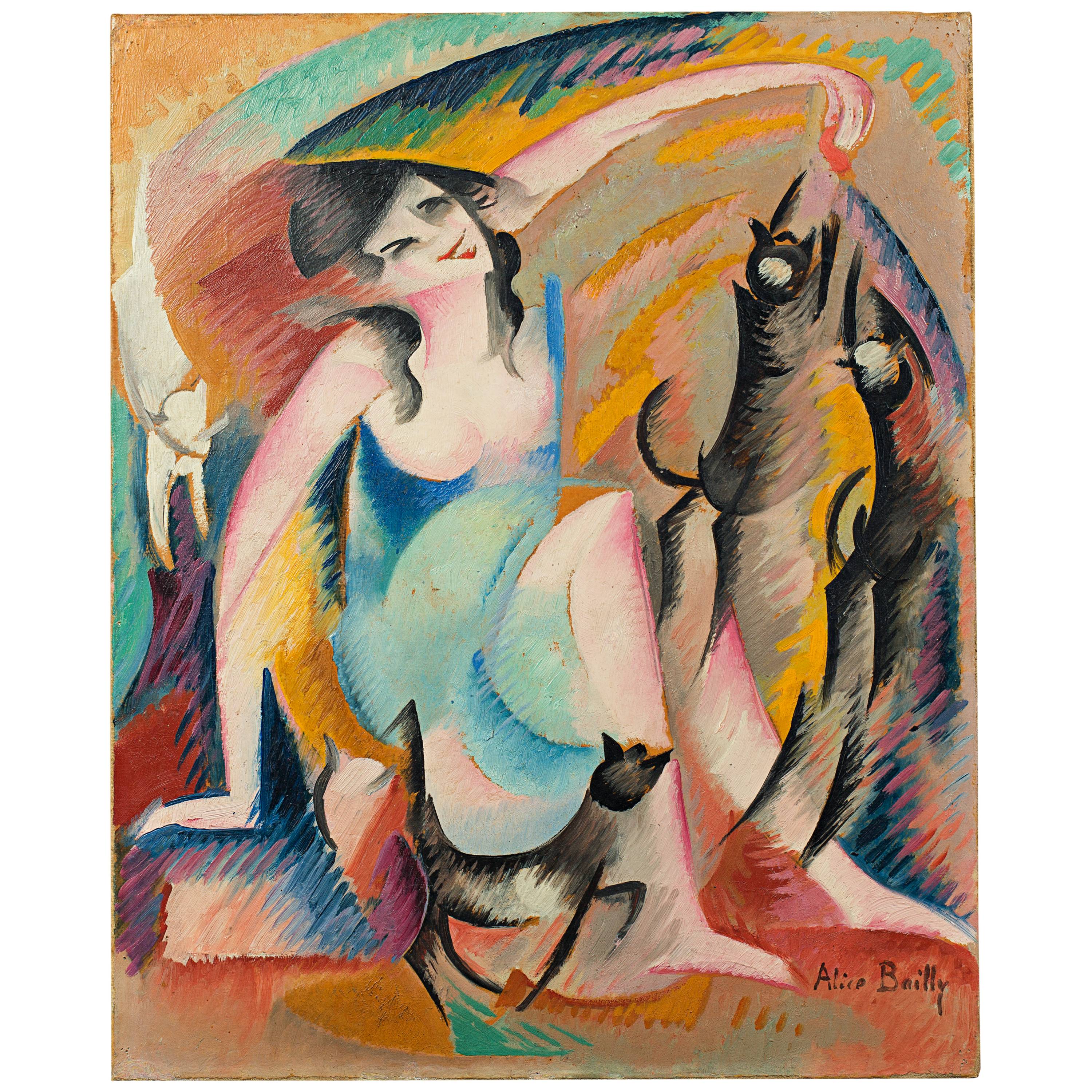
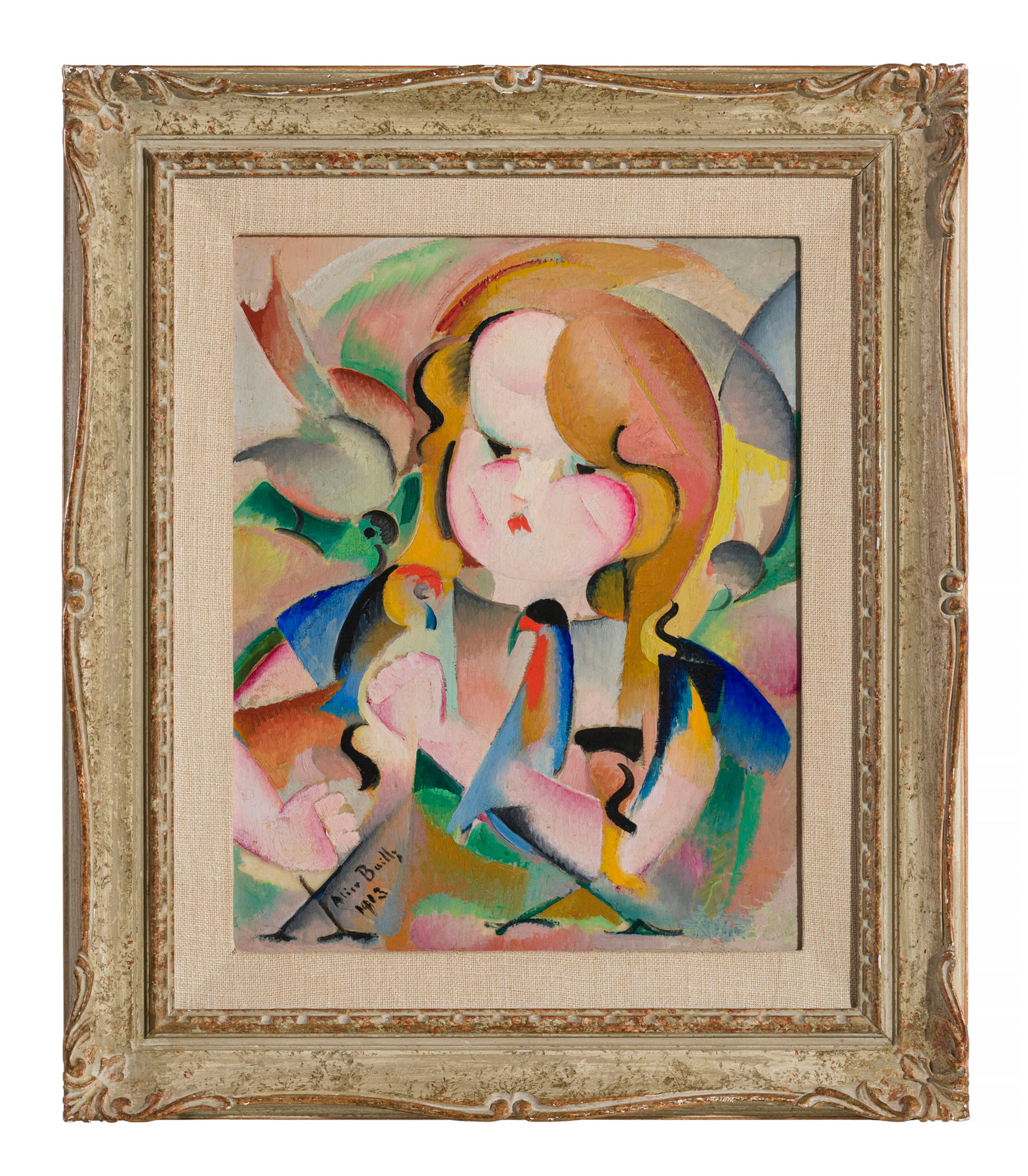
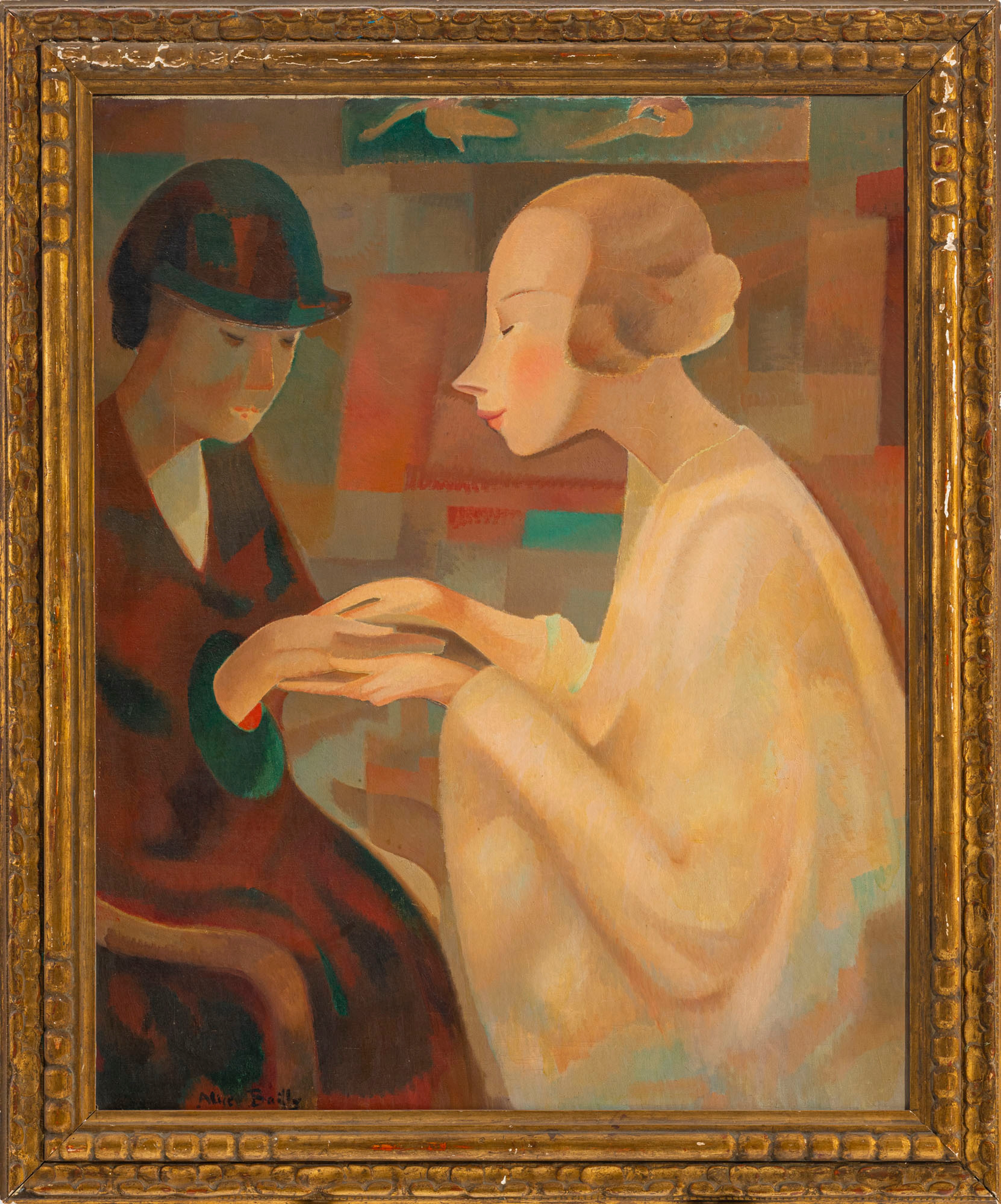
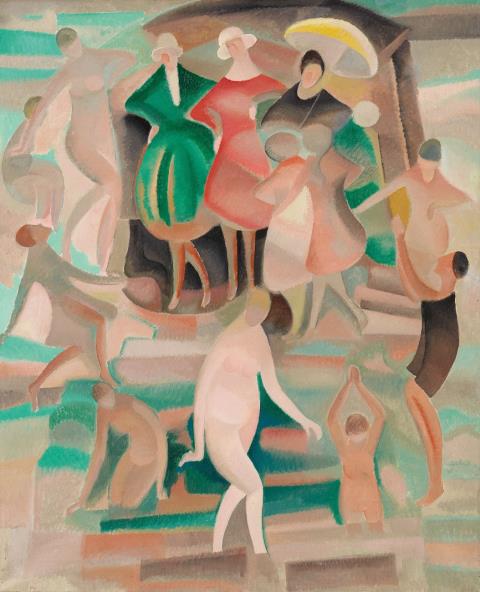
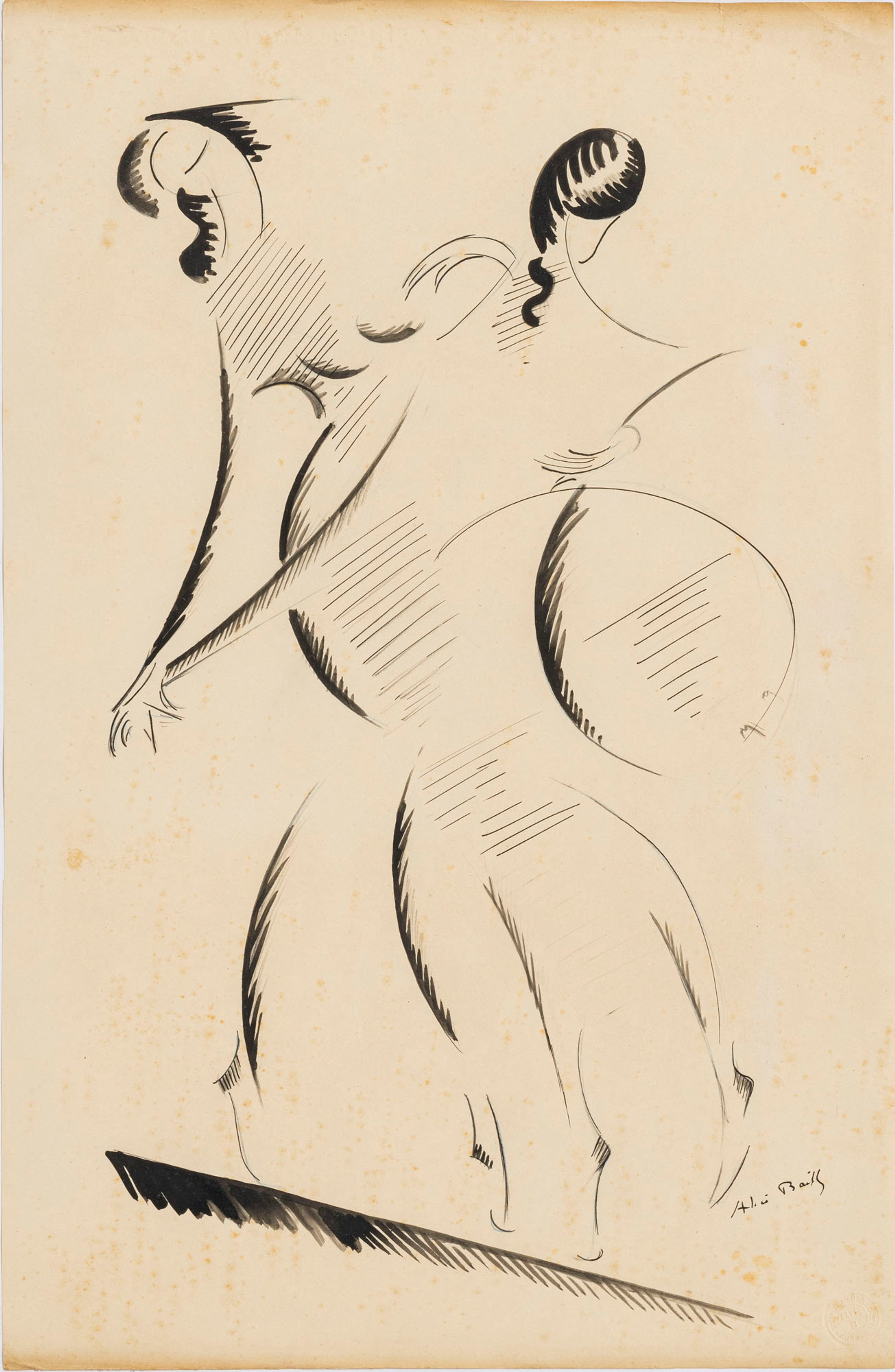
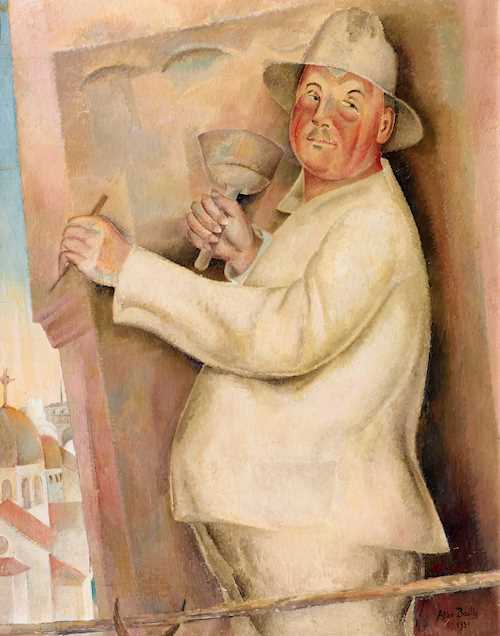
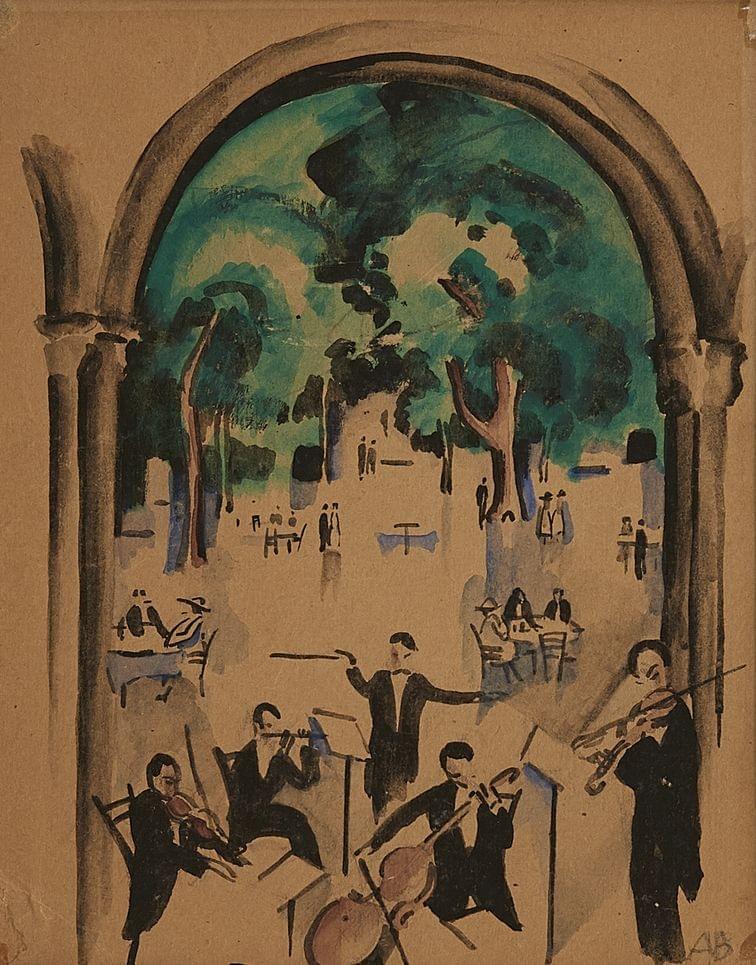
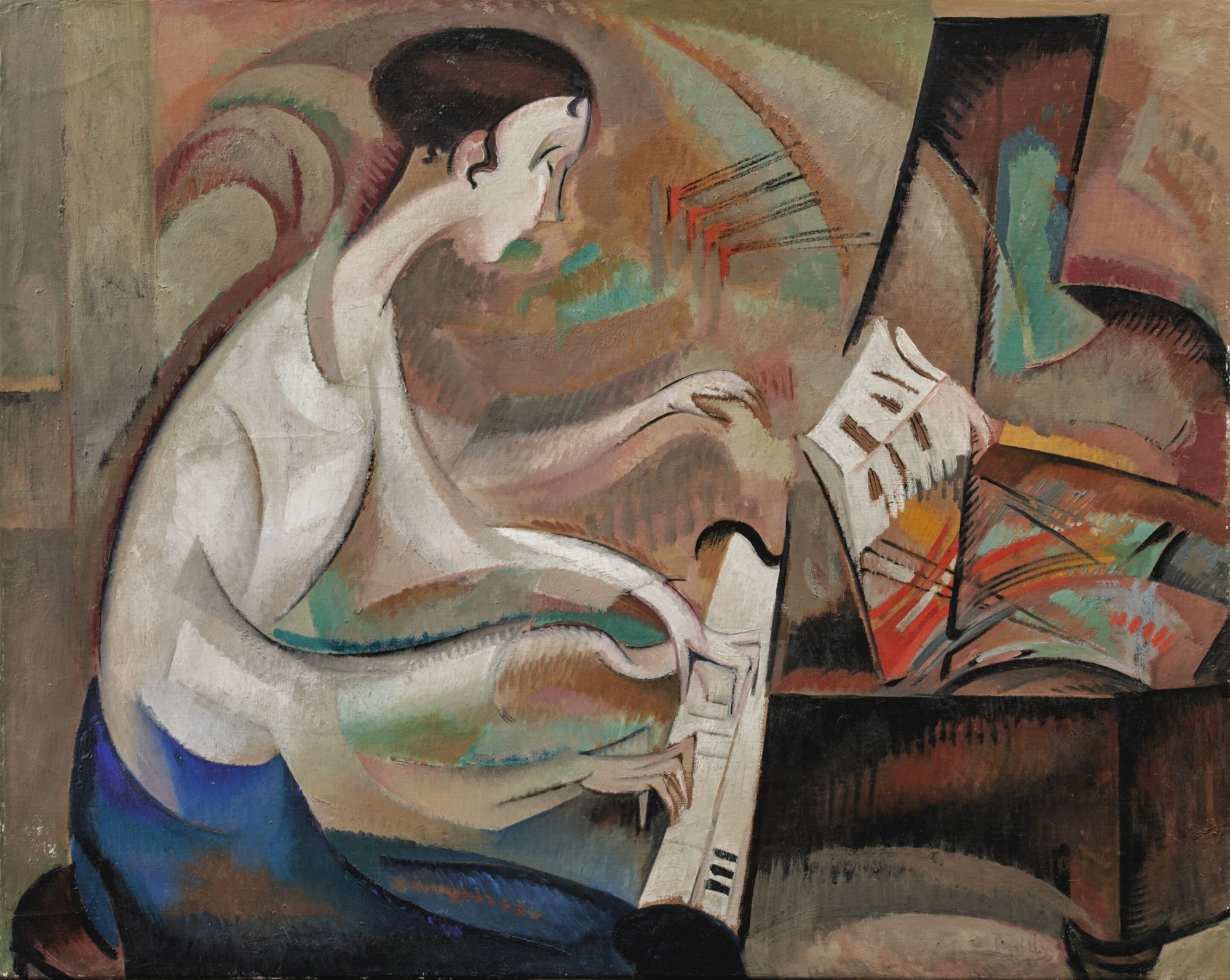
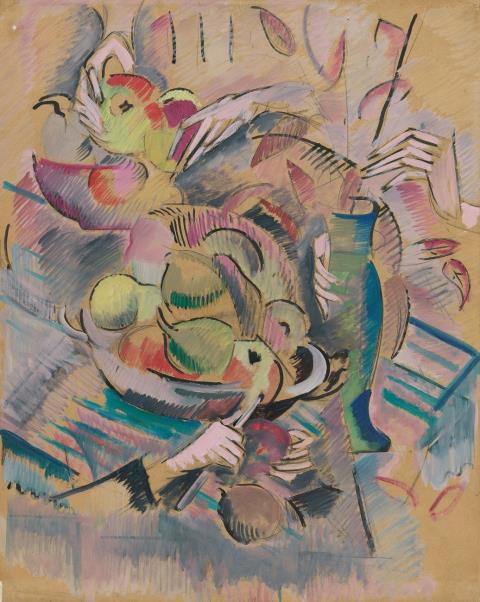
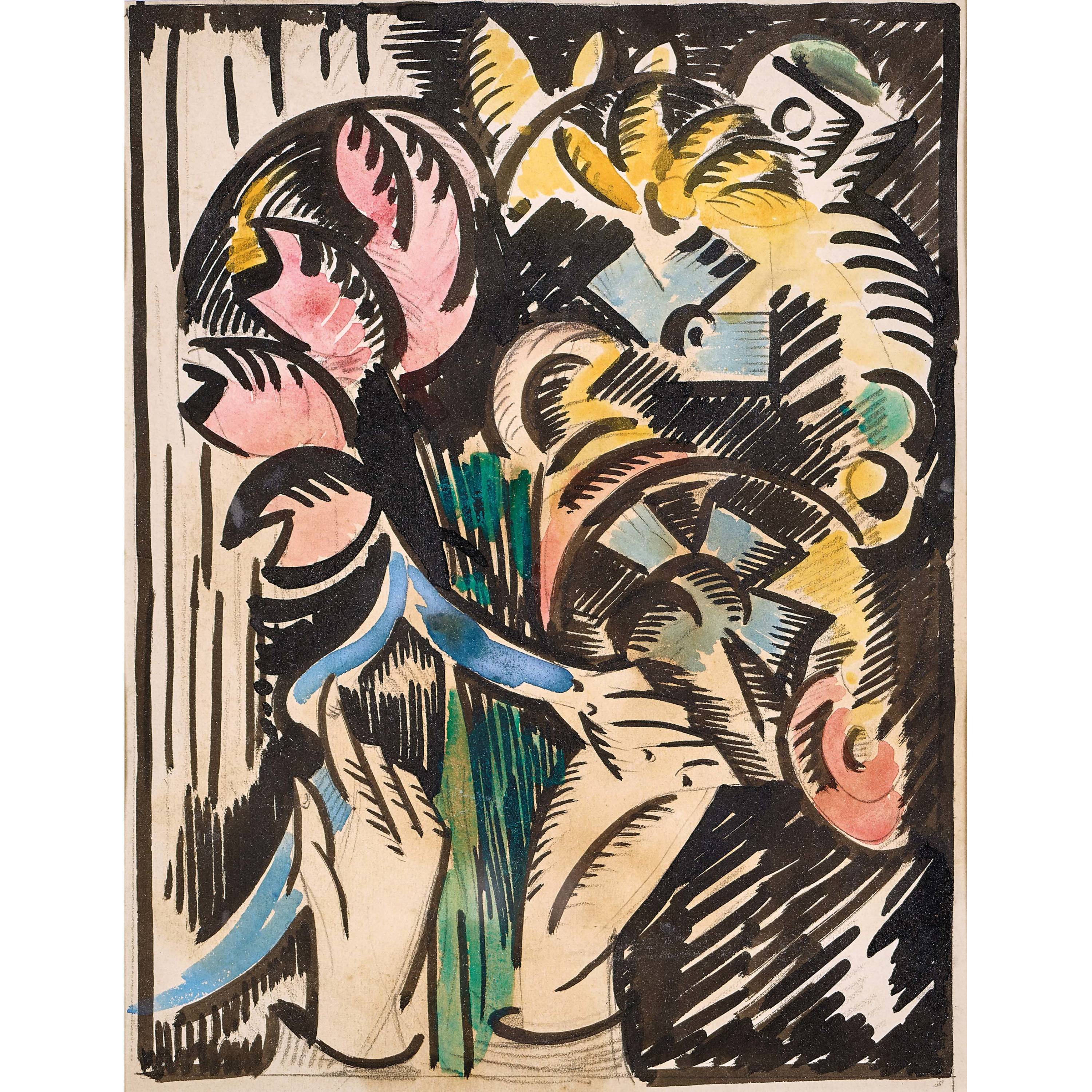
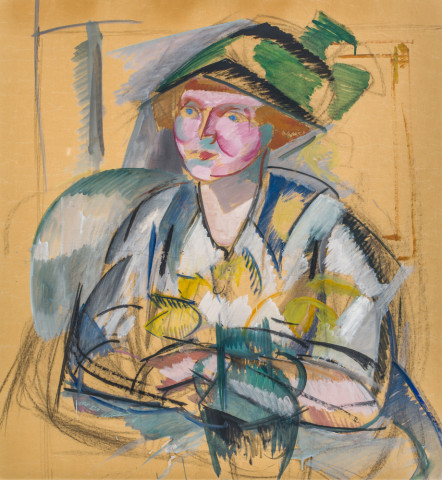
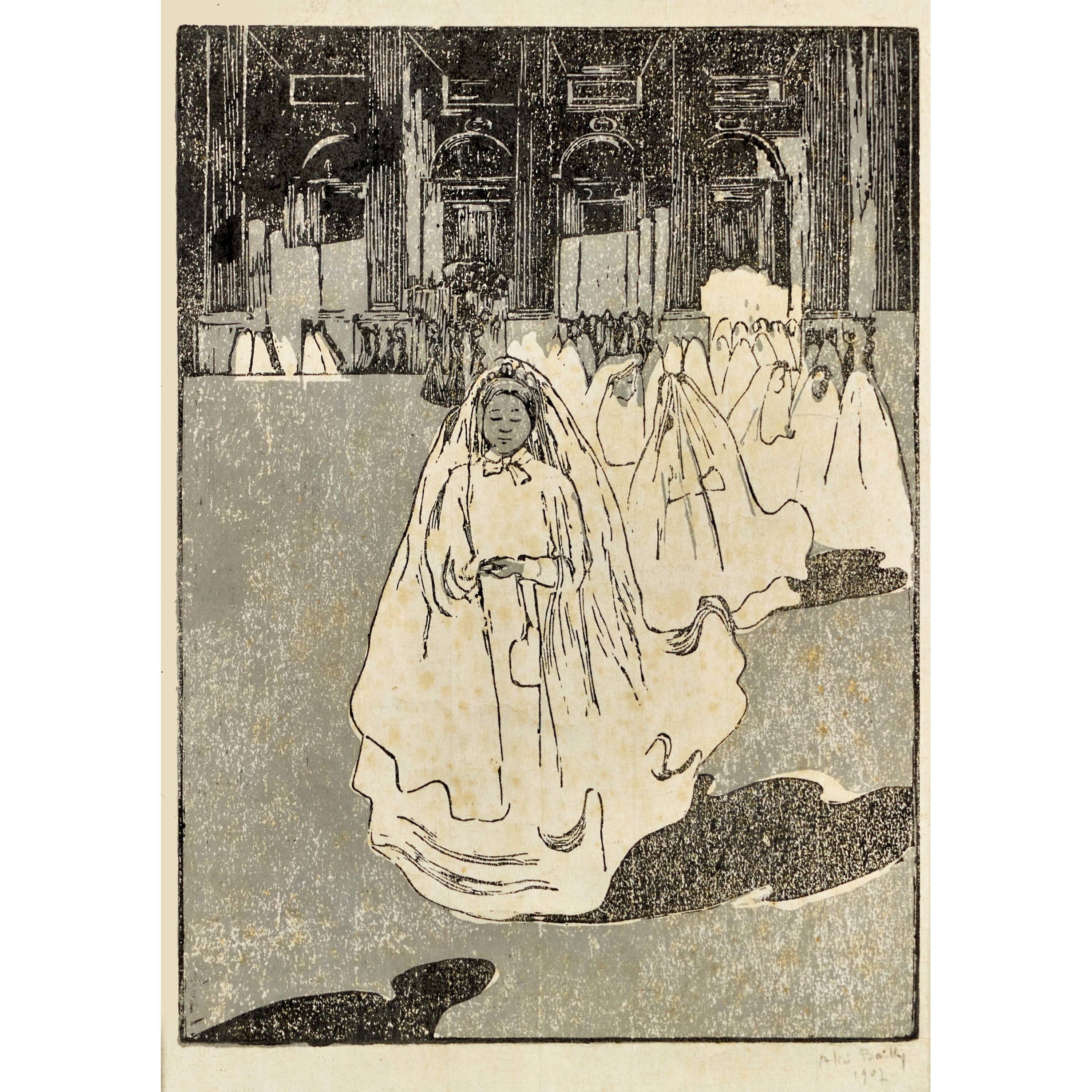
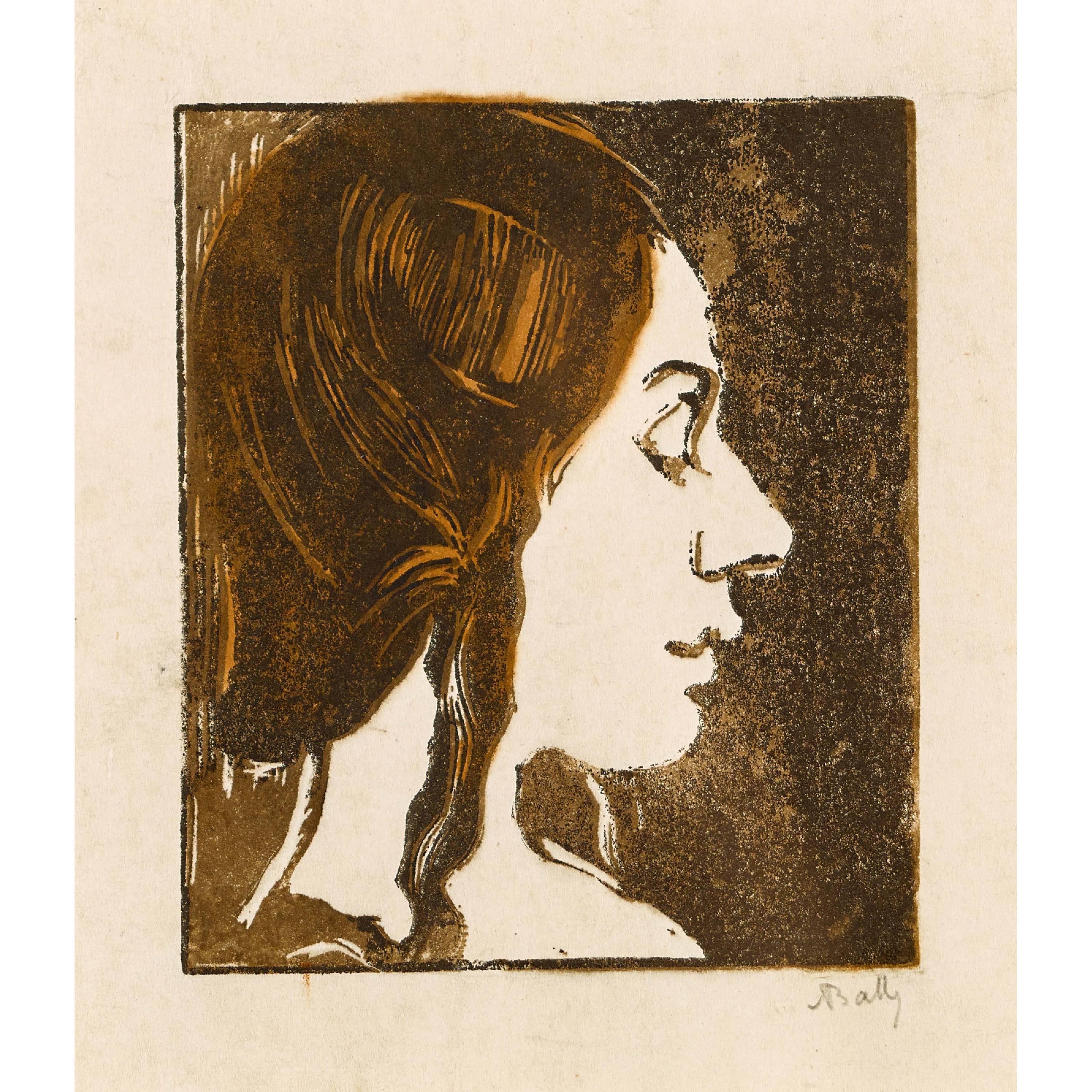
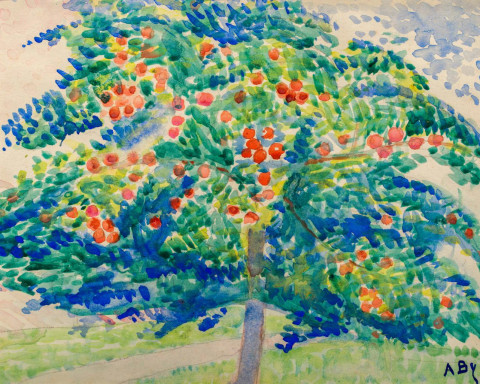
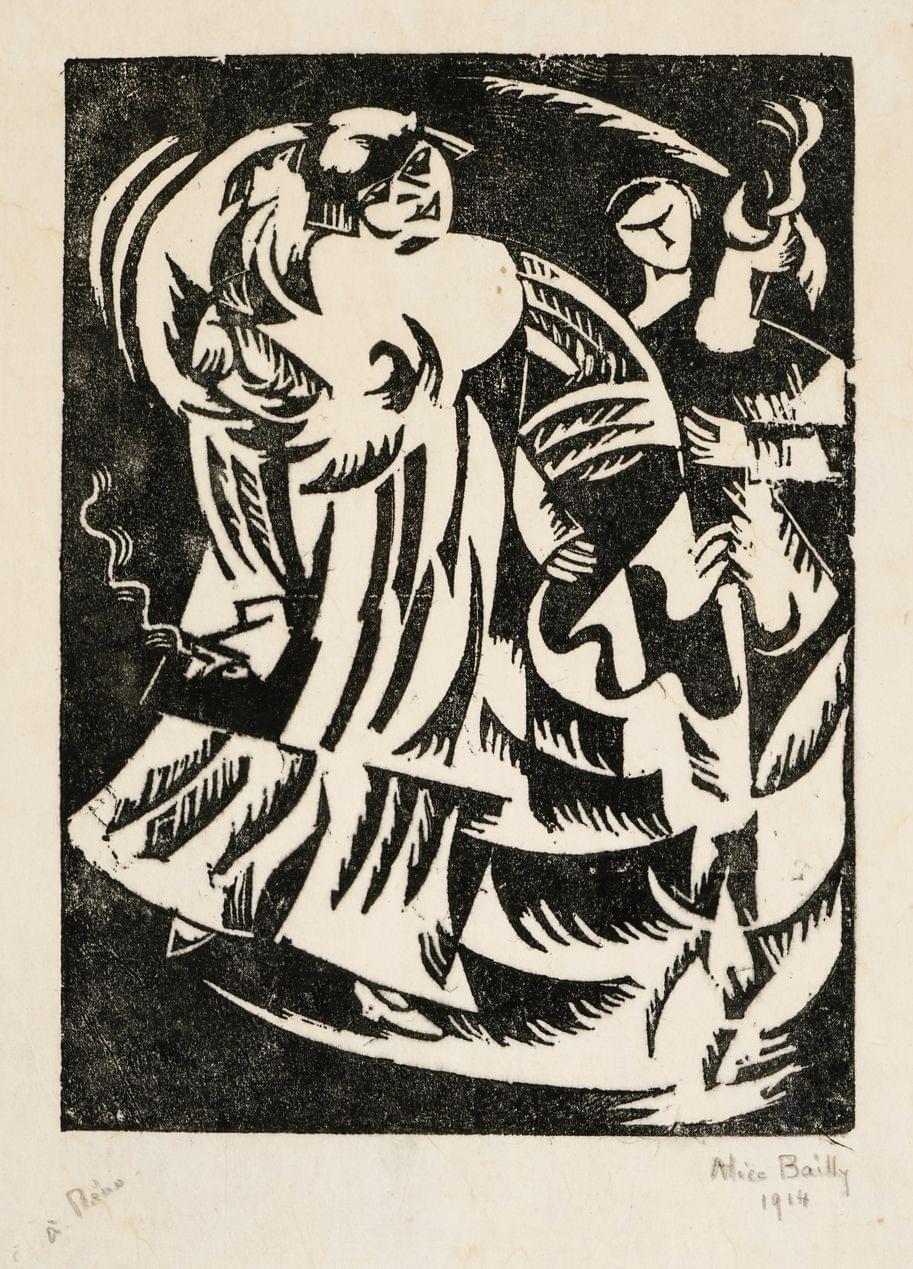
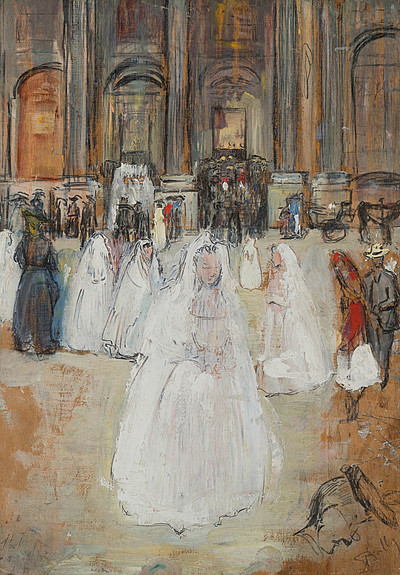
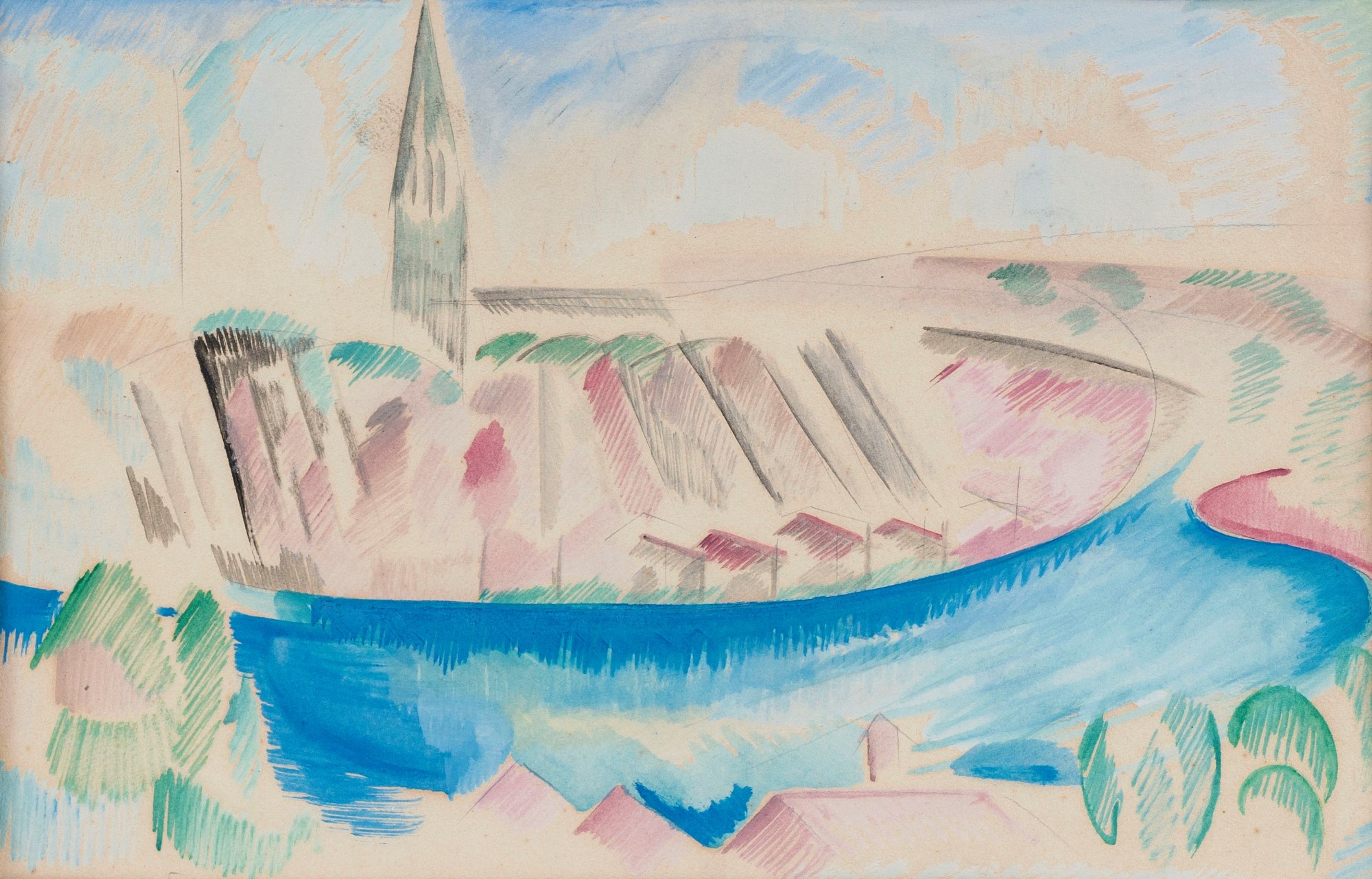
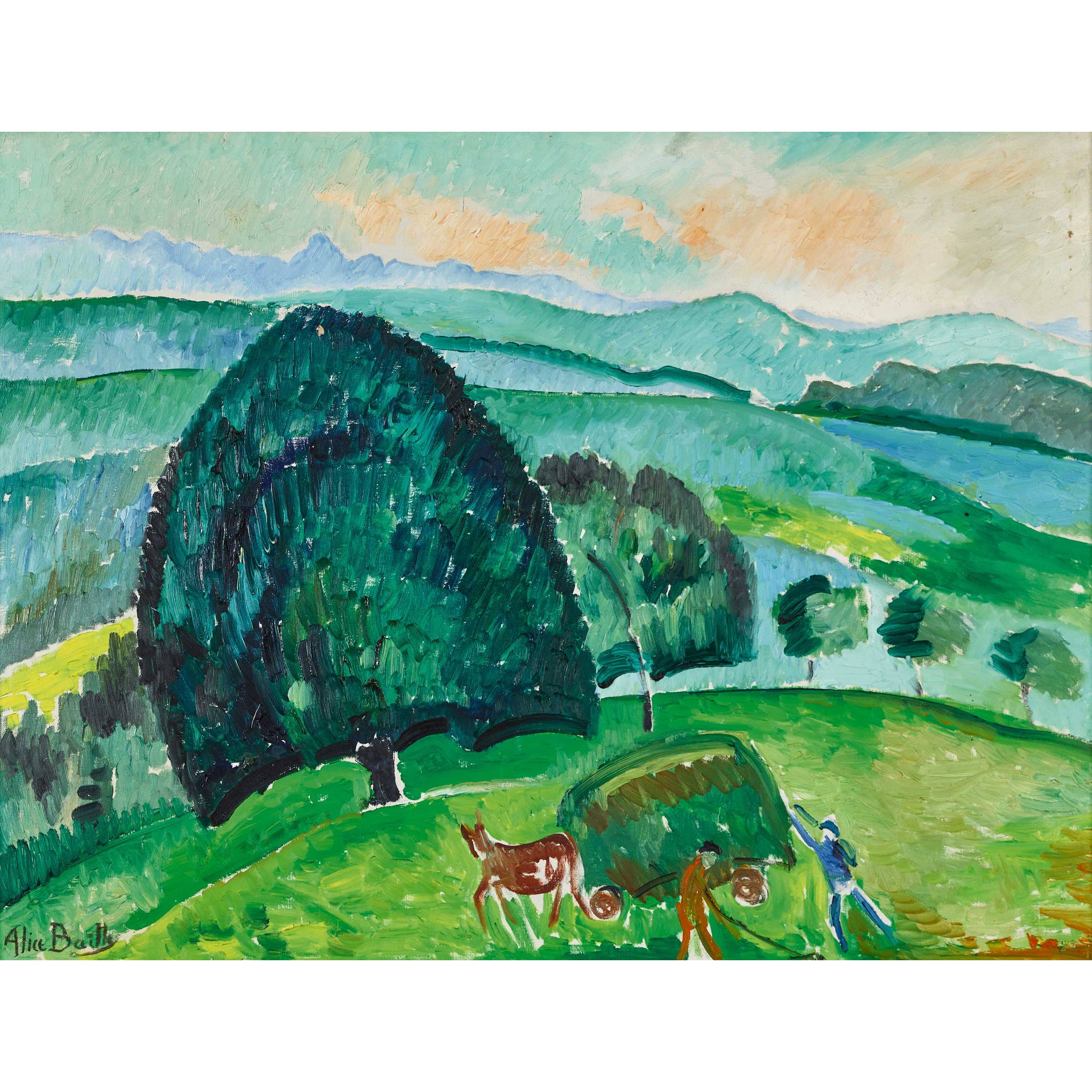
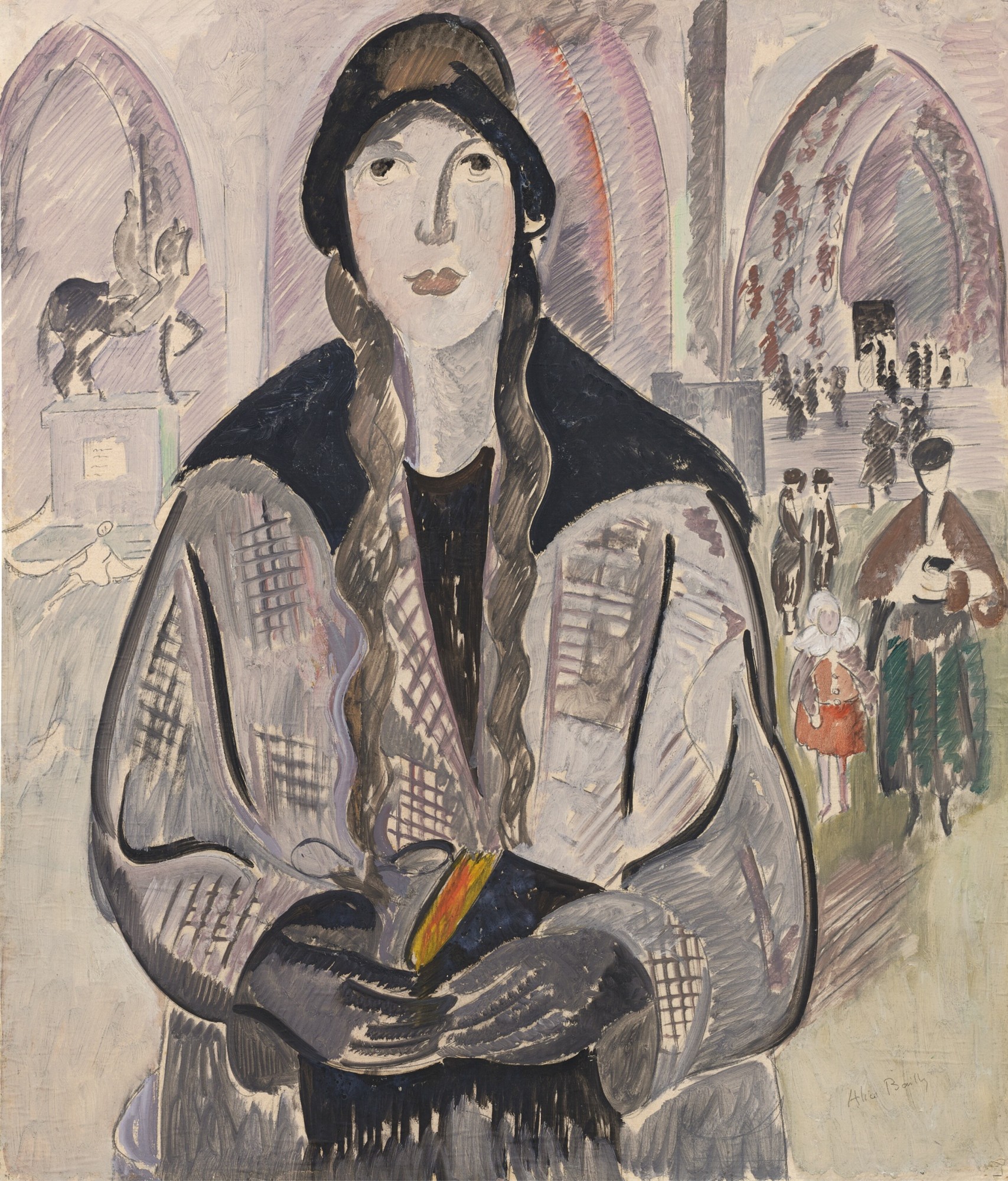
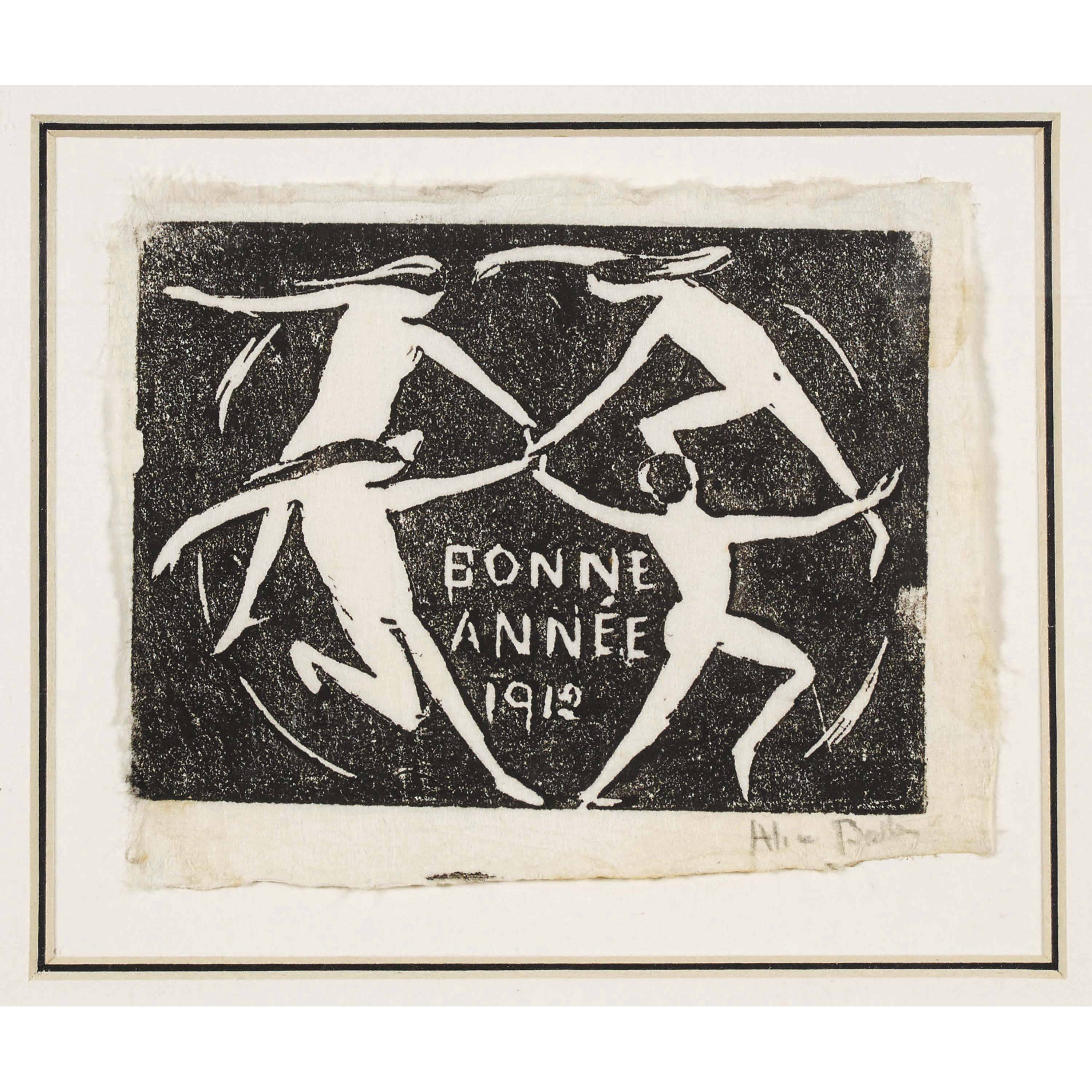
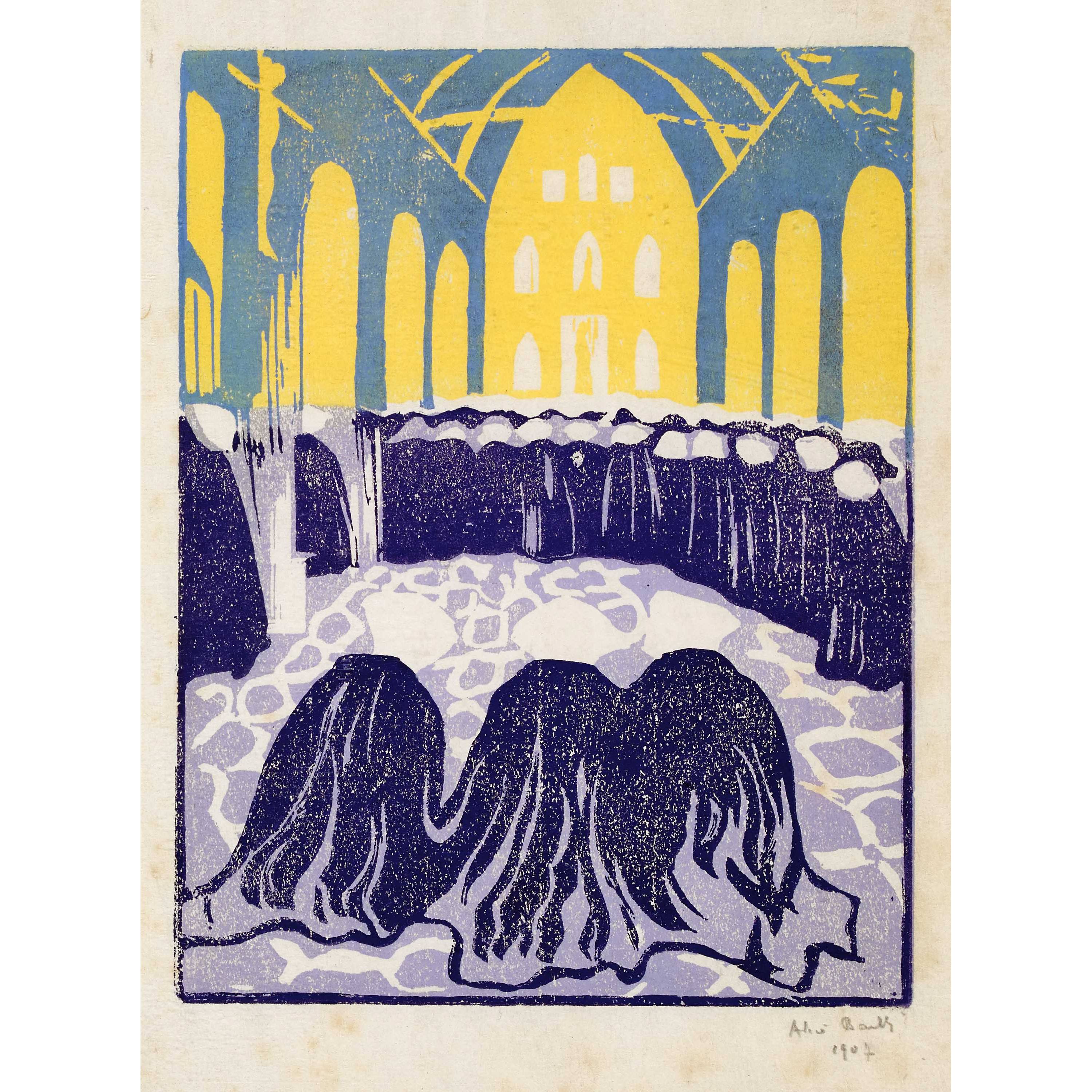
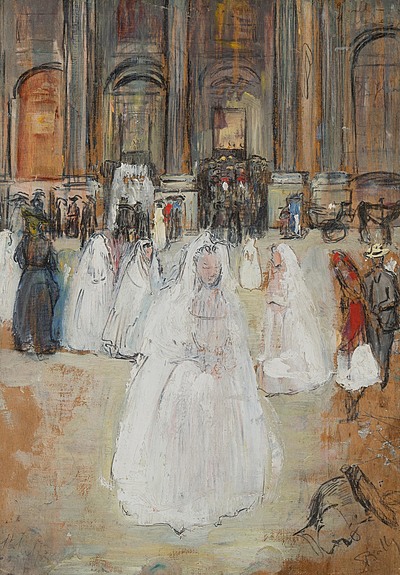
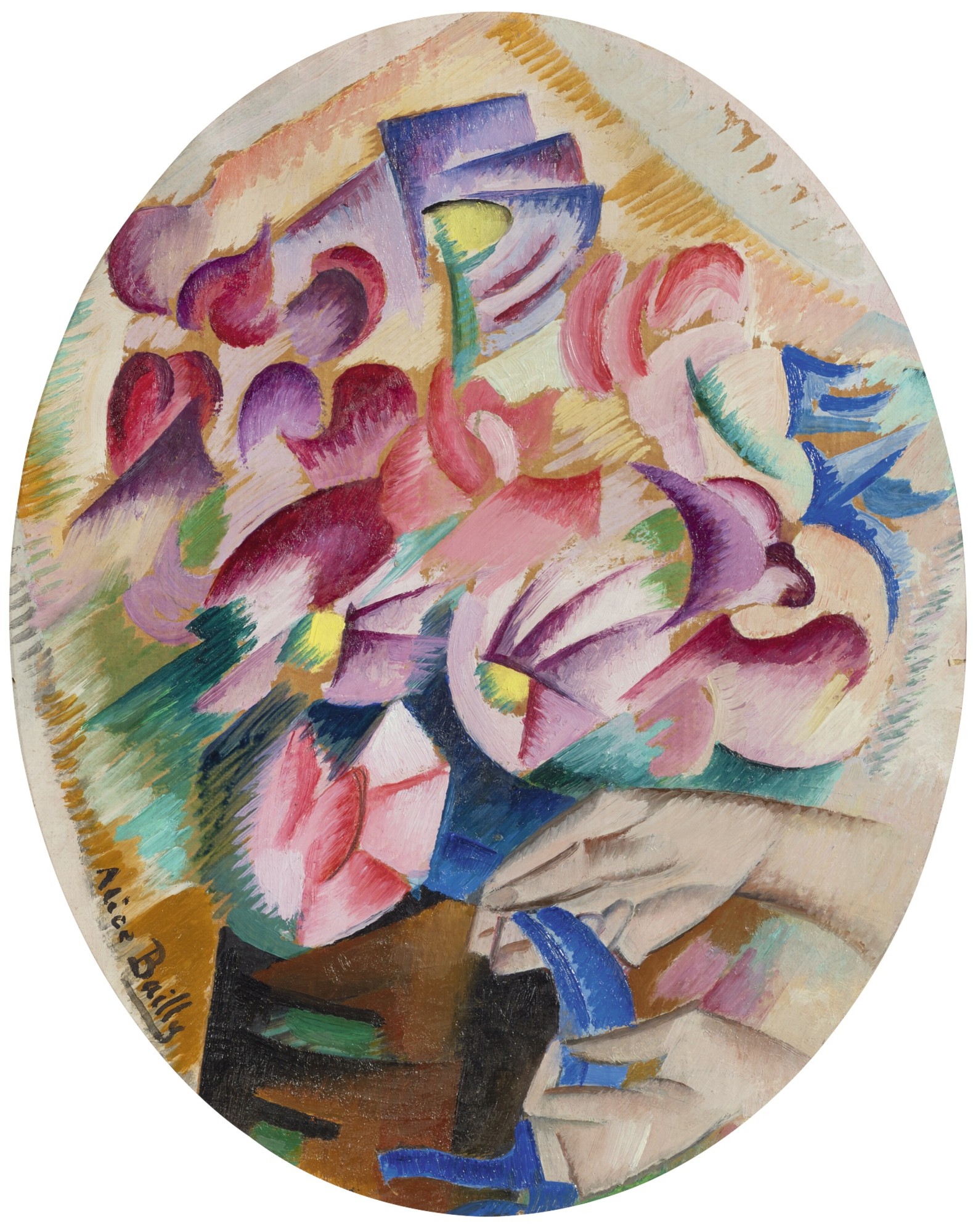
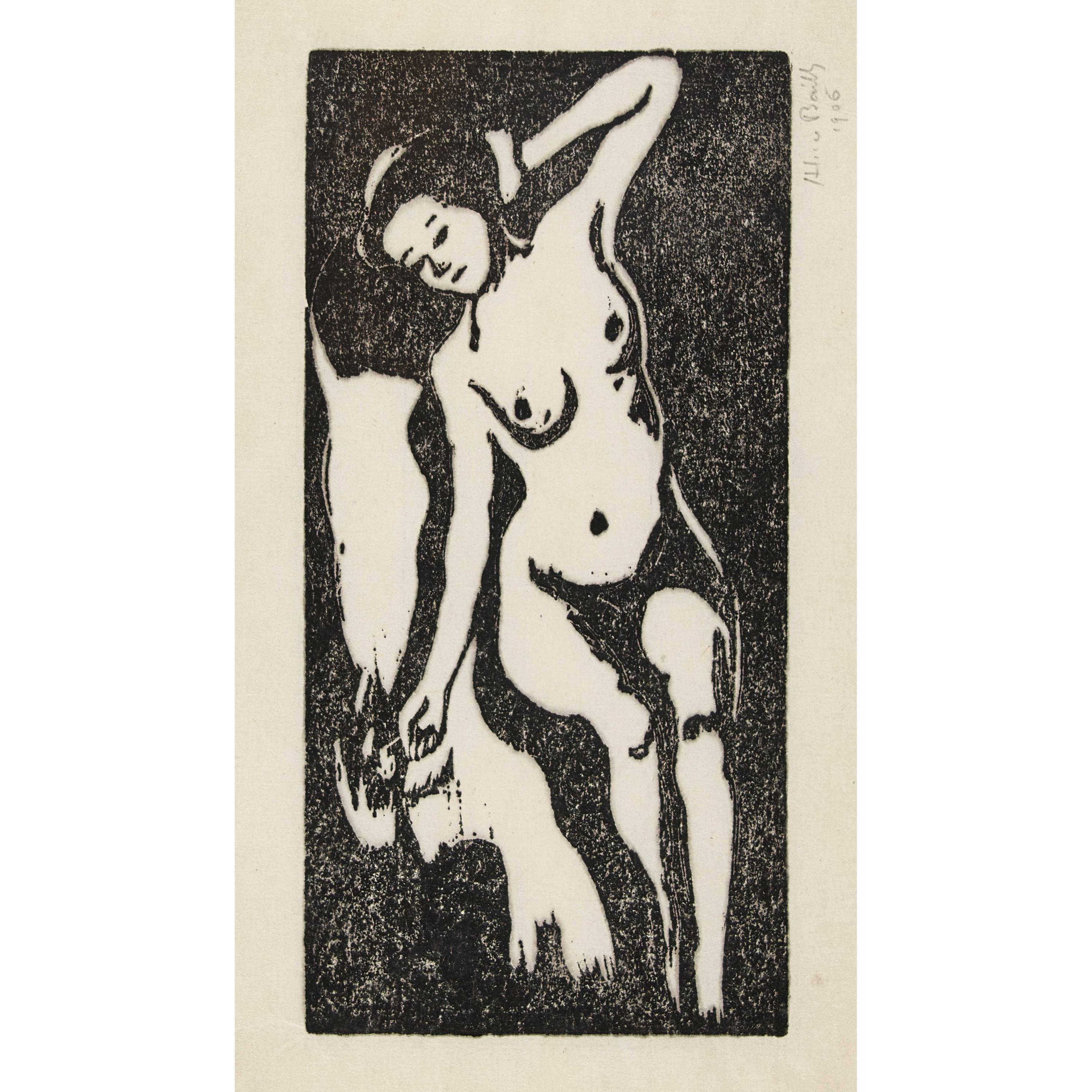
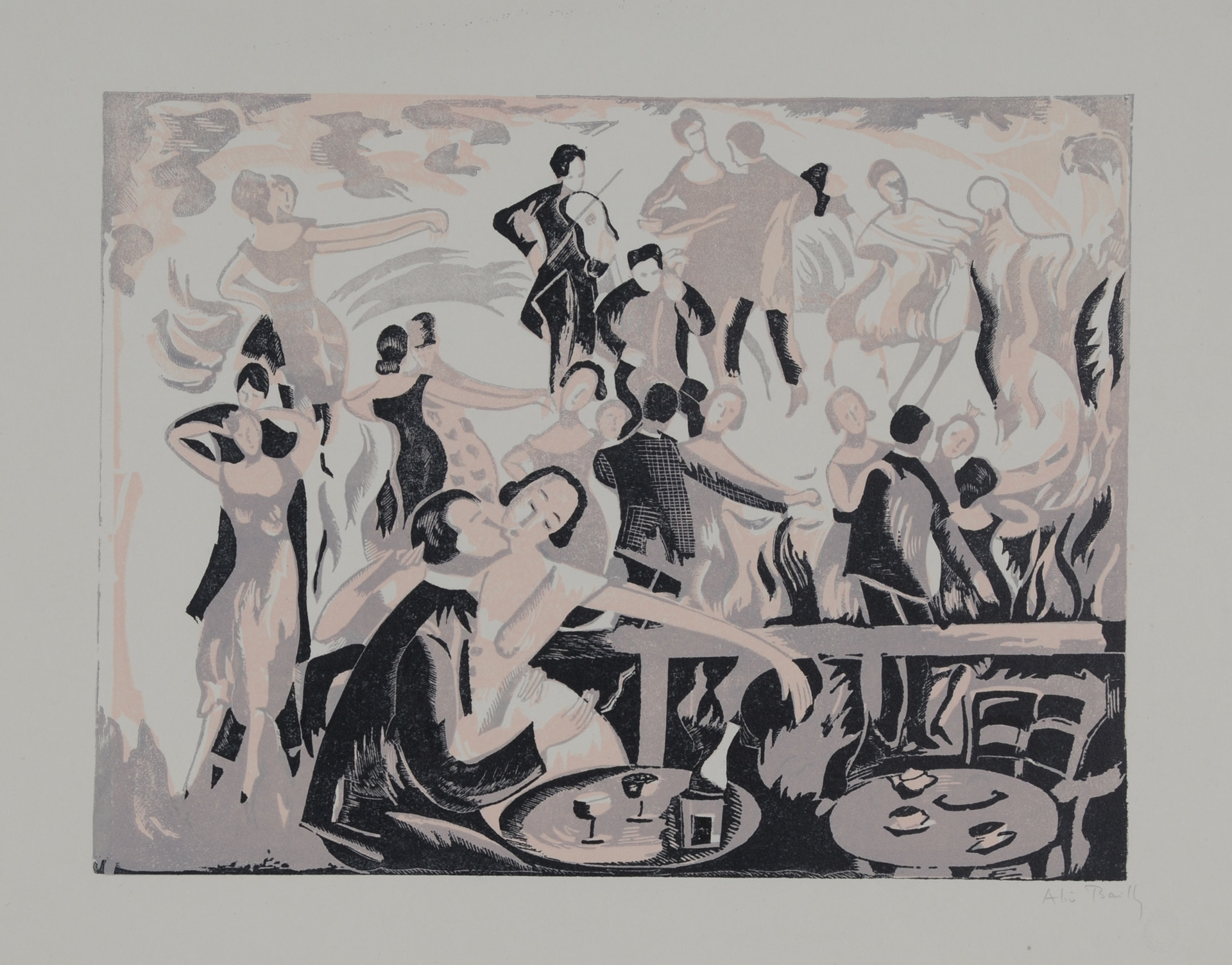
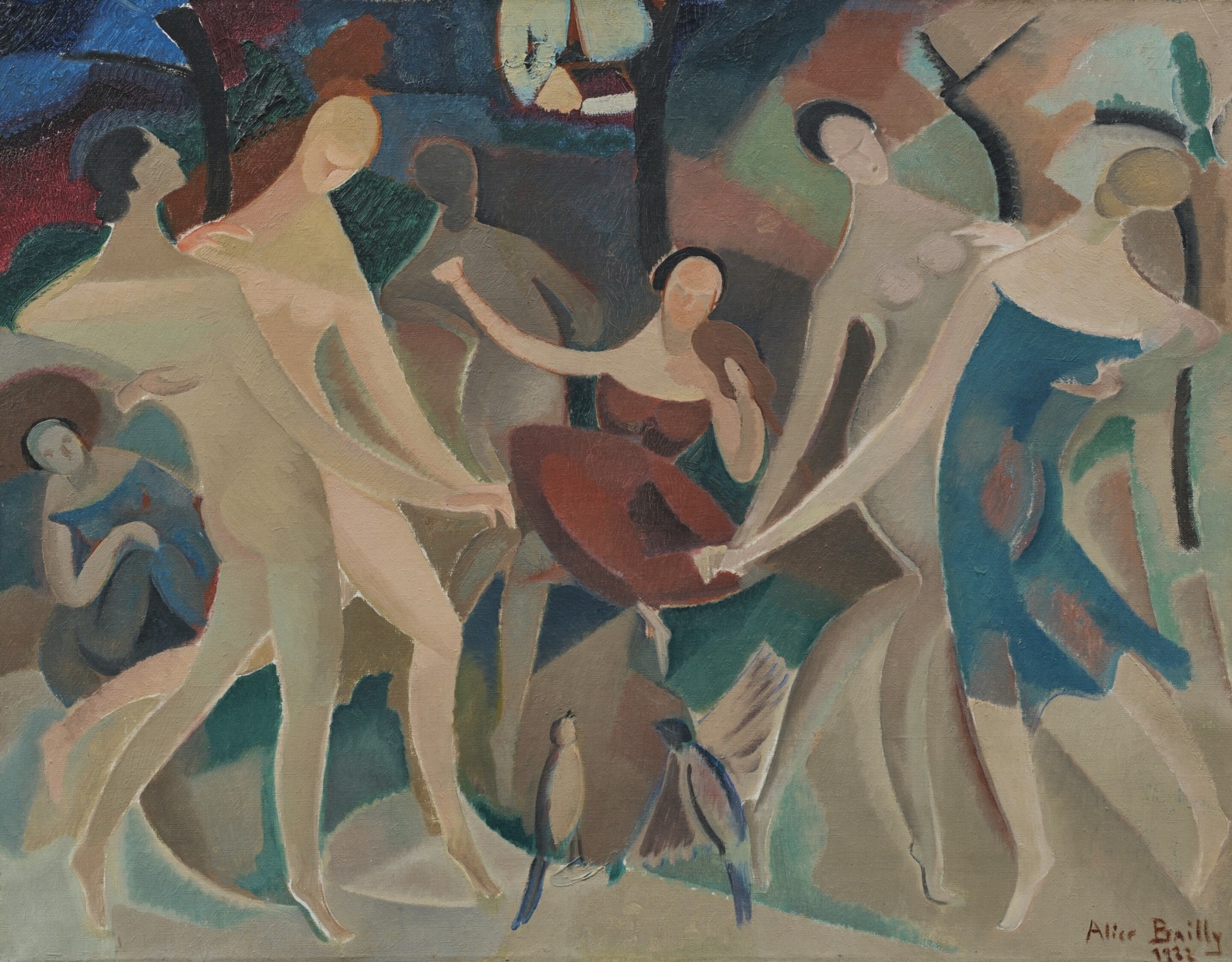
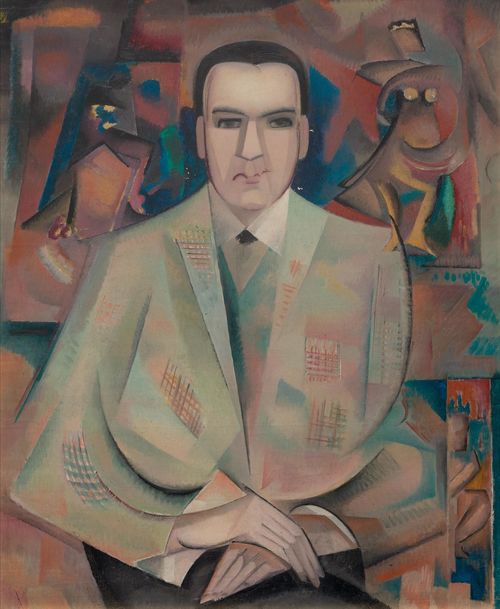
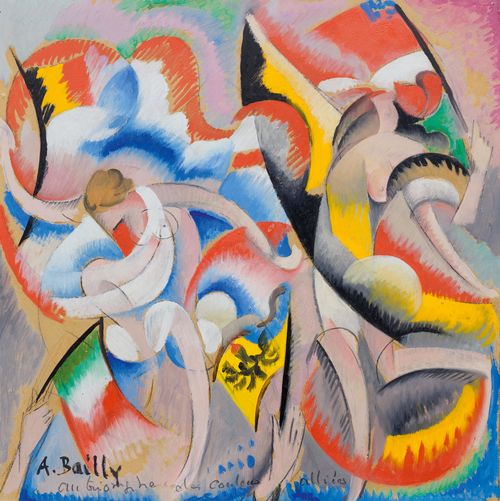
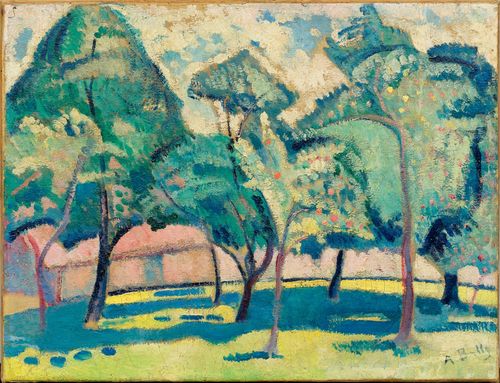
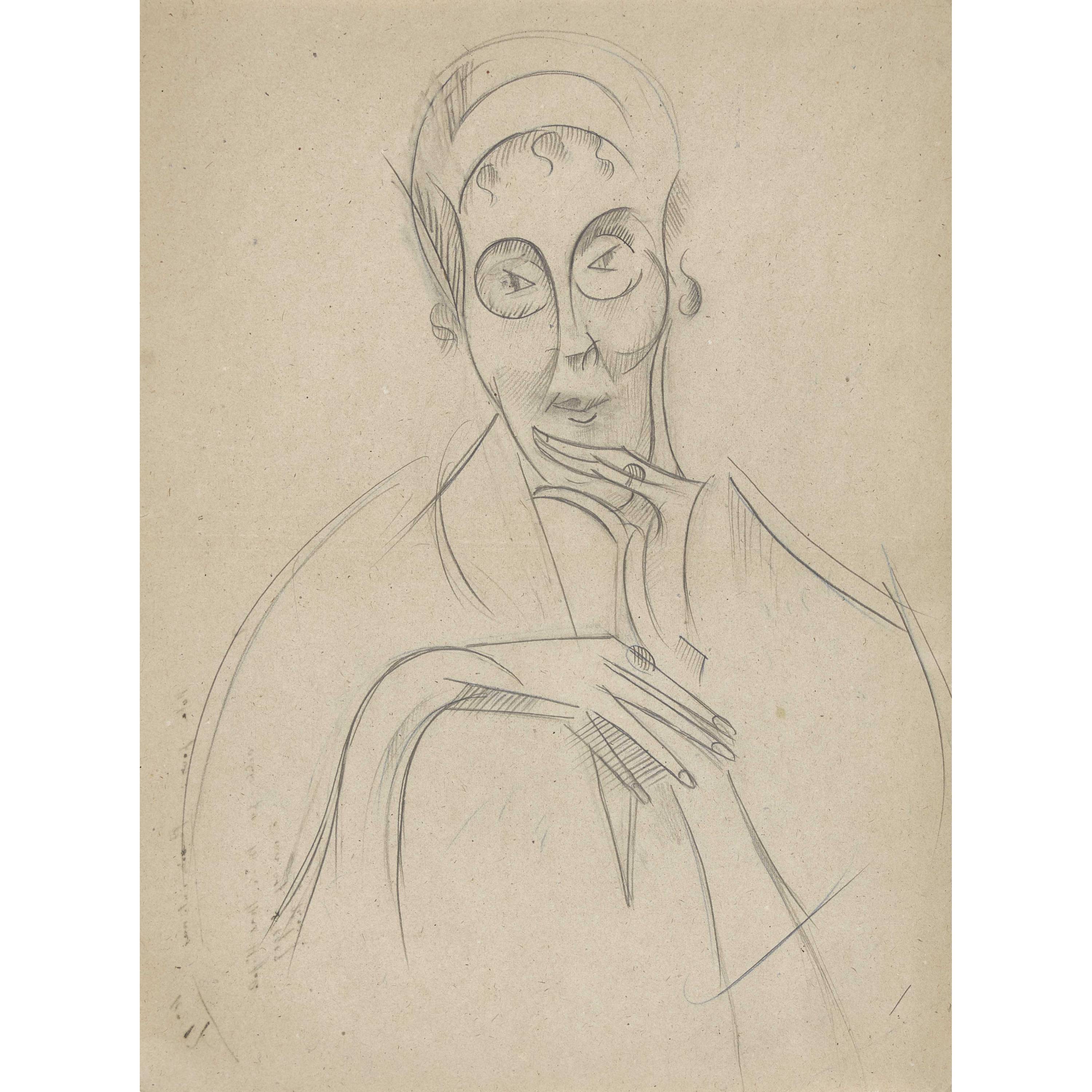
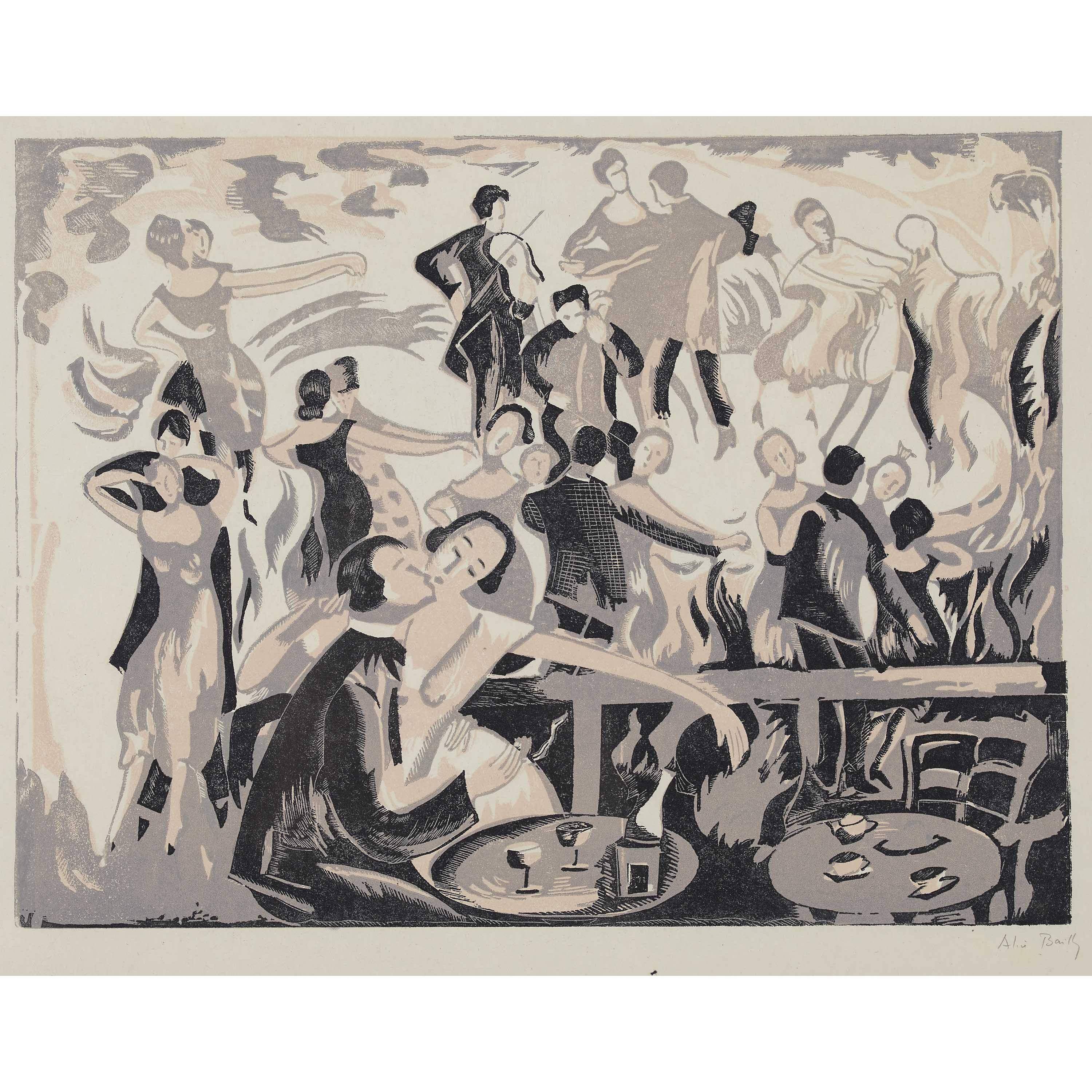
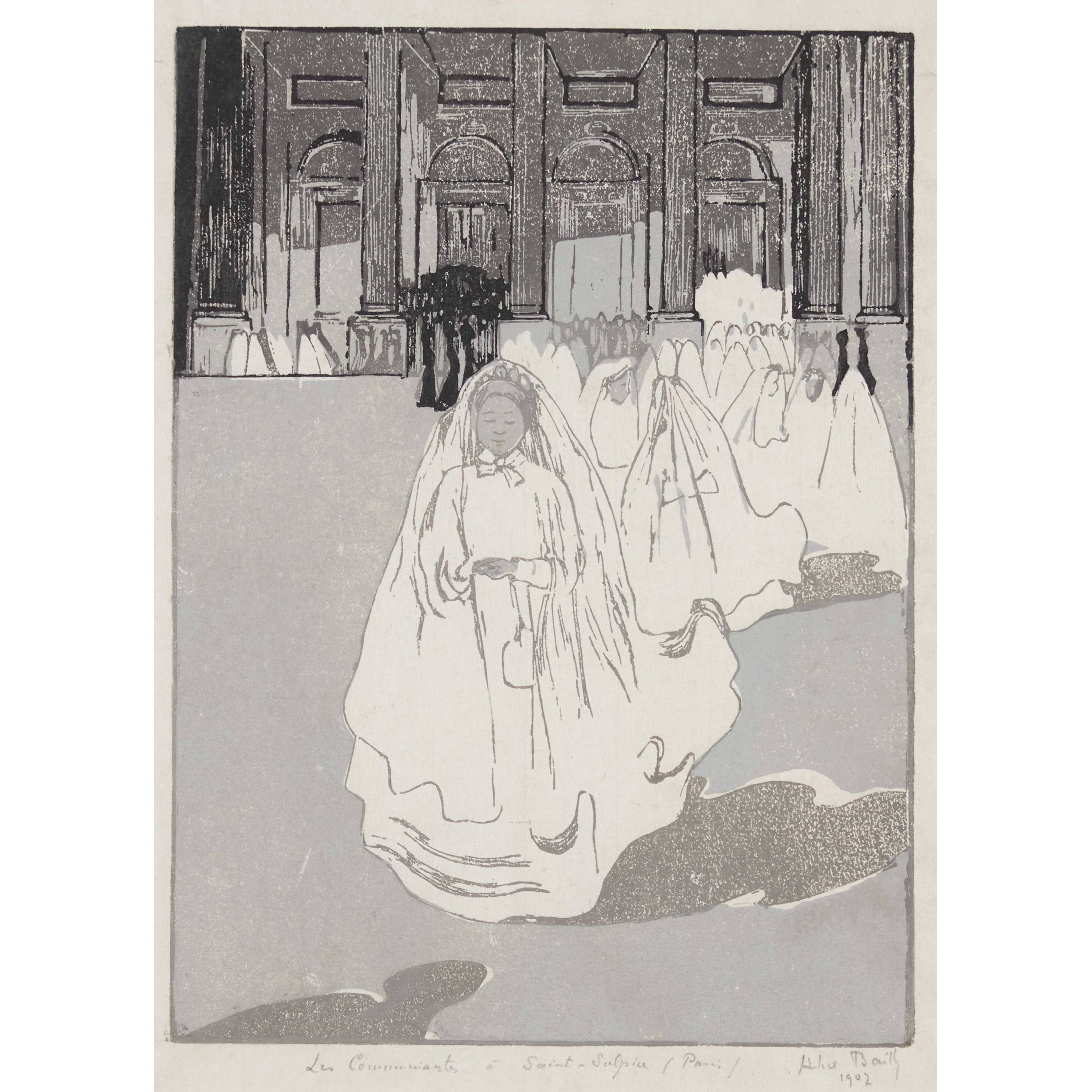
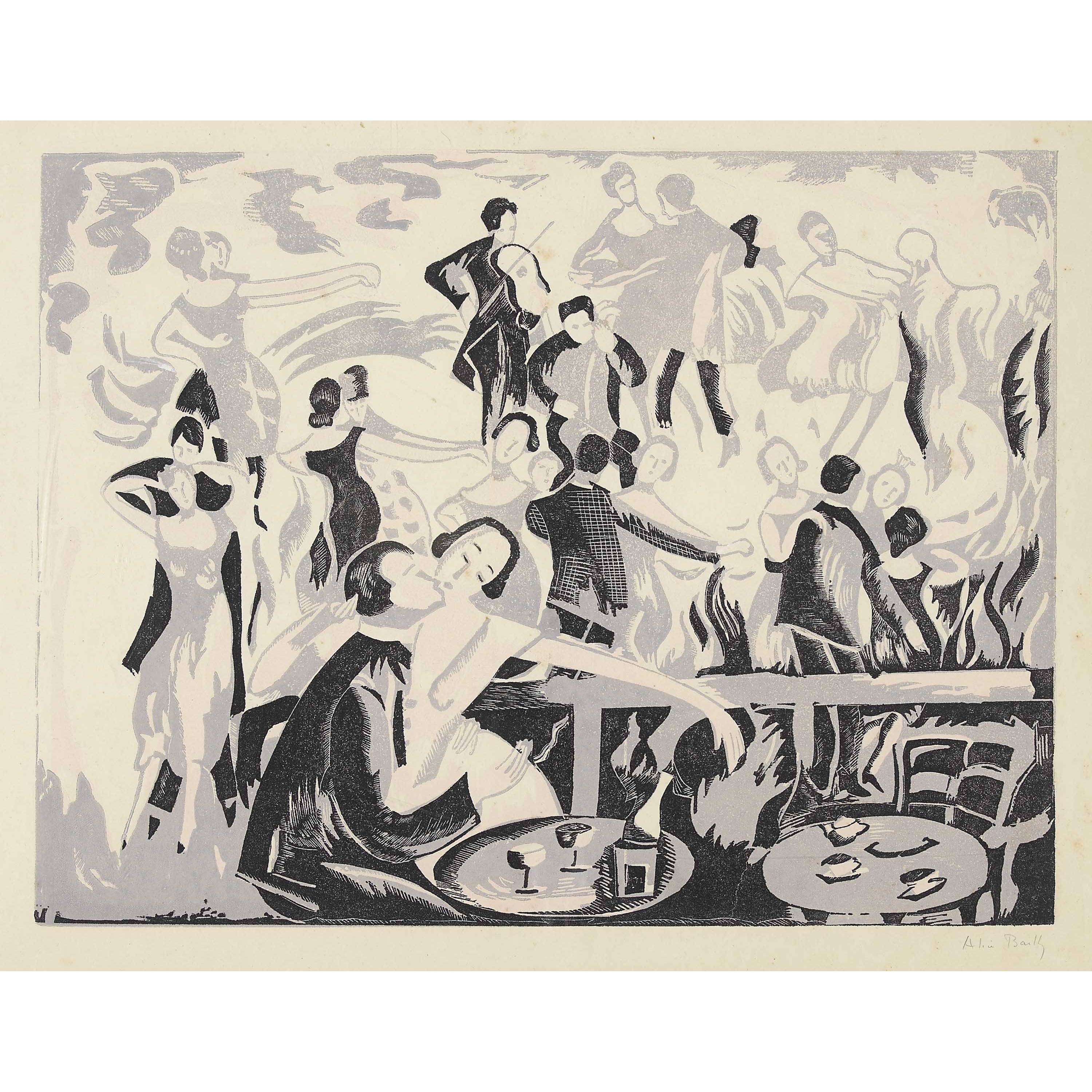
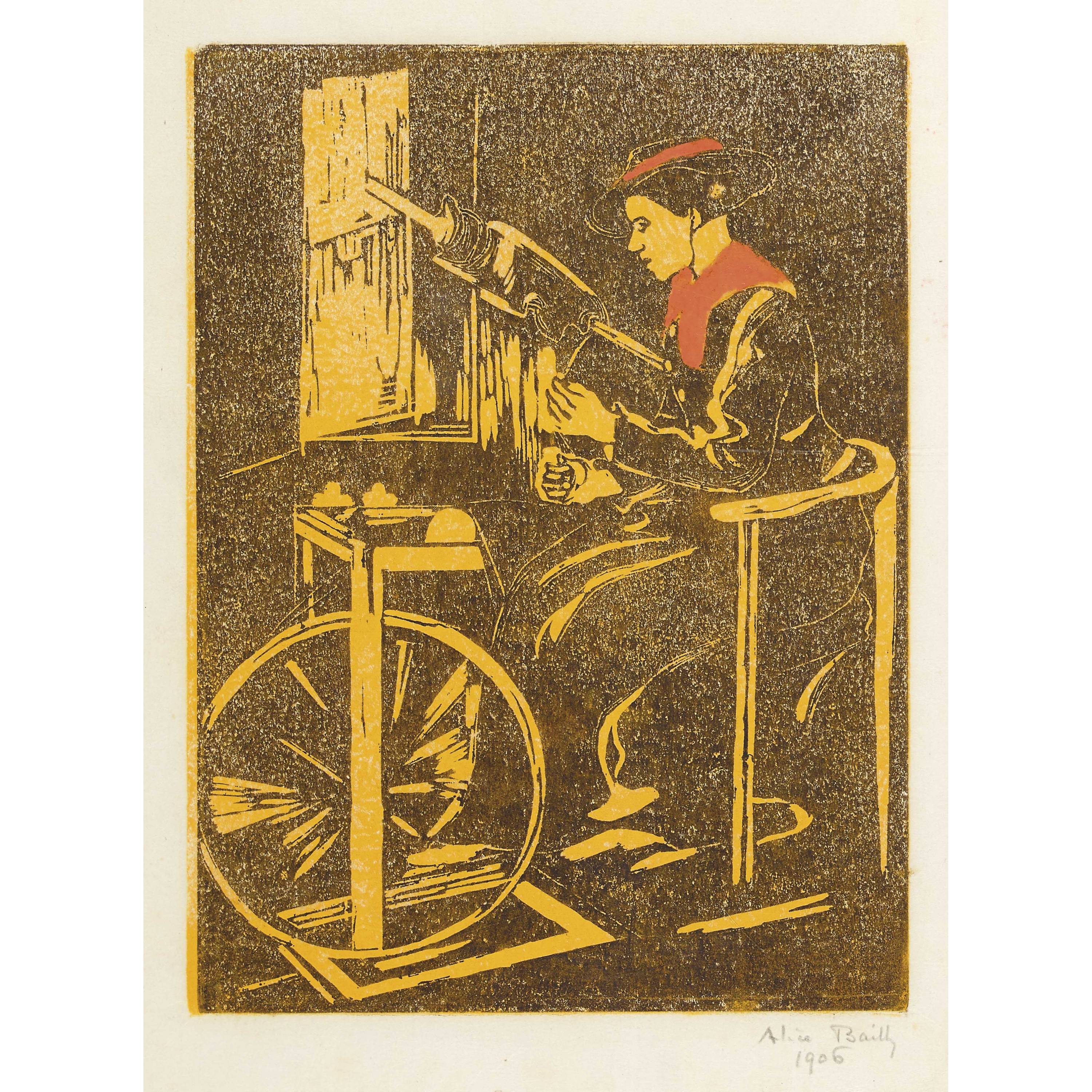
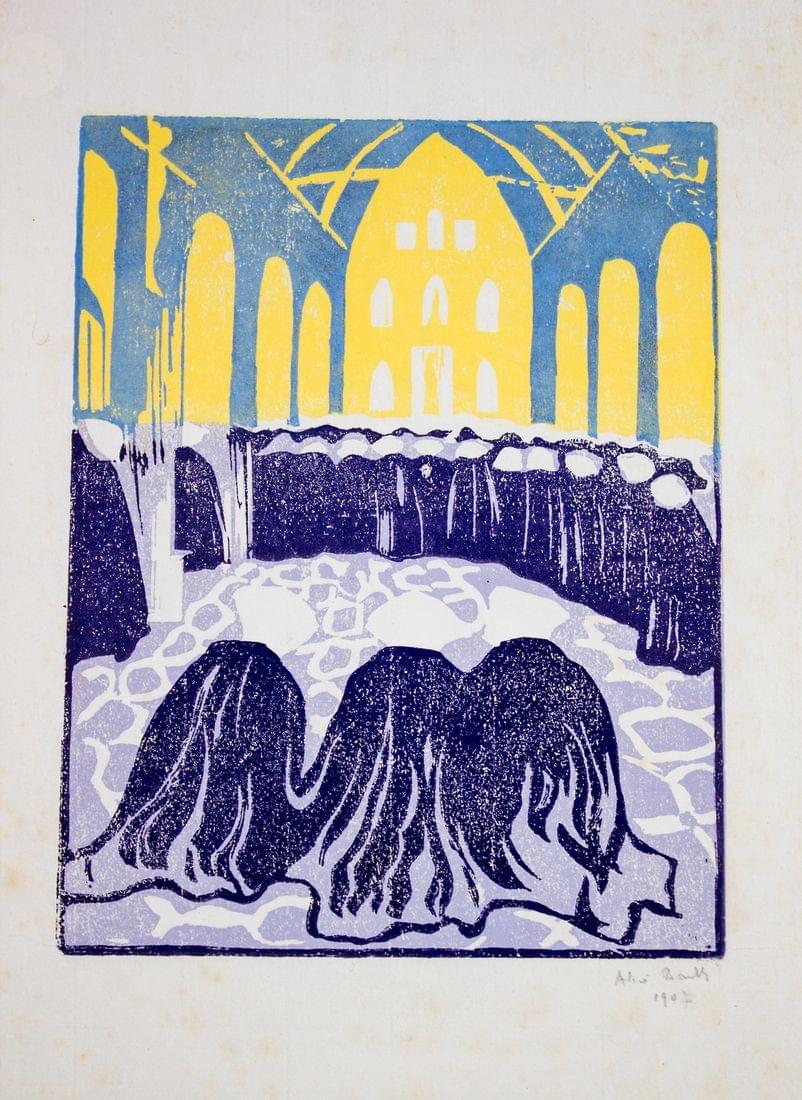
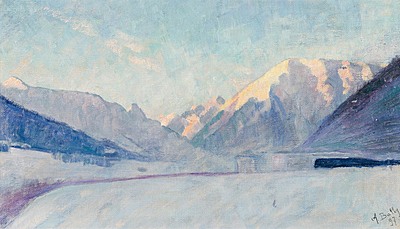
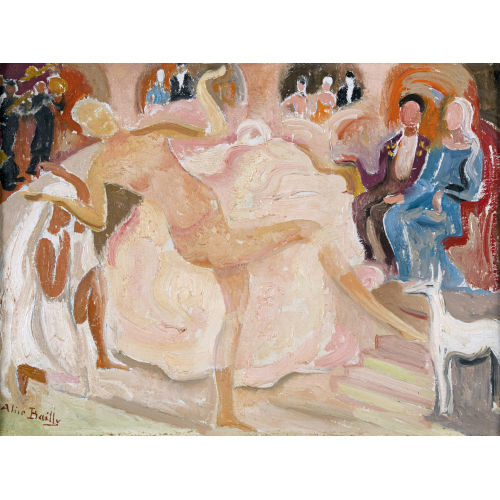
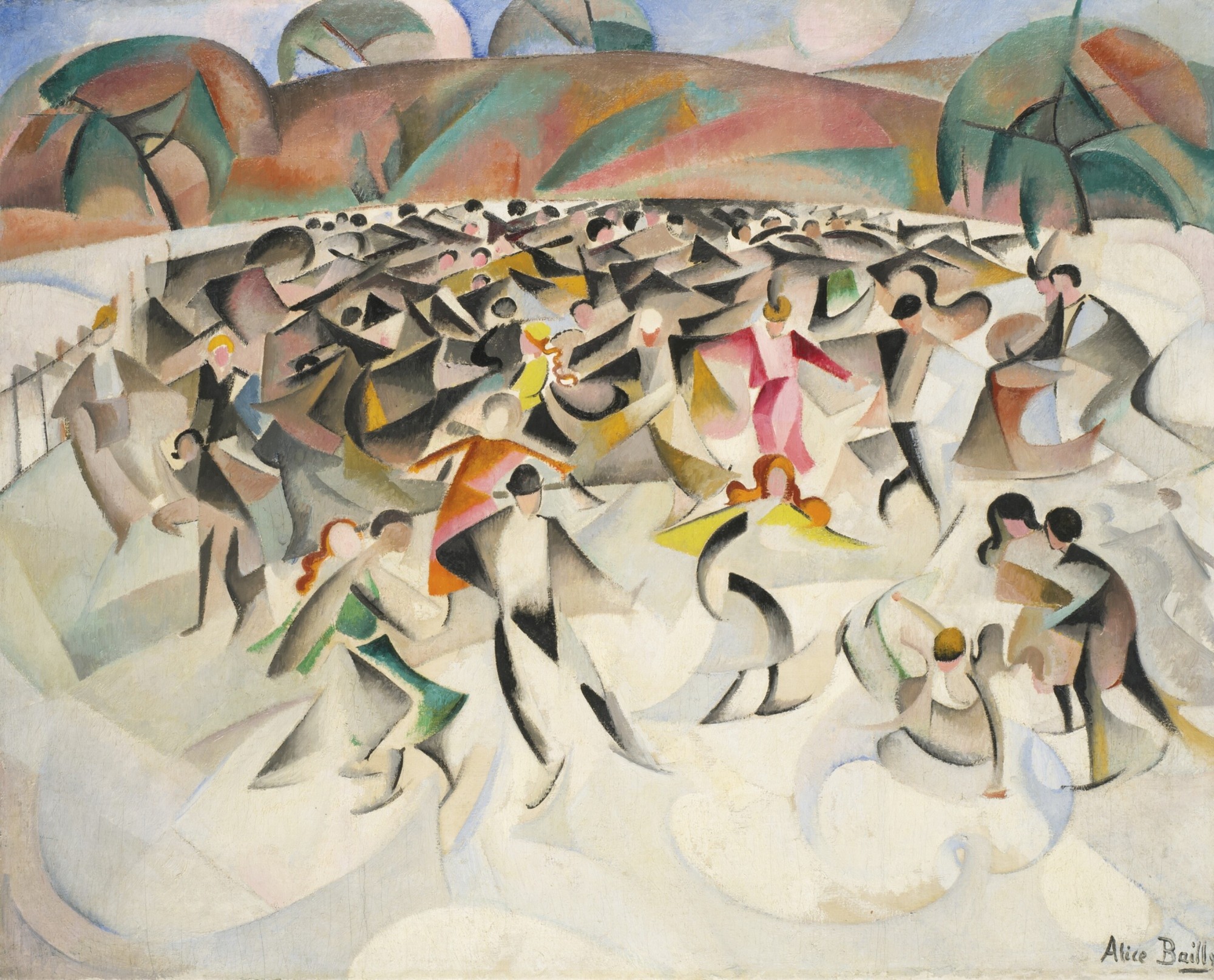
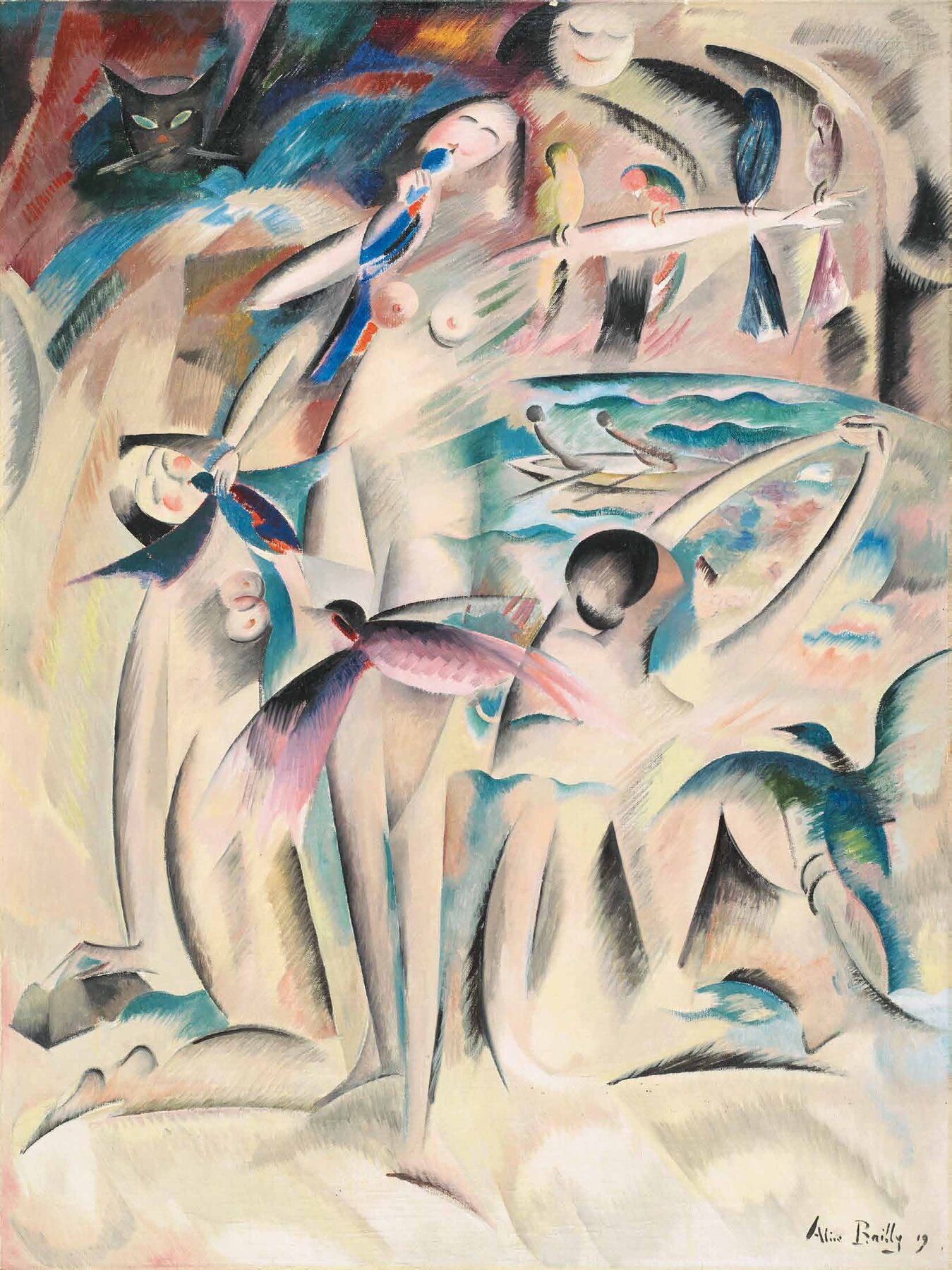
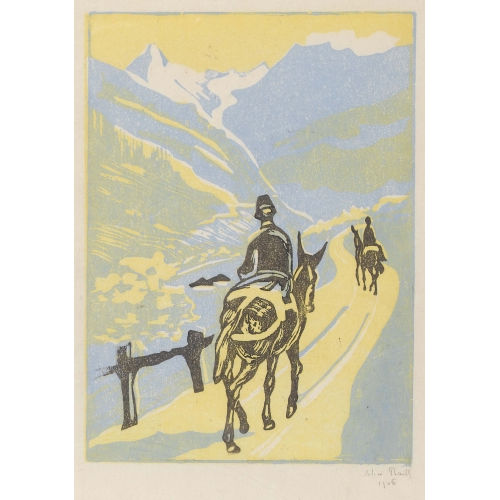
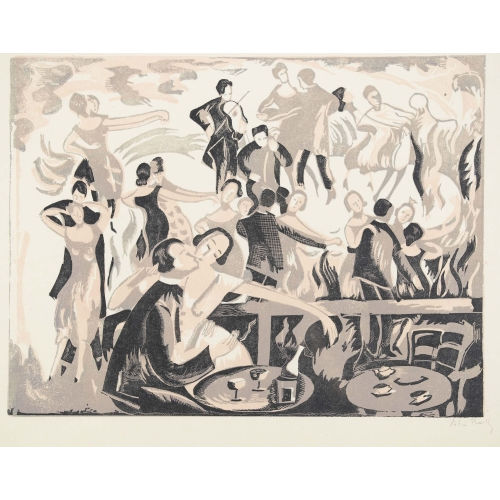
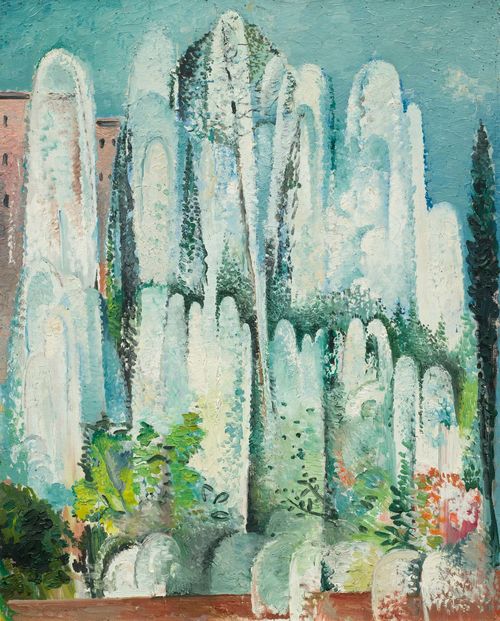
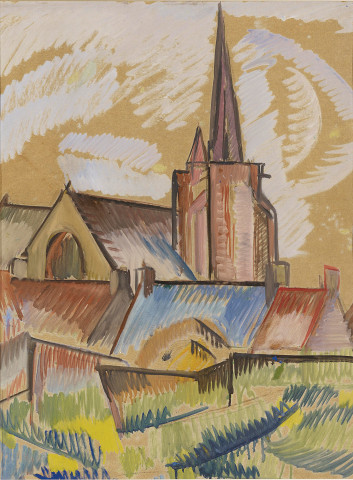
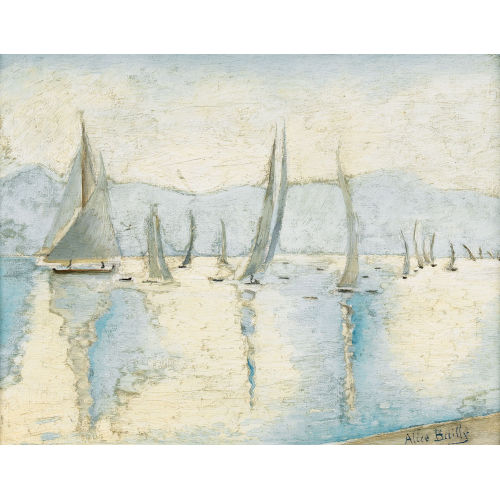
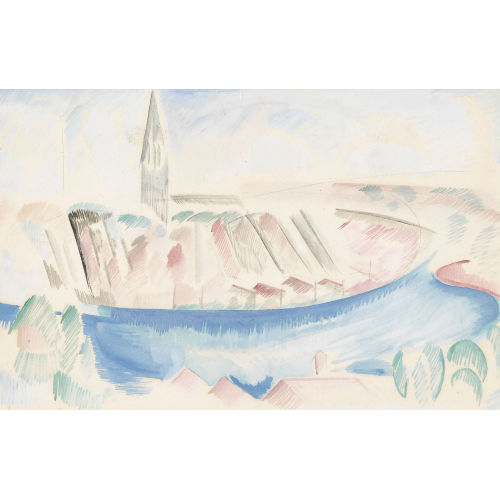
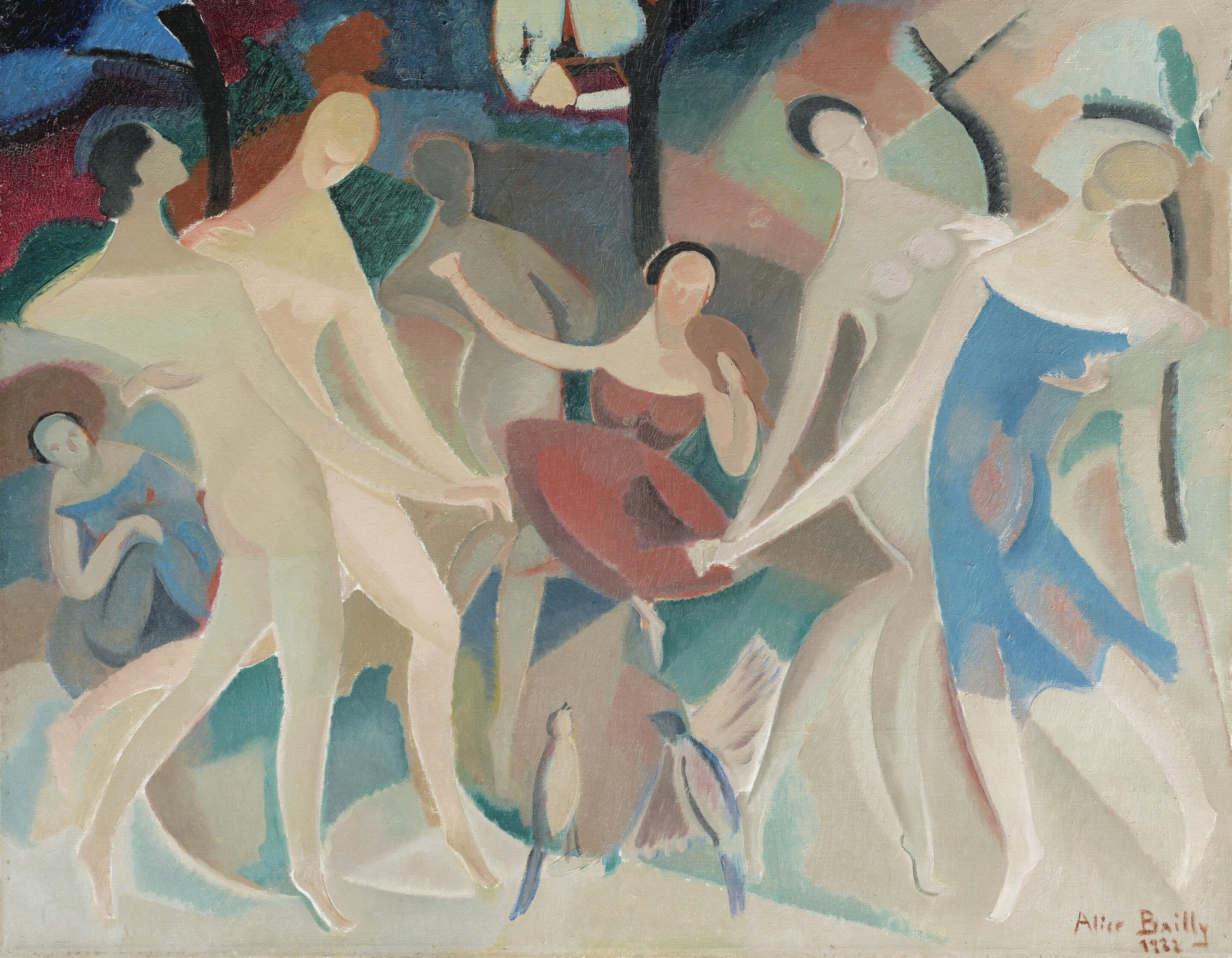
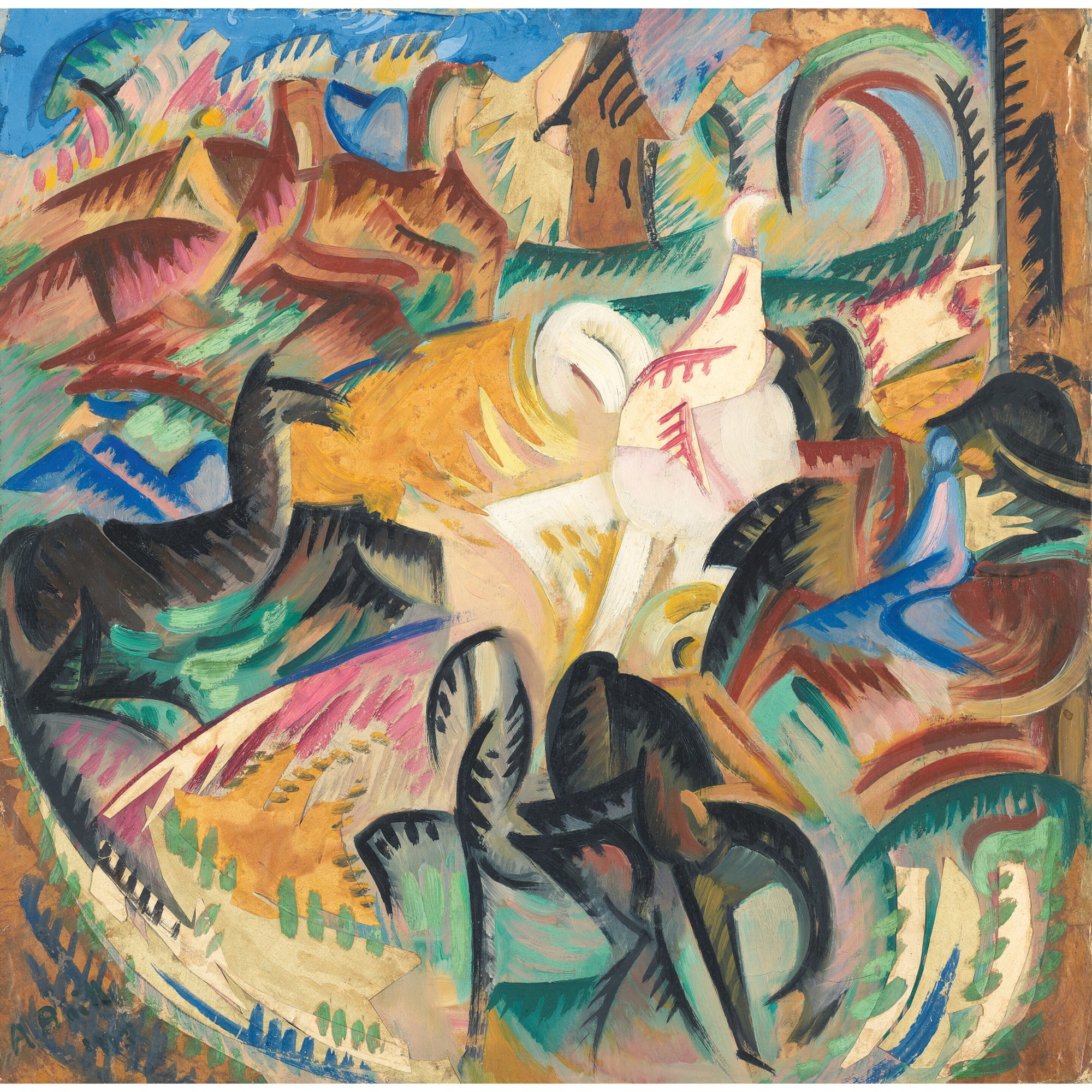
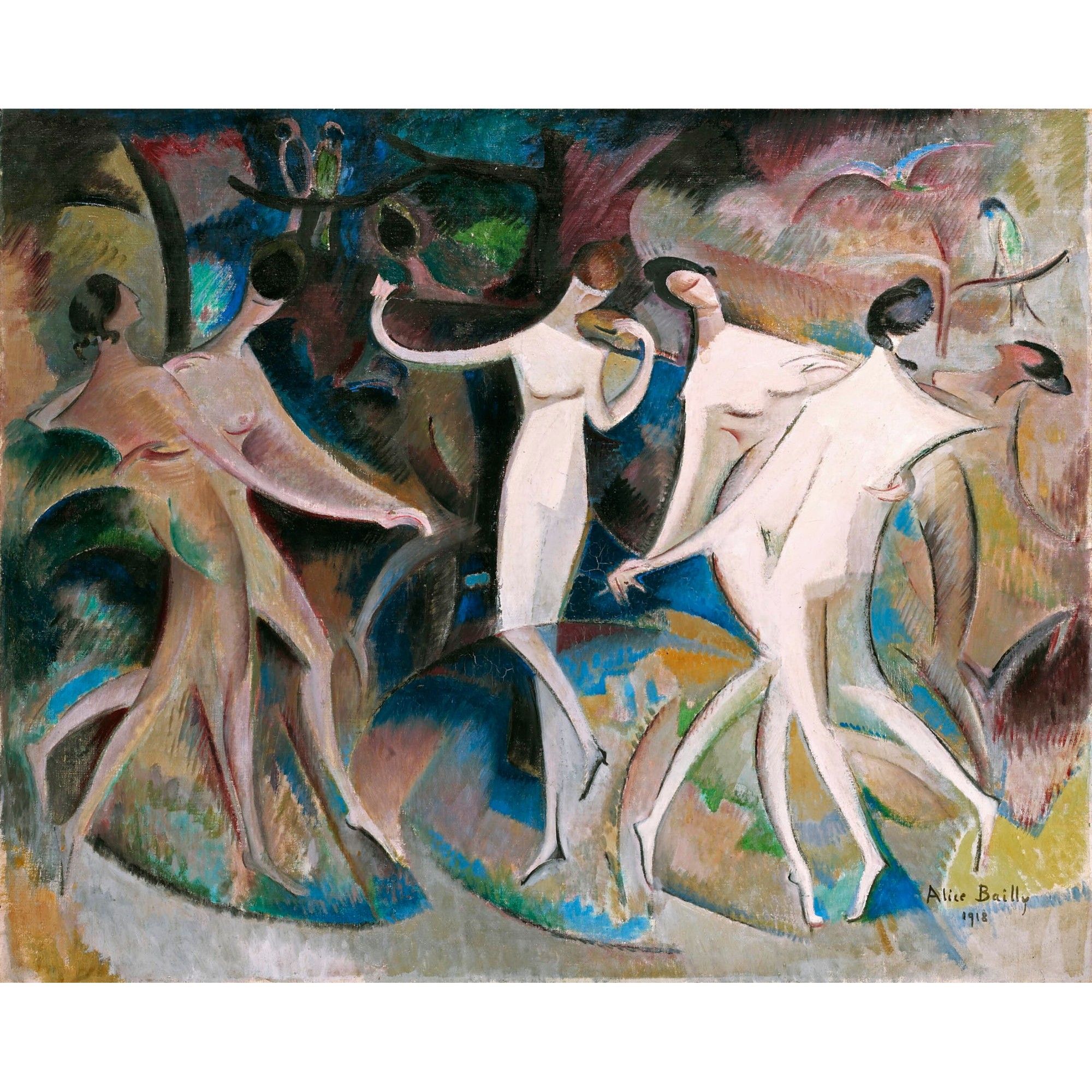
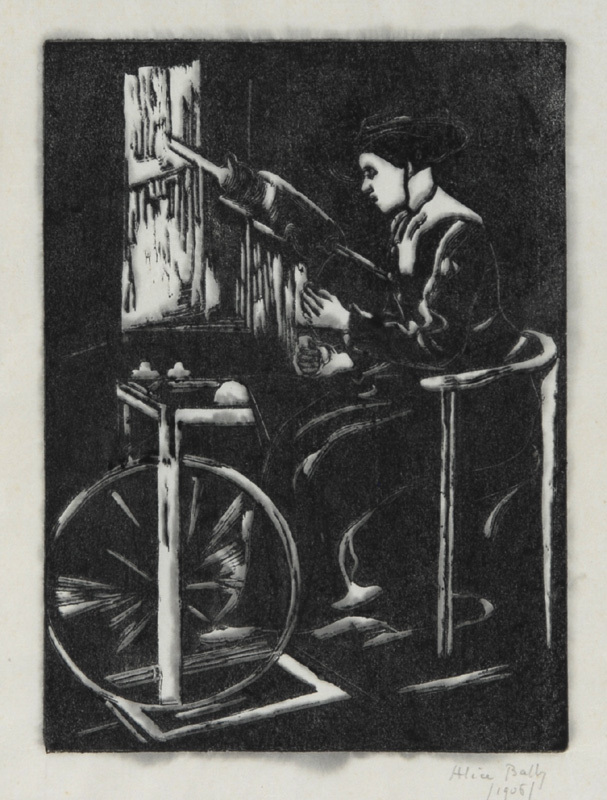
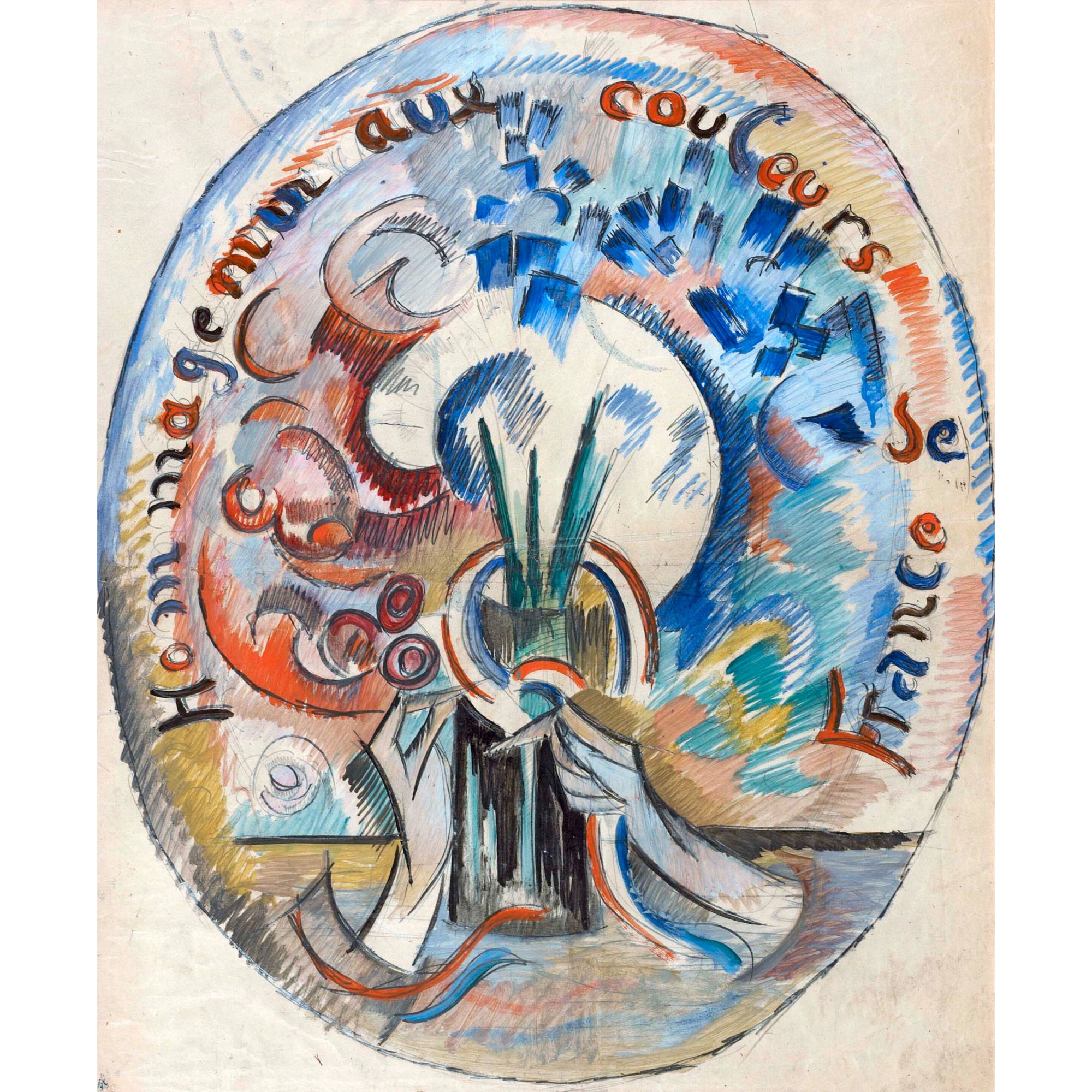
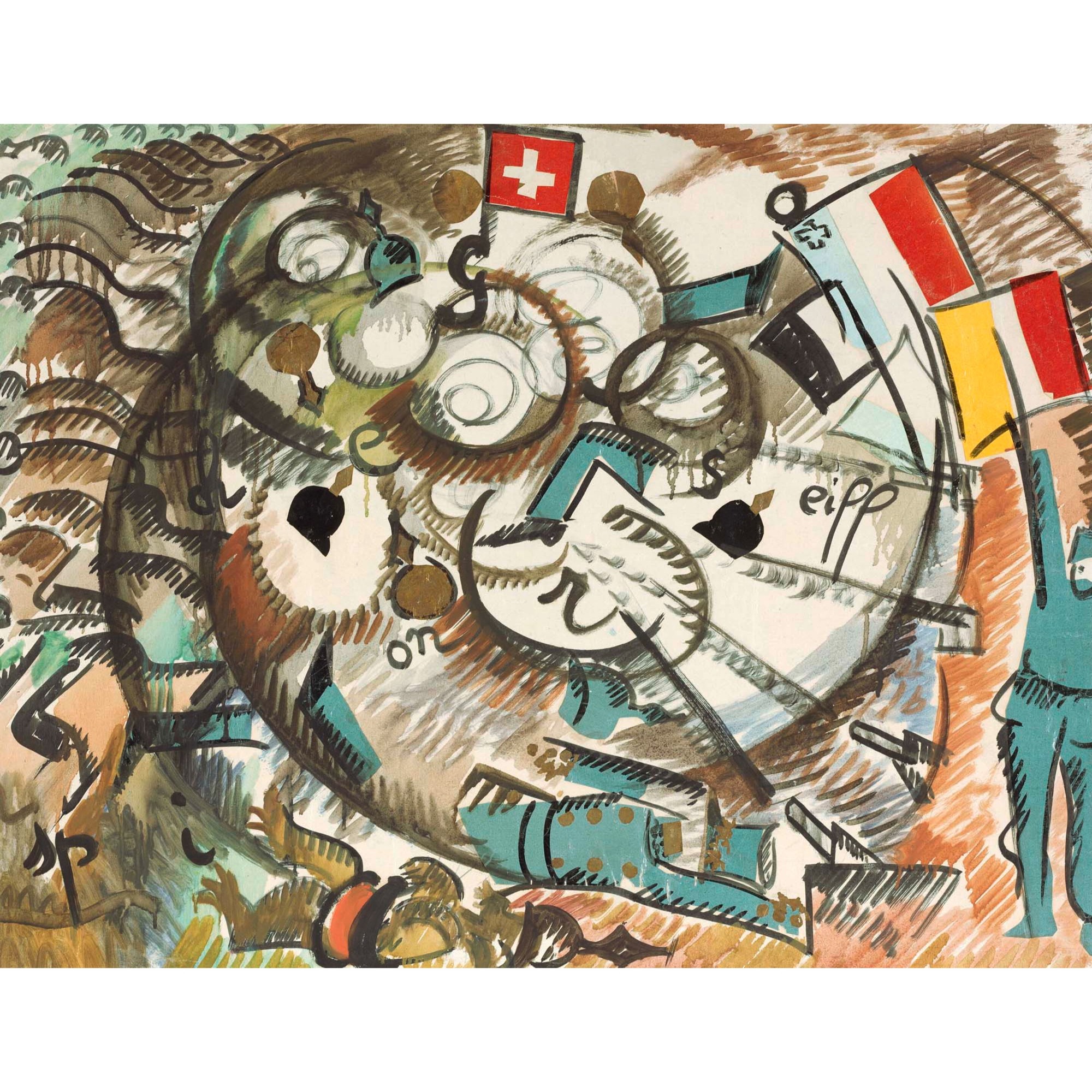
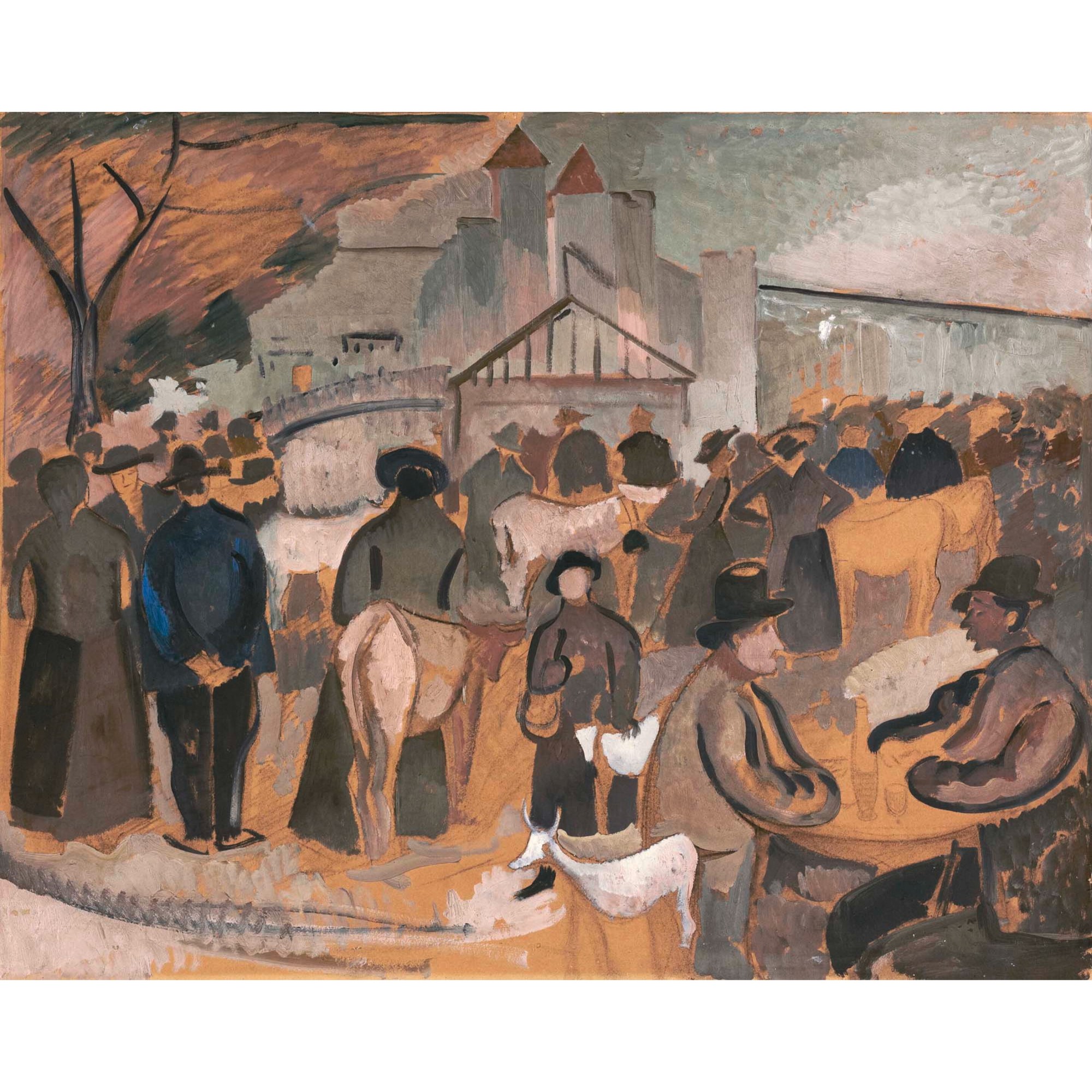
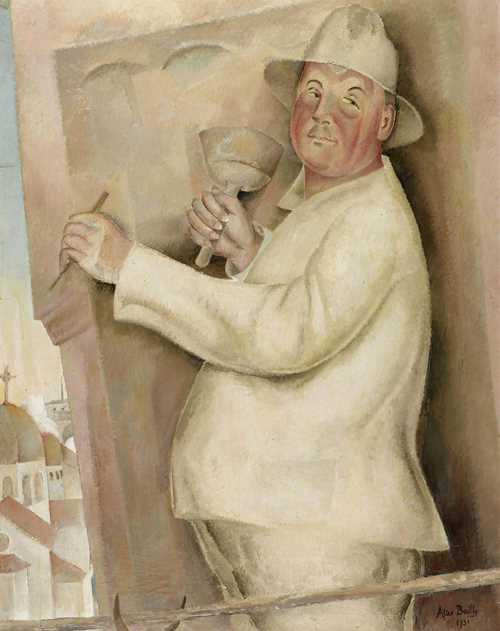
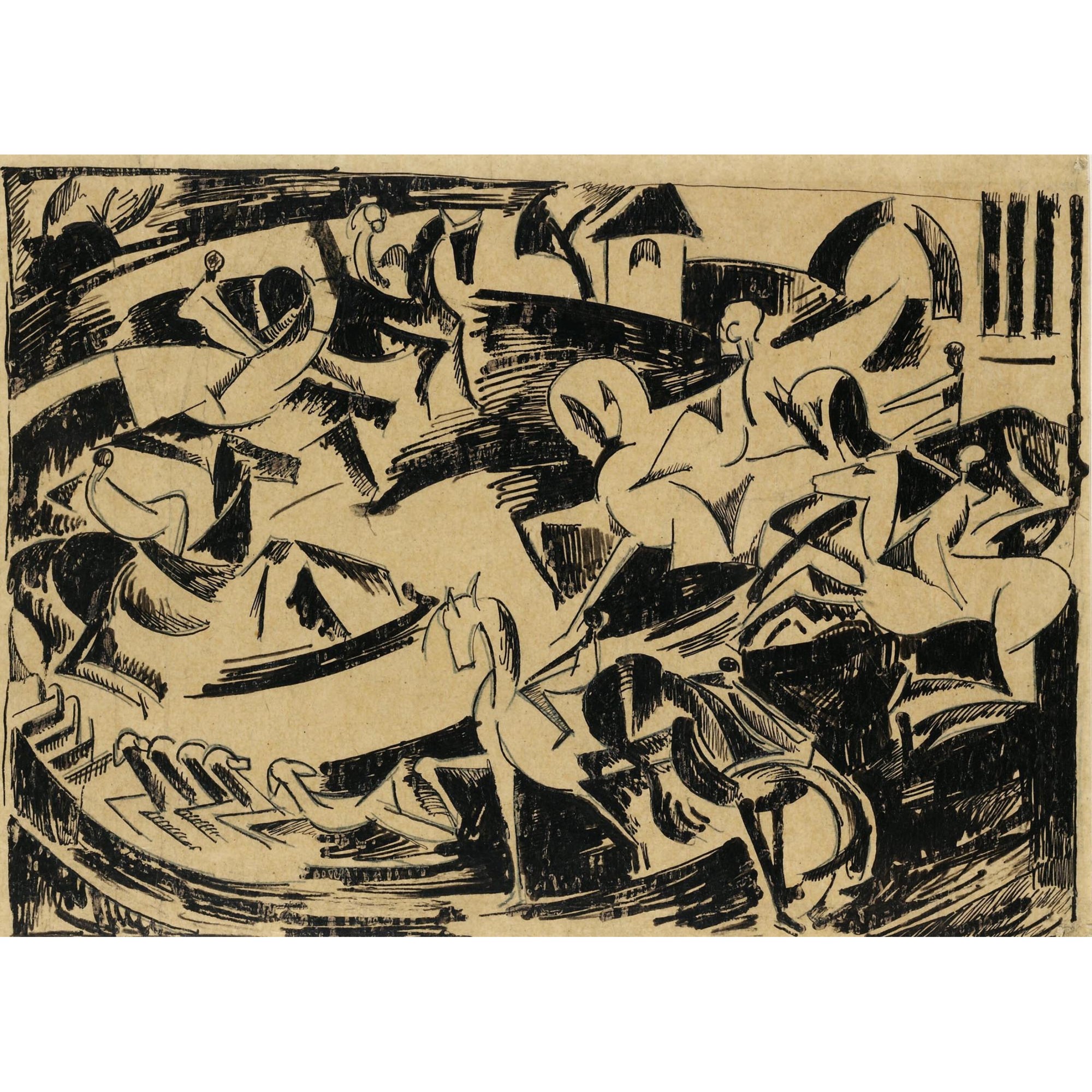
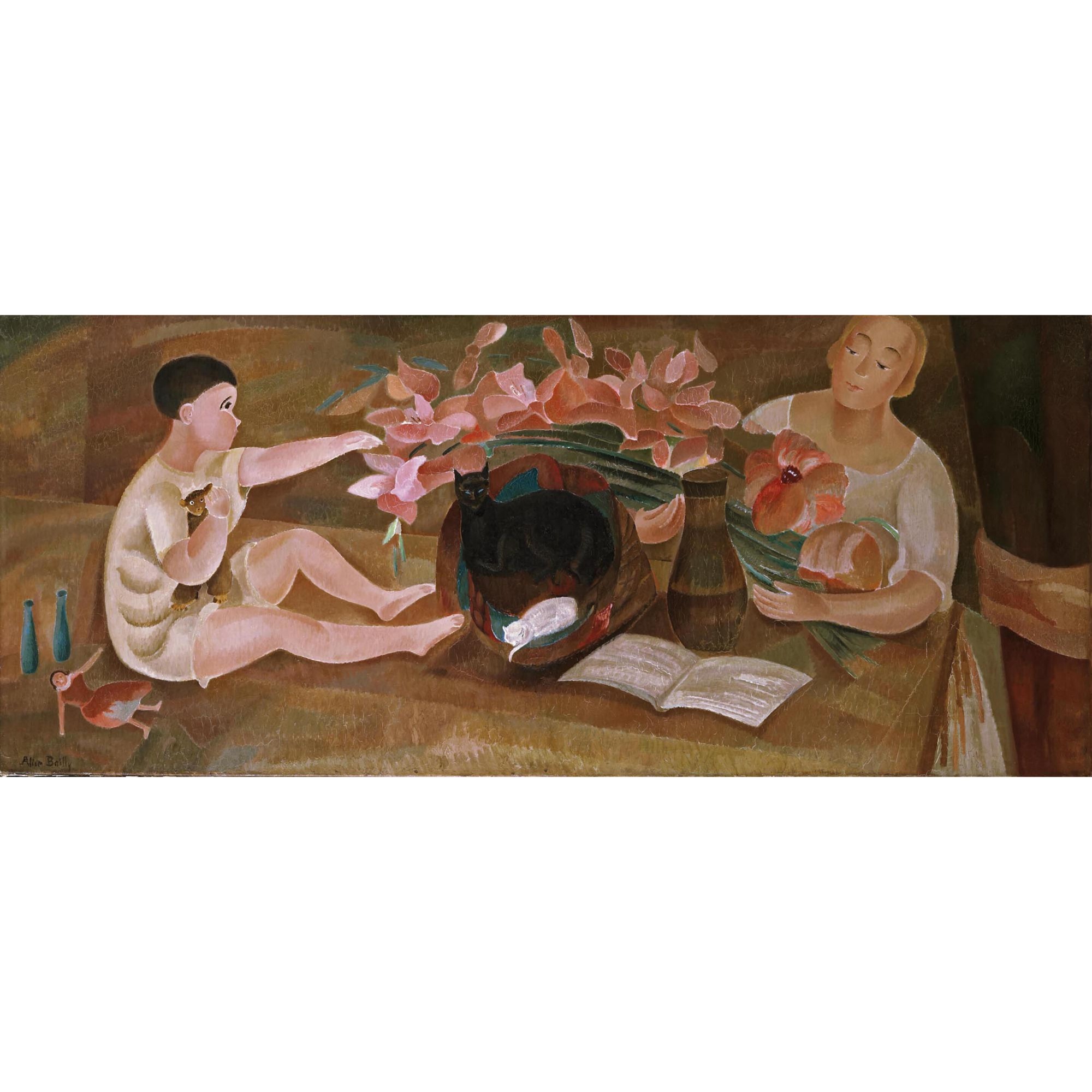
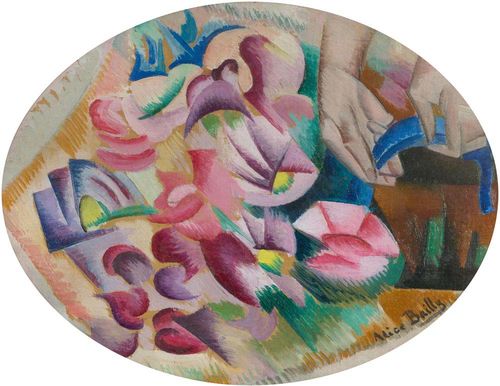
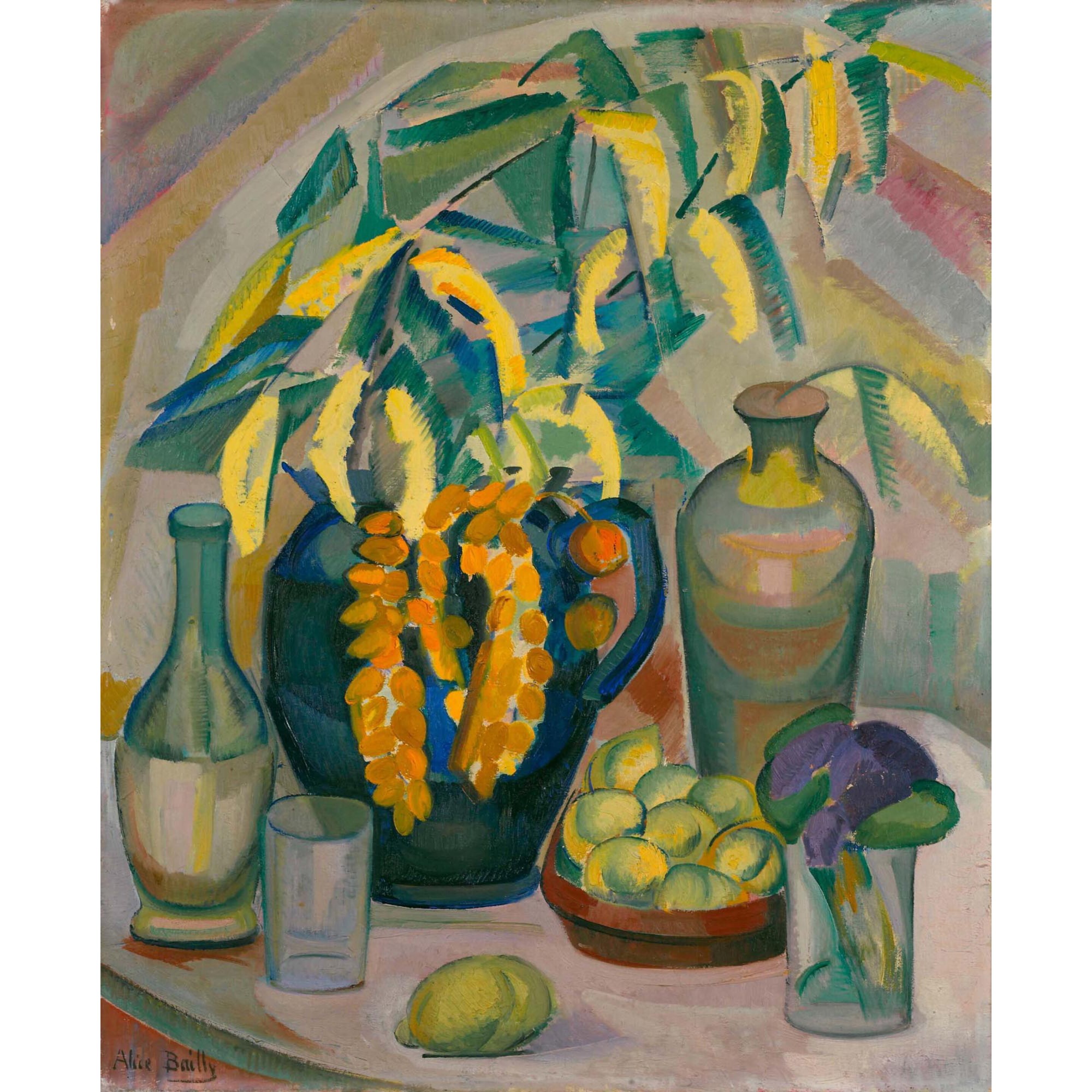
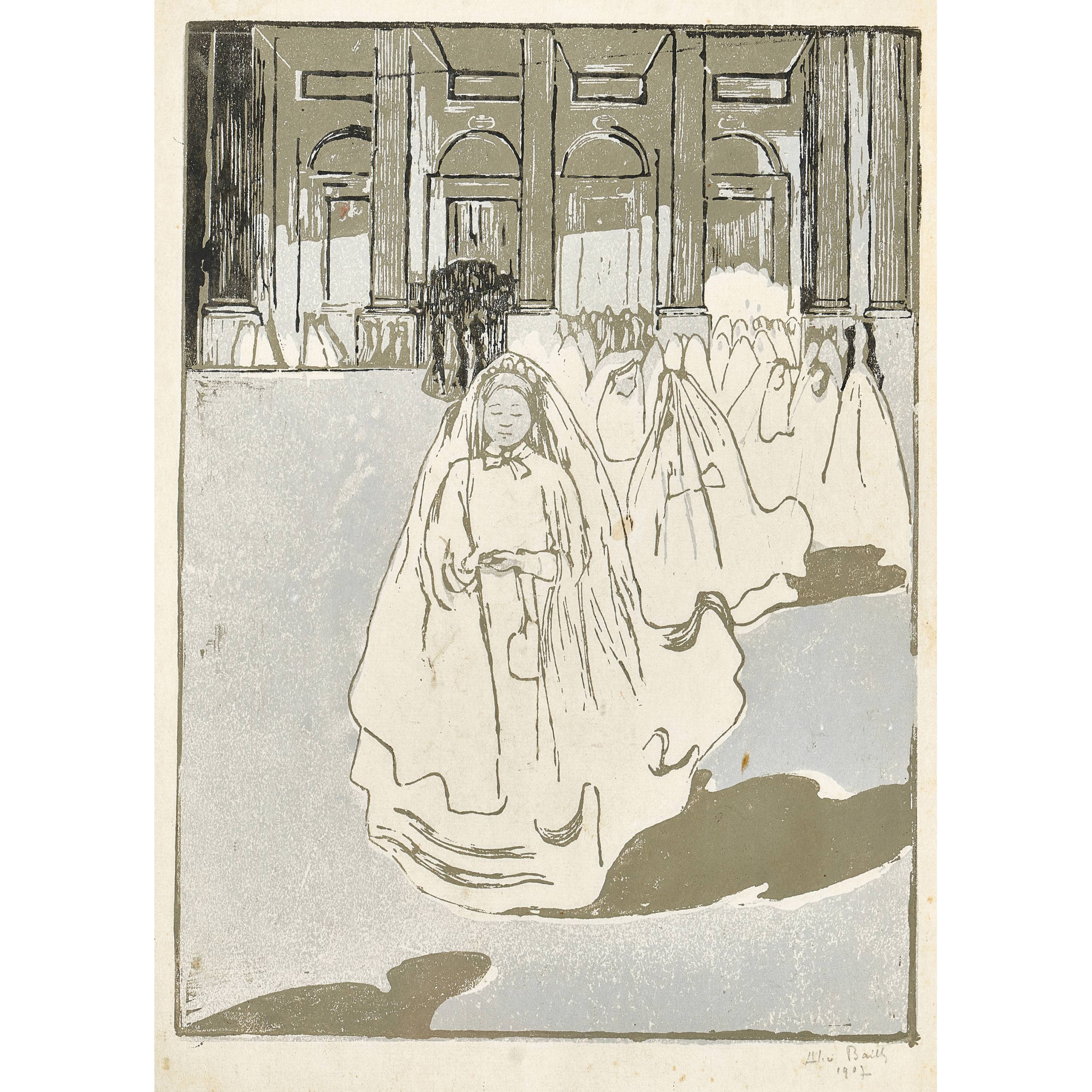
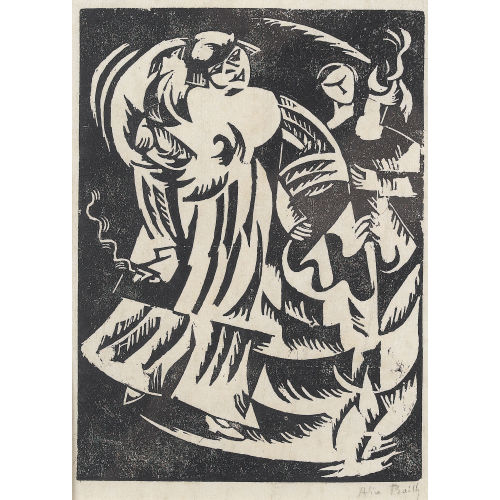
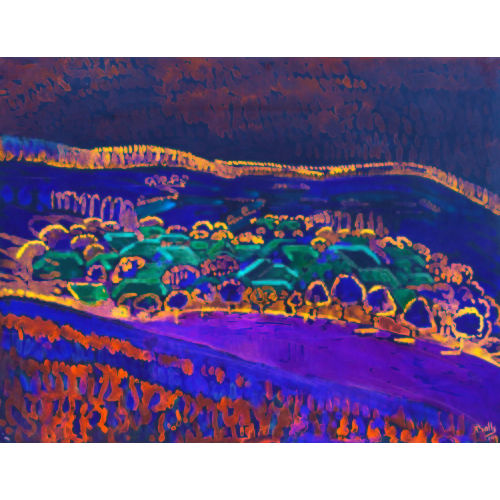
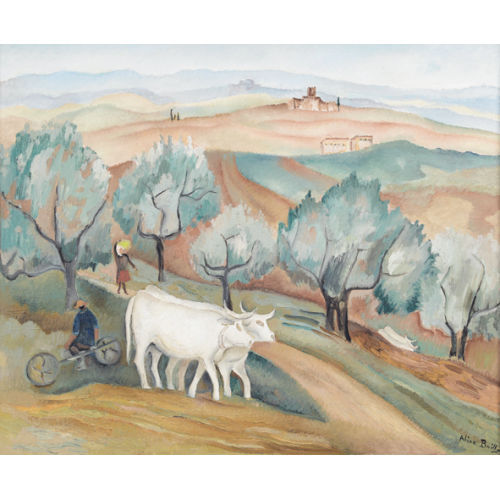
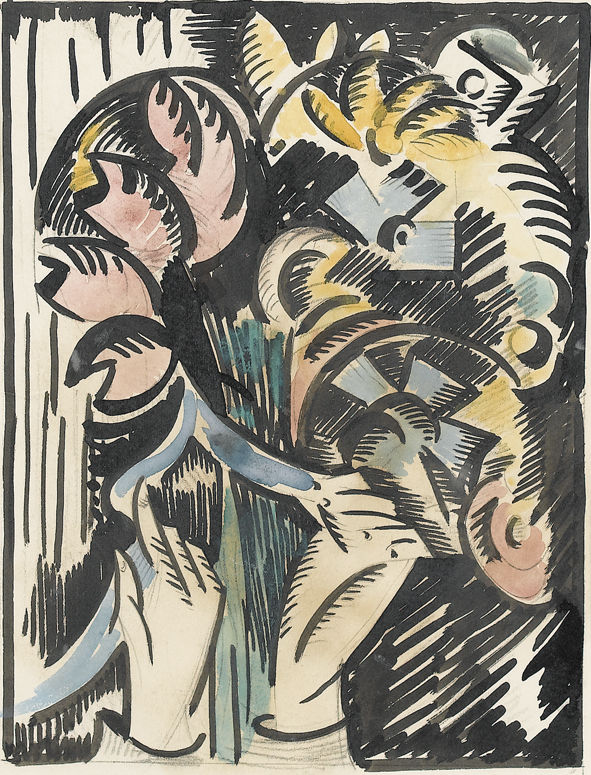
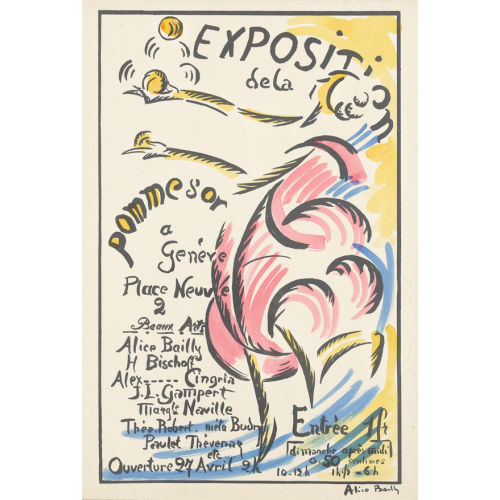
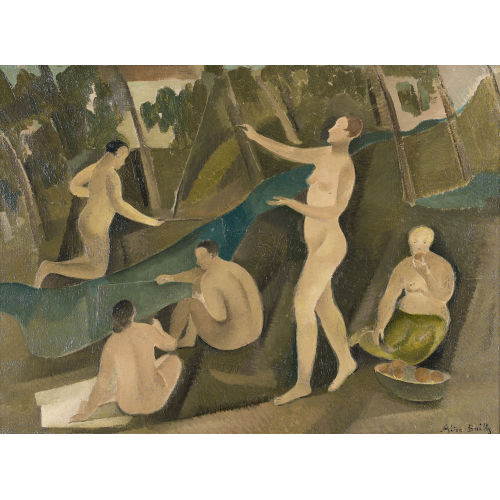
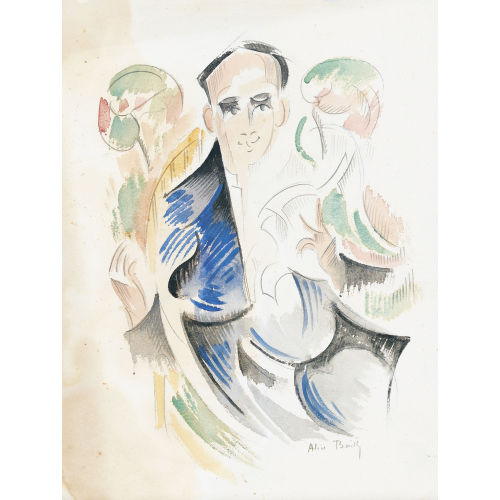
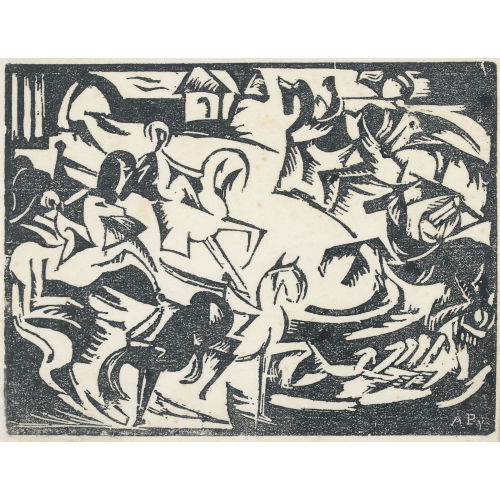
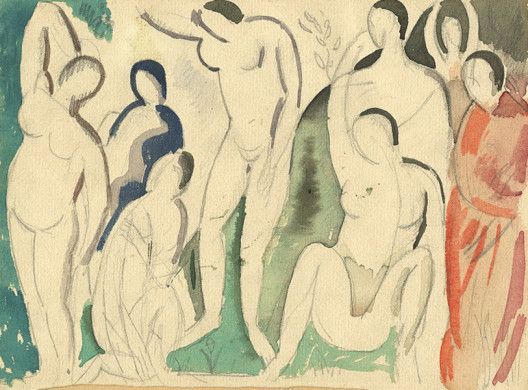
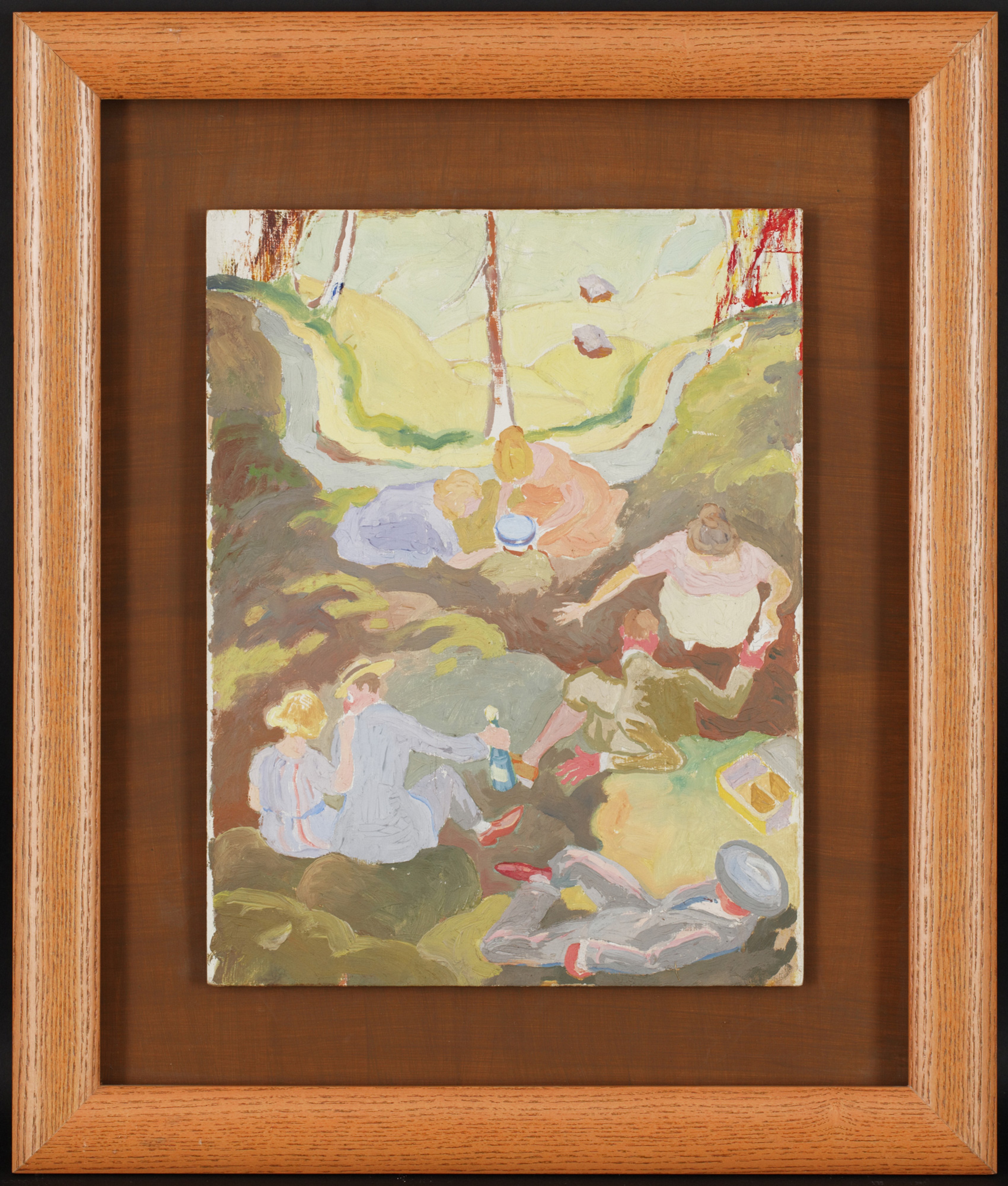
Alice Bailly (Geneva, 25 February 1872 – Lausanne, 1 January 1938) was one of the great pioneers of Swiss modernism. Trained in Geneva and further shaped by periods of study in Germany, she settled in Paris in 1906. Contact with the avant-garde rapidly transformed her painting: Fauvist colour, Cubist fragmentation, Orphism and Futurist dynamism were absorbed into a highly personal language that never belonged to a single school.
Guillaume Apollinaire praised her submissions to Paris salons in 1912, and her first solo exhibition in 1913 established her firmly within the international avant-garde.
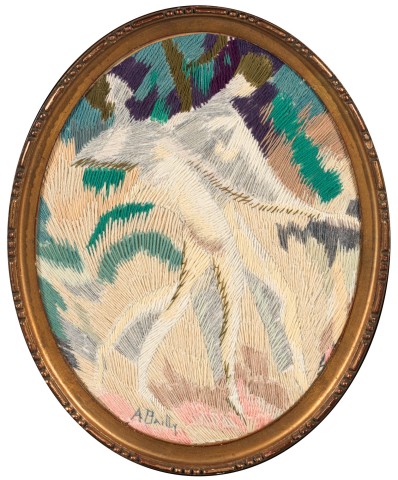
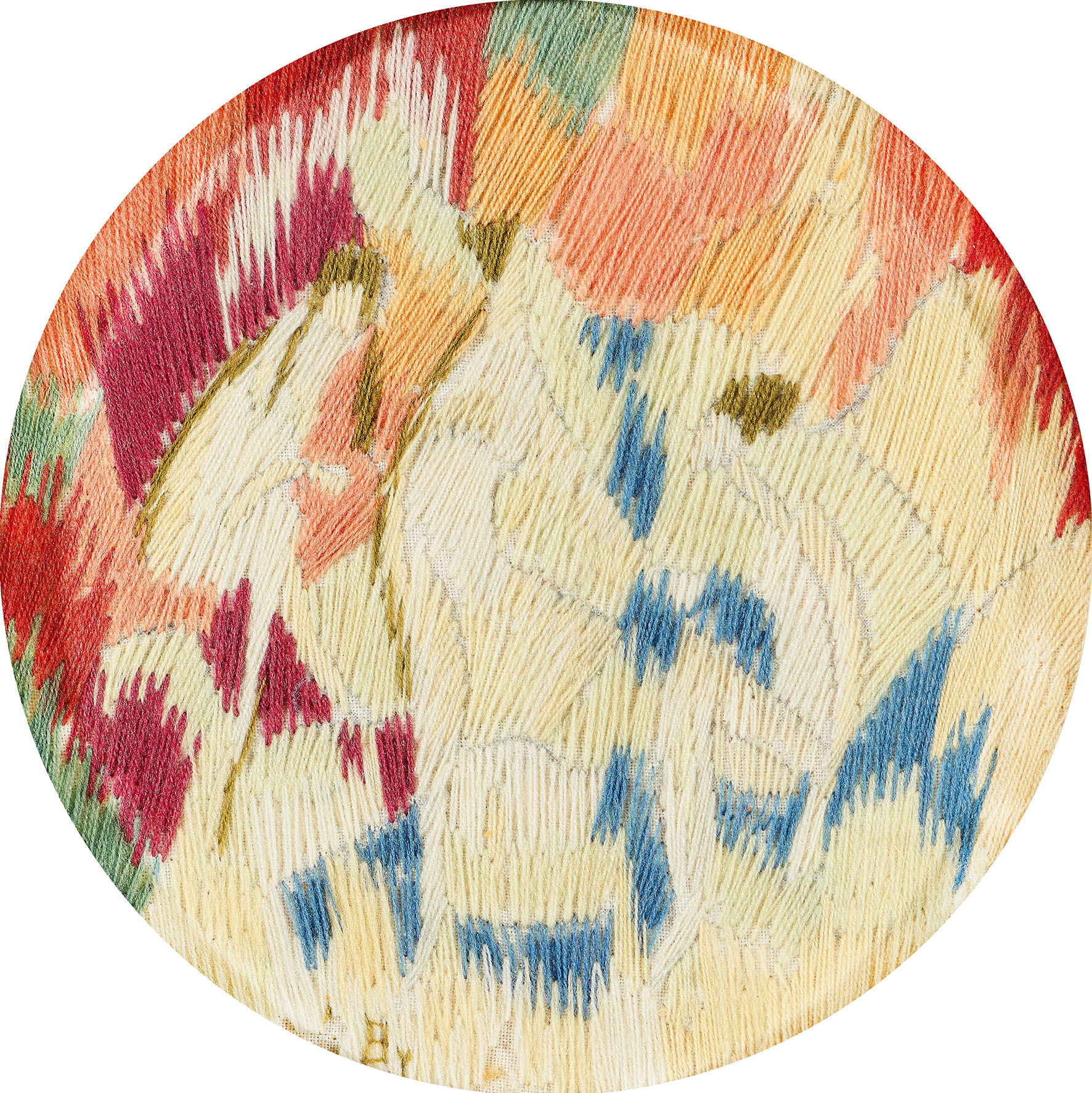
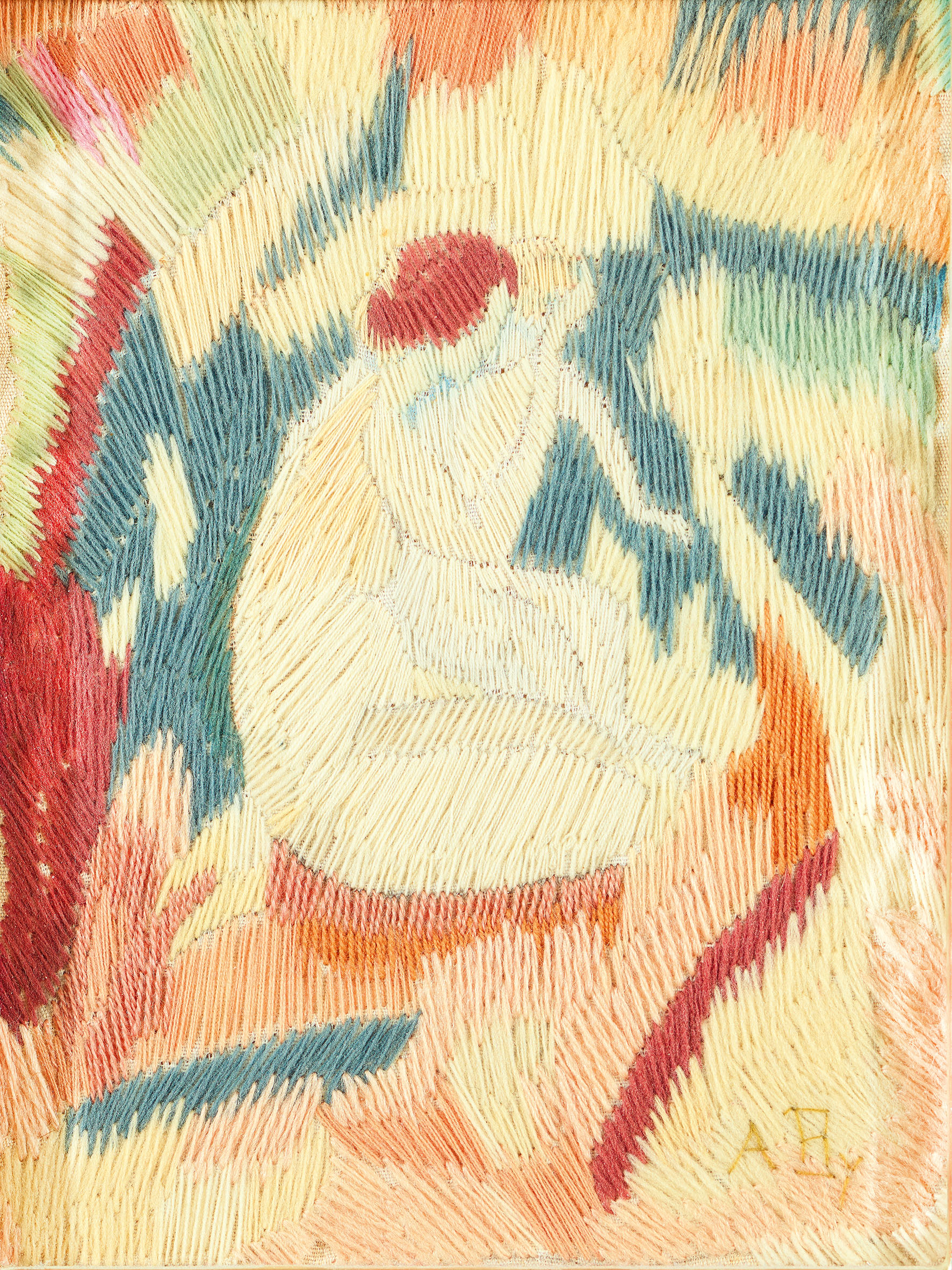
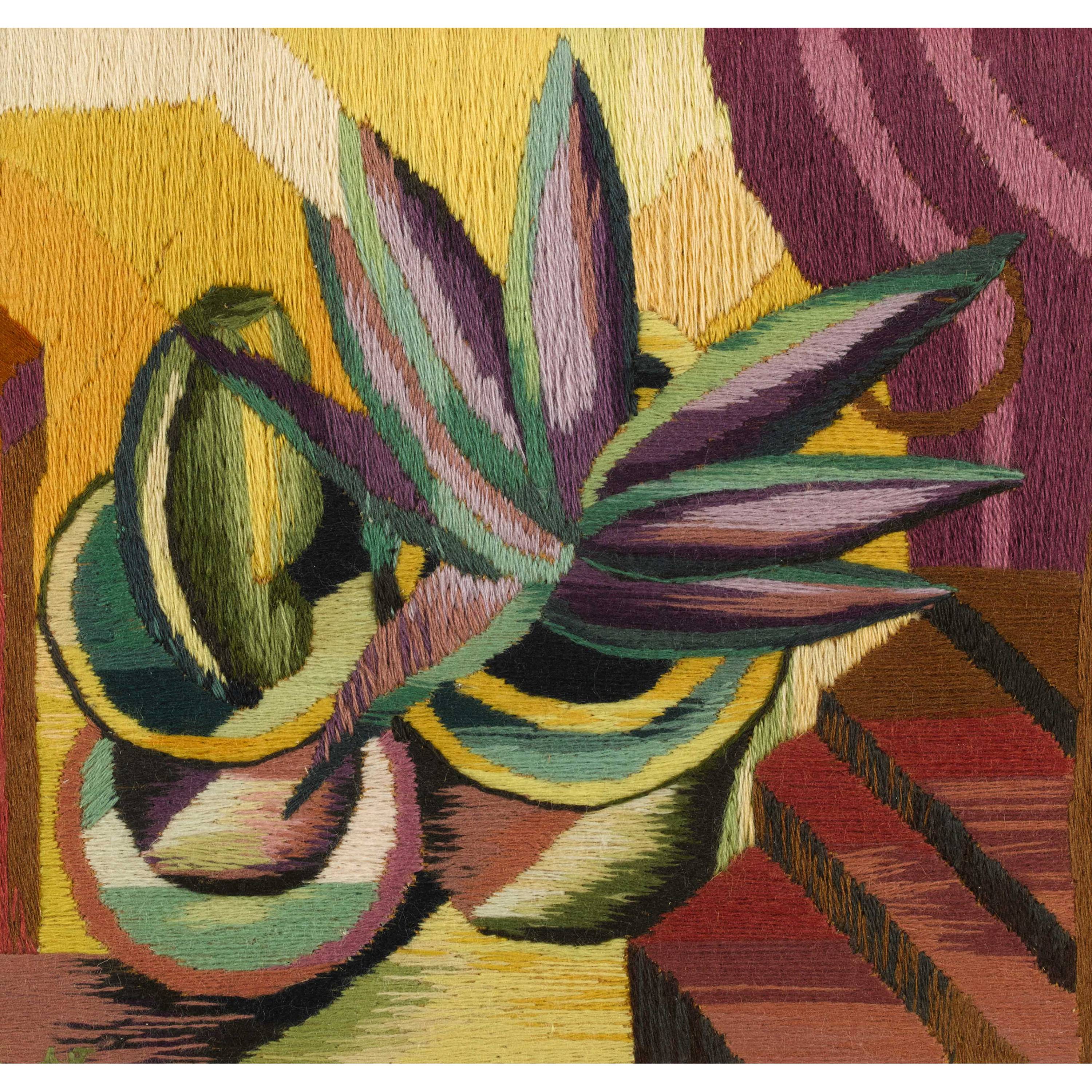
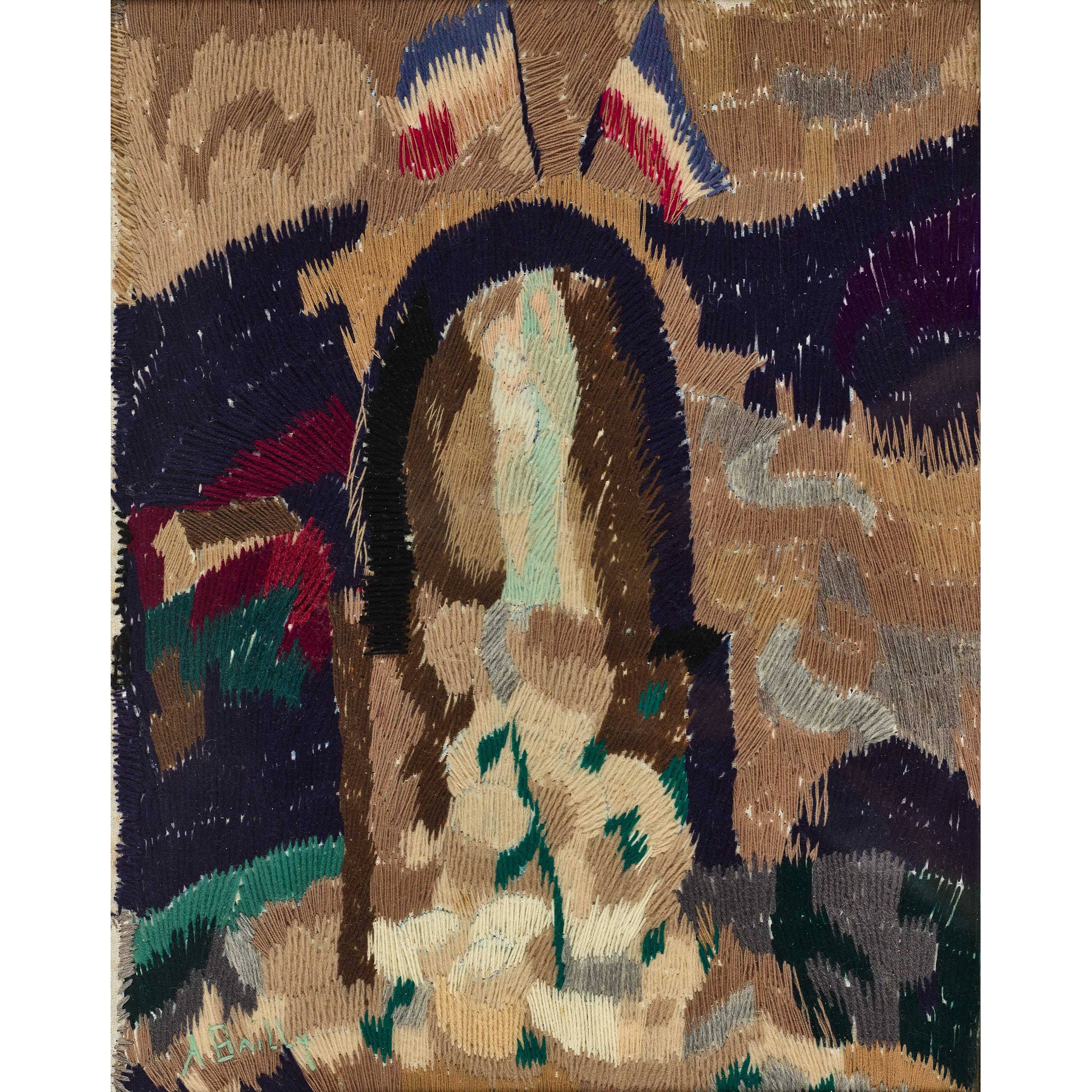
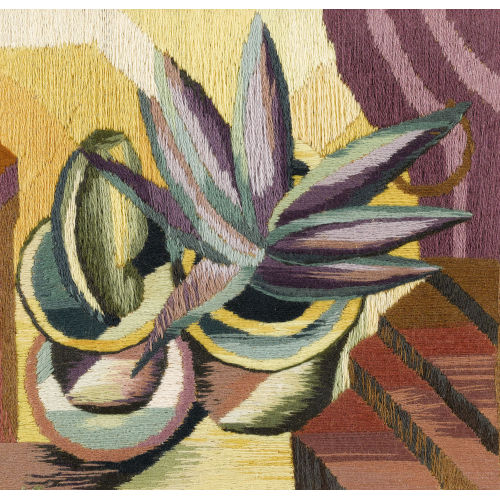
The First World War brought Bailly back to Switzerland in 1914. Moving between Geneva and Zurich, she participated in avant-garde circles, the Dada environment and the group Das Neue Leben. During these years she invented one of the most original contributions to twentieth-century Swiss art: the «tableaux-laine», or wool pictures.
Between 1917 and 1923 she created around fifty works in which wool, silk, metallic papers, ink and textile support were granted the same artistic status as painting. «Les rythmiciennes» (1918–1919), in the Musée cantonal des Beaux-Arts Lausanne, is a major example.
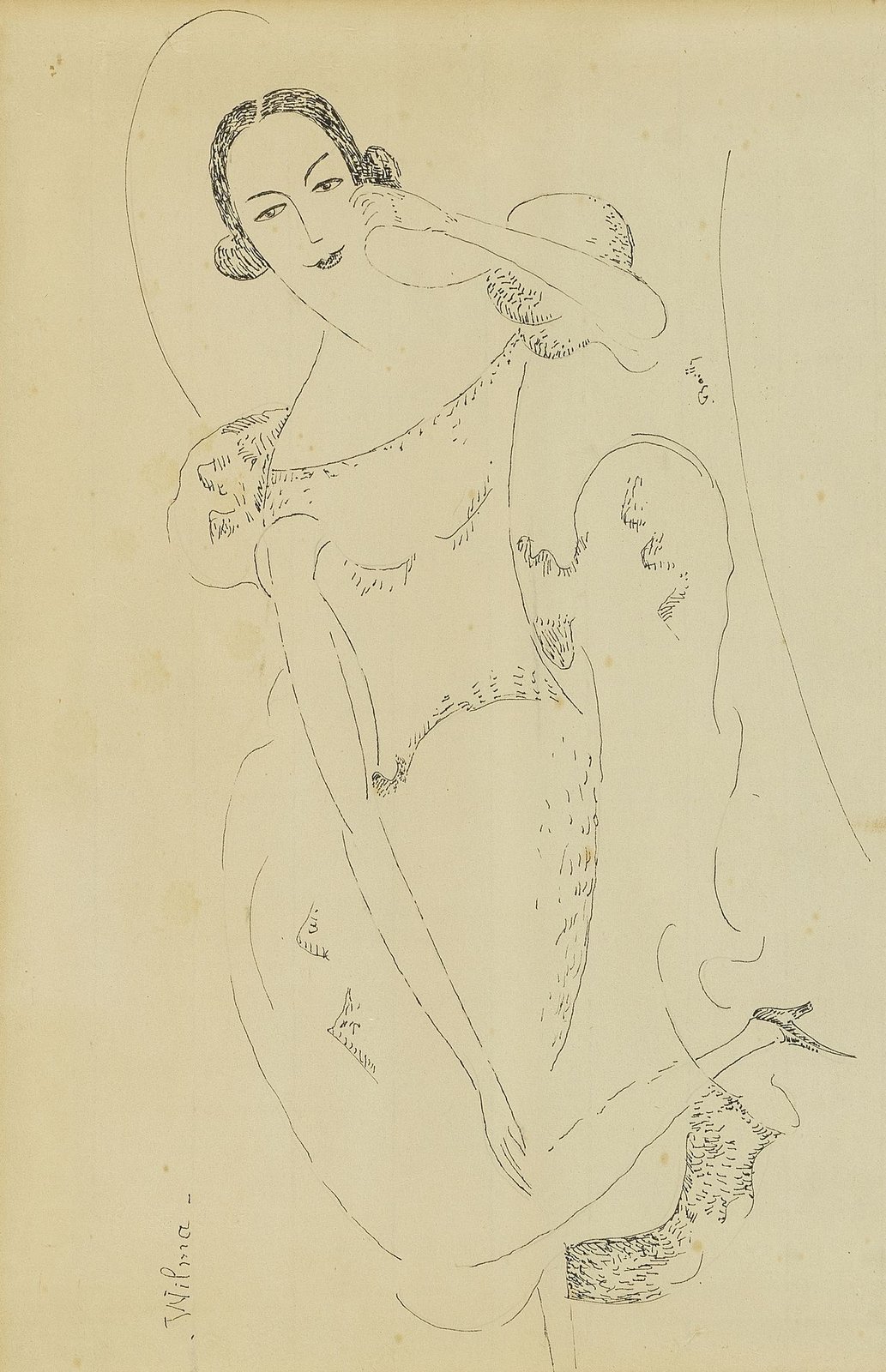
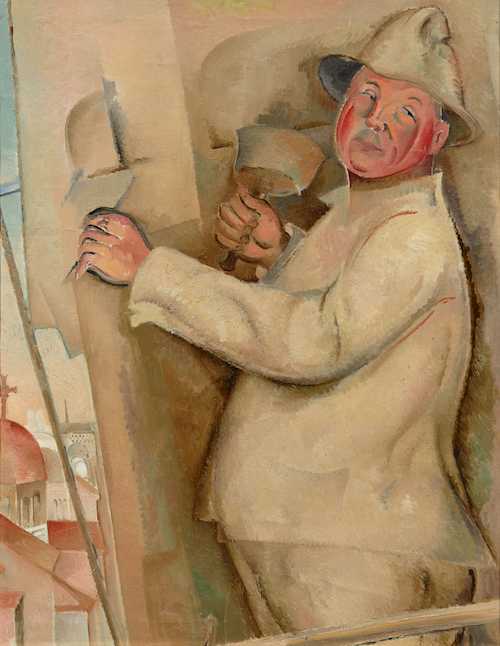
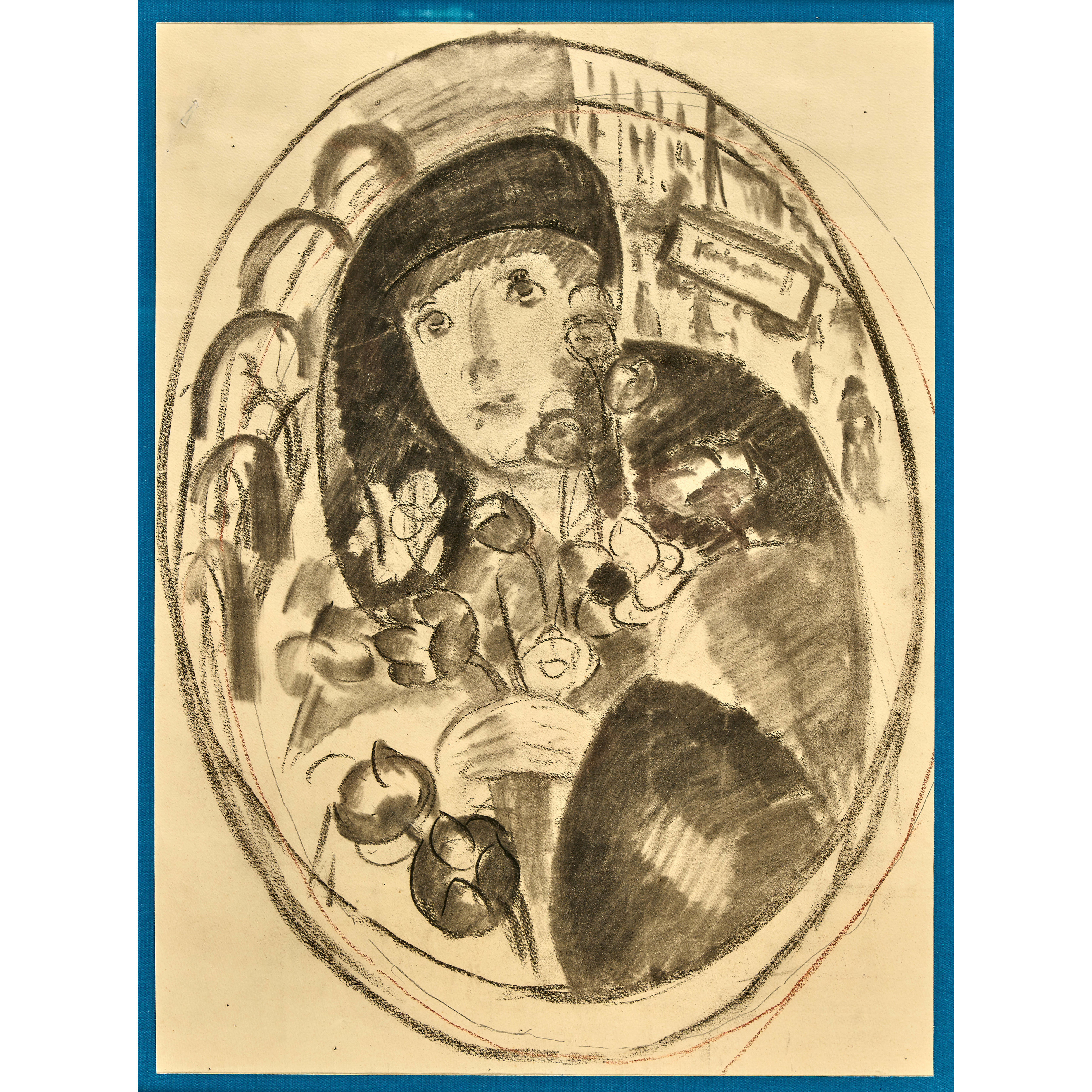
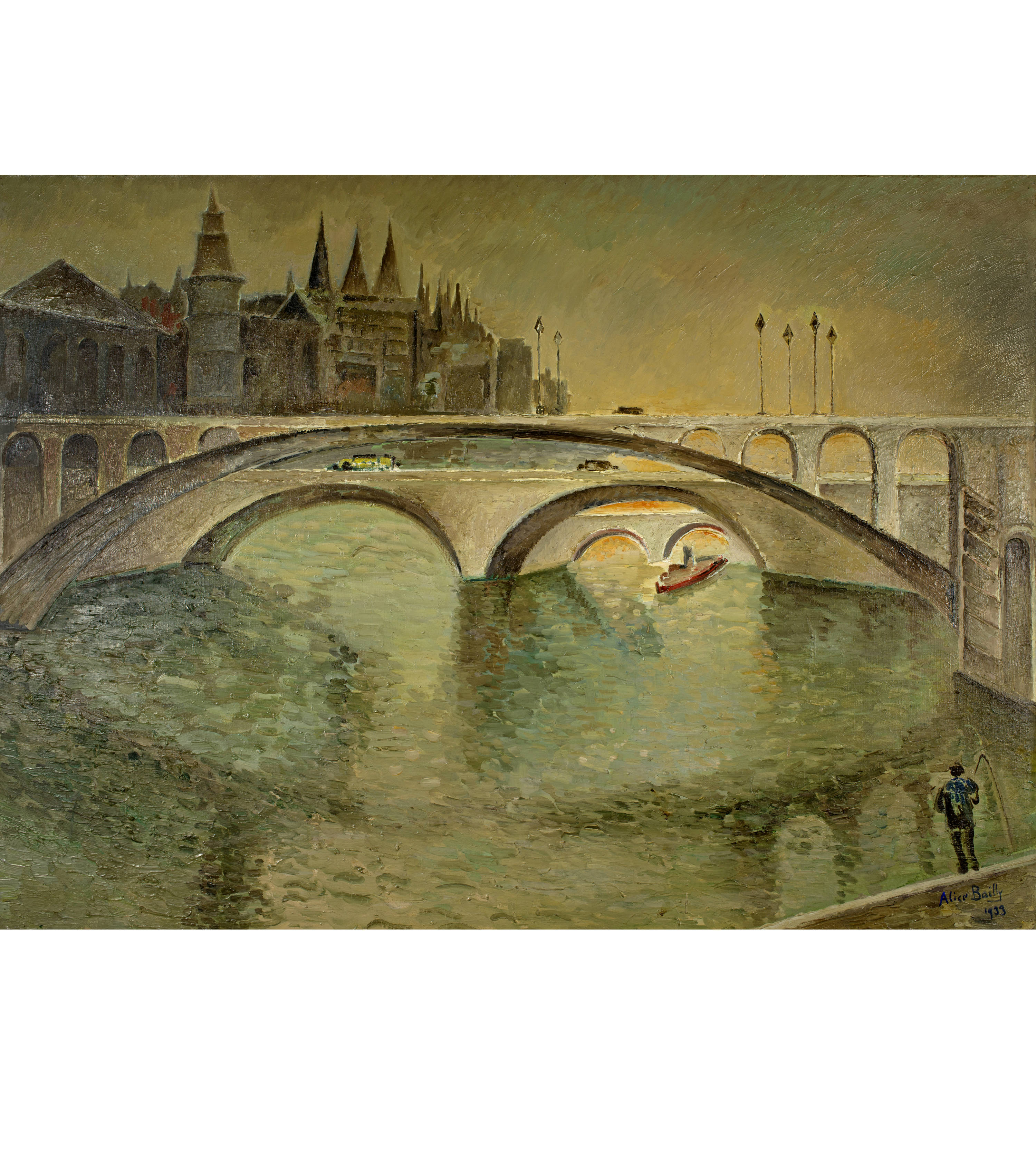
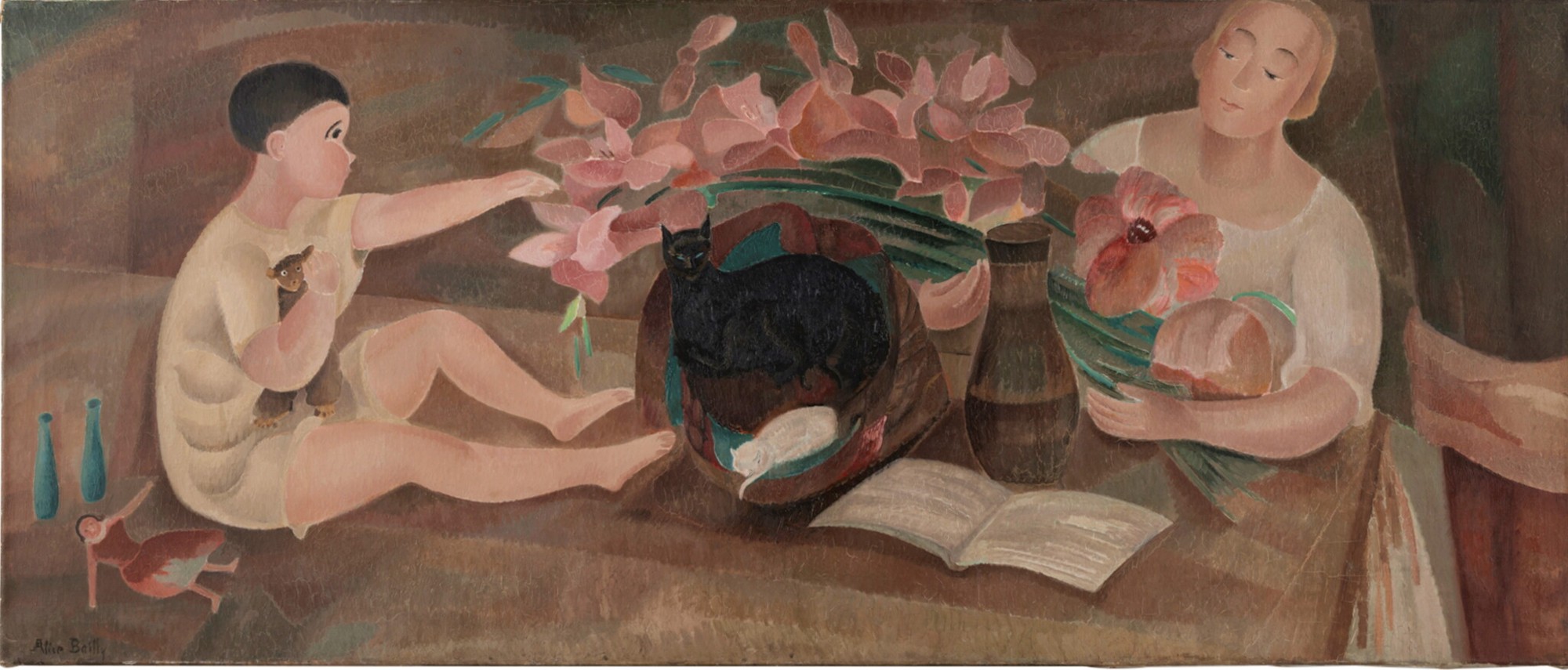
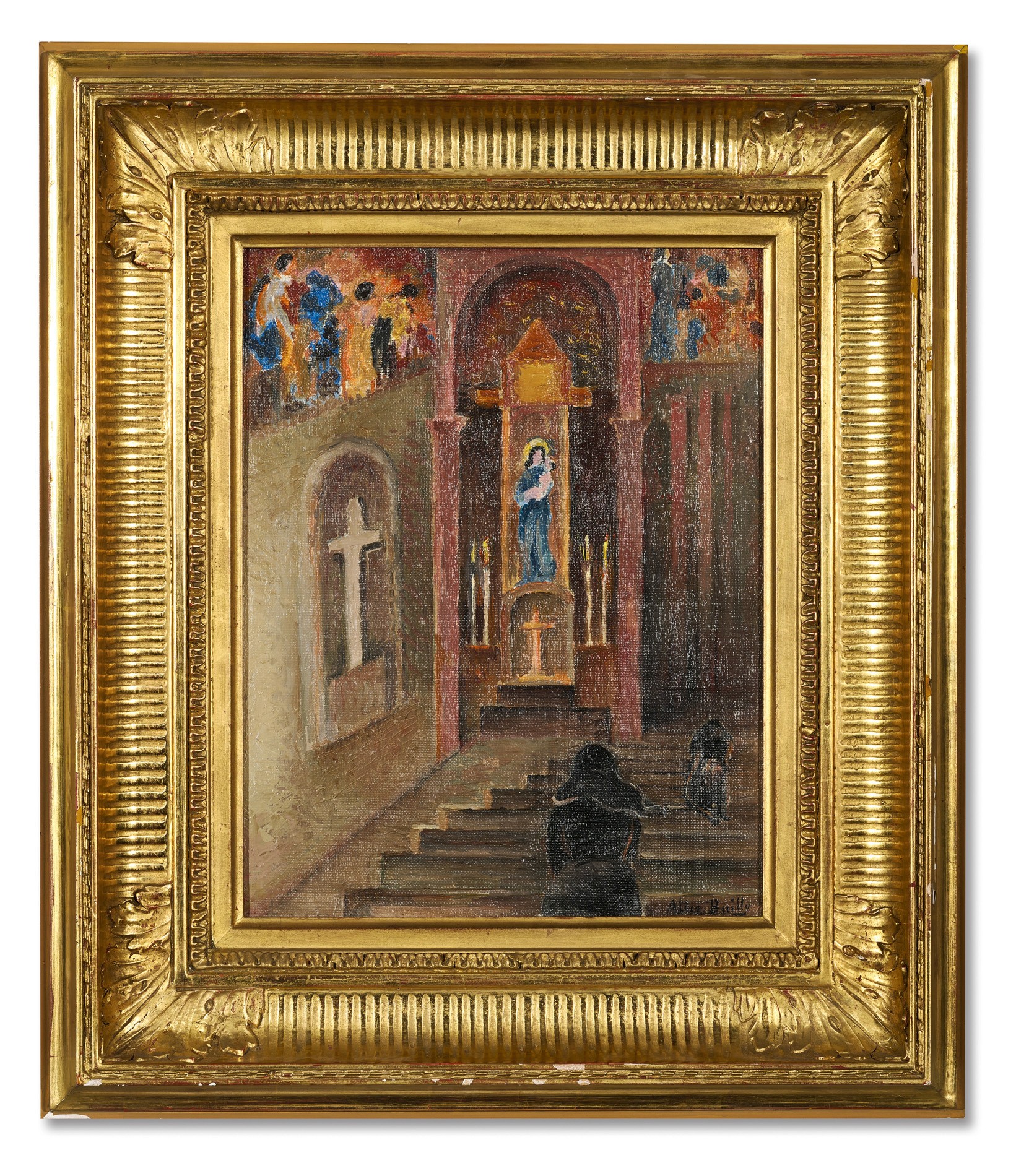
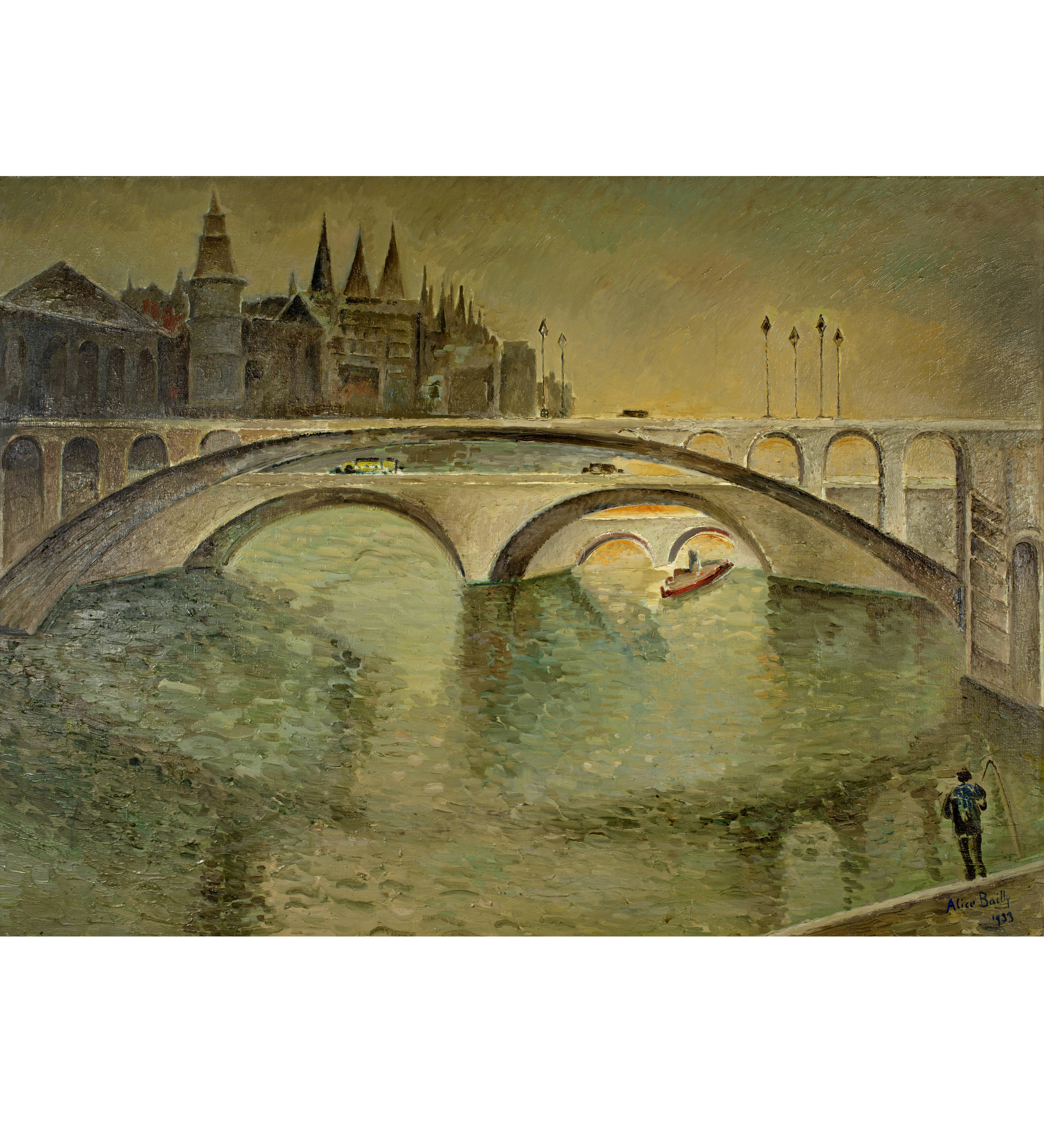
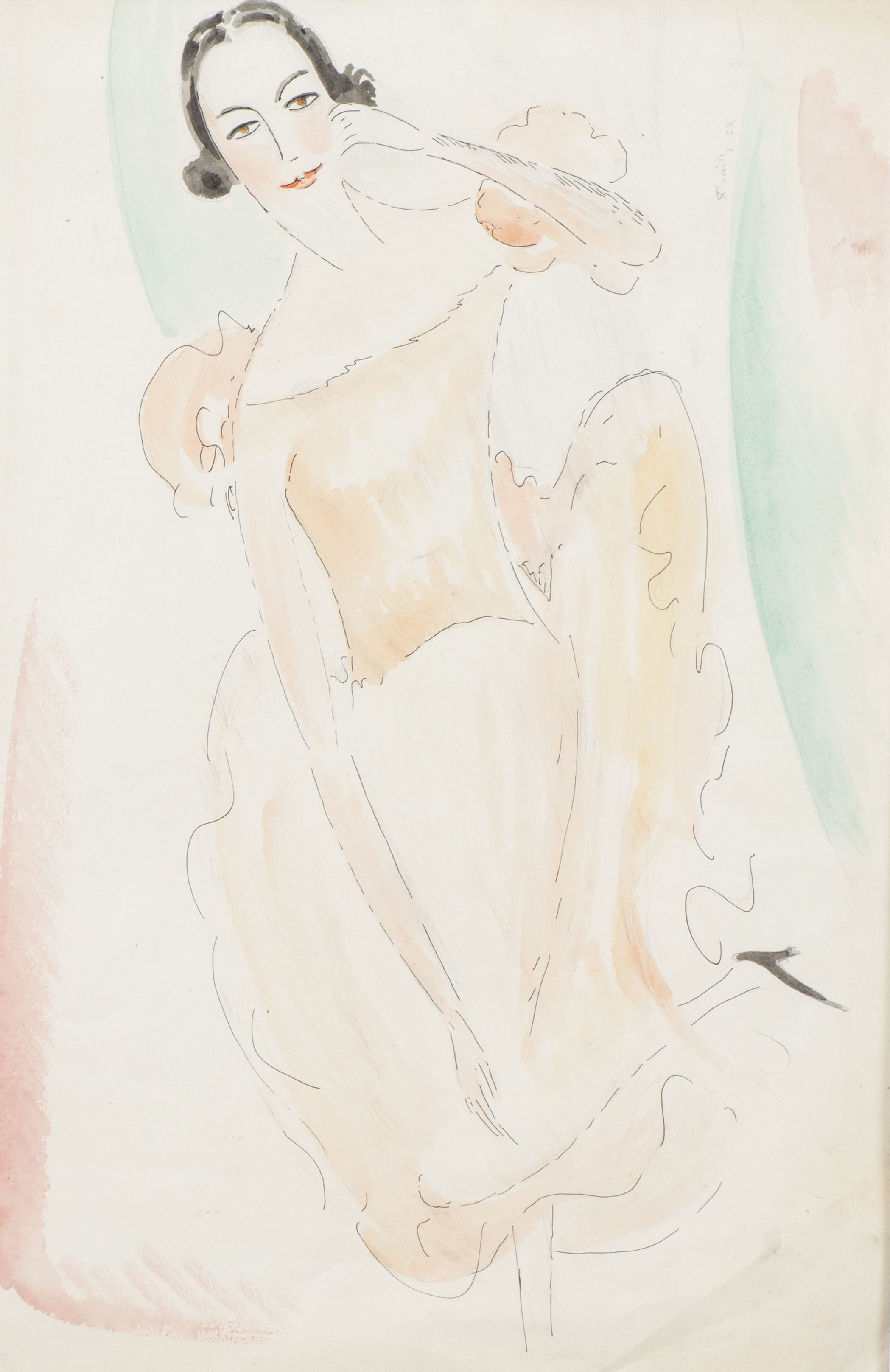
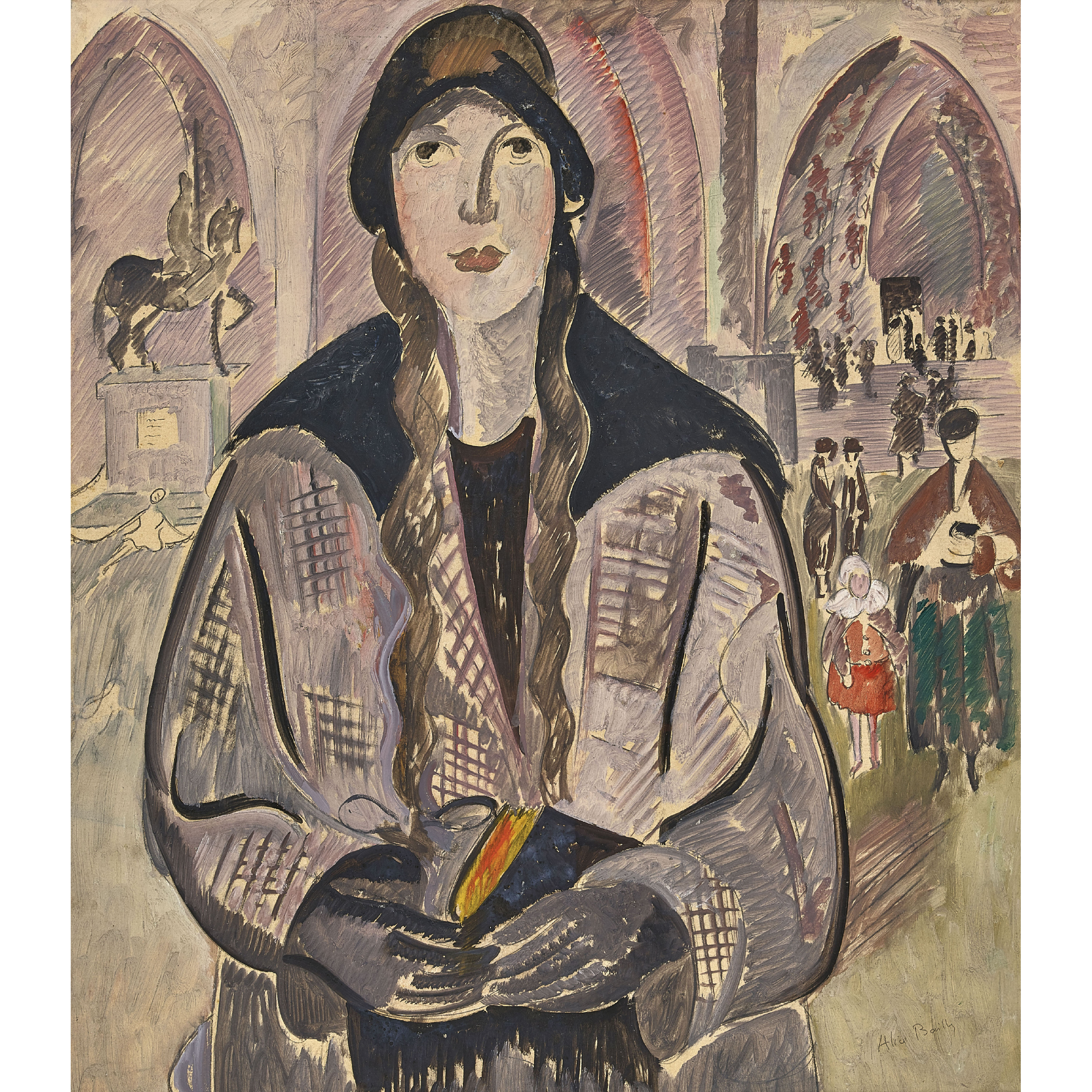
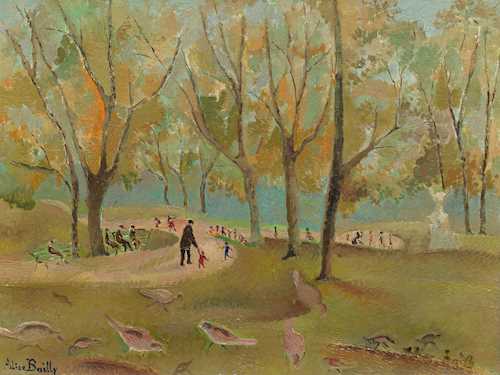
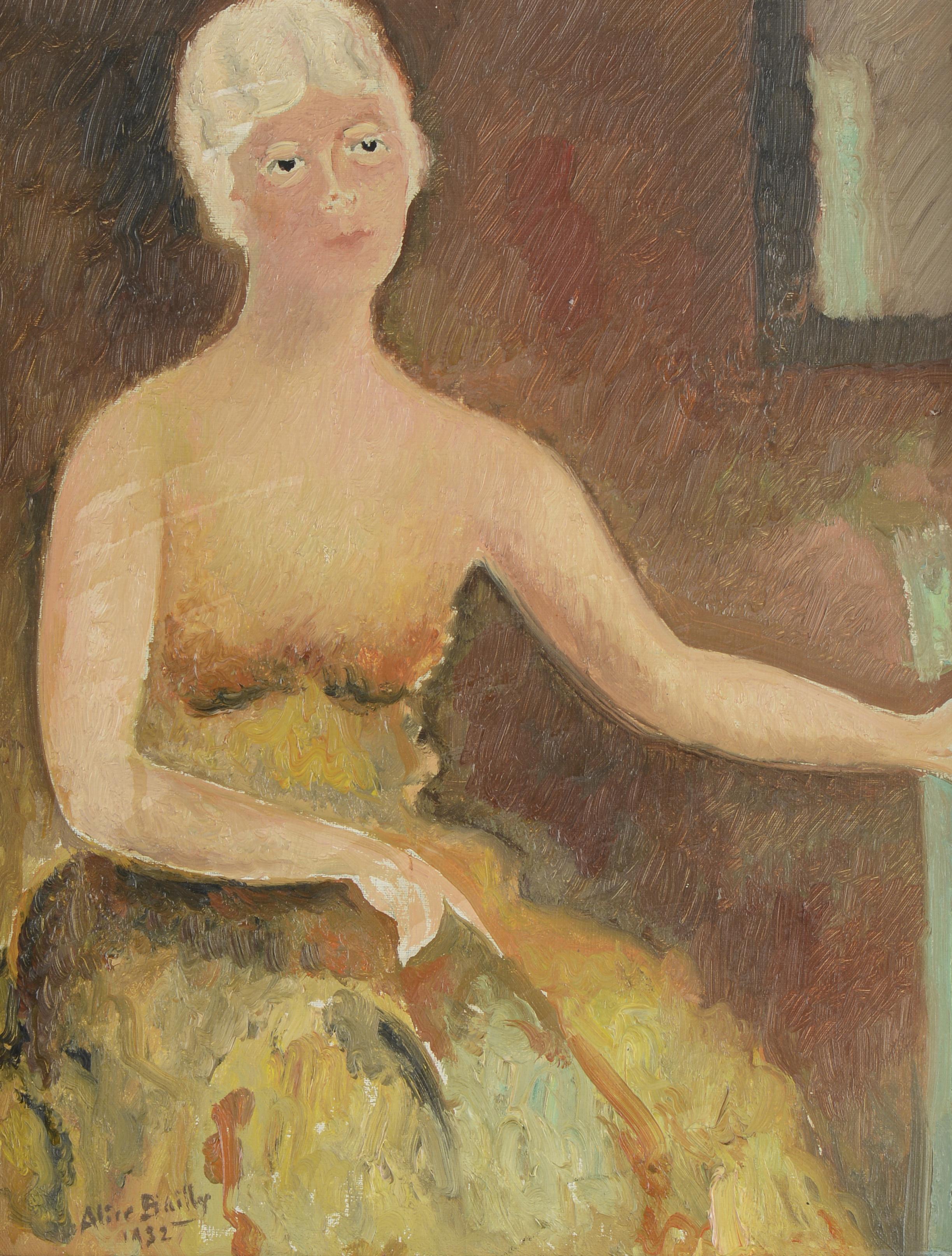
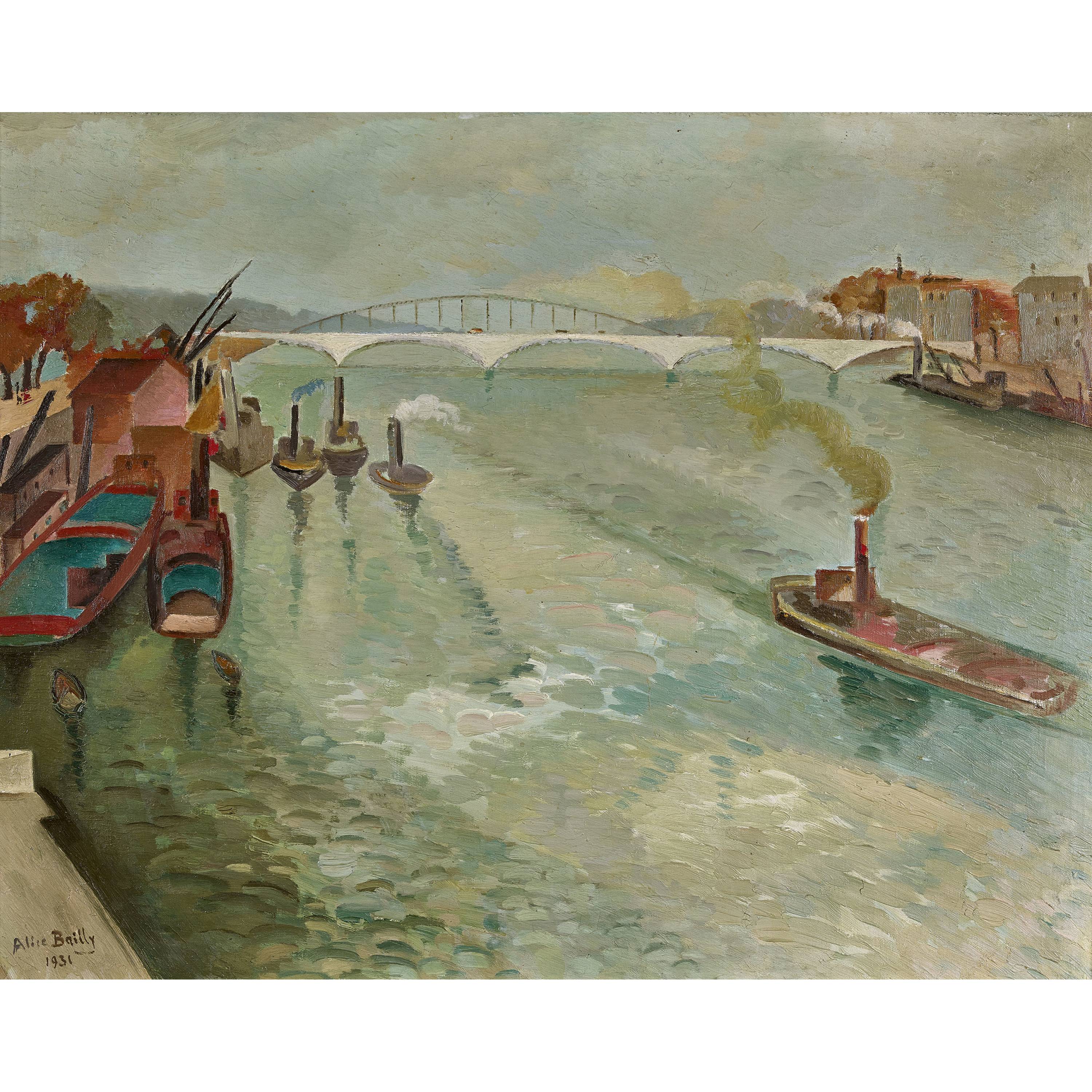
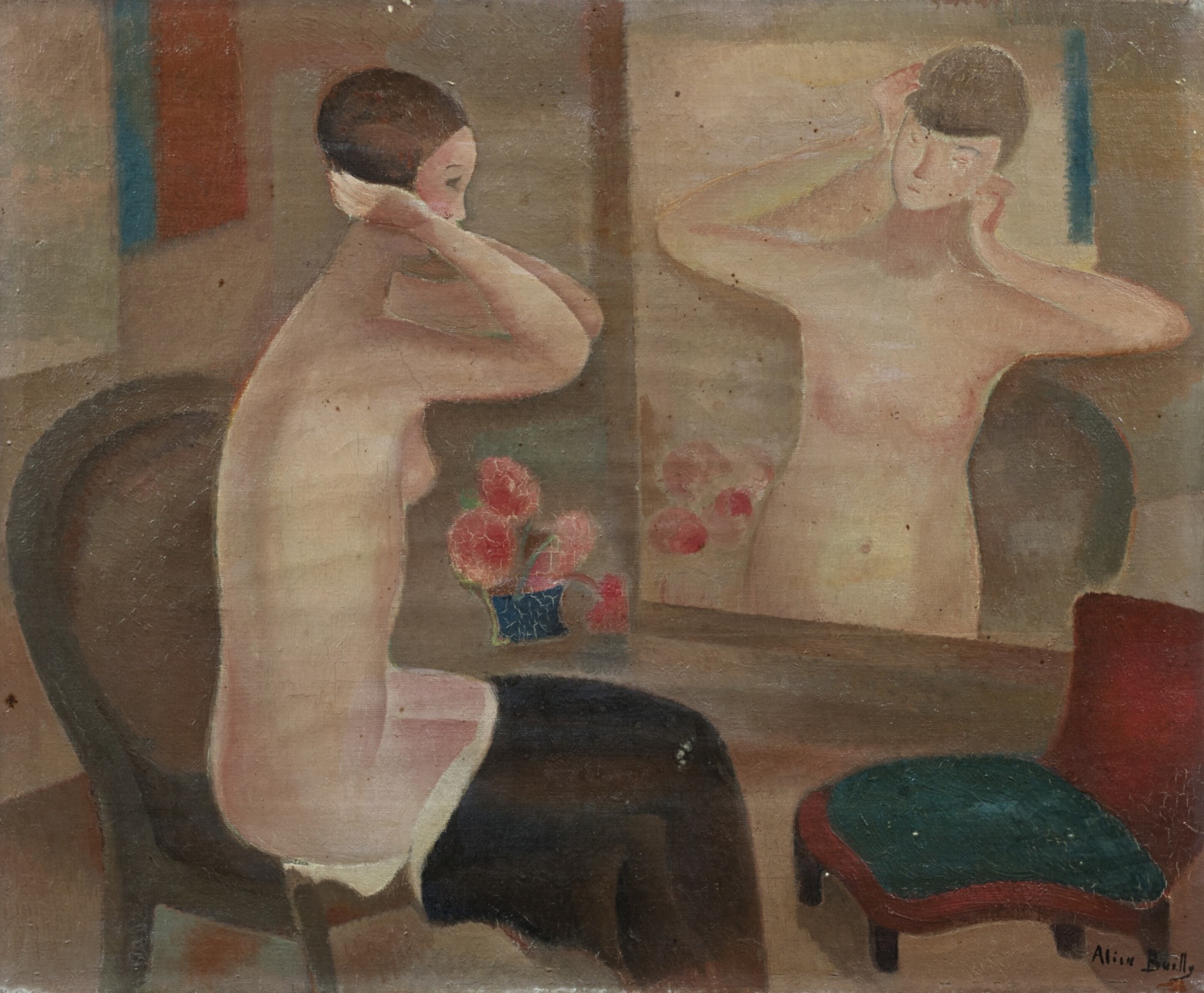
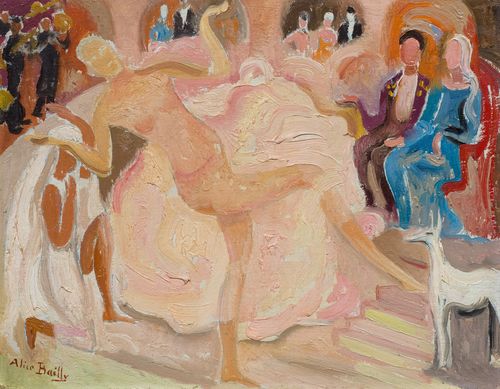
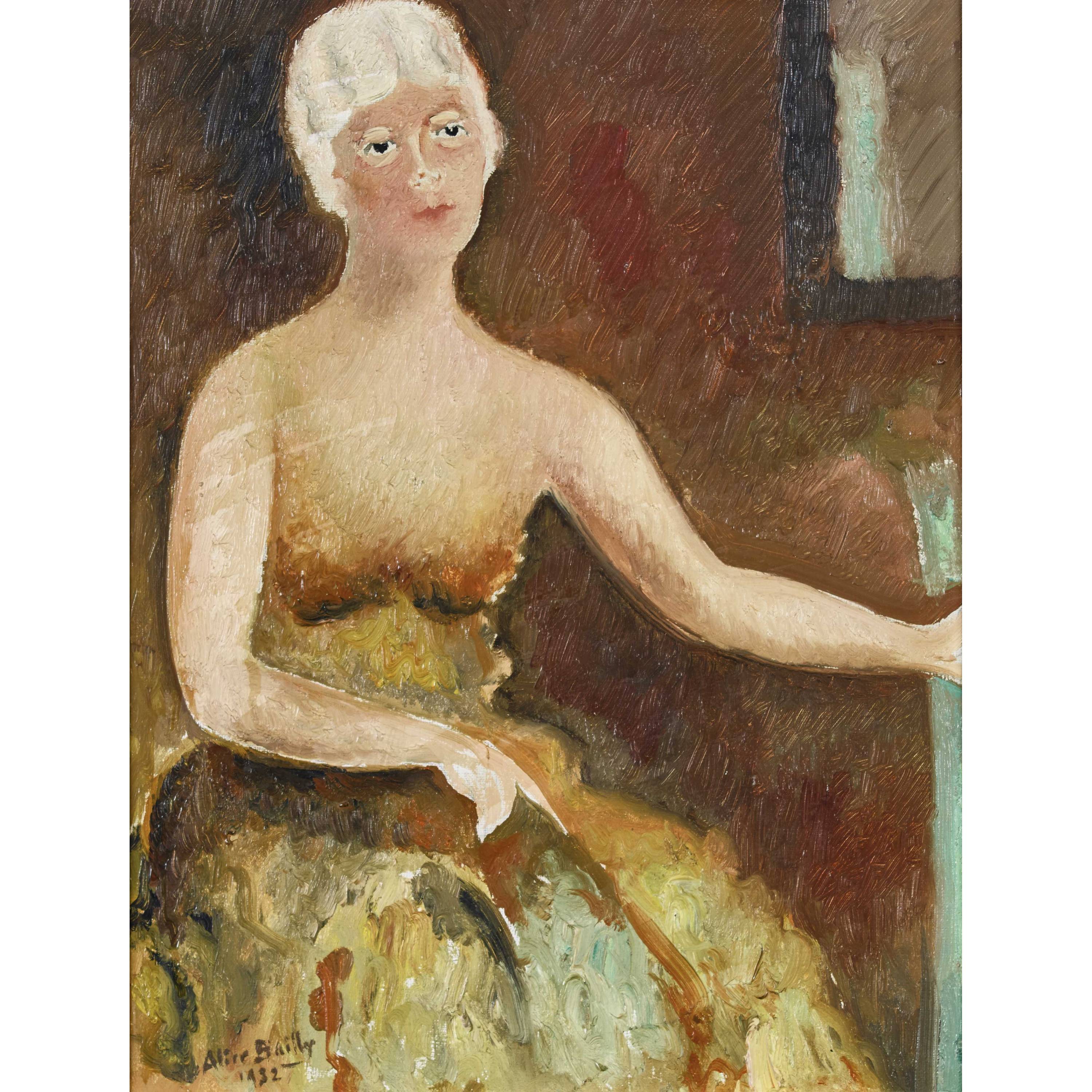
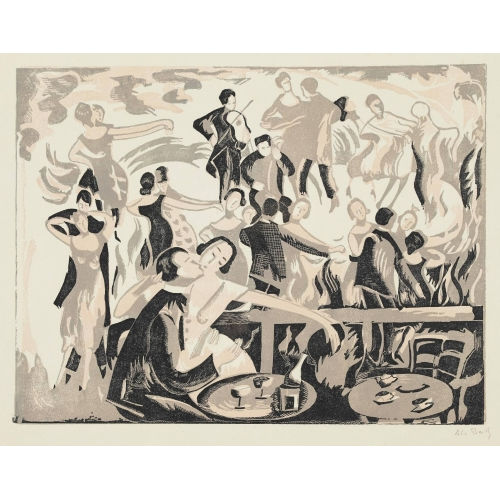
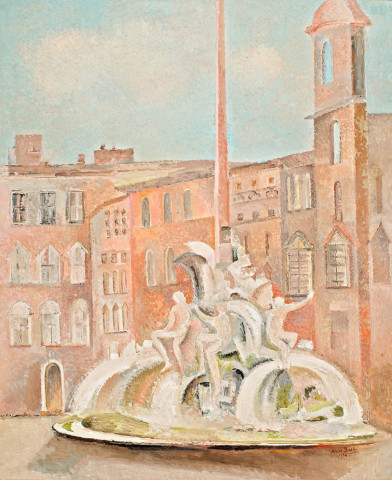
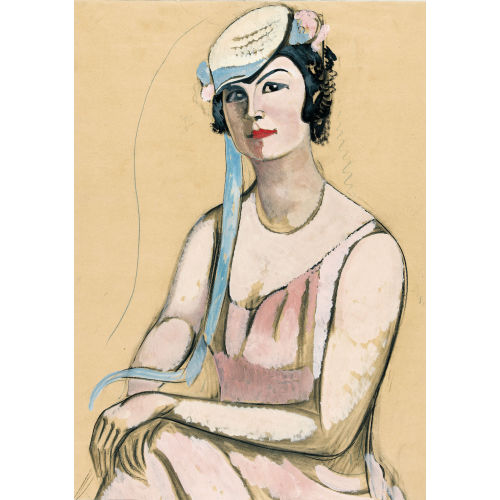
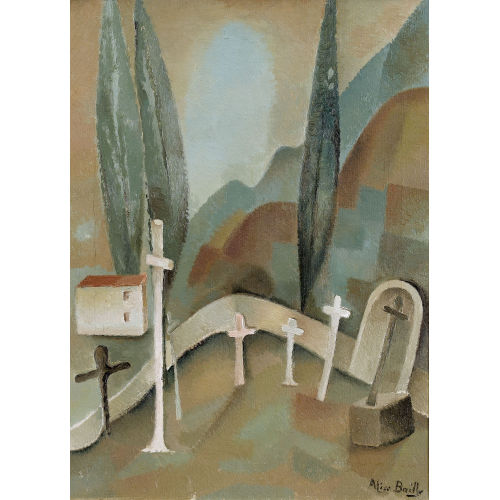
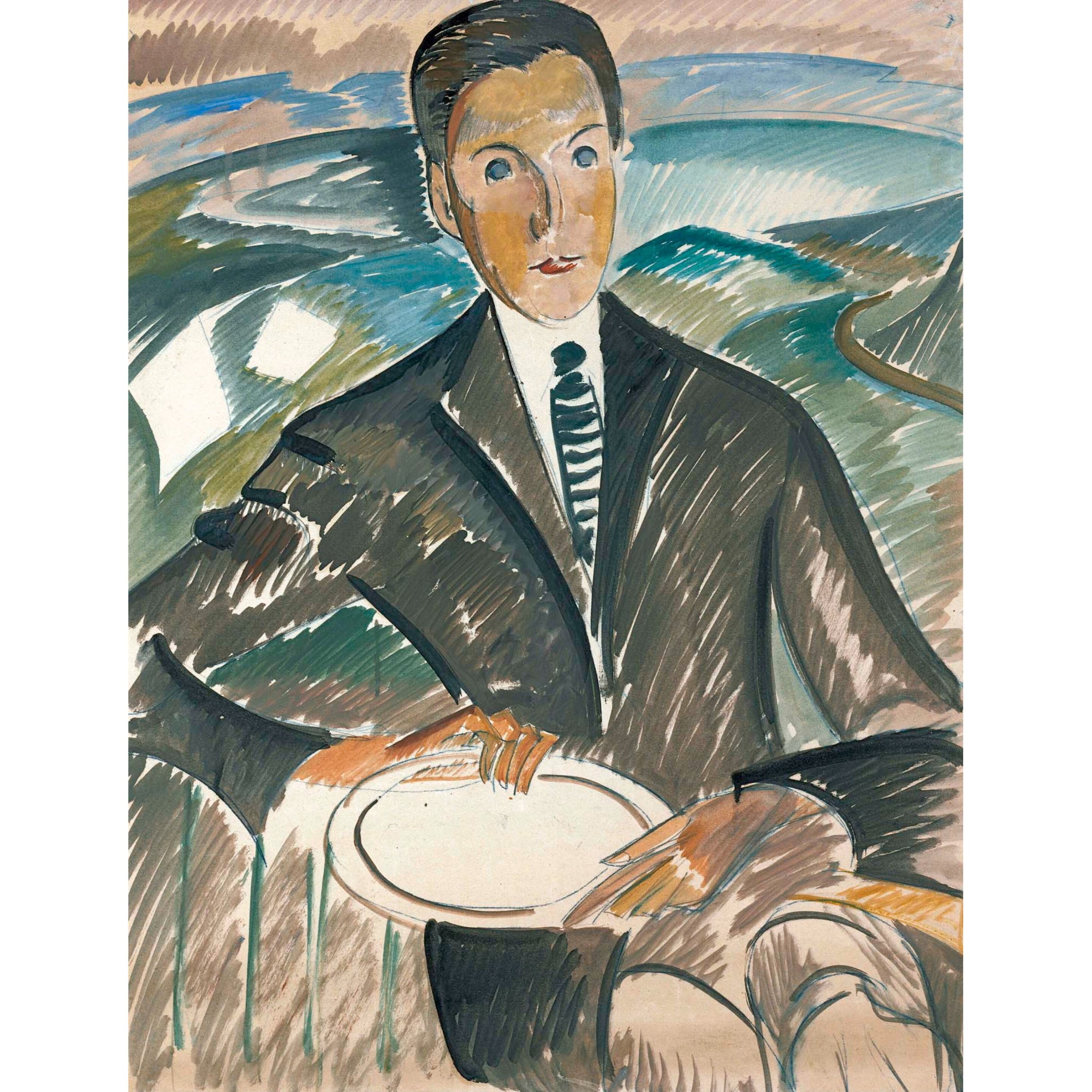
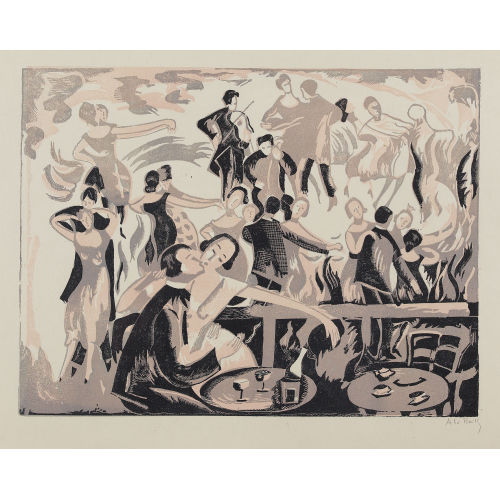
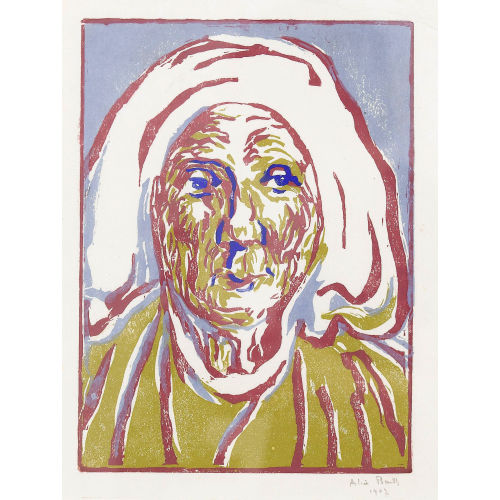
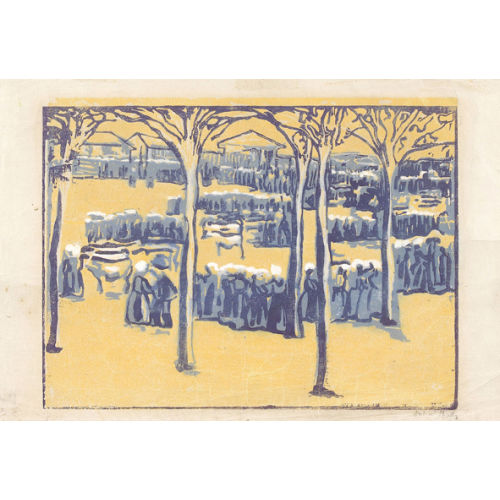
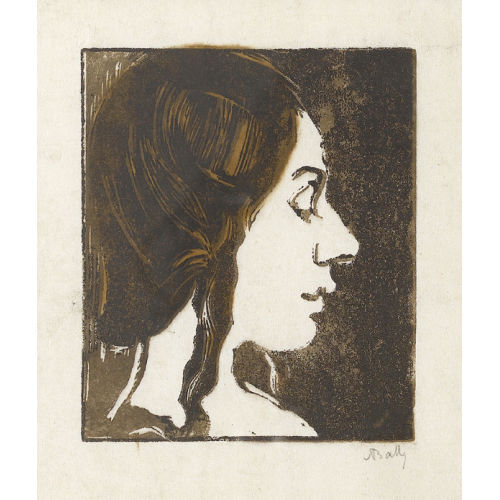
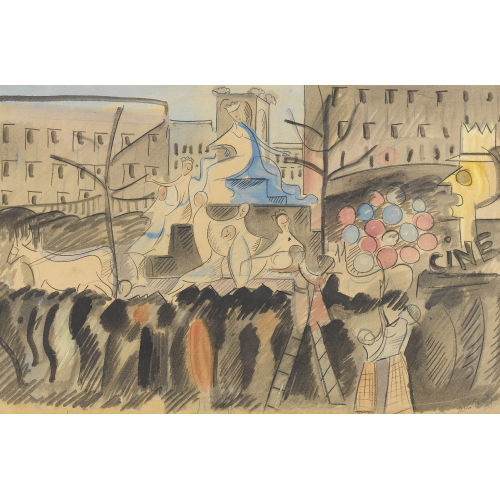
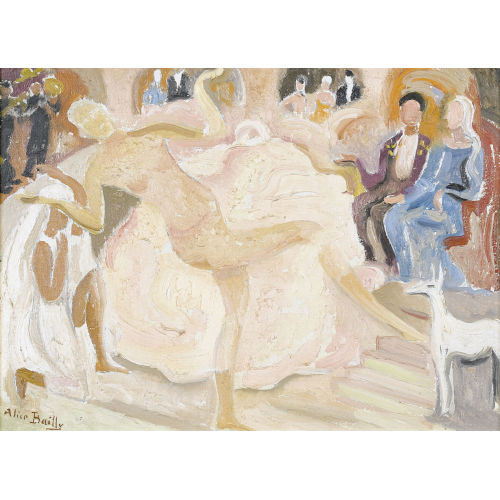
Bailly settled in Lausanne in 1923 and continued to work freely between abstraction and figuration, portraiture, landscape, dance and urban scenes. She received a distinction at the Venice Biennale in 1926 and later undertook monumental commissions, including the decoration of the foyer of Lausanne’s municipal theatre, completed shortly before her death.
Her historical importance is now firmly established. The MCBA holds 64 works by Bailly and organised the major retrospective «Alice Bailly. La fête étrange» in 2005–2006.
From 31 October 2025 to 15 February 2026, Kunsthaus Zürich devoted two galleries to 22 works in «Alice Bailly – Pioneer of Modernism», including 20 loans from the MCBA. This institutional reassessment confirms the wool pictures as key works of Swiss modernism and restores Bailly to her position among the artists who most decisively challenged the boundary between fine and applied art.