Born : 1876Died : 1960Documented citizenships : France
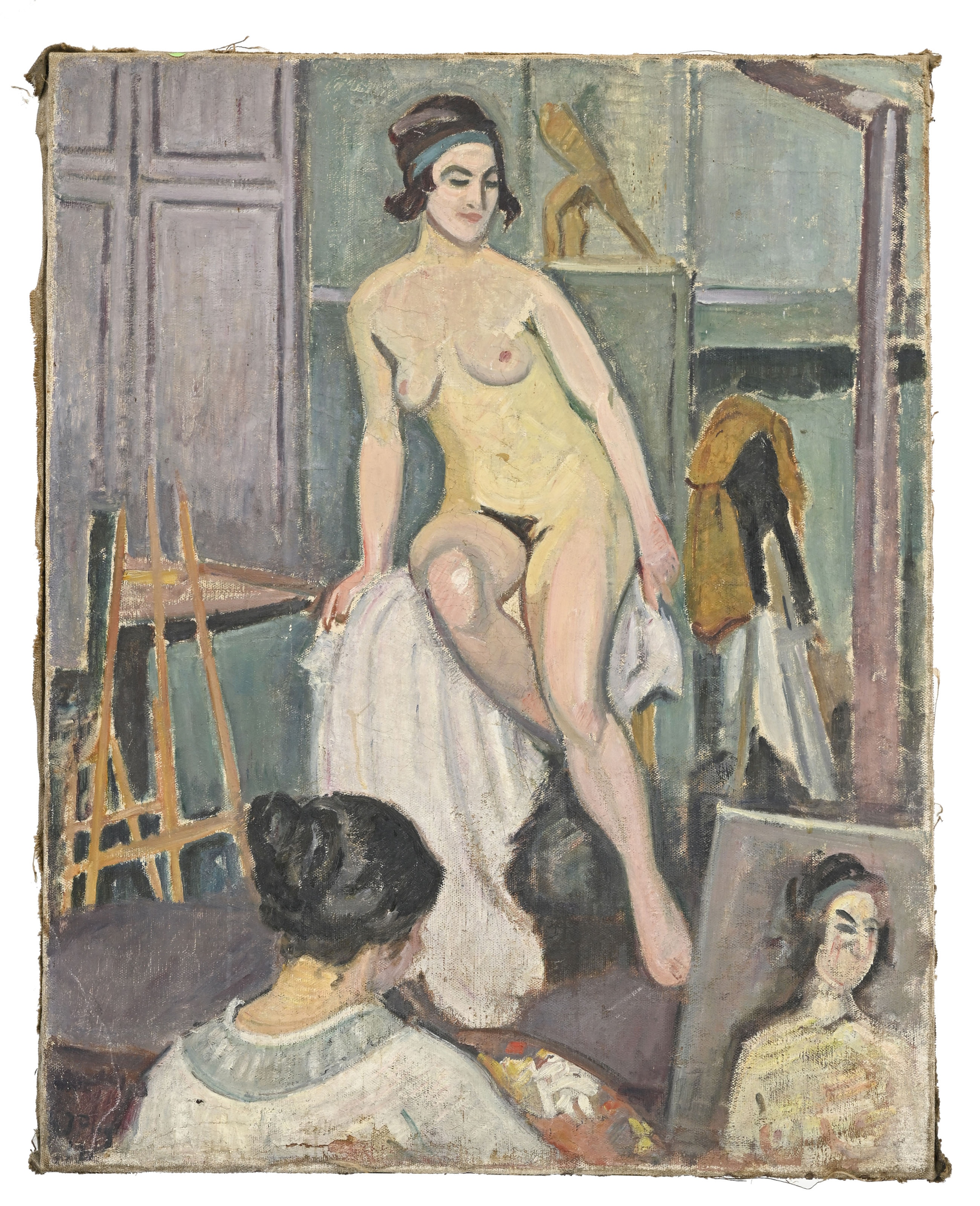
French painter born and deceased in Roanne, Jean Puy takes part in the emergence of Fauvism while developing a body of work that later moves away from the avant-garde and turns towards more complex compositions and intimate painting. After studying with Tony Tollet at the École des beaux-arts de Lyon from 1895 to 1897, he settles in Paris in 1899, attending the Académie Julian and the studios of Eugène Carrière and Gustave Moreau. At the Salon d’automne of 1905, he exhibits alongside Matisse, Derain, Marquet, Manguin and Camoin, in the group associated with the birth of Fauvism. From the same year, he is associated with the art dealer Ambroise Vollard.
His collaboration with the ceramicist André Metthey opens up another aspect of his work: in Metthey’s studio, Puy paints decorations on vases, tableware, buttons and earthenware tiles, continuing until 1910. The pieces, mainly figurative, include female nudes; some are shown at the Salon d’automne of 1907. Through Vollard, paintings enter the collection of Sergueï Chtchoukine in Moscow, while the Hahnloser collection also includes works by the artist.
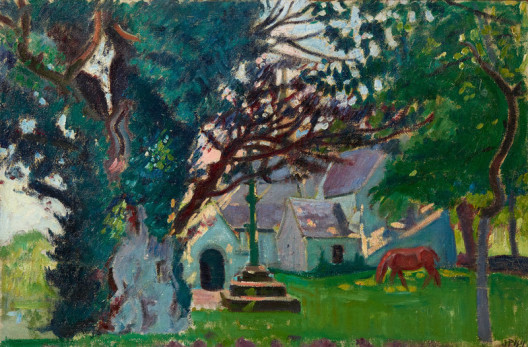
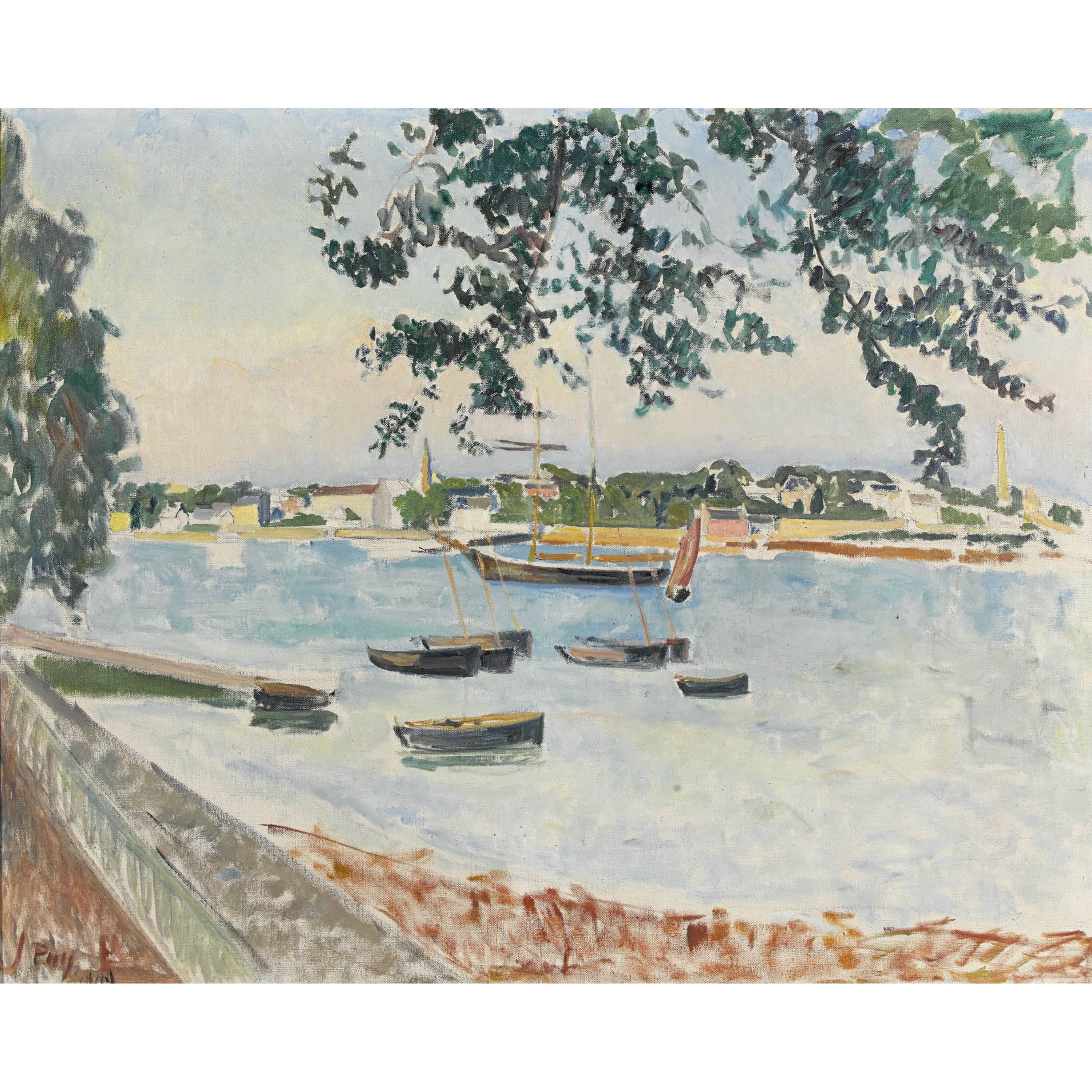
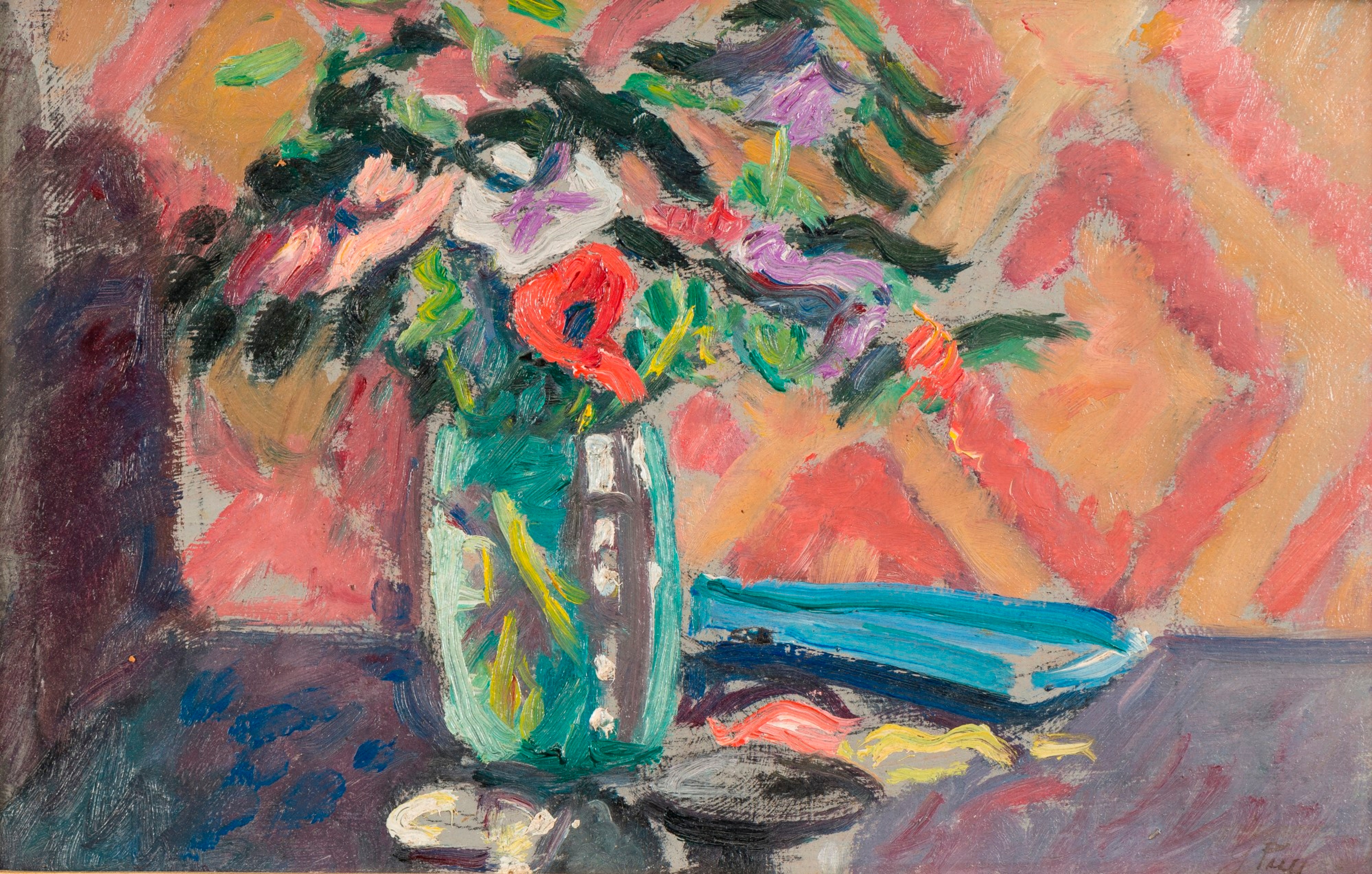
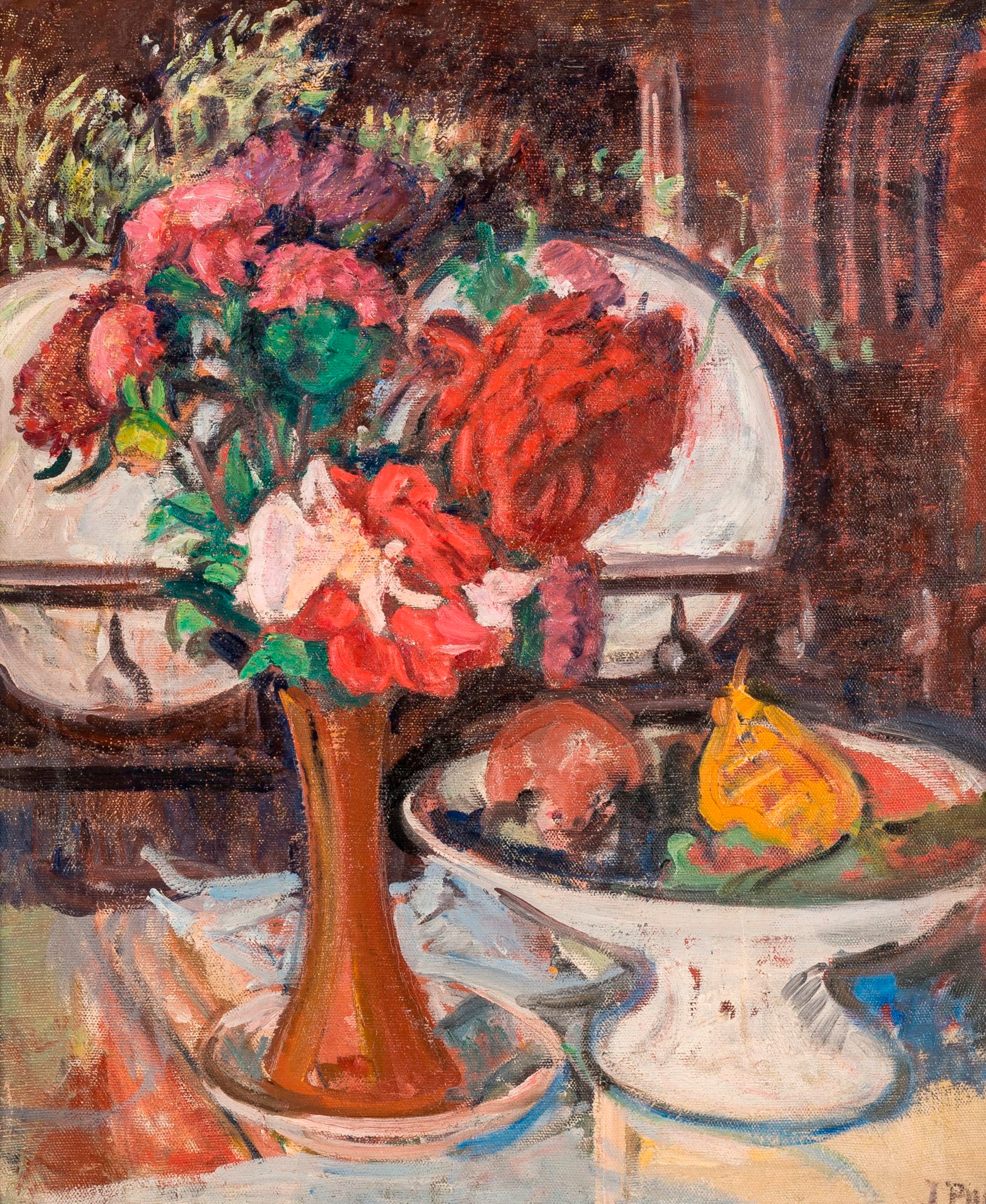
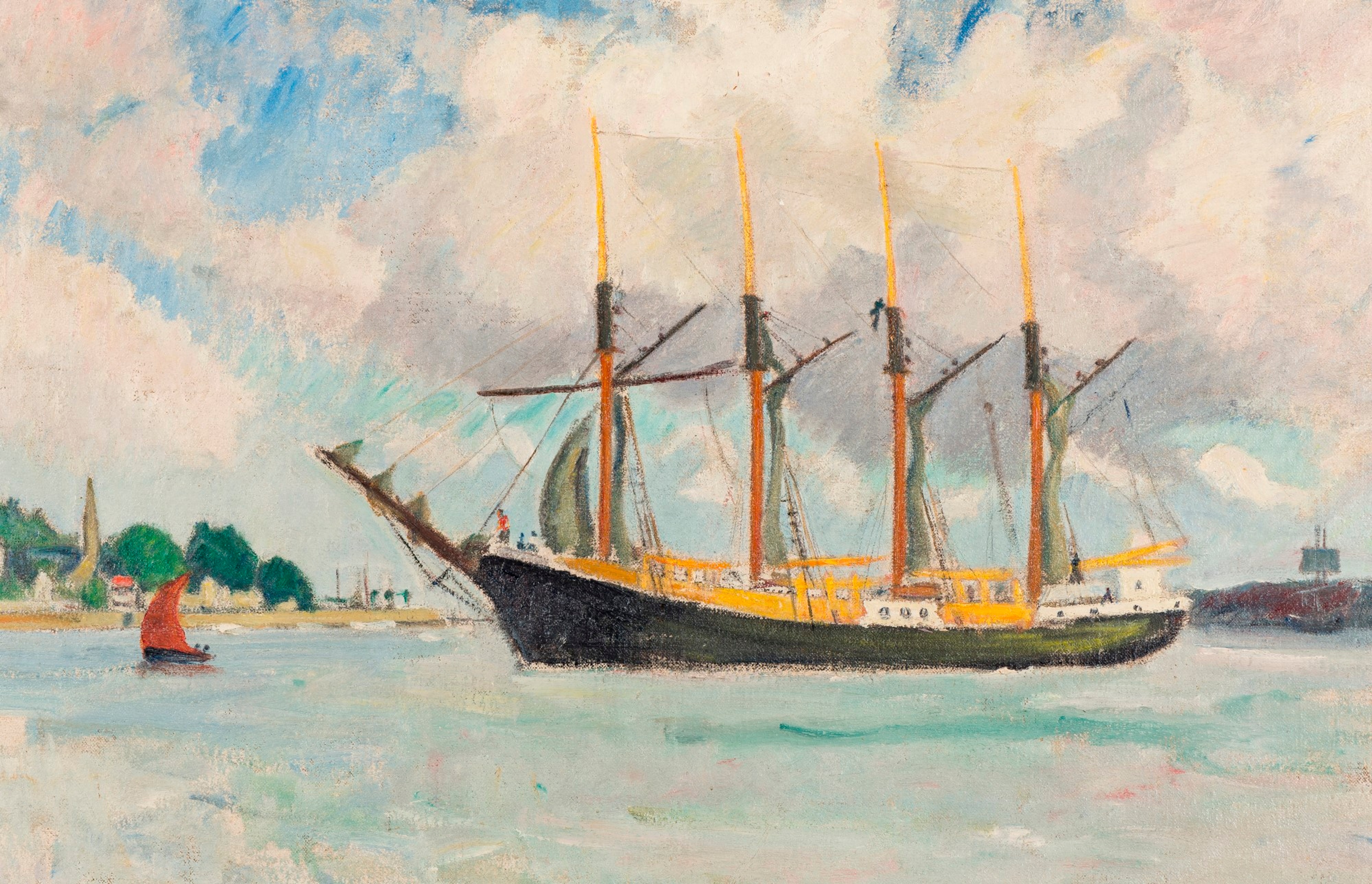
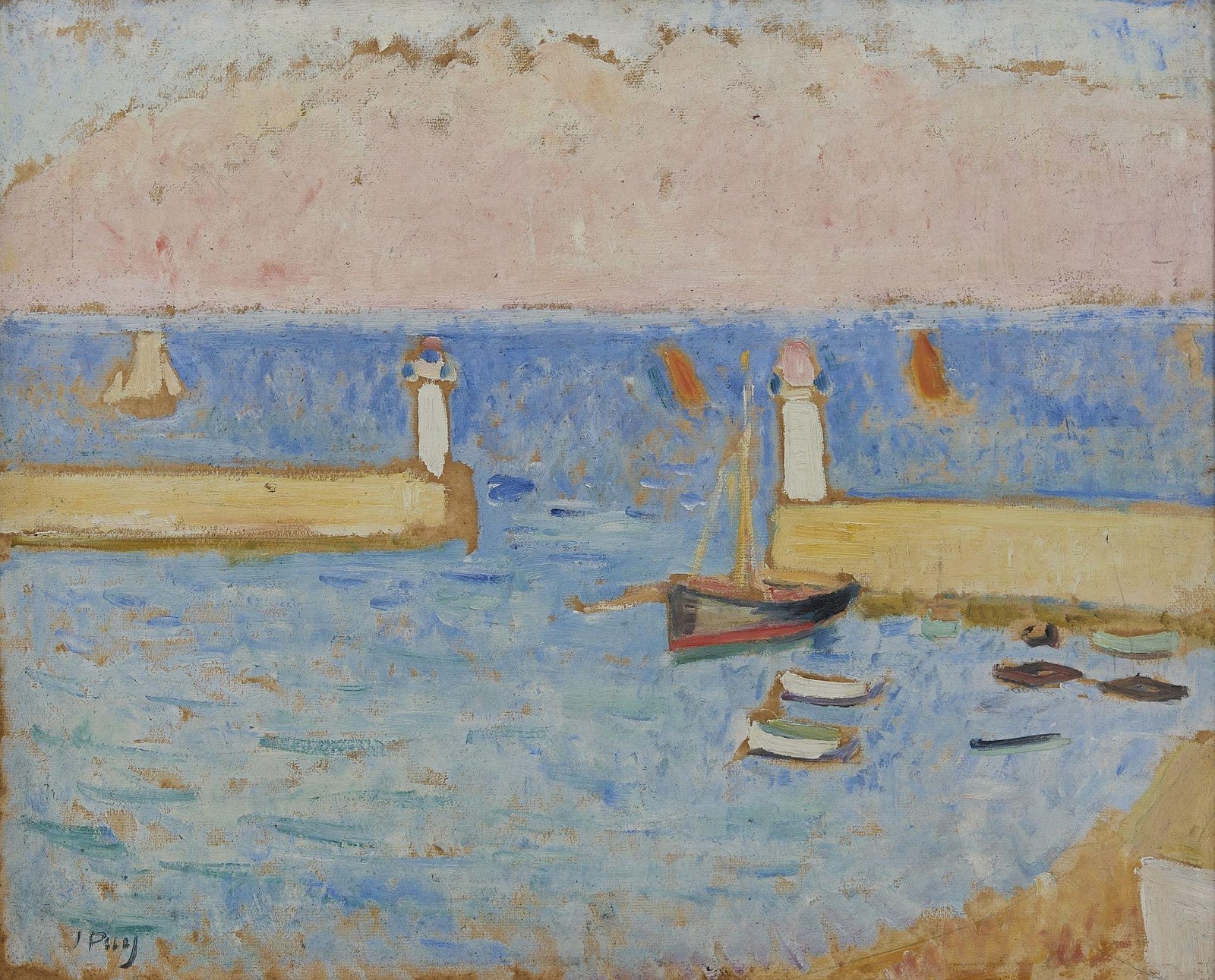
After his early innovative explorations, Puy leaves behind works with a single subject in favour of more elaborate compositions, in which the surrounding environment takes on greater importance. Around 1907–1910, he turns away from avant-garde painting; in 1910–1914, he works on large, balanced compositions. During the First World War, he serves for two years in the 300th Territorial Infantry Regiment, then works on camouflage in Bar-le-Duc. After the war, his painting turns towards intimacy and is structured around a personal range of colours, which George Besson would compare to chamber music. He continues to work in Brittany, Savoy and his native region; his seascapes are described as luminous and elongated in width. In 1919, engravings by Puy illustrate Alfred Jarry’s Ubu à la guerre in an edition by Ambroise Vollard.
Works are held at the Musée de l’Ermitage, including Paysage vers Saint-Alban (1902), Portrait de la femme de l’artiste au recto, Nu dans un intérieur au verso (1903) and L’Été (1906). The Pushkin State Museum of Fine Arts in Moscow also holds paintings dated 1909 and 1912, as well as objects painted on earthenware. Several monographic exhibitions have been devoted to him, including Jean Puy, un fauve discret at the Musée Marmottan Monet in 2004–2005, followed by Jean Puy - Ambroise Vollard : Un fauve et son marchand, shown in Roanne and Pont-Aven in 2021. A catalogue raisonné of his paintings, compiled by Suzanne Limouzi and Louis Fressonnet-Puy, was published in 2001.
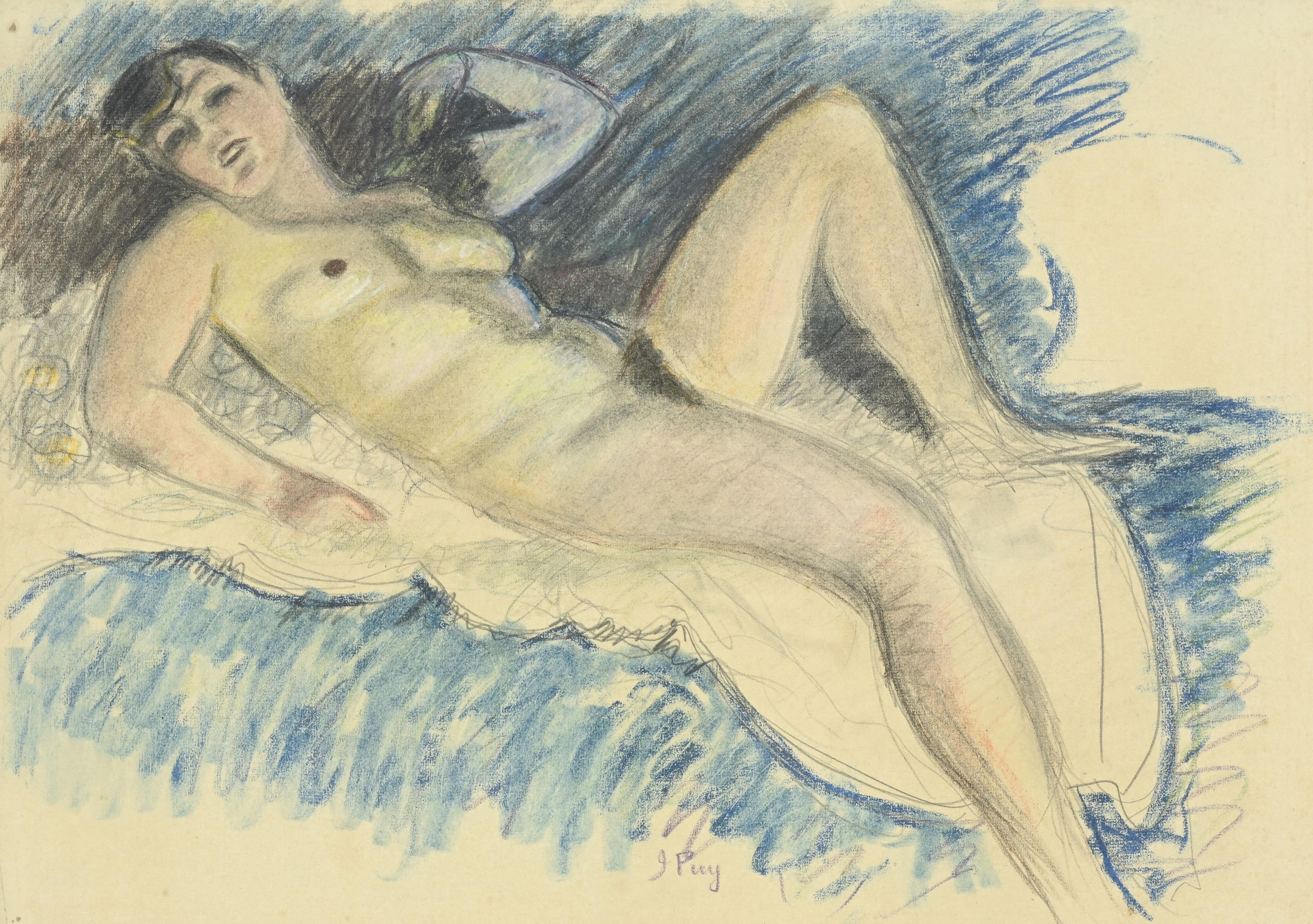
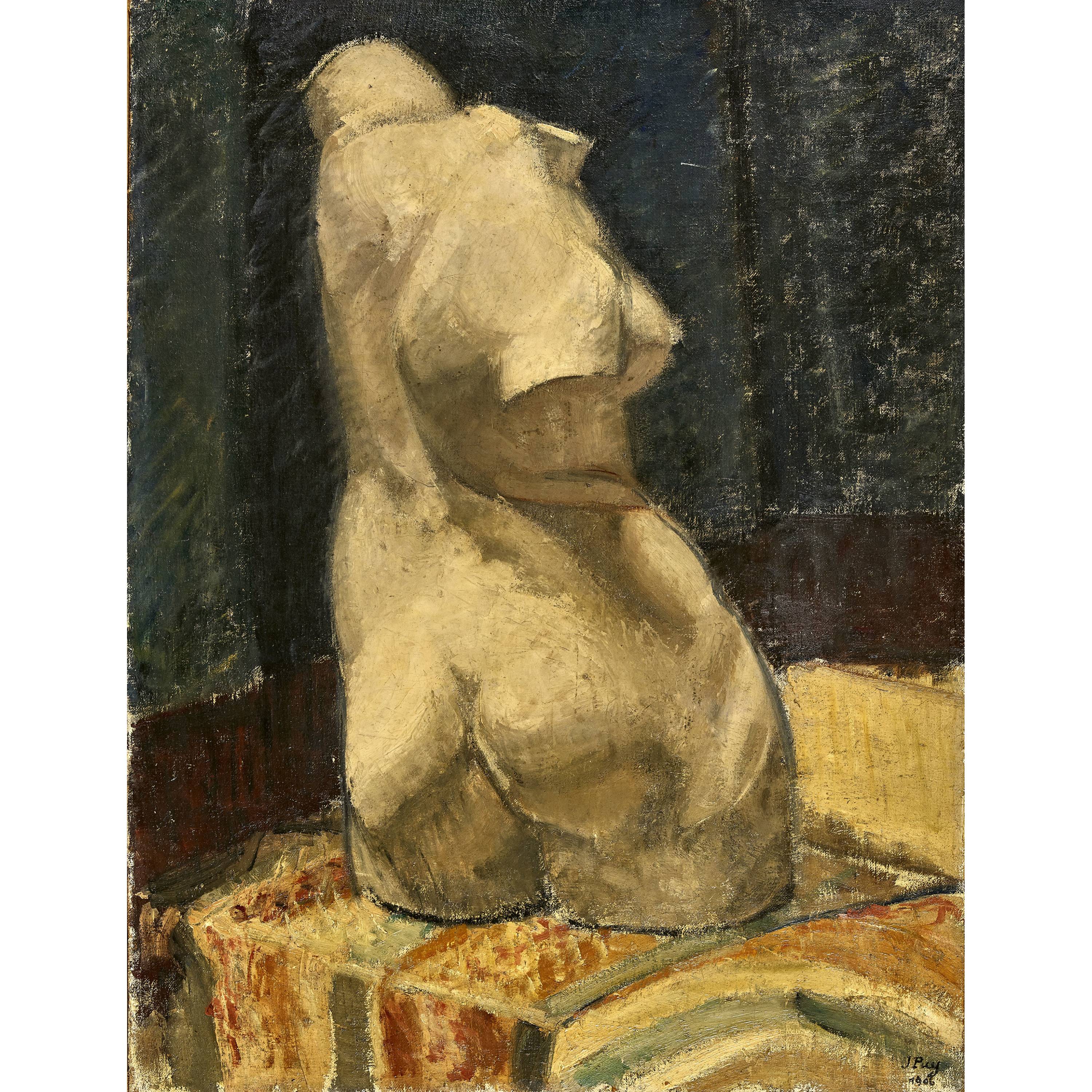
This profile brings together identity references for Jean Puy and paintings, drawings and works on paper documented in auction catalogues.
References include catalogue entries and available results; they do not all represent completed sales. Attributed works and special lots are excluded from the priced results.
SwissArtGallery documentary note based on the cited sources. Titles, media and qualifications are provided in the profile language; the original catalogue wording remains available in each record. Profile updated :
Abstract sculptor, painter and graphic artist, Otto Herbert Hajek (1927–2005) developed a body of work that also extends into public space and is particularly visible in Stuttgart, h…
The German landscape painter and engraver Leonhard Rausch, associated with Romanticism, was born in Jülich in 1813 and died in Düsseldorf in 1895. His preferred subjects range from t…
The Polish painter Antoni Karol Suchanek, born in Rzeszów in 1901 and died in Gdynia in 1982, pursued his artistic practice for more than sixty years, according to W. Zmorzyński. In…