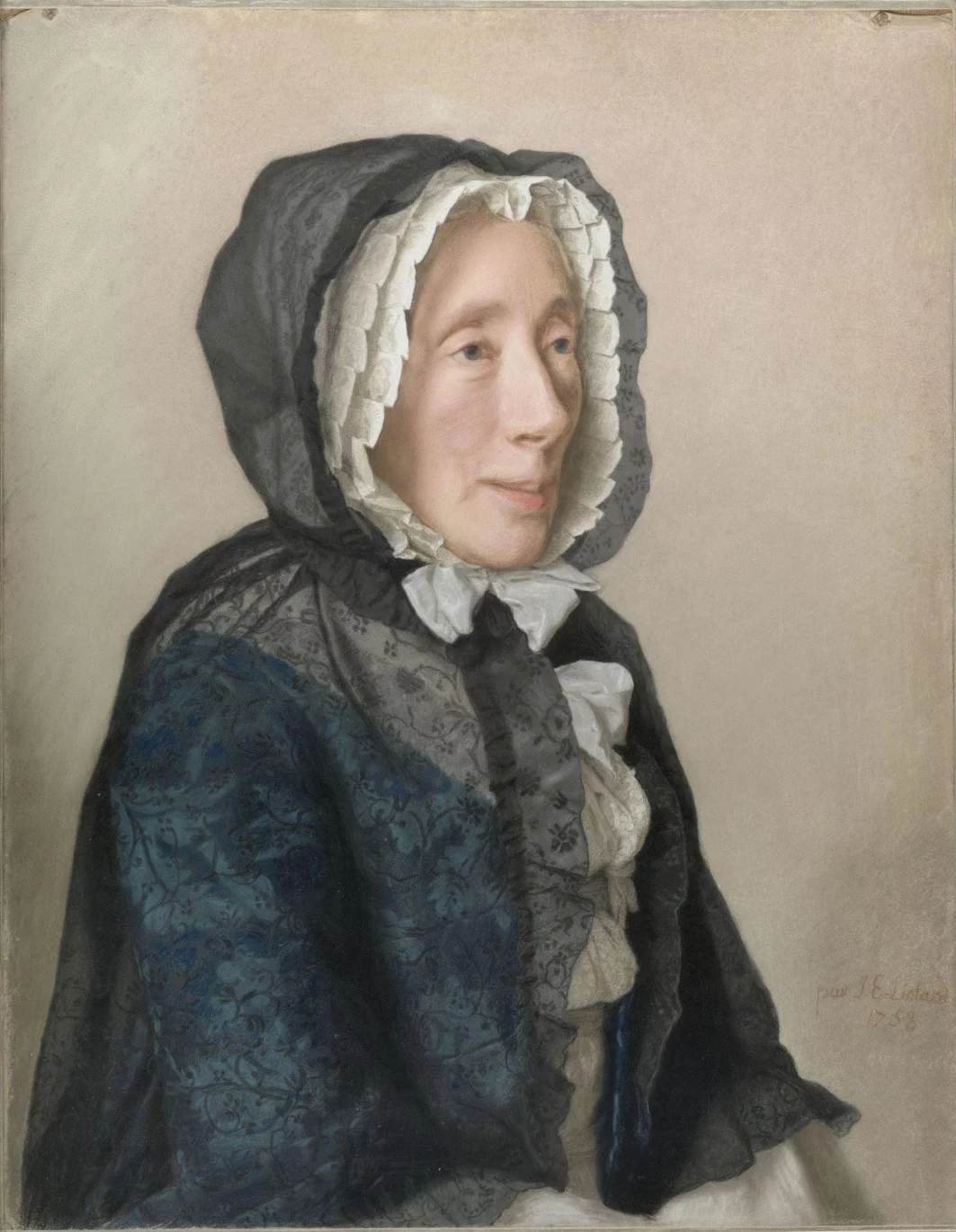
Jean-Étienne LiotardIn August 1758, Liotard paints Anne de Molesnes, the wife of Jean Tronchin, in Geneva at the age of seventy-four. On the back of the parchment, he reinforces certain features so that the transparency of the support also works on the face.
Read the story →Jean-Étienne LiotardIn Lyon in 1754, Jean-Étienne Liotard composes a breakfast whose objects shine almost as much as the faces. Nineteen years later, he revisits this large pastel in oil: the same instant becomes another experience of material.
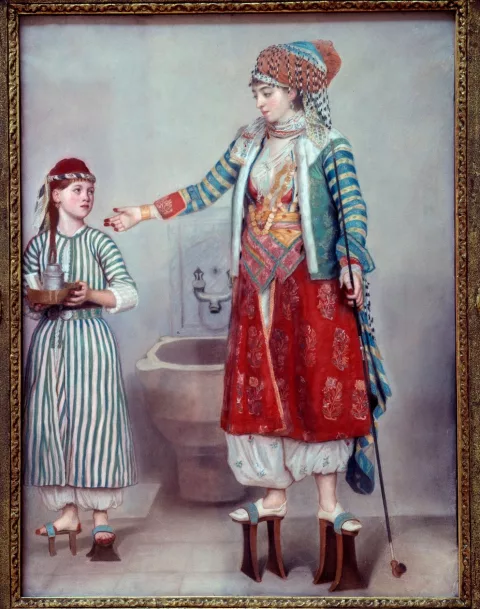
Read the story →Jean-Étienne LiotardAround 1751–1752, Liotard returns to a female figure dressed in Turkish clothing. The costume, carpet and sofa organise a scene that reveals the circulation of objects as much as the repose of the person depicted.
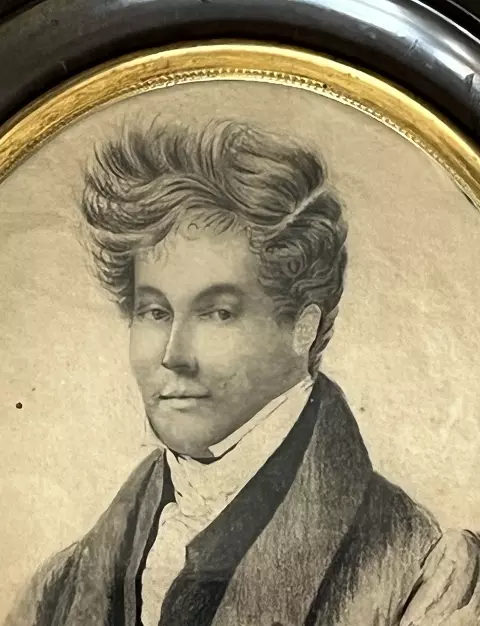
Read the story →Jean-Étienne LiotardAround 1778–1780, Liotard turns a pastel self-portrait into a black-and-white print. Mezzotint, engraving and roulette allow him to seek, without colour, a presence he had first conveyed in pastel.
Read the story →