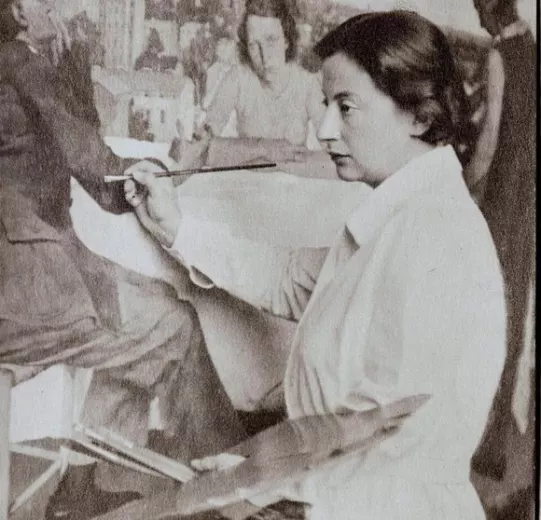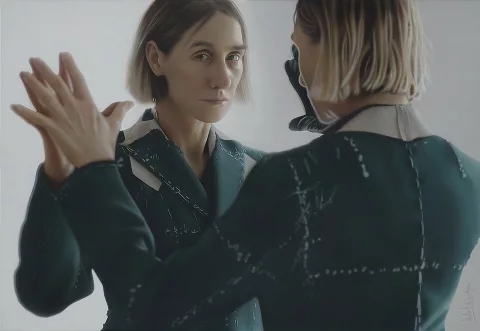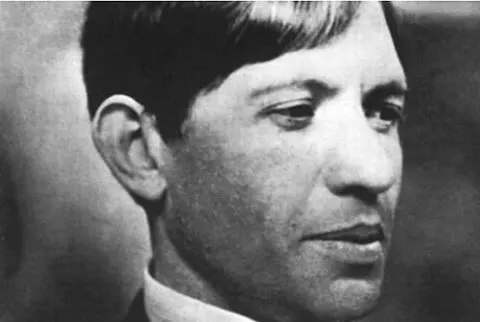
Marlene Dumas: what happens when a photograph becomes a painting?
Marlene Dumas often begins her portraits with personal photographs, press pictures or archival imagery. Rather than faithfully reproducing a face, she changes the source through brushwork, colour and the title she gives the work. The South African-born painter, based in the Netherlands, questions representation, emotion and the ways we look at other people.
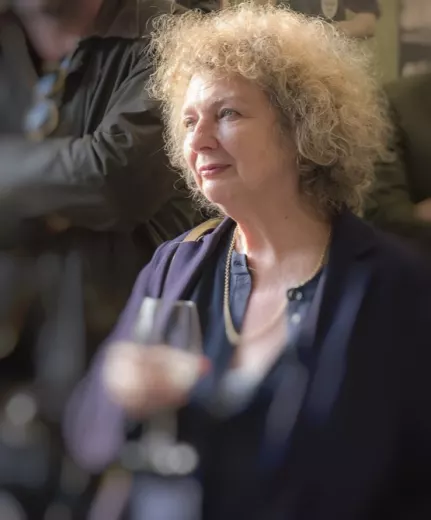 Artist portrait
Image credit and source
View artist profile →Jan Harm Bakhuys
Context and interpretation
MoMA emphasises the wide range of subjects in her work, from children to groups of people. In The Painter (1994), the sitter is the artist’s daughter, and the image also questions the traditional relationship between the artist and the model.
Dumas’s paintings sometimes engage with historical violence and identity, yet each portrait retains ambiguity. Recognising the original photograph does not exhaust the meaning of the painting. This route links to her profile and museum records while keeping interpretation separate from documented biography.
International artist profiles and documented auction records
Historical sources
Keep exploring