Skip to content
Swiss Art Gallery
Gallery & collection
Swiss Art Gallery · Research and discovery

Alexandre Calame: what a landscape can conceal

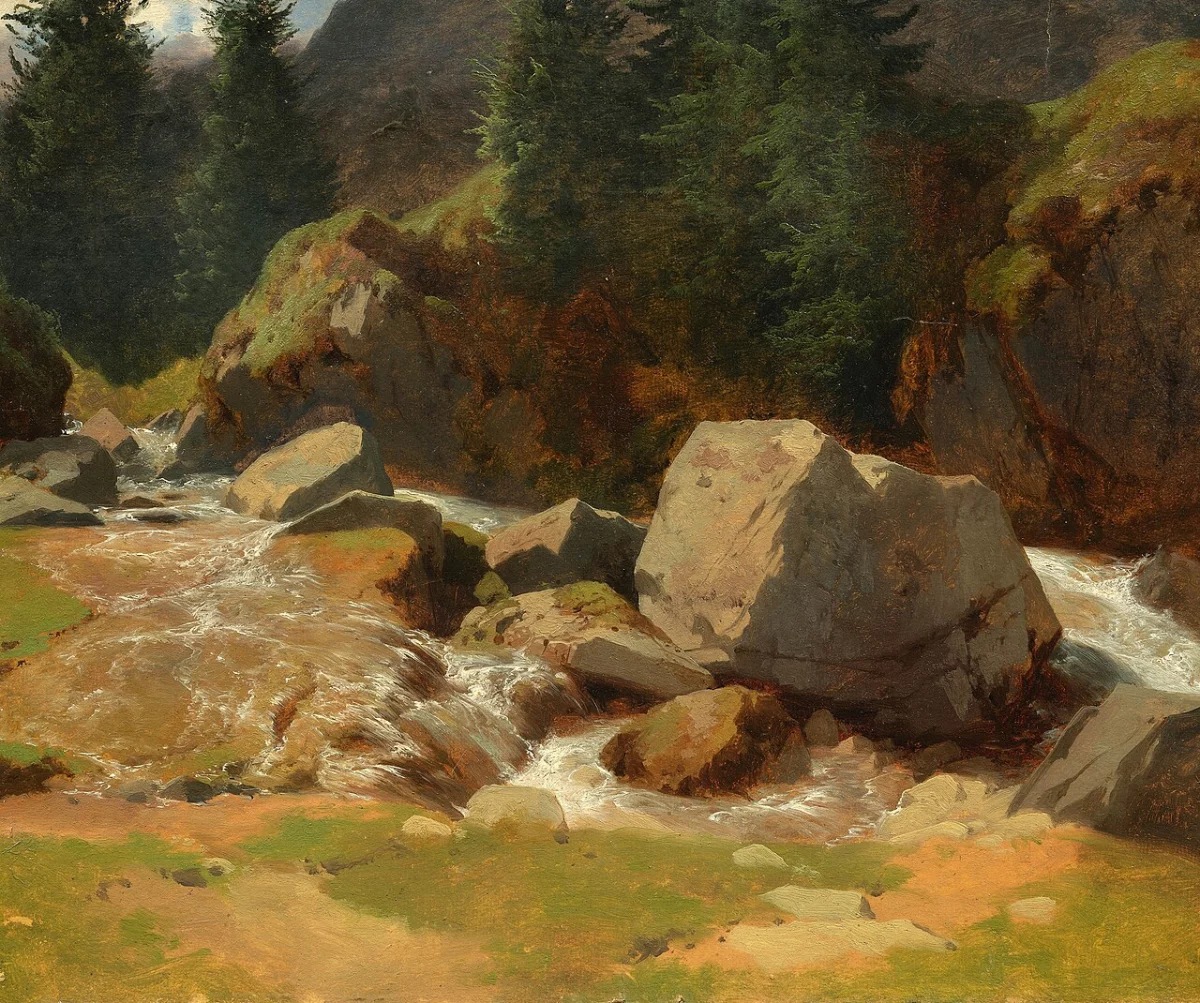
Alexandre Calame’s torrents, mountains and storms are not always straightforward studies of nature. Research into one painting revealed a human figure concealed beneath a later alteration of the painted surface. The case reminds us that landscape paintings have material histories that can change how their subjects are understood.

Alexandre Calame — Torrent de montagneIllustration from a story
Image credit and source

Alexandre Calame · Torrent de montagne · Wikimedia Commons · Public domain

View image source · View licence · Licence du visuel
Read the illustrated story →

Context and interpretation

The Valais Art Museum documented the change in the torrent painting. A scene that had seemed nearly tranquil regained a dramatic dimension. The difference between its present appearance and earlier composition is a warning against interpreting a painting from a photograph alone.

Other stories of Calame explore how storms were composed and how European landscape traditions shaped the painter. Light, figures and viewpoint can be compared without turning every mountain painting into a tragic narrative.

Documented stories

Alexandre Calame

The drowning man the paint had hidden

A torrent by Calame seemed to contain only a landscape and a few figures on the bank. Research by the Valais Art Museum restored the scene's meaning: a man swept away by the water had been painted over after 1932.

Read the story →
Alexandre Calame

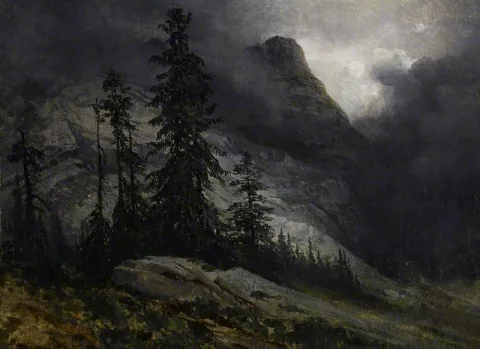
The storm we watch from dry ground

The Storm at the Handeck helped make Calame known across Europe. This monumental landscape promises an encounter with the mountains, but its intensity is constructed in the studio: a painted tempest offered to an audience safely in the dry.

Read the story →

Explore the artists

Historical sources