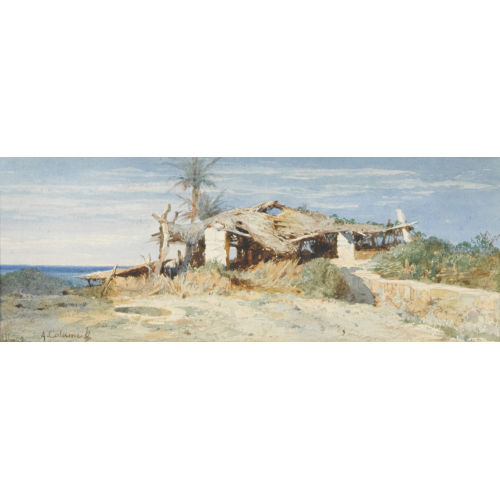
Alexandre Calame
Born in 1810.
Died in 1864.
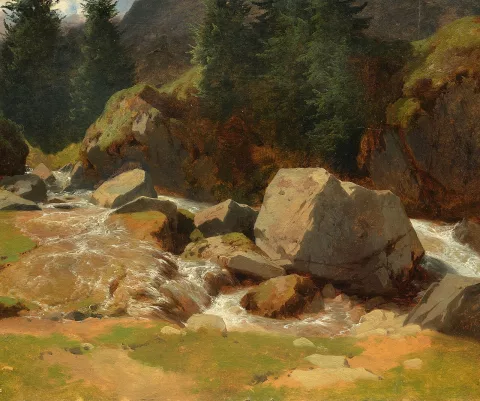
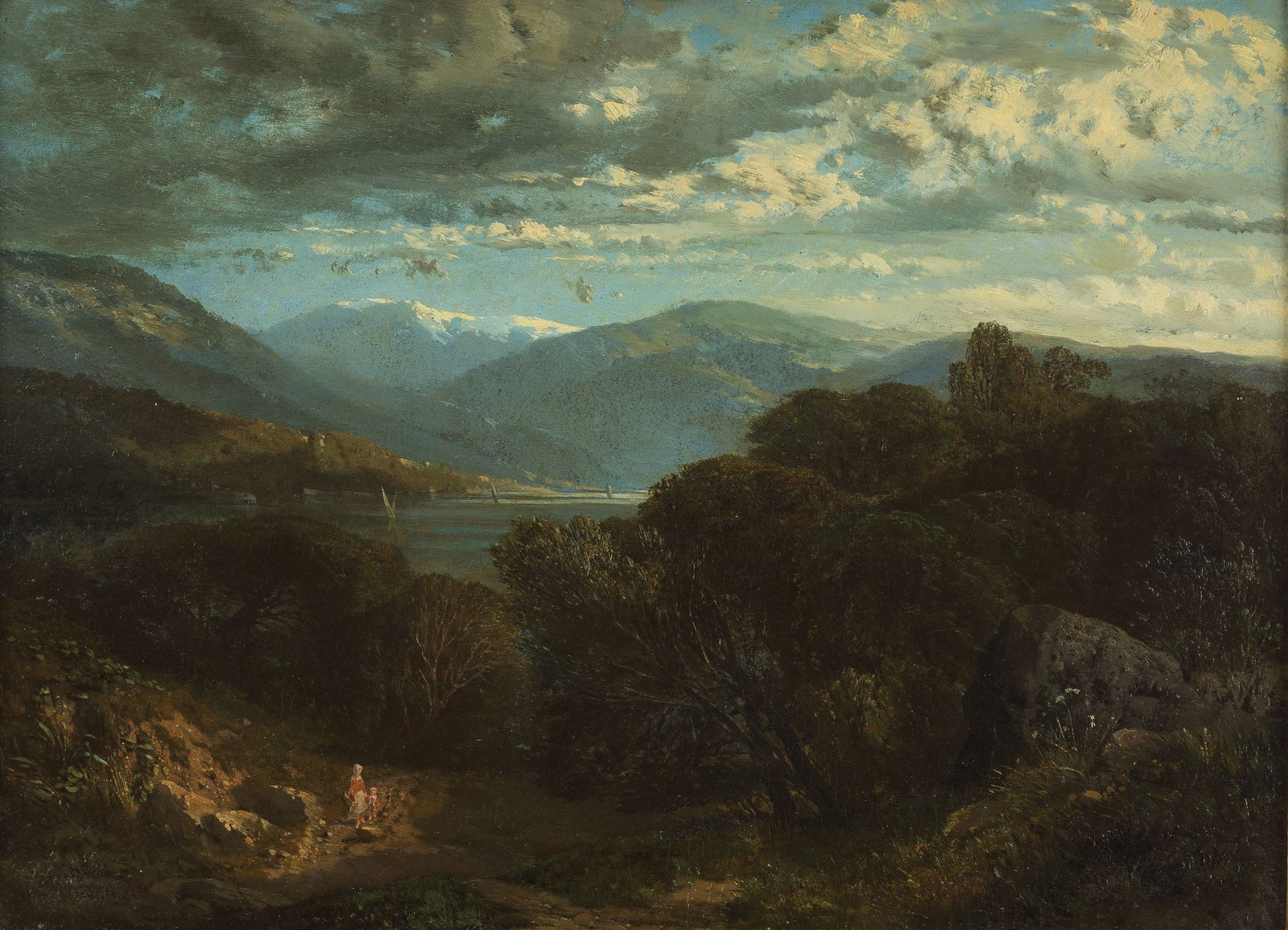
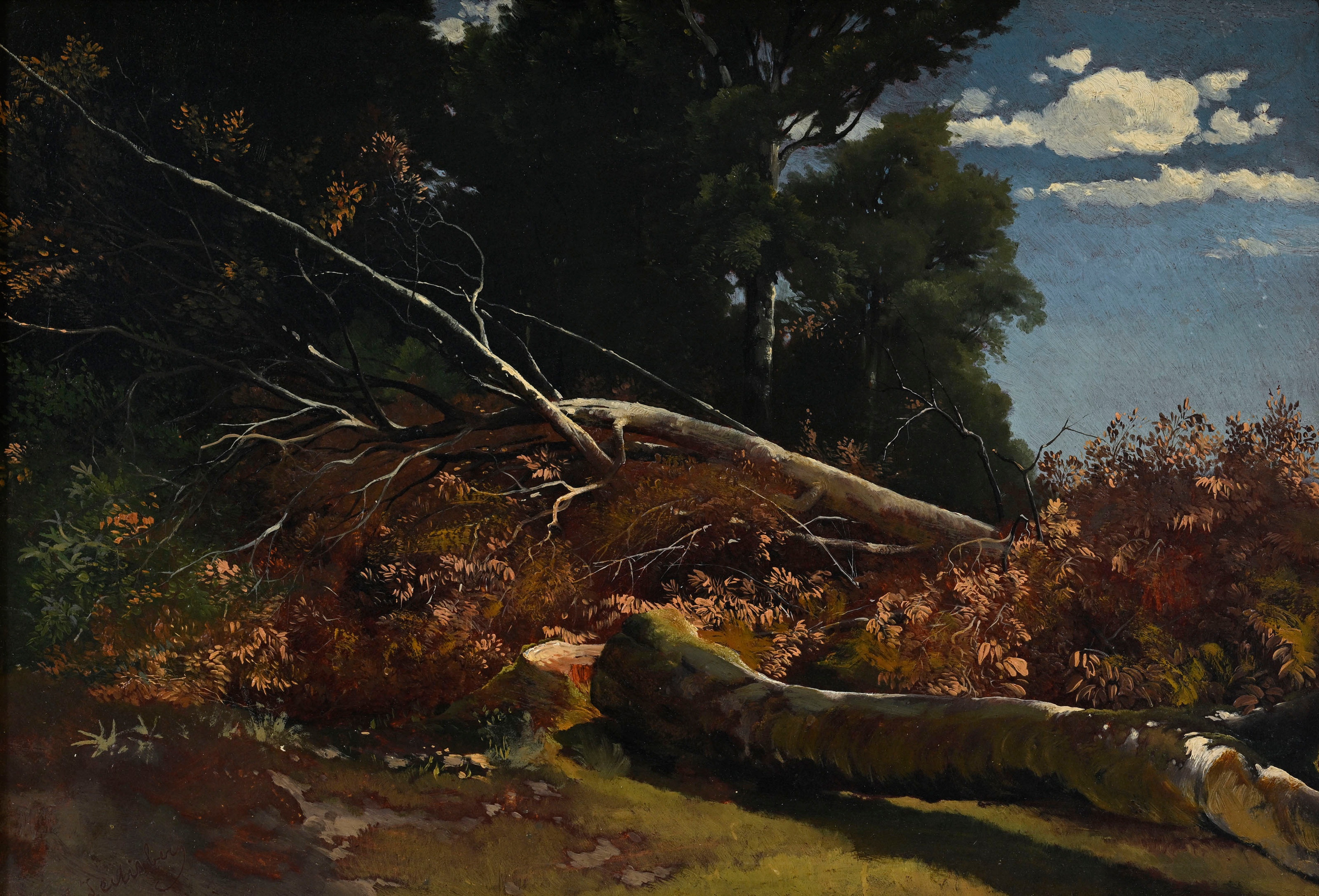
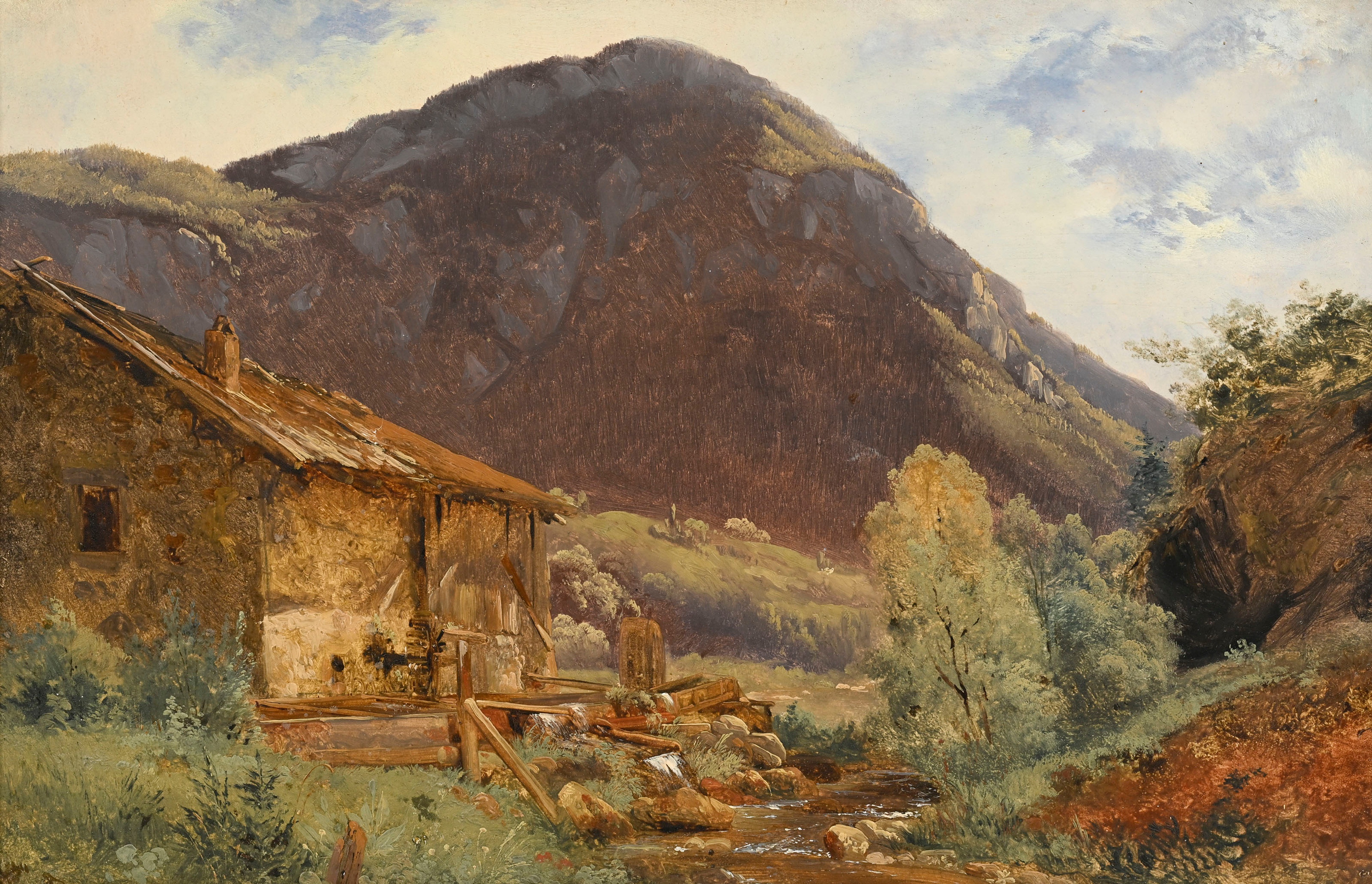
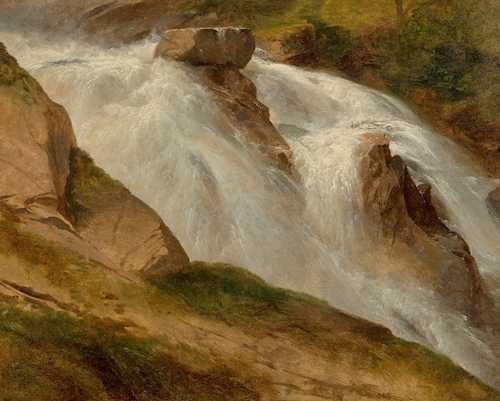
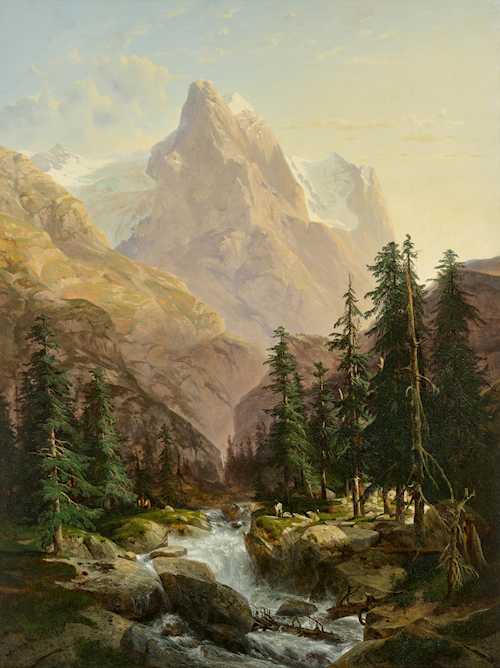
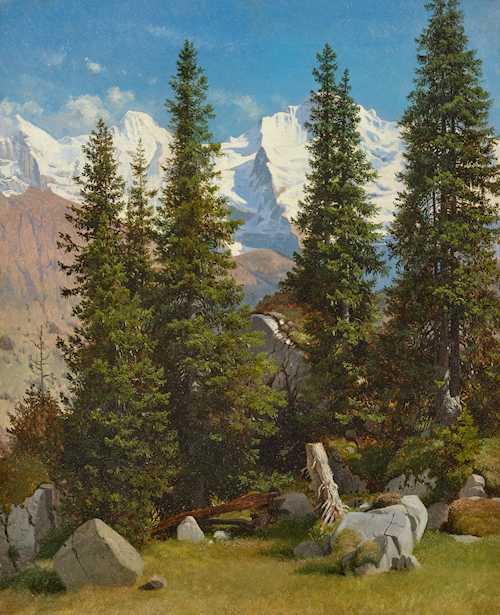
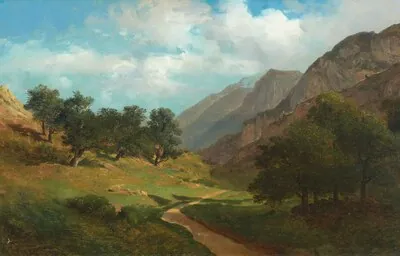
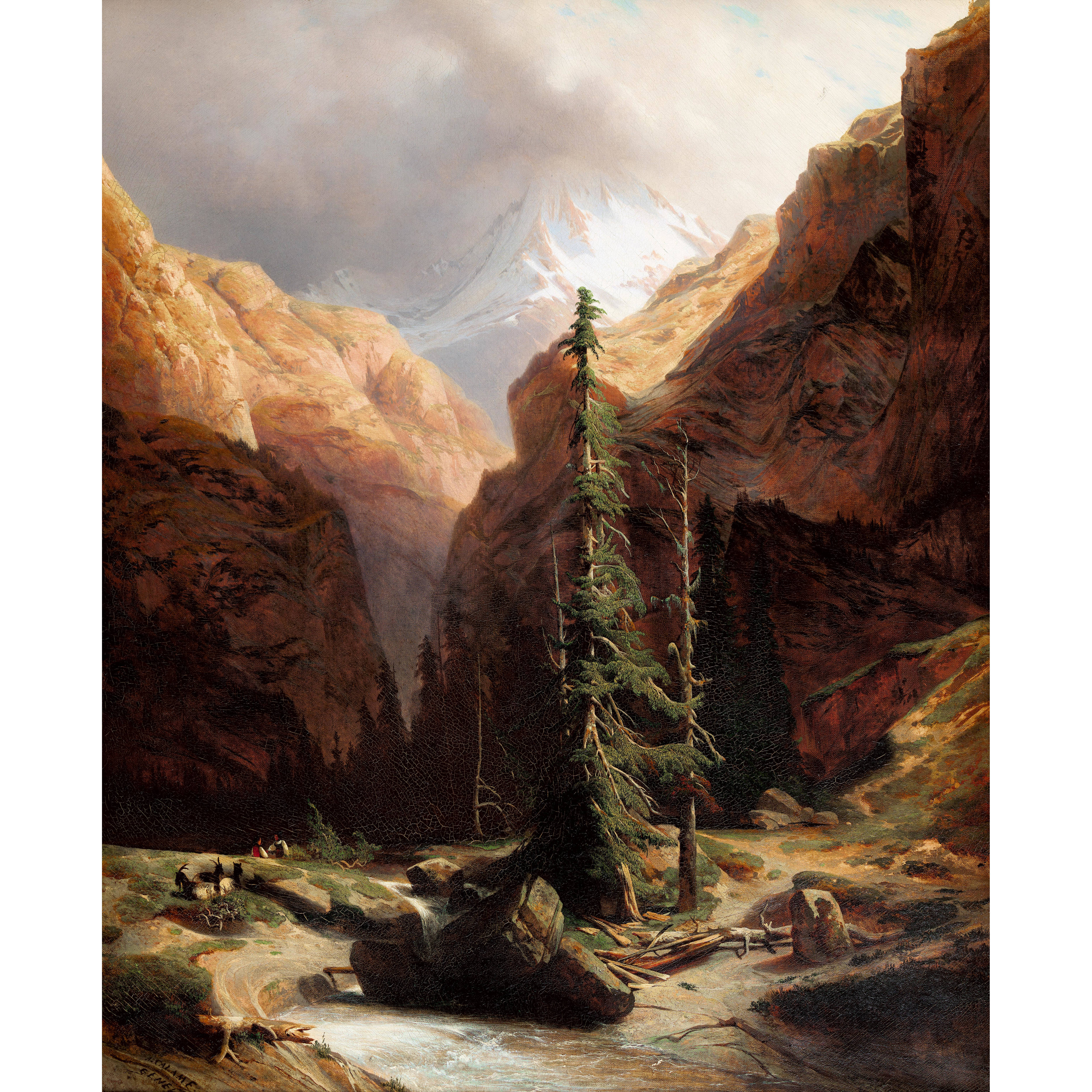
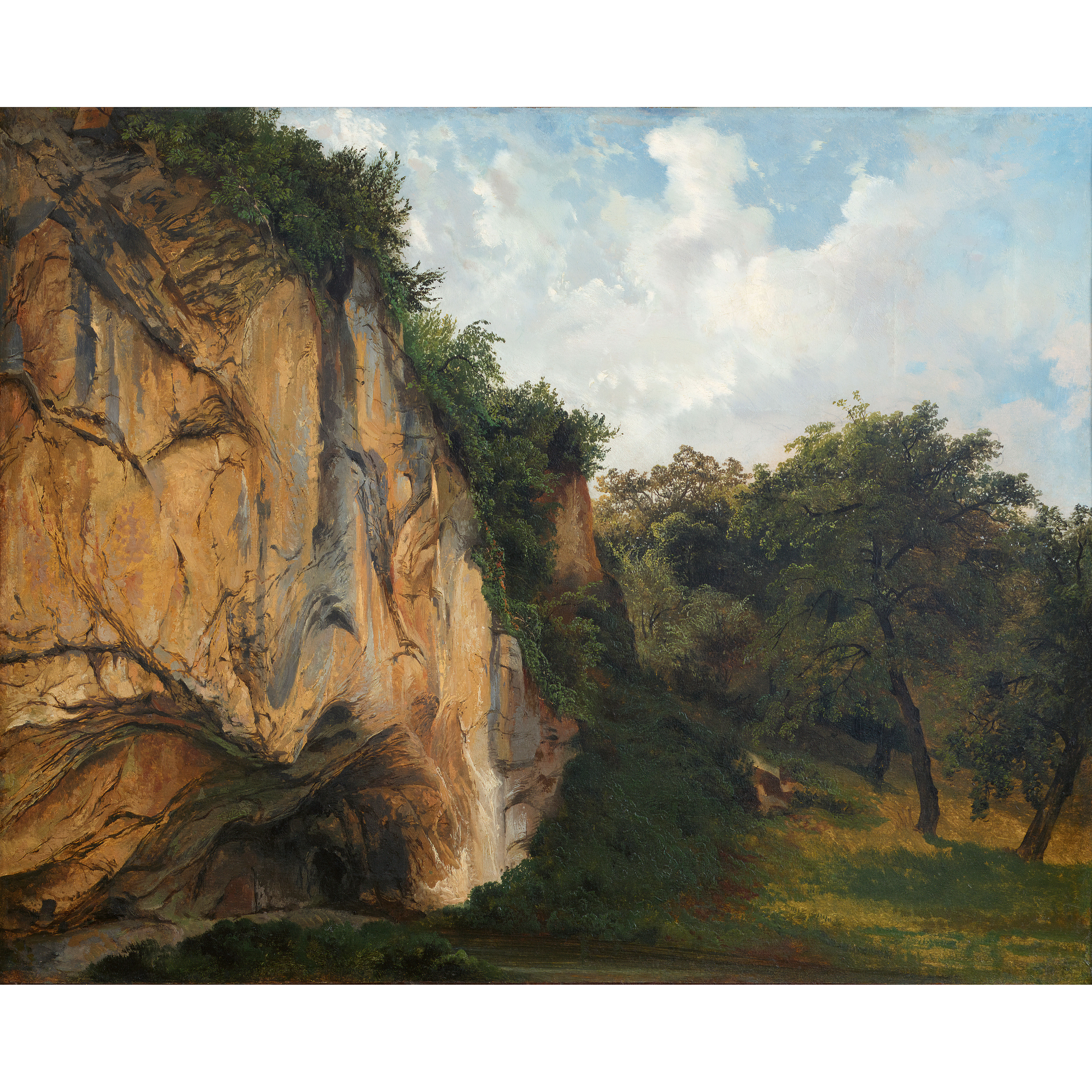
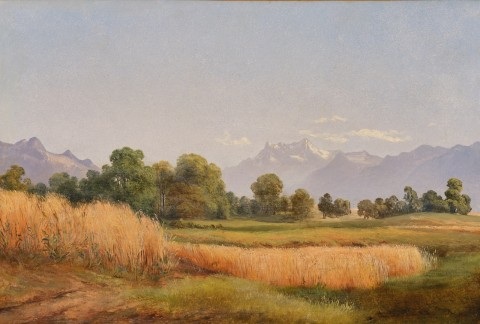
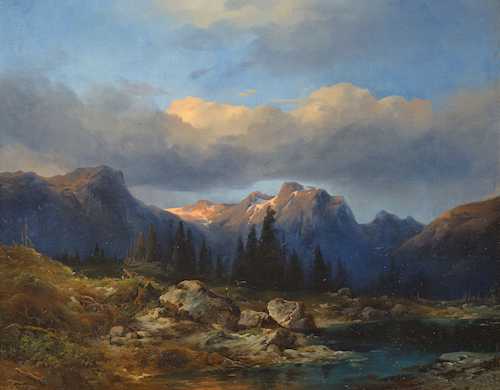
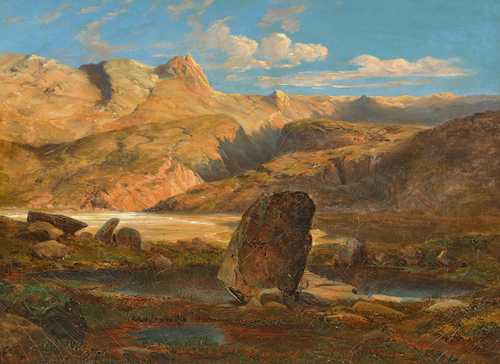
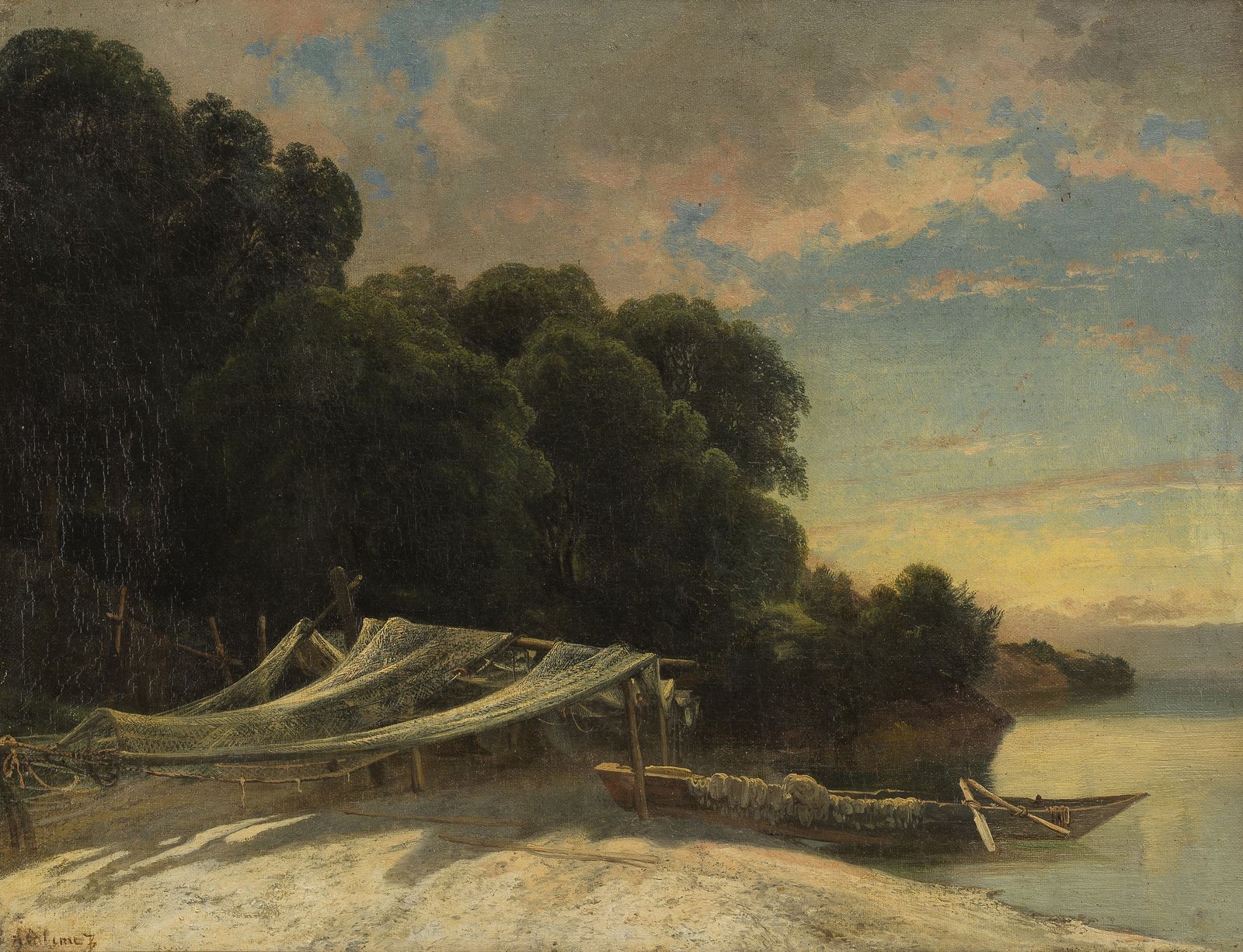
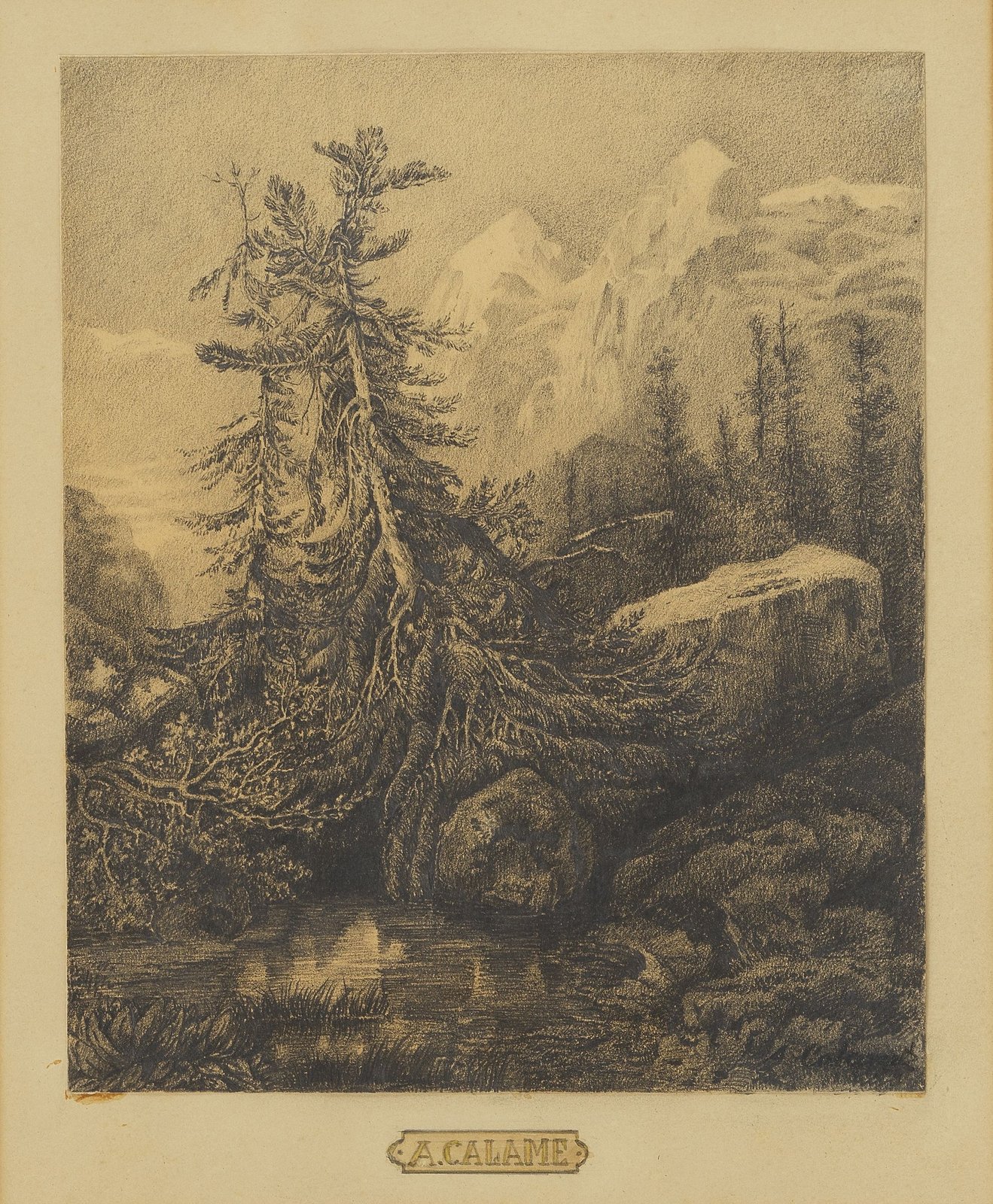
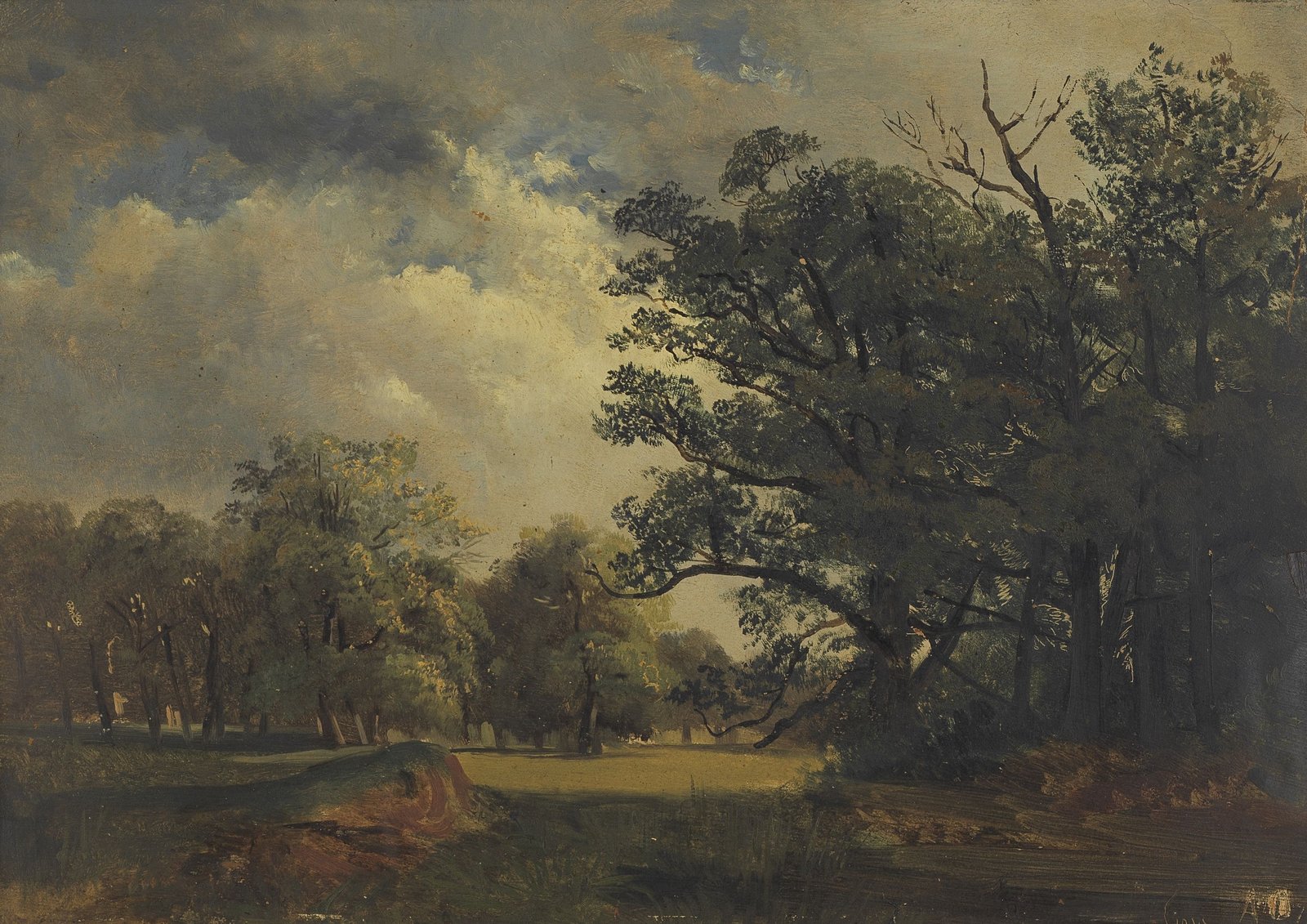
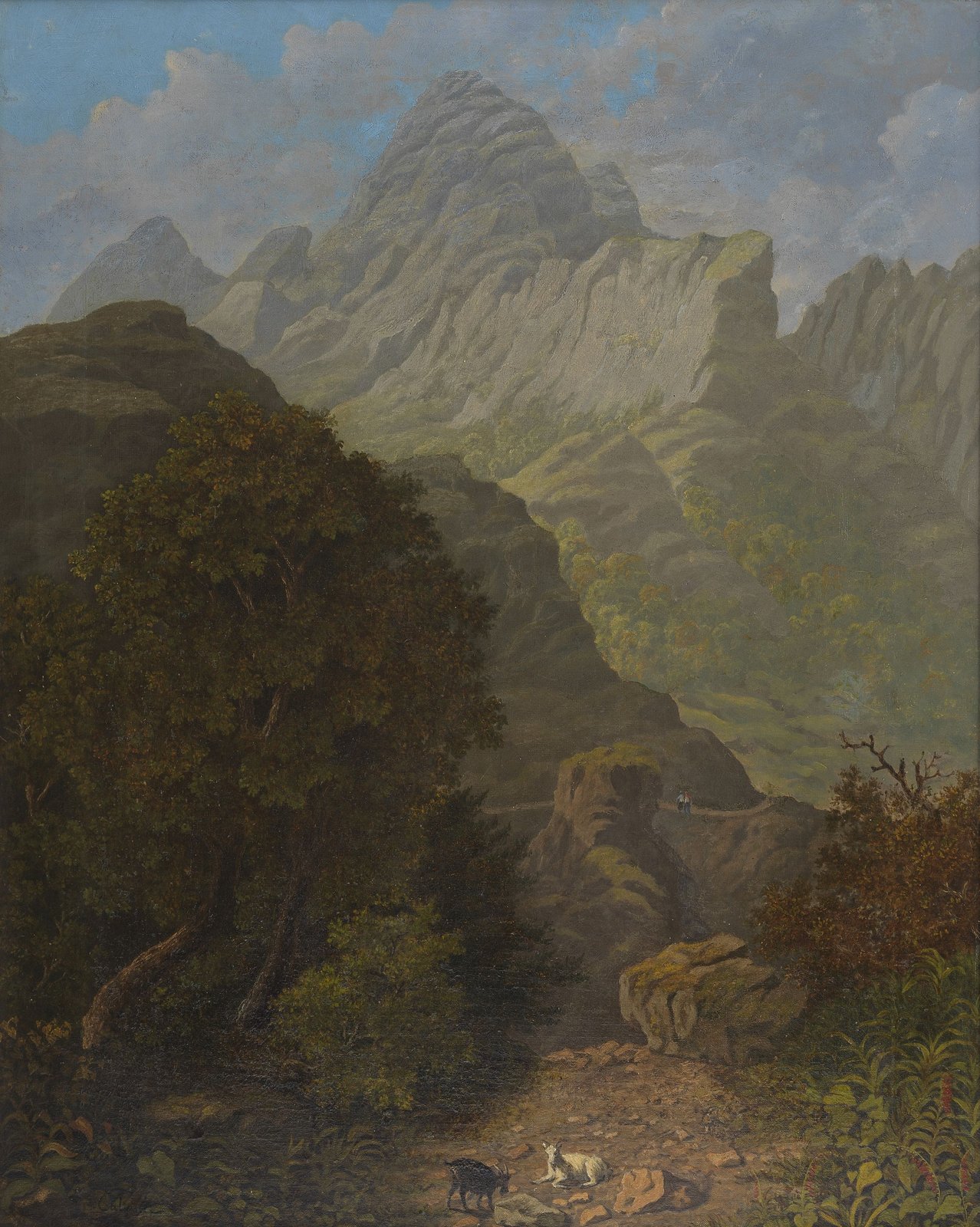
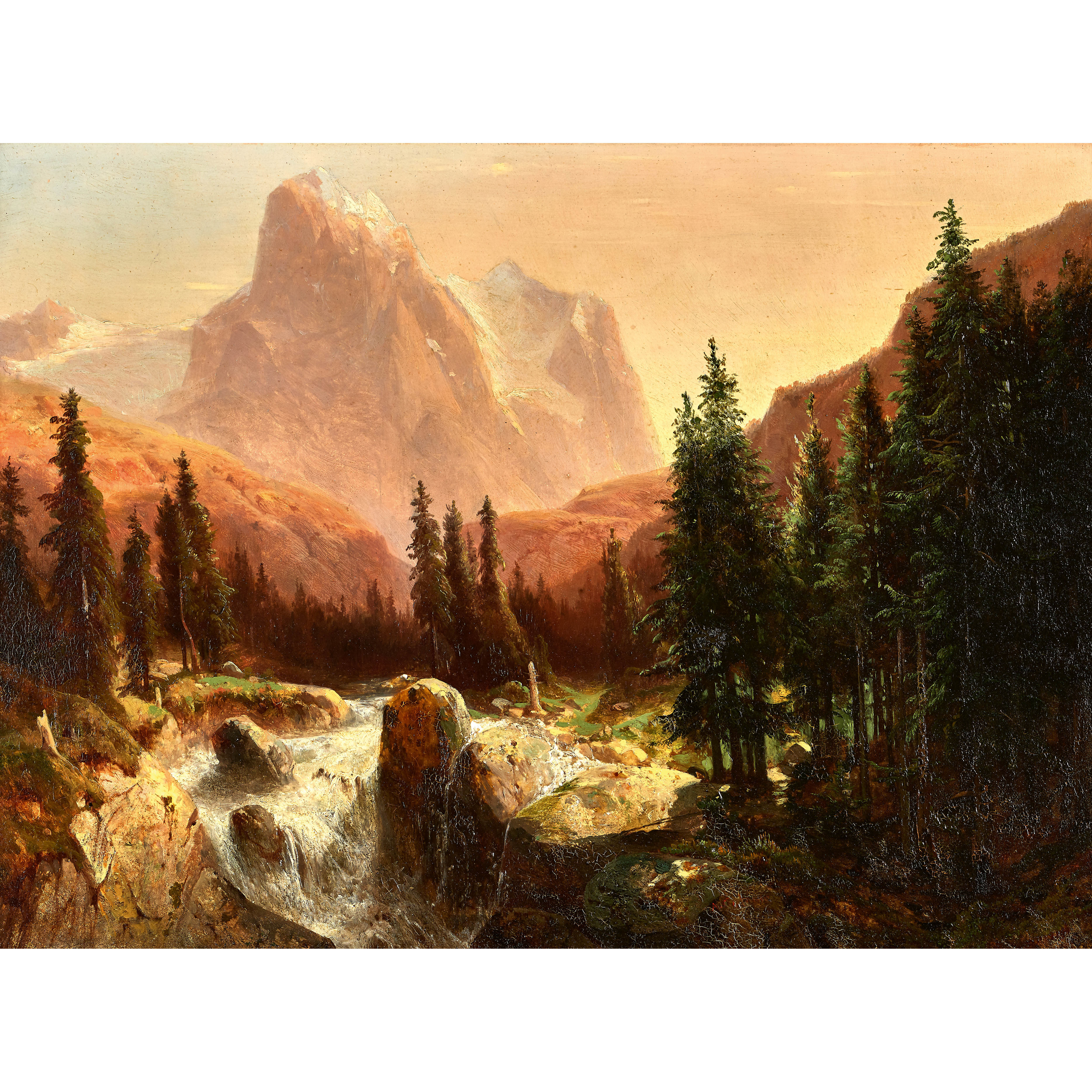
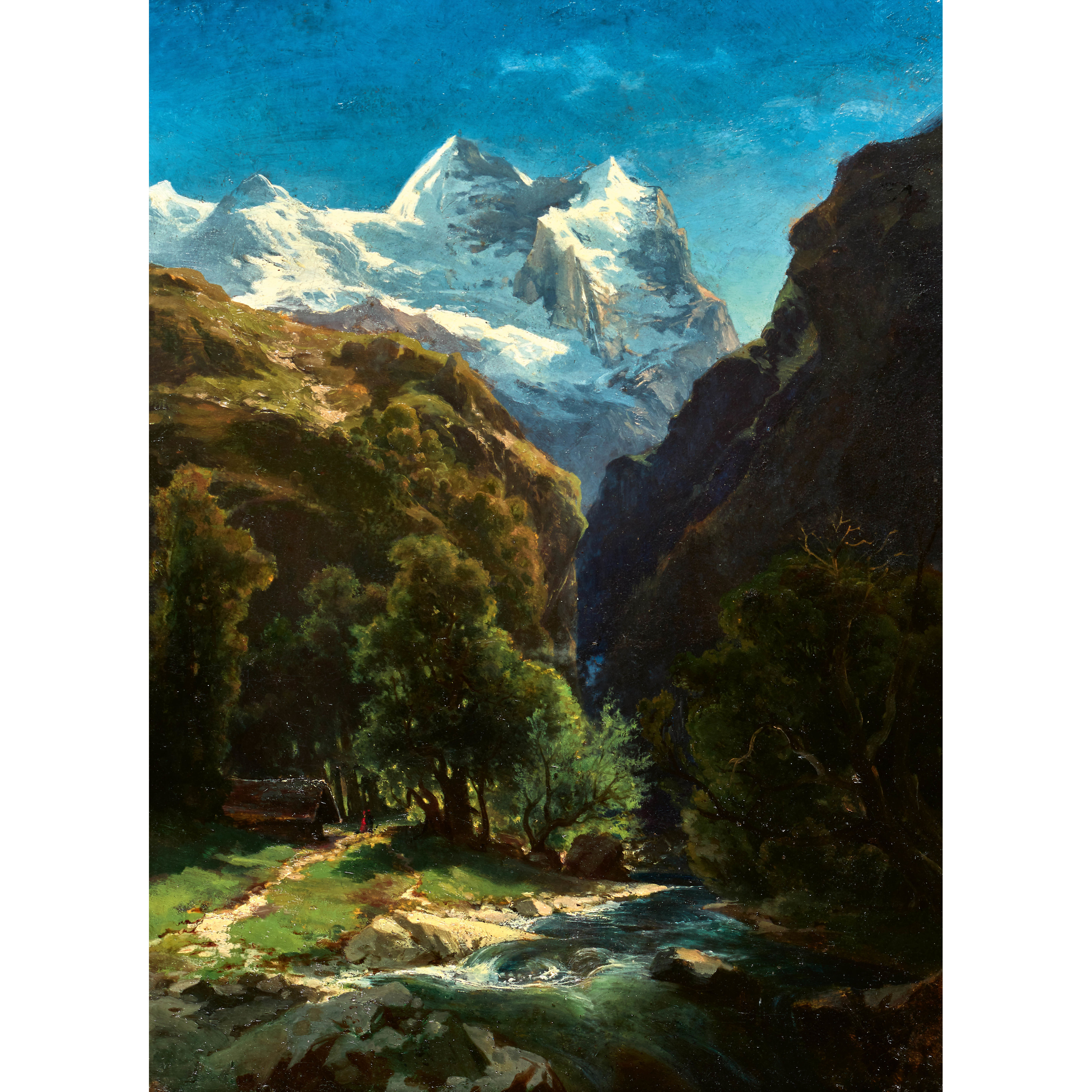
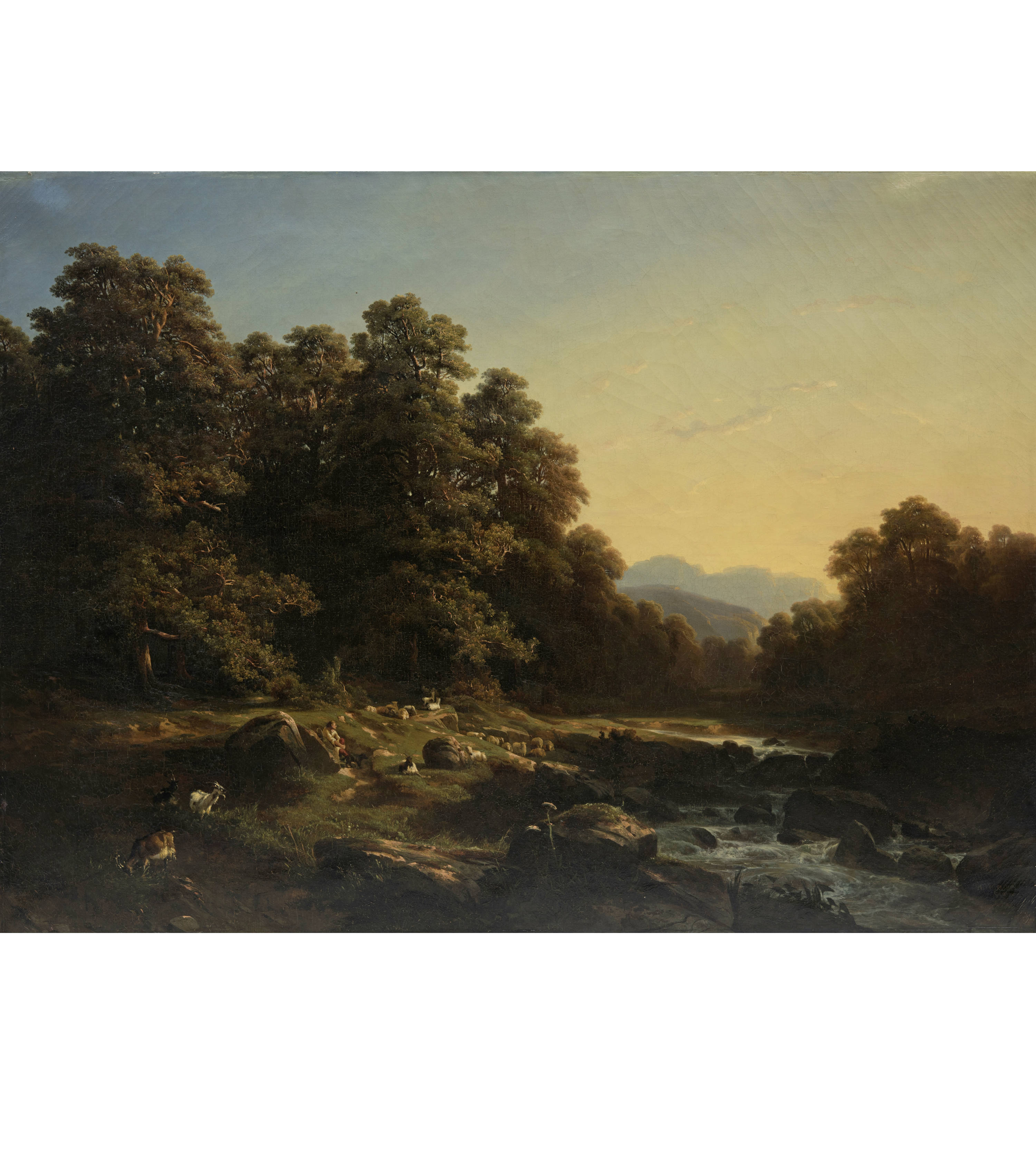
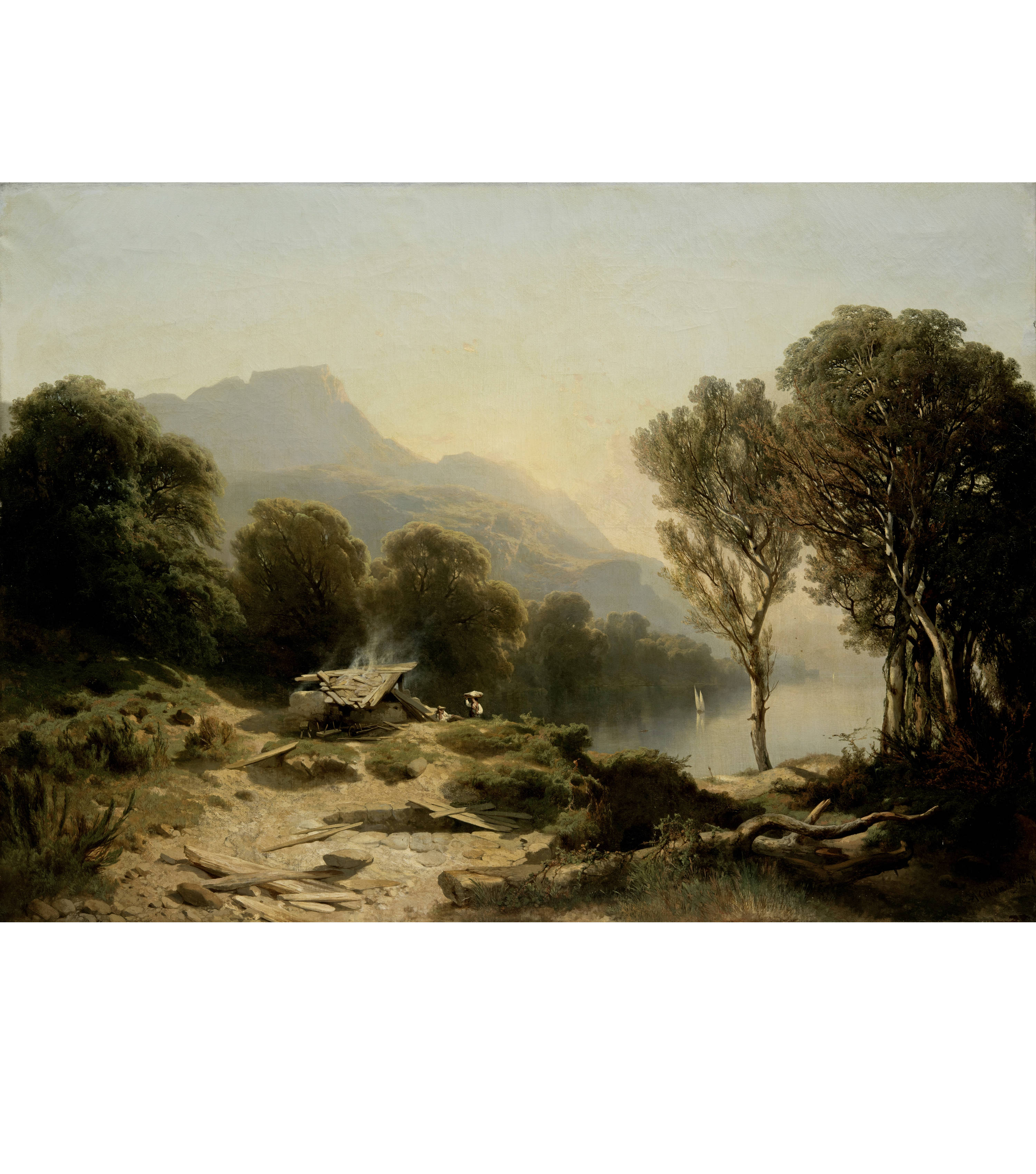
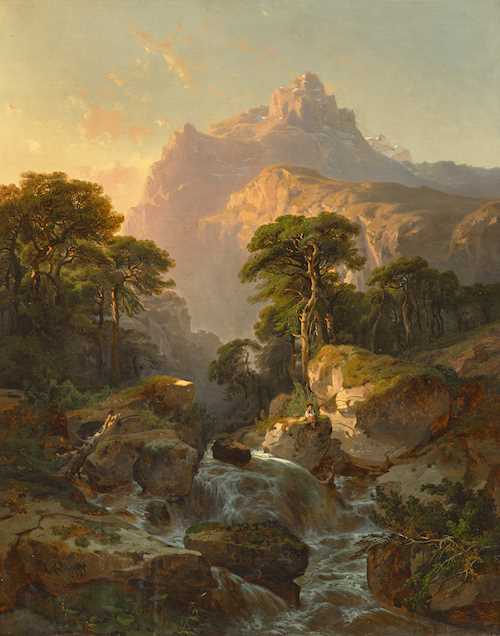
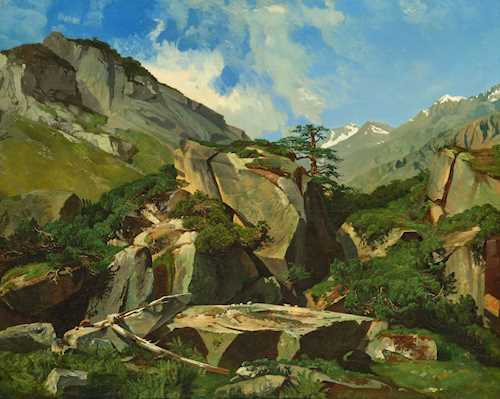
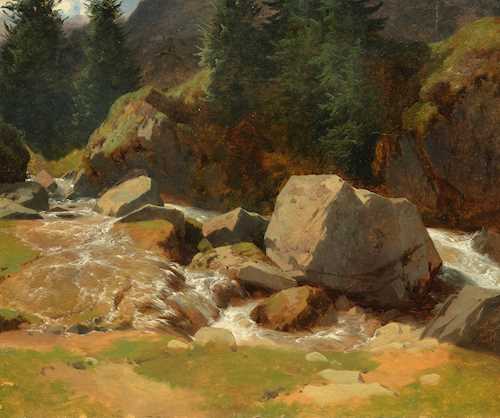
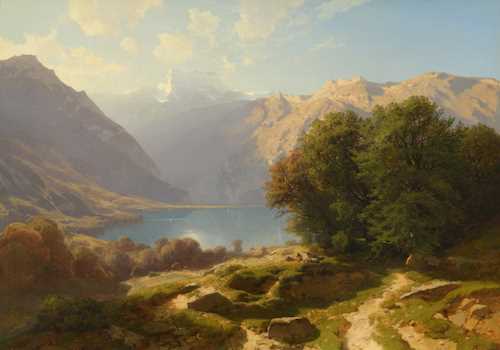
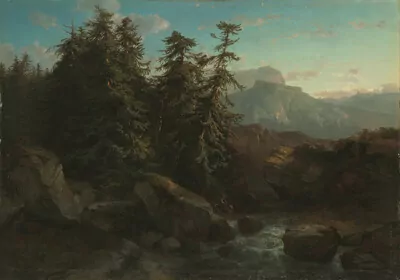
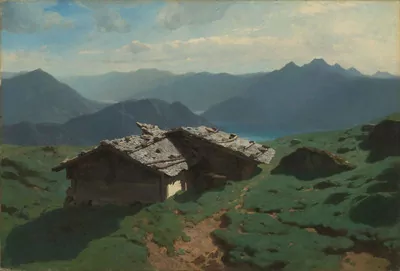
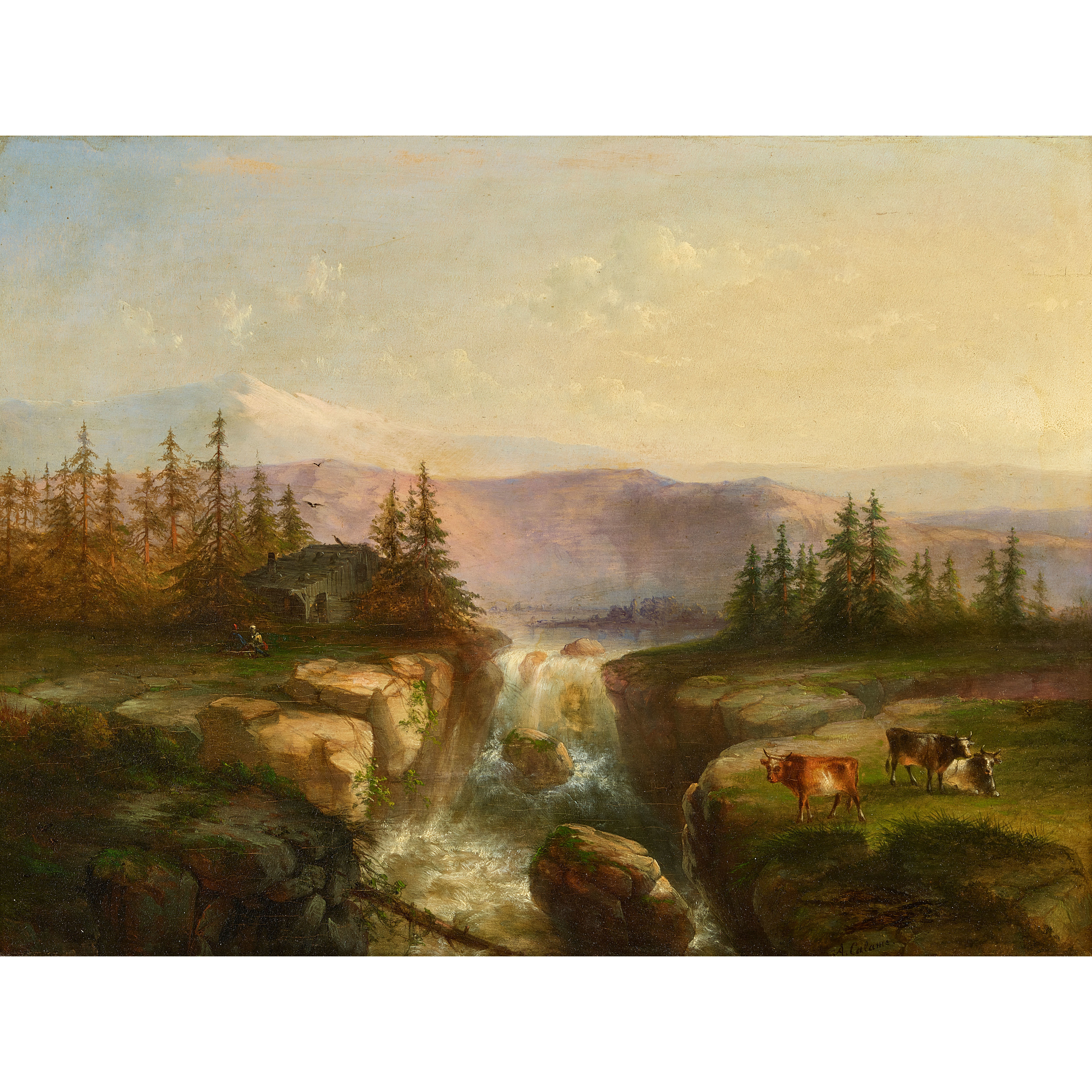
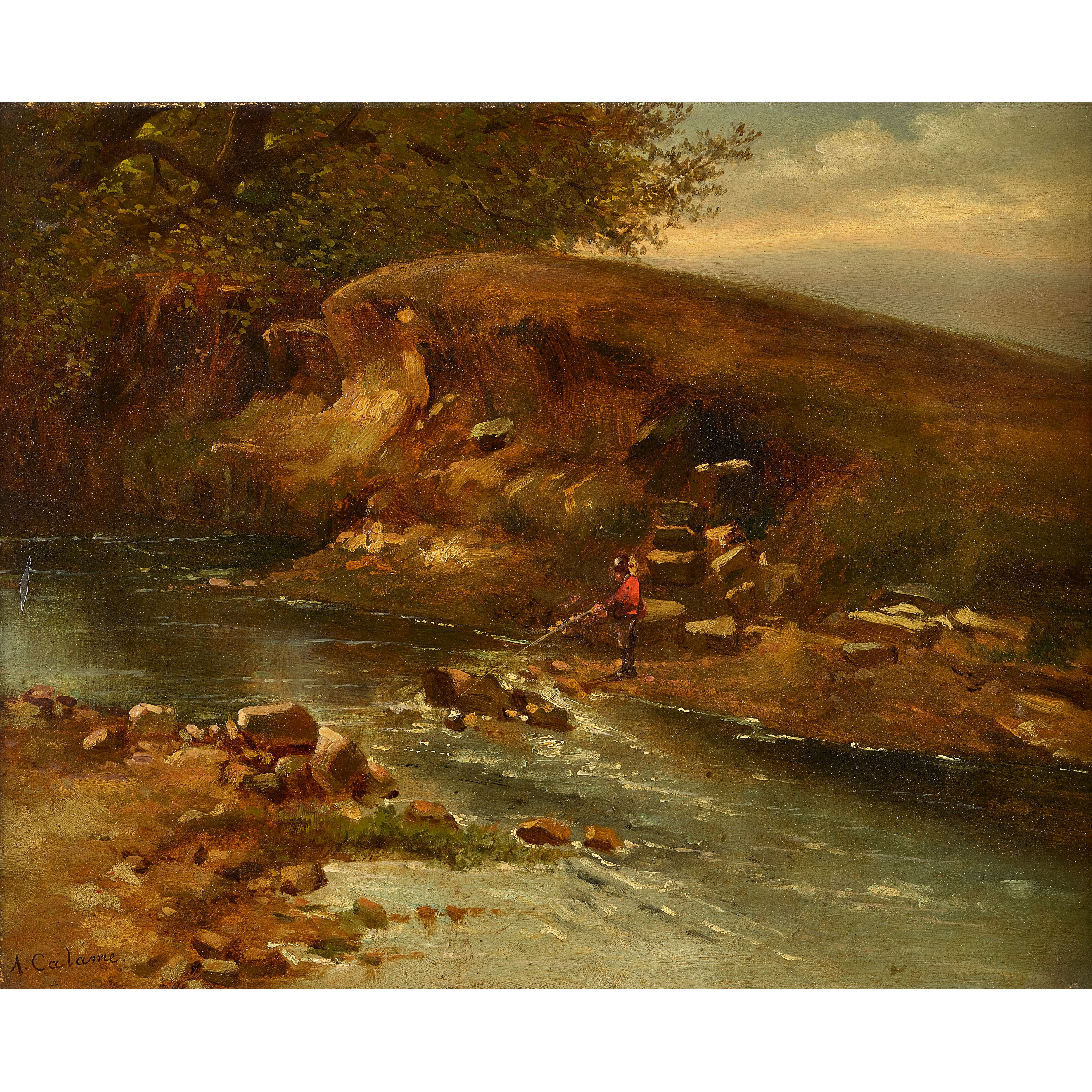
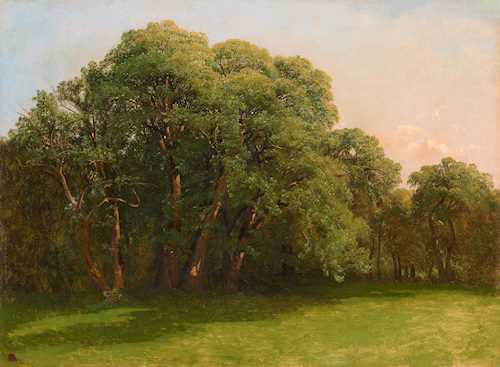
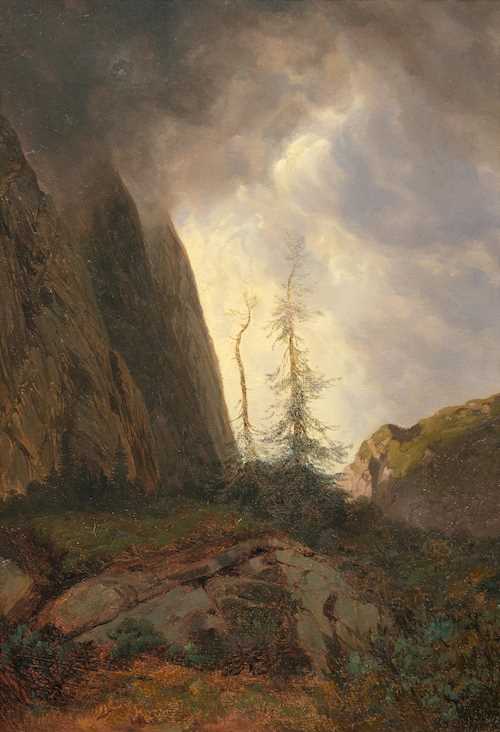
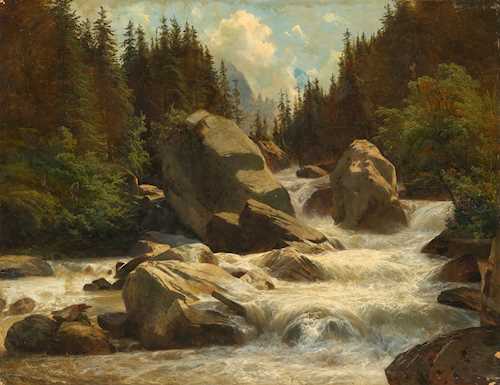
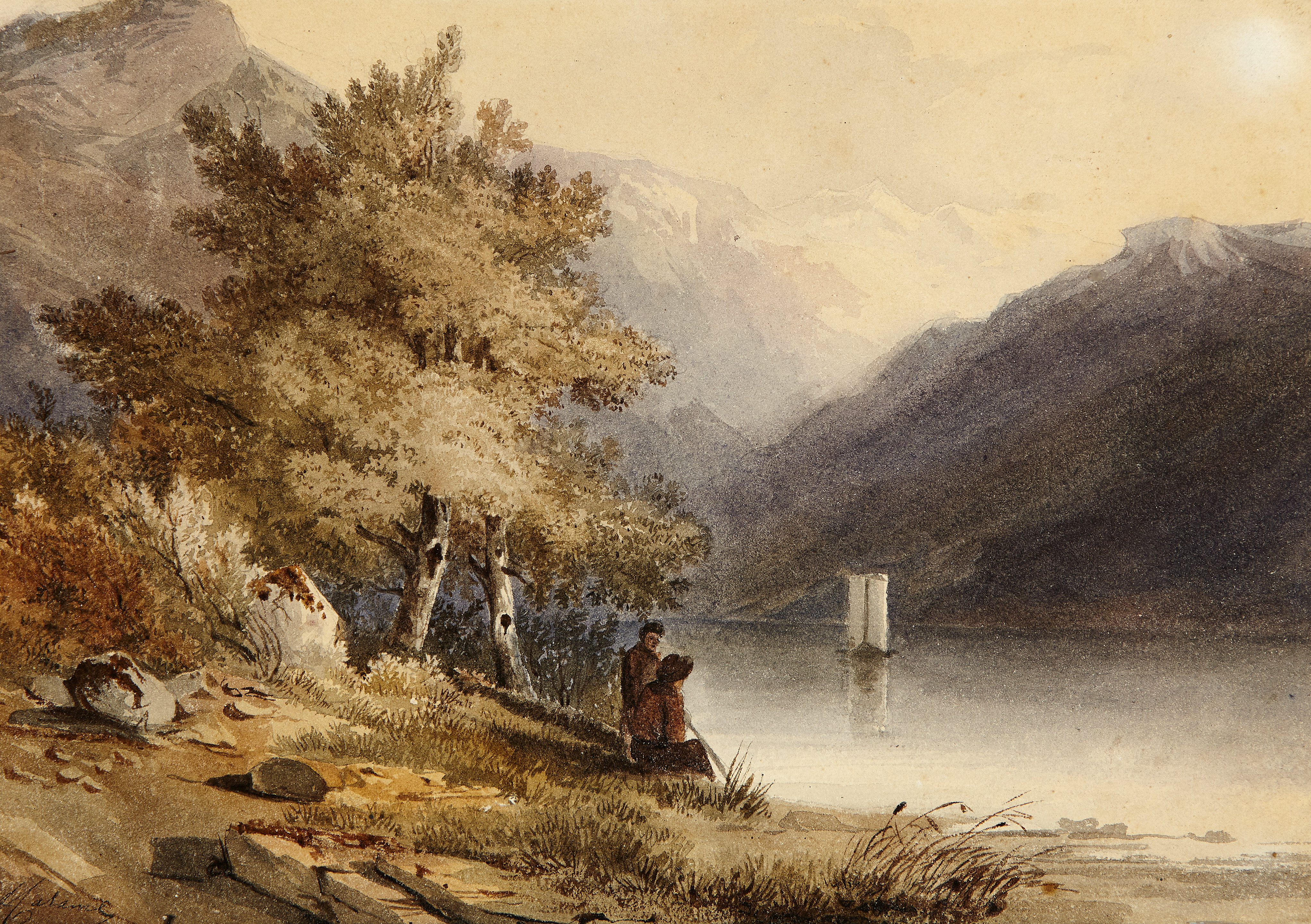
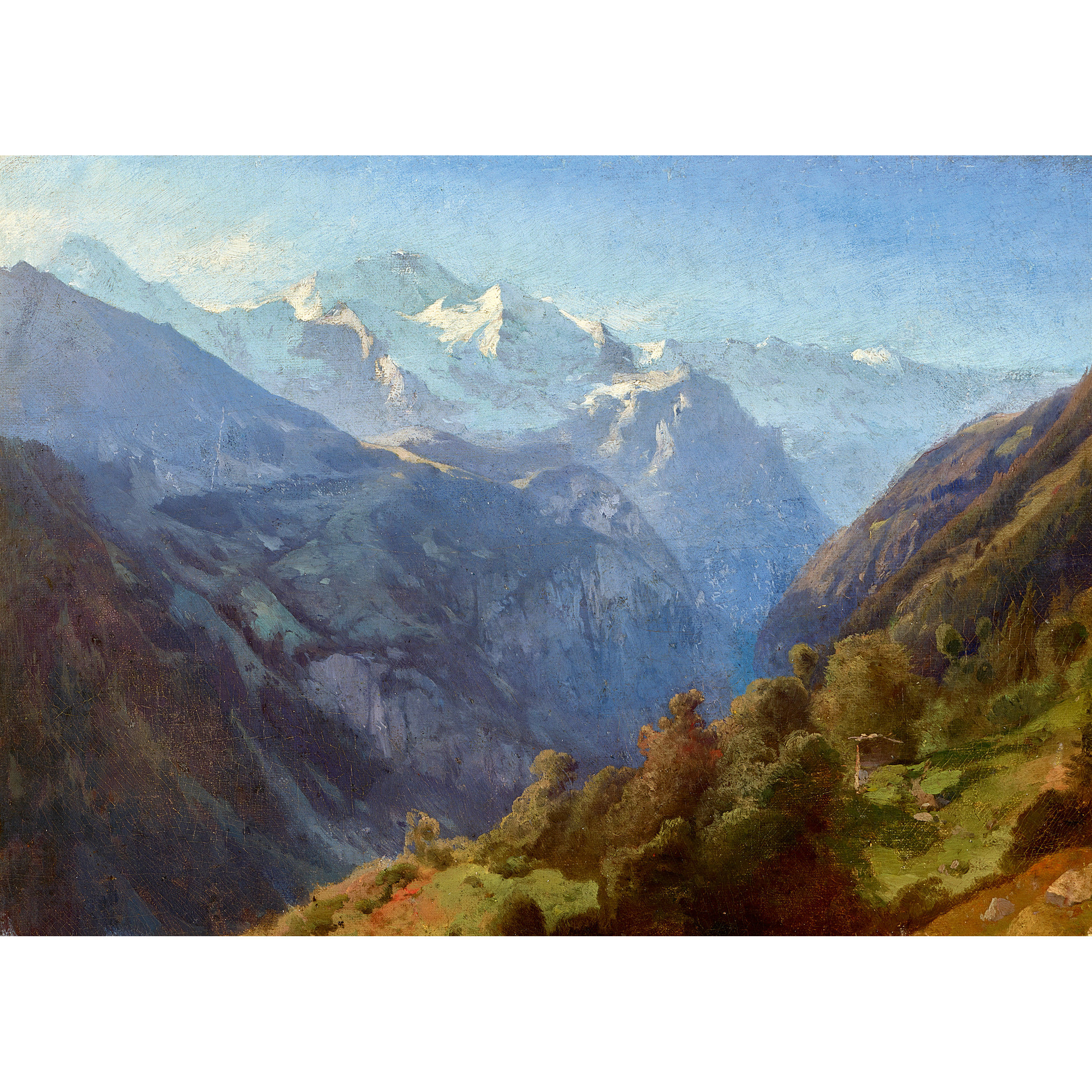
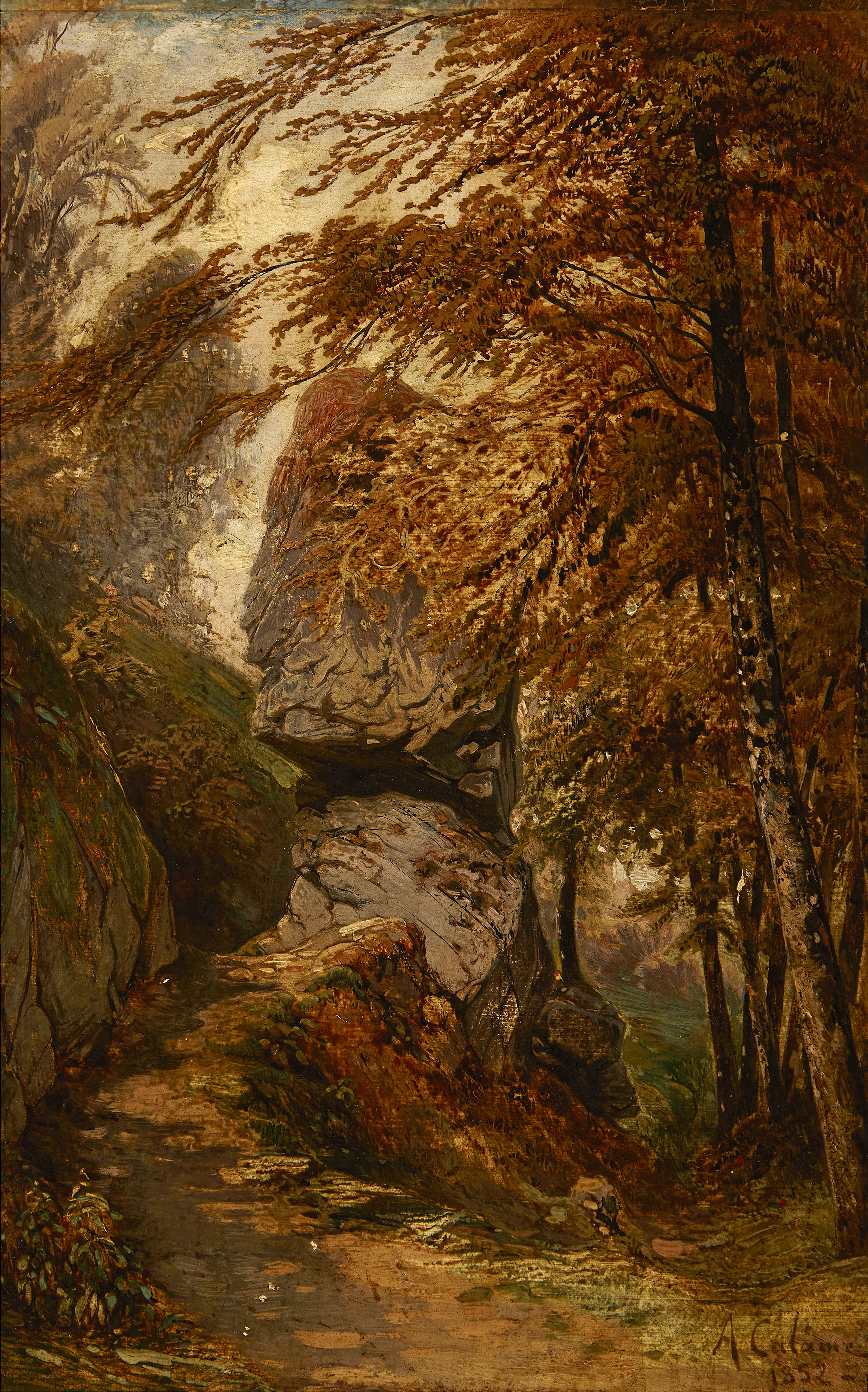
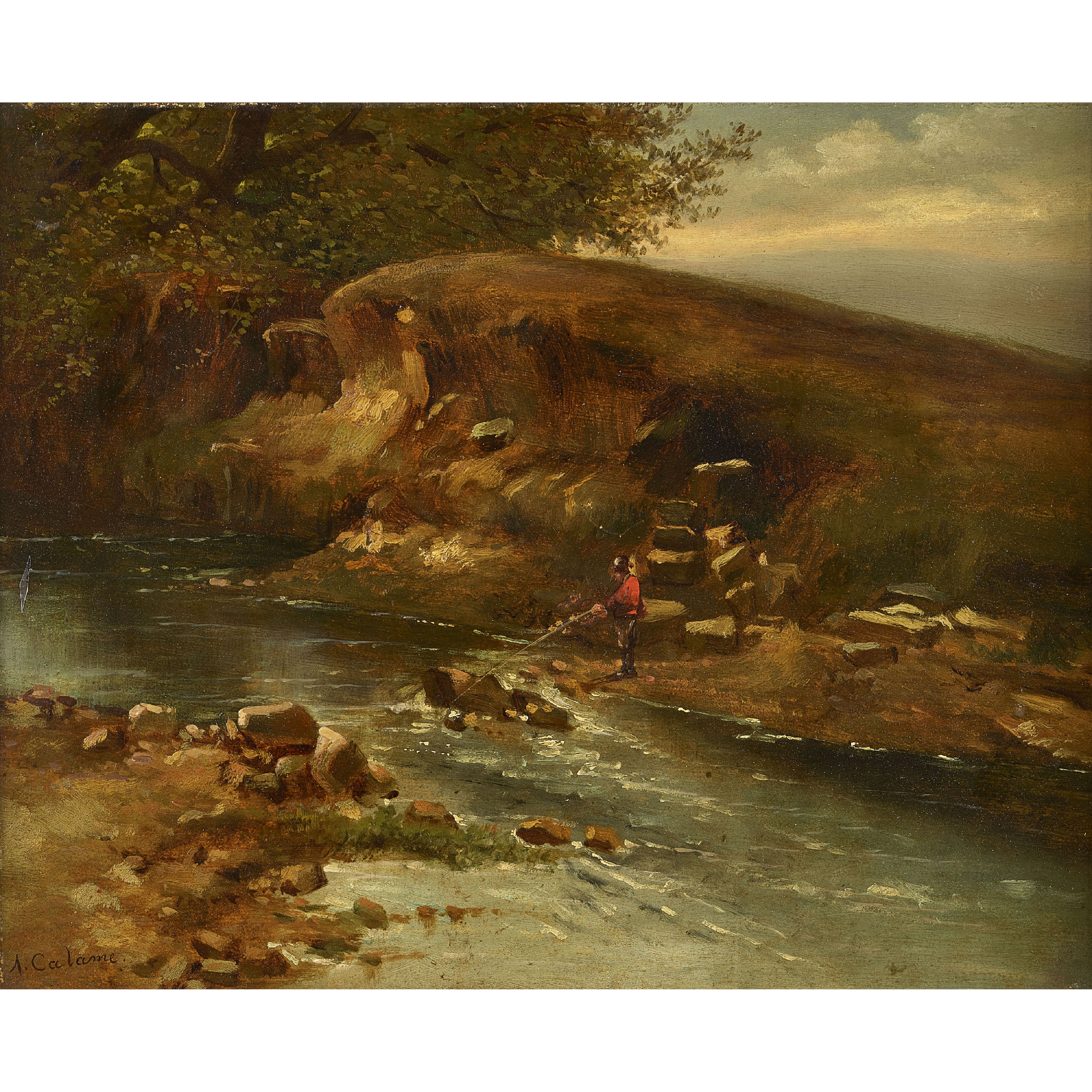
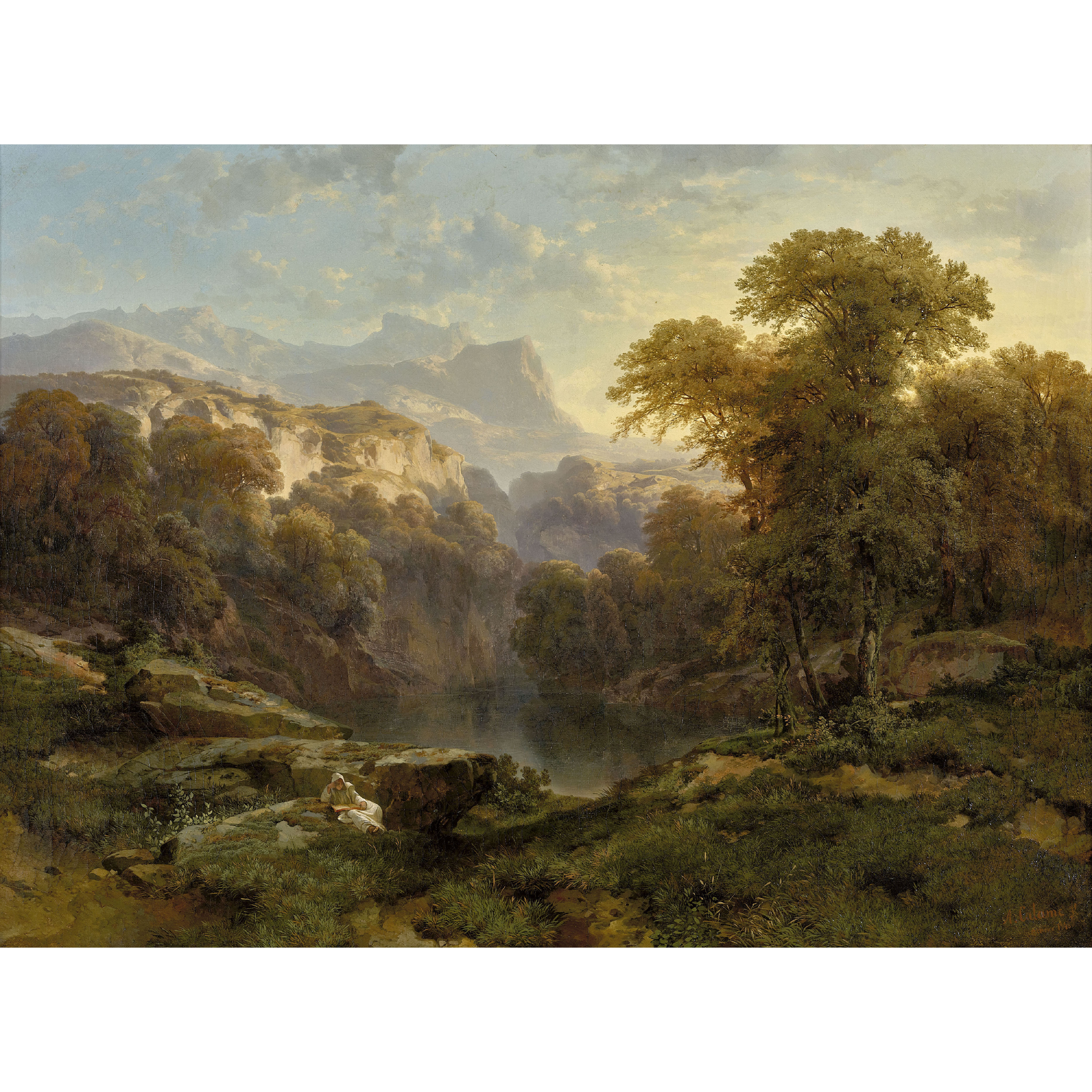
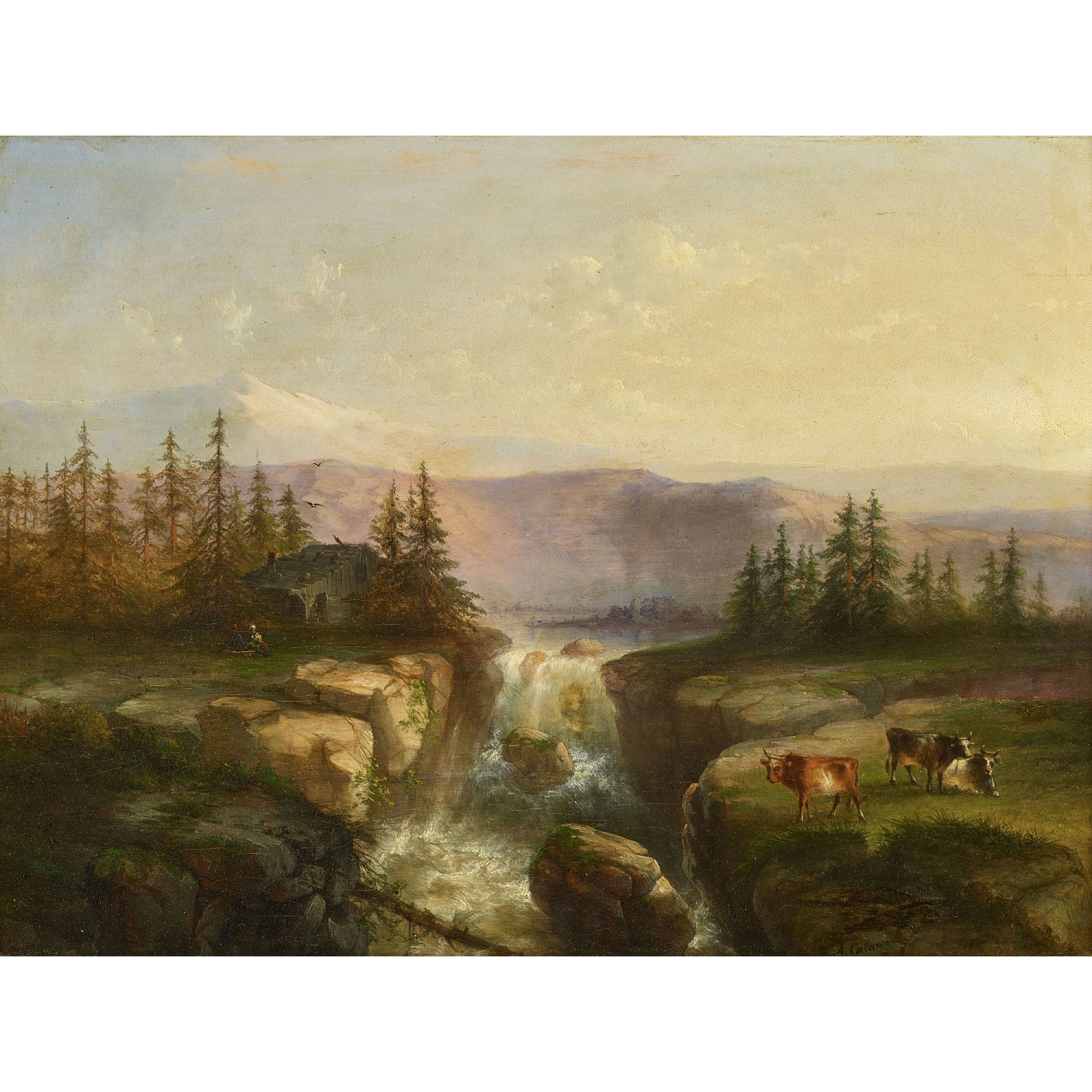
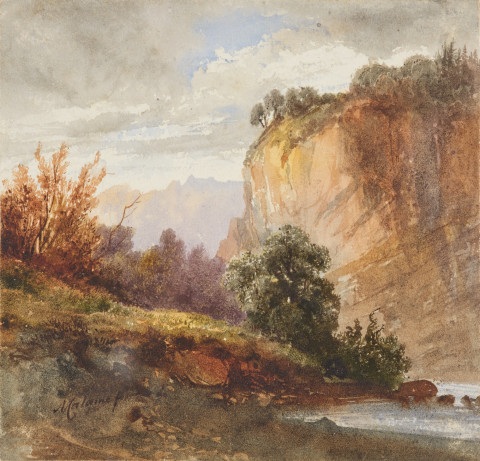
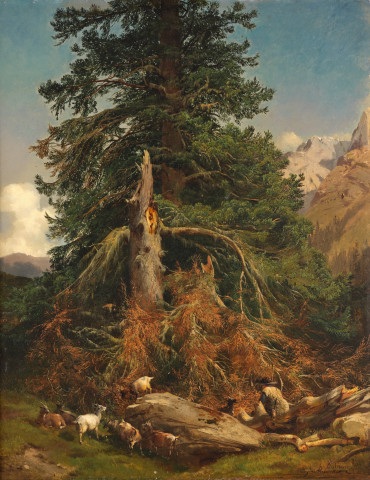
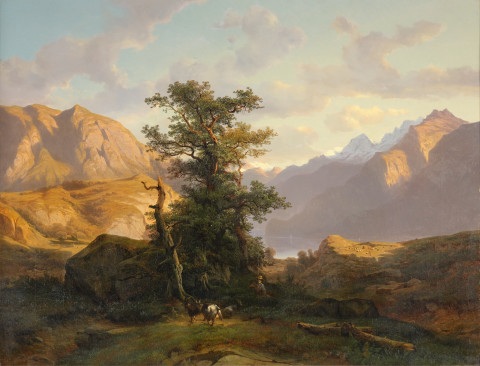
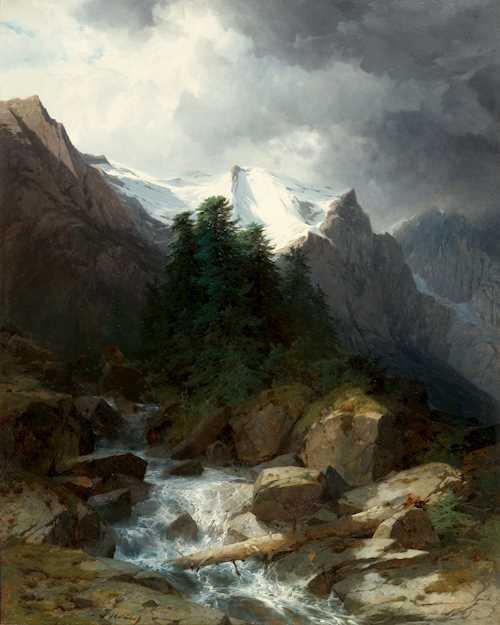
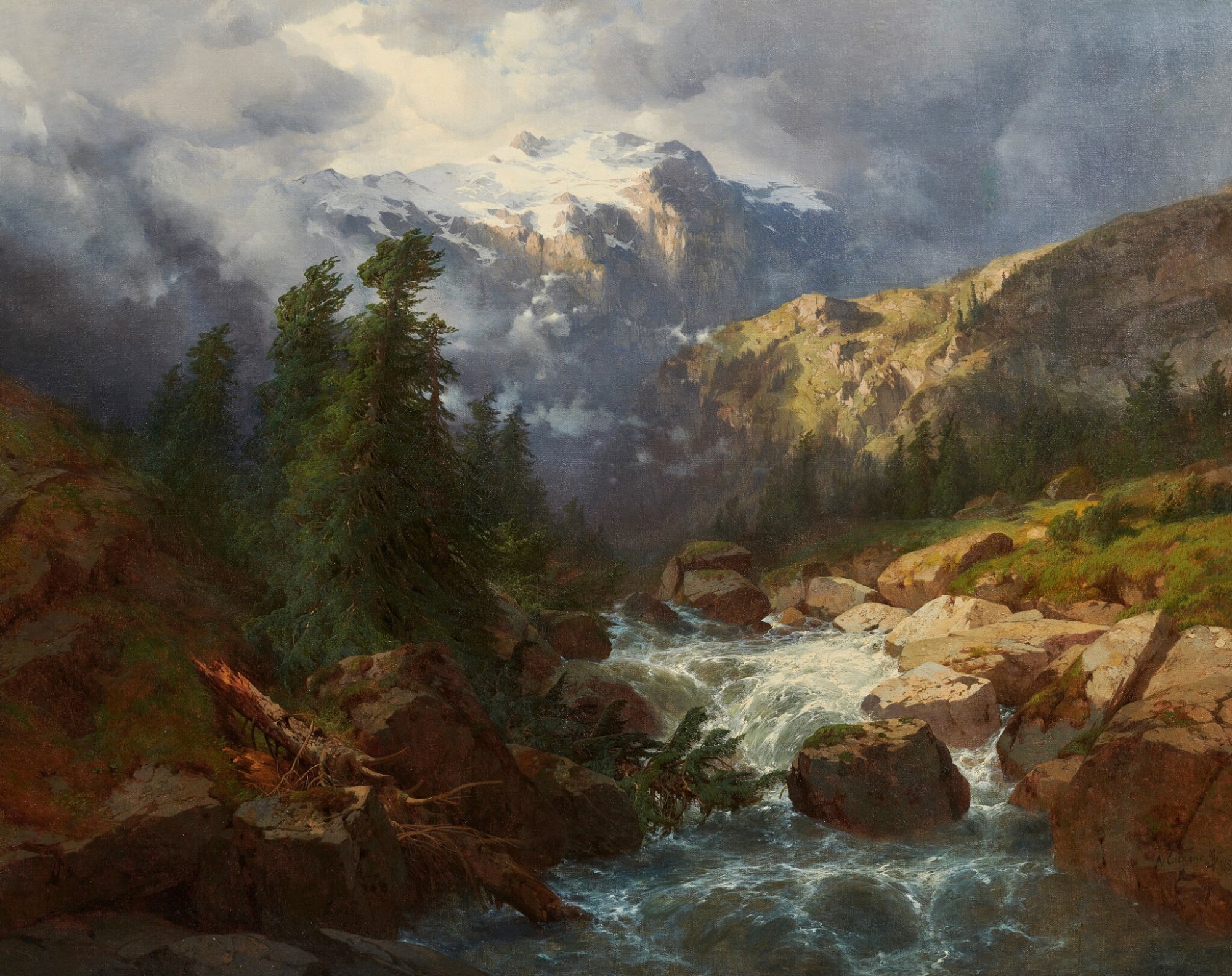
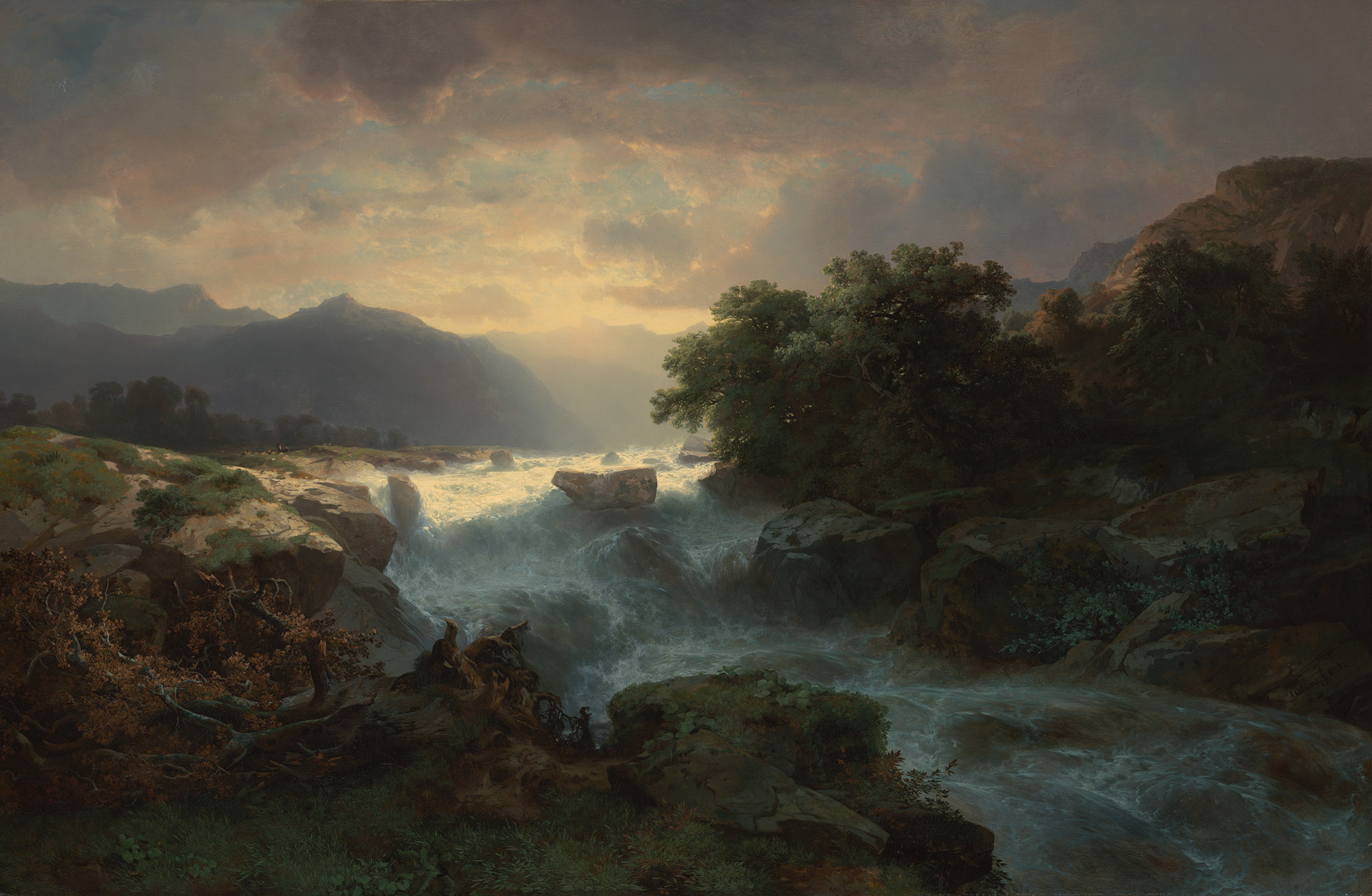
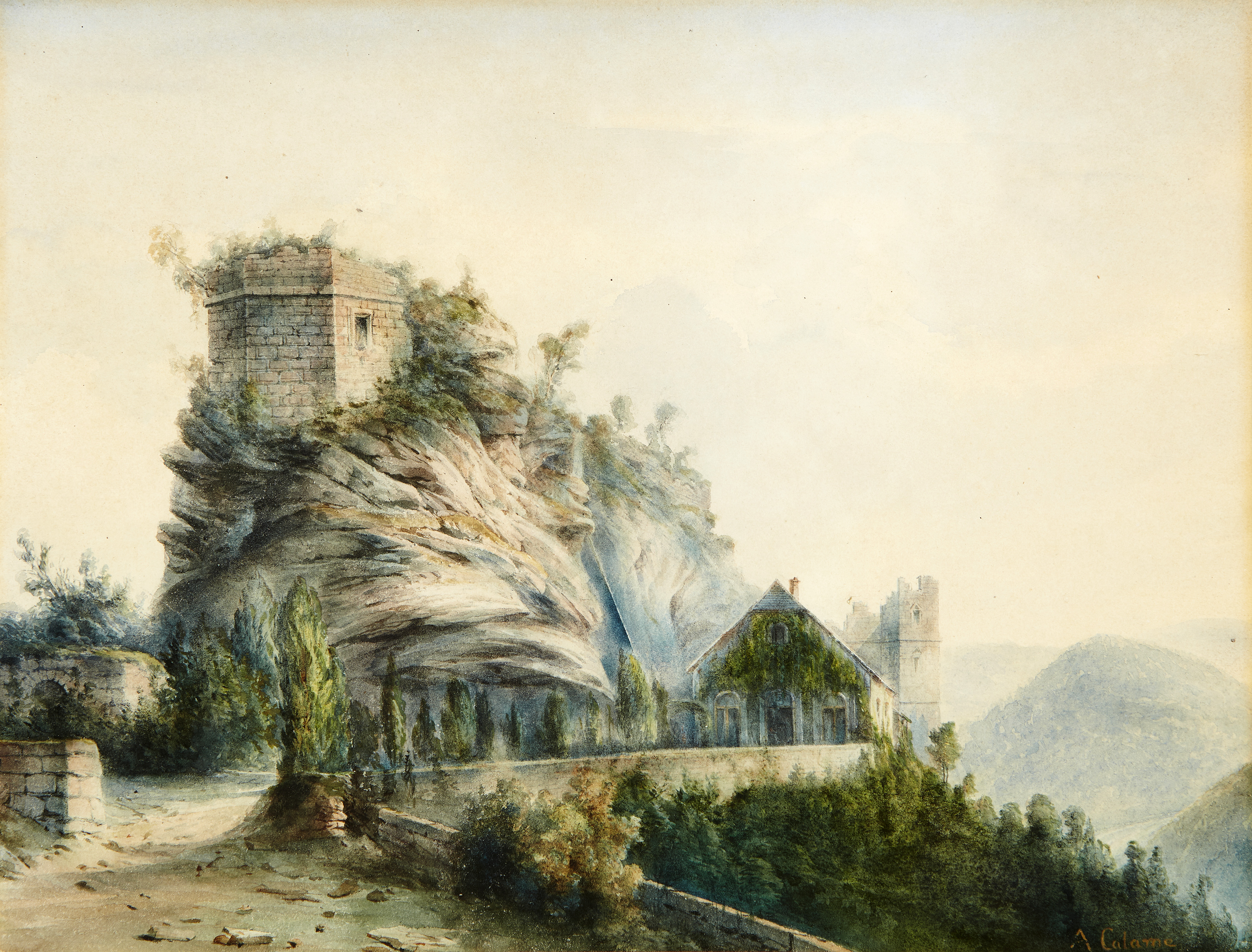
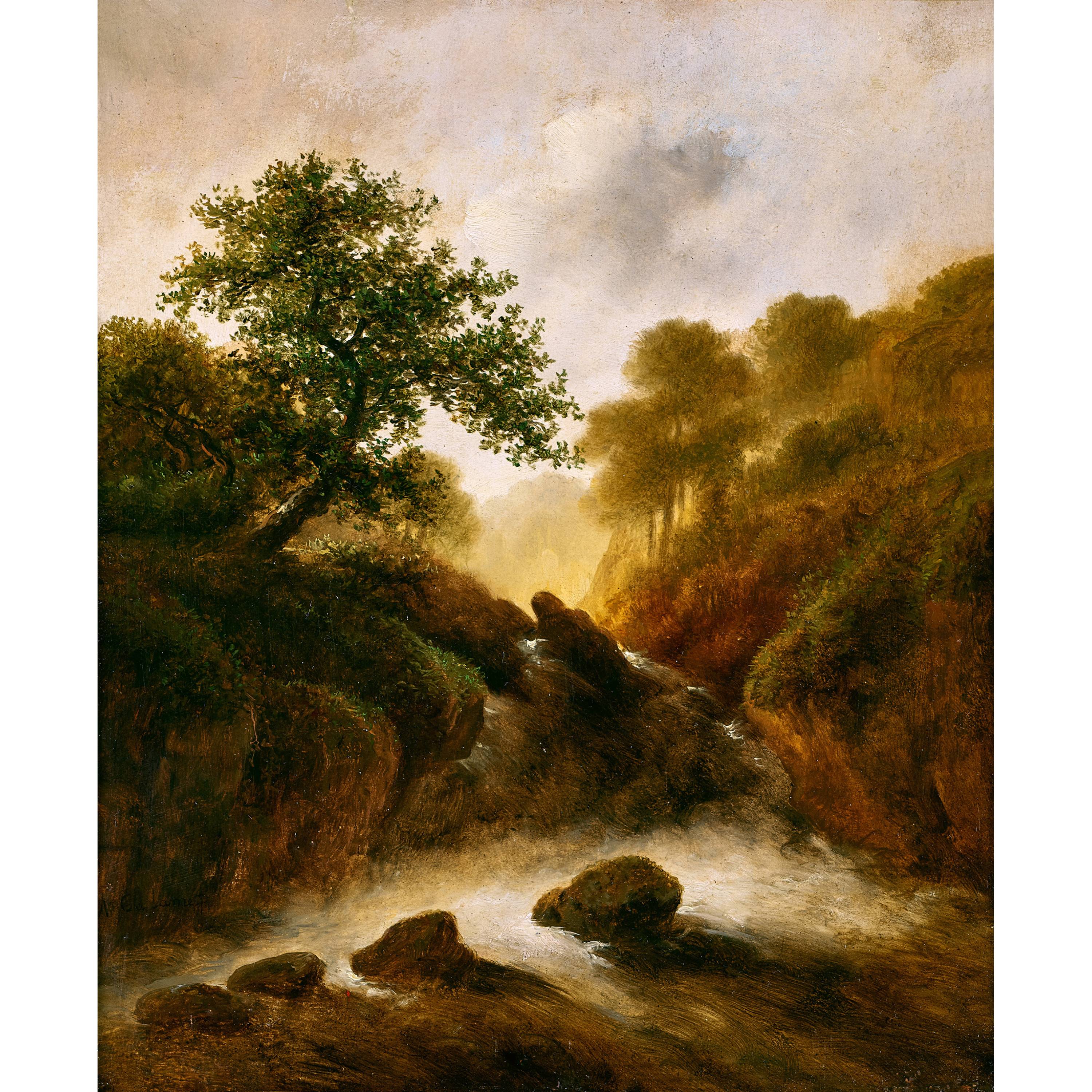
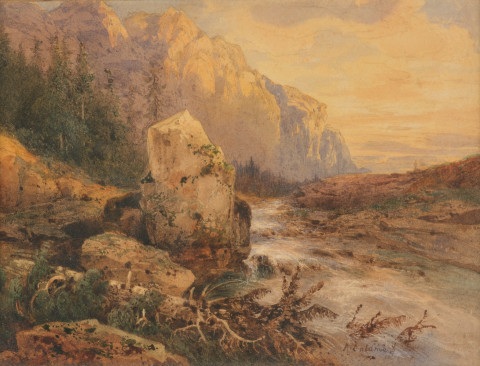
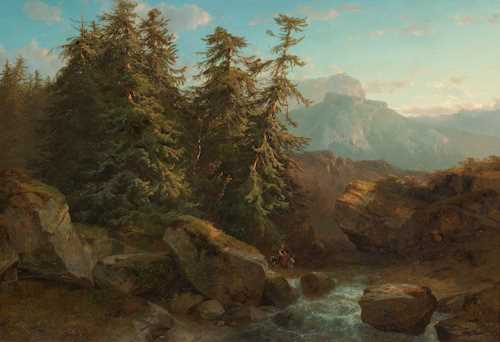
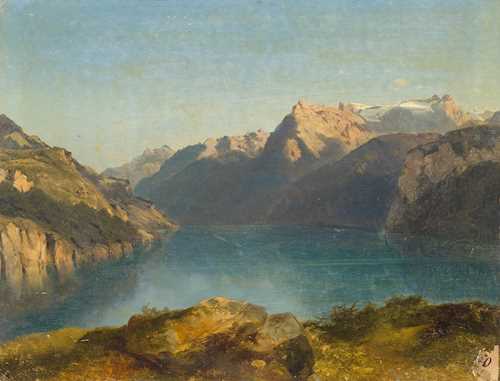
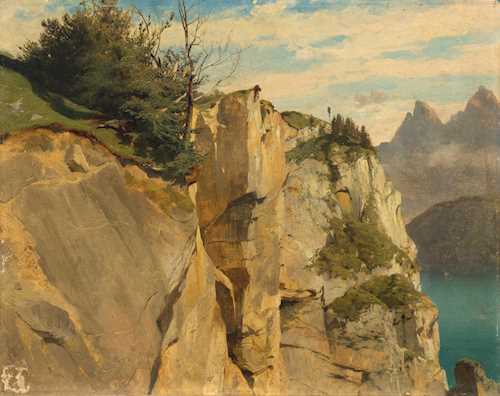
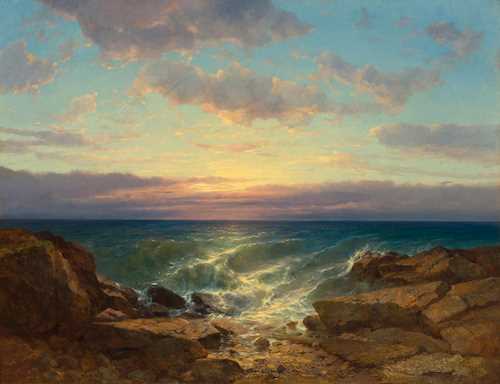
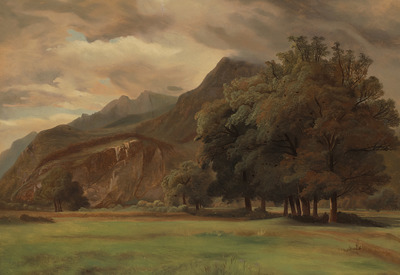
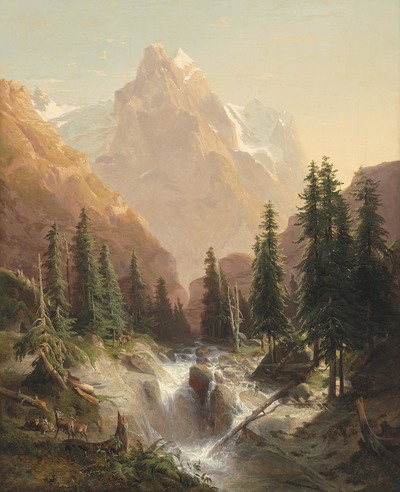
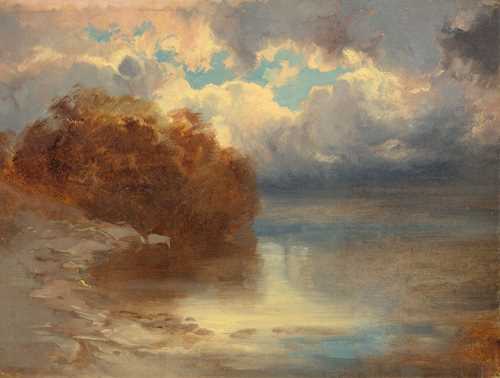
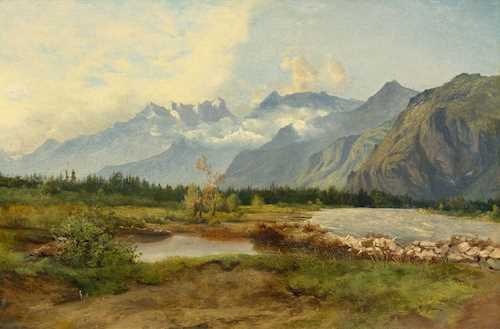
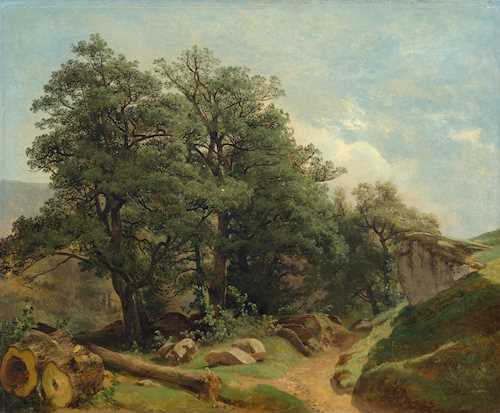
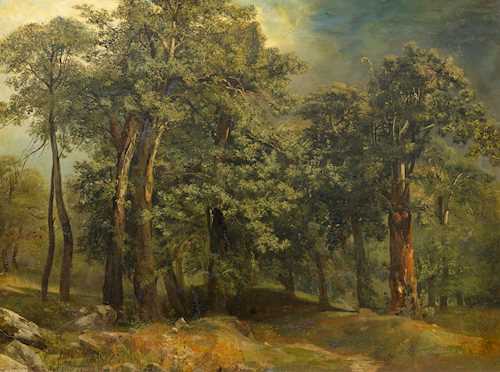
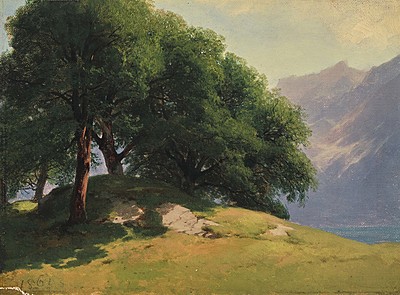
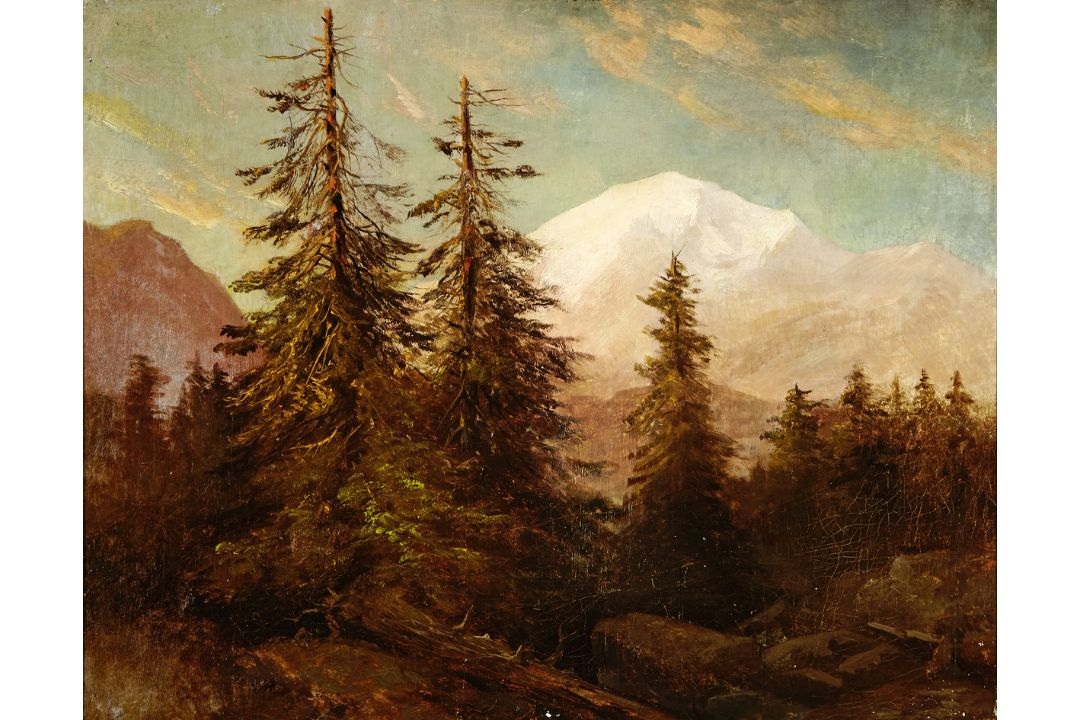
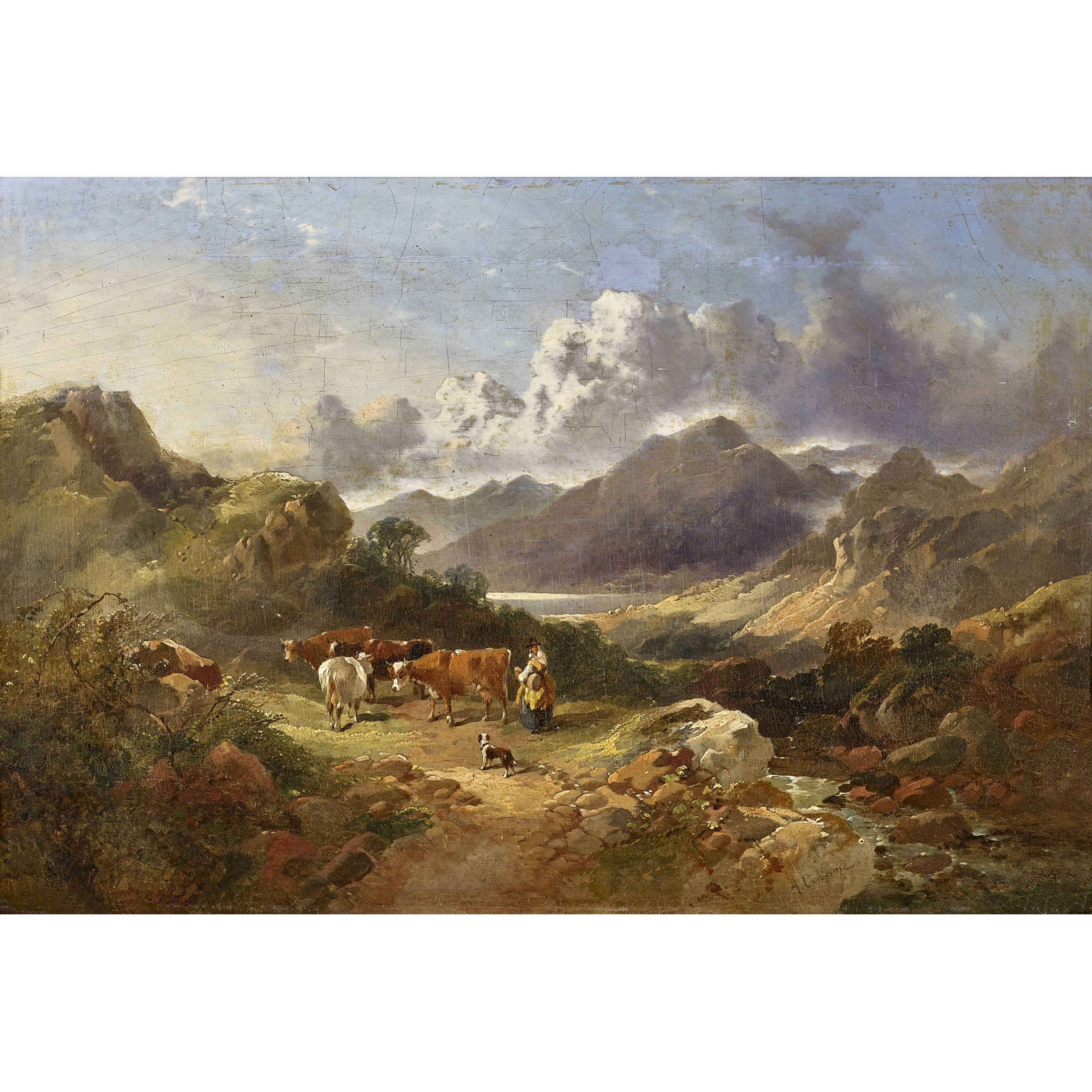
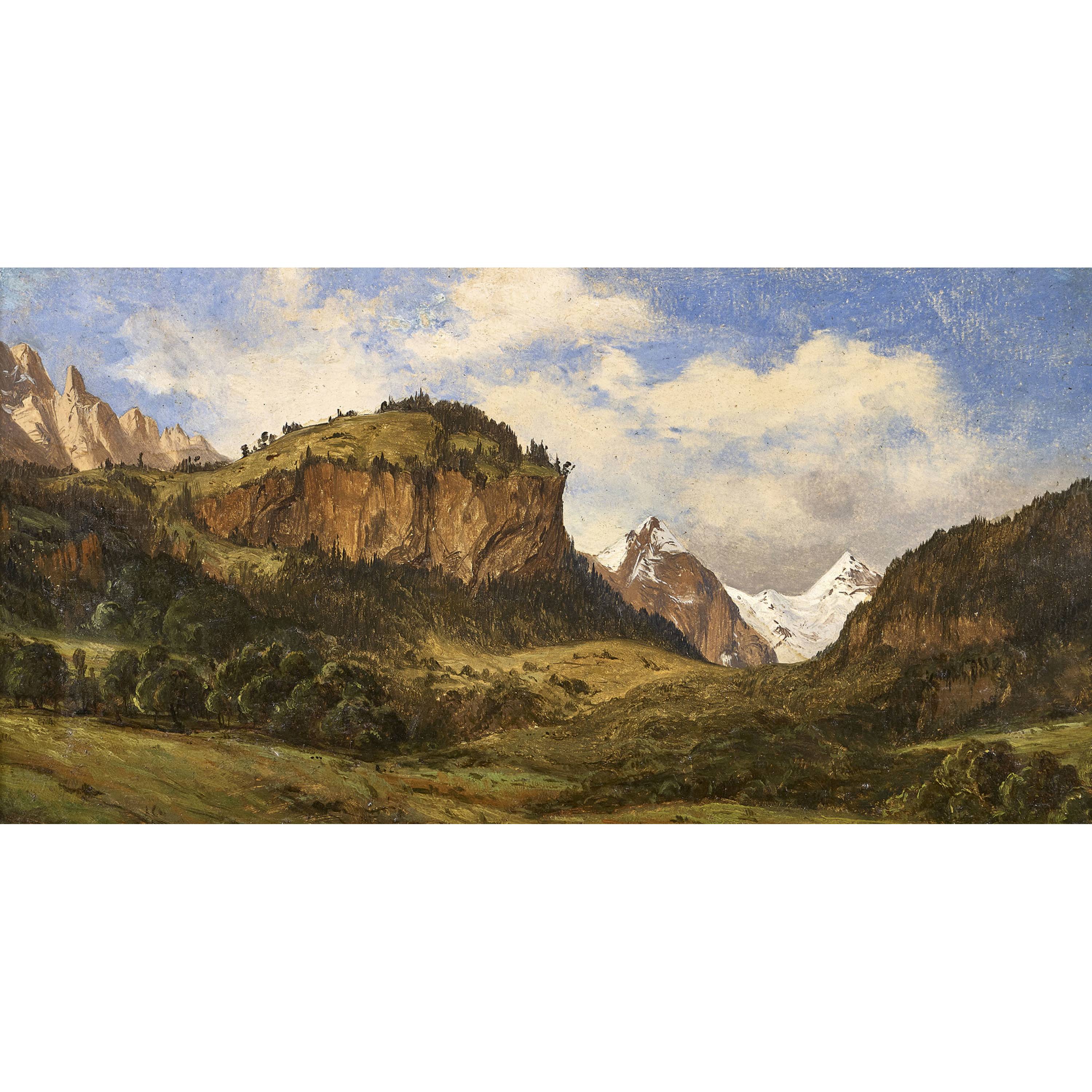
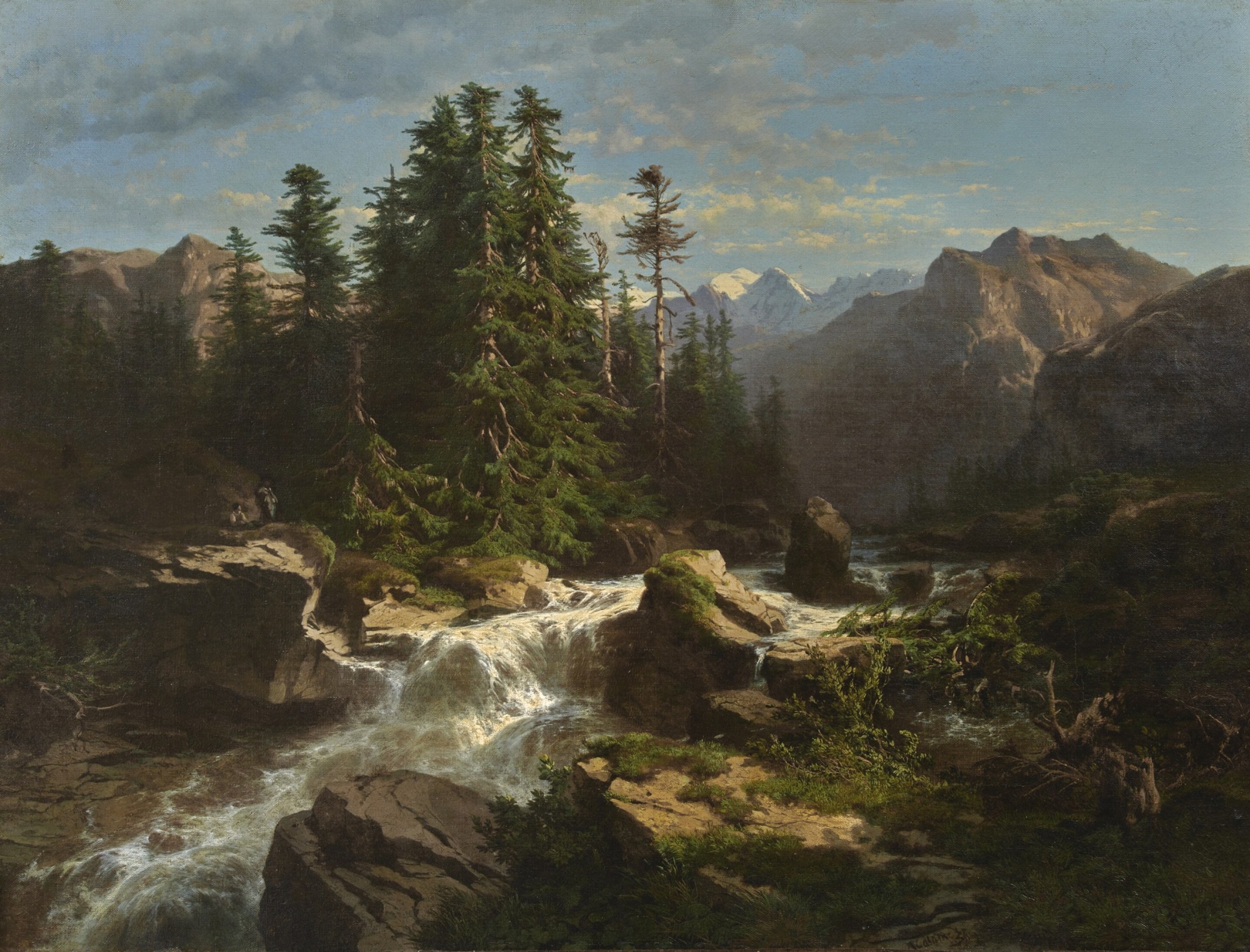
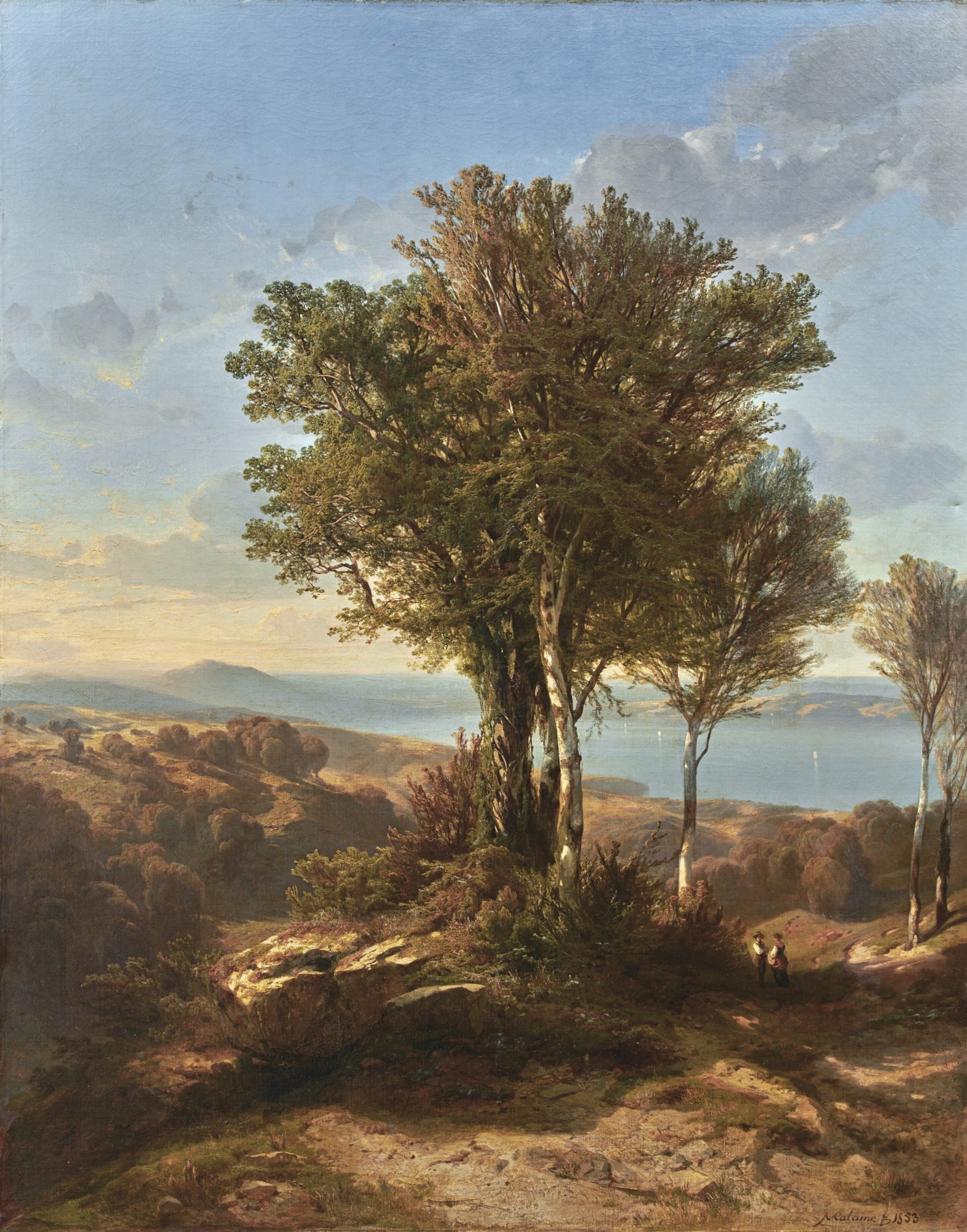
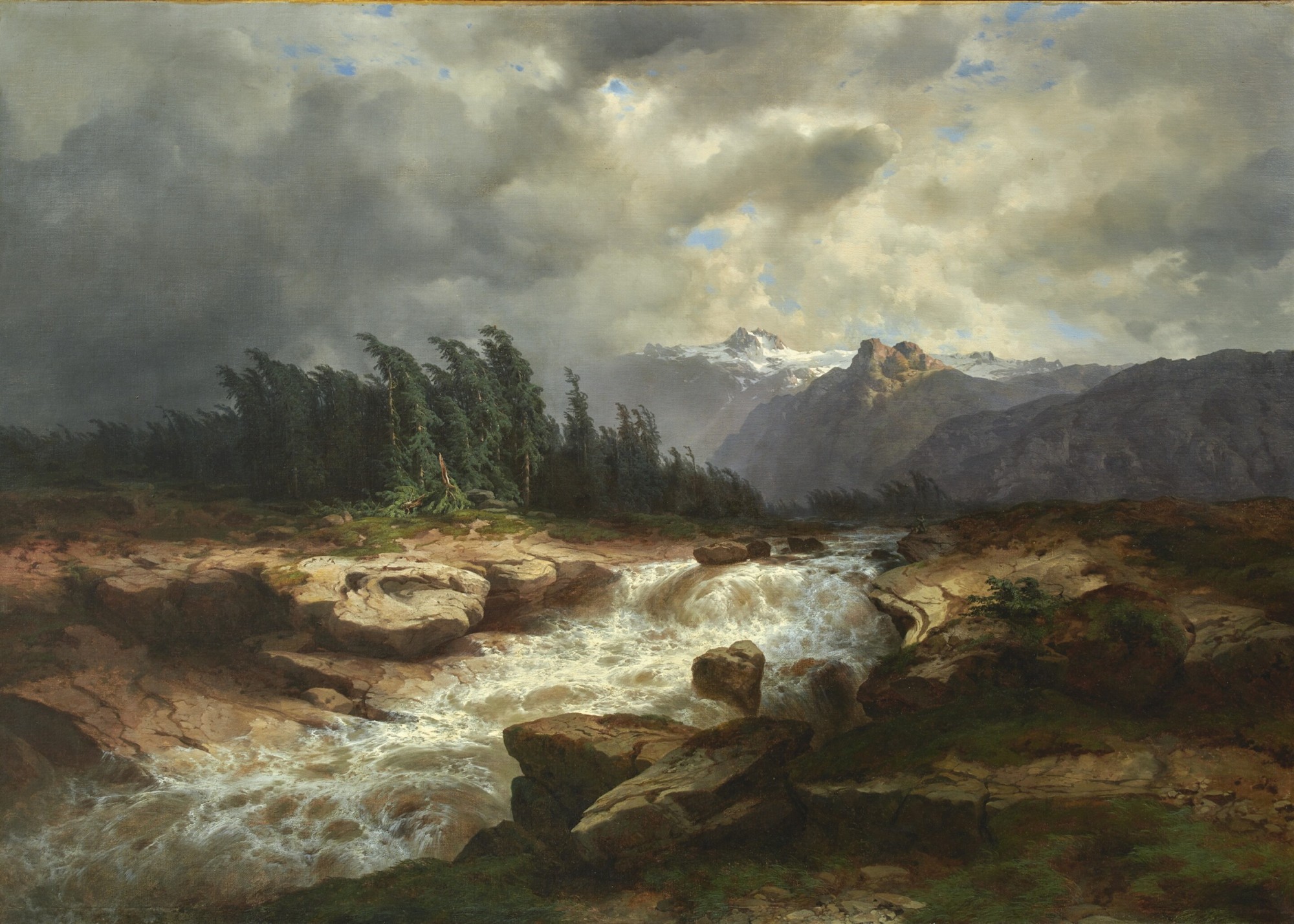
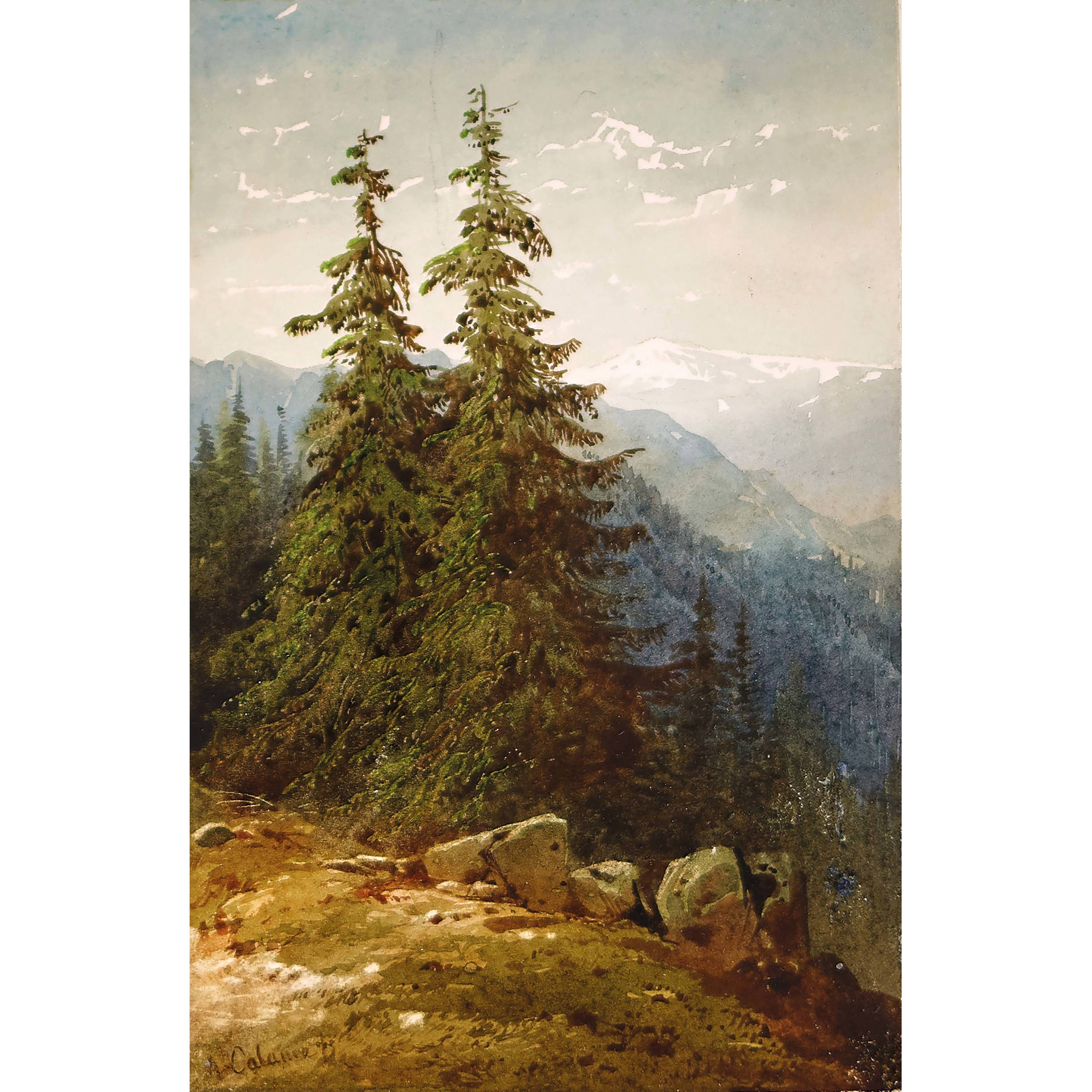
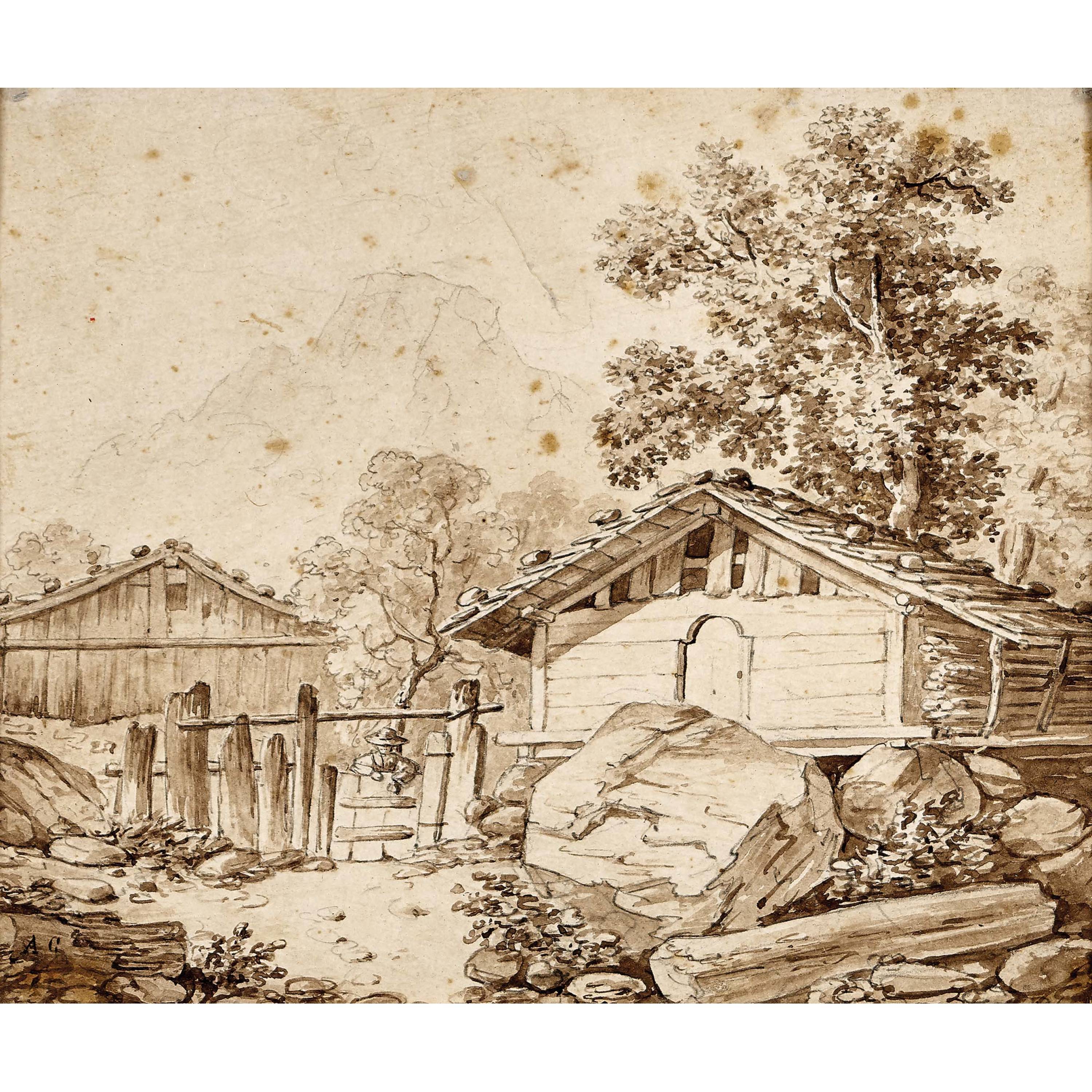
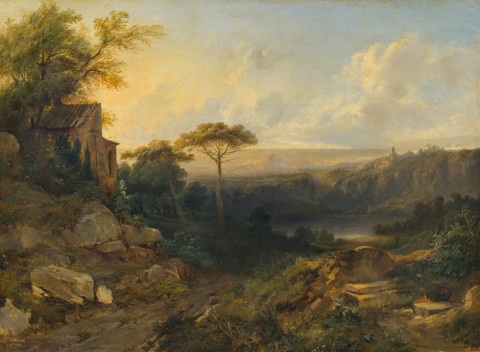
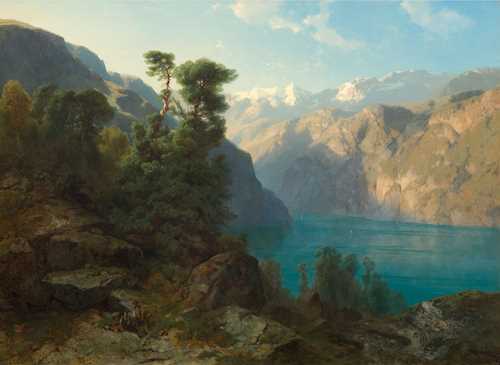
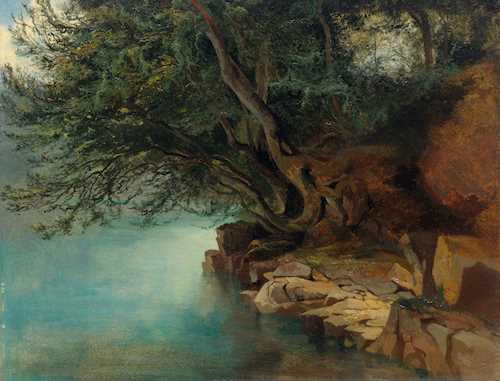
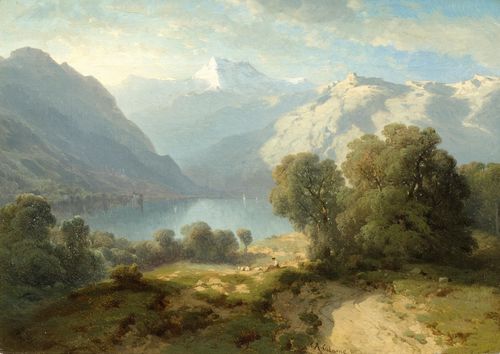
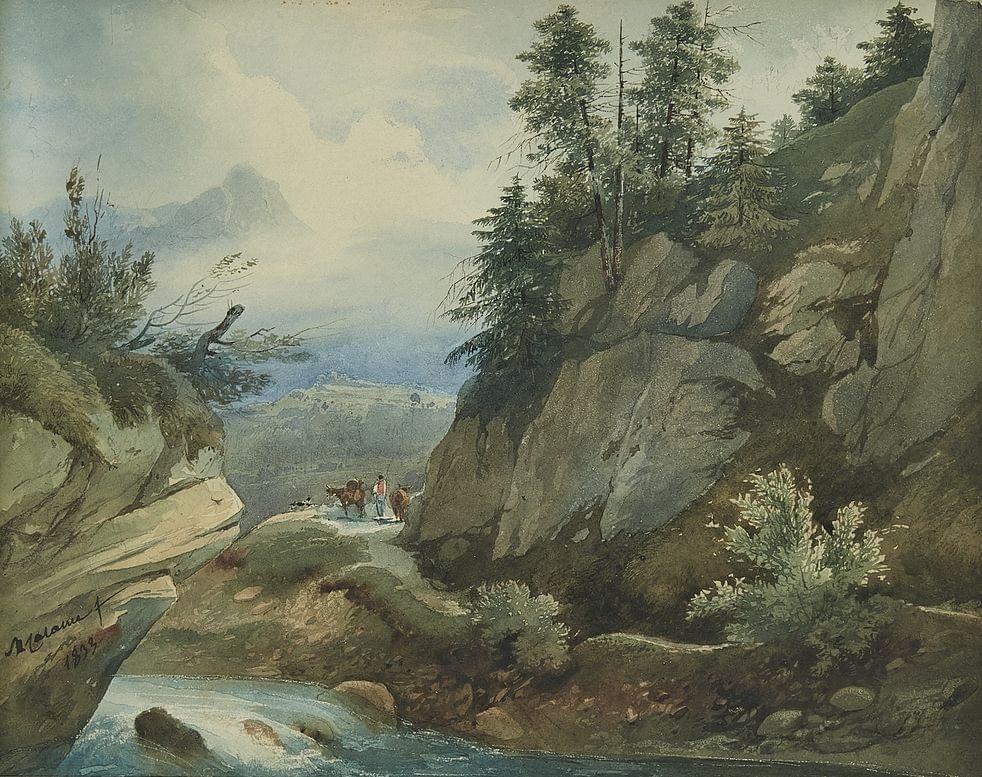
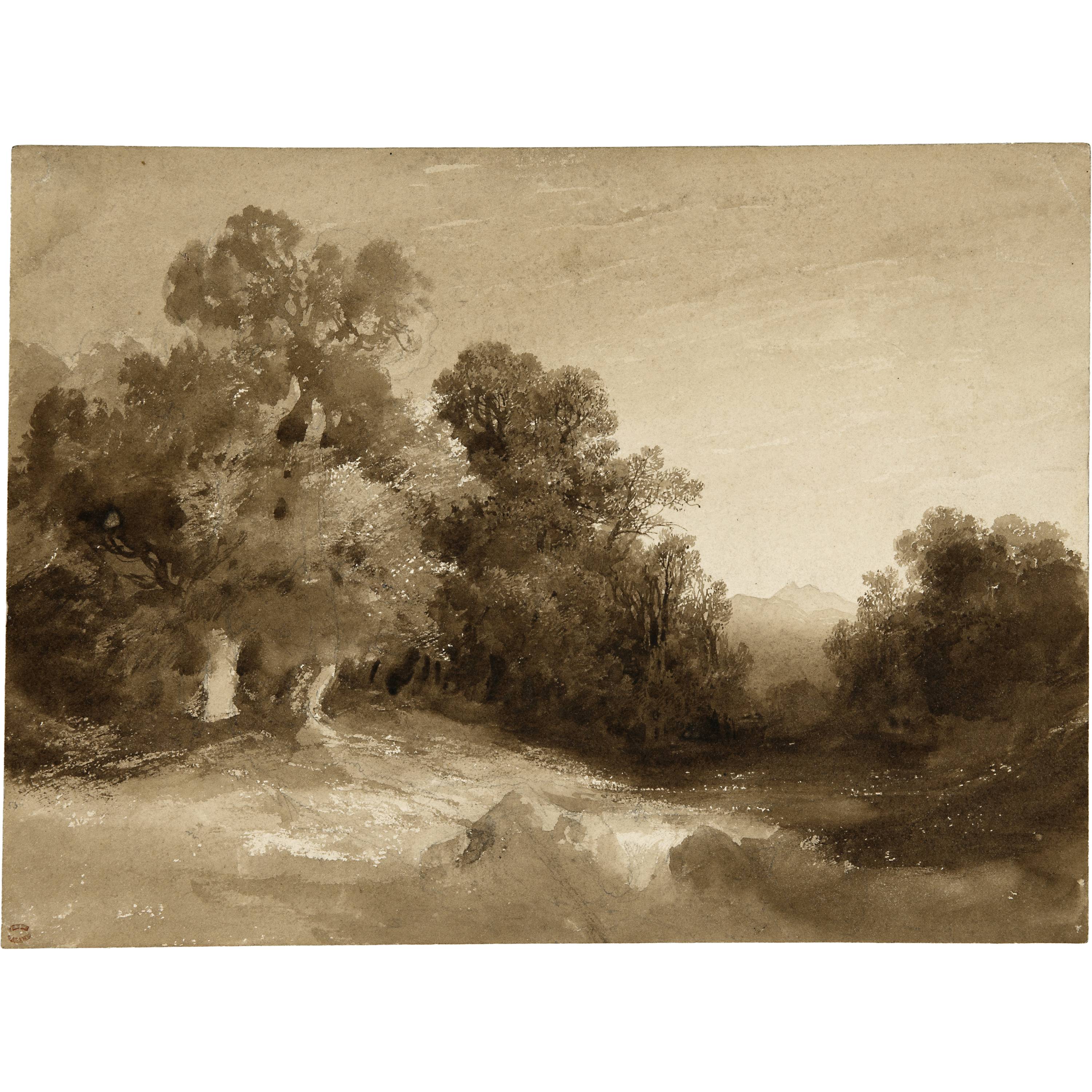
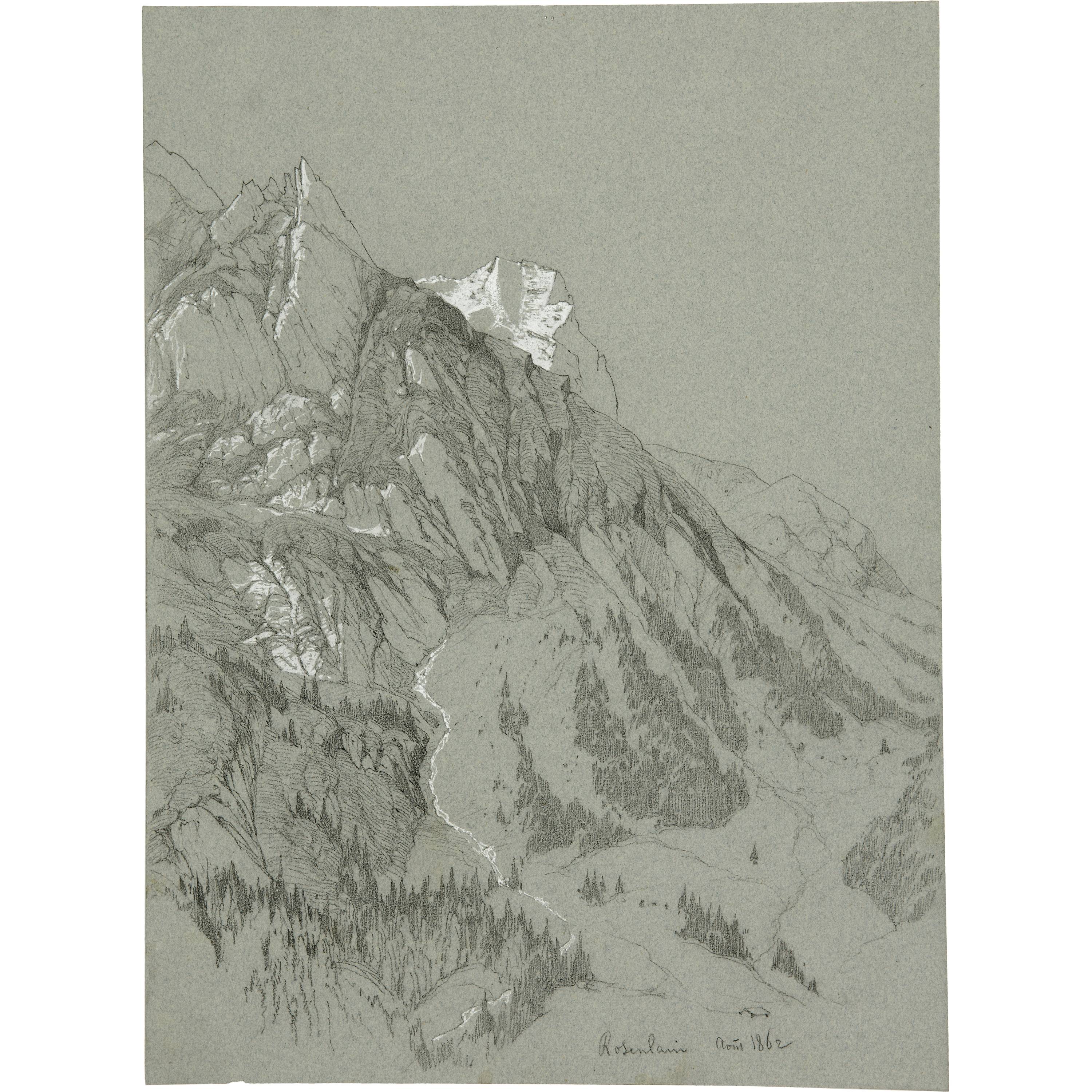
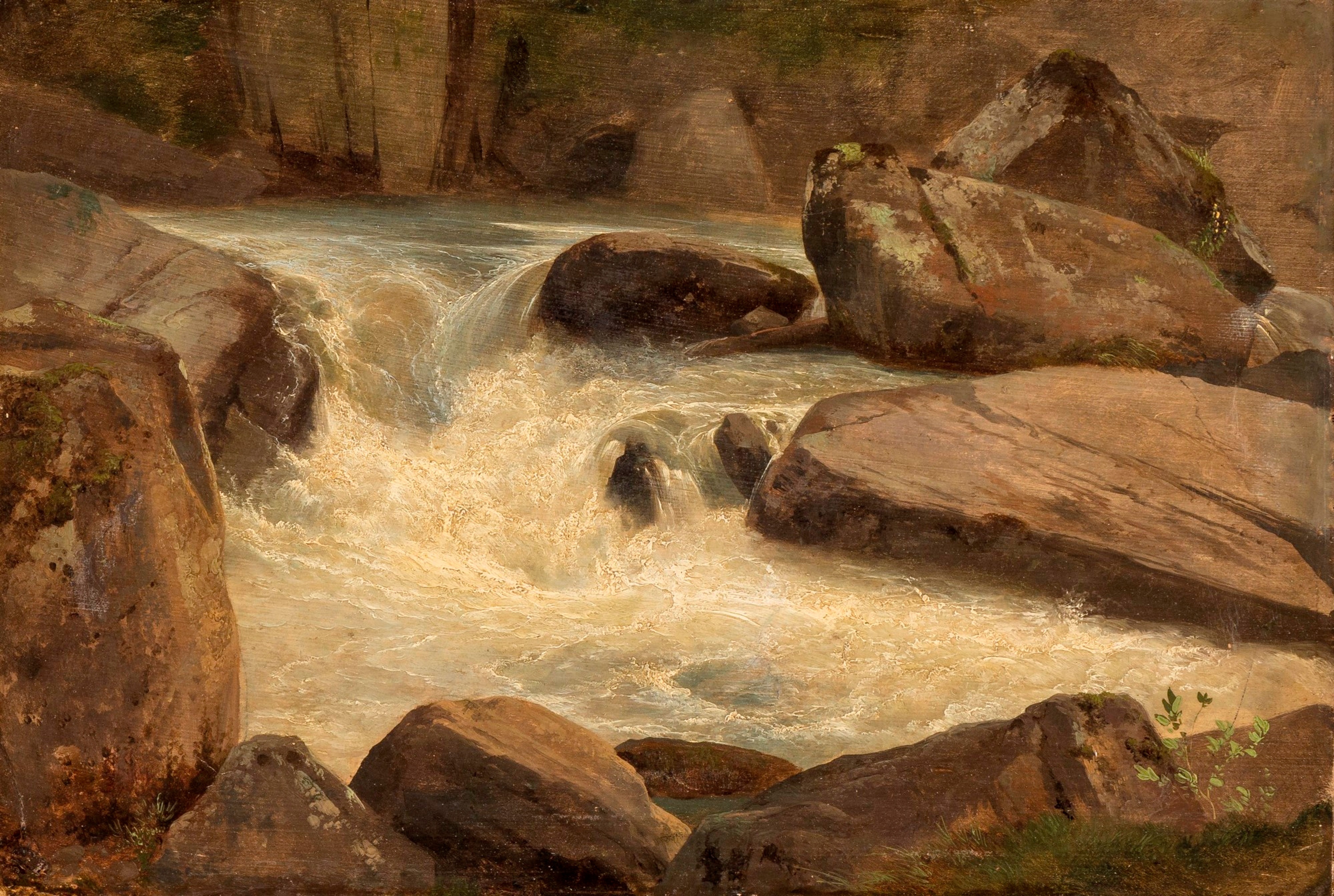
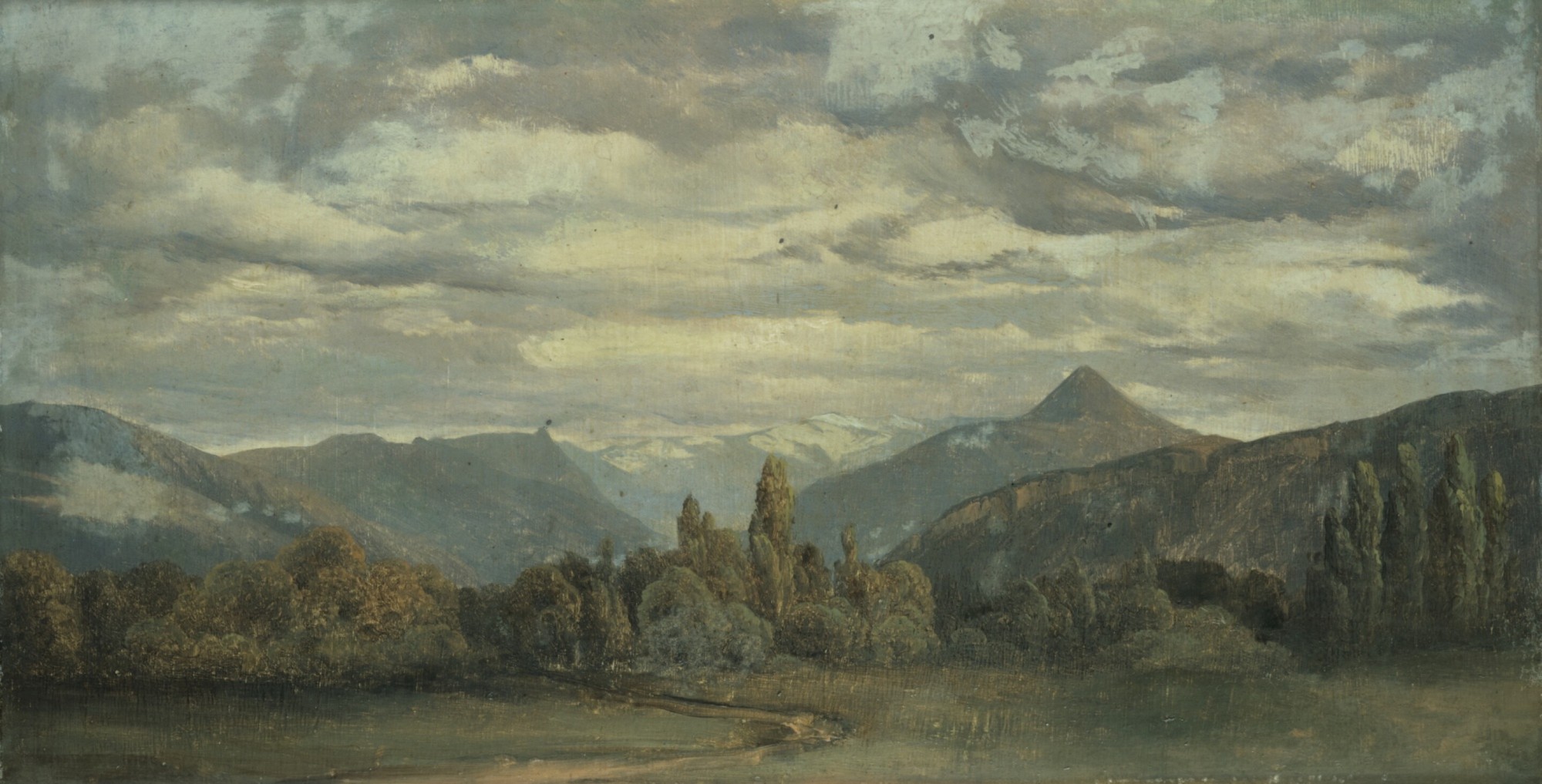
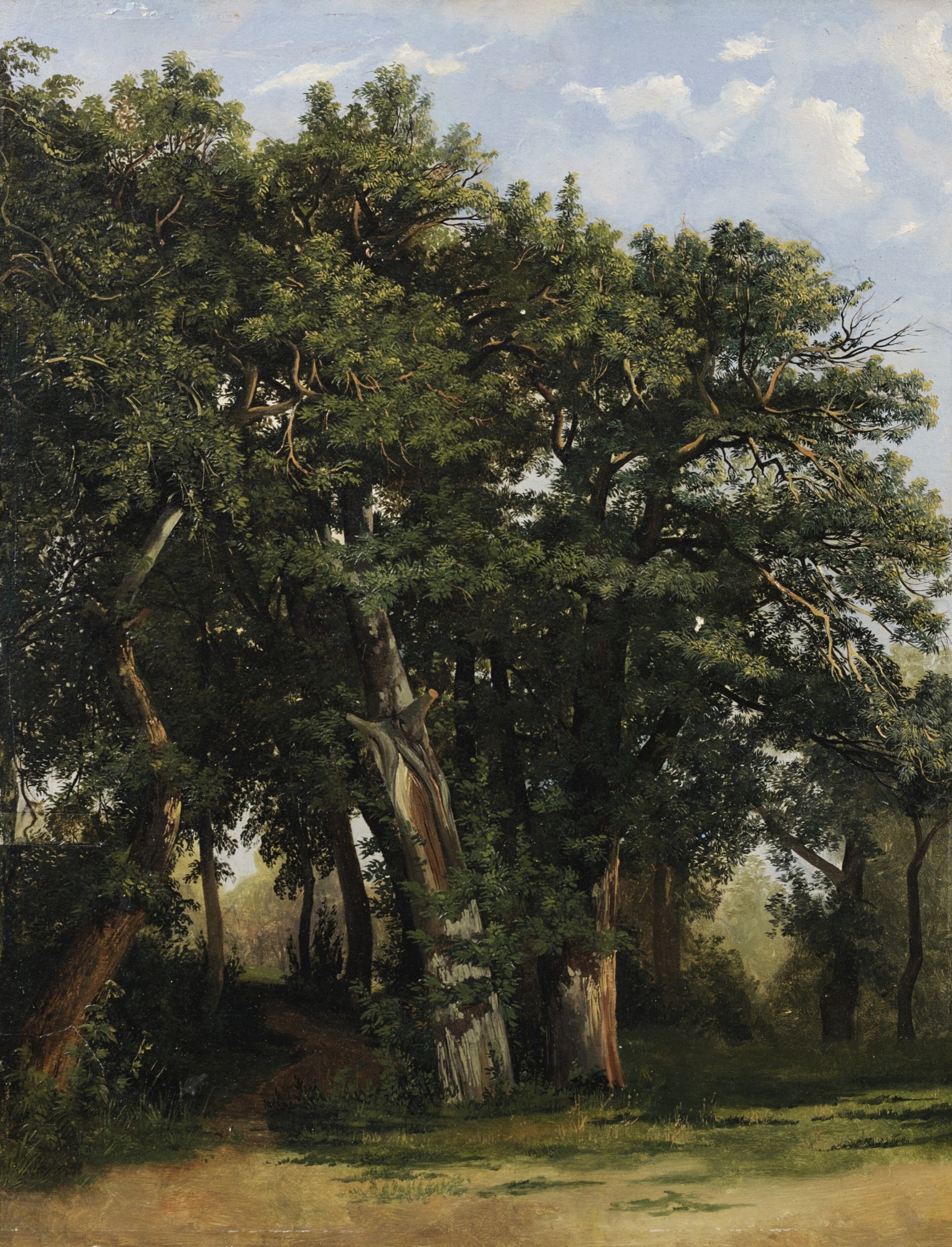
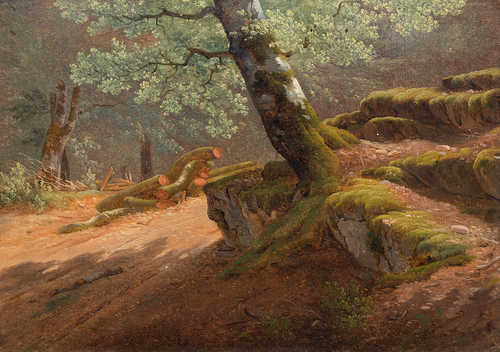
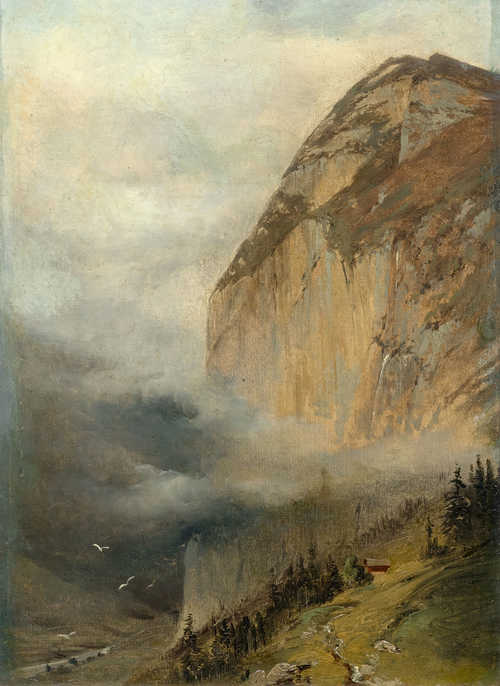
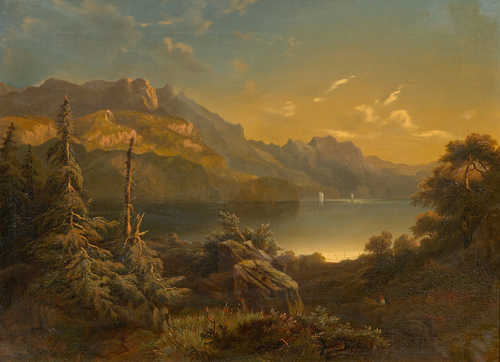
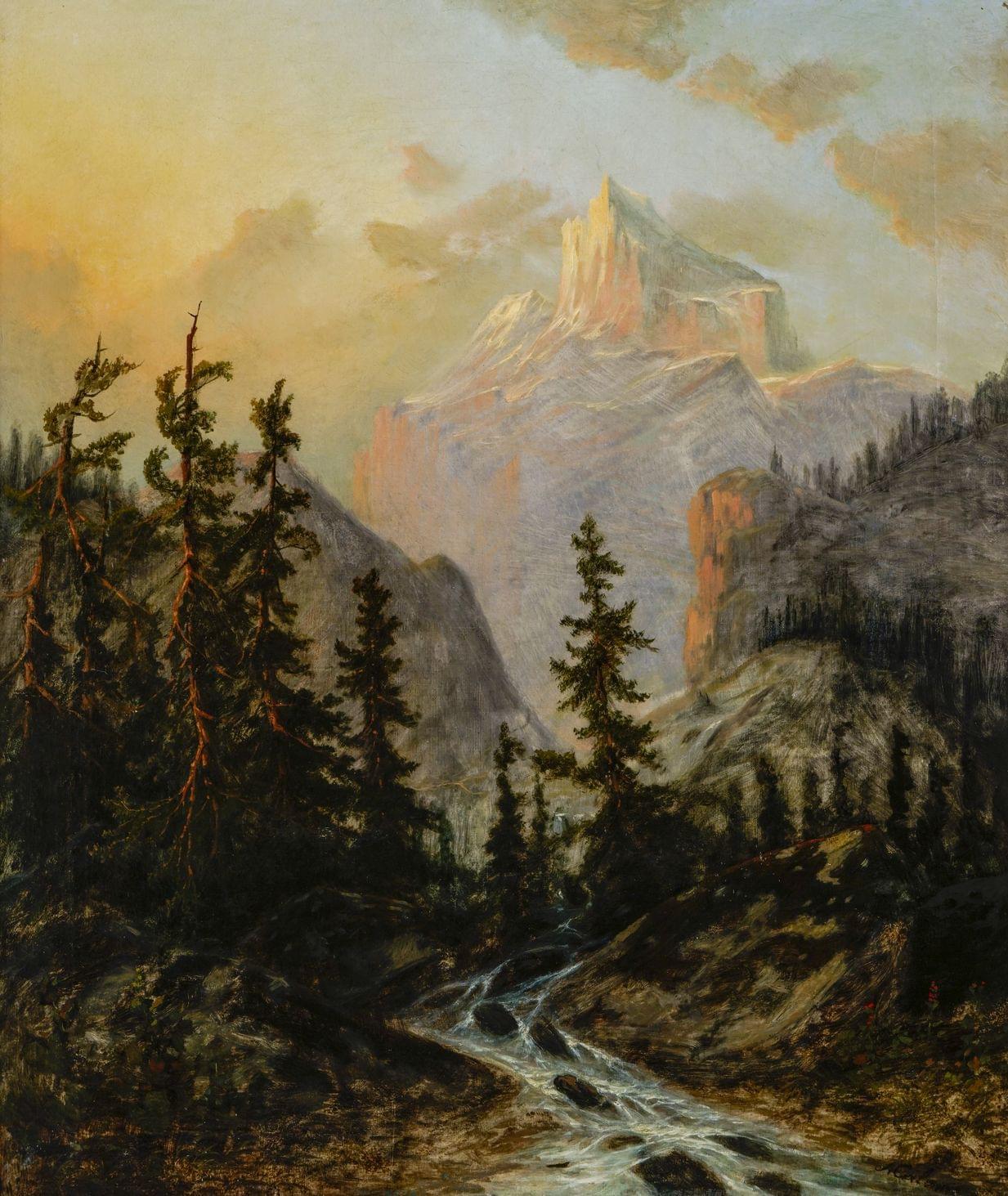
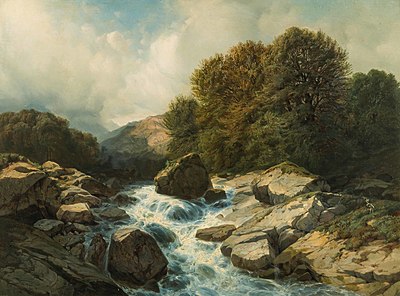
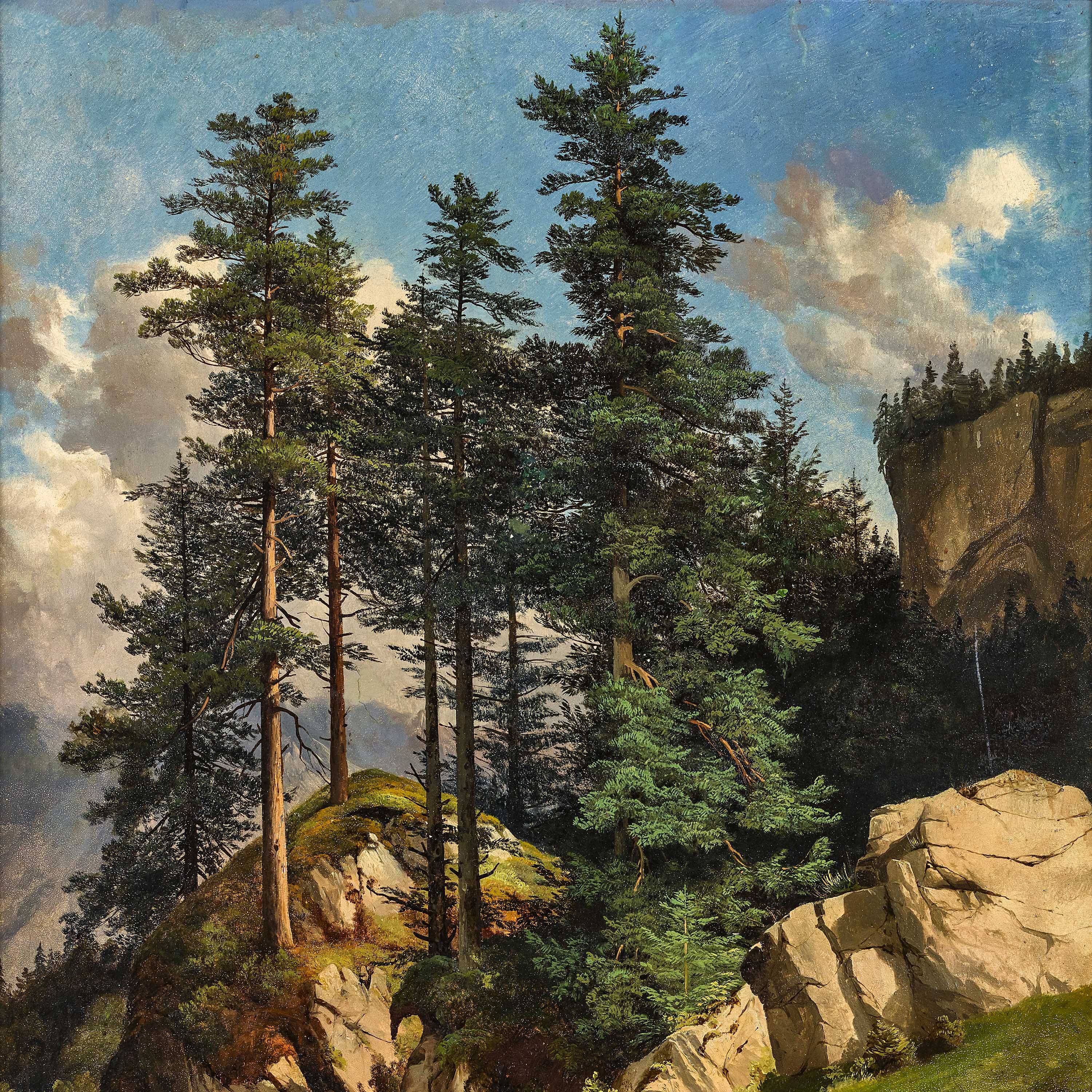
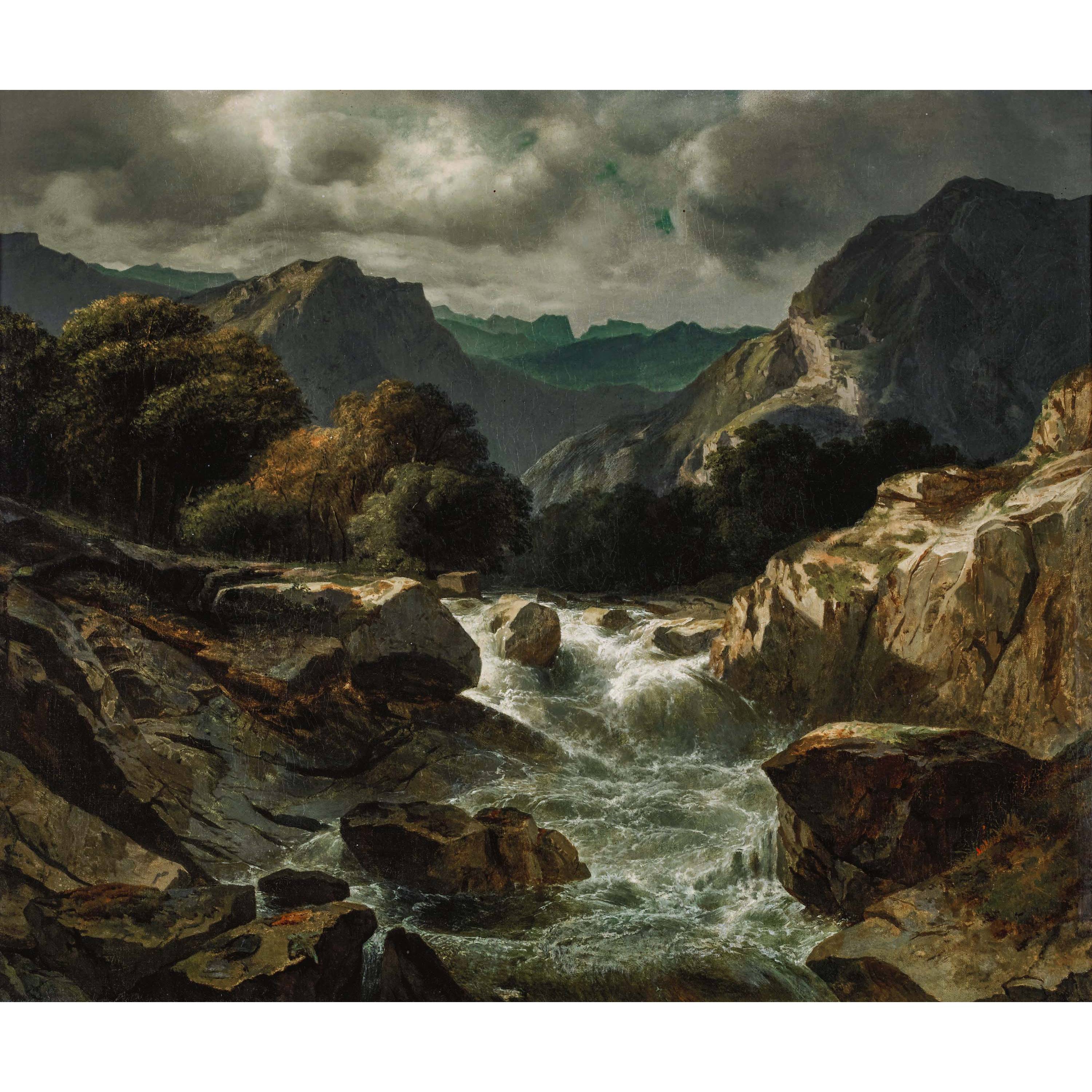
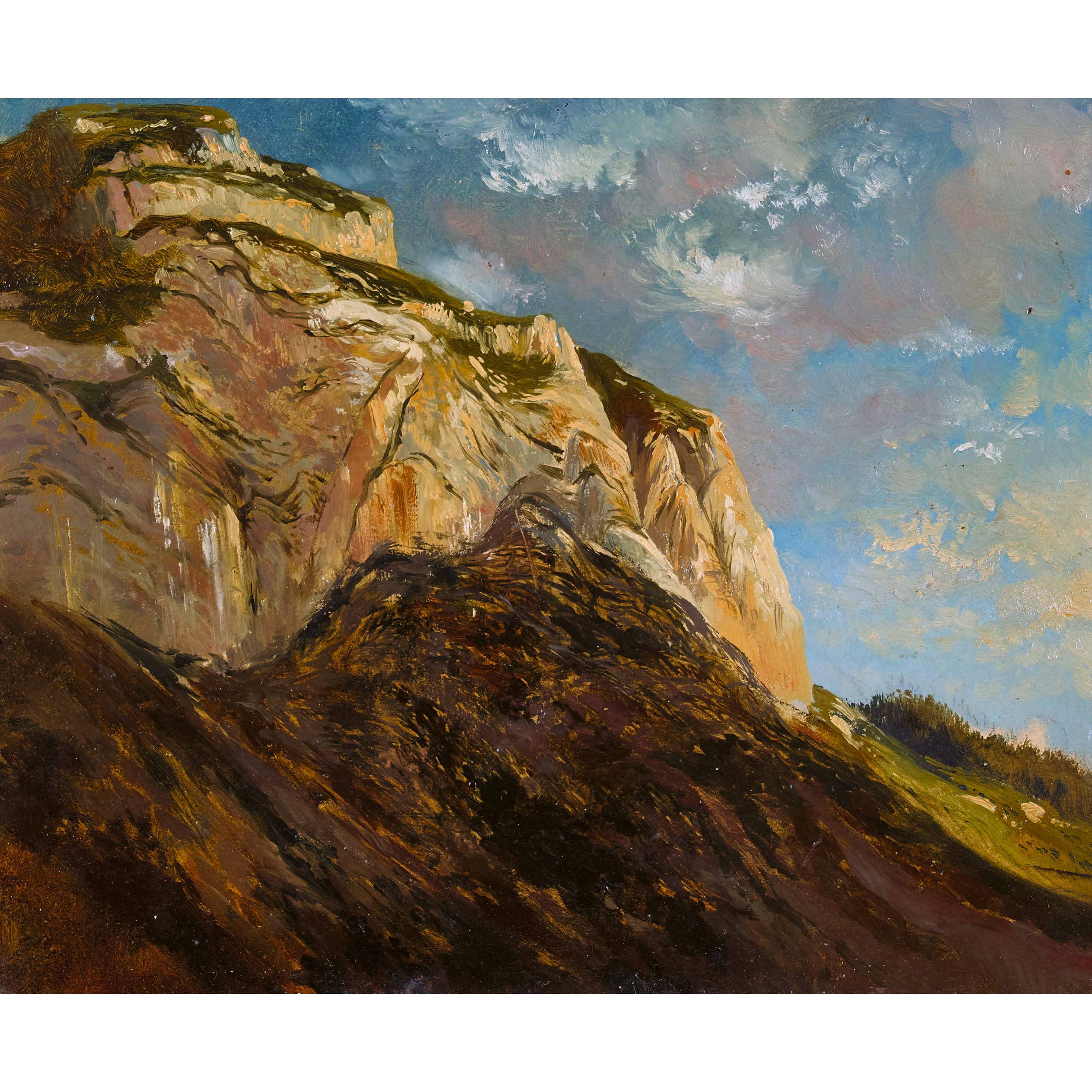
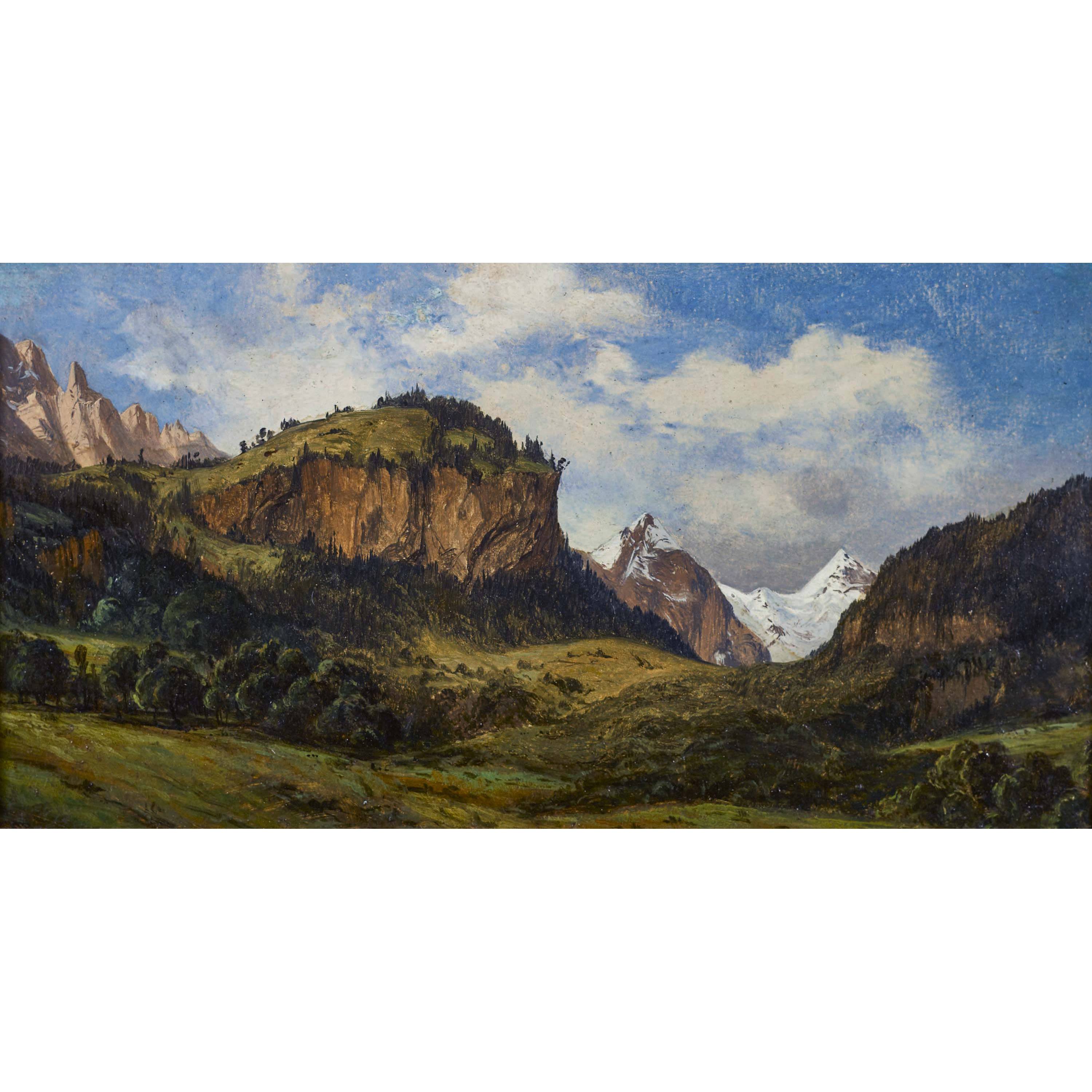
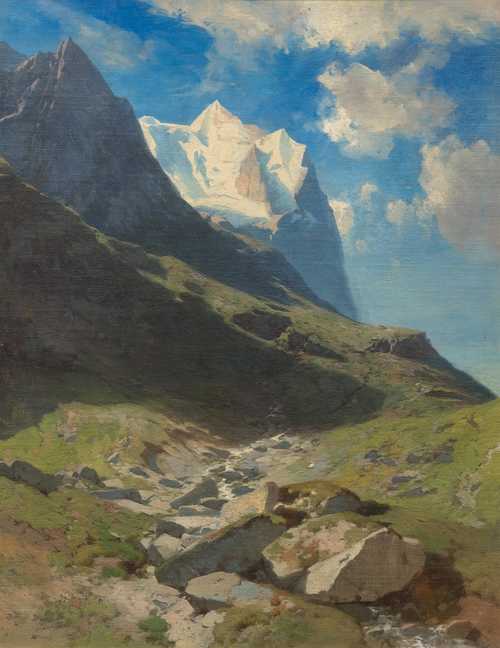
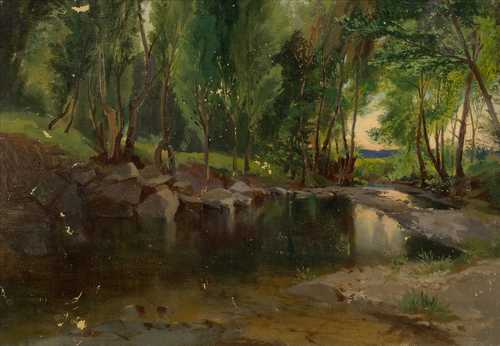
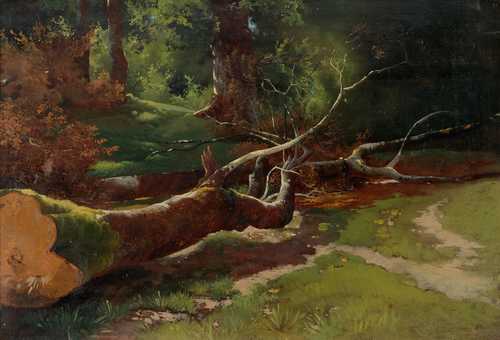
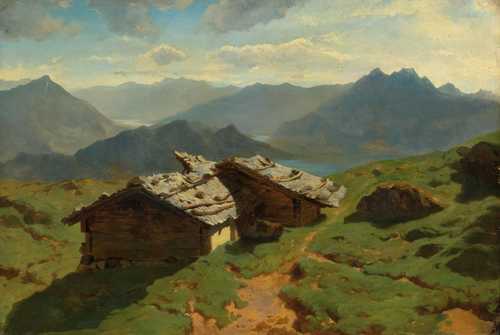
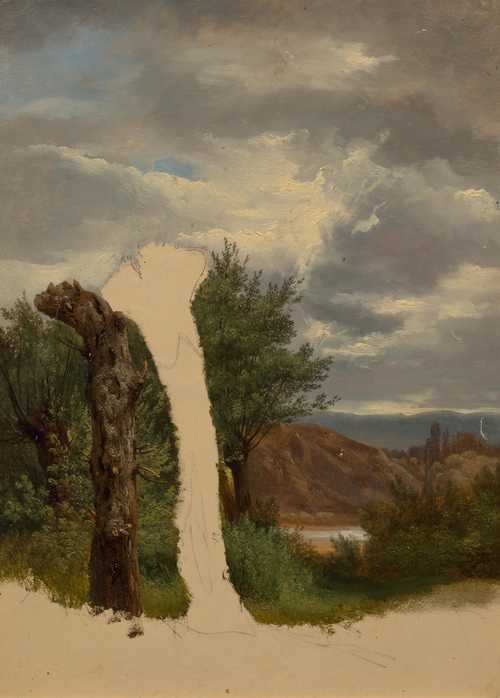
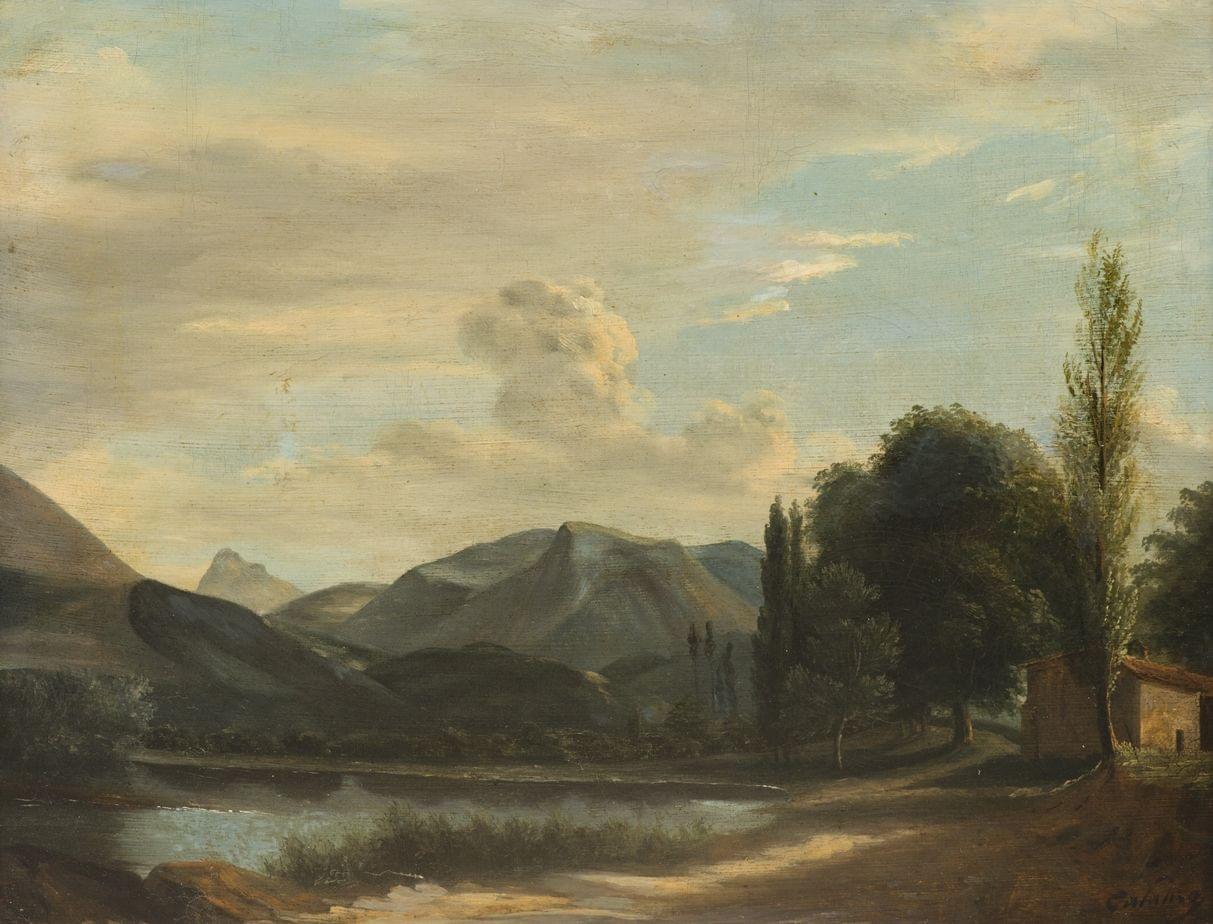
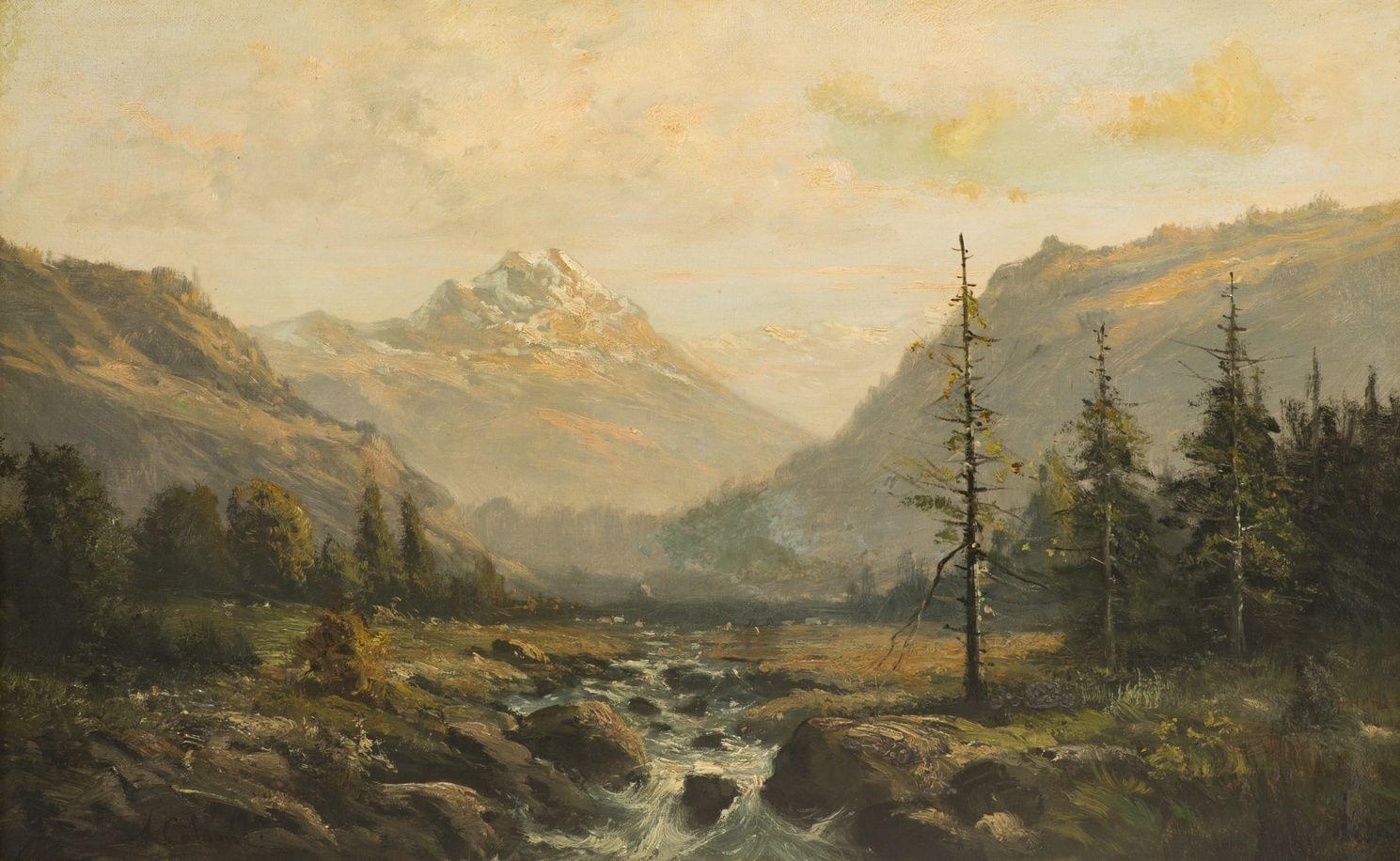
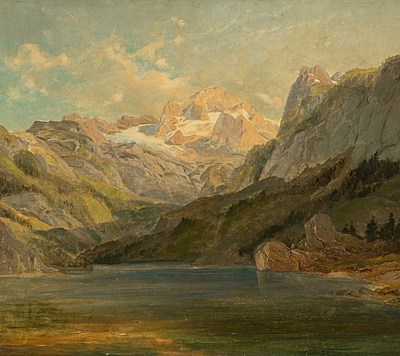
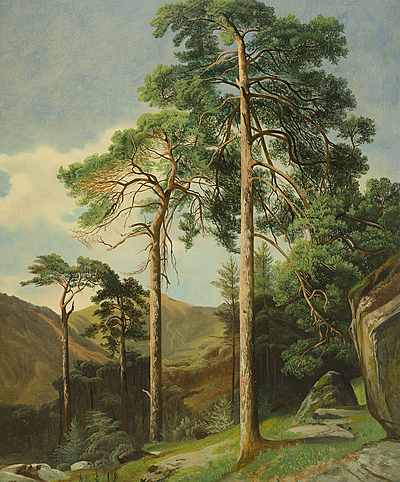
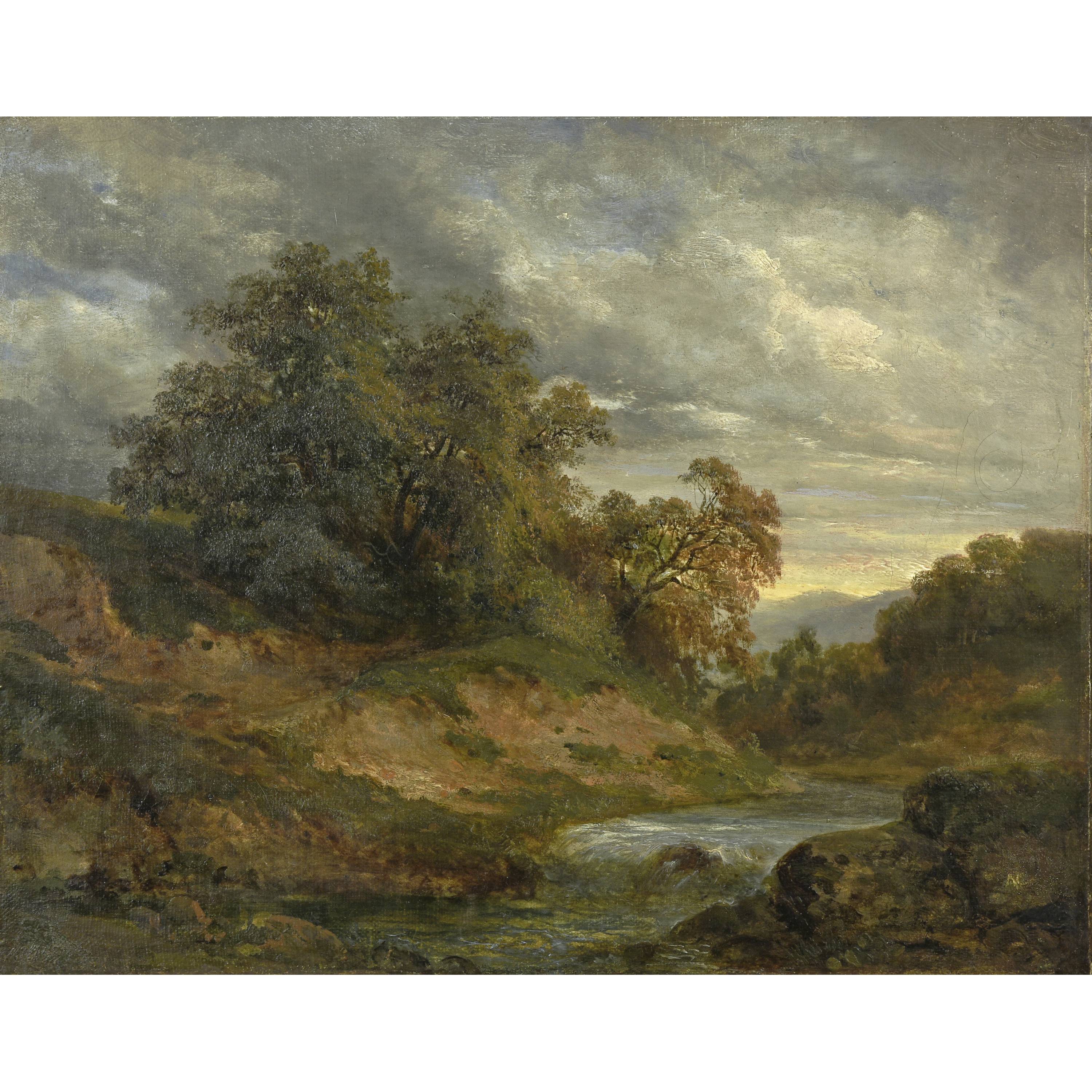
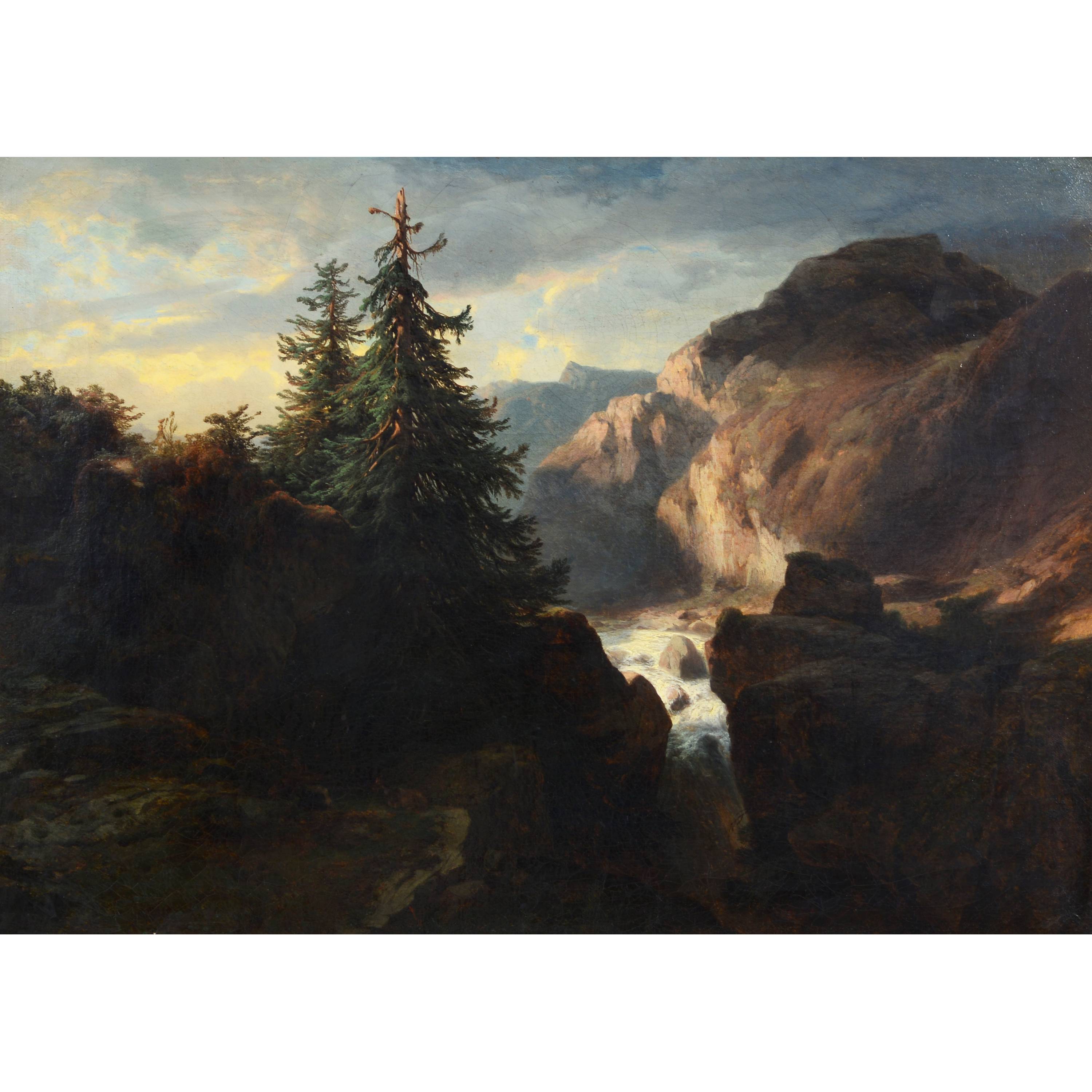
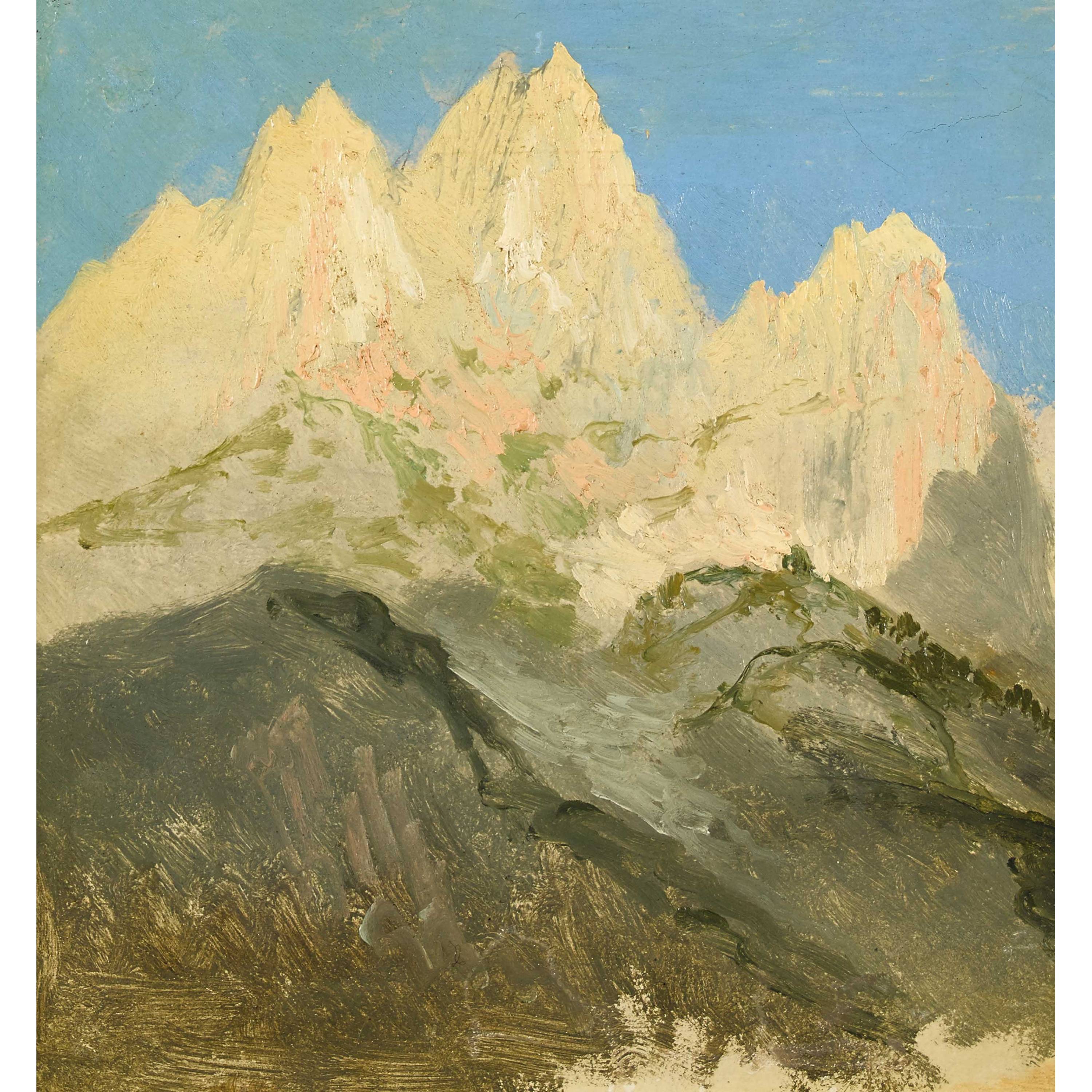
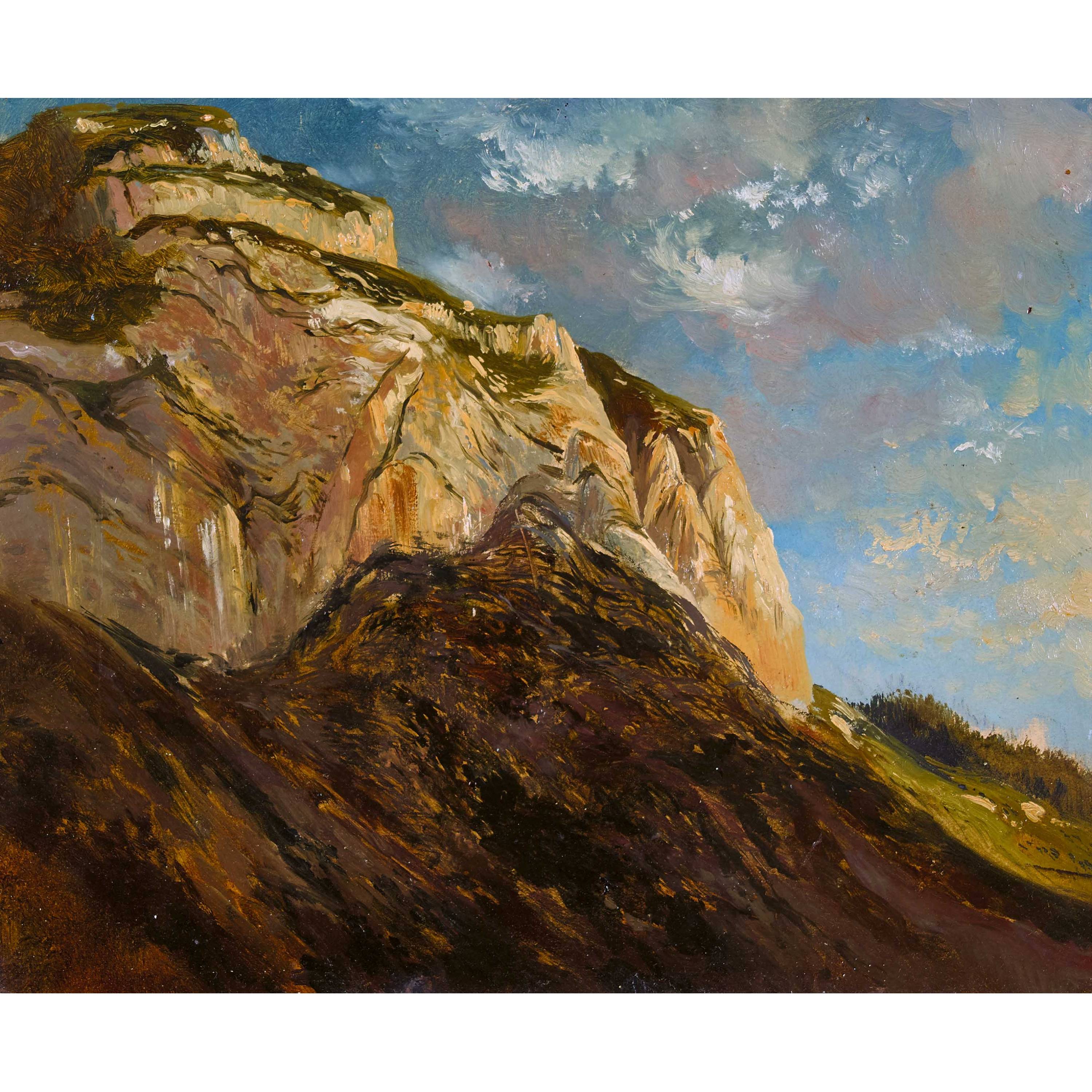
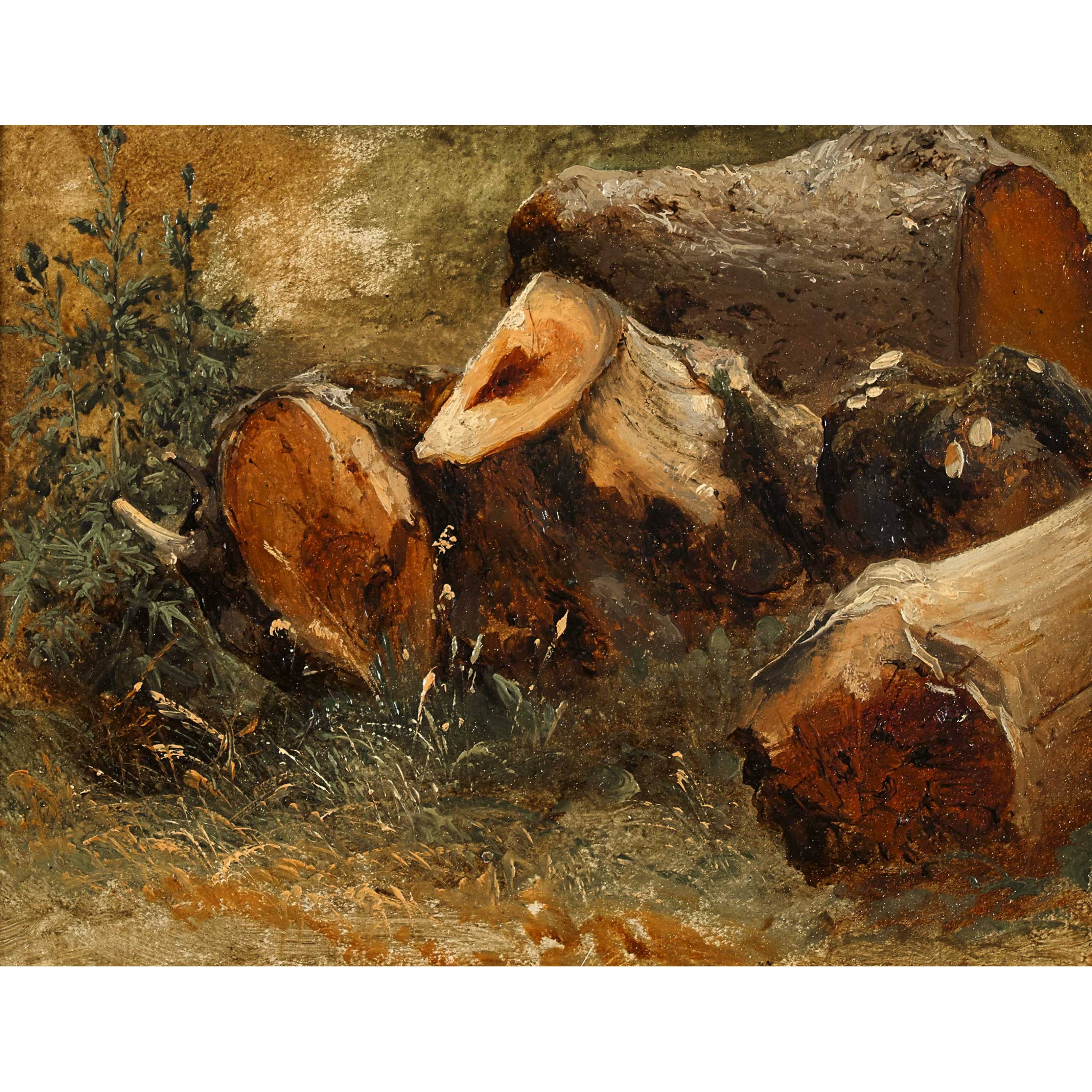
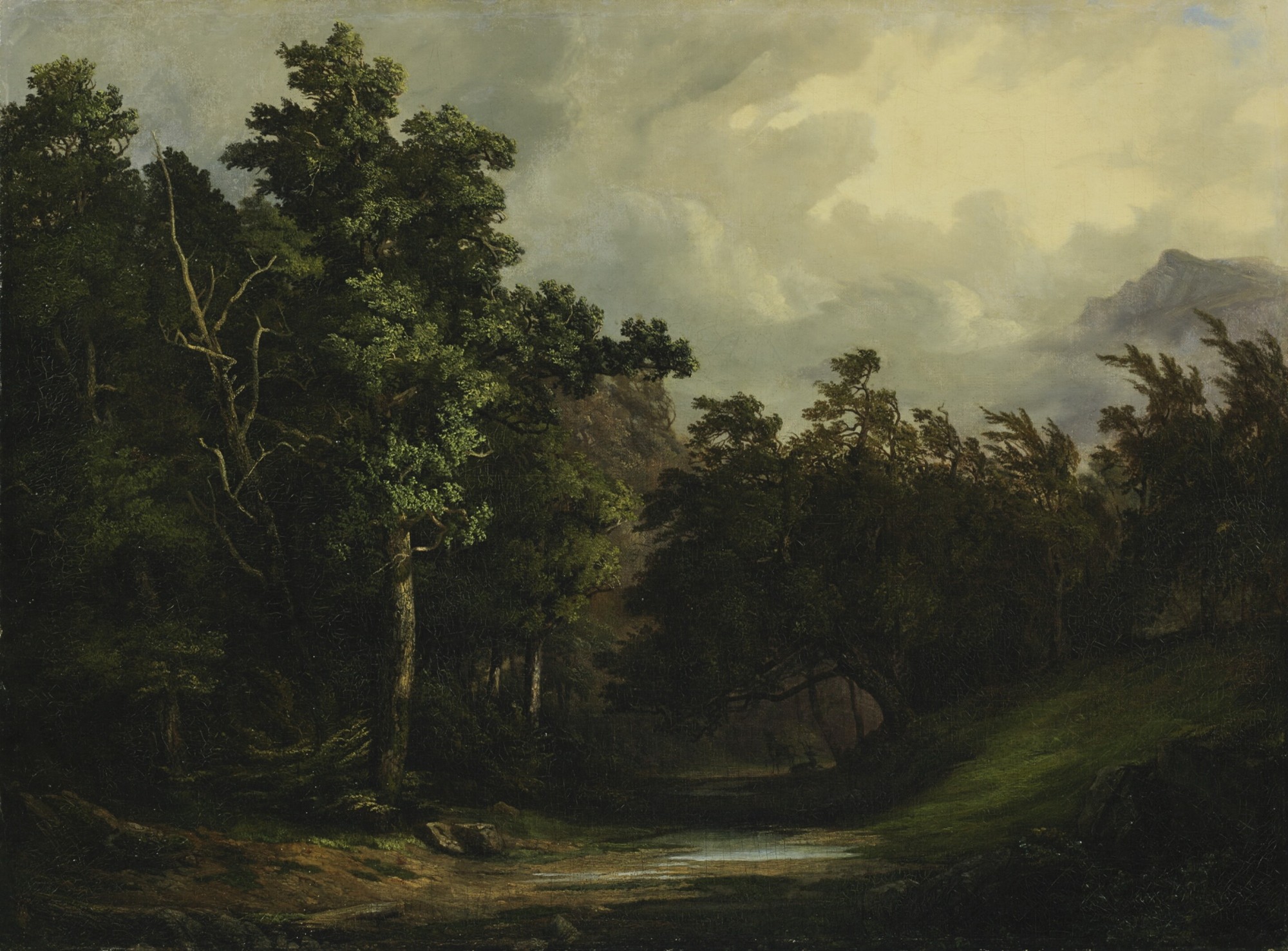
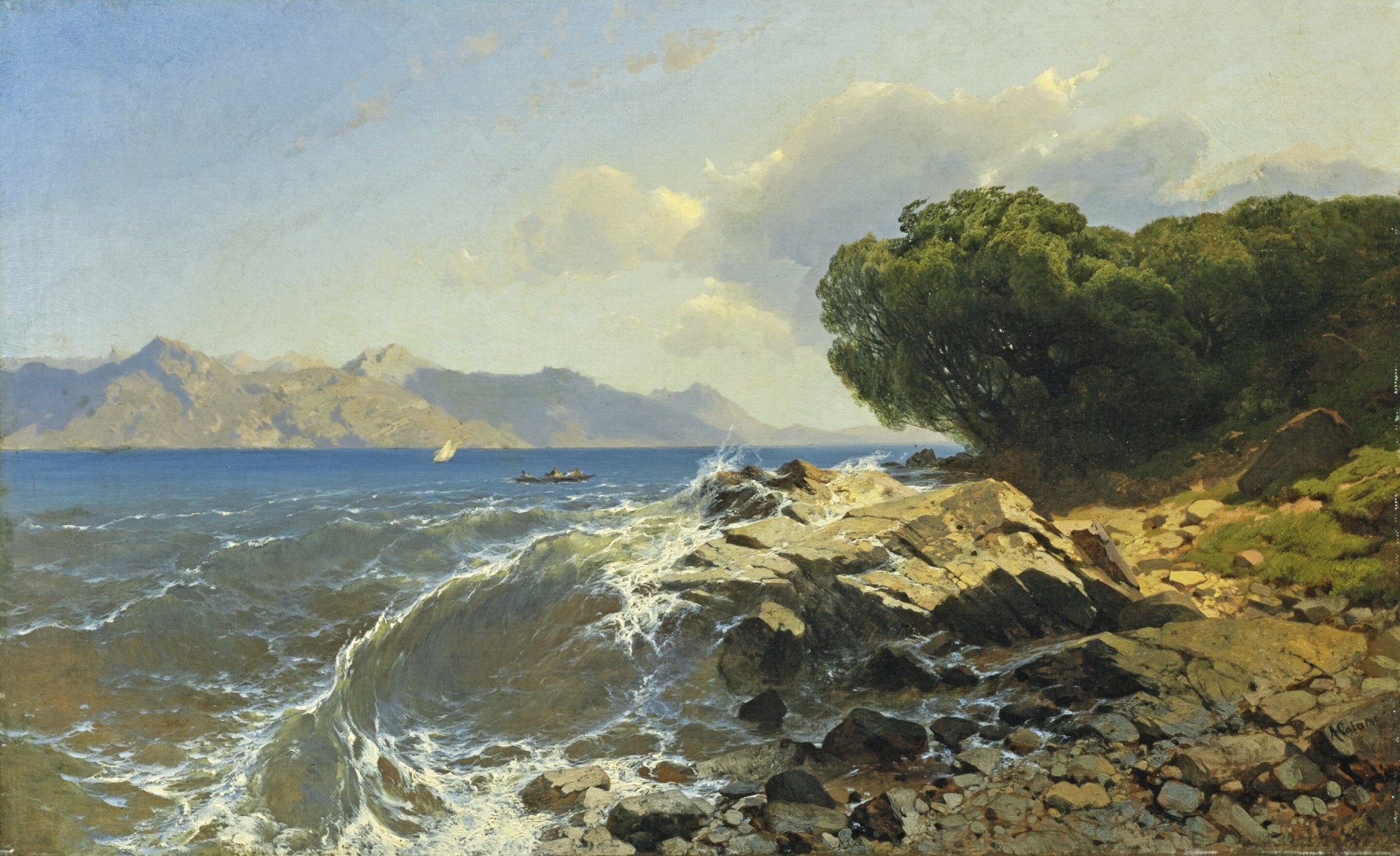
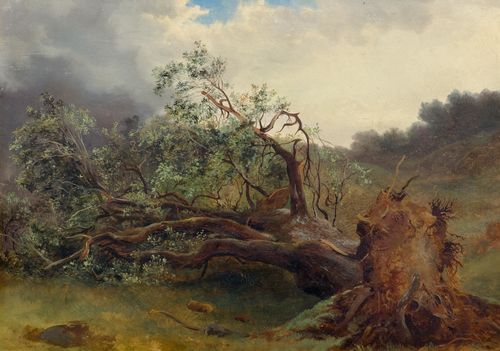
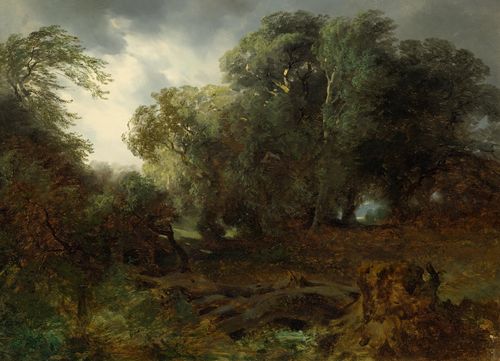
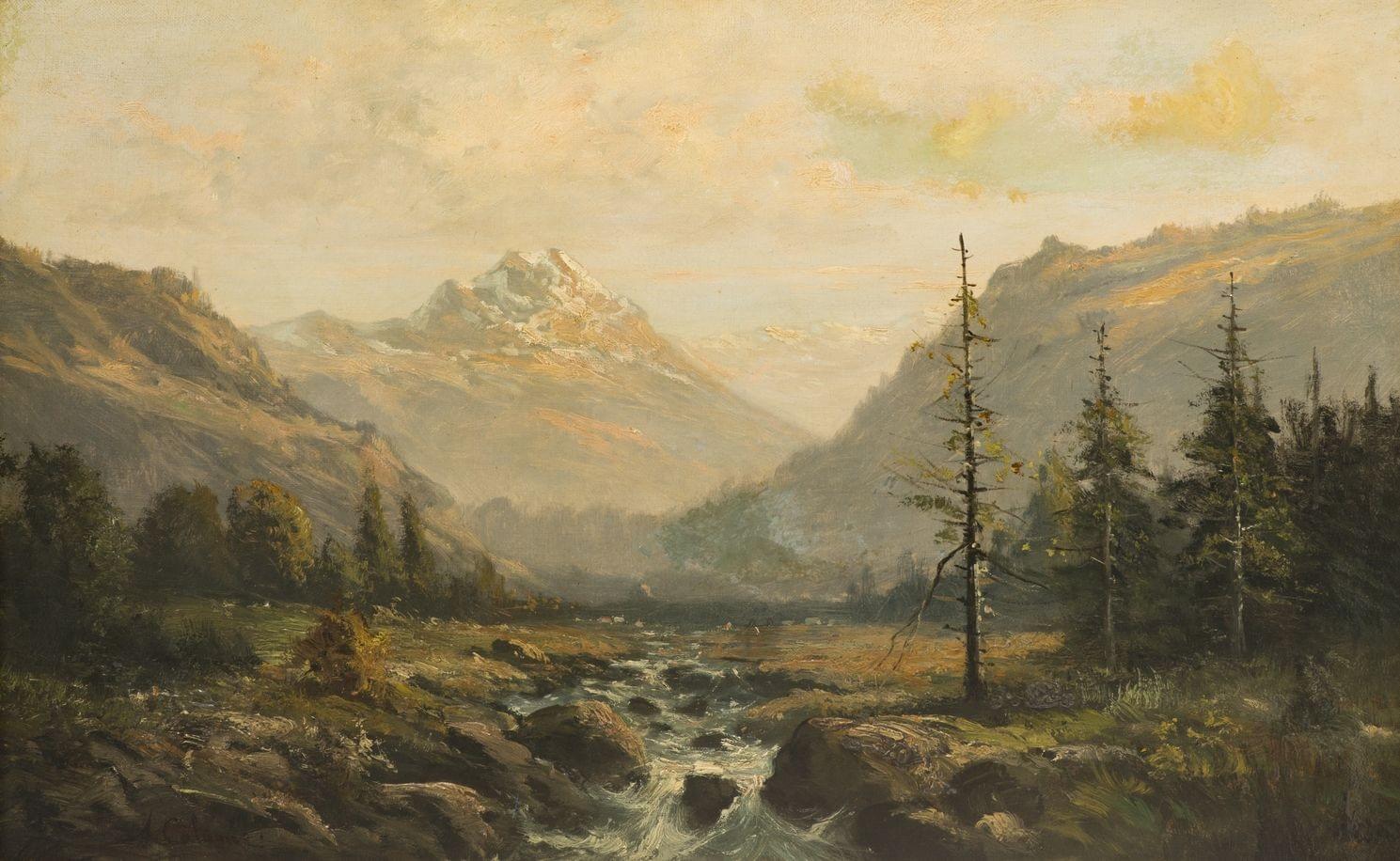
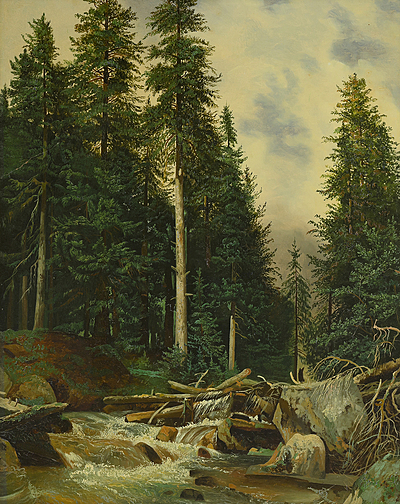
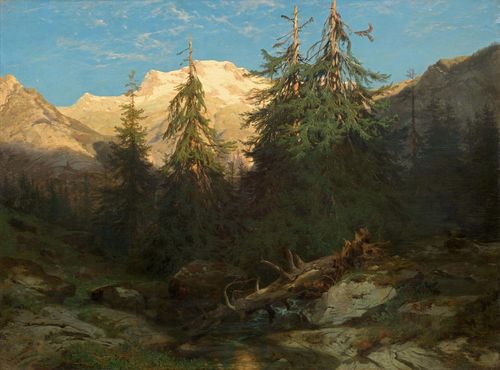
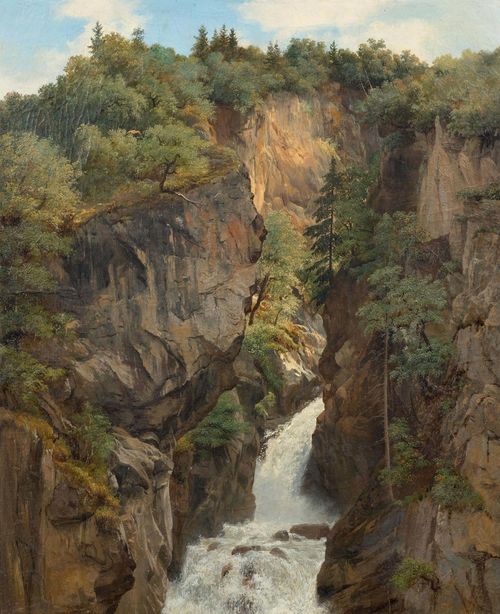
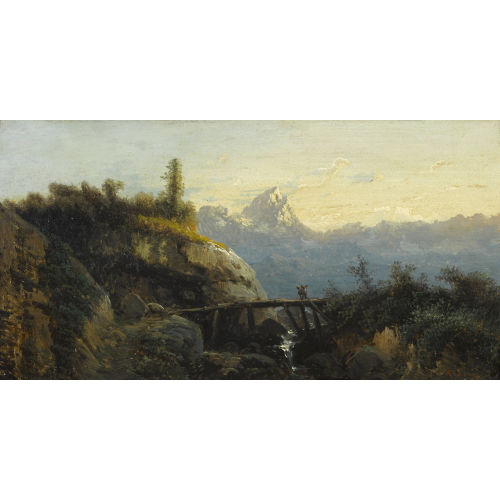
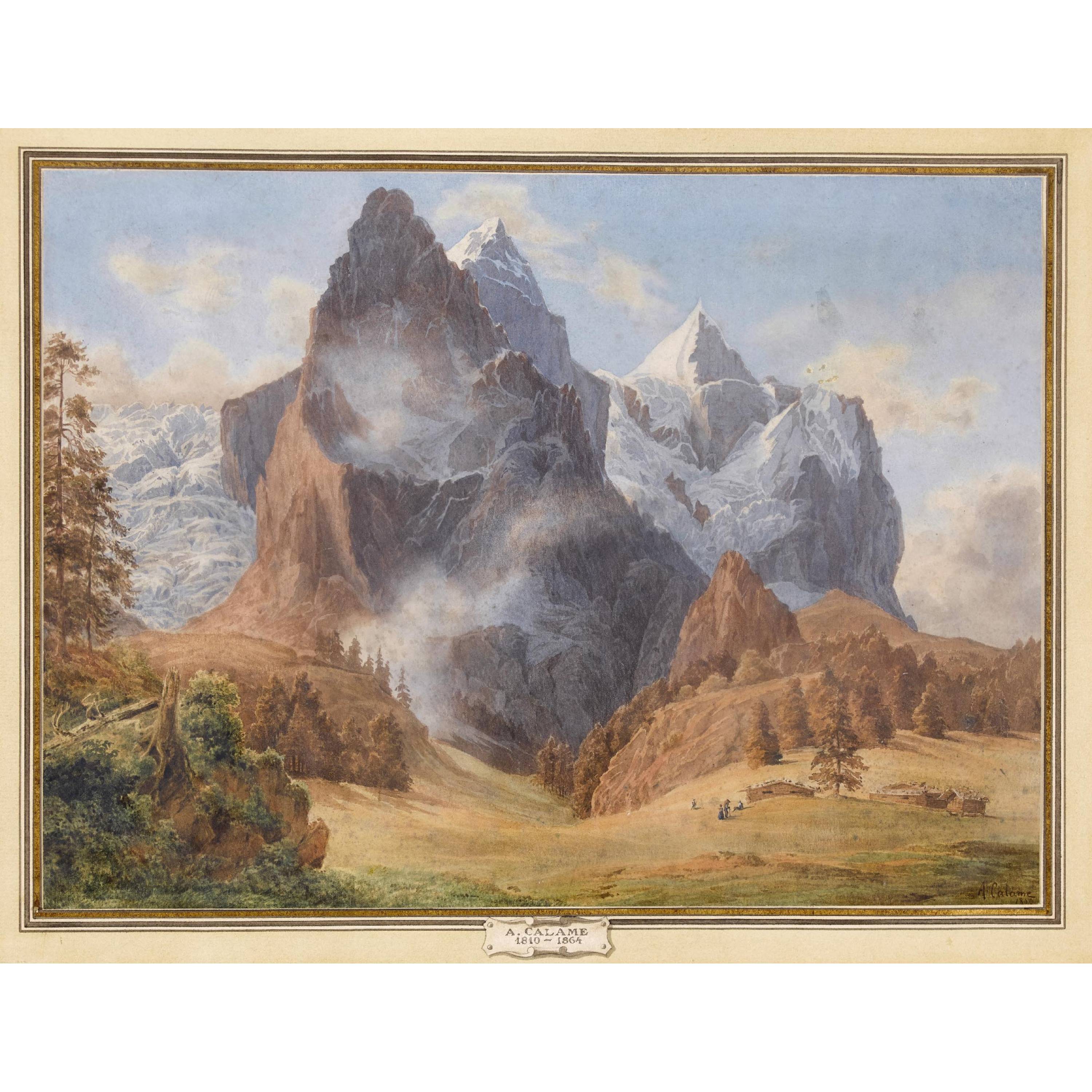
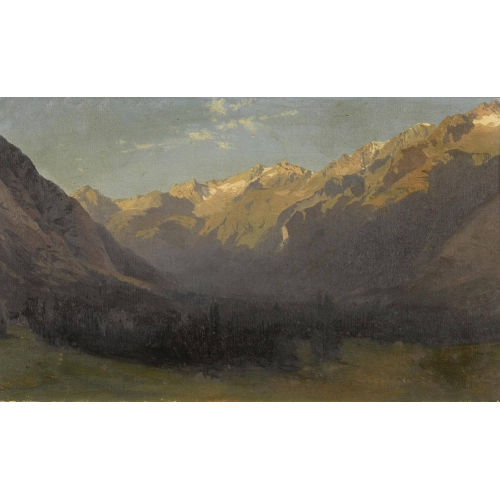
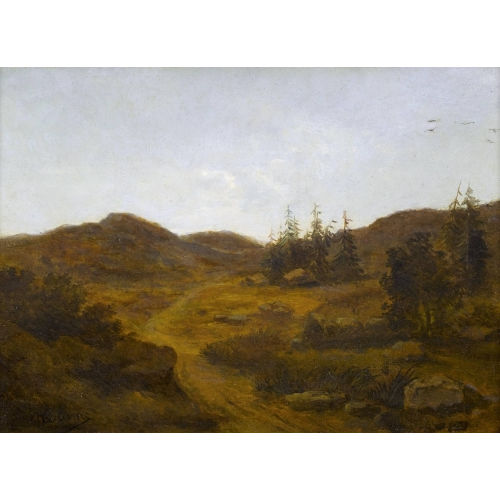
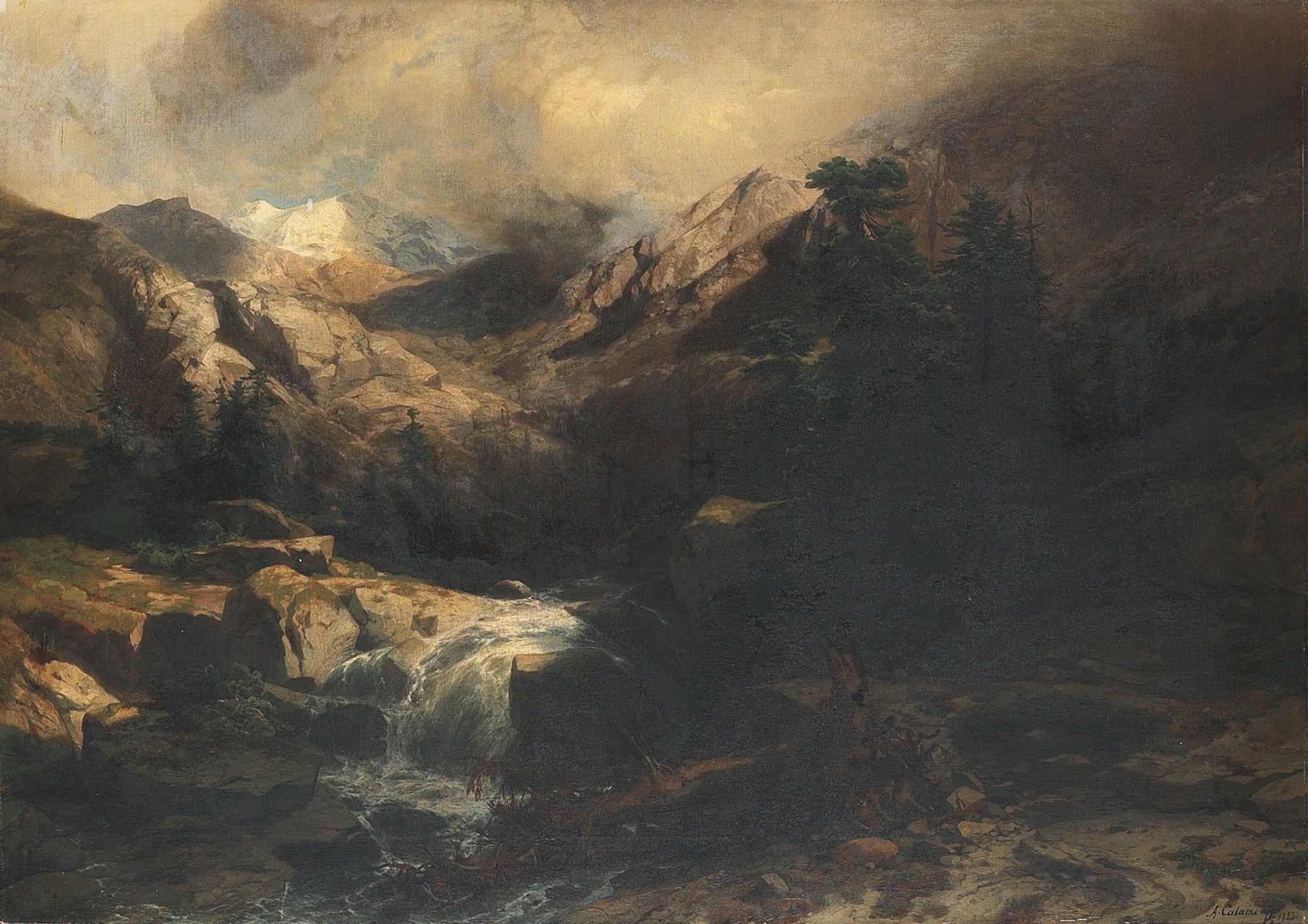
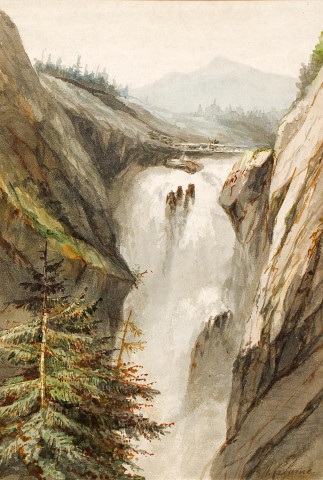
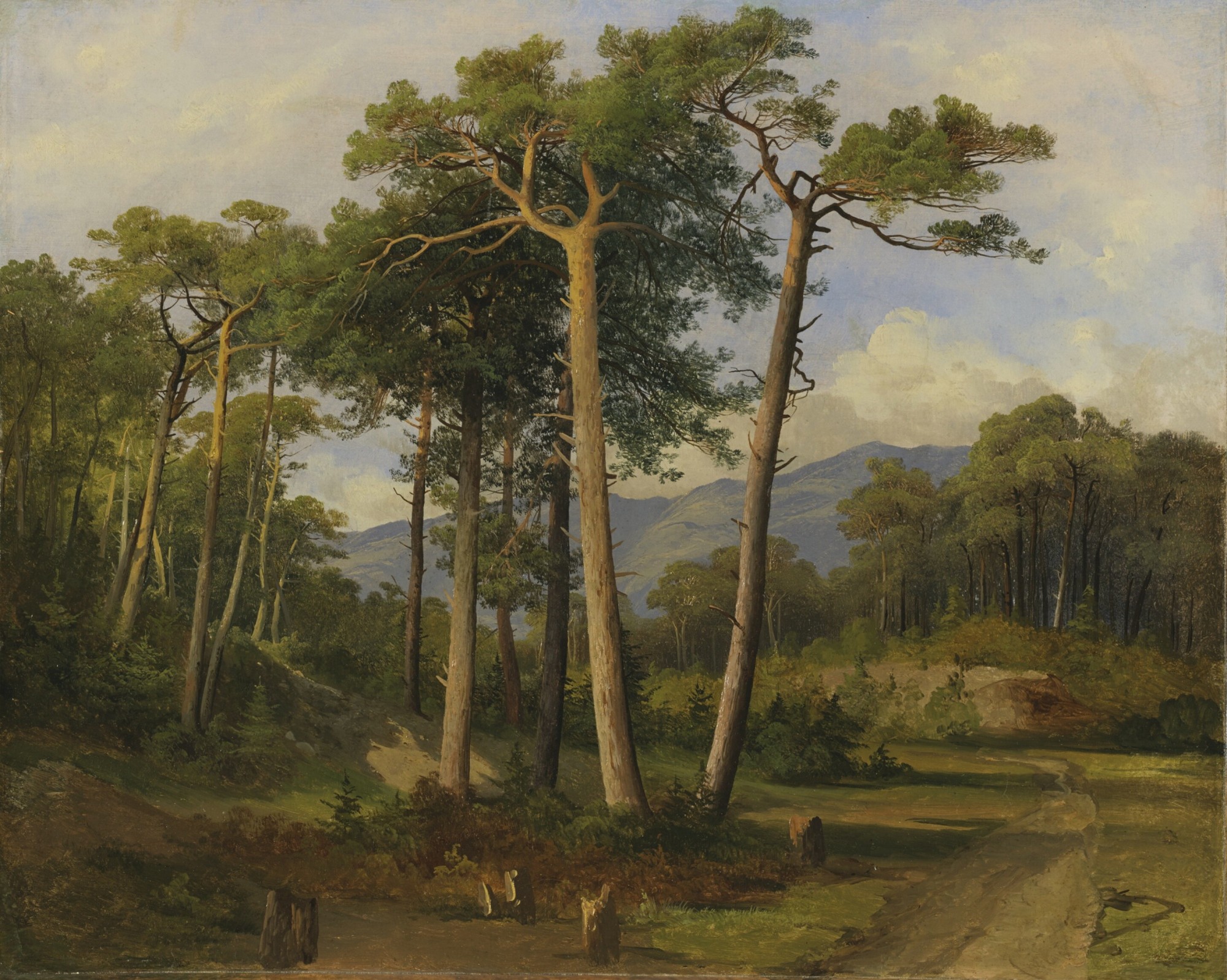
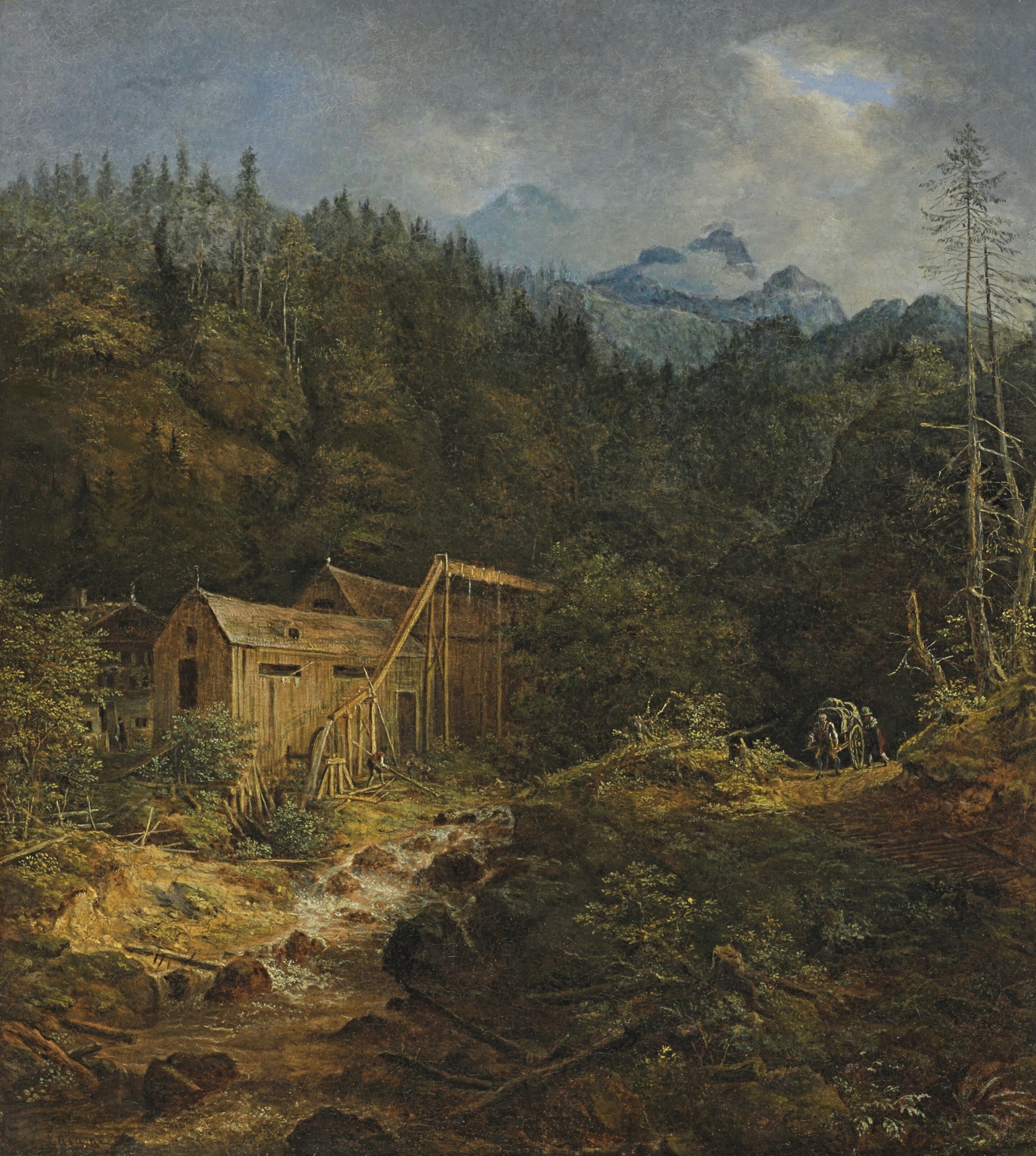
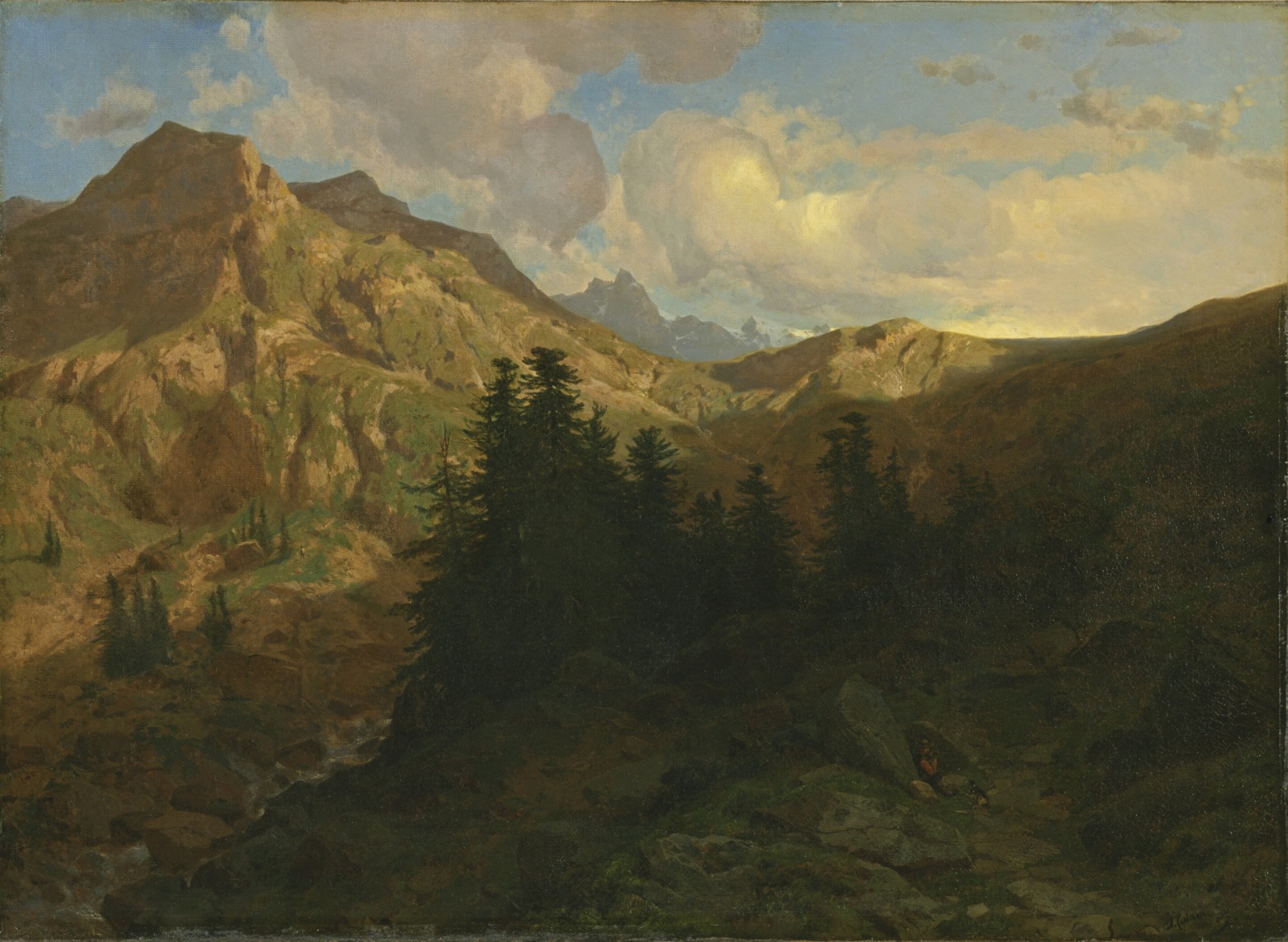
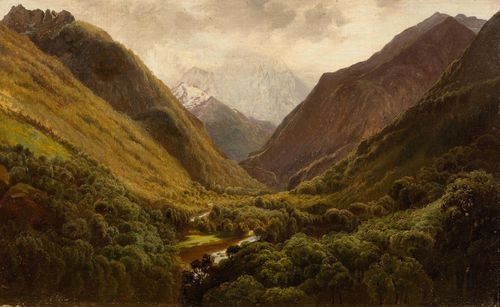
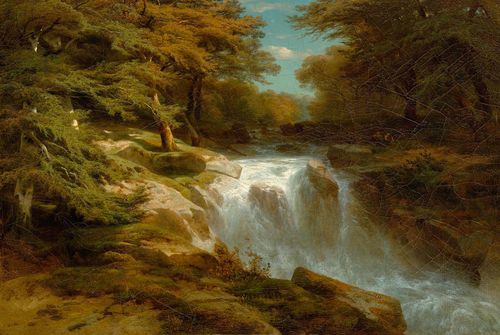
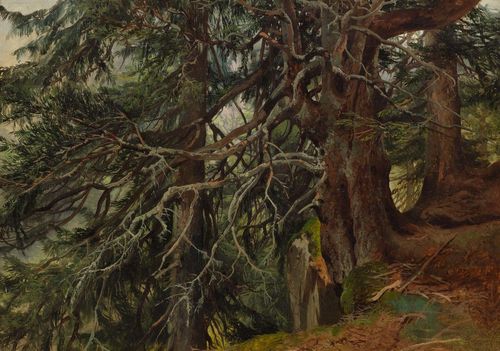
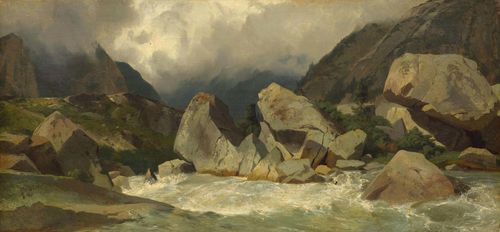
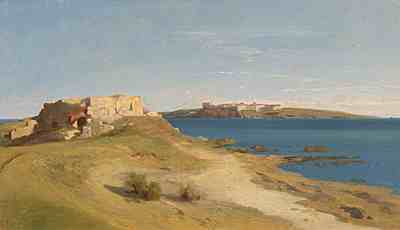
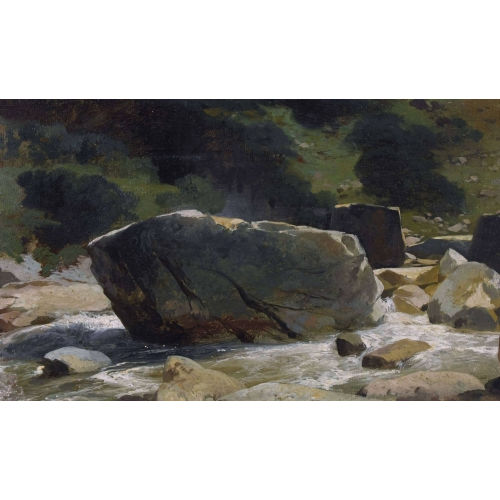
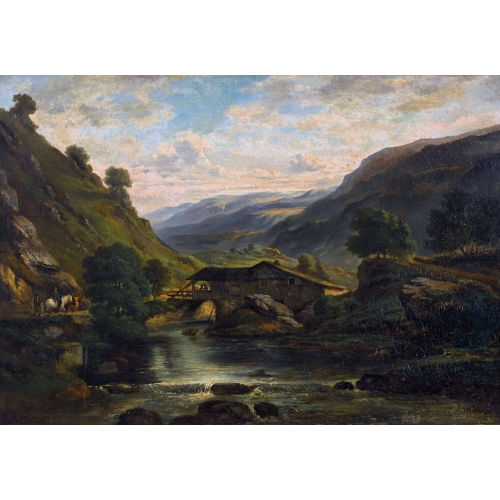
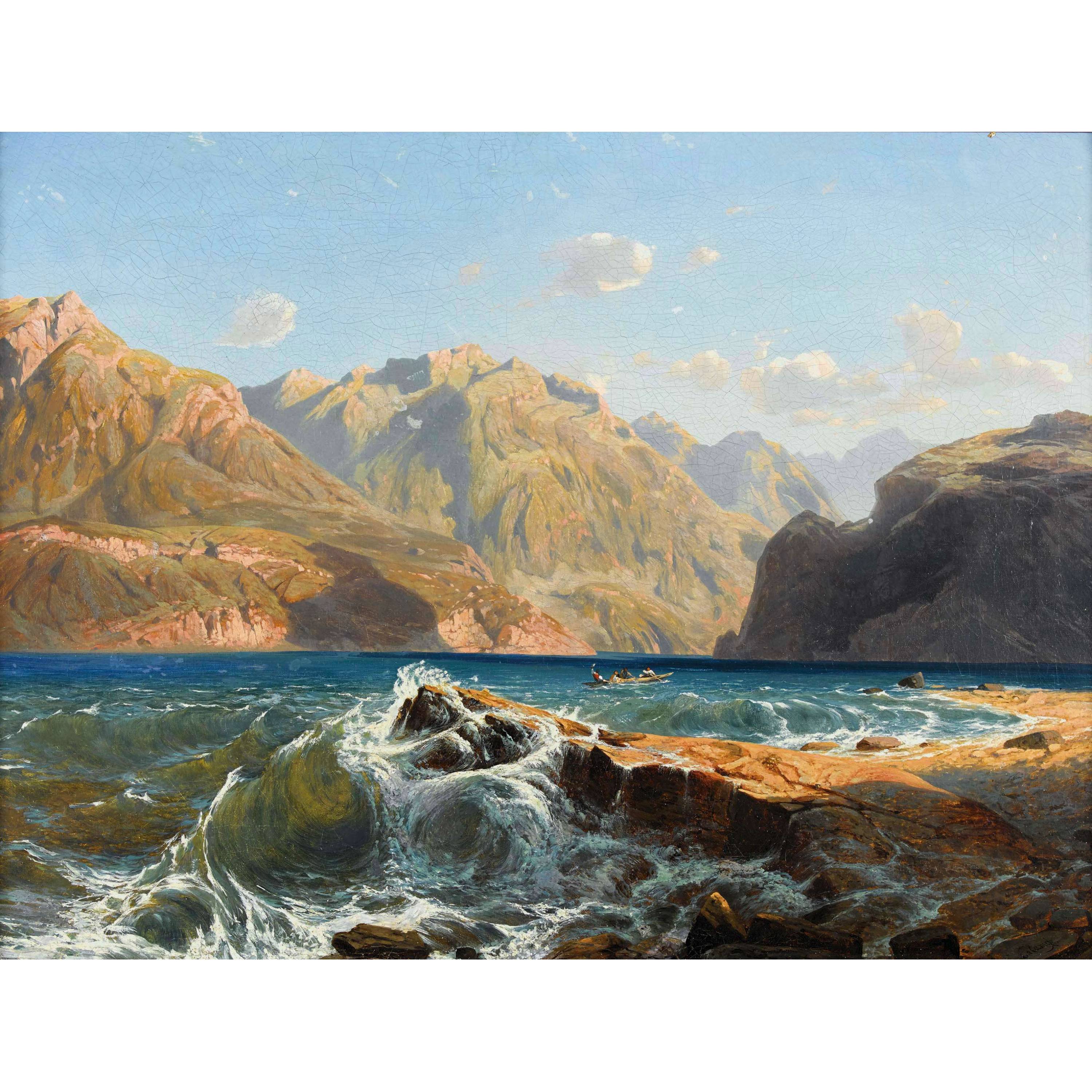
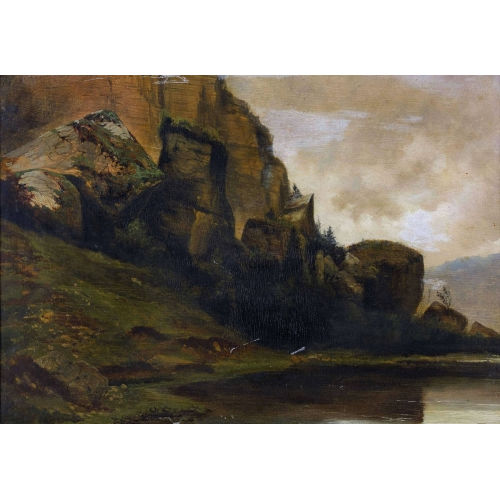
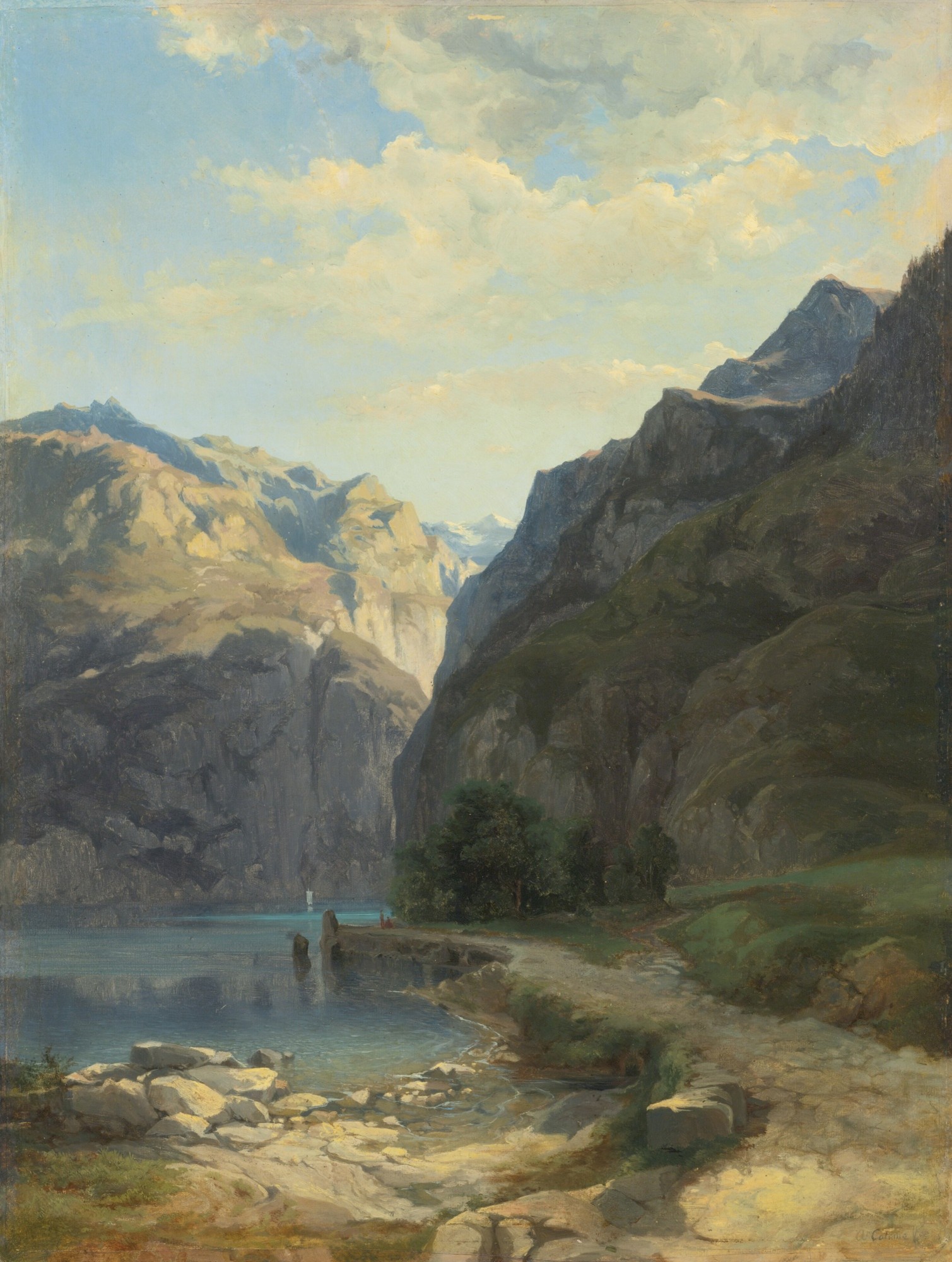
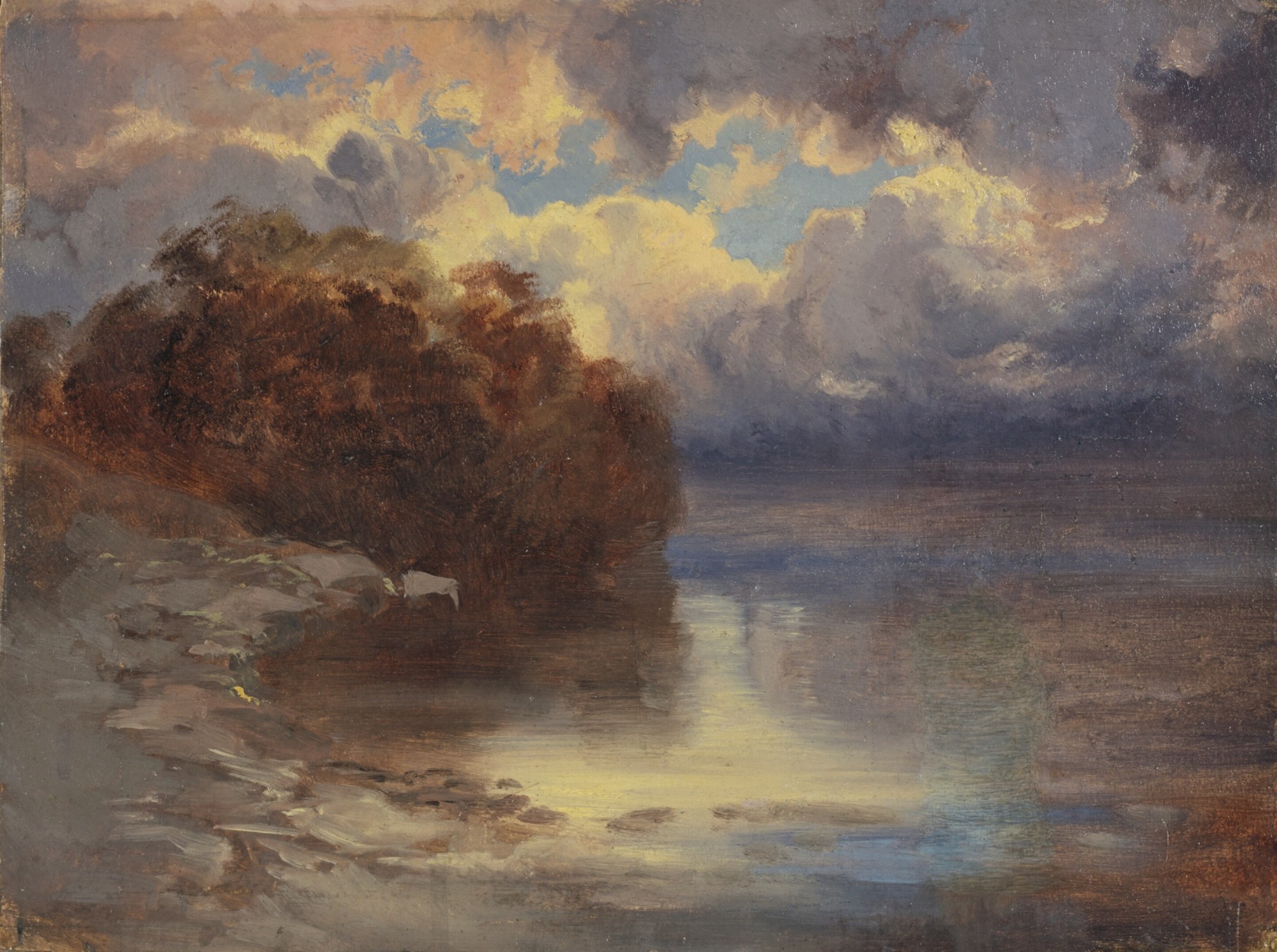
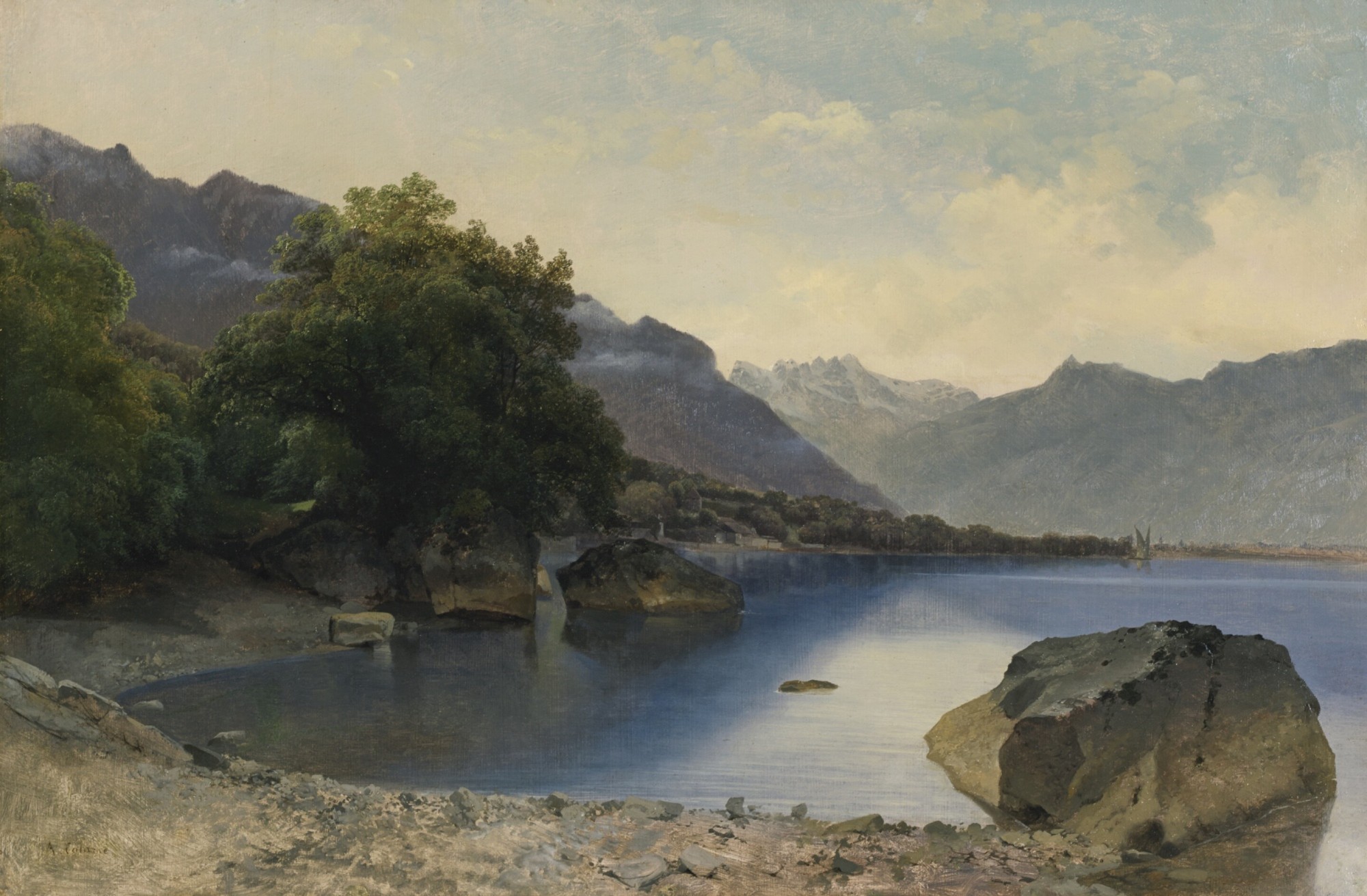
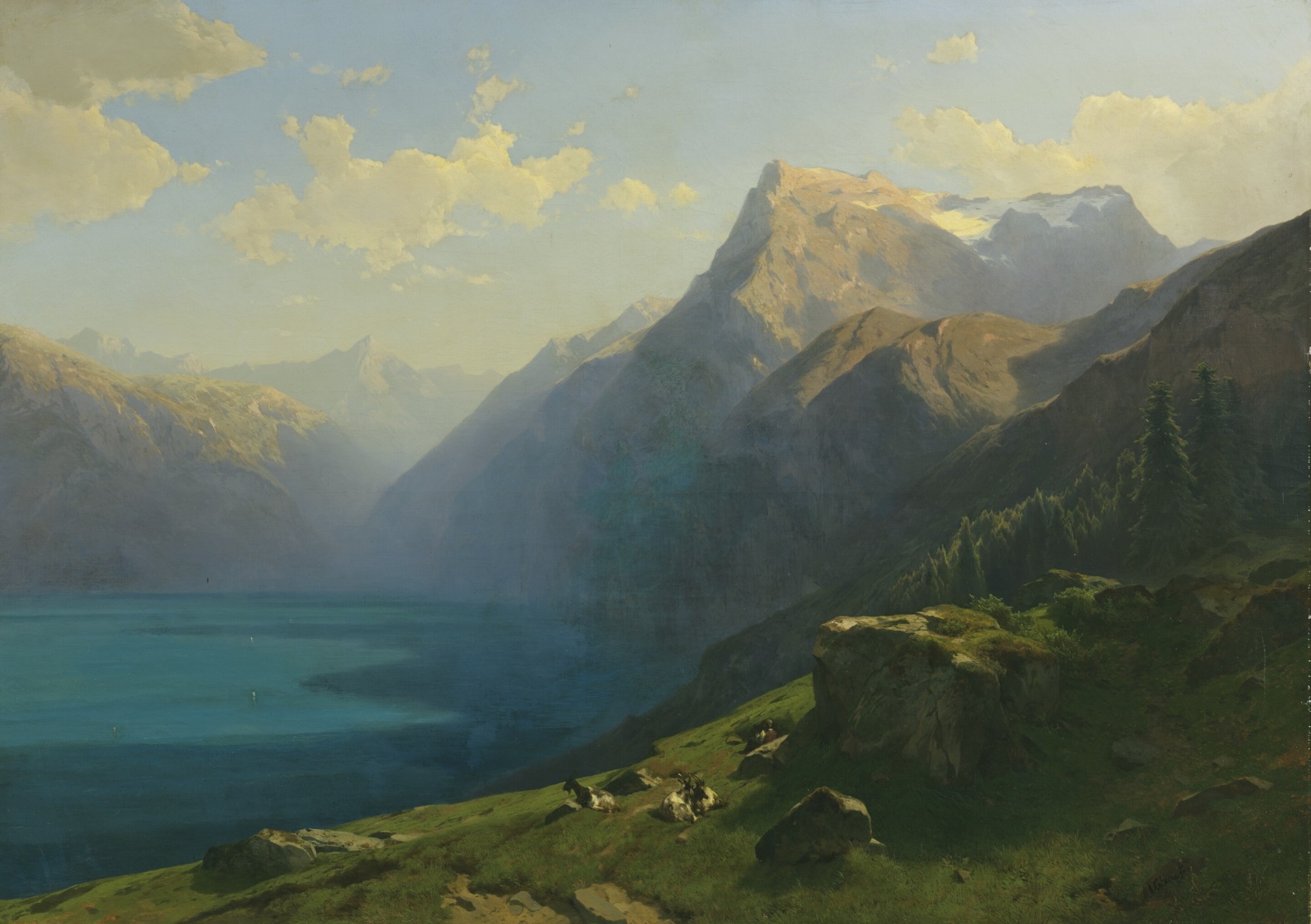
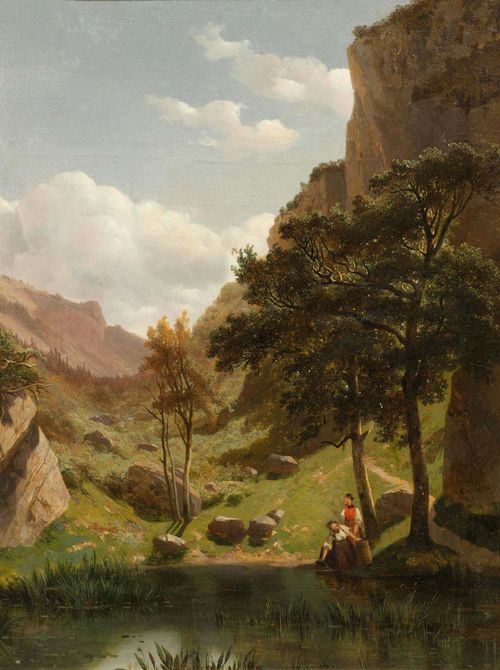
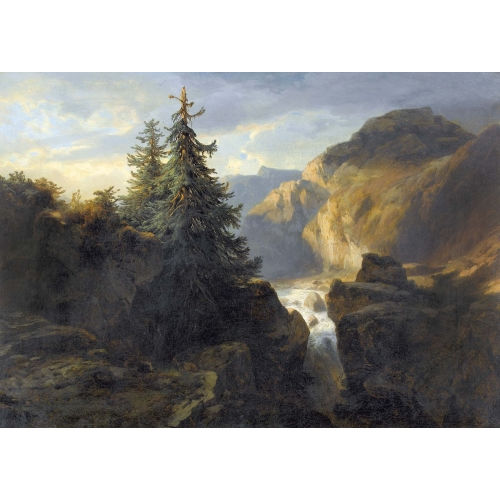
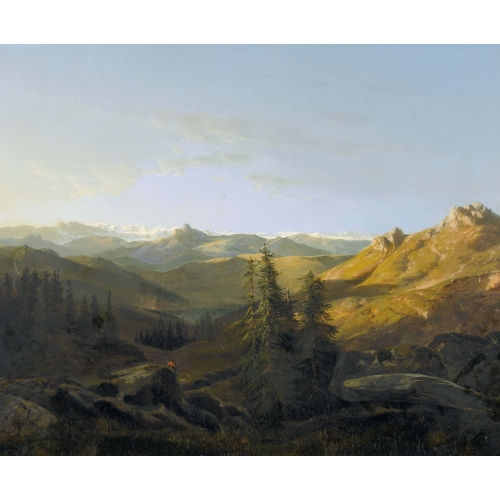
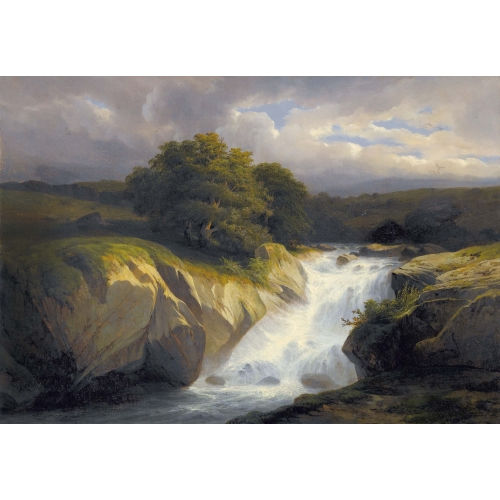
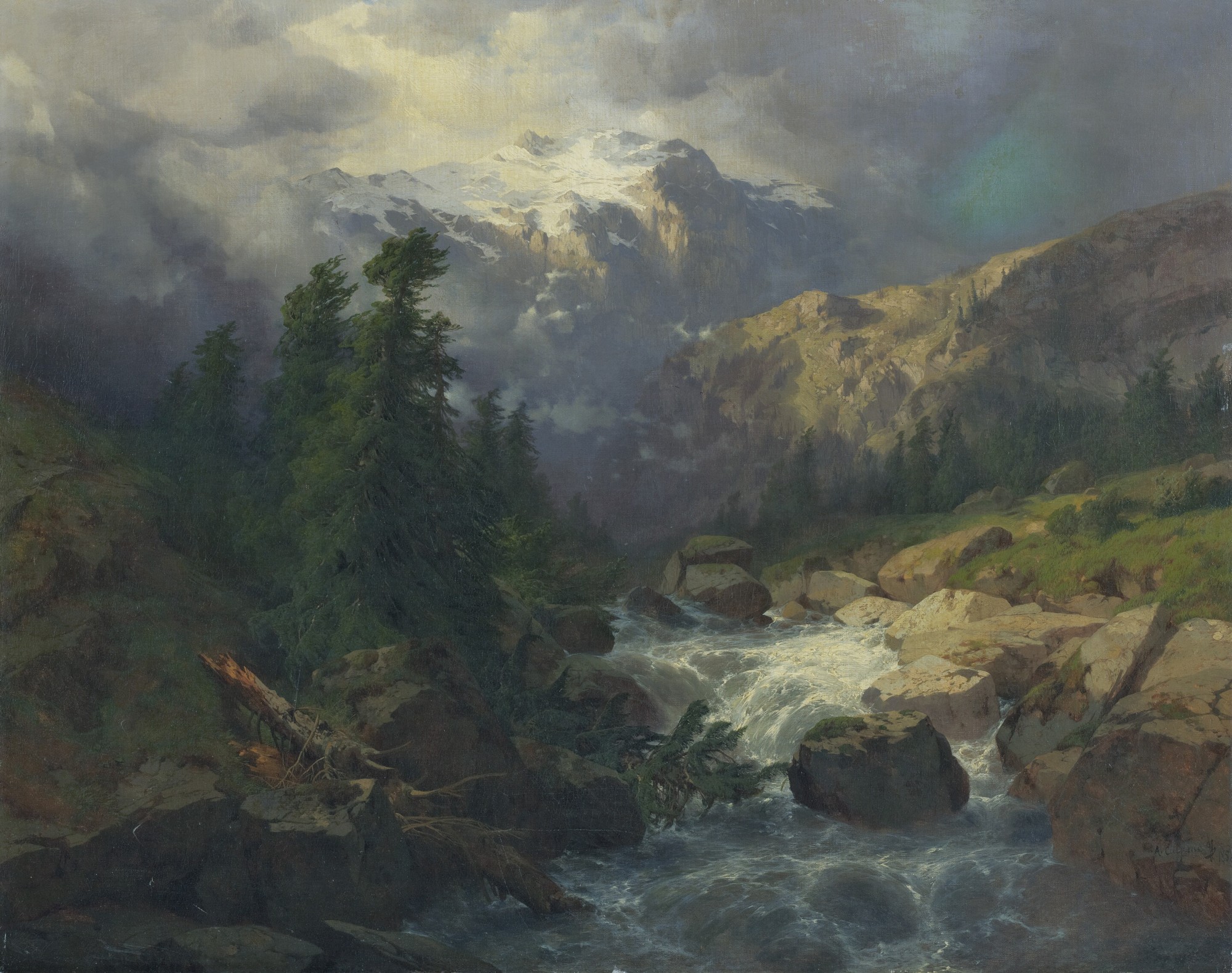
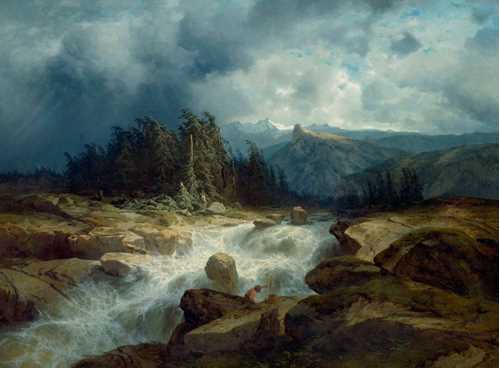
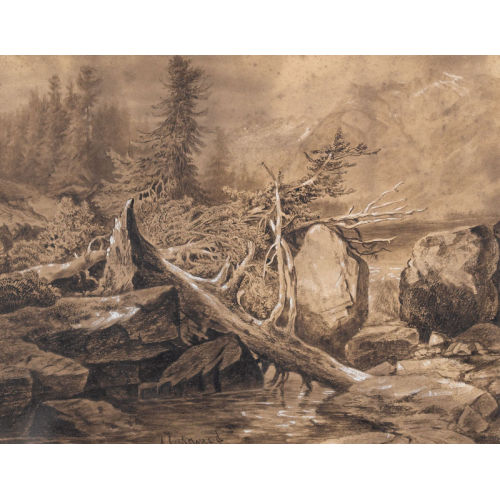
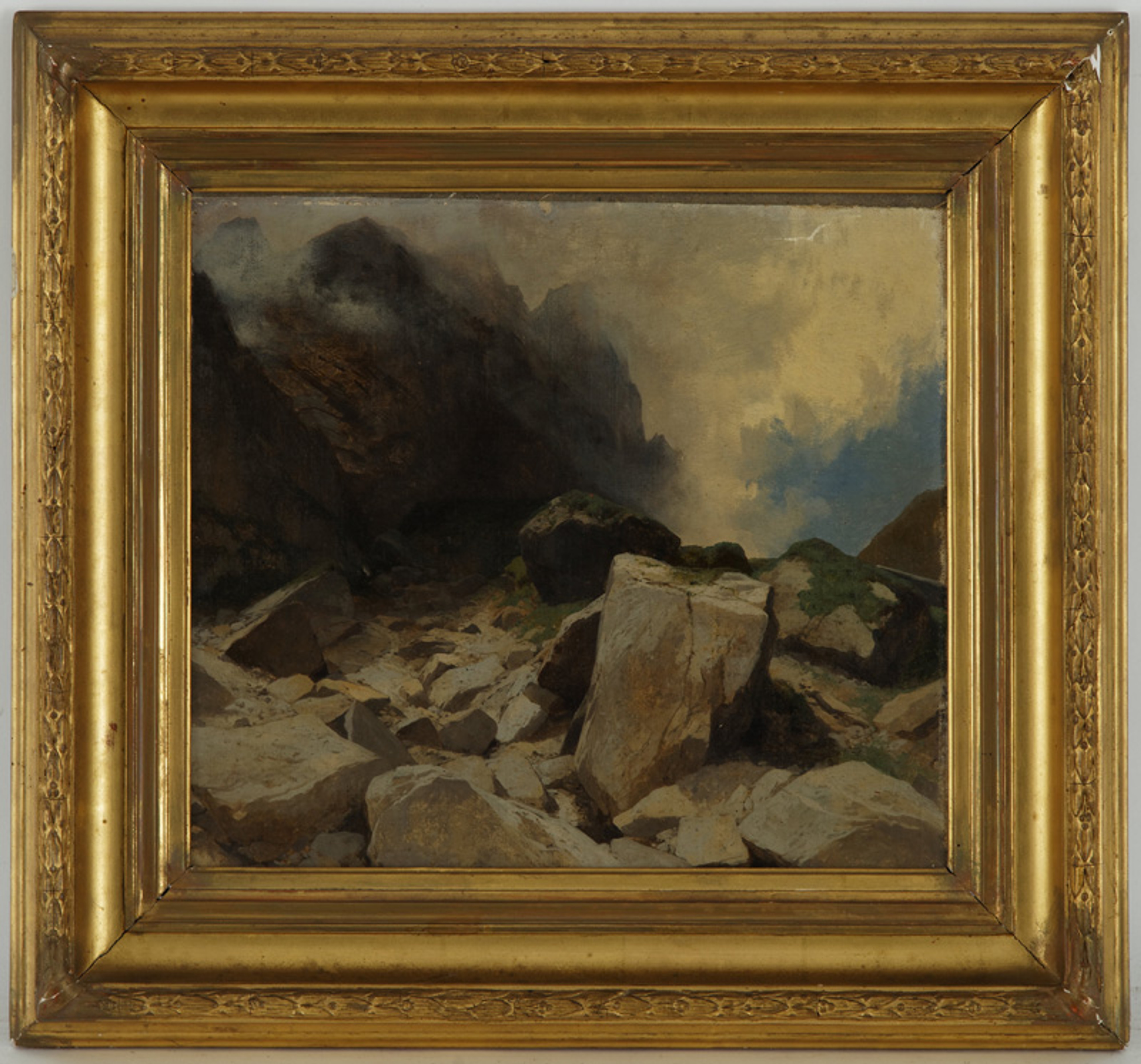
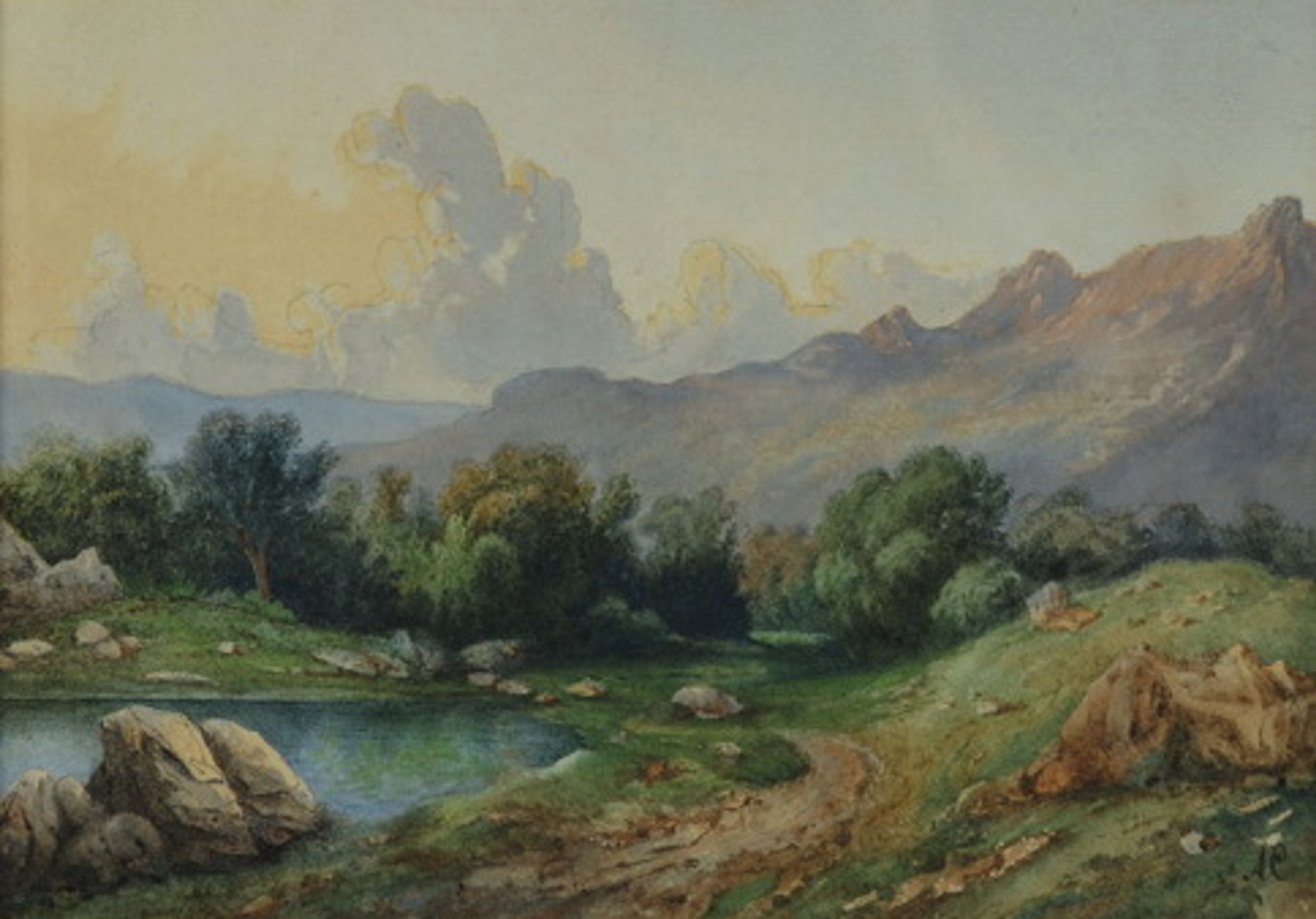
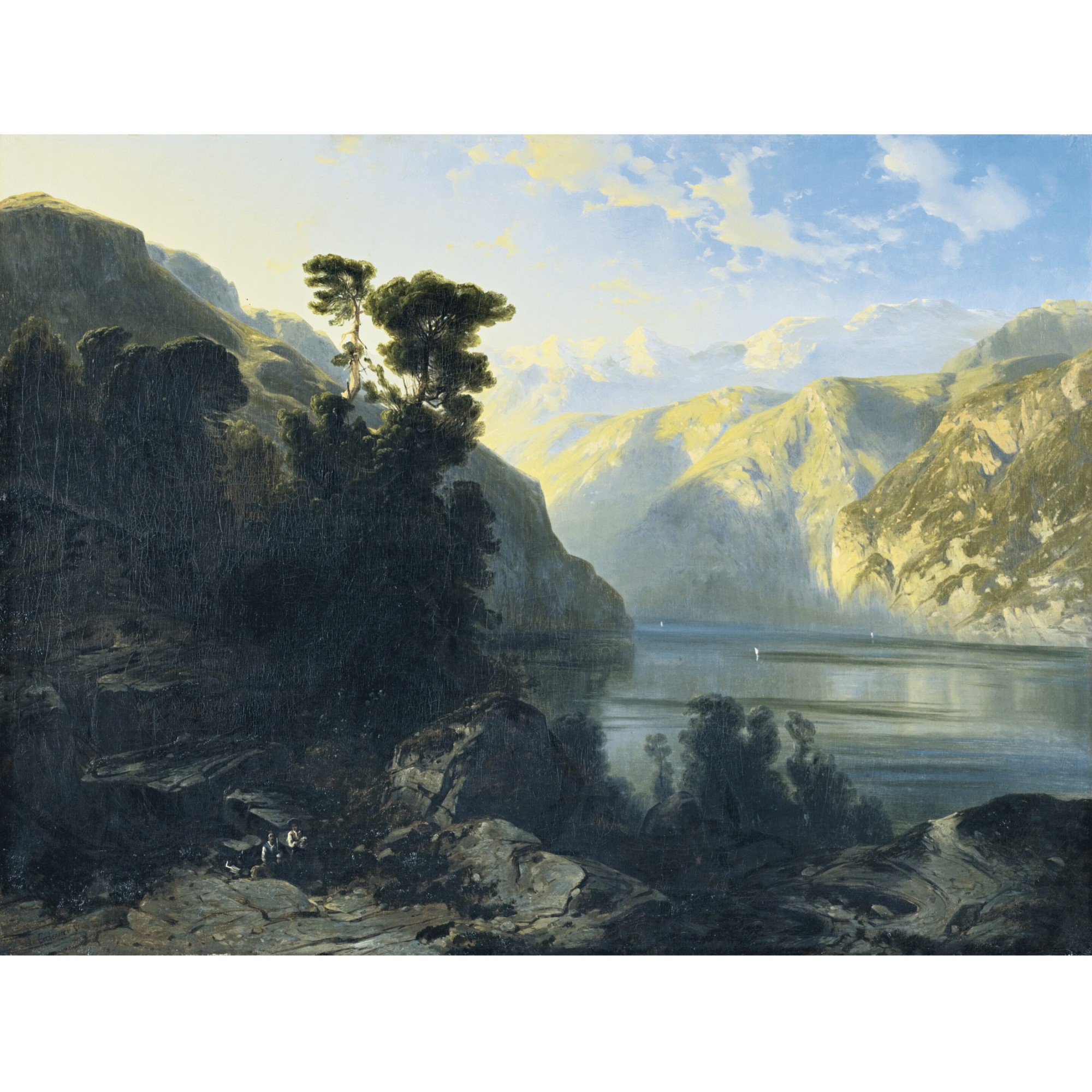
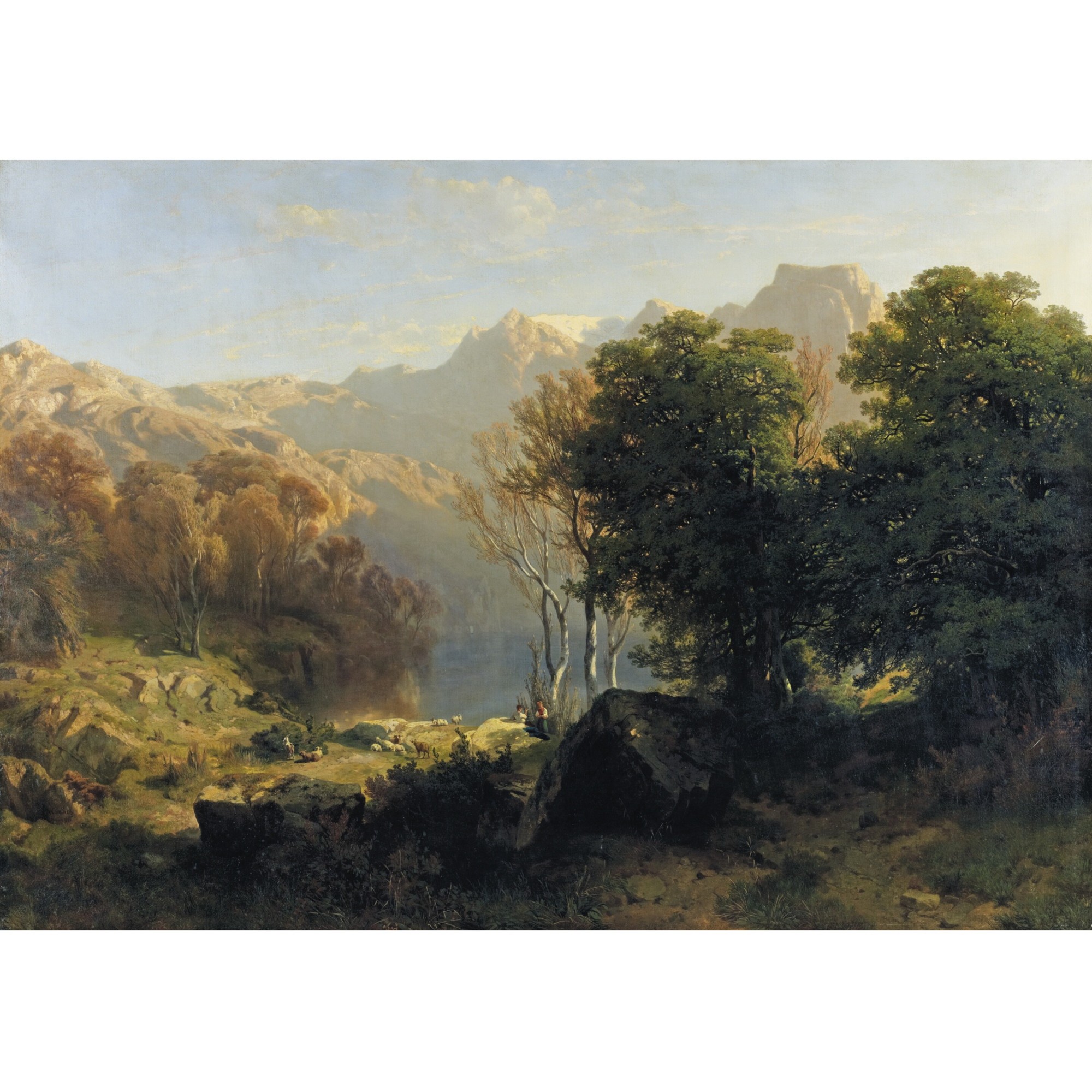
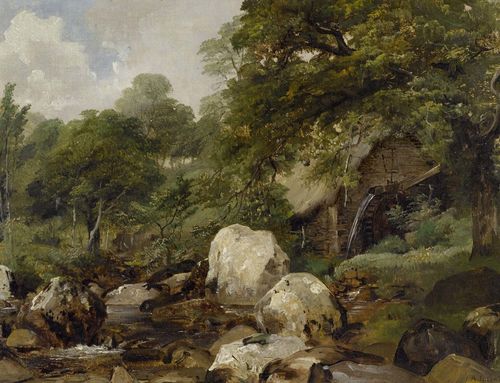
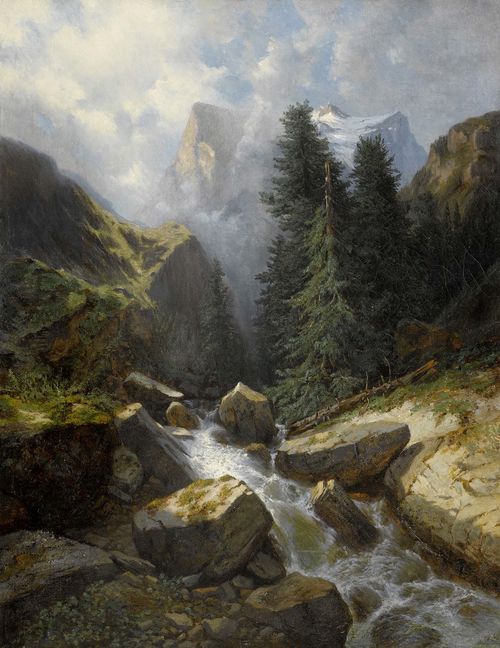
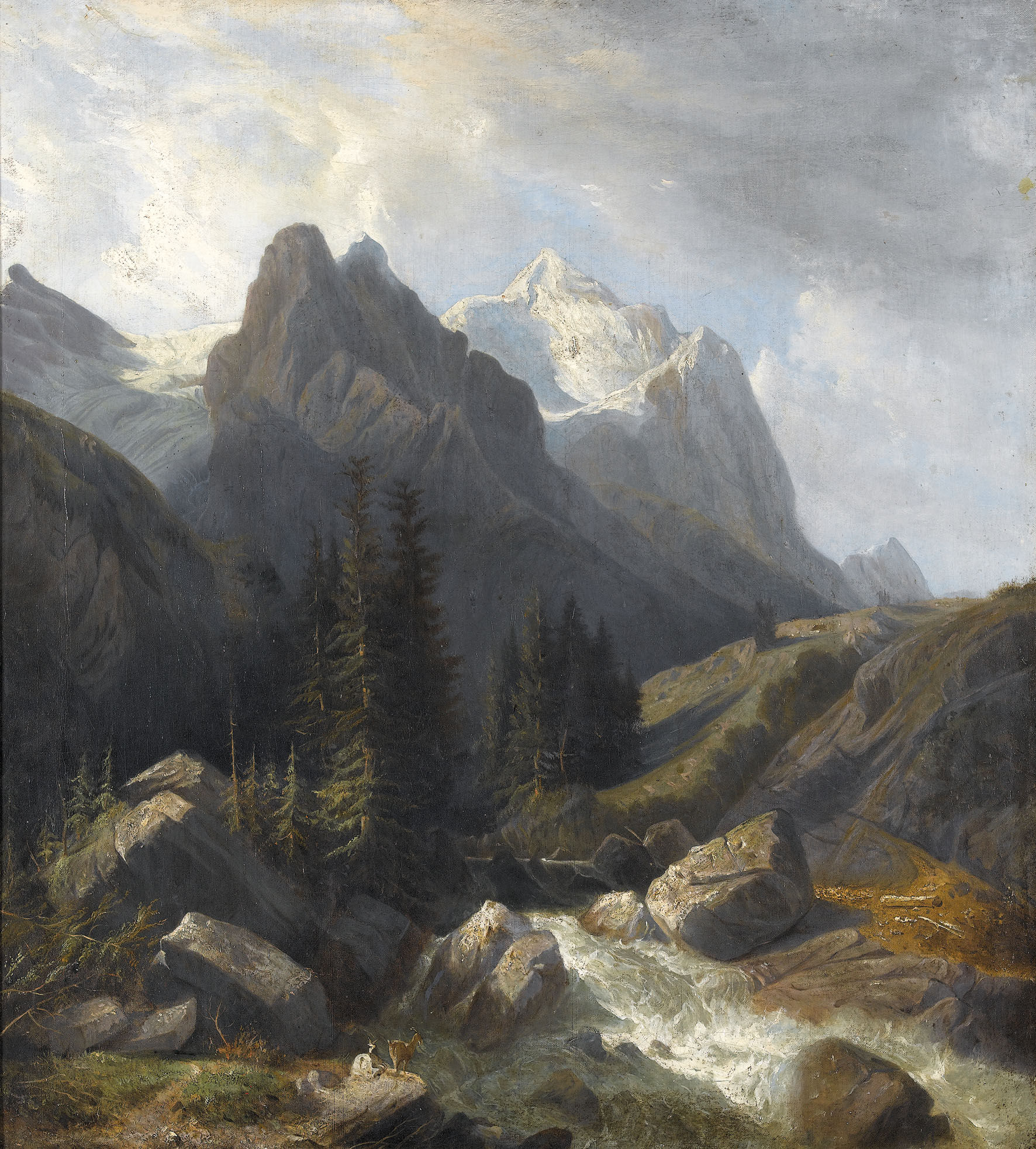
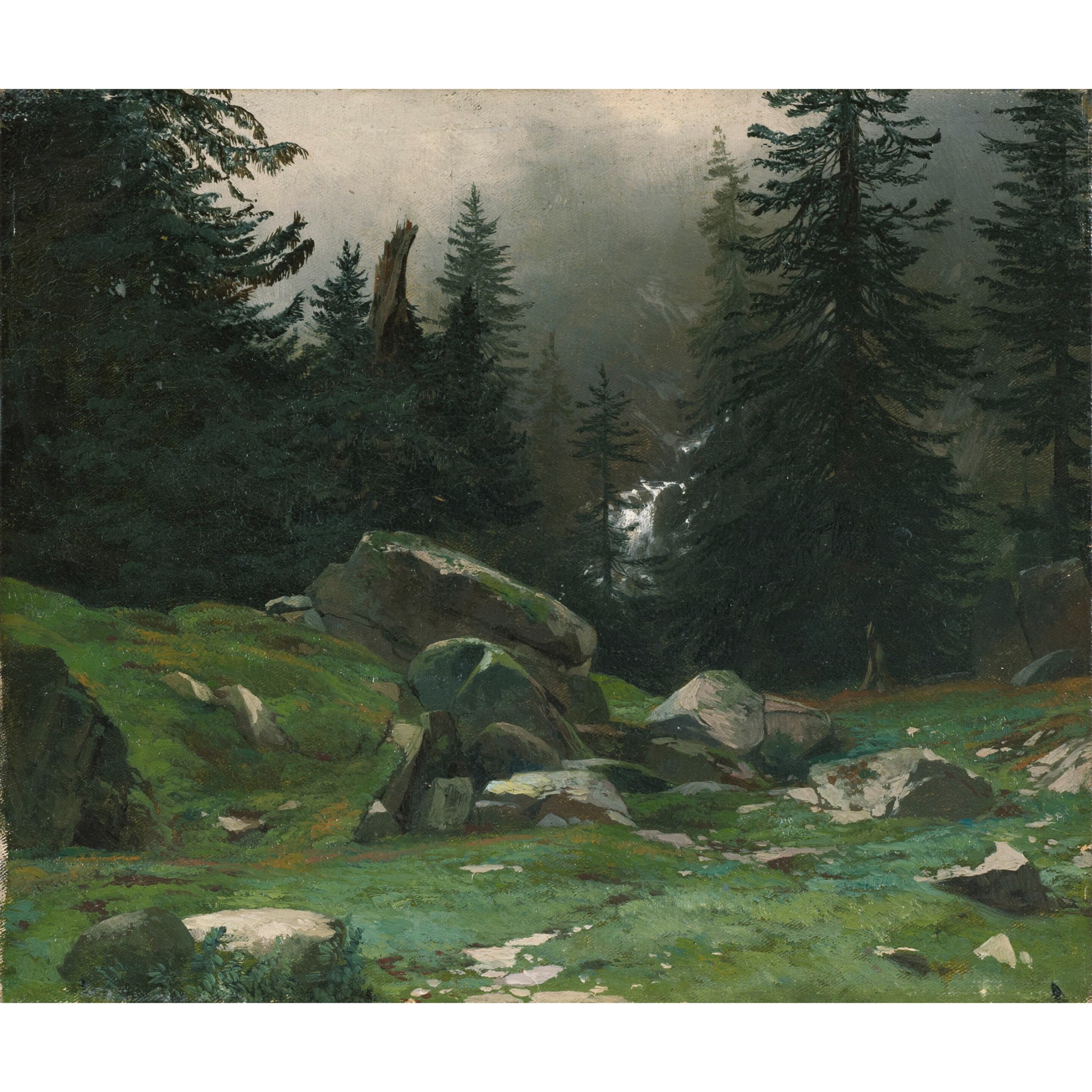
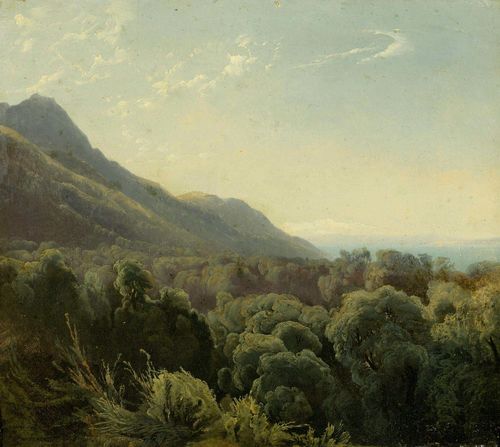
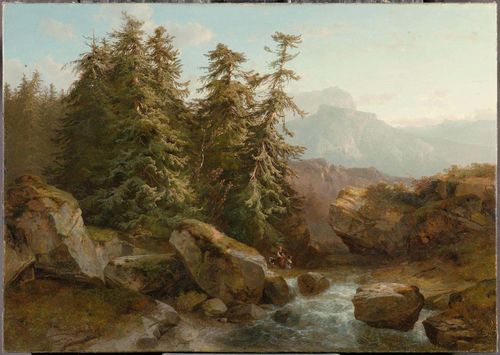
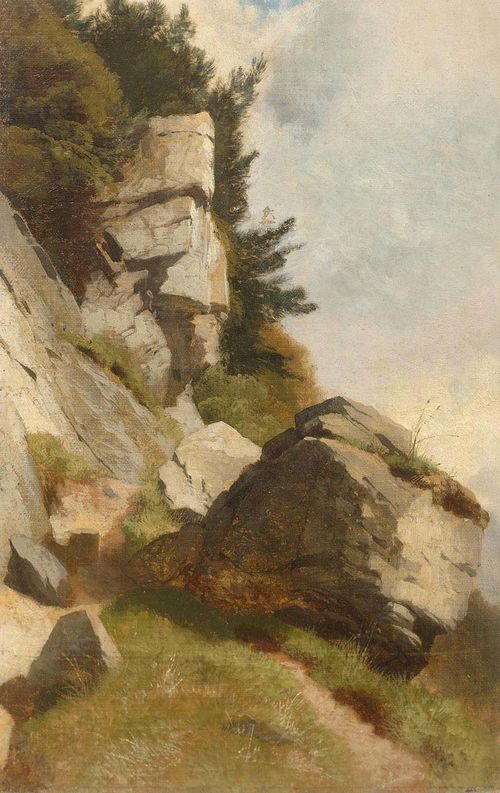
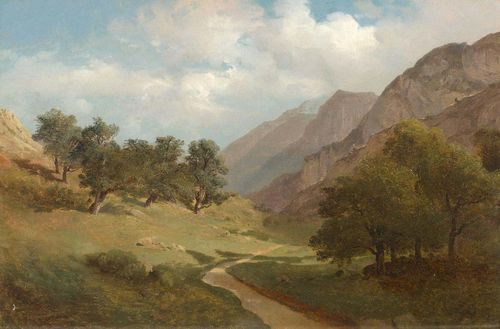
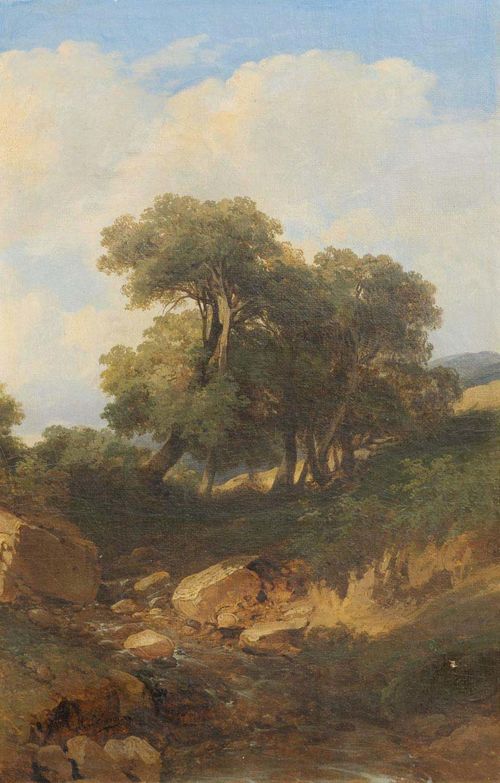
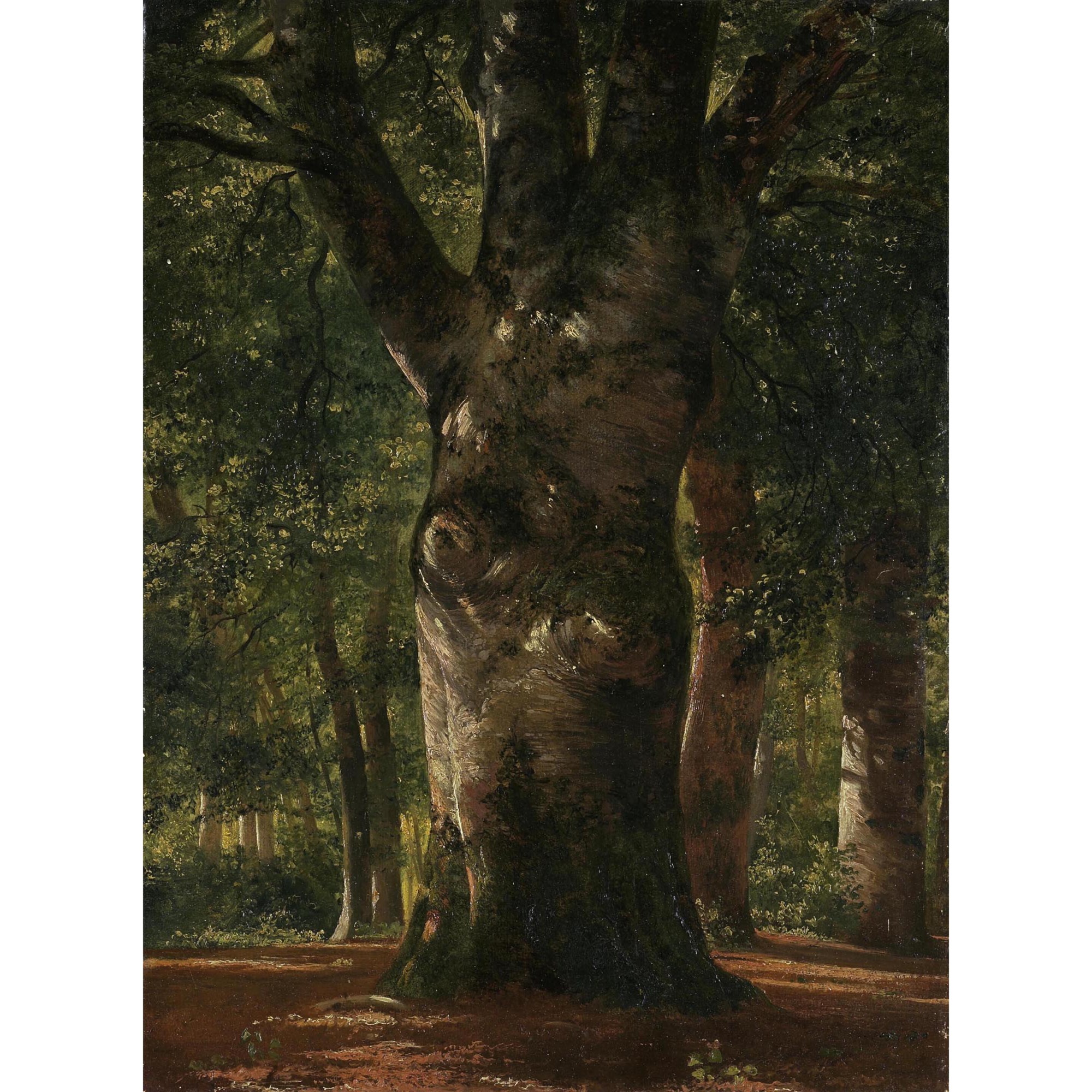
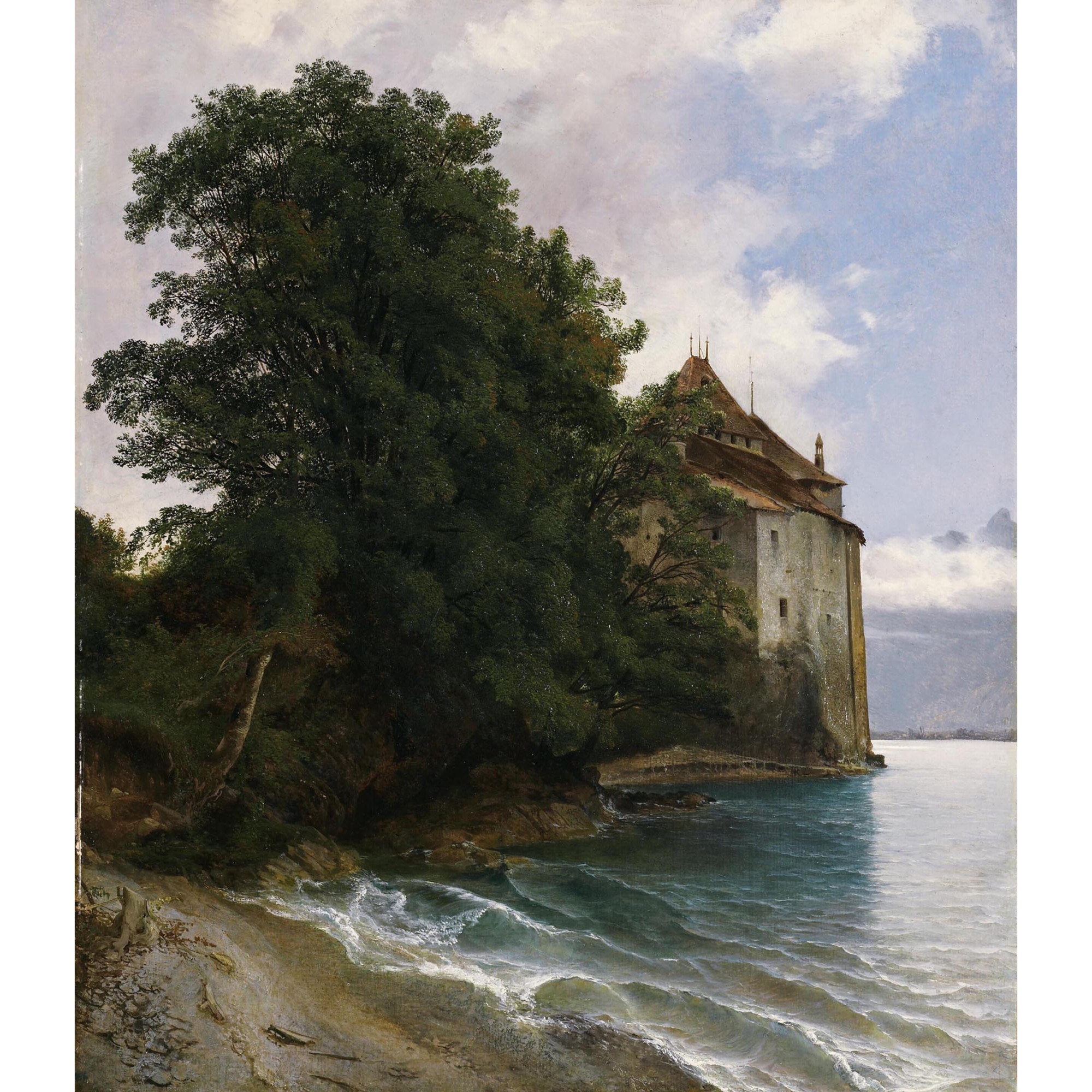
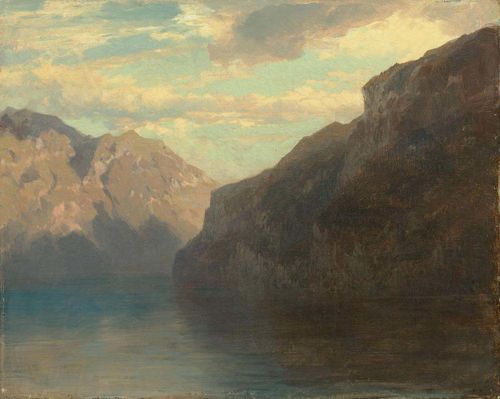
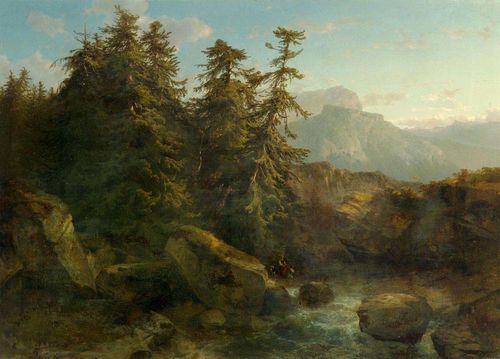
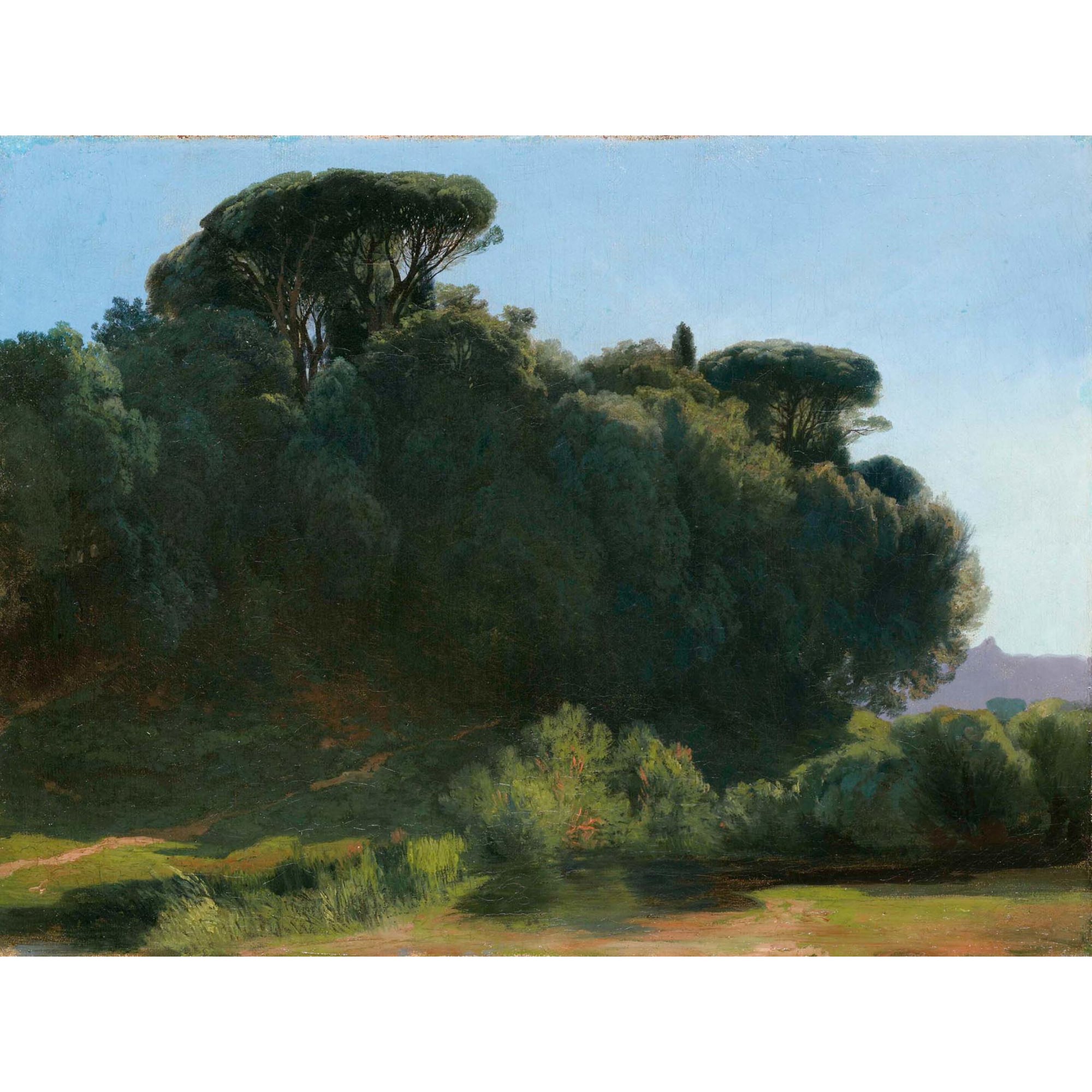
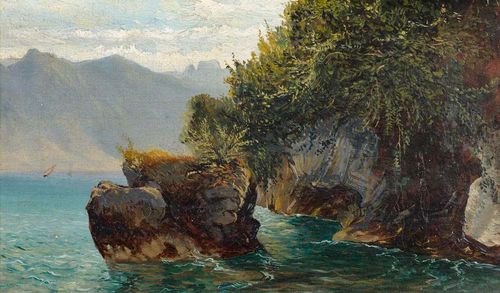
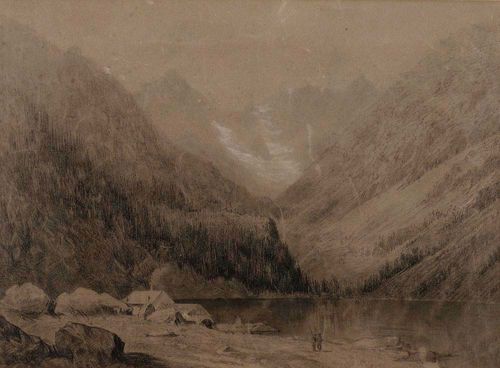
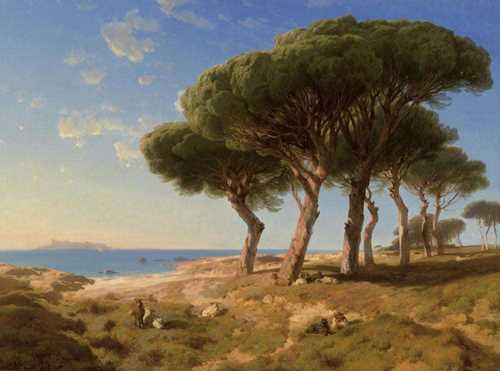
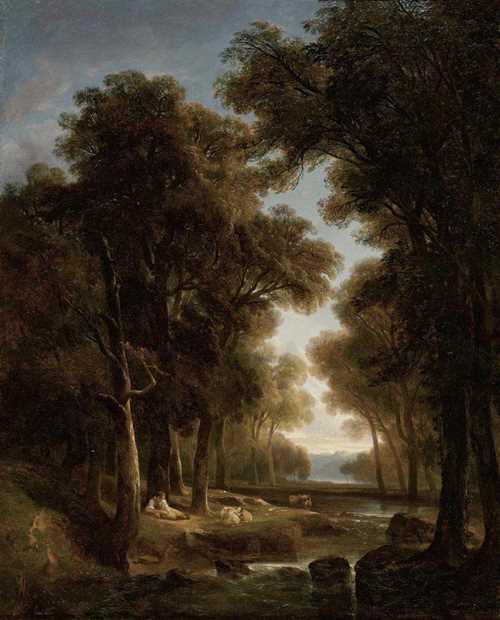
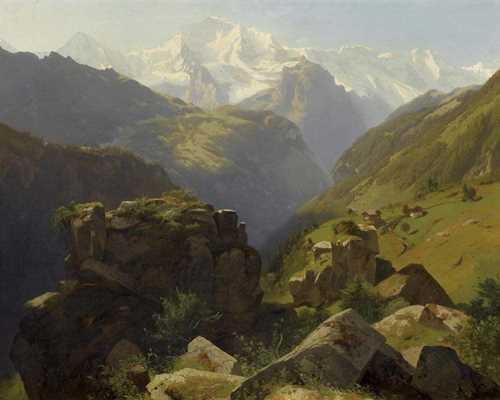
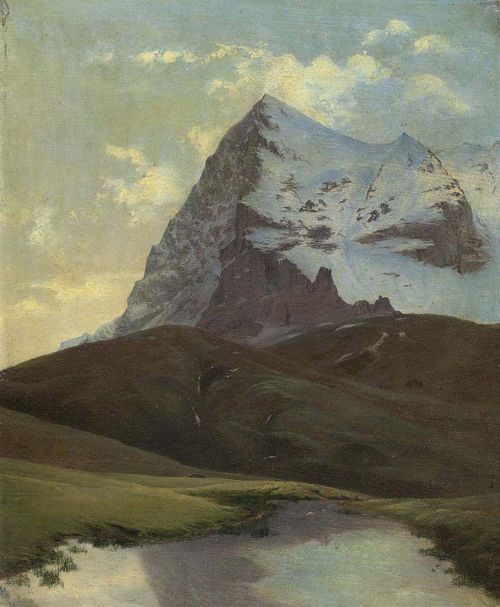
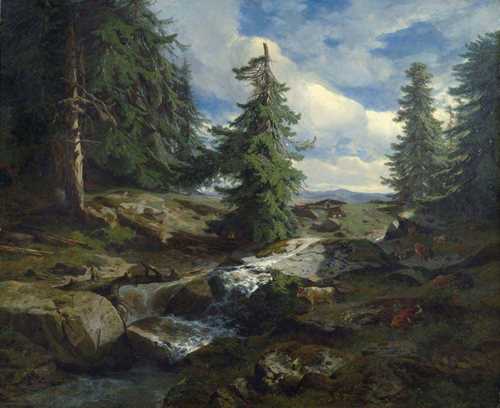
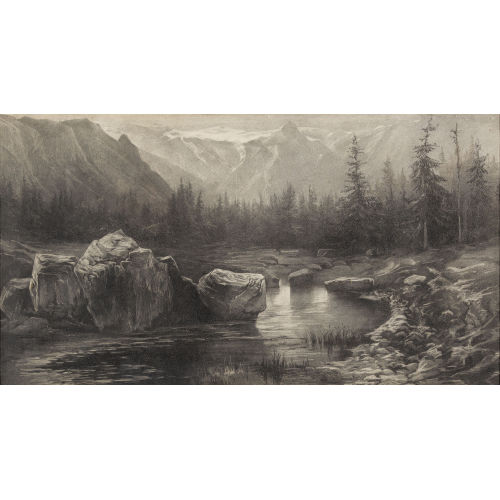
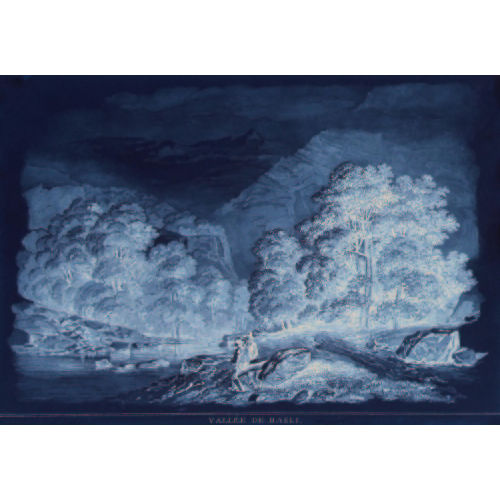
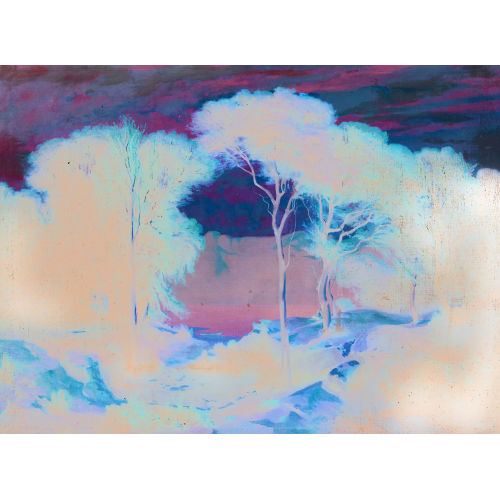
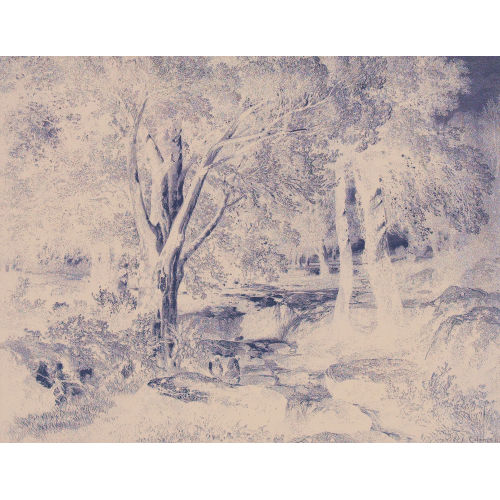
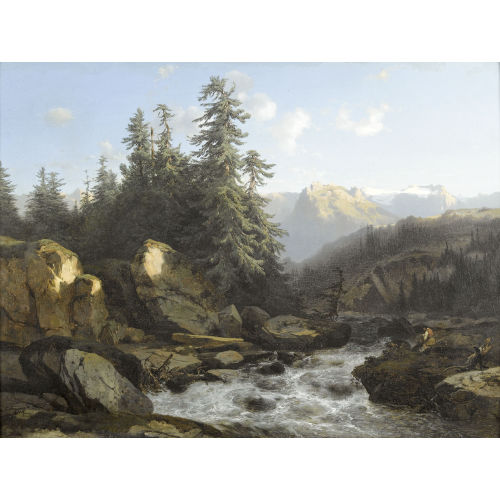
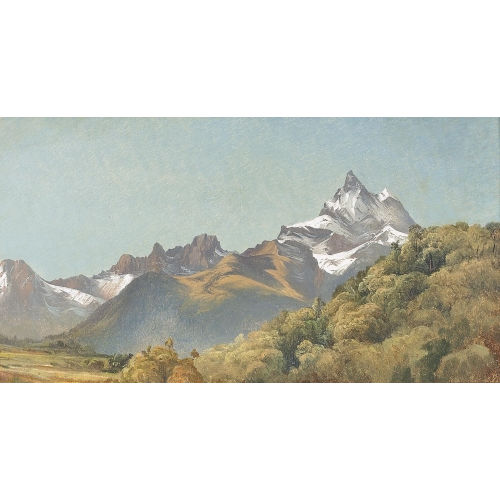
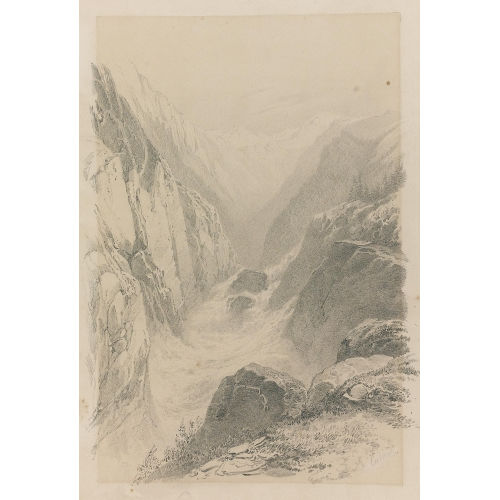
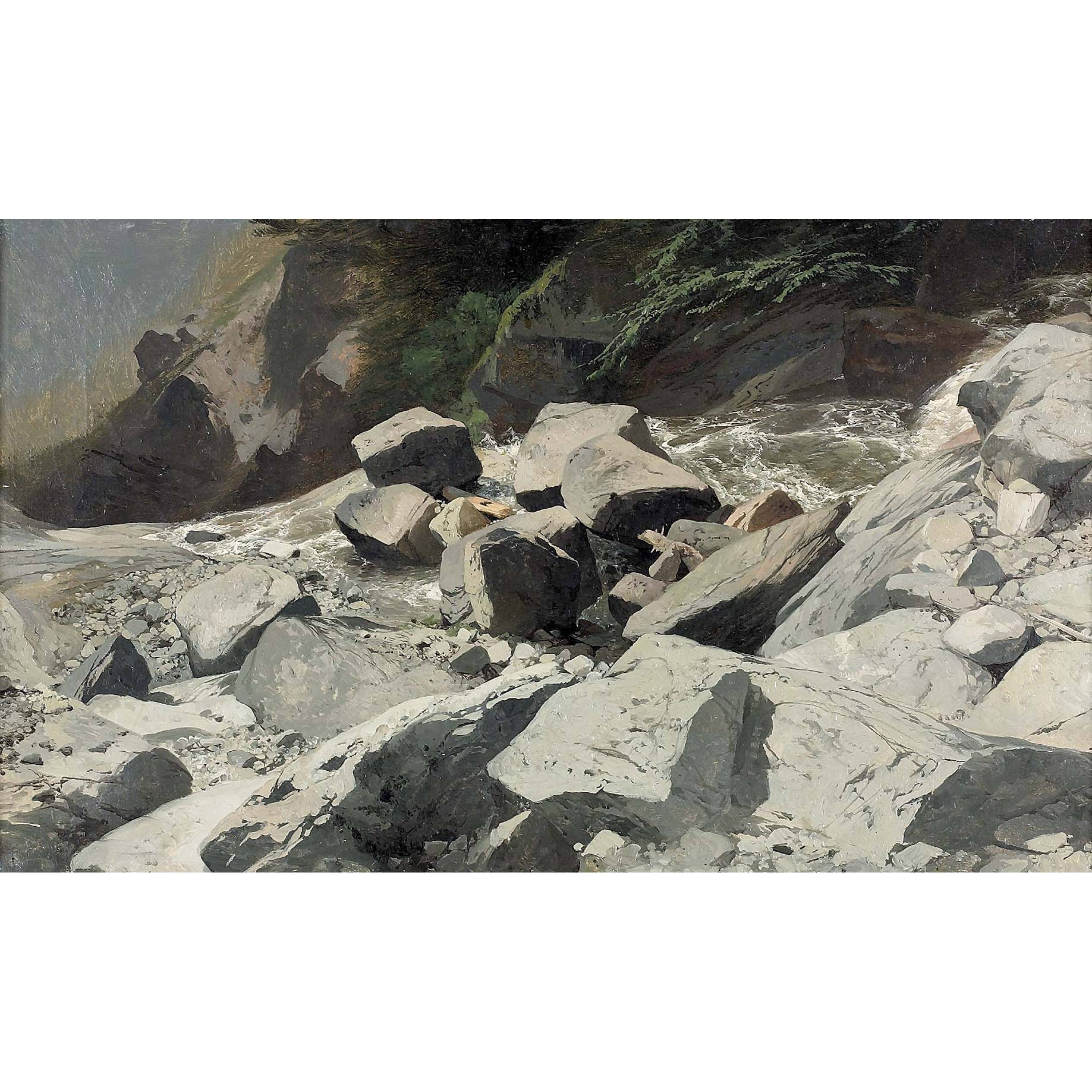
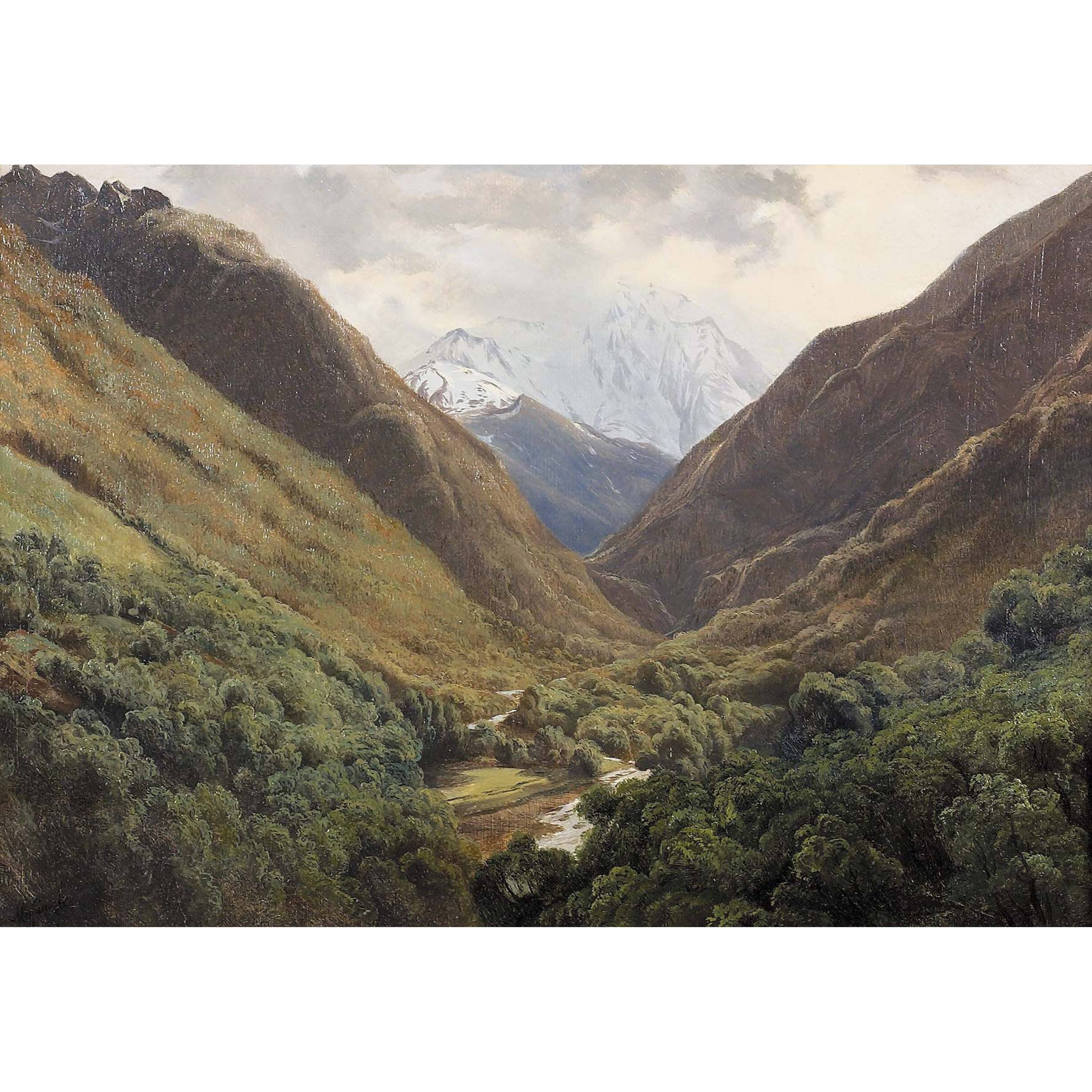
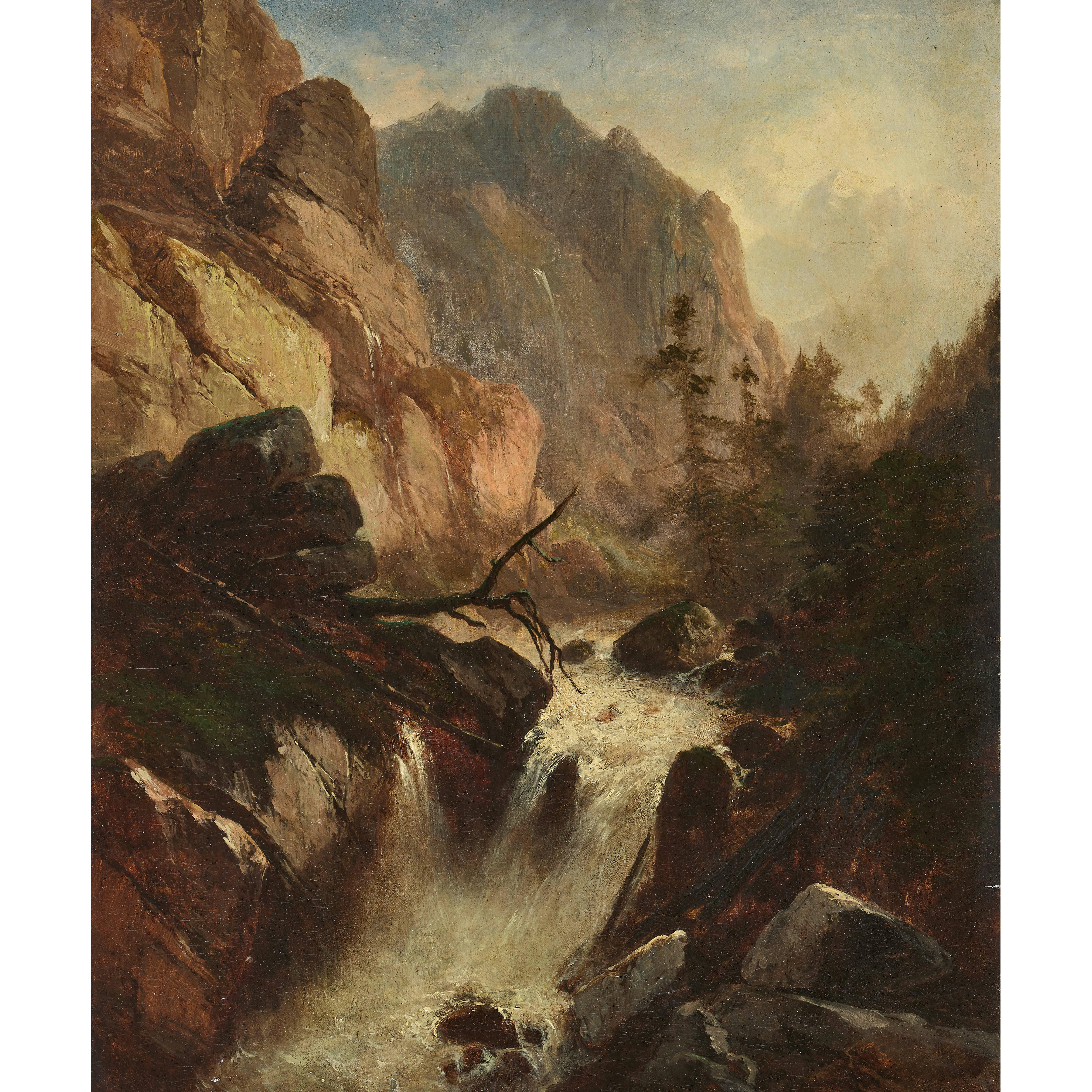
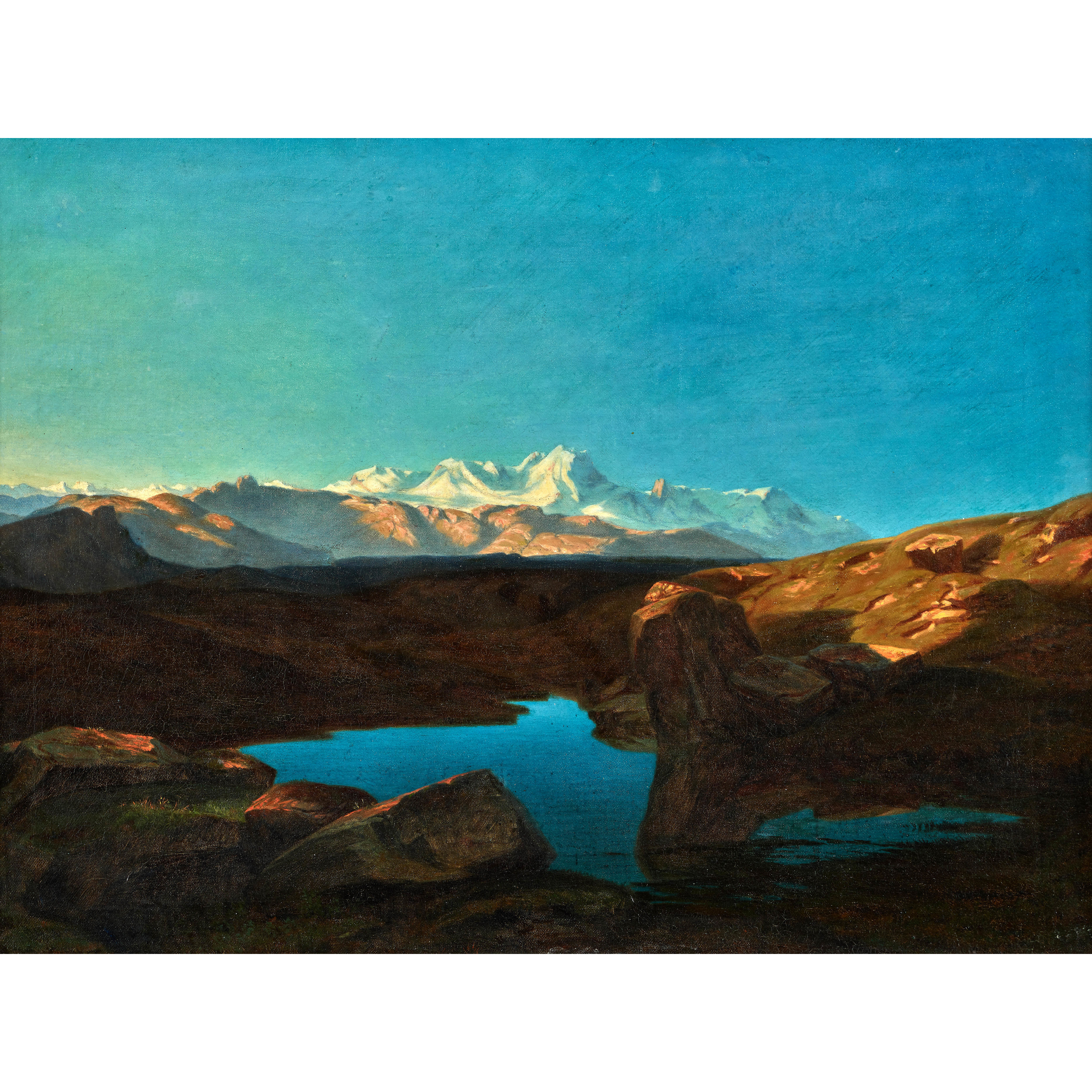
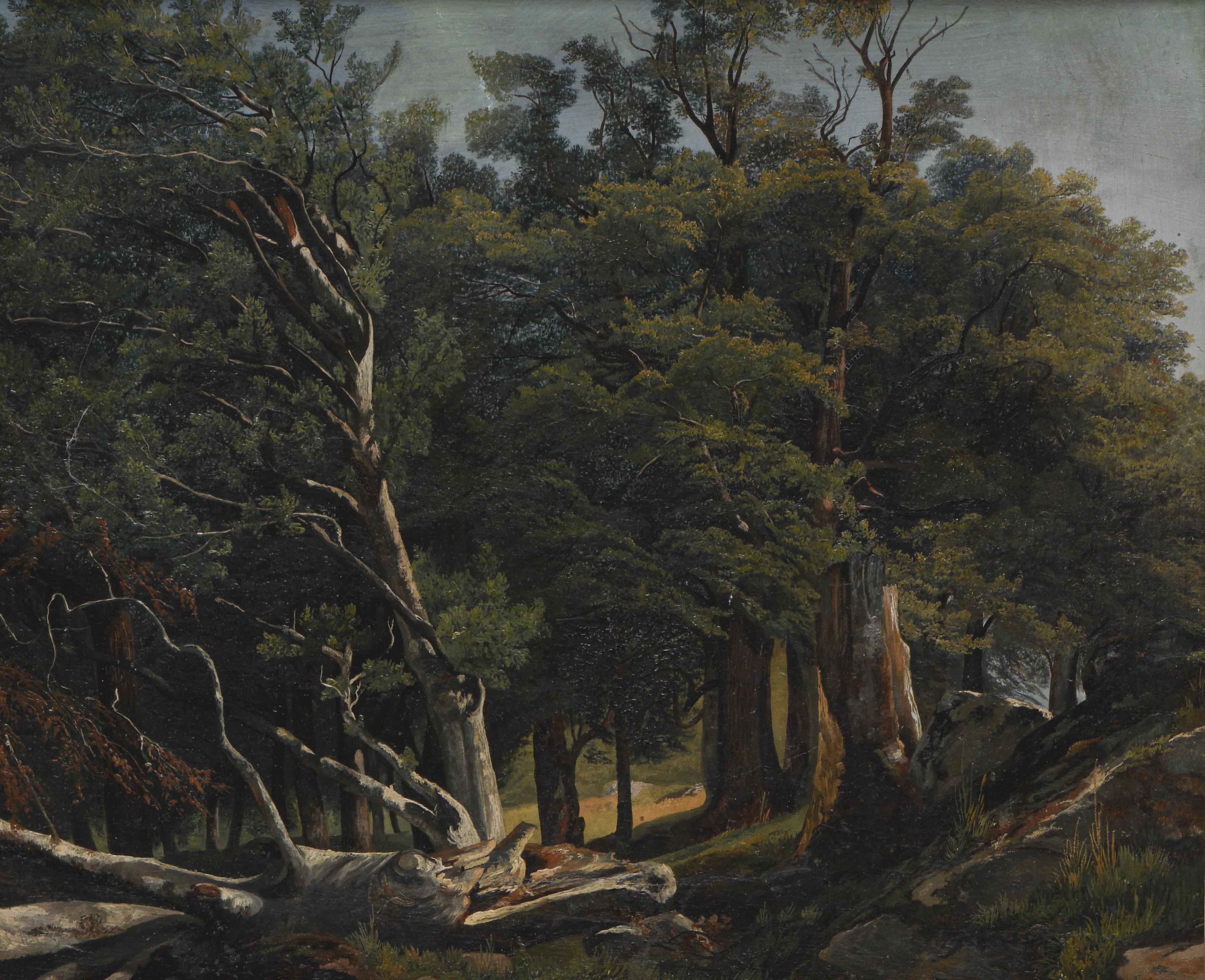
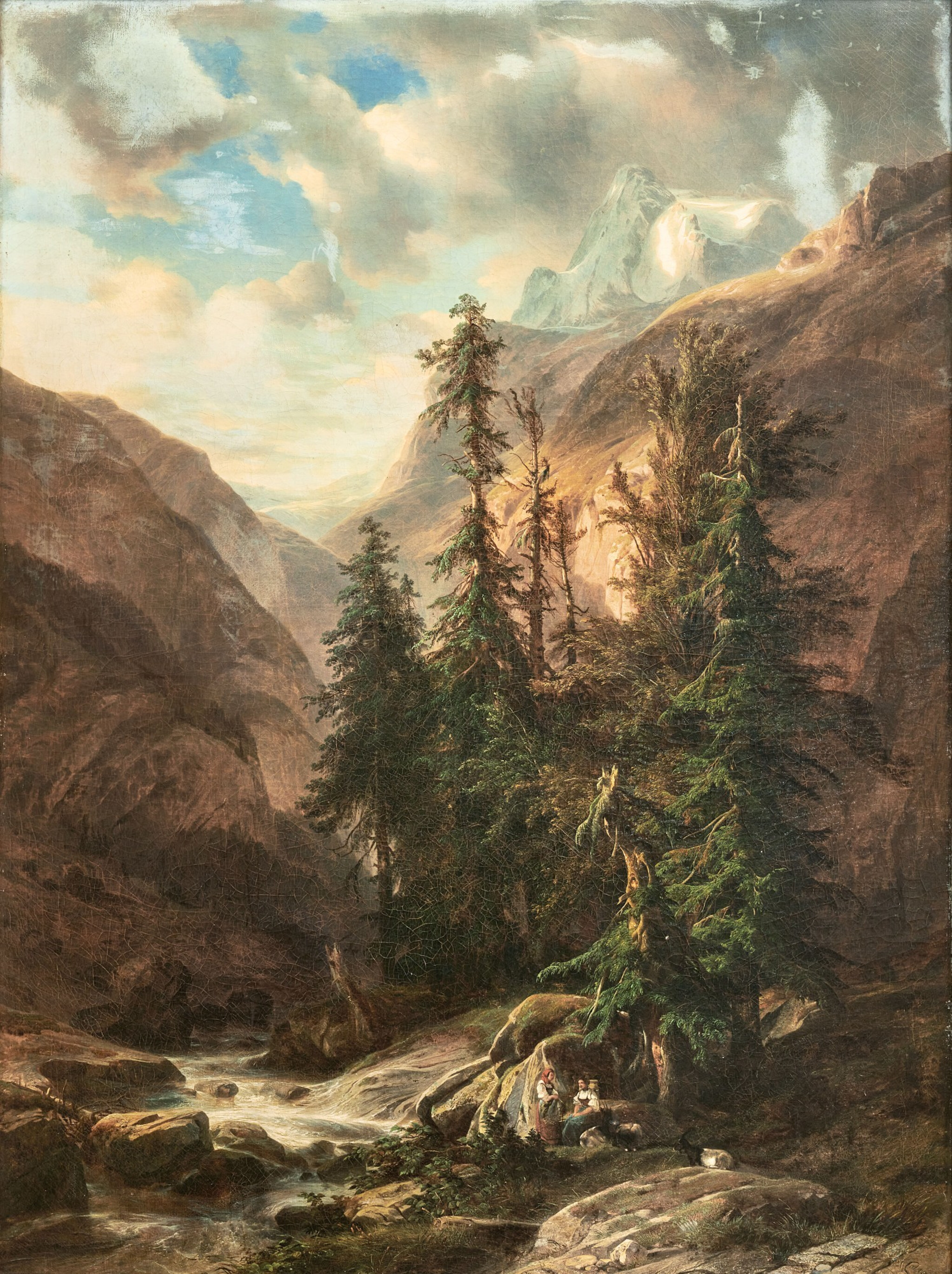
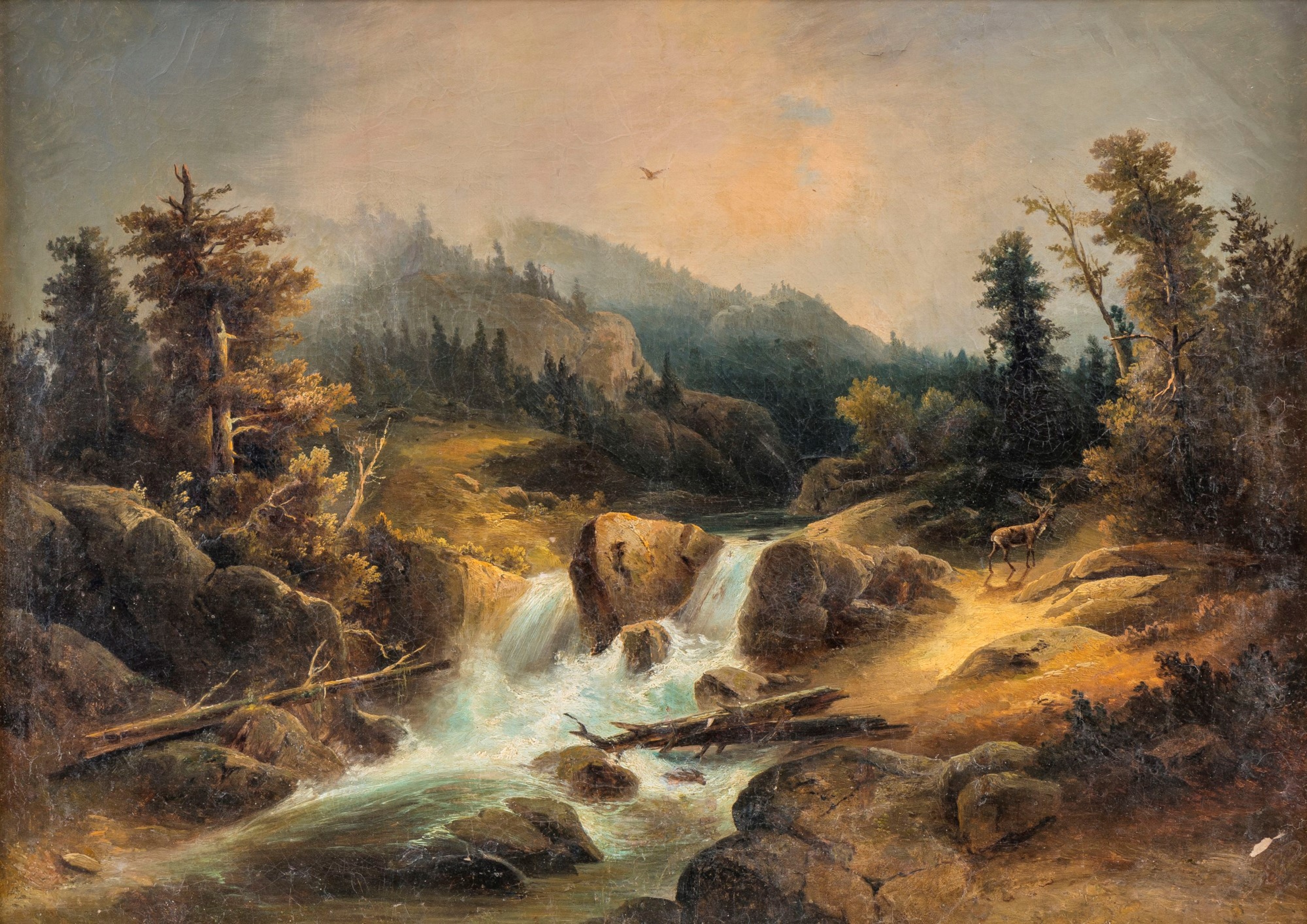
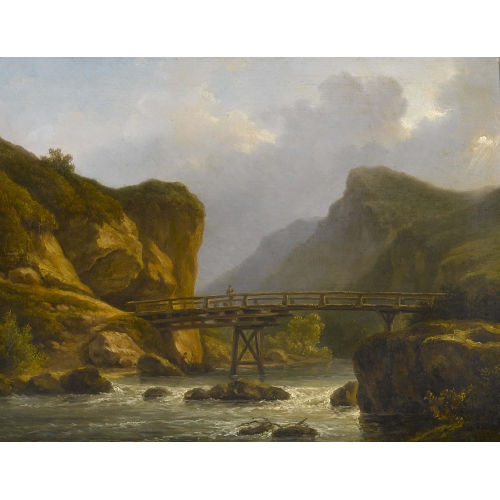
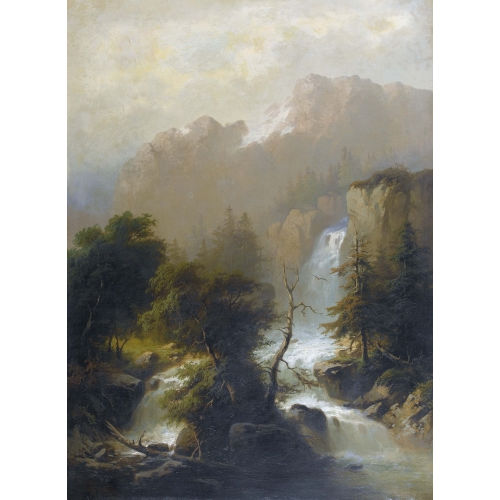
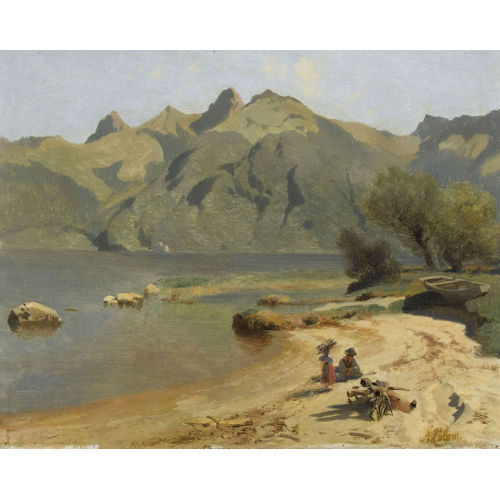
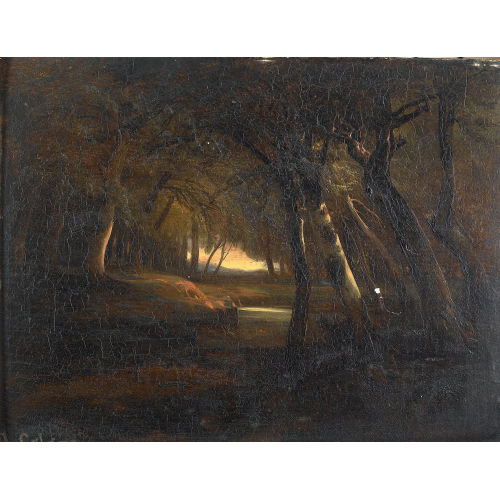
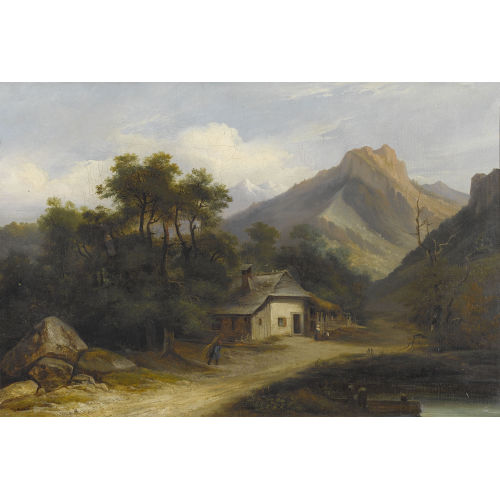
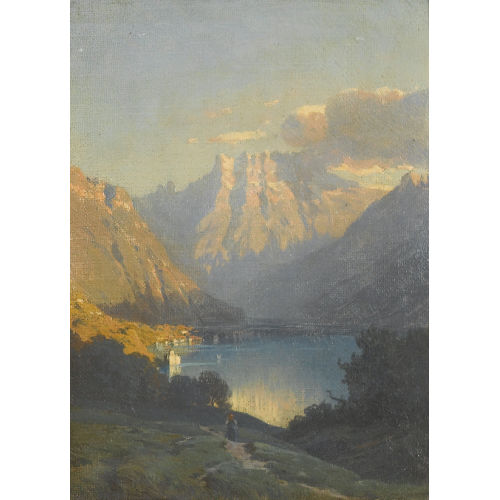
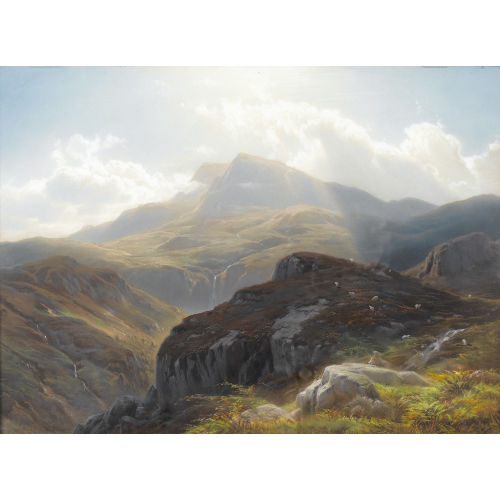
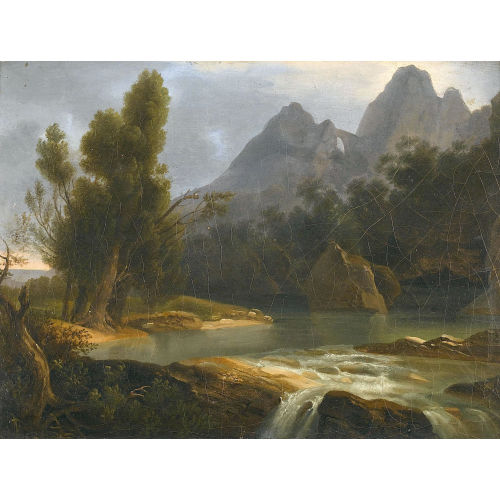
A torrent, a fallen tree, a clearing in the distance: in the work of Alexandre Calame, the mountain becomes a sensory experience. His art combines close observation of sites with a composition capable of conveying the power or serenity of nature.
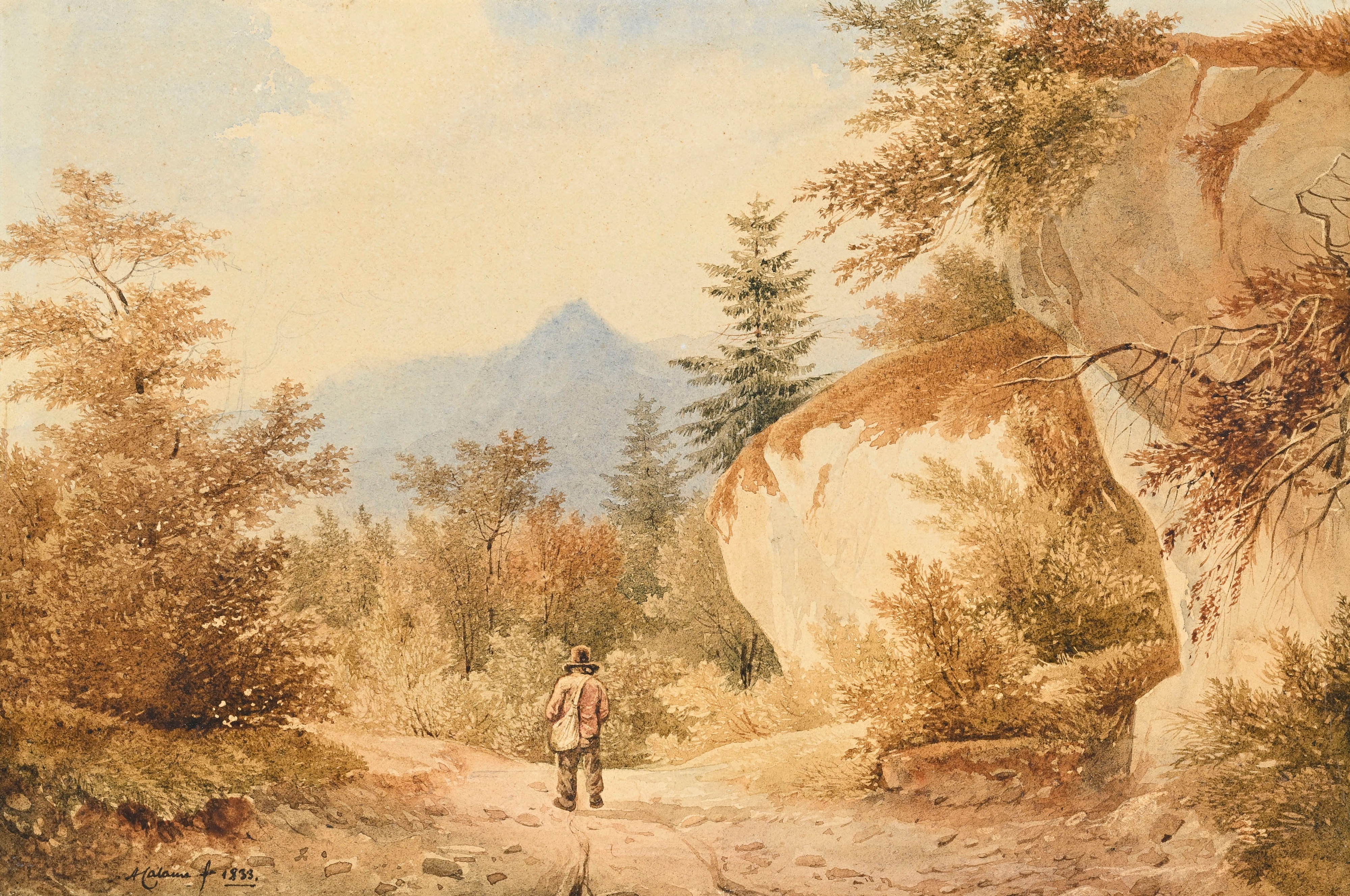
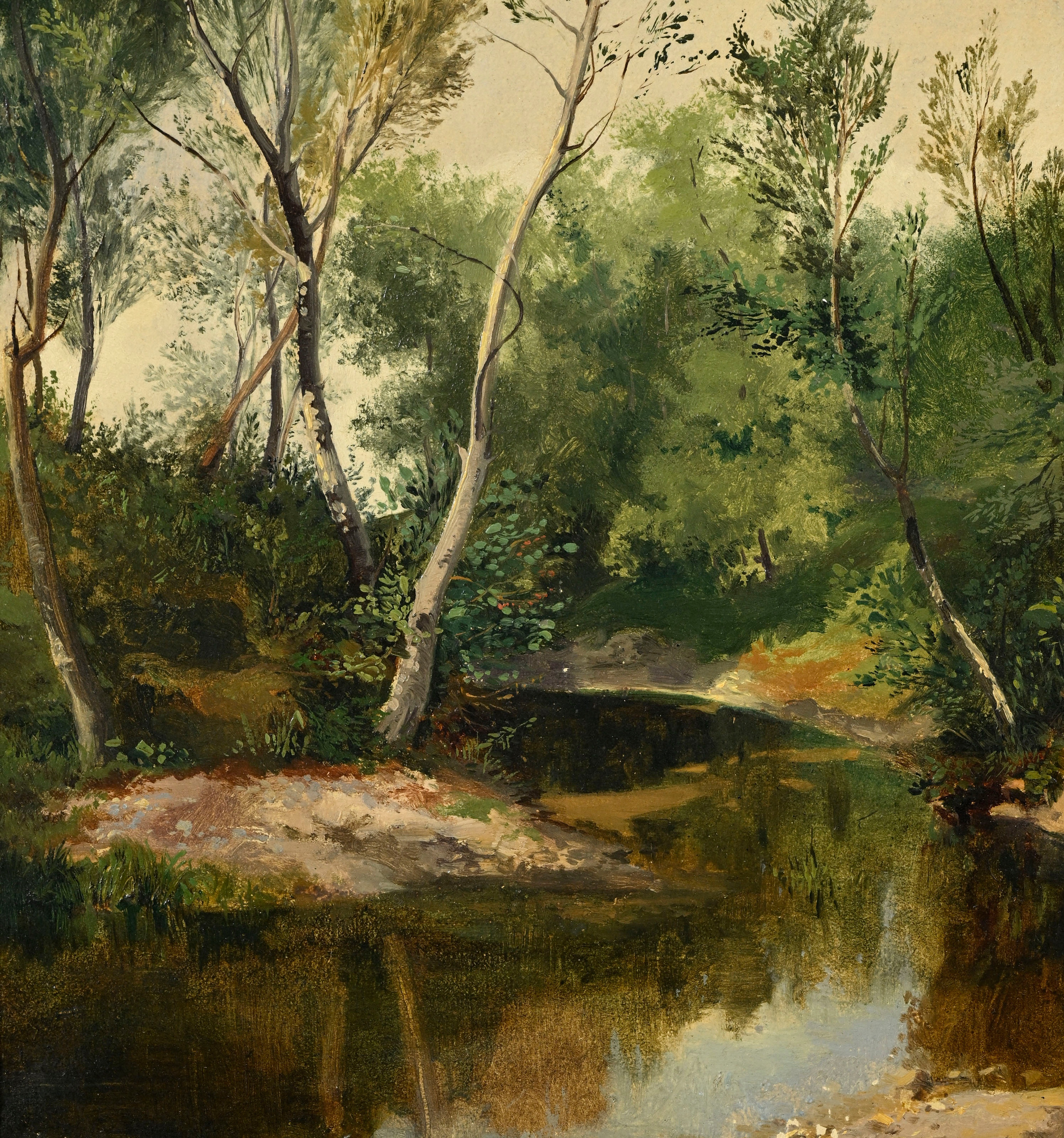
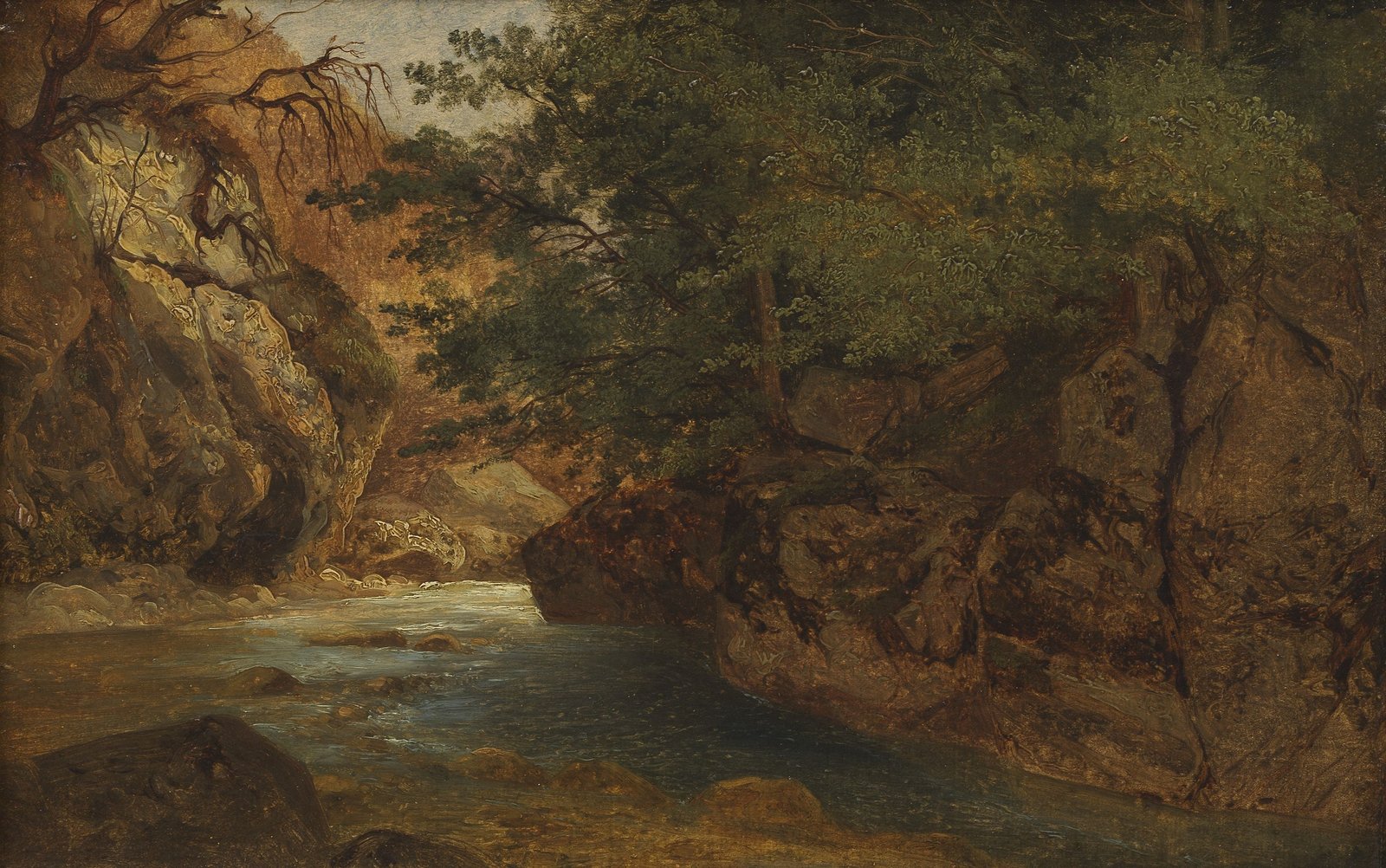
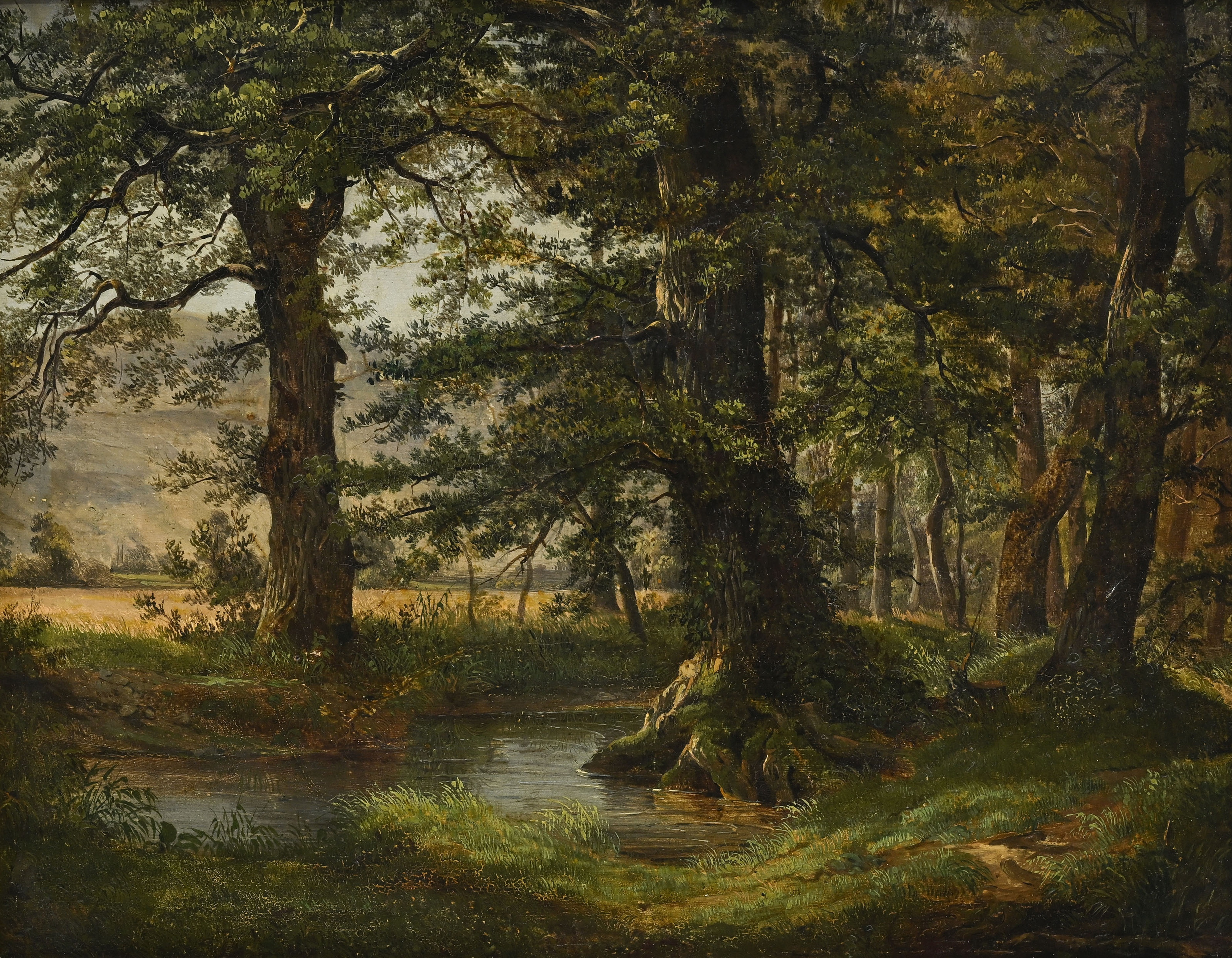
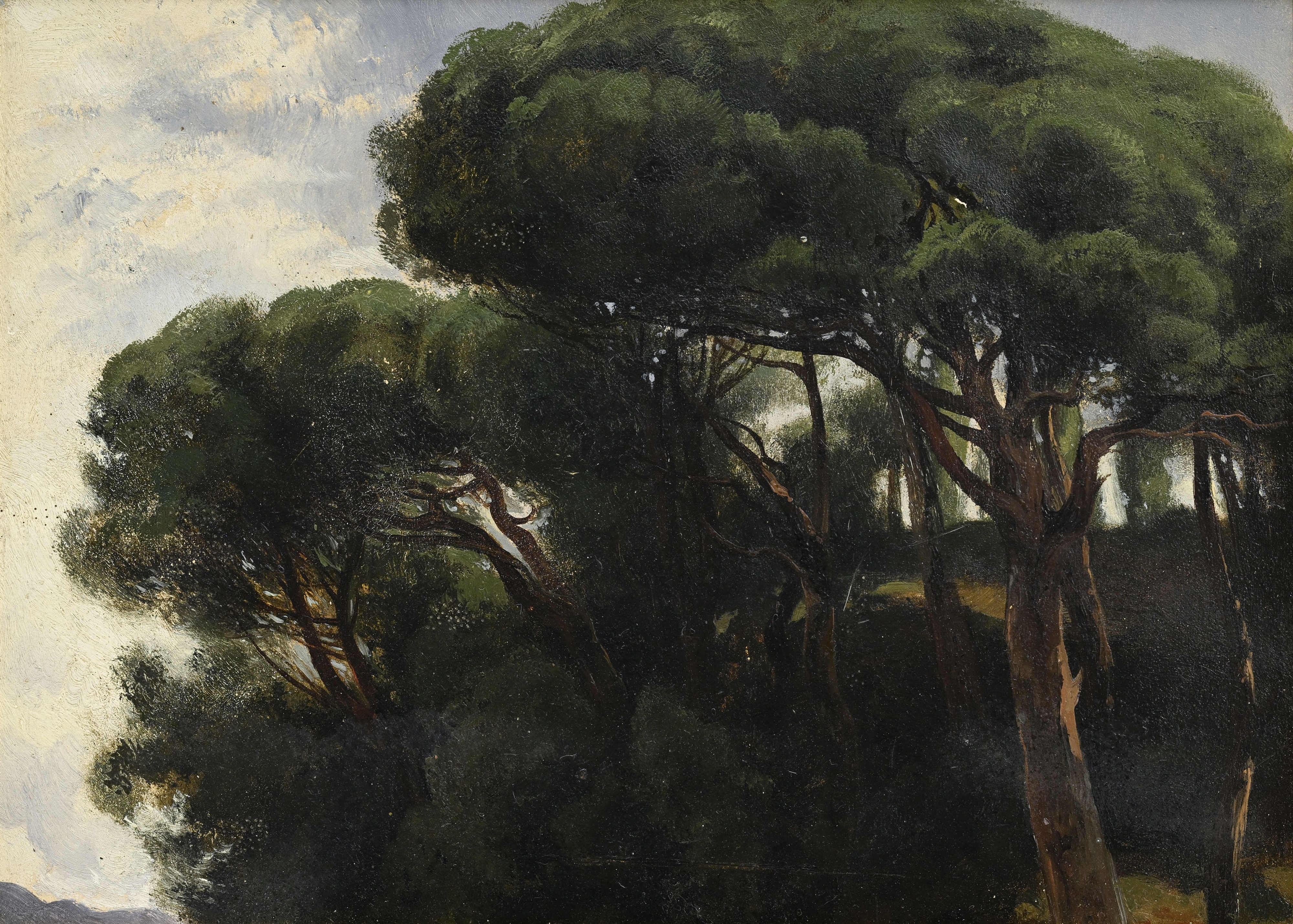
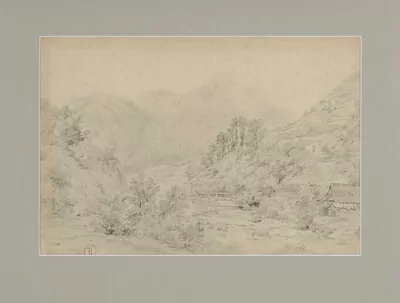
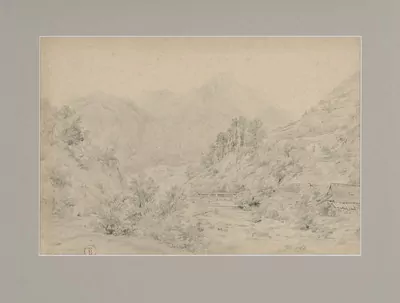
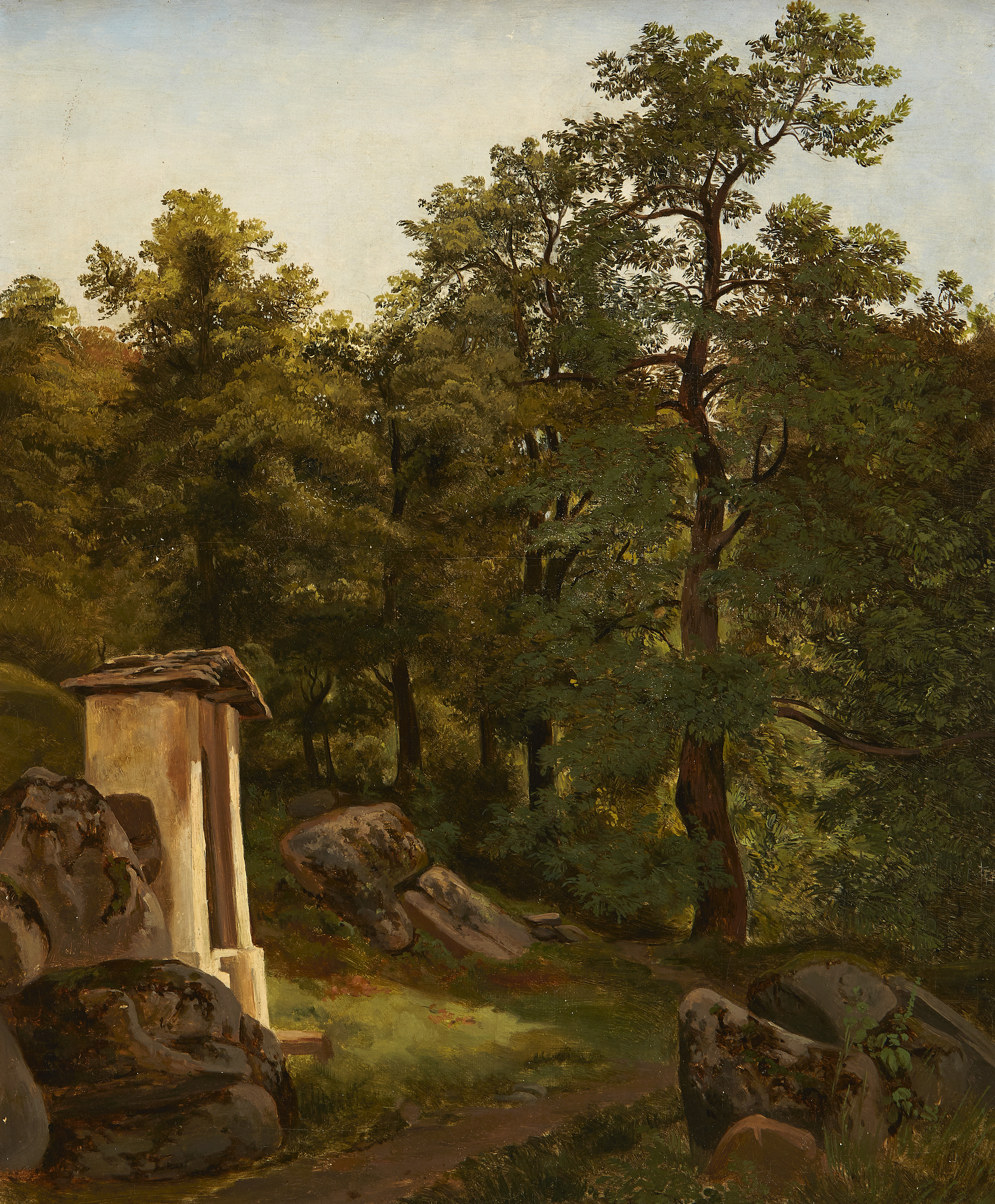
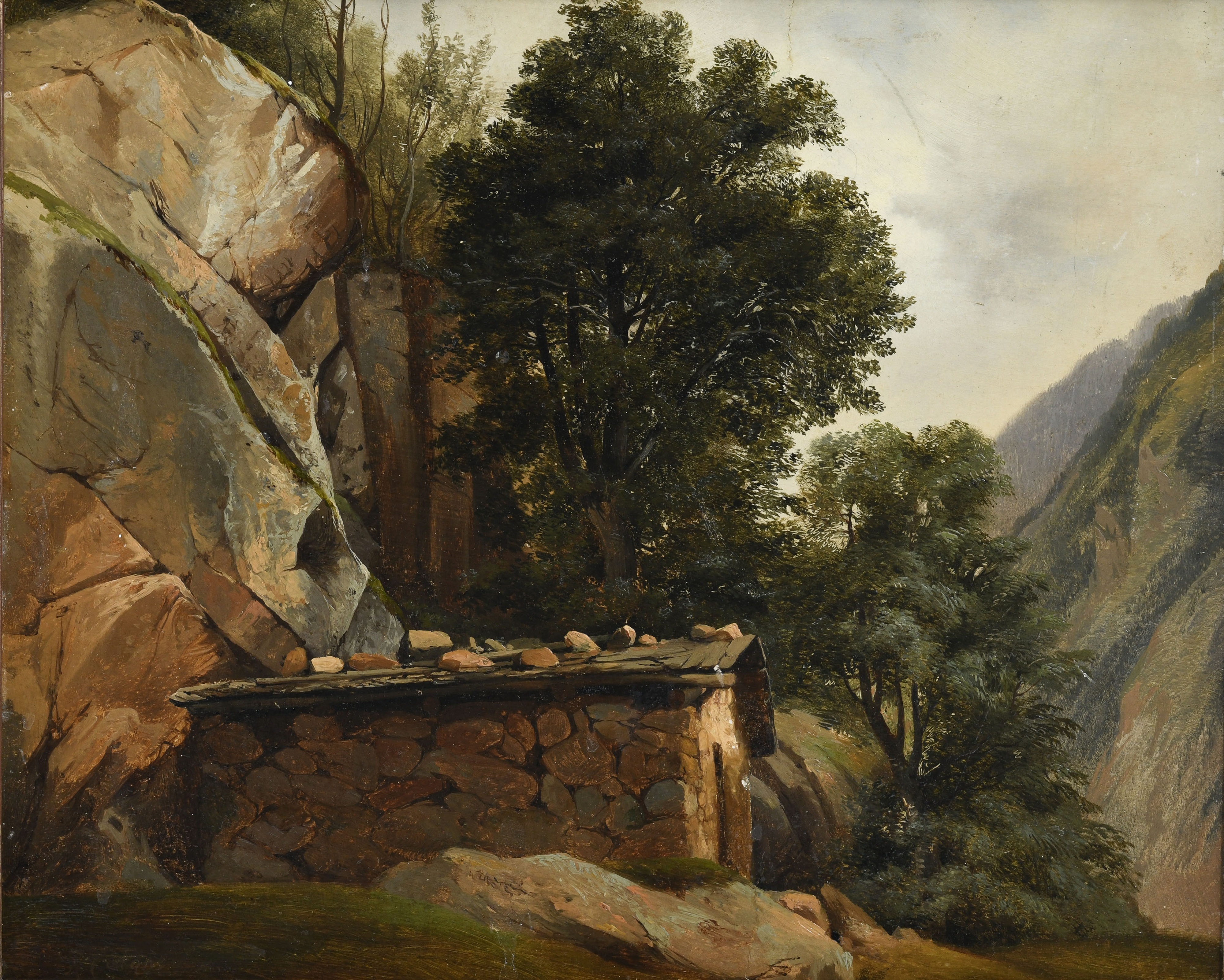
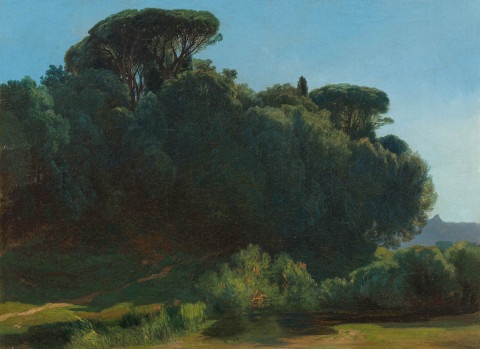
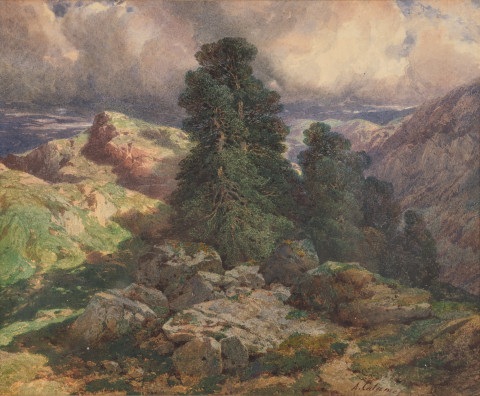
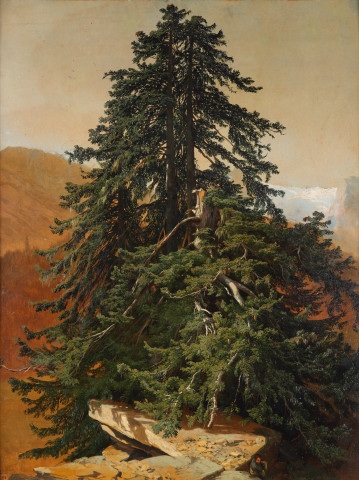
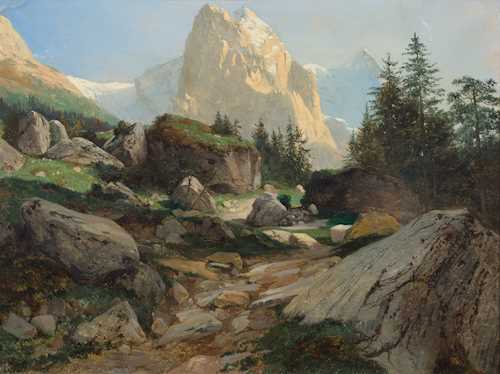
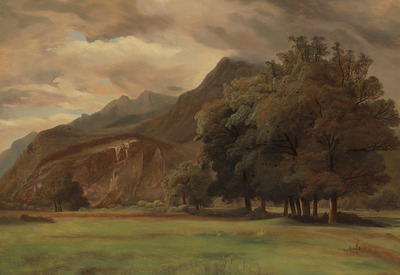
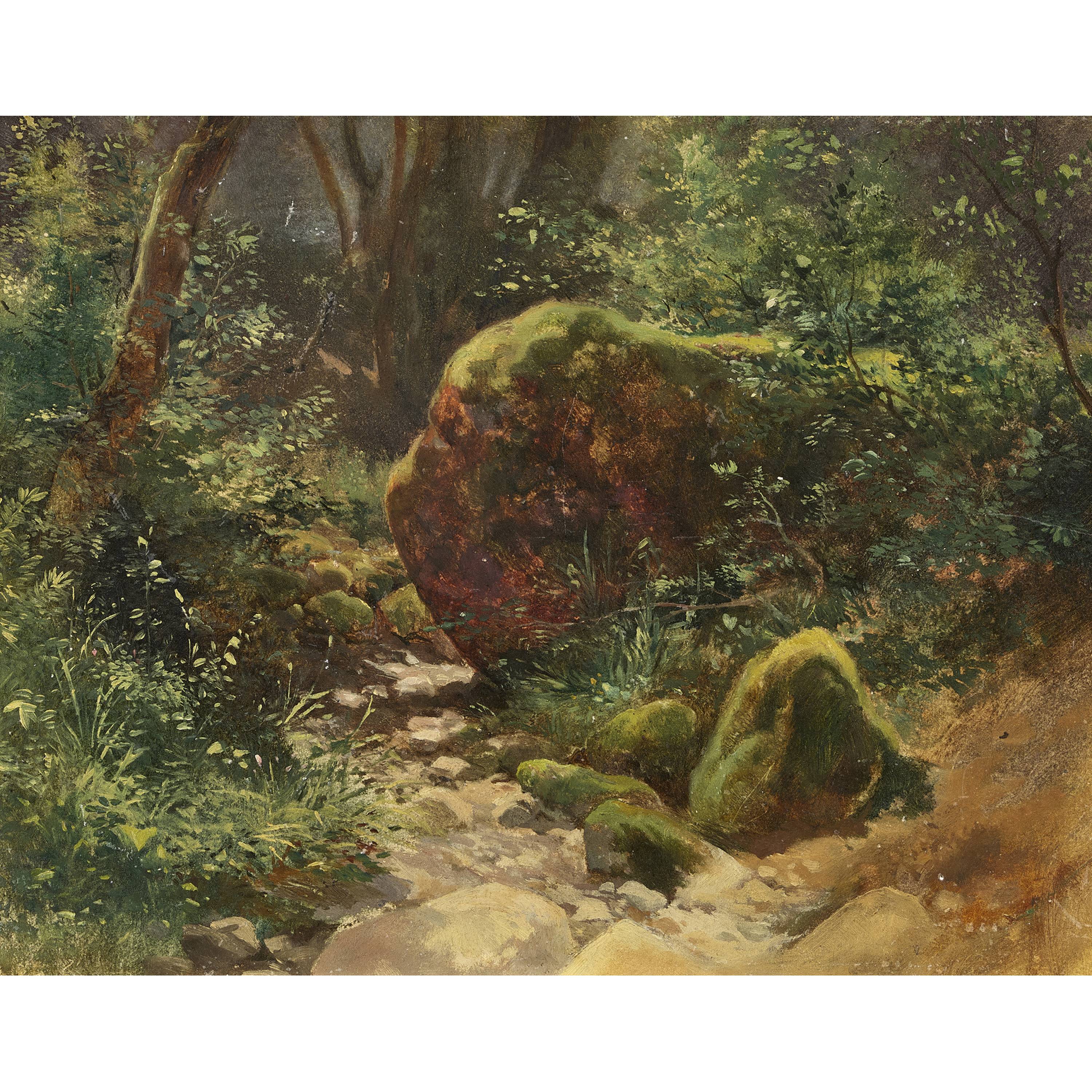
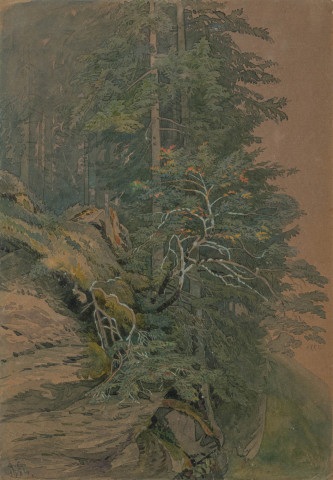
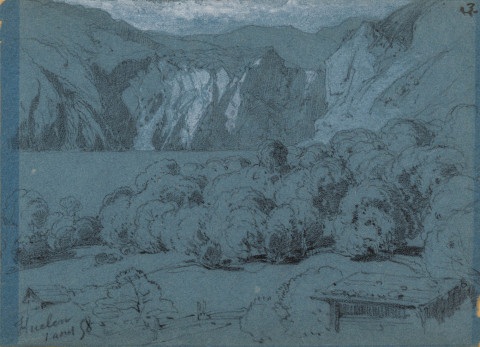
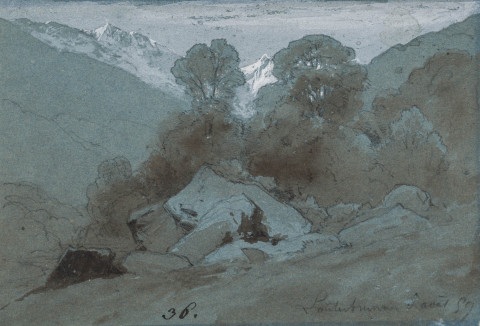
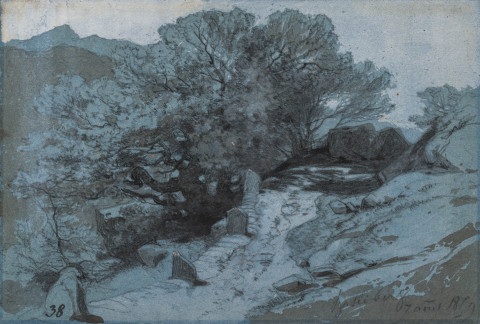
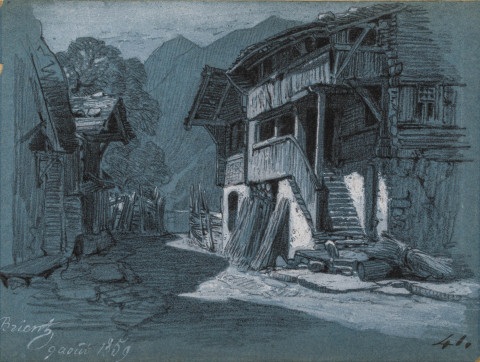
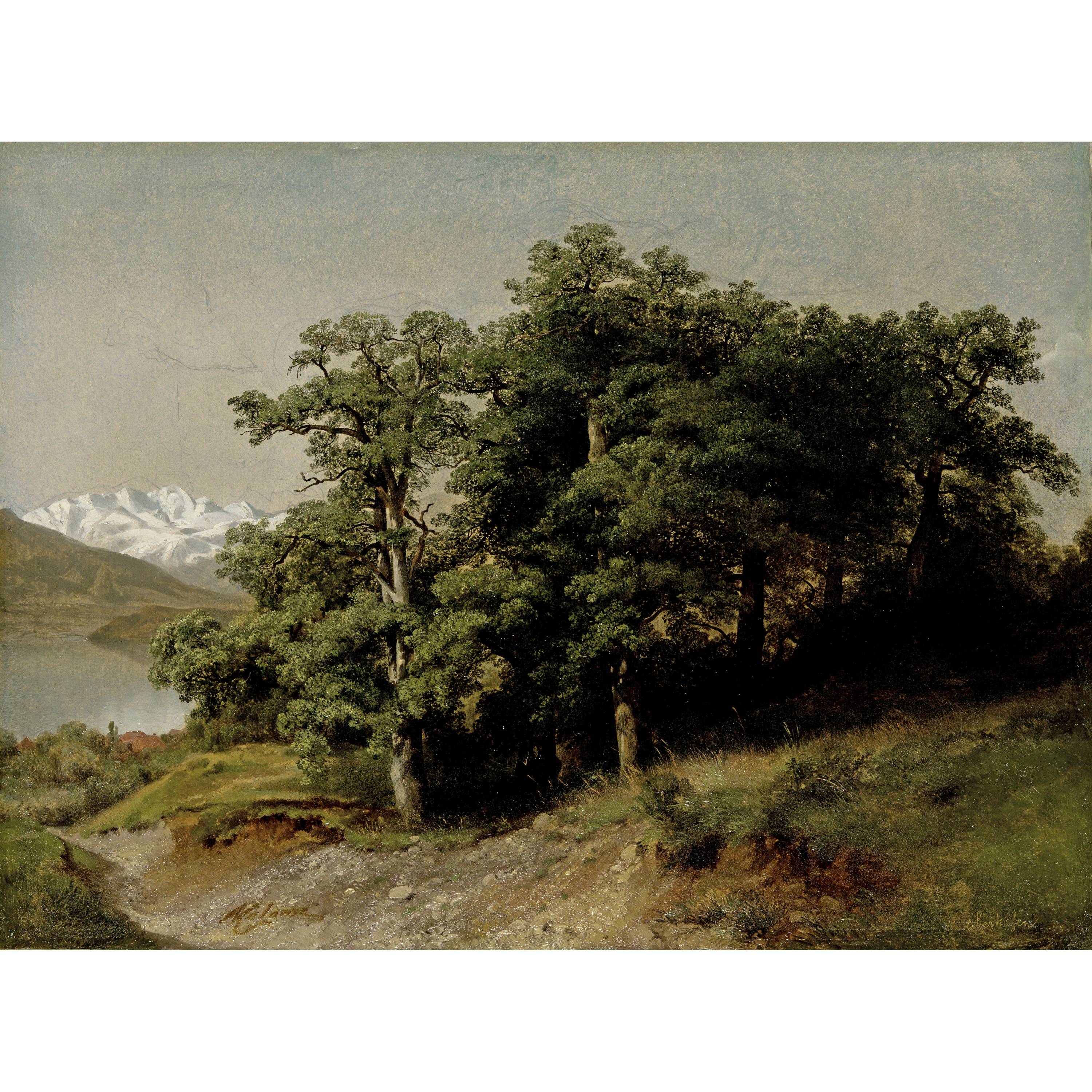
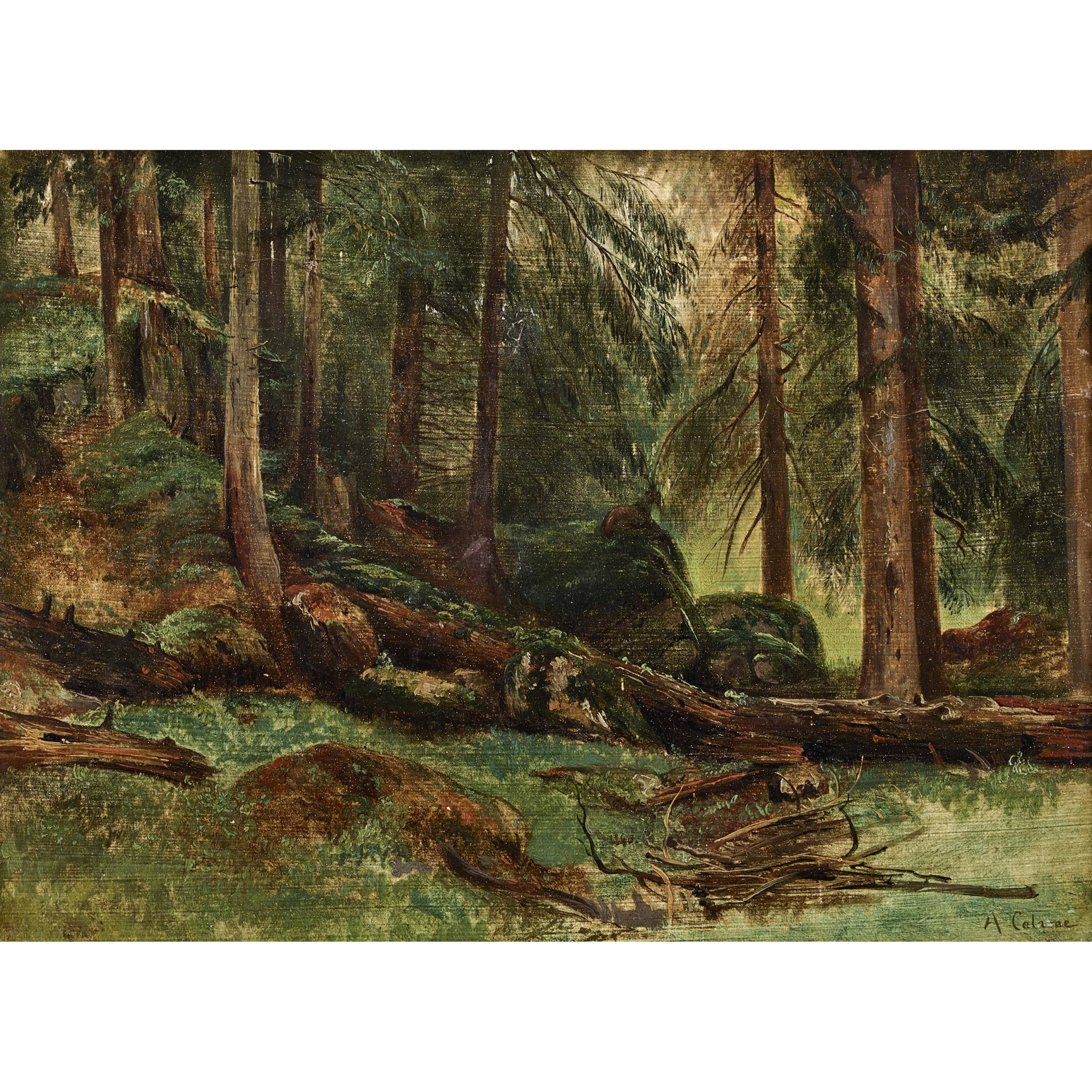
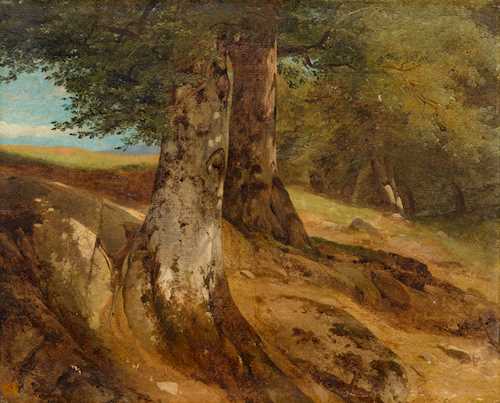
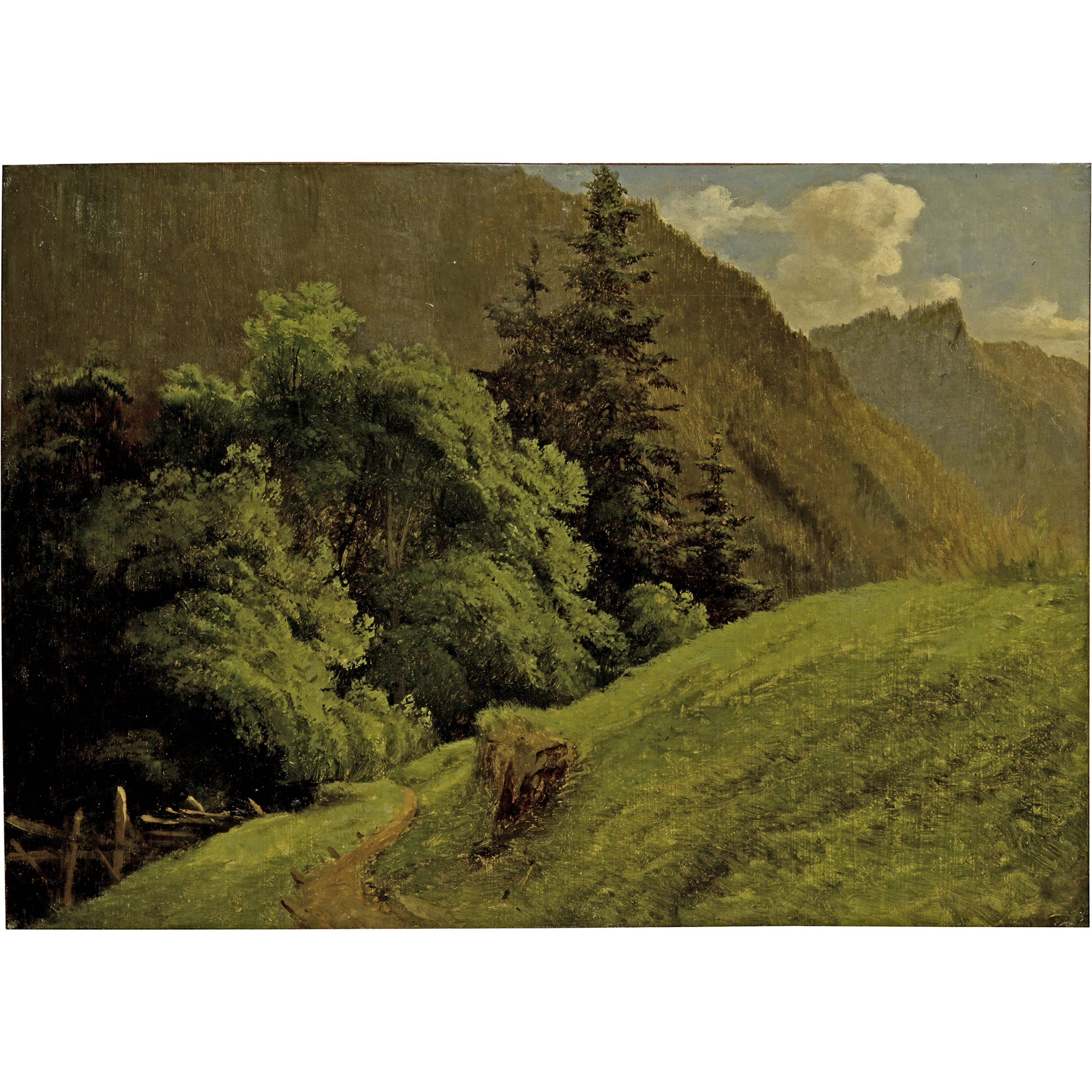
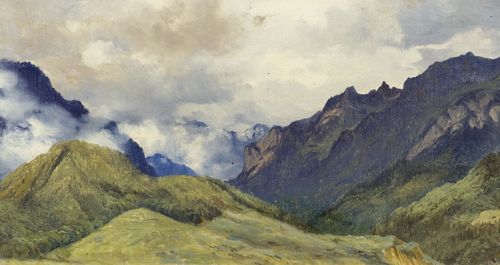
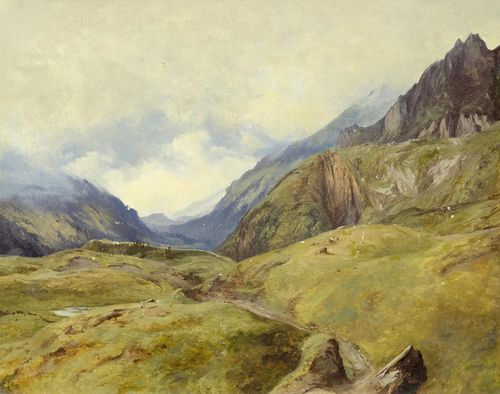
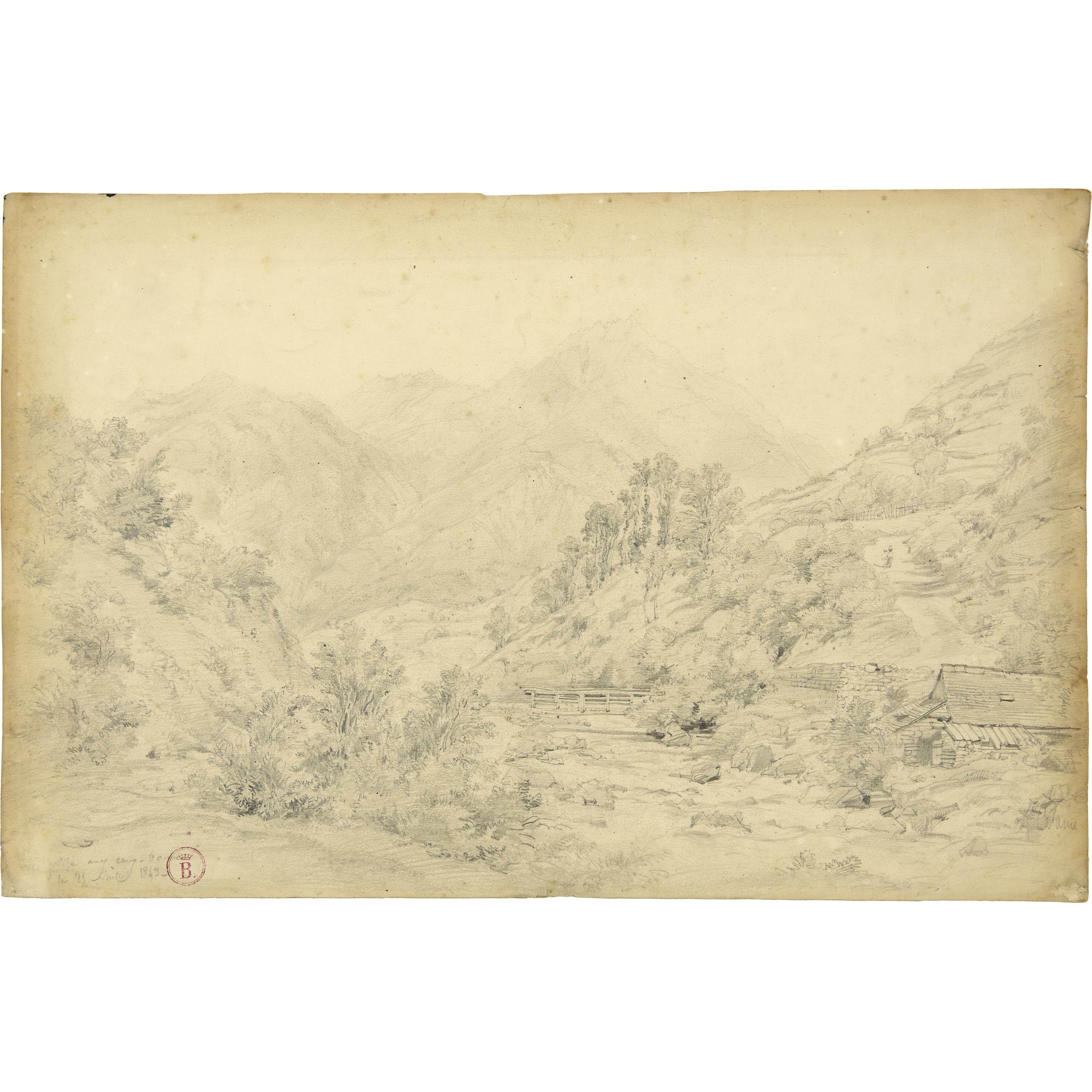
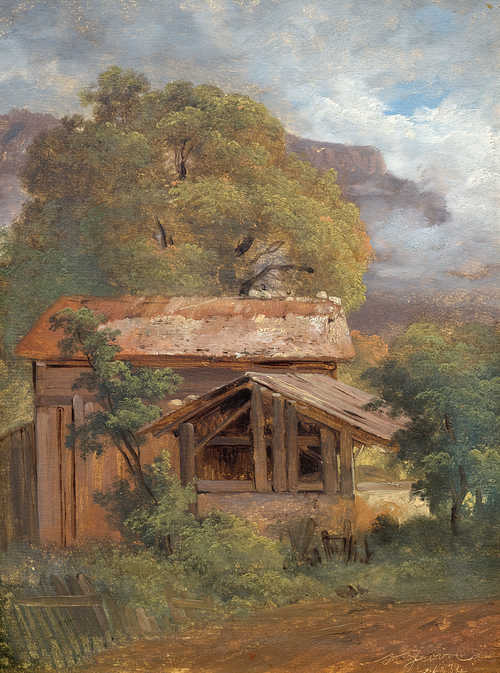
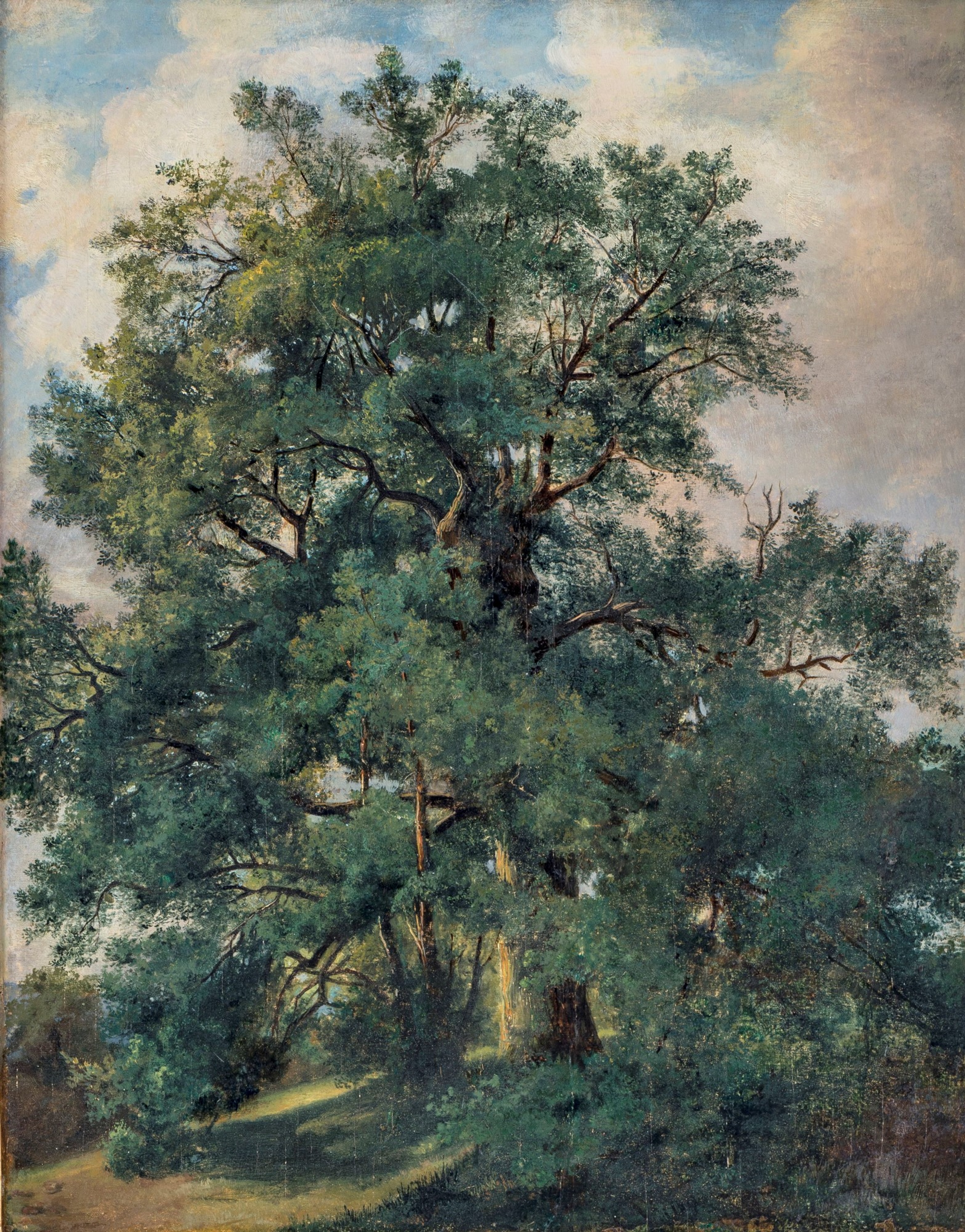
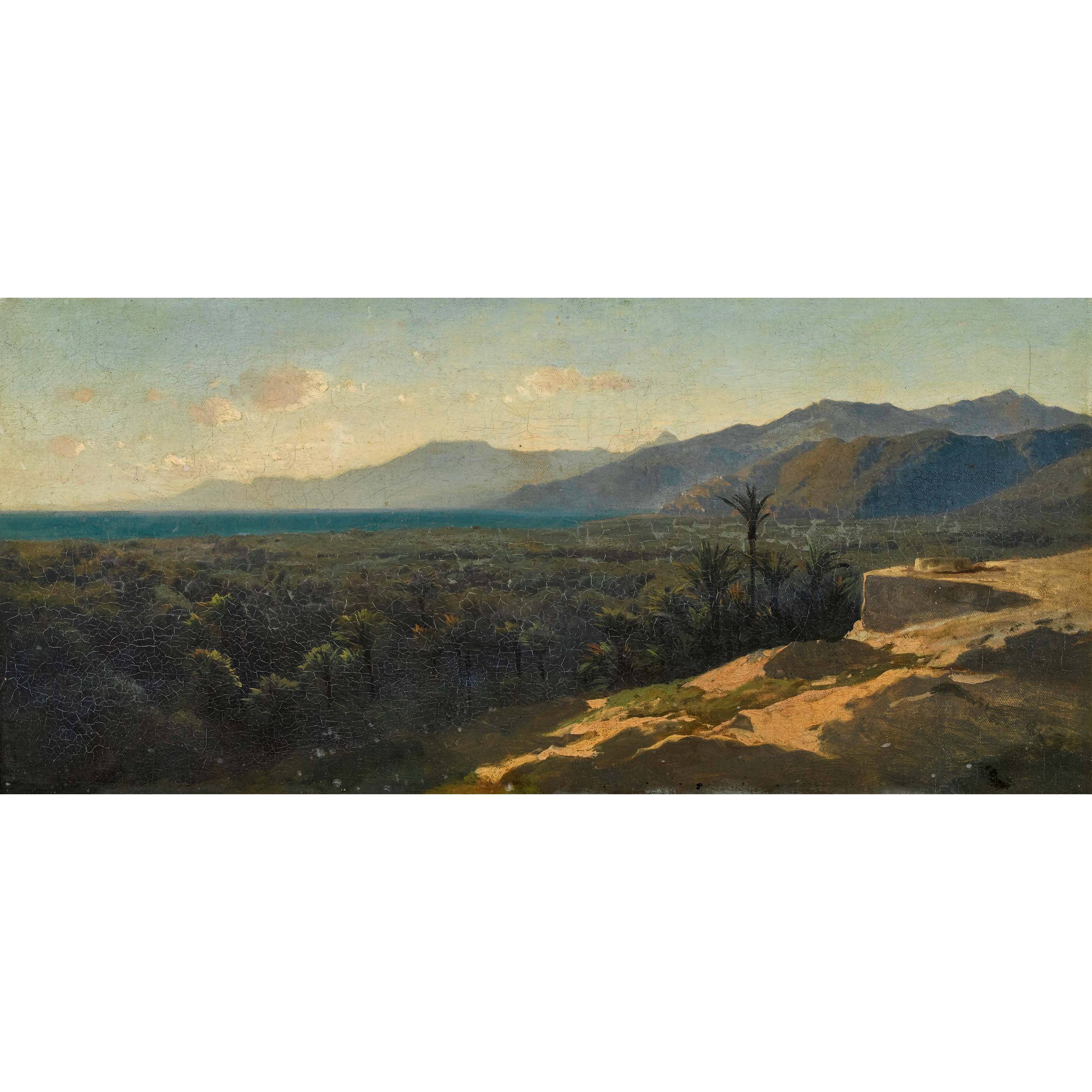
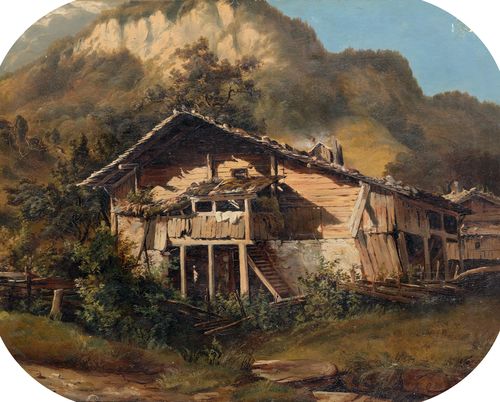
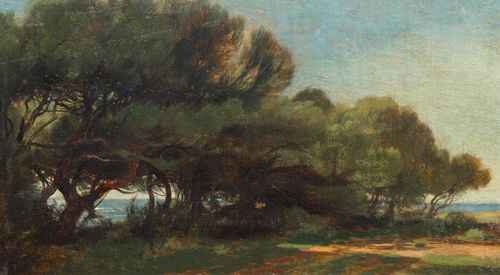
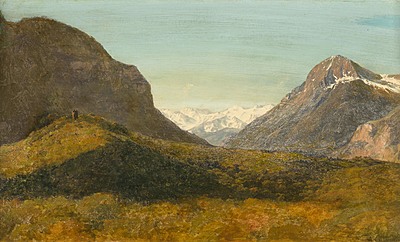
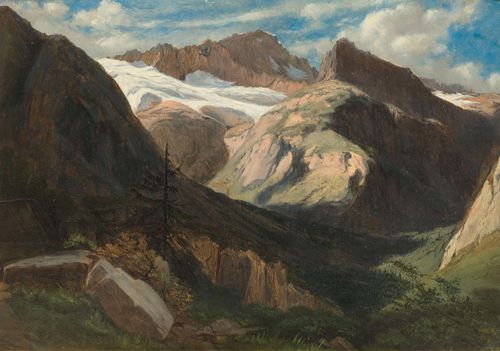
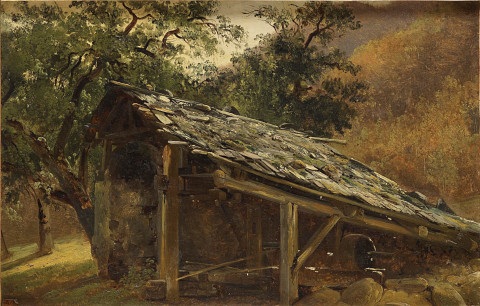
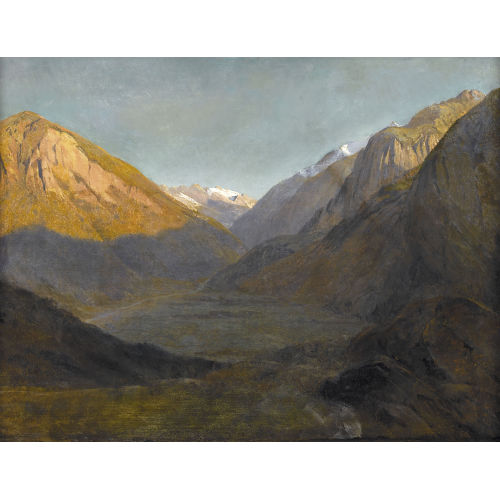
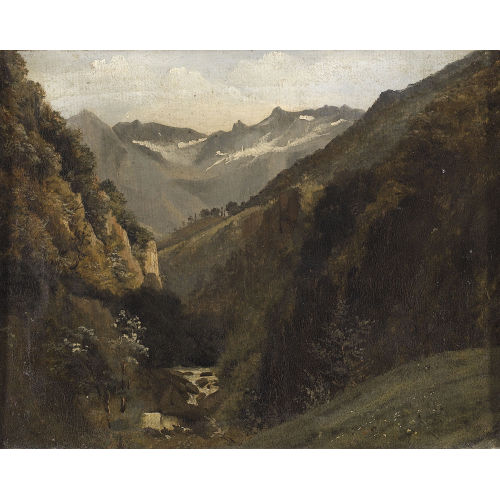
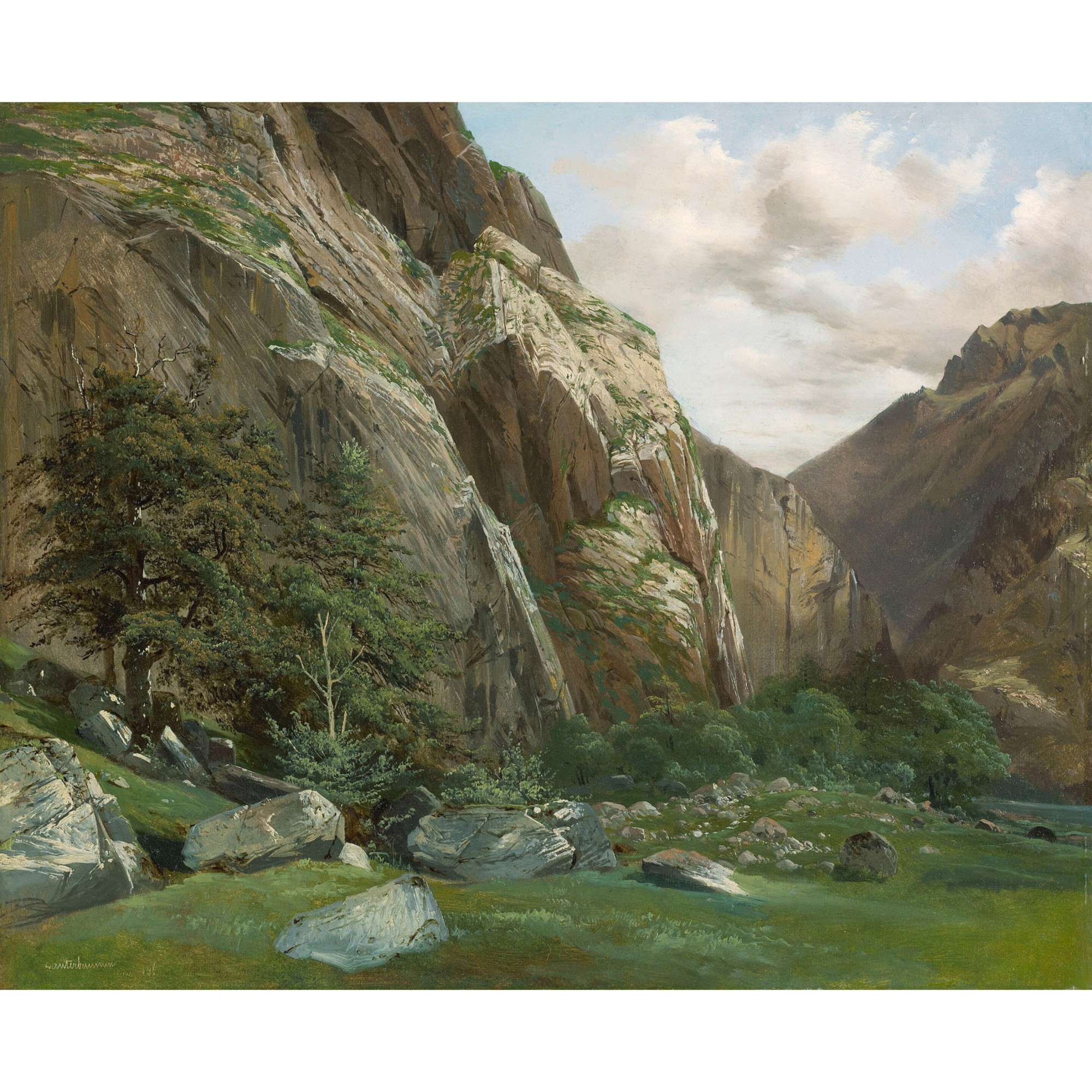
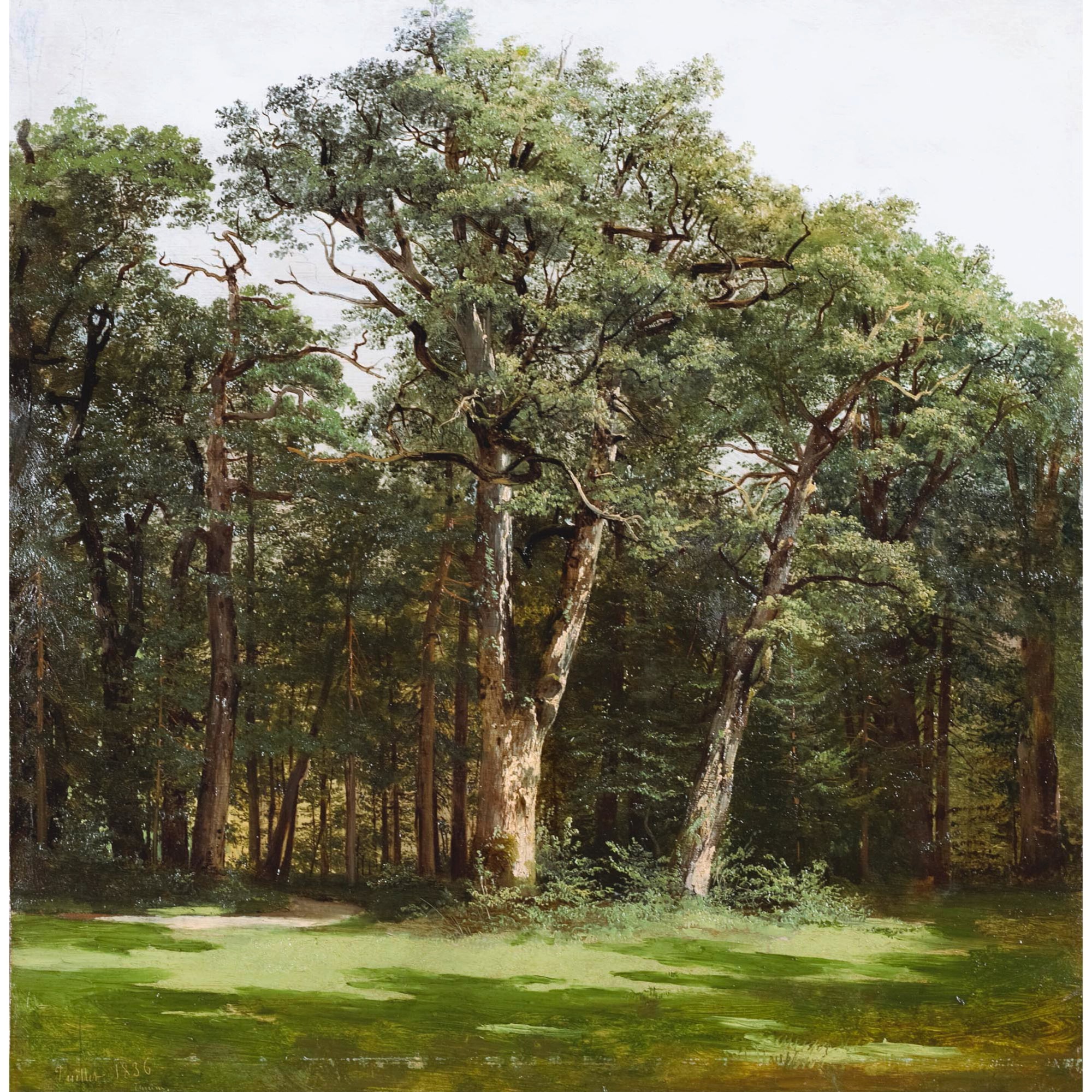
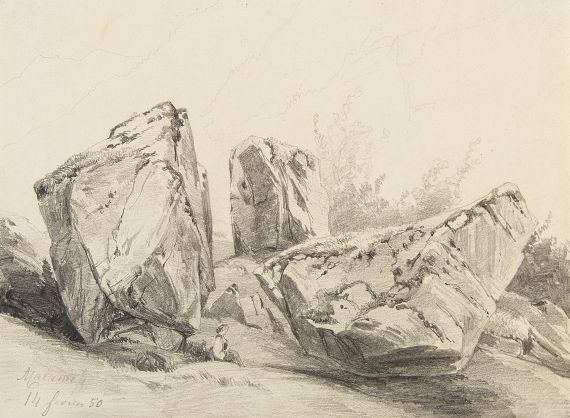
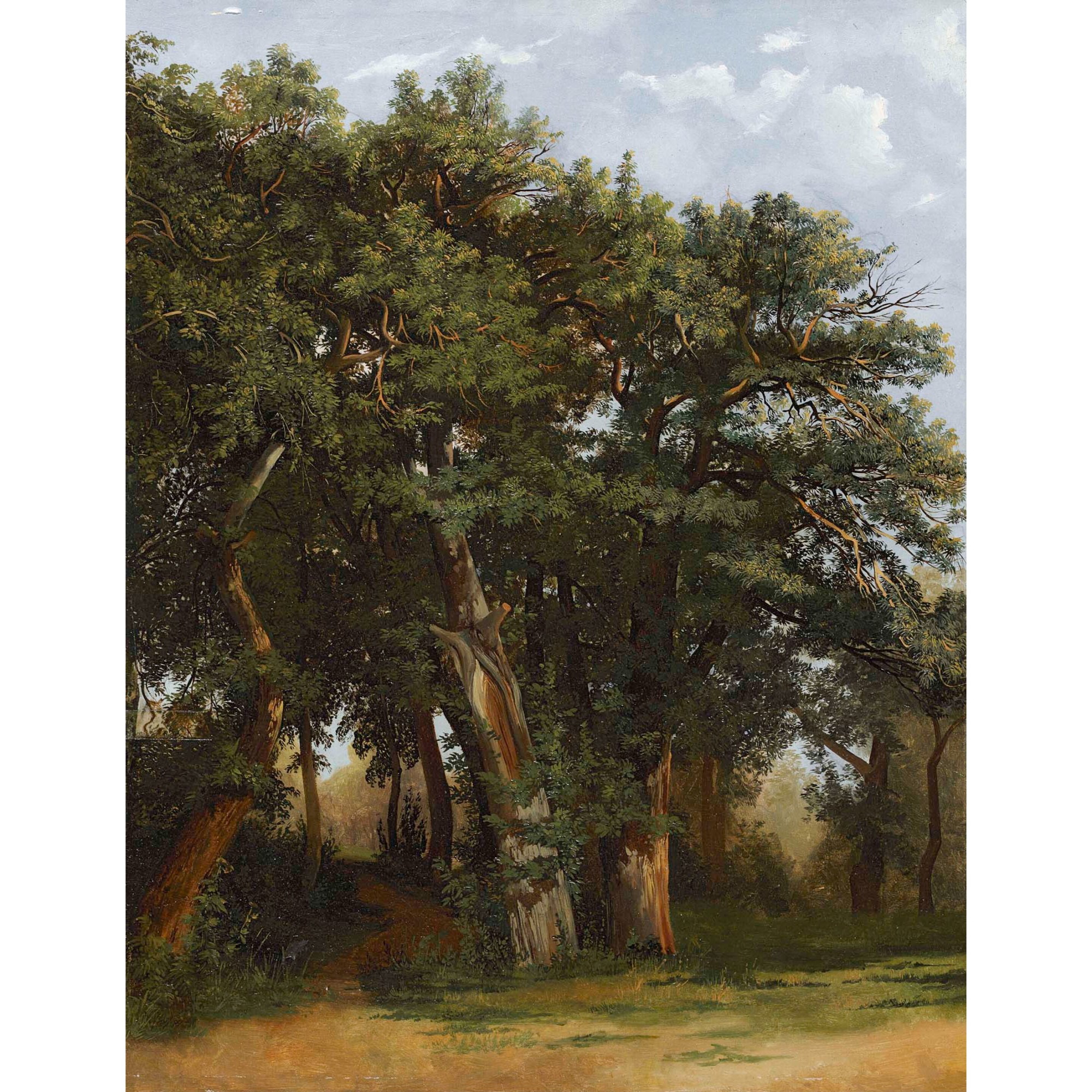
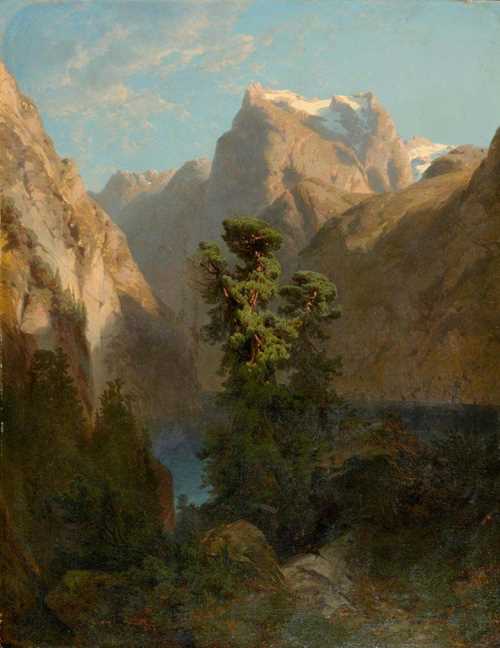
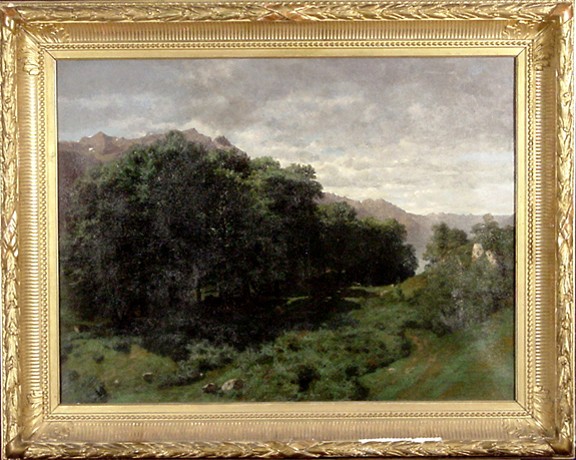
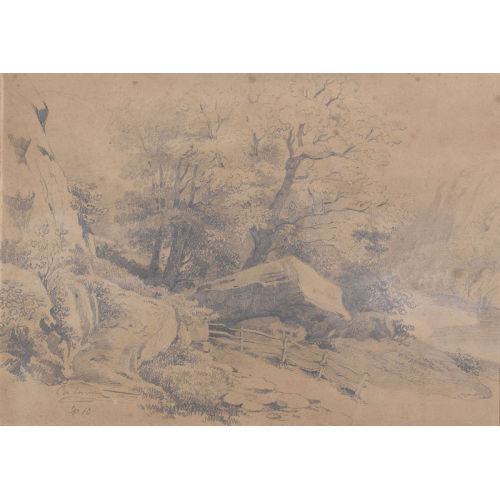
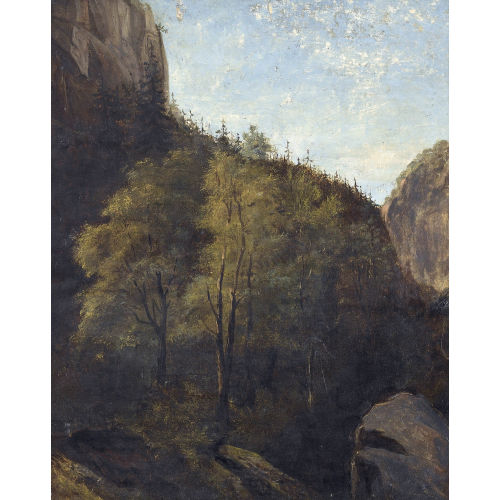
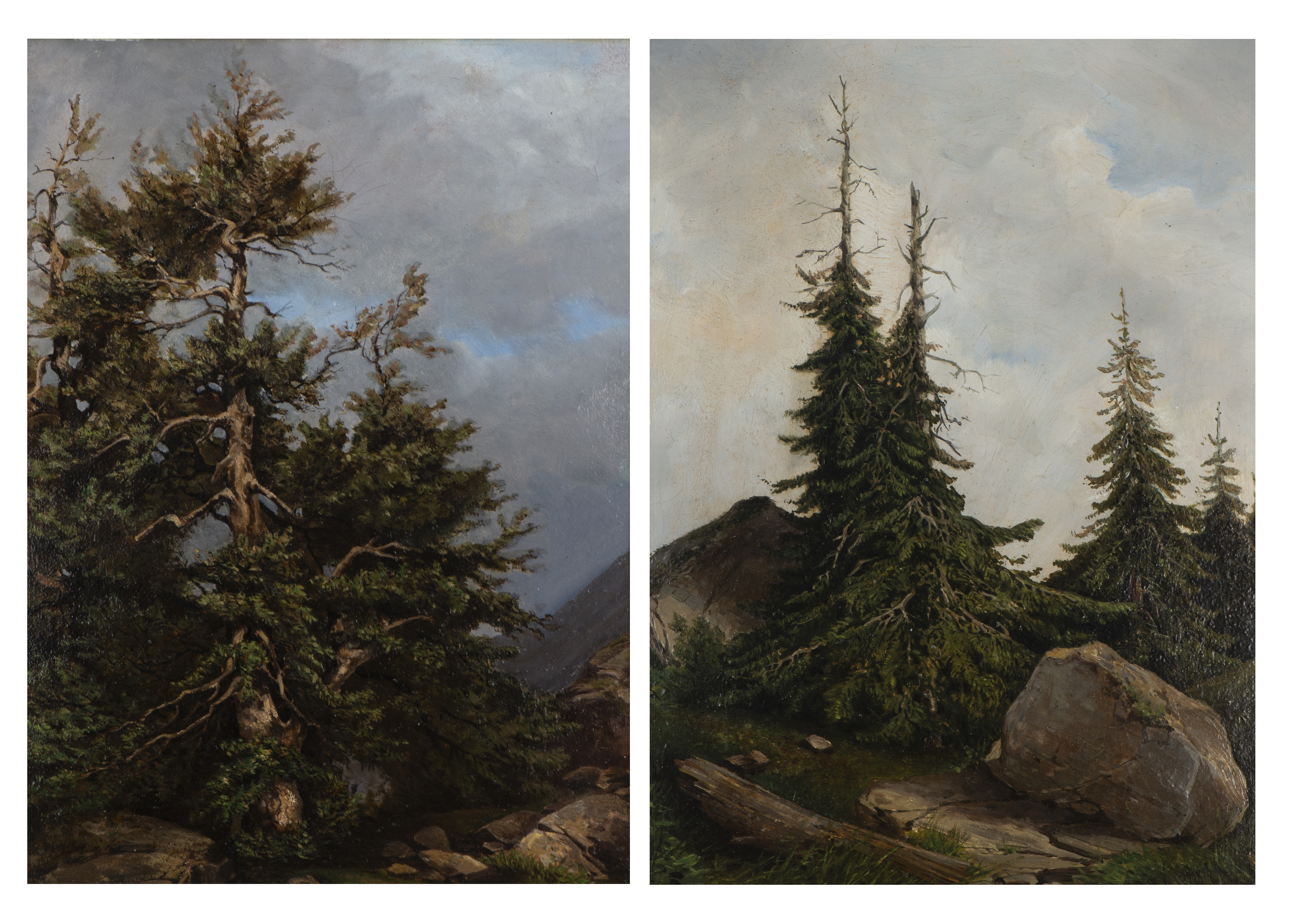
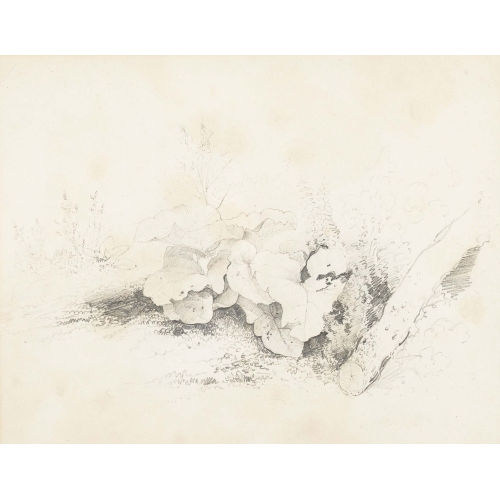
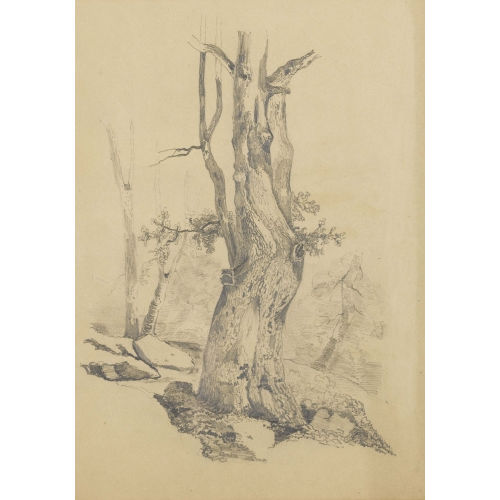
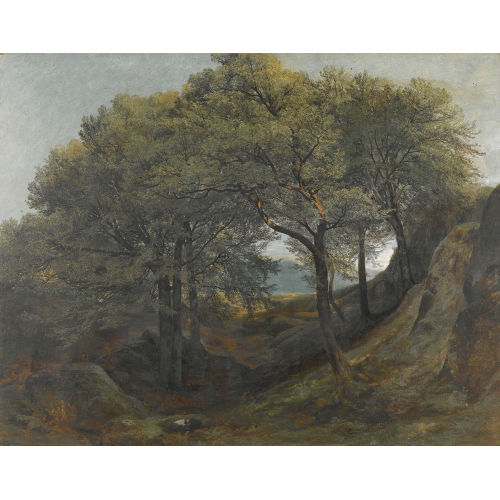
In Geneva, the support of the banker Jacques Amédée Diodati enabled him to train with François Diday from 1829 onwards. His studies took him to the Bernese Oberland and Central Switzerland. The studies made directly before the motif subsequently nourished paintings developed in the studio: exactness of detail is integrated into a considered organisation of masses, depth and light.
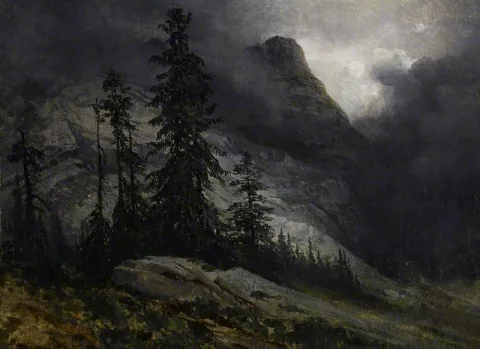
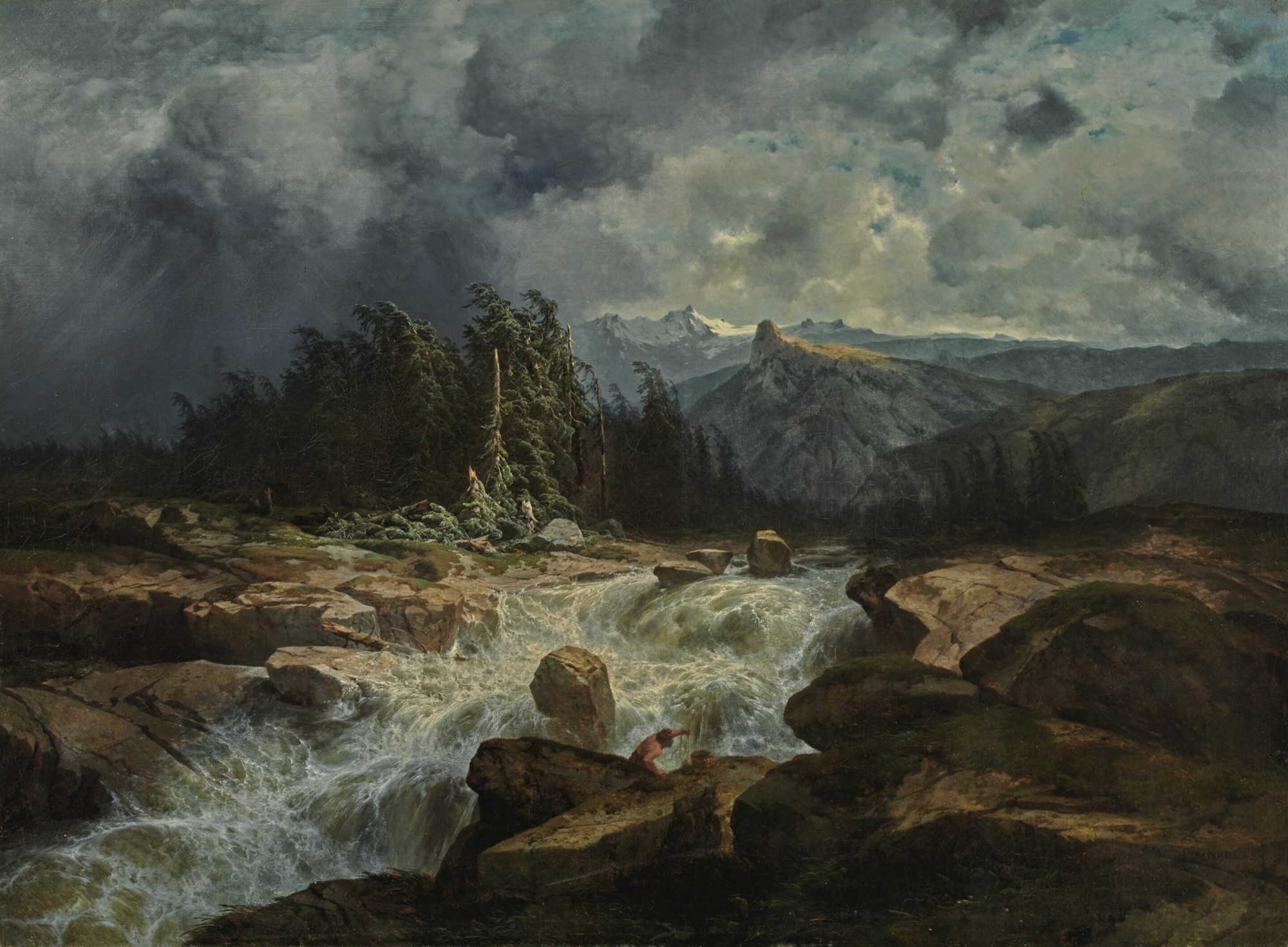
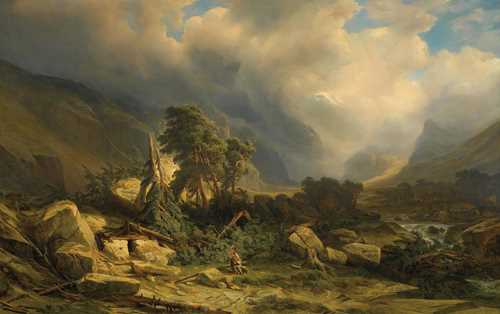
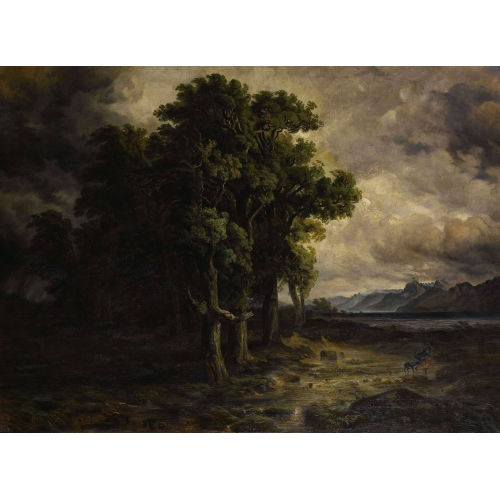
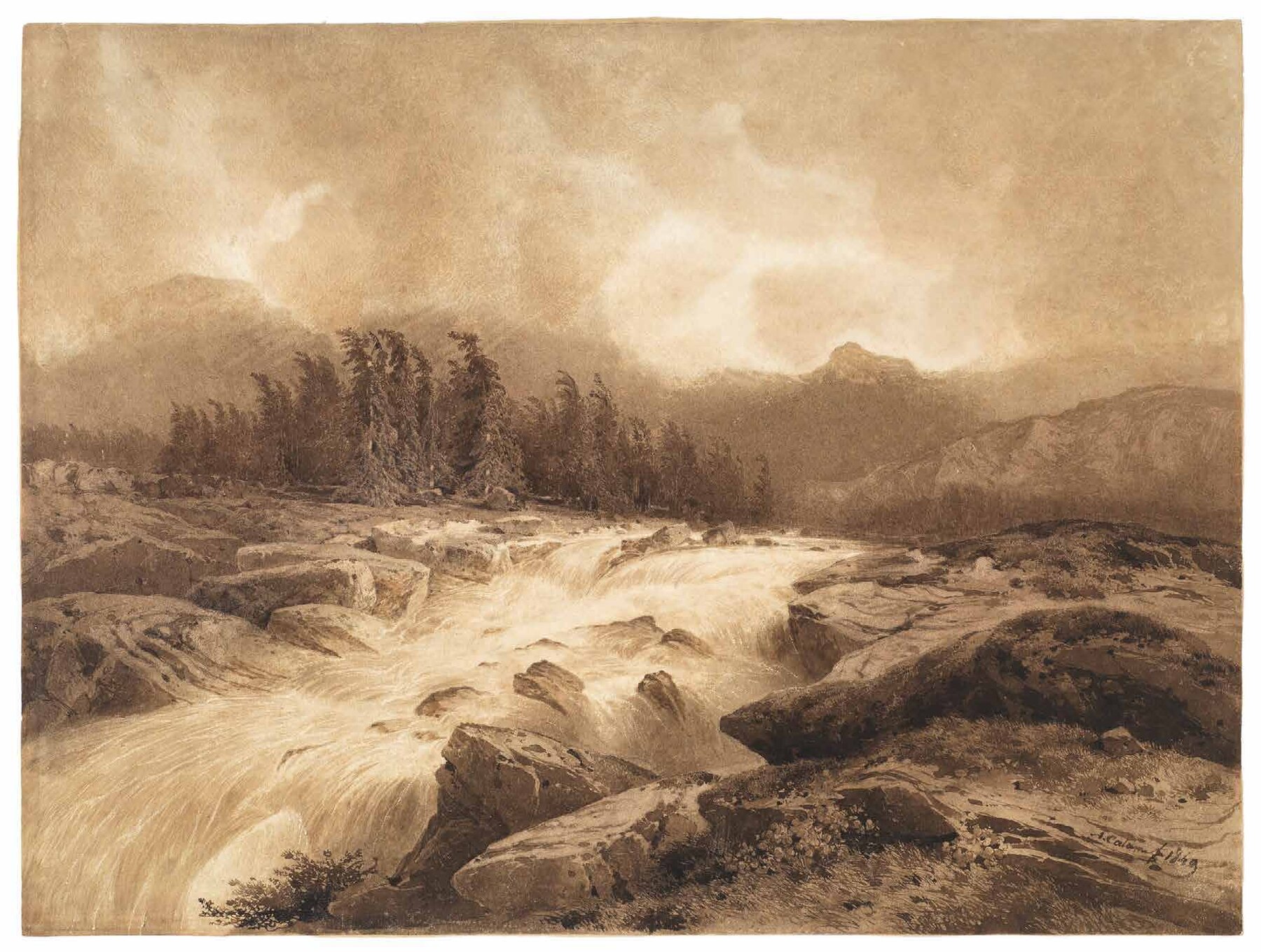
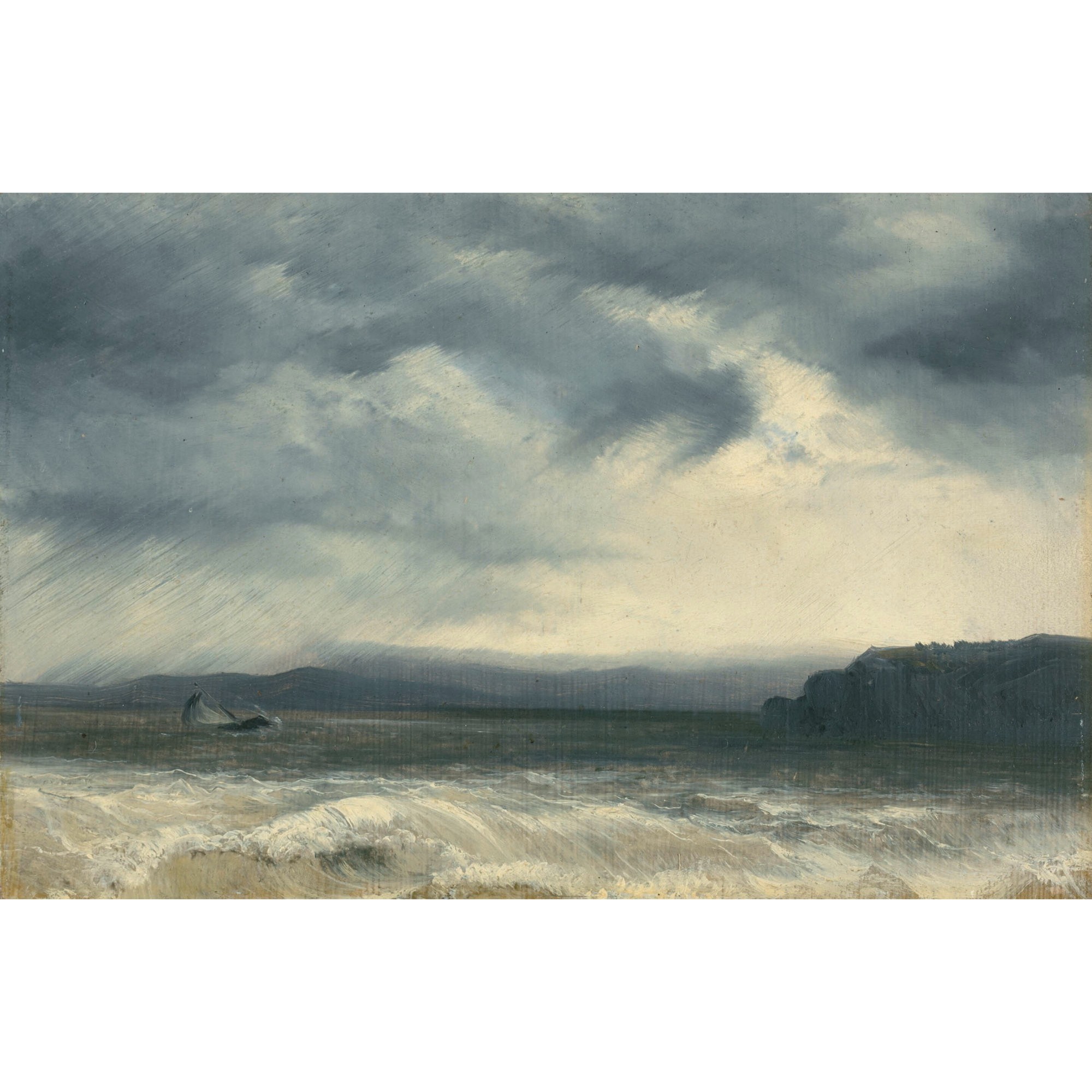
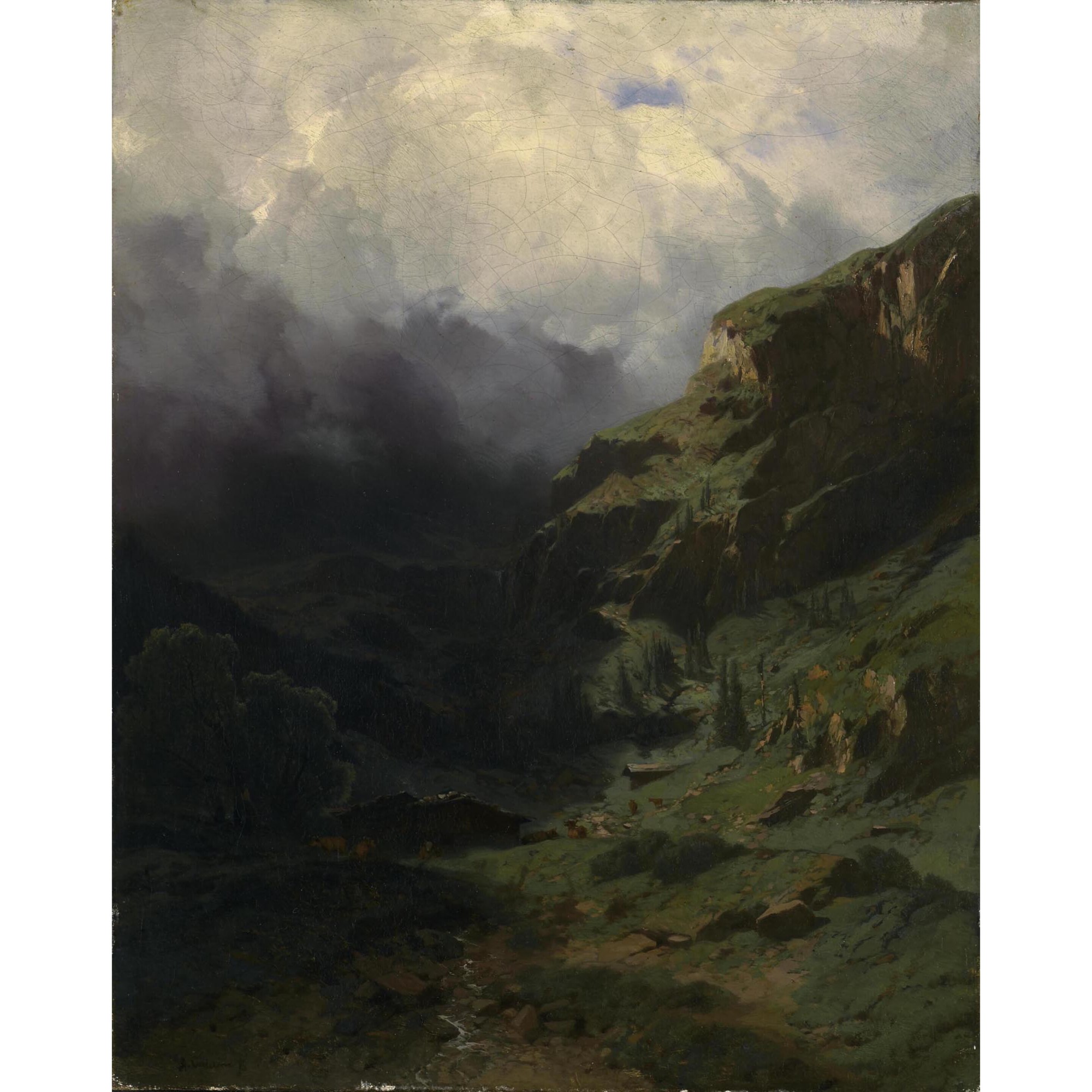
In 1839, Orage à la Handeck, now held at the Musée d’art et d’histoire de Genève, was awarded a prize at the Paris Salon. This international success established a spectacular vision of the Alpine landscape. The proximity of the torrent and the contrasts of light give the viewer the feeling of witnessing the unleashing of the elements.
In the spirit of the Romantic sublime, nature itself becomes the subject of the painting.
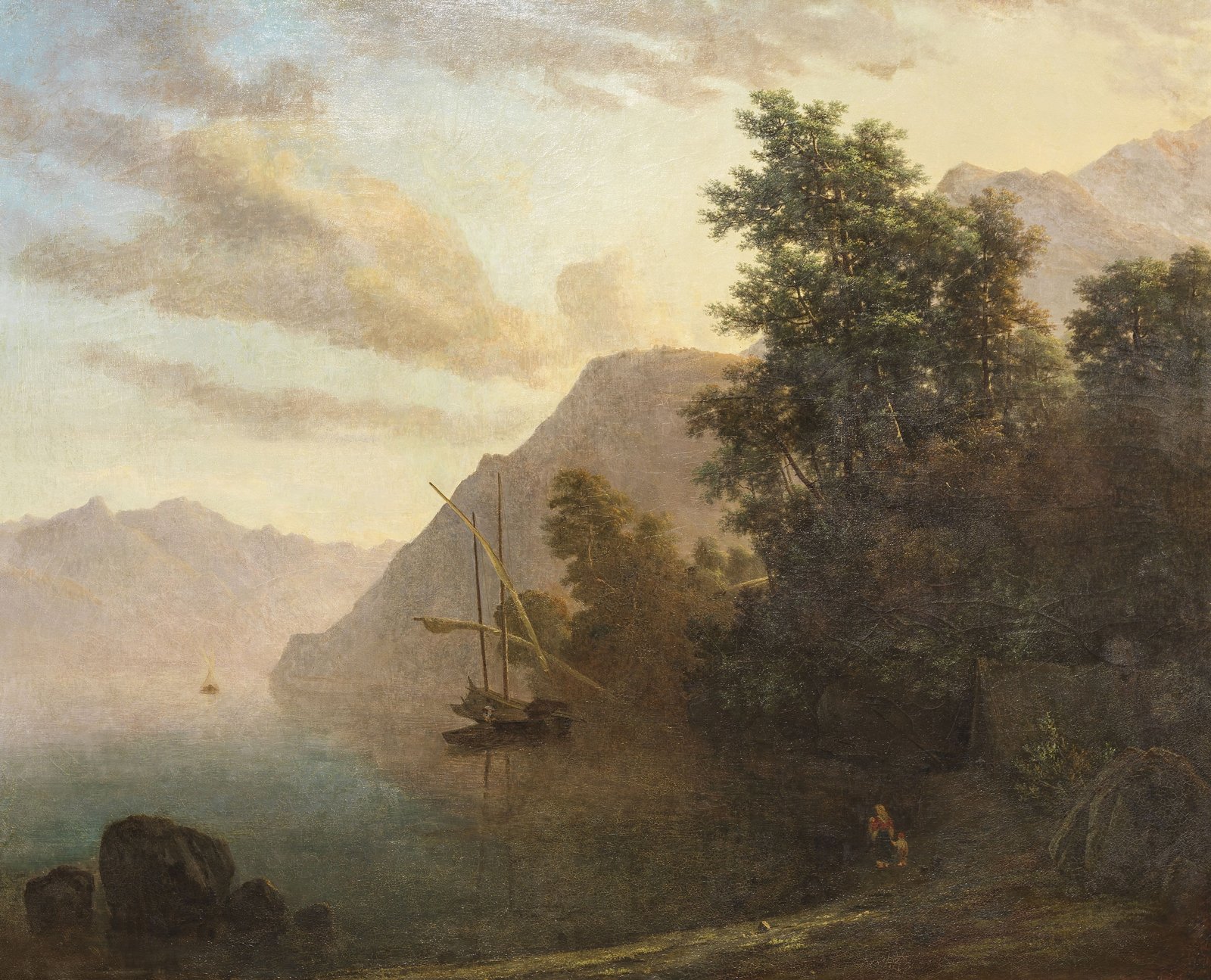
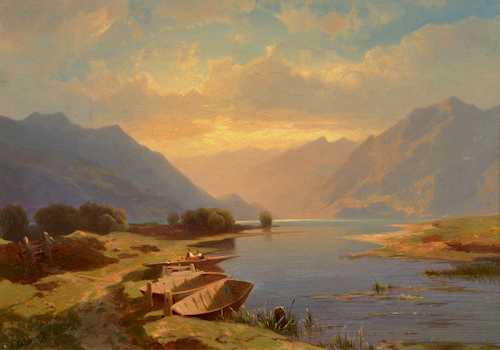
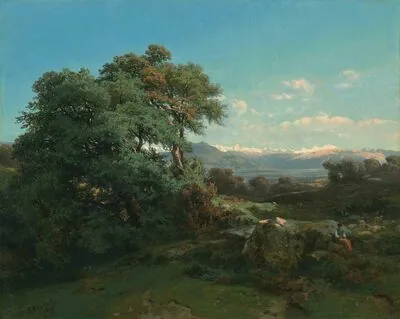
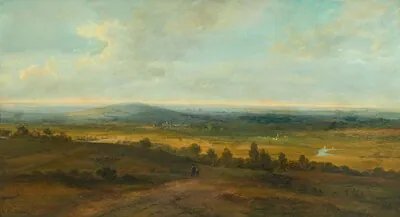
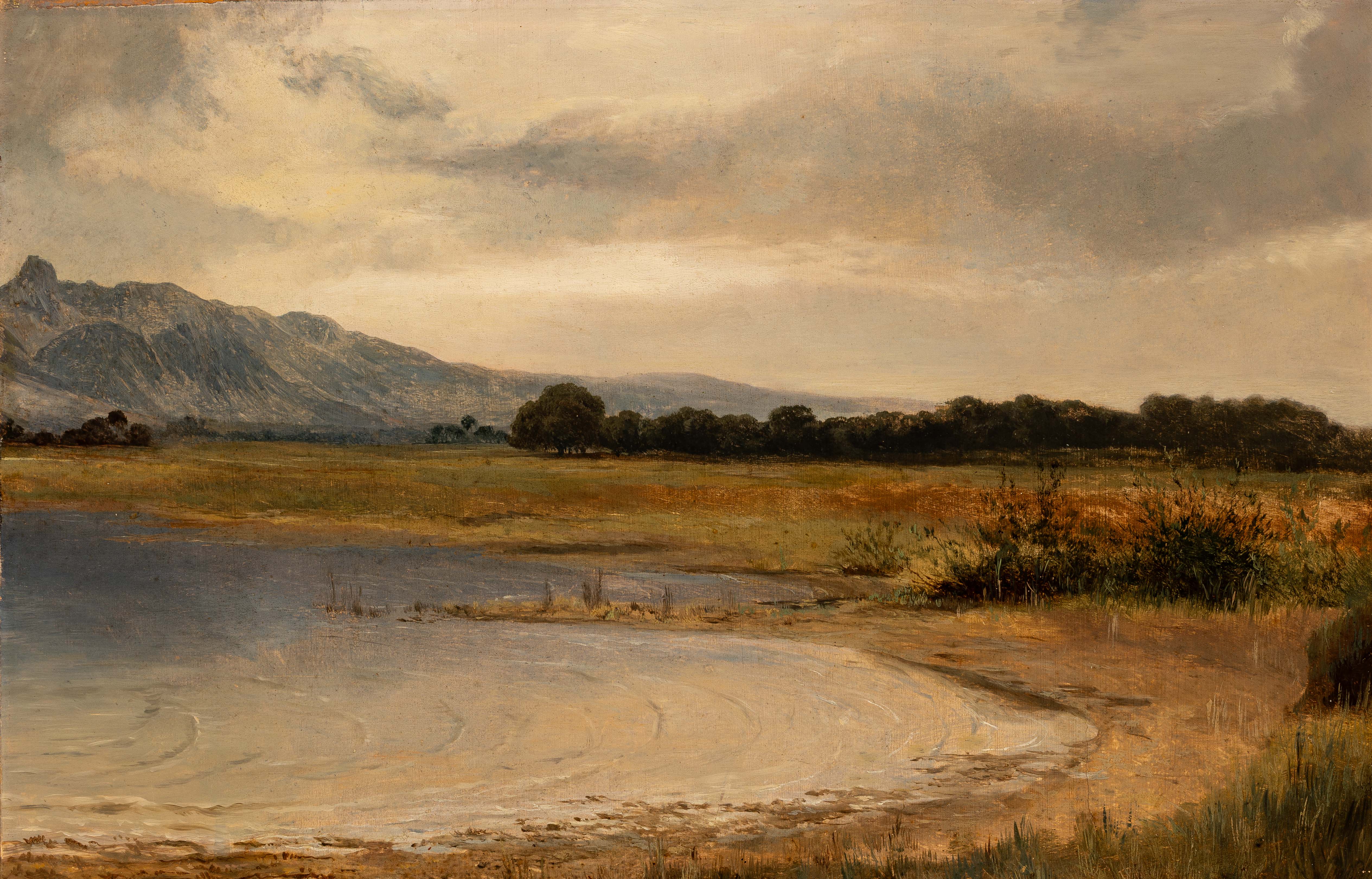
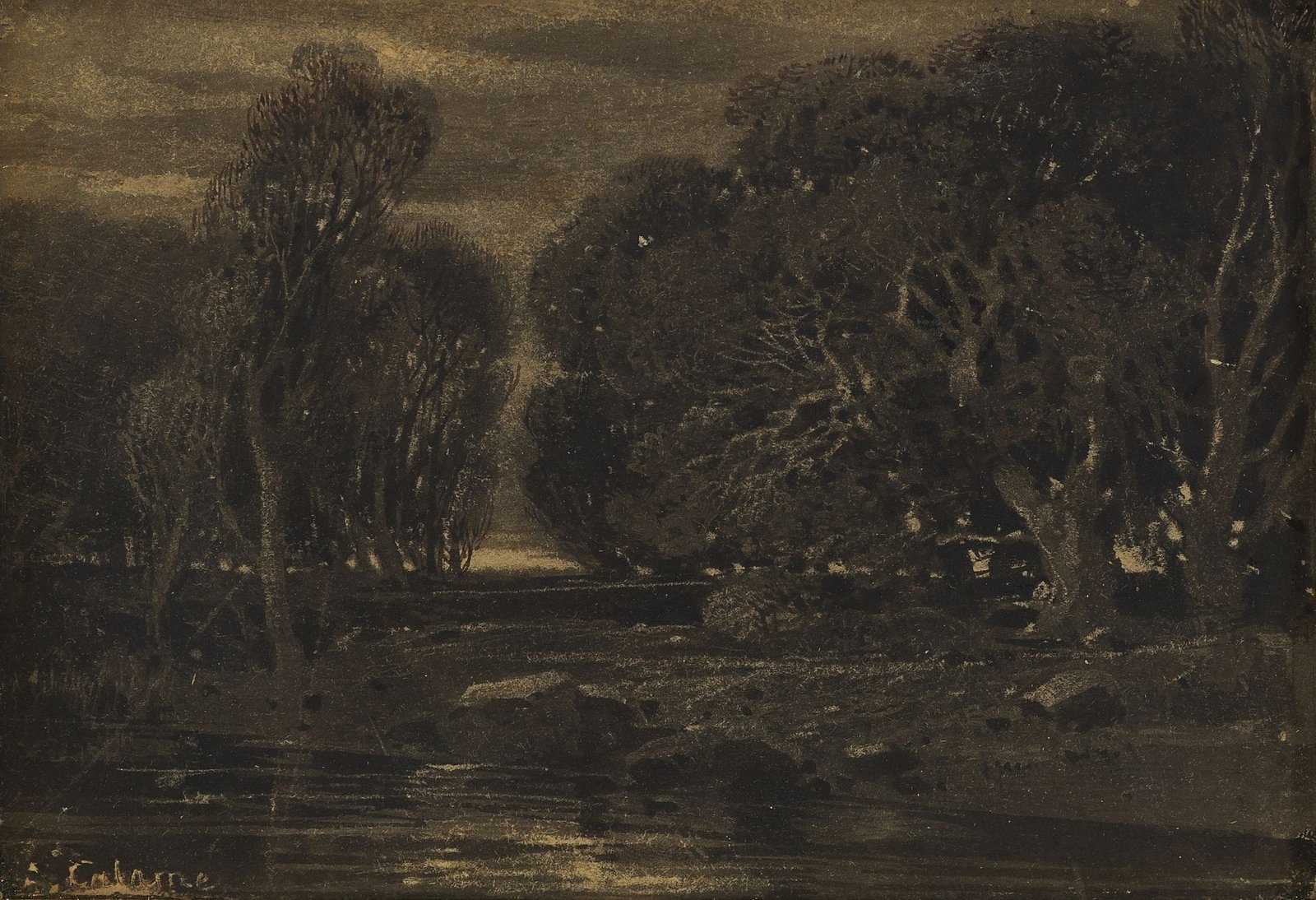
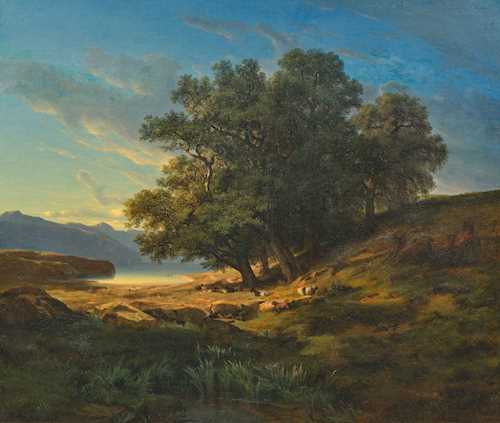
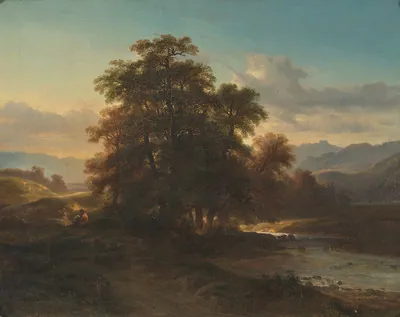
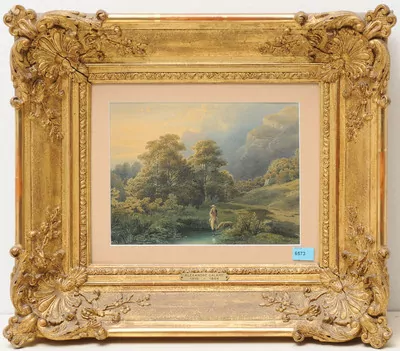
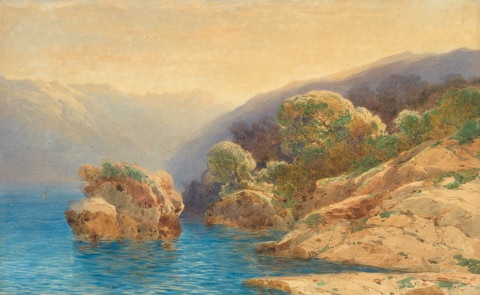
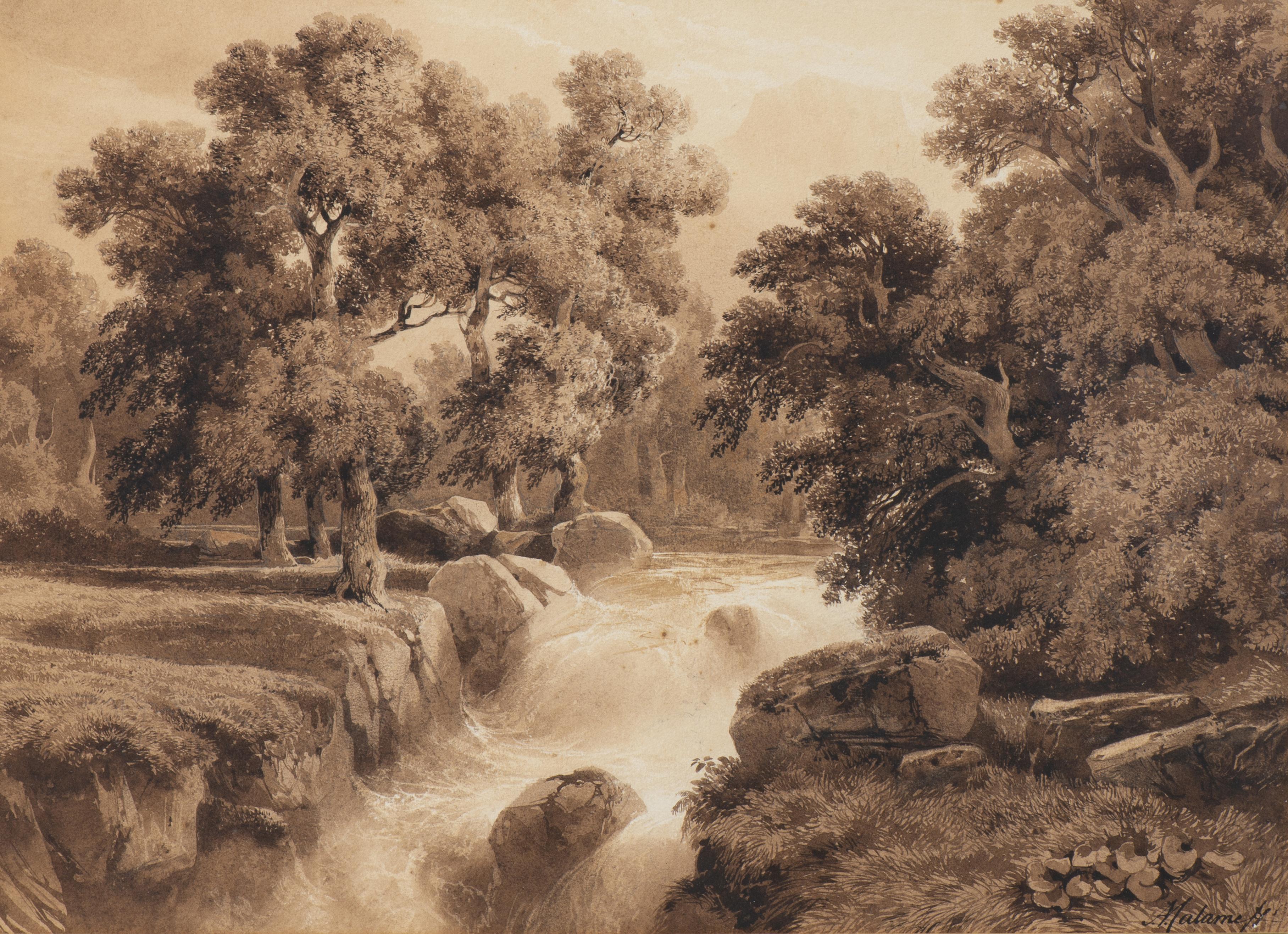
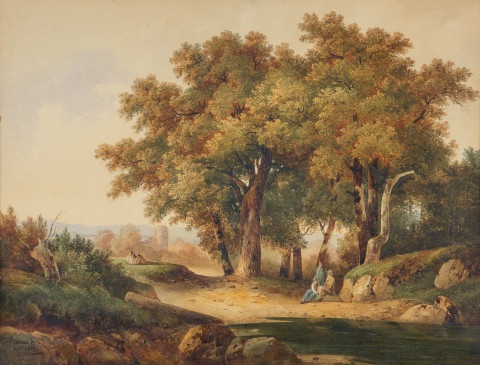
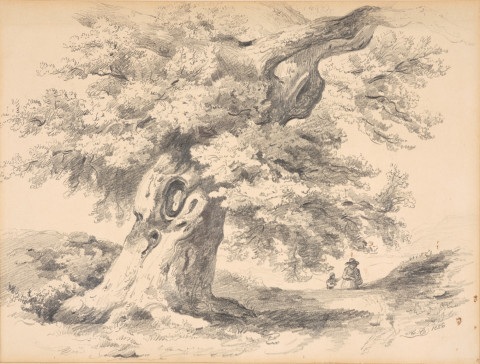
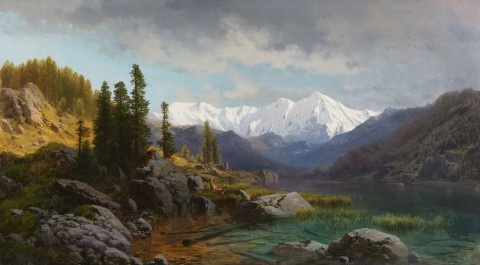
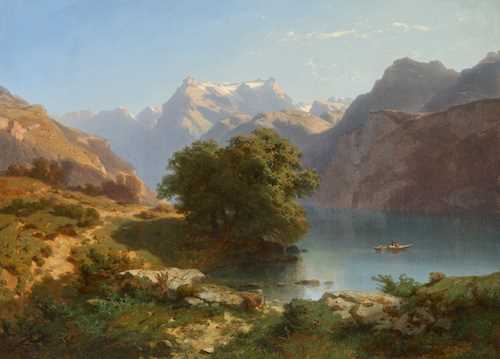
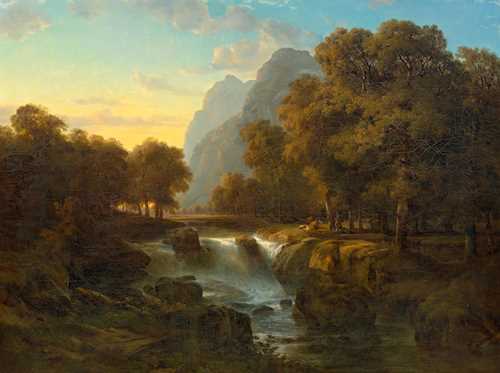
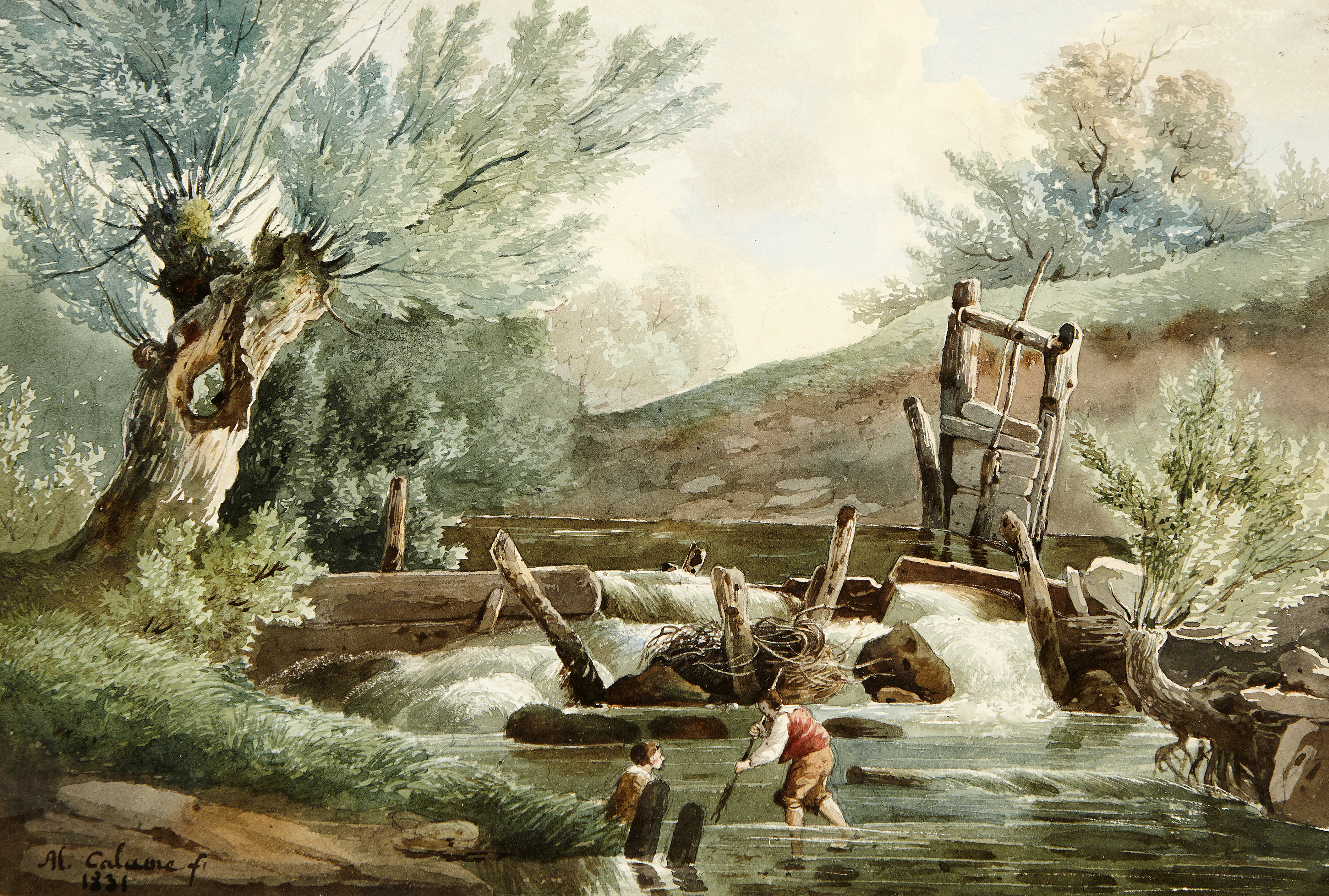
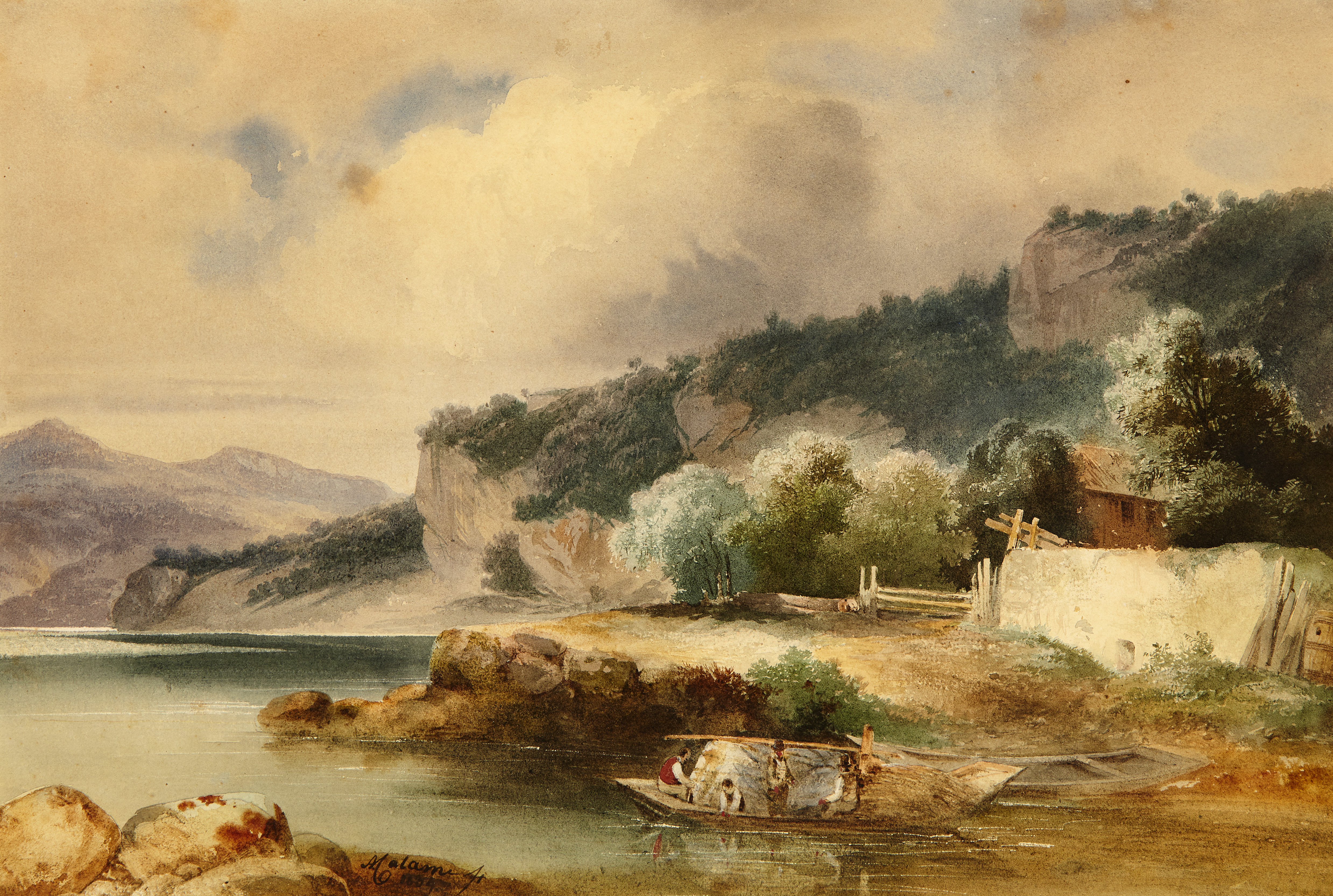
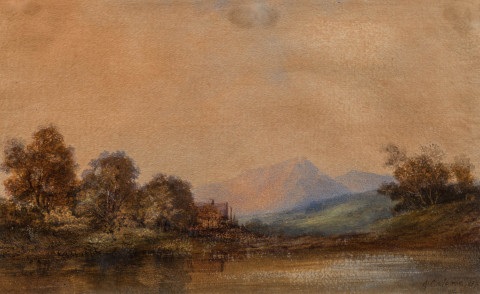
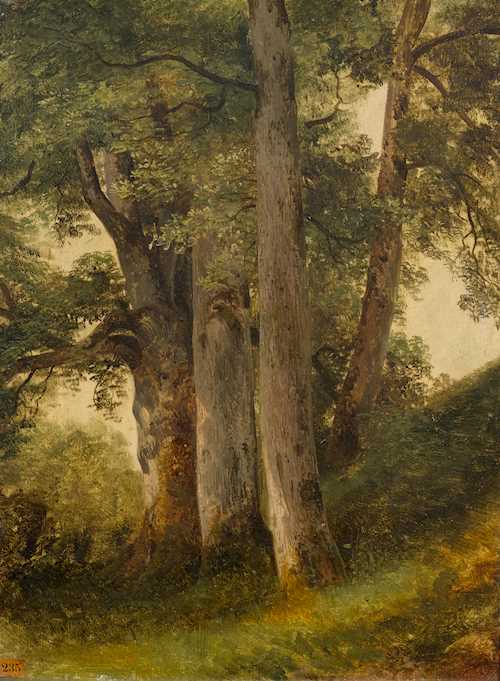
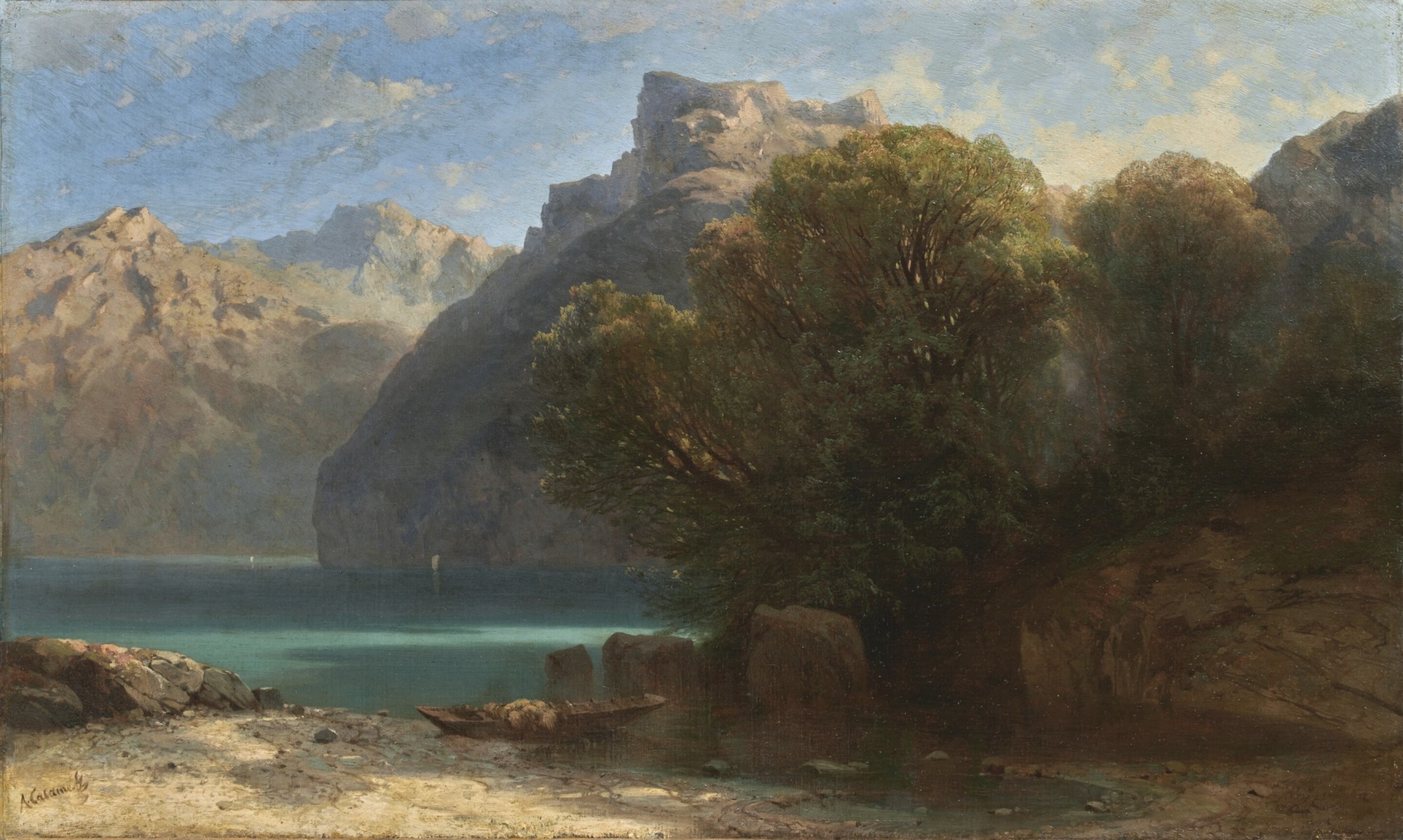
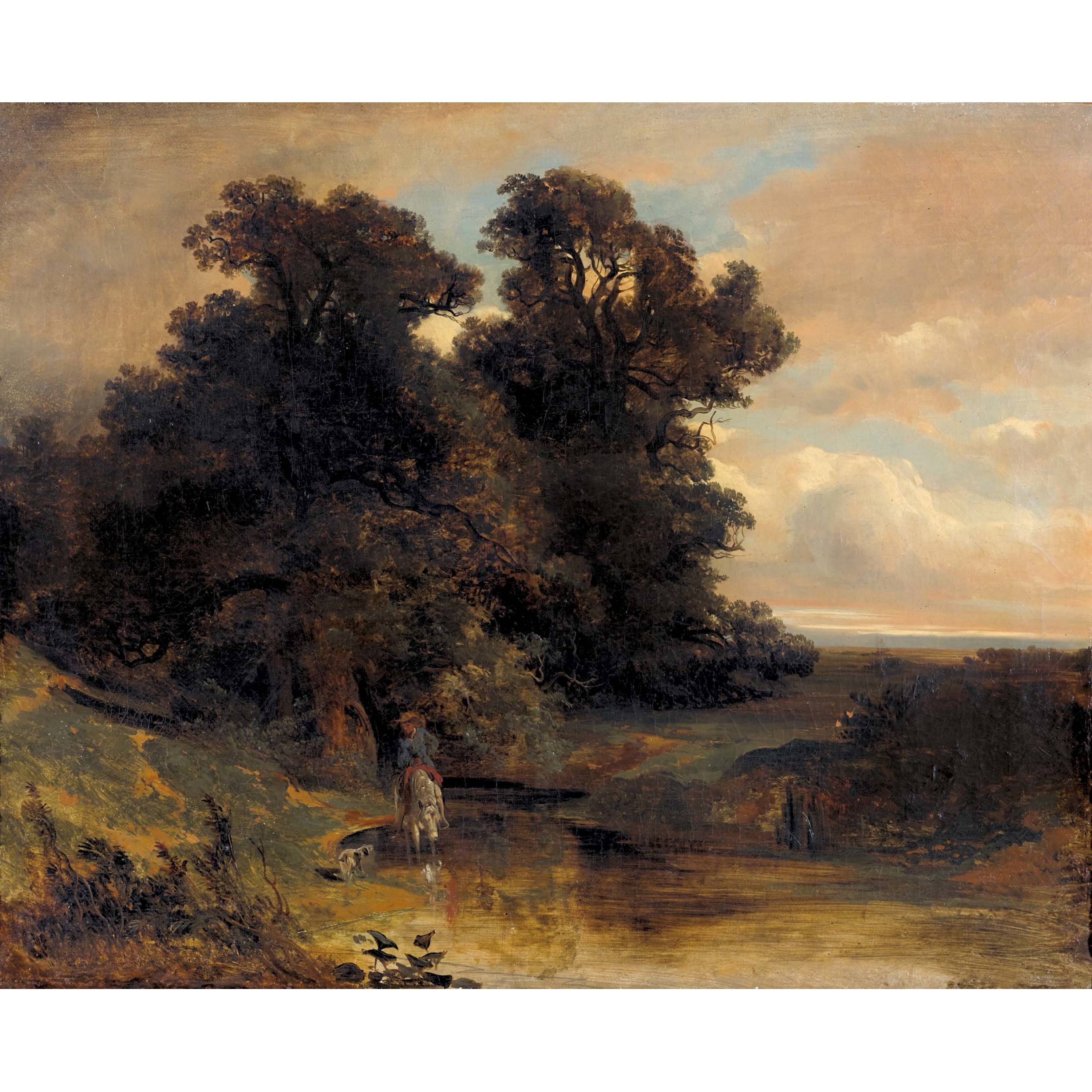
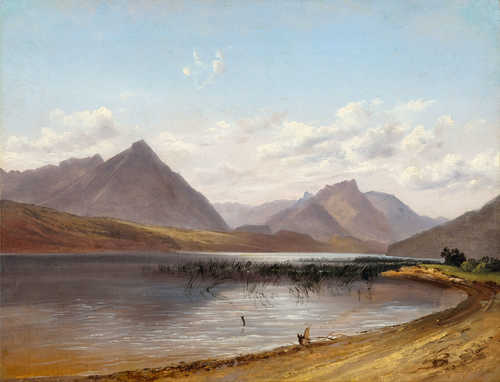
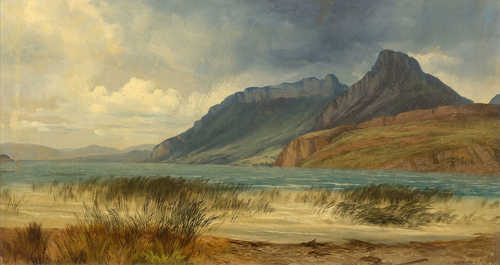
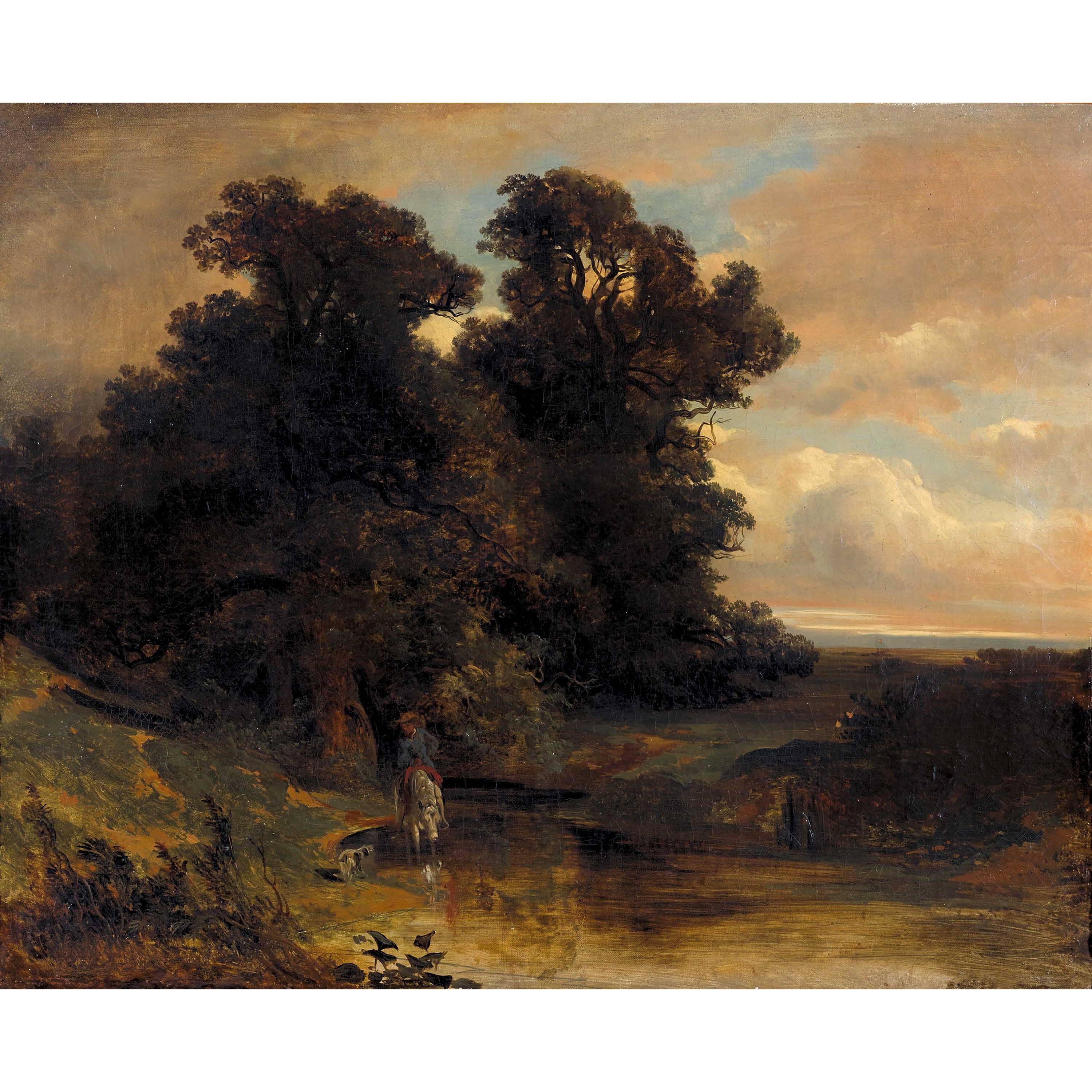
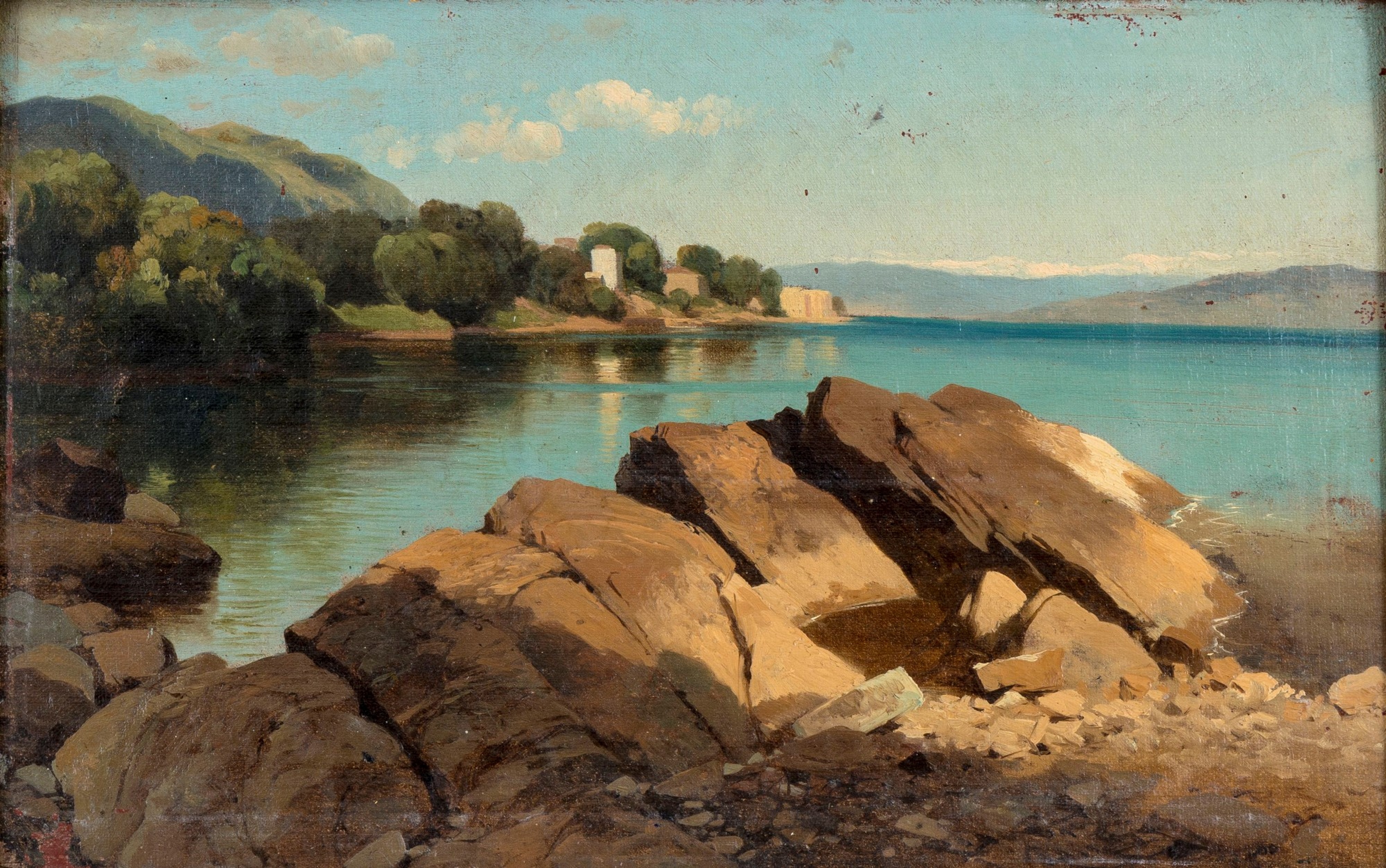
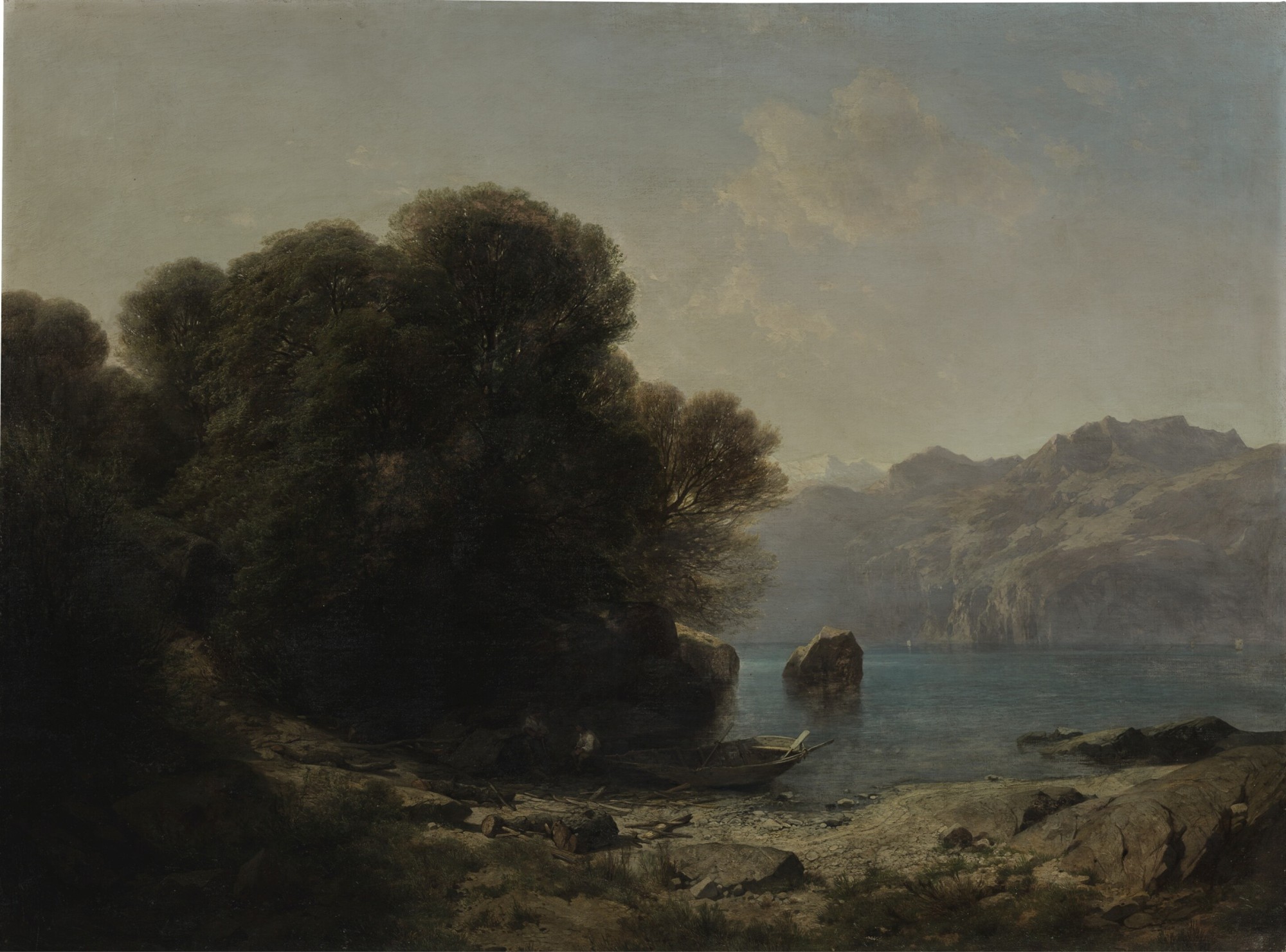
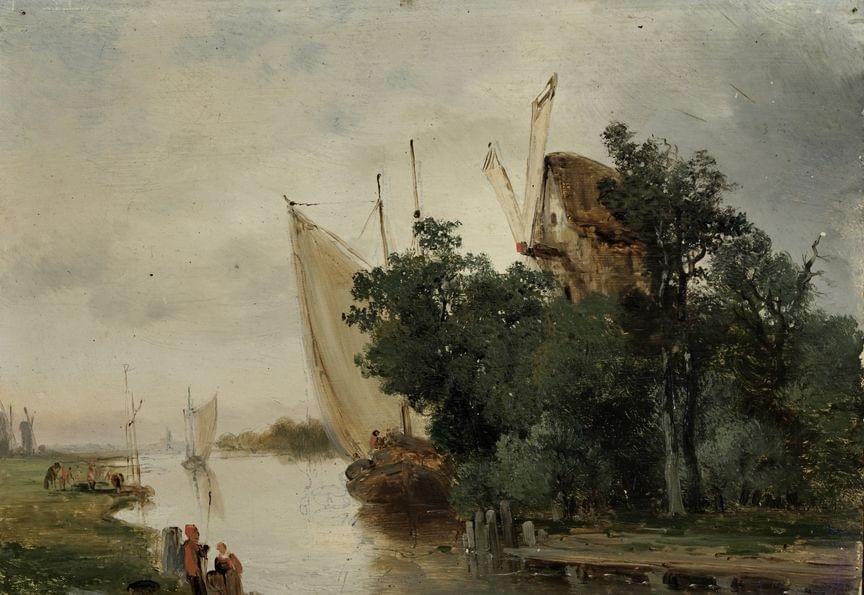
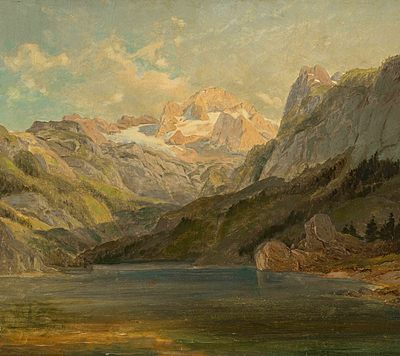
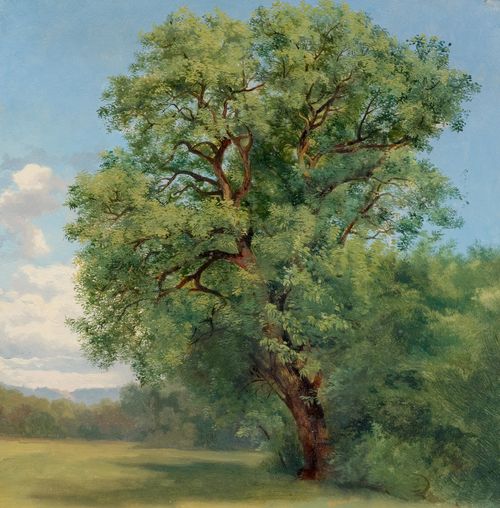
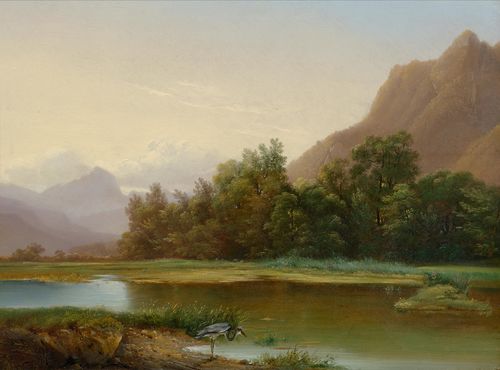
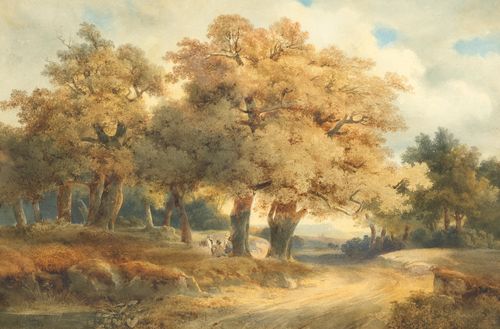
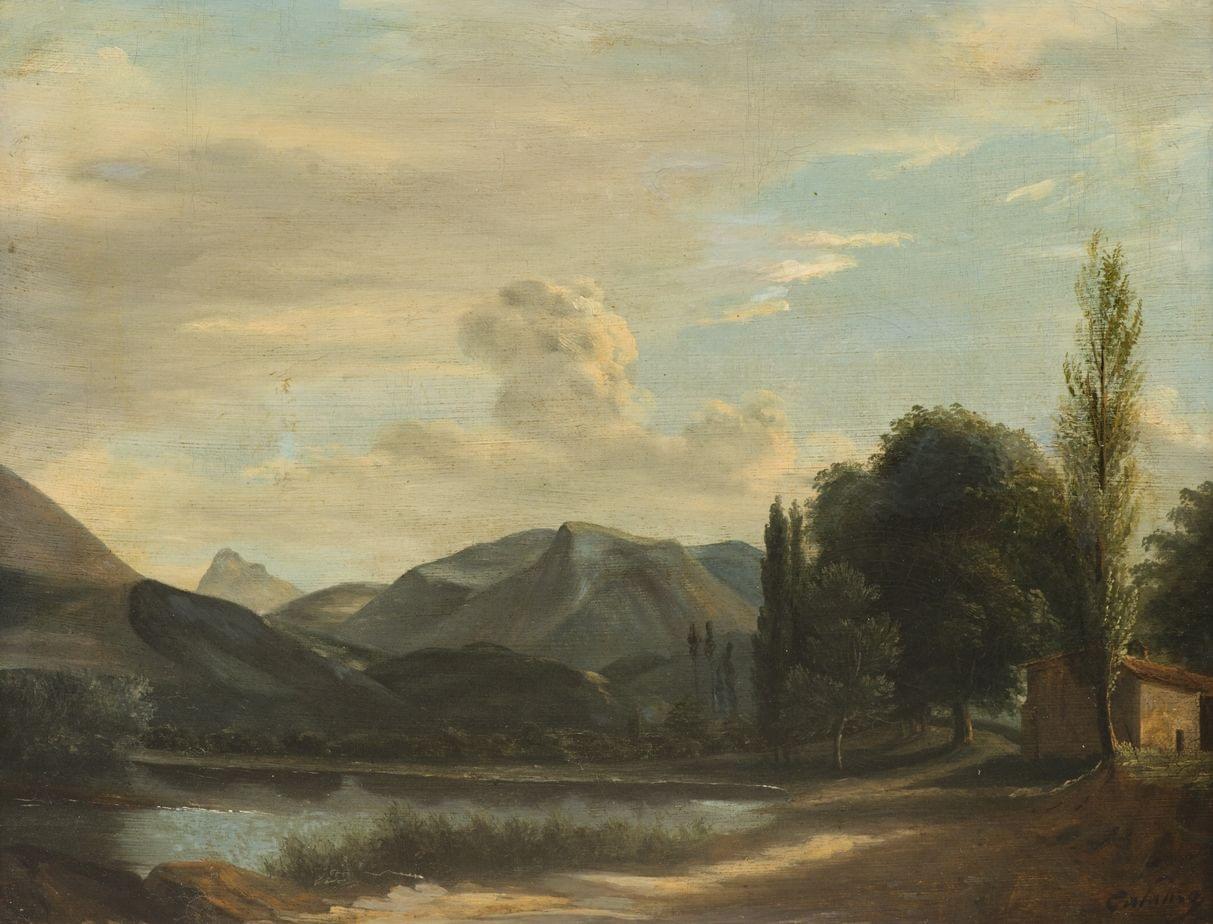
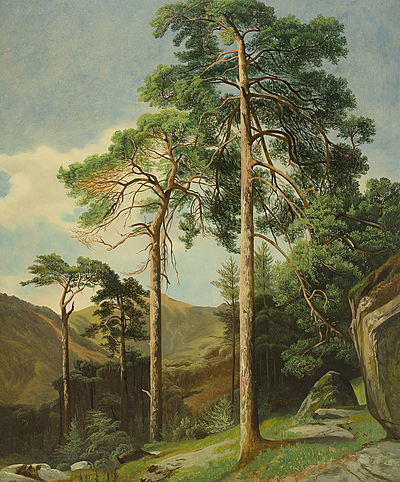
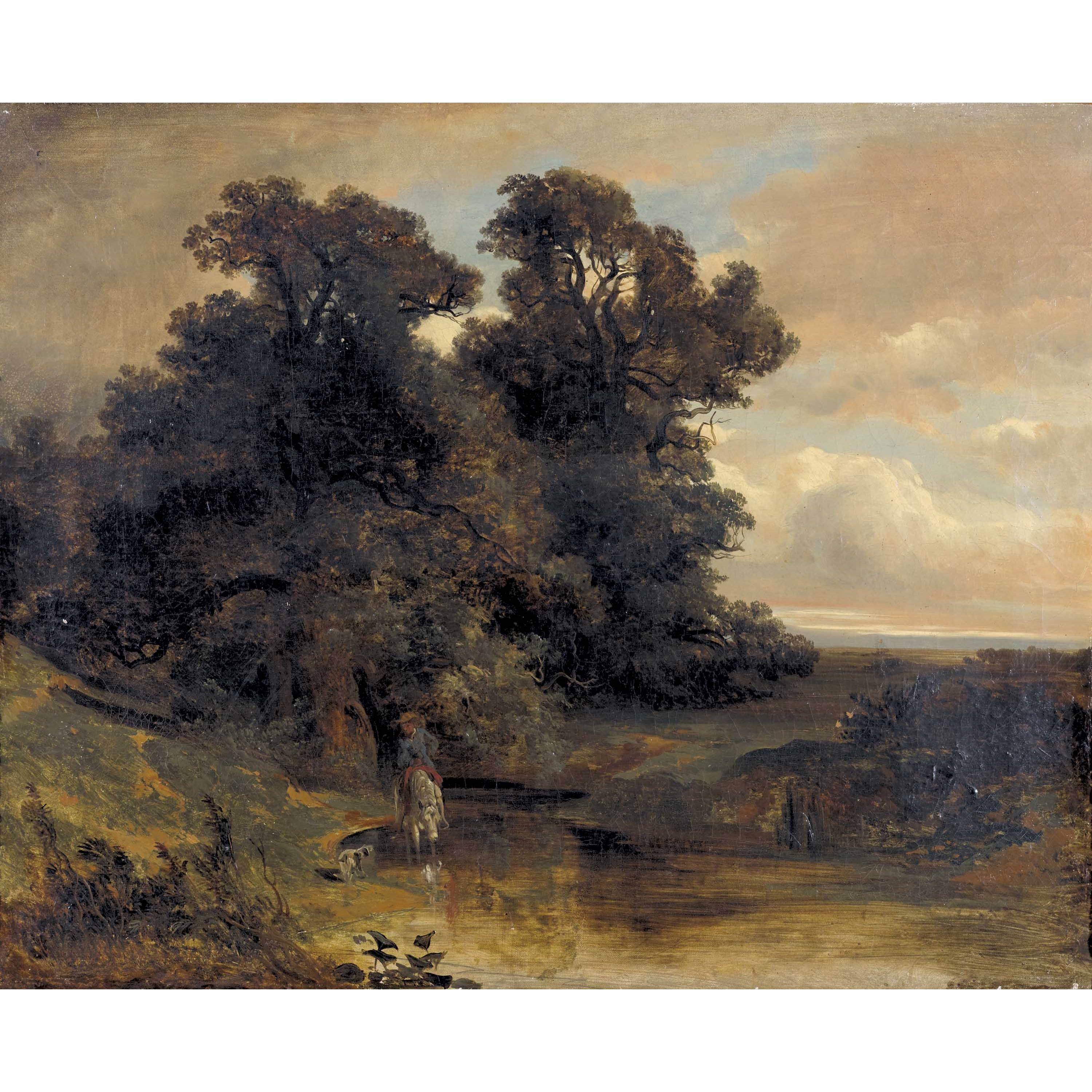
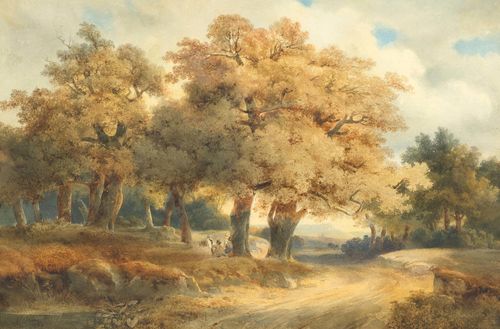
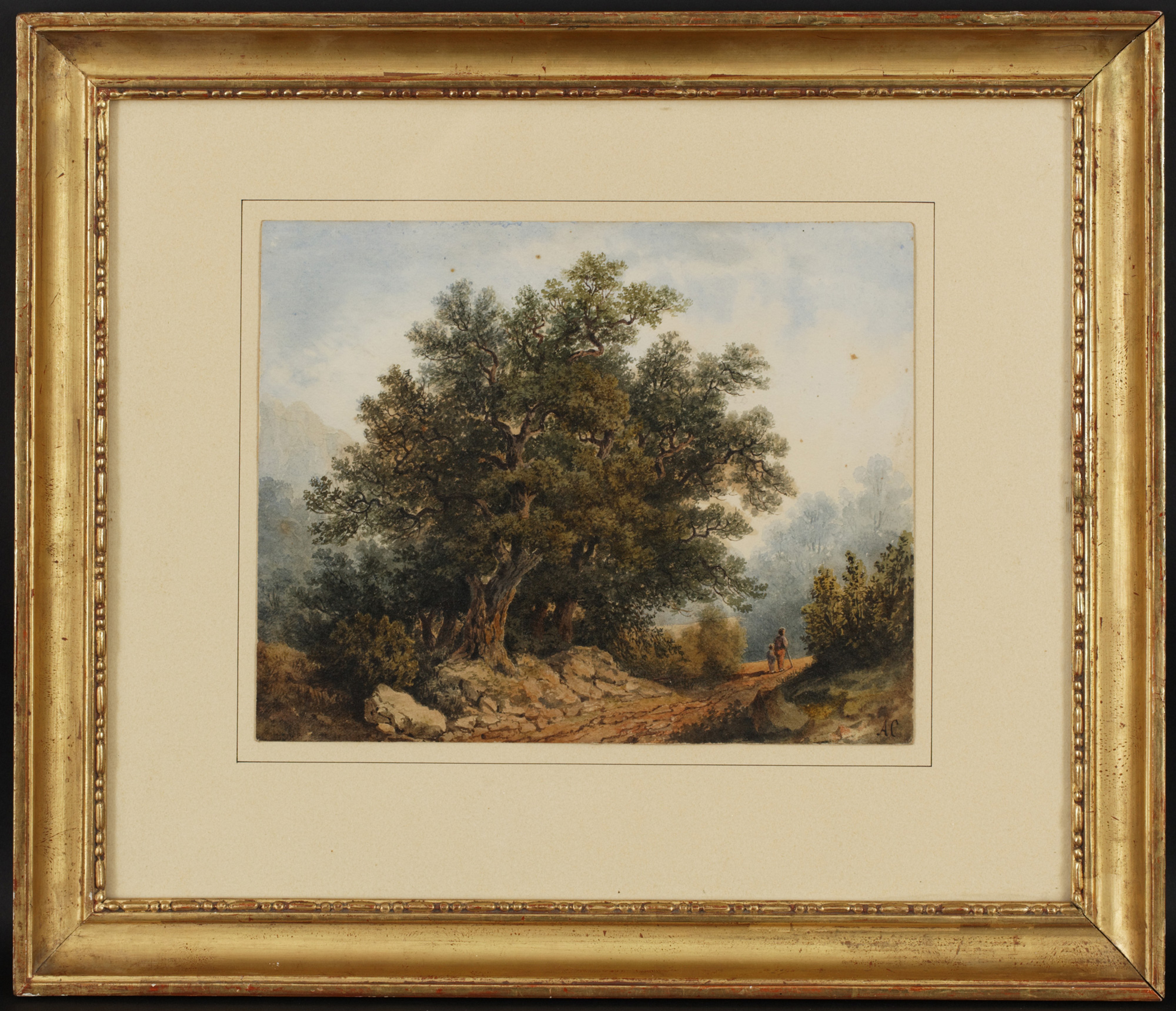
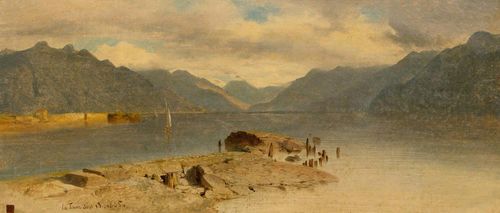
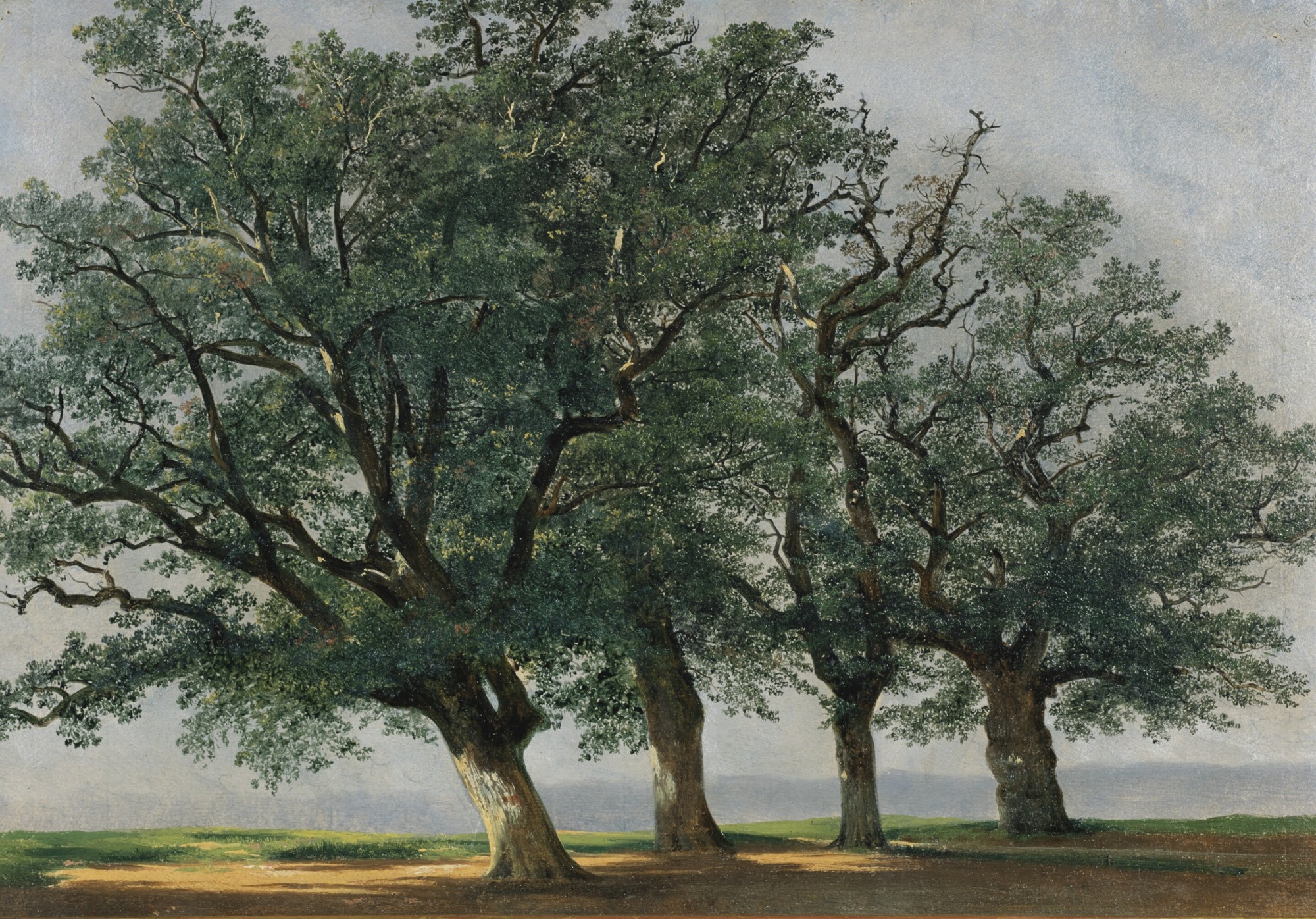
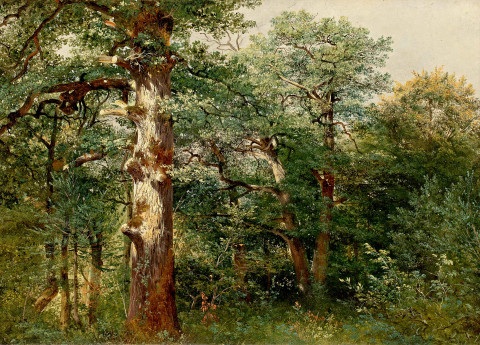
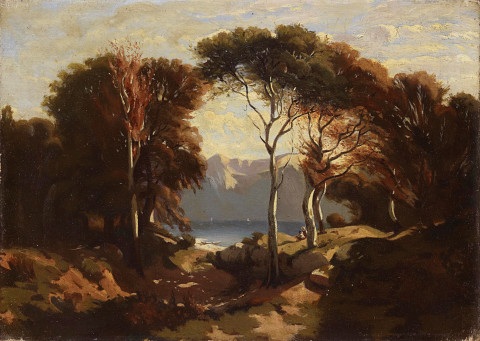
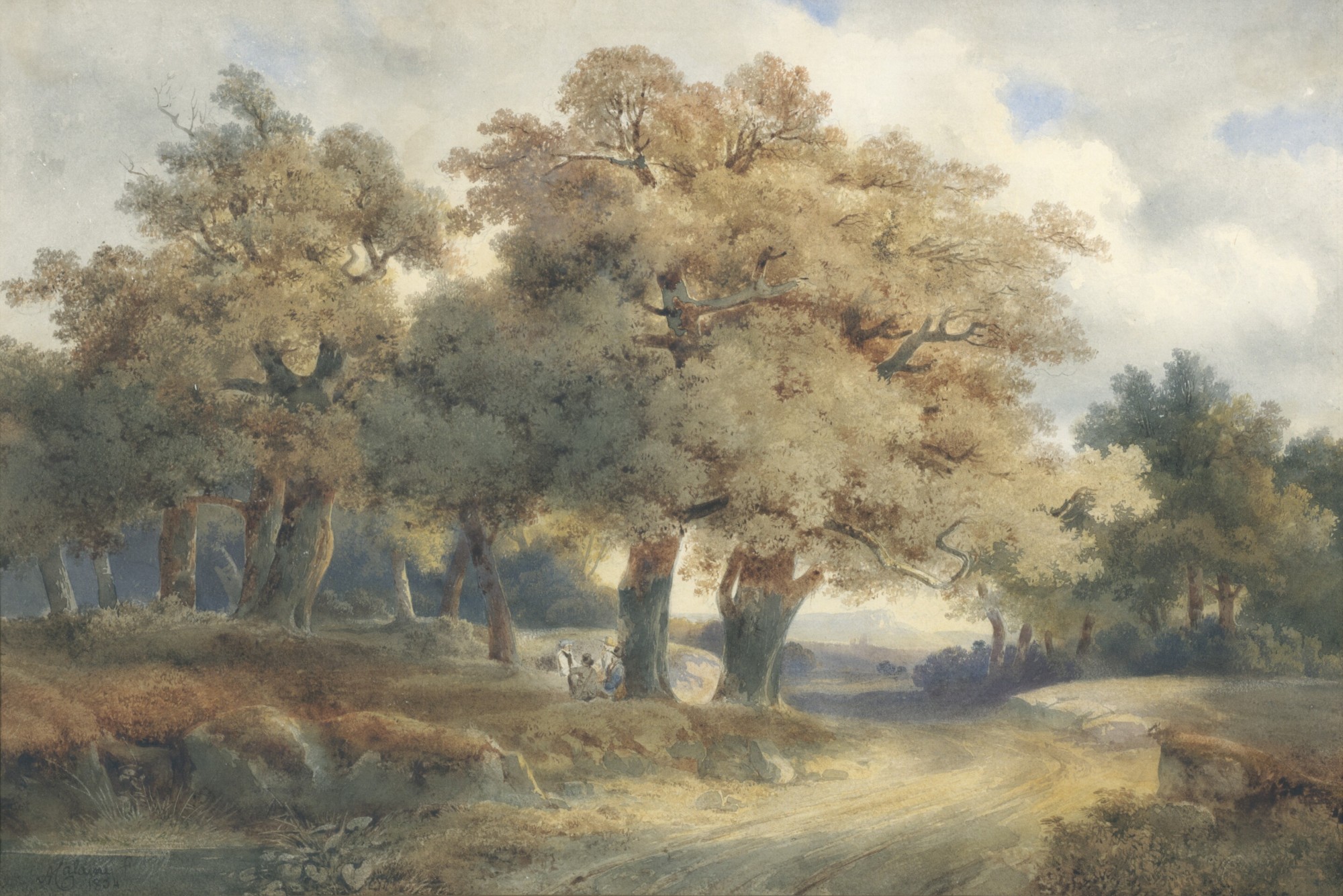
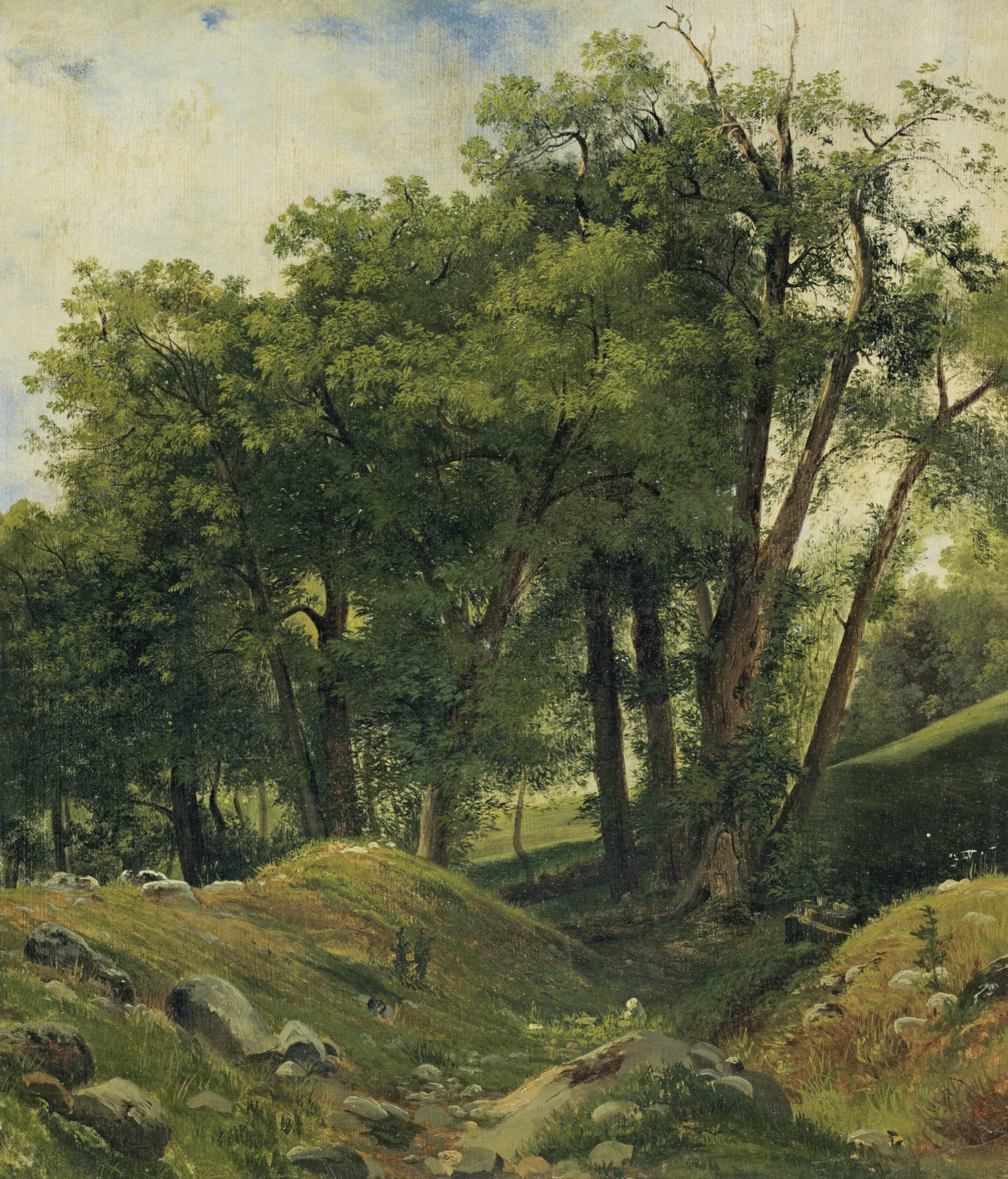
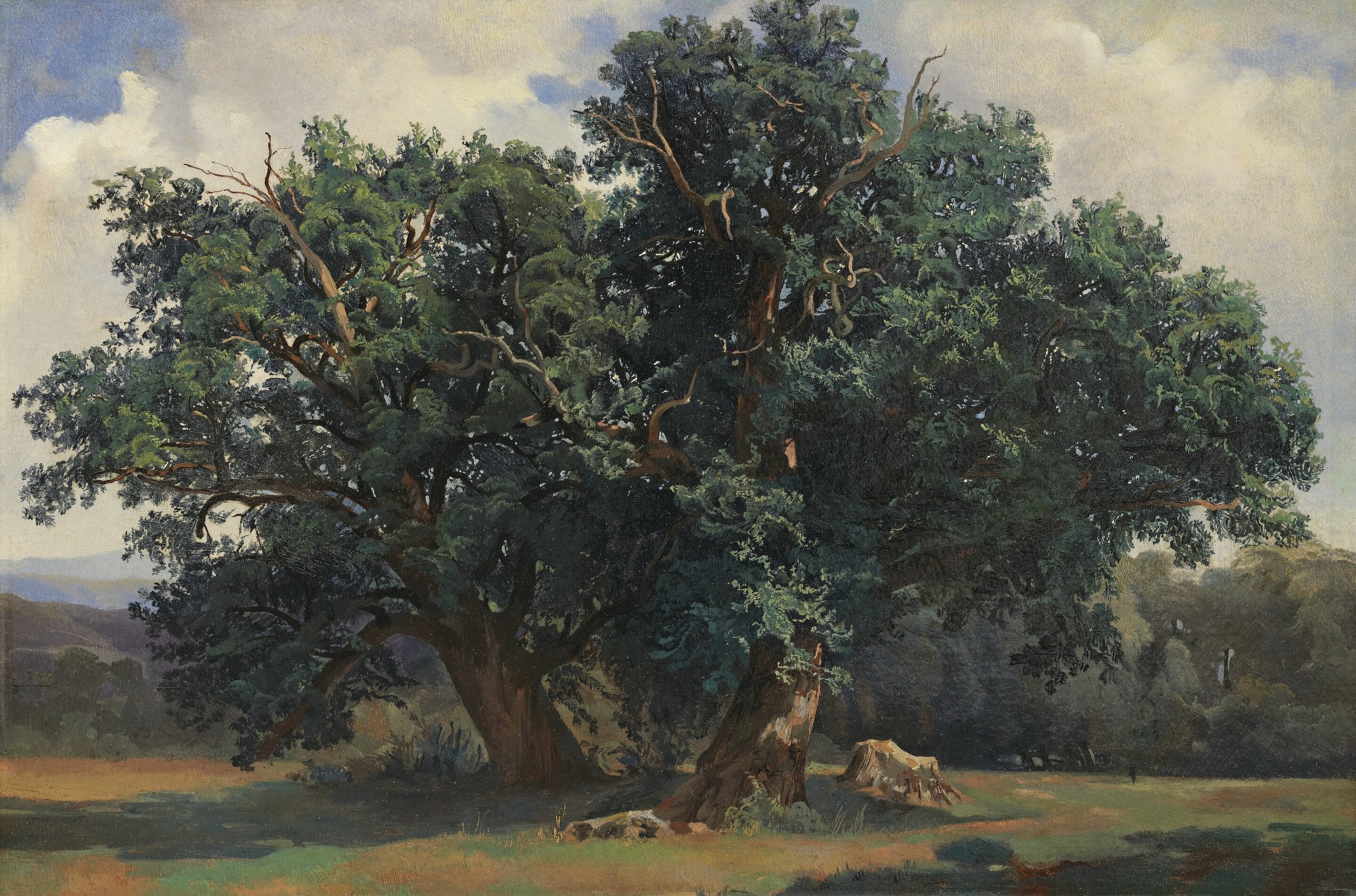
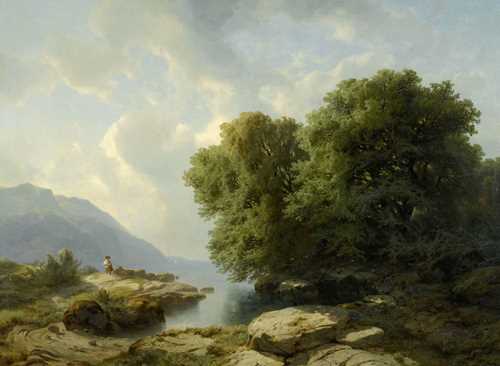
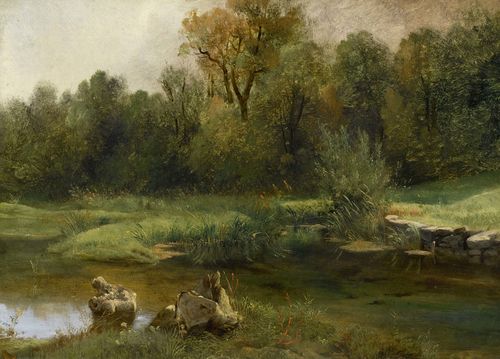
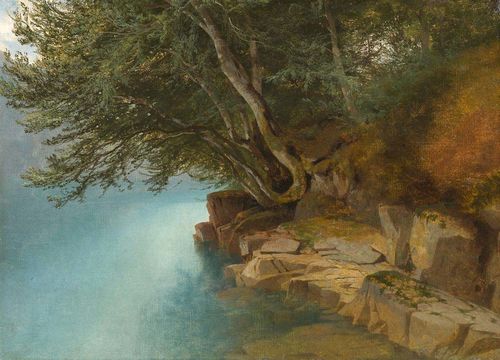
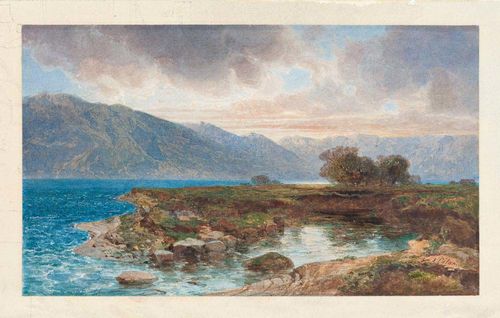
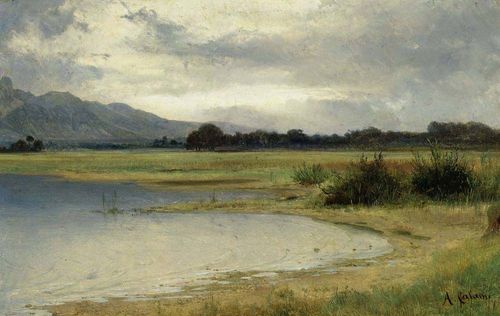
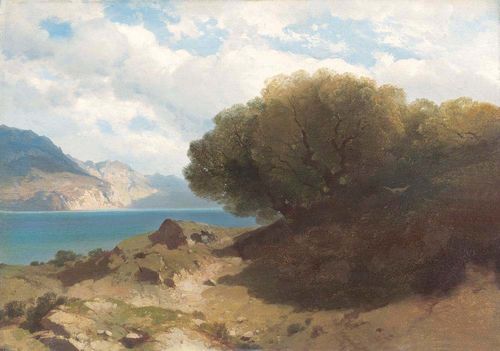
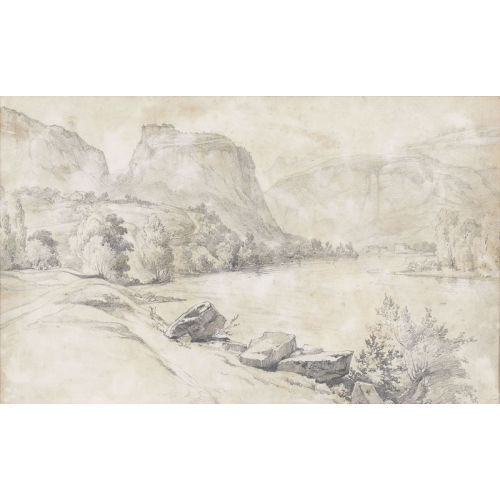
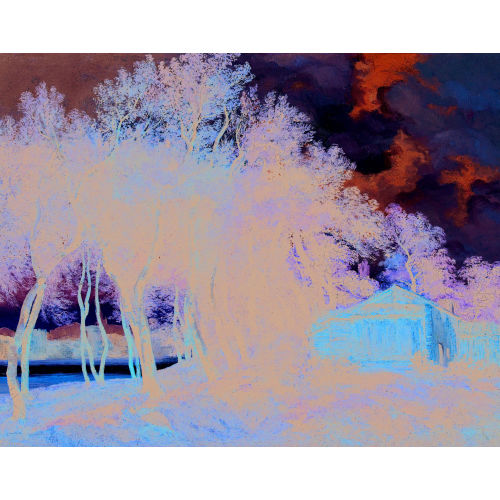
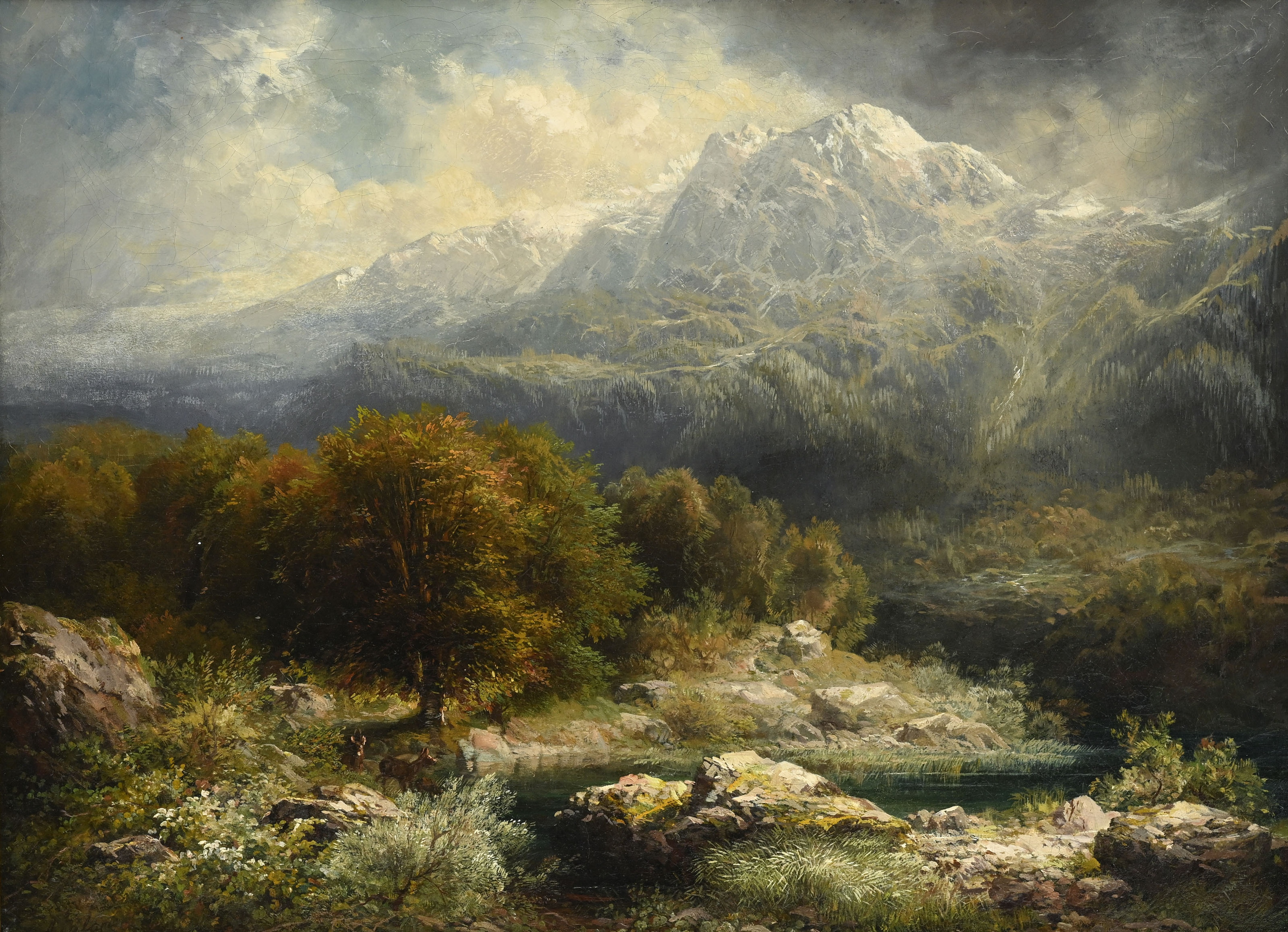
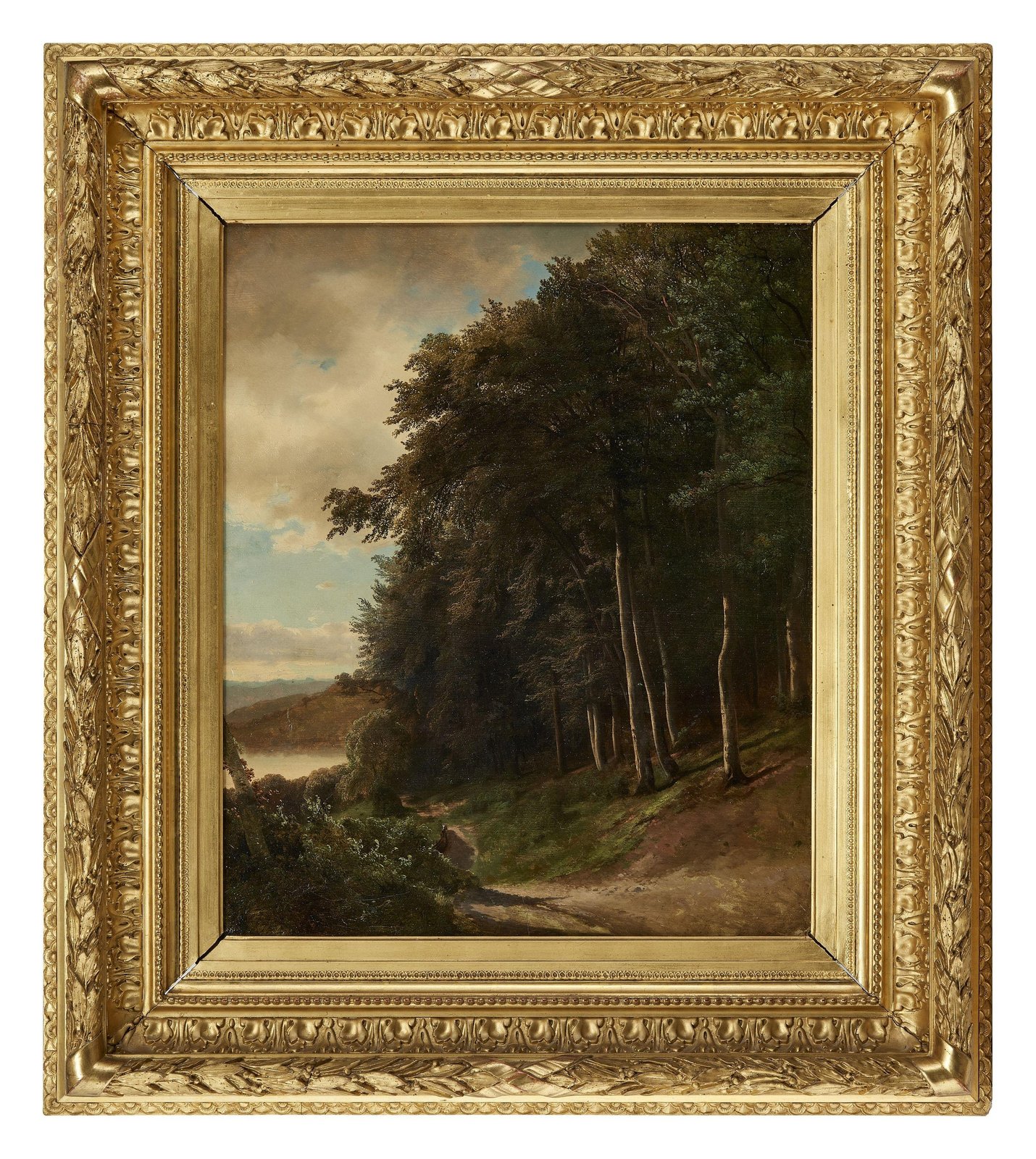
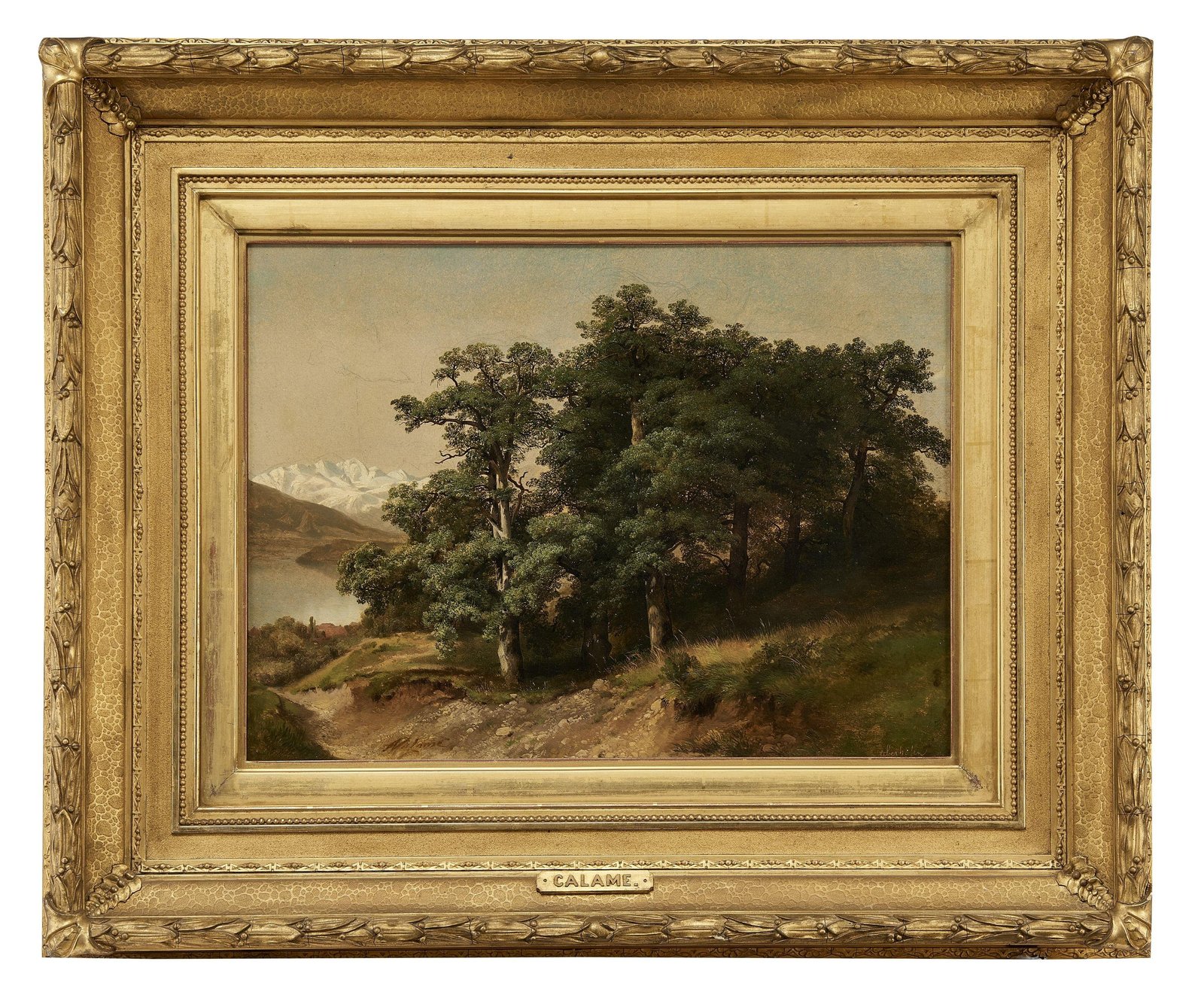
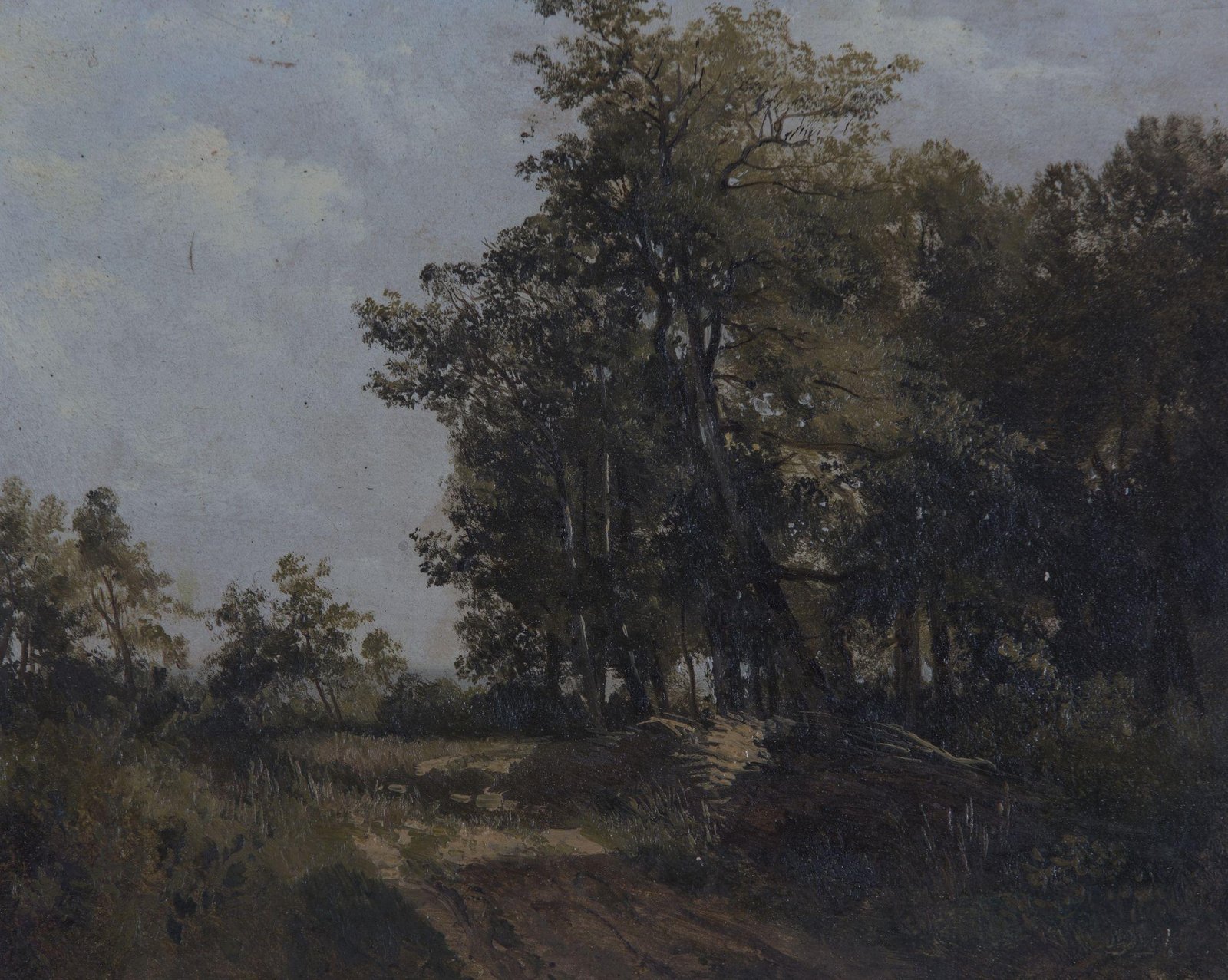
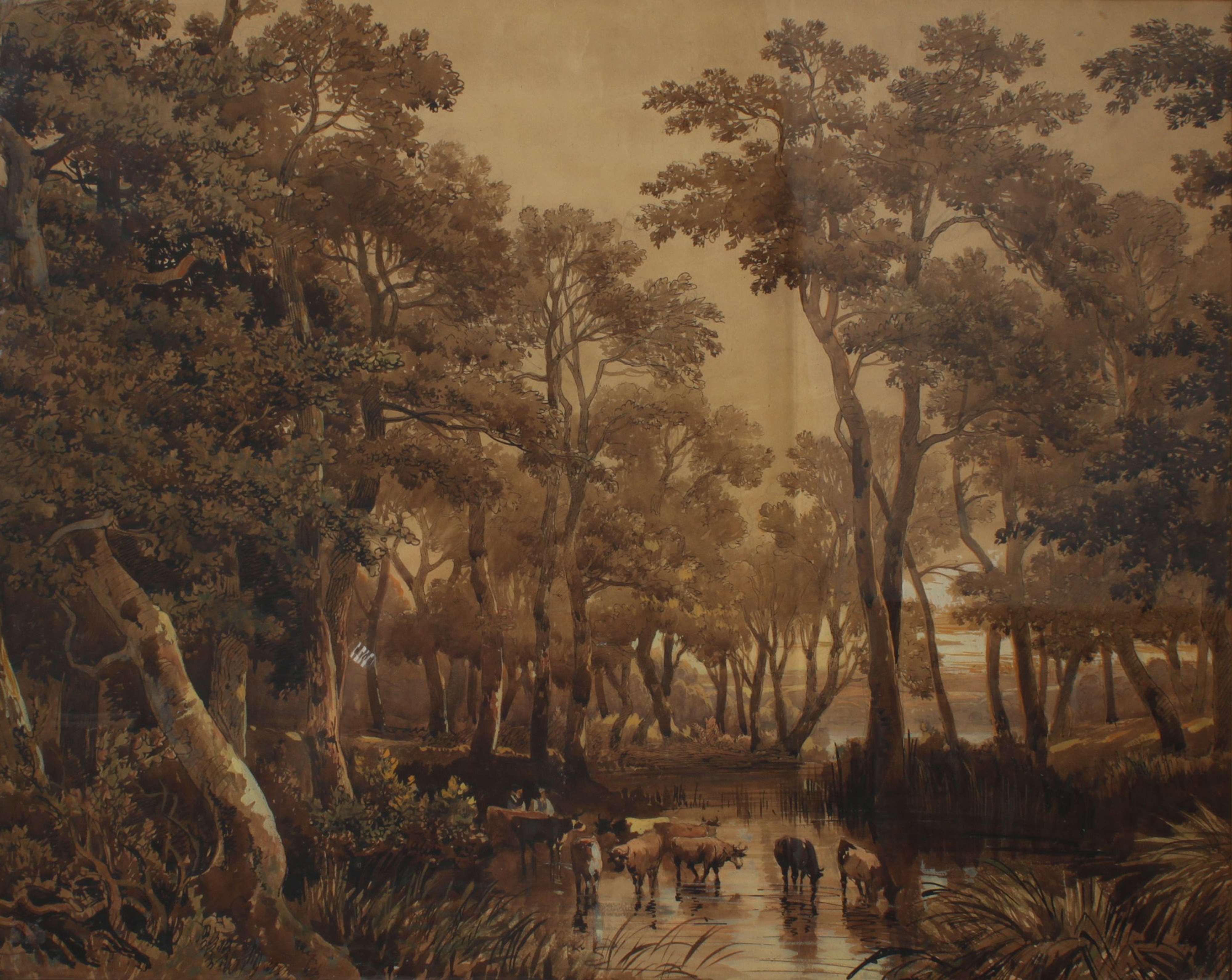
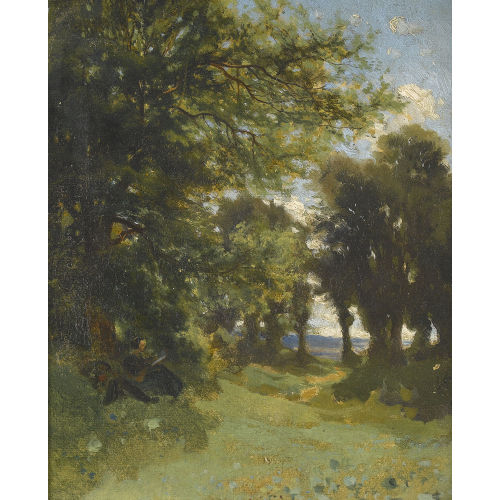
Calame also knew how to paint tranquillity. In Le lac de Brienz of 1843, at the Cantonal Museum of Fine Arts in Lausanne, the waters and distant vistas open onto a calm space. His study of Dutch landscape painters, notably Hobbema and Ruisdael, fostered his attention to foliage, the transparency of water and transitions of light.
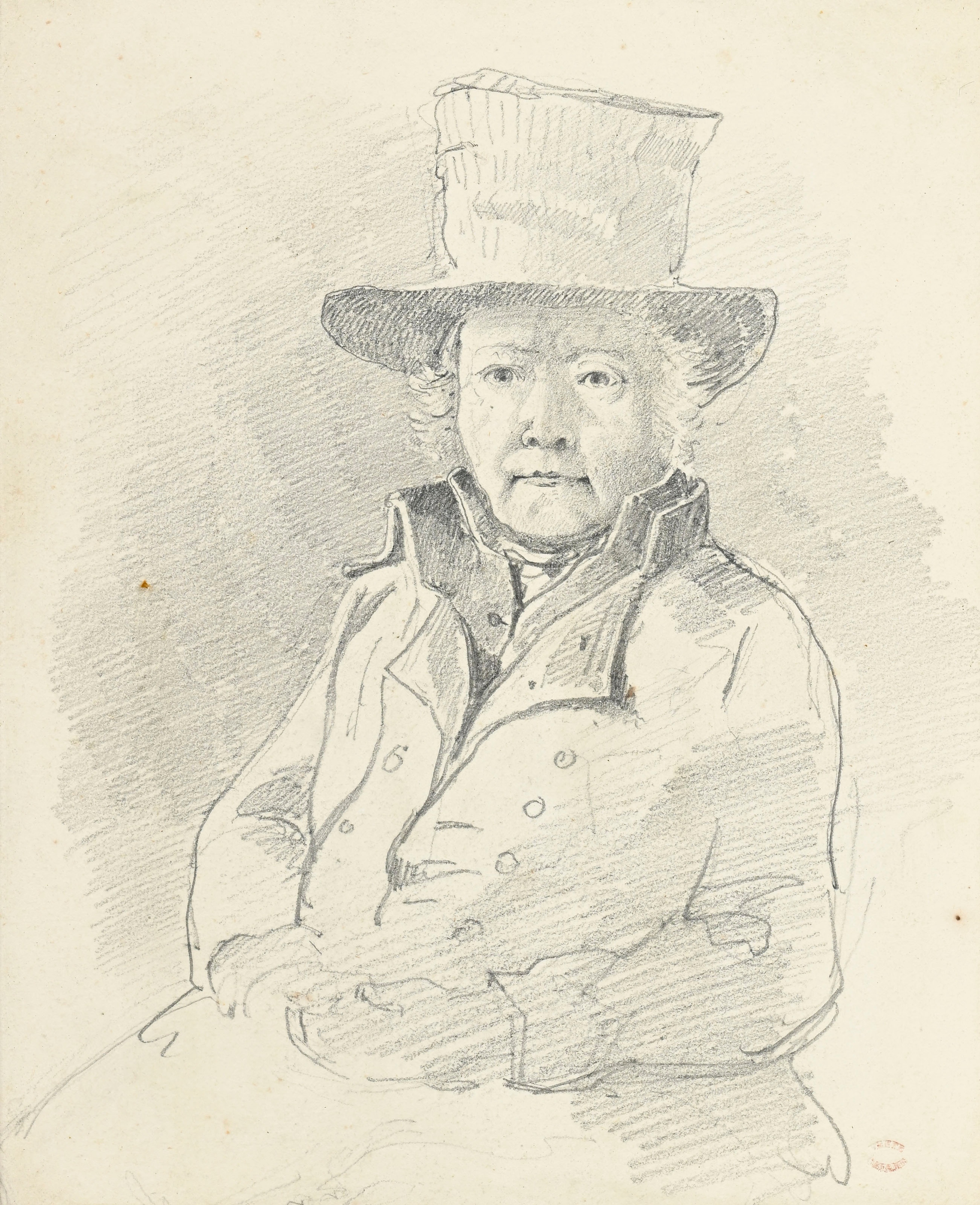
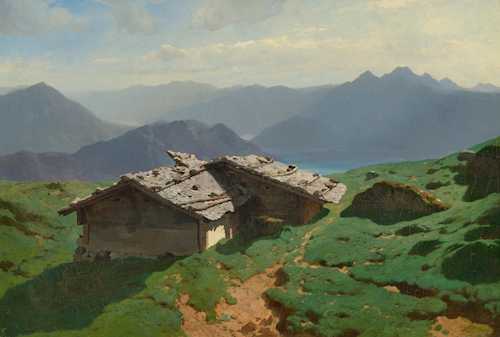
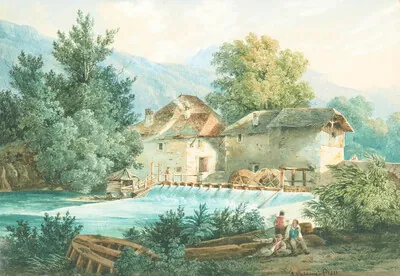
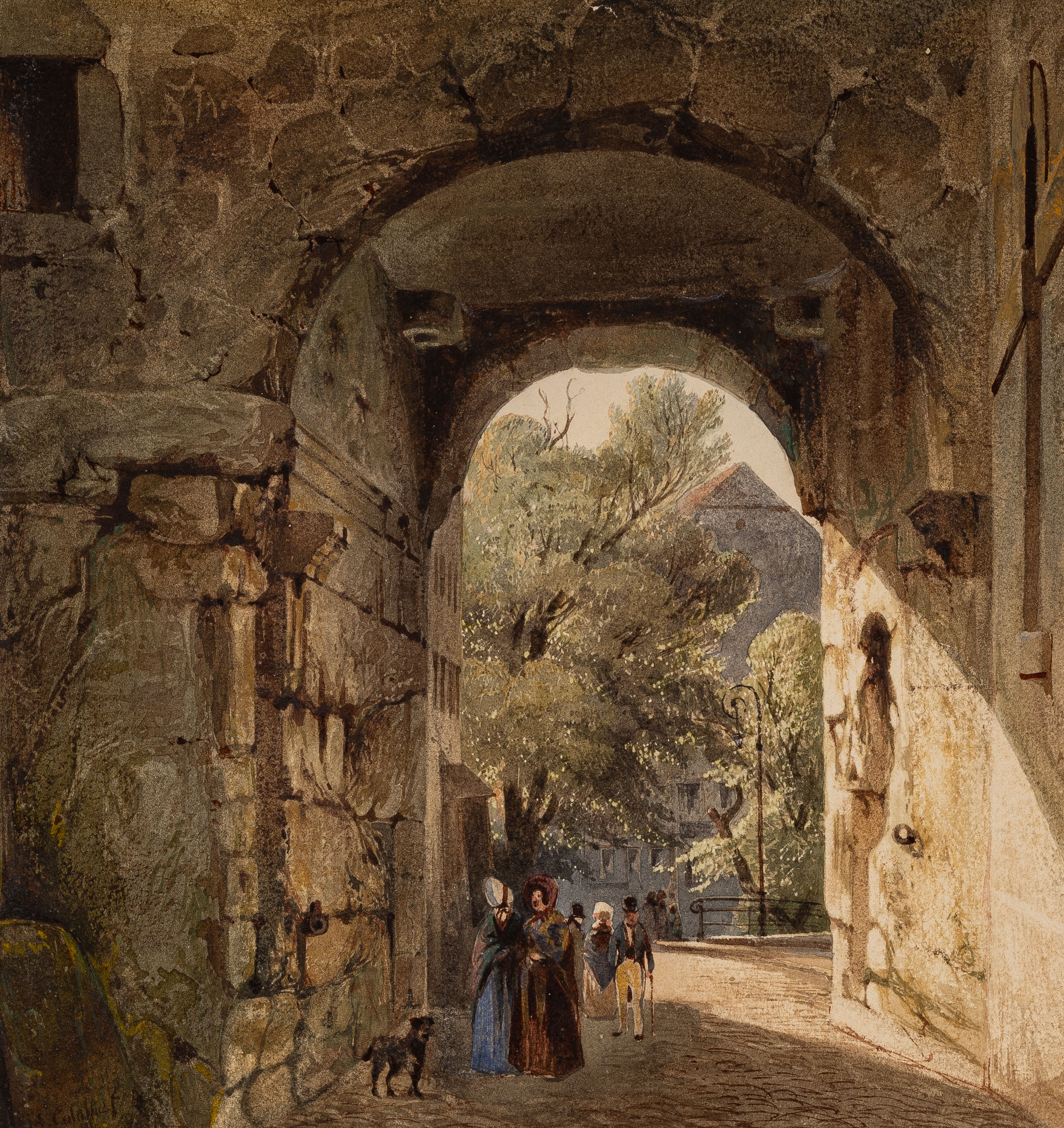
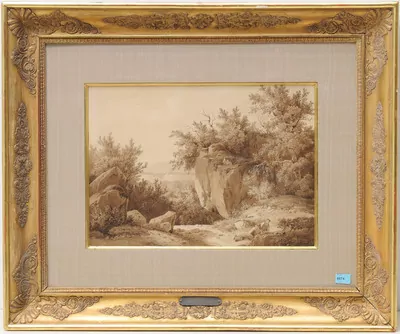
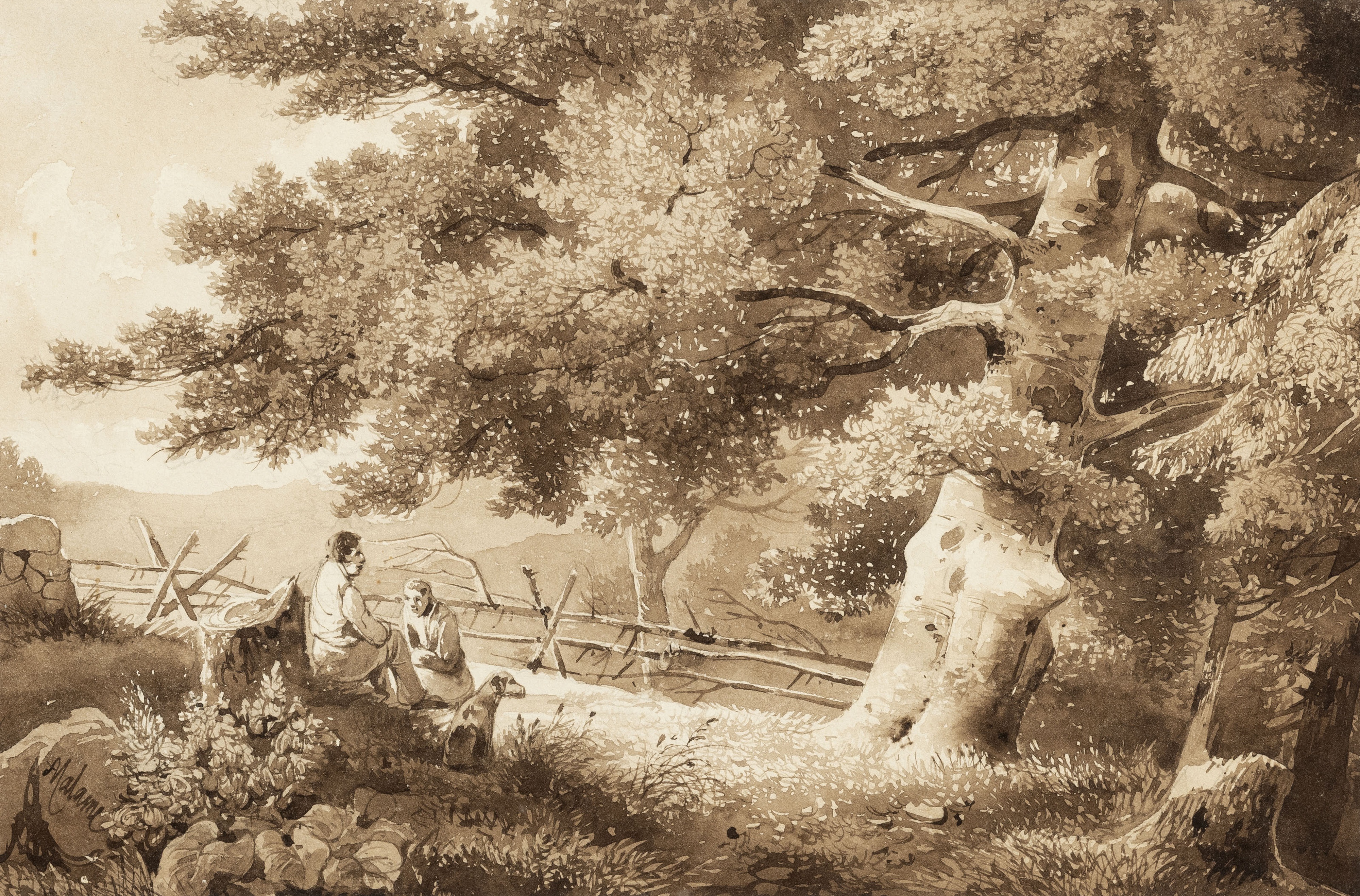
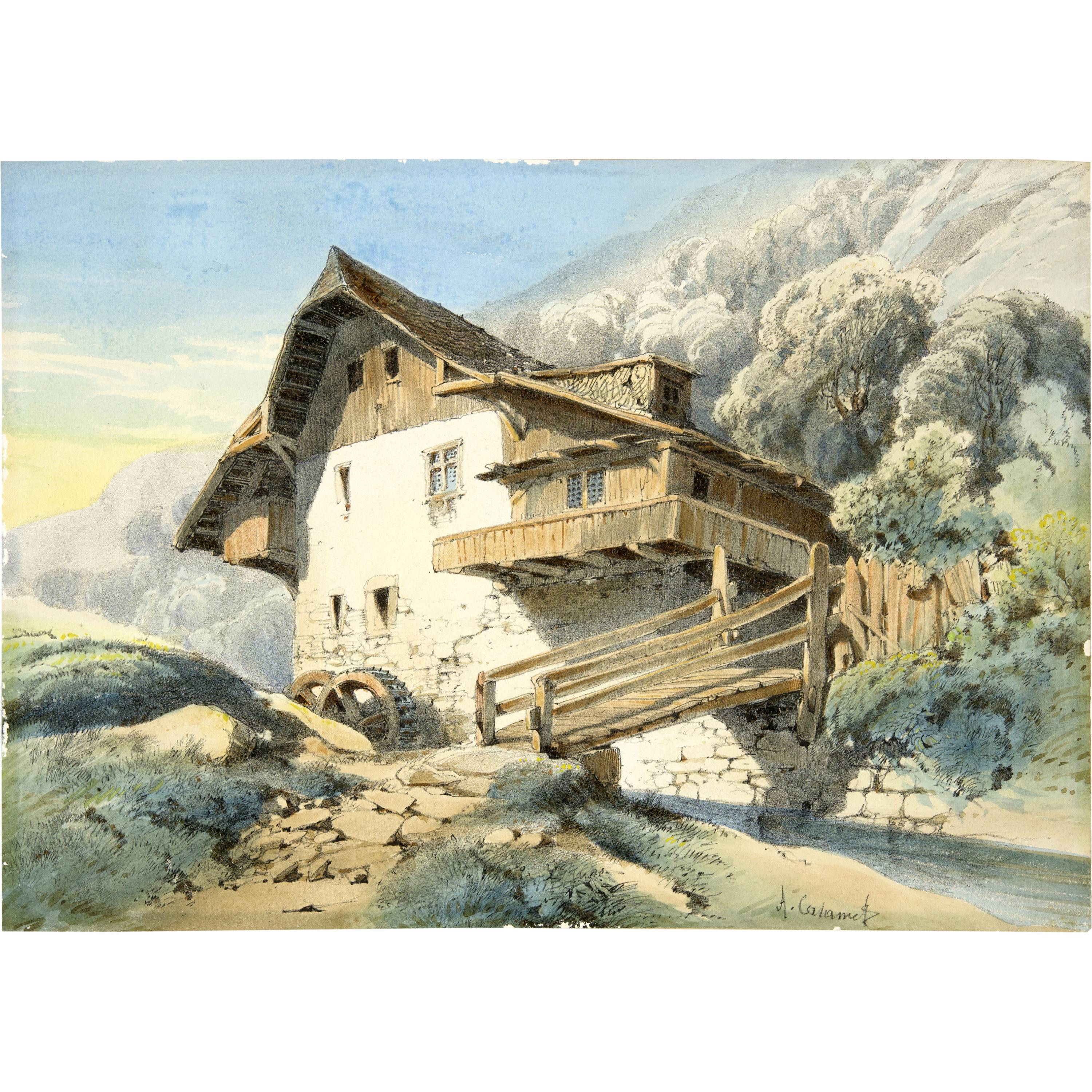
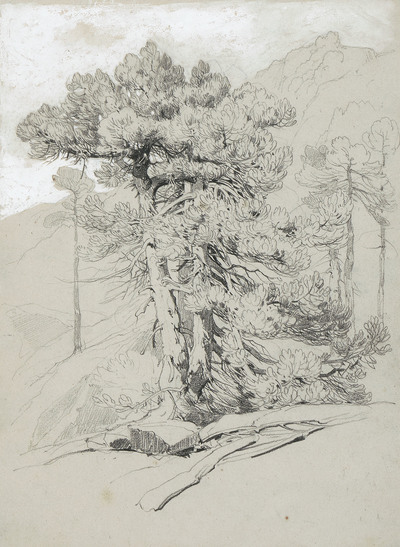
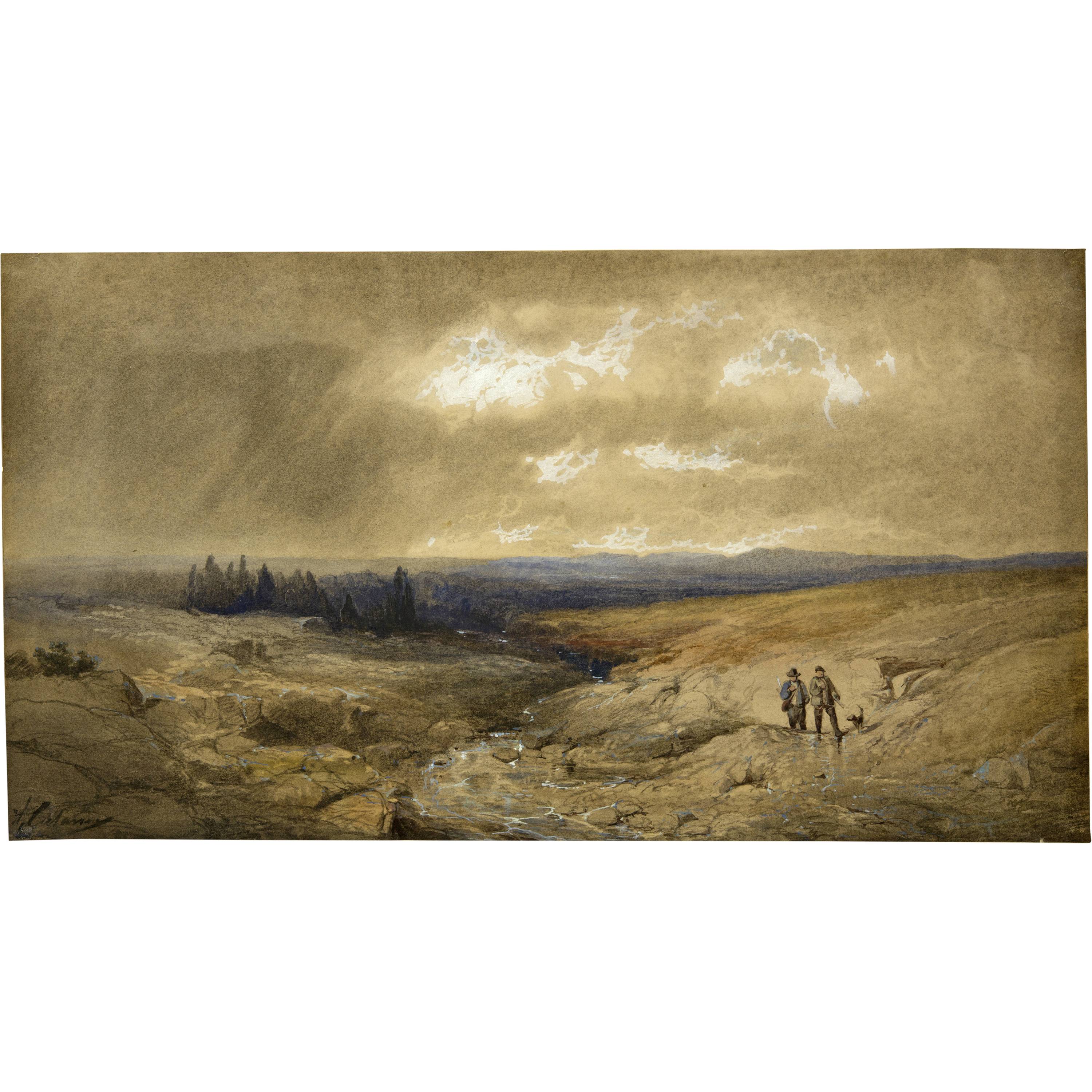
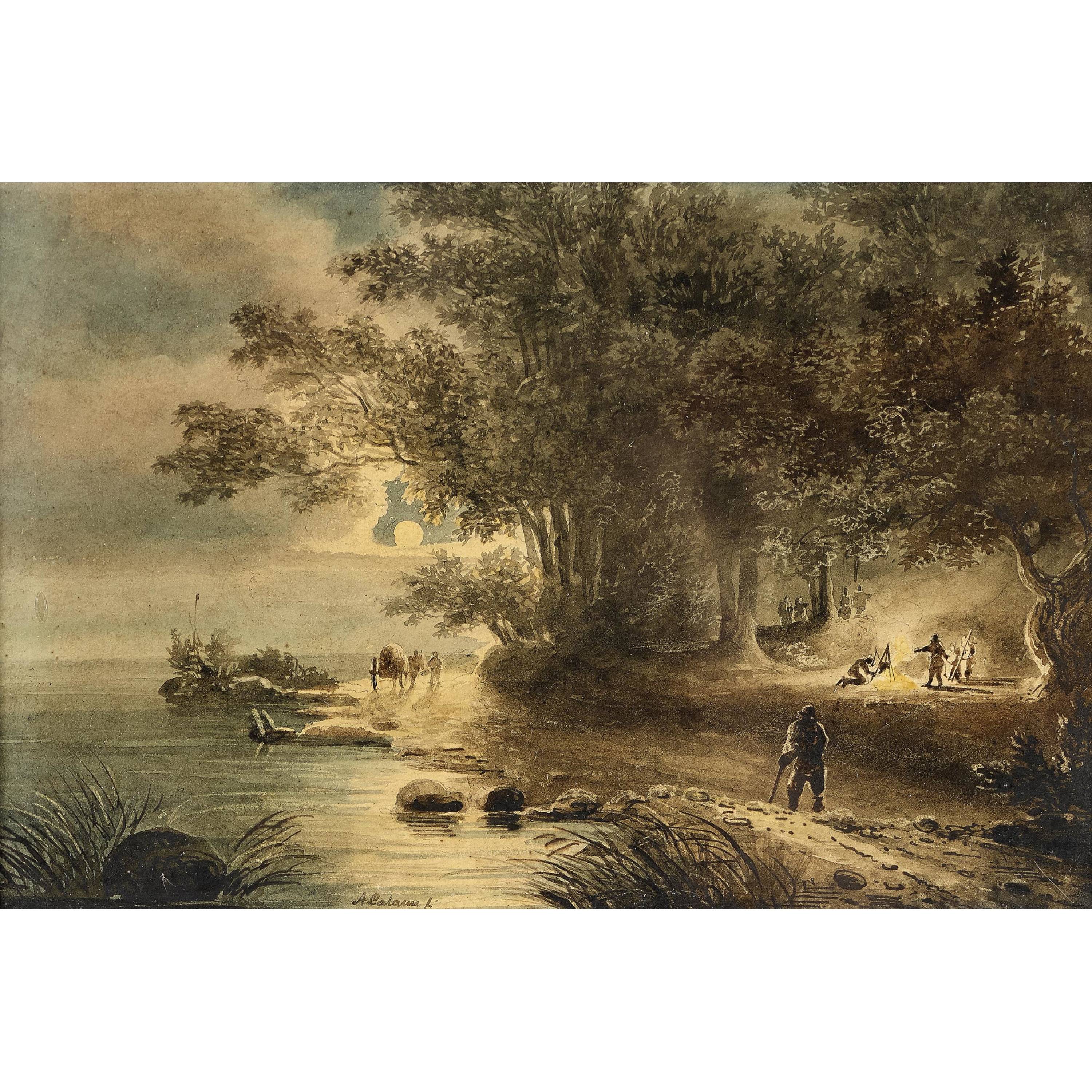
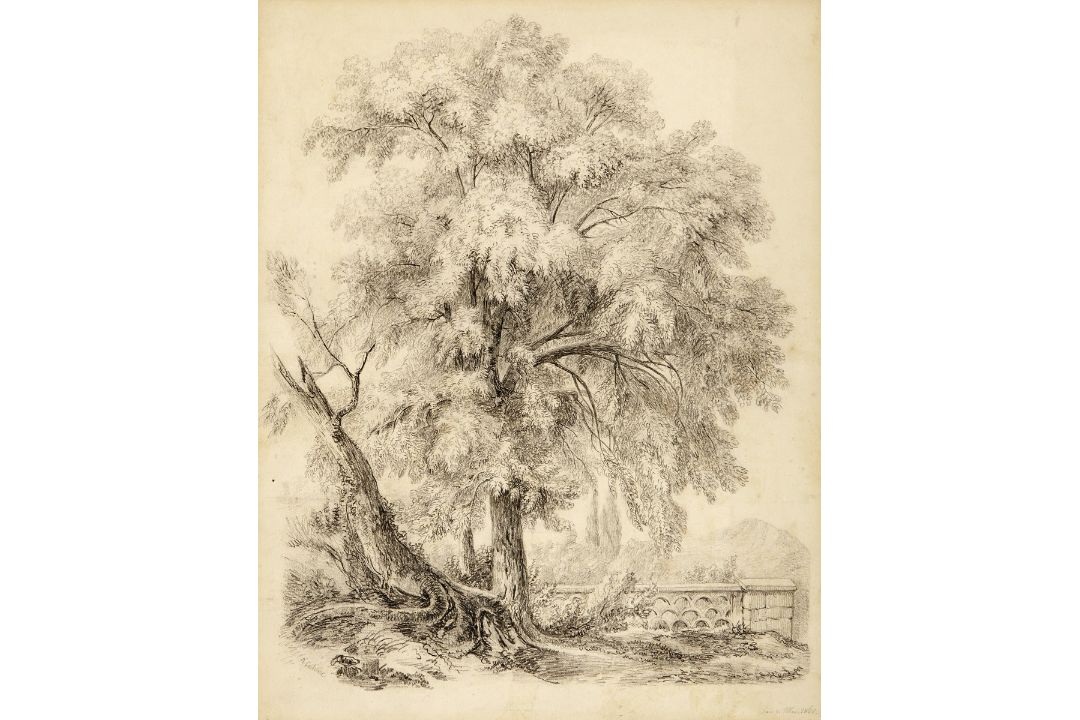
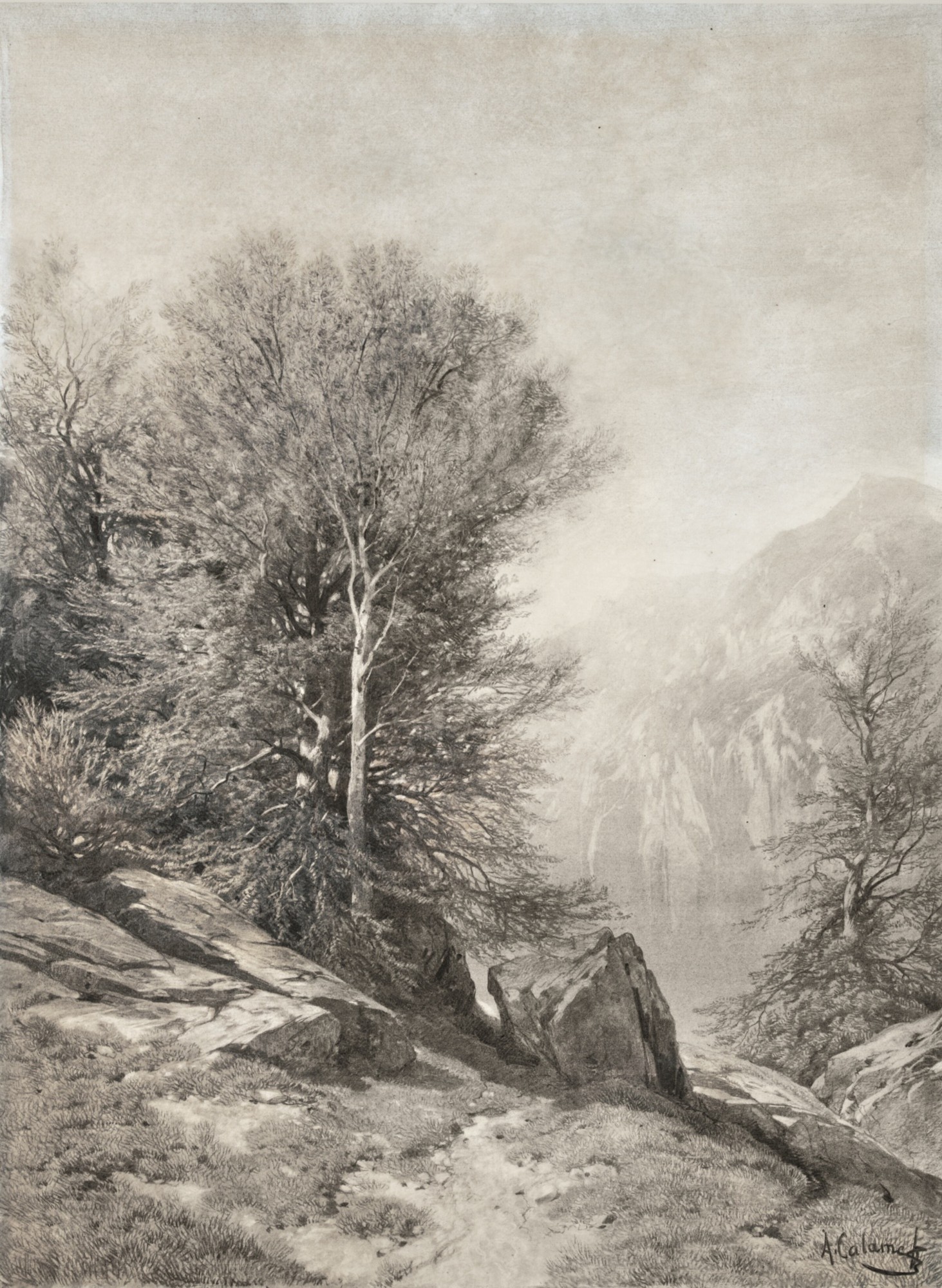
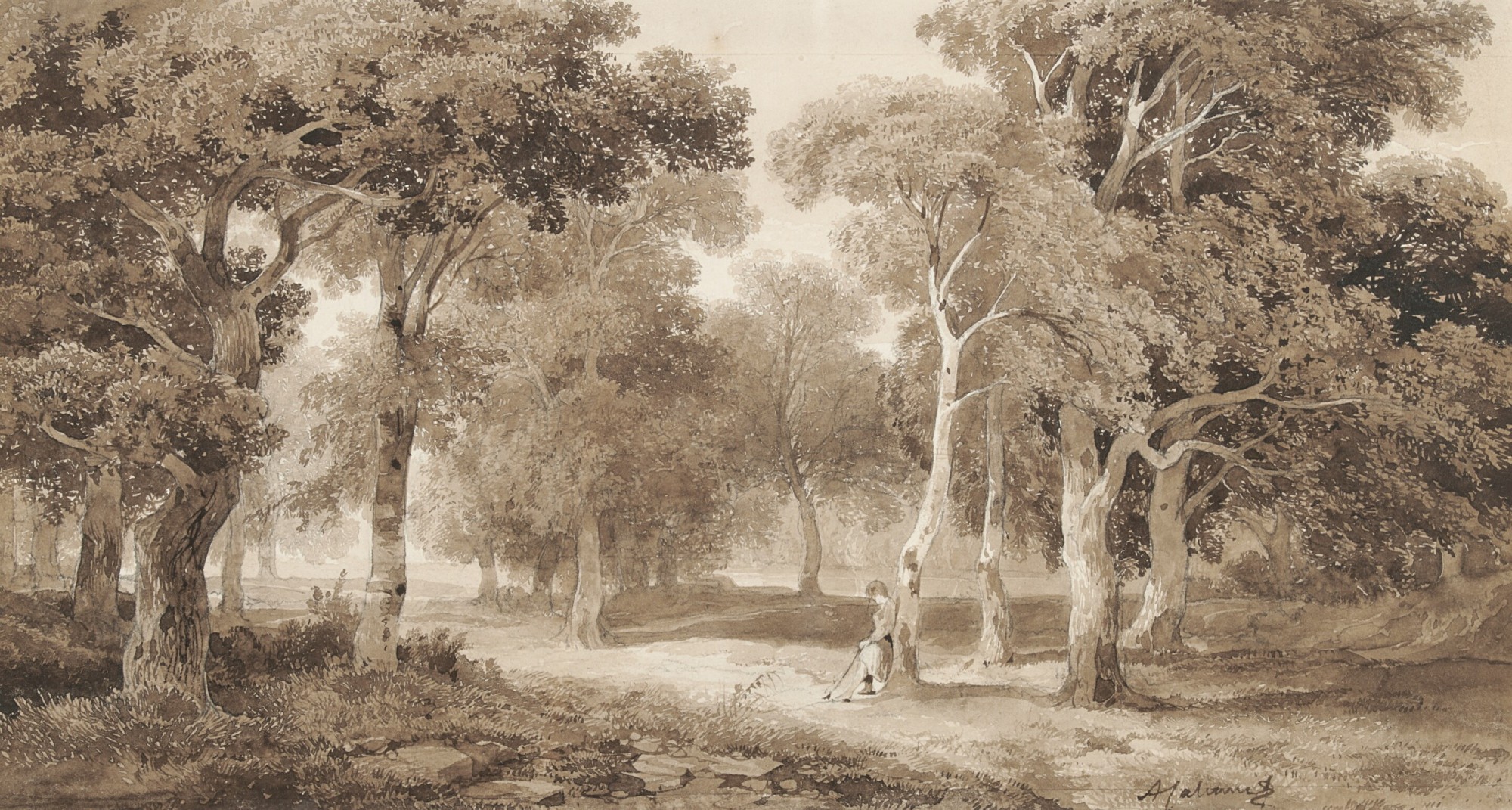
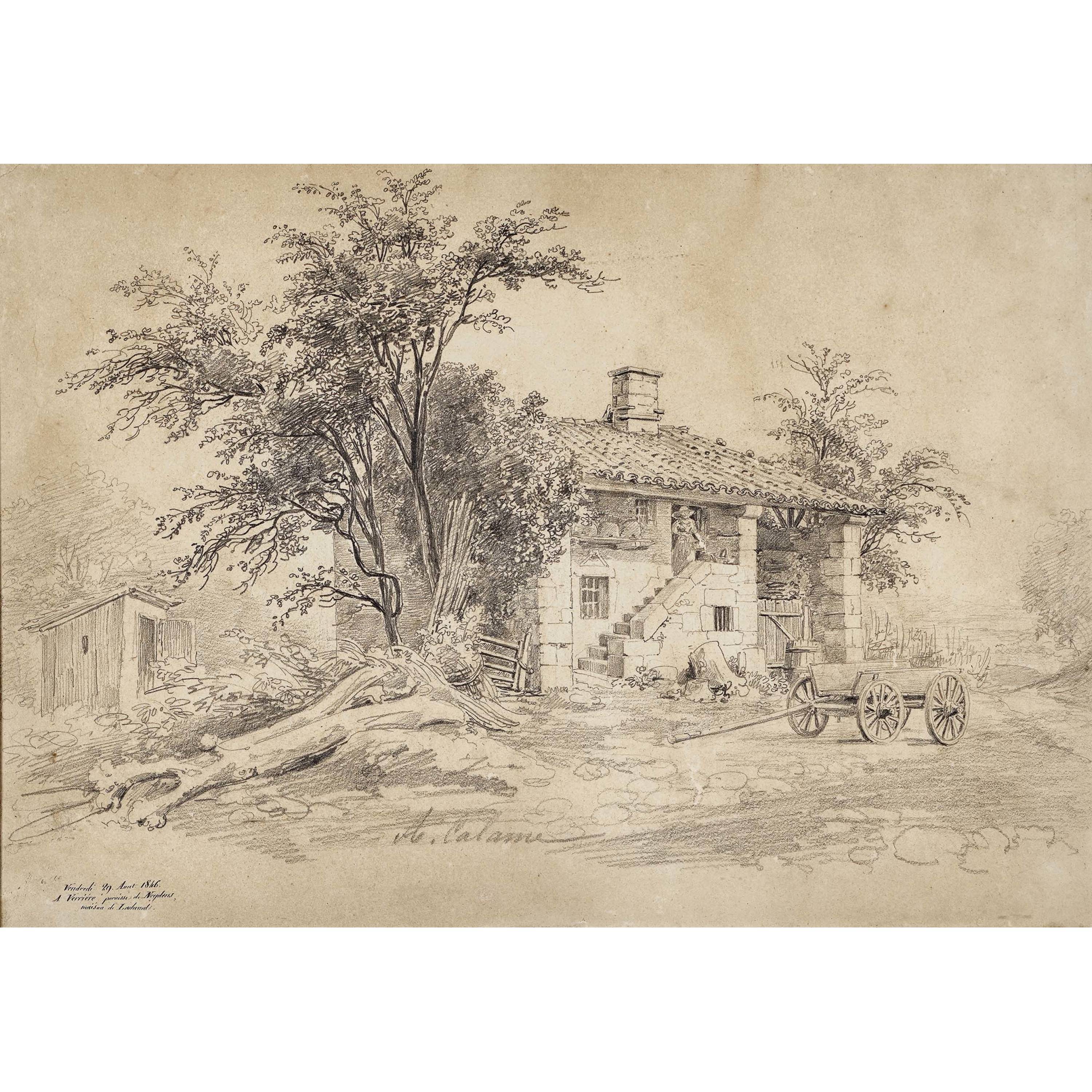
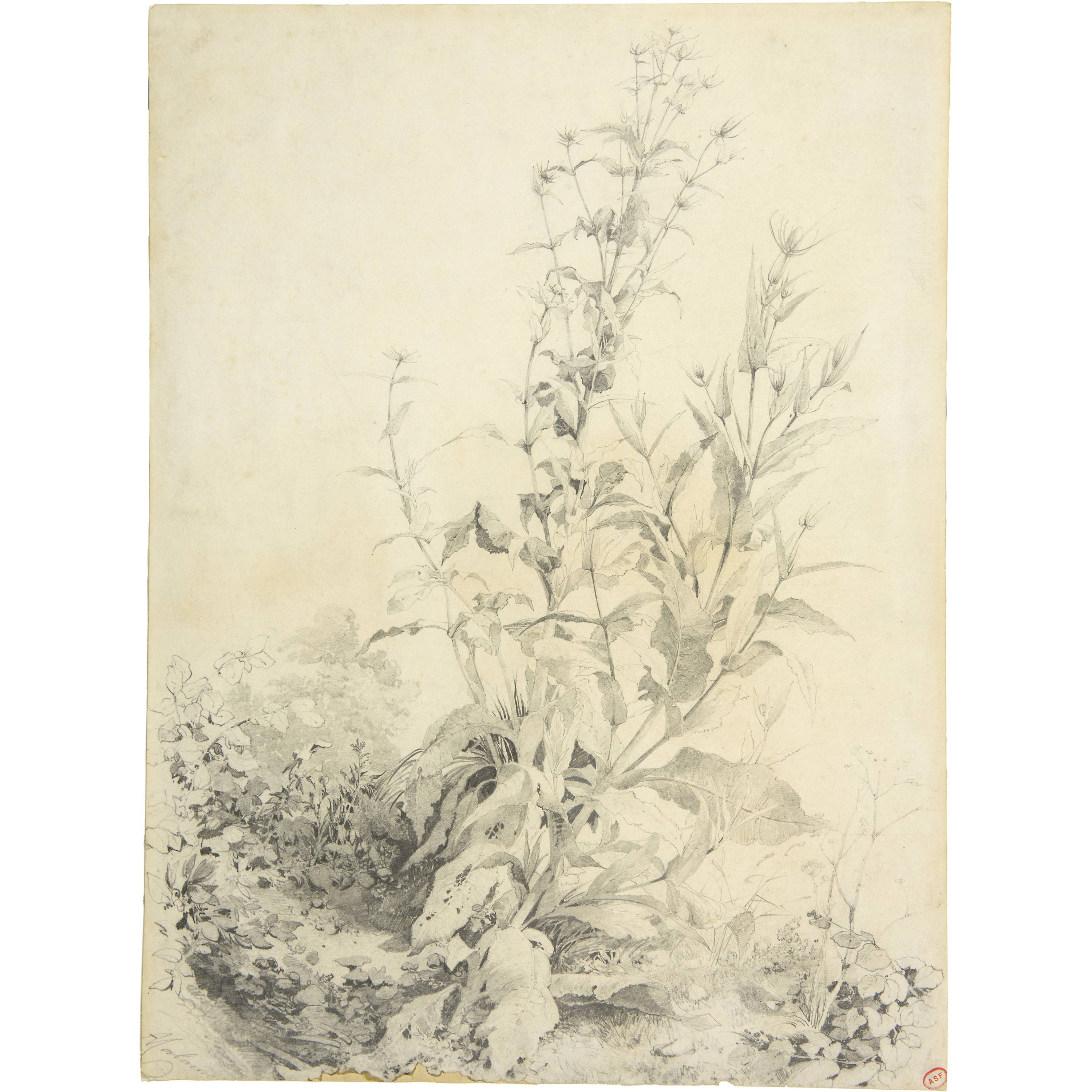
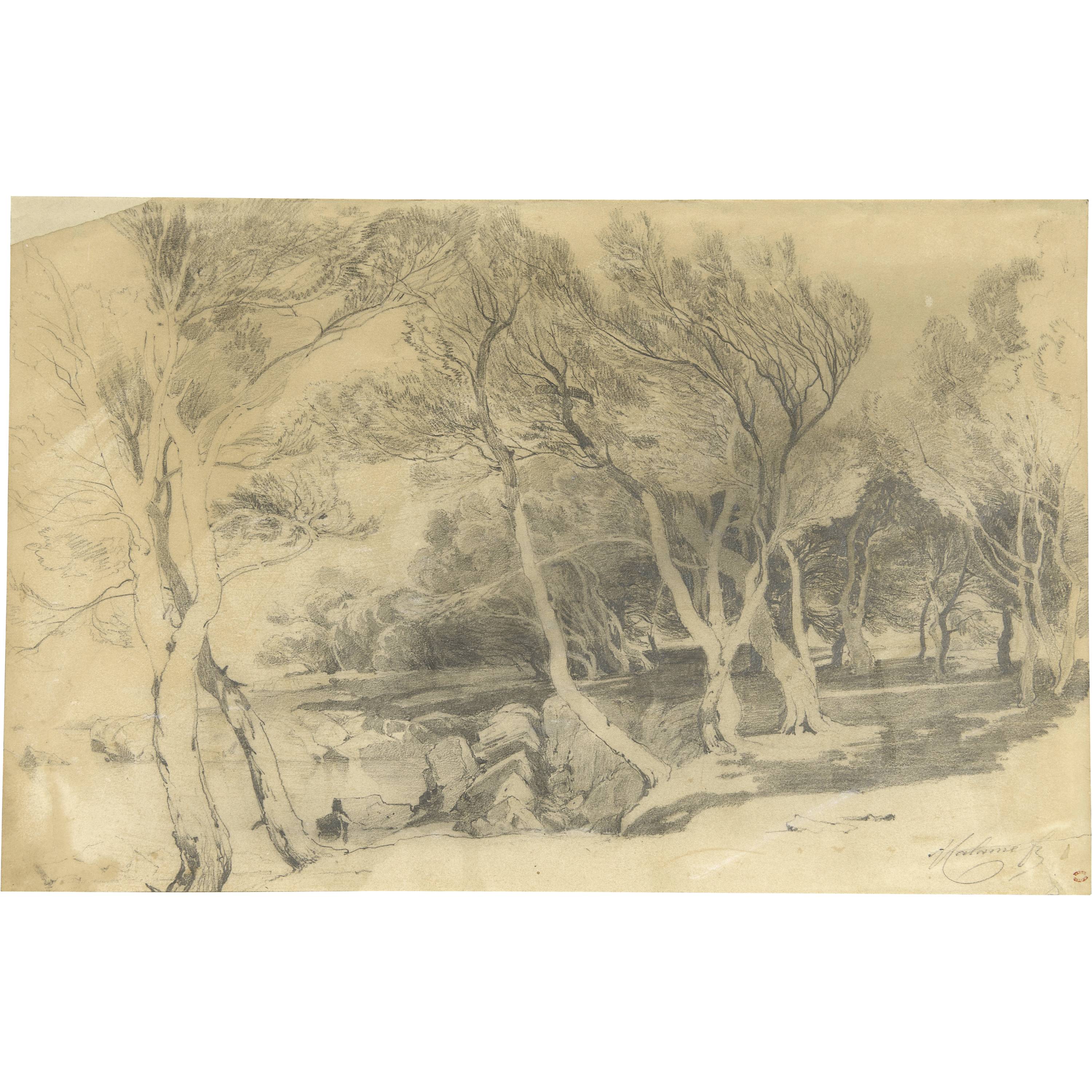
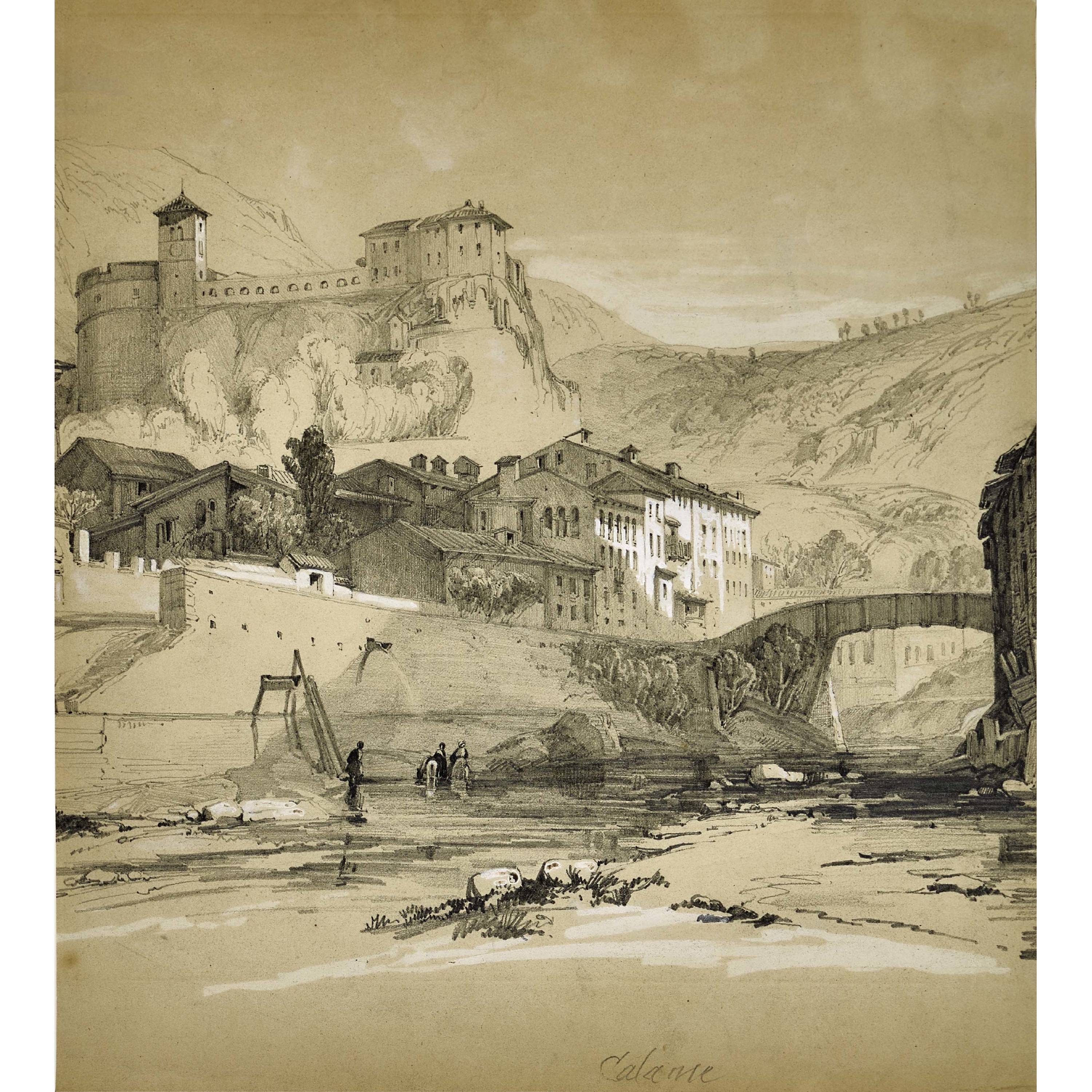
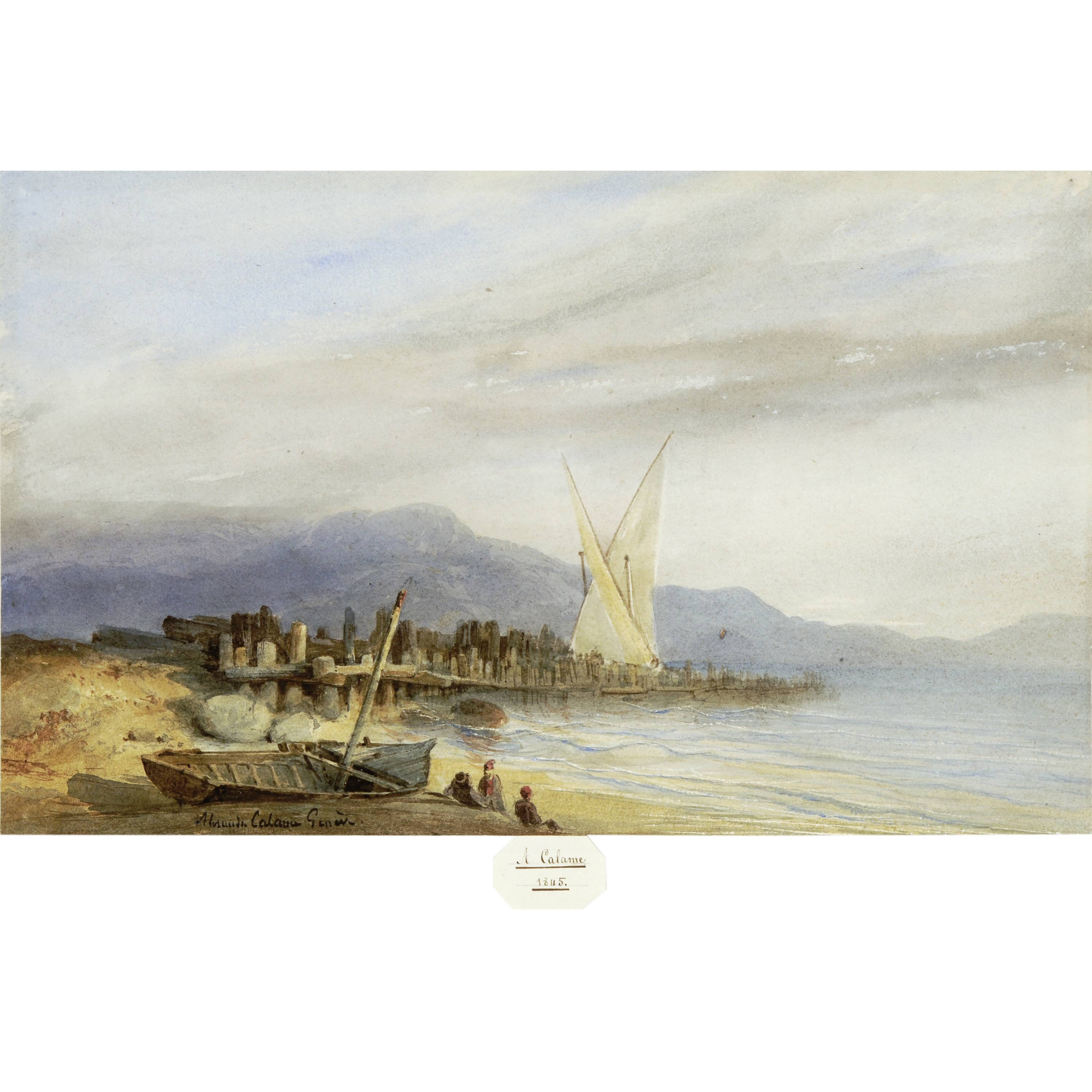
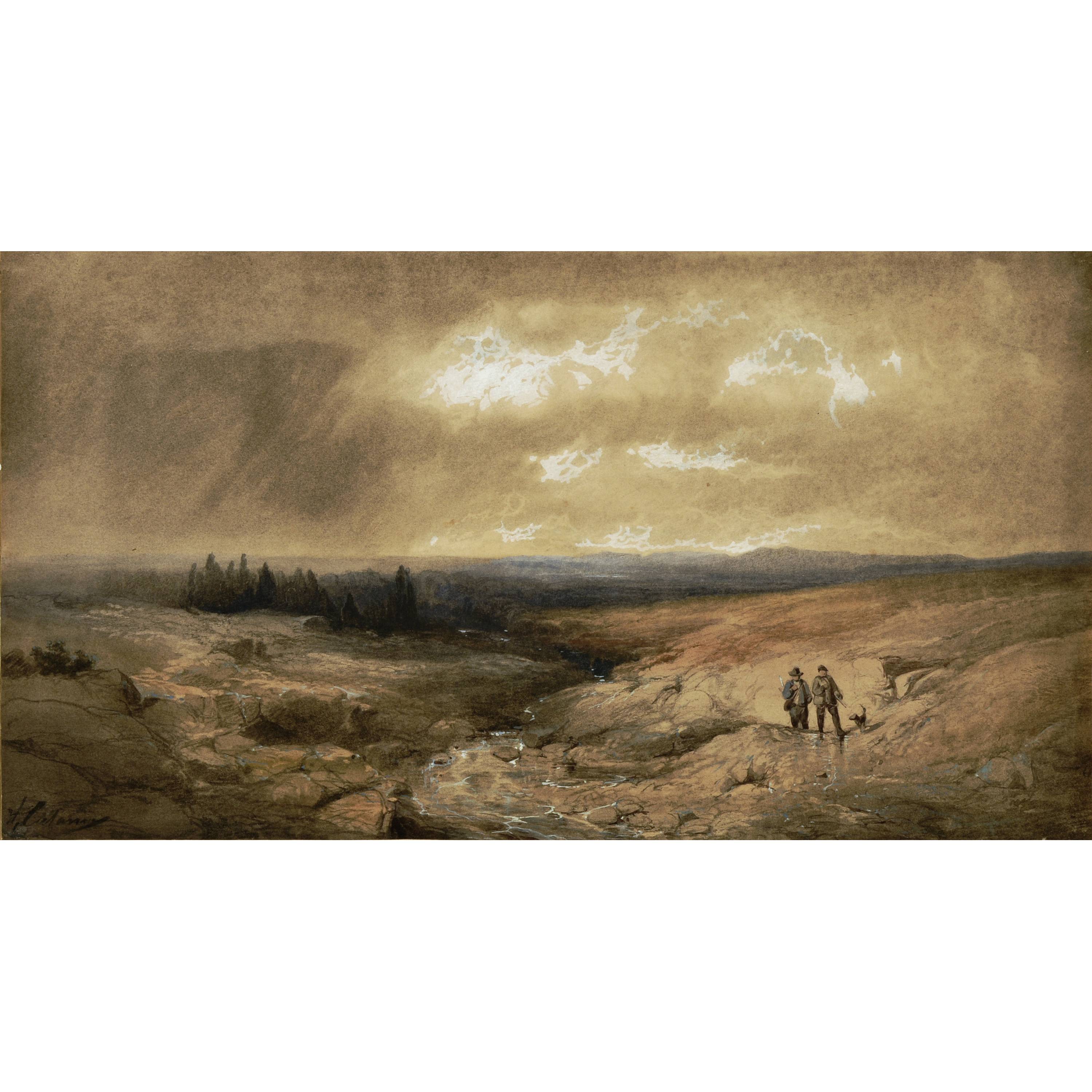
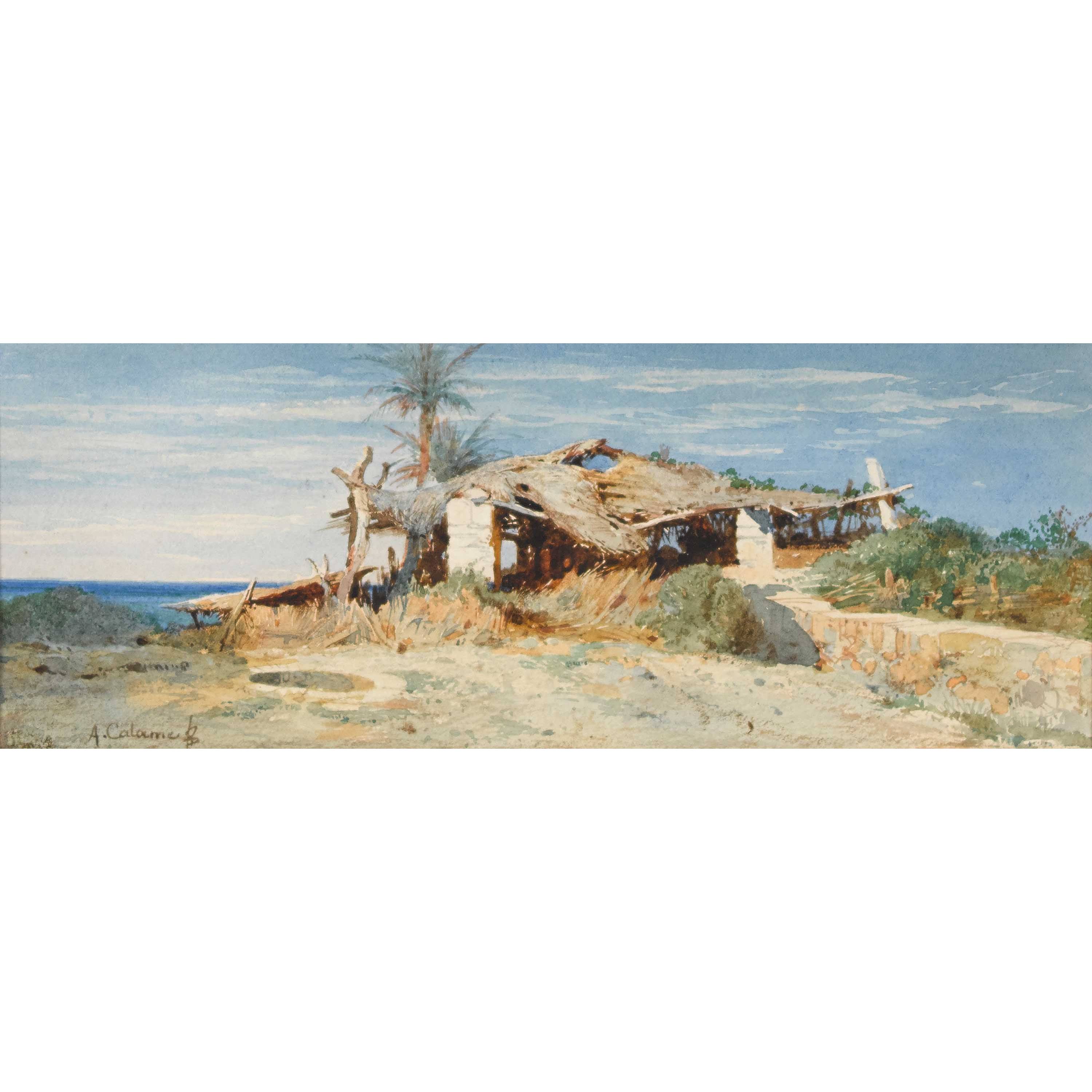
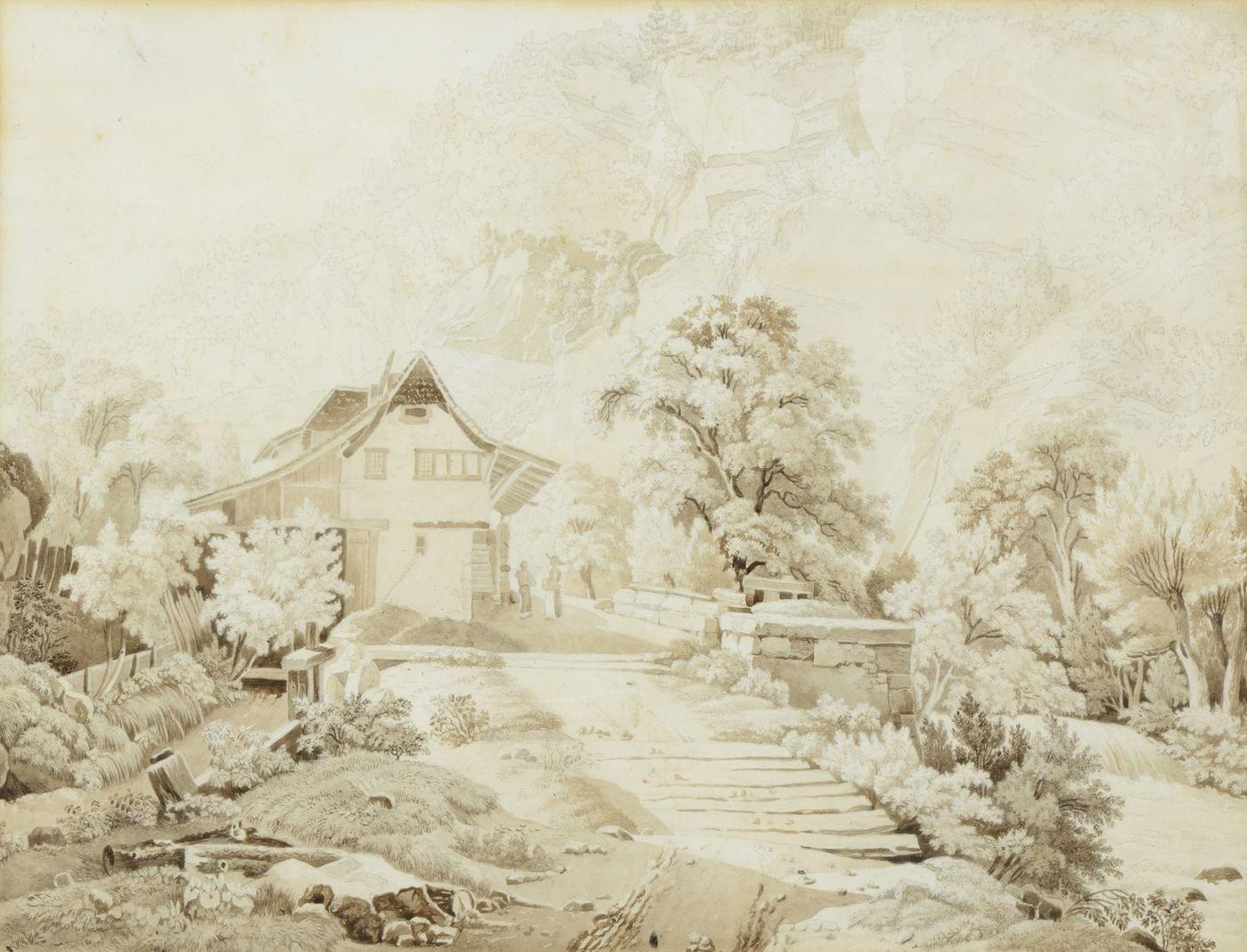
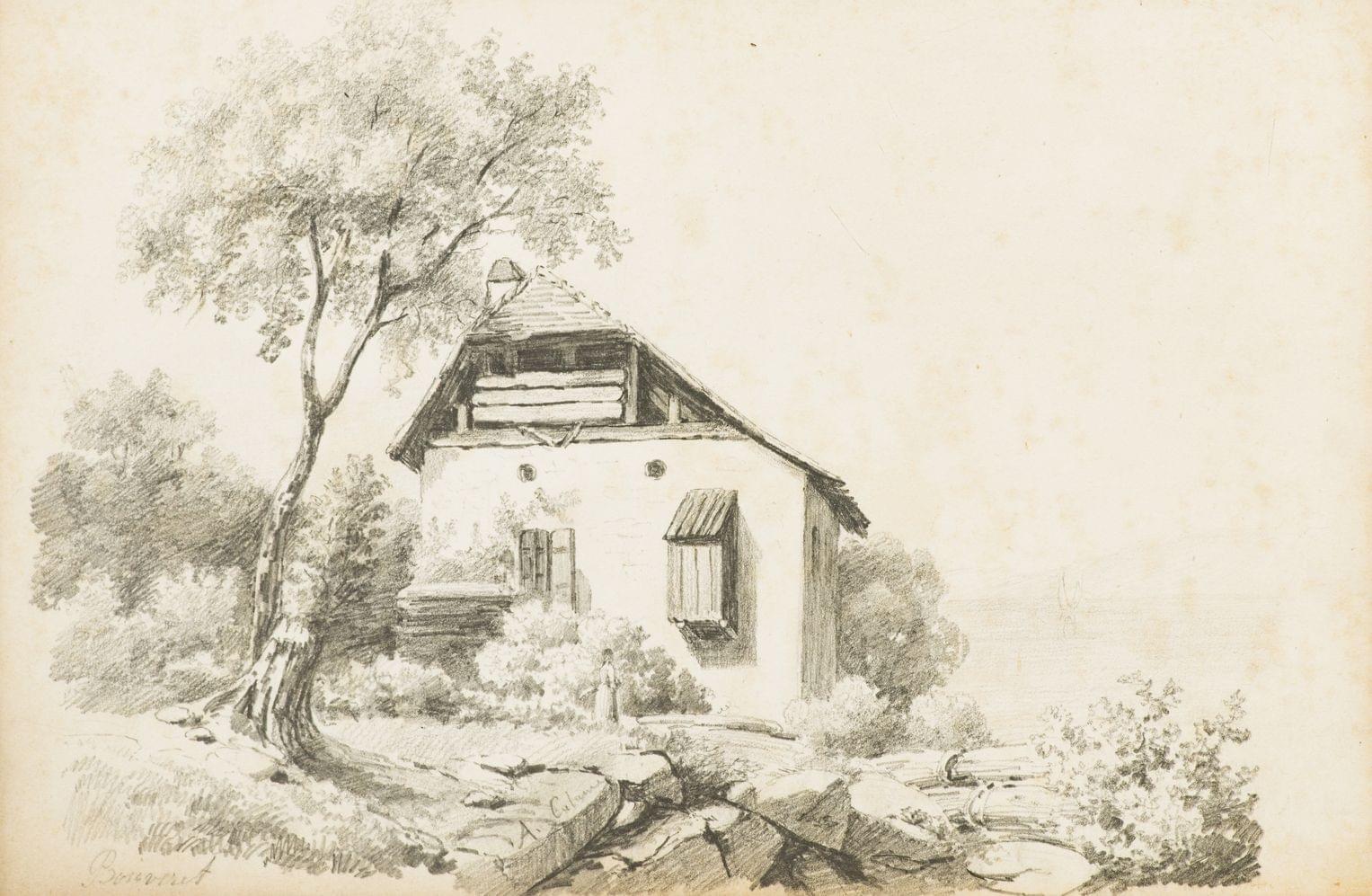
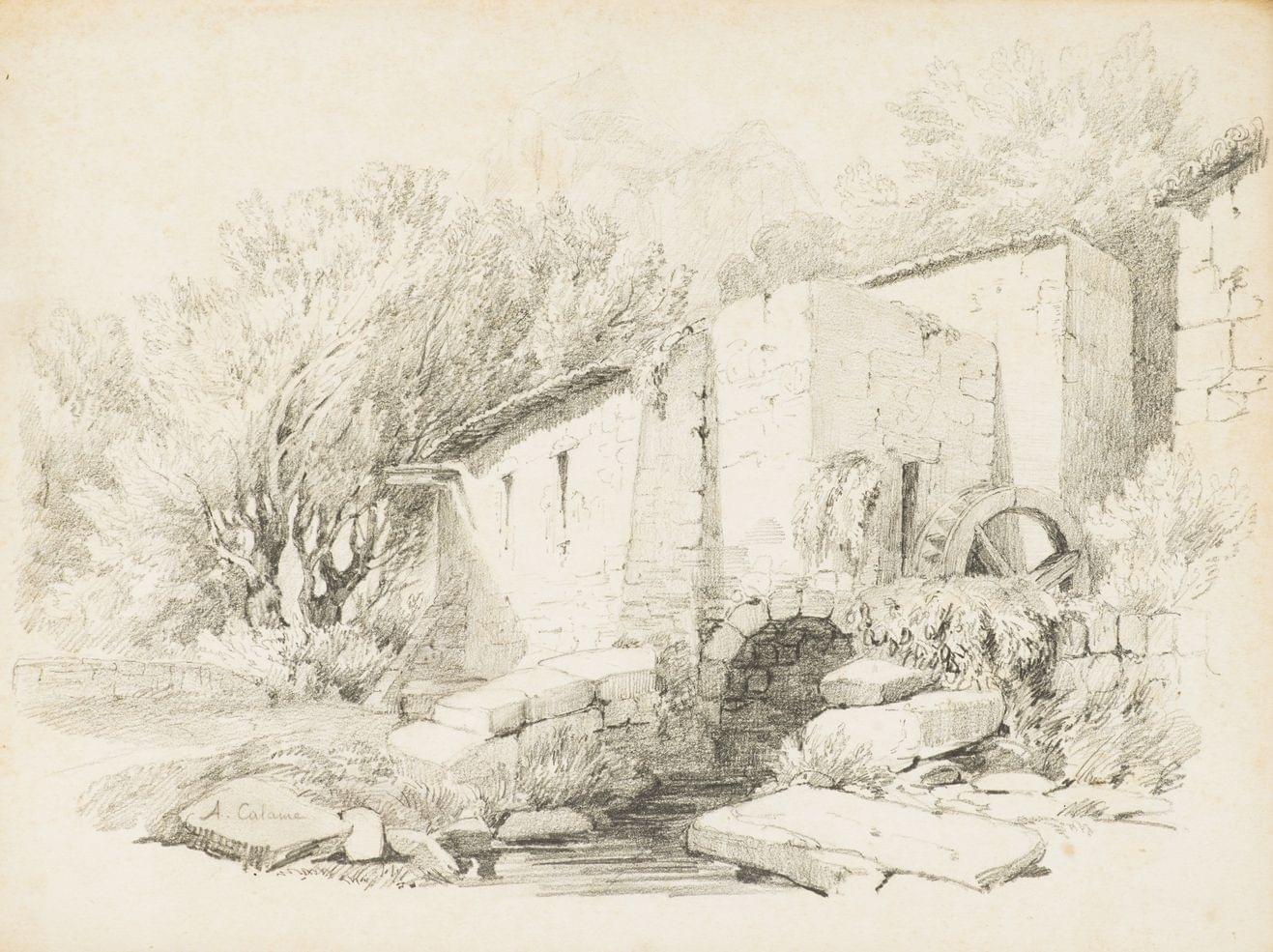
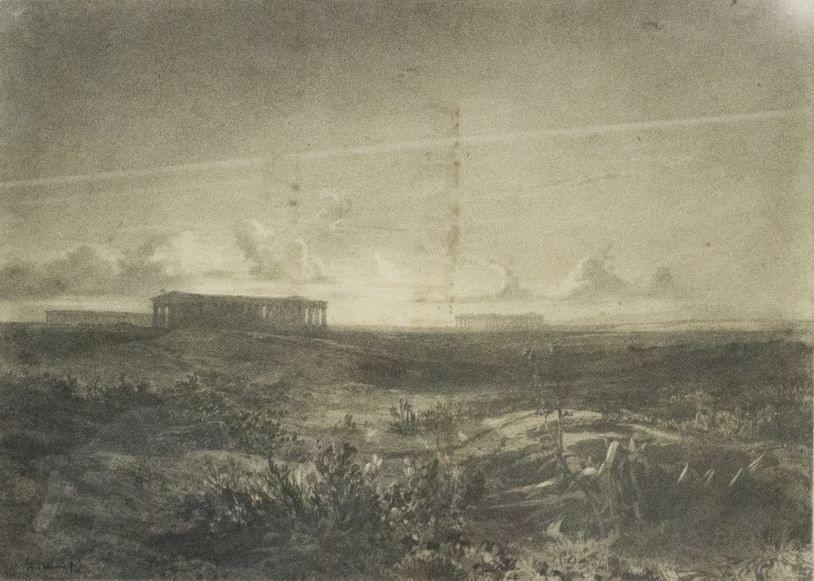
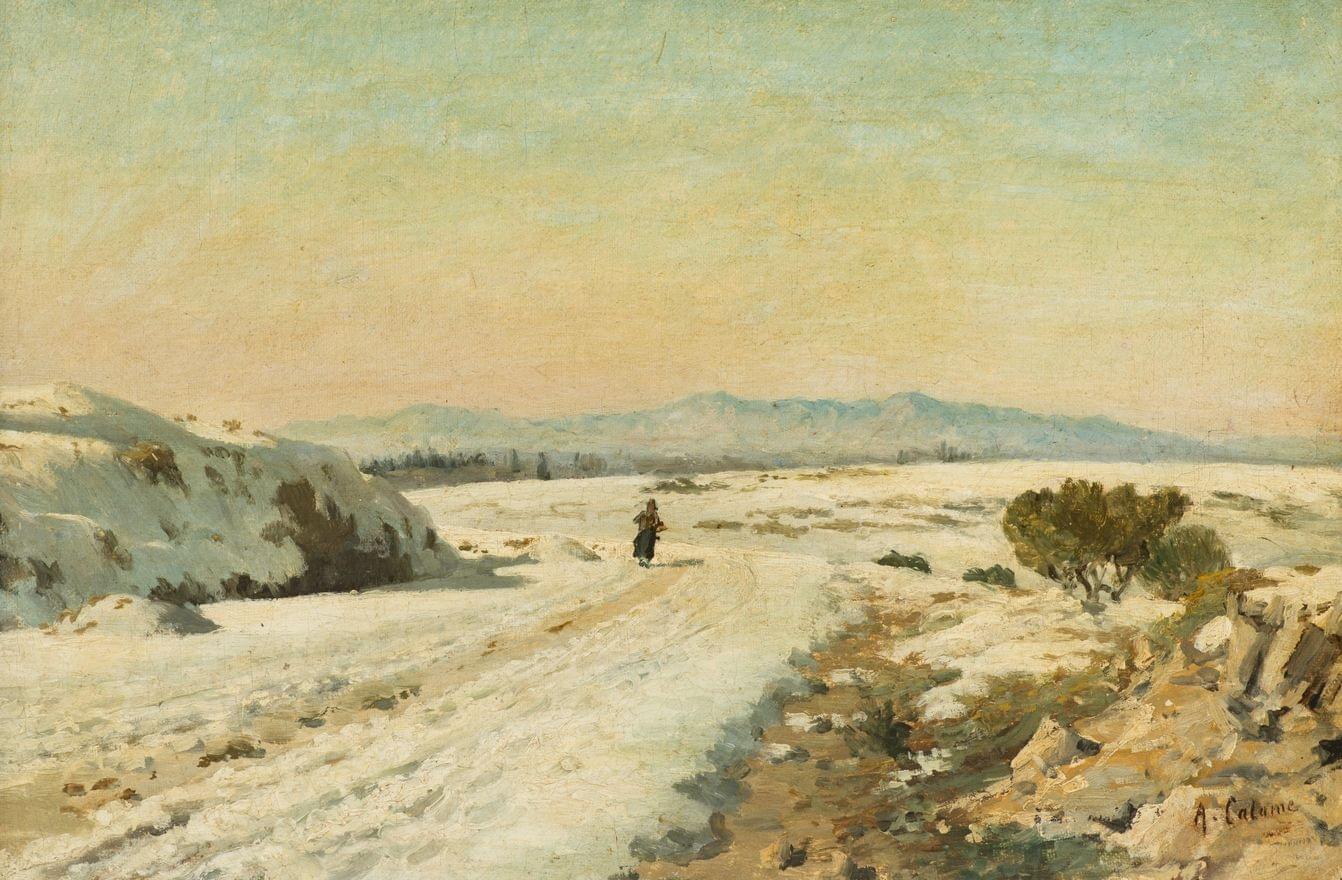
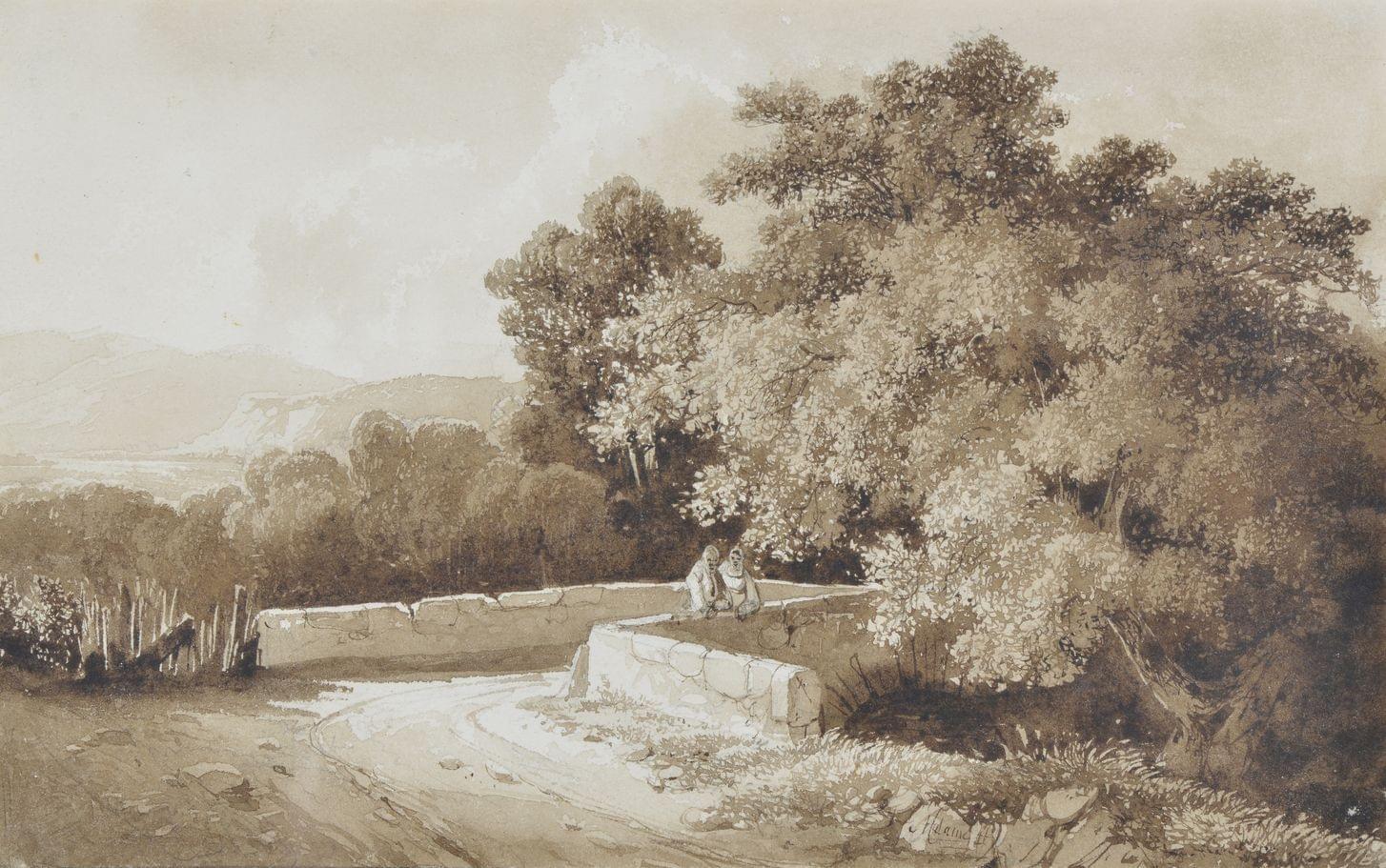
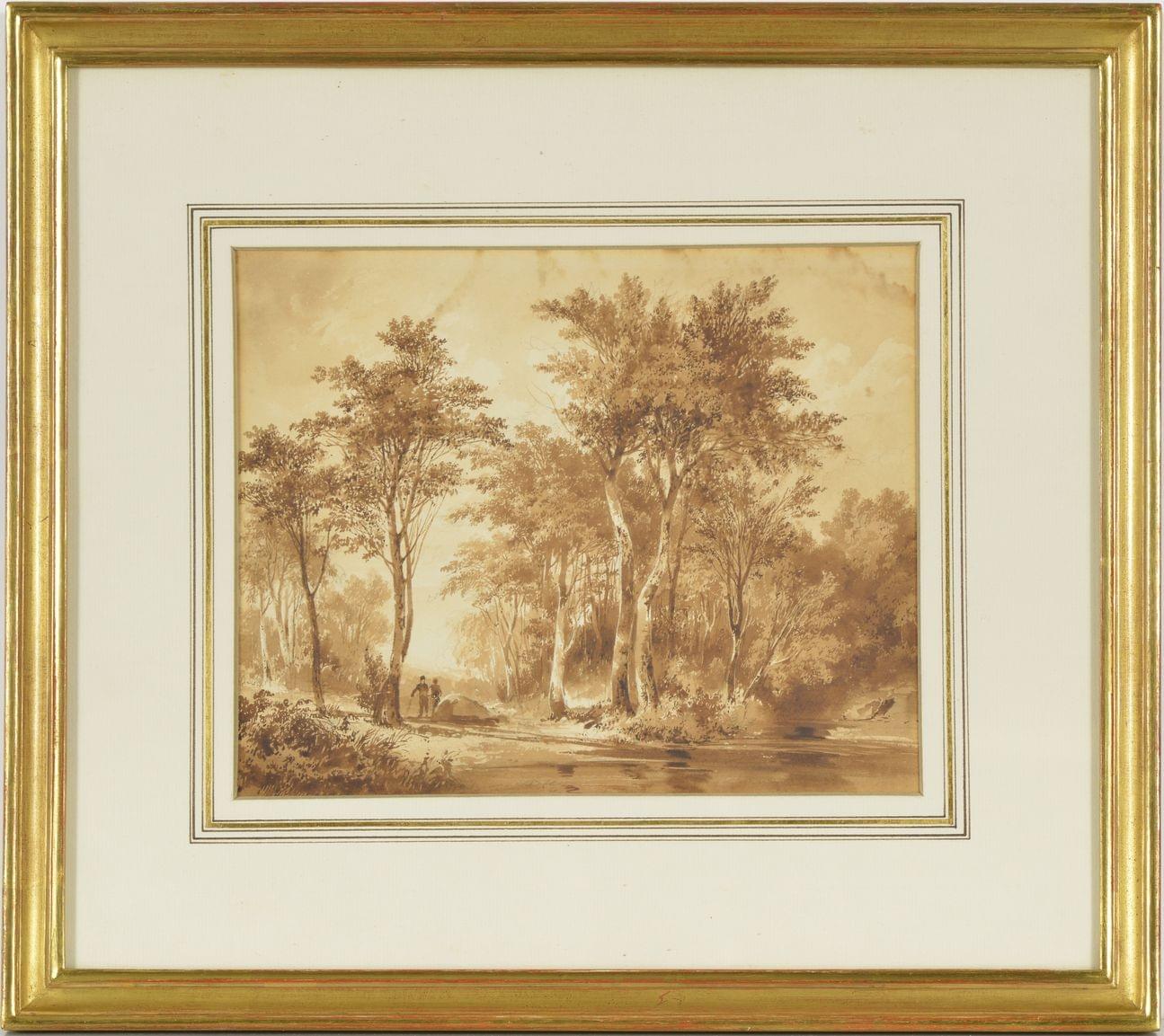
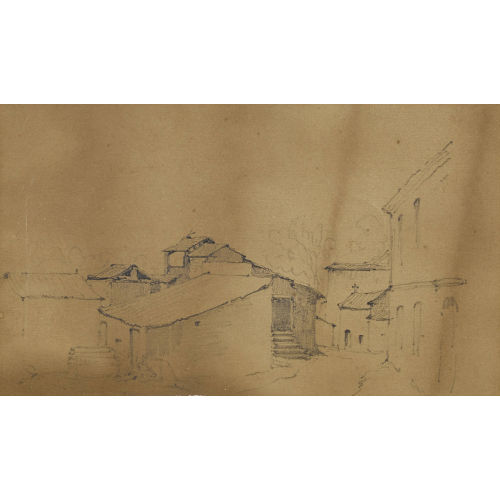
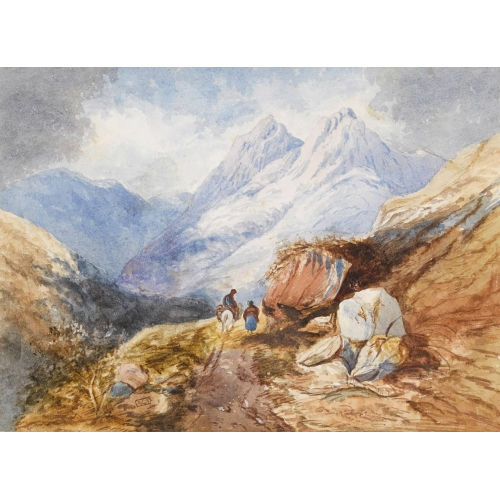
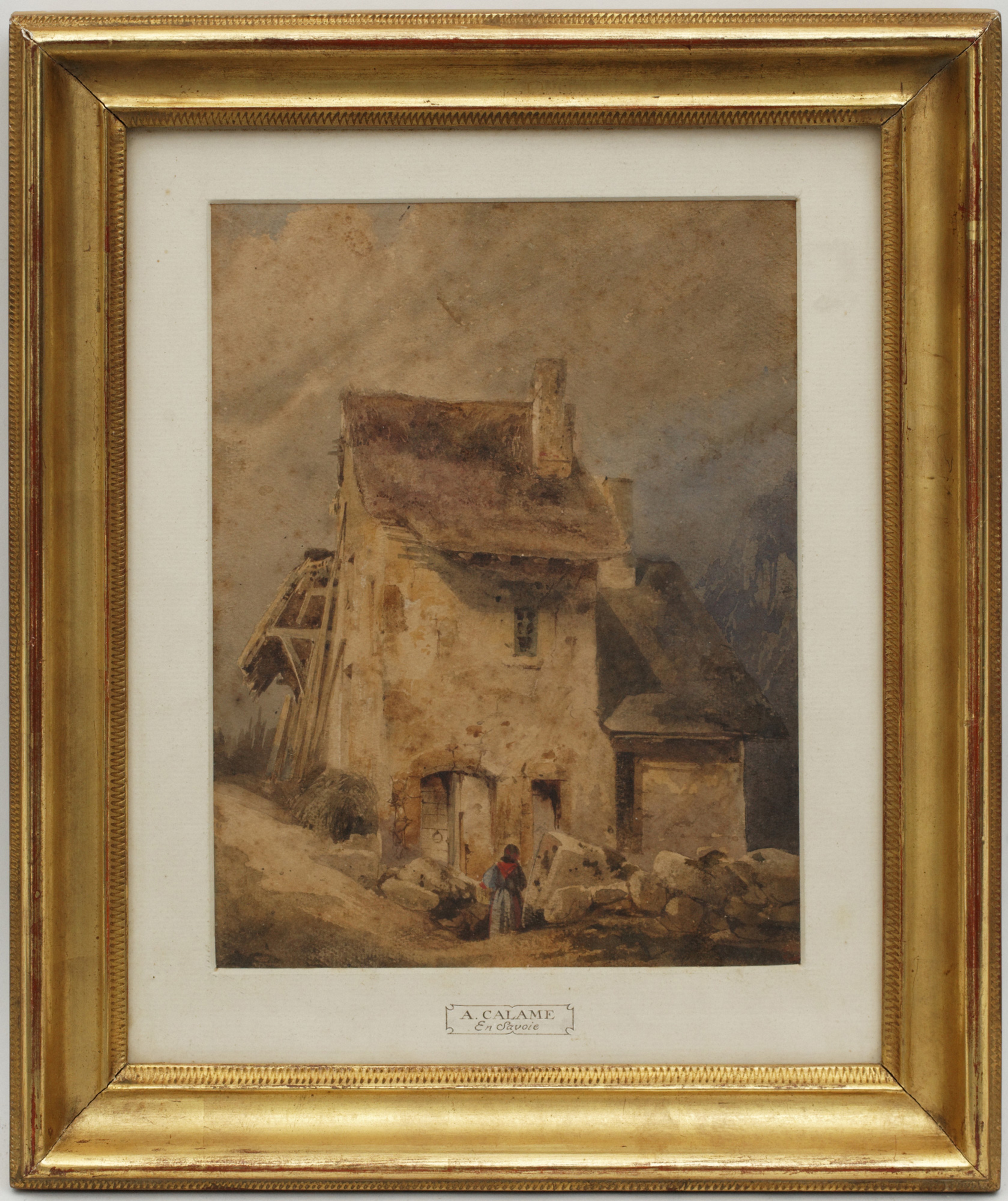
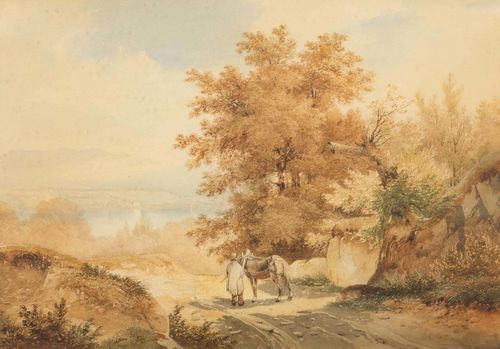
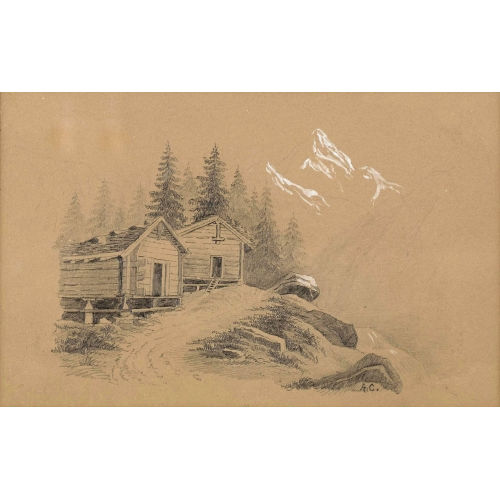
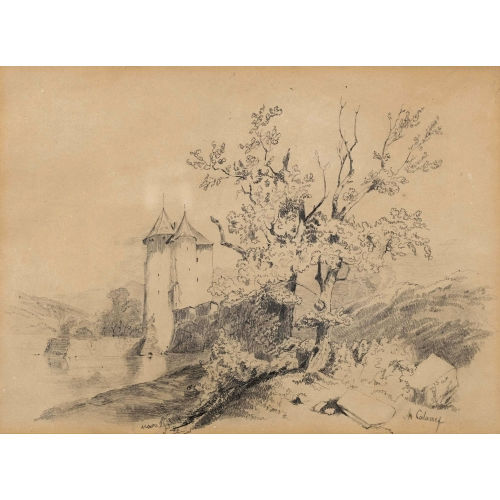
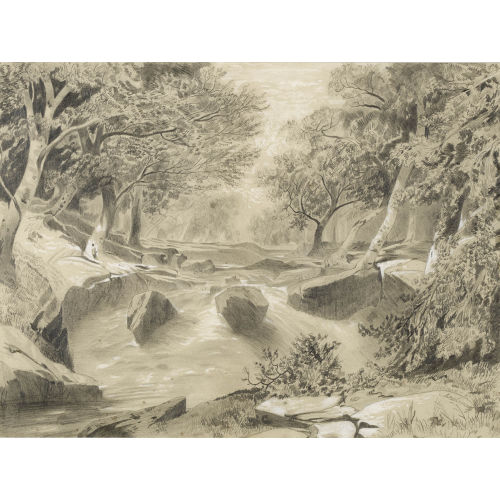
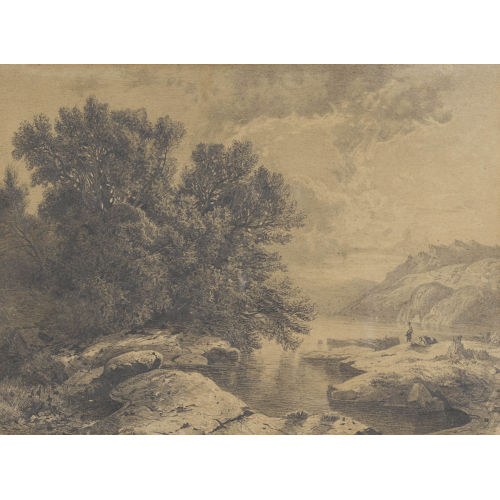
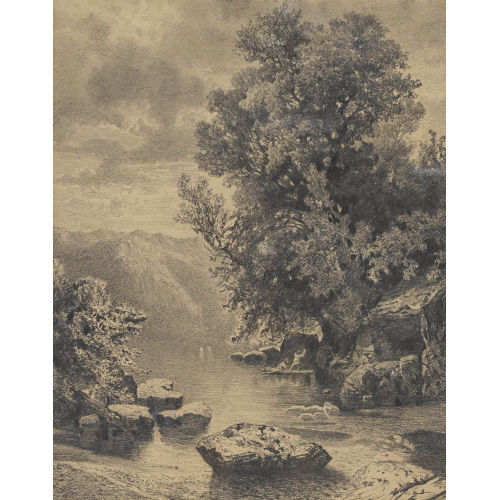
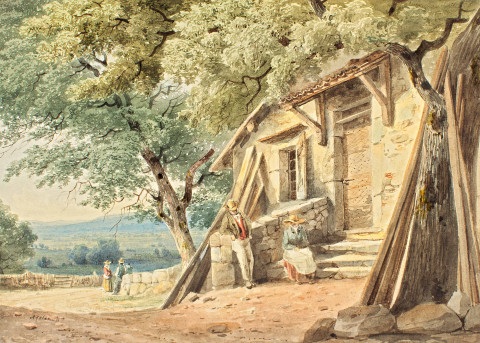
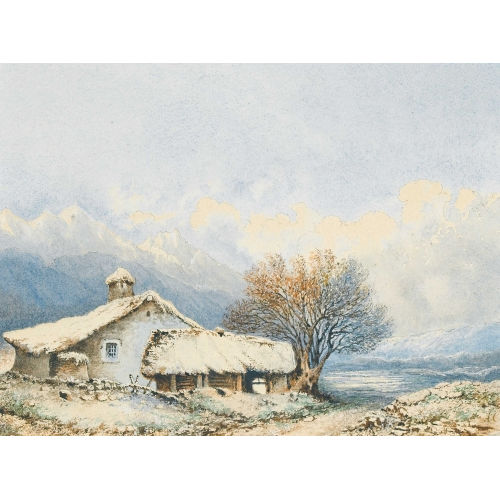
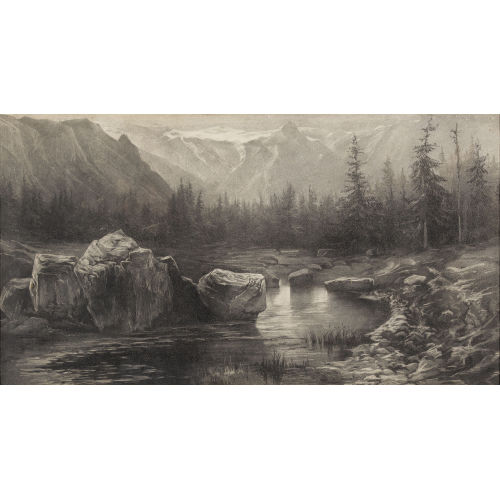
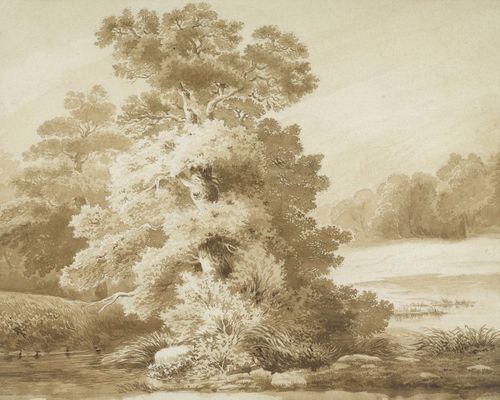
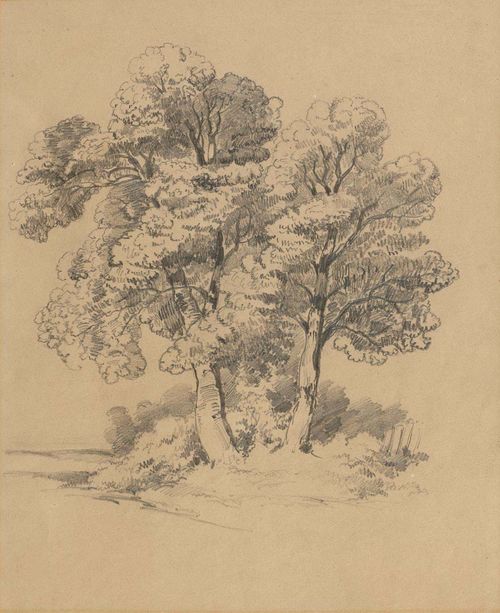
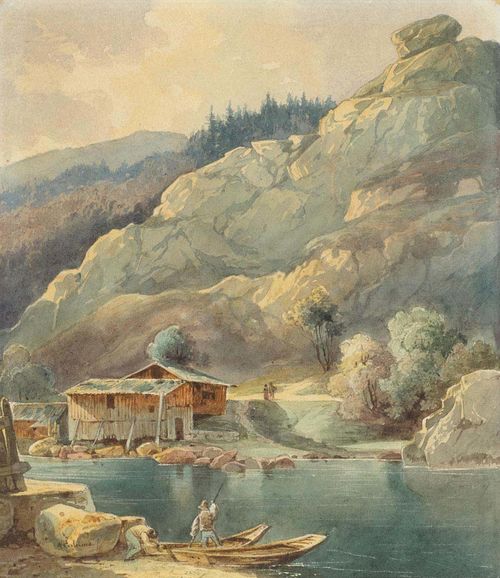
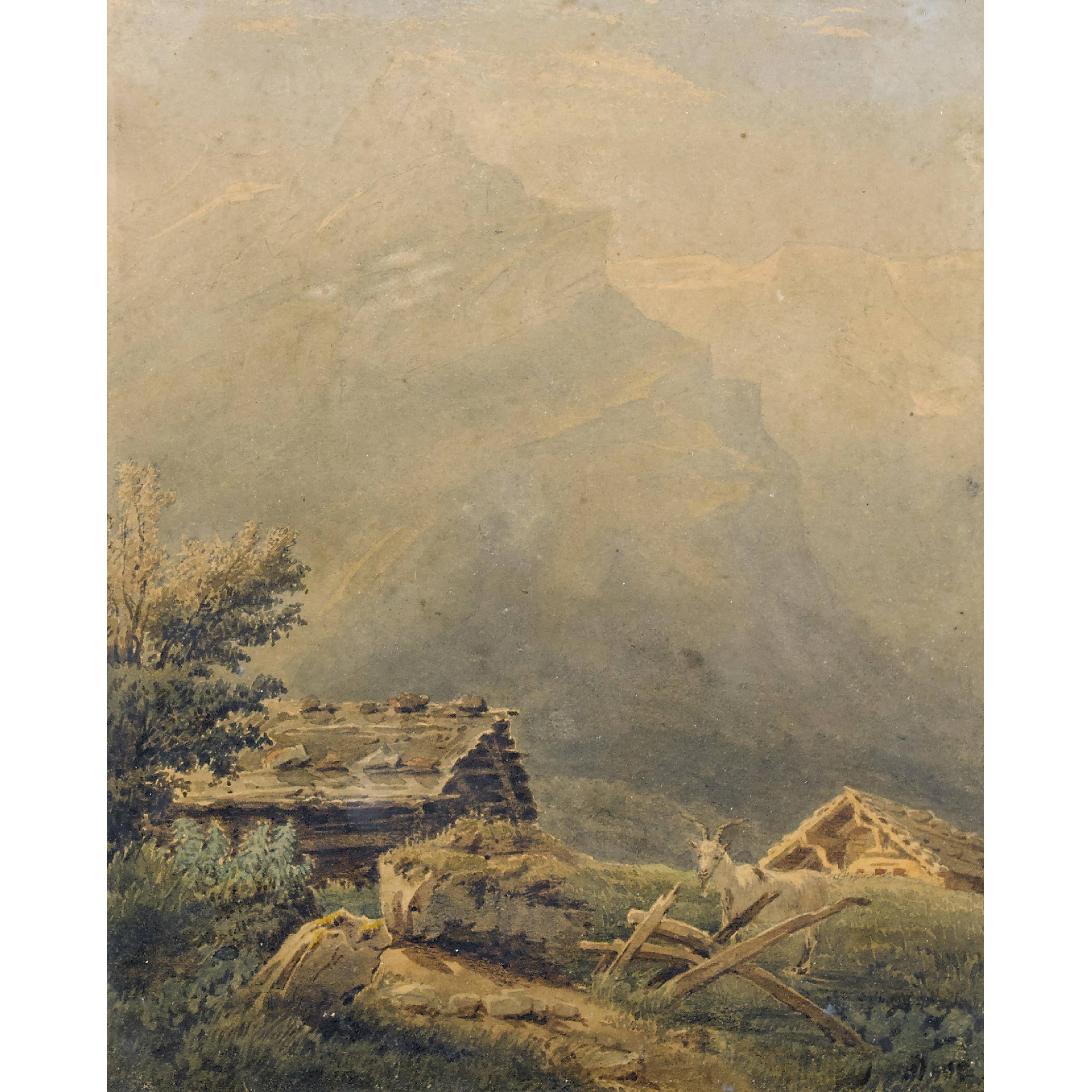
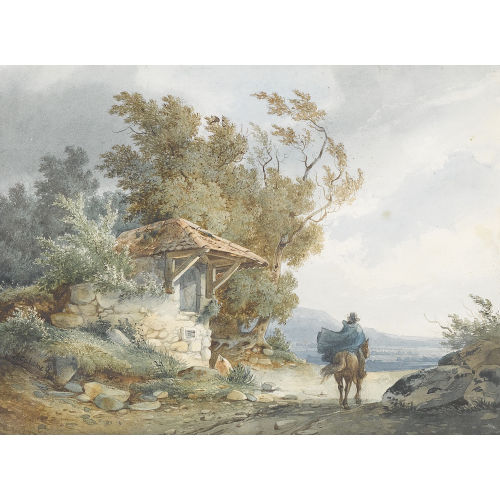
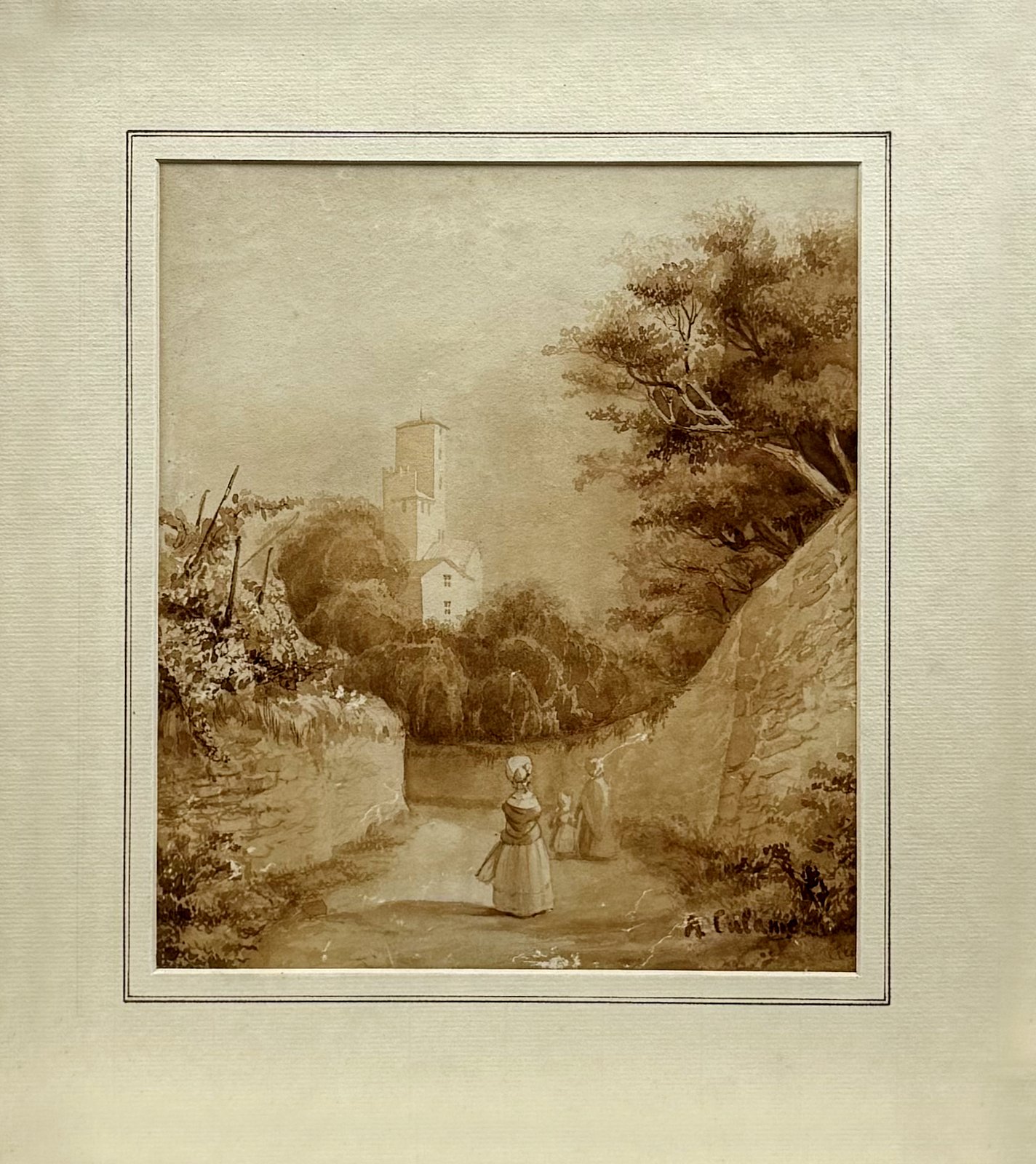
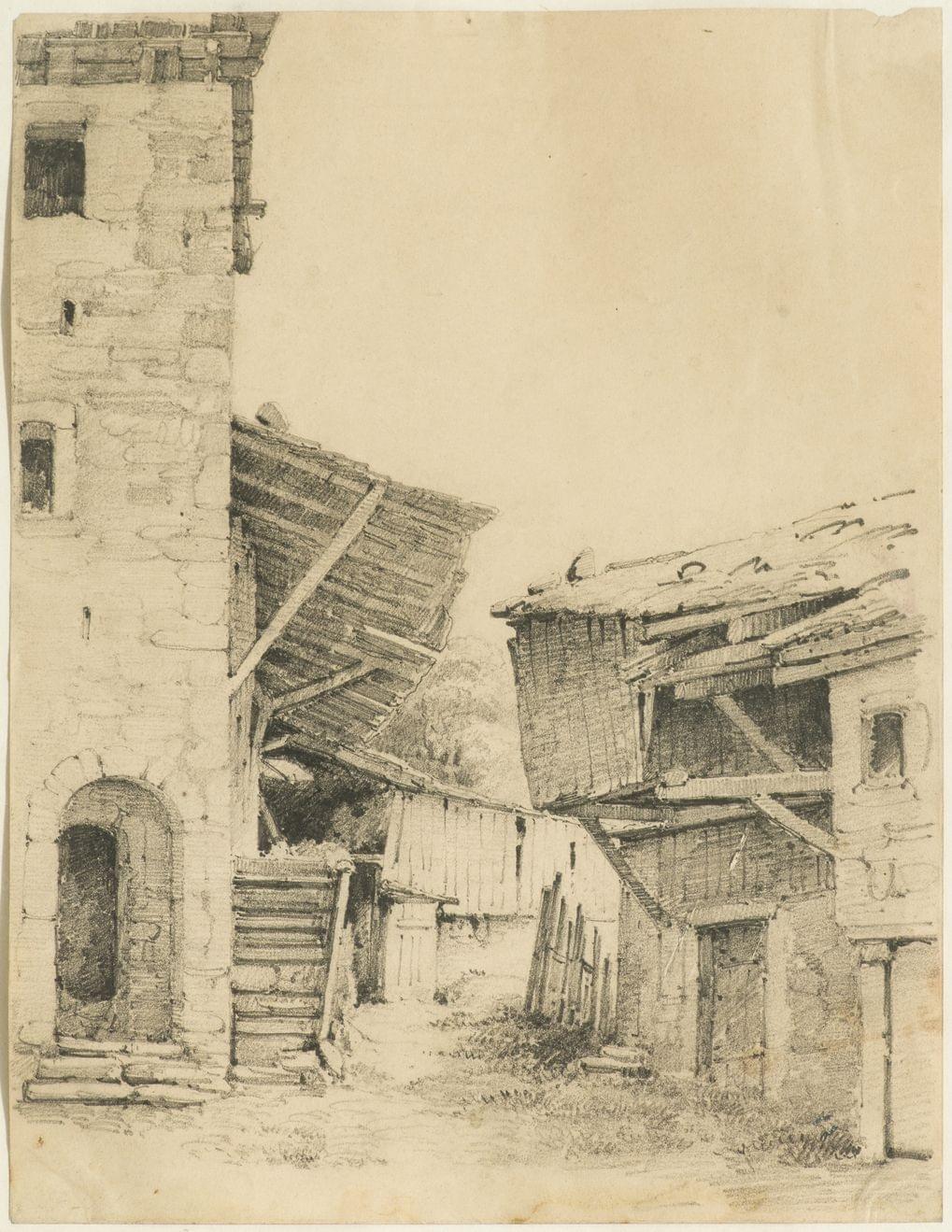
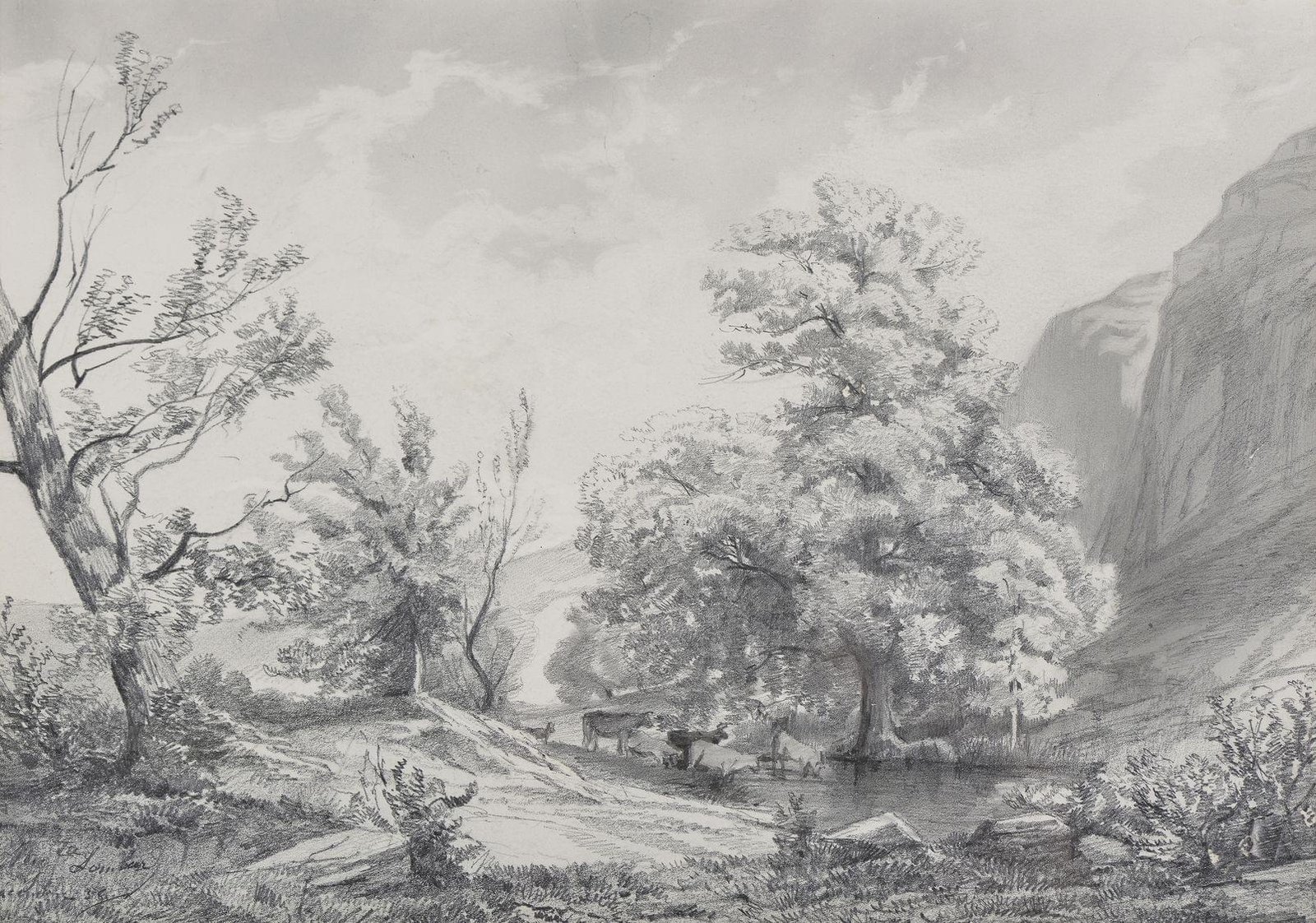
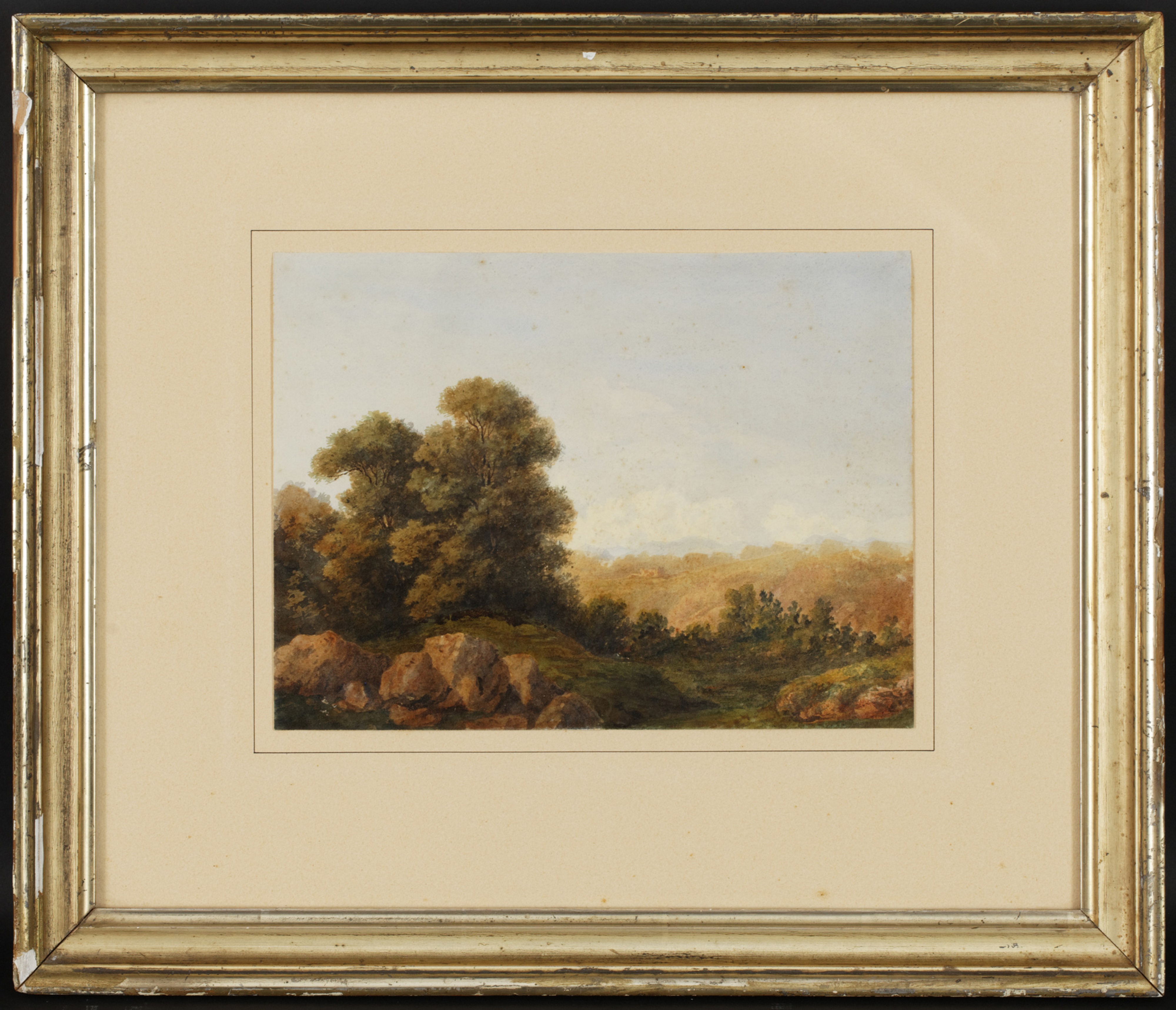
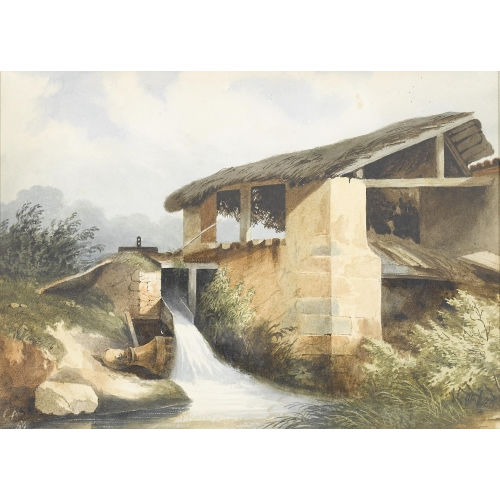
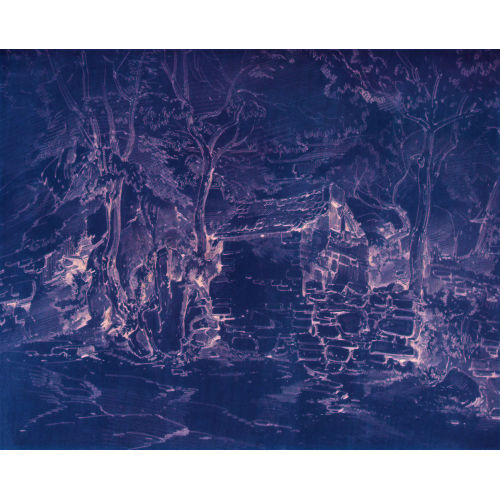
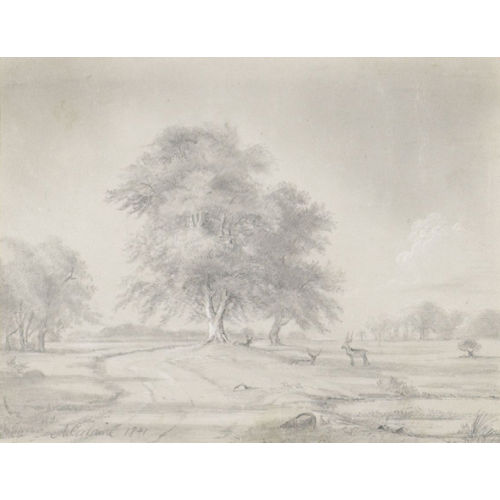
A draughtsman, watercolourist, engraver and lithographer, he also disseminated his knowledge through educational publications. His work thus invites two complementary ways of looking: first, to take in the construction of the landscape as a whole, and then to draw closer to its details. Between panoramic breadth and precision of draughtsmanship, Calame gives the Alps a presence that goes beyond the mere description of a place.