Valentin Carron
Born in 1977.
Valentin Carron develops a sculptural practice that mobilises the imitation of traditional forms of know-how and the reproduction of everyday objects in order to question the notions of originality and authenticity.
Trained at the École cantonale d’art du Valais (Sierre) and subsequently at the École cantonale d’art de Lausanne (ECAL) between 1997 and 2000, he bases on this training an economy of objects and gestures reused in his works. According to a documentary source, he has also taught at ECAL since 2006.
His career has been recognised with several regional and national awards, notably the State of Valais prize for the encouragement of artistic creation, the Fondation Ernest Manganel, the Prix Odette Steinmann, as well as Swiss Federal Art Awards and a Moët Hennessy prize in the early 2000s.
His solo exhibitions include presentations at MAMCO in Geneva, the Swiss Institute (New York), Kunsthalle Zürich, the Palais de Tokyo (a solo exhibition in 2010), and the Swiss Pavilion at the 55th Venice Biennale in 2013, as well as presentations at institutions such as Kunsthalle Bern and Le Consortium (Dijon).
In terms of commercial representation, he has worked with galleries active in Europe and the United States, including Eva Presenhuber, Kamel Mennour, 303 Gallery and David Kordansky Gallery.
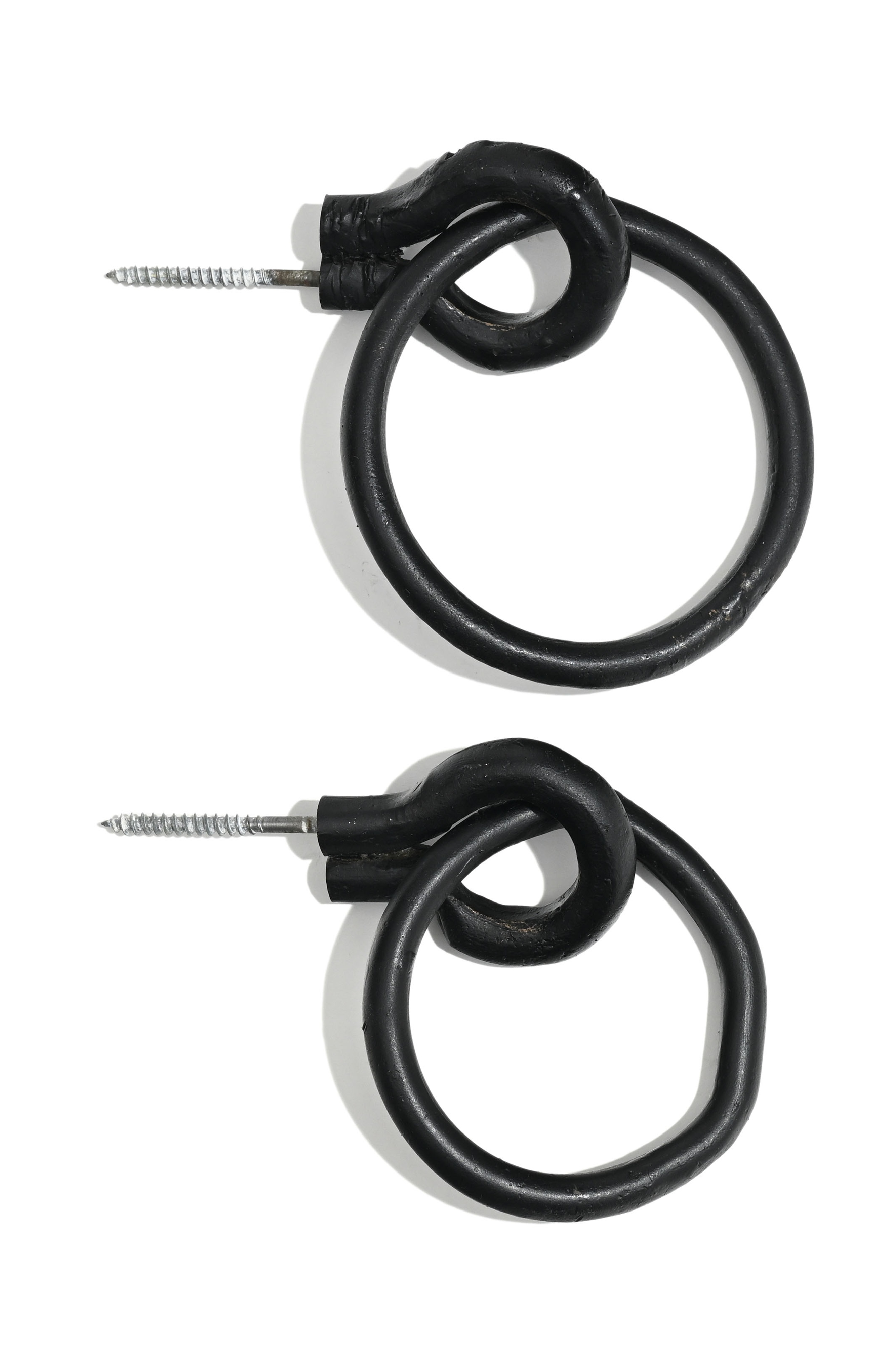
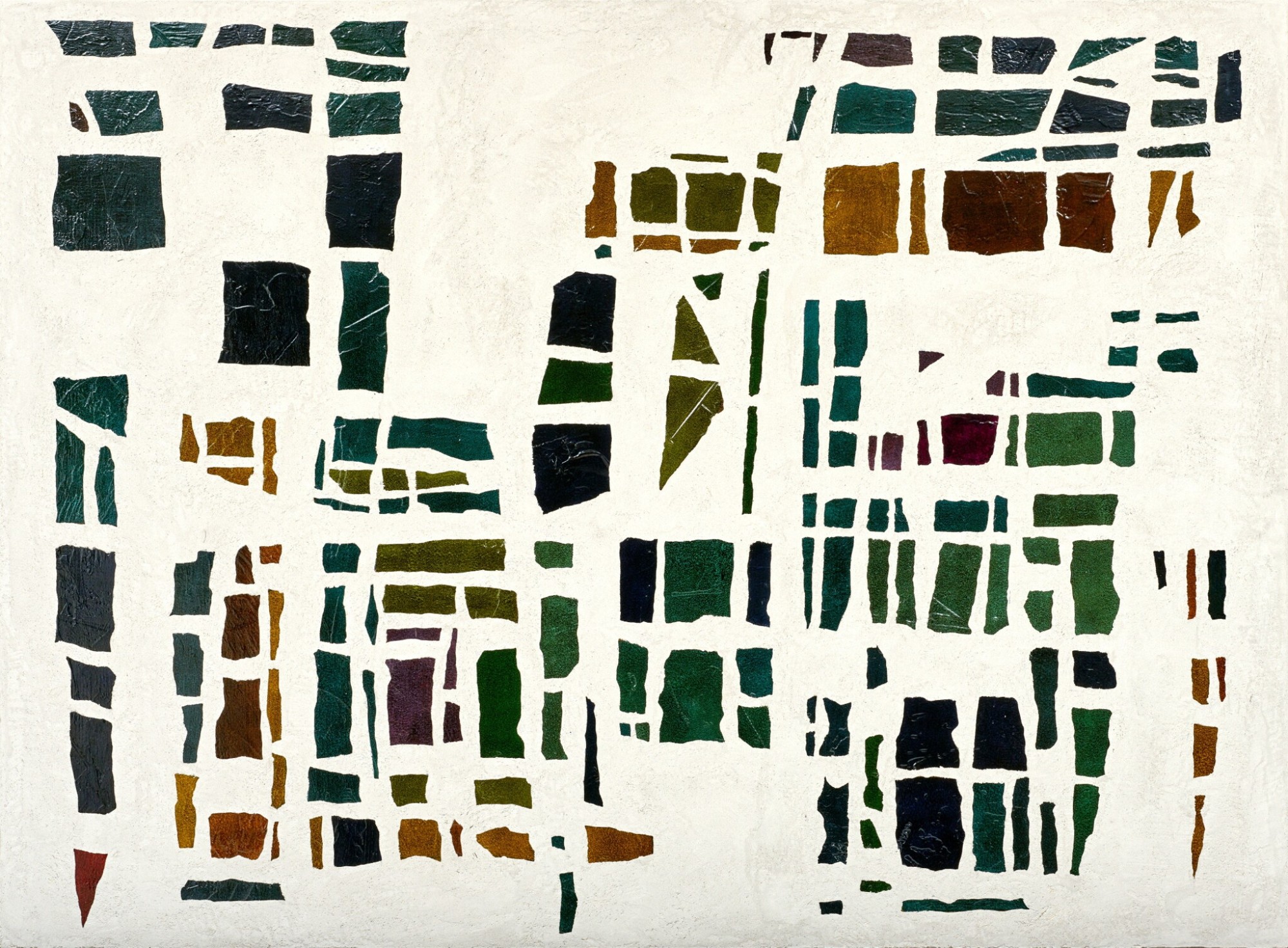
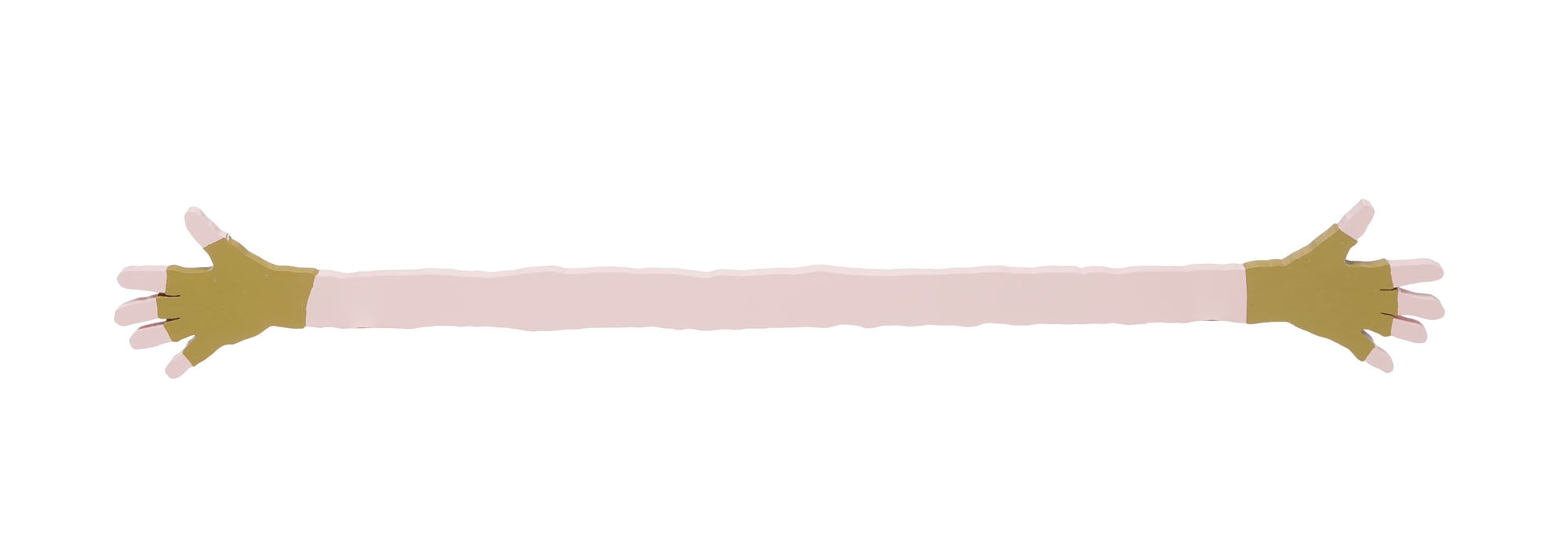
The diversity of his production is evident both in sculptures fashioned from painted aluminium and in assemblages of blown glass or restored objects: examples include Ciao n°10 (Restored Piaggio Ciao, 2014), Adult and Child (painted aluminium, 2023), DUST MINT (2018, sculpture in 30 parts, painted aluminium), Bottle Man (Blithely) (145 blown-glass bottles, 2017), The Last Leaf (copper and iron, 2020), and Mechanik und Animalität (polystyrene and fibreglass, 2020), concrete illustrations of his engagement with materiality and form.
Among the institutional and editorial traces are a photolithograph (Fotolitographie Ciao, 2011) held at the Museo Cantonale d’Arte in Lugano and a publication connected with his participation in the Venice Biennale (JRP|Ringier / Les Presses du réel edition, 2013).
His oeuvre as a whole creates a tension between artisanal know-how and industrially produced forms, a tension perceptible both in the processes employed (restoration, blowing, moulding, studio painting) and in his choice of object-subjects that are appropriated and transformed.