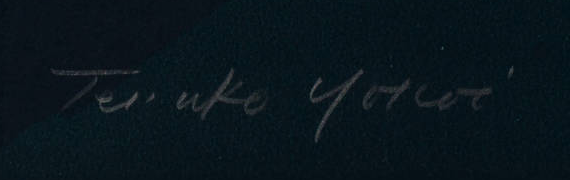
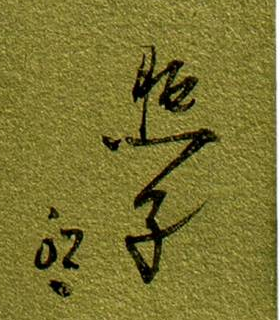
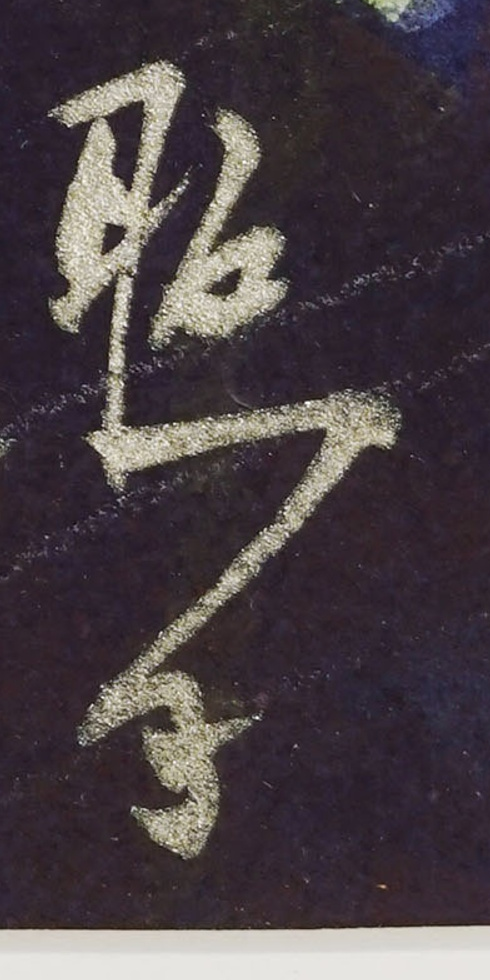
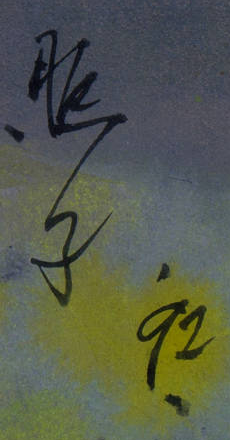
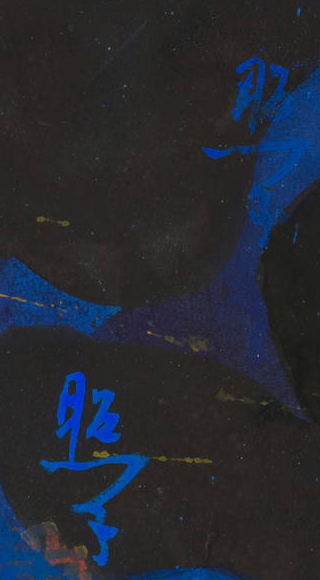
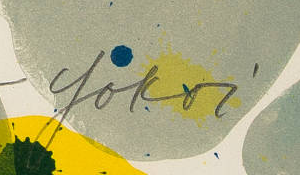
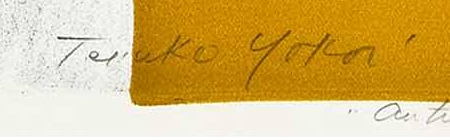
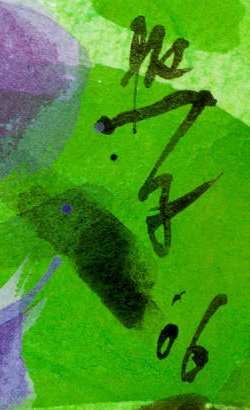
Teruko Yokoi
Born in 1924.
Died in 2020.
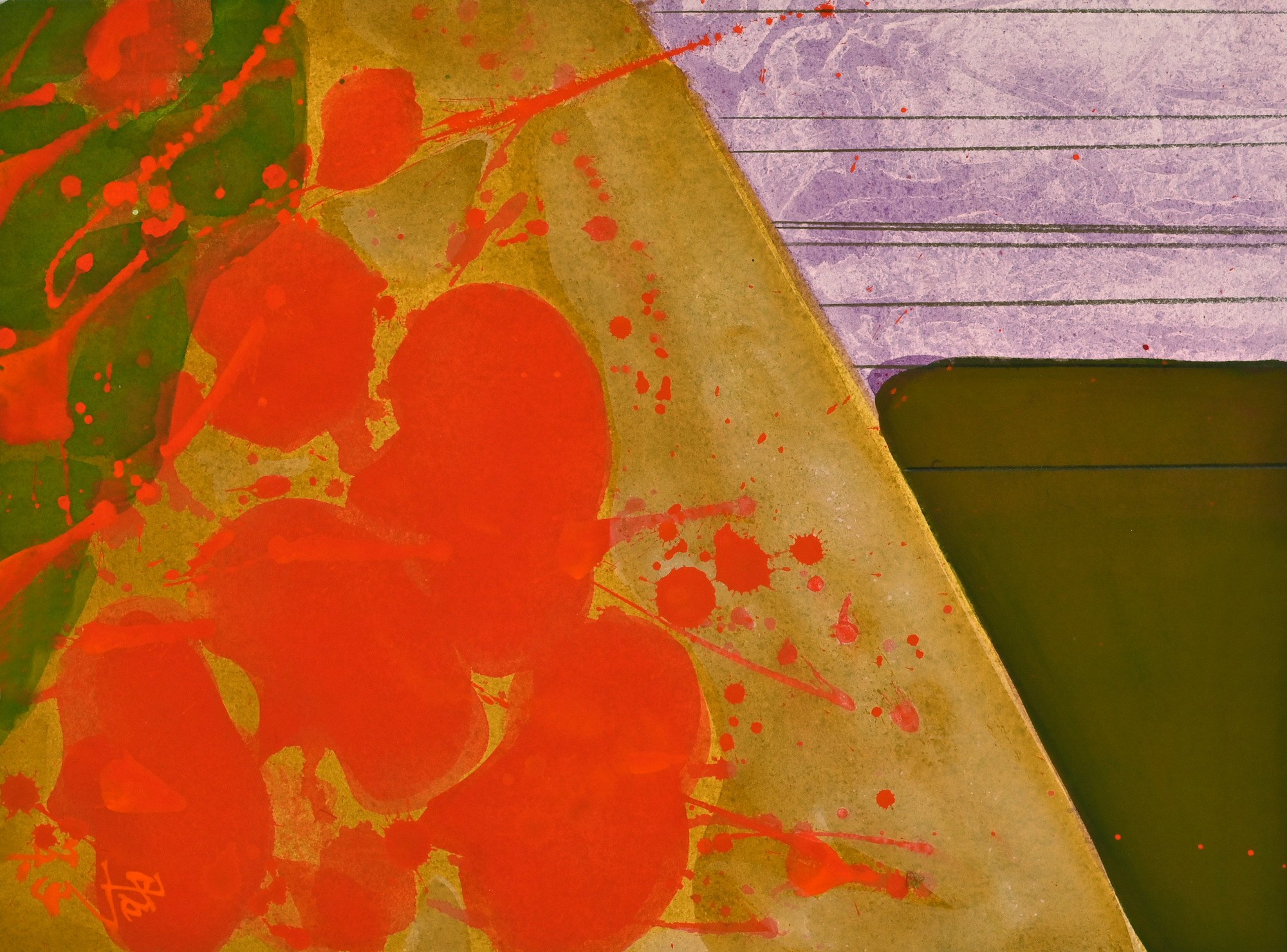
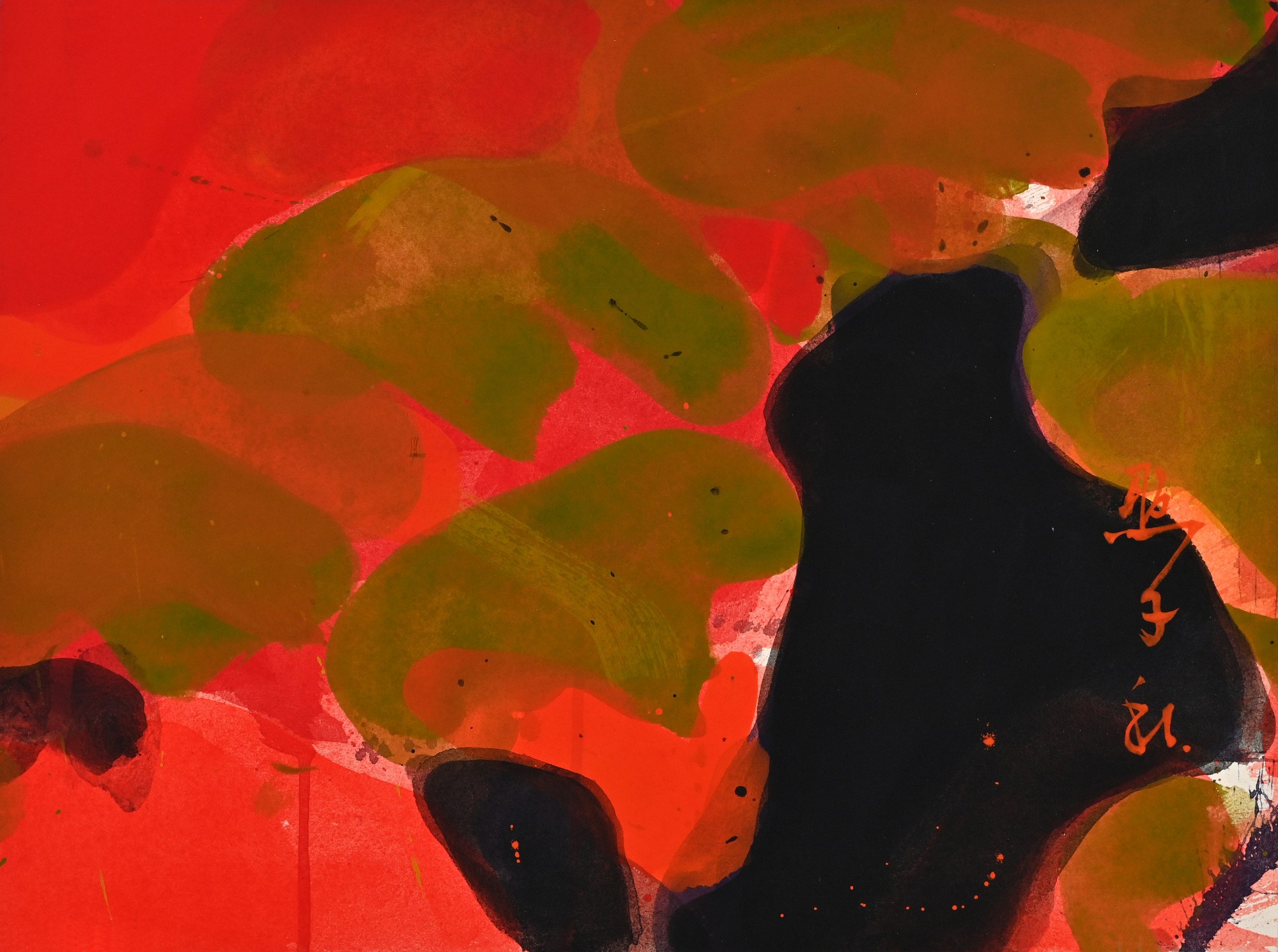
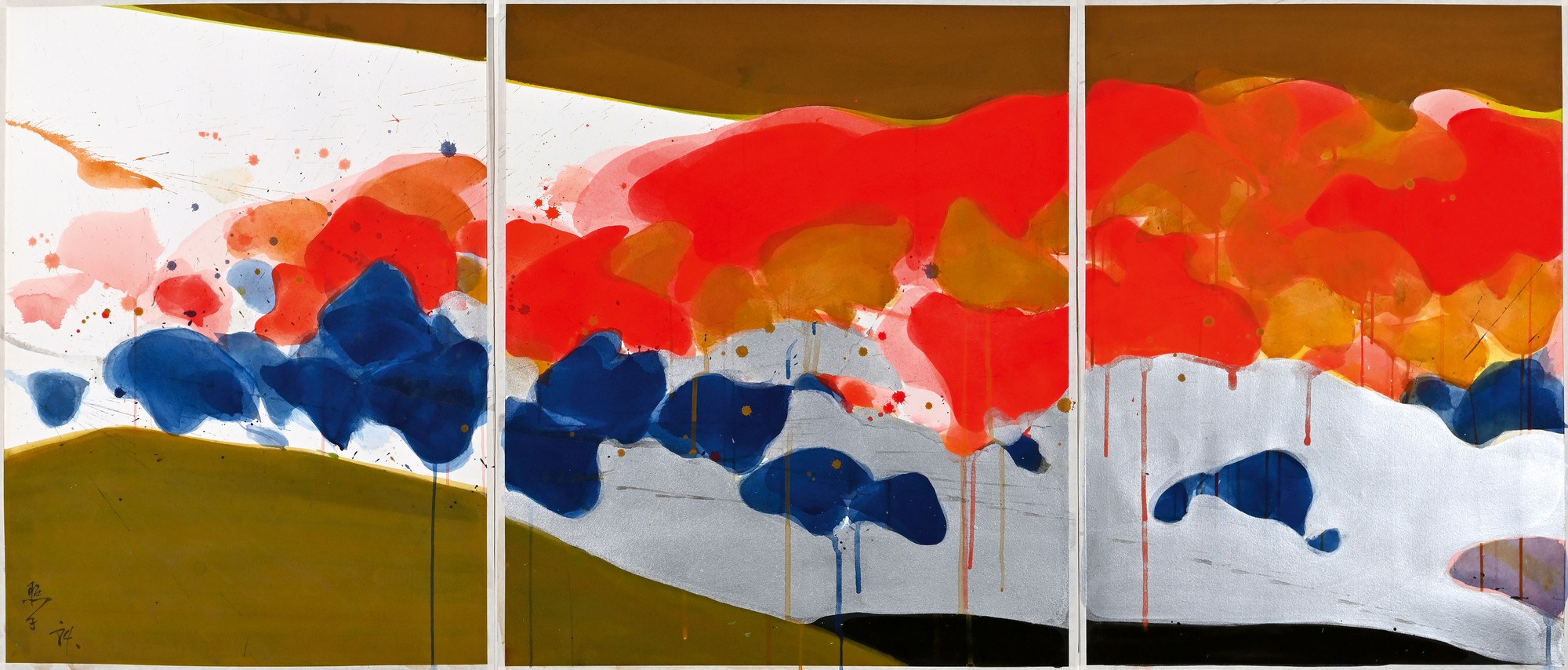
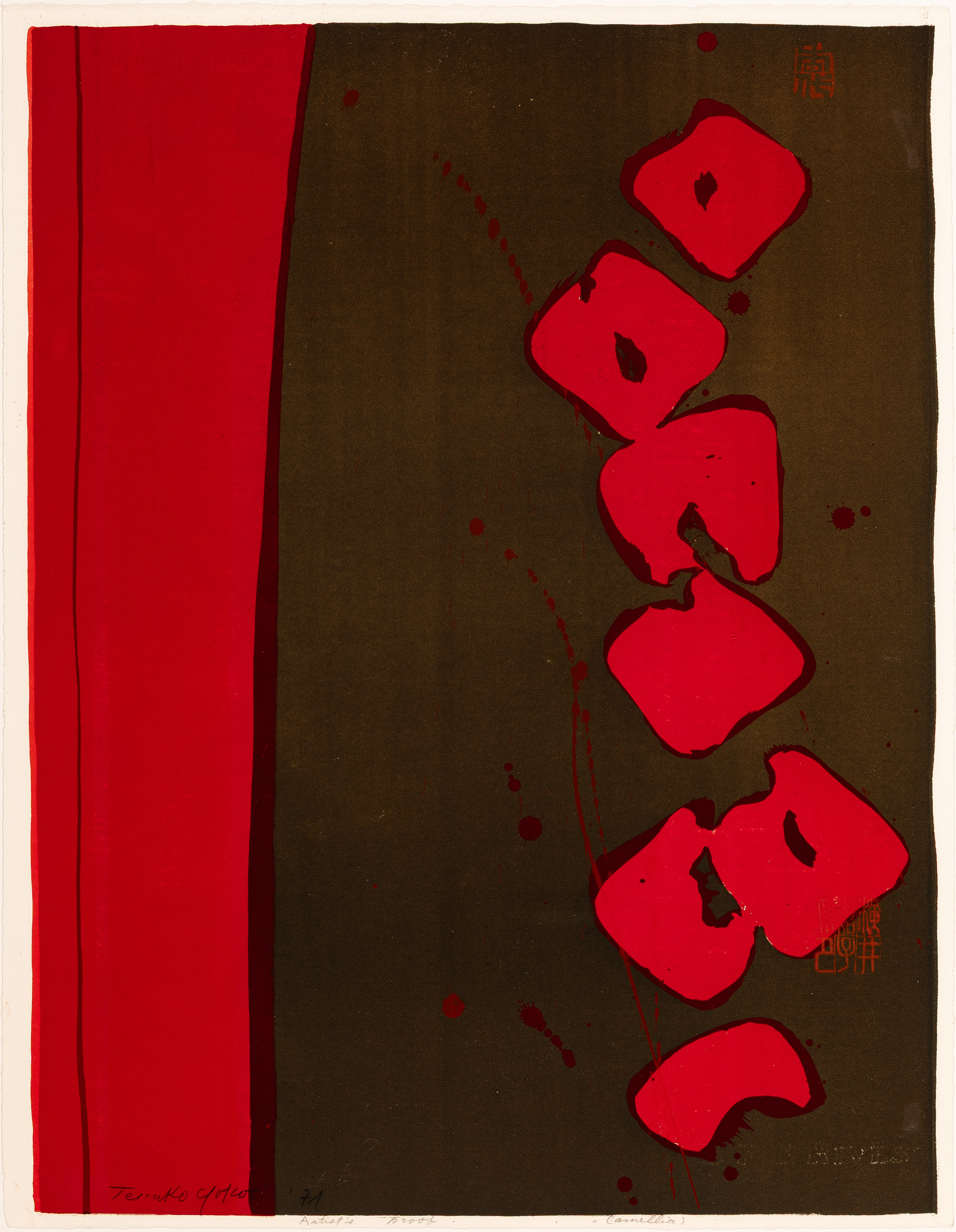
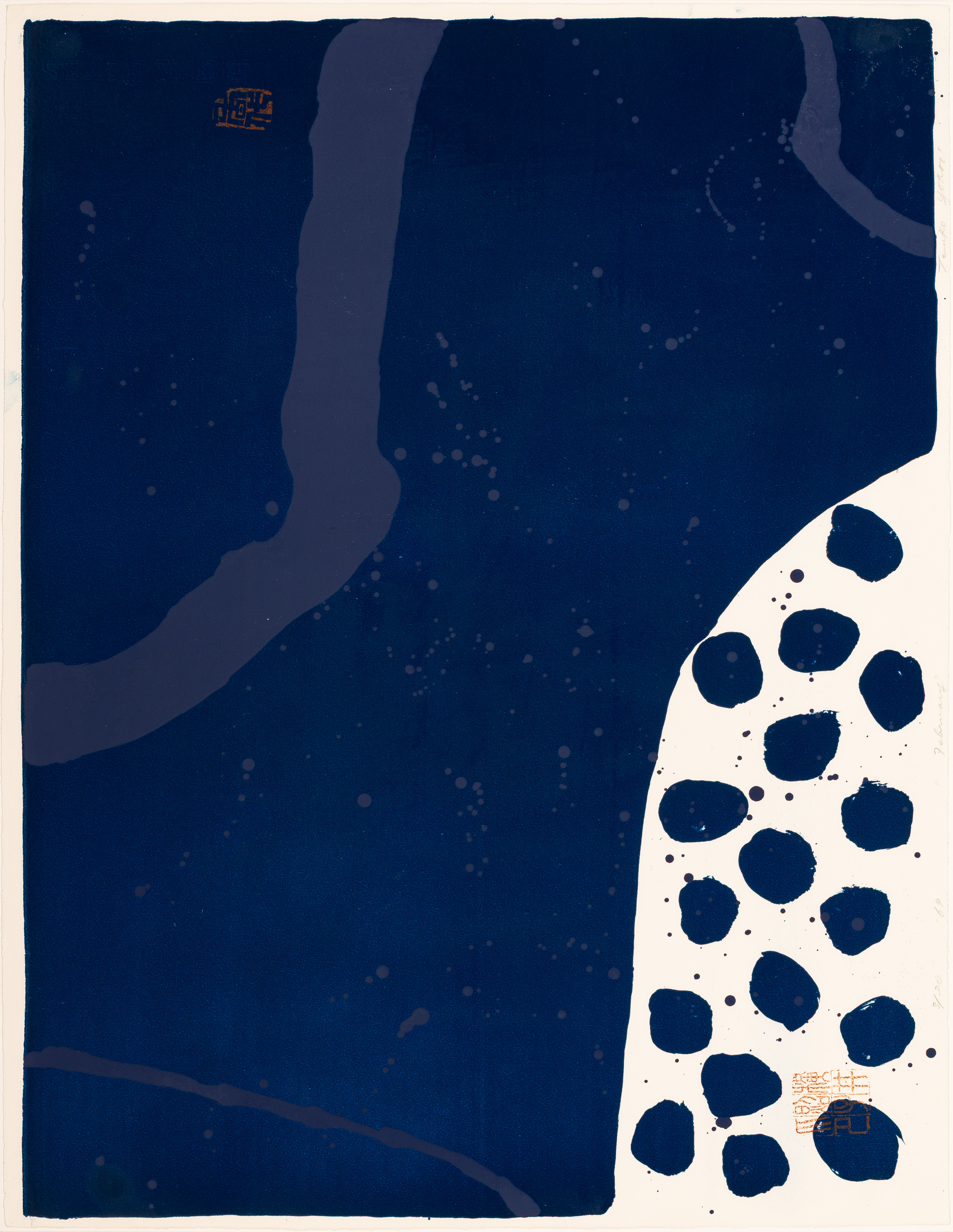
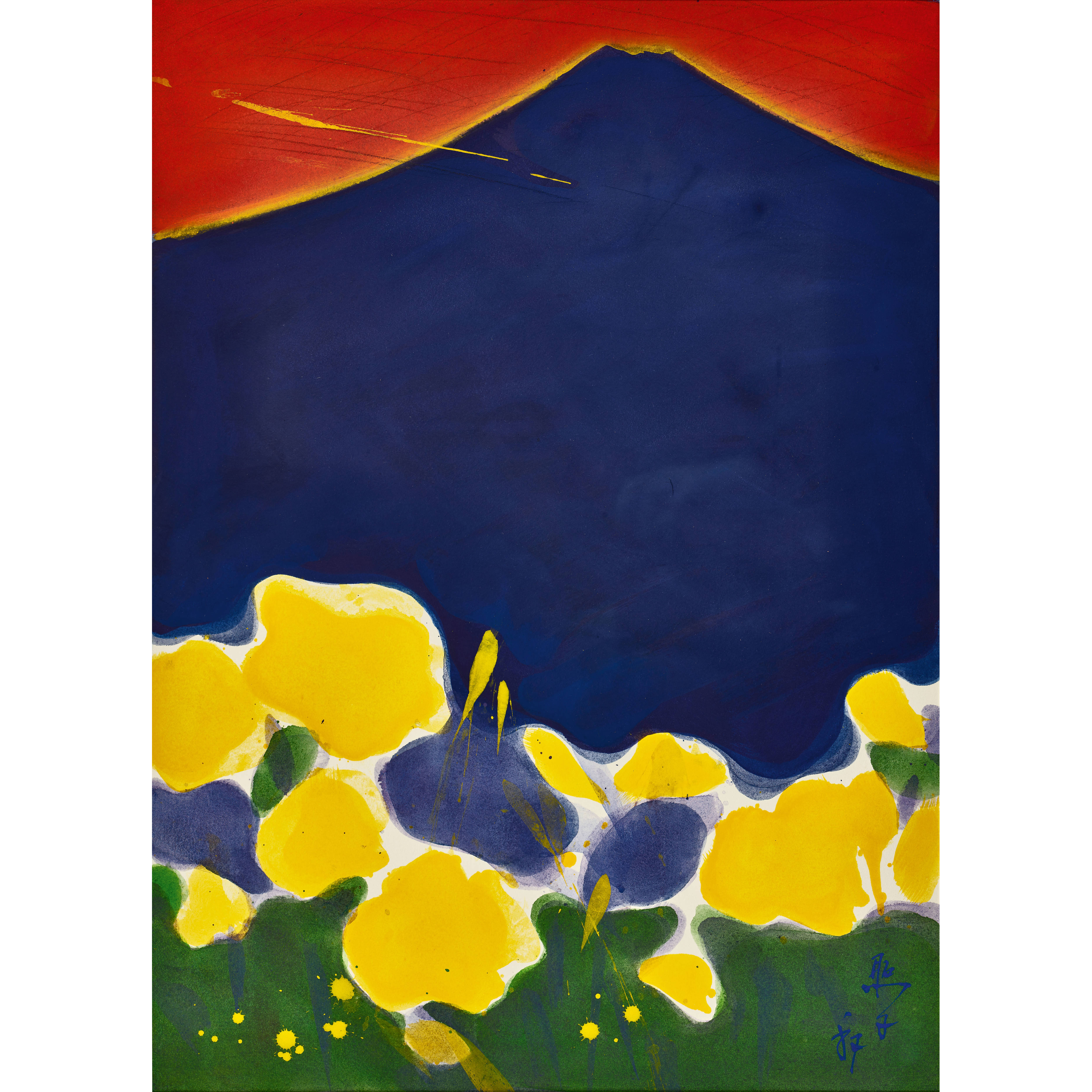
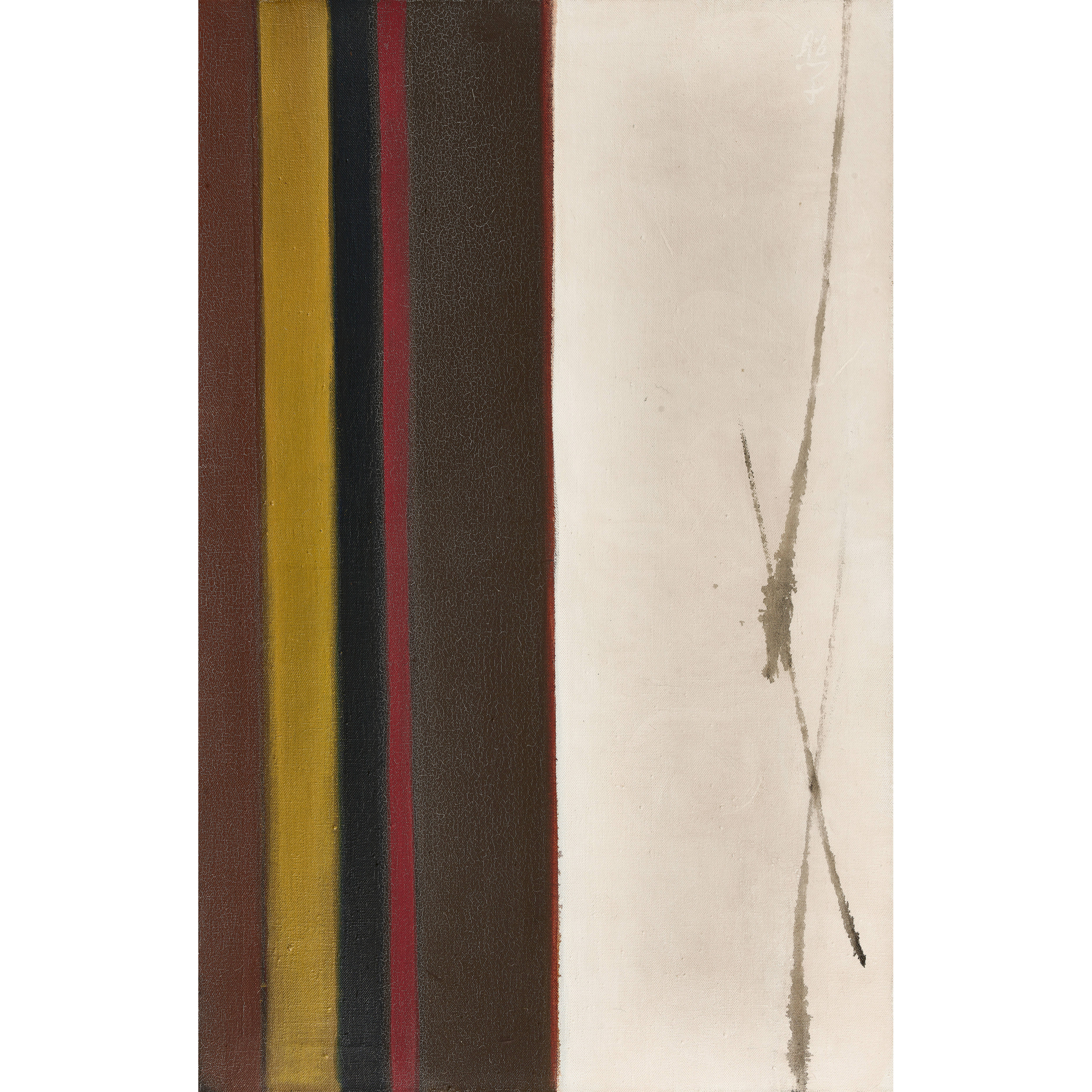
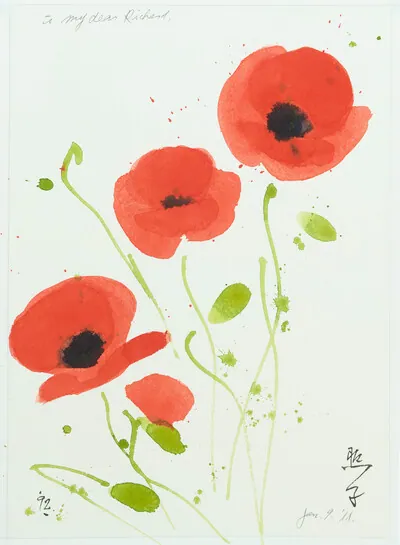
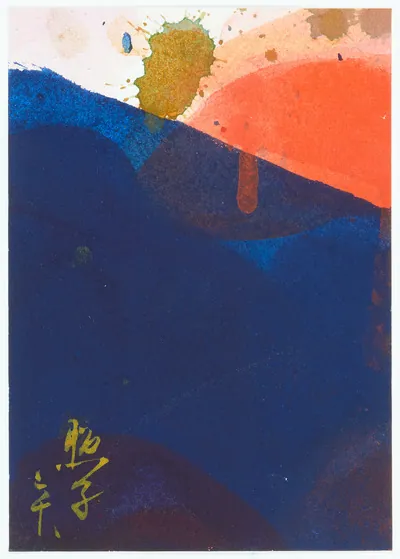
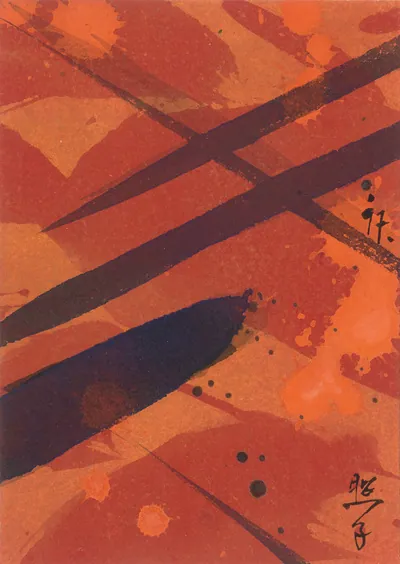
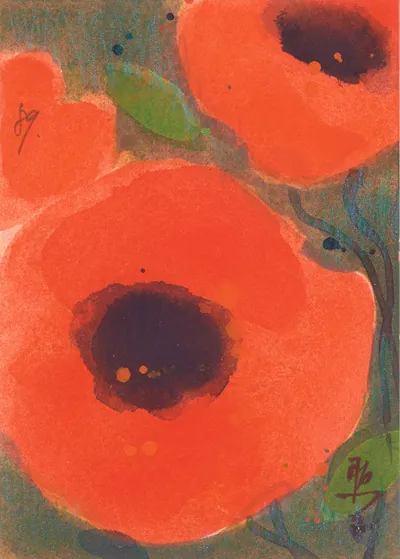
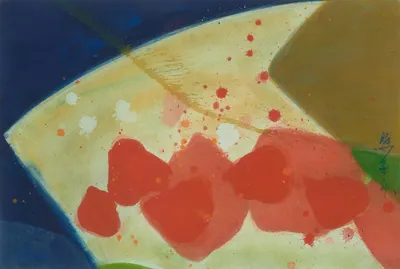
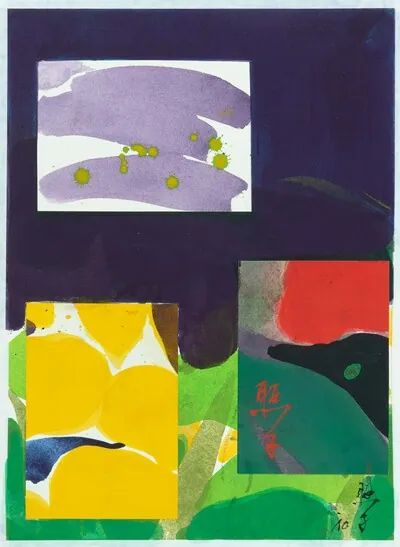
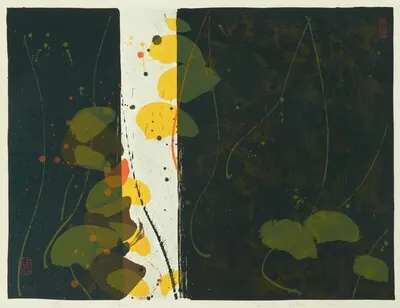
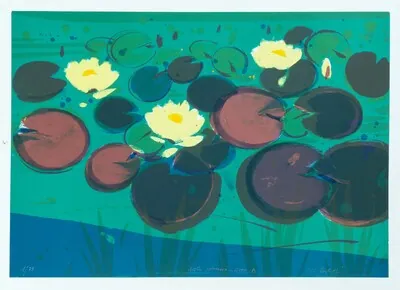
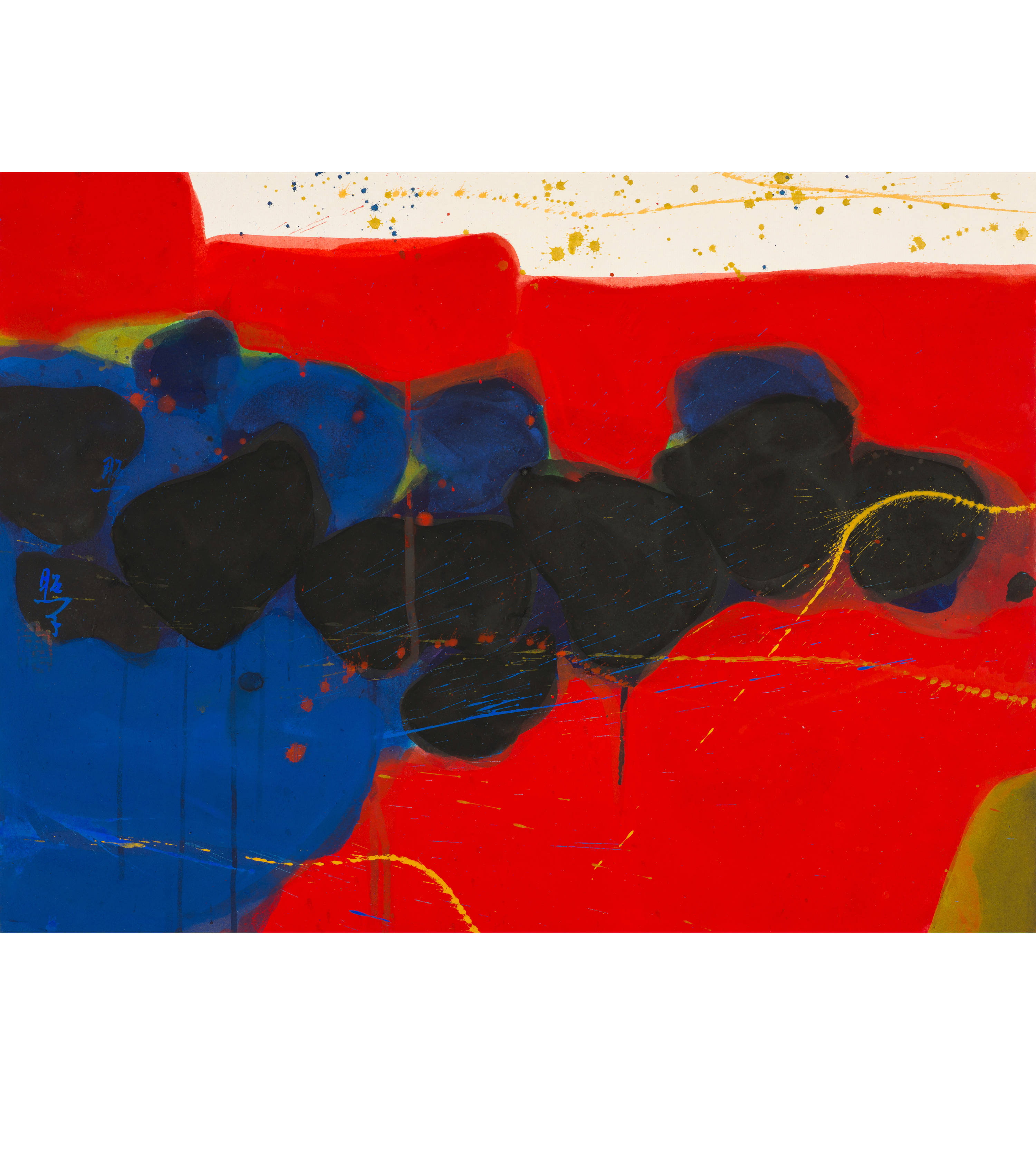
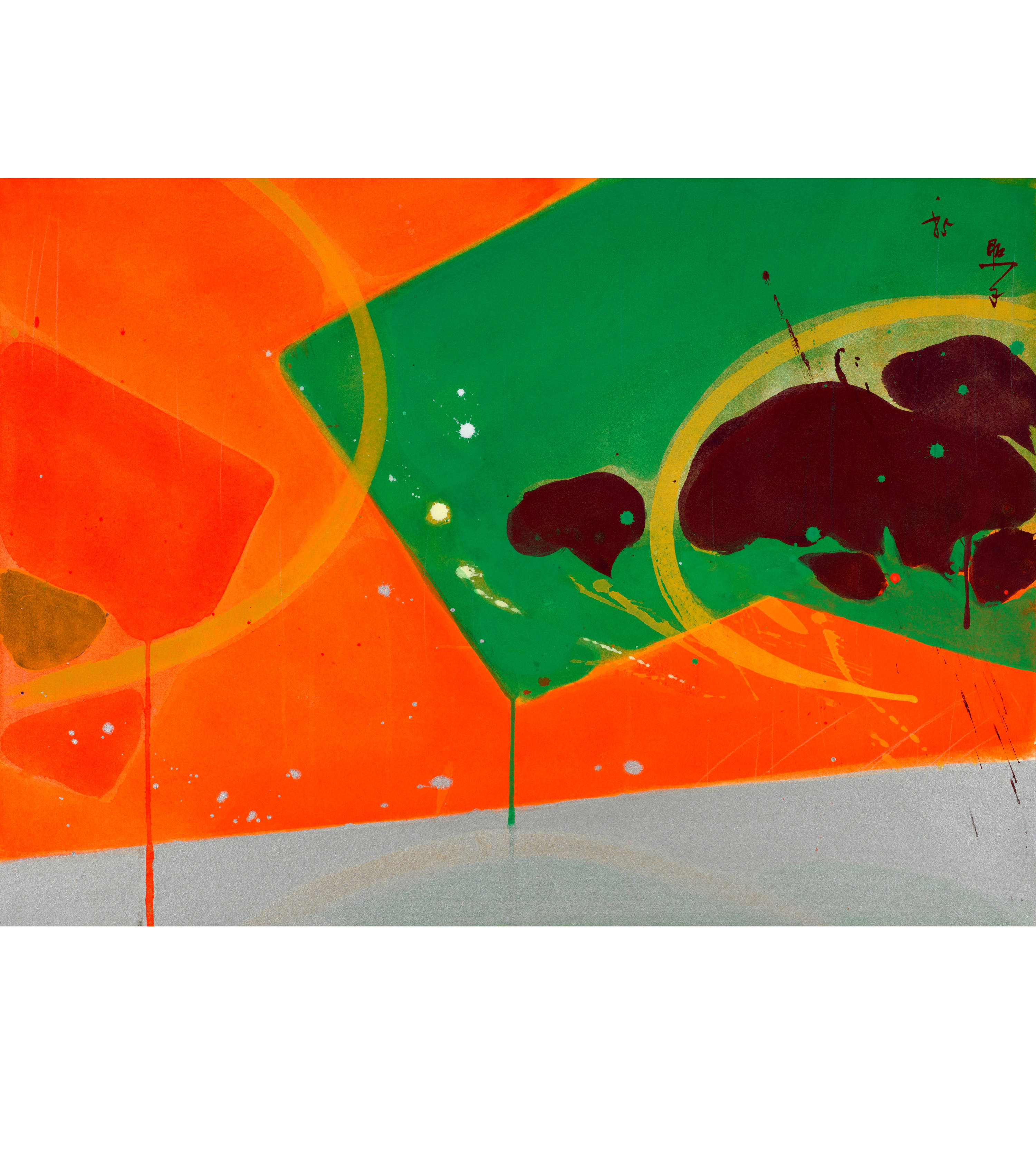
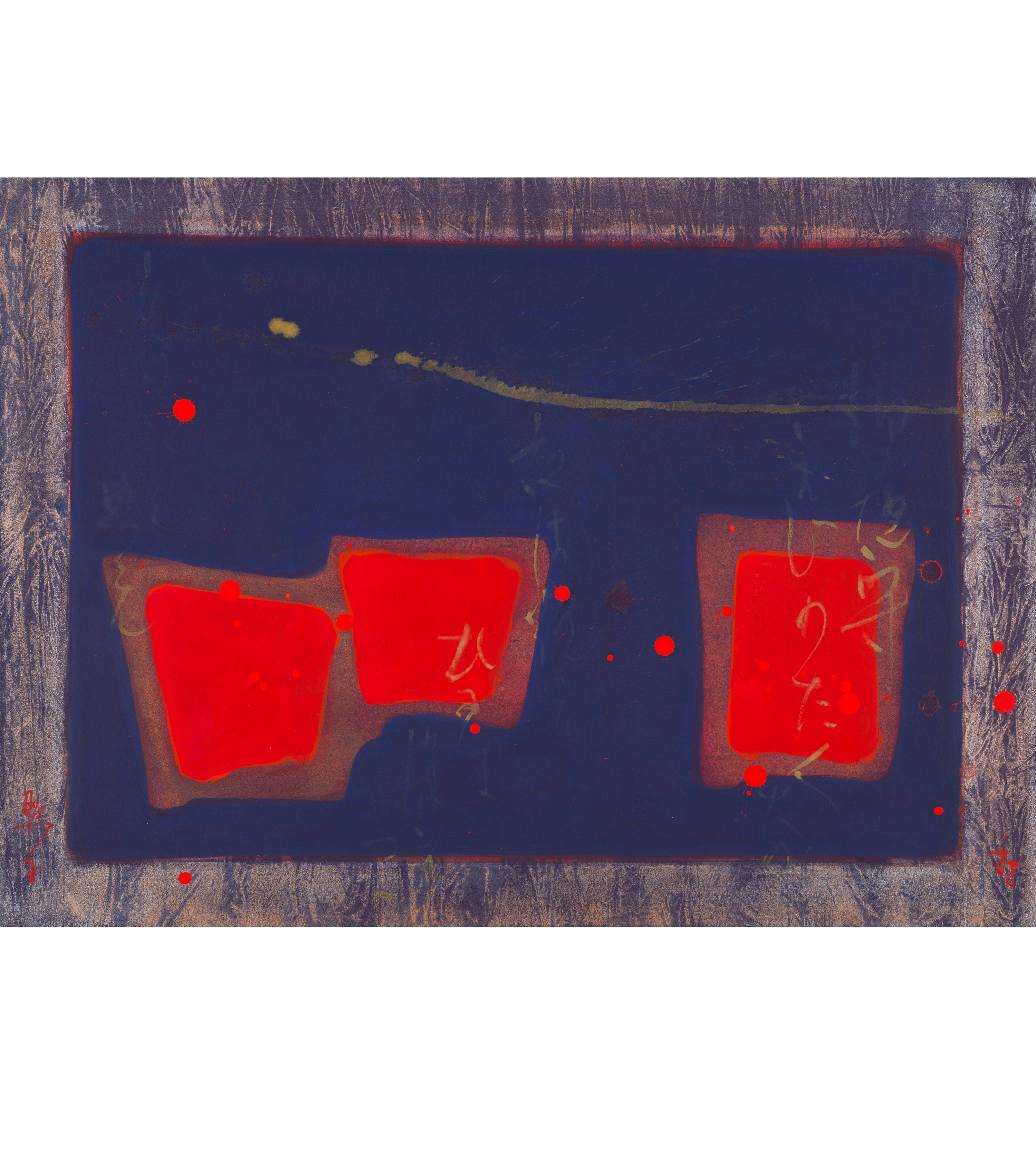
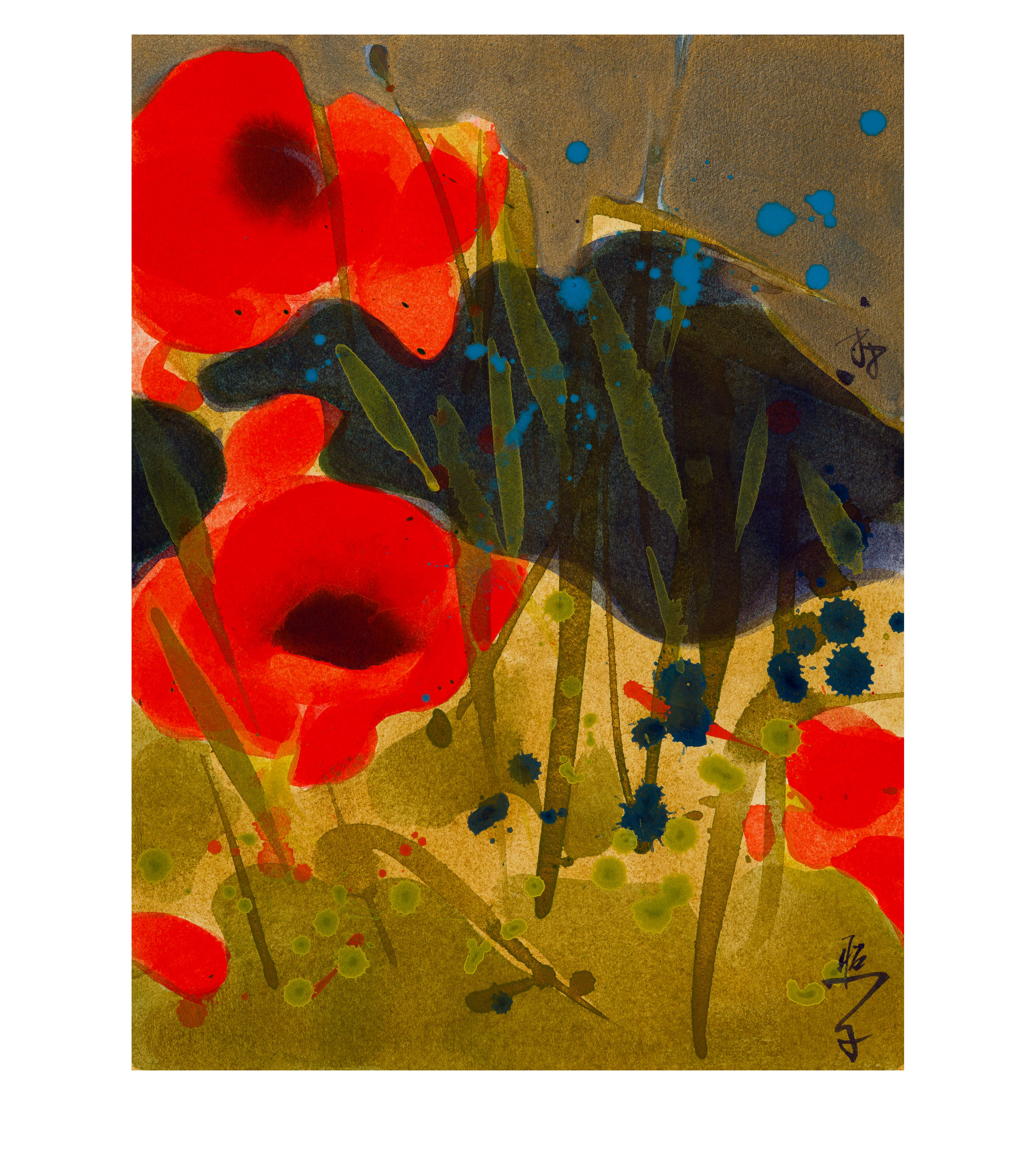
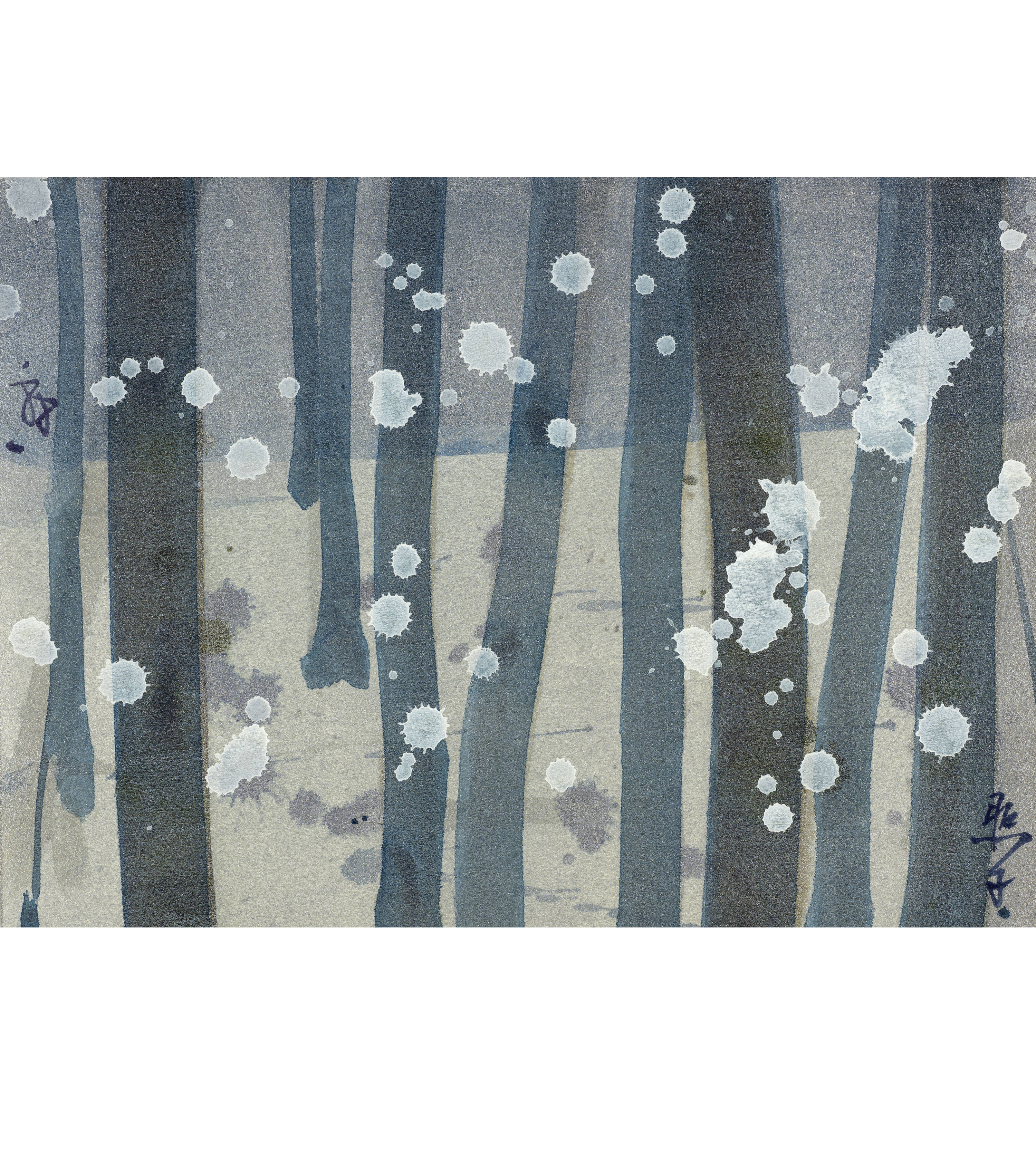
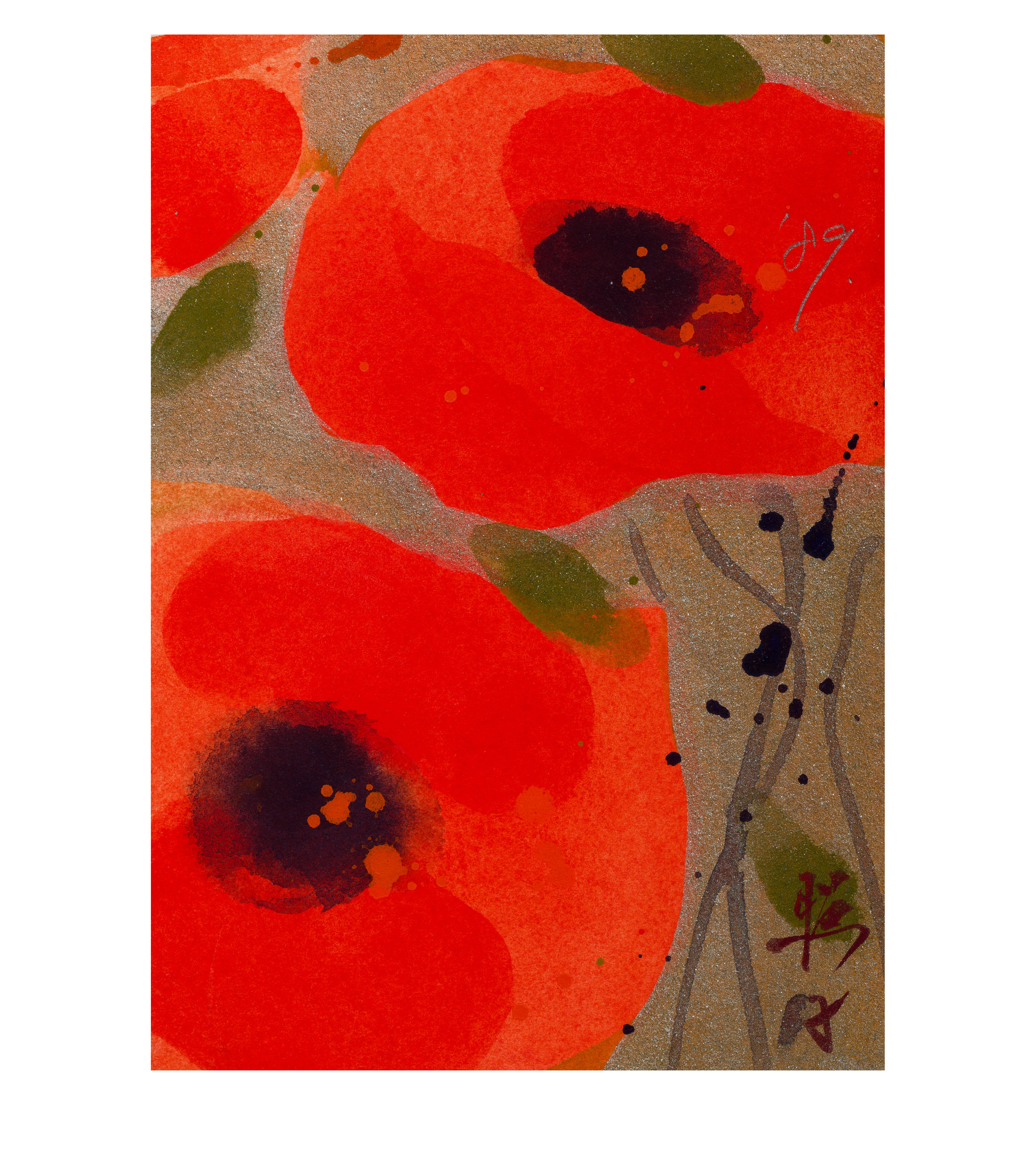
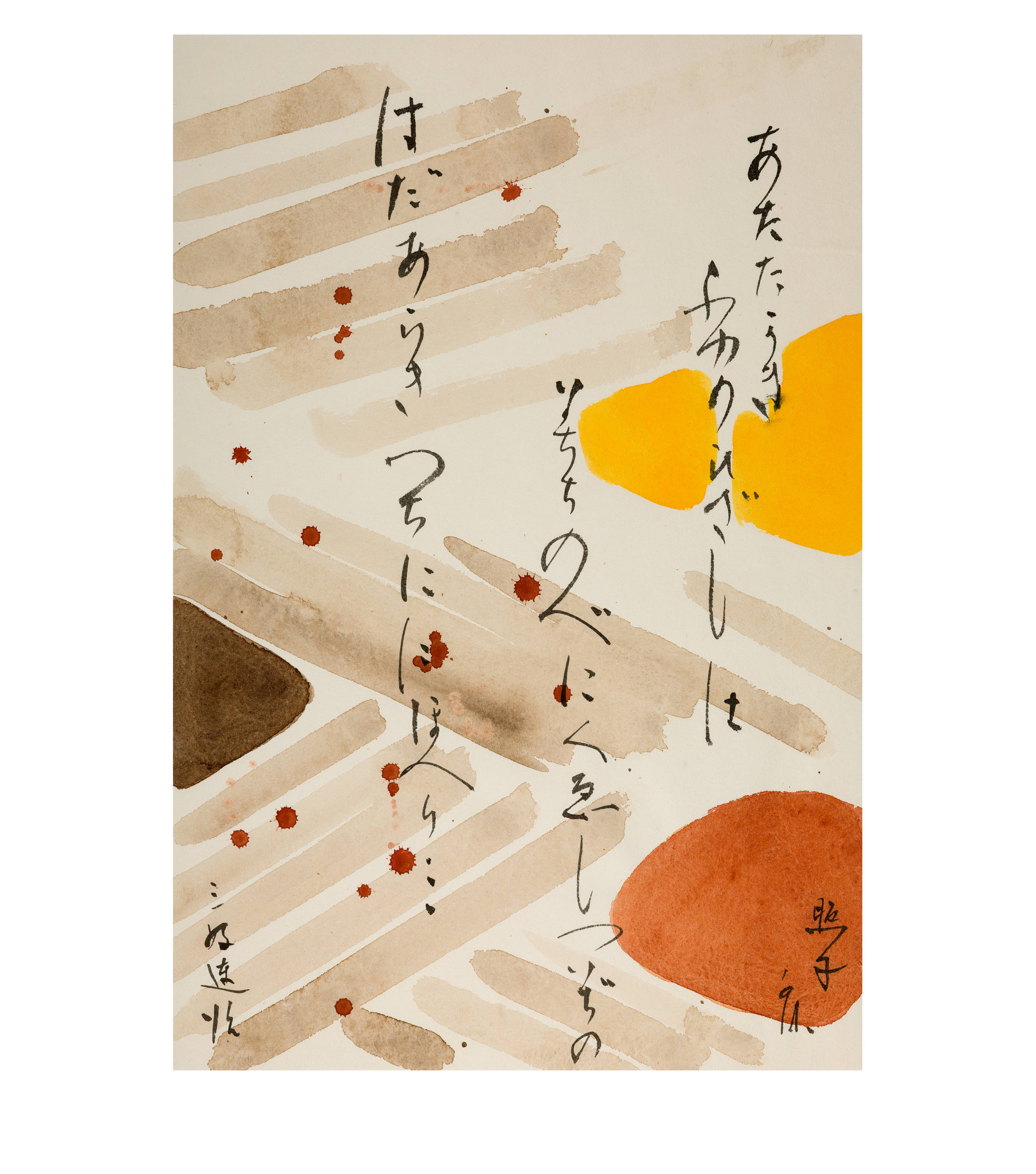
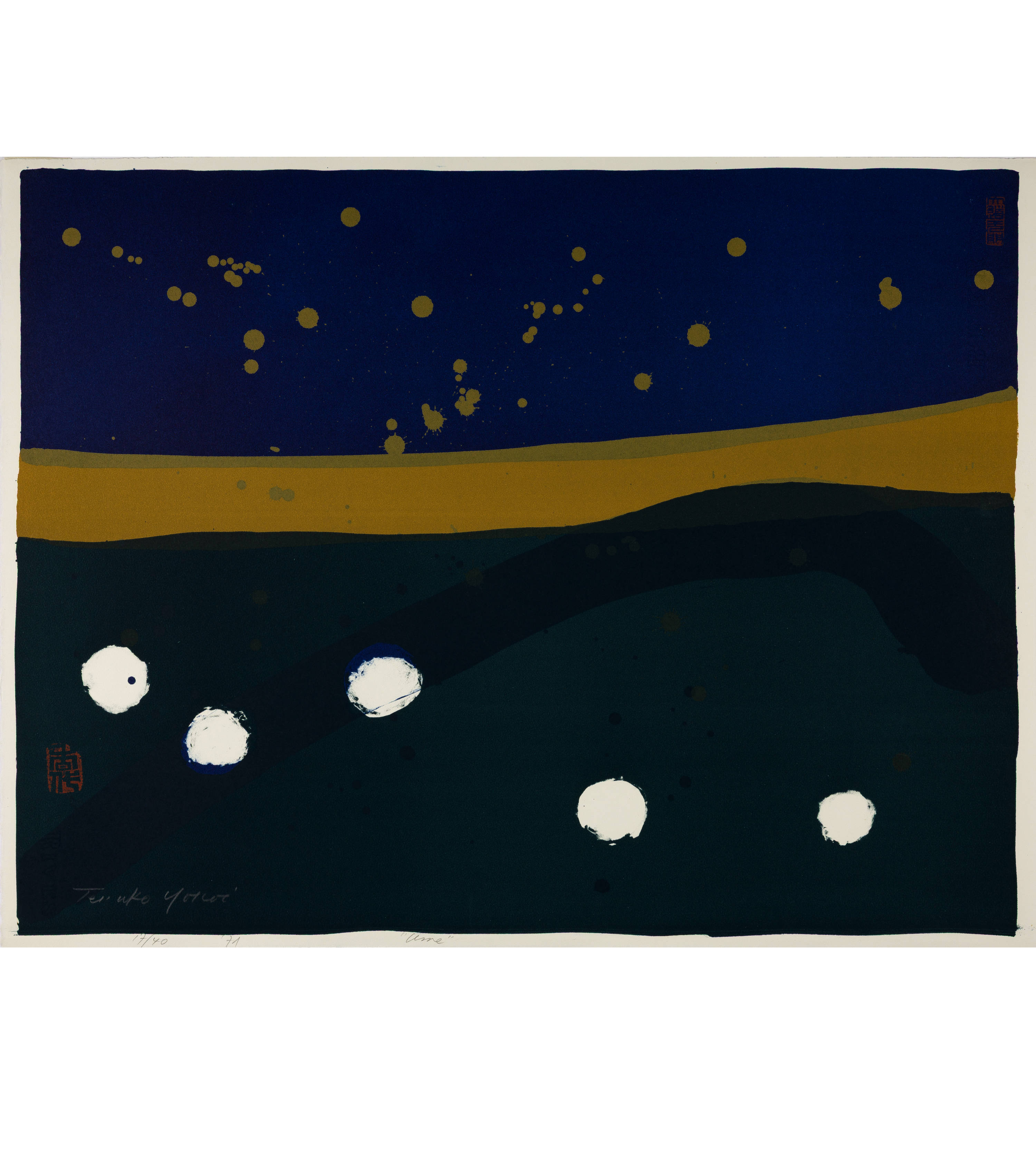
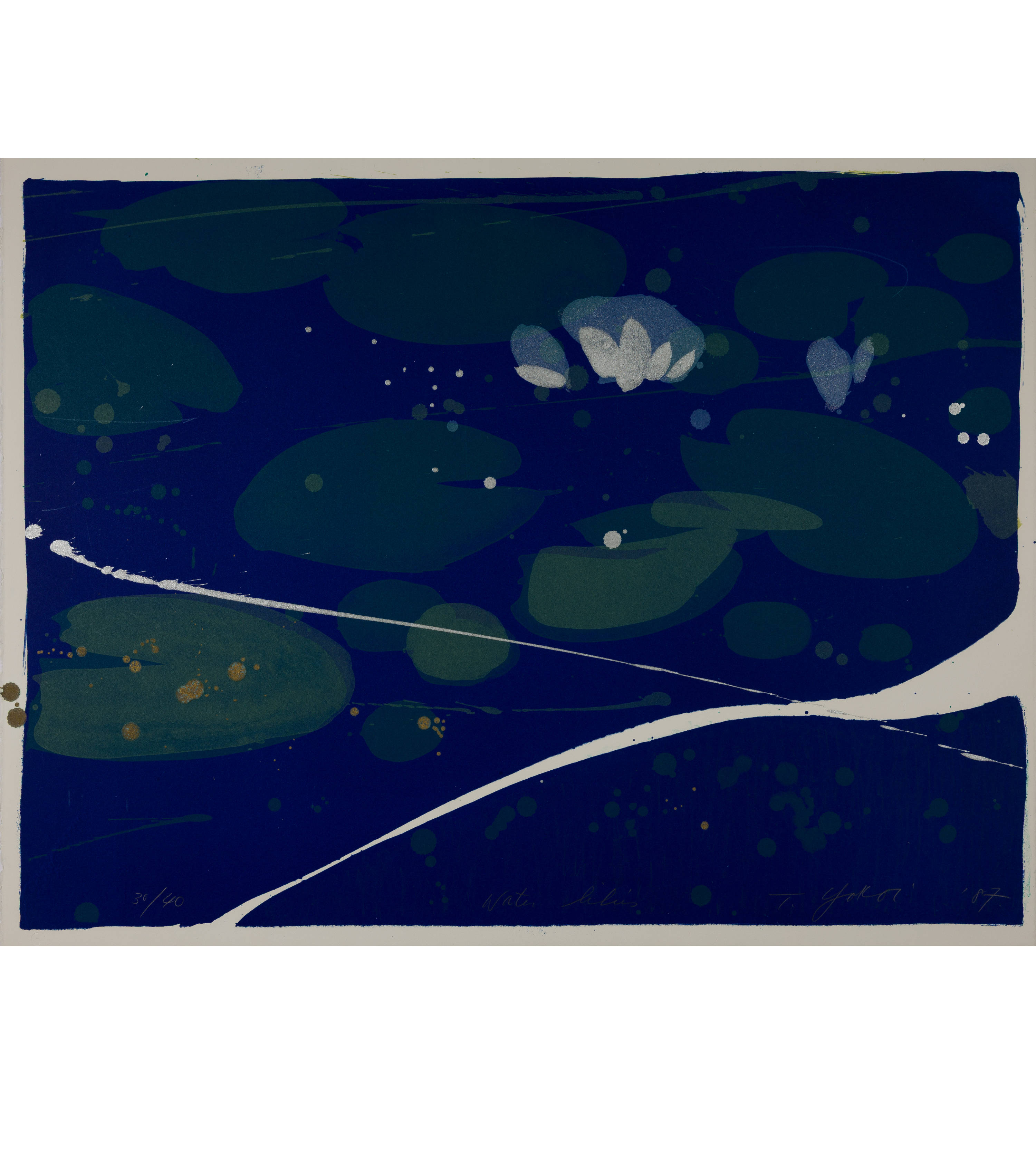
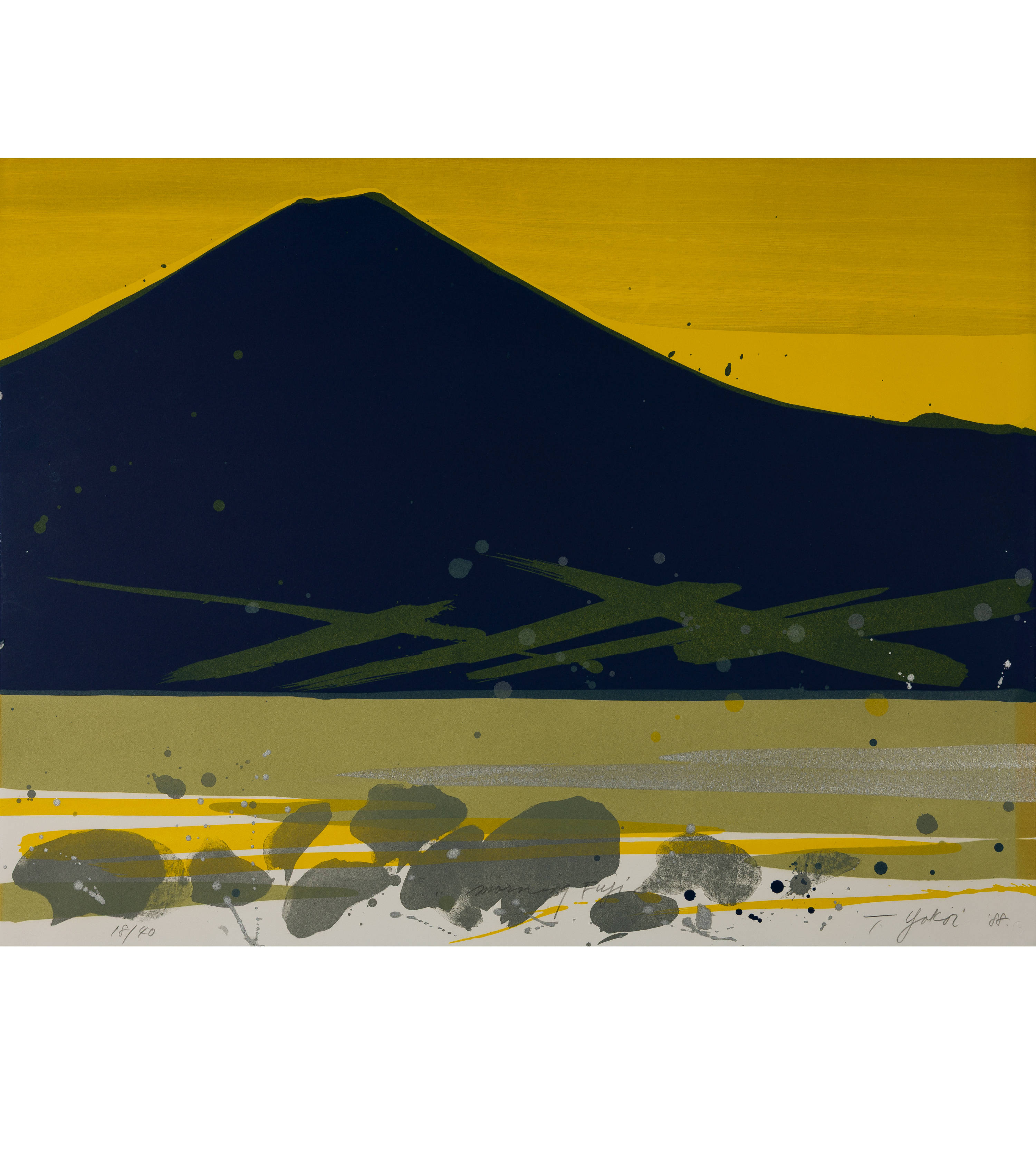
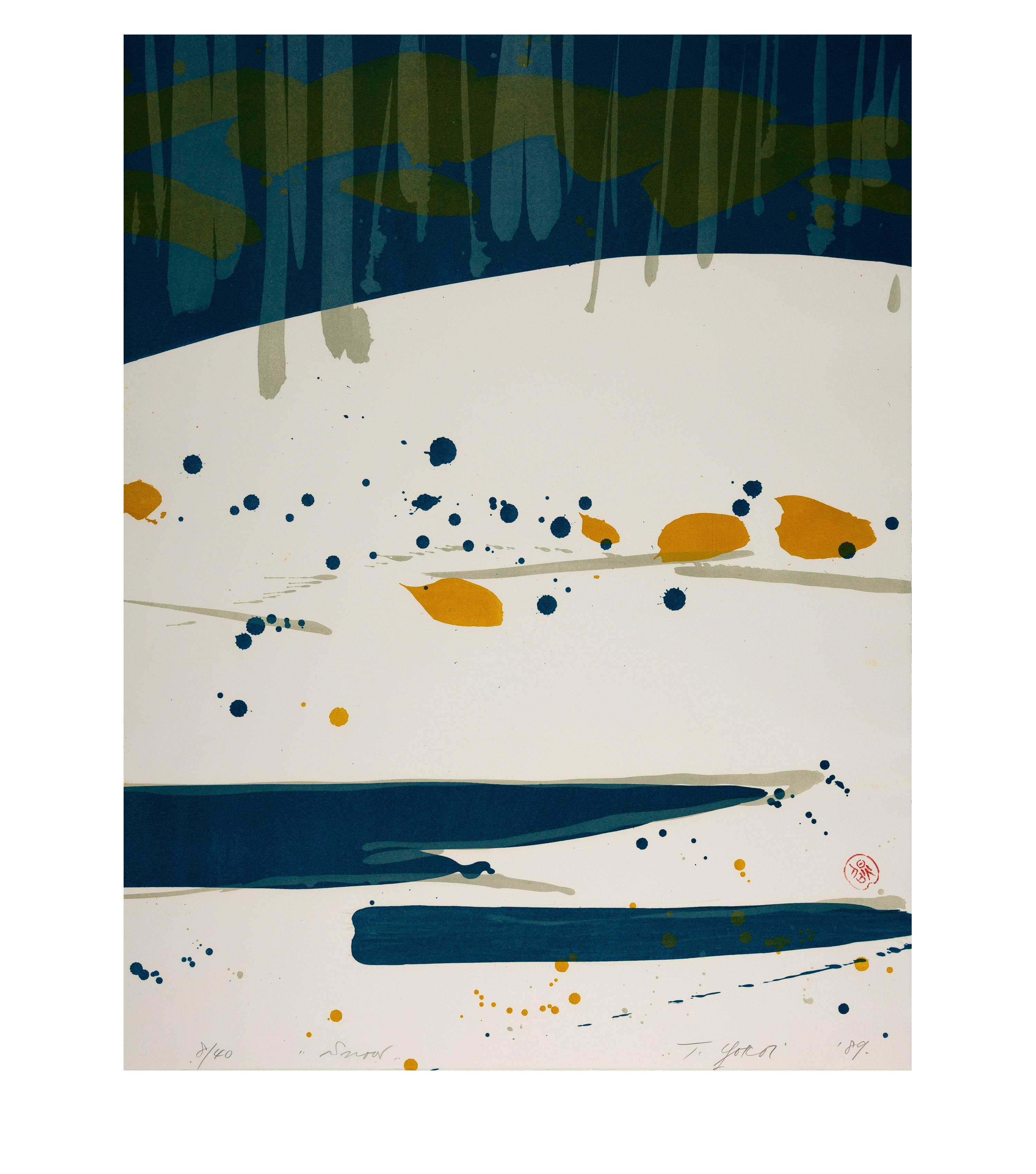
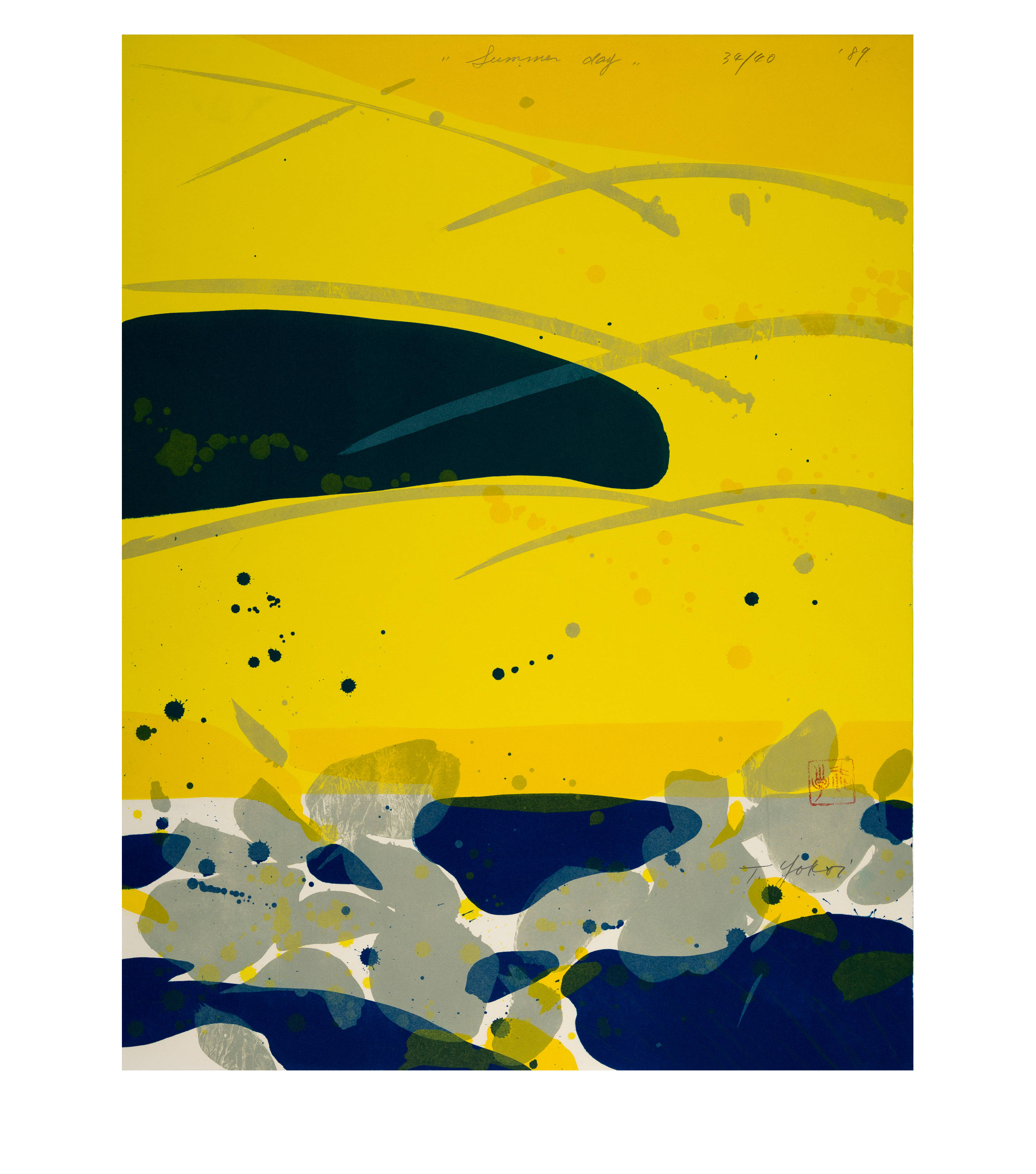
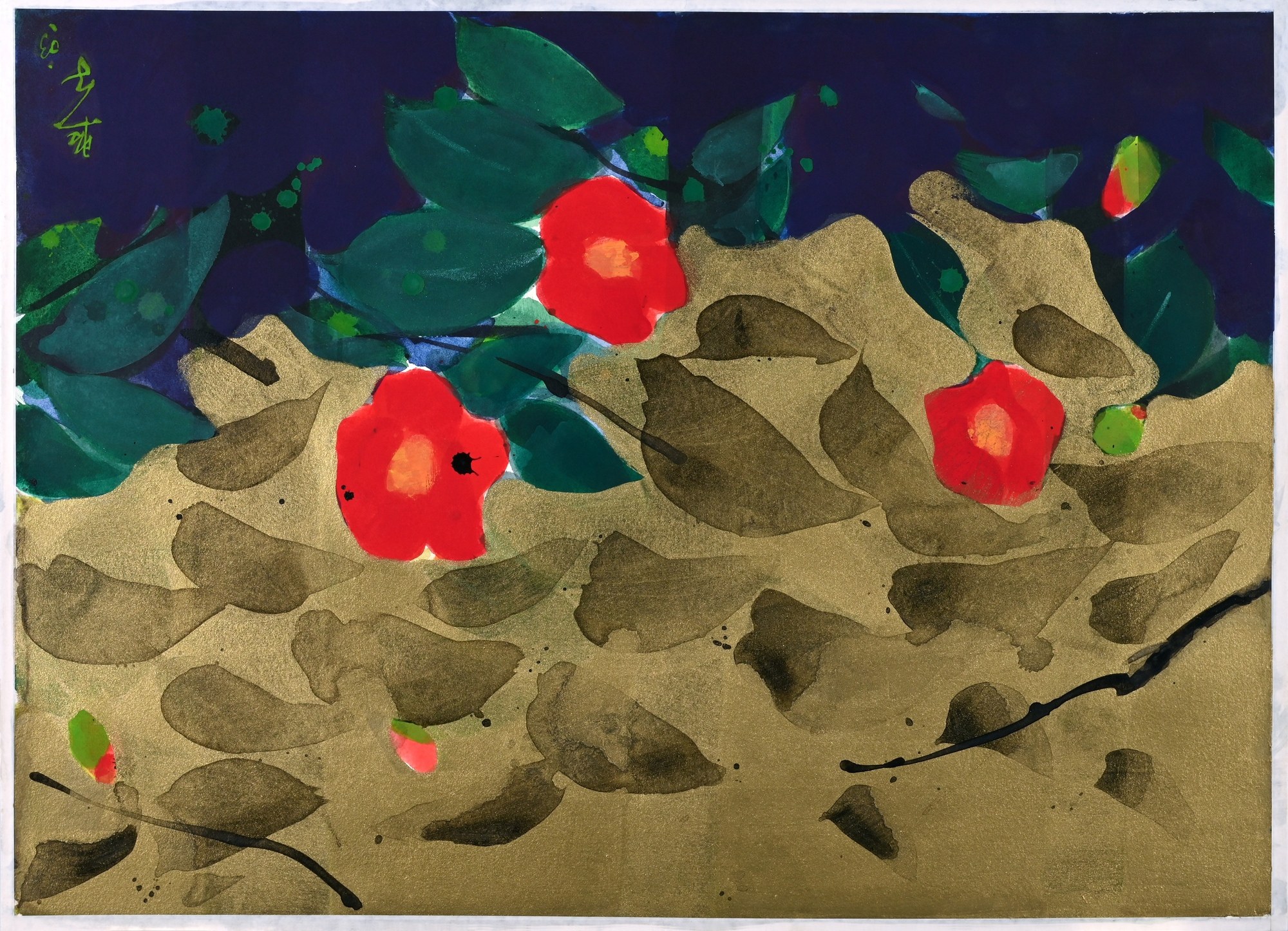
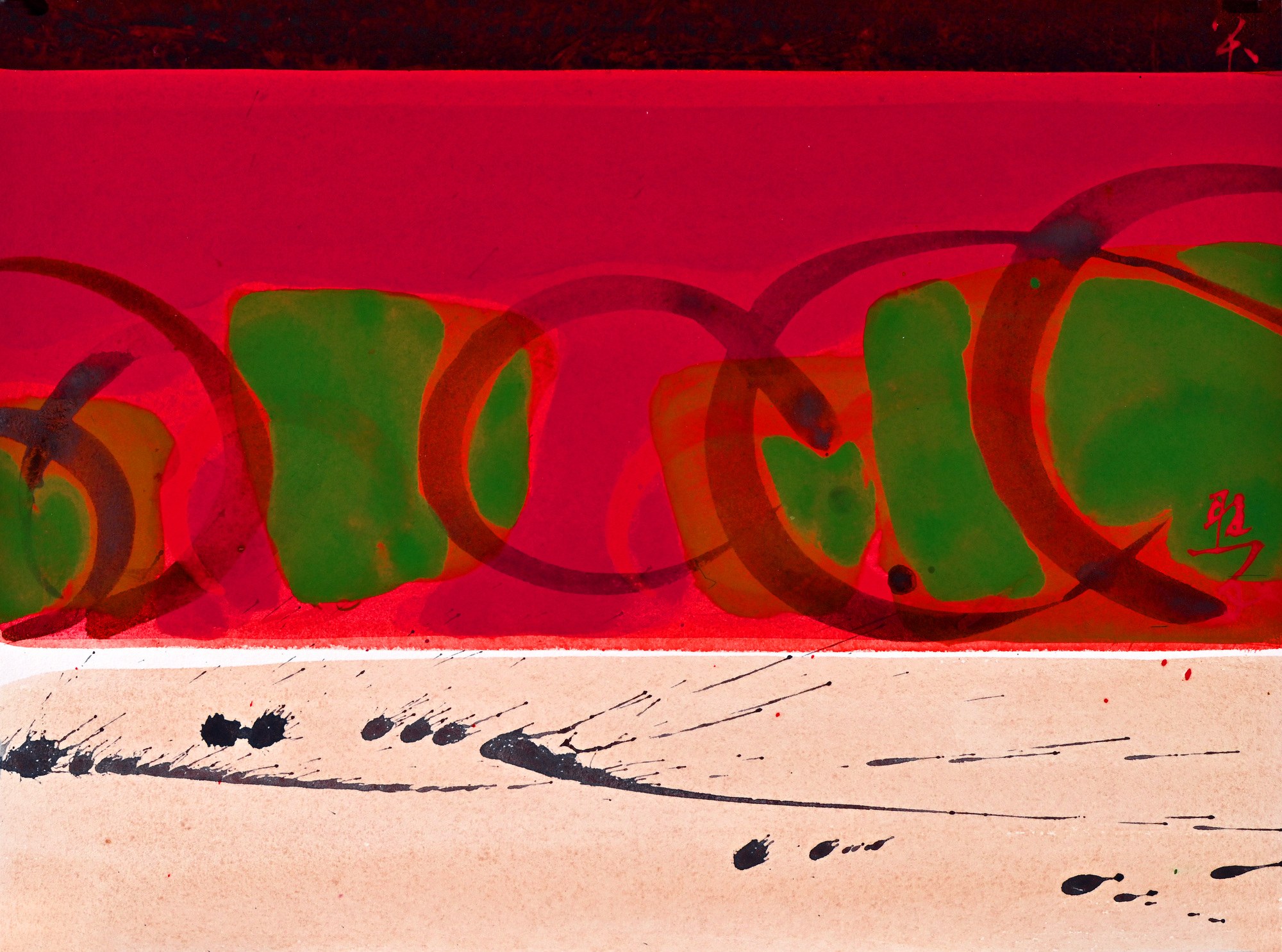
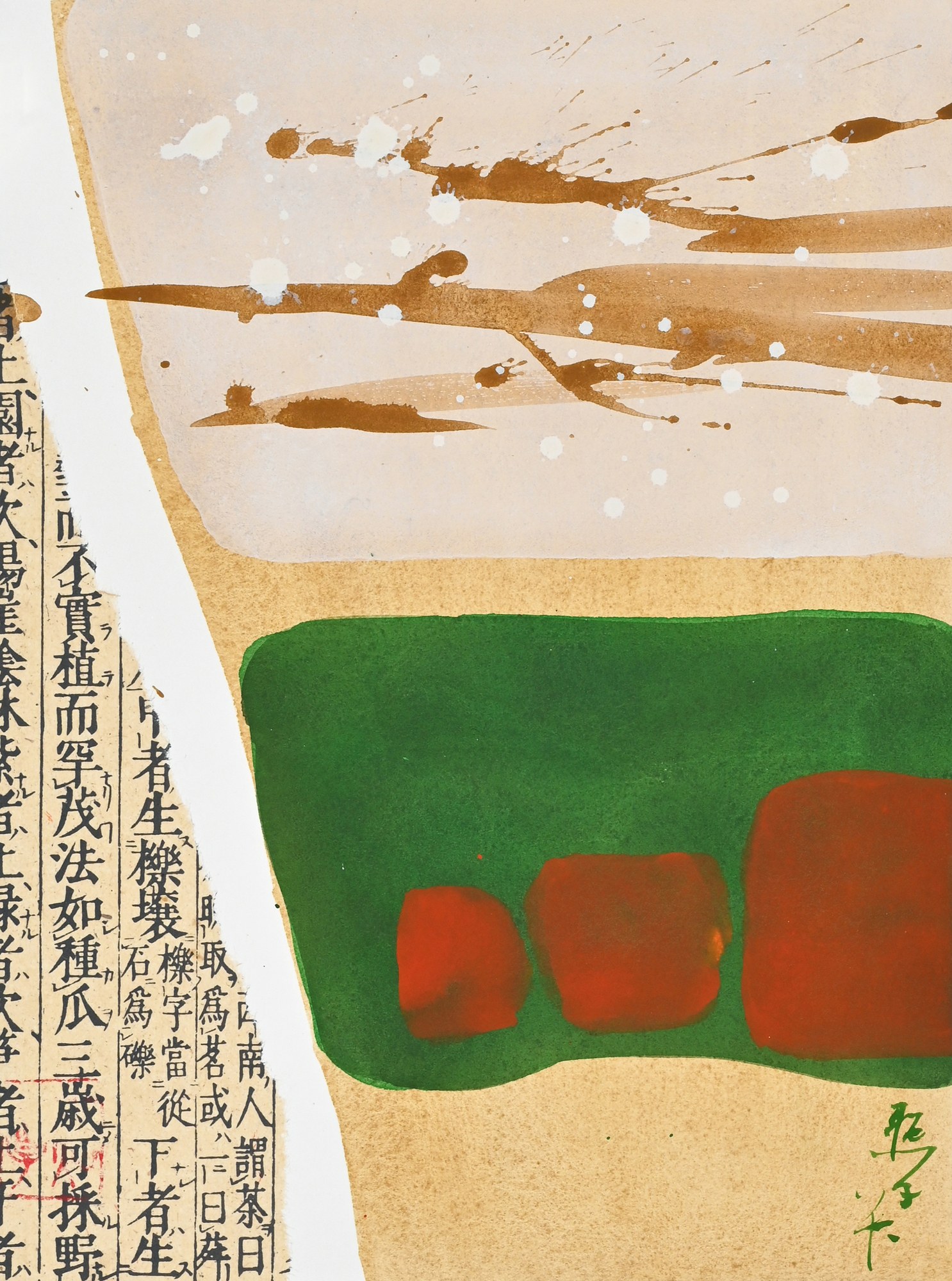
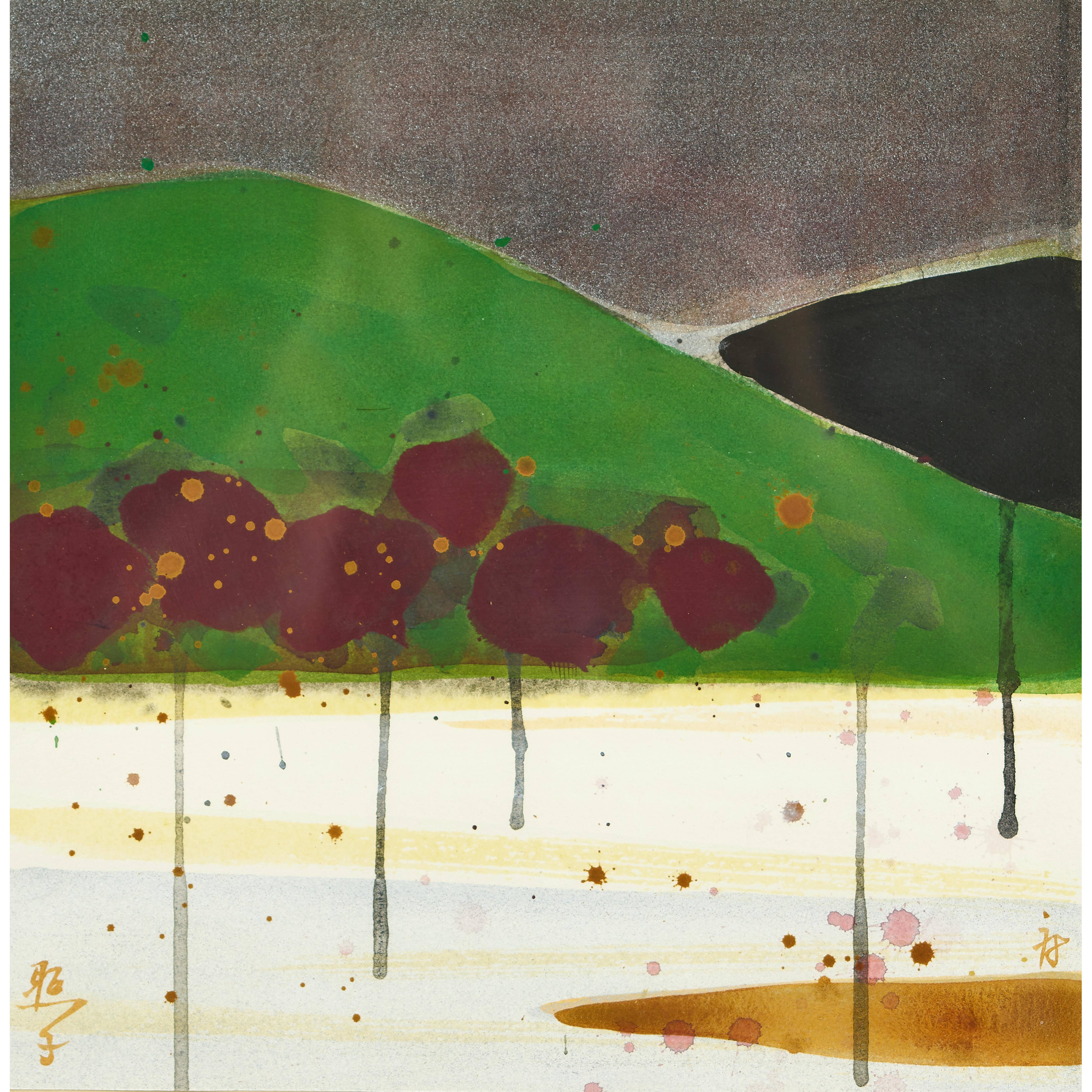
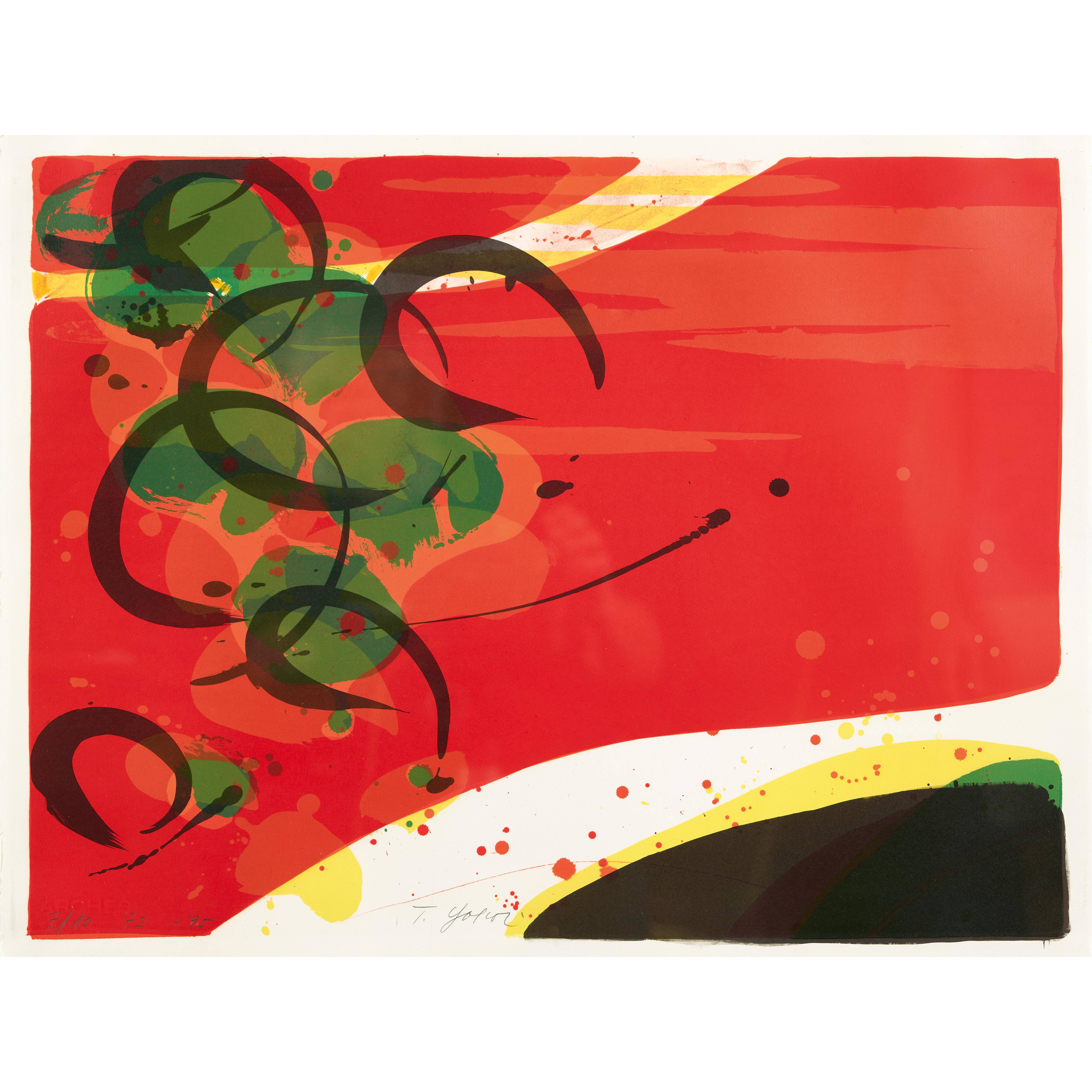
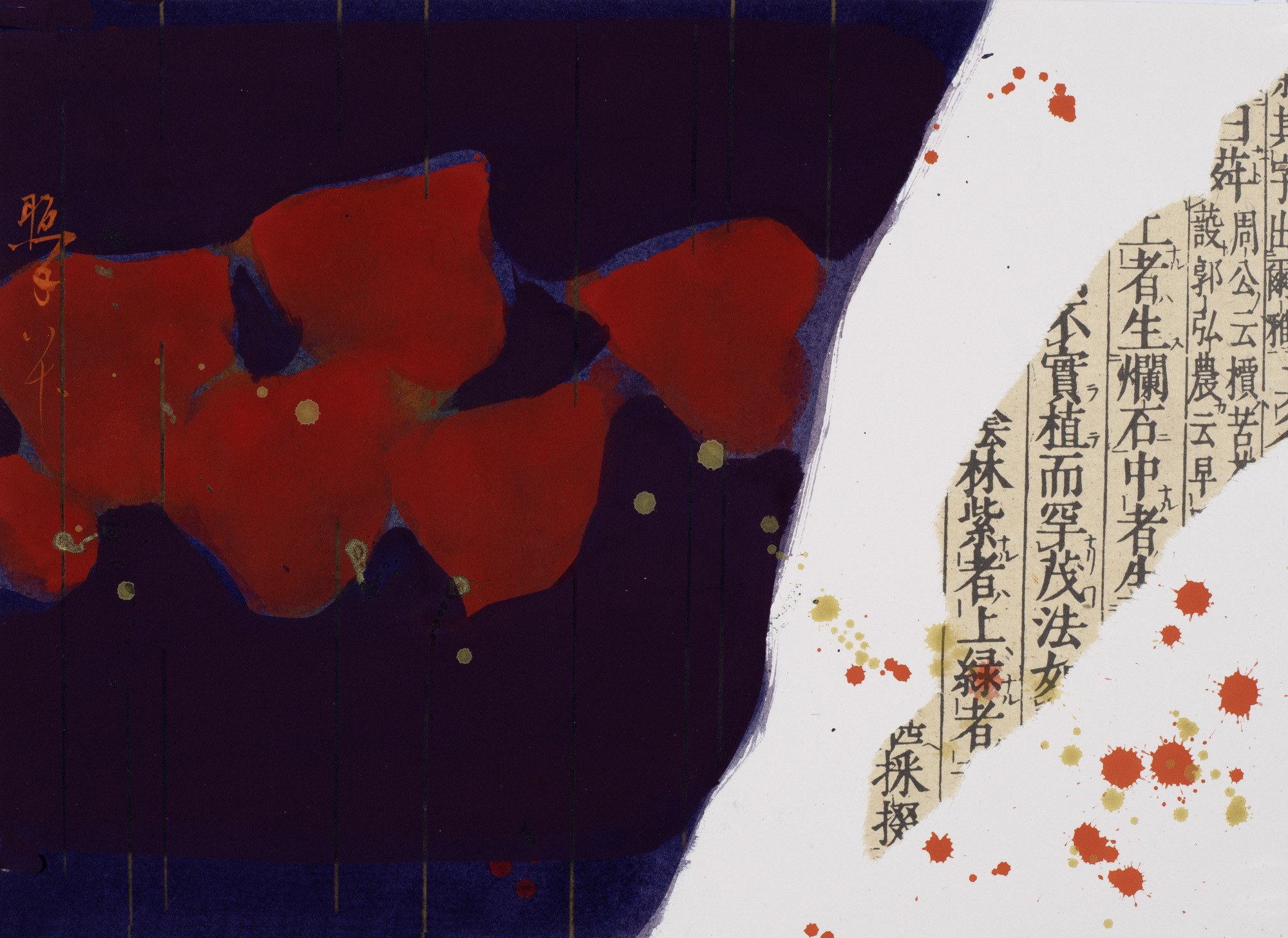
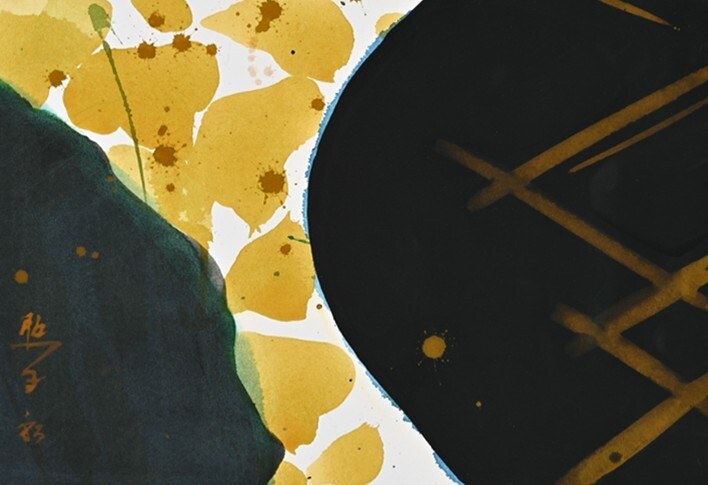
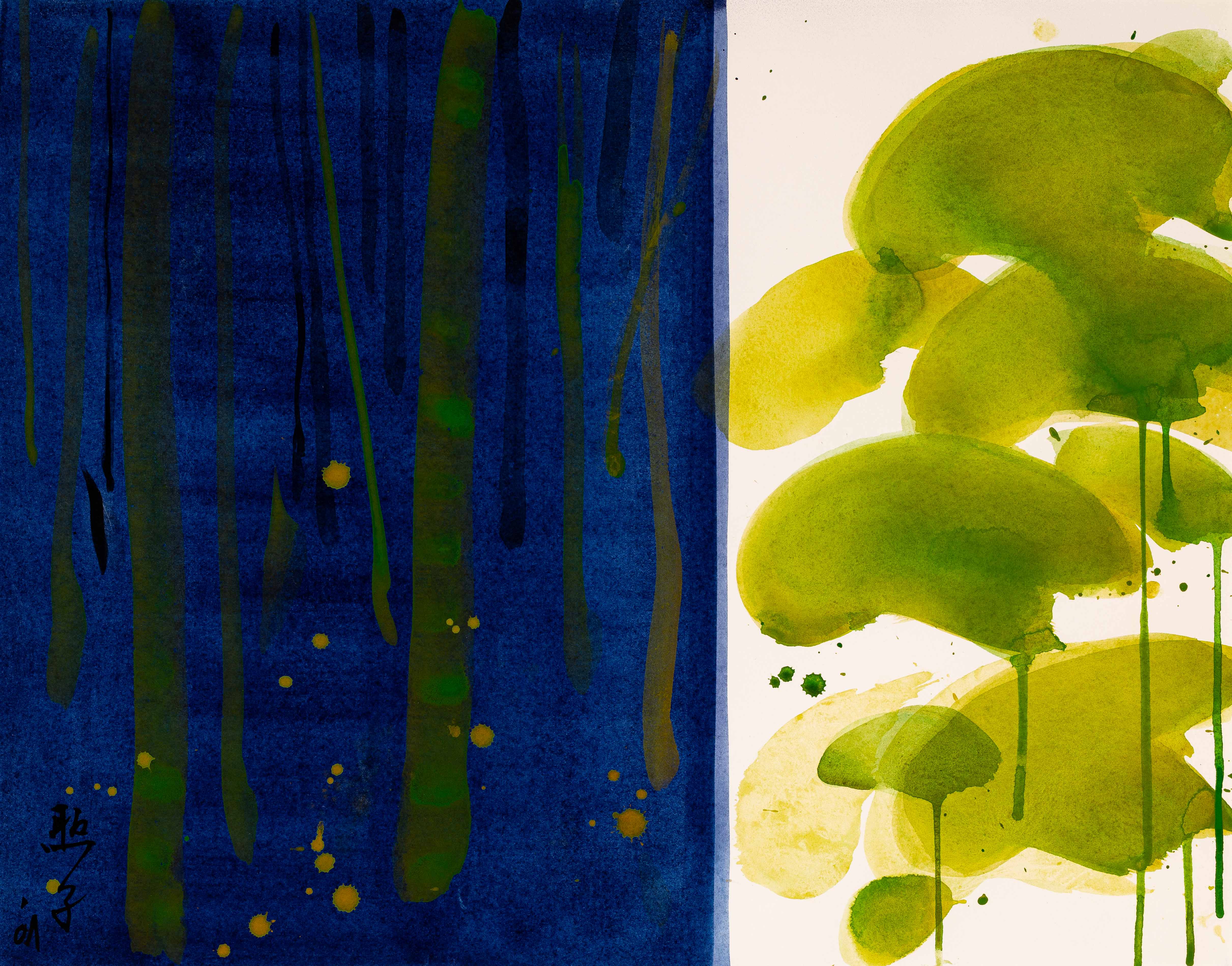
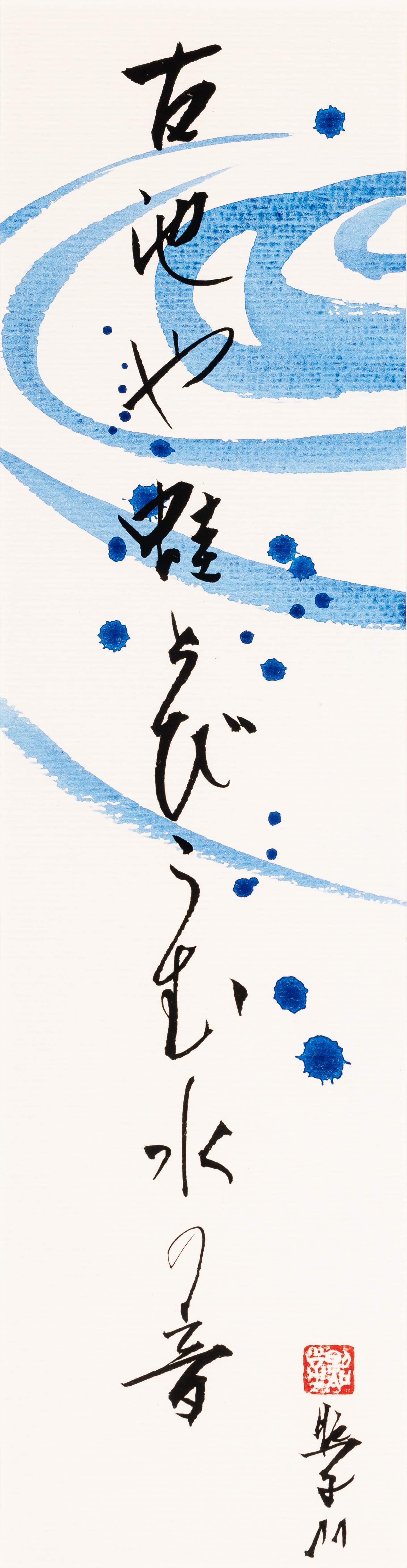
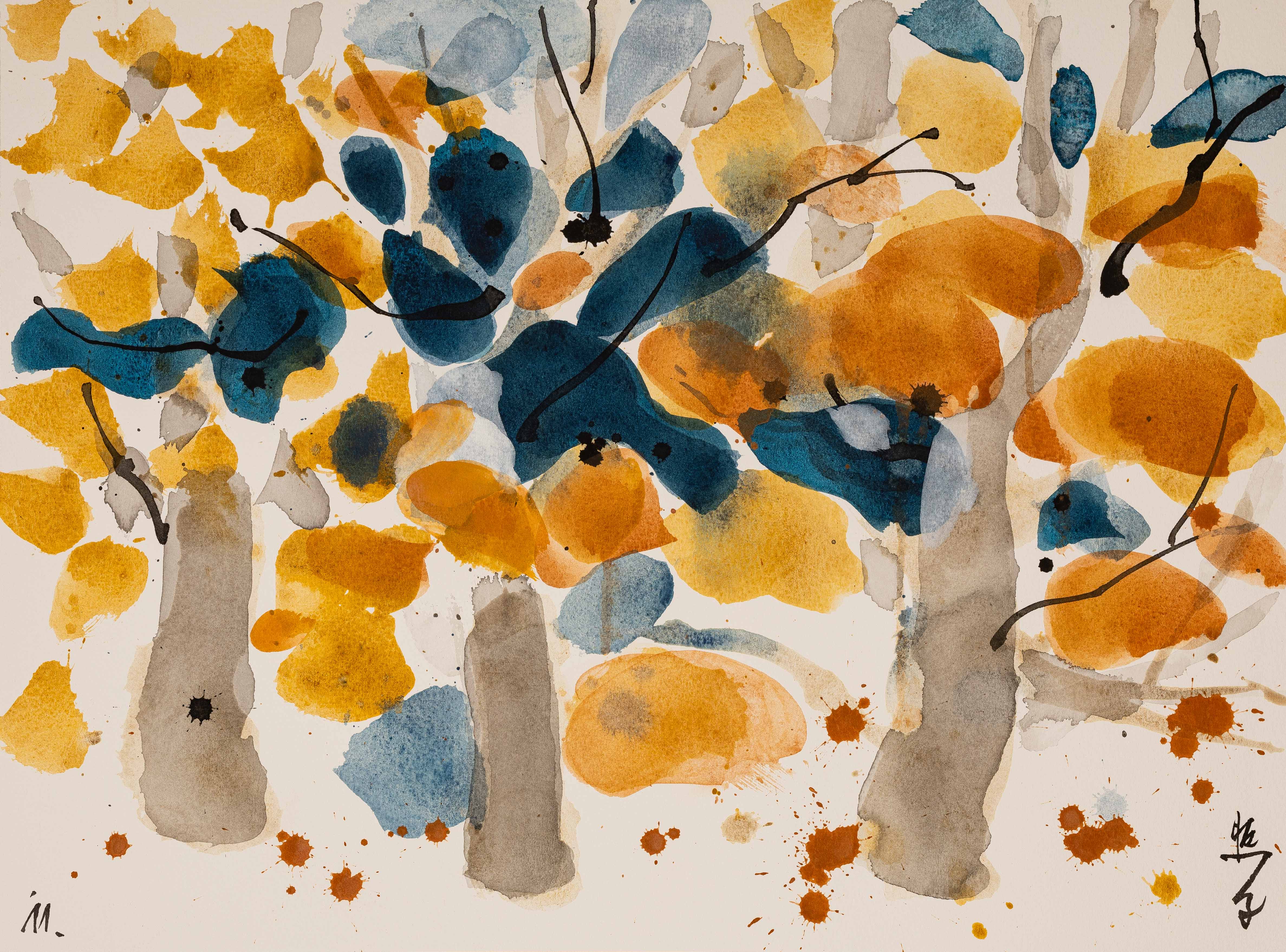
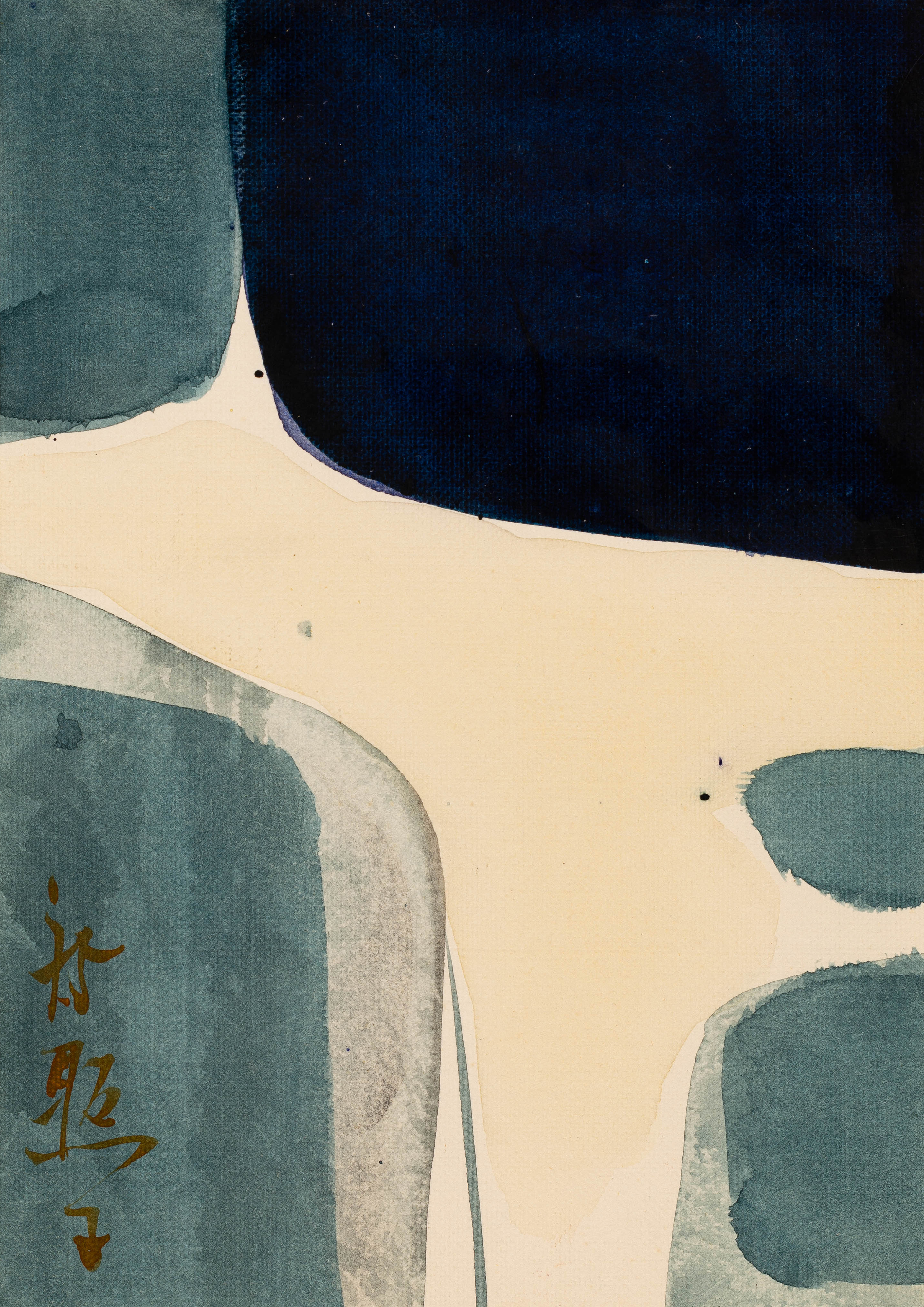
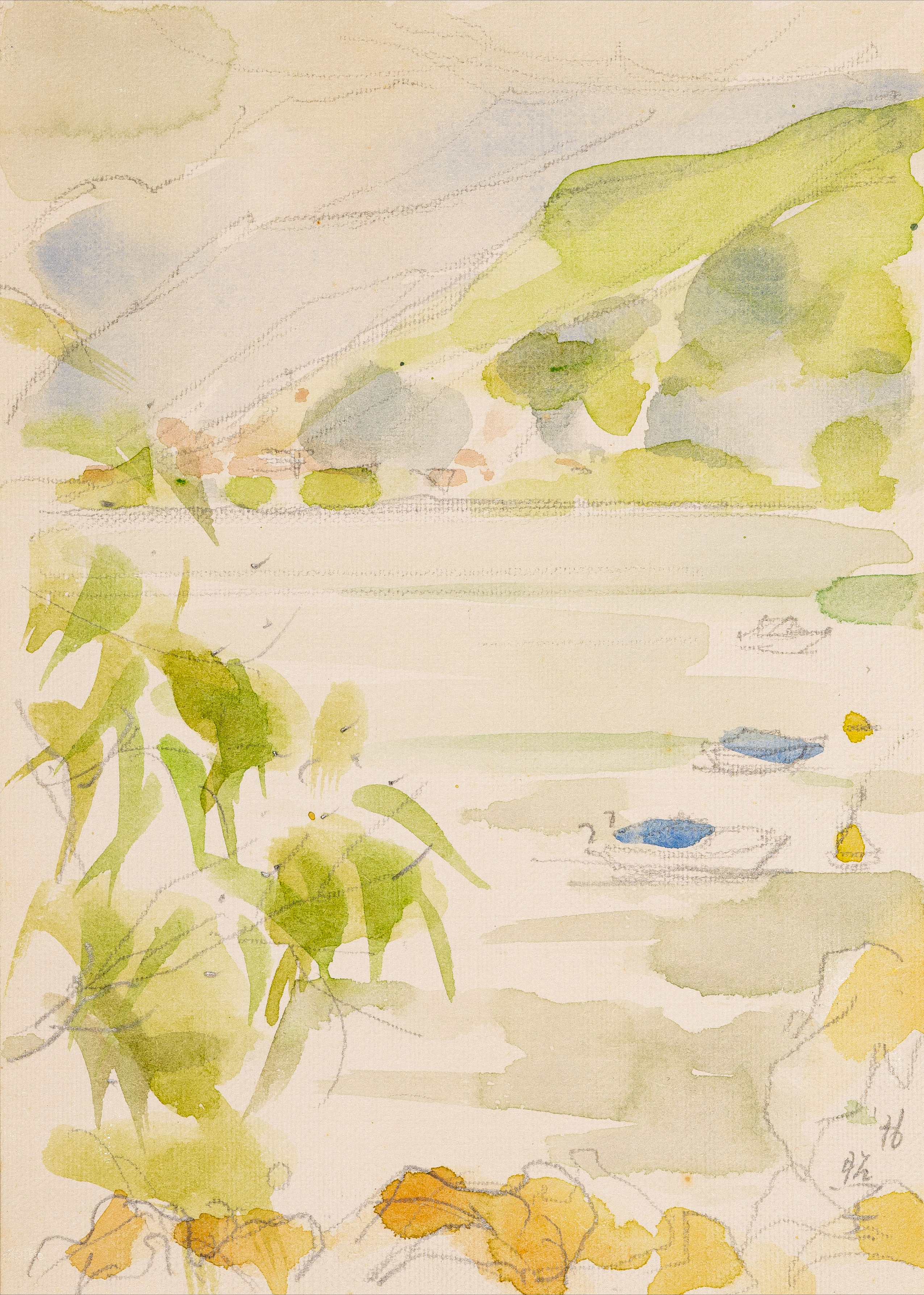
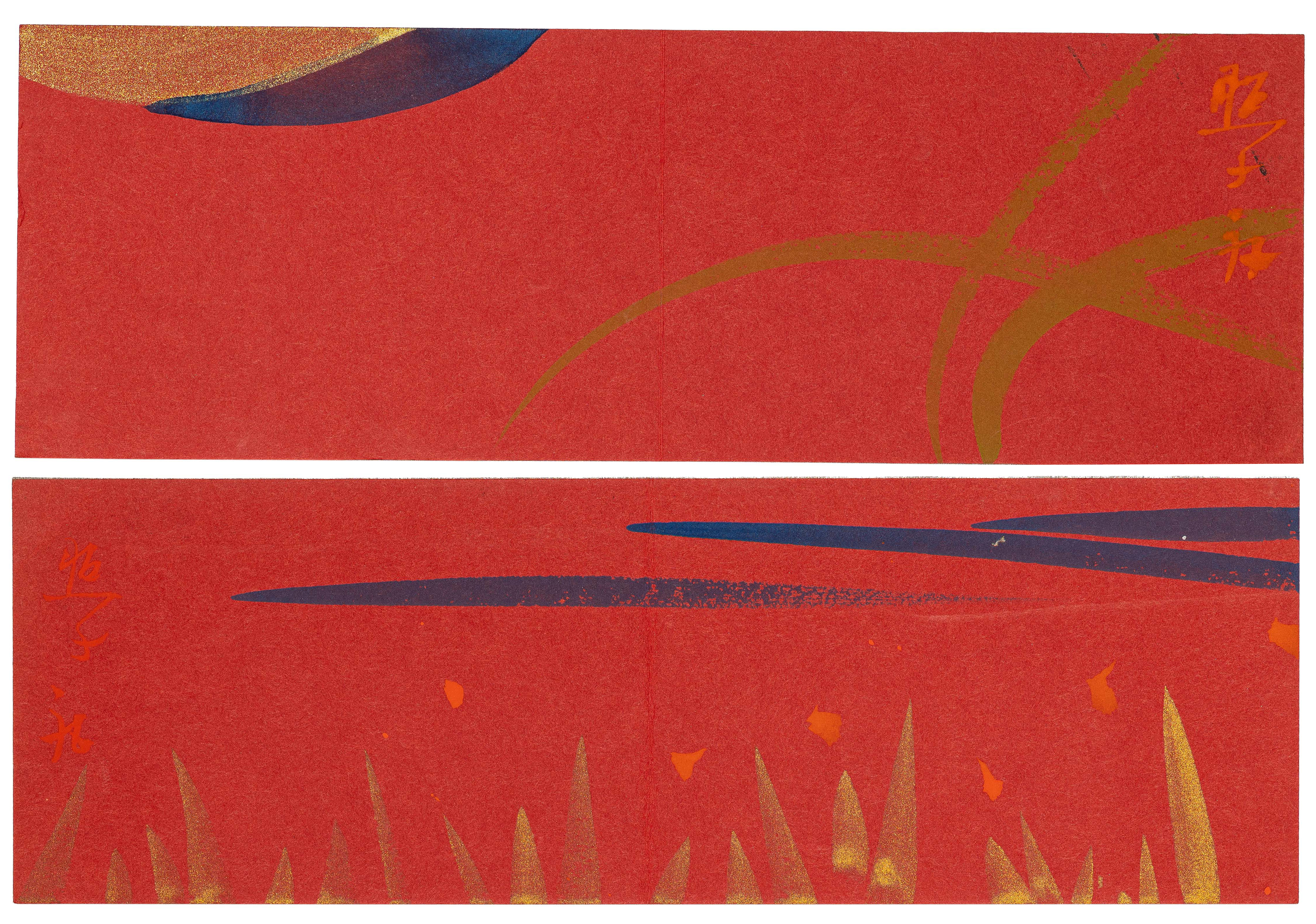
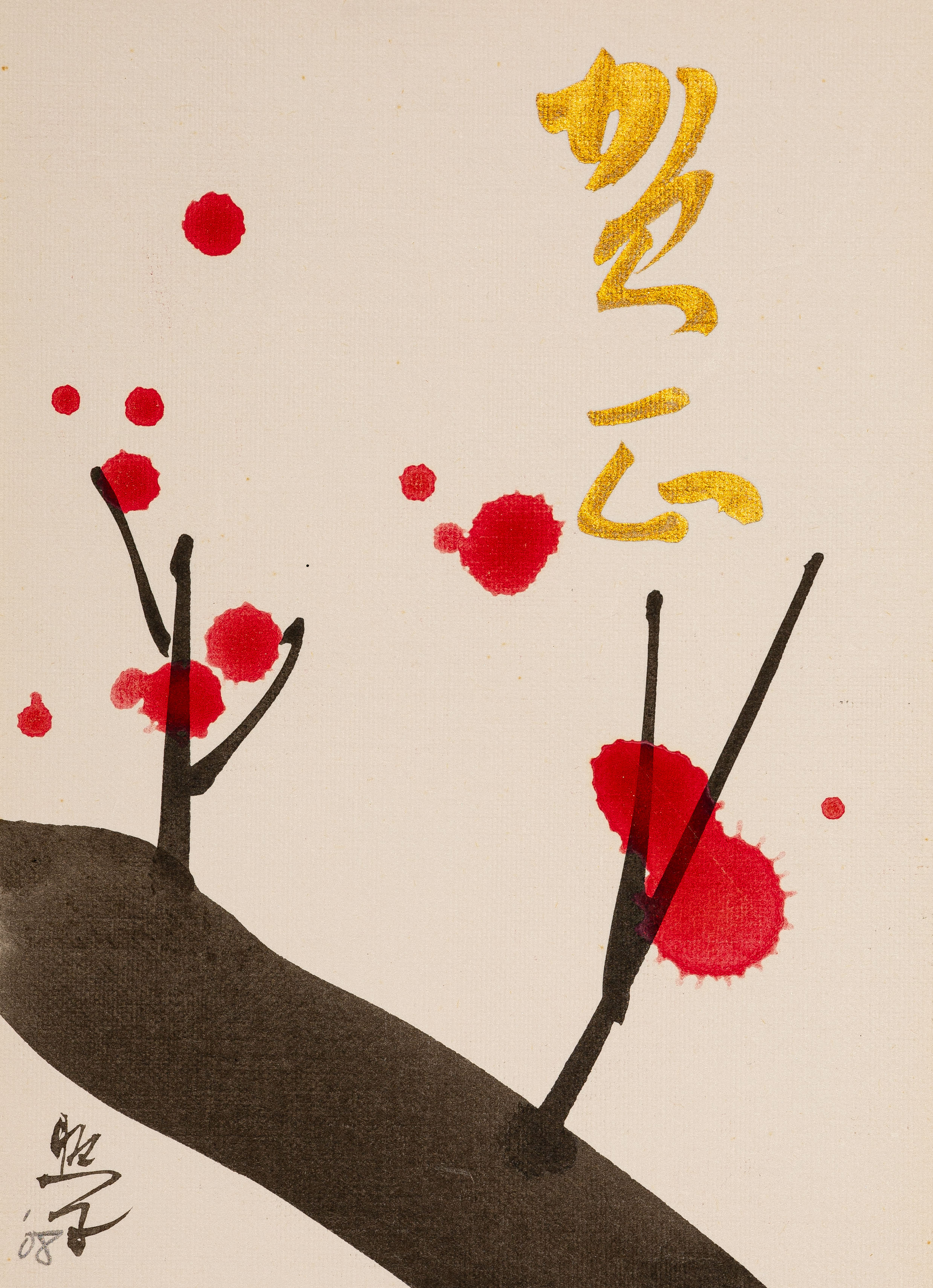
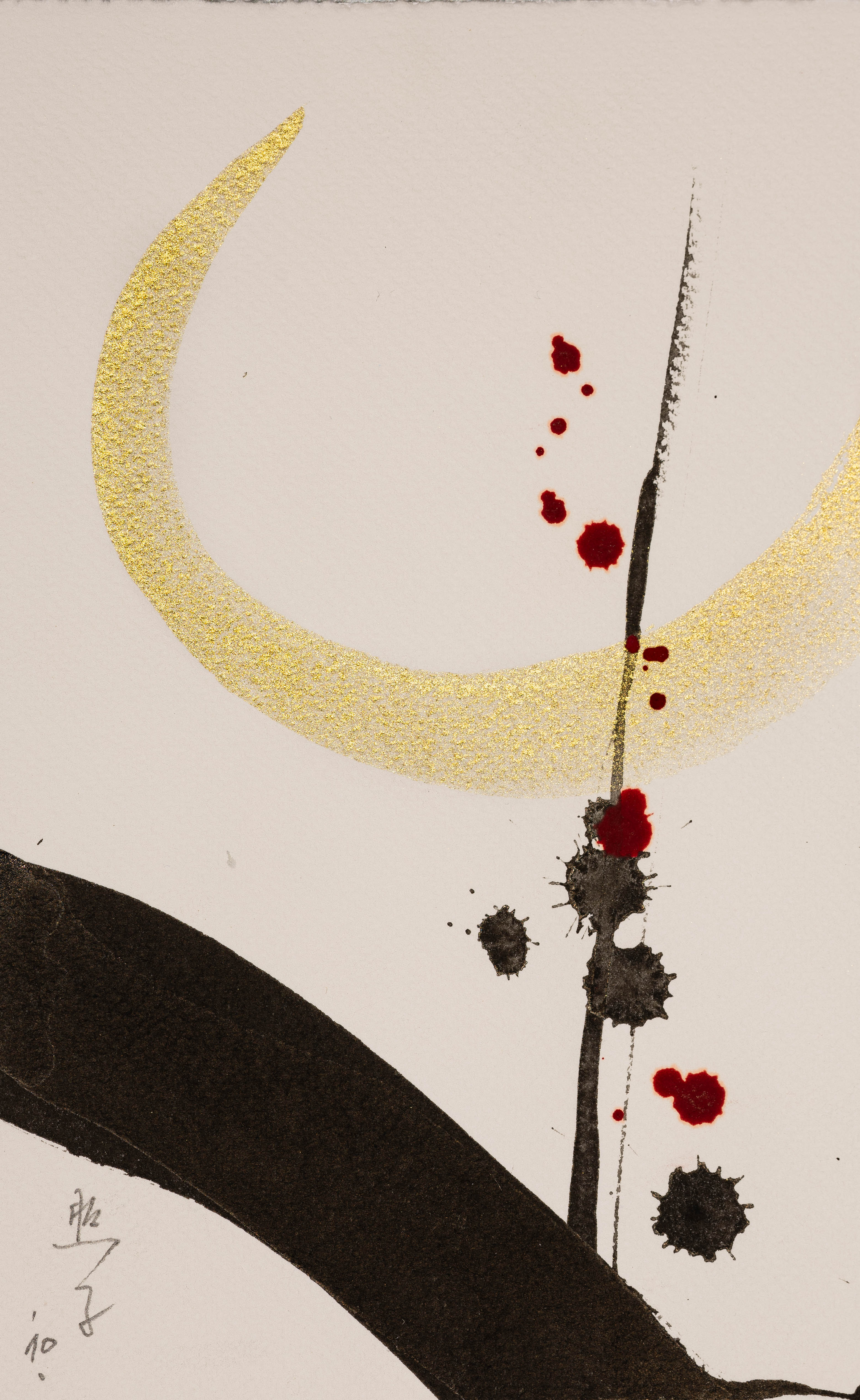
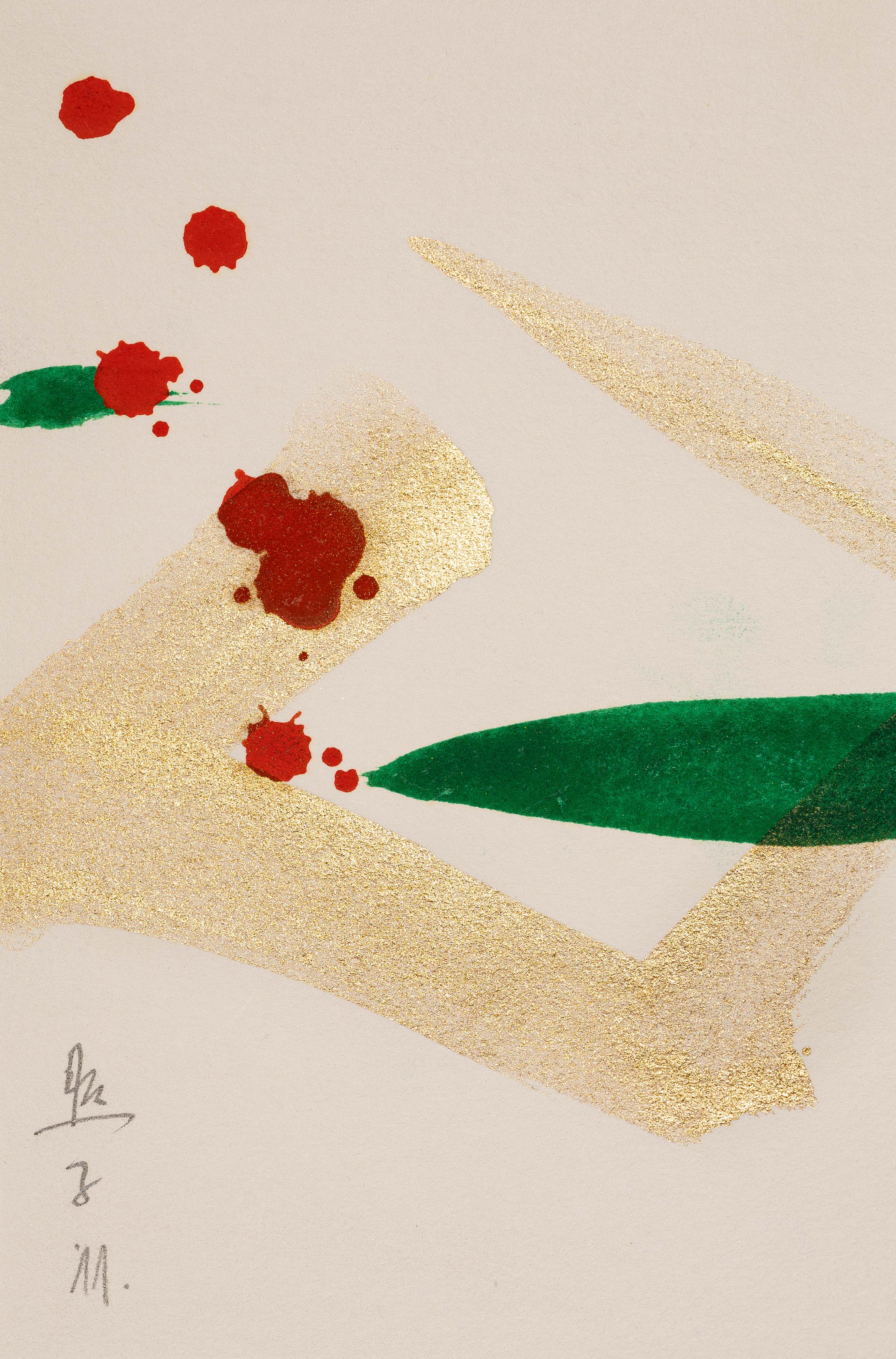
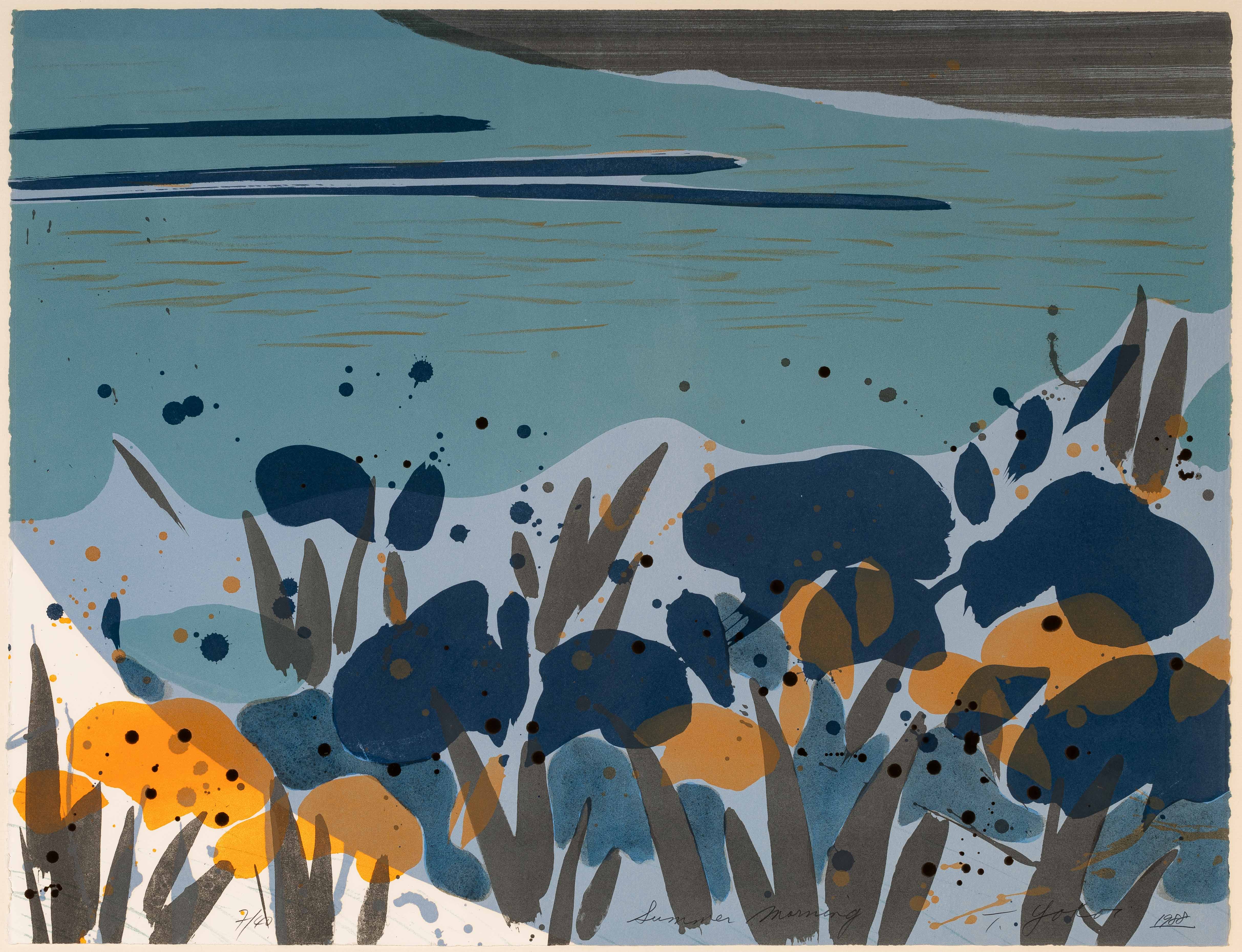
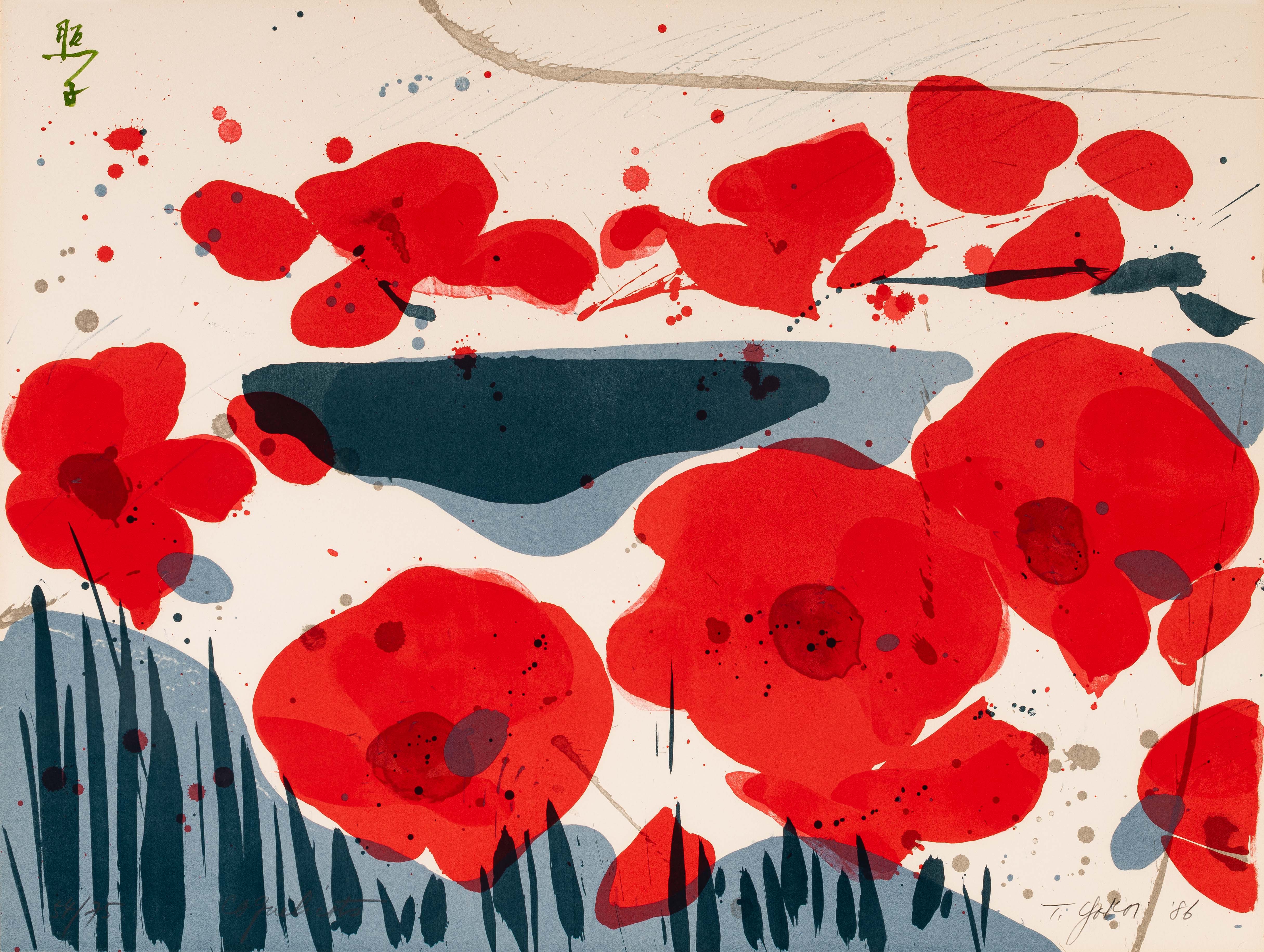
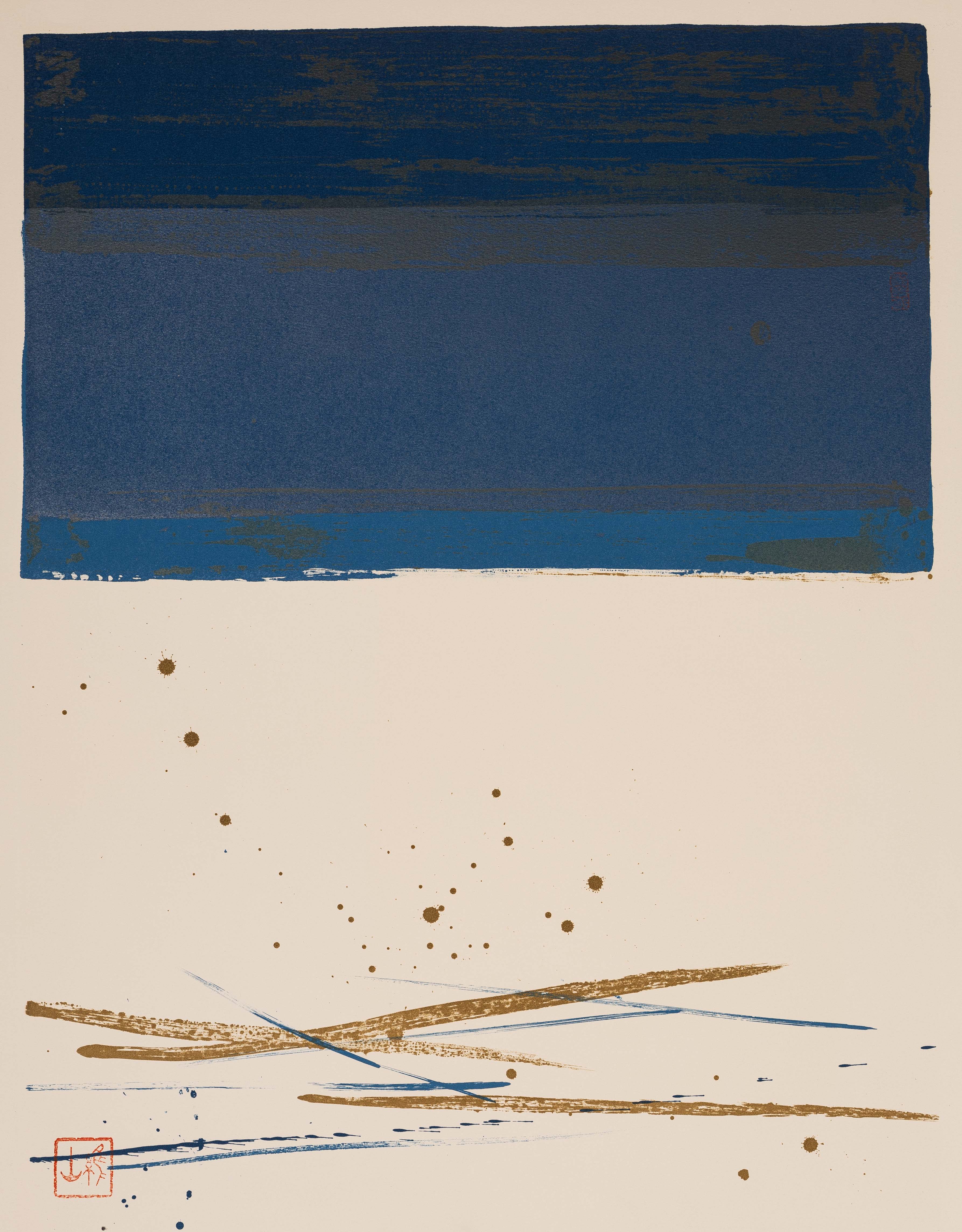
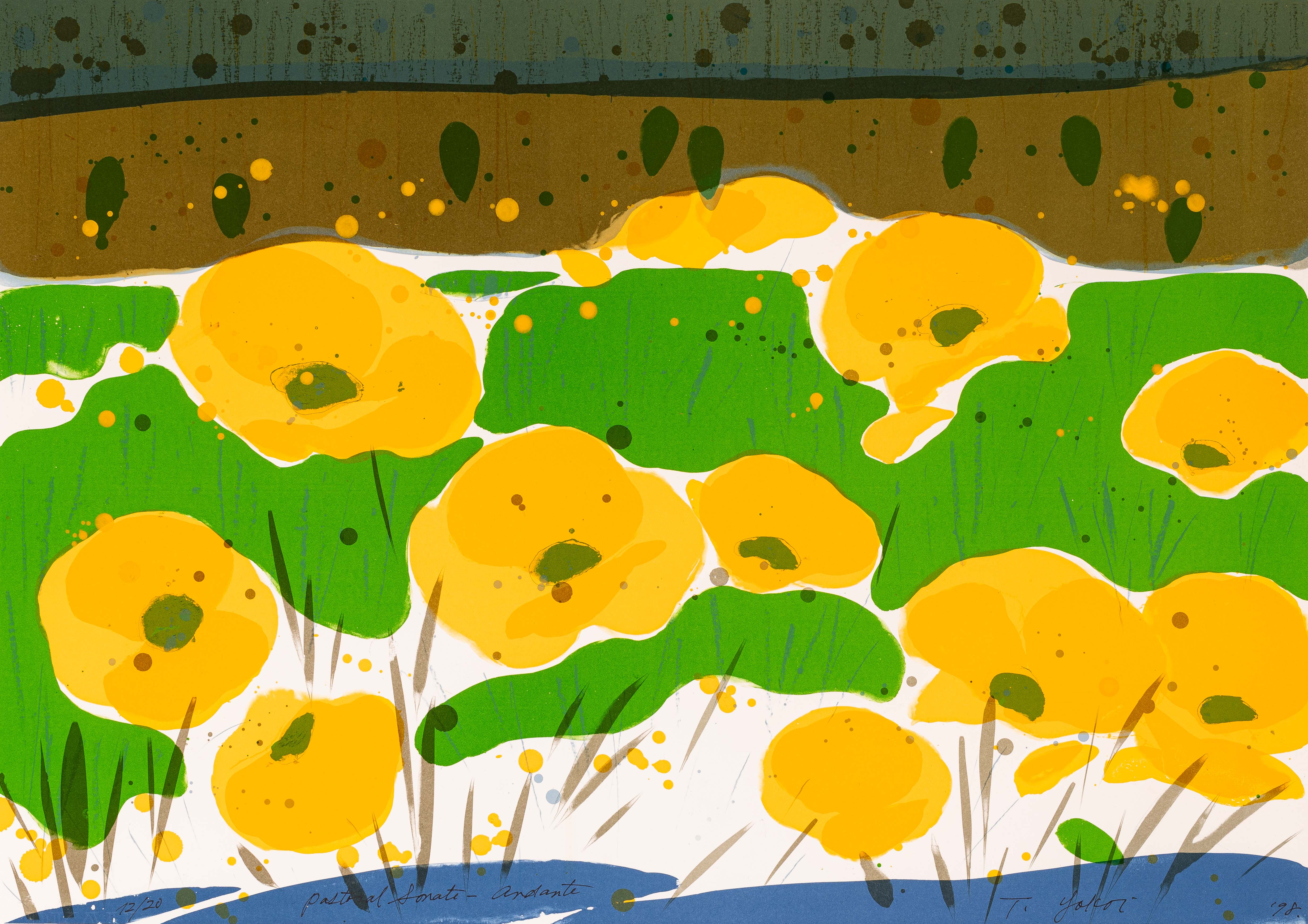
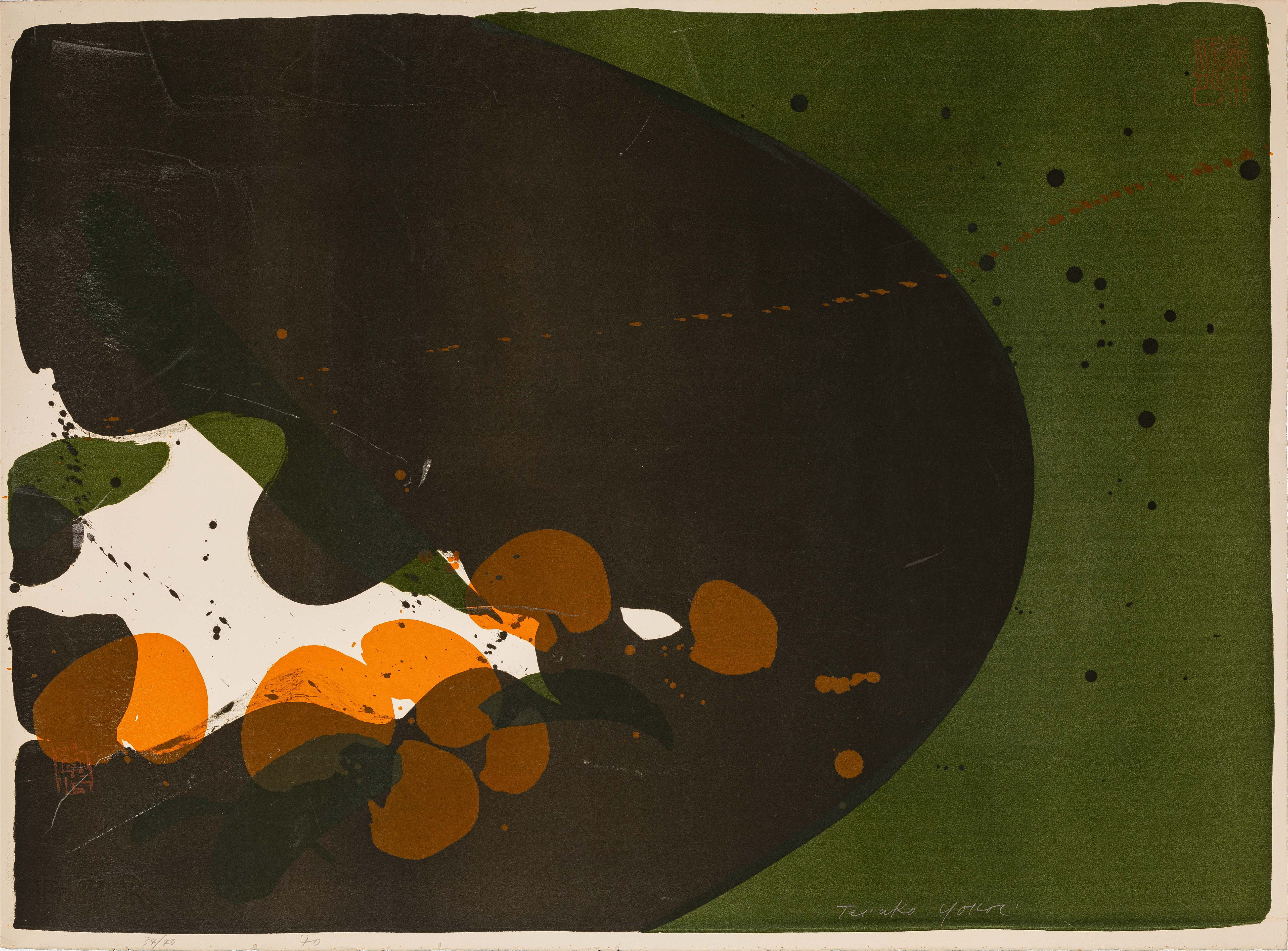
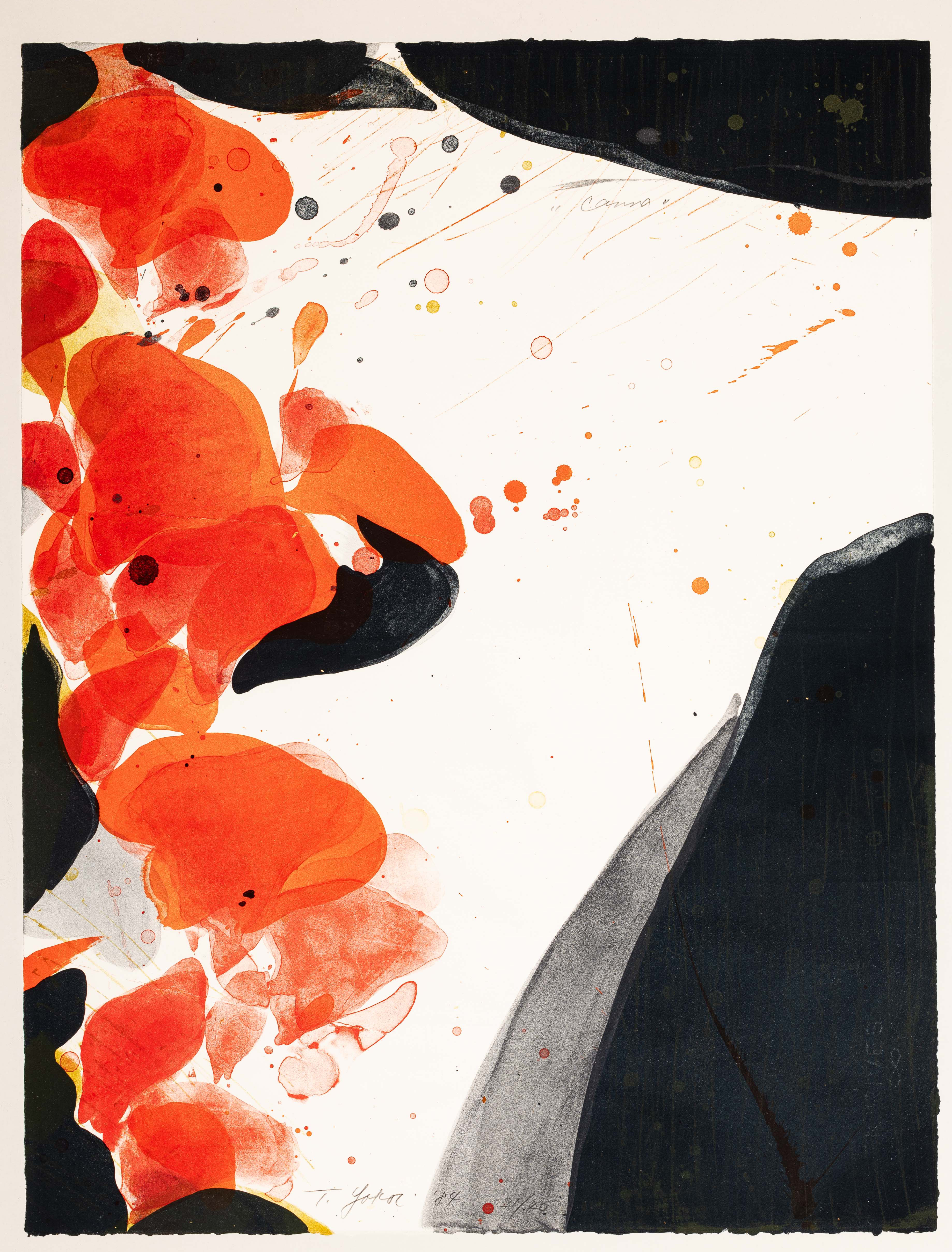
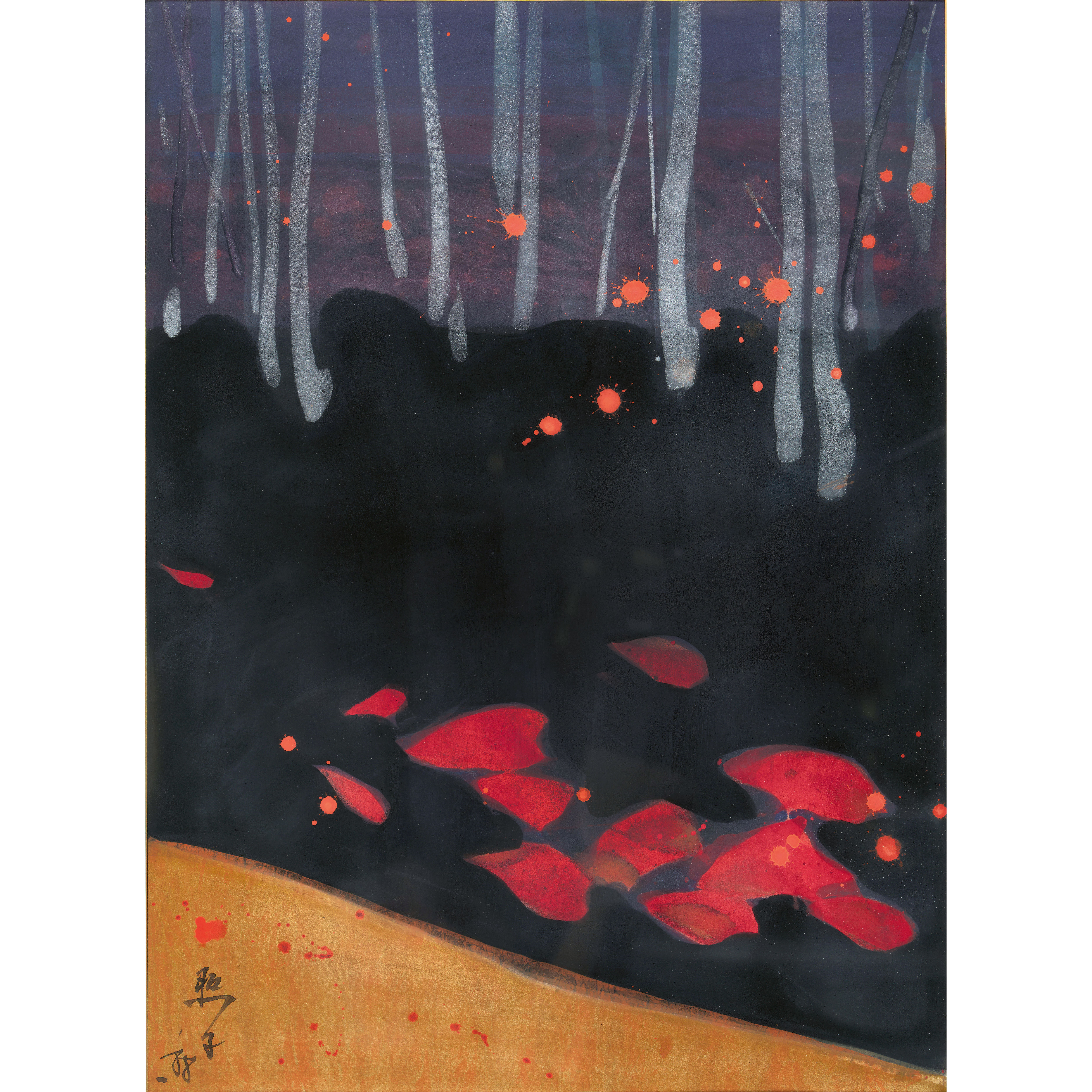
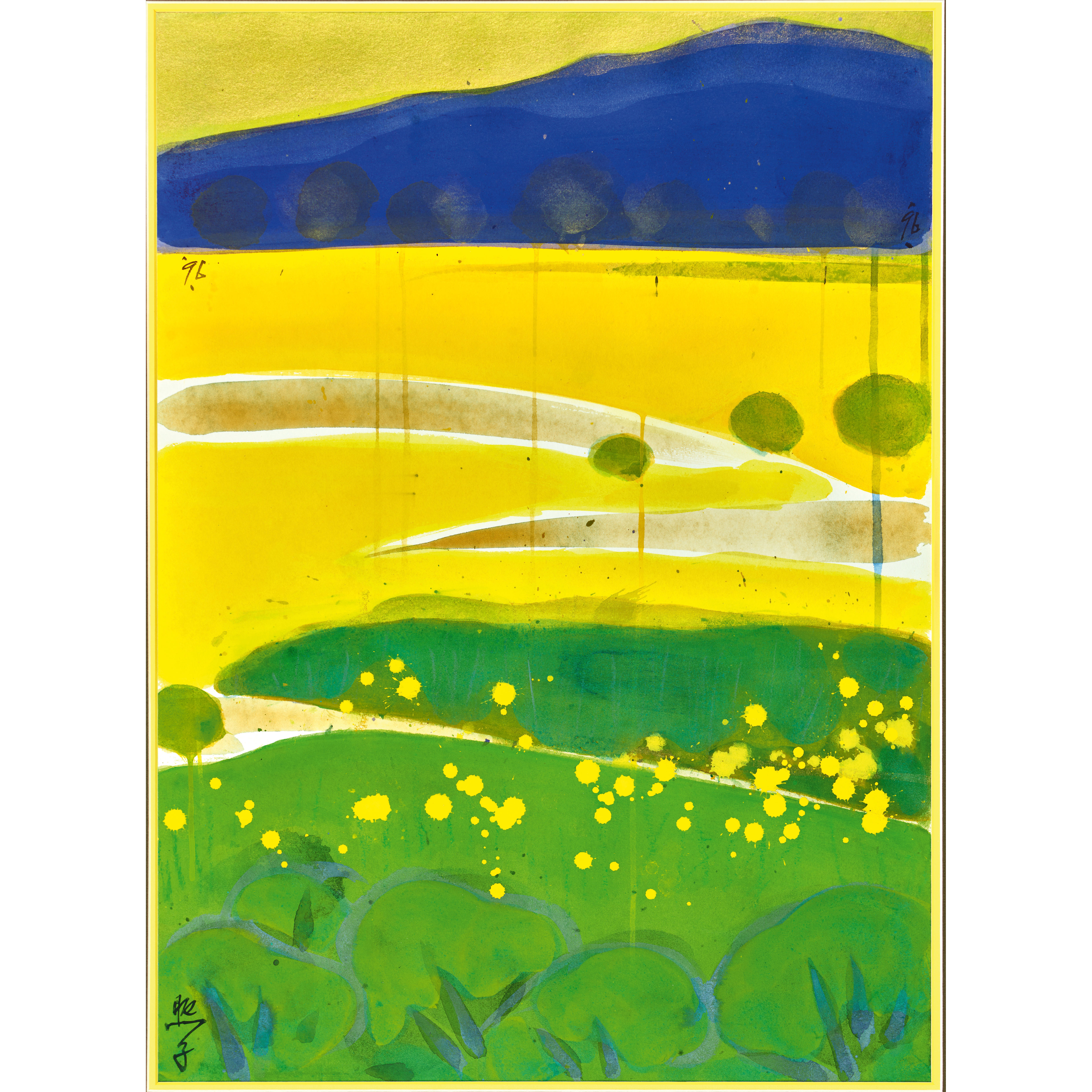
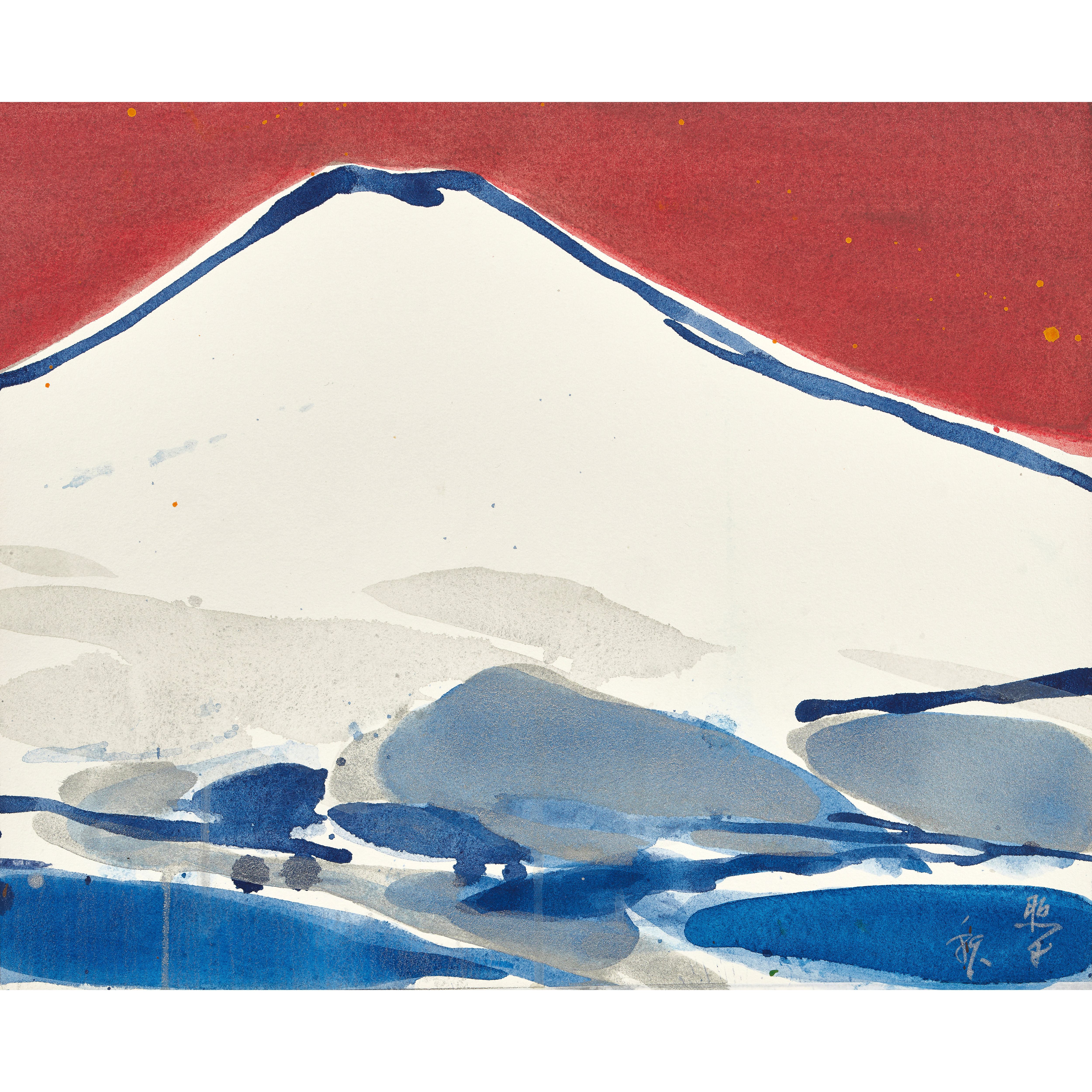
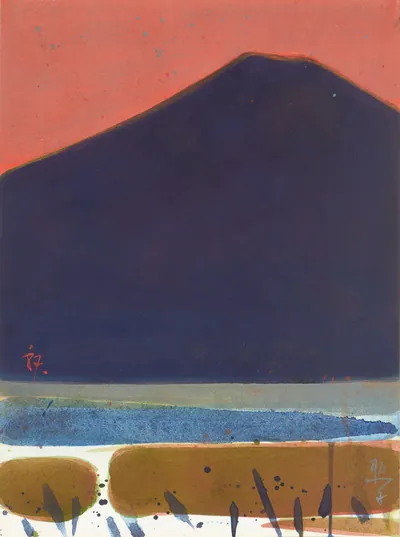
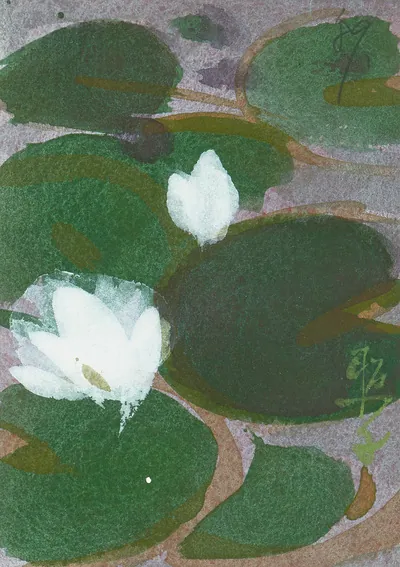
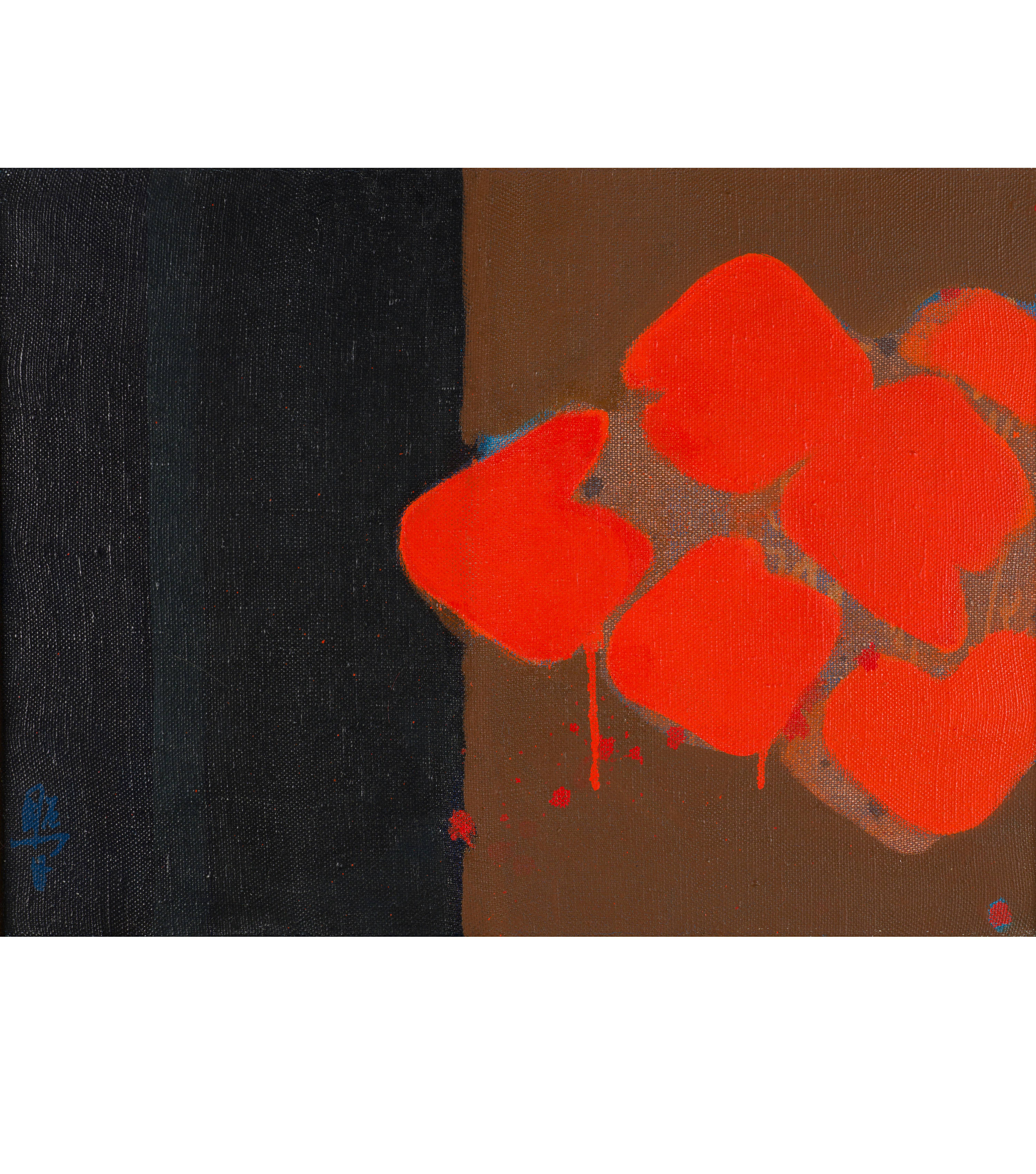
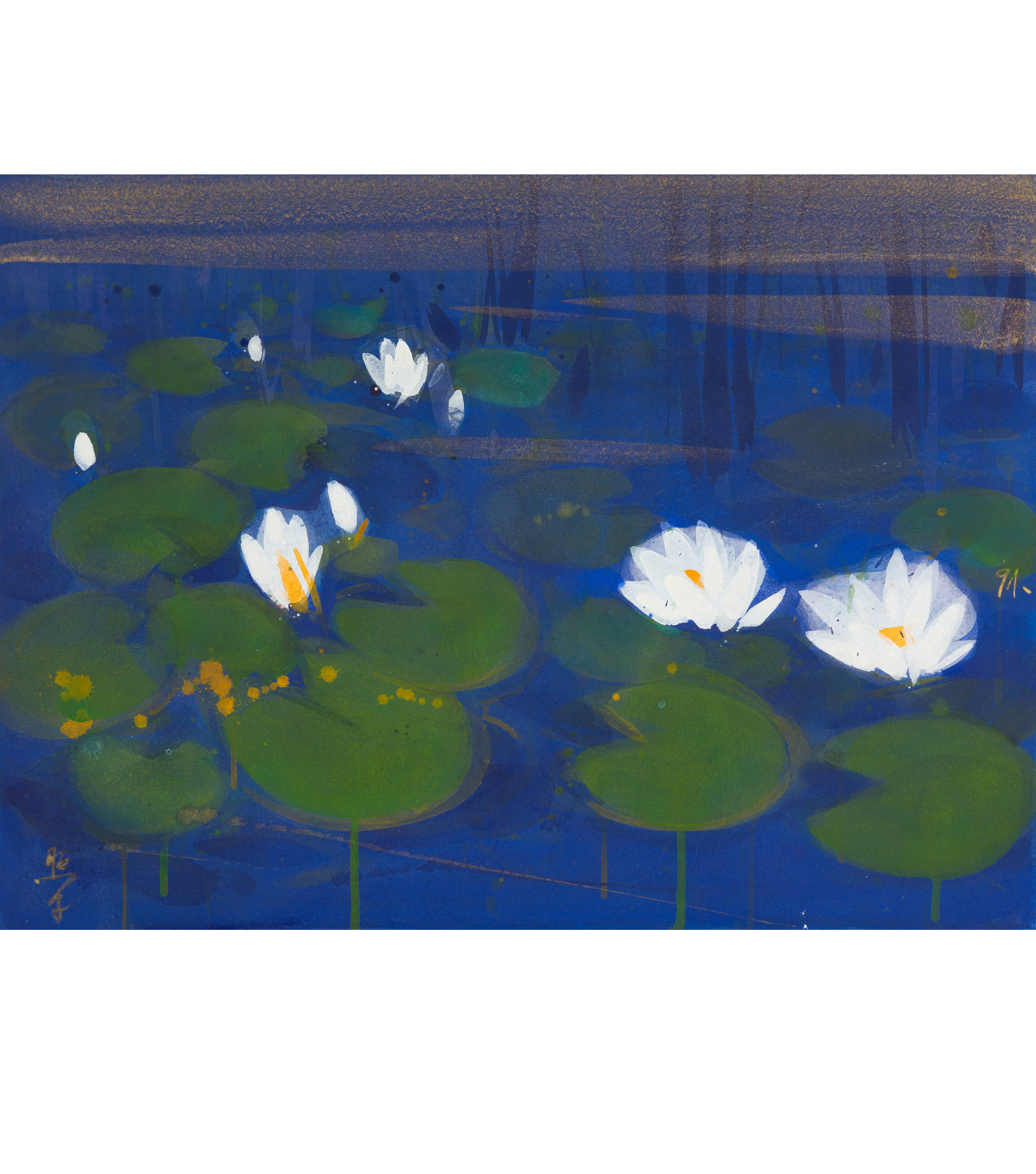
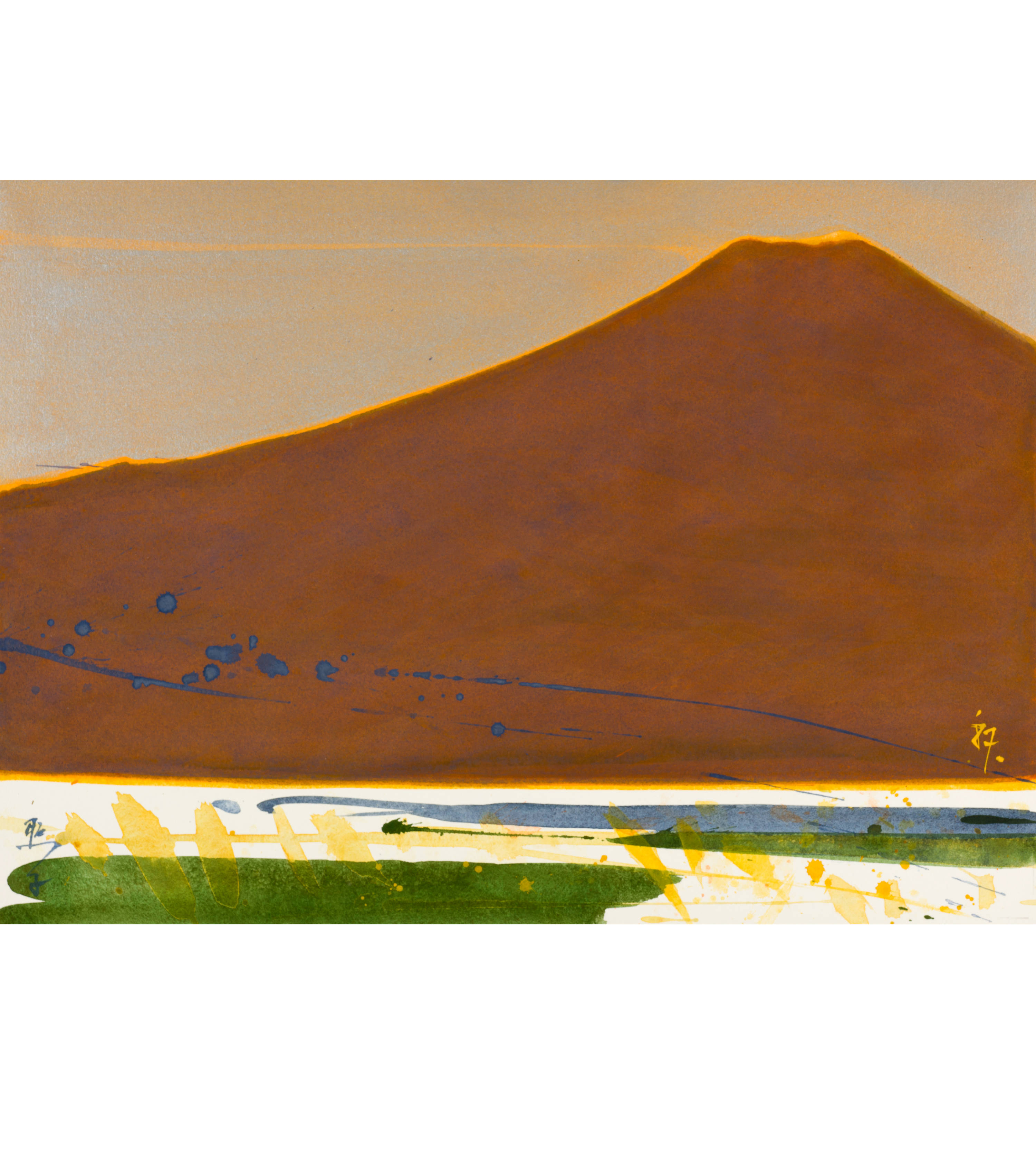
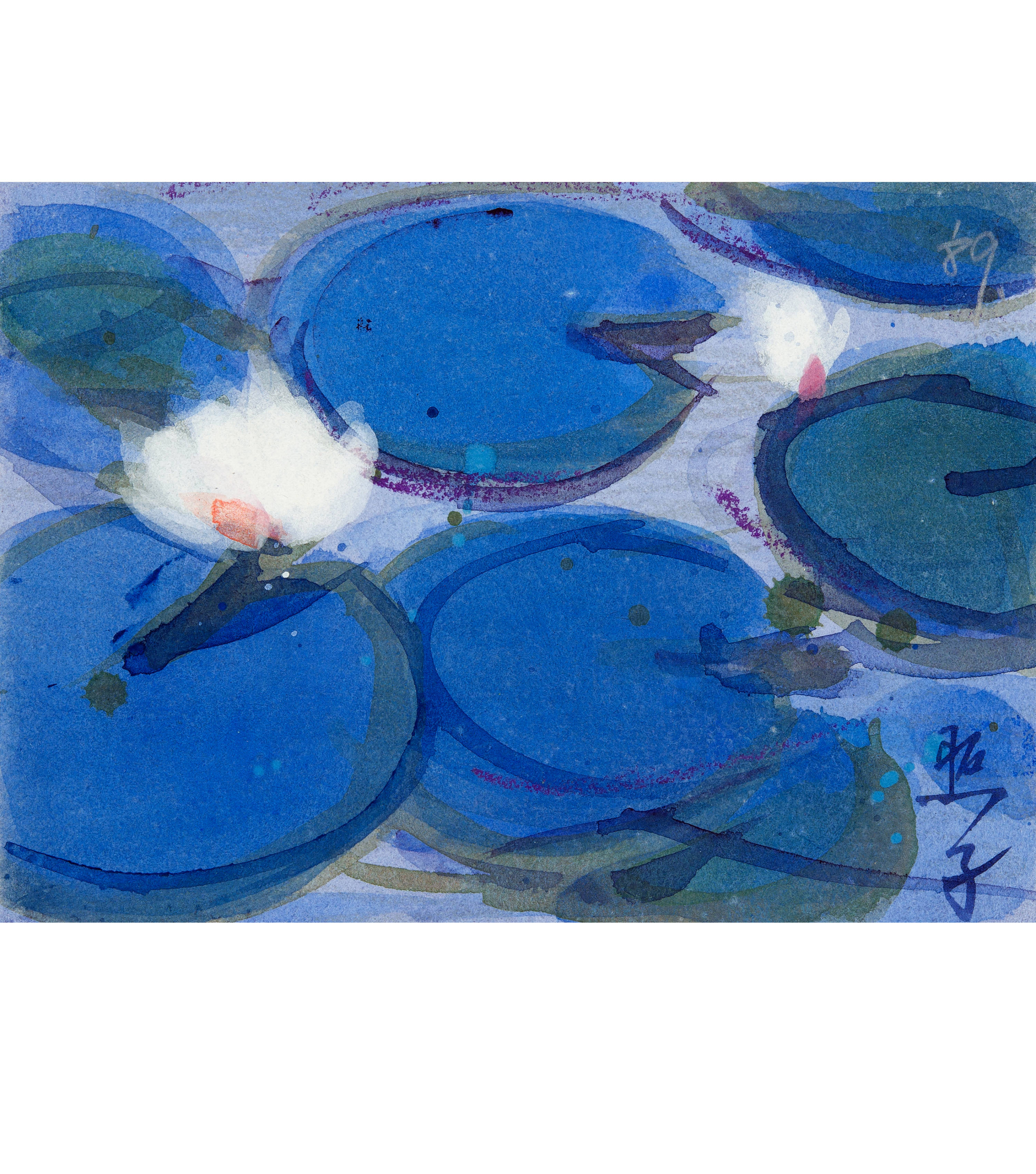
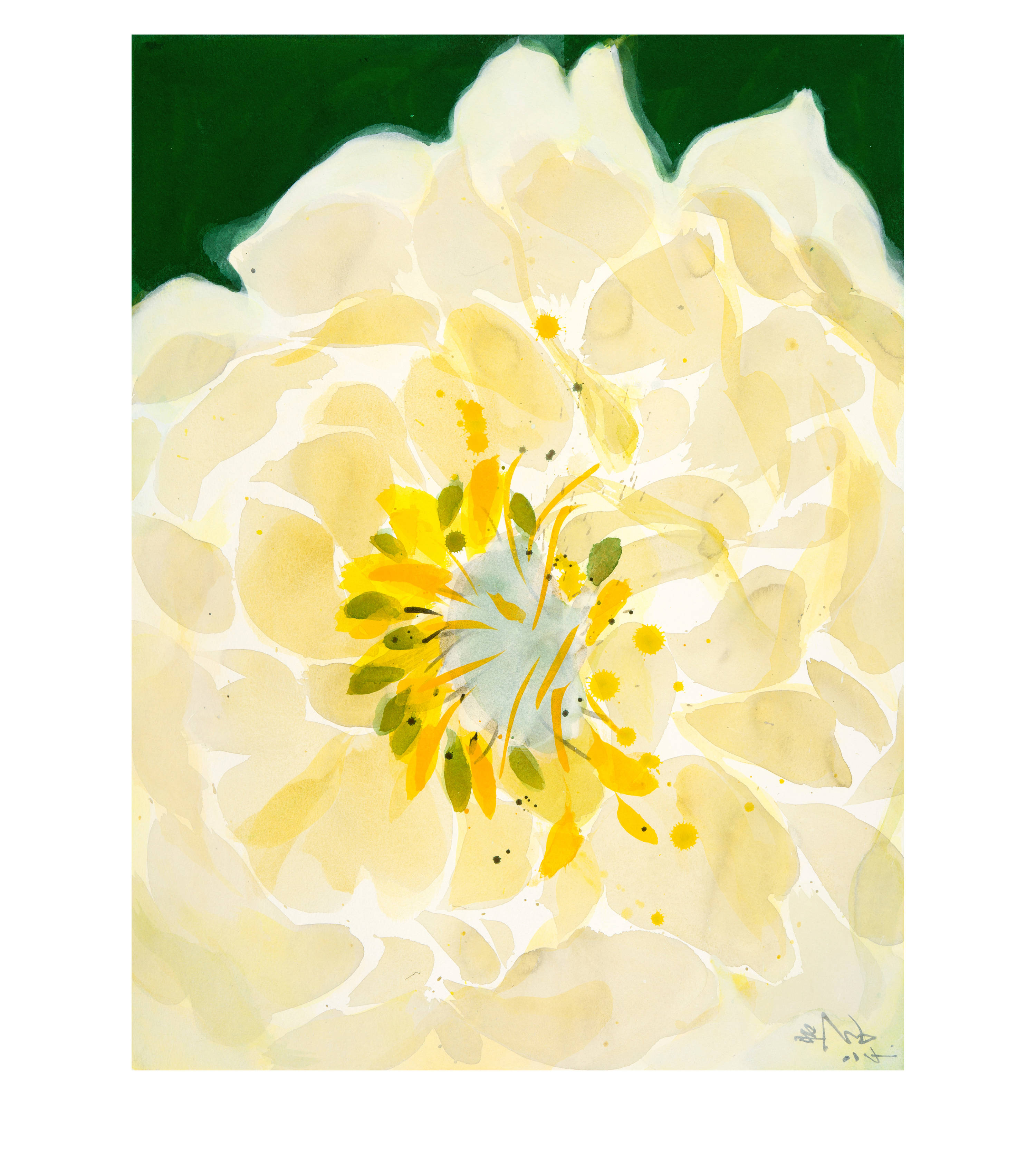
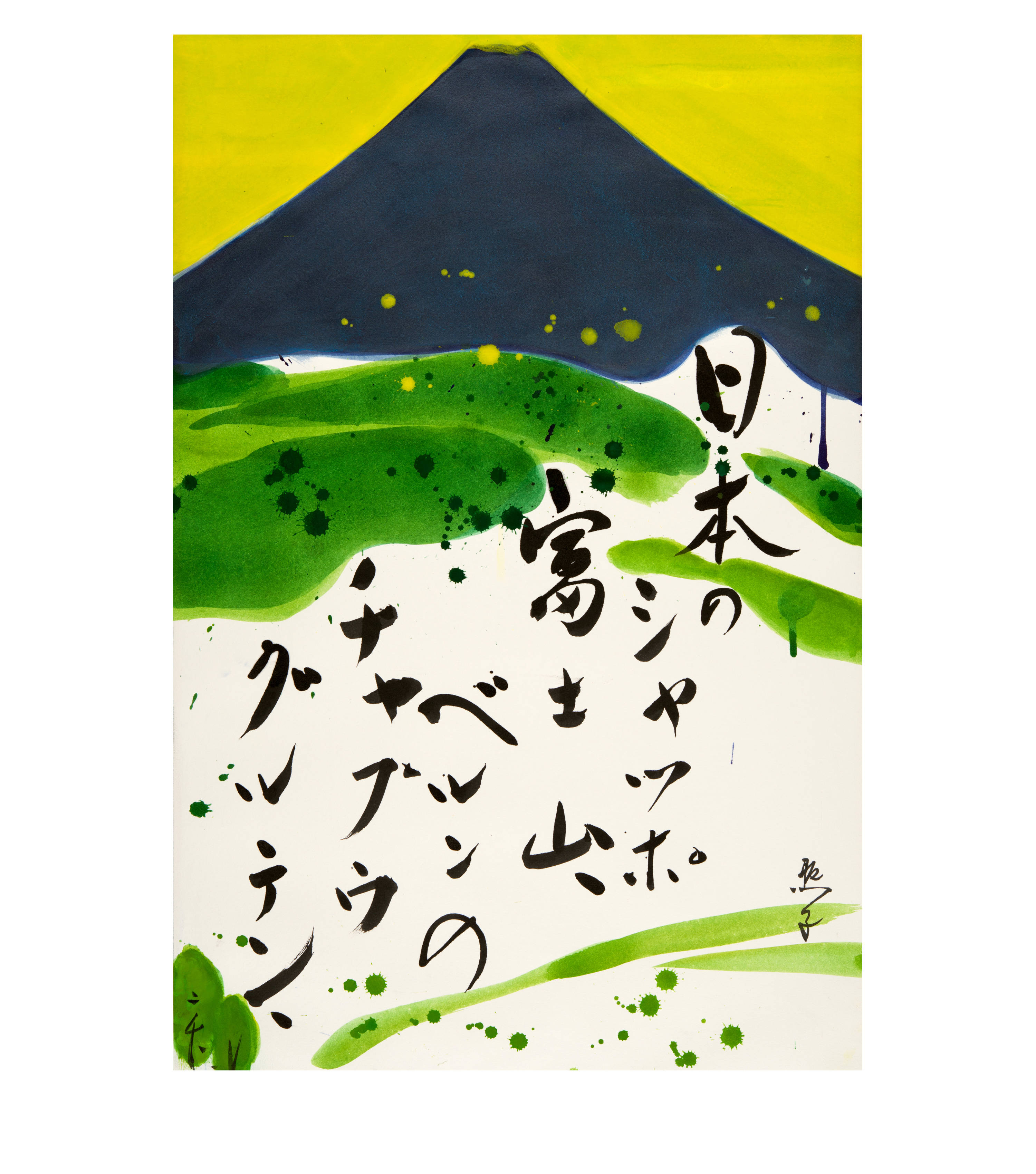
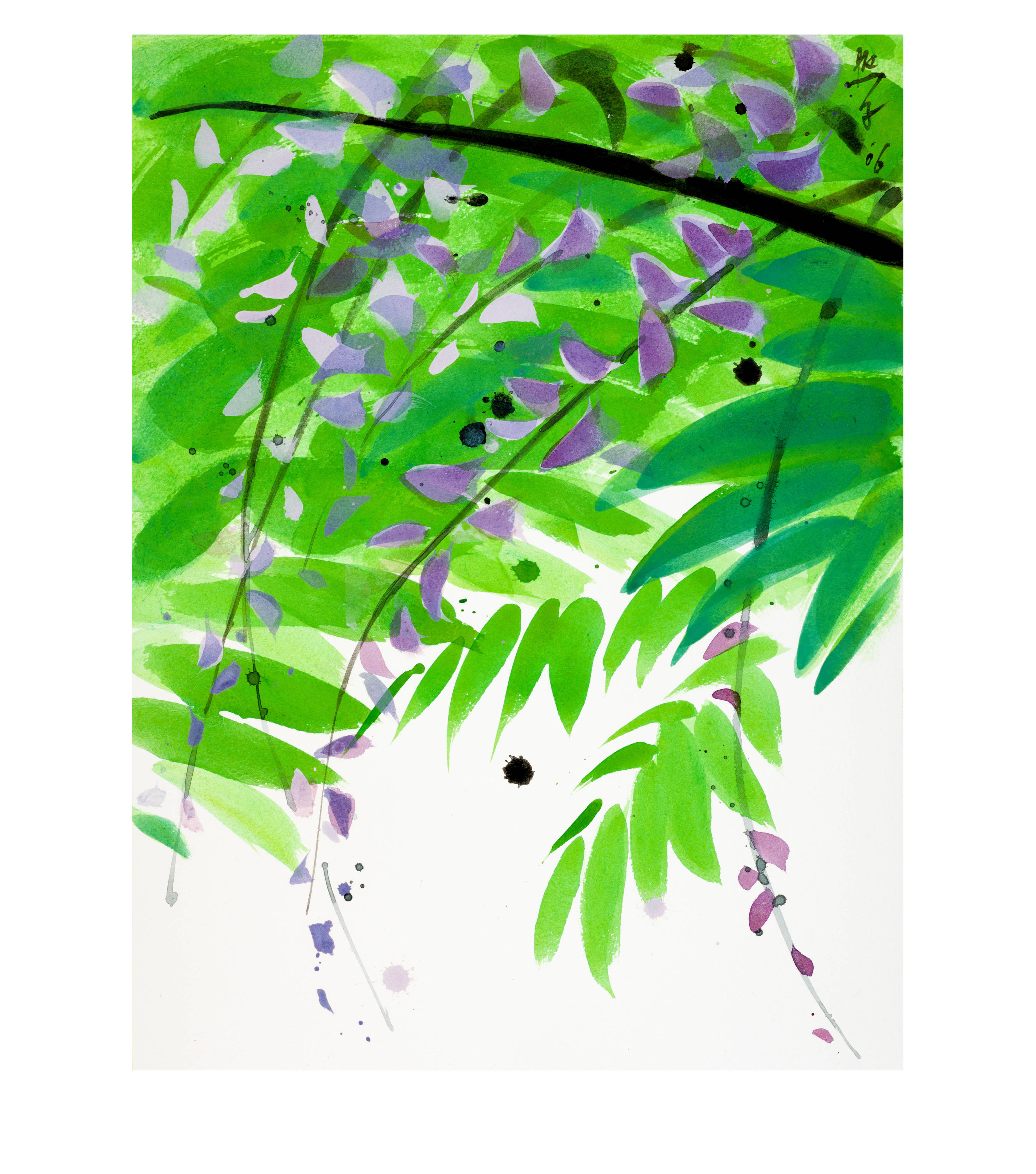
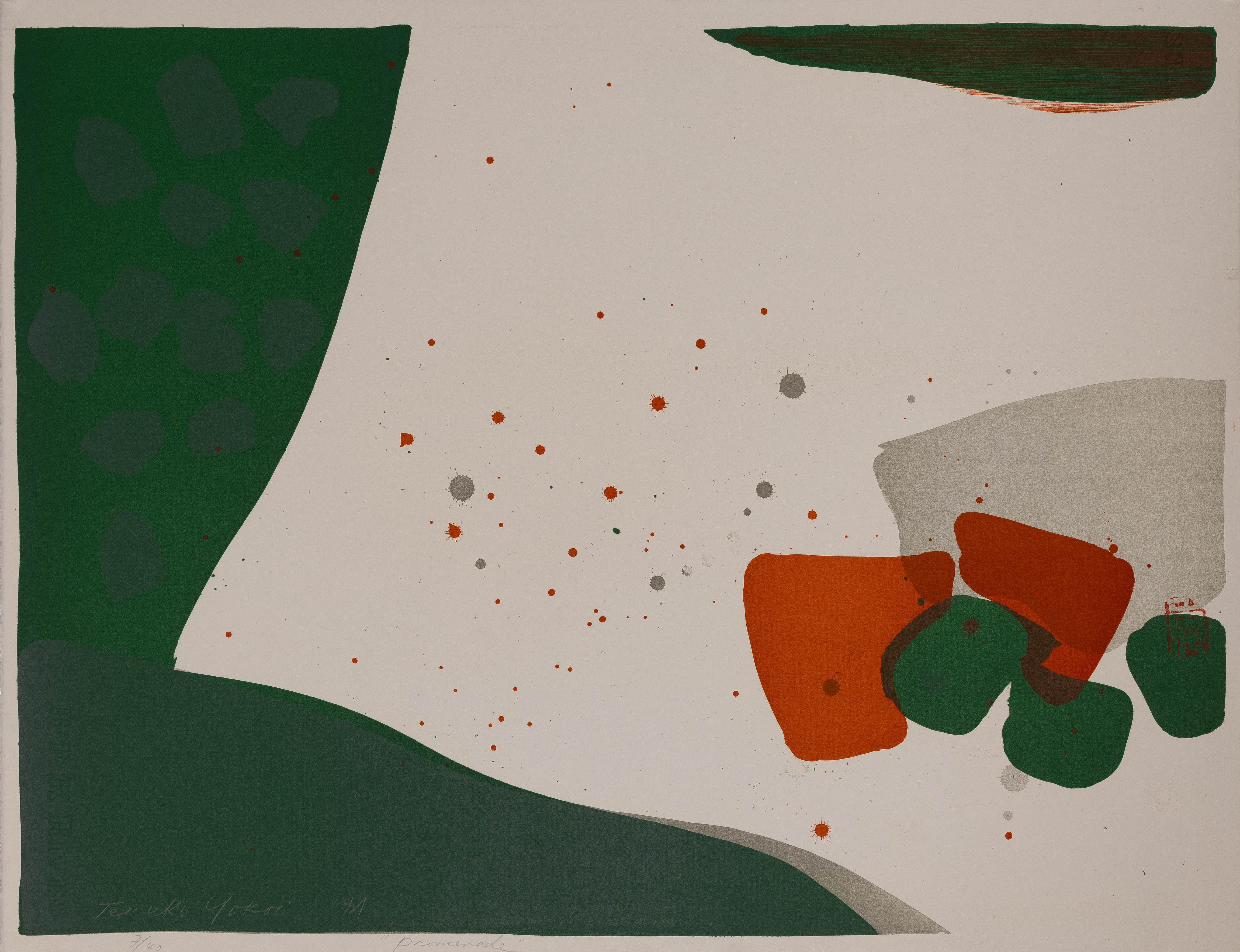
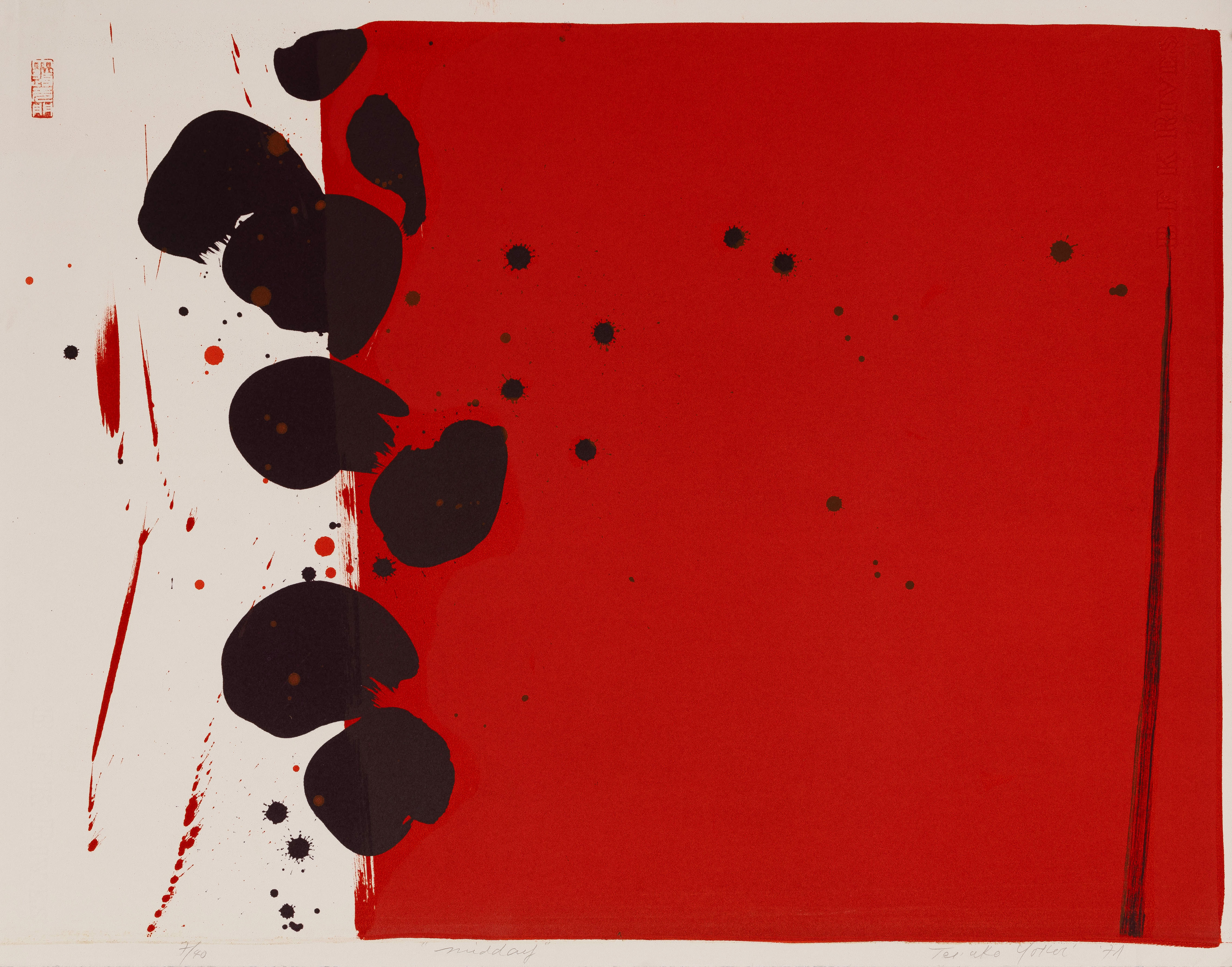
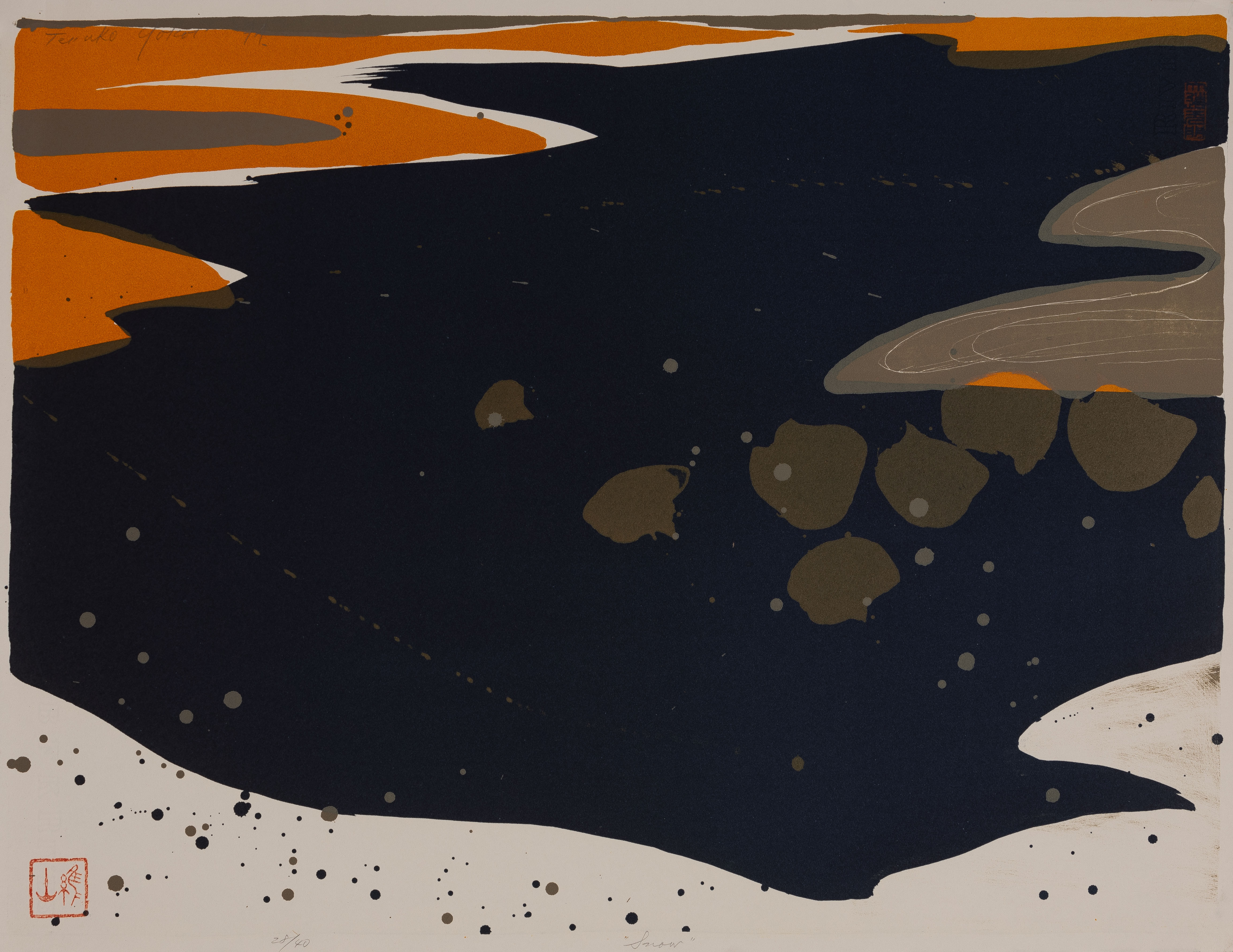
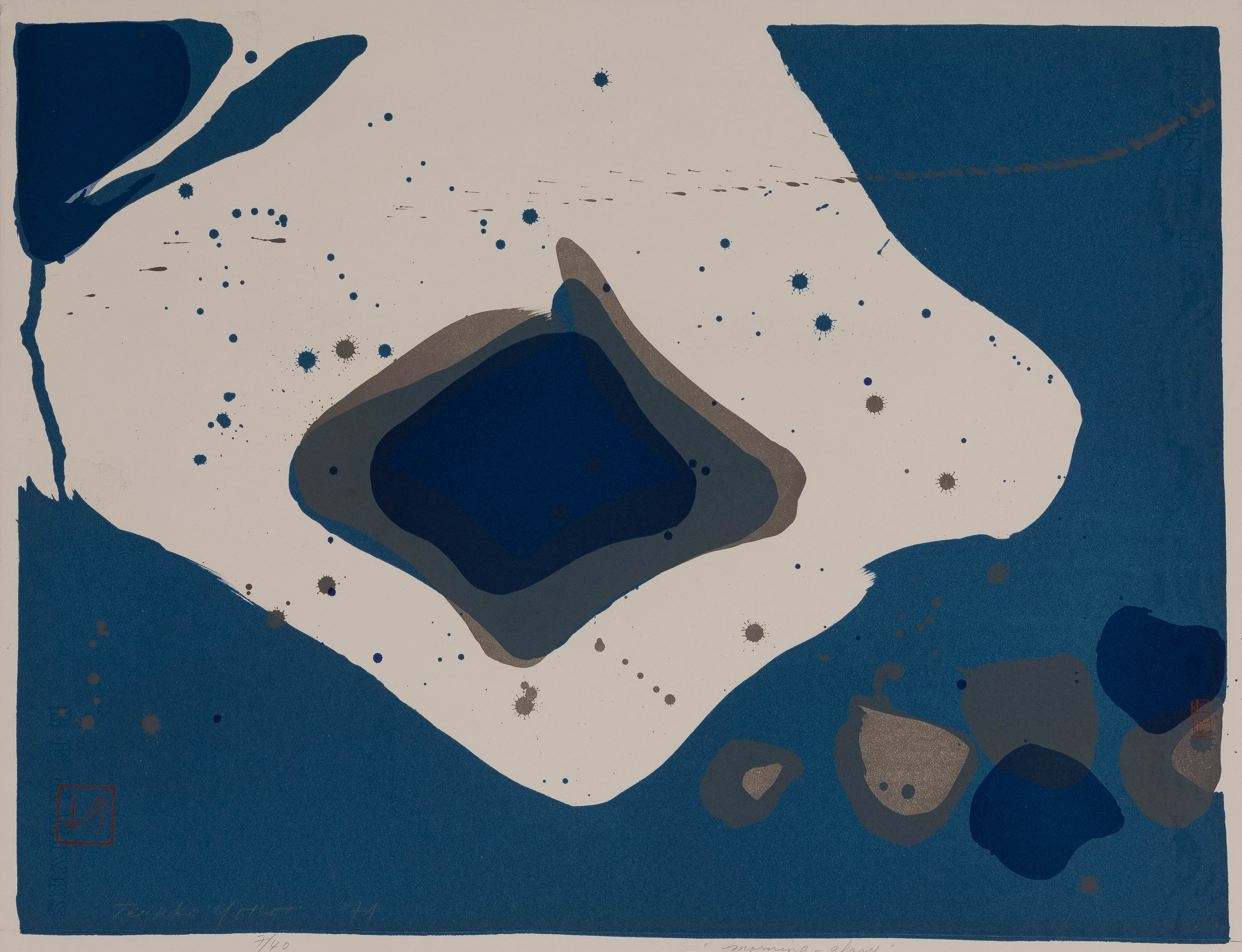
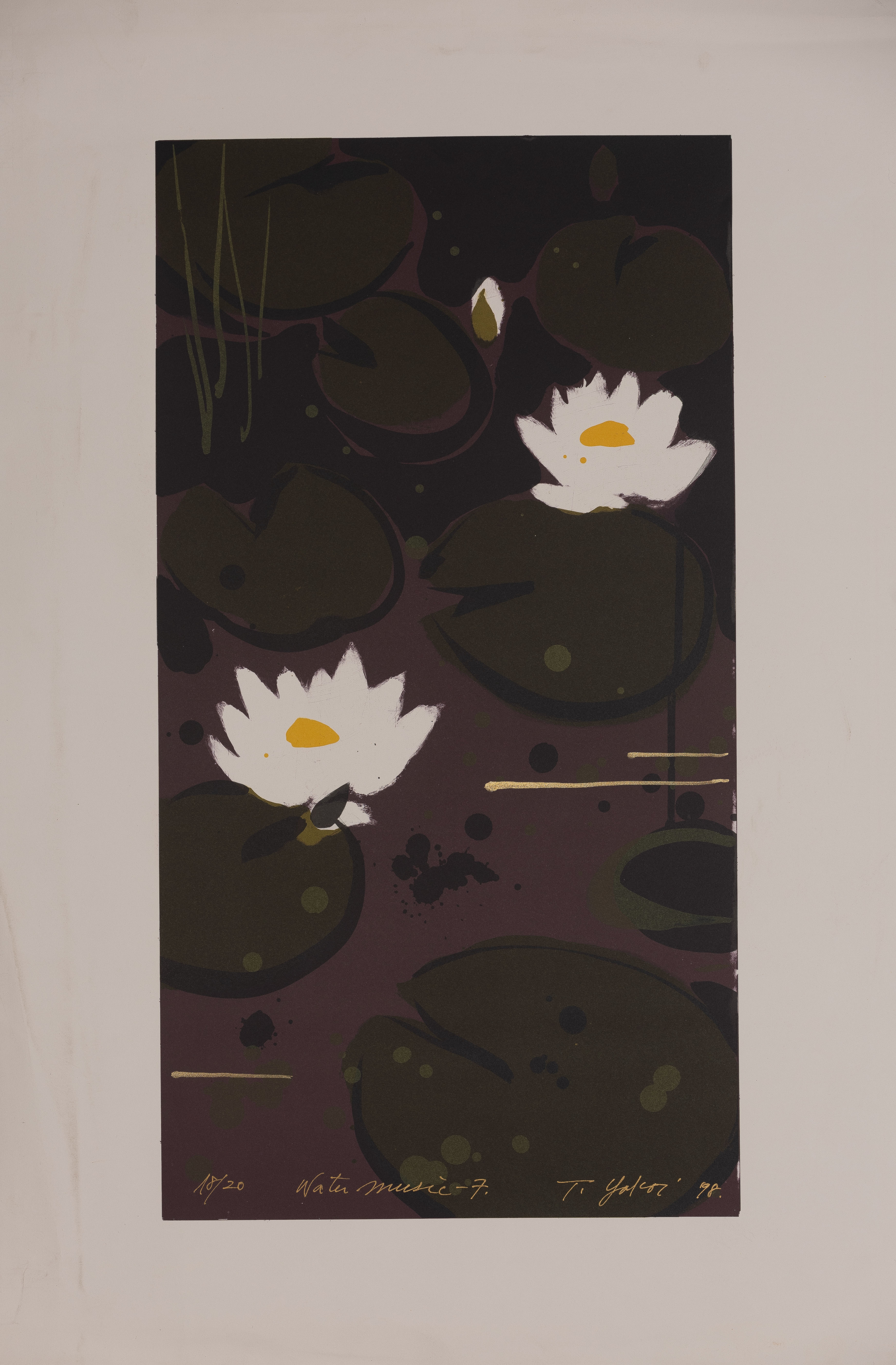
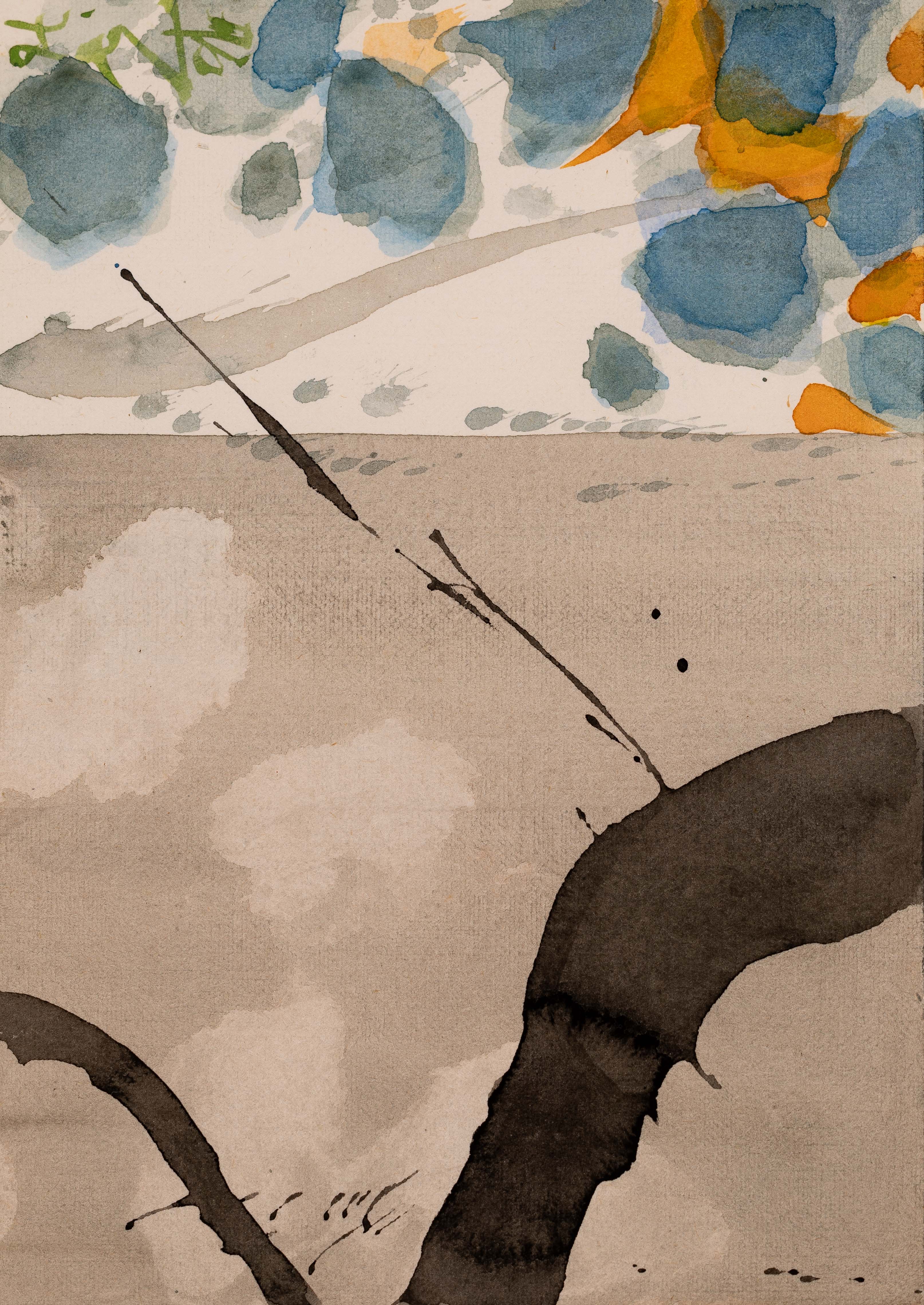
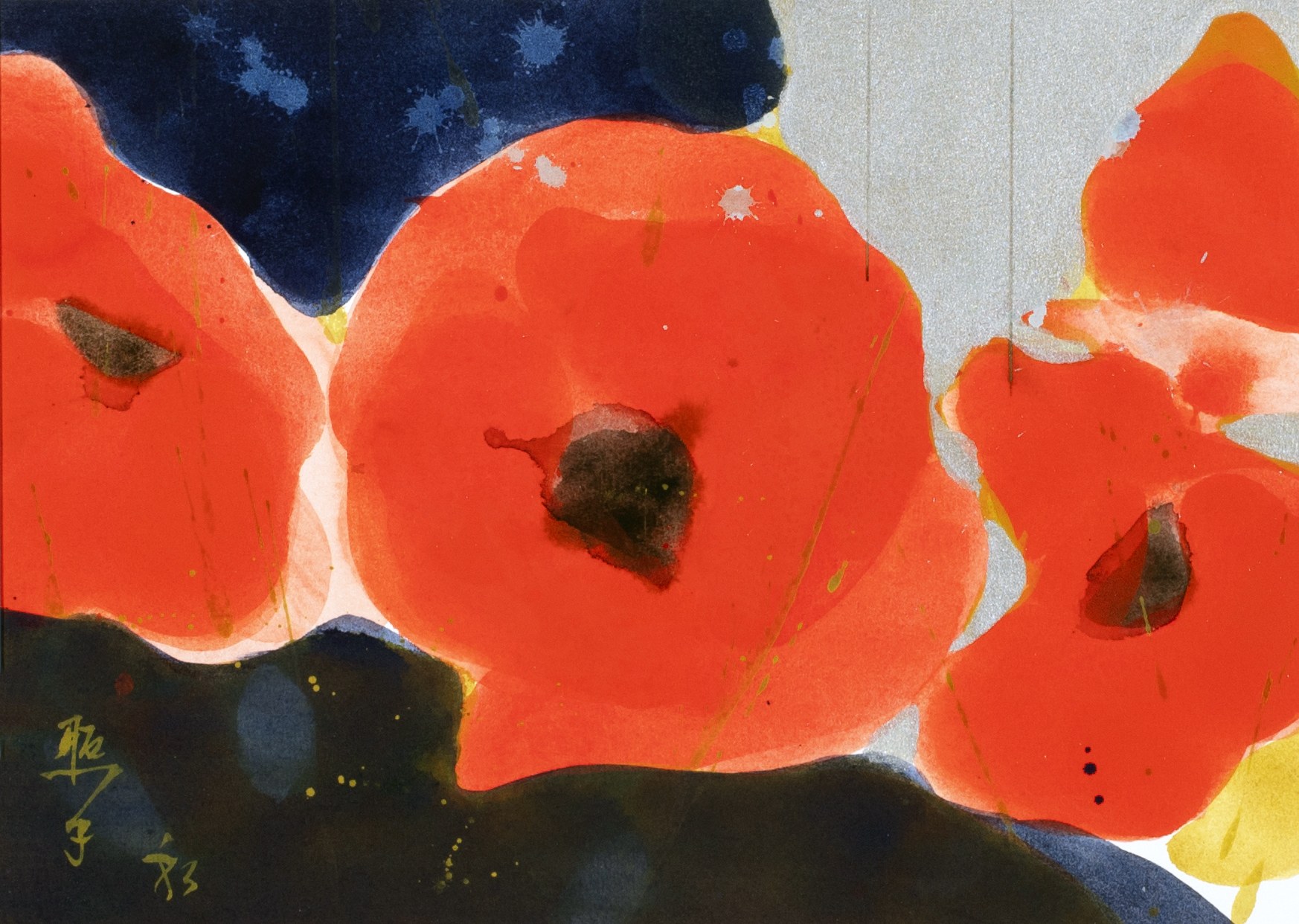
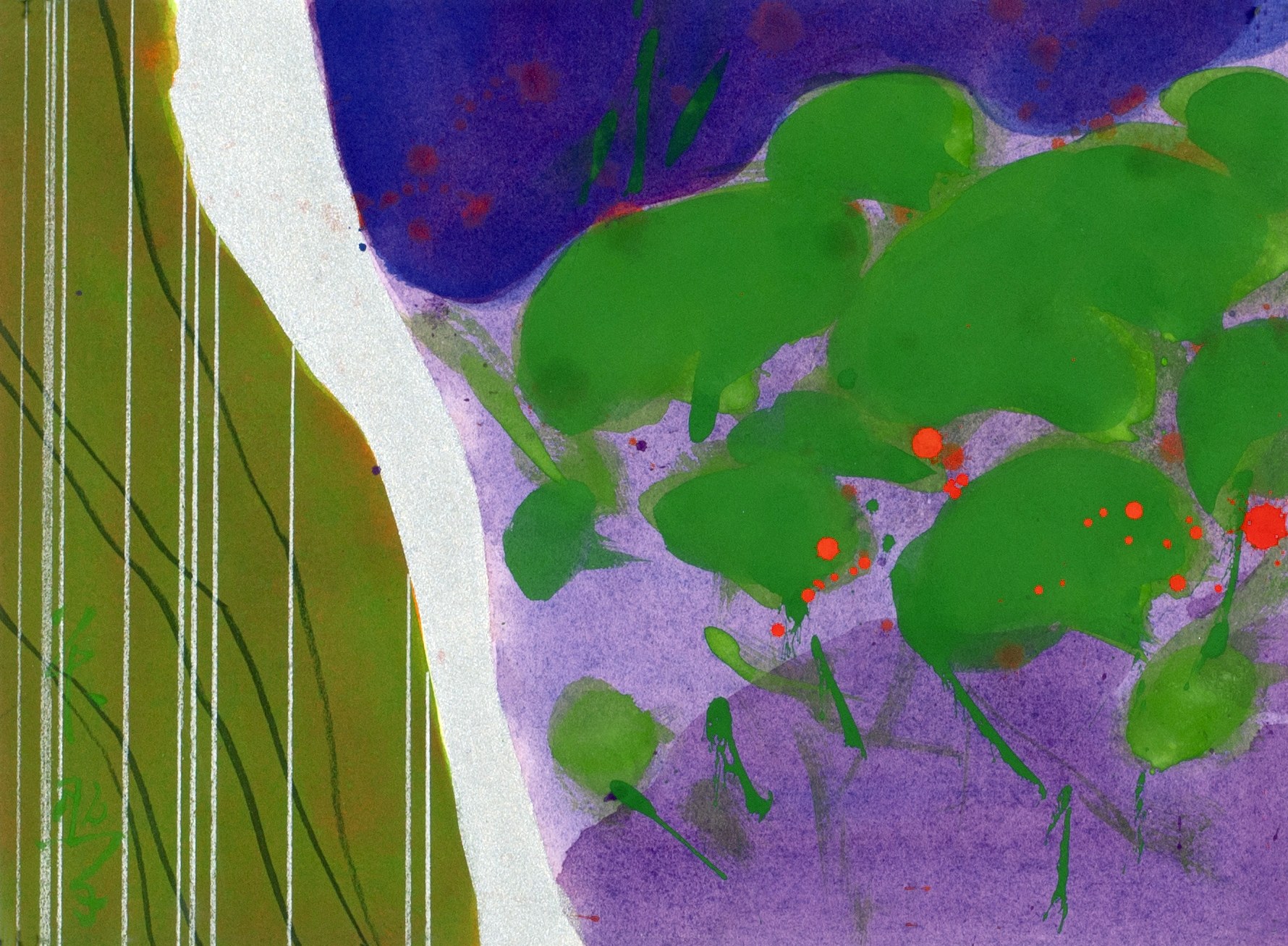
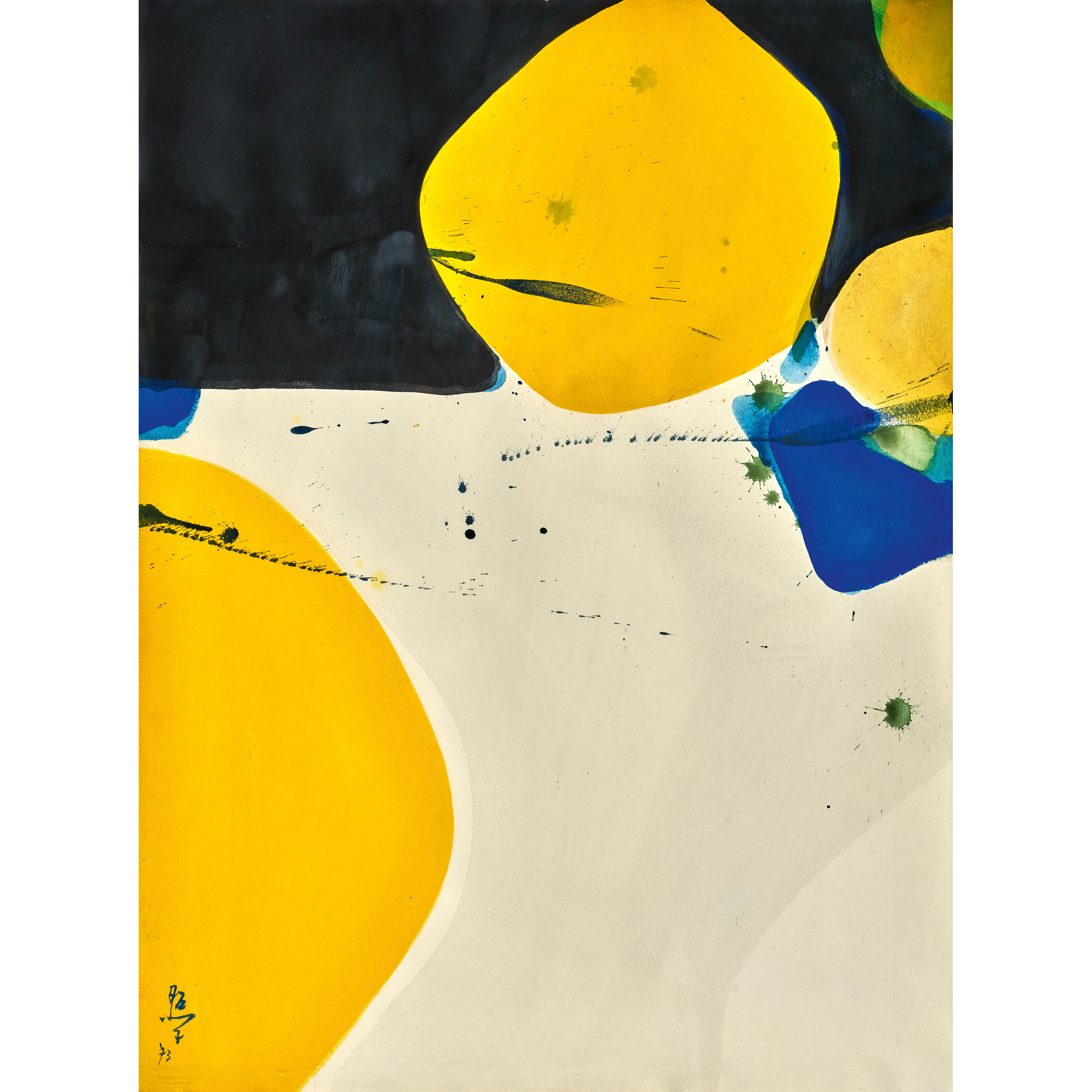
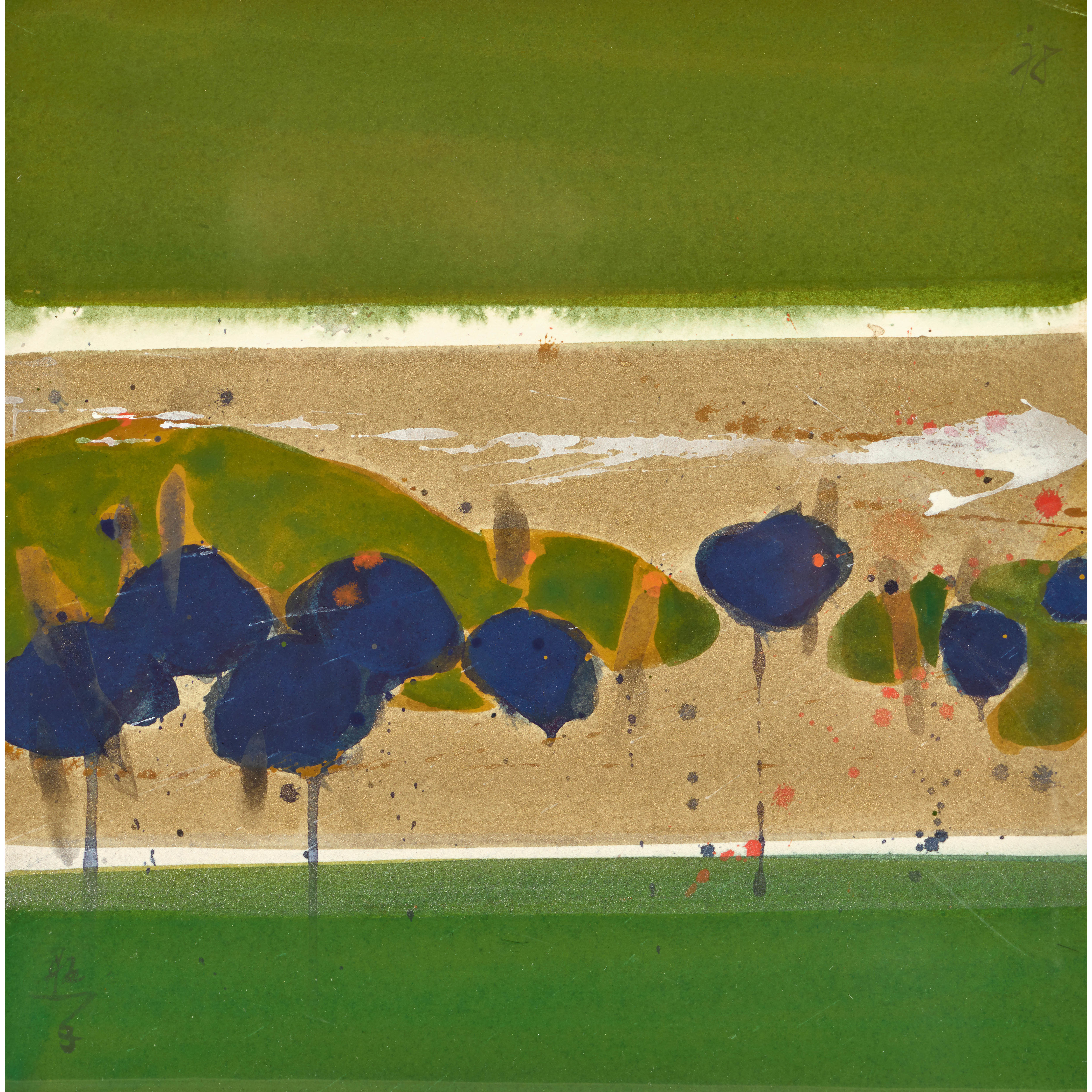
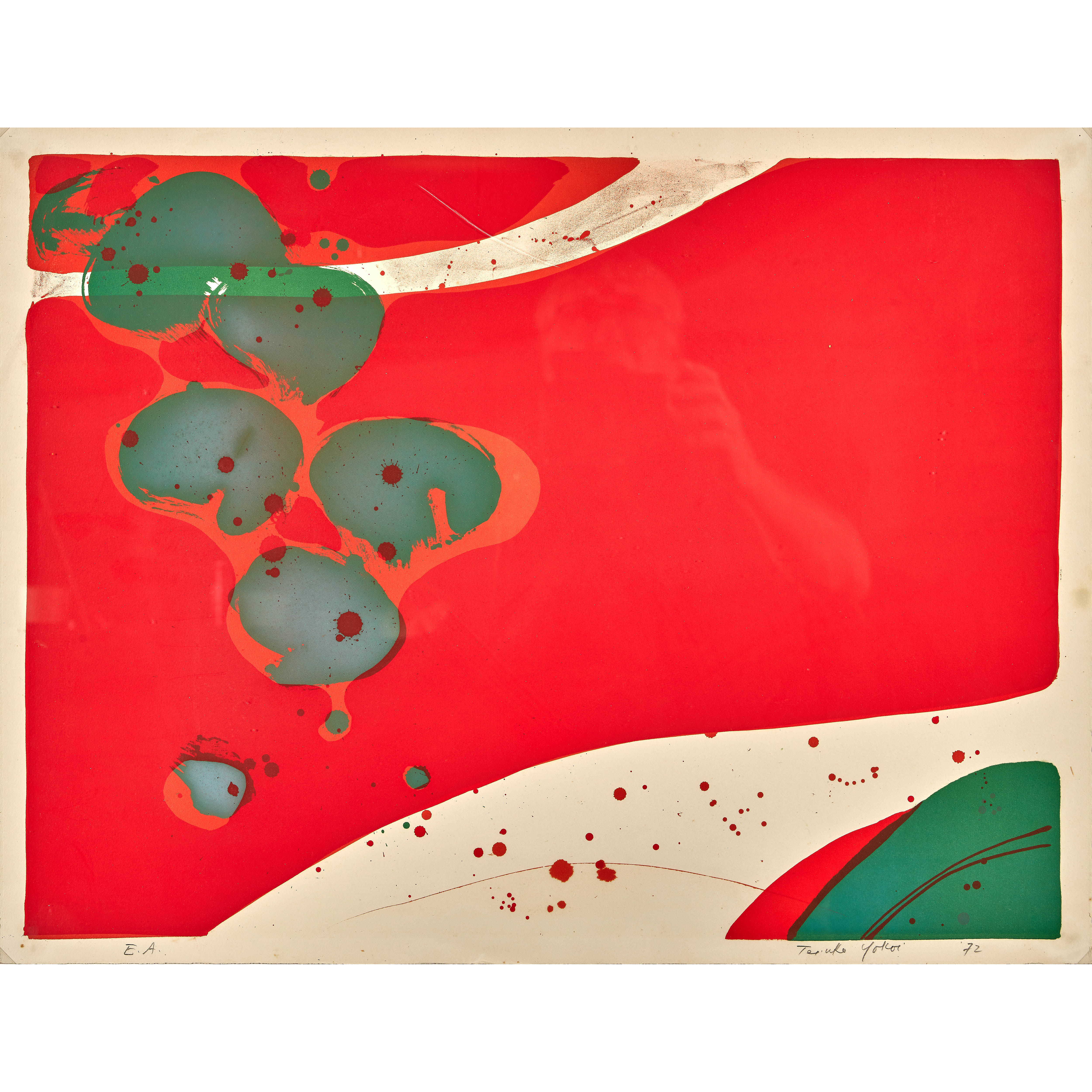
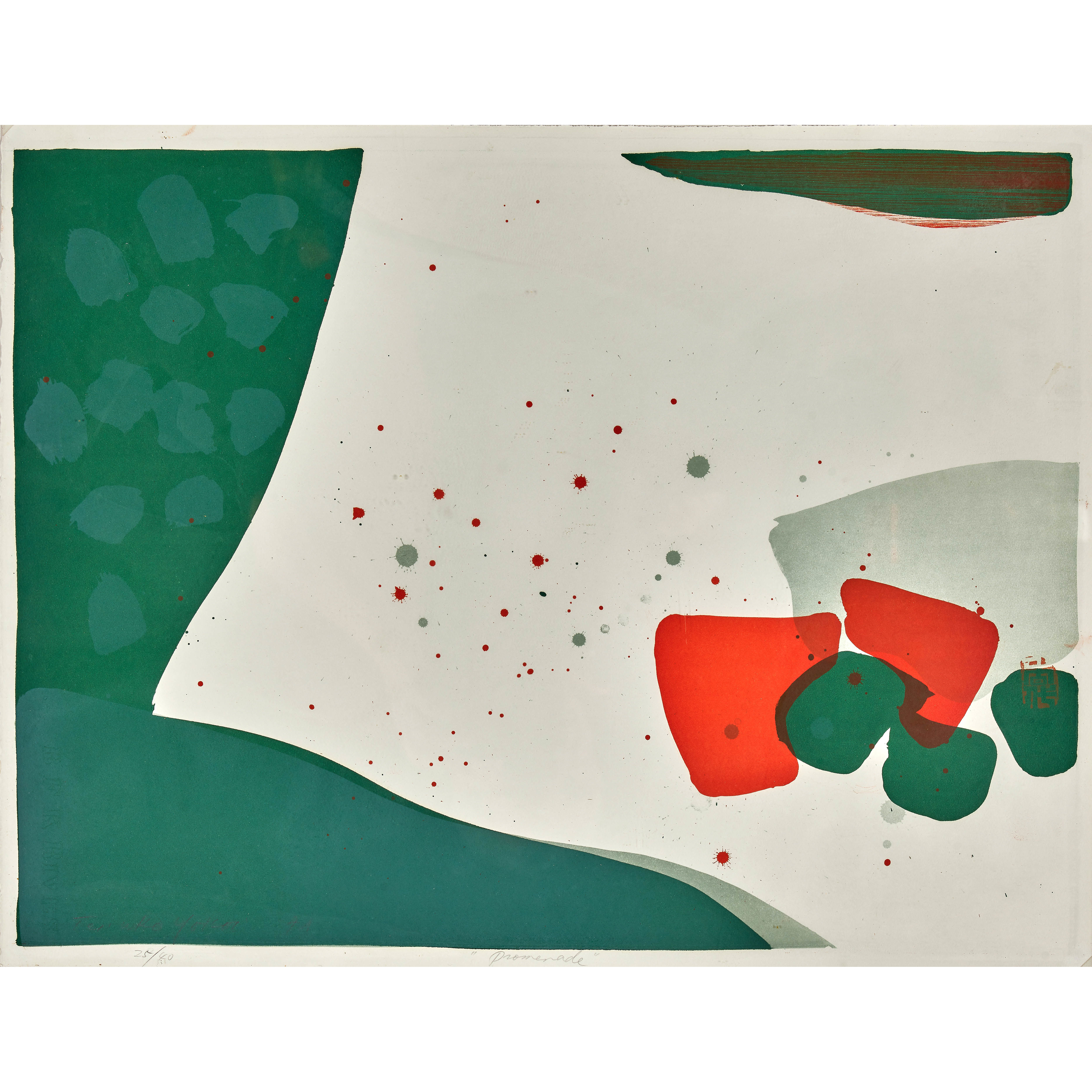
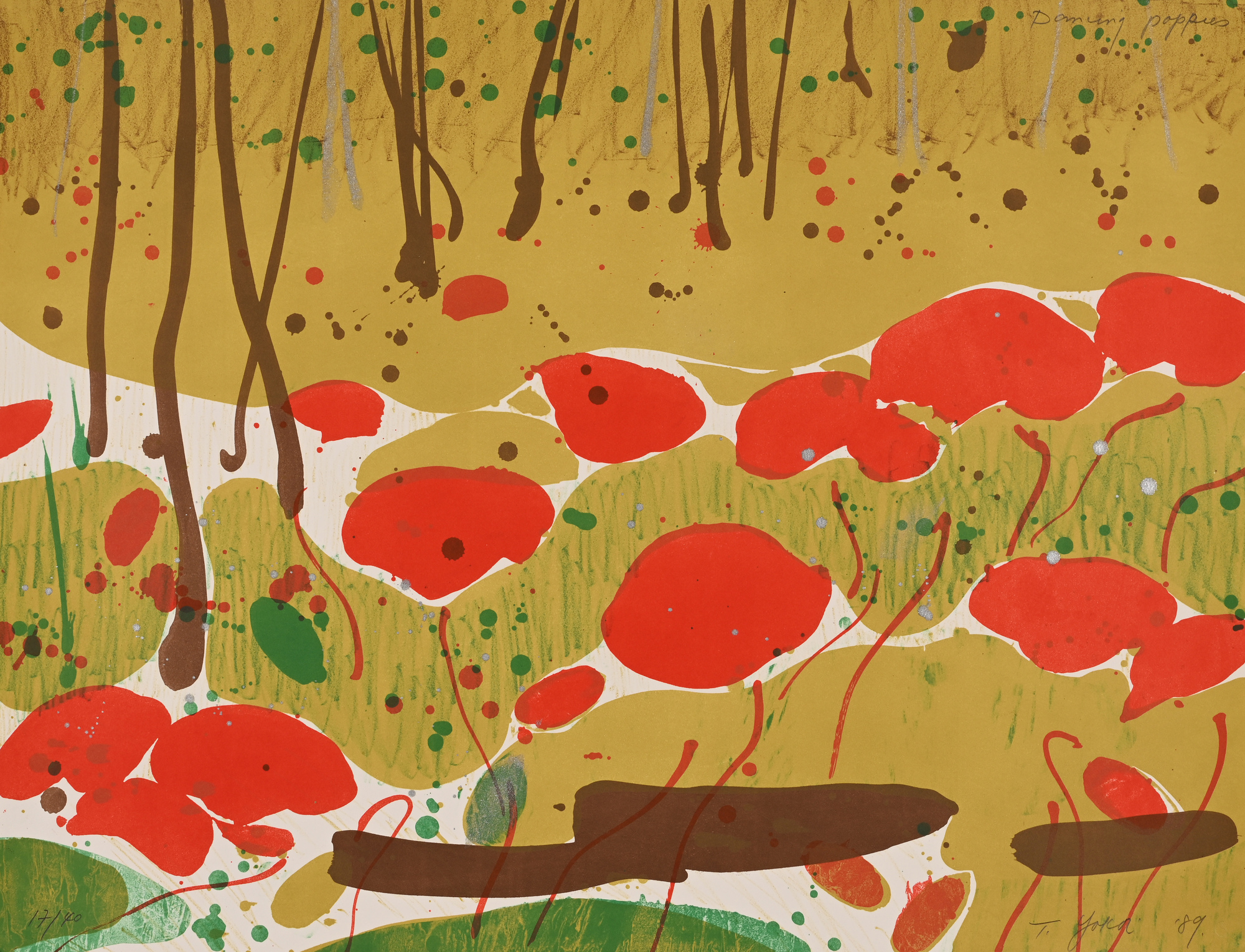
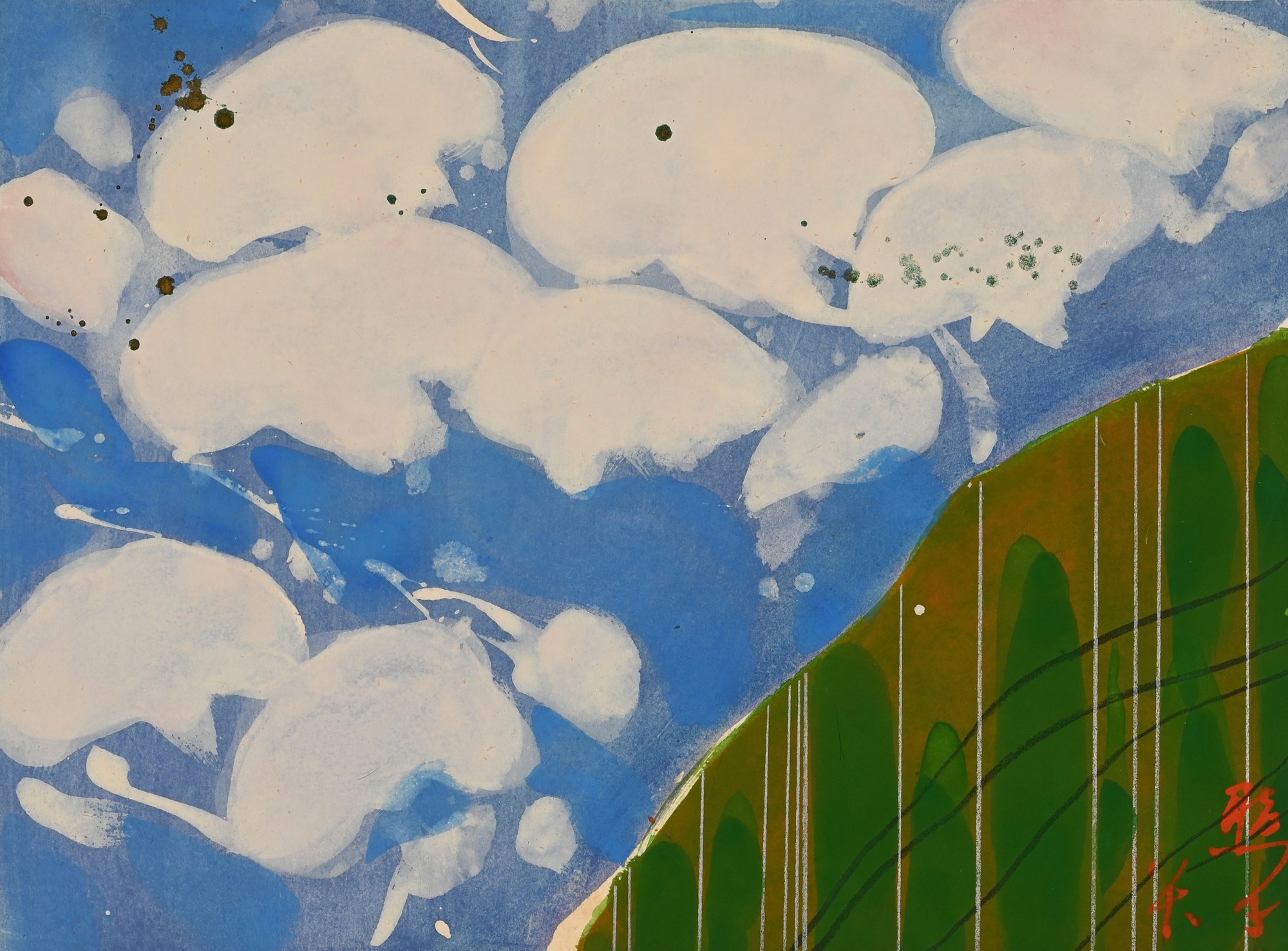
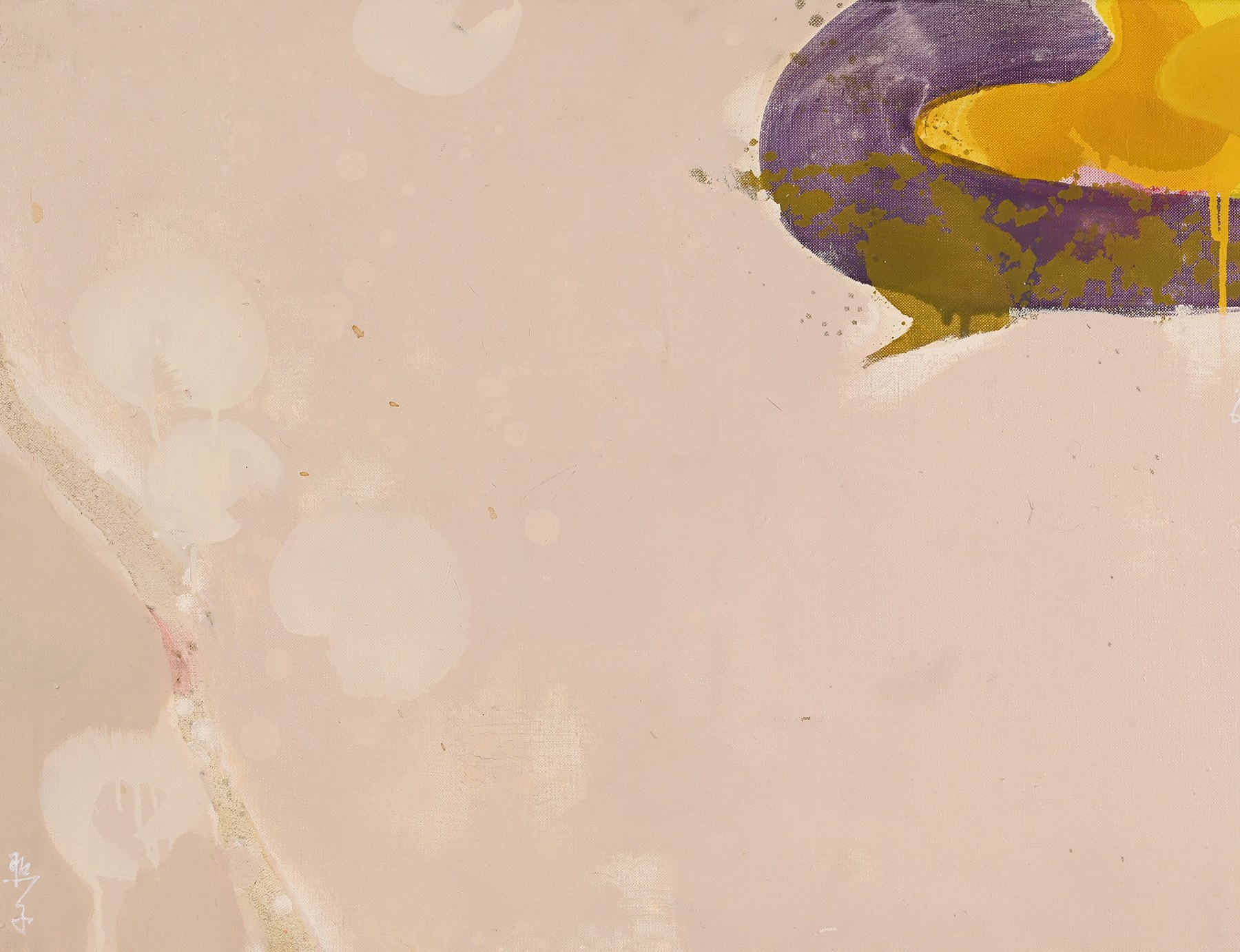
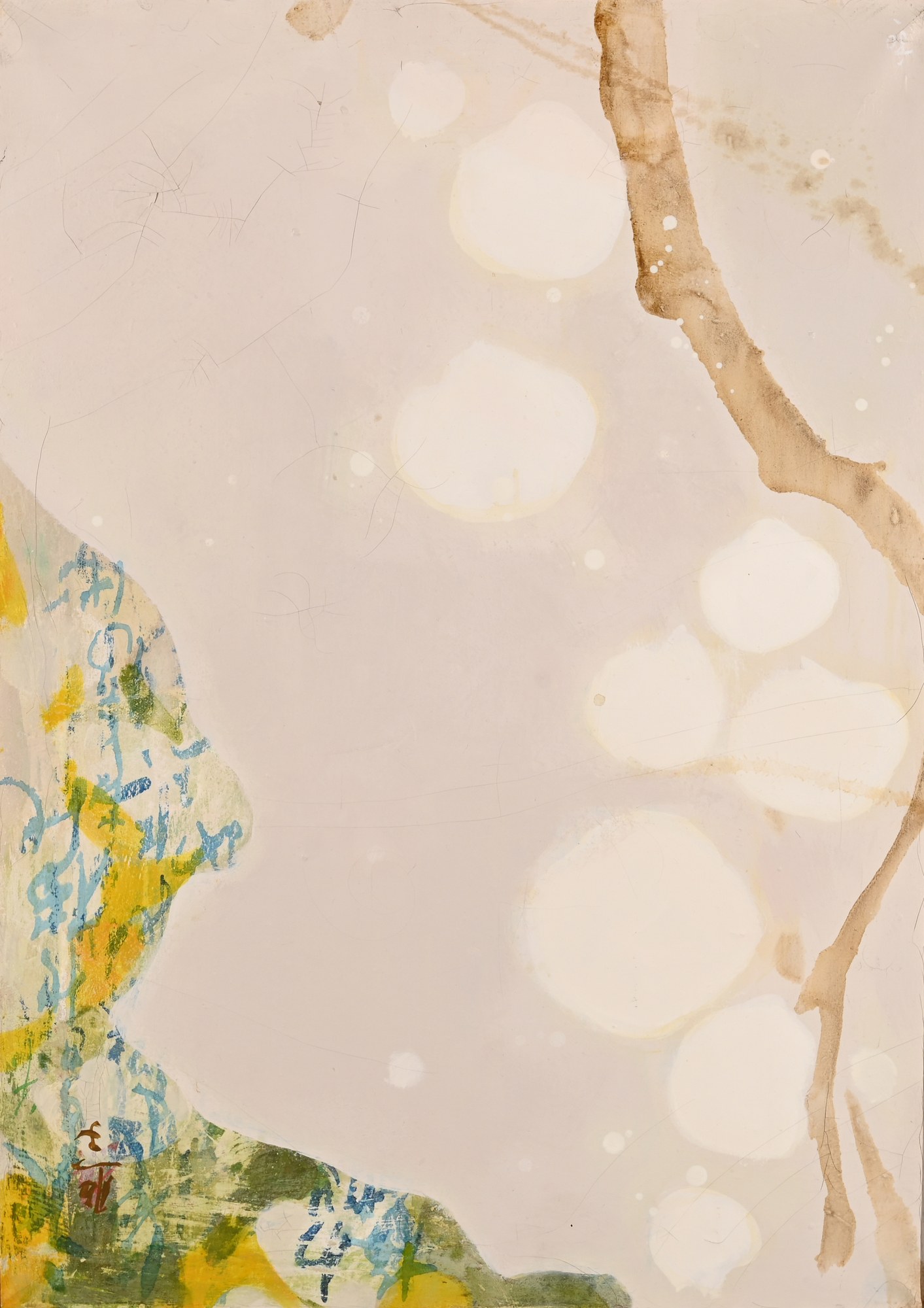
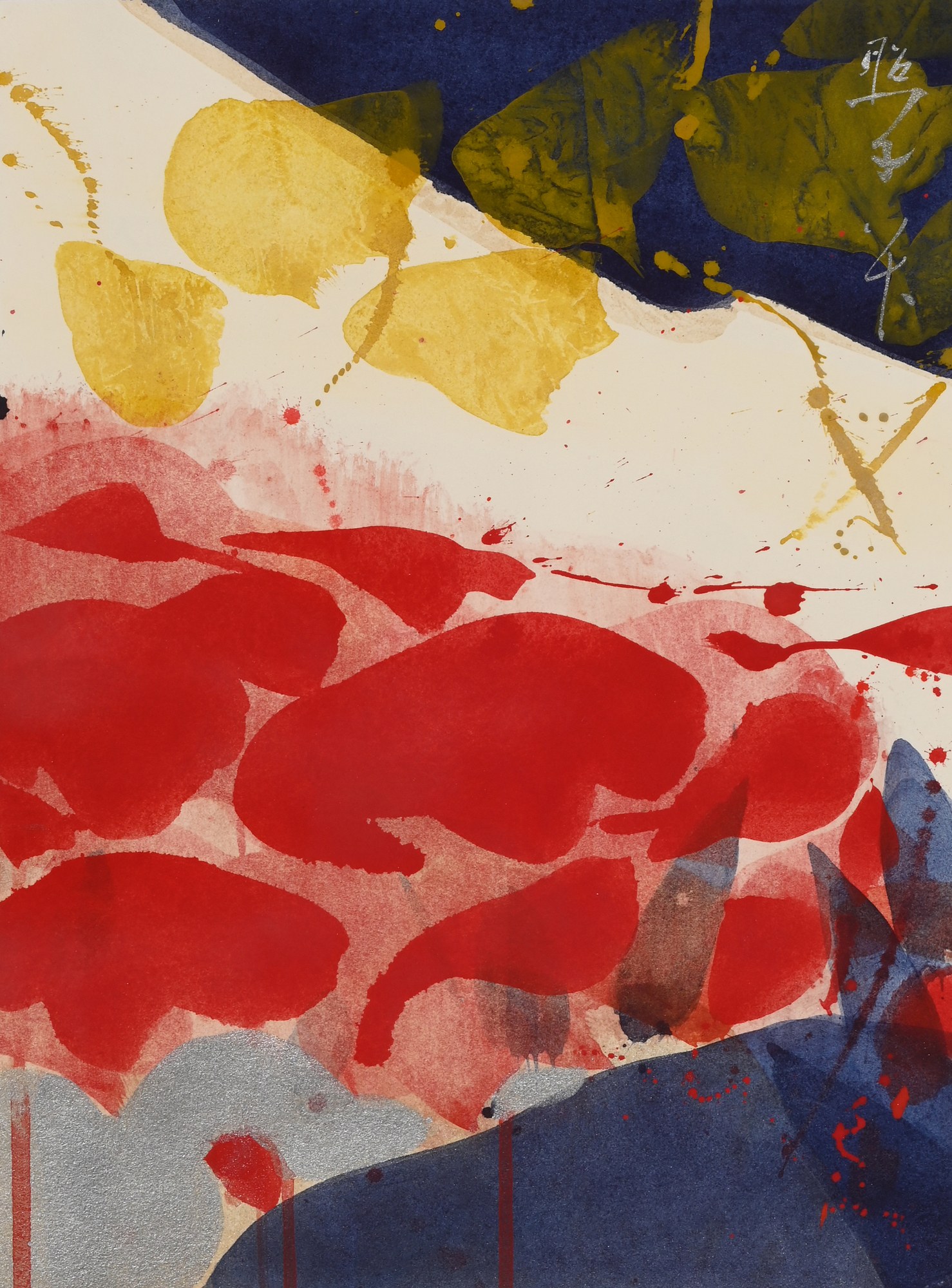
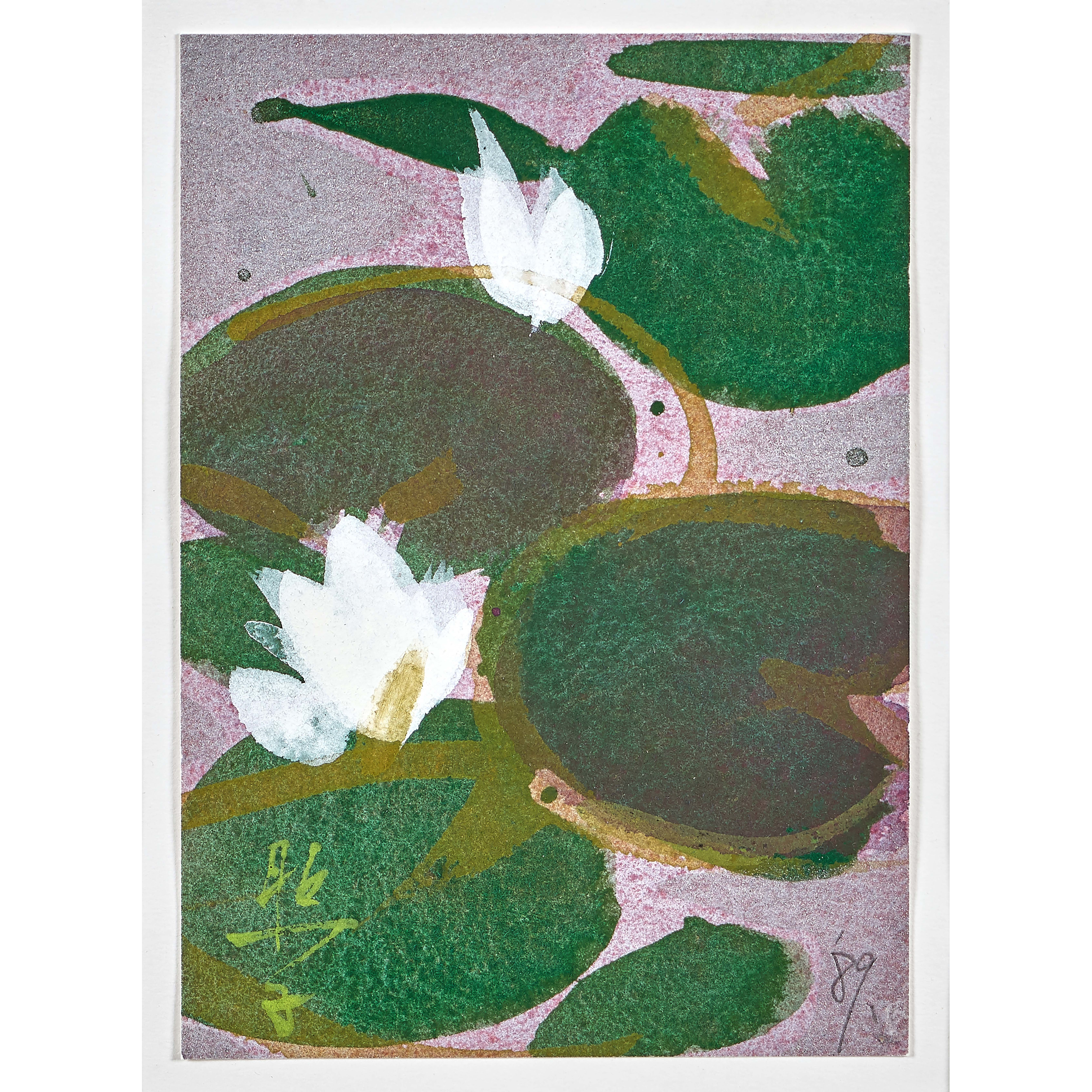
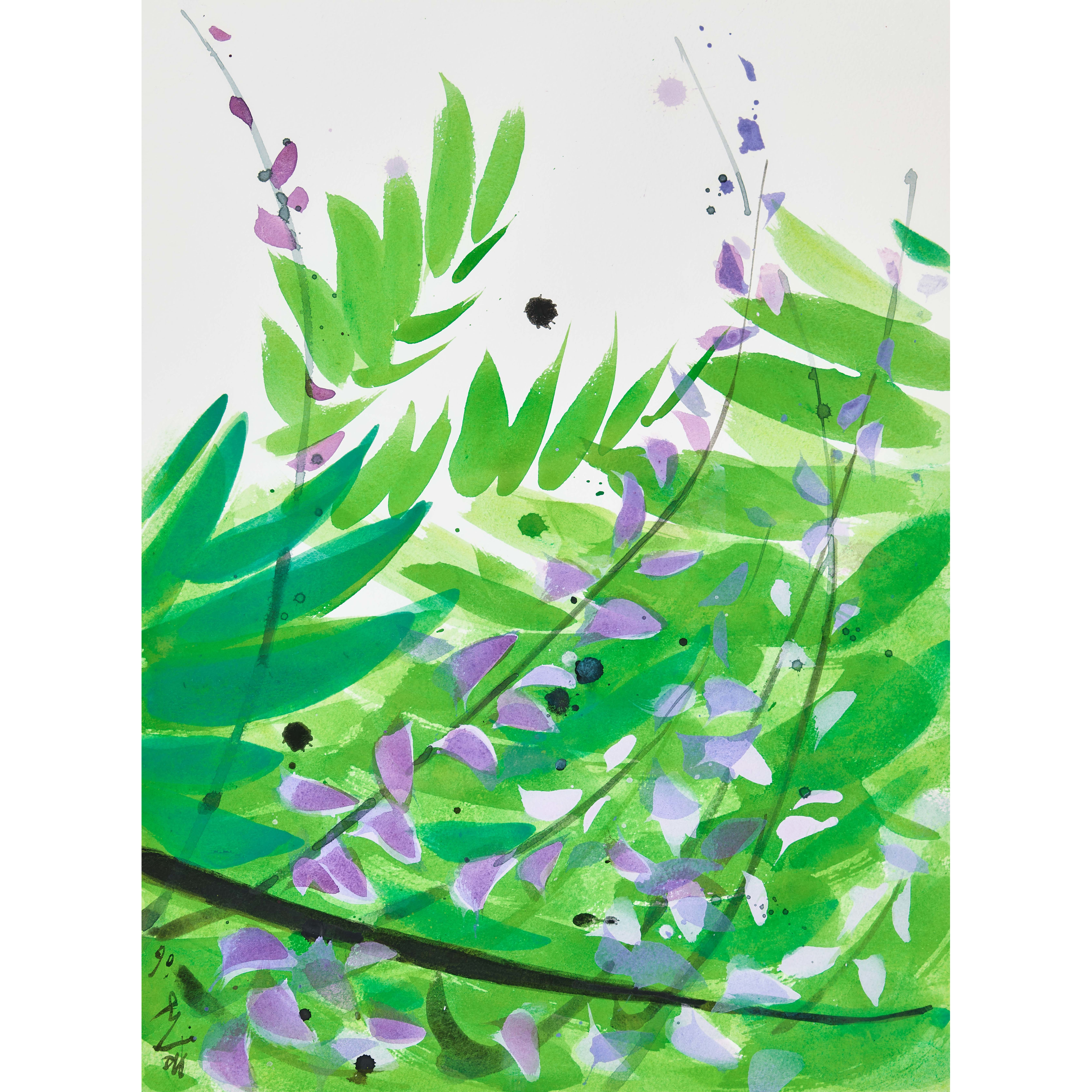
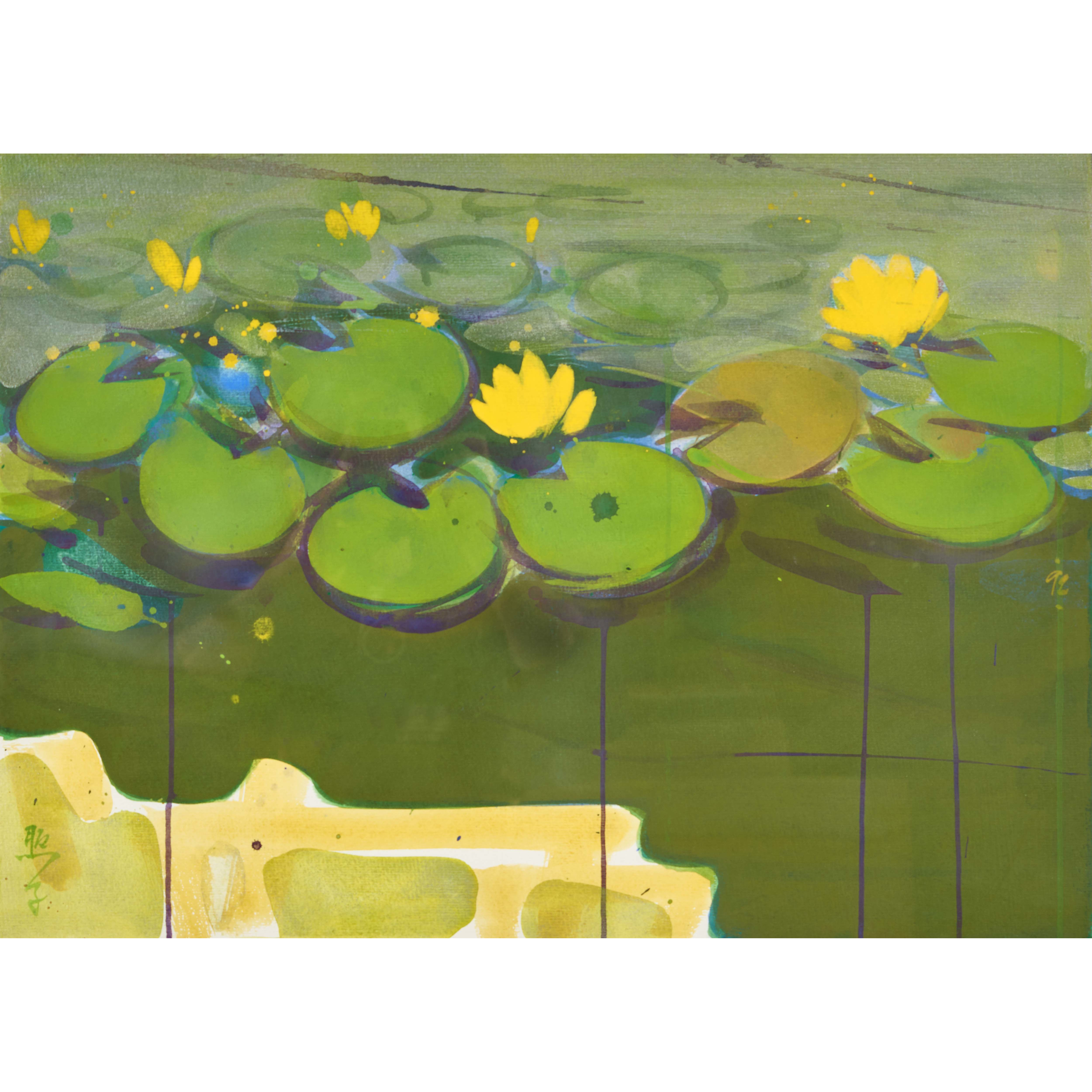
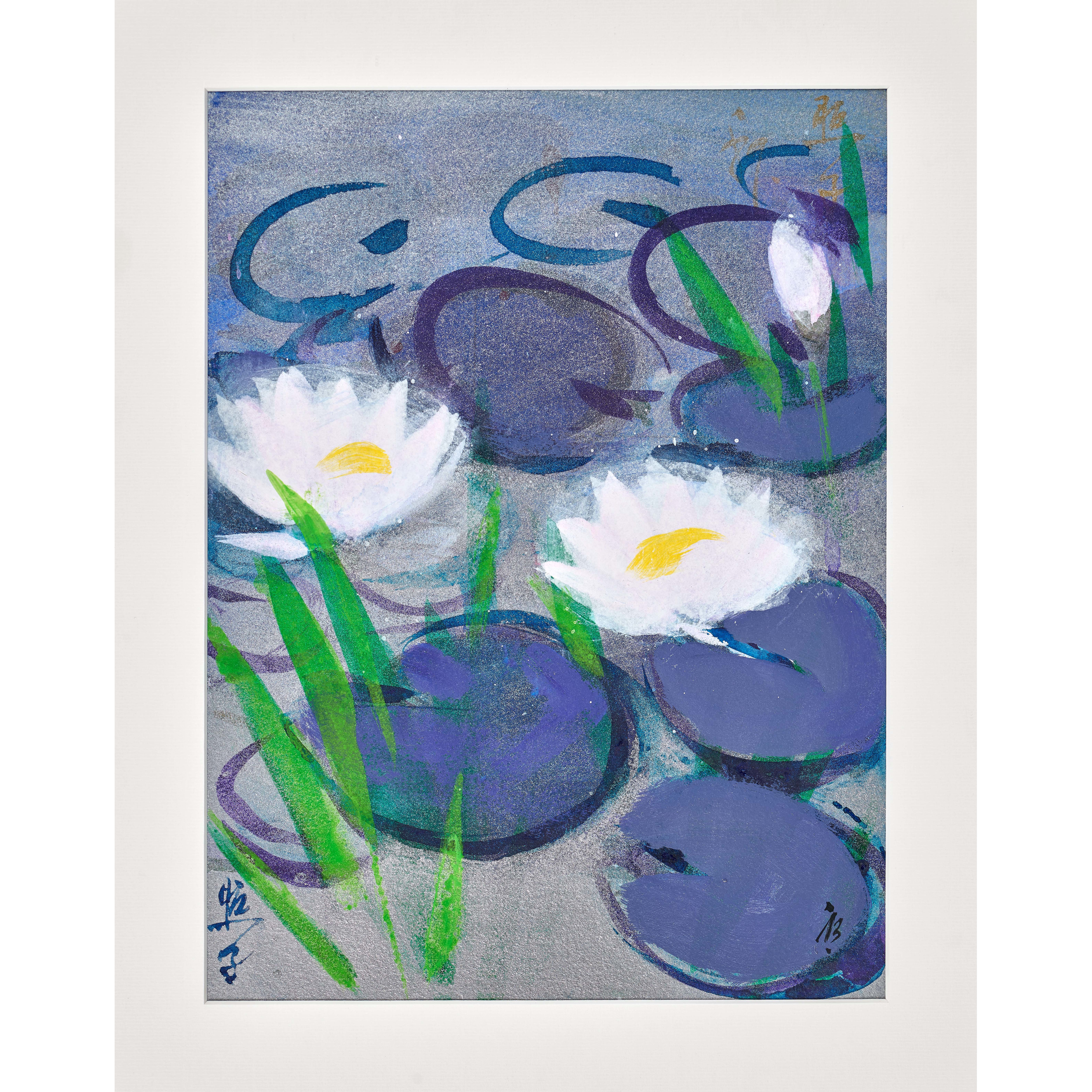
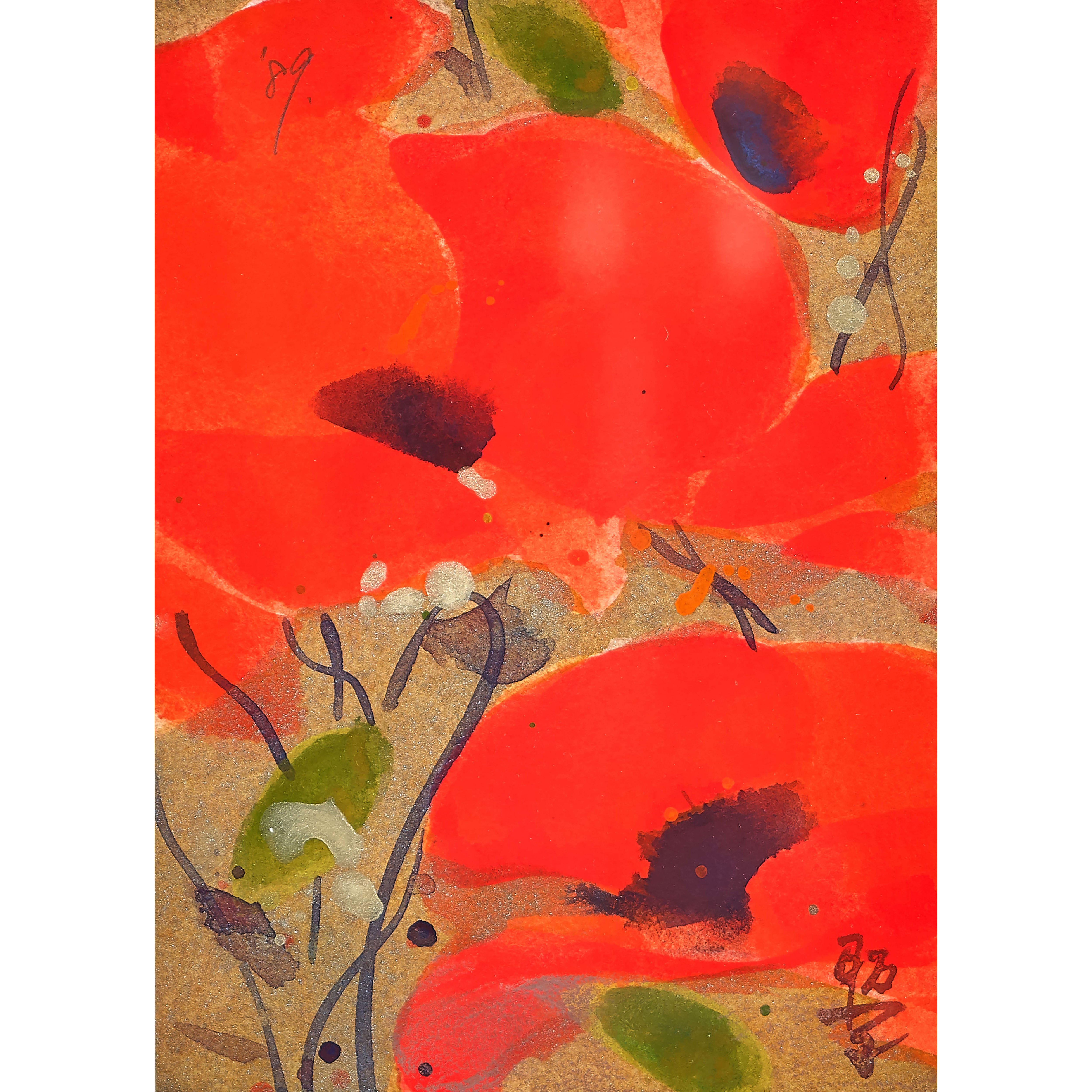
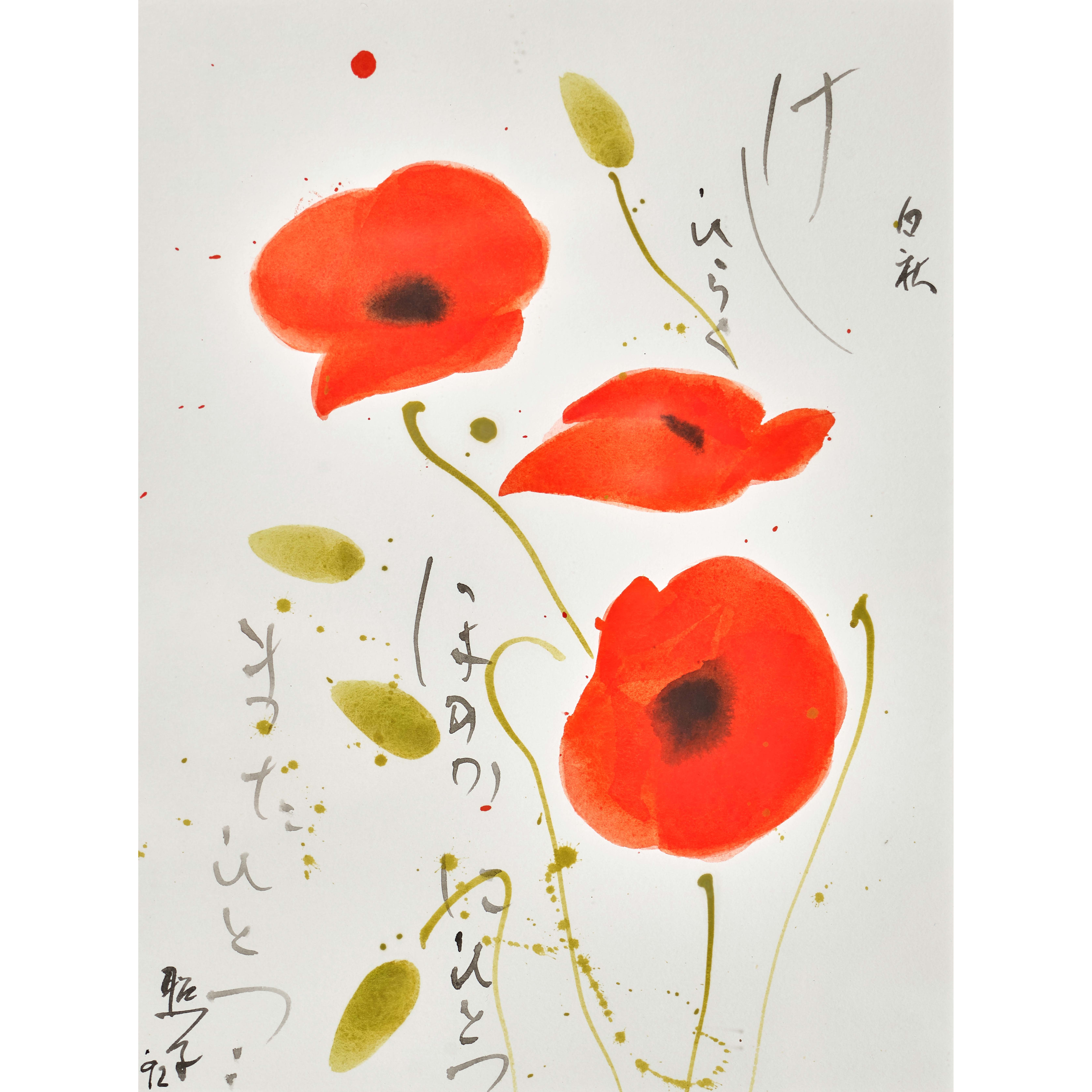
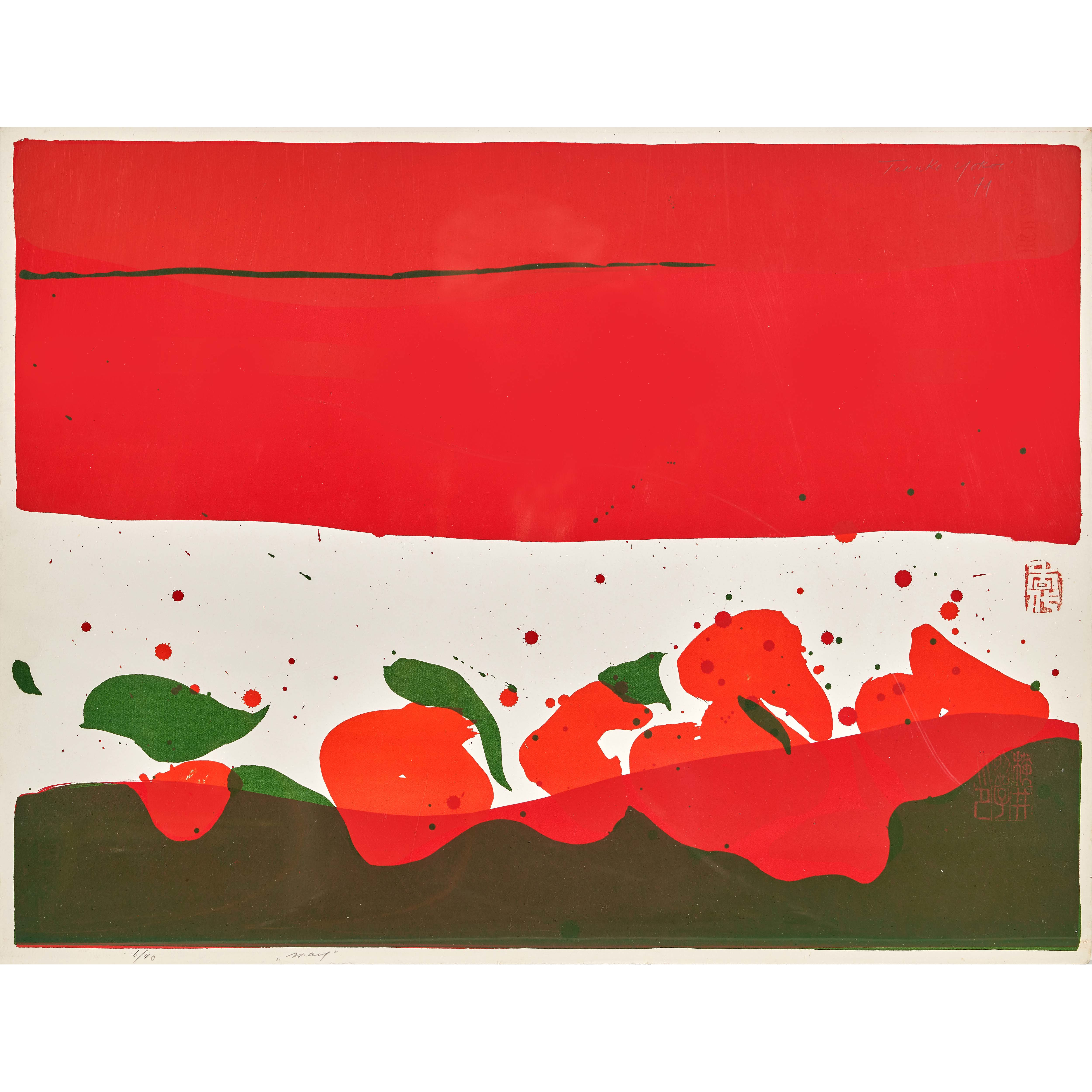
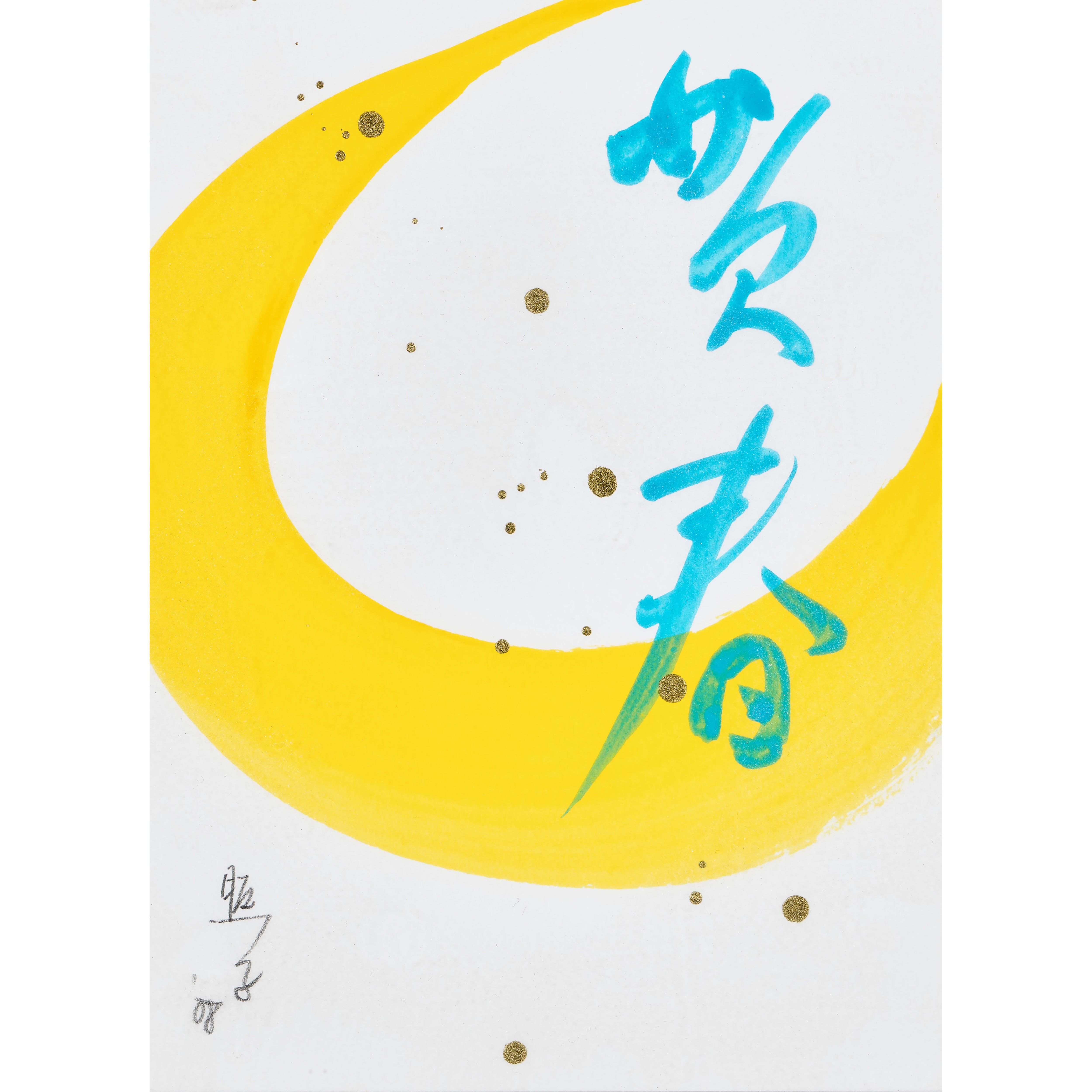
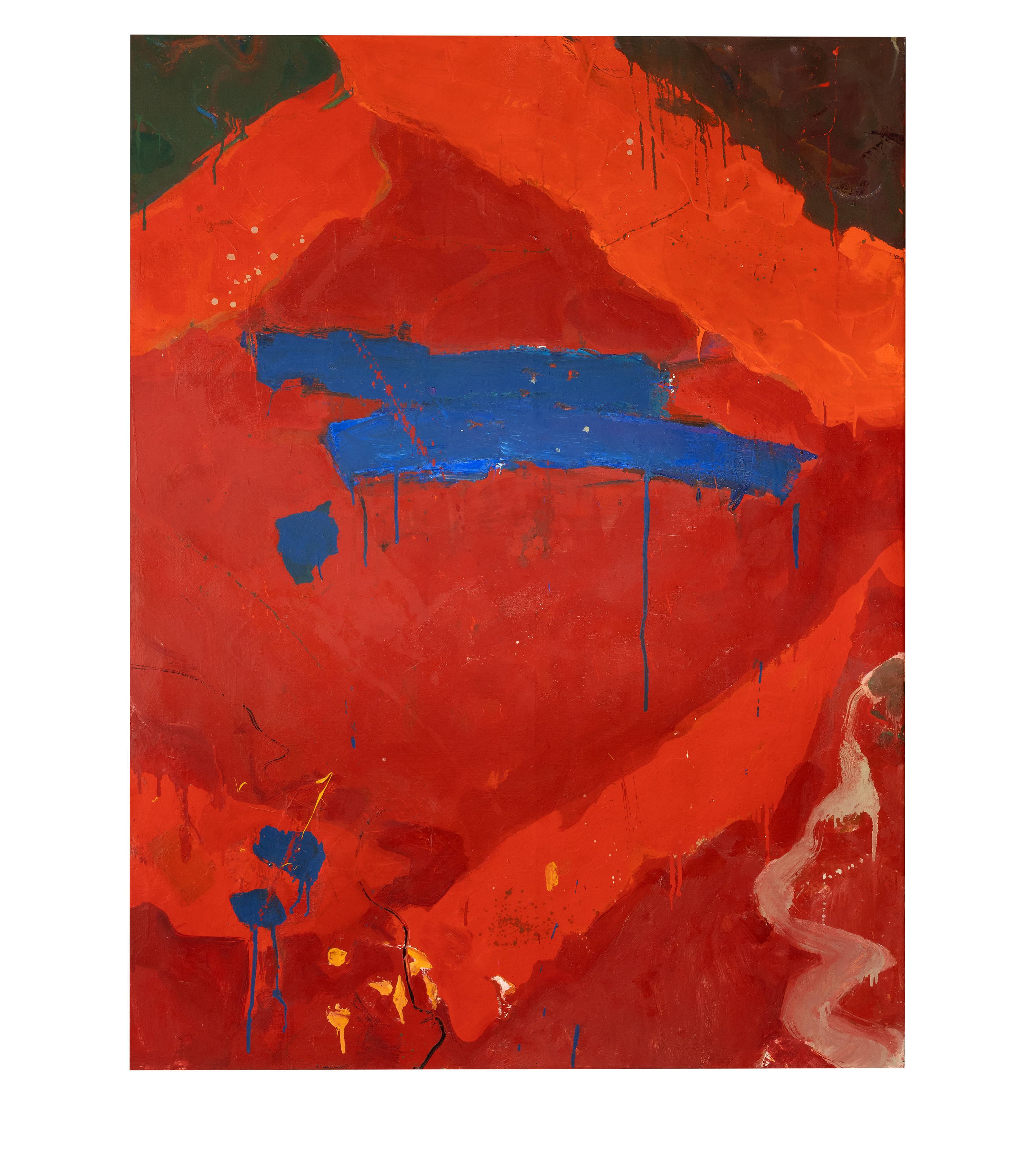
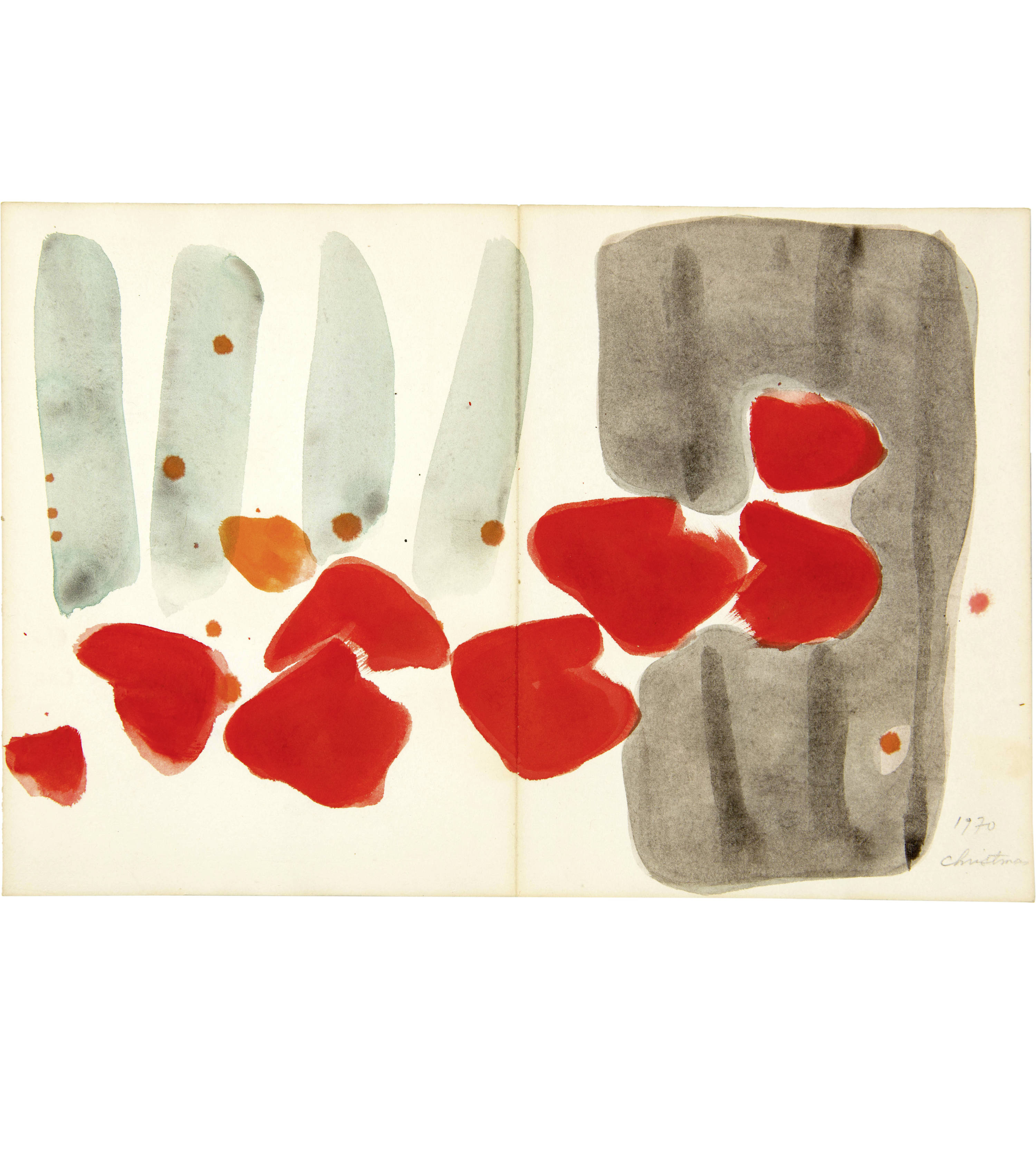
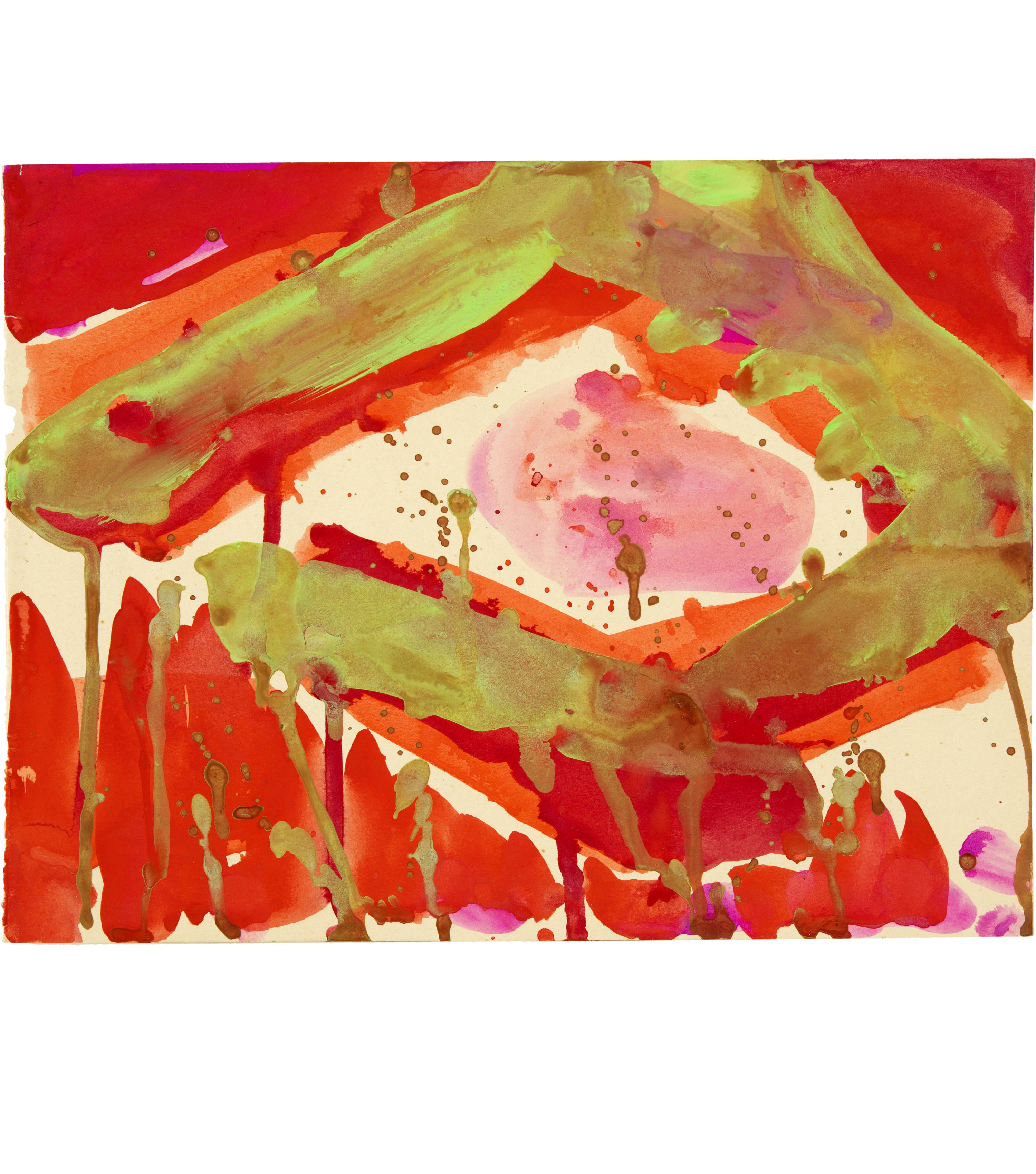
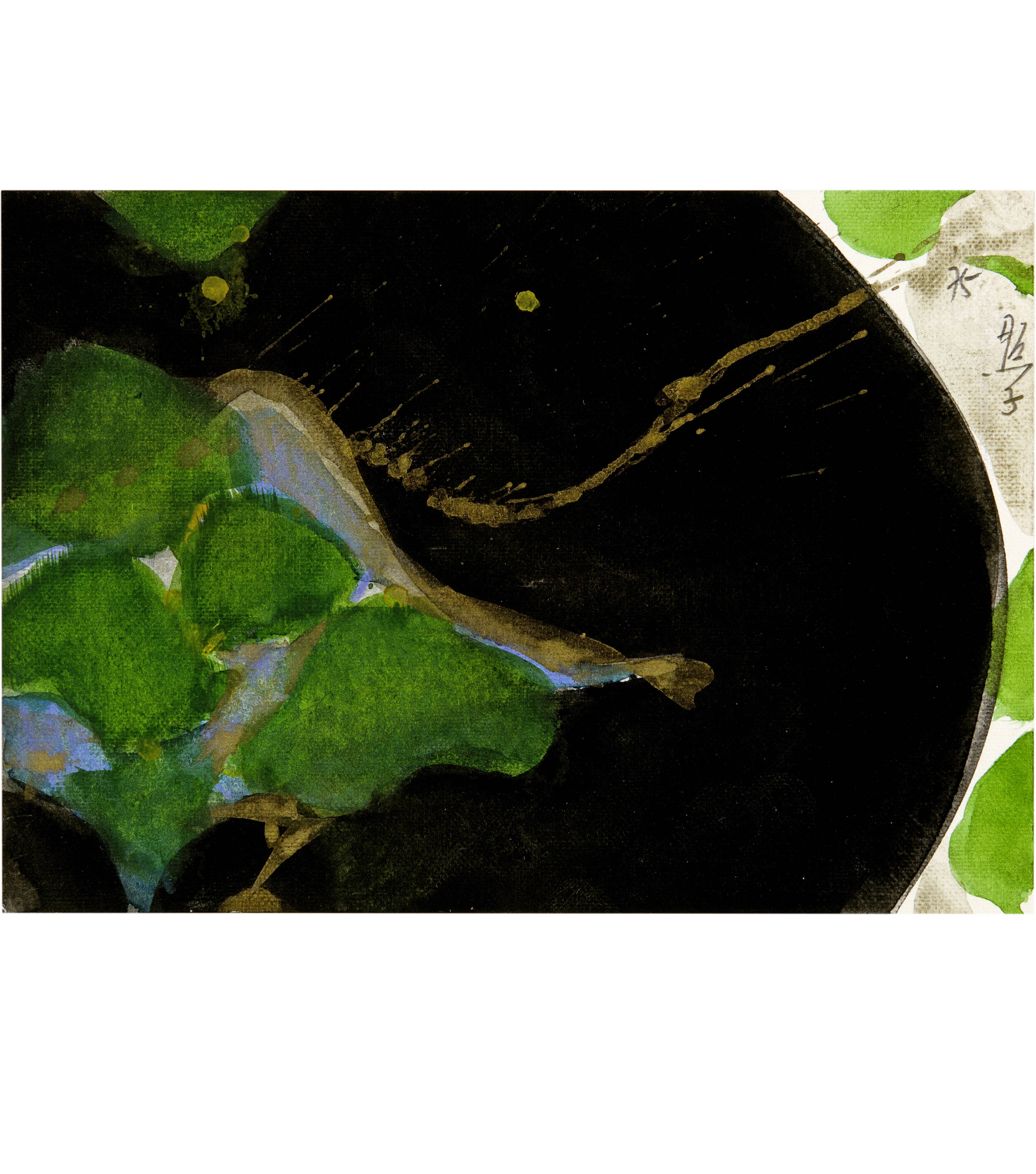
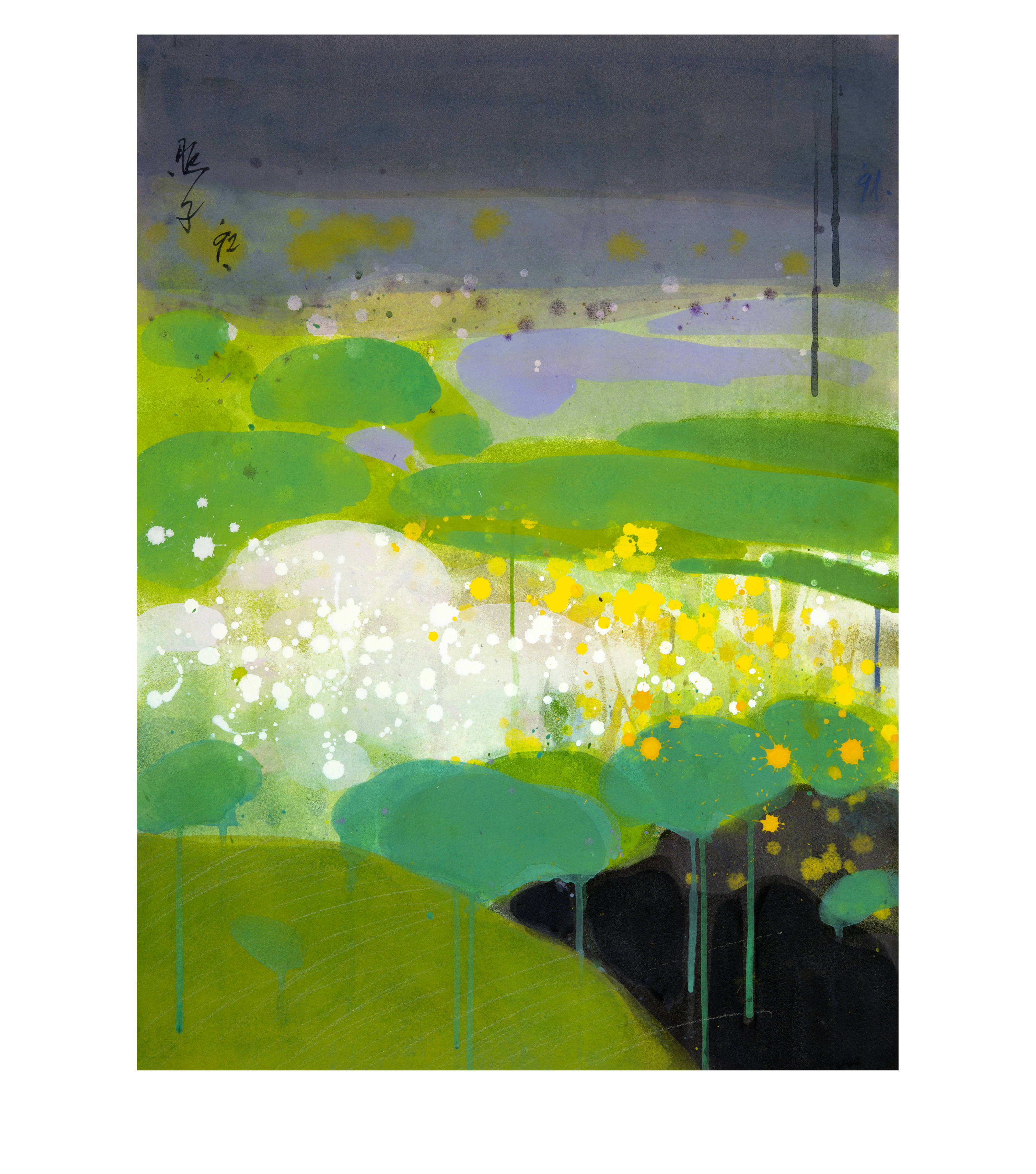
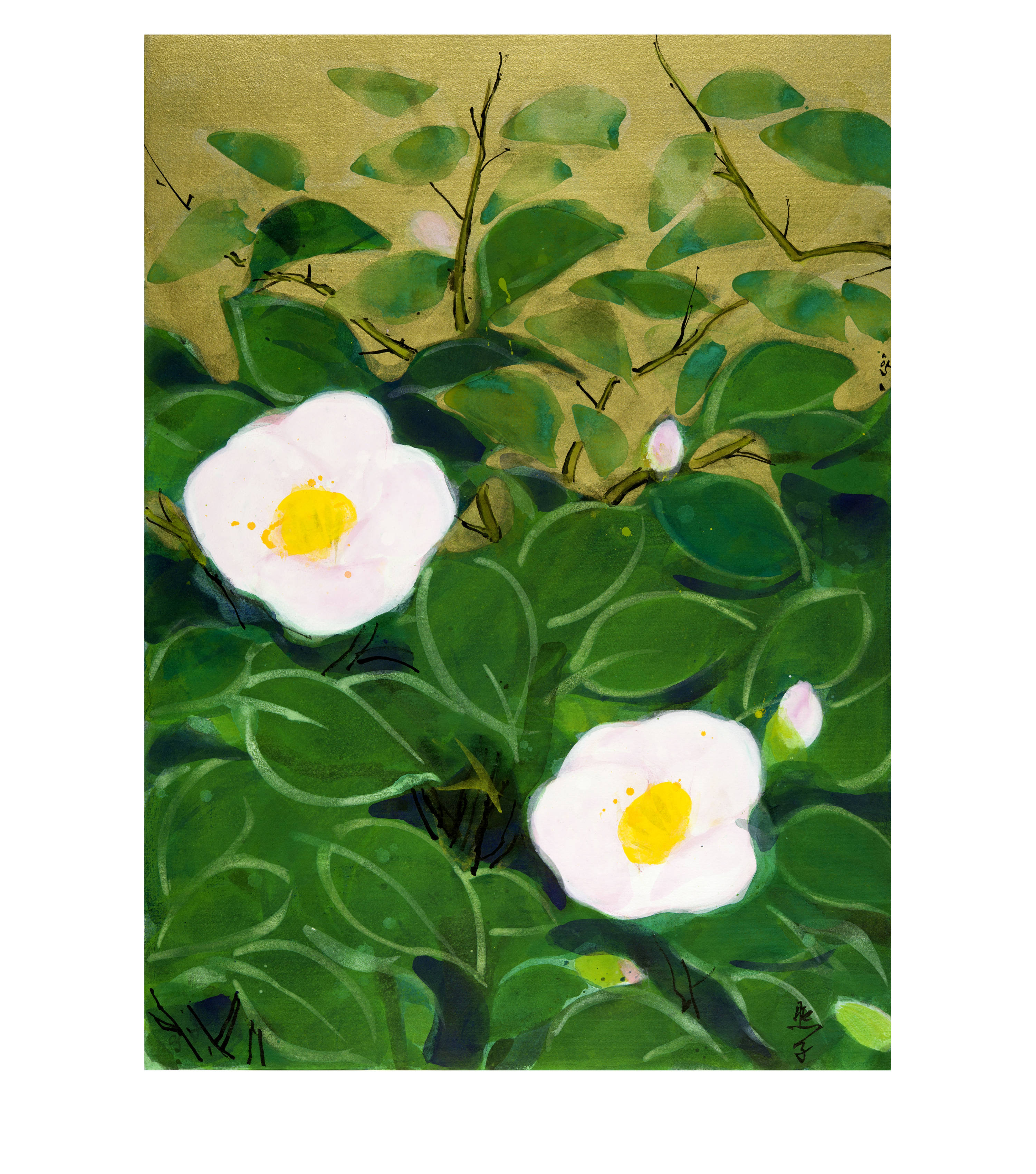
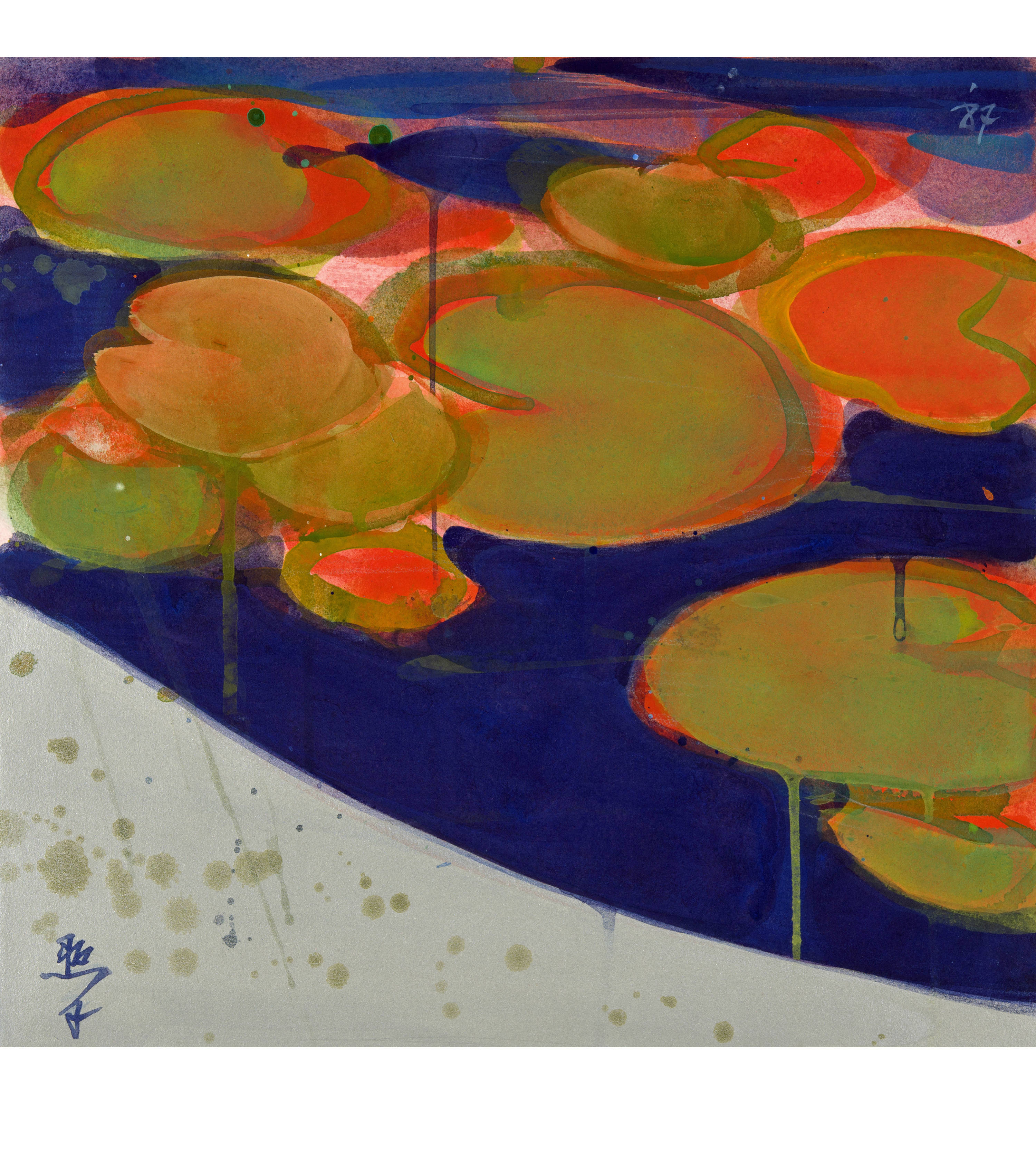
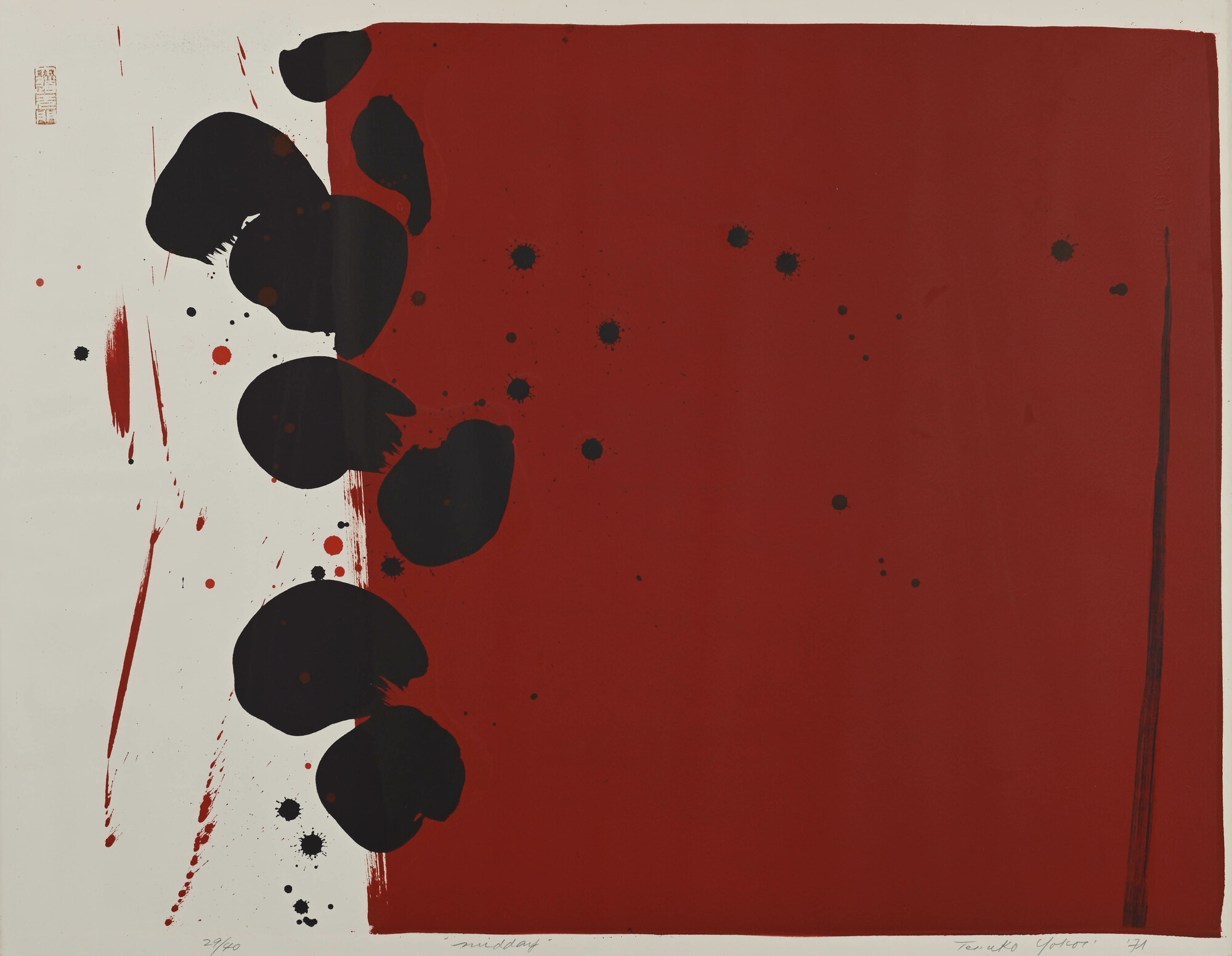
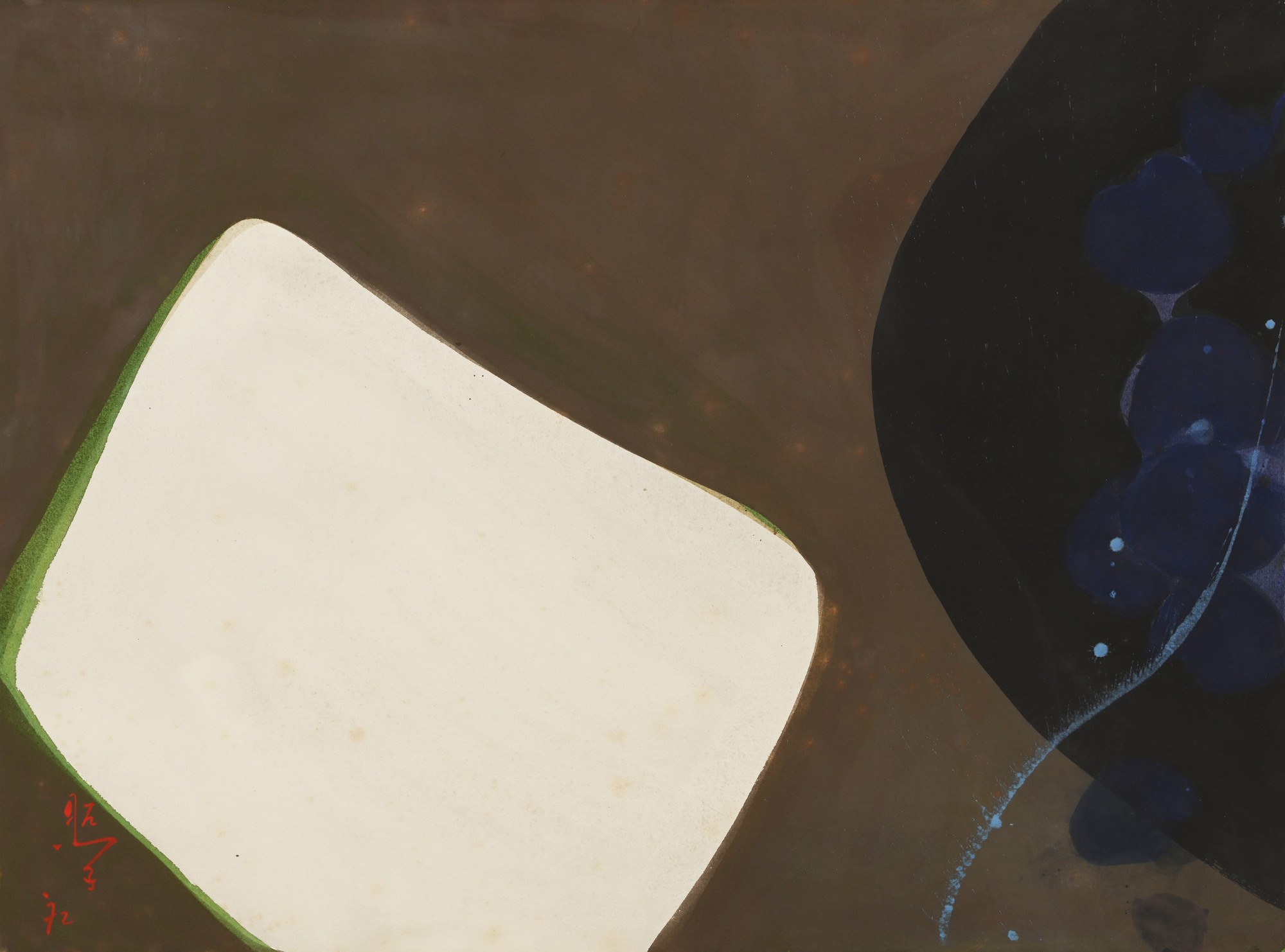
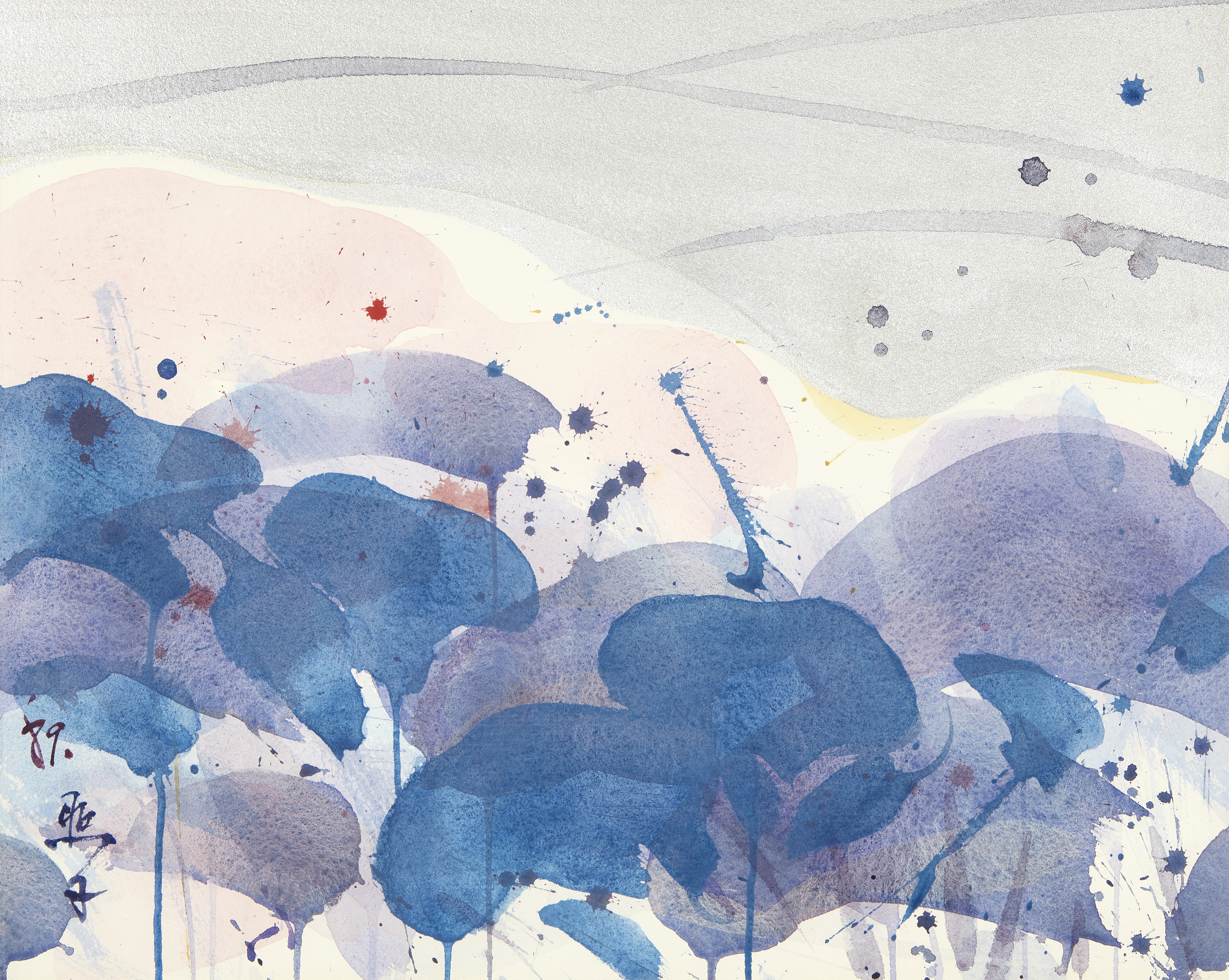
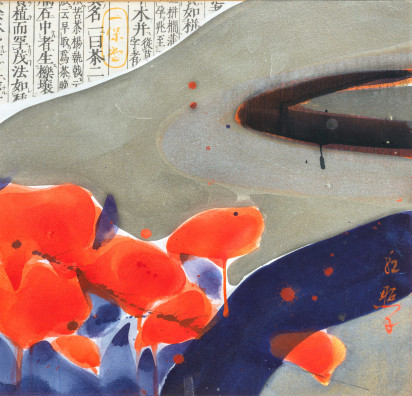
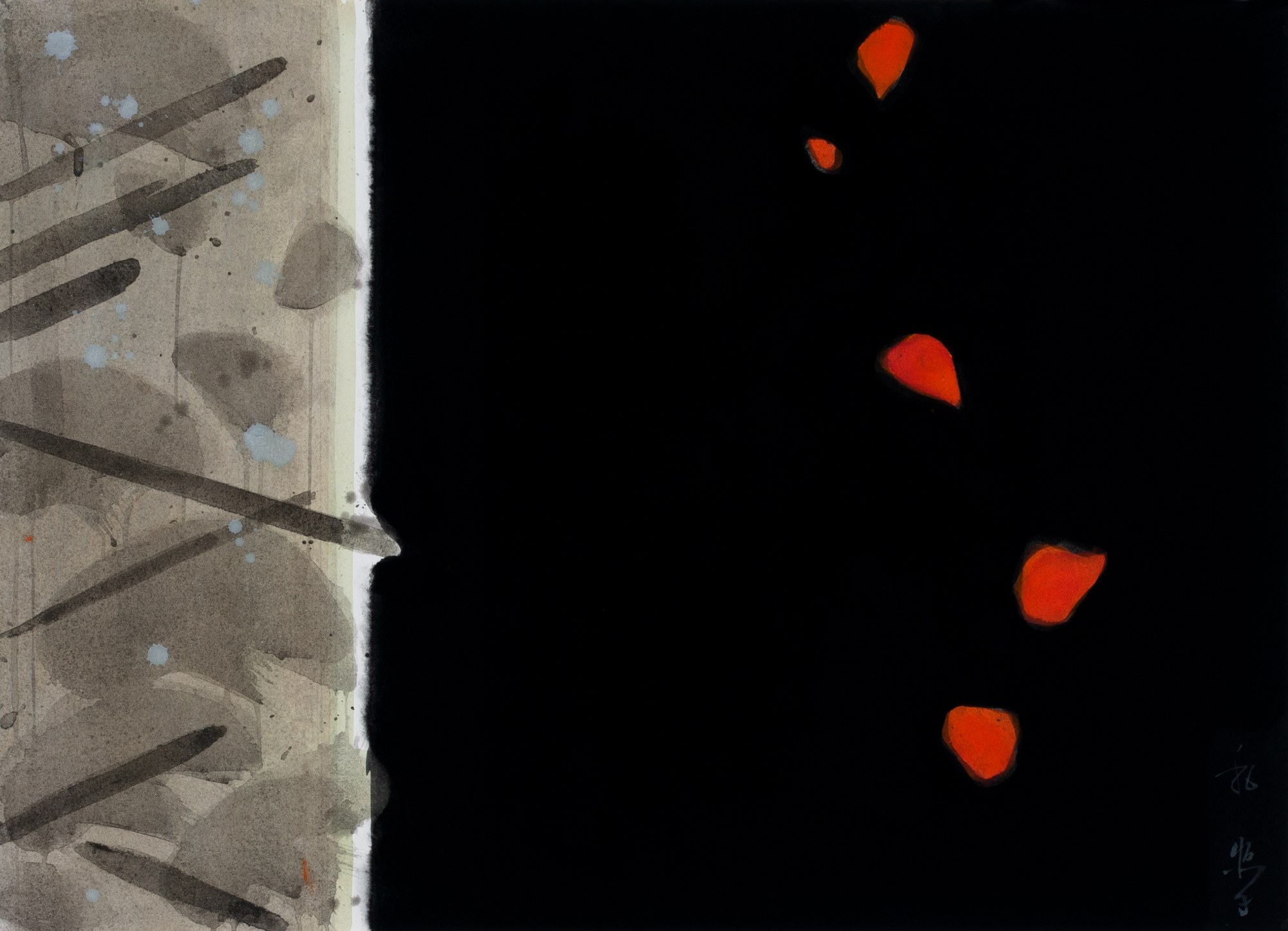
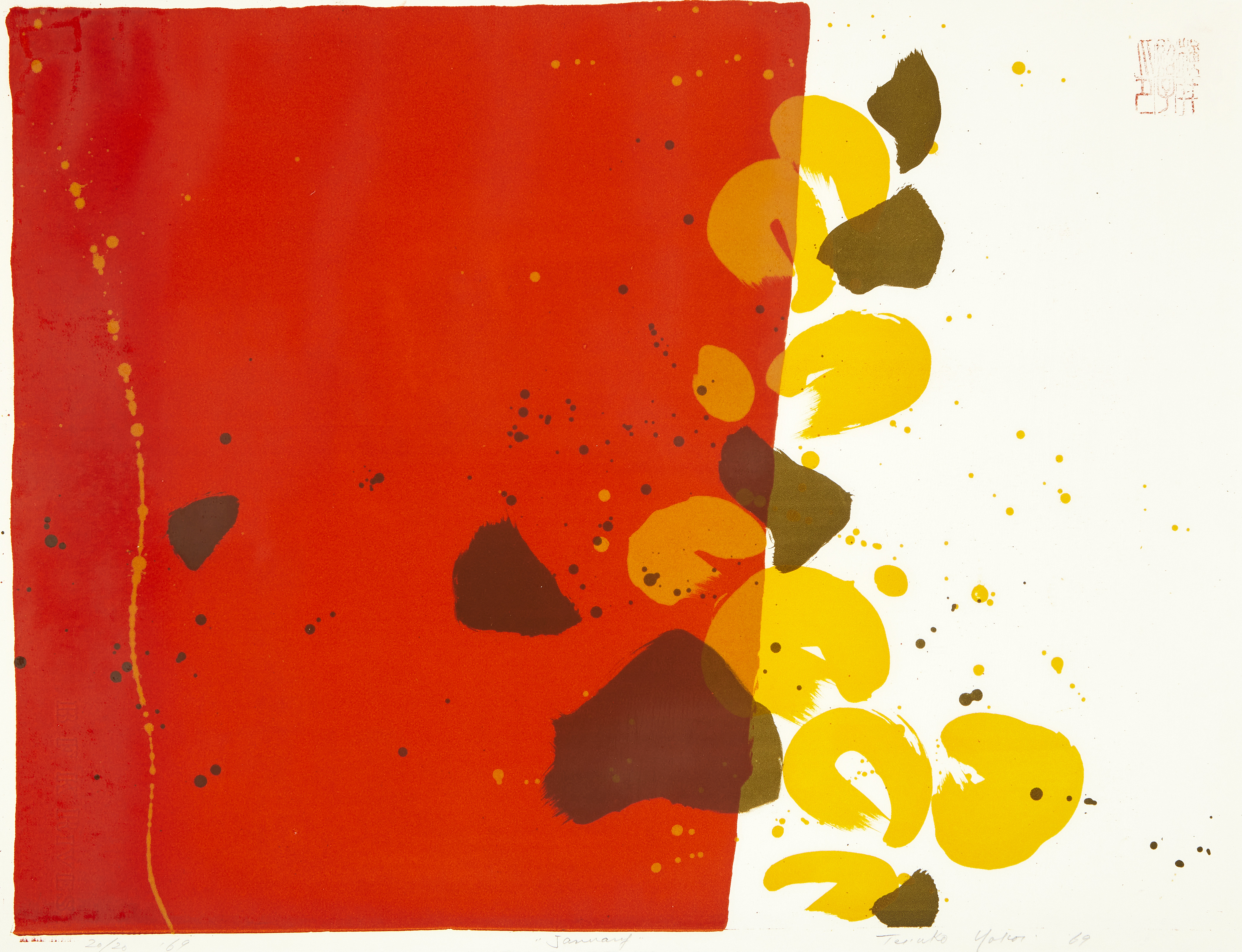
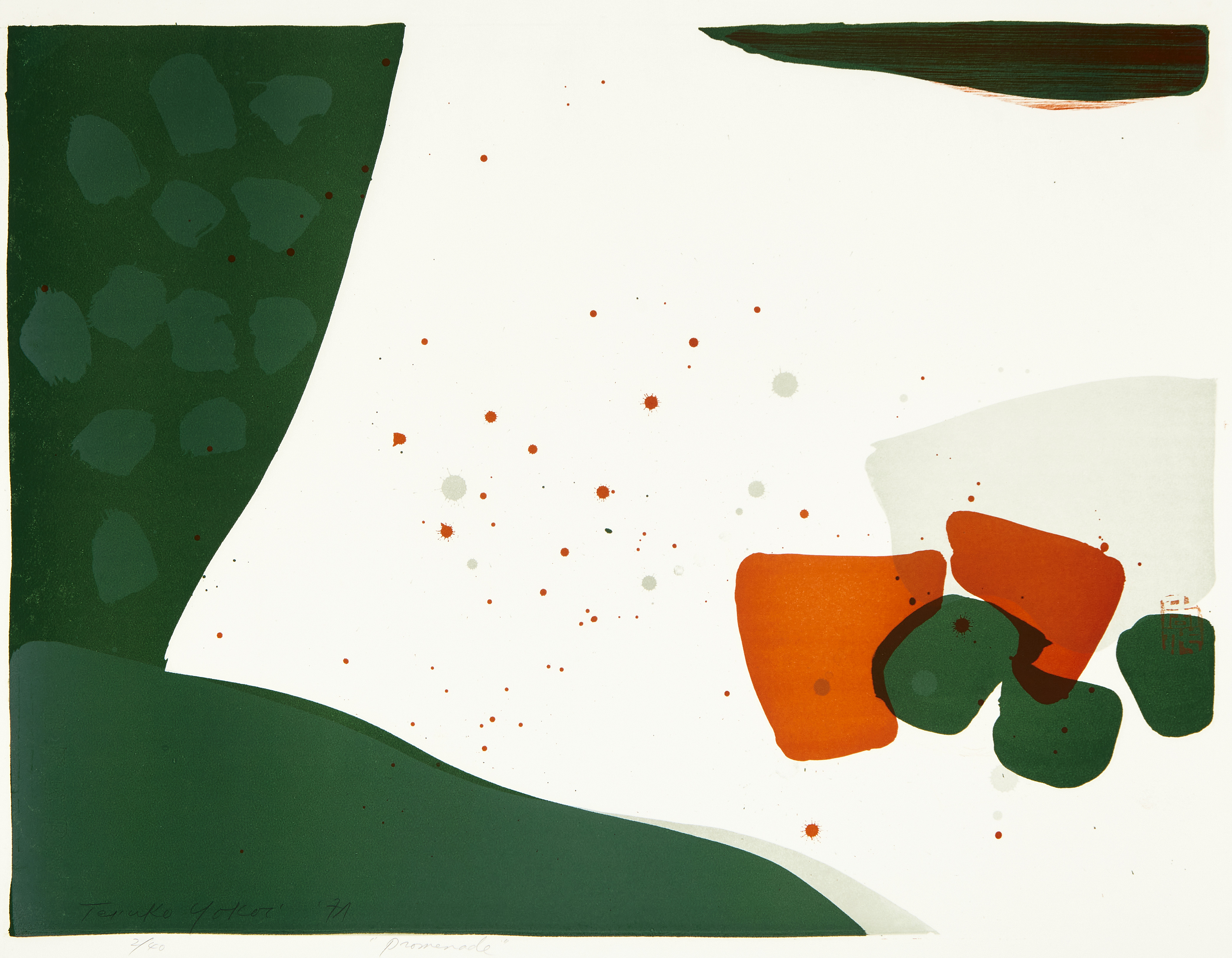
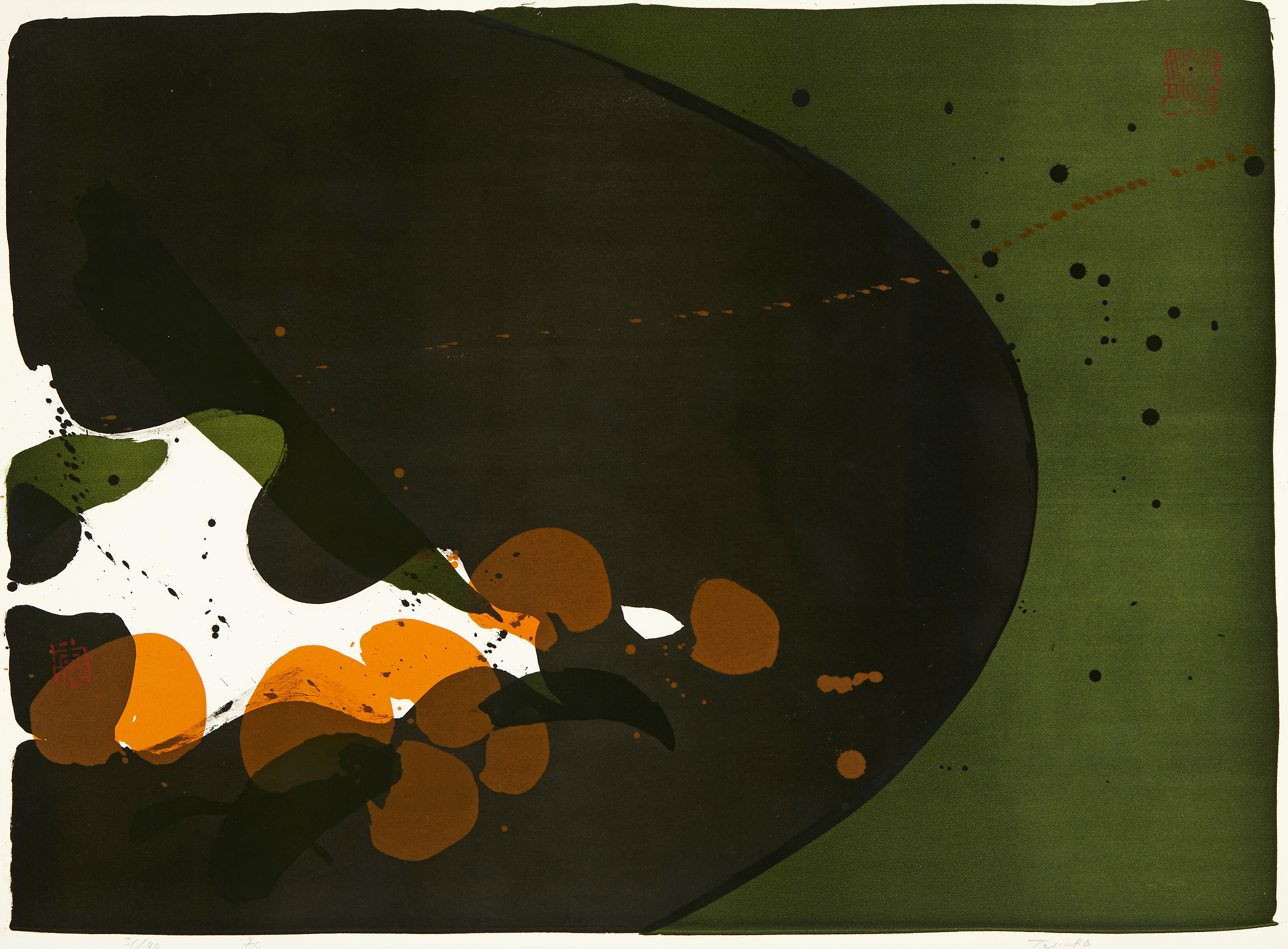
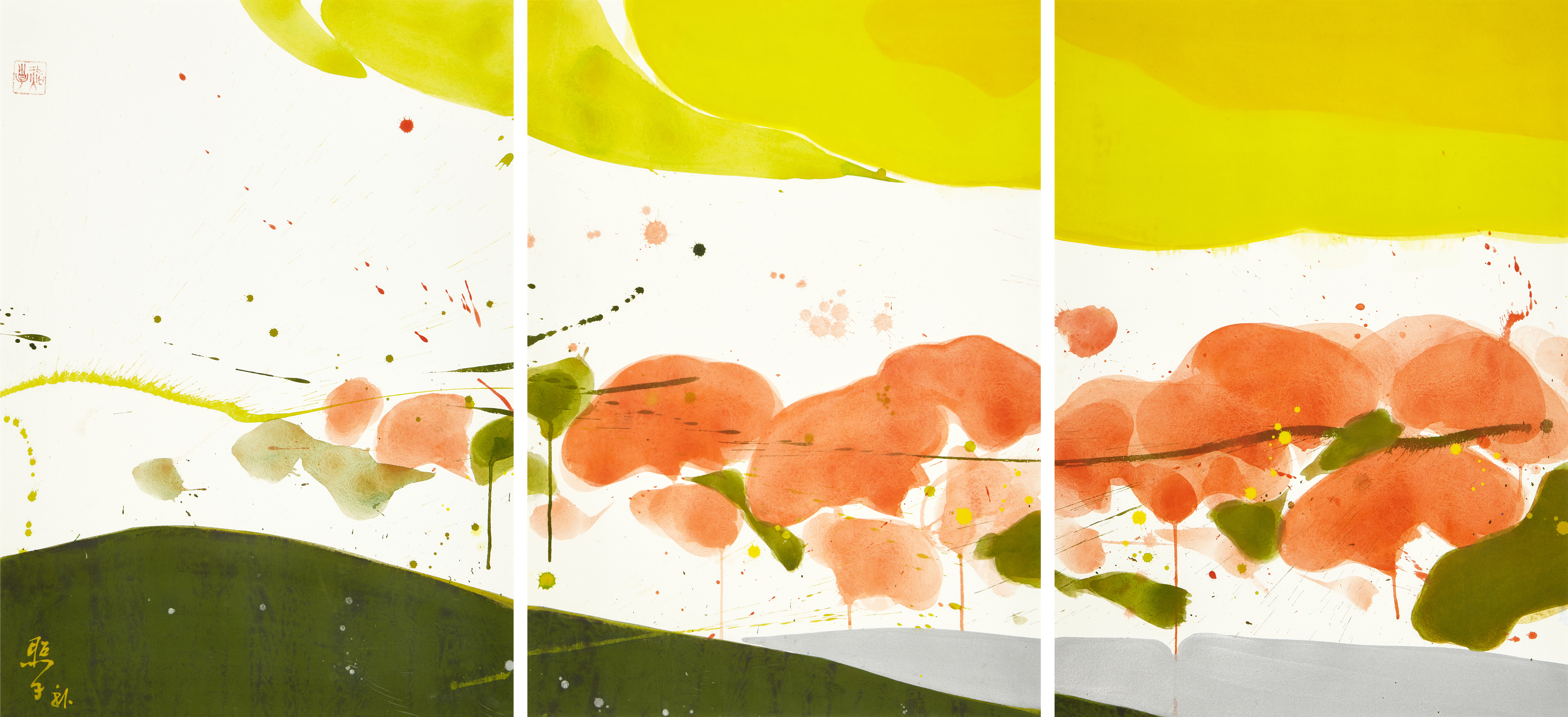
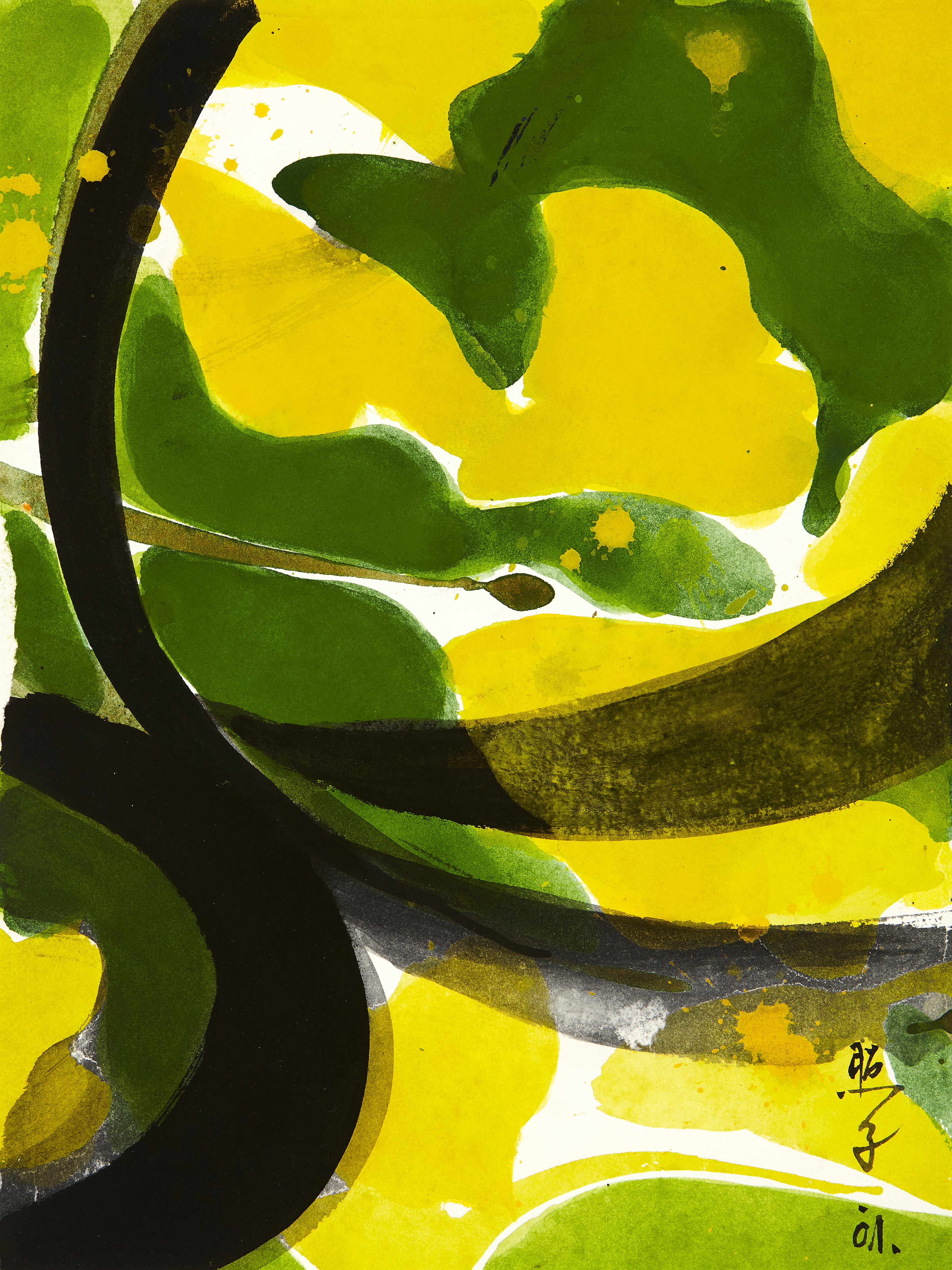
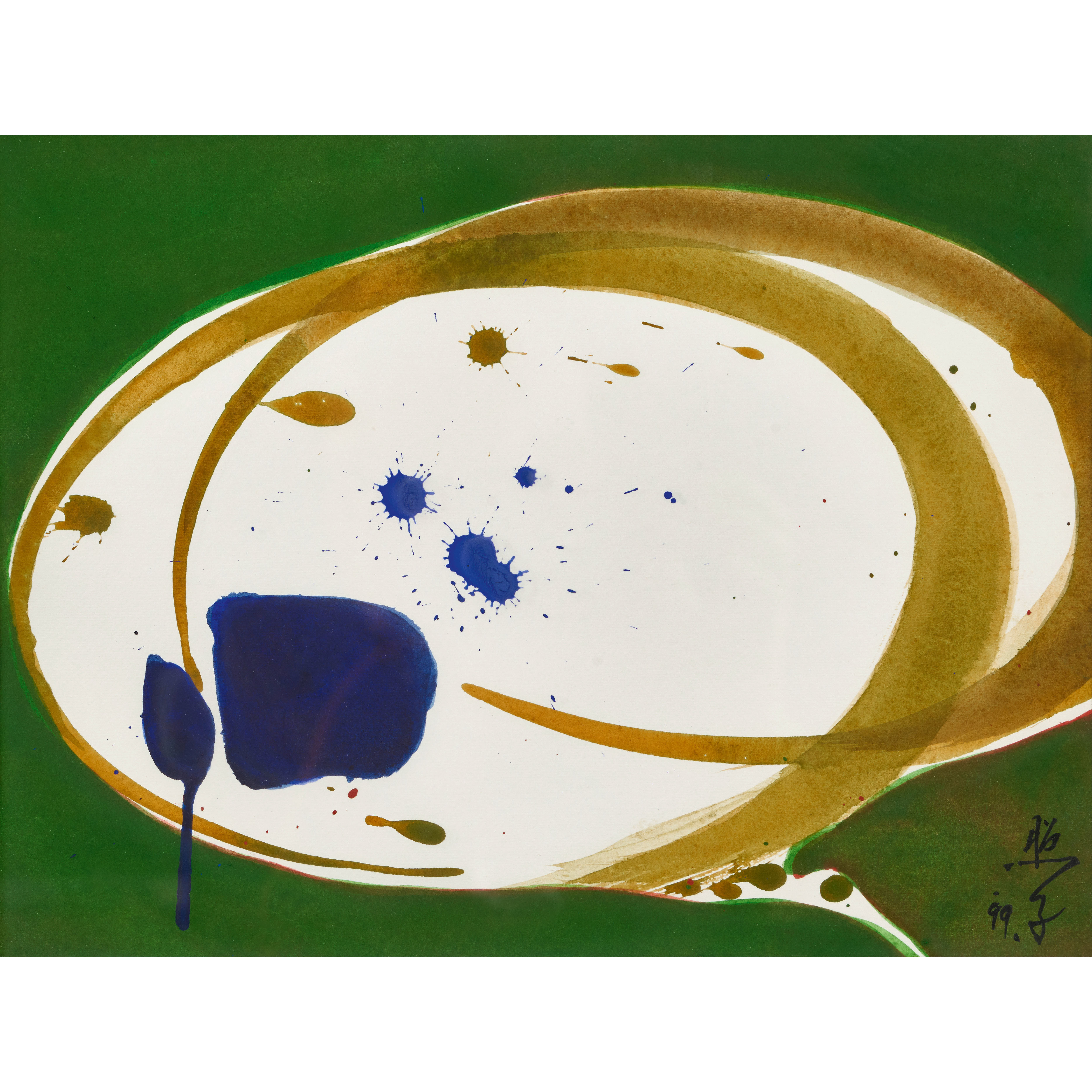
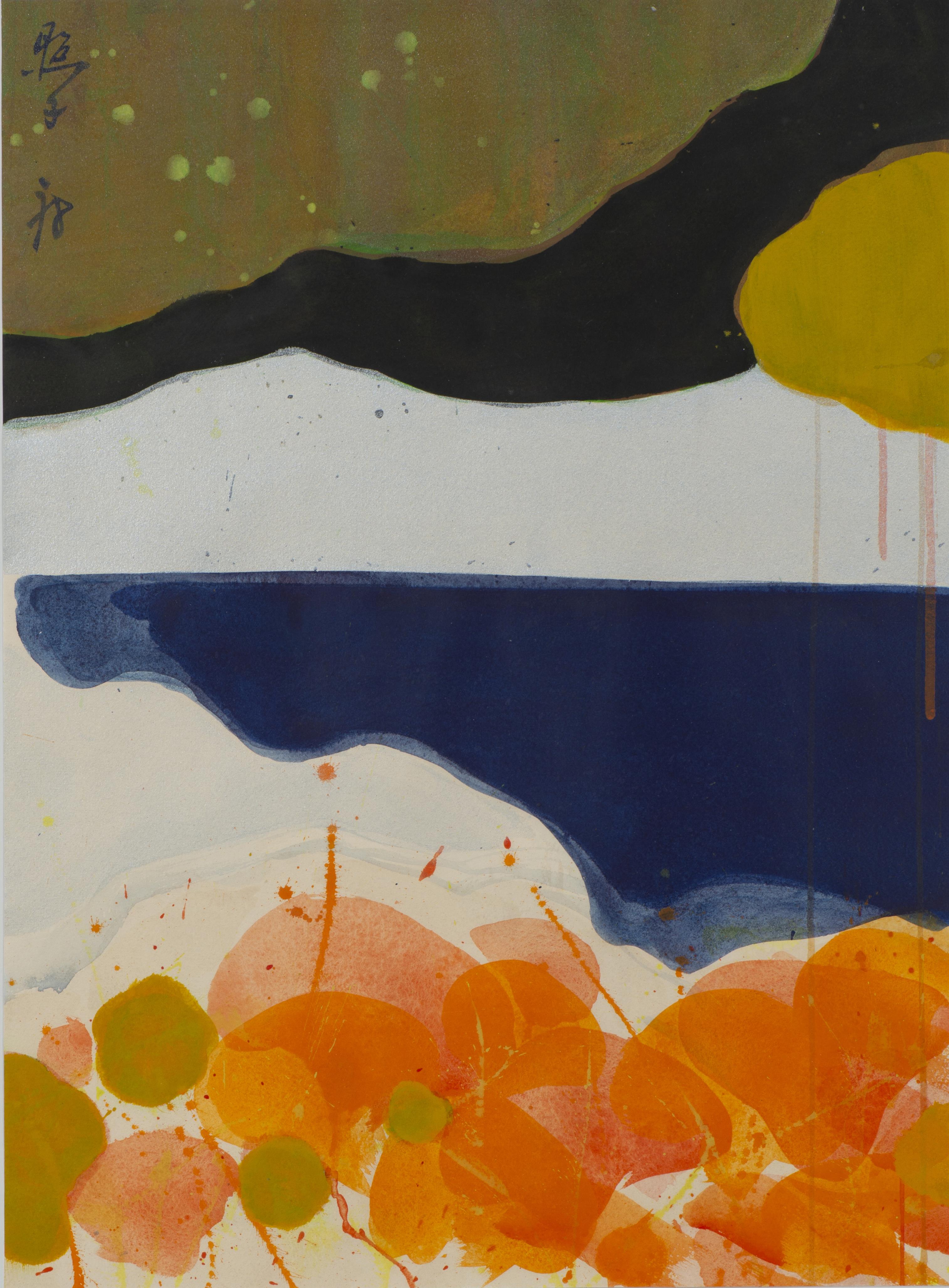
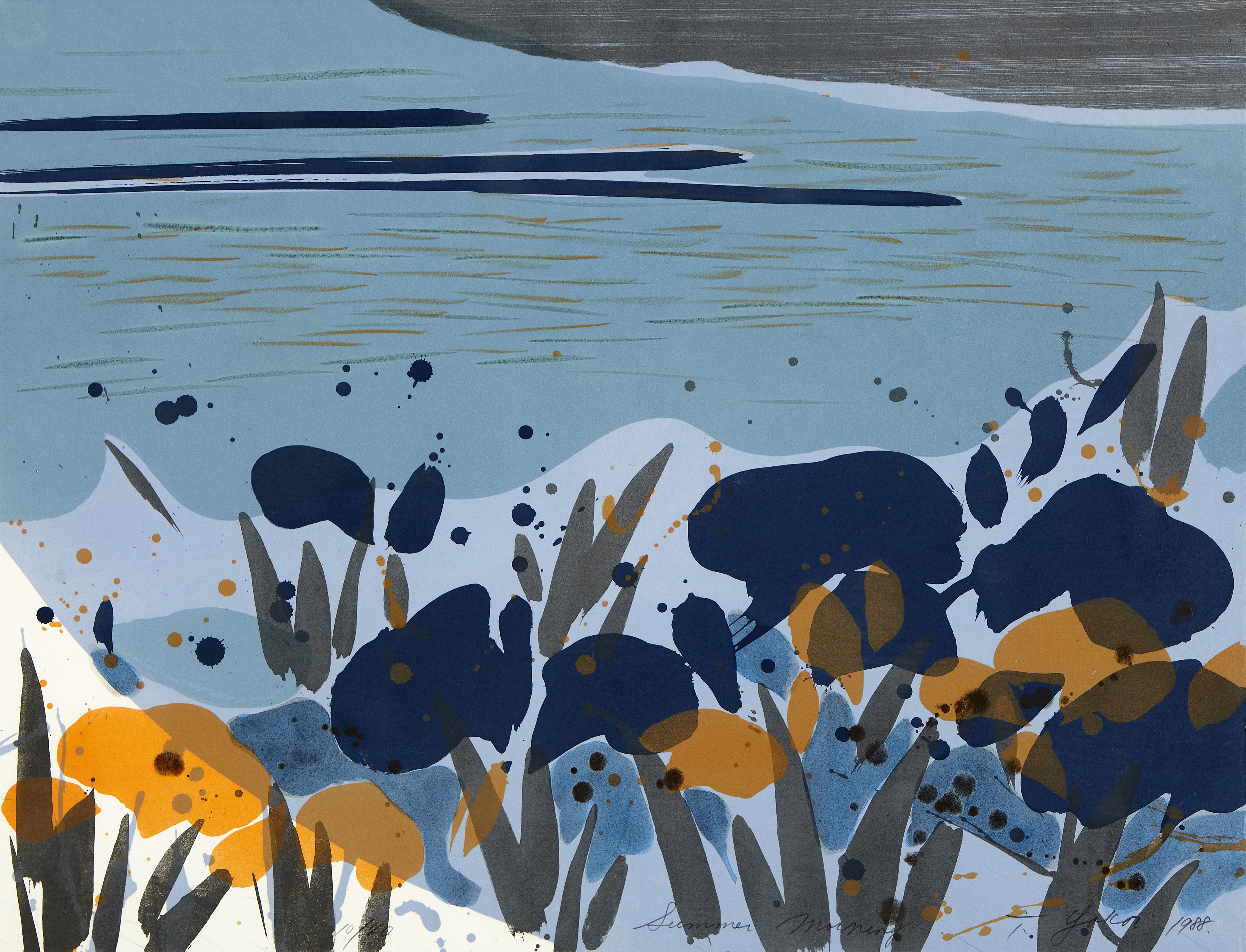
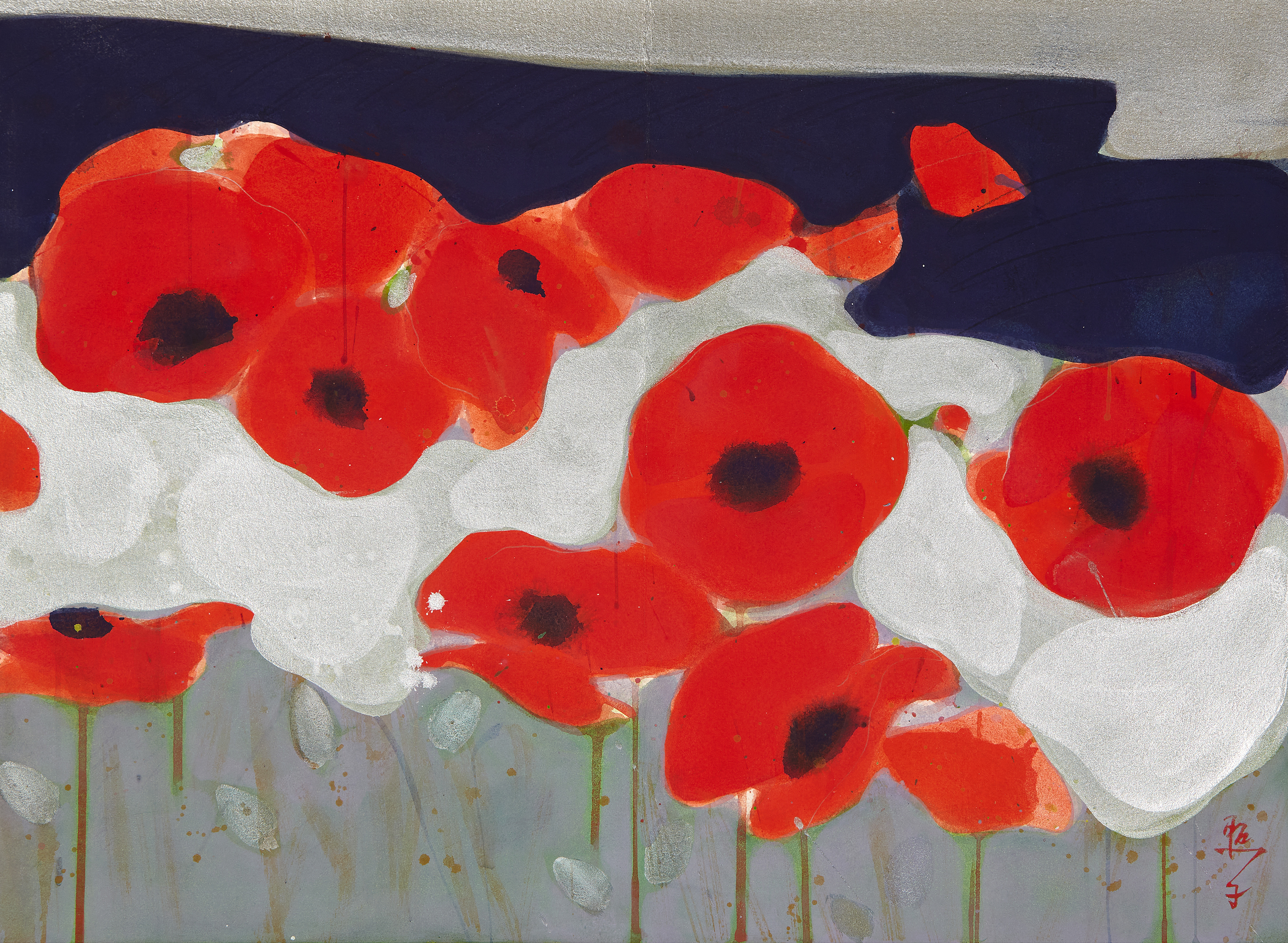
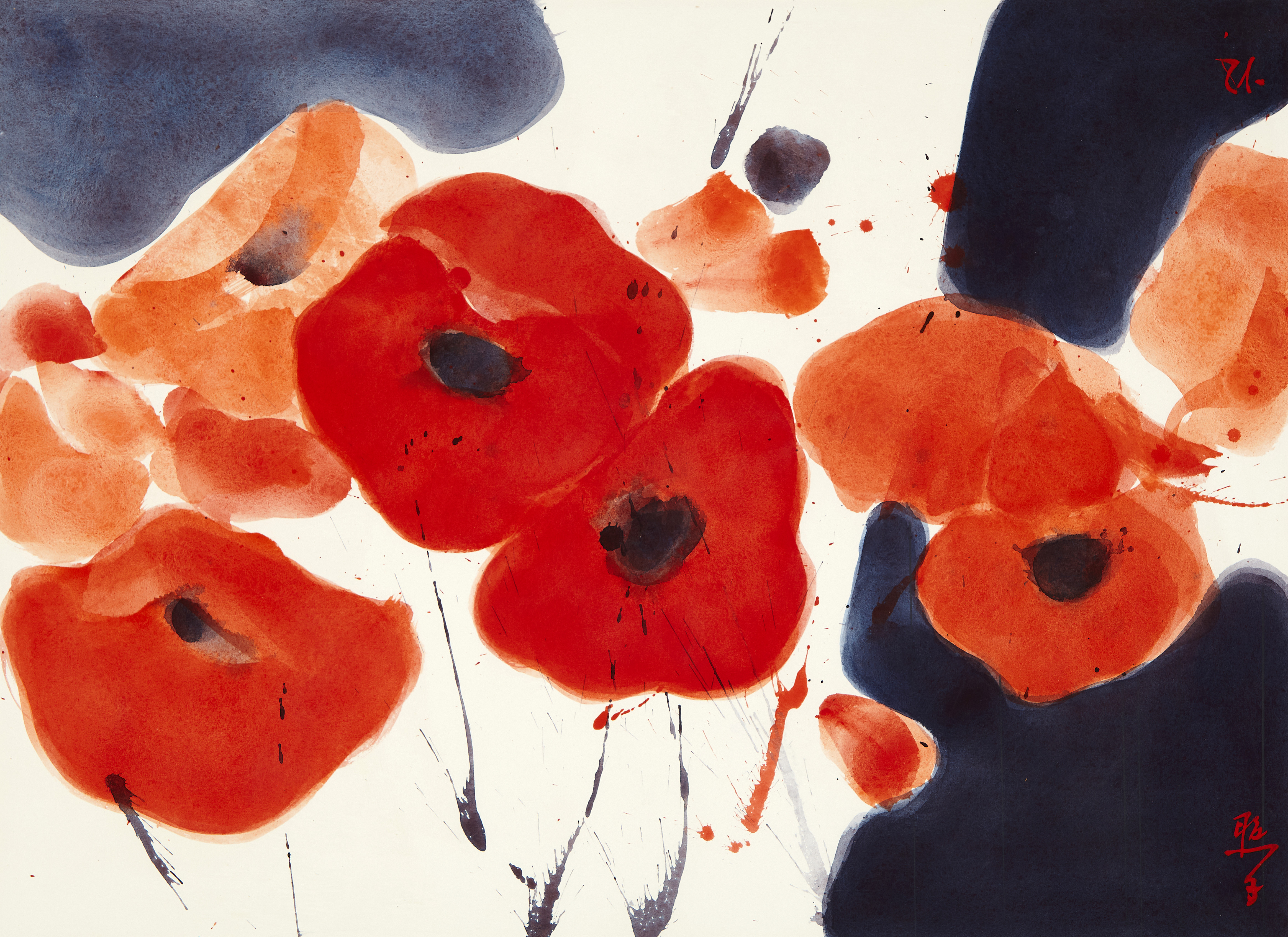
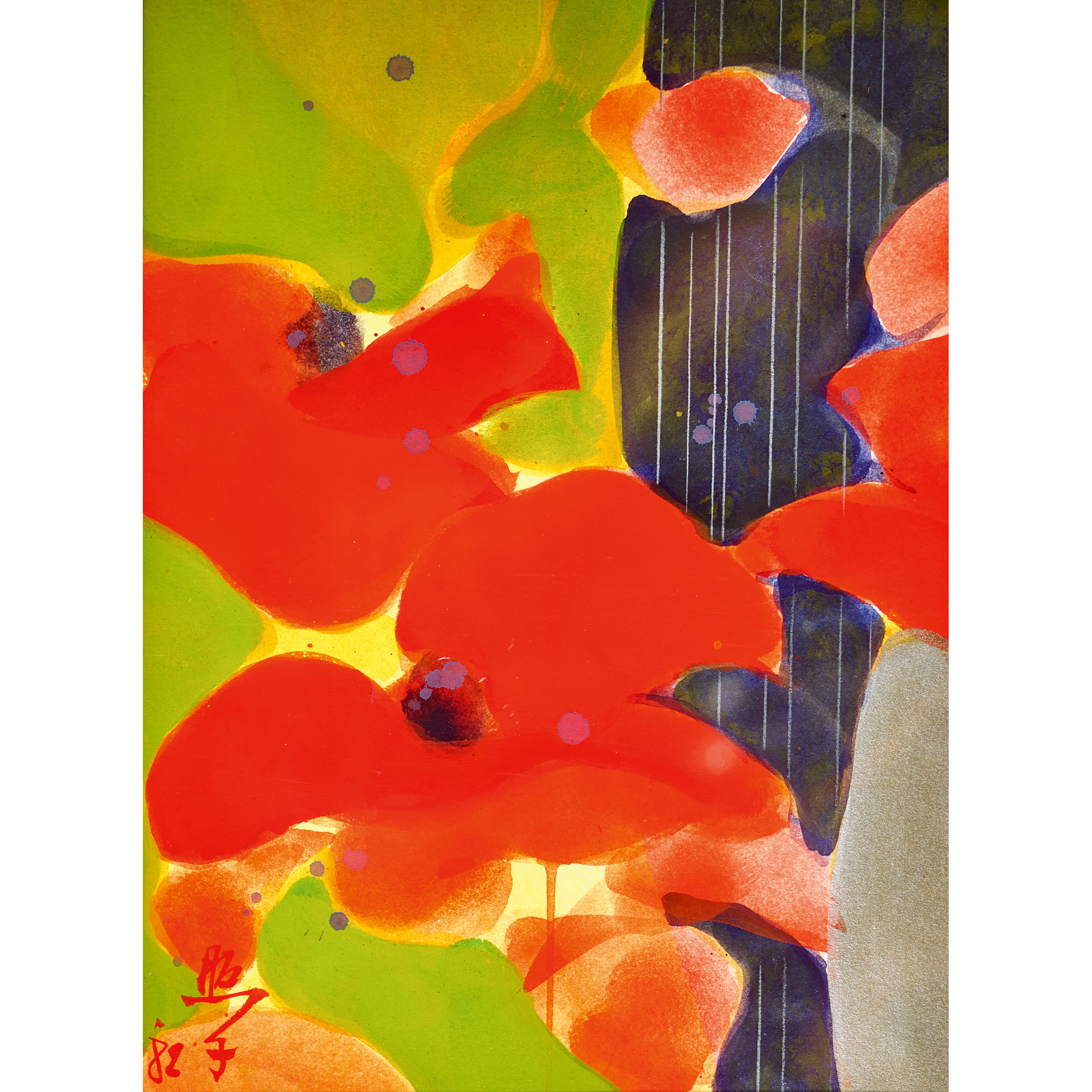
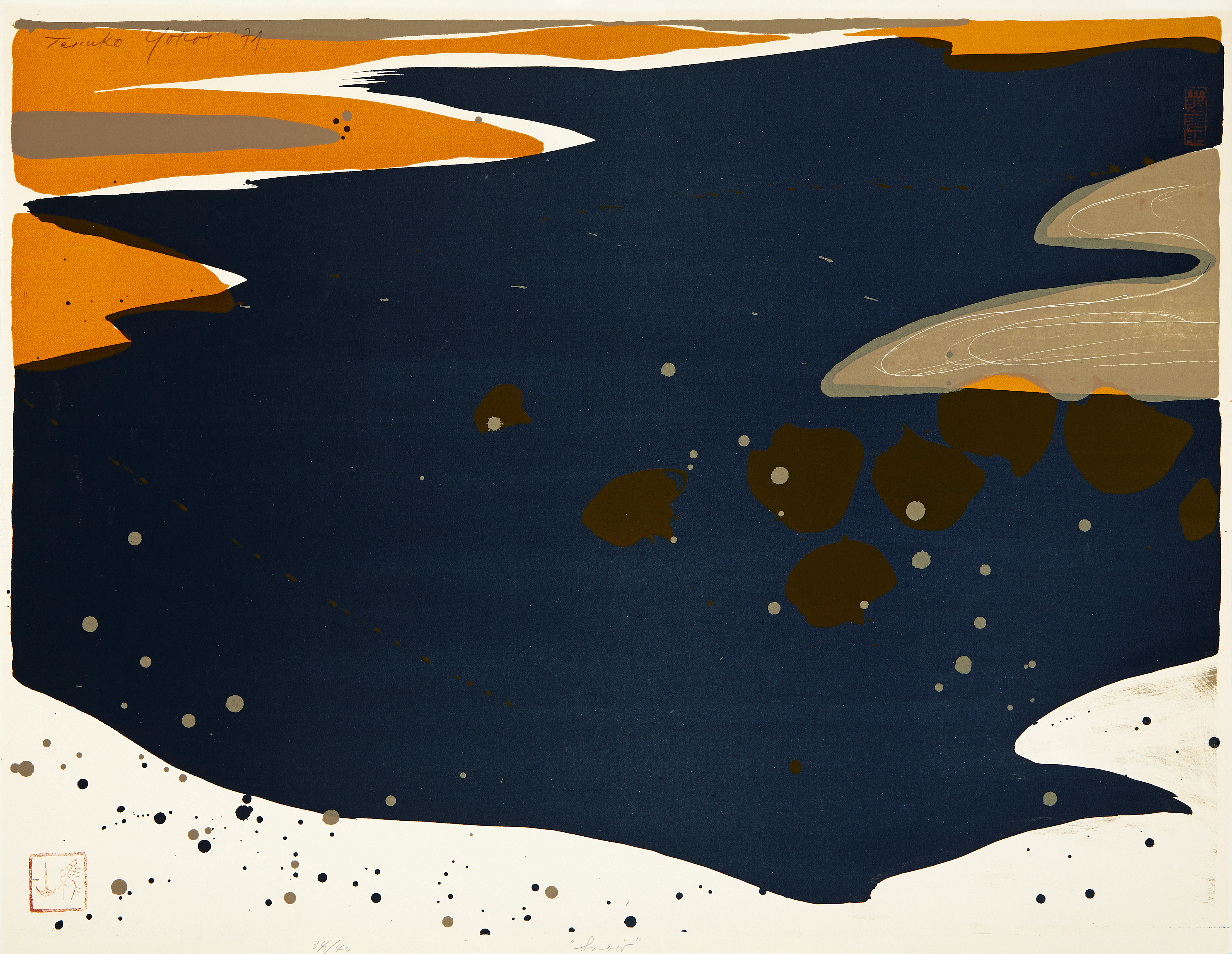
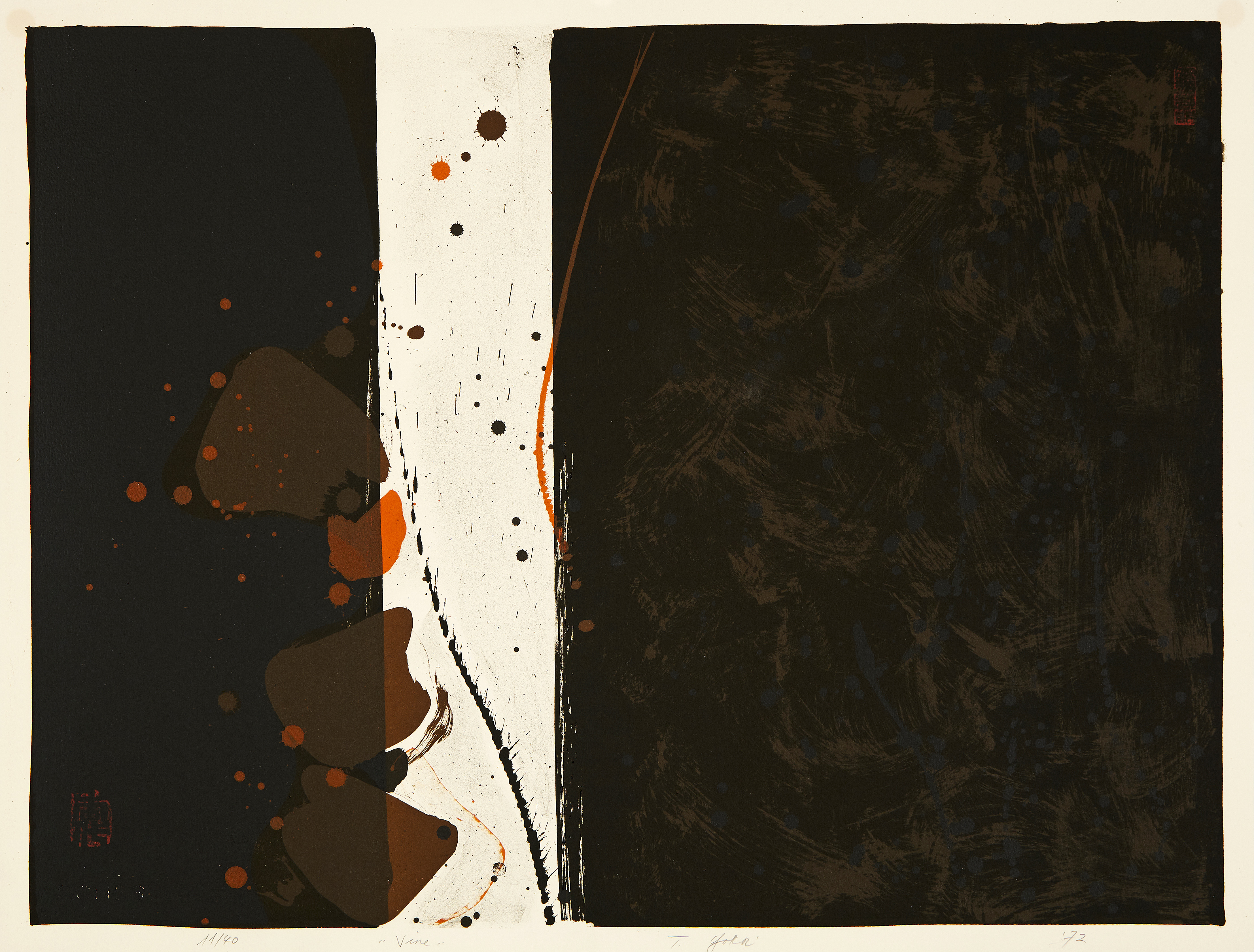
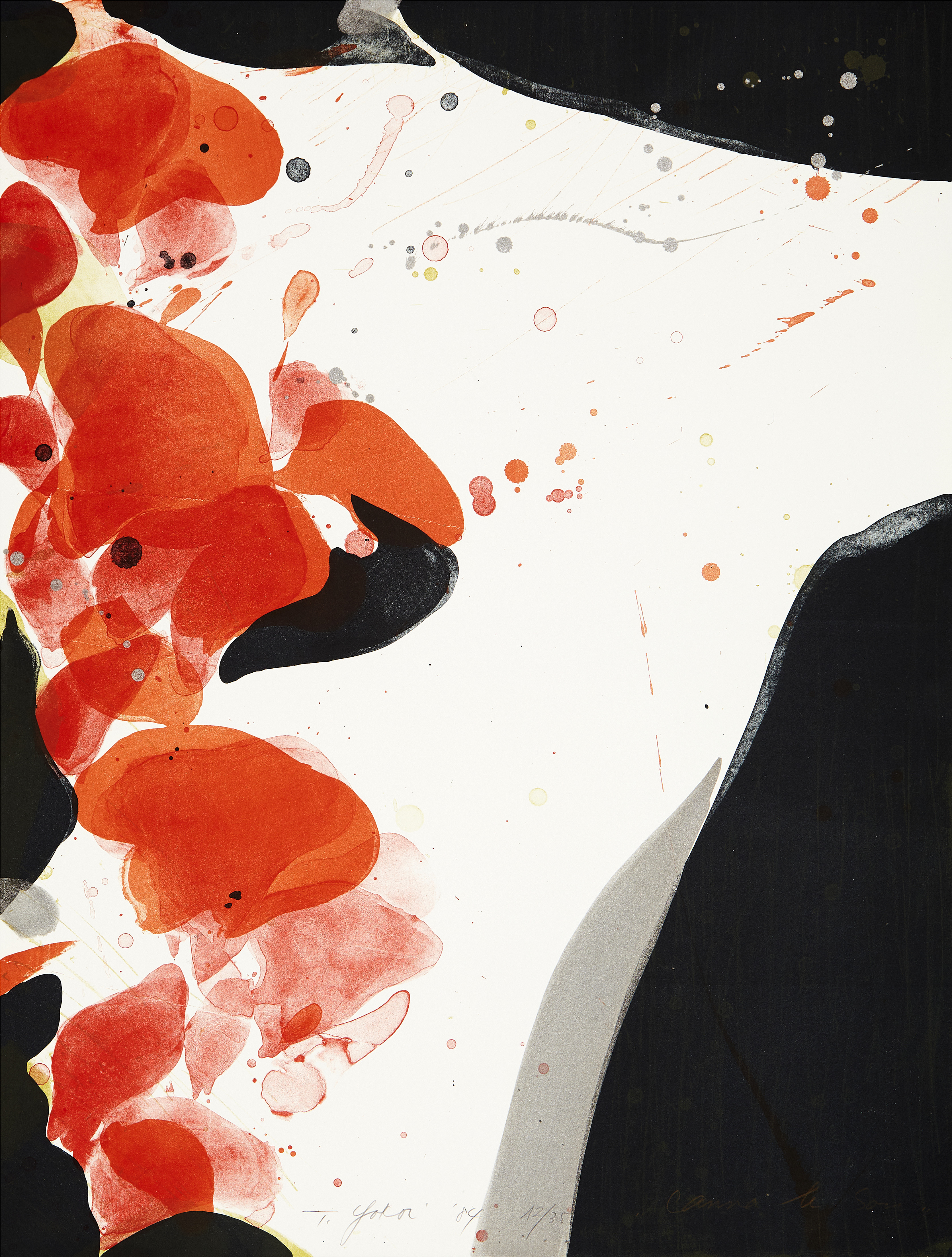
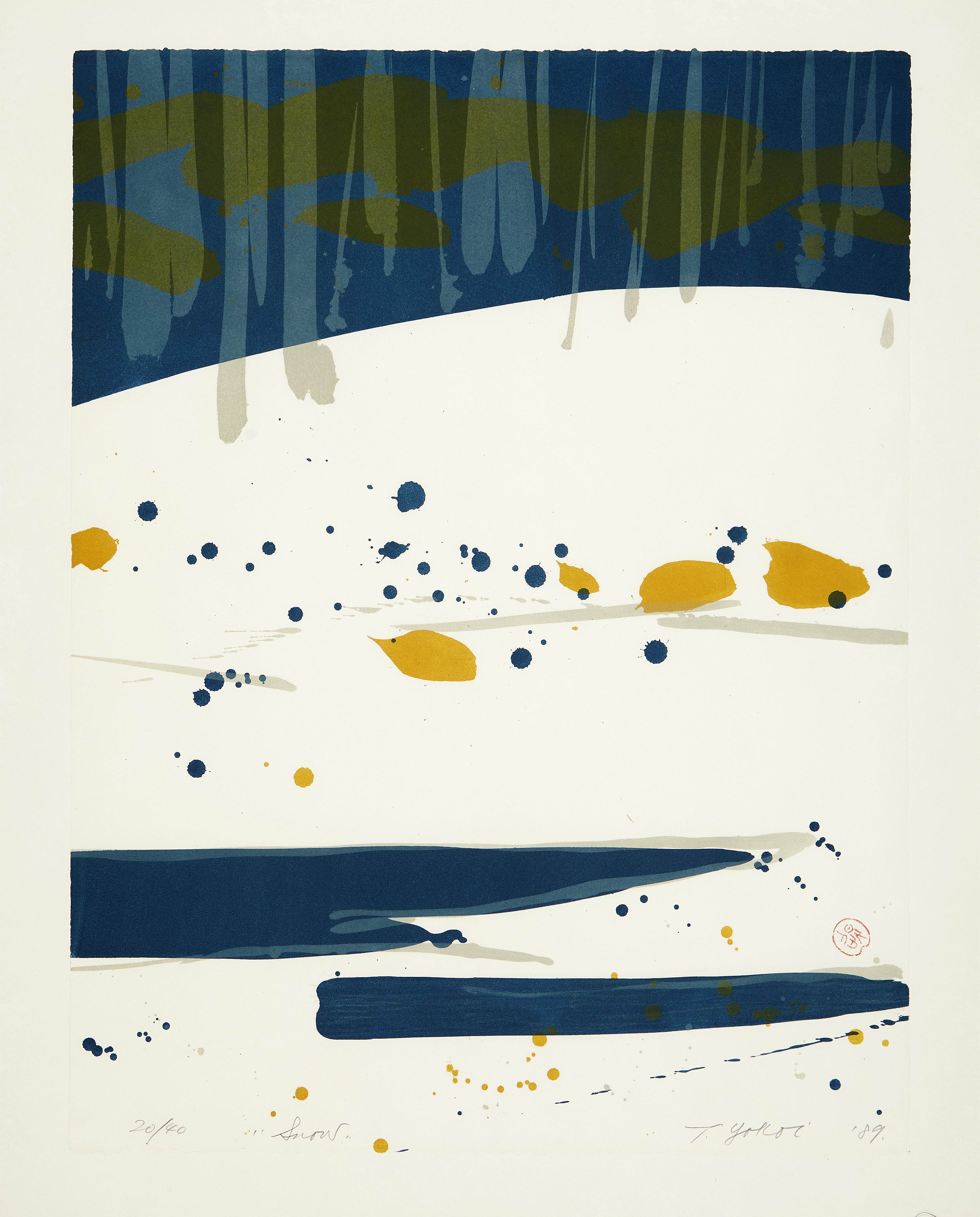
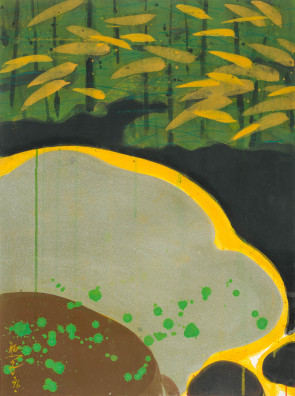
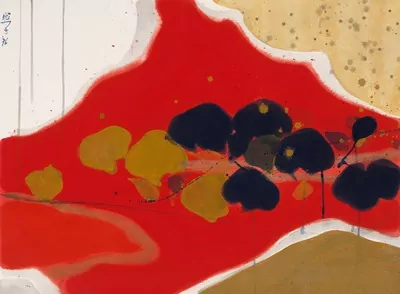
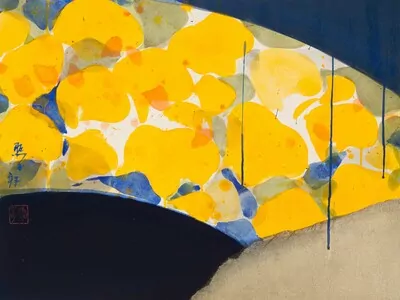
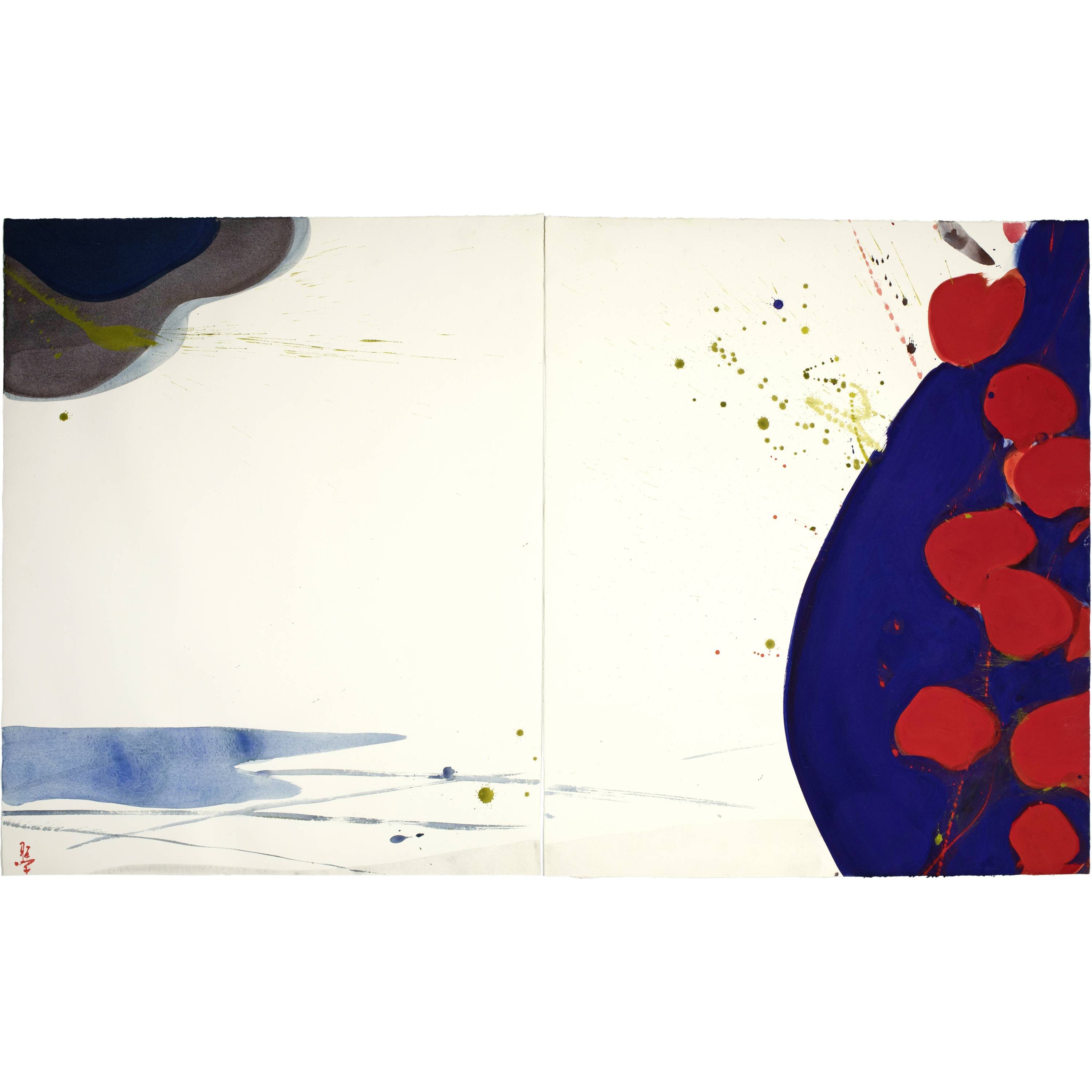
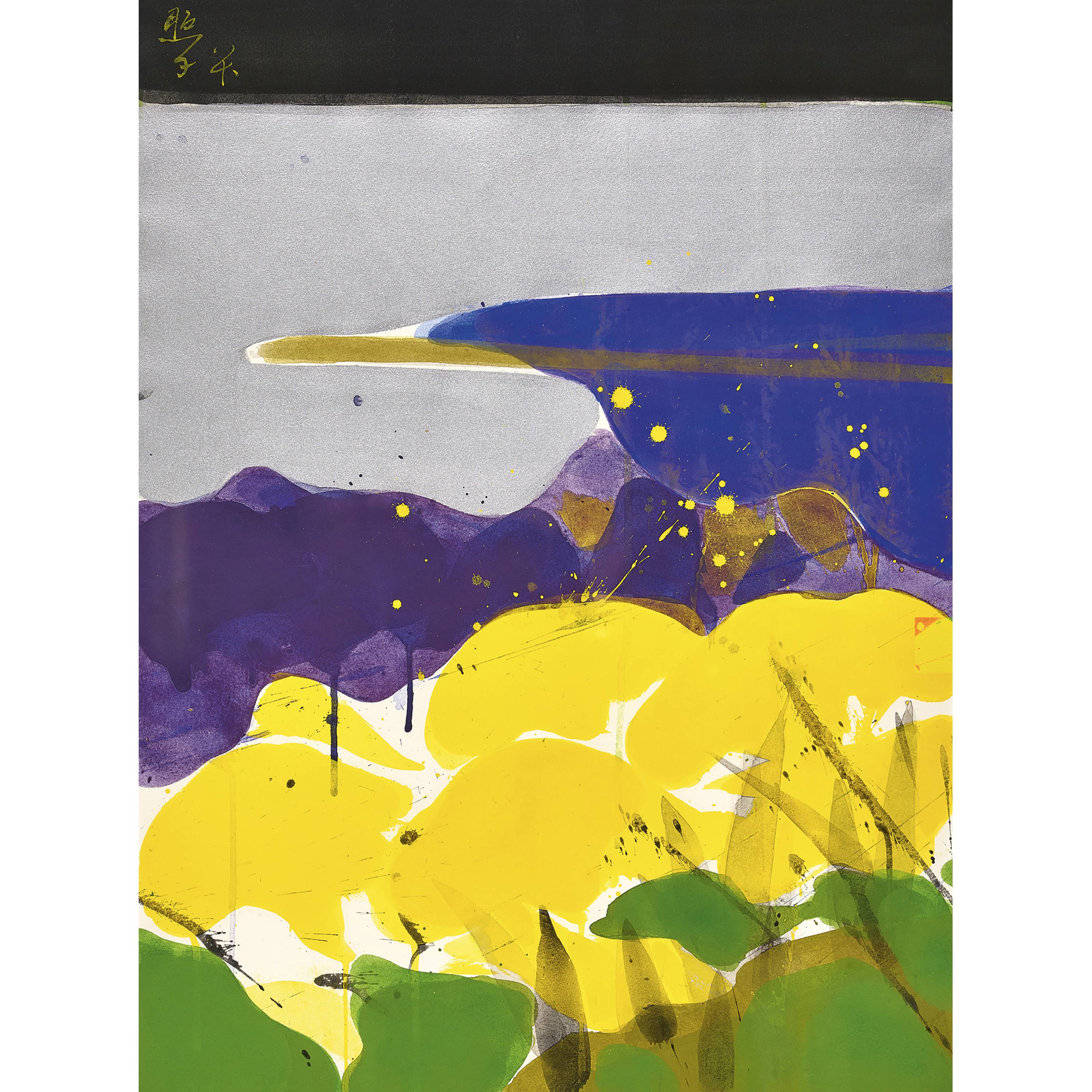
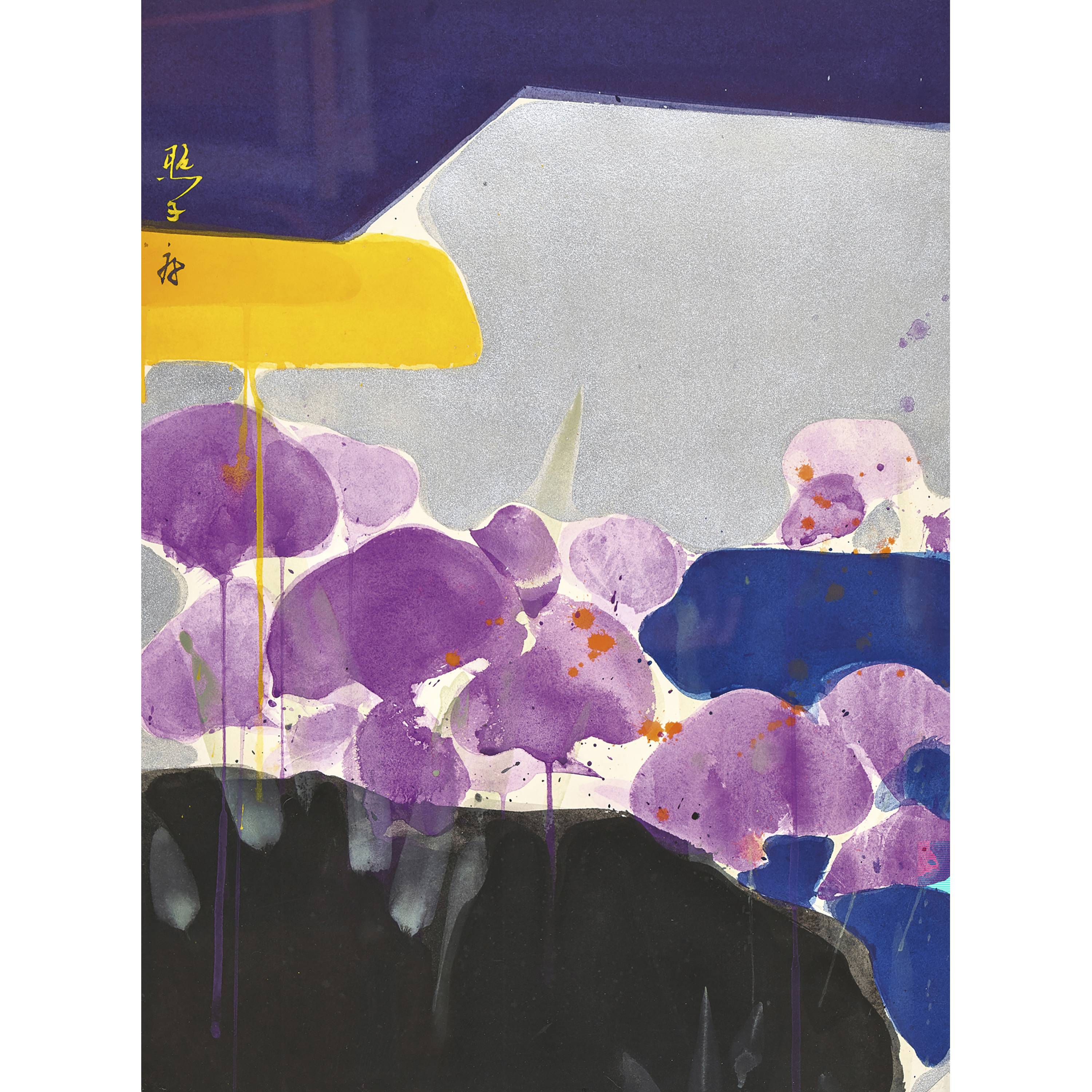
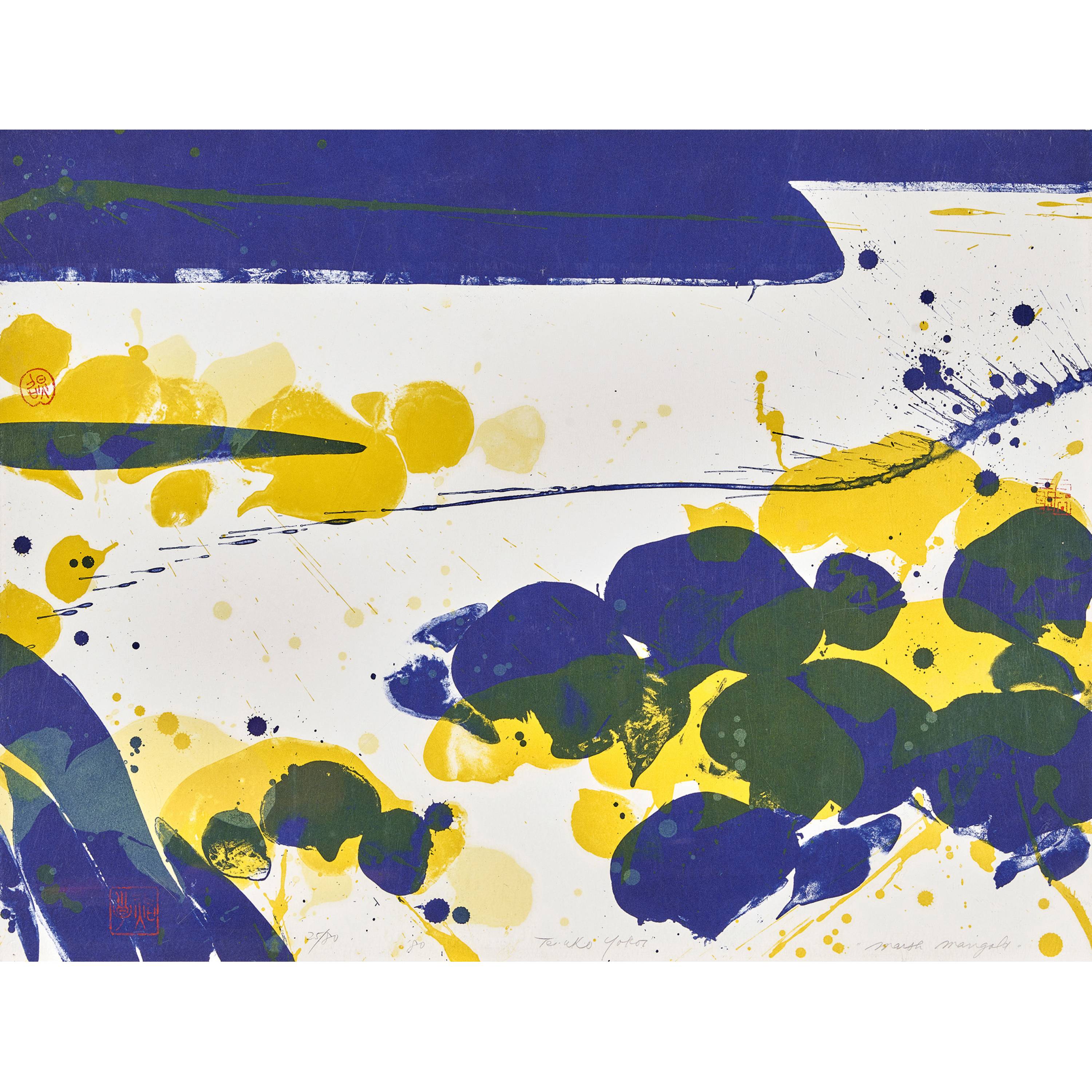
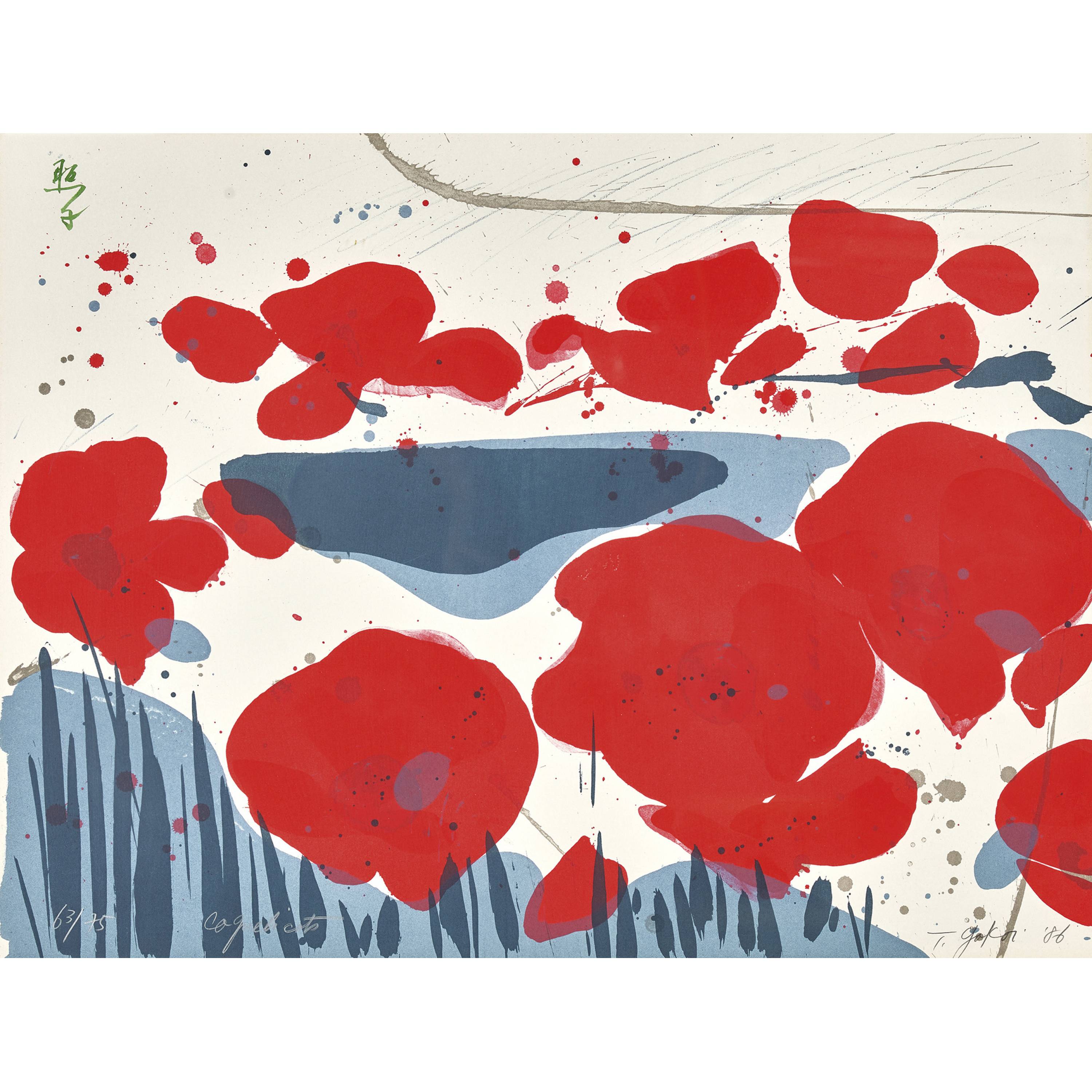
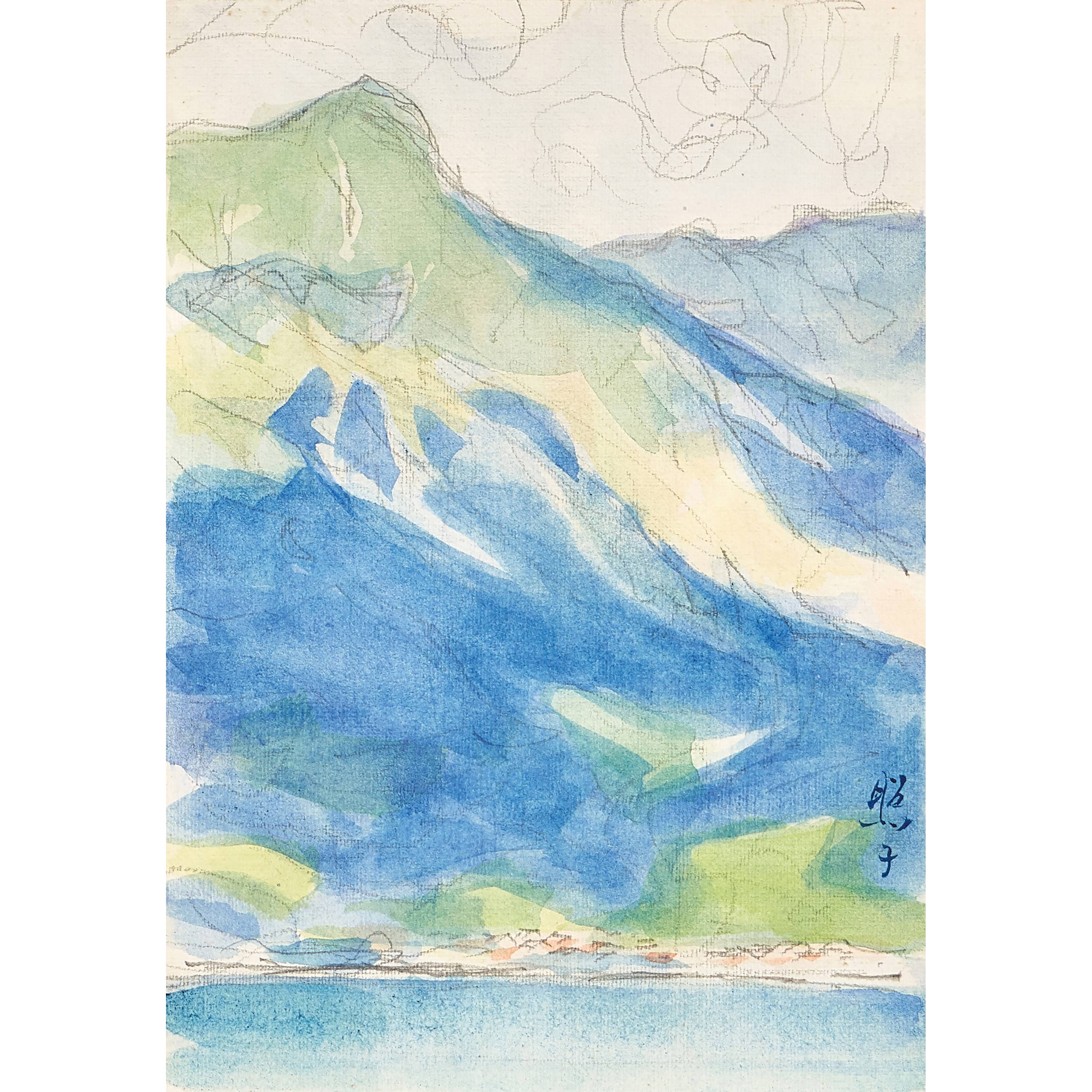
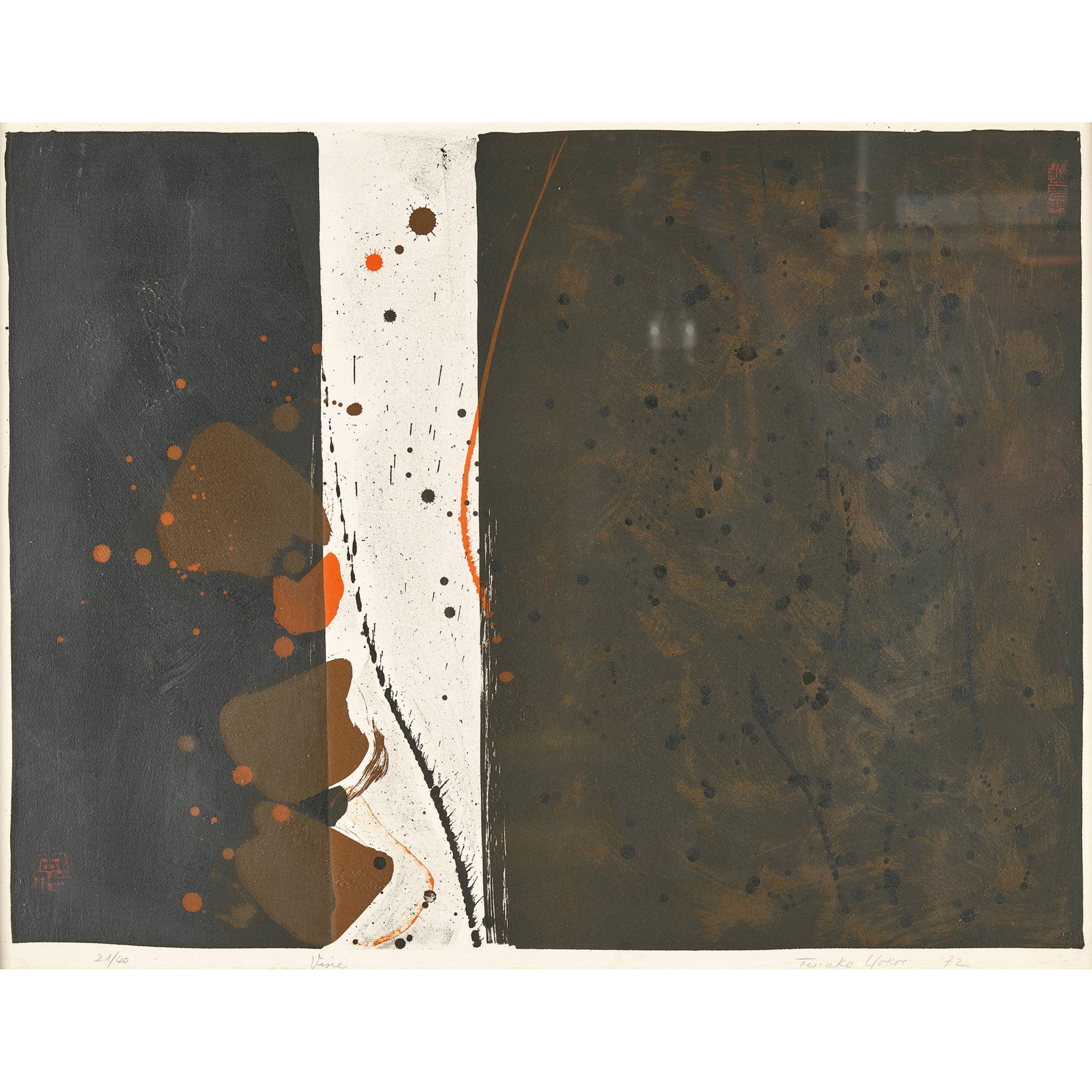
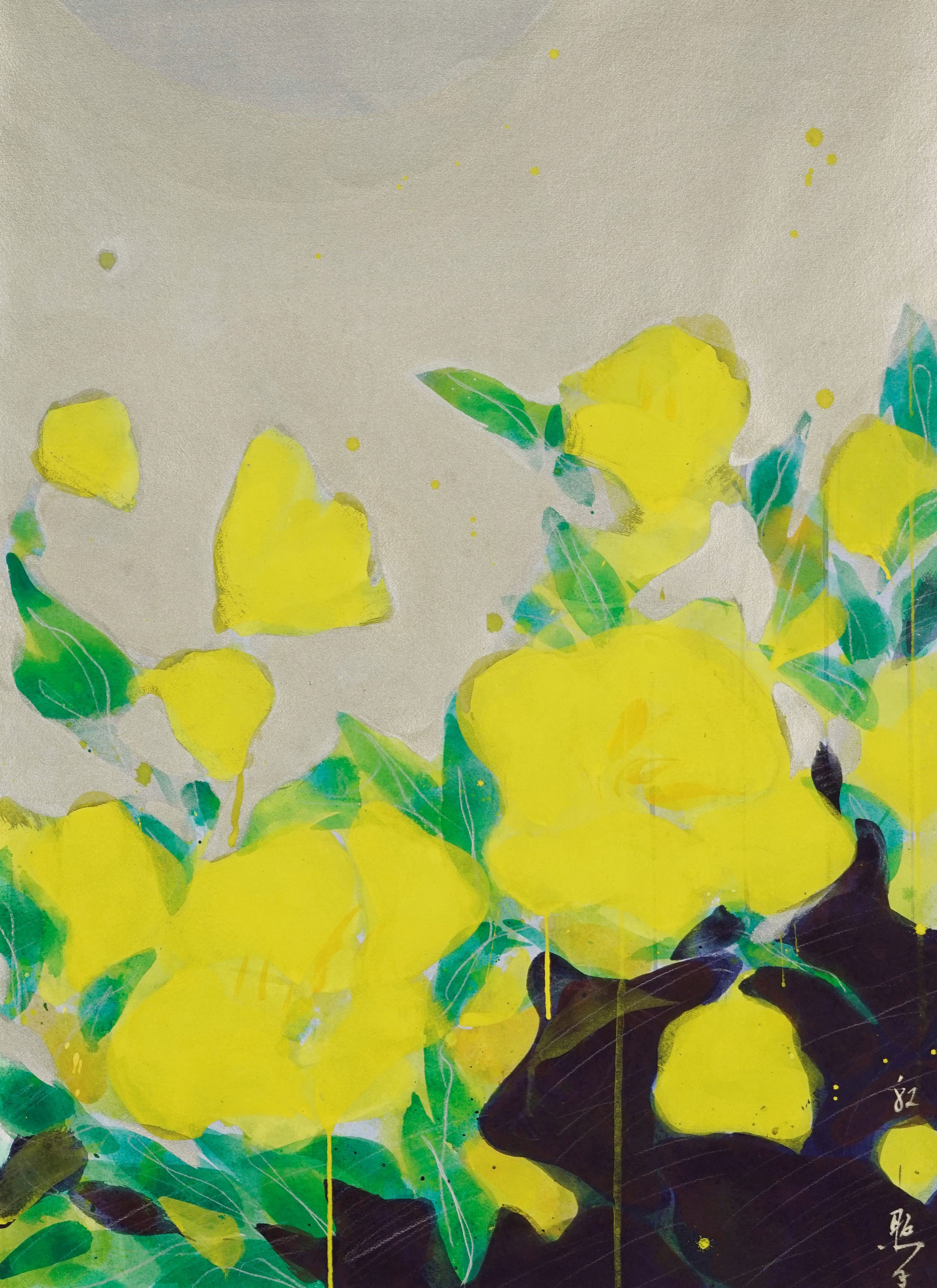
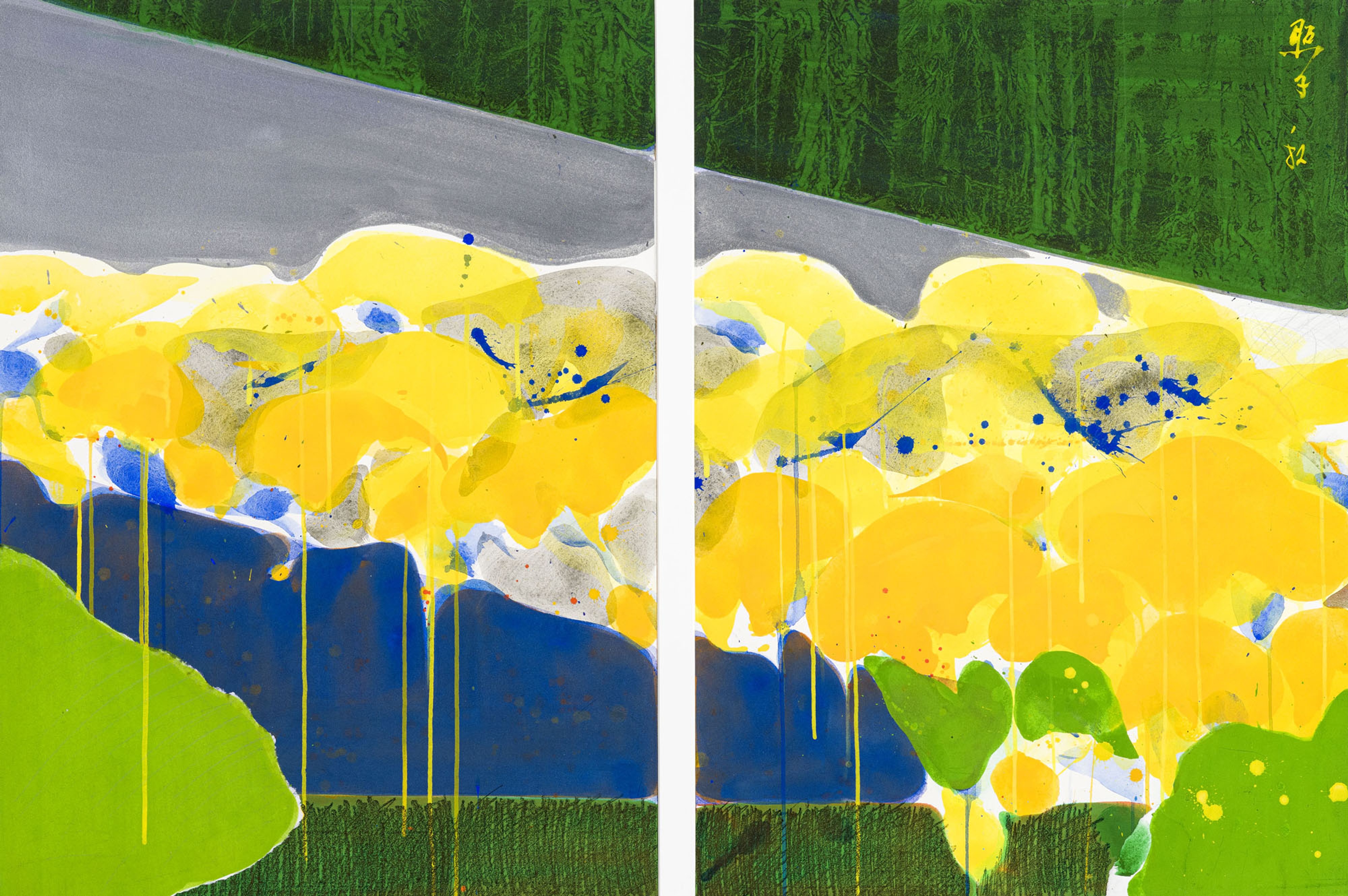
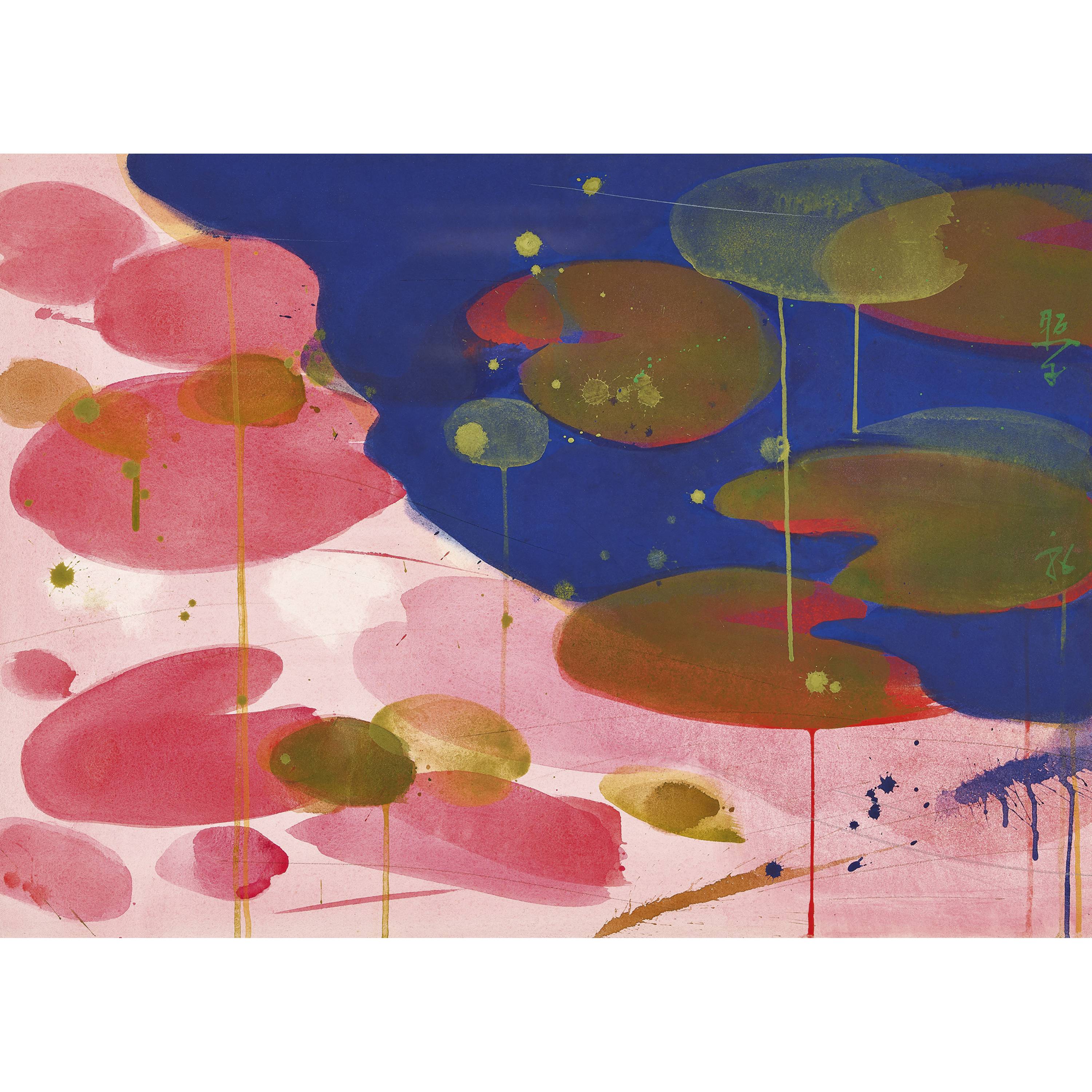
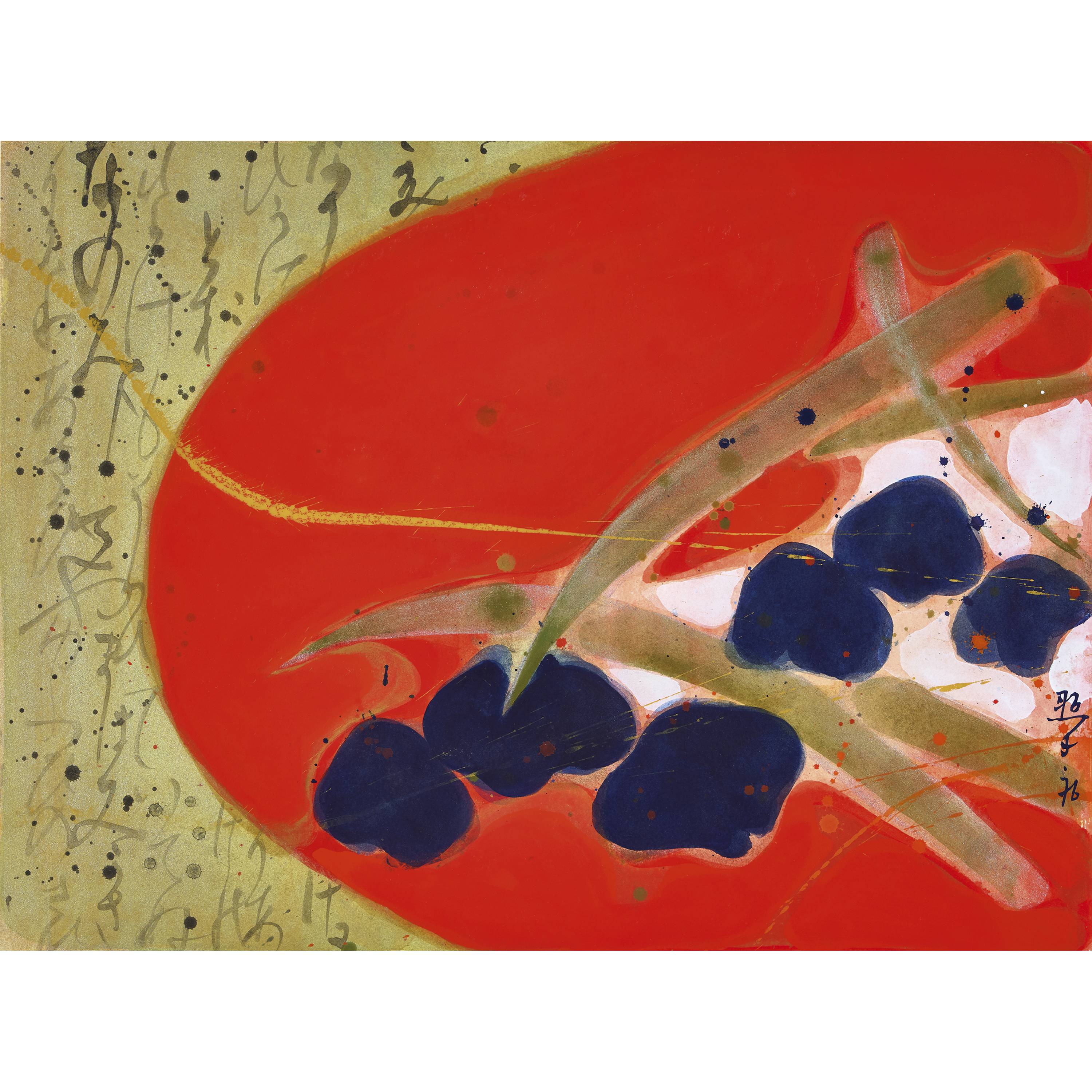
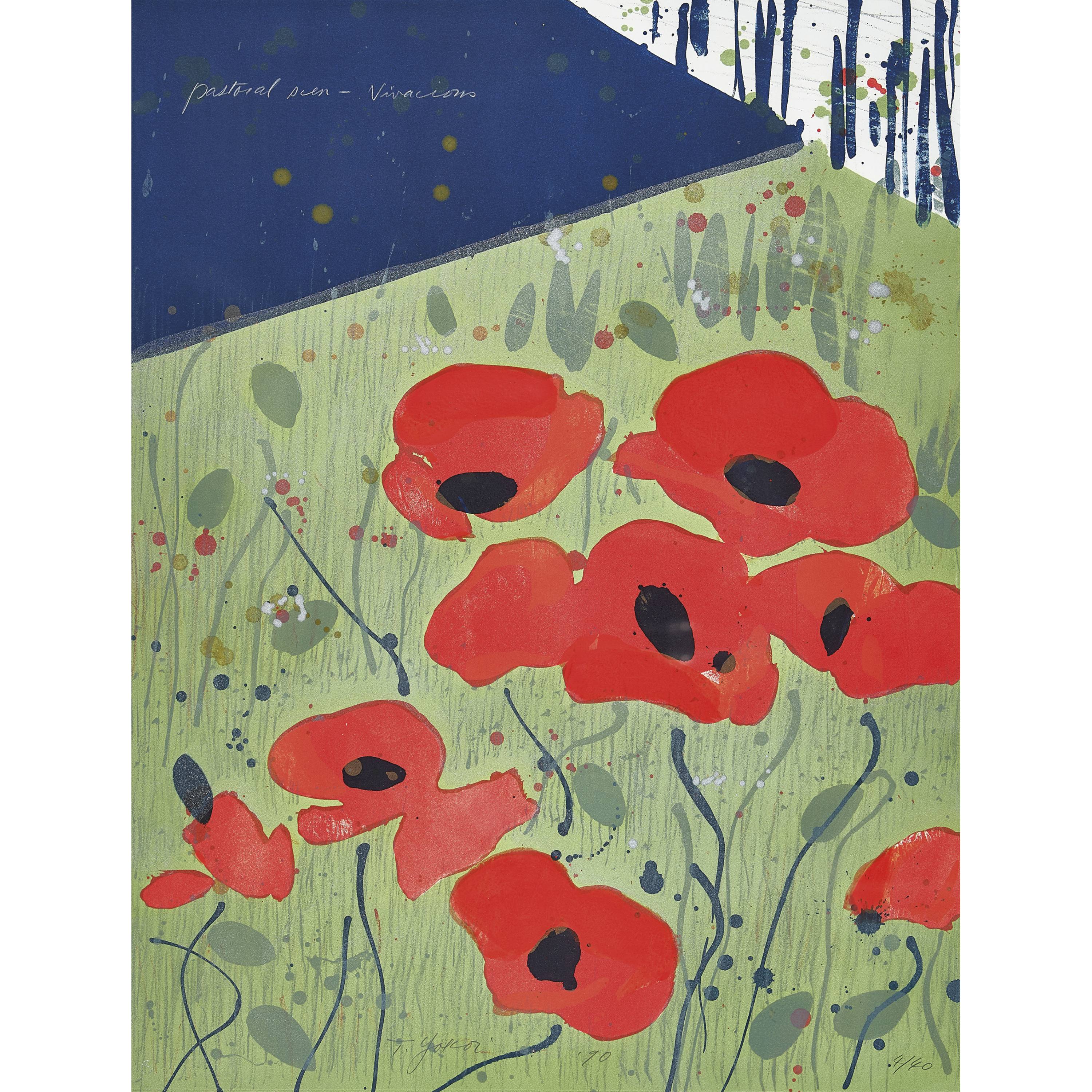
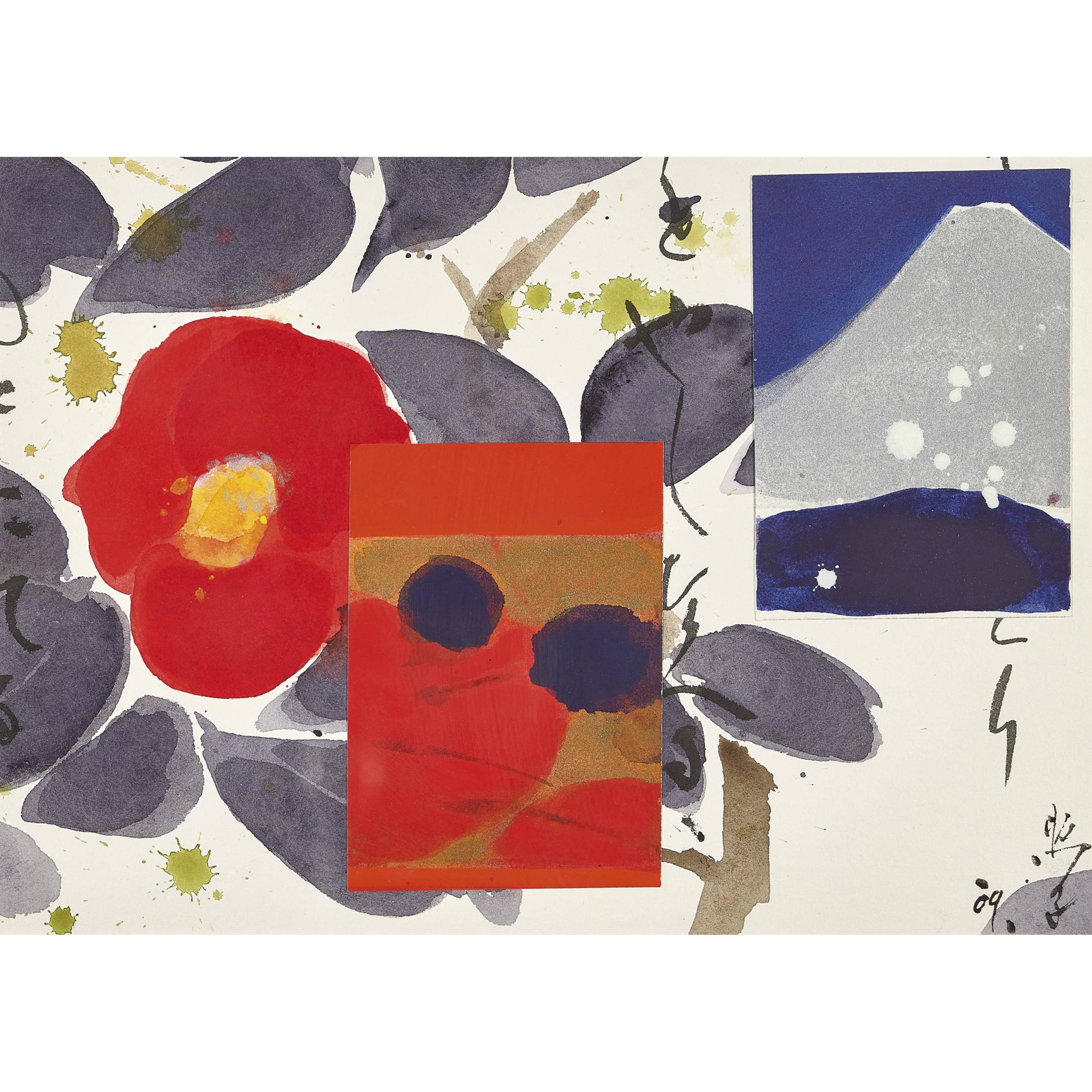
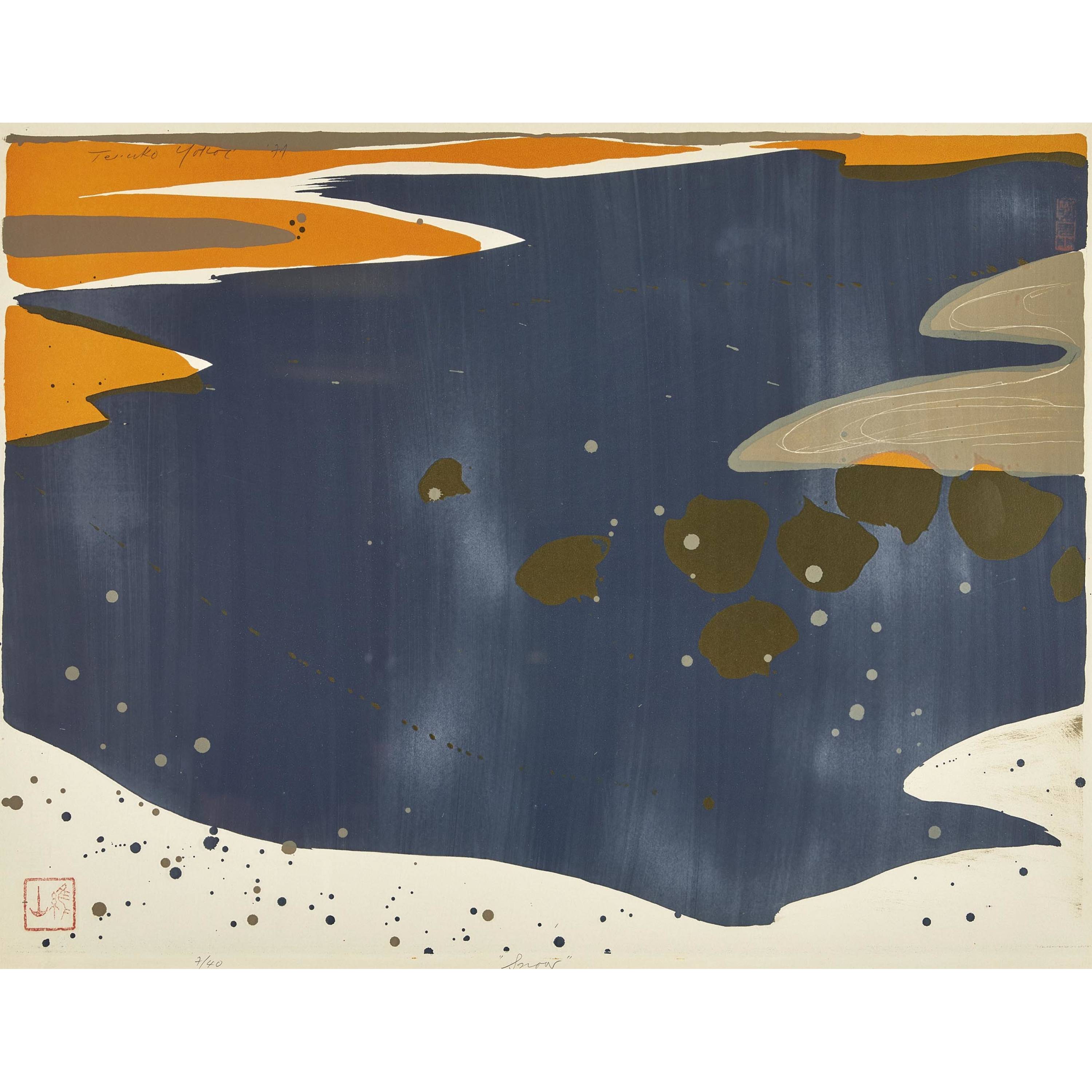
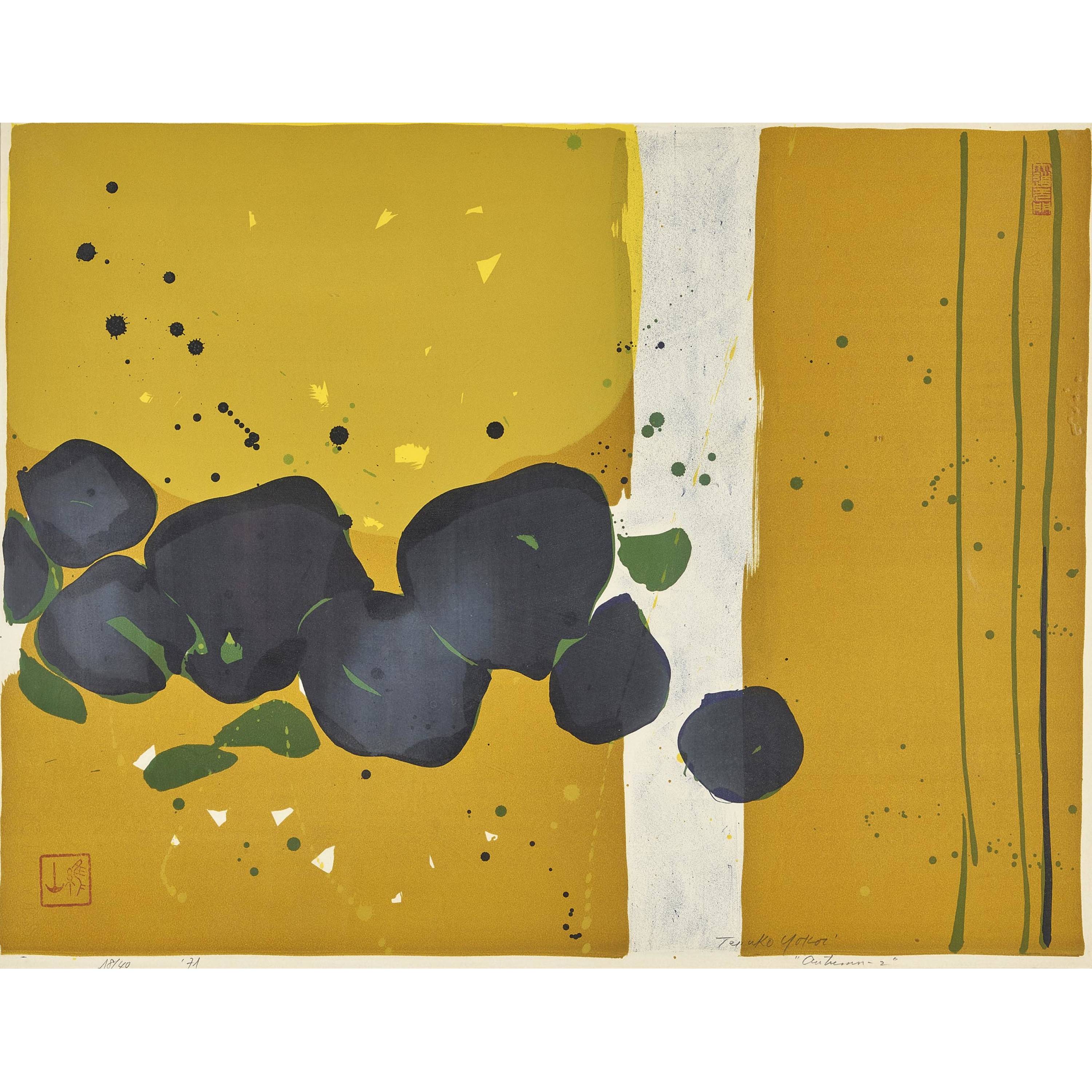
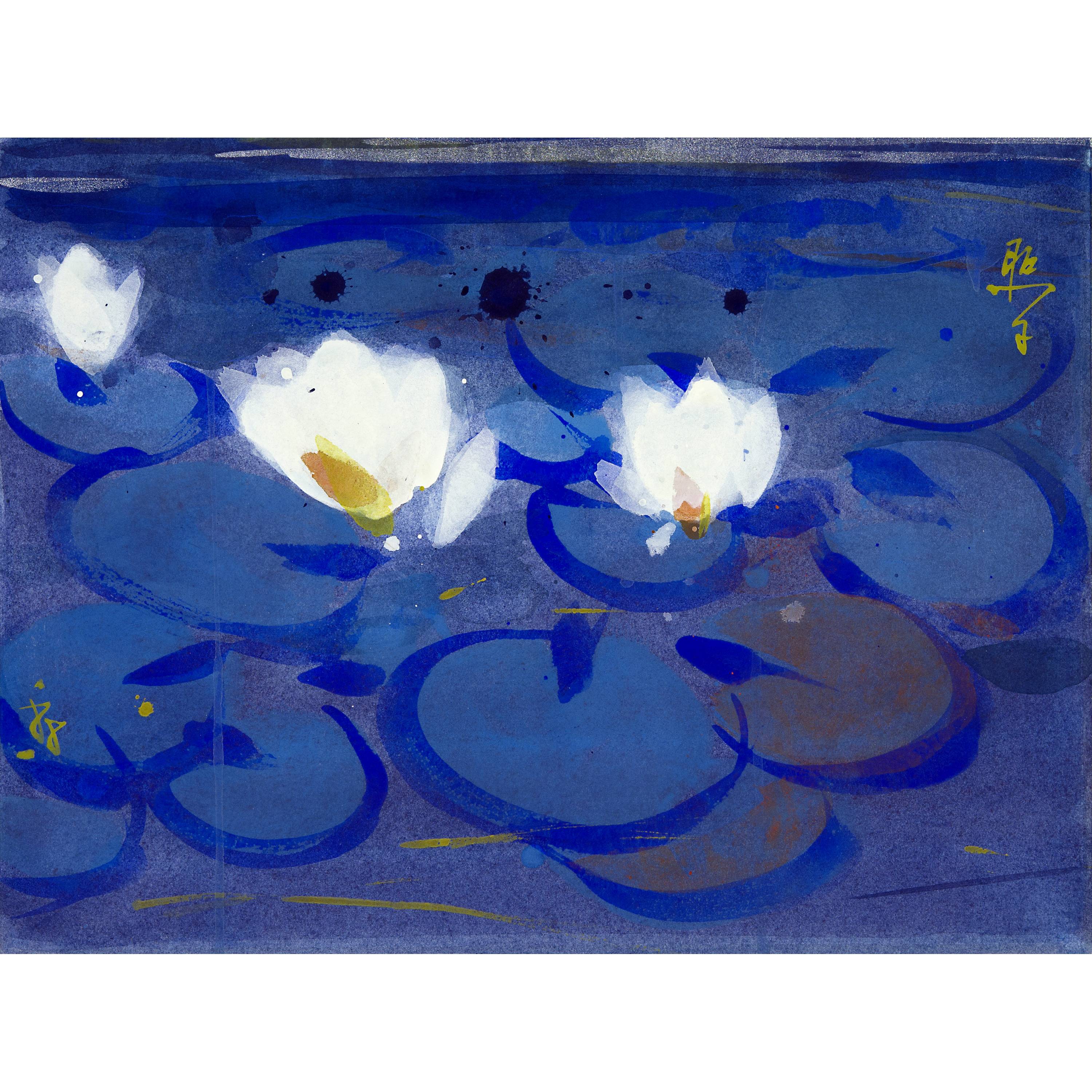
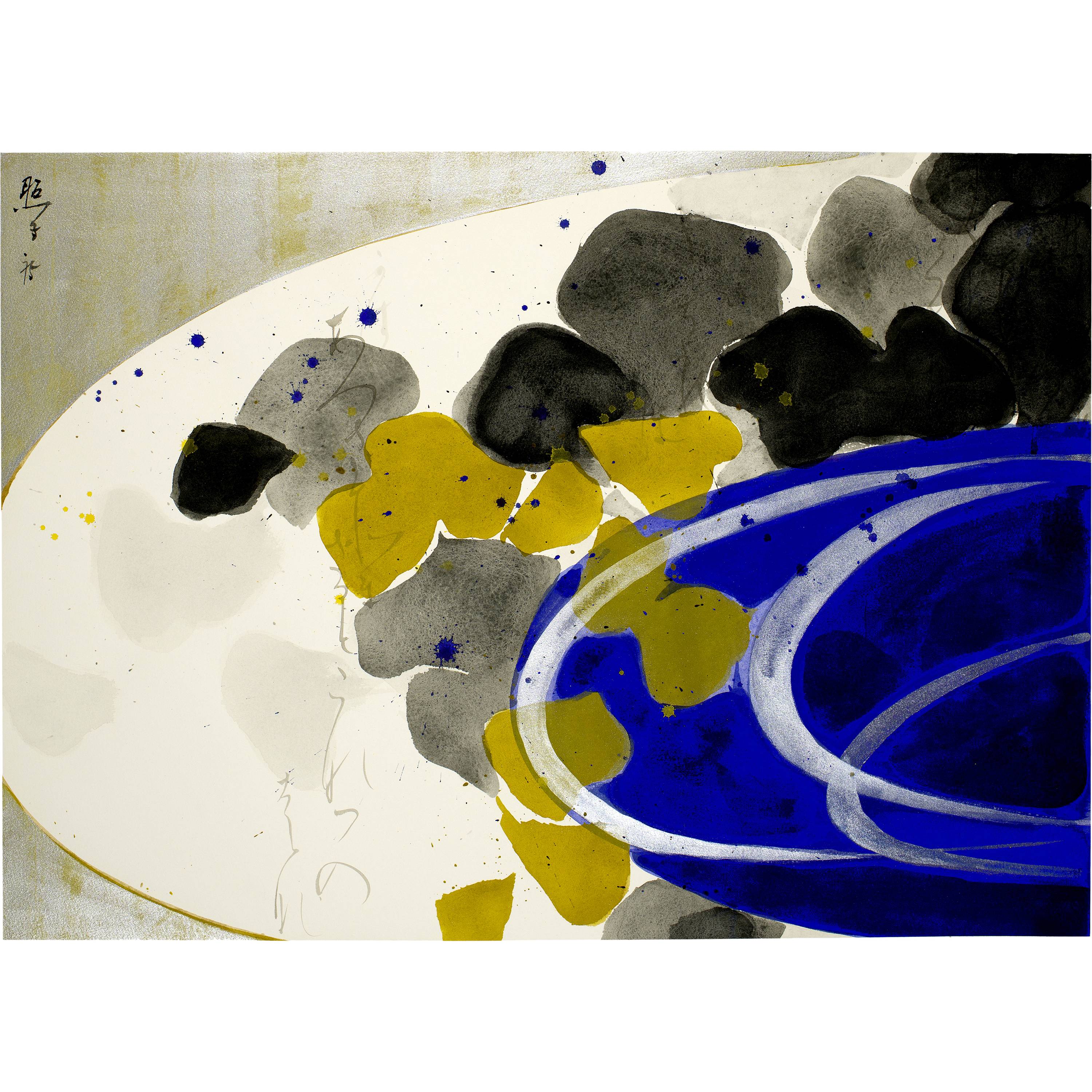
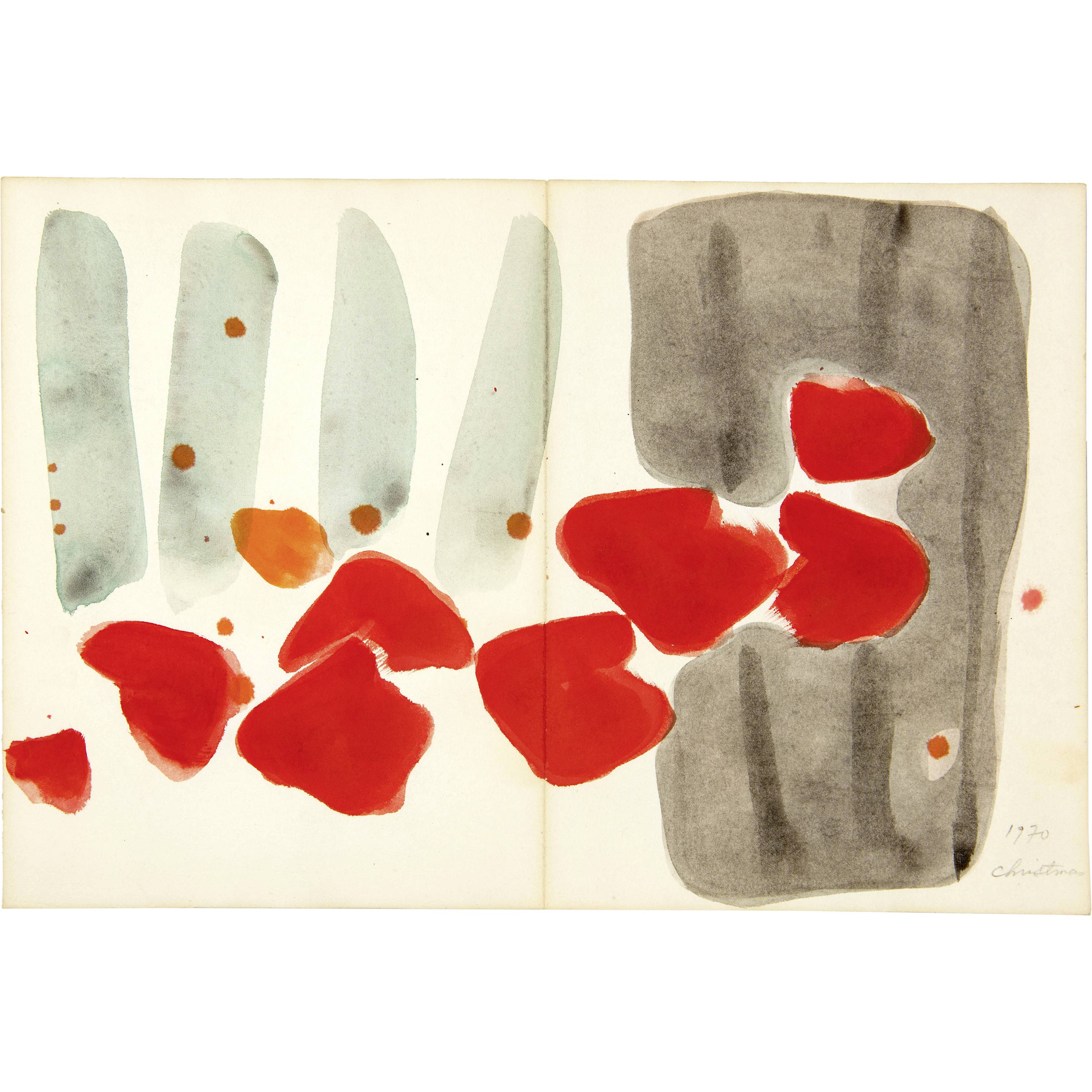
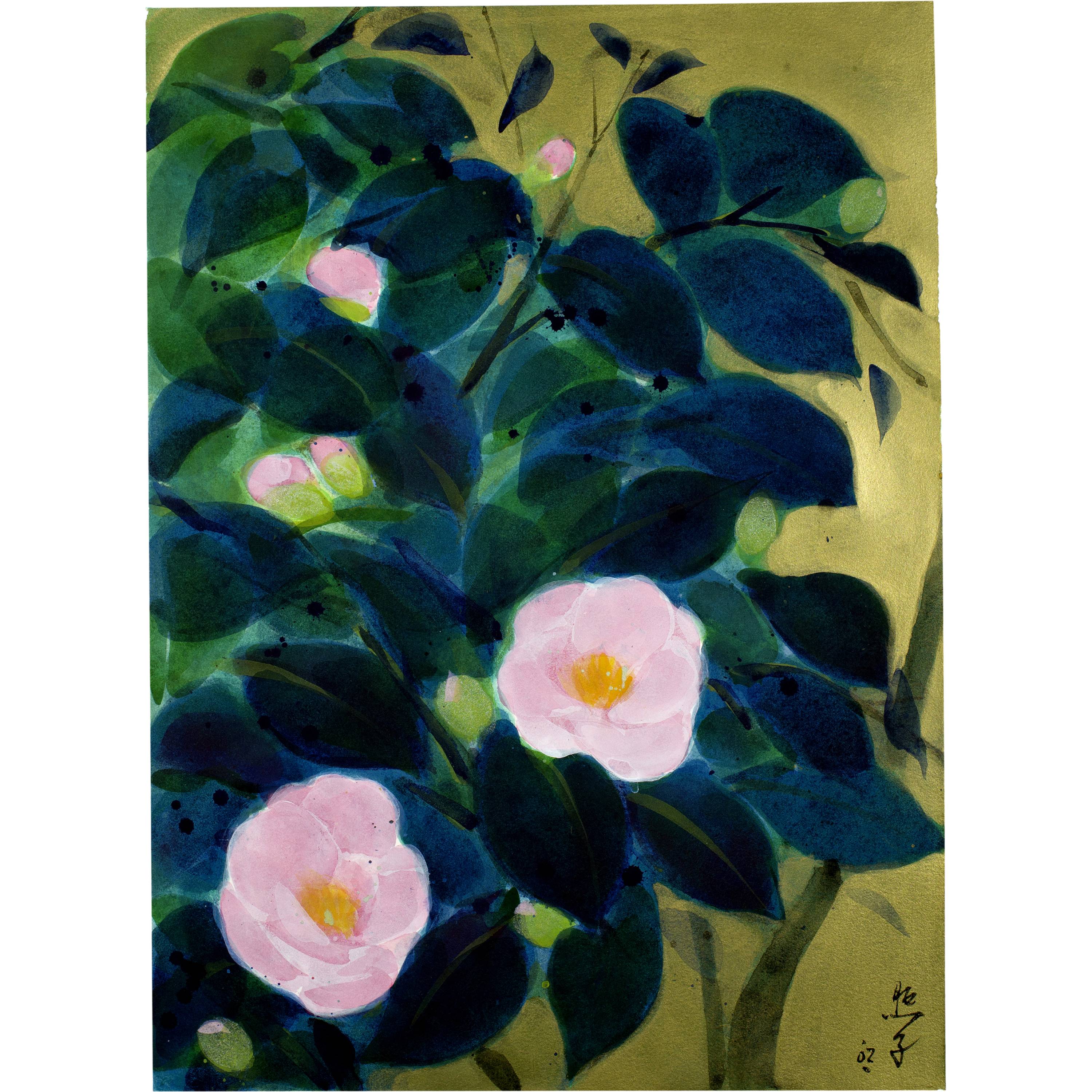
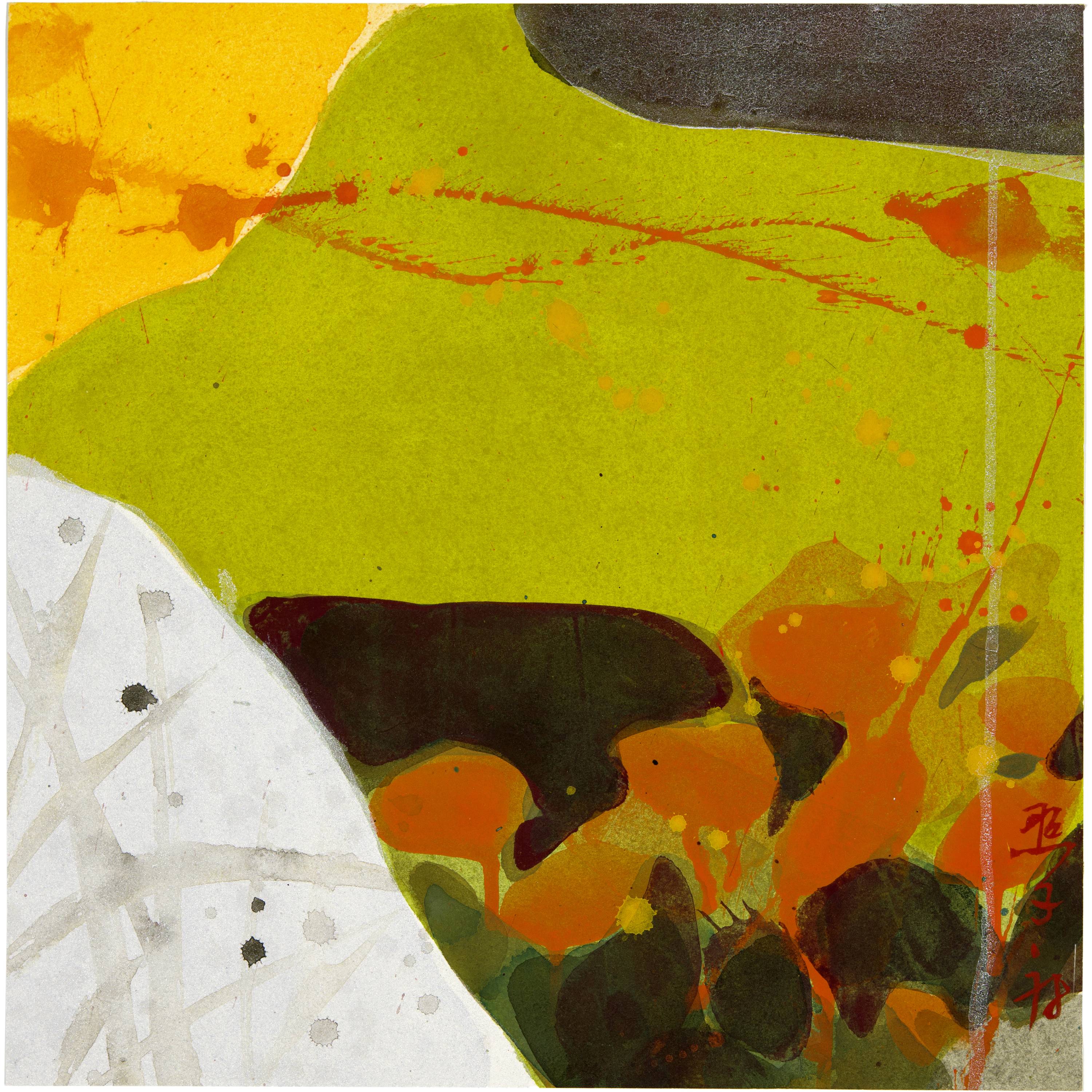
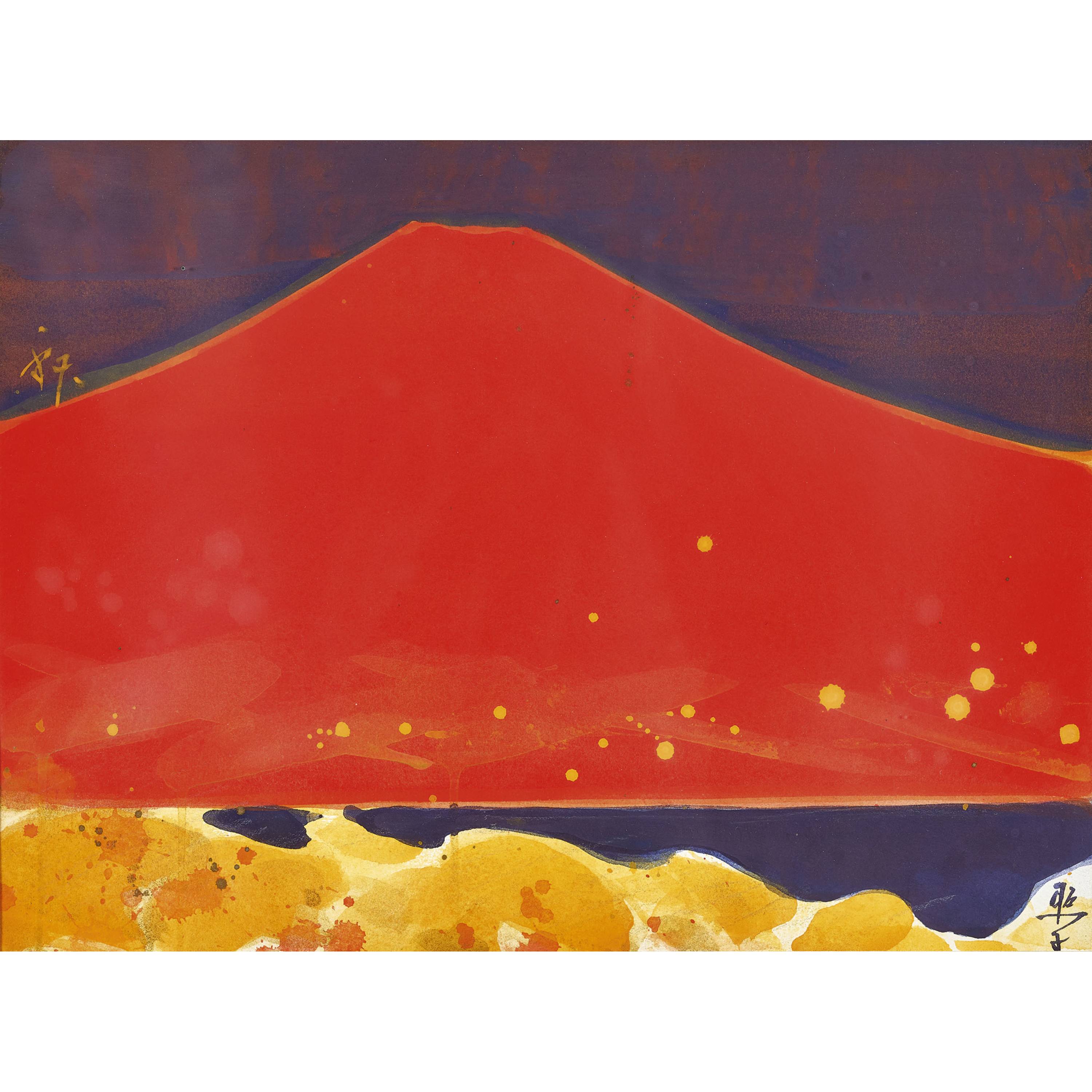
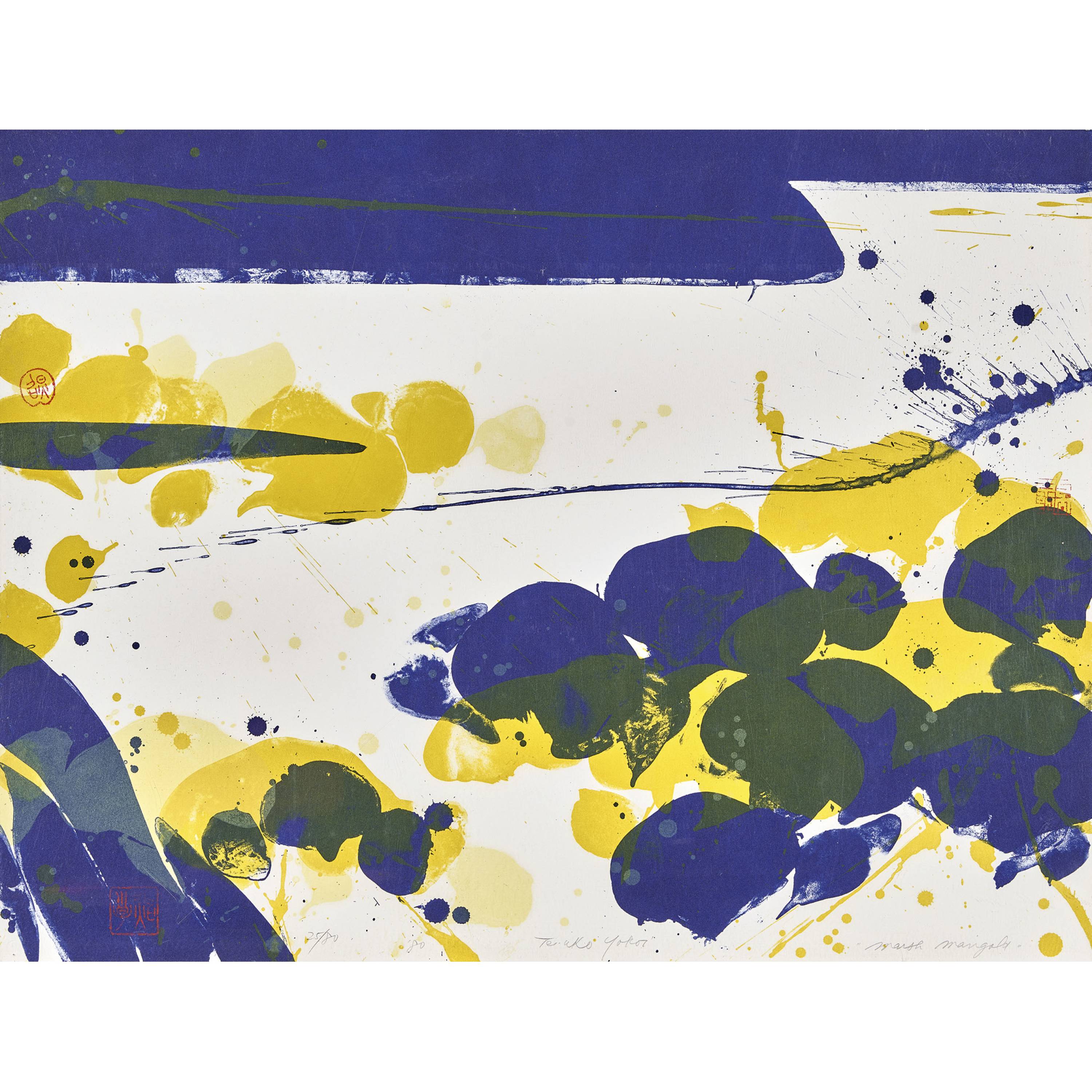
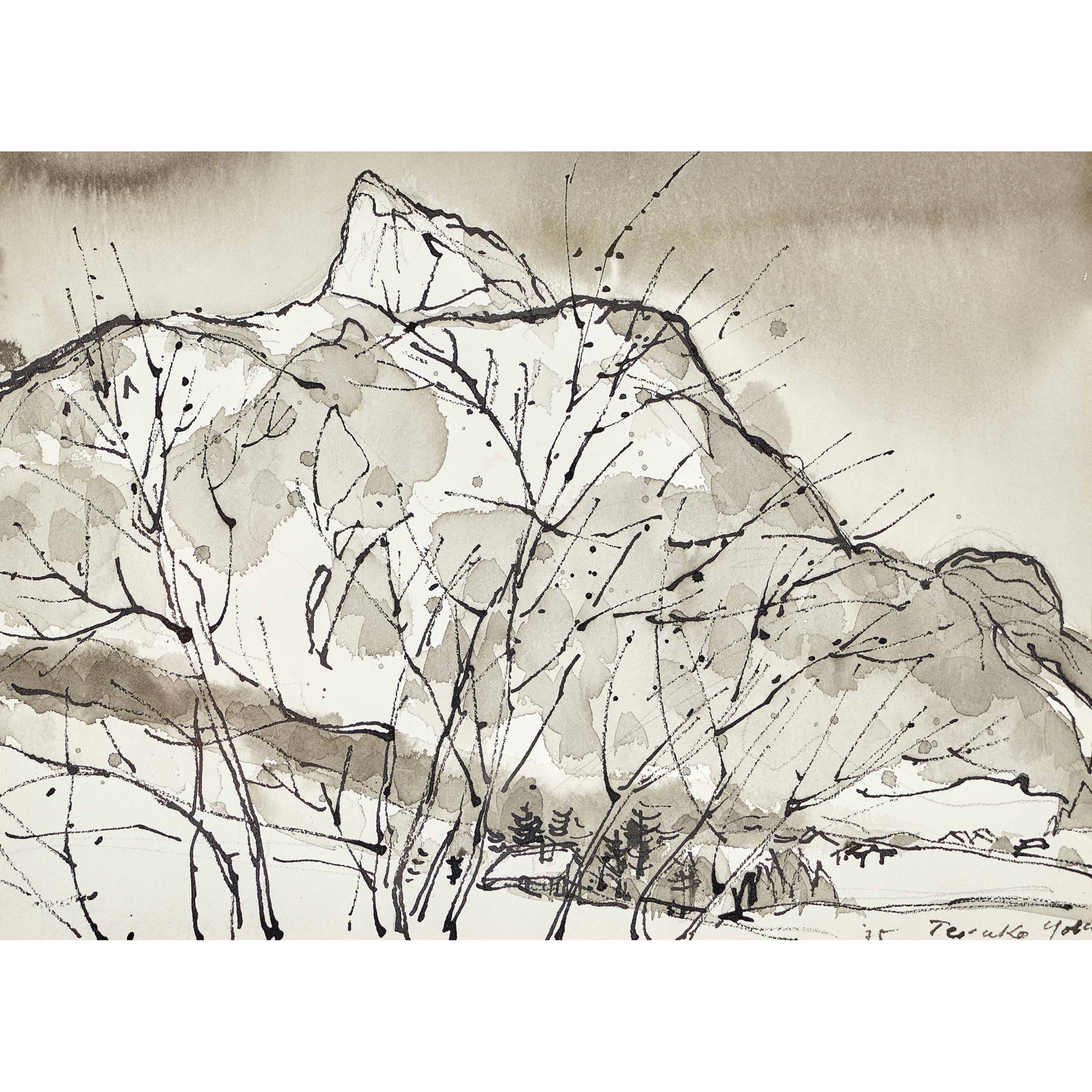
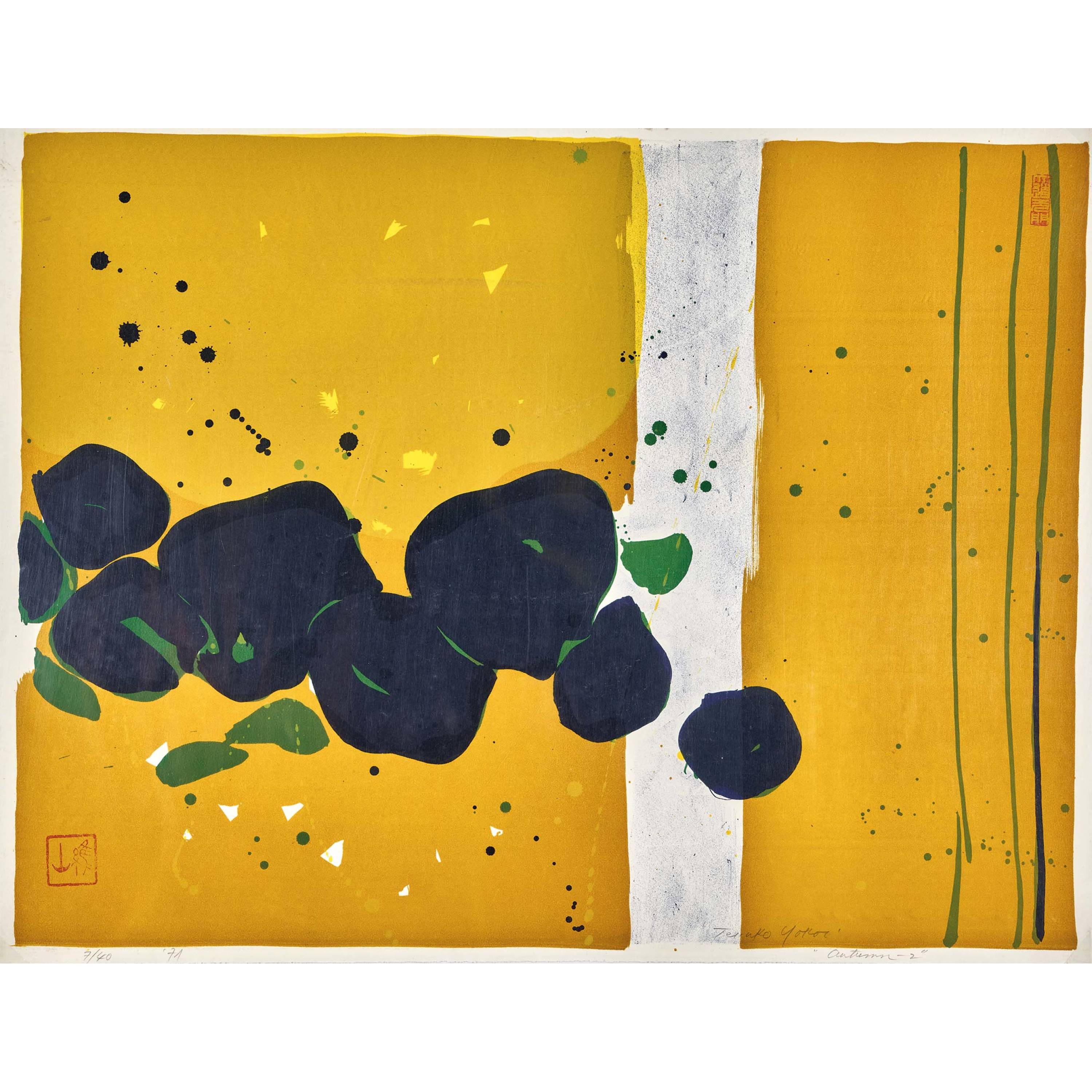
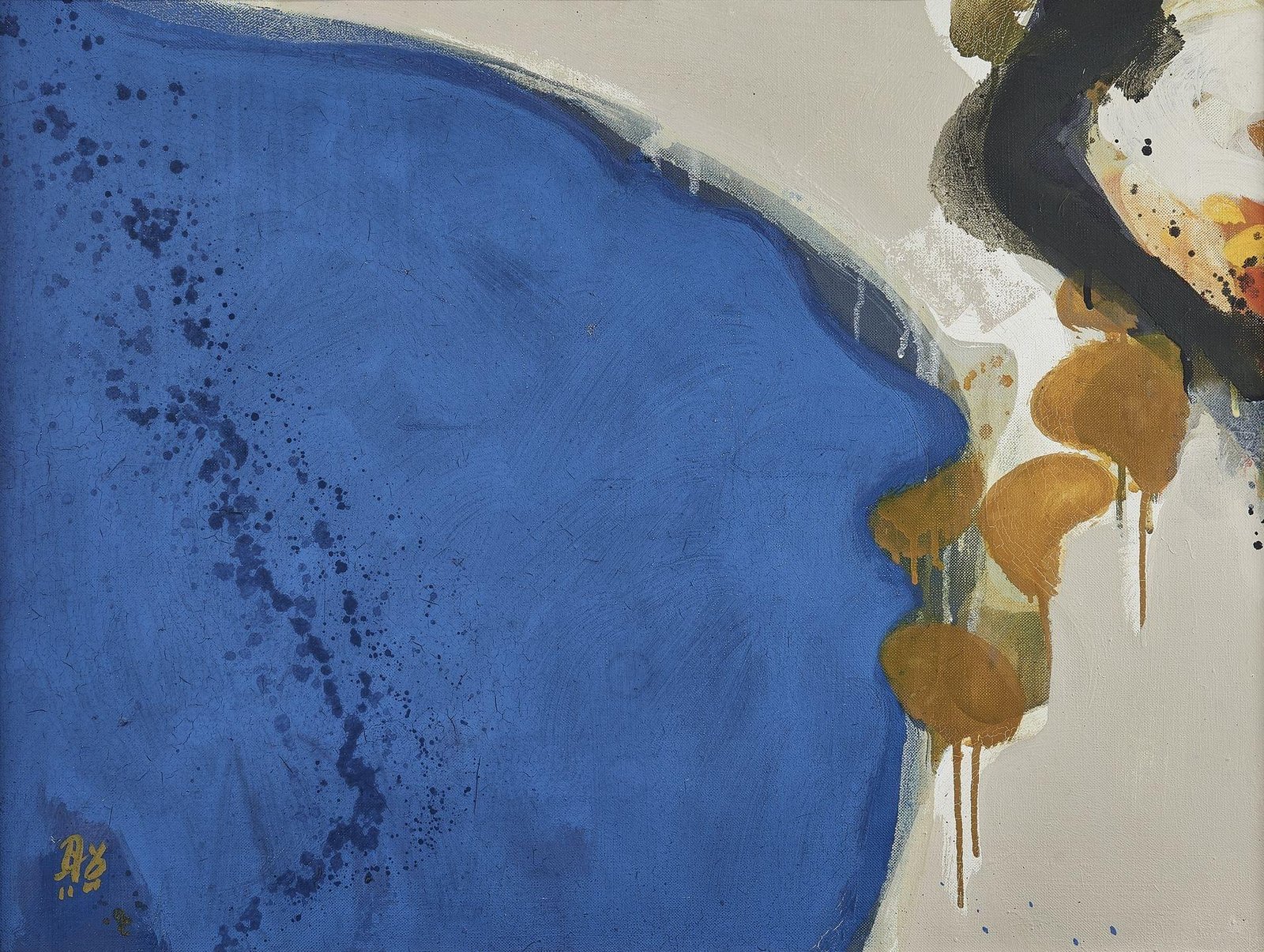
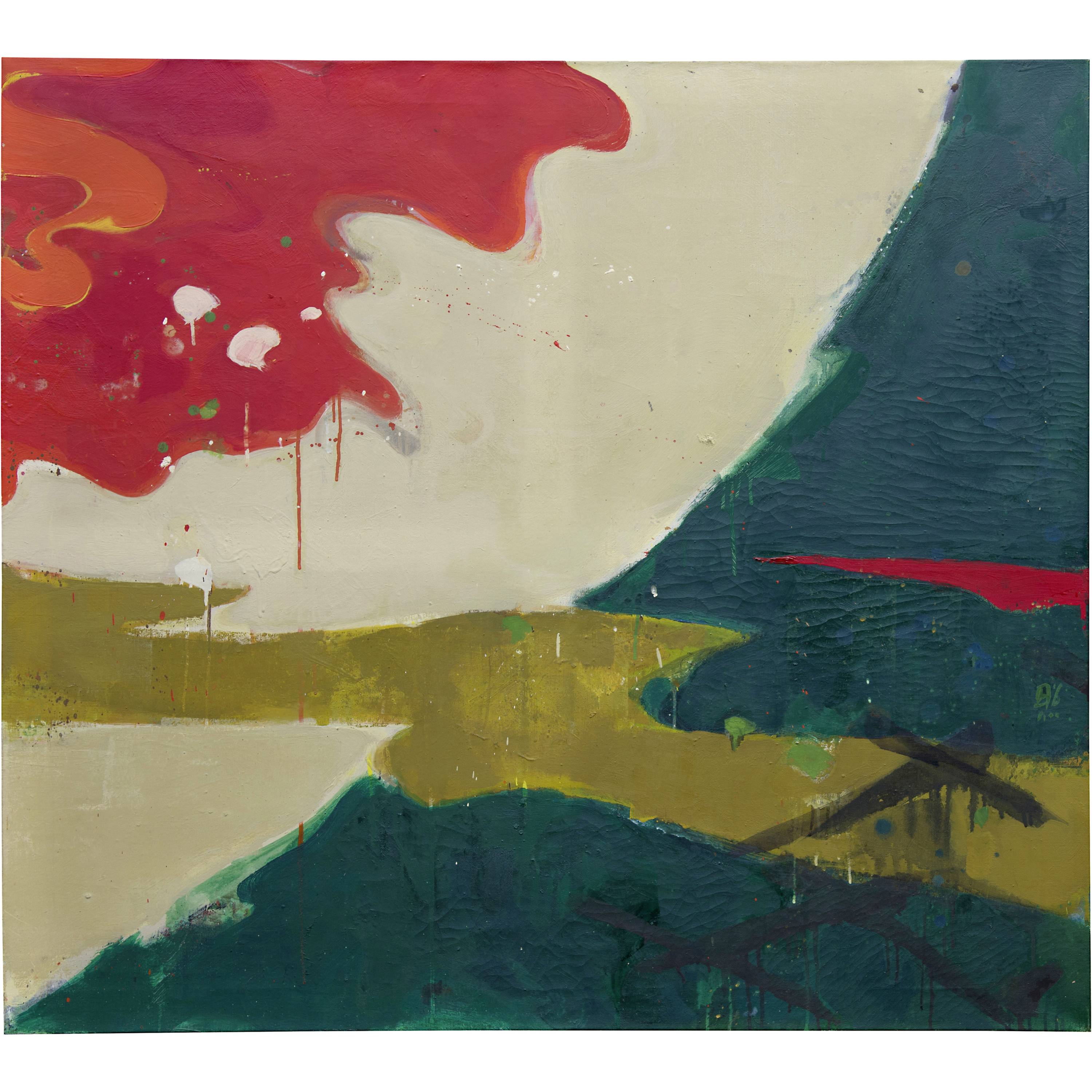
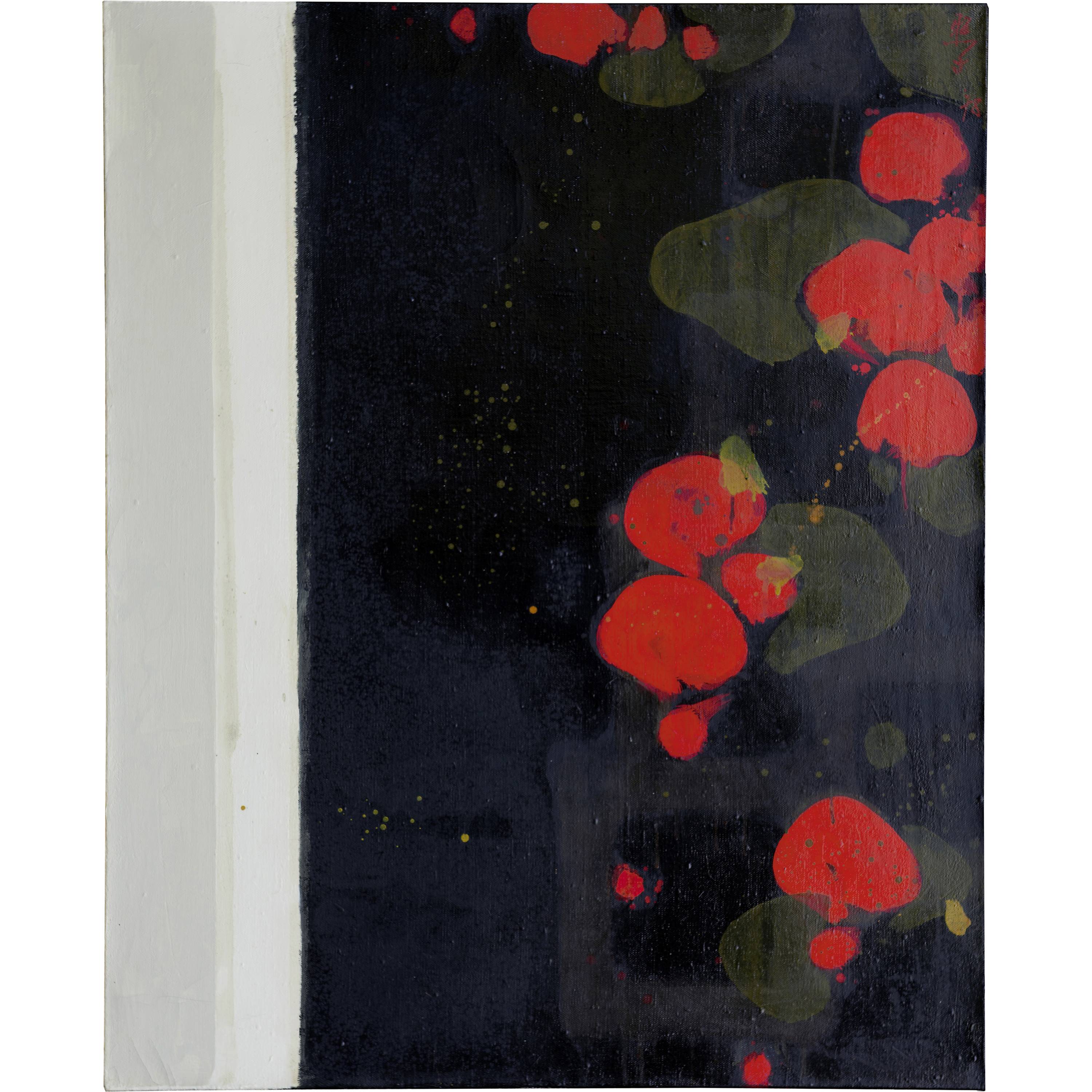
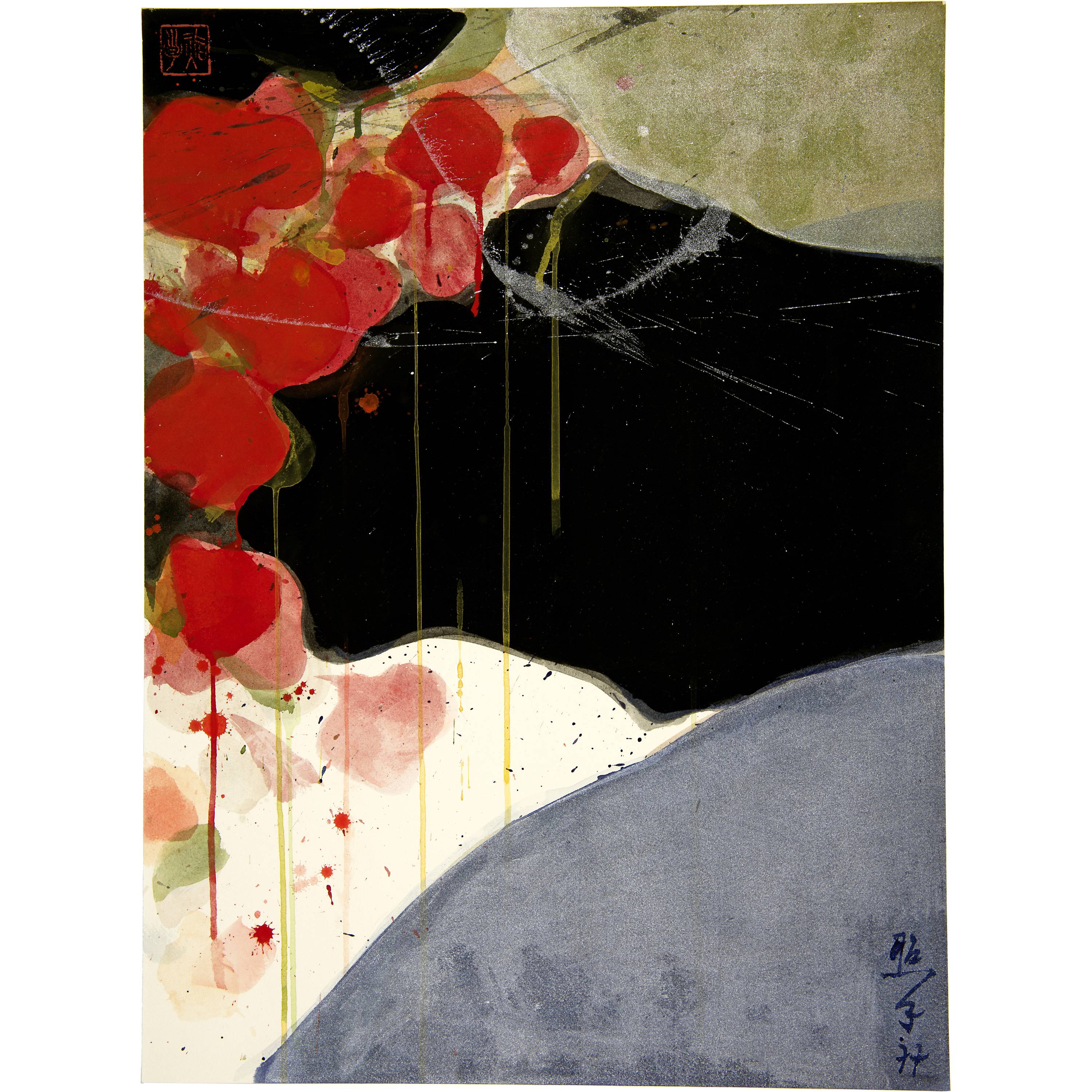
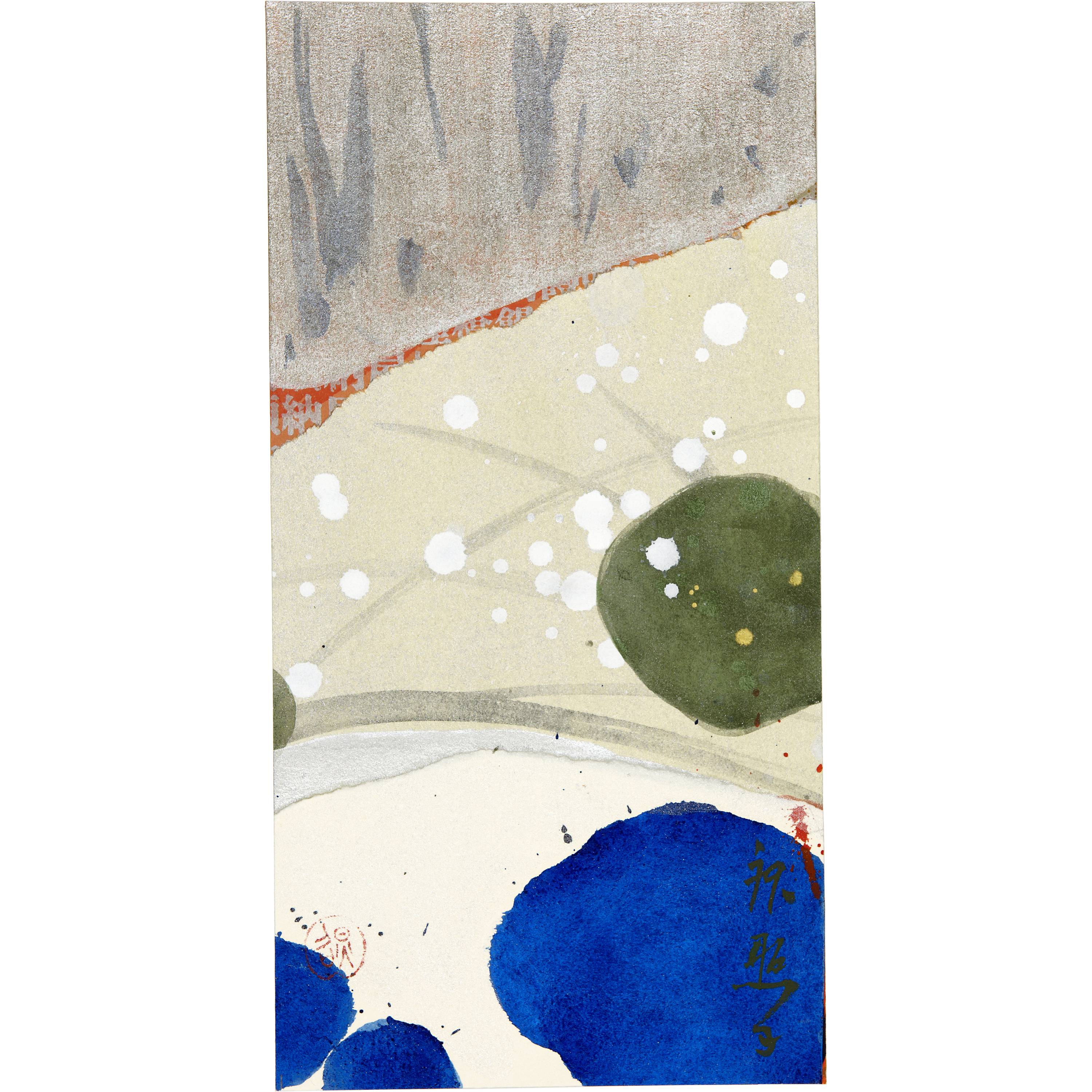
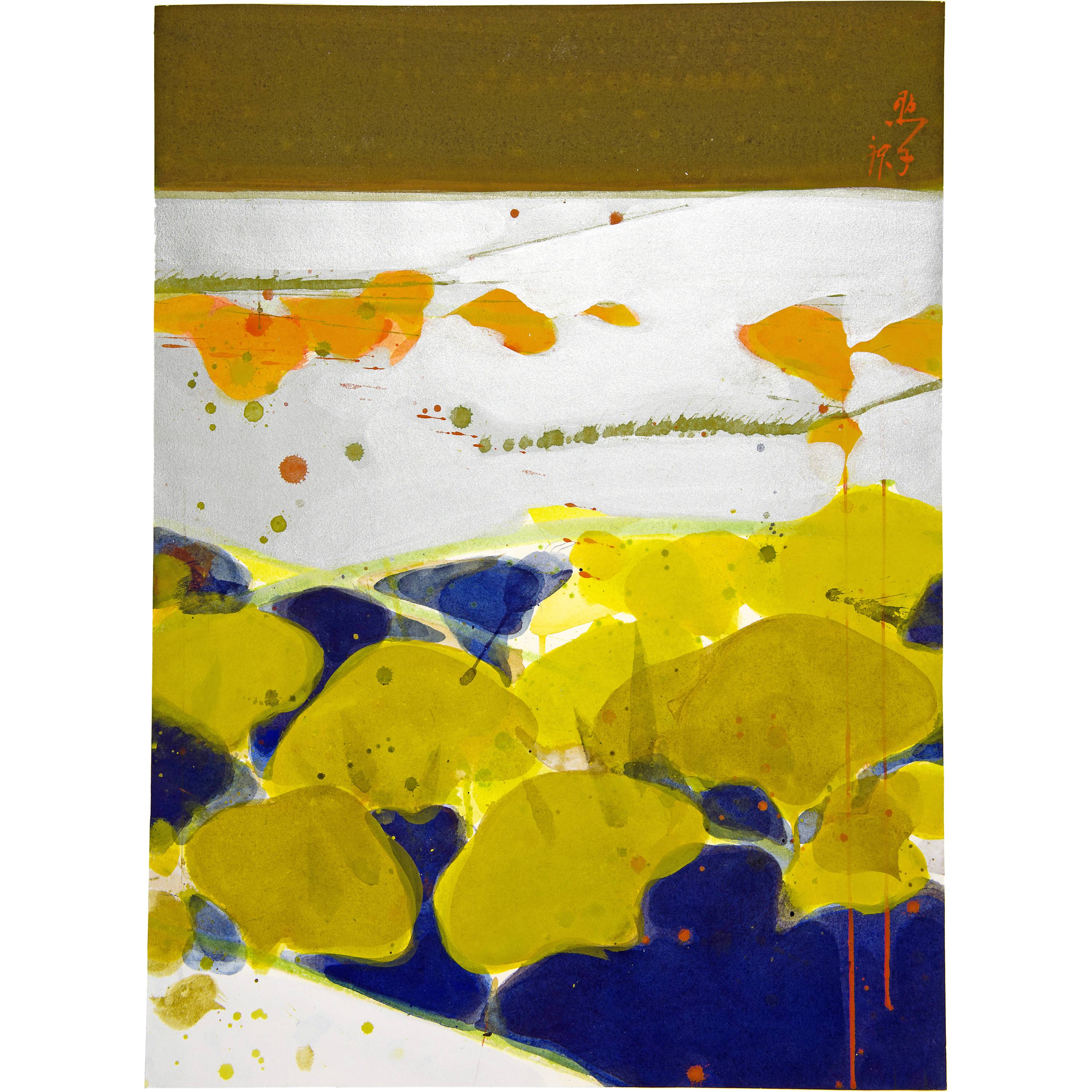
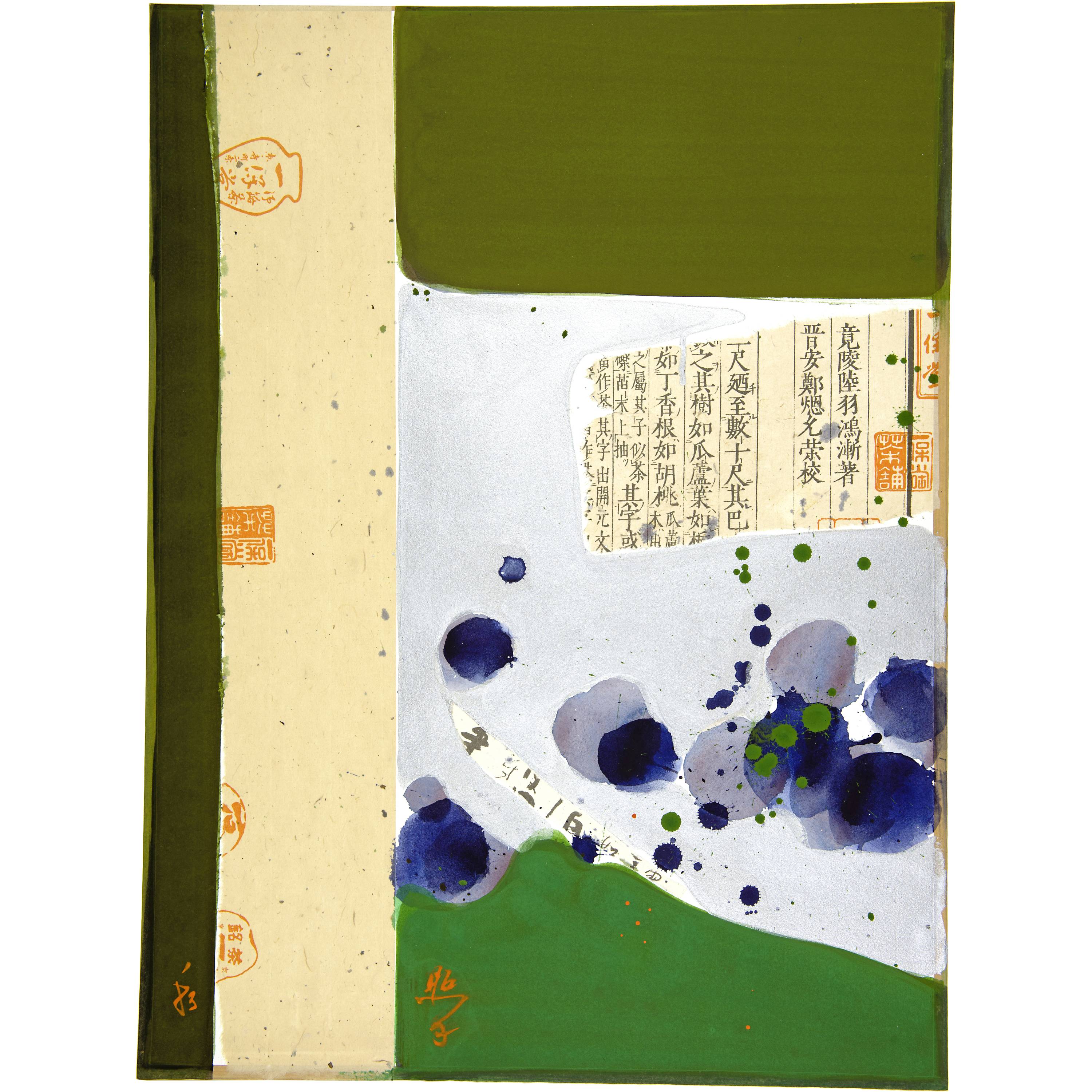
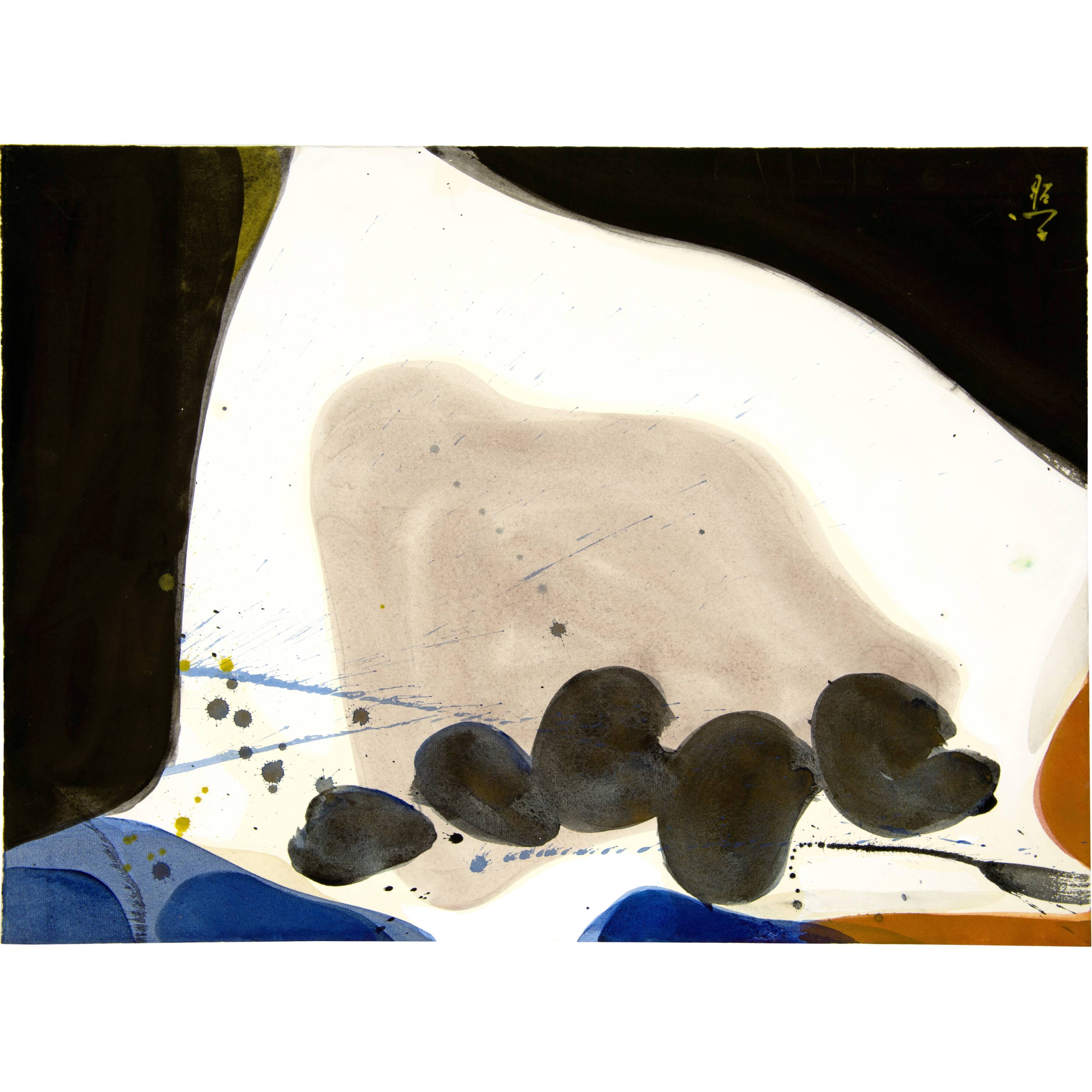
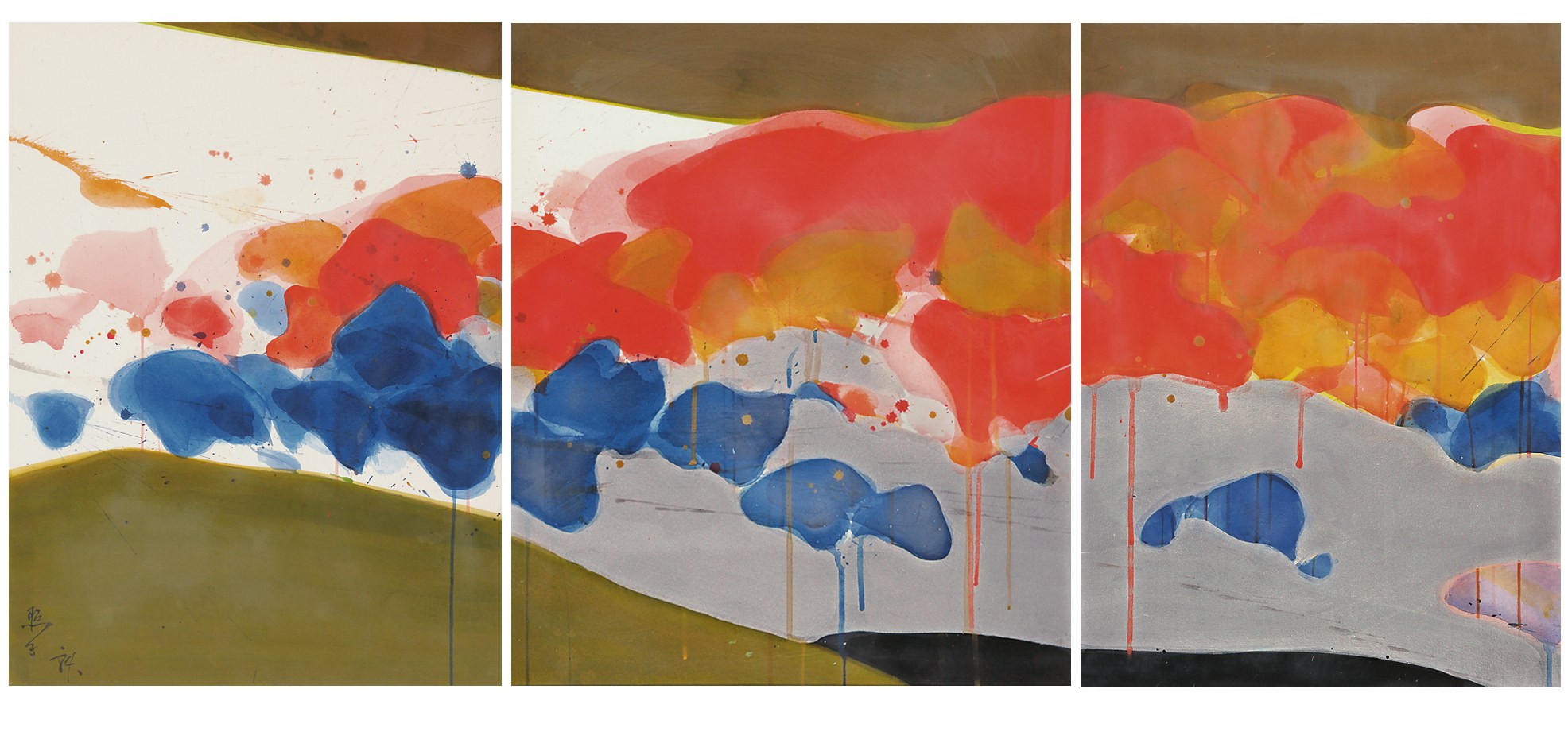
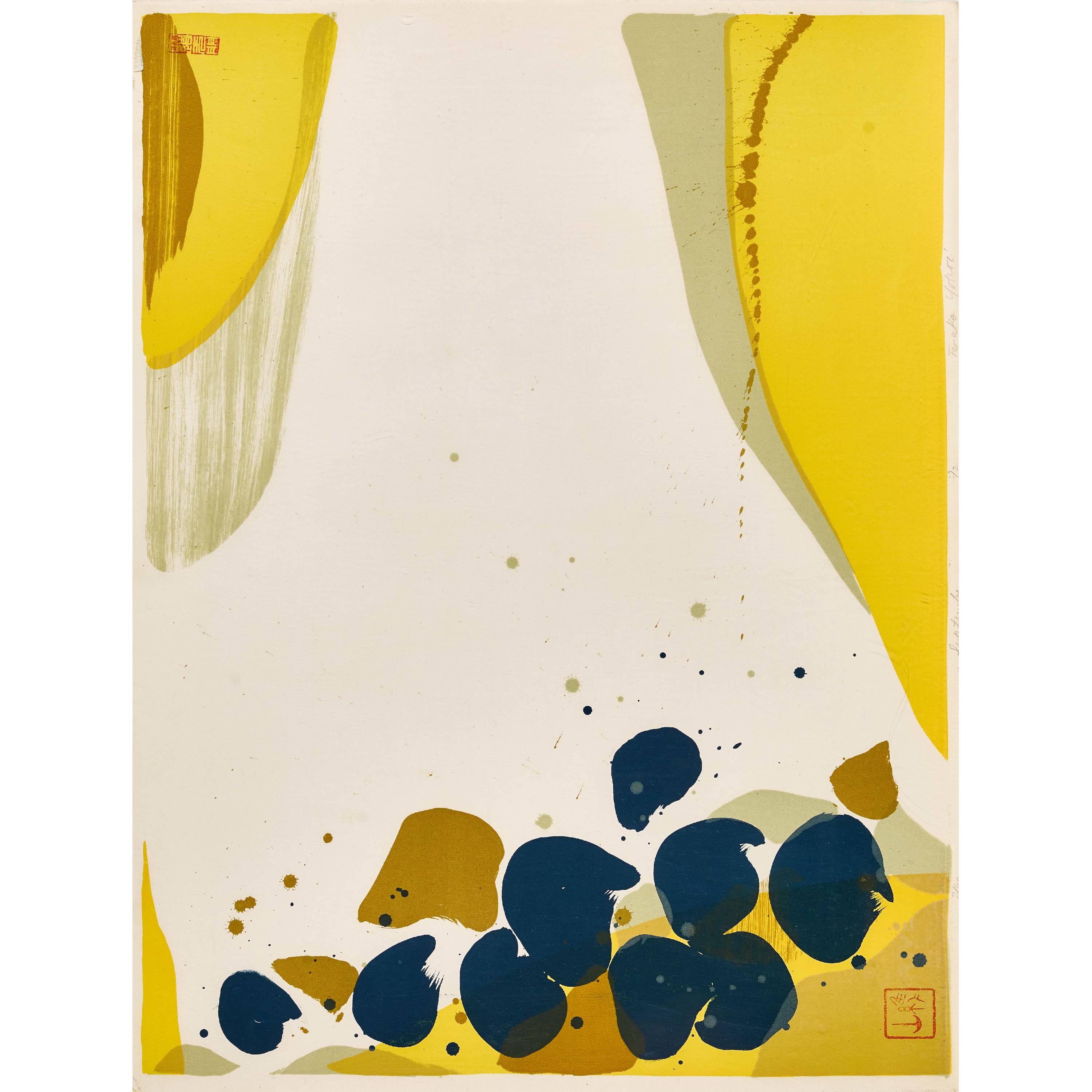
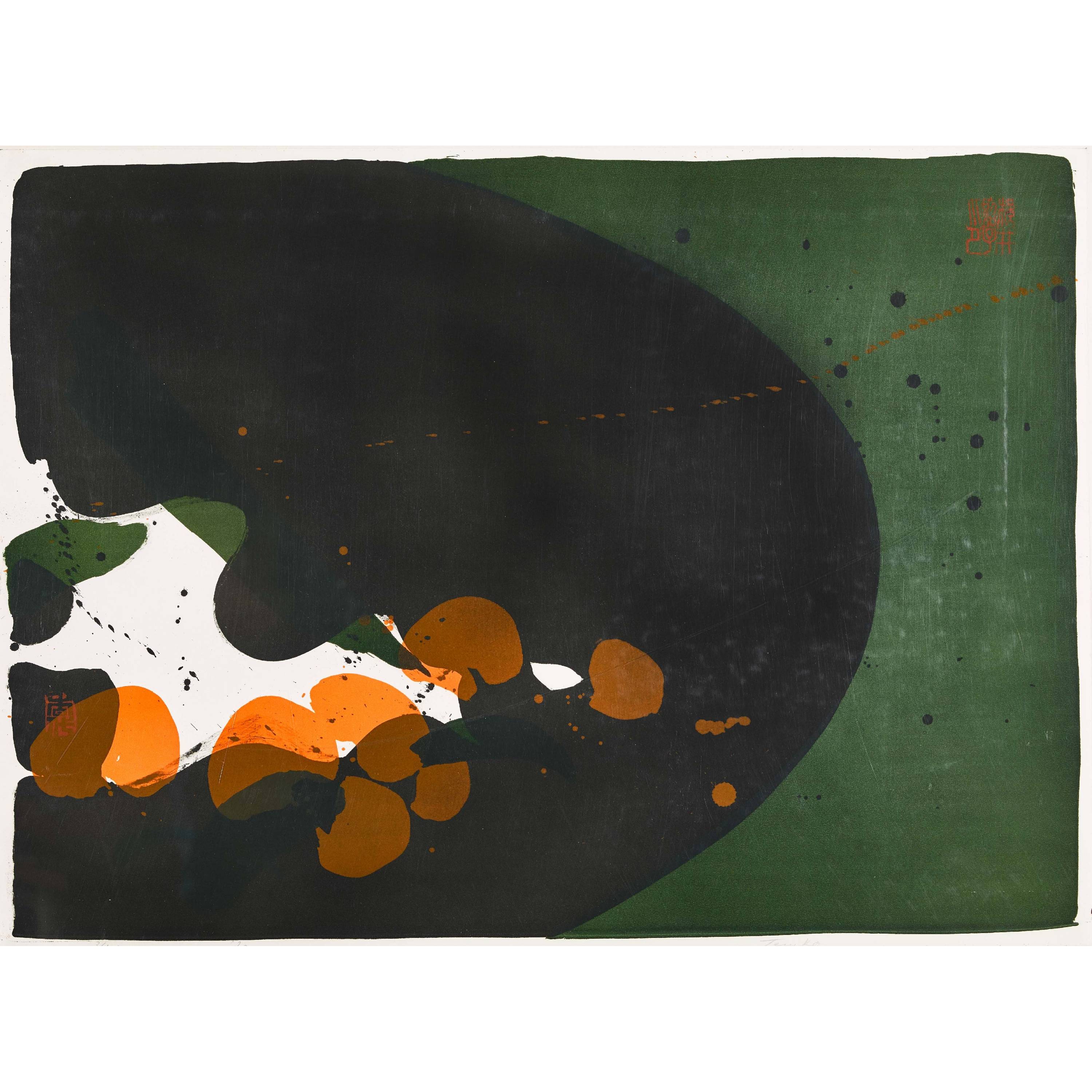
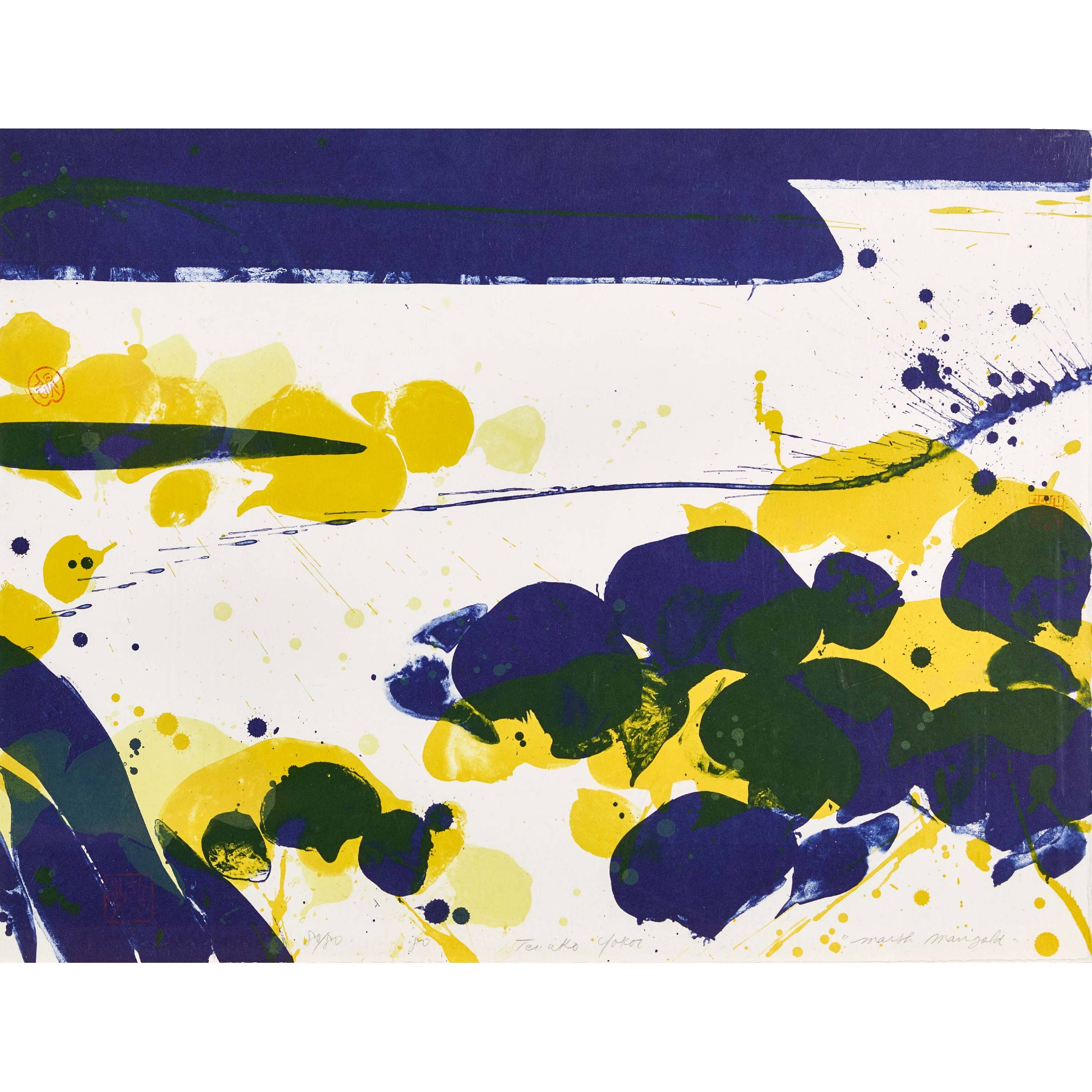
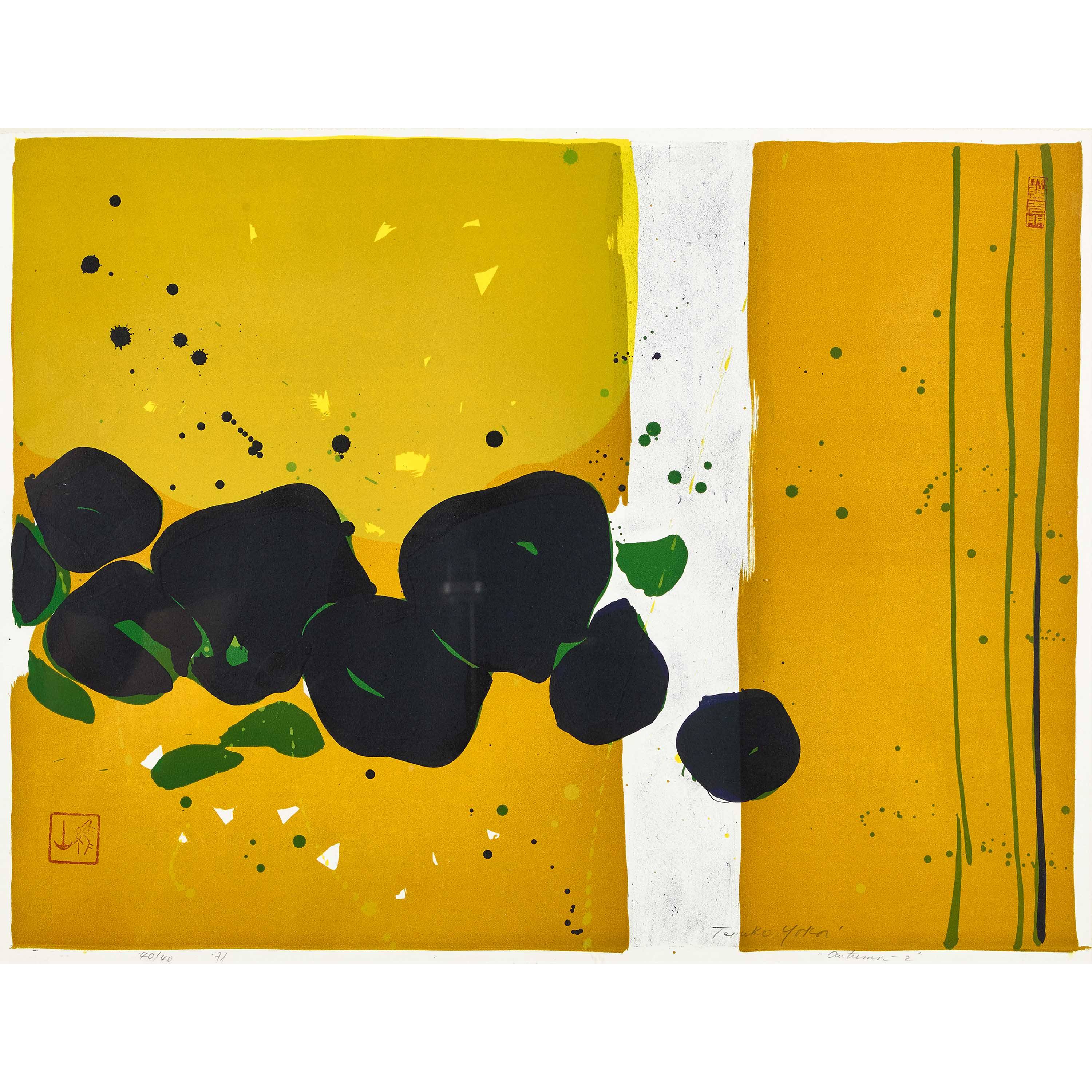
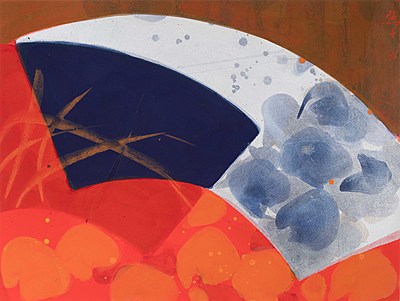
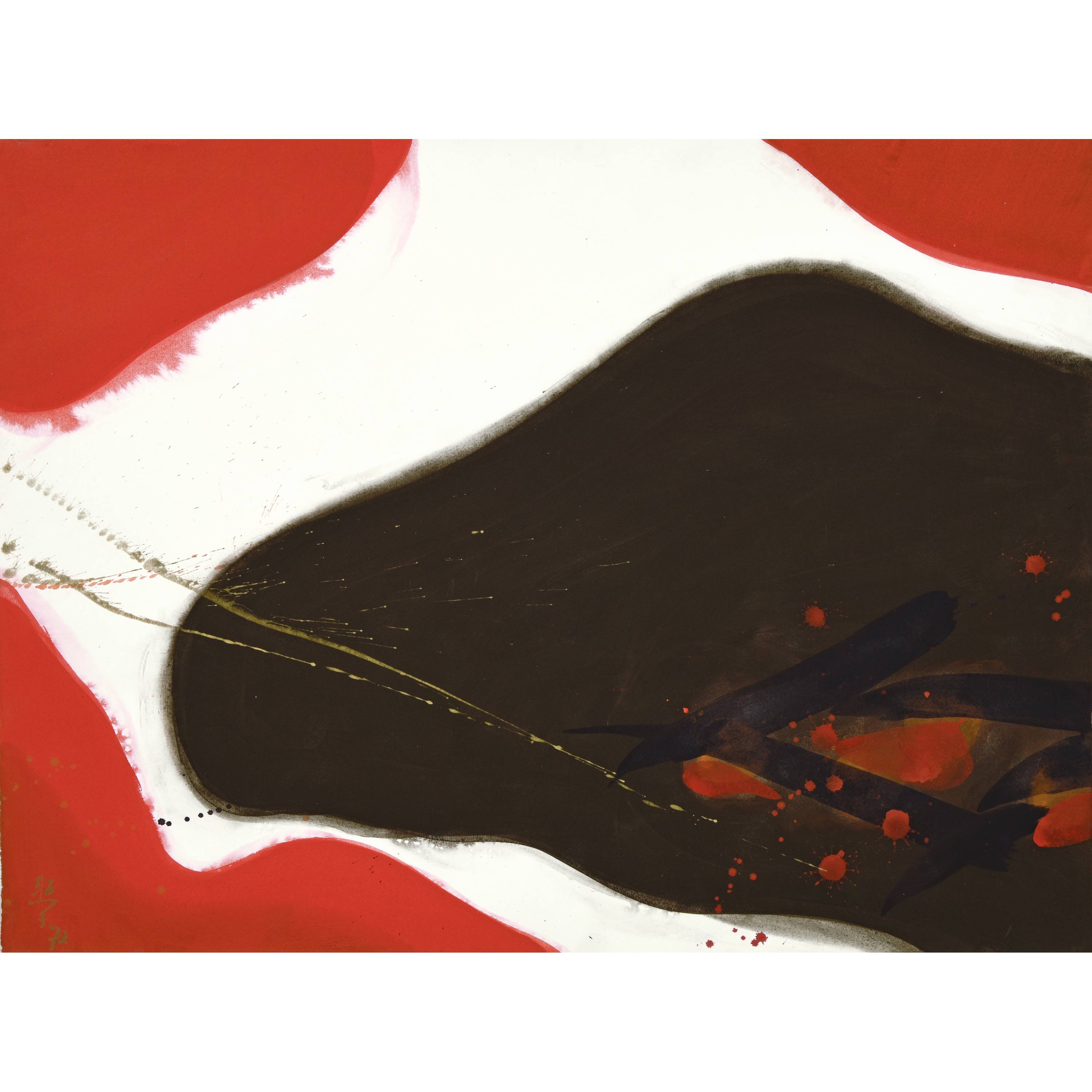
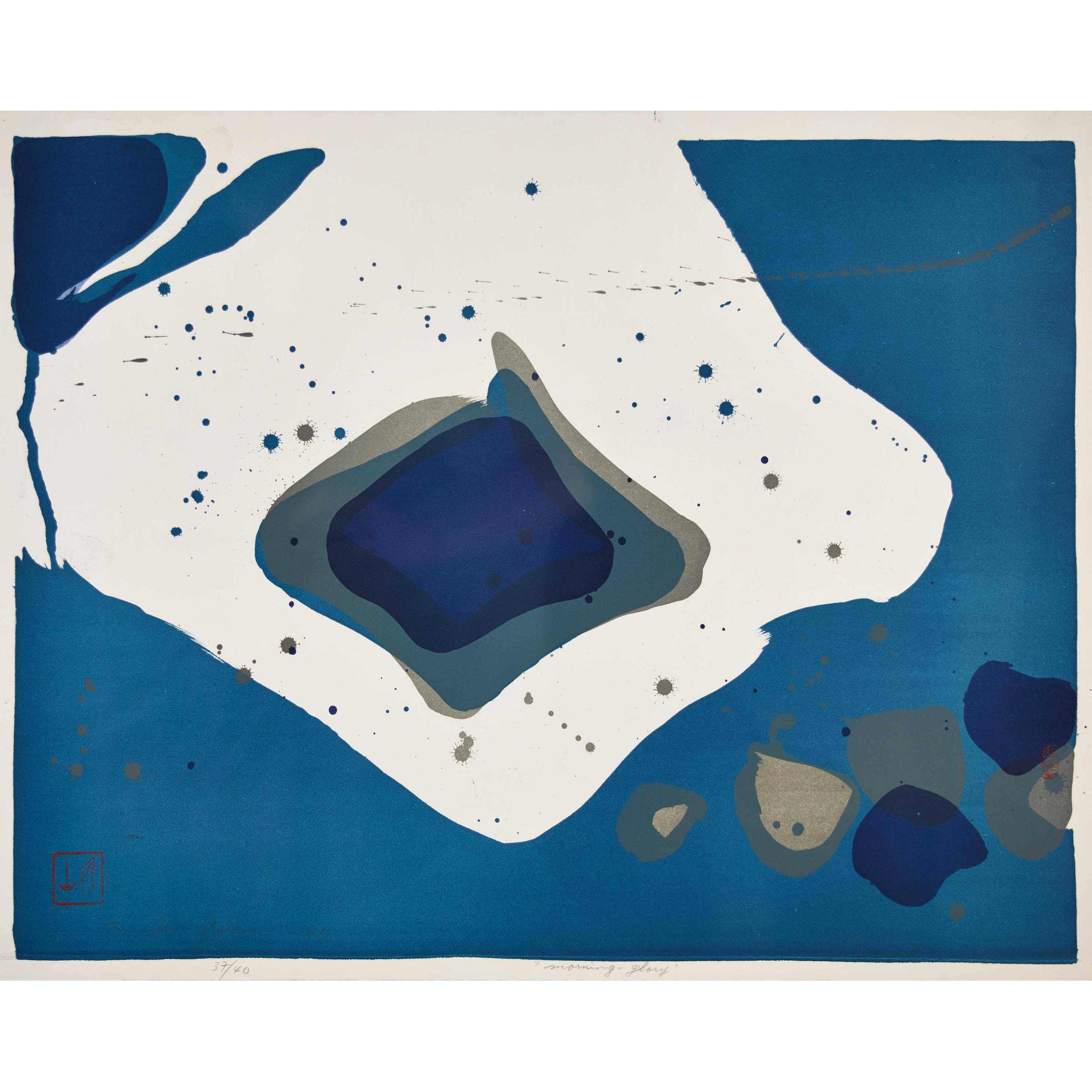
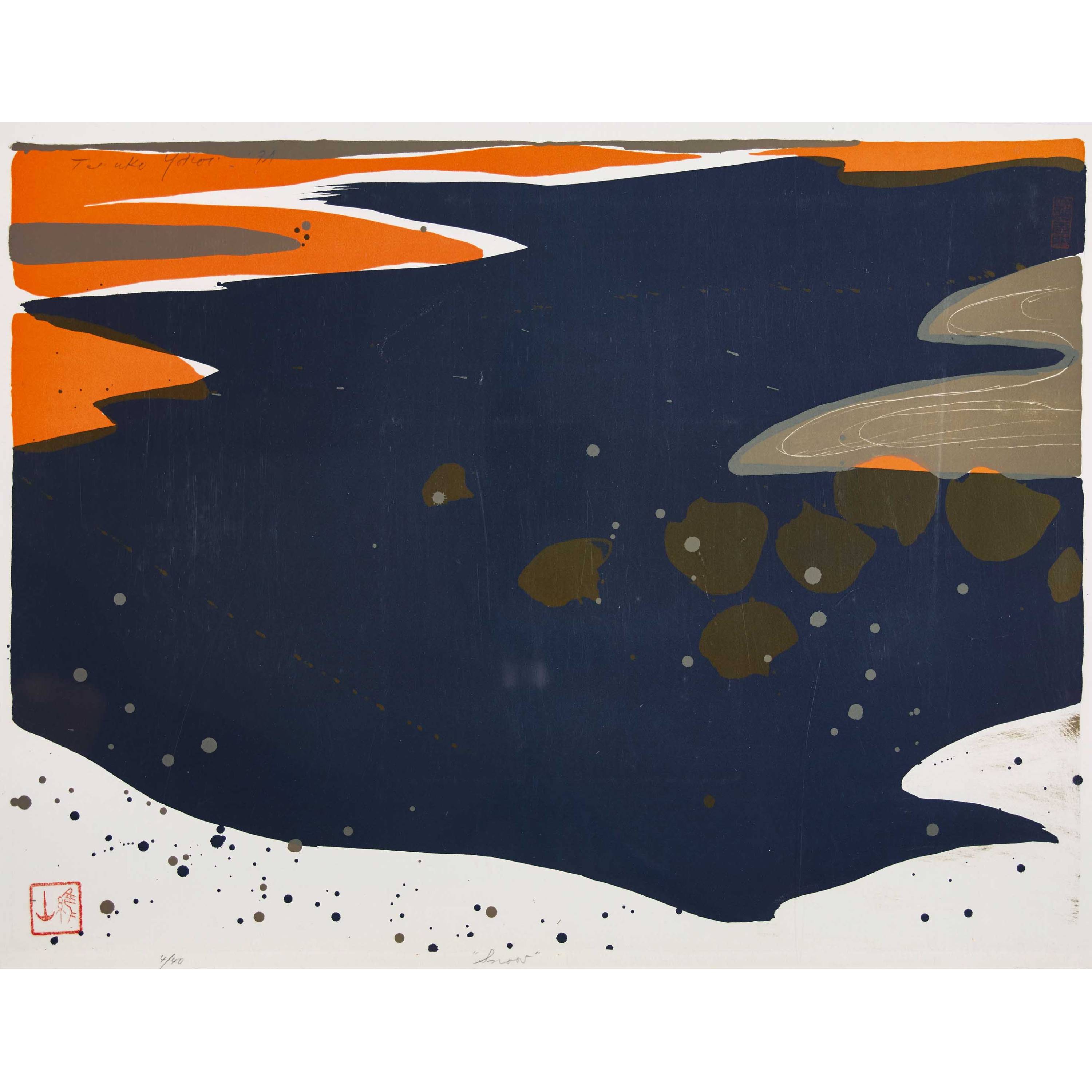
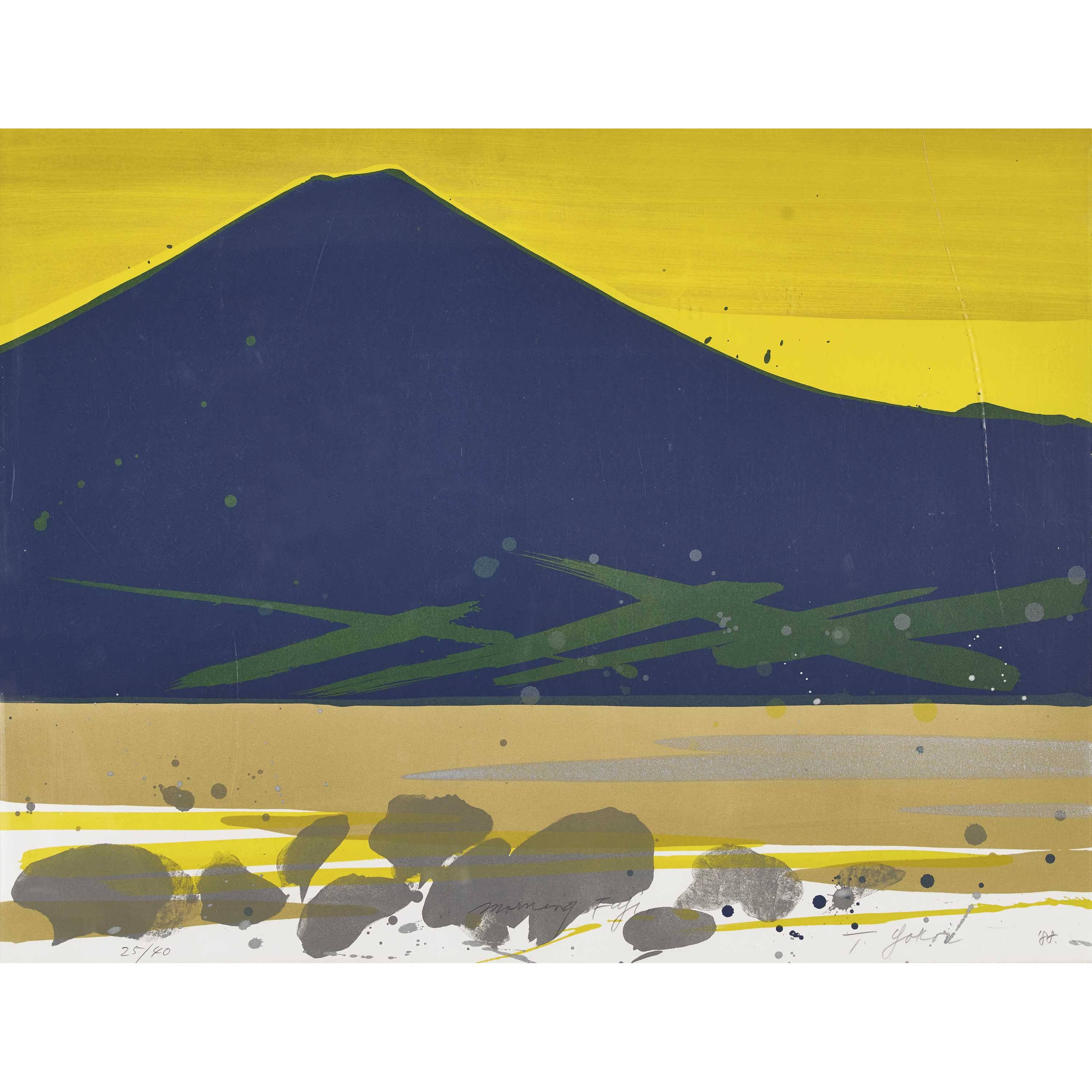
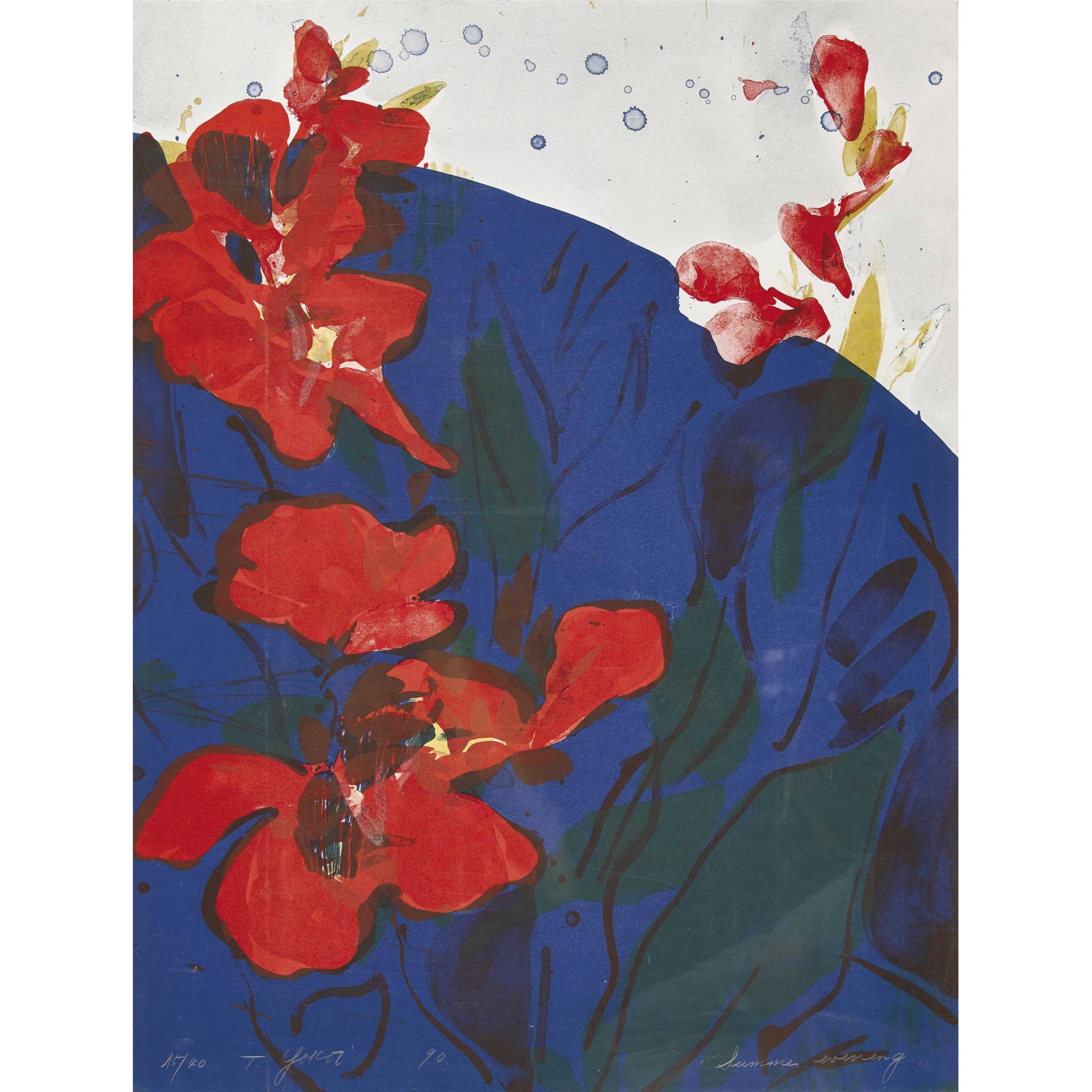
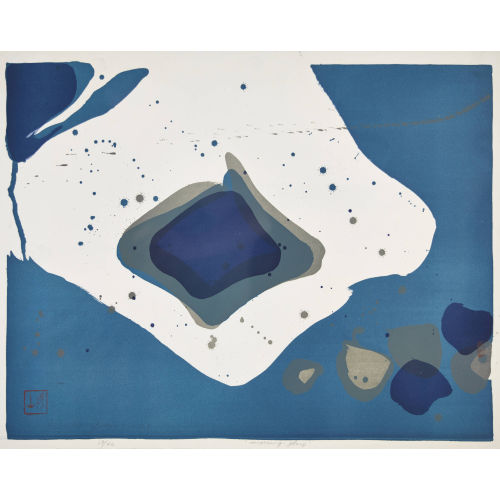
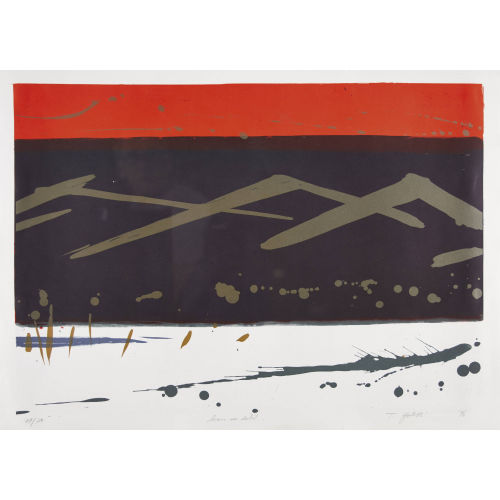
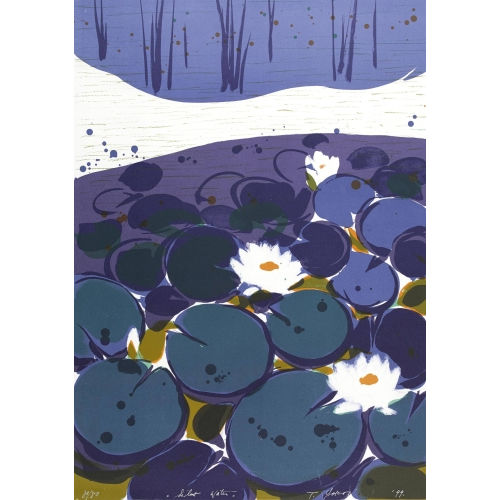
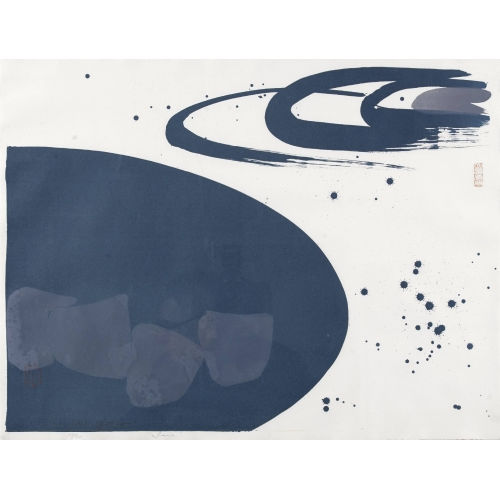
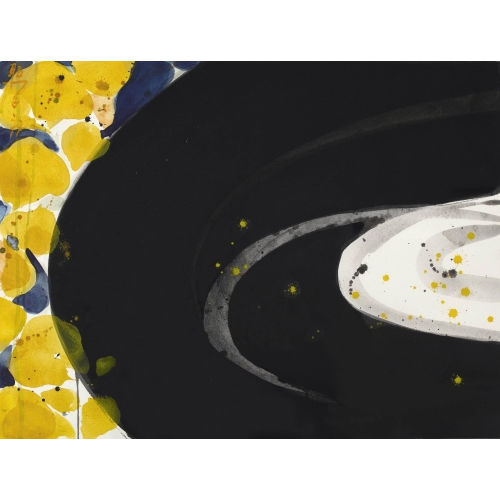
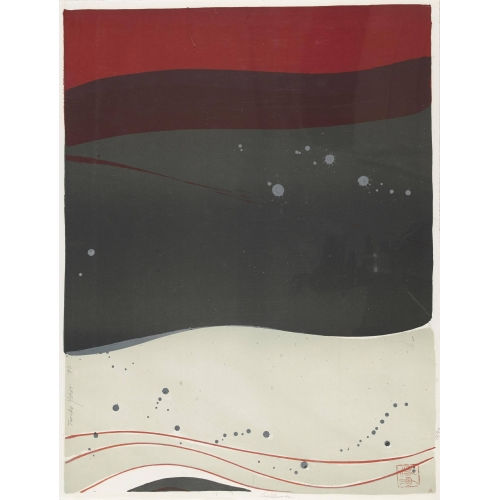
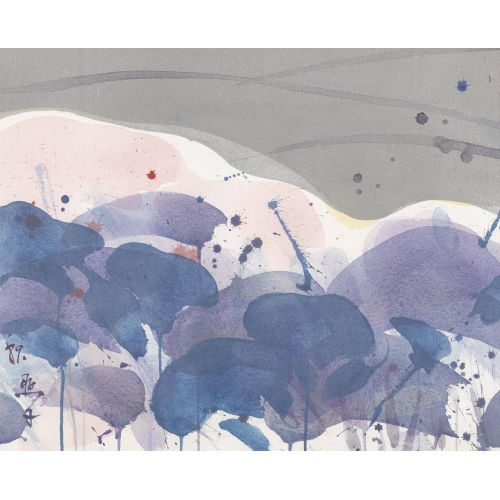
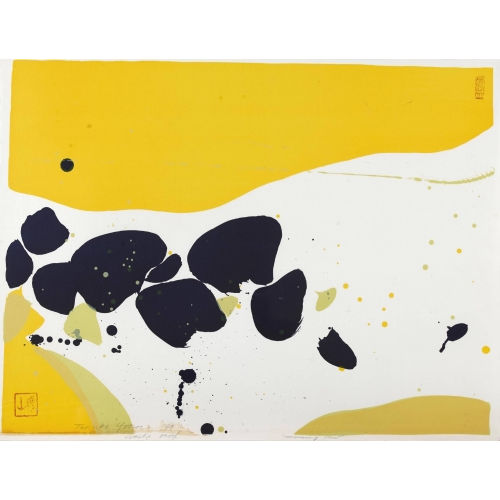
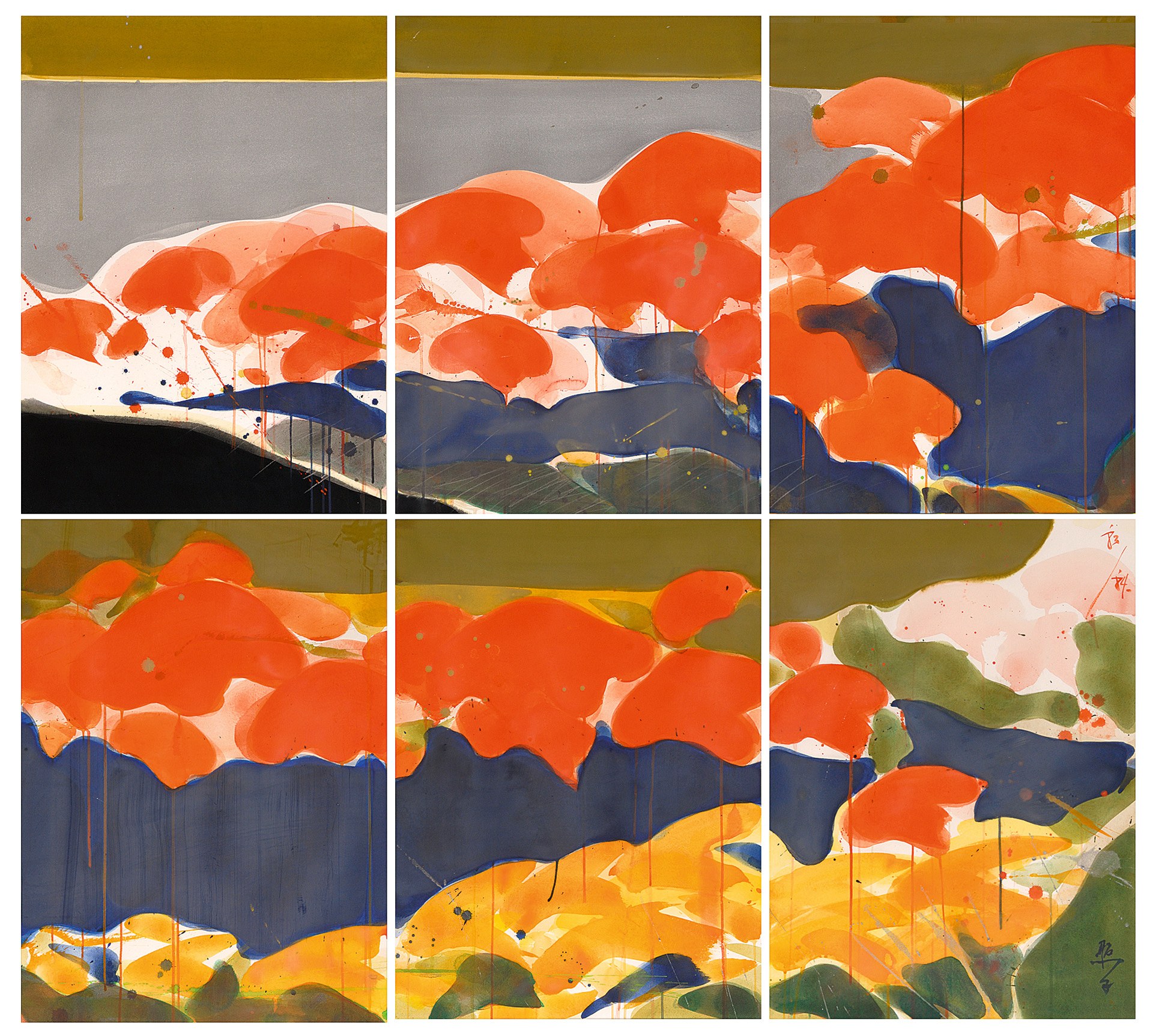
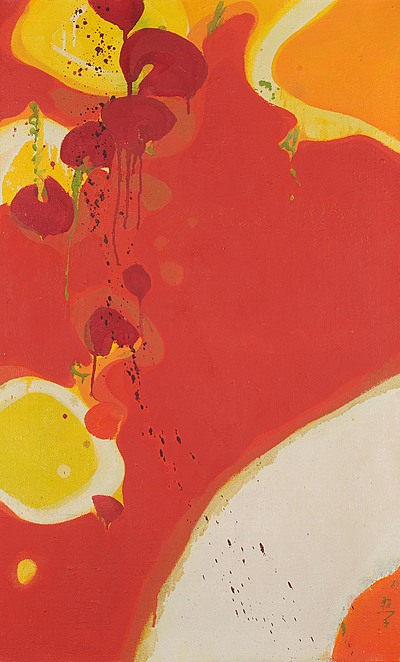
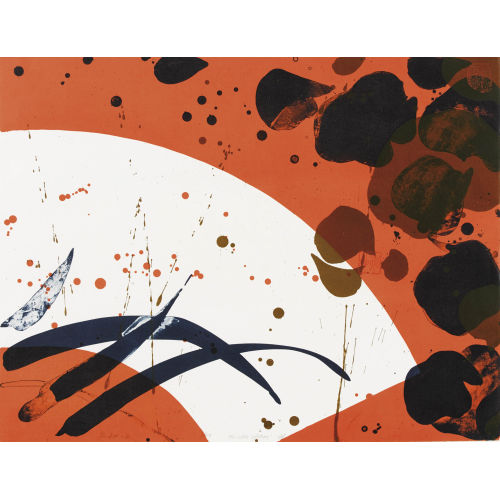
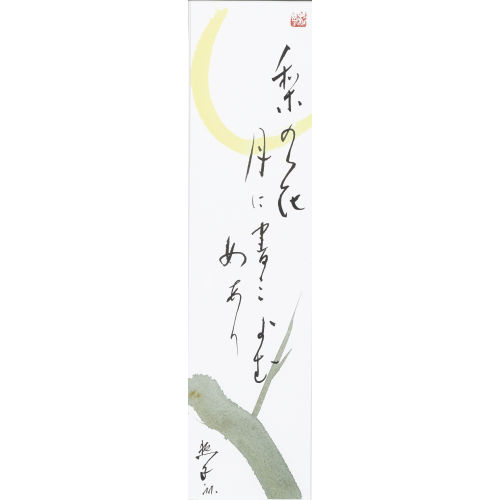
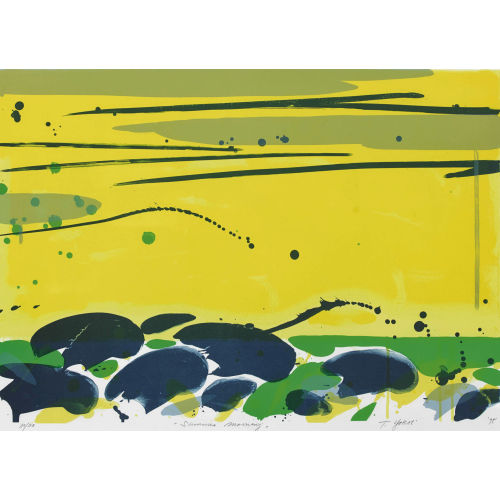
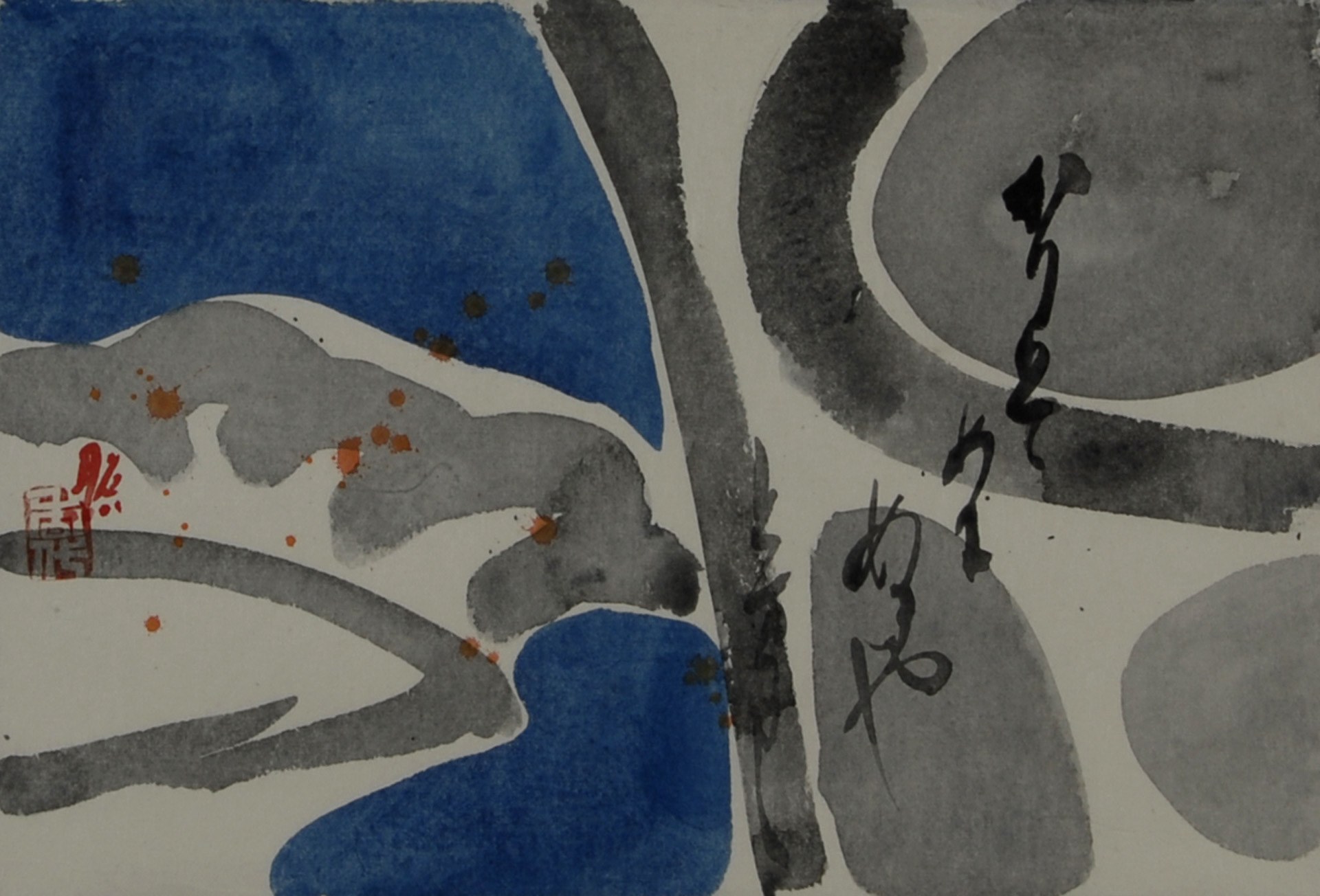
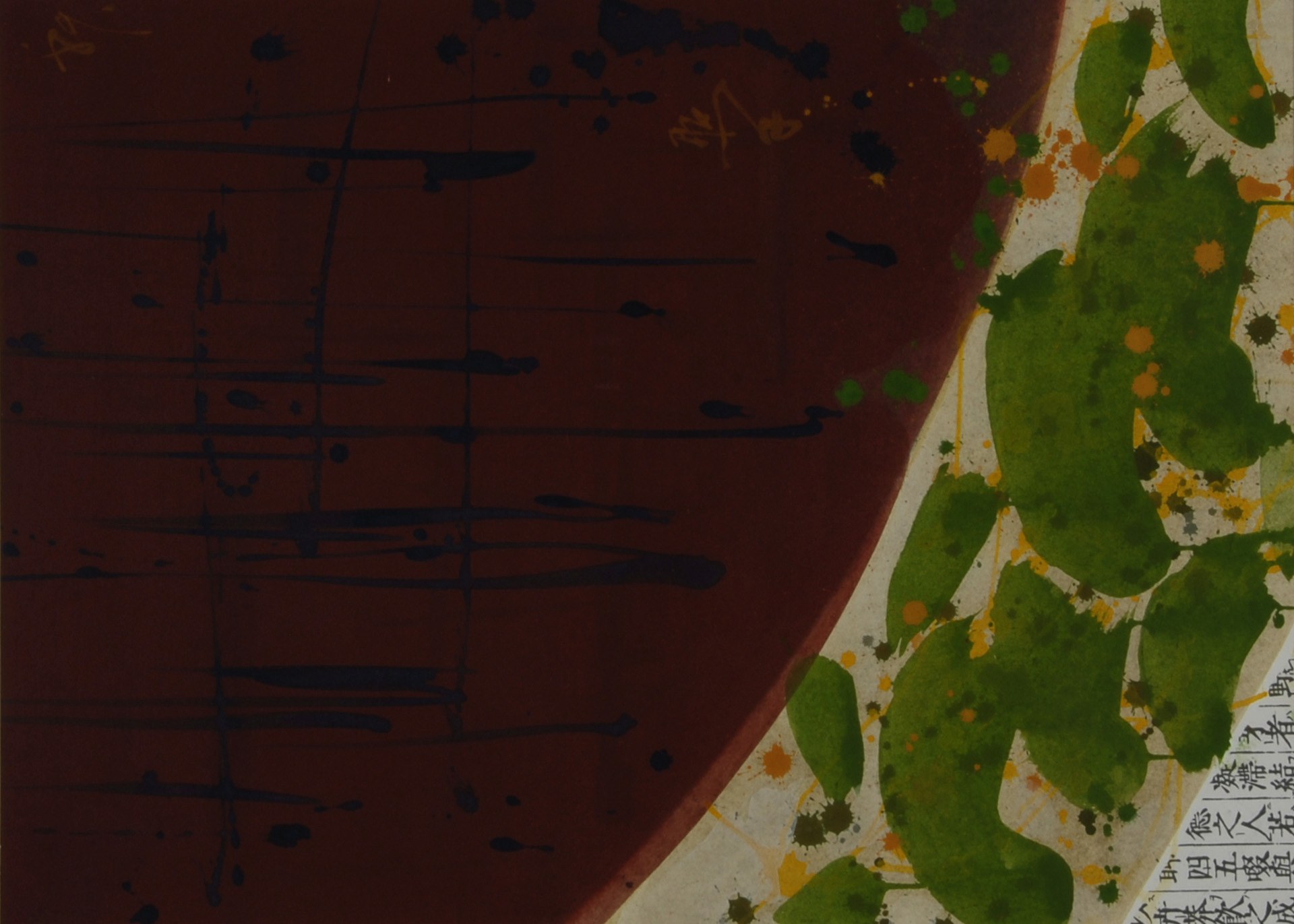
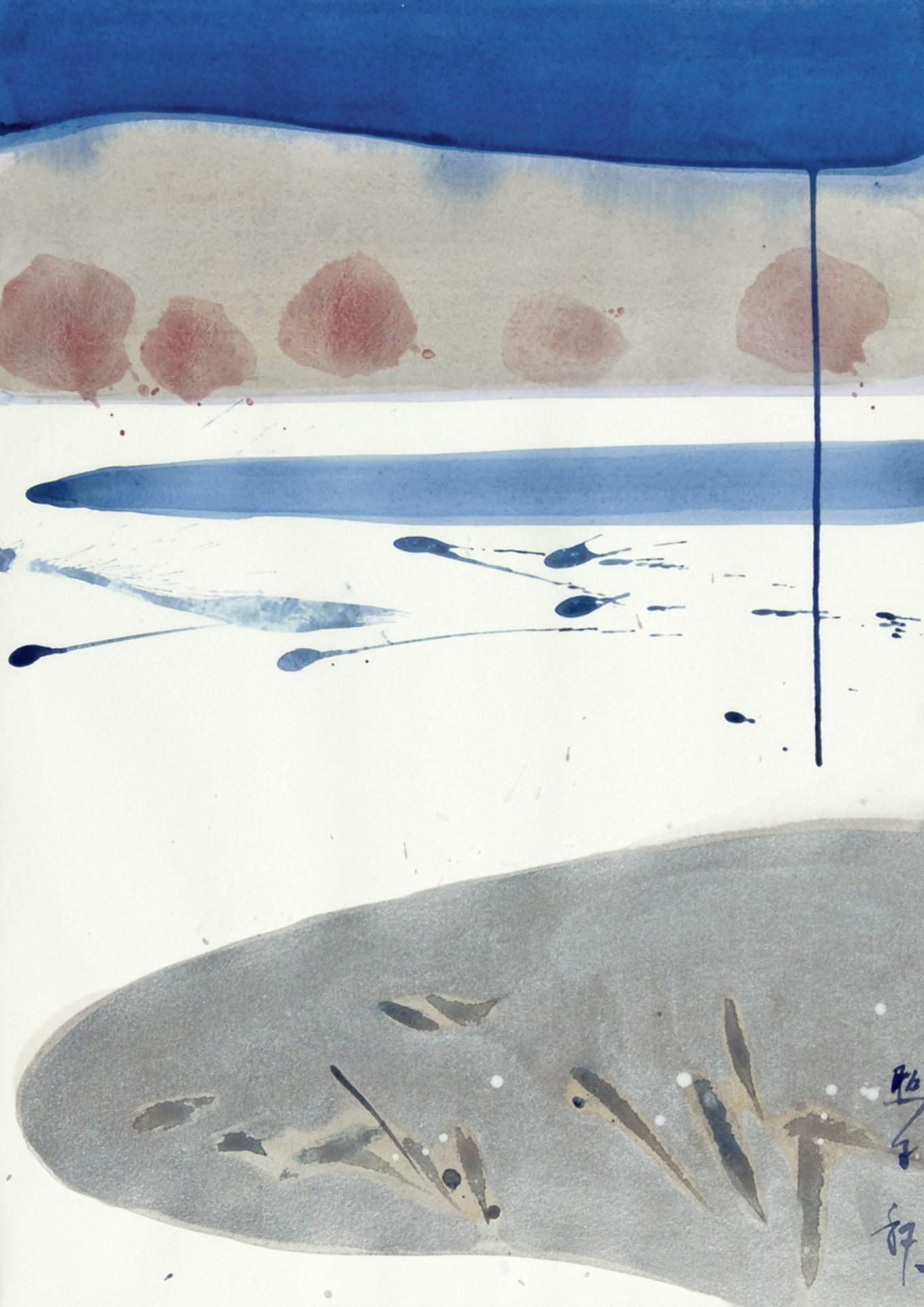
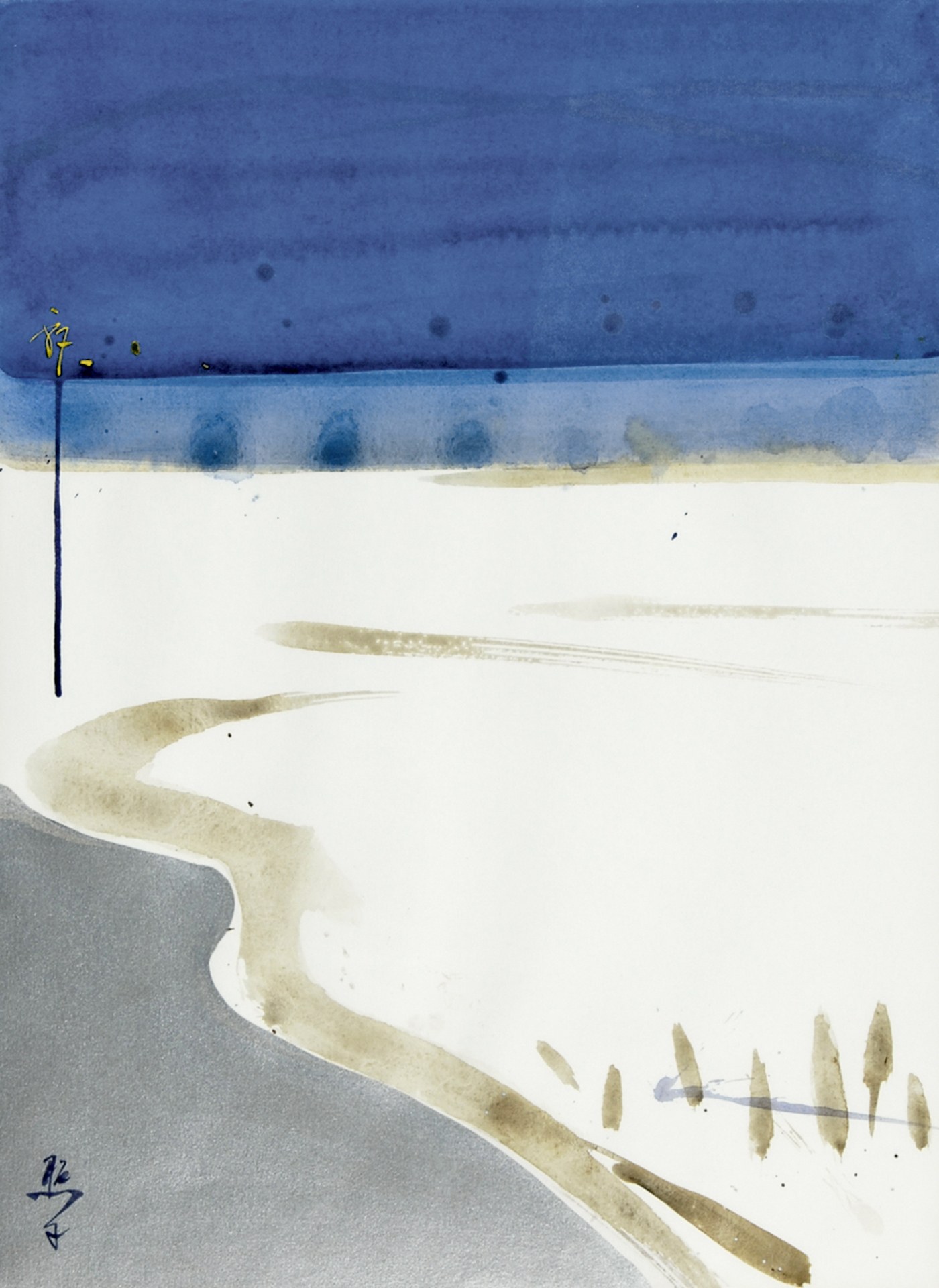
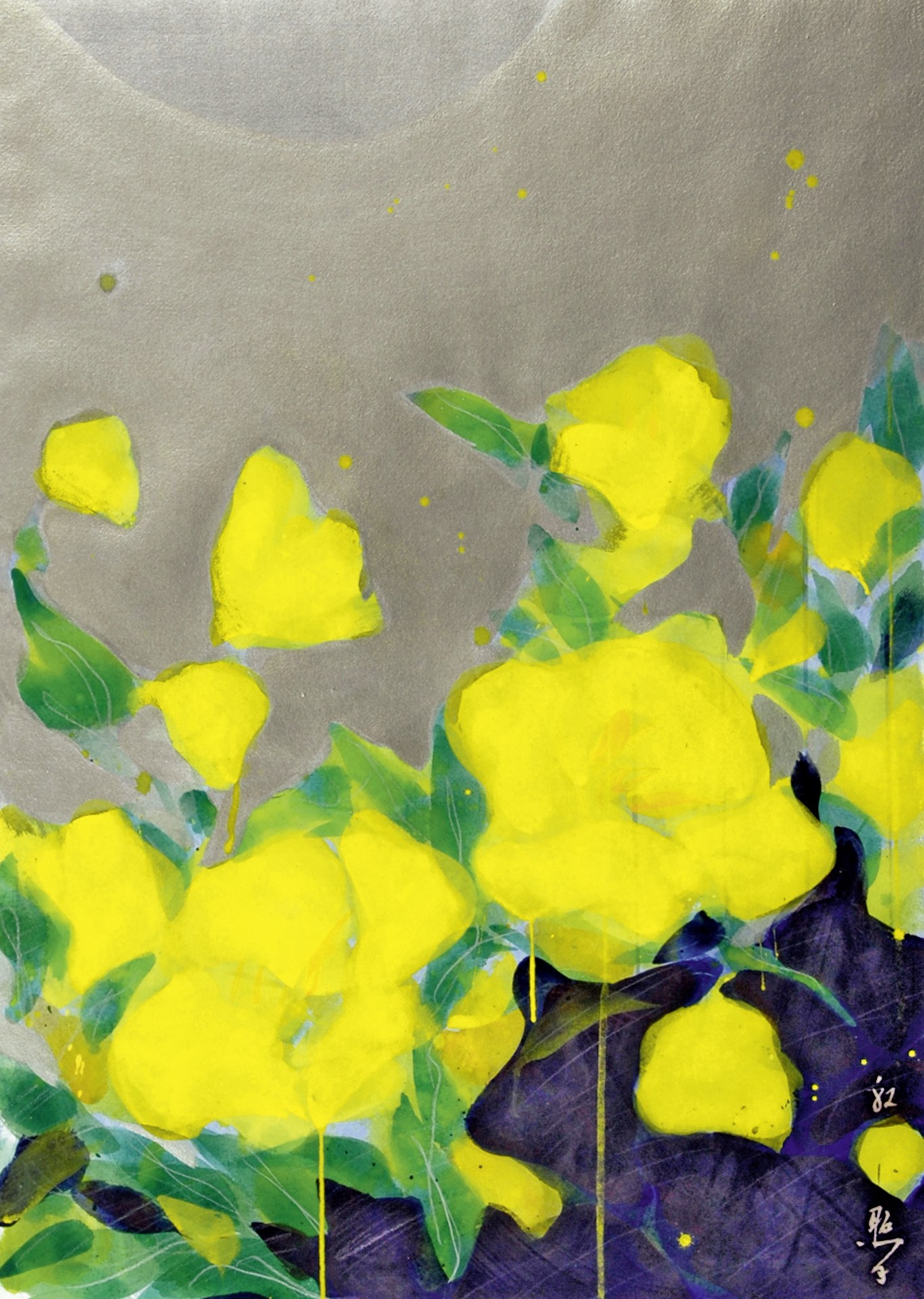
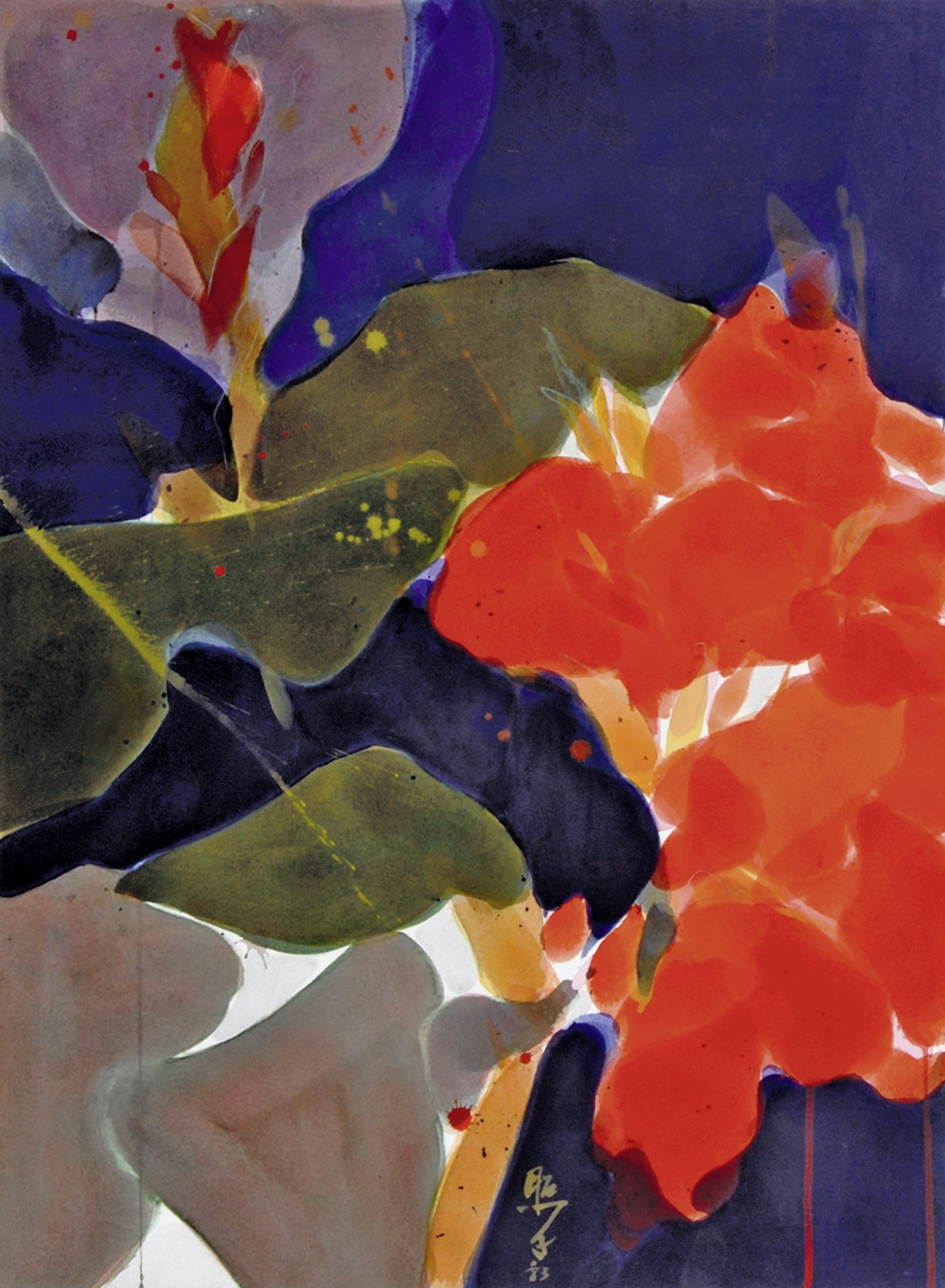
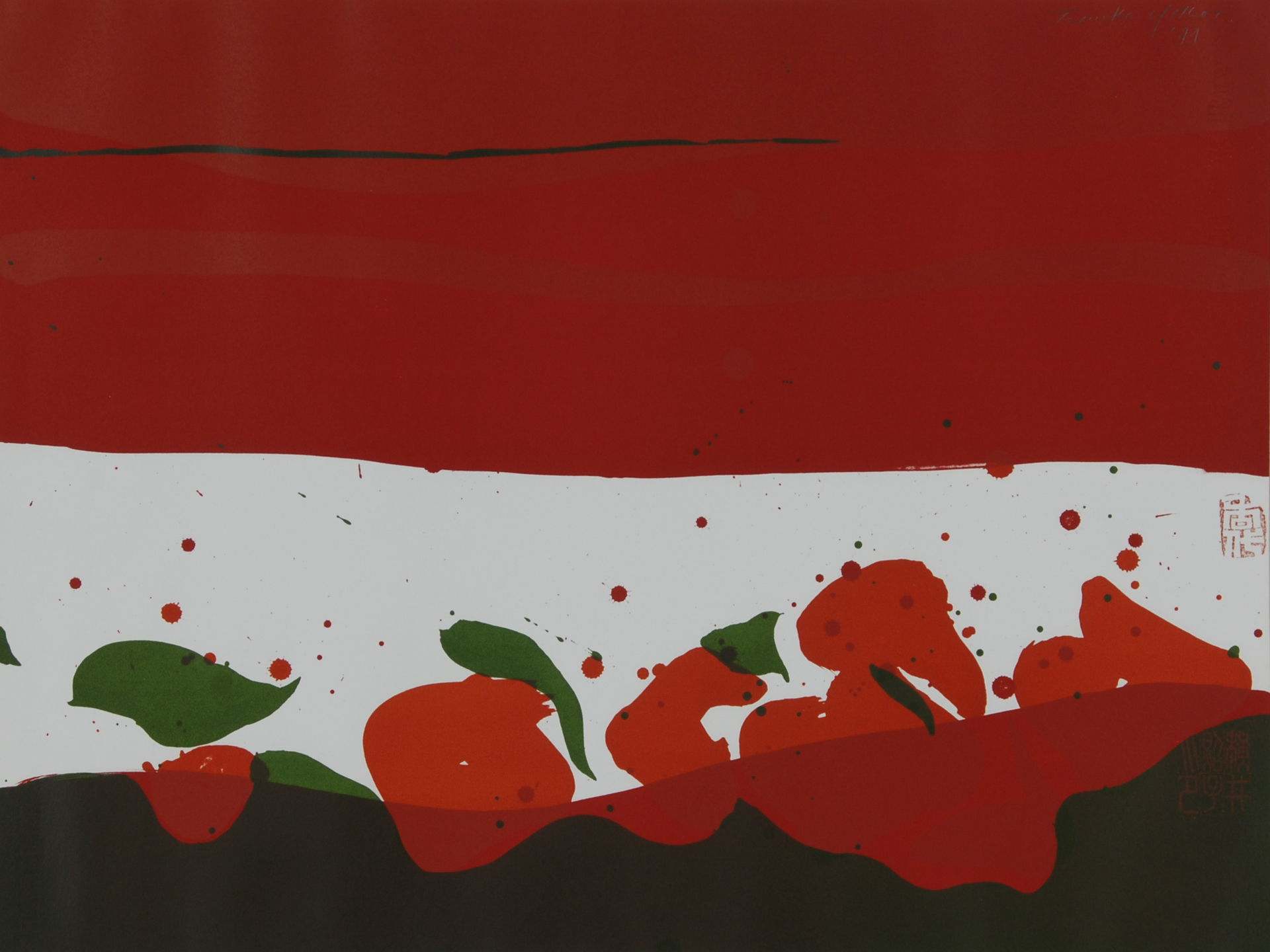
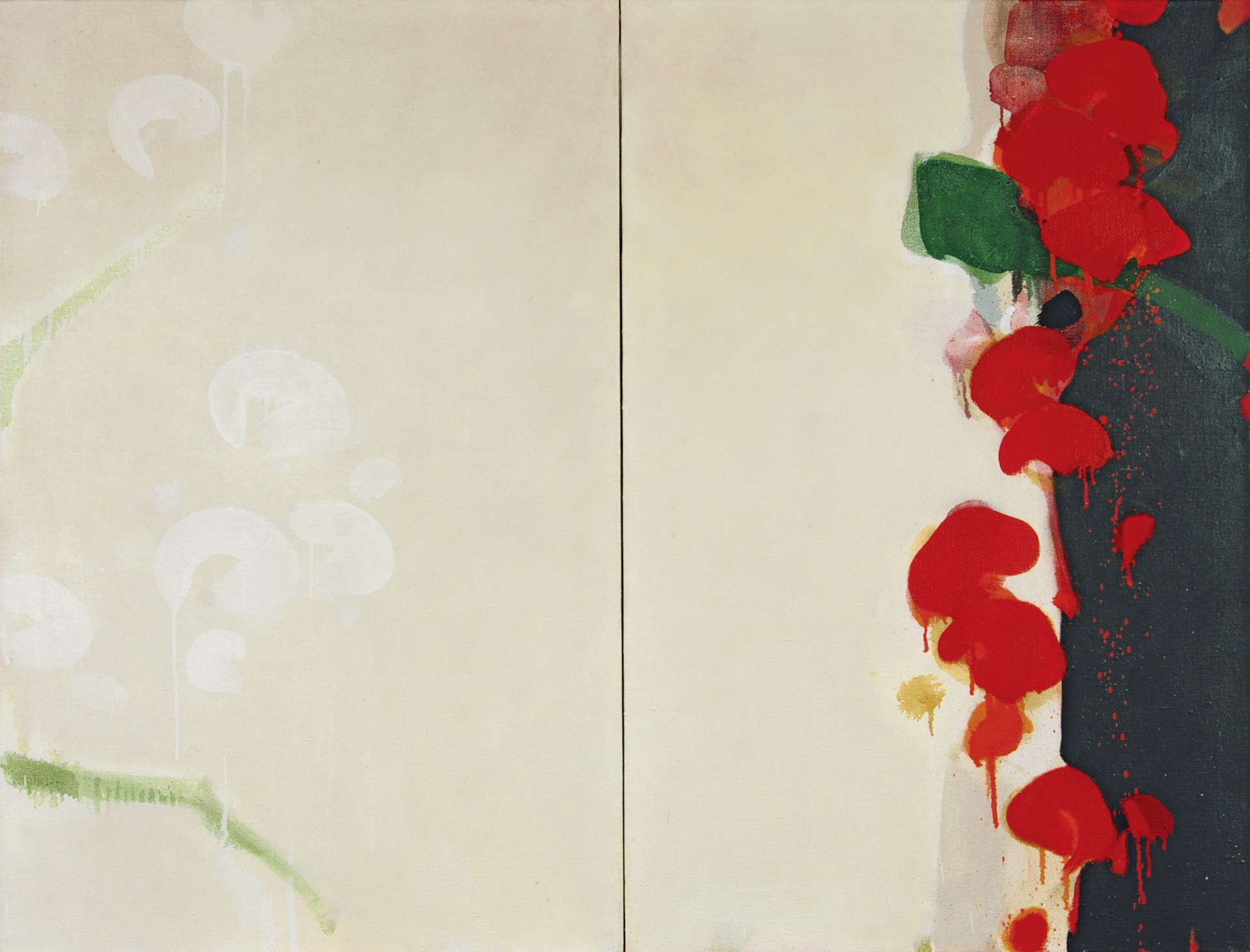
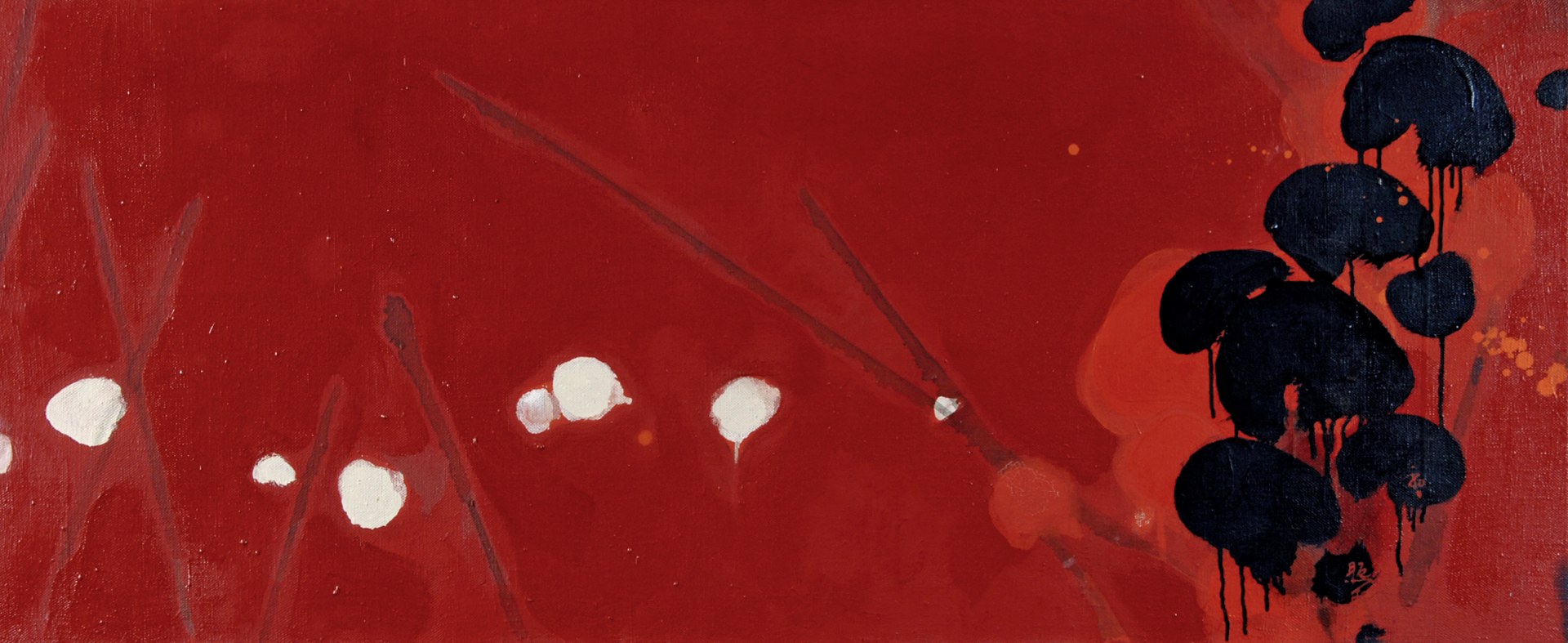
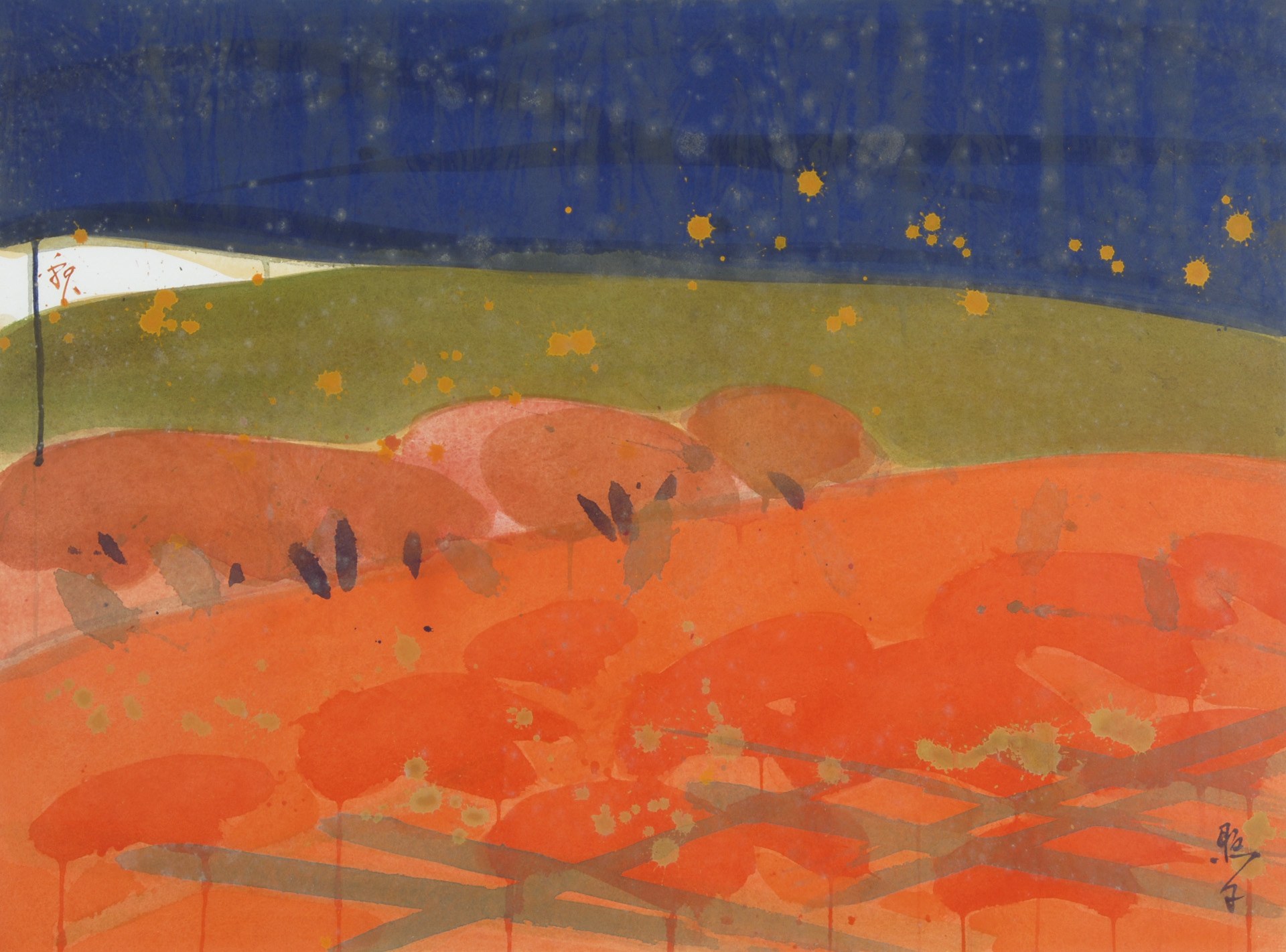
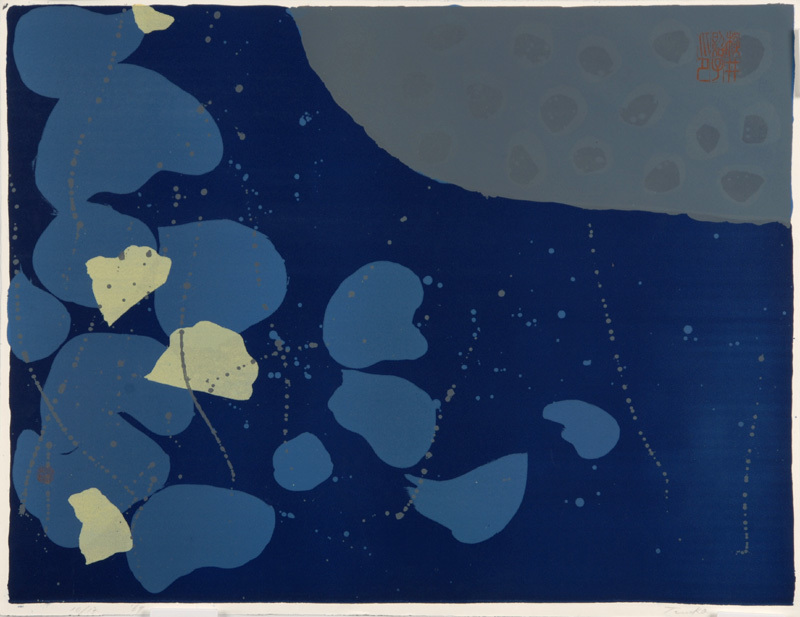
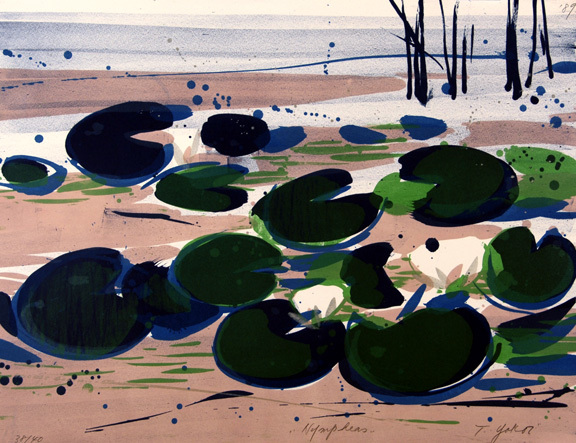
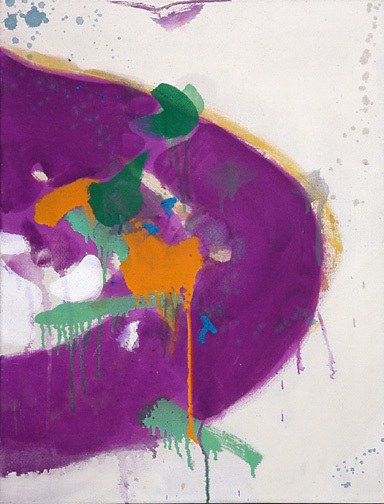
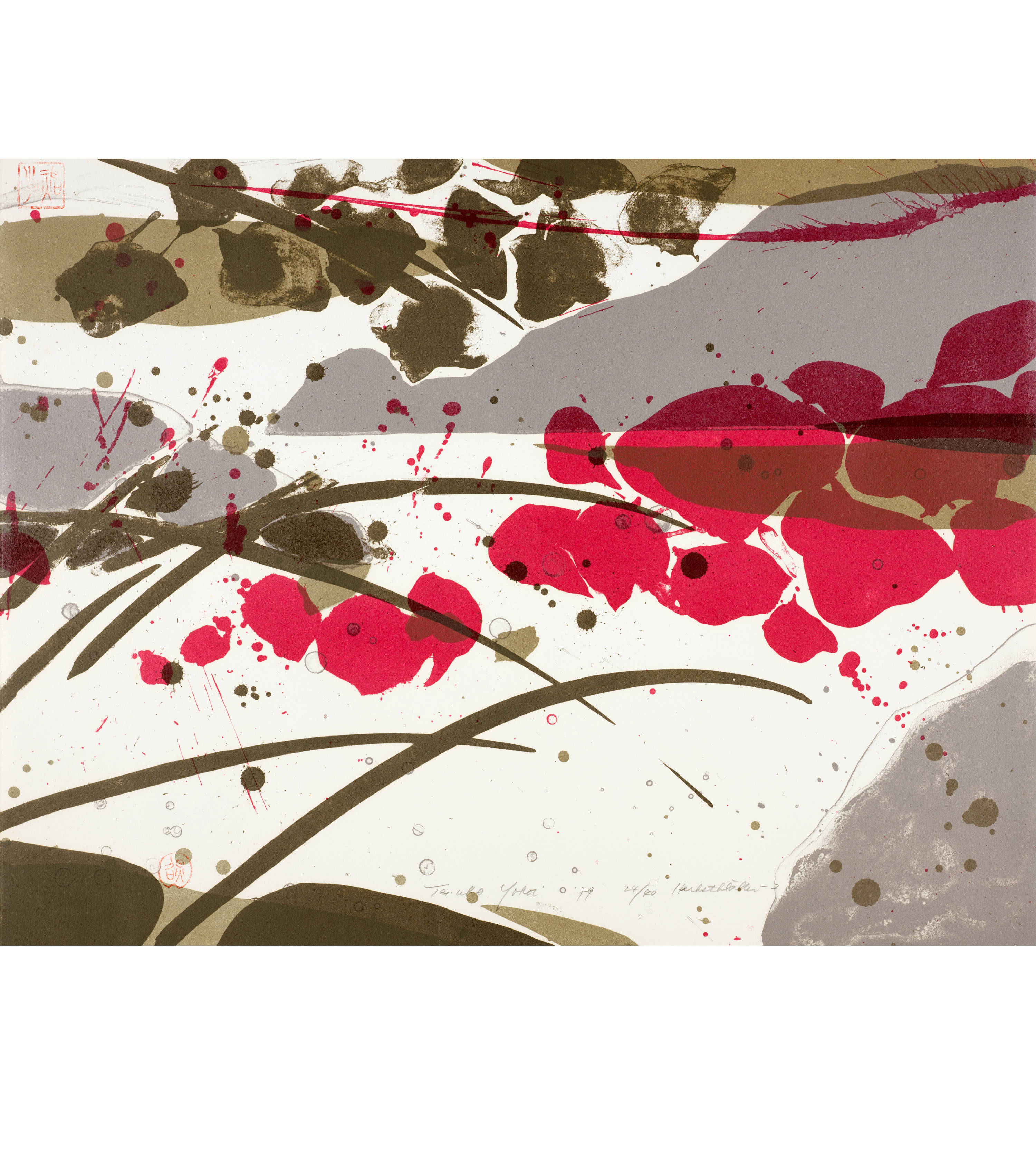
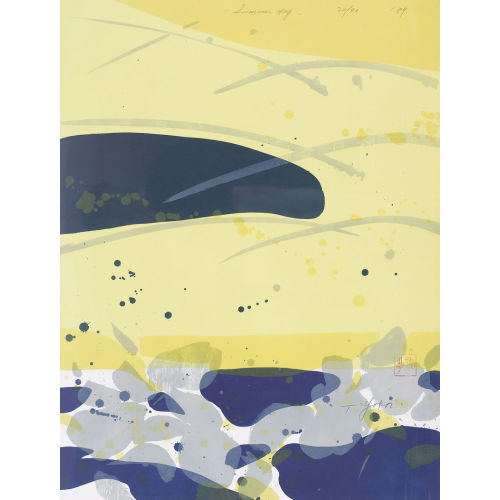
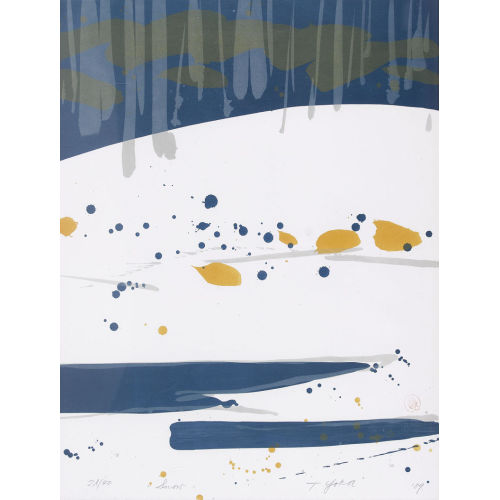
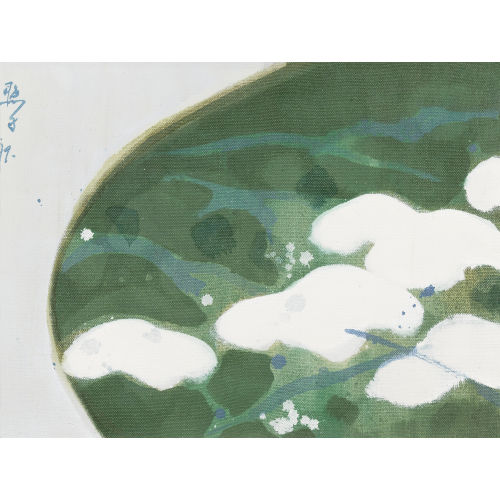
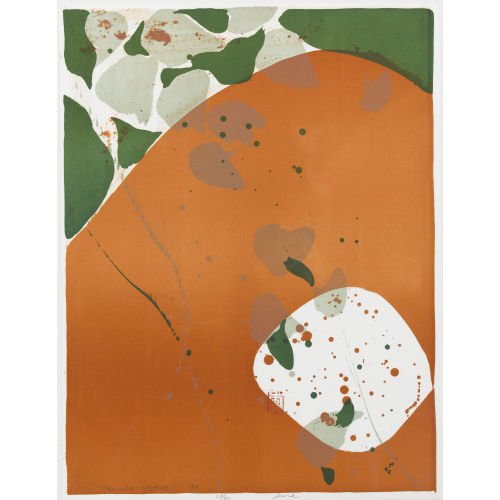
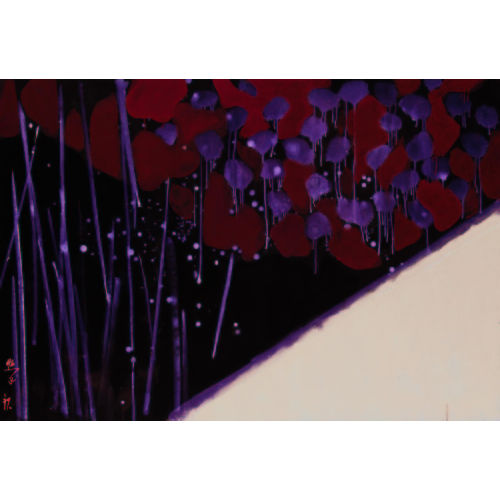
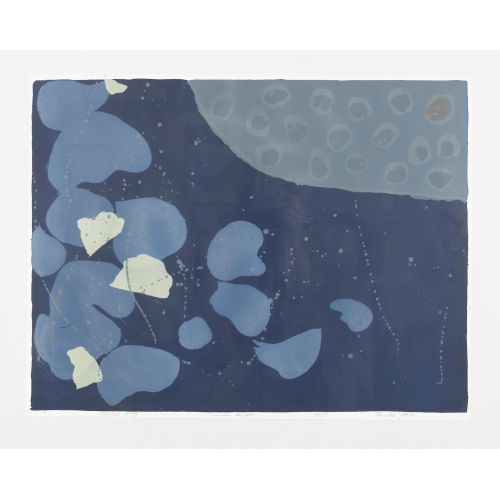
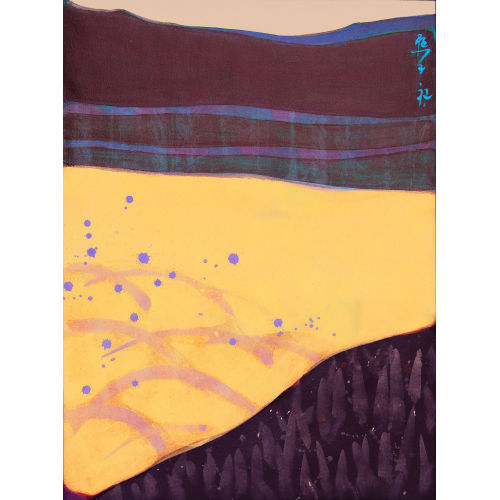
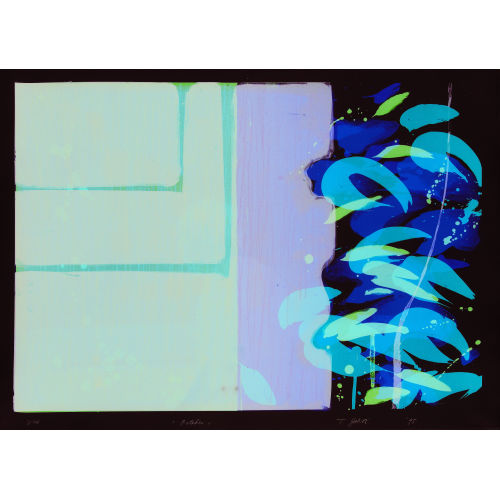
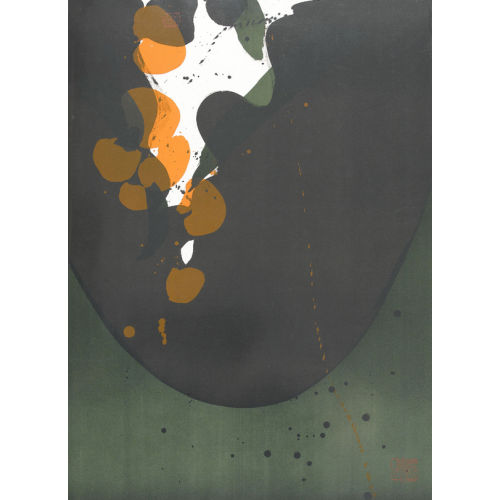
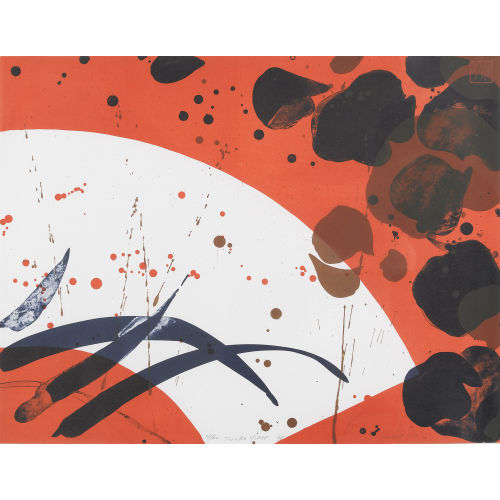
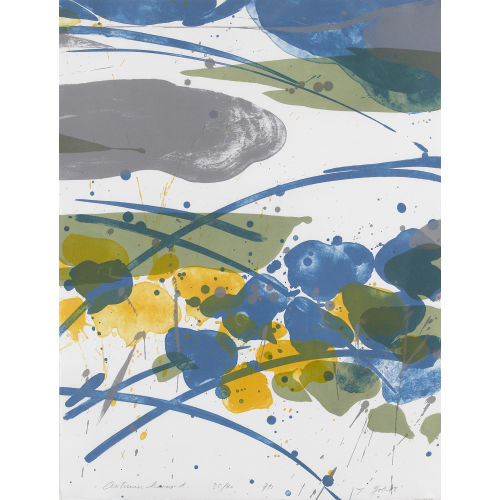
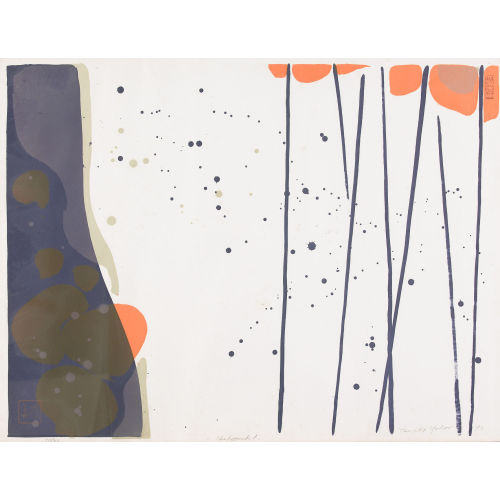
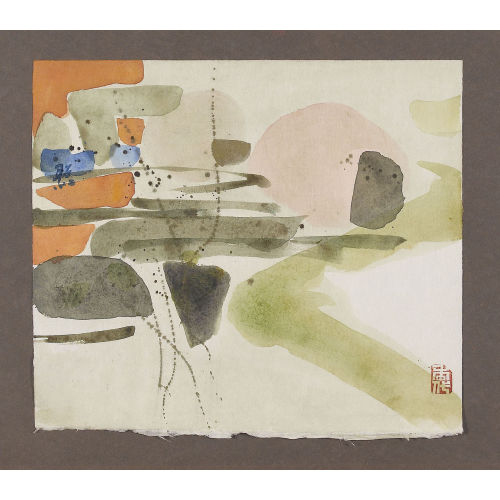
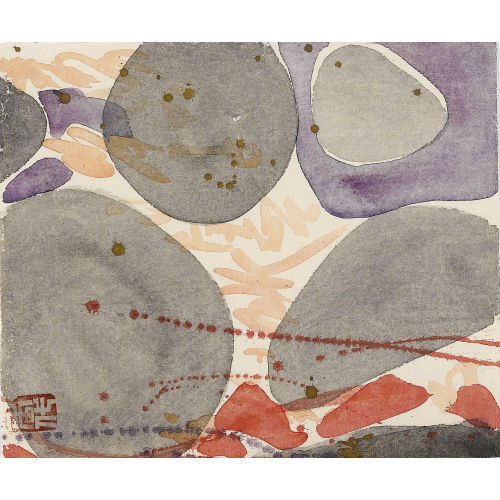
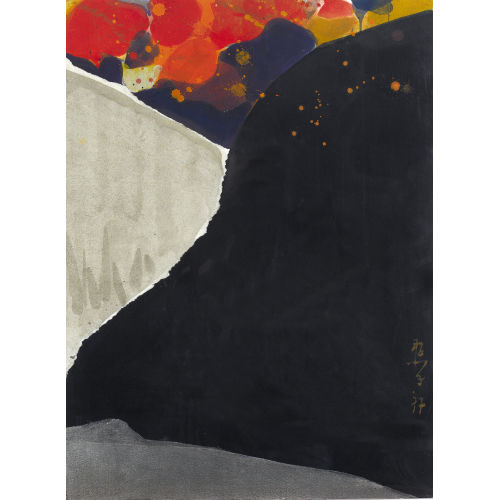
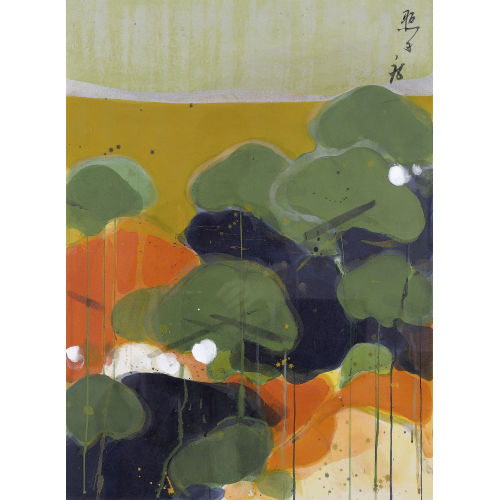
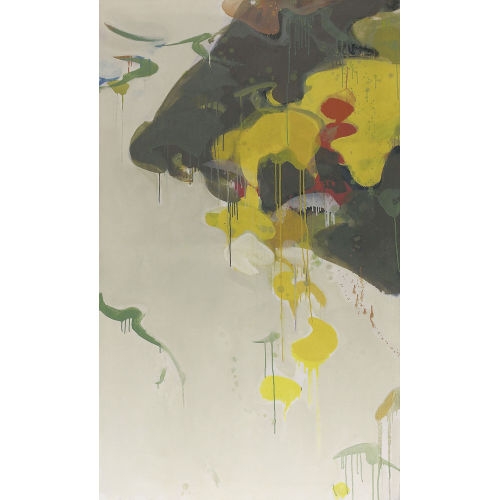
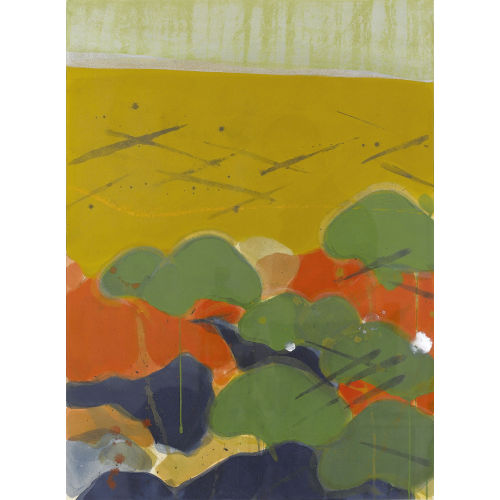
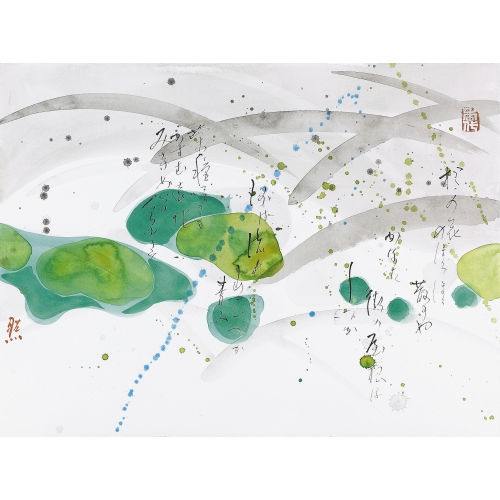
Teruko Yokoi (1924–2020) developed a painting in which the experience of nature meets the possibilities of abstraction. Born in Japan and permanently based in Bern, she developed her visual language over the course of a journey connecting Tokyo, San Francisco, New York, Paris and Switzerland. Colour expresses atmospheres, while the forms sometimes retain the echo of flowers or seasonal landscapes.
After her early studies in Japan, she went to Tokyo in 1949. Her time at the California School of Fine Arts in San Francisco accompanied a shift towards abstraction. In New York, where she settled in 1955, she studied with Hans Hofmann and then at the Art Students League.
These experiences brought her into contact with the developments that were renewing post-war painting.
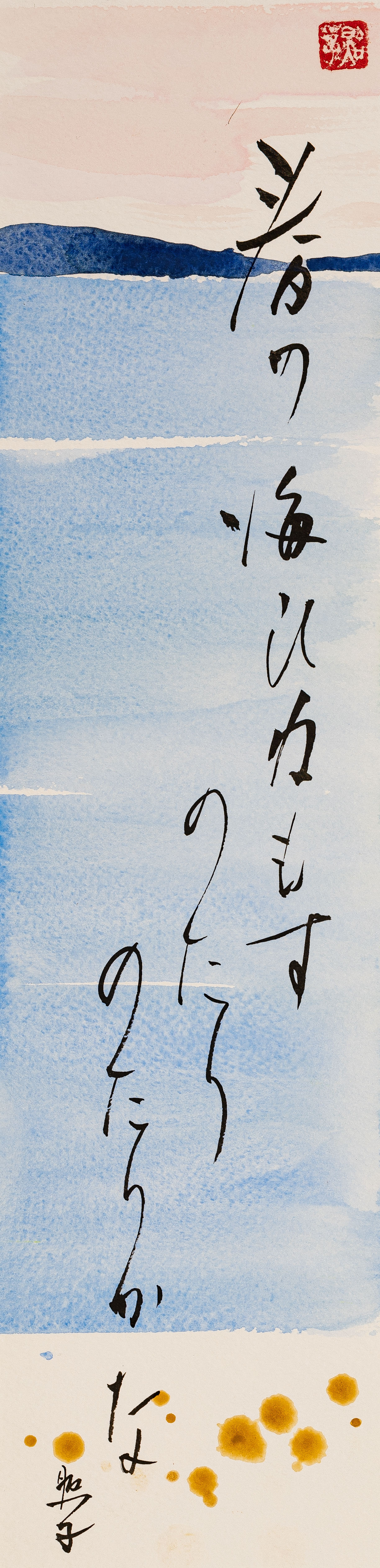
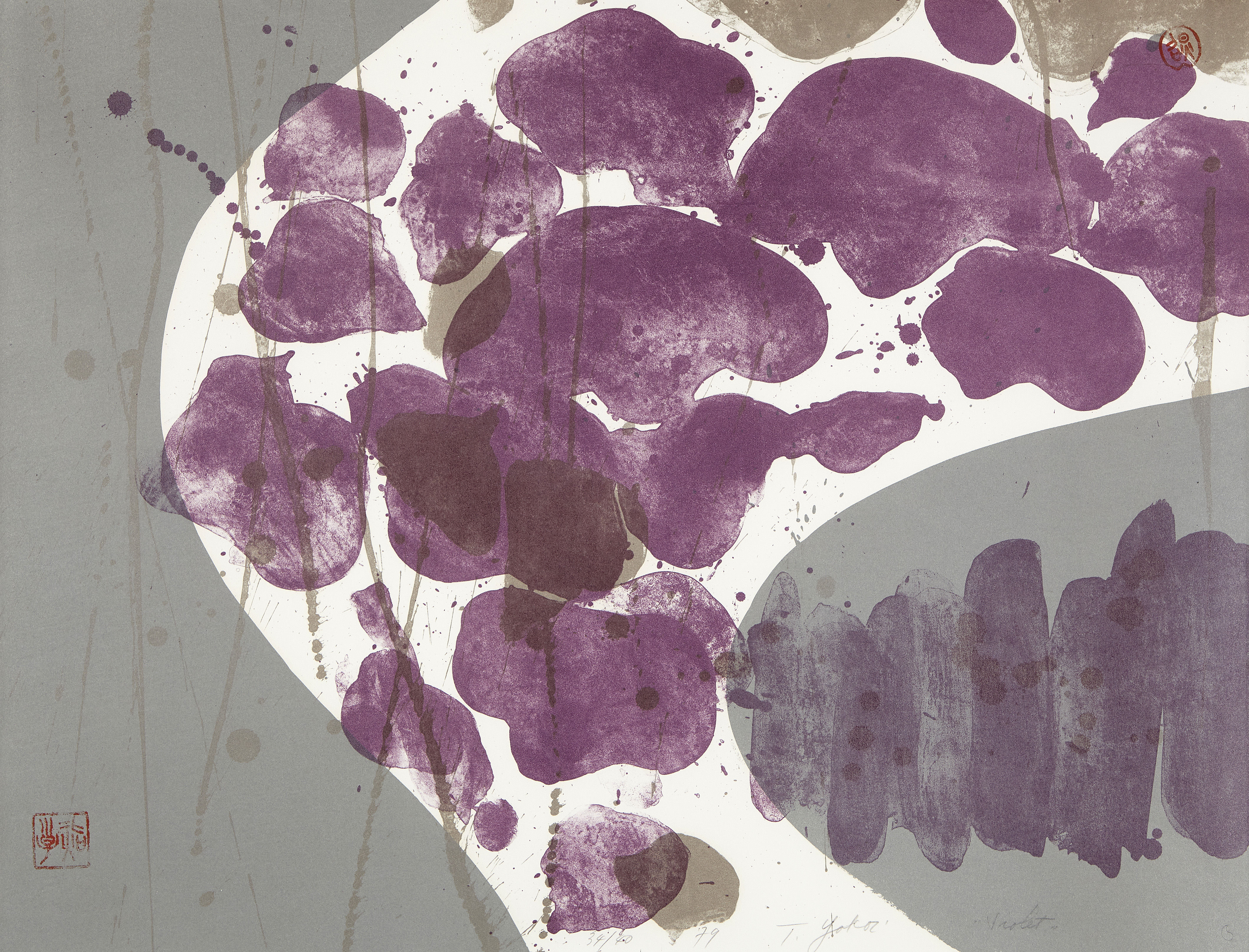
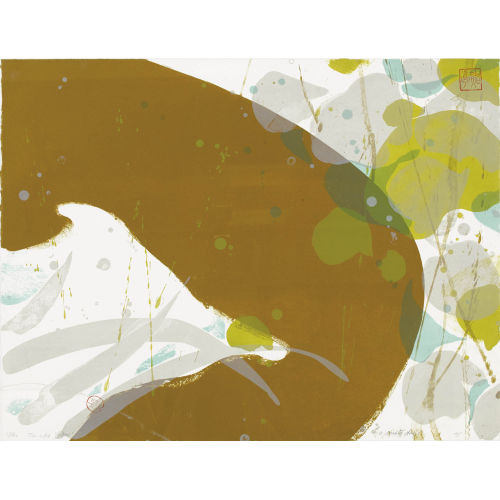
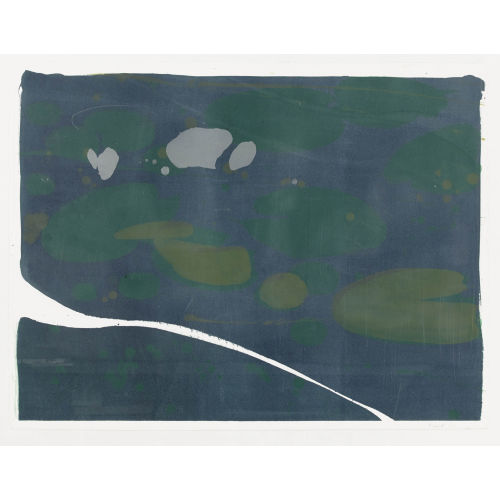
After a period in Paris, Yokoi settled in Bern in 1962. She pursued an independent body of work through oil painting, egg tempera, watercolour and lithography. The variety of these techniques opened up different possibilities of materiality and colour, serving a sensibility attentive to the rhythms of nature.
Her career makes it possible to approach the exchanges between Japanese tradition and modern abstraction without reducing her work to a single origin. The exhibition Tokyo–New York–Paris–Bern, presented at the Kunstmuseum Bern in 2020, shed particular light on the years of research extending from the 1950s to the early 1970s. It highlighted the experimentation and perseverance of an artist confronted with the obstacles related to her era, her origins and her status as a woman.
Yokoi obtained Swiss nationality in 1991. Two Japanese museums devoted to her work subsequently opened in Ena and Fuji. To enter into her painting, one may be guided by the tensions between movement and balance: the composition welcomes an impression of a season, then transforms it into an autonomous visual experience.