Schang Hutter
Born in 1934.
Died in 2021.
In the work of Schang Hutter (1934–2021), the human figure seems to remain standing despite everything. Born Jean Albert Hutter in Solothurn, the Swiss sculptor first learned stone carving in his father’s workshop and attended the School of Applied Arts in Bern. From 1954 to 1961, he studied at the Academy of Fine Arts in Munich.
In post-war Germany, his encounter with mutilated people profoundly shaped his vision: the vulnerability of the body, and the violence that human beings inflict on one another, became enduring questions in his work.
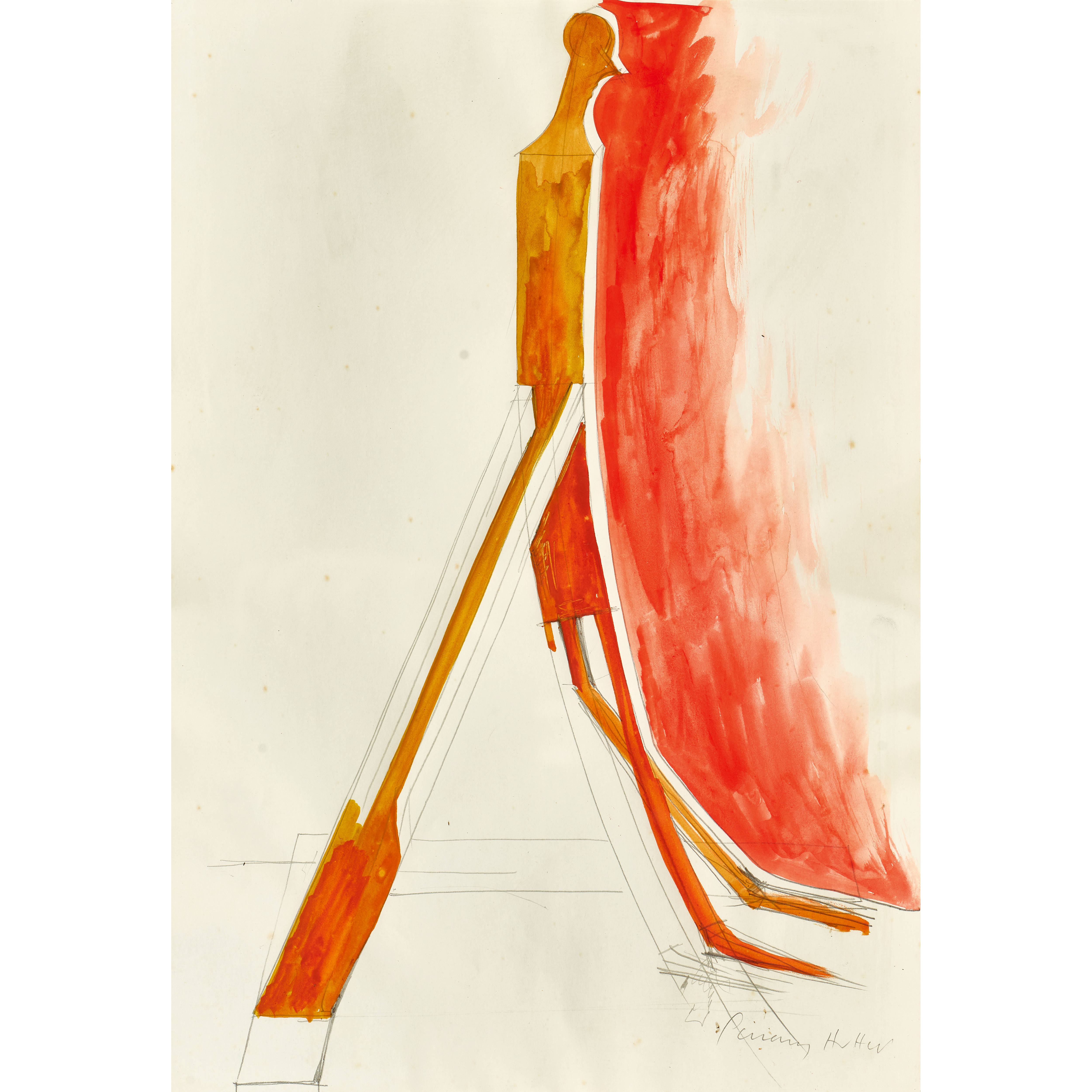
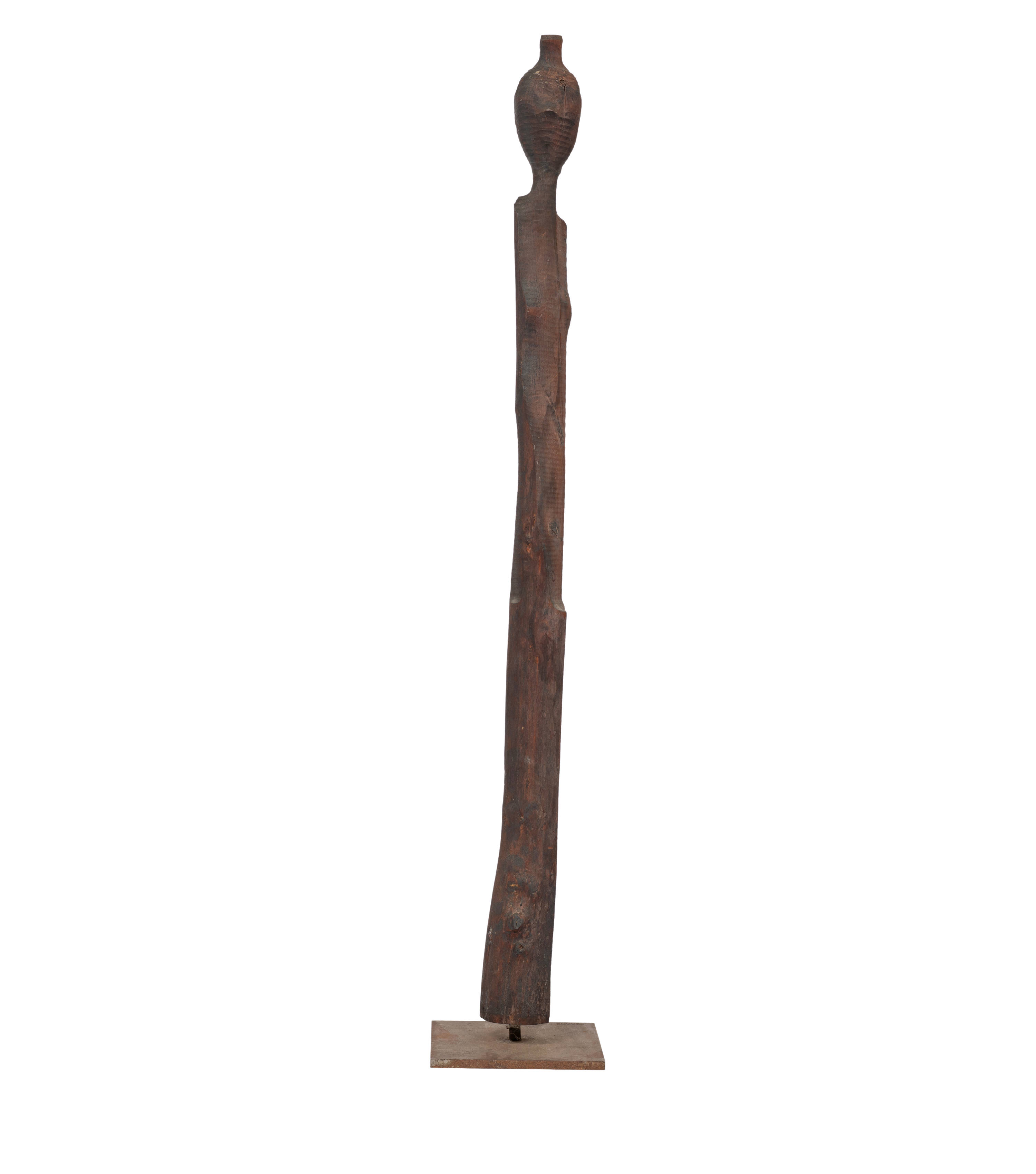
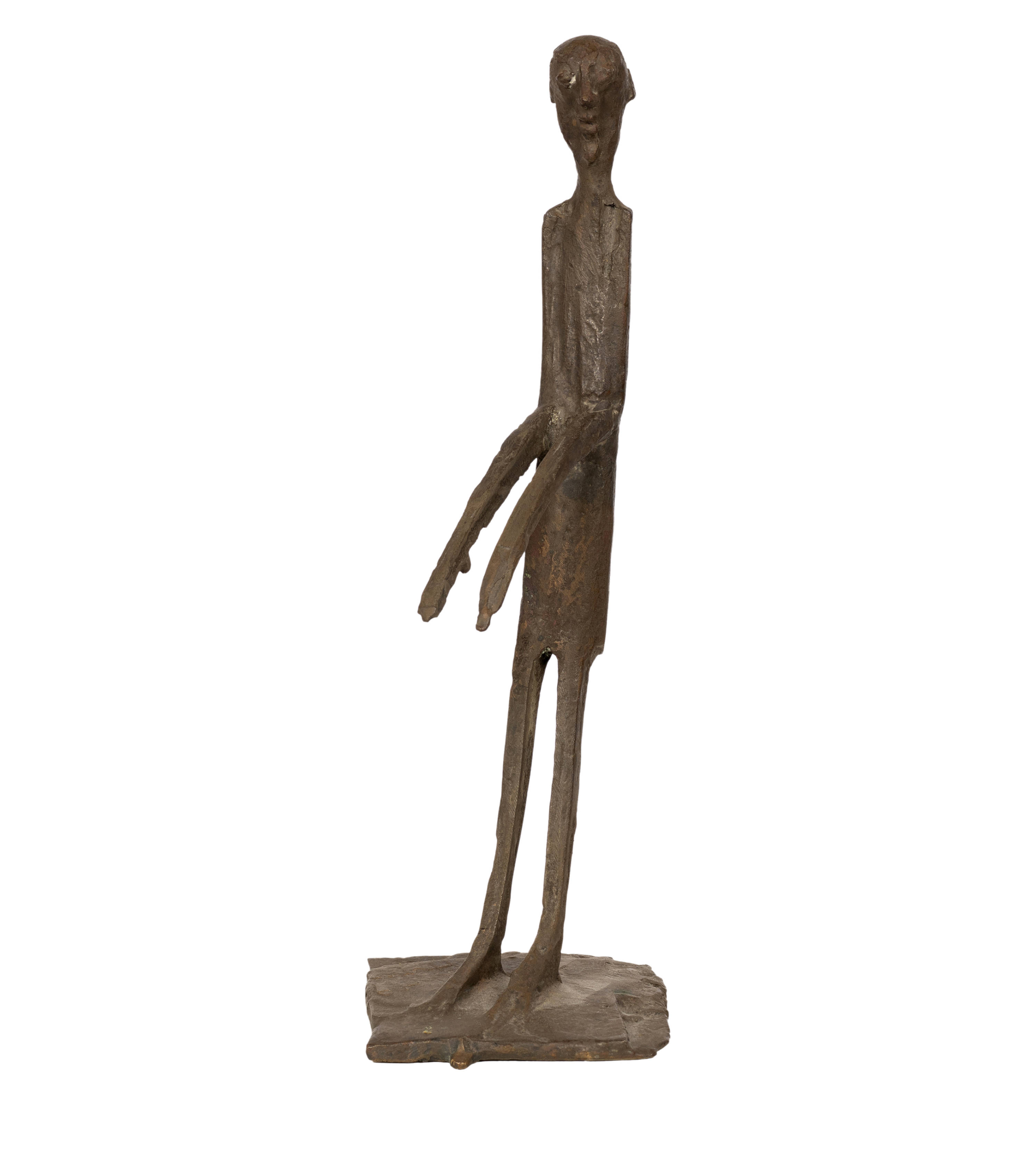
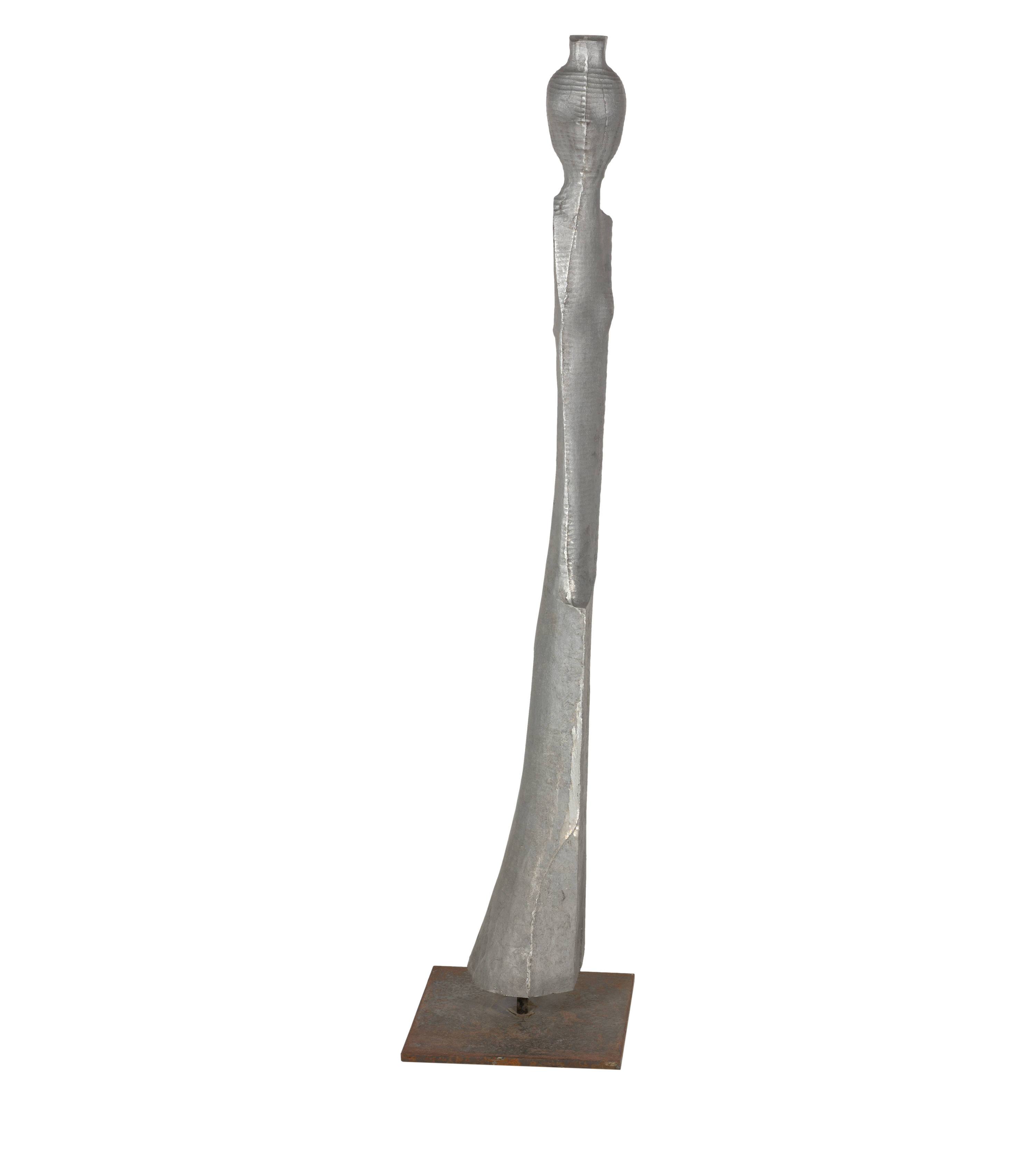
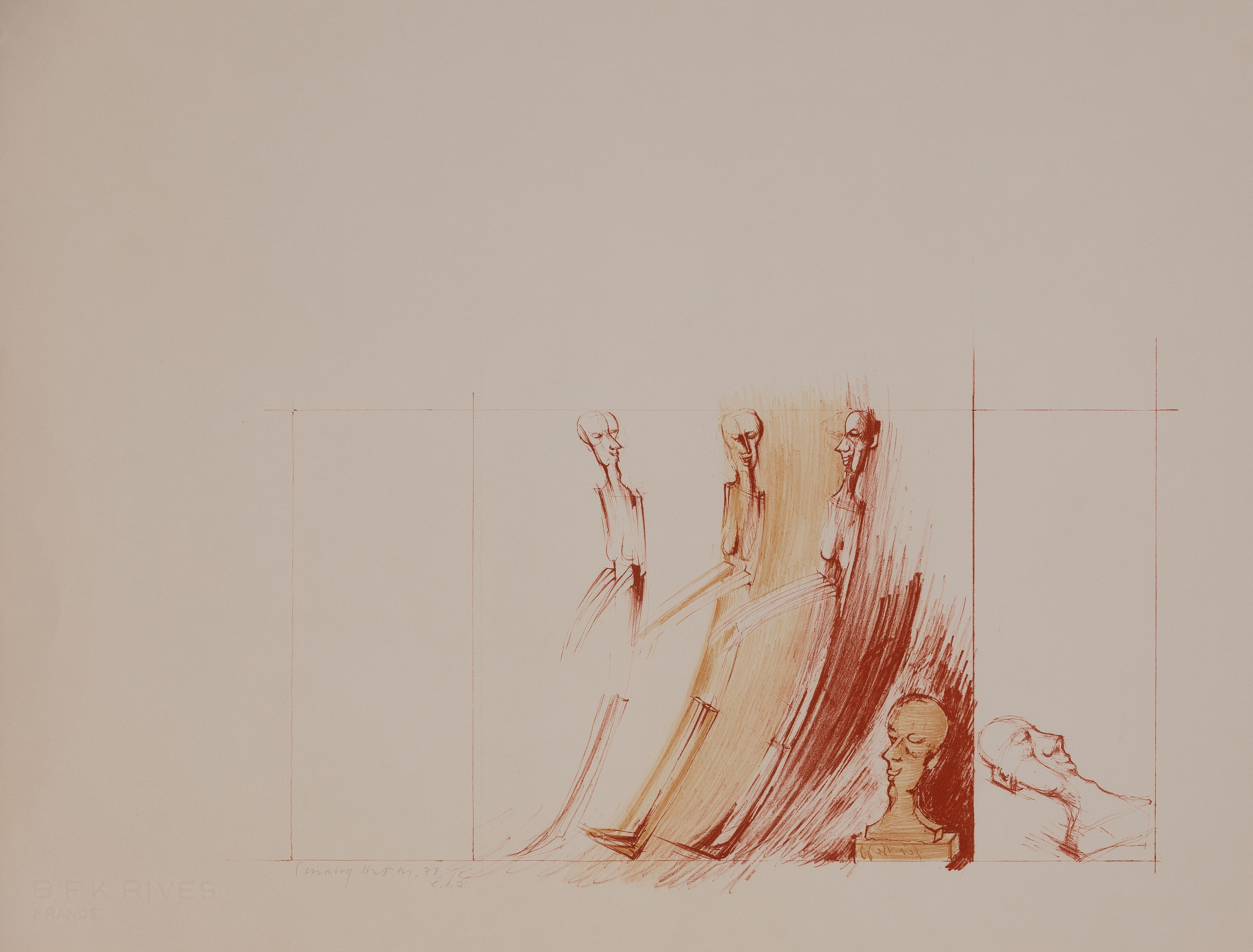
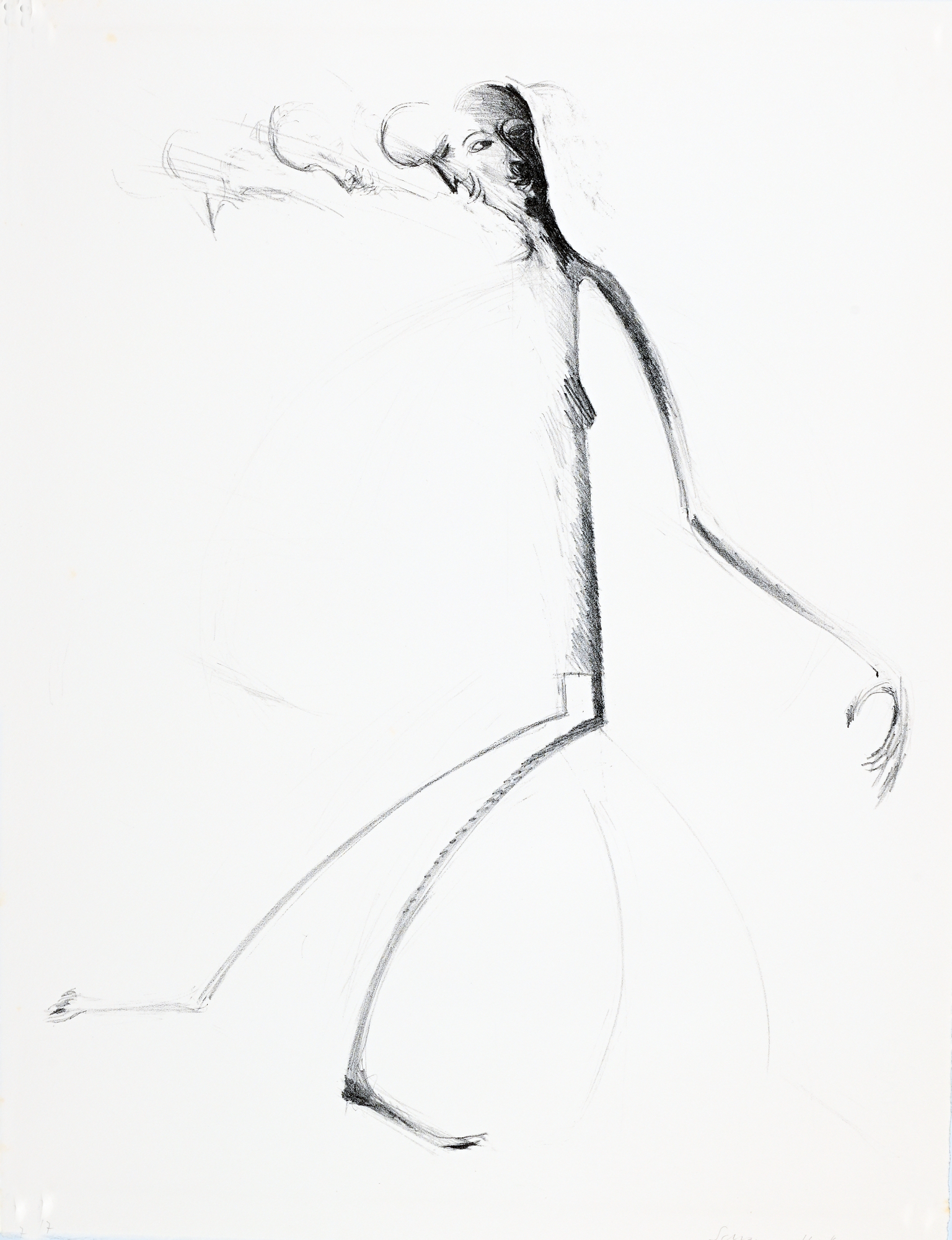
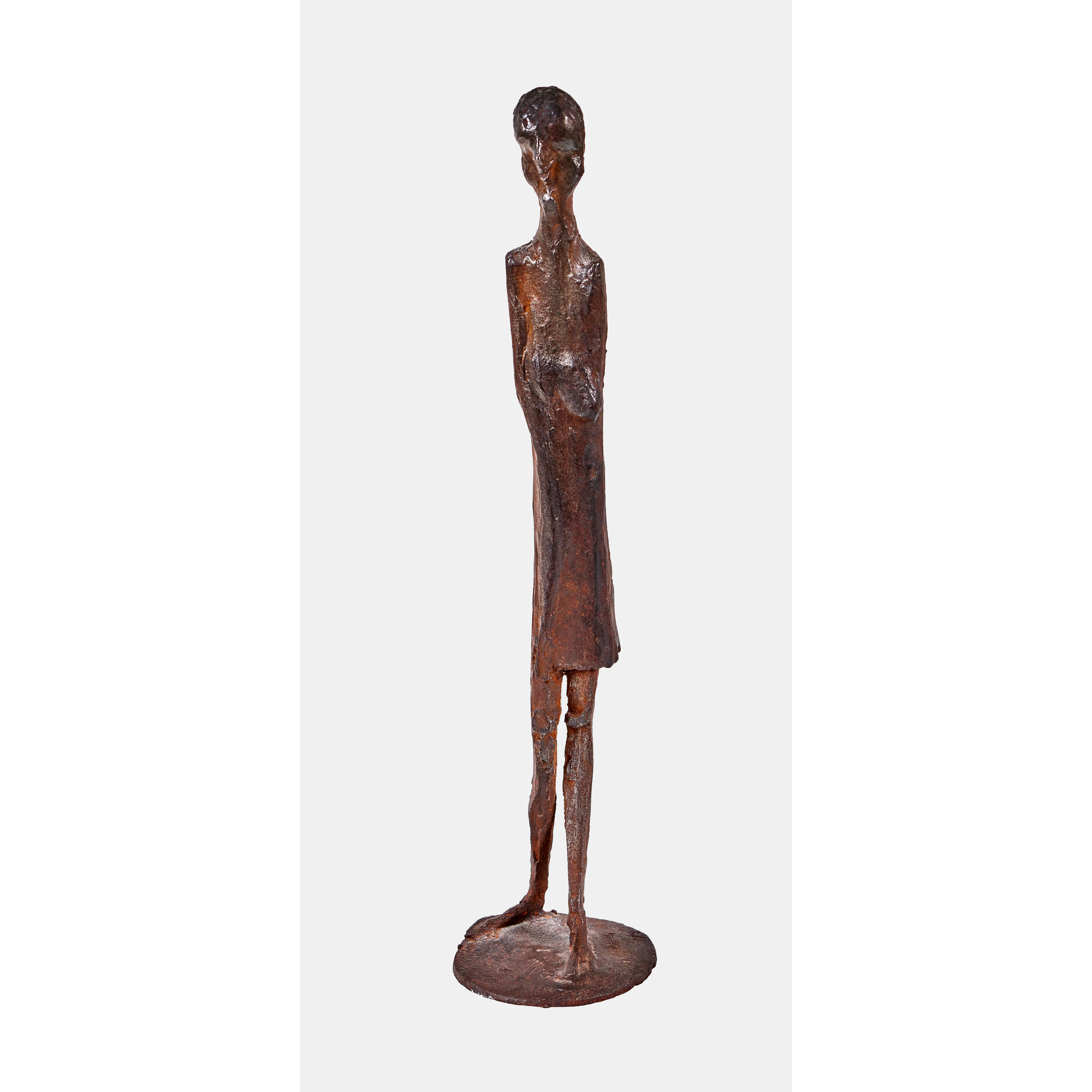
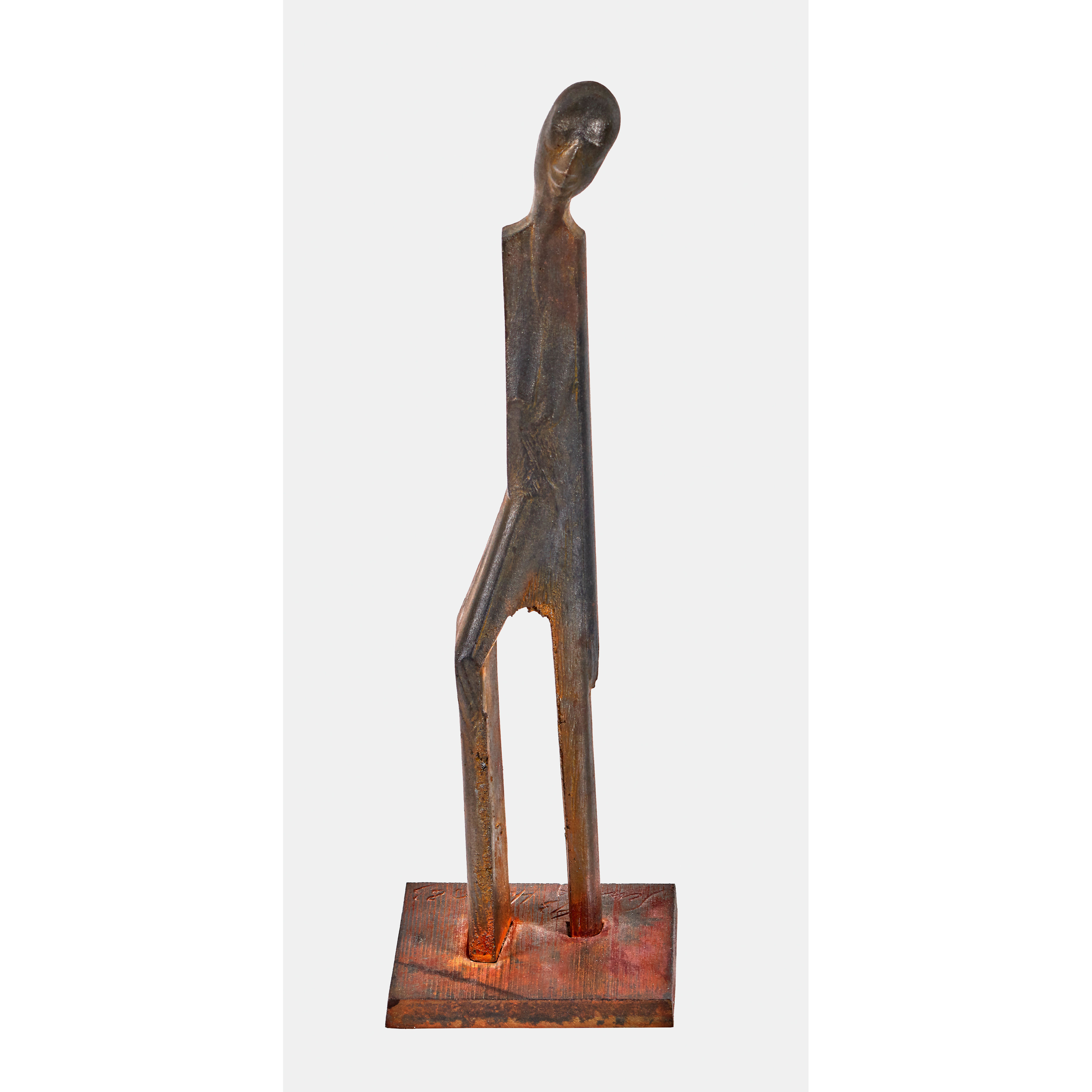
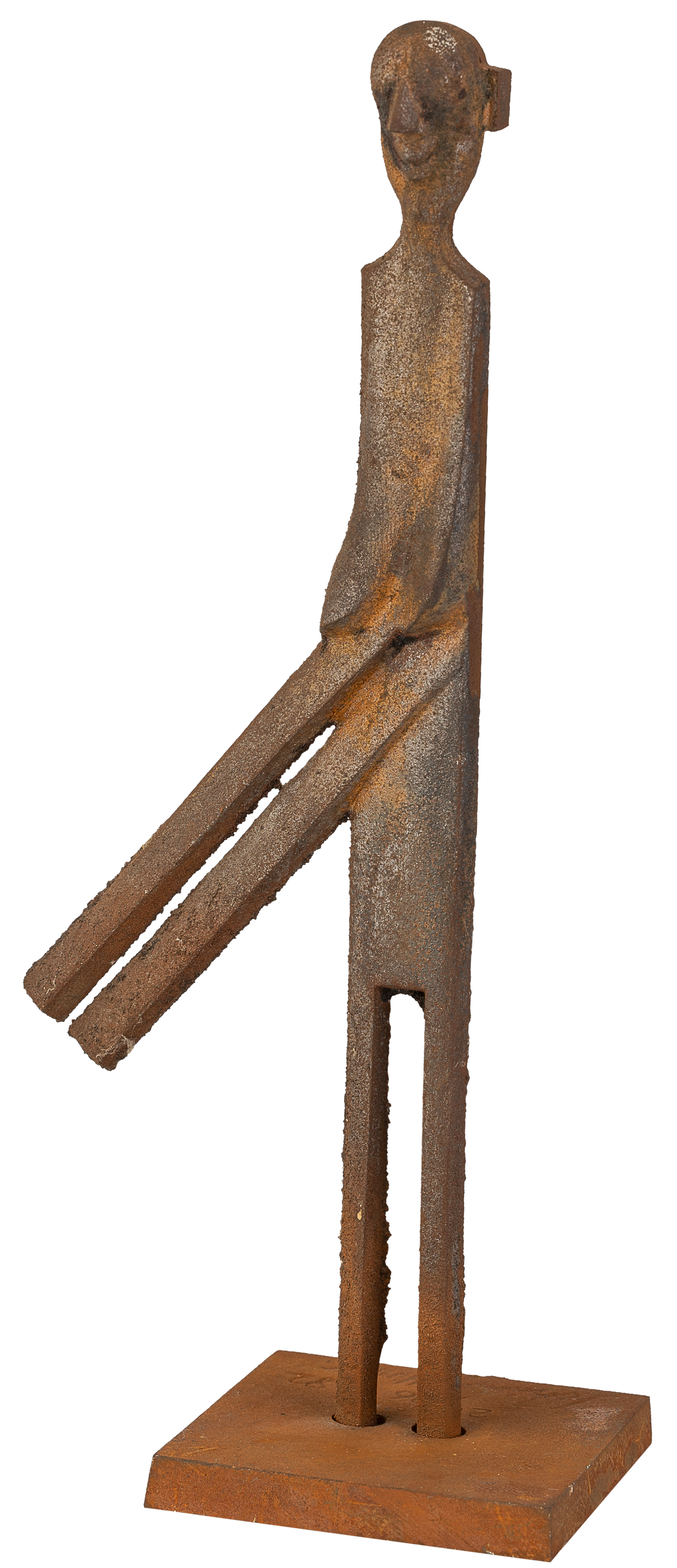
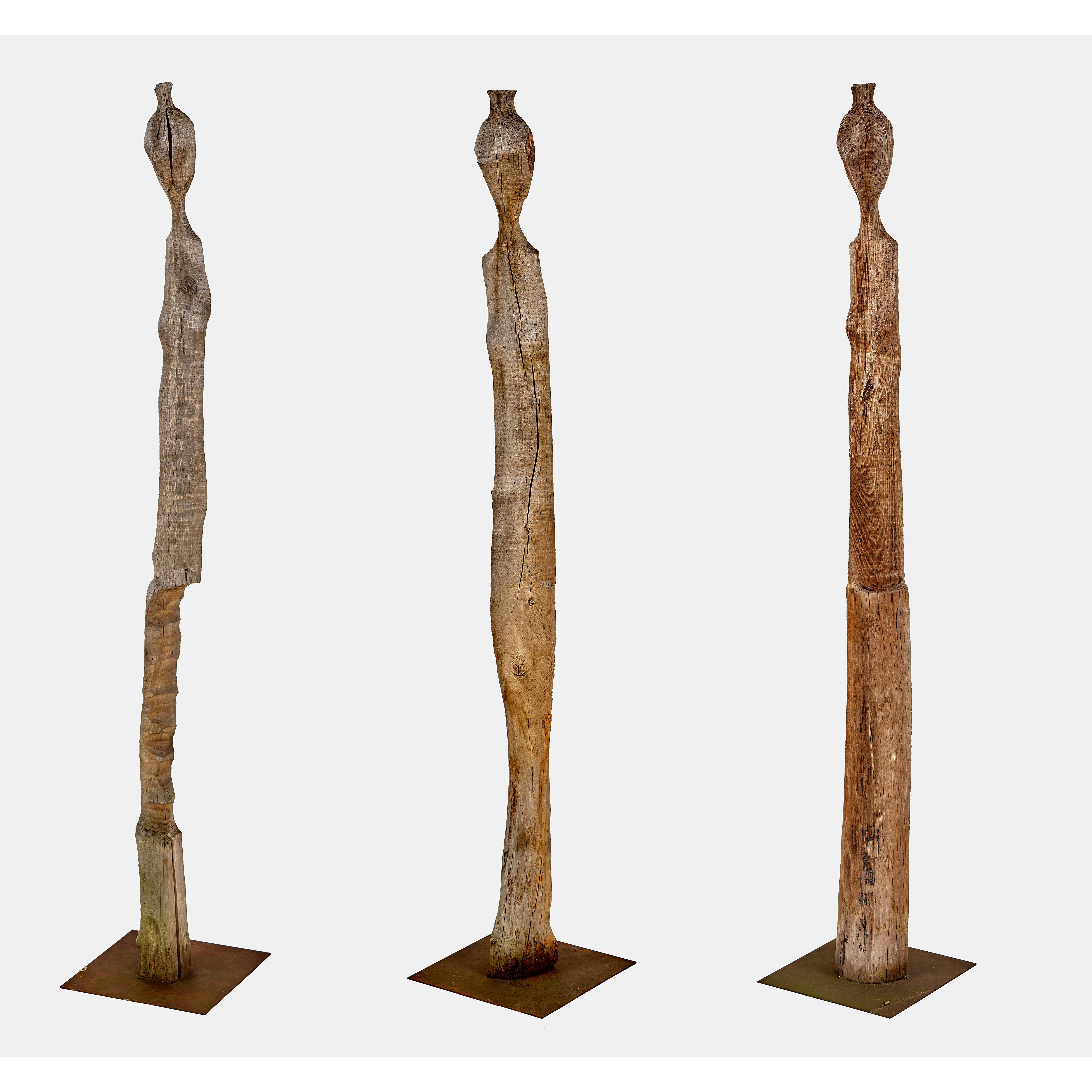
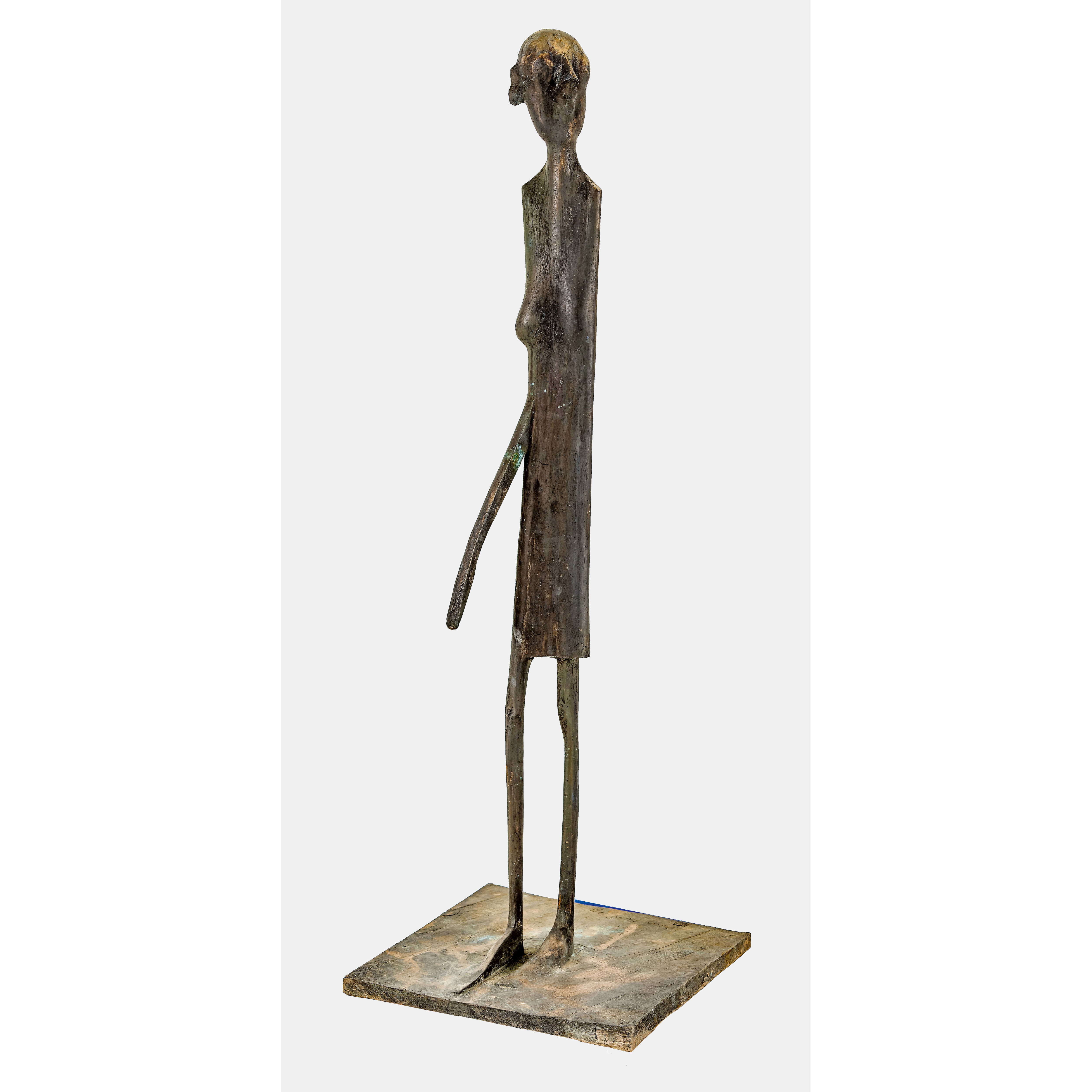
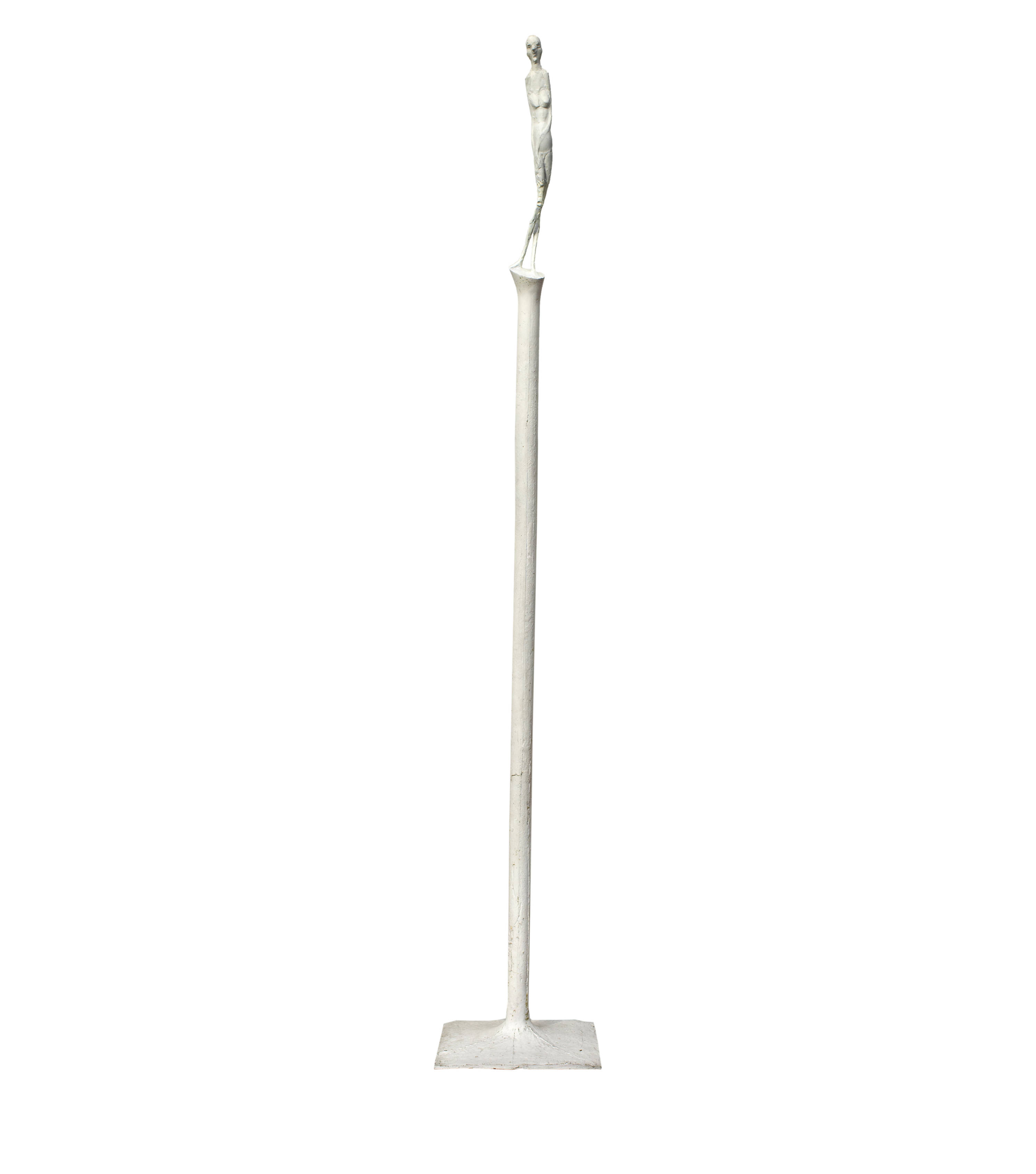
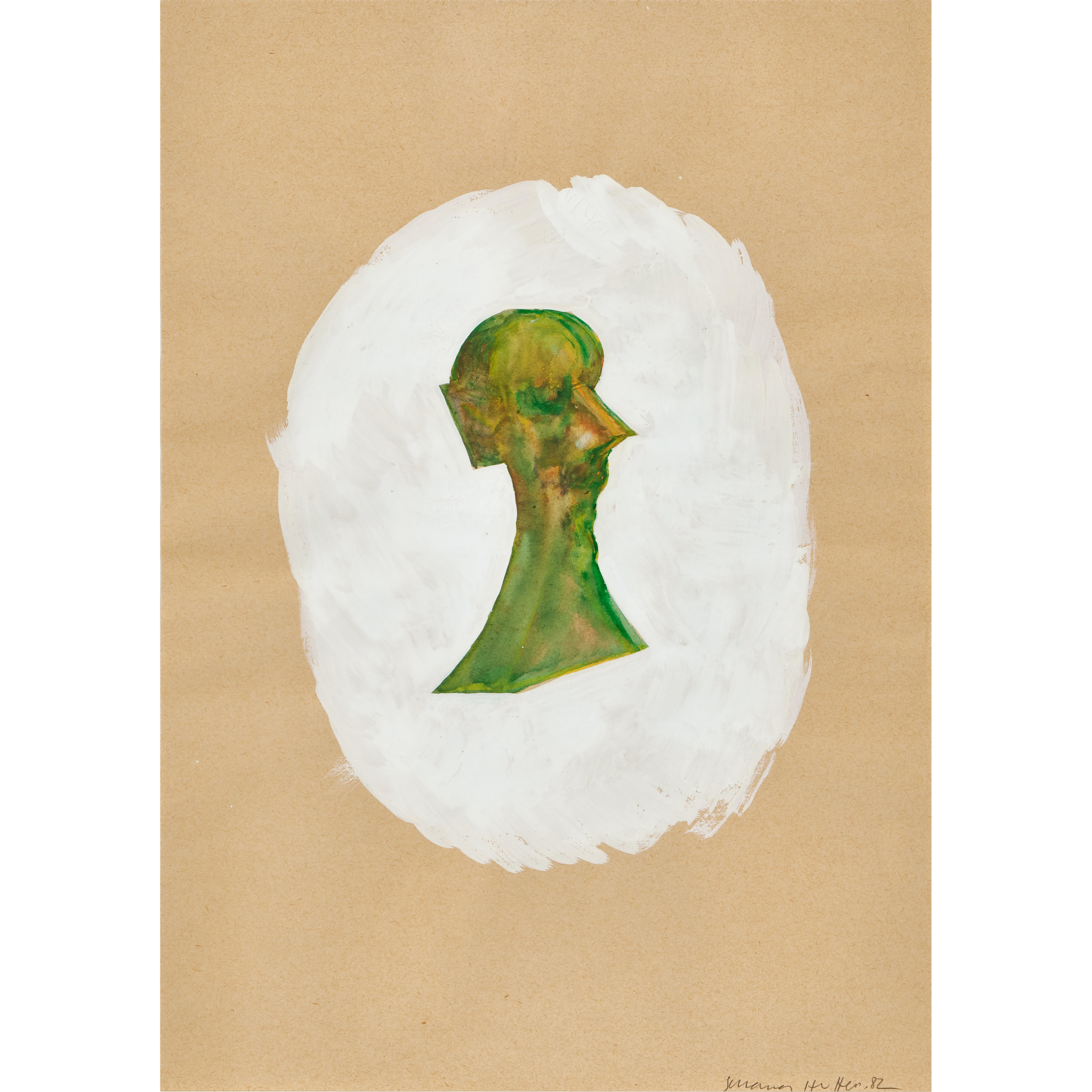
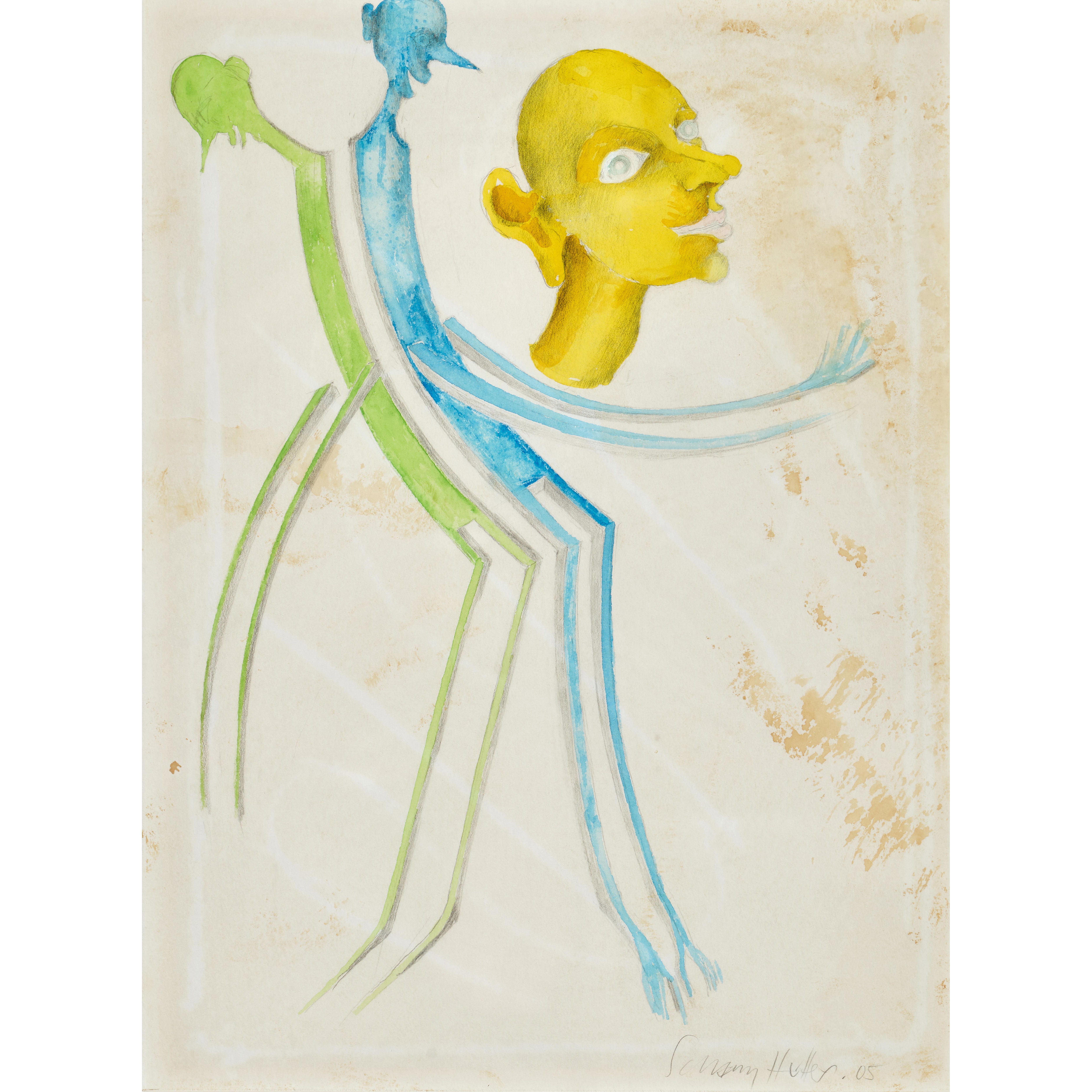
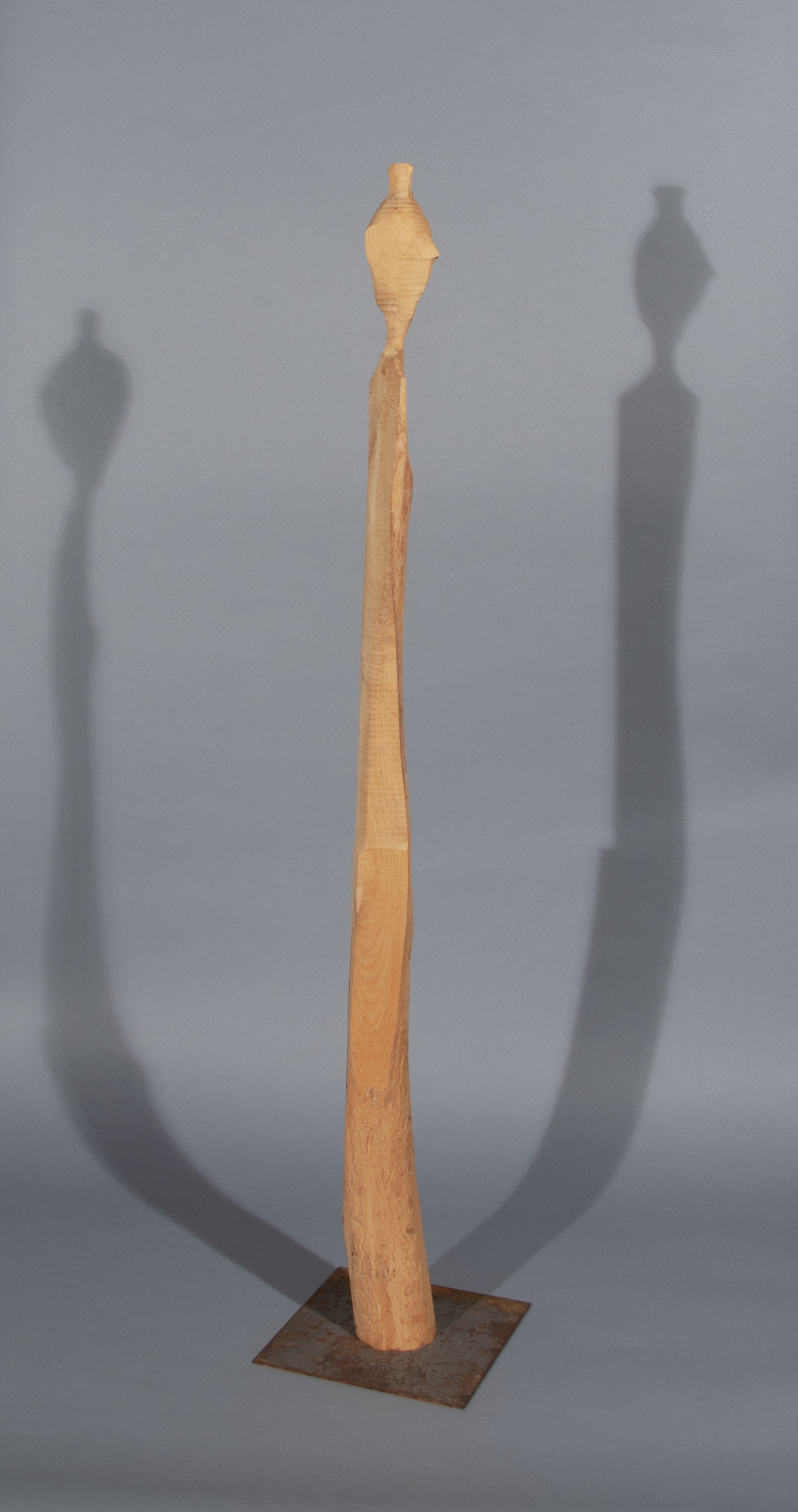
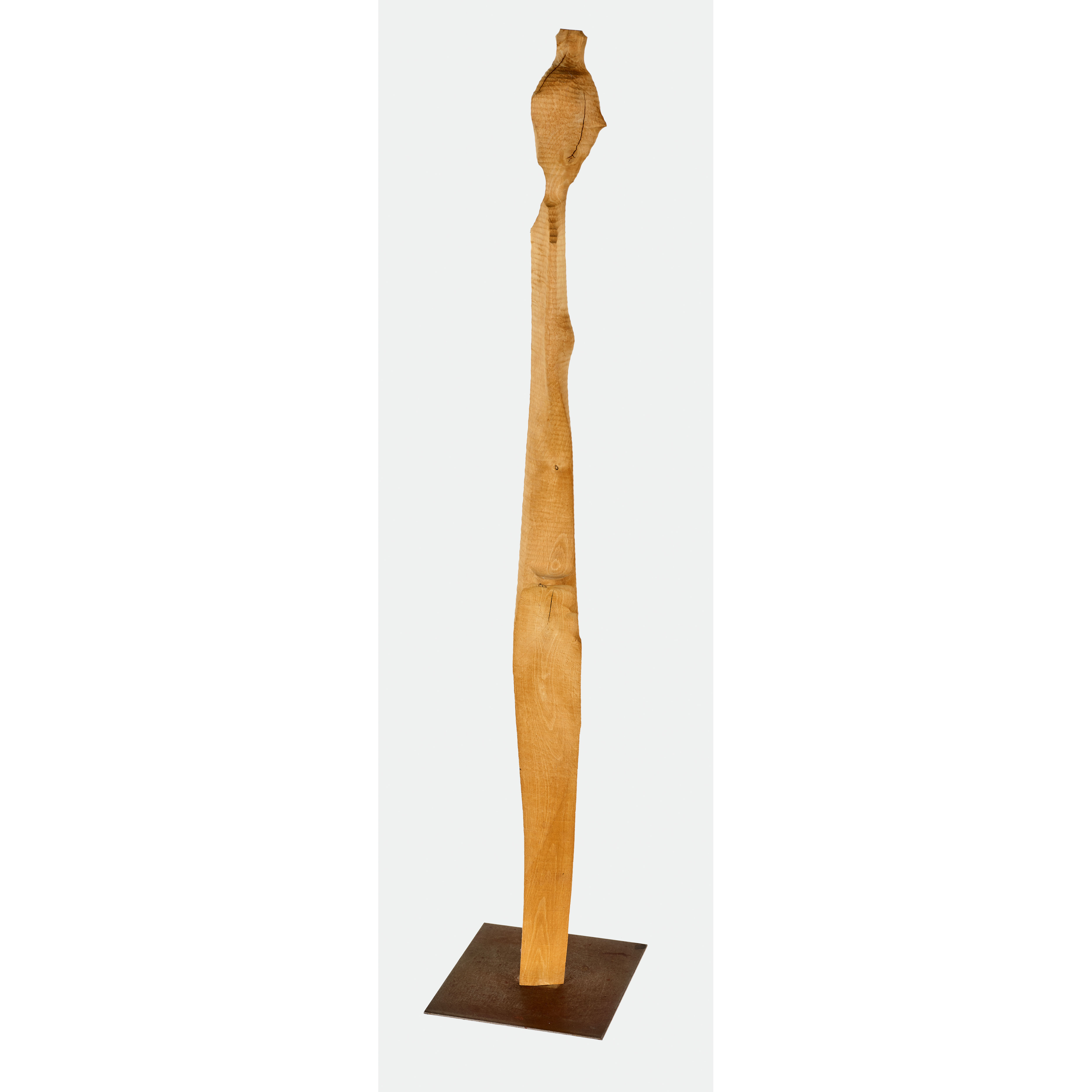
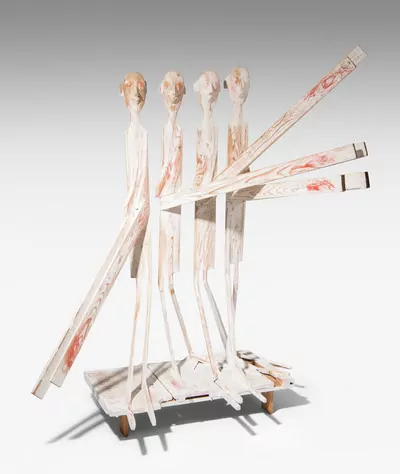
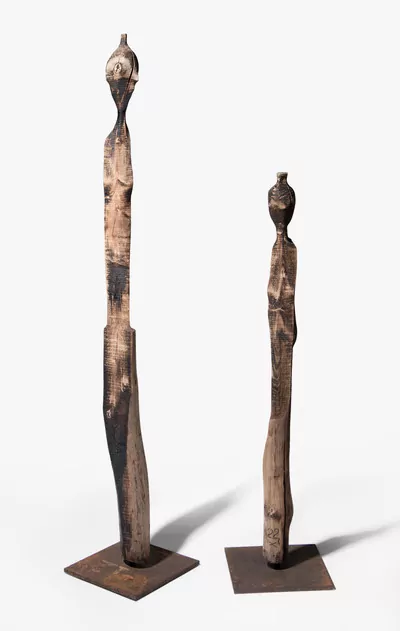
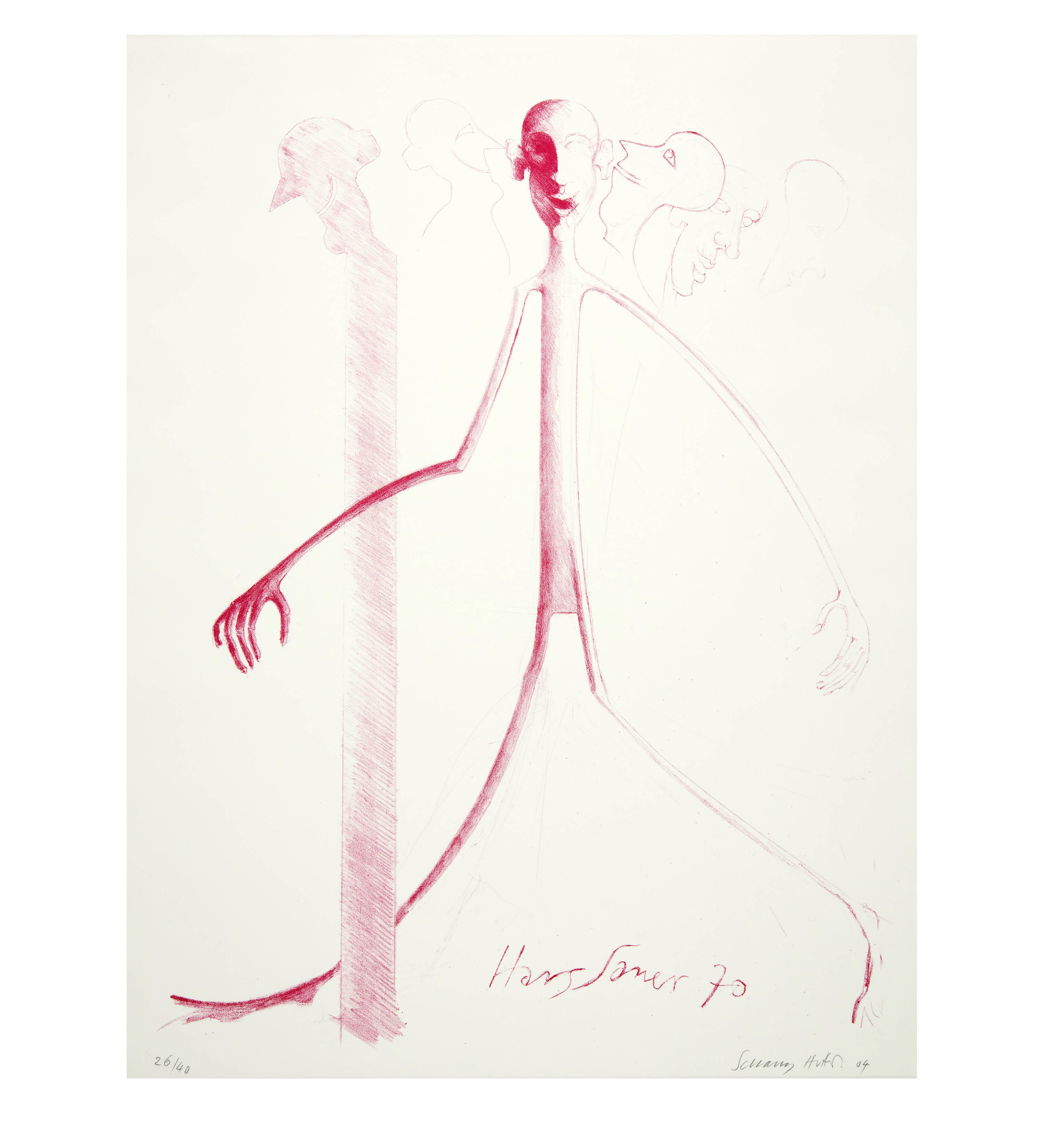
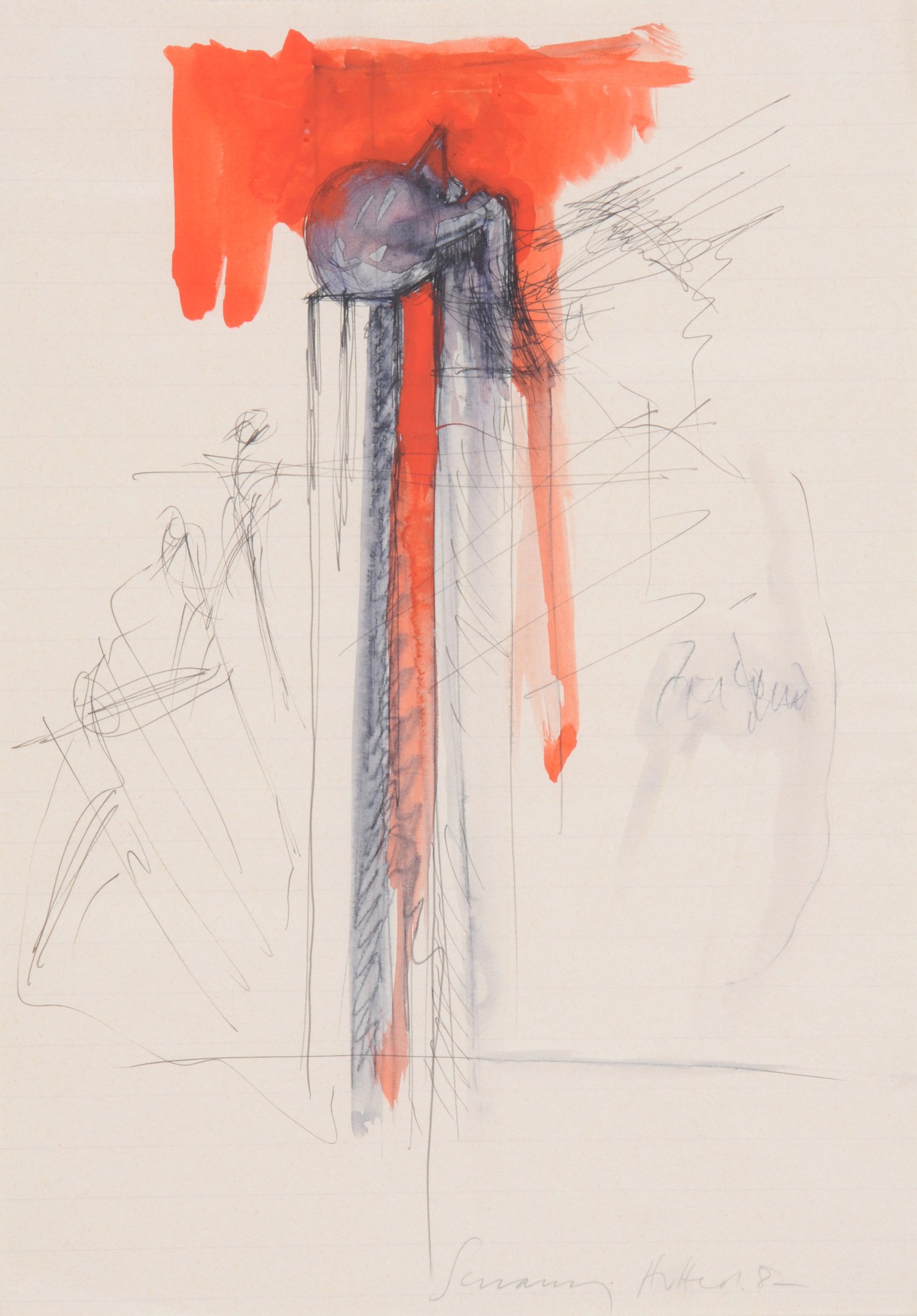
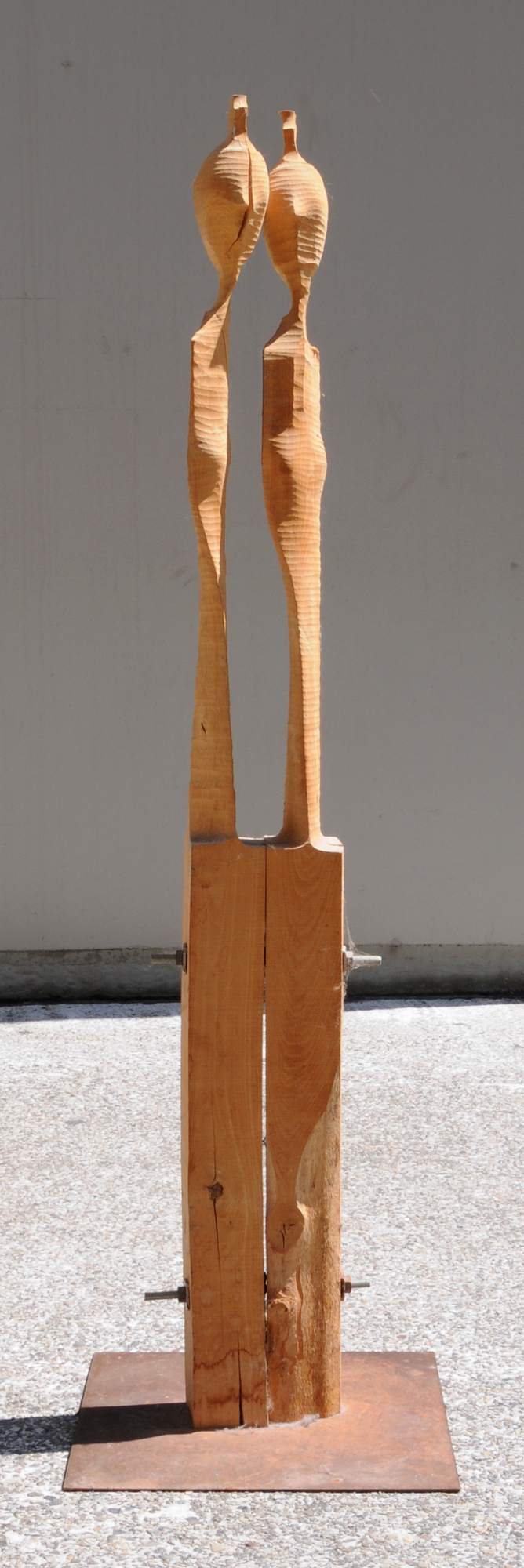
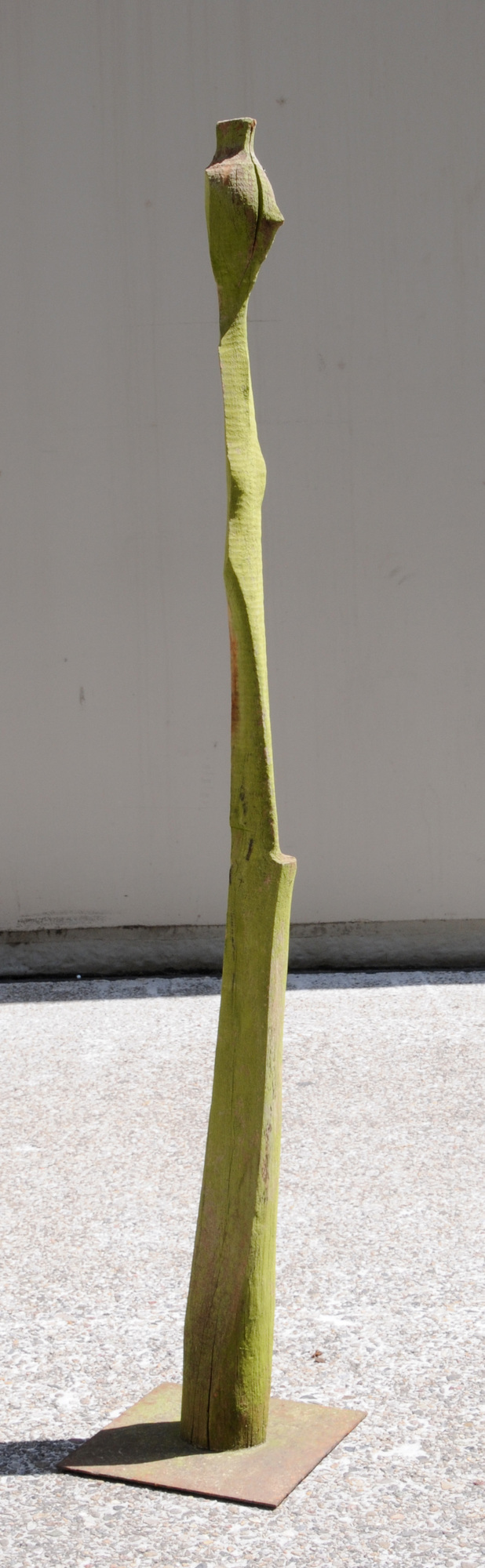
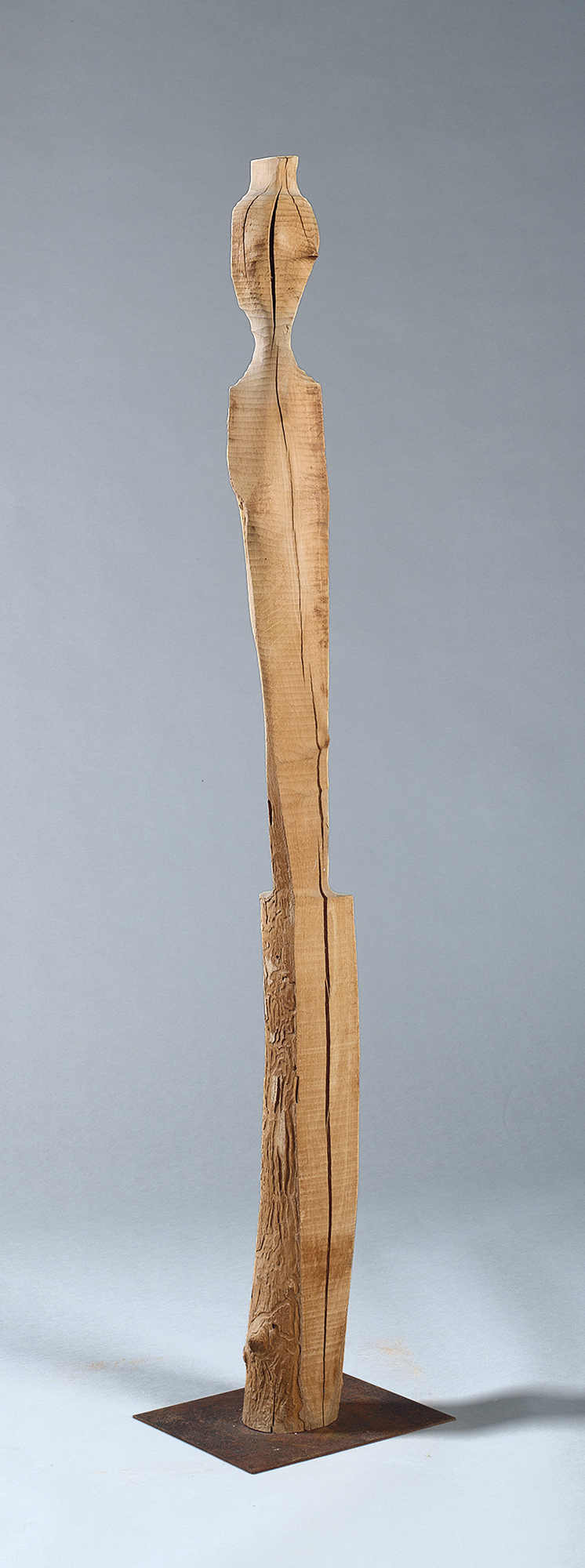
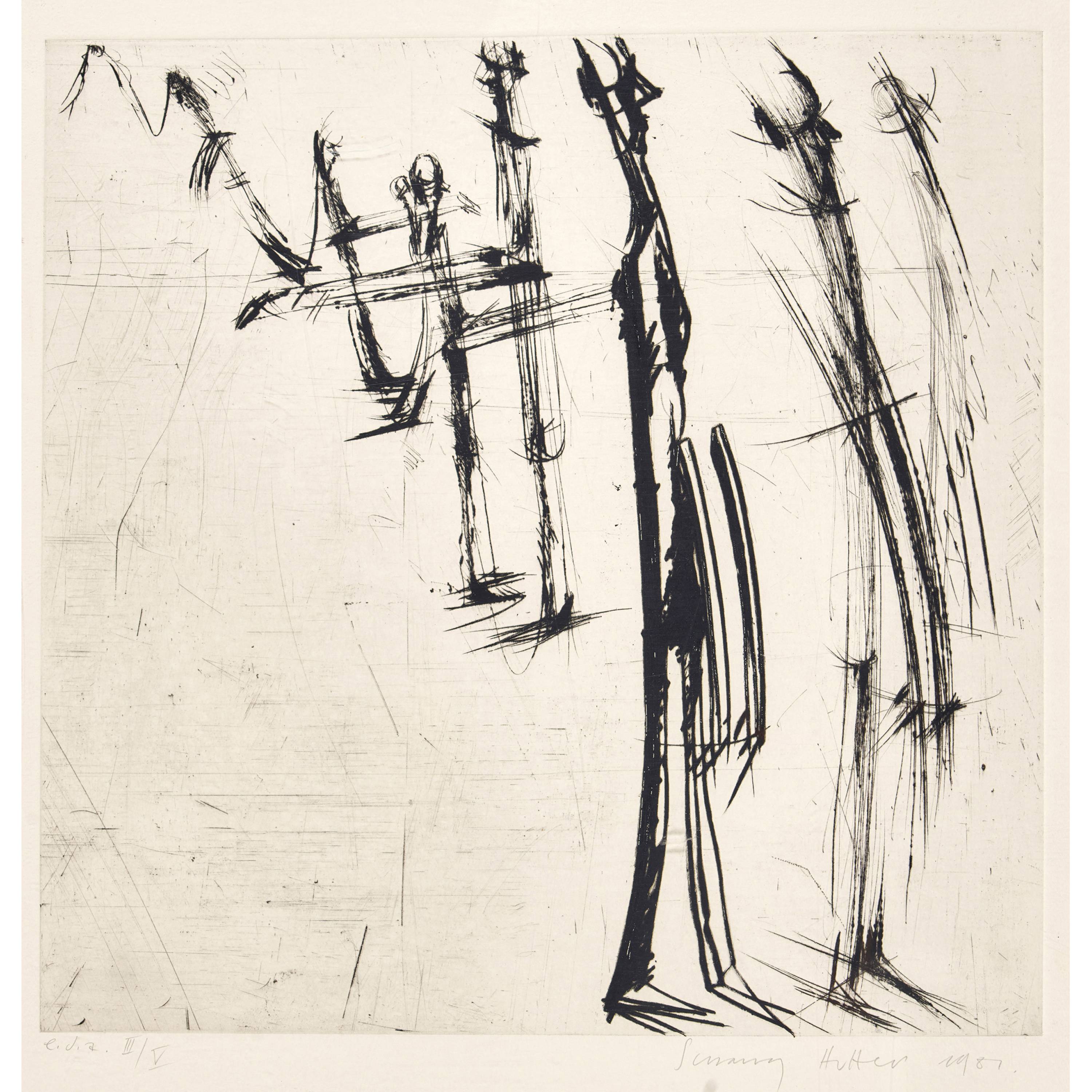
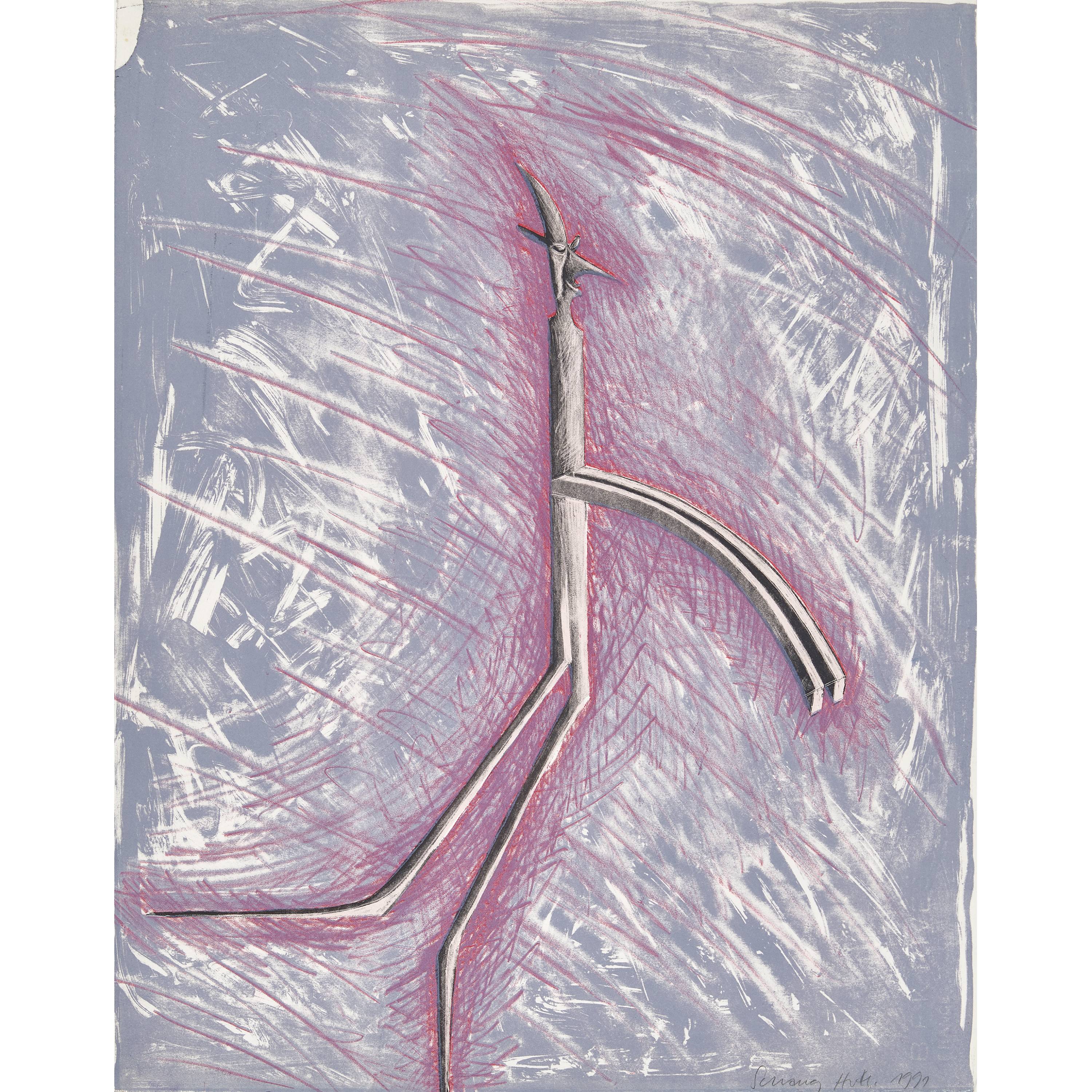
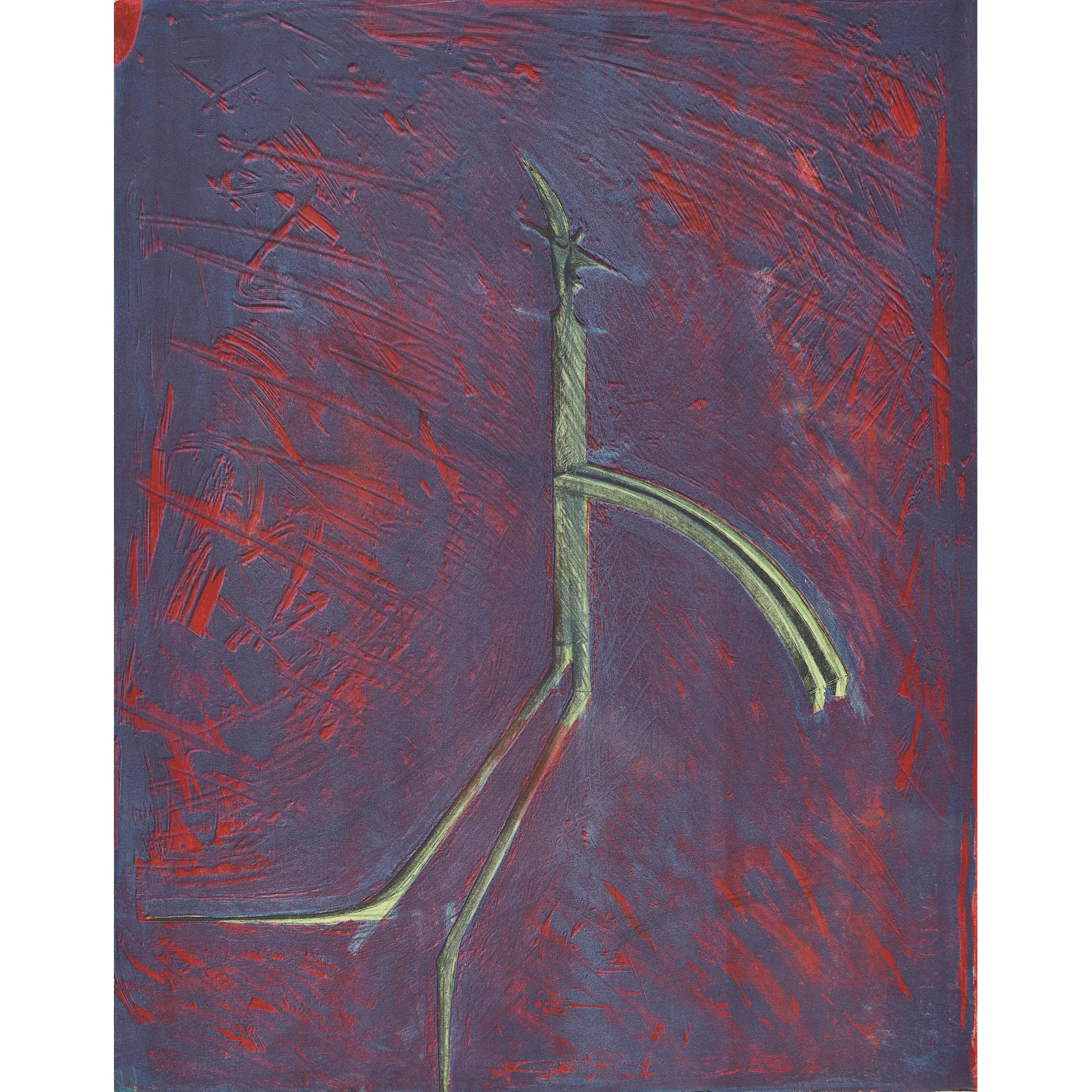
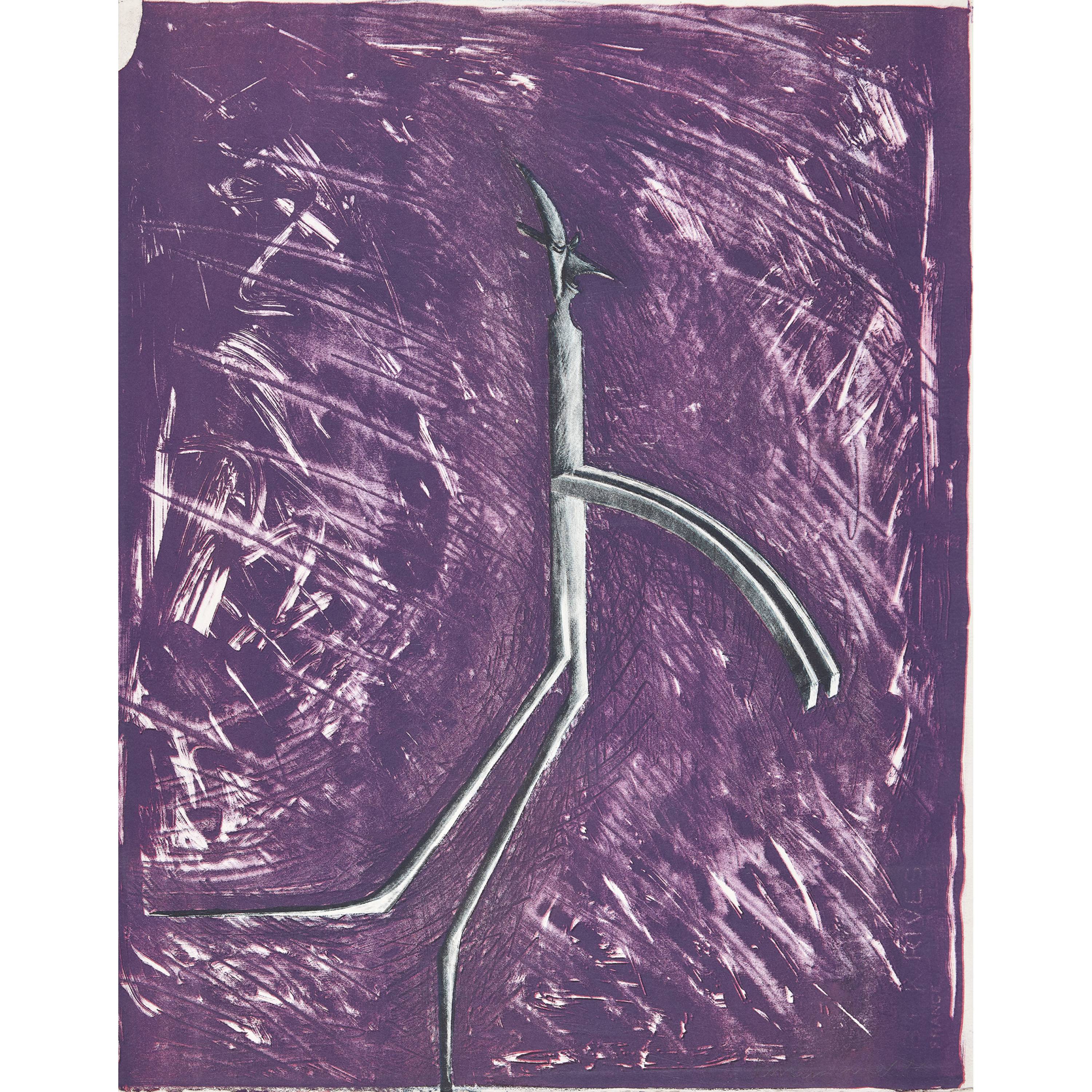
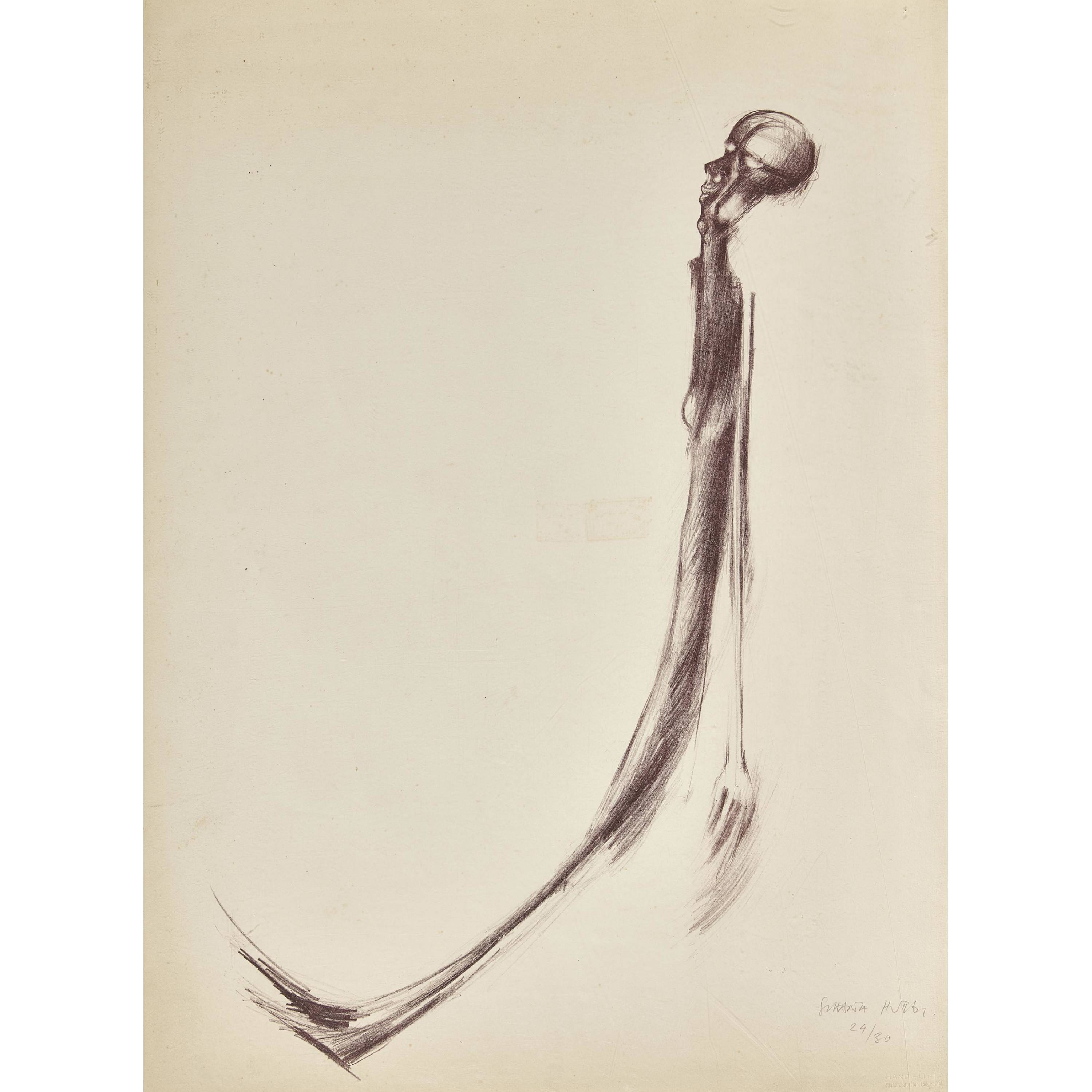
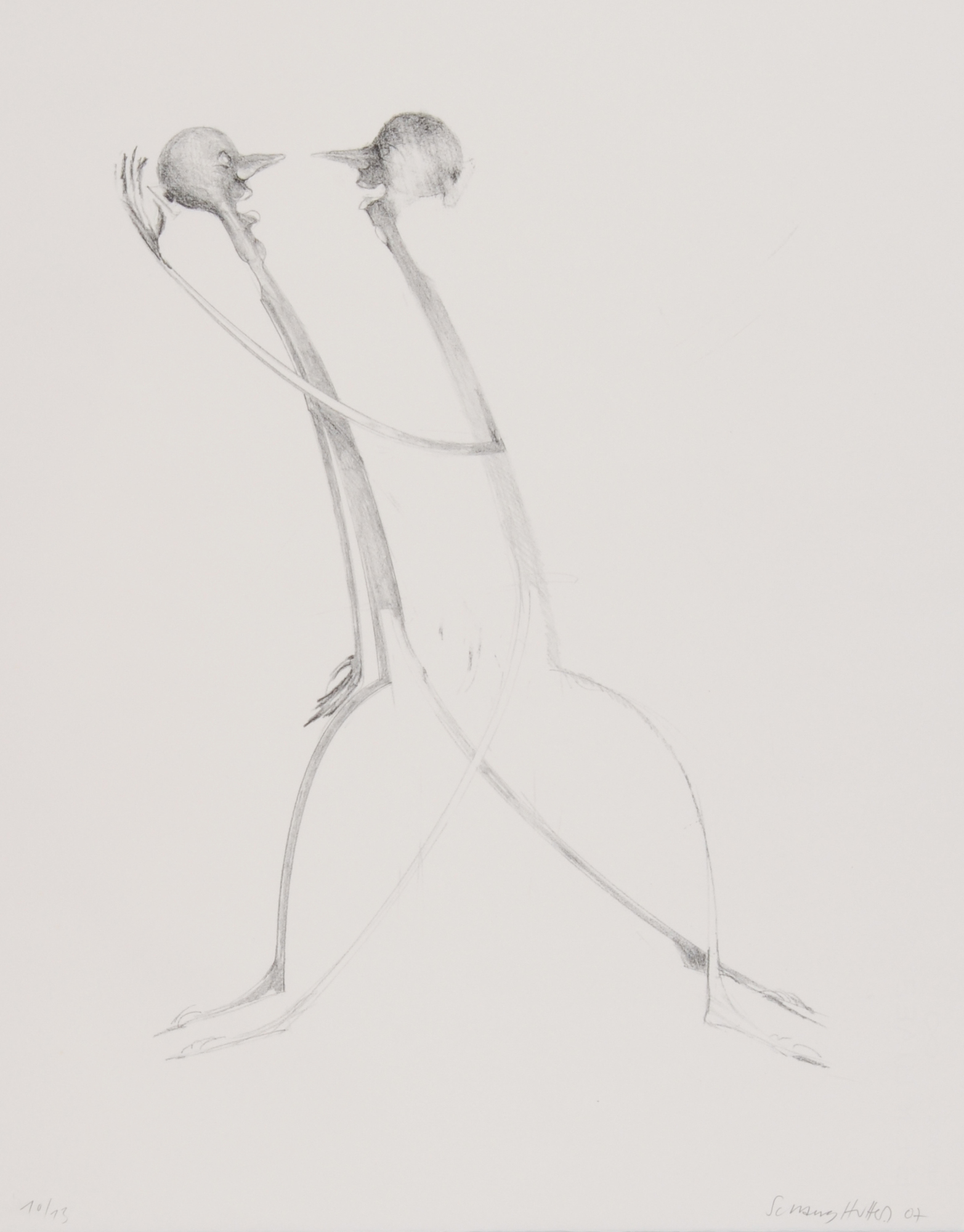
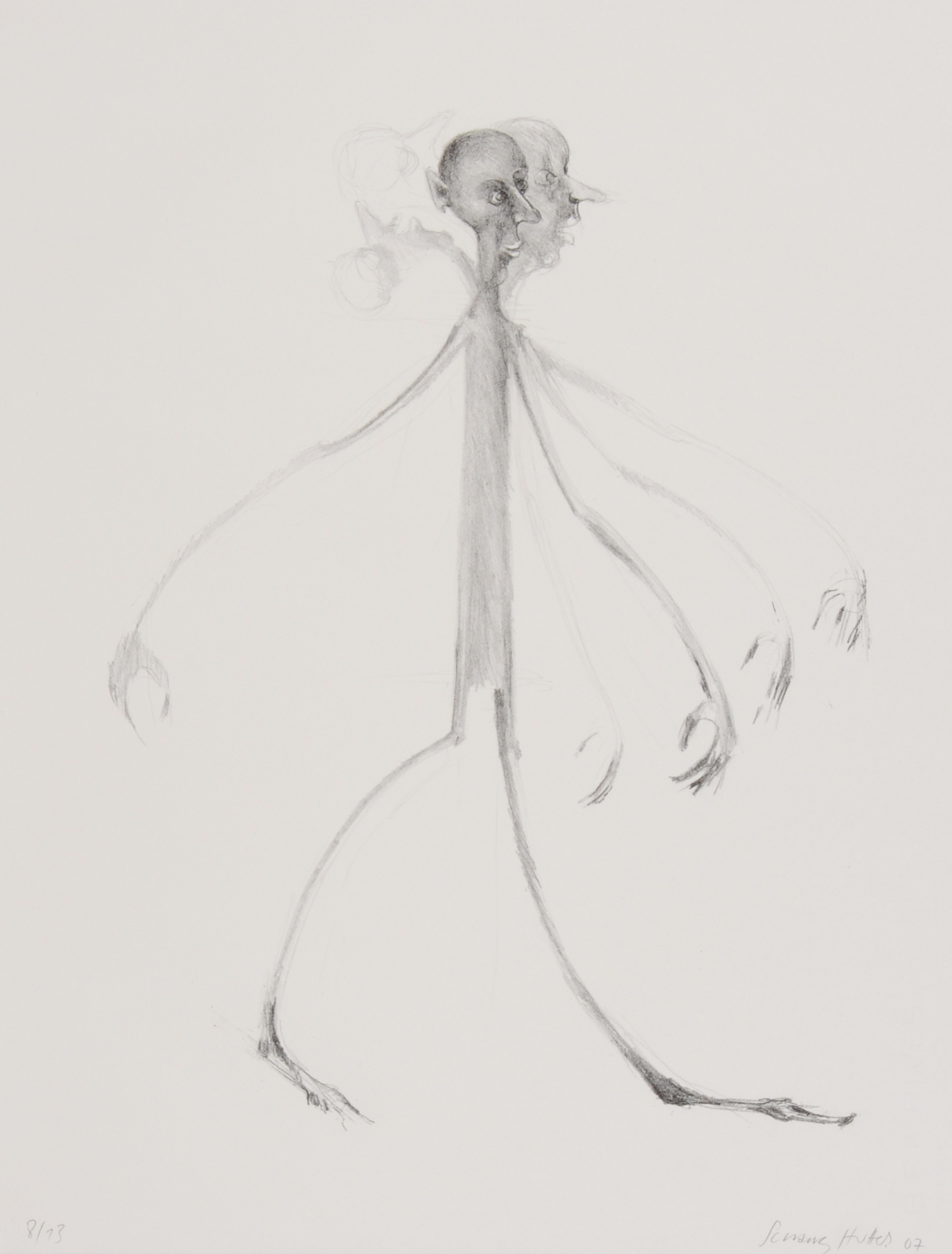
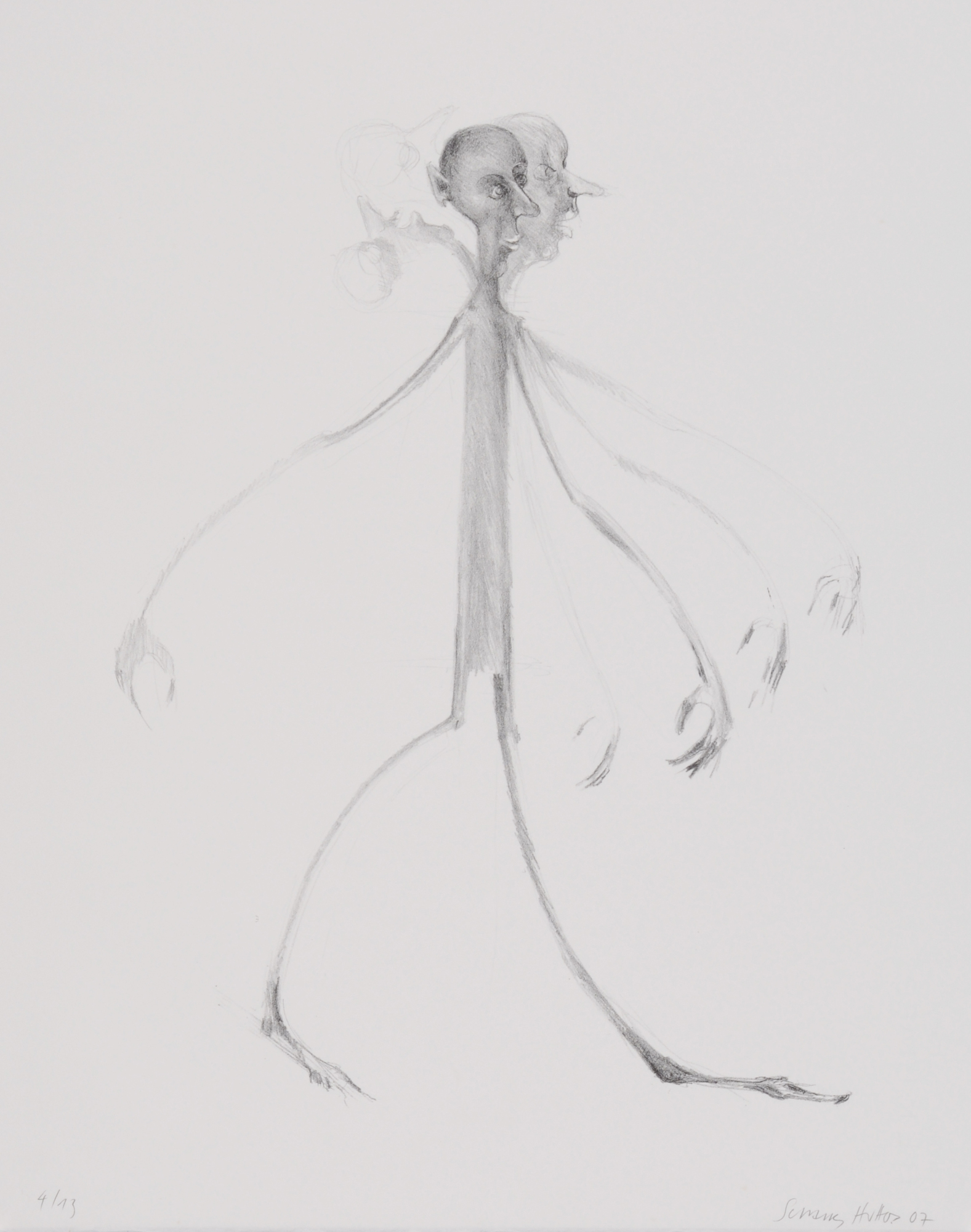
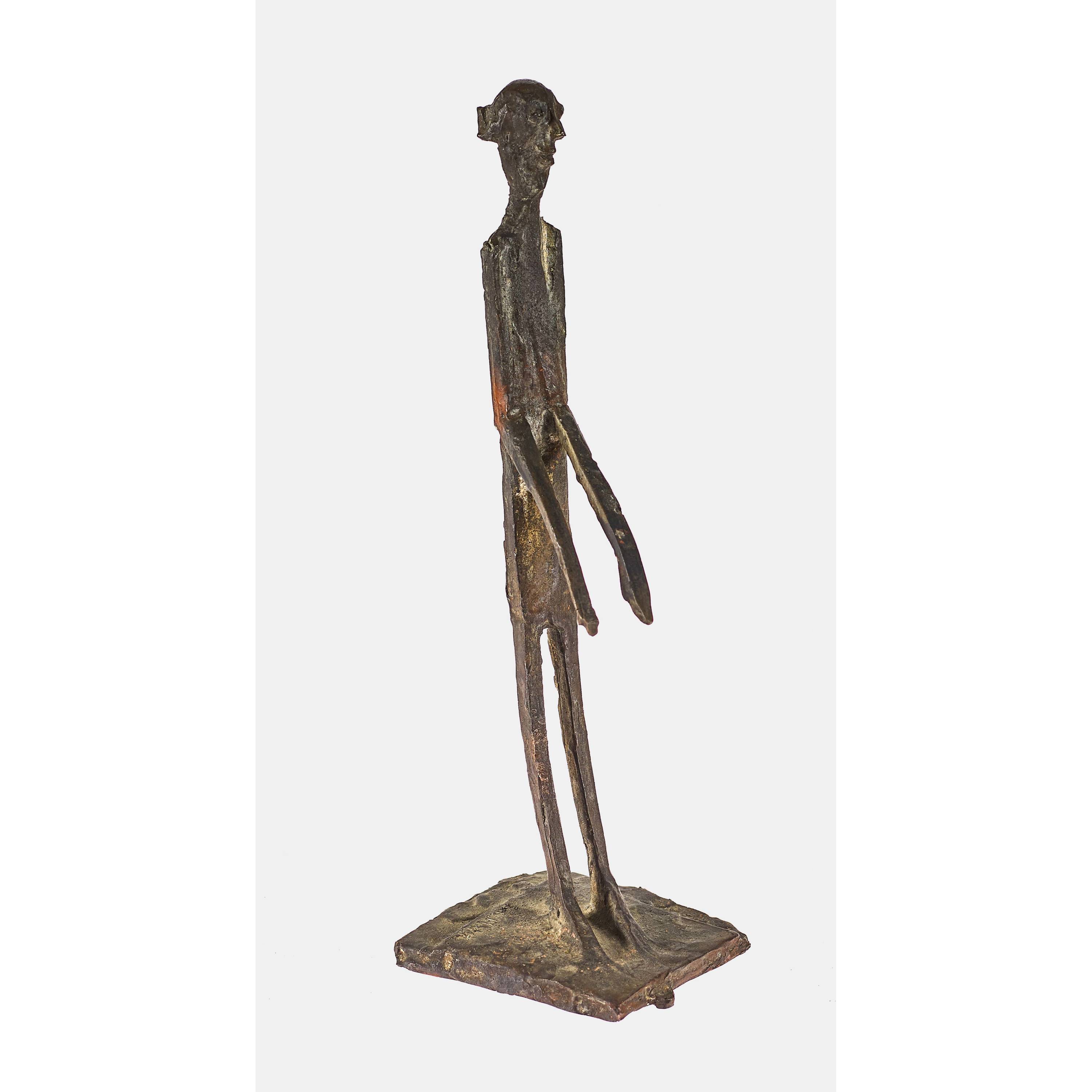
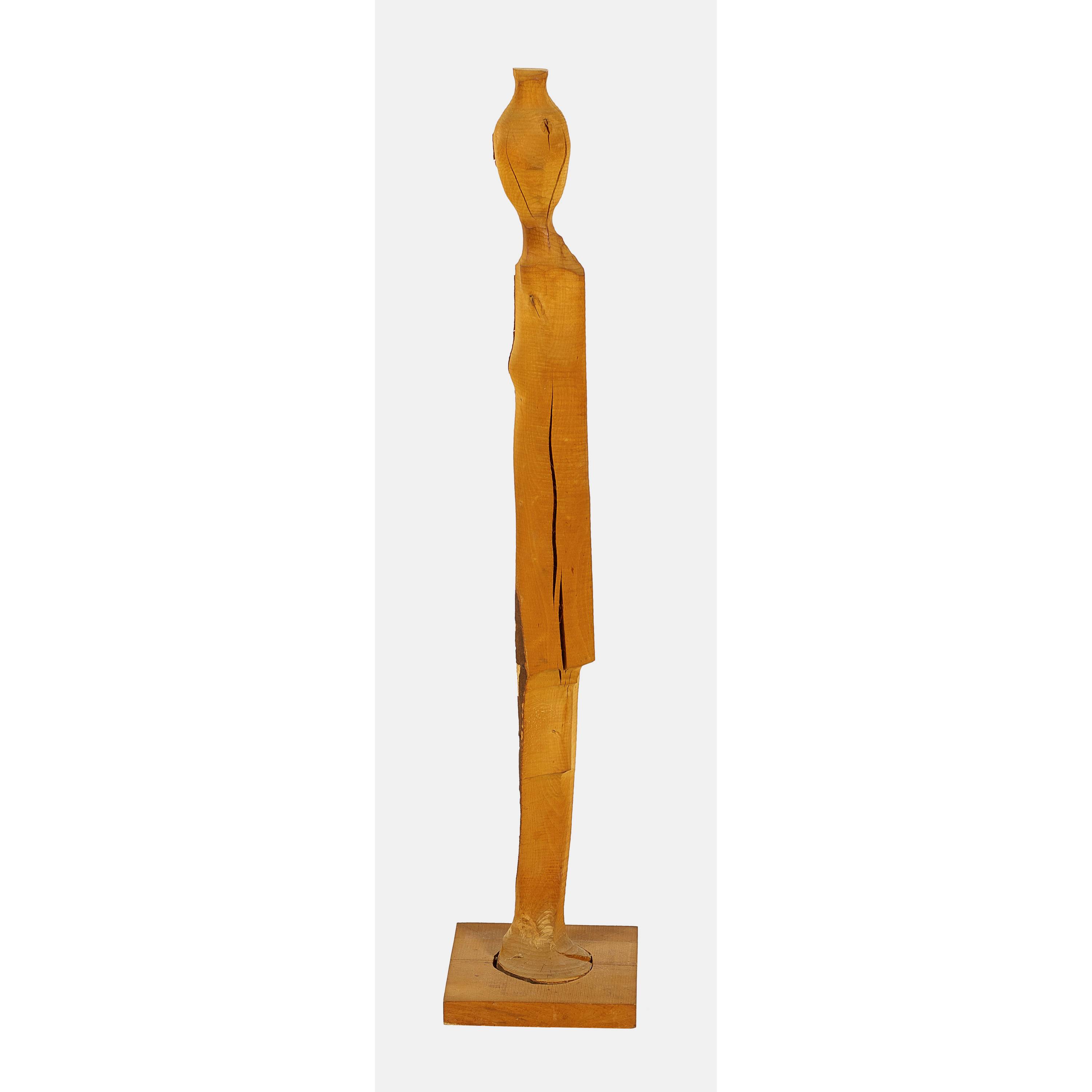
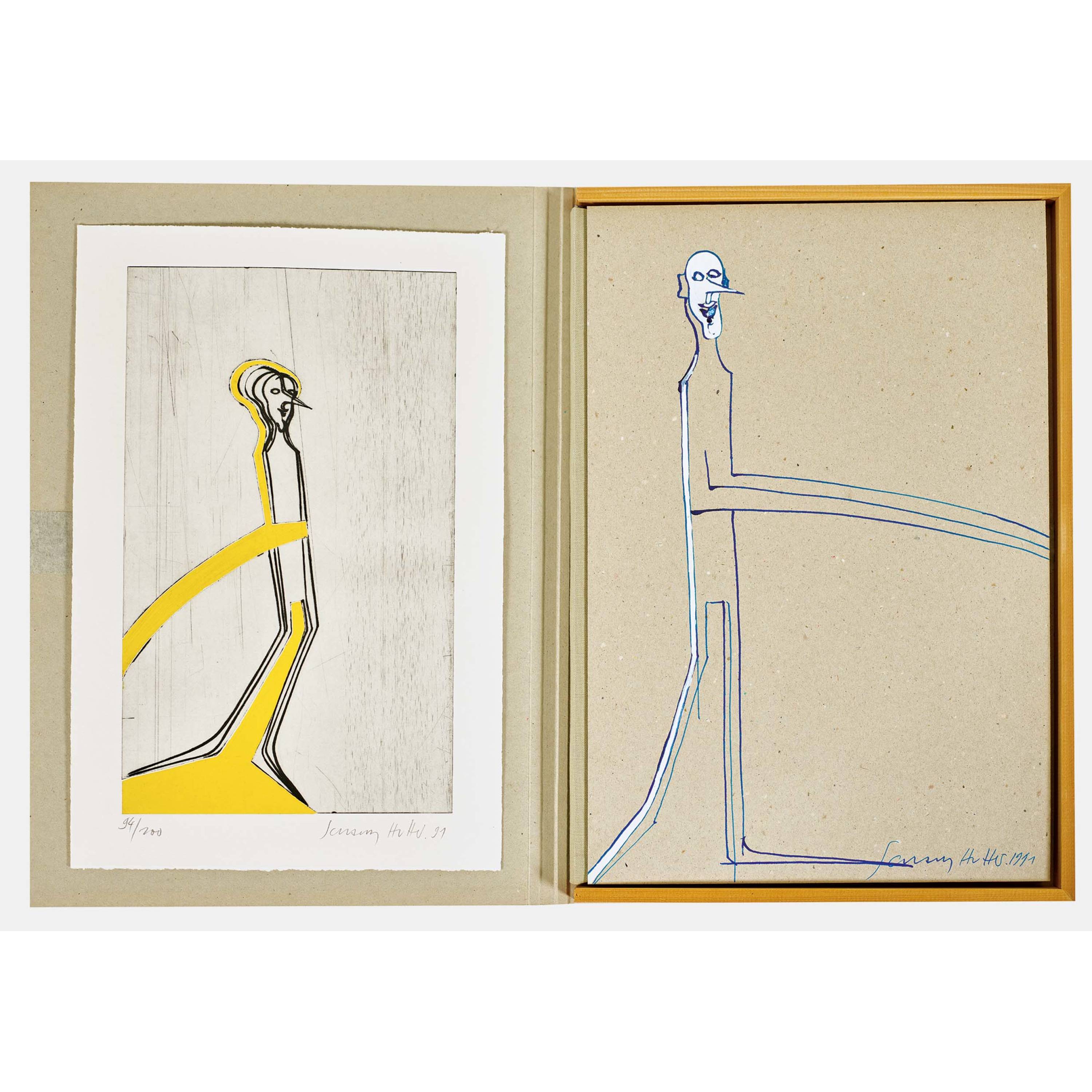
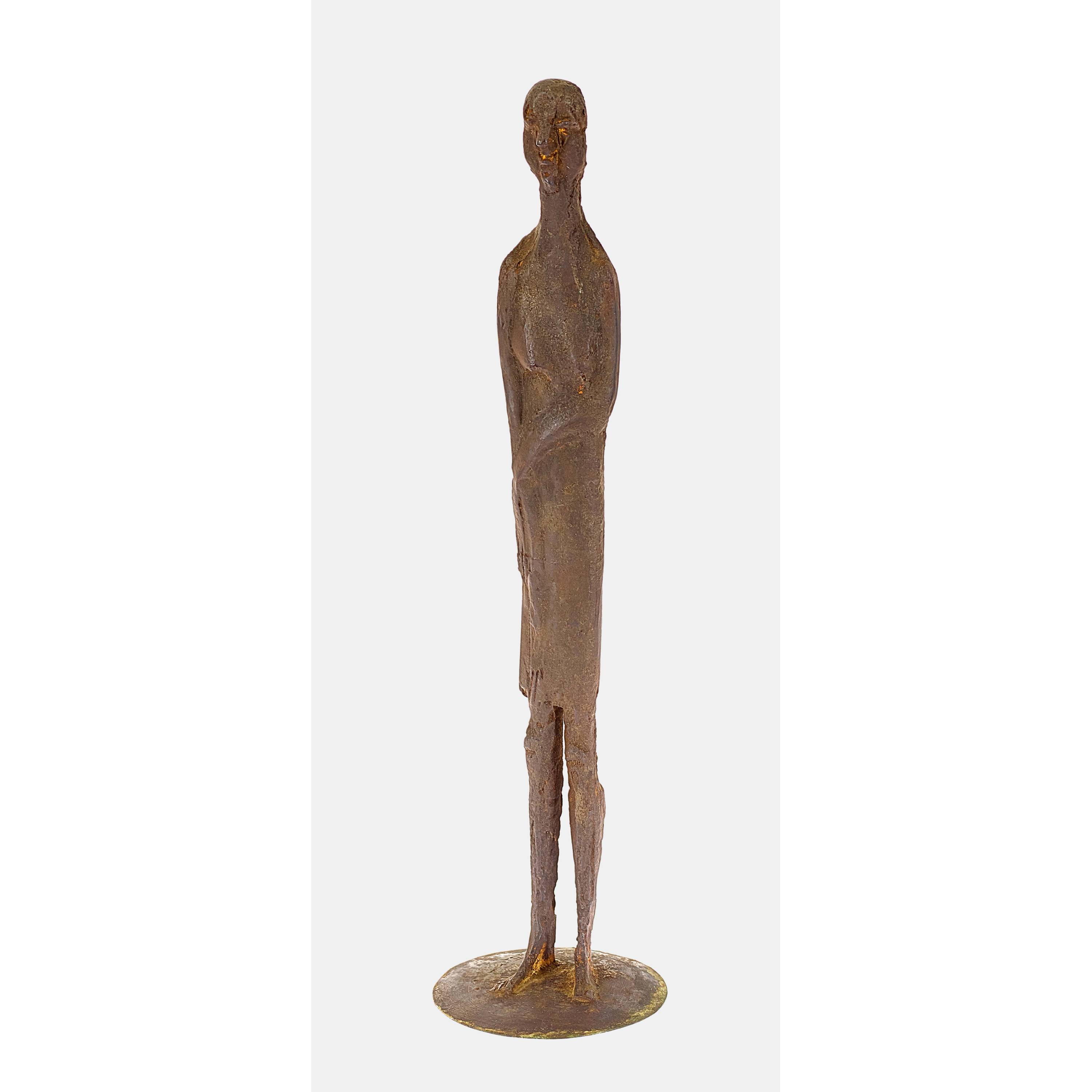
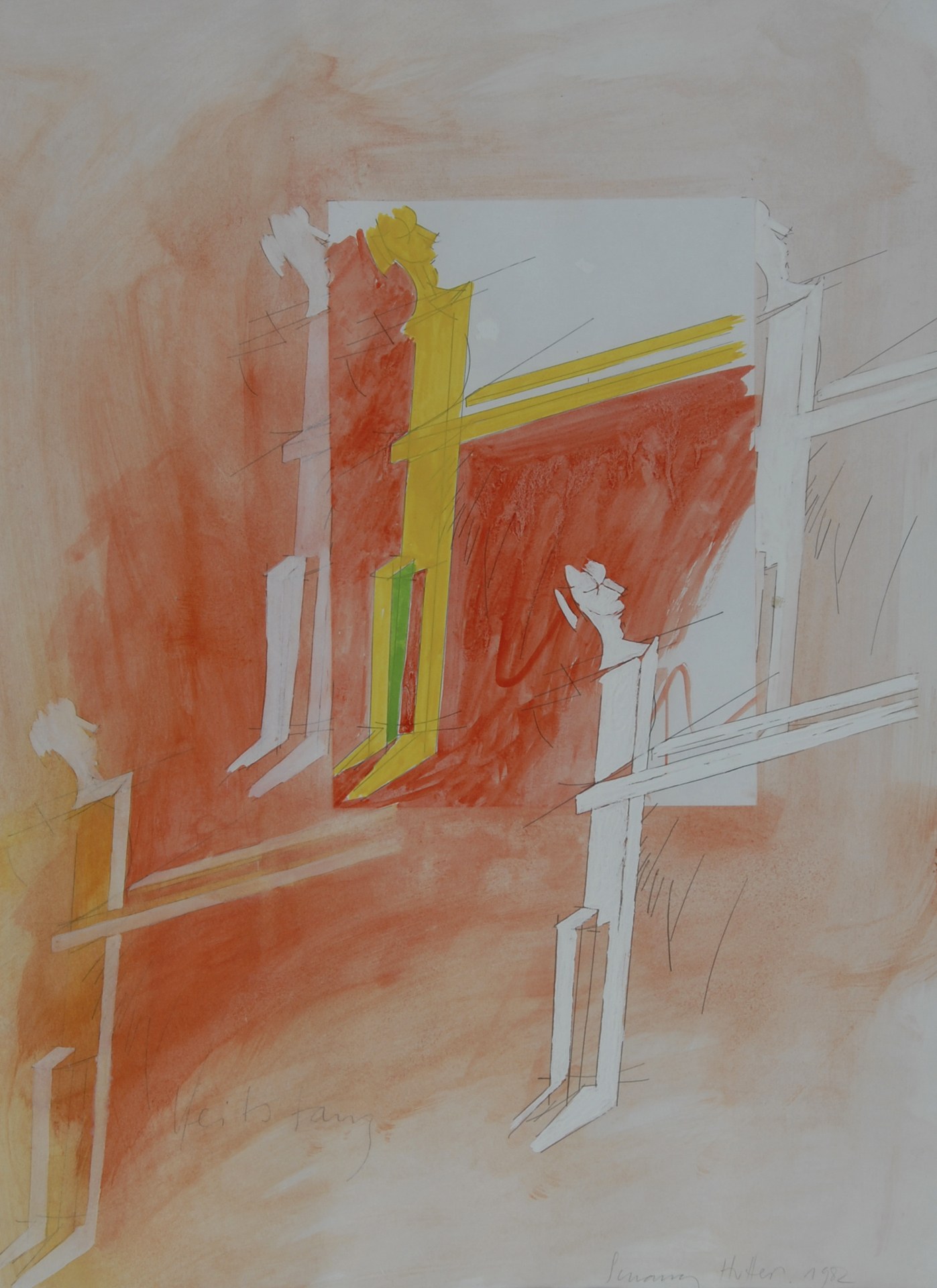
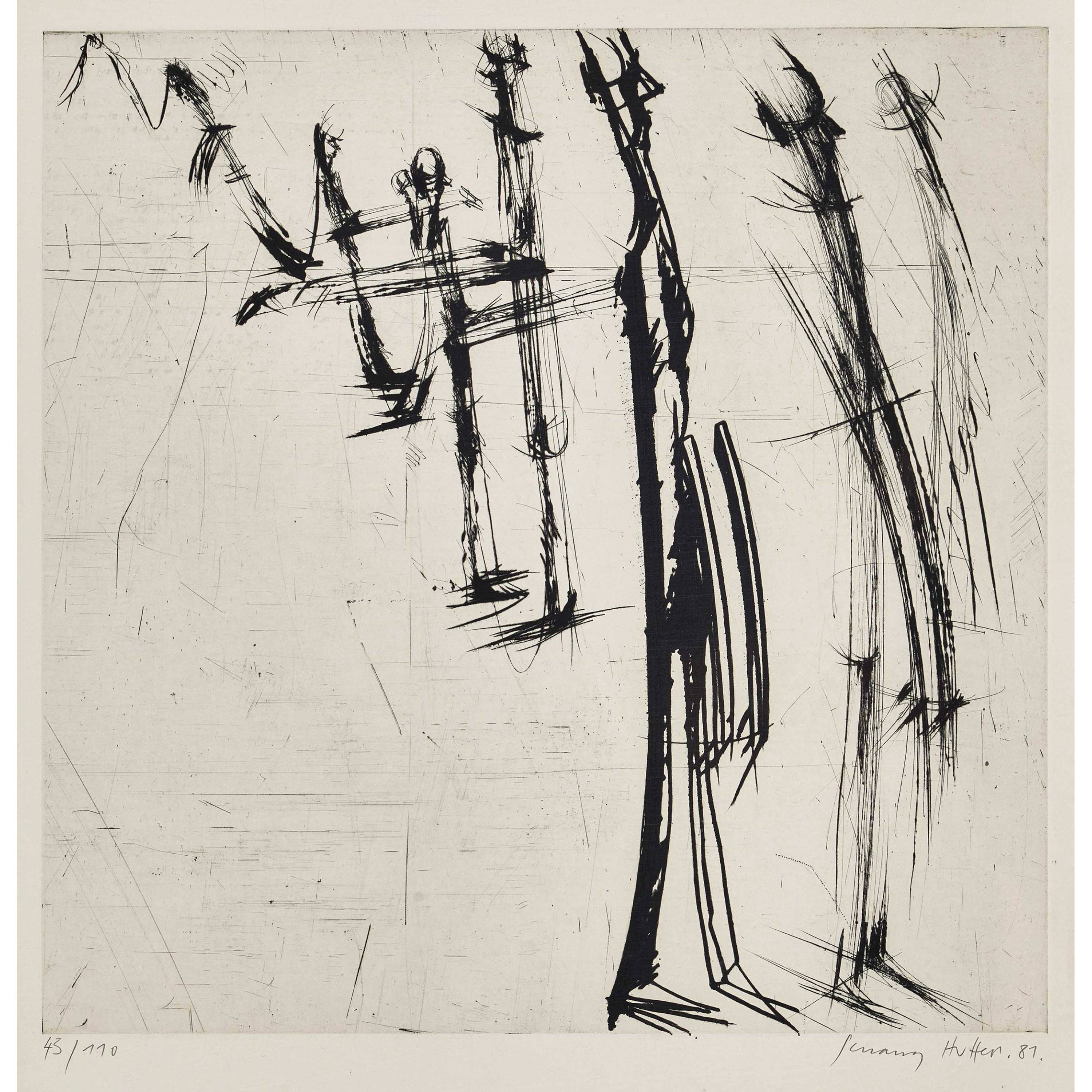
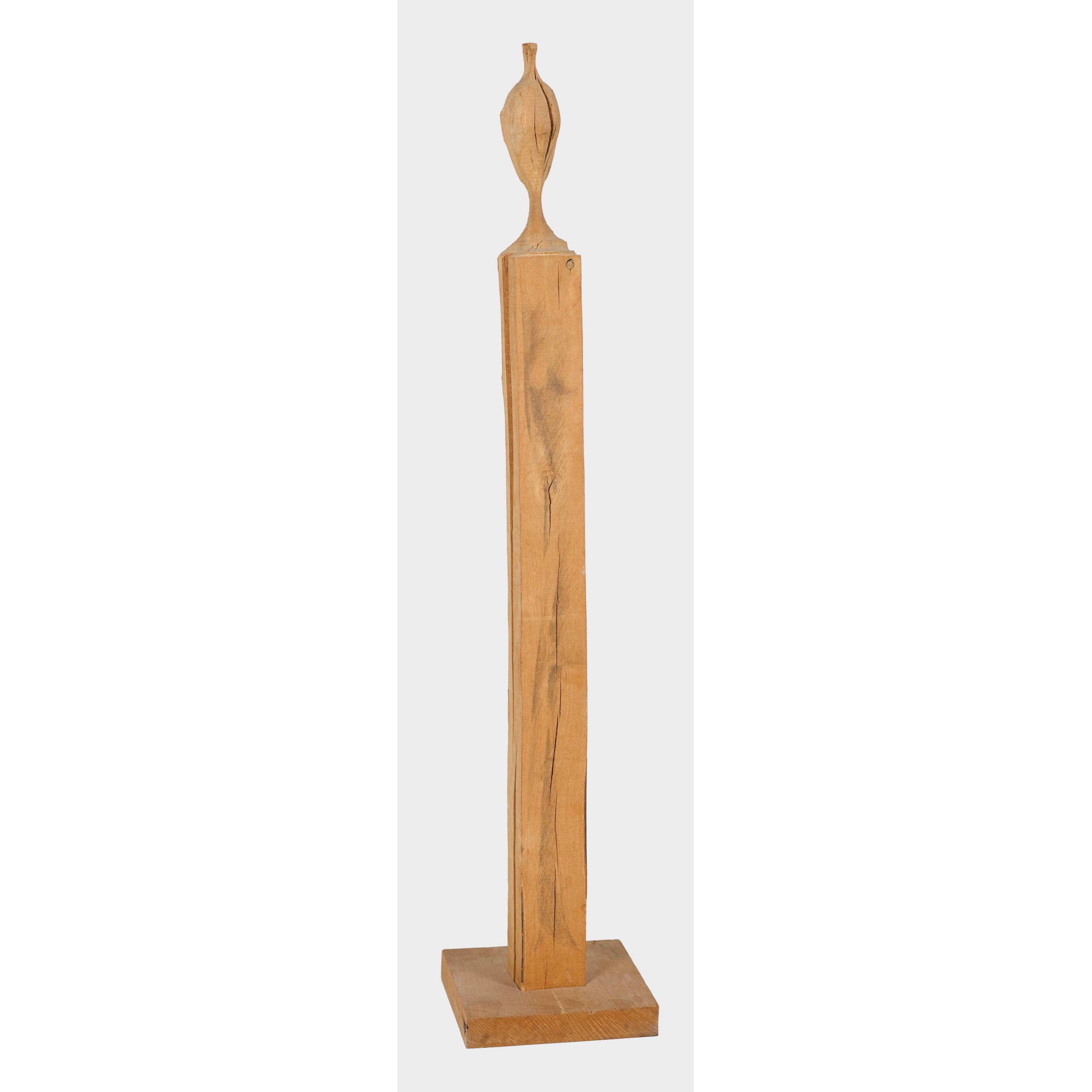
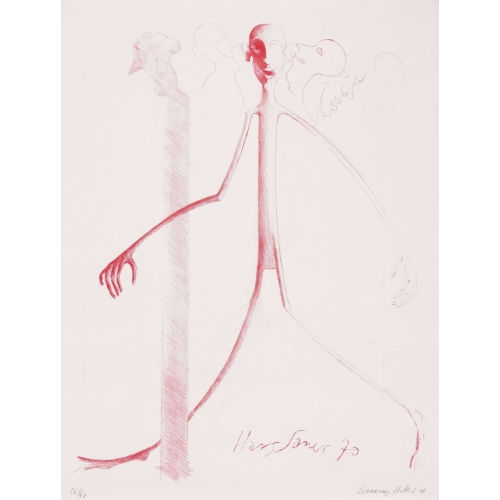
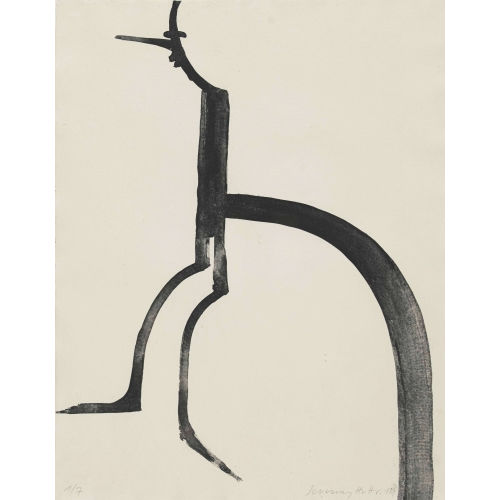
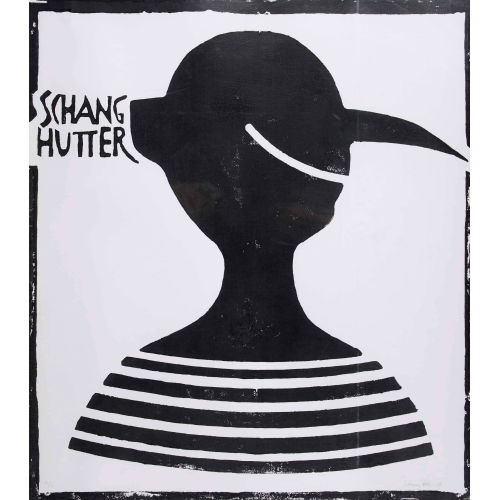
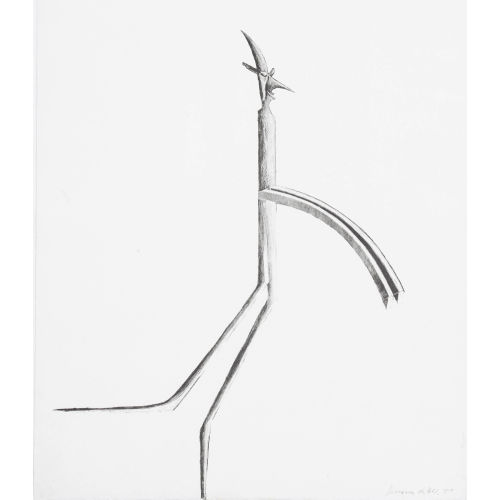
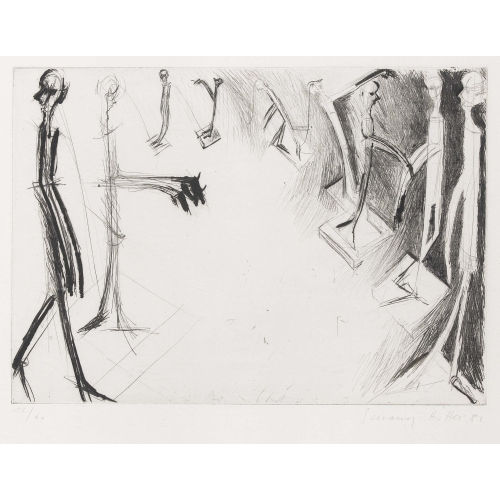
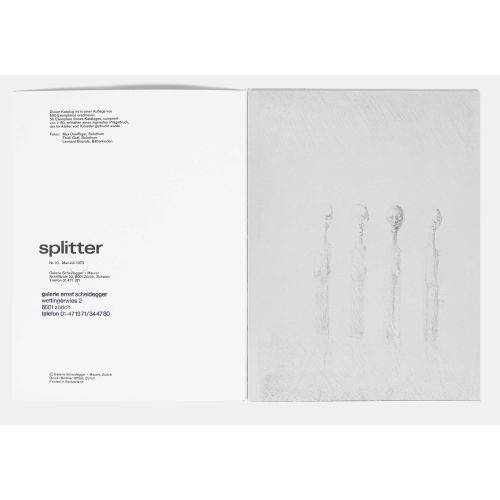
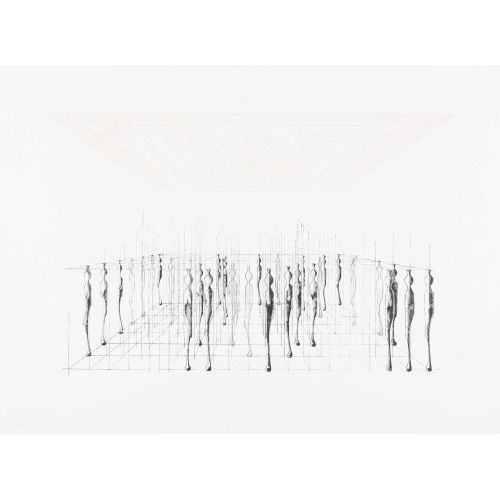
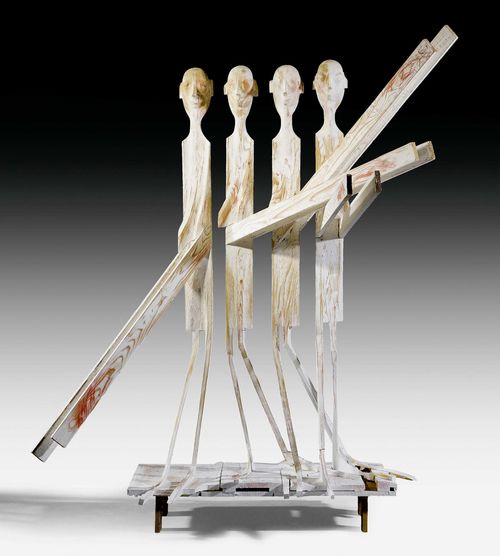
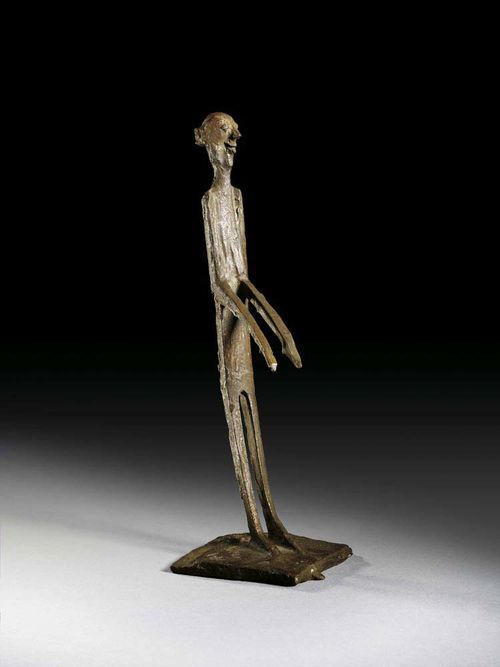
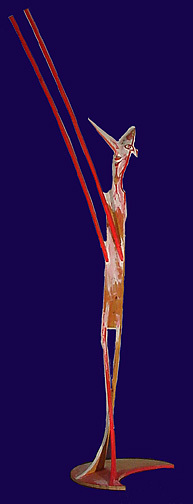
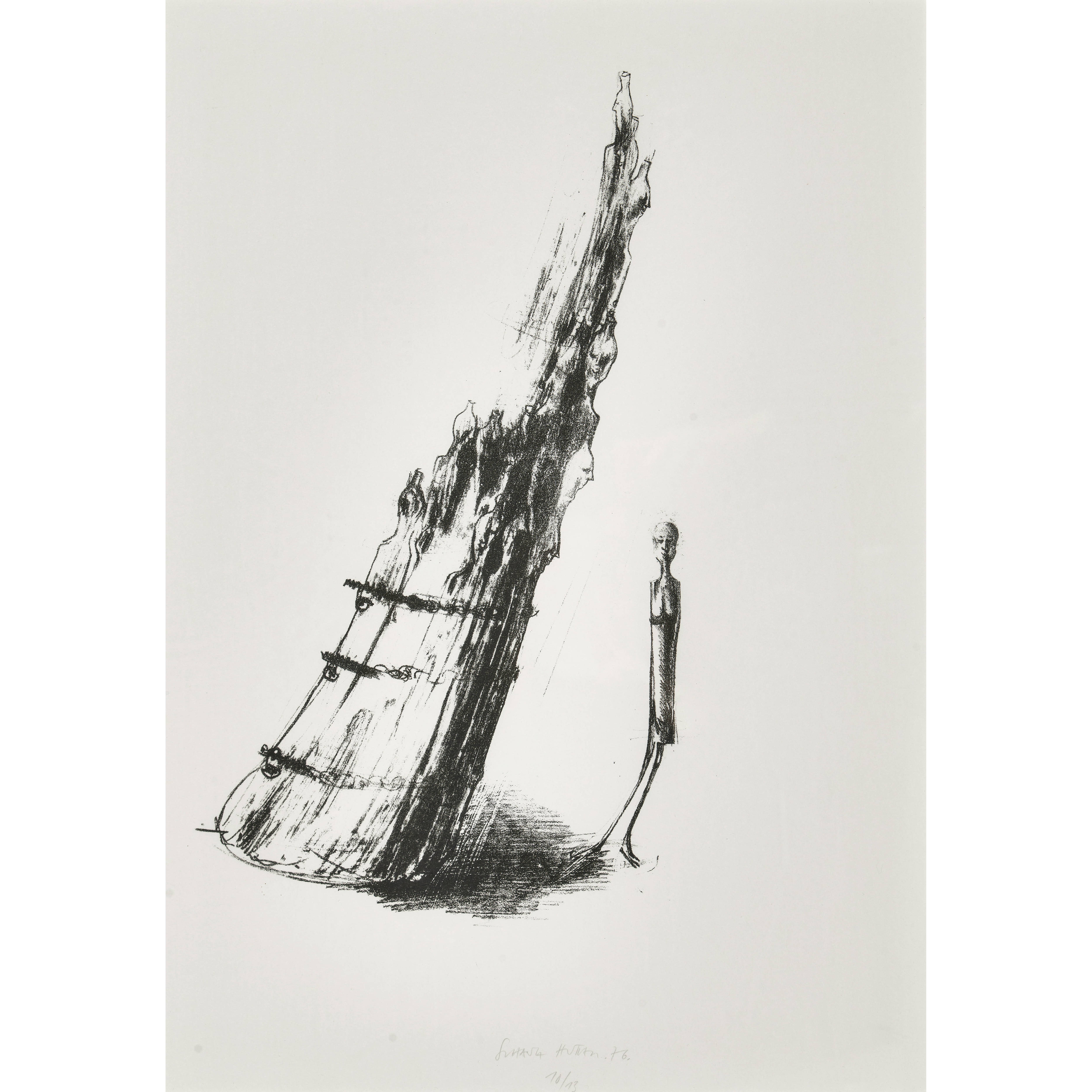
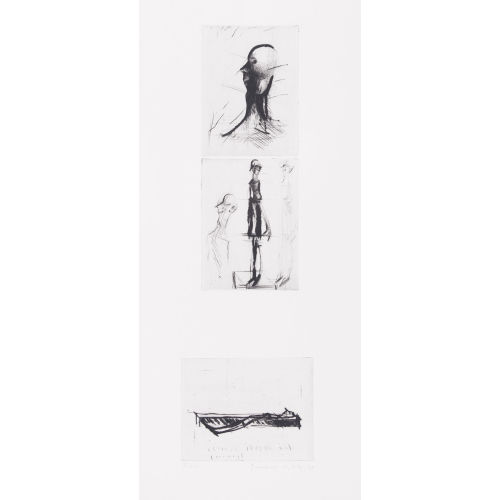
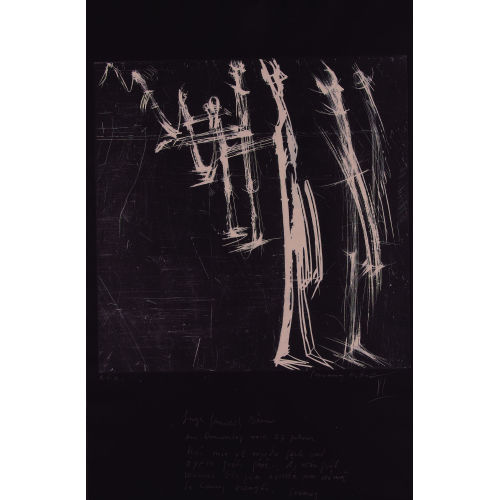
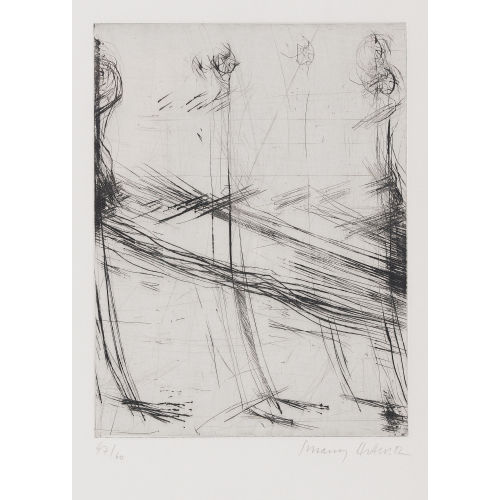
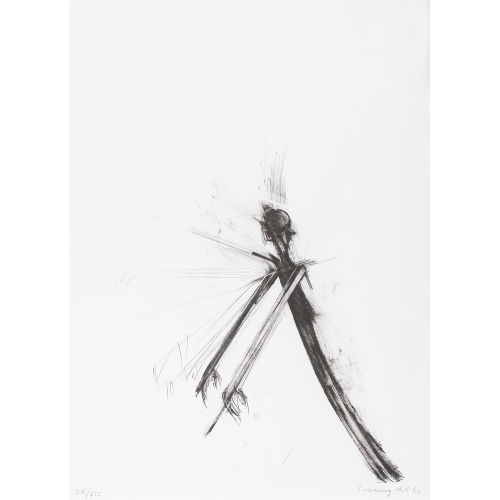
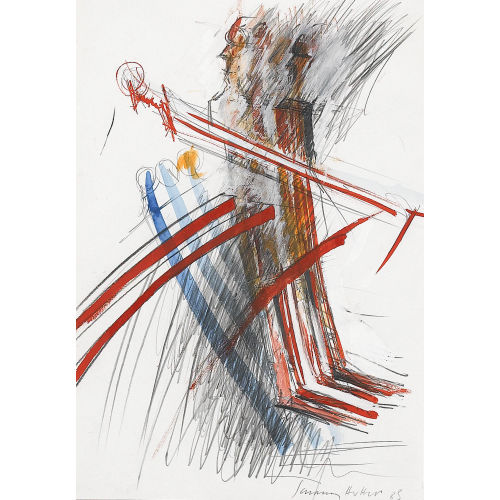
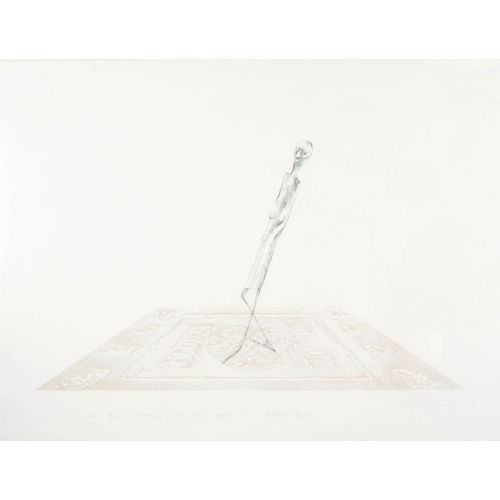
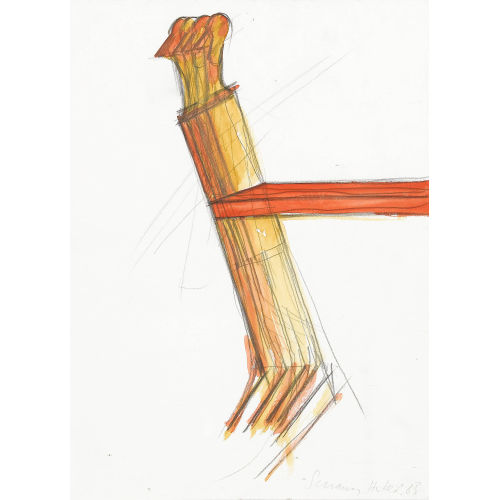
From the 1960s onwards, Hutter developed an immediately recognisable presence: heads with pointed noses, slender limbs, arms held tightly against the torso. These beings seem at once exposed and restrained, caught between the desire to move and the difficulty of occupying space. In the 1970s, he reduced certain figures to an almost cylindrical body and a roughly modelled head, then brought them together in groups or towers.
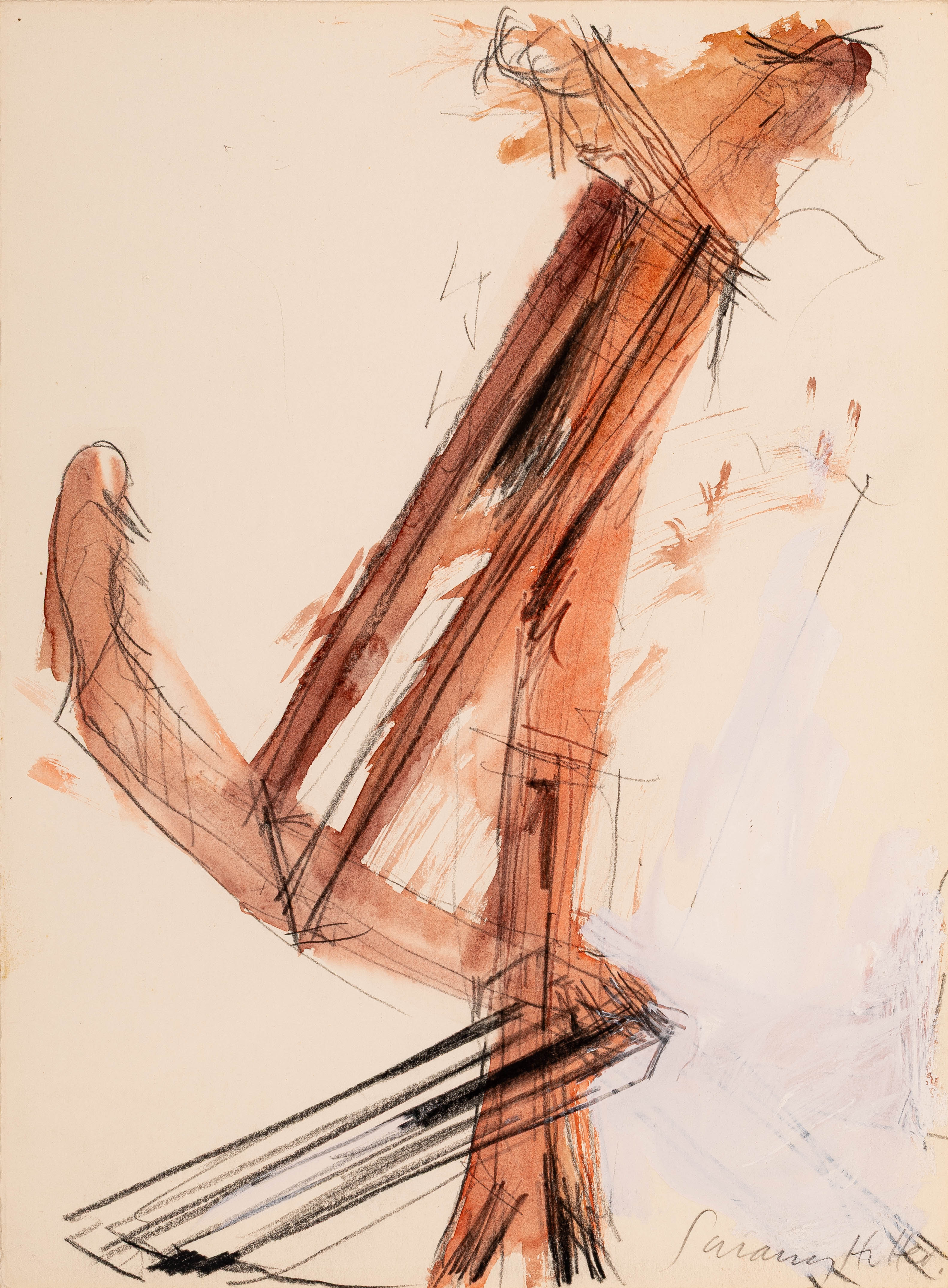
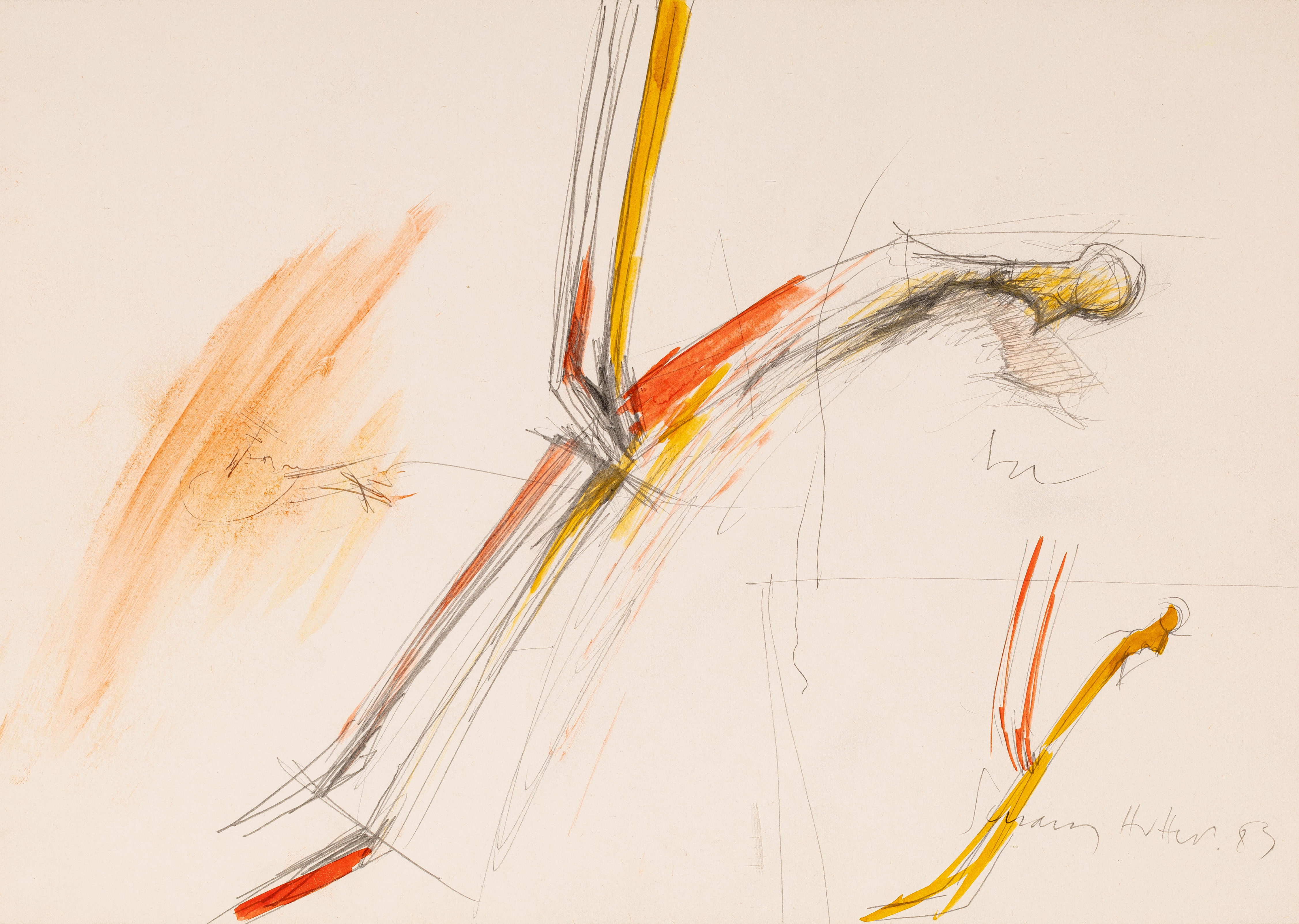
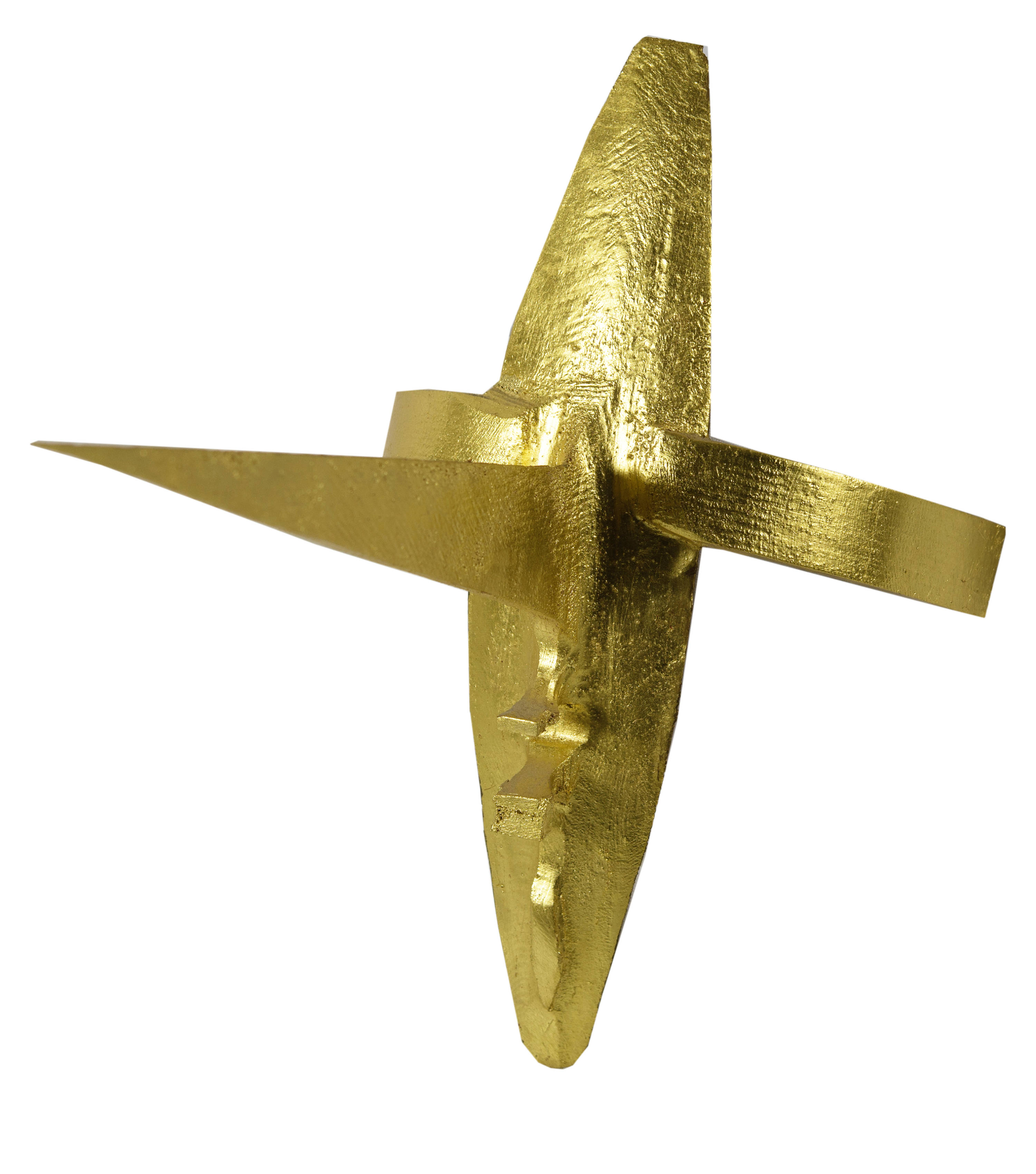
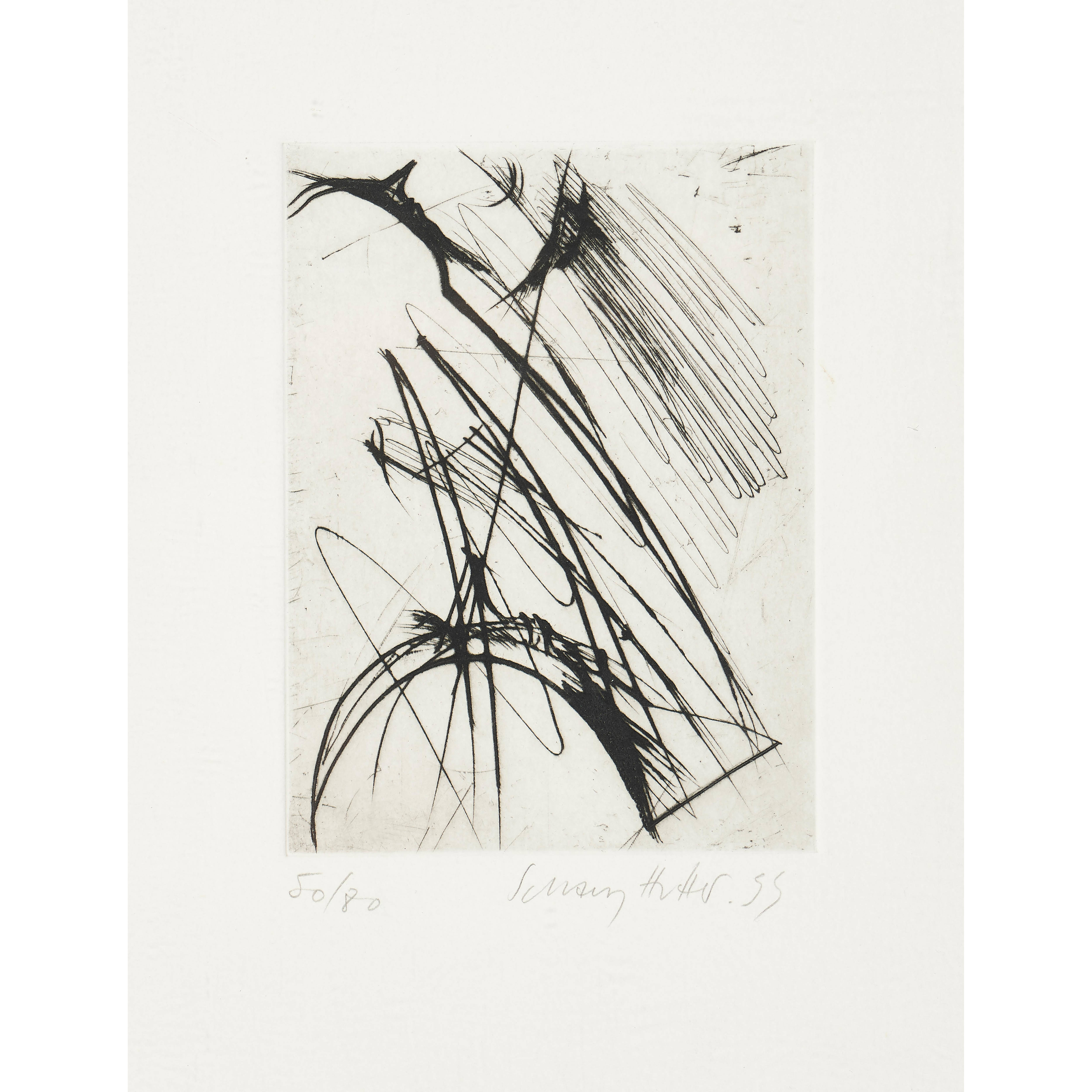
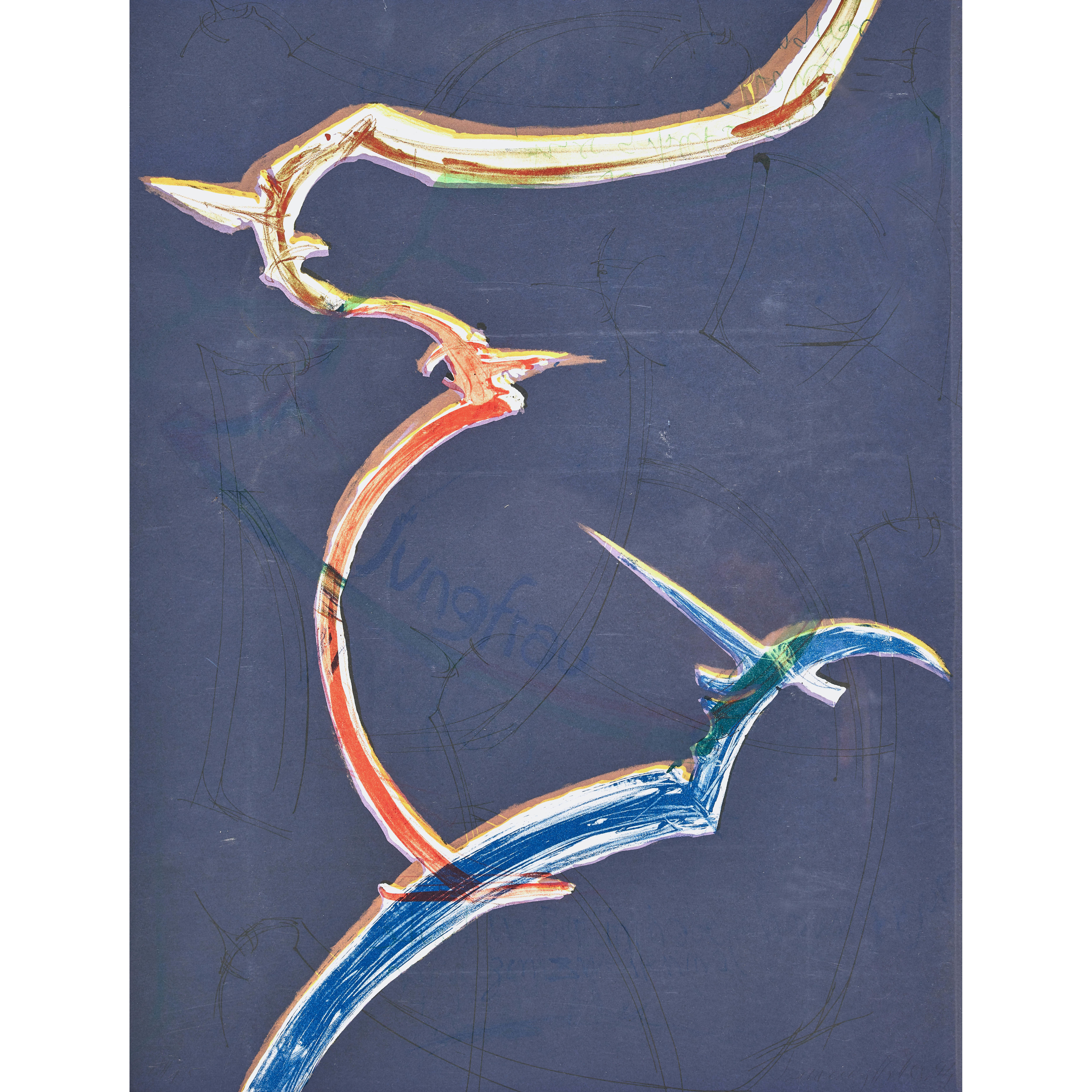
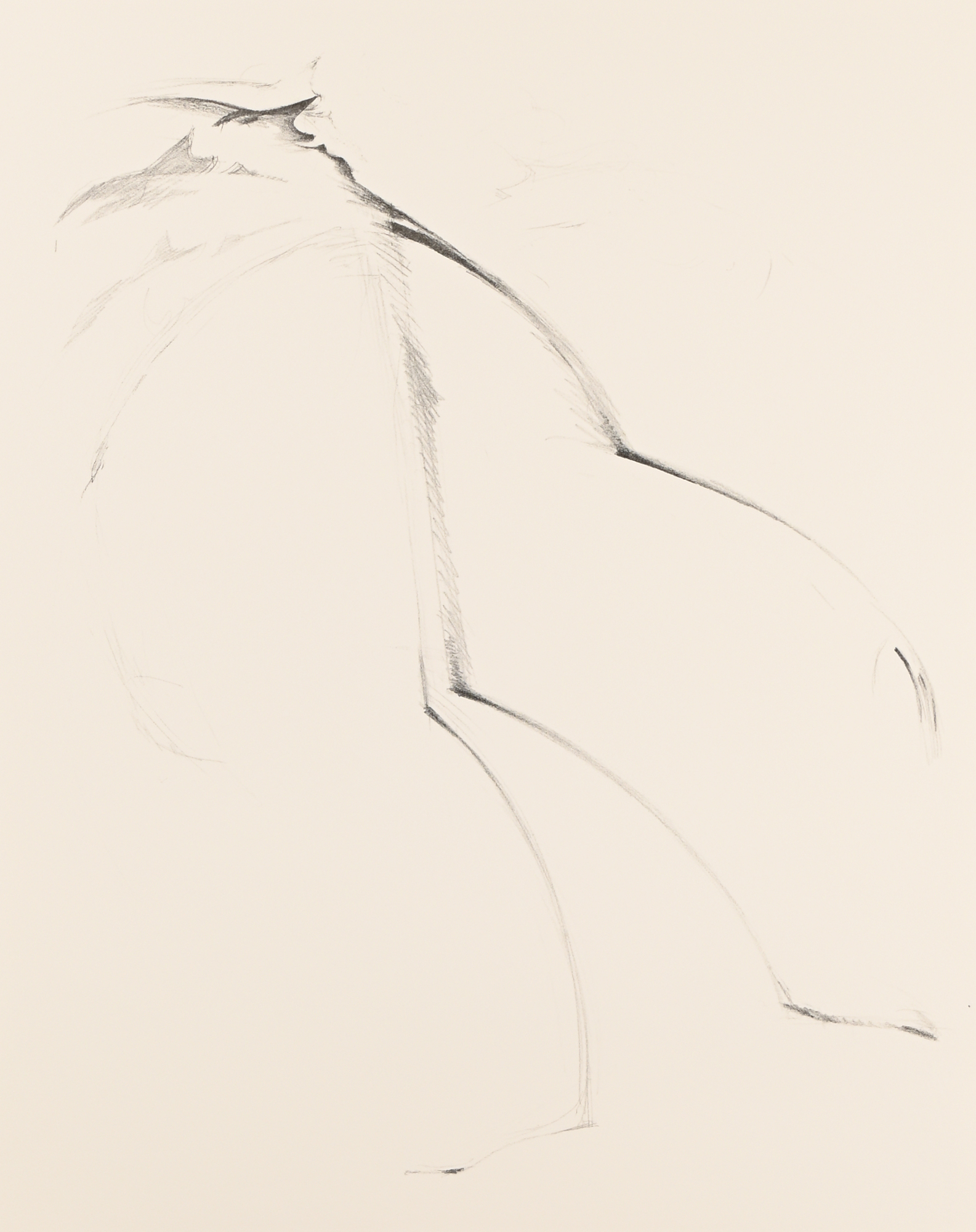
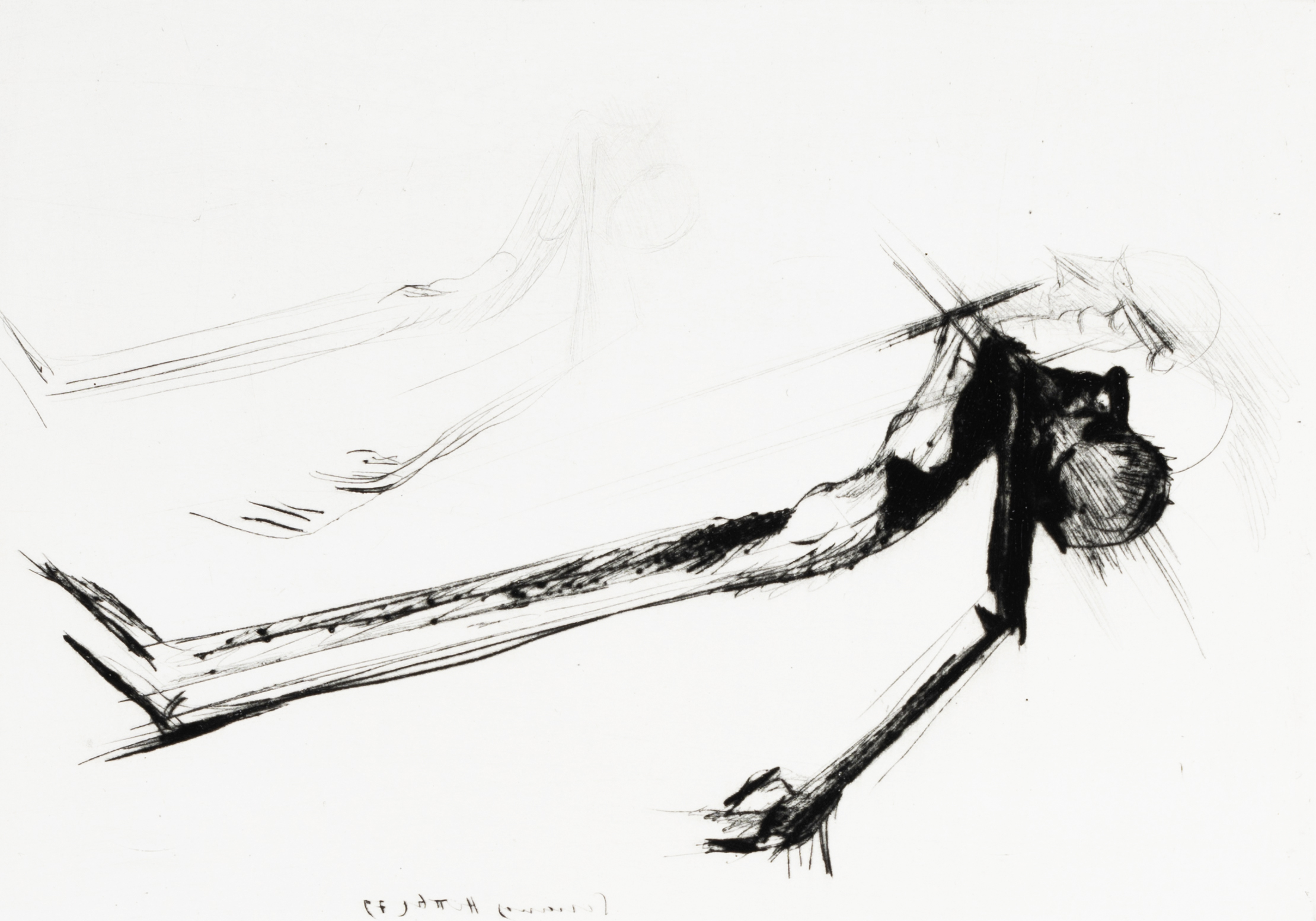
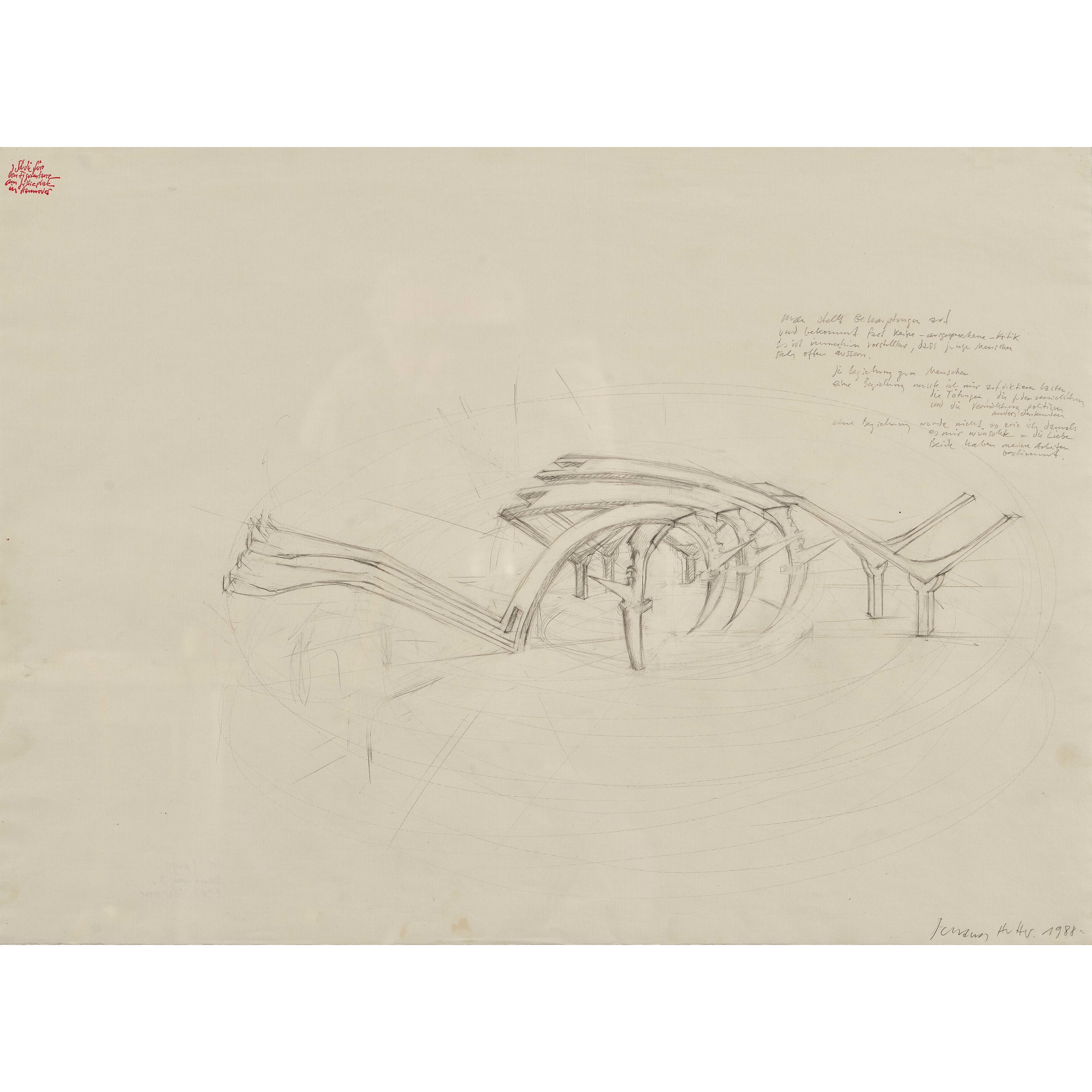
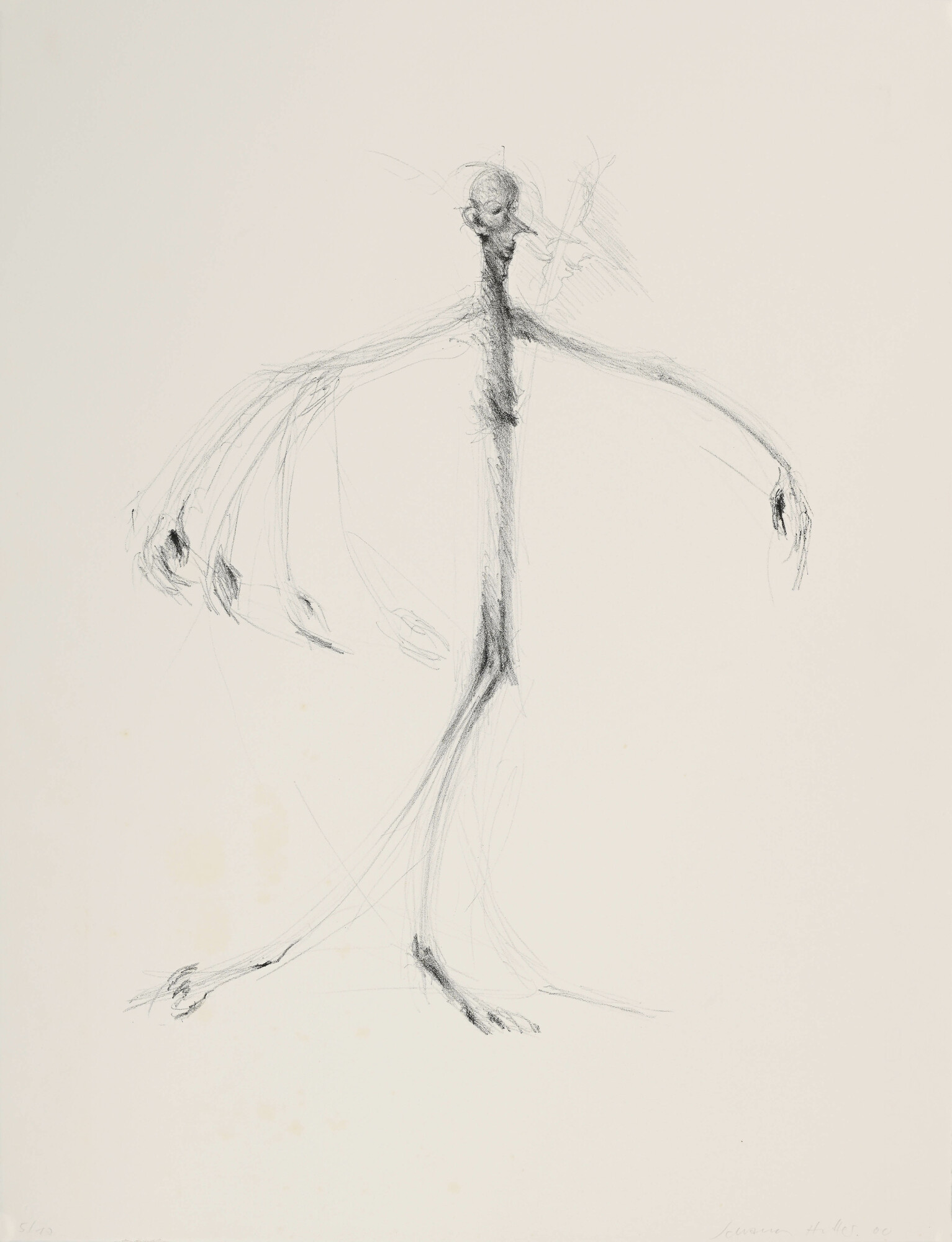
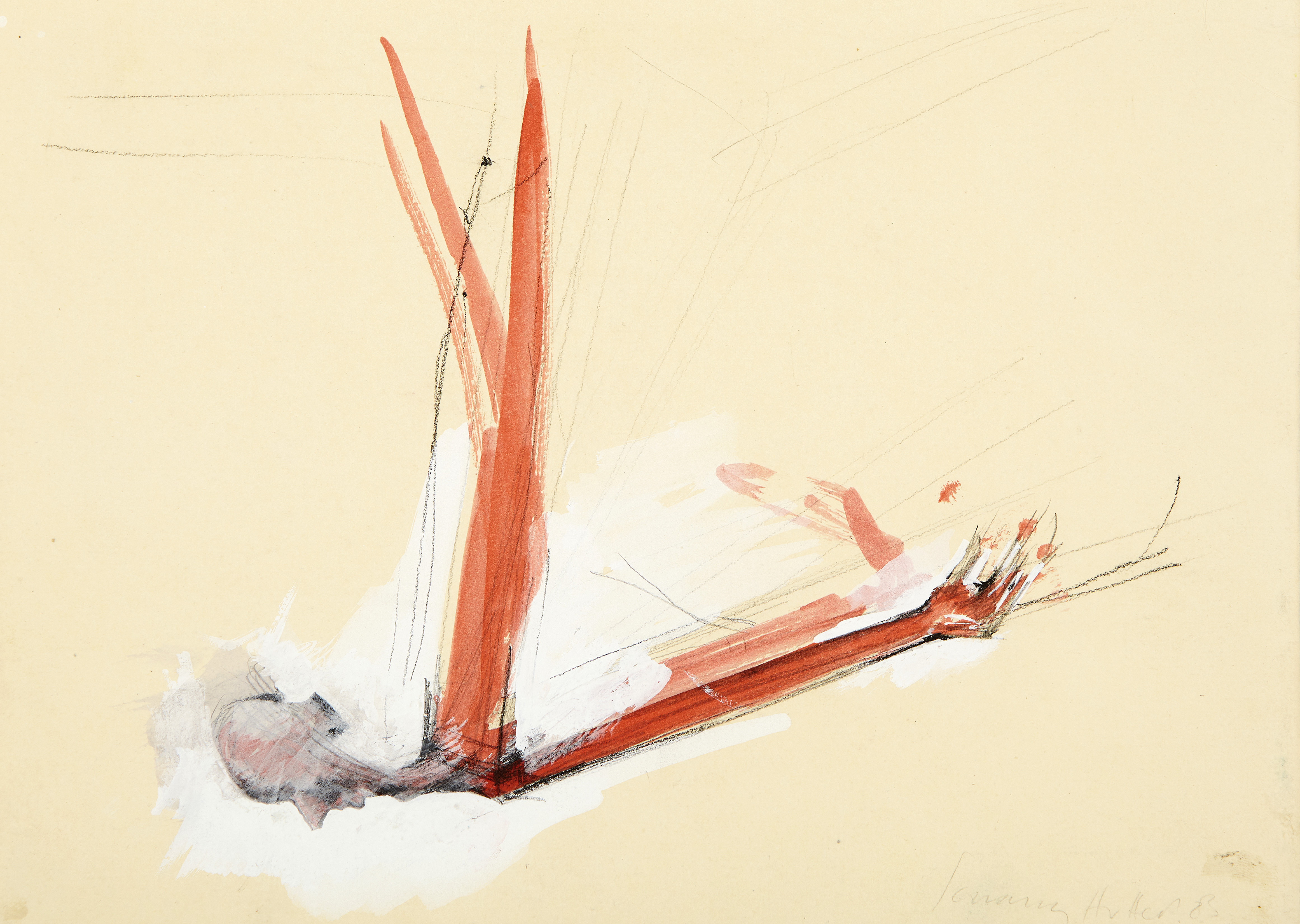
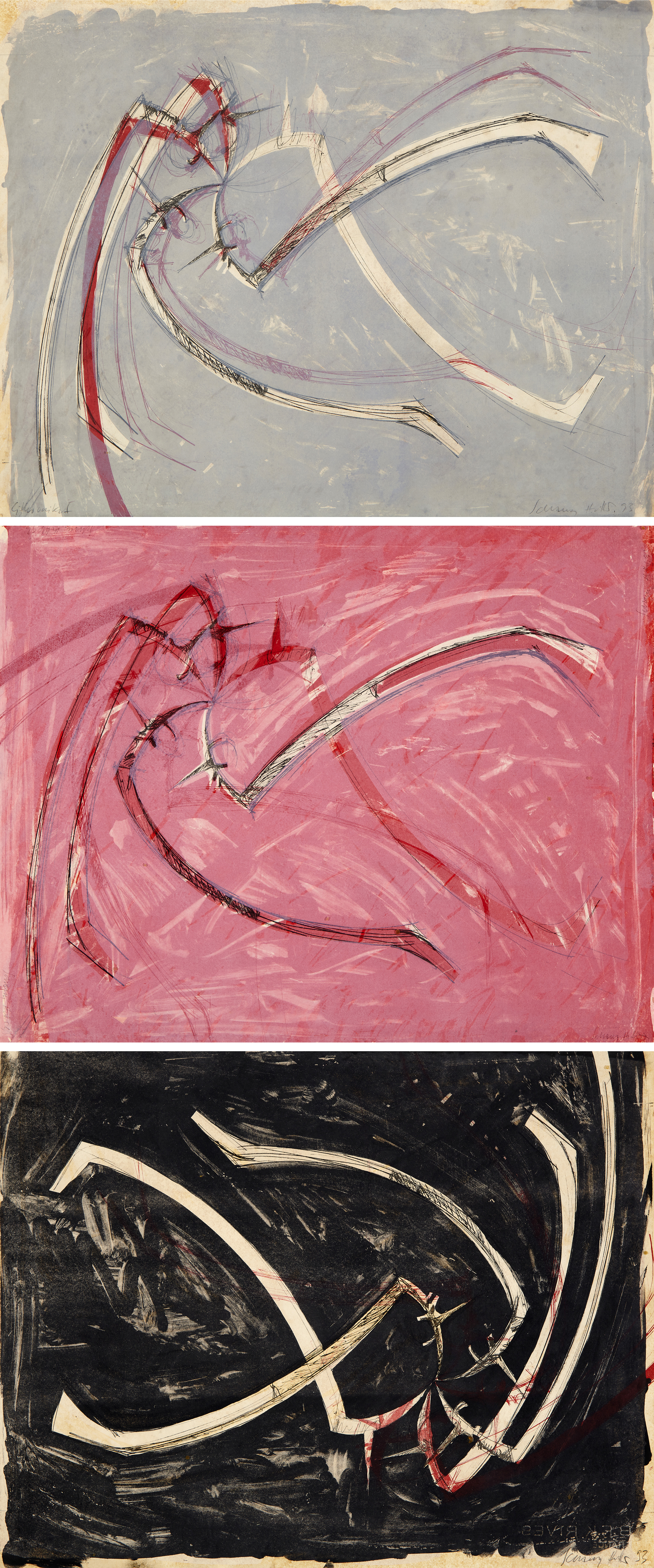
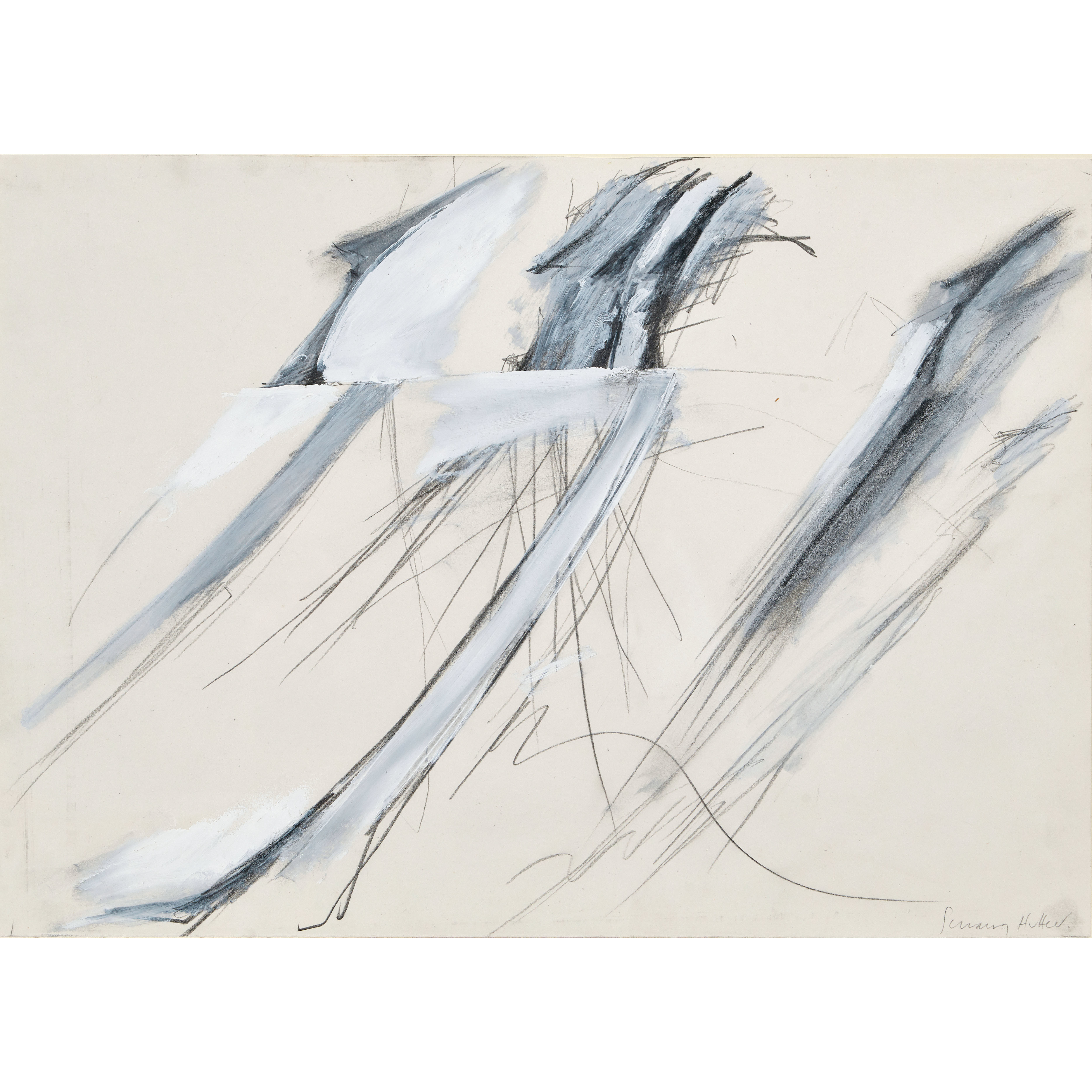
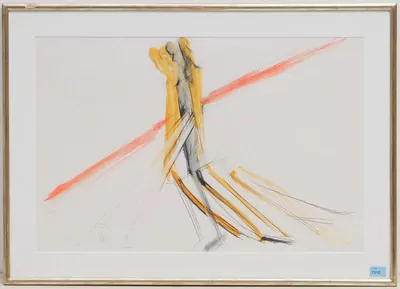
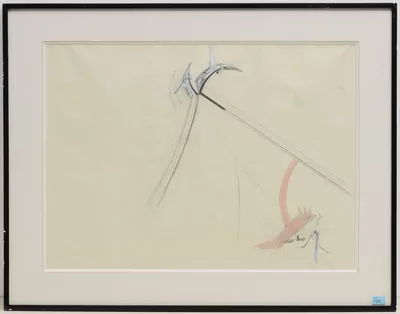
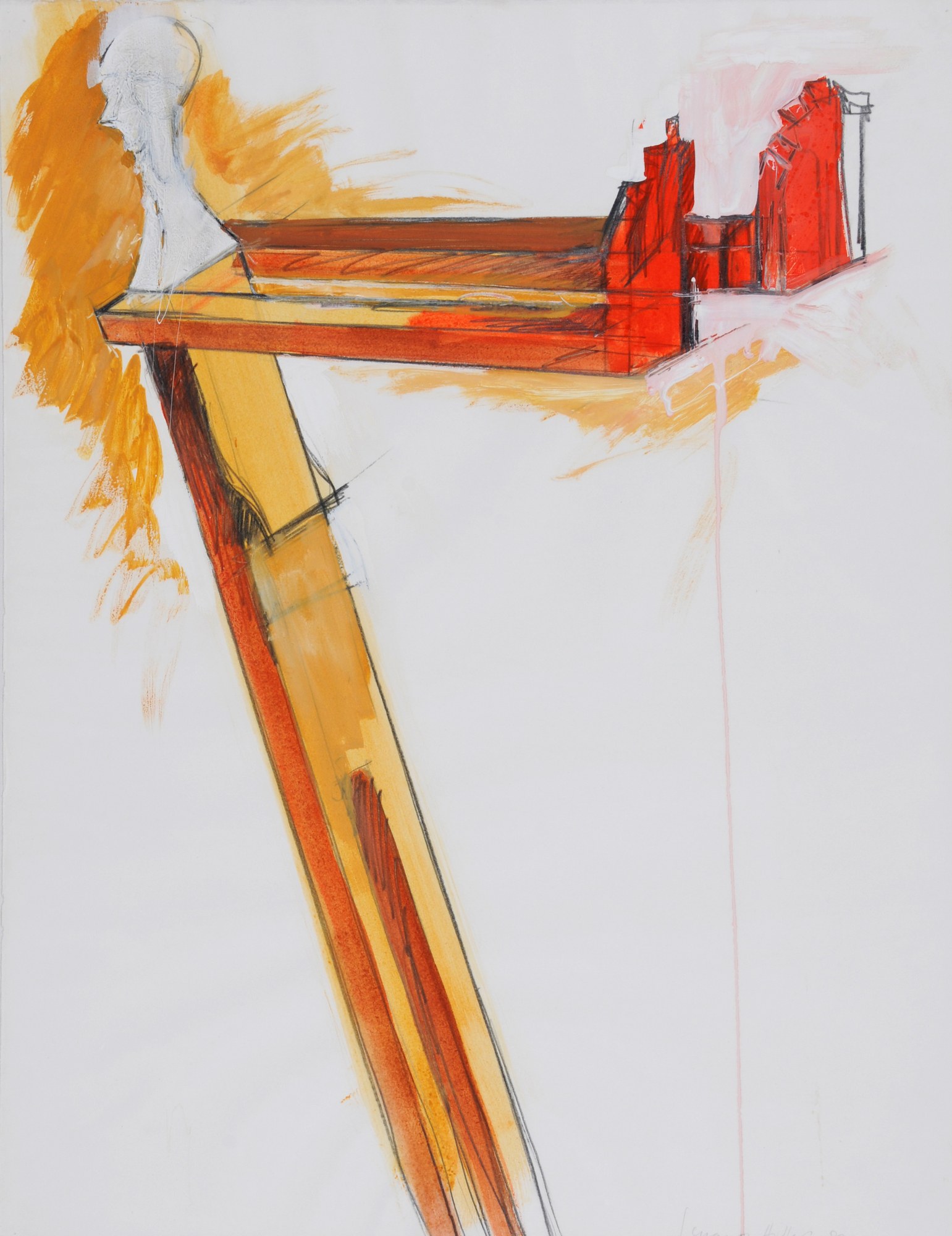
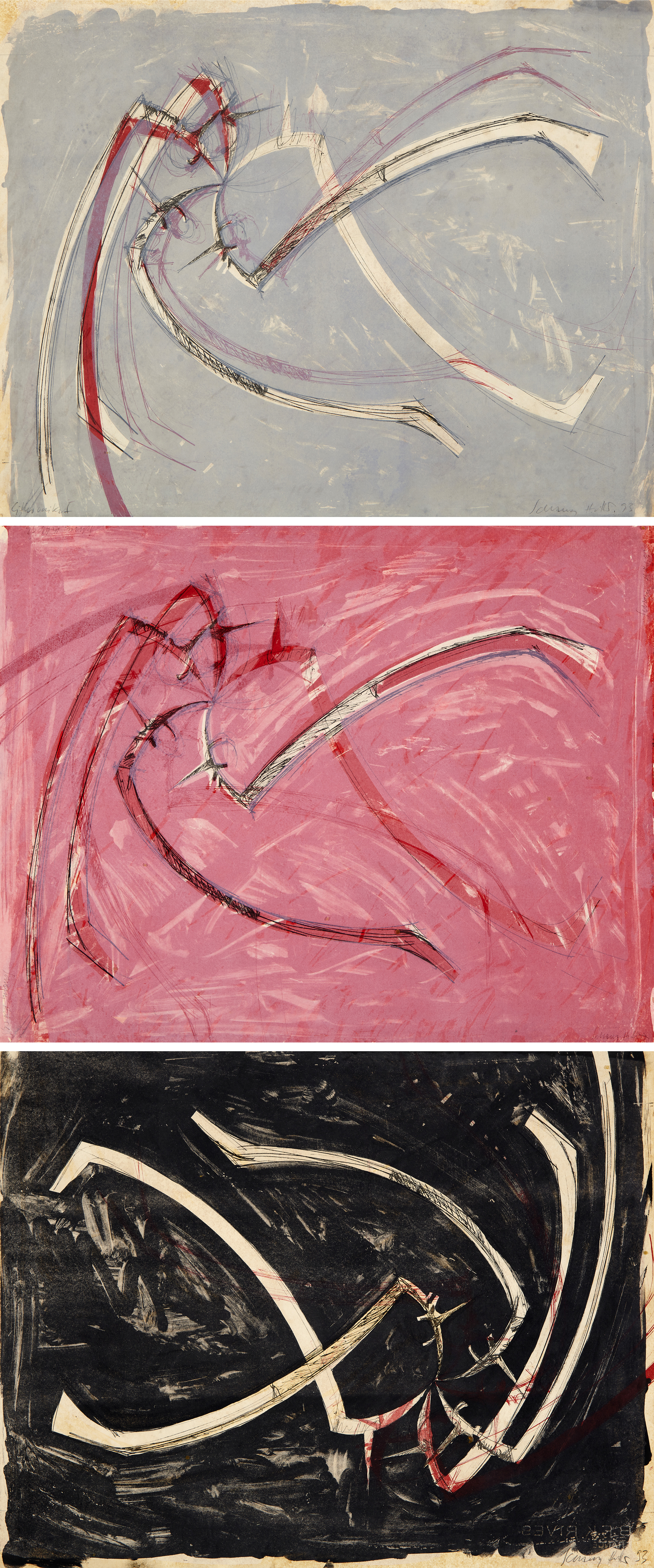
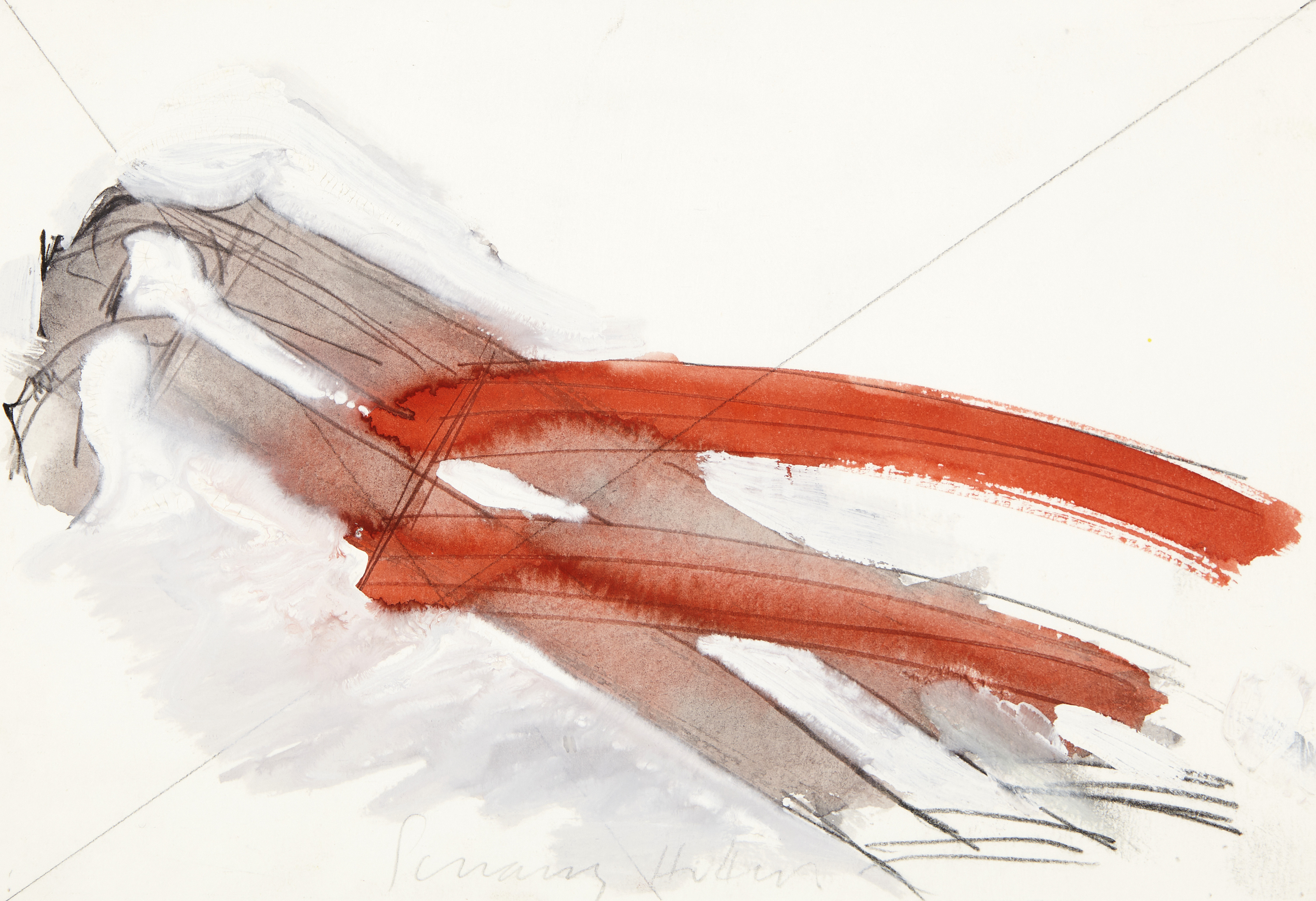
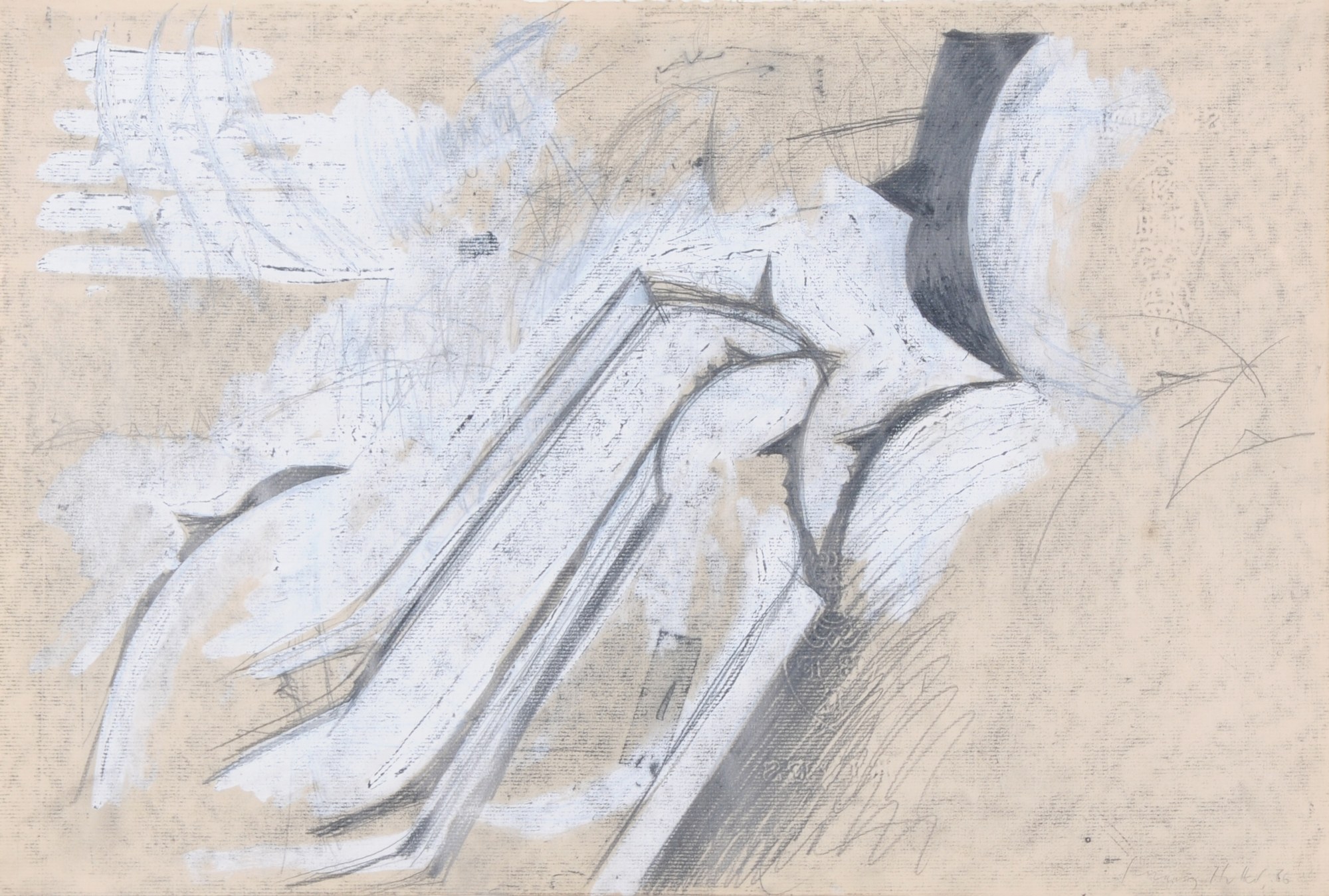
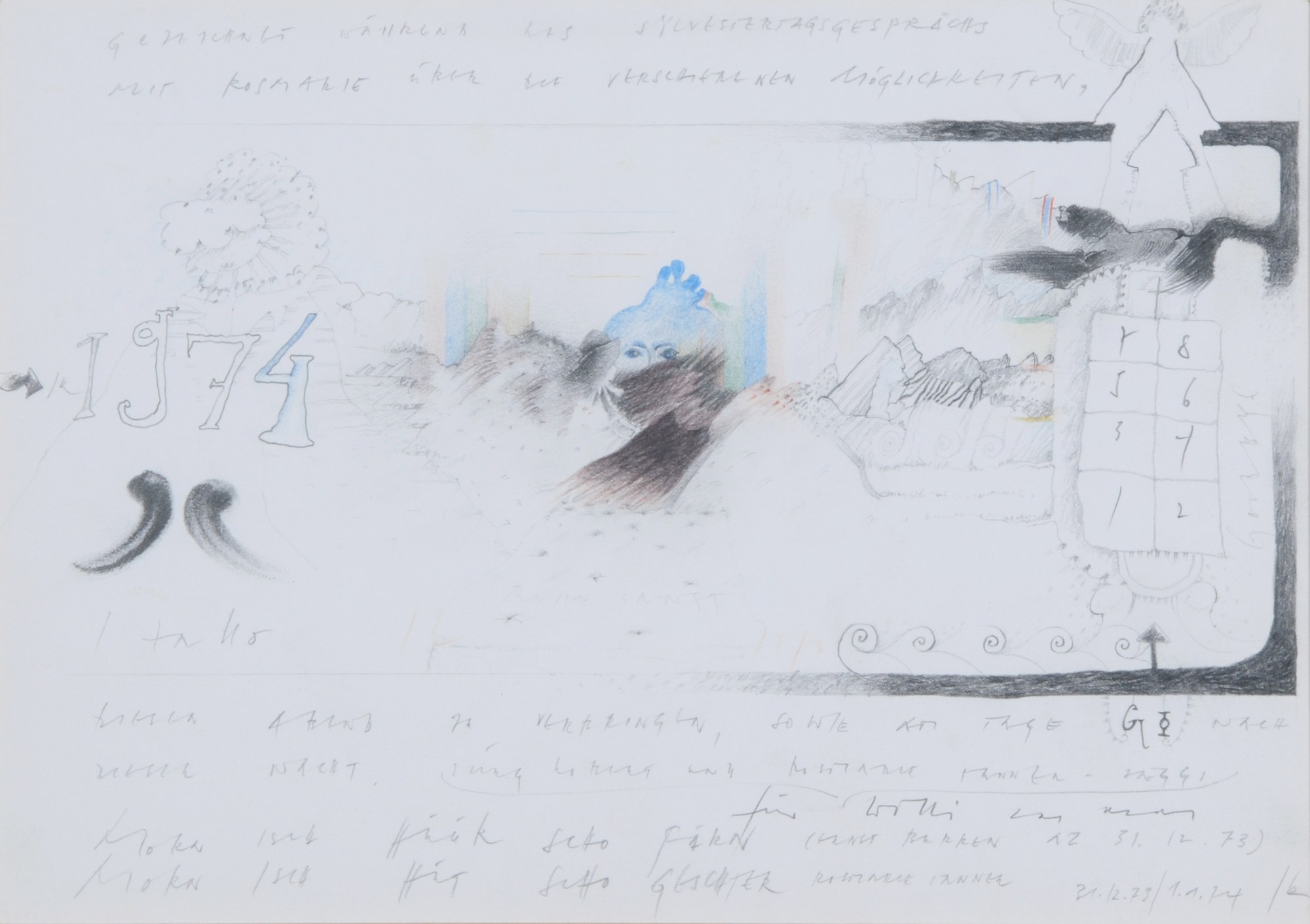
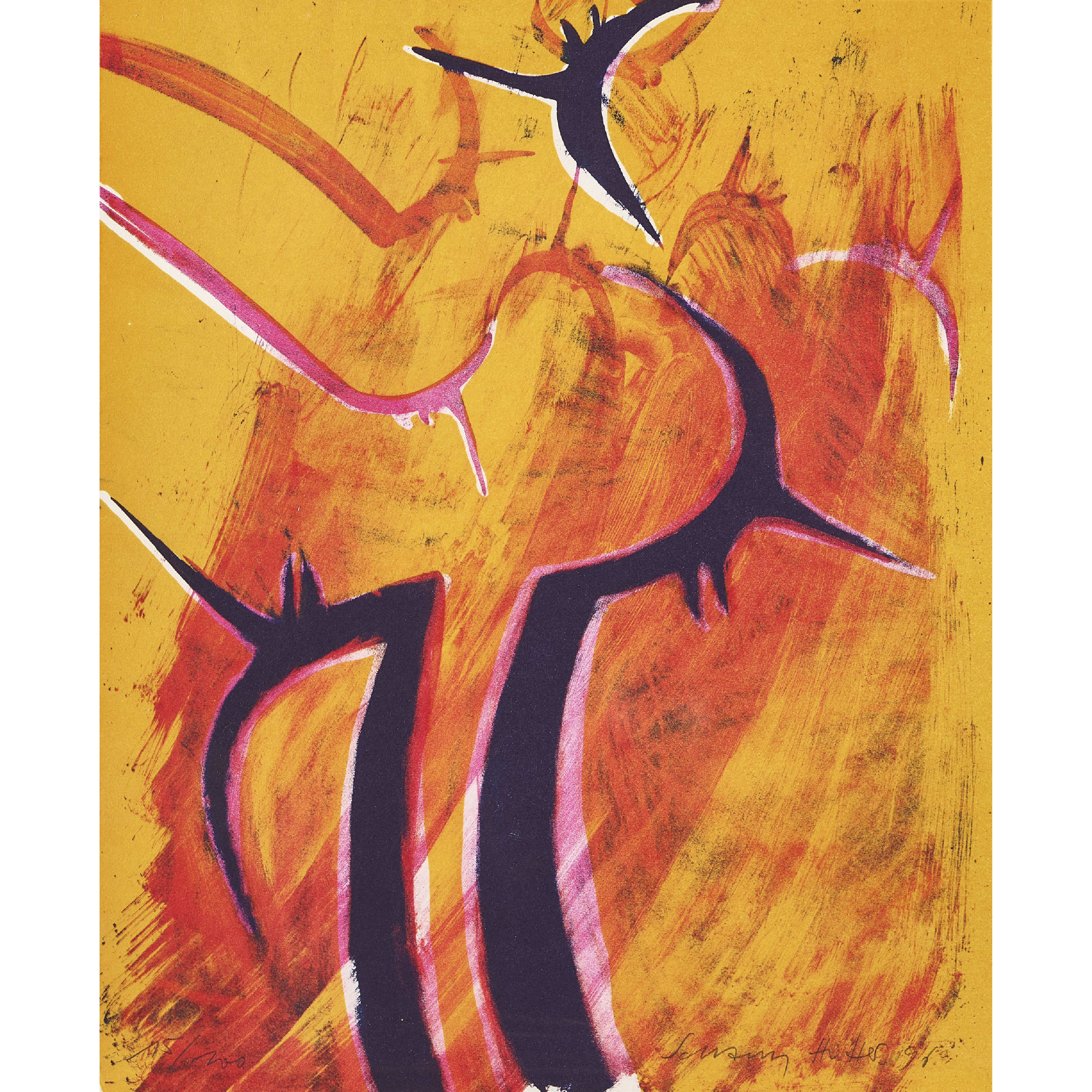
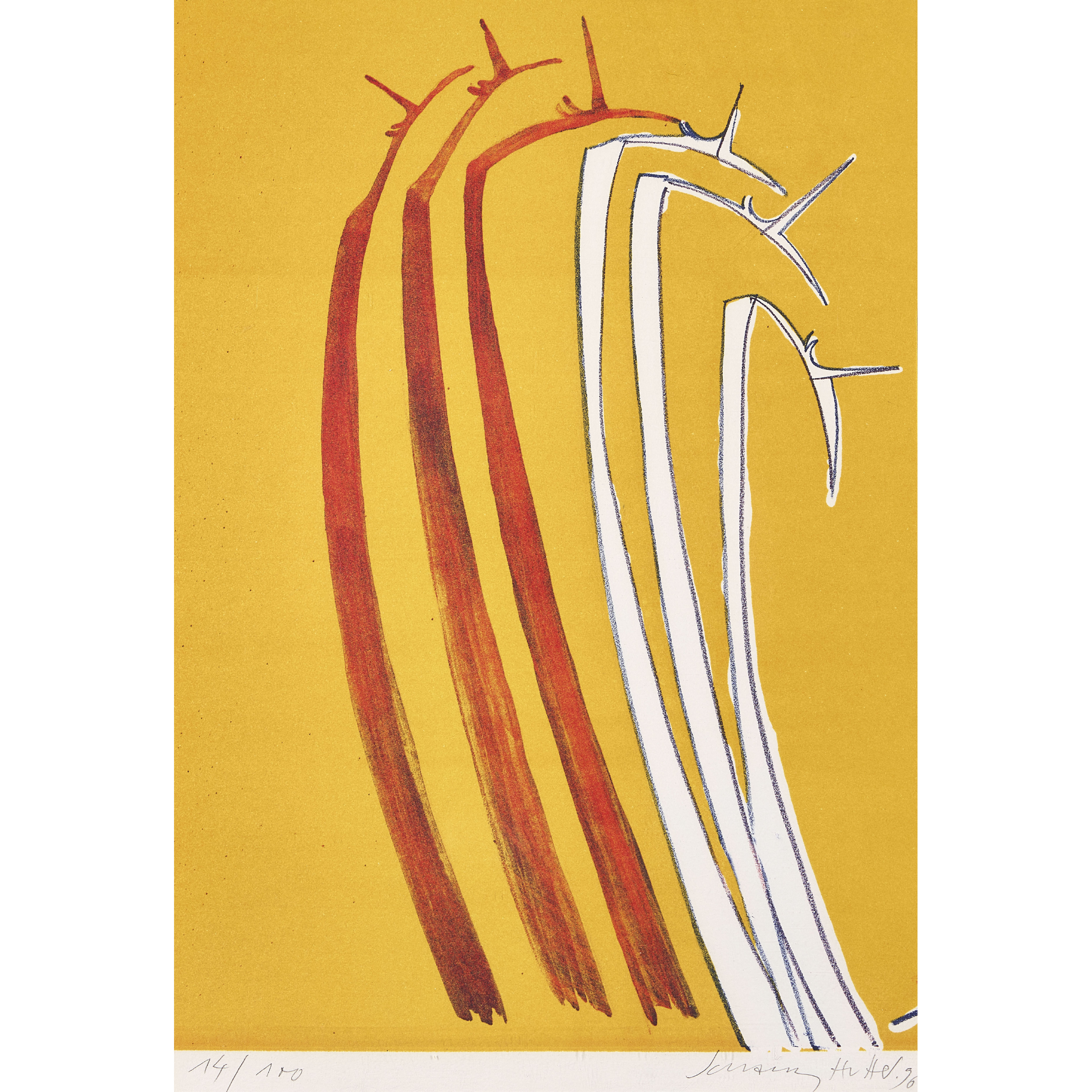
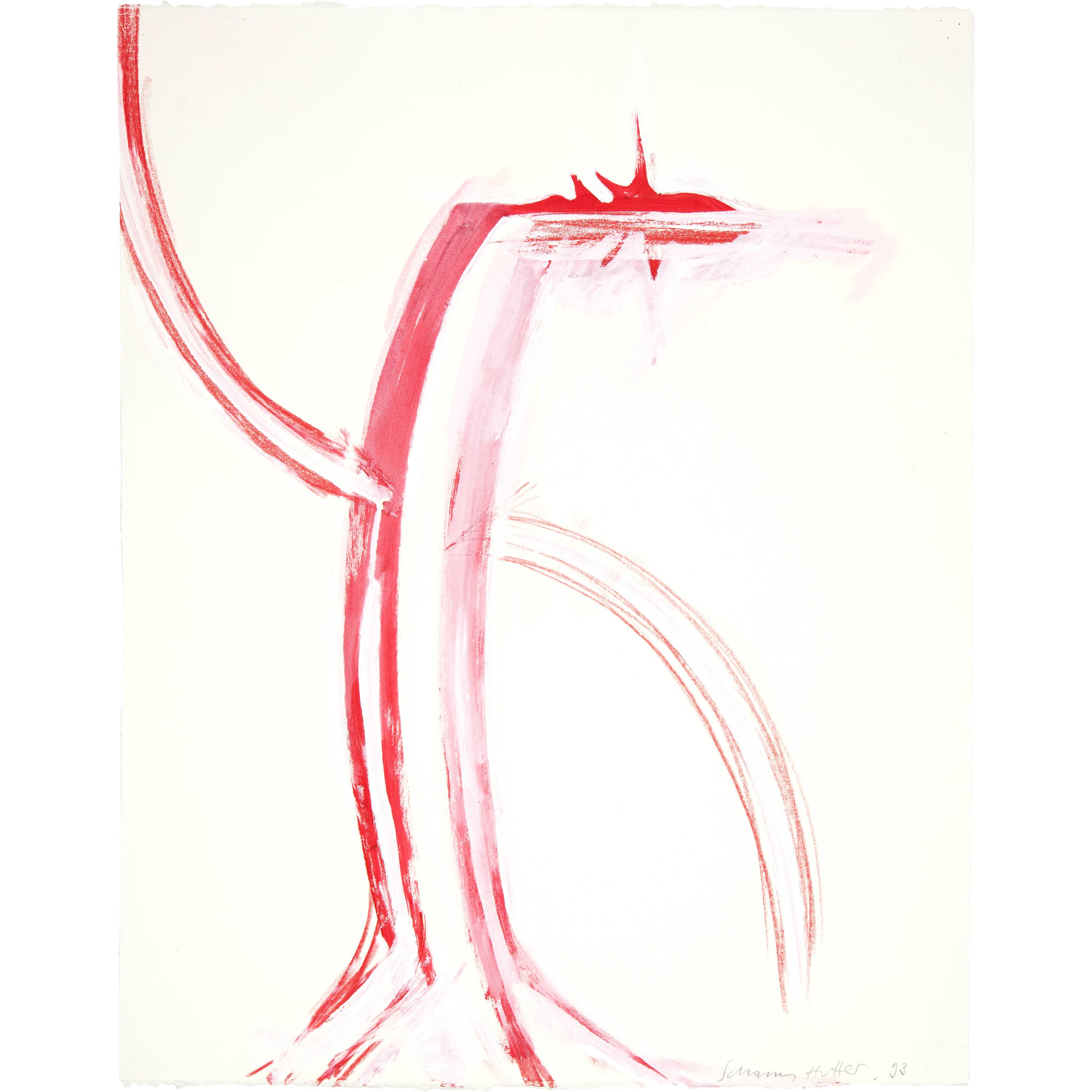
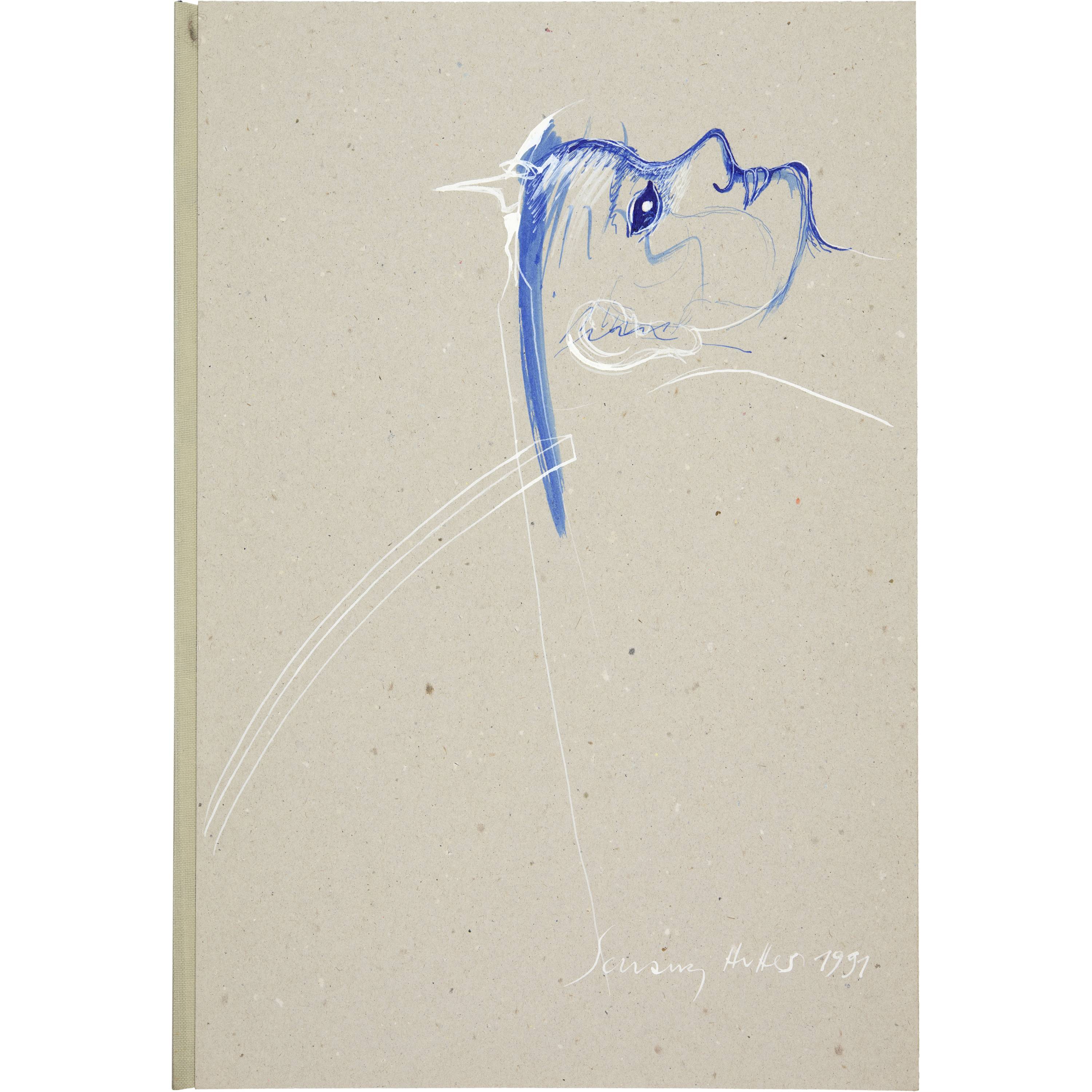
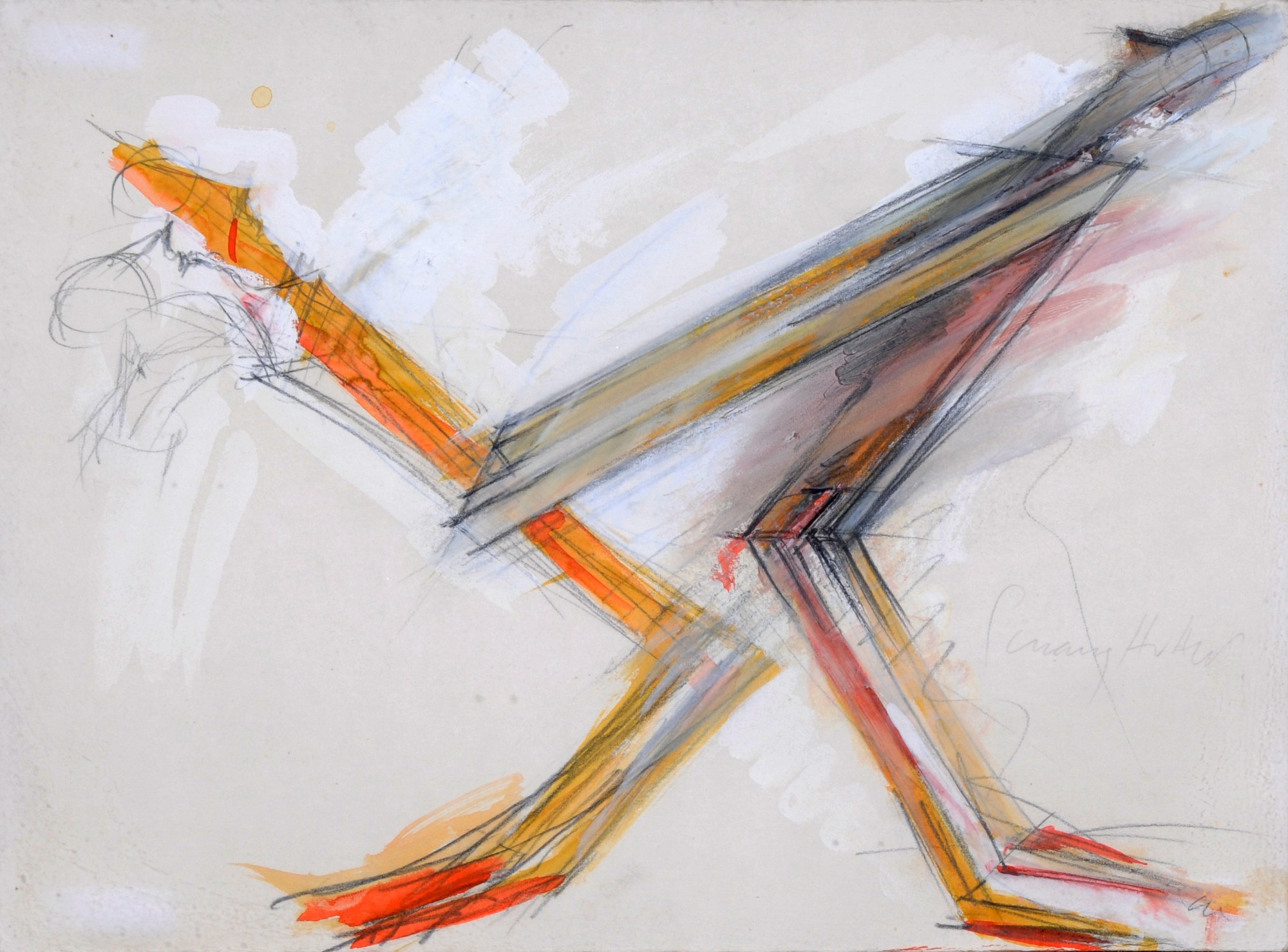
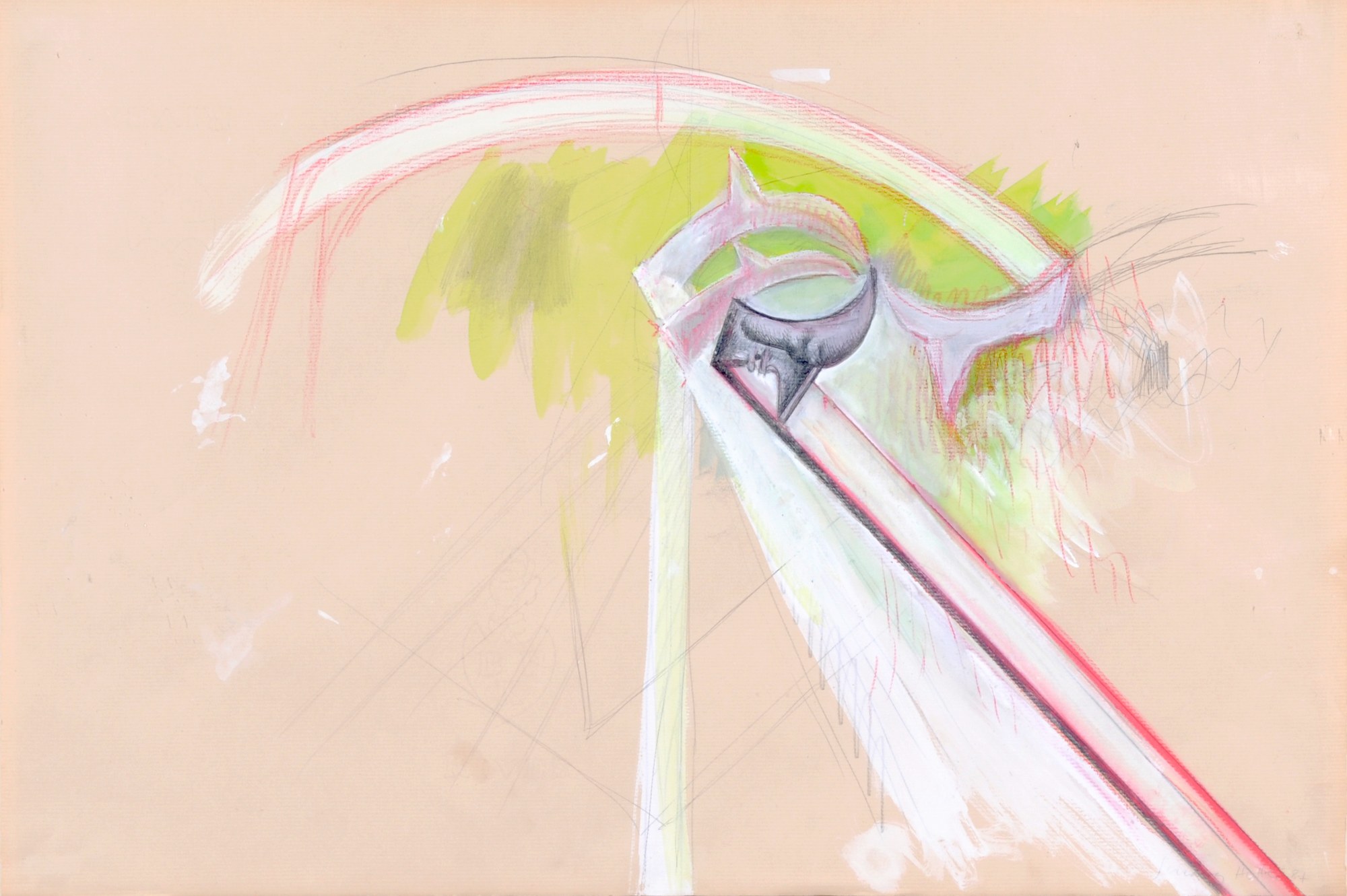
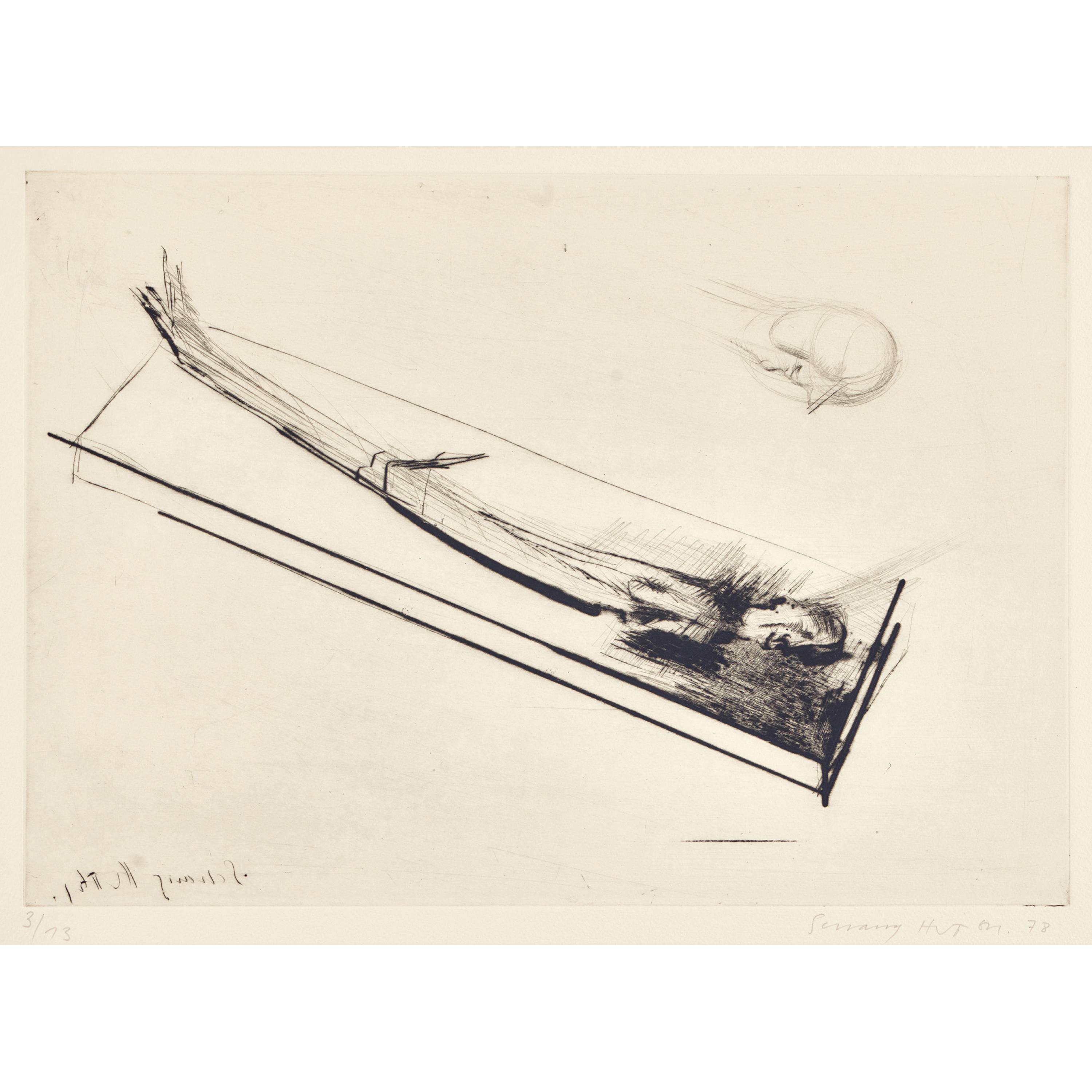
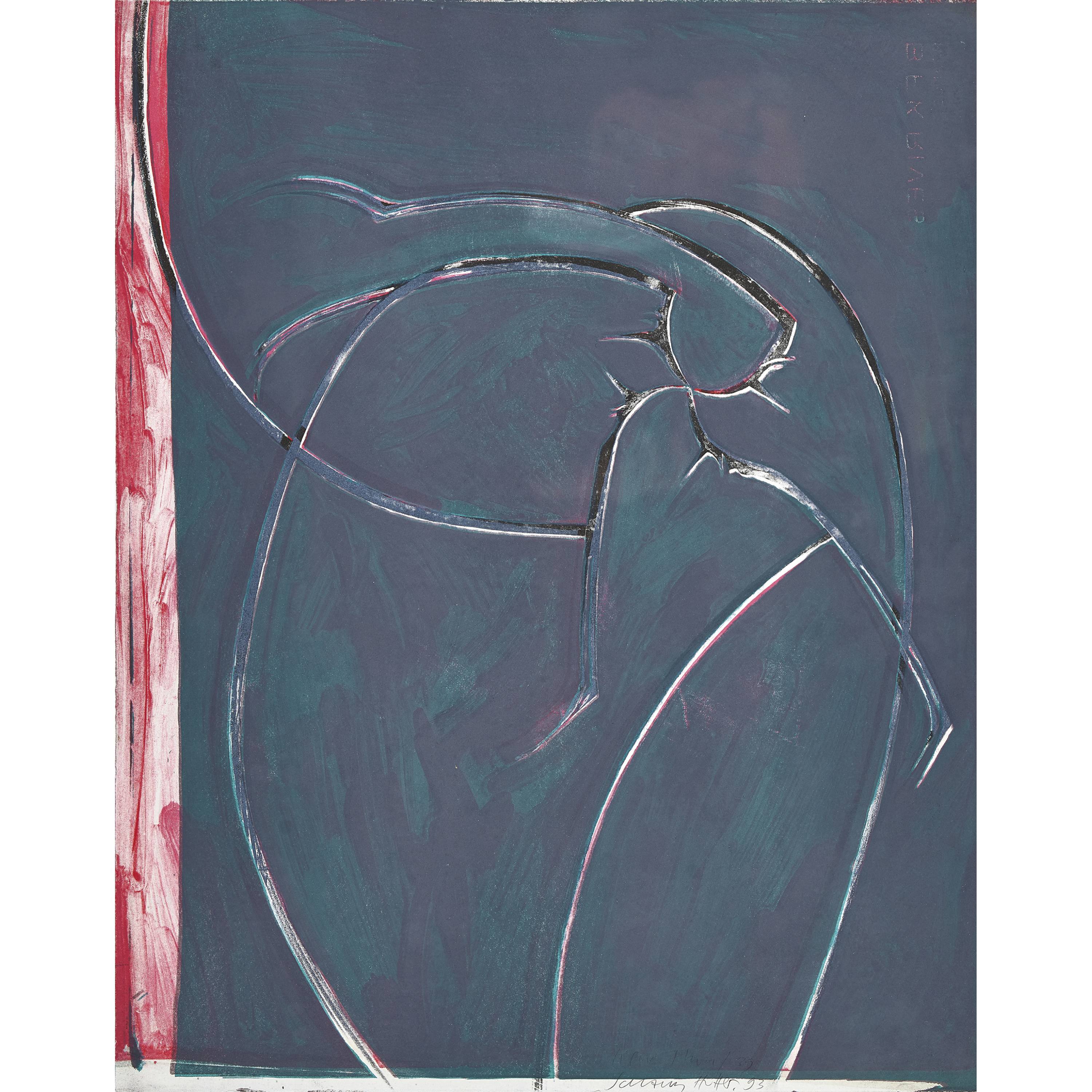
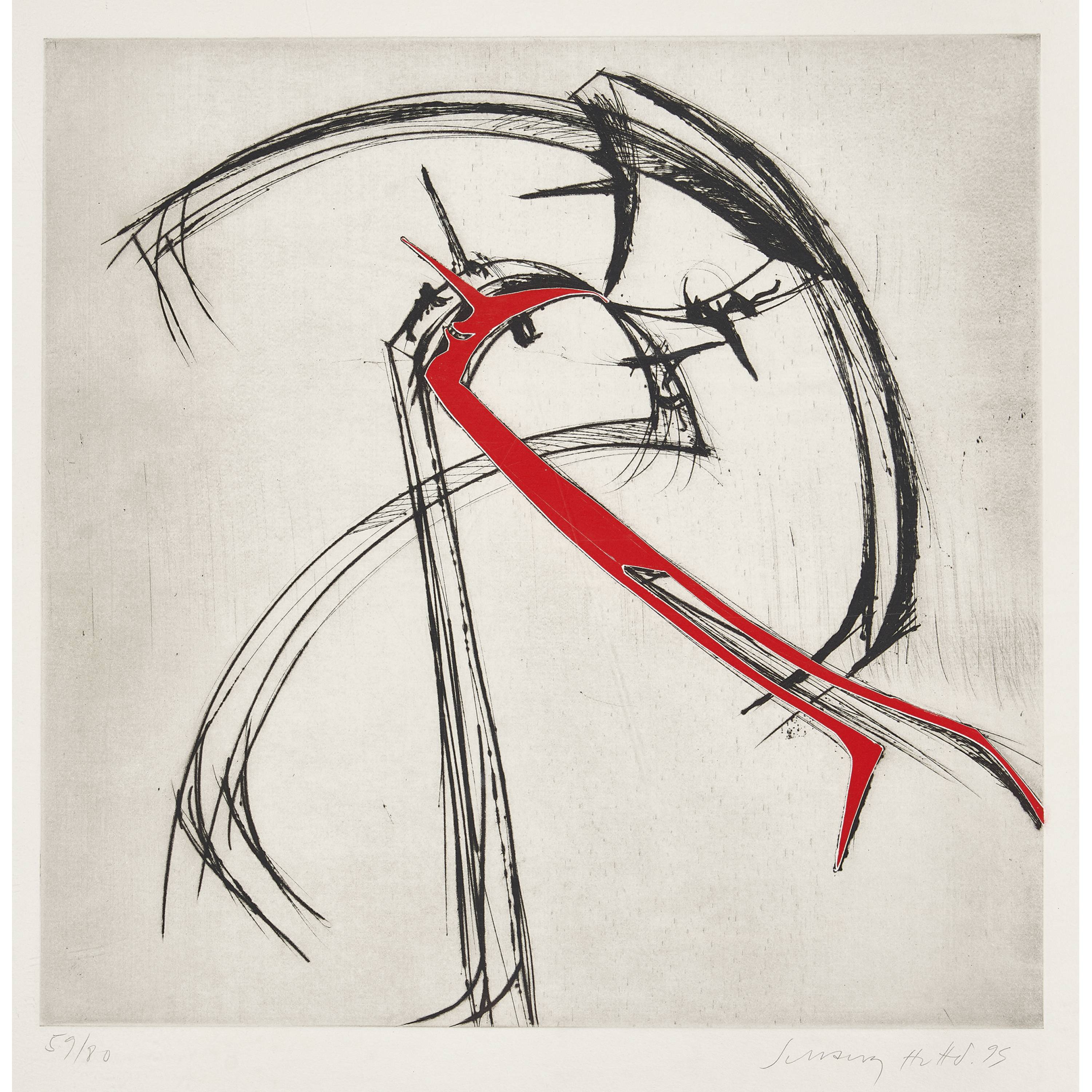
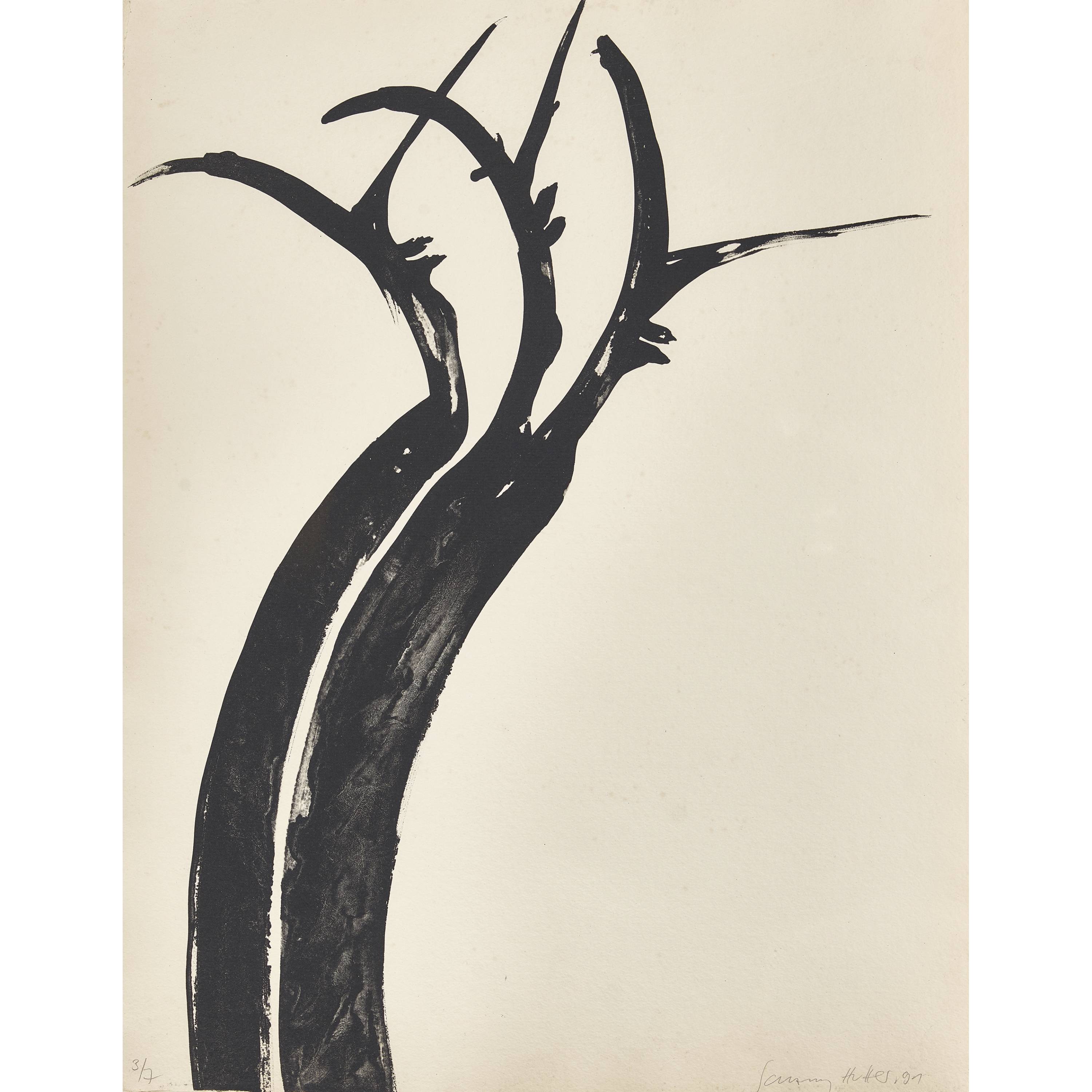
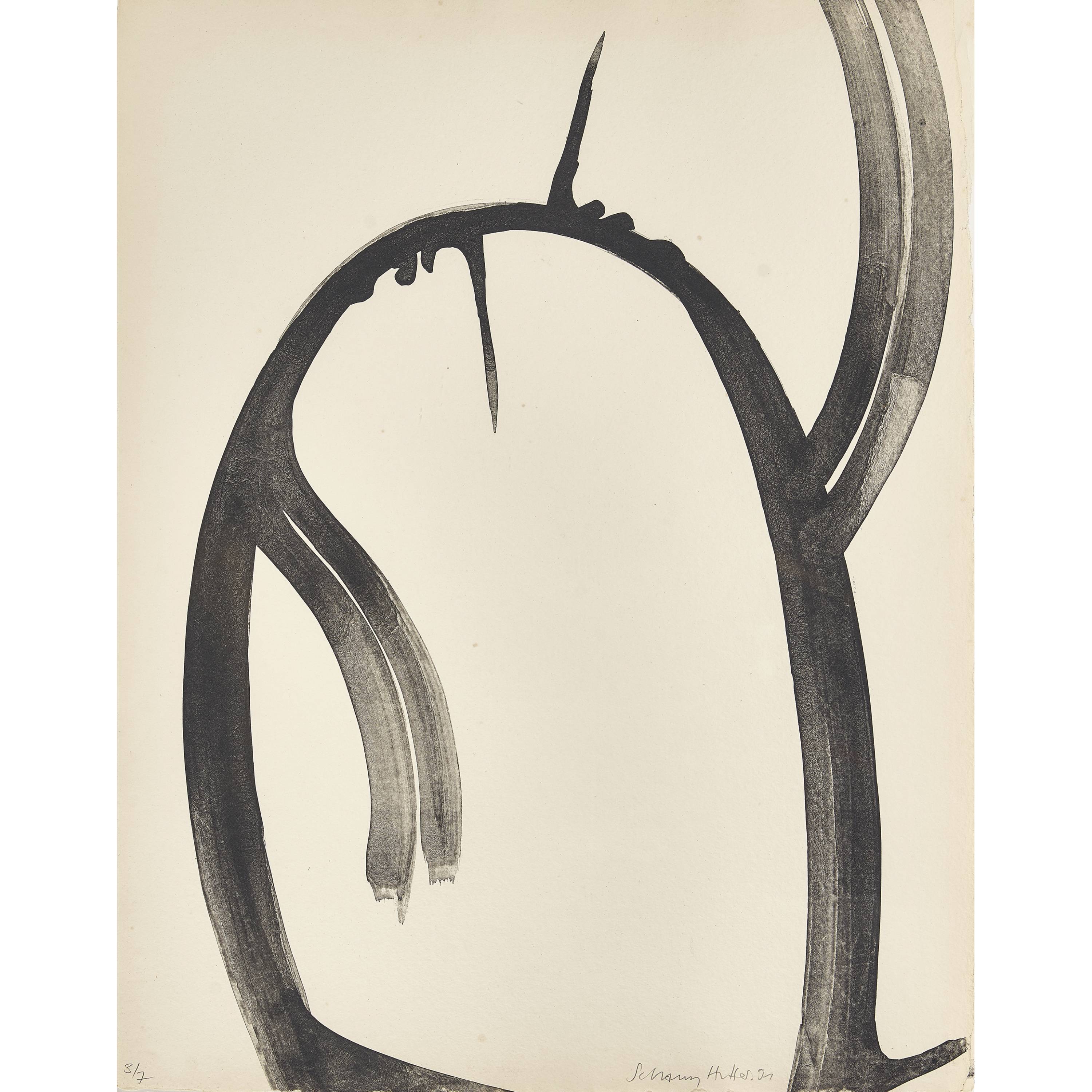
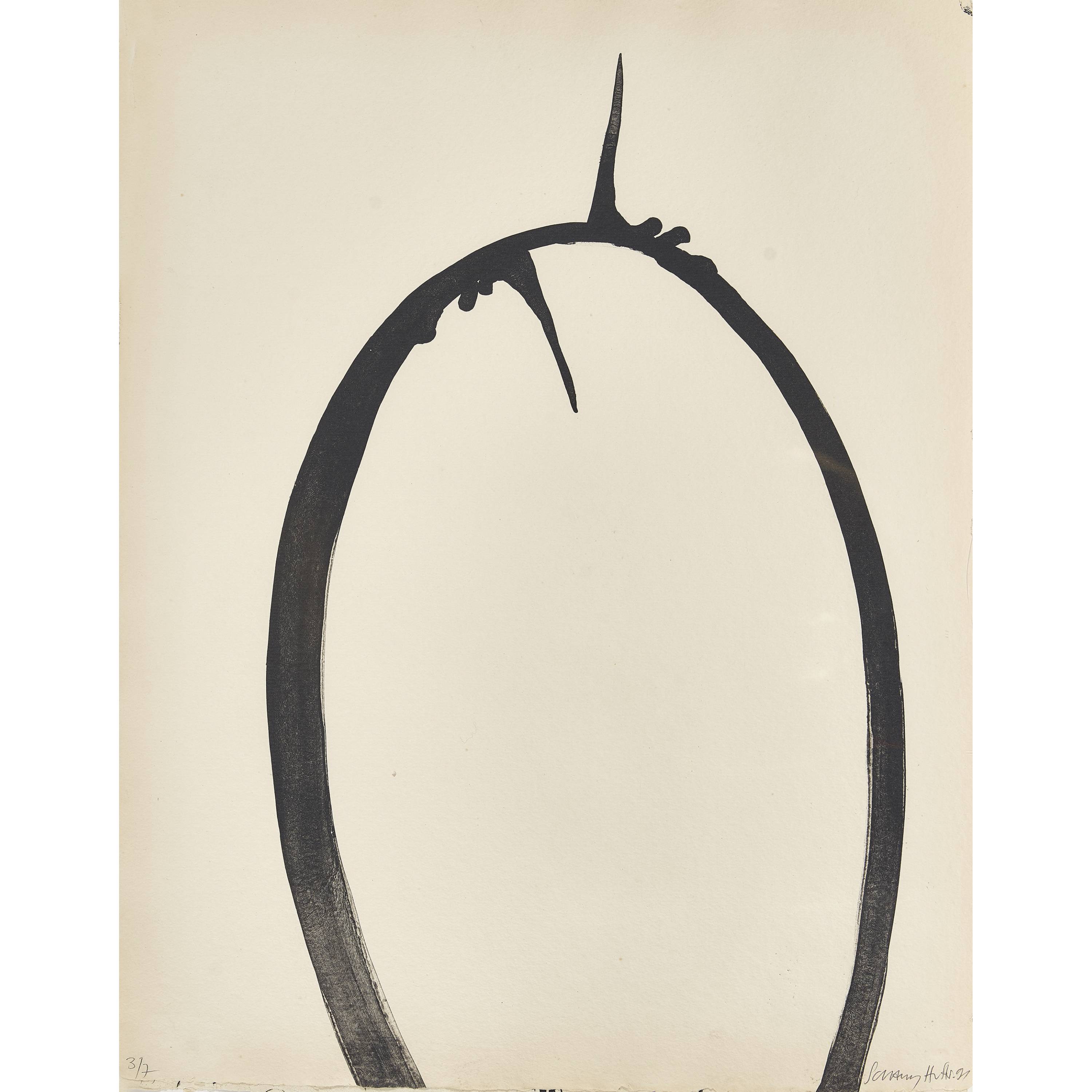
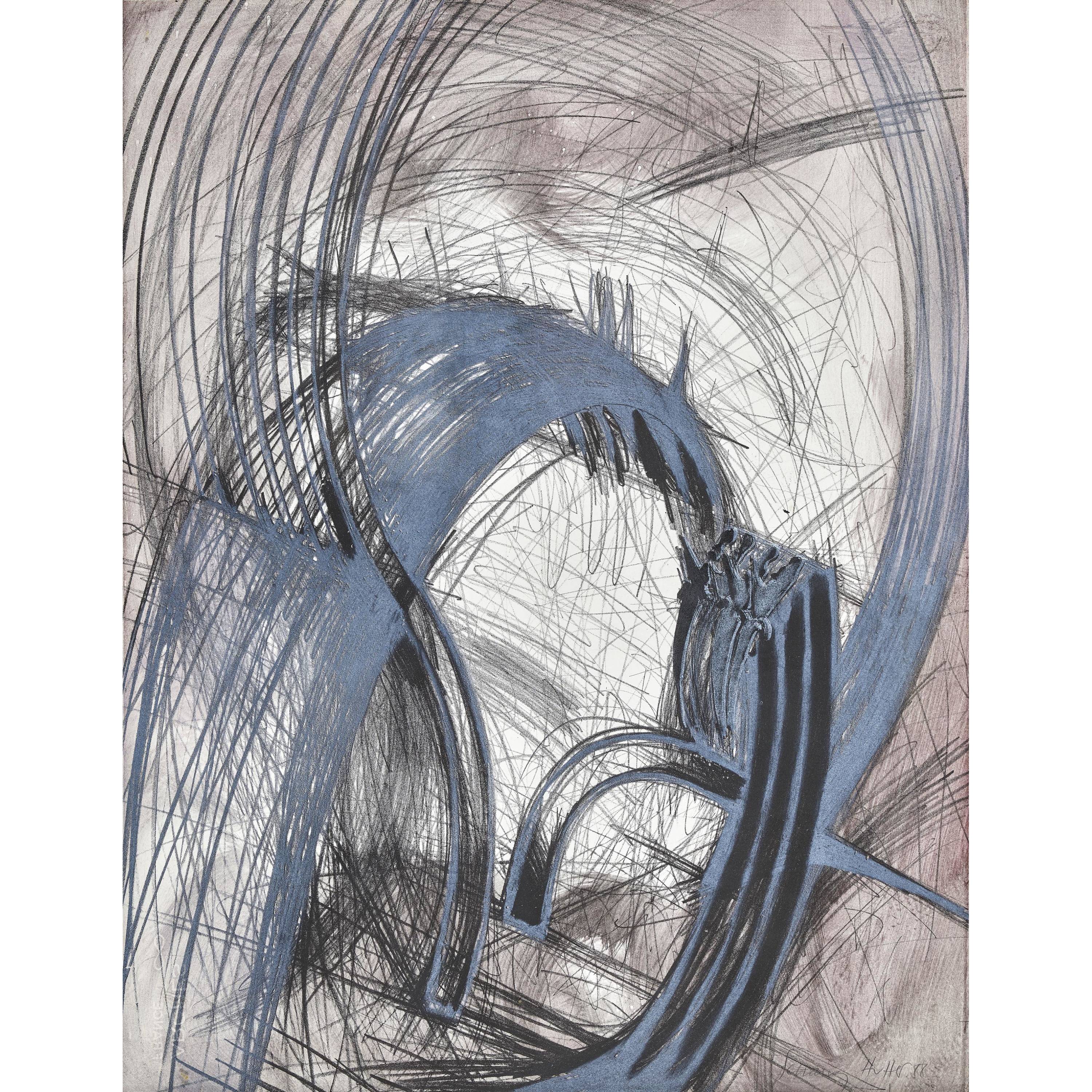
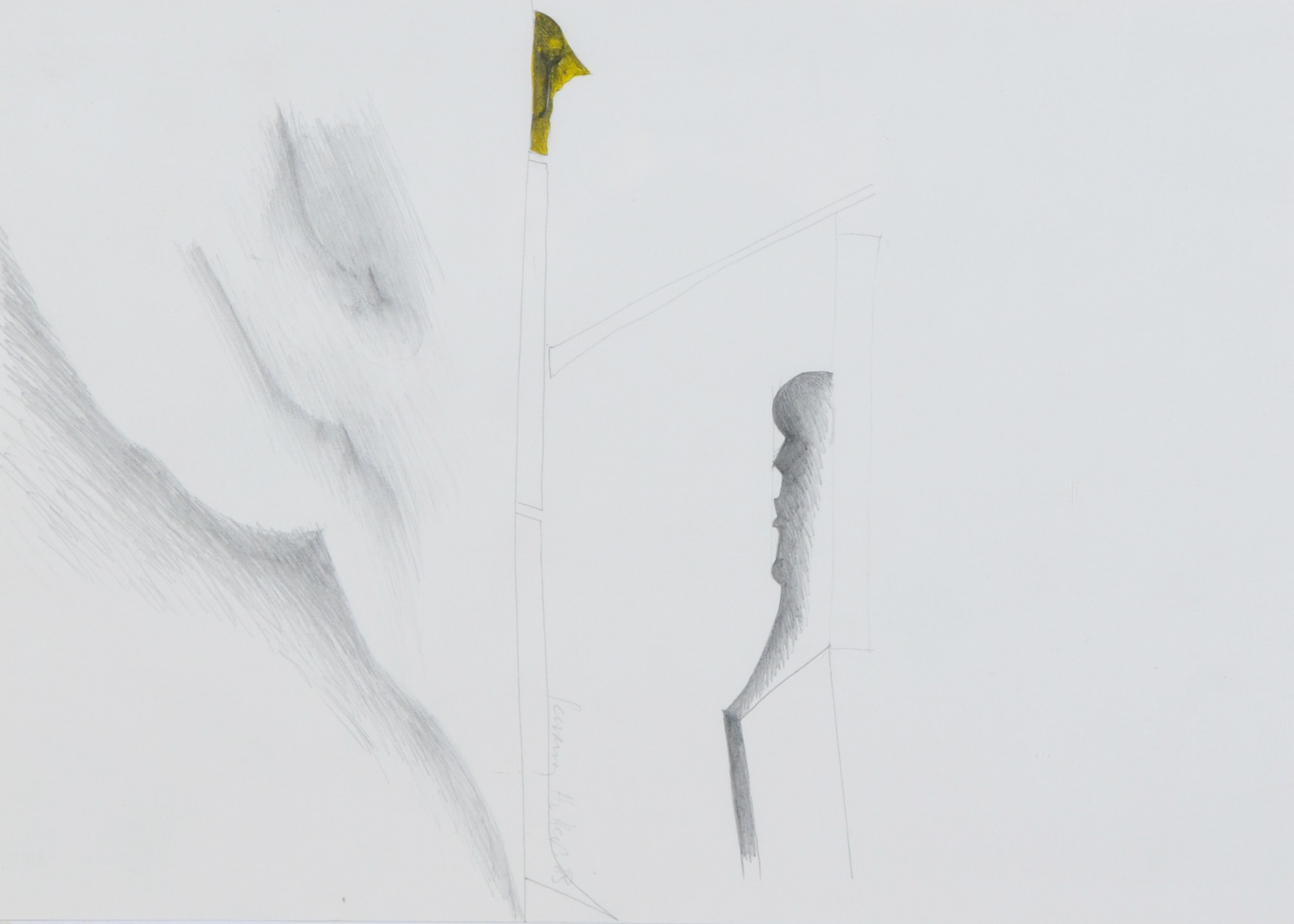
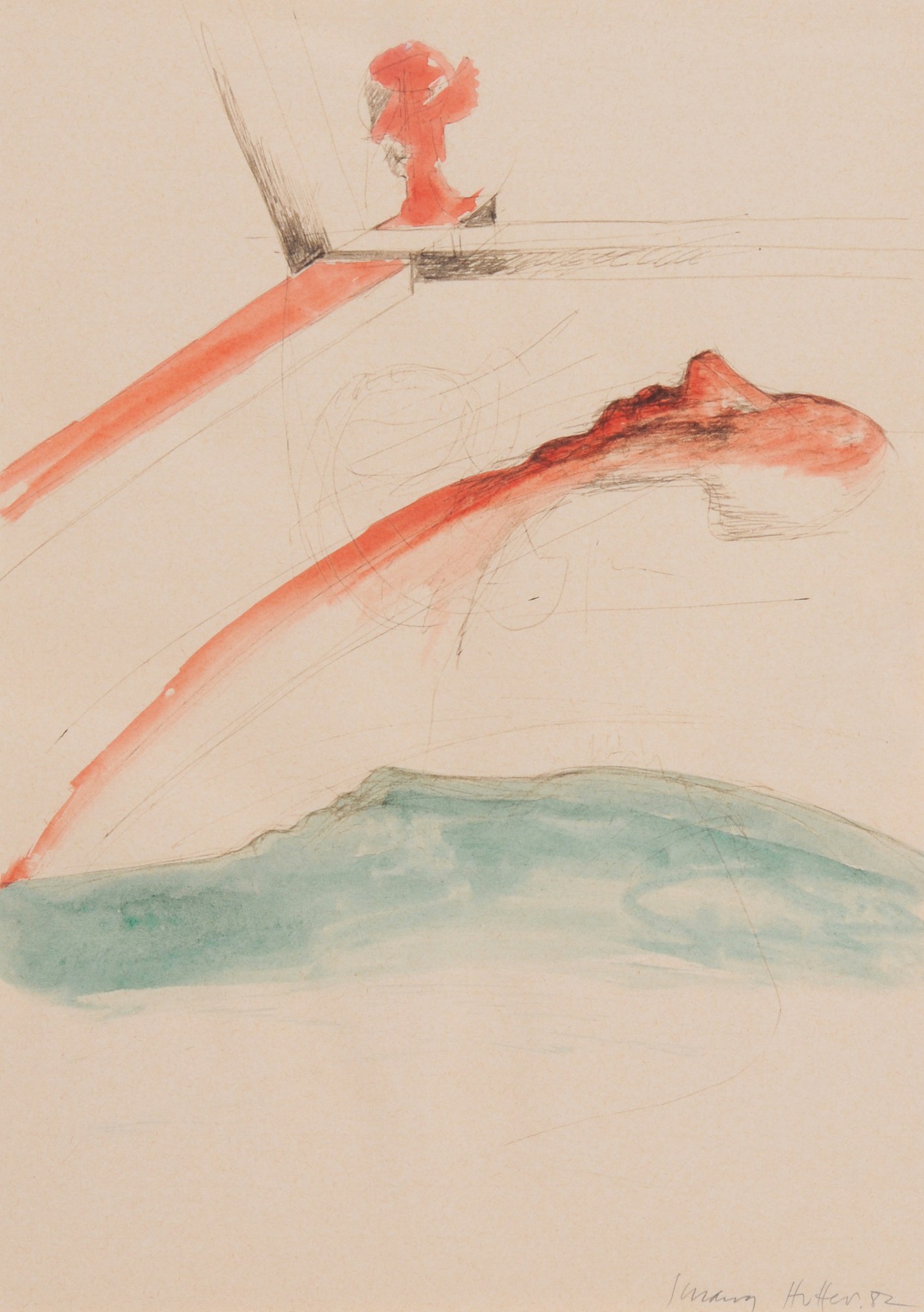
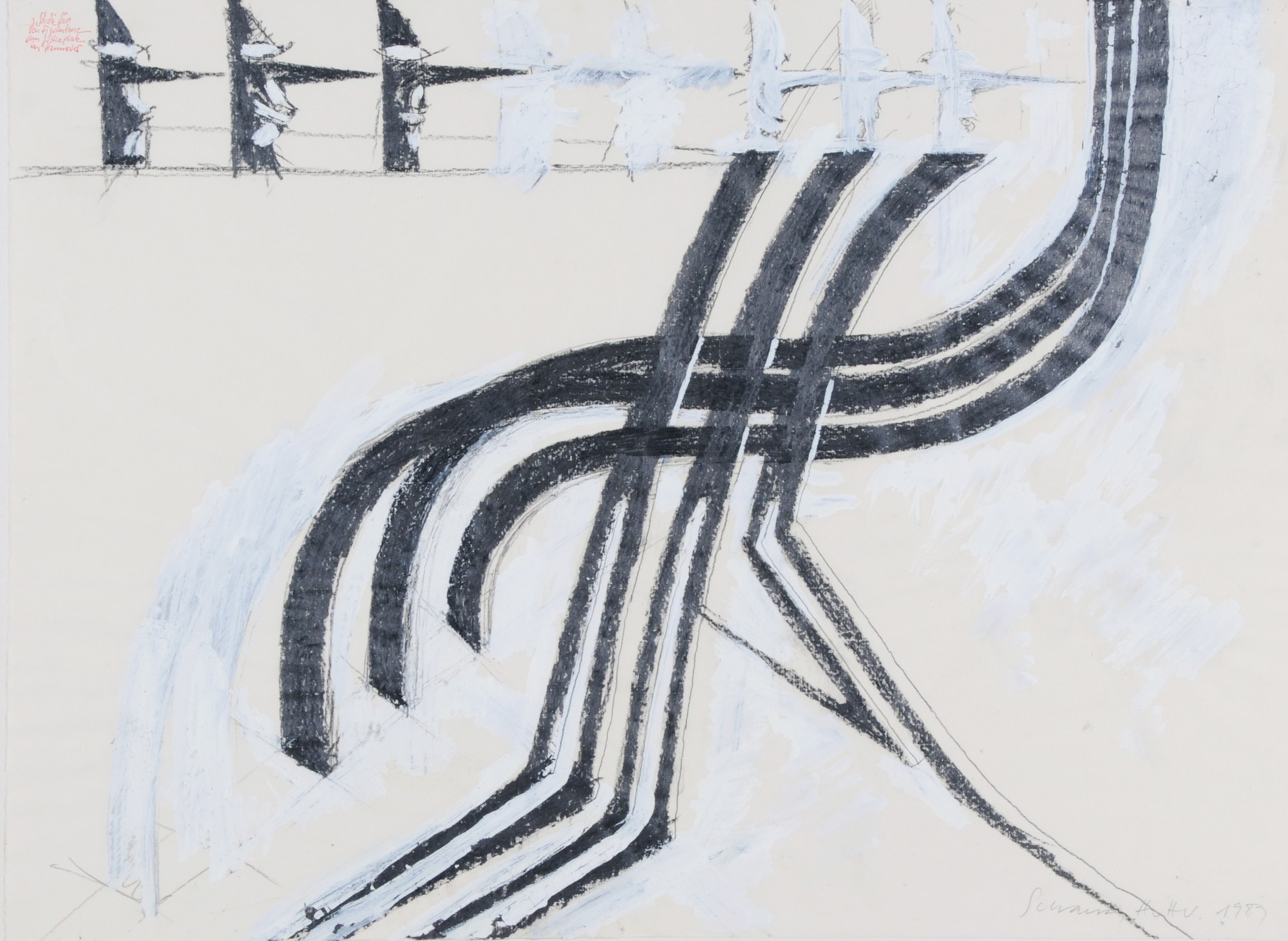
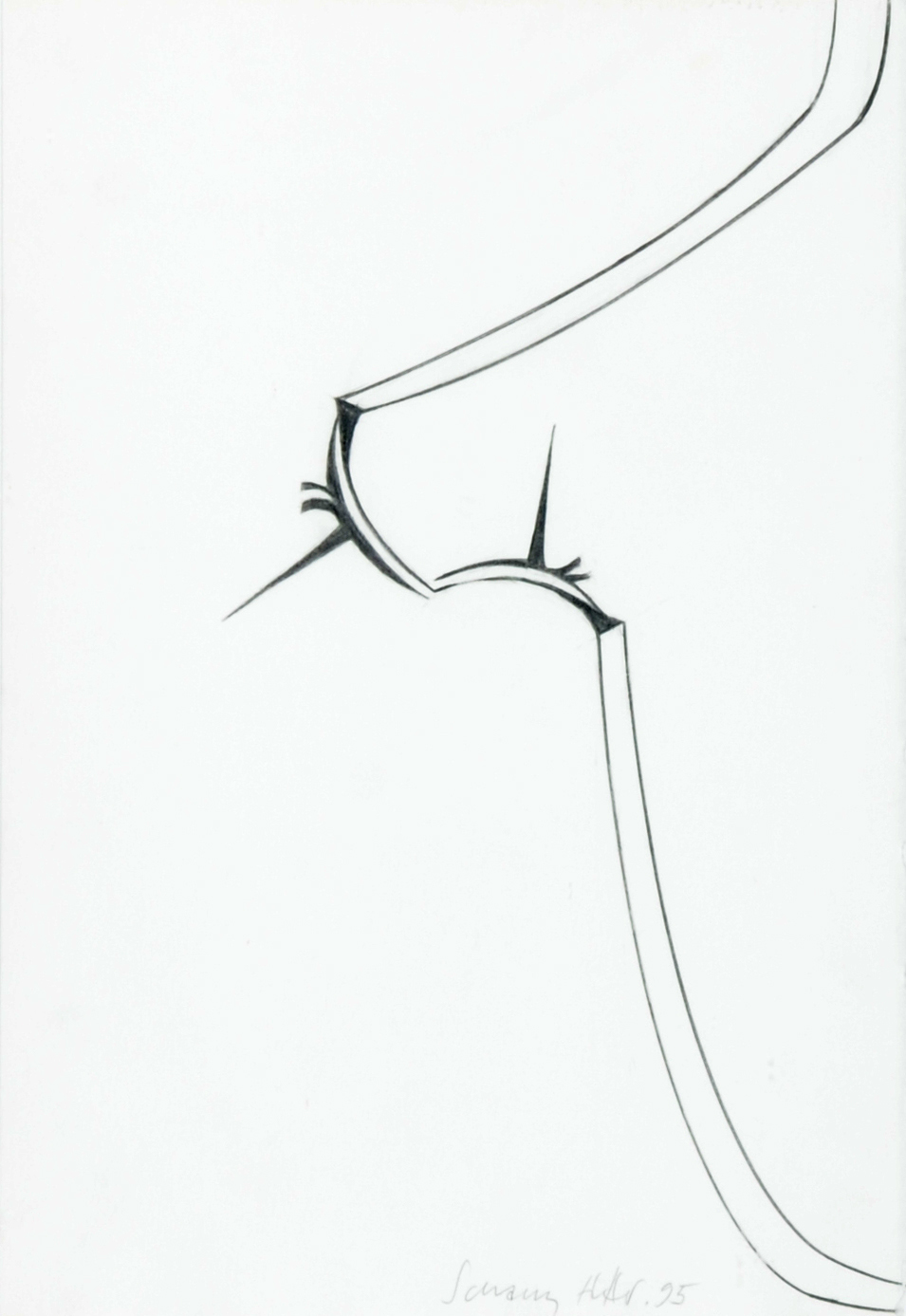
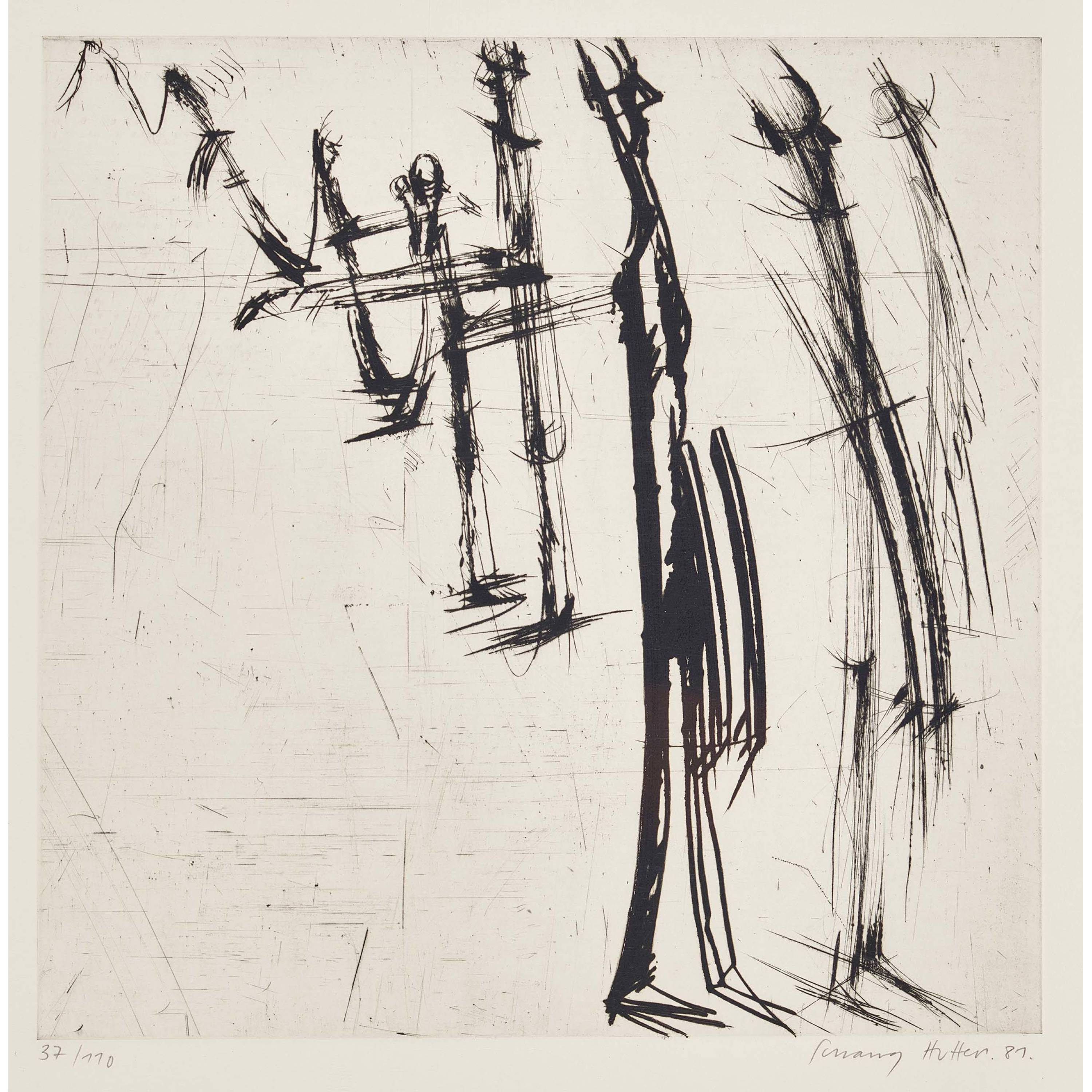
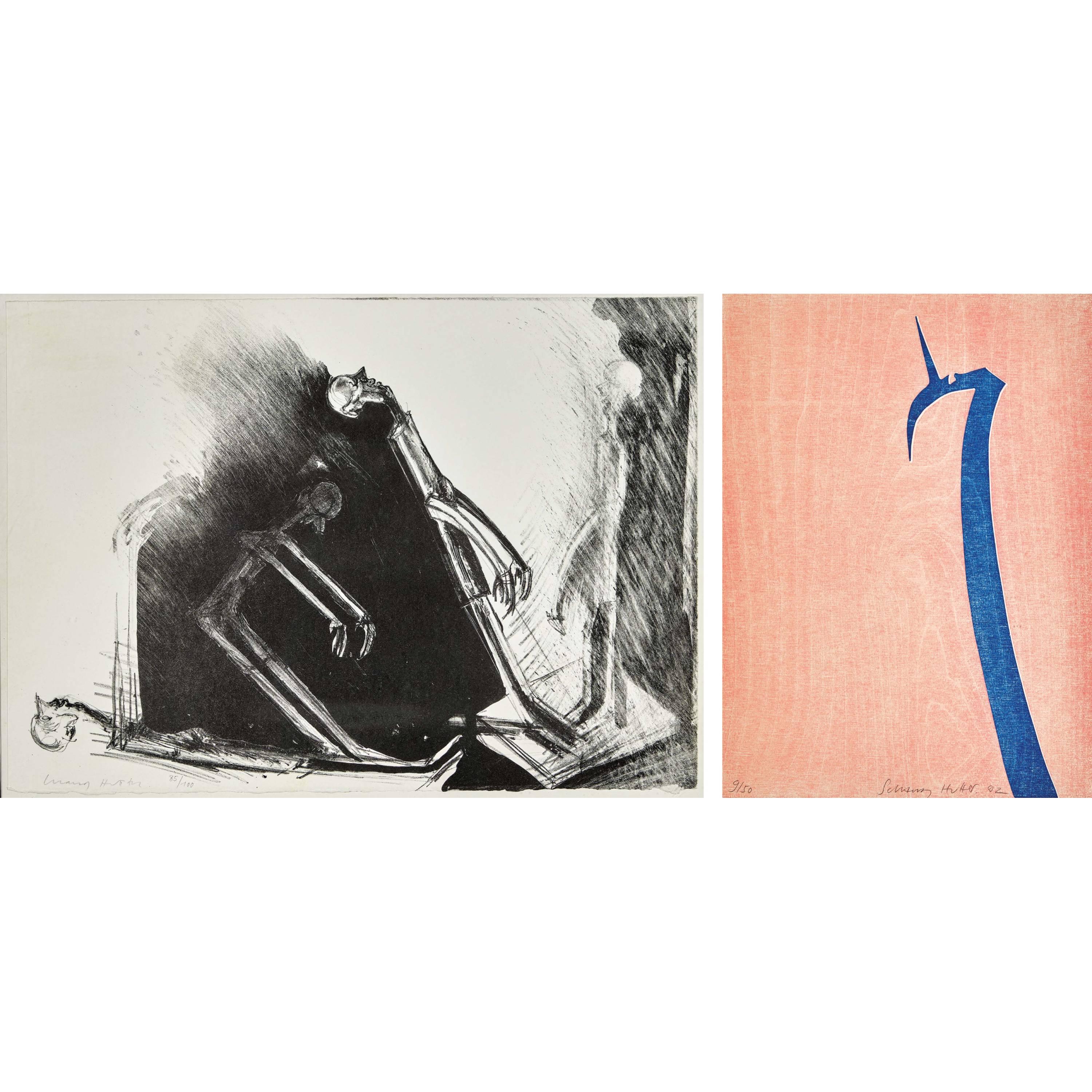
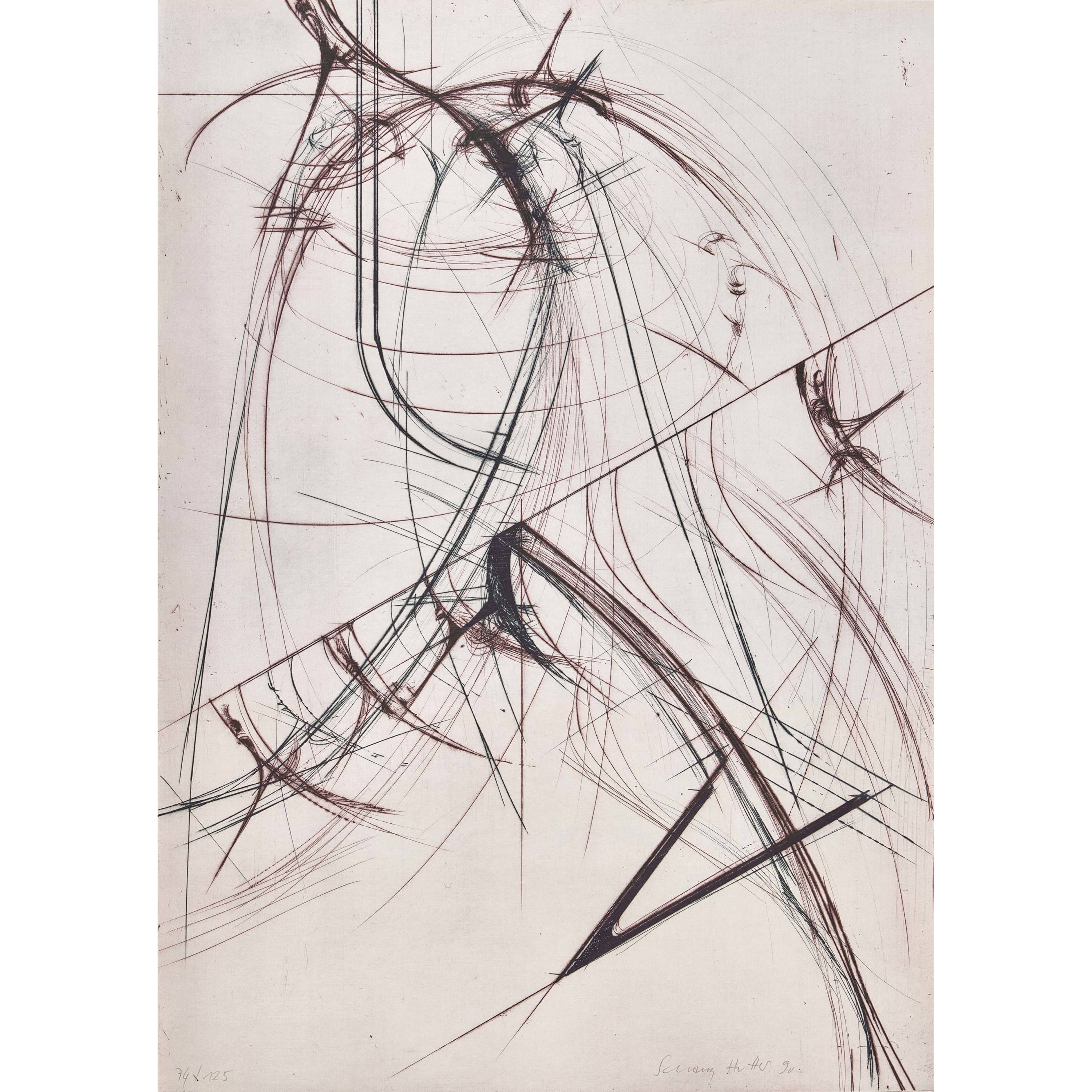
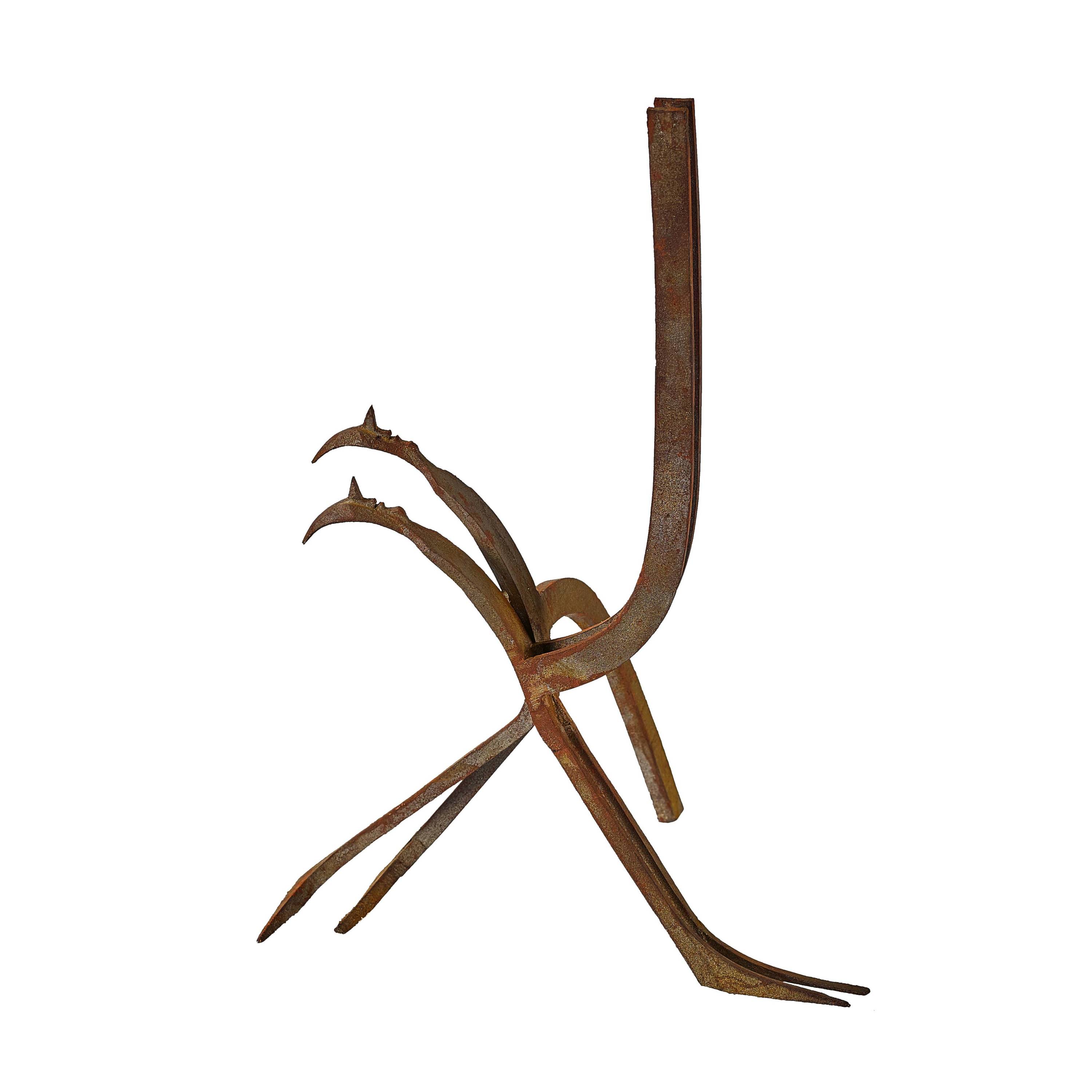
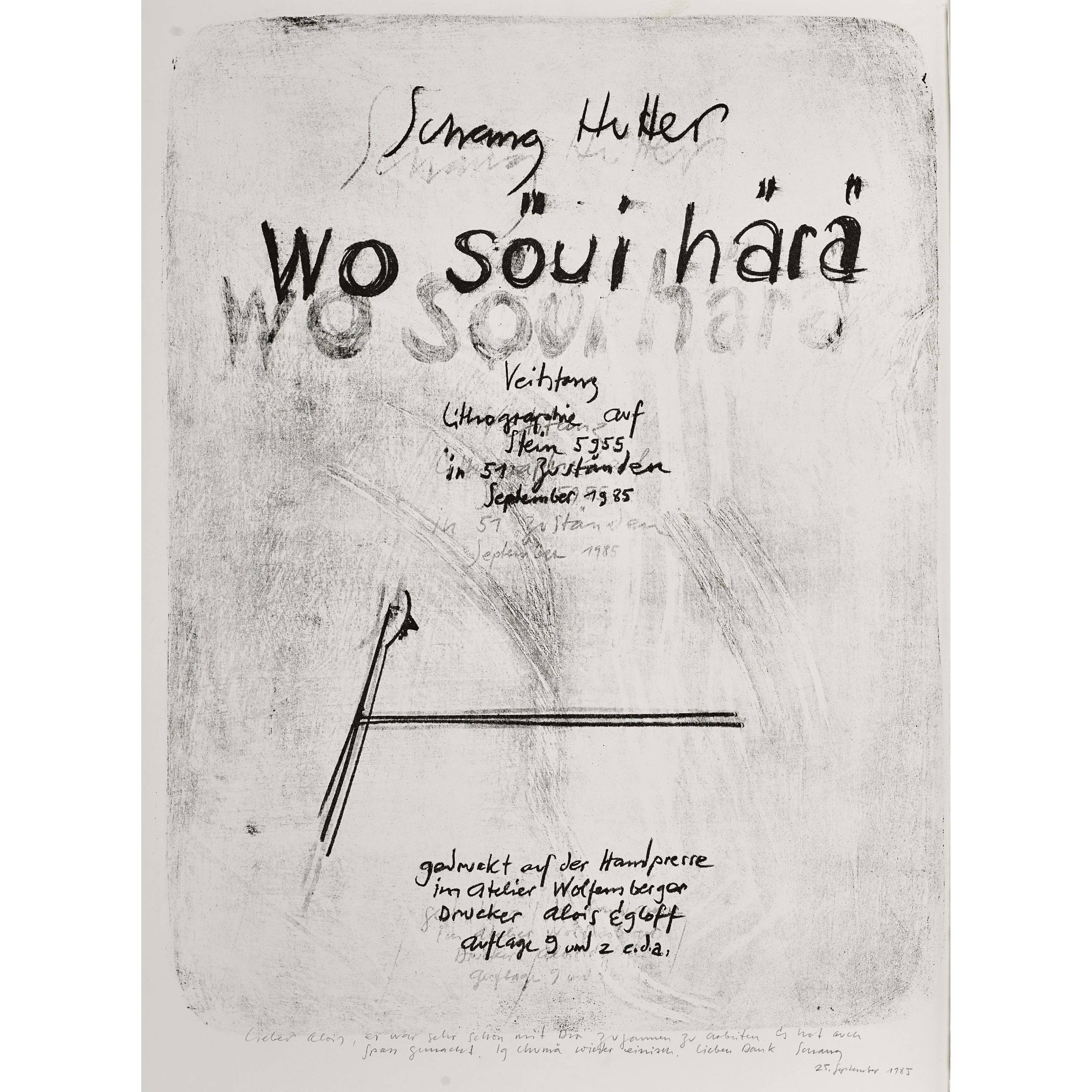
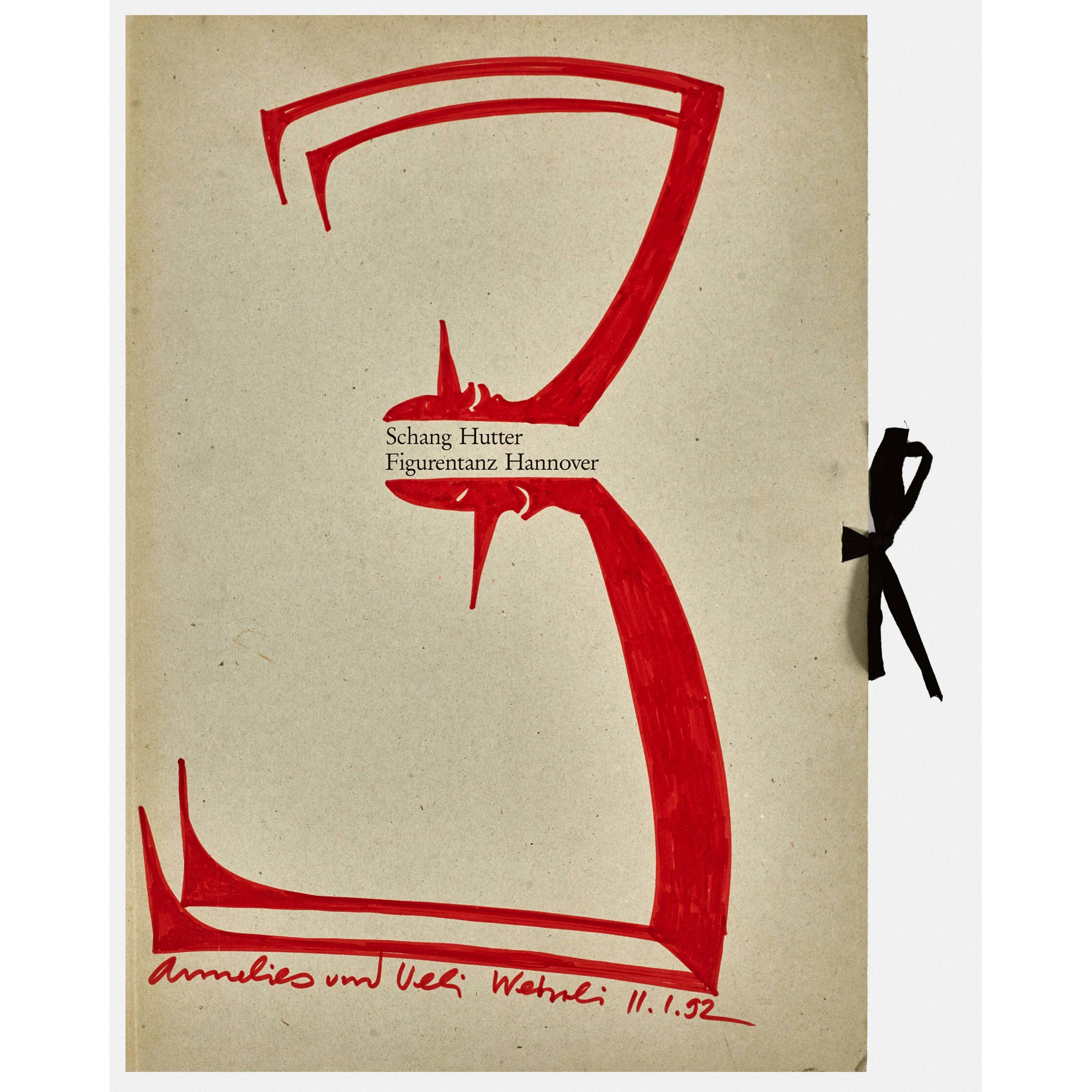
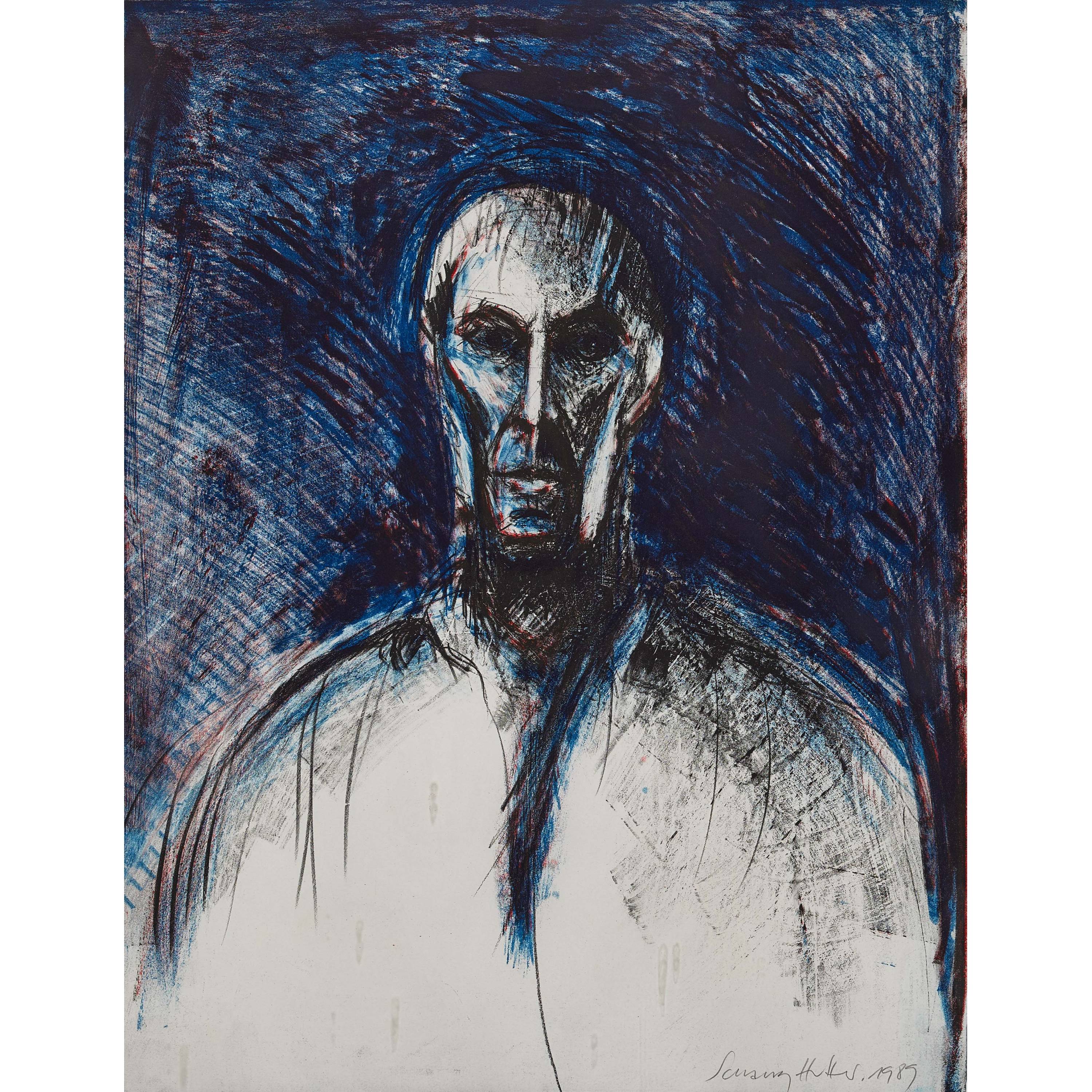
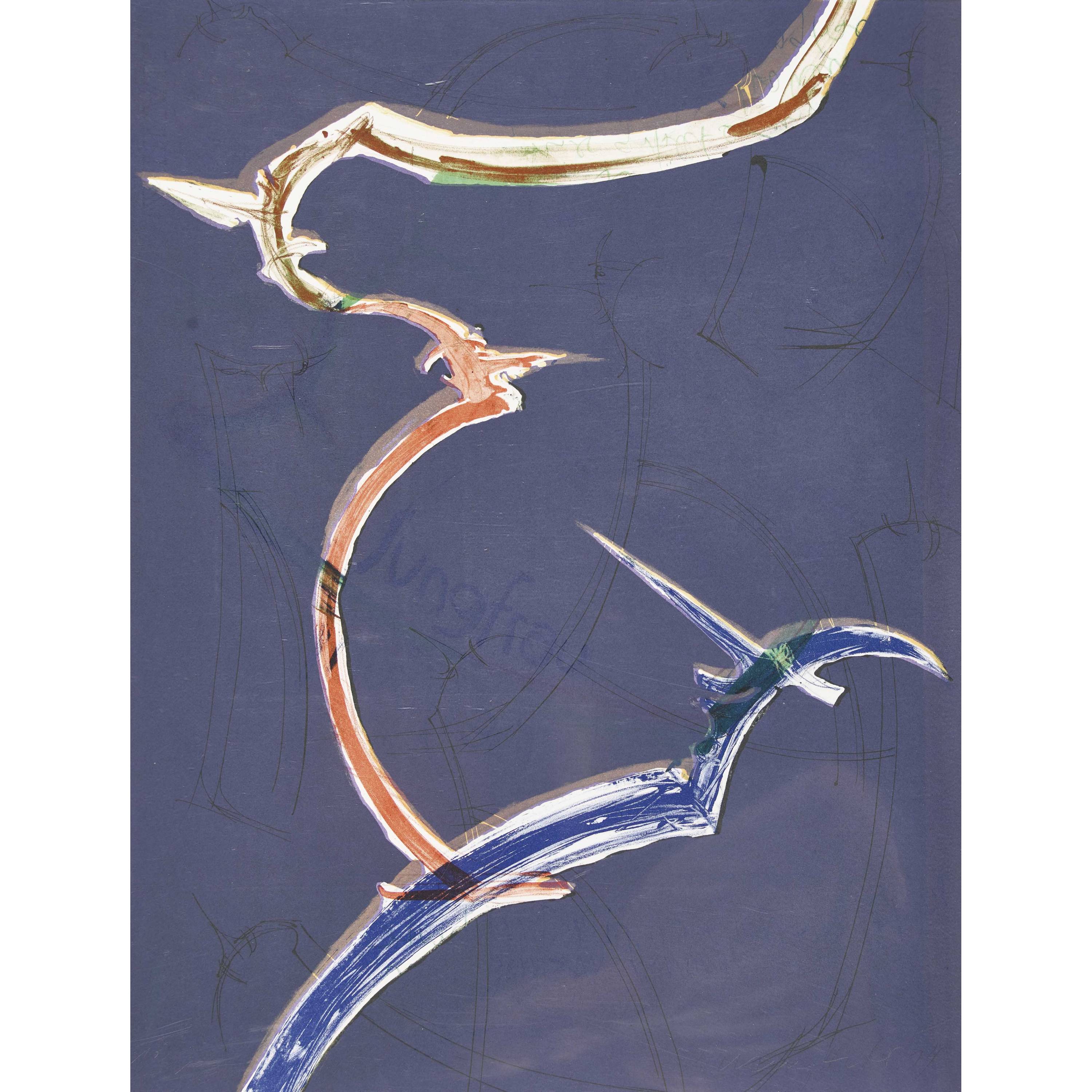
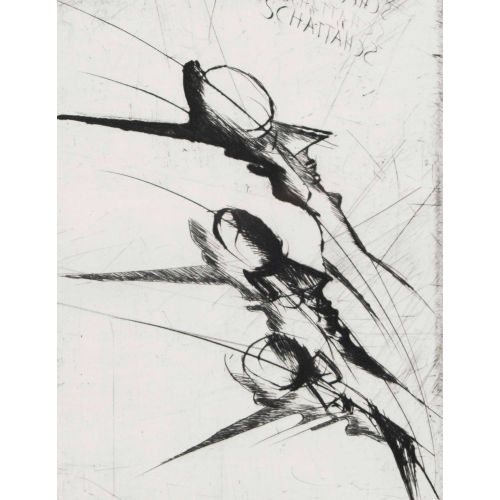
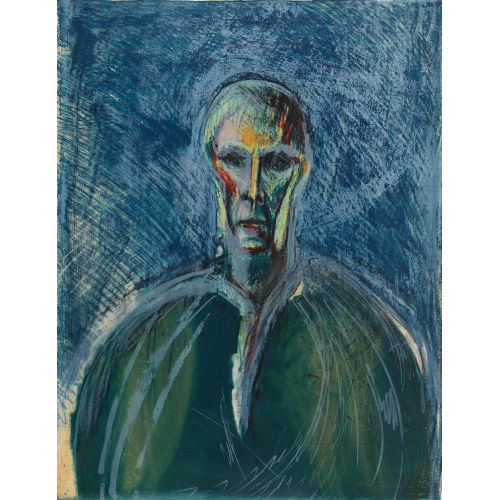
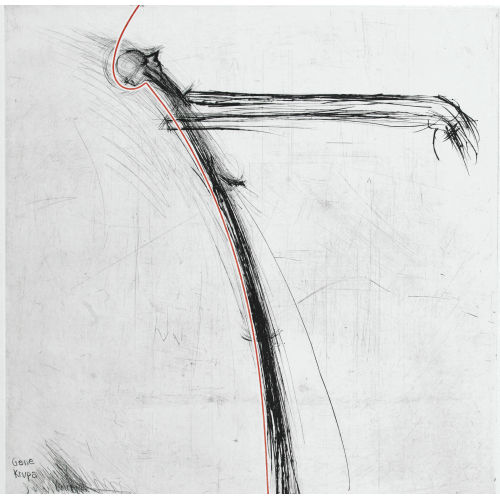
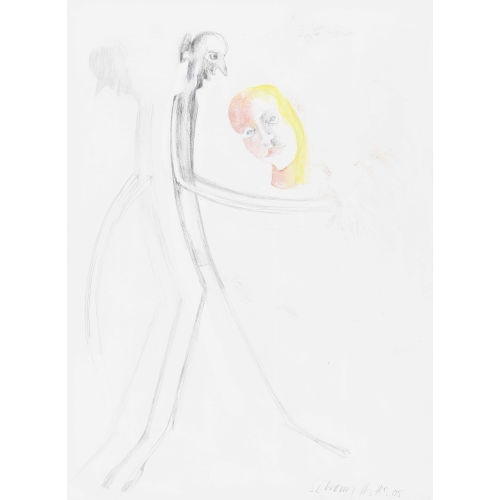
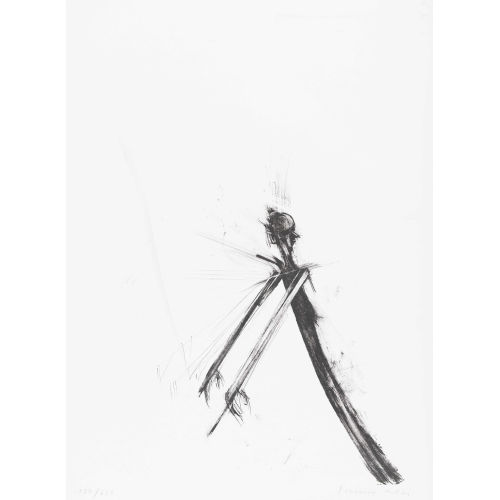
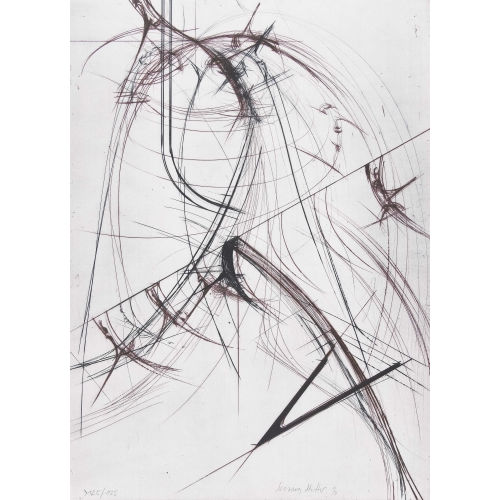
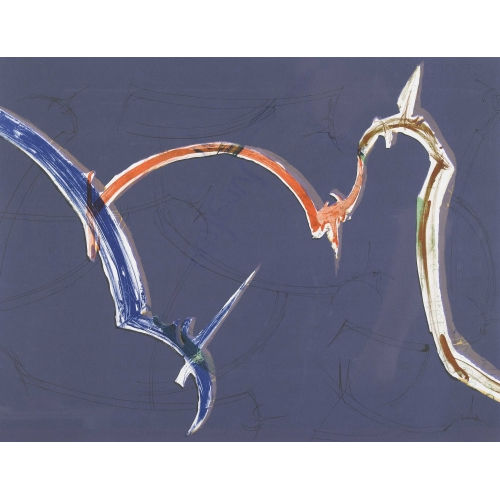
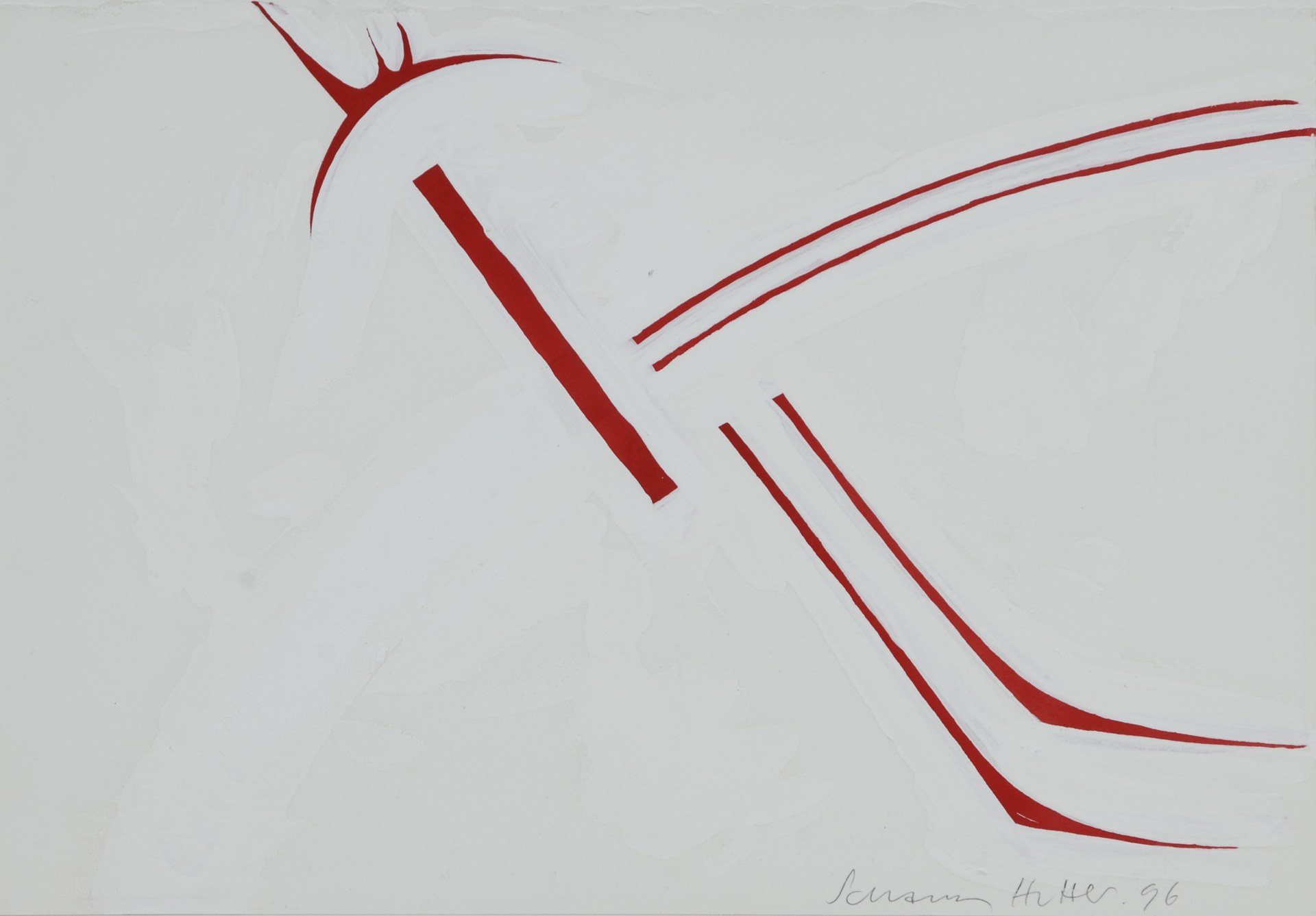
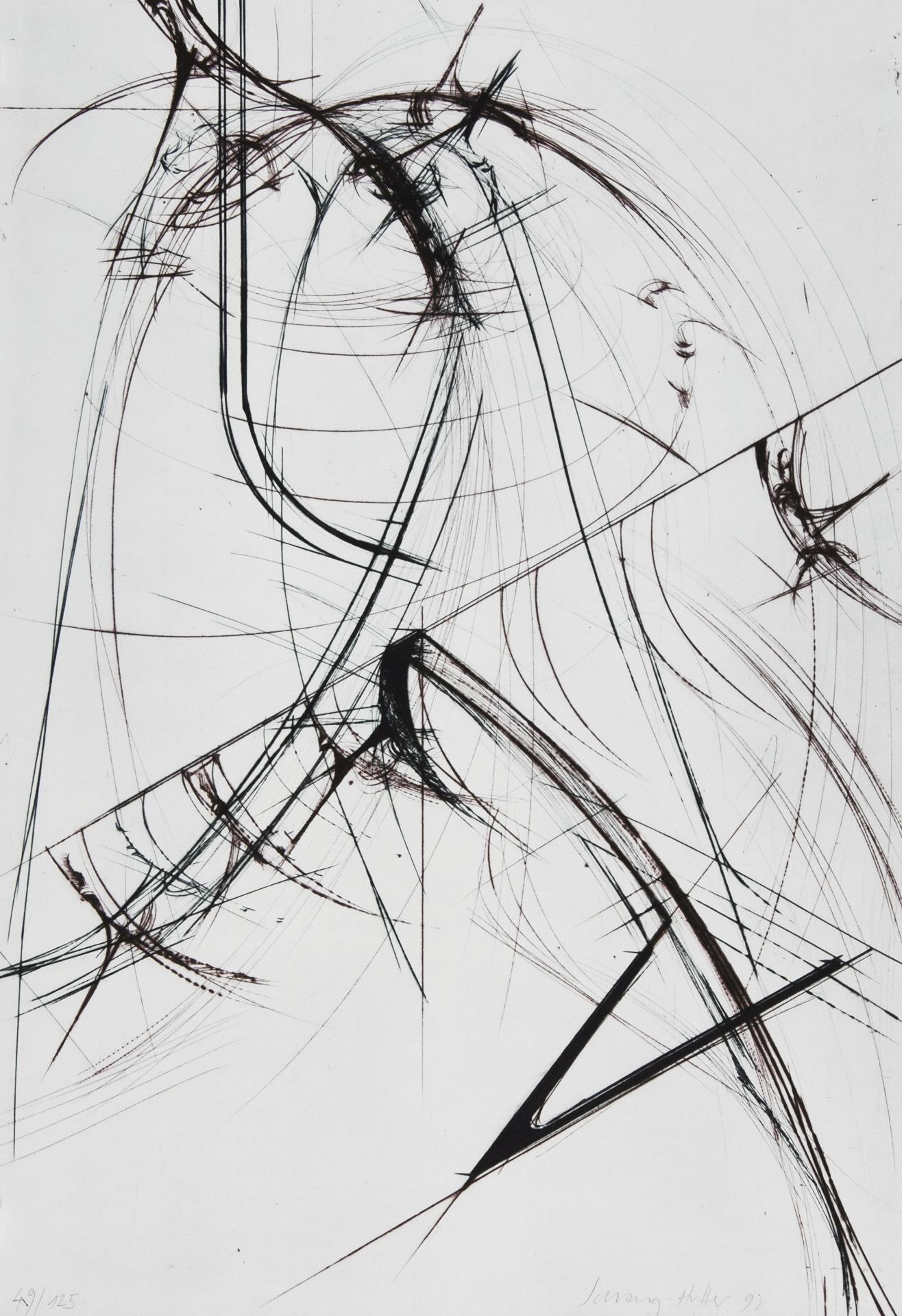
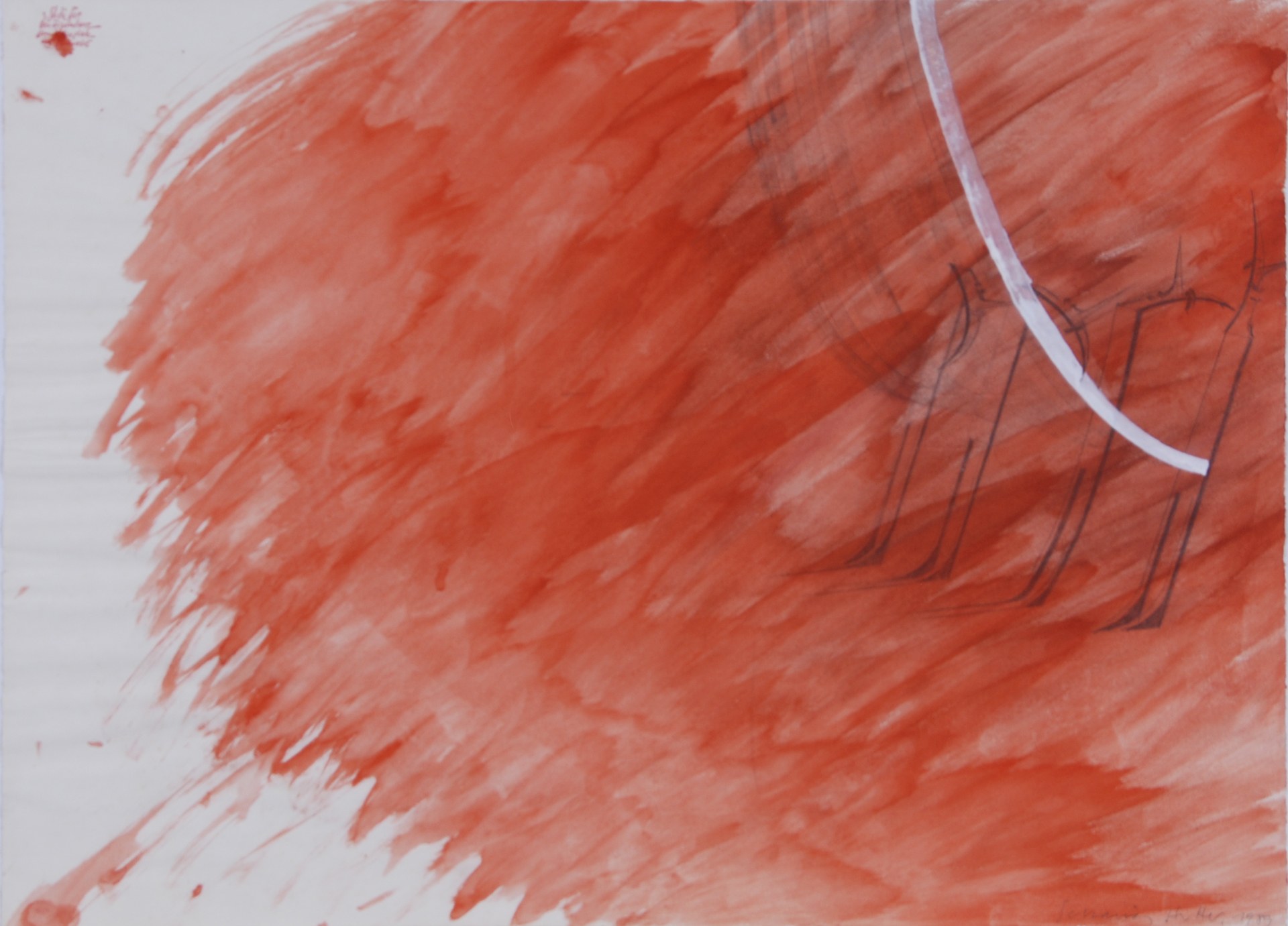
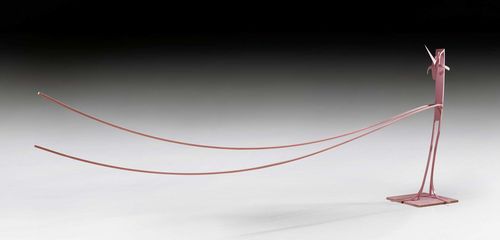
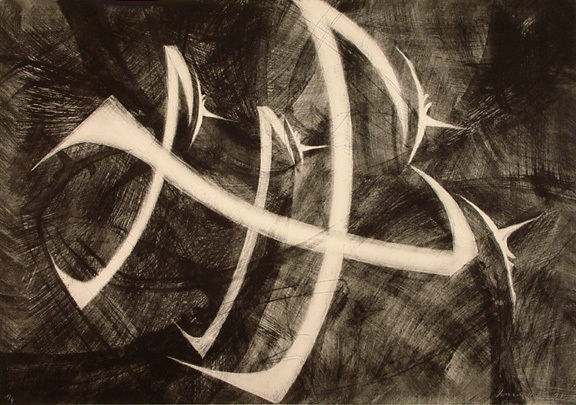
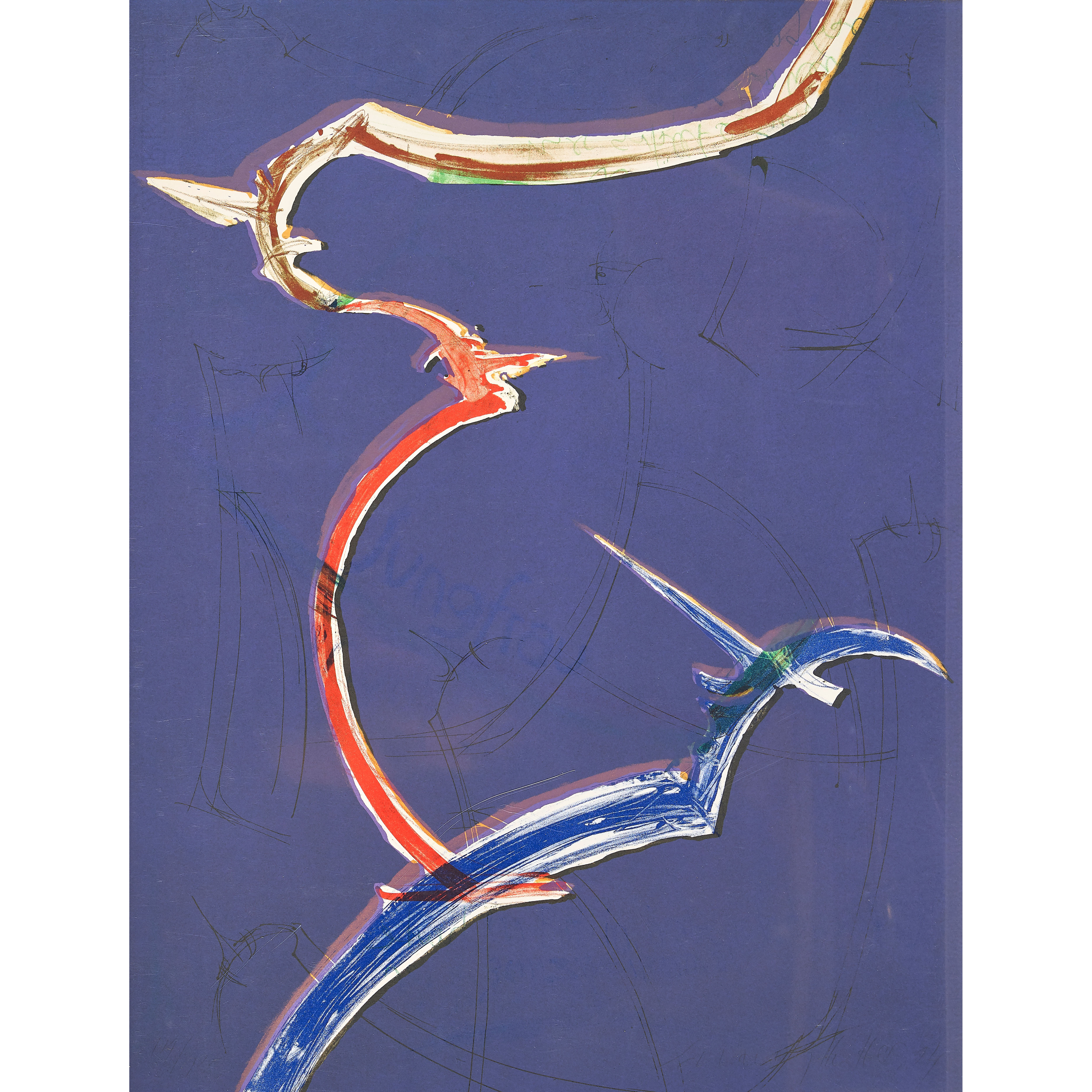
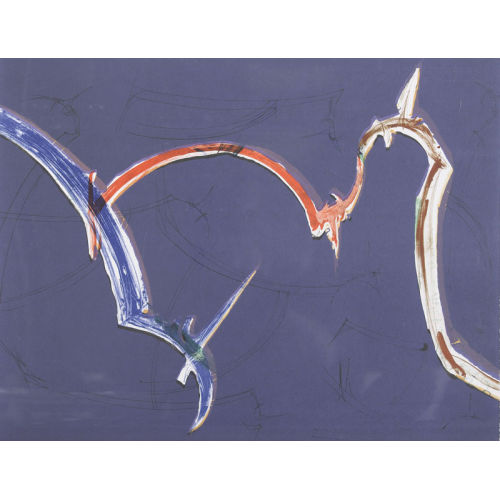
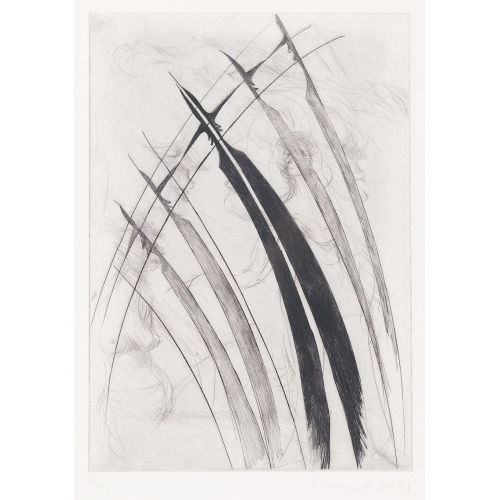
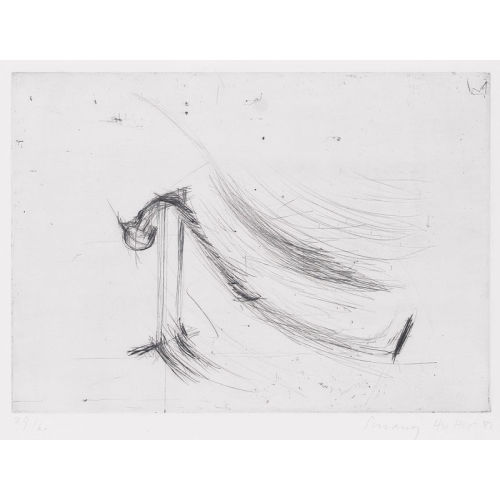
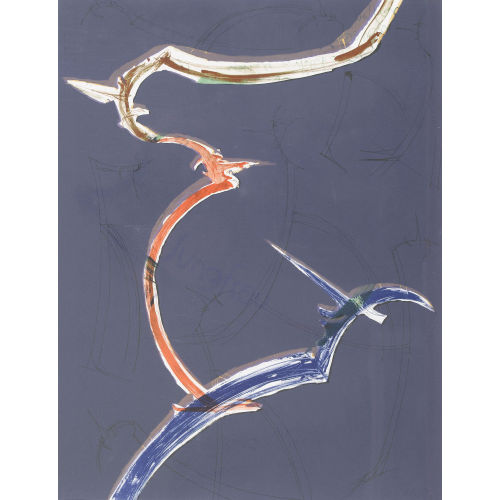
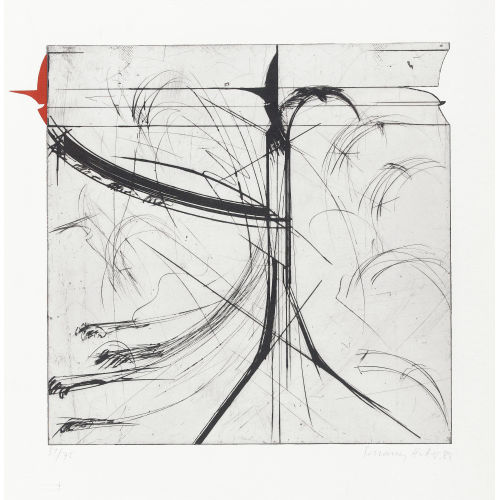
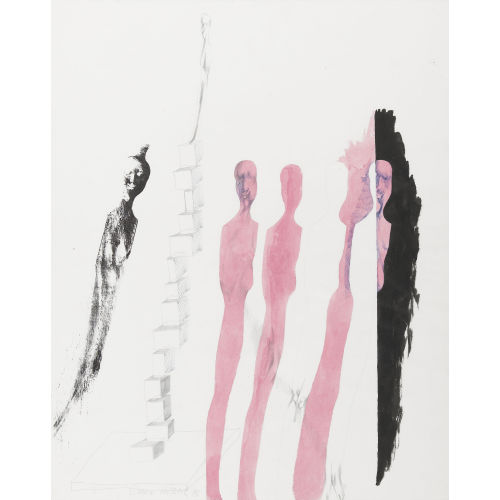
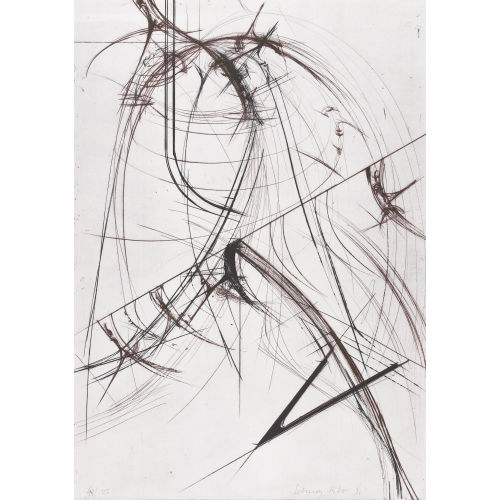
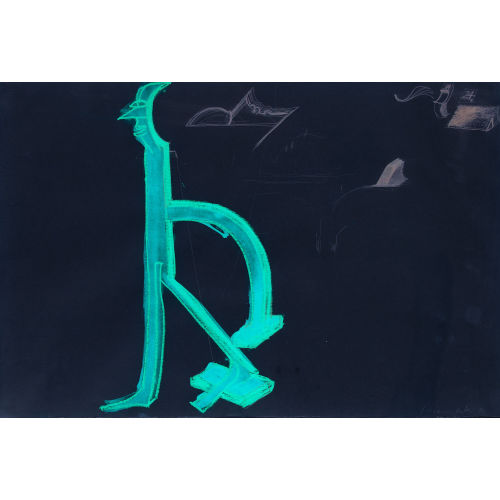
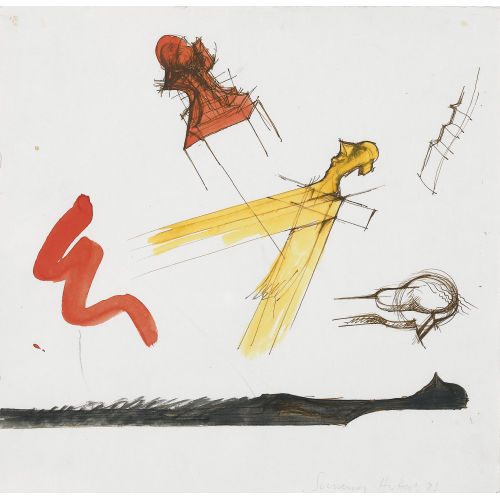
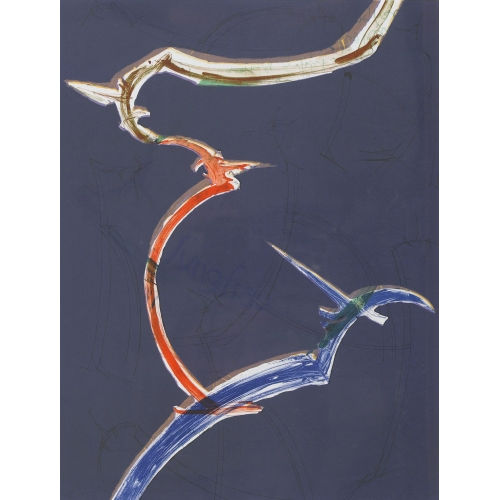
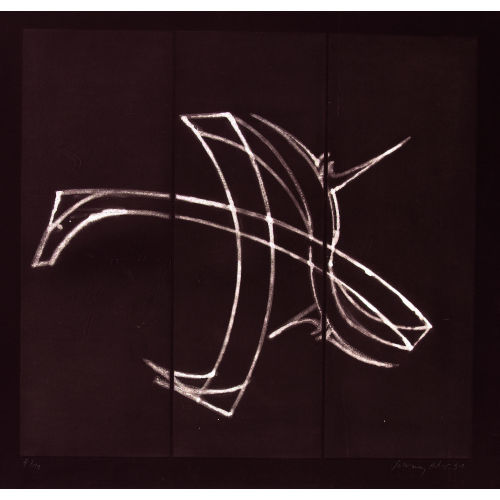
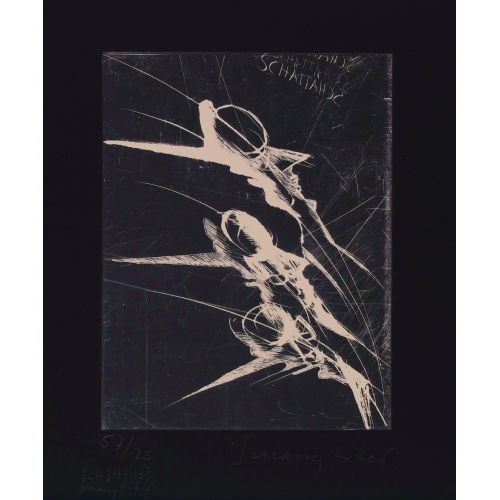
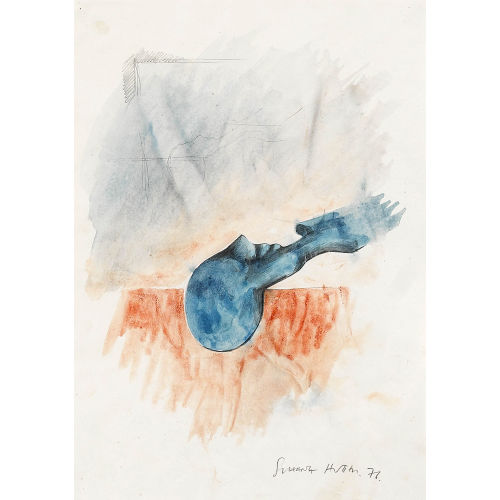
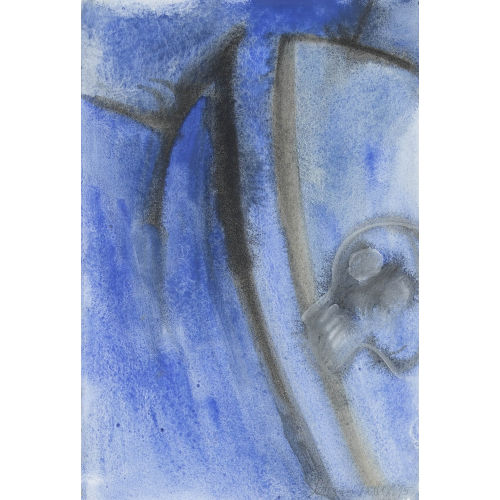
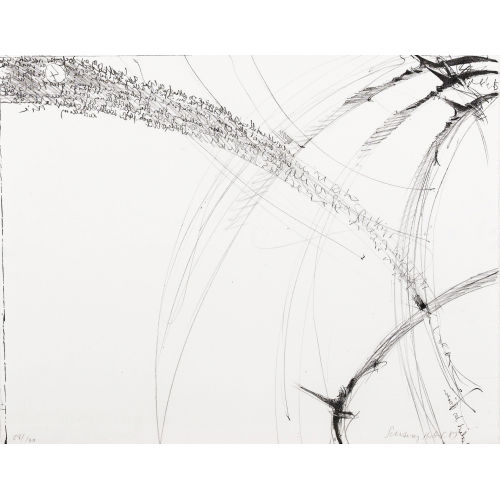
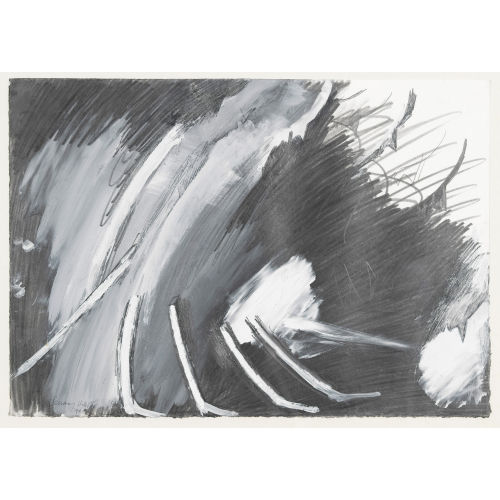
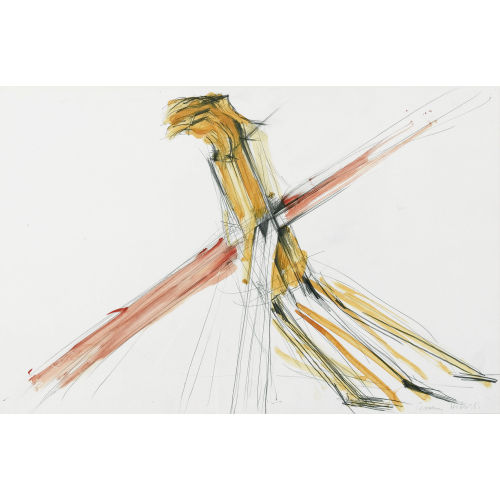
Later, the arms unfold, the groupings verge on abstraction, and the hands begin to gesticulate. Drawing, printmaking and, more rarely, painting extend this reflection on gesture and the human condition. Even when his sculptures appear animated, at times almost light, they retain the memory of injury.
The public work Shoah condenses this approach with particular gravity. A fragile body lies in the opening of a cube made of rusted steel, whose dimensions refer to the distance between the rails used by the deportation trains. Presented in front of the Federal Palace in Bern in 1998, the sculpture provoked intense controversy and subsequently travelled to several Swiss cities.
Hutter thus gives visible space to what one might sometimes prefer to remove from view. His sculpture does not erect a hero: it asks passers-by to acknowledge the fragility of others and their own responsibility before history.