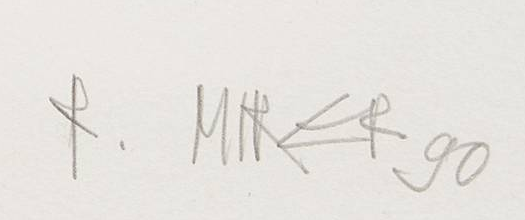
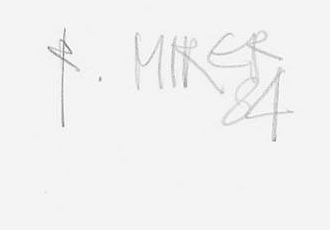
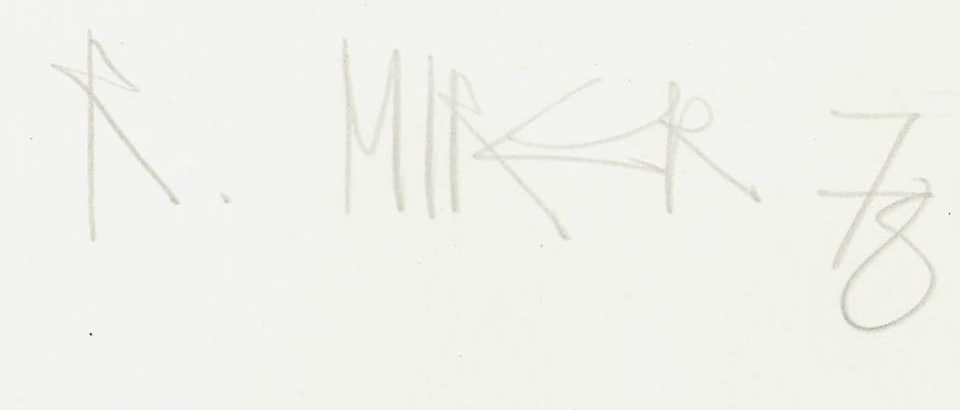
Rudolf Mirer
Born in 1937.
Died in 2025.
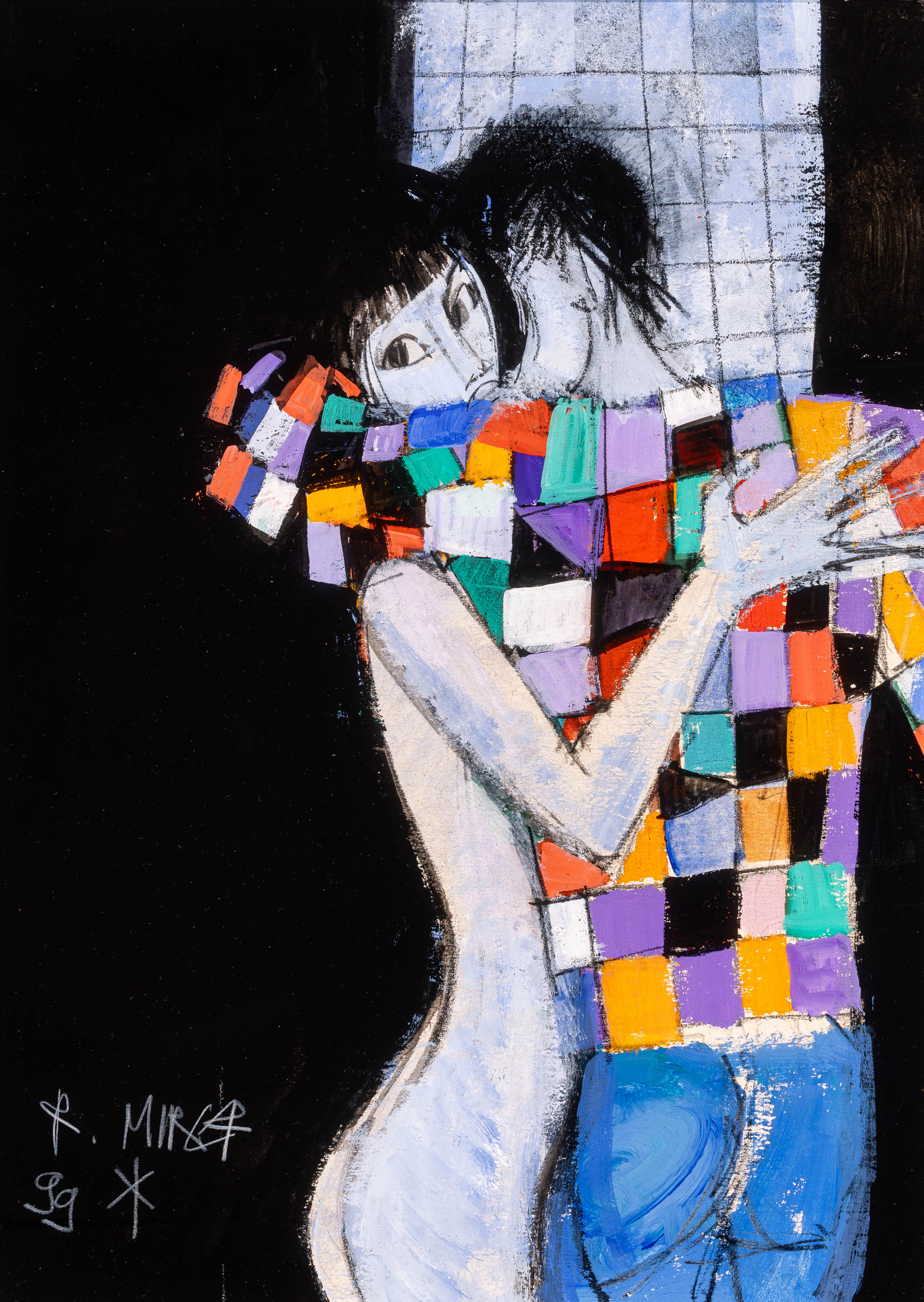
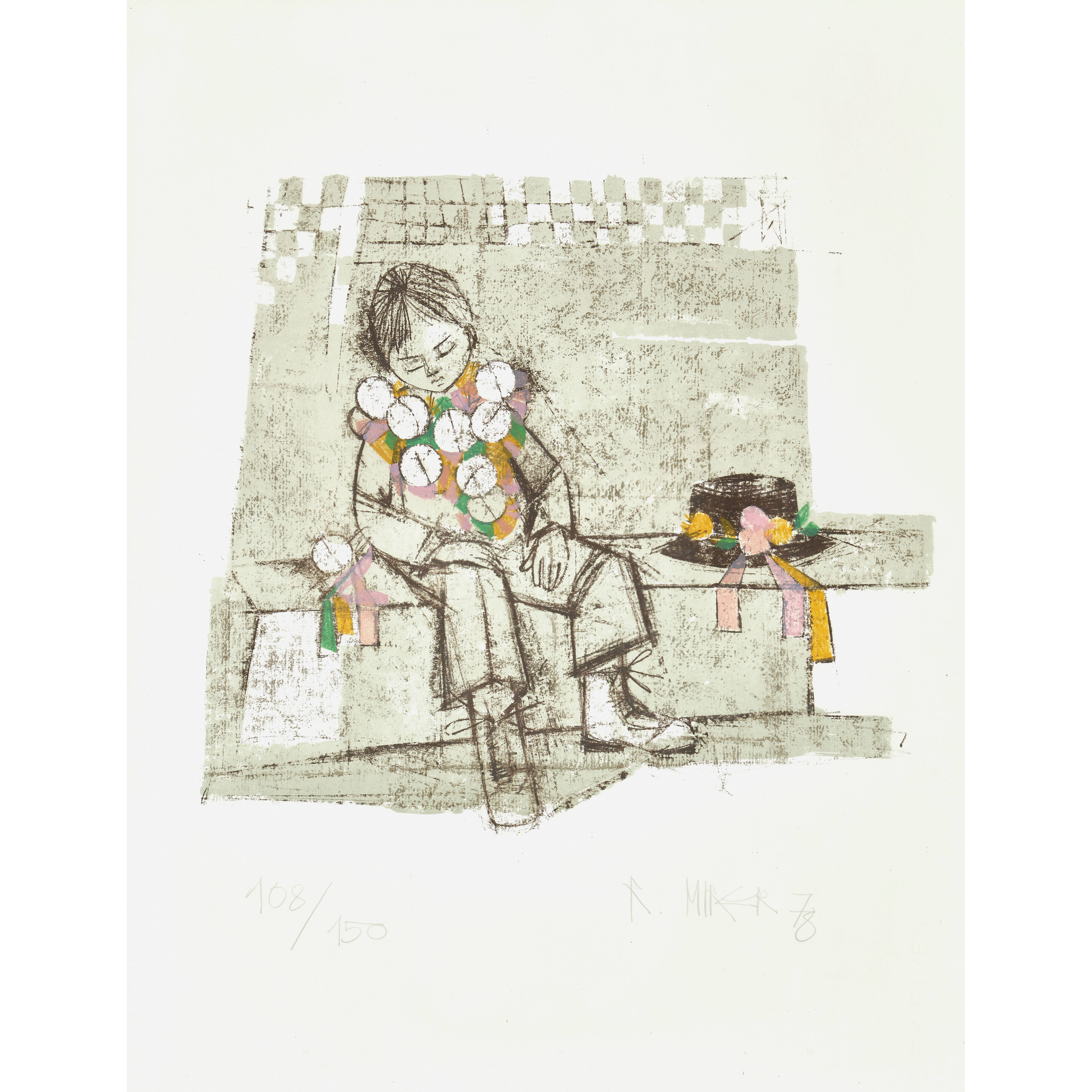
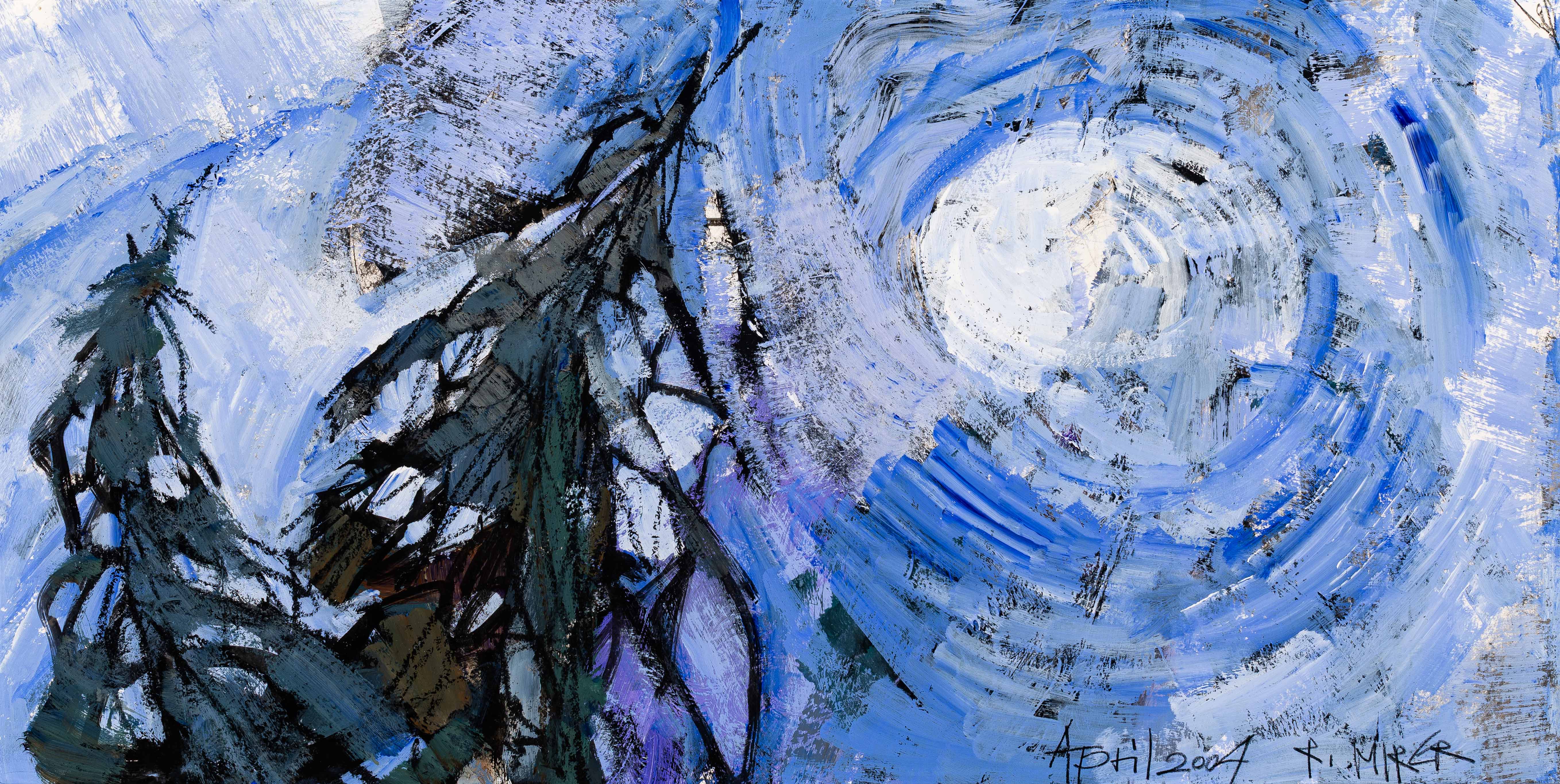
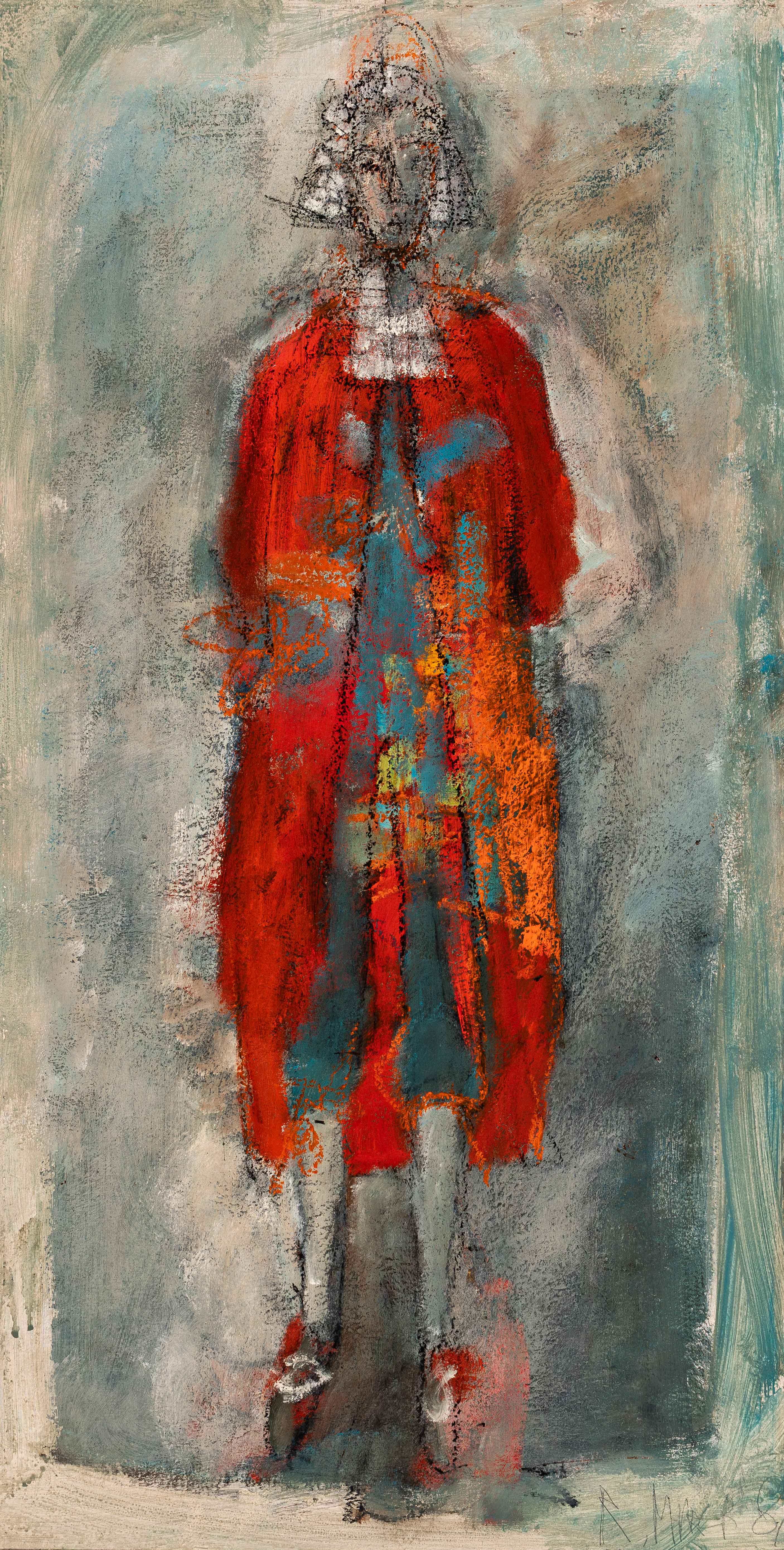
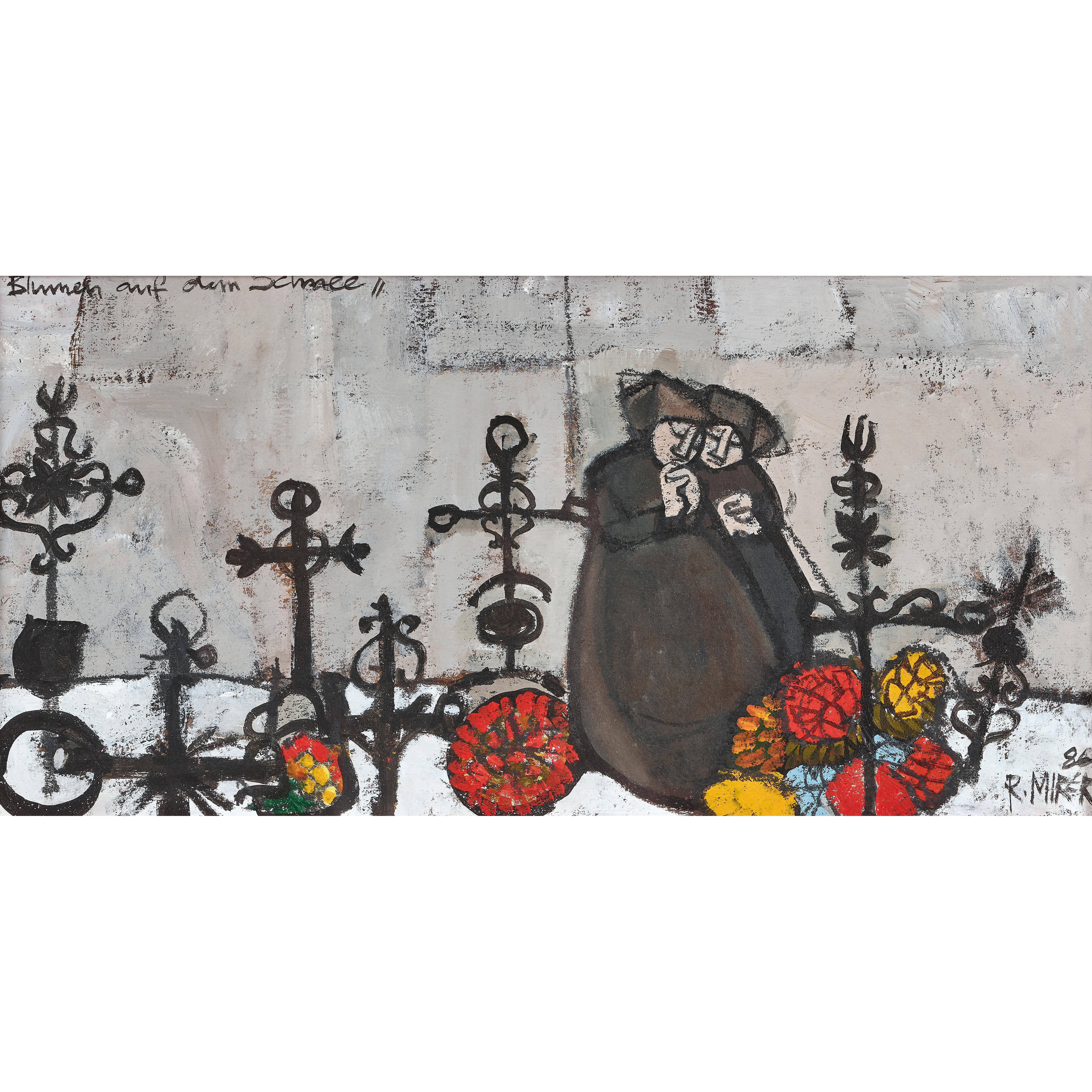
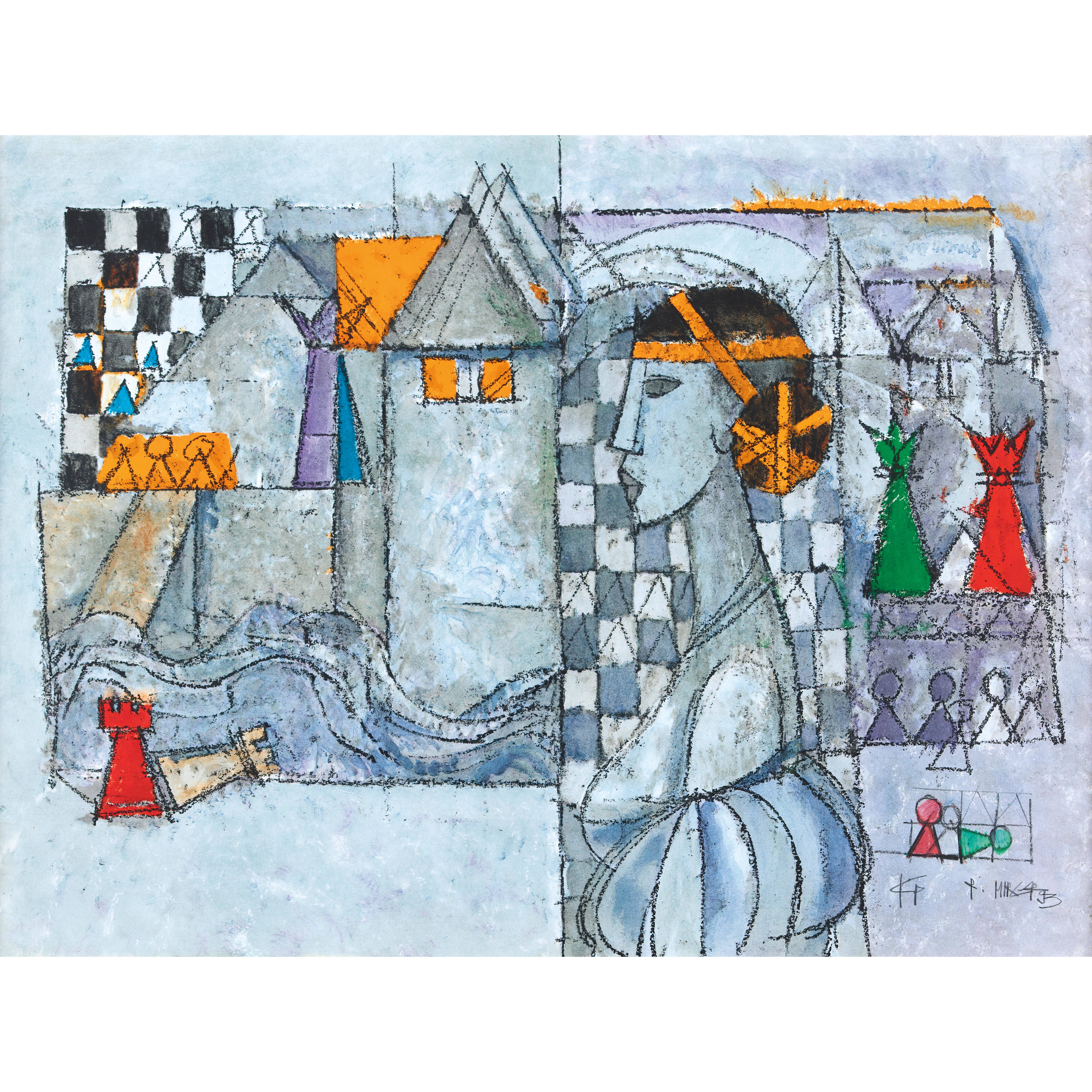
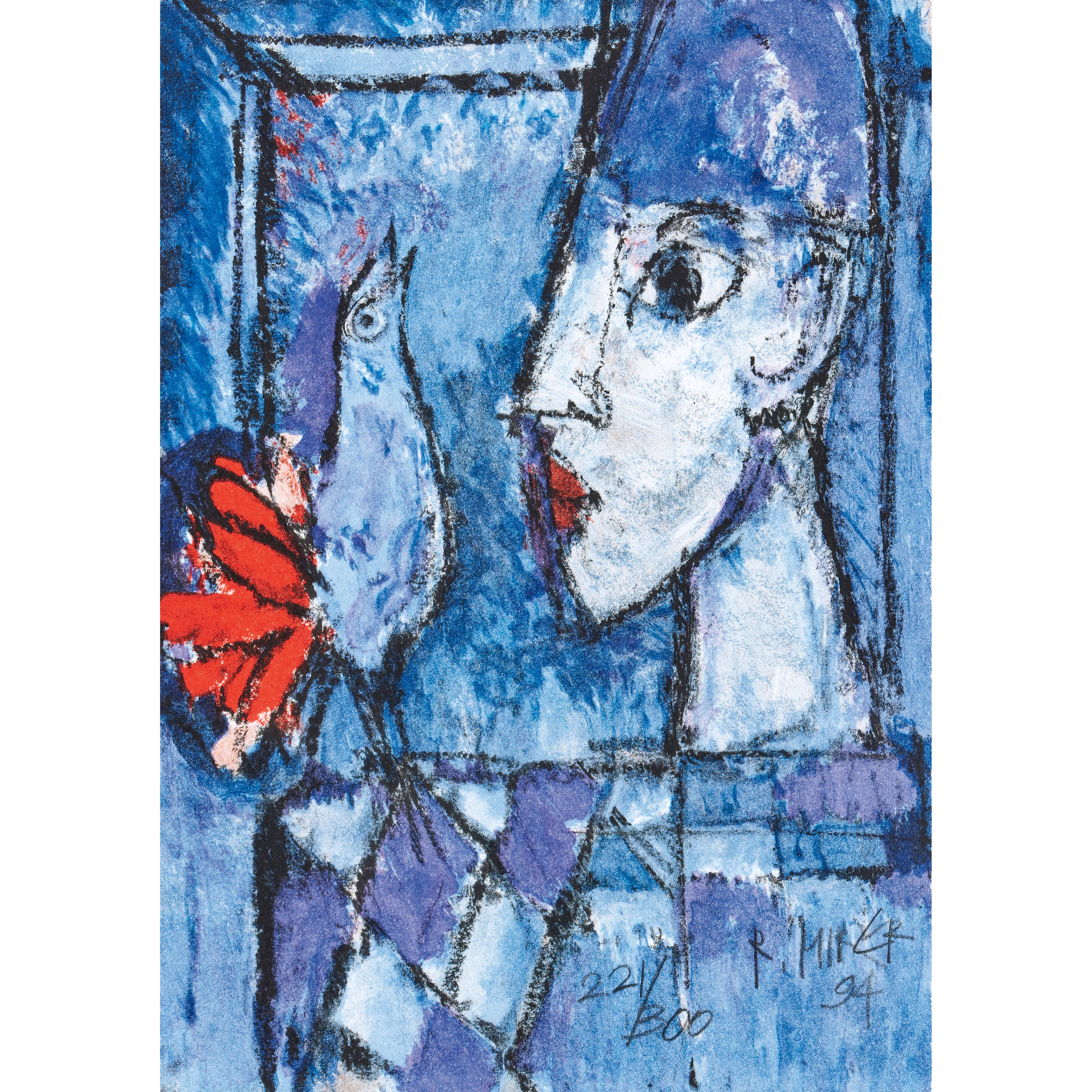
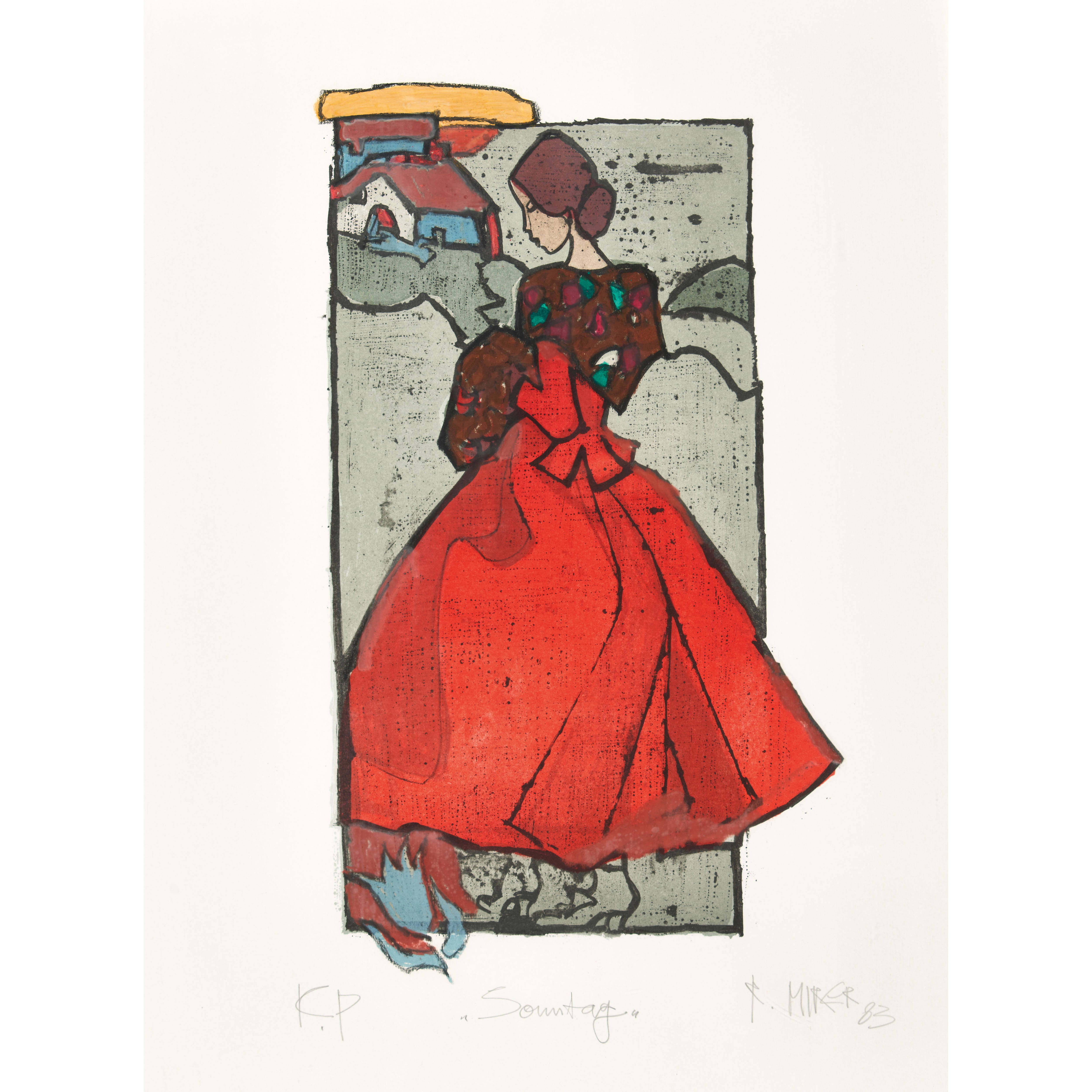
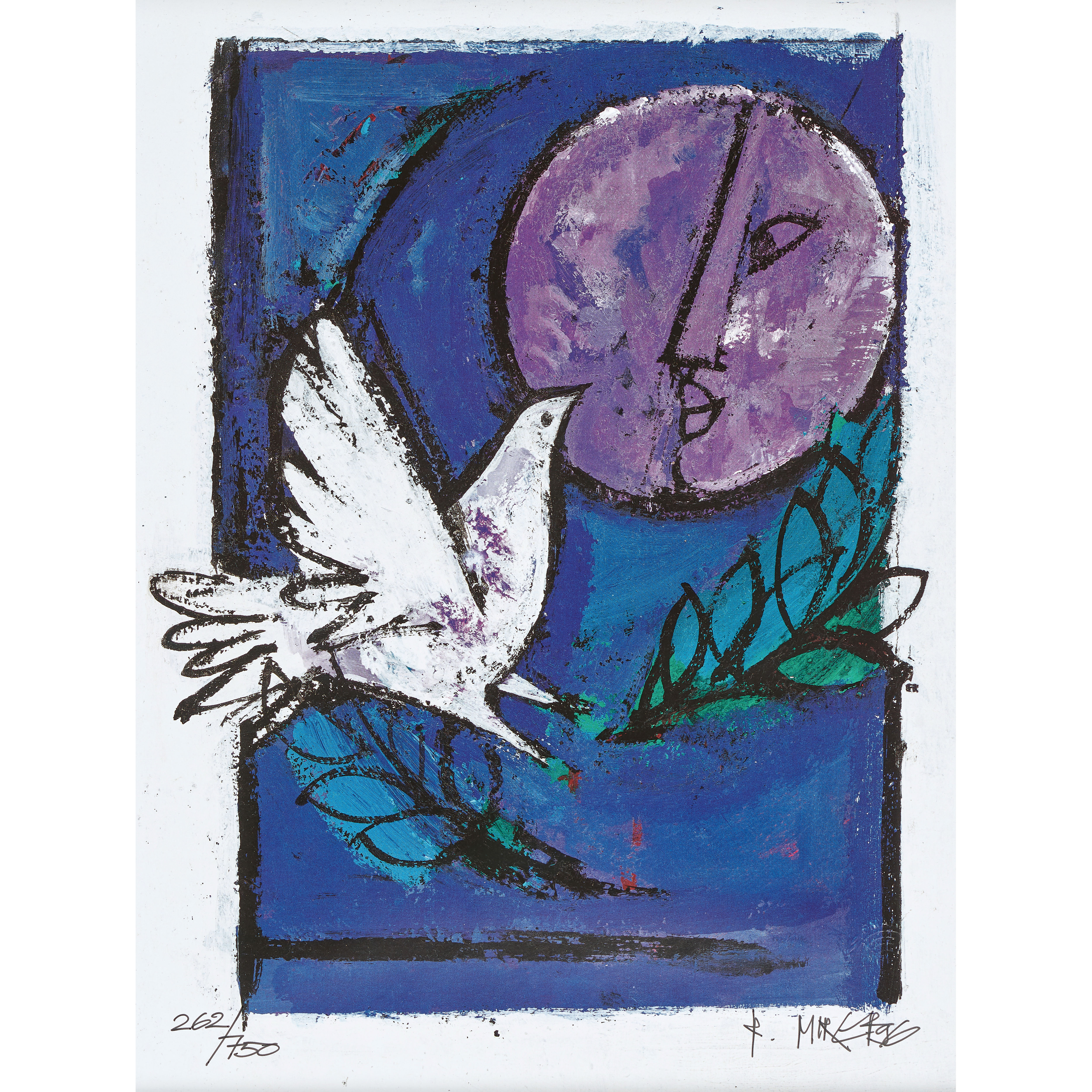
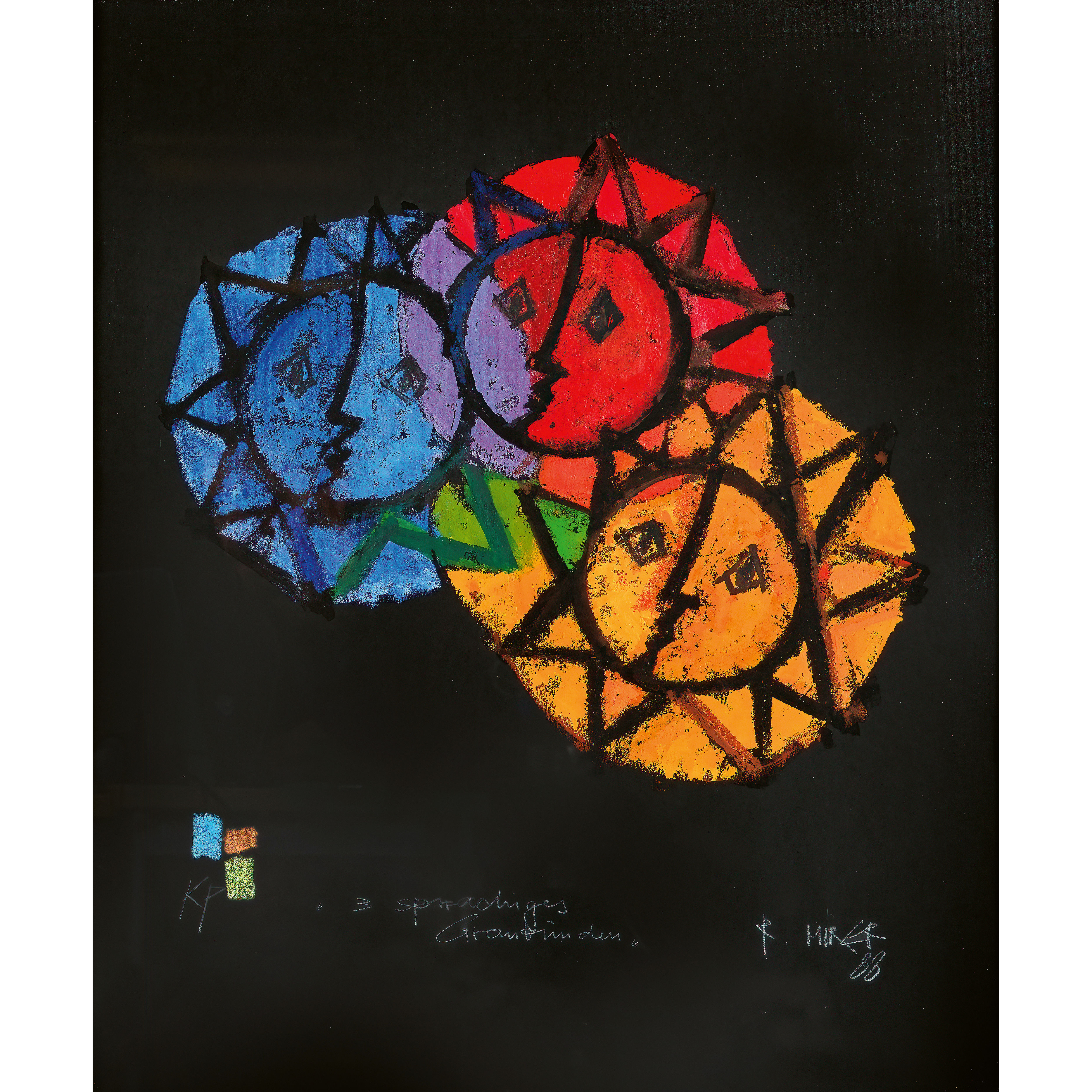
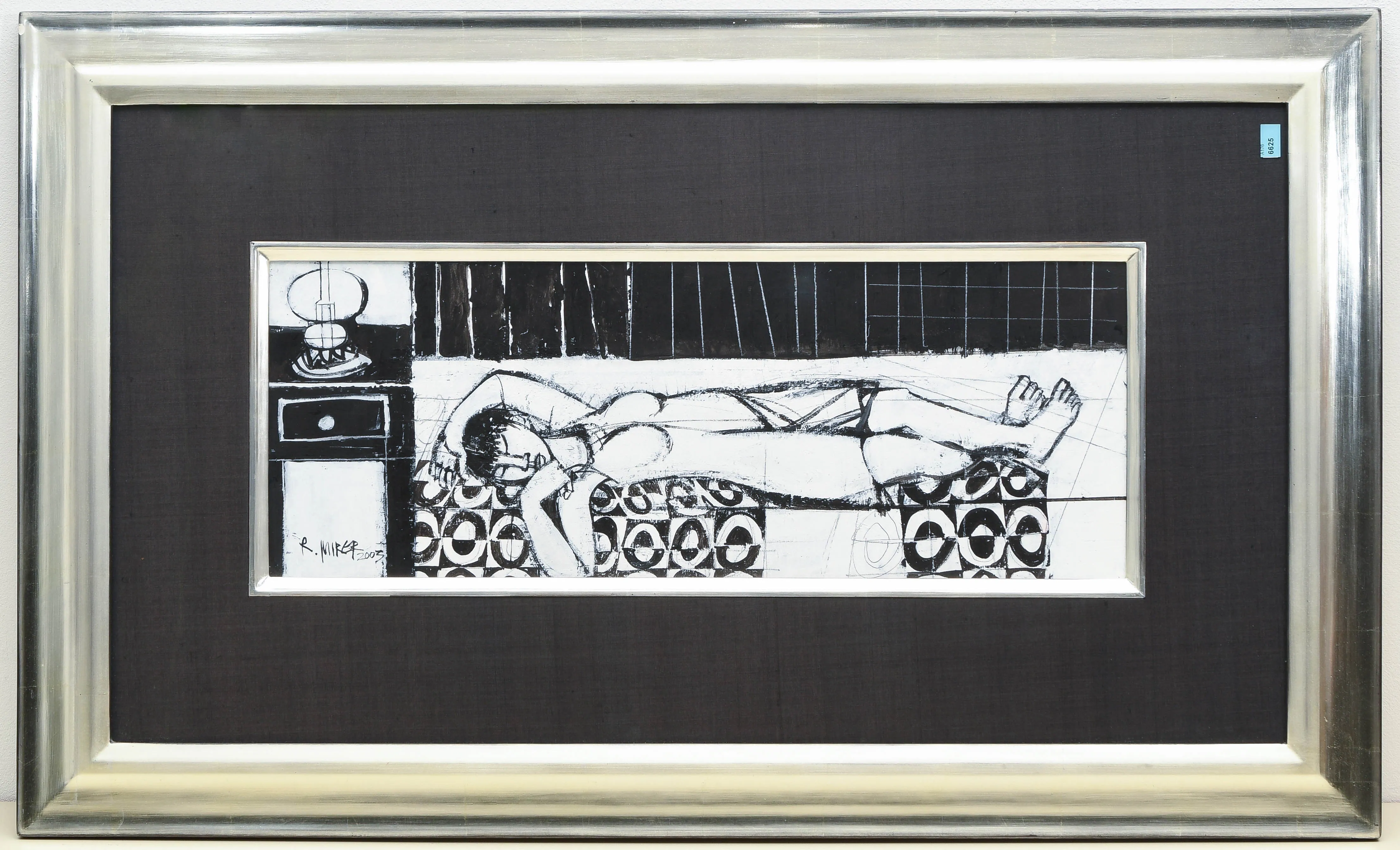
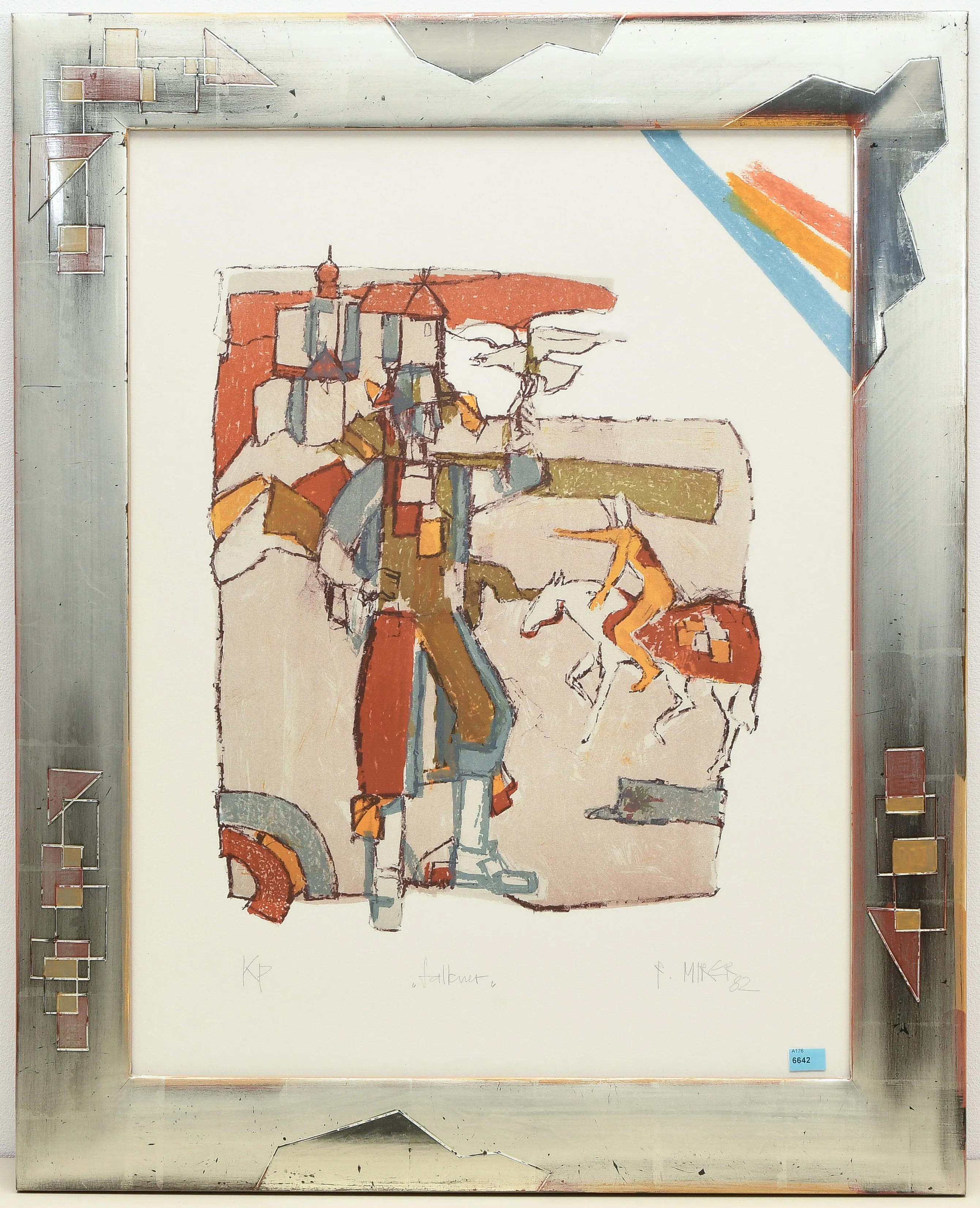
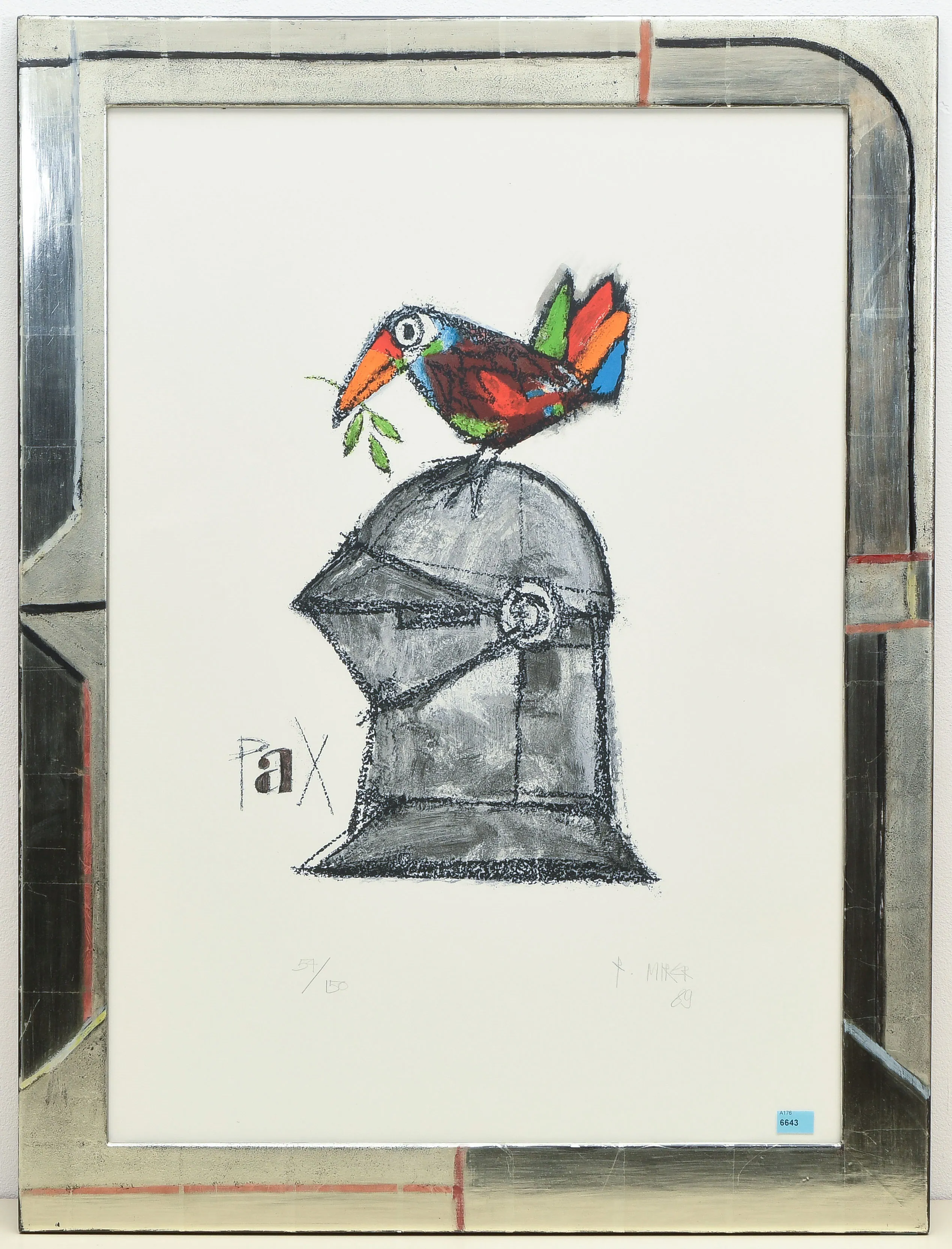
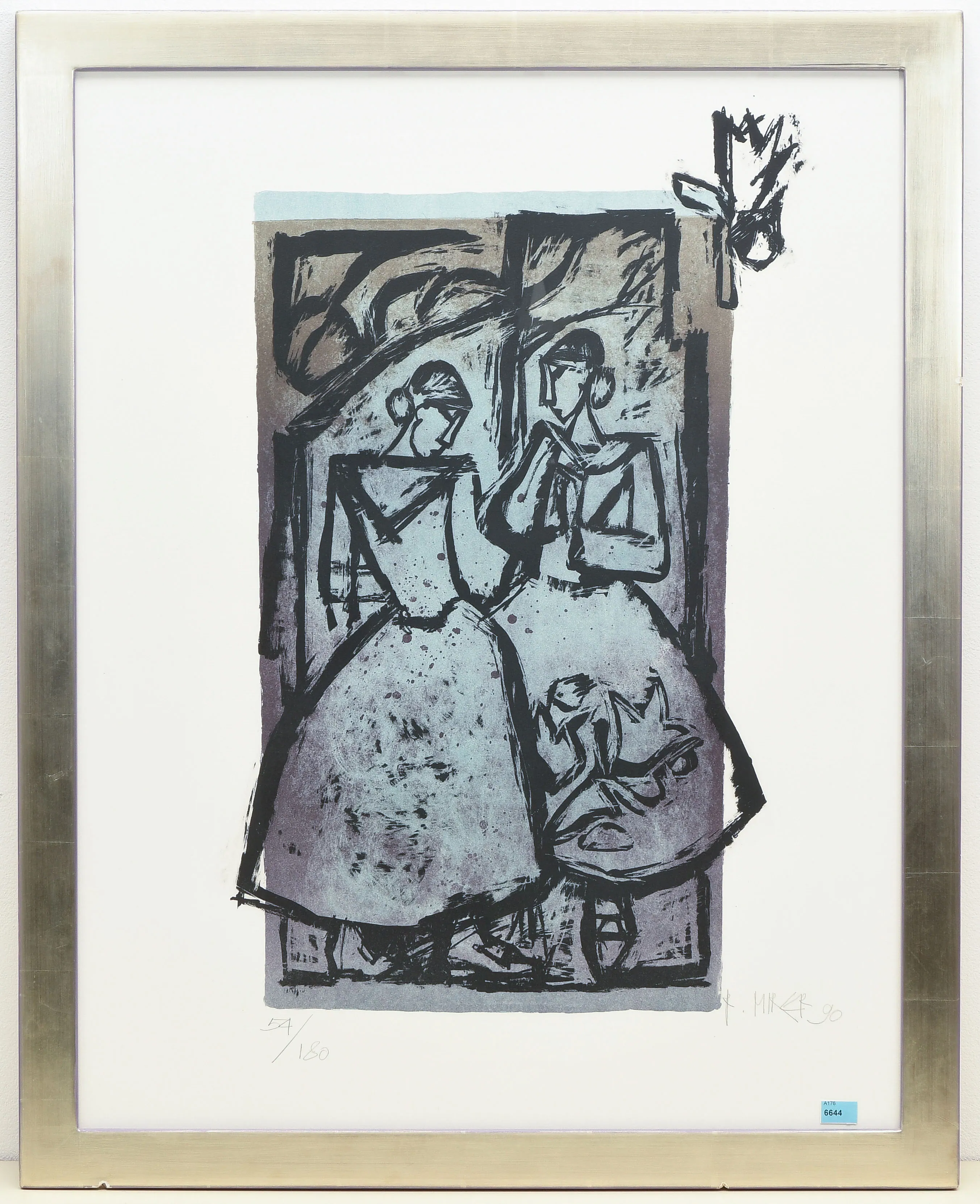
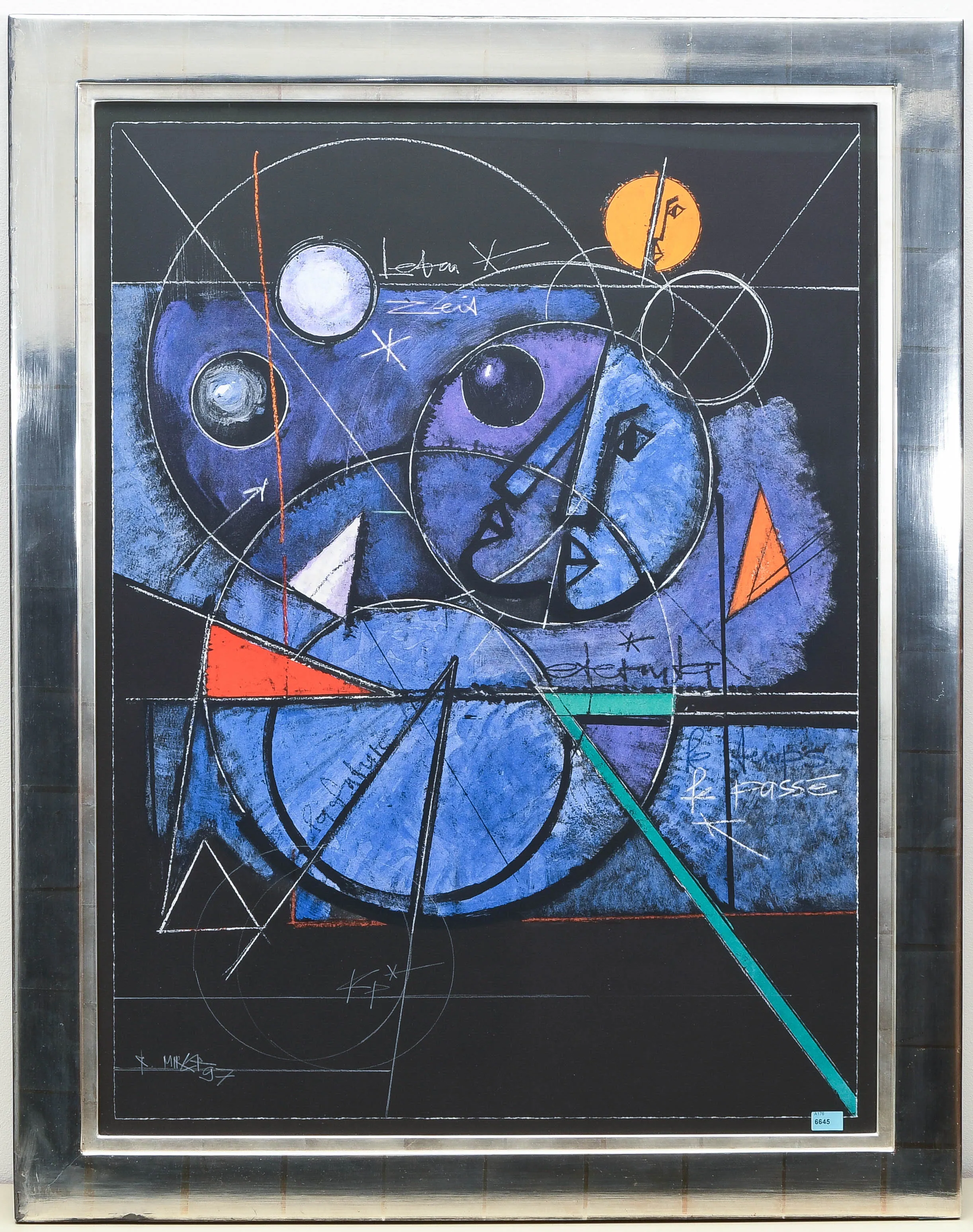
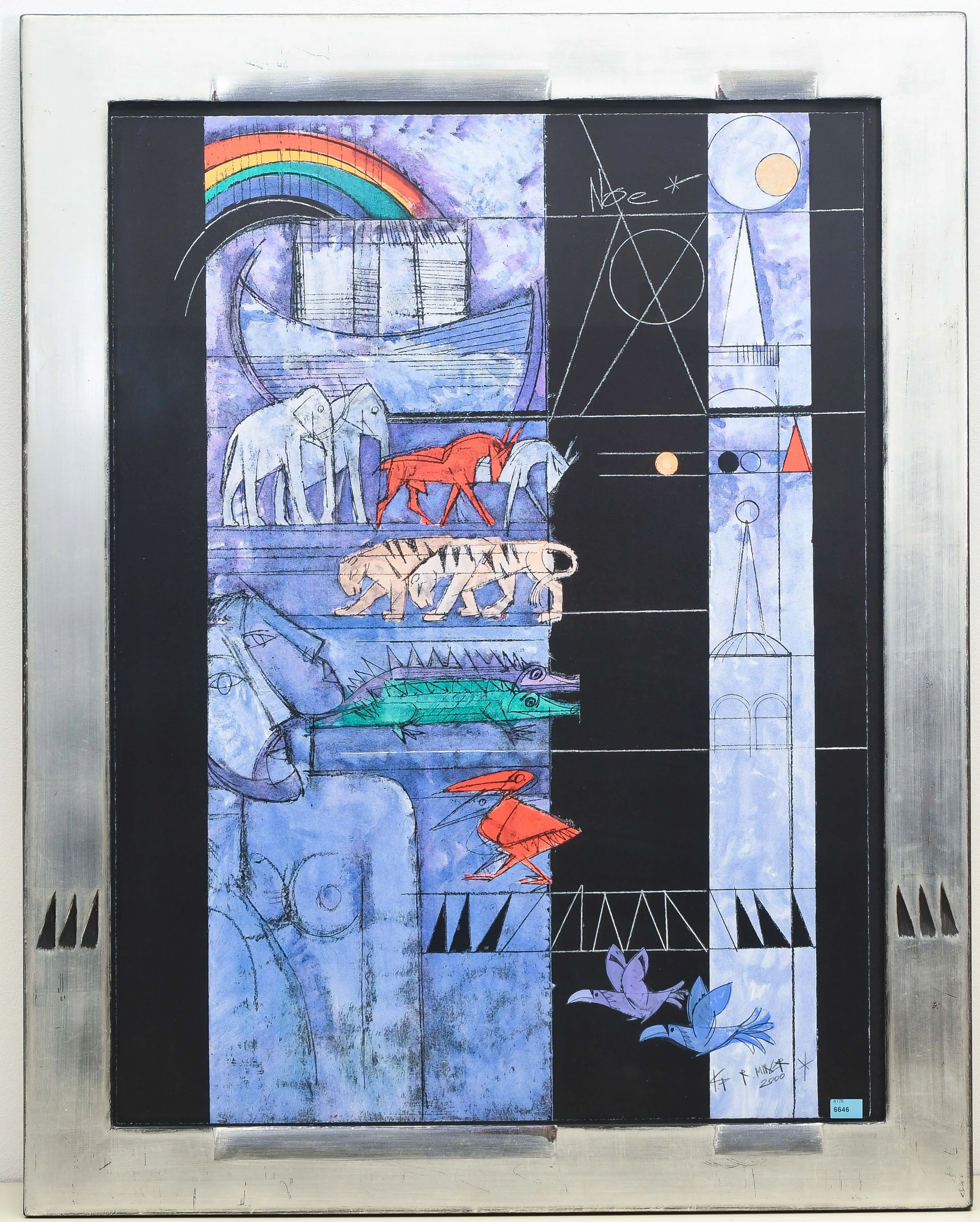
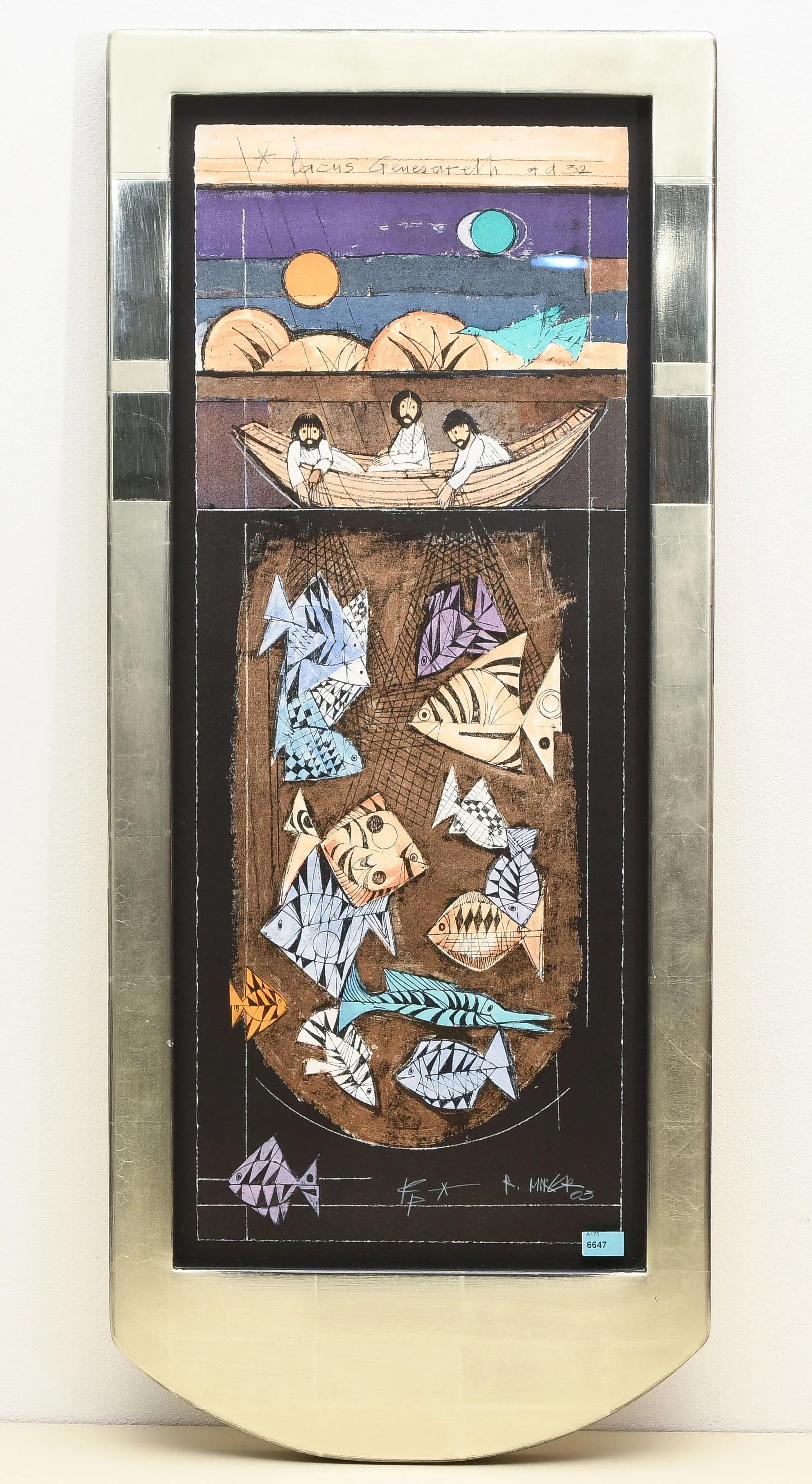
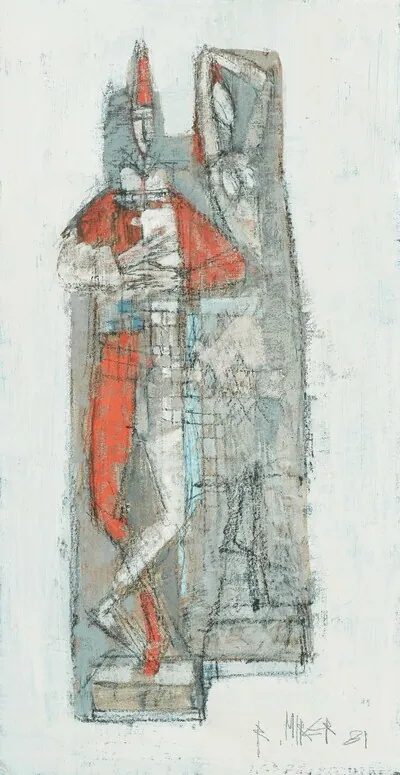
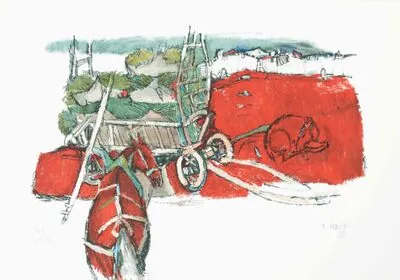
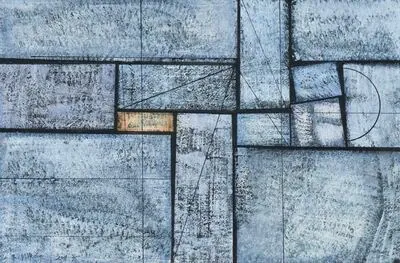
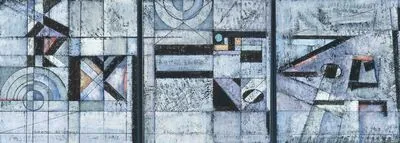
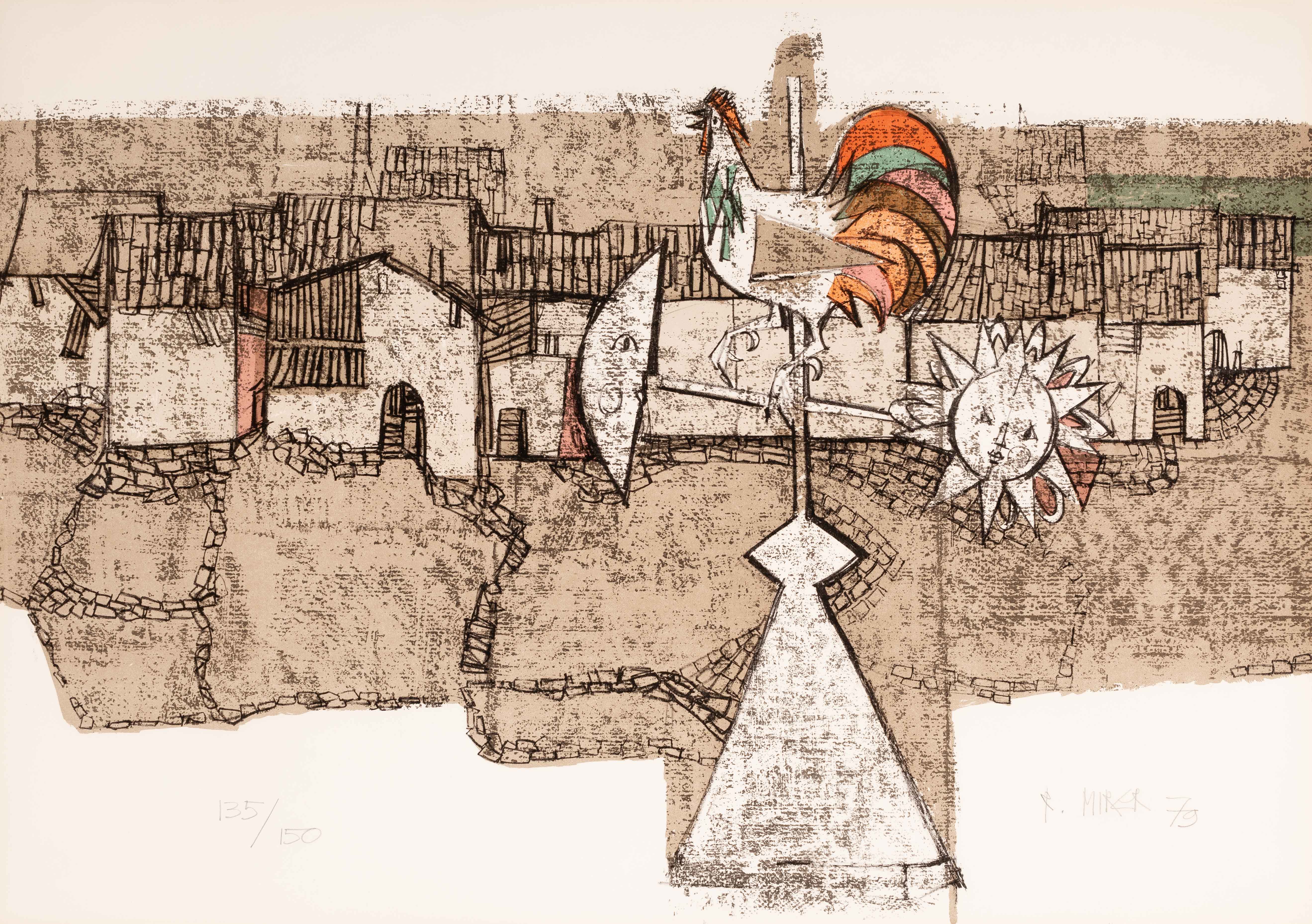
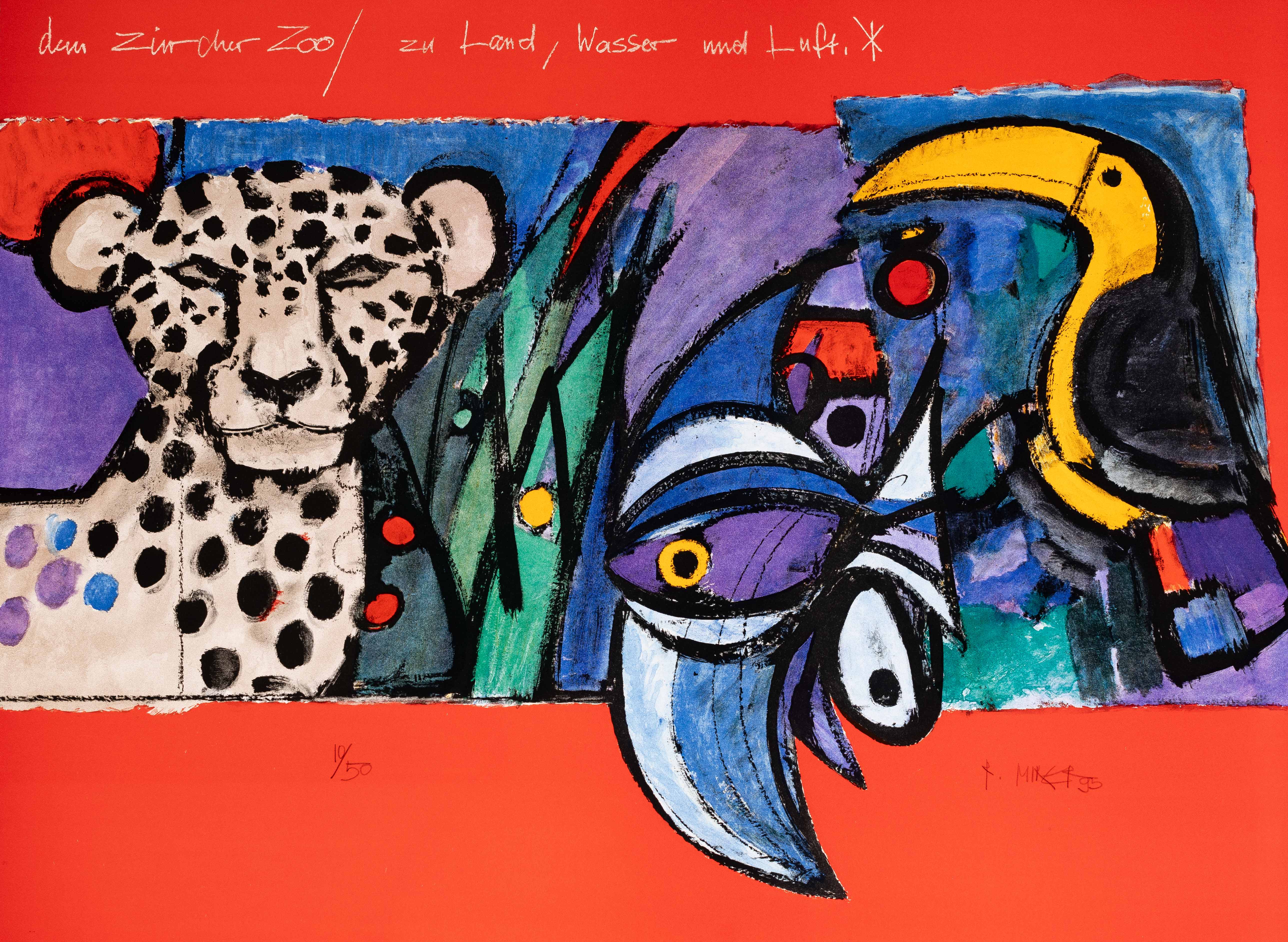
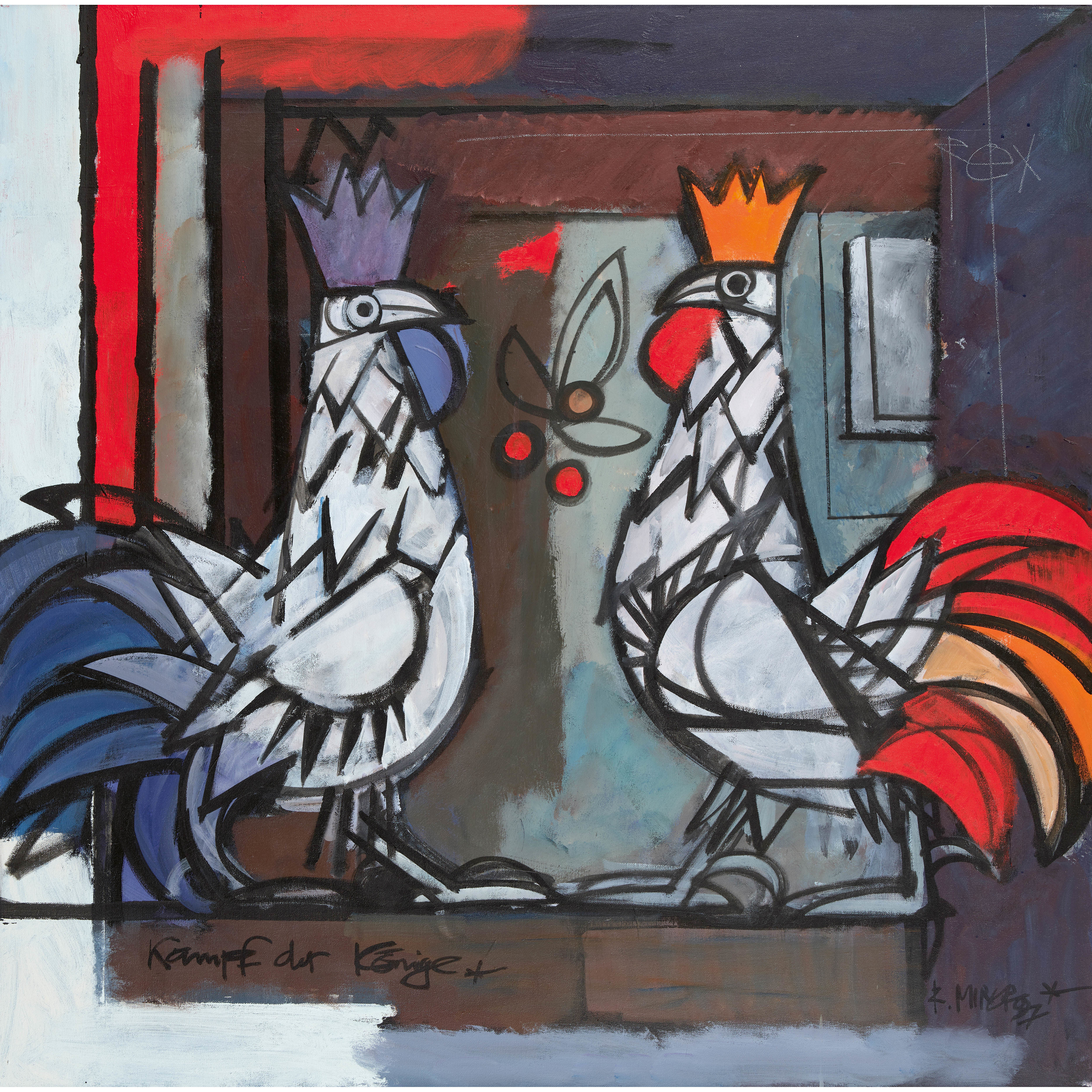
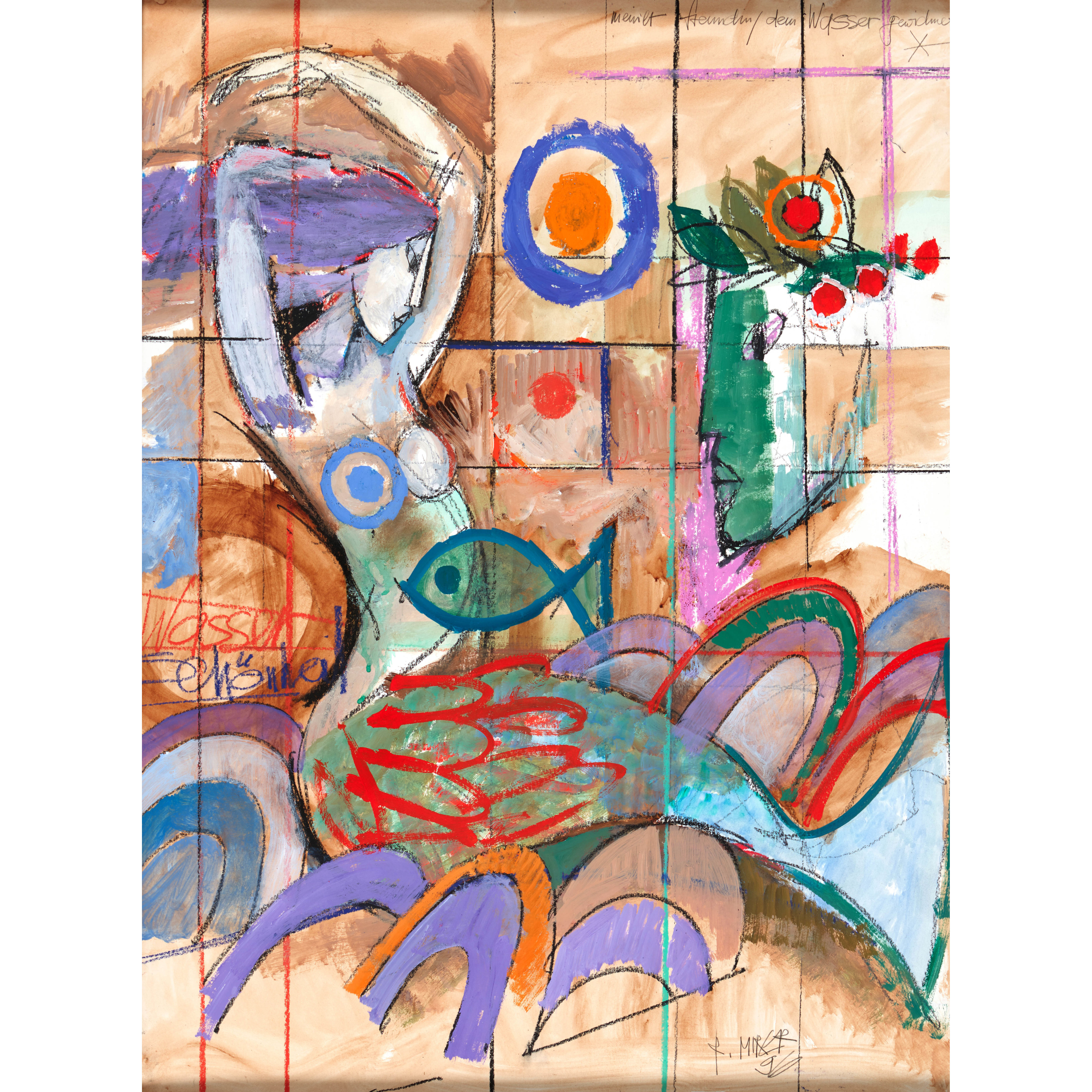
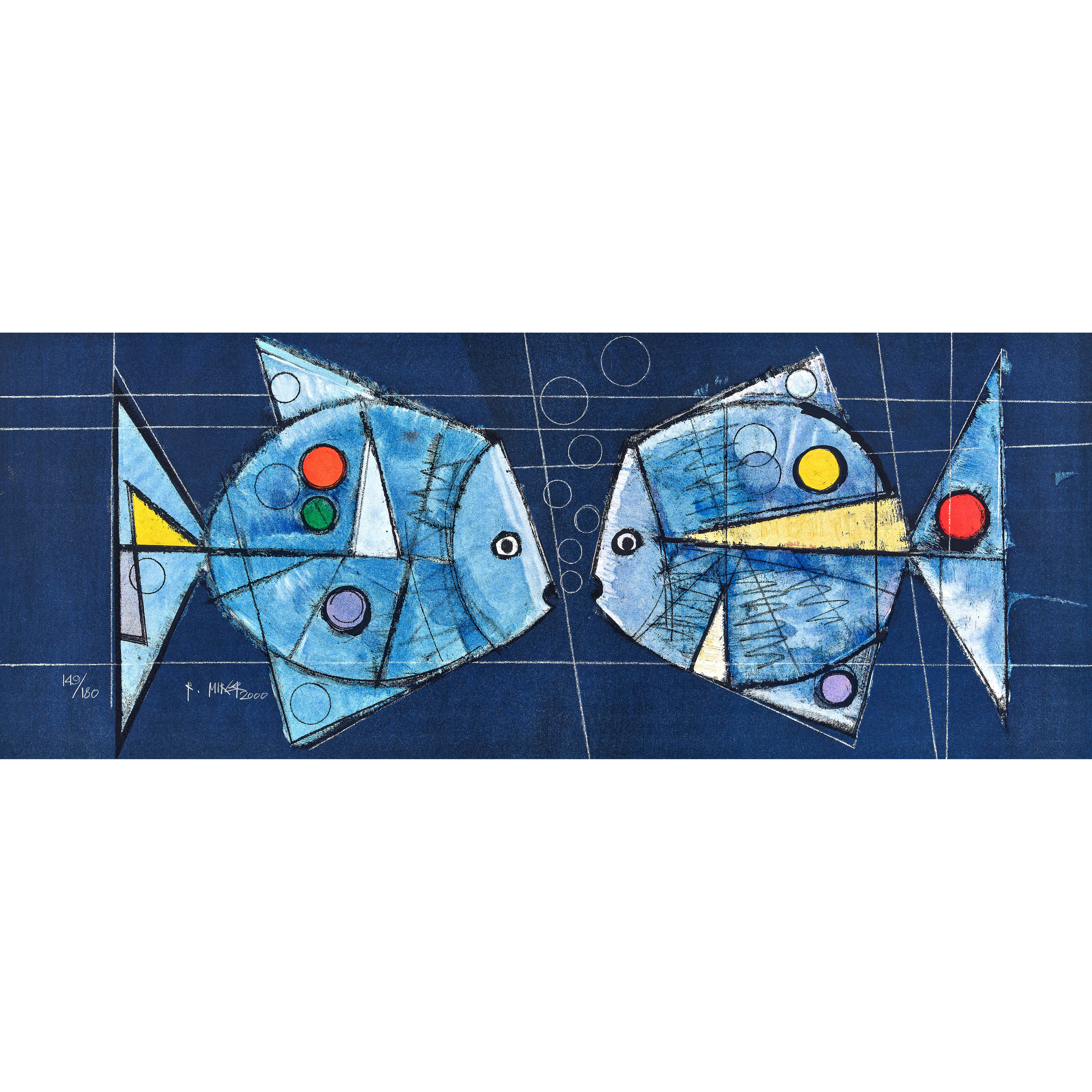
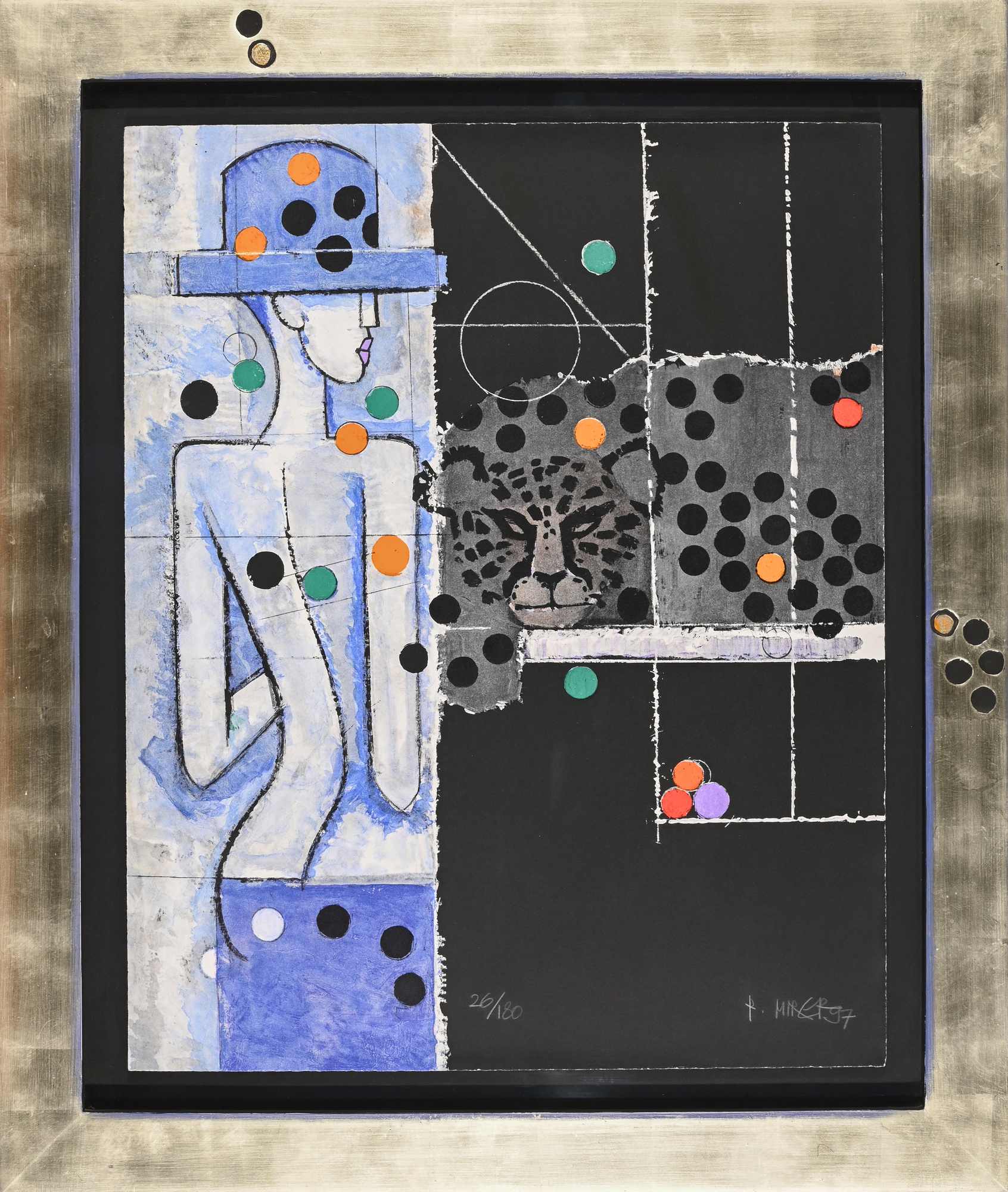
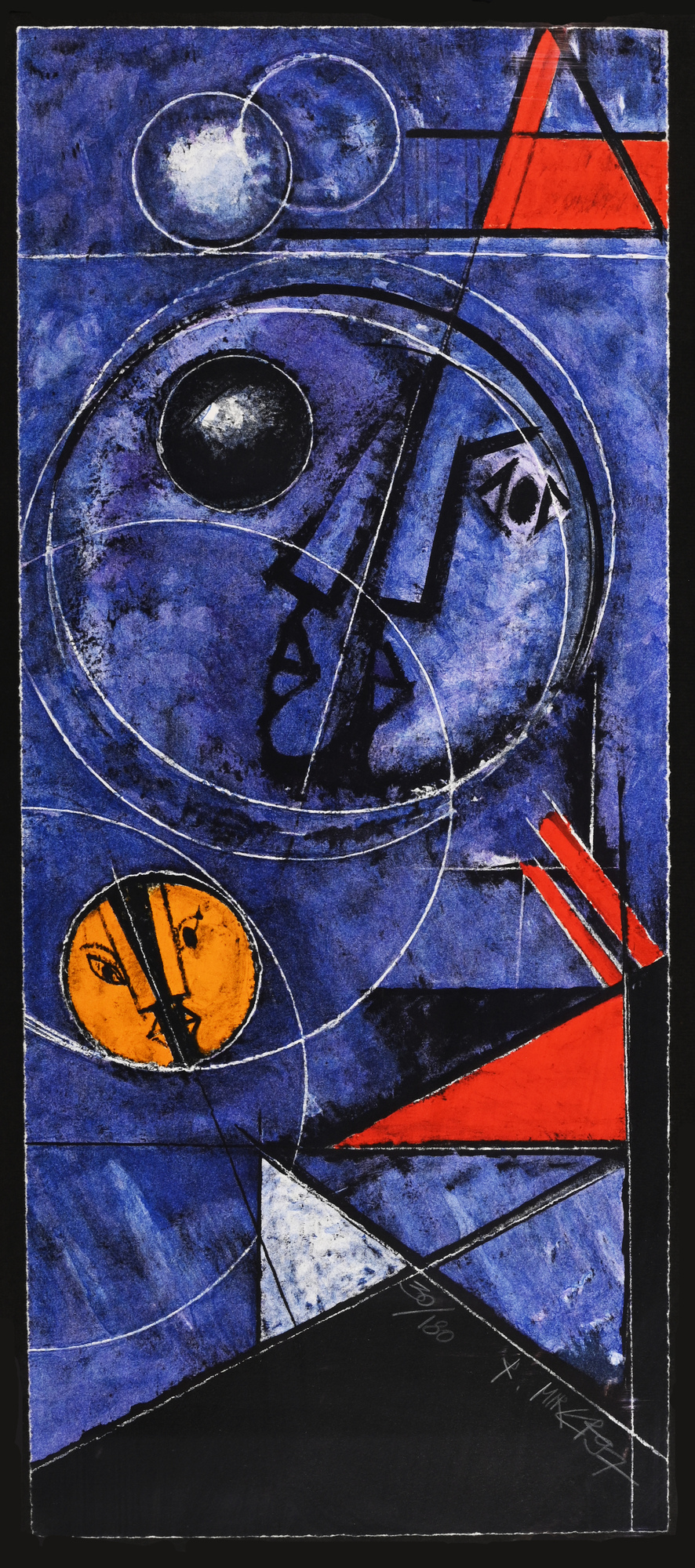
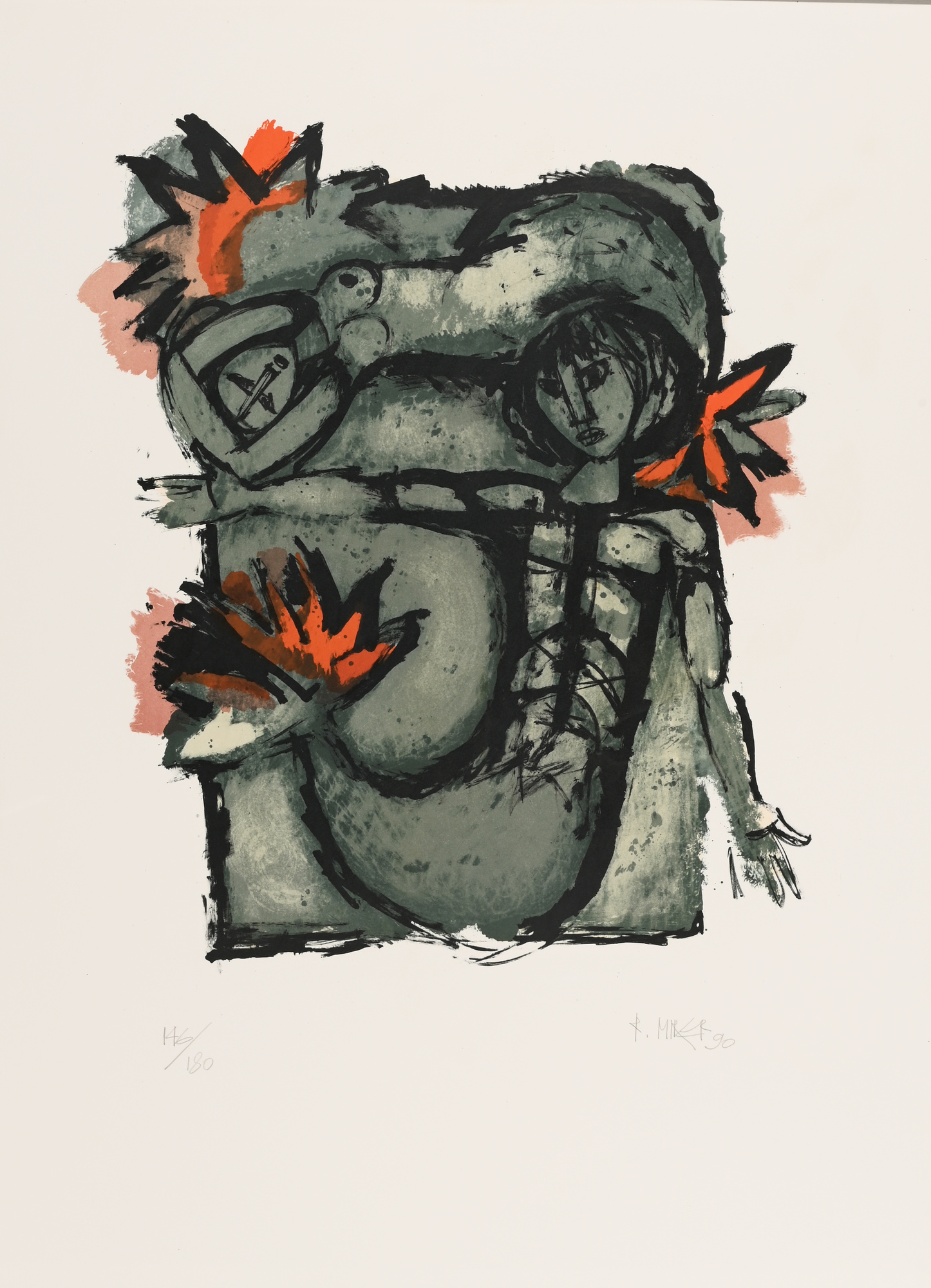
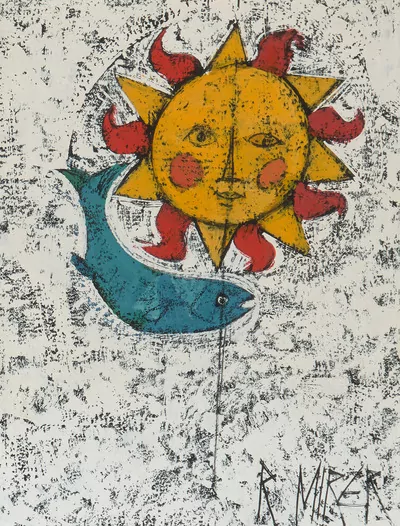
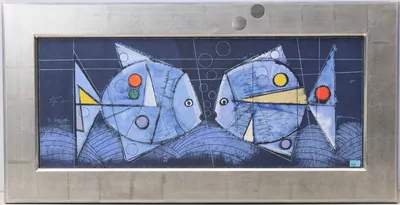
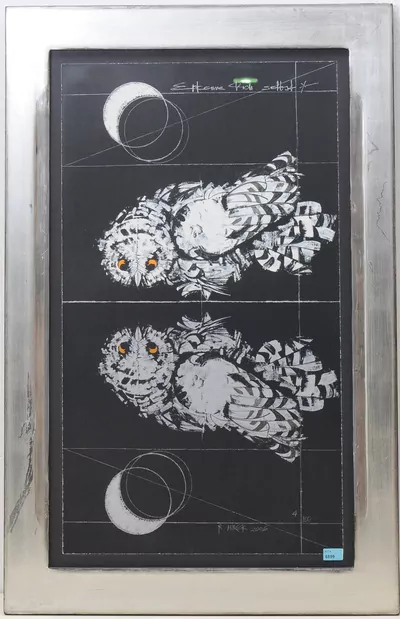
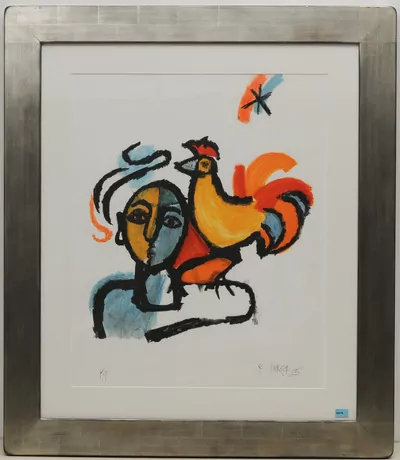
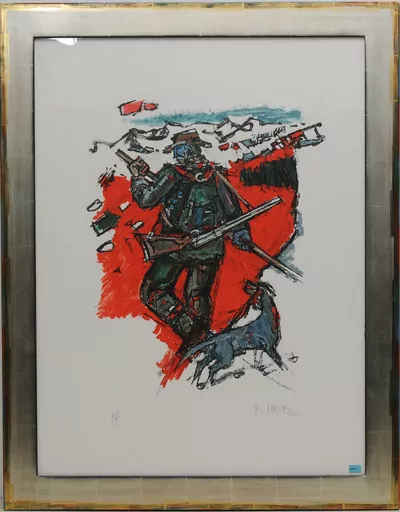
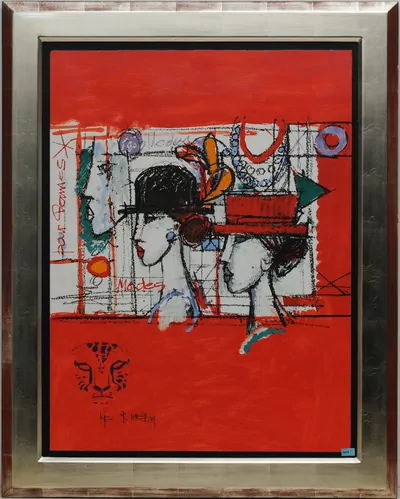
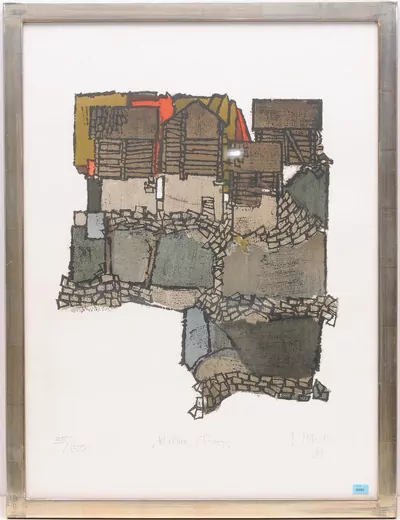
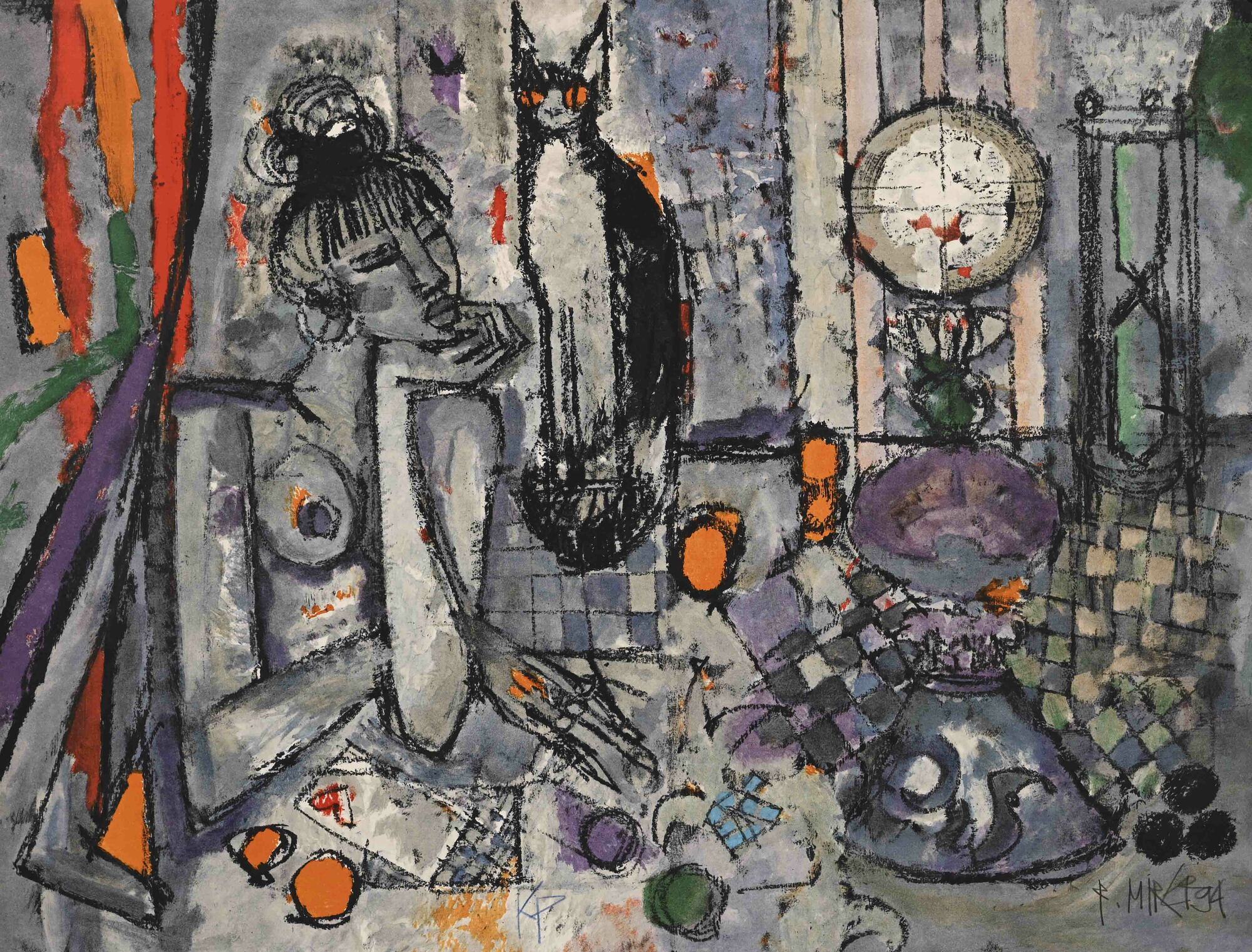
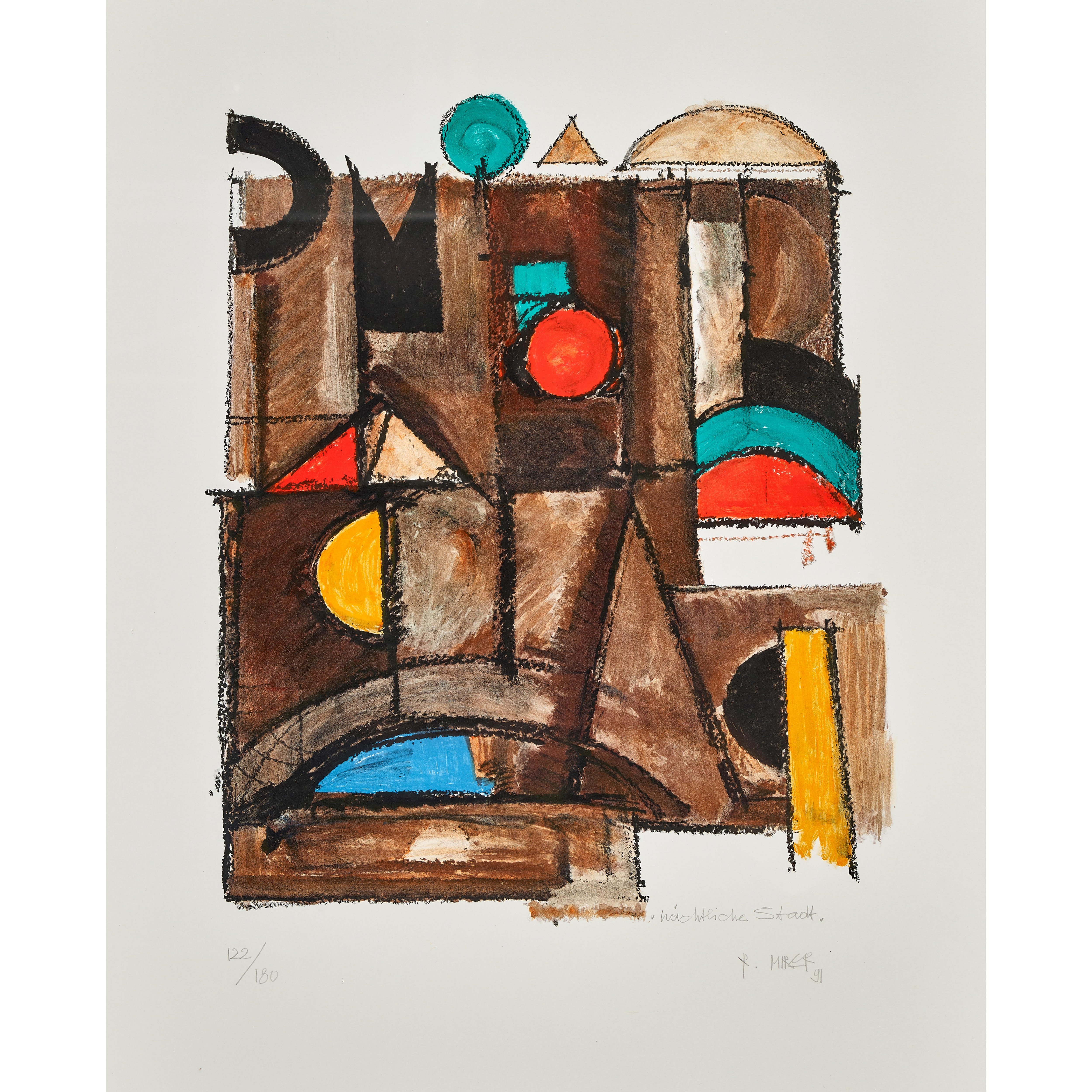
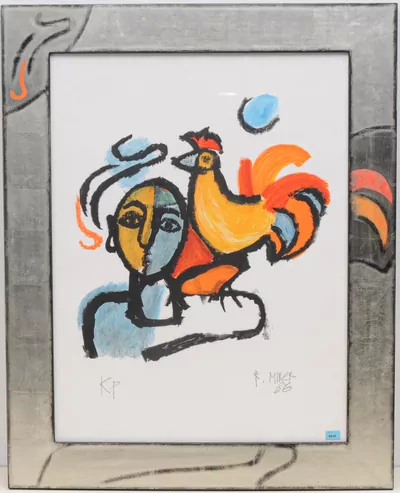
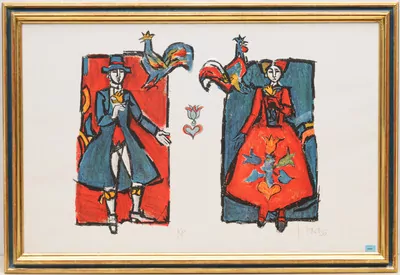
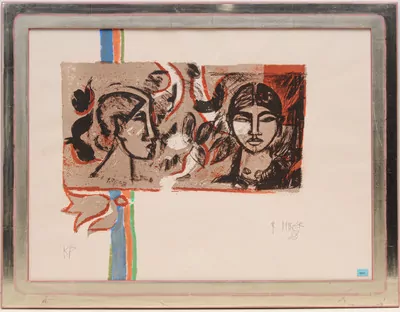
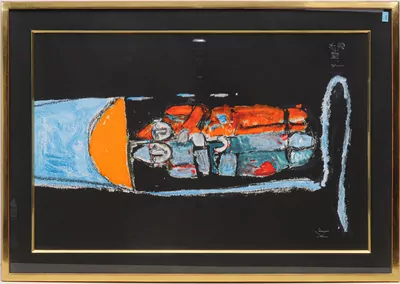
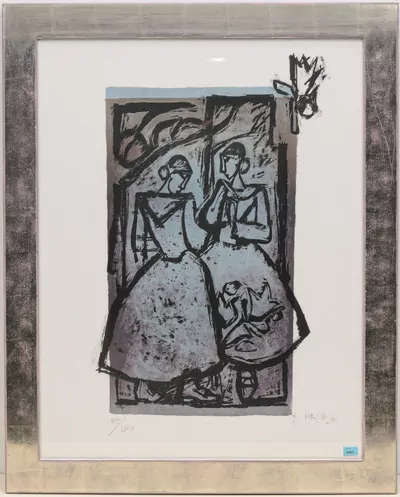
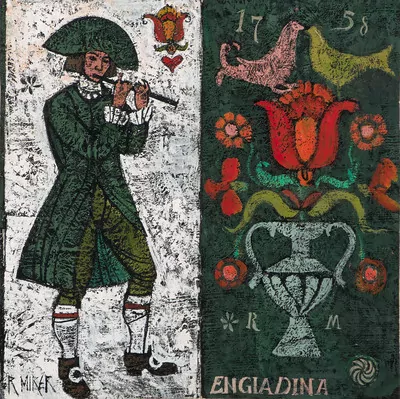
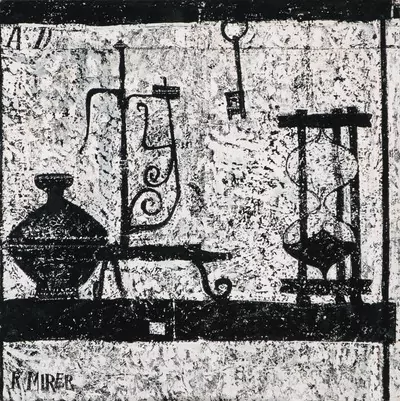
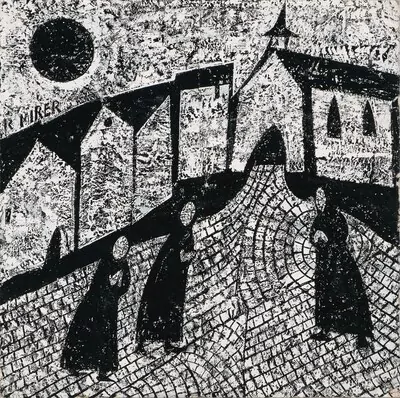
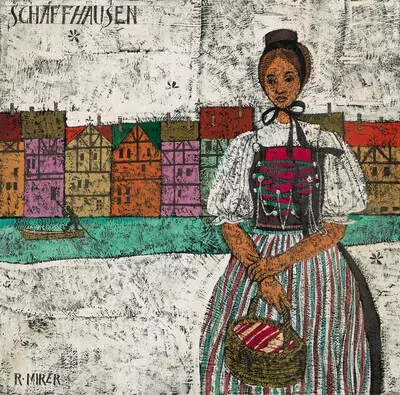
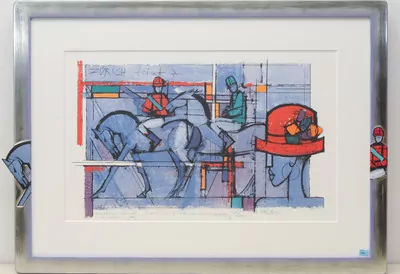
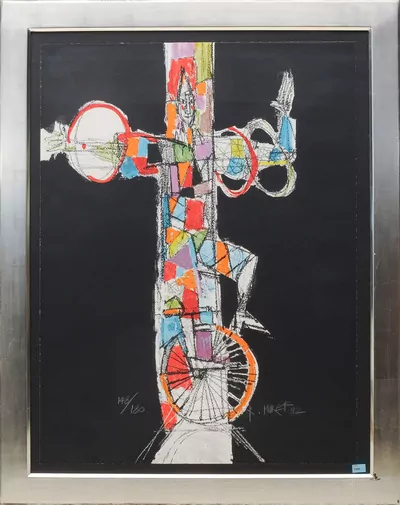
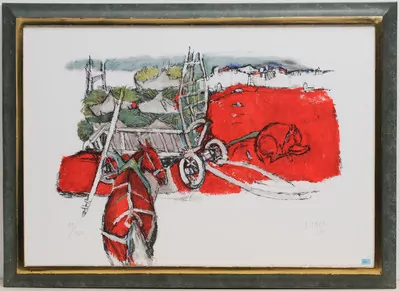
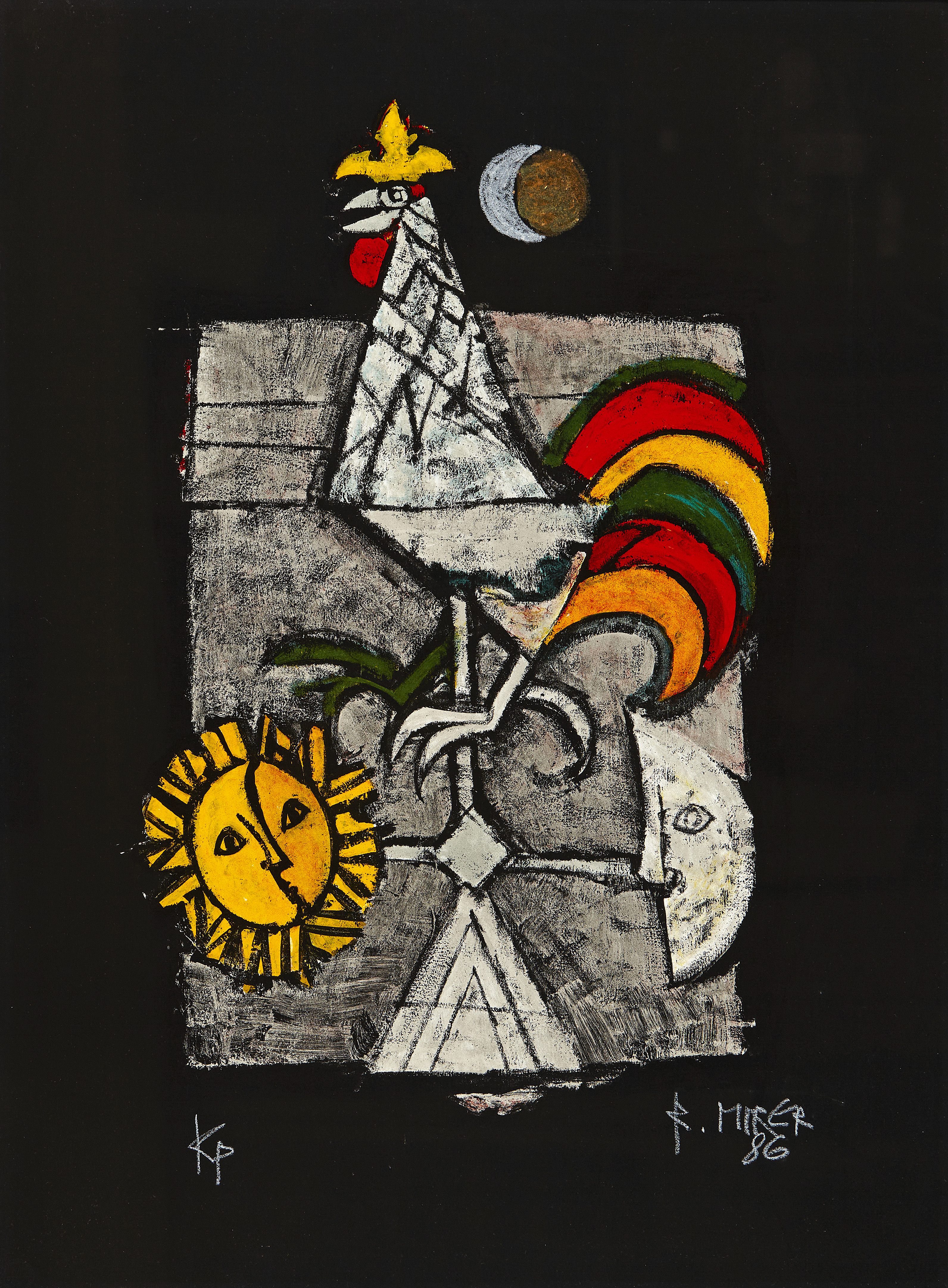
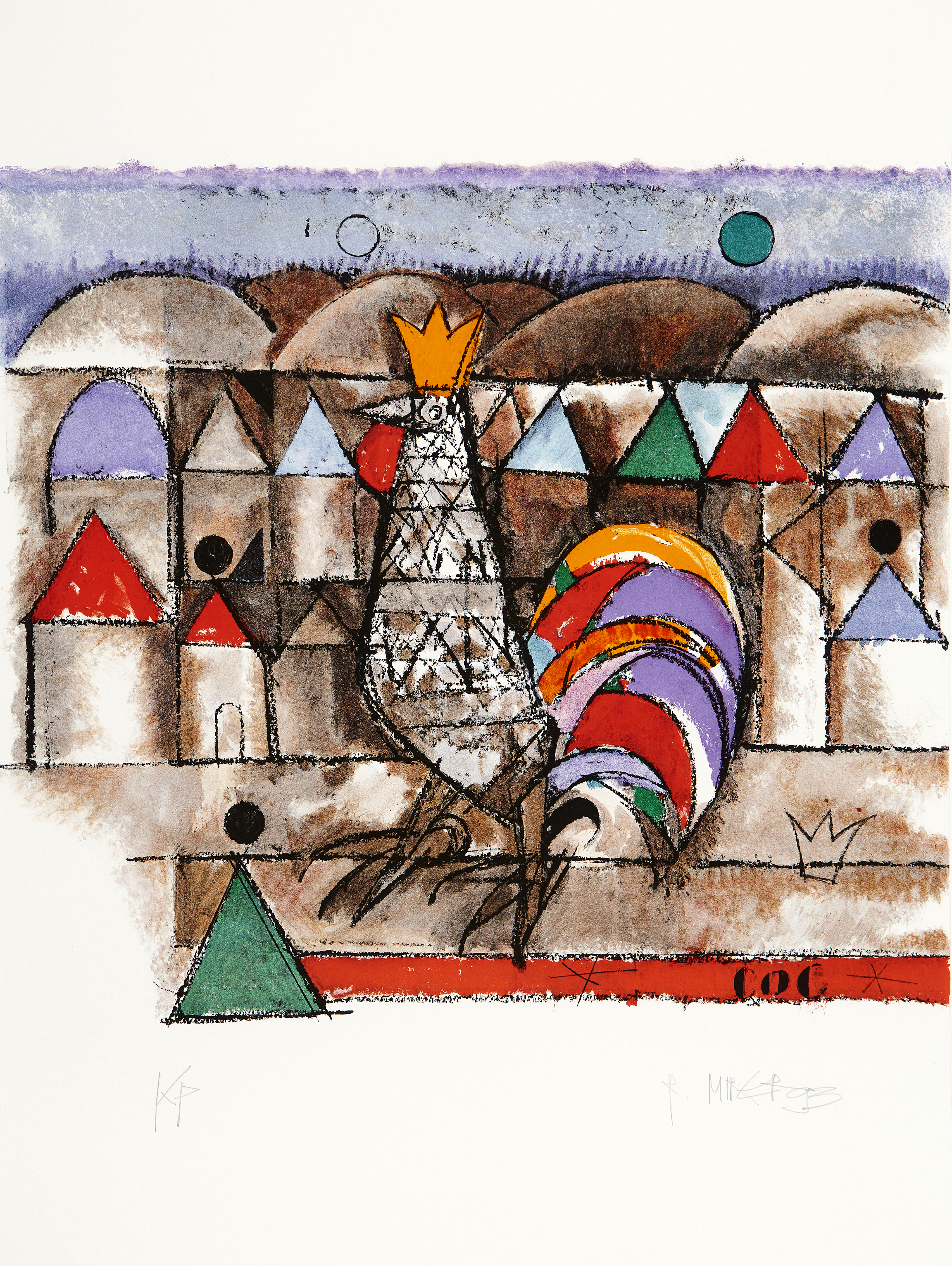
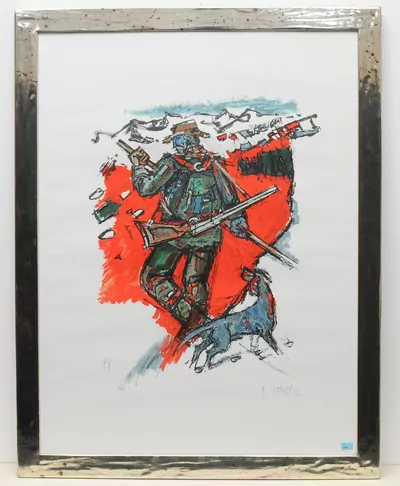
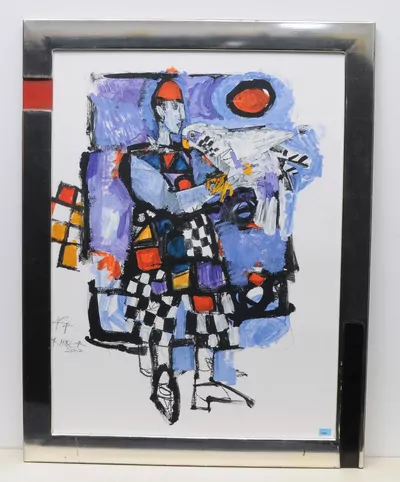
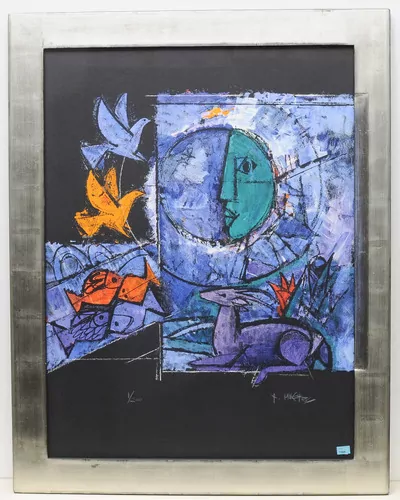
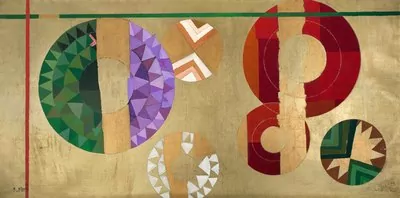
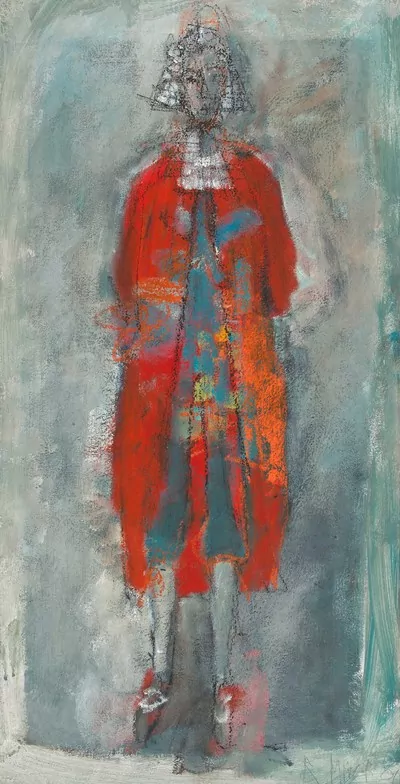
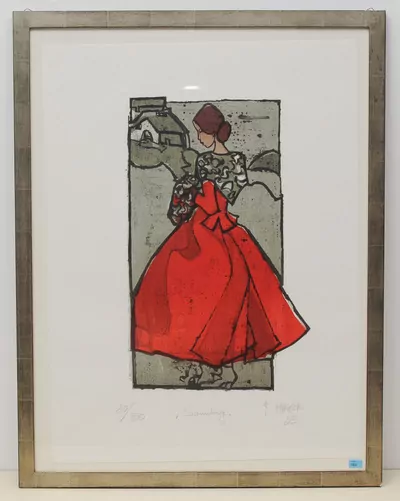
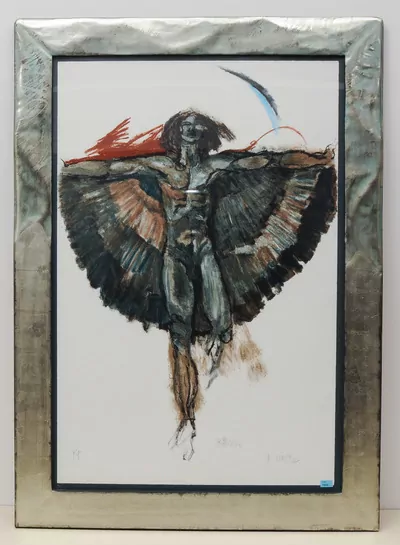
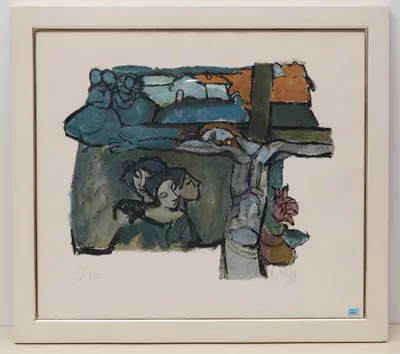
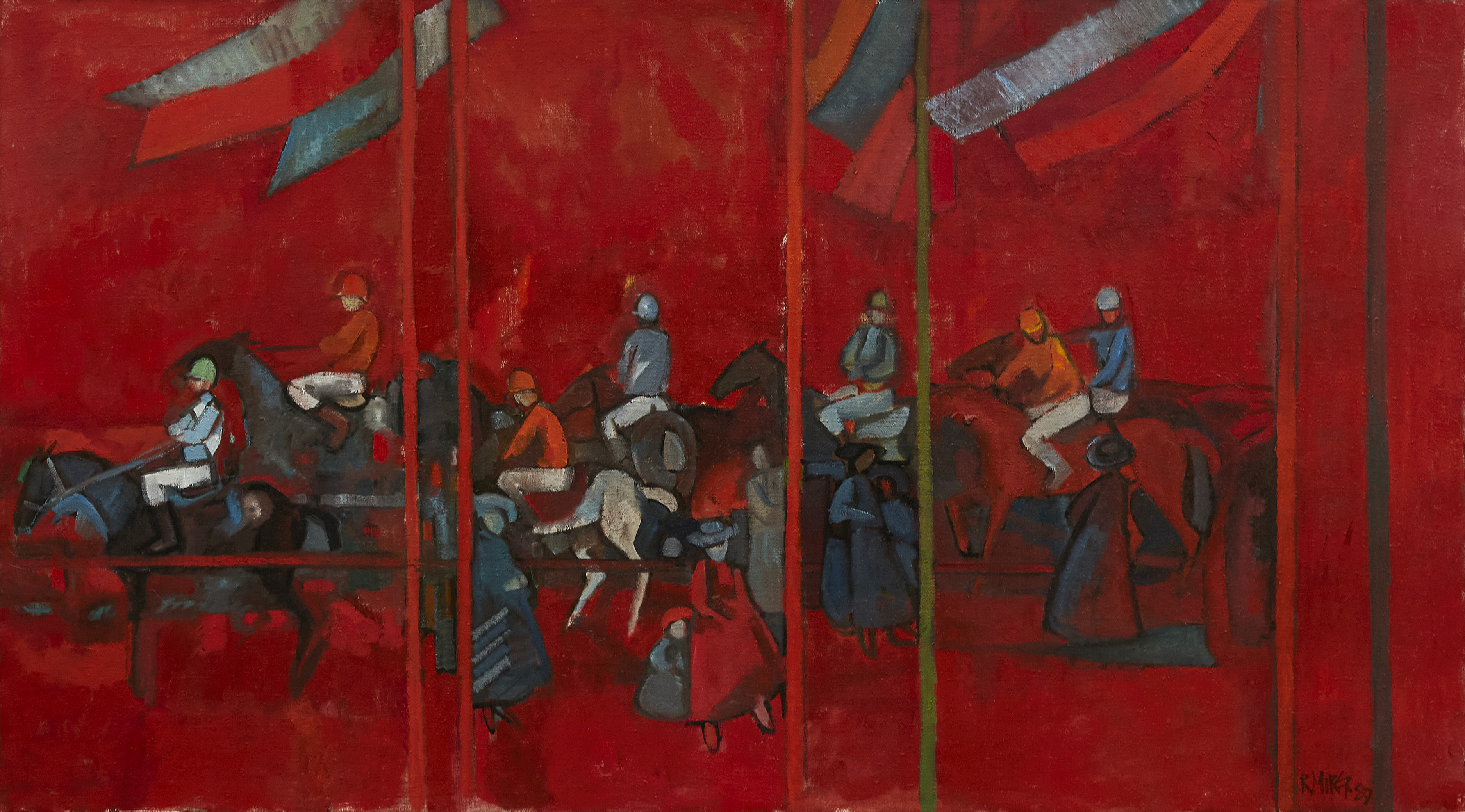
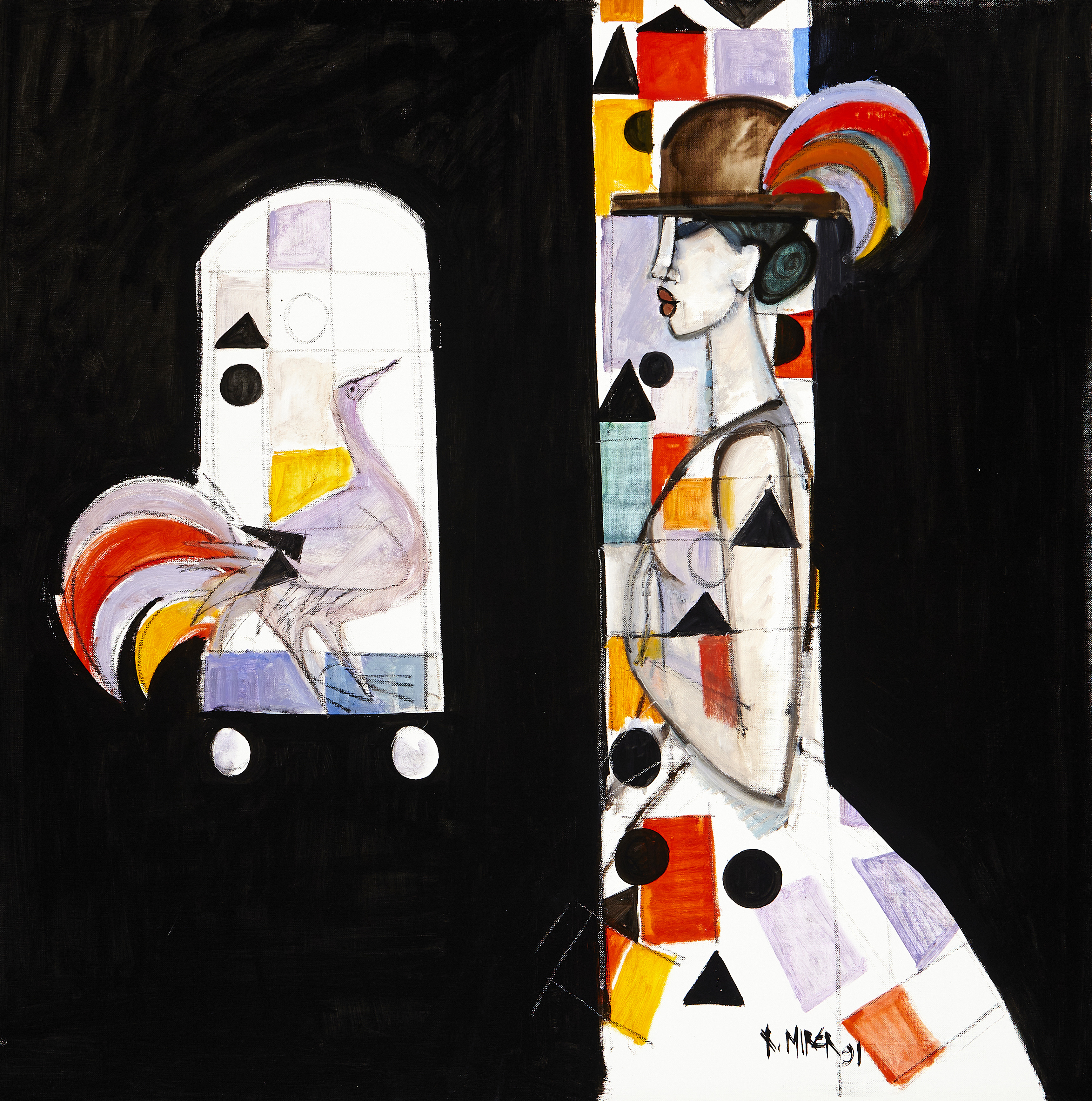
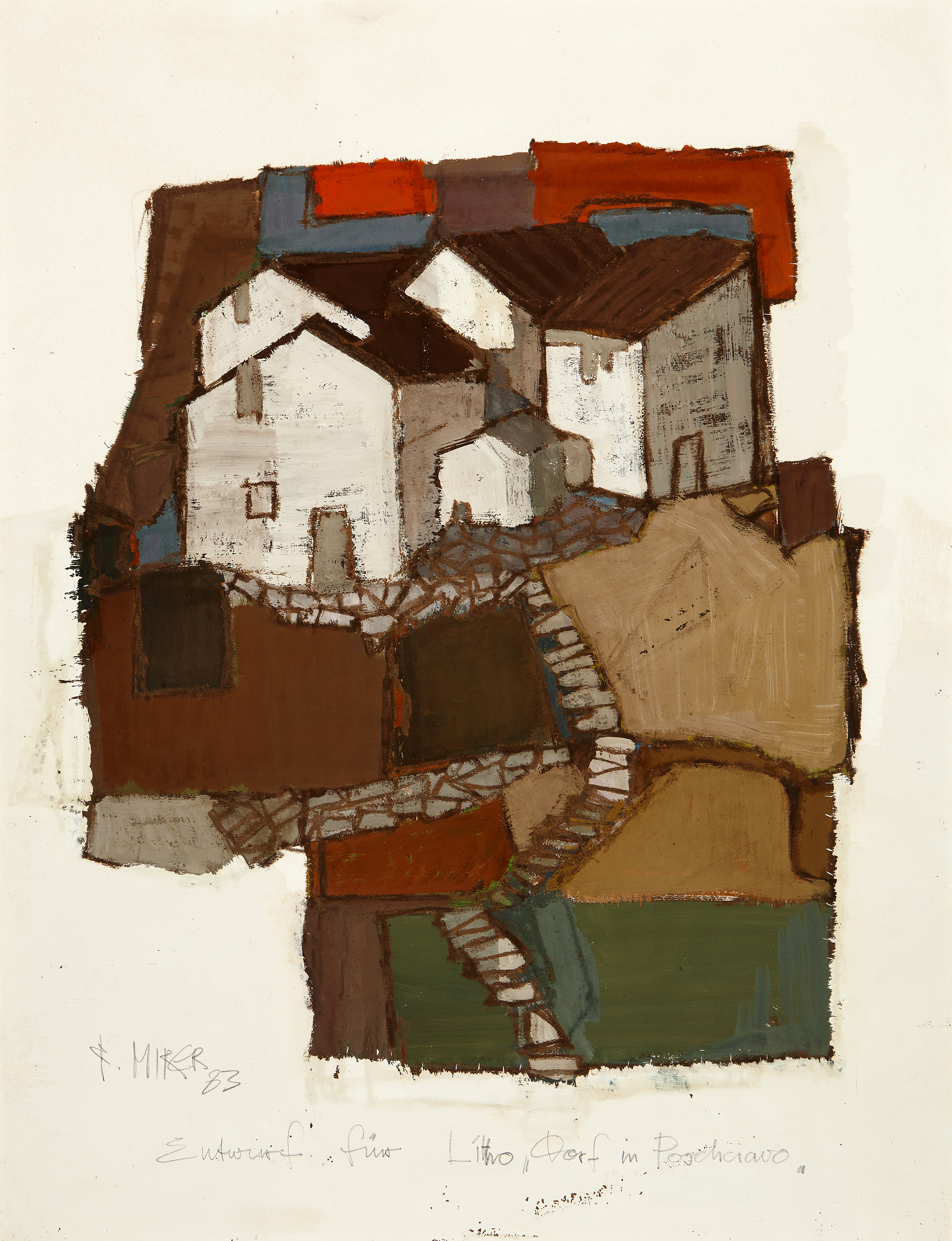
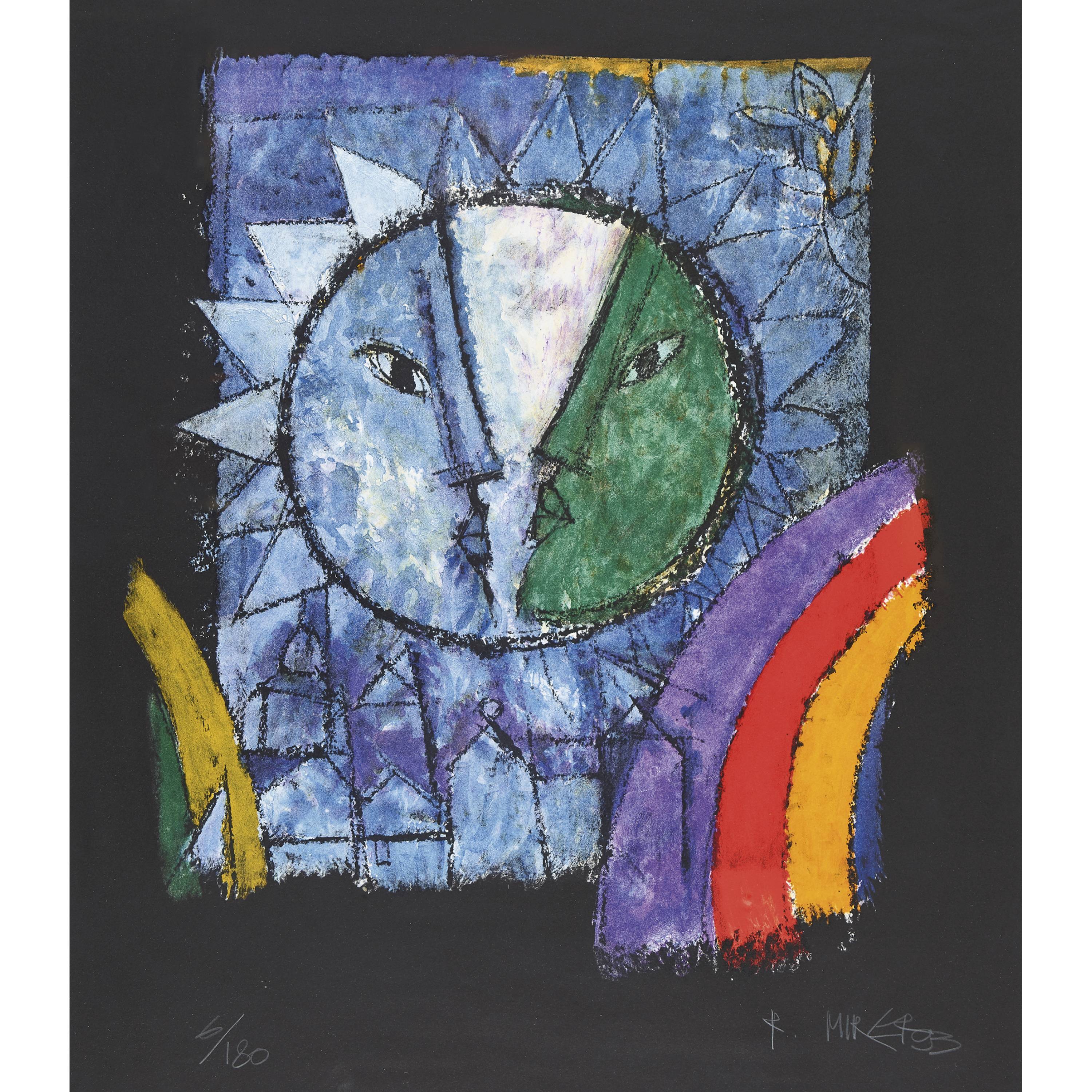
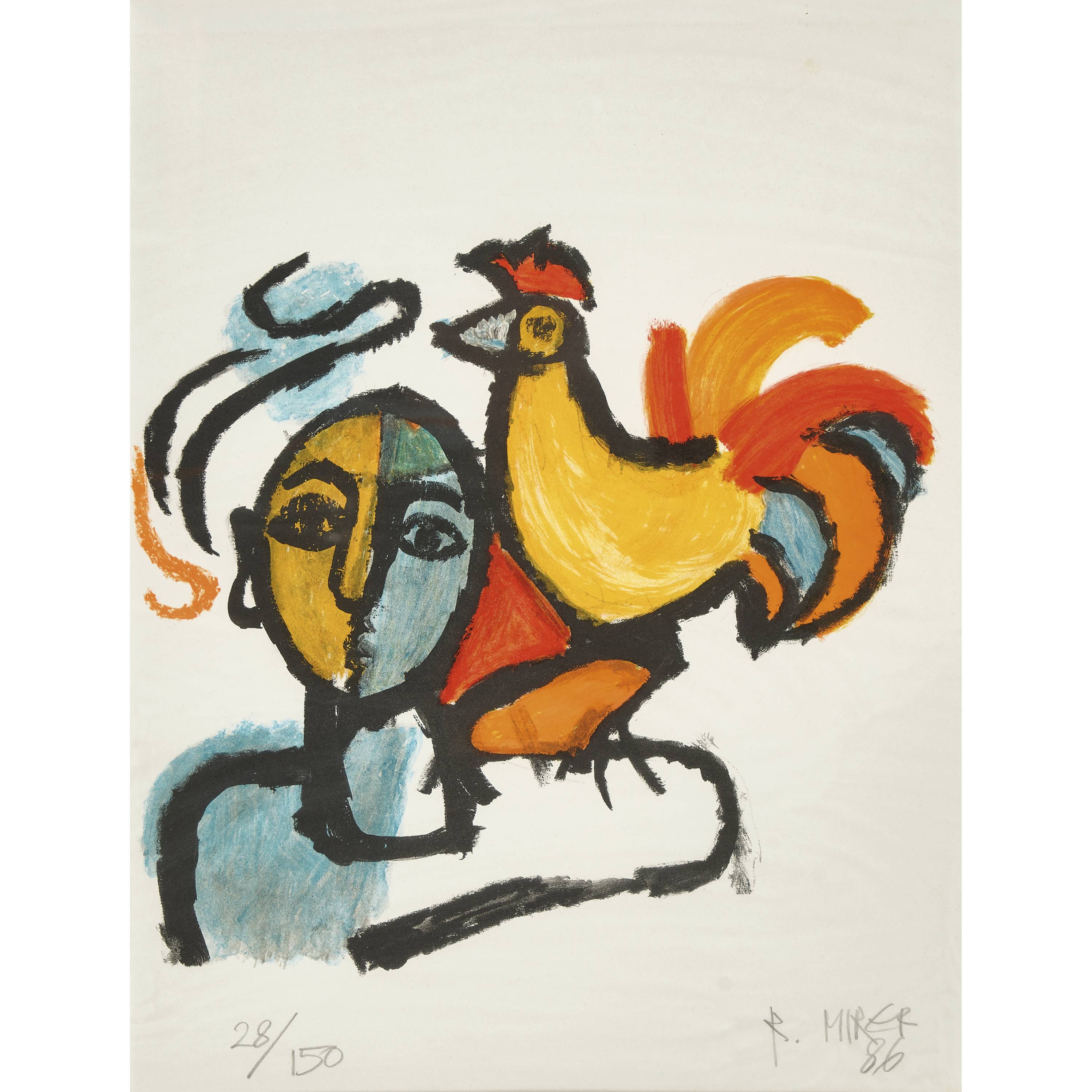
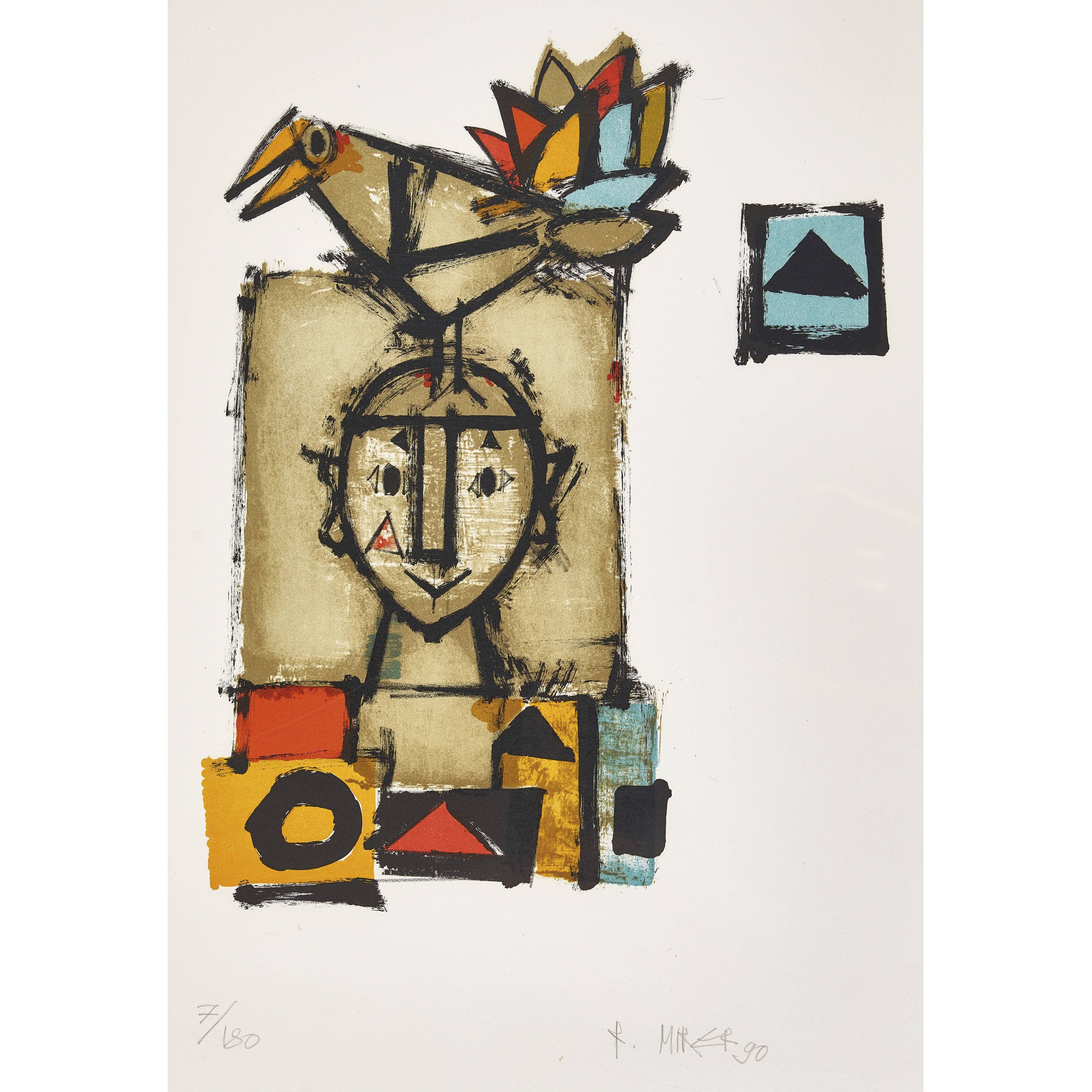
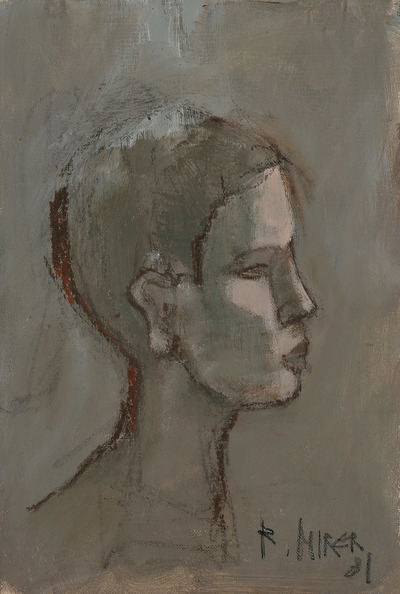
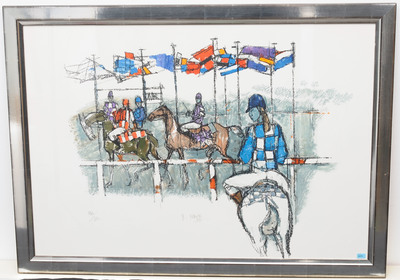
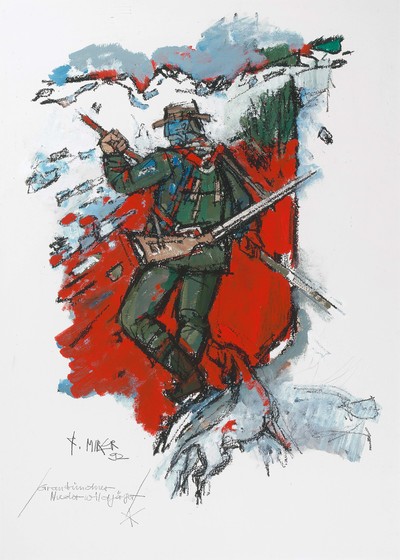
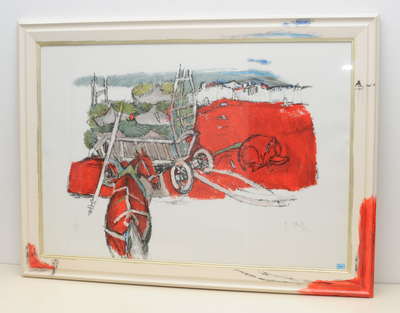
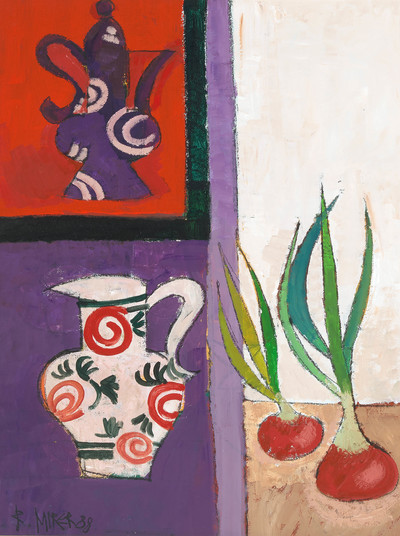
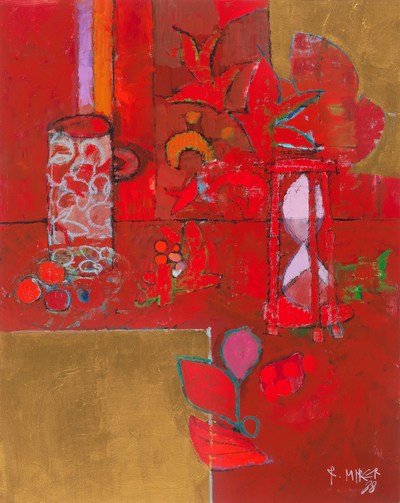
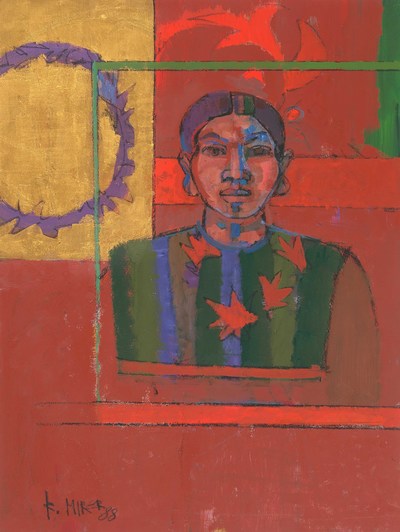
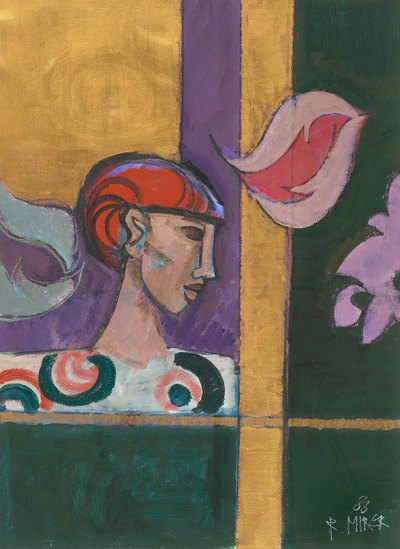
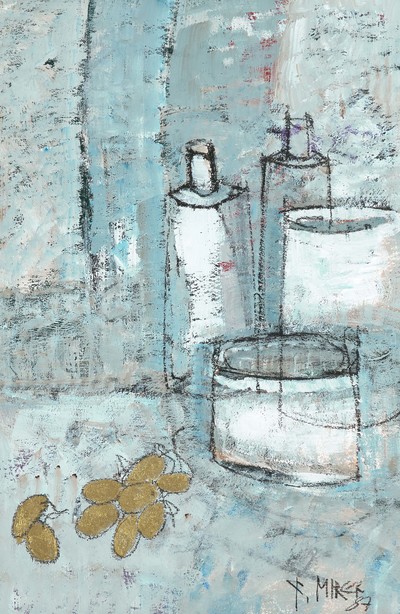
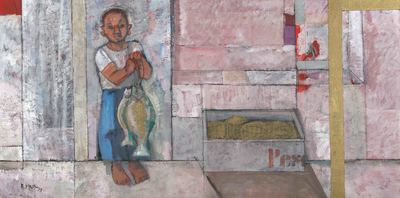
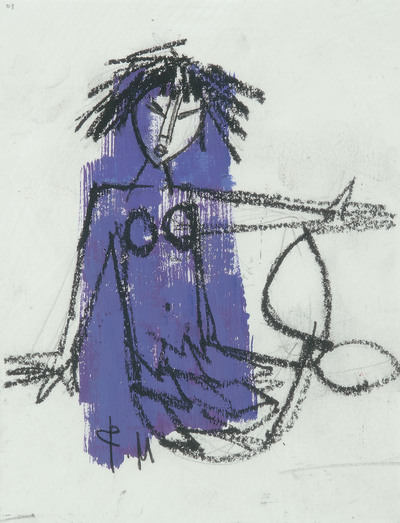
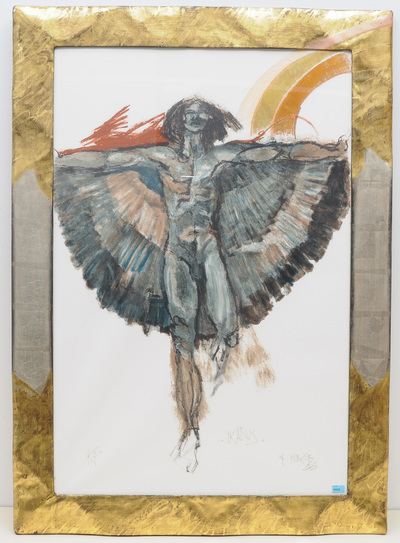
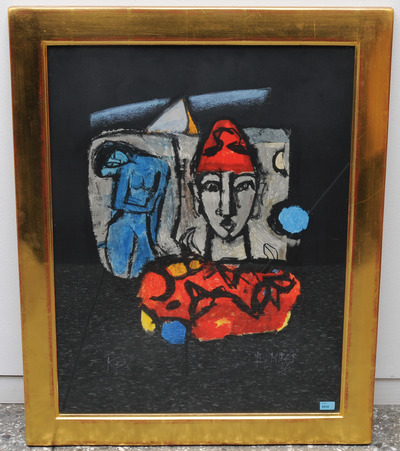
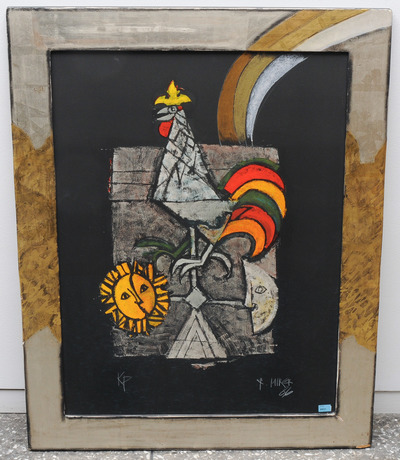
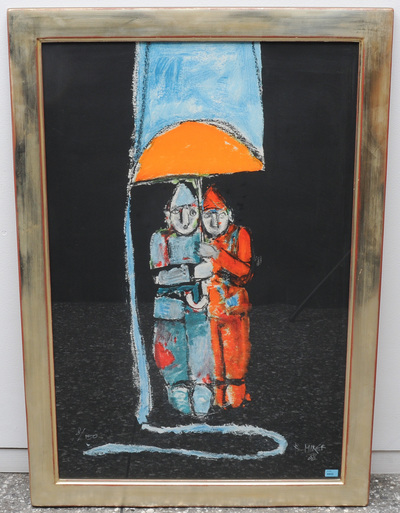
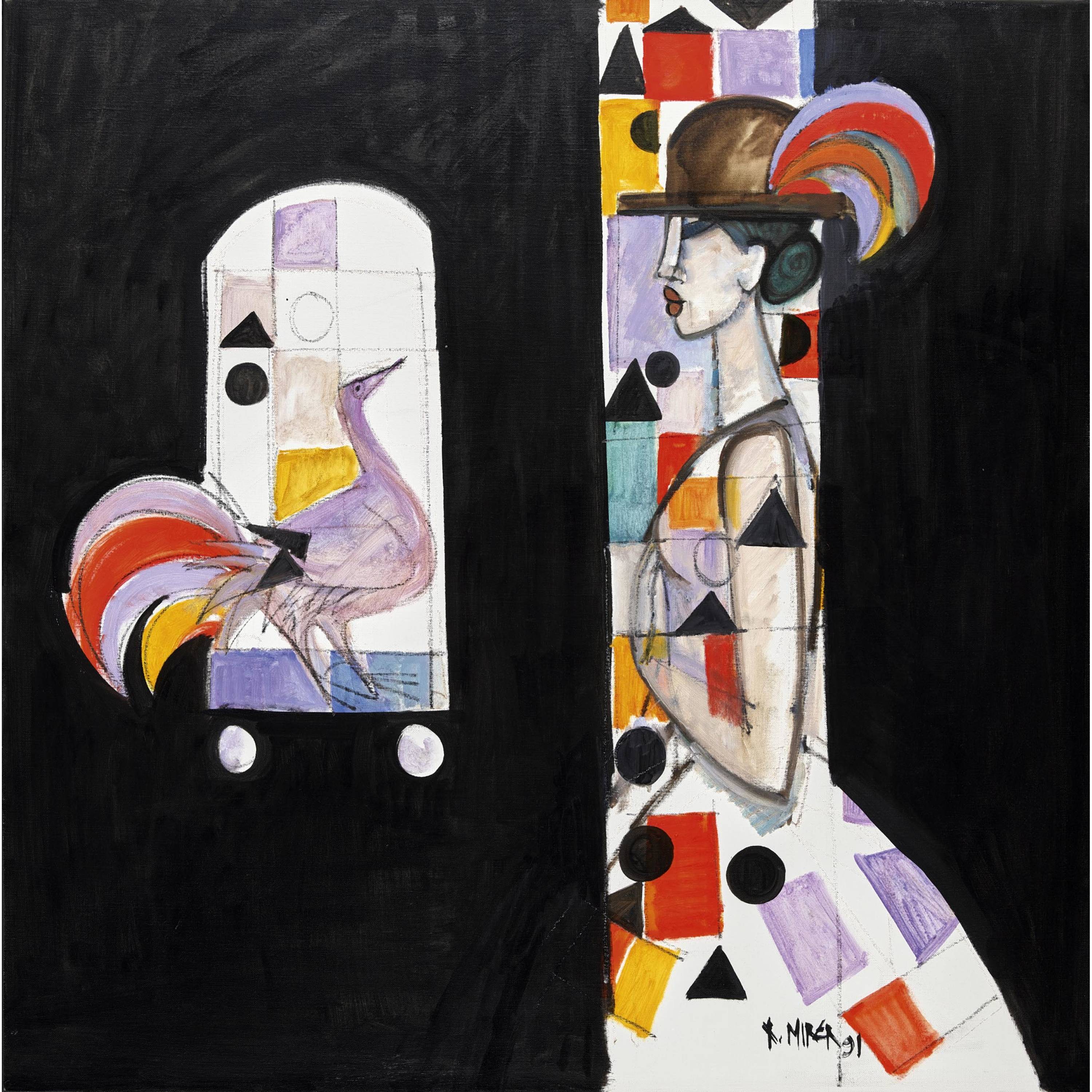
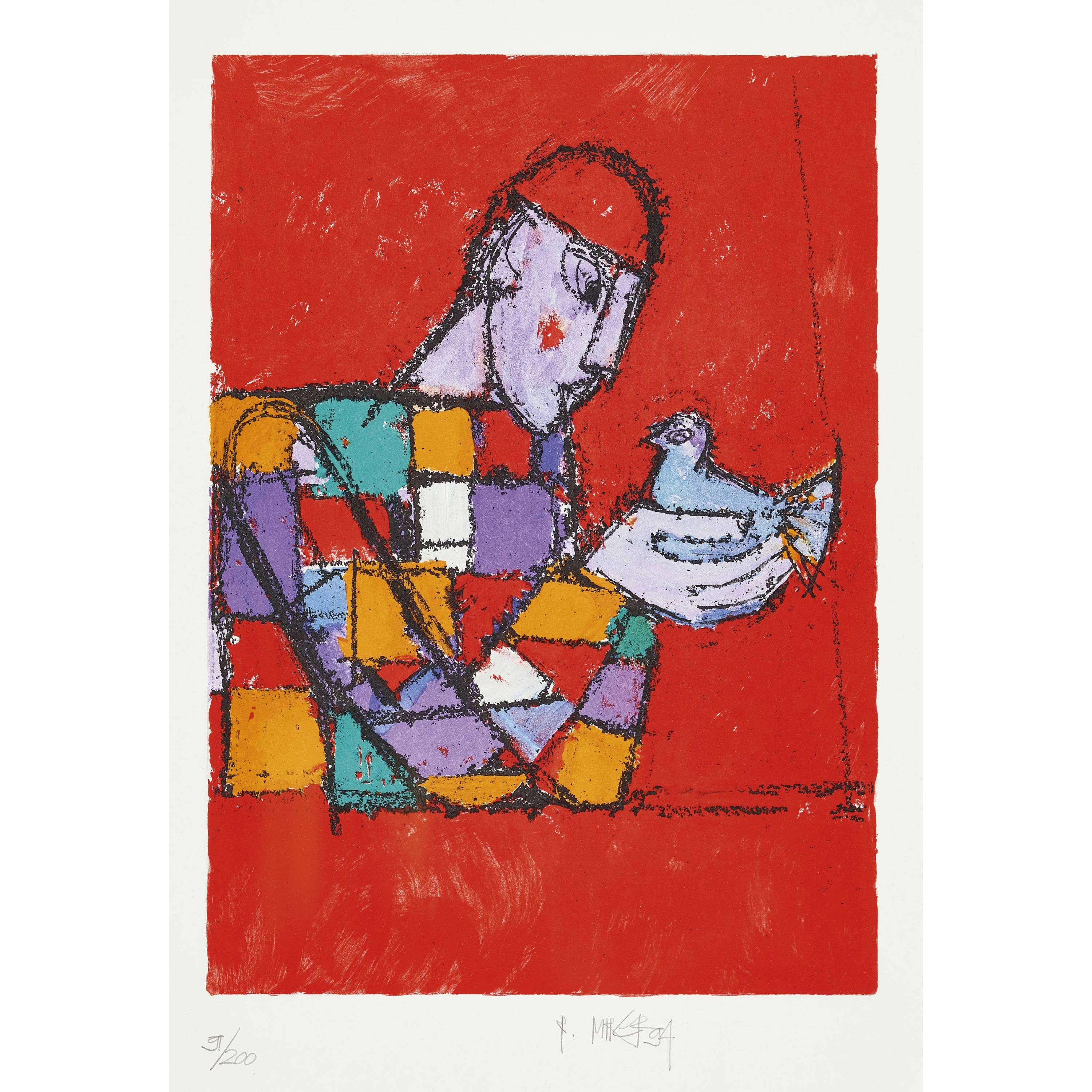
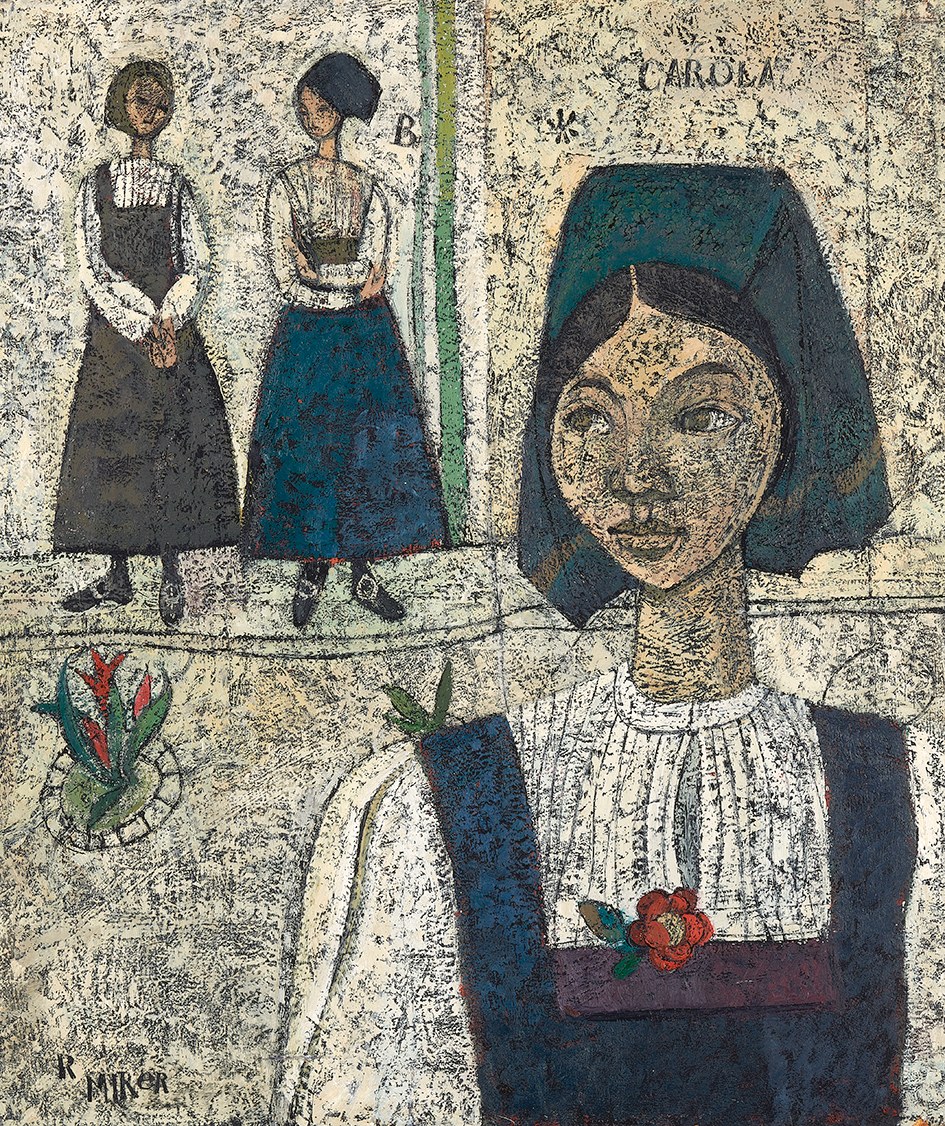
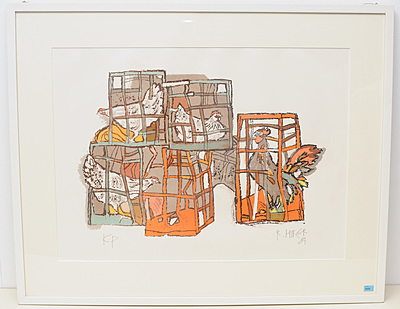
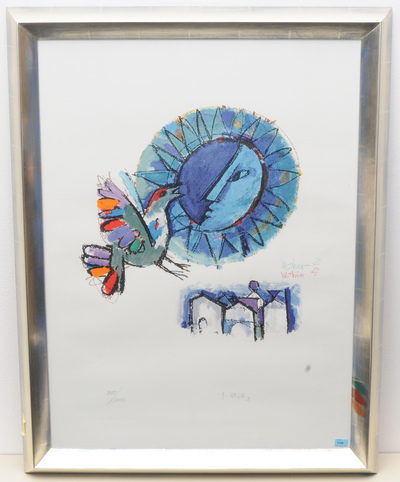
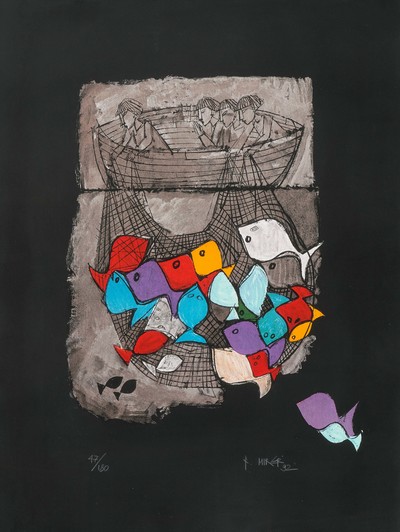
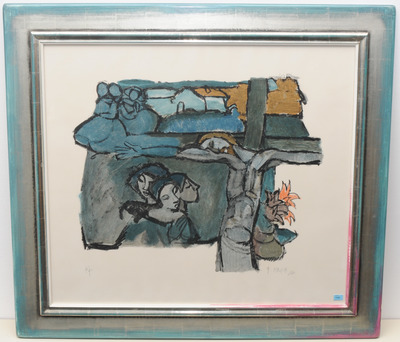
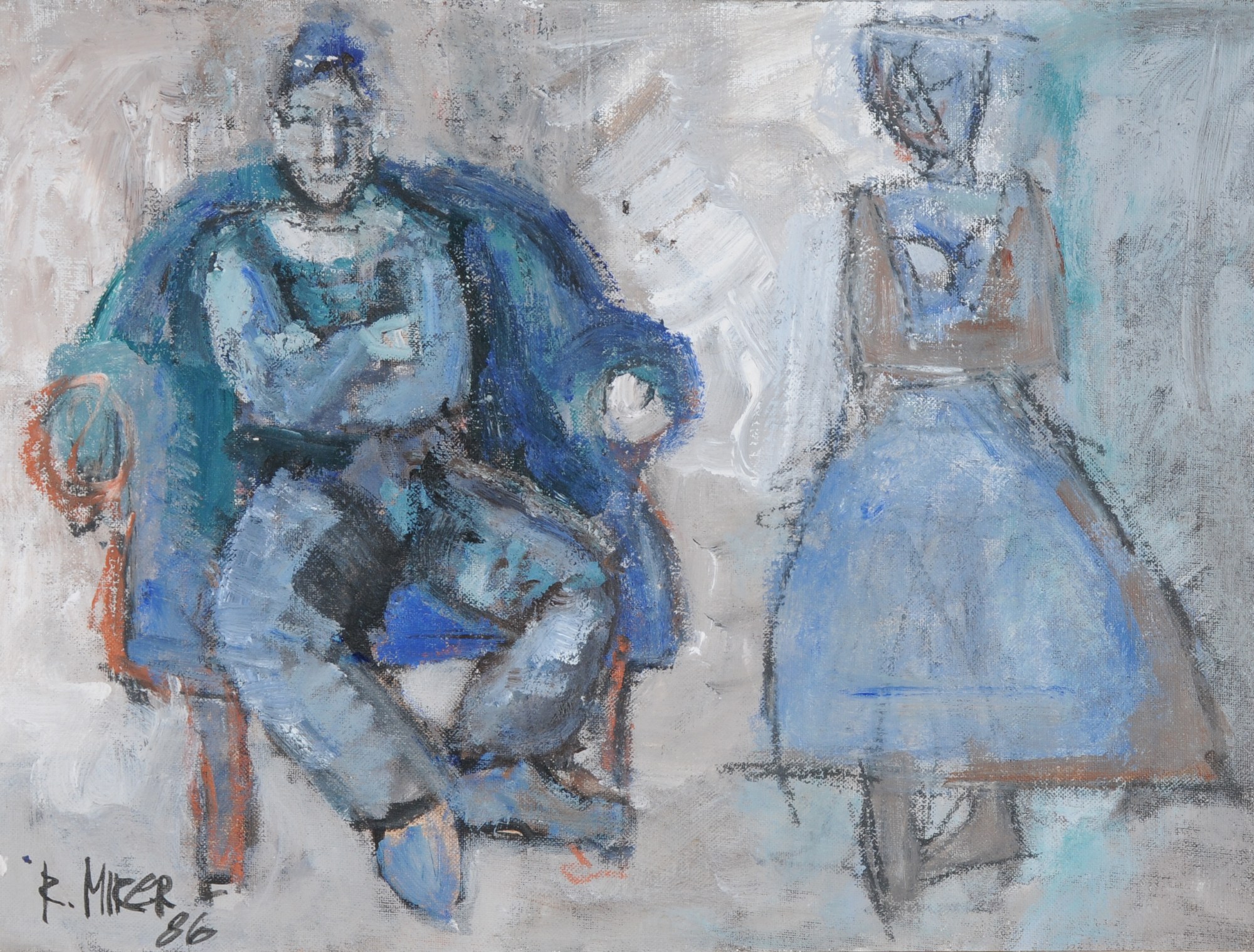
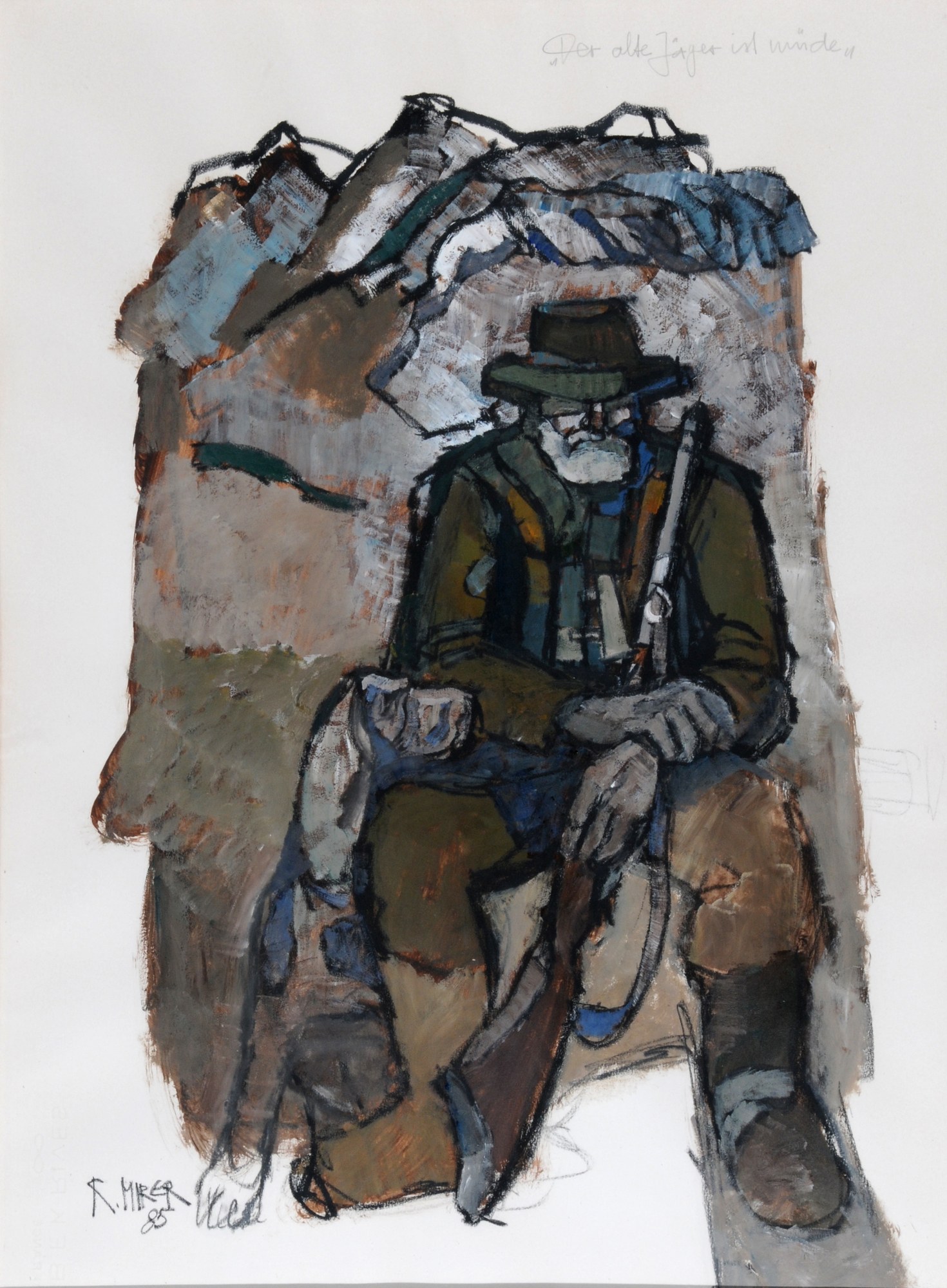
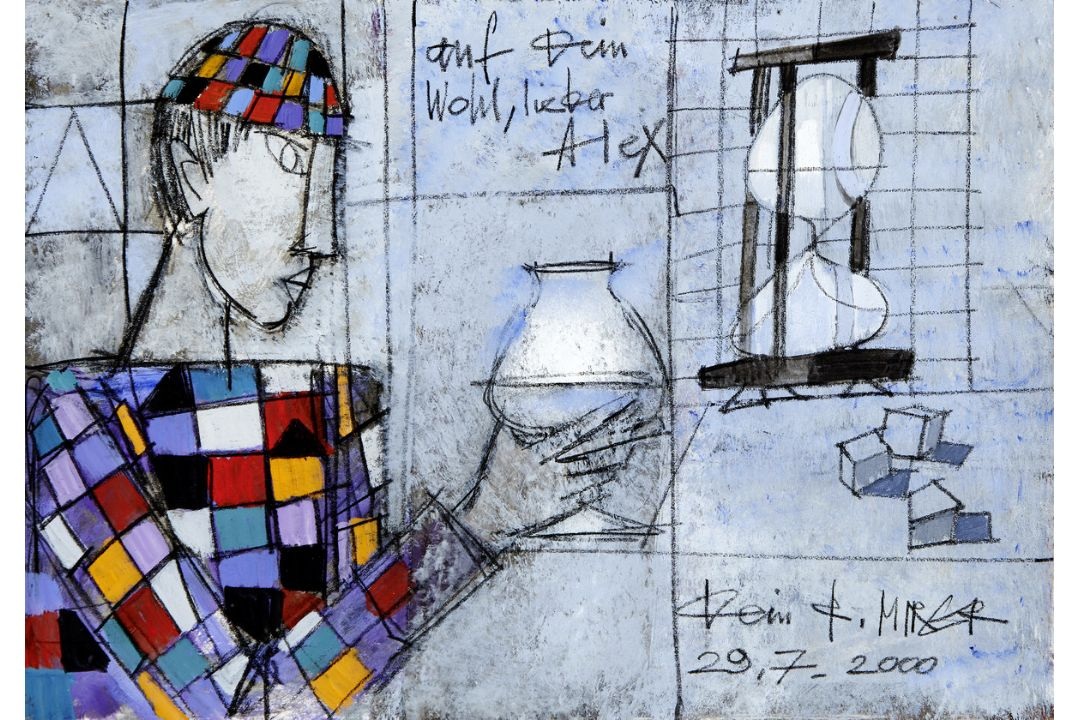
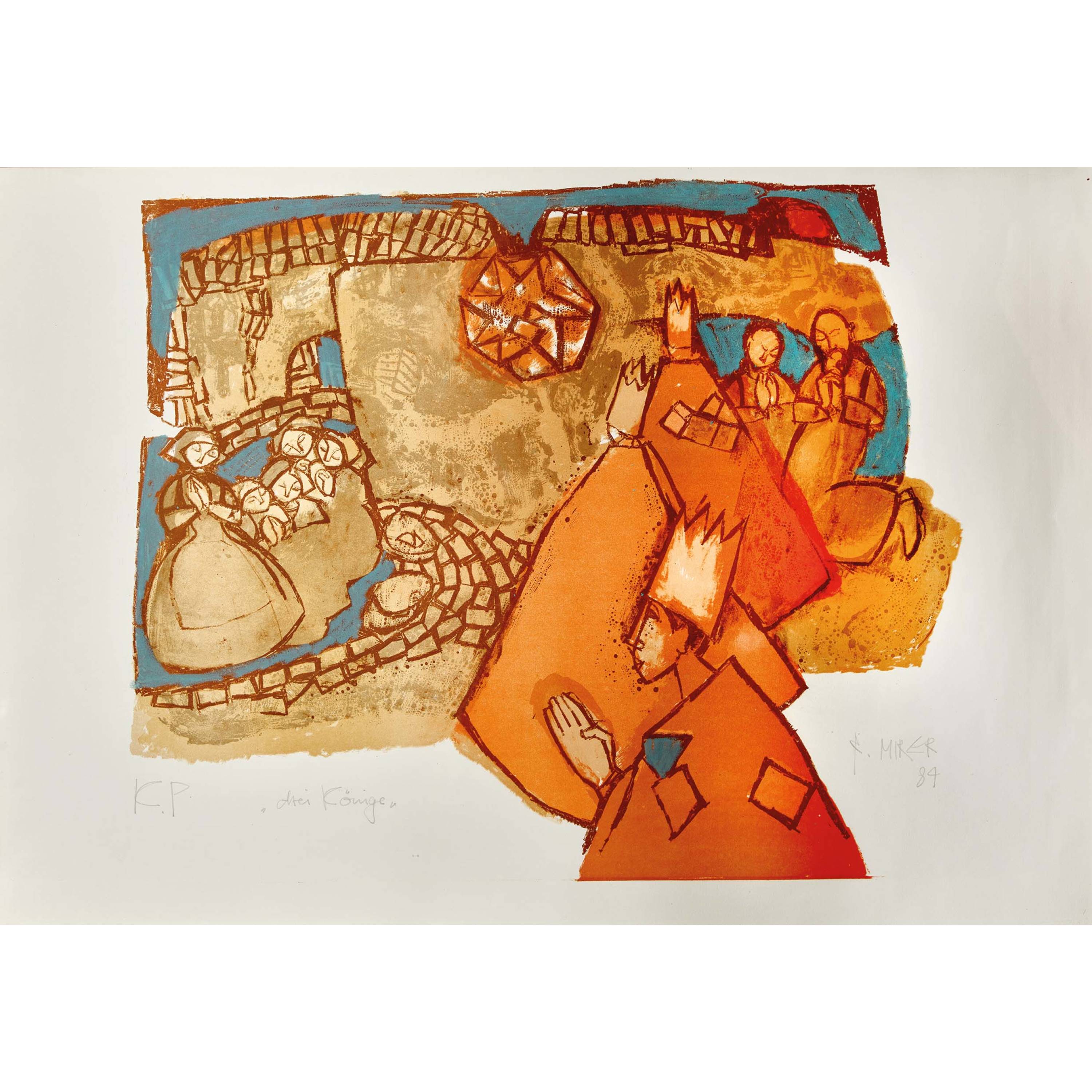
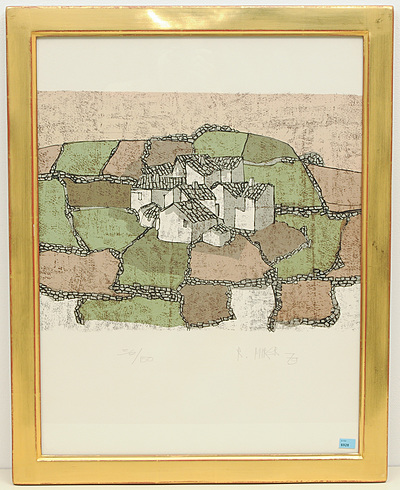
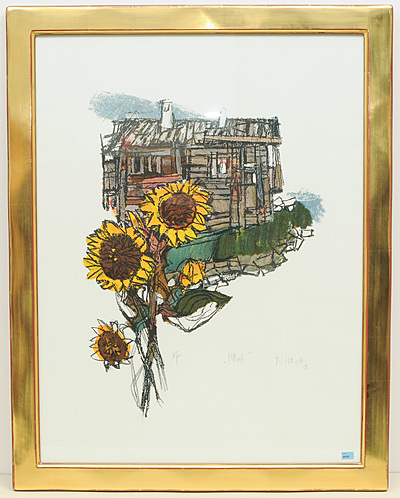
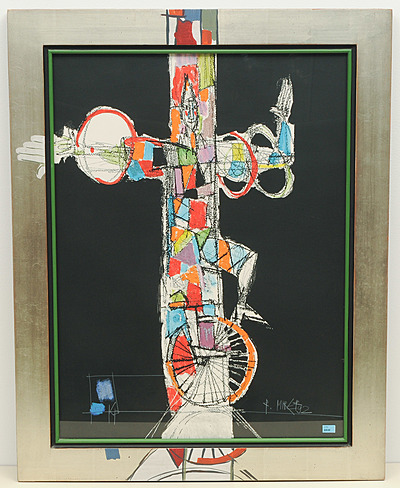
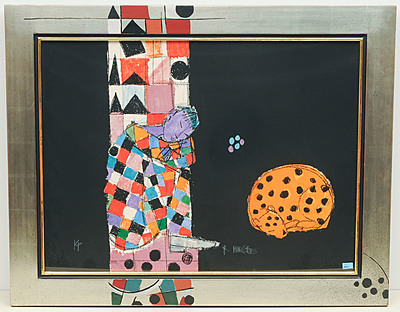
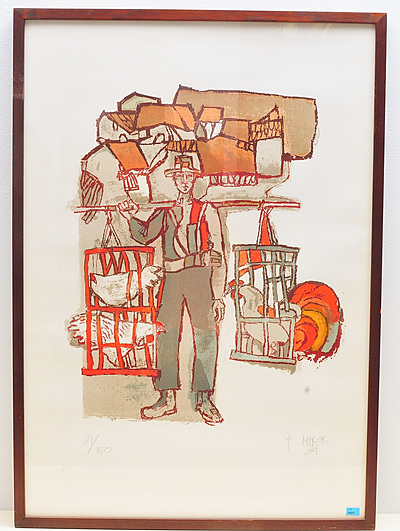
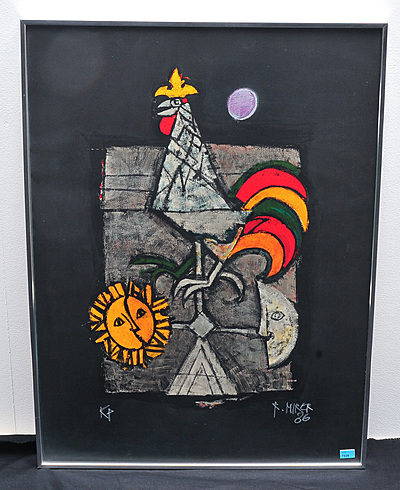
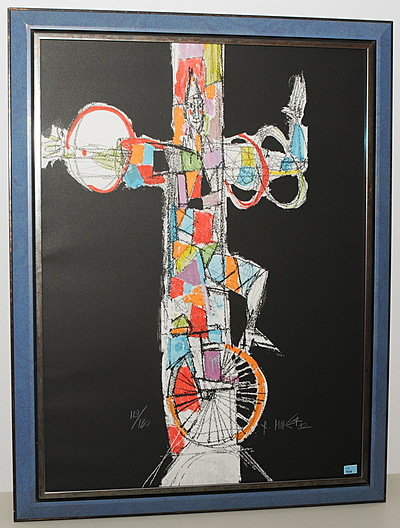
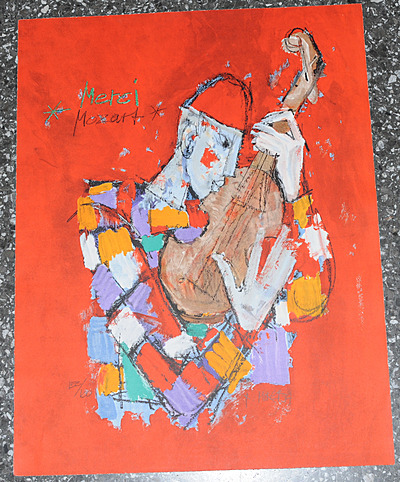
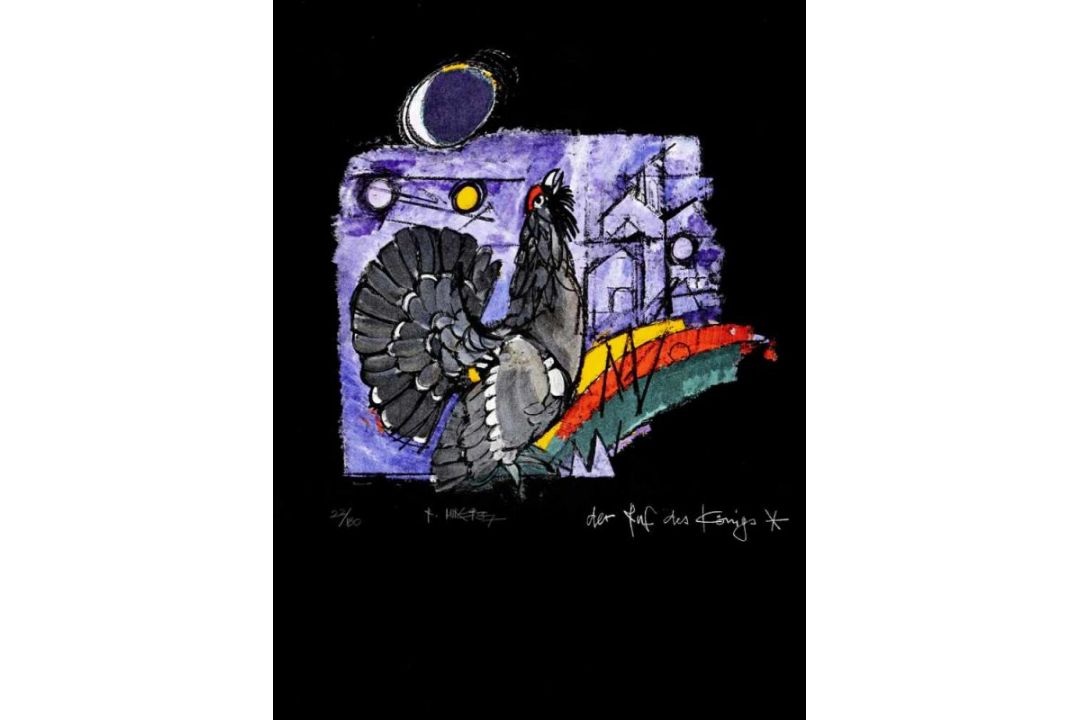
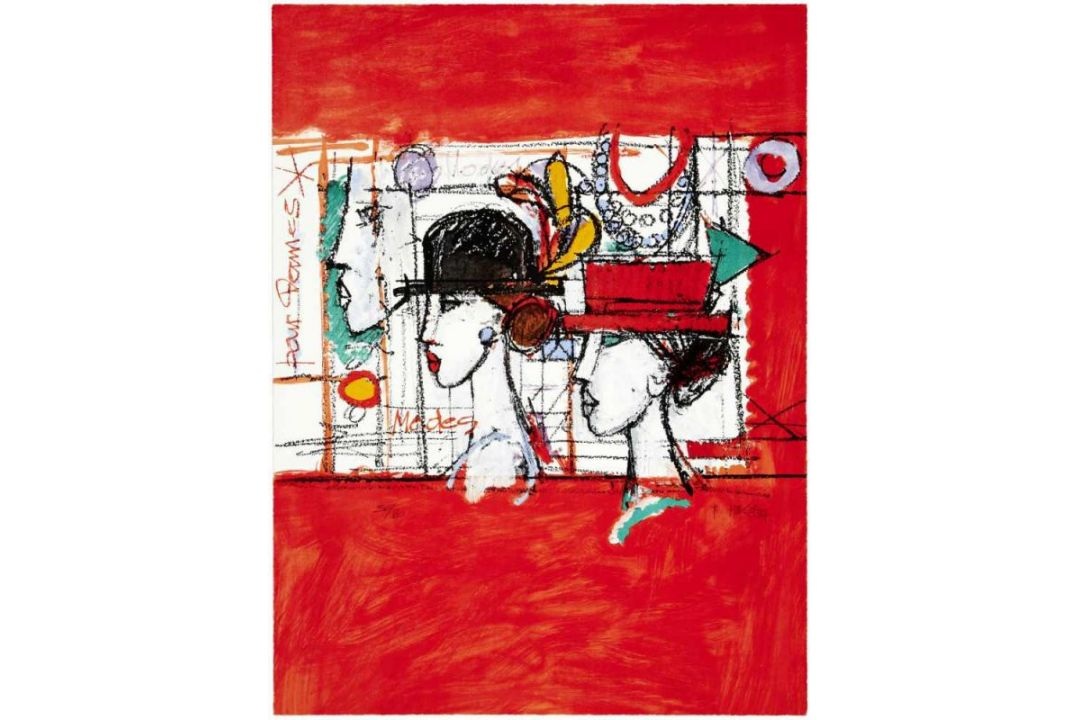
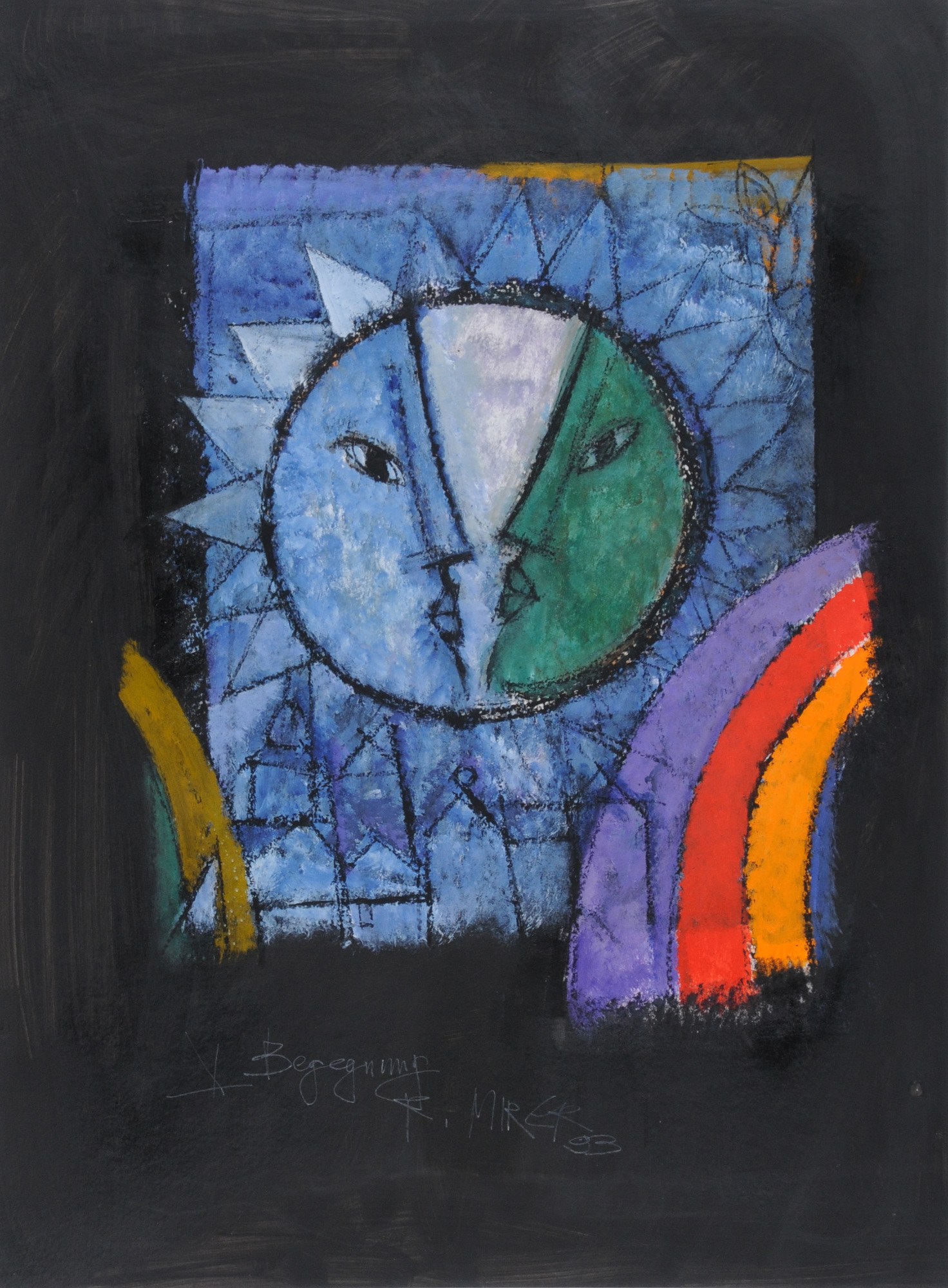
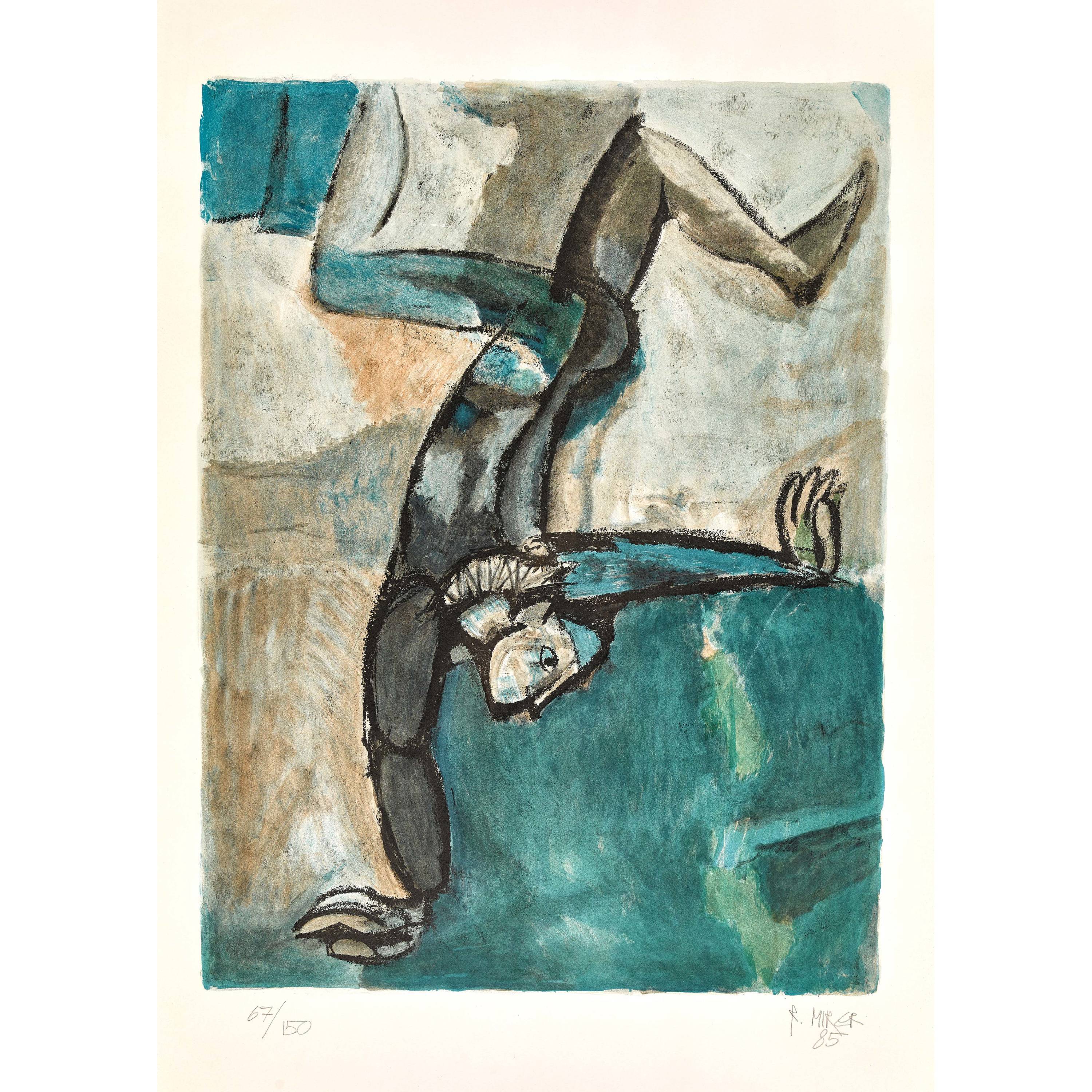
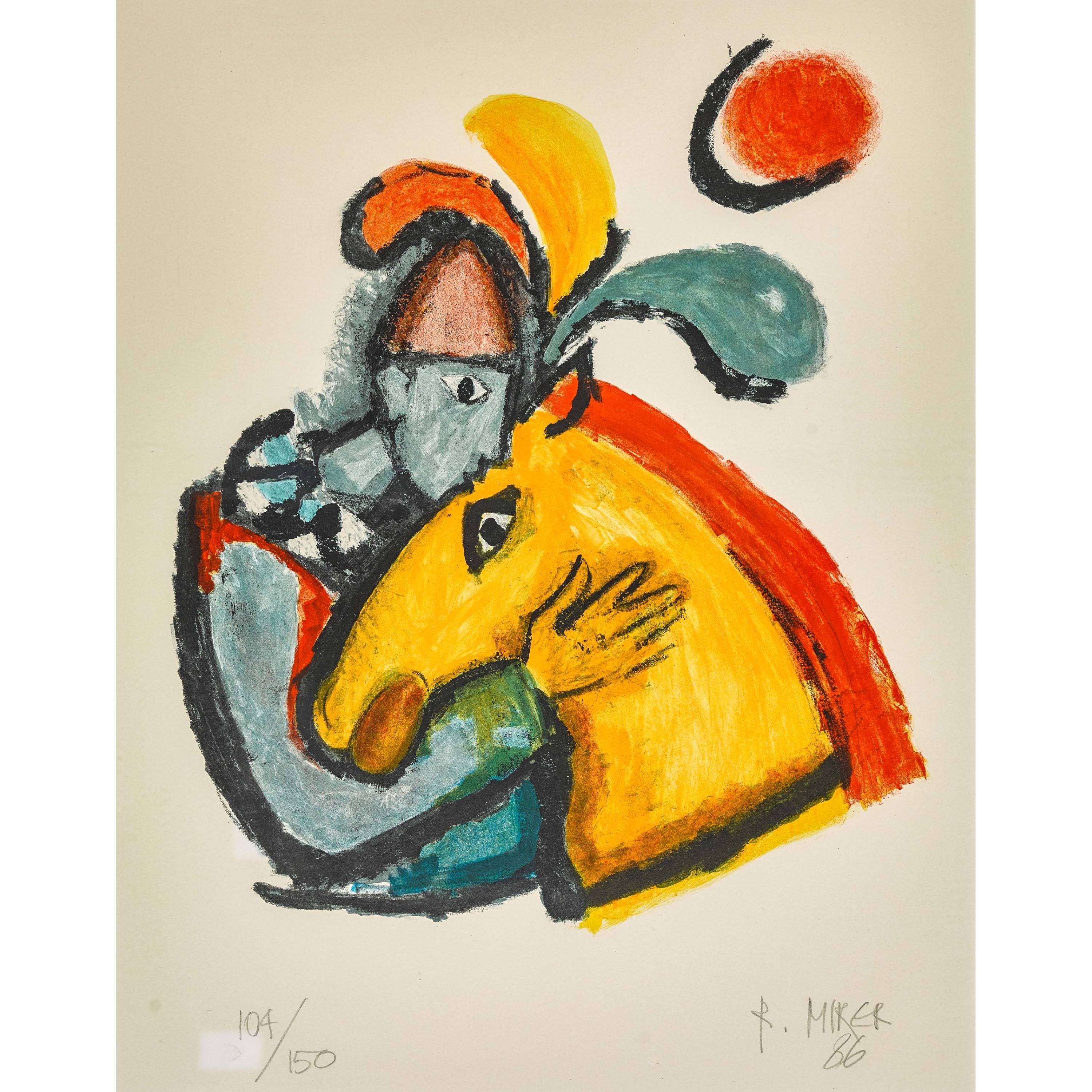
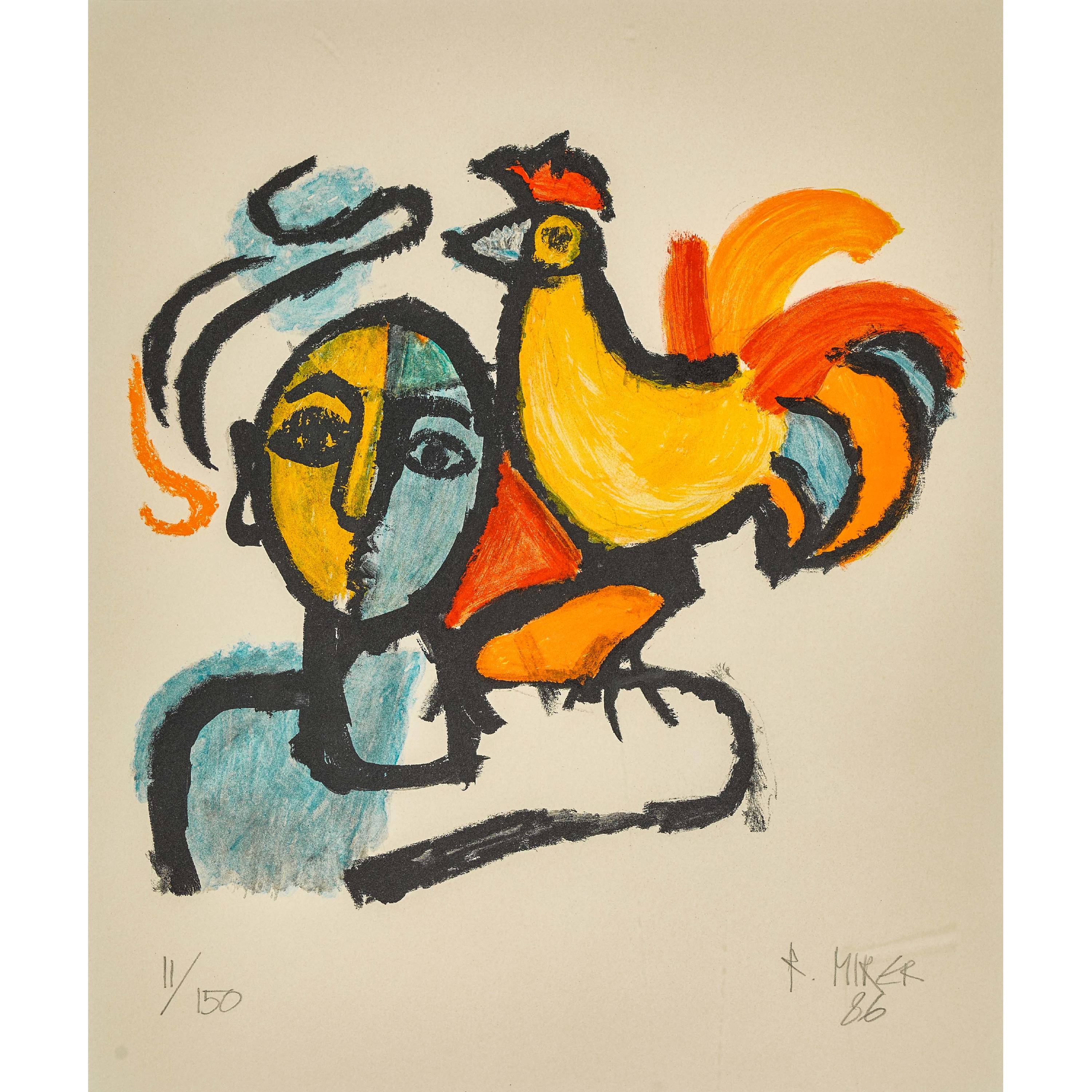
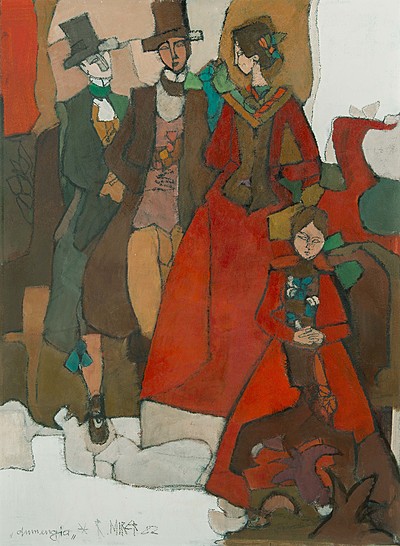
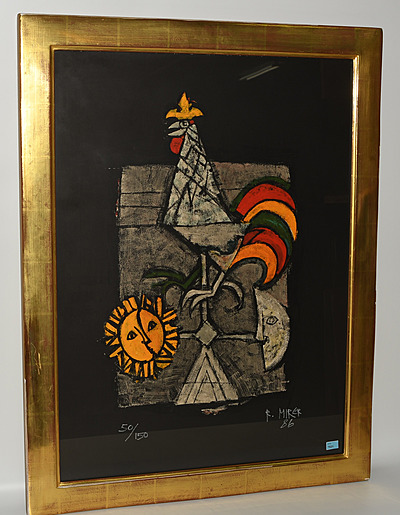
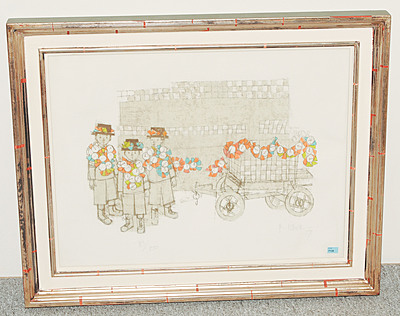
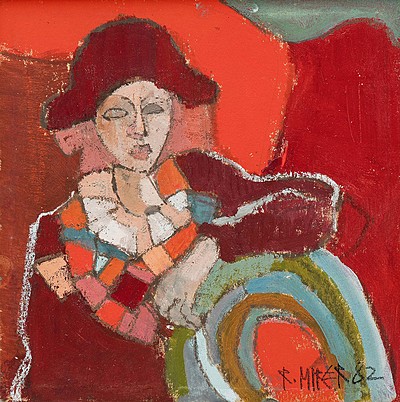
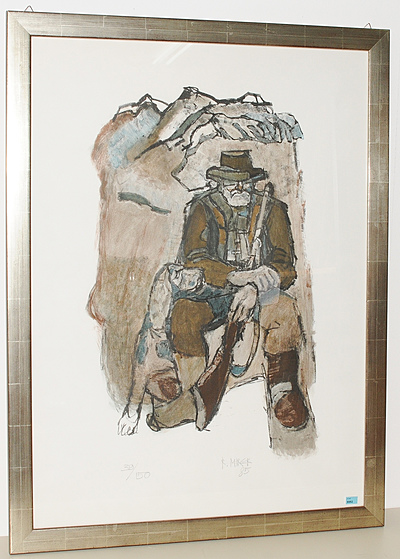
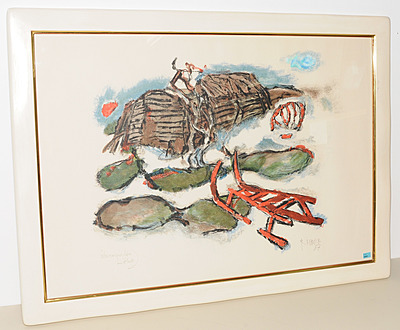
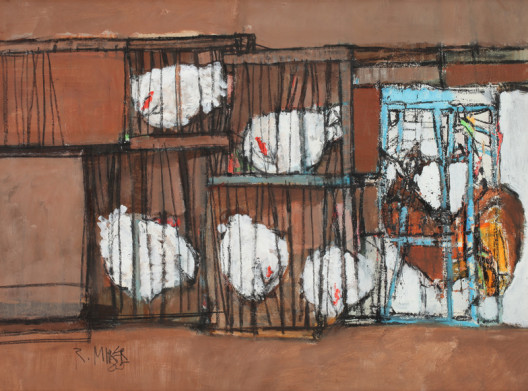
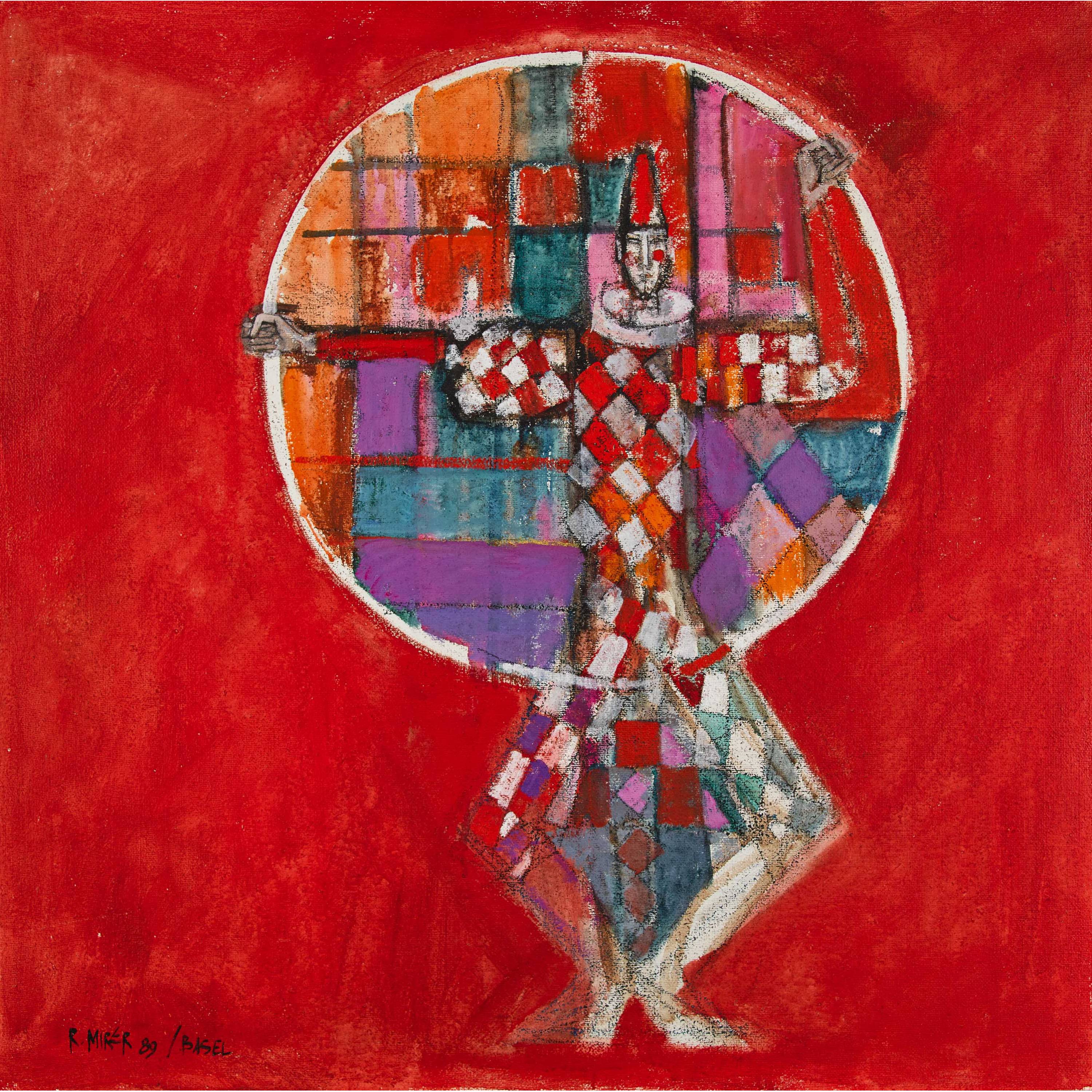
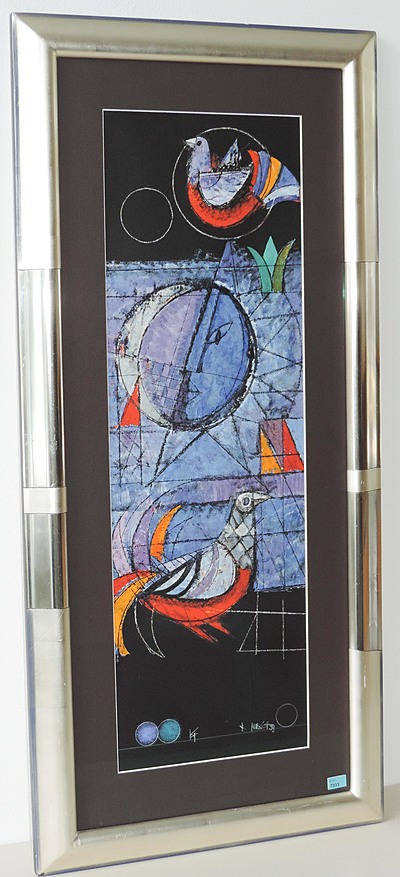
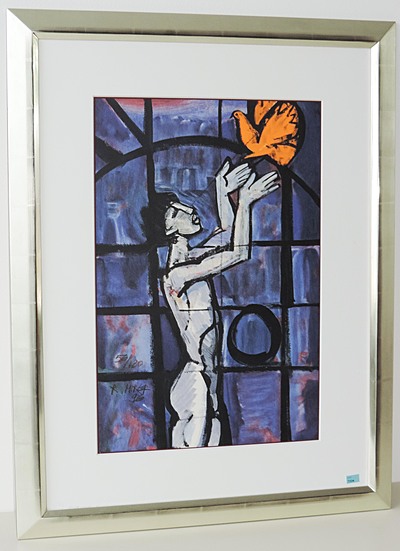
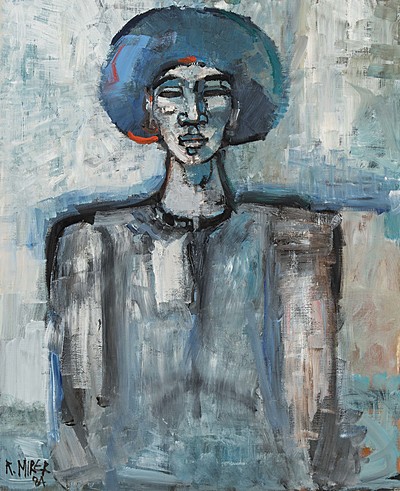
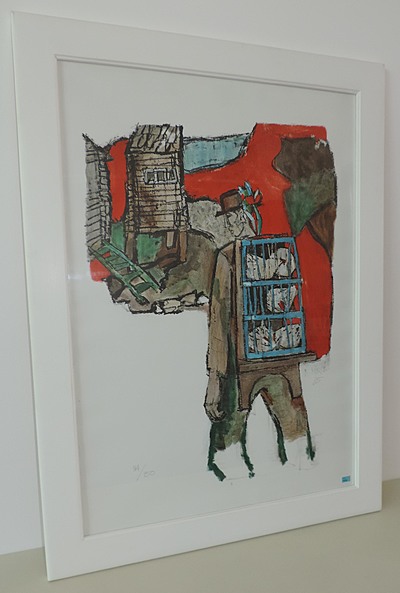
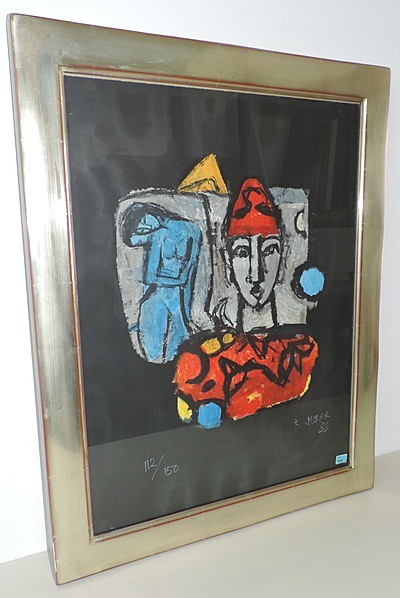
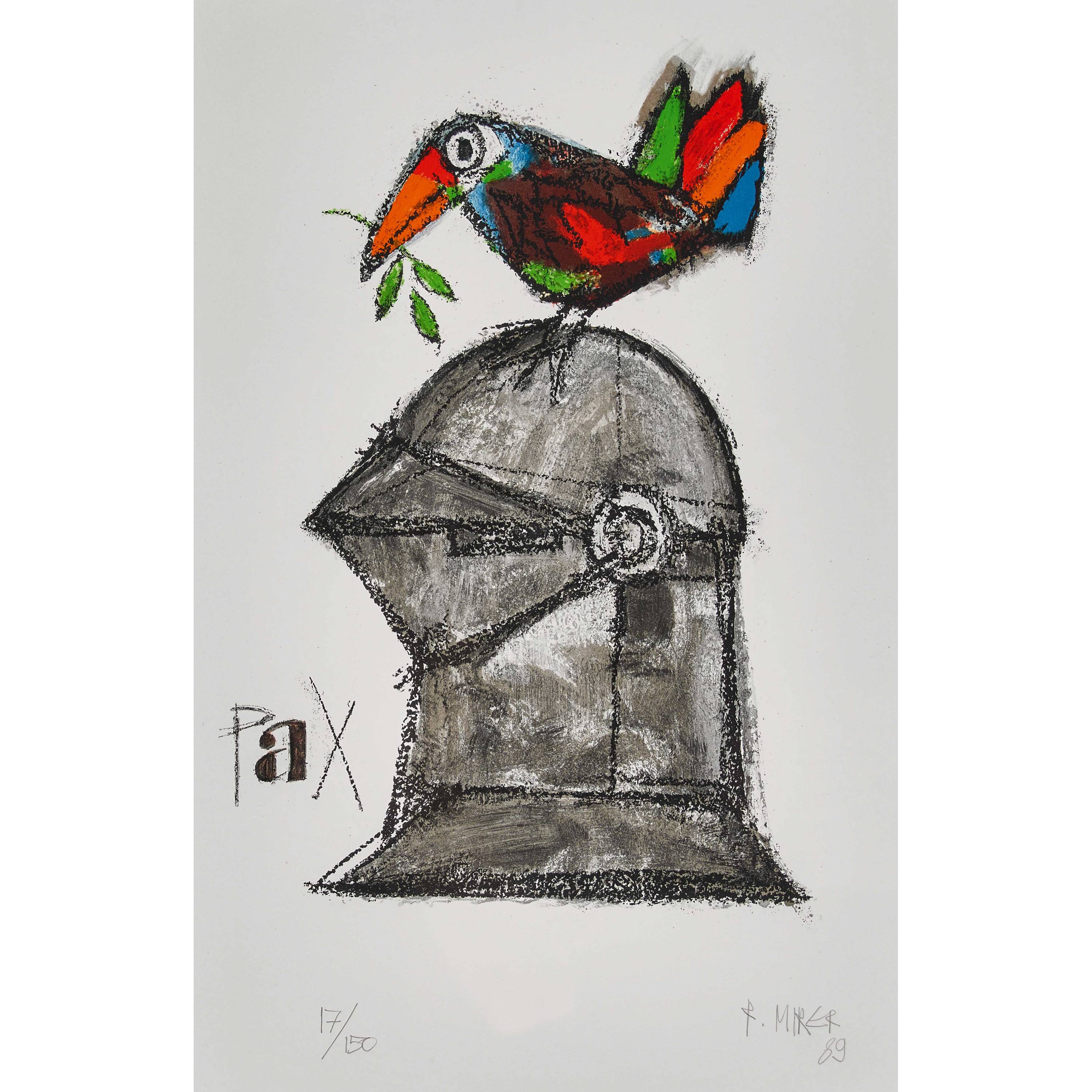
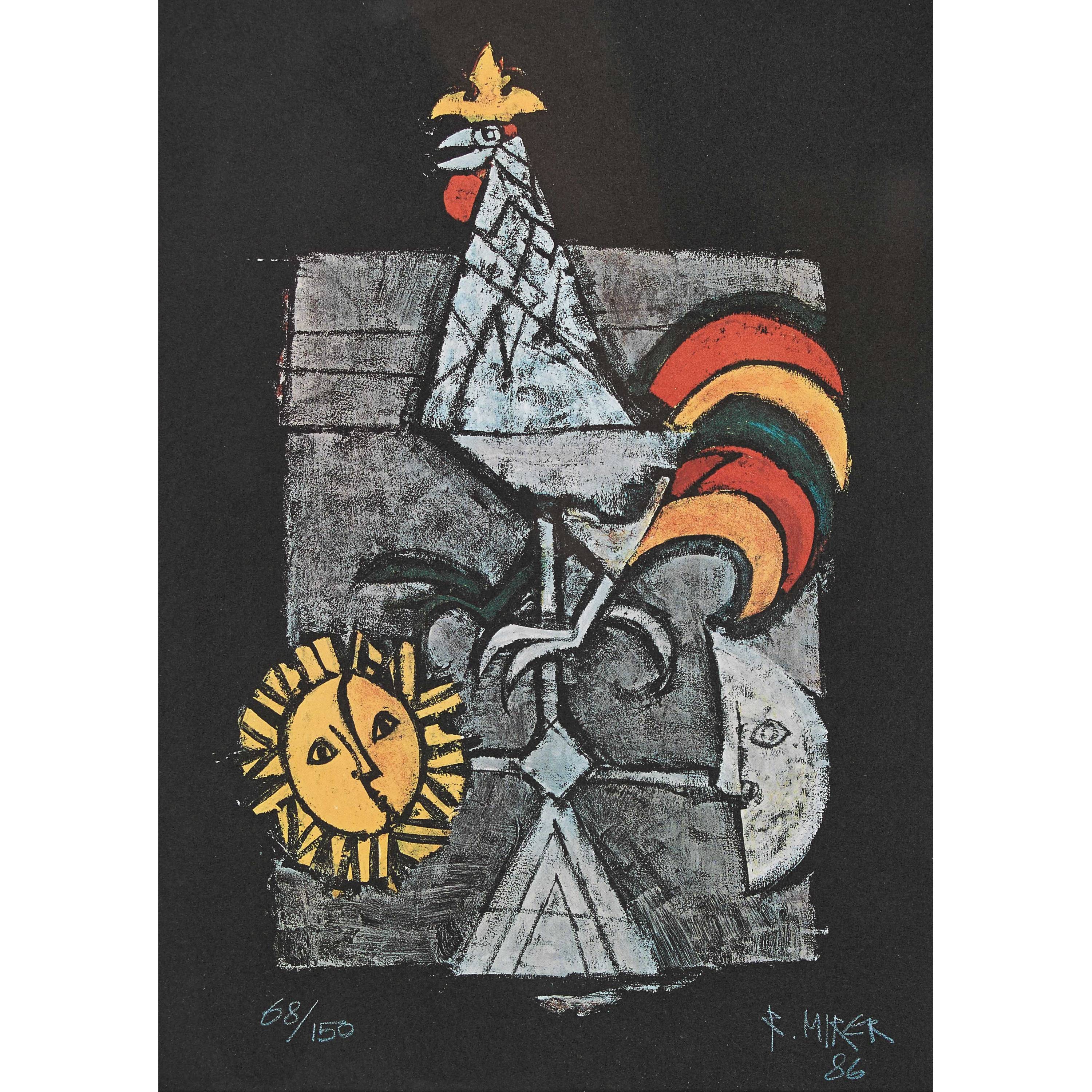
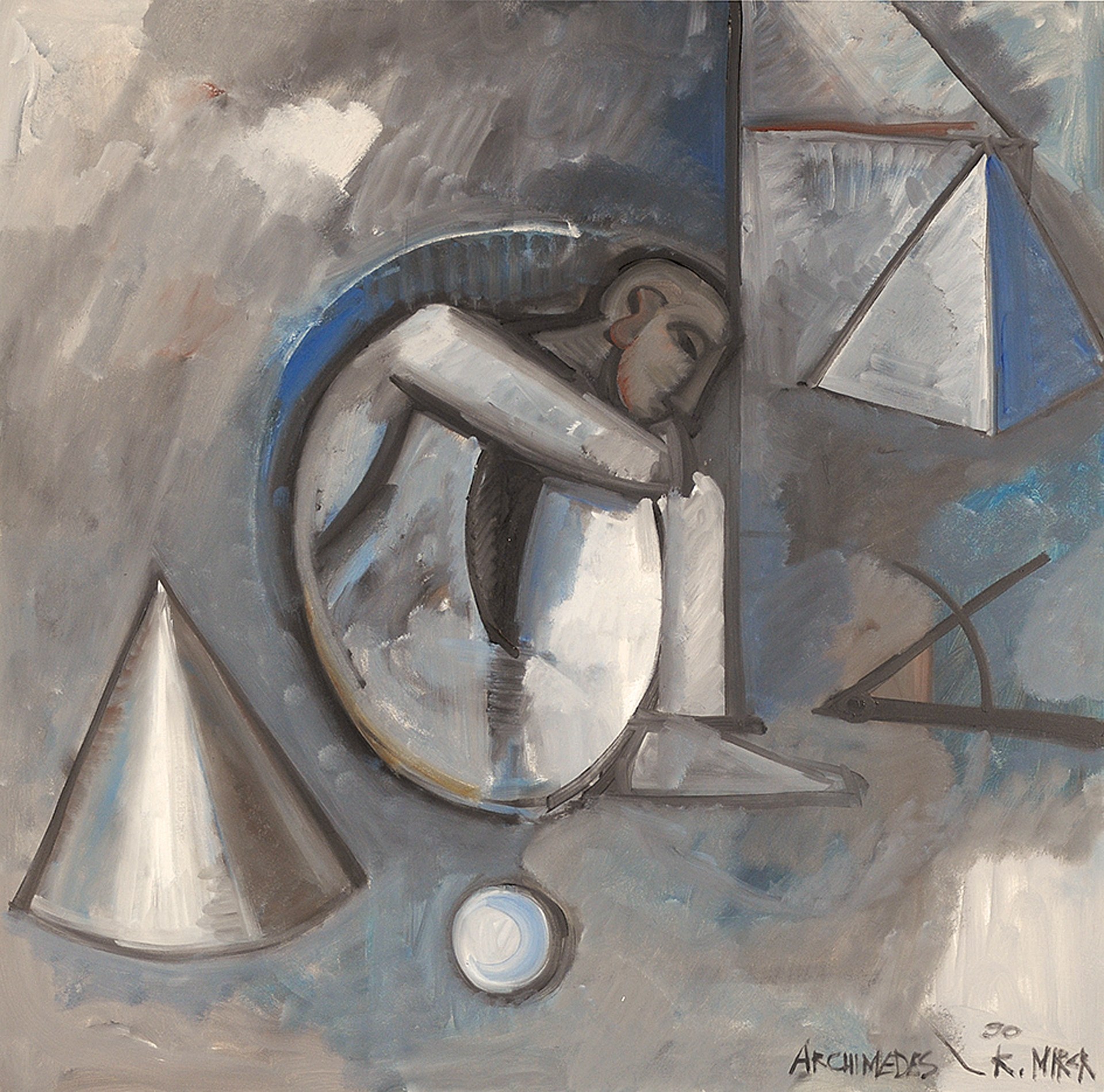
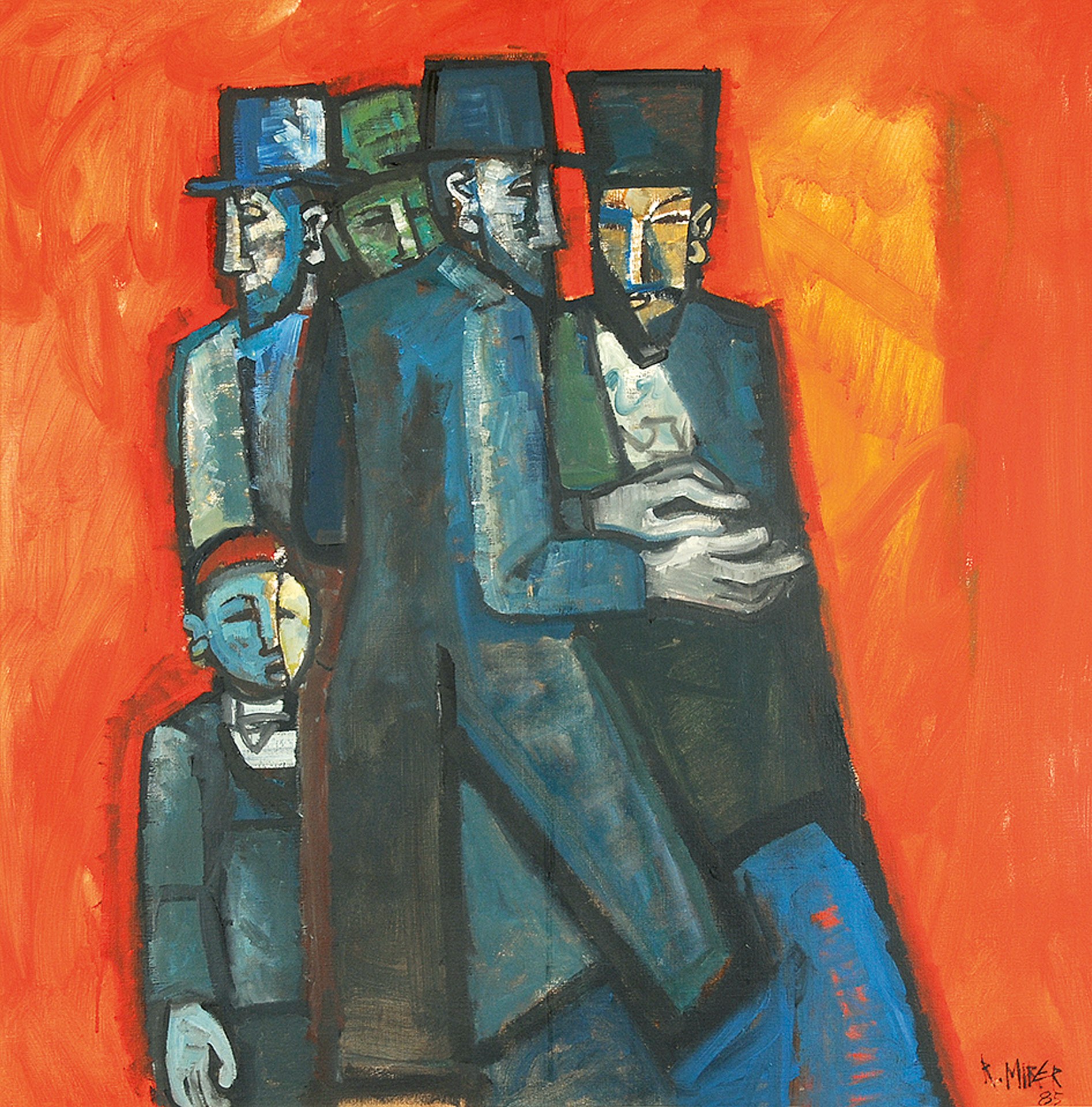
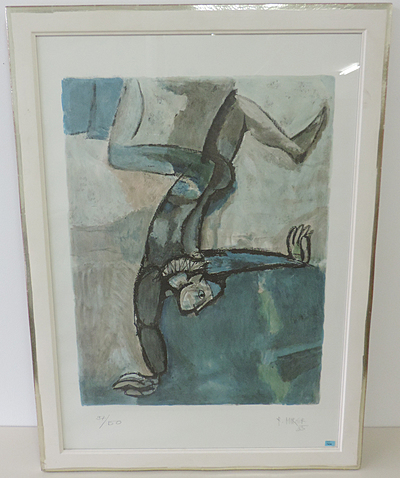
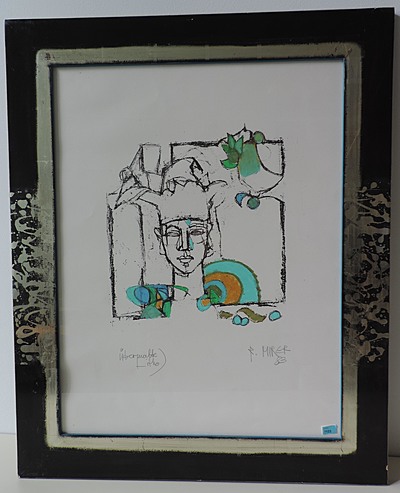
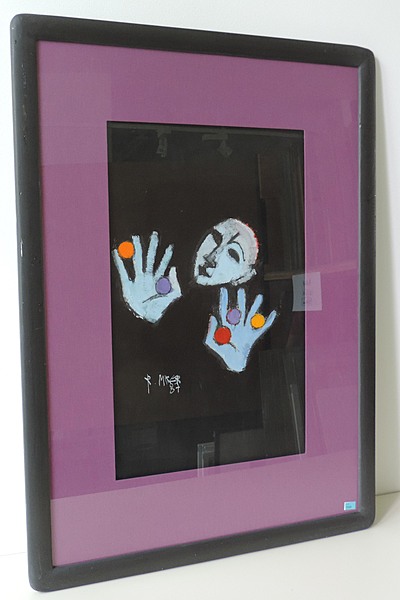
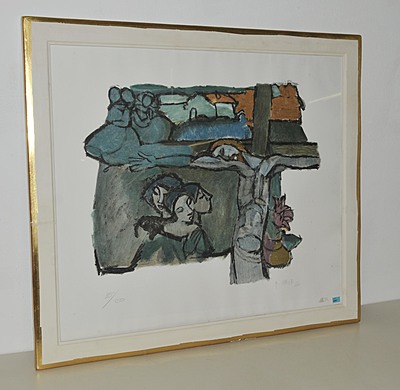
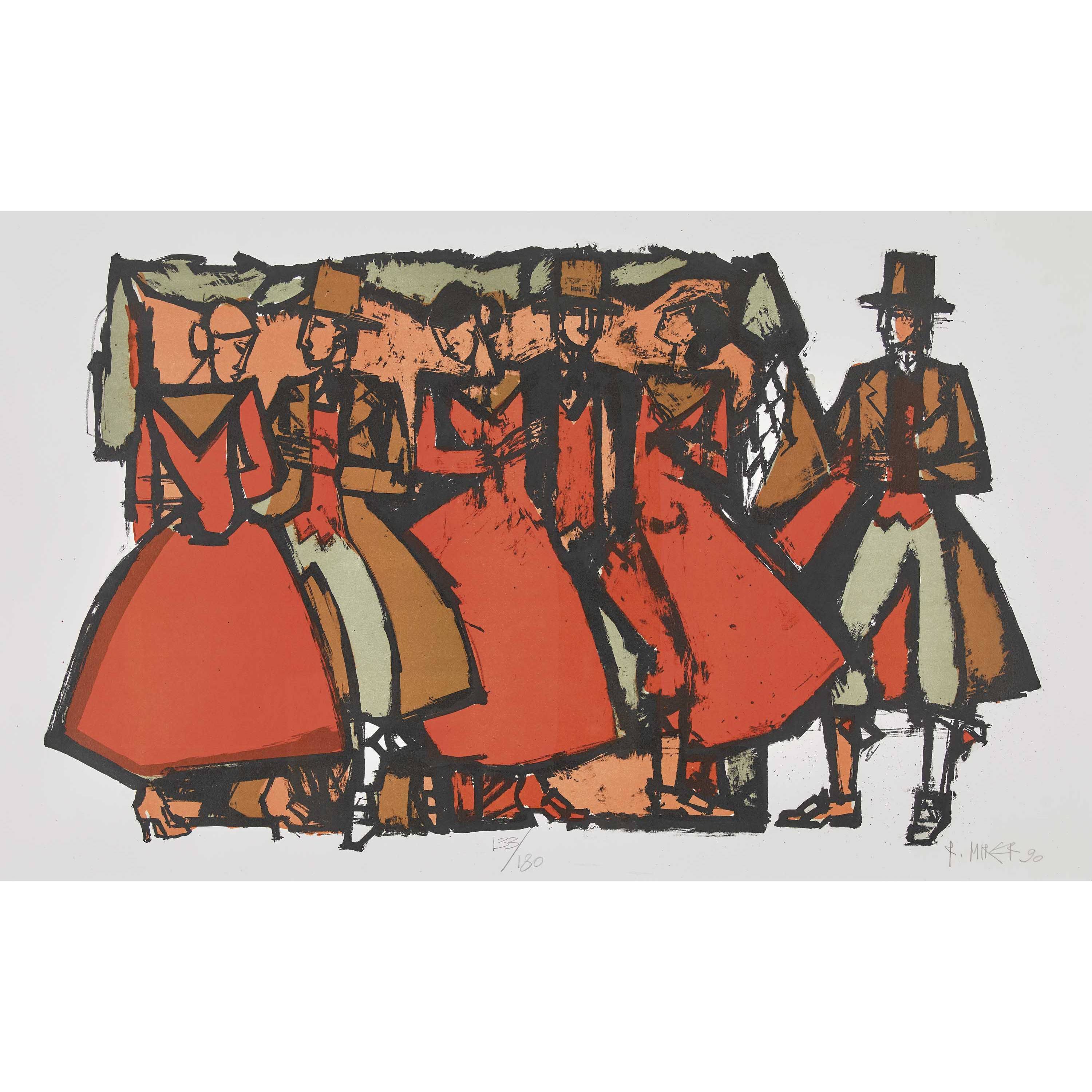
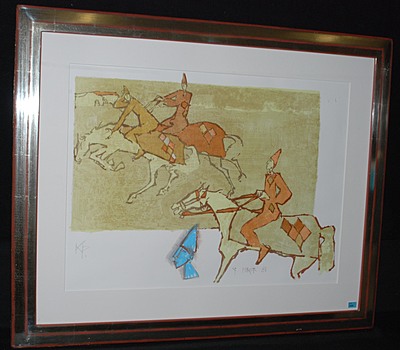
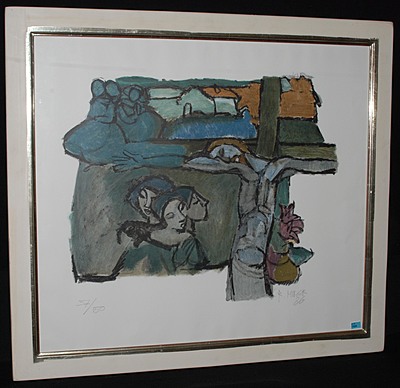
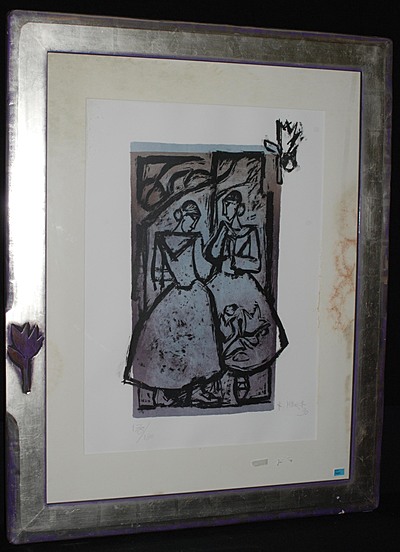
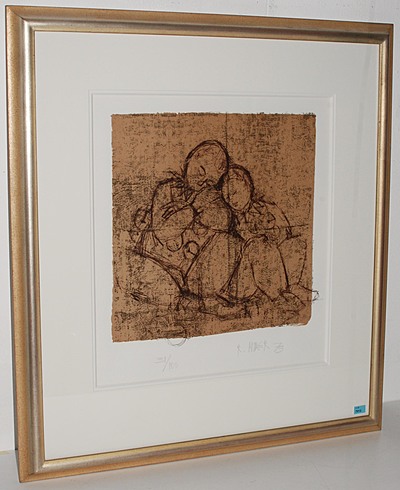
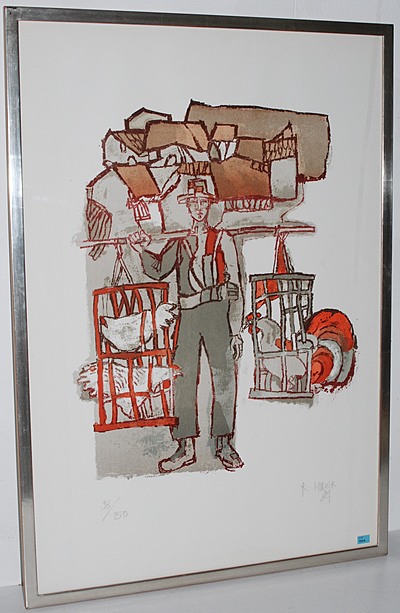
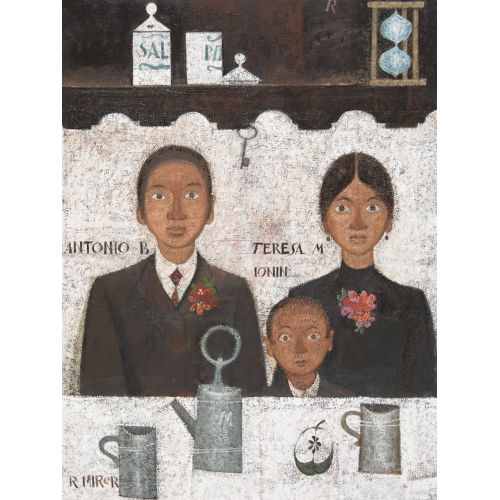
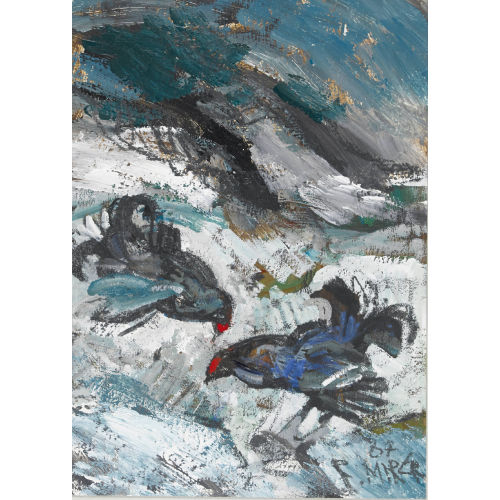
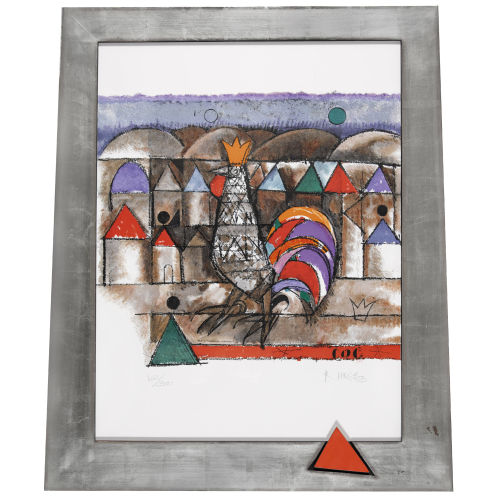
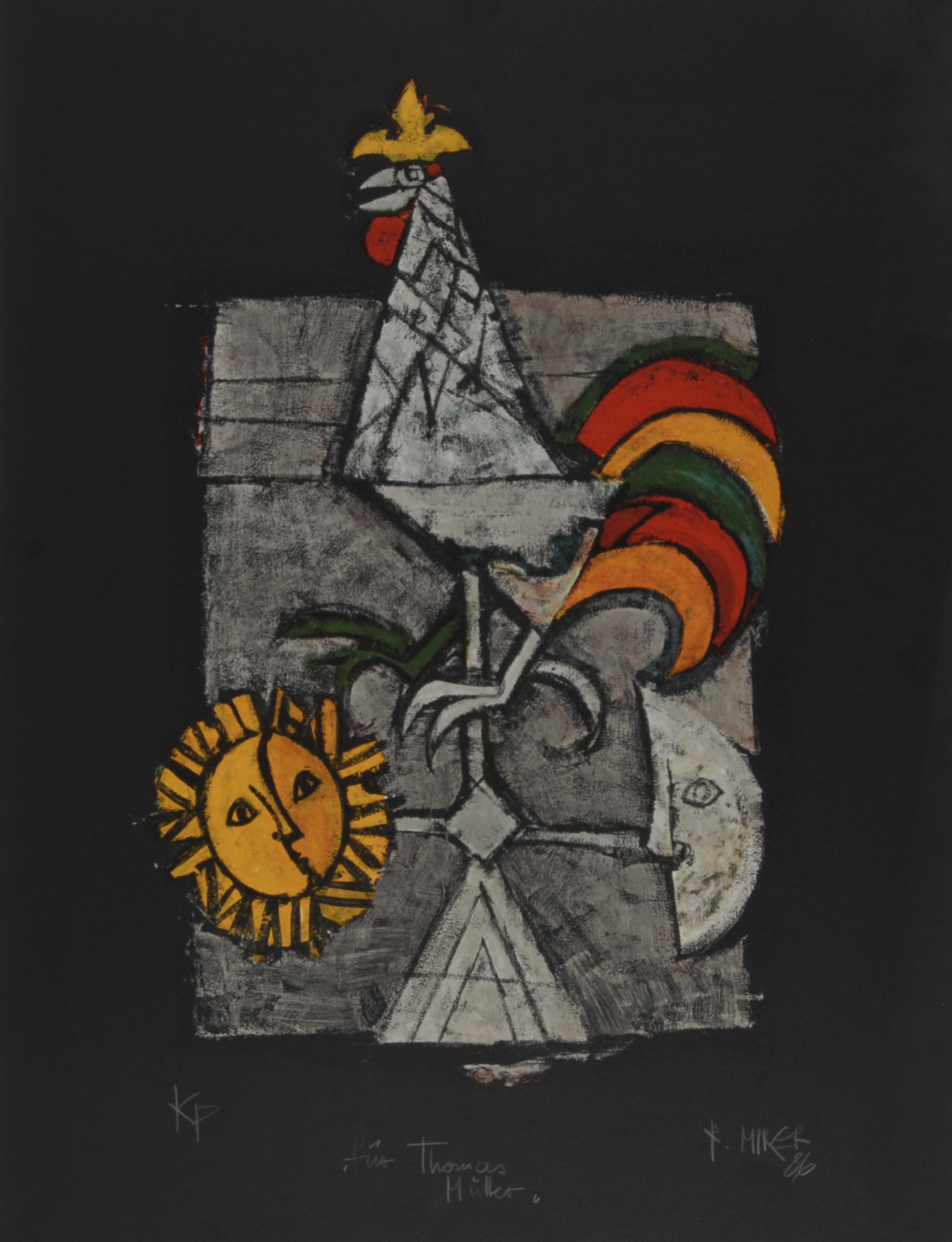
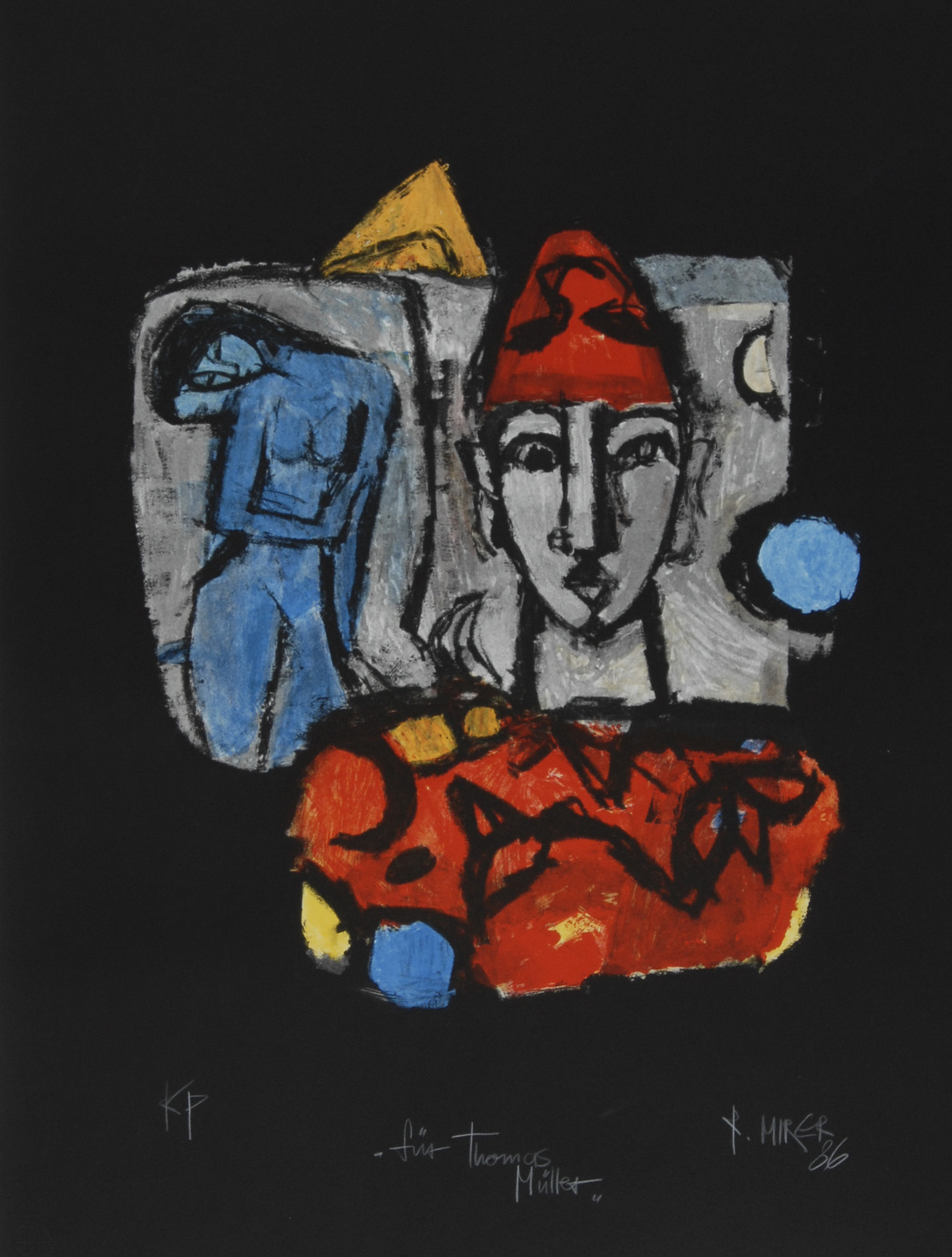
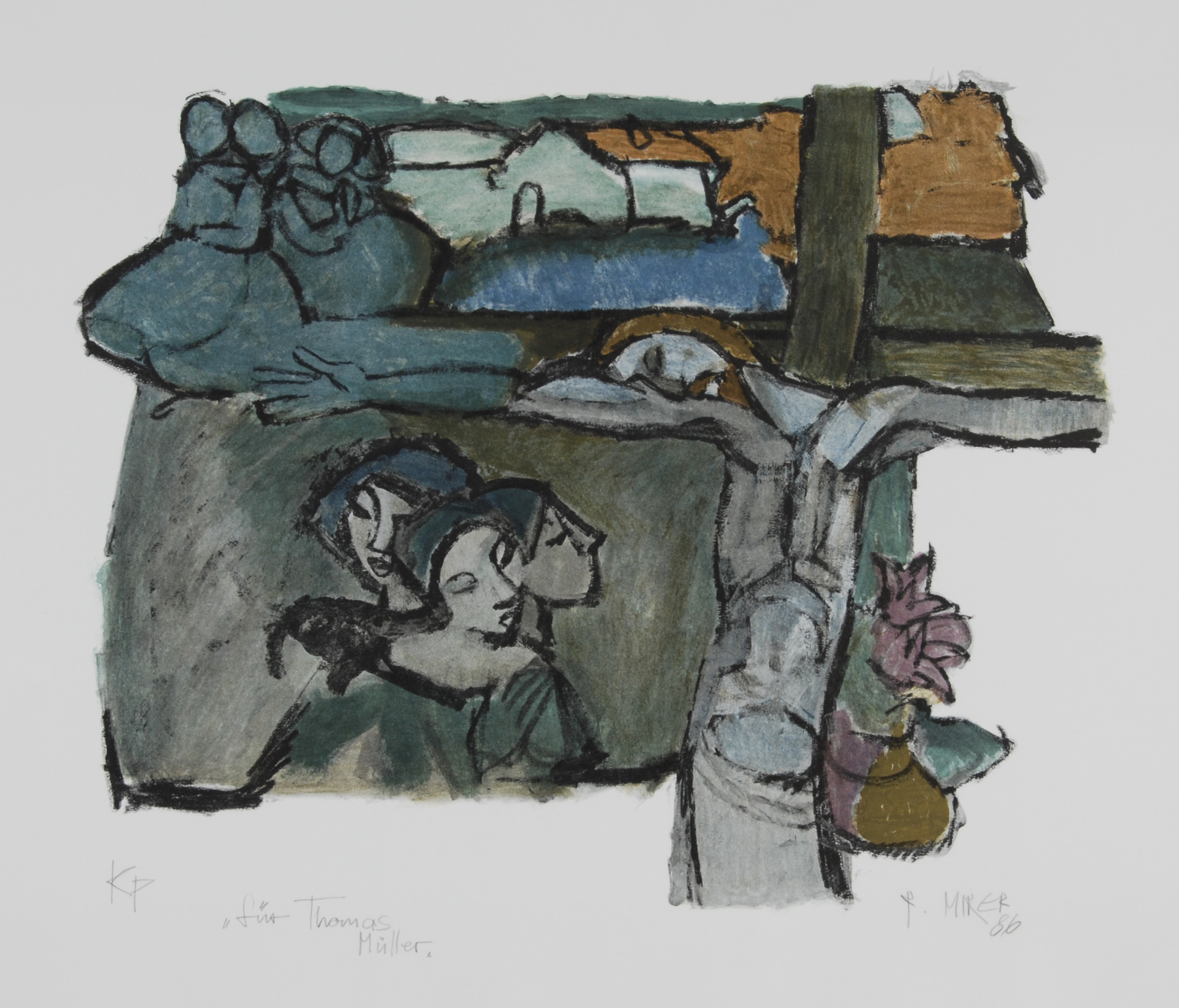
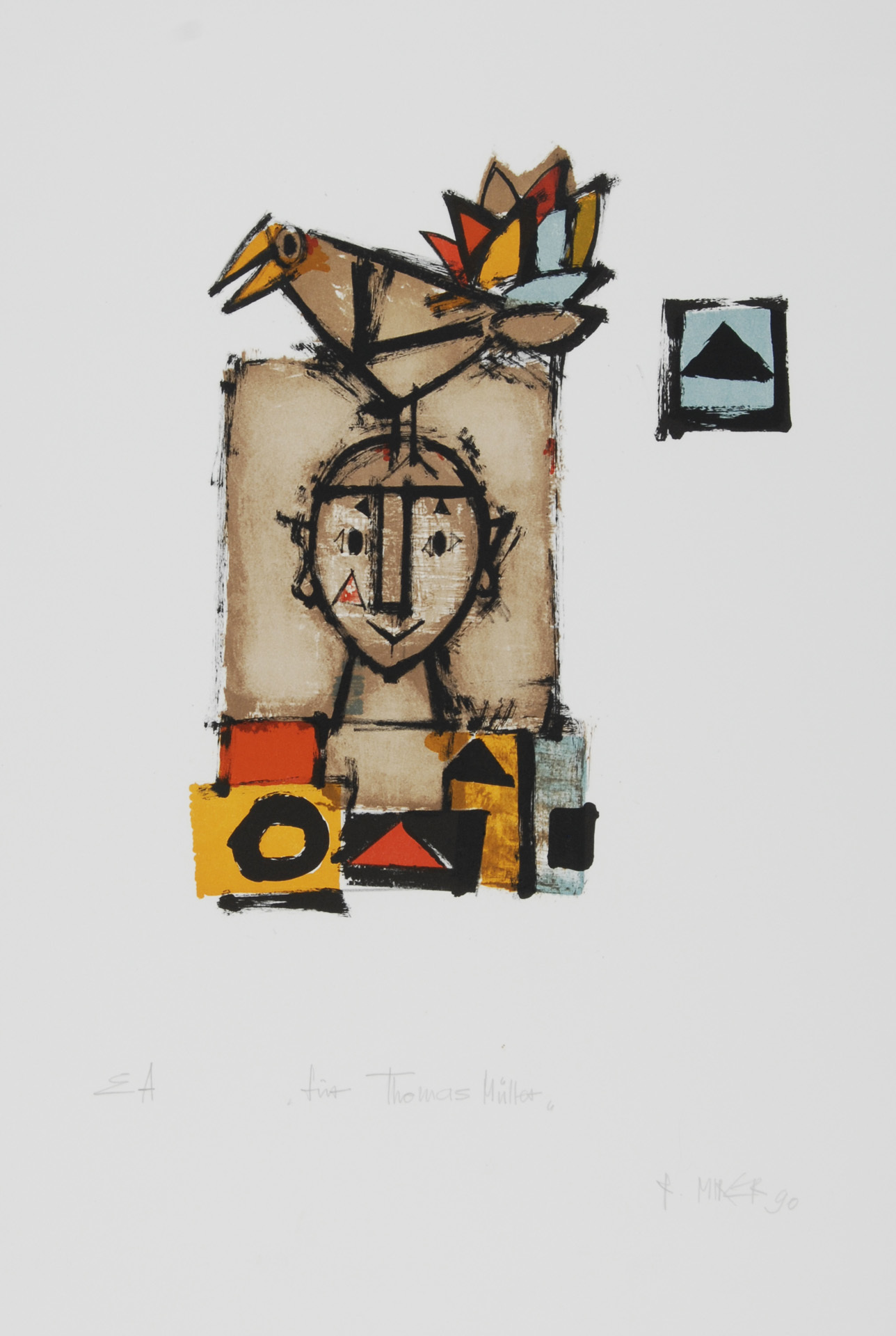
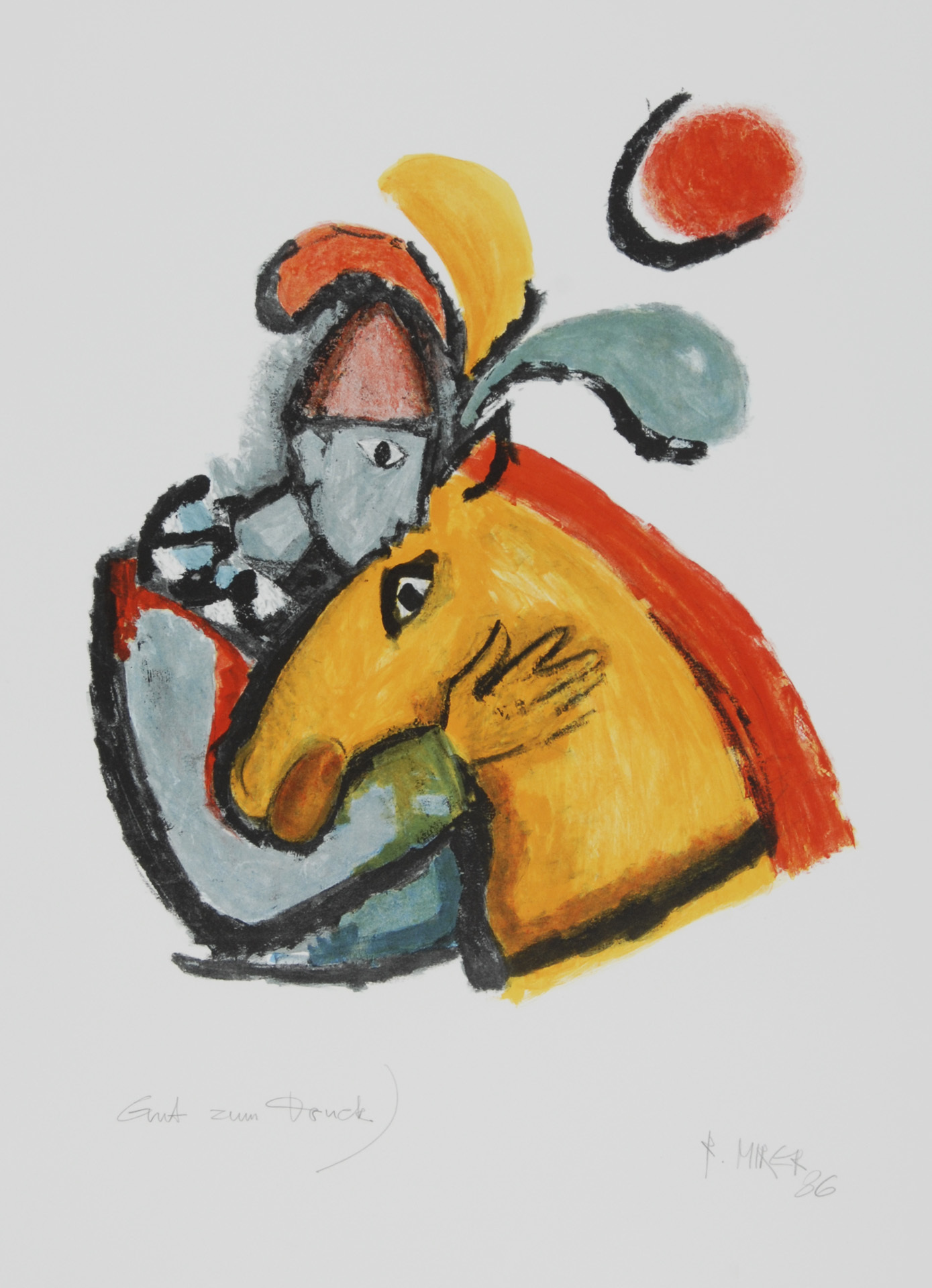
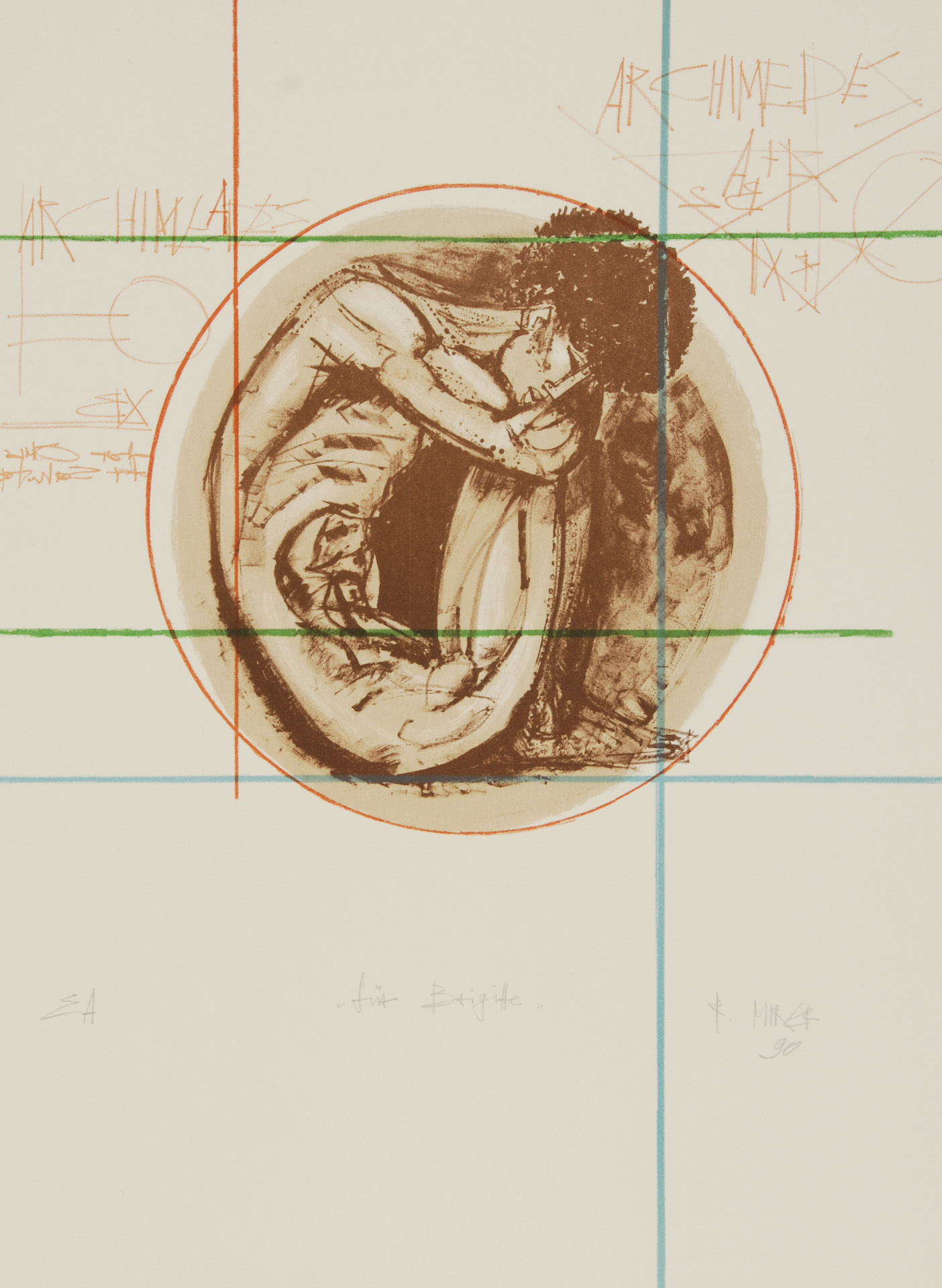
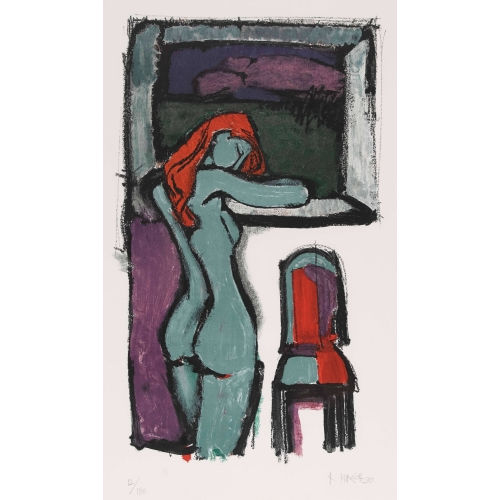
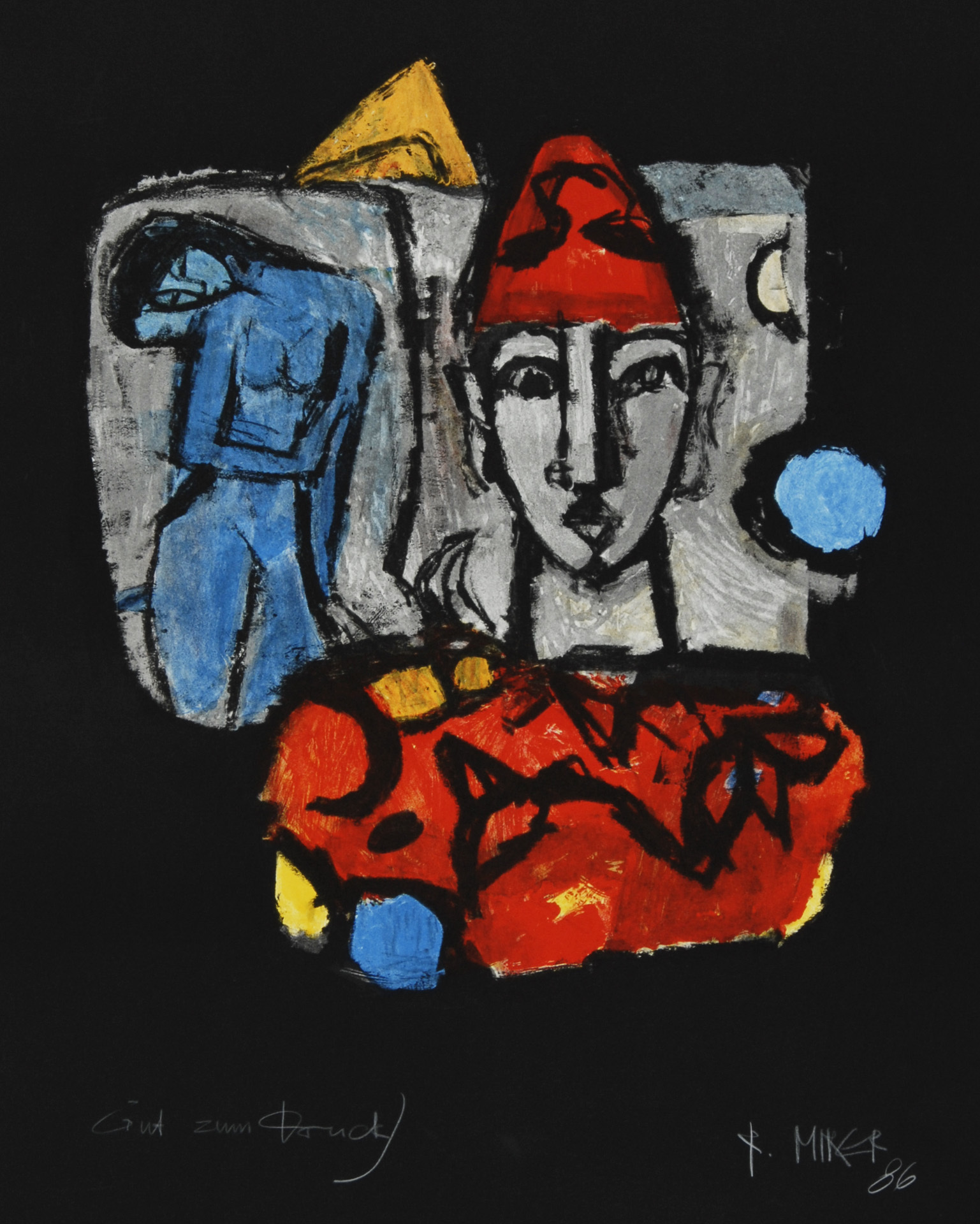
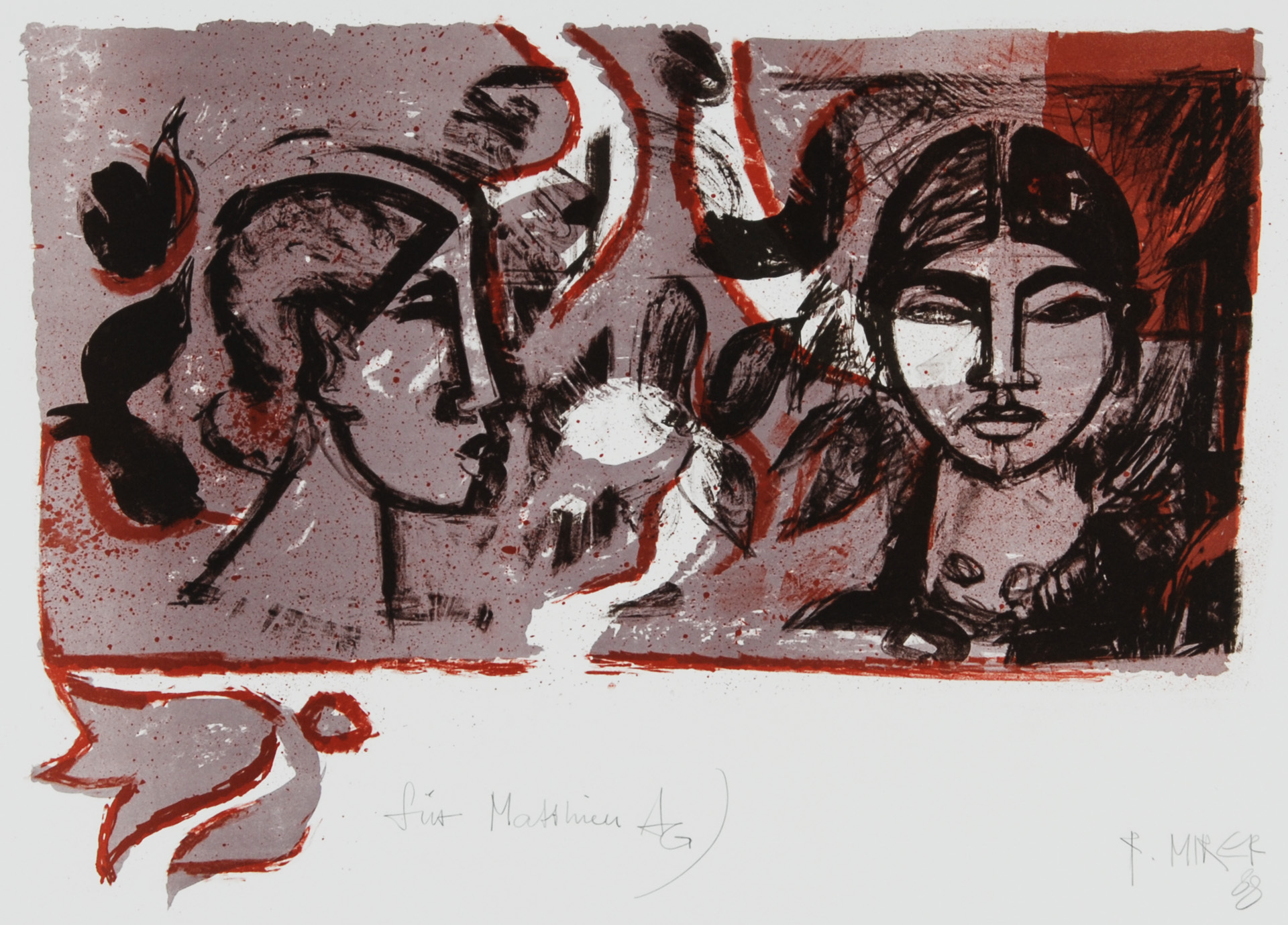
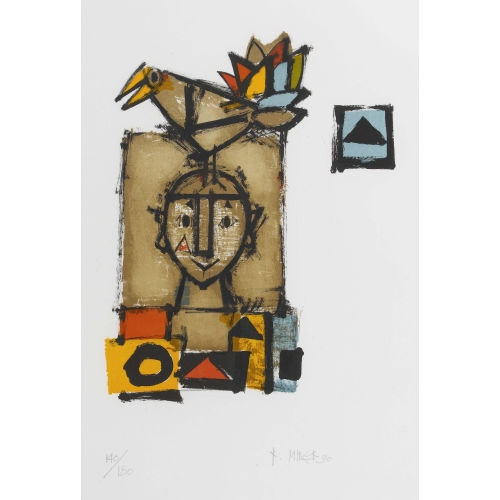
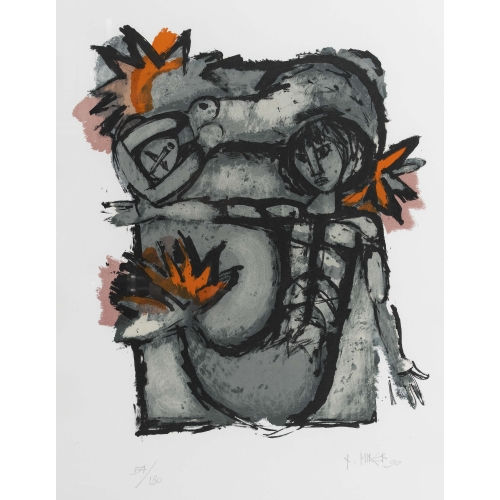
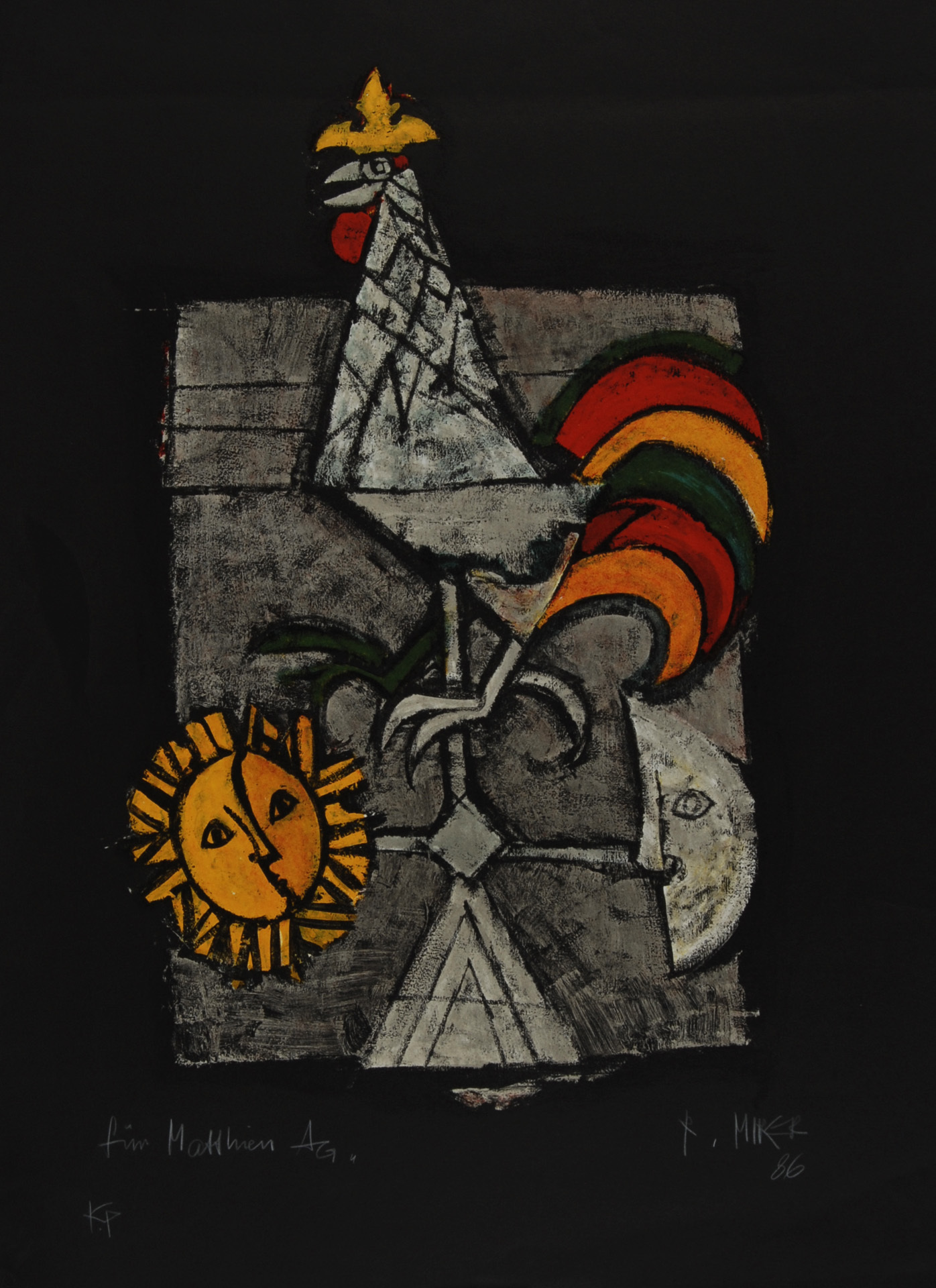
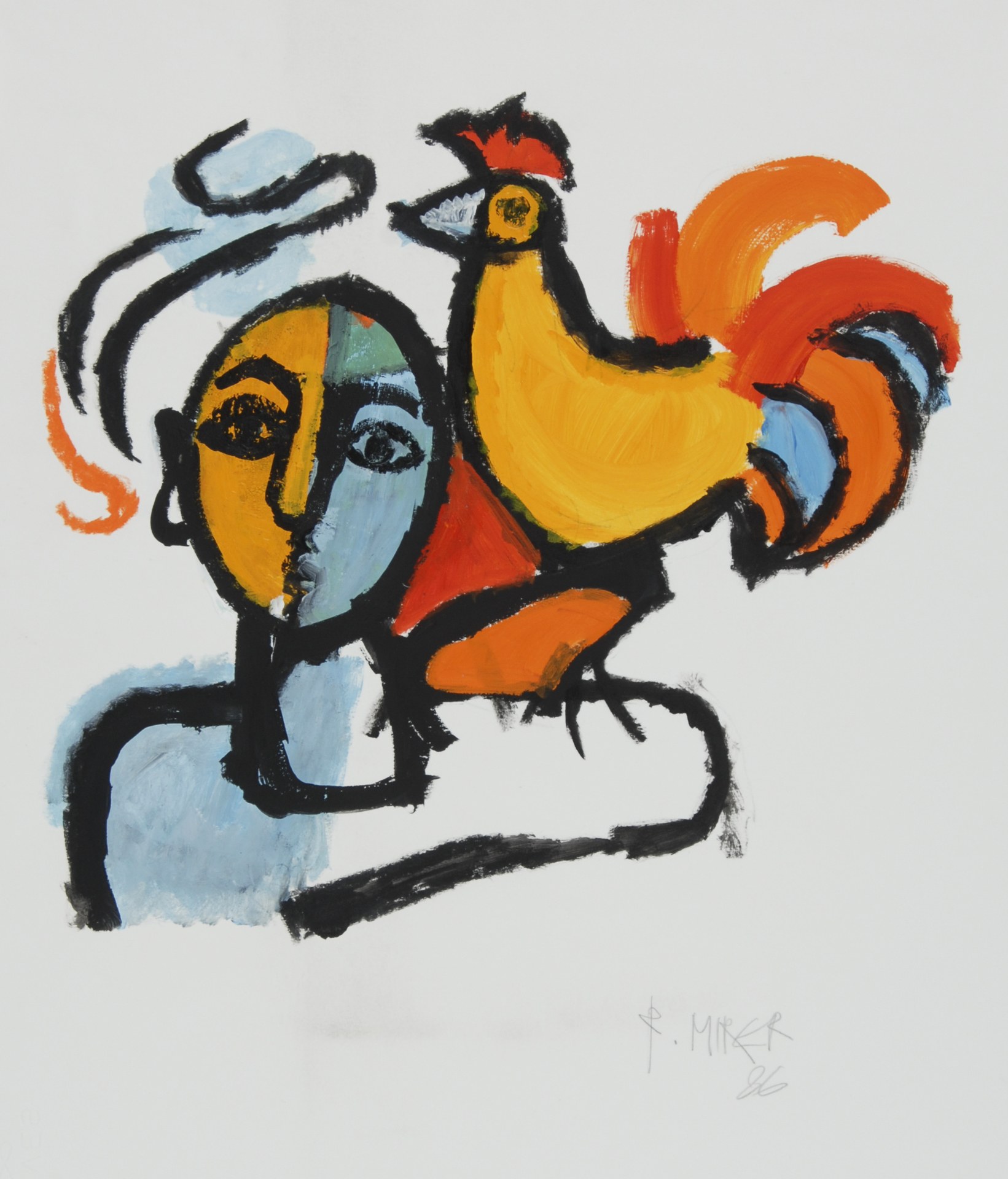
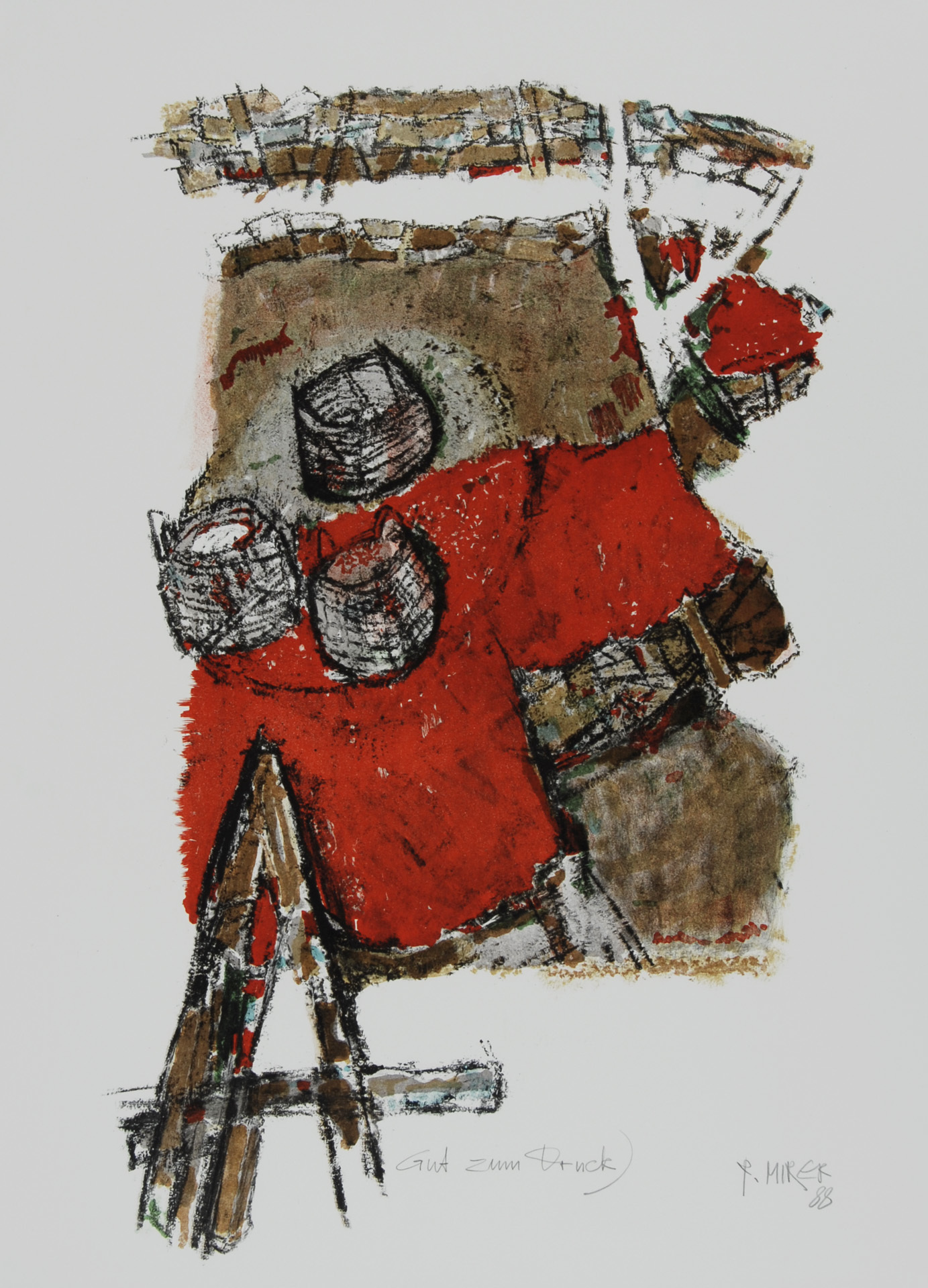
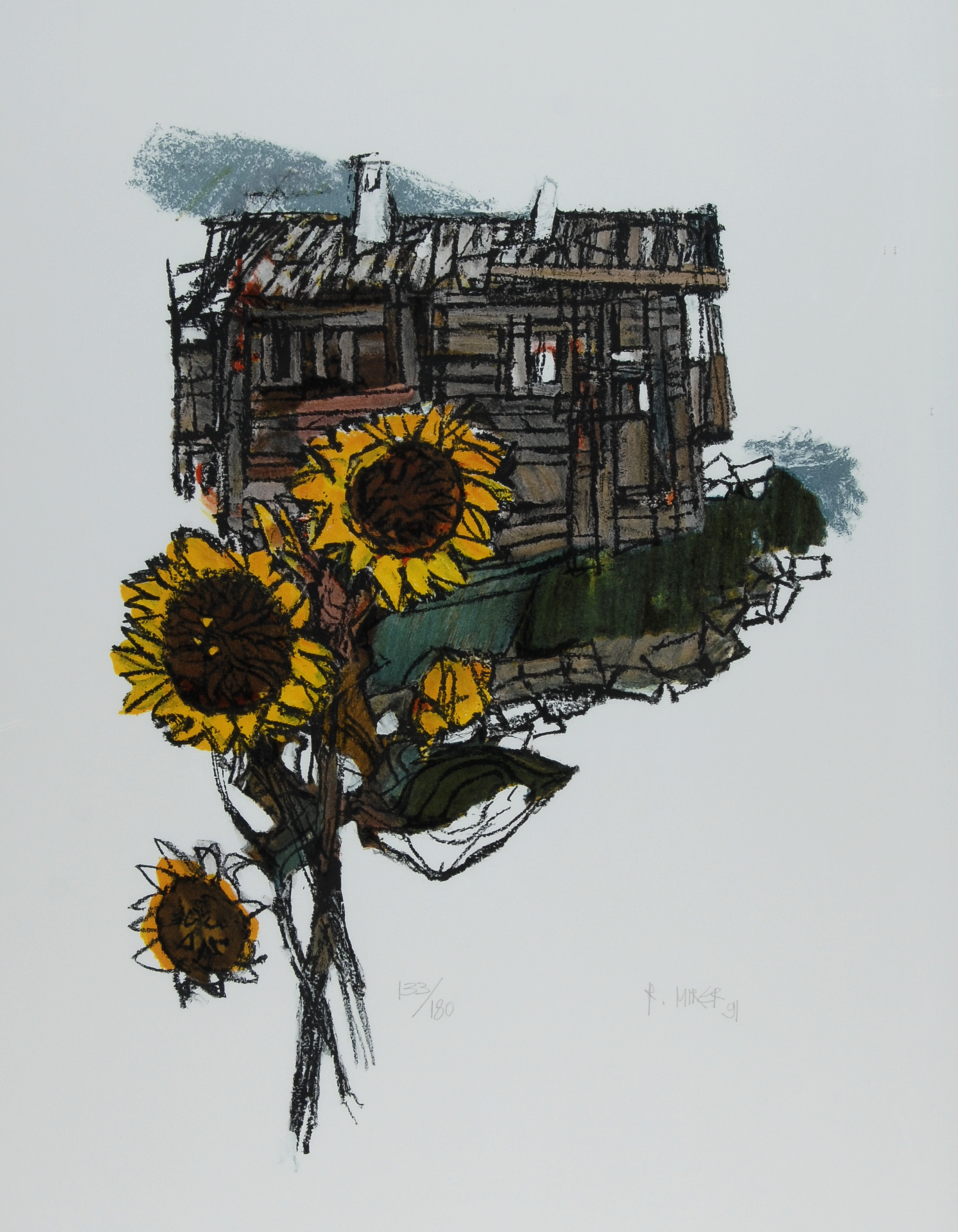
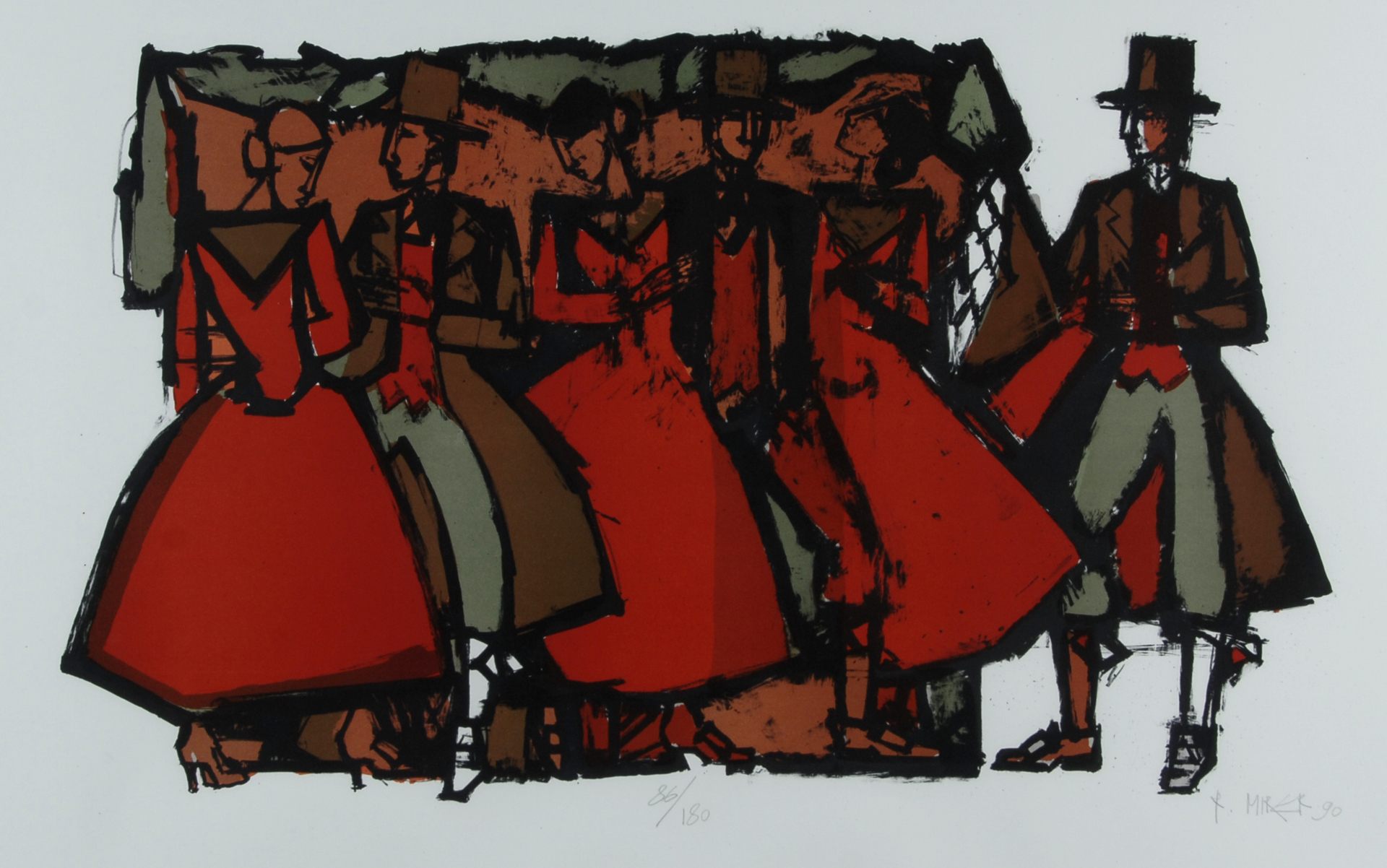
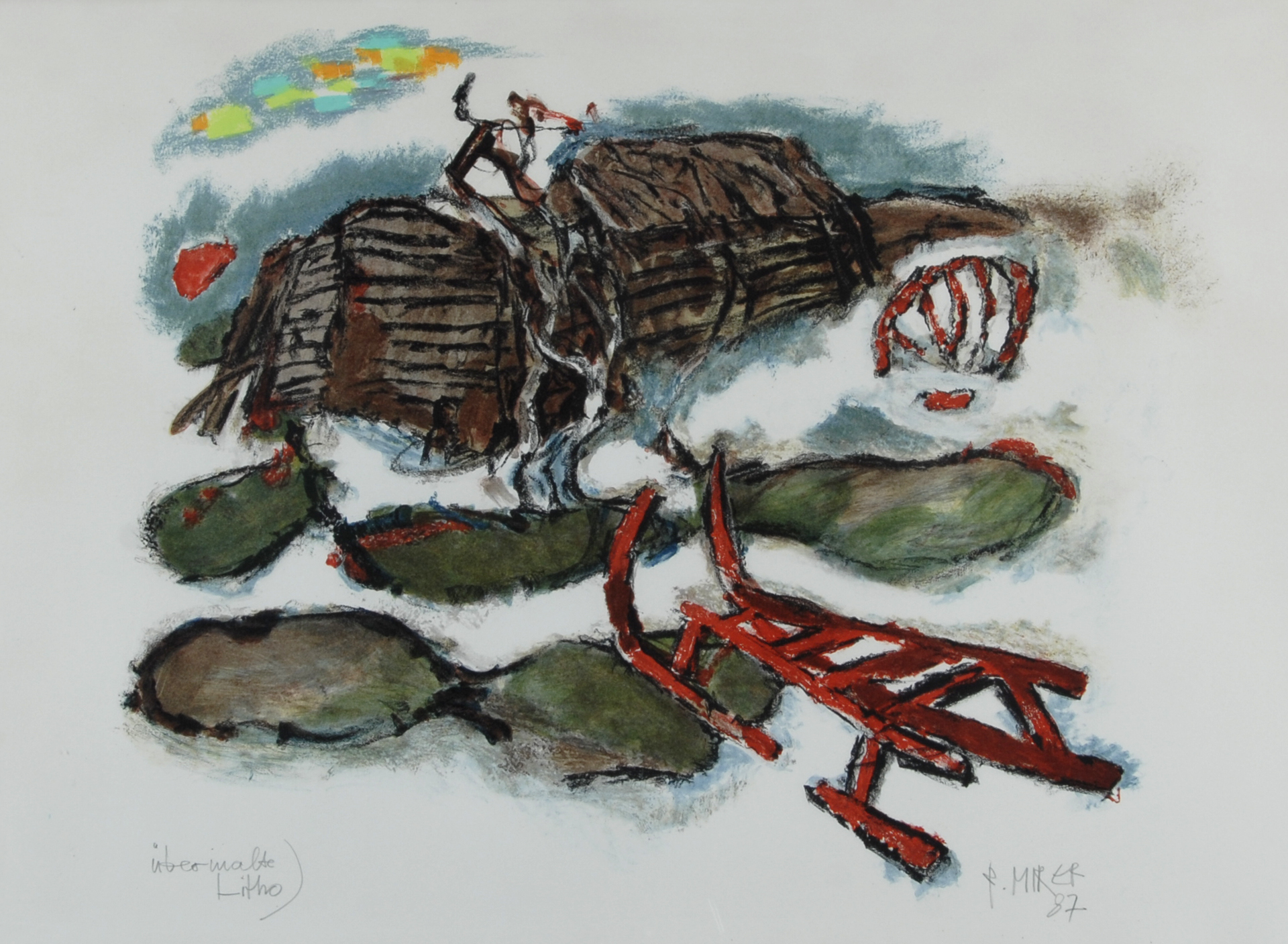
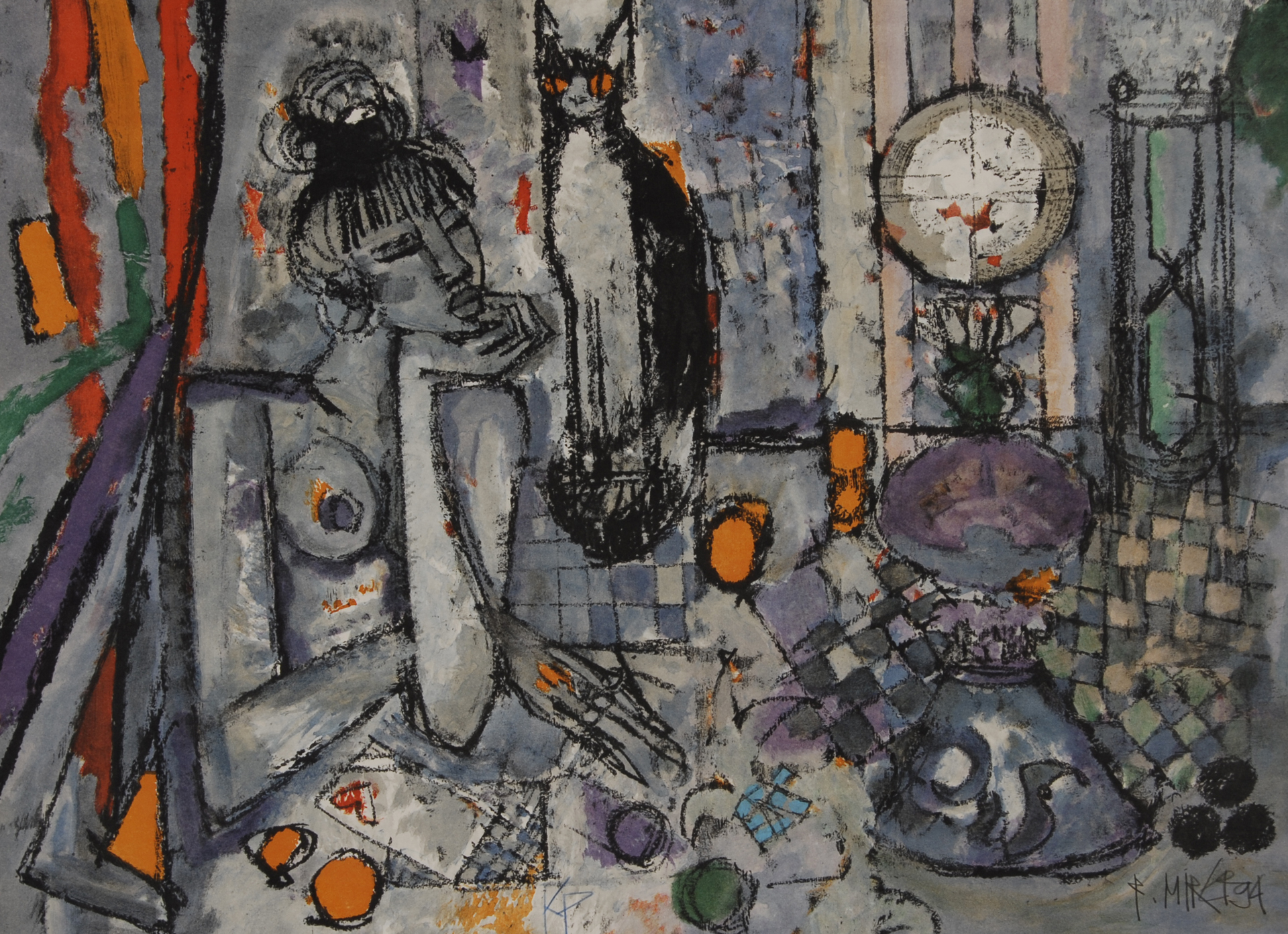
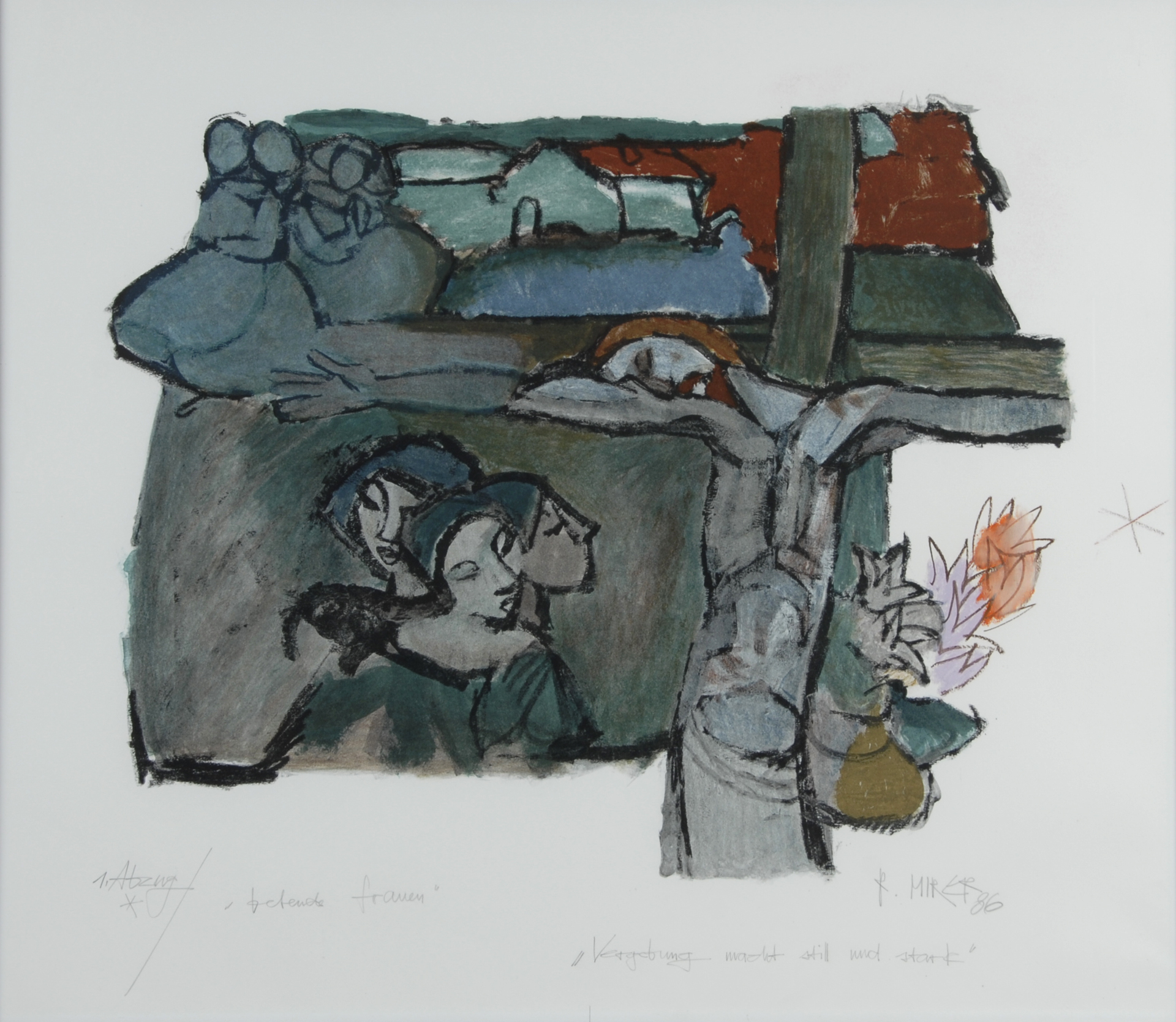
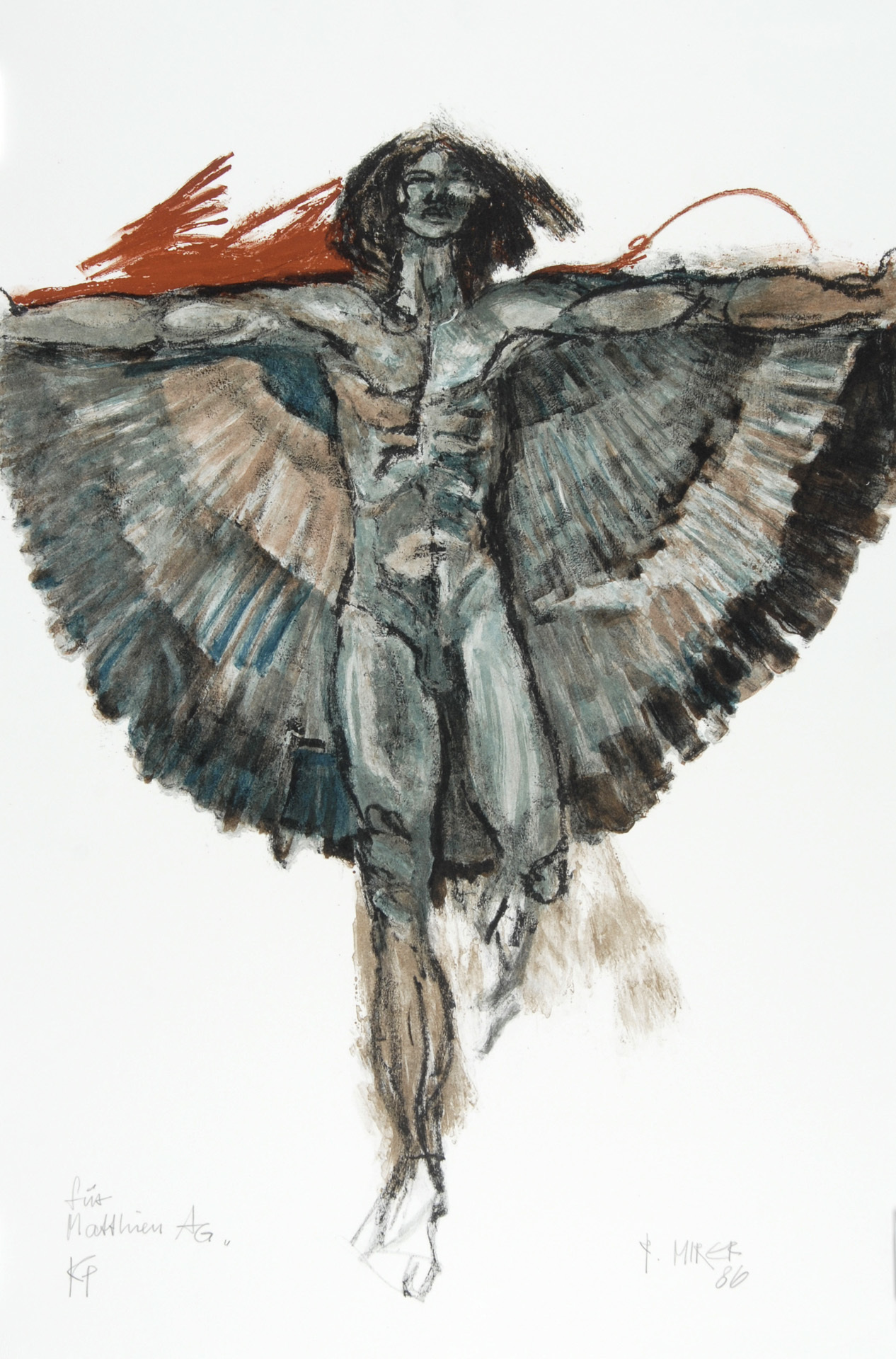
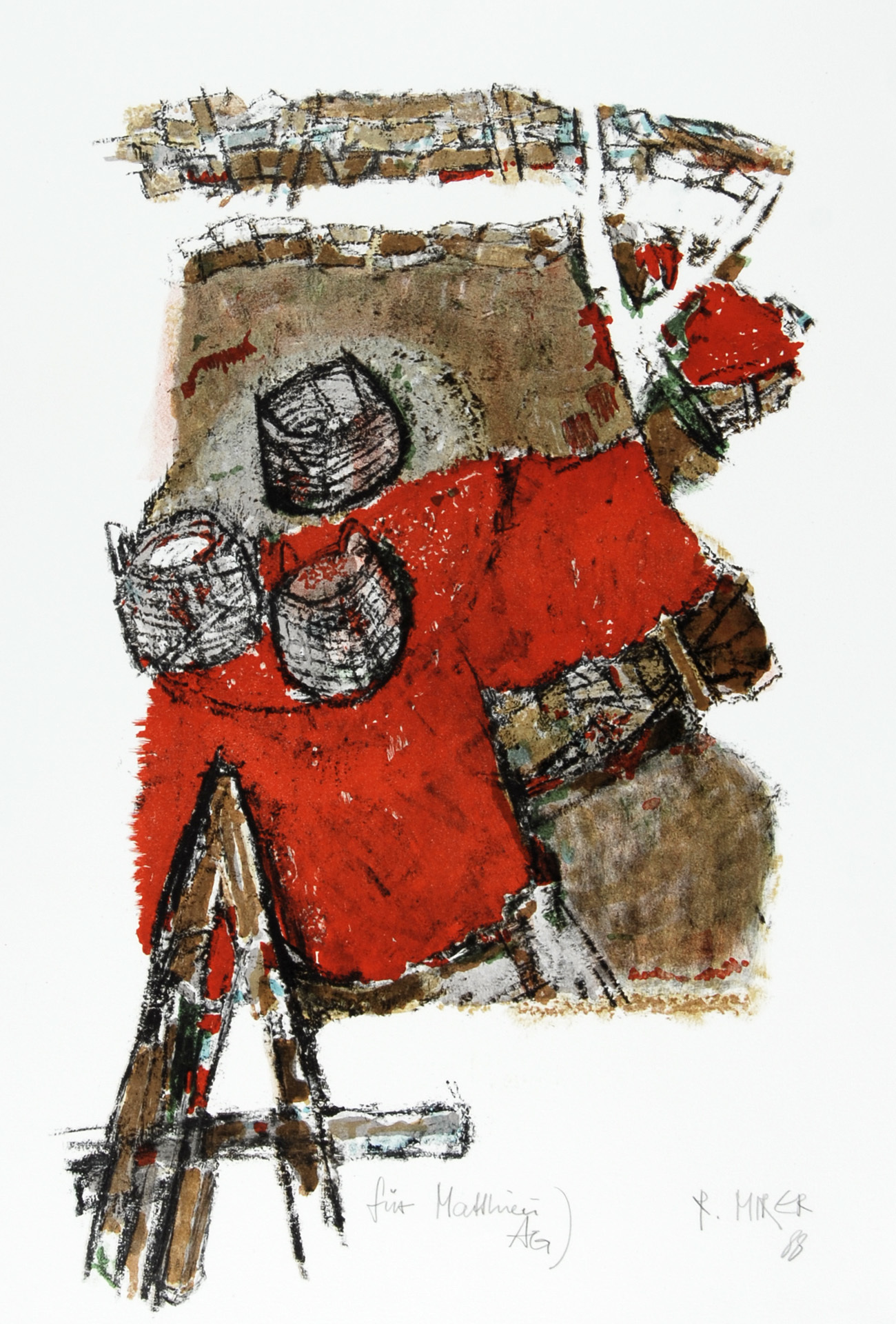
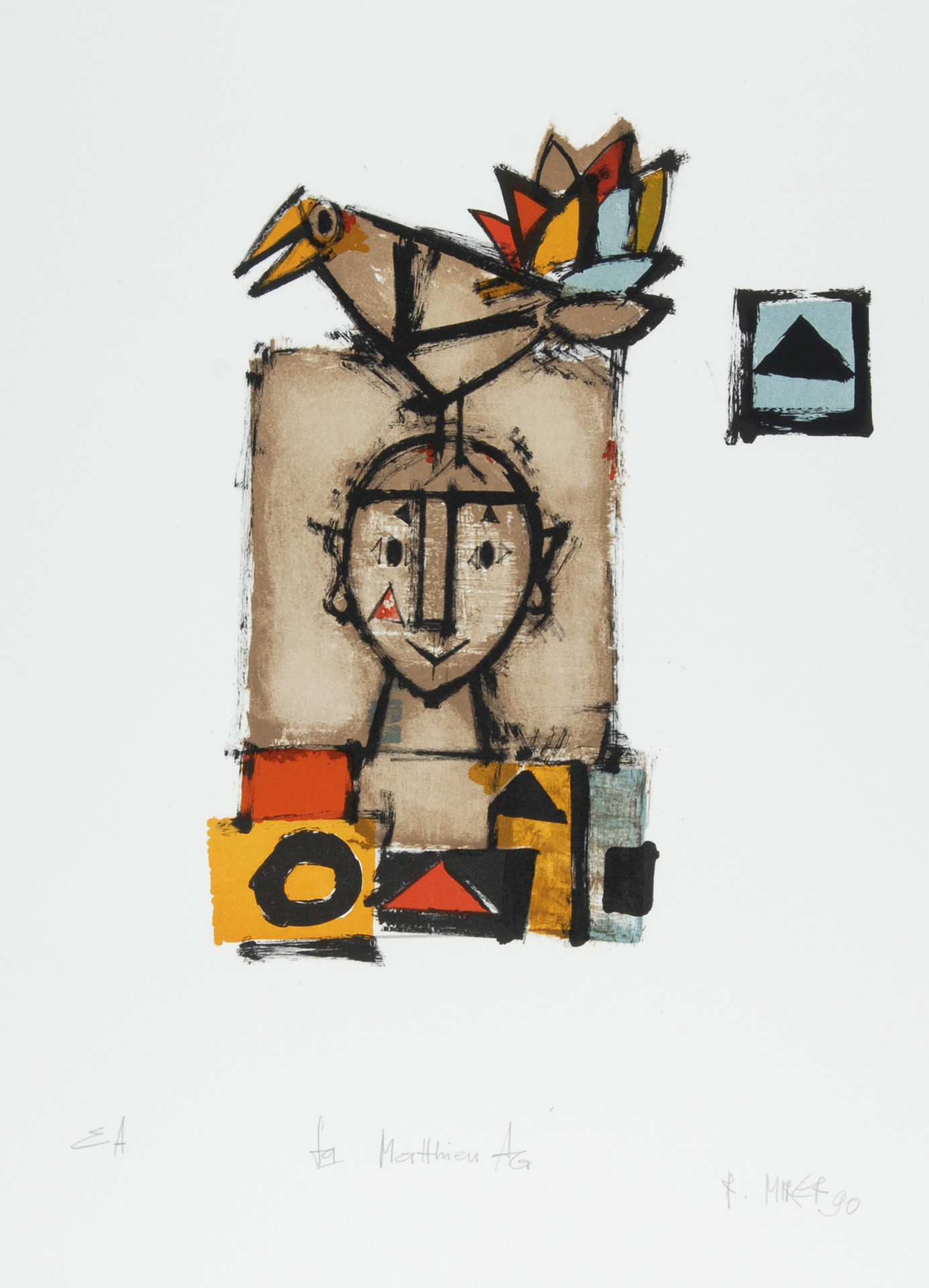
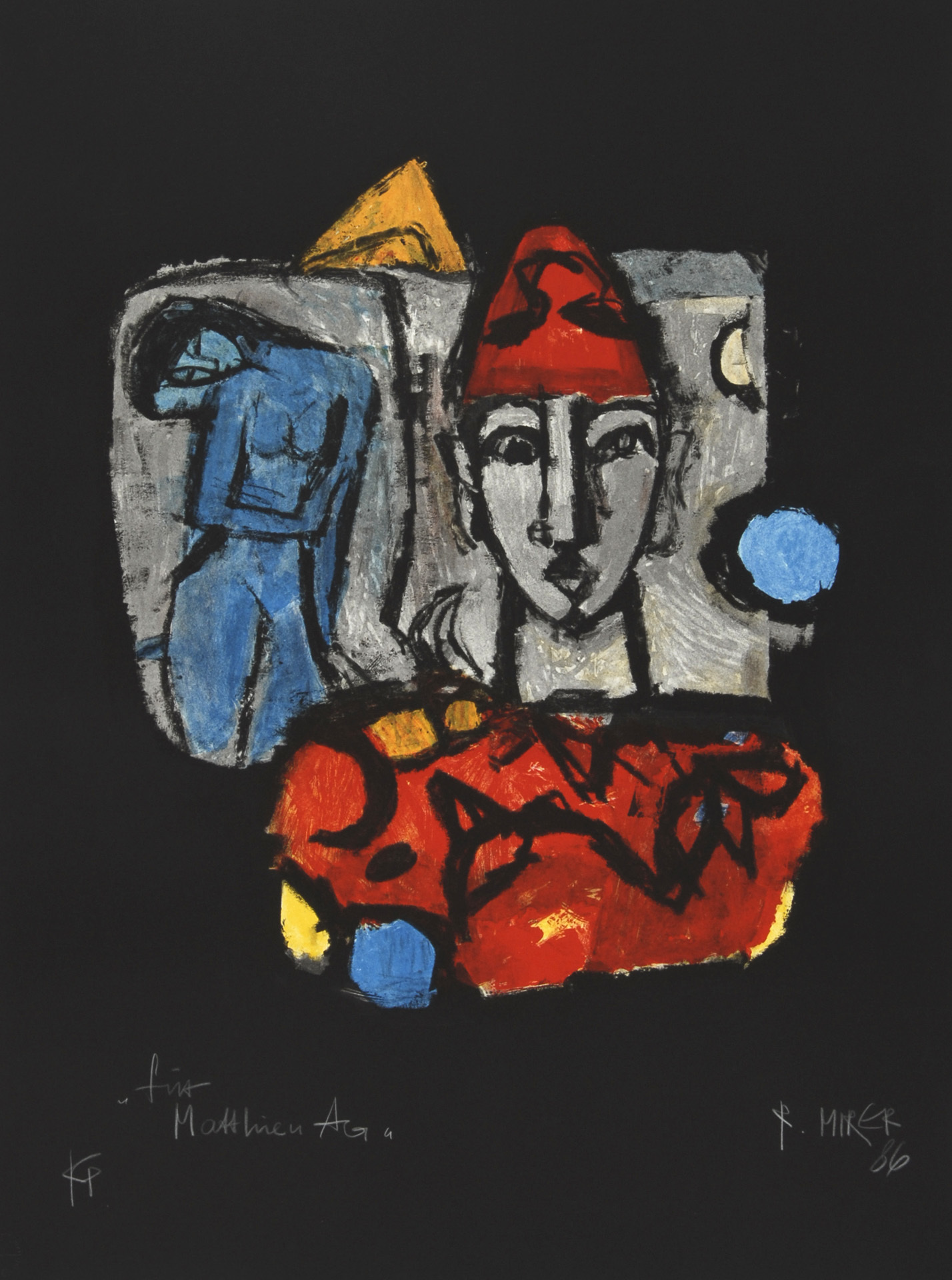
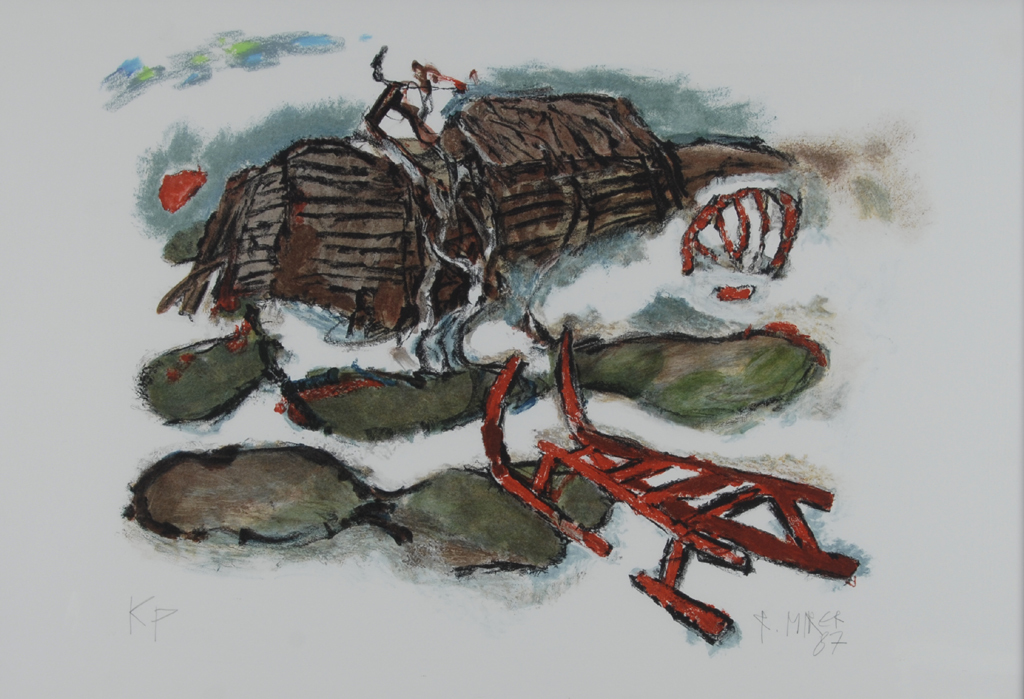
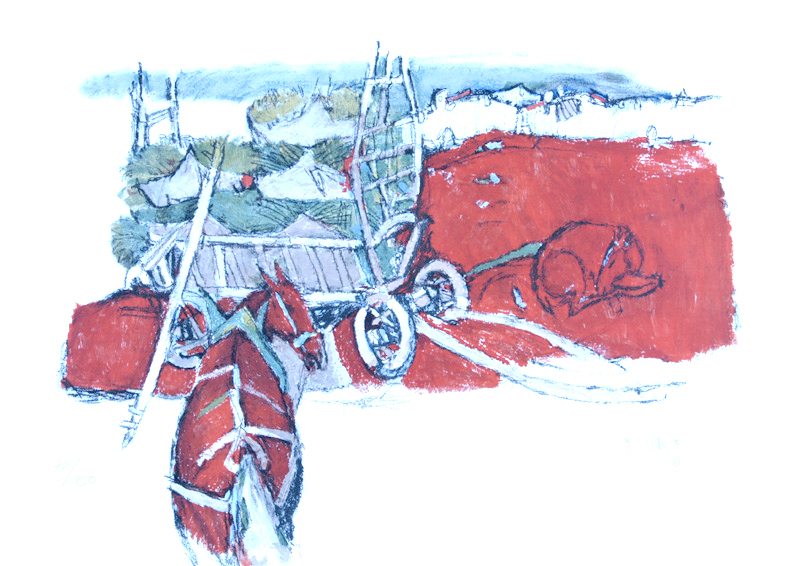
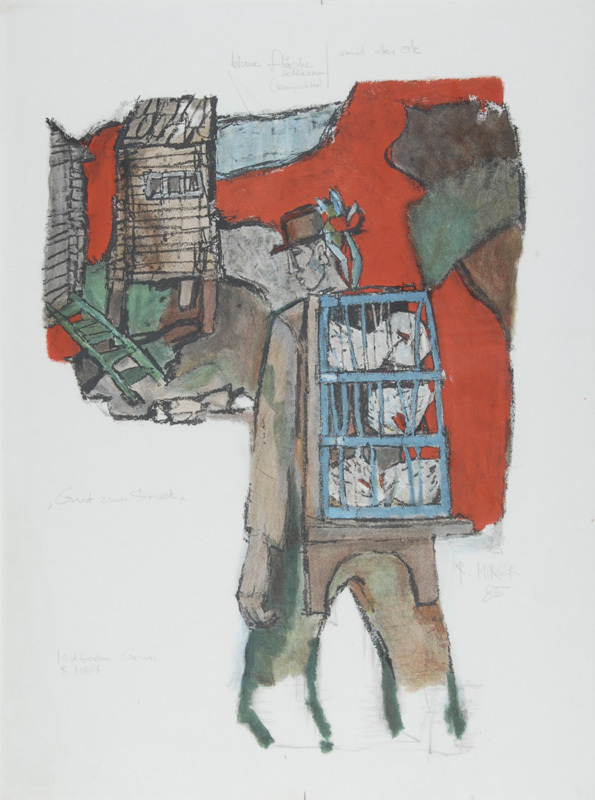
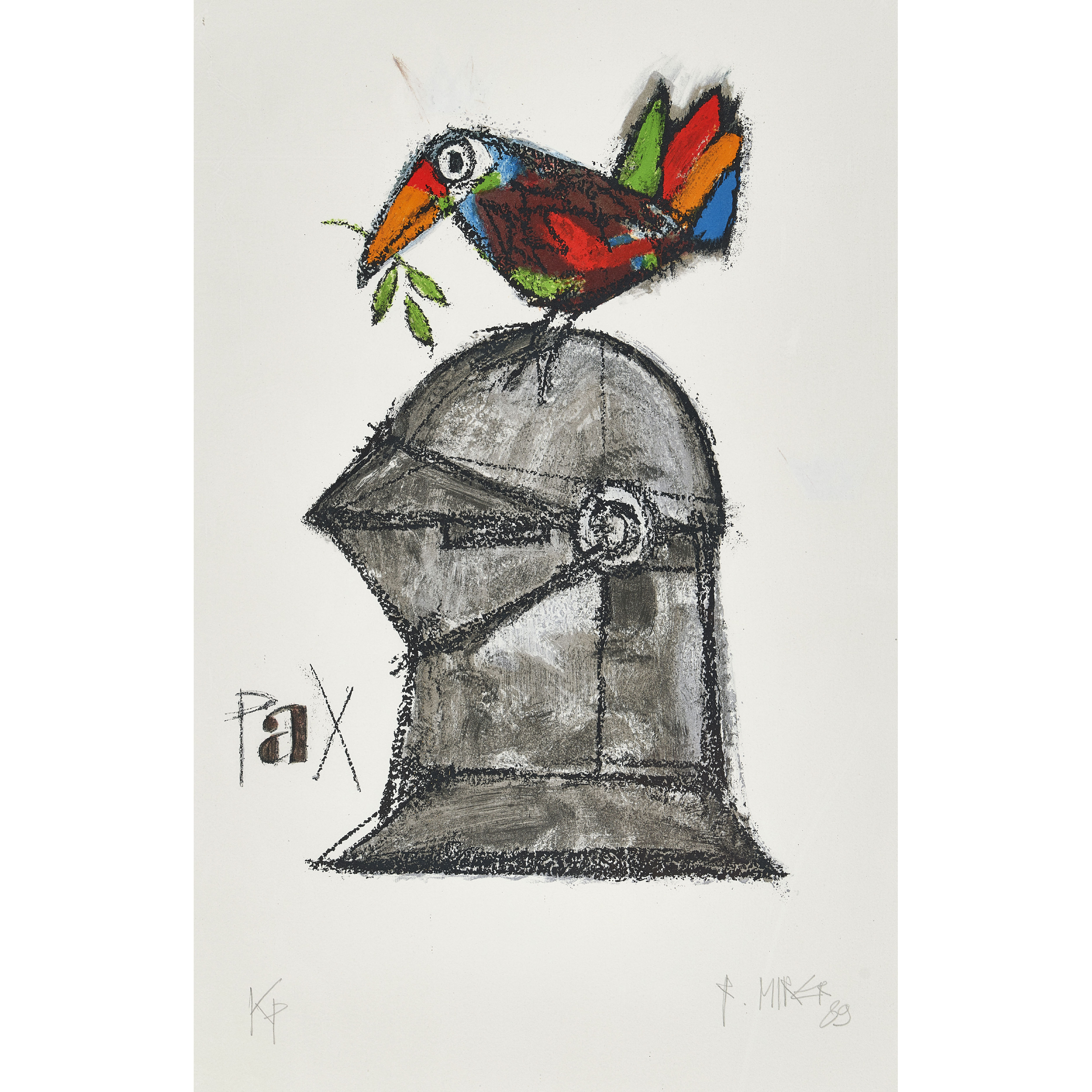
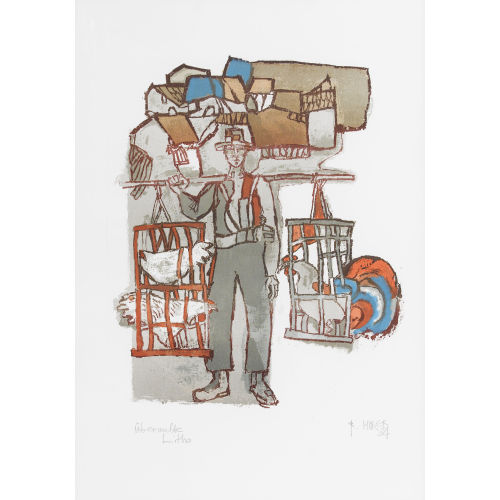
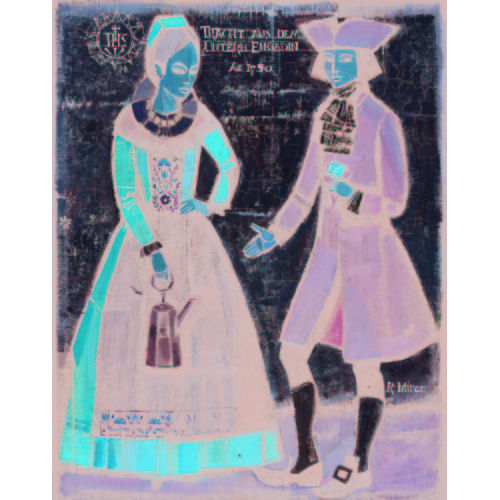
Rudolf Mirer was a Graubünden-based artist whose work combines varied pictorial registers with a pronounced graphic practice. His distinctiveness lies in a combination of expressive painting, lively ink strokes and an interplay between figuration and abstraction, characterised by a recognisable “Strichführung” and recurring angular forms.
He trained at the Kunstgewerbeschule (school of arts and crafts/applied arts) in St. Gallen. After returning to the canton of Graubünden, he worked as an independent artist. From 1964 to 1995, he lived and worked in Zernez, in the Engadine; he subsequently settled in Obersaxen.
Sources indicate that he worked as a painter, graphic artist, illustrator, stage designer, and designer of stamps and coins.
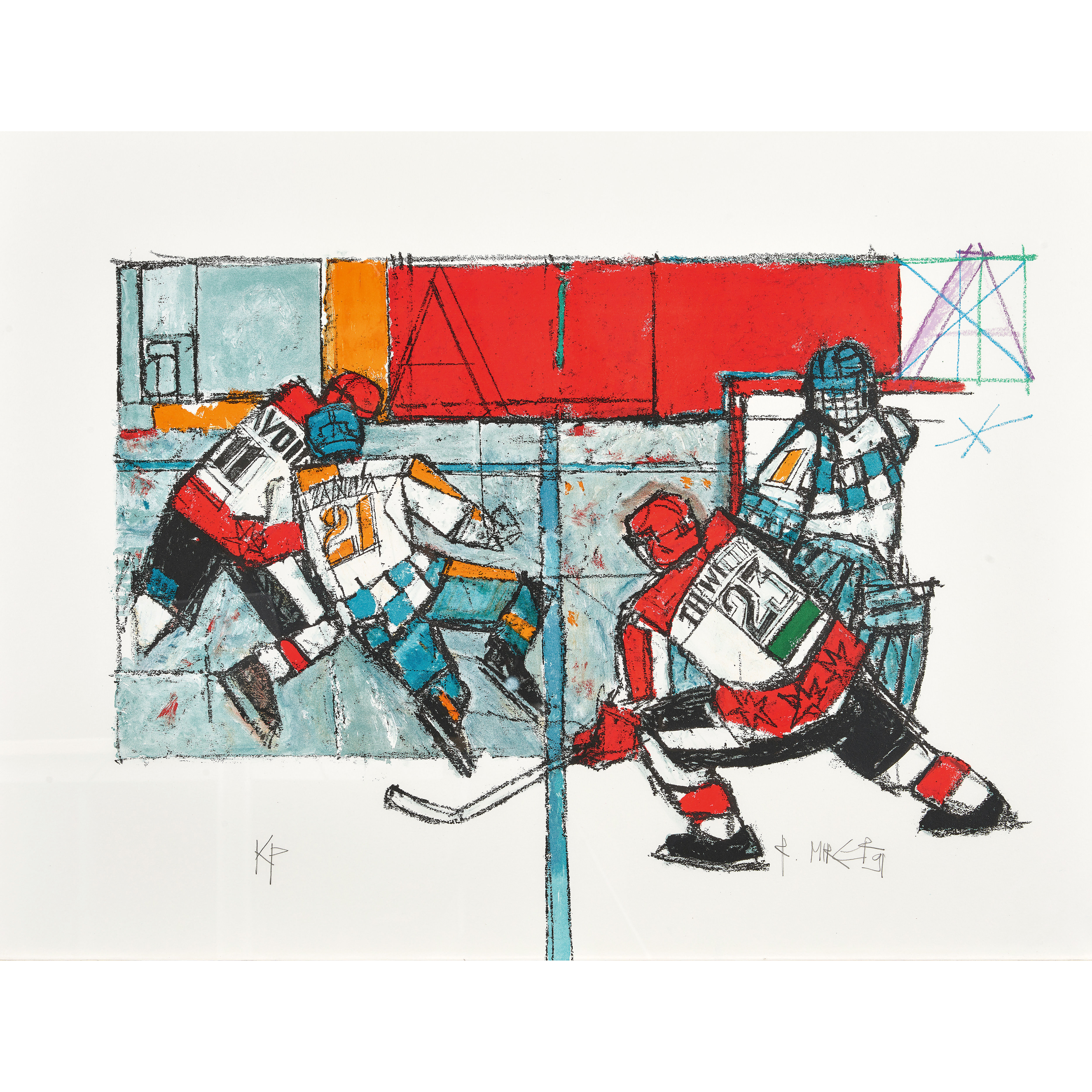
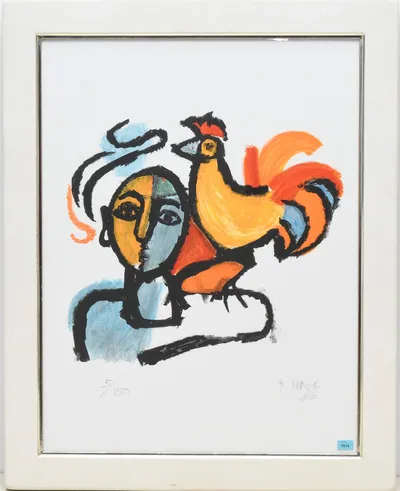
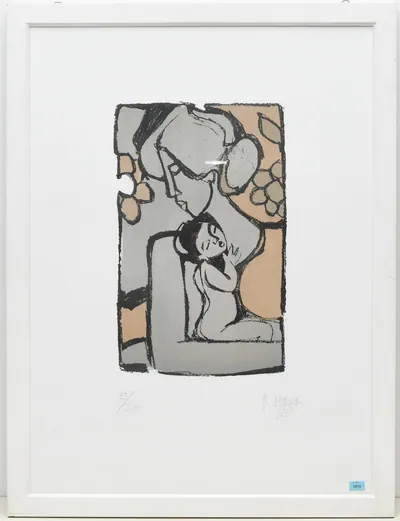
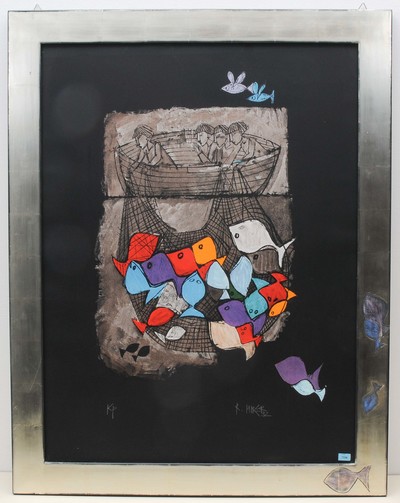
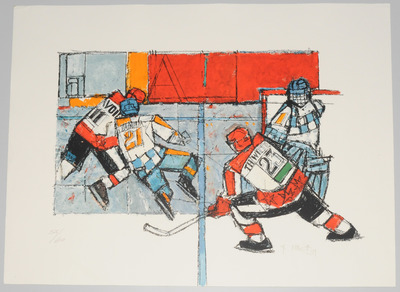
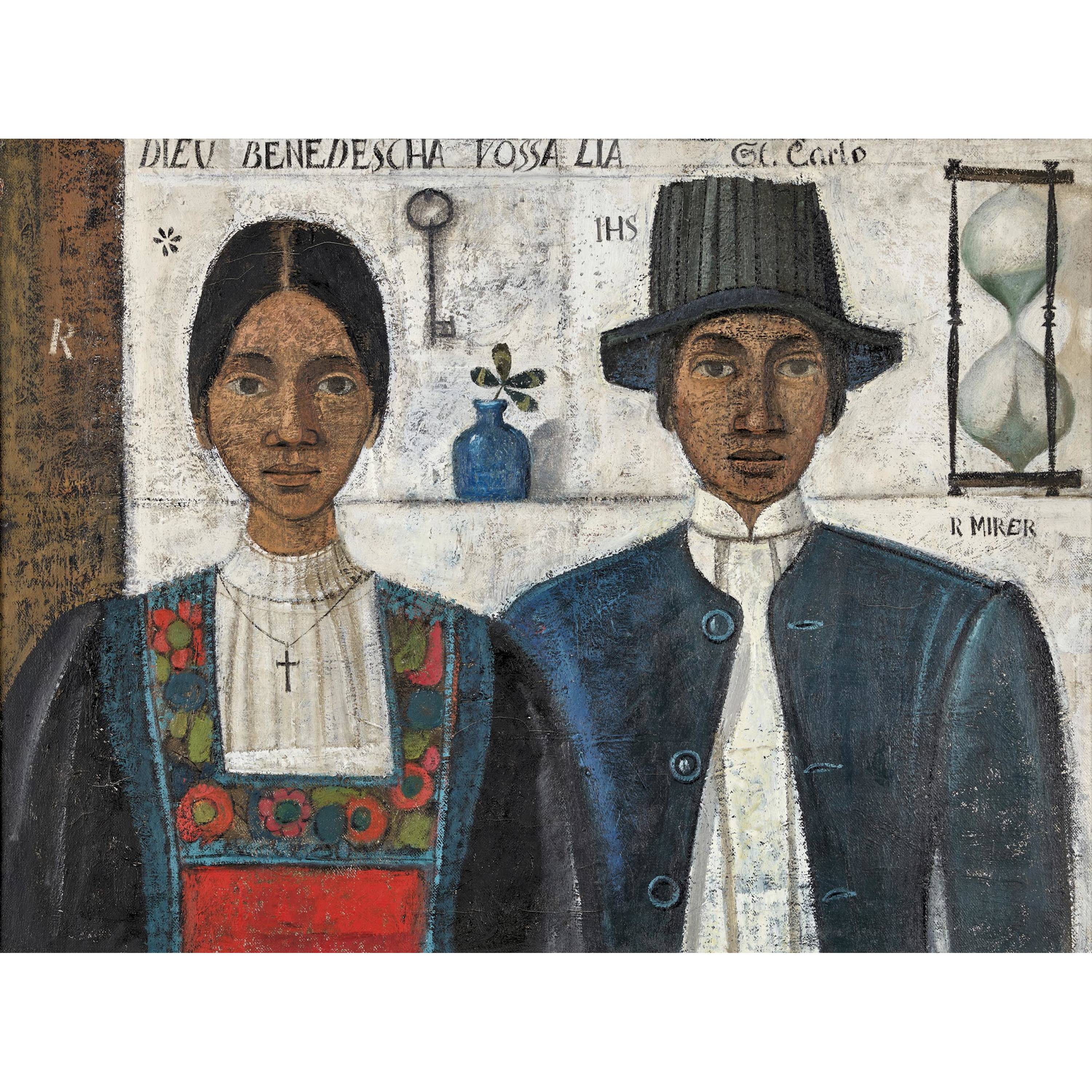
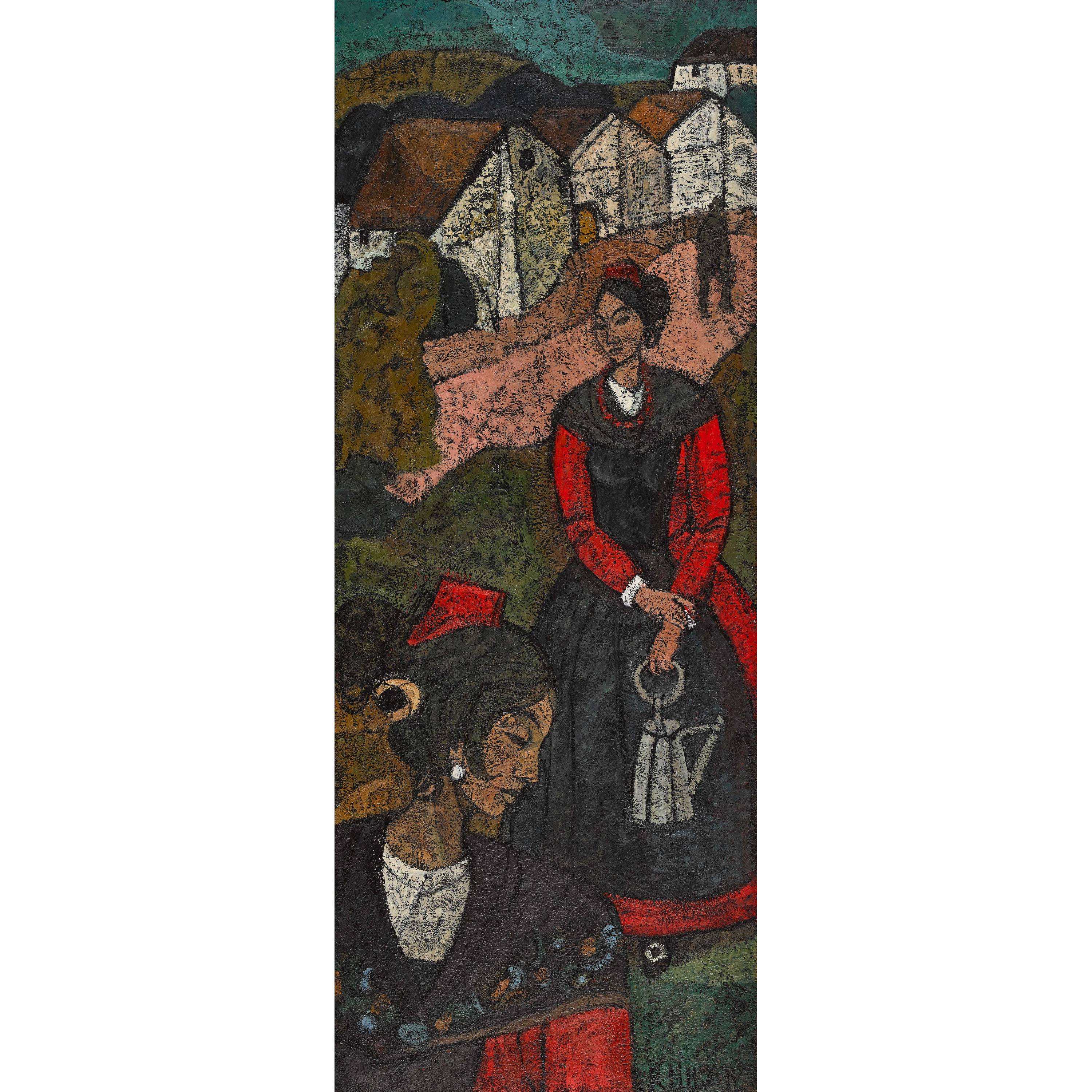
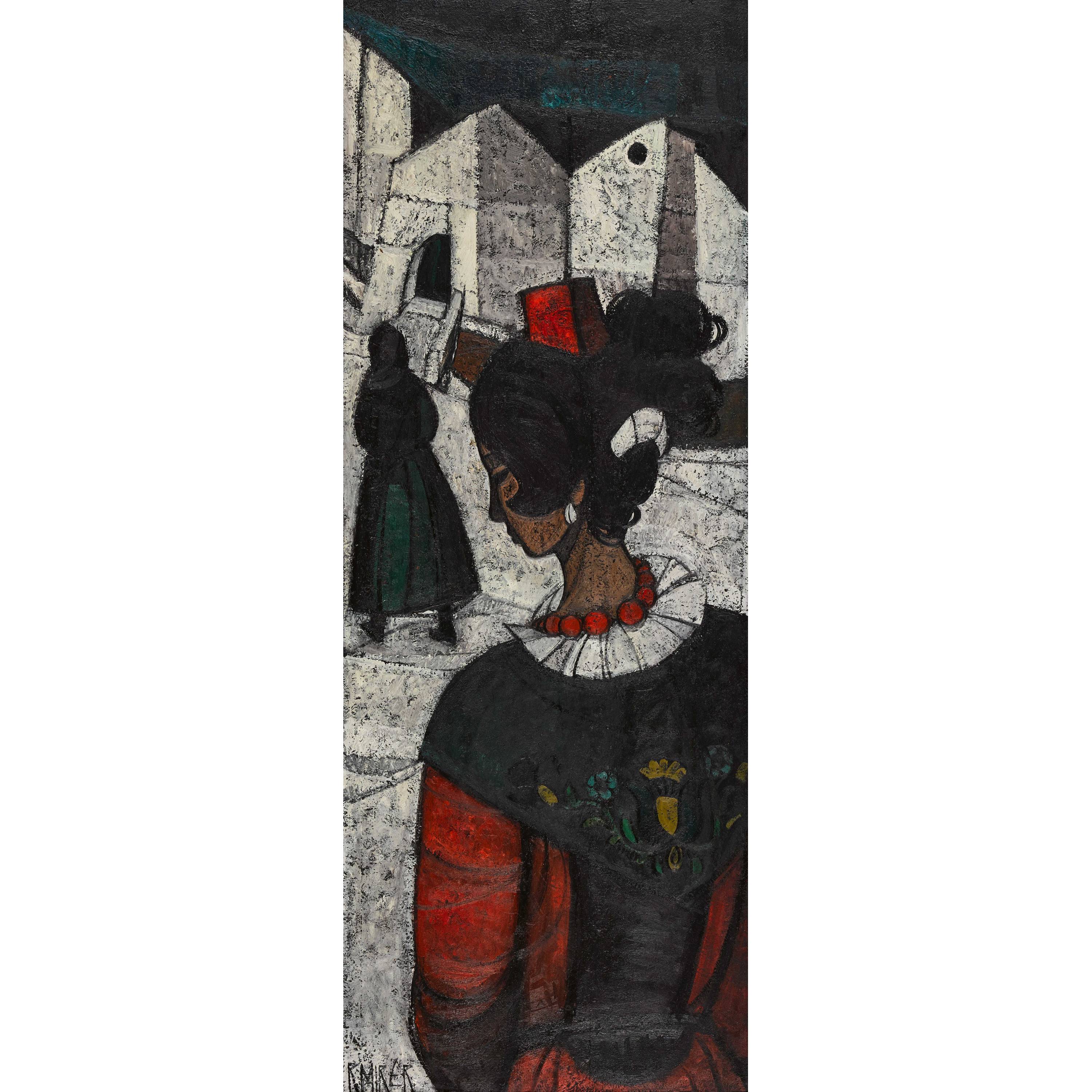
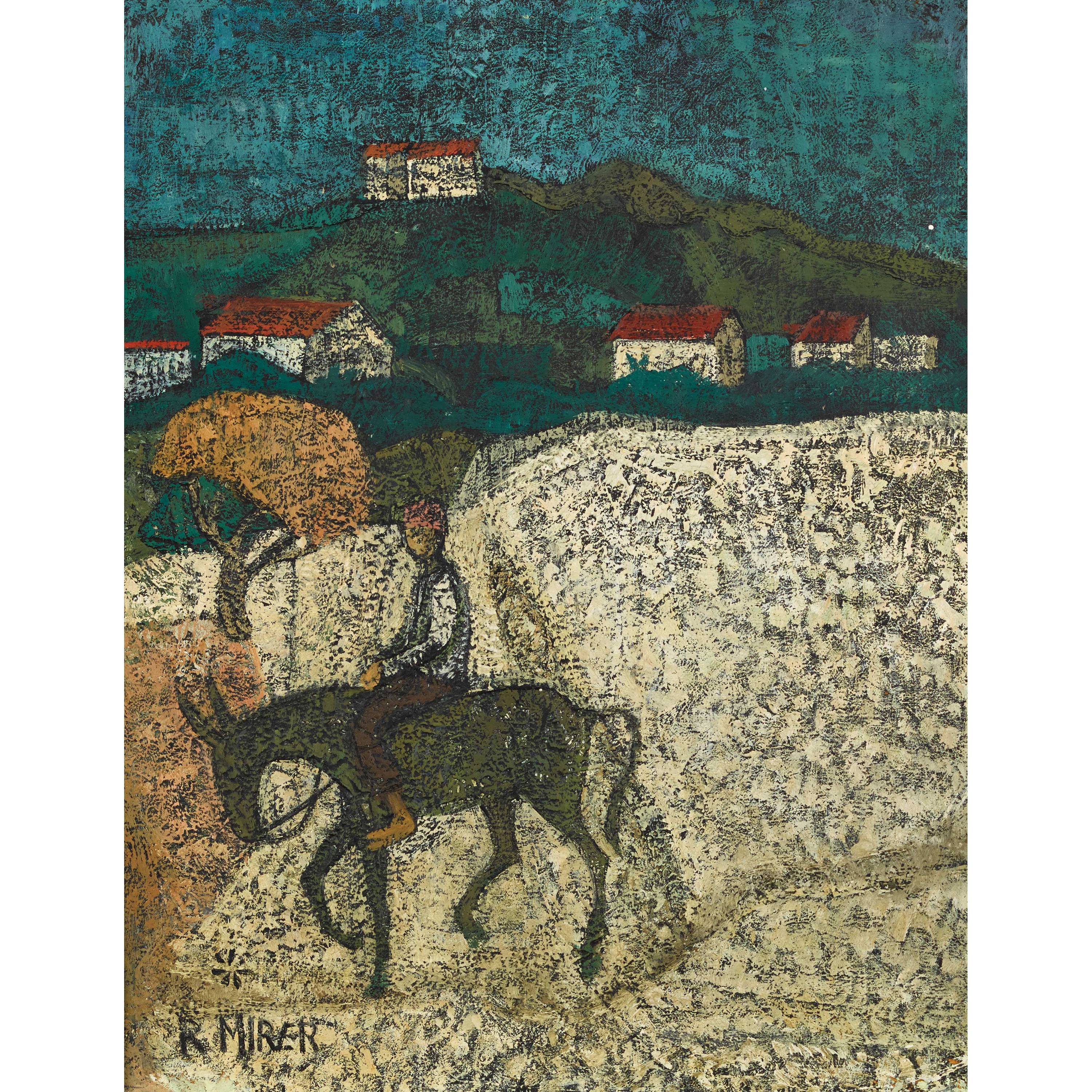
Recurring themes in his work include the human being, nature, religion, time, “Brauchtum” (traditions), and sport. The gallery particularly notes his predilection for depicting animals—terrestrial, airborne and aquatic—as well as varied human figures (Graubünden characters, exotic beauties, children).
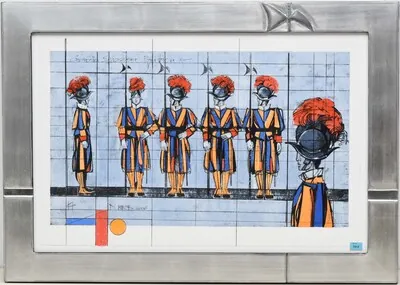
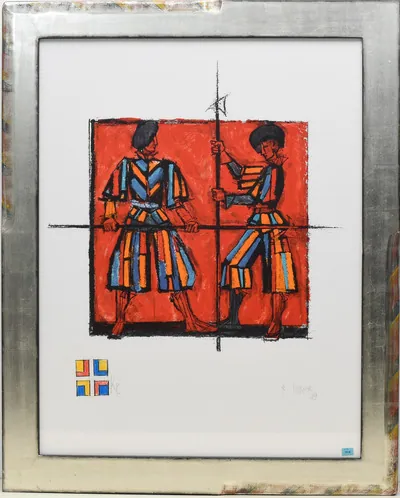
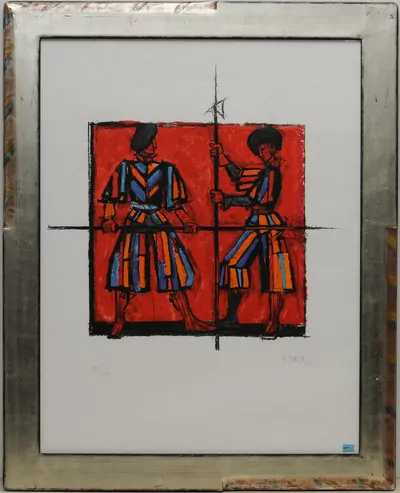
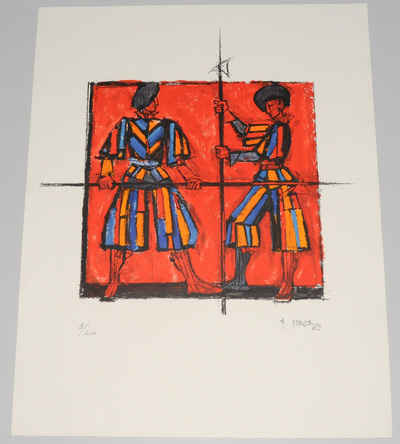
In the public realm, he is credited with murals at the Roman Catholic Church of San Antonius in Zernez. Alongside these works, in 2005 he designed the motifs for the joint Switzerland–Vatican stamps commemorating the 500th anniversary of the Swiss Guard, and in 2006 he designed the 50-franc gold commemorative coin entitled “500 Jahre Schweizergarde”.
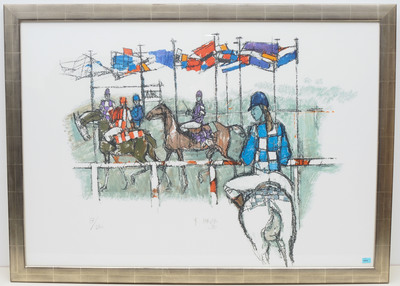
An exhibition in 1986 at the Seedamm-Kulturzentrum in Pfäffikon (SZ) contributed to broader public visibility. In 1995, Swiss sports journalists elected him “Künstler des Jahres” in recognition of his dynamic representations of sport.