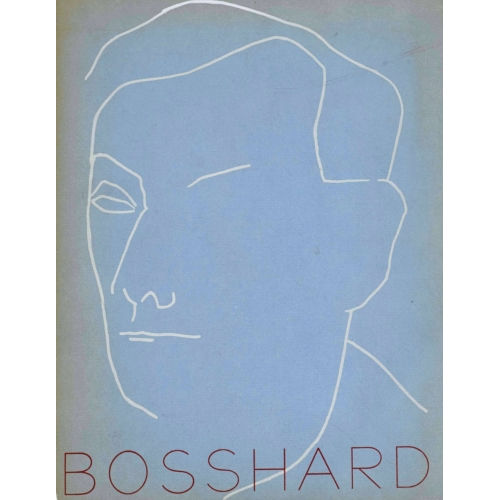
Rodolphe-Théophile Bosshard
Born in 1889.
Died in 1960.
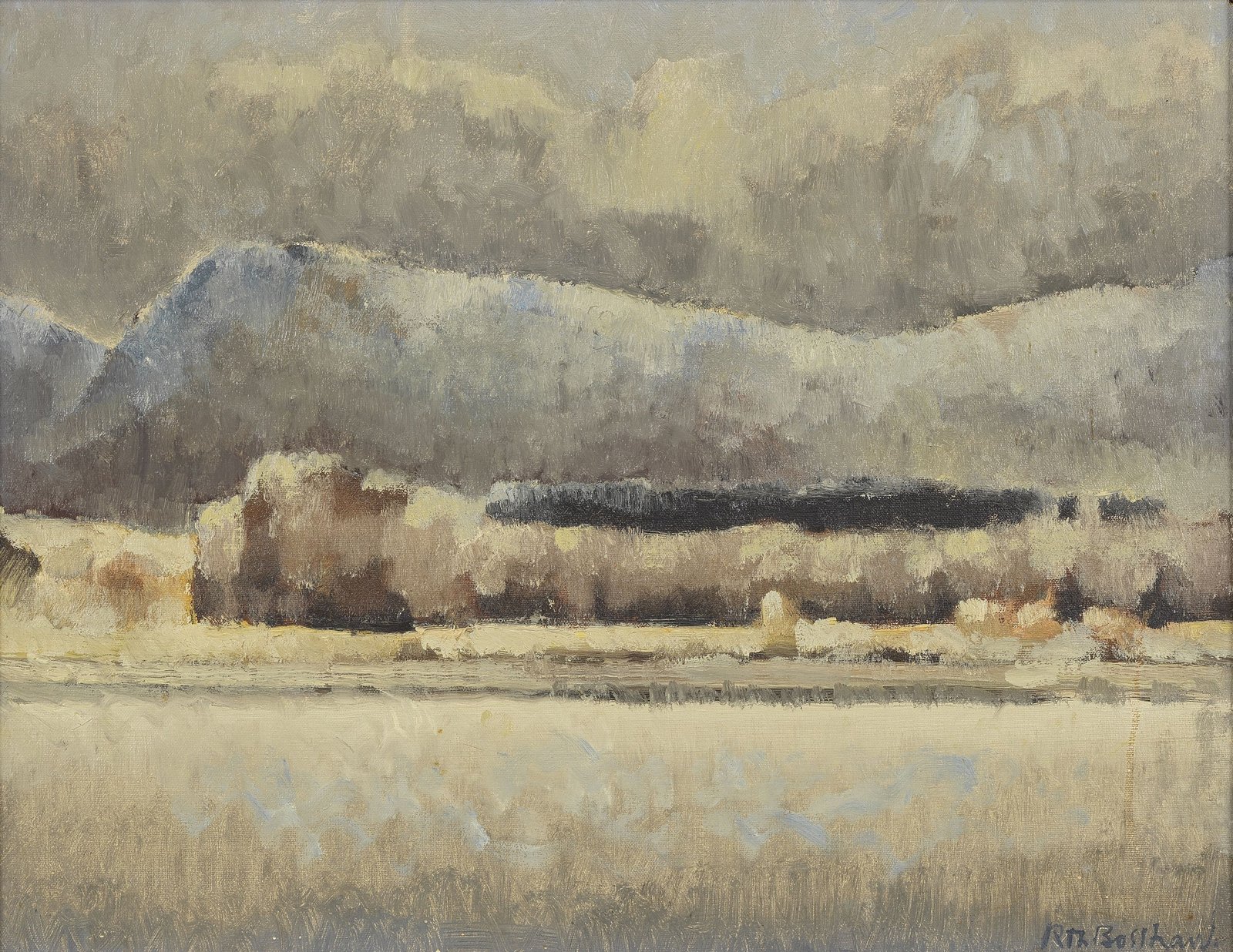
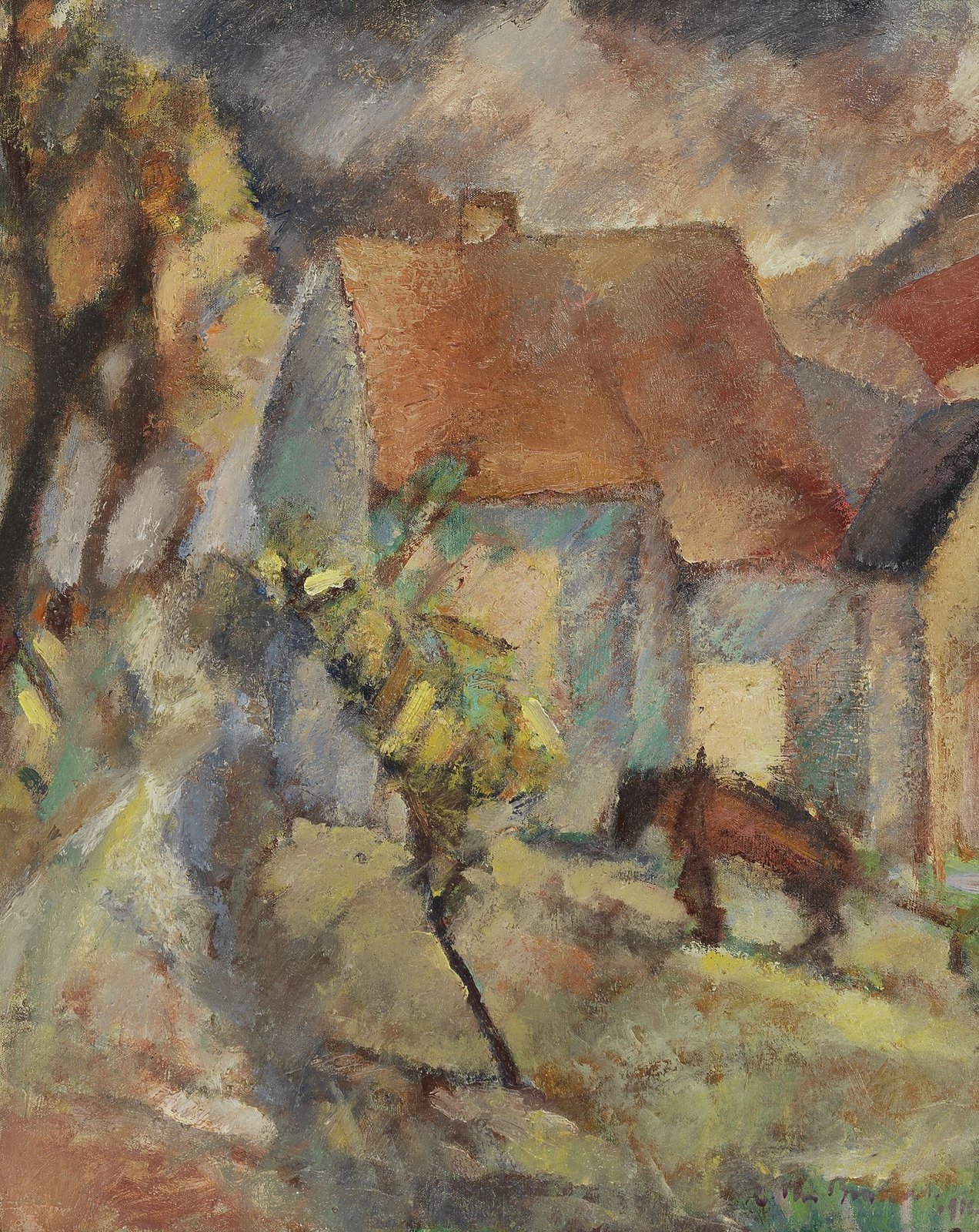
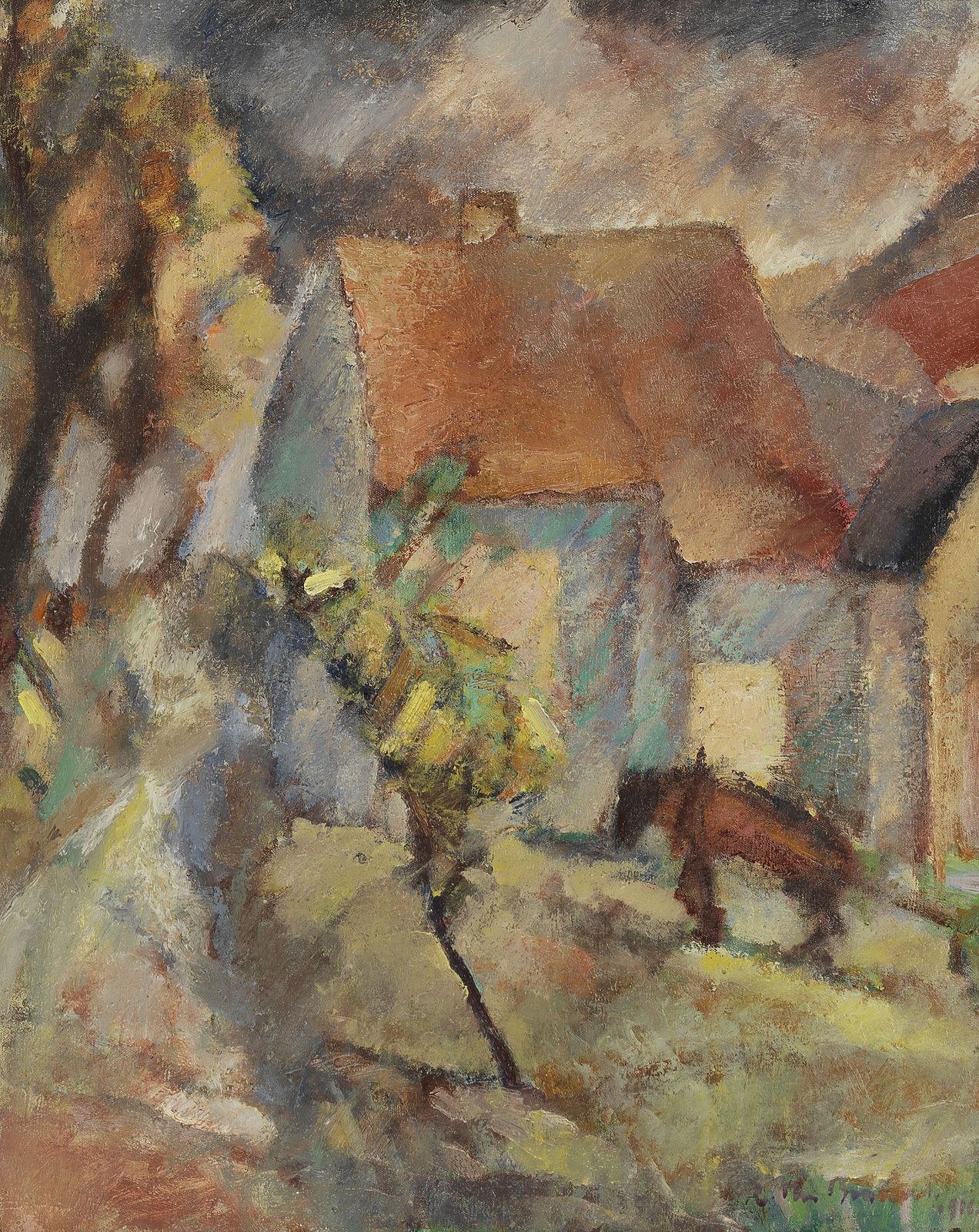
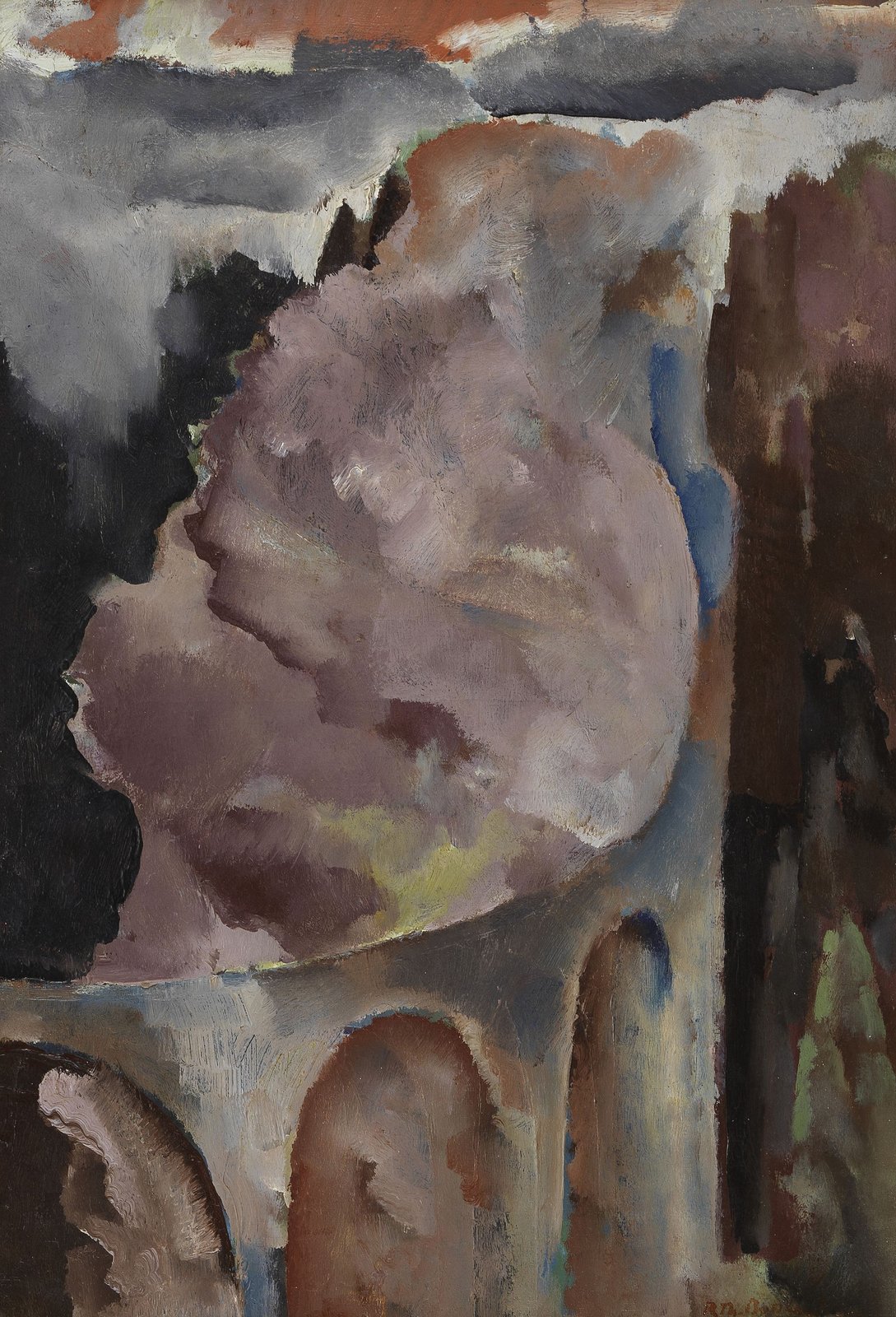
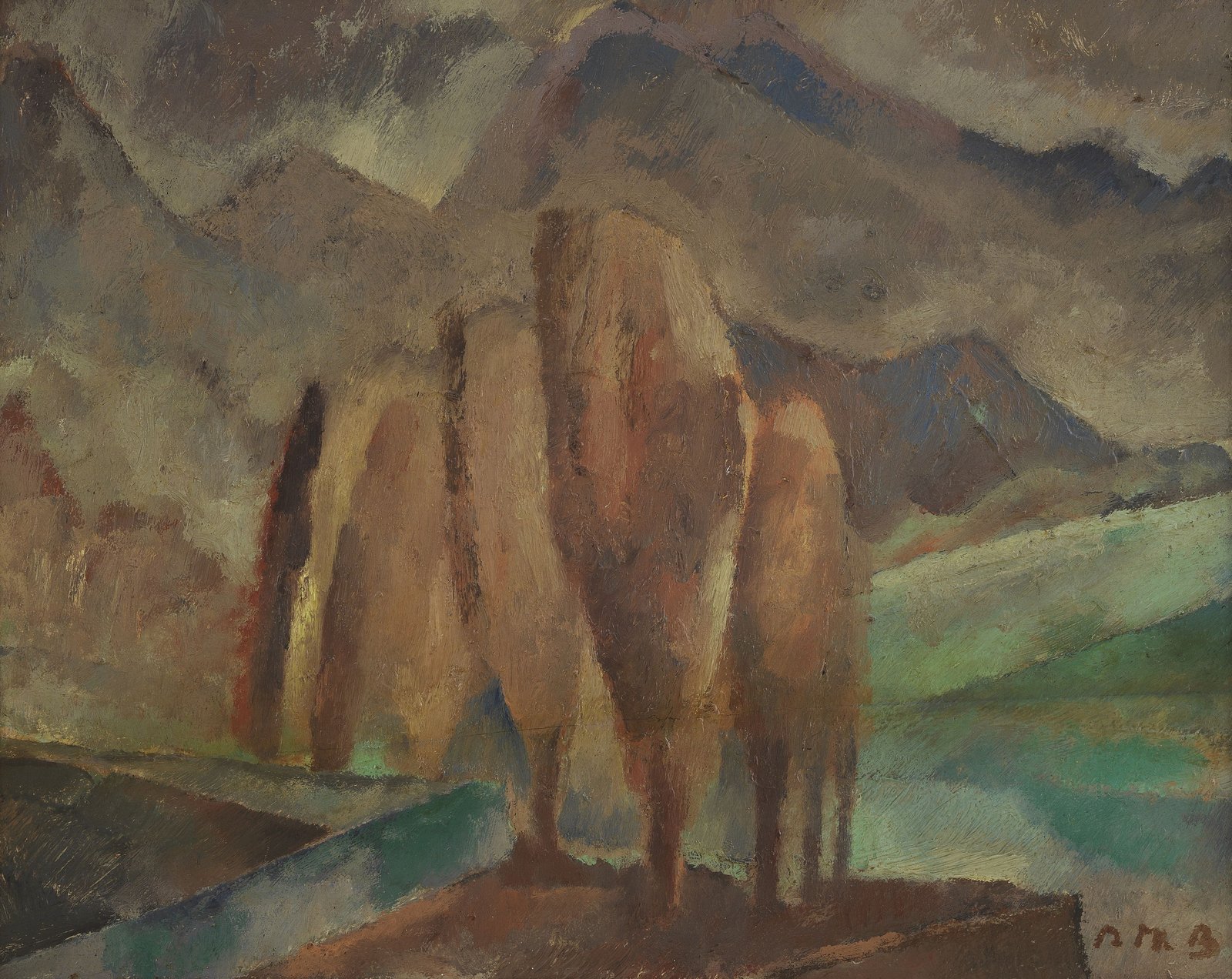
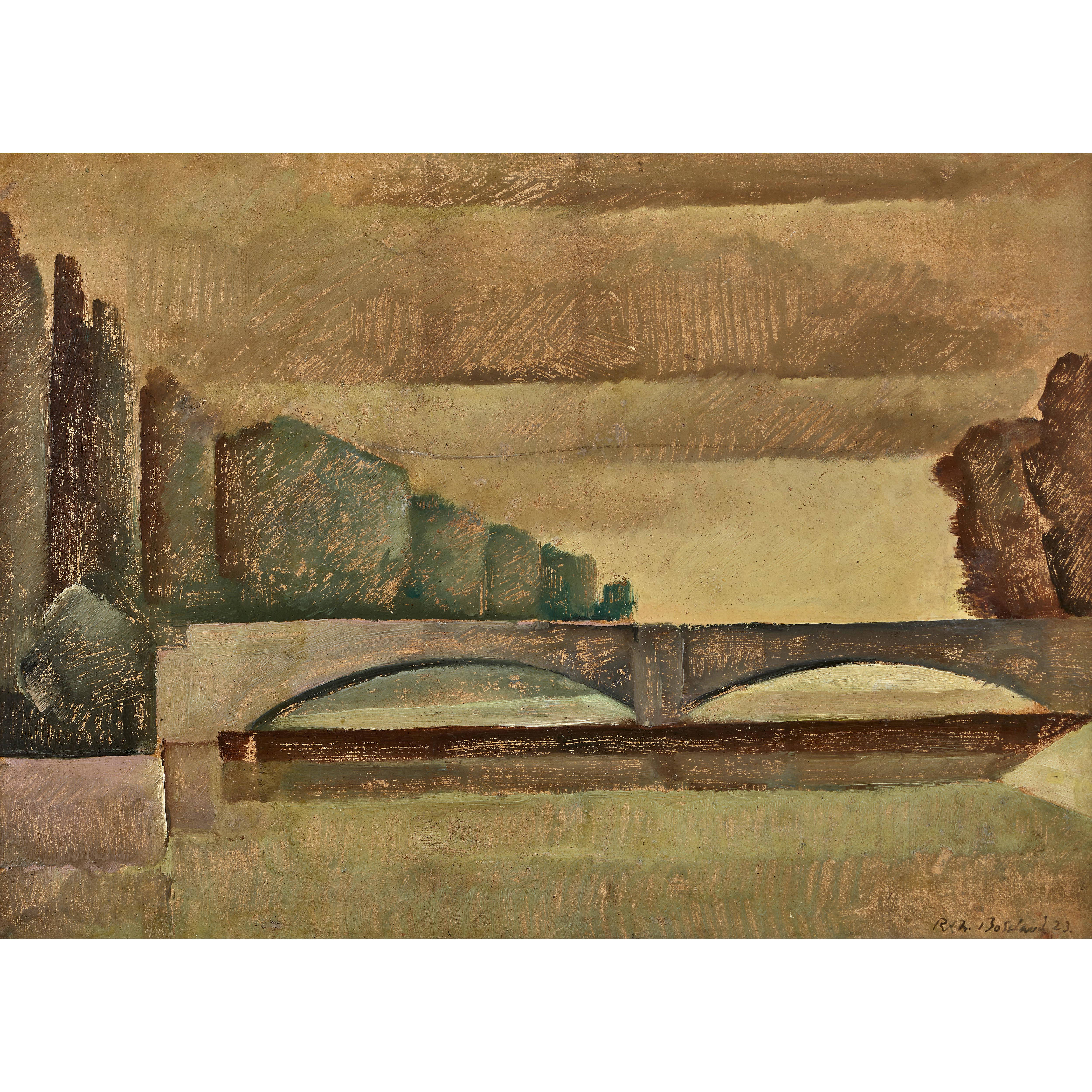
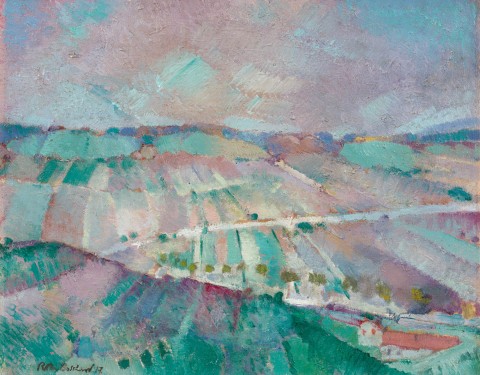
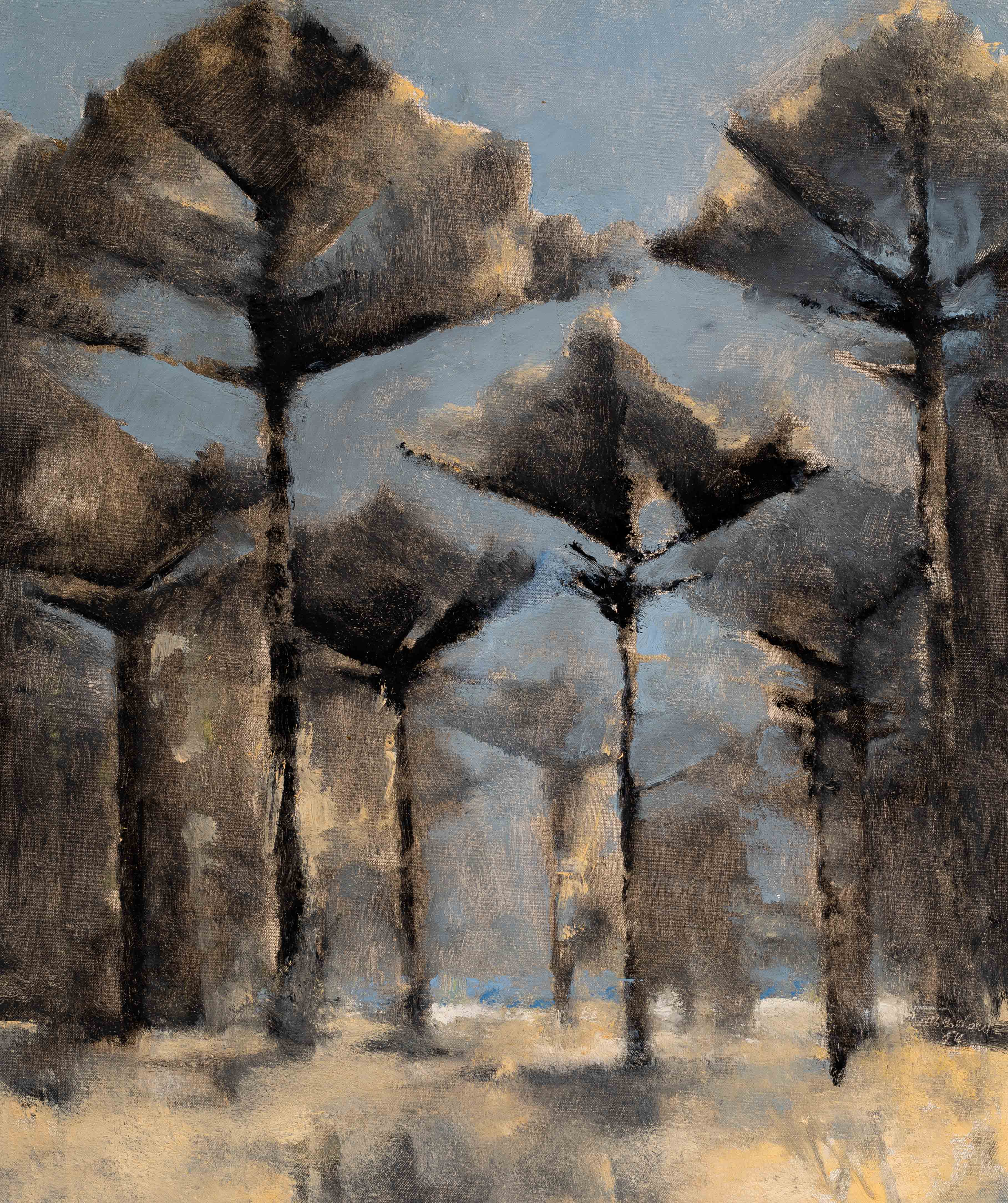
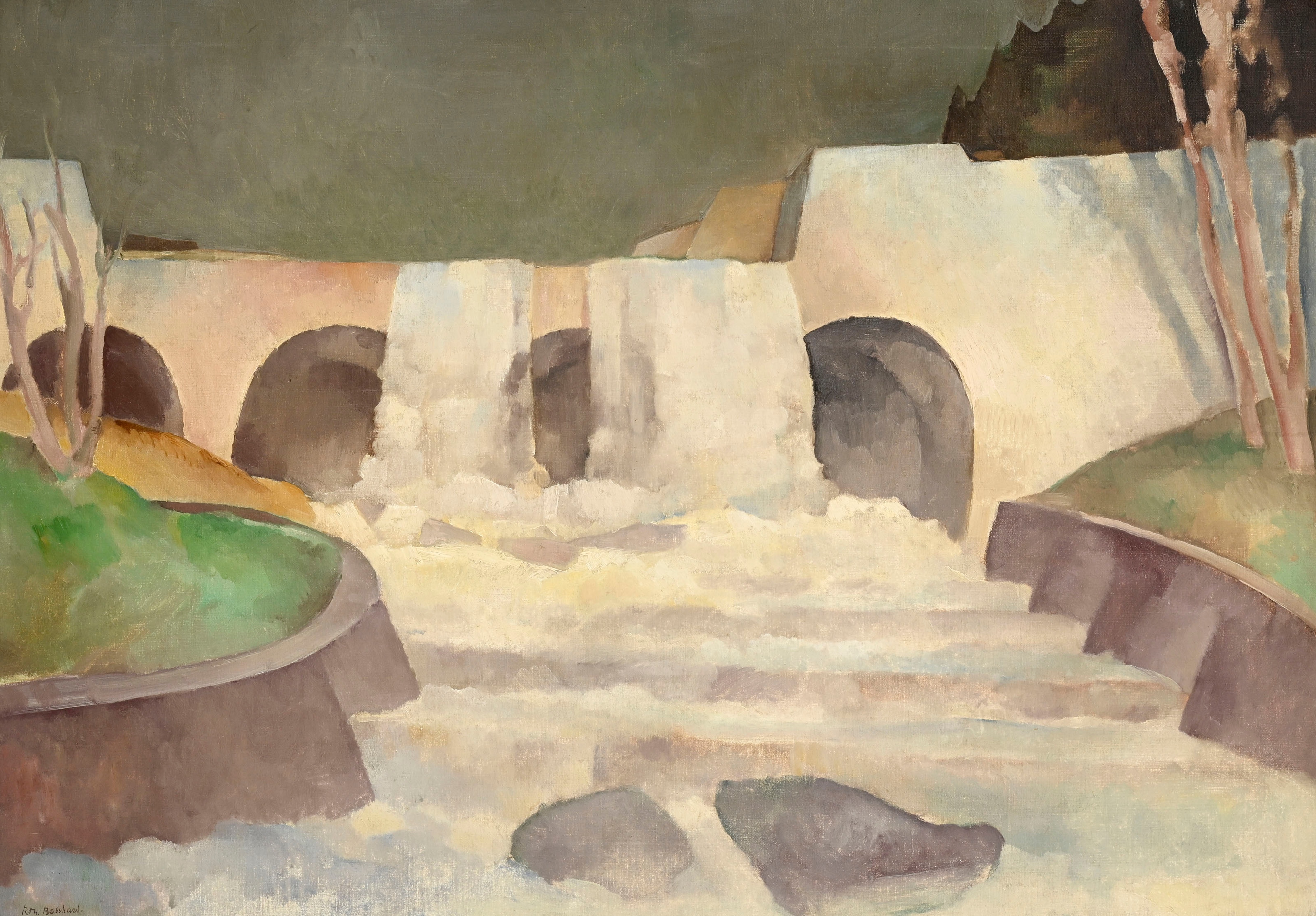
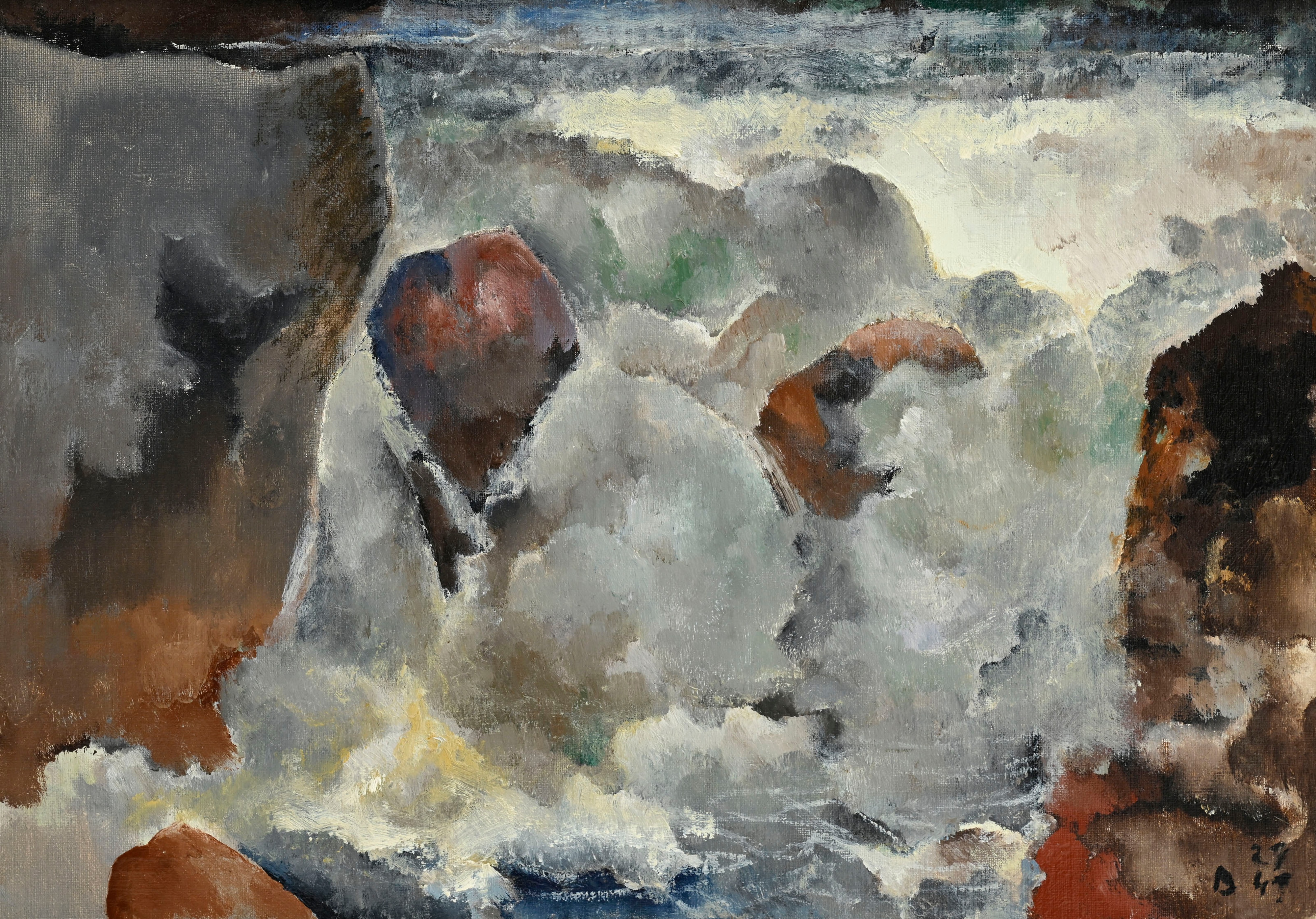
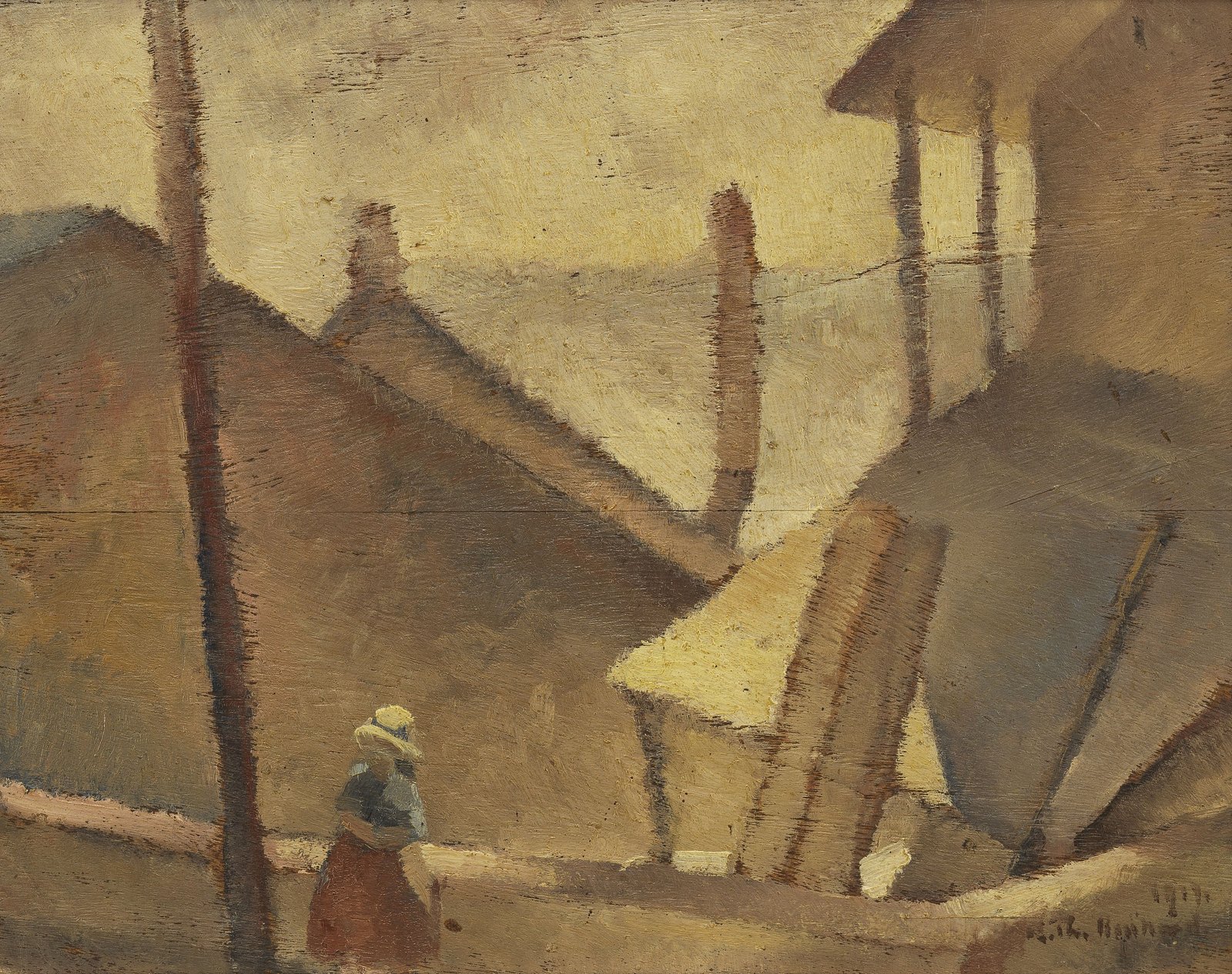
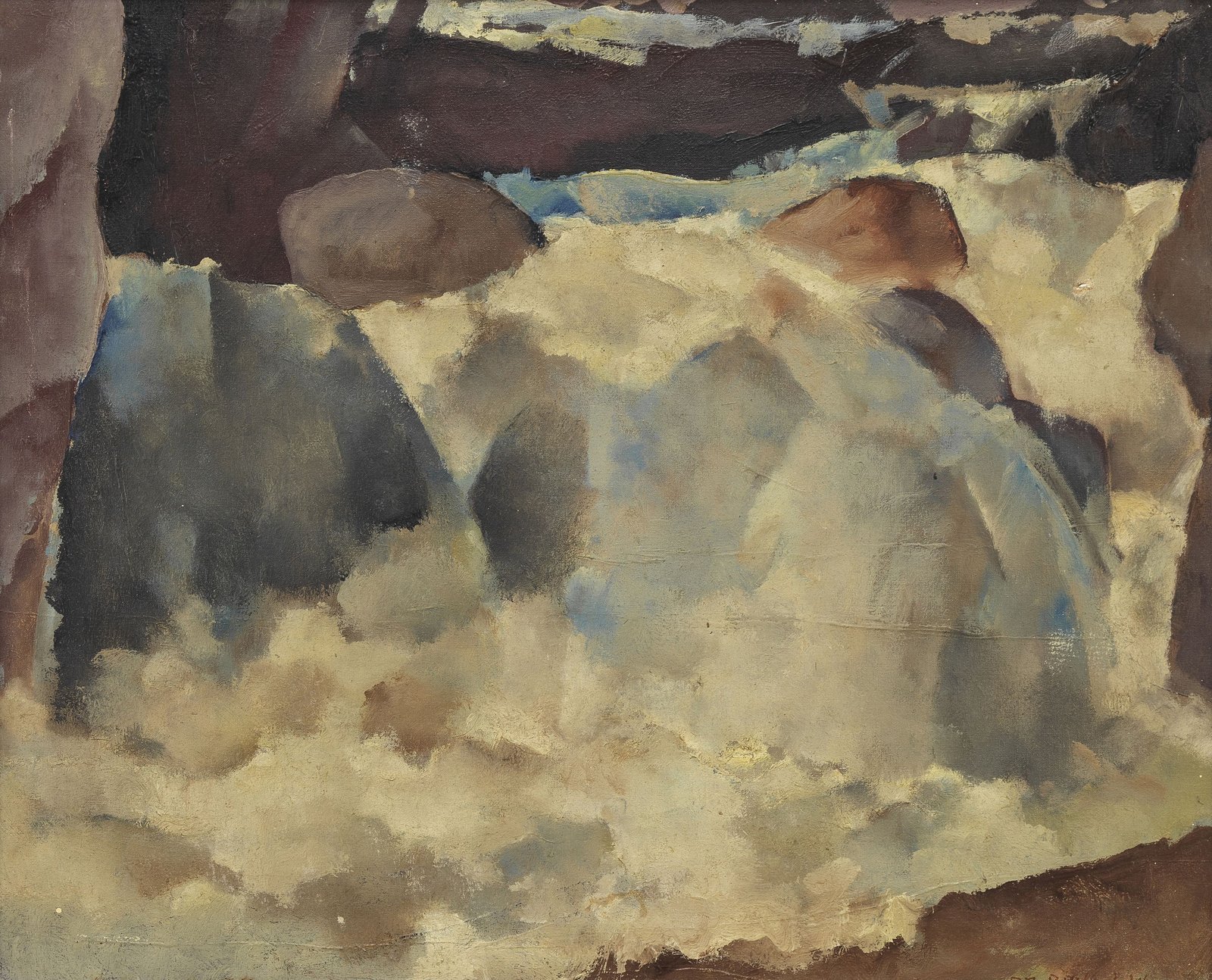
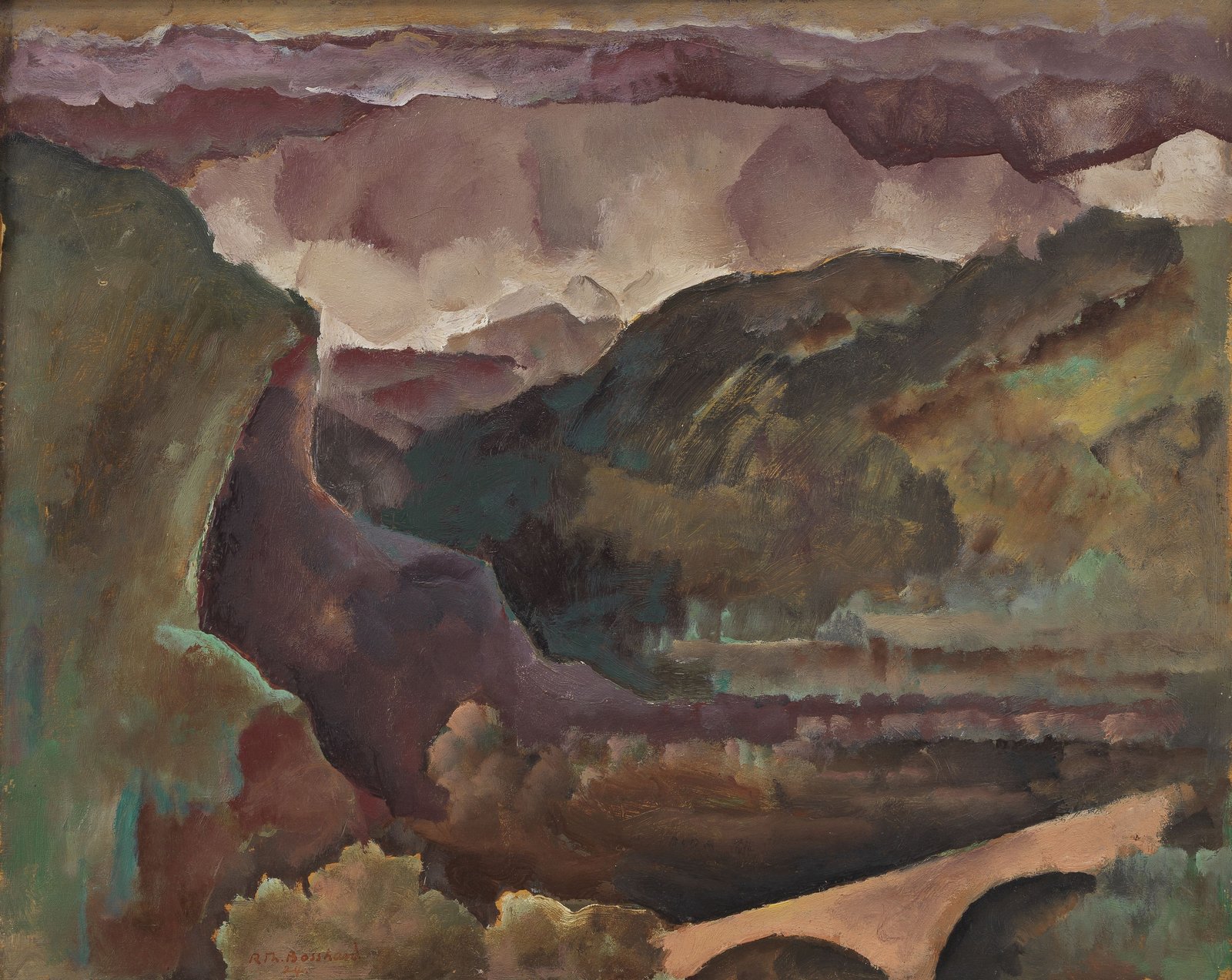
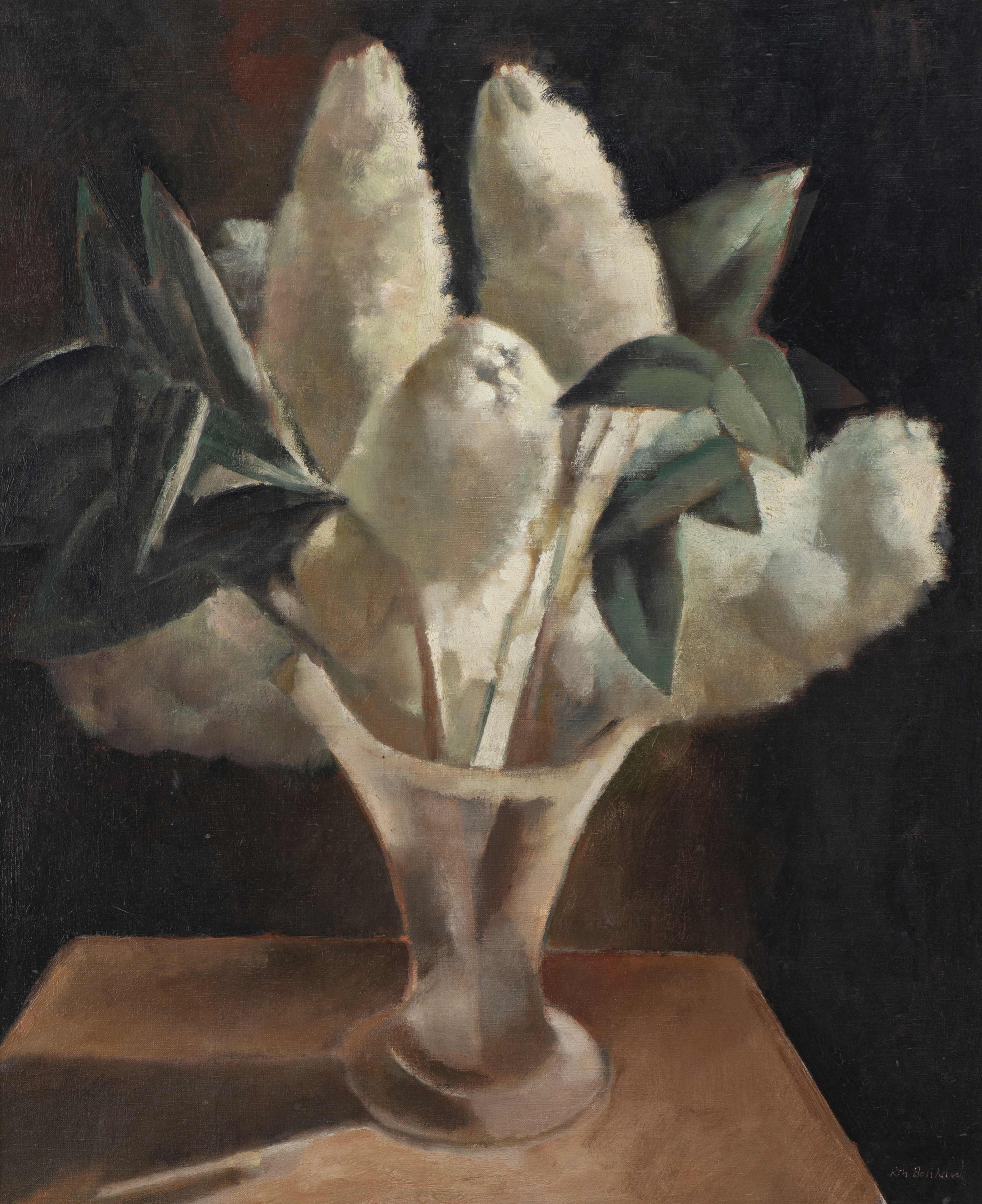
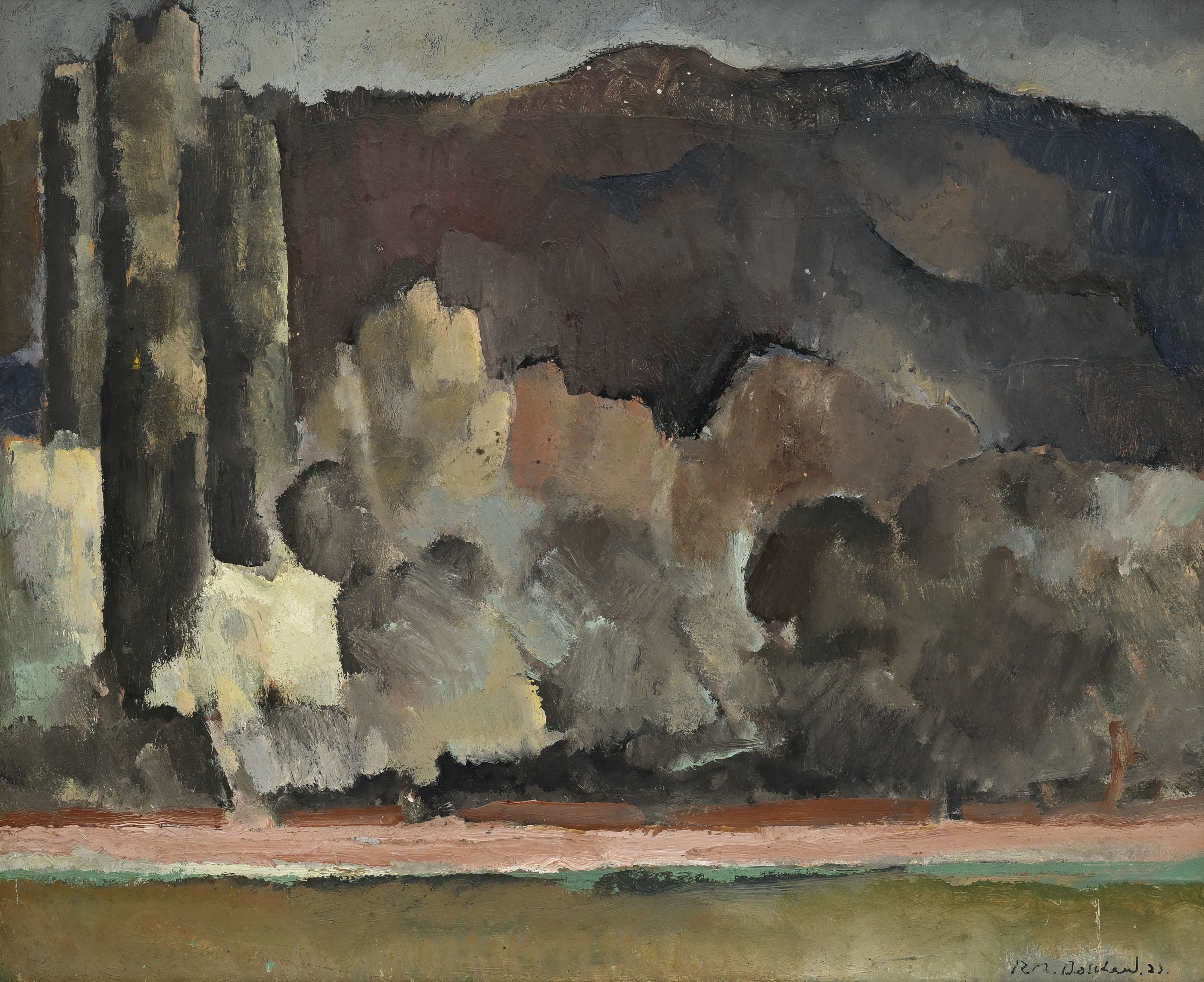
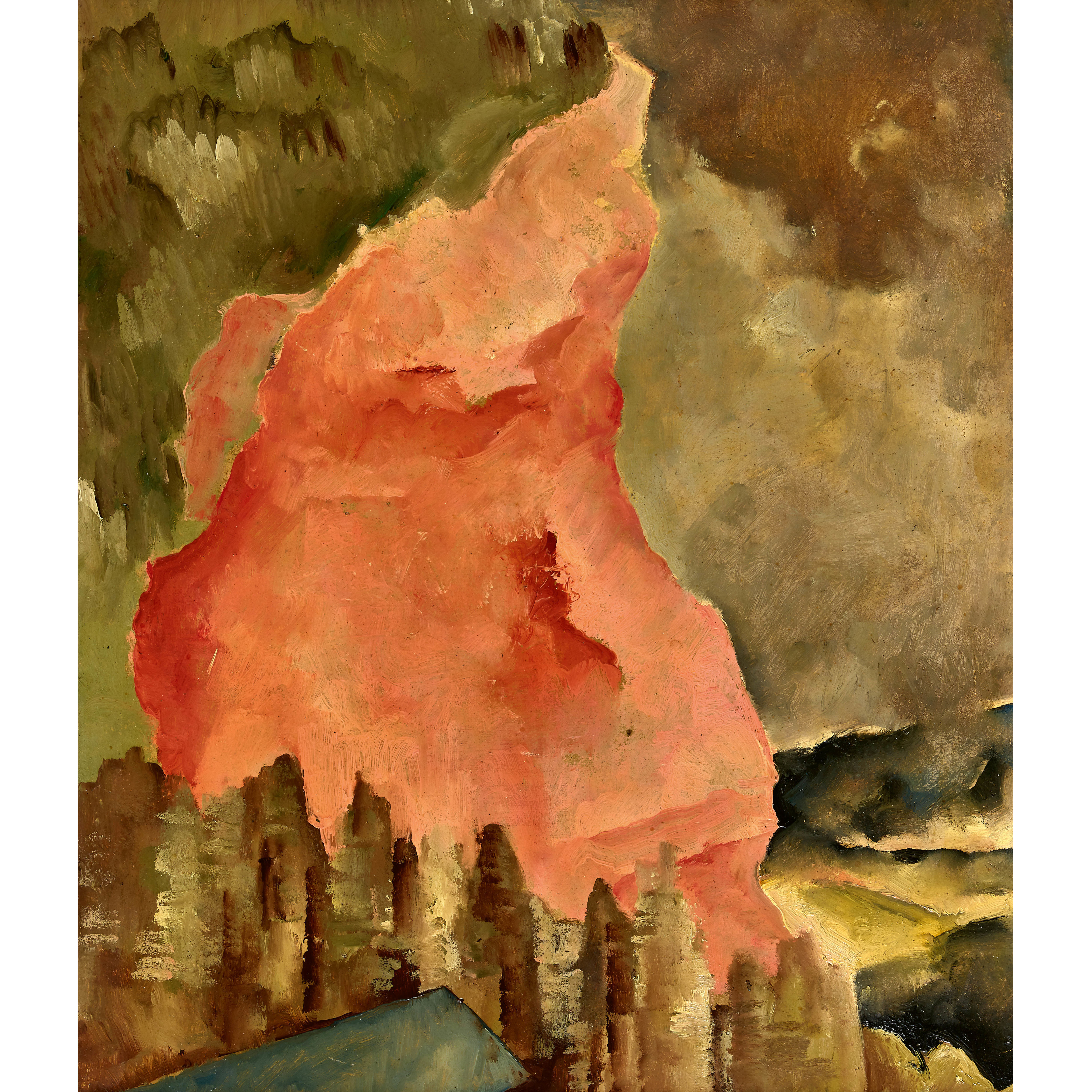
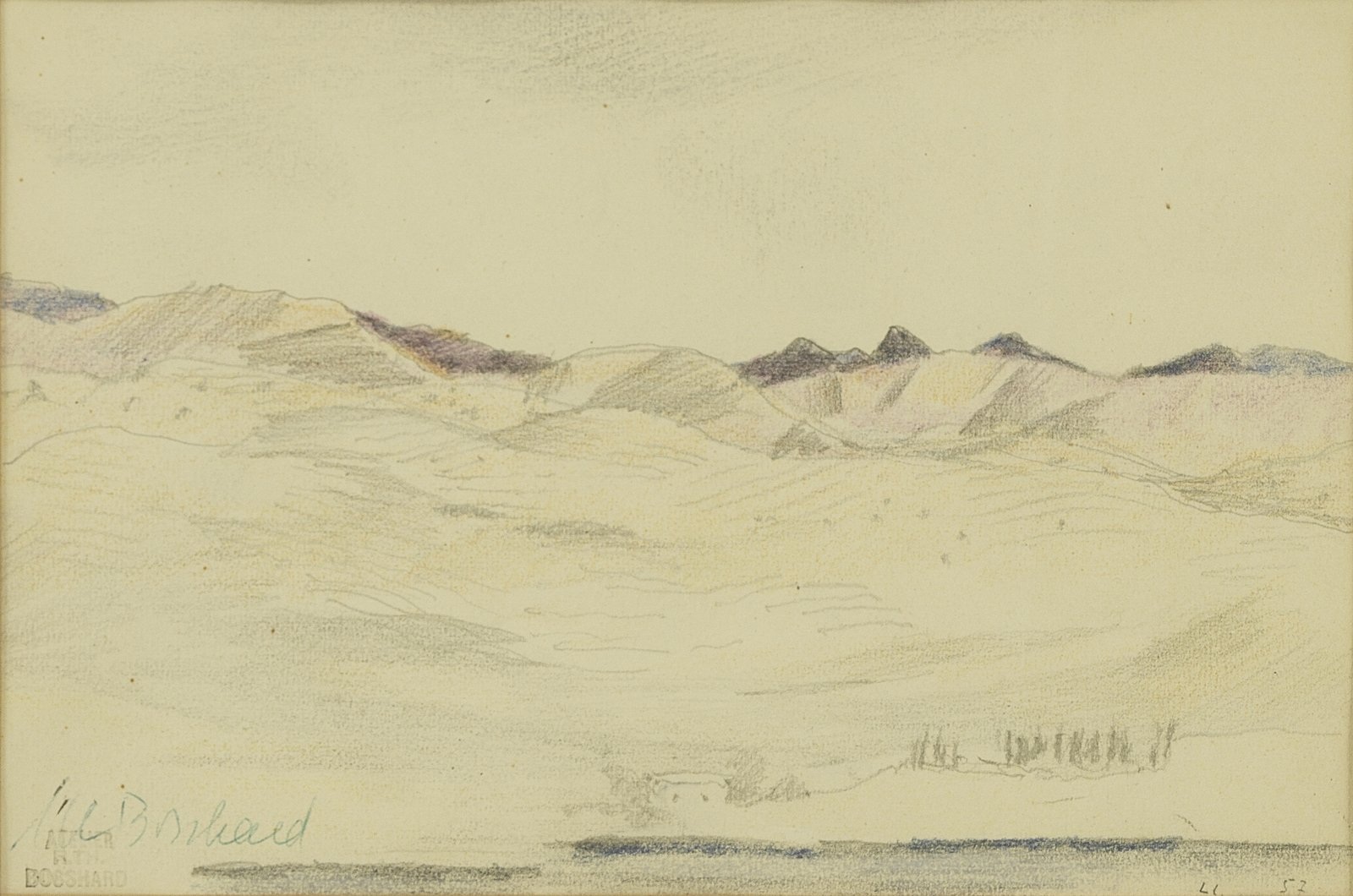
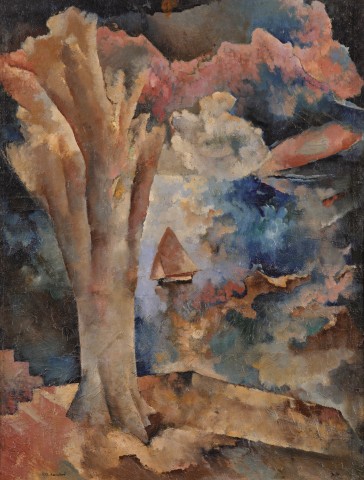
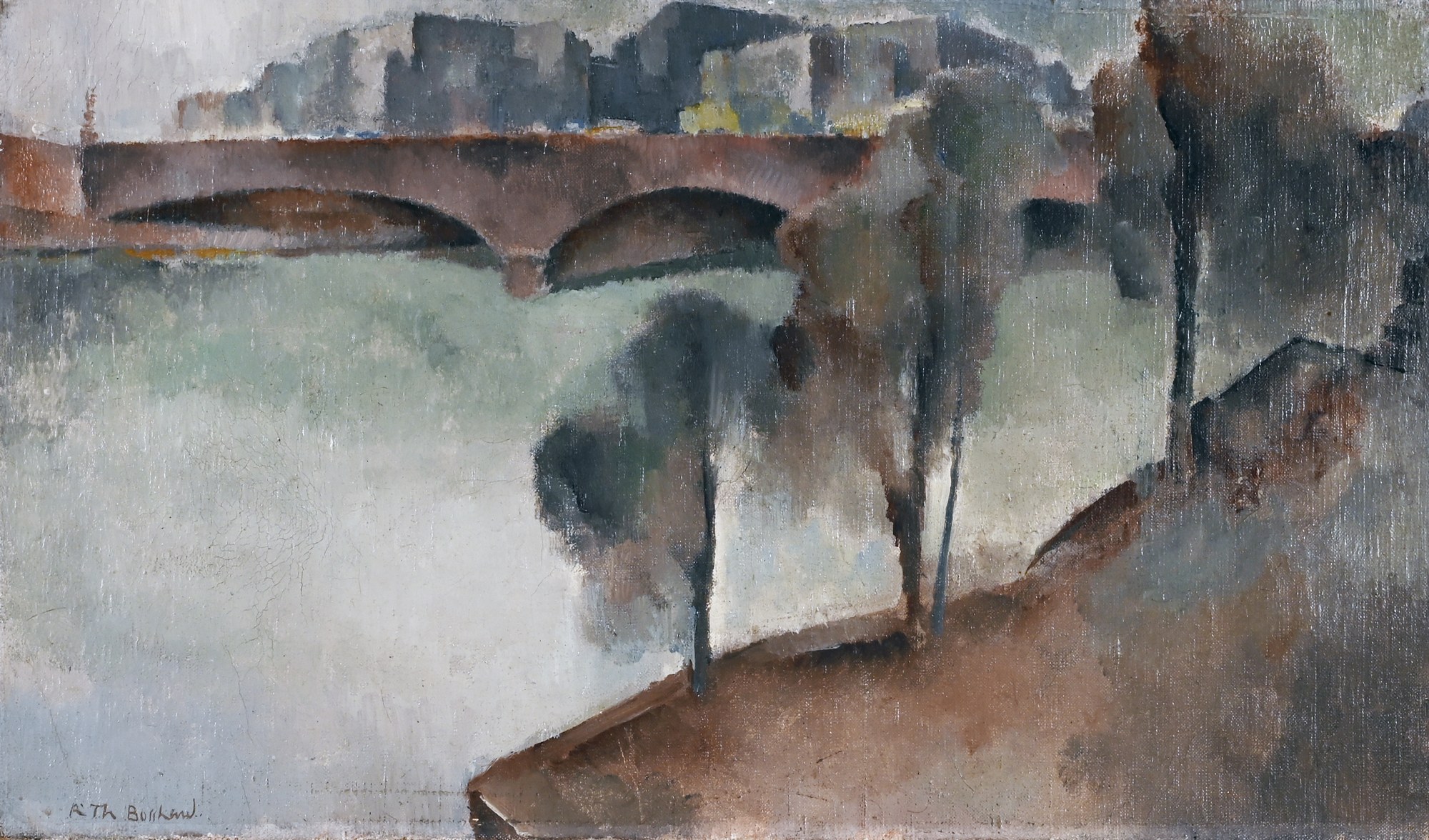
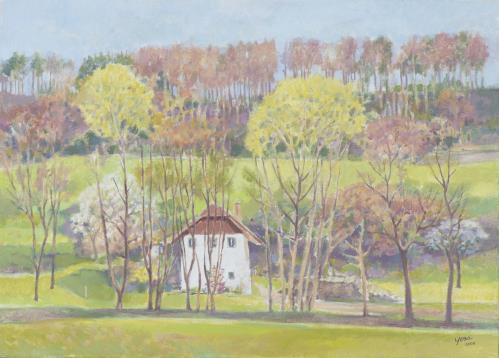
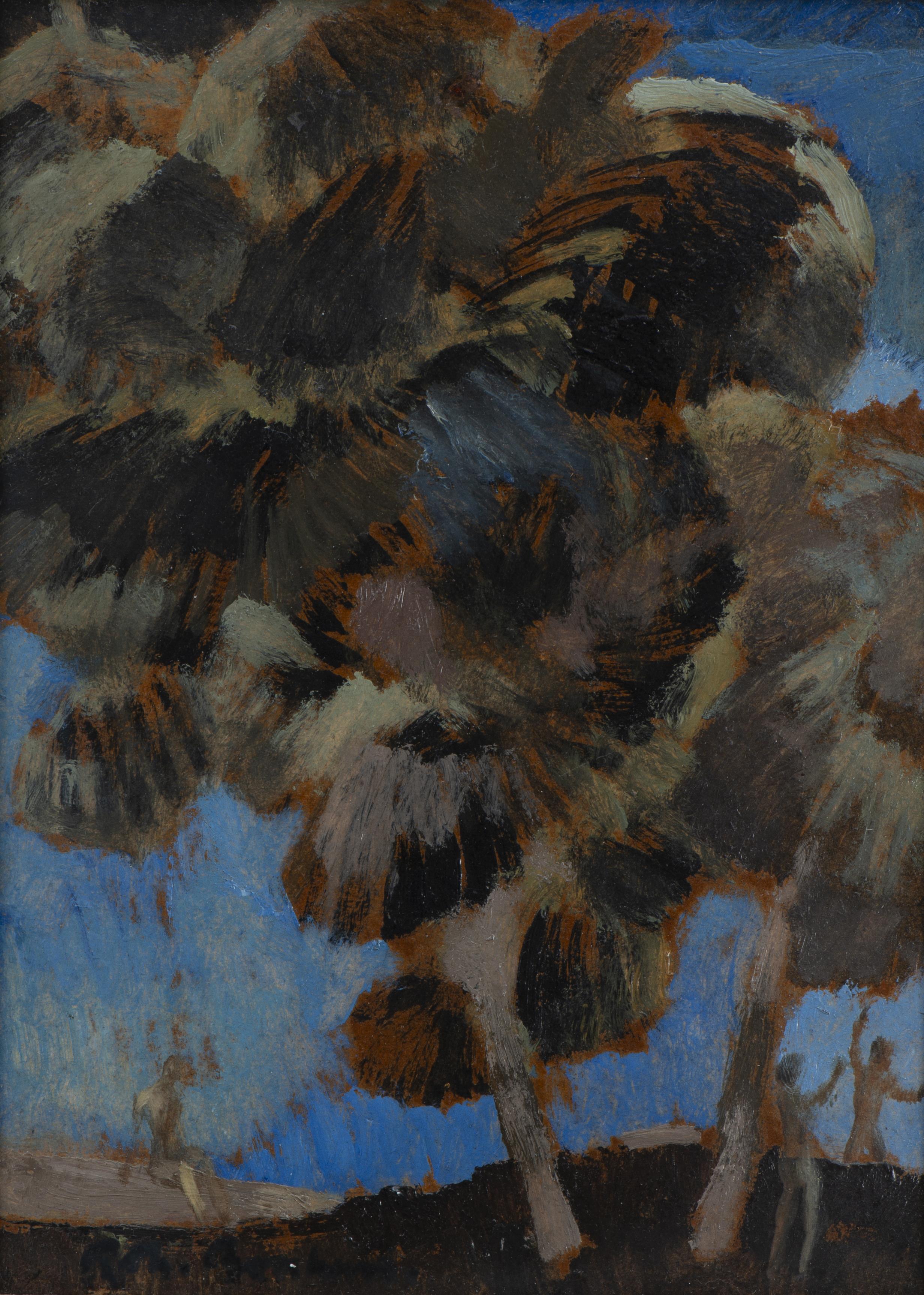
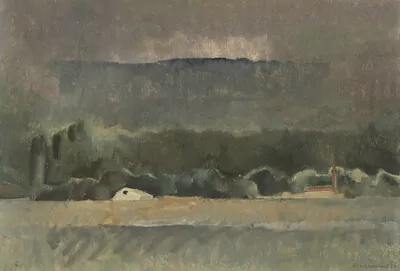
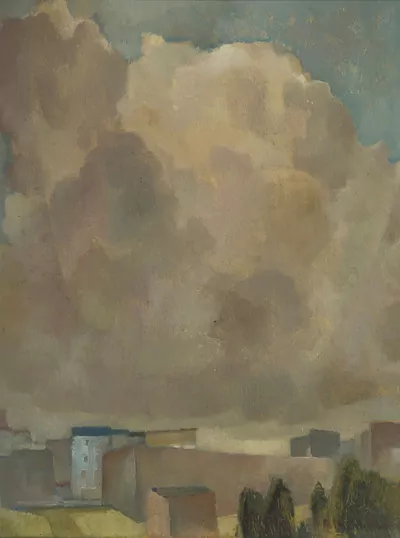
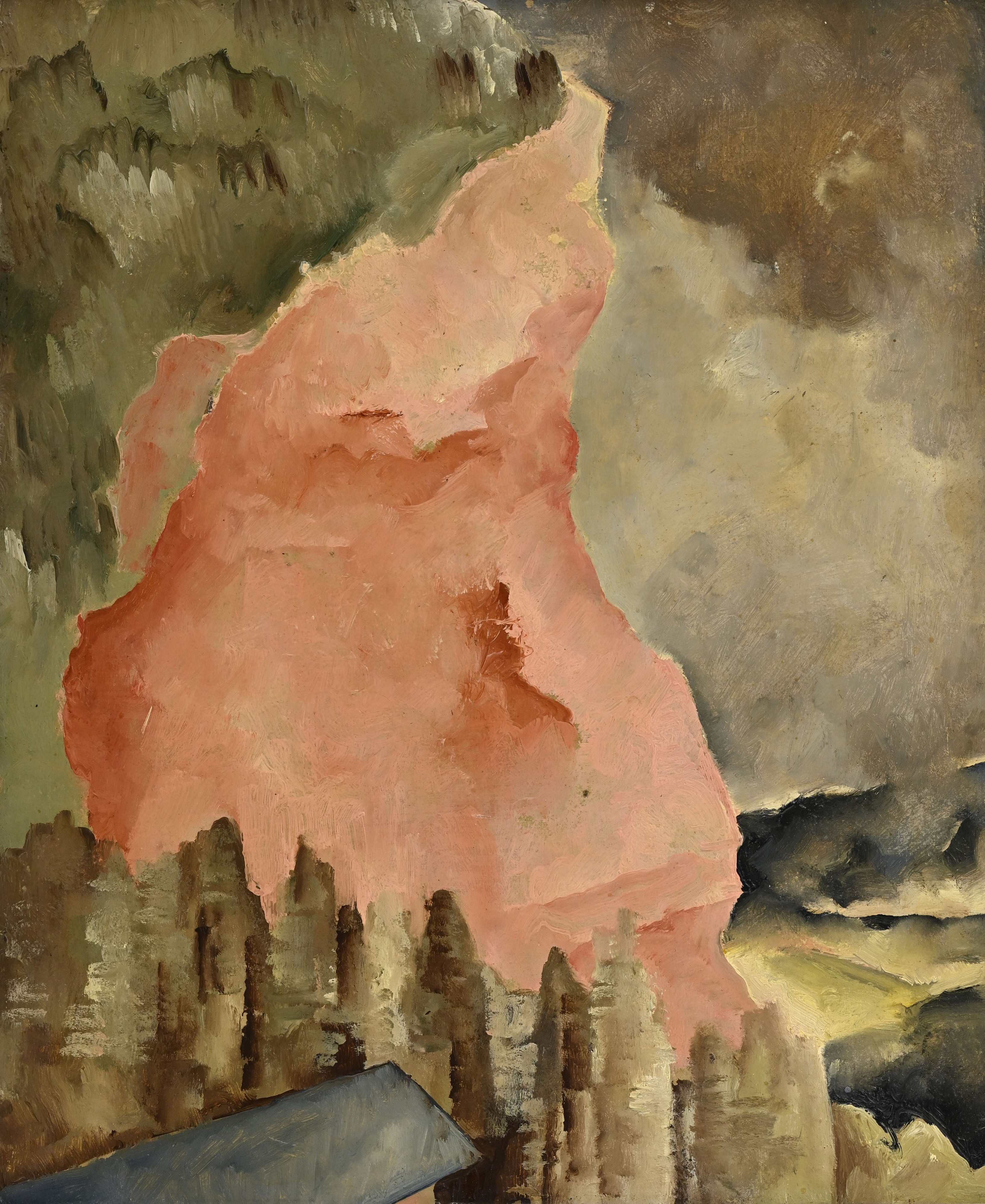
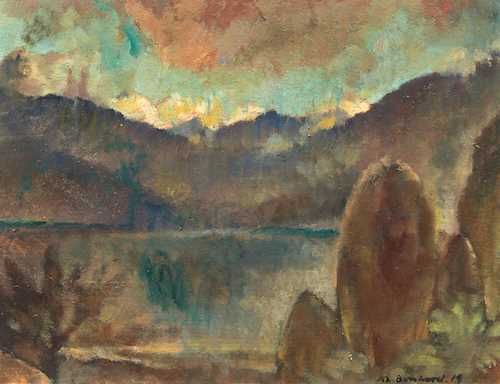
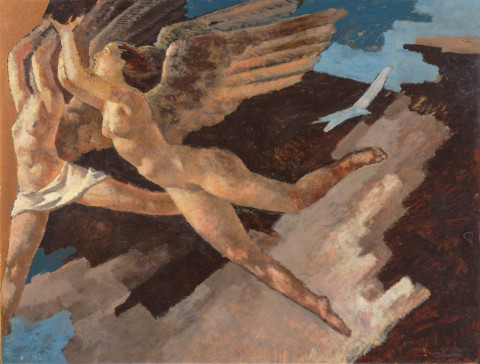
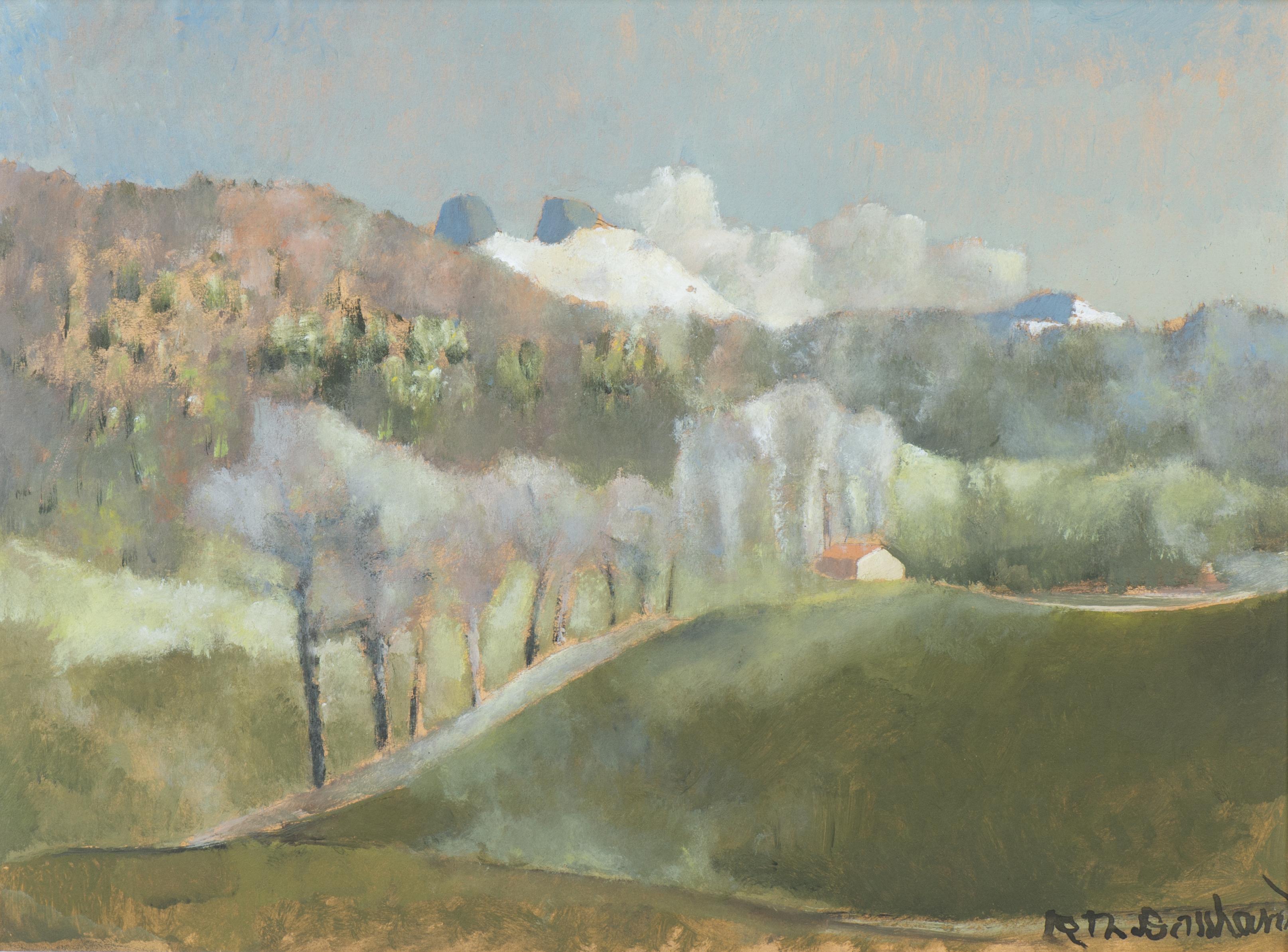
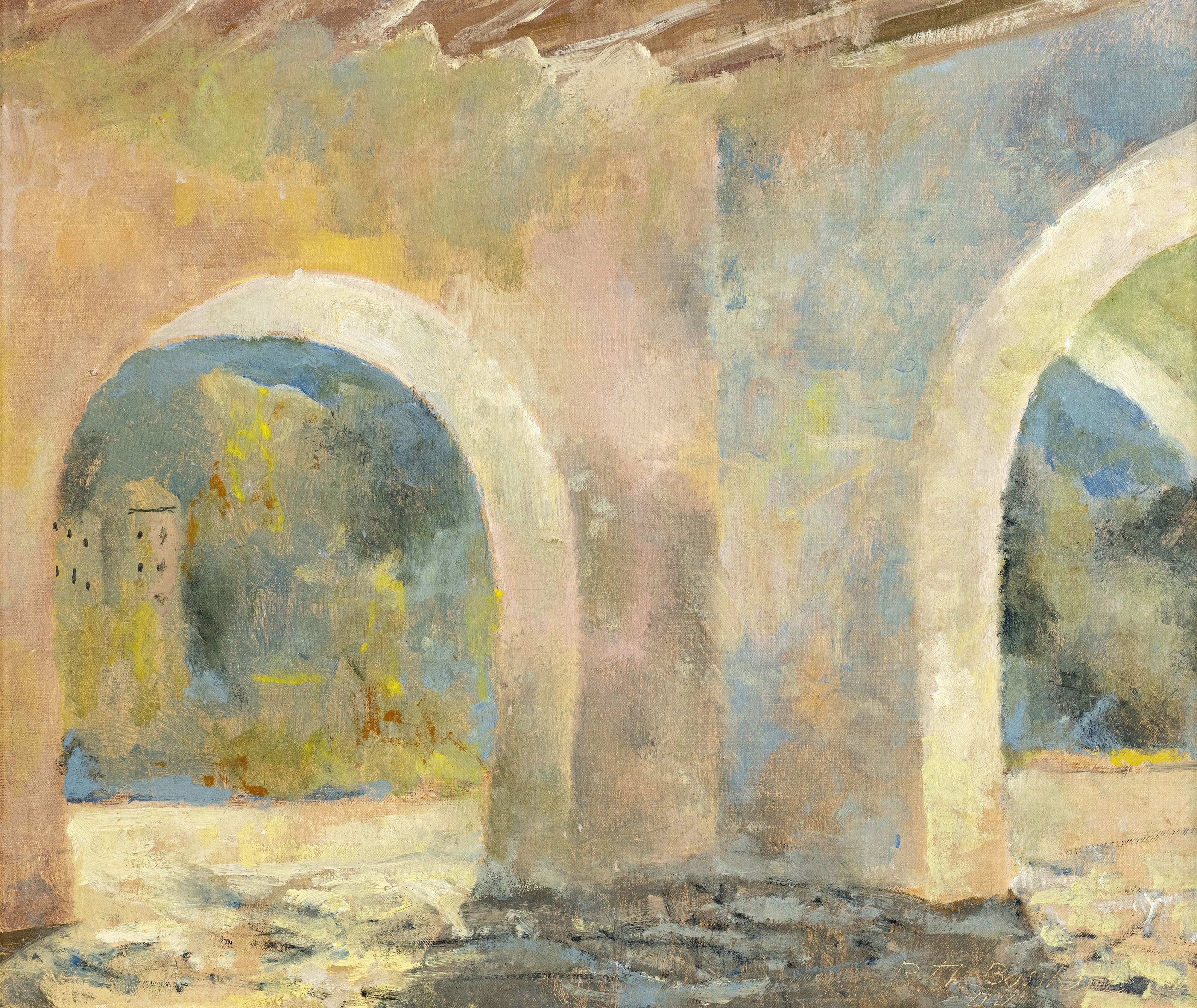
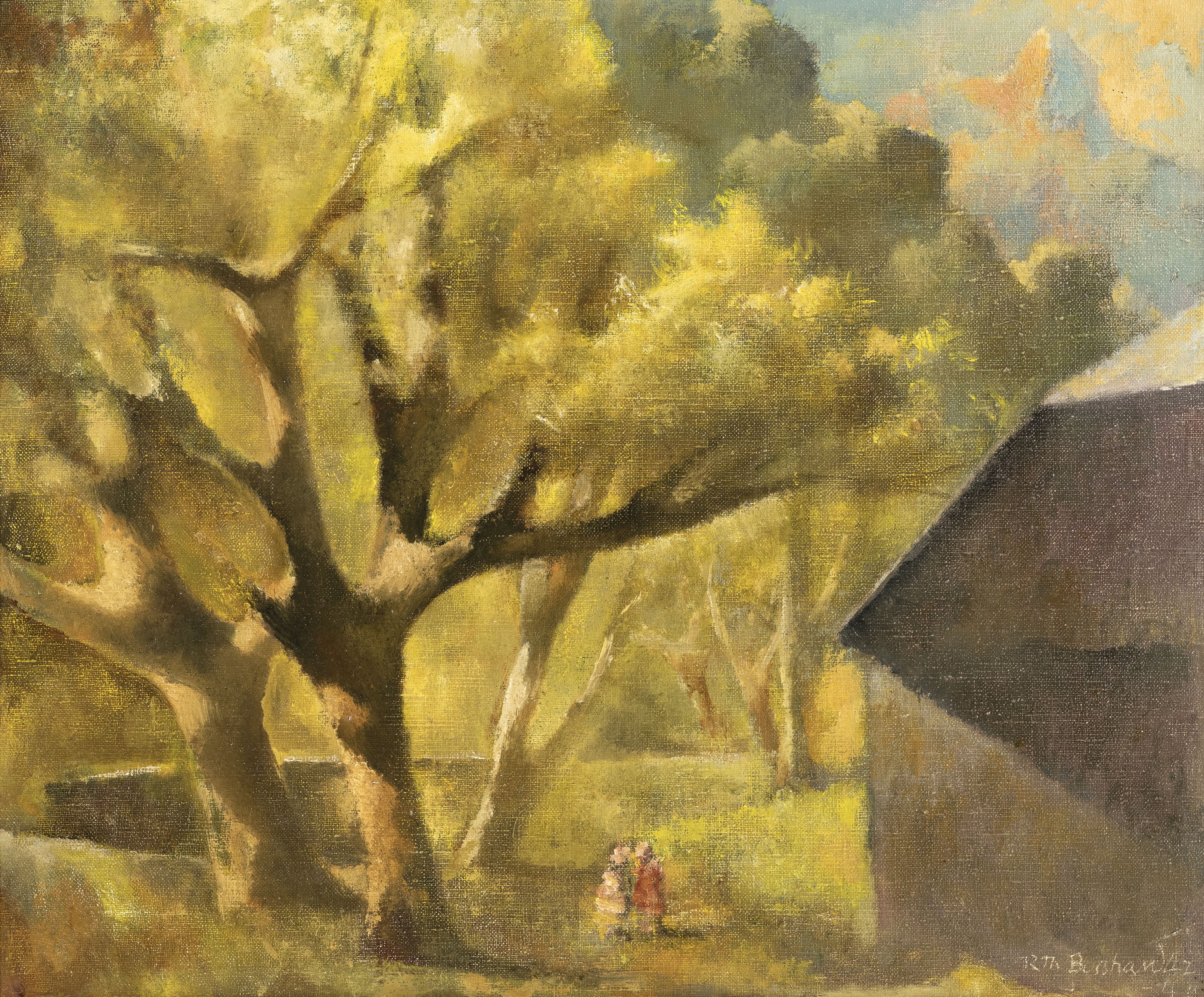
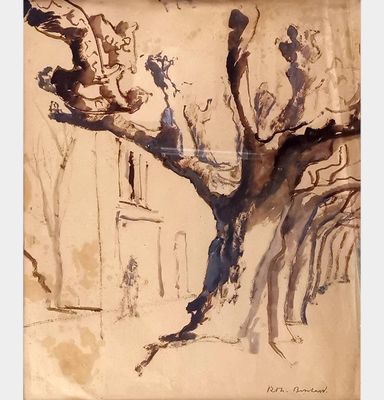
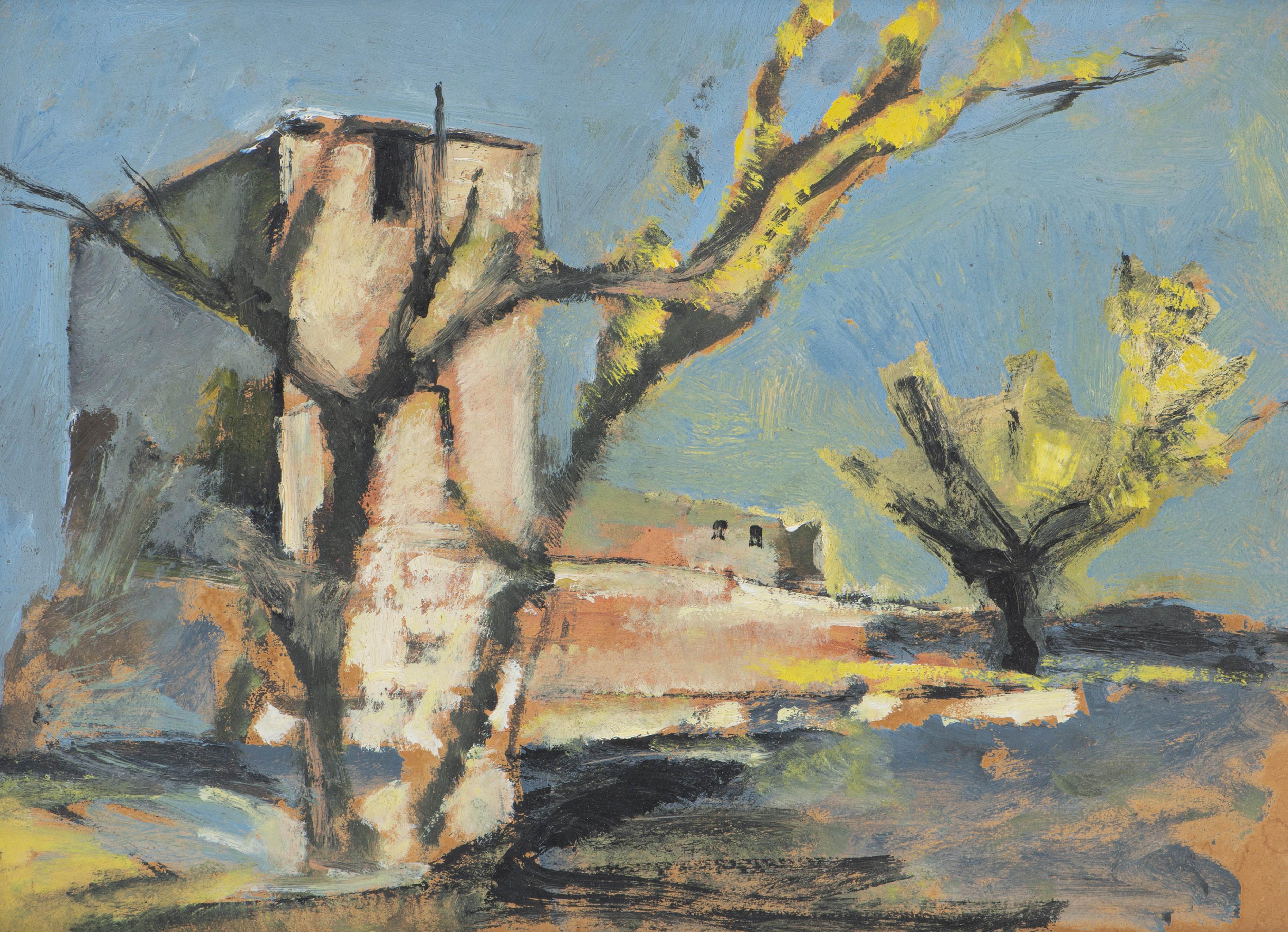
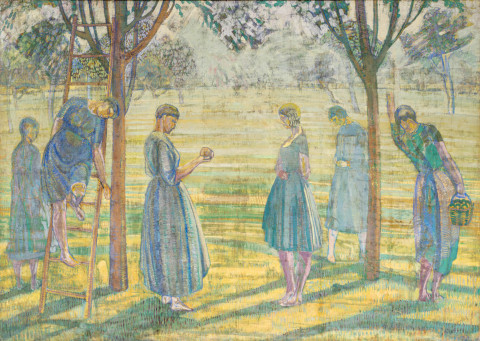
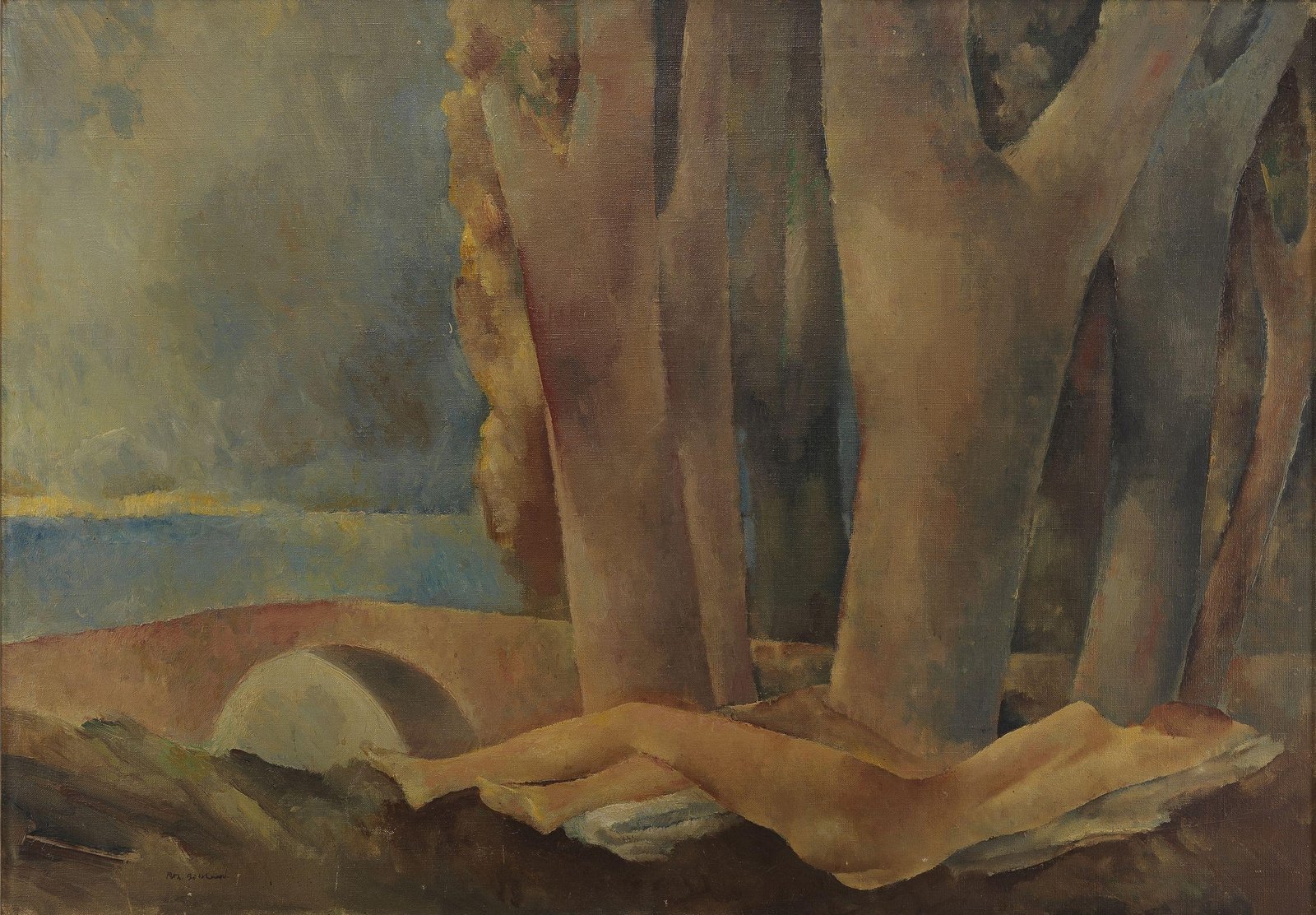
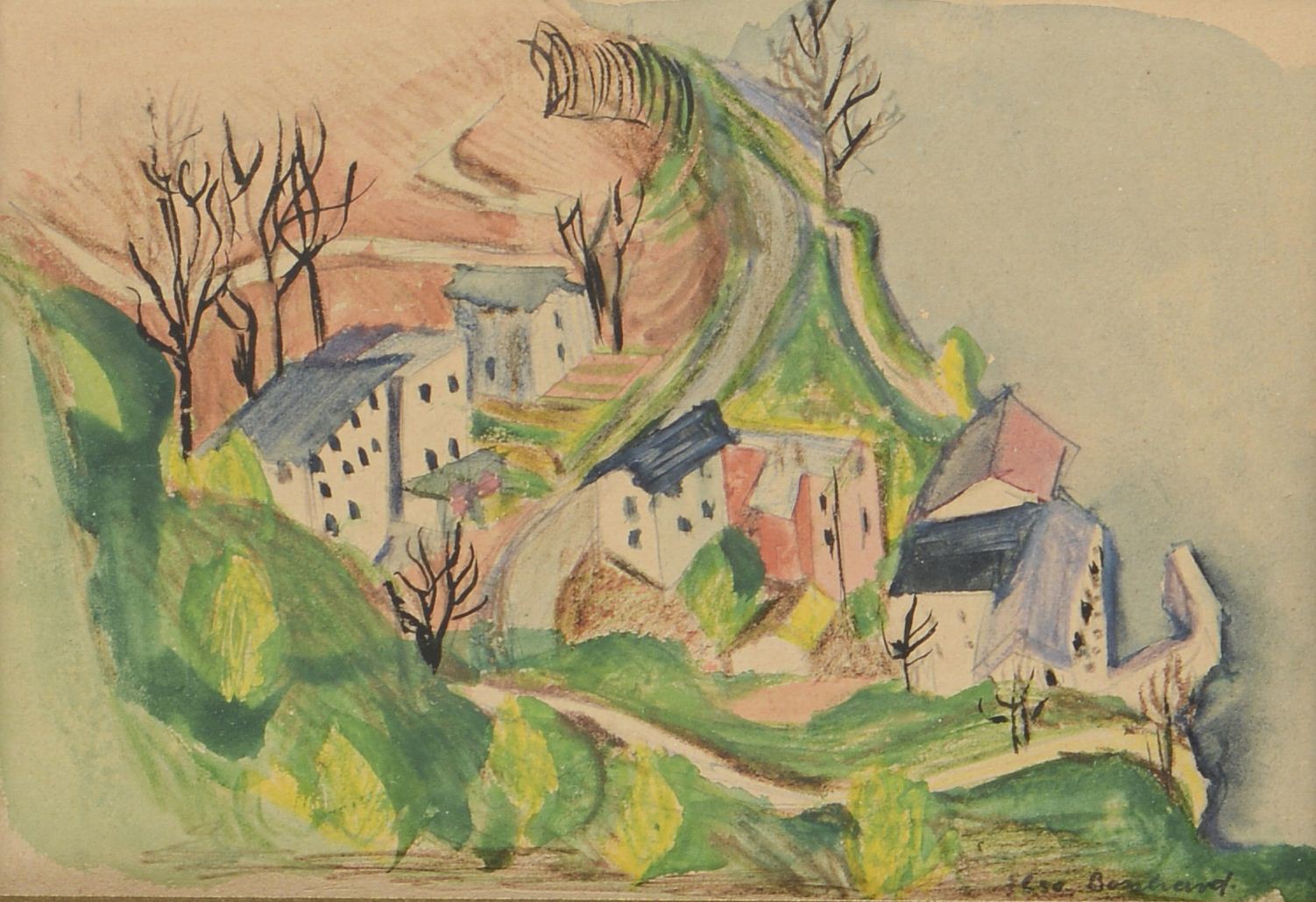
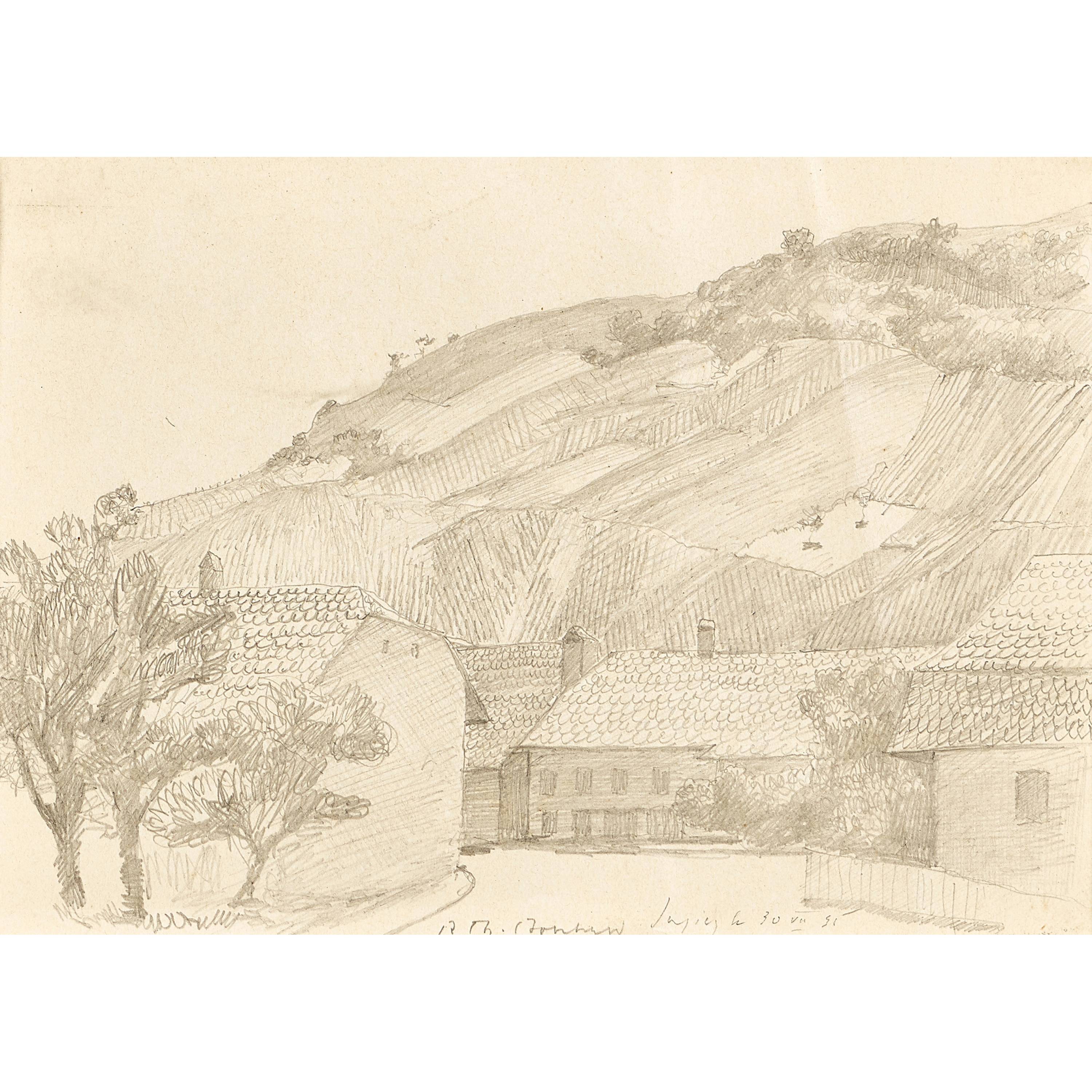
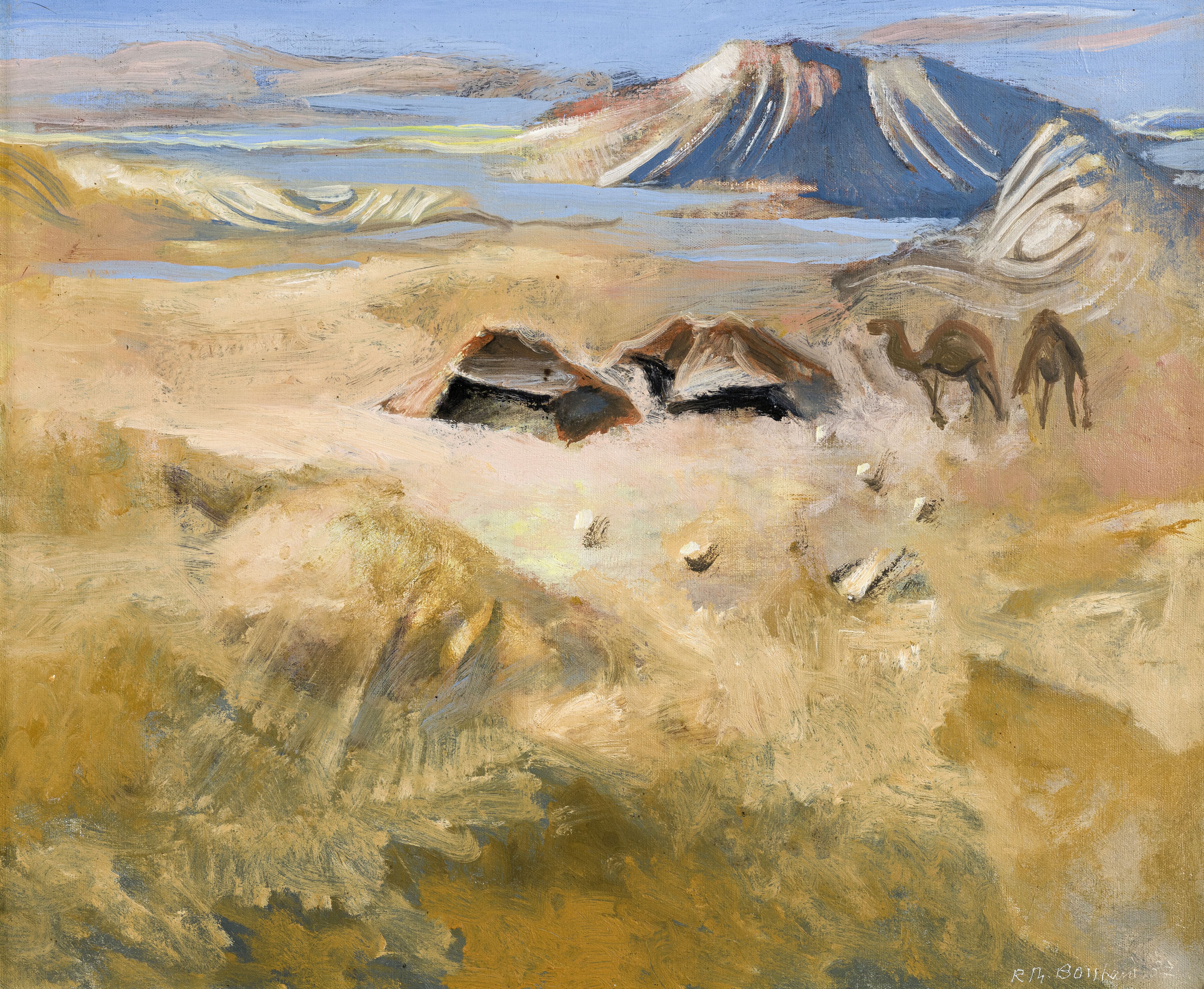
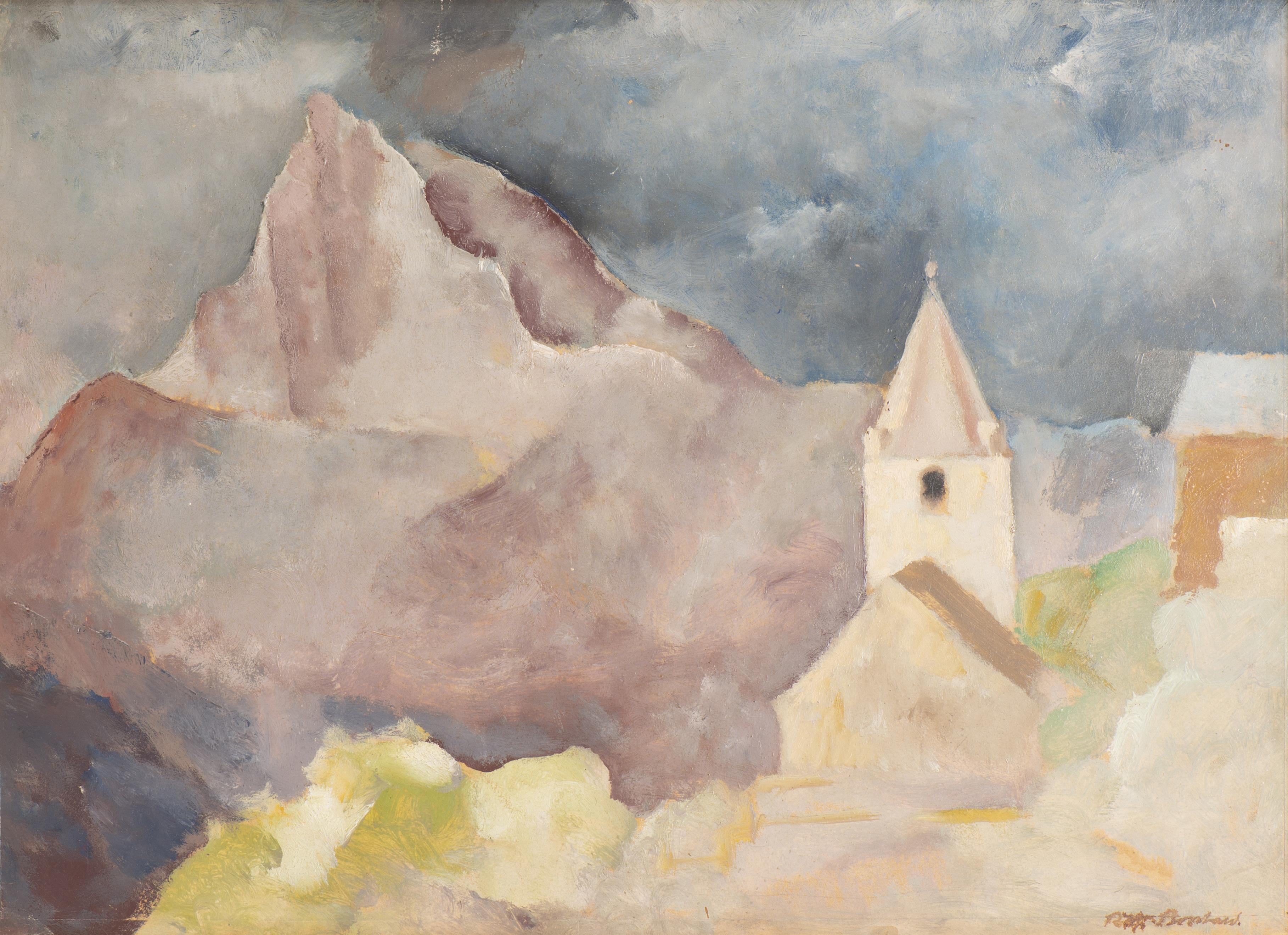
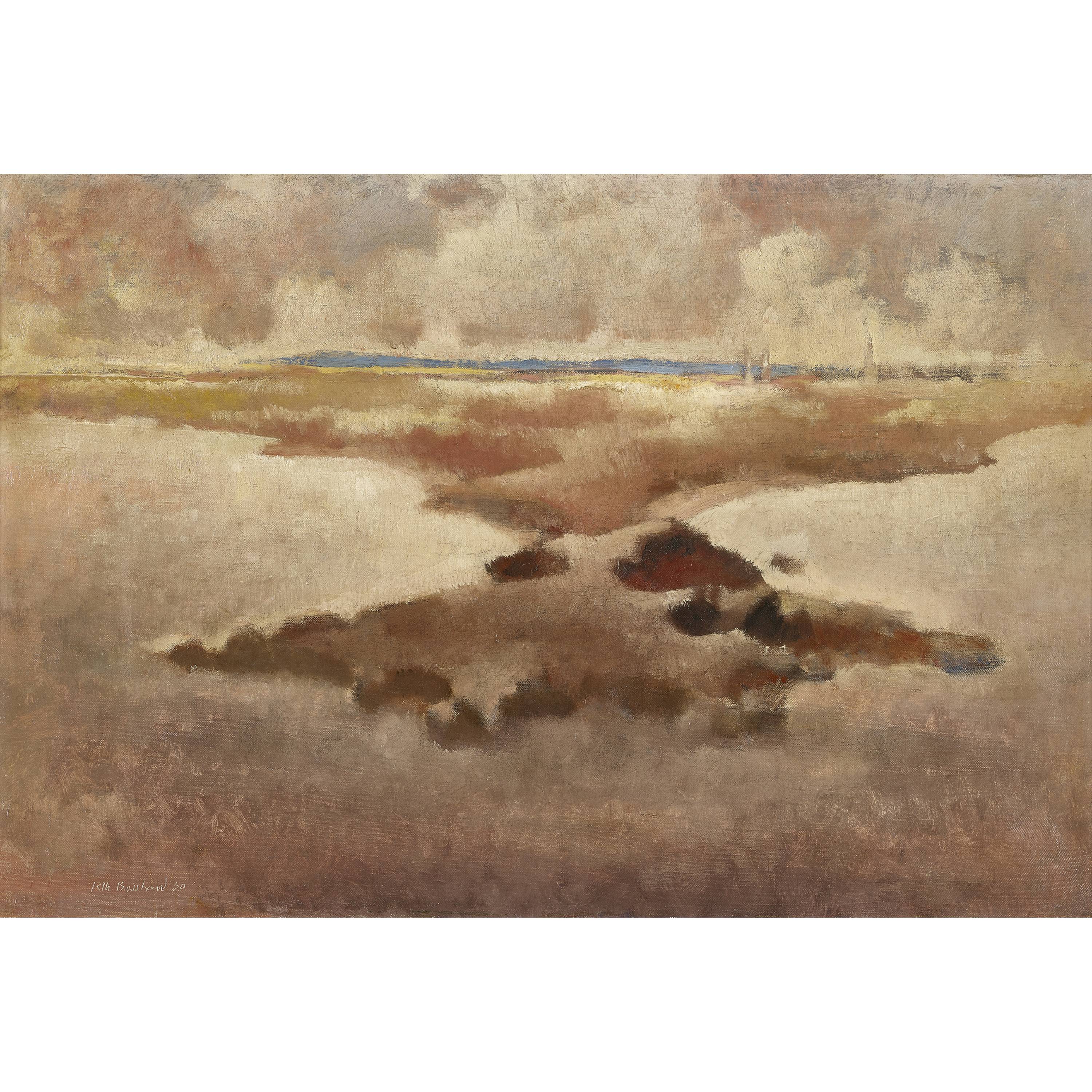
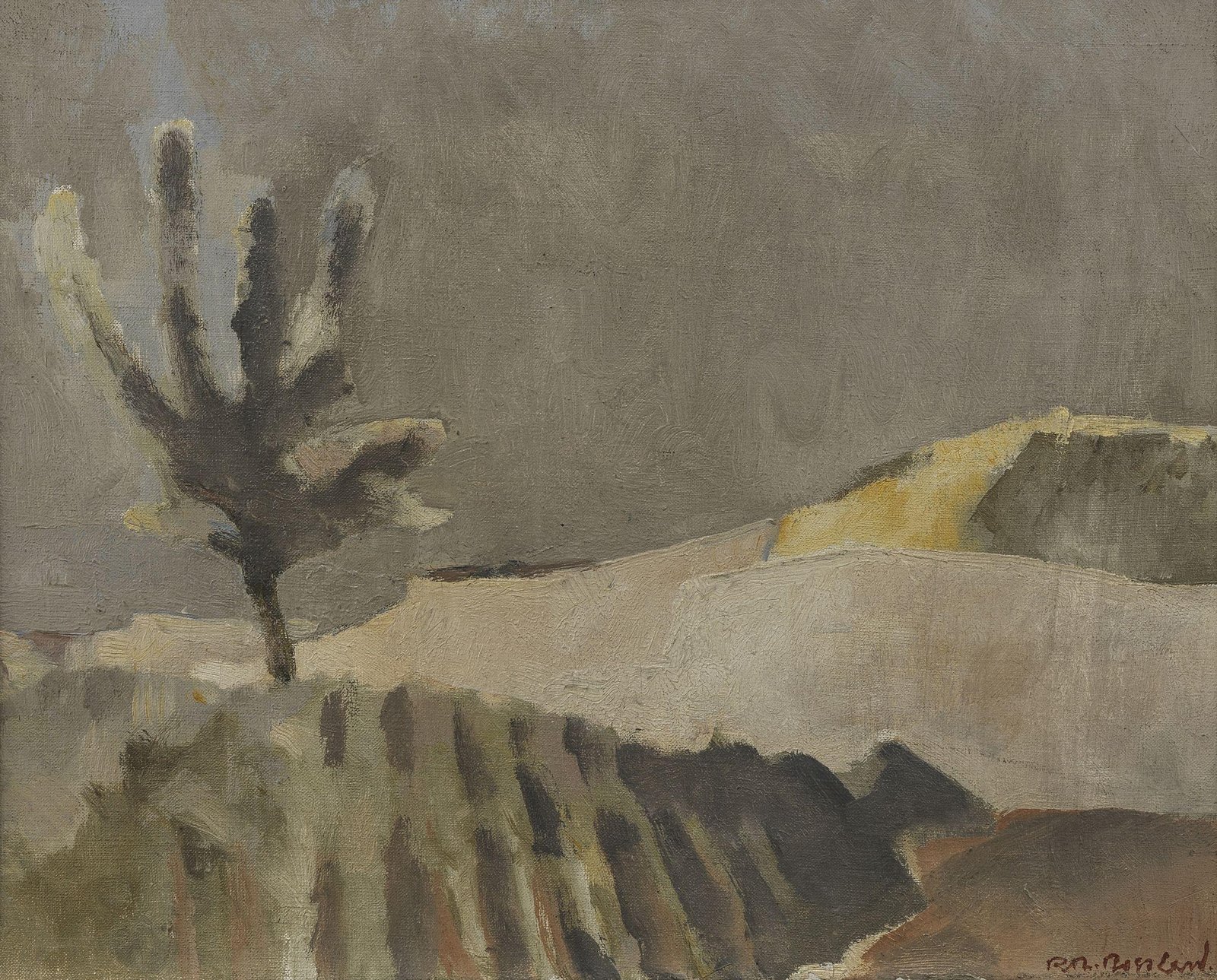
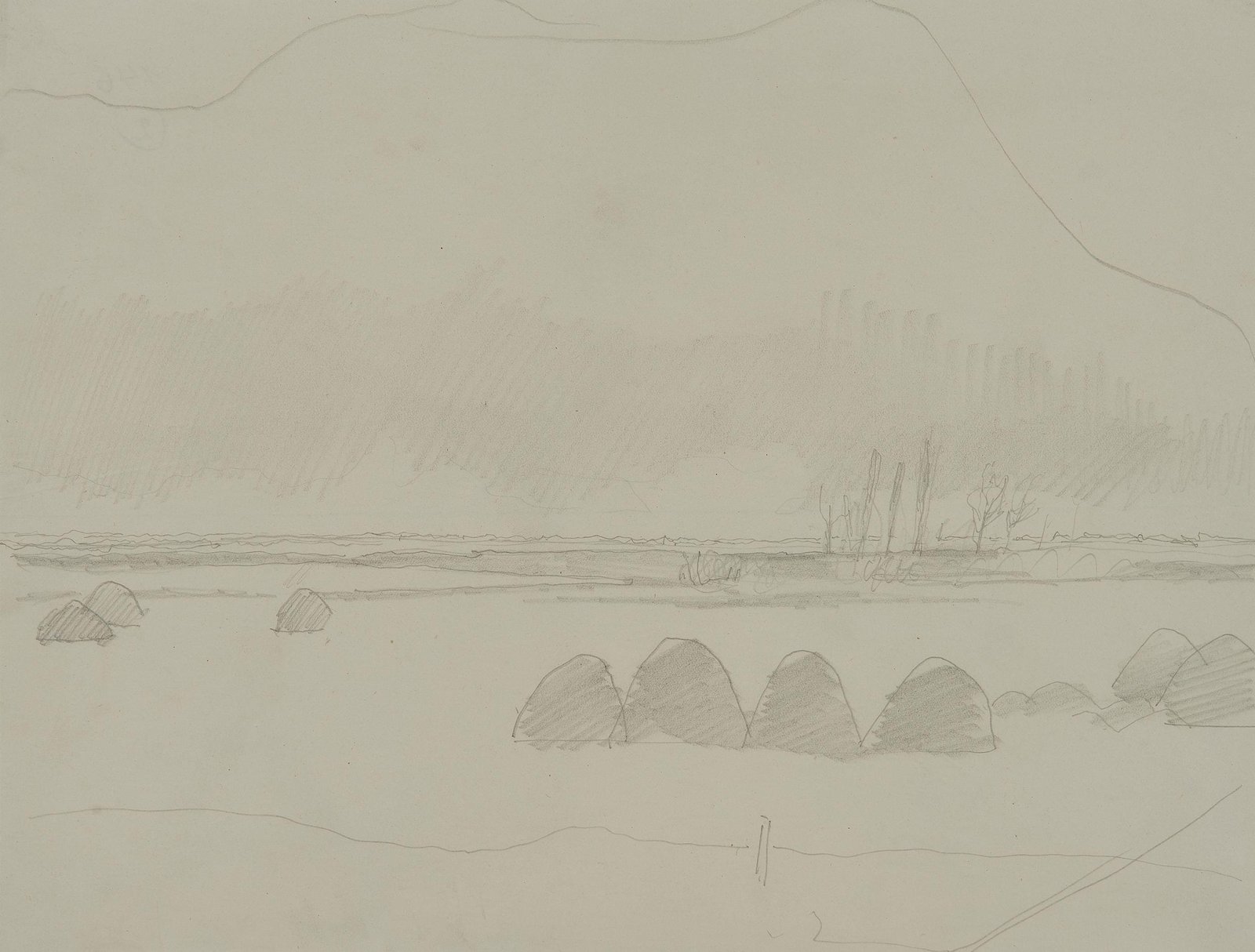
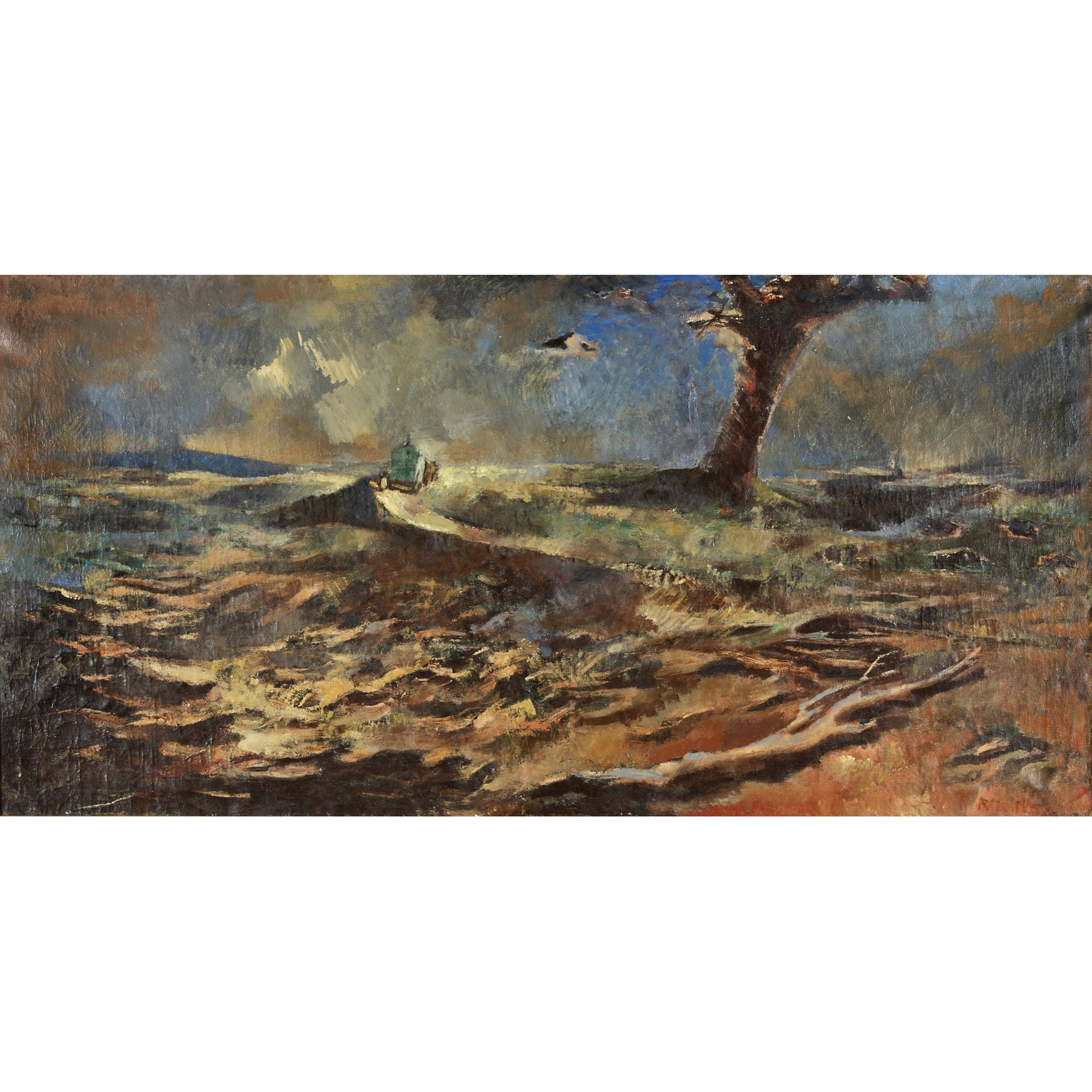
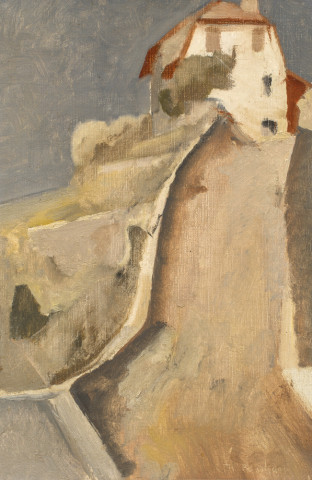
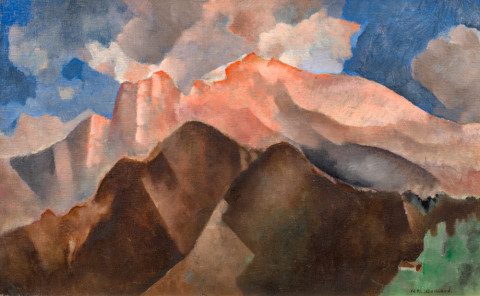
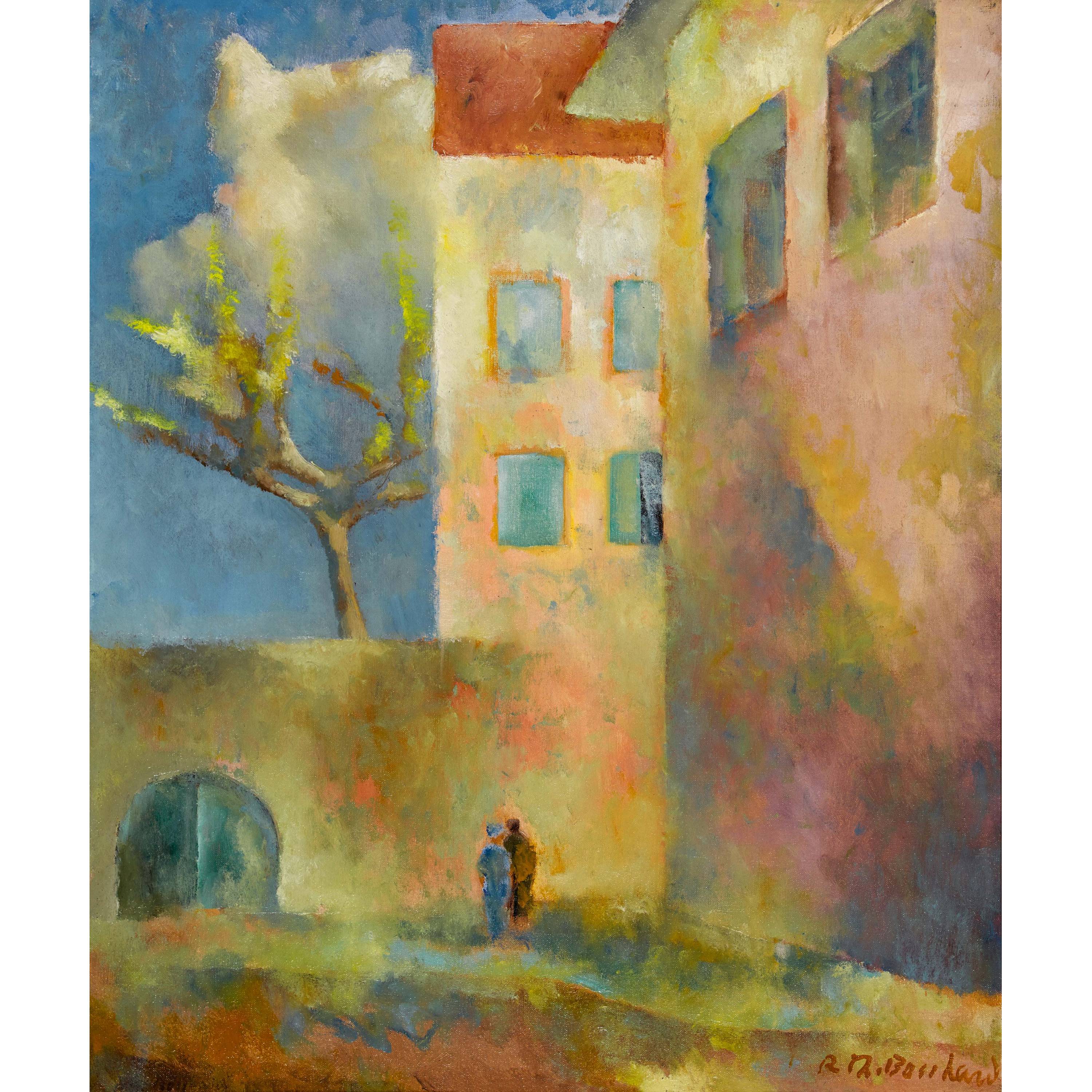
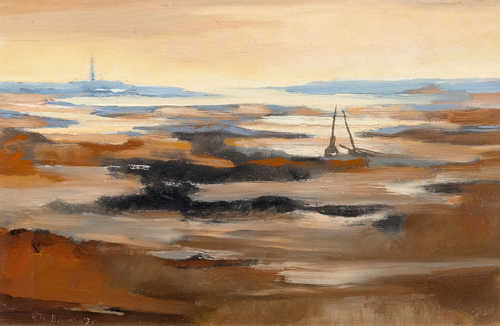
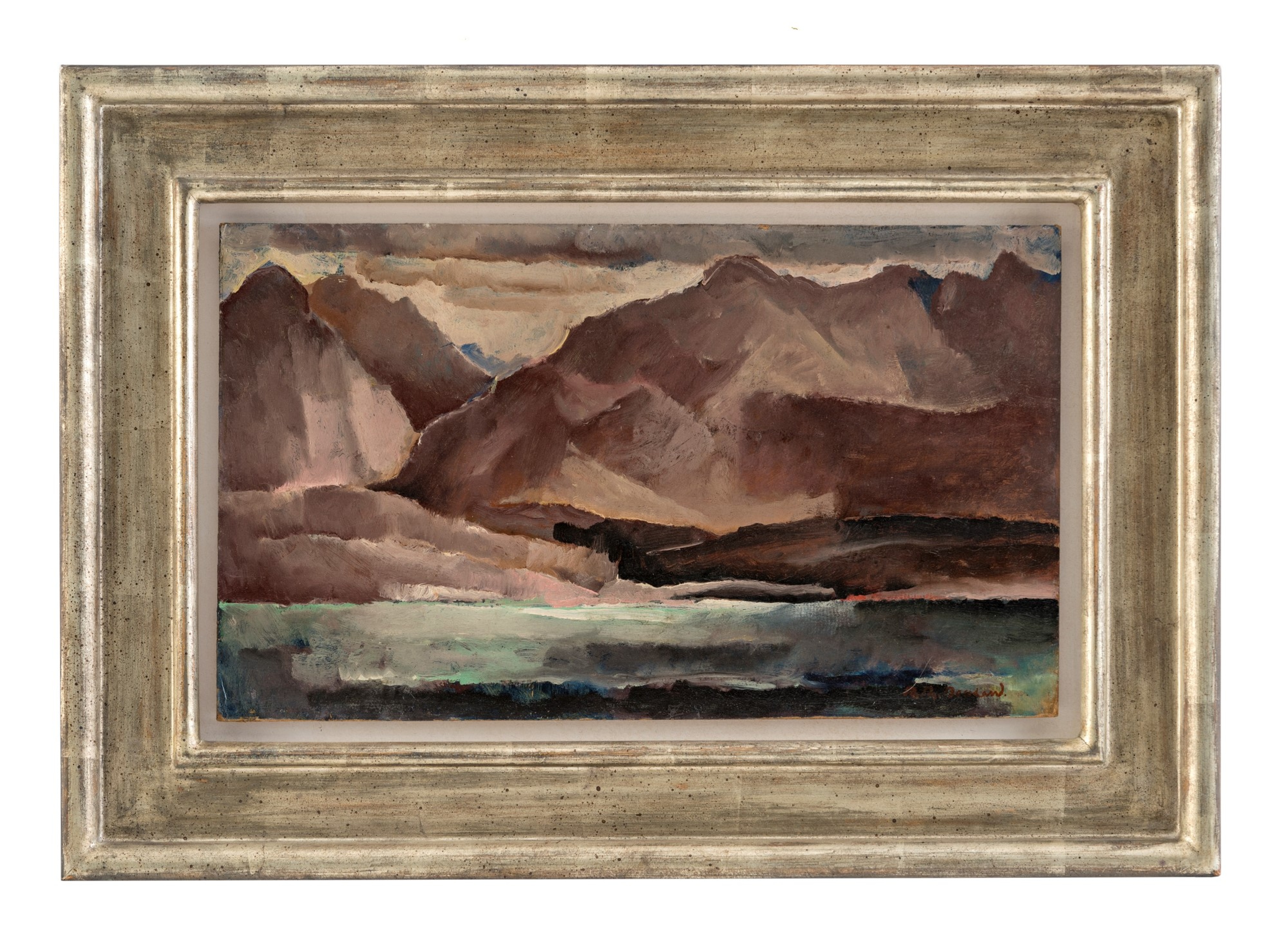
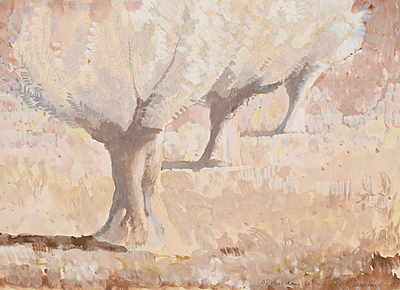
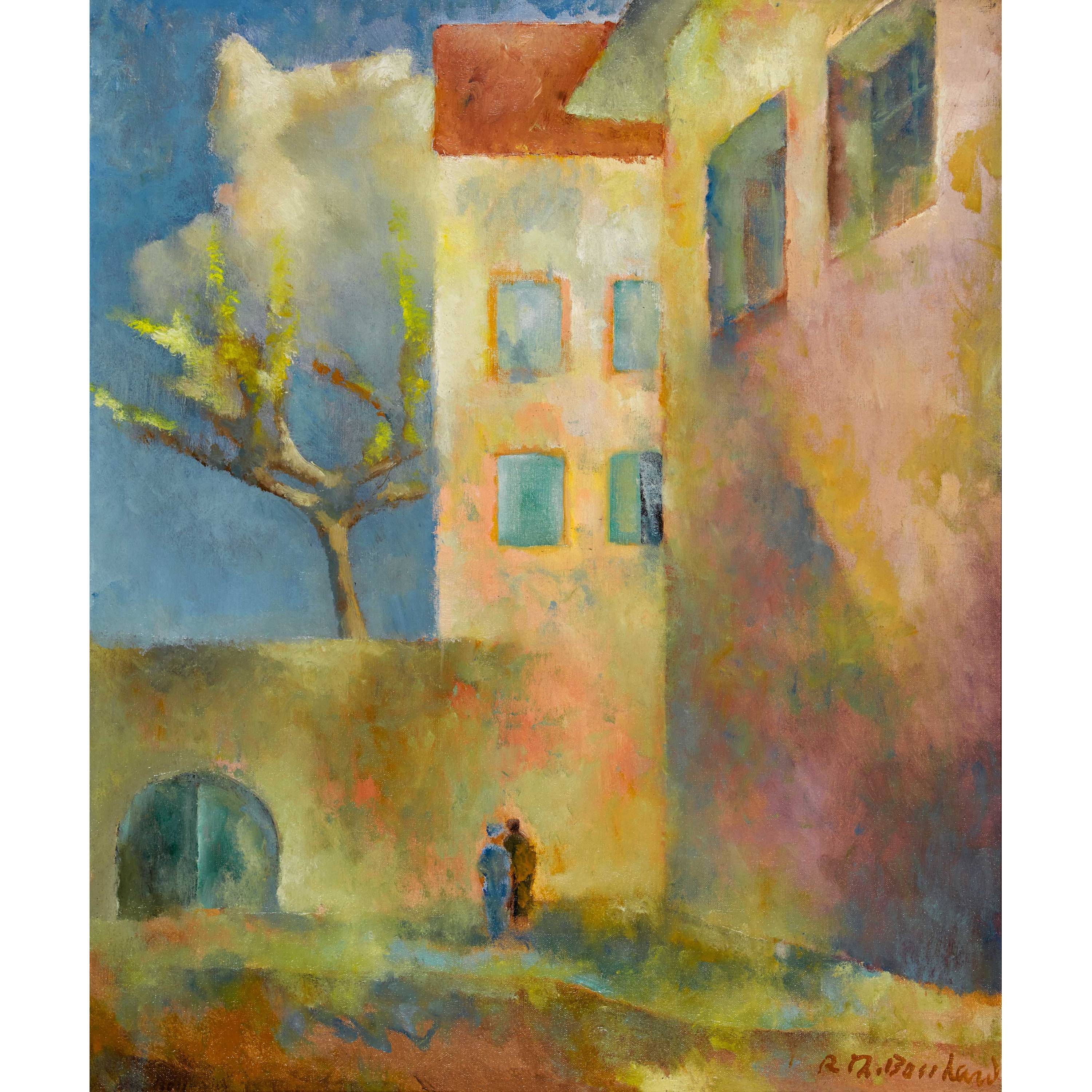
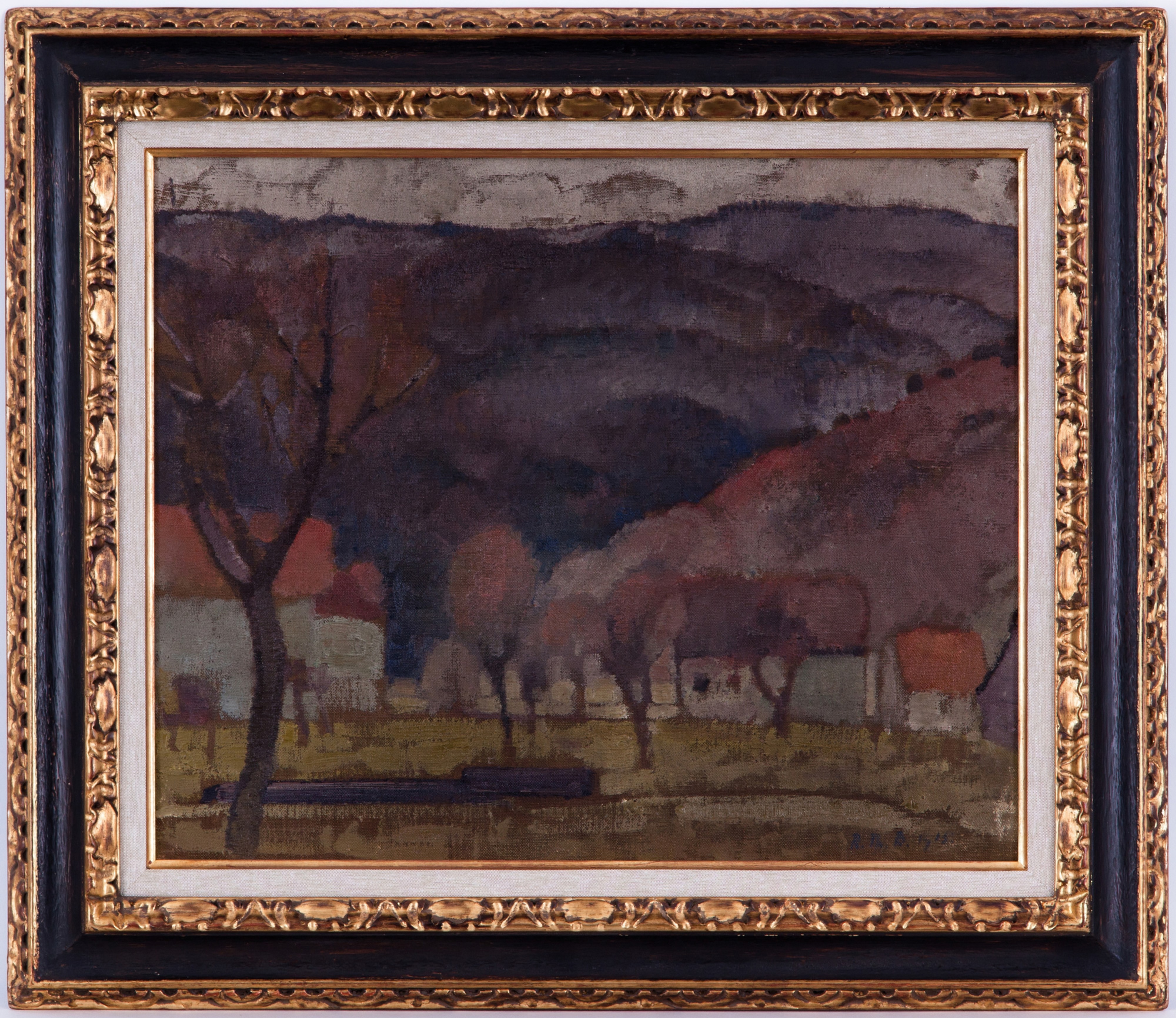
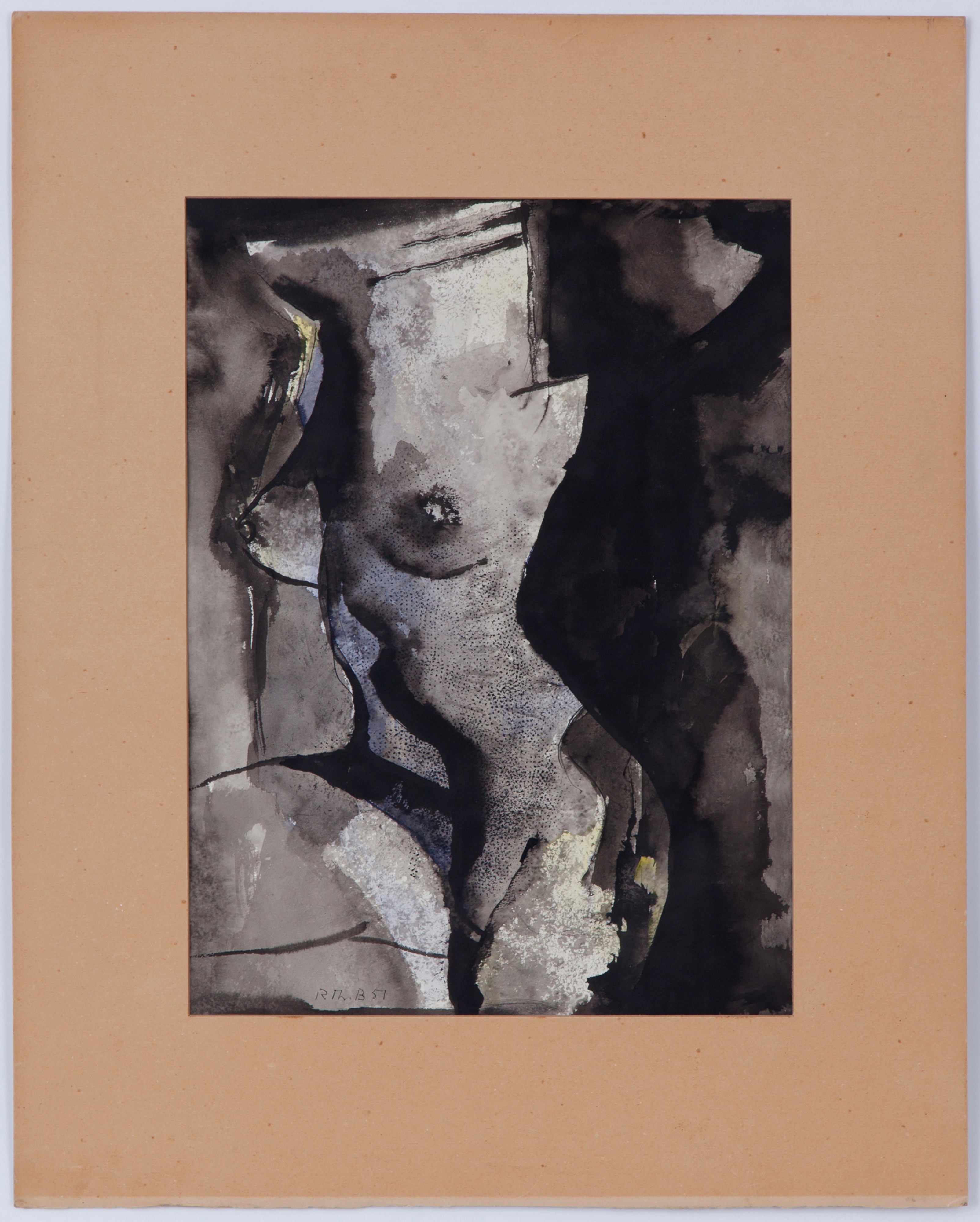
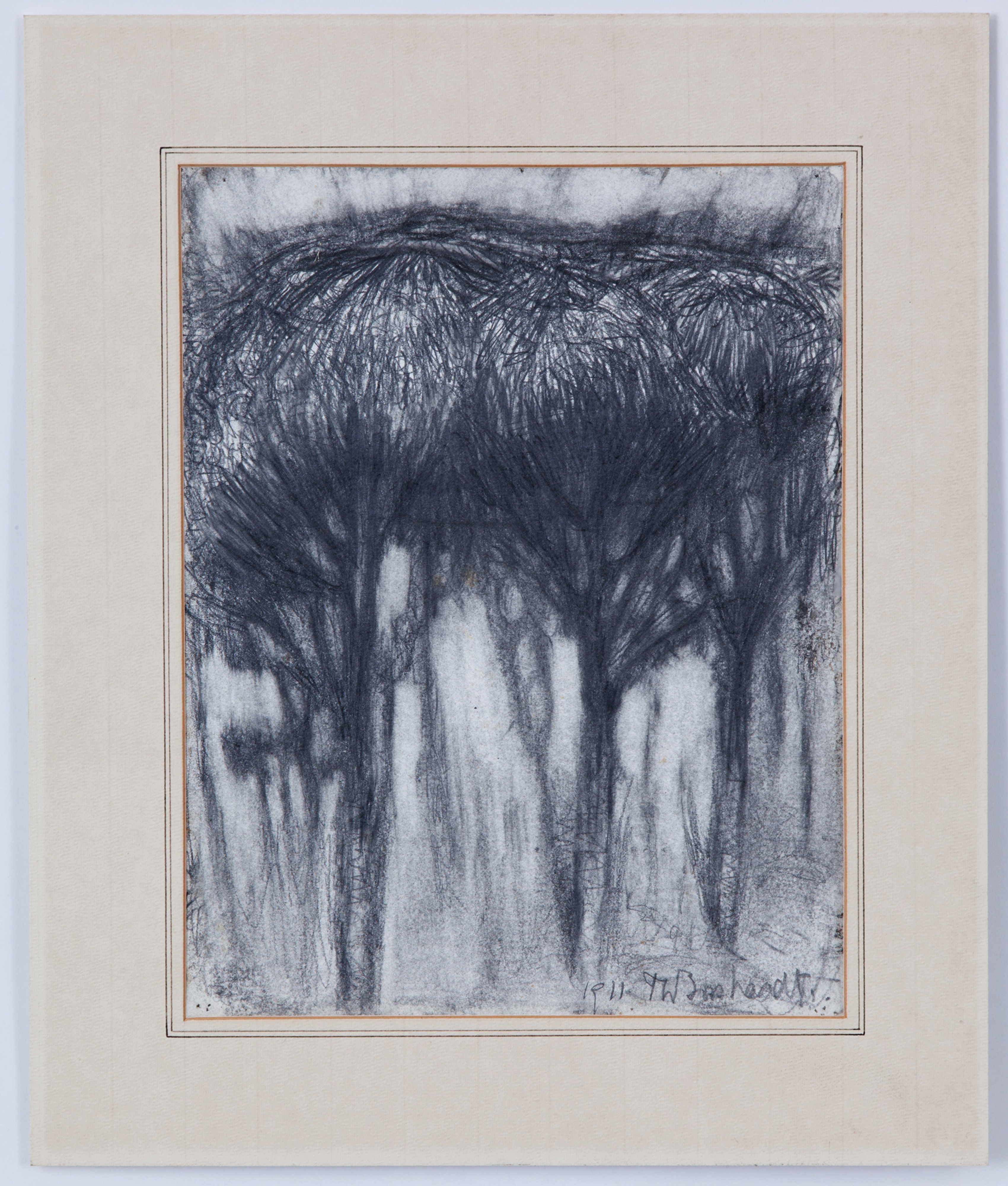
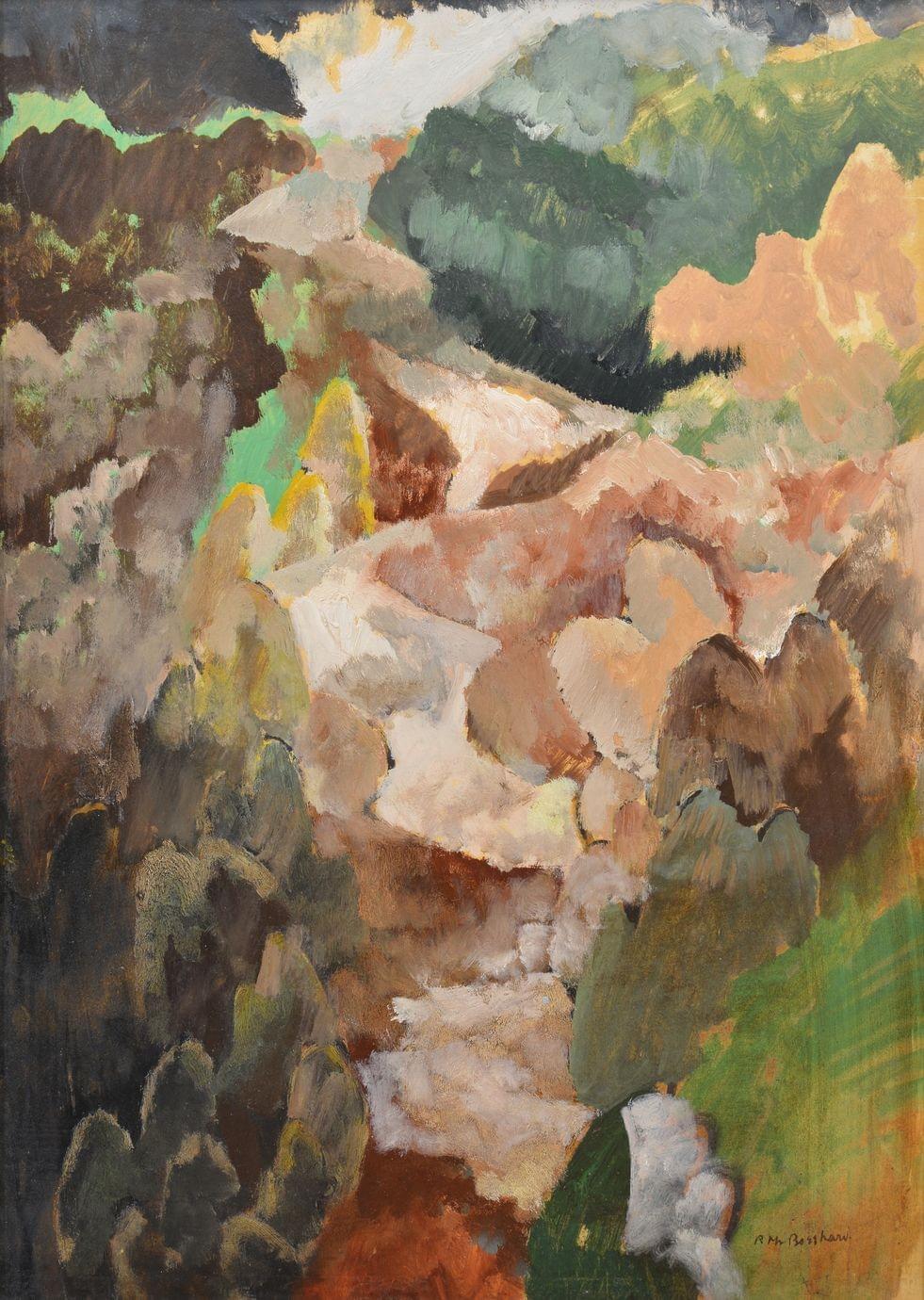
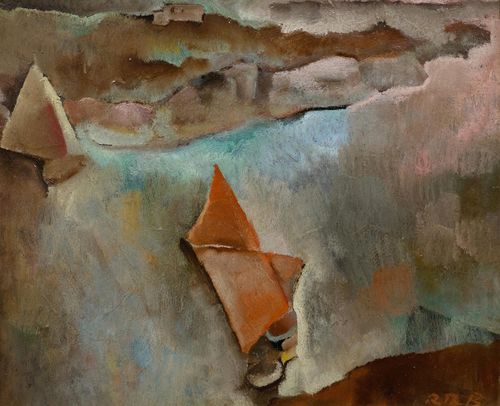
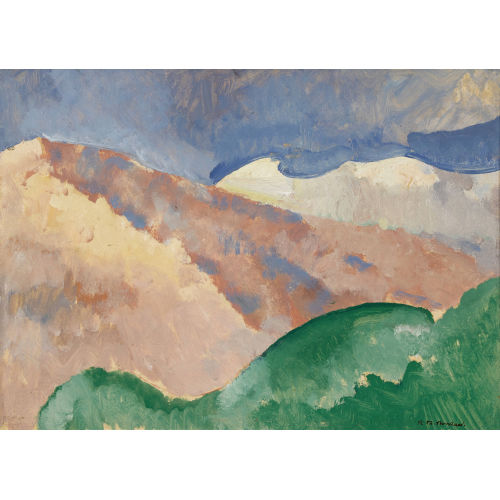
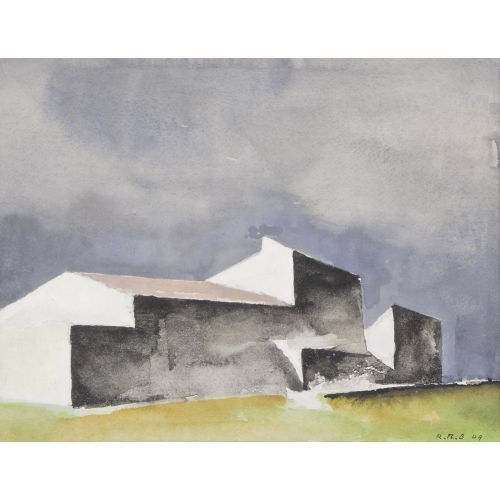
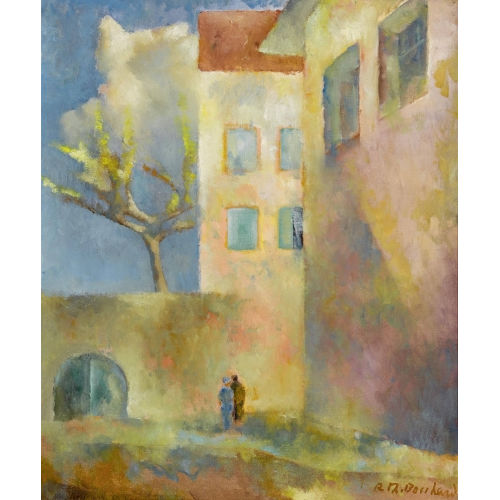
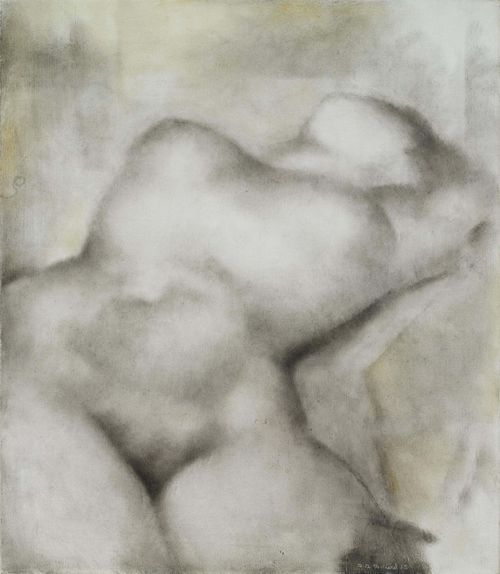
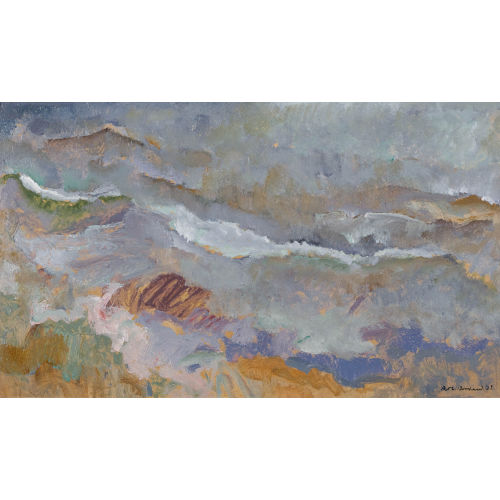
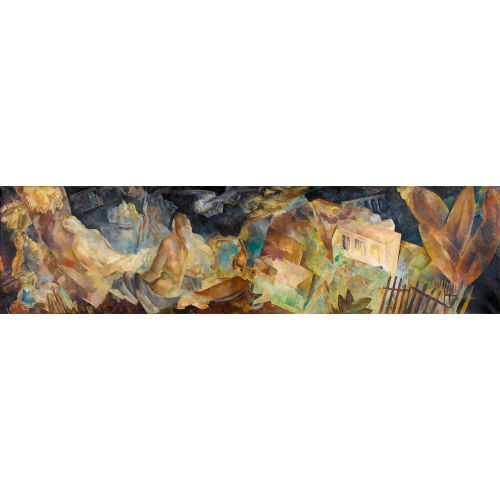
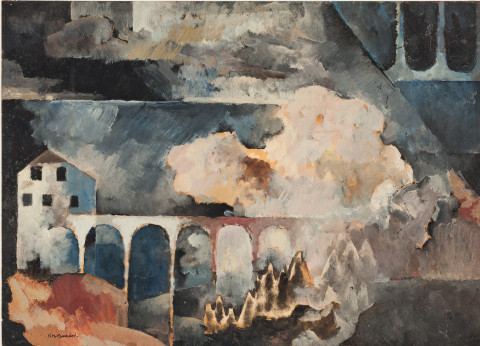
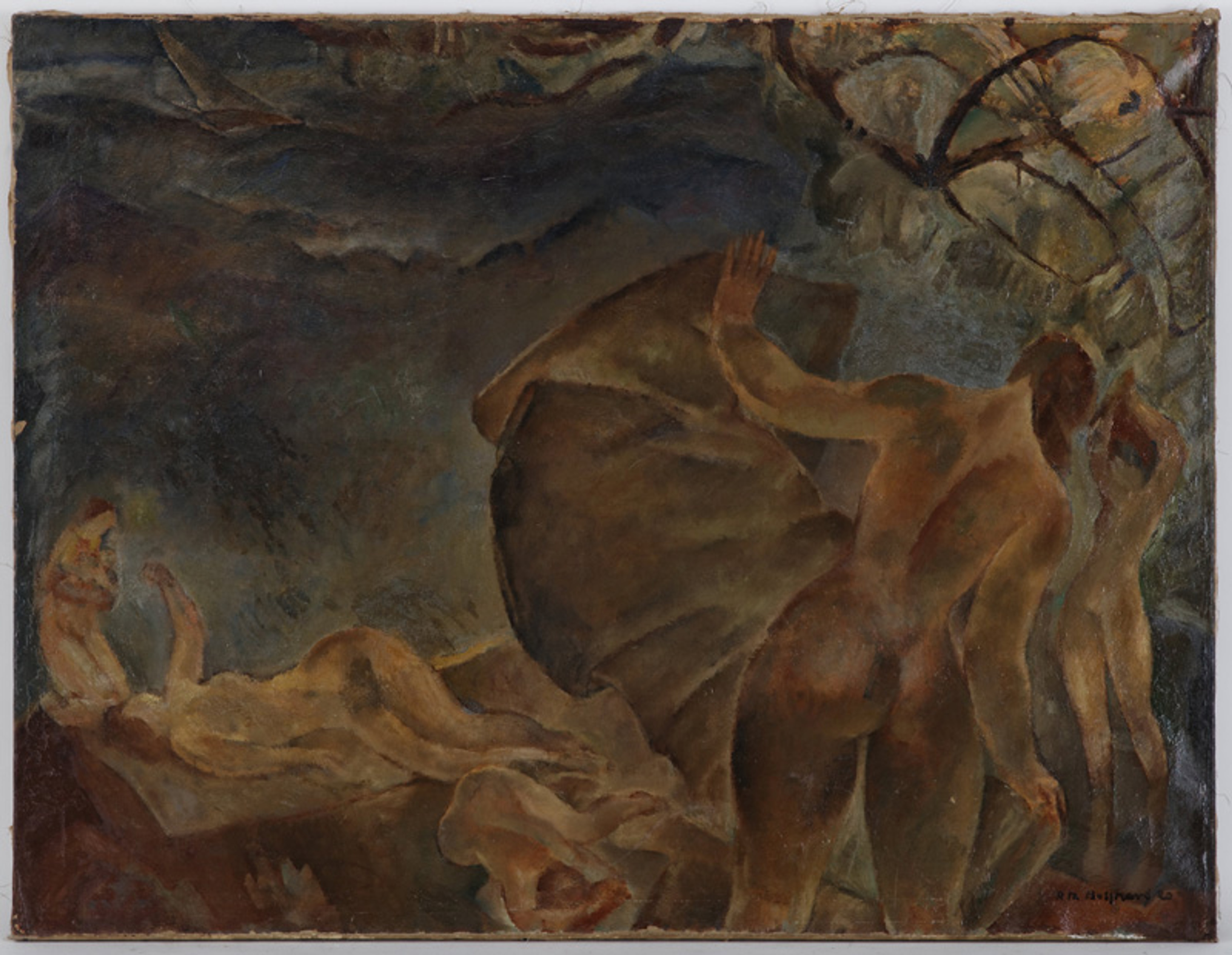
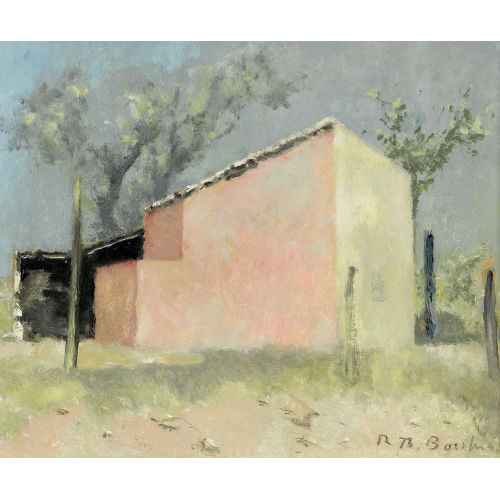
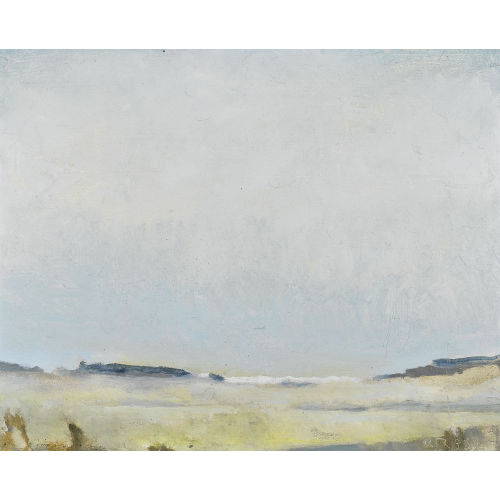
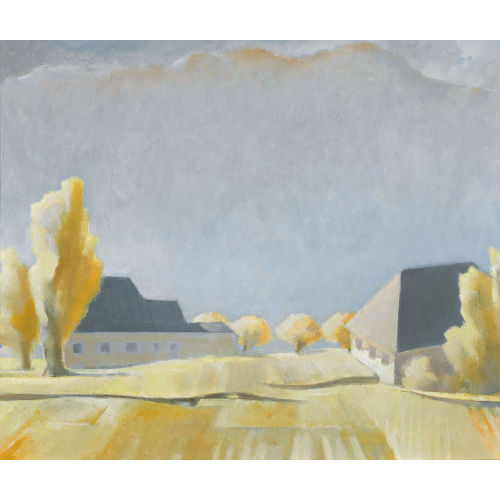
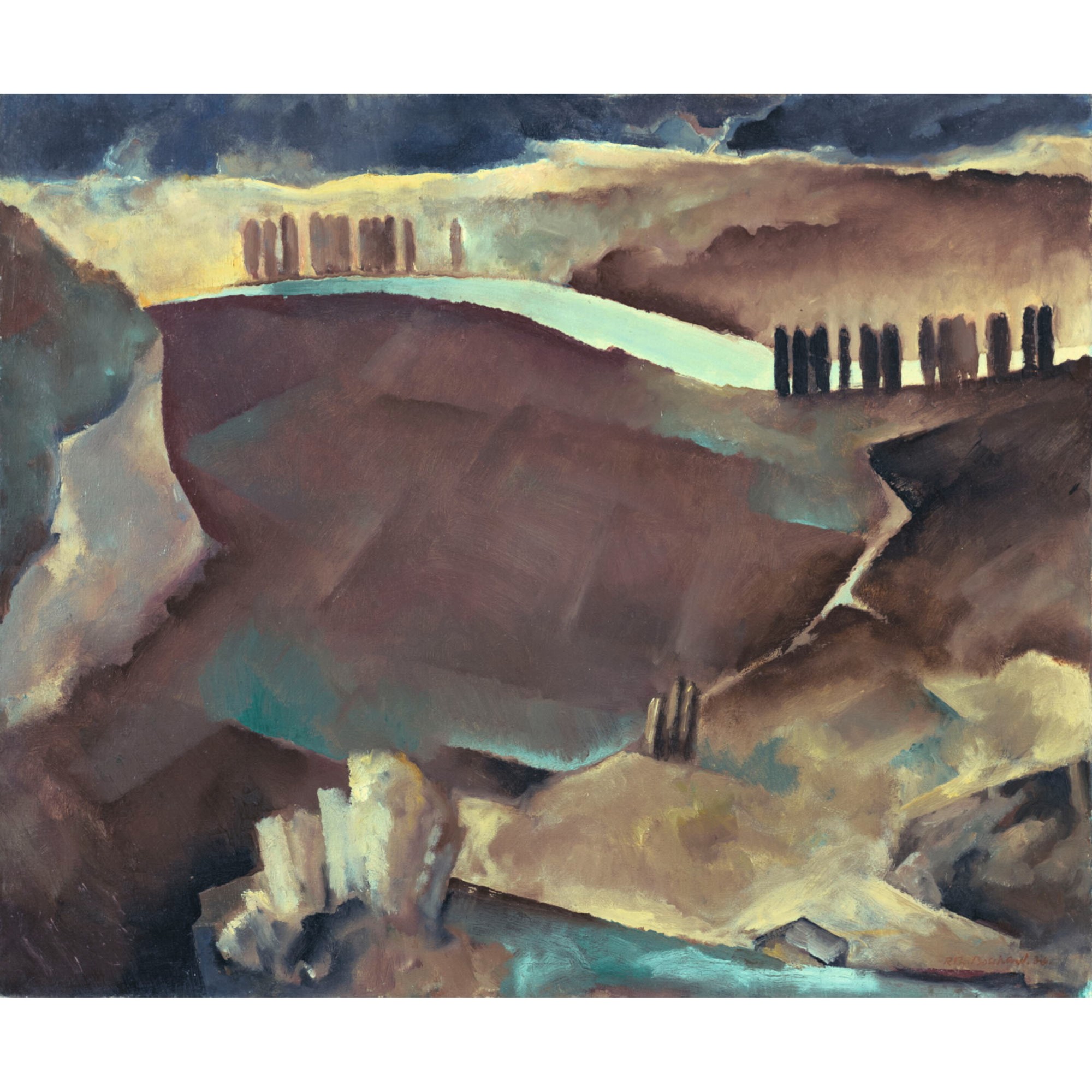
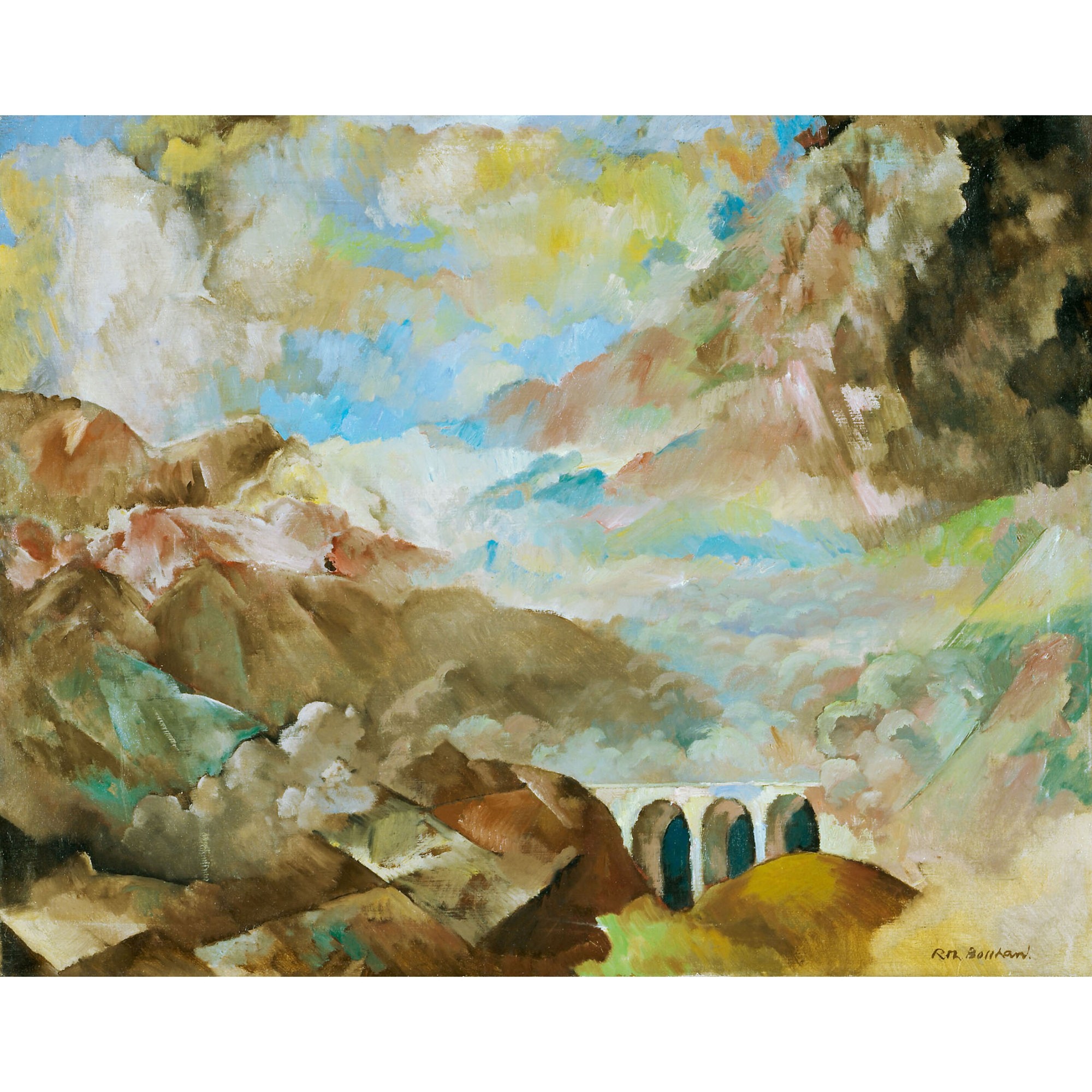
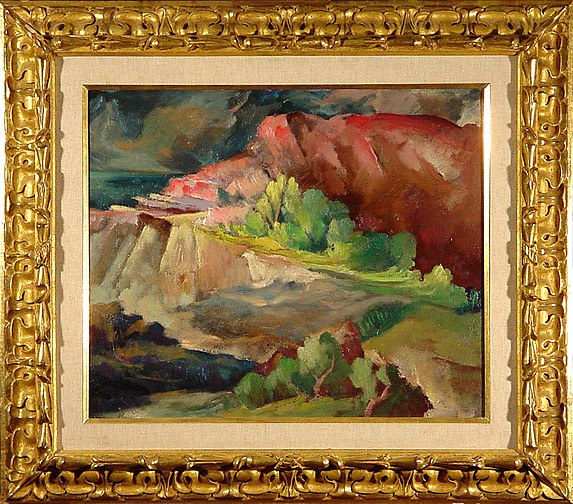
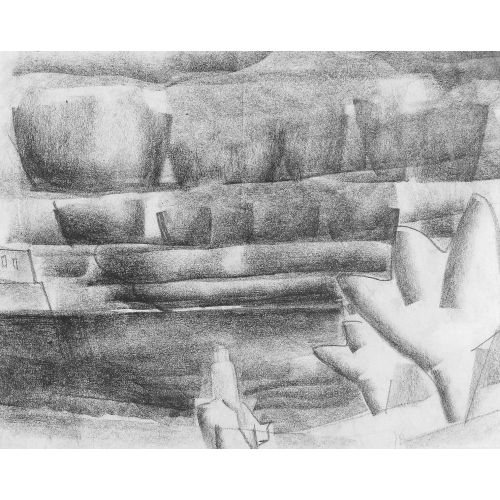
For Rodolphe-Théophile Bosshard (1889–1960), landscape is not merely a backdrop. Mountains, clouds and rocks participate in a composition in which natural forces seem to set forms in motion. Painted around 1925 and held in the Mobilière collection, *Paysage au viaduc* offers a striking reading of this approach: human architecture appears fragile in the face of the vastness of the surrounding world.
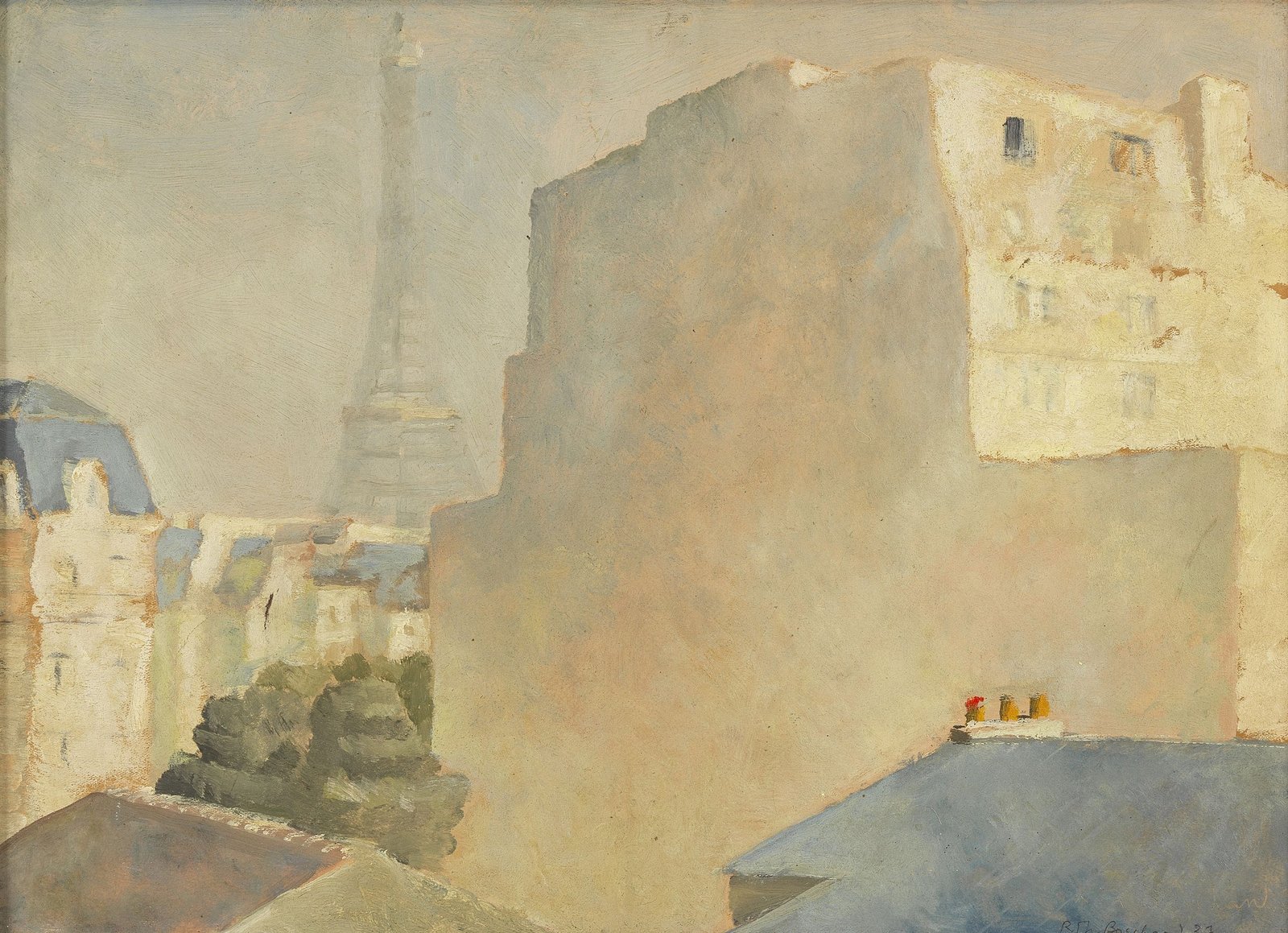
Born in Morges, Bosshard studied at the École des Beaux-Arts in Geneva from 1907 to 1909, notably under Eugène Gilliard and David Estoppey. He became close to Gustave Buchet, with whom he discovered Paris in 1910. His stay in Paris during the 1920s brought him into contact with a milieu in which painters, sculptors and writers crossed paths.
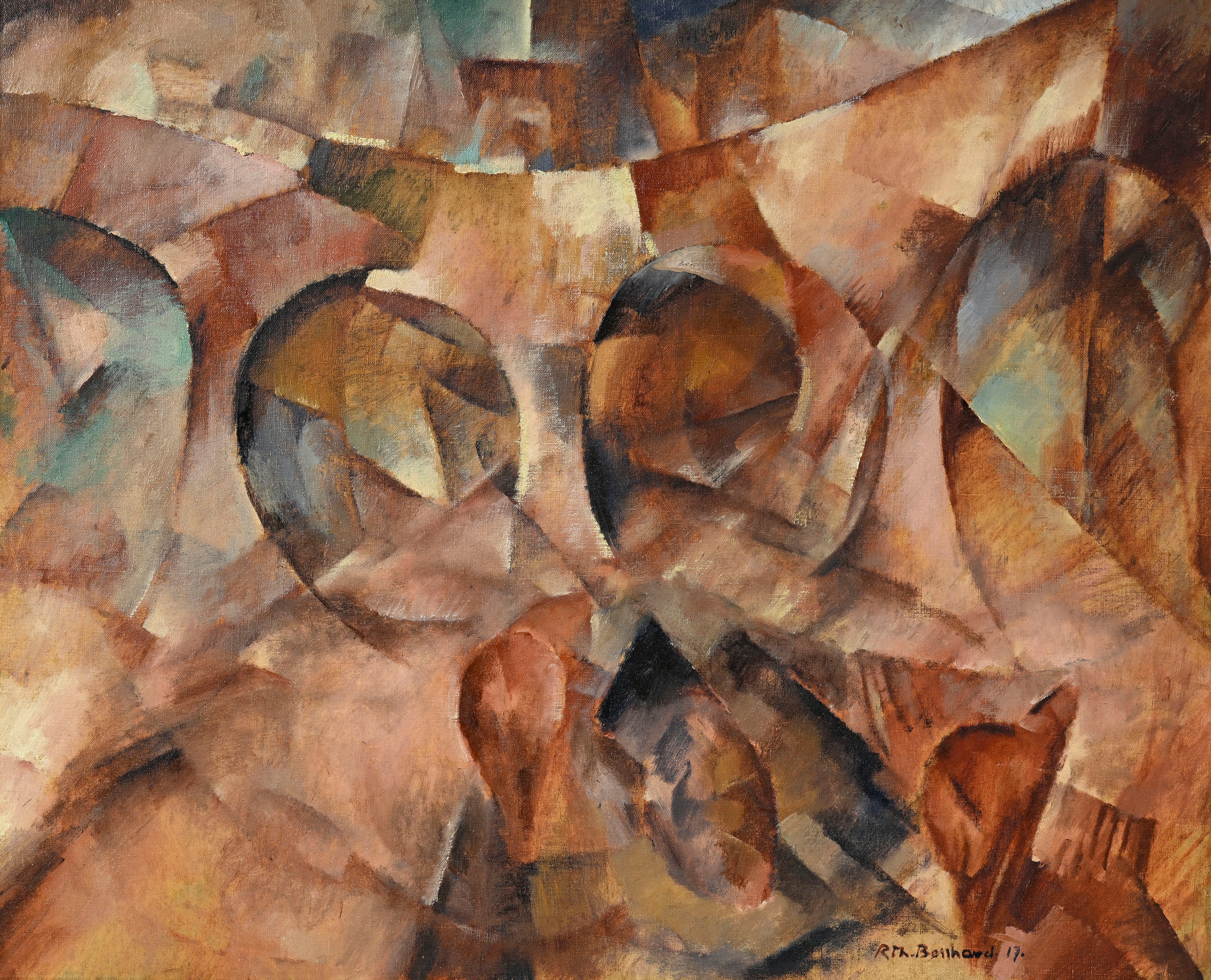
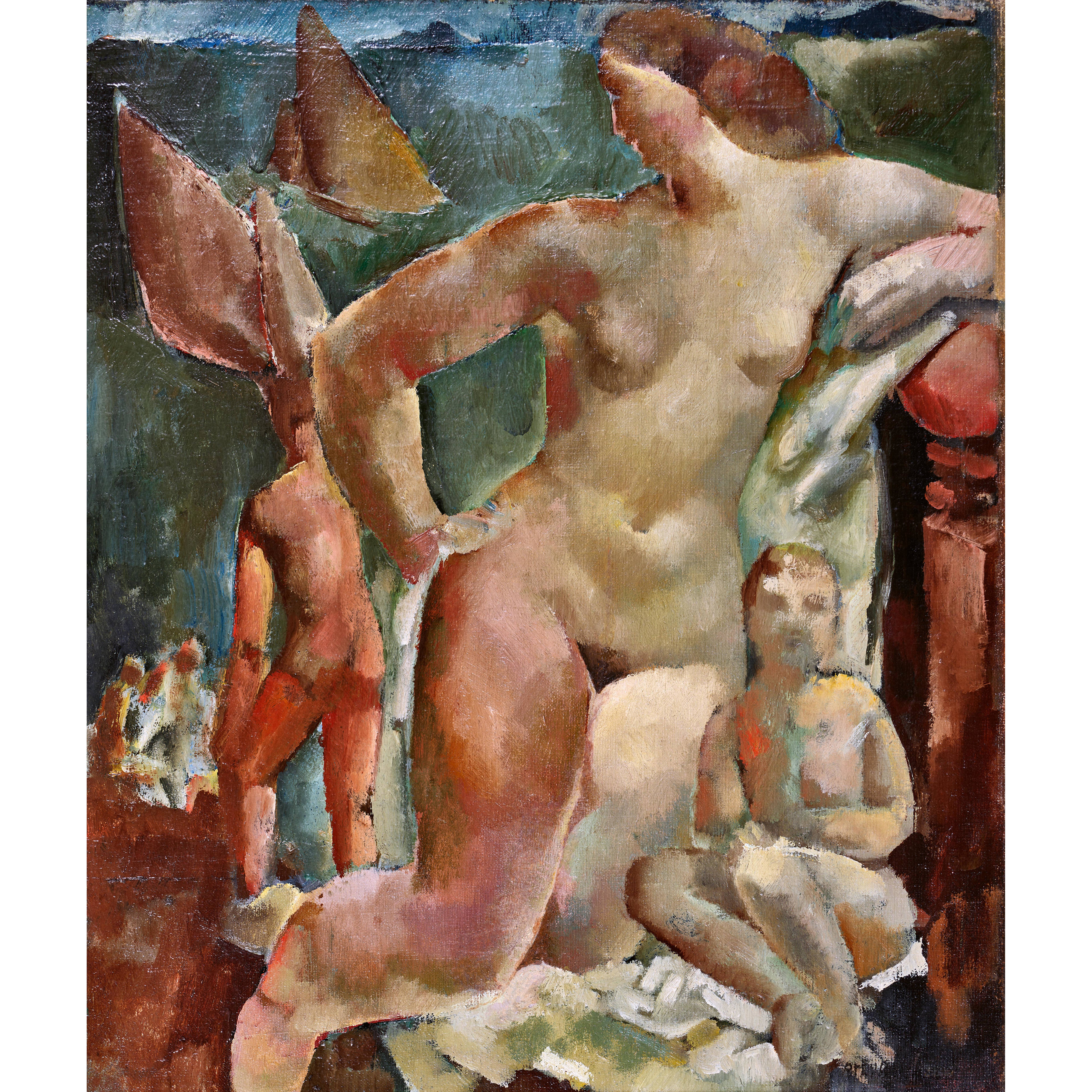
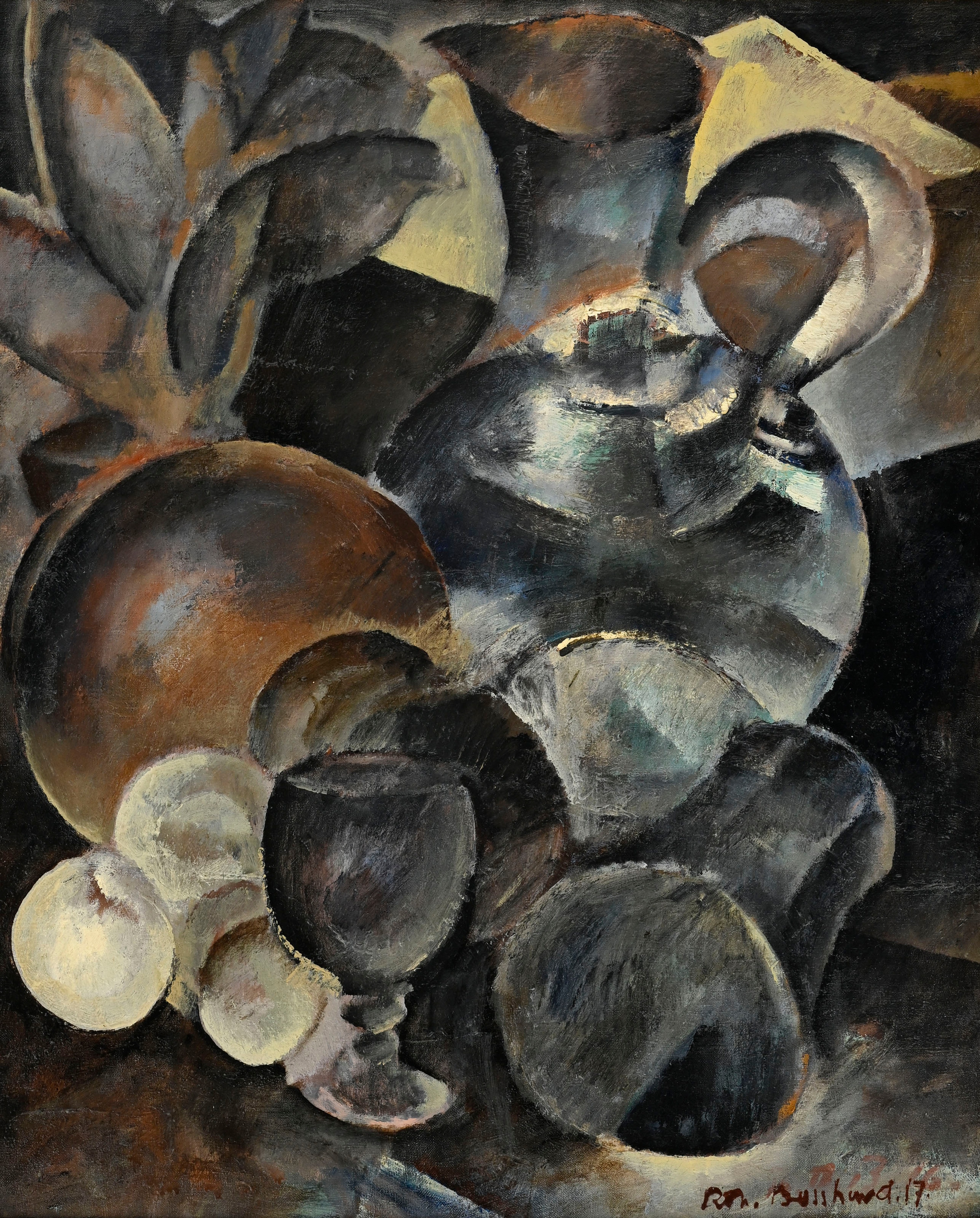
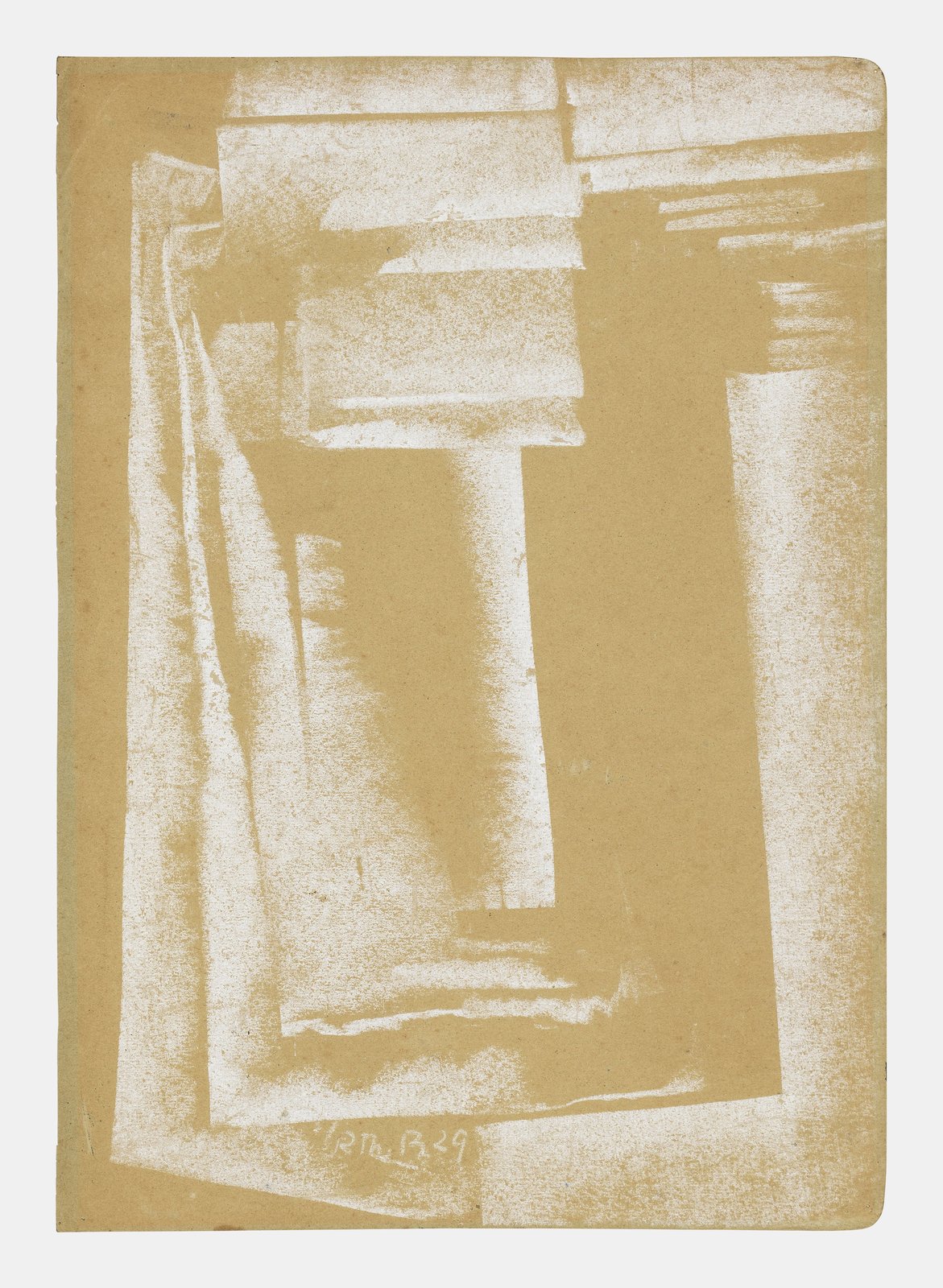
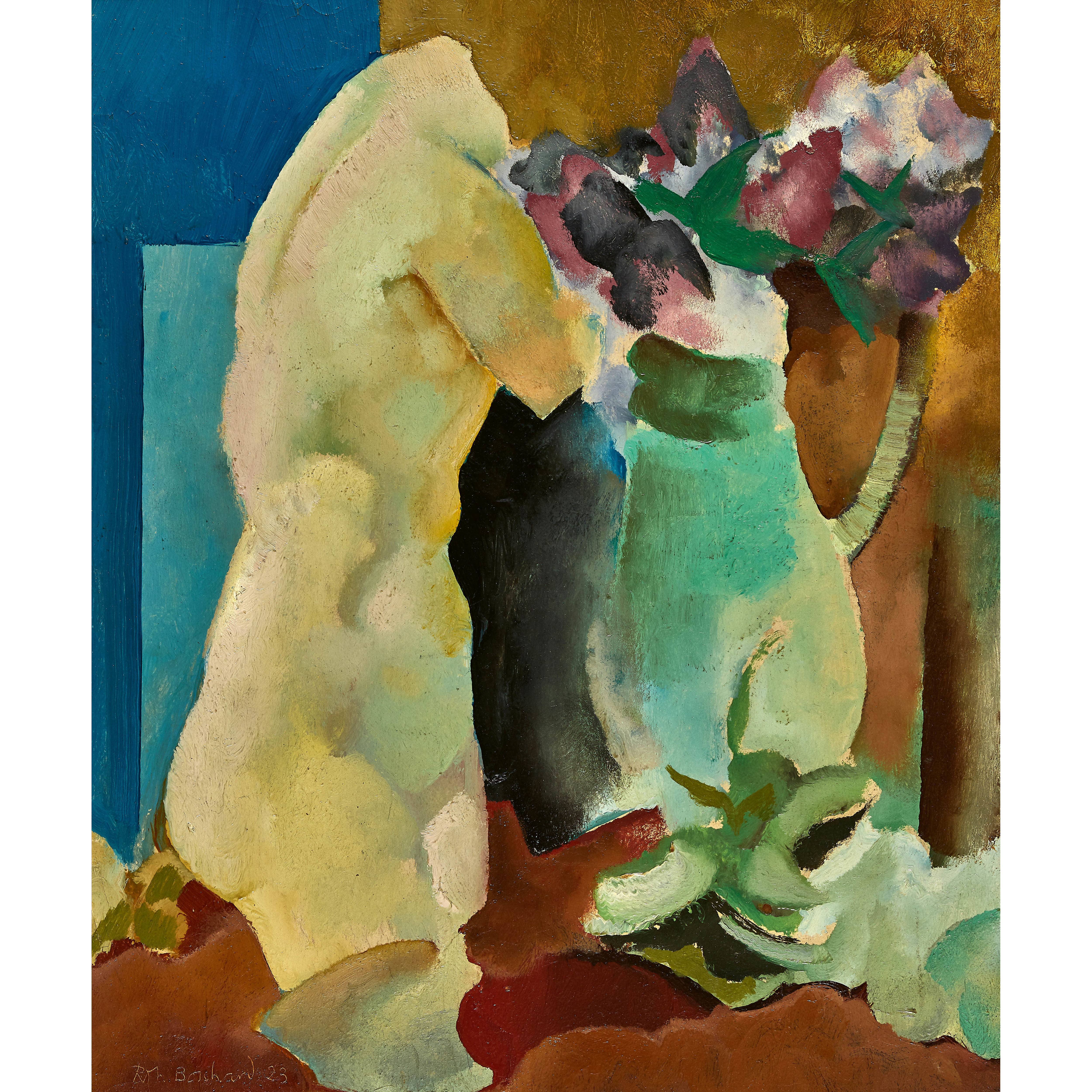
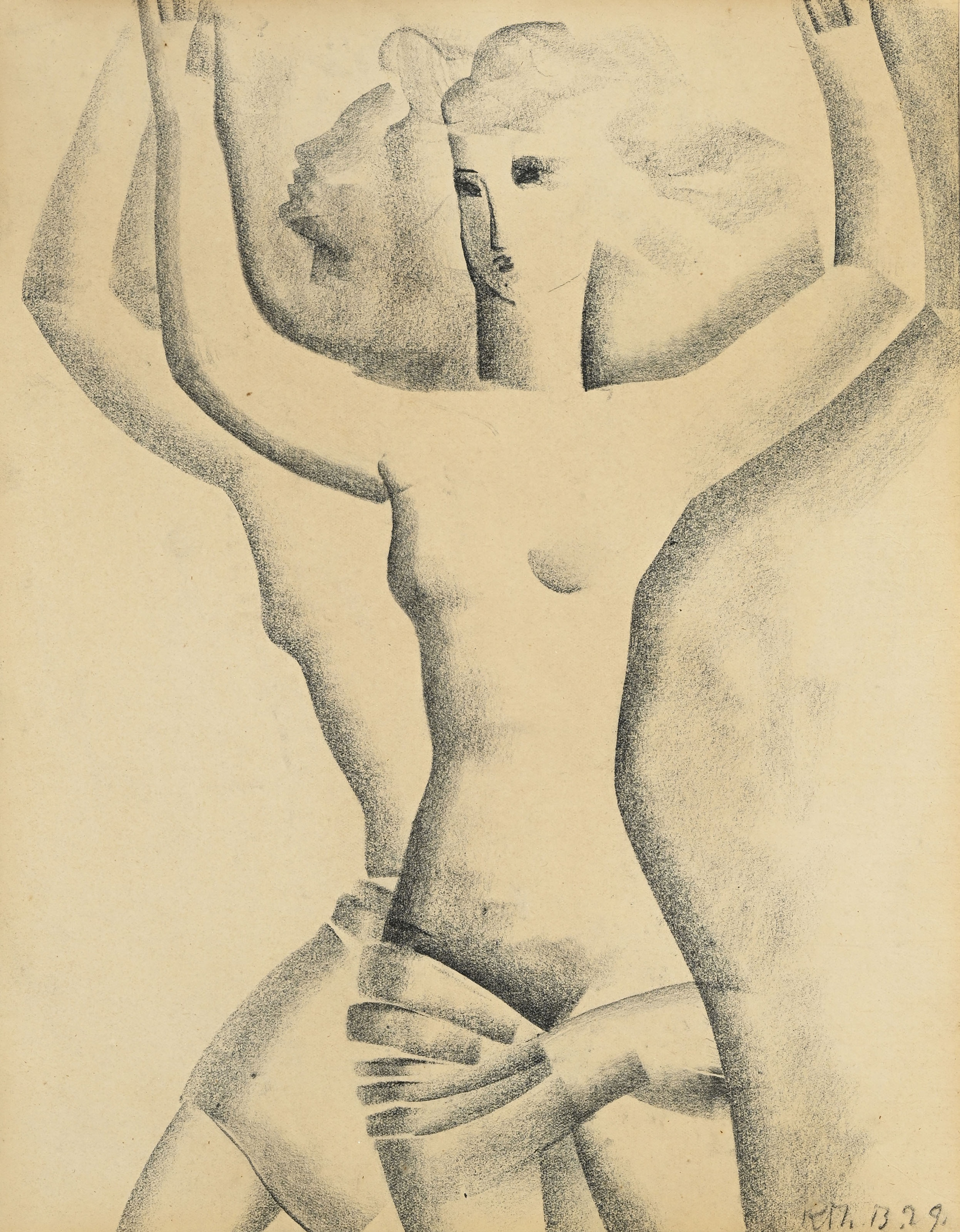
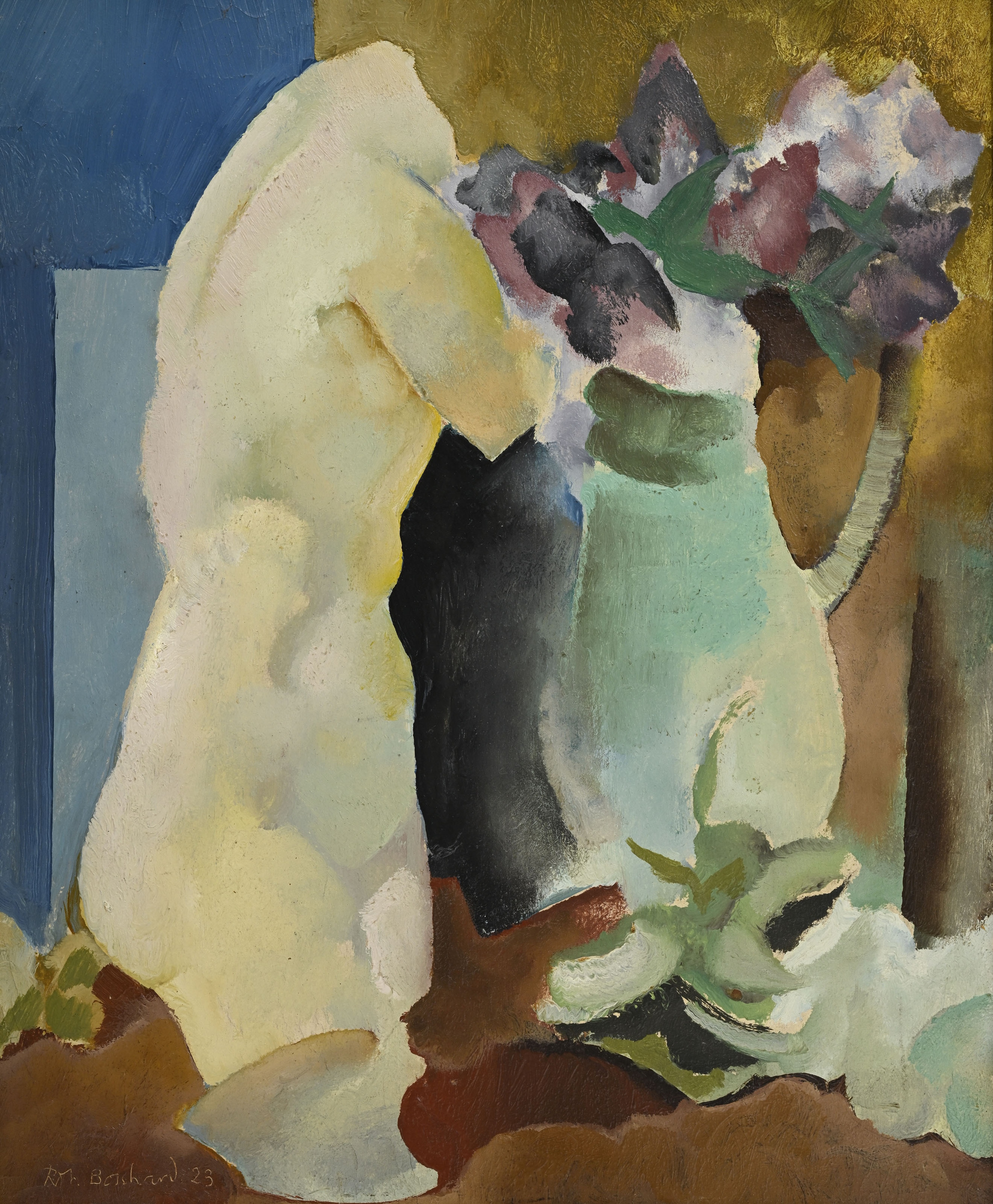
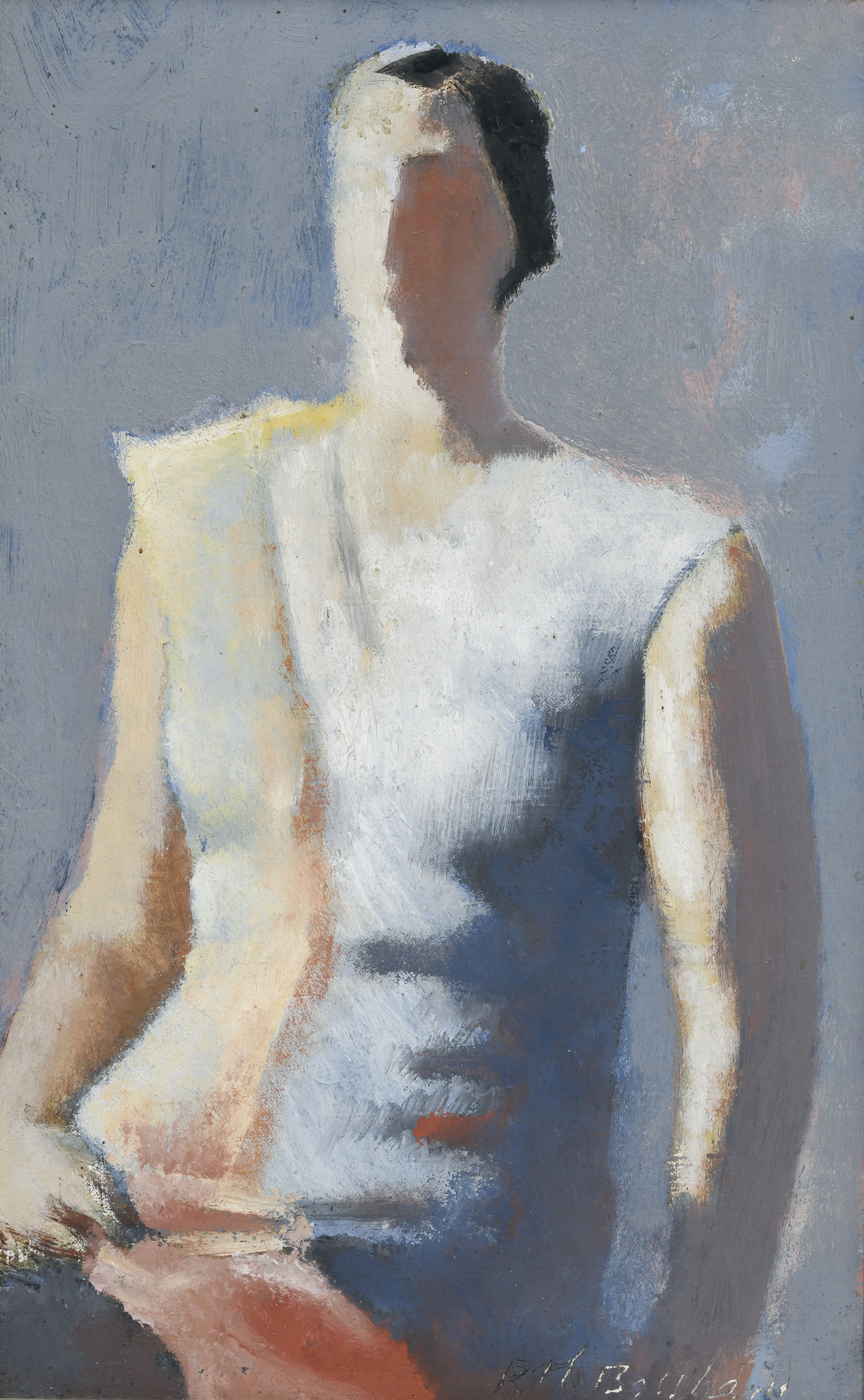
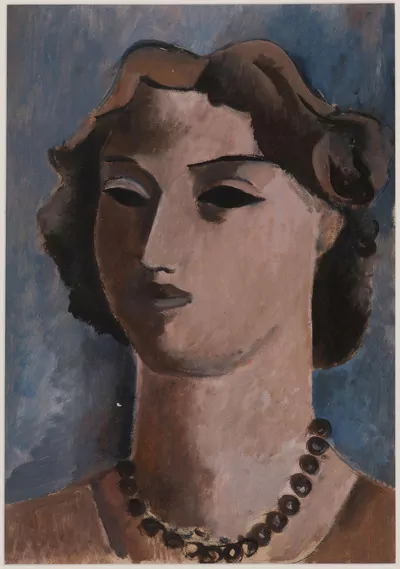
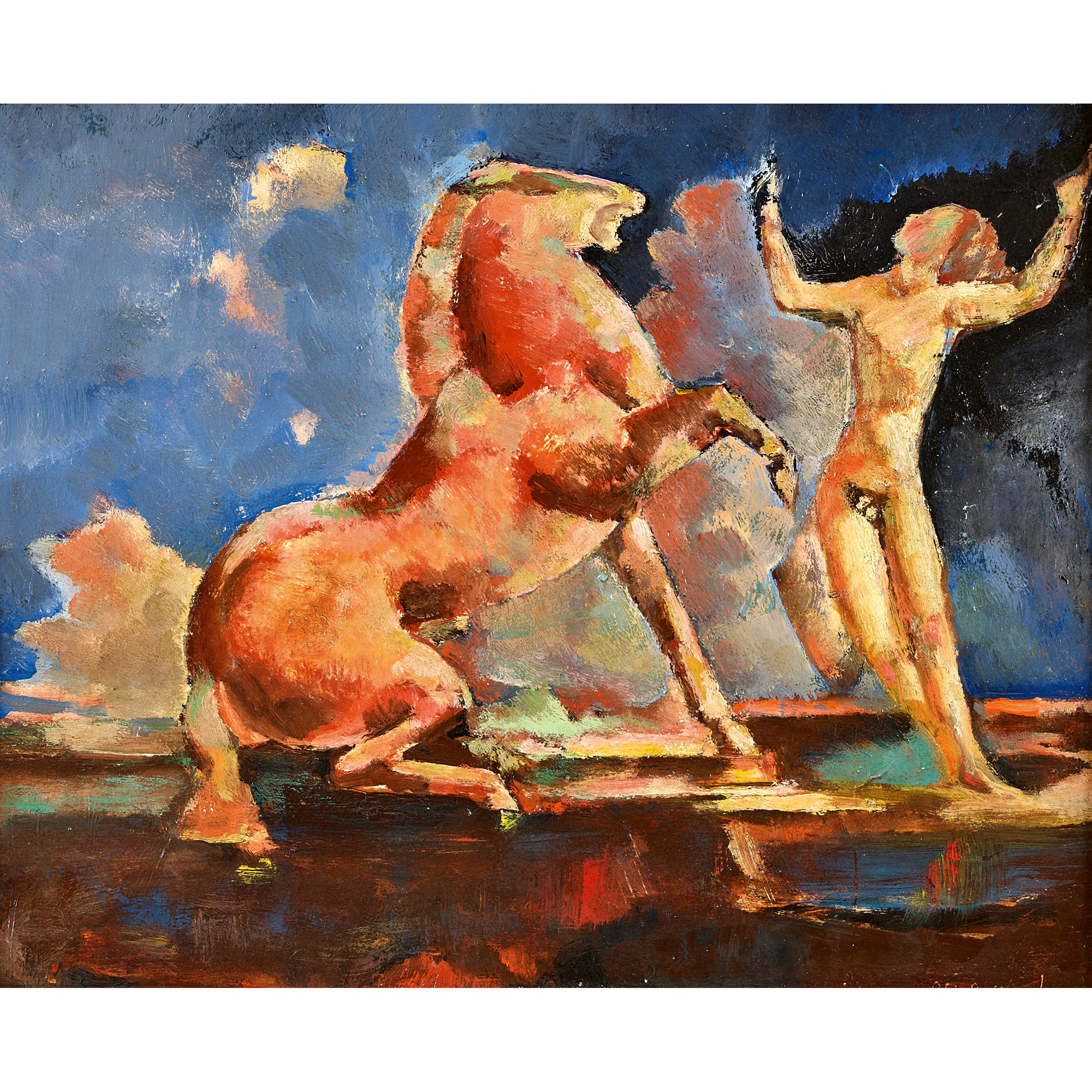
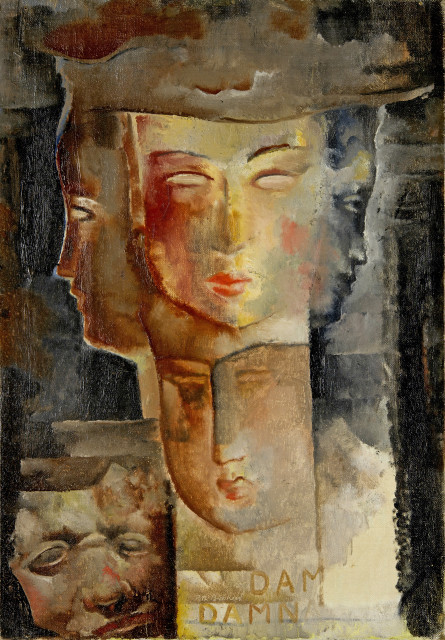
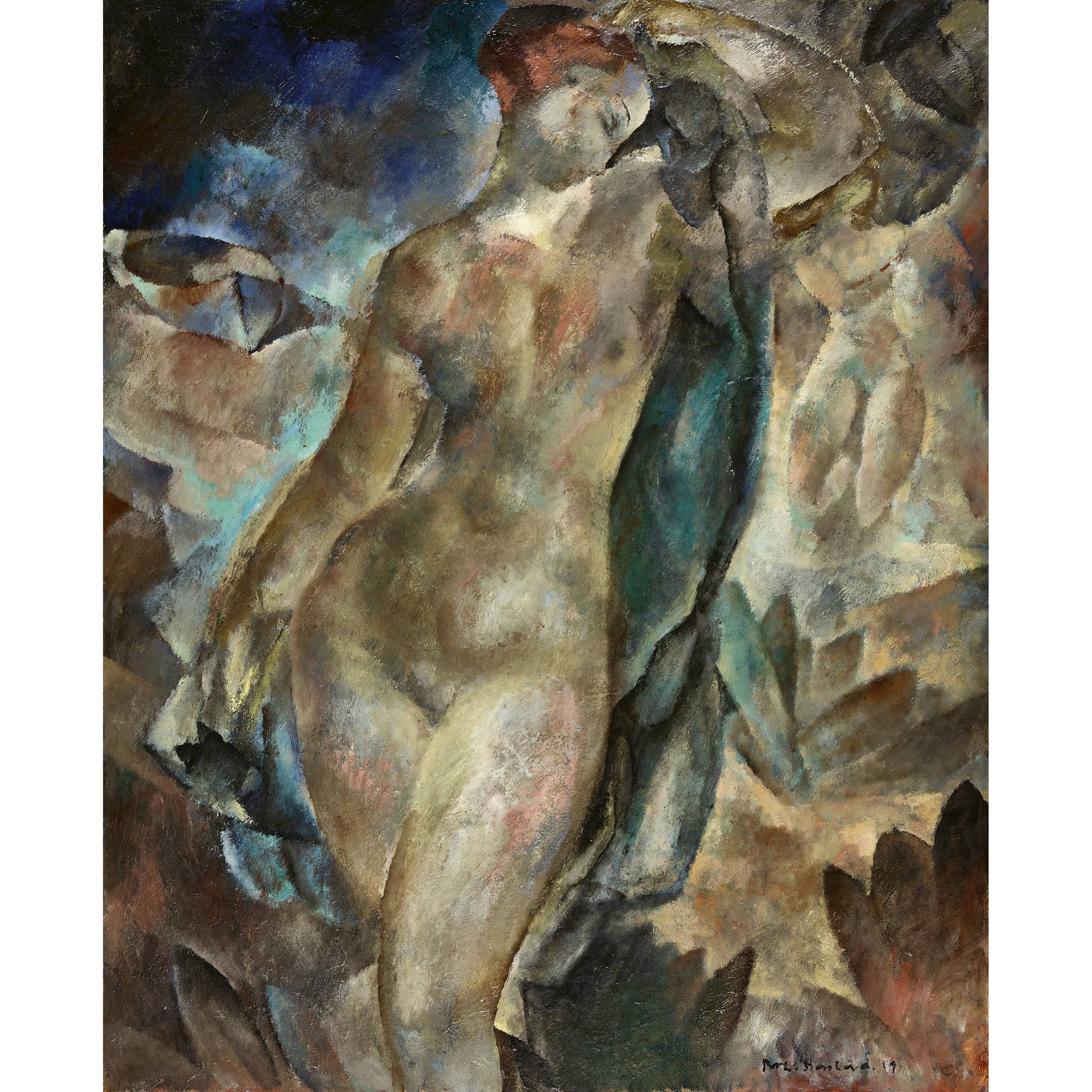
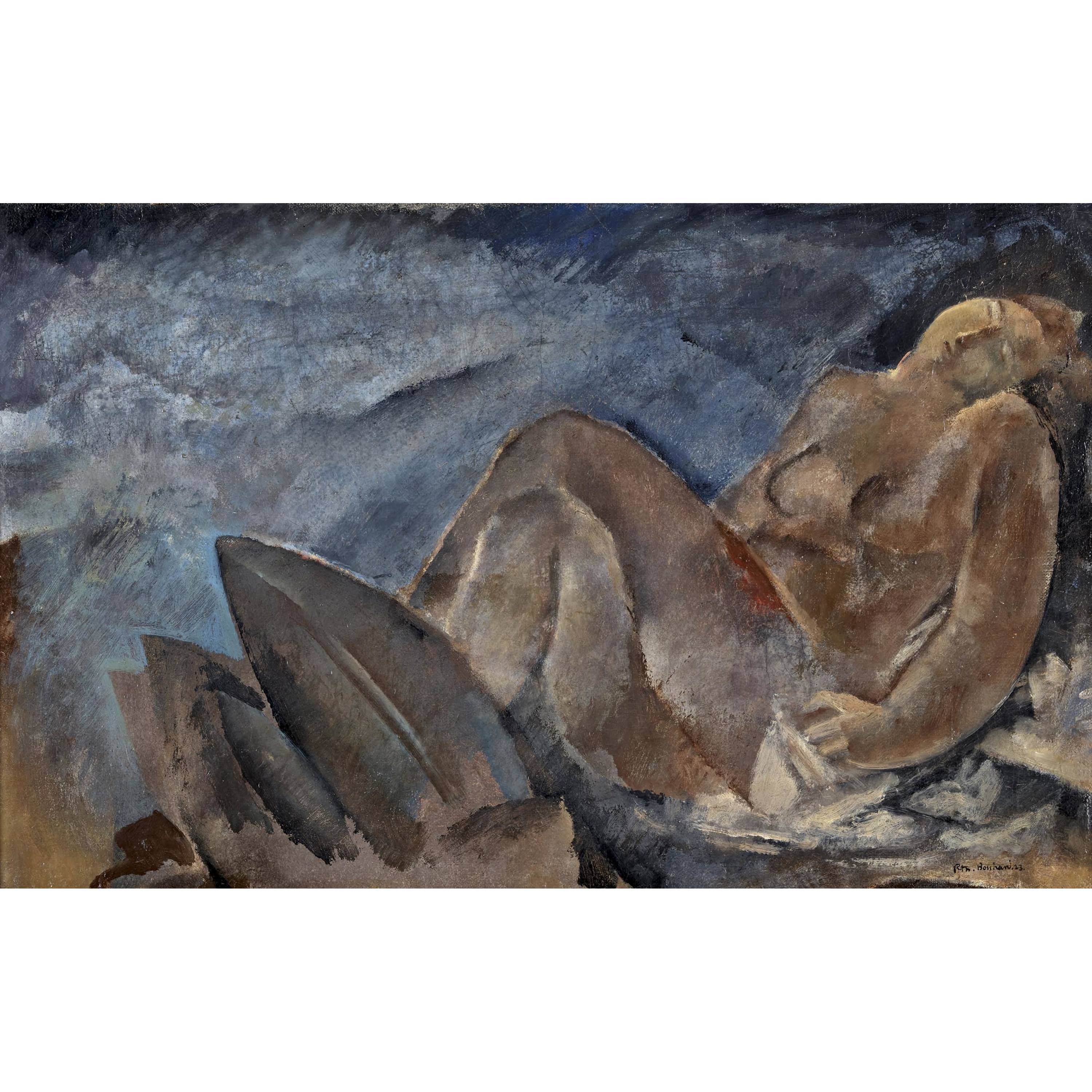
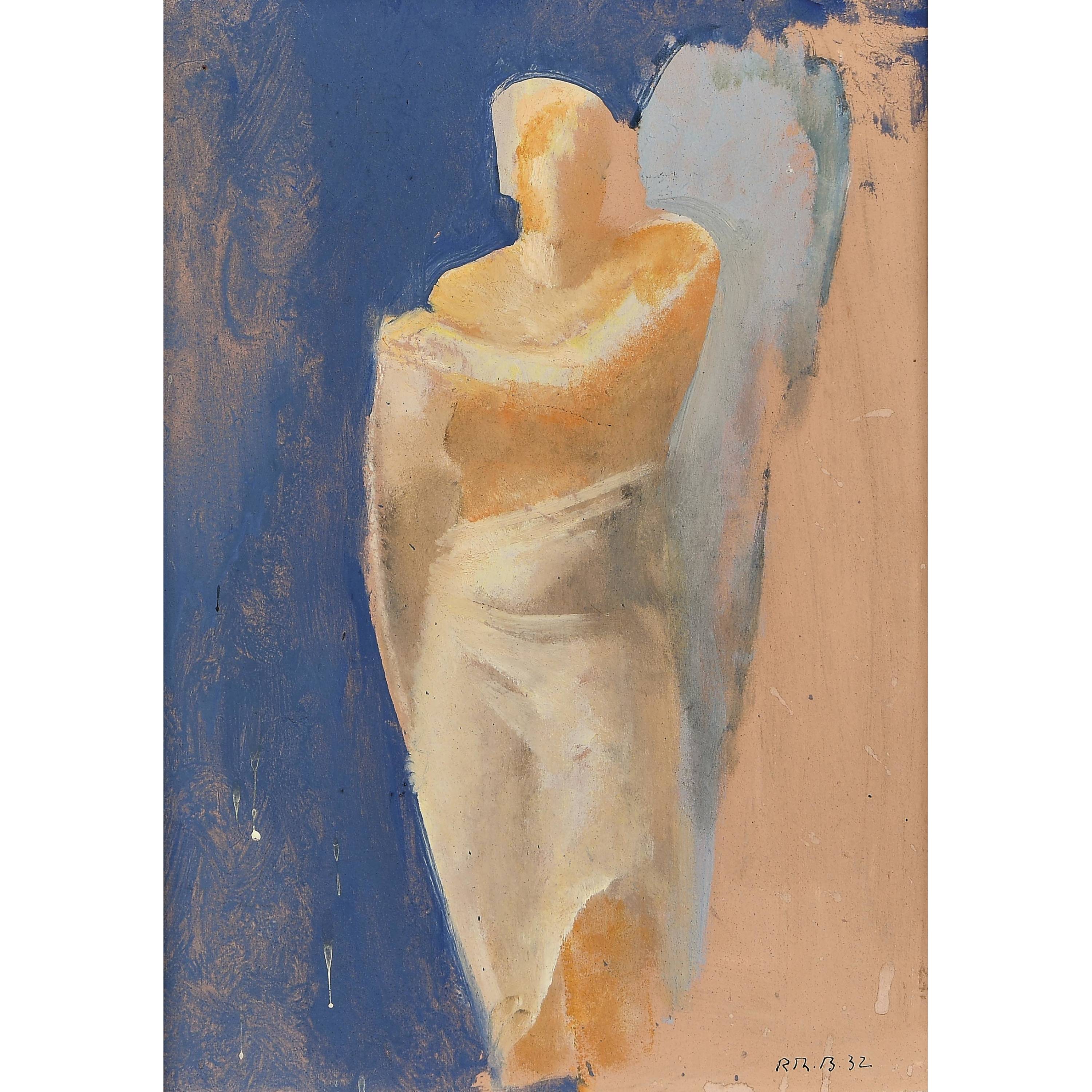
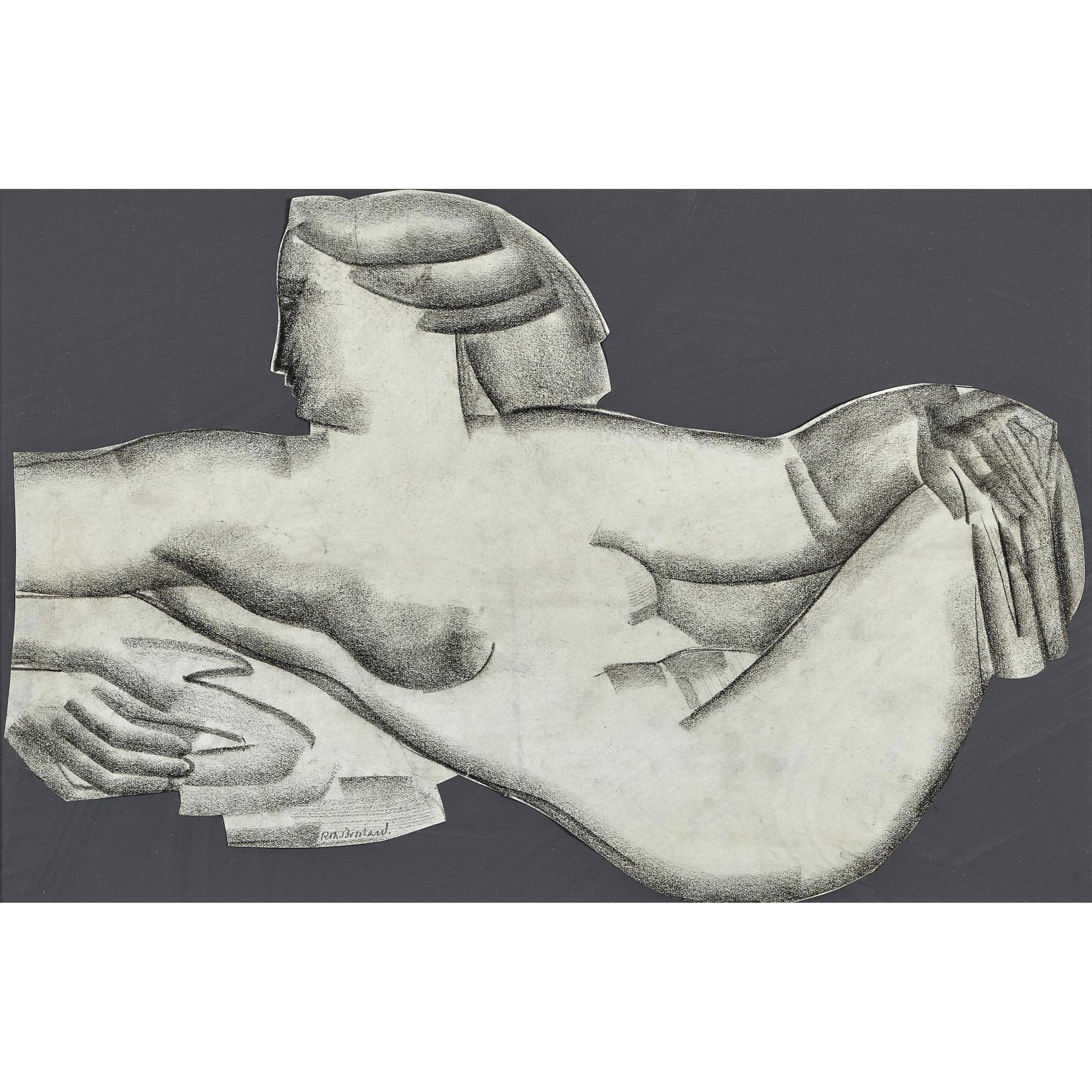
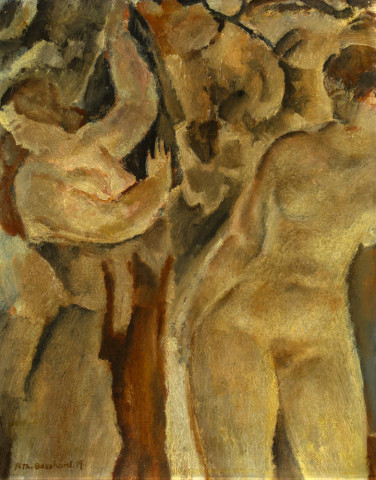
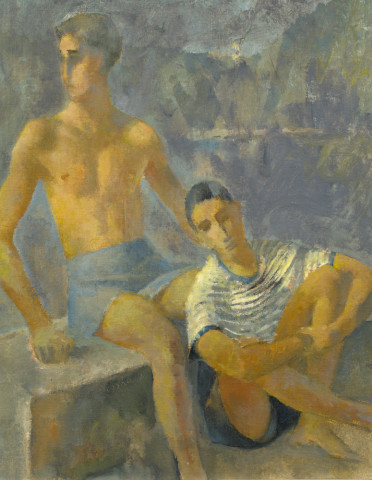
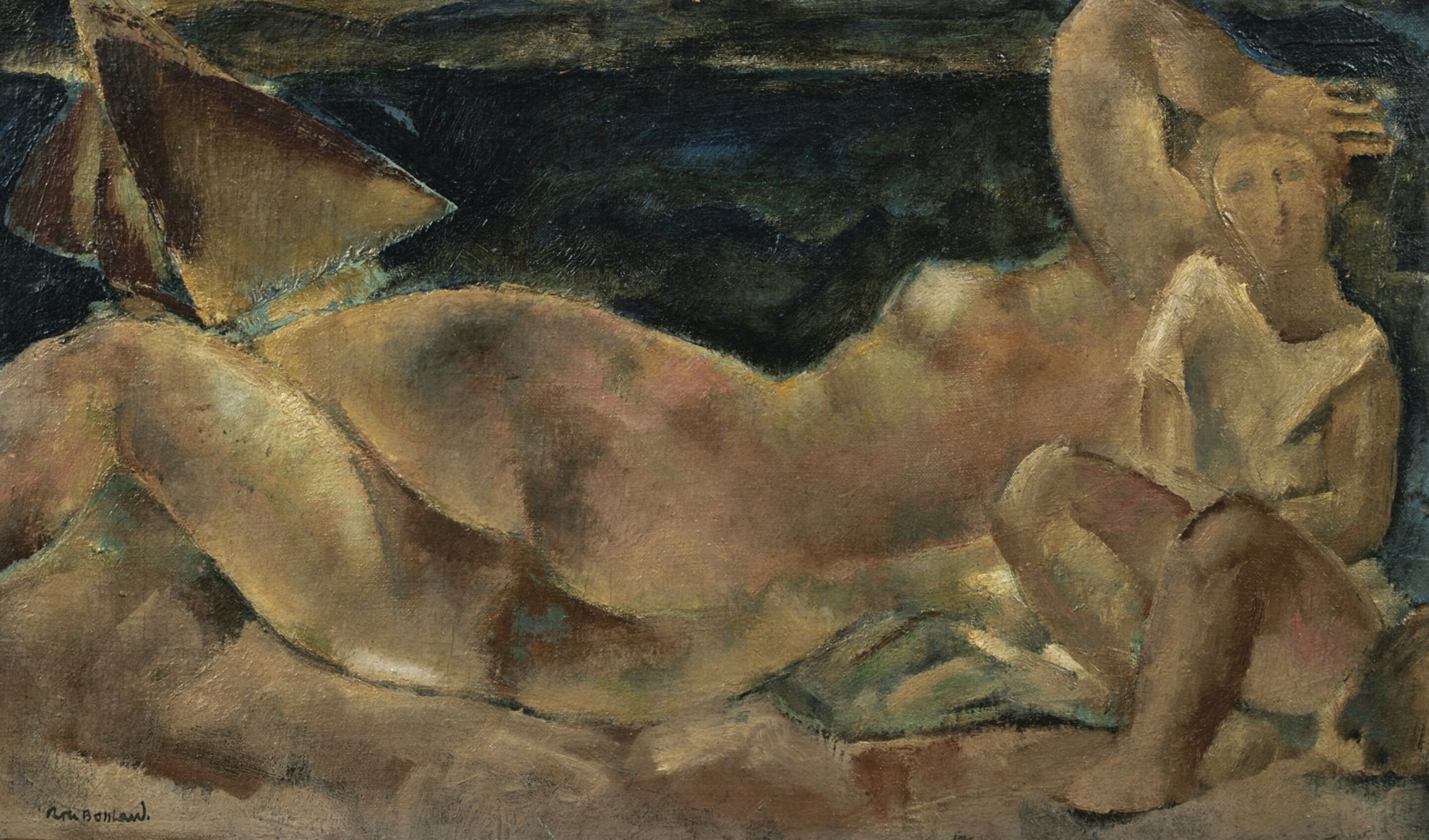
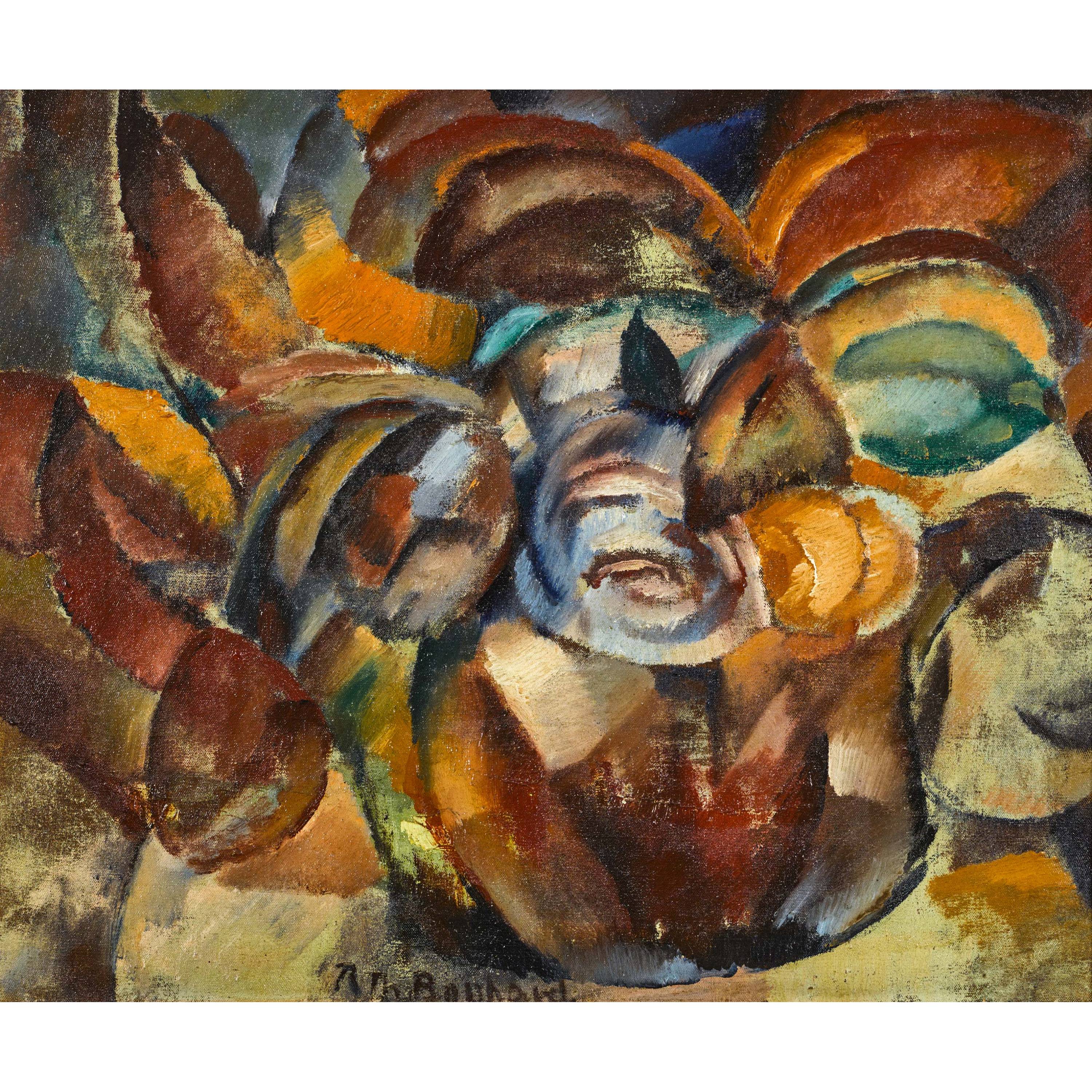
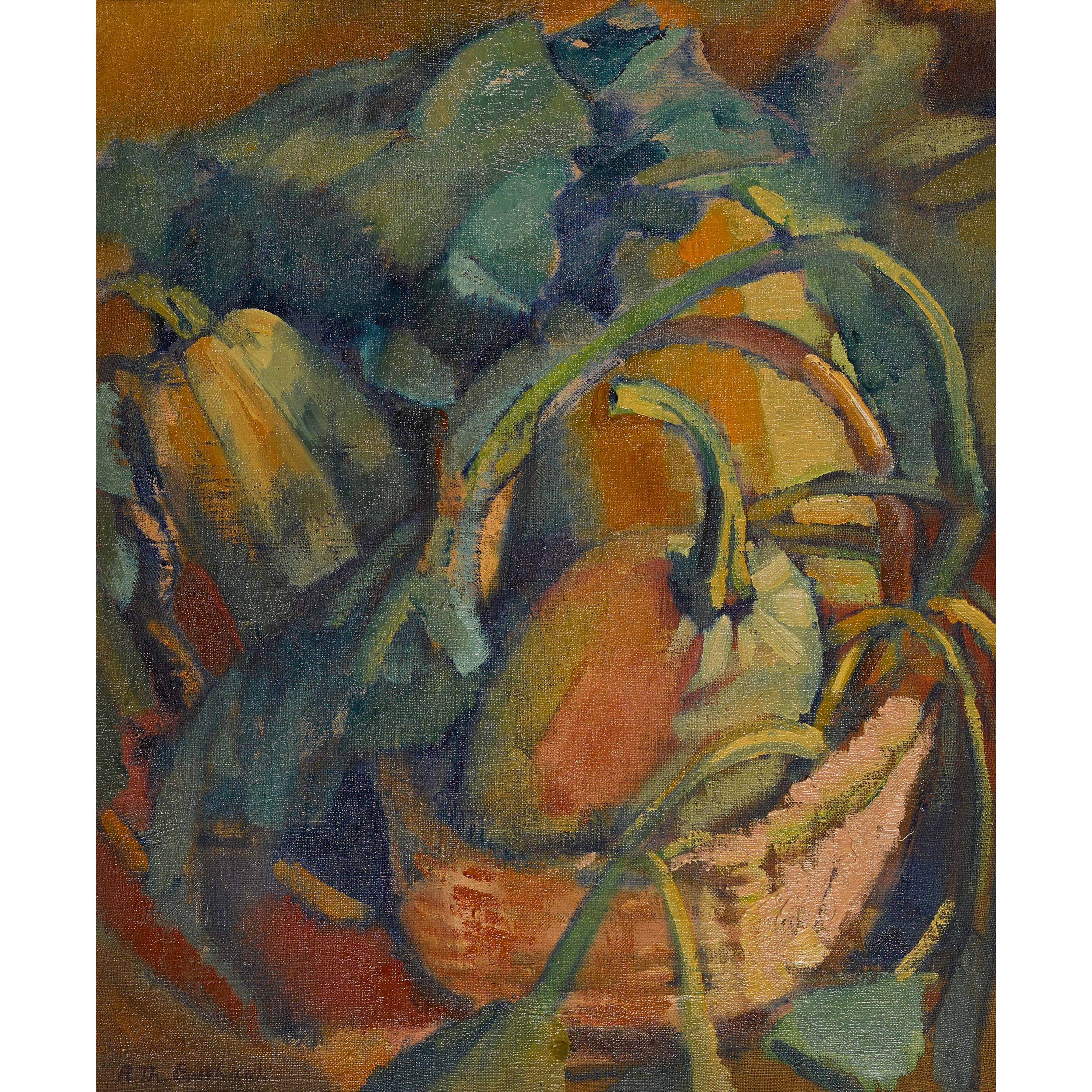
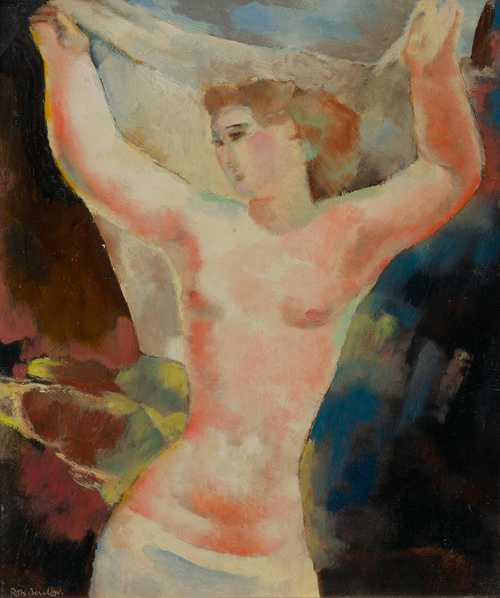
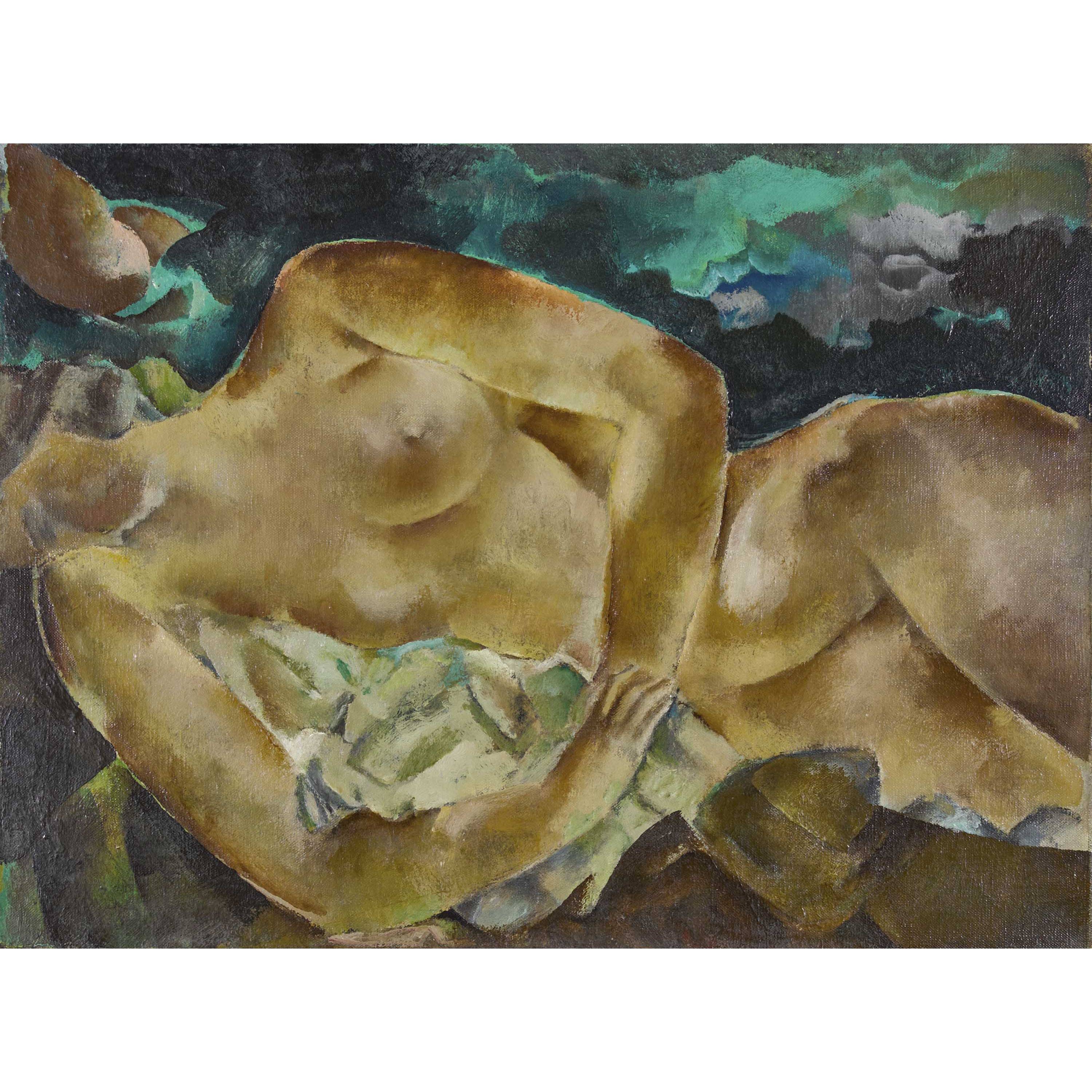
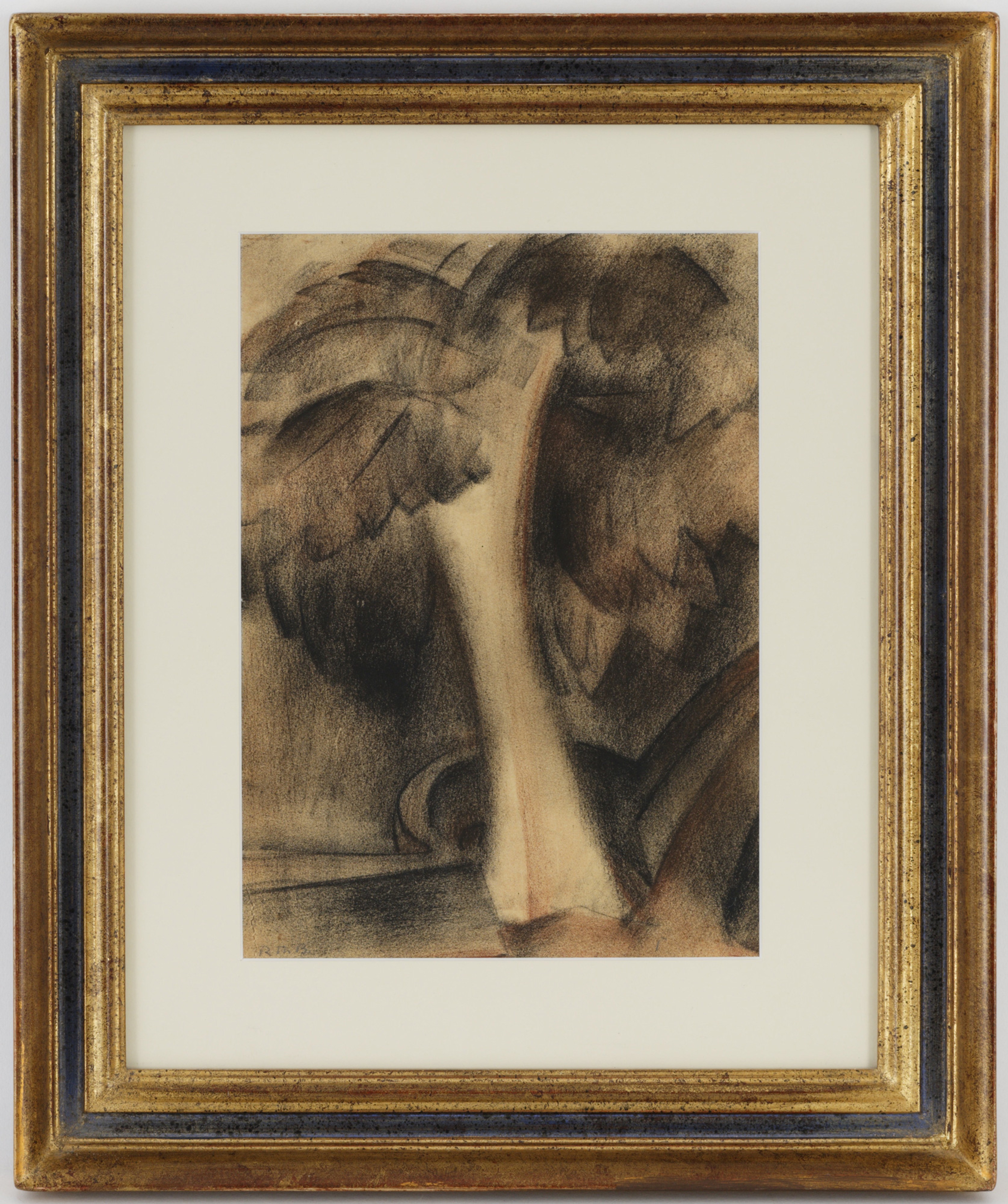
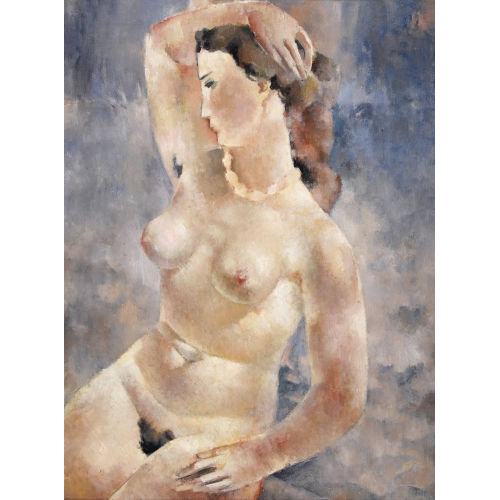
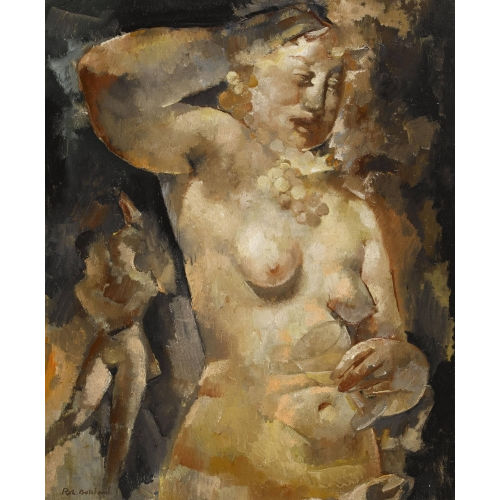
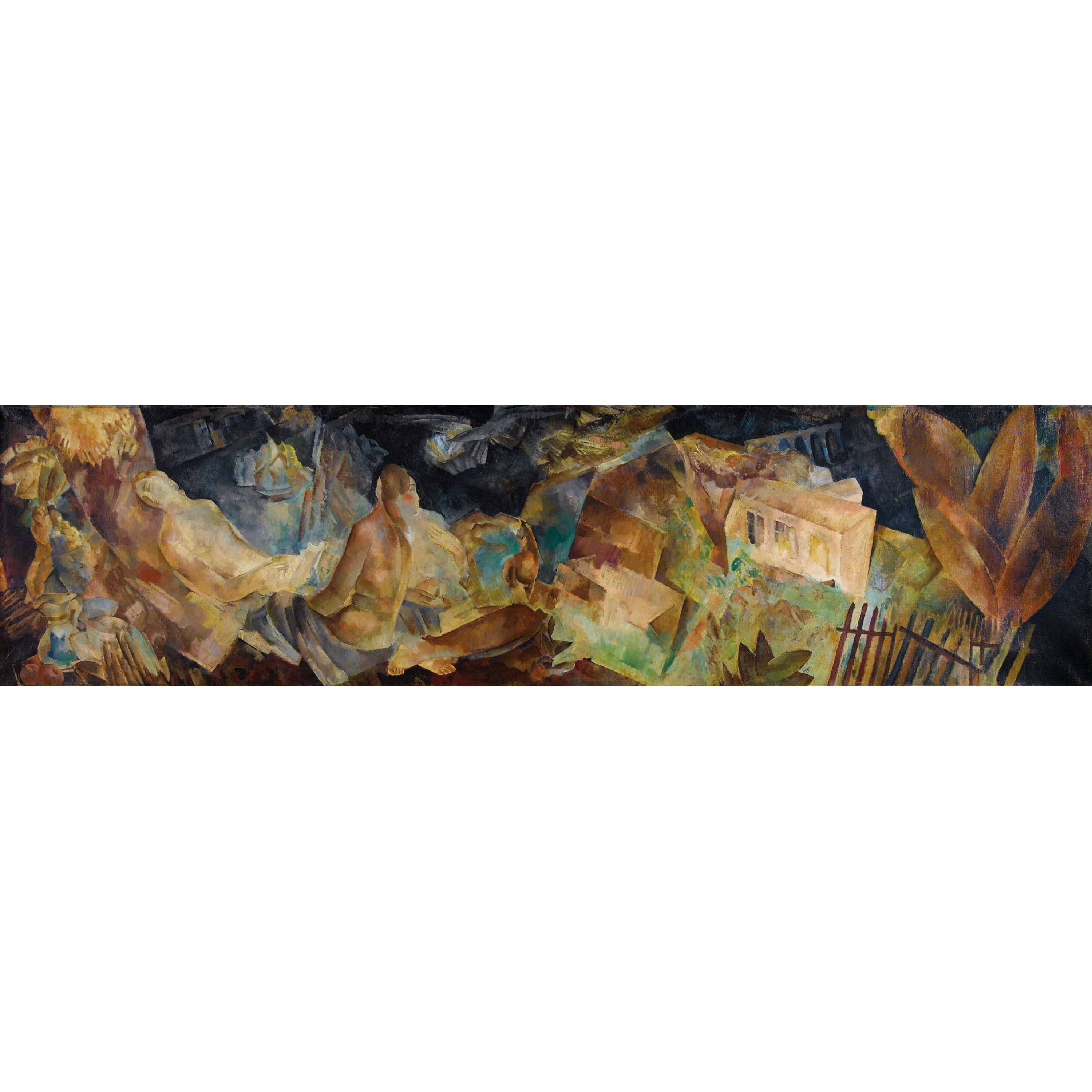
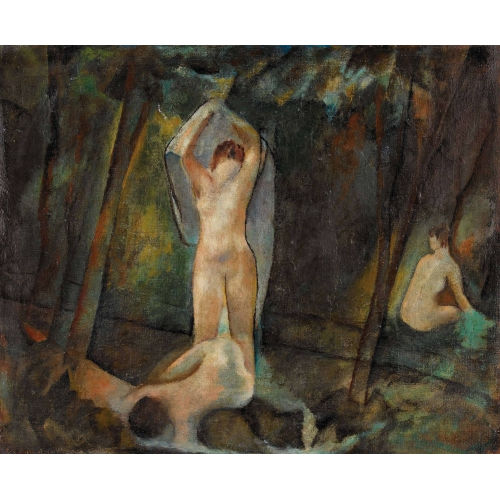
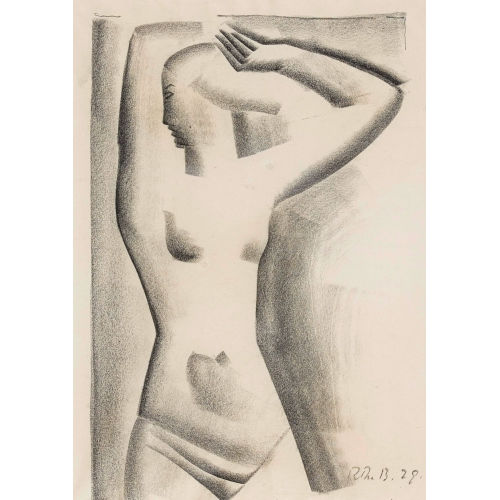
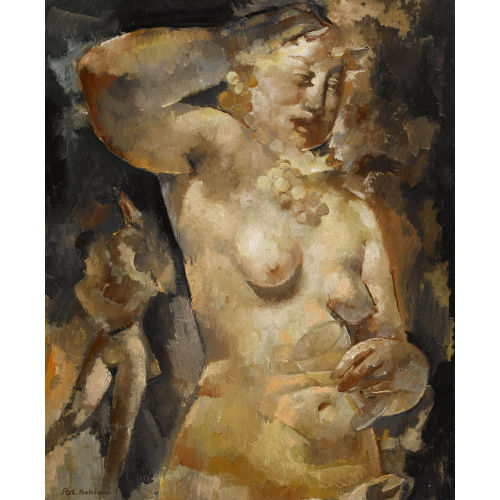
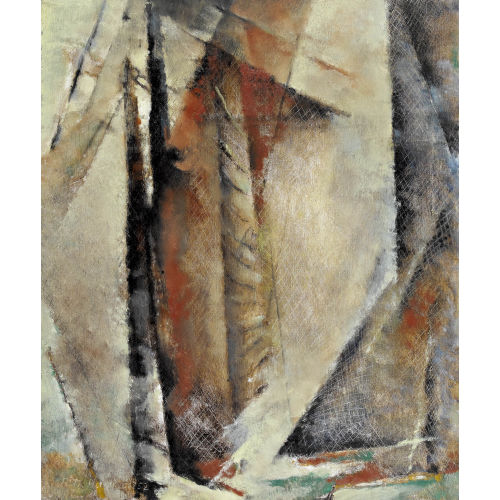
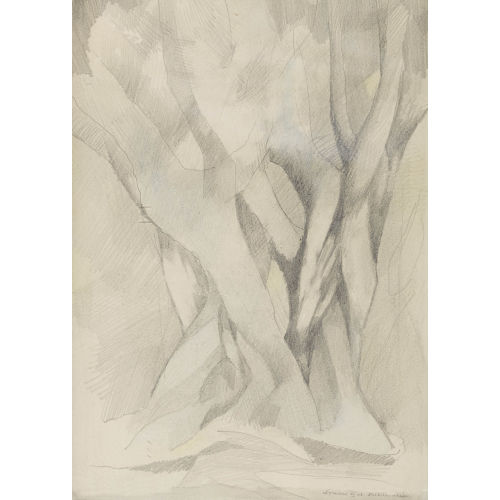
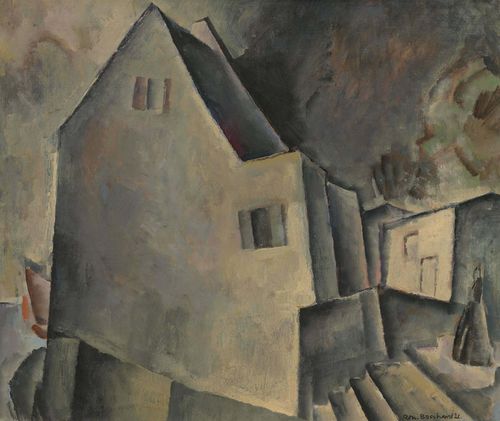
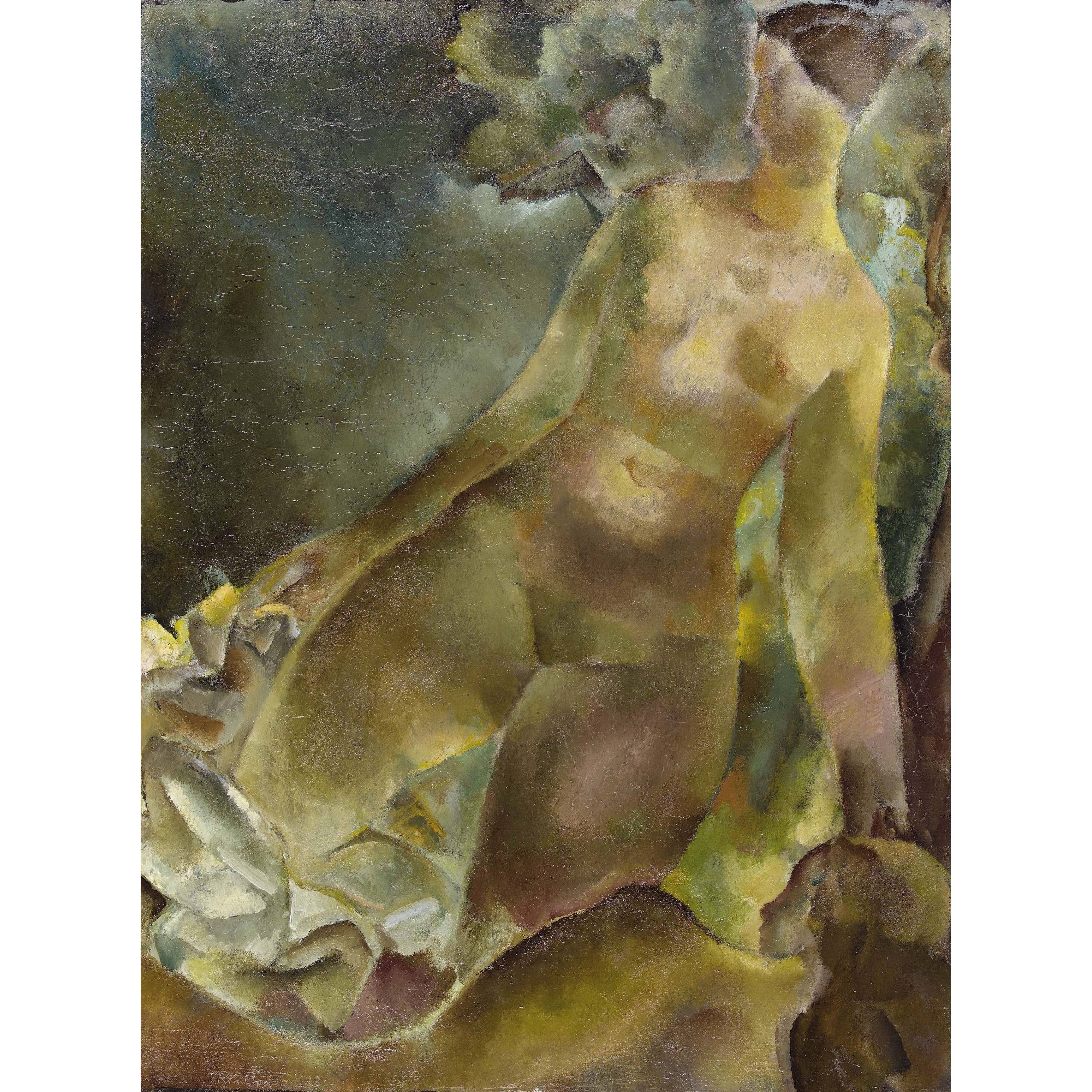
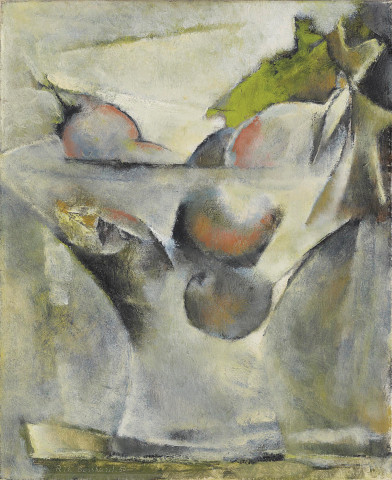
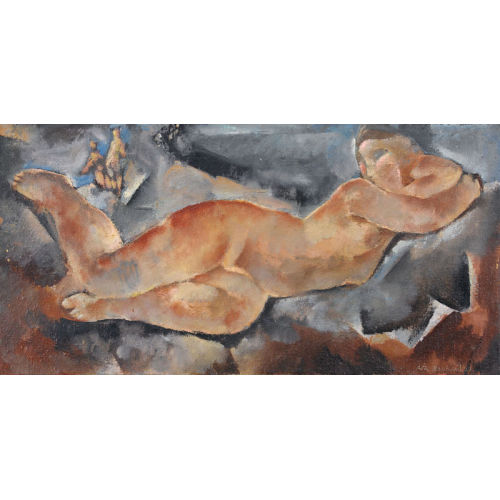
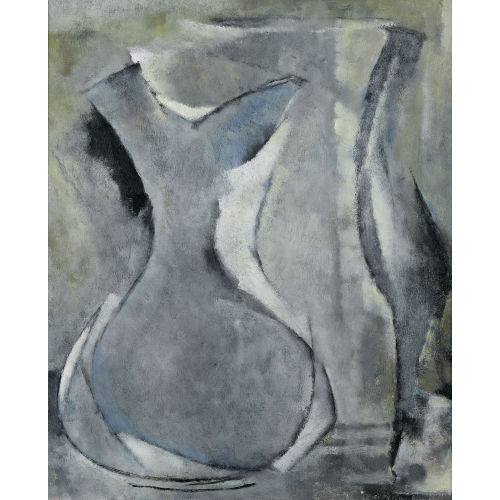
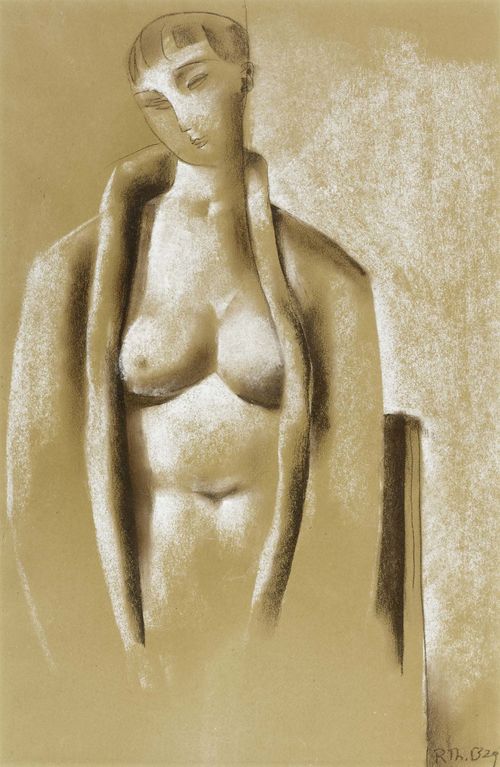
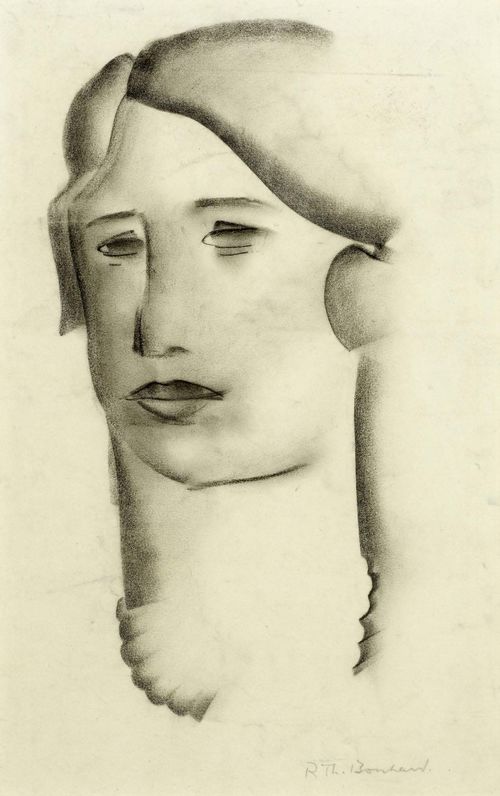
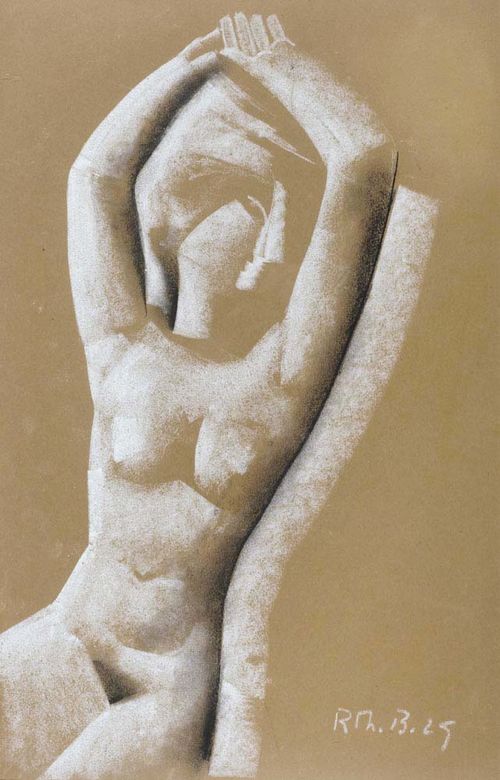
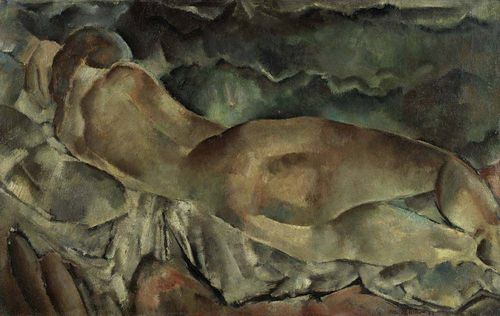
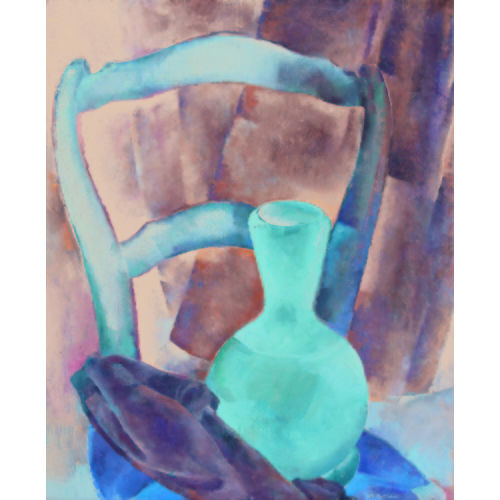
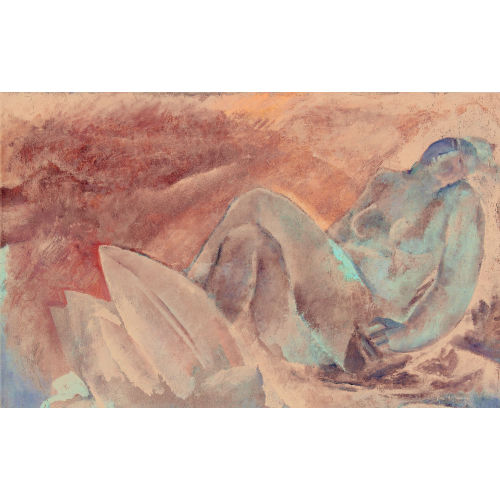
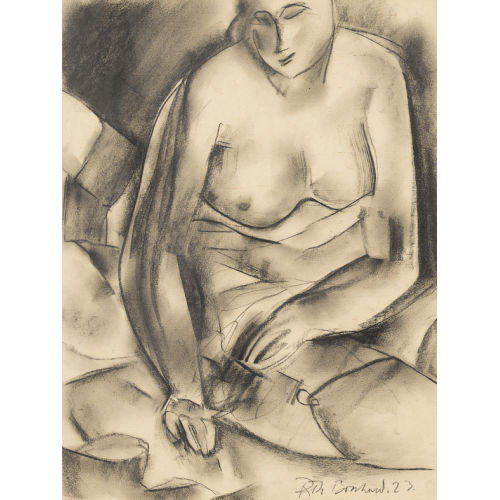
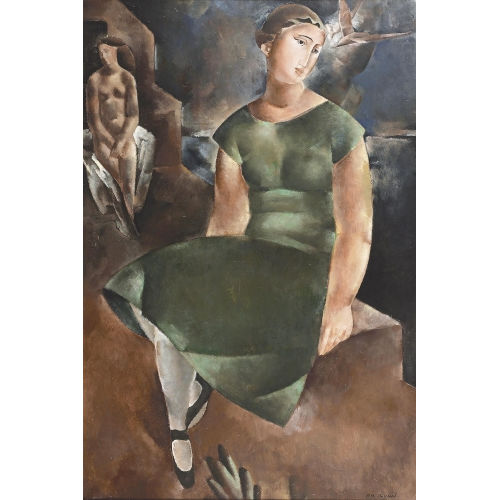
His investigations engaged in dialogue with Cubism without being confined to a strict geometrisation of the visible world.
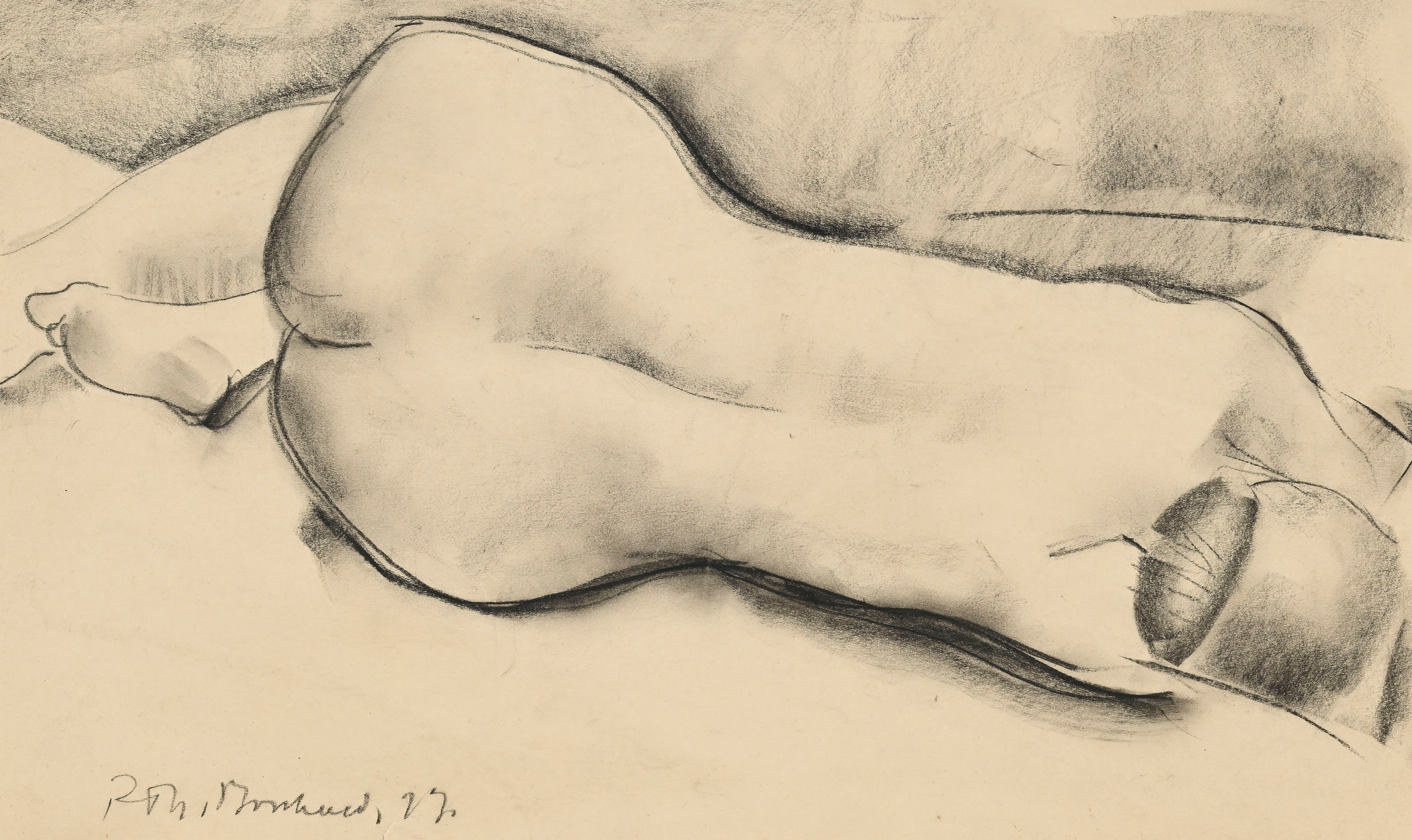
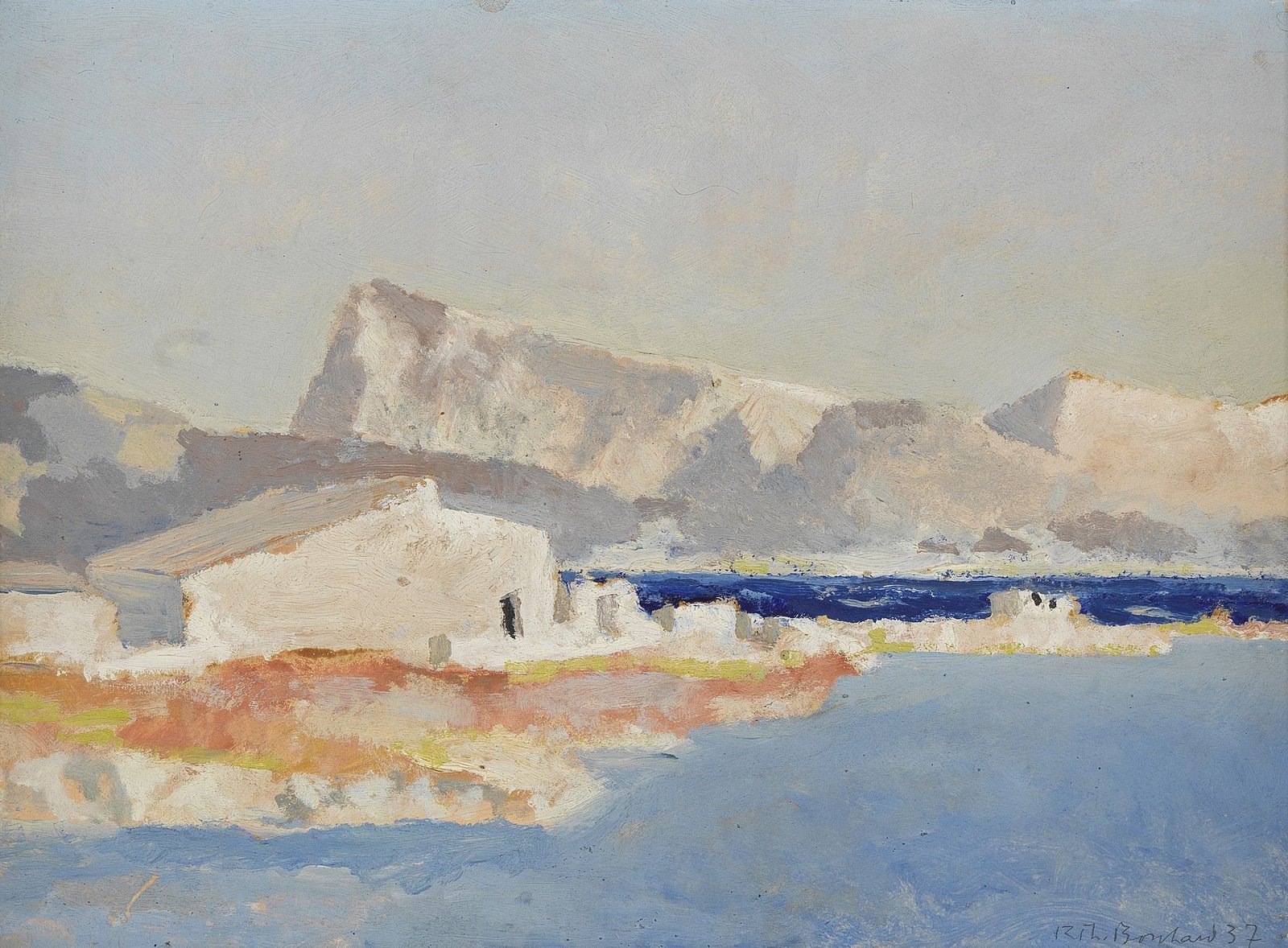
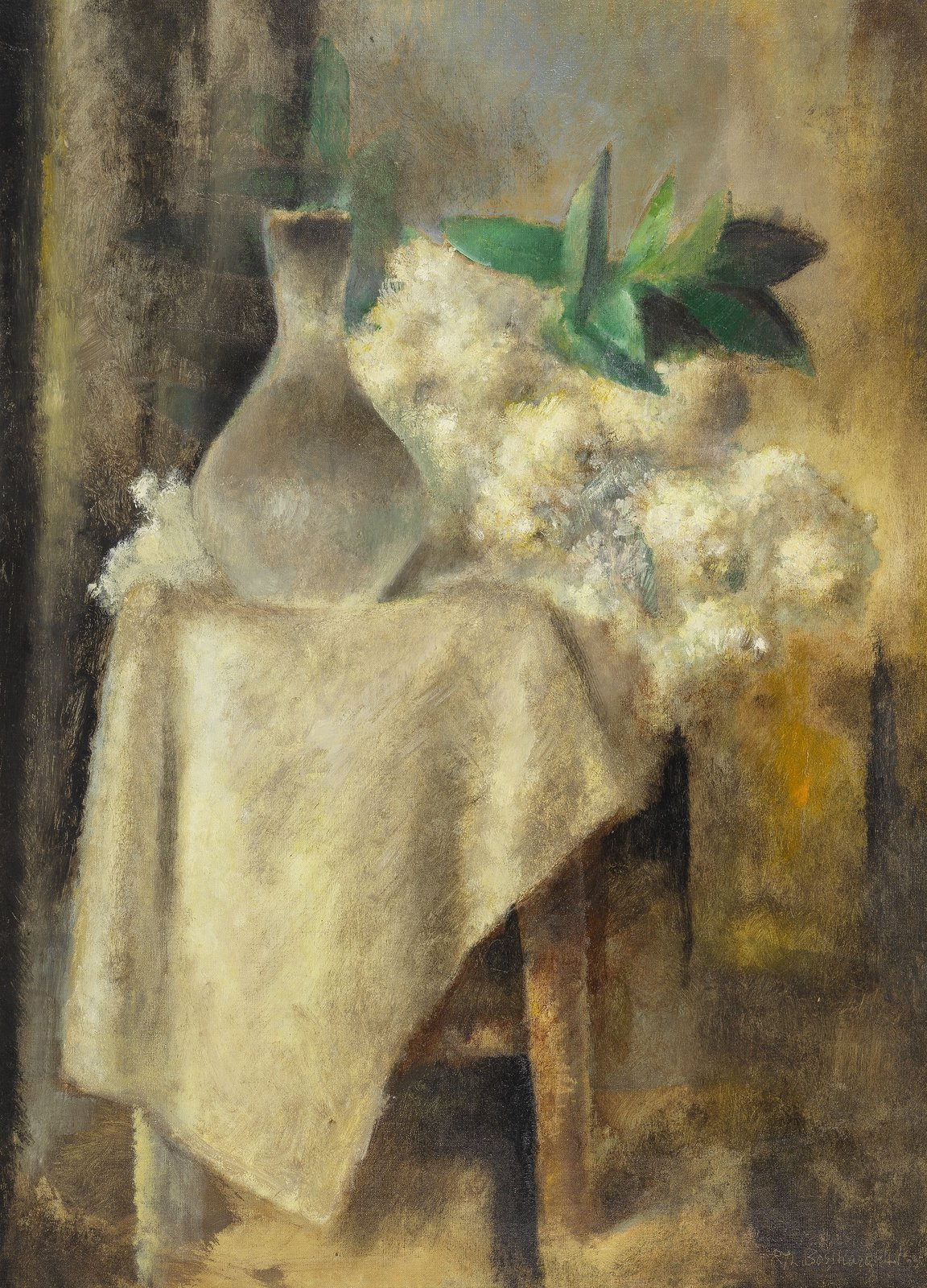
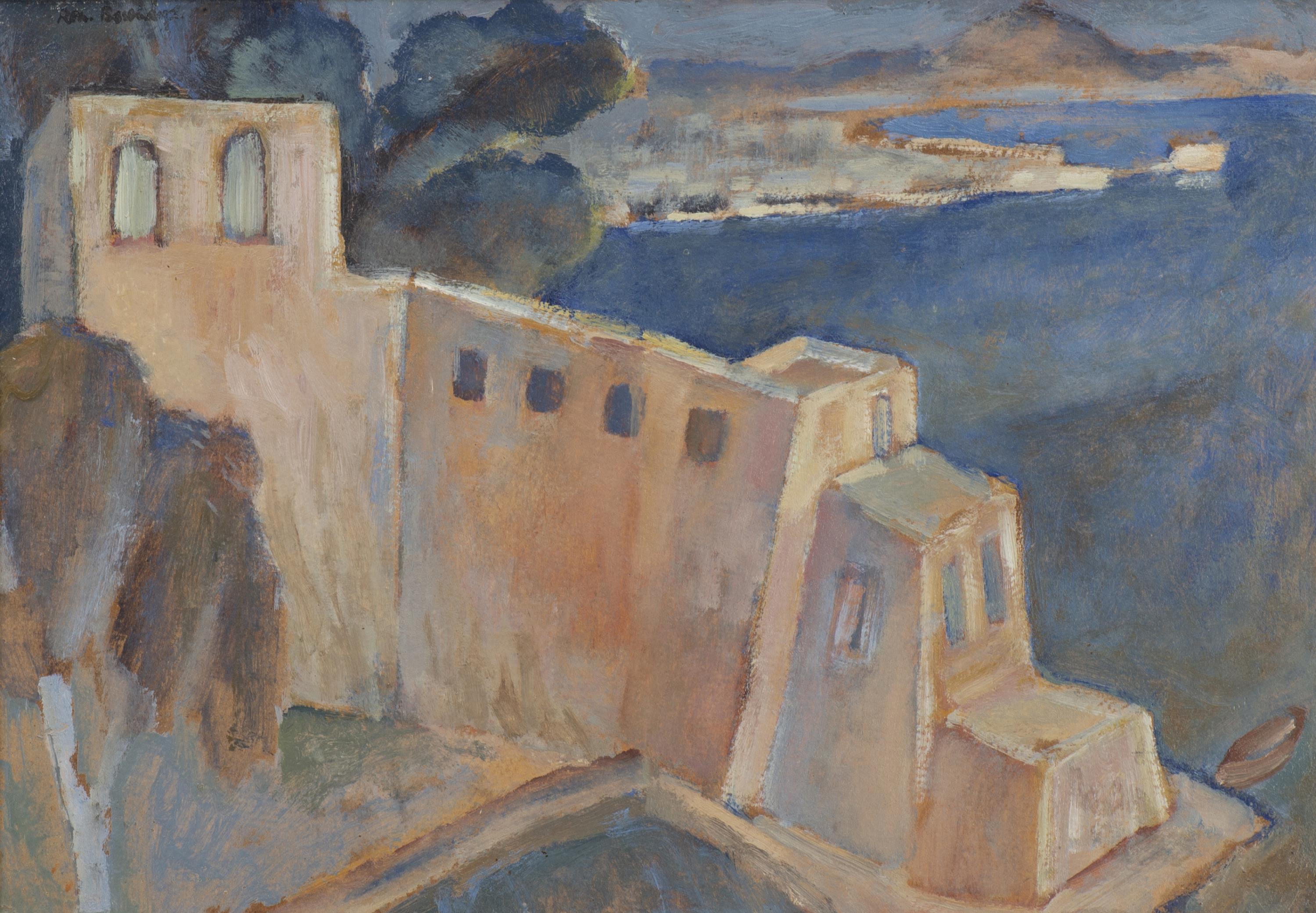
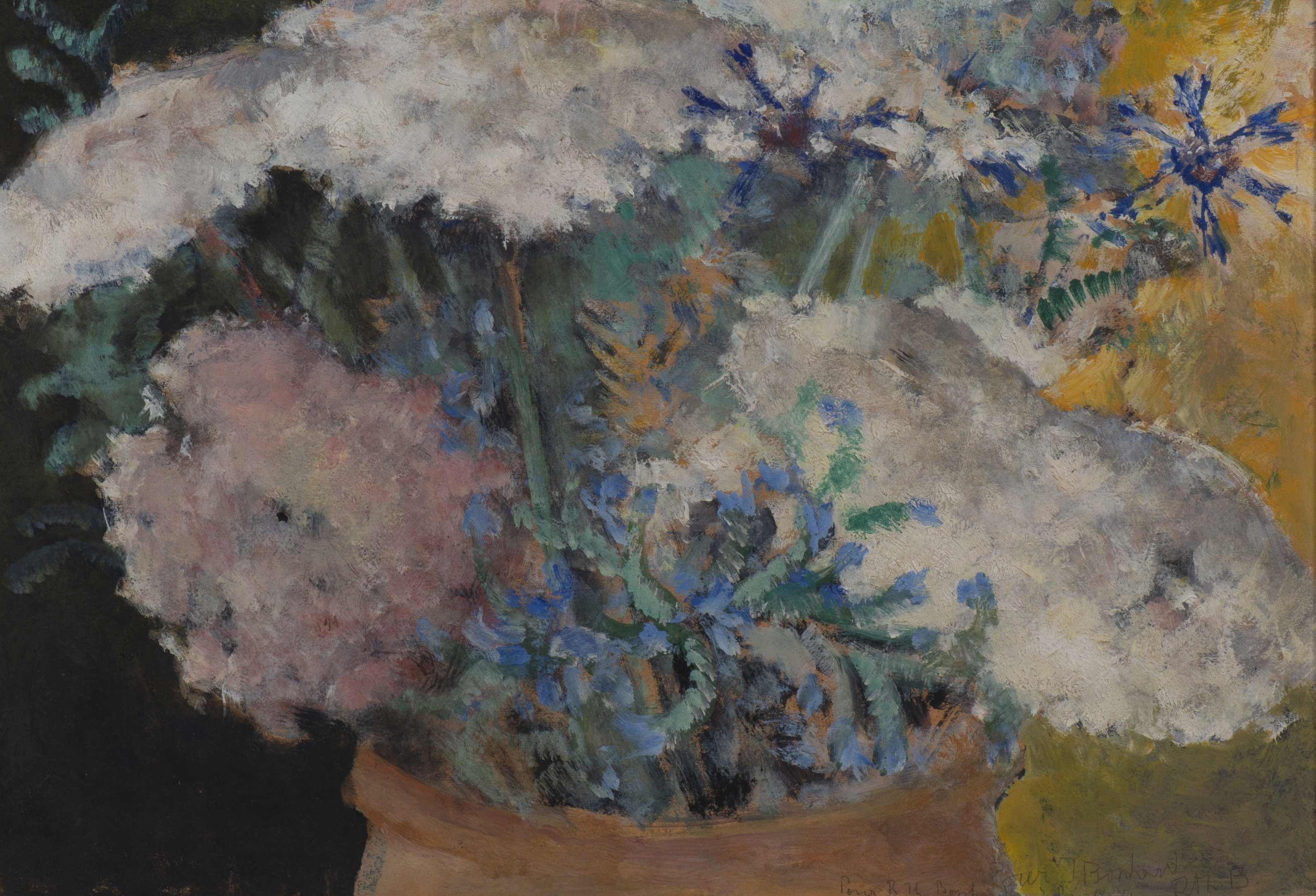
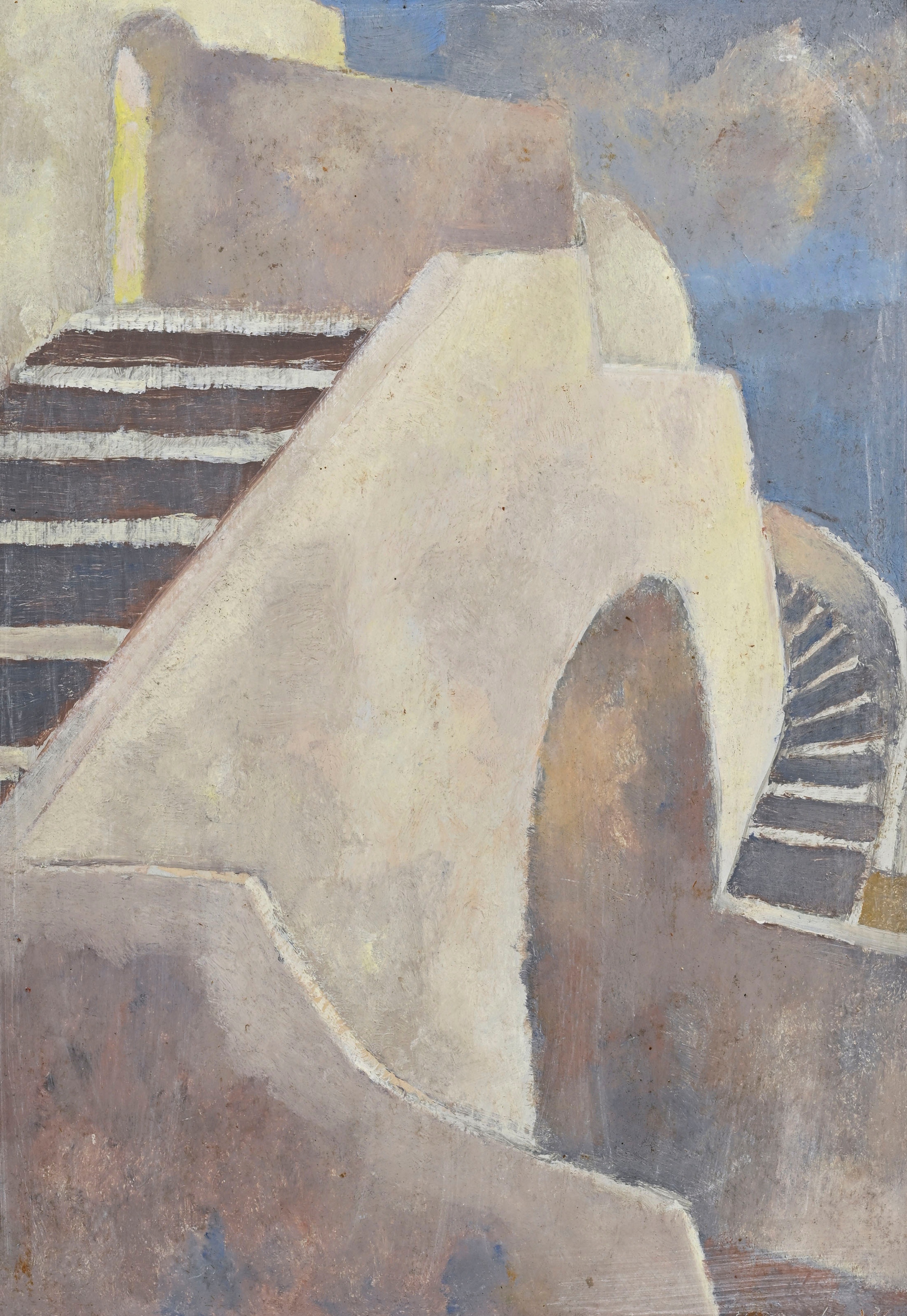
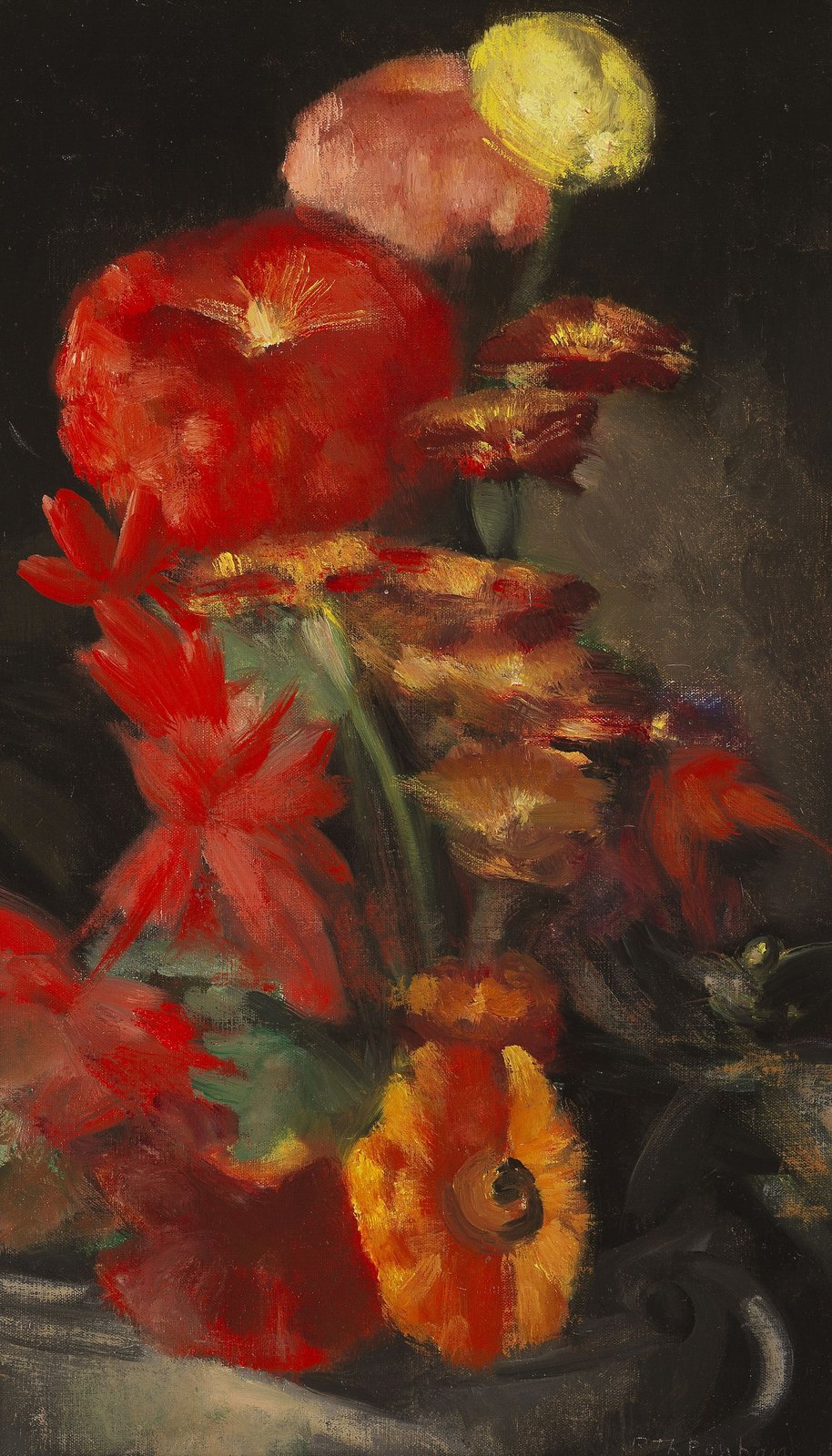
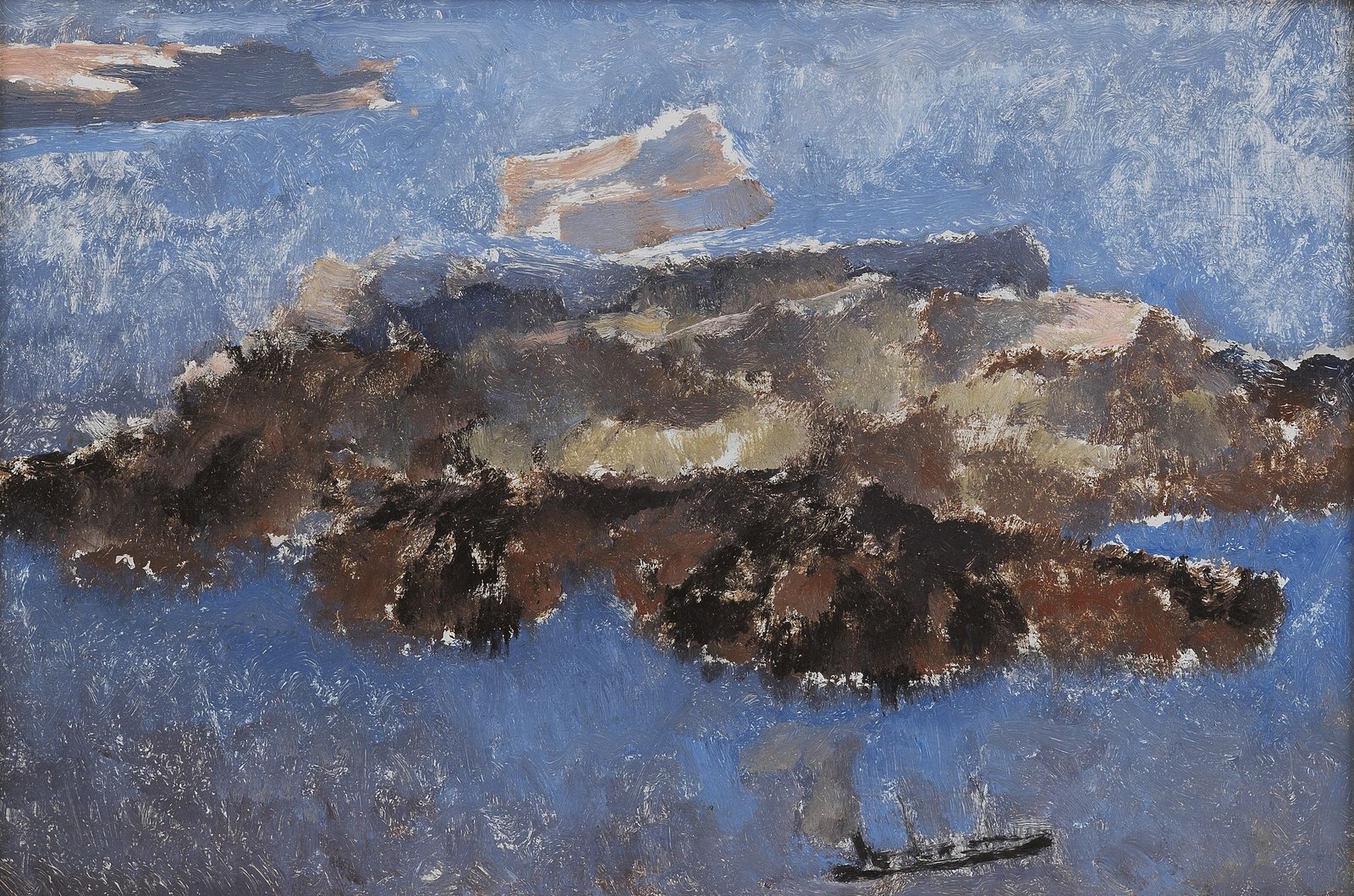
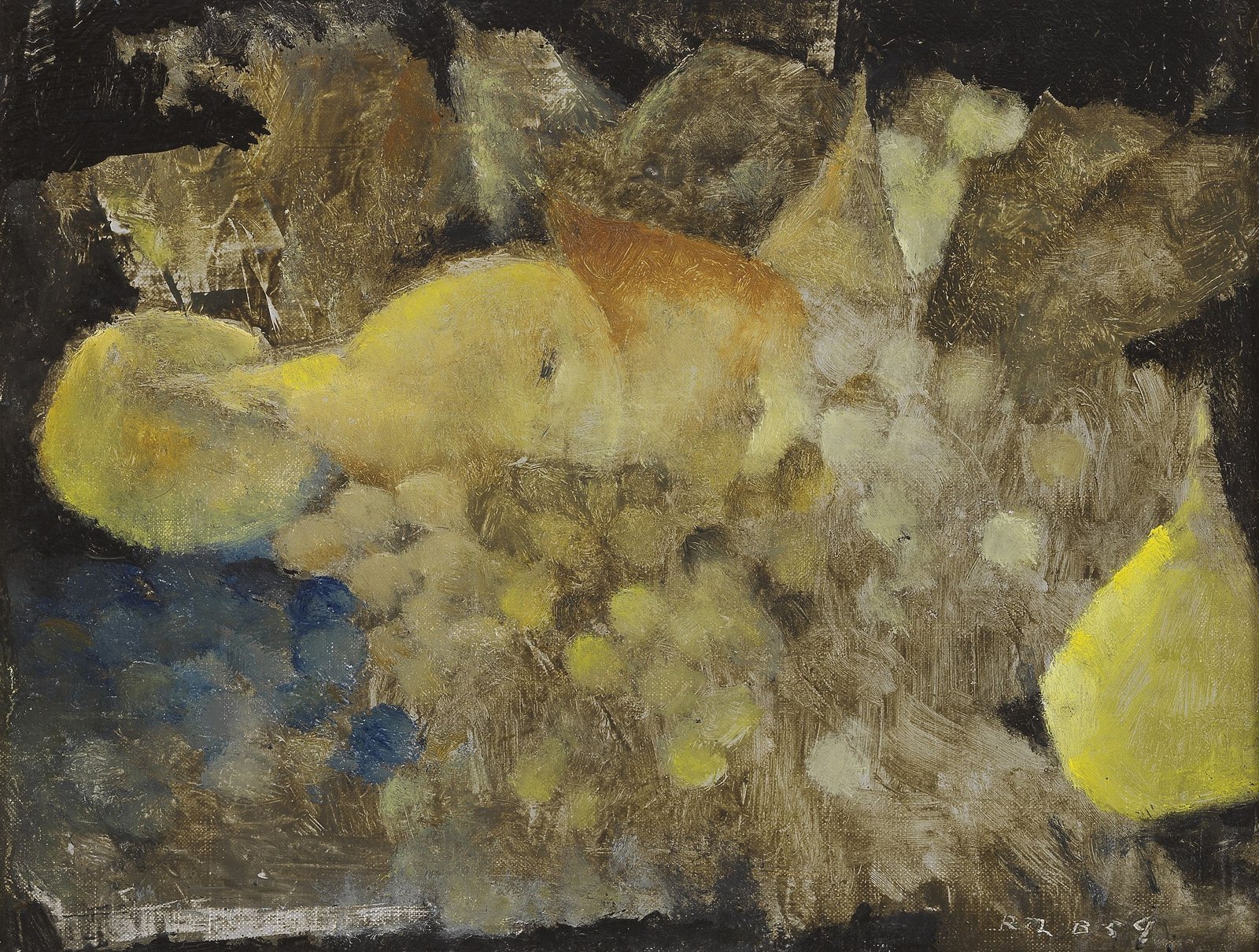
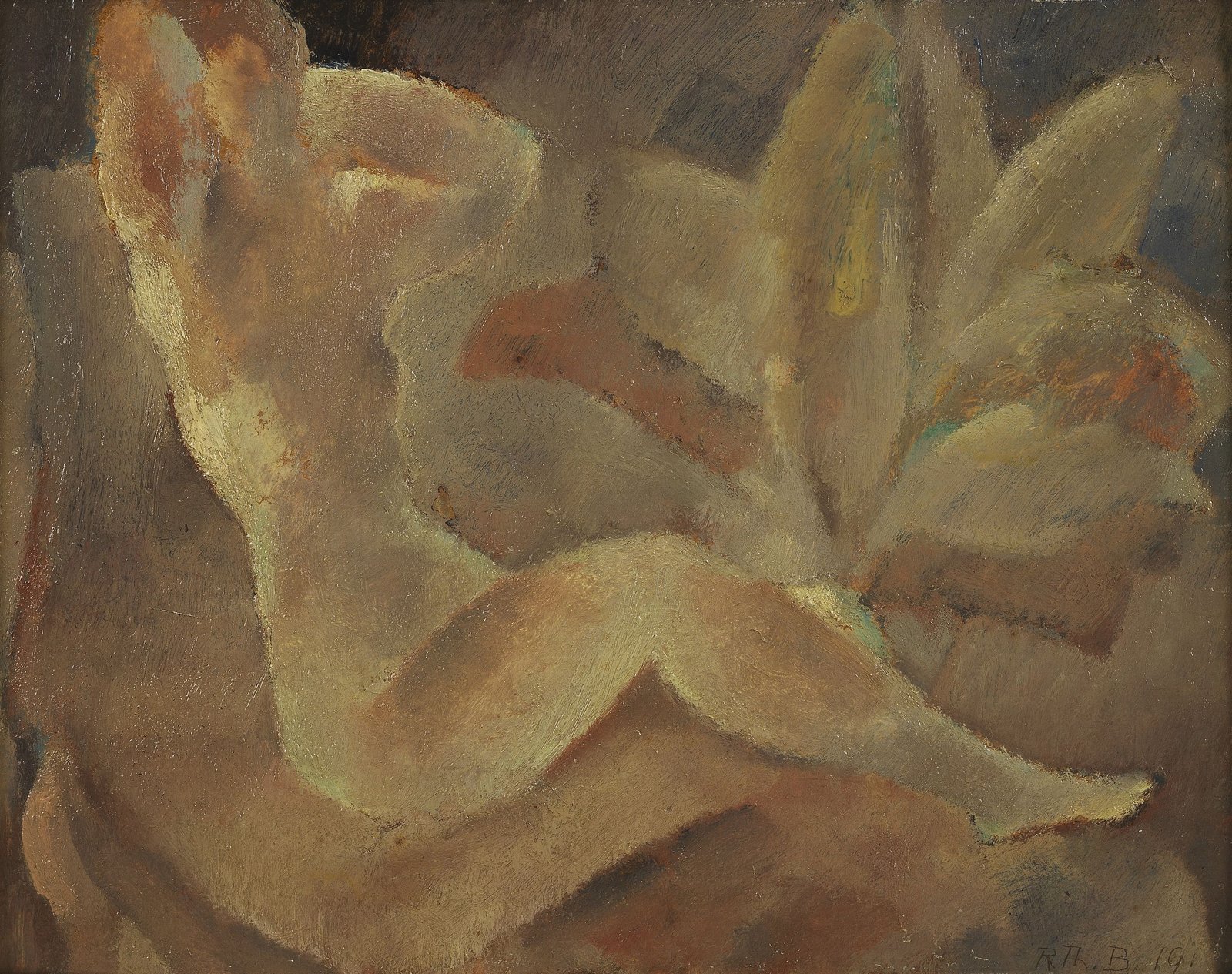
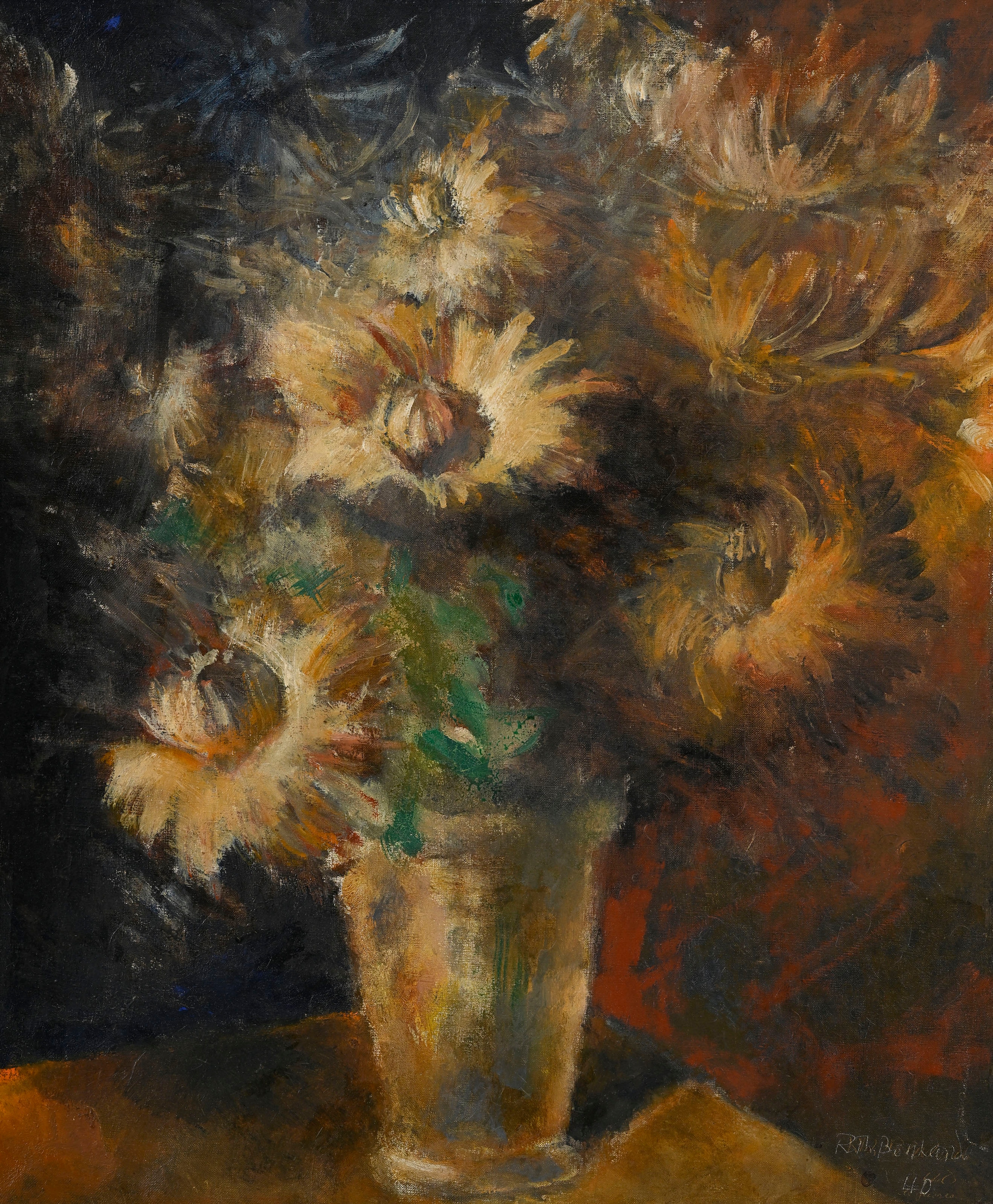
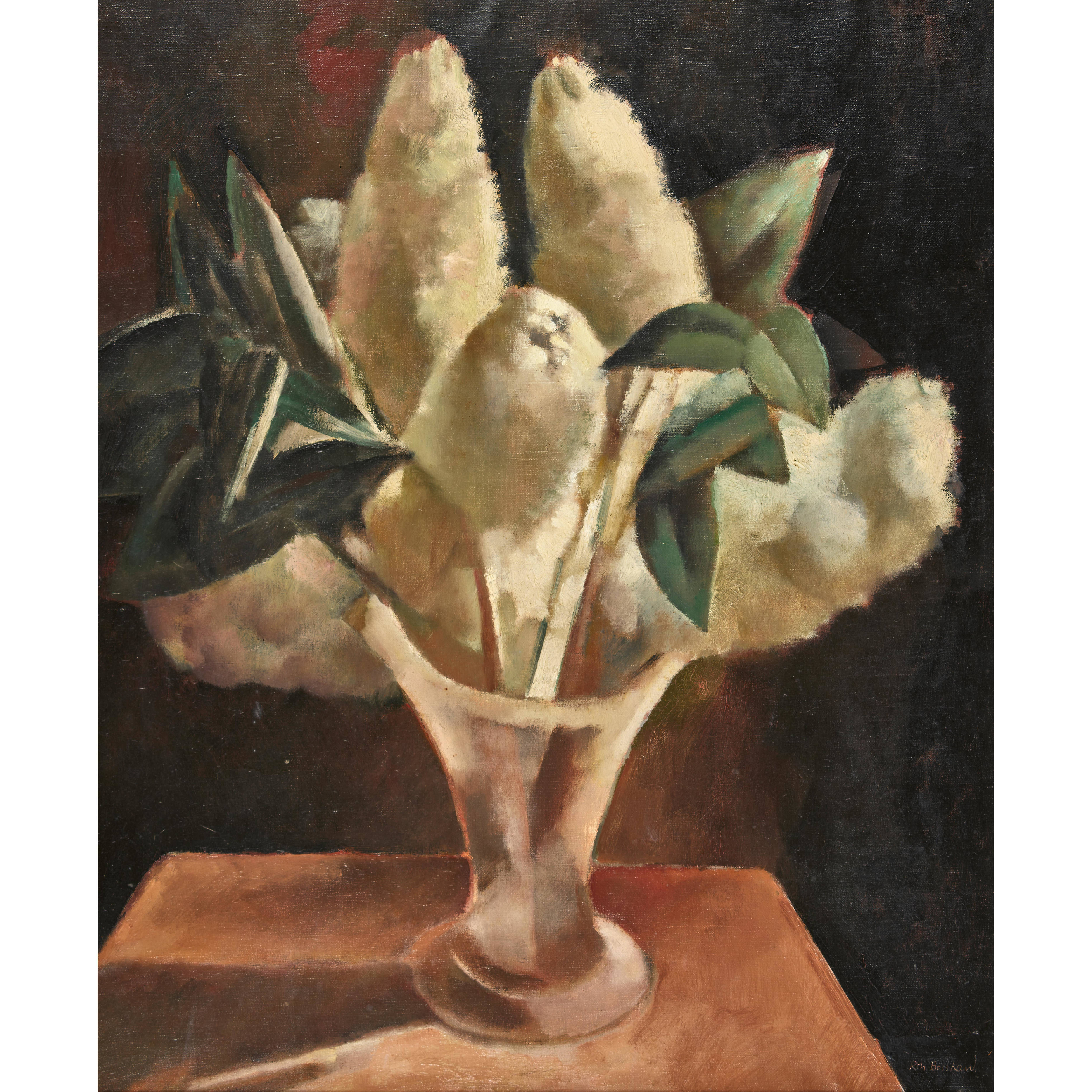
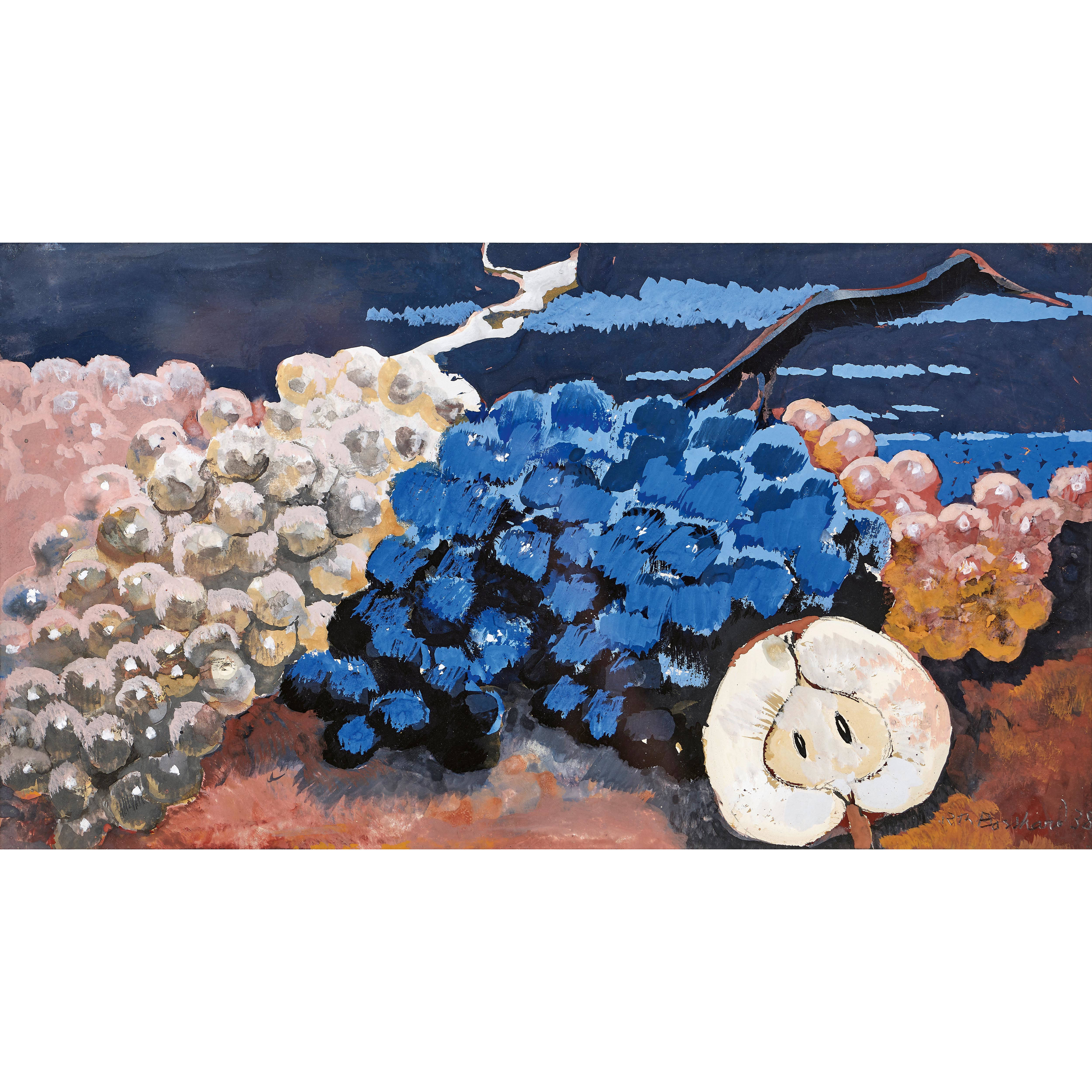
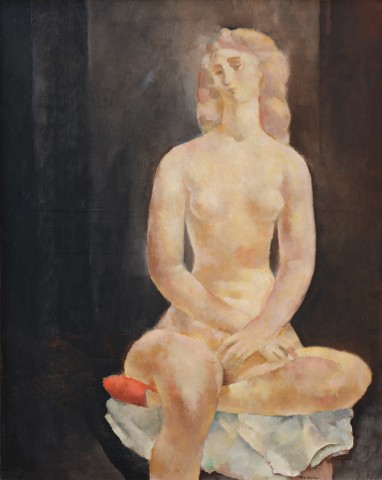
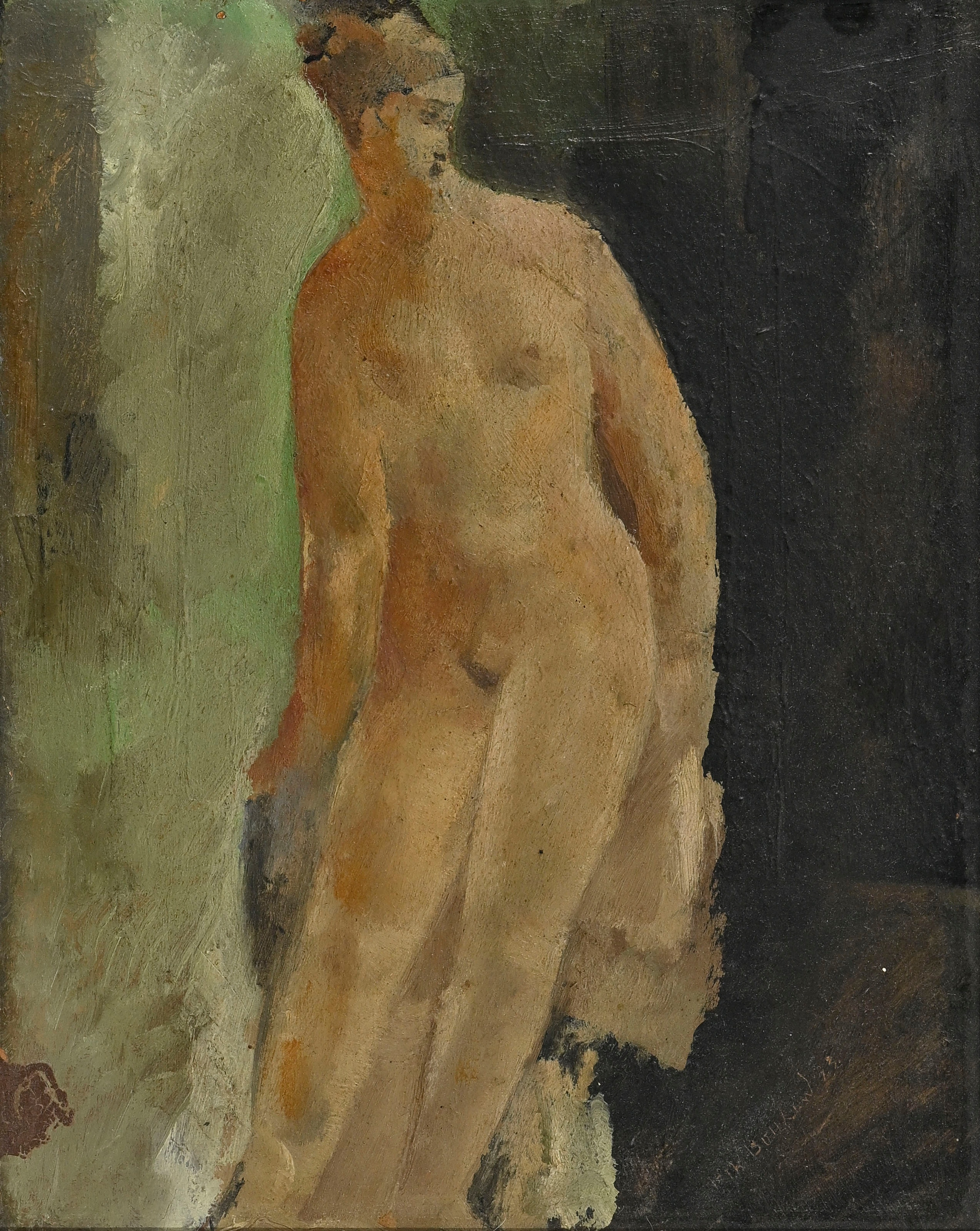
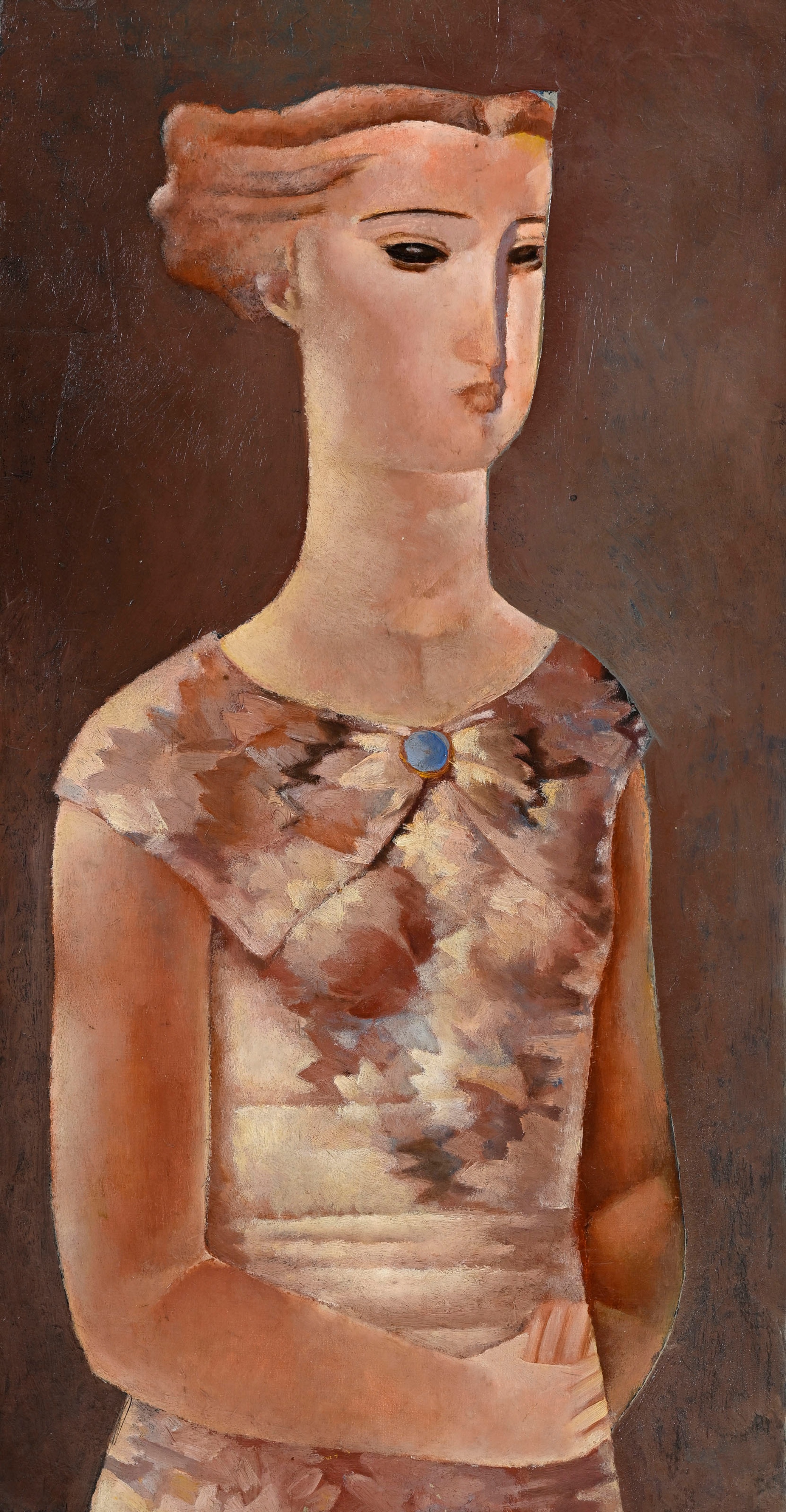
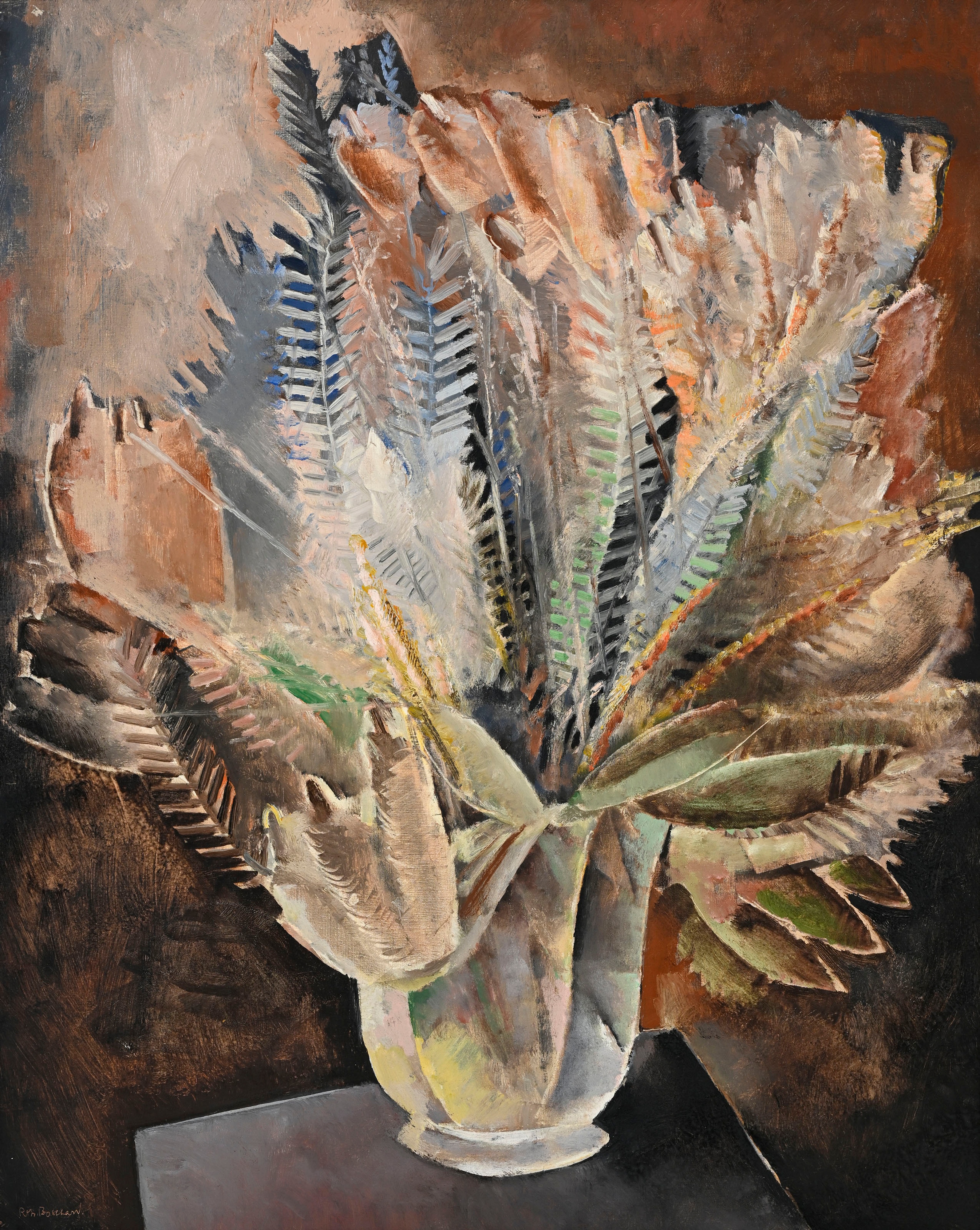
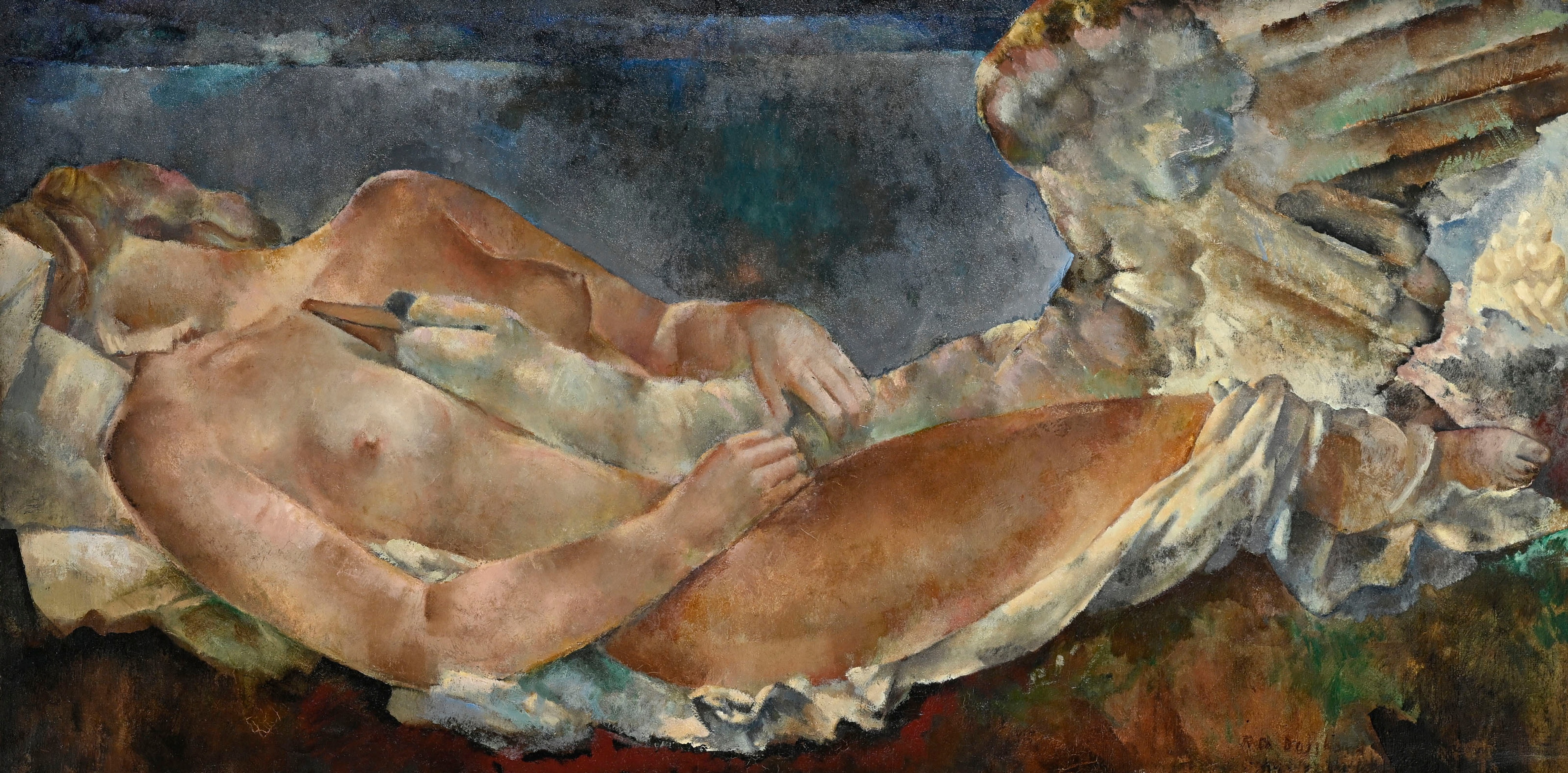
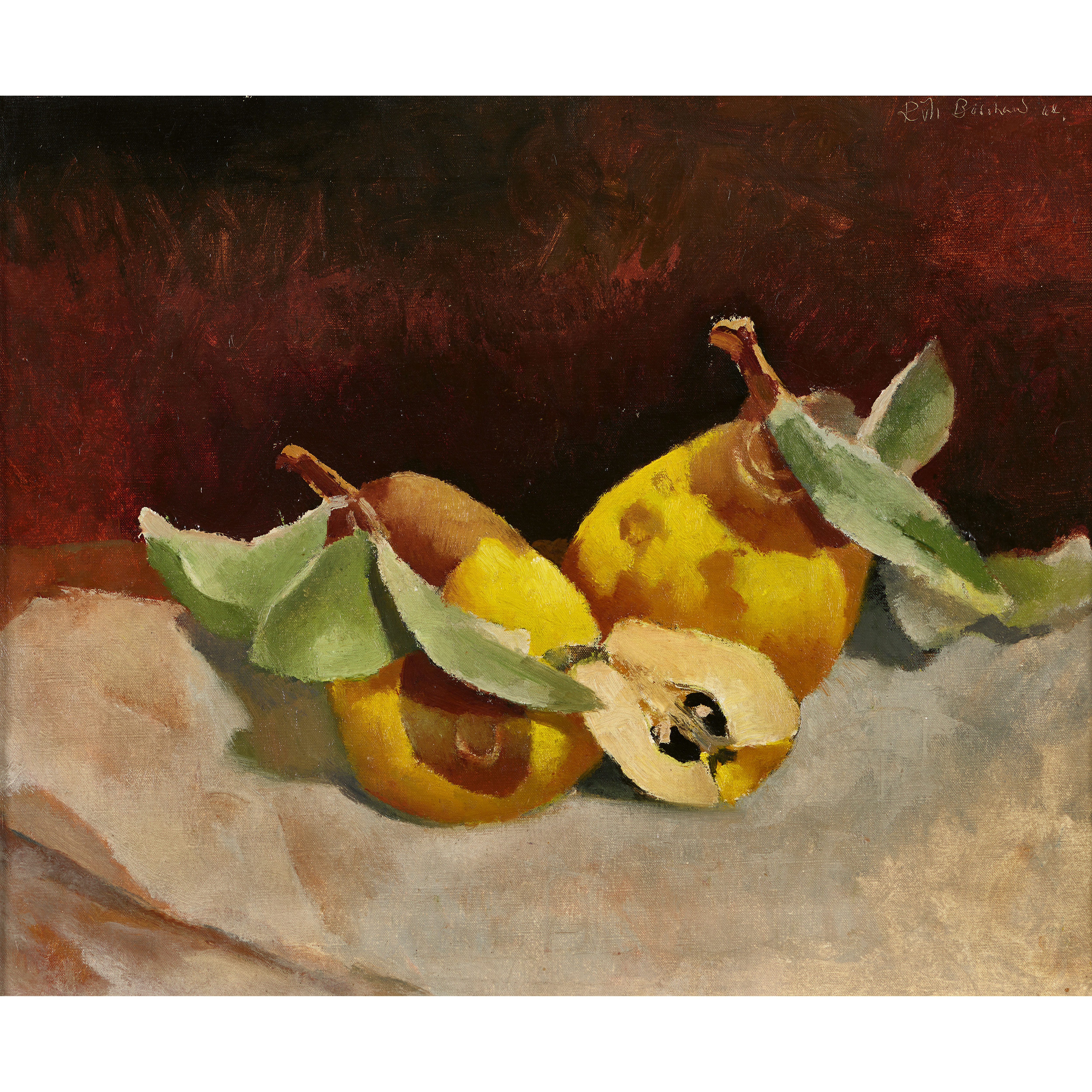
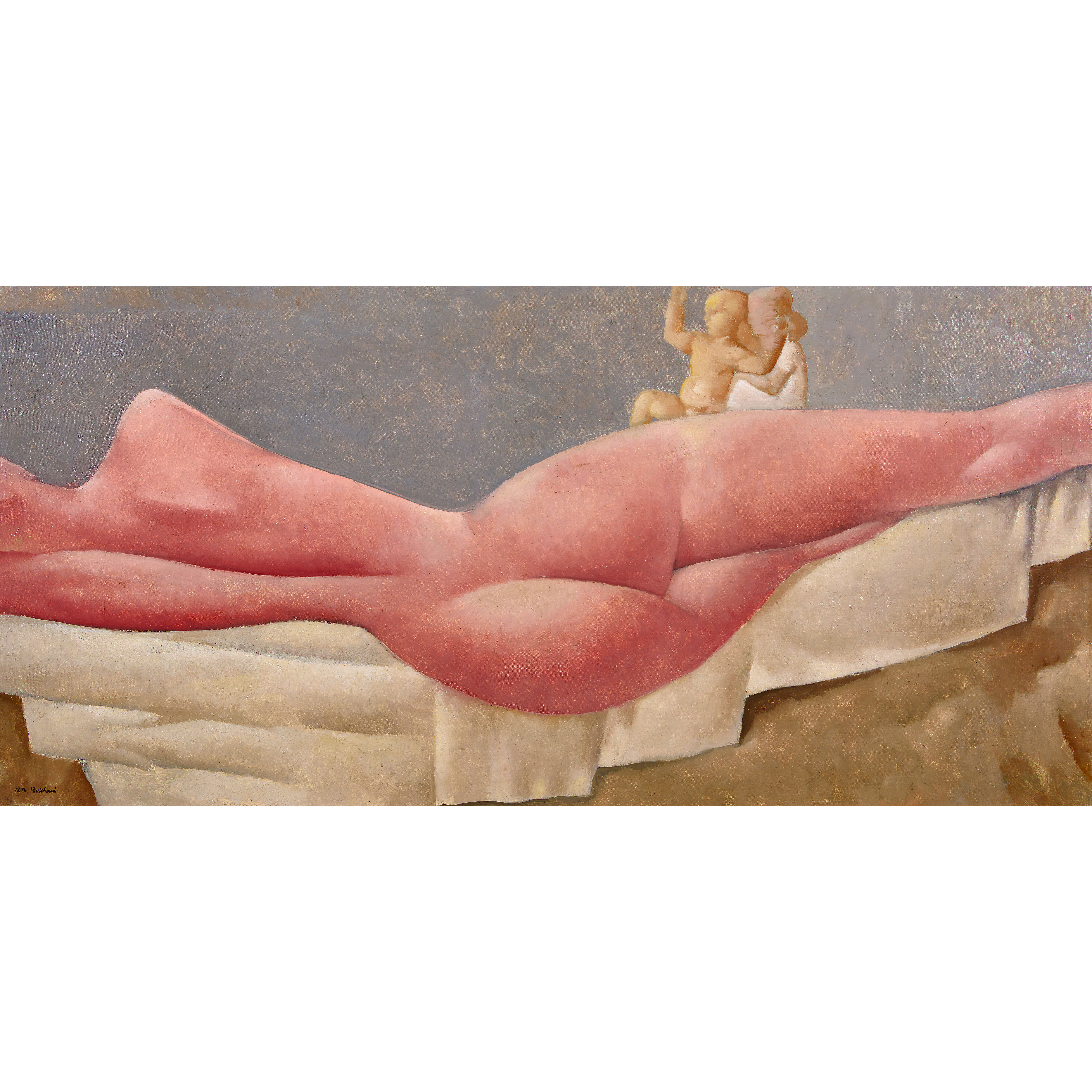
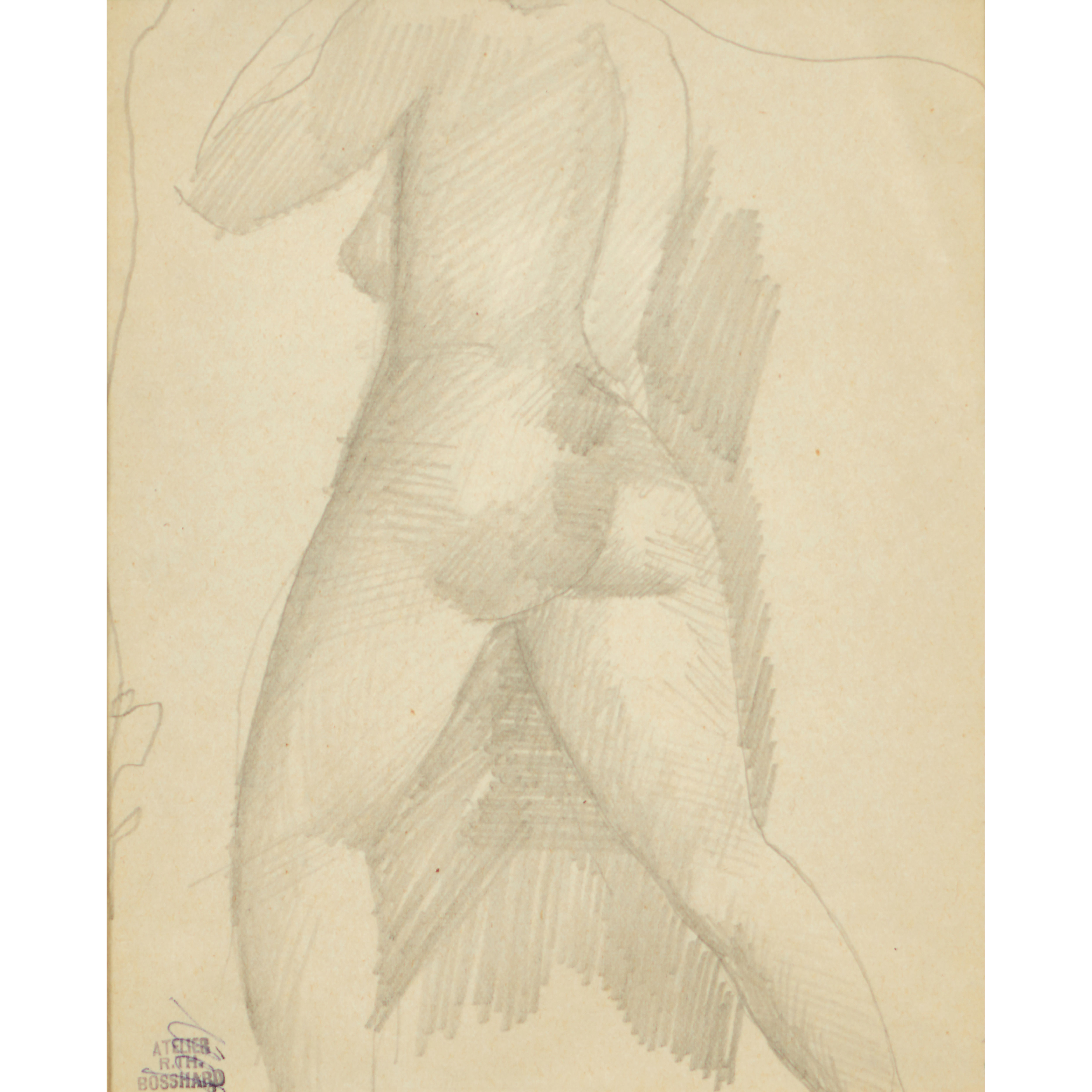
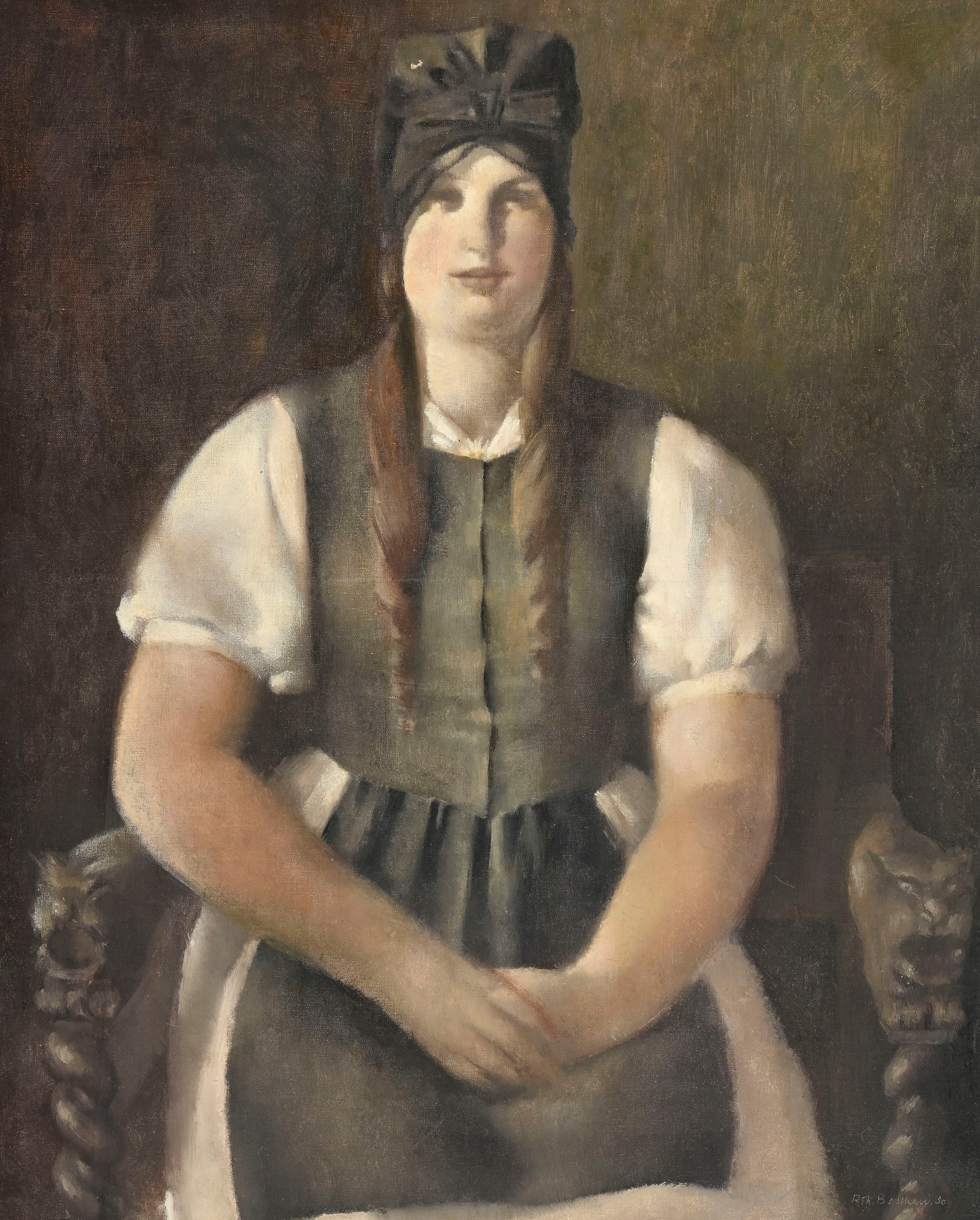
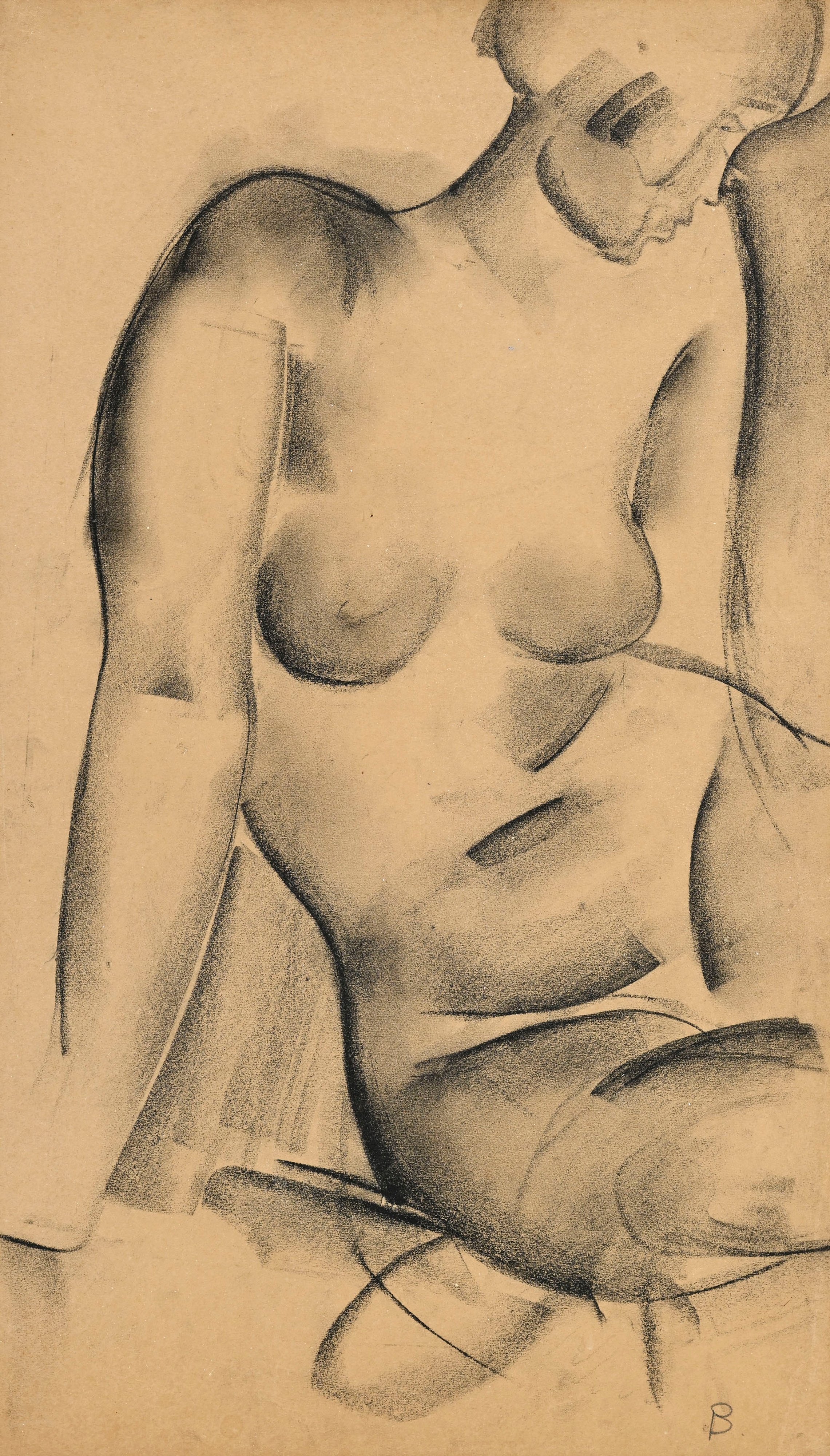
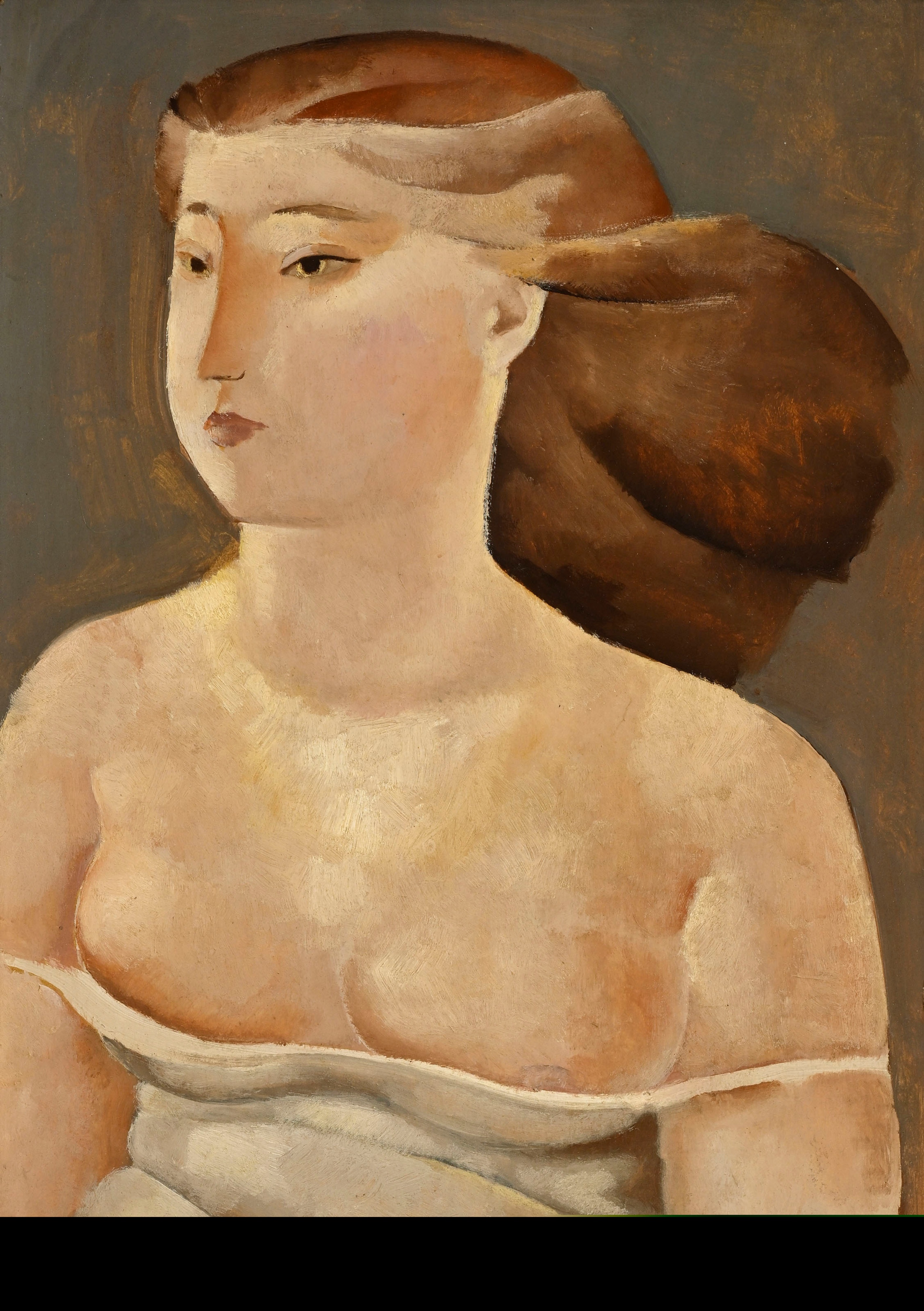
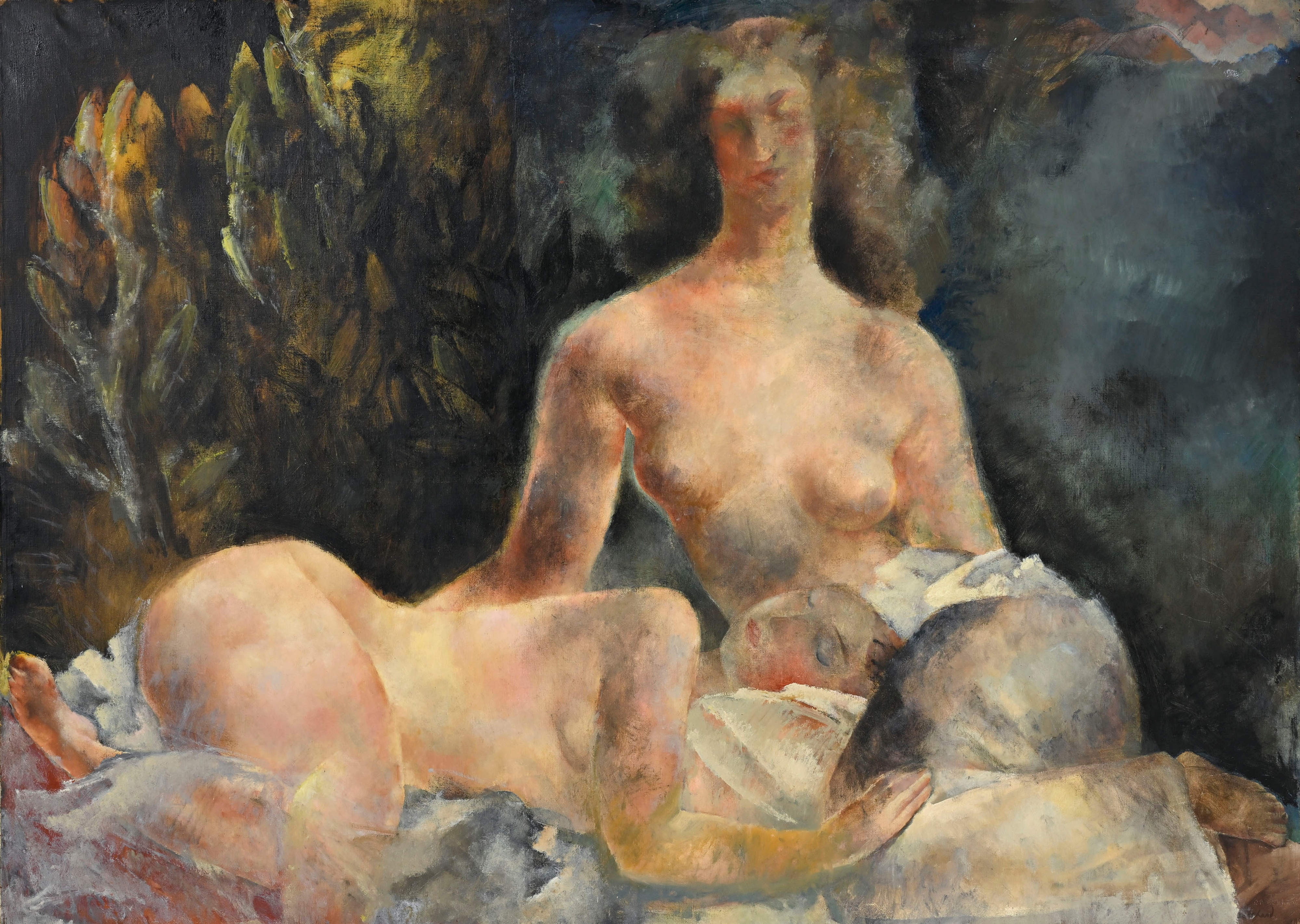
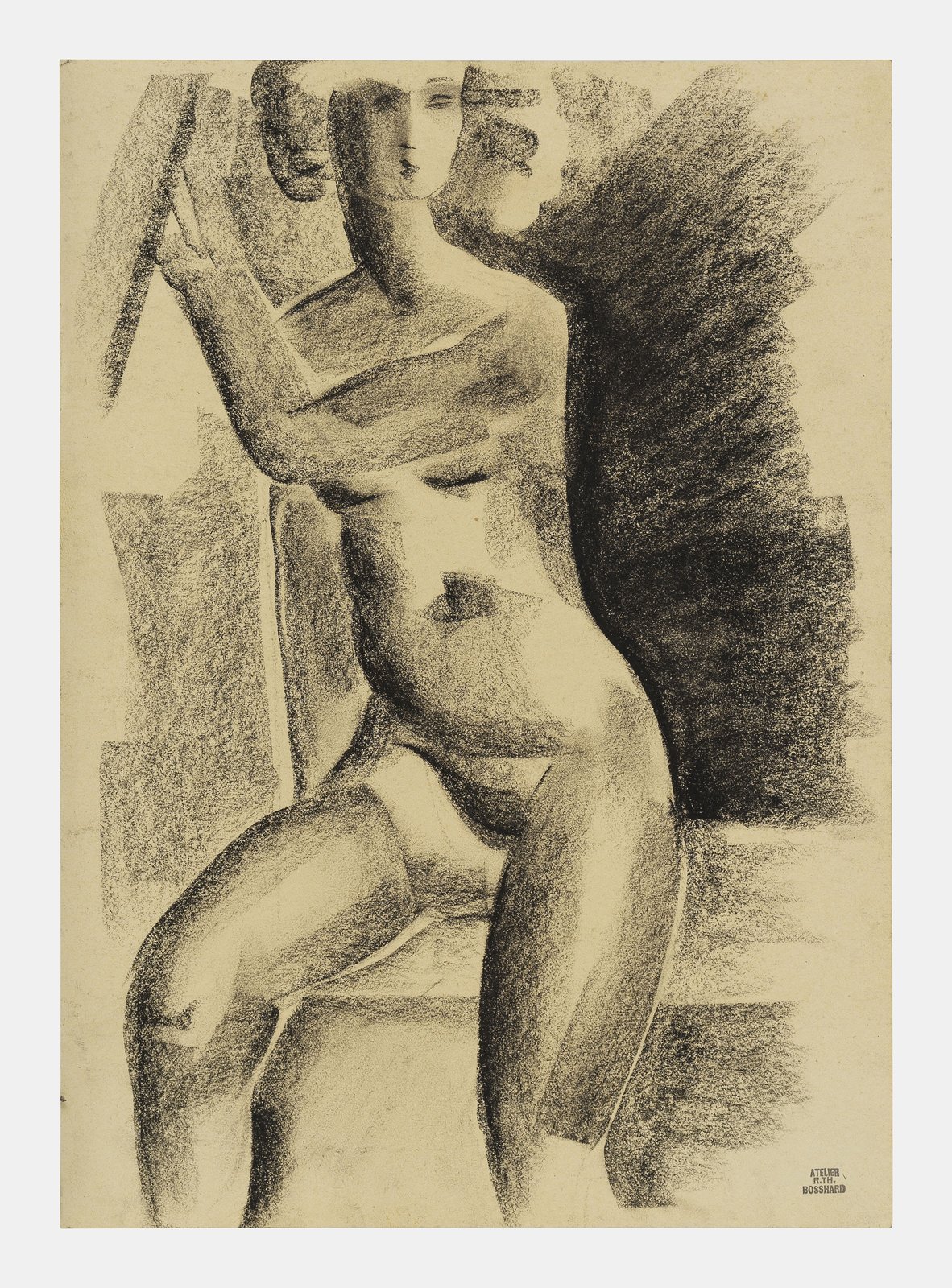
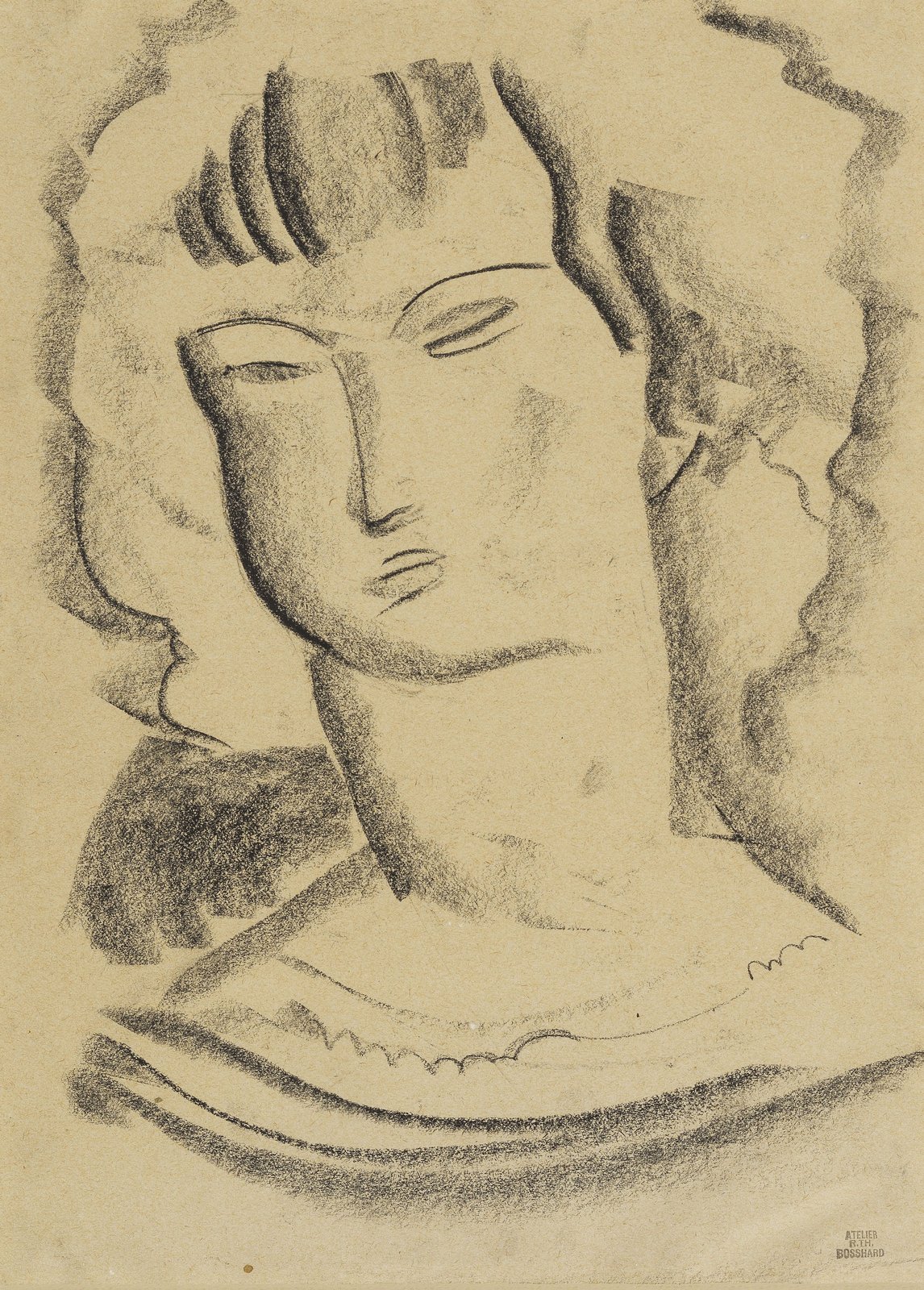
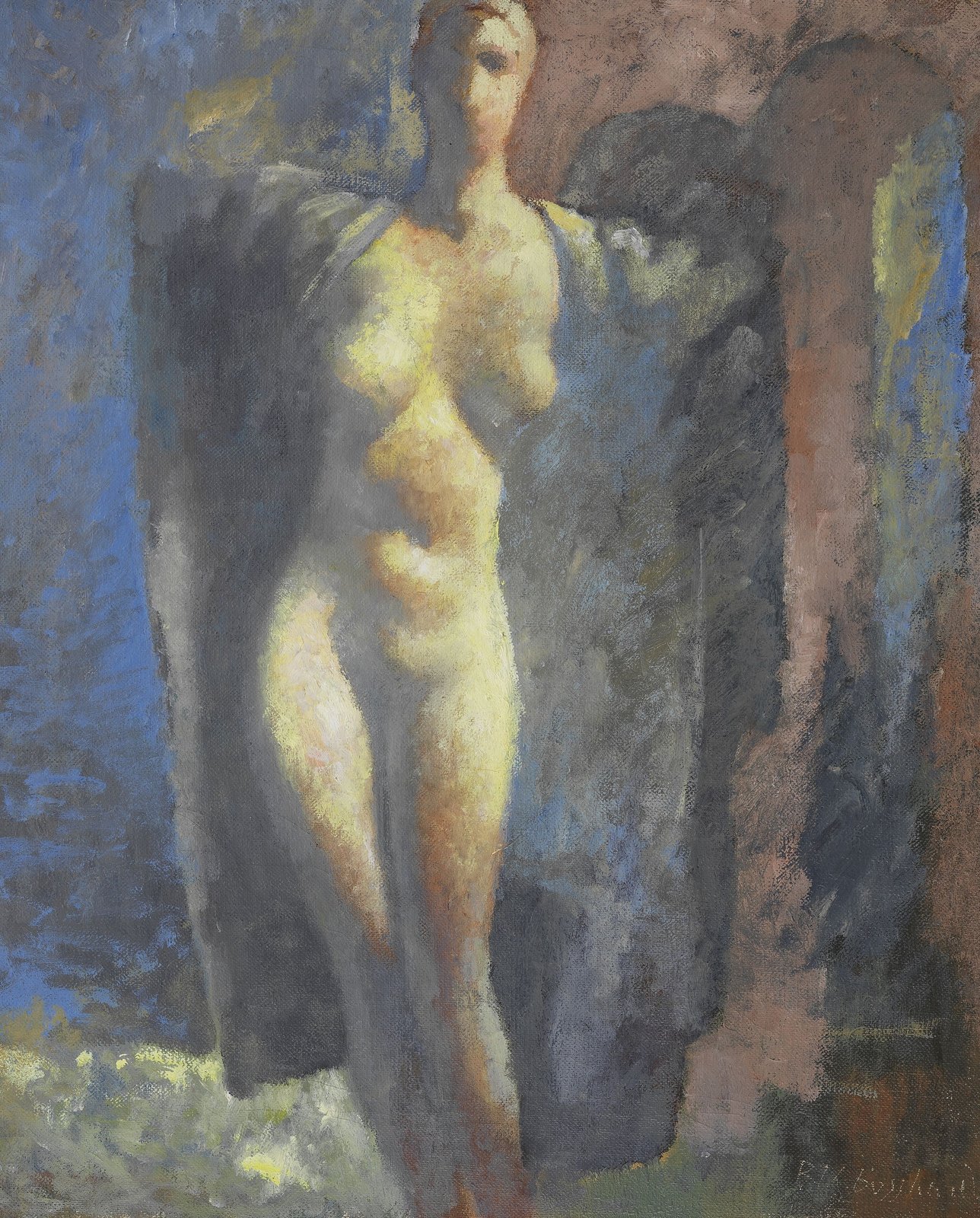
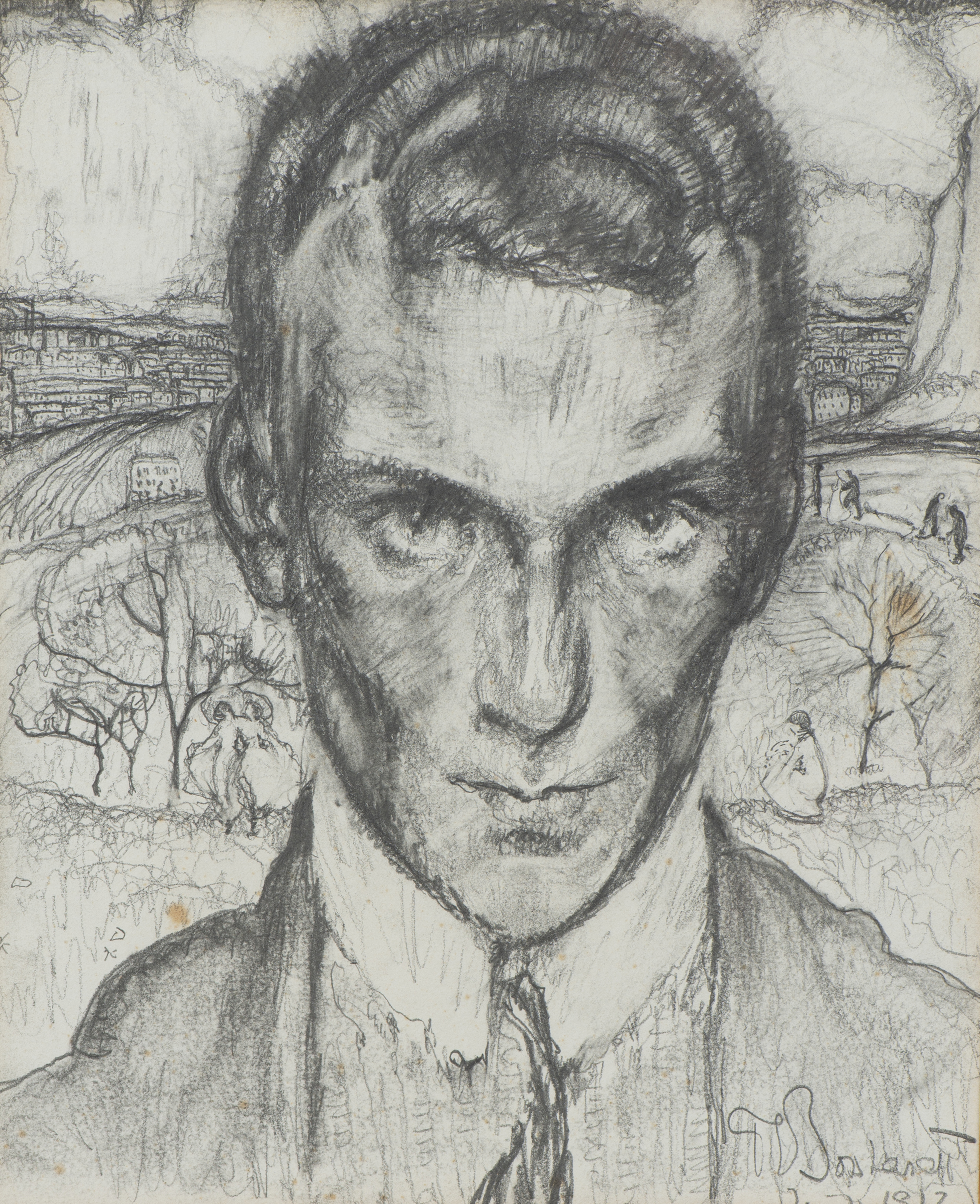
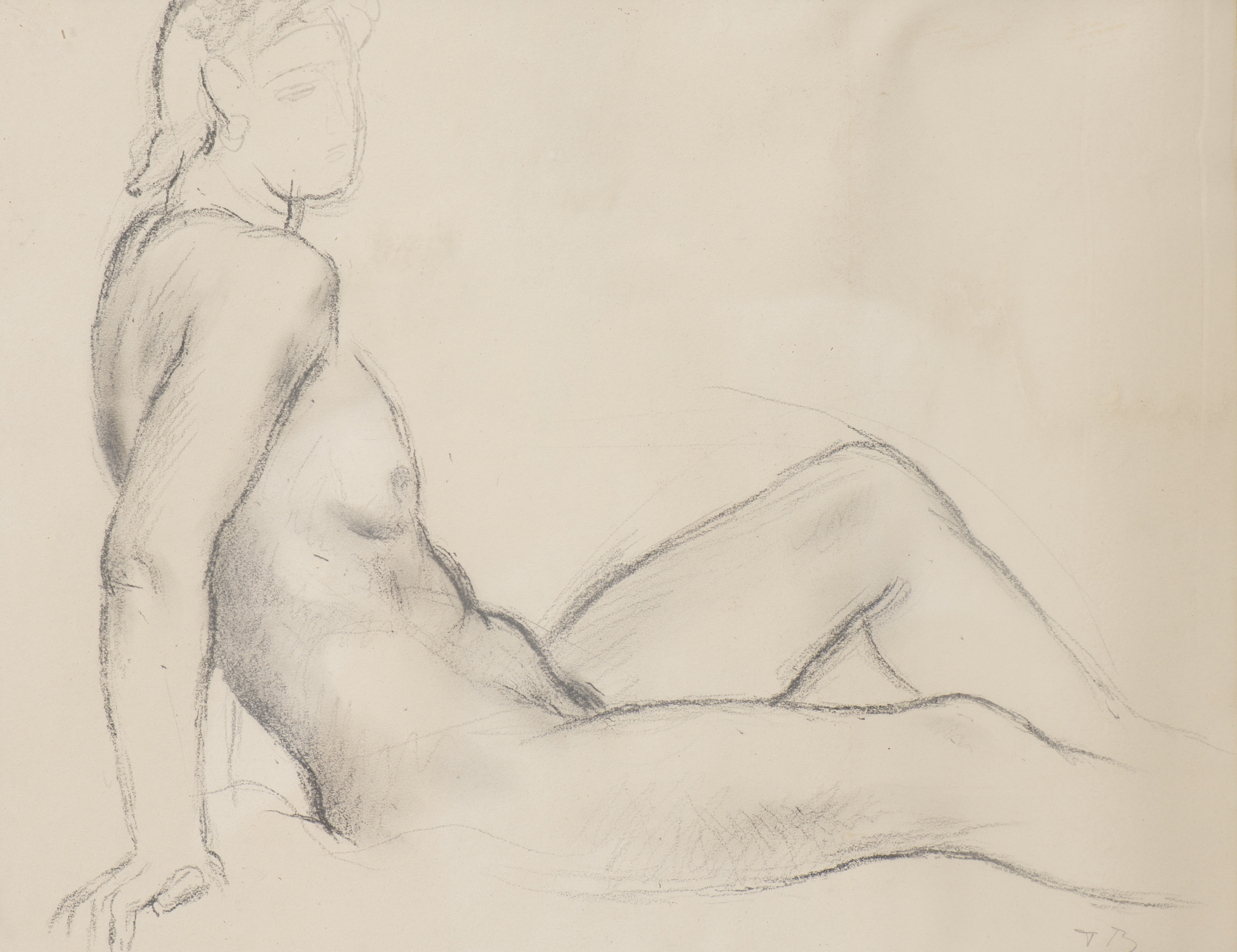
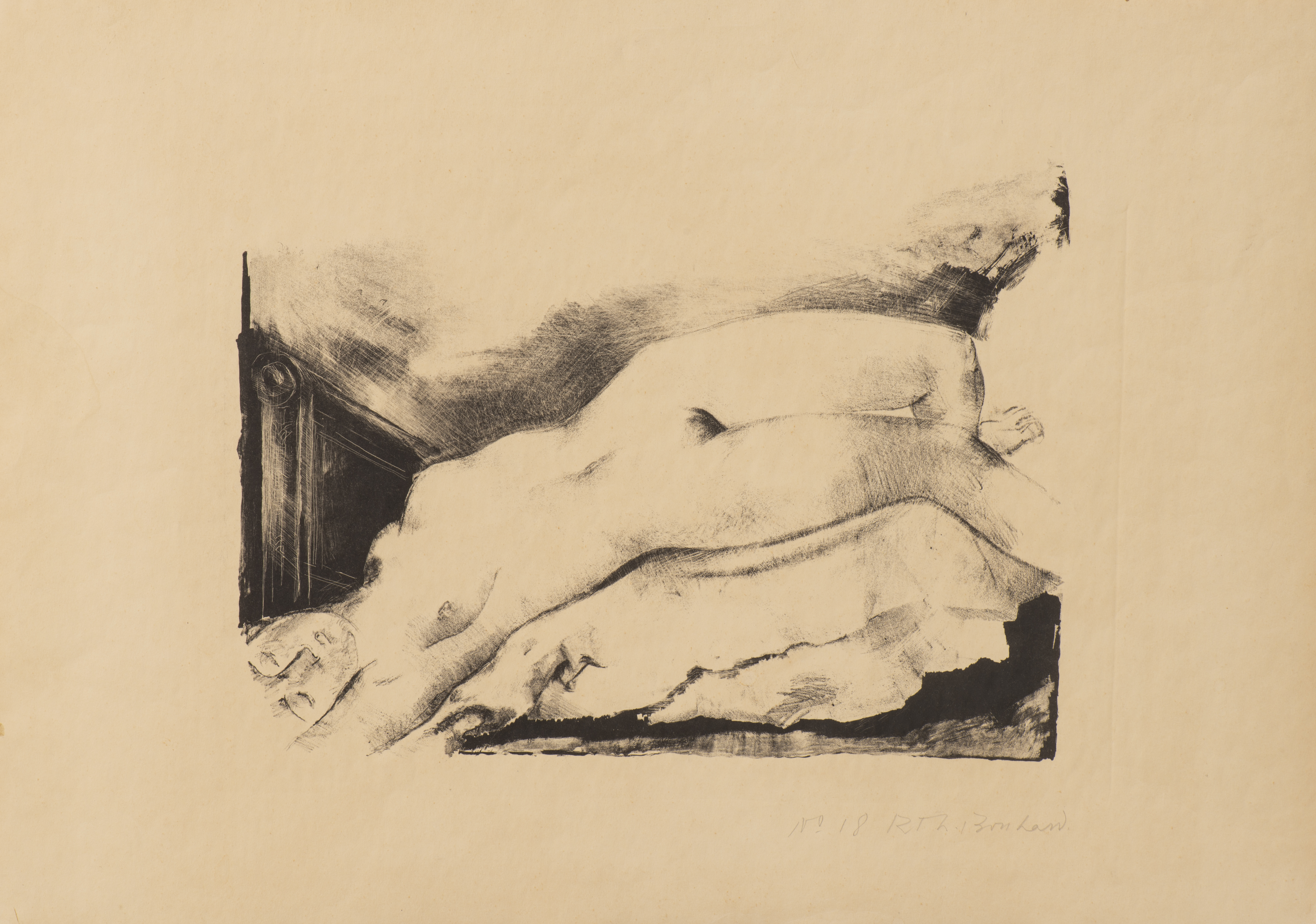
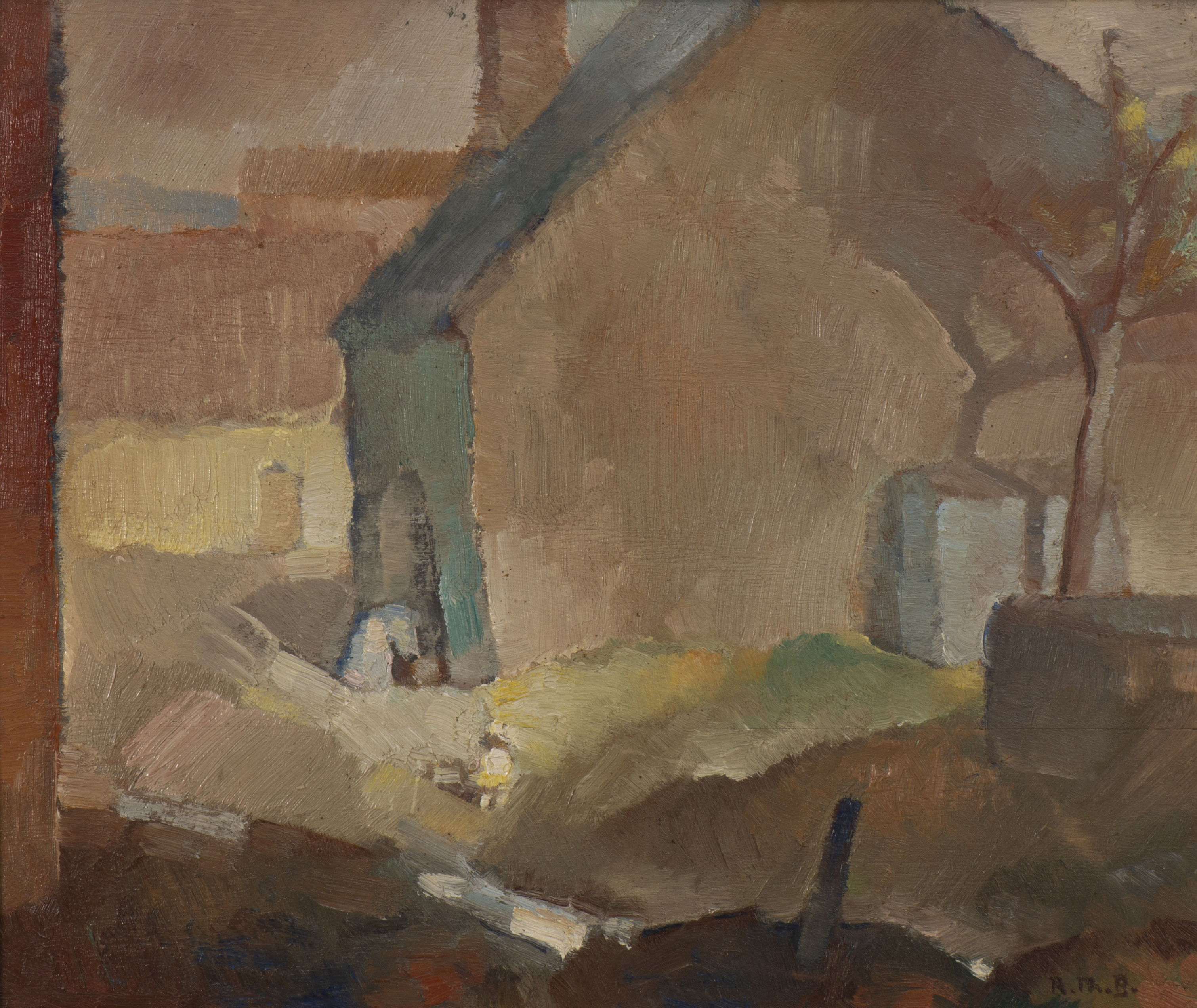
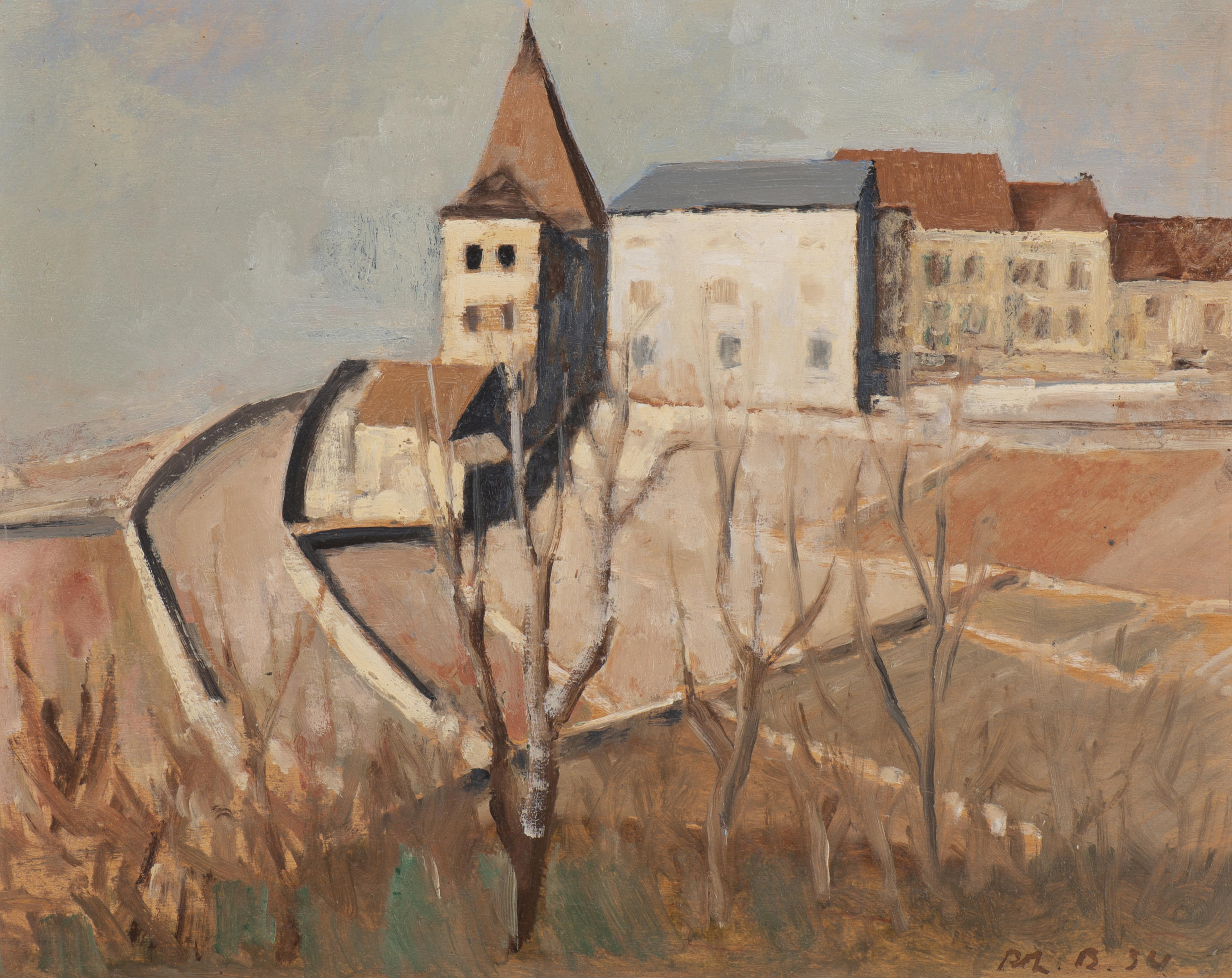
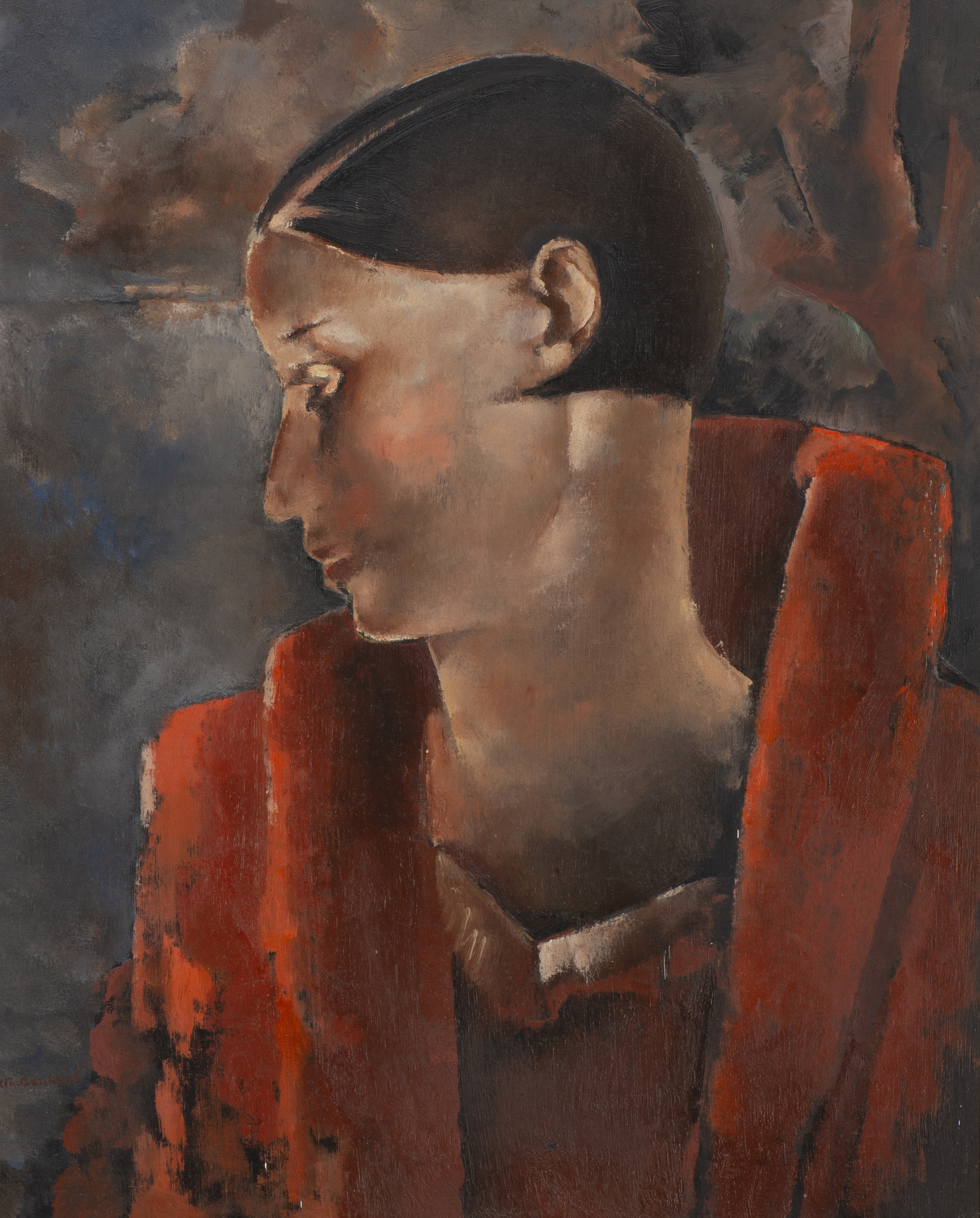
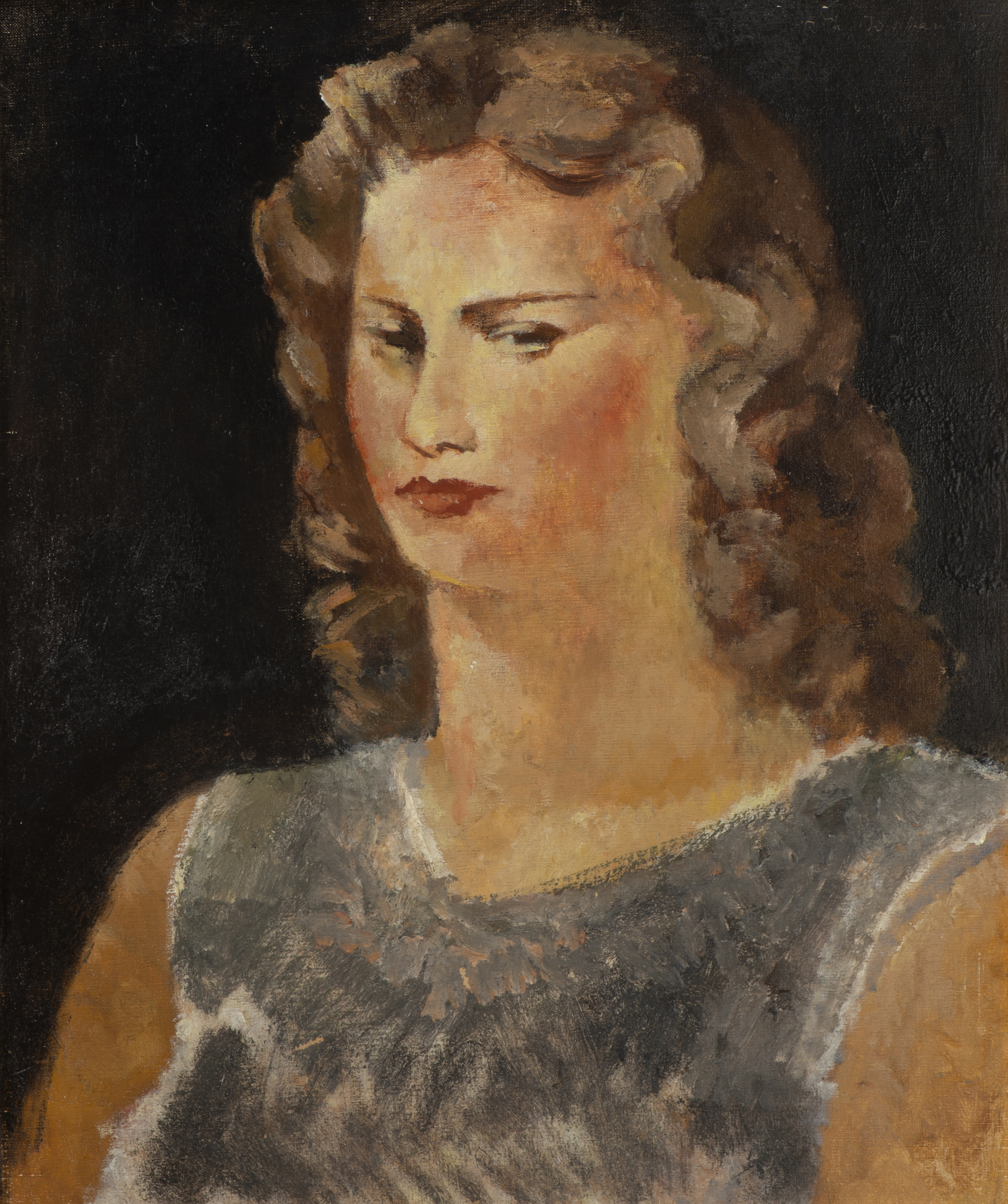
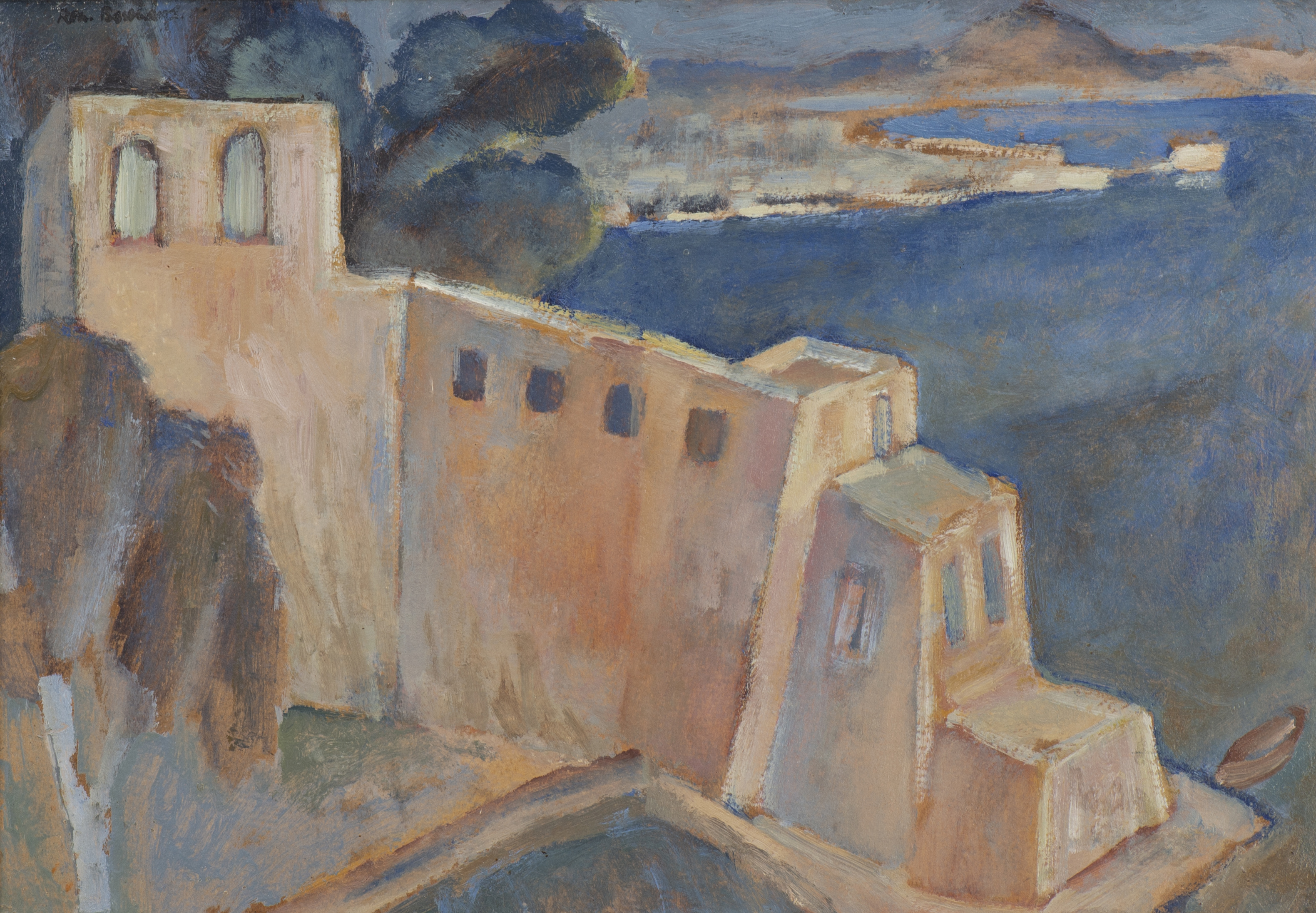
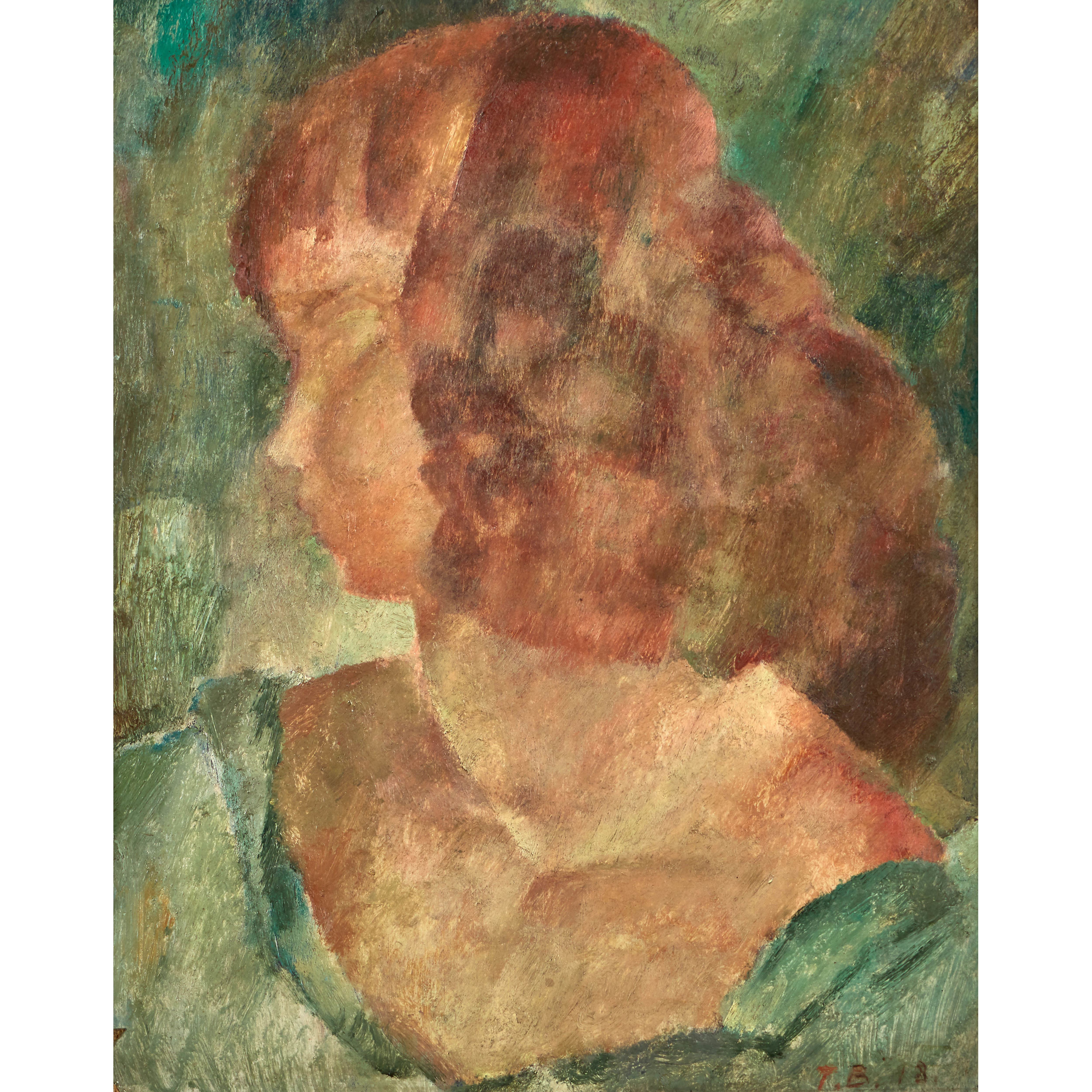
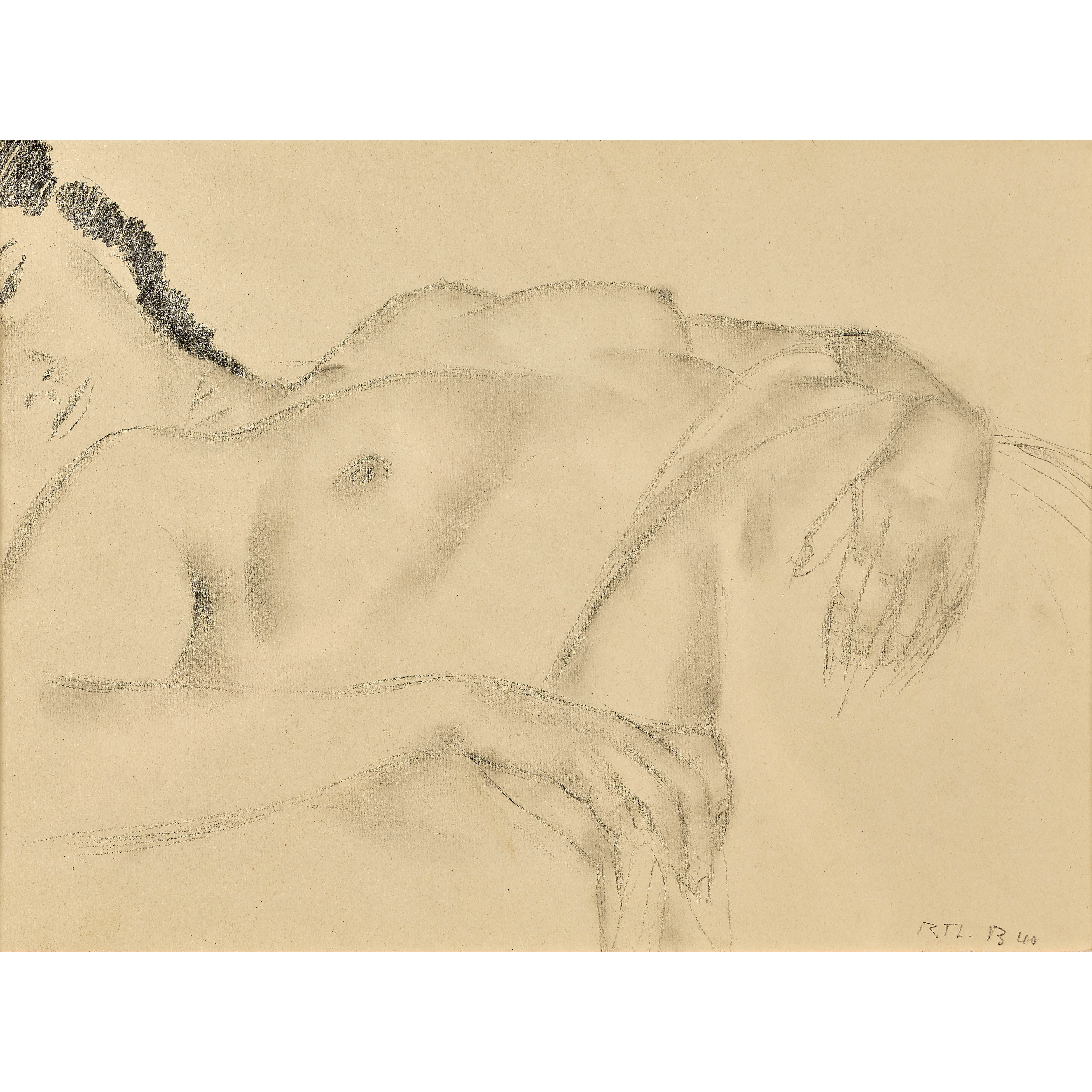
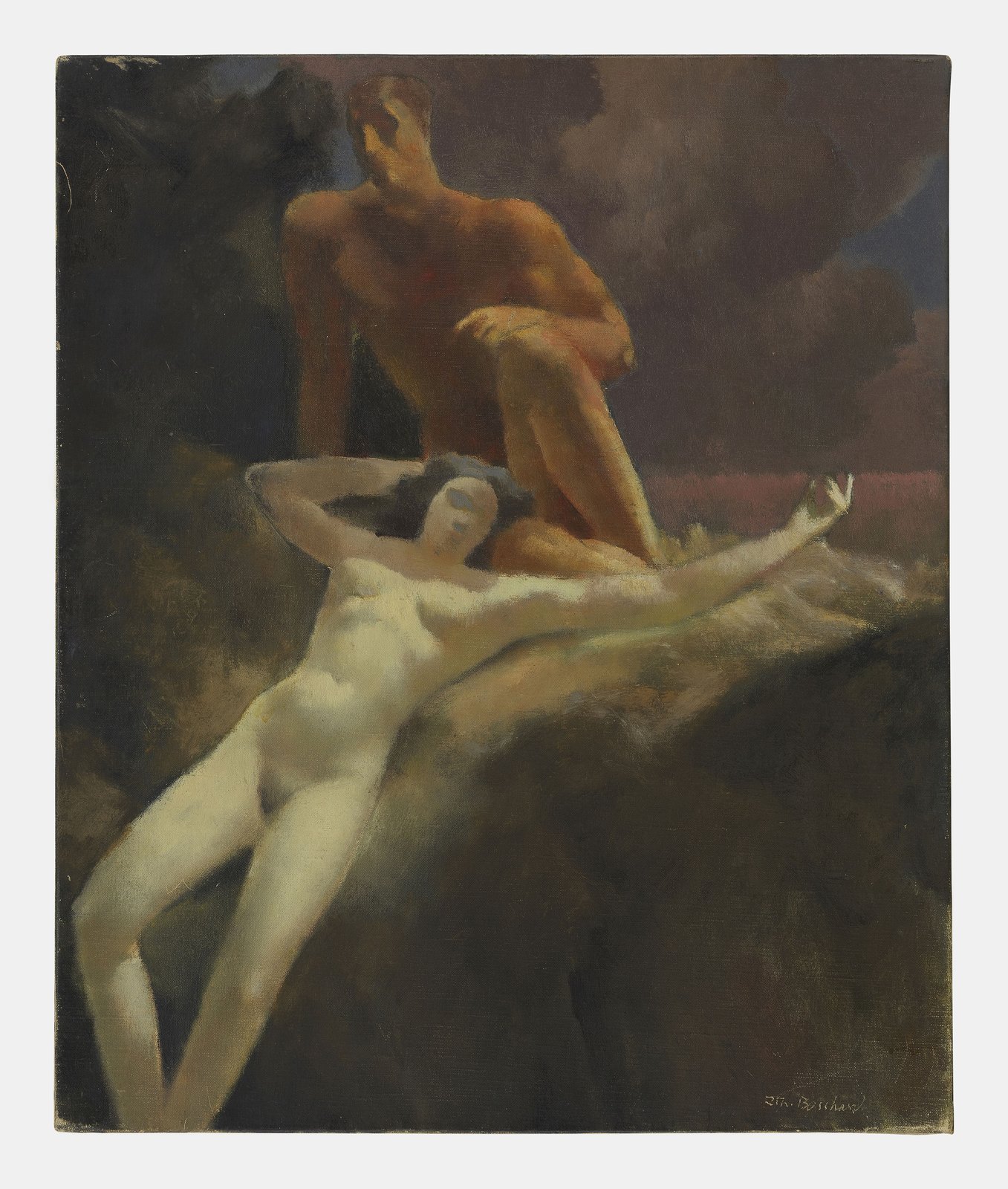
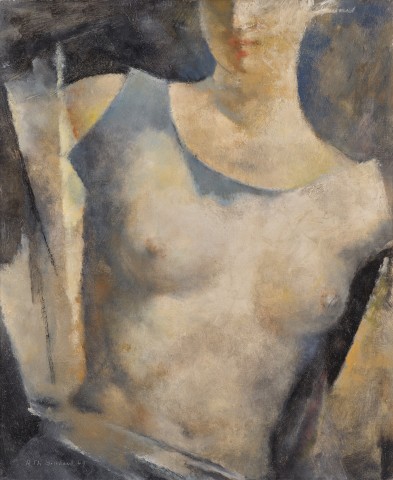
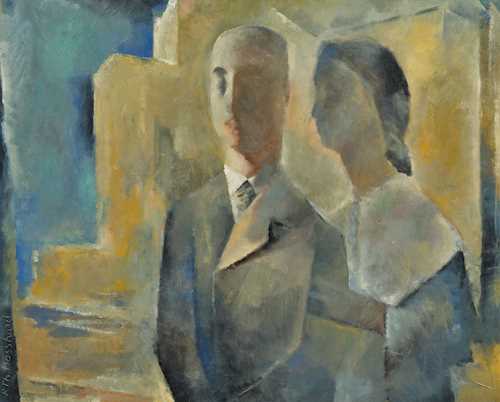
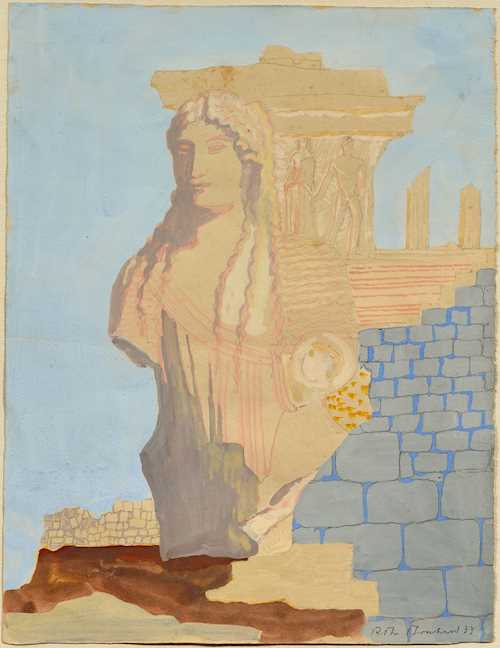
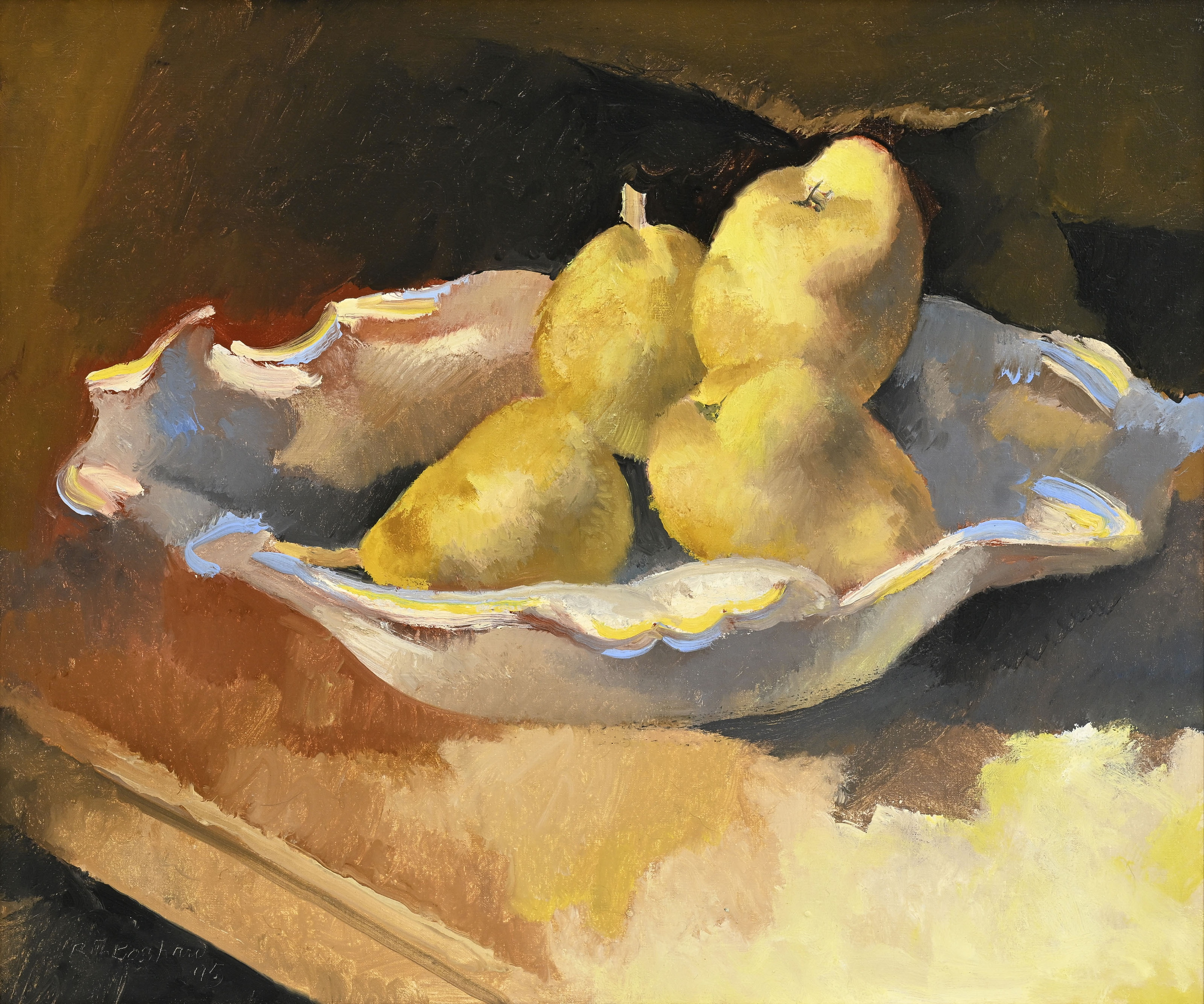
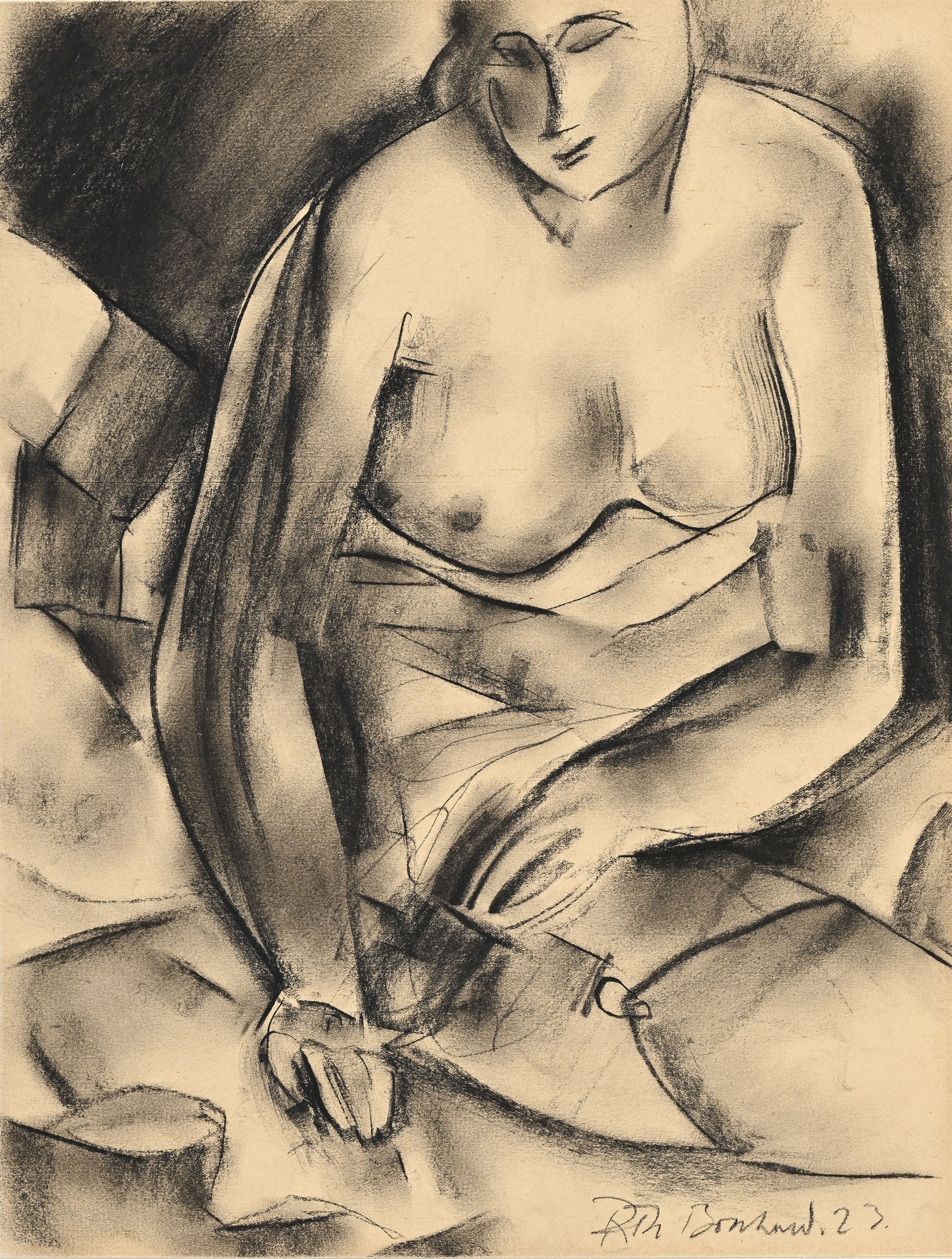
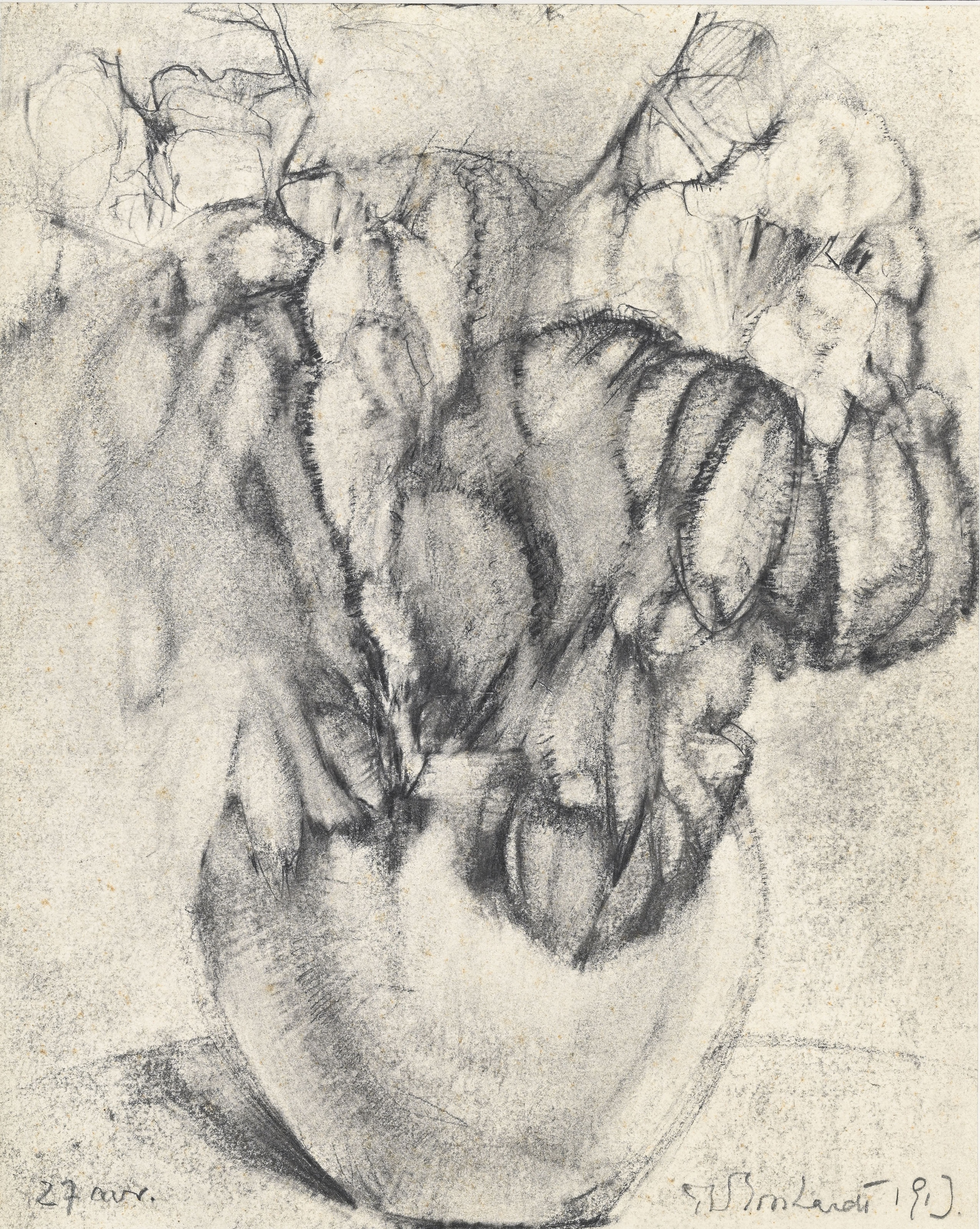
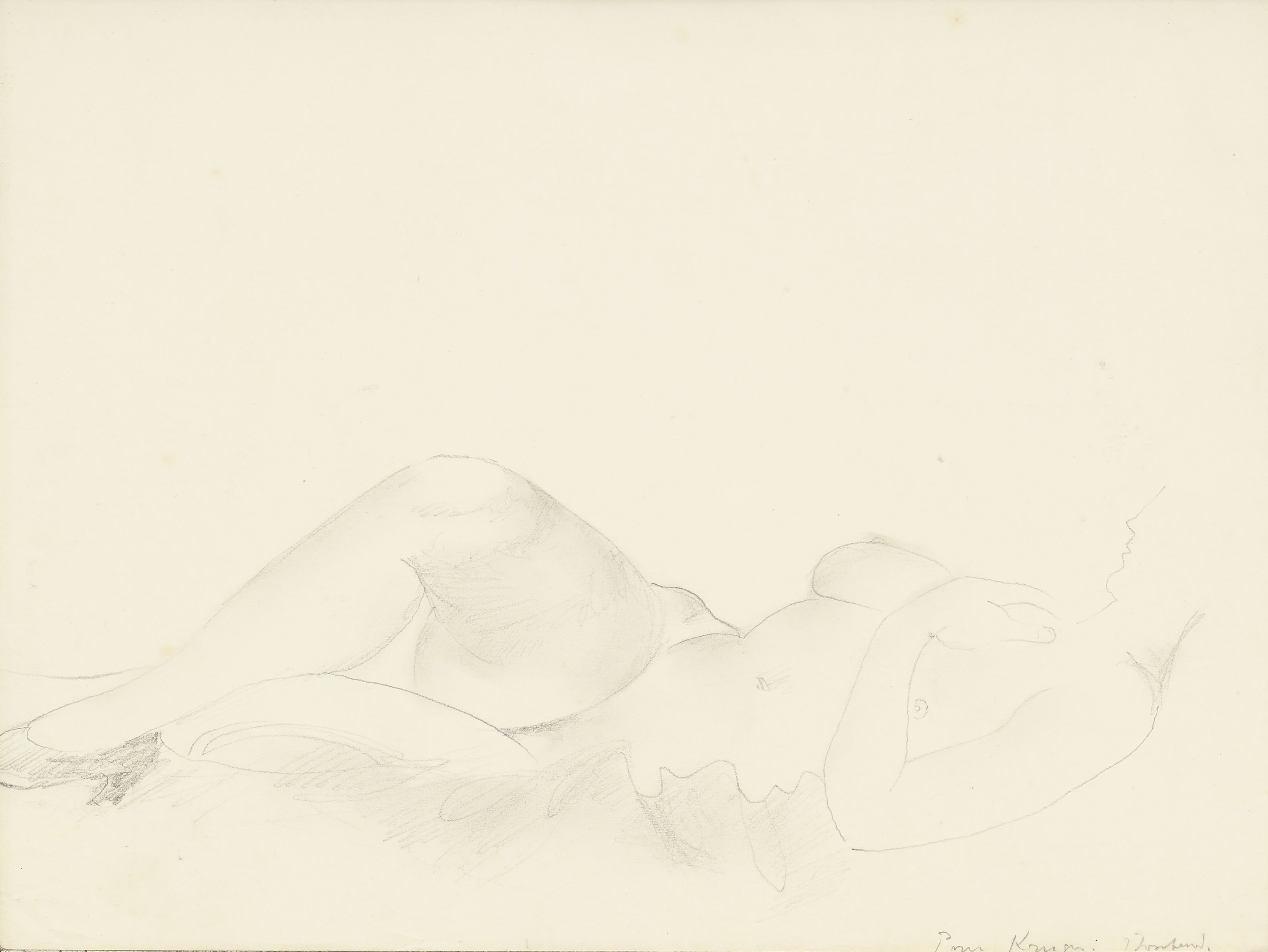
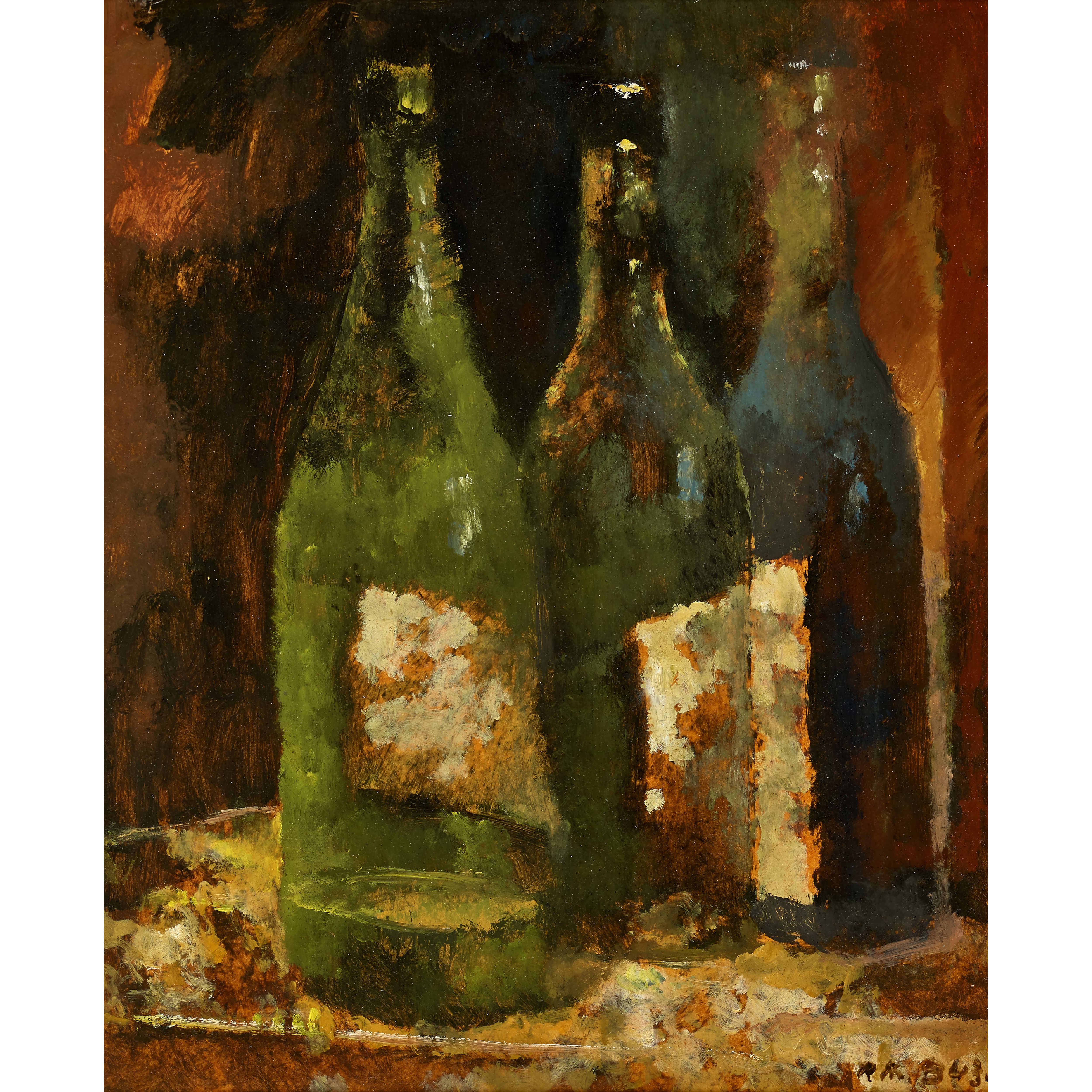
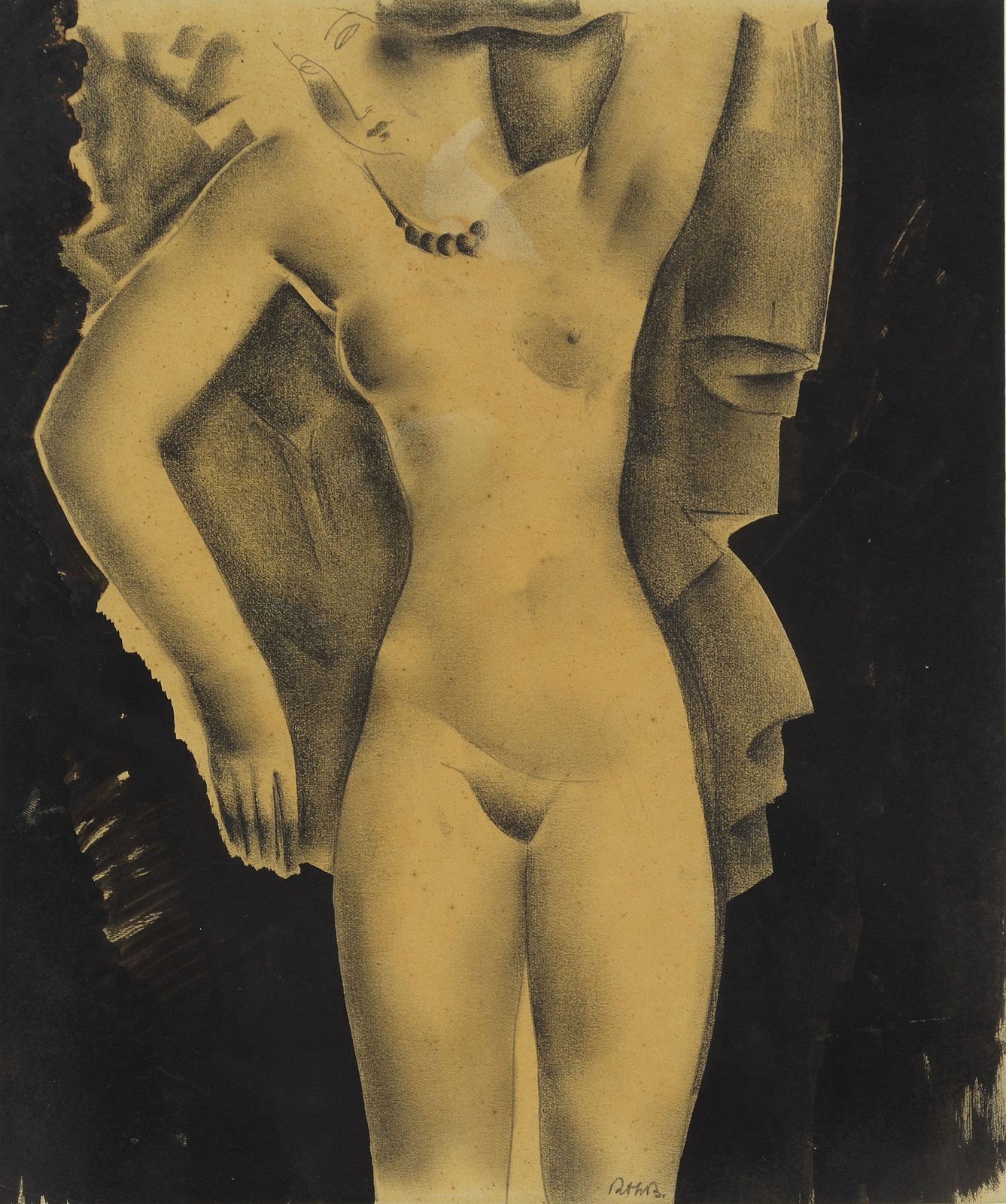
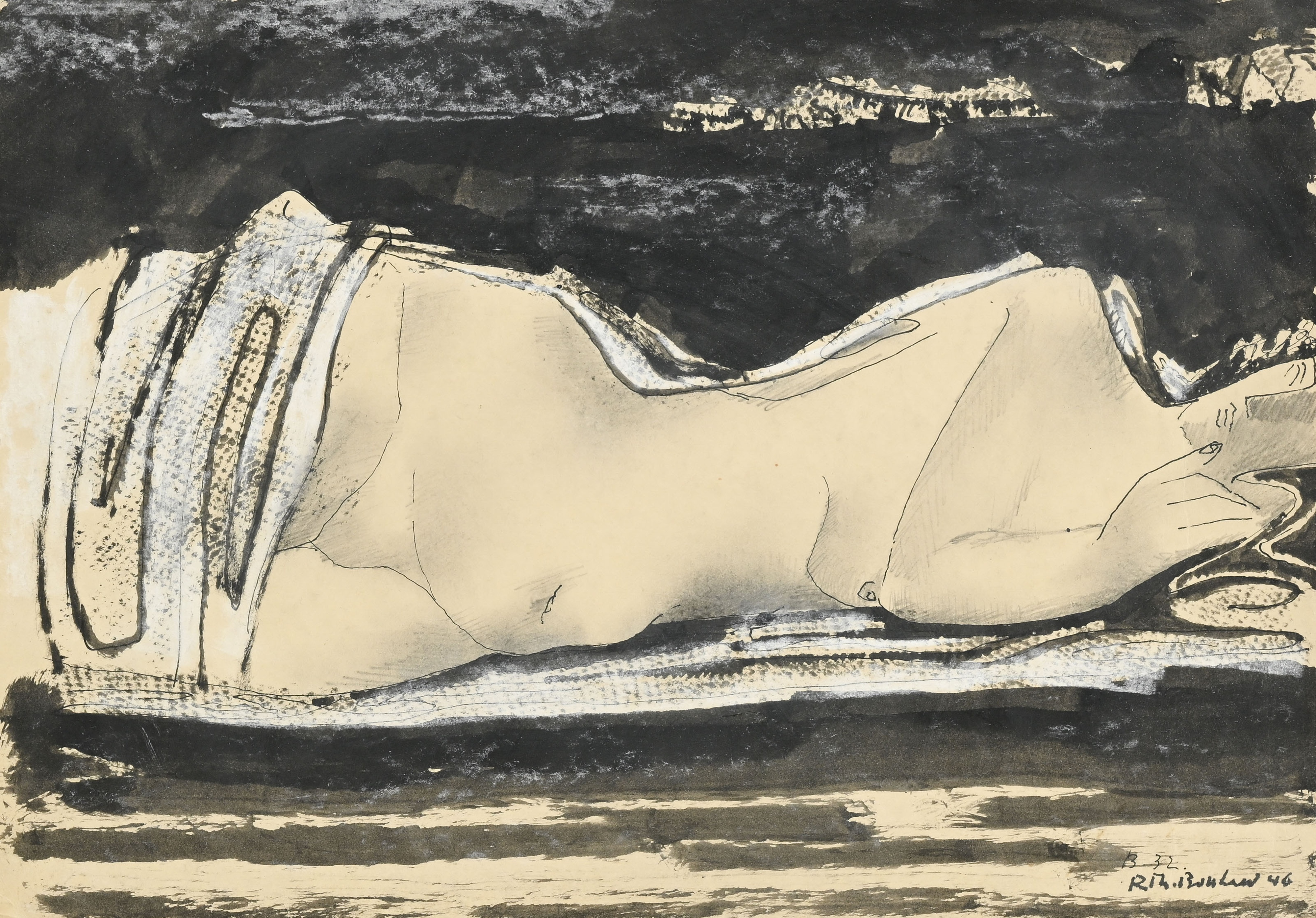
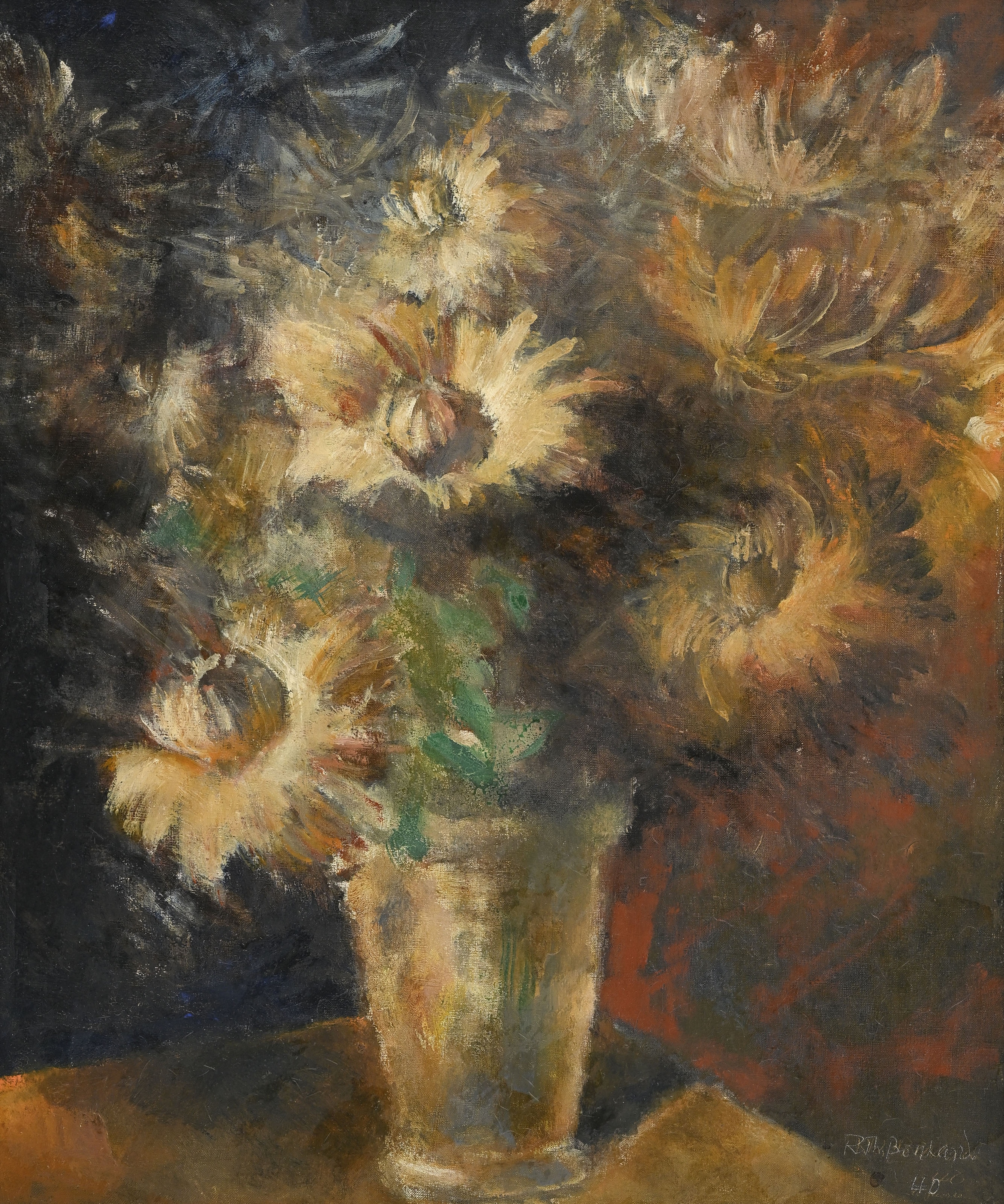
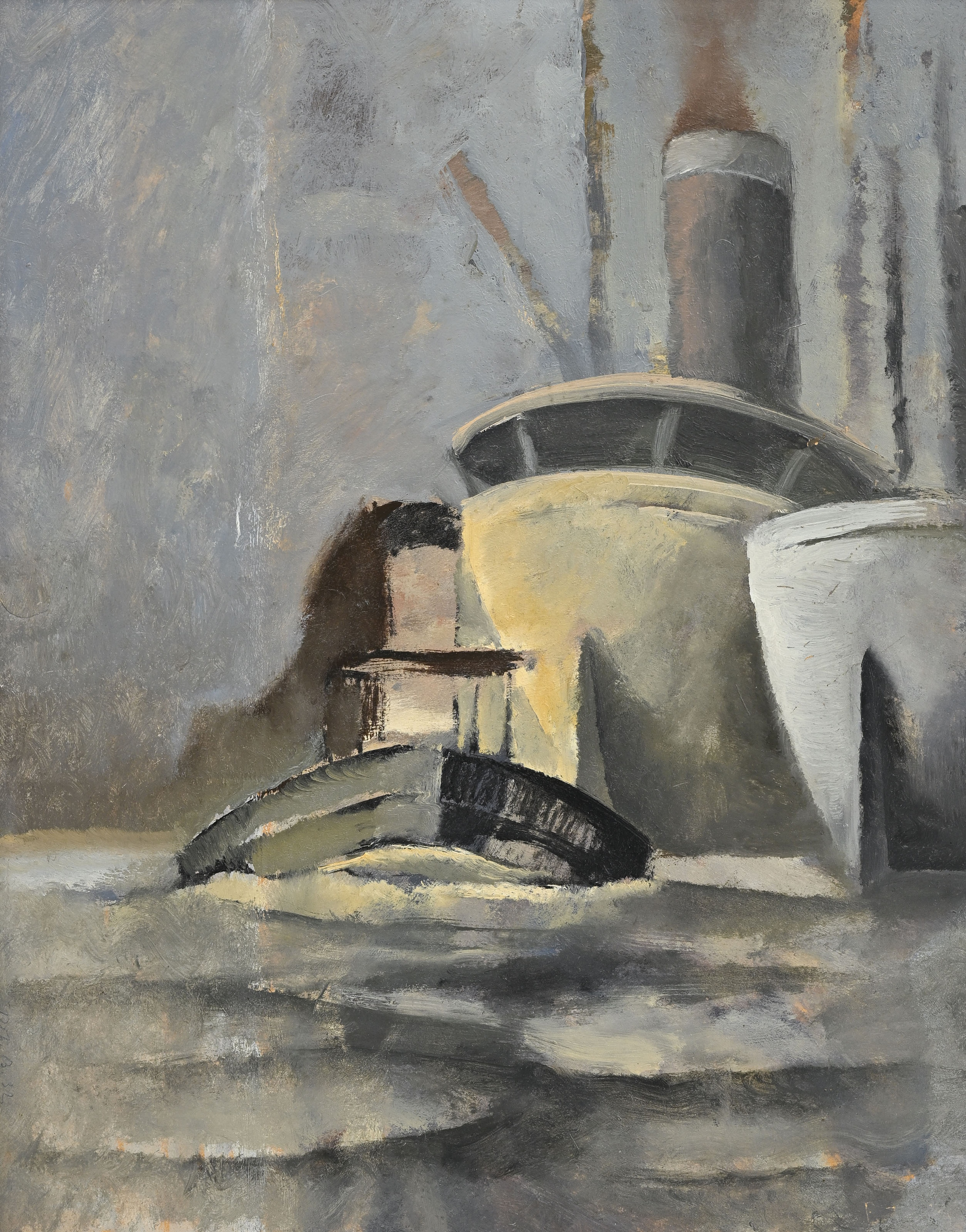
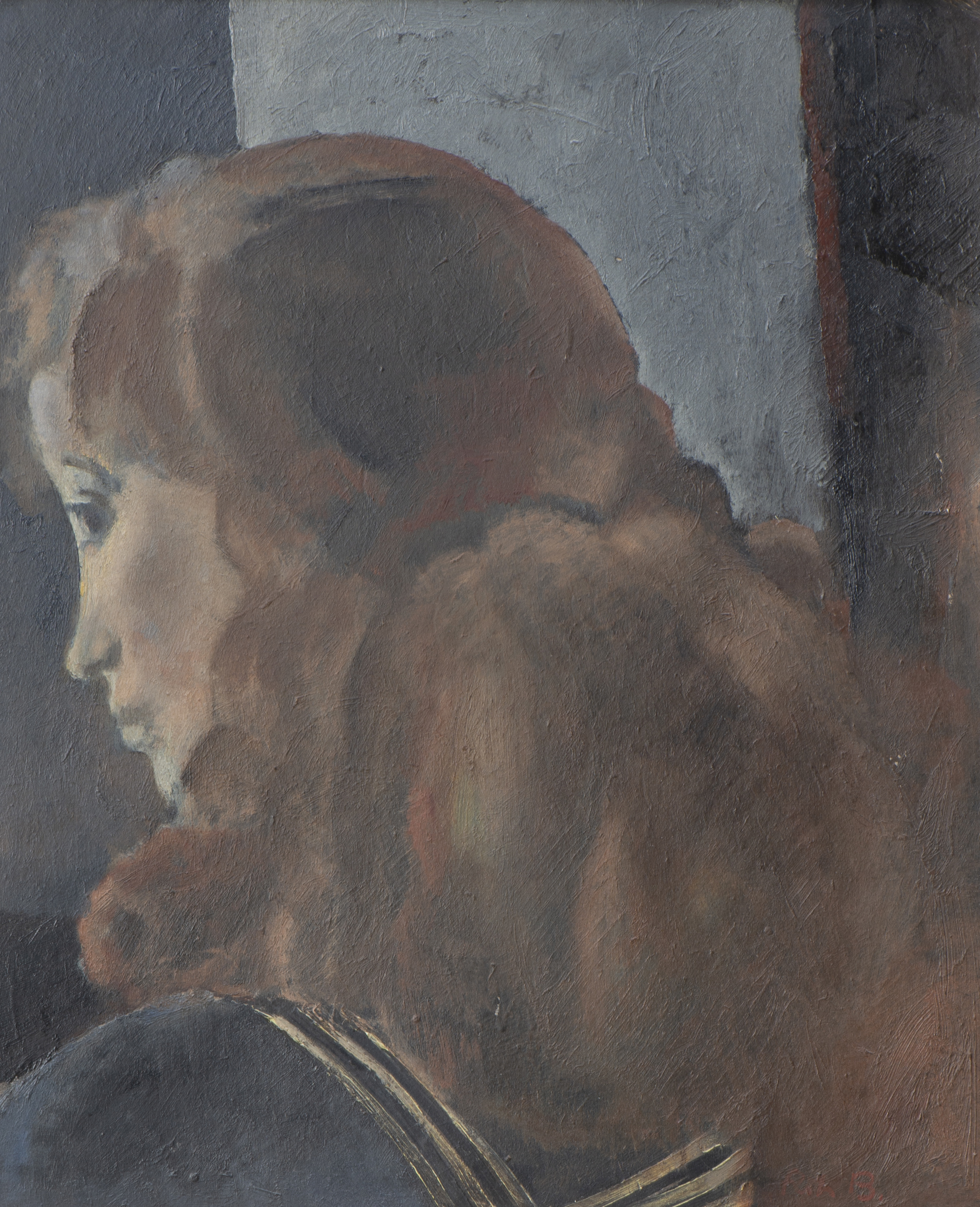
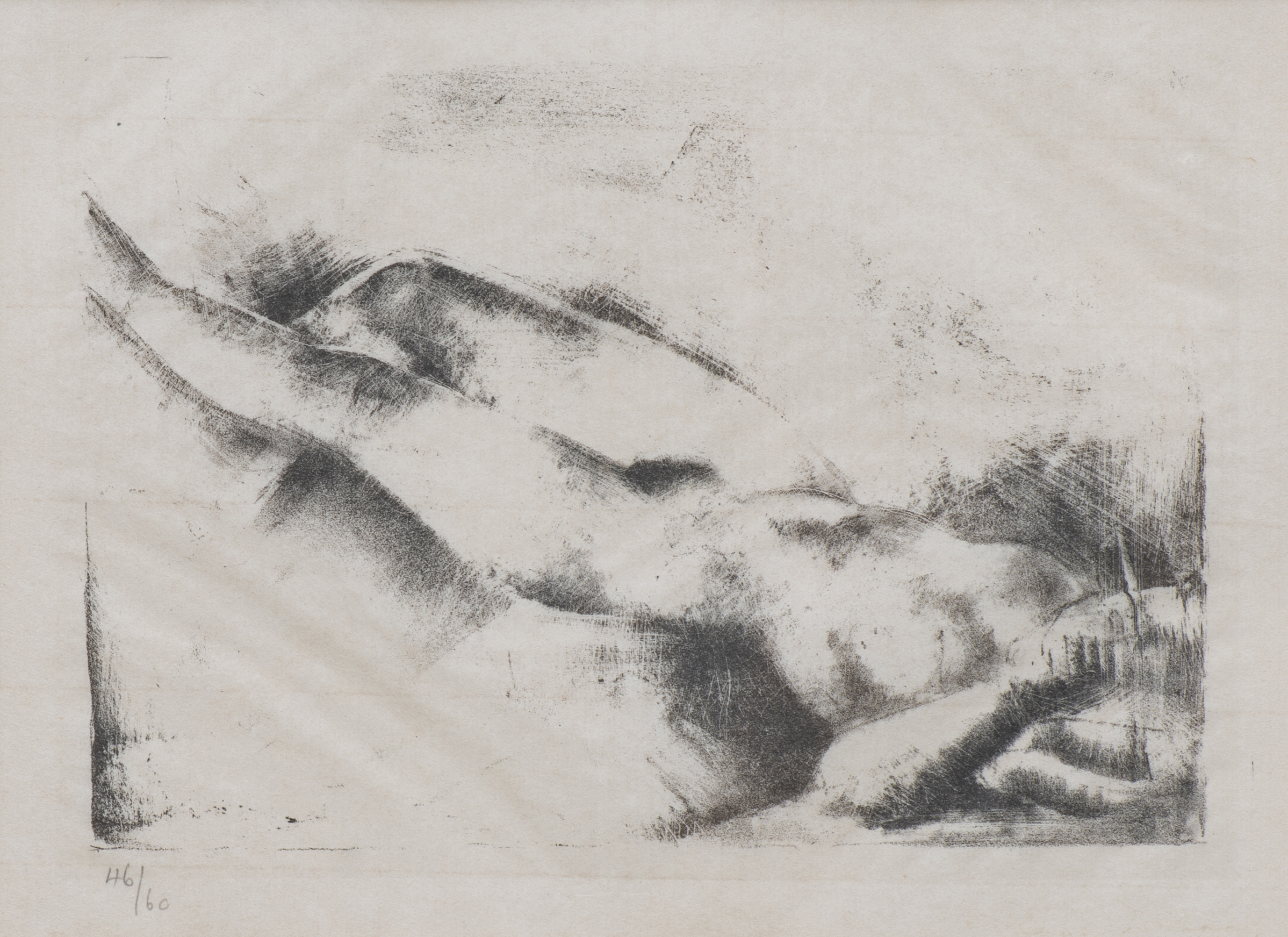
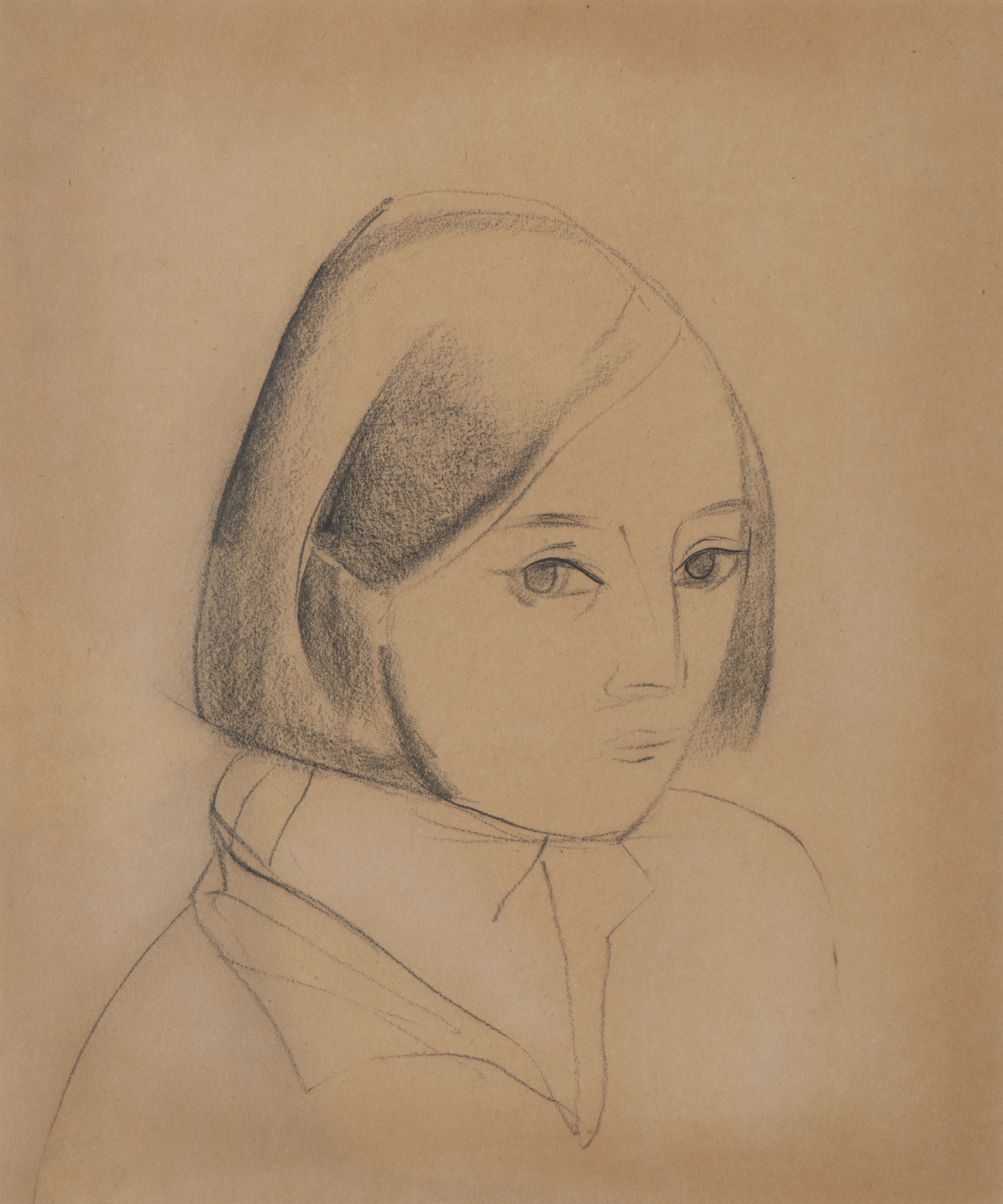
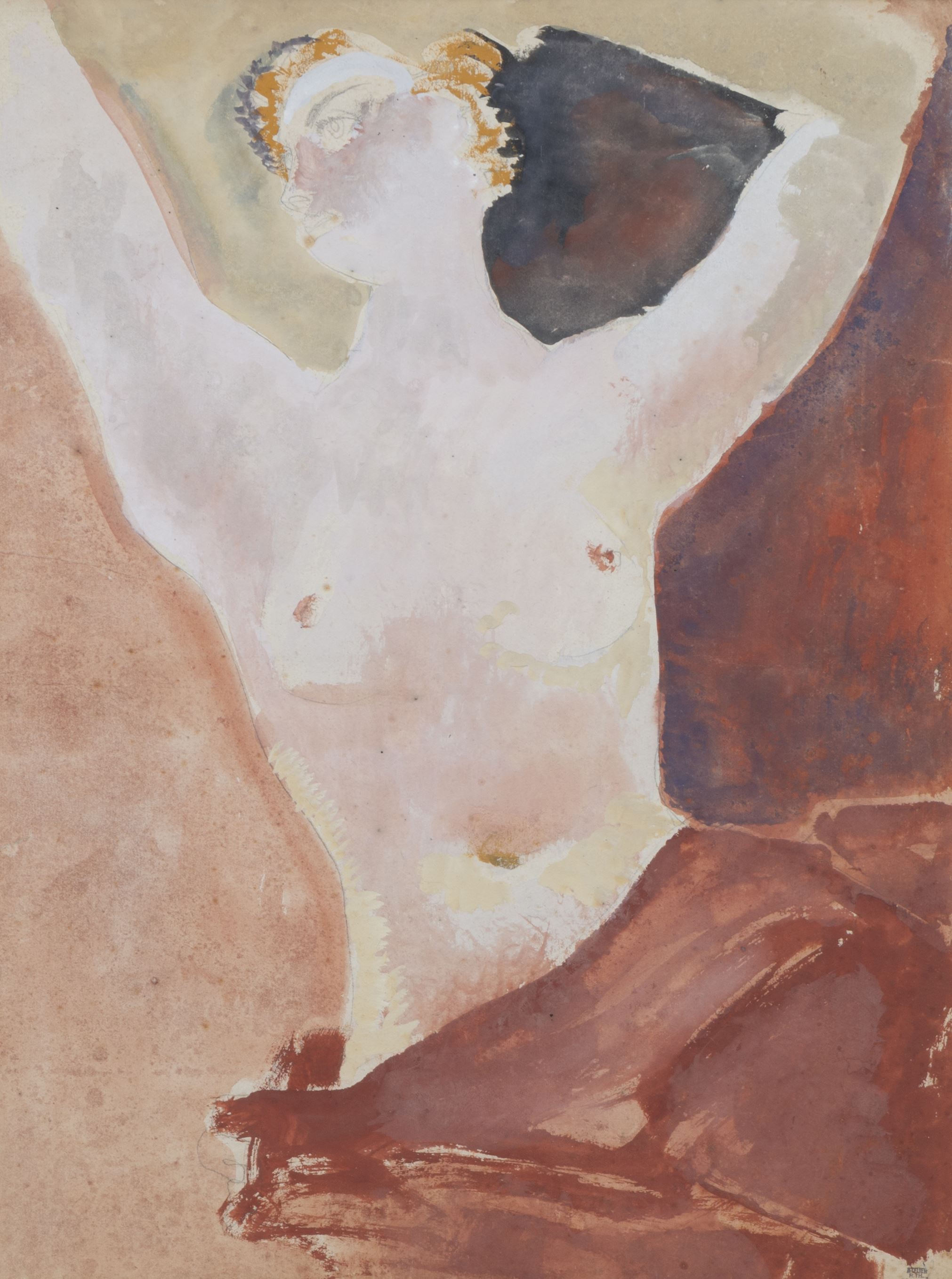
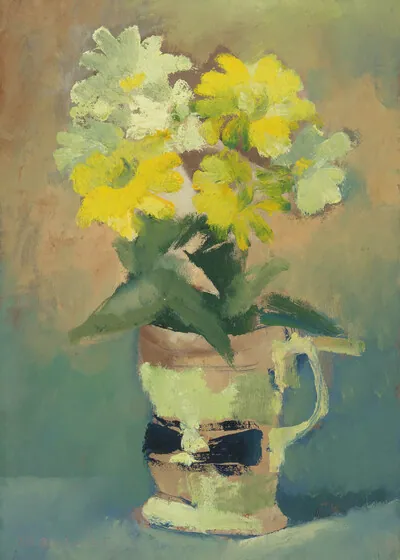
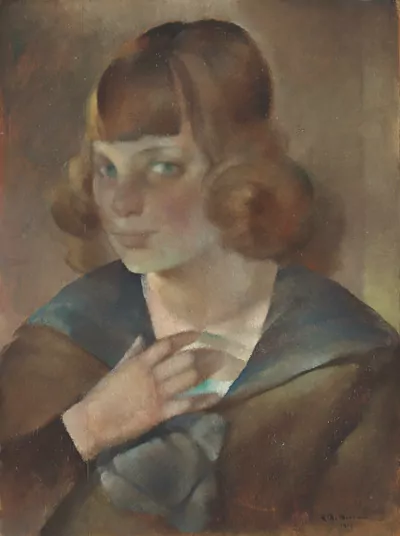
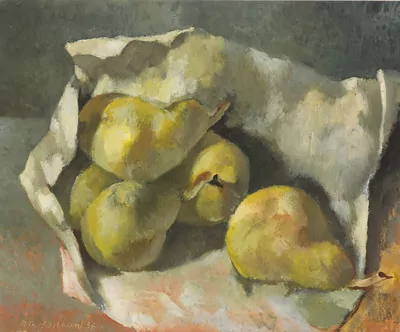
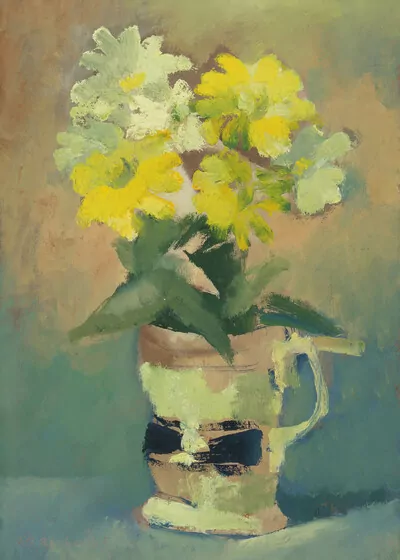
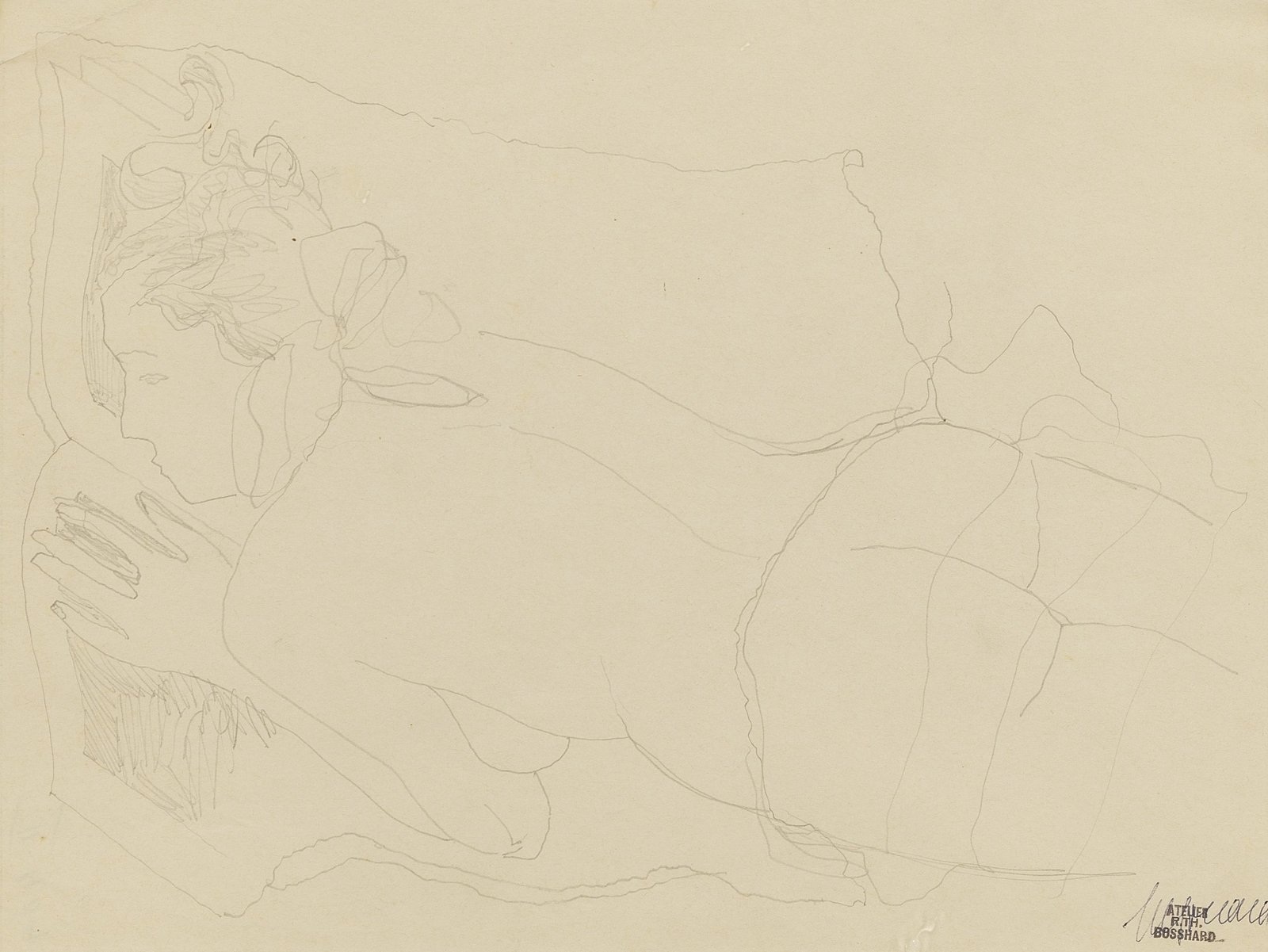
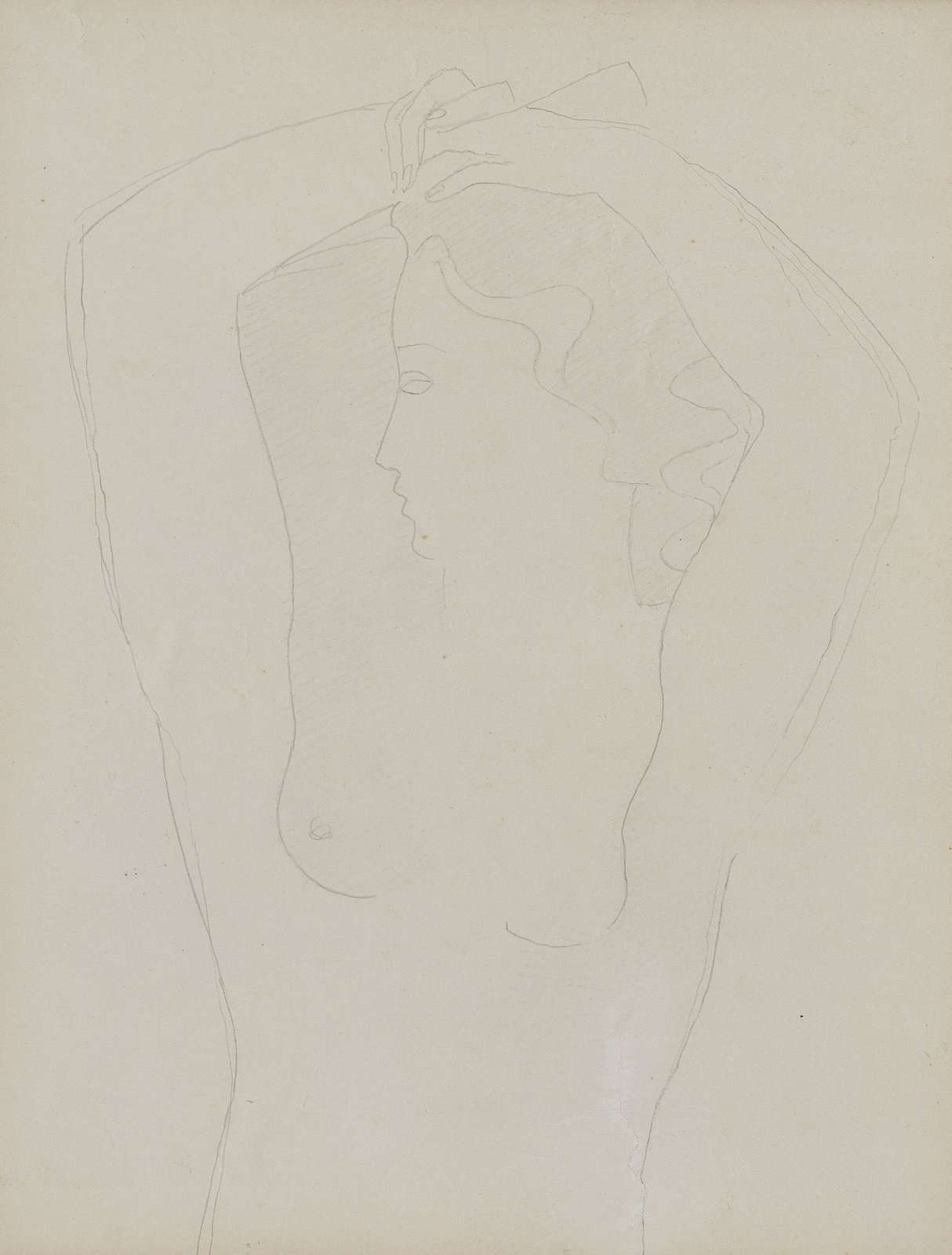
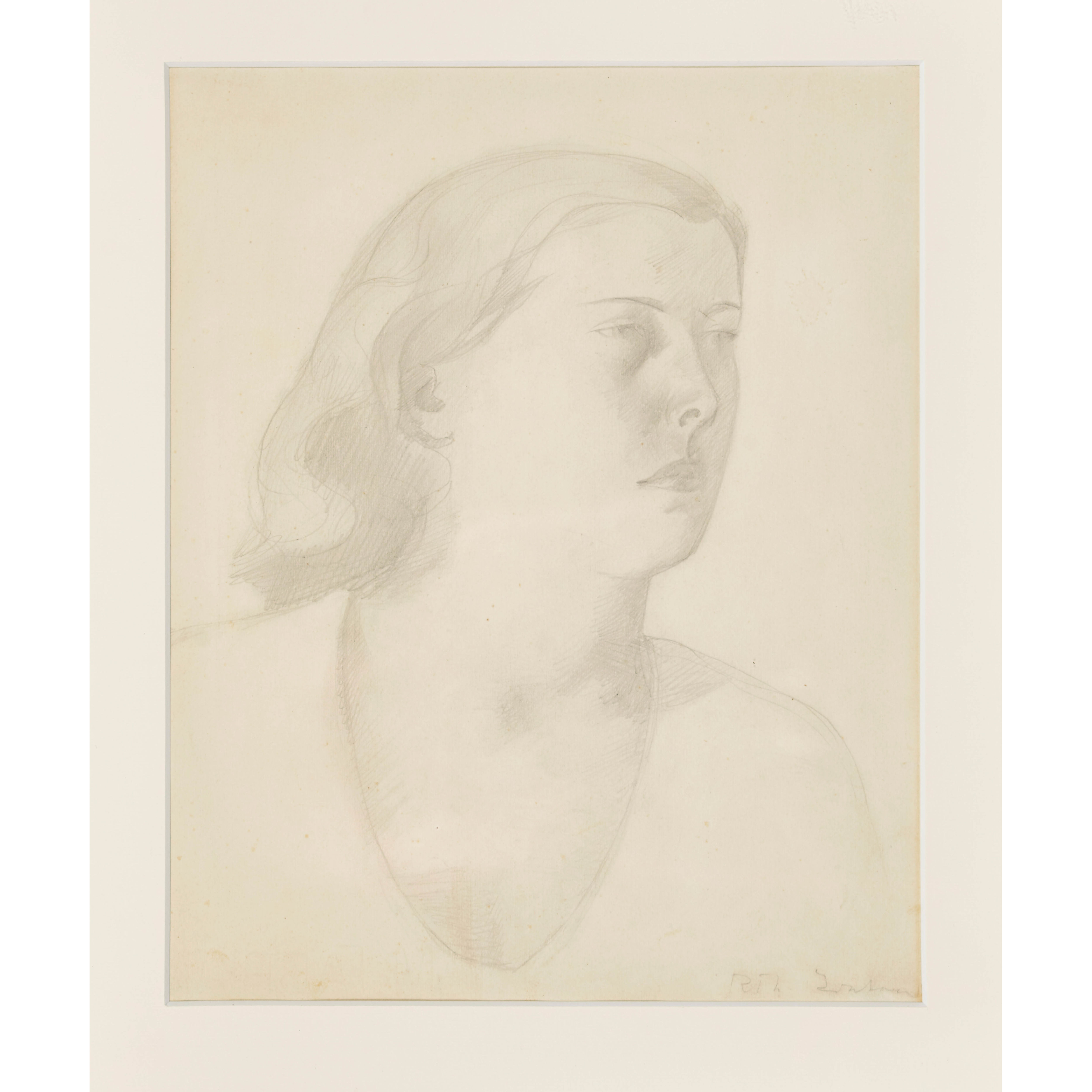
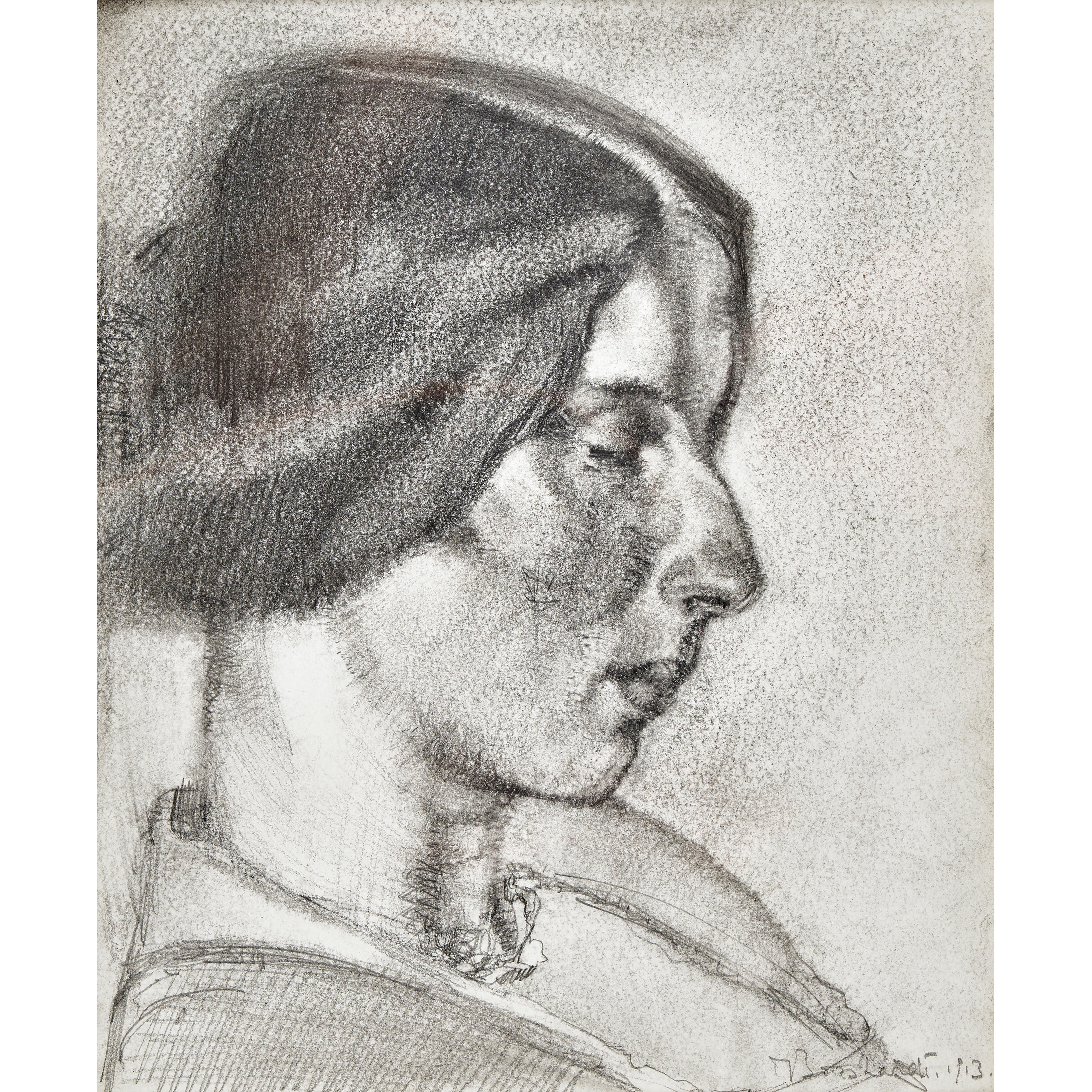
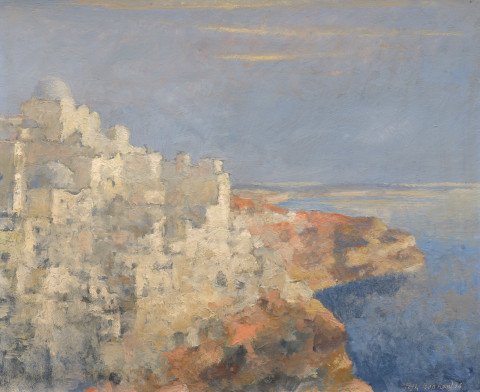
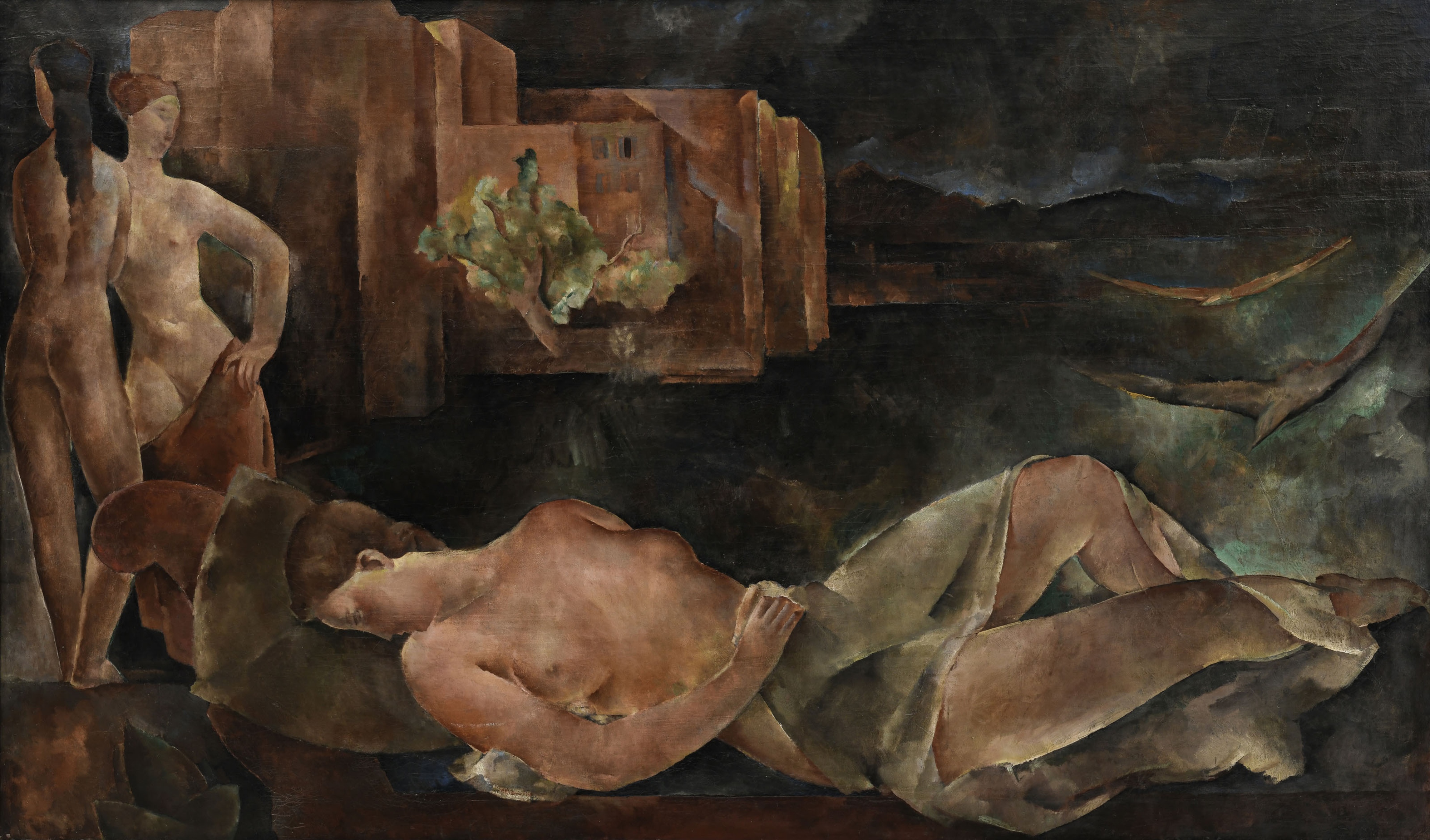
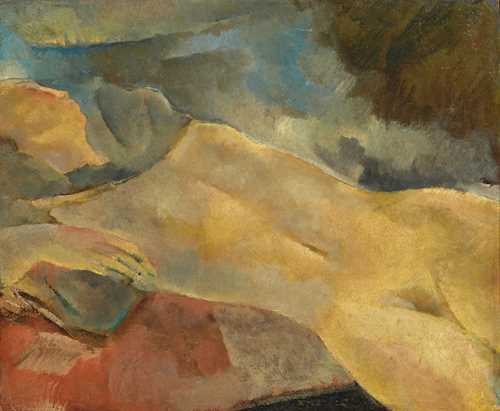
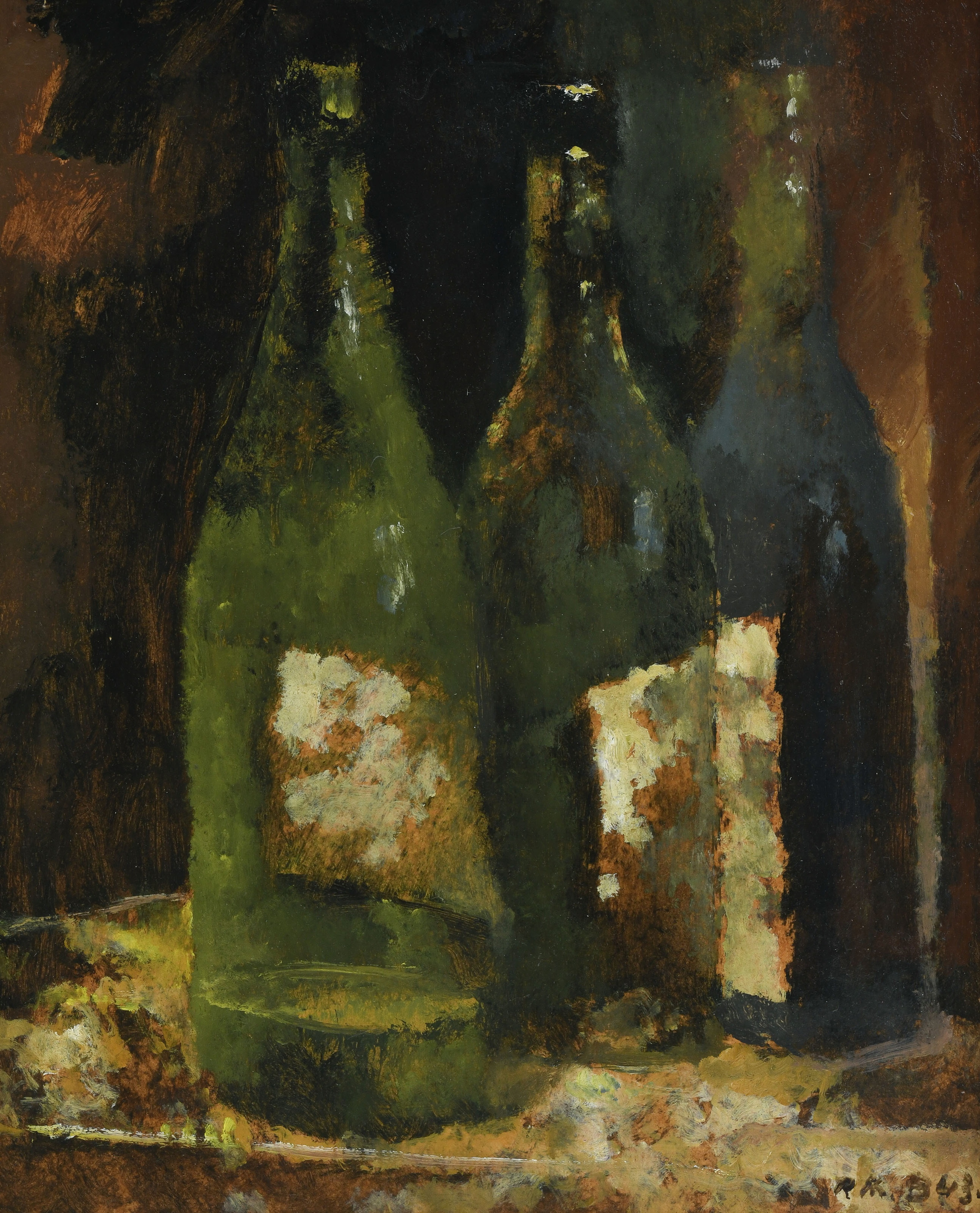
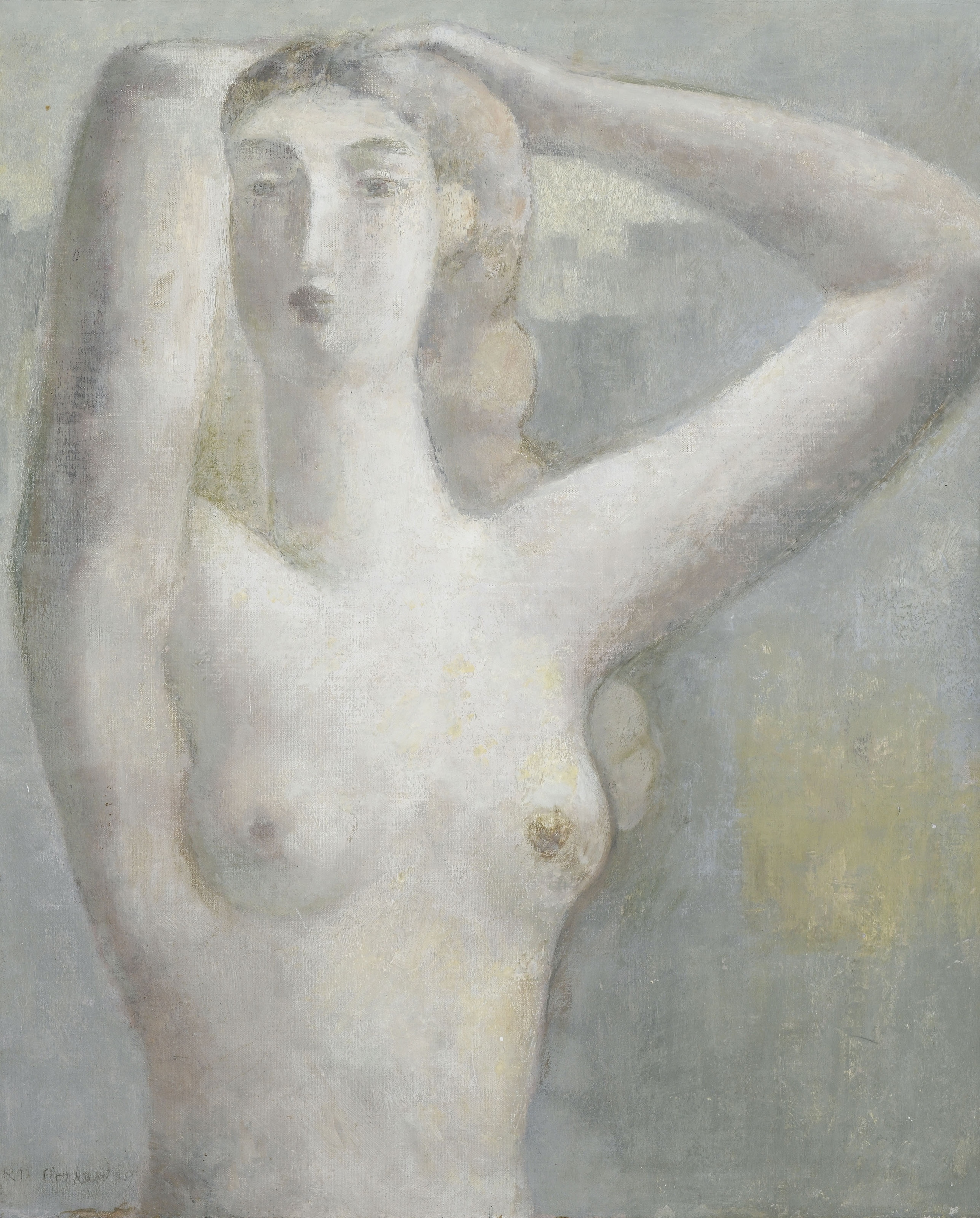
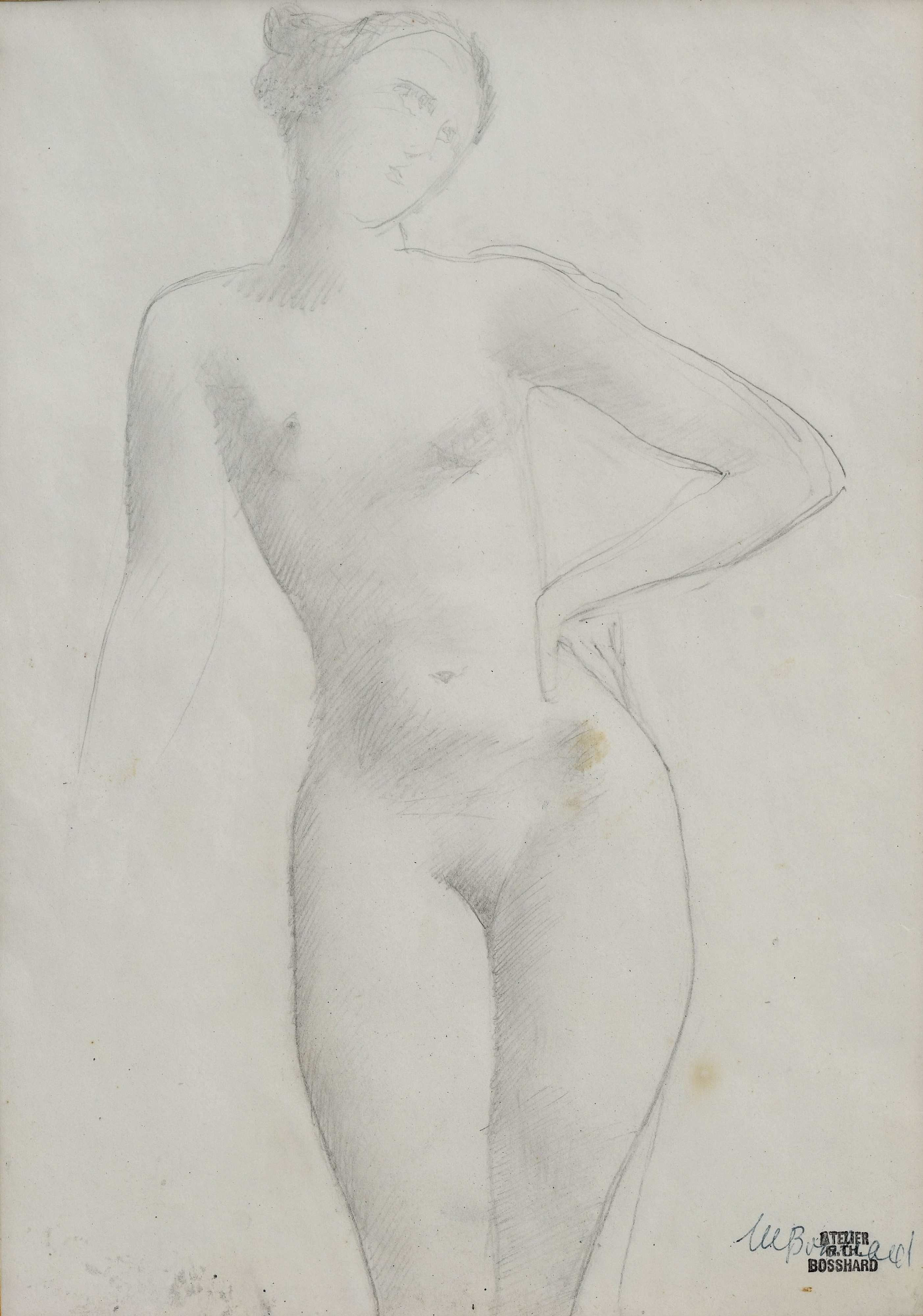
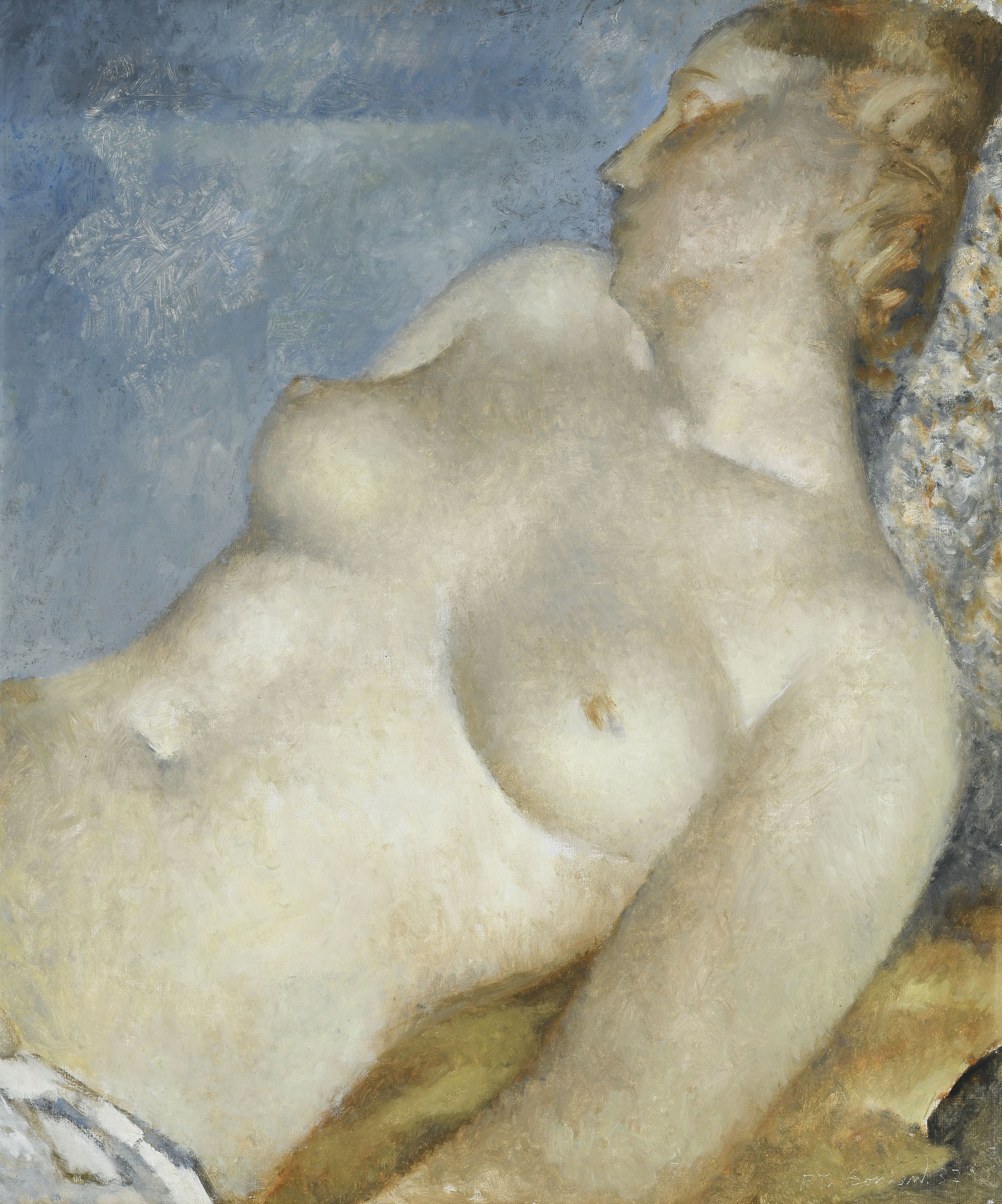
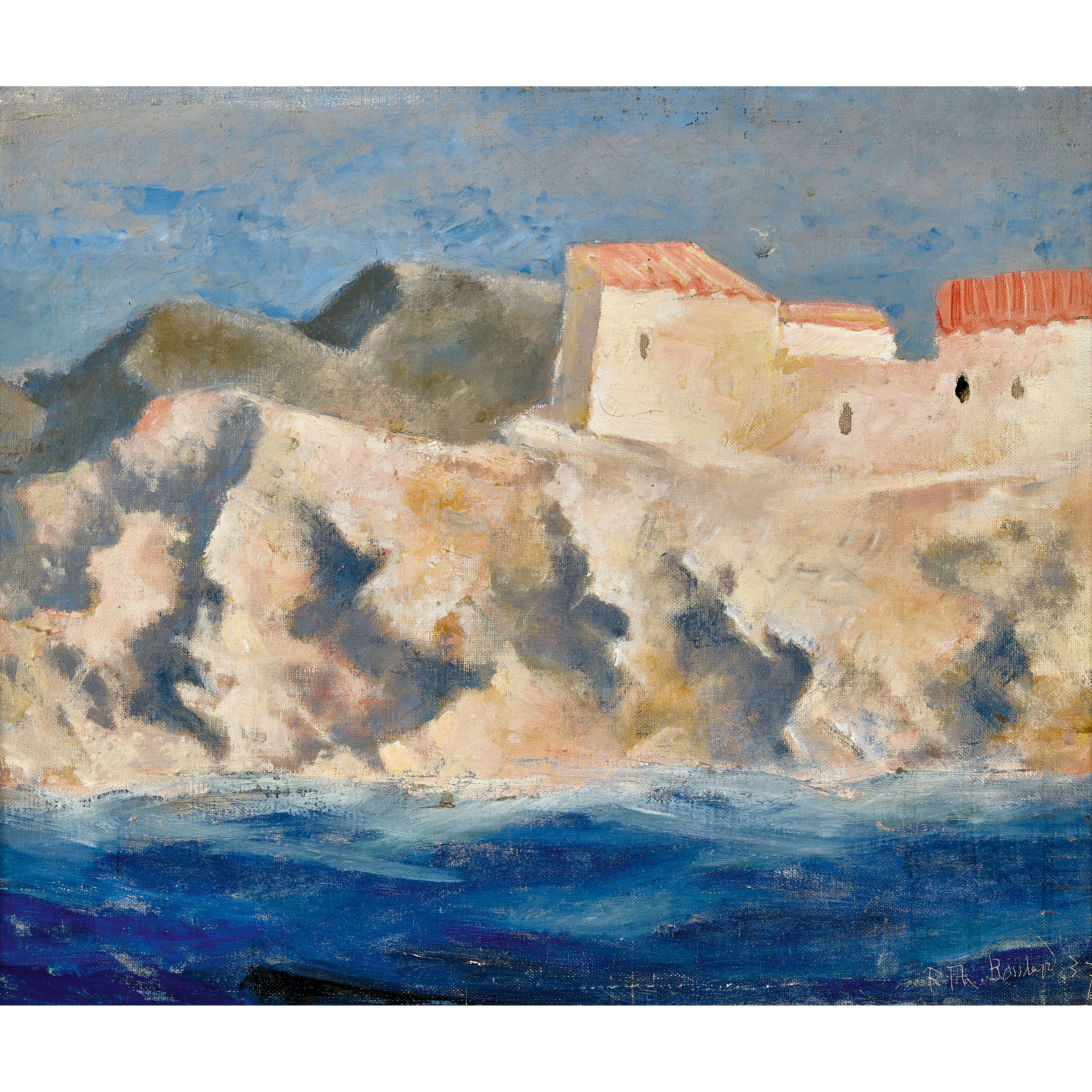
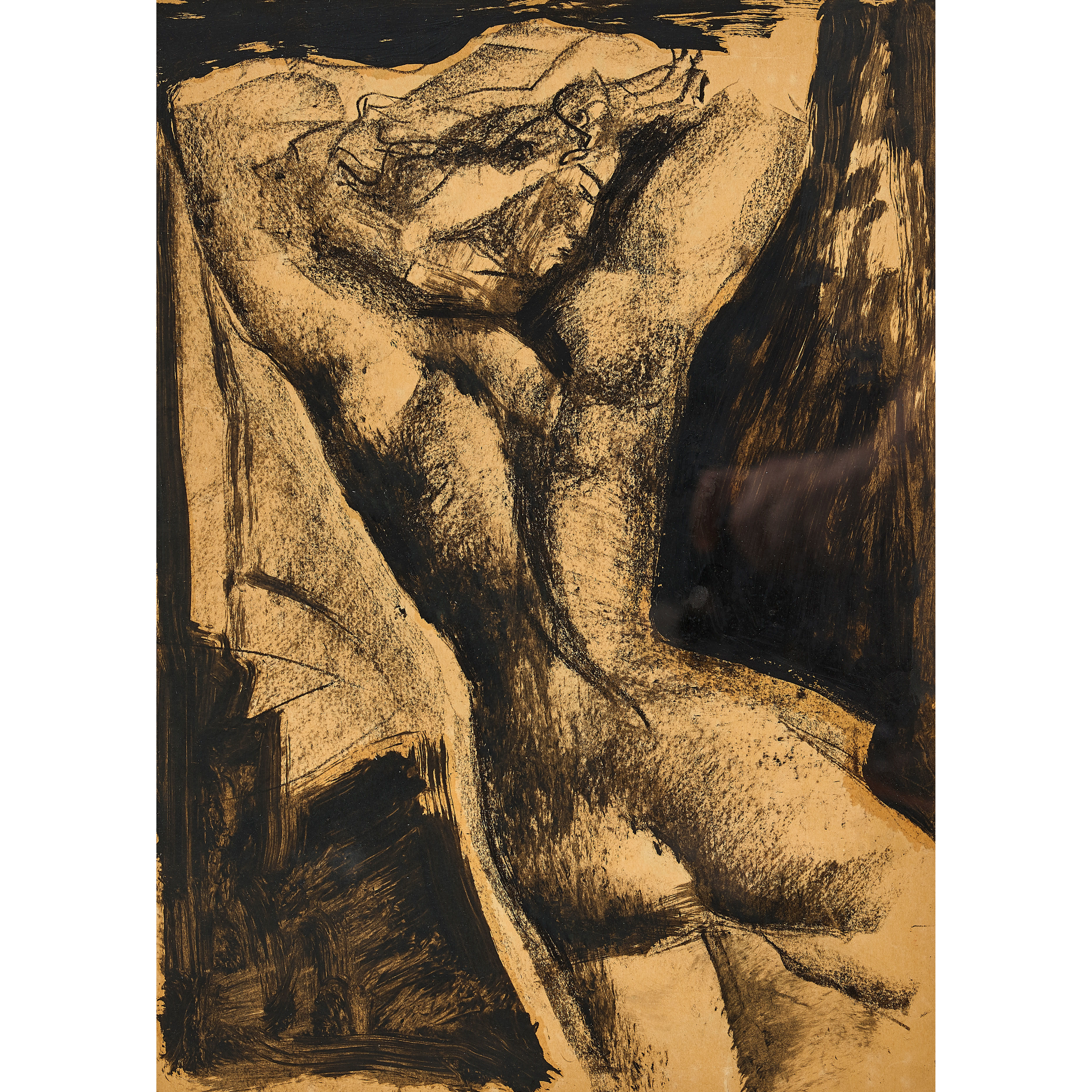
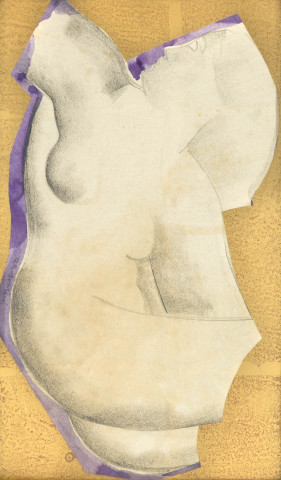
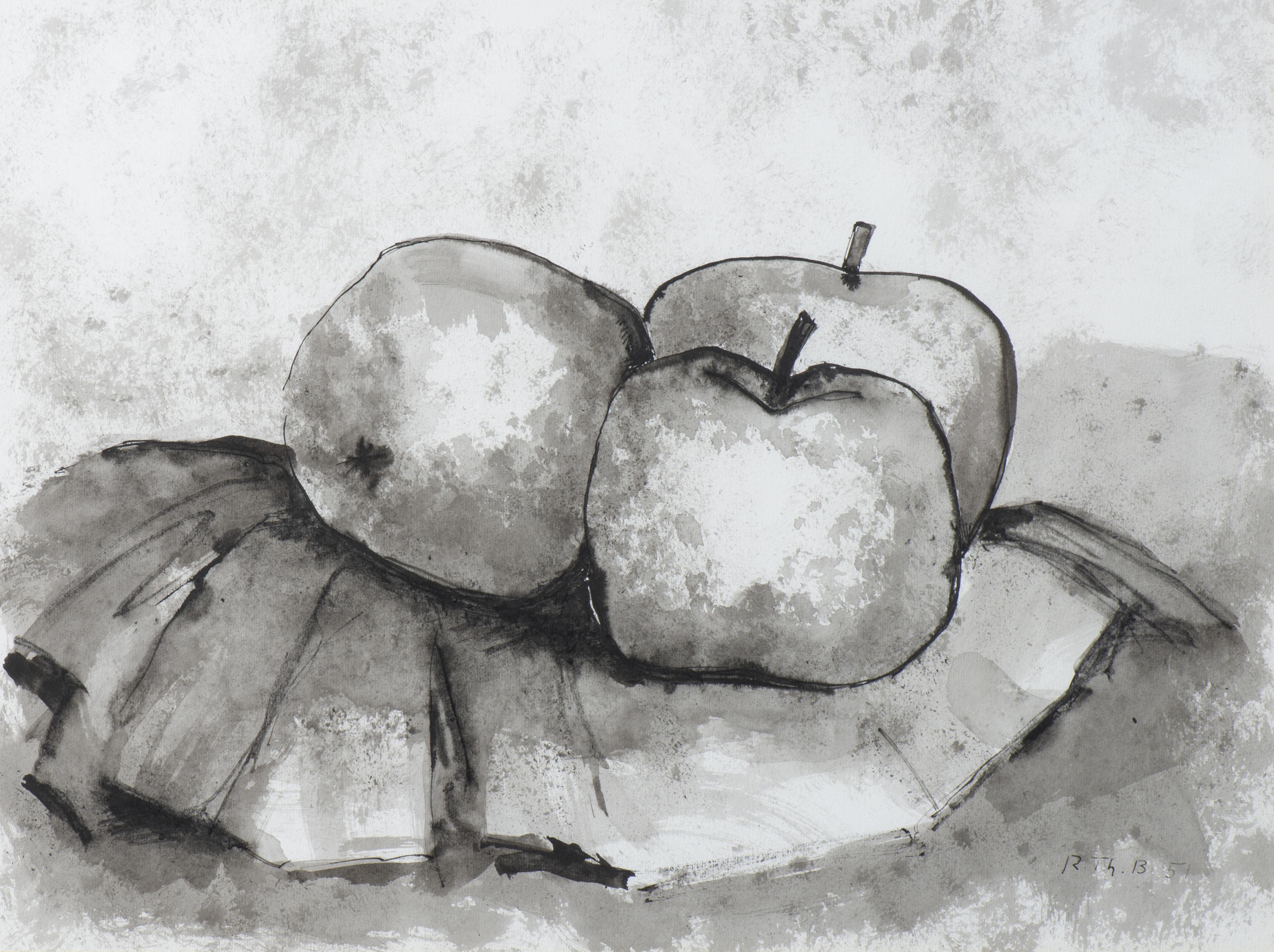
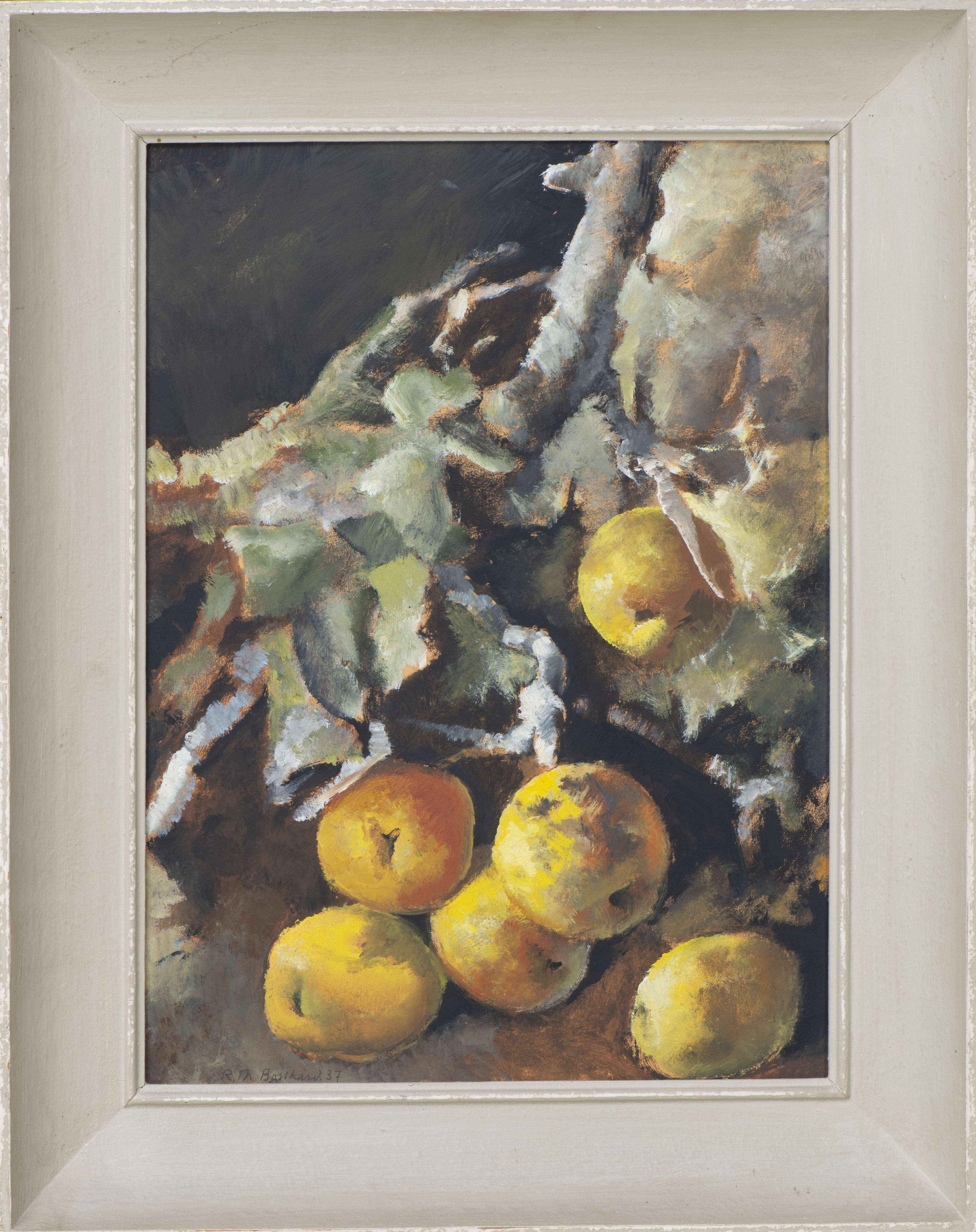
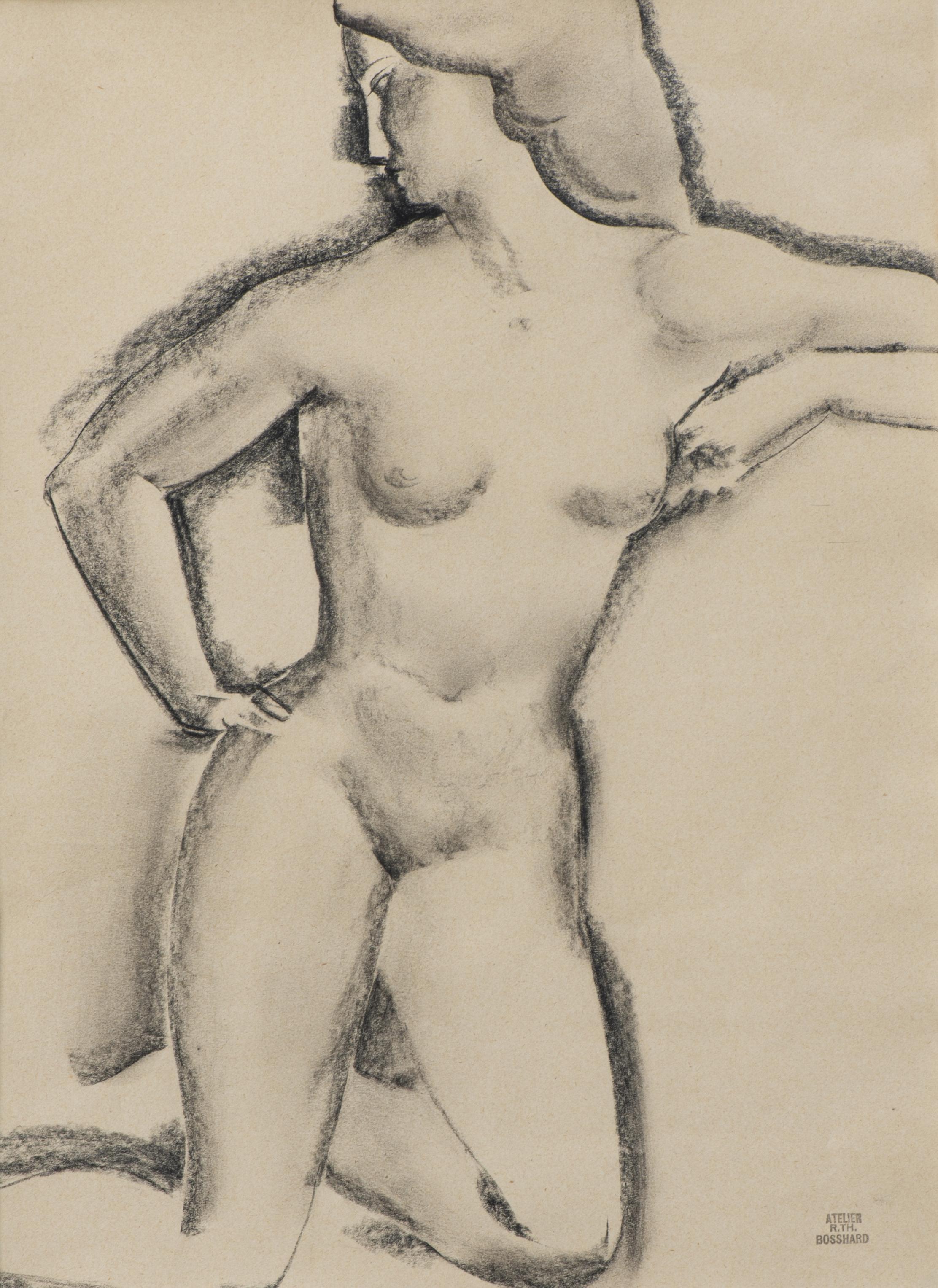
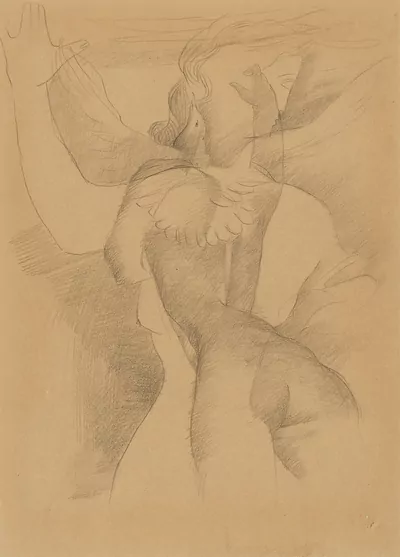
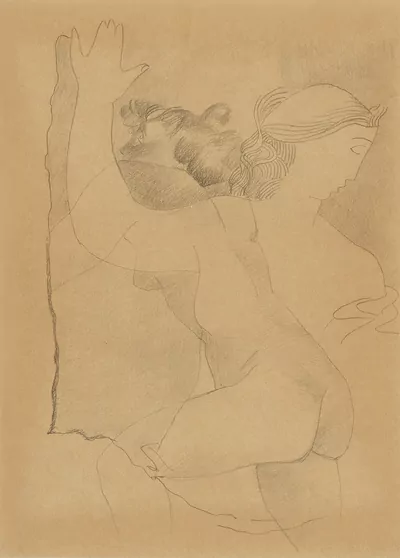
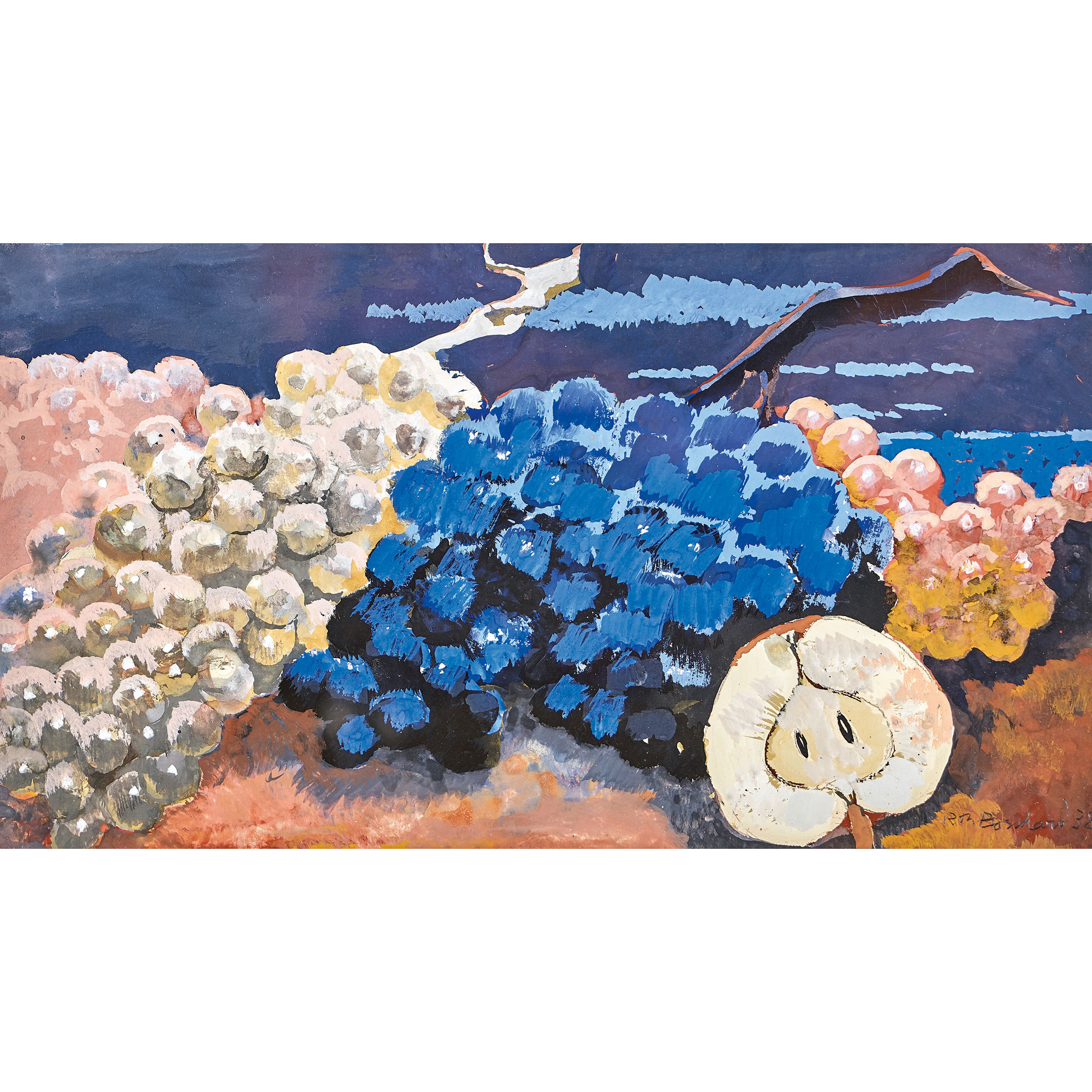
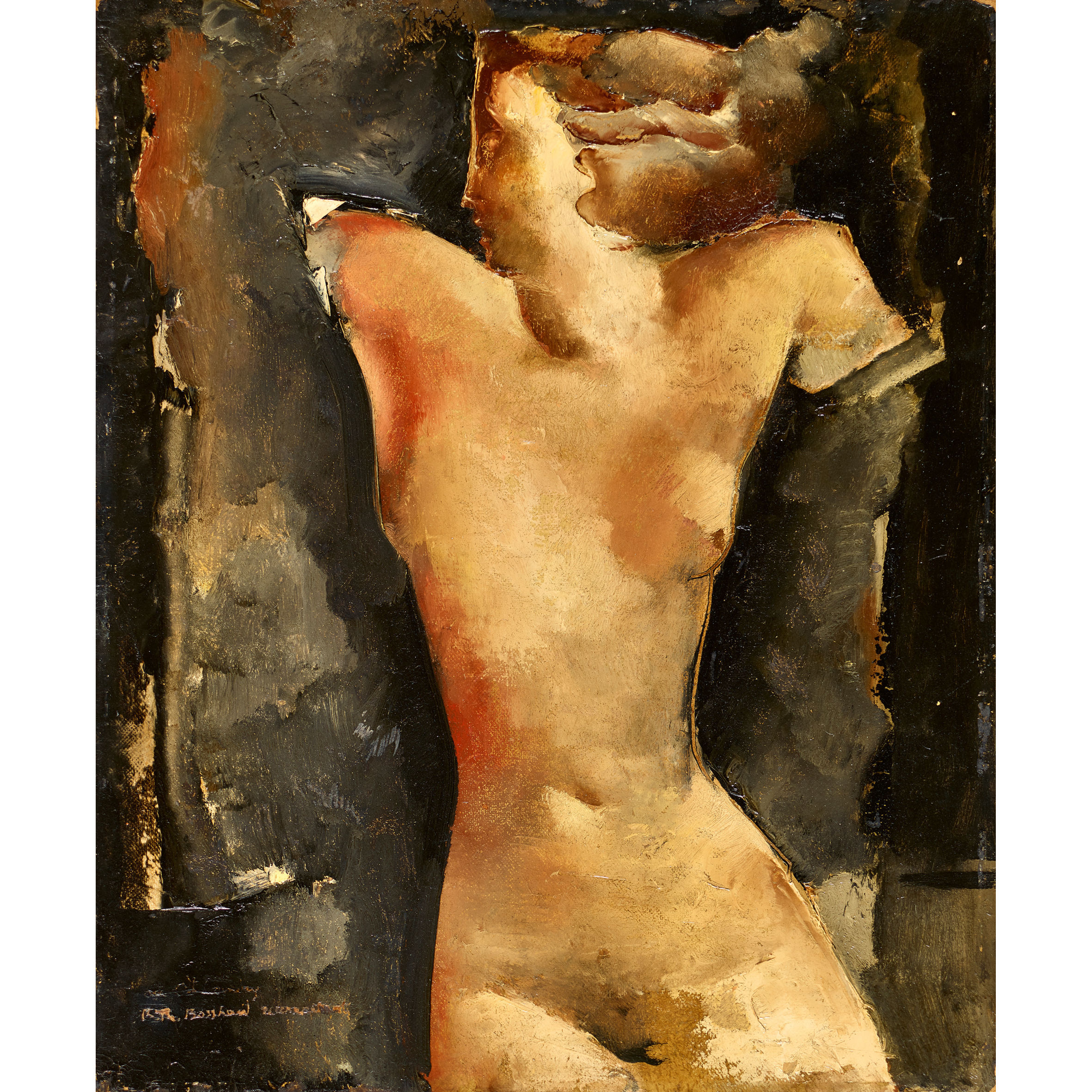
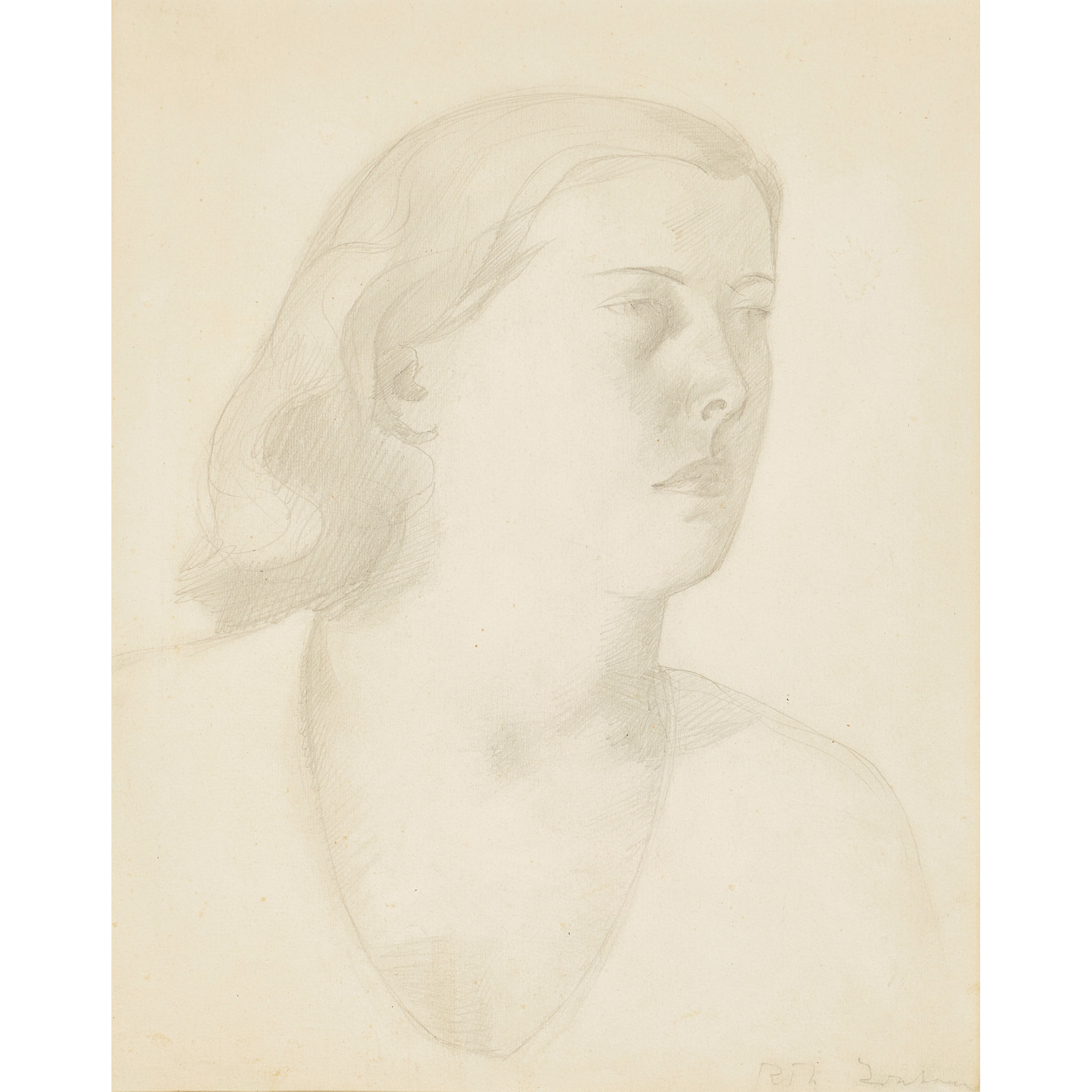
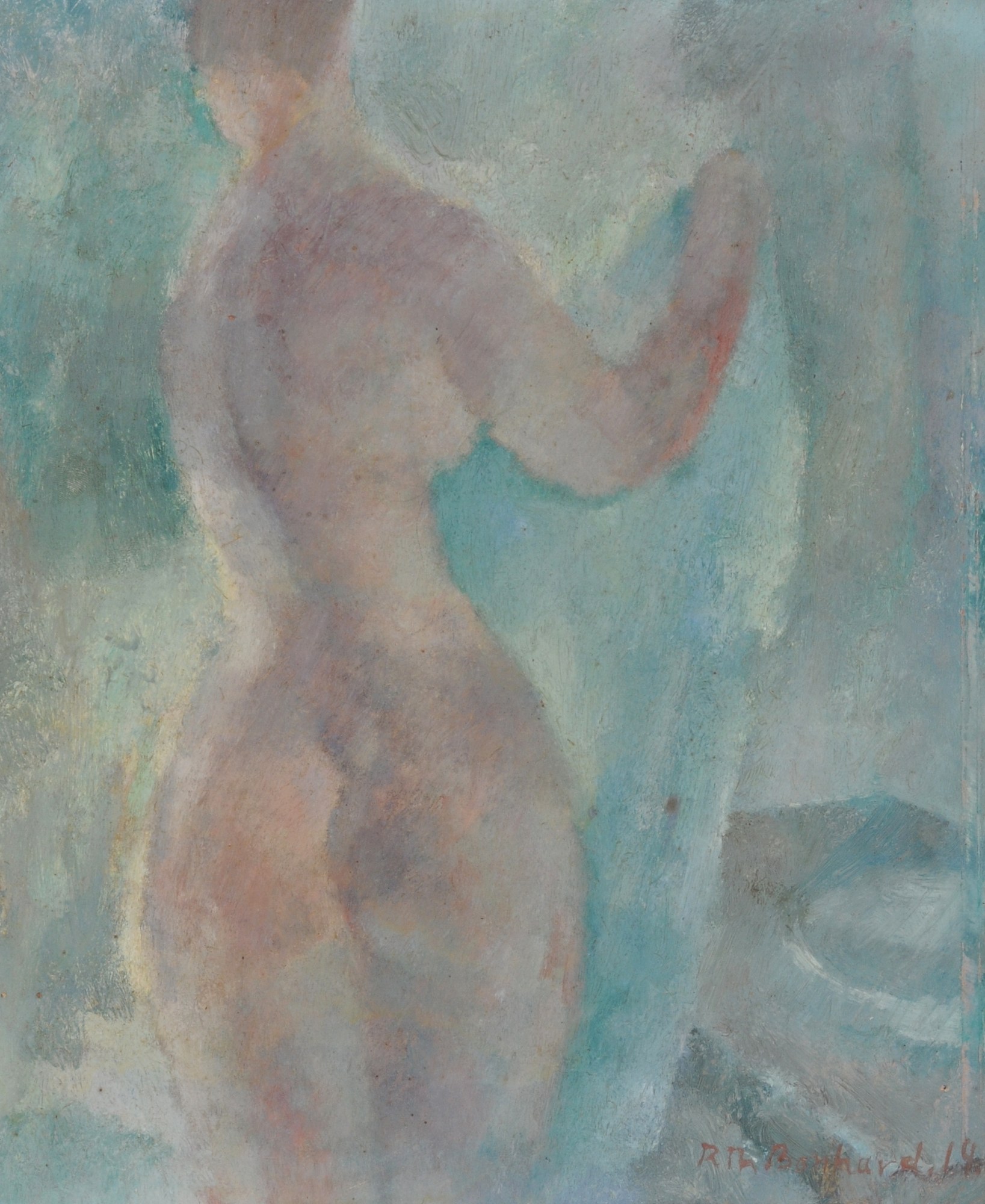
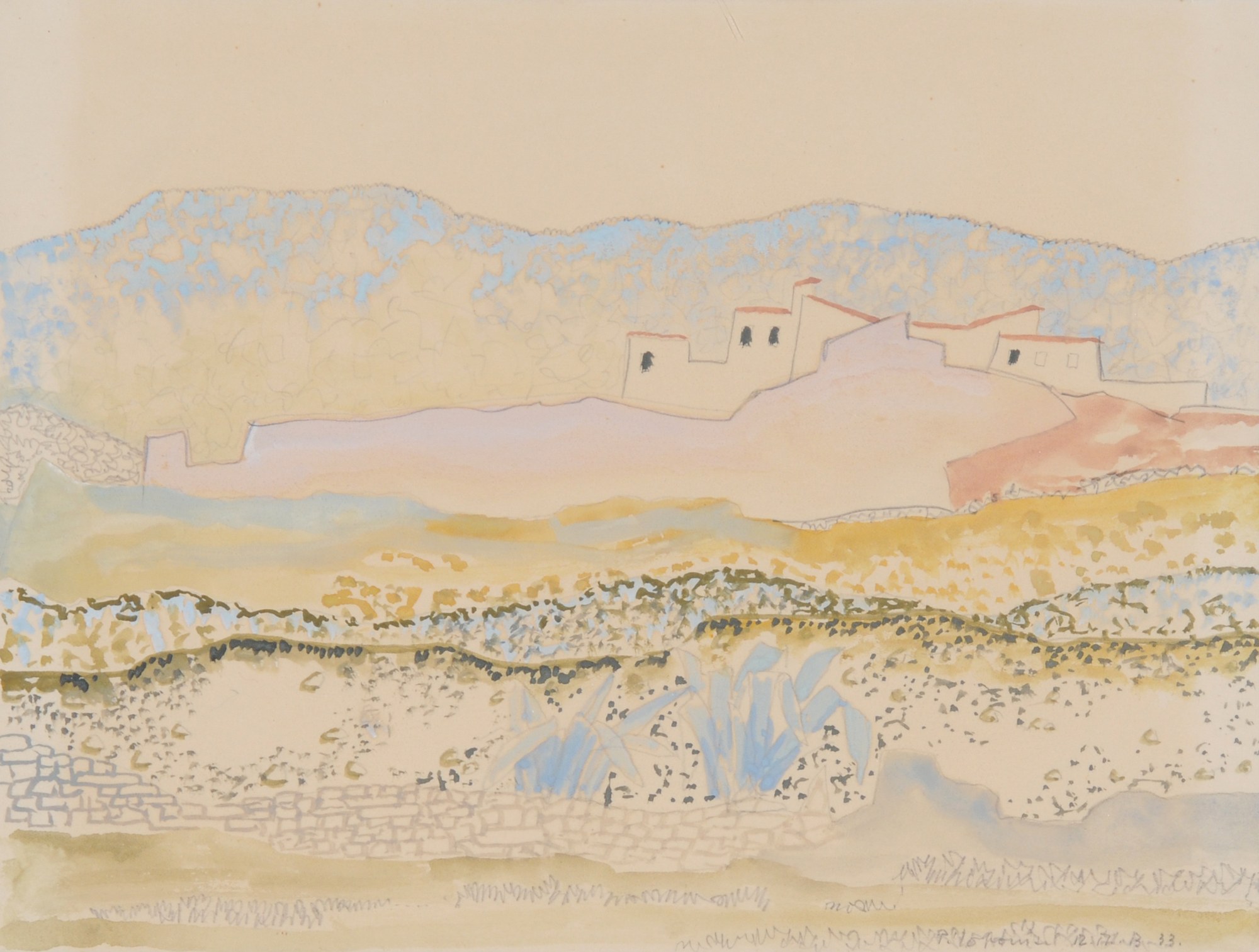
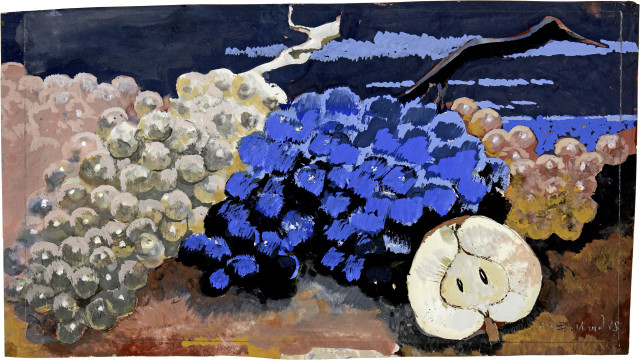
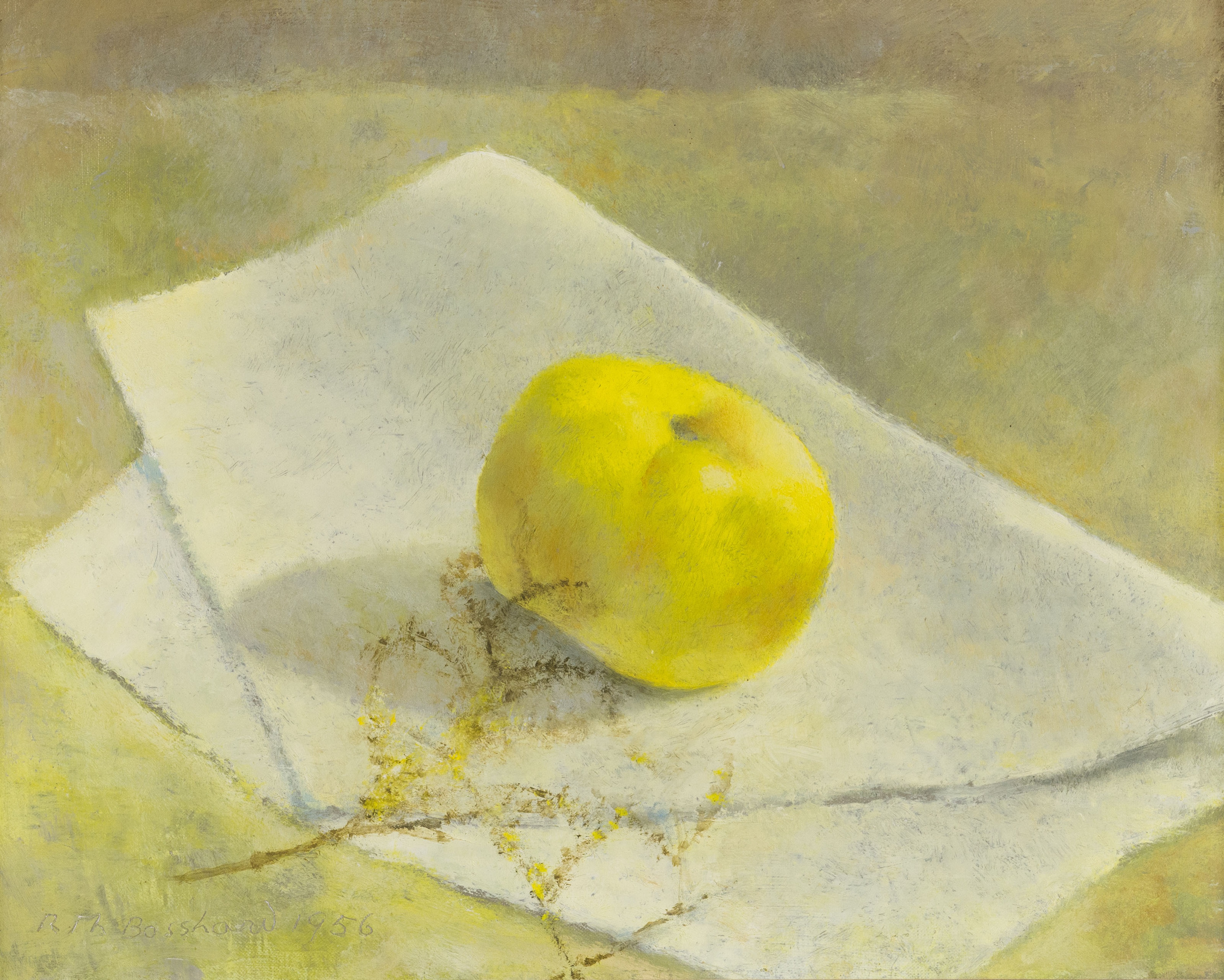
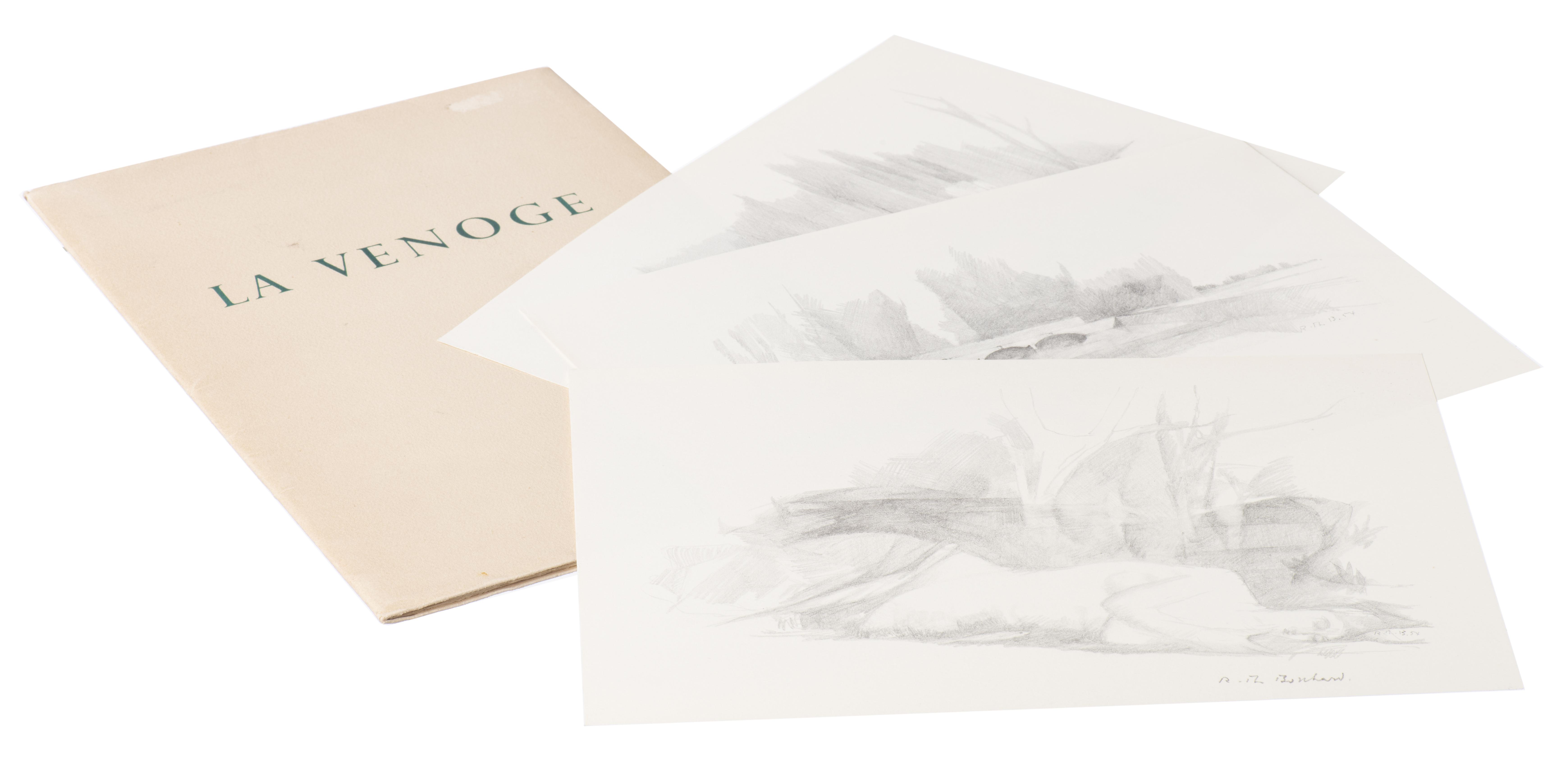
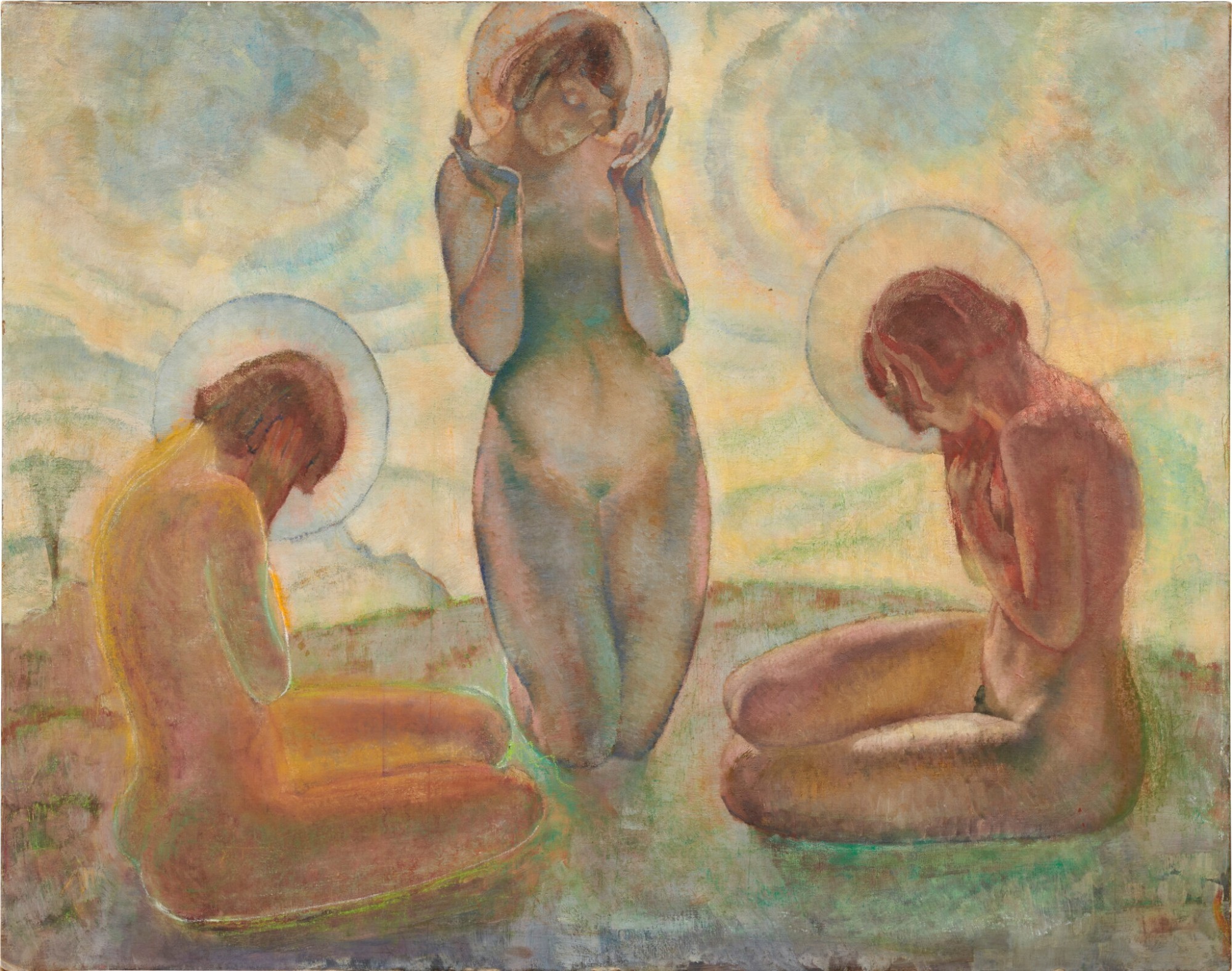
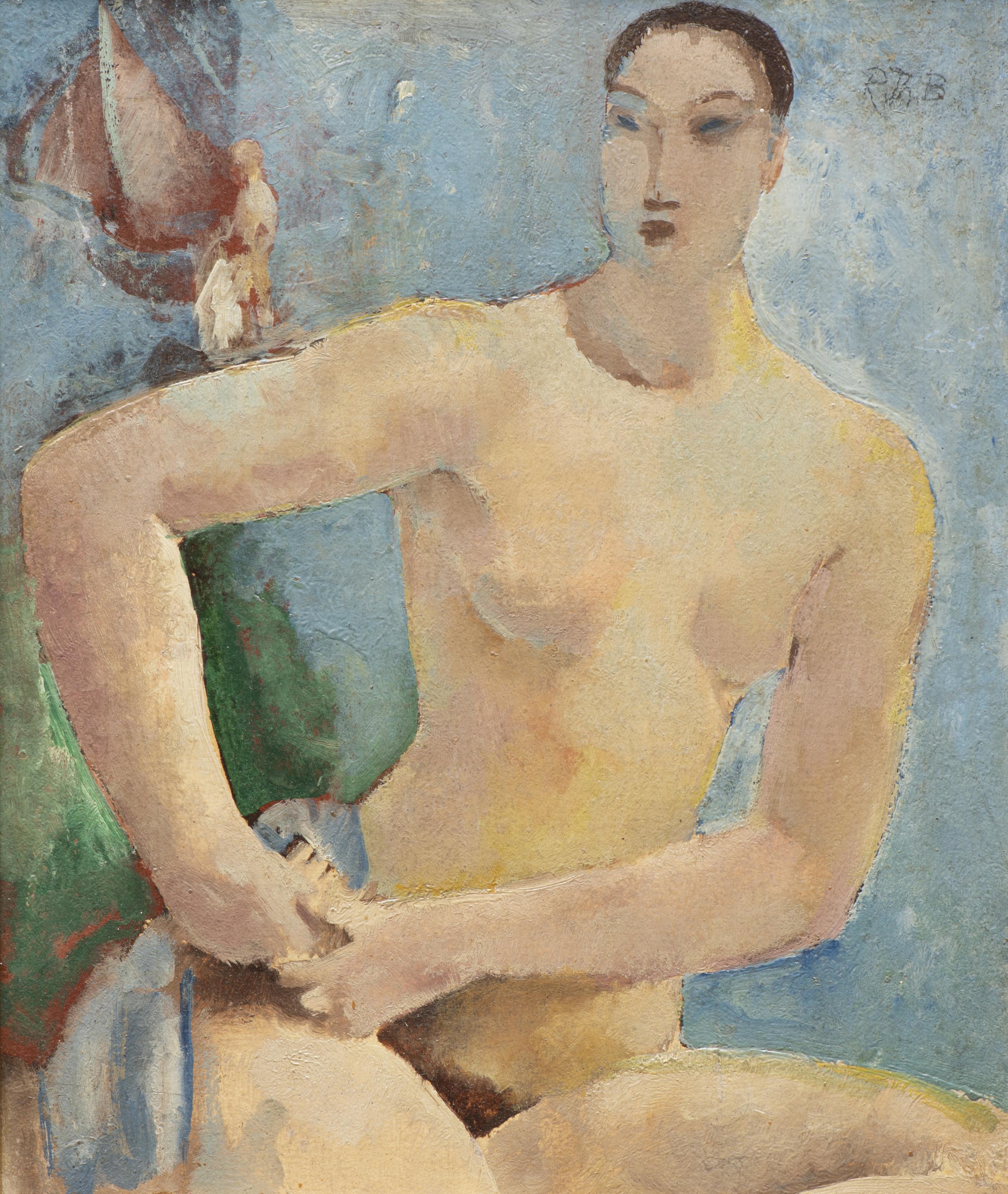
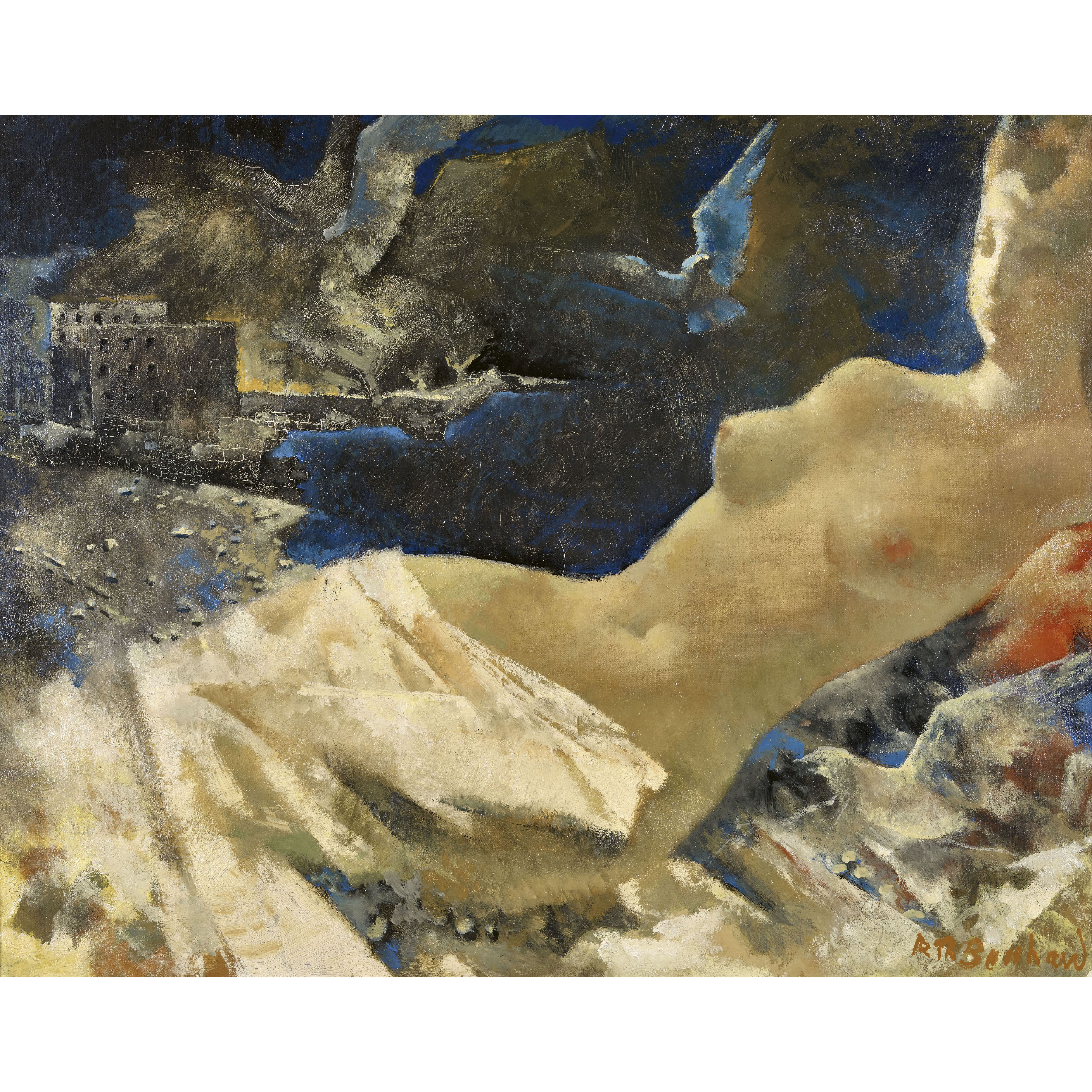
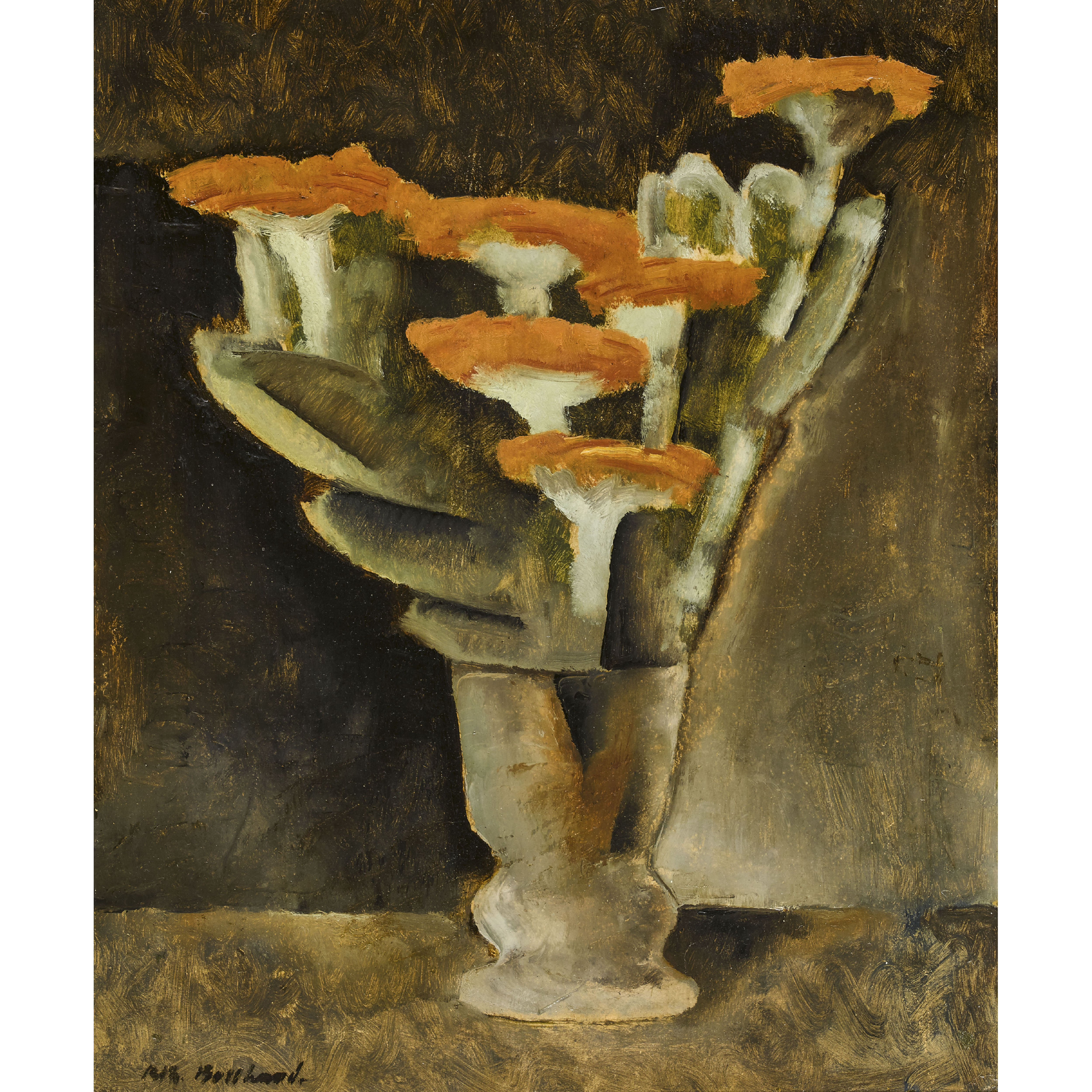
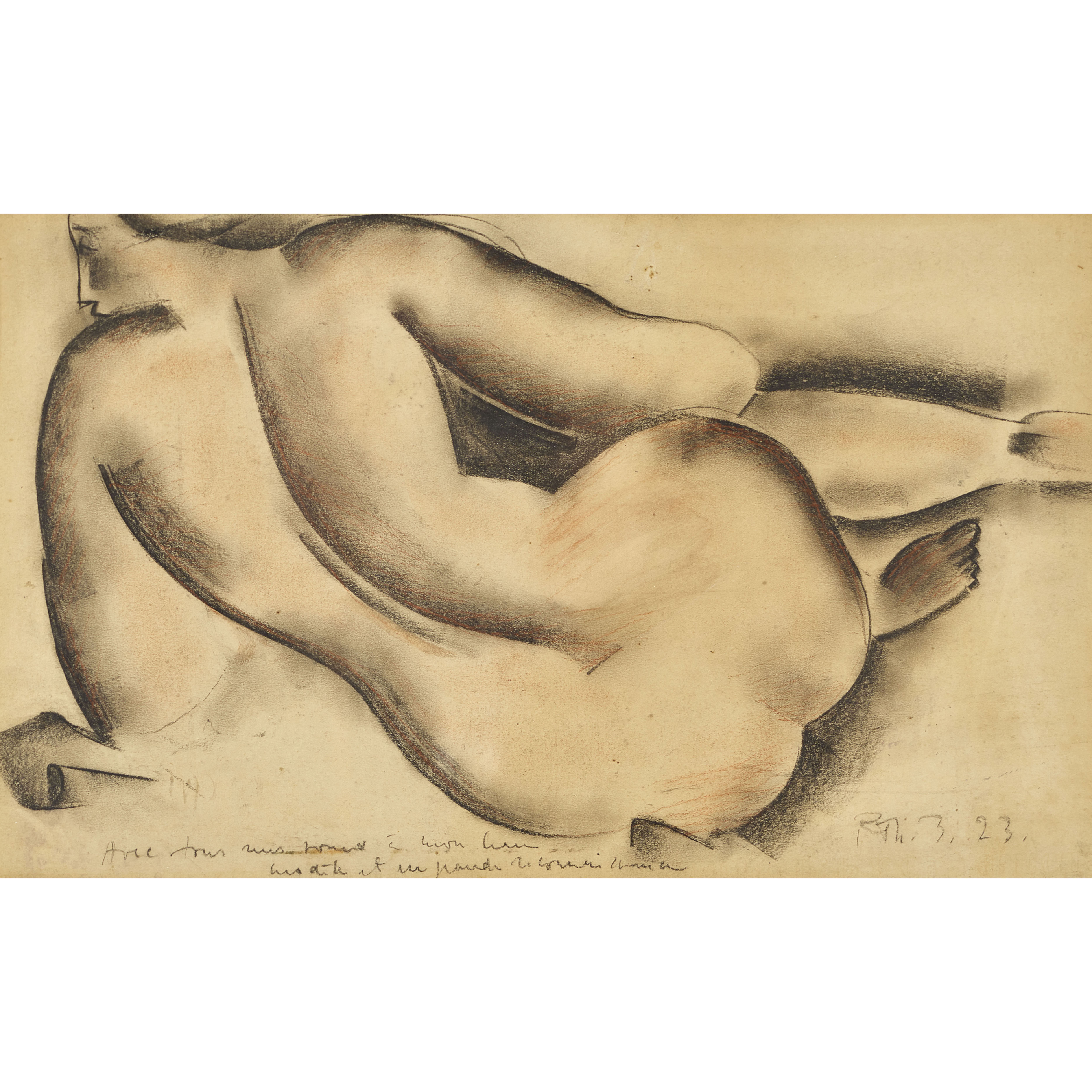
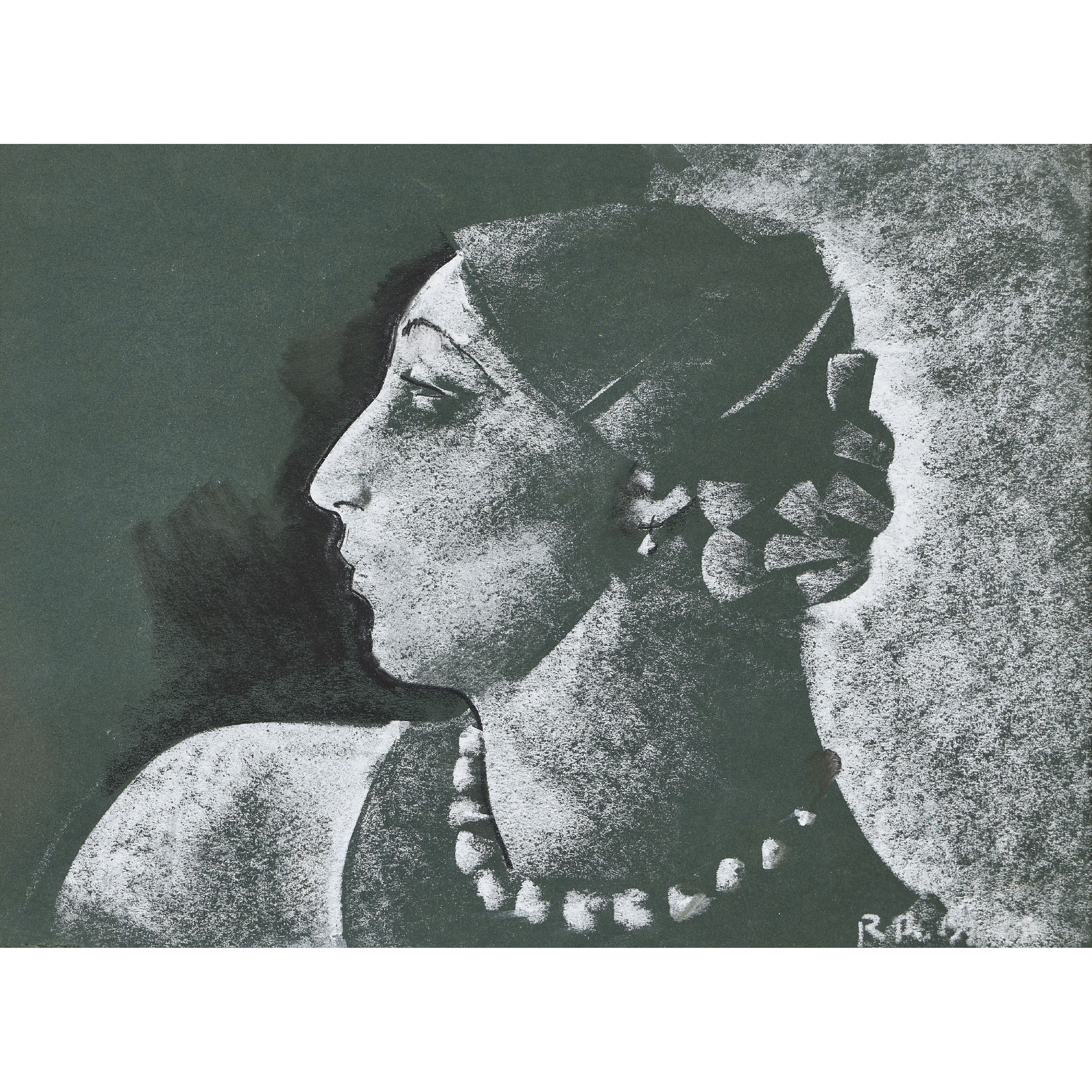
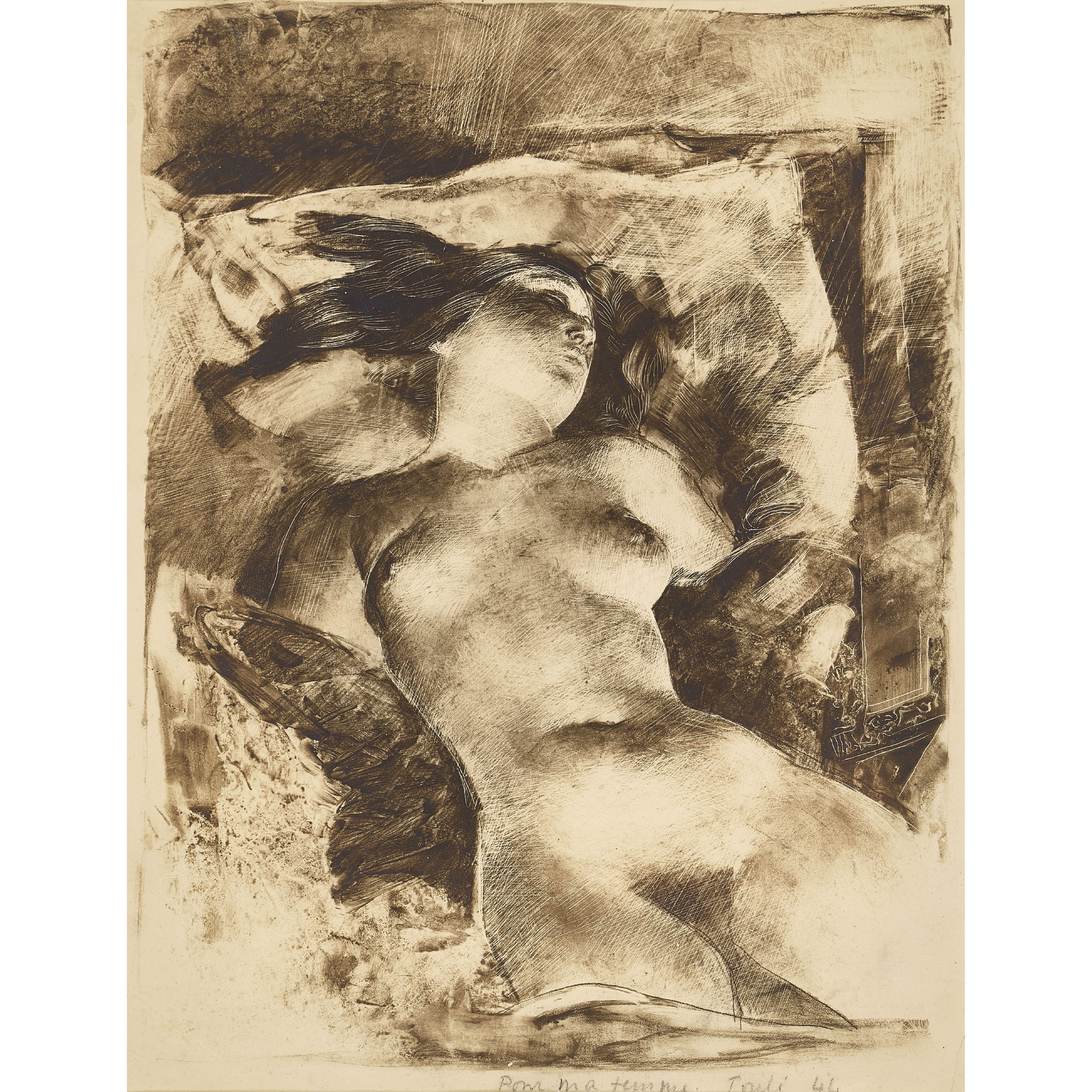
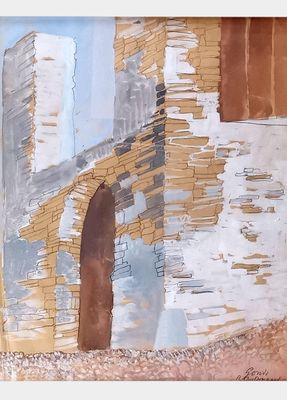
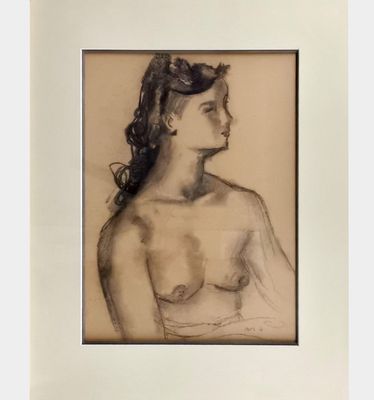
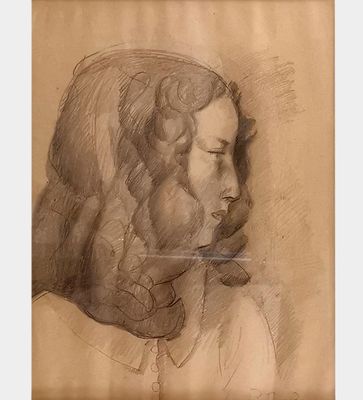
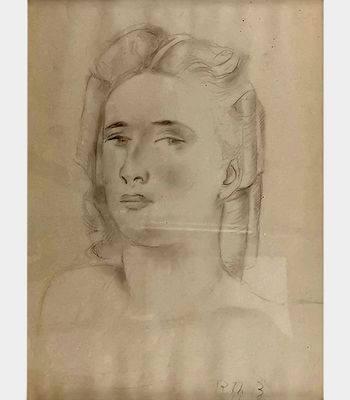
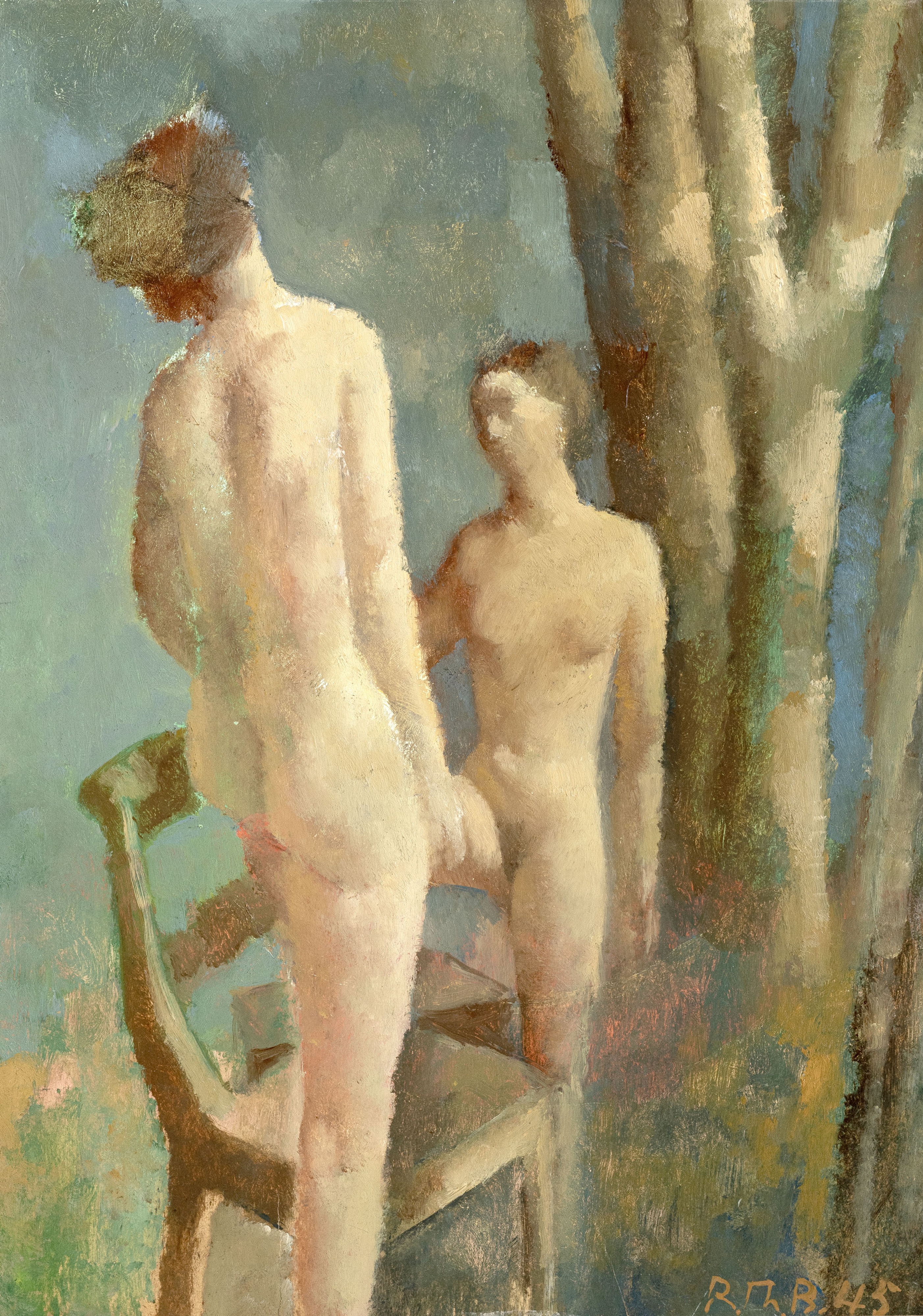
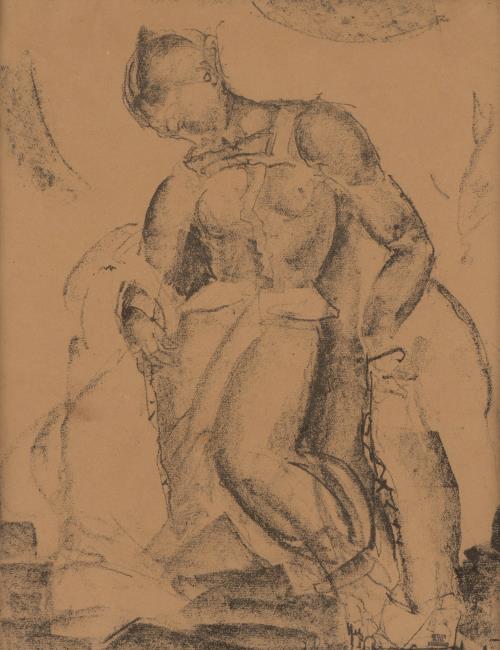
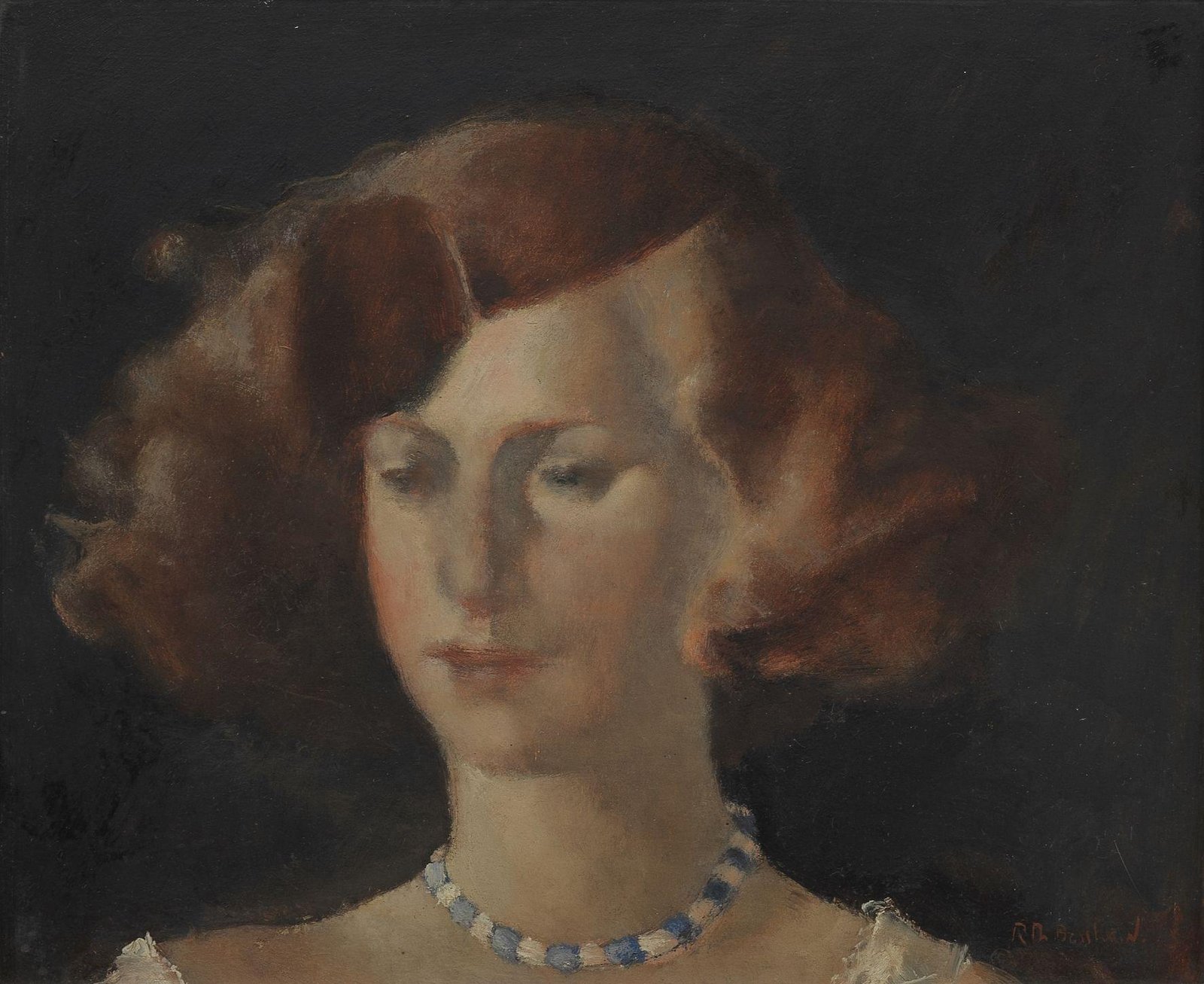
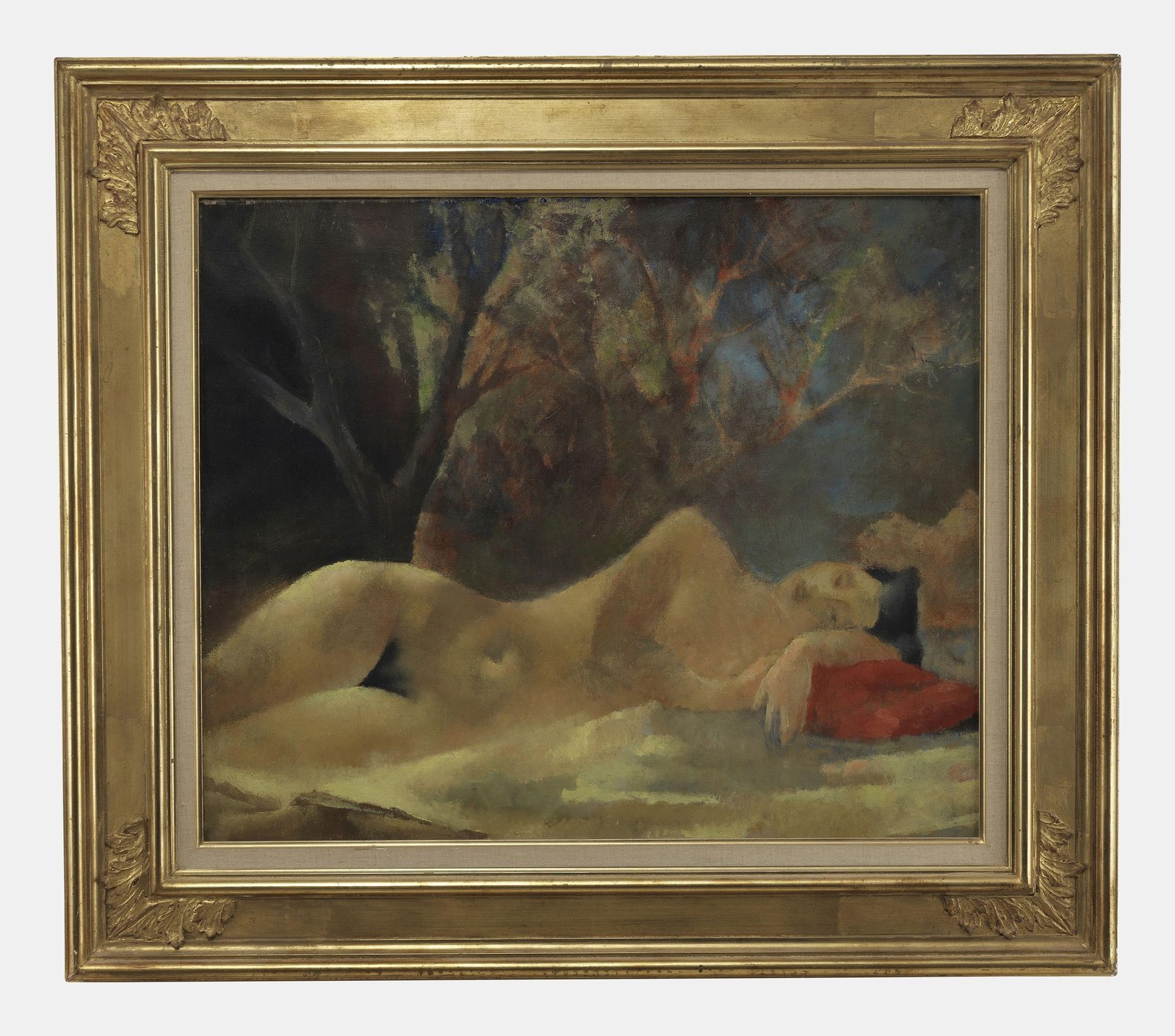
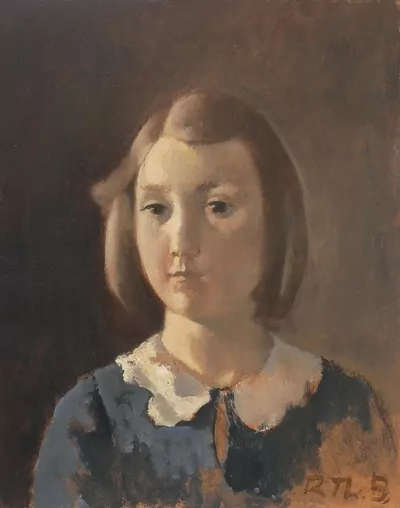
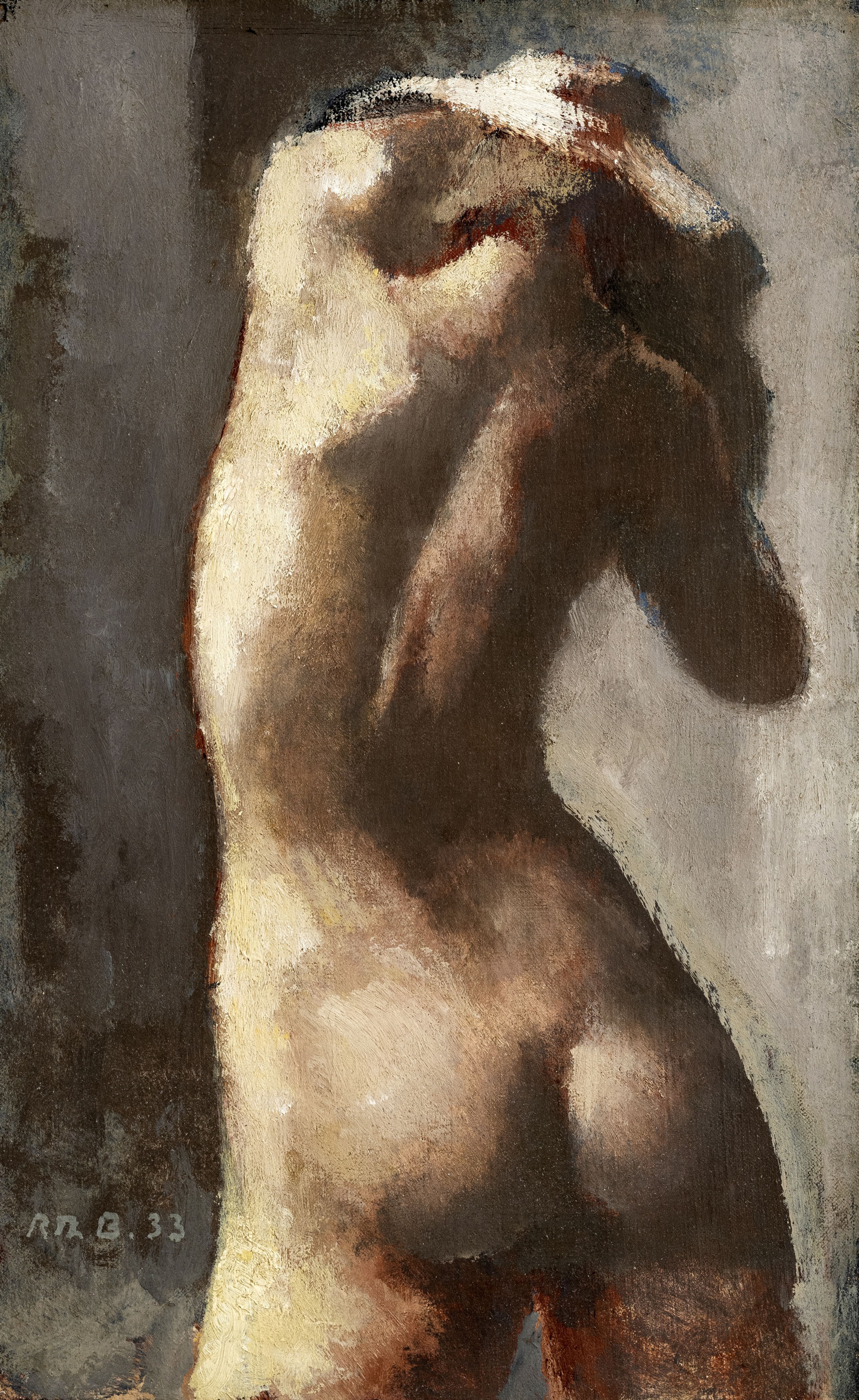
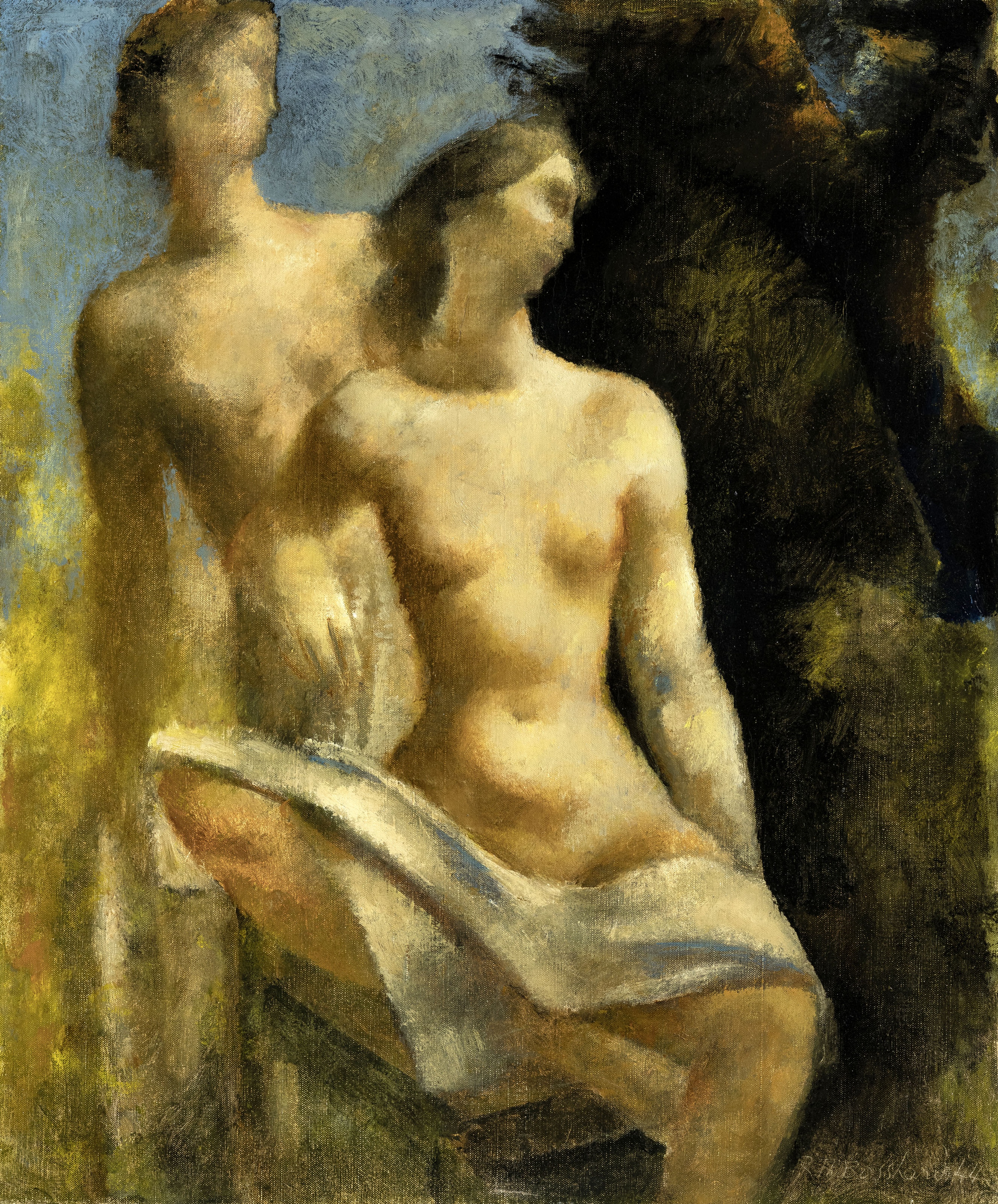
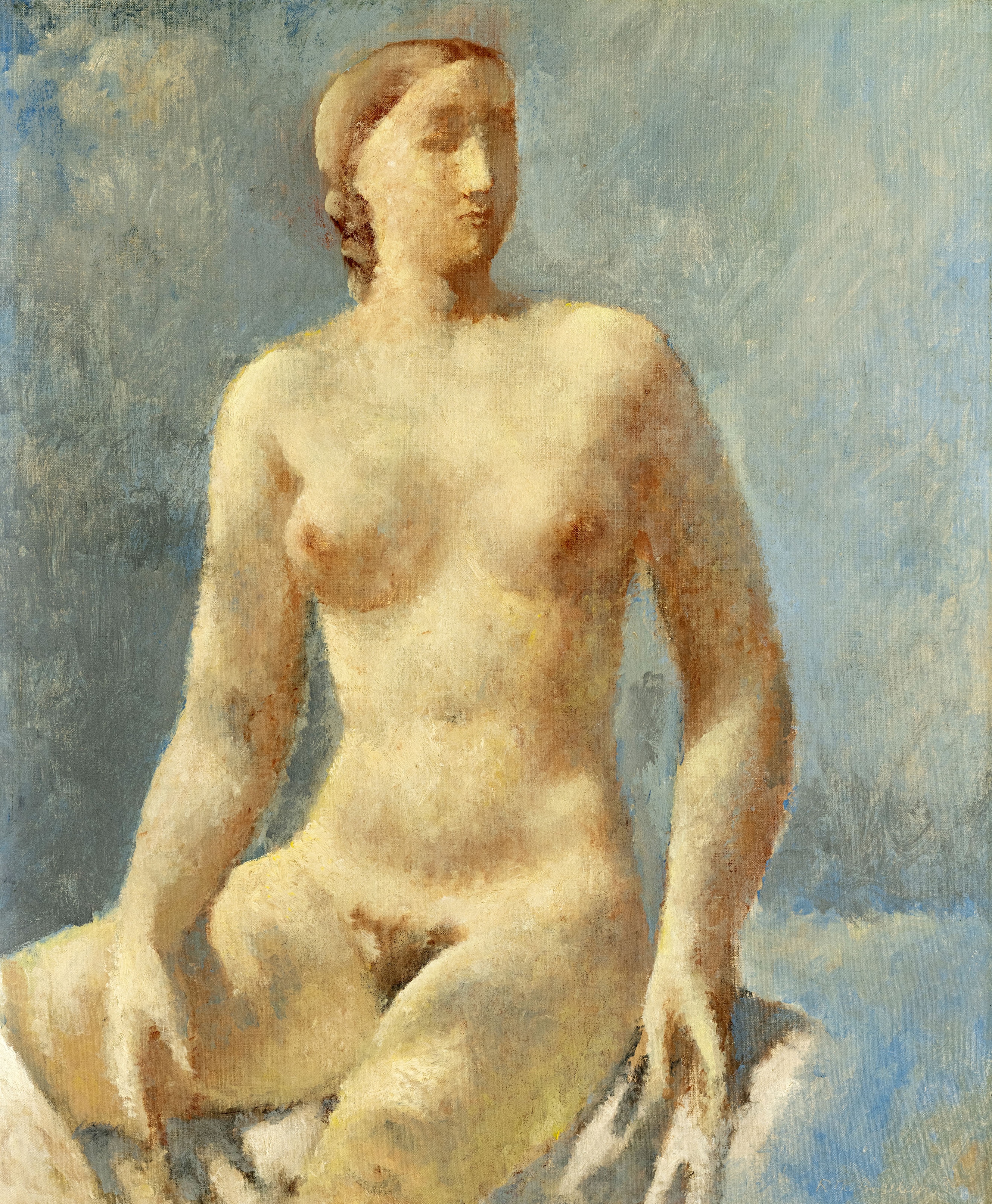
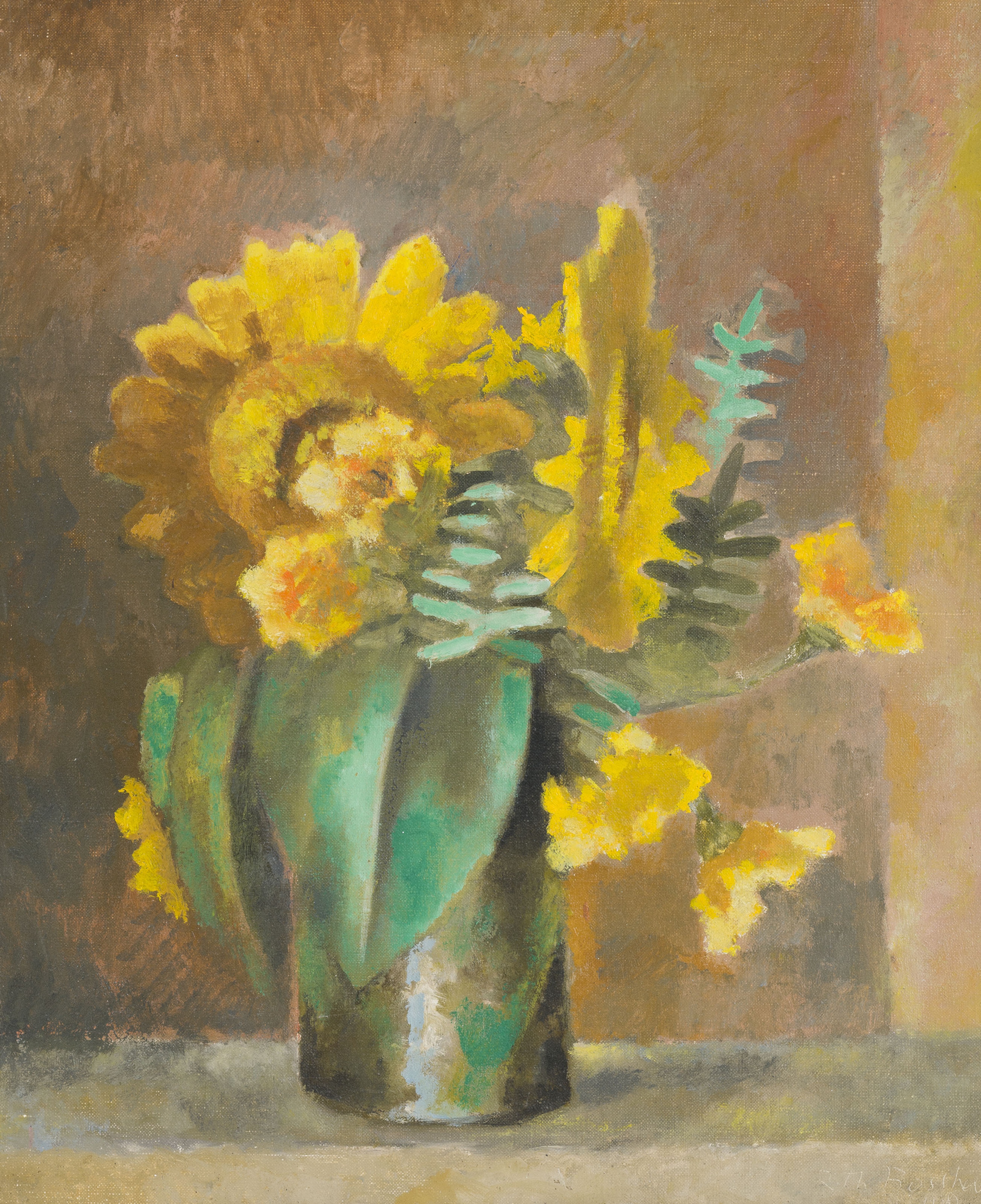
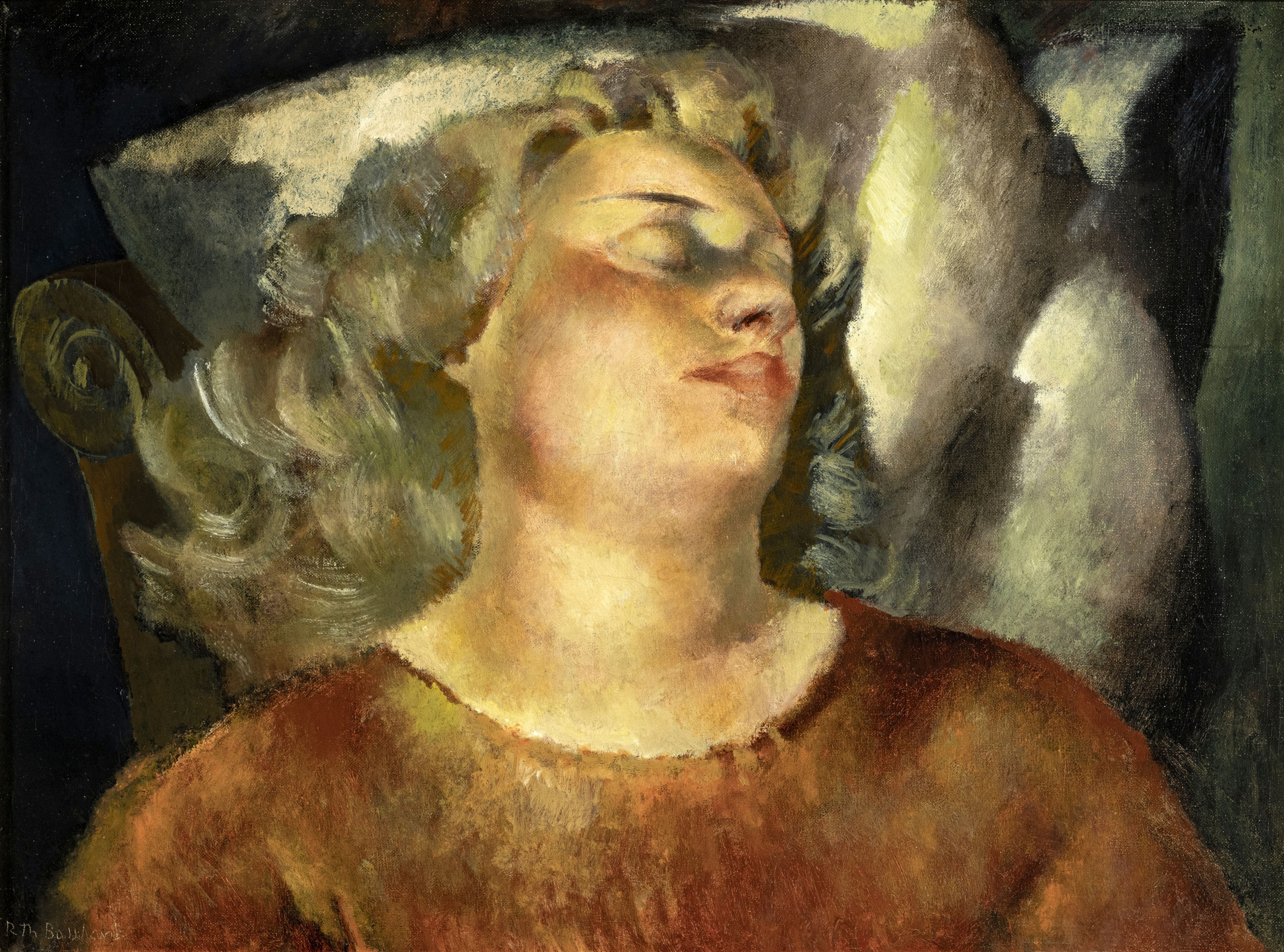
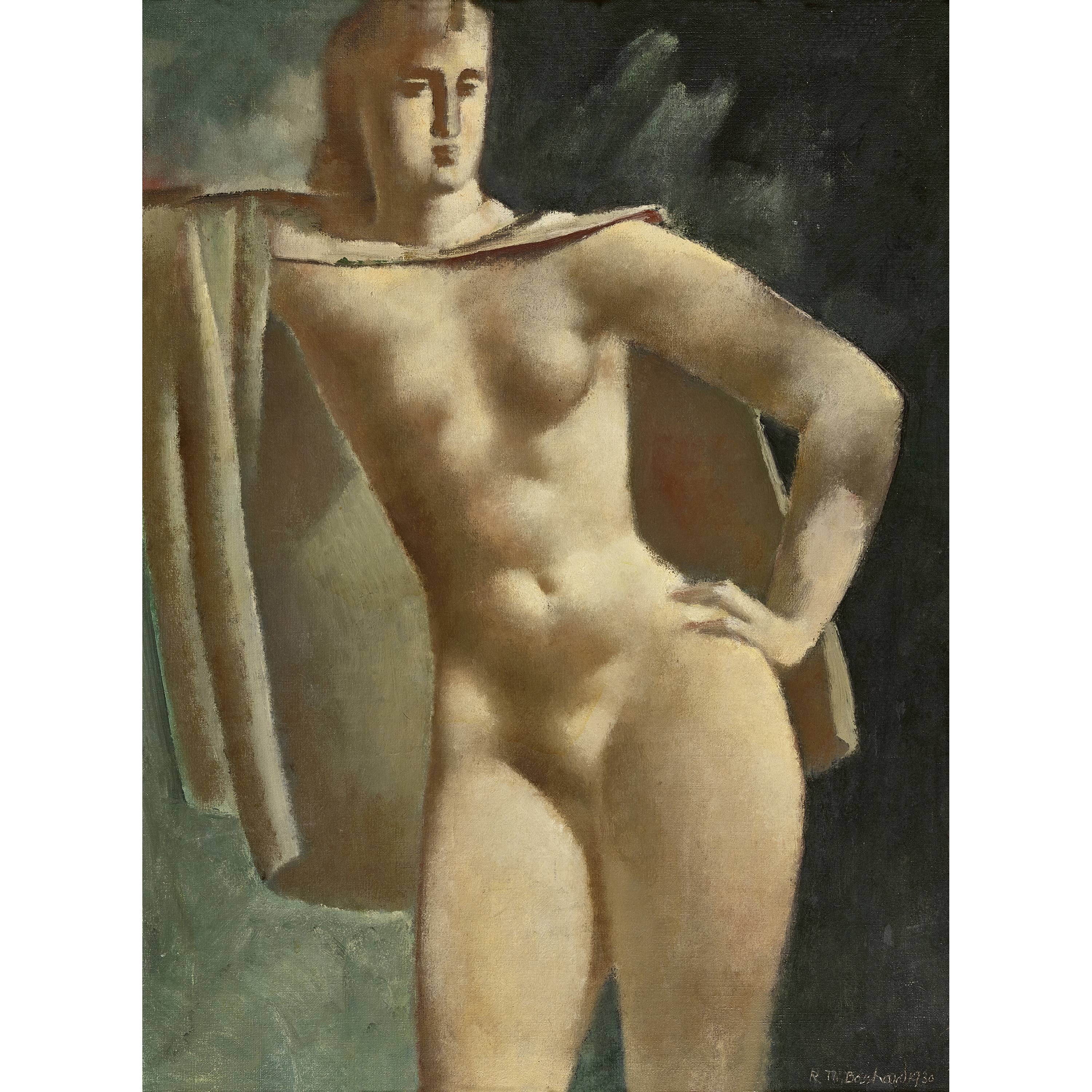
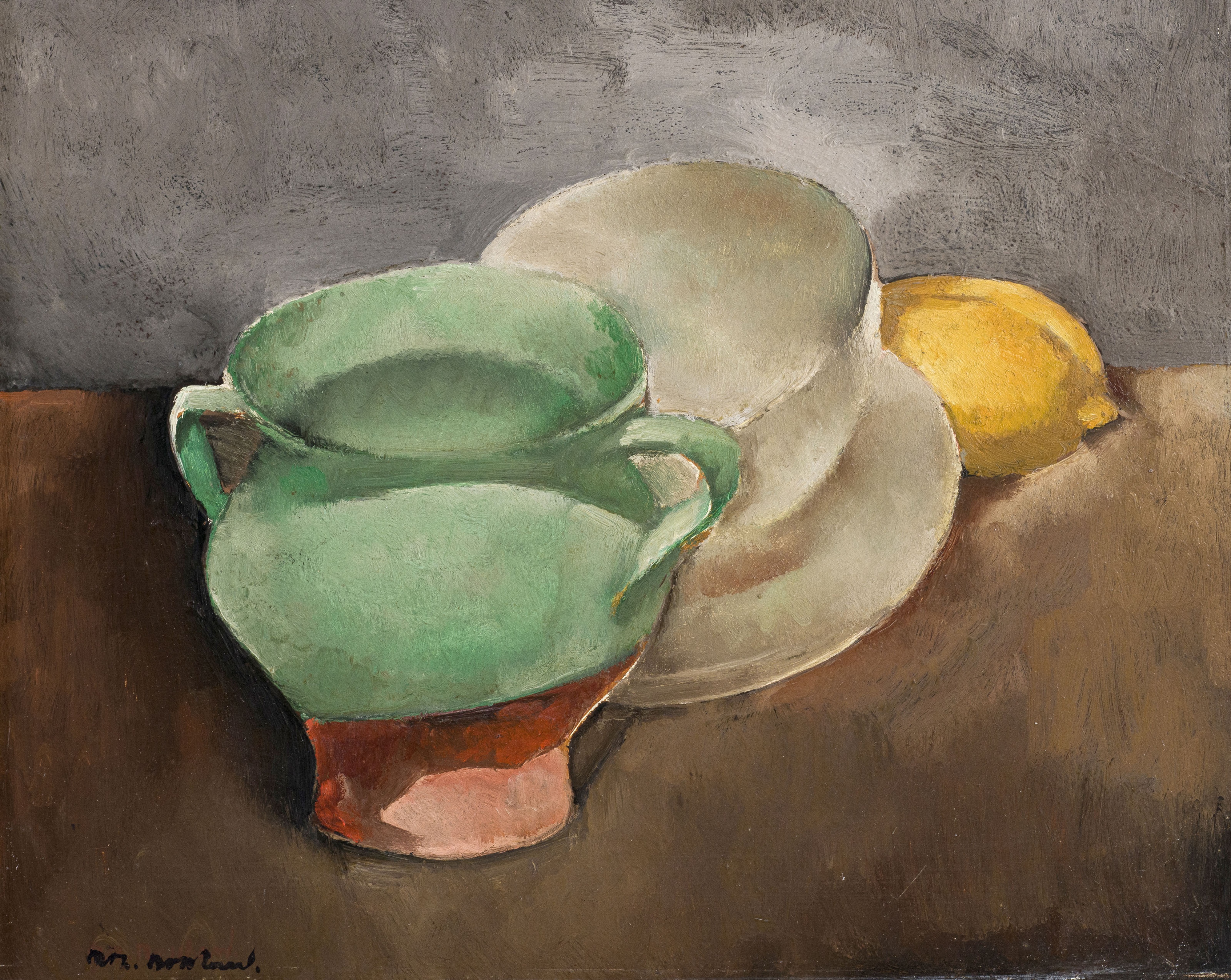
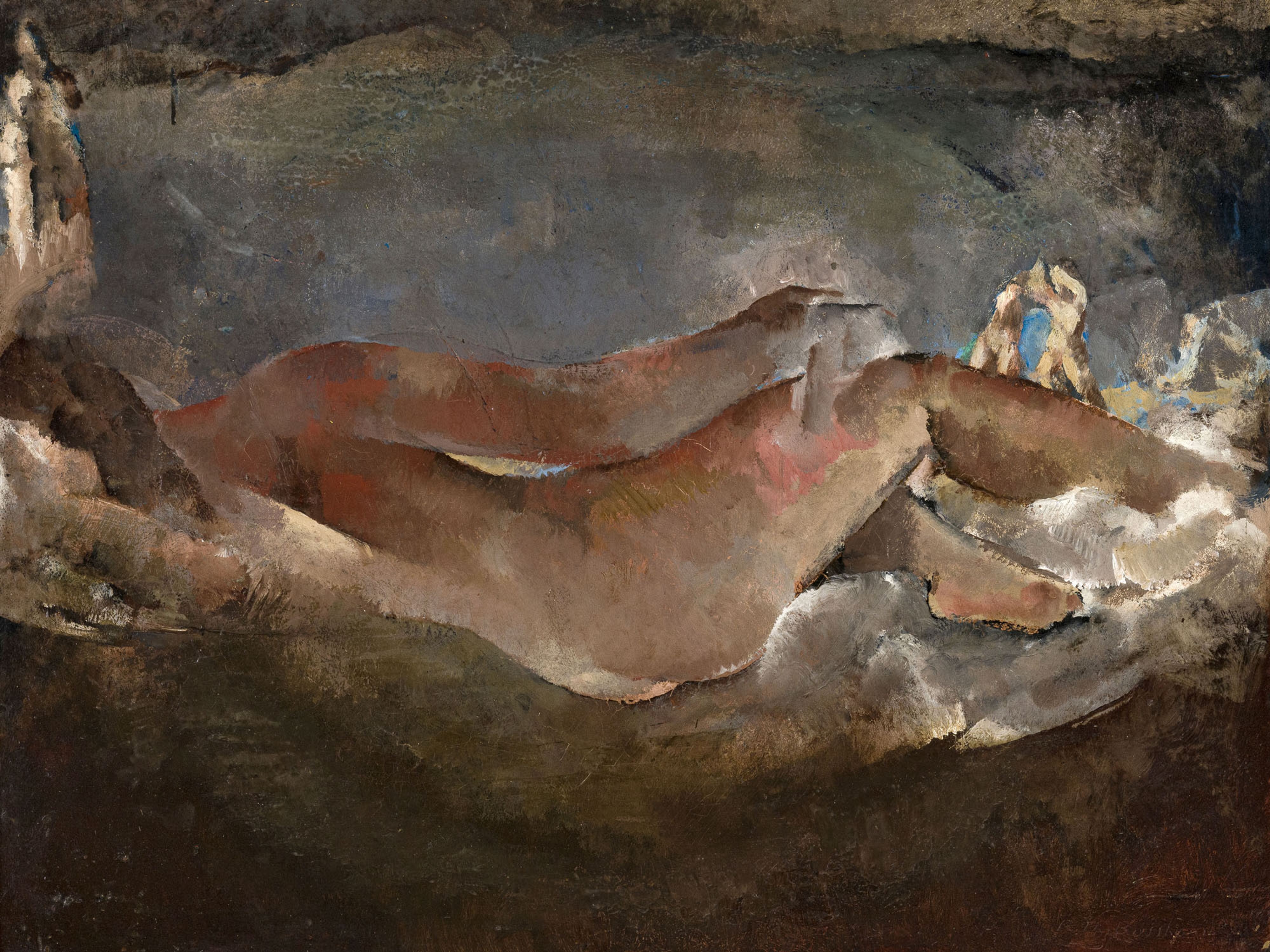
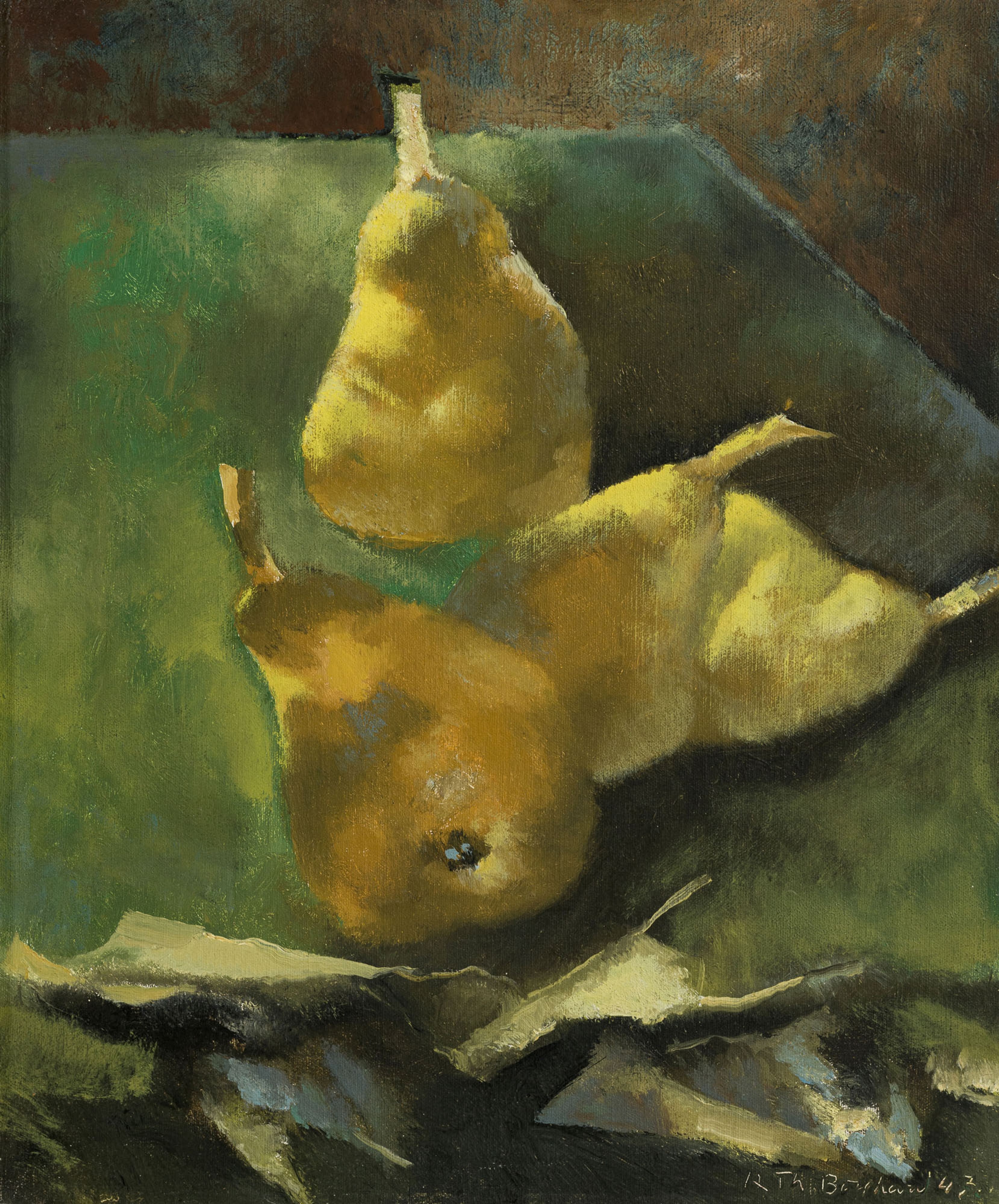
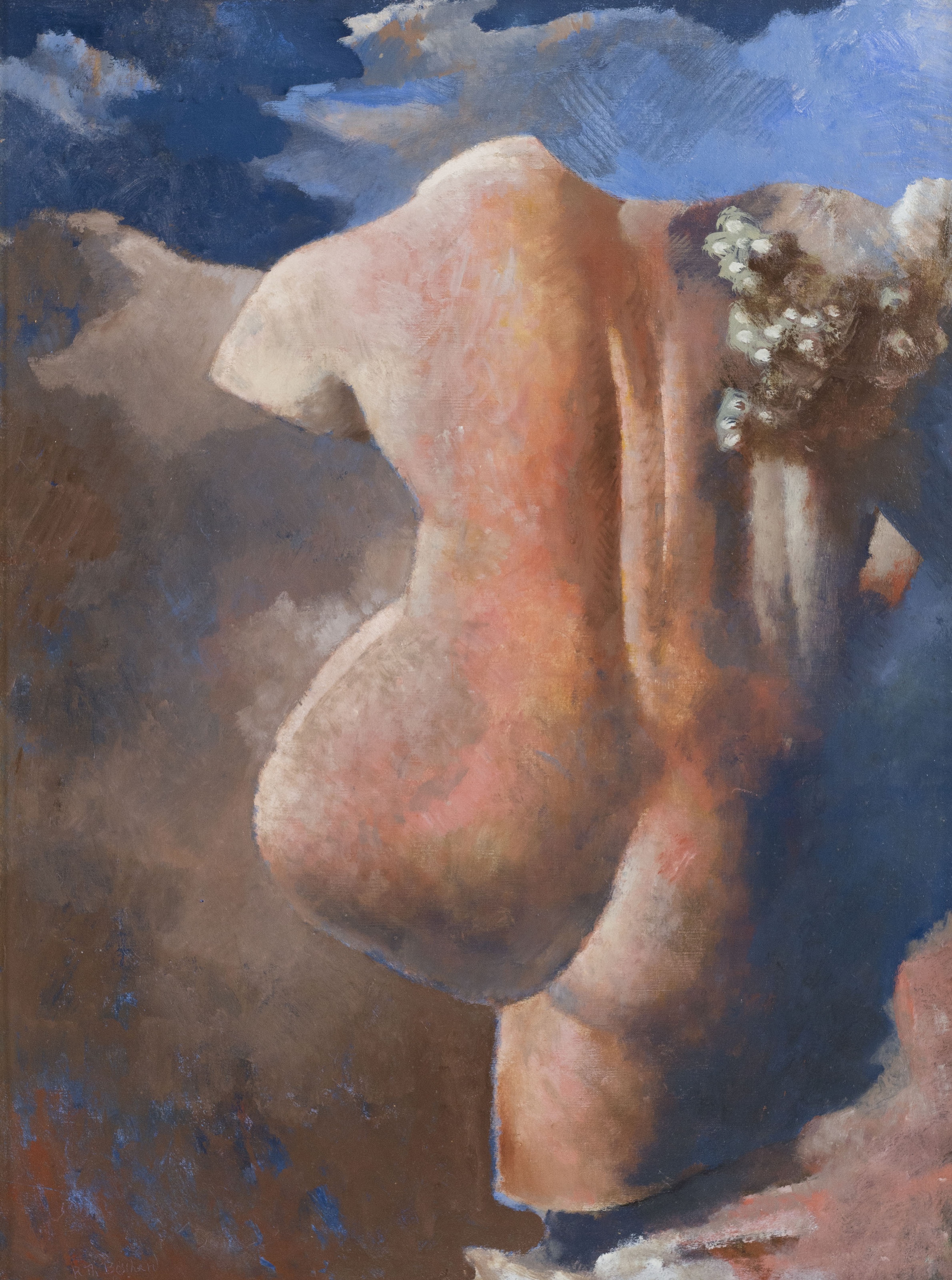
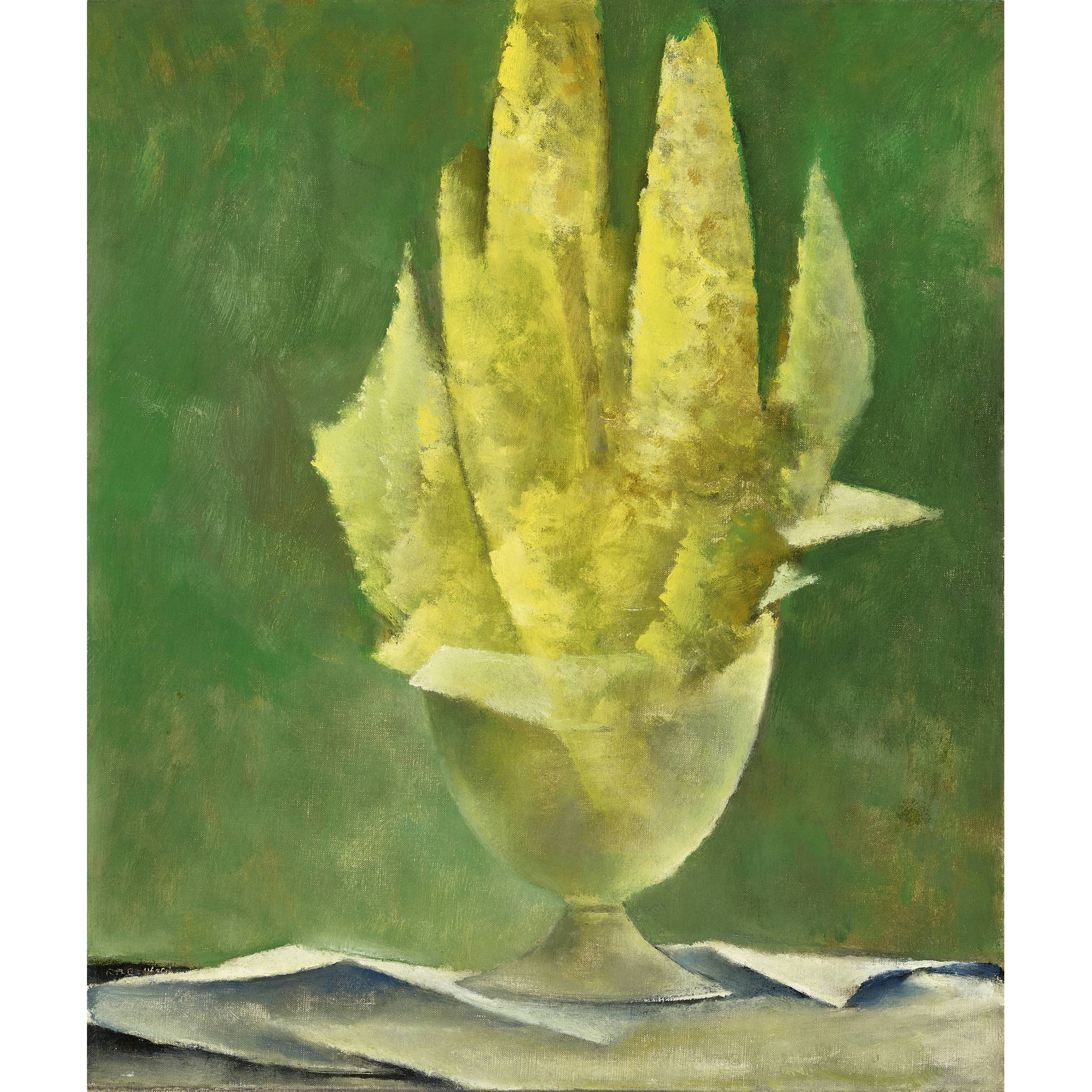
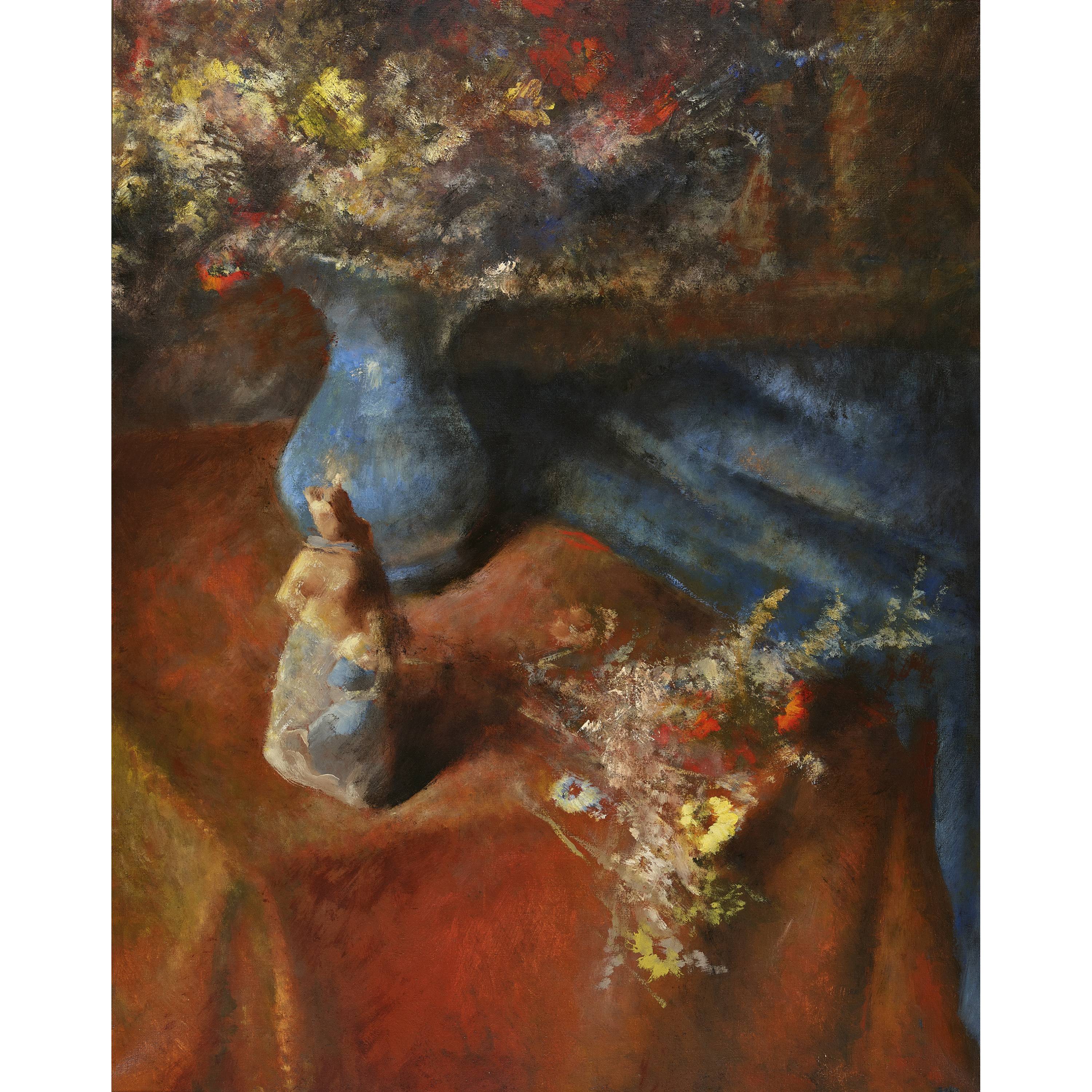
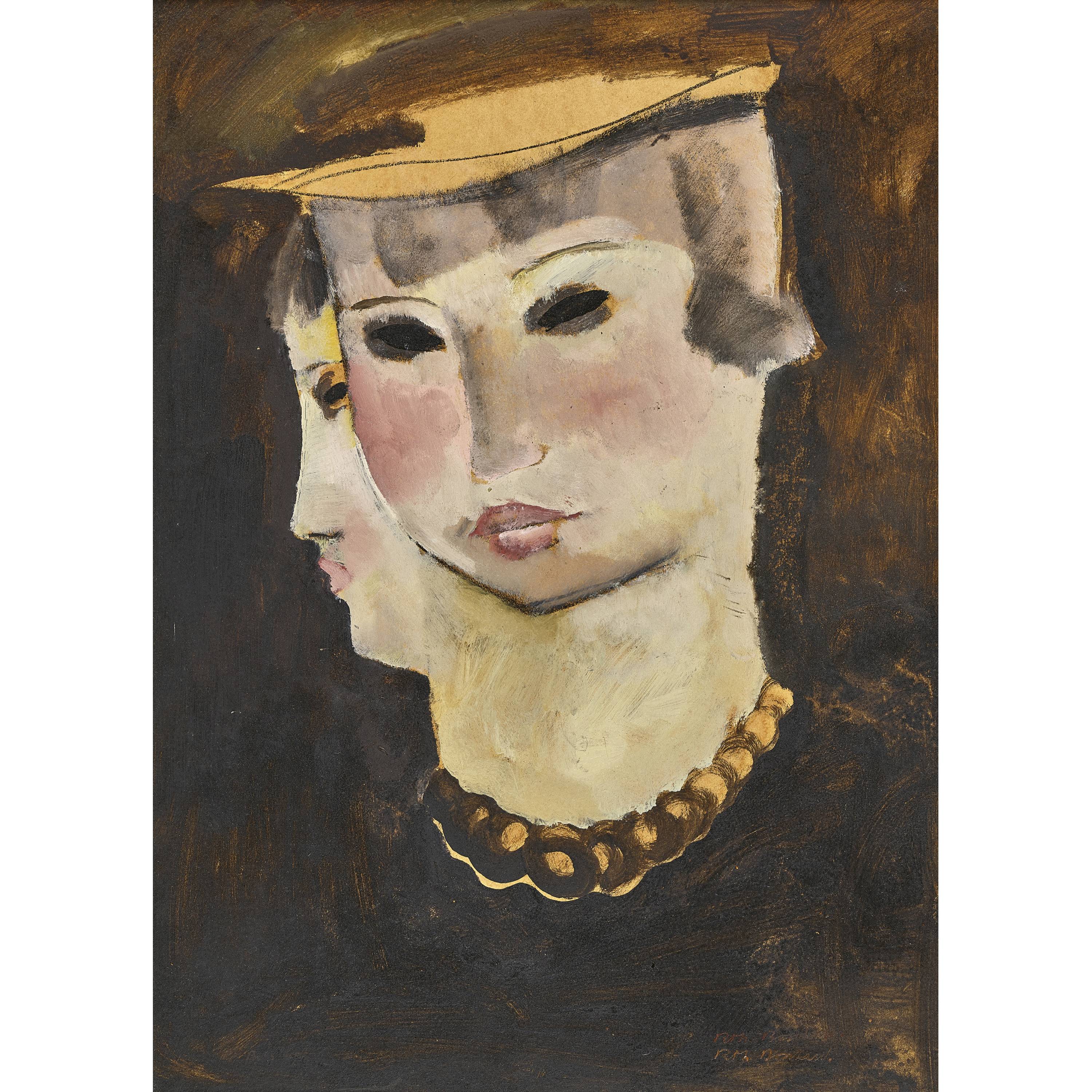
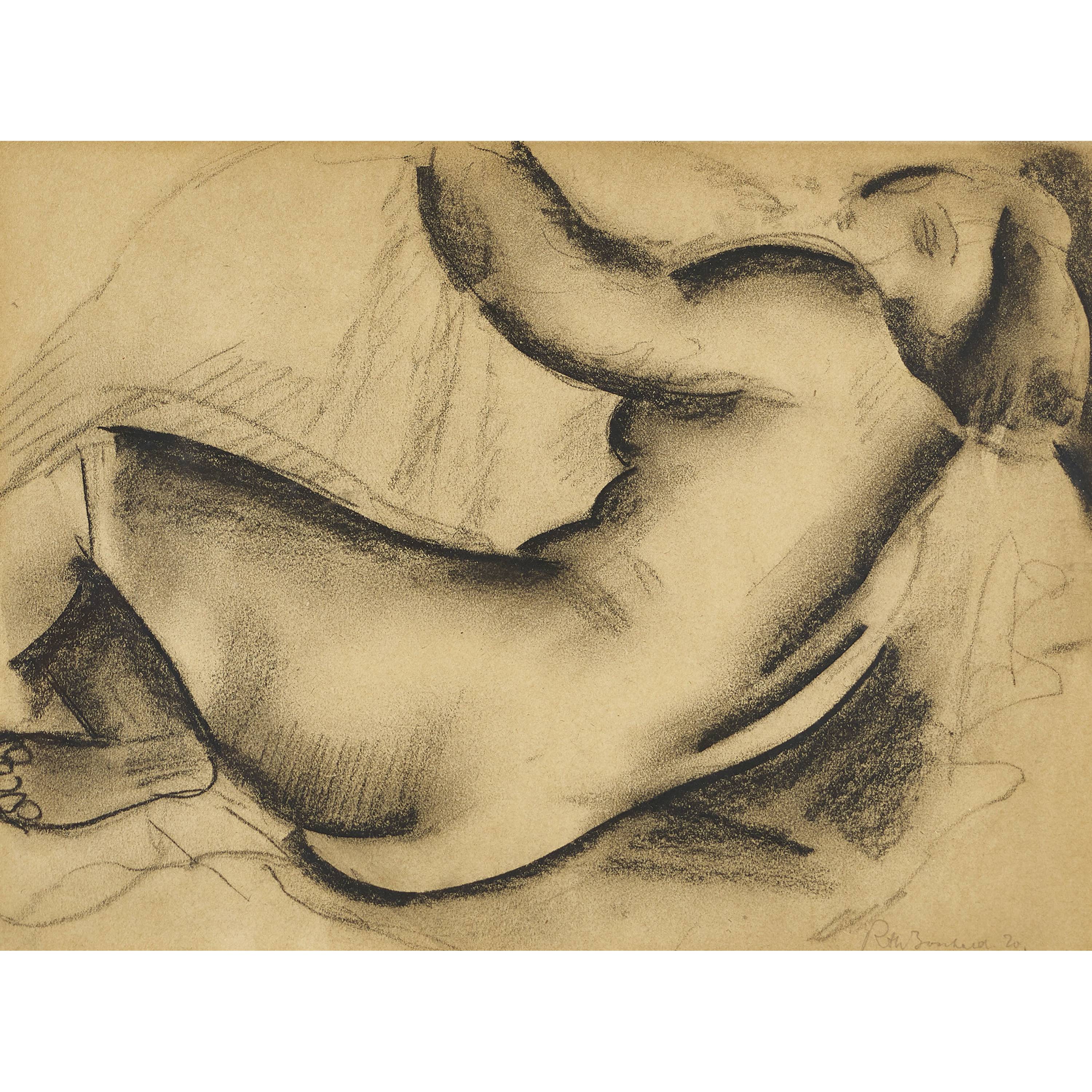
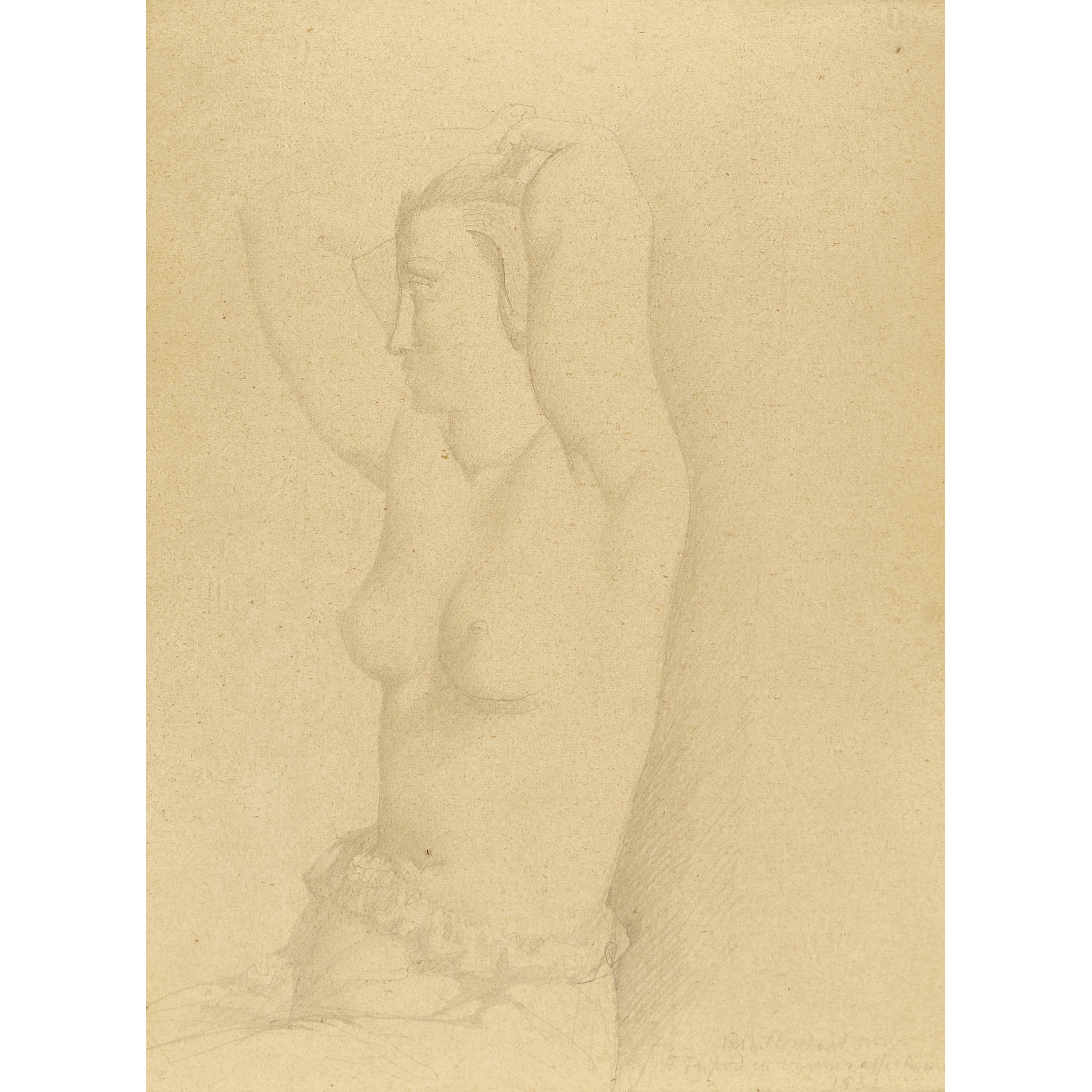
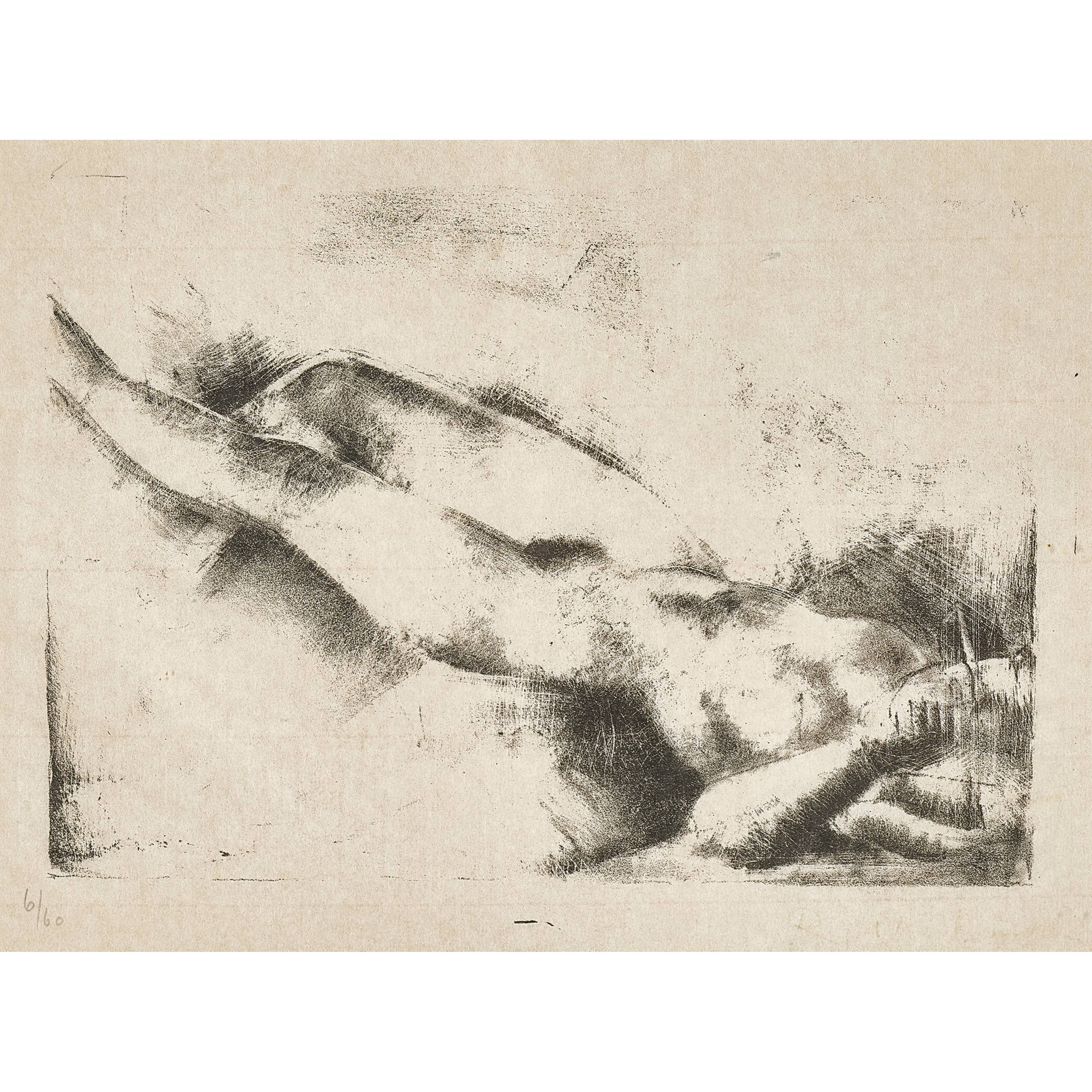
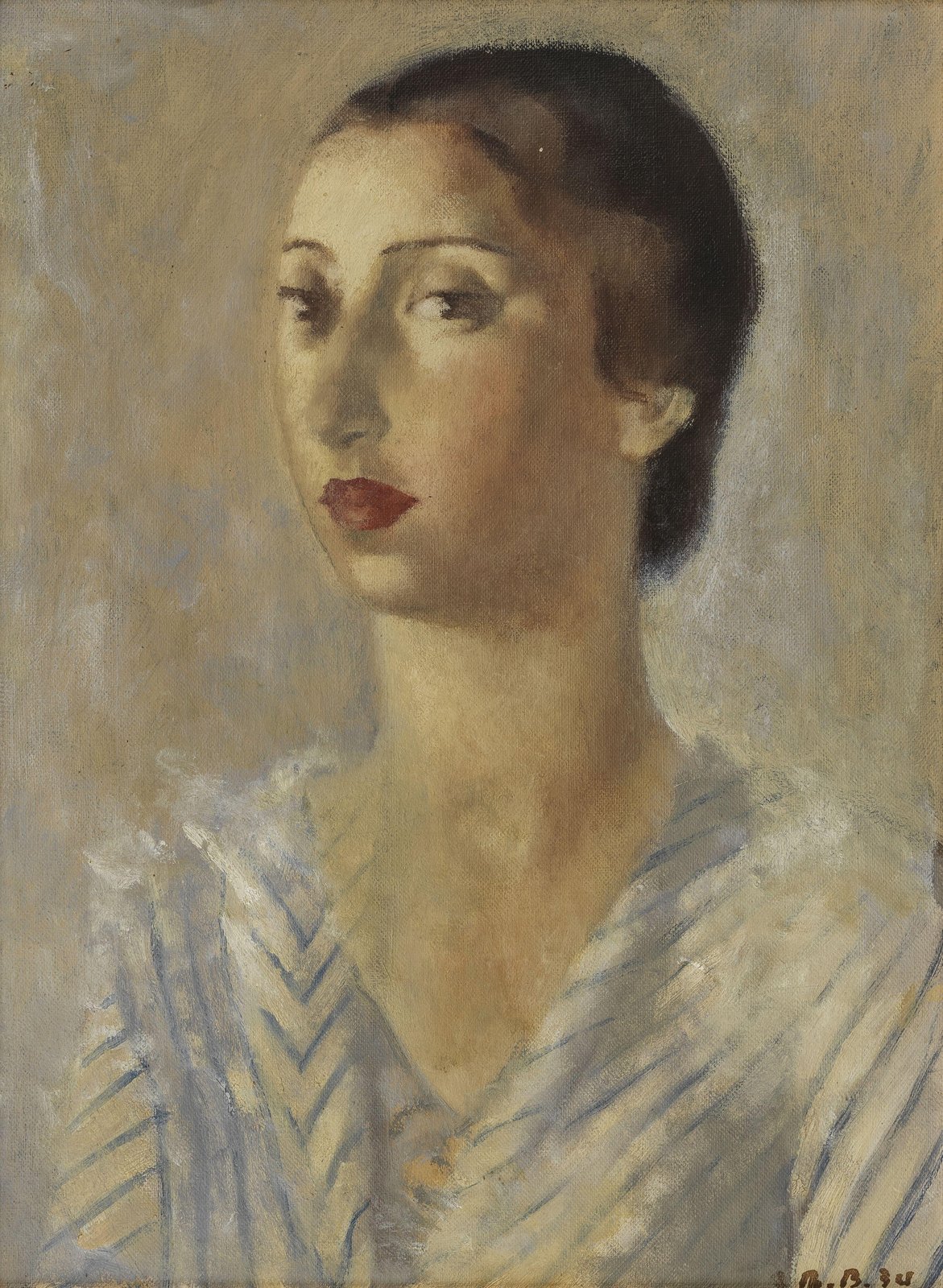
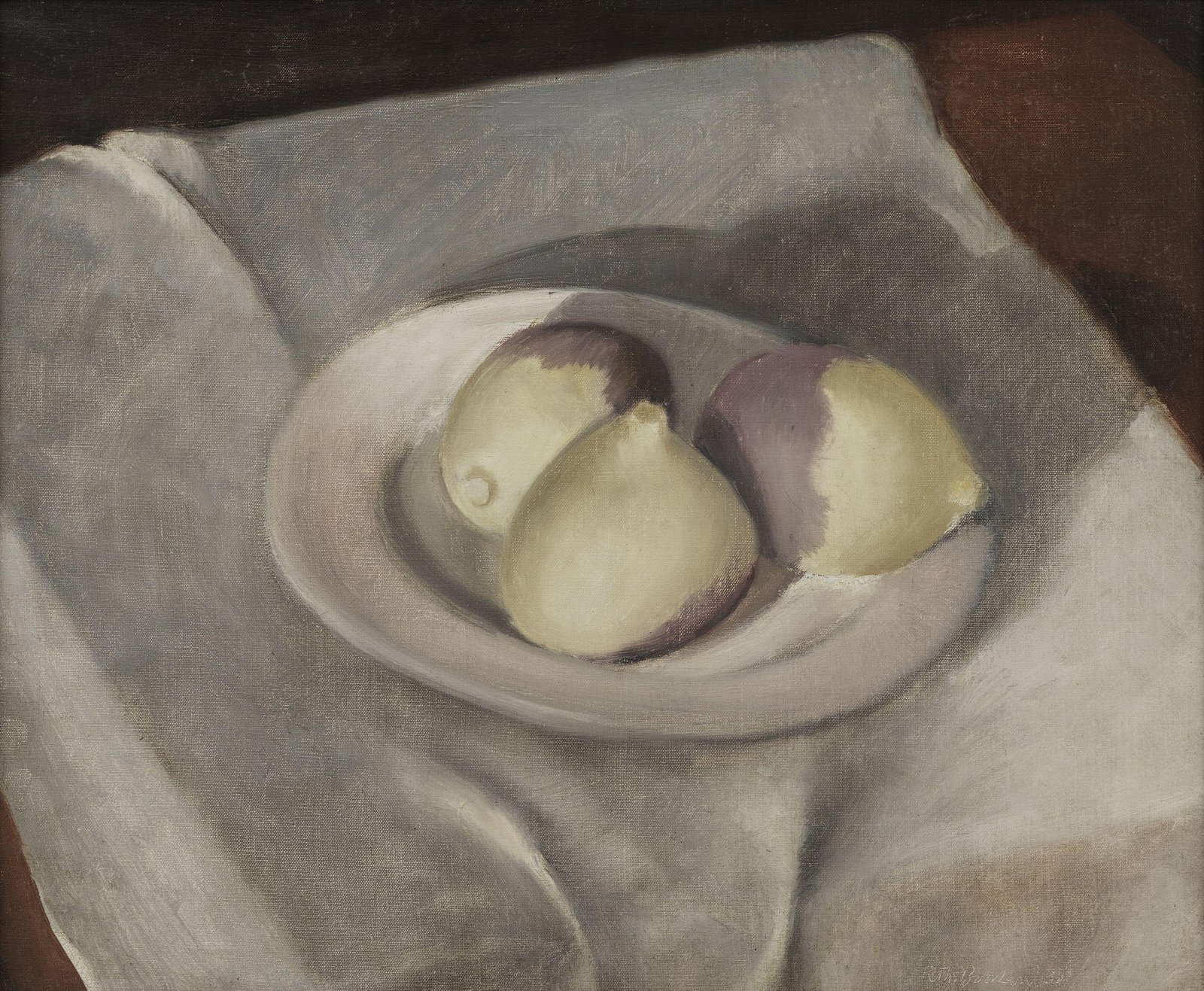
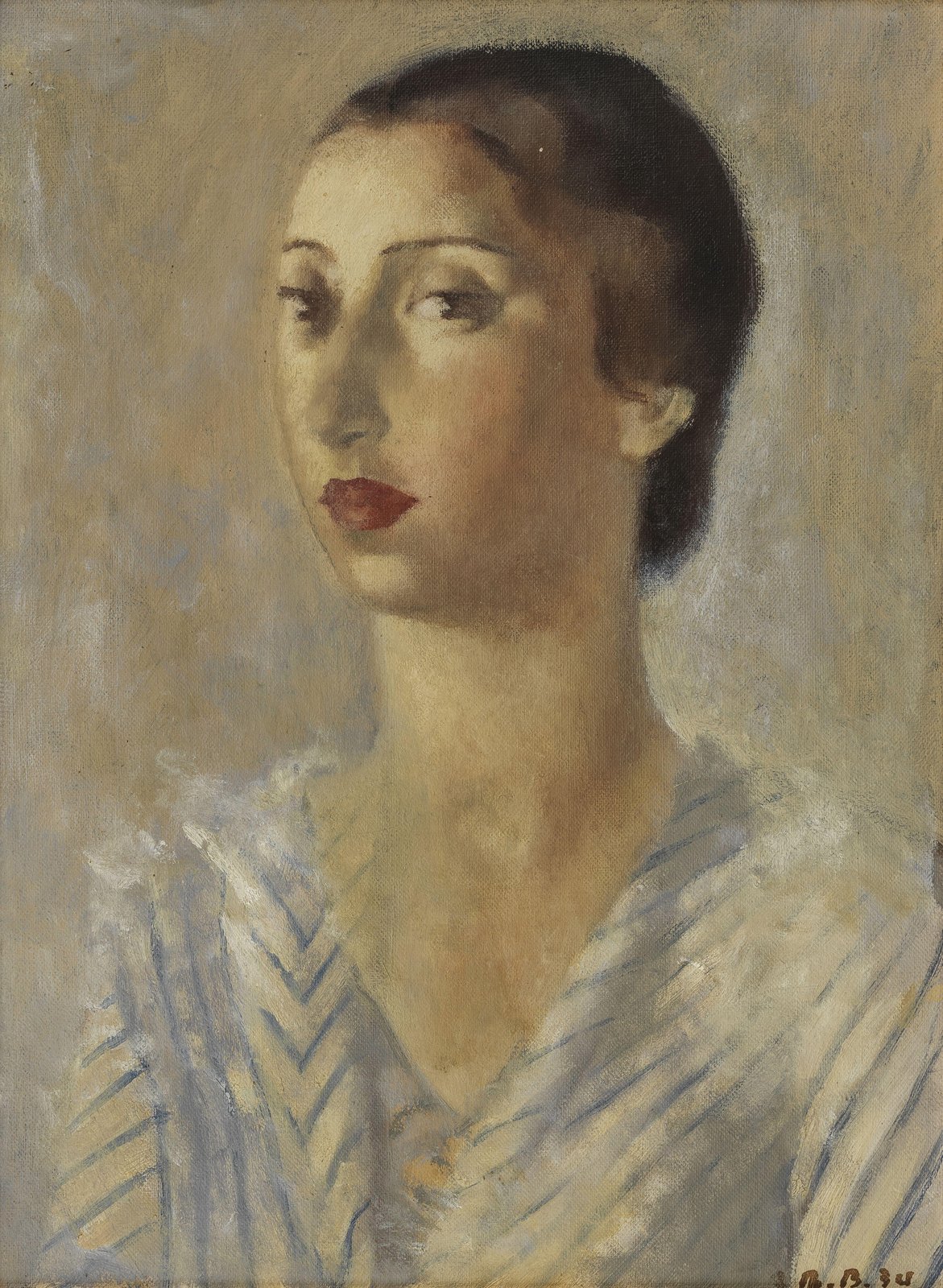
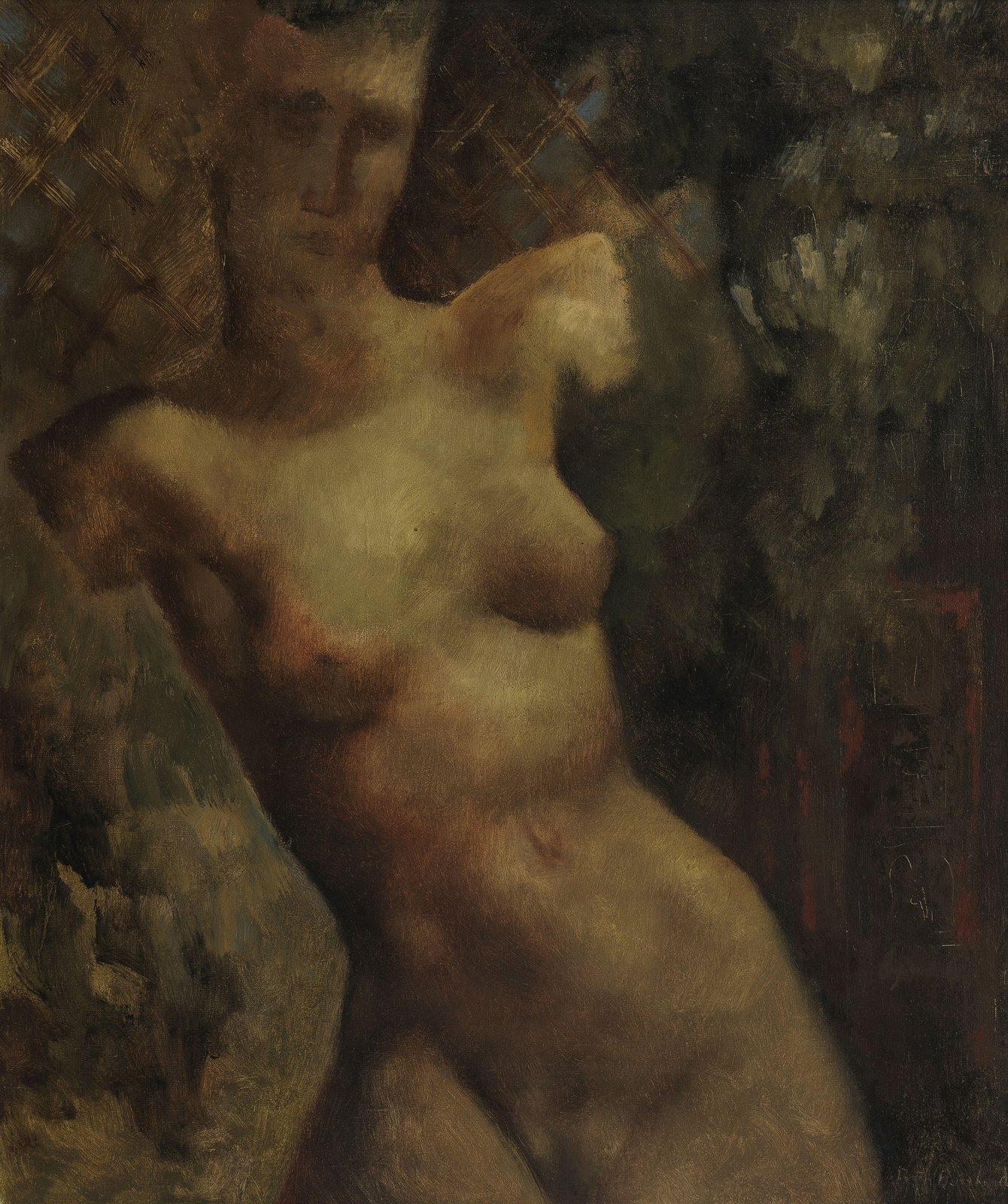
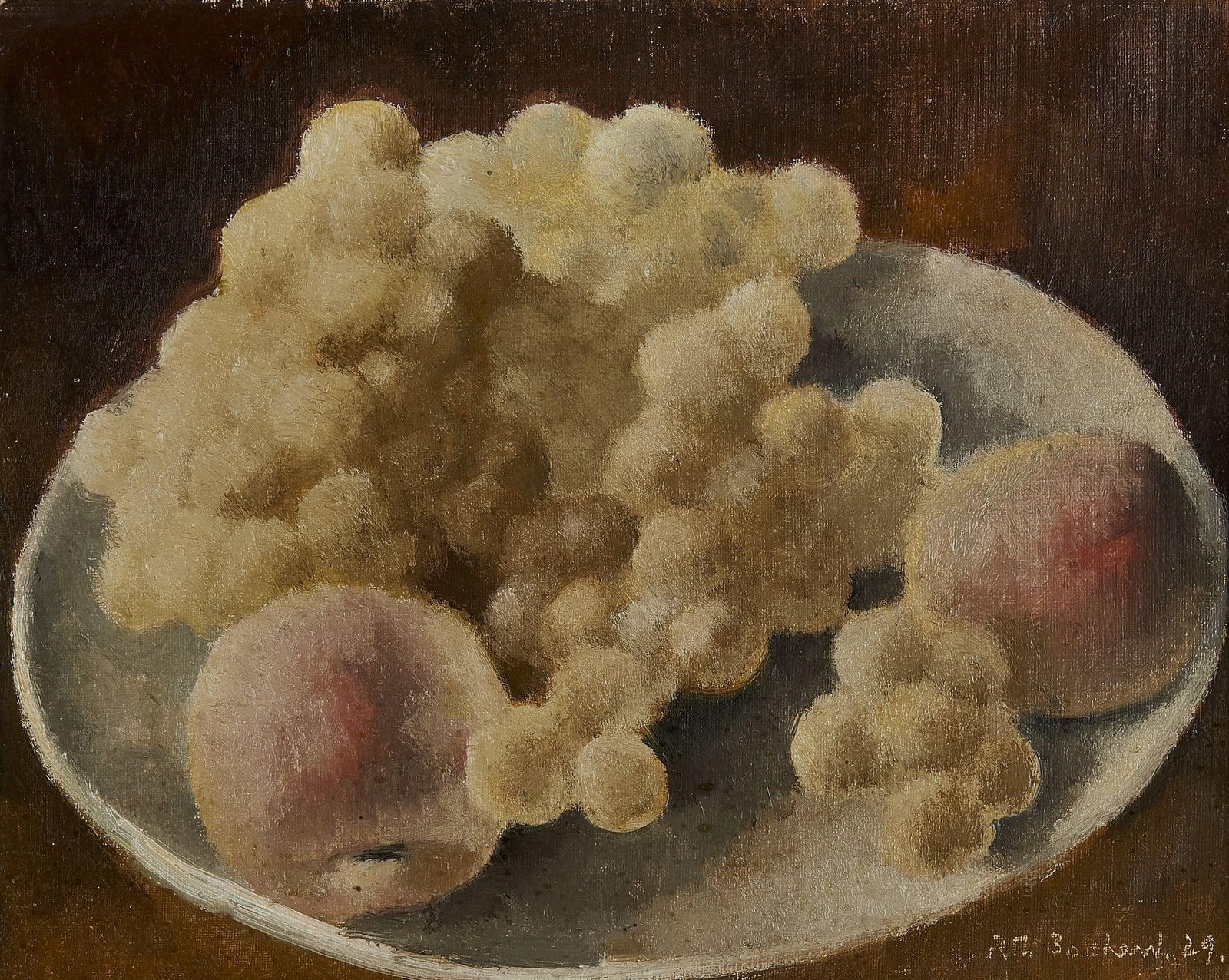
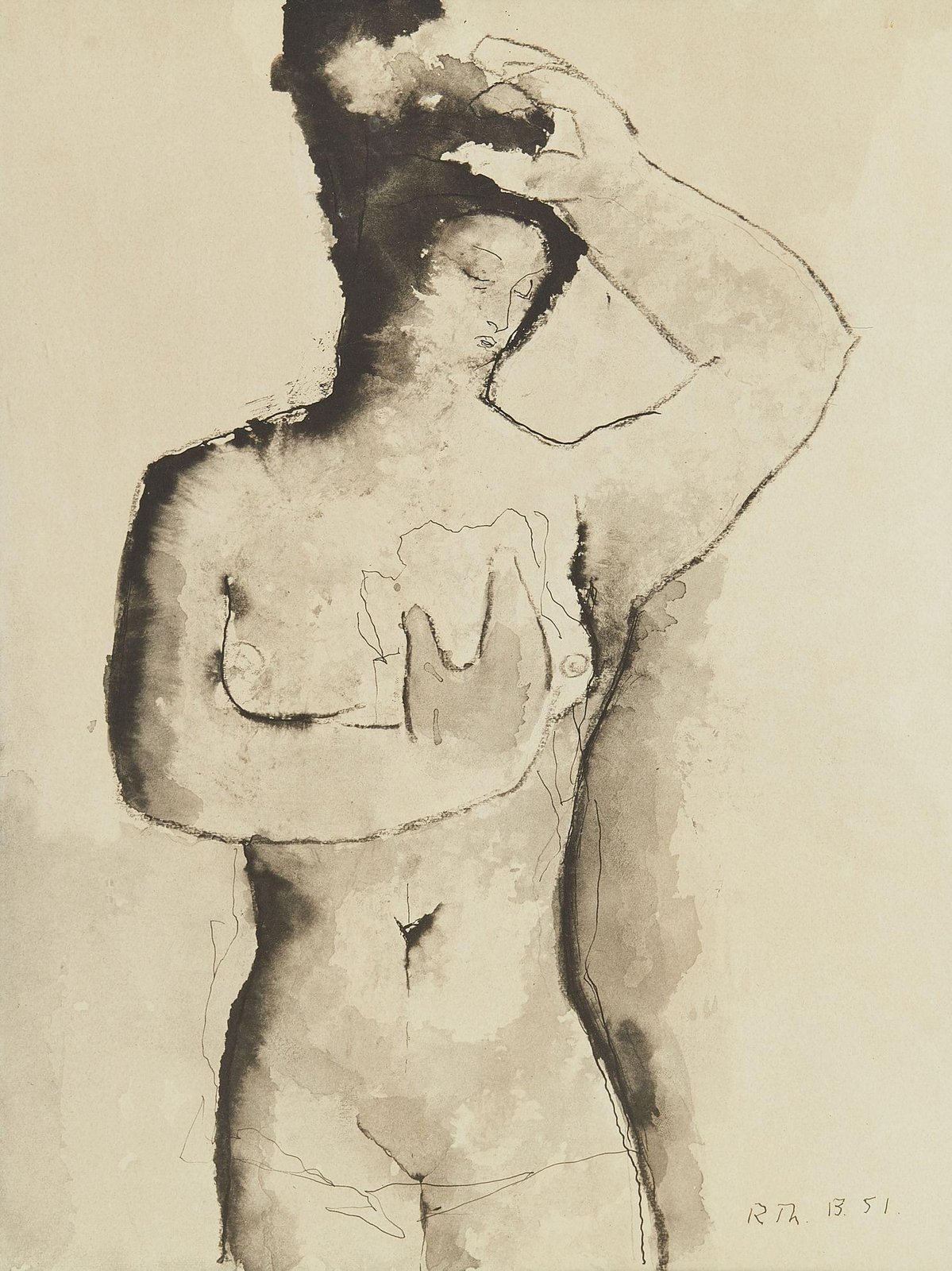
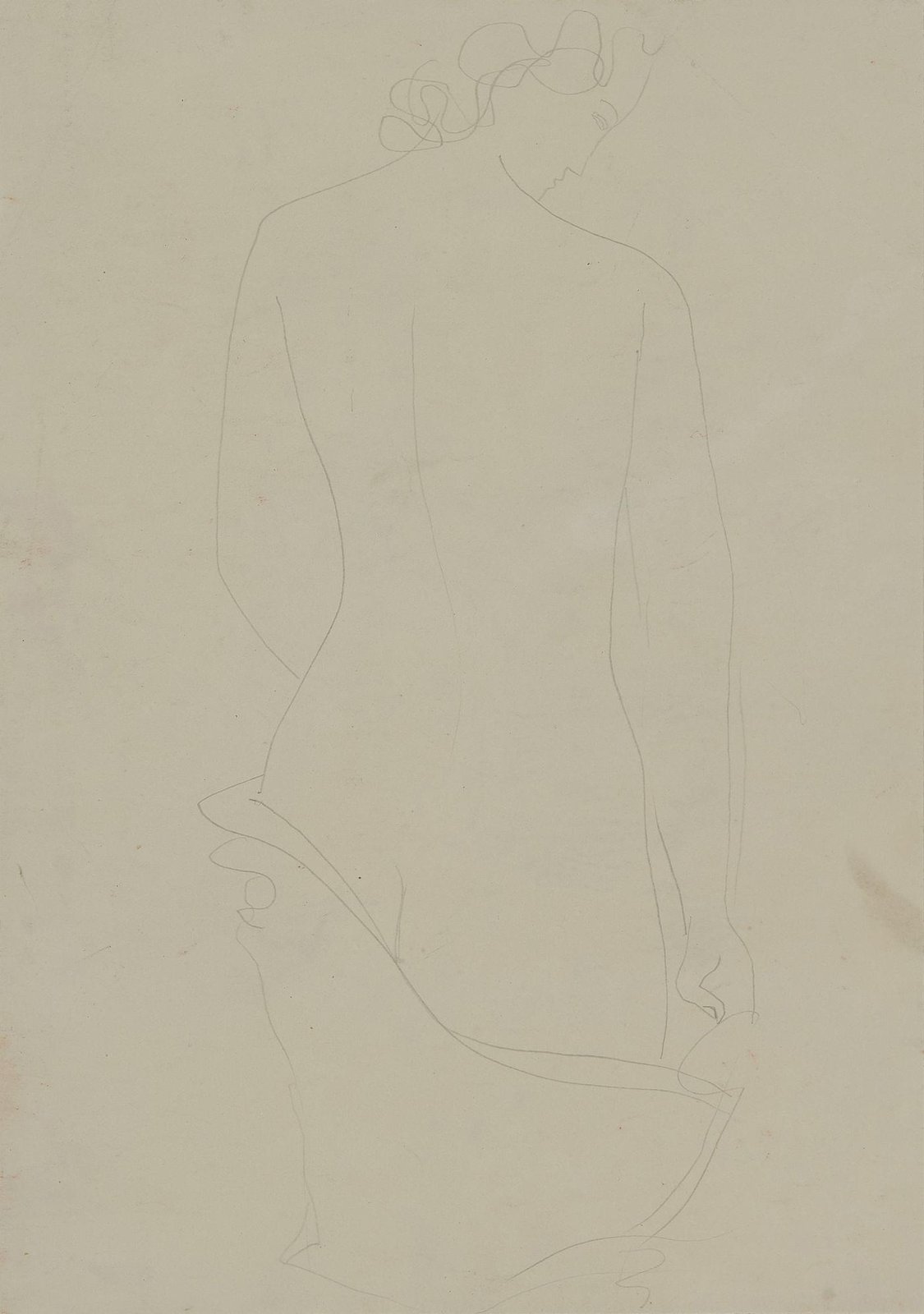
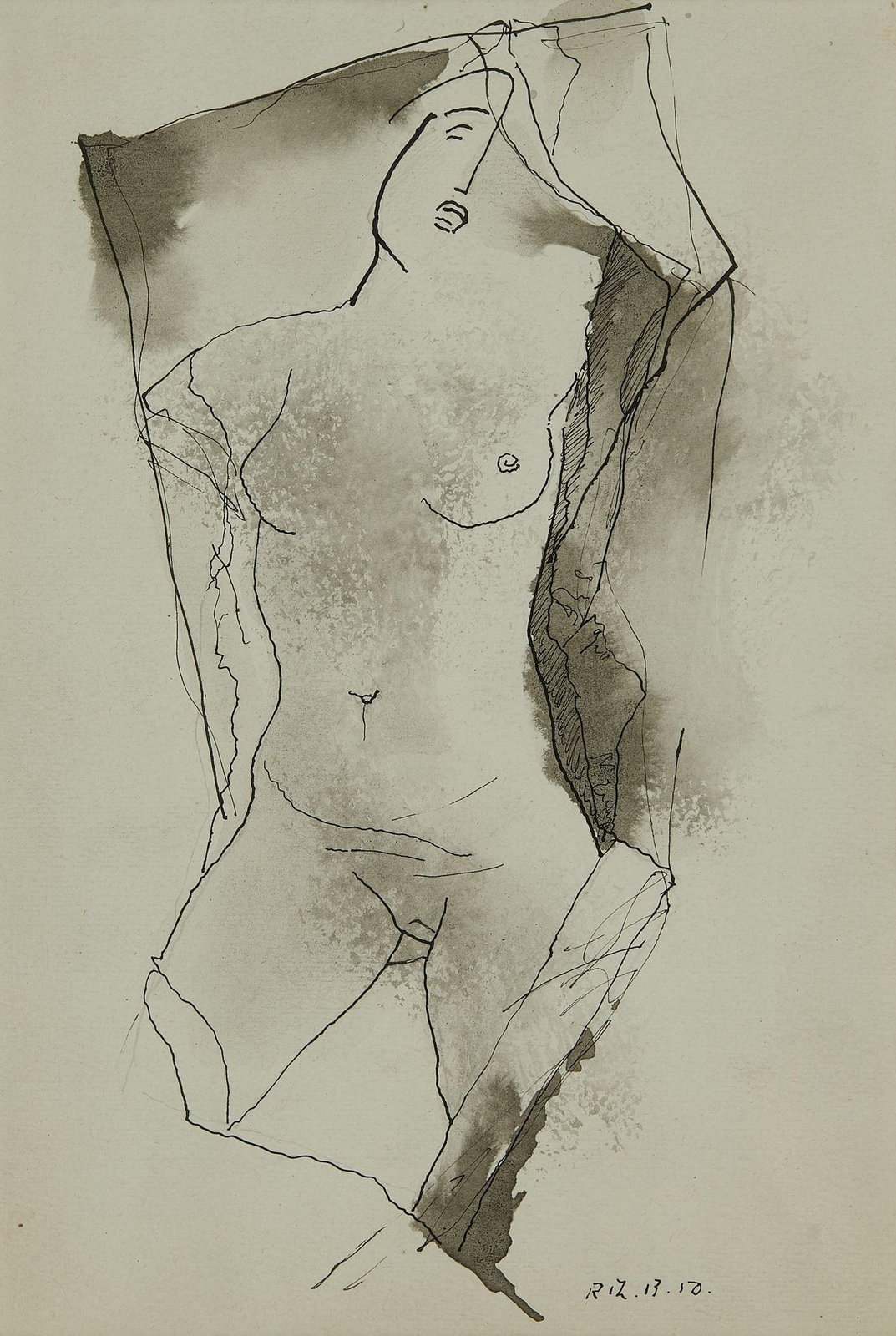
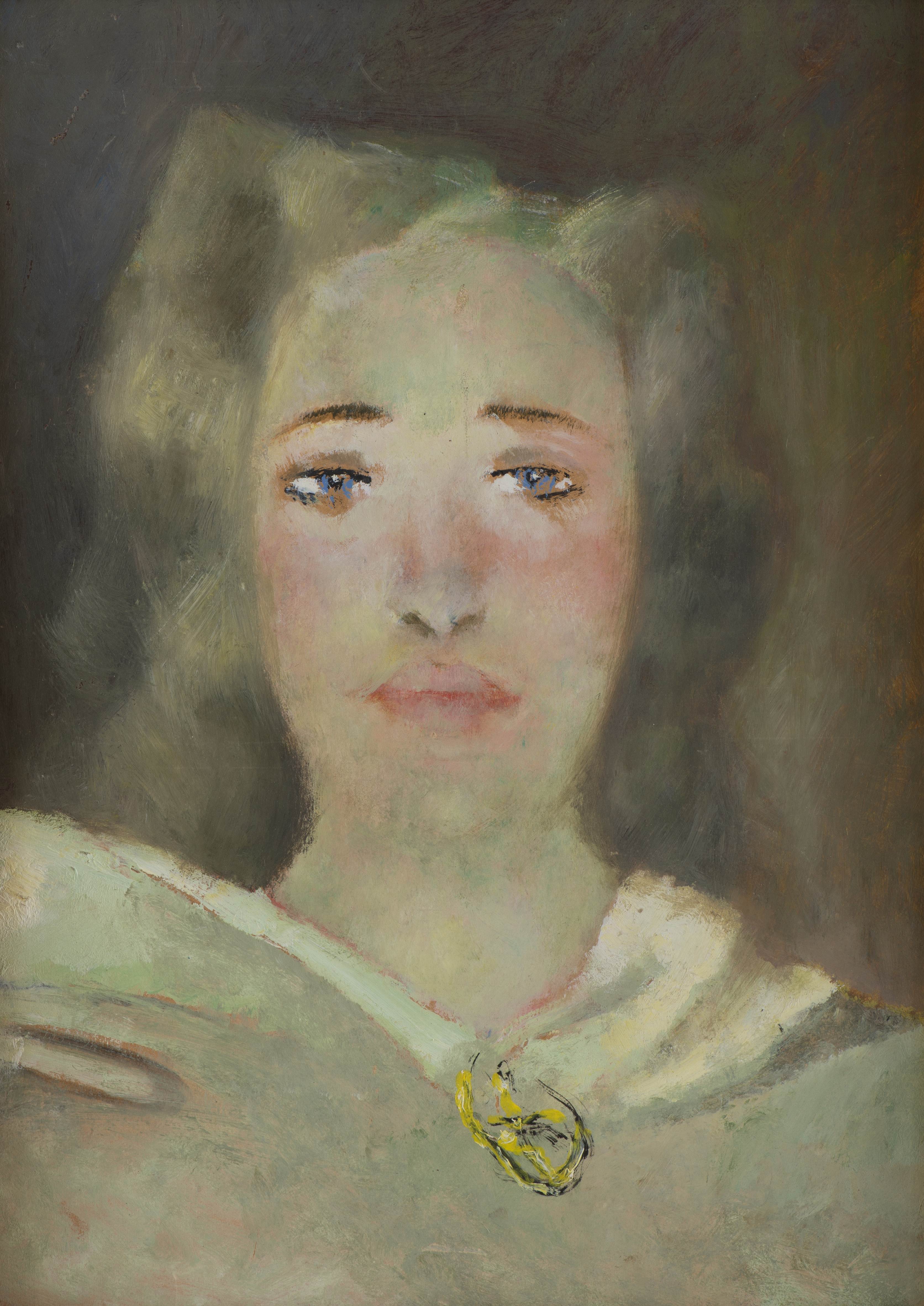
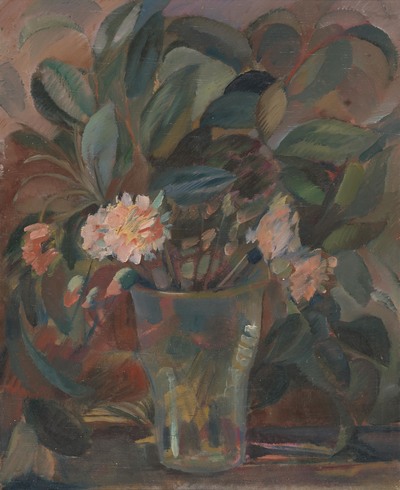
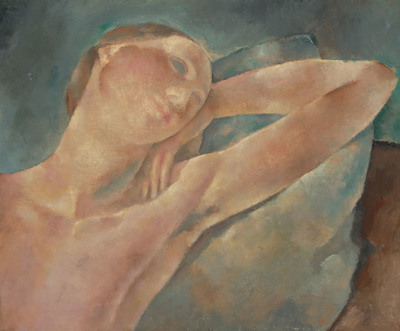
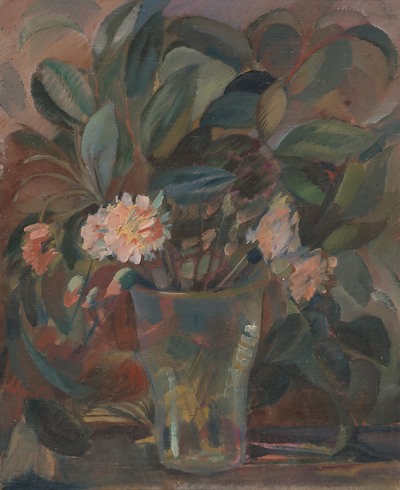
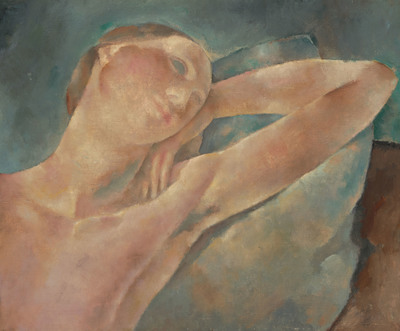
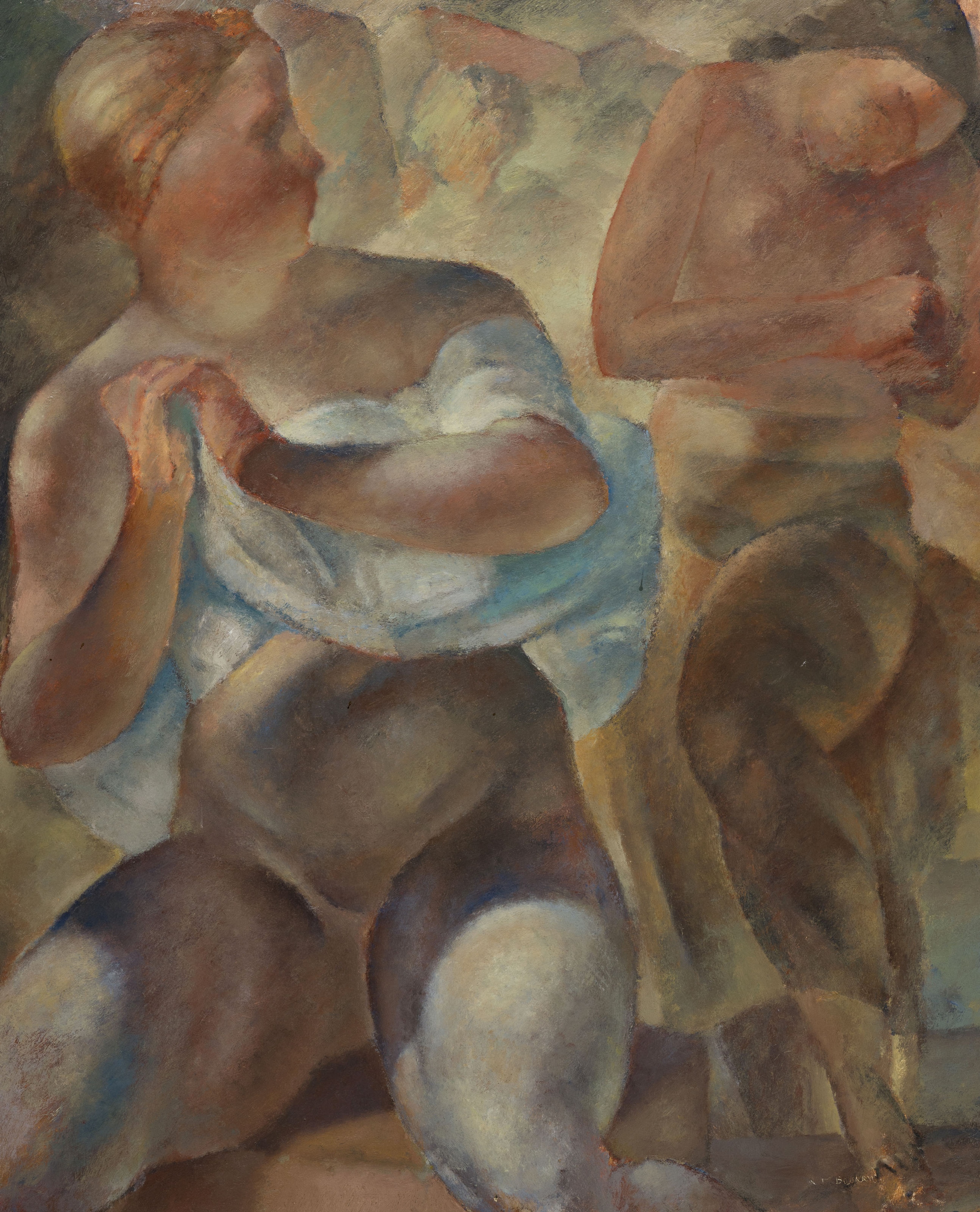
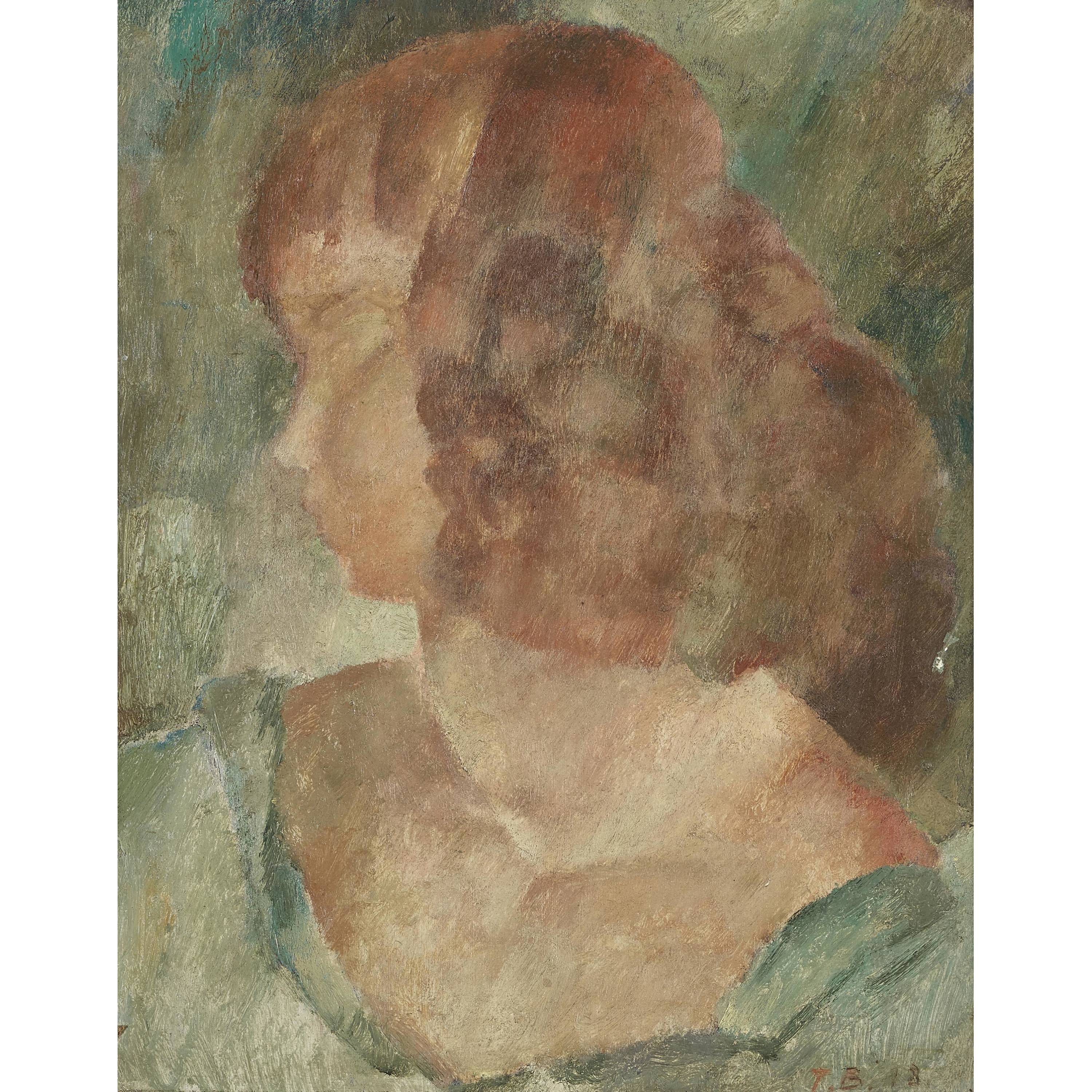
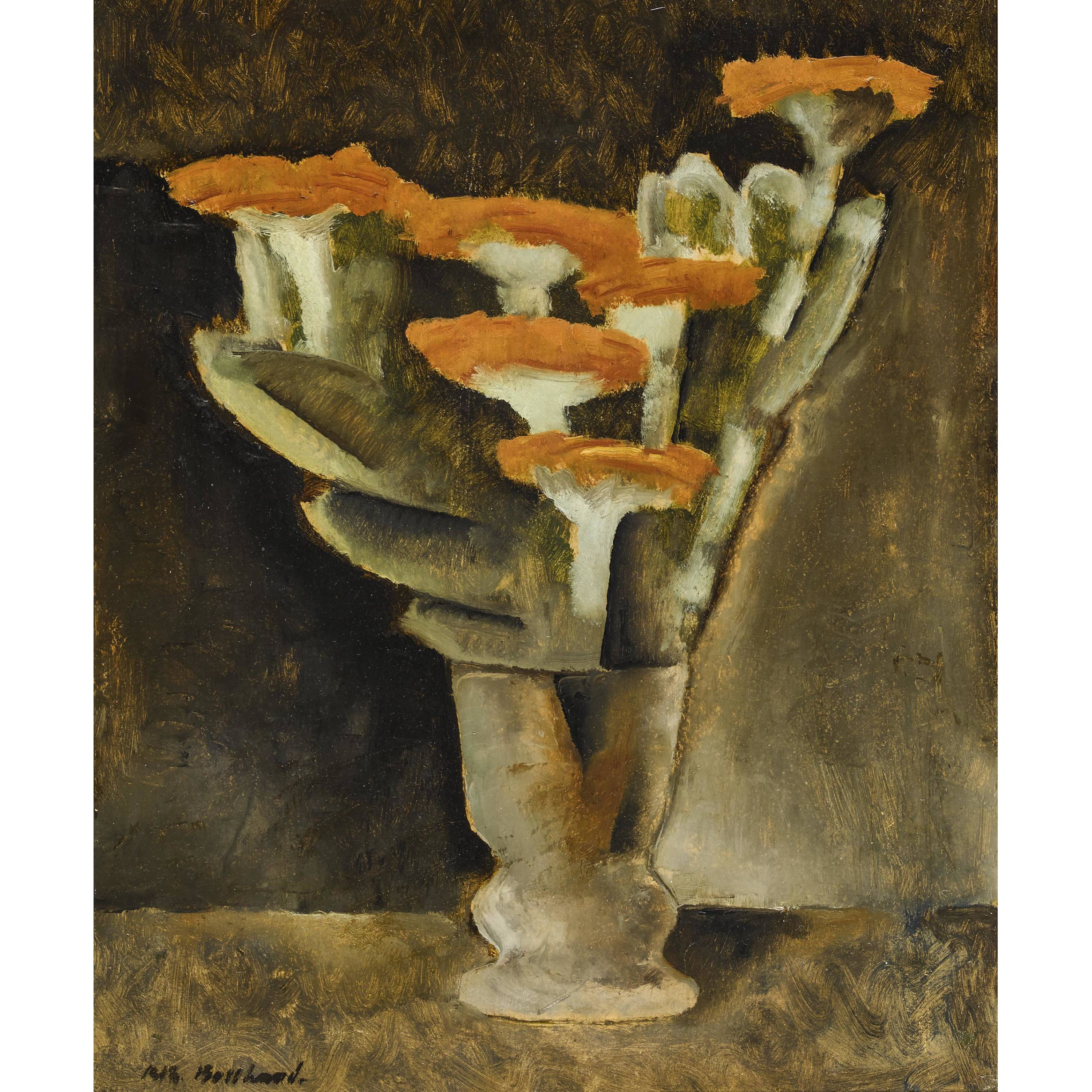
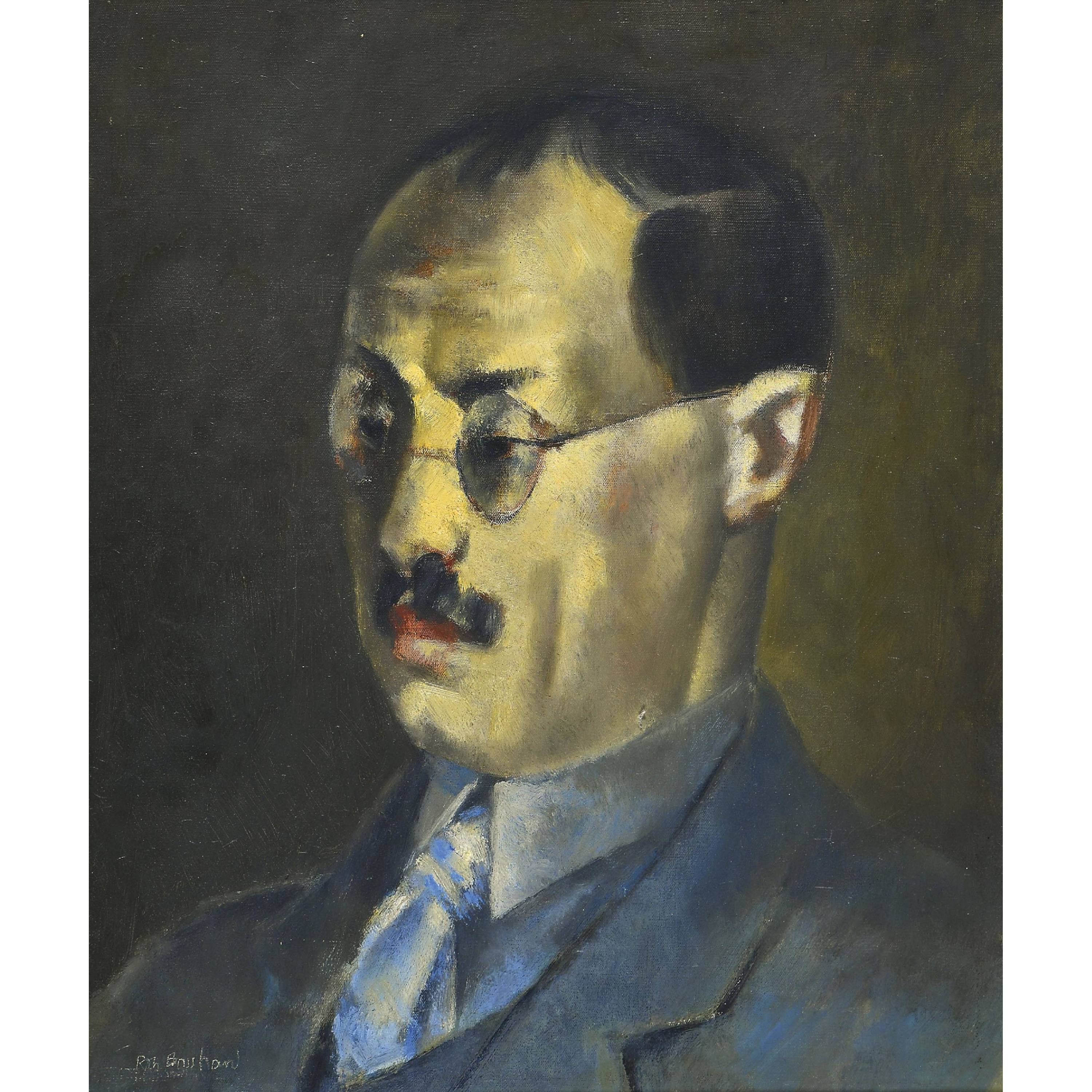
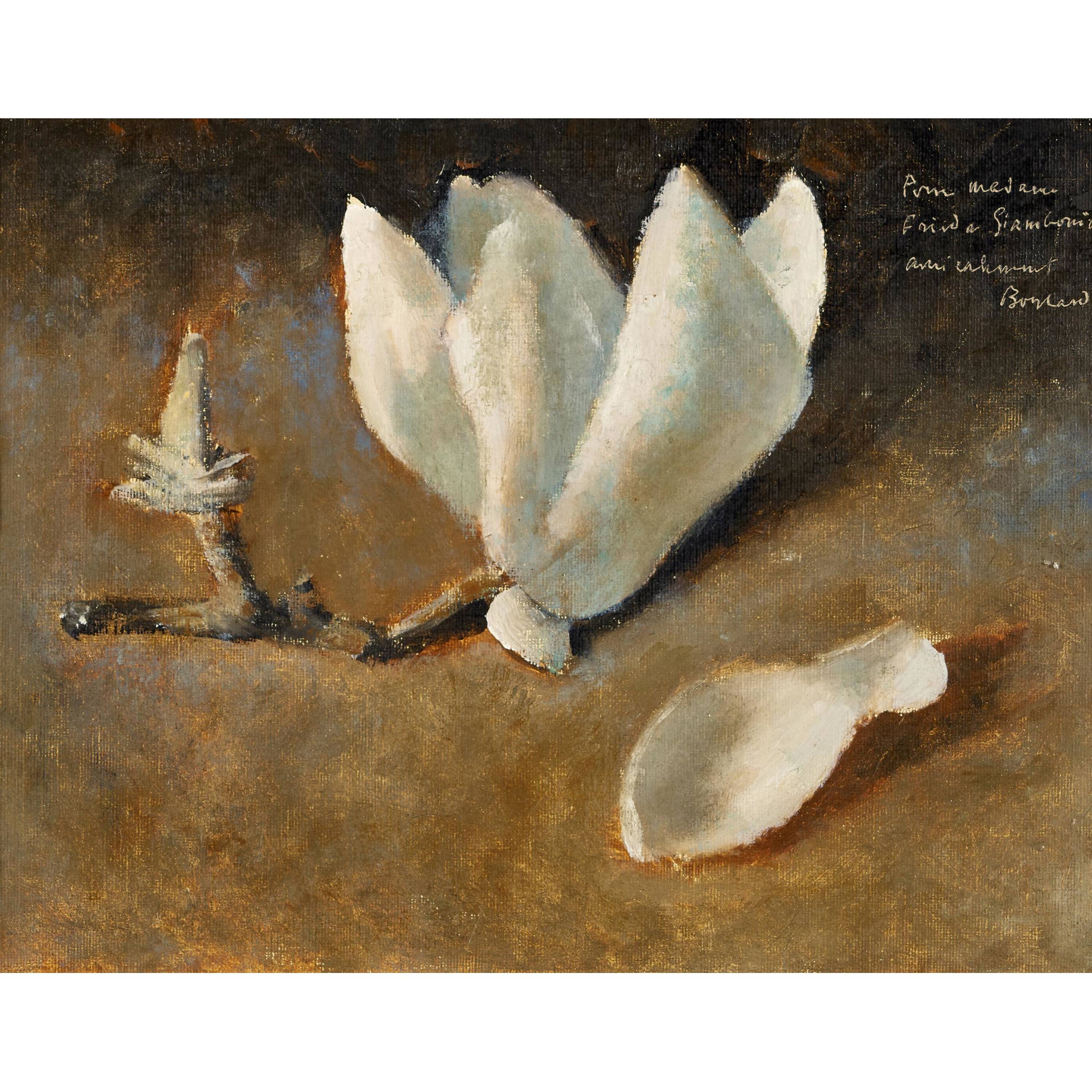
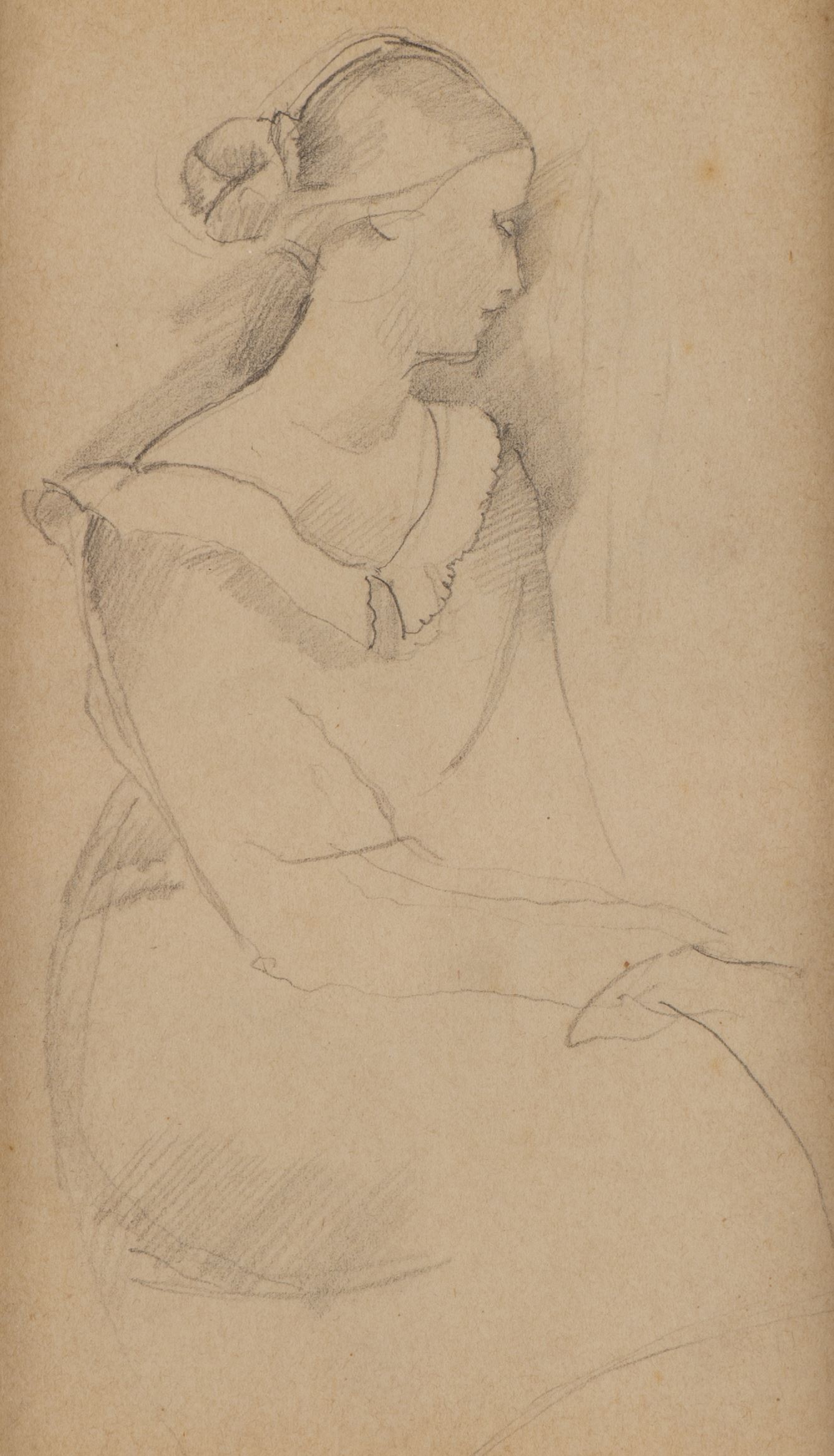
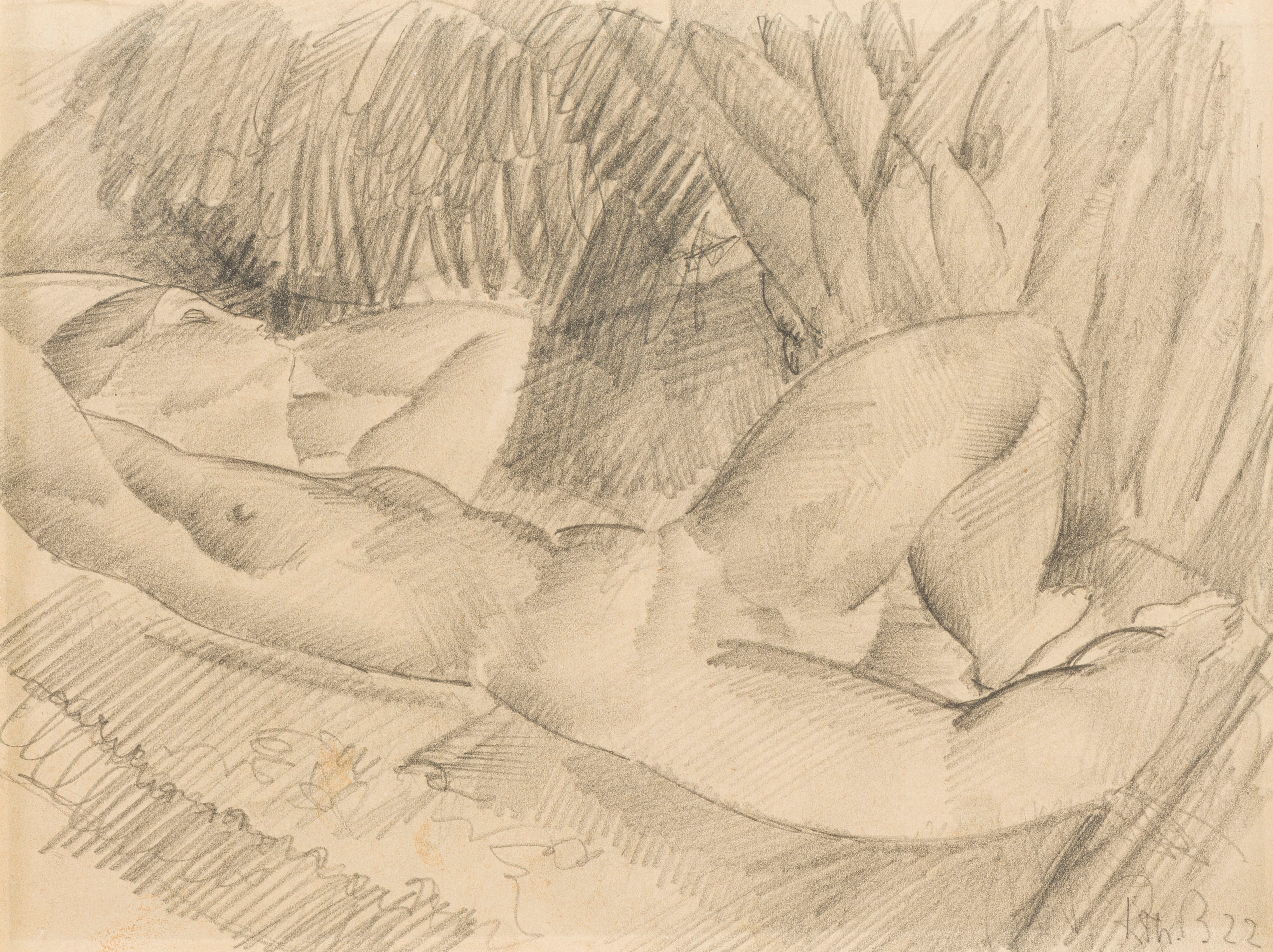
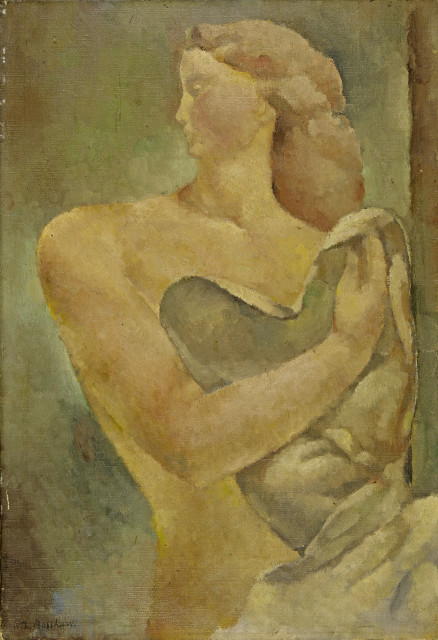
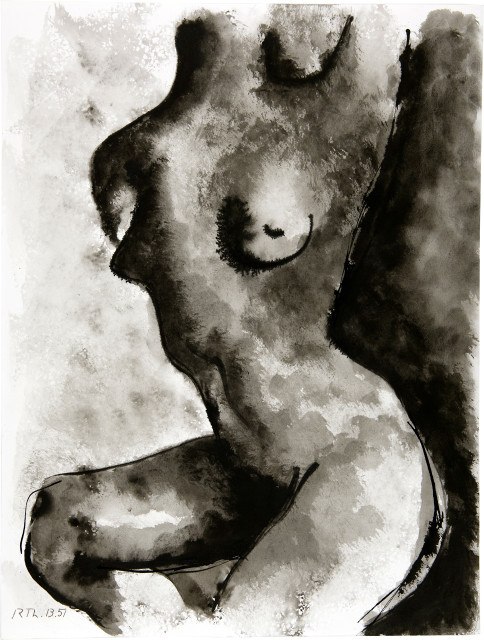
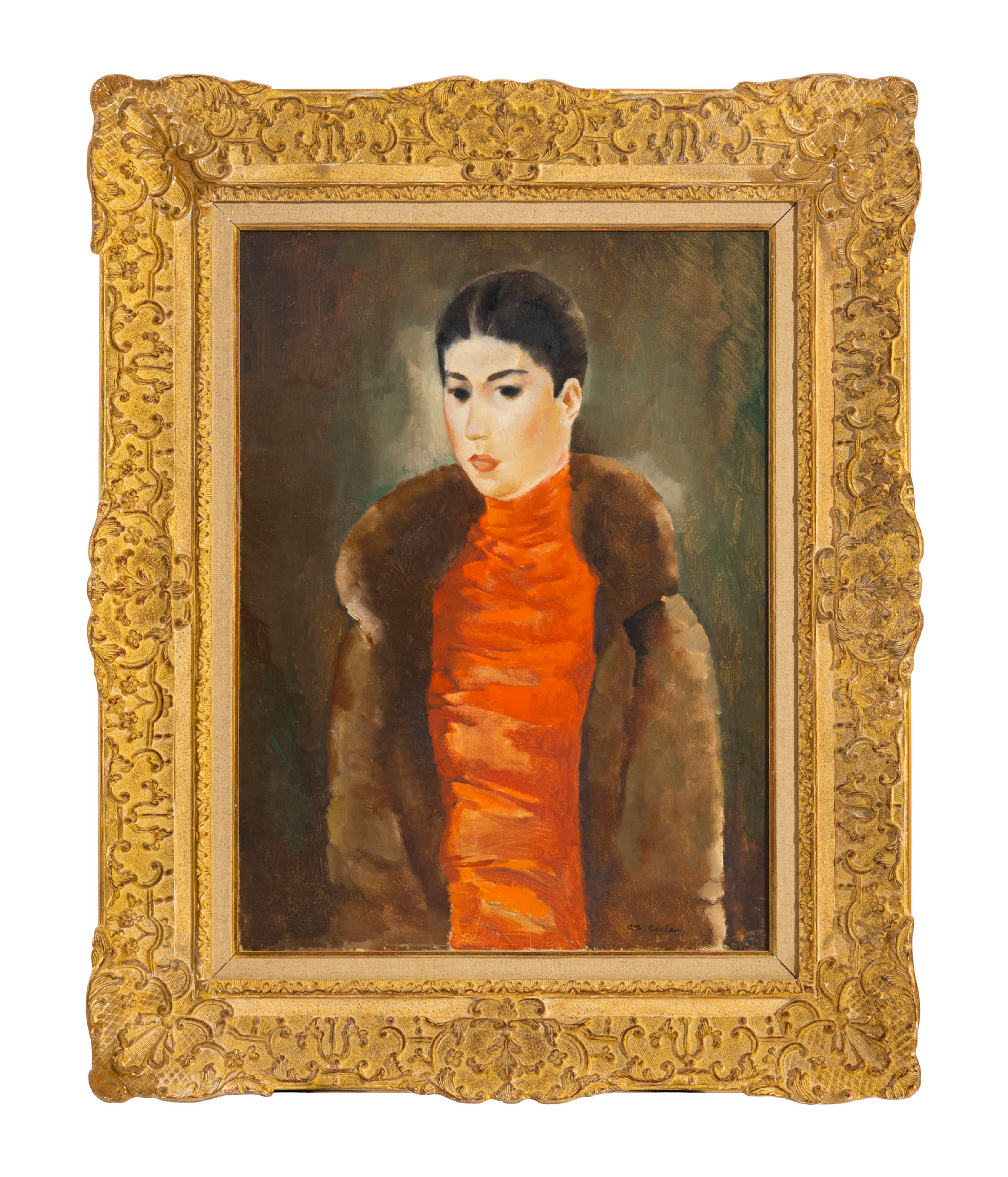
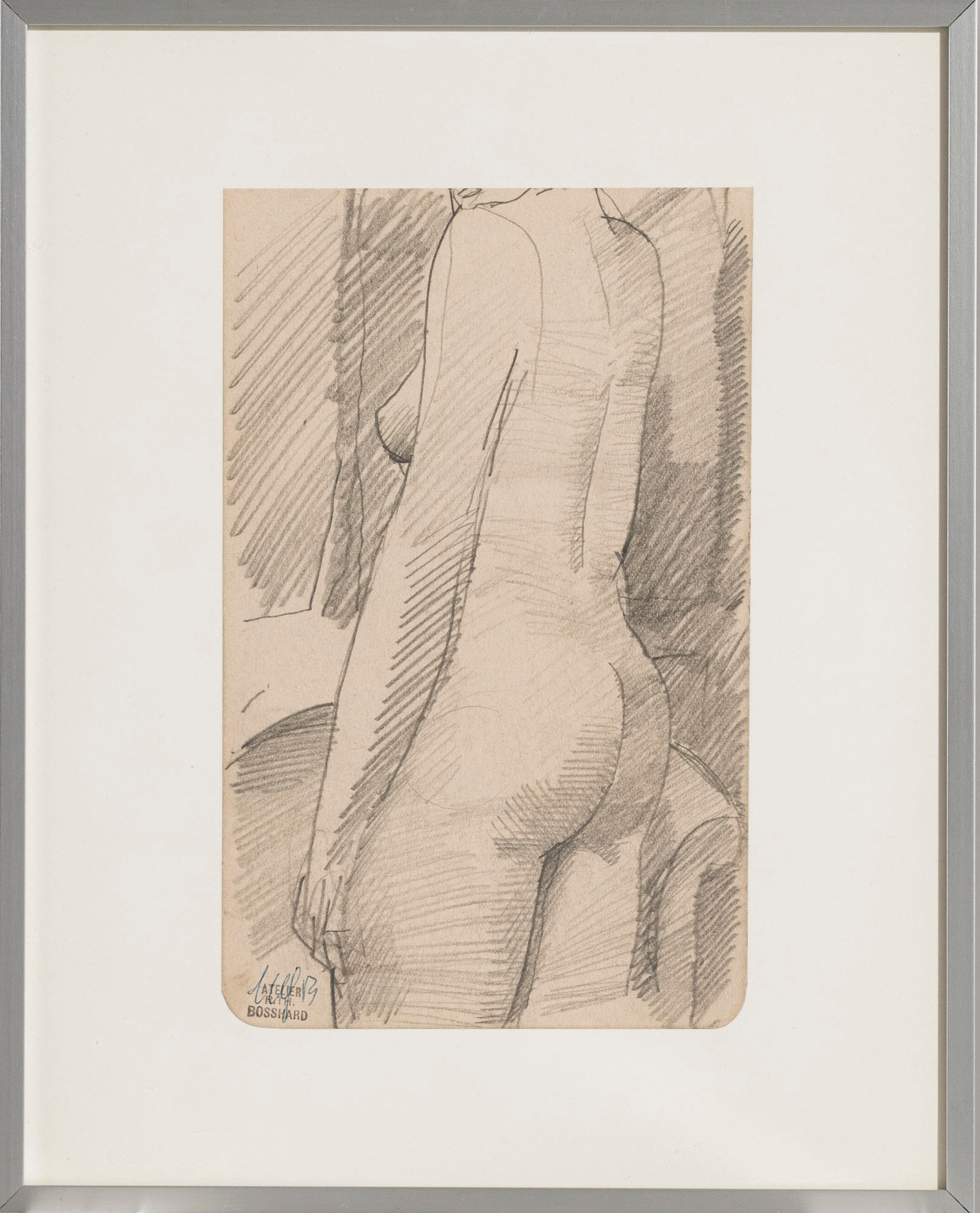
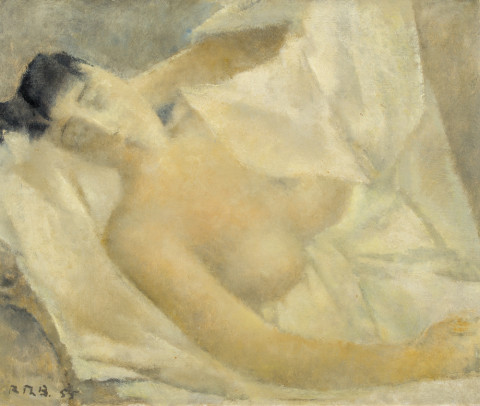
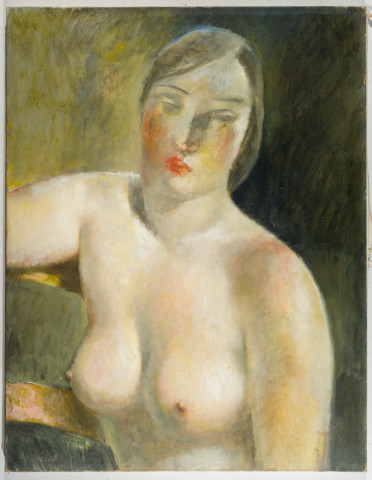
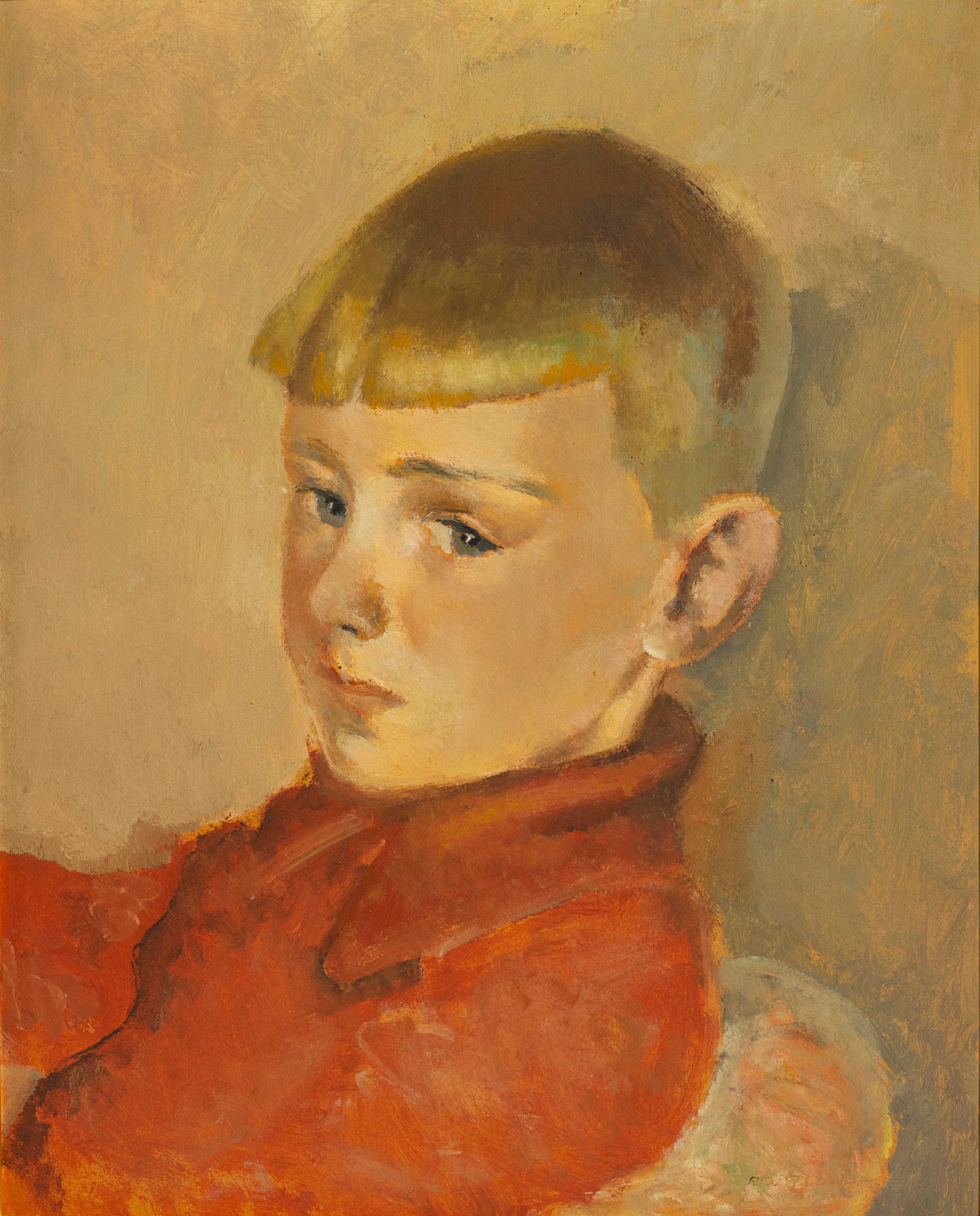
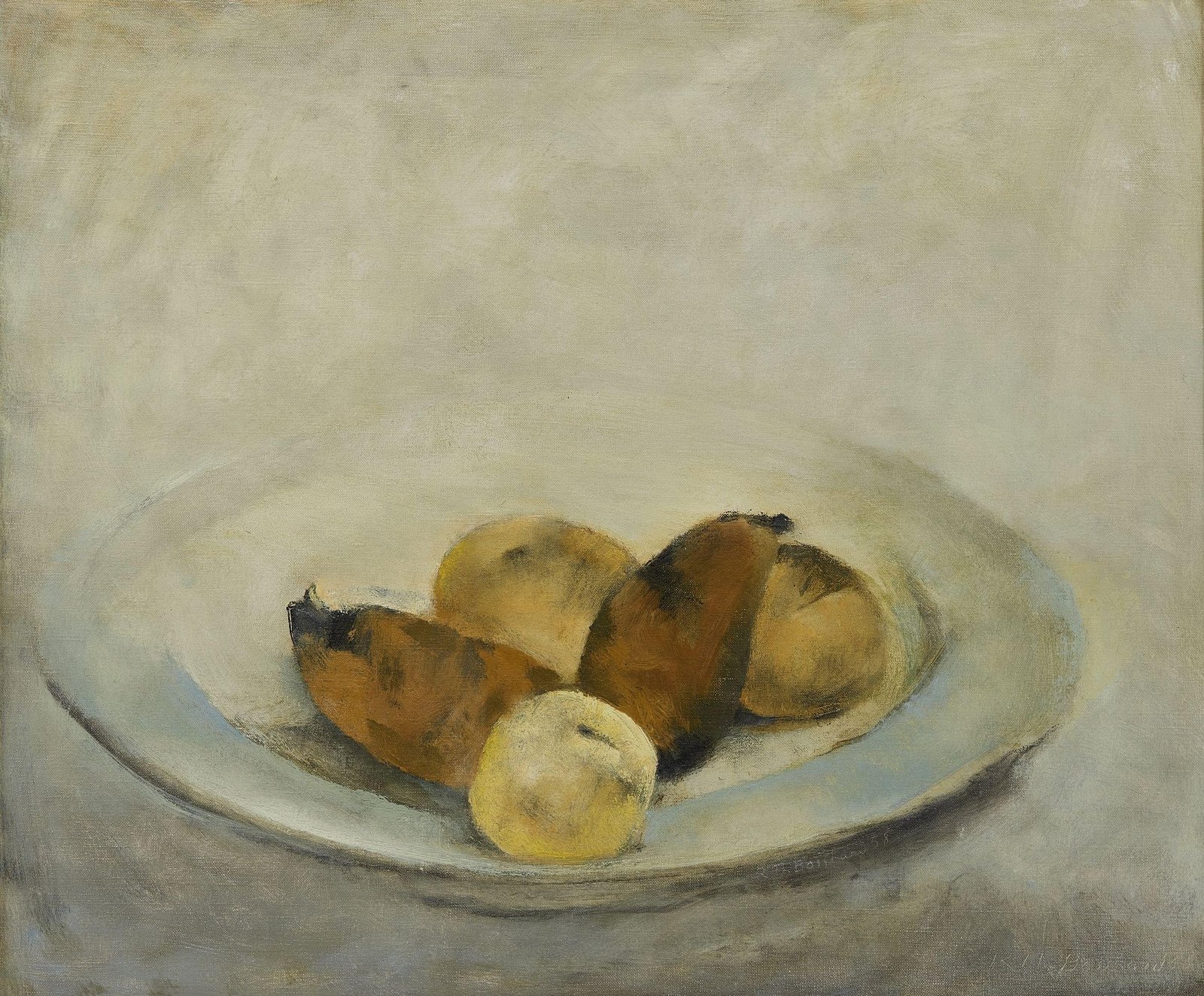
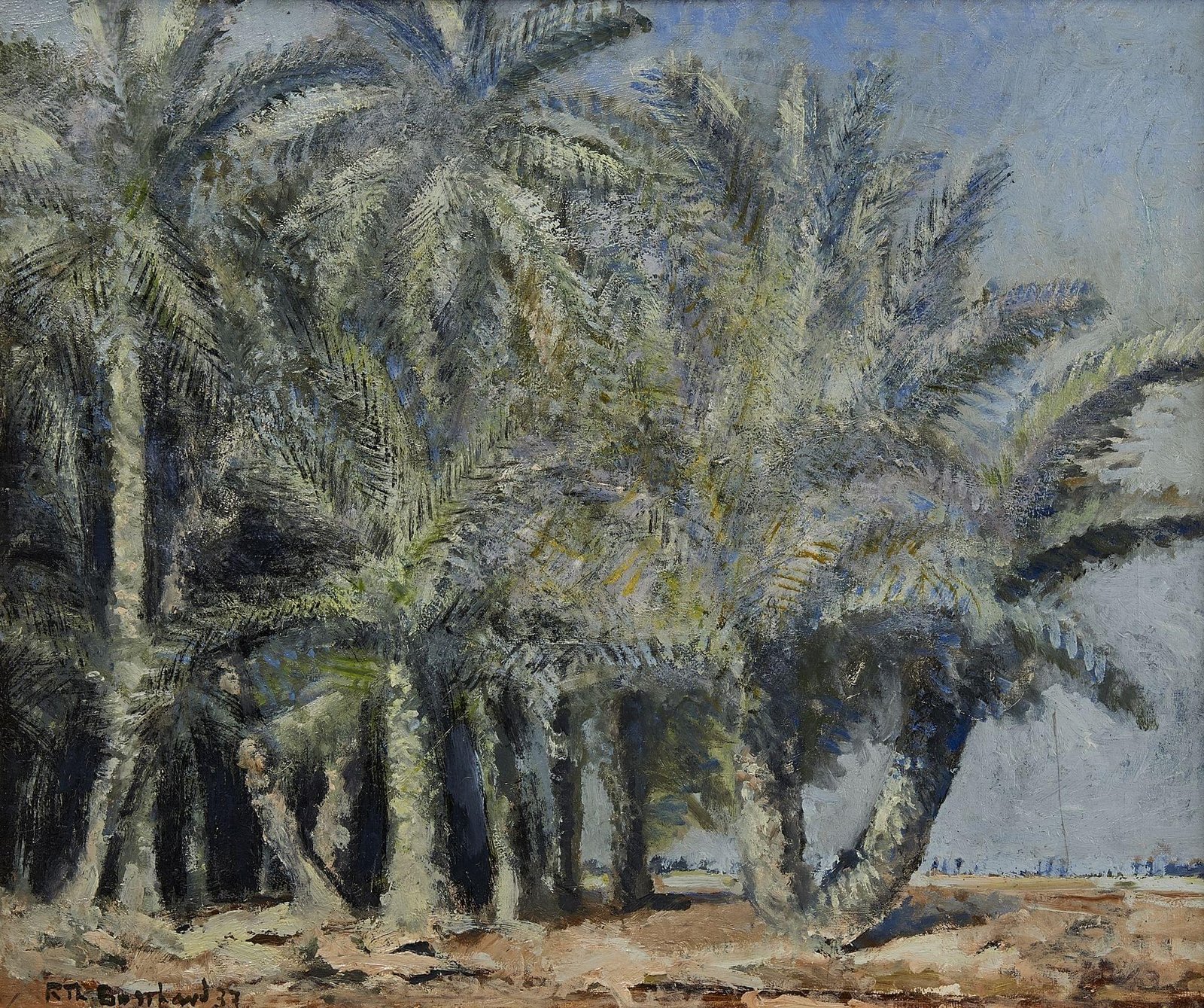
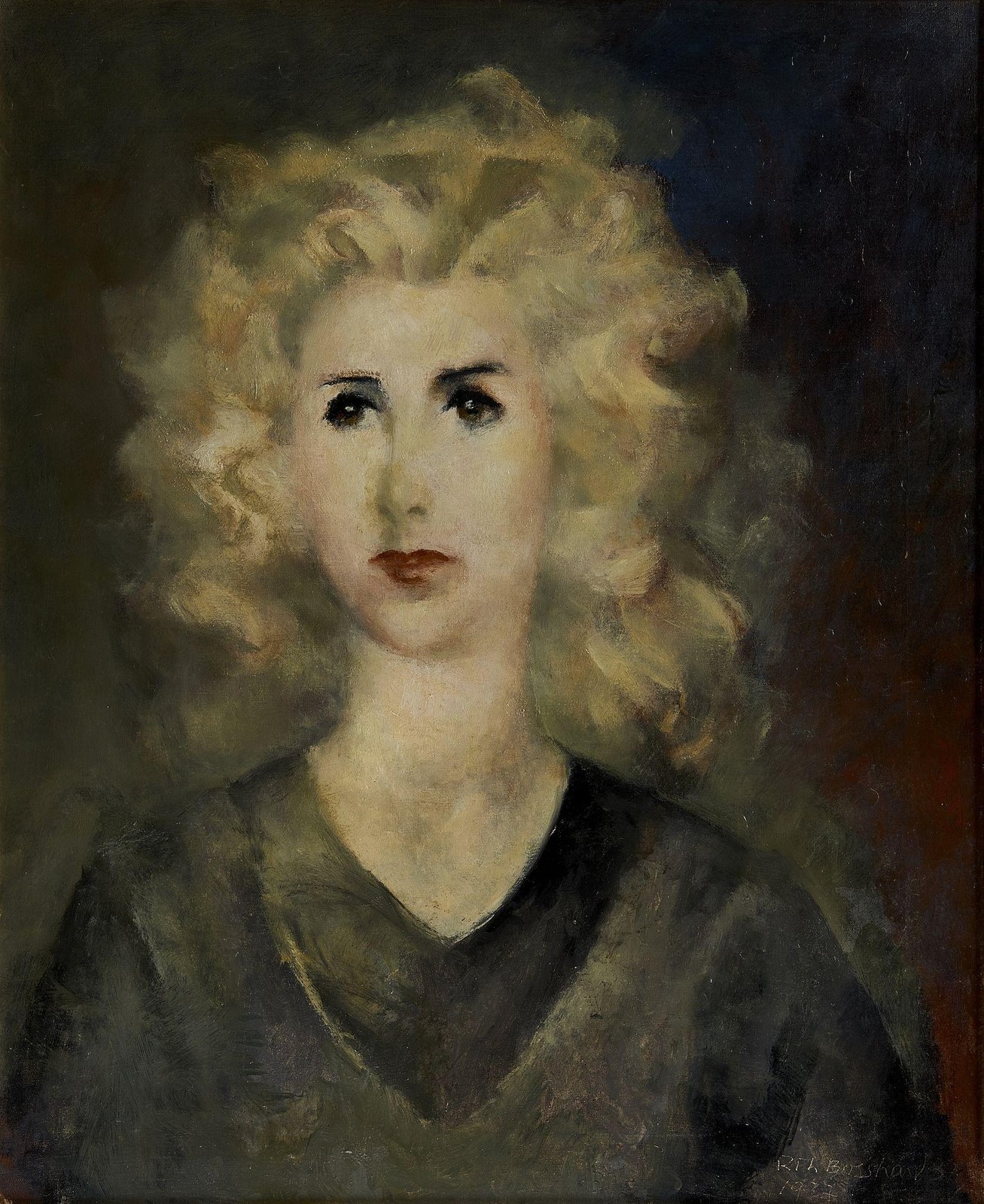
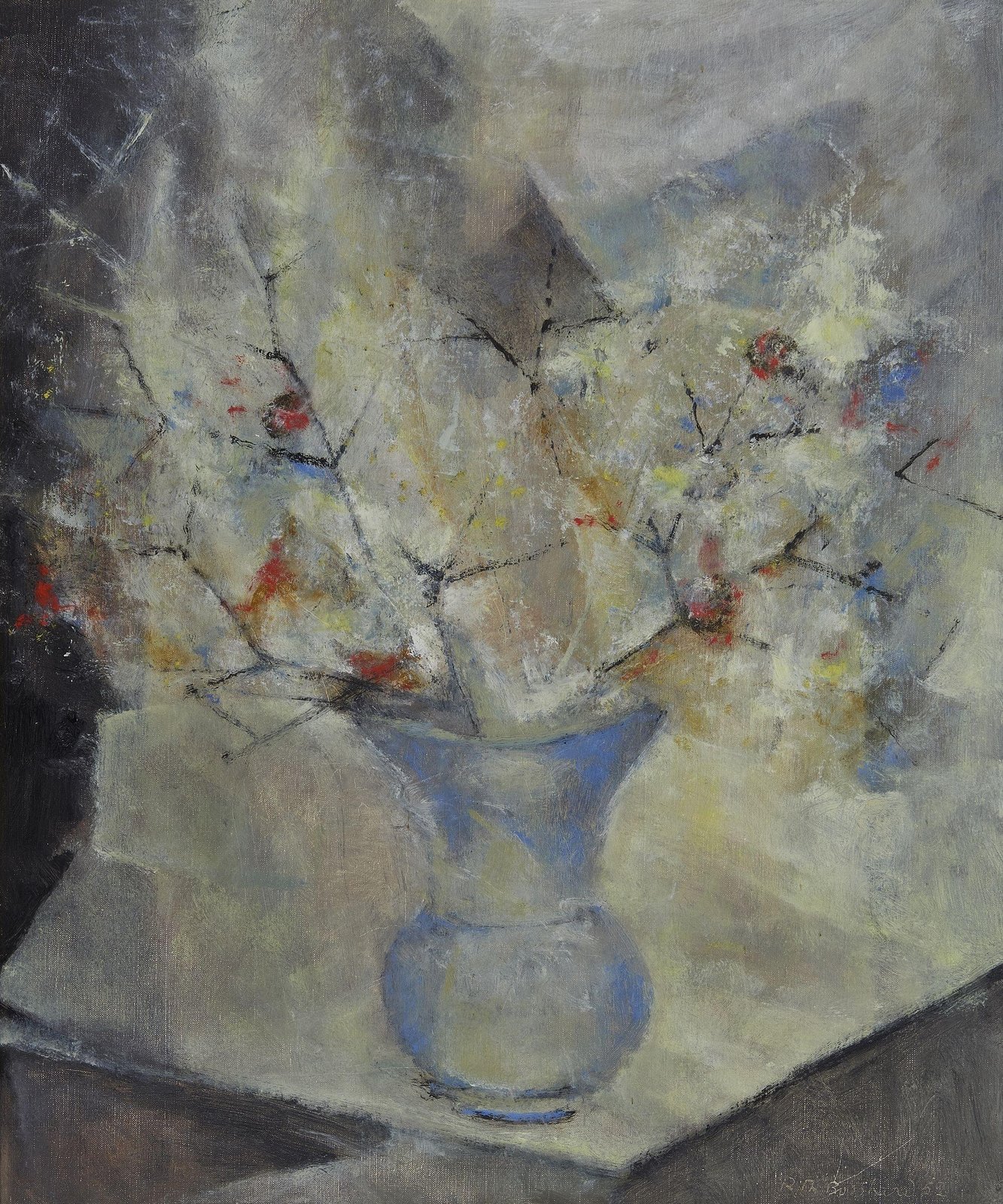
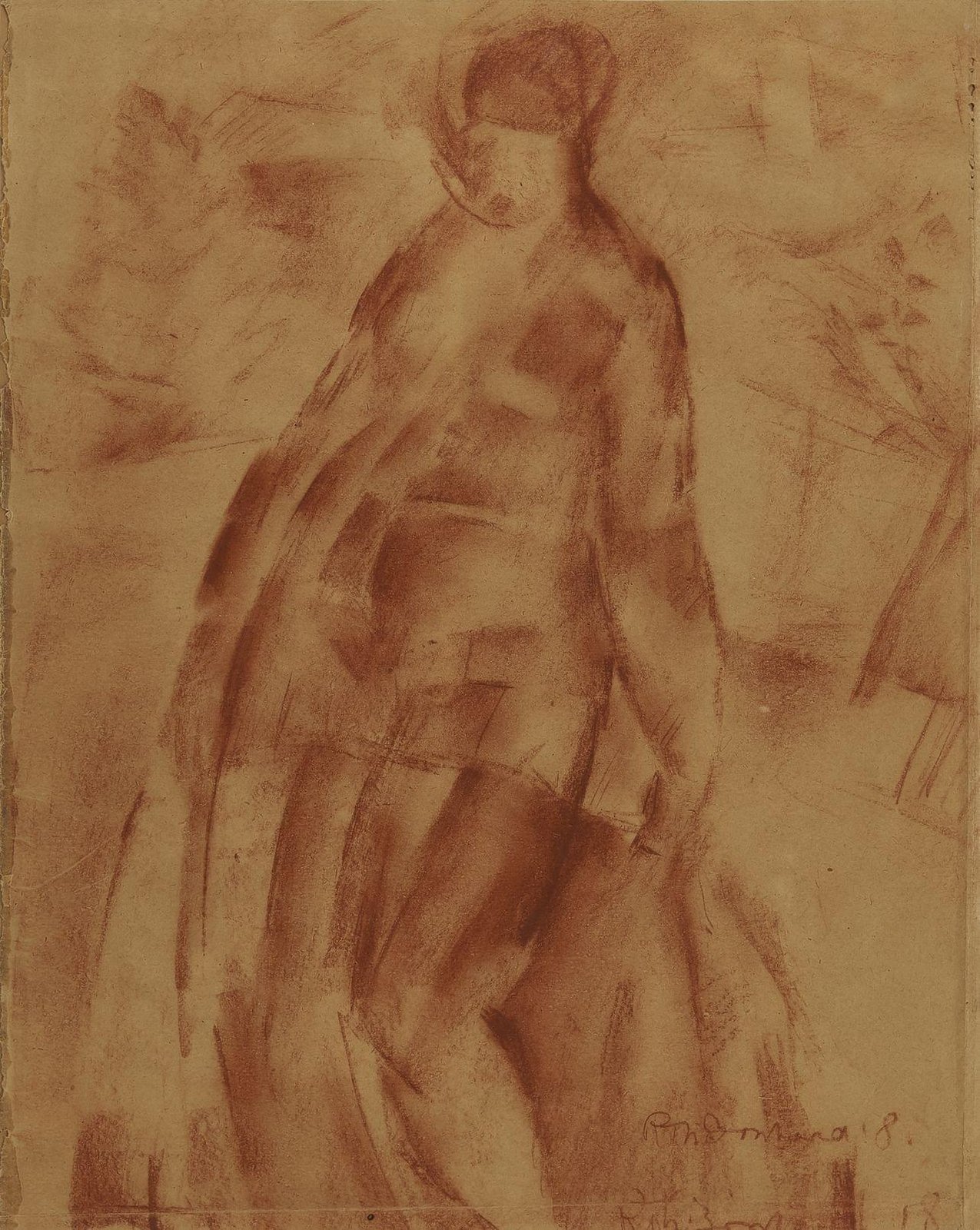
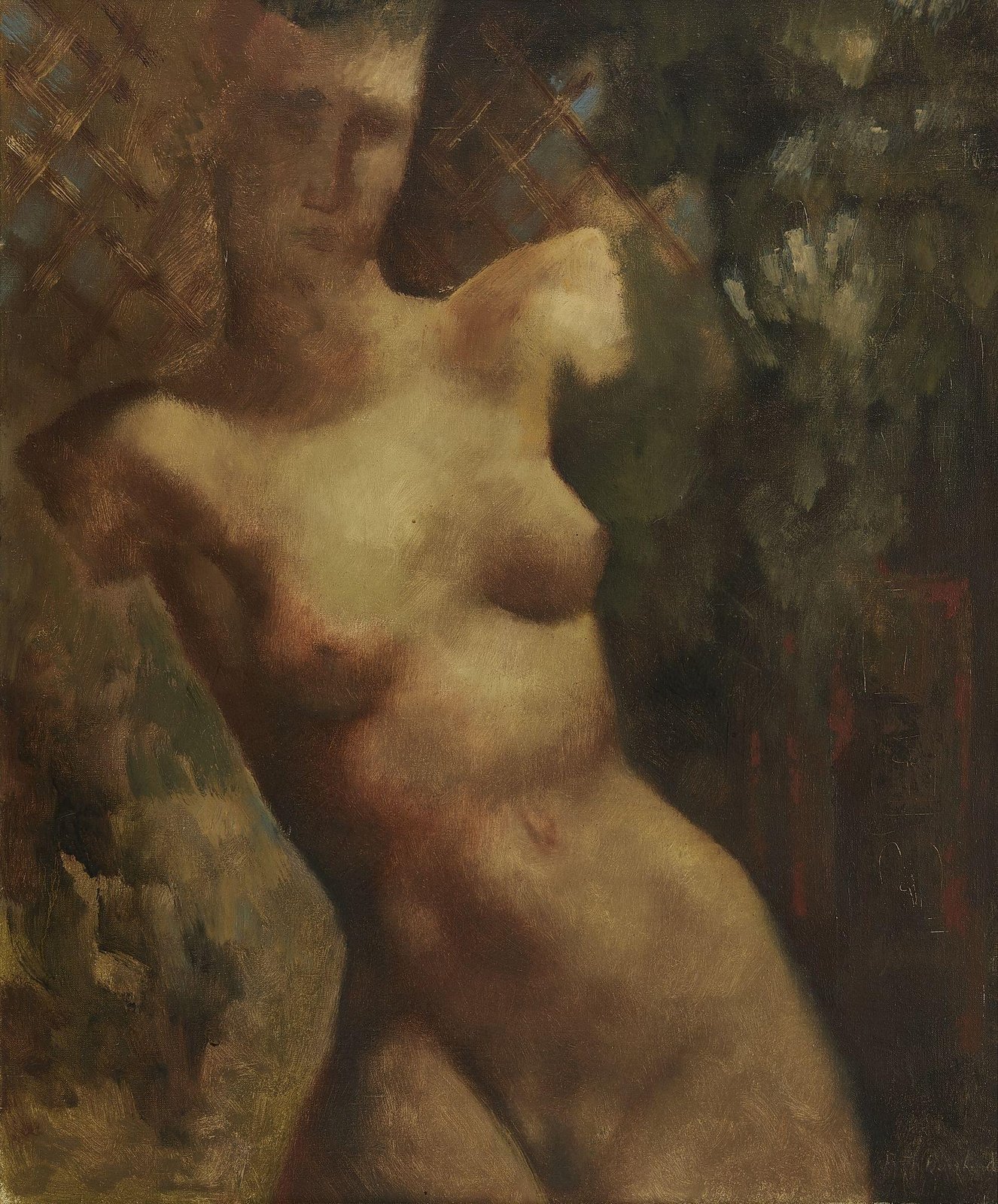
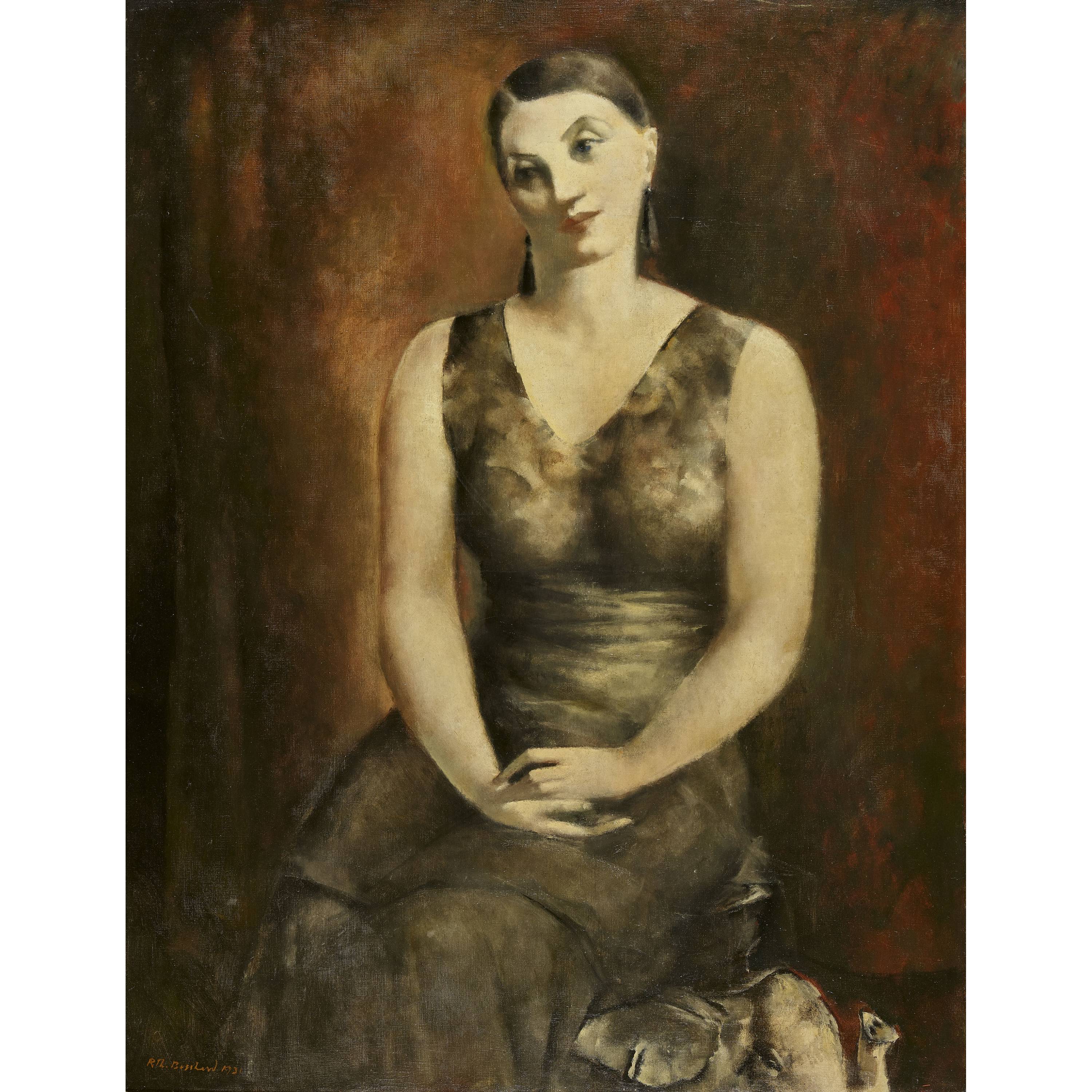
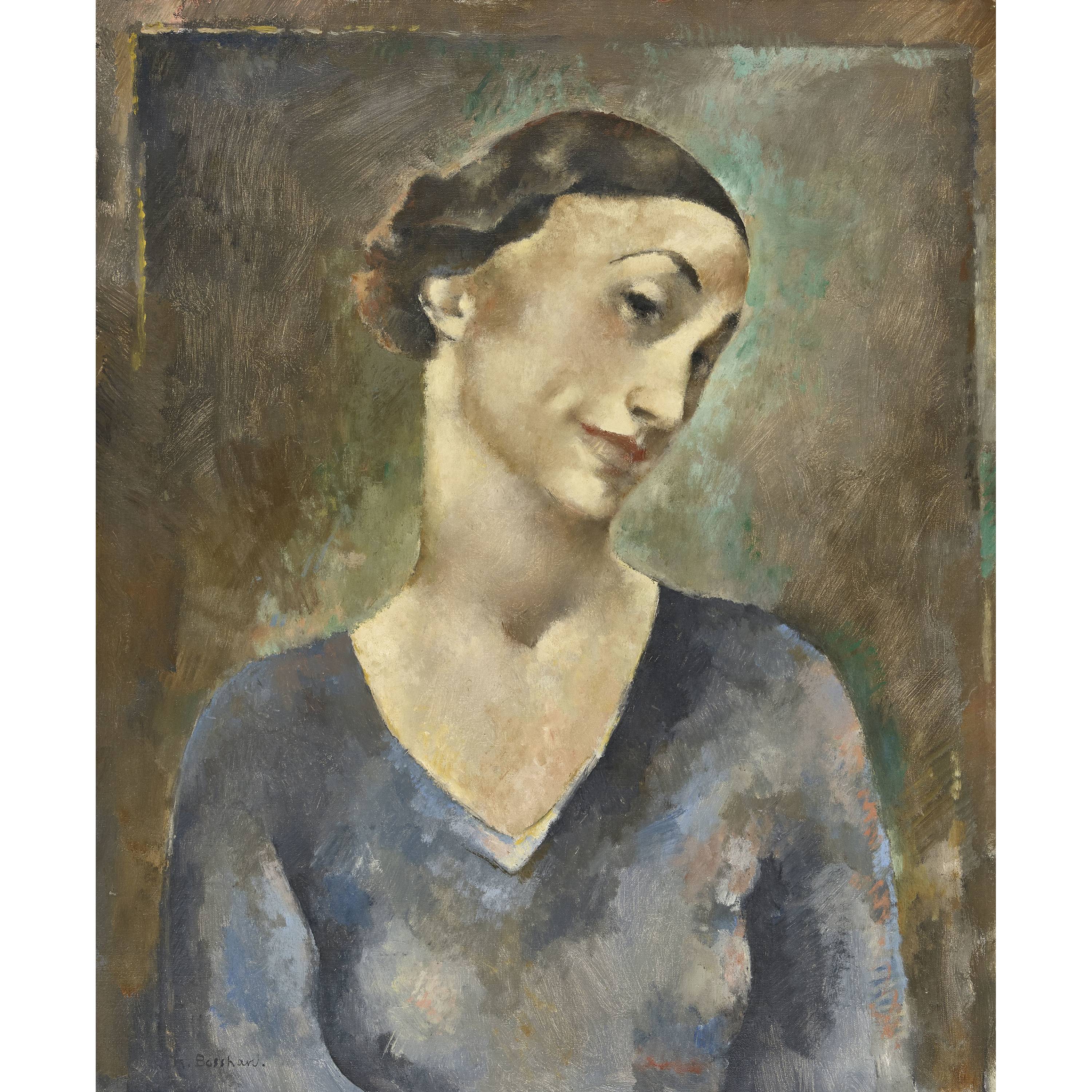
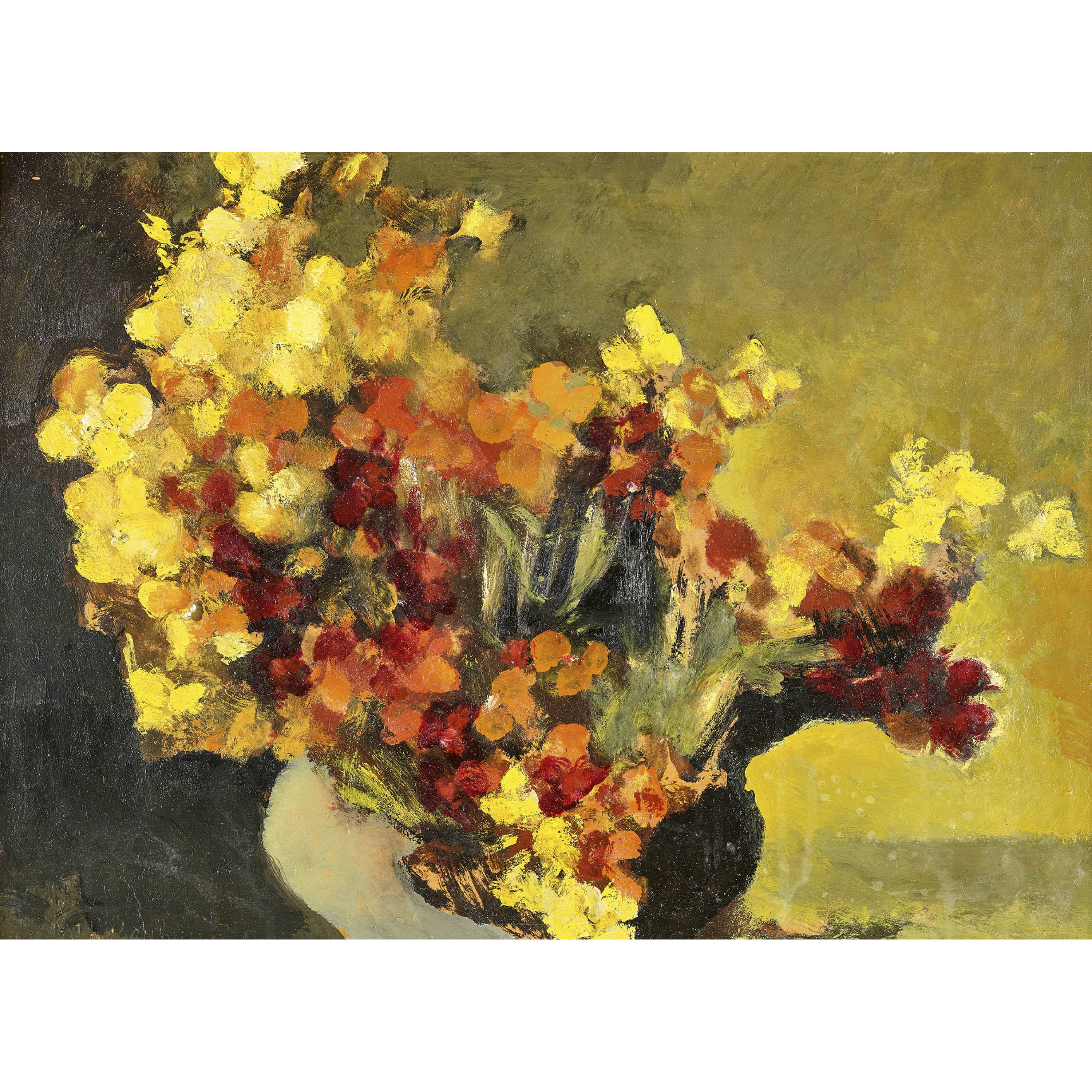
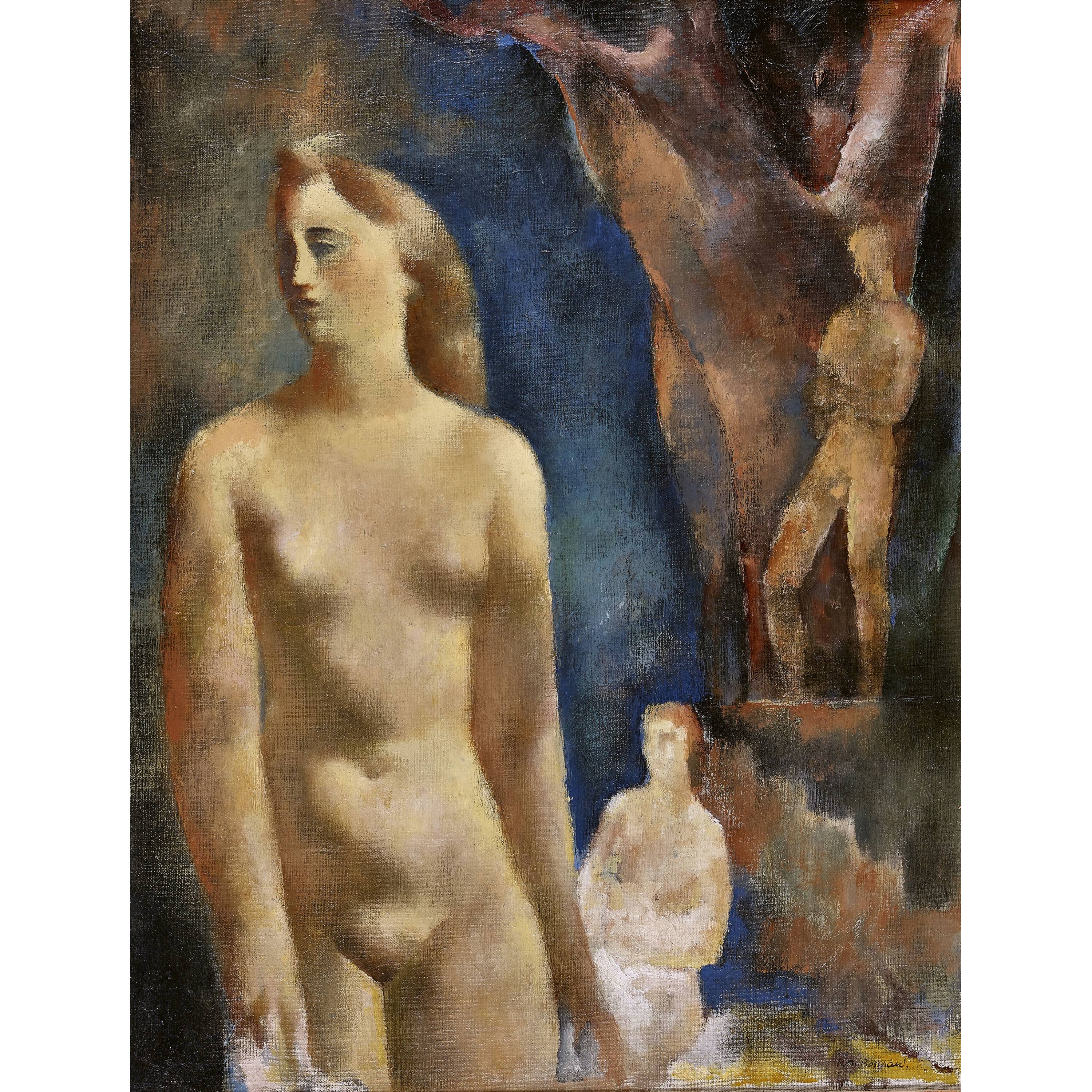
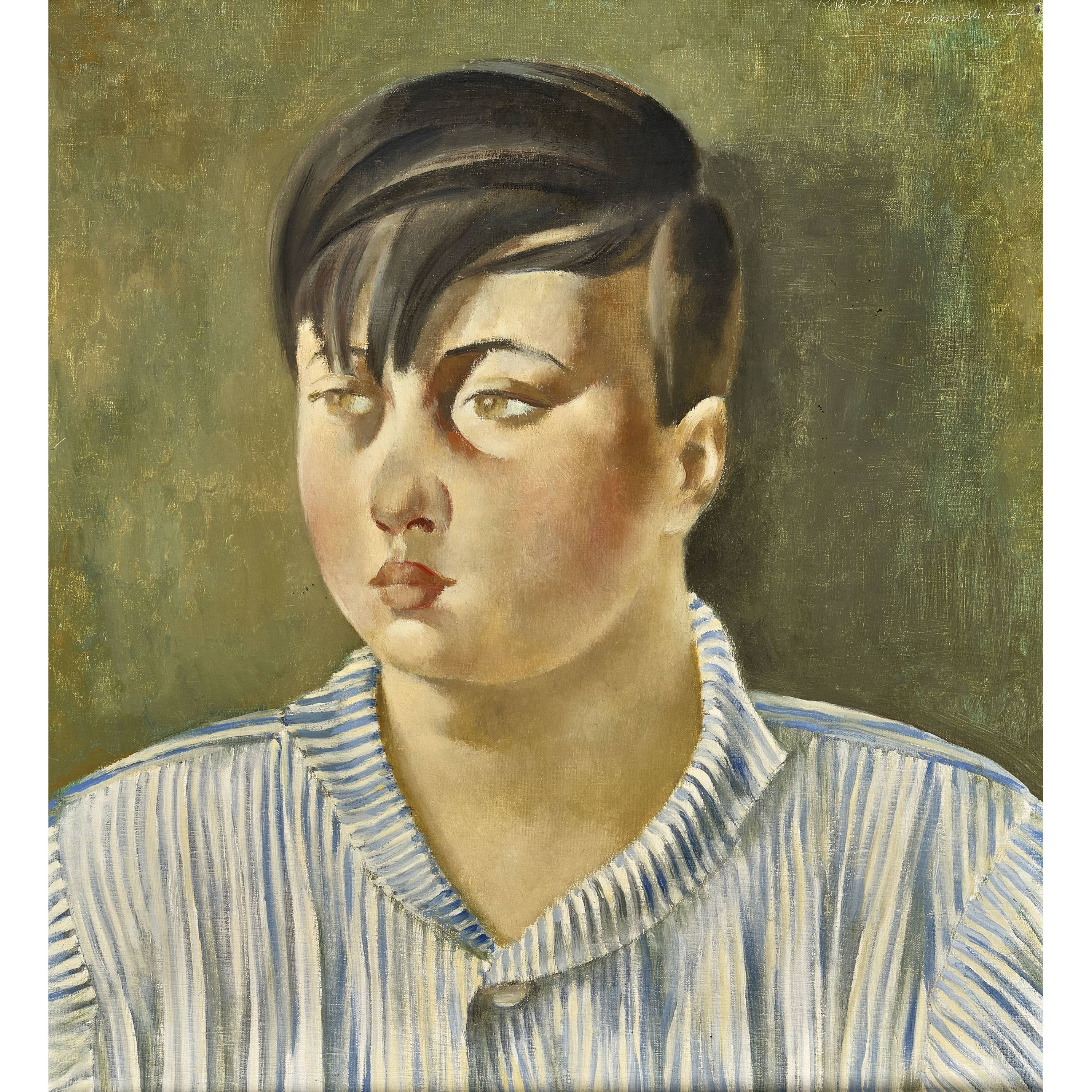
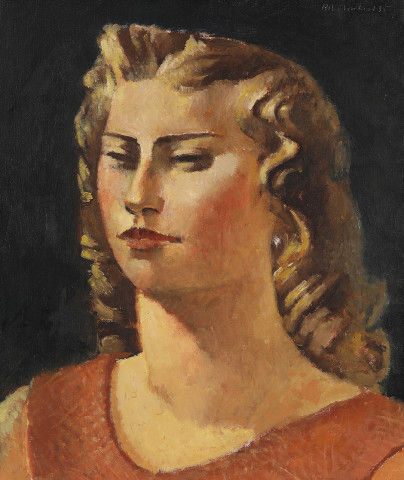
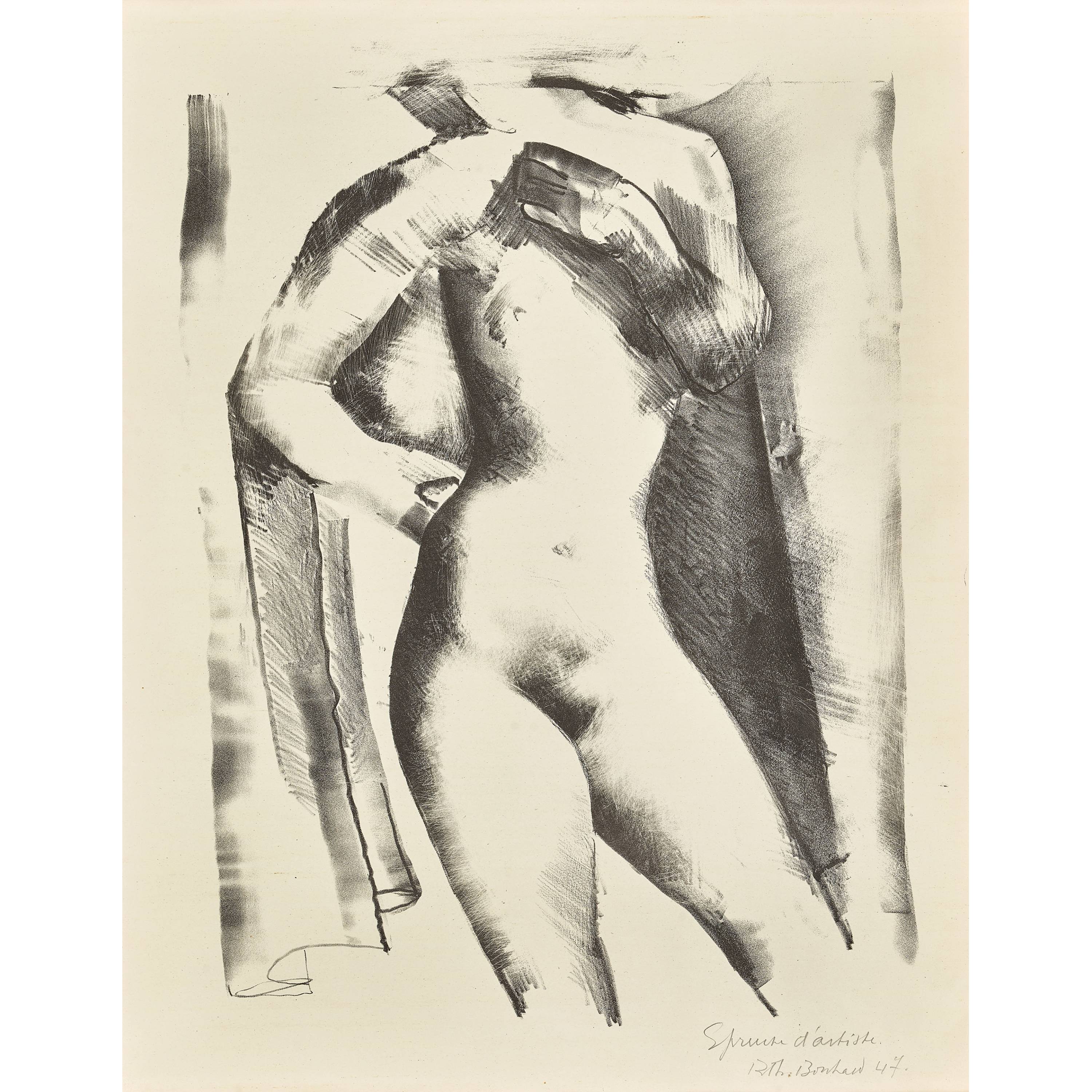
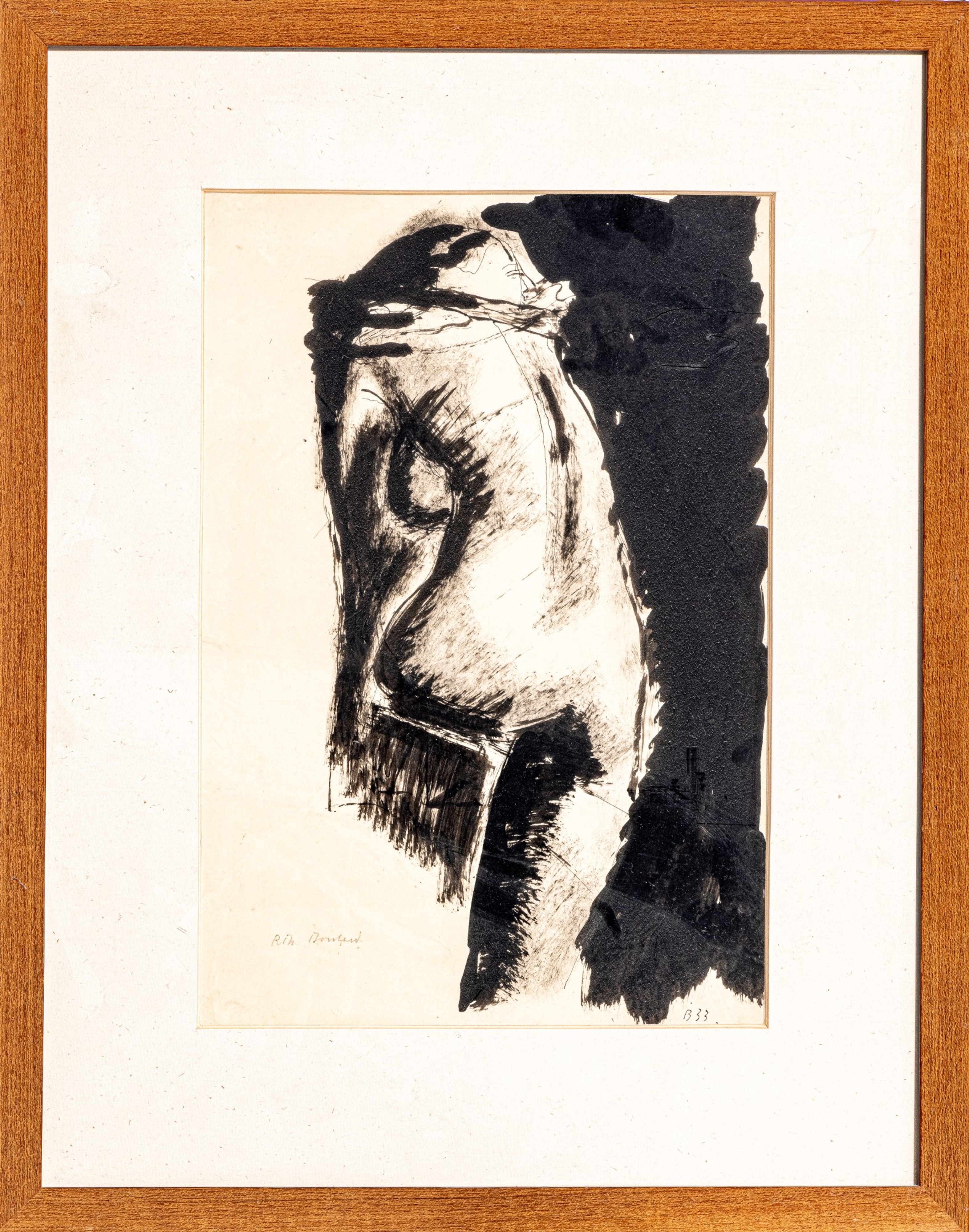
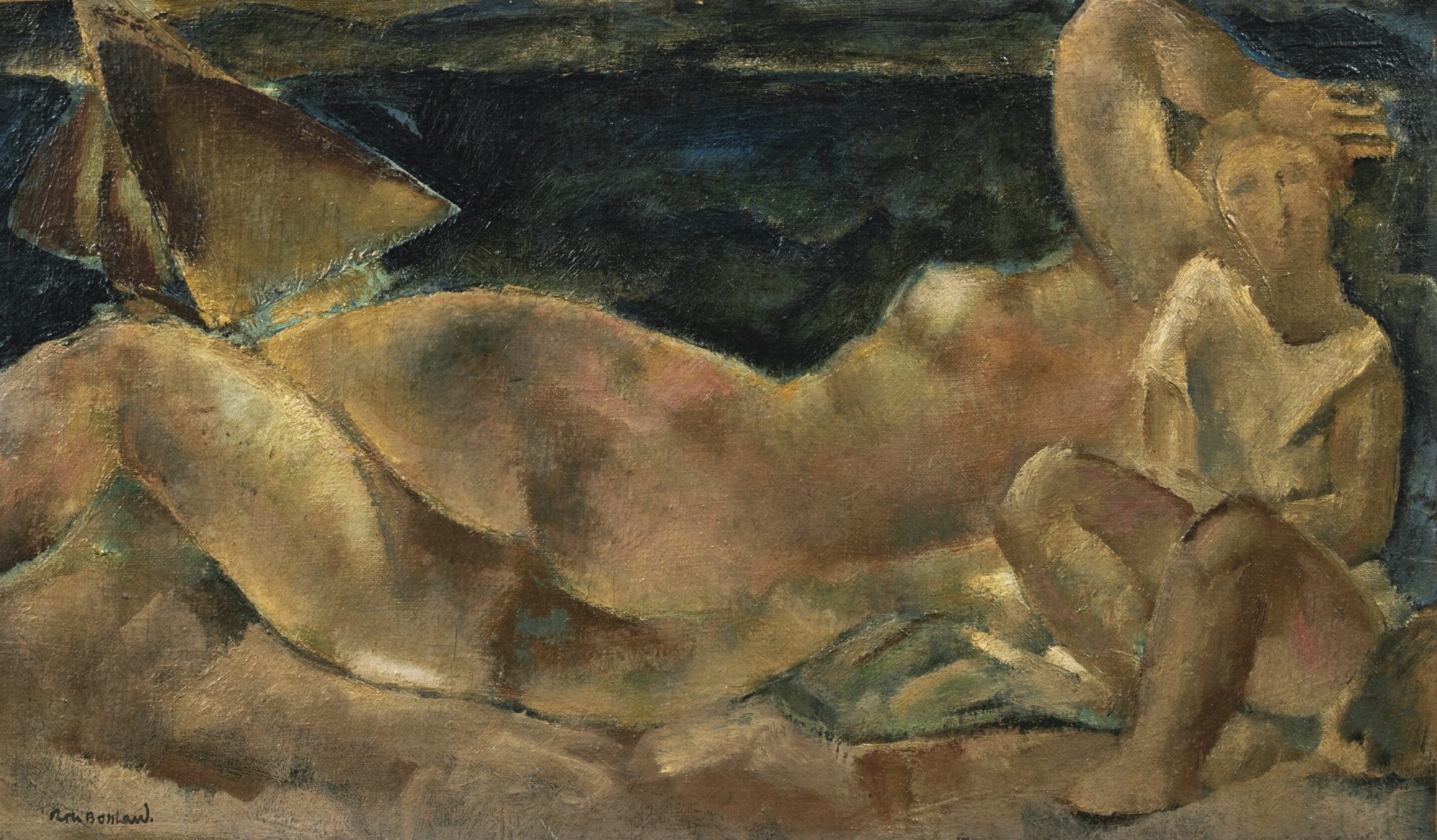
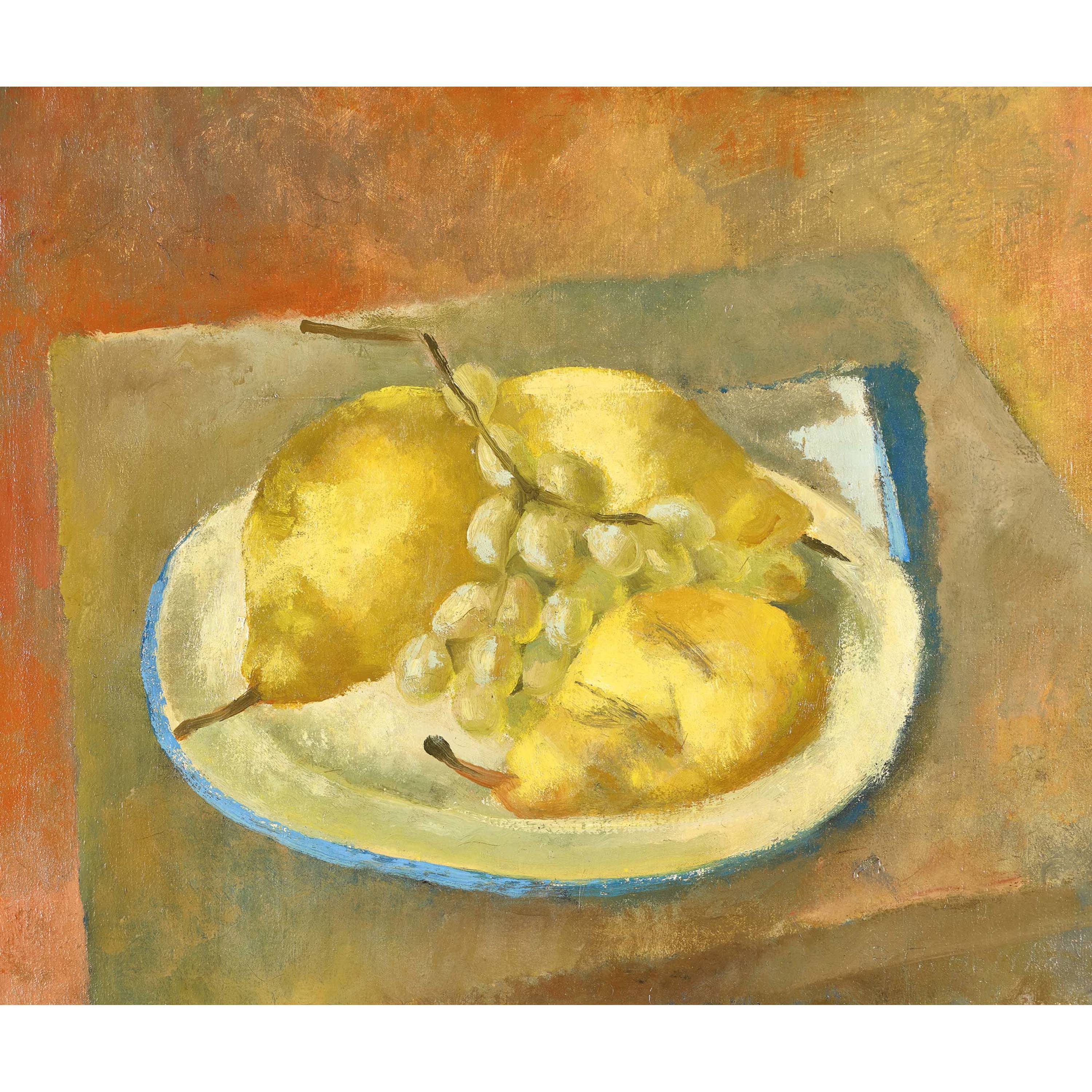
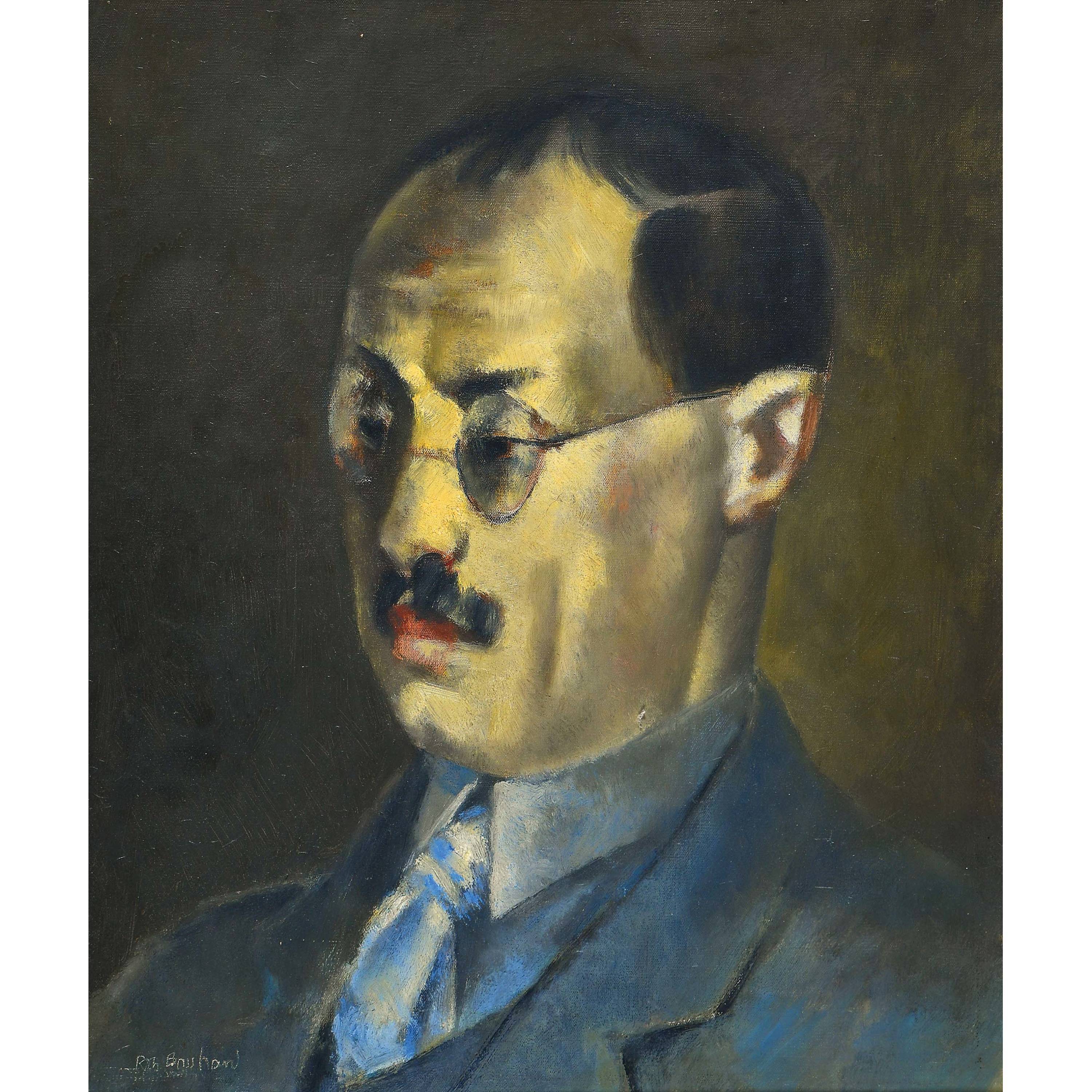
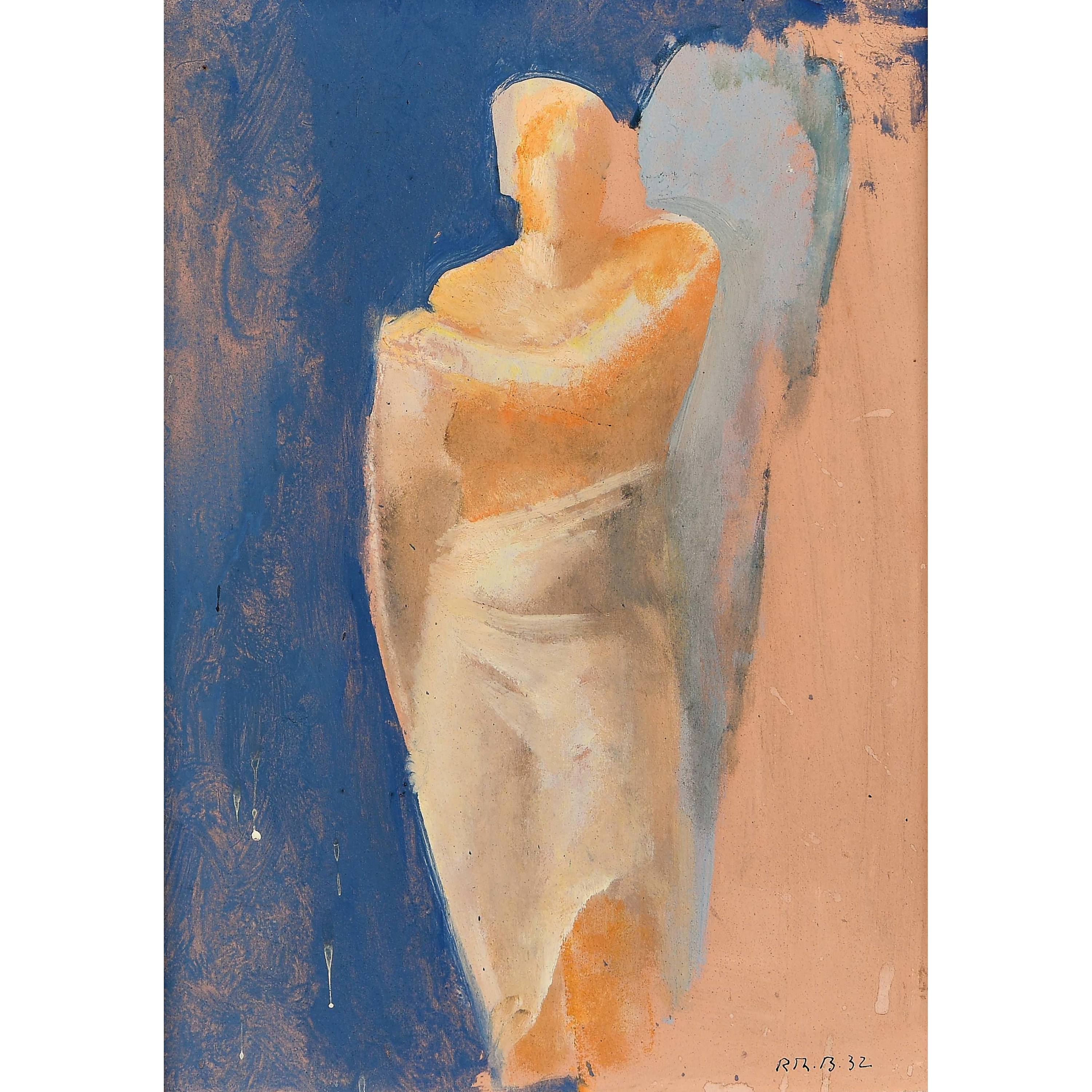
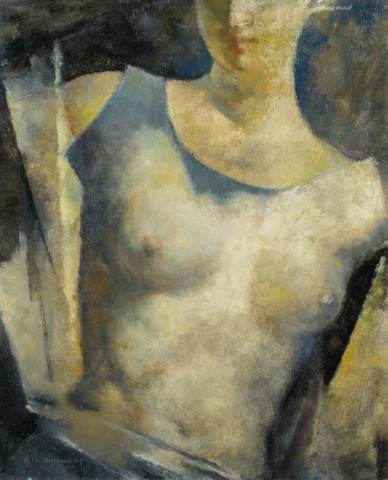
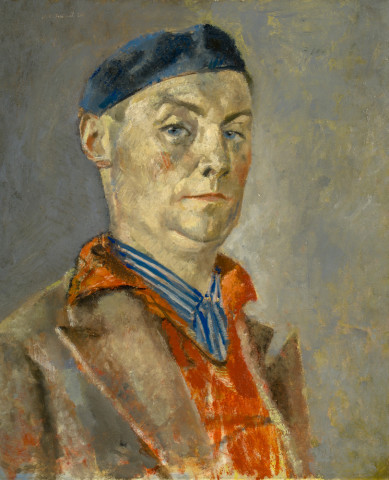
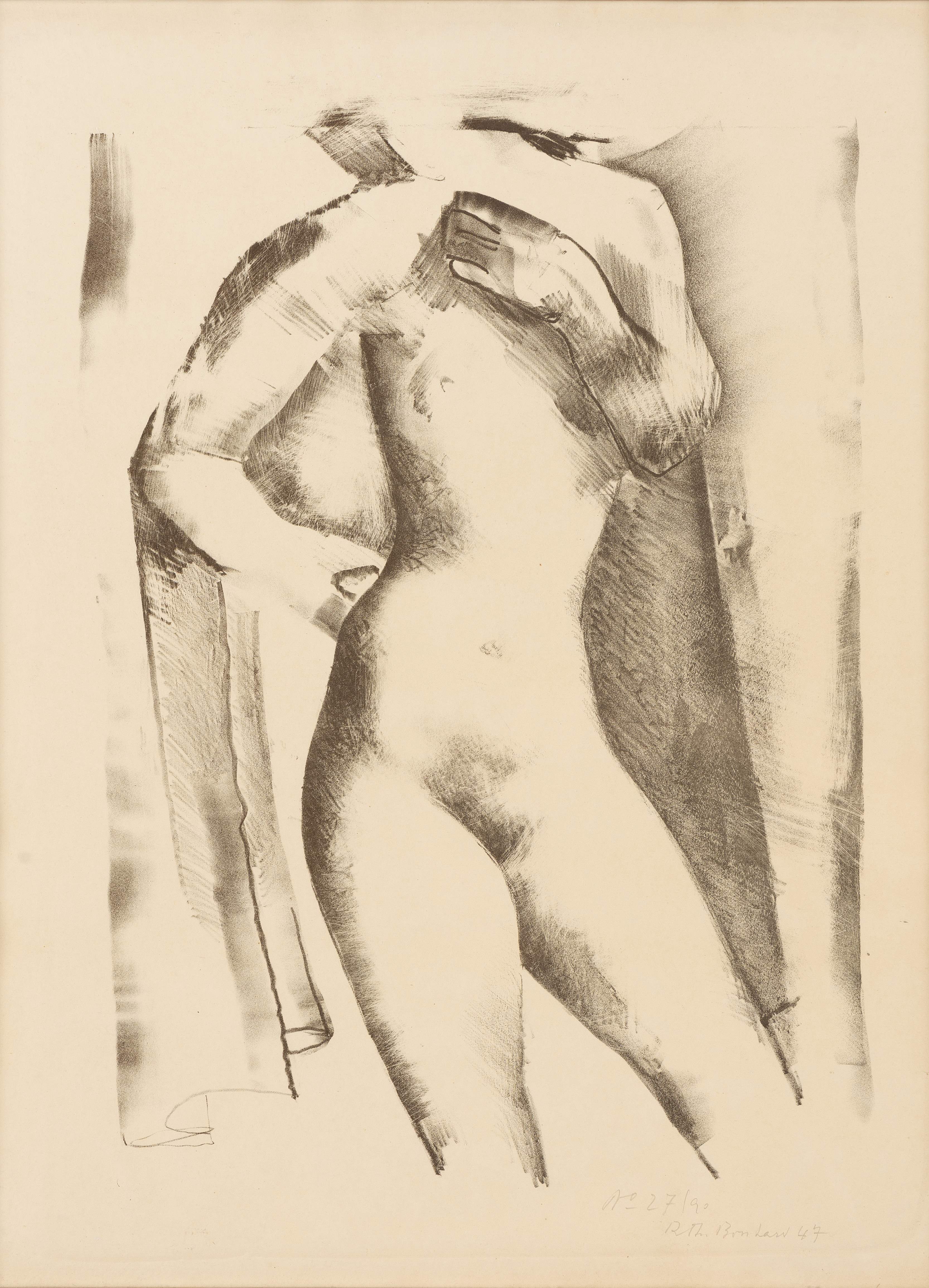
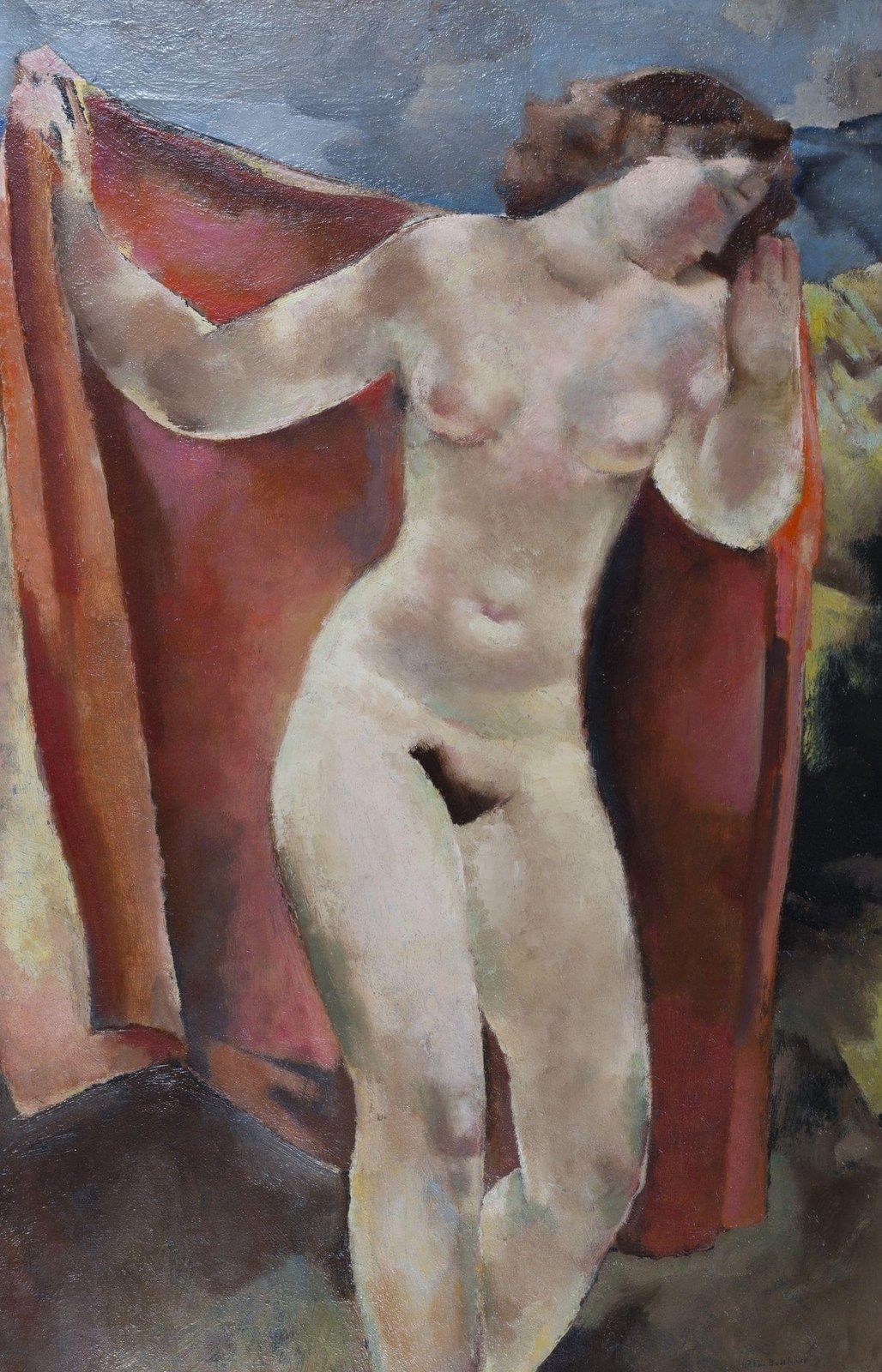
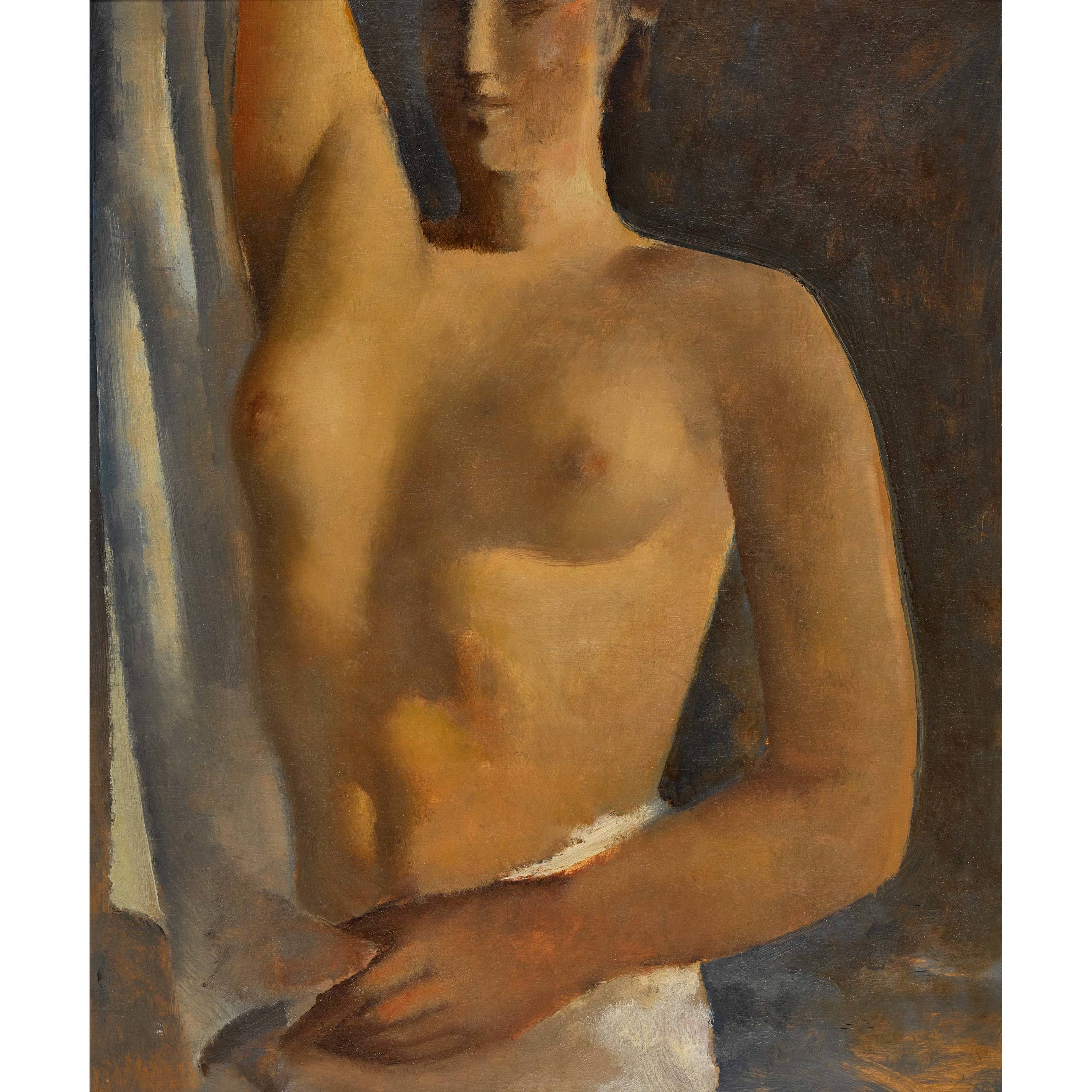
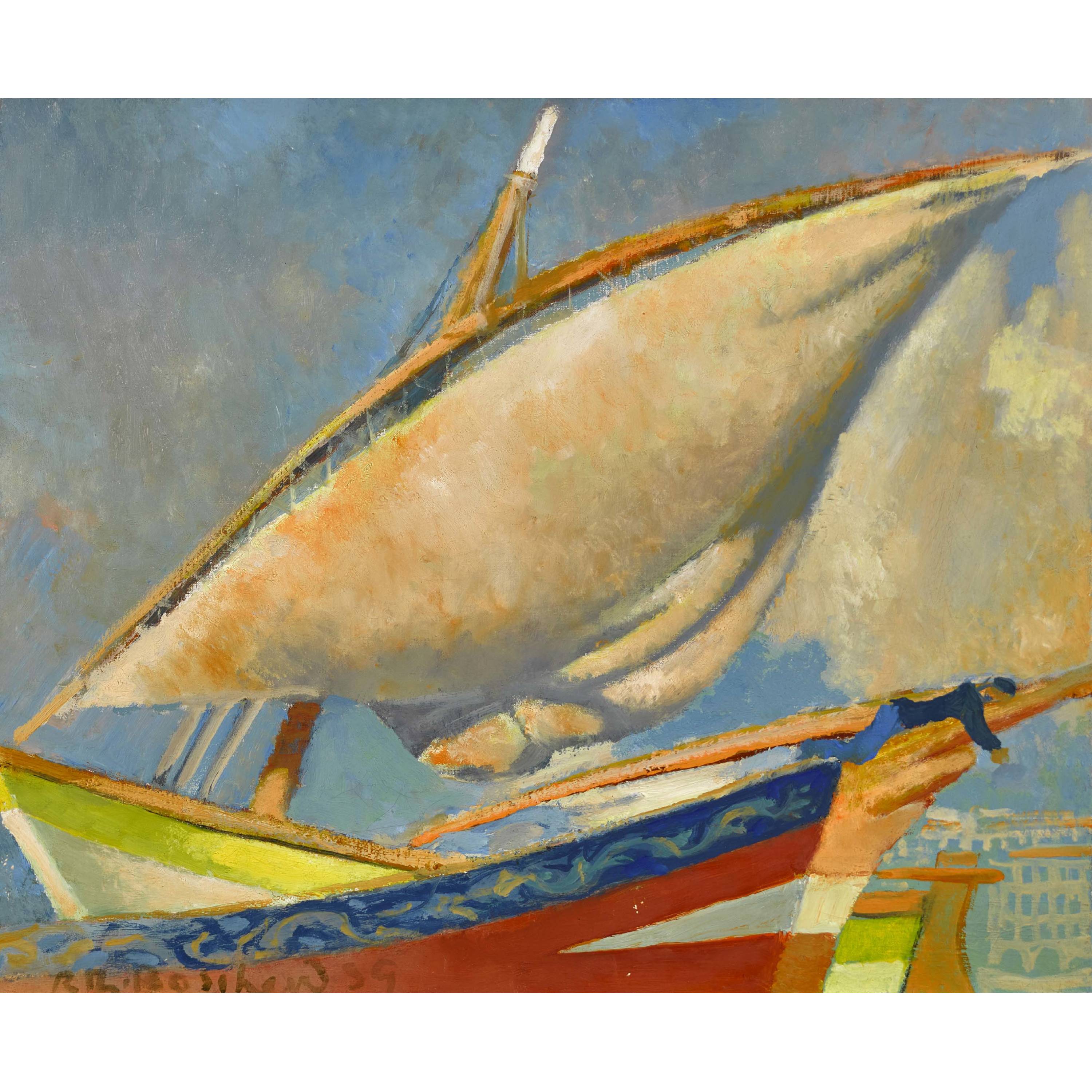
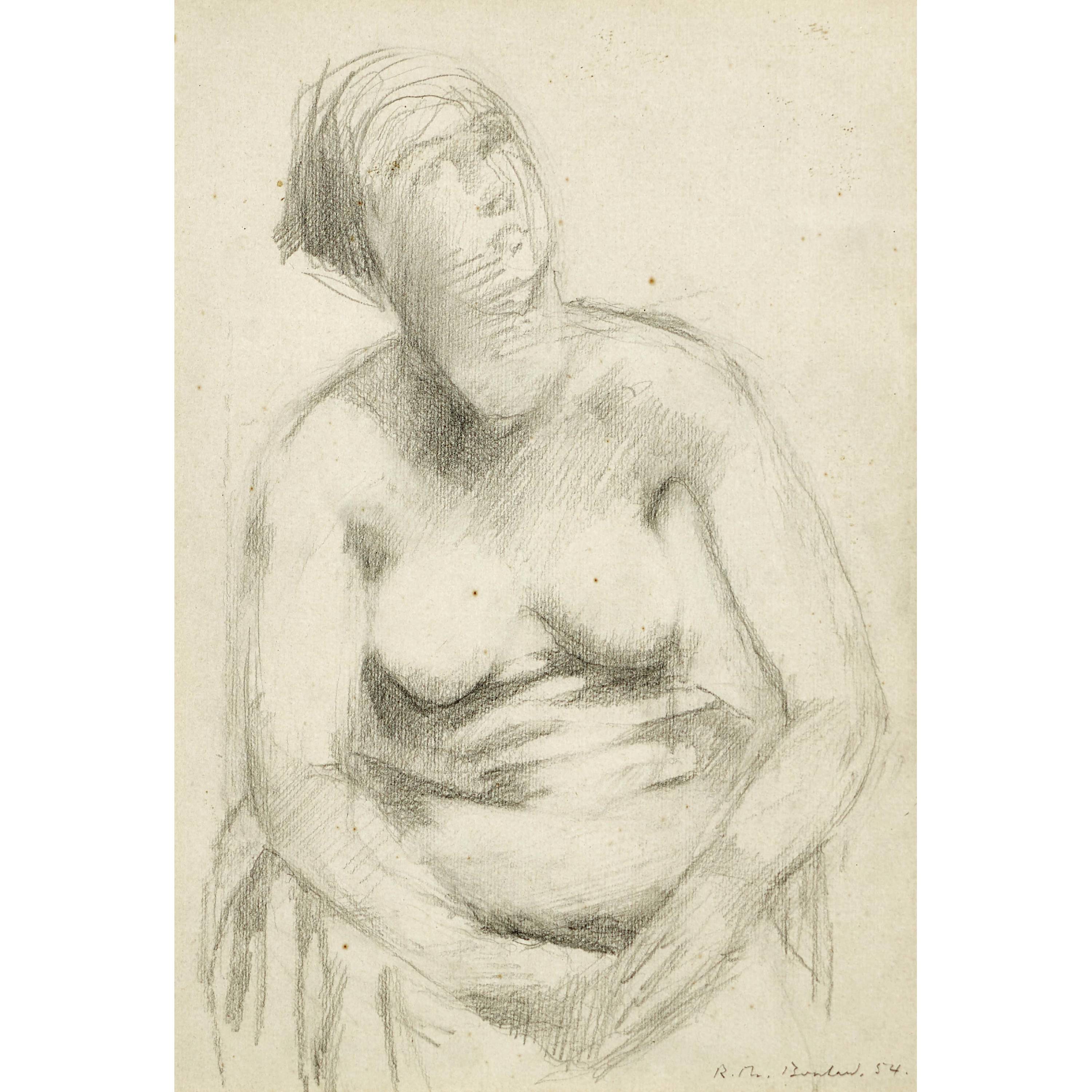
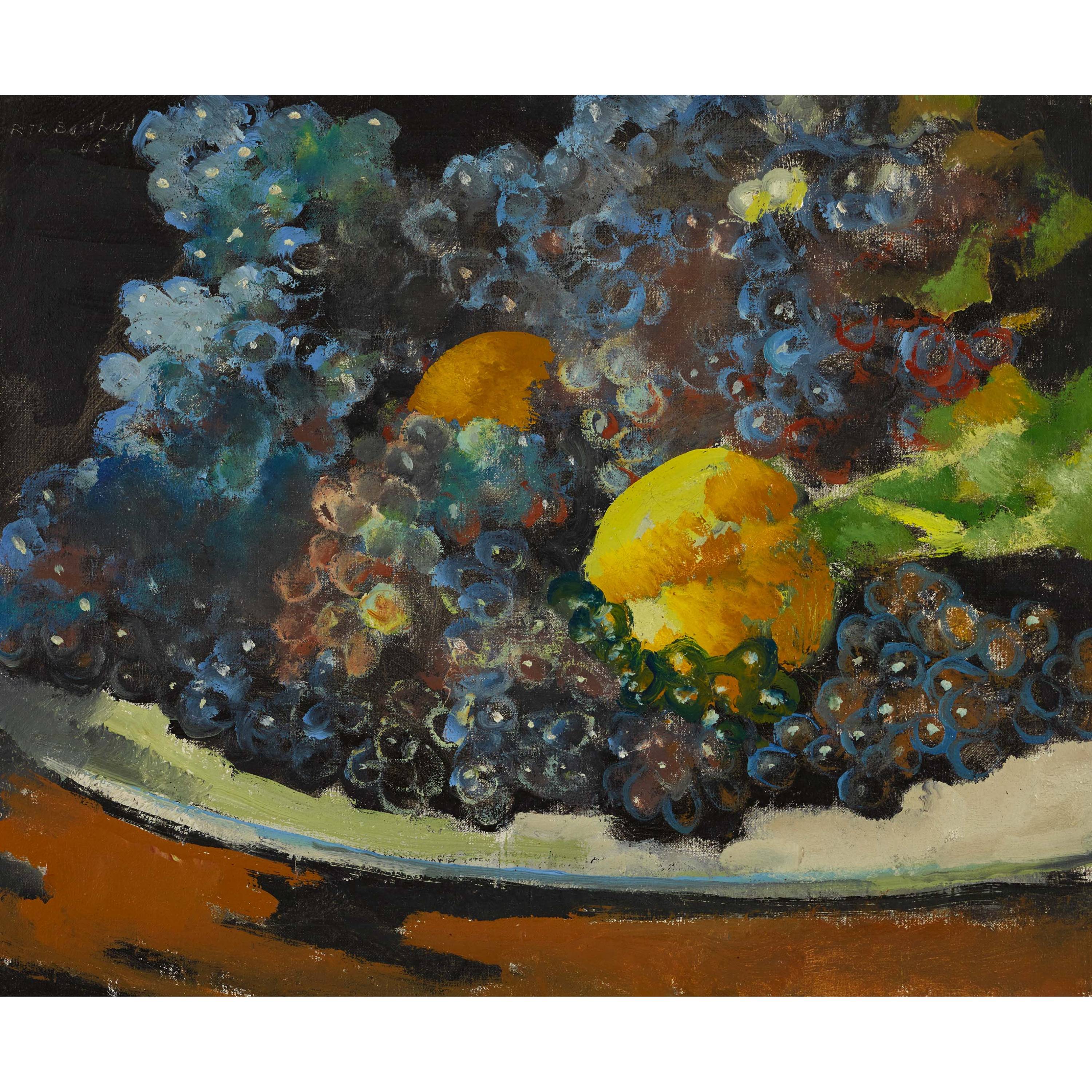
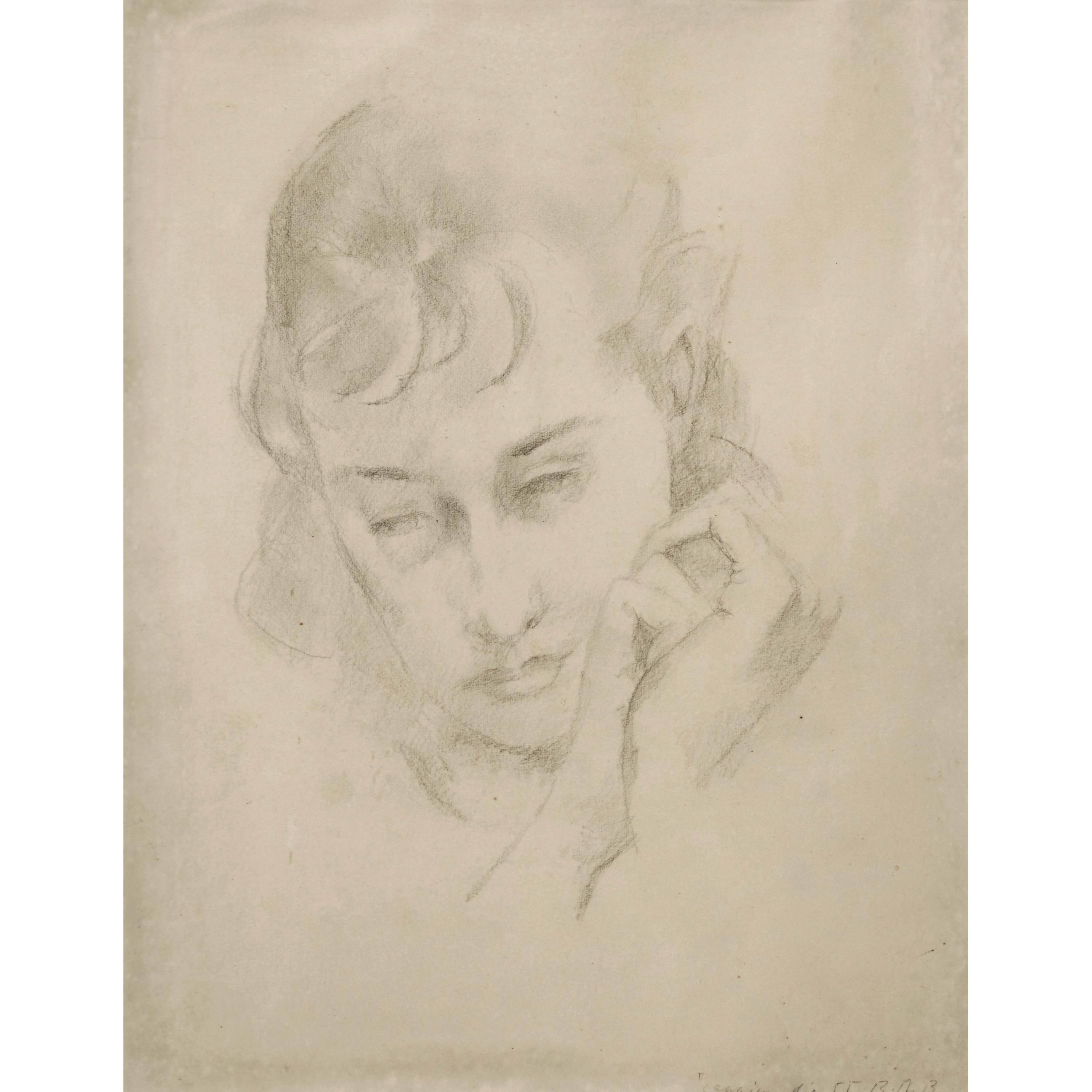
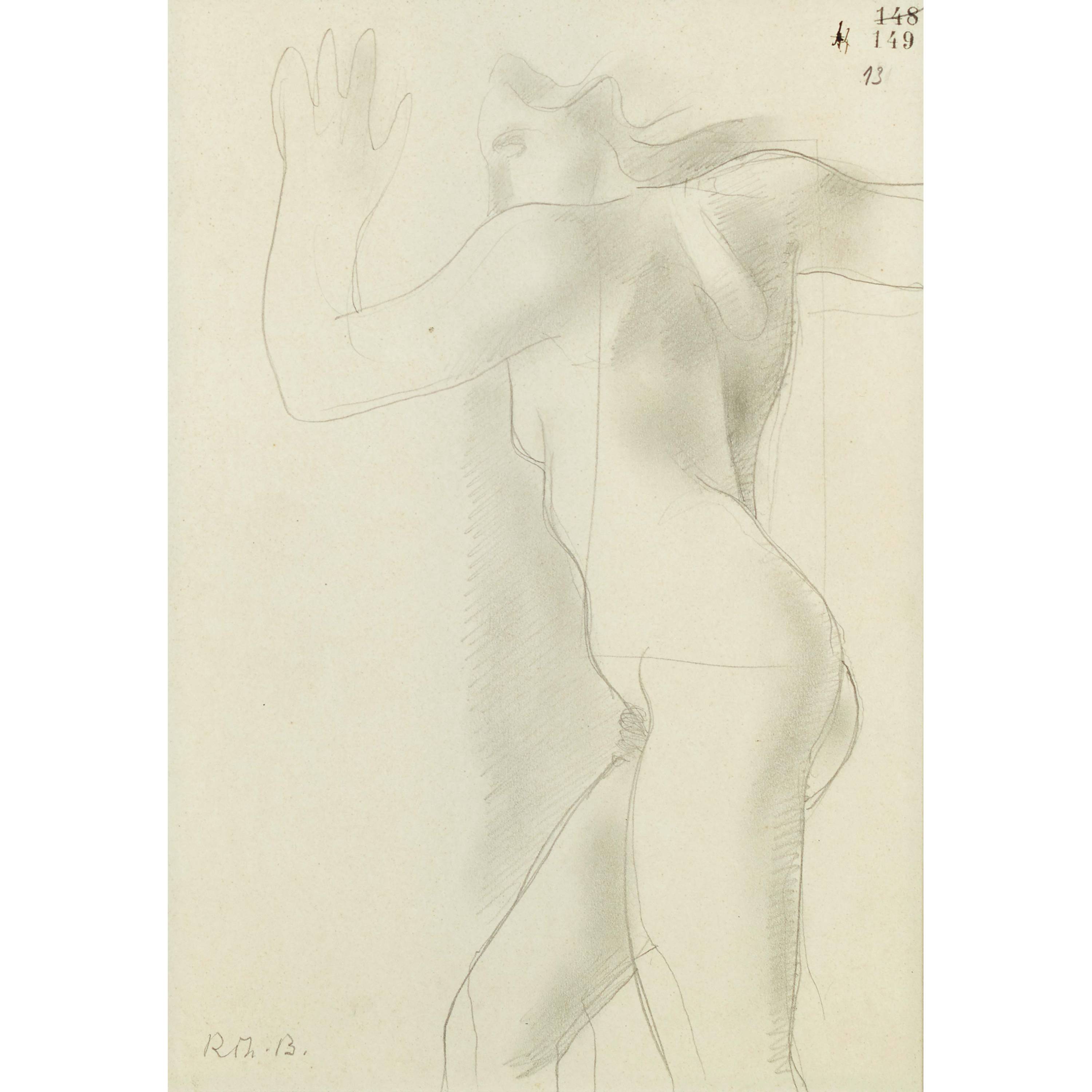
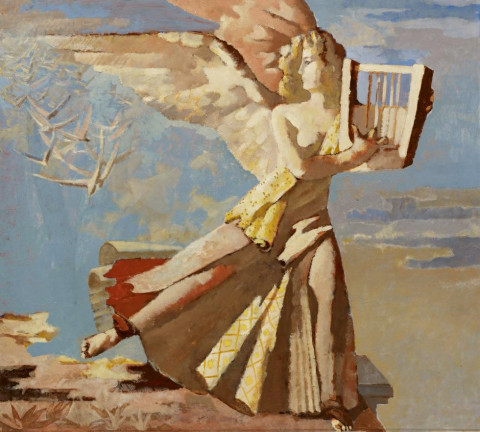
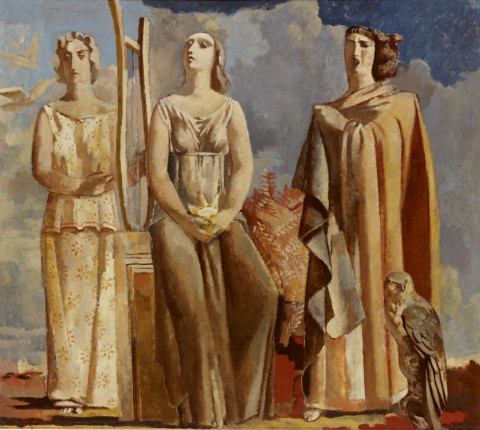
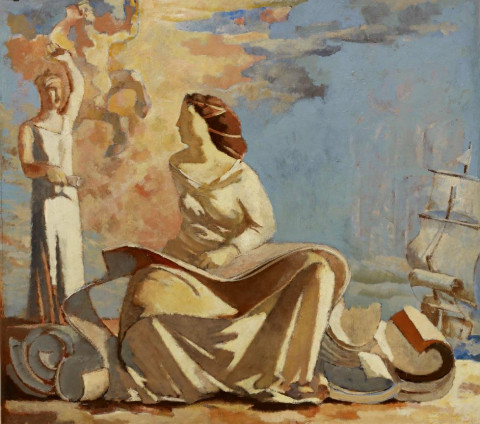
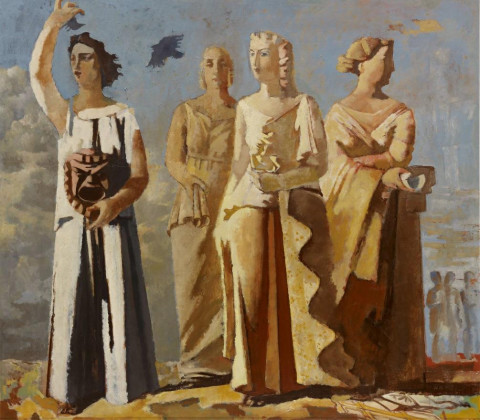
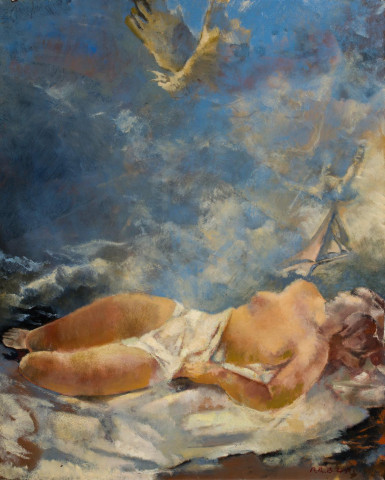
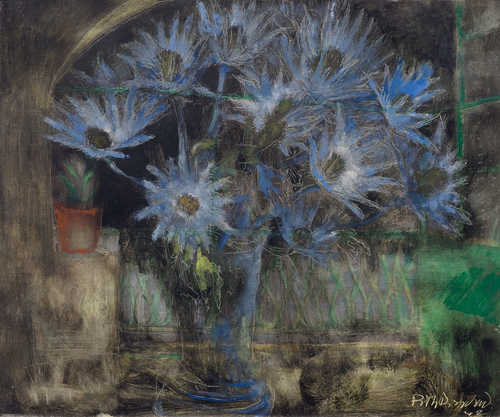
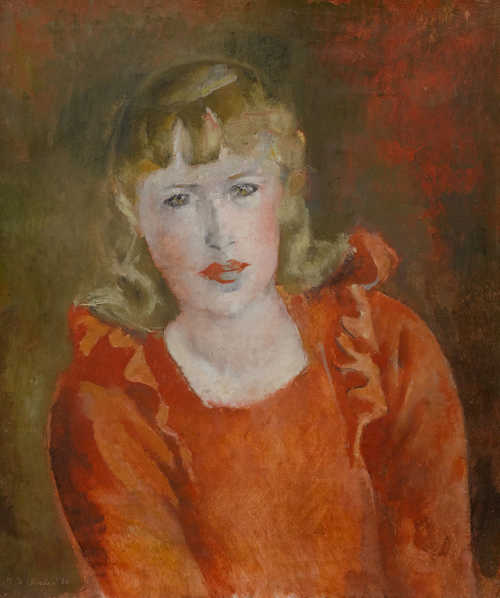
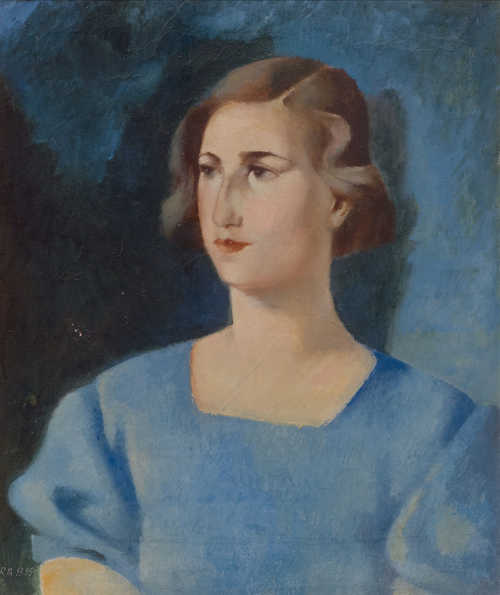
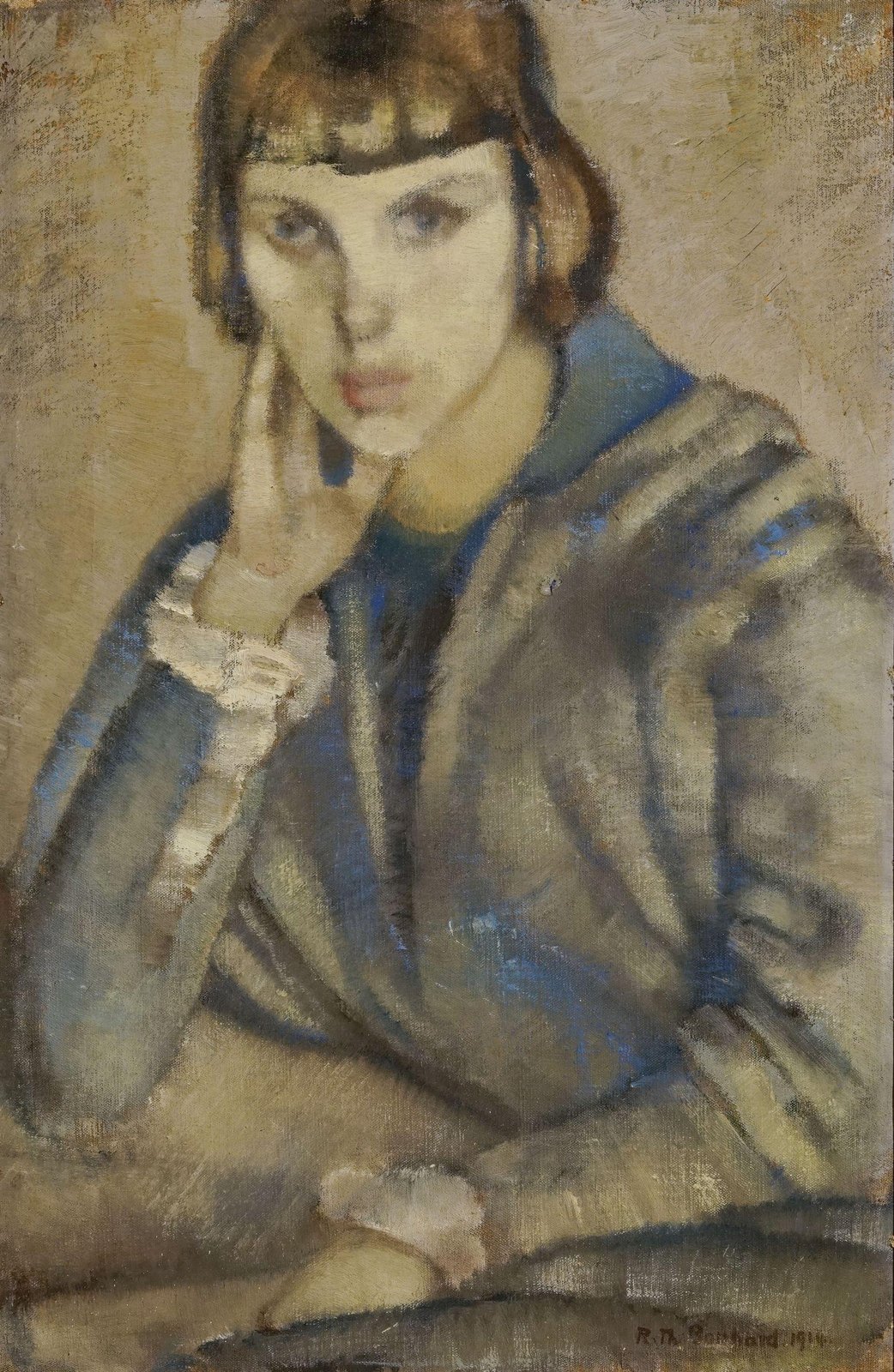
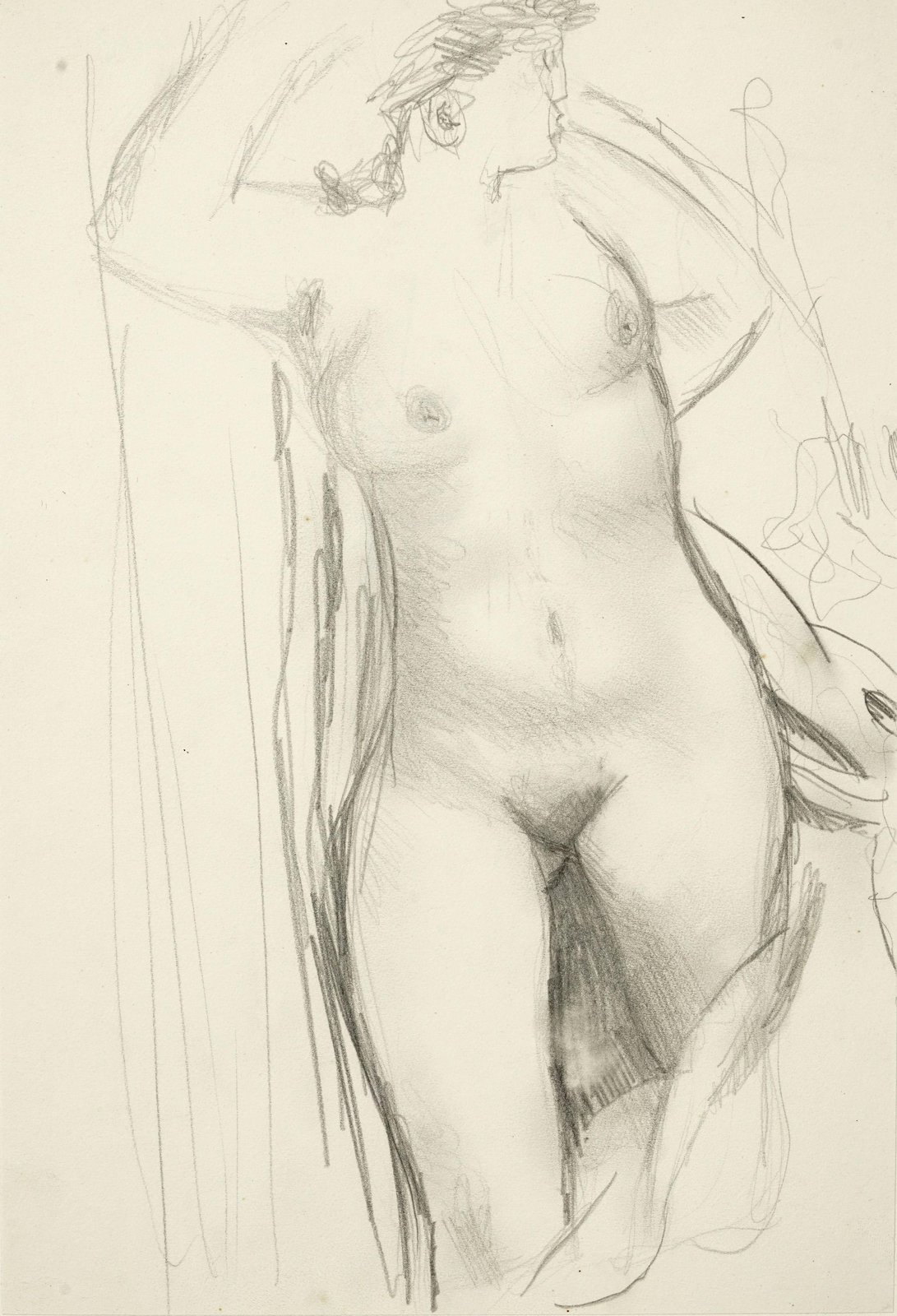
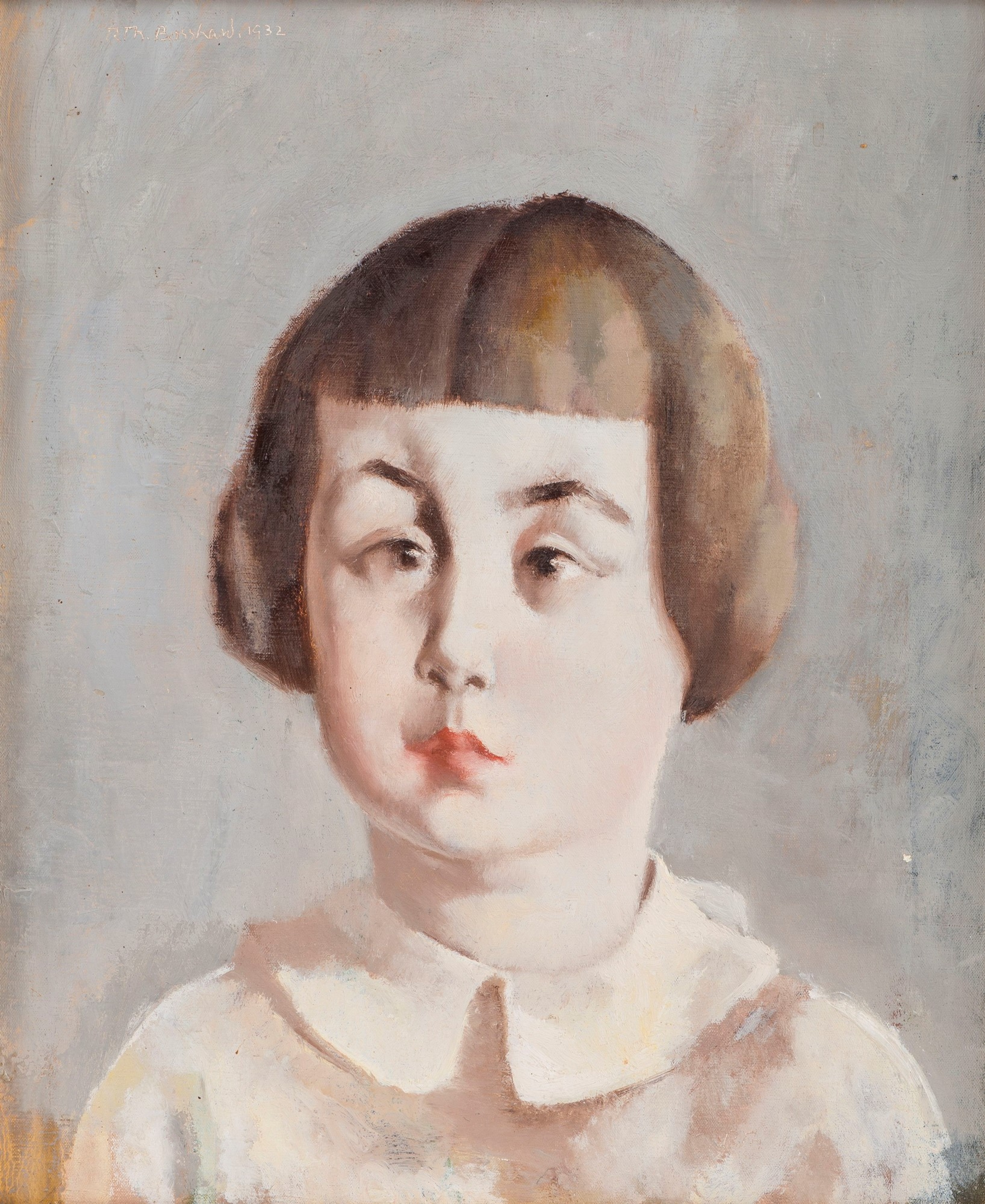
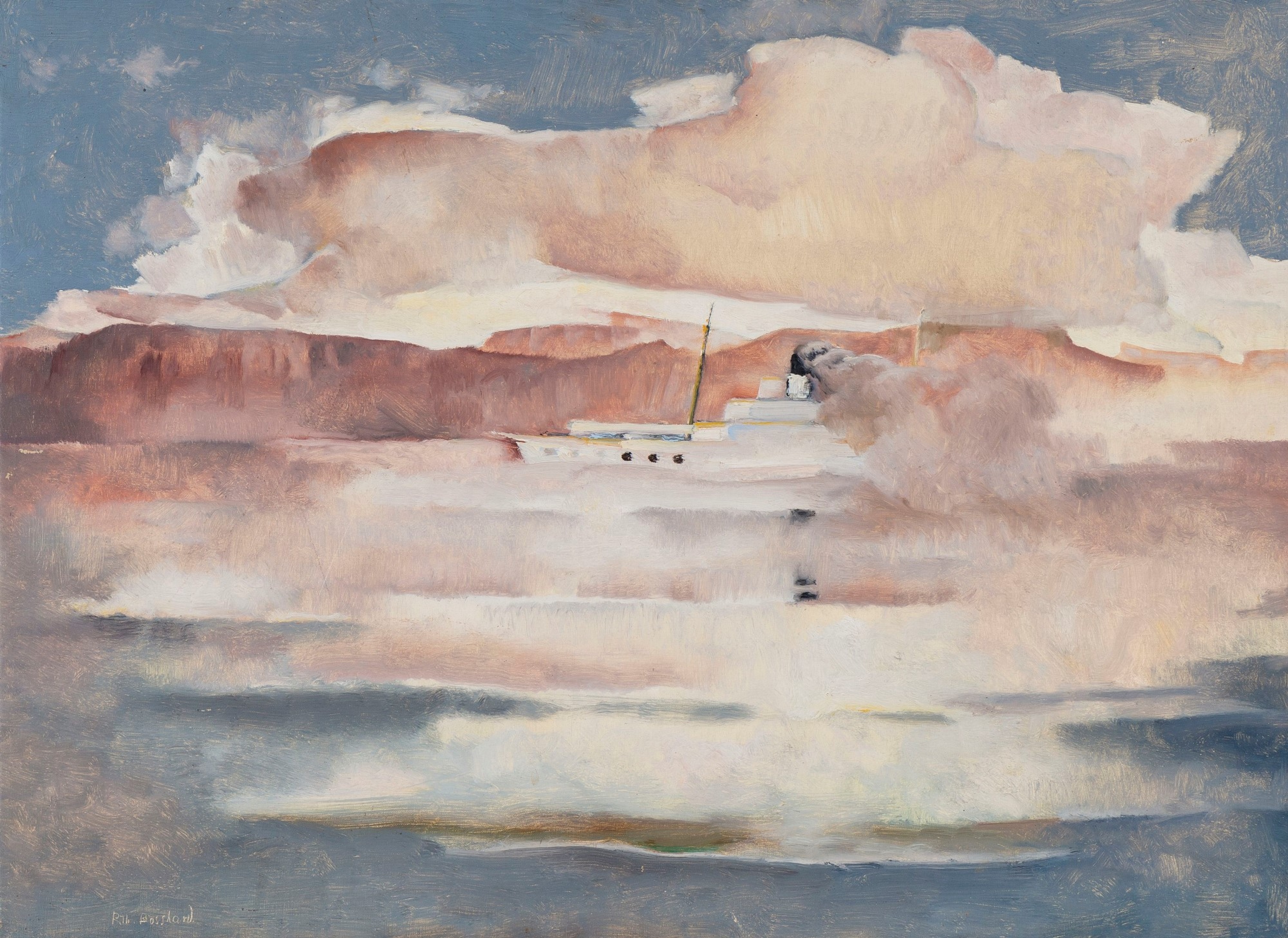
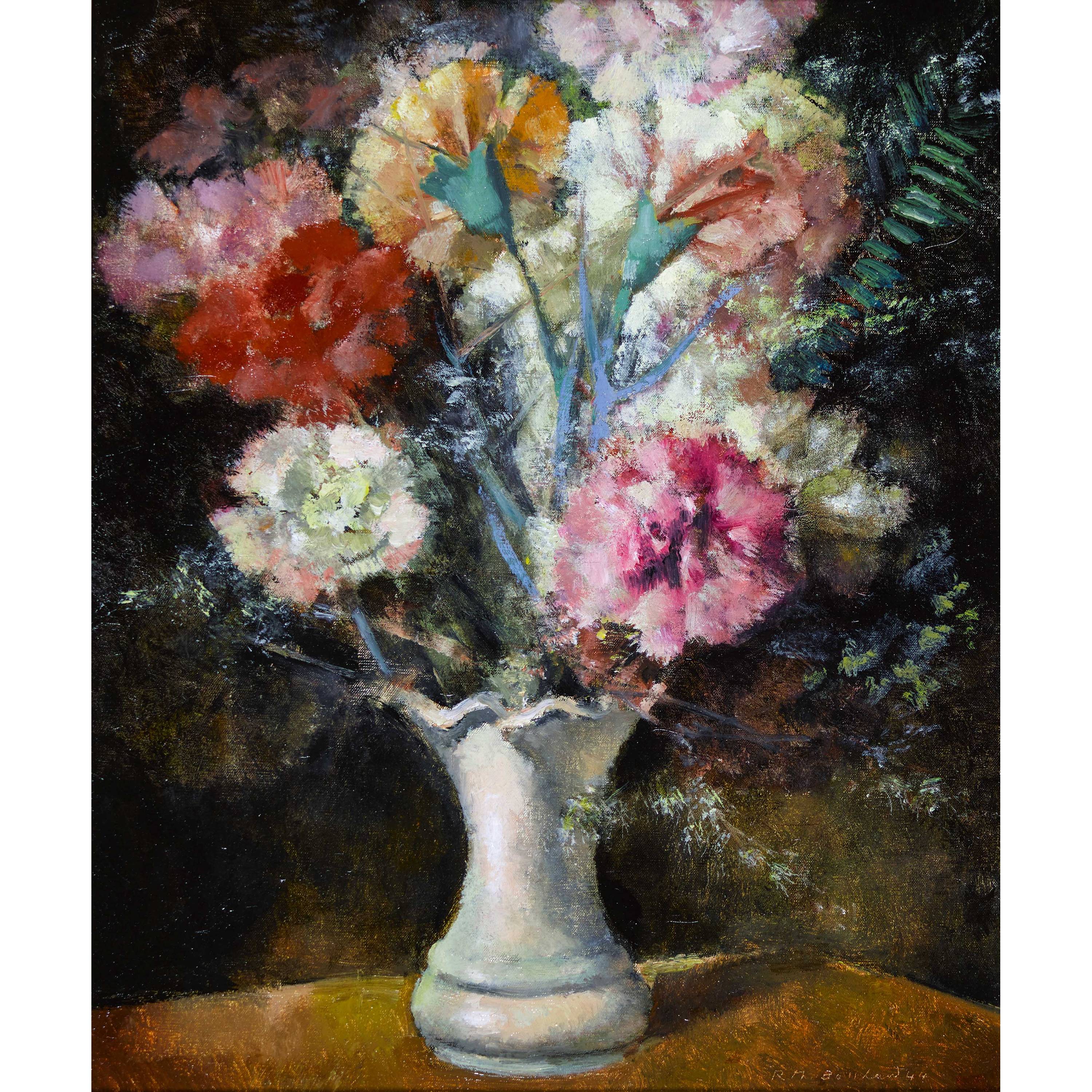
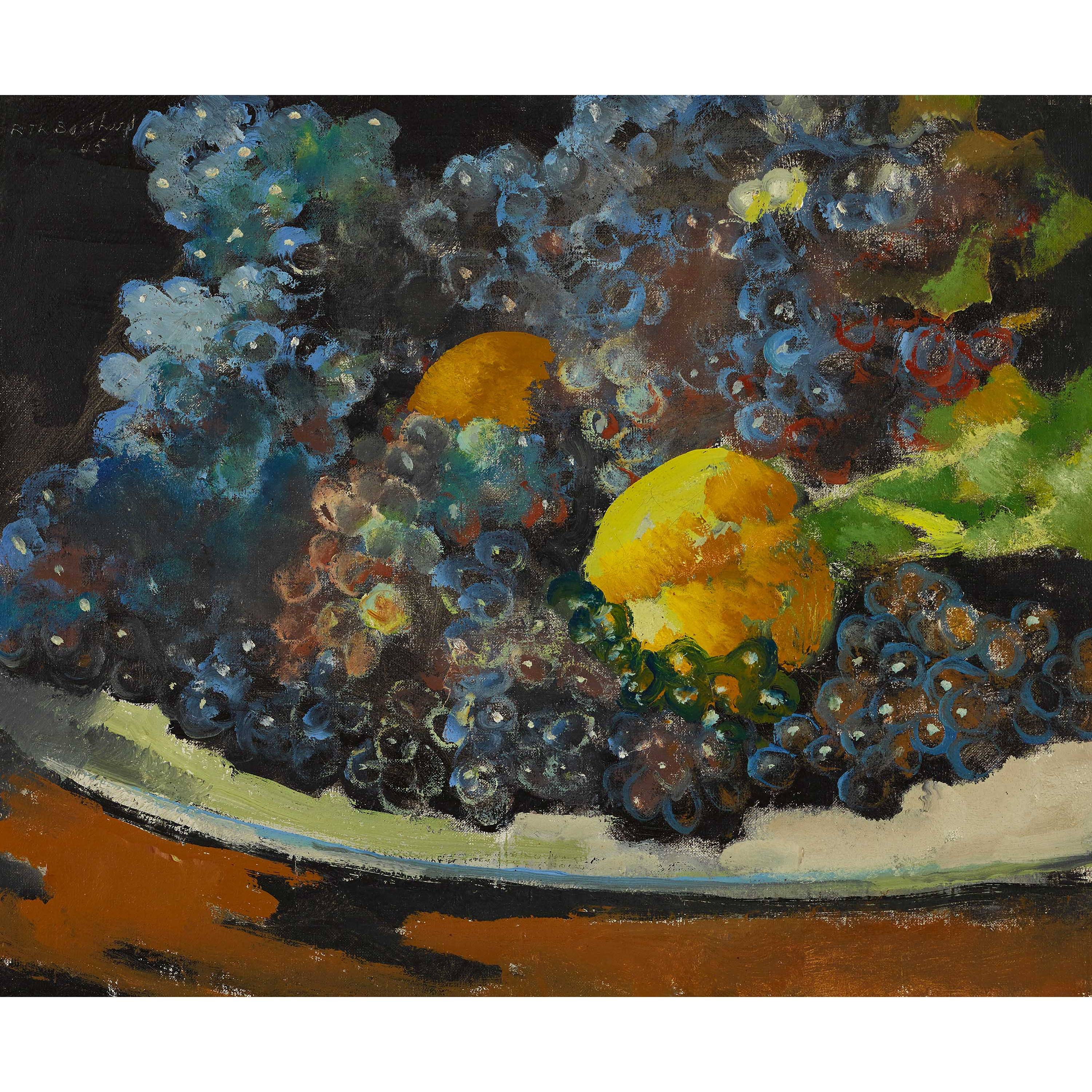
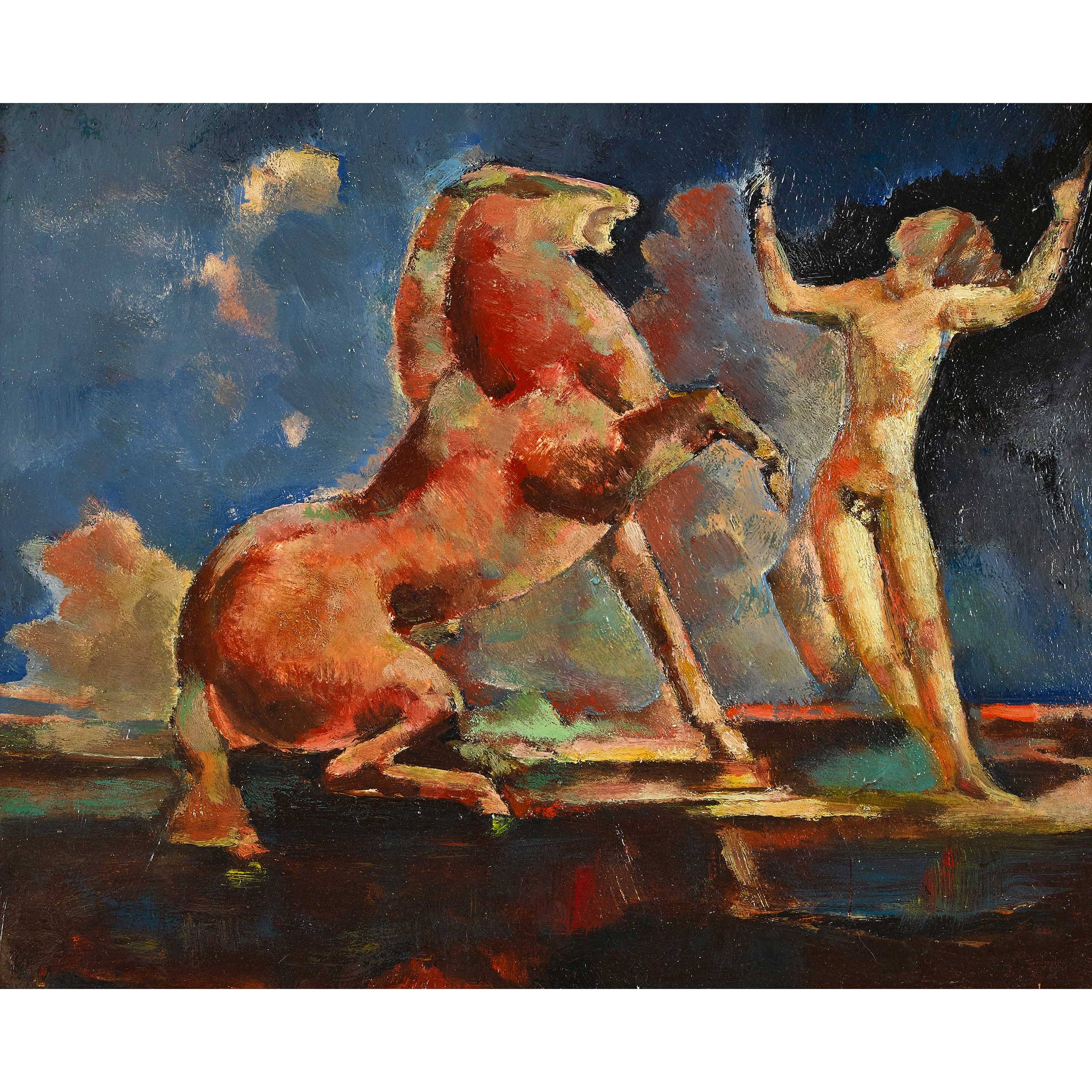
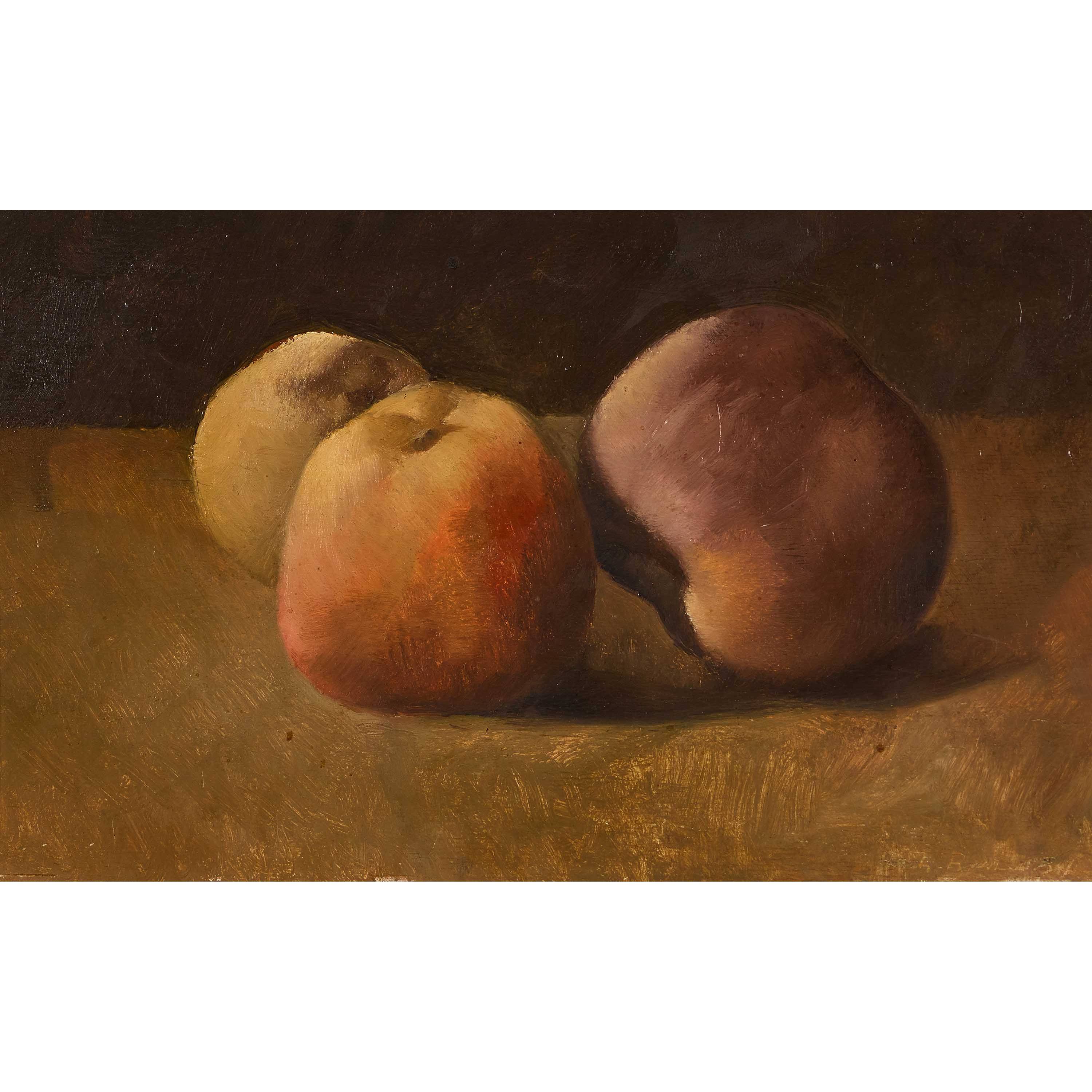
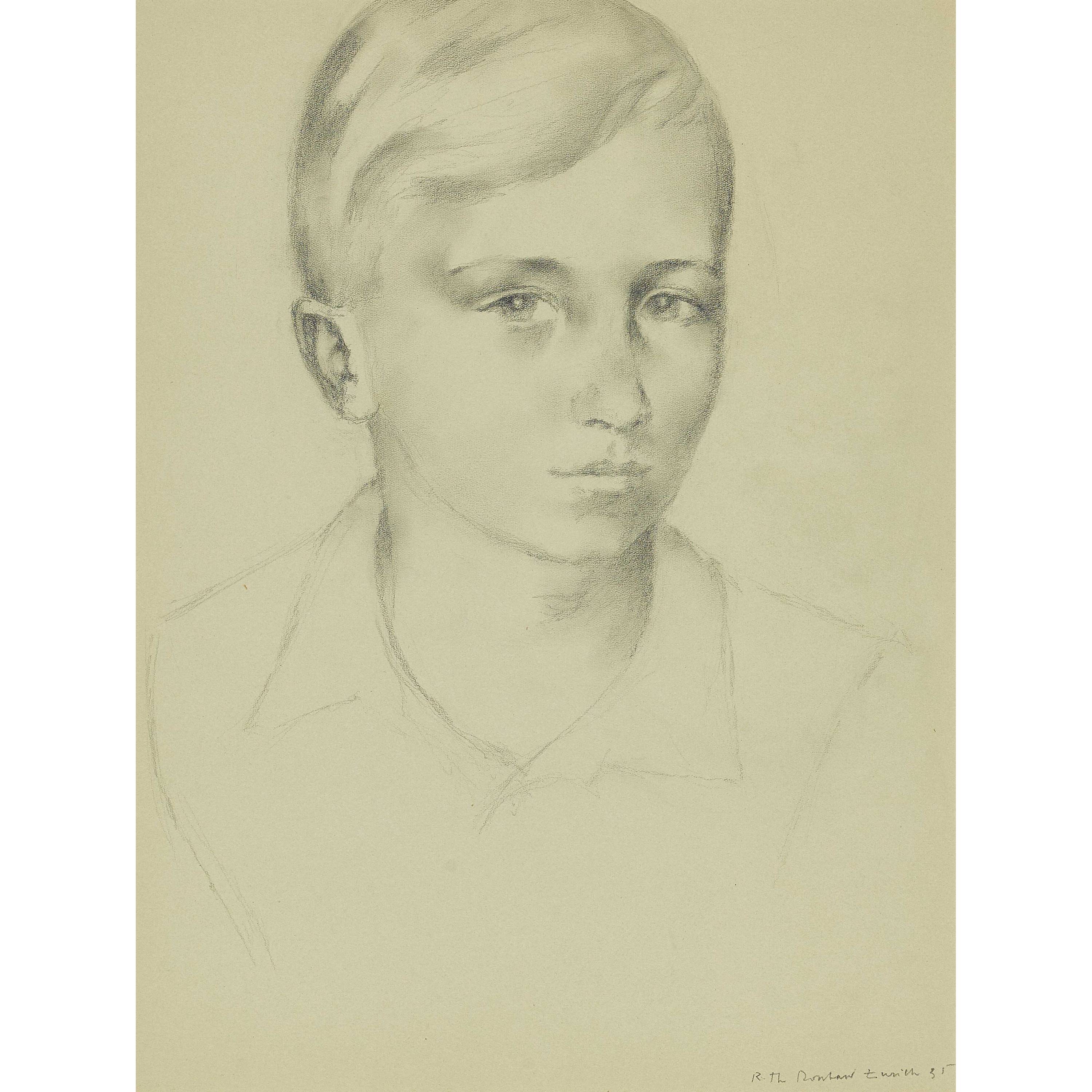
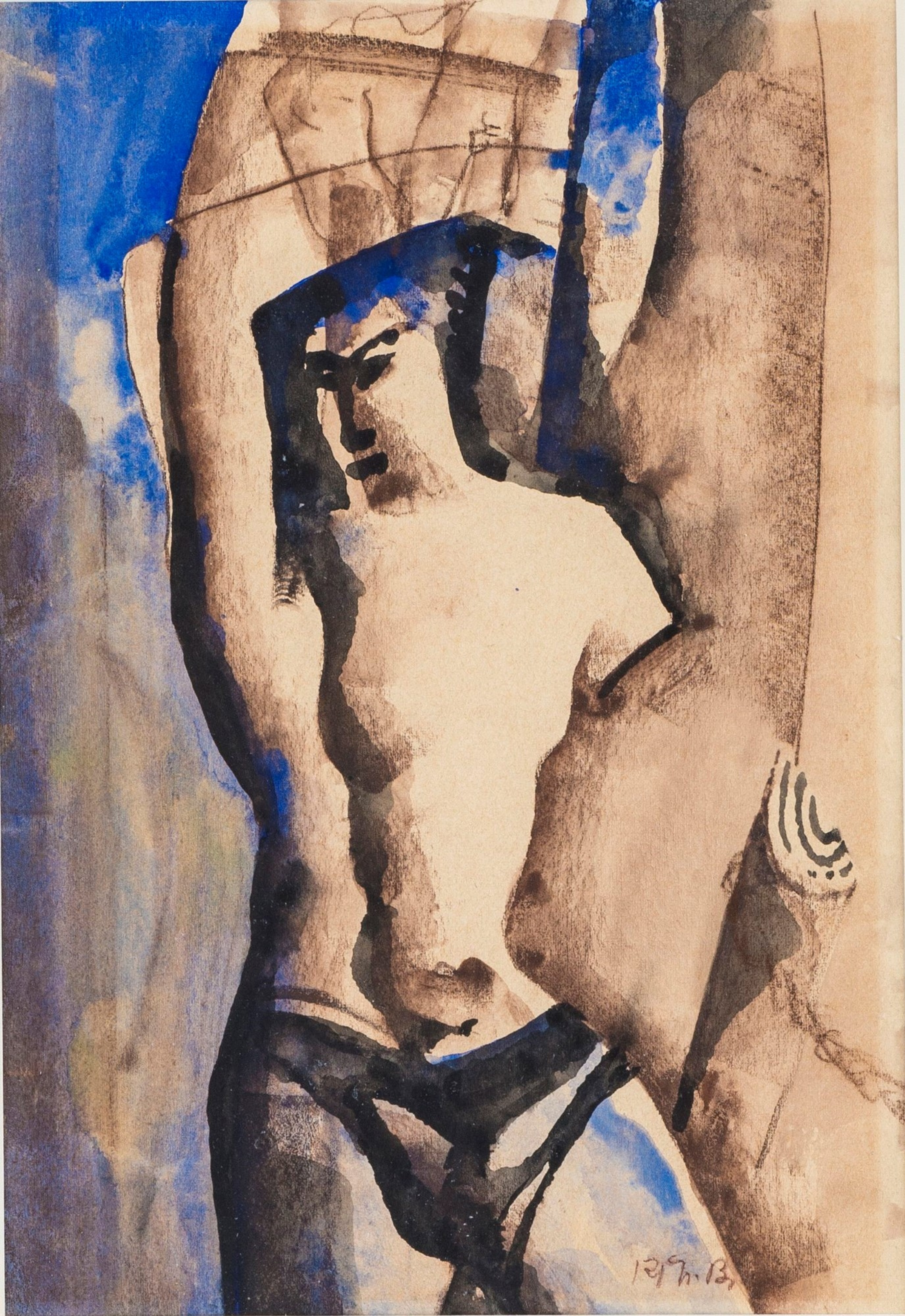
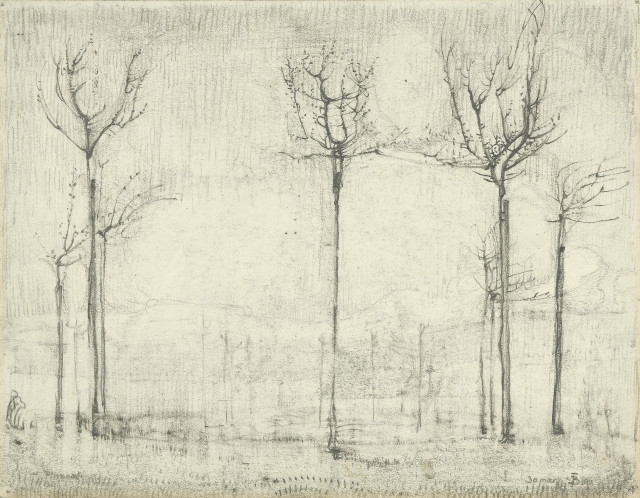
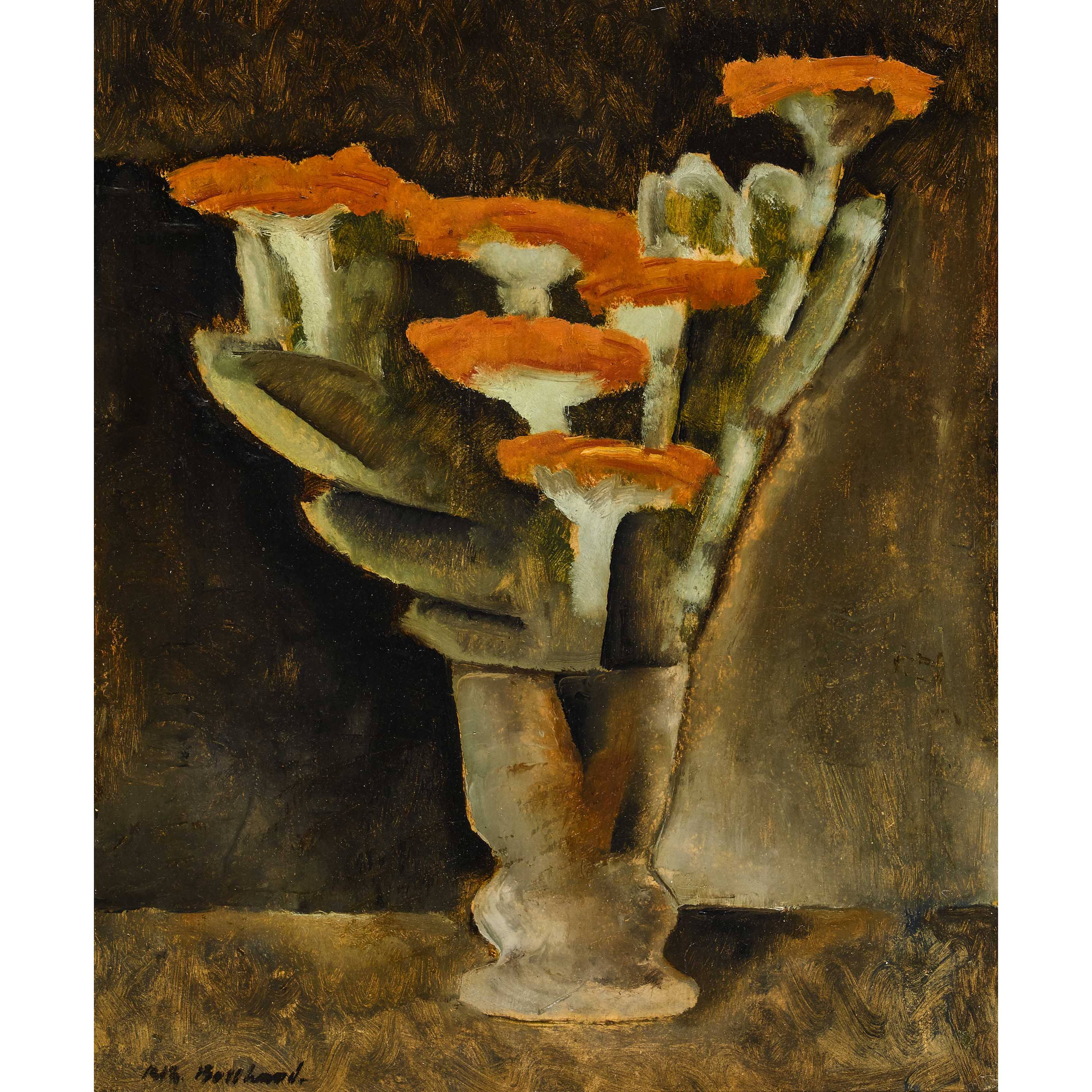
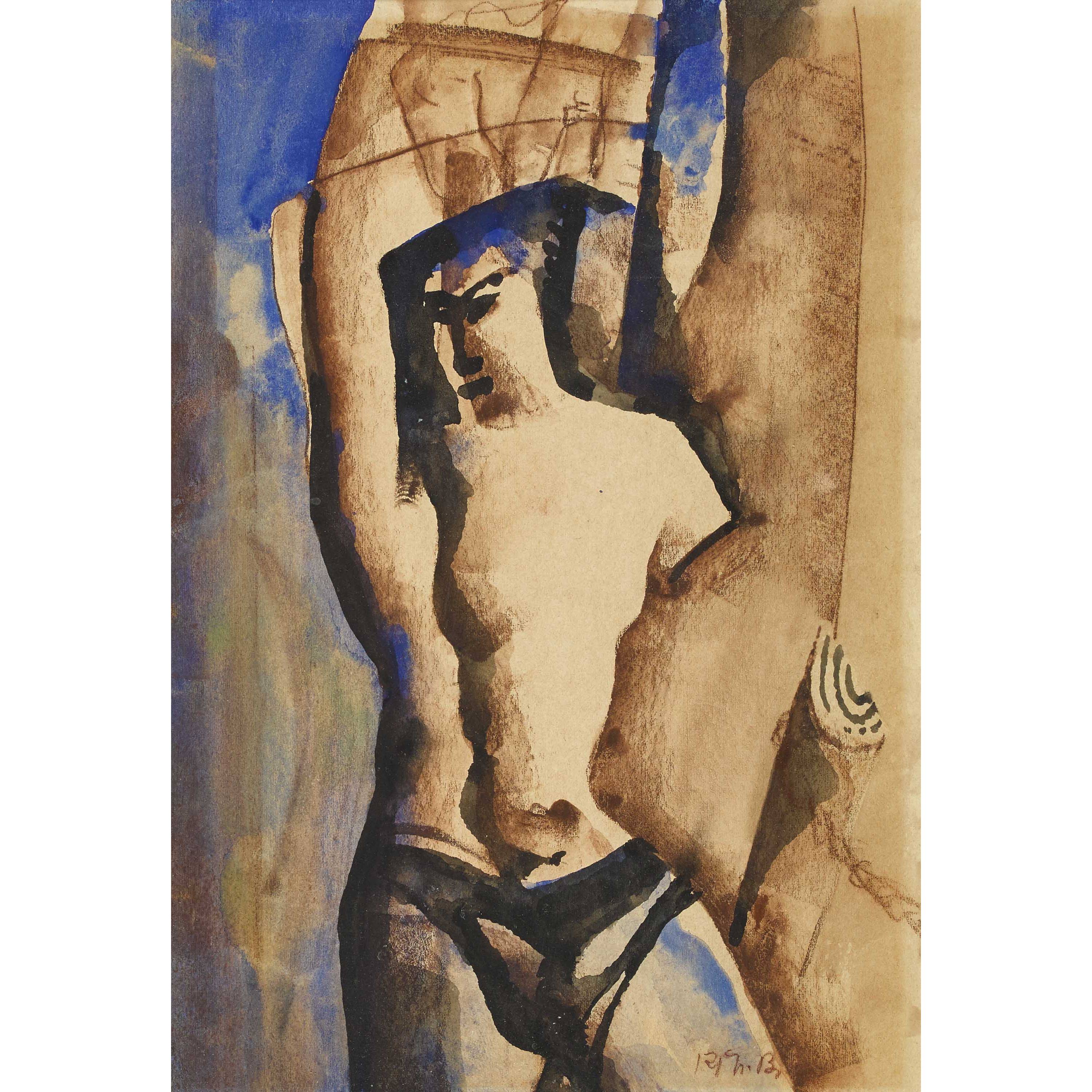
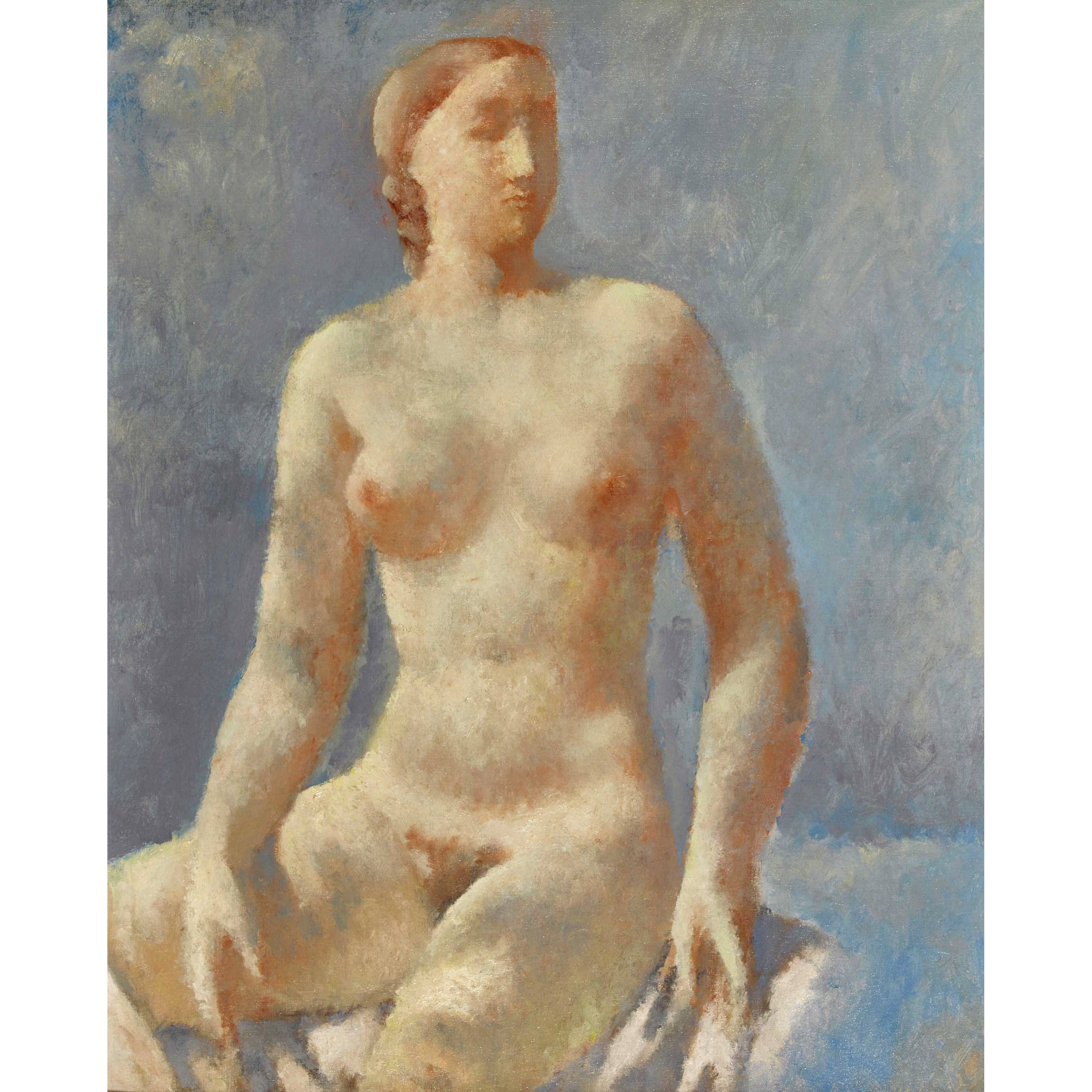
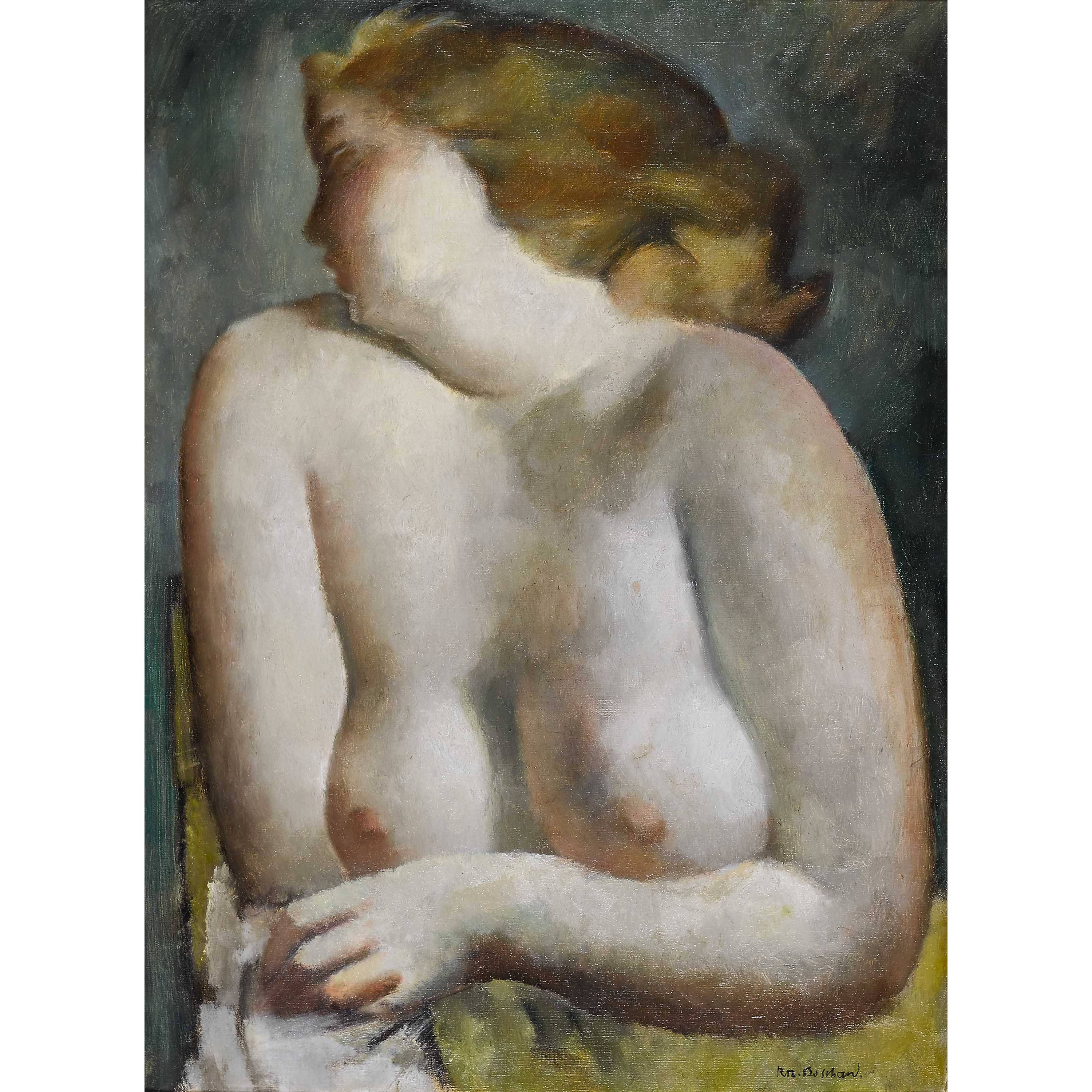
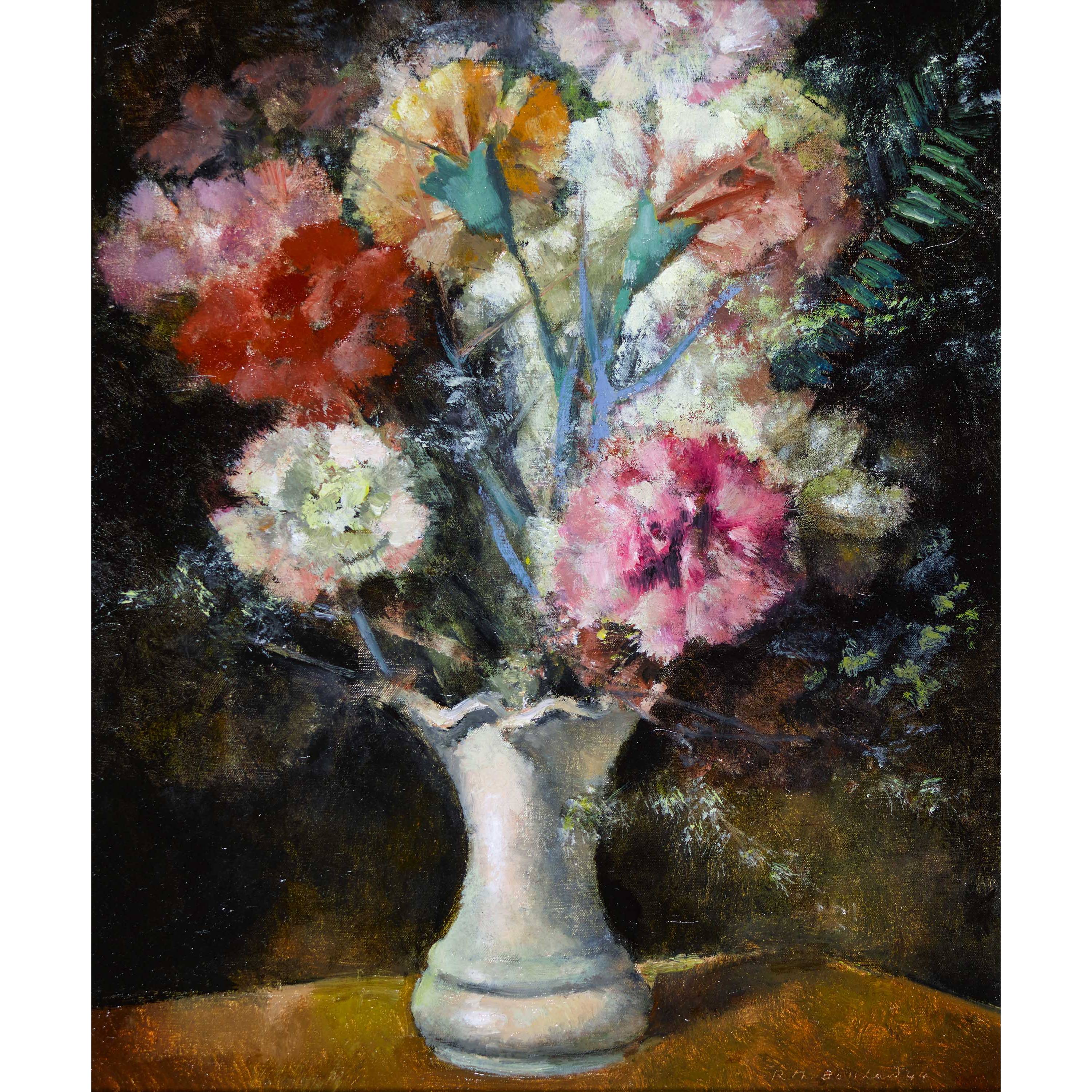
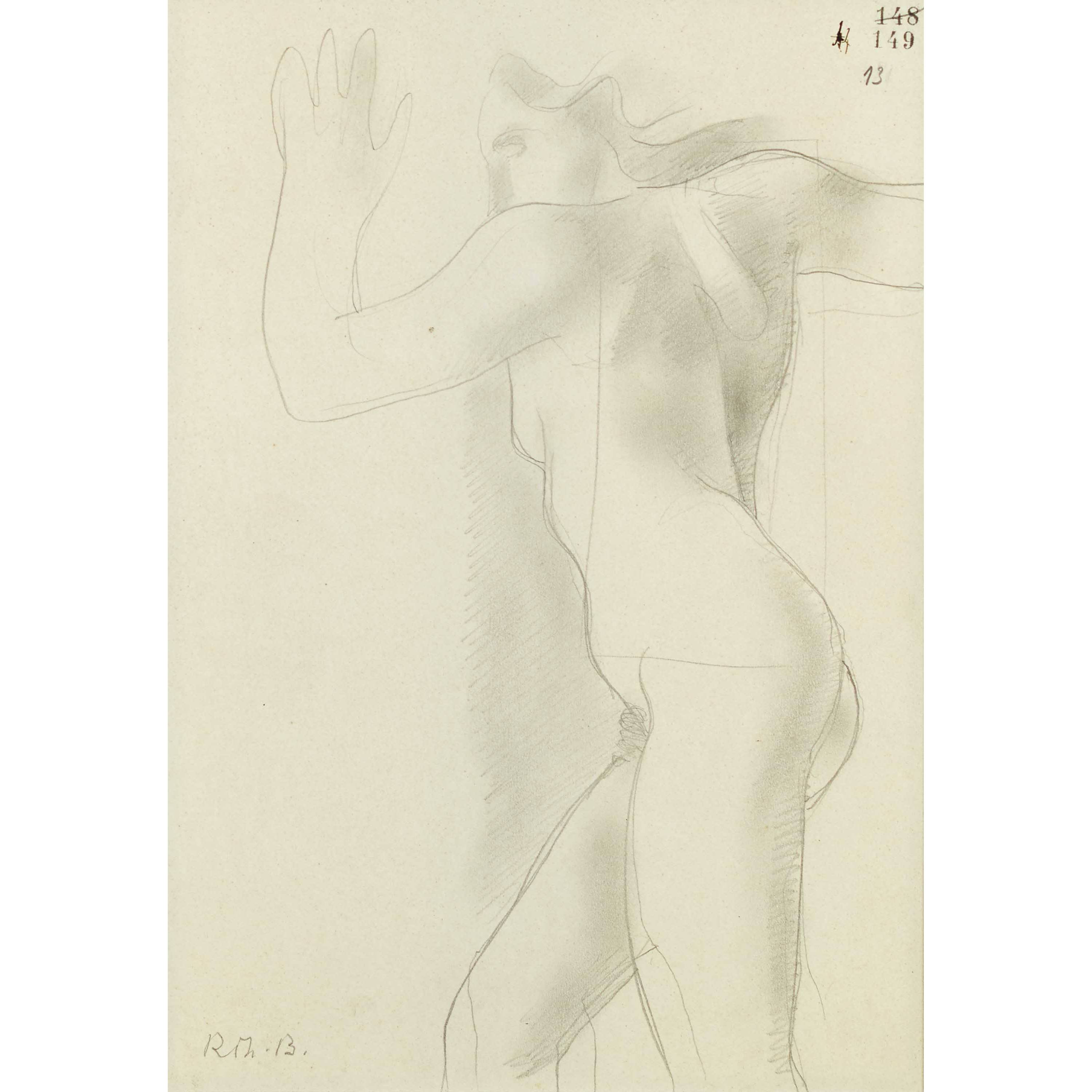
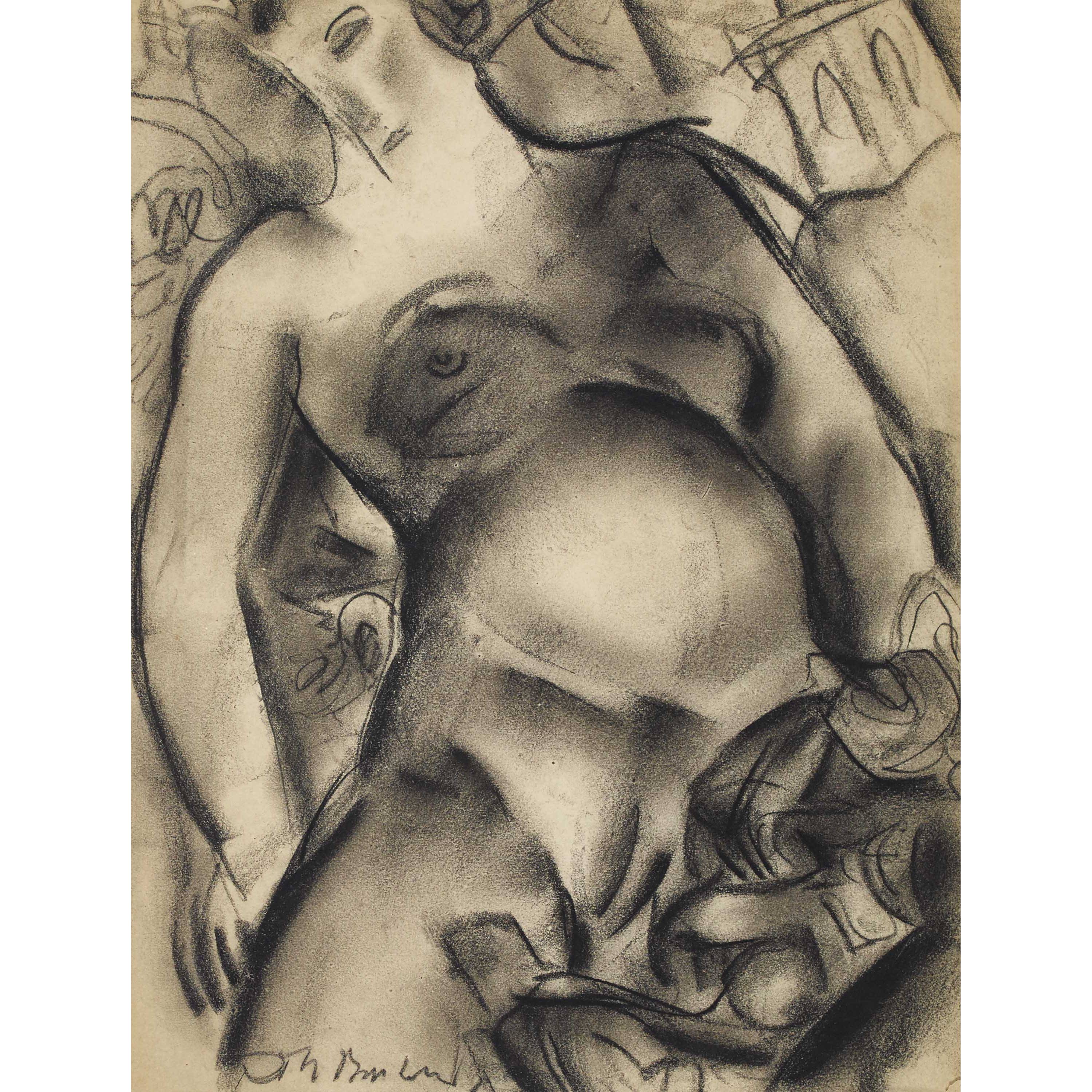
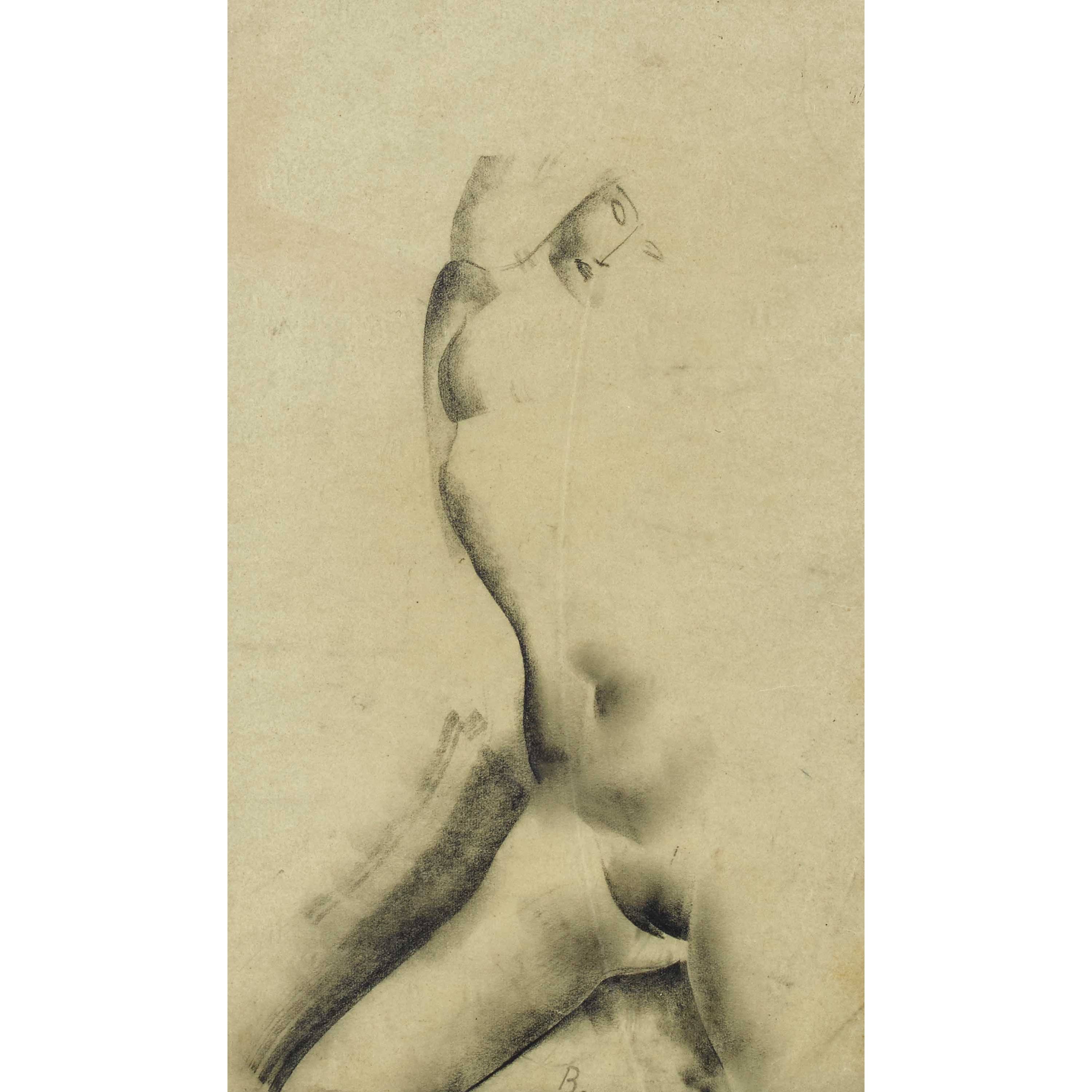
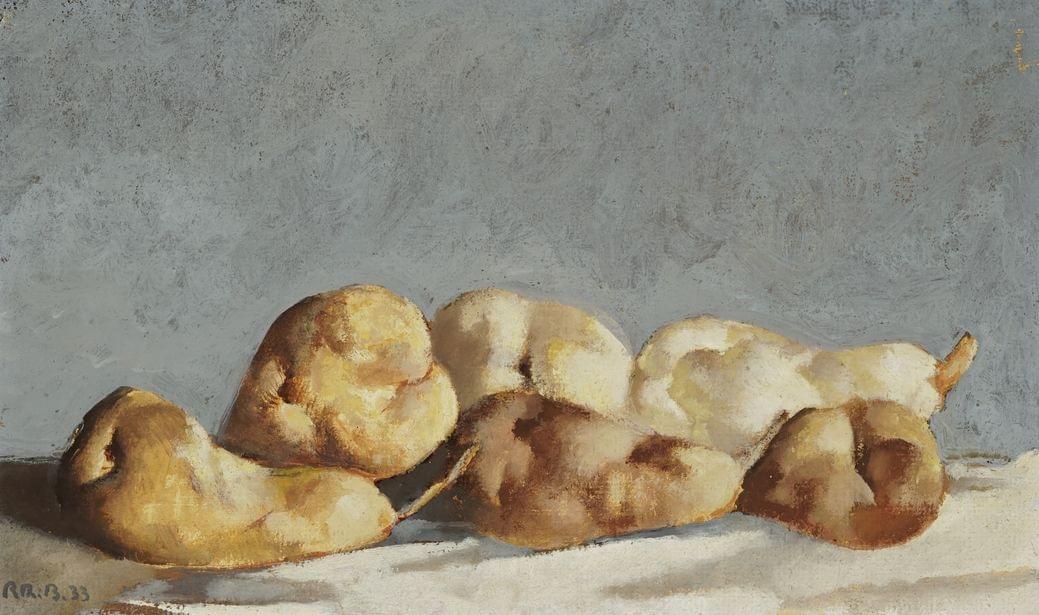
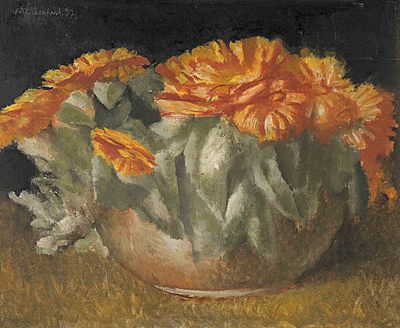
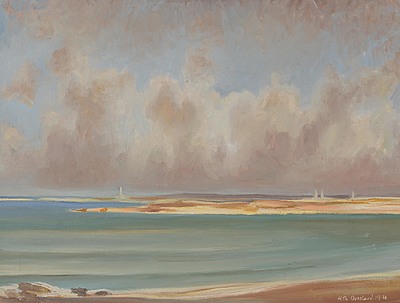
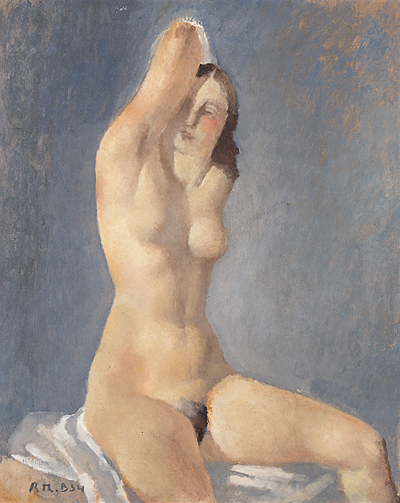
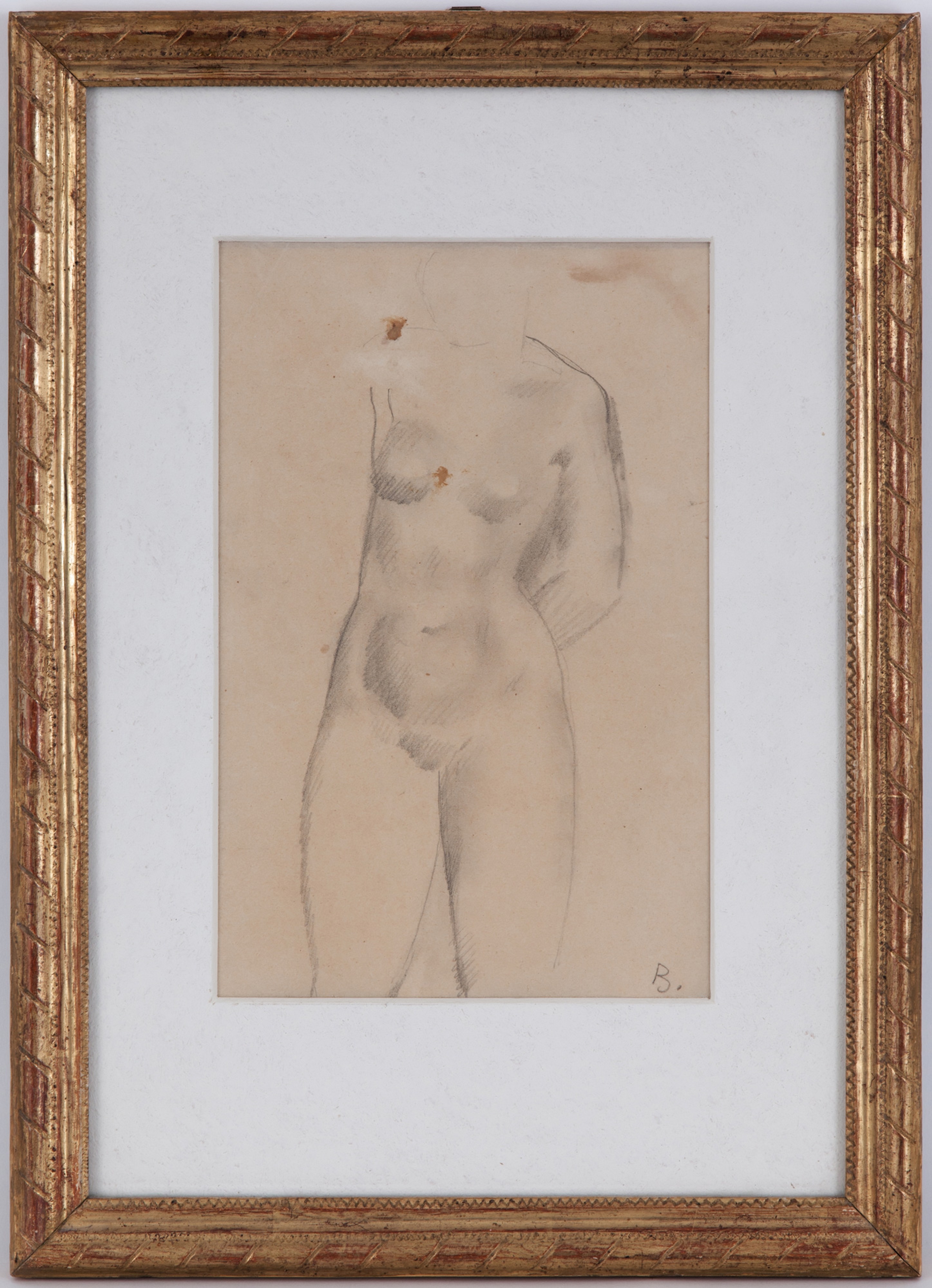
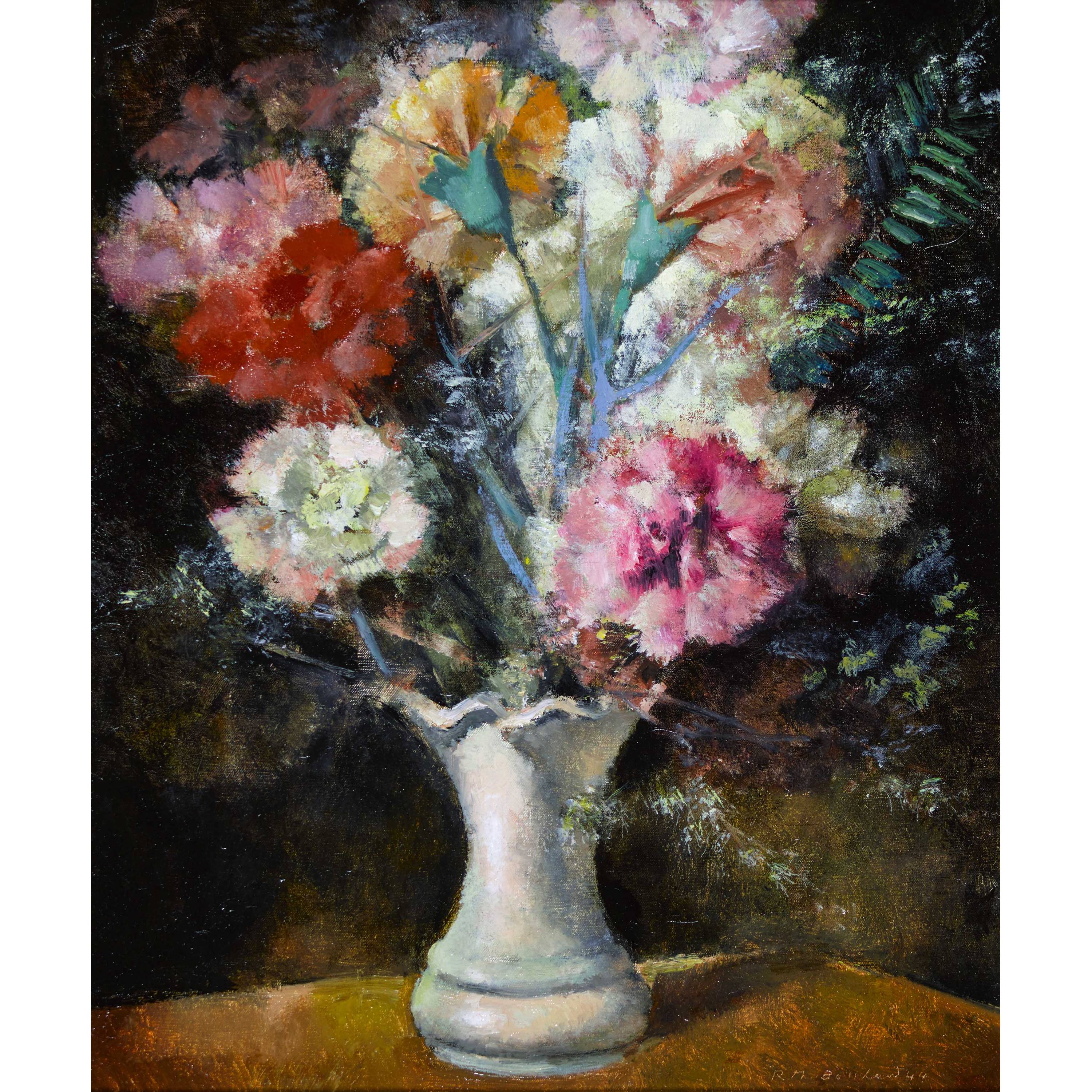
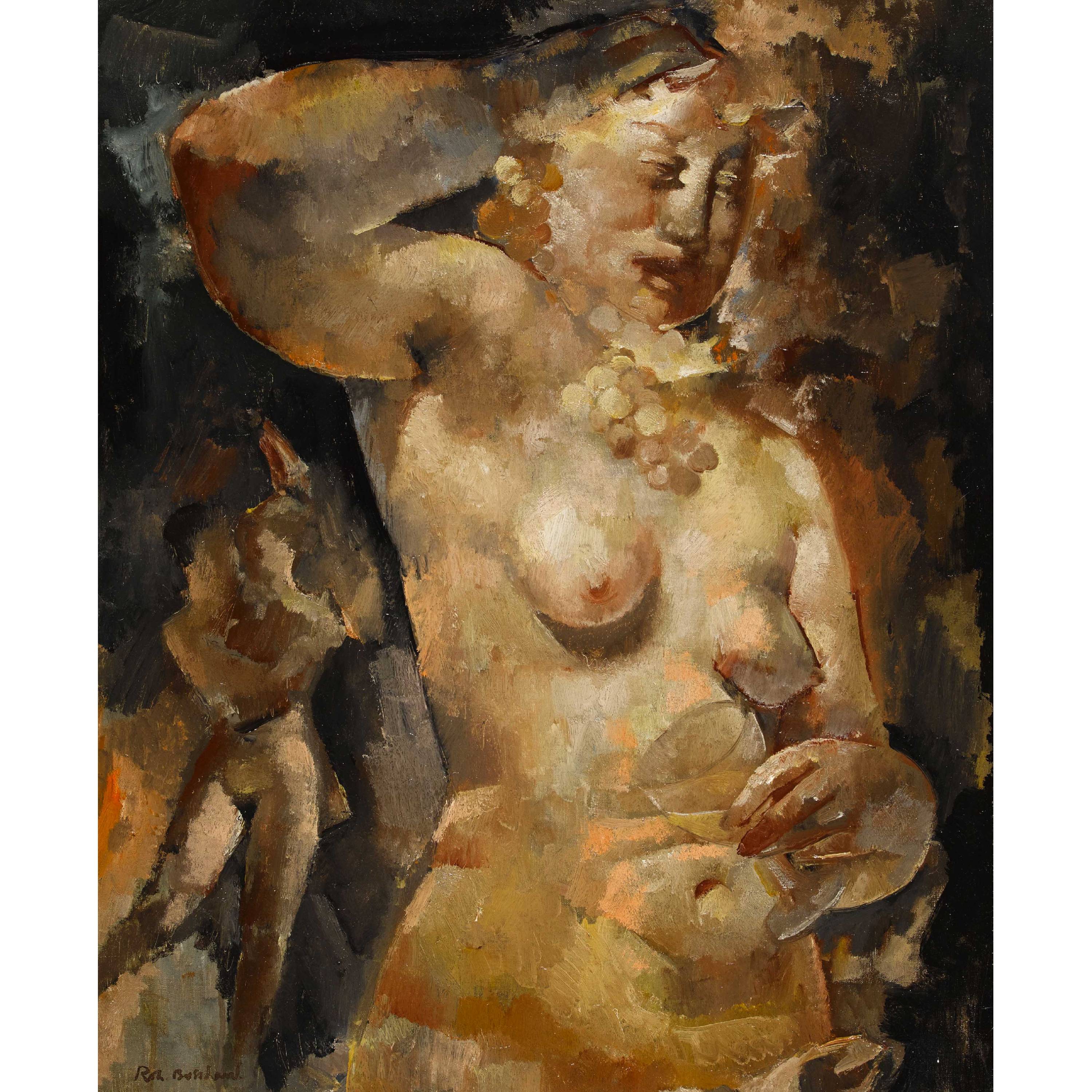
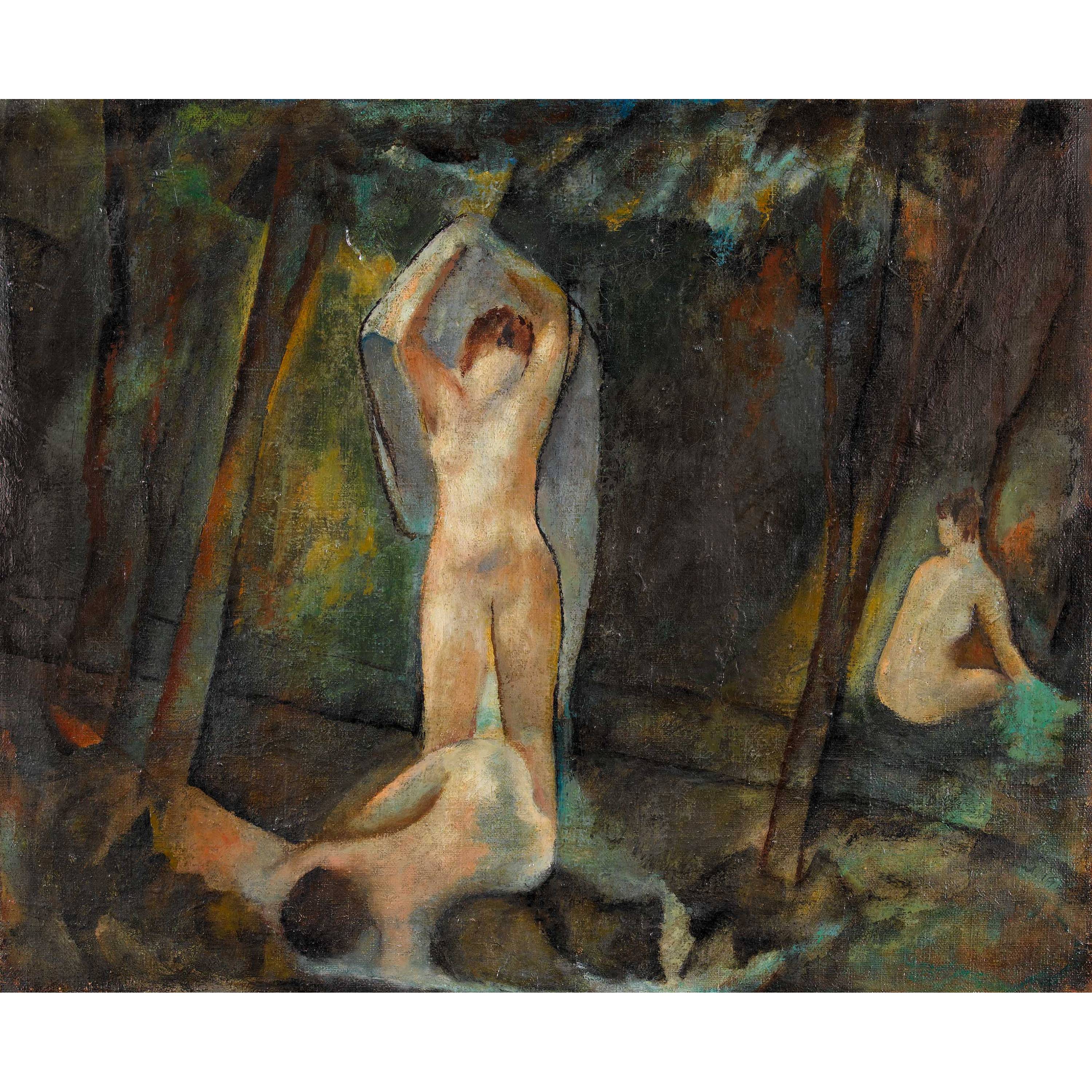
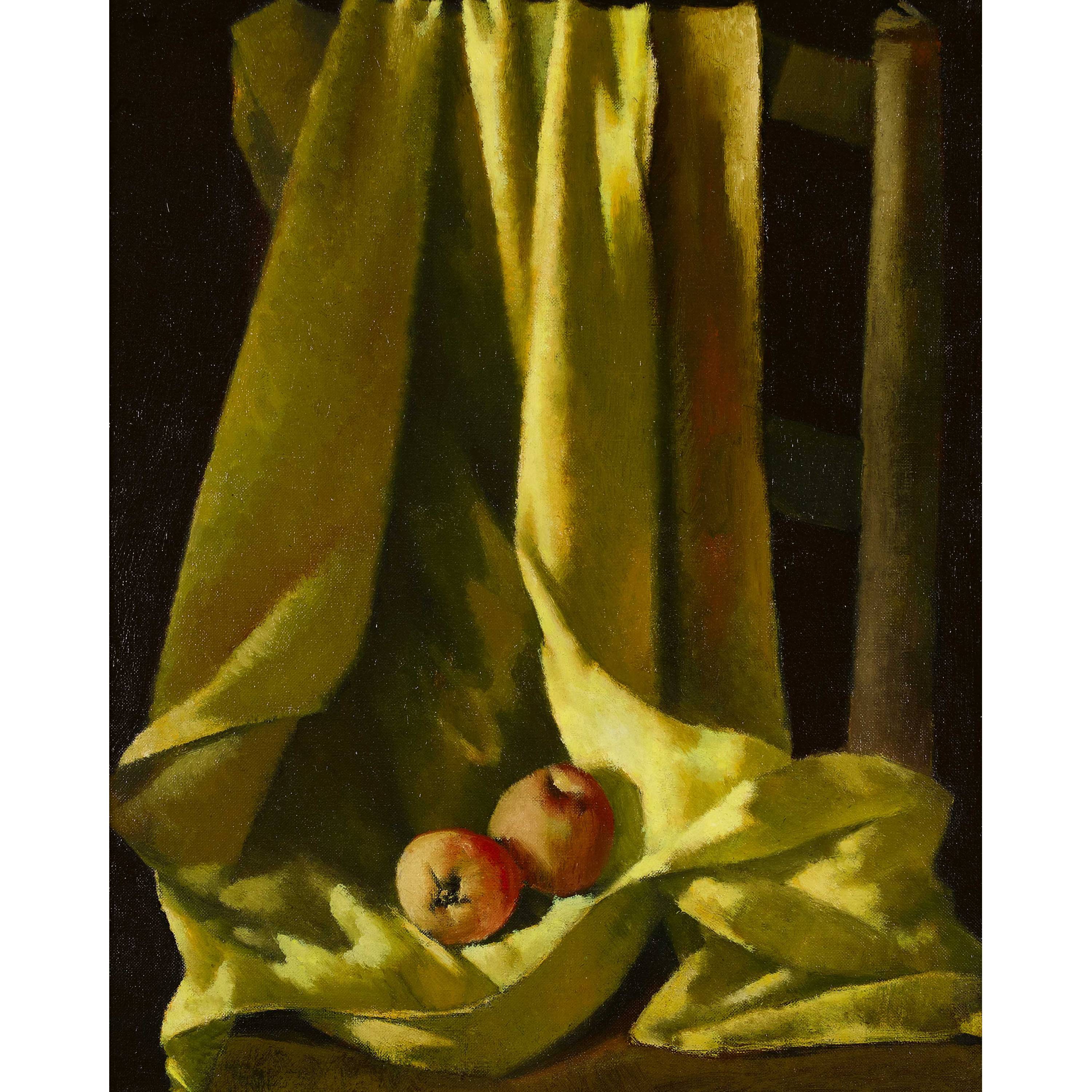
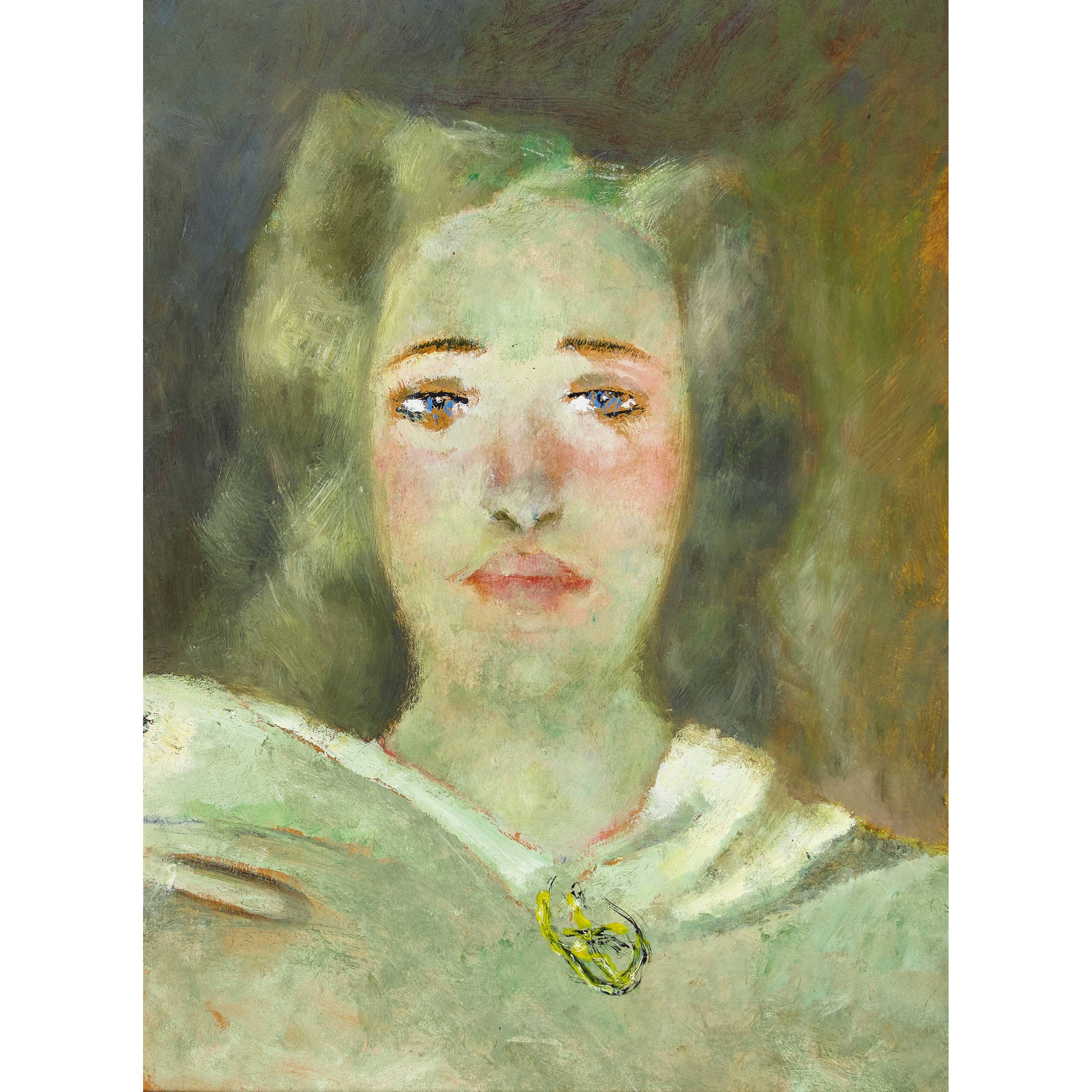
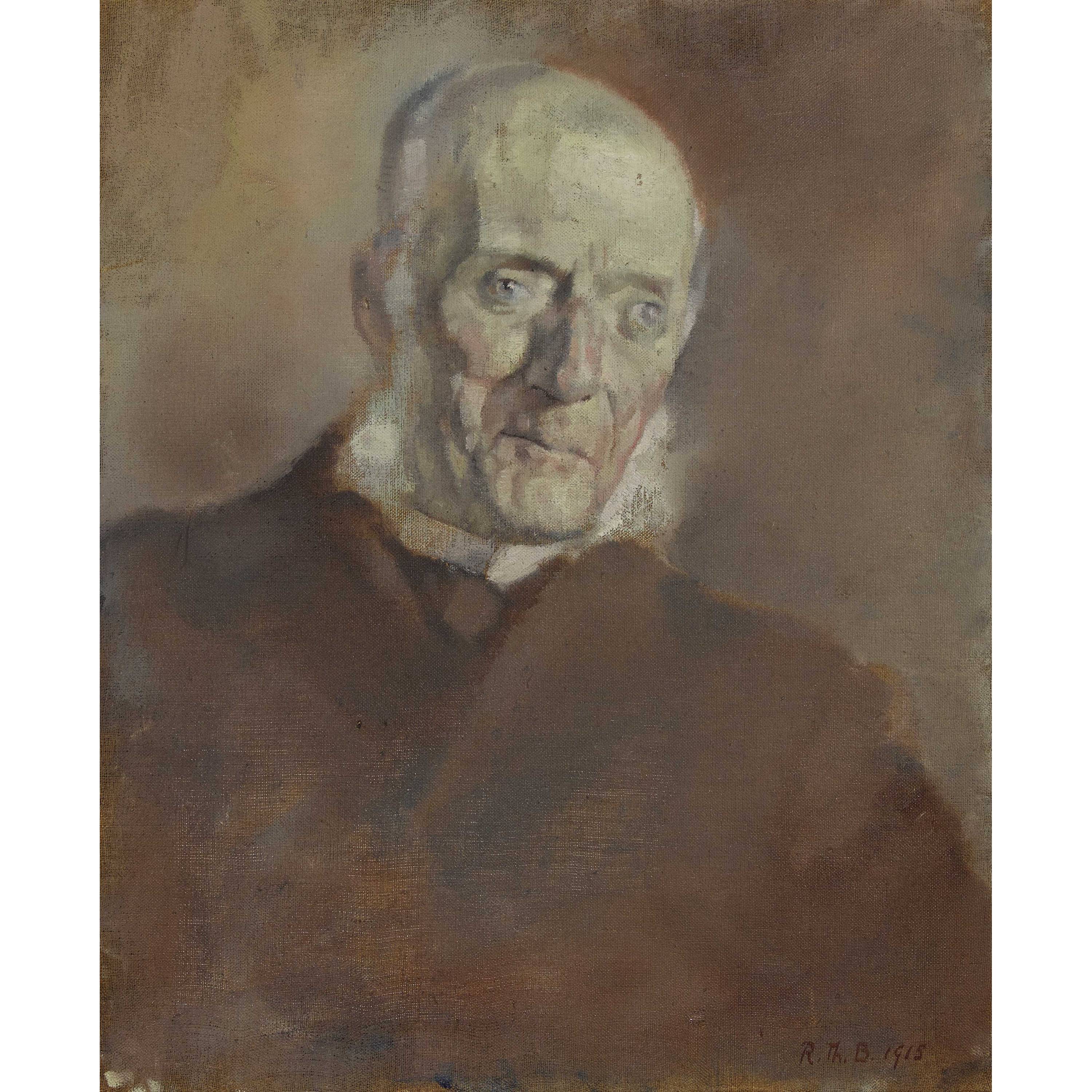
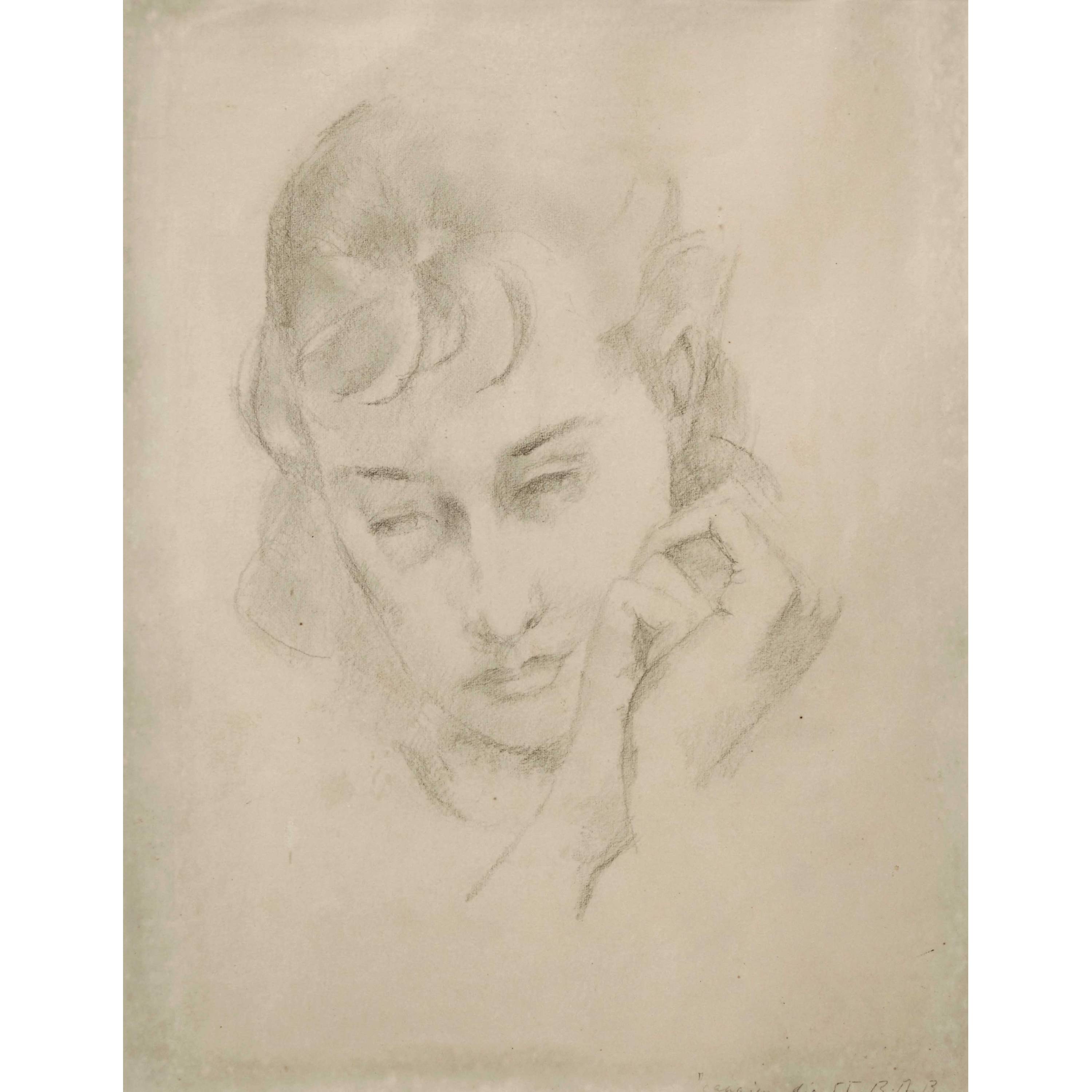
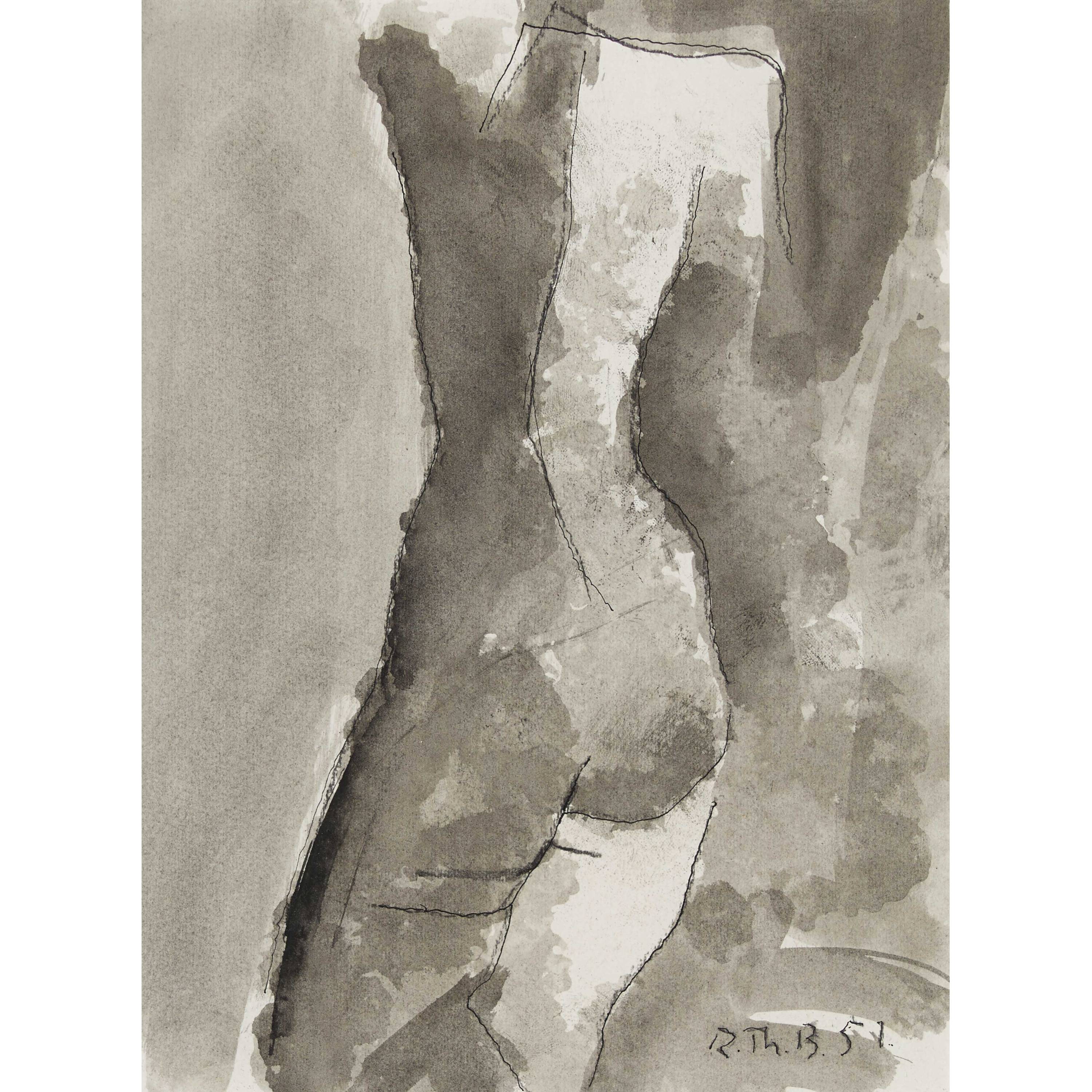
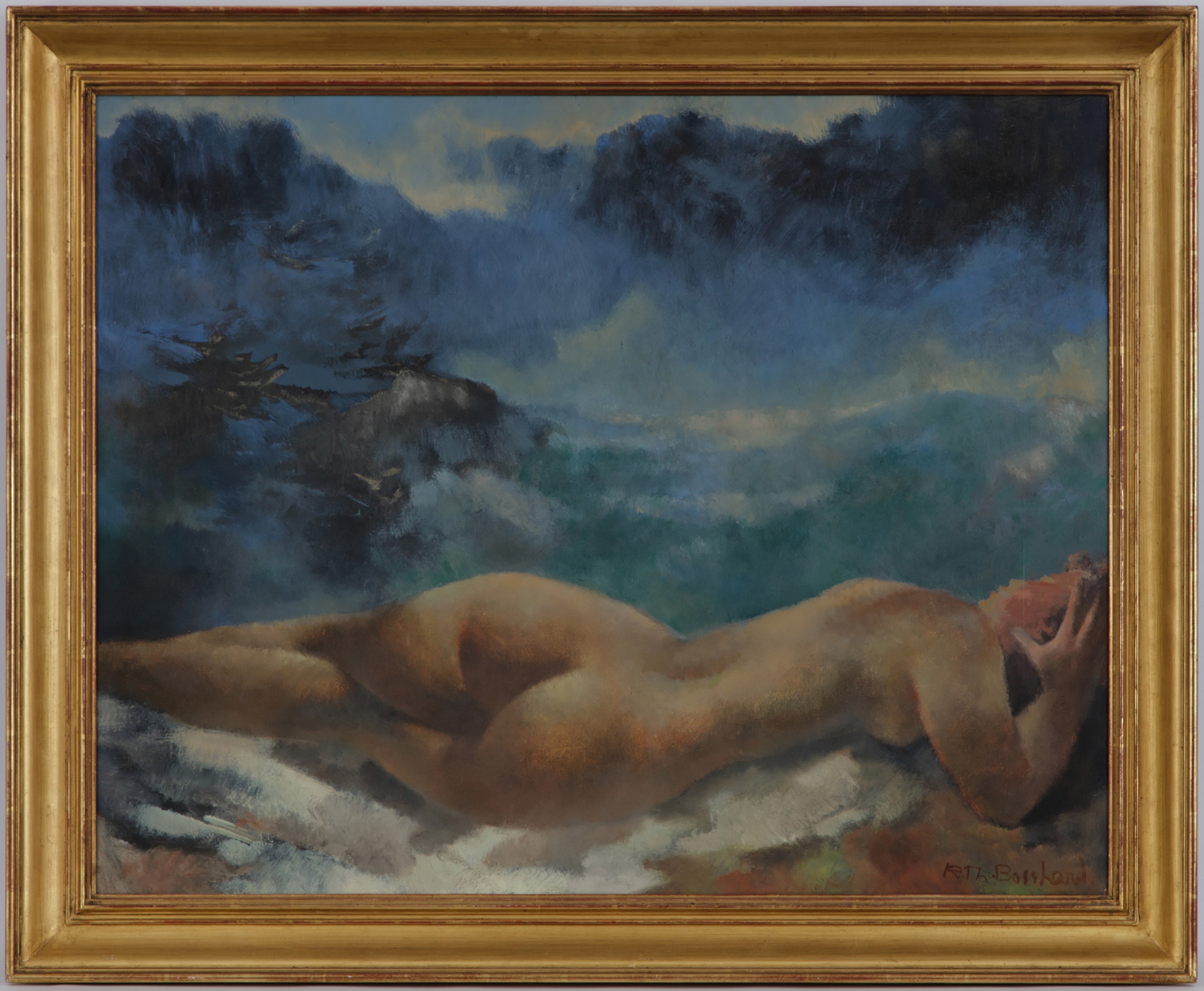
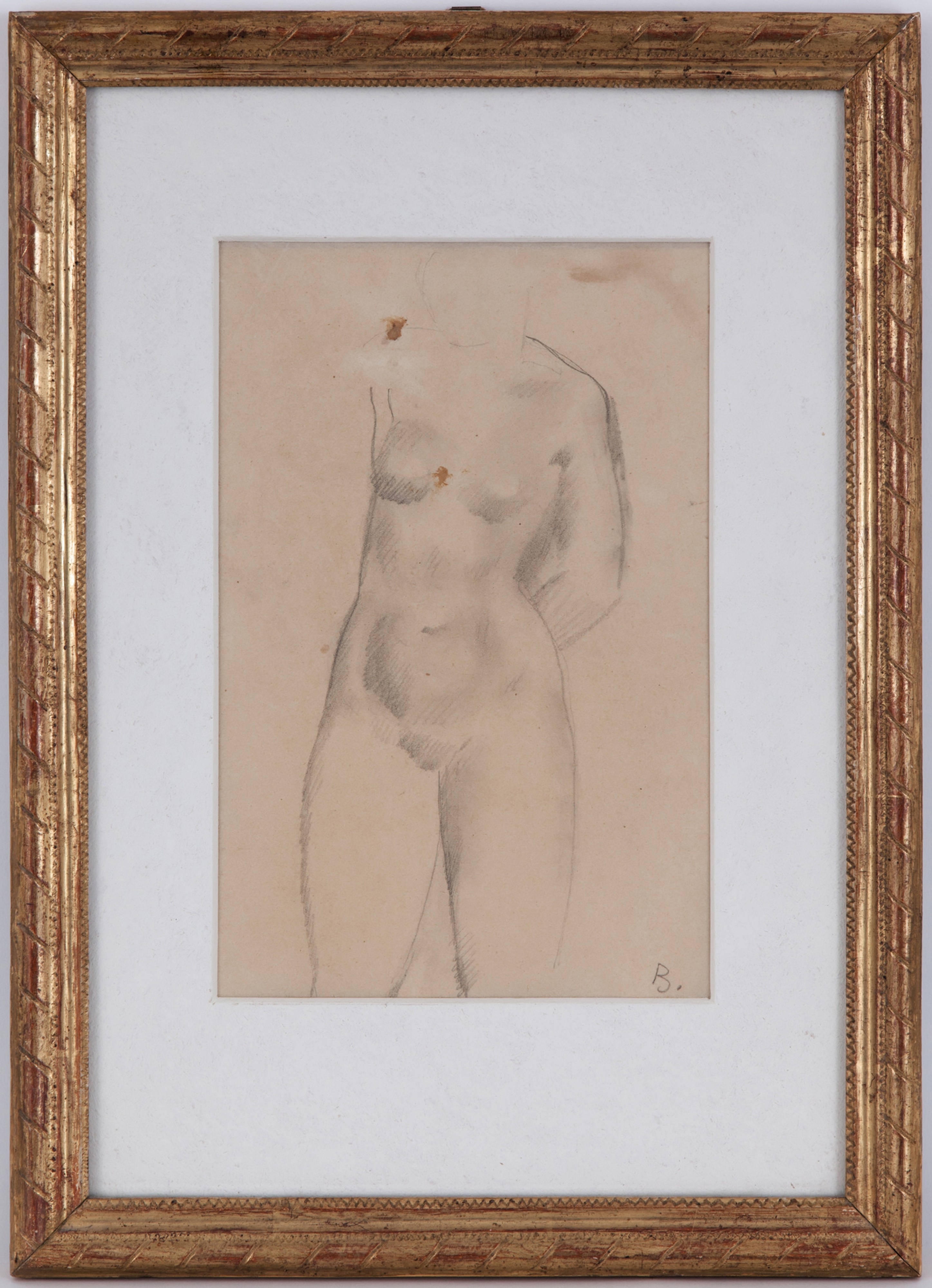
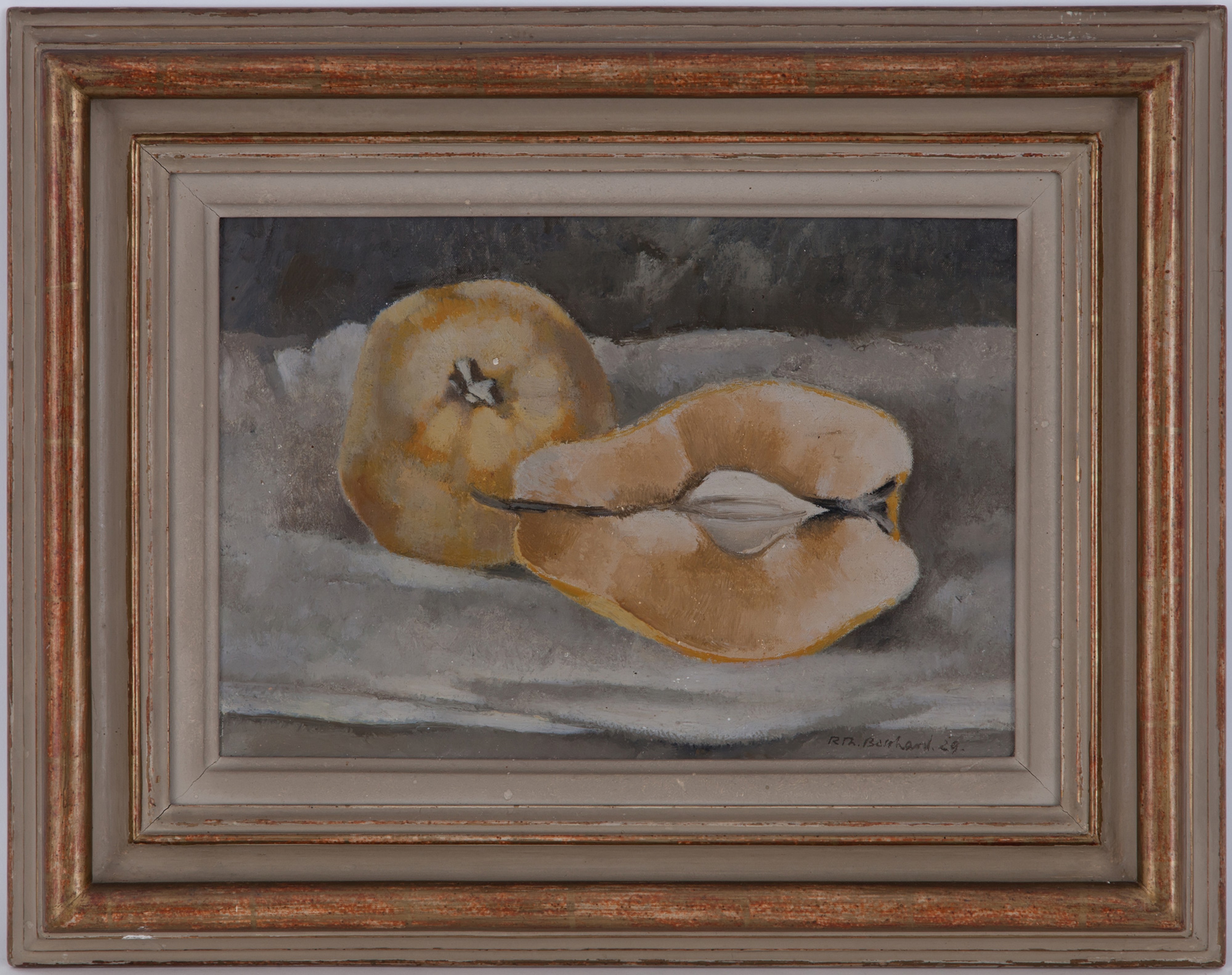
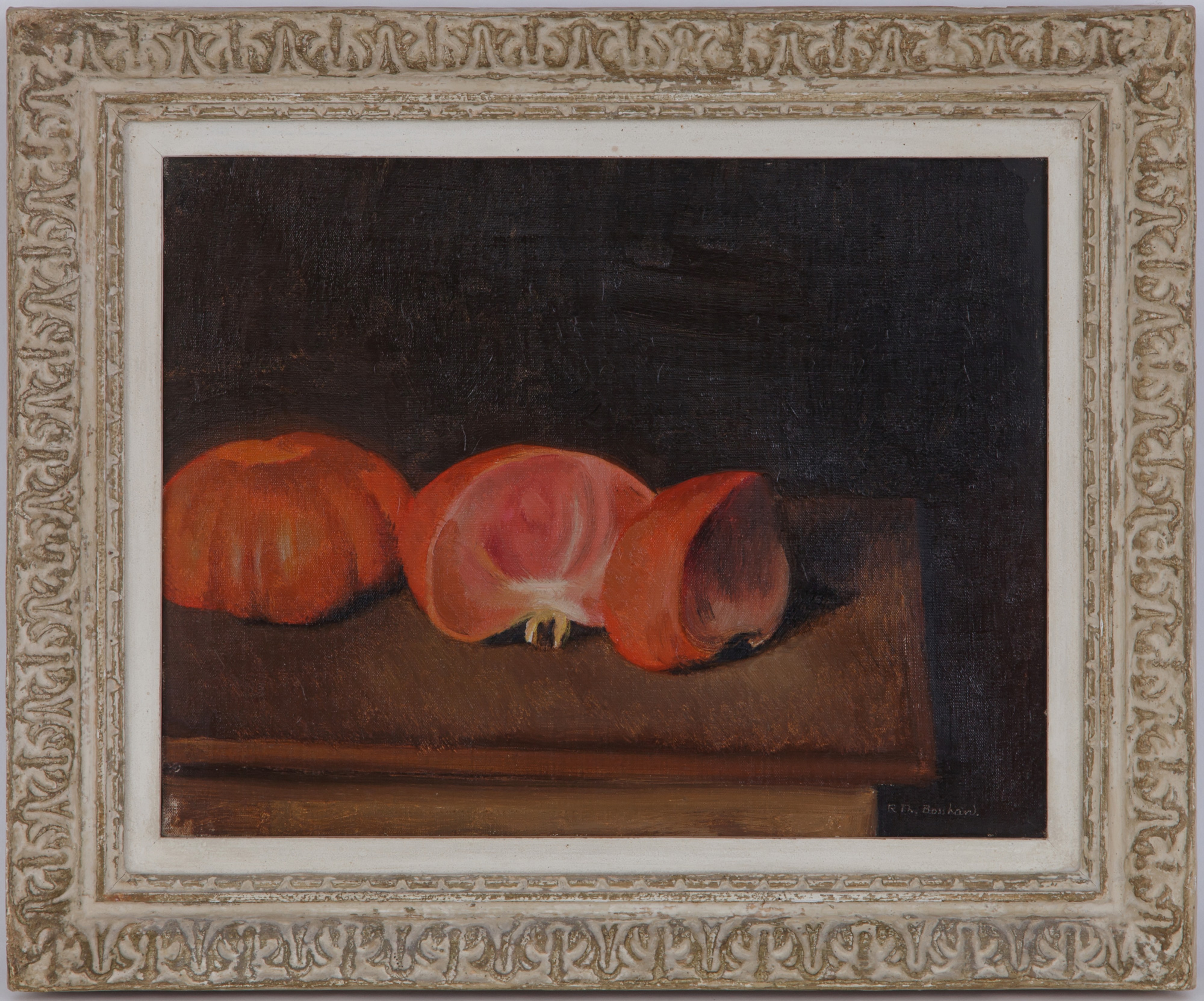
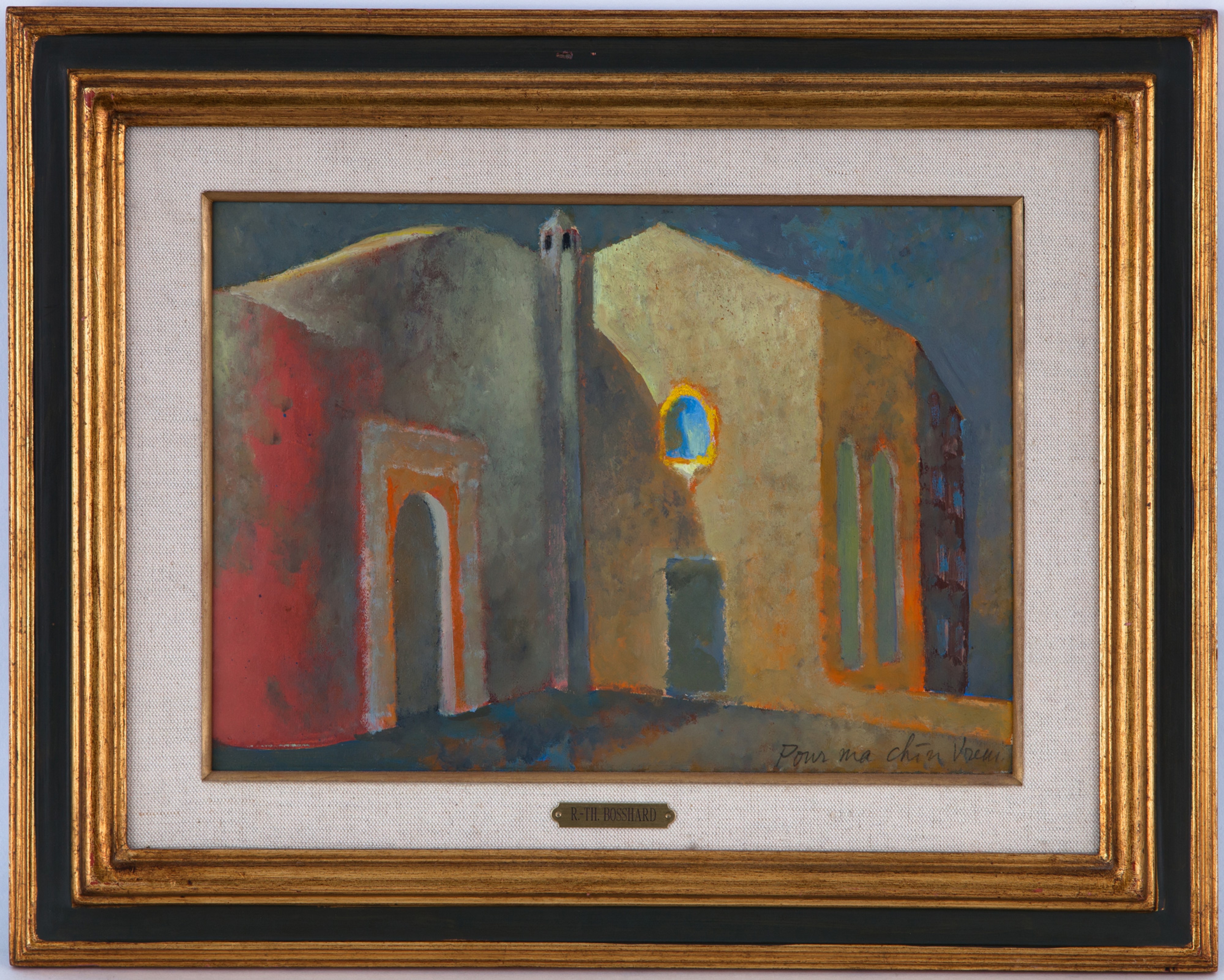
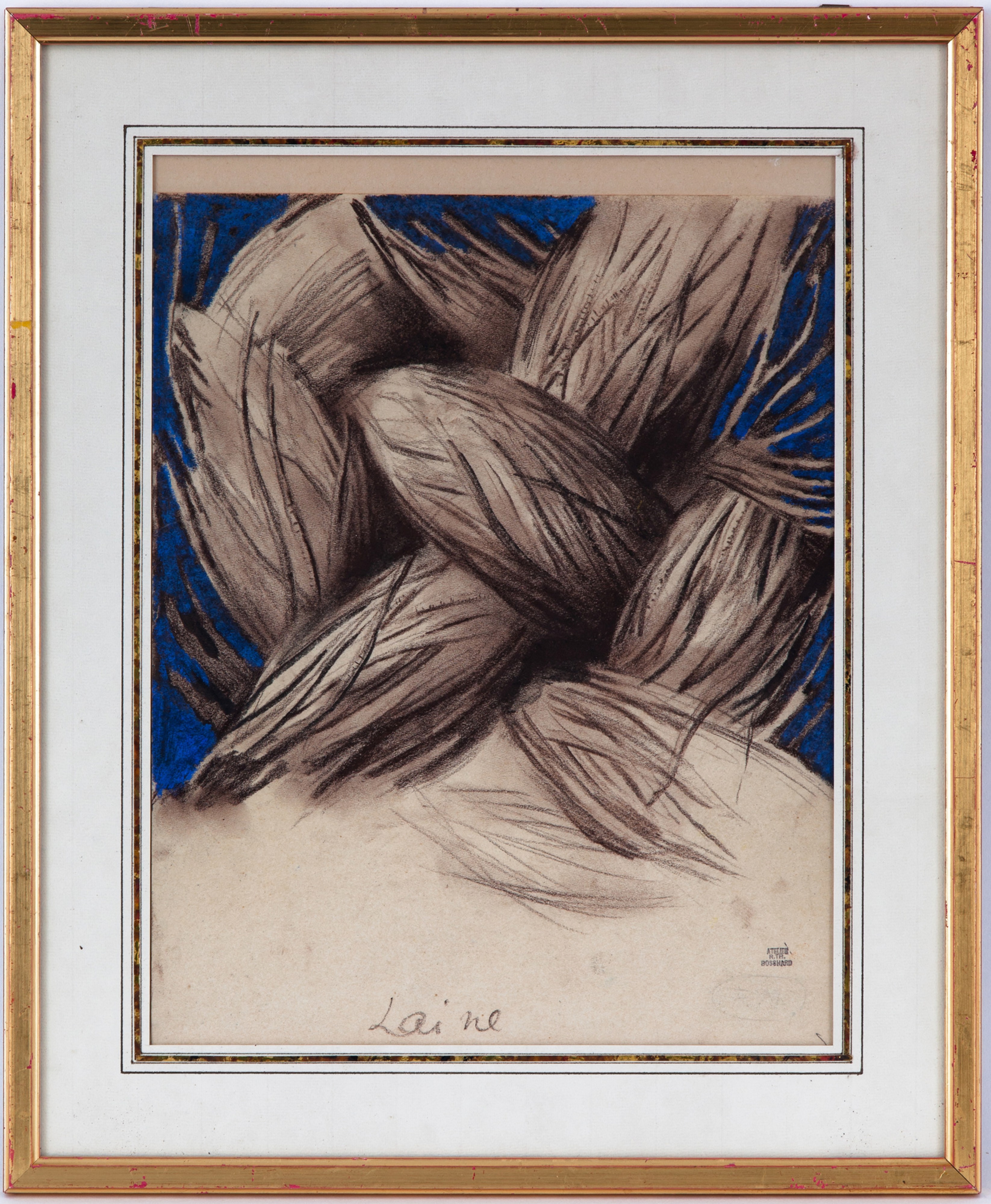
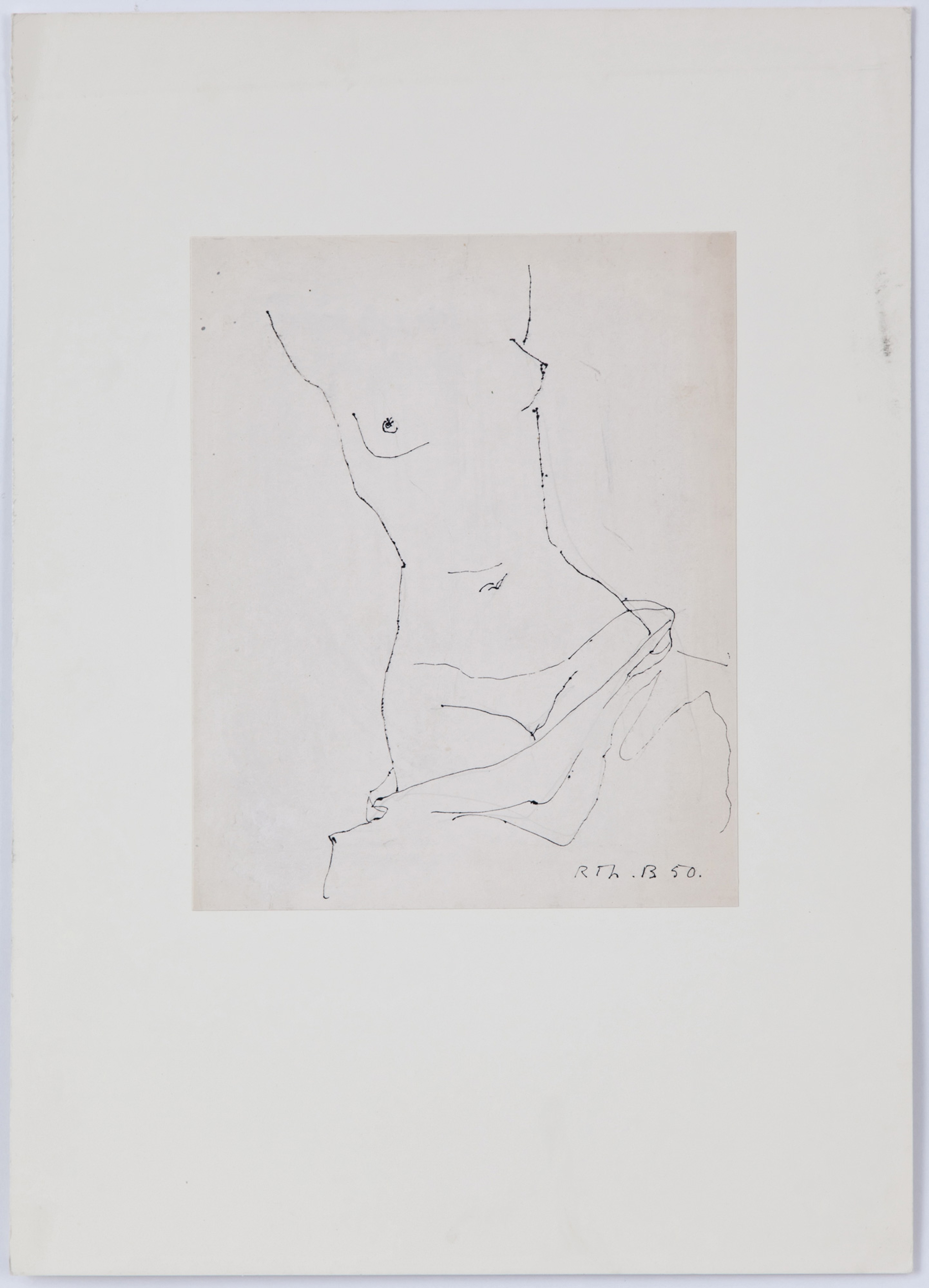
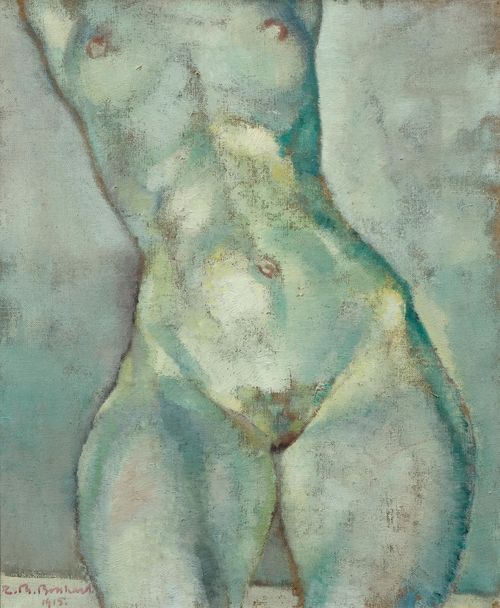
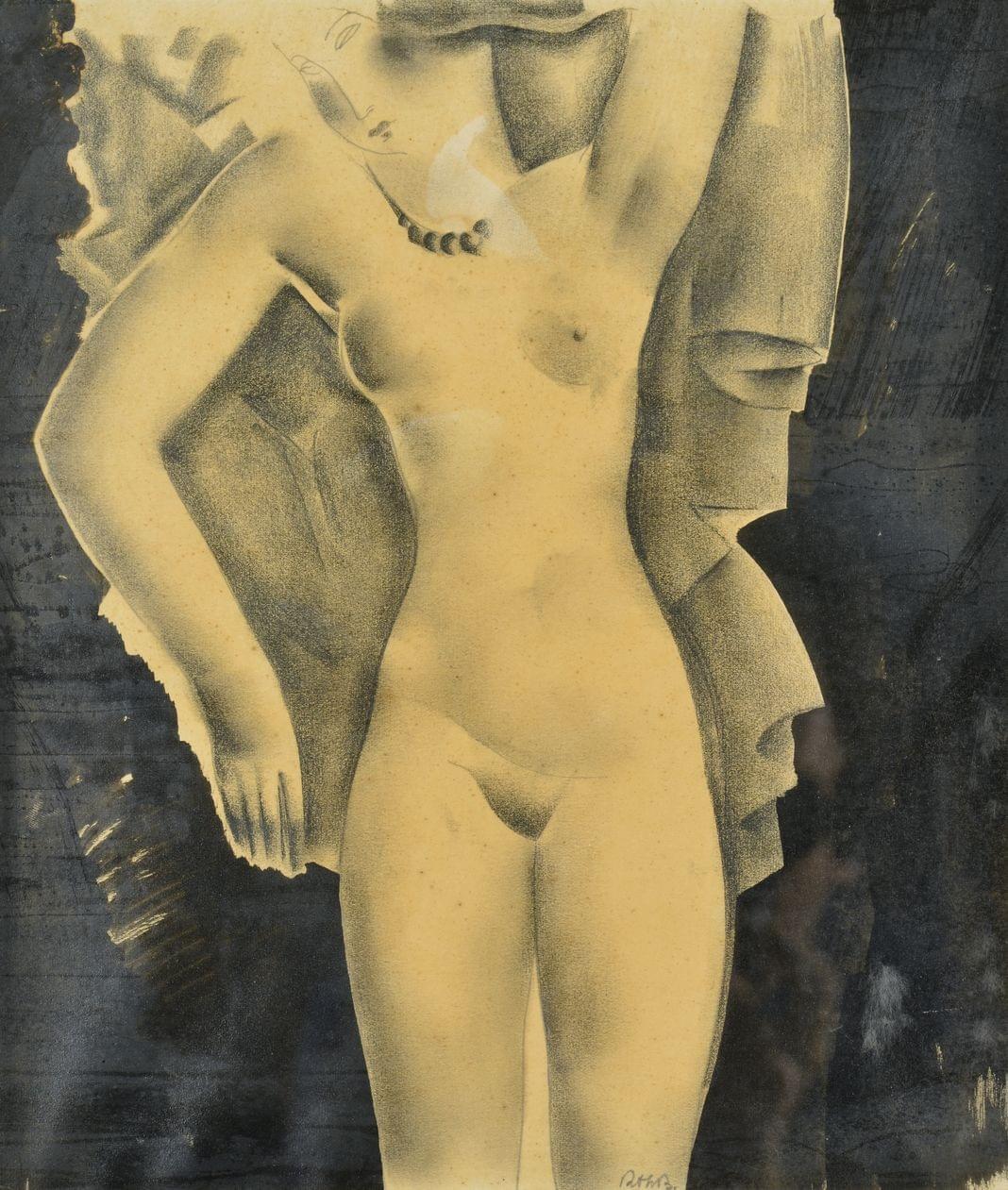
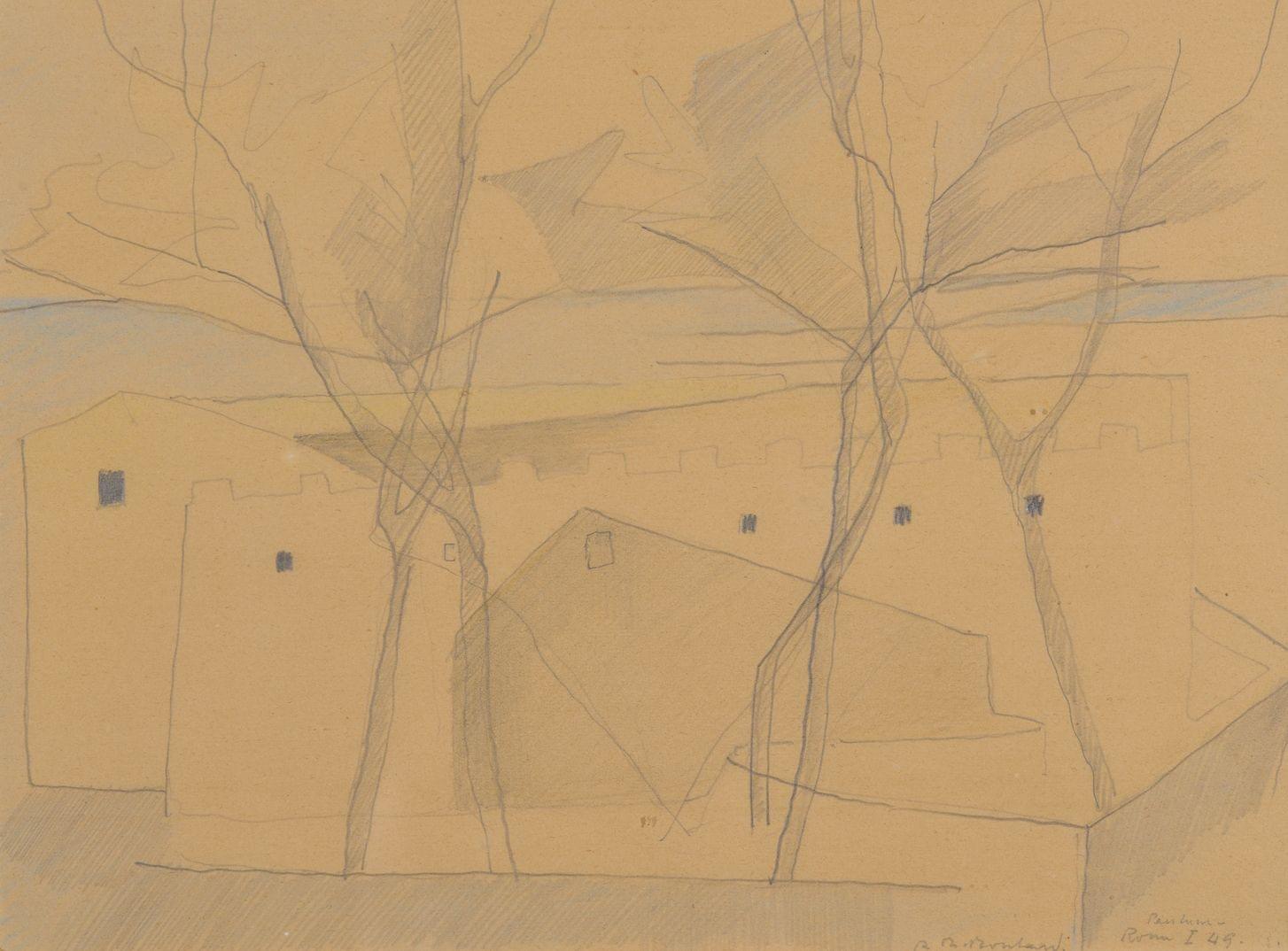
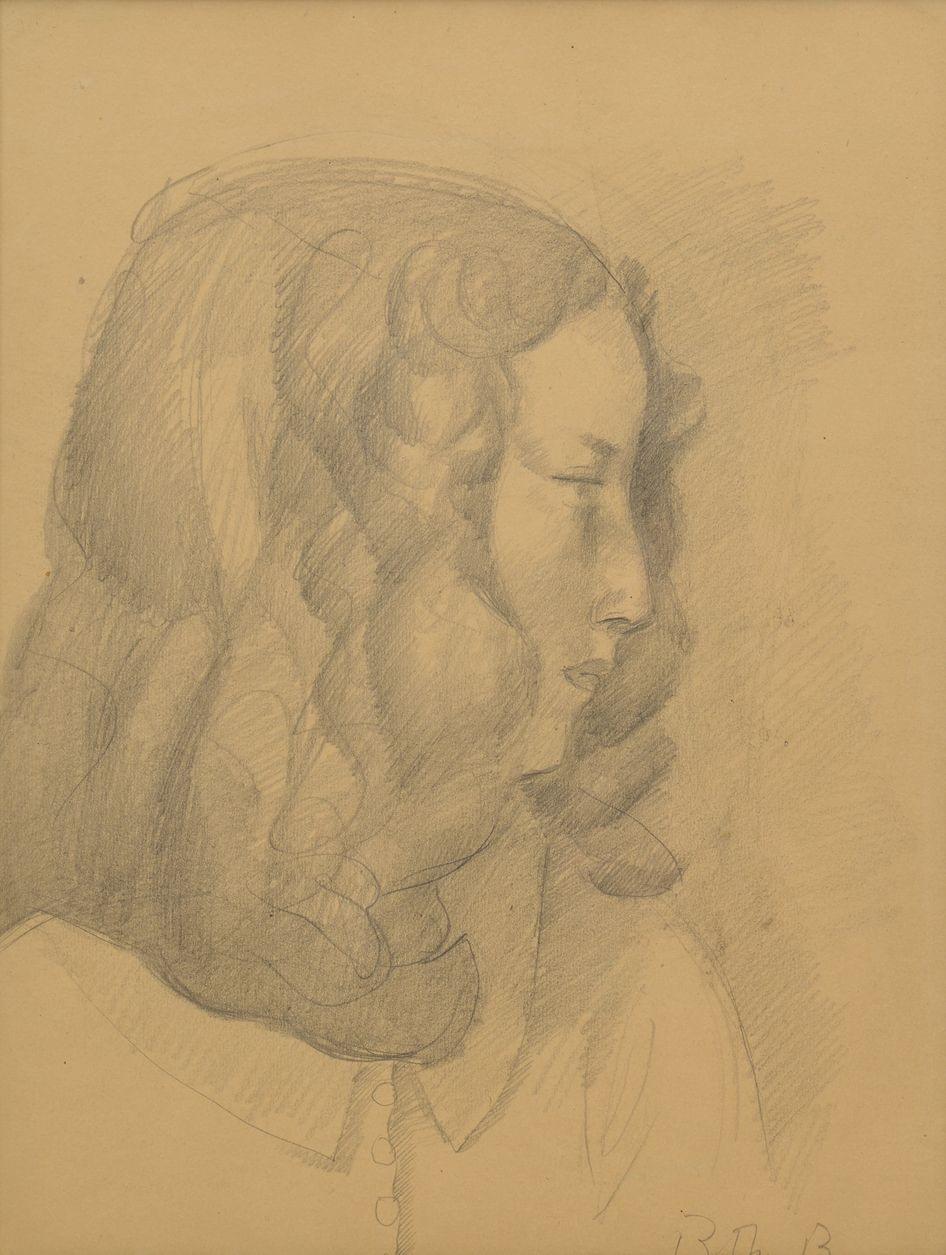
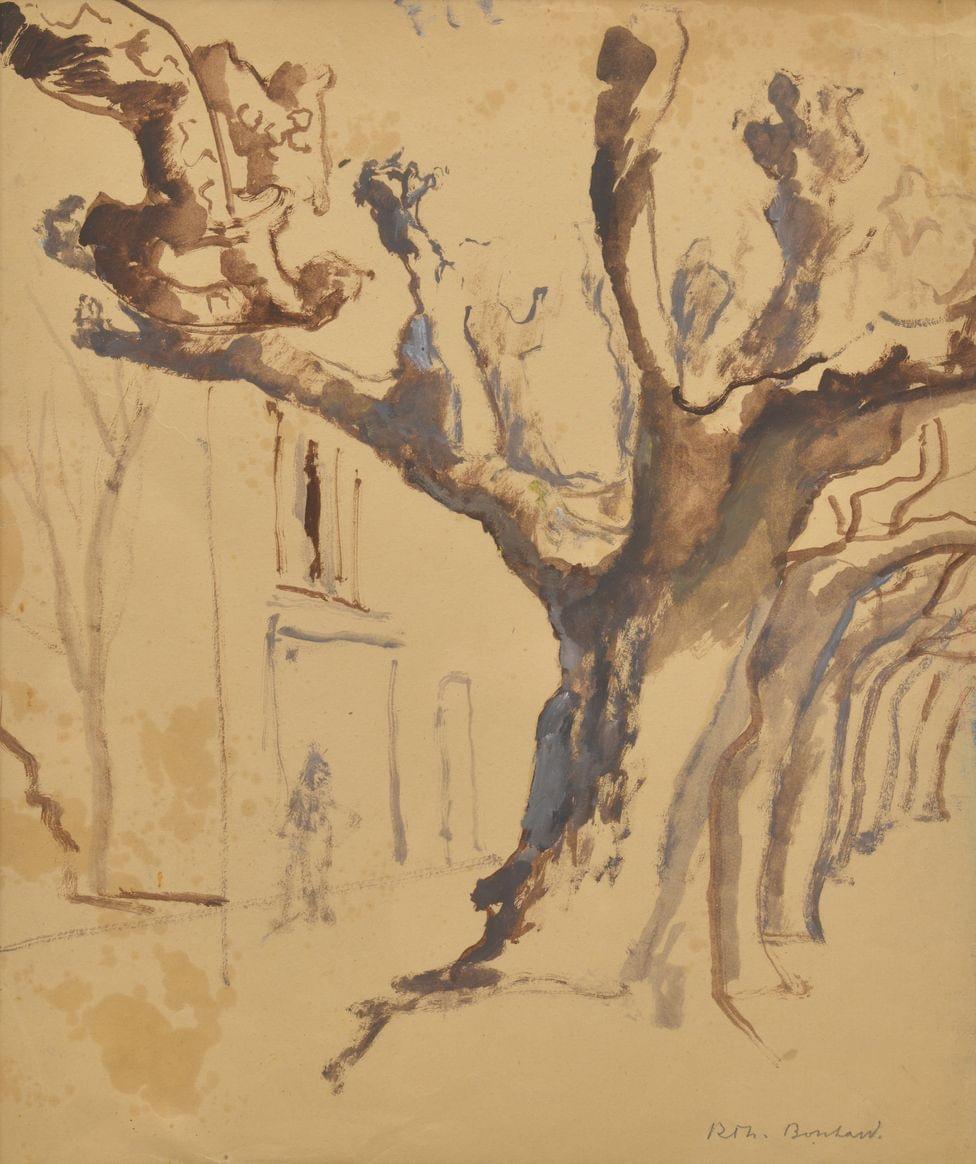
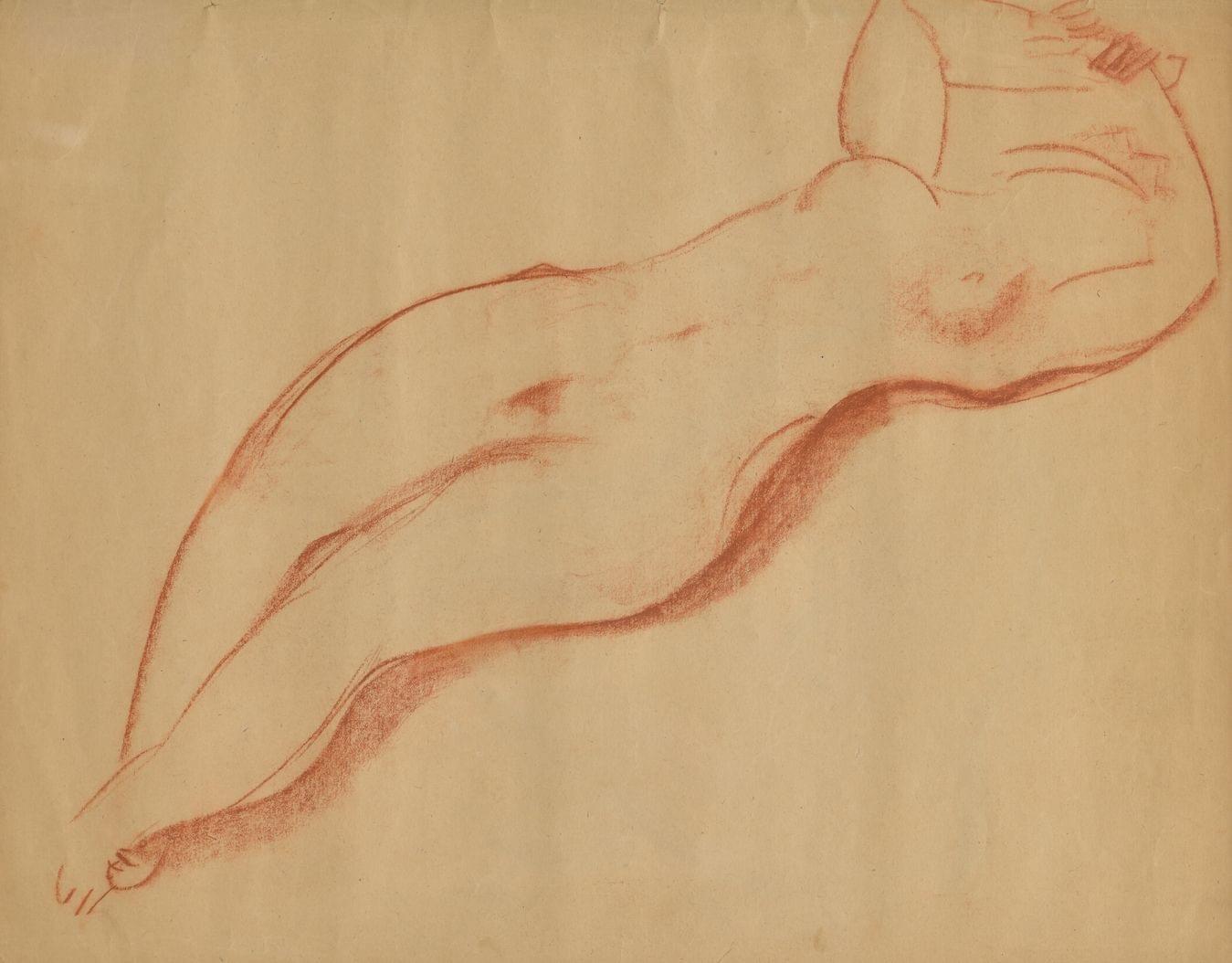
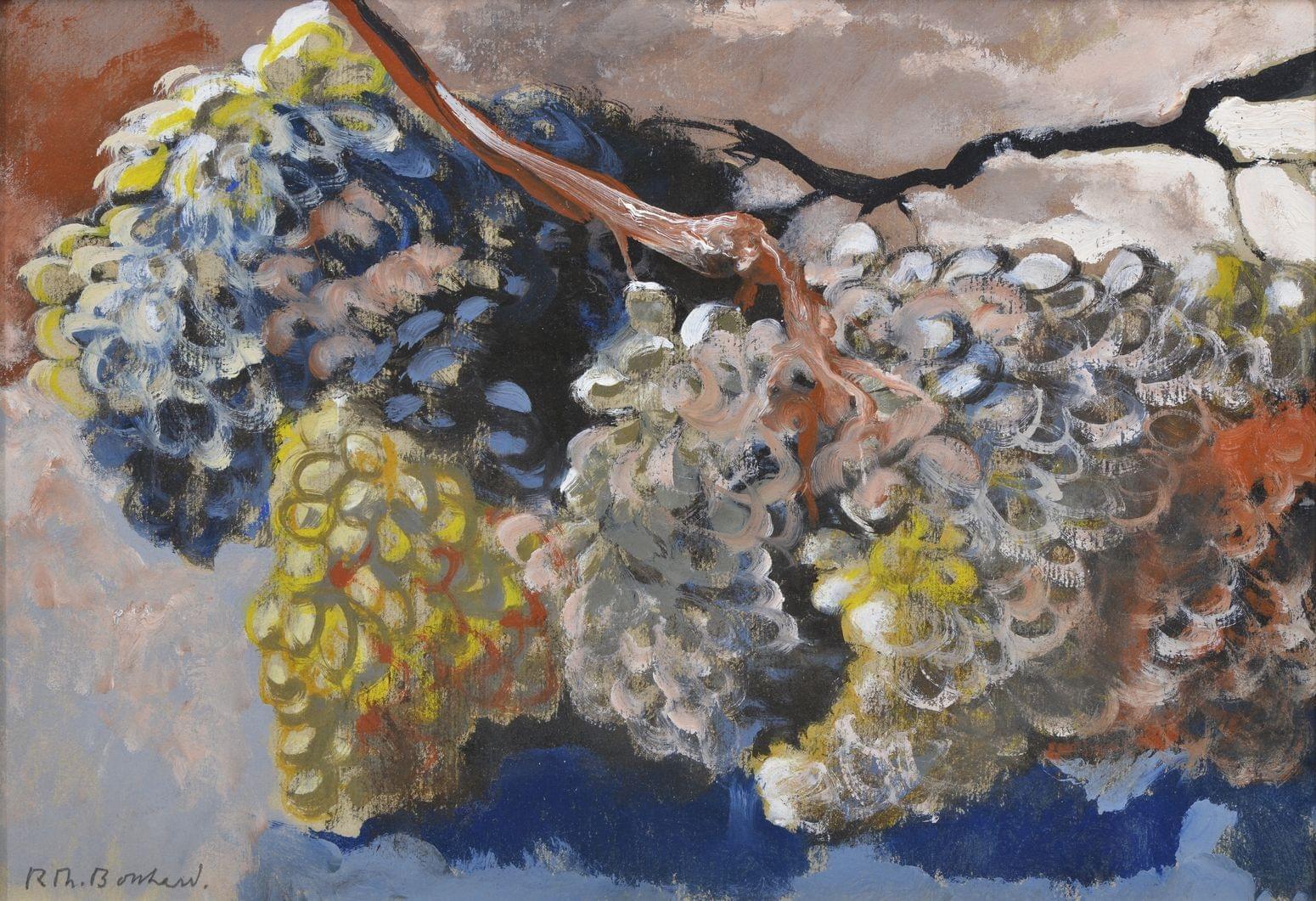
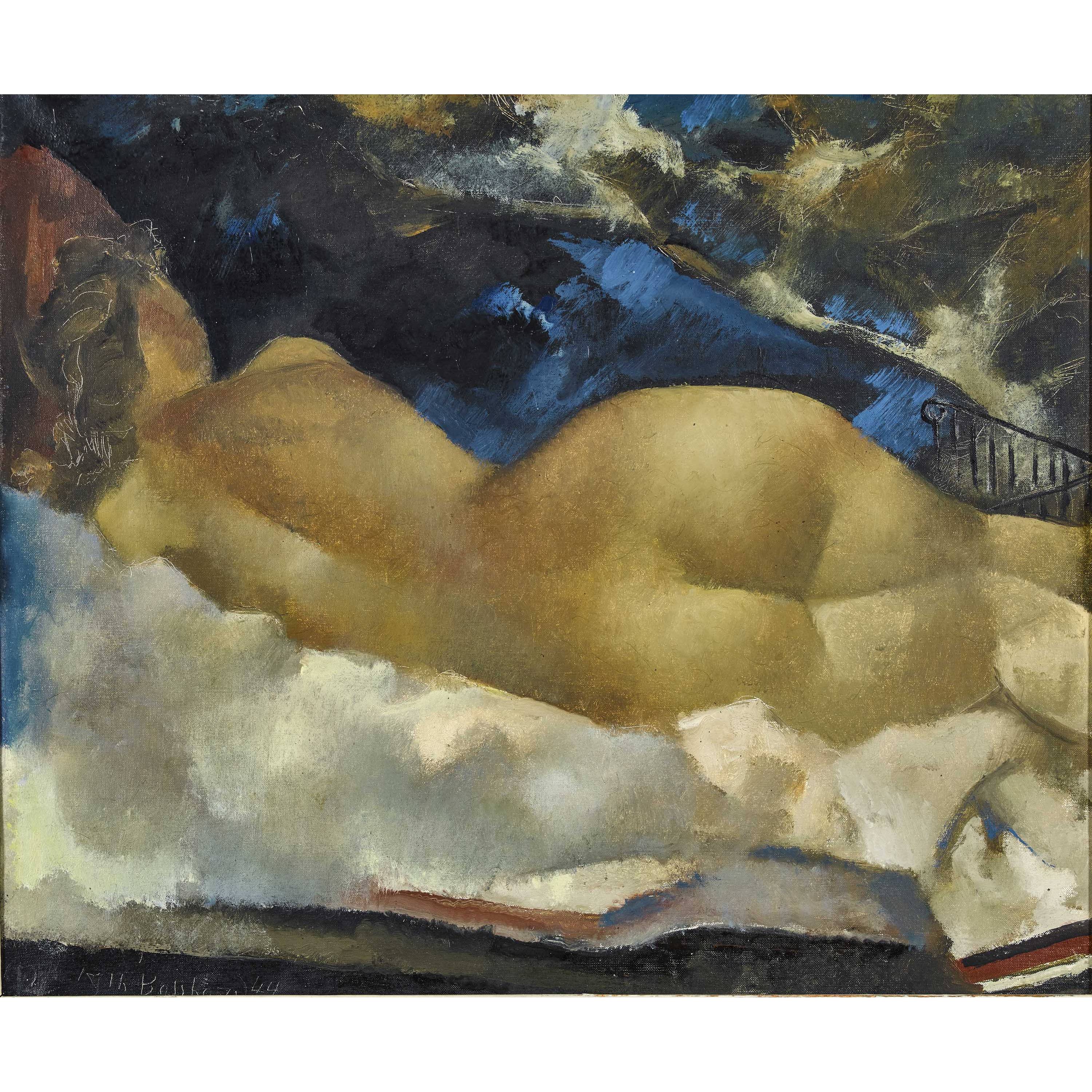
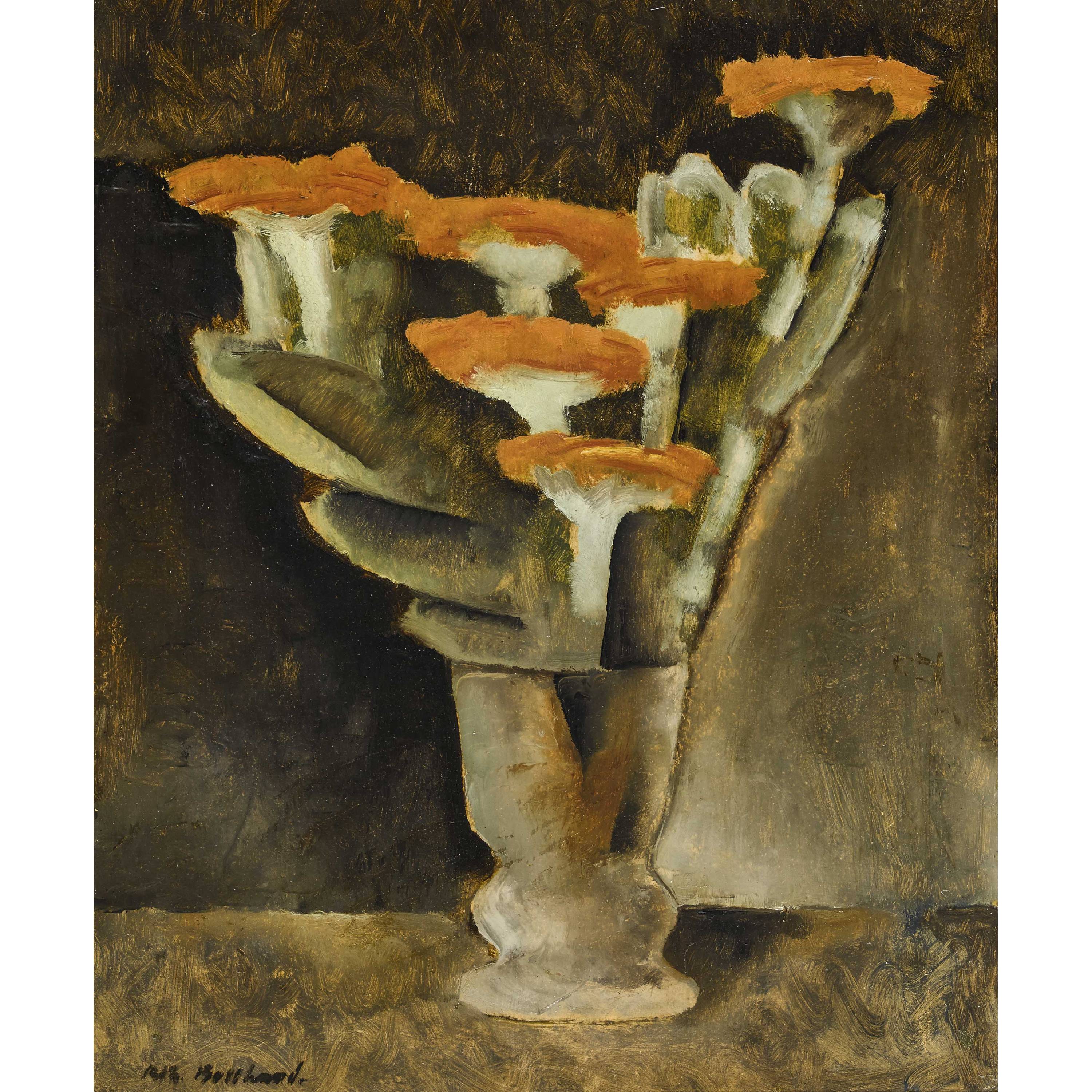
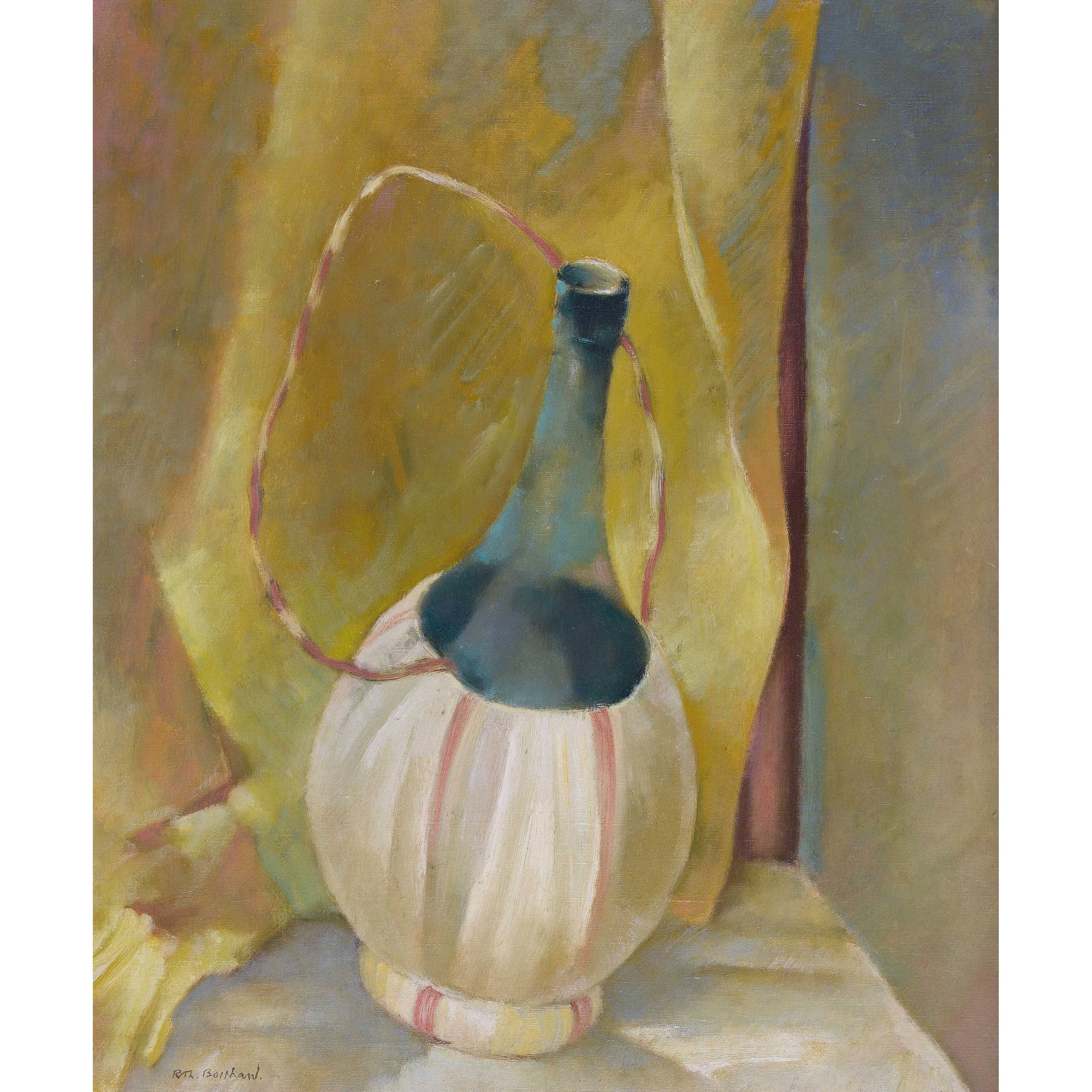
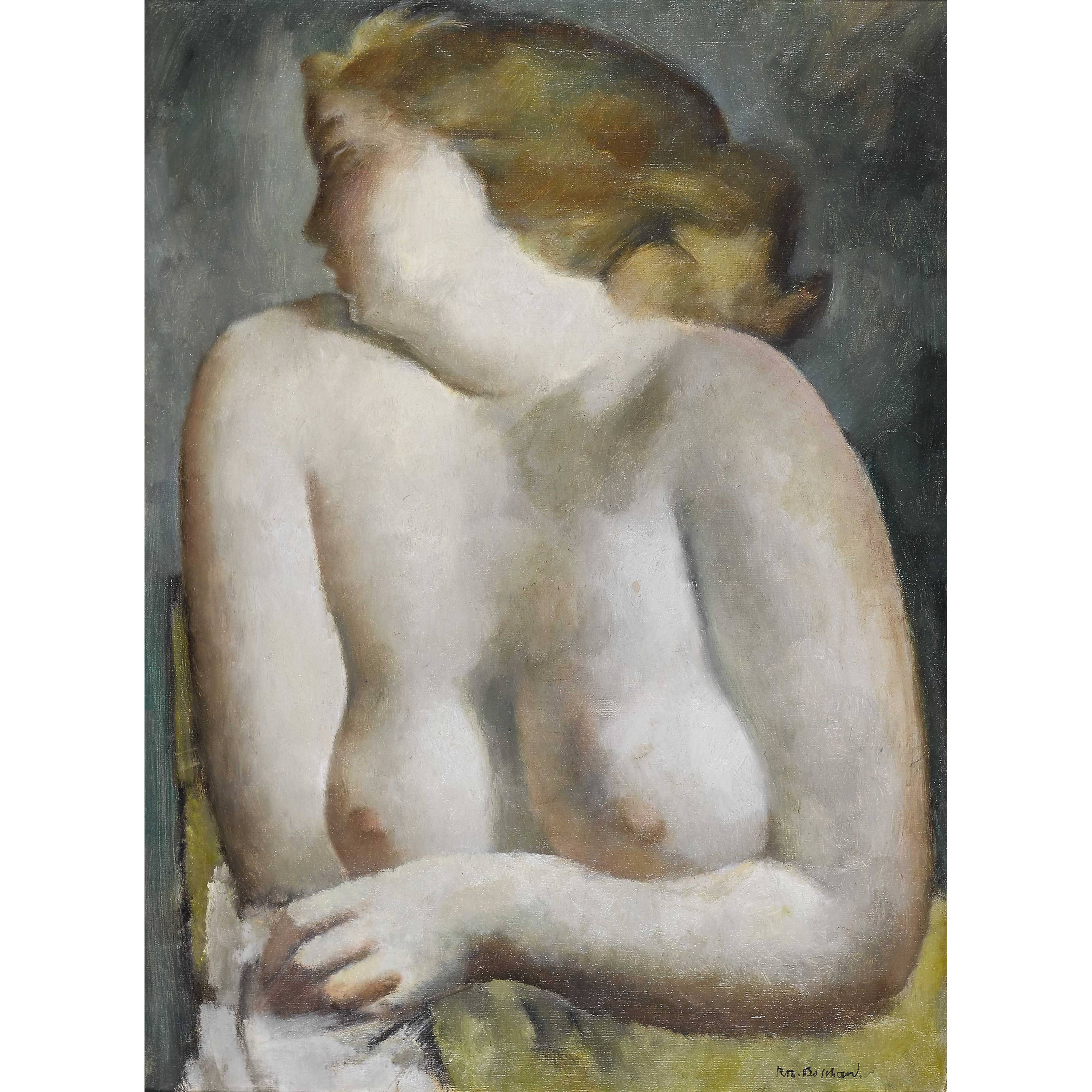
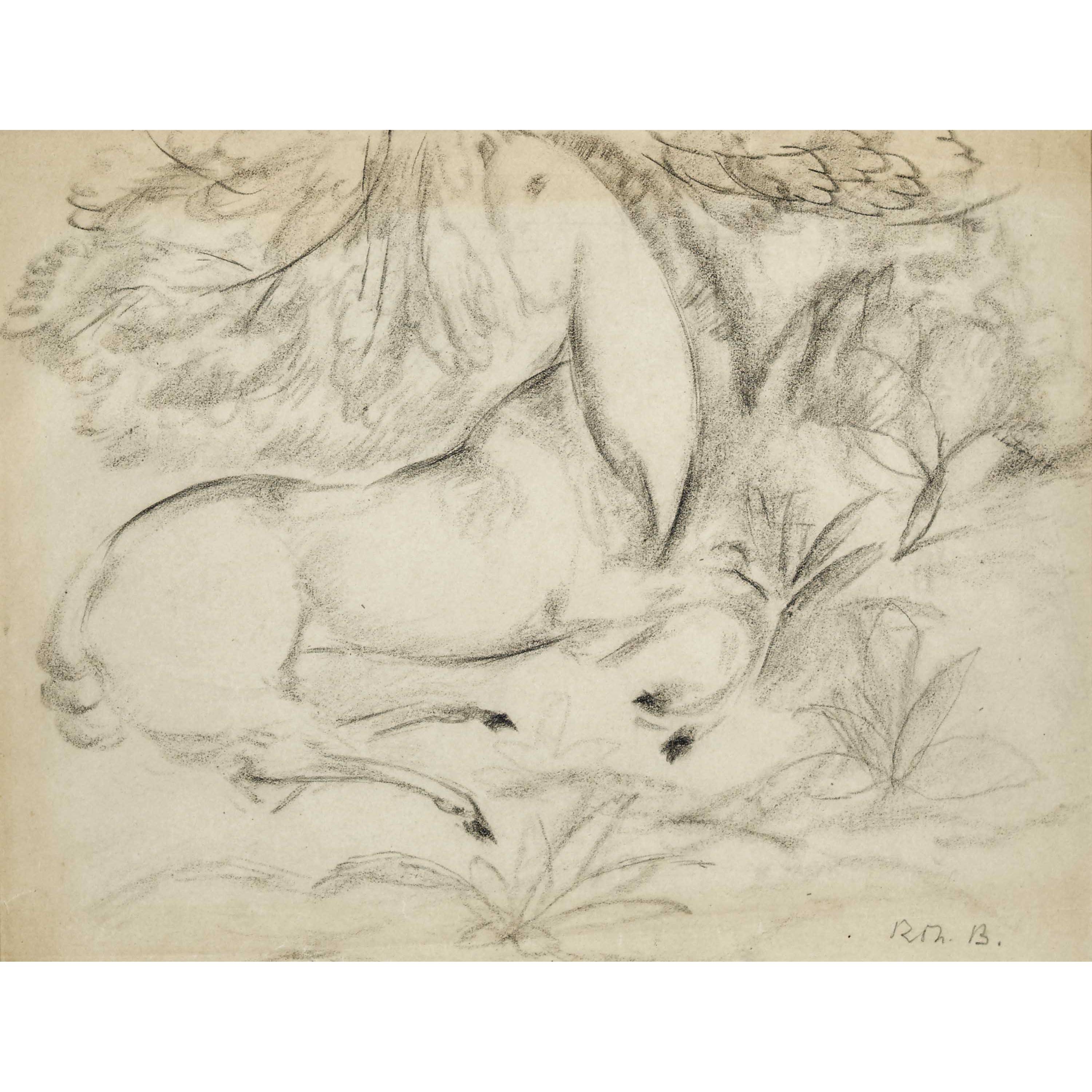
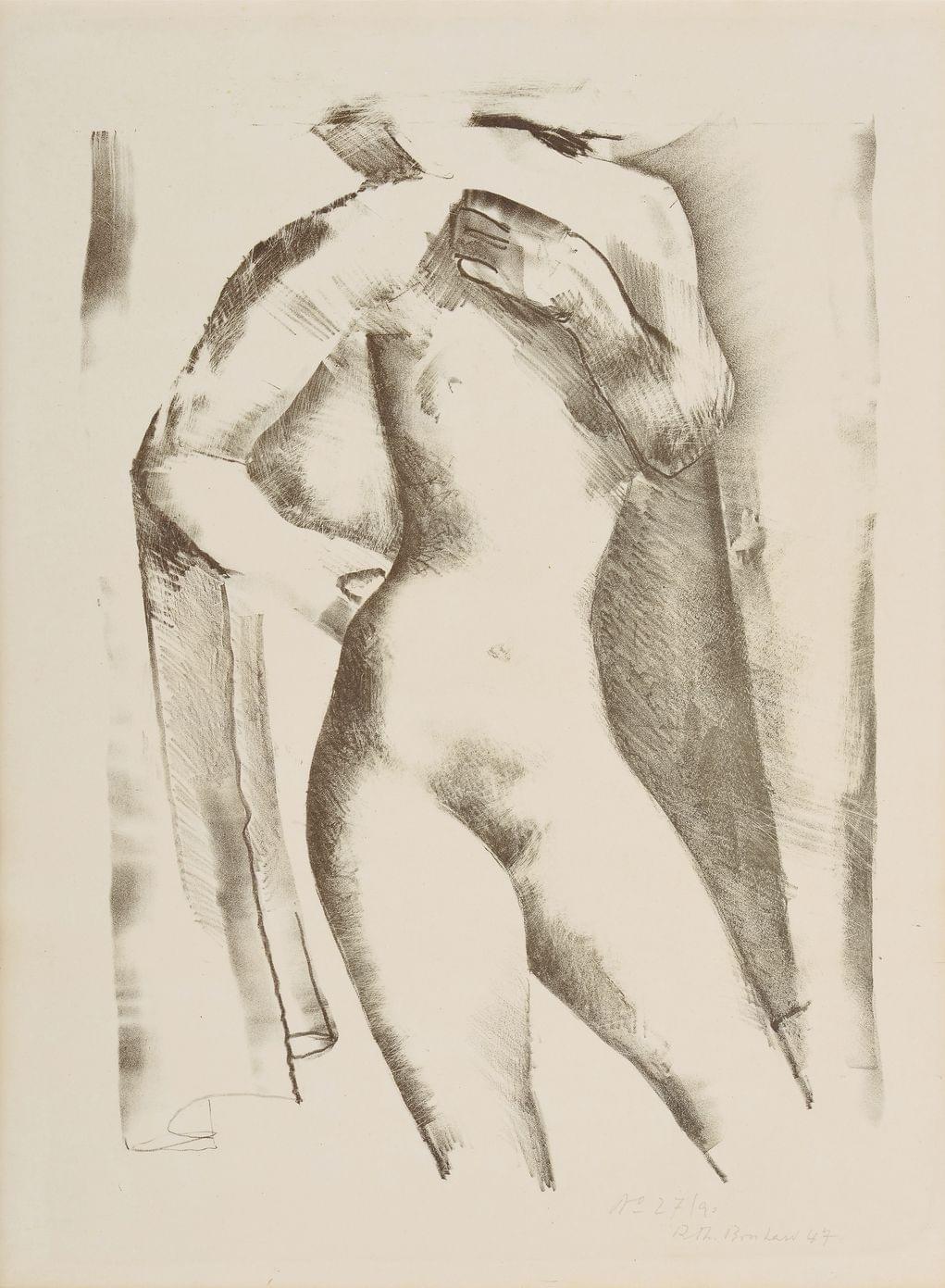
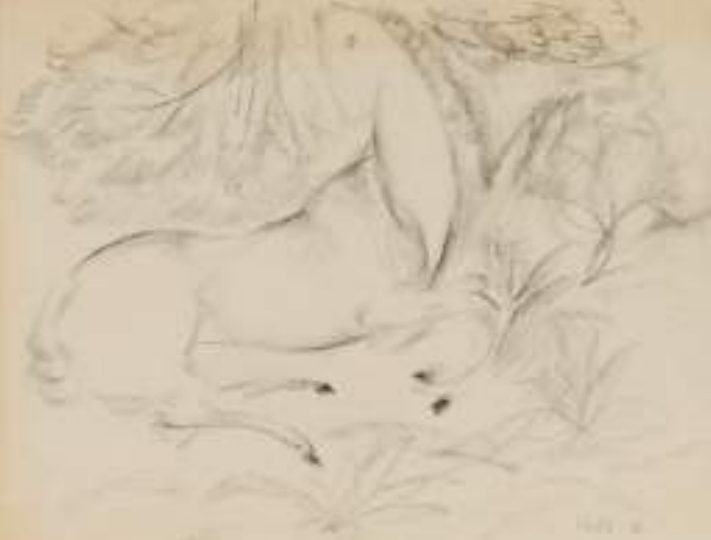
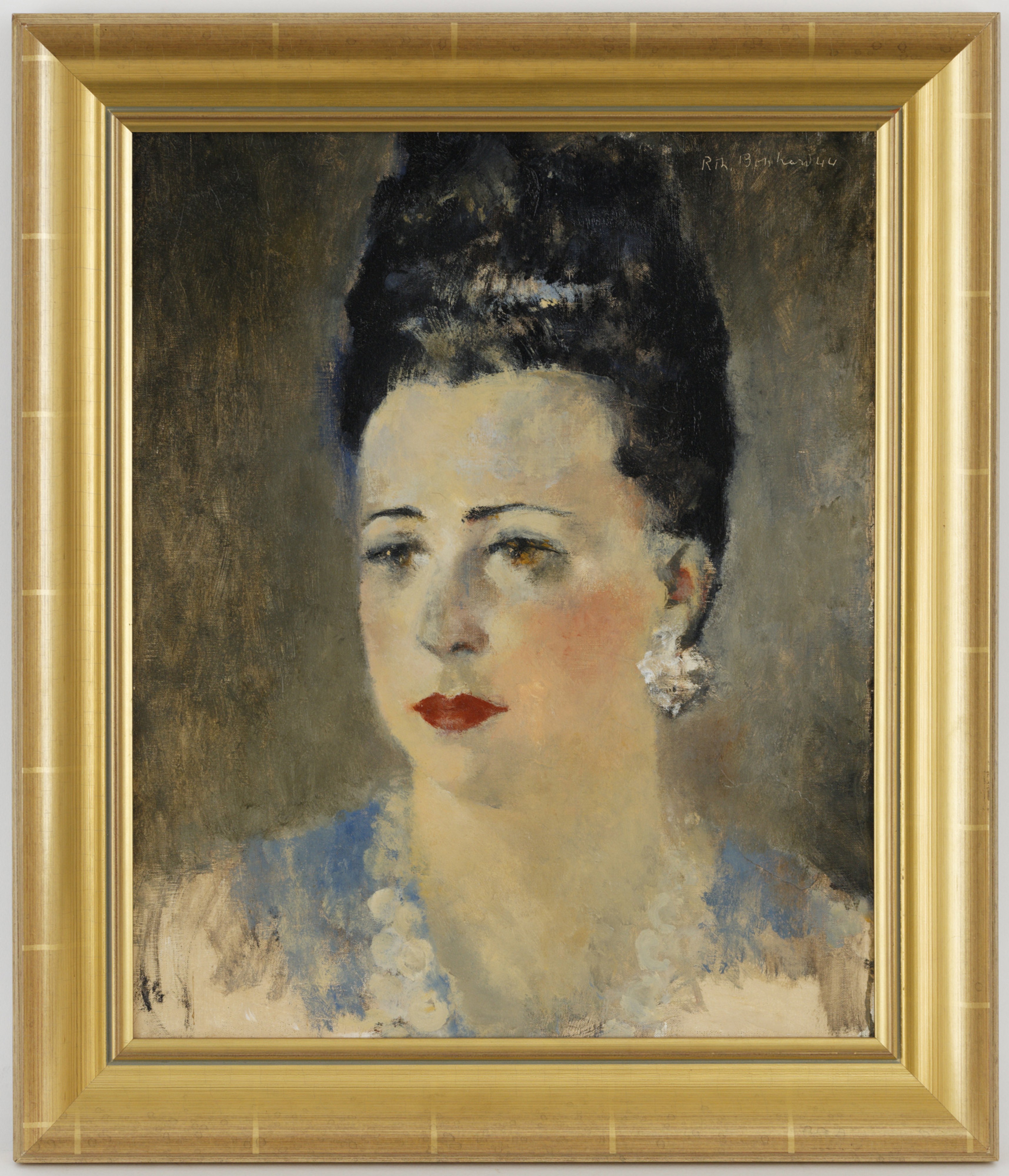
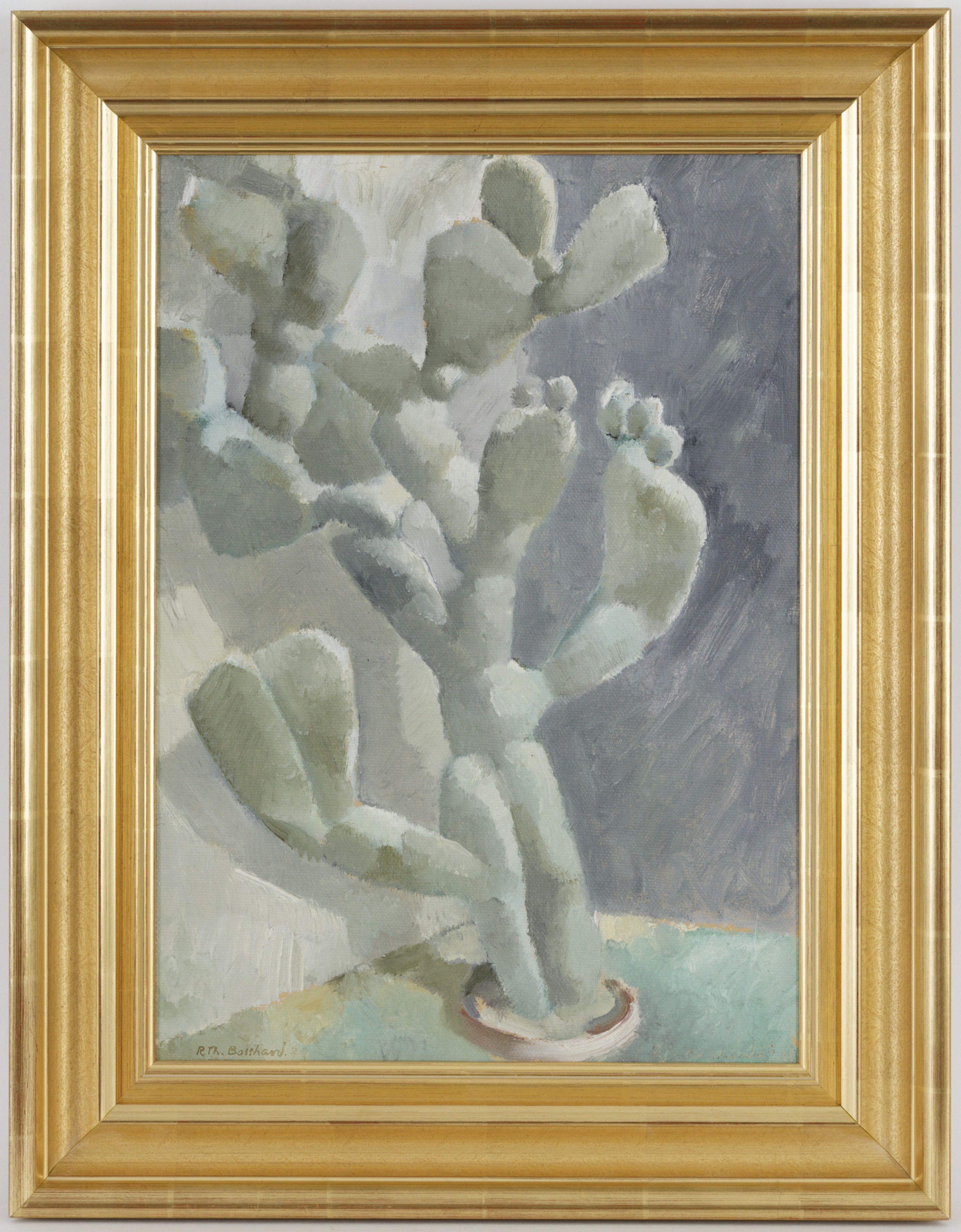
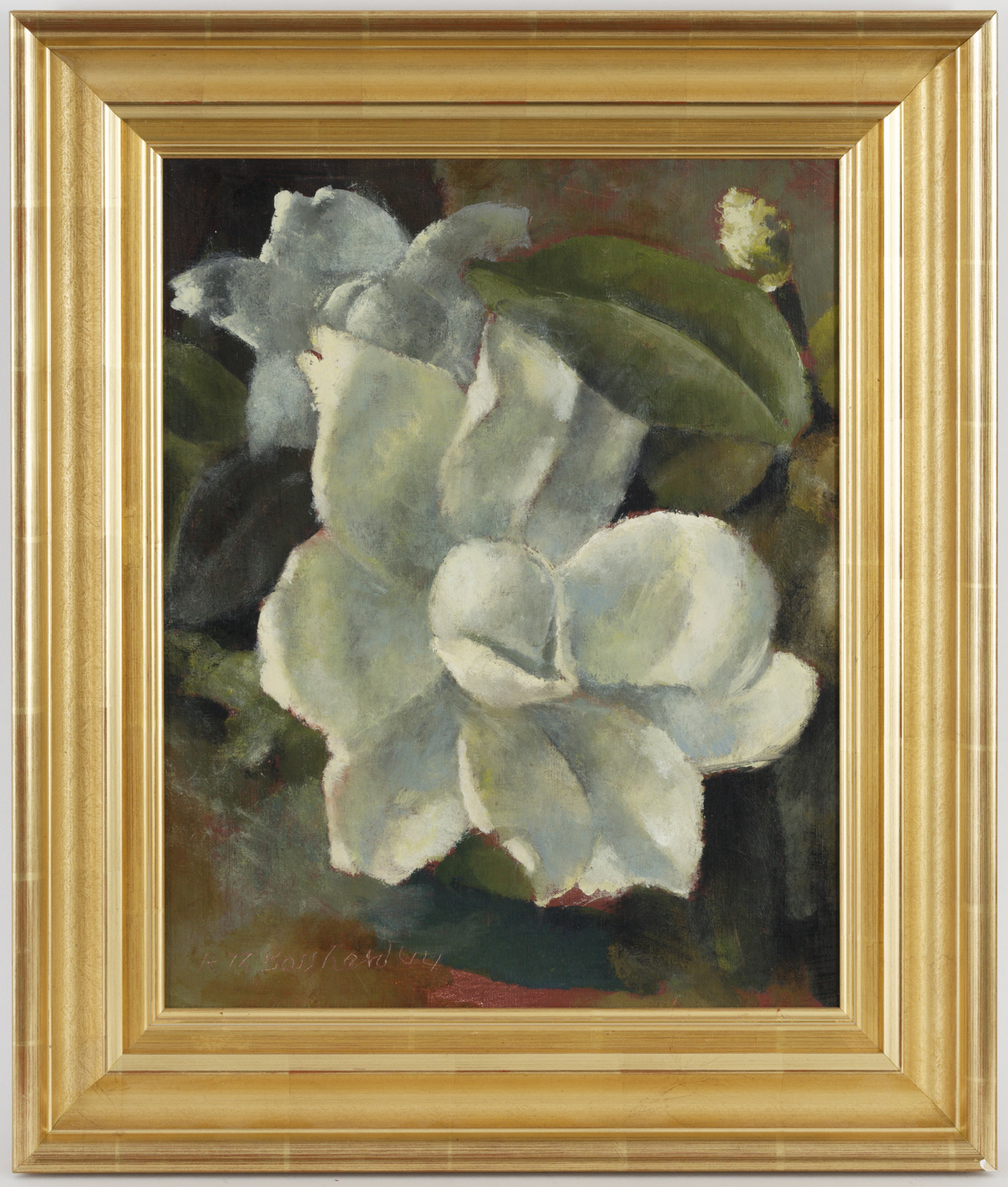
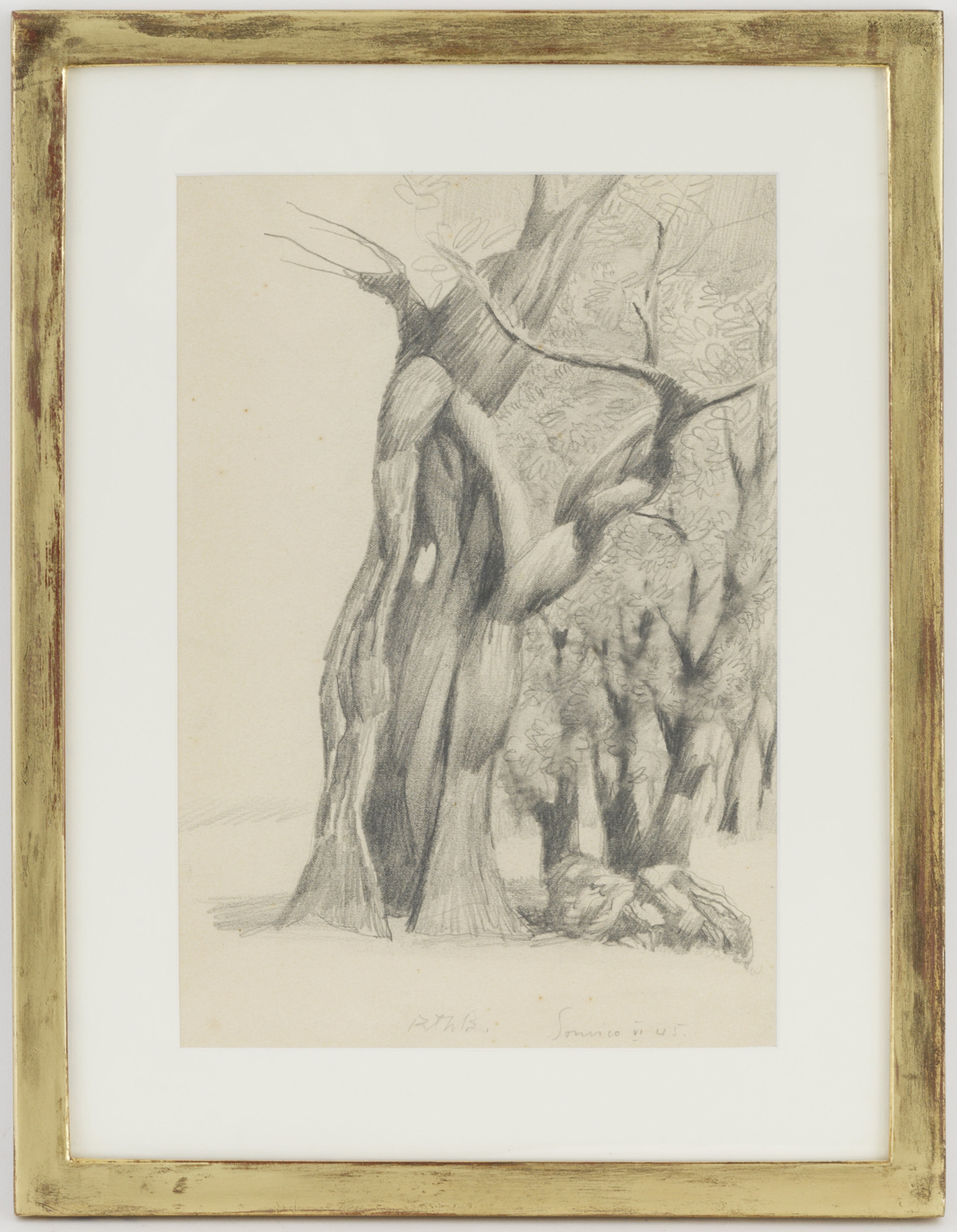
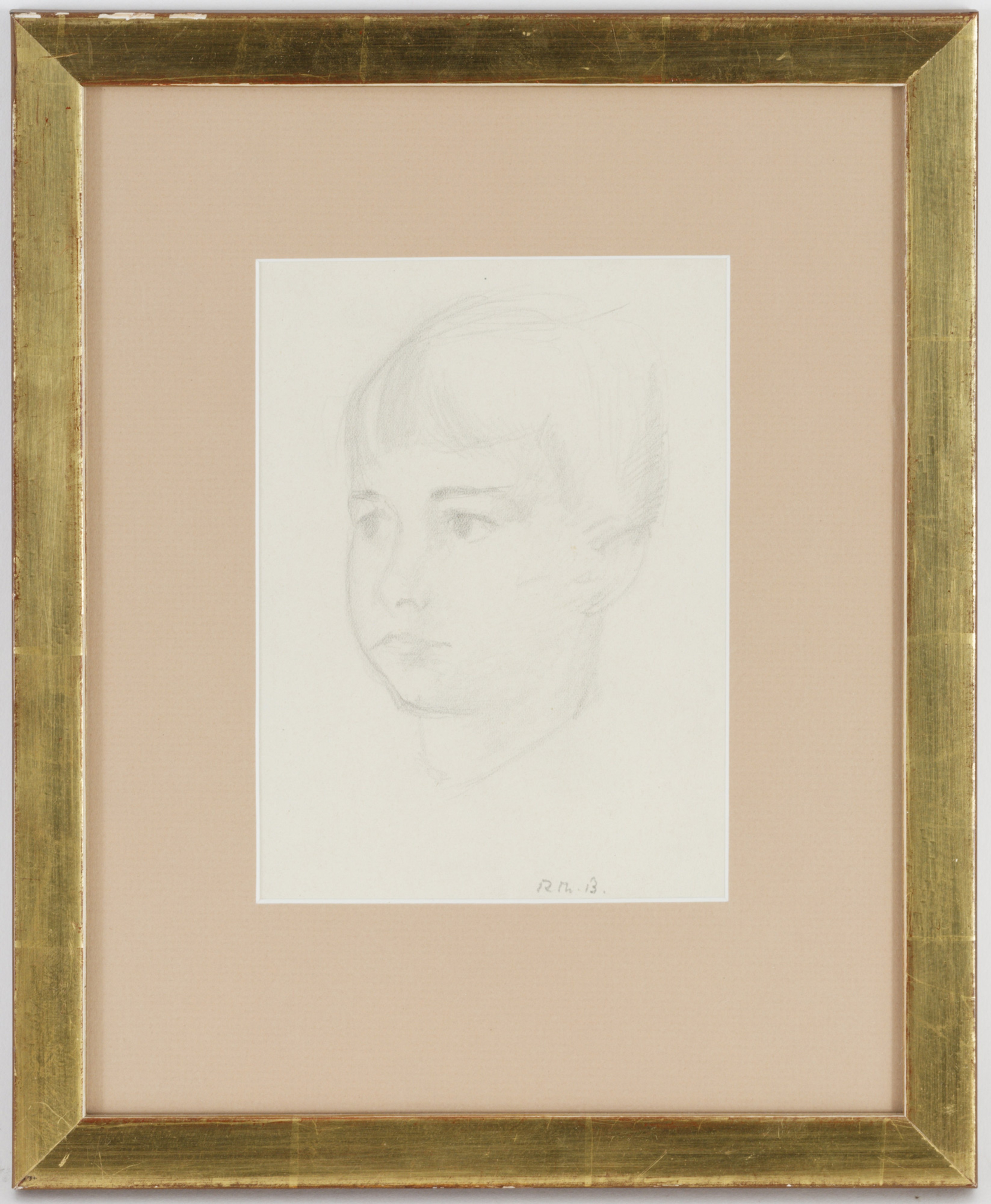
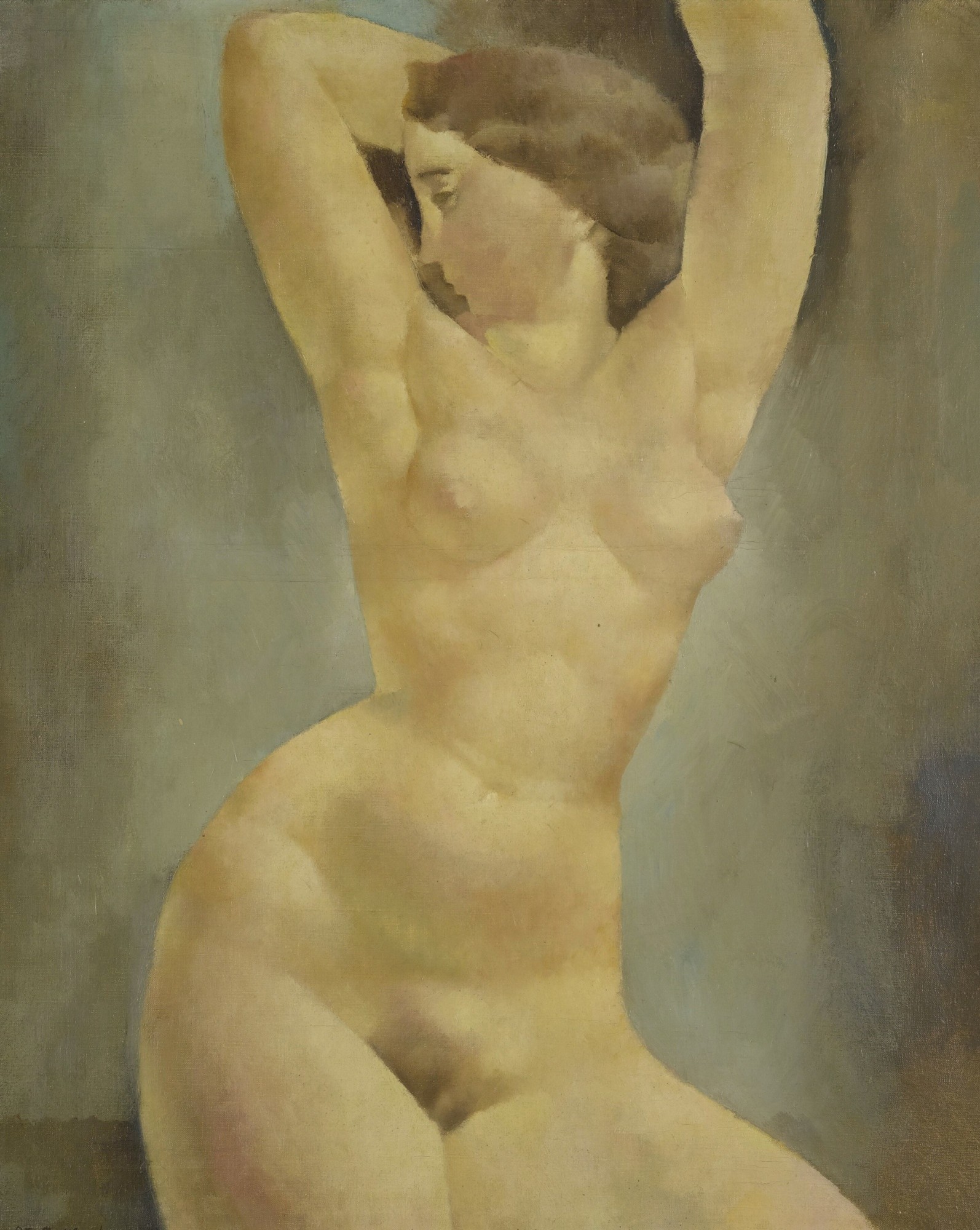
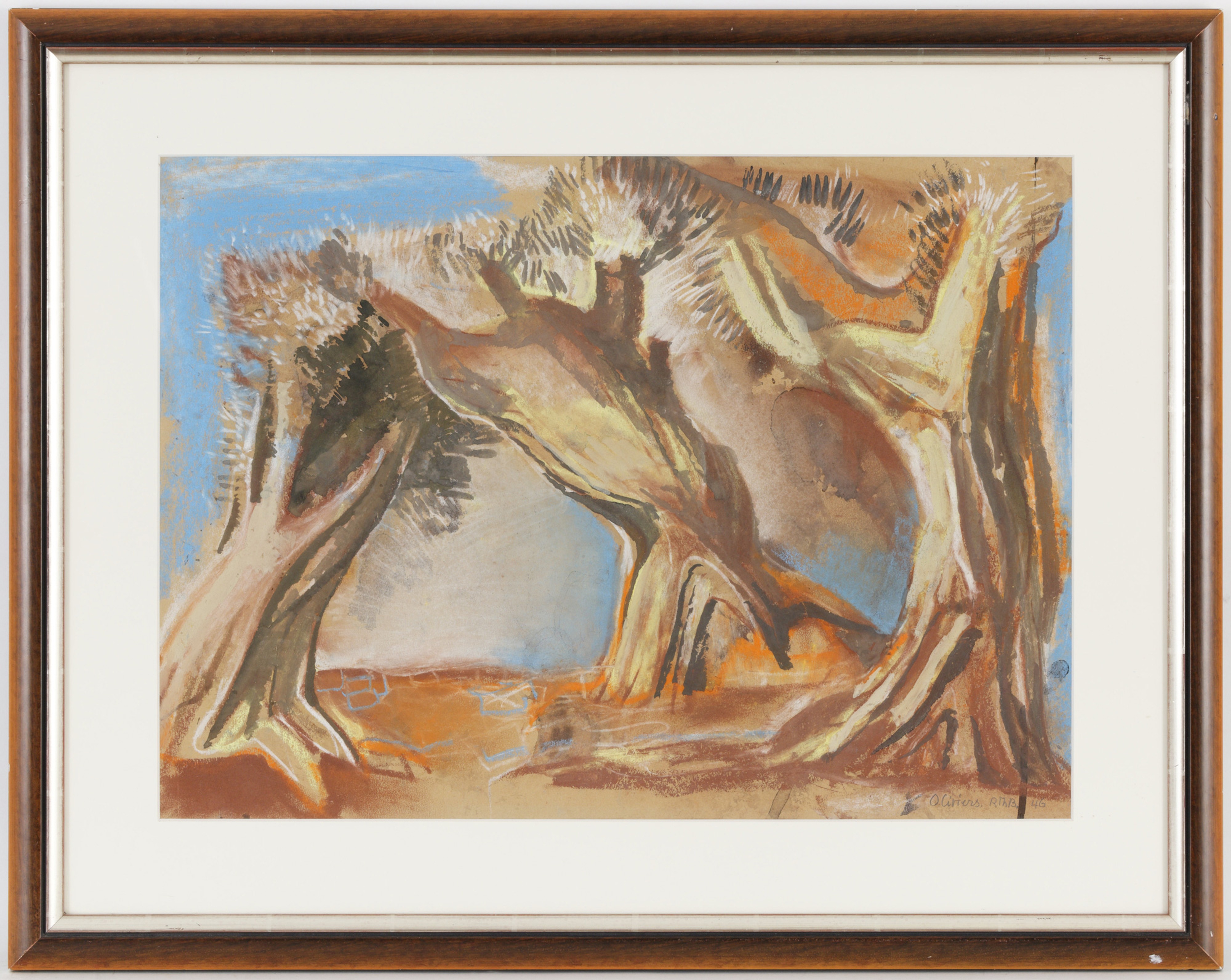
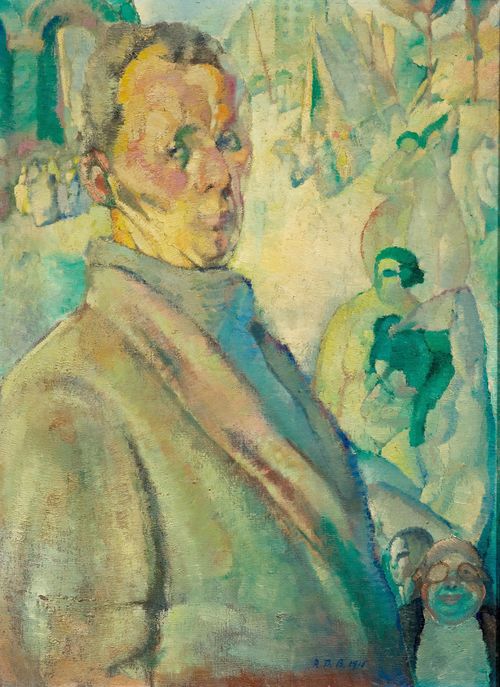
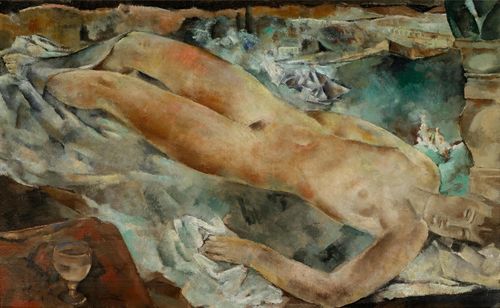
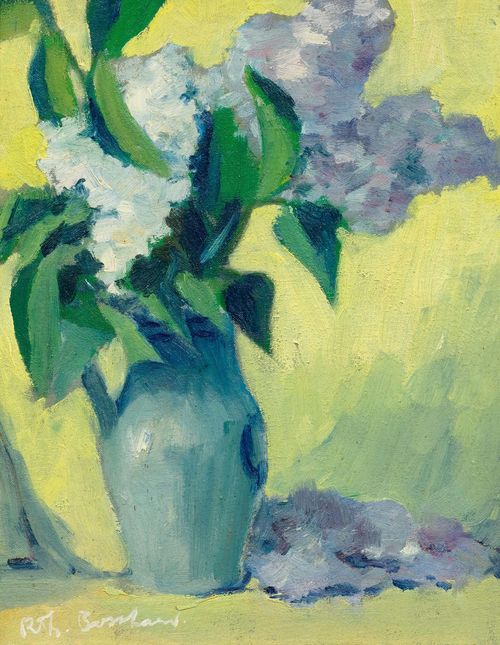
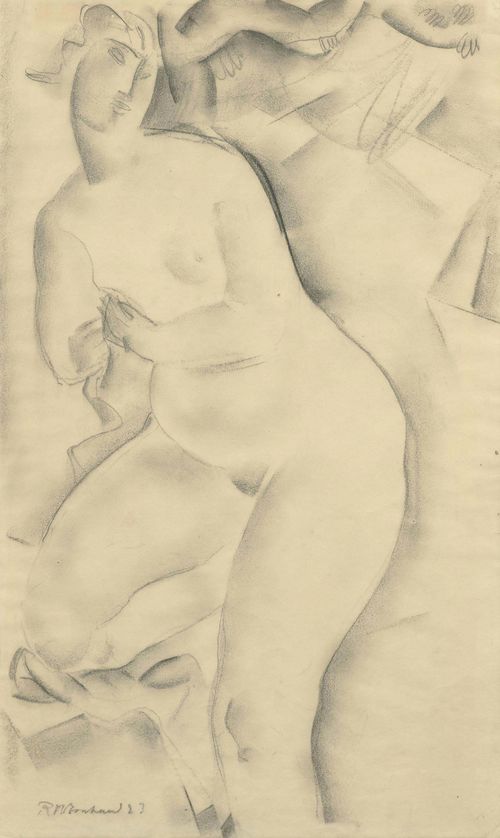
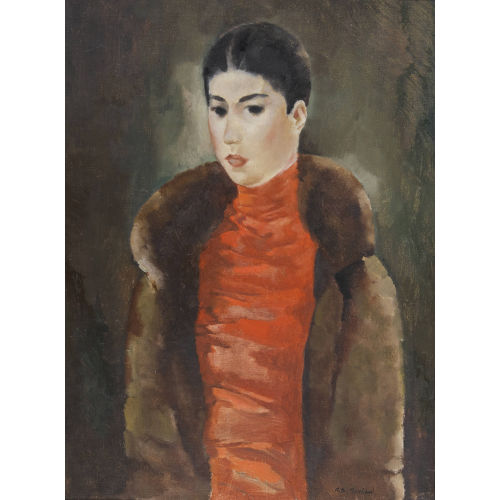
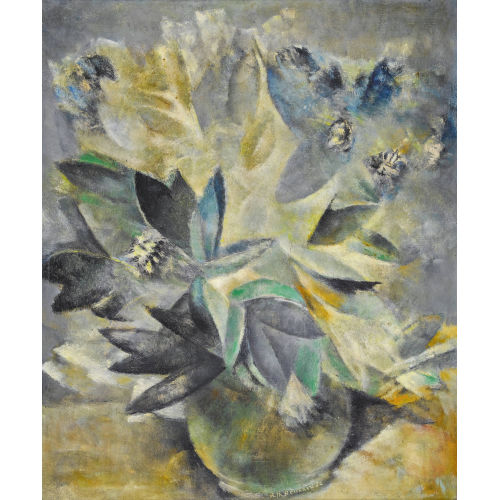
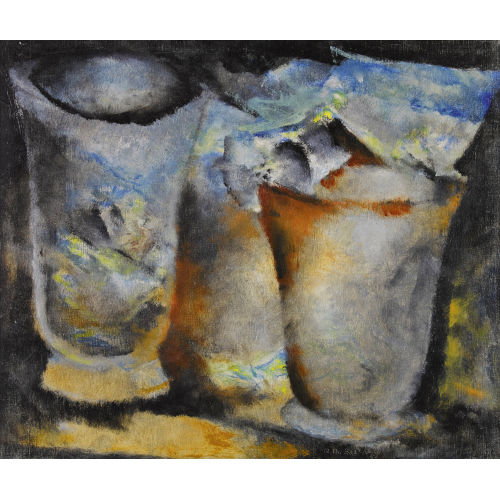
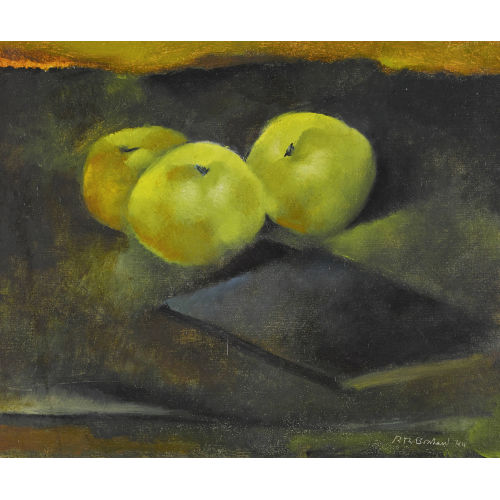
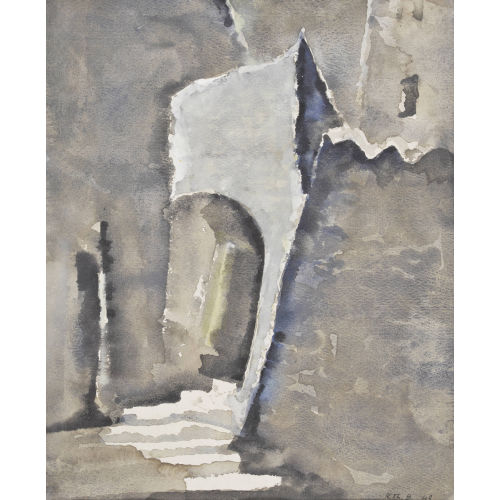
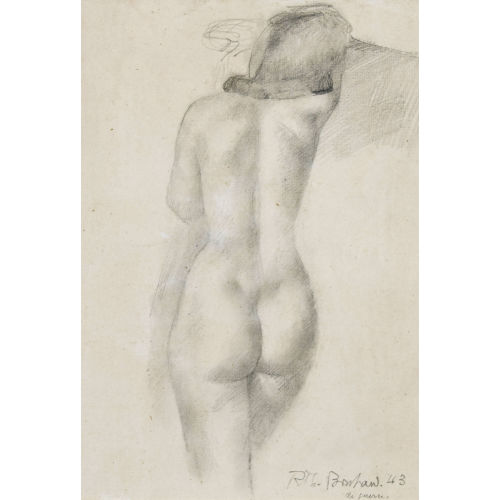
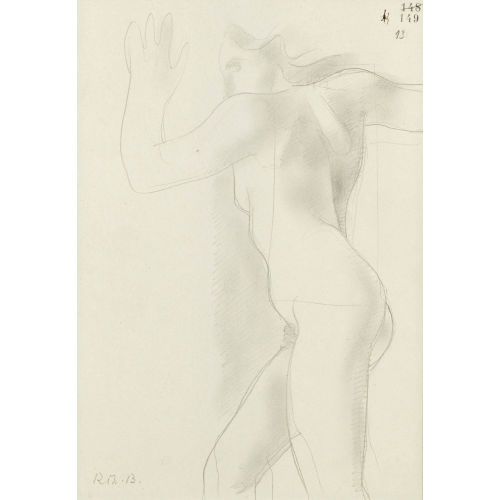
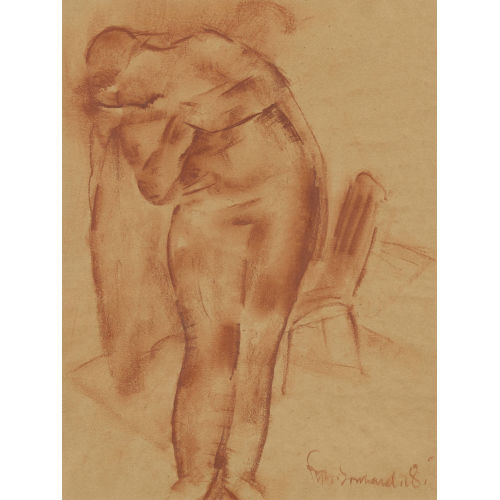
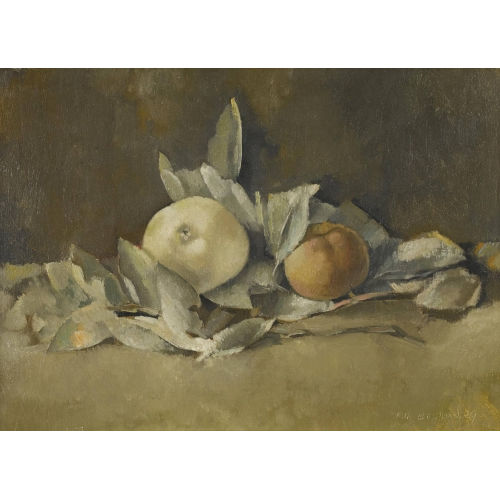
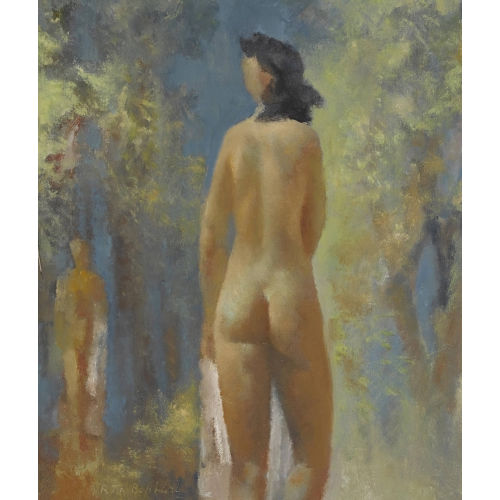
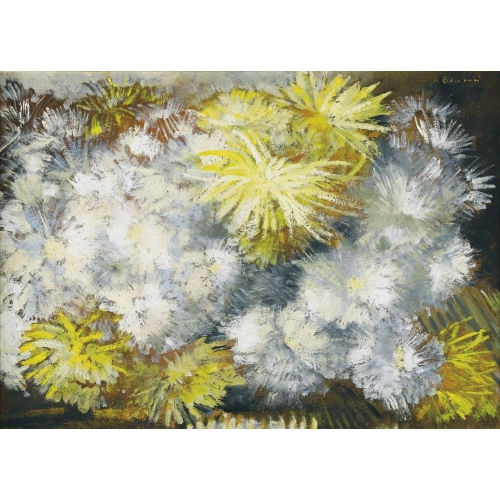
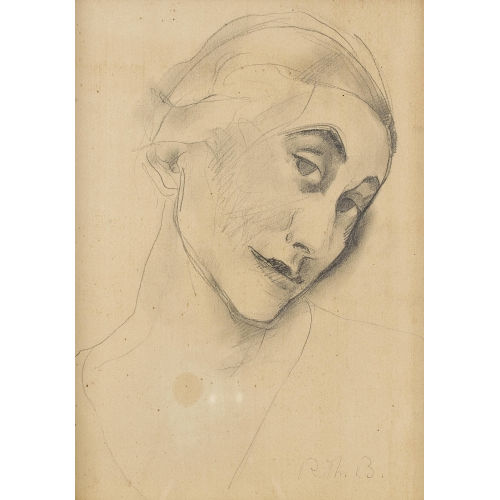
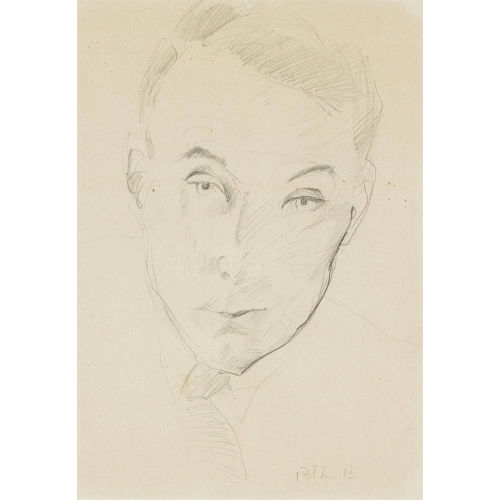
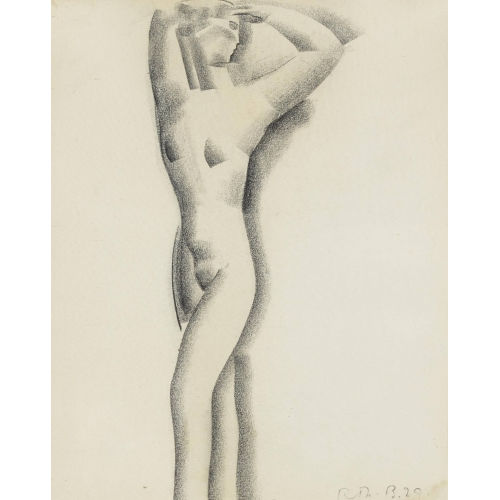
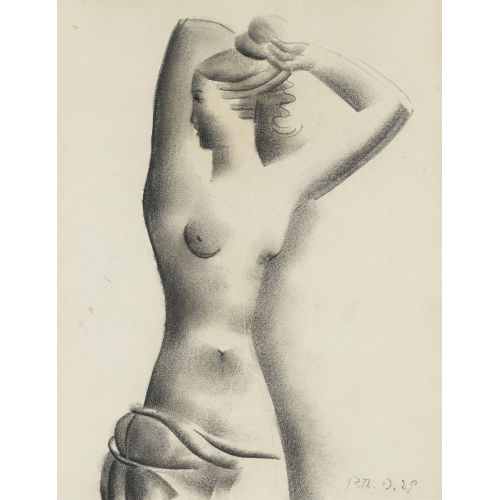
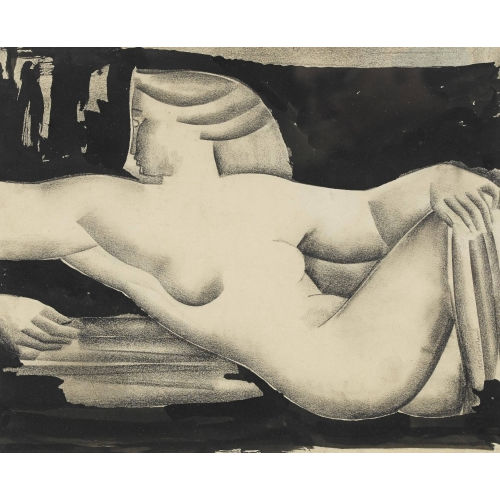
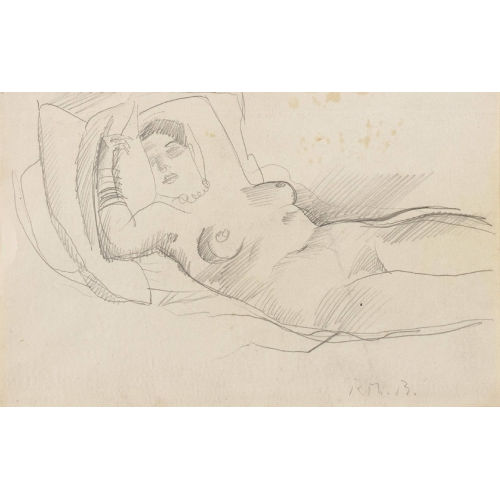
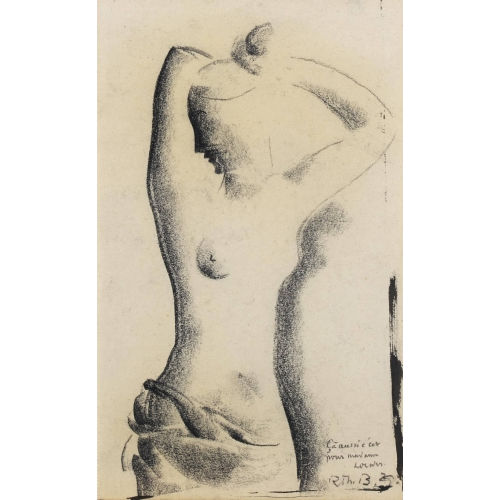
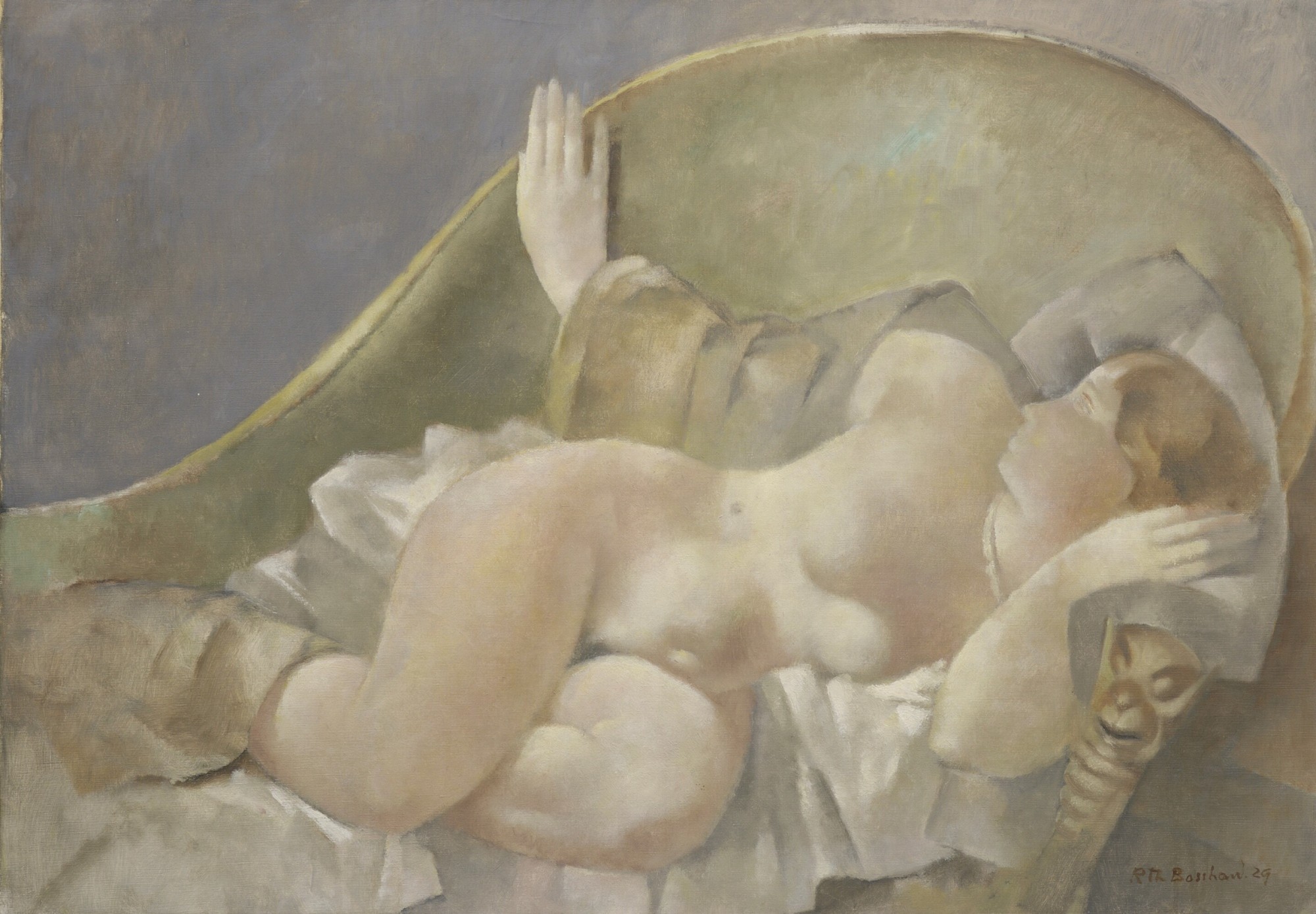
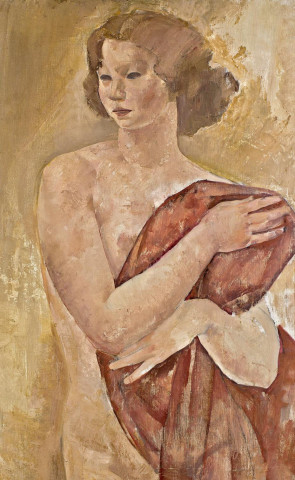
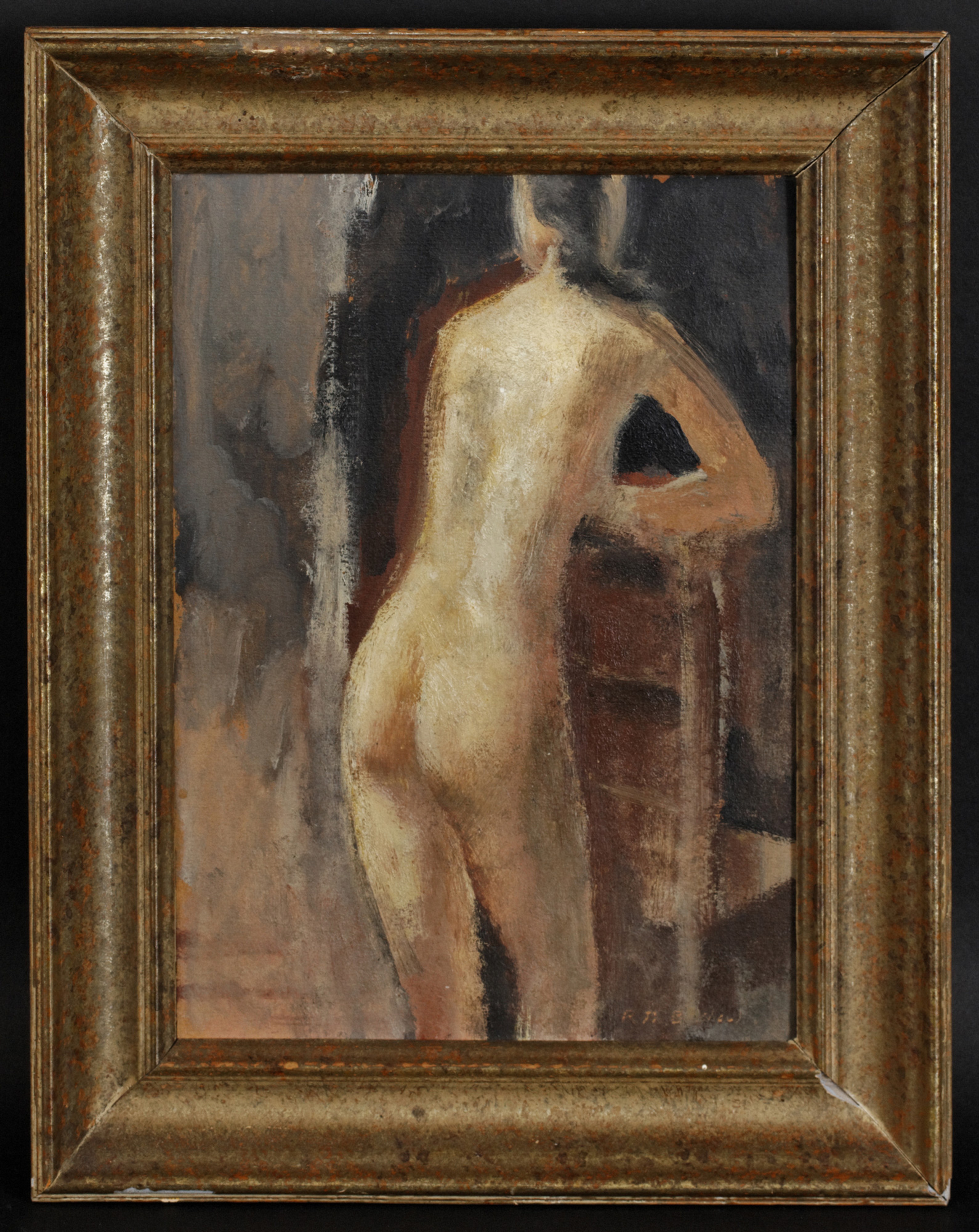
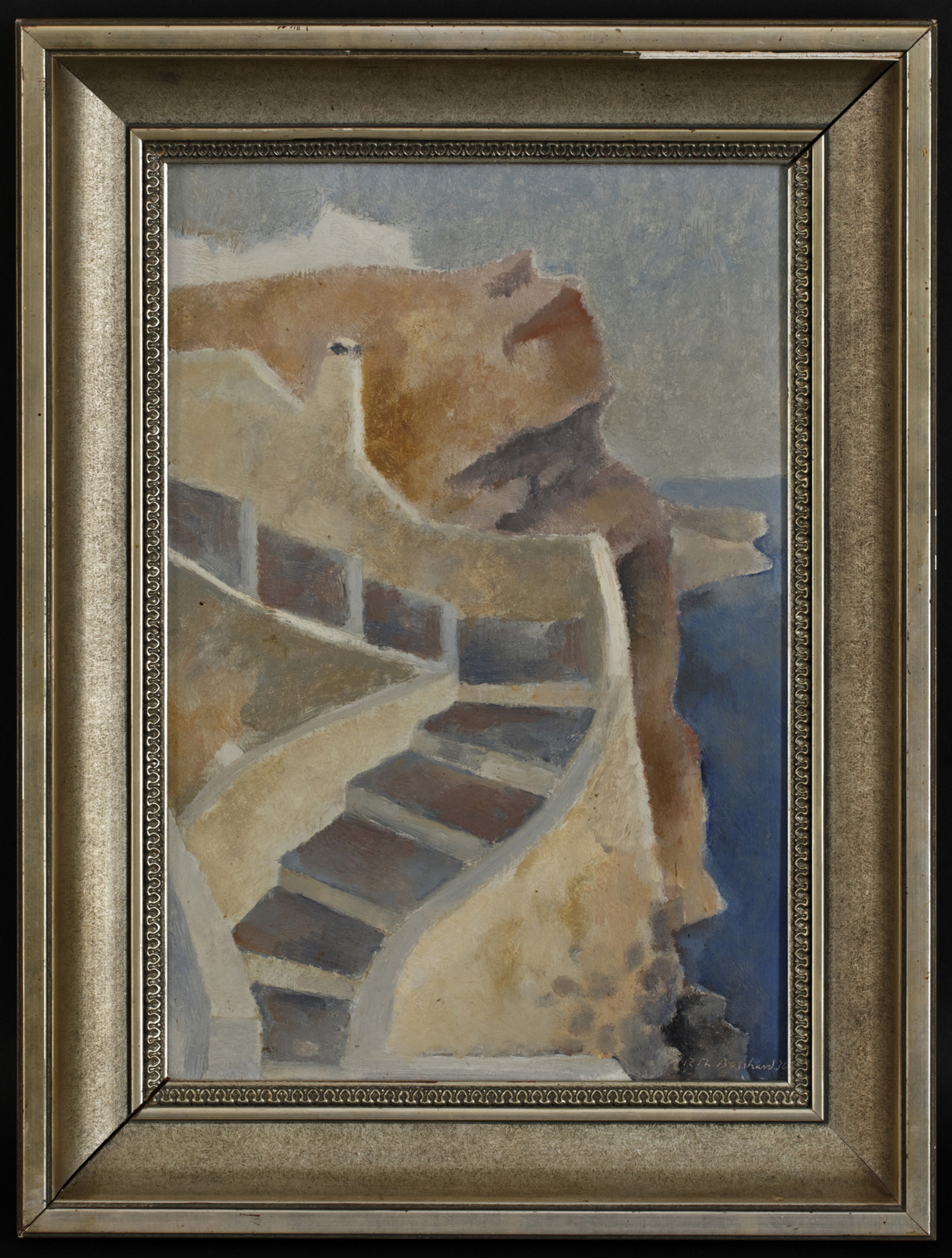
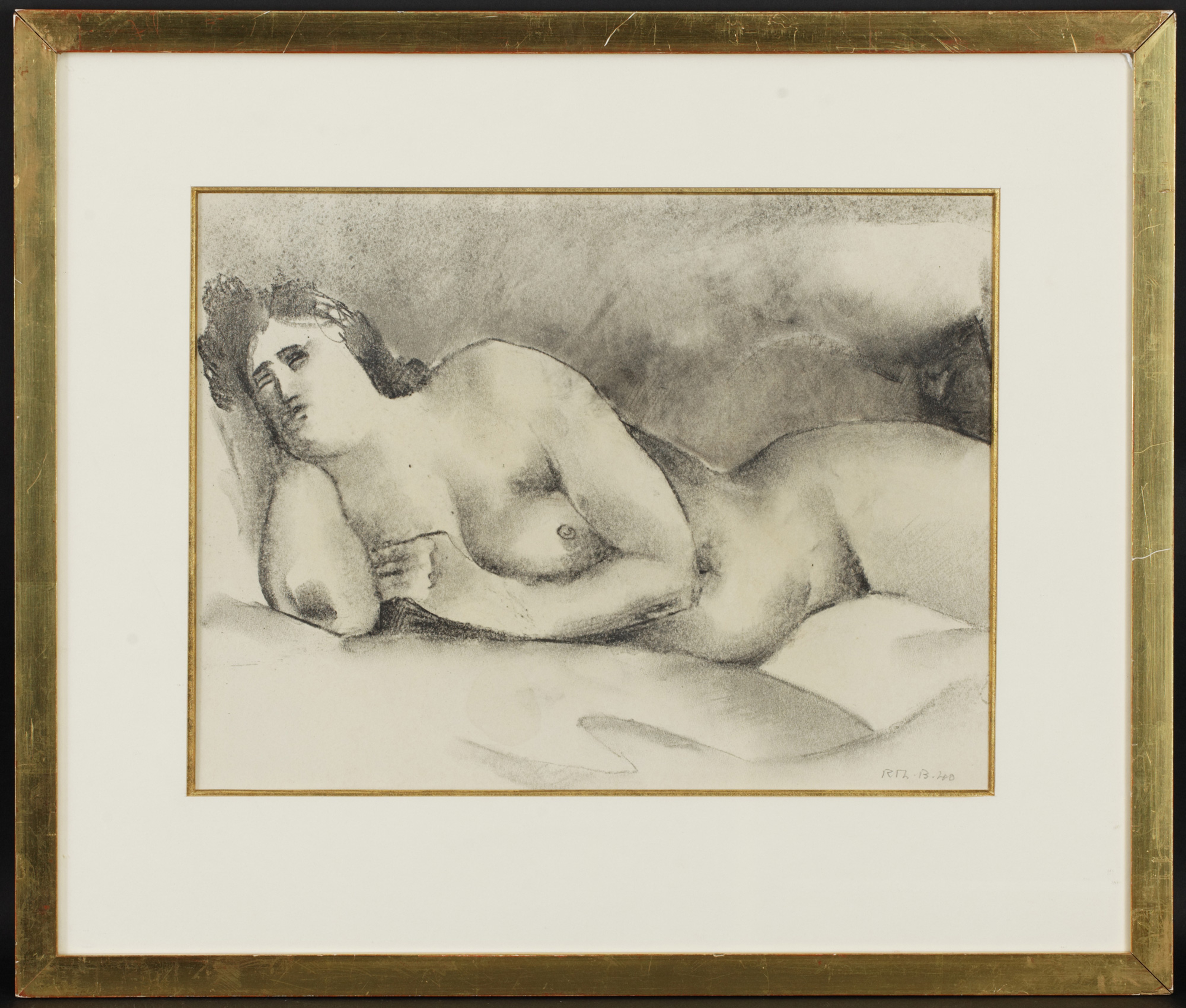
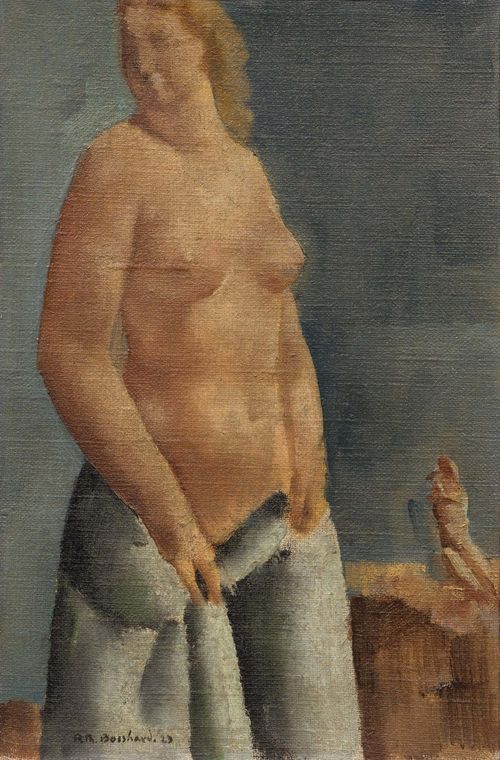
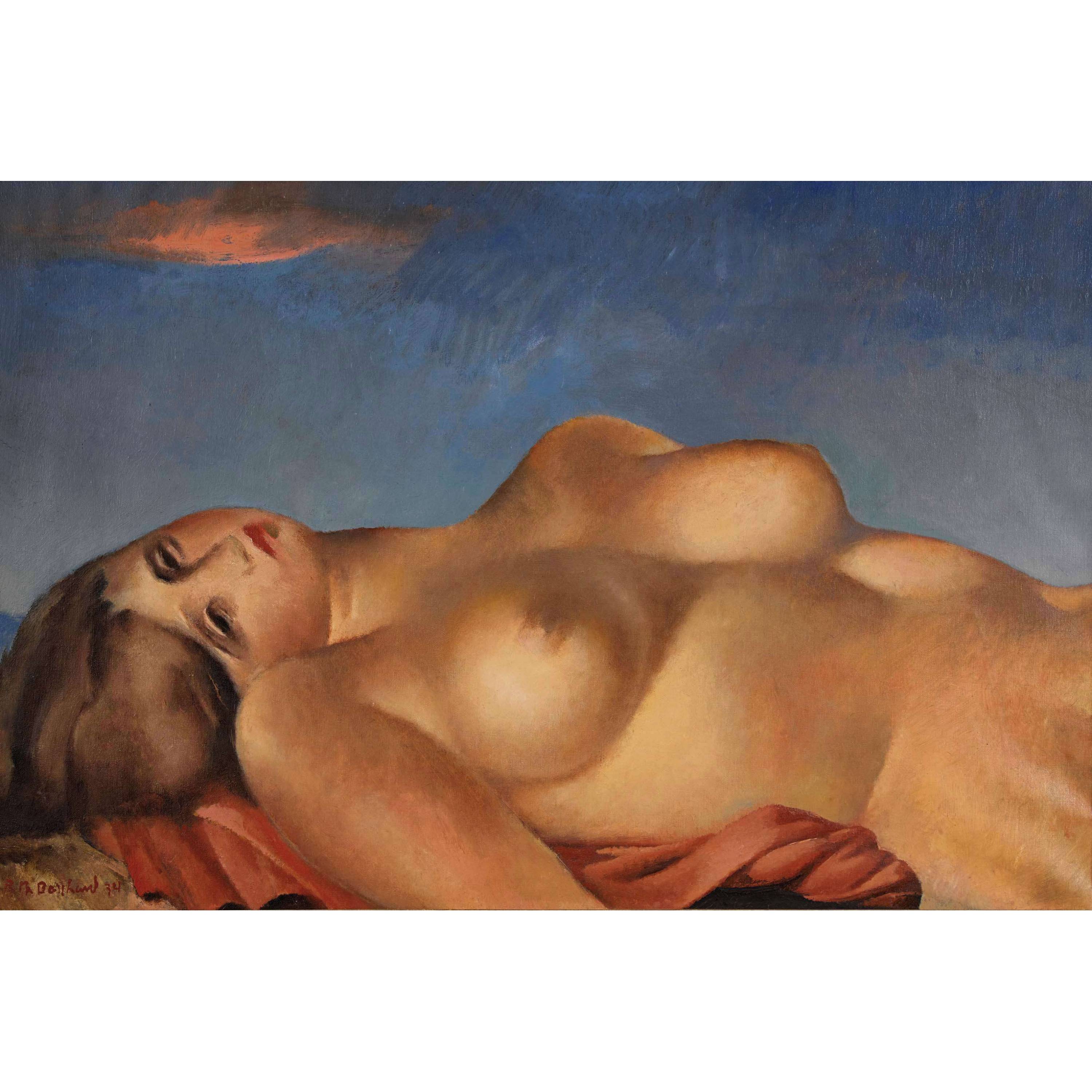
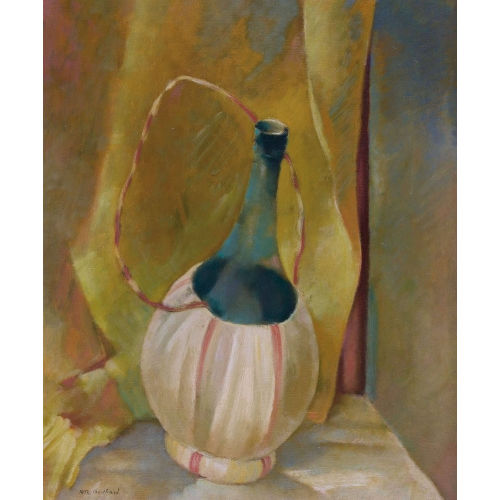
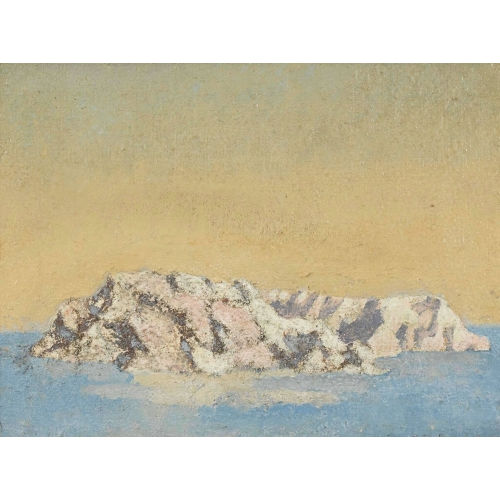
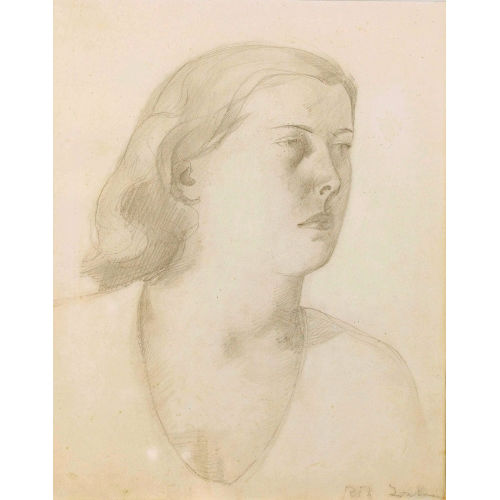
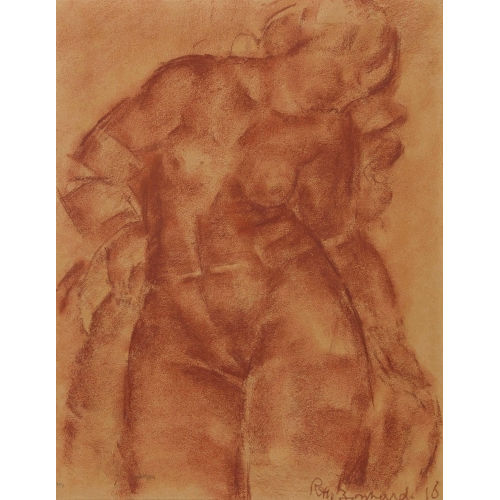
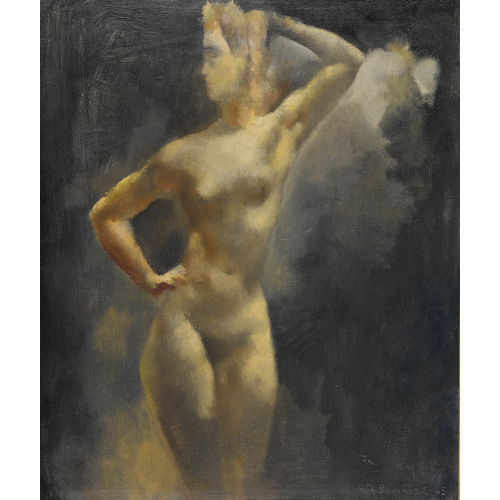
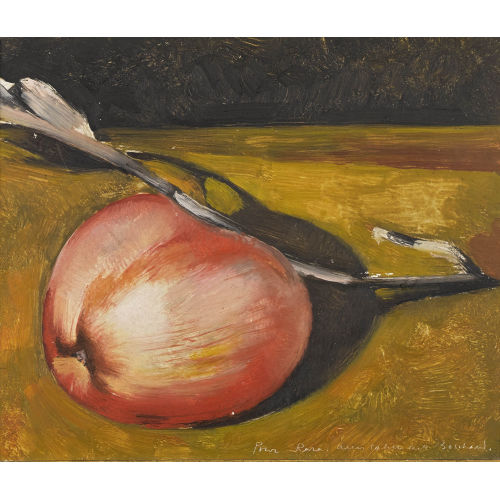
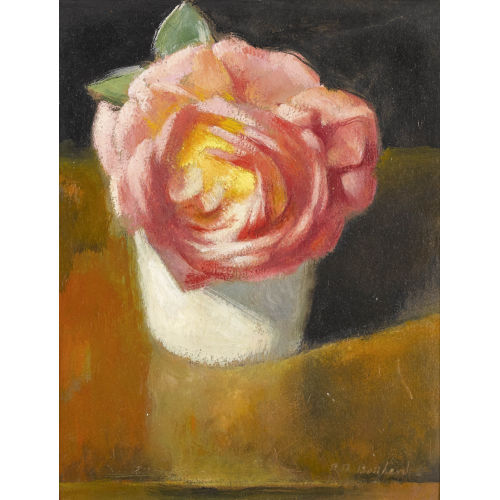
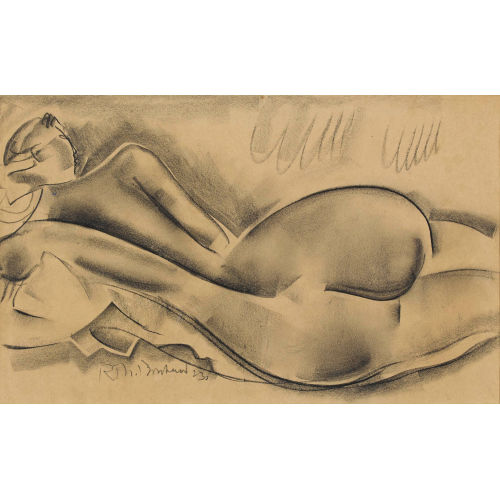
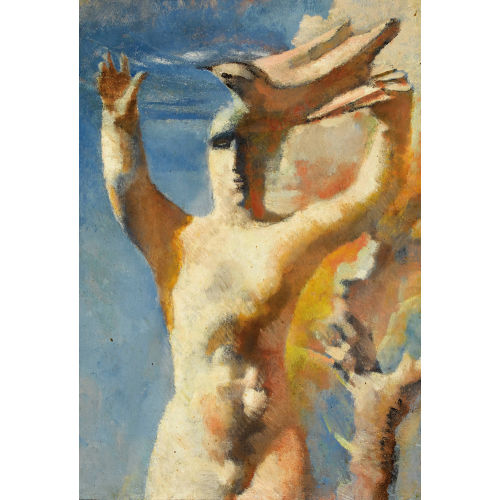
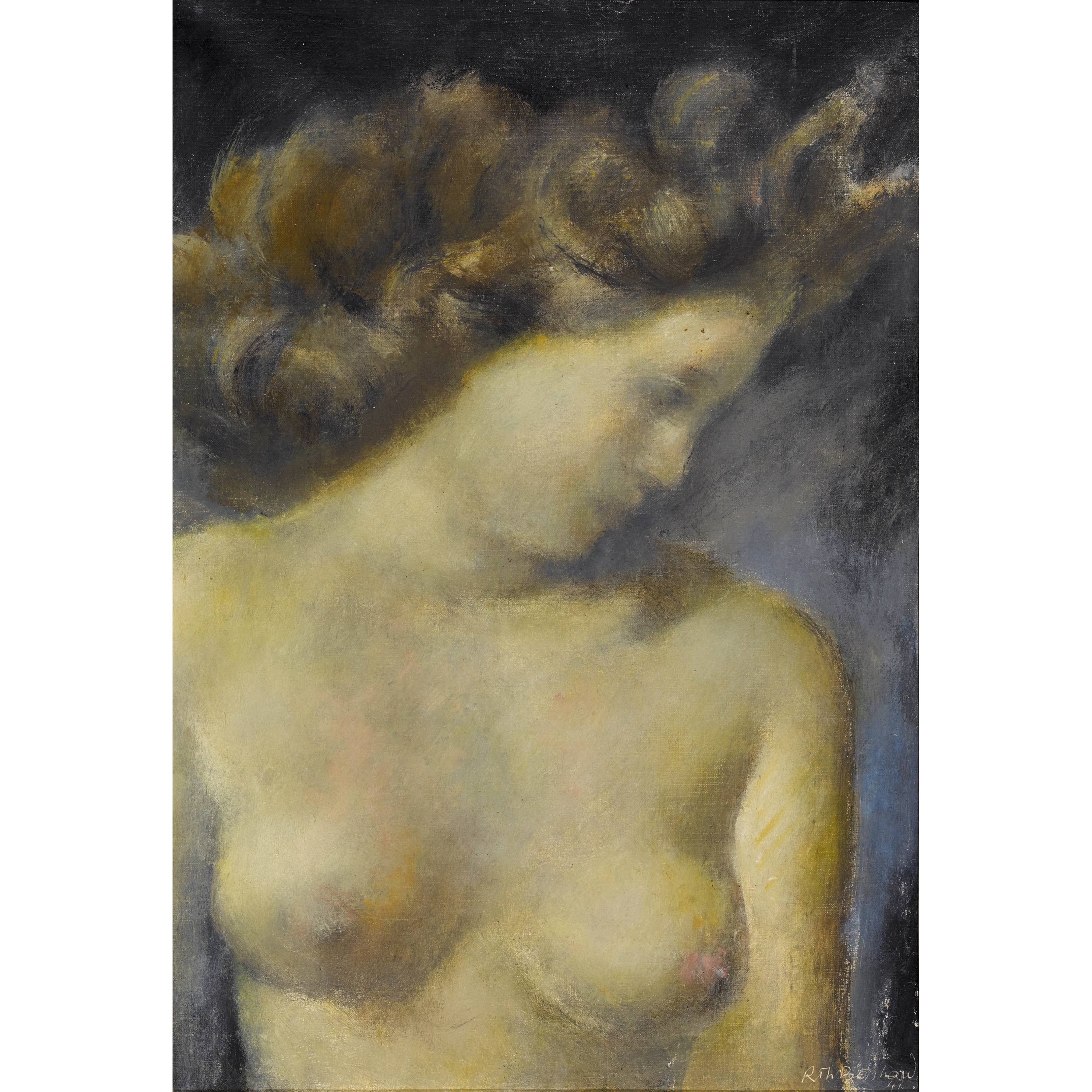
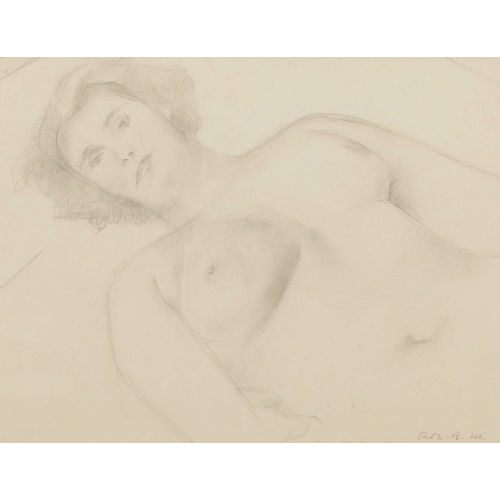
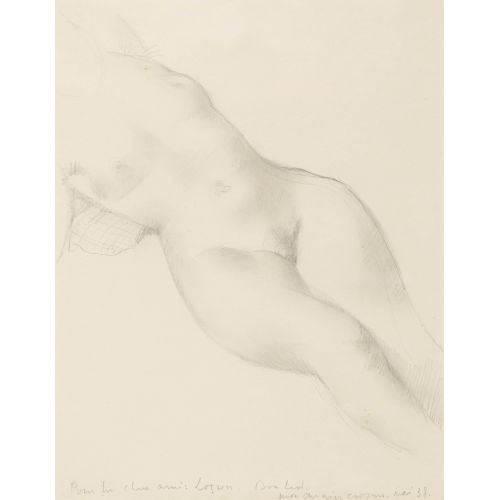
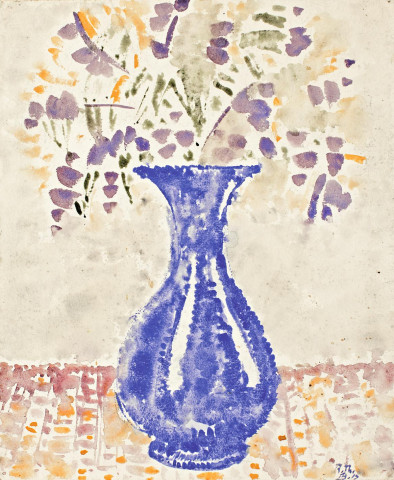
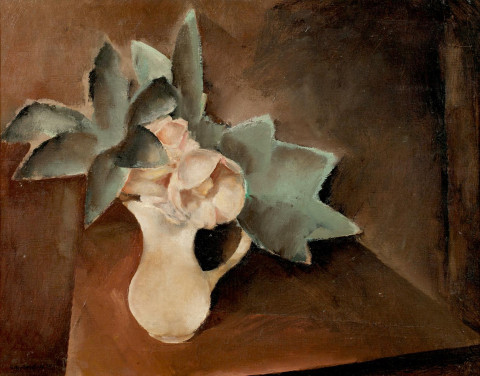
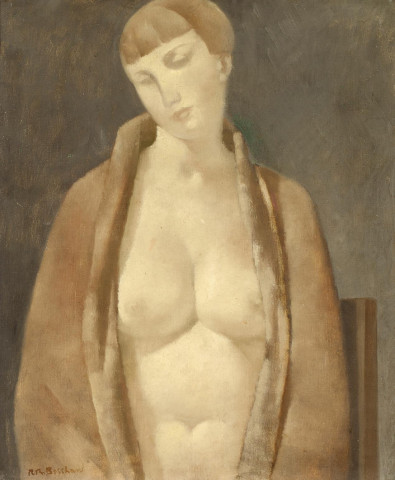
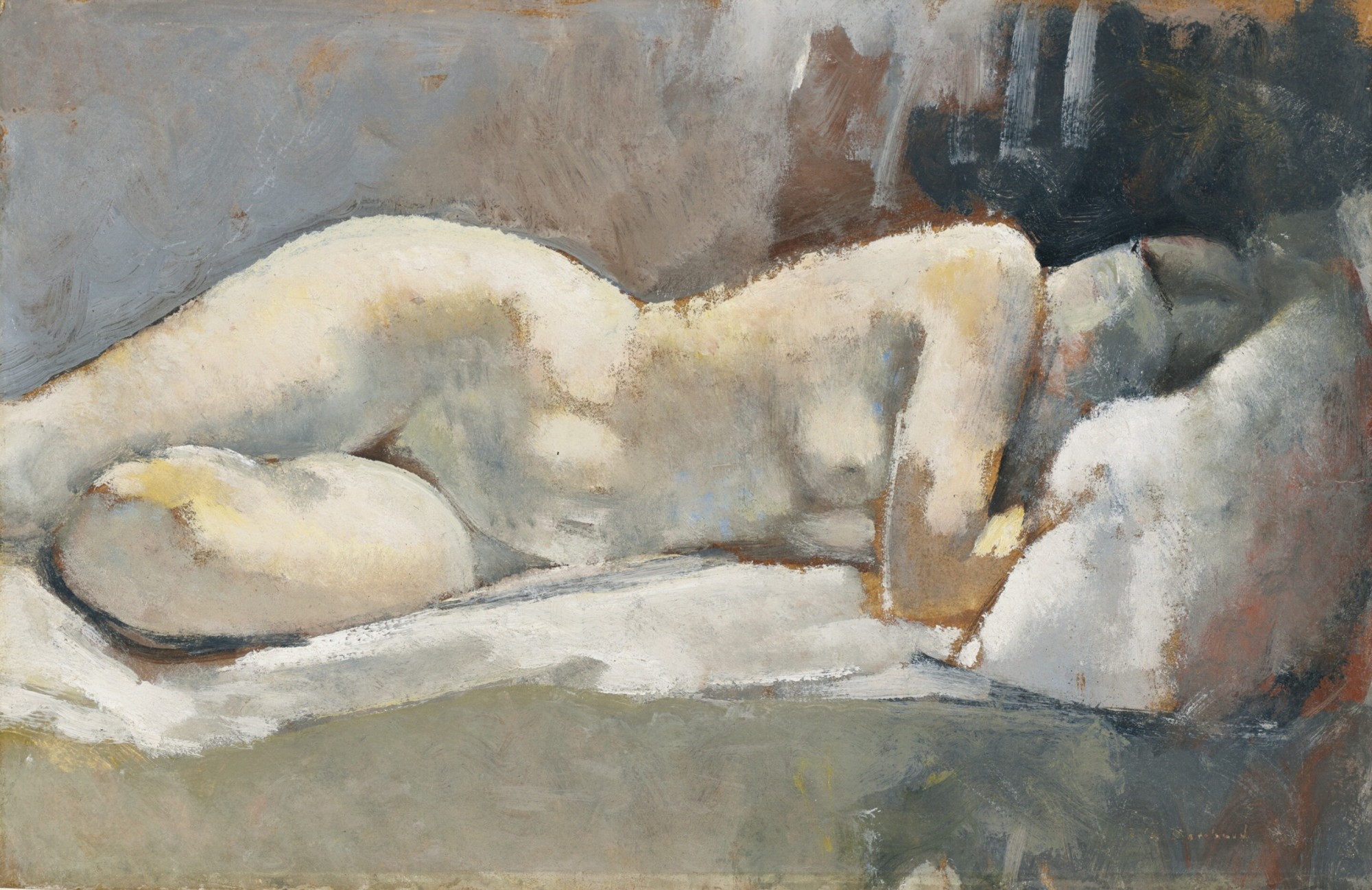
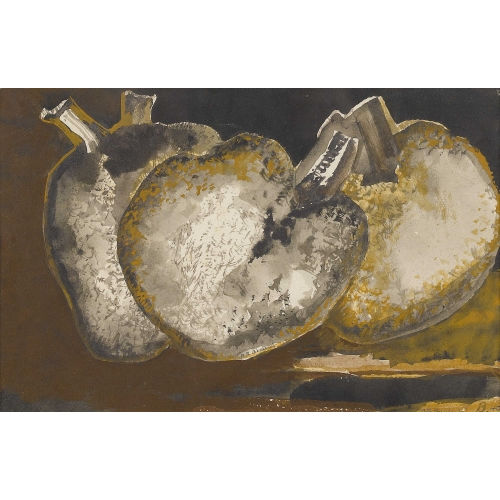
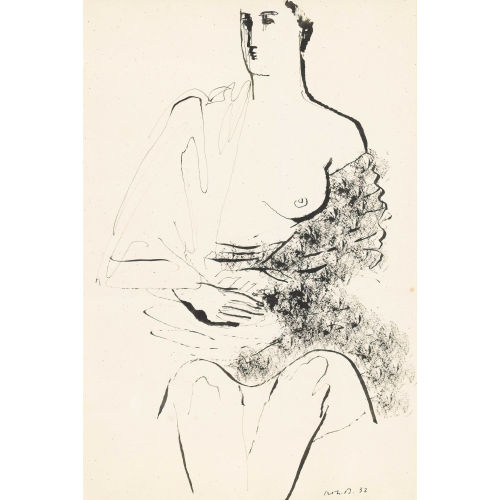
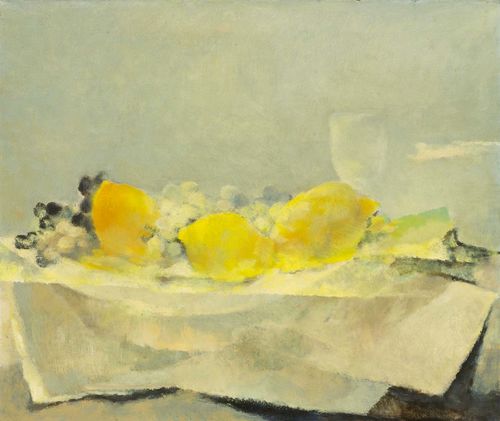
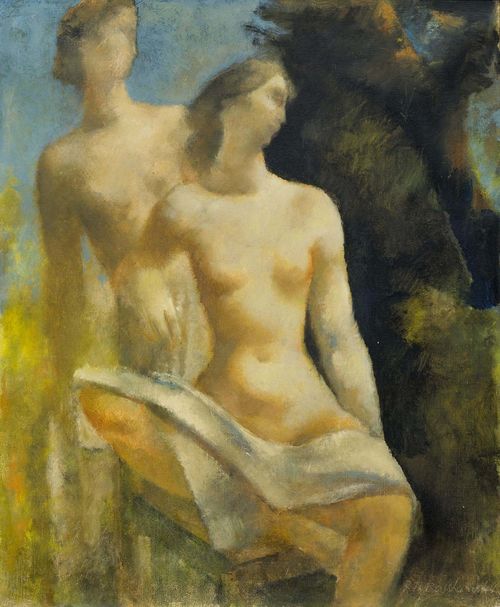
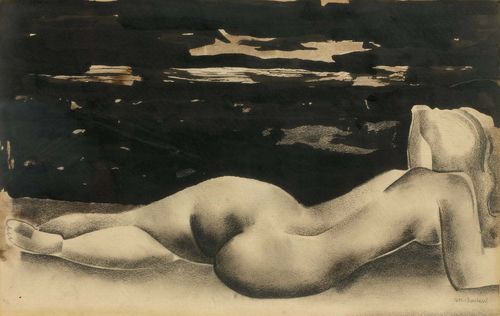
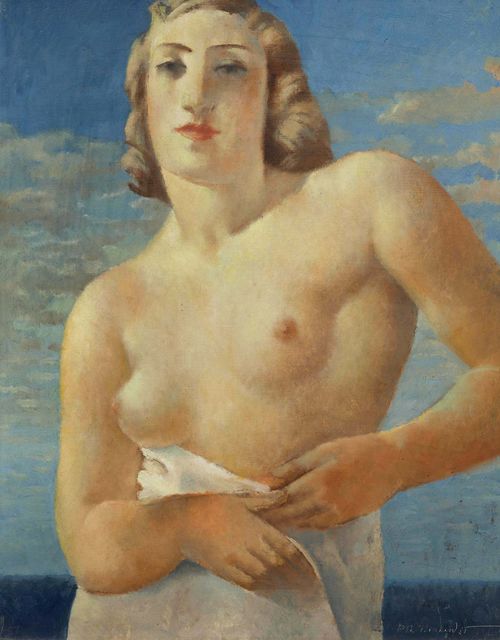
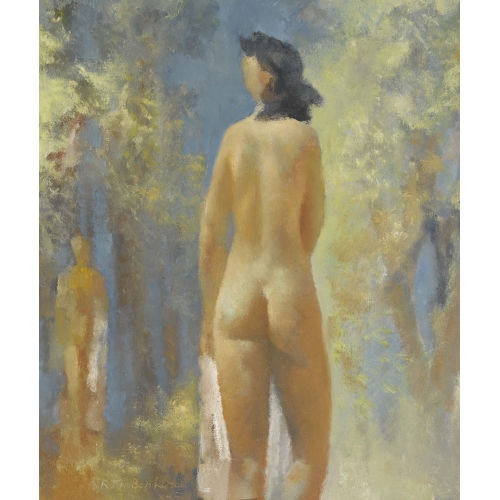
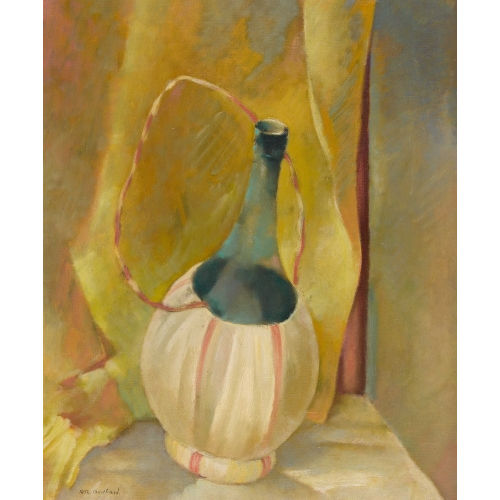
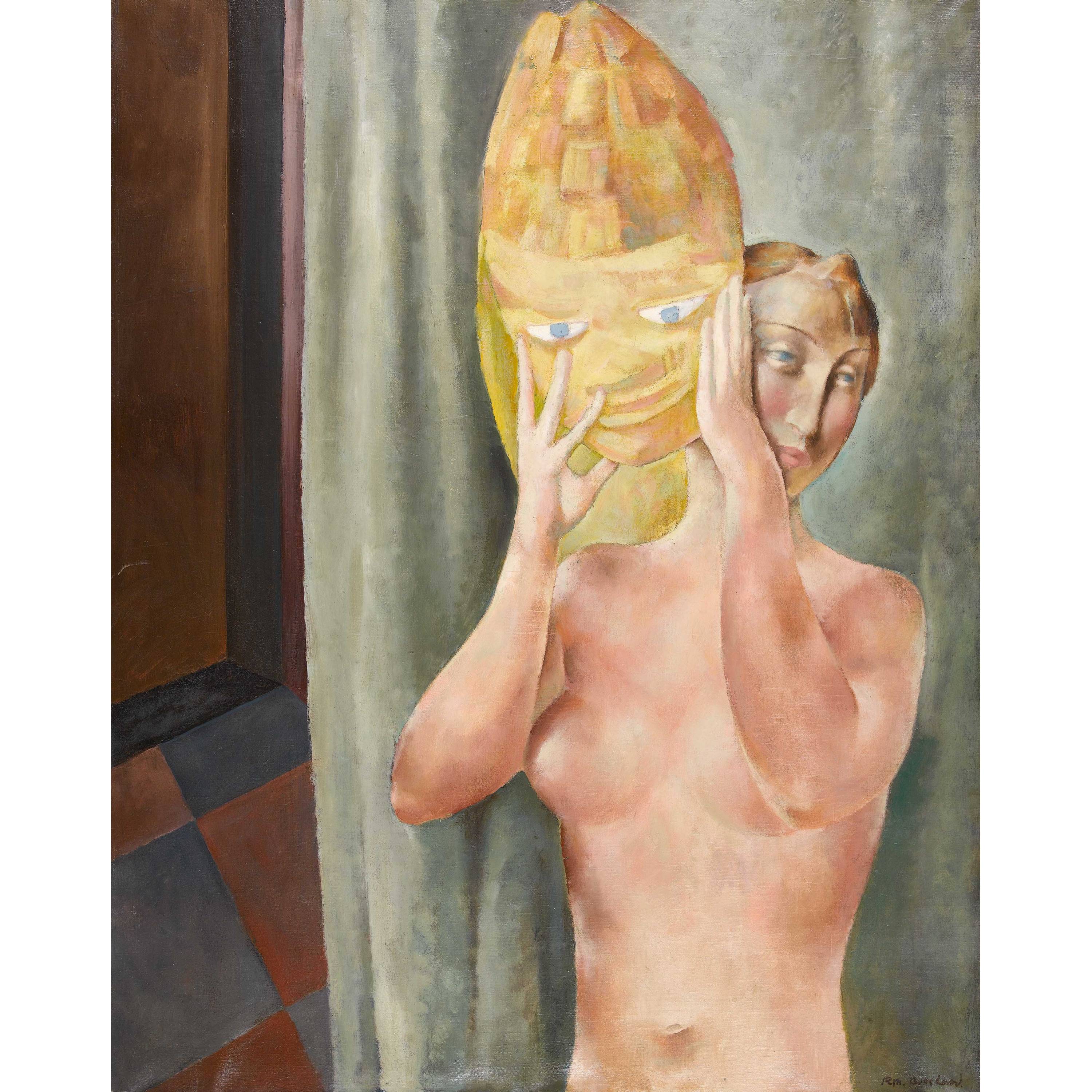
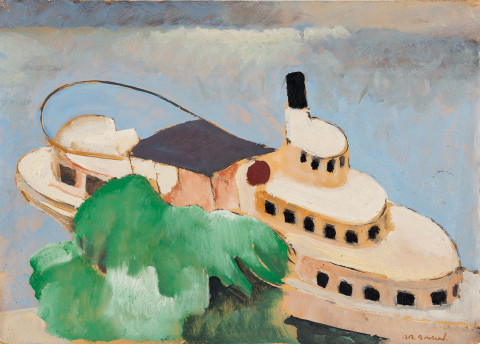
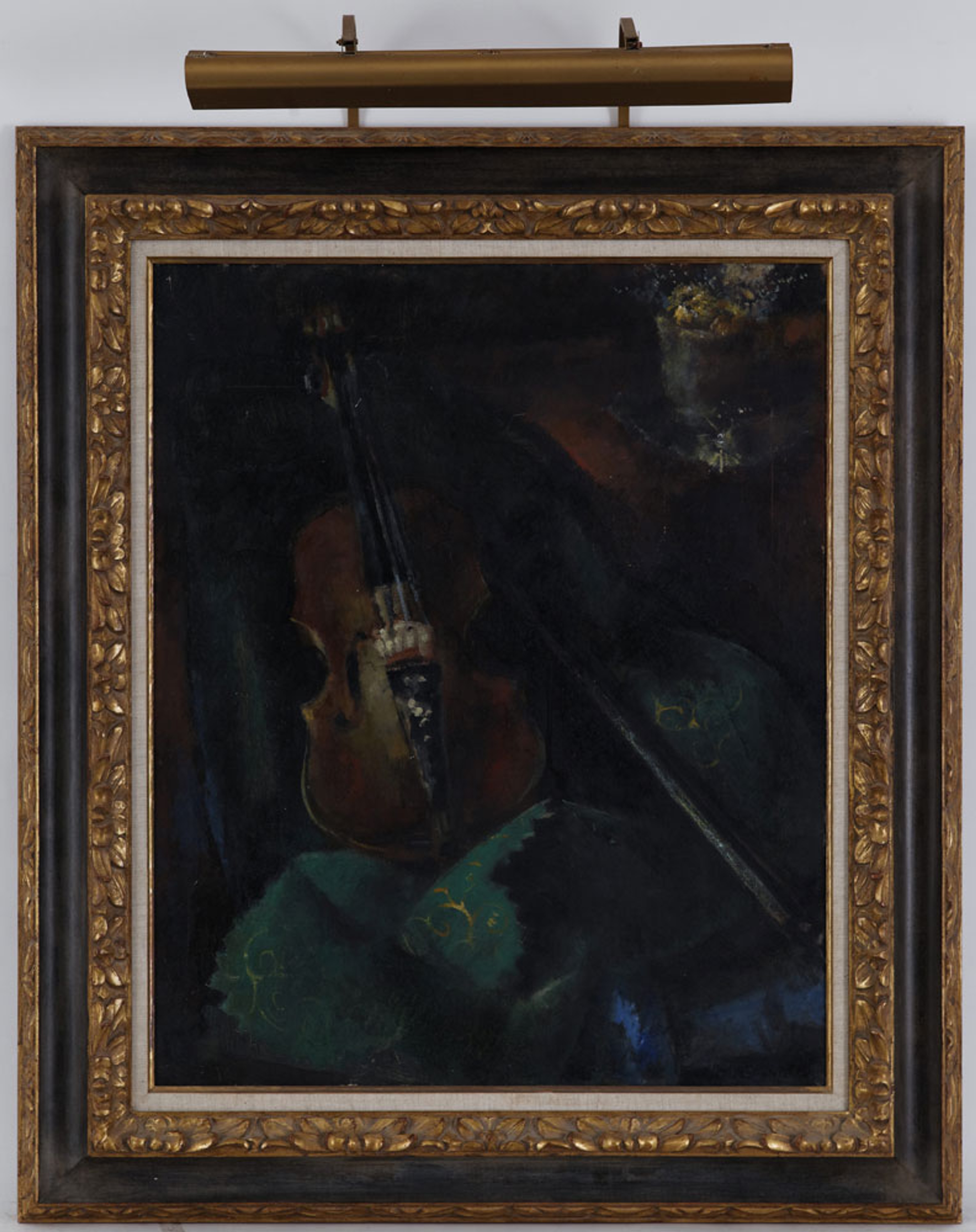
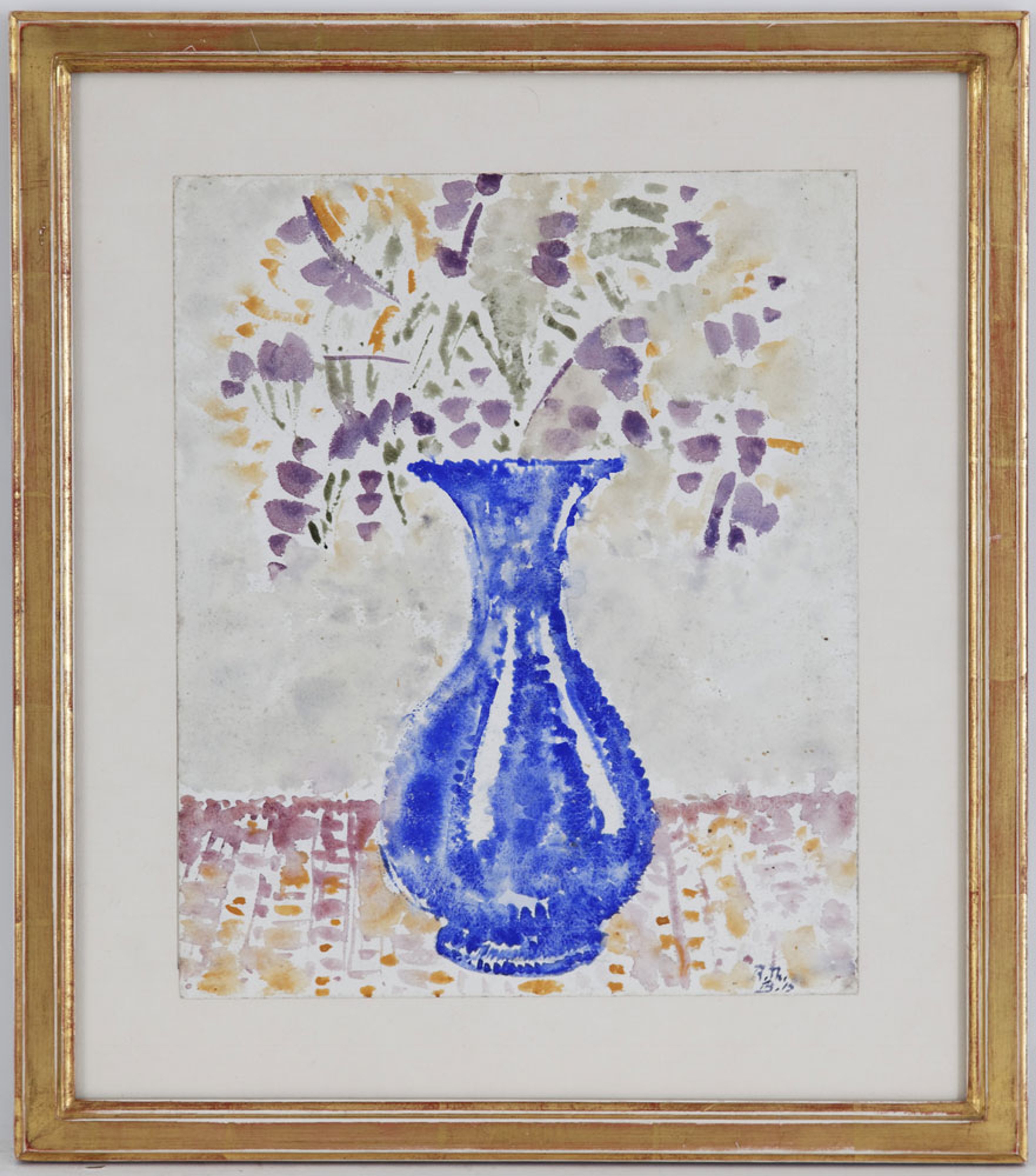
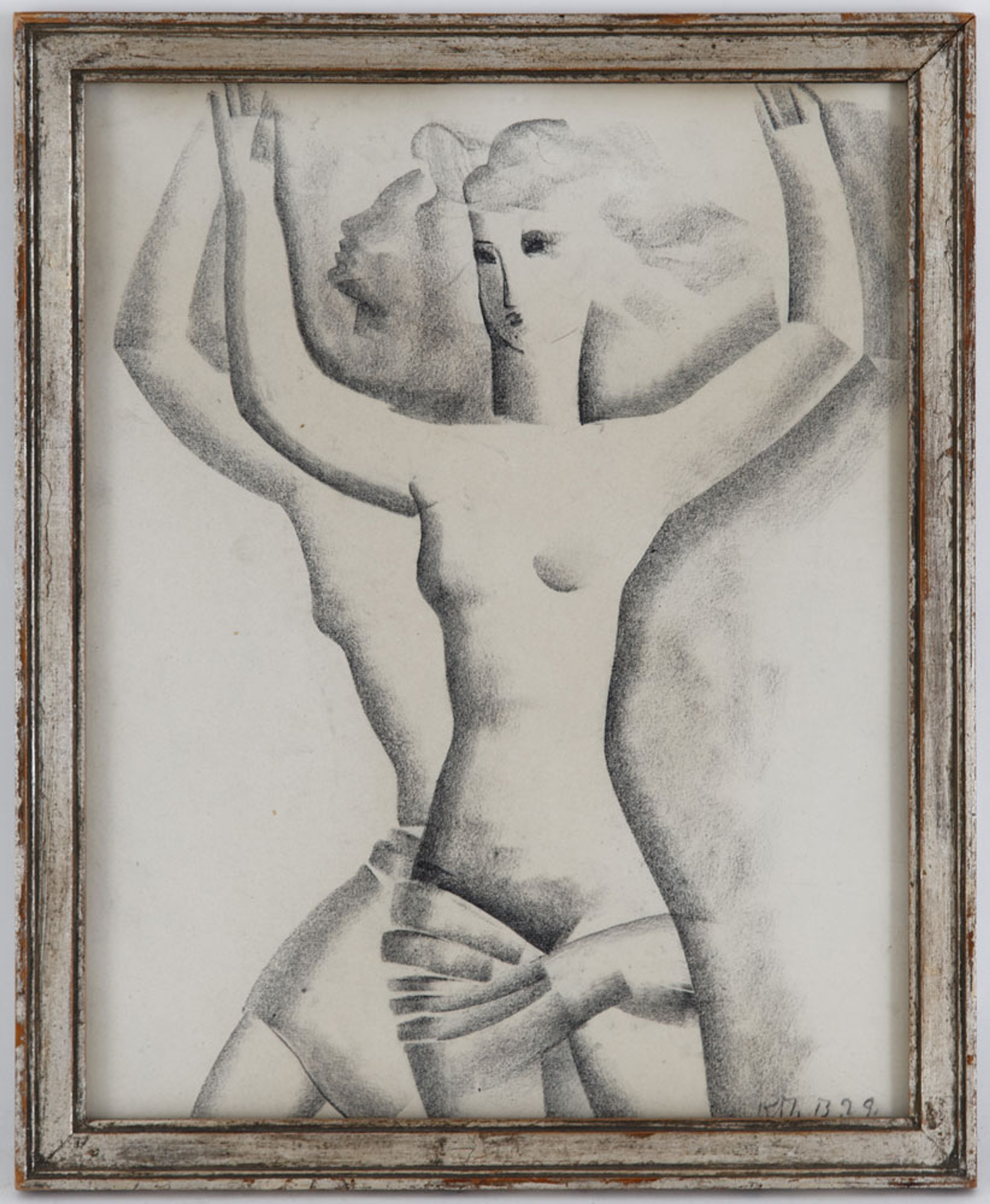
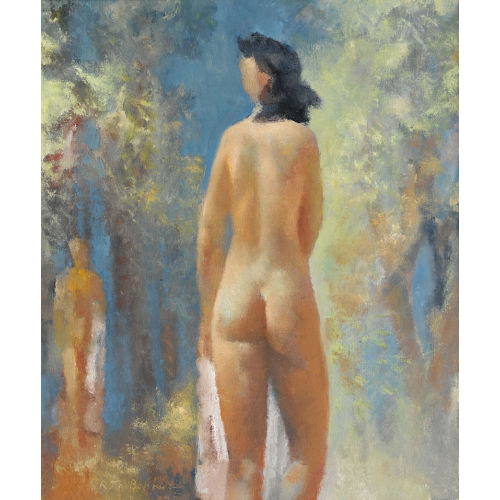
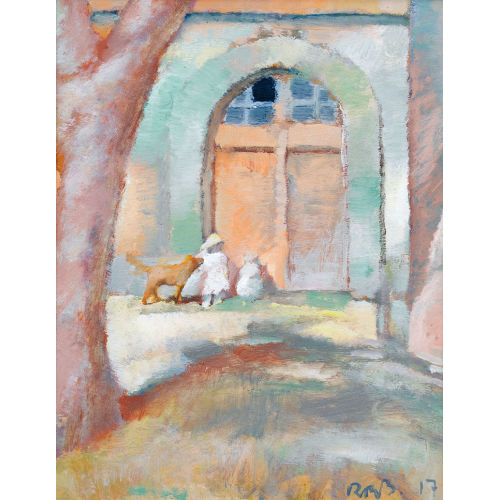
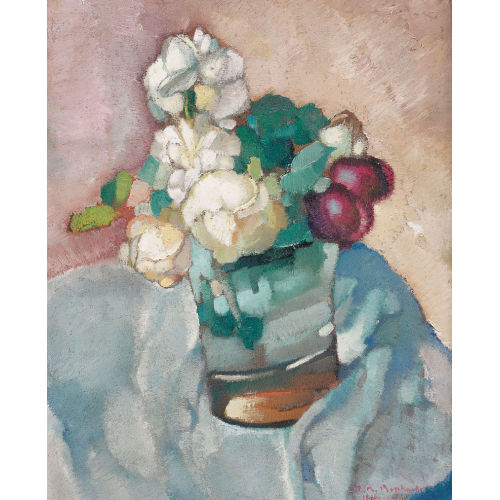
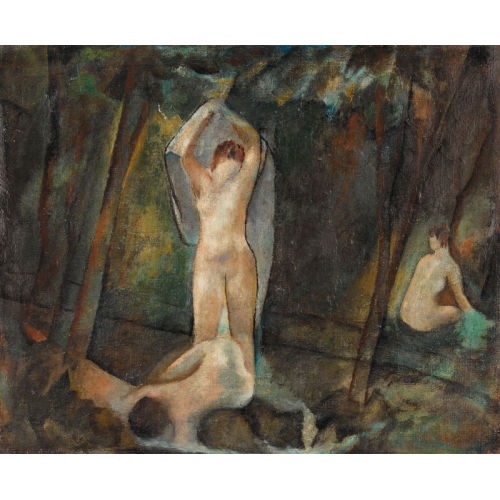
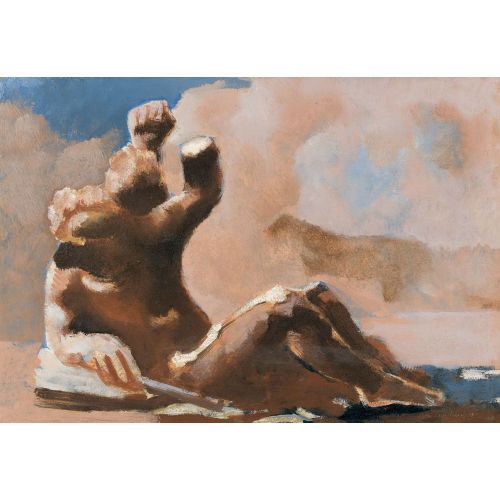
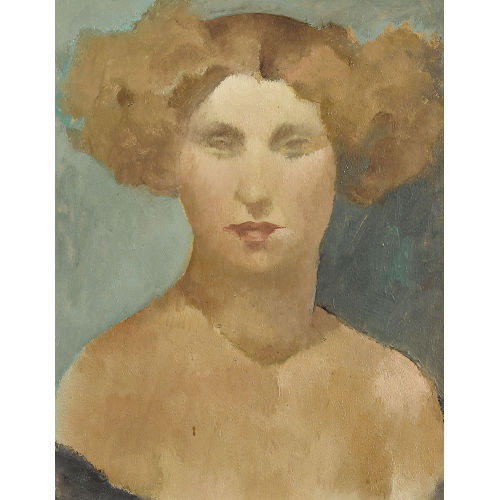
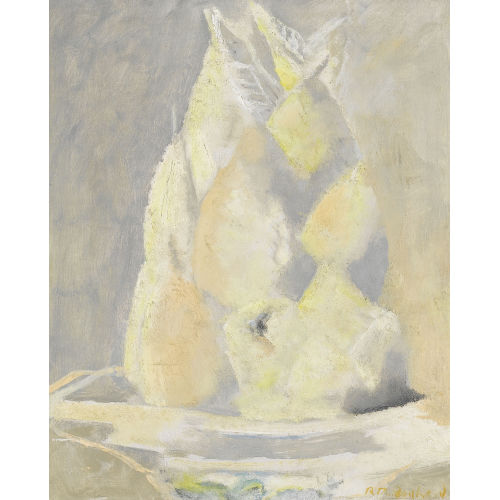
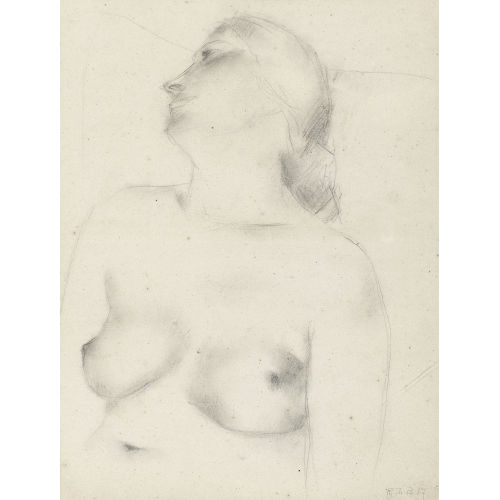
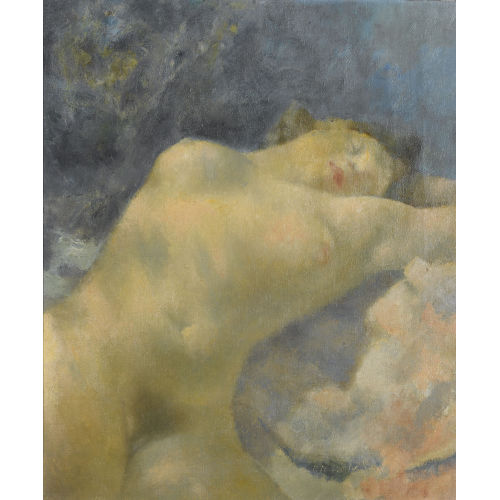
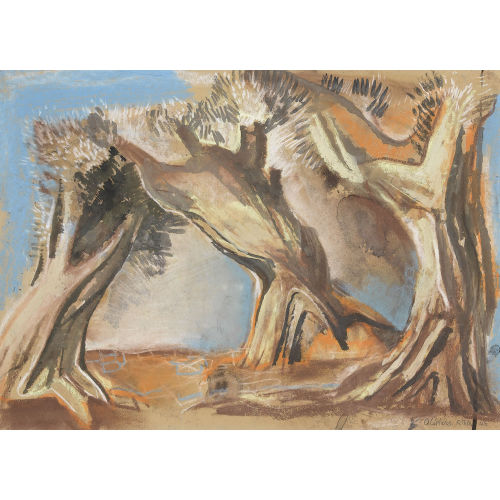
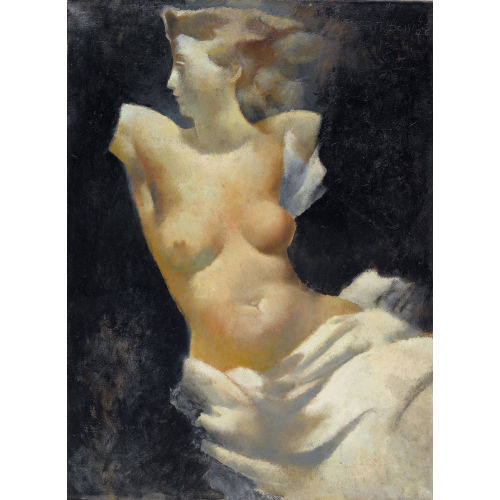
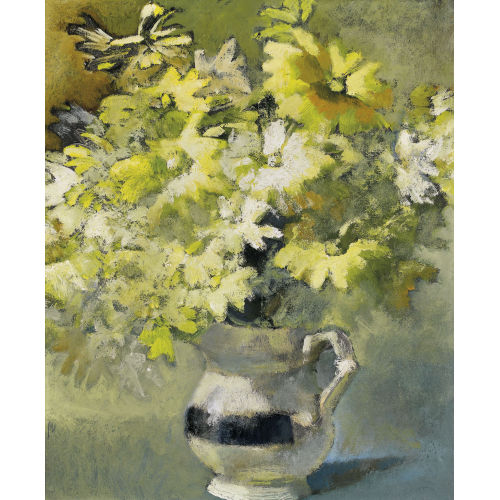
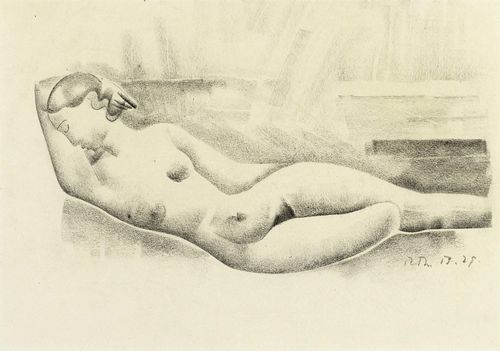
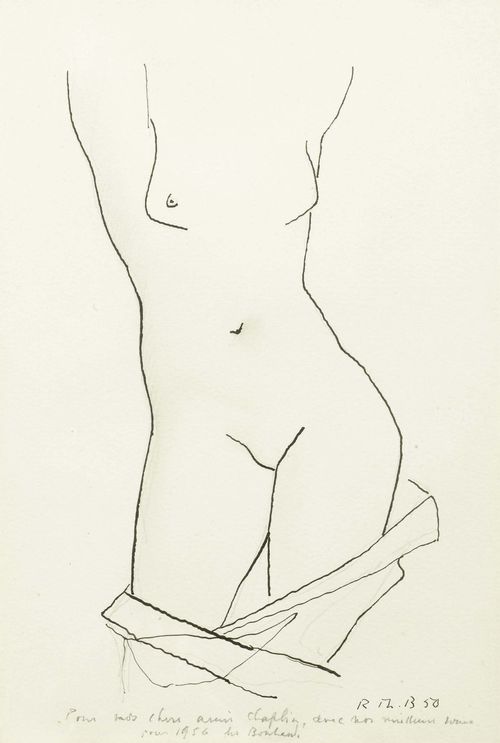
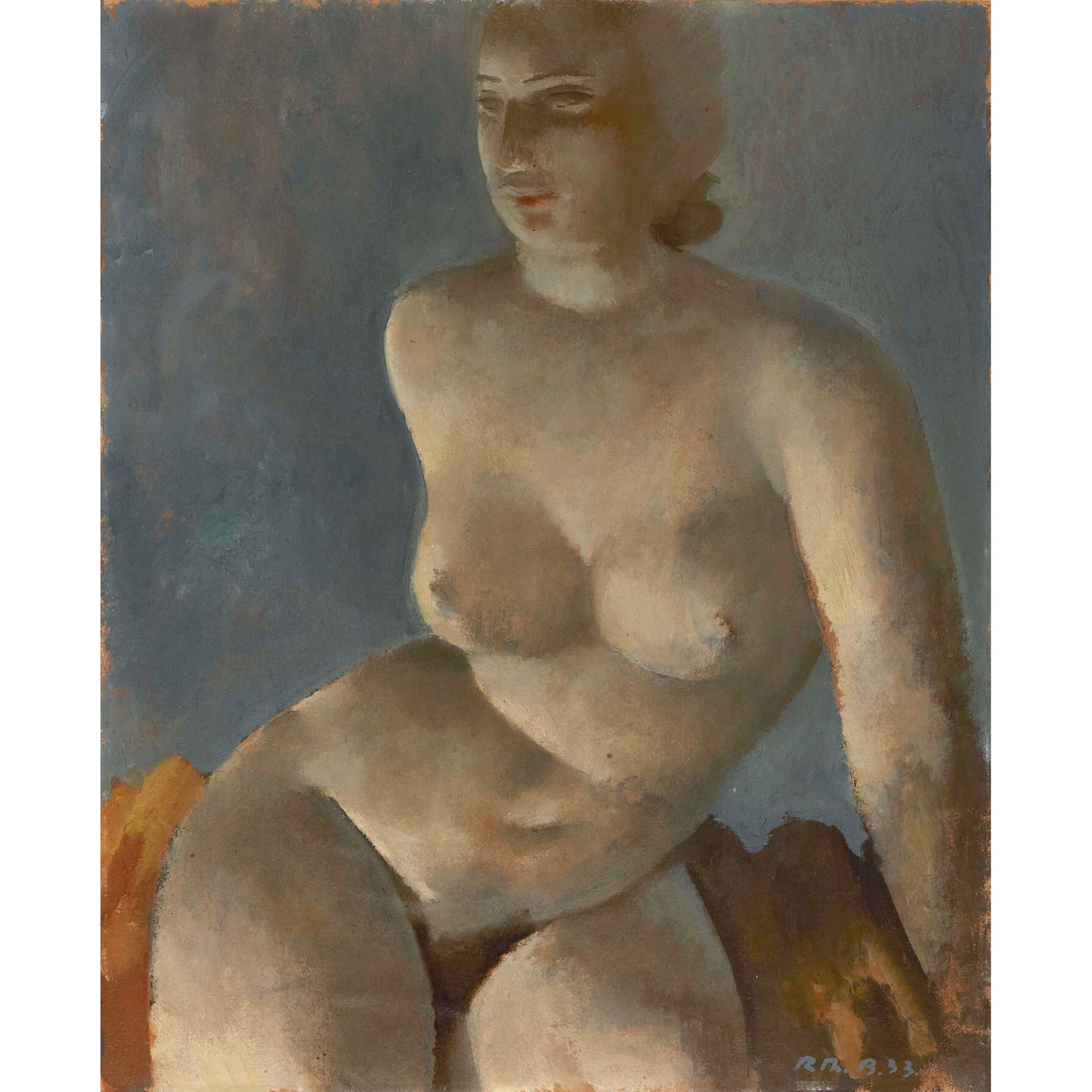
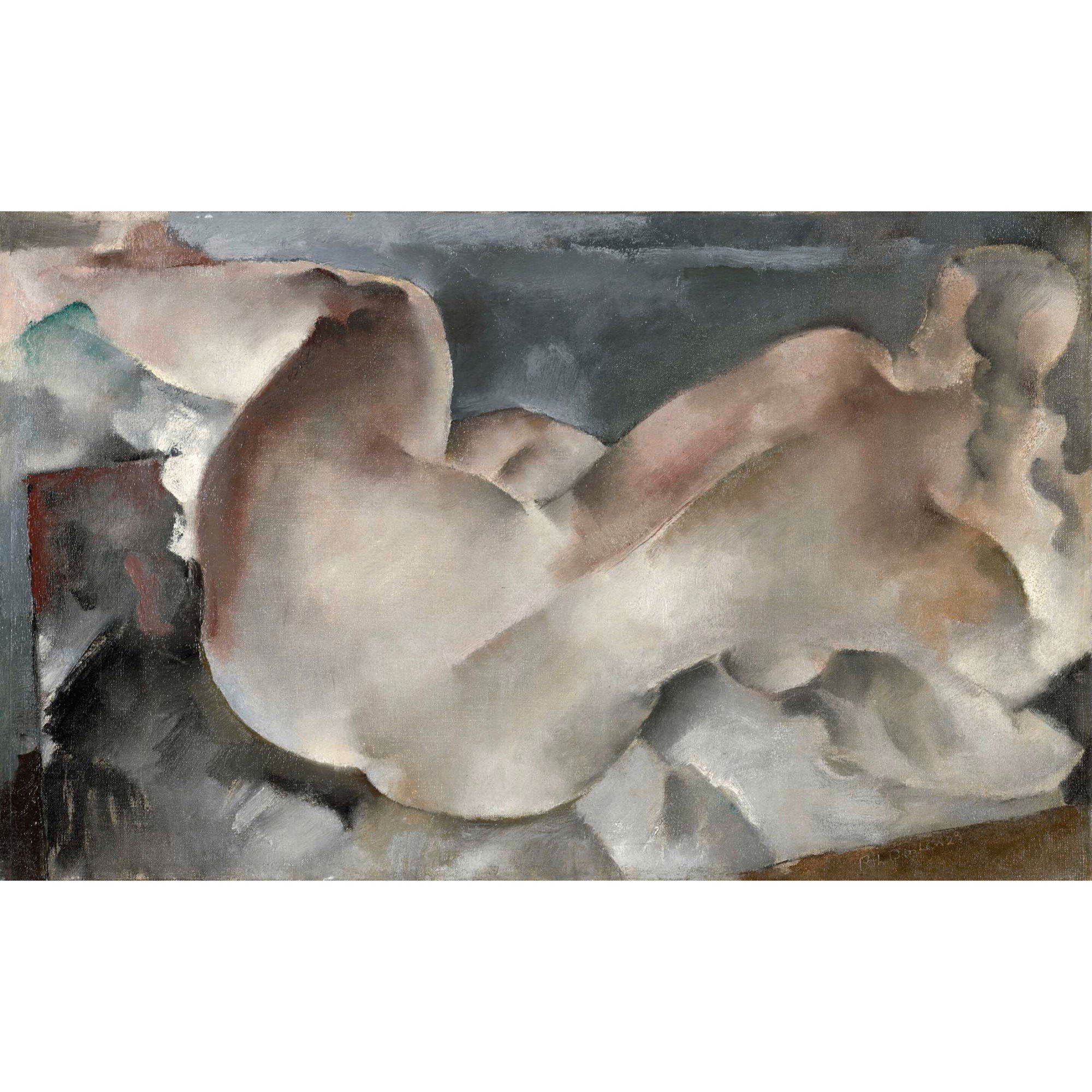
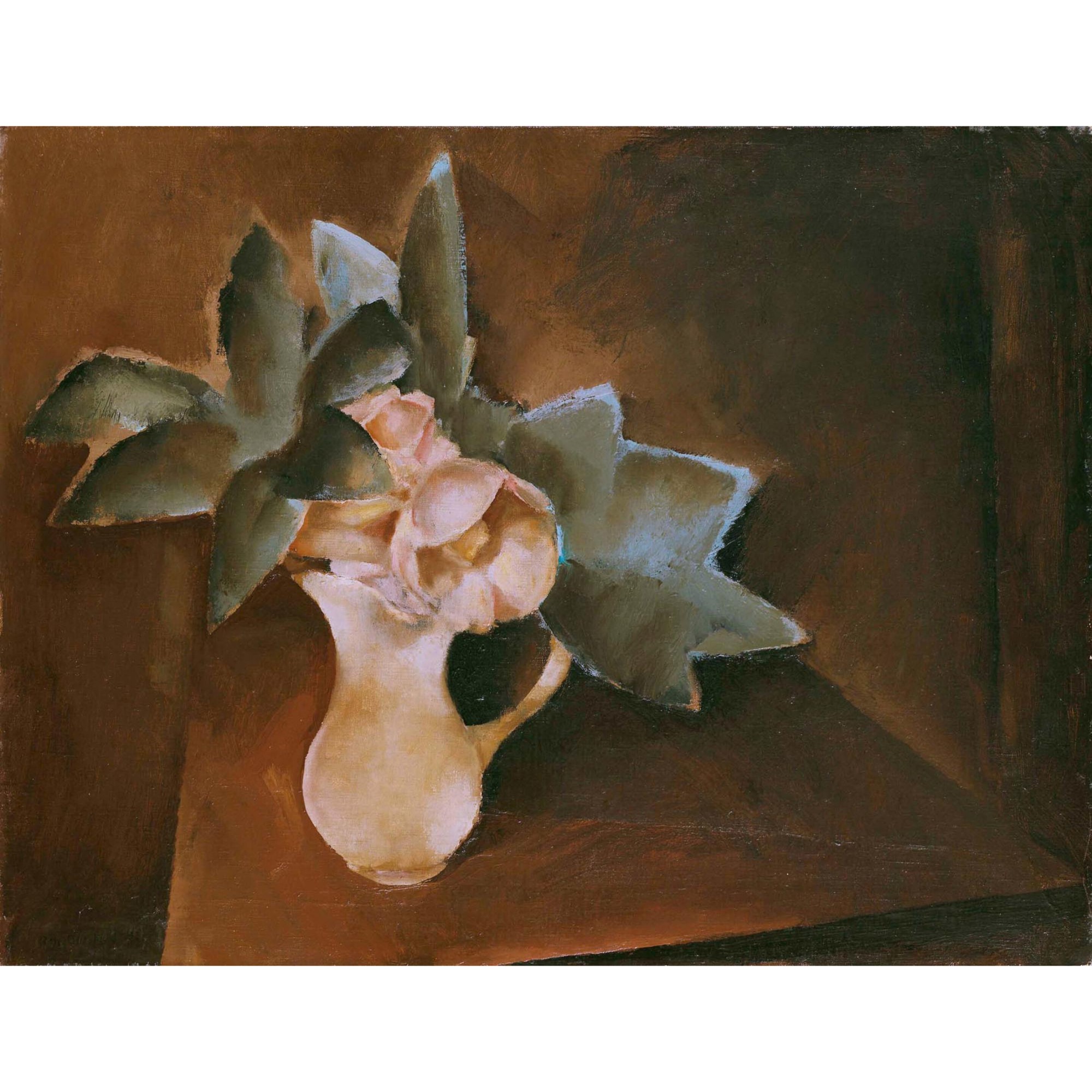
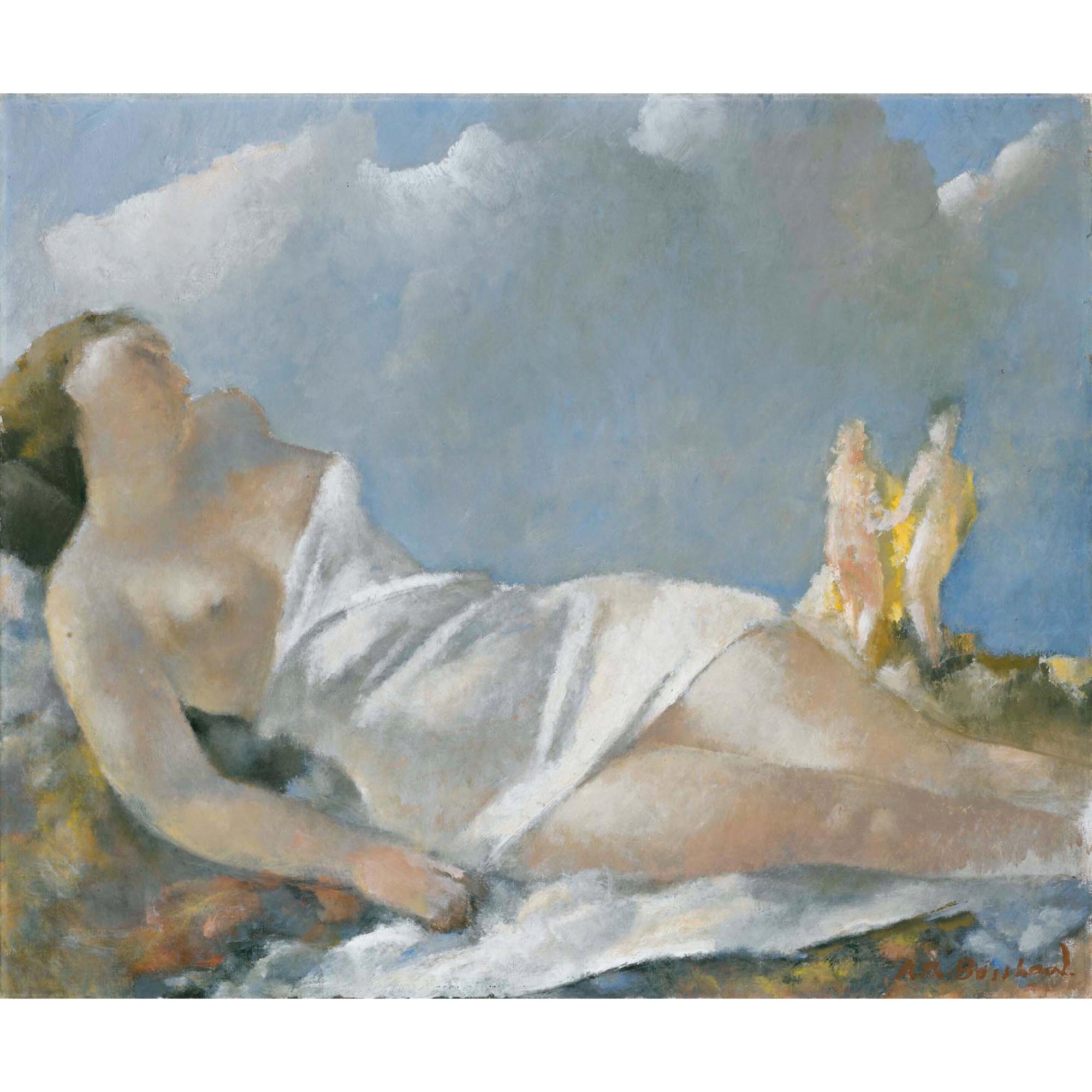
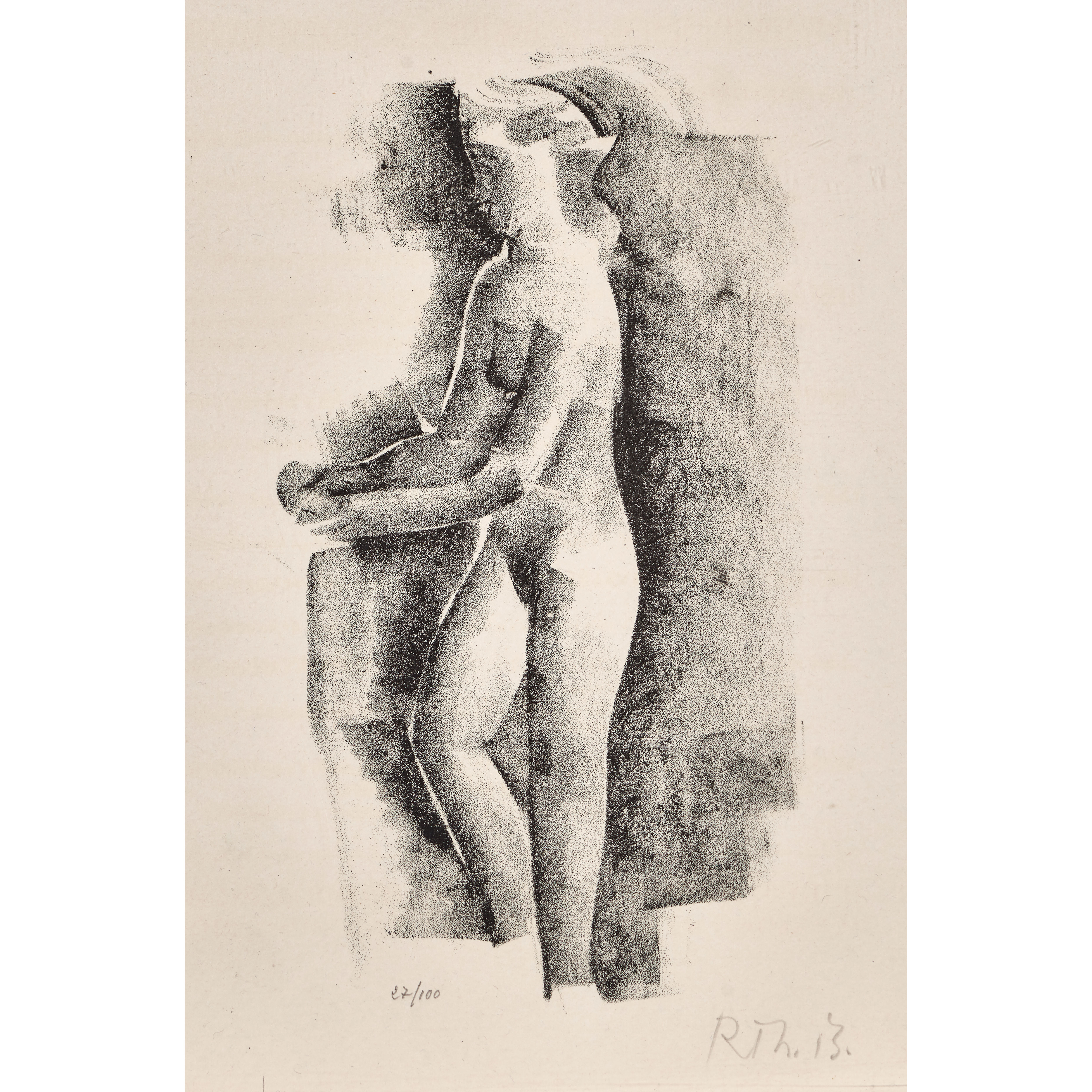
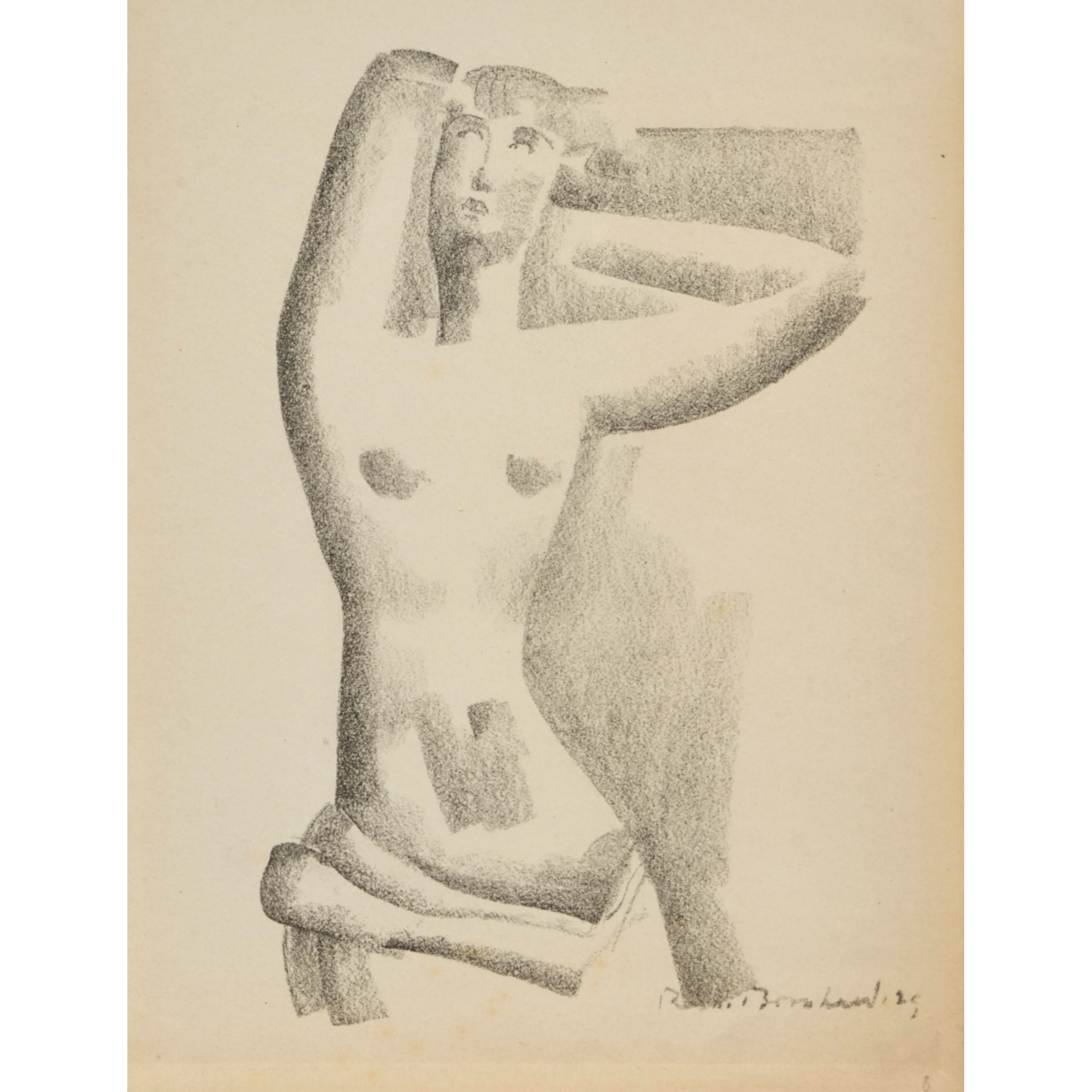
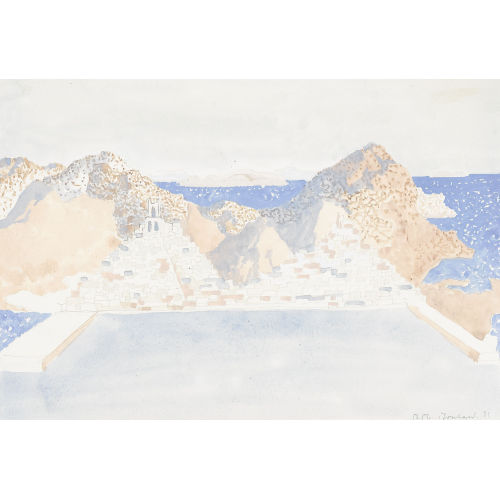
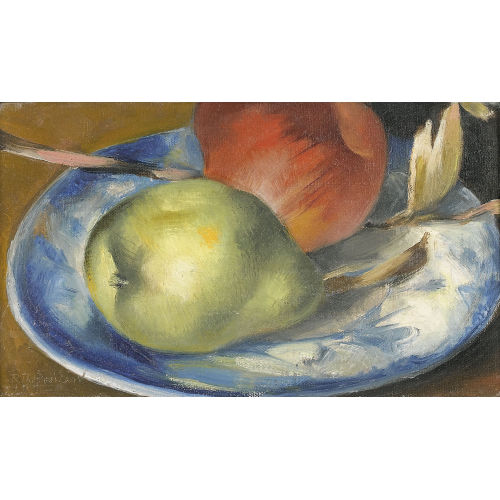
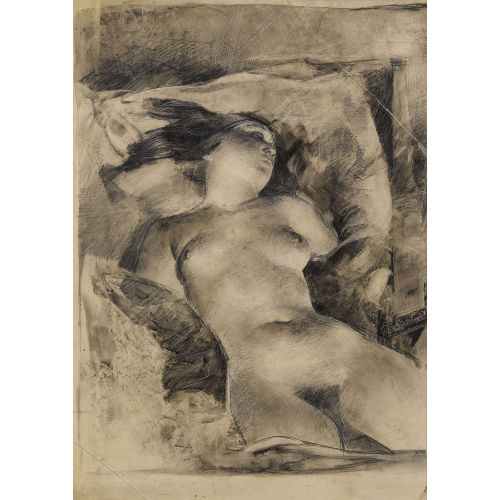
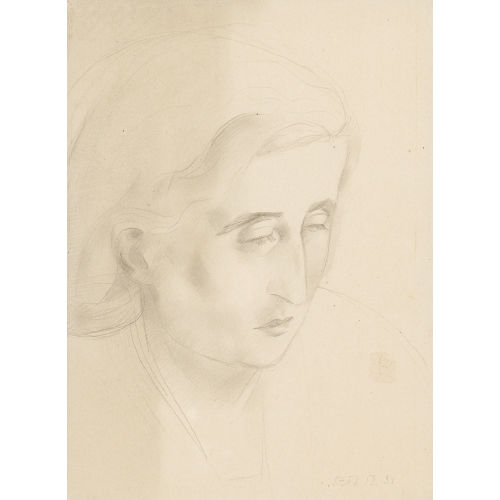
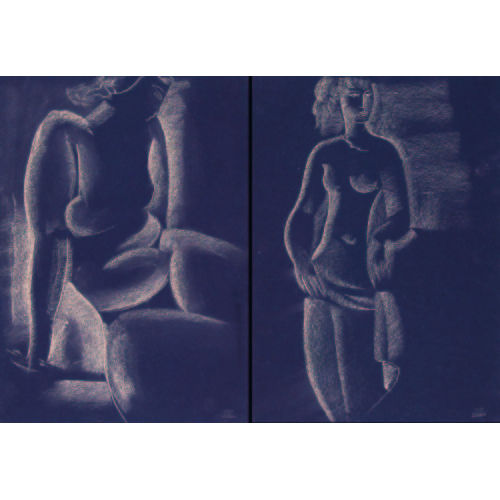
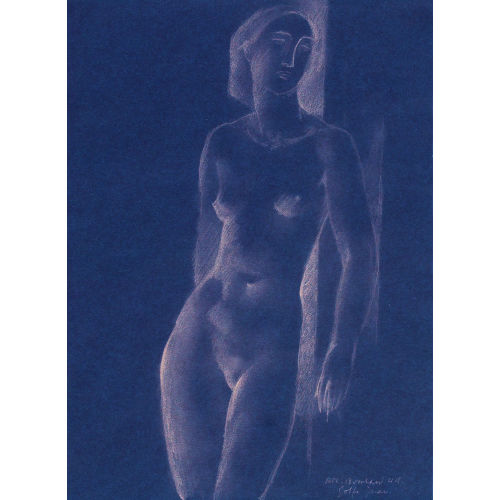
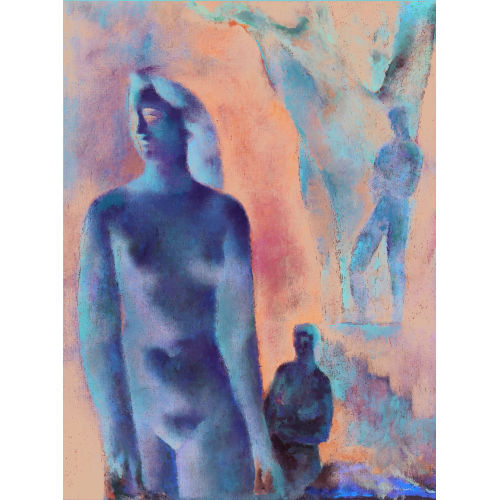
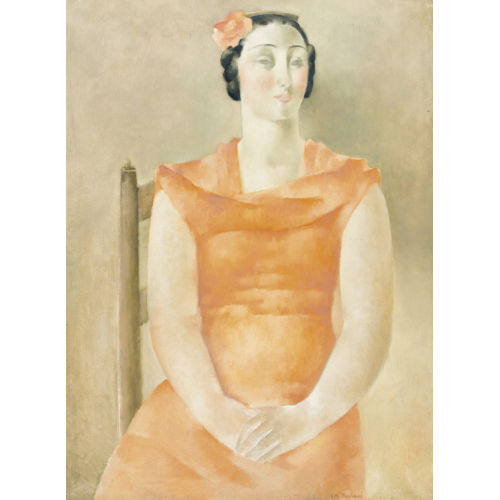
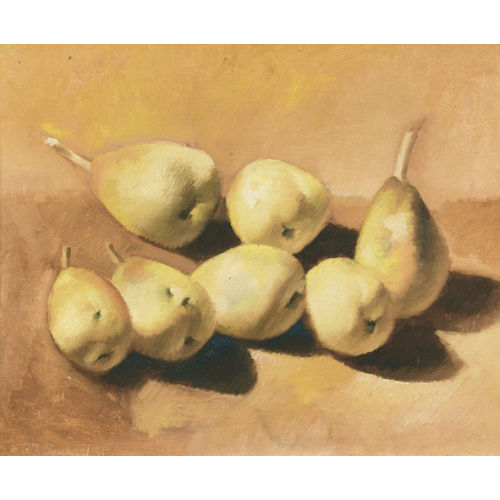
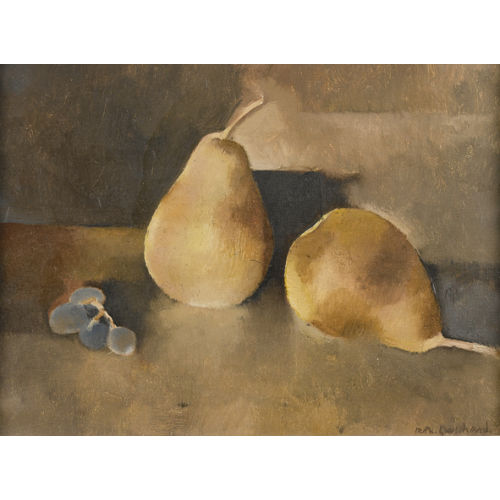
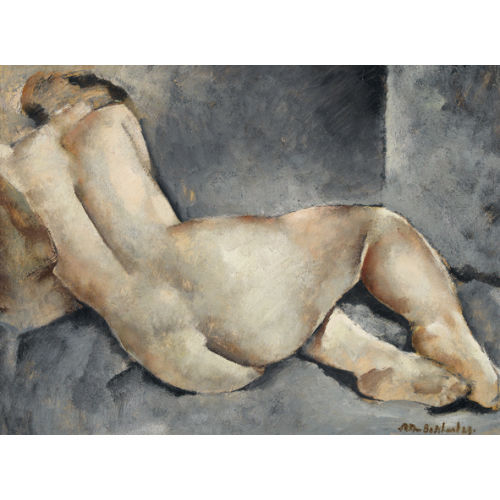
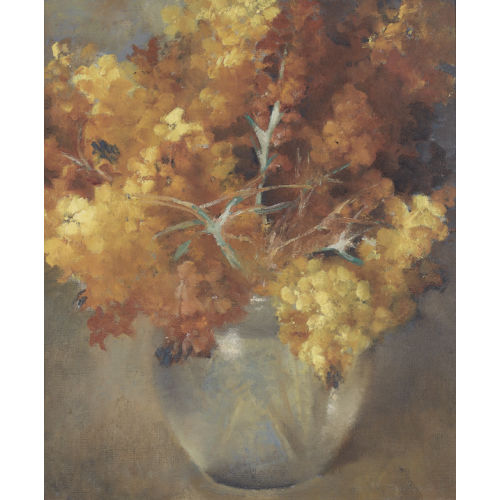
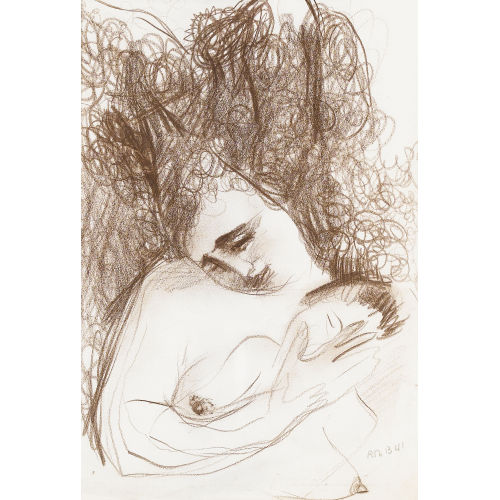
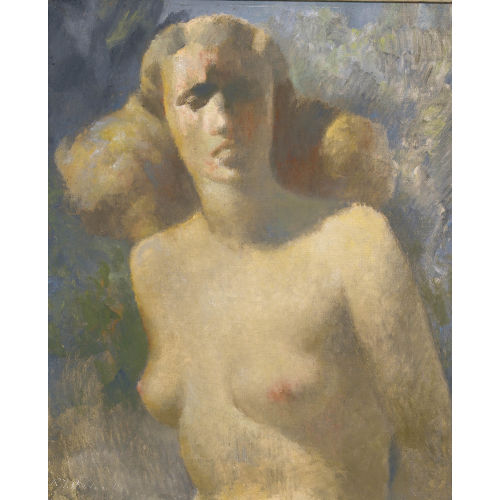
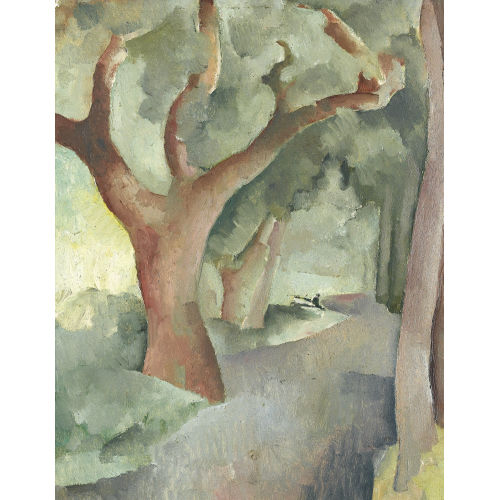
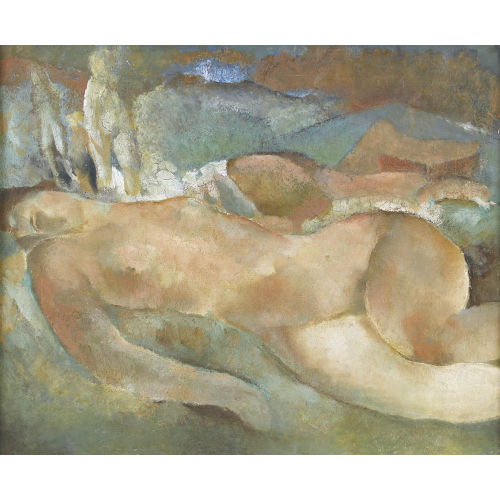
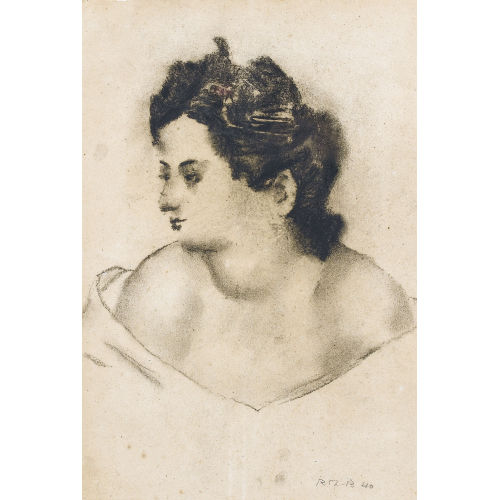
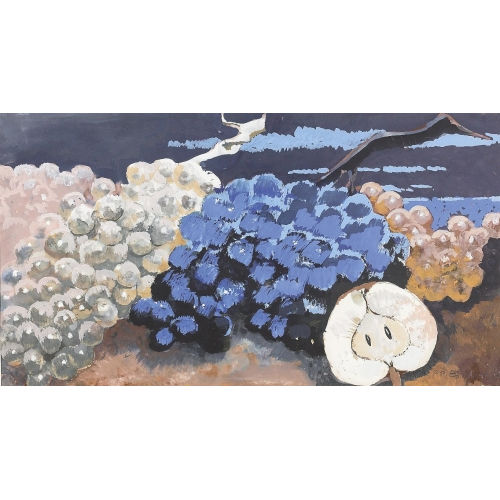
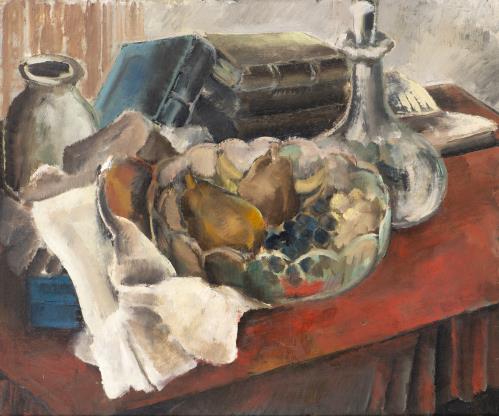
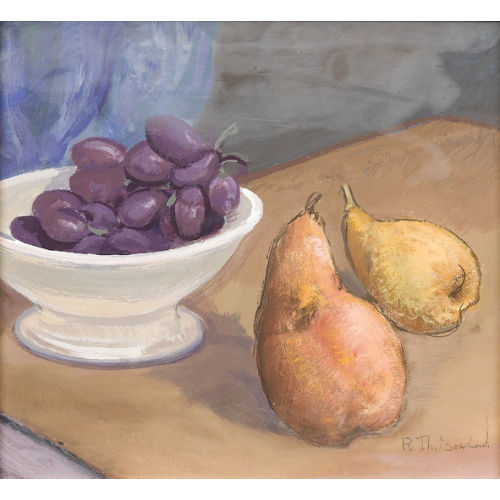
The nude, portraiture, still life and landscape structure a body of work encompassing a wide range of subjects. In the 1930s, his travels in Greece opened up new perspectives: marine light, islands and architecture nourished drawings, sketches and paintings reworked in the studio. The artist also wrote, notably *Poèmes de Grèce*, extending his experience of places through words.
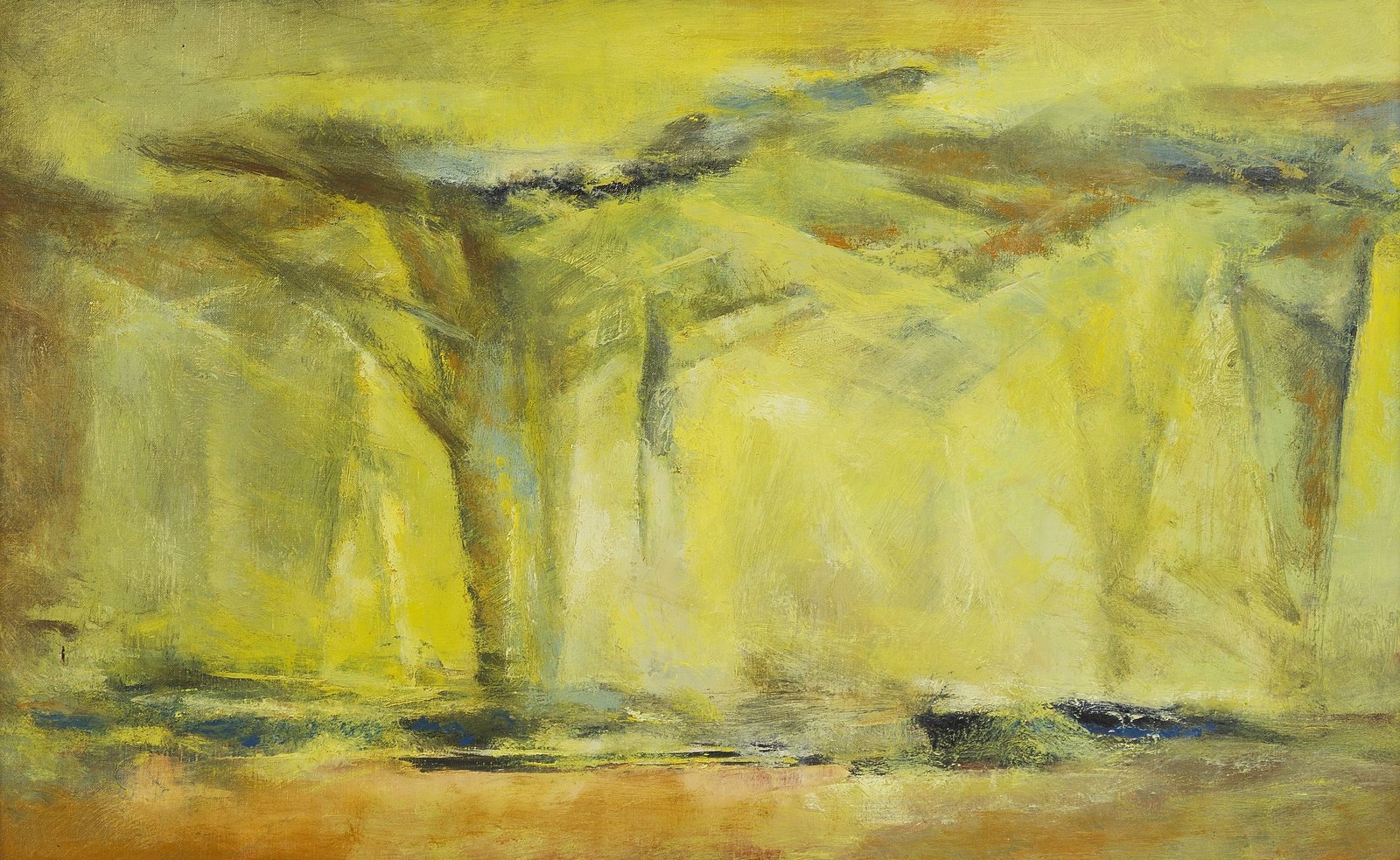
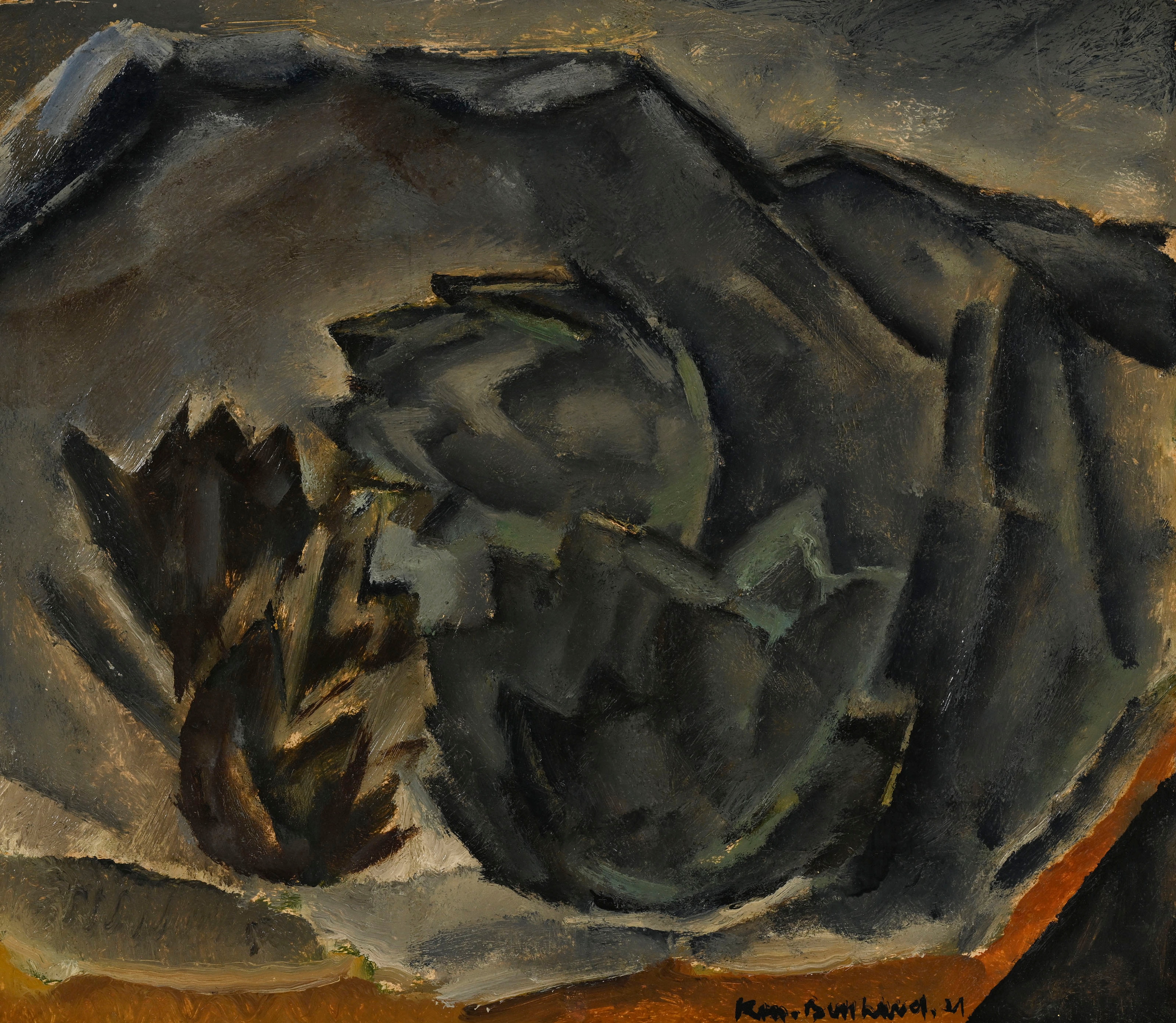
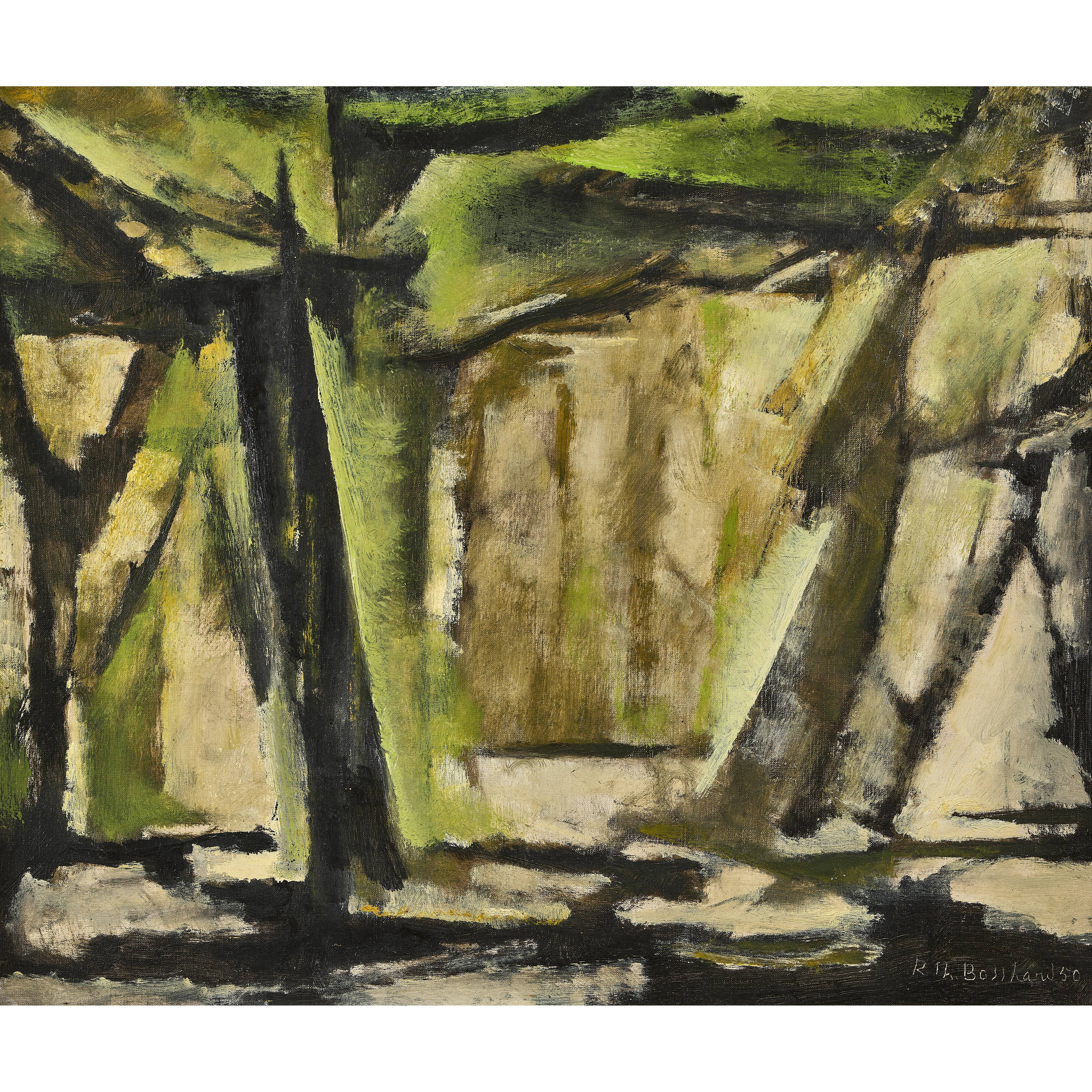
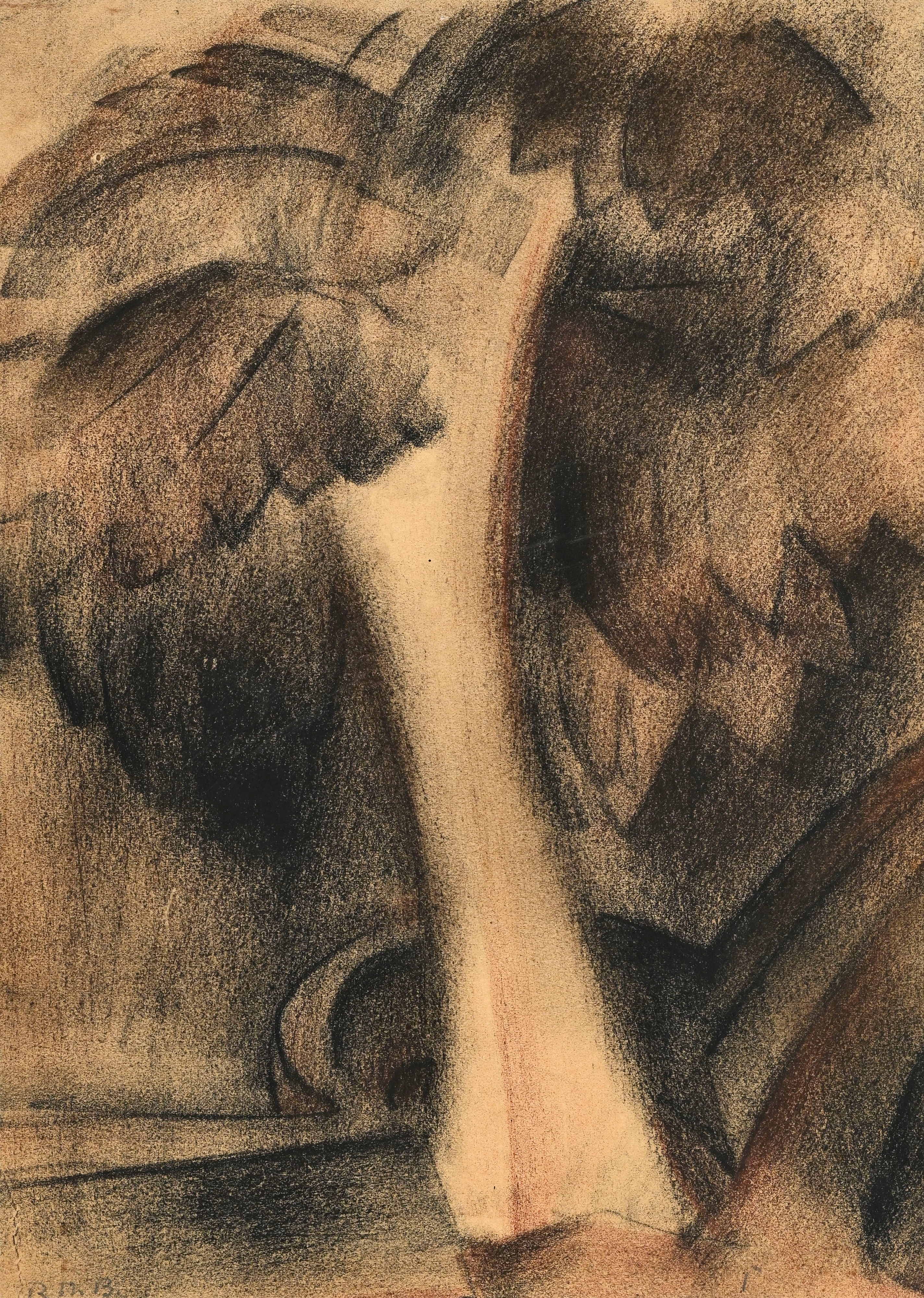
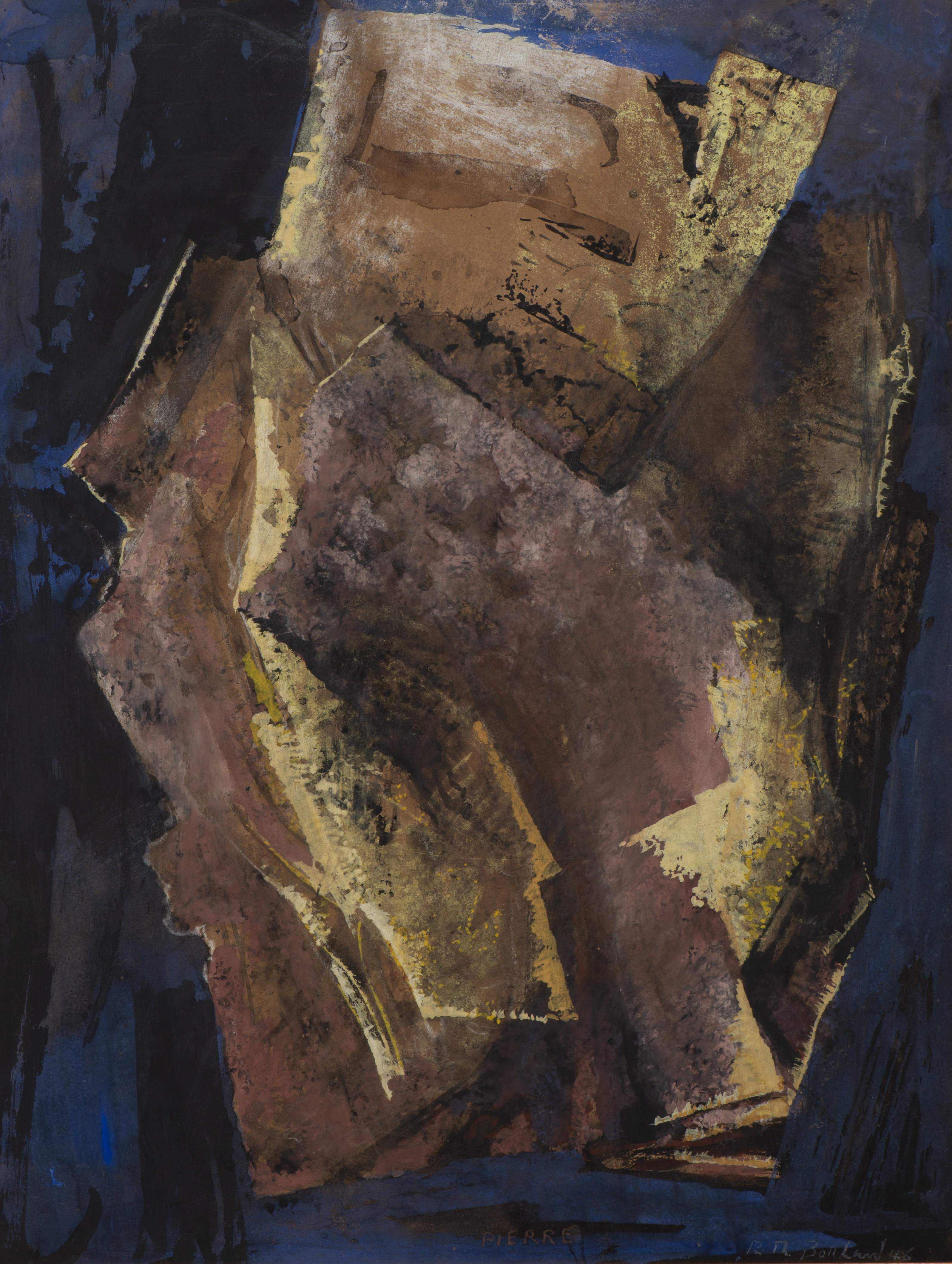
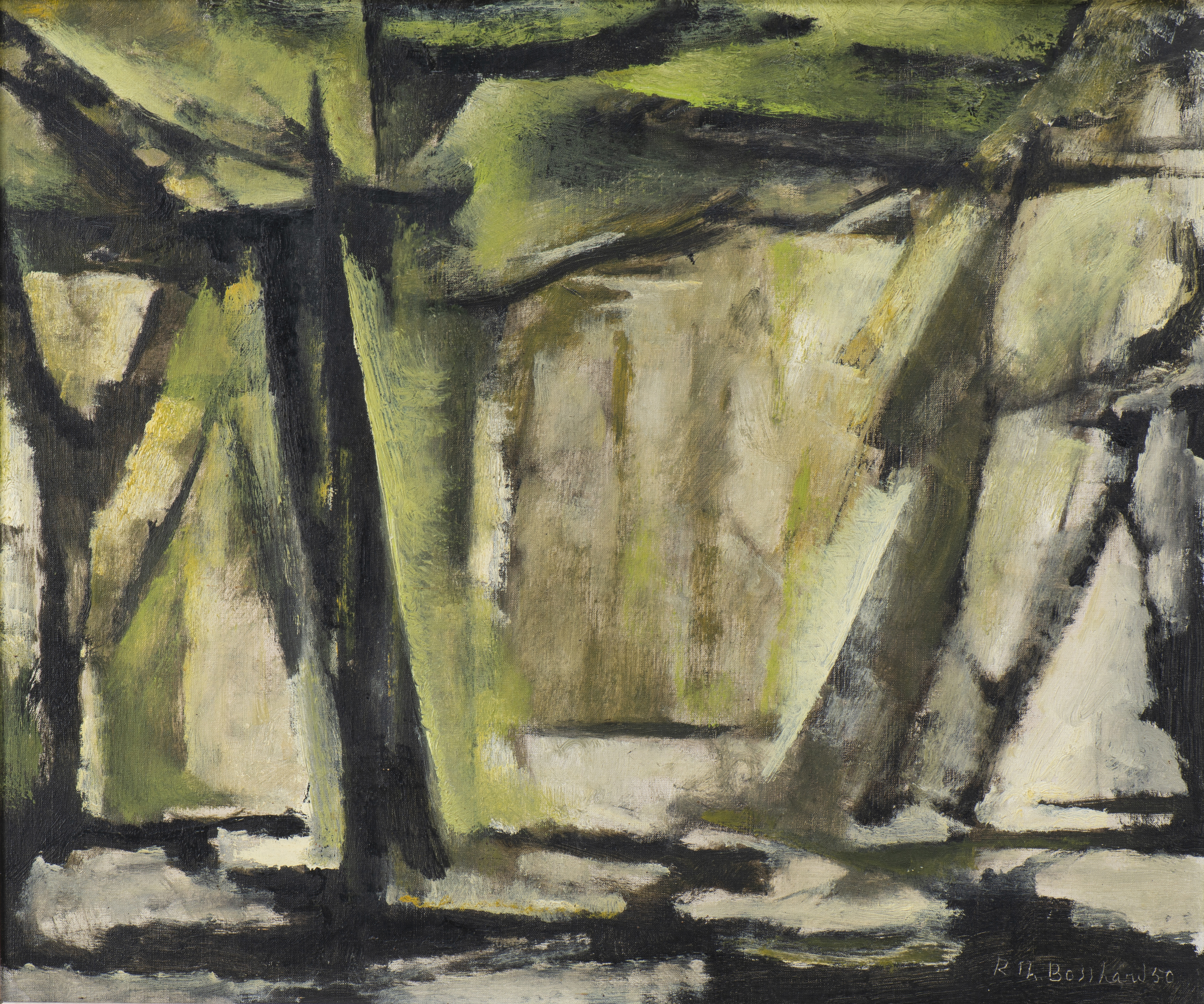
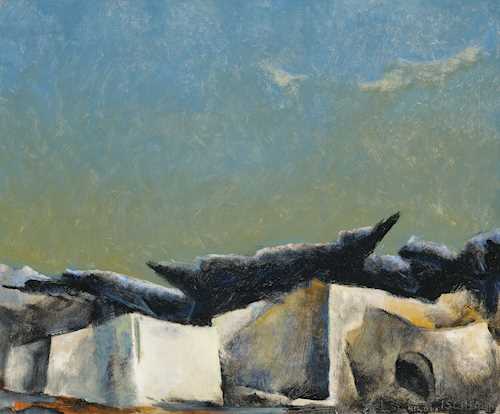
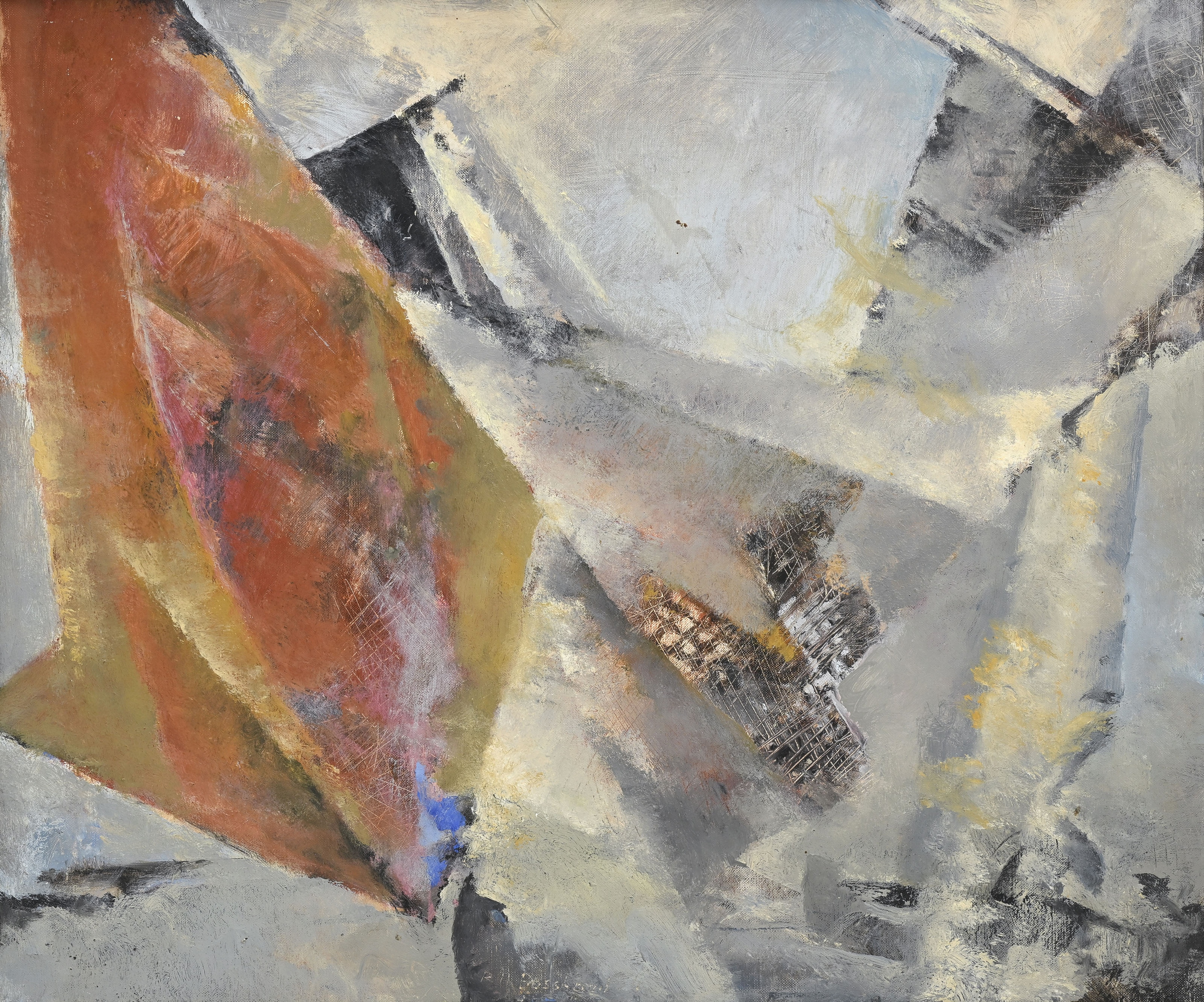
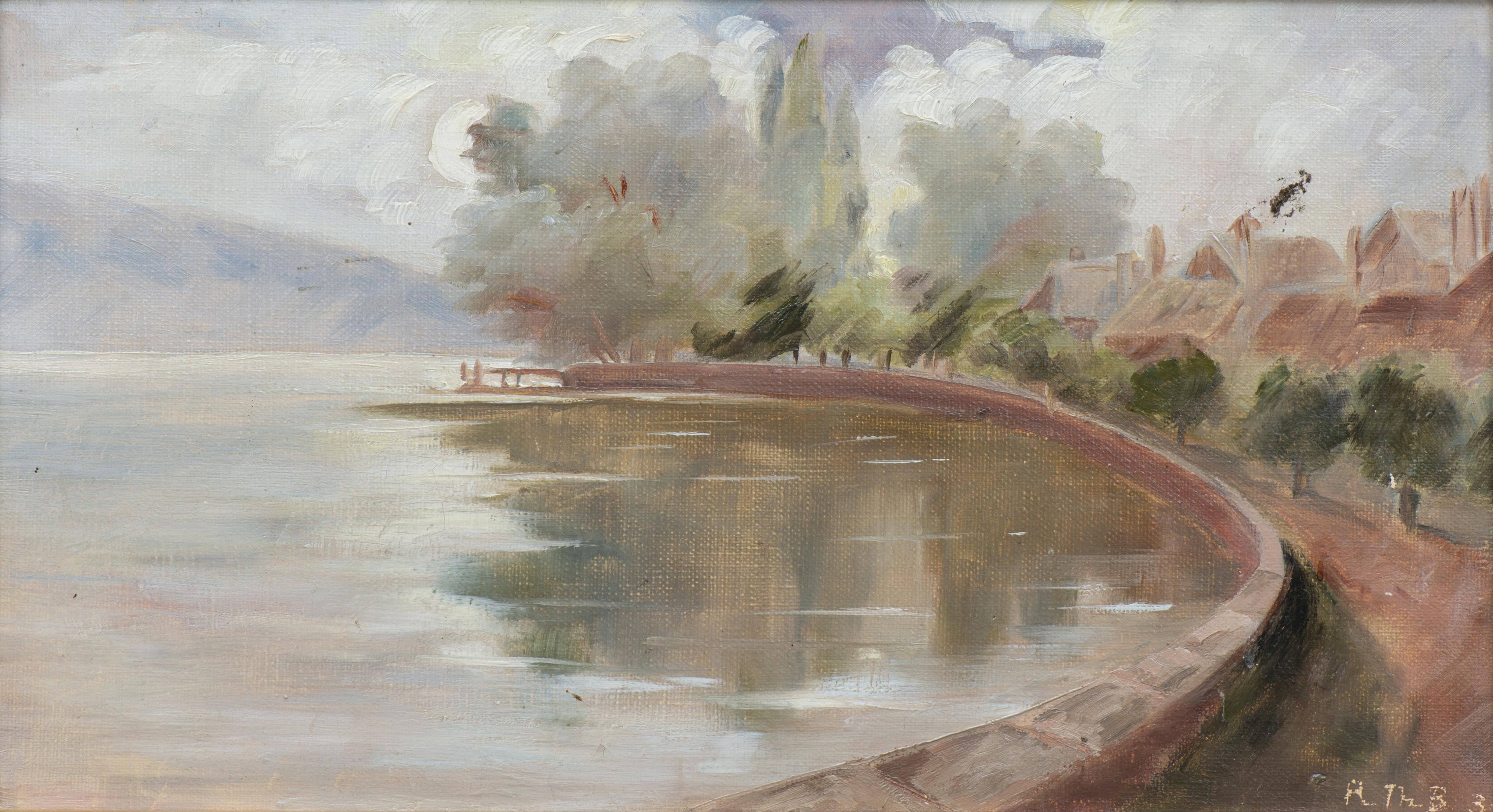
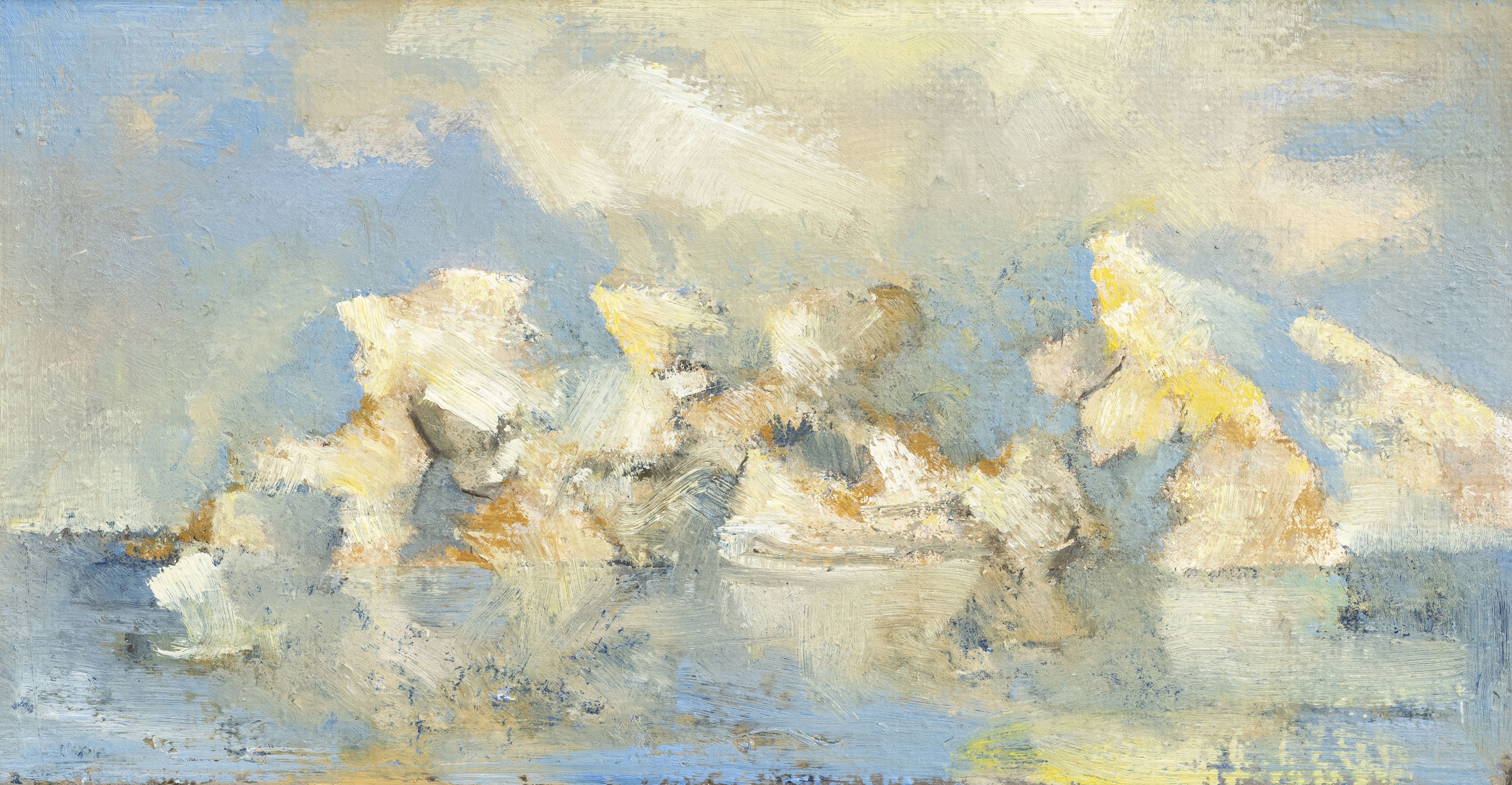
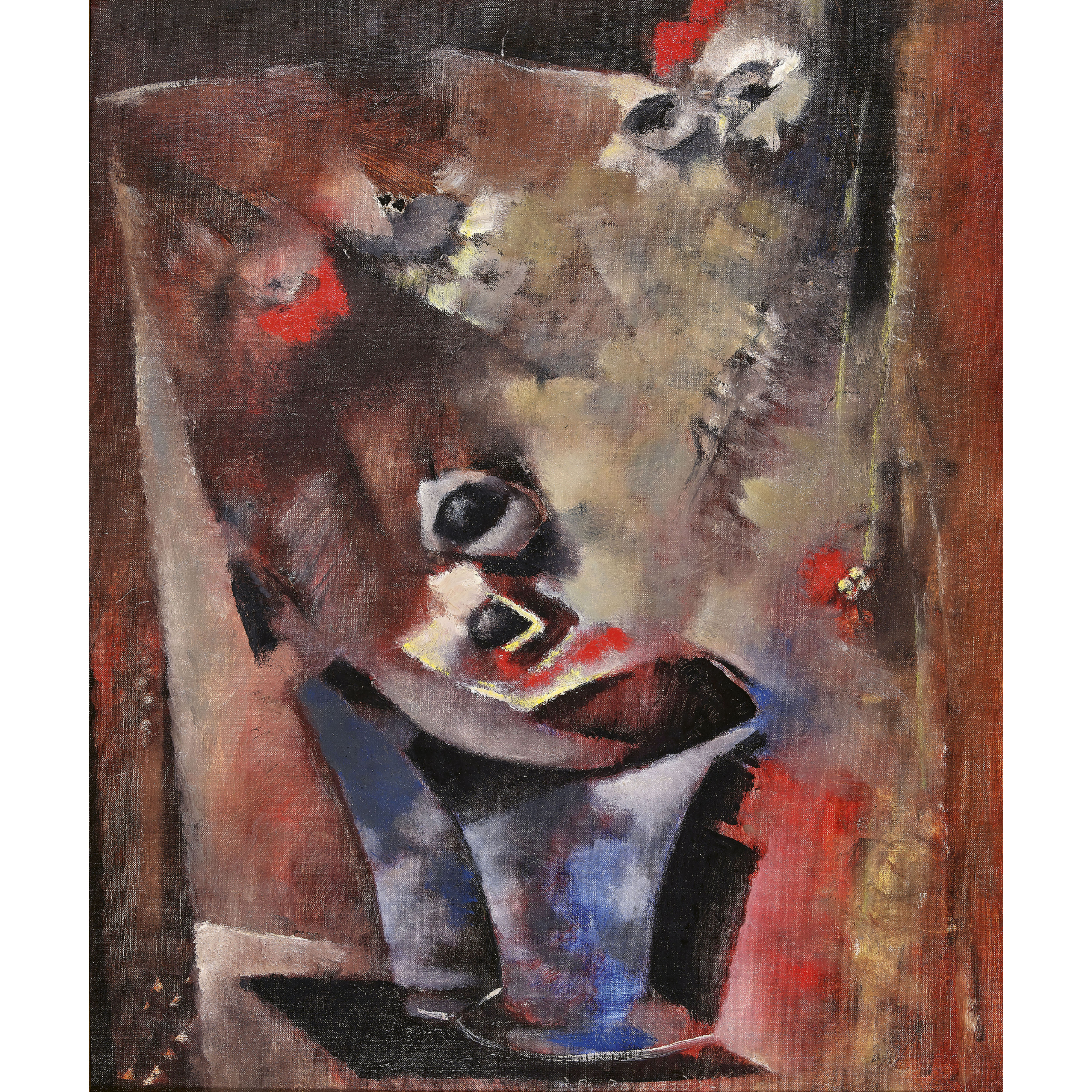
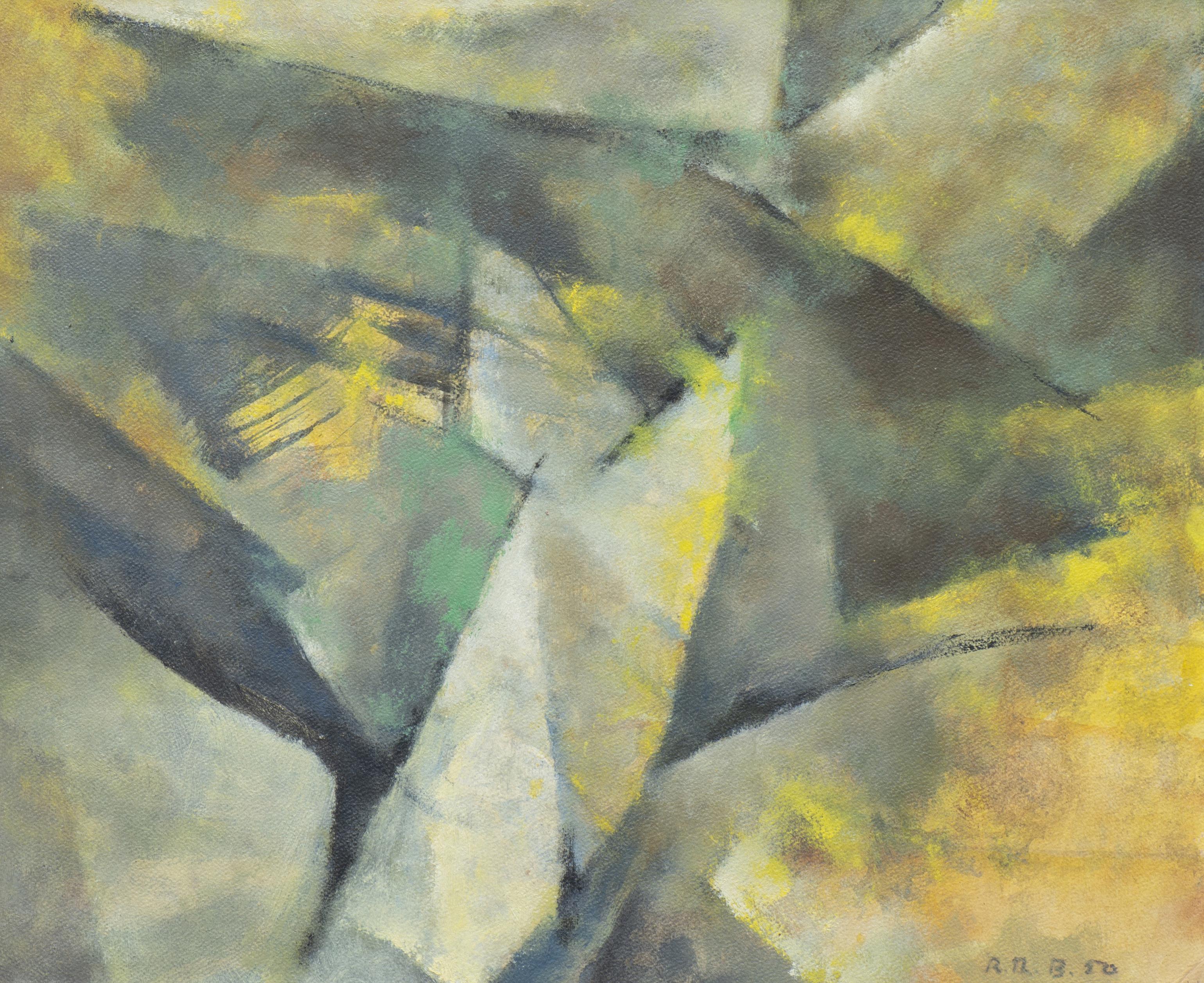
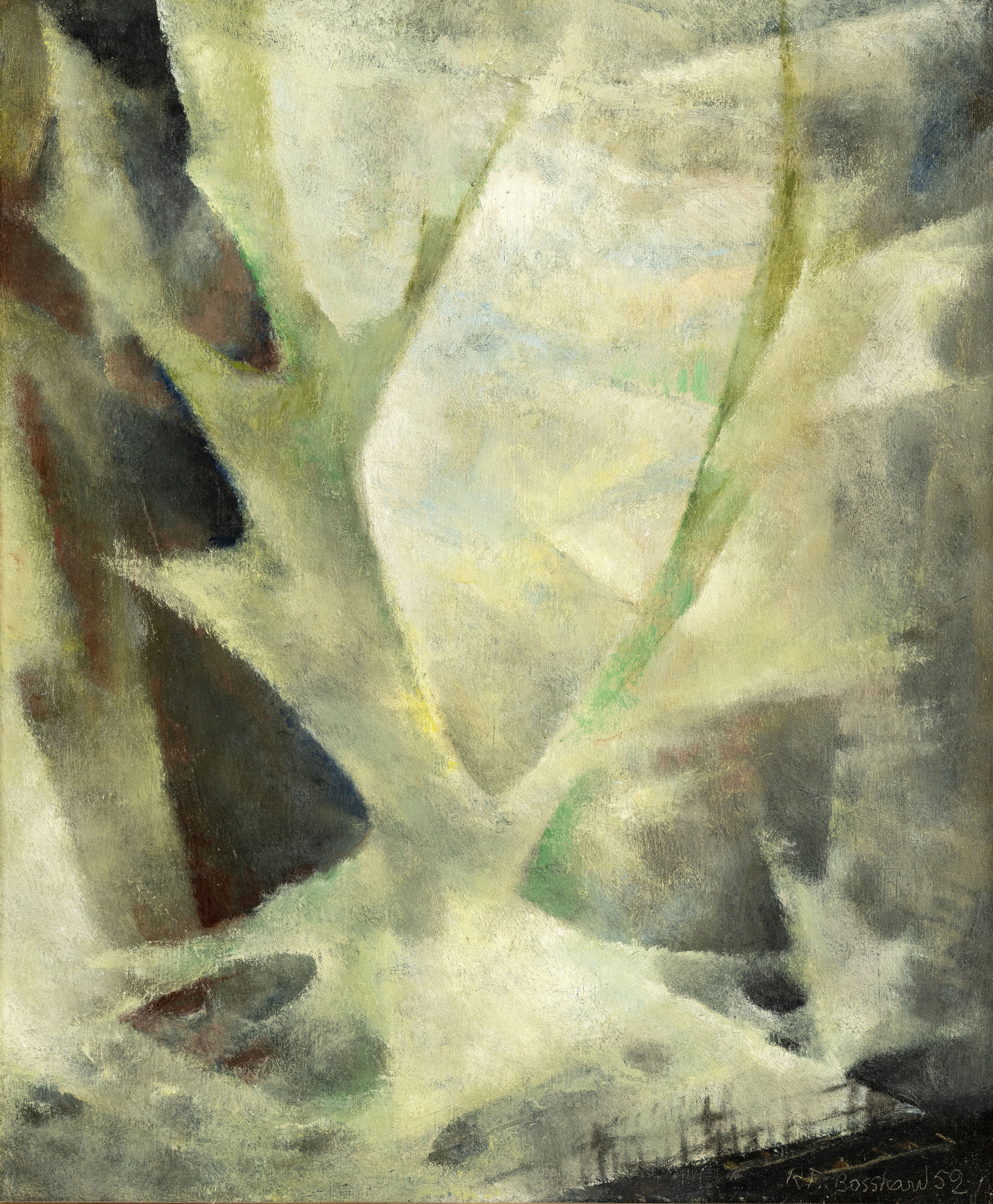
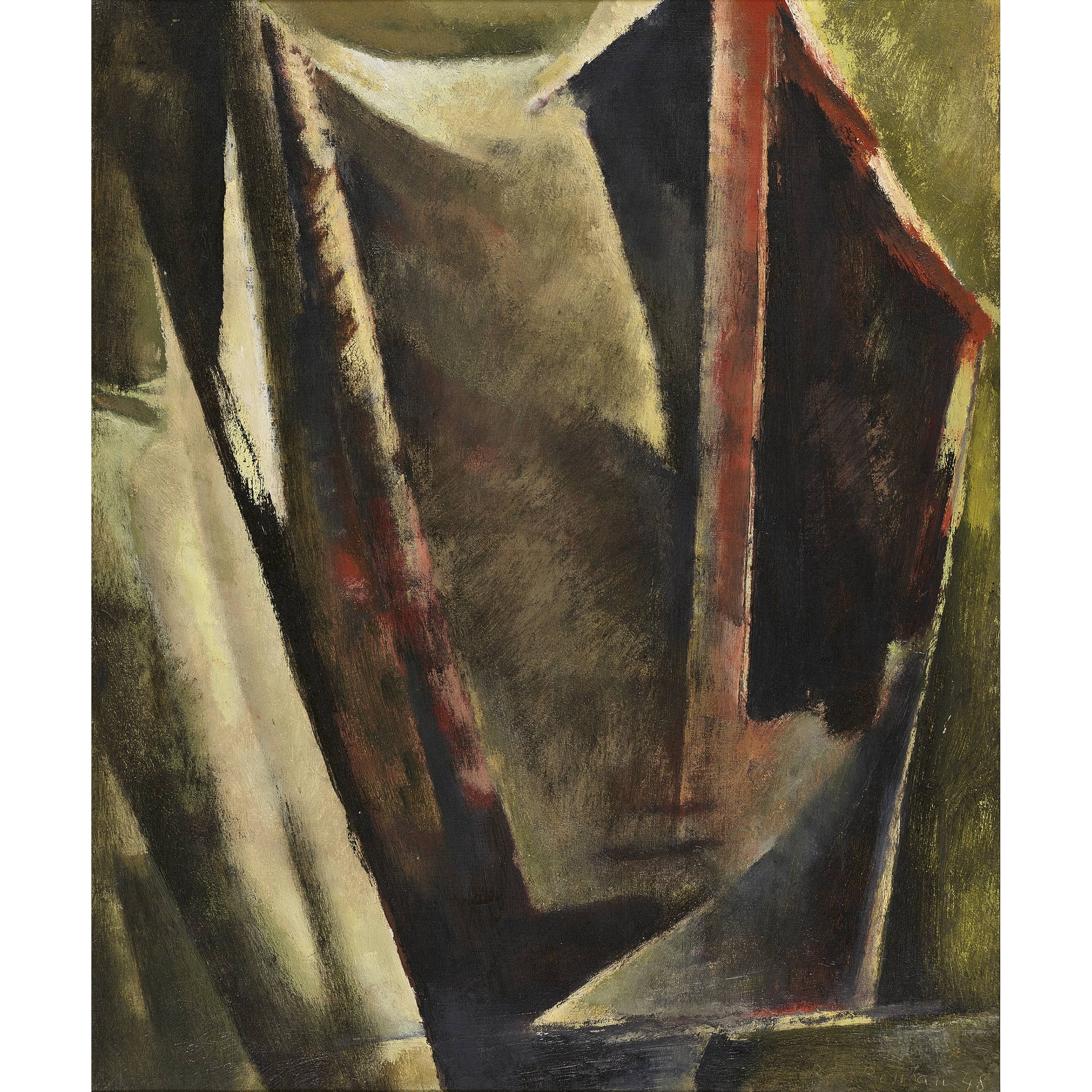
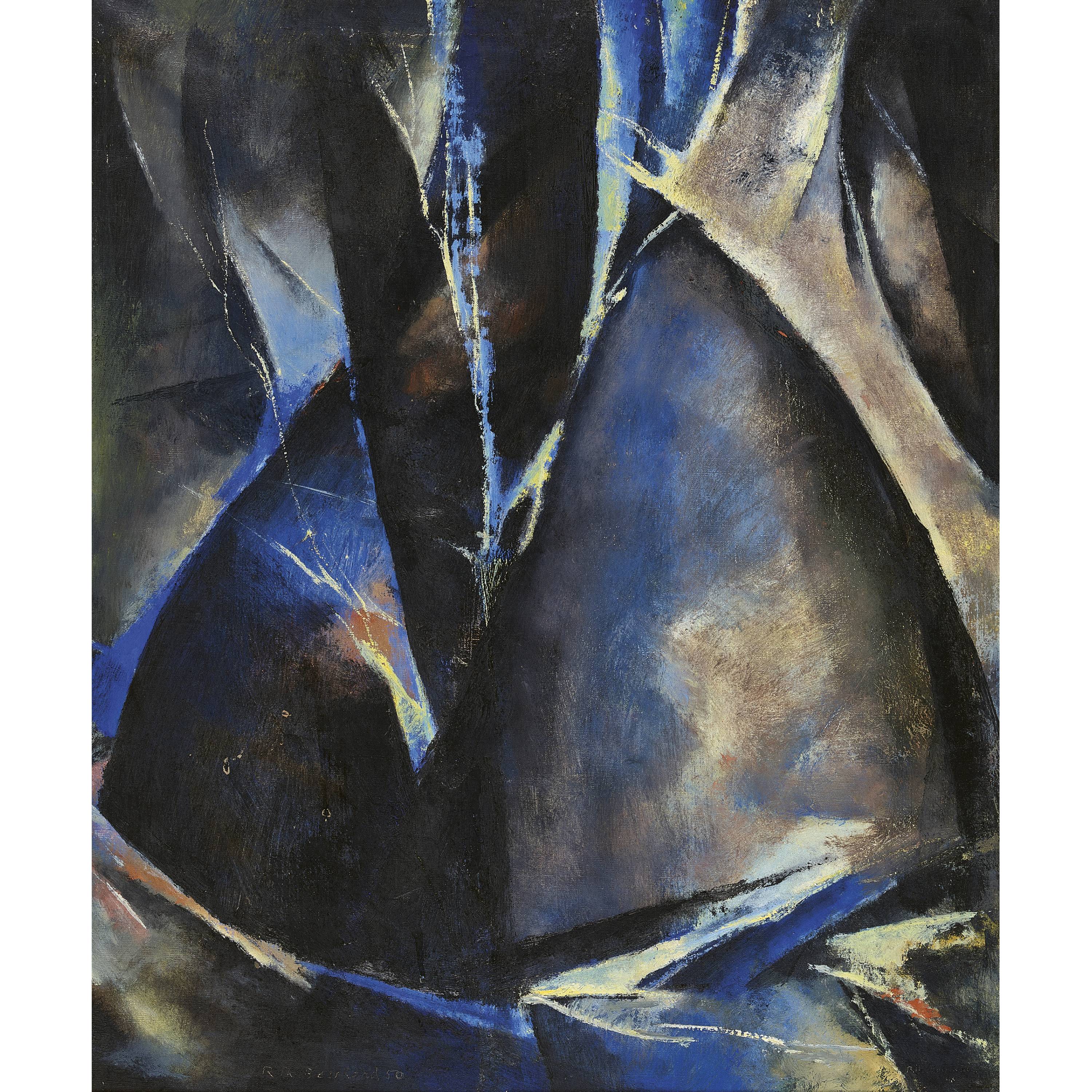
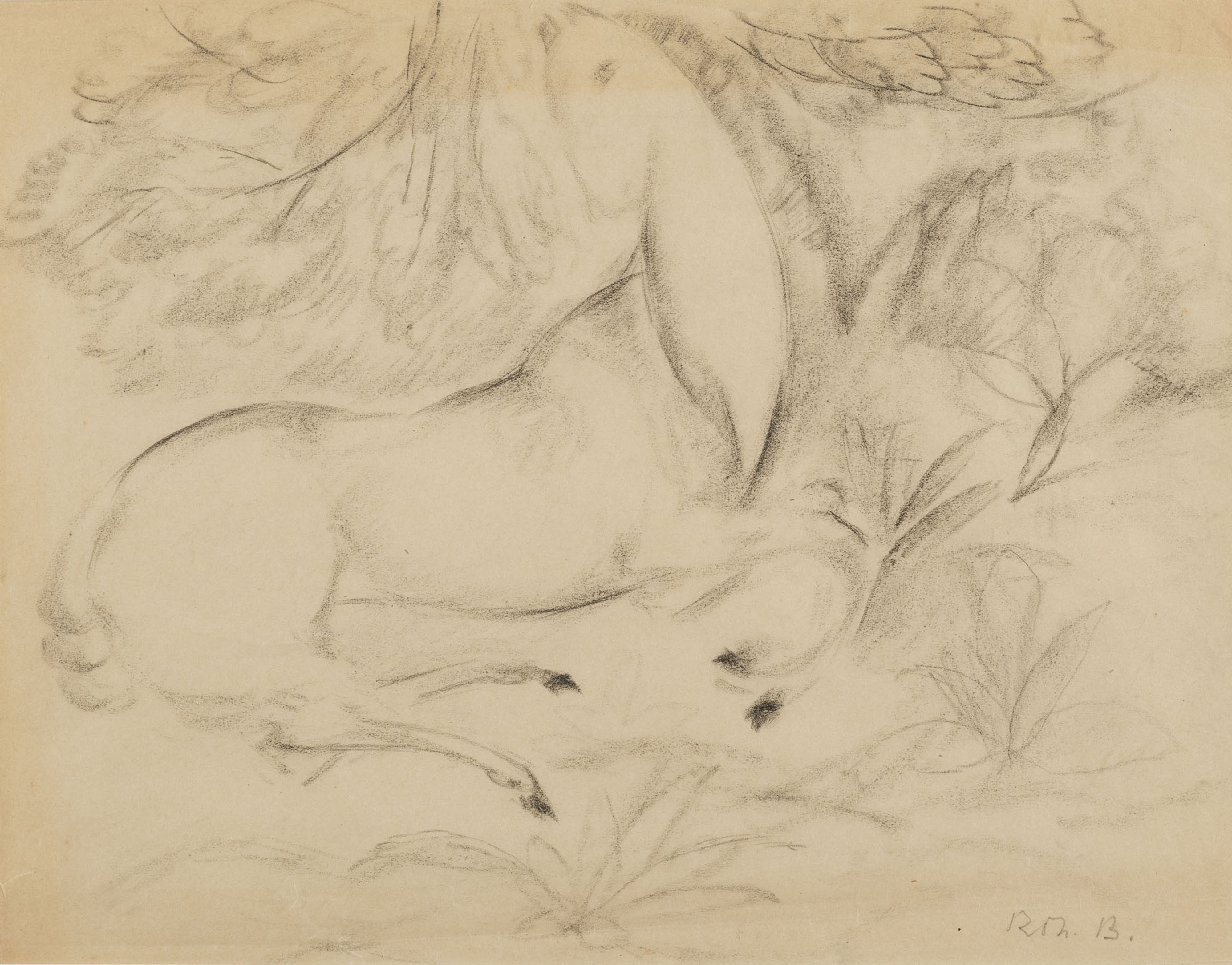
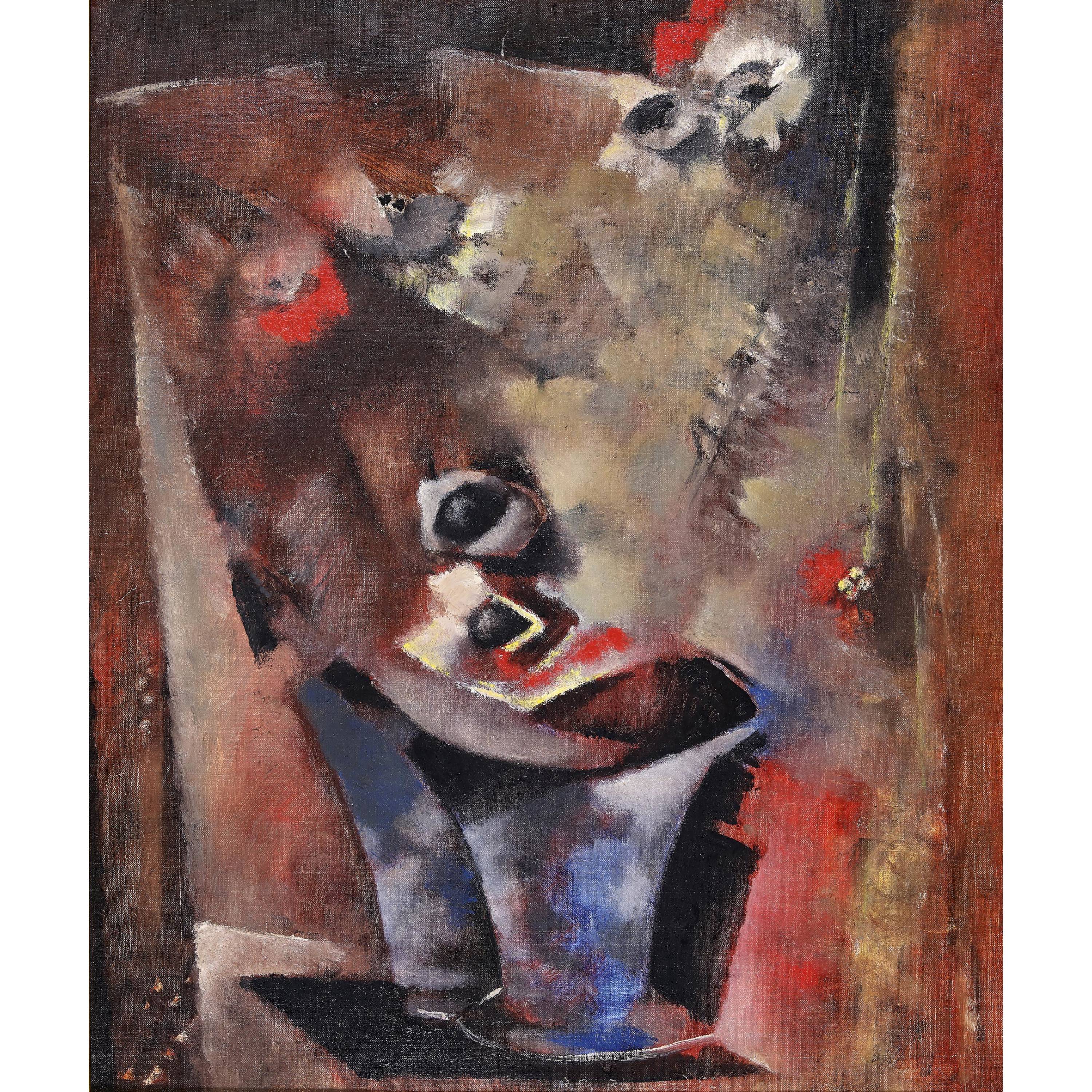
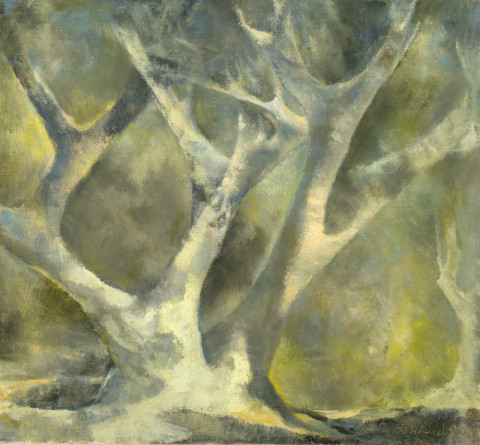
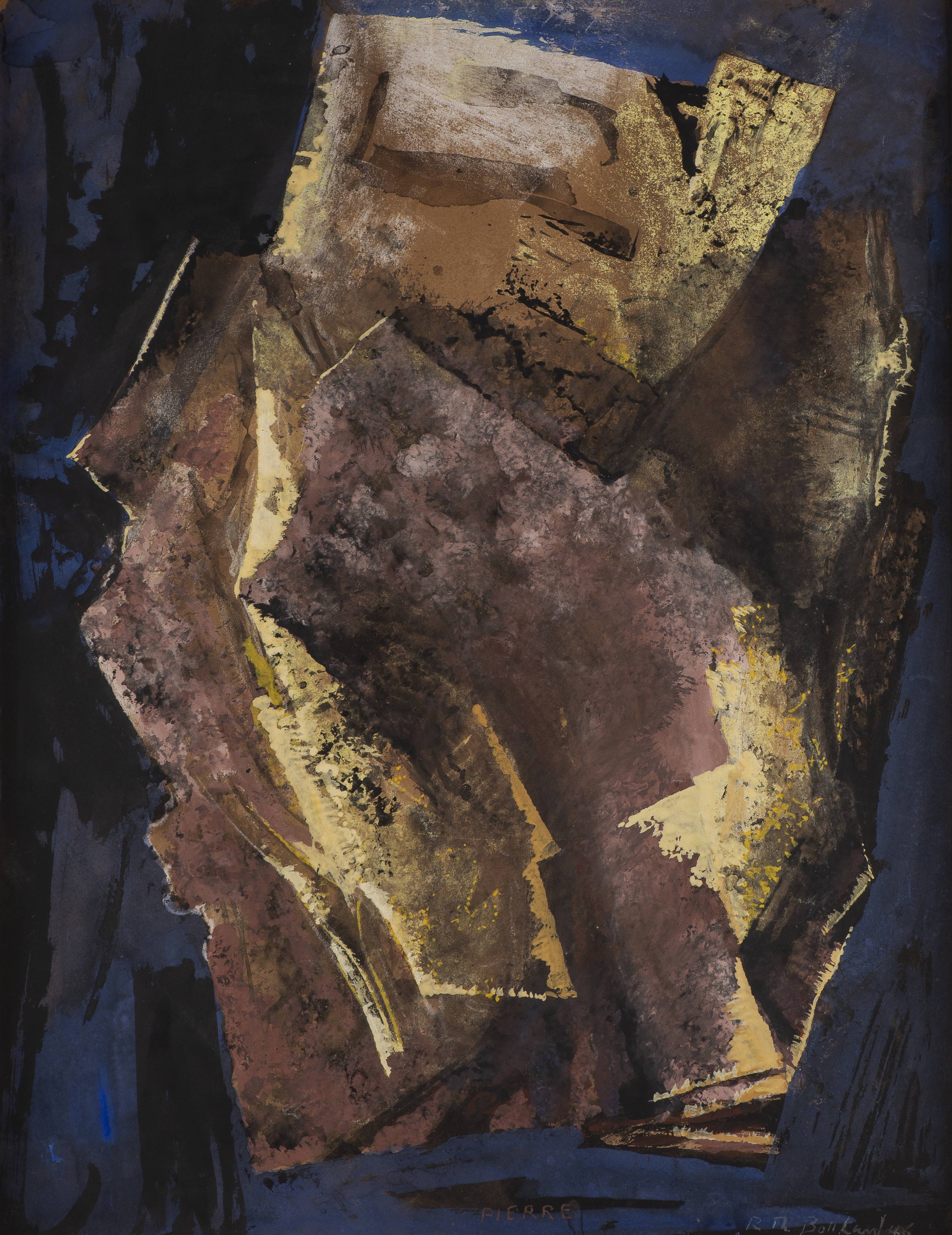
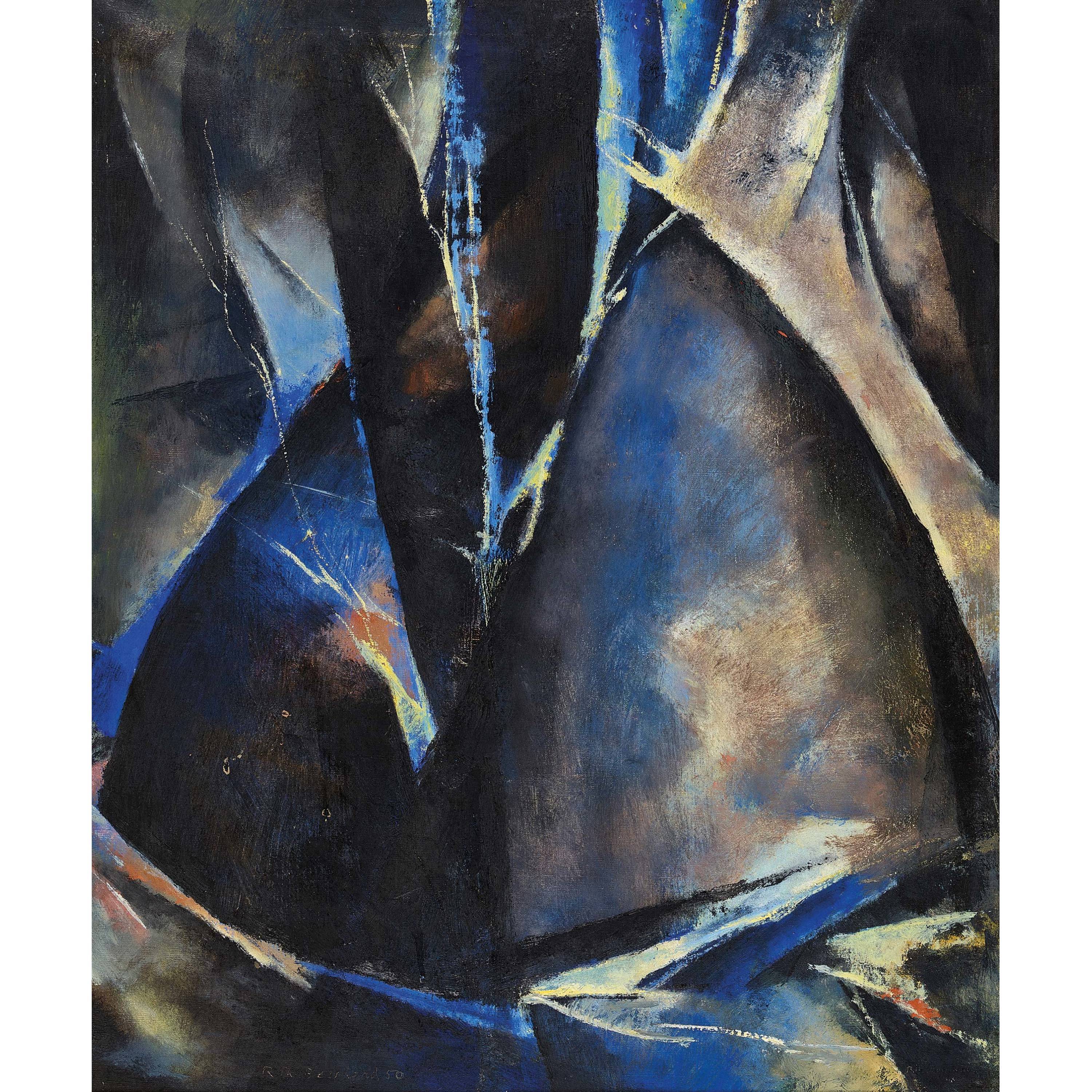
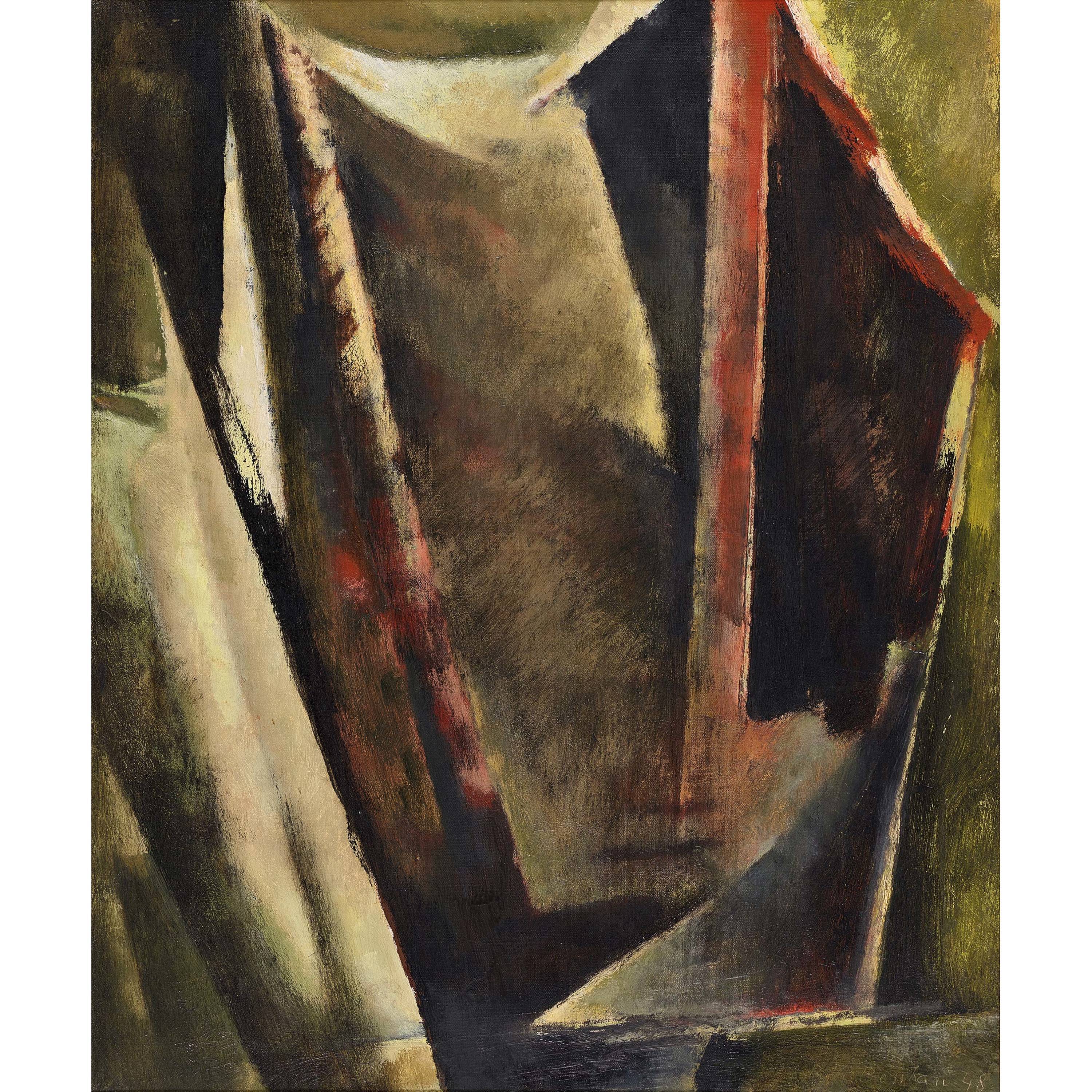
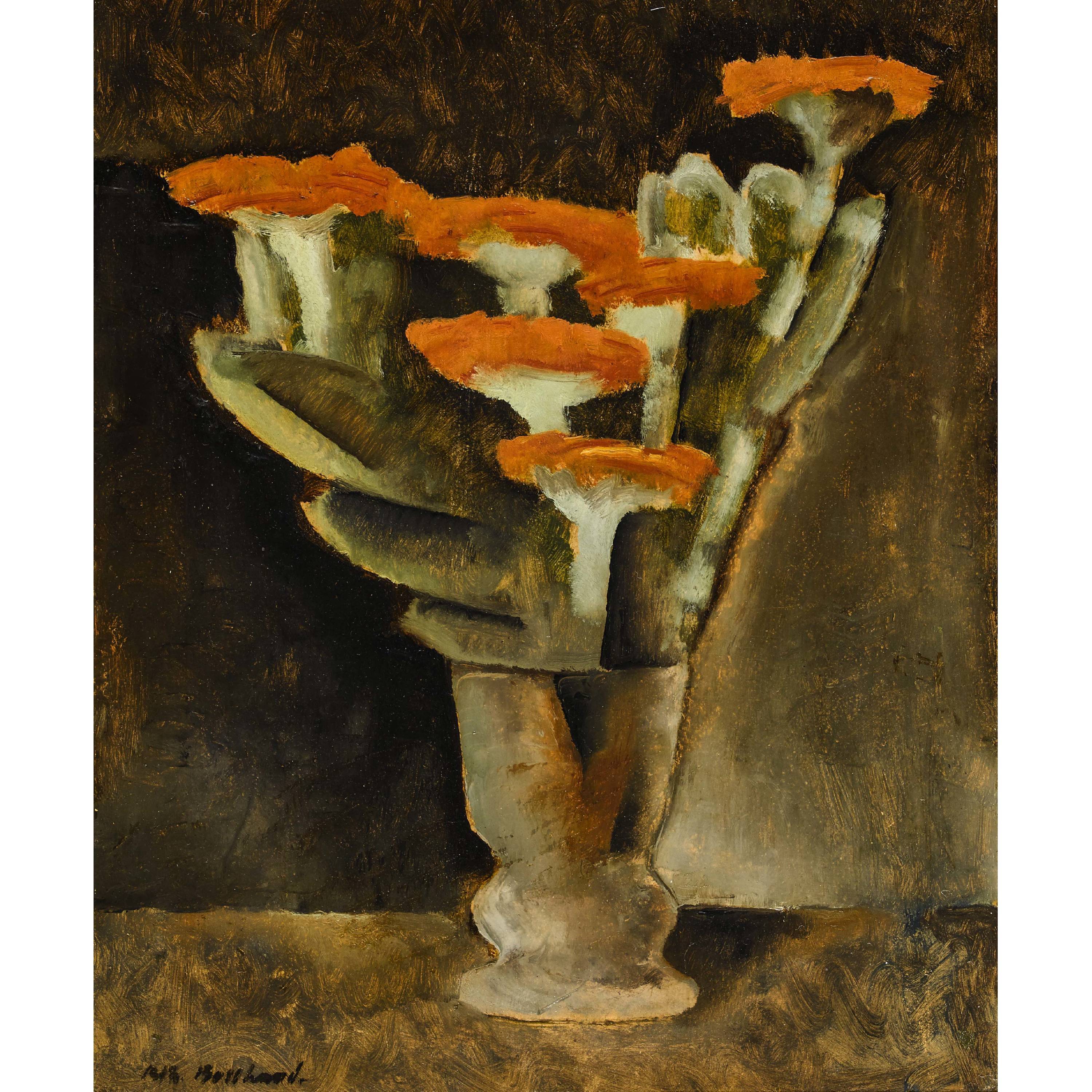
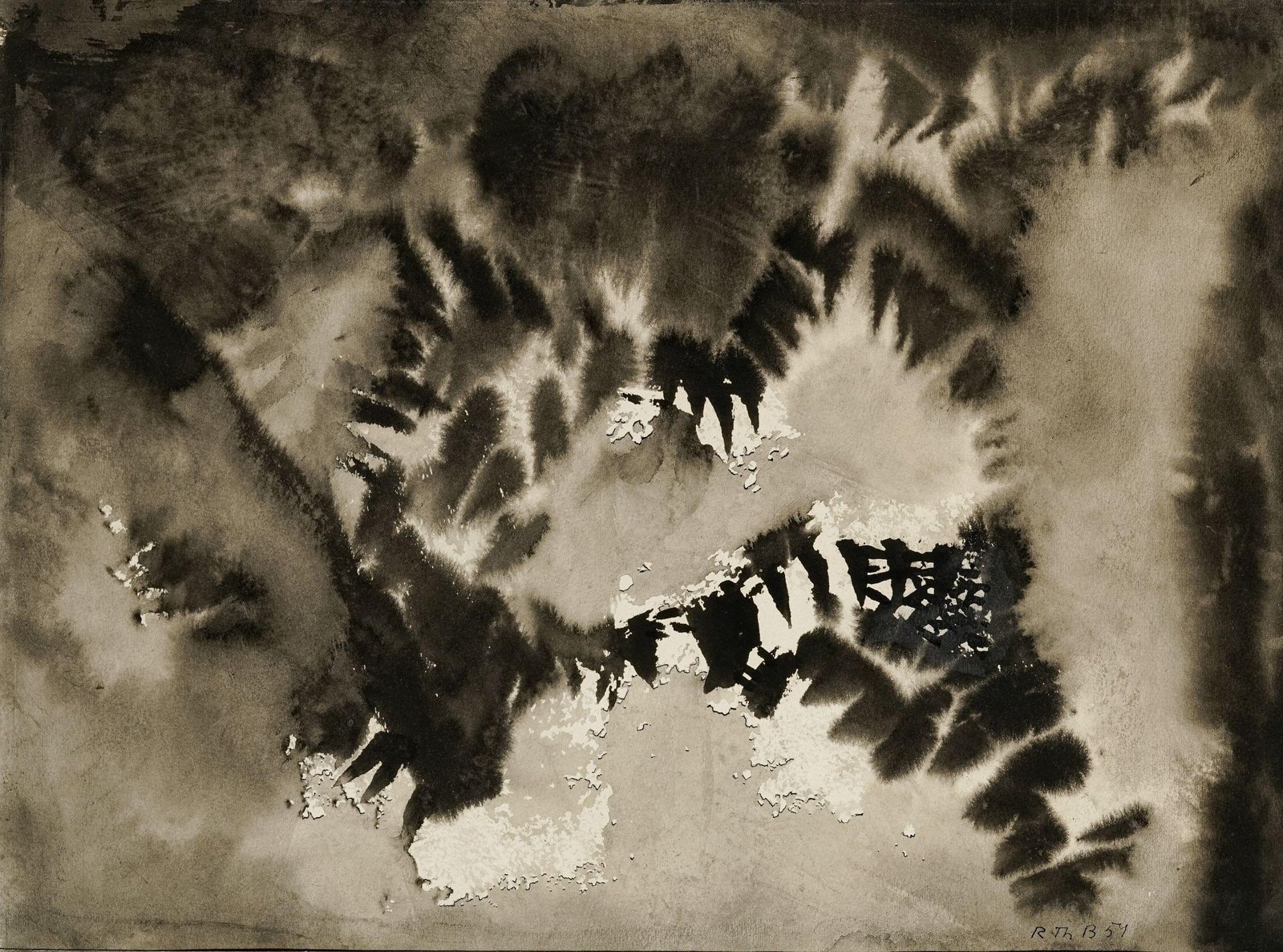
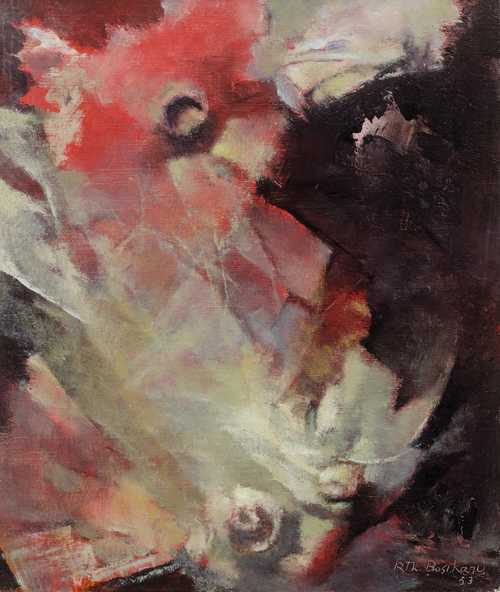
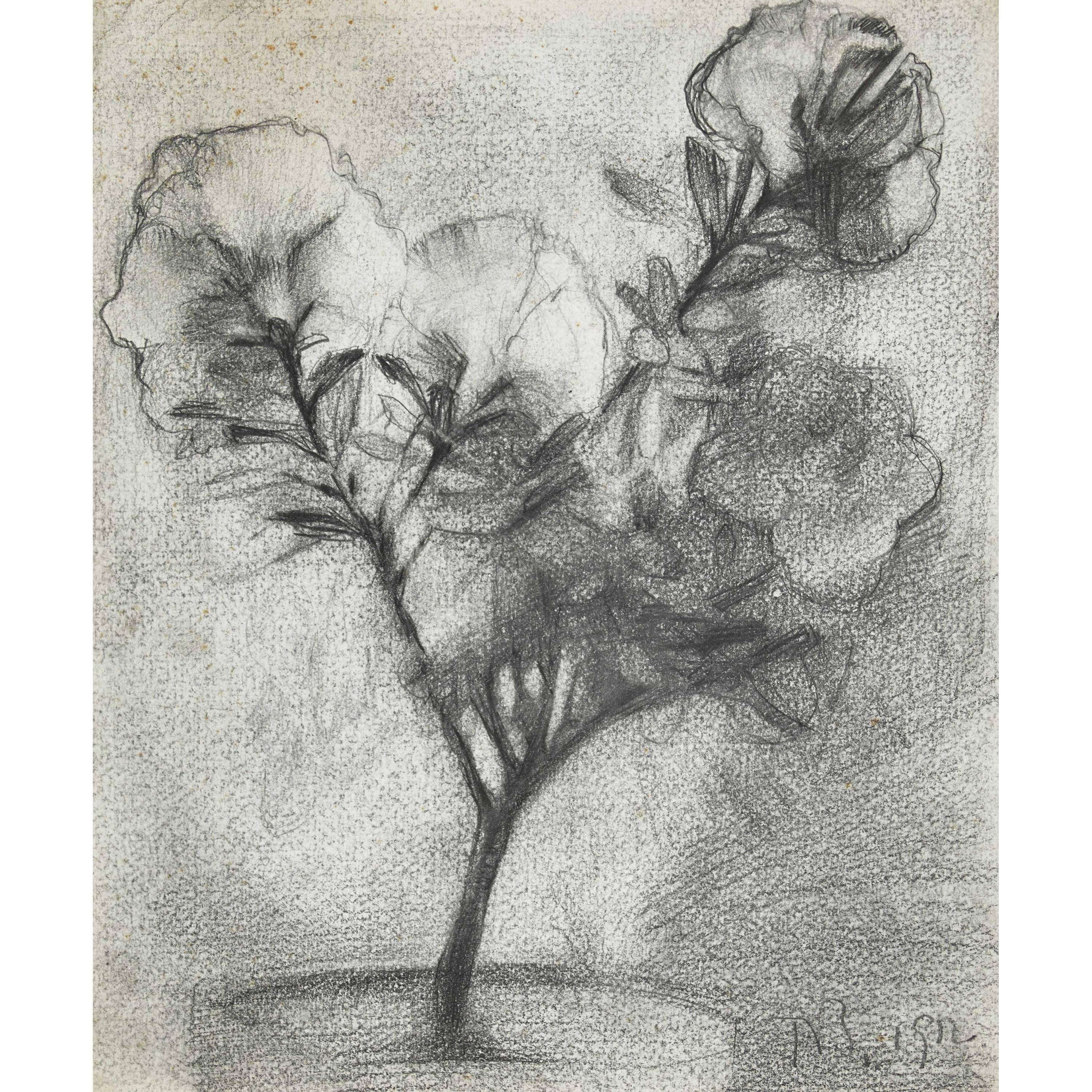
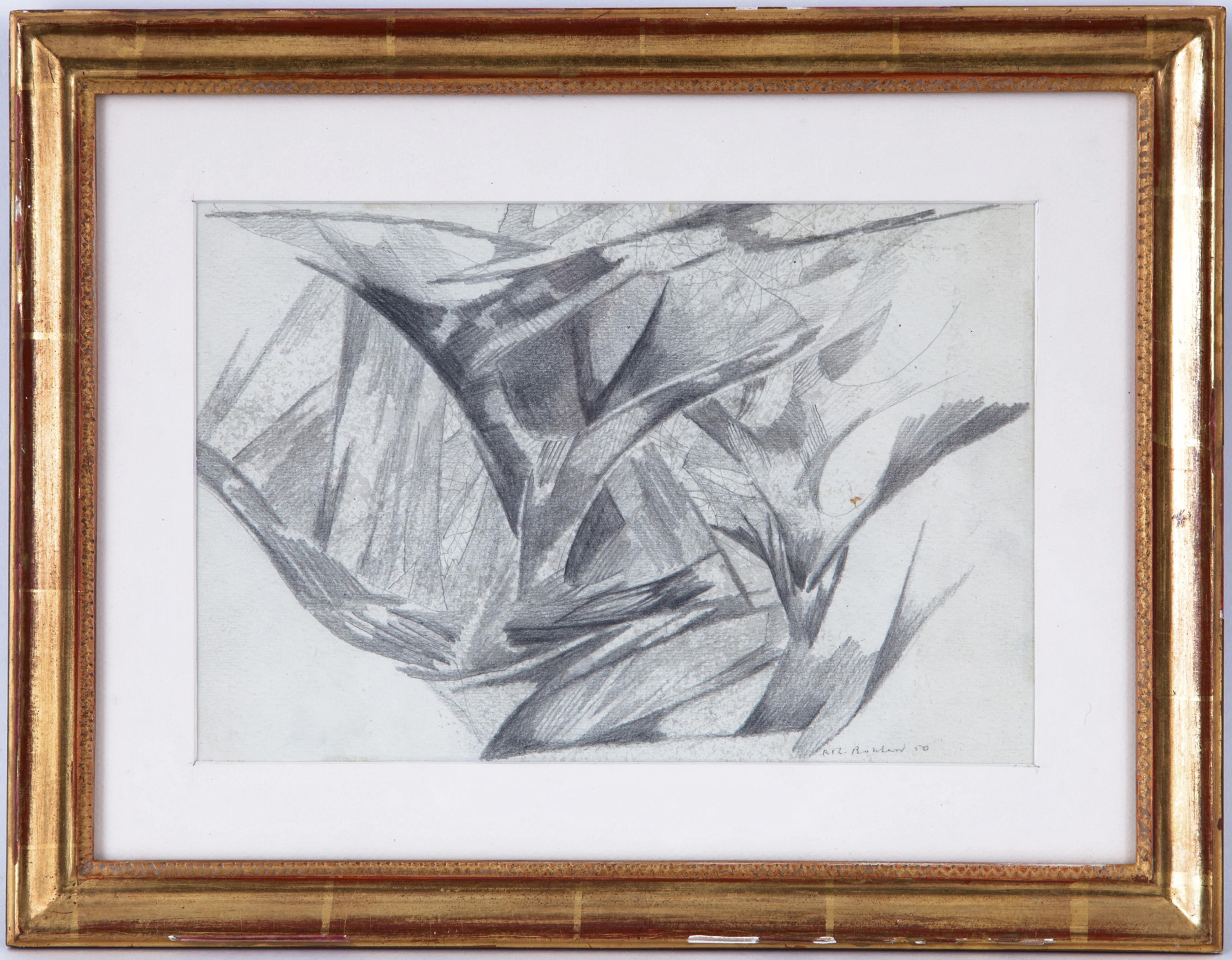
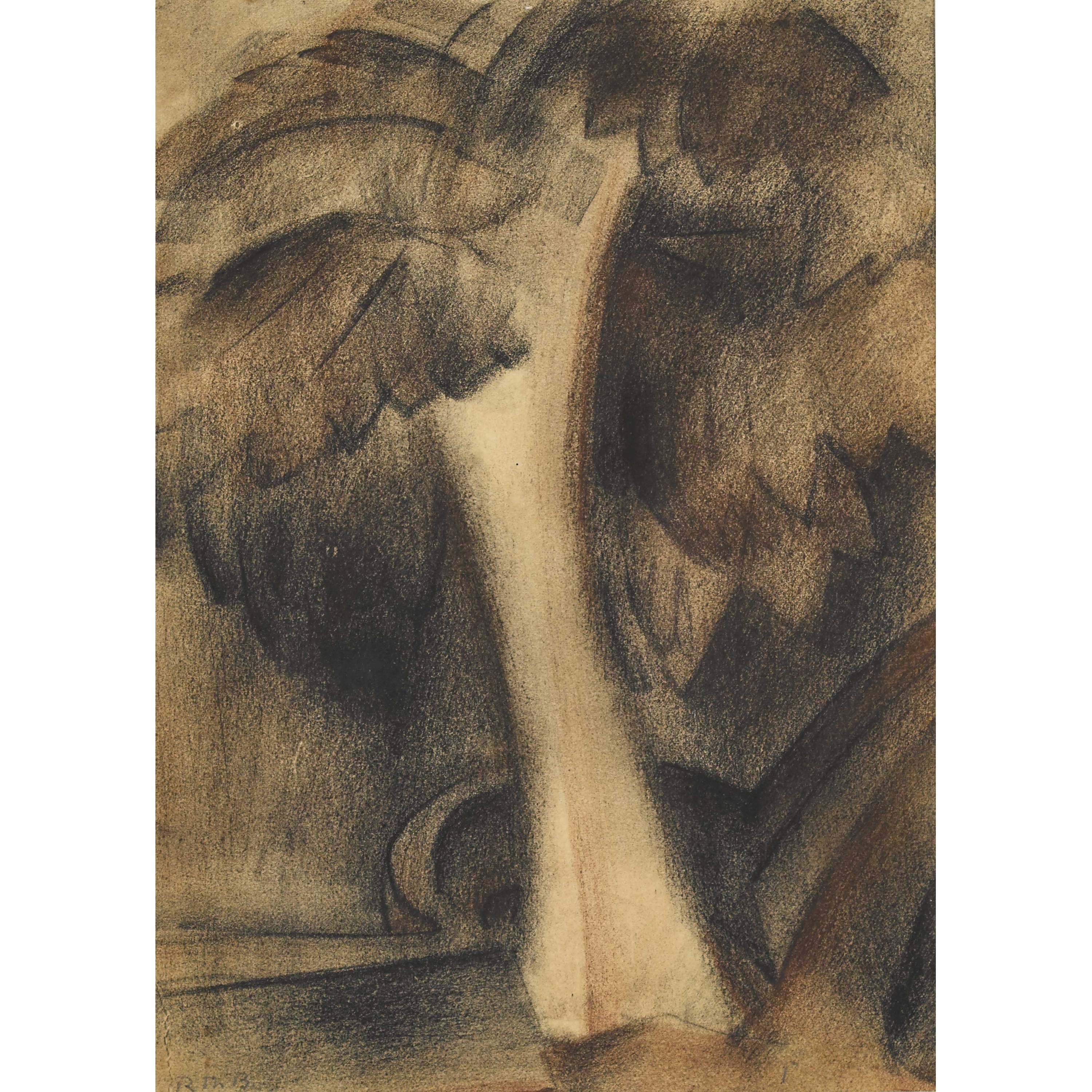
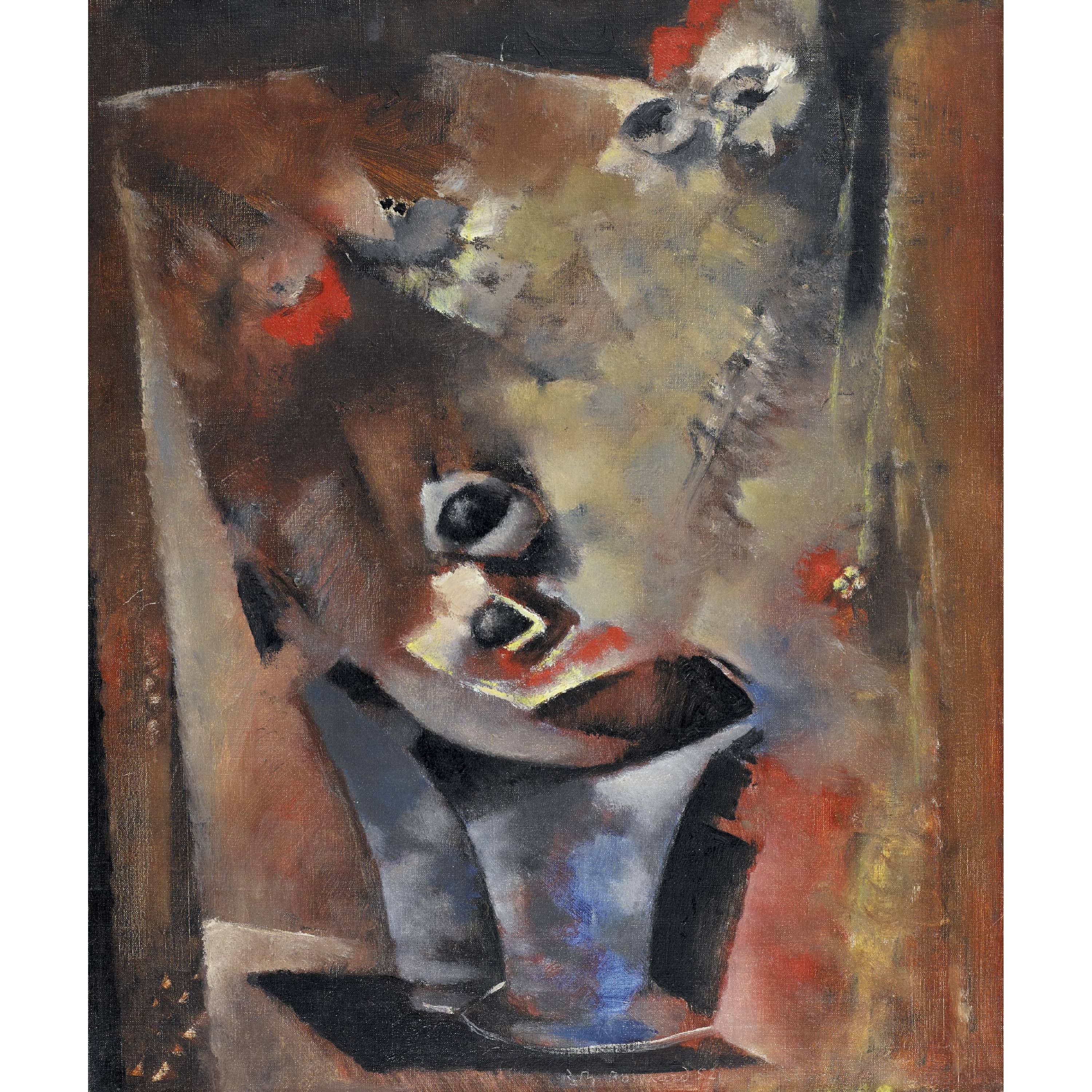
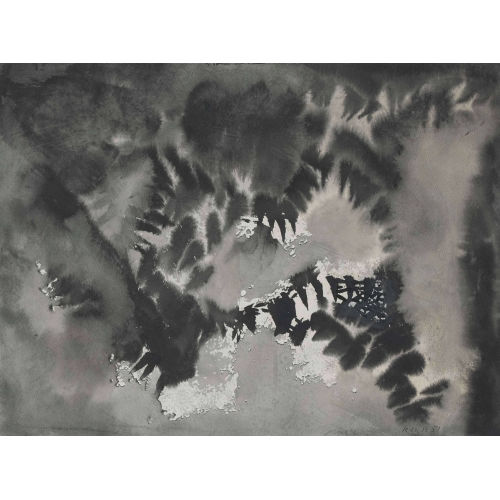
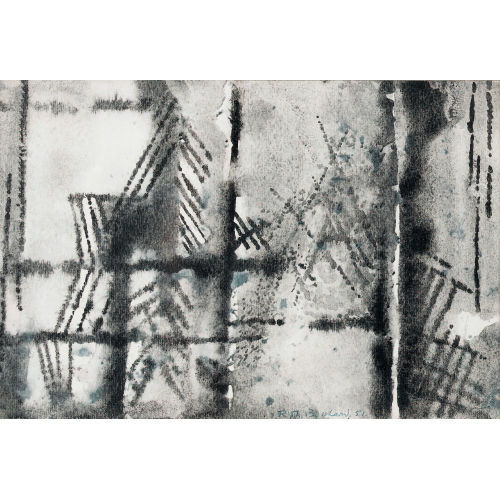
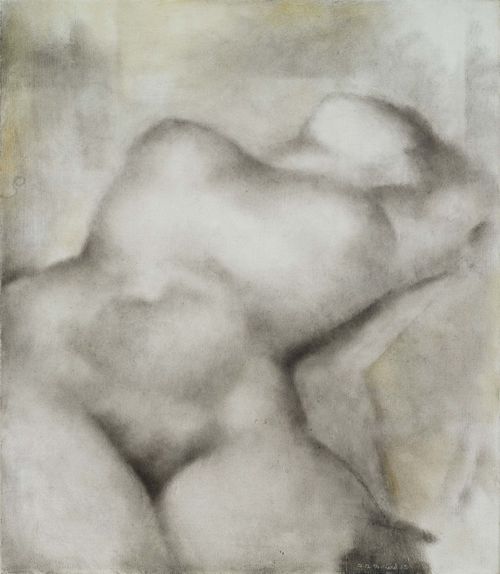
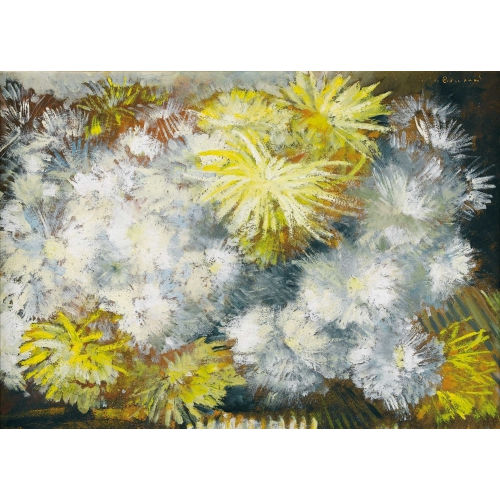
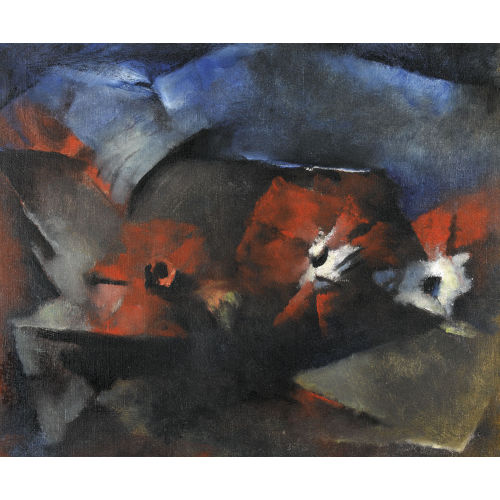
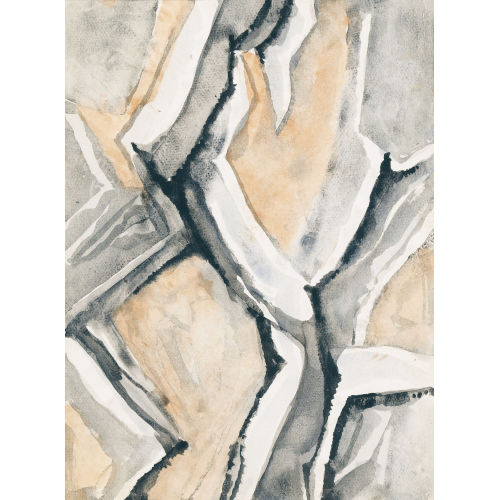
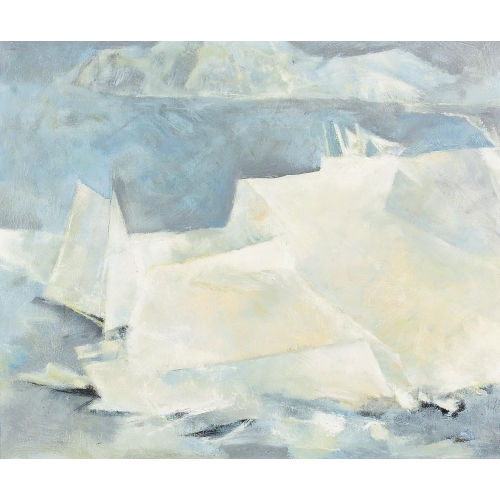
Bosshard settled in Riex in 1926, then in Chardonne in 1944, retaining a deep attachment to Lake Geneva while continuing to travel. From the late 1940s onwards, his observation of crystals, lichens and other natural forms led him towards a painting close to abstraction. This development arose from a renewed way of looking at nature rather than from abandoning it.
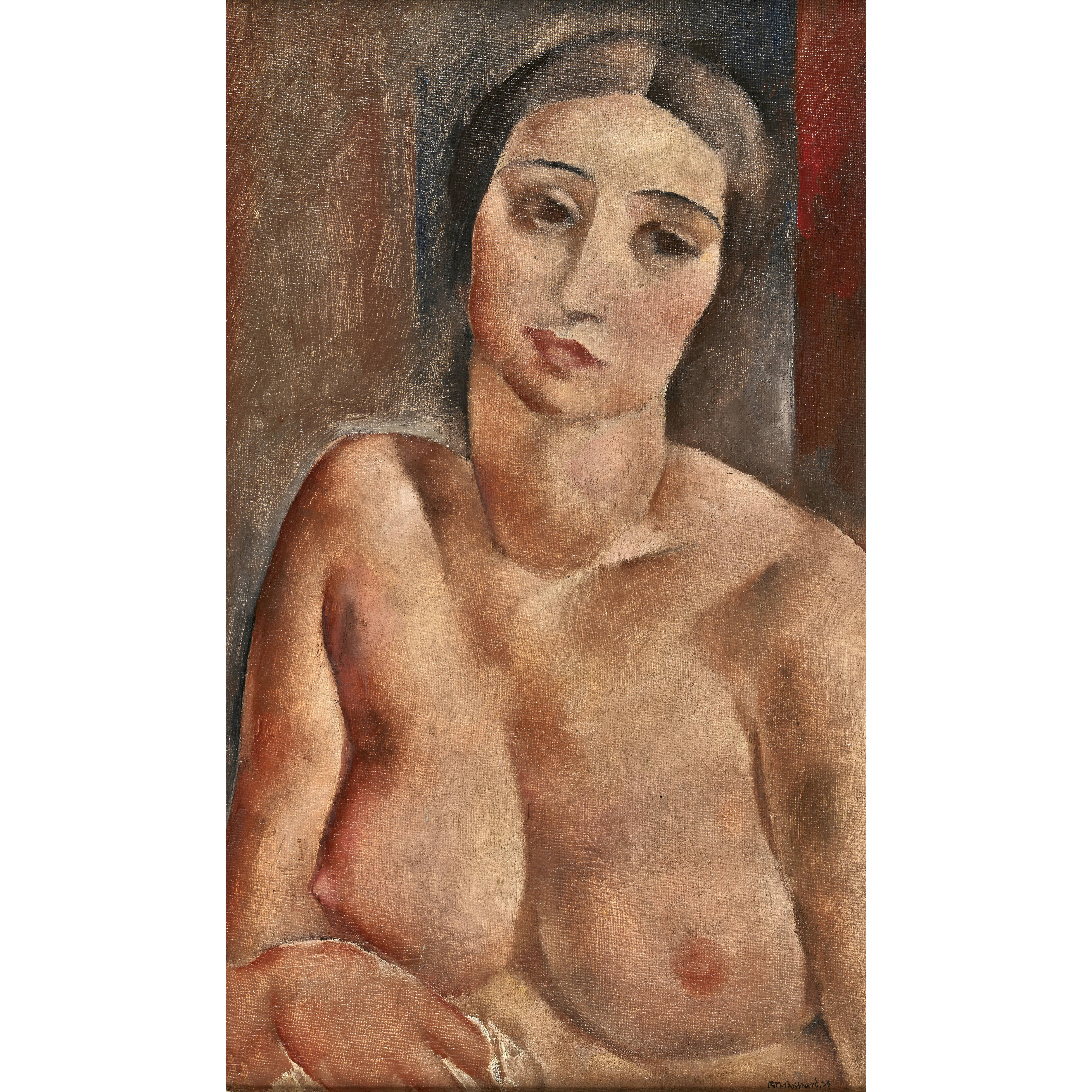
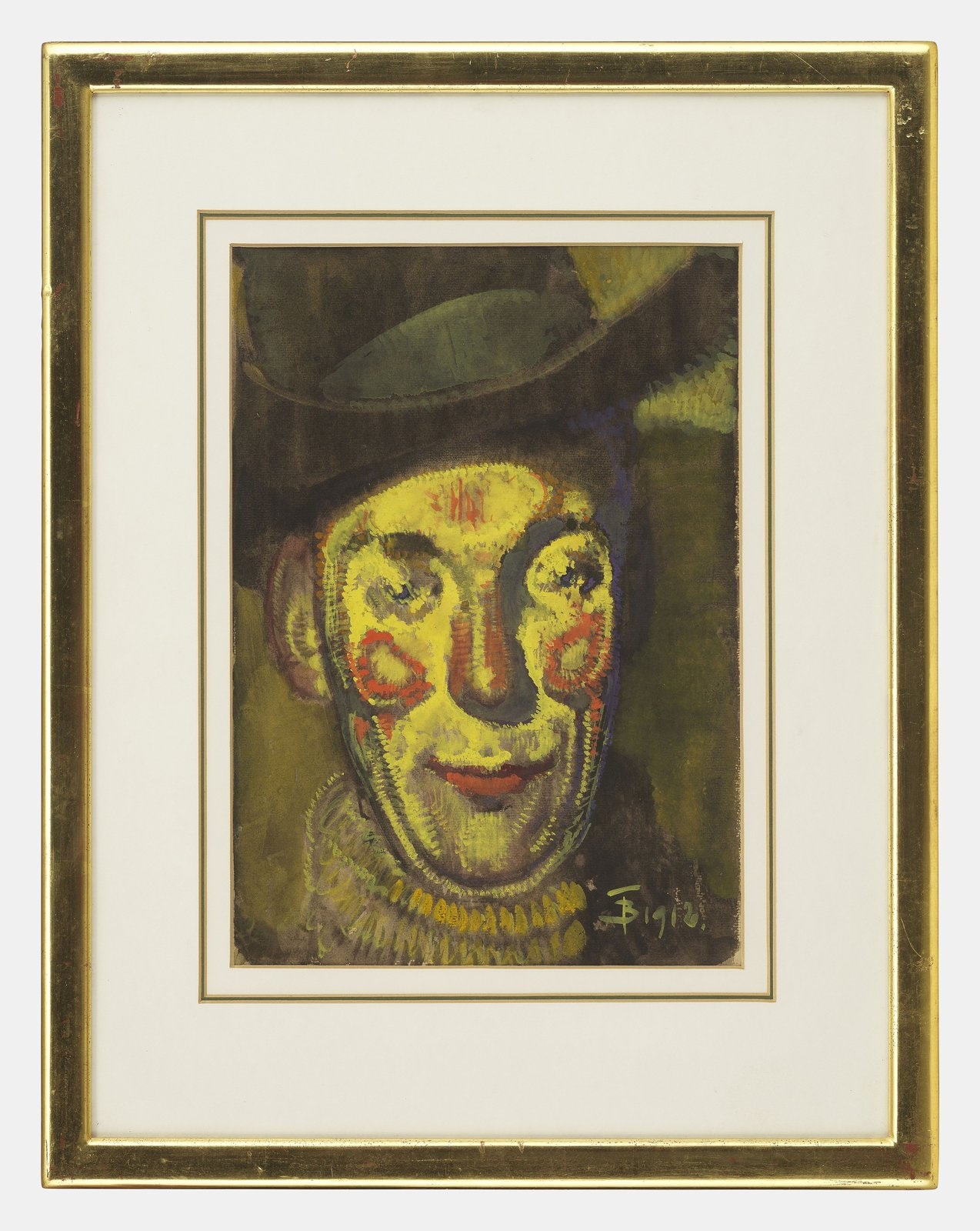
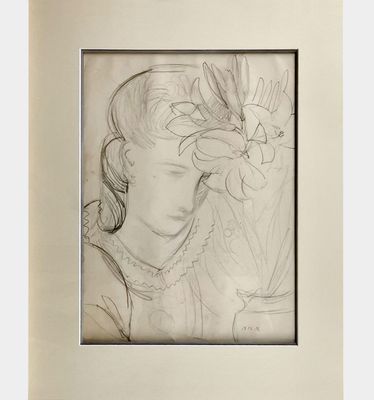
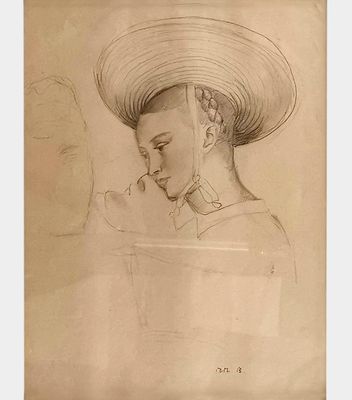
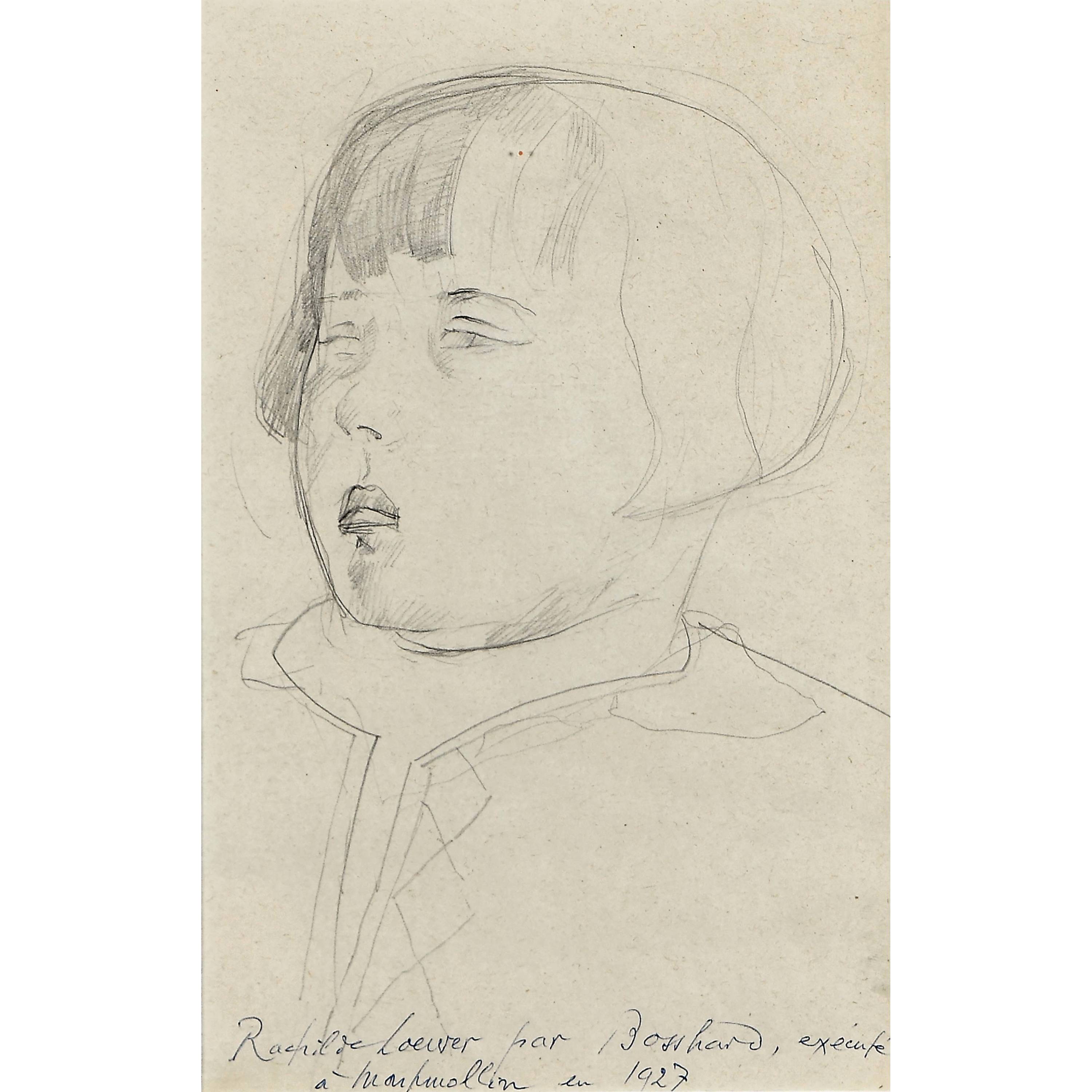
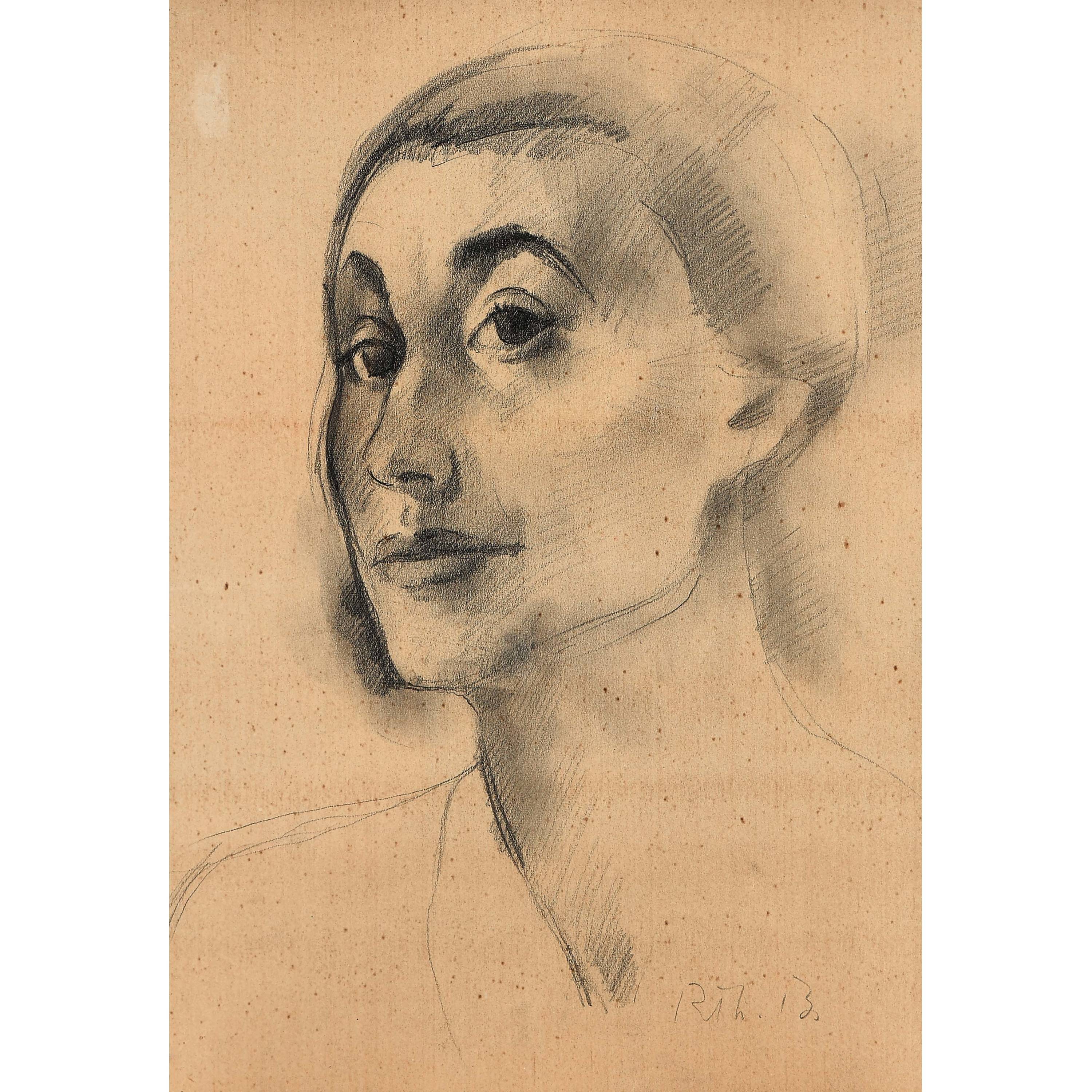
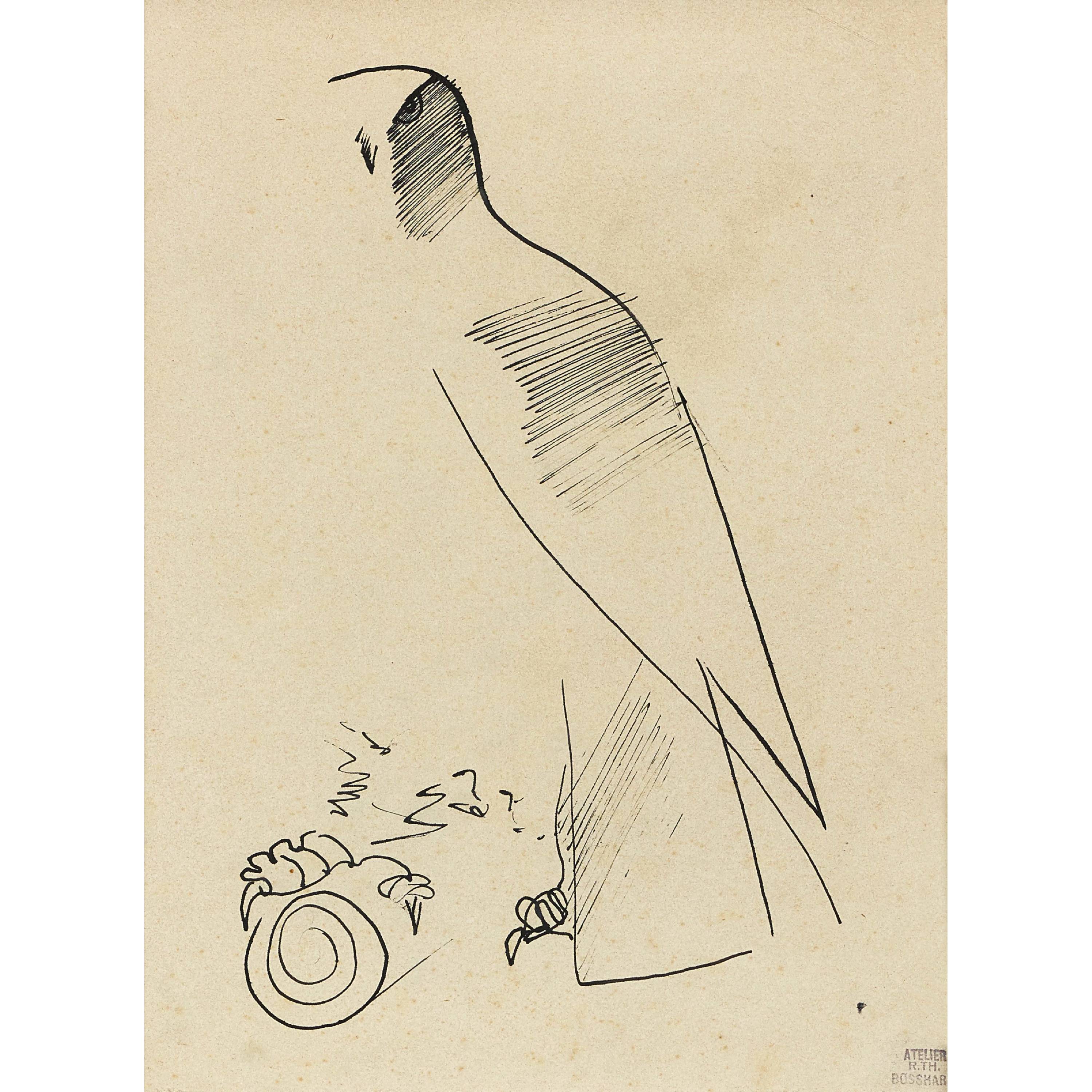
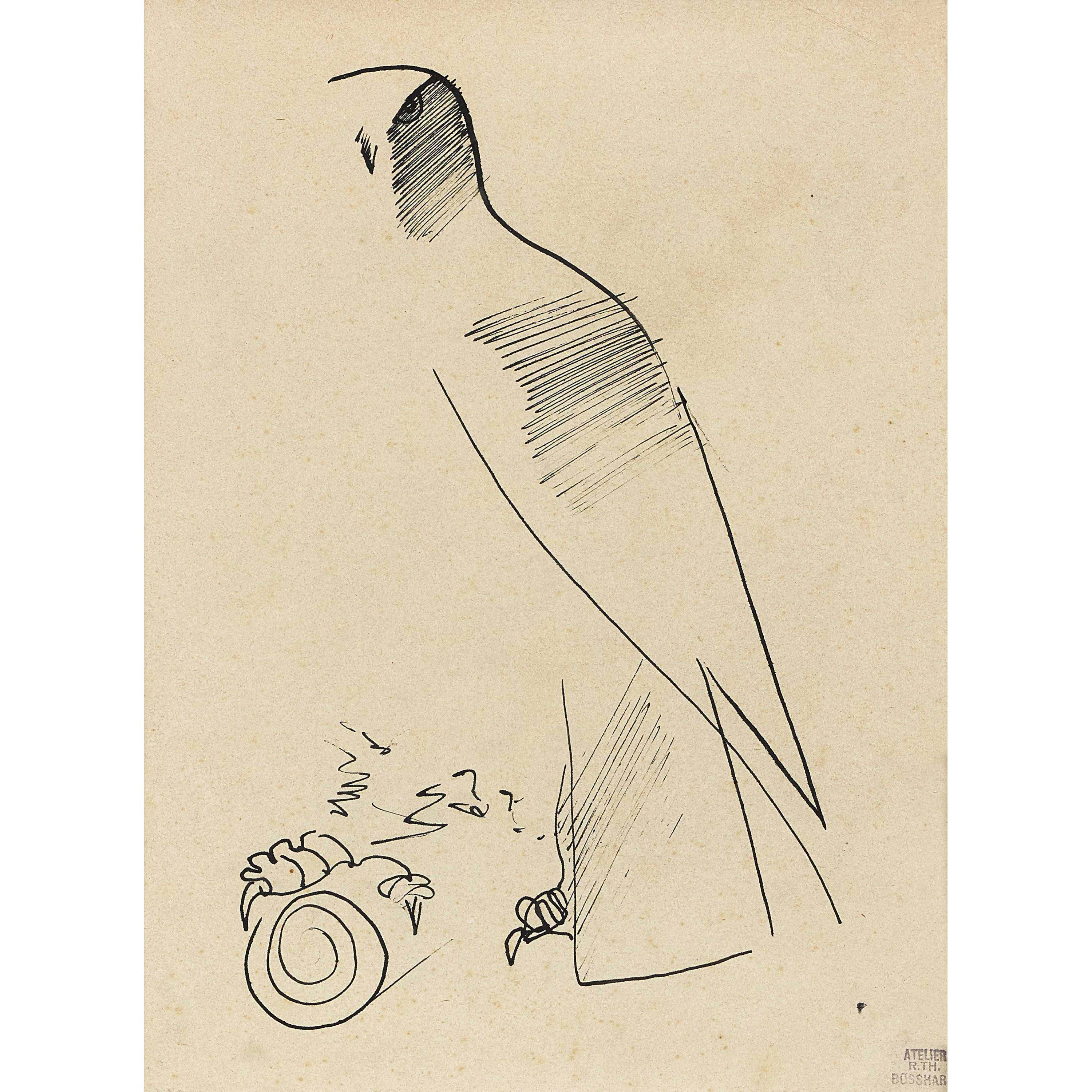
To discover his work, one can follow the passages between bodies, landscapes and mineral structures, observing the way in which forms are organised. The diversity of his subjects invites us to move beyond the image of a painter devoted solely to the female nude and to explore an artistic trajectory in which drawing, colour and imagination remain closely interconnected.