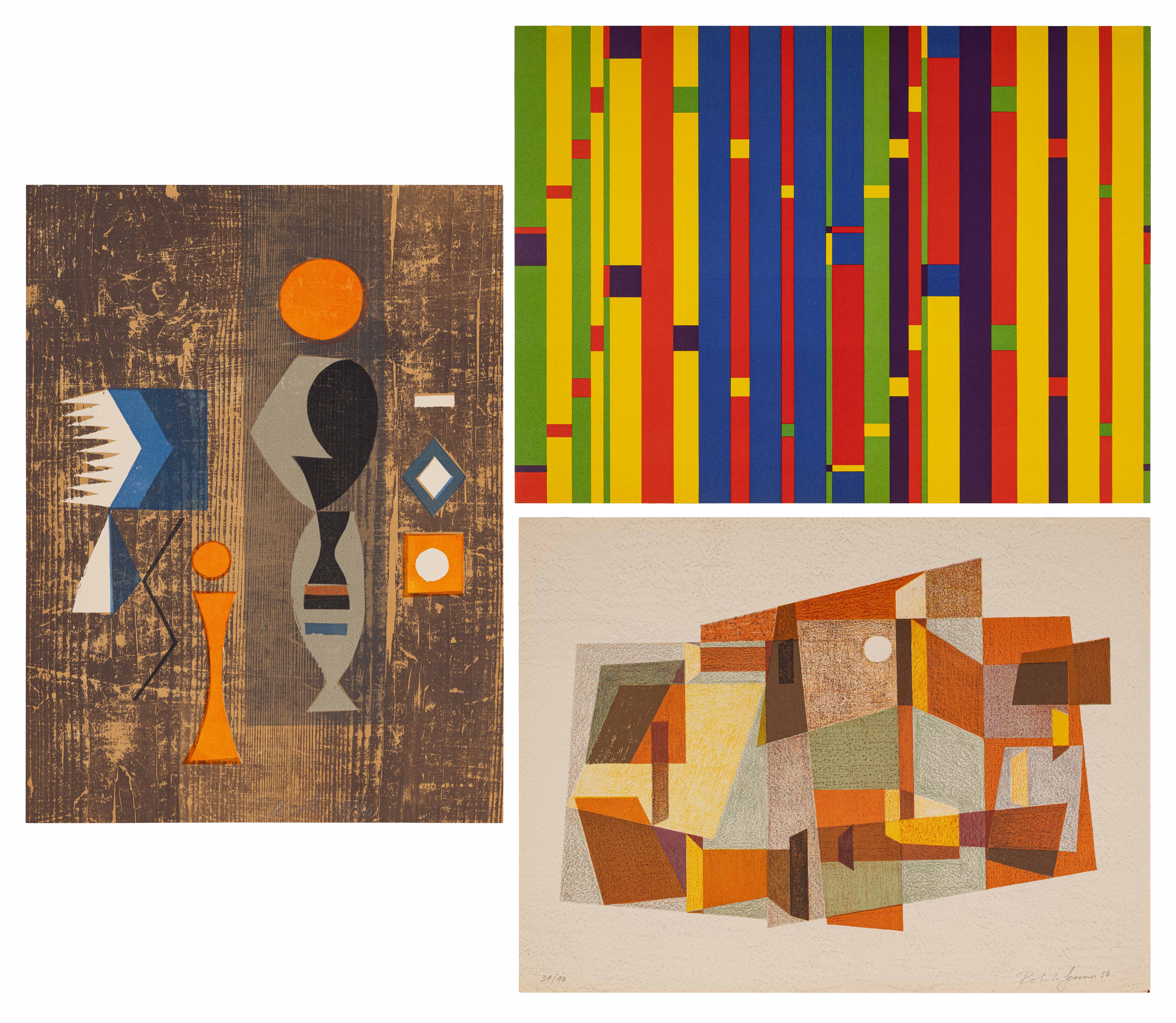
Richard Paul Lohse
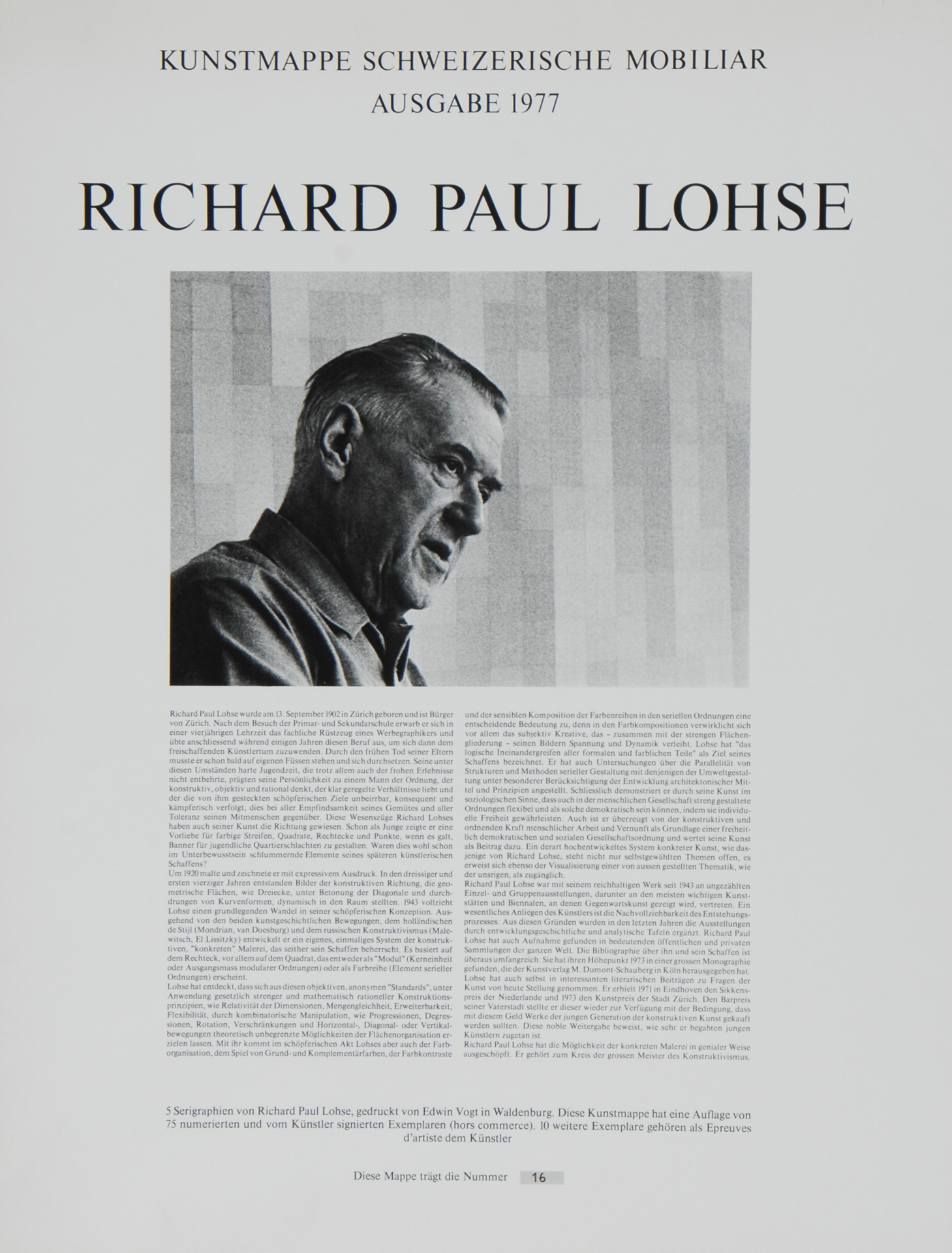
Born in 1902.
Died in 1988.
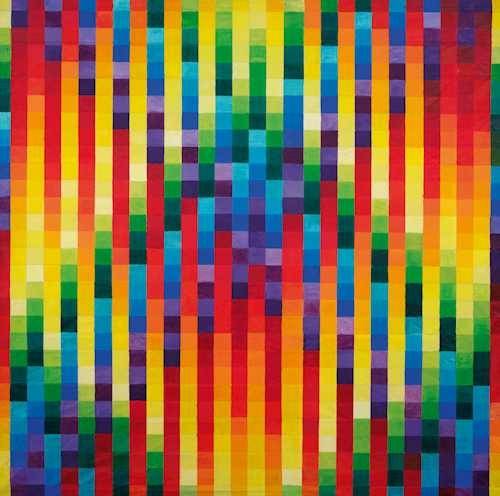
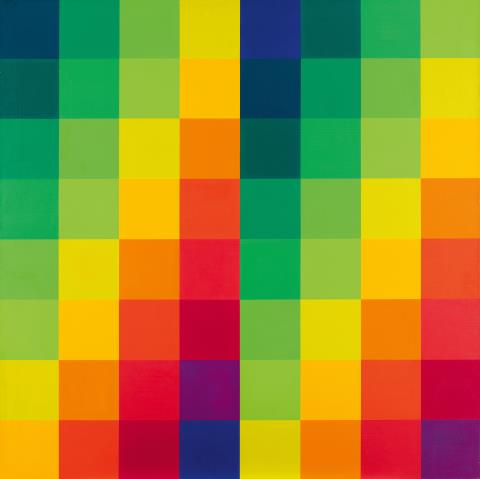
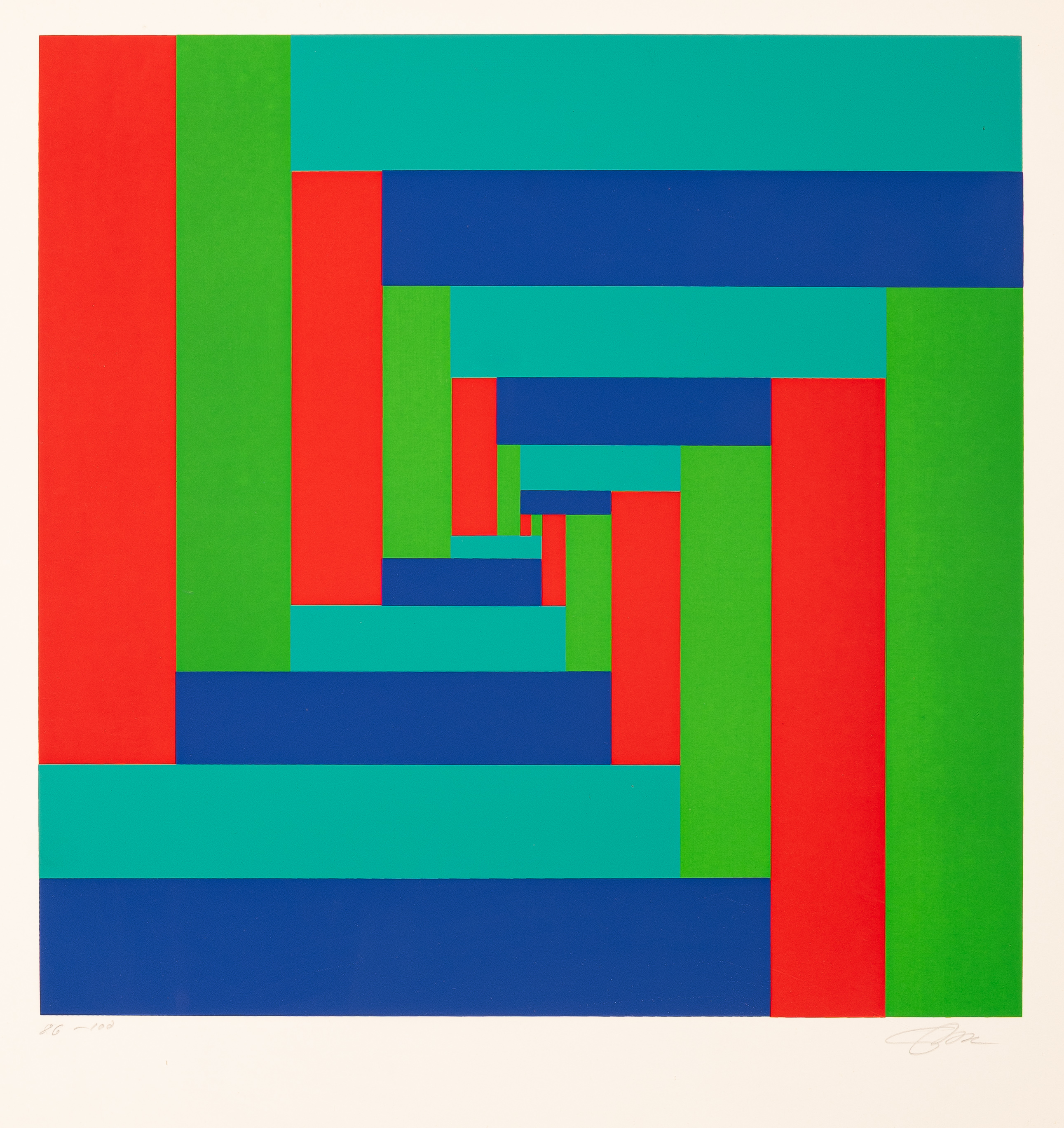
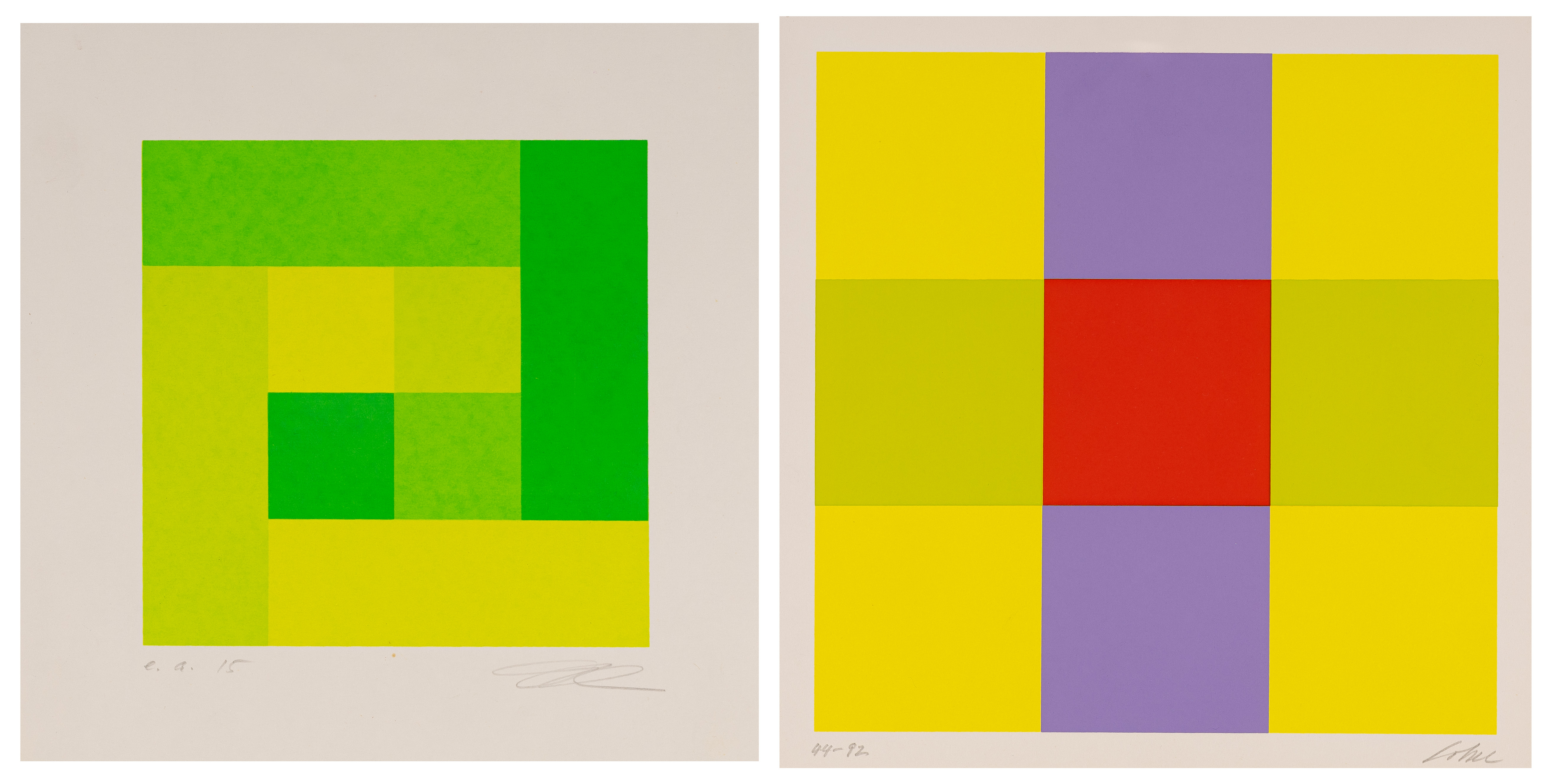
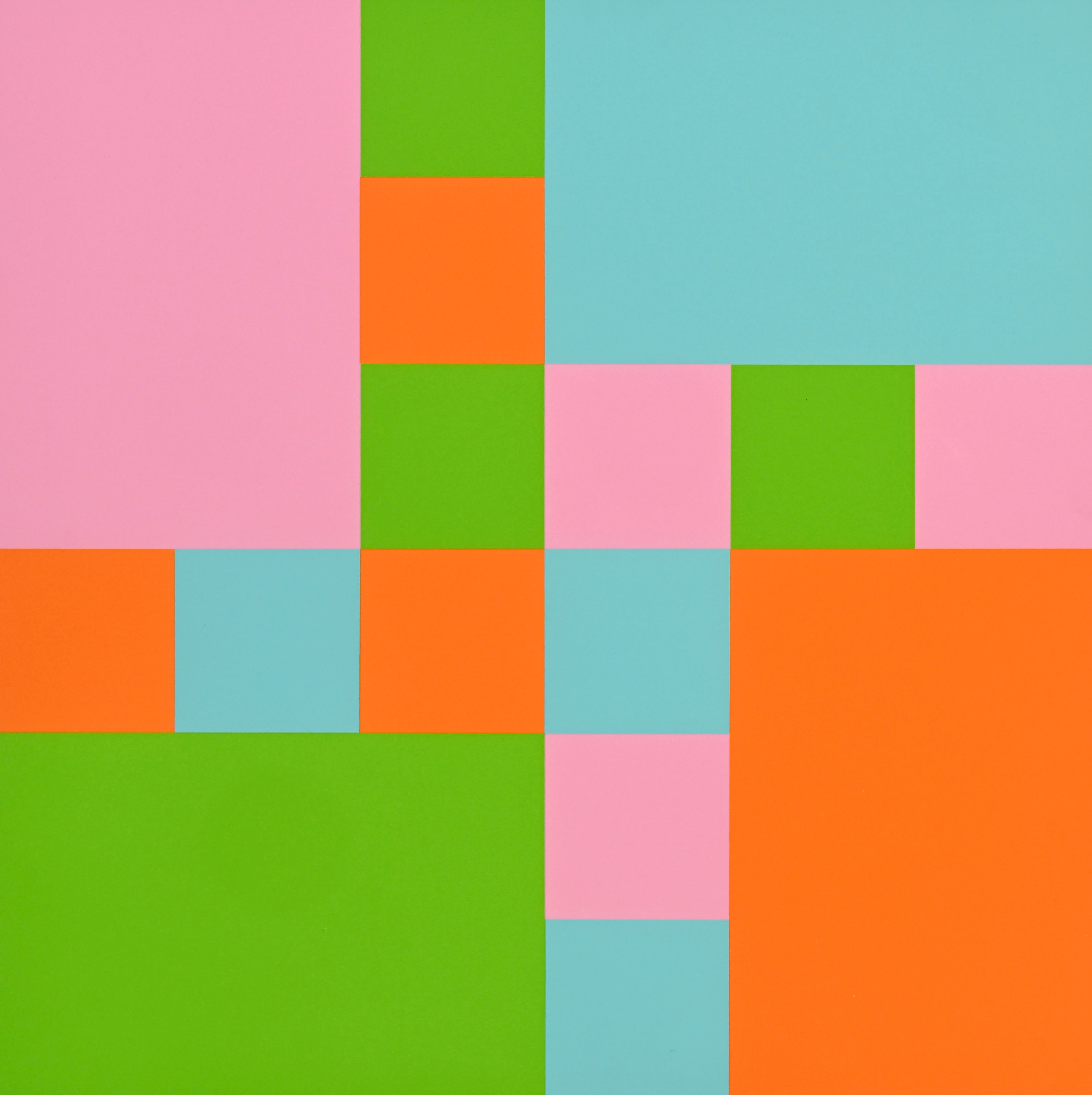
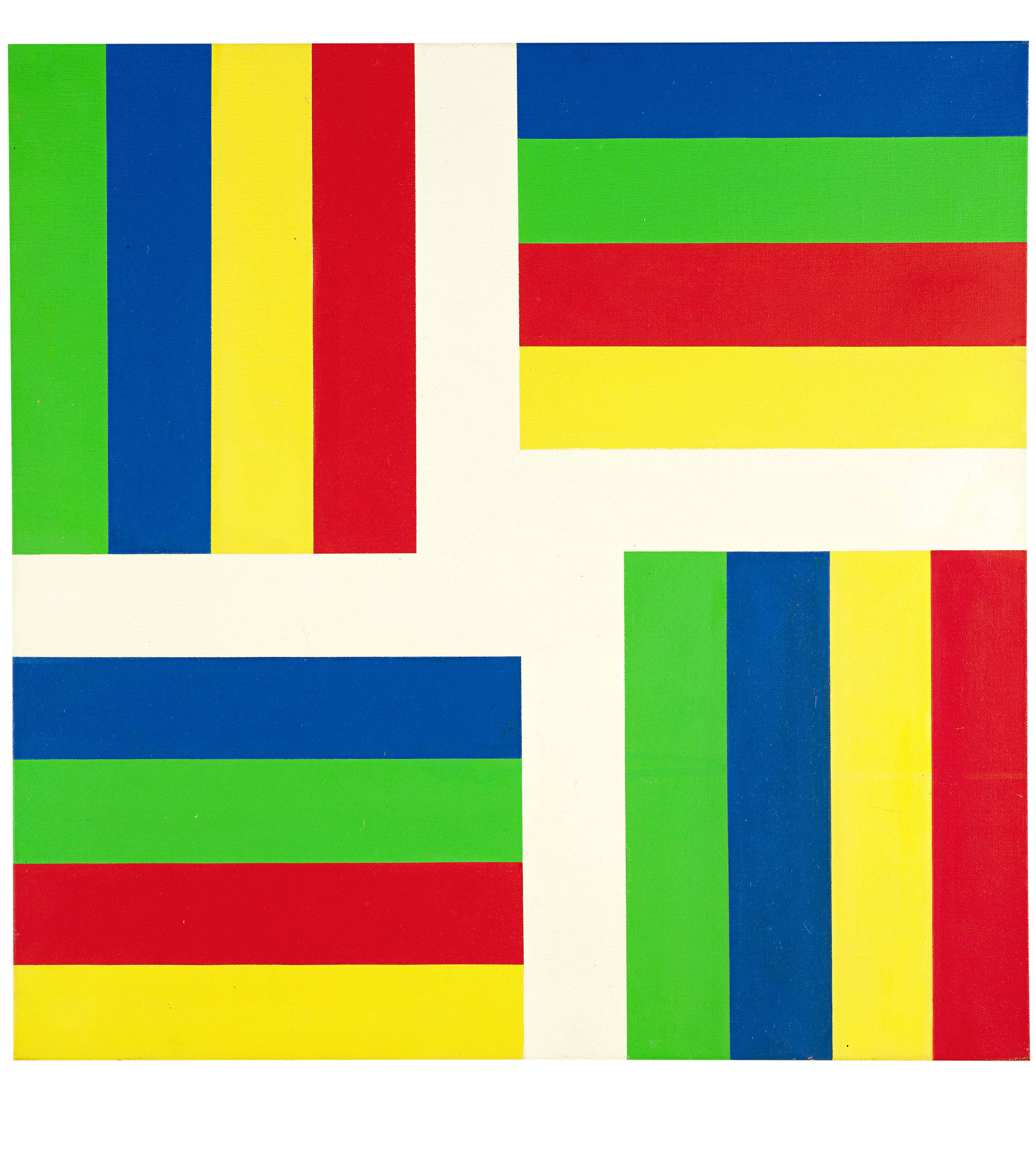
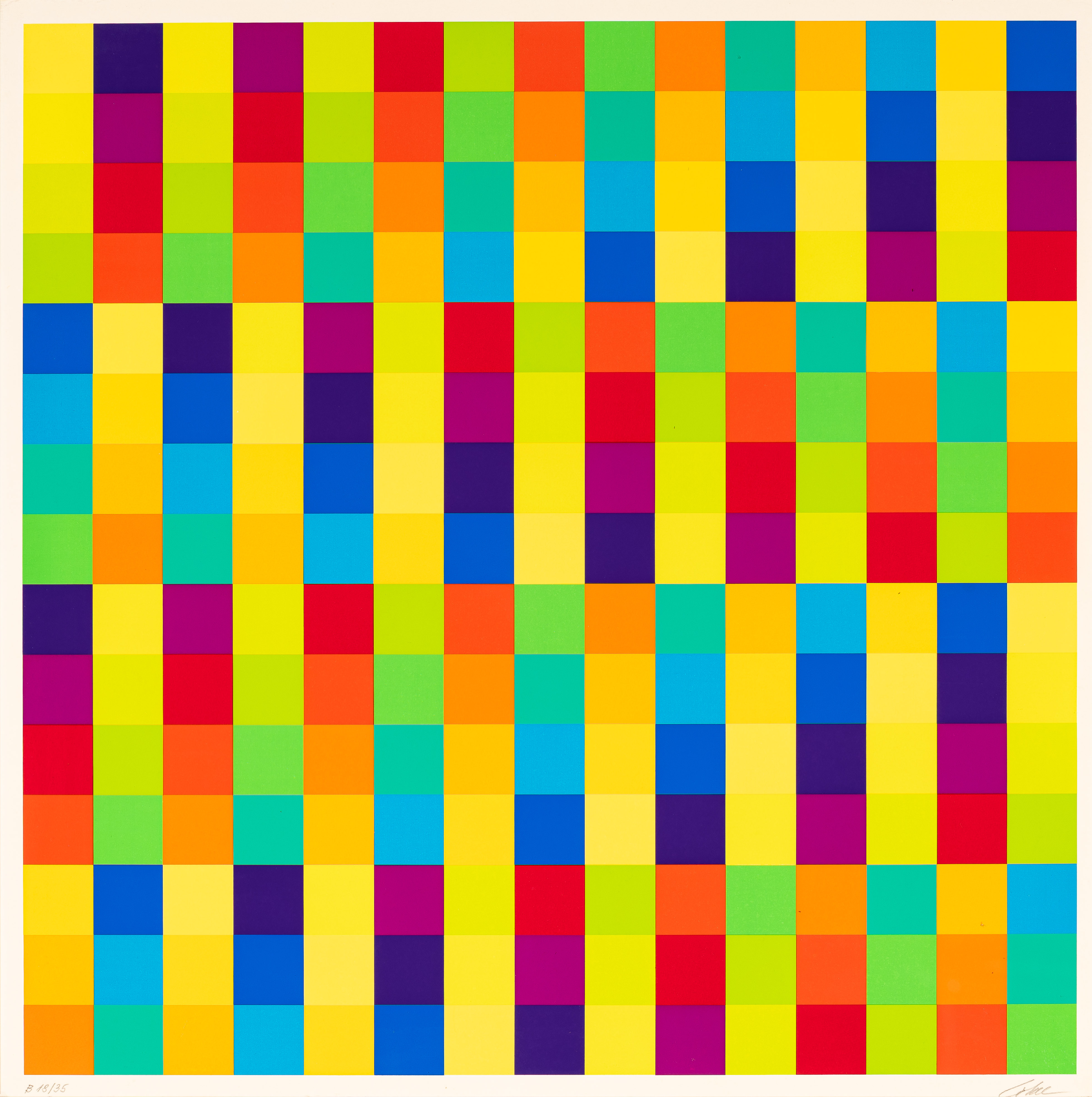
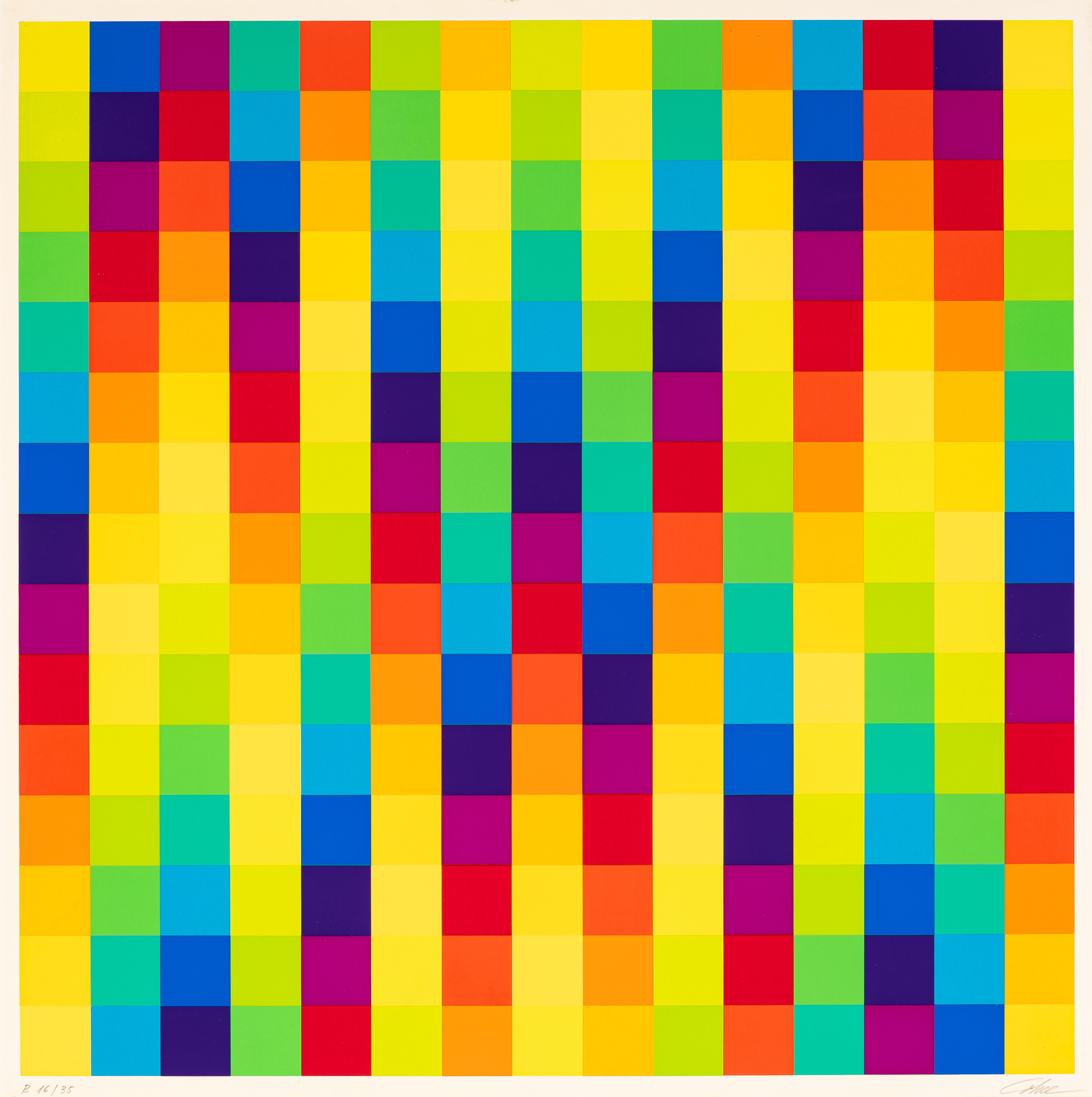
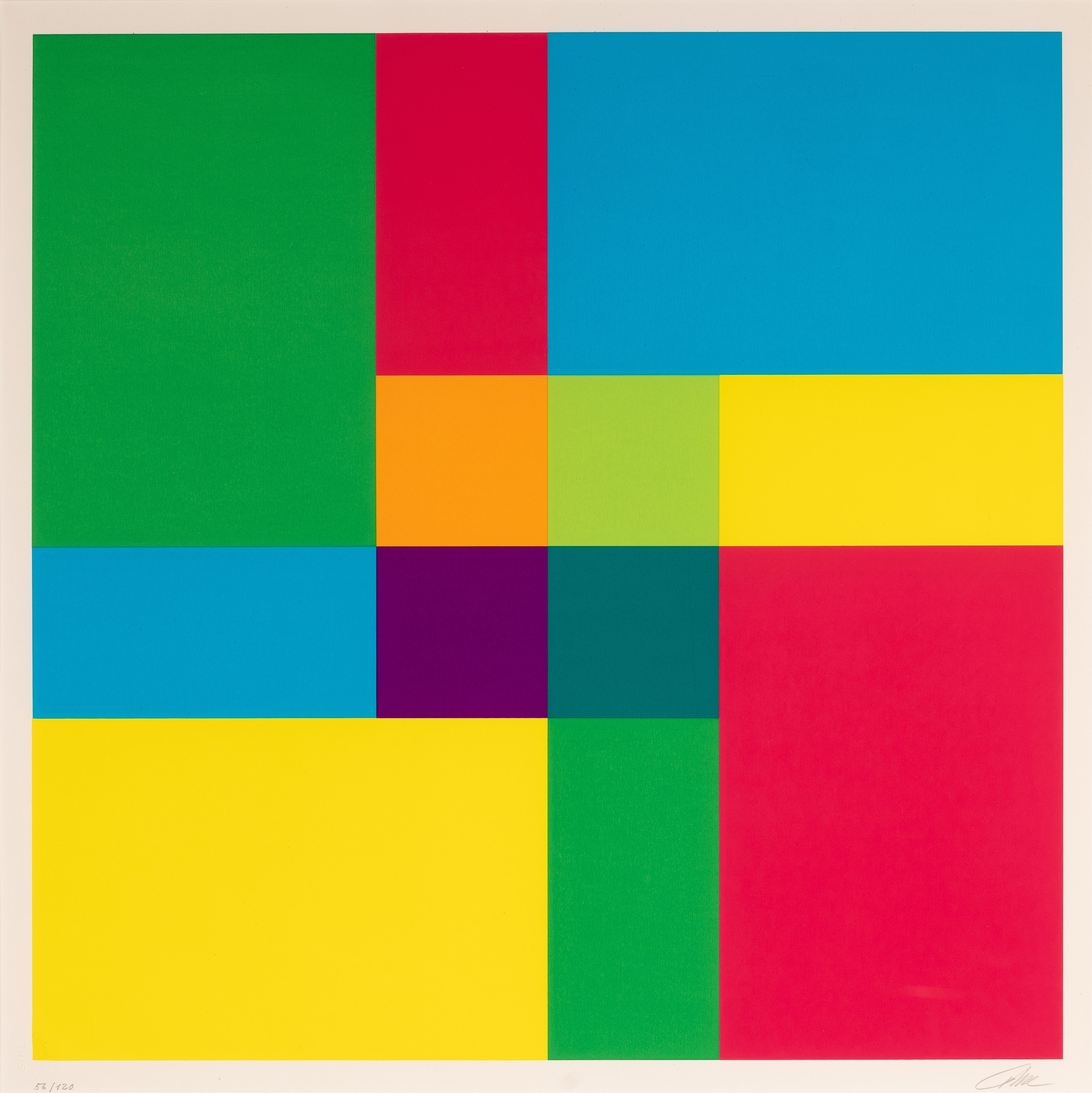
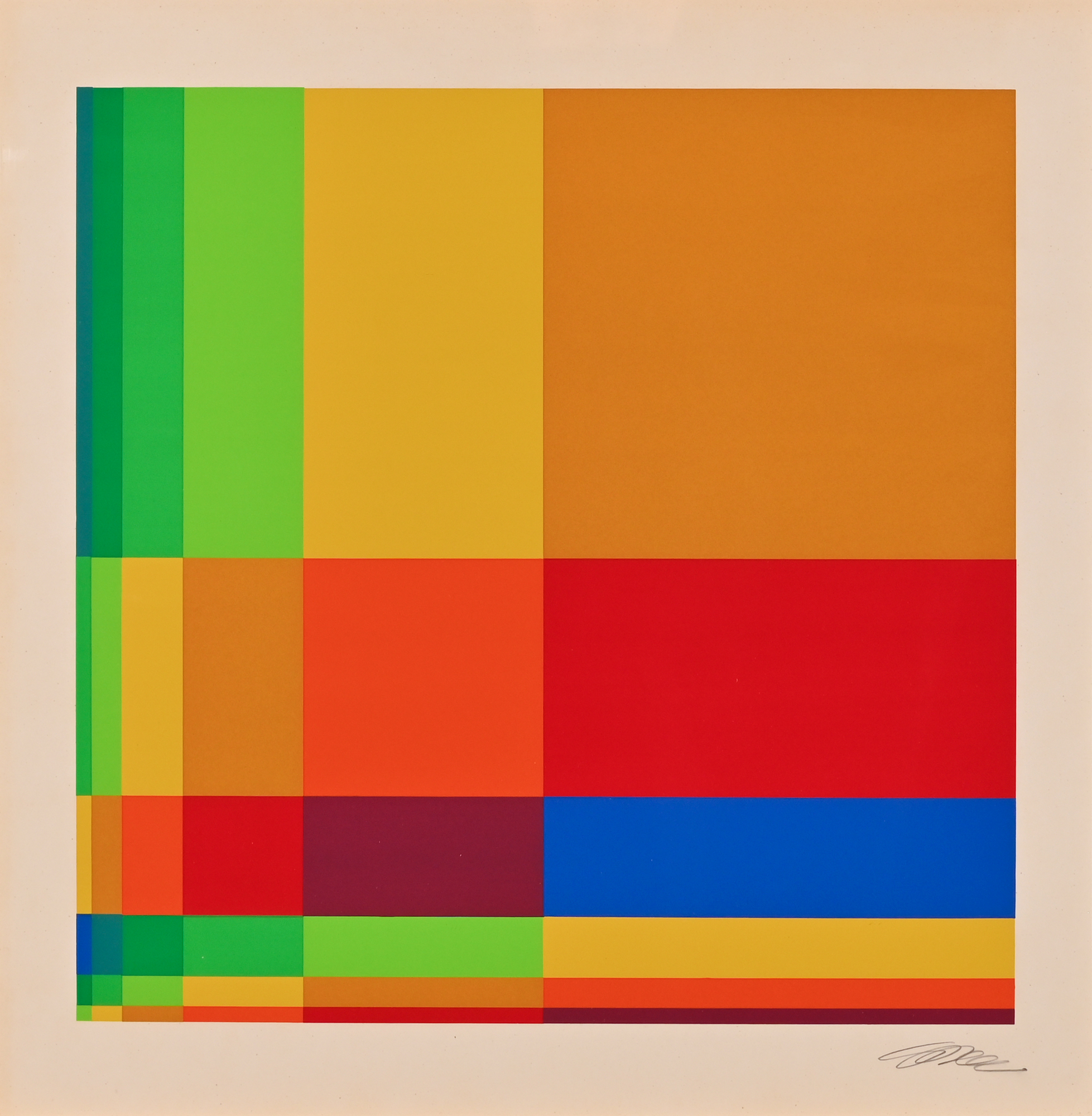
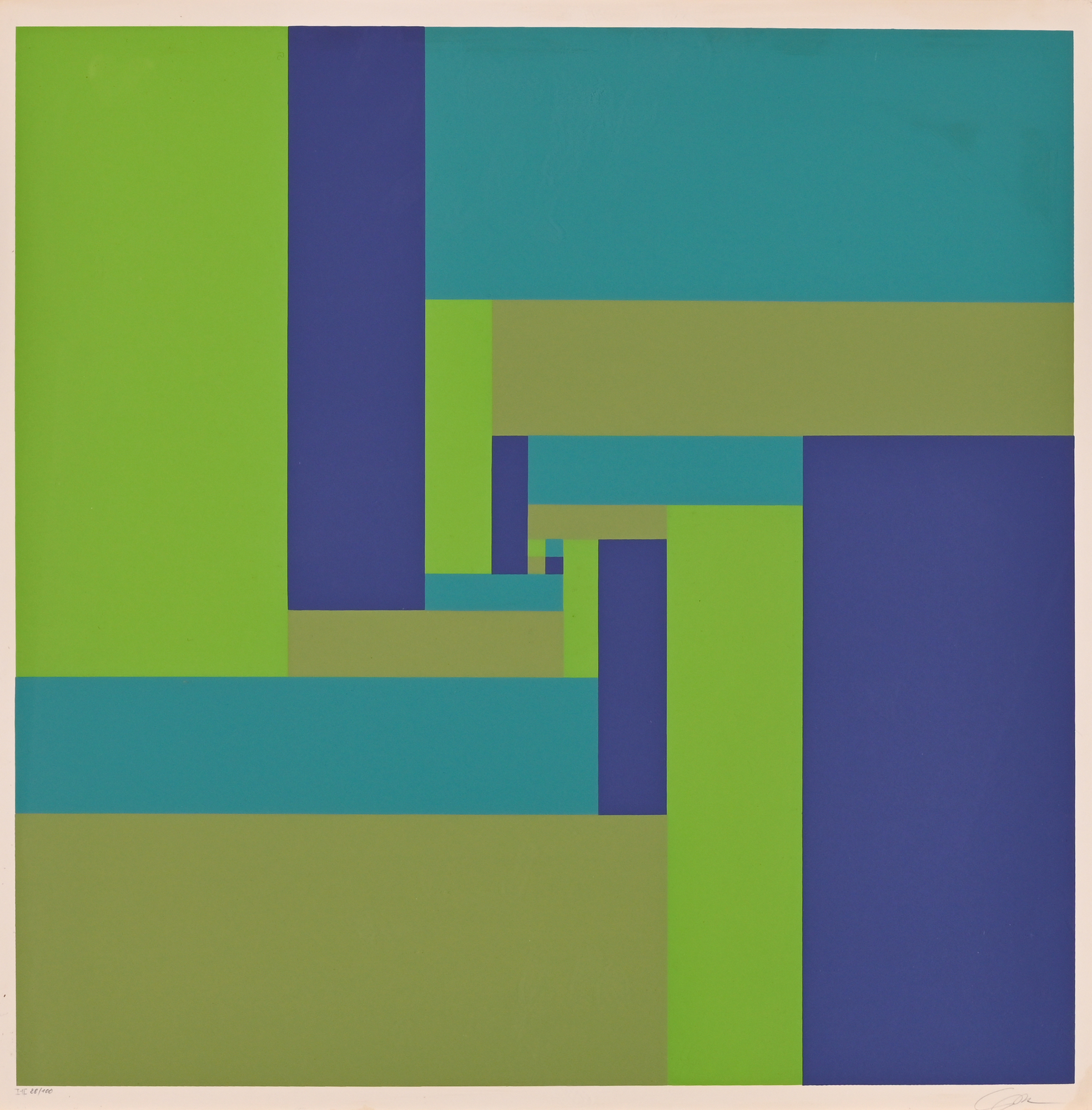
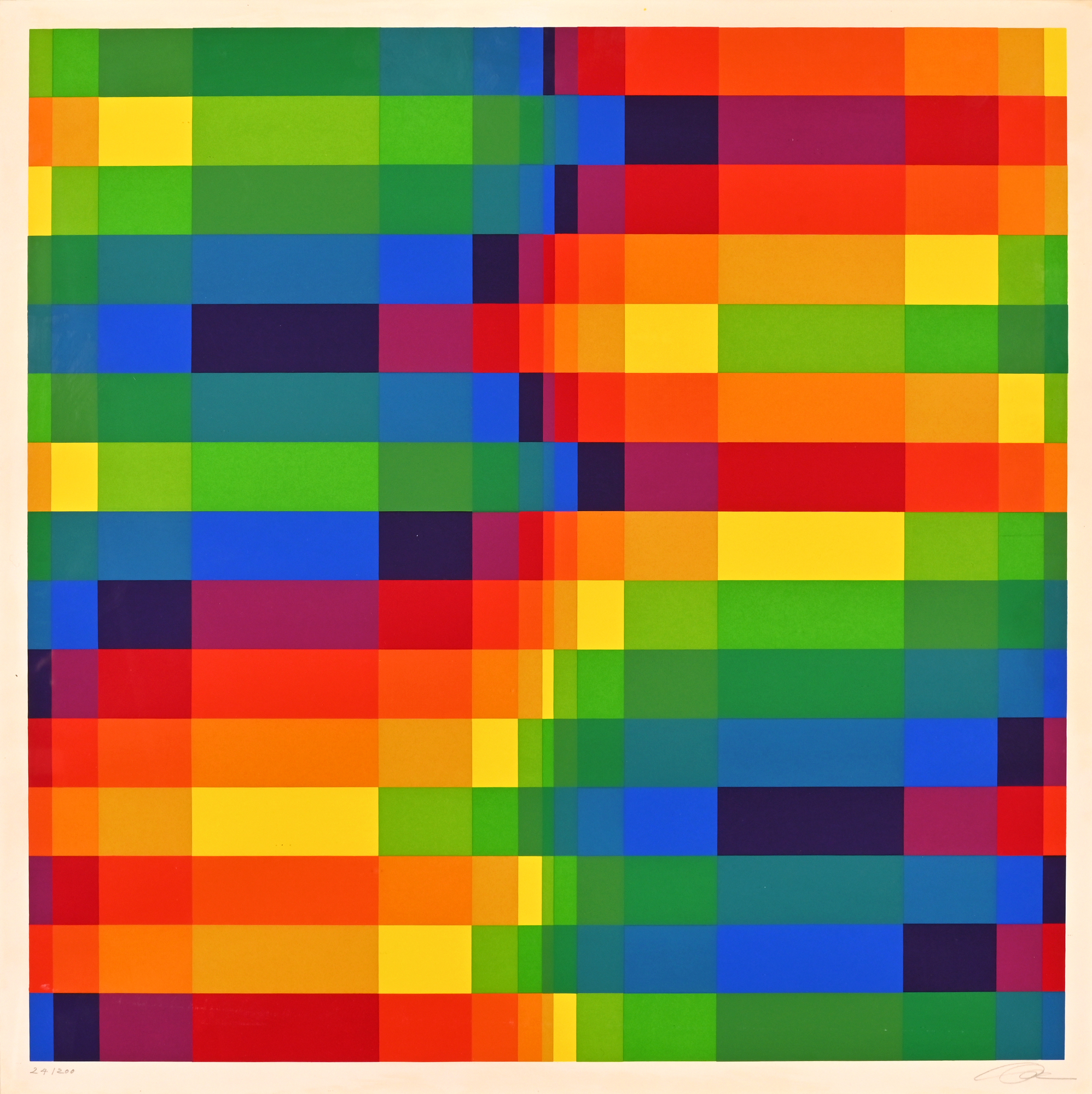
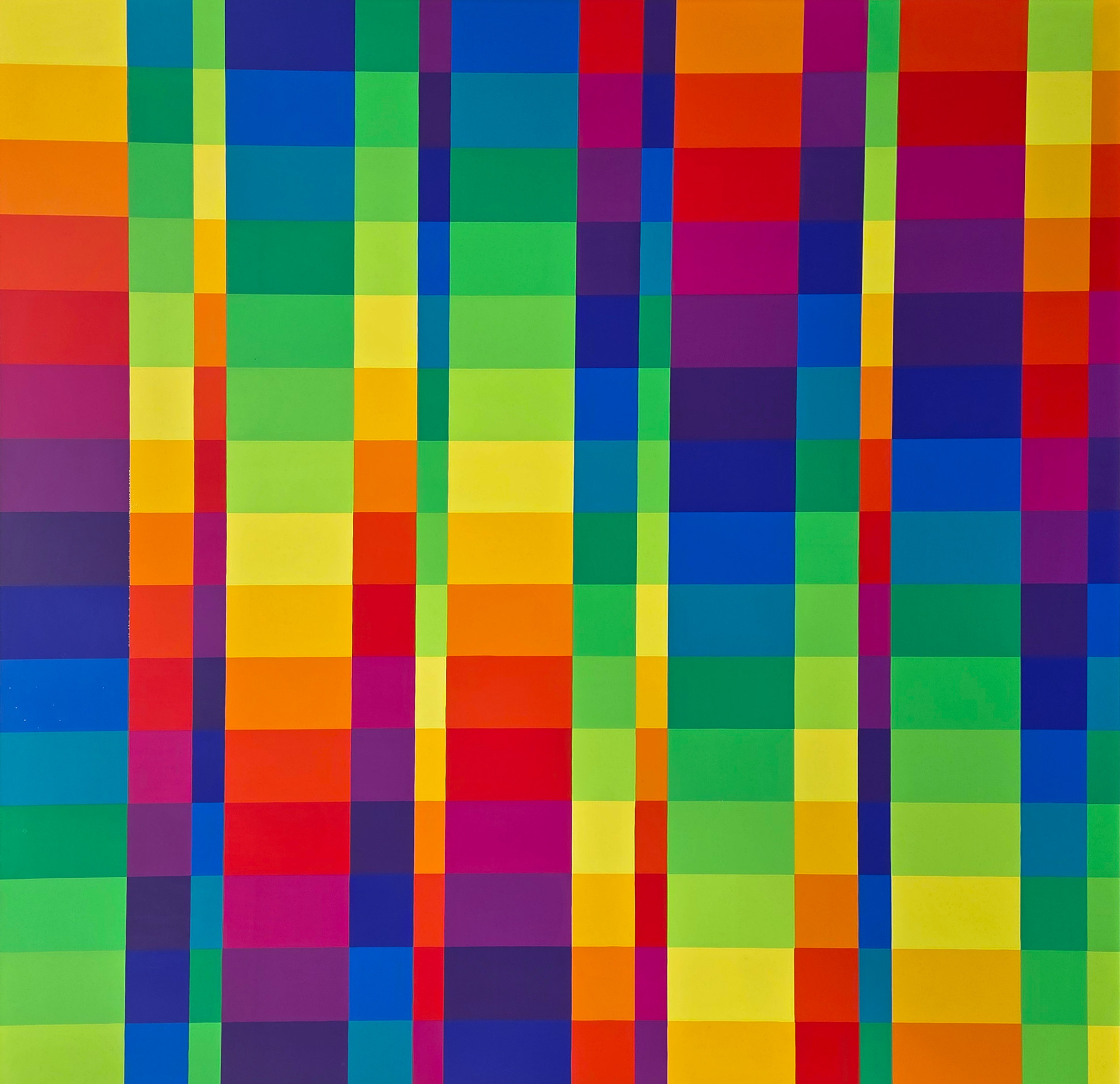
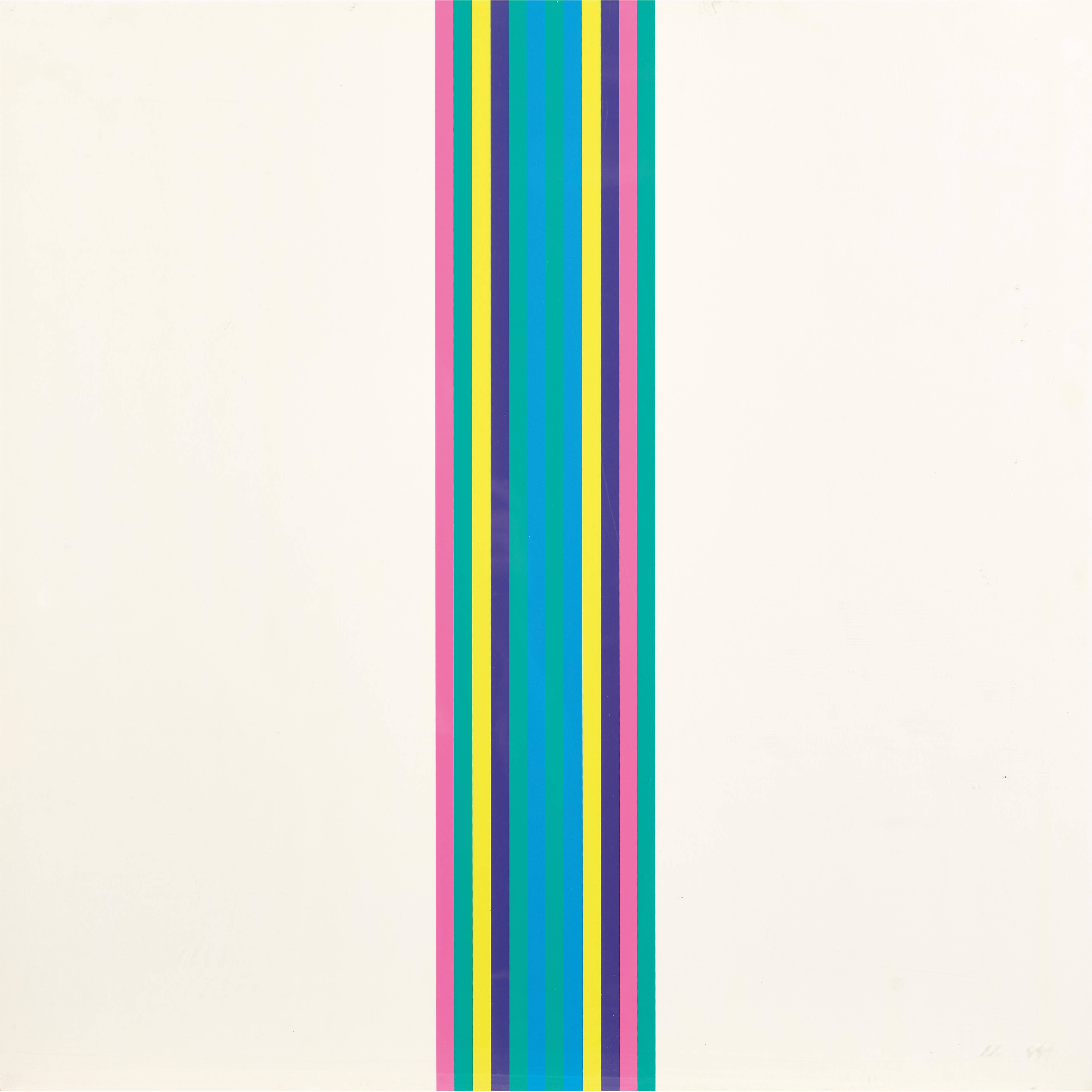
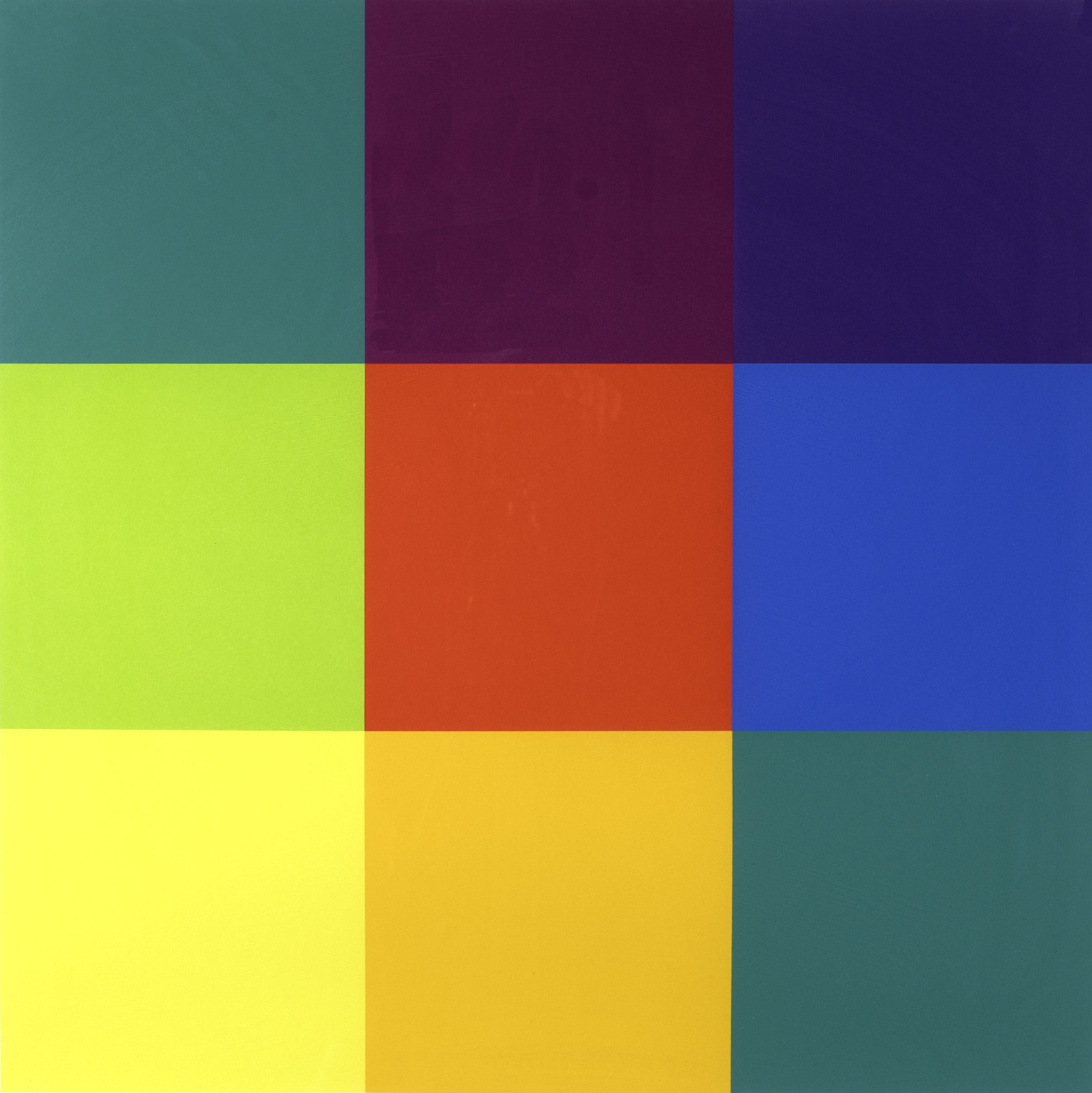
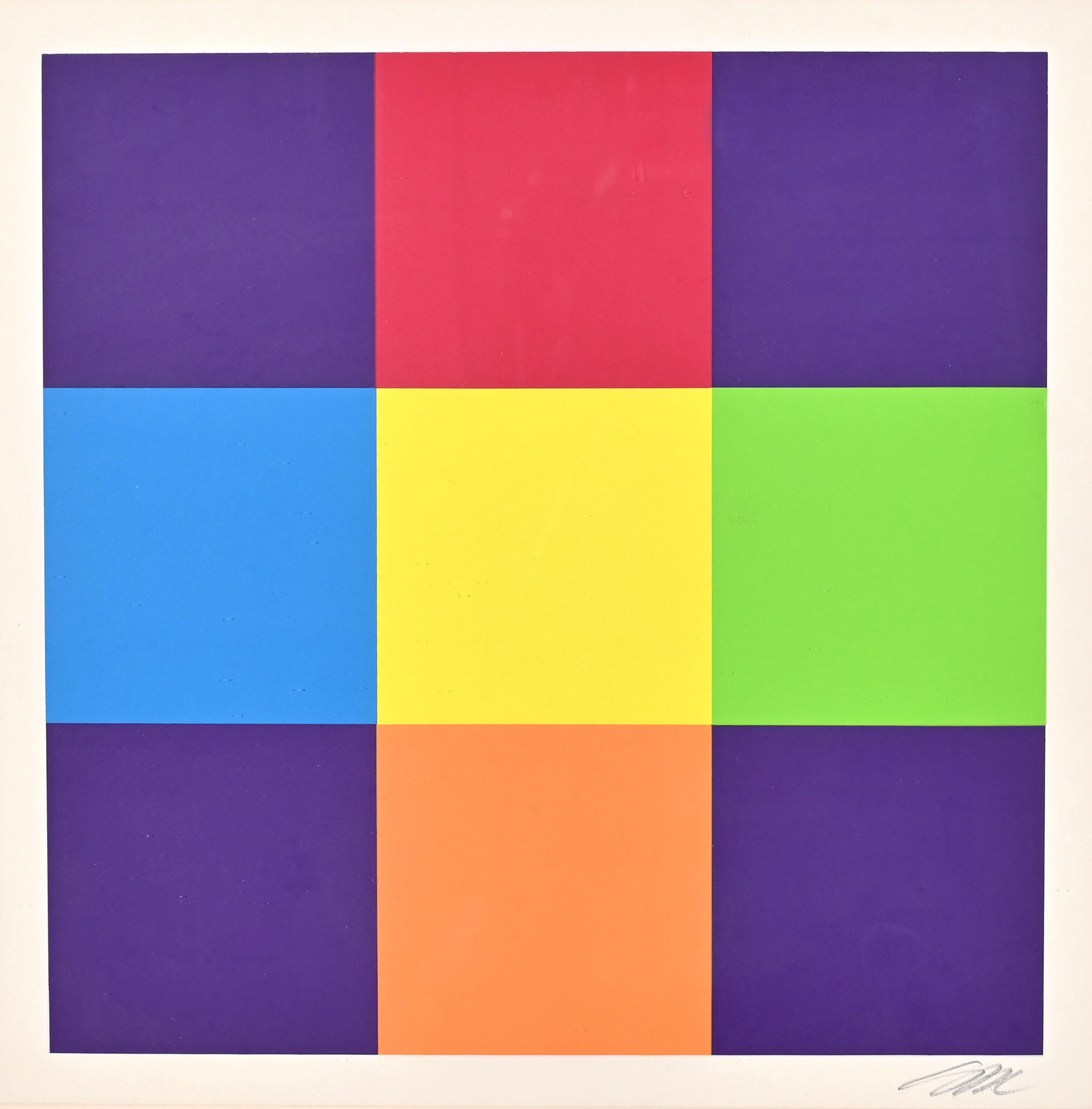
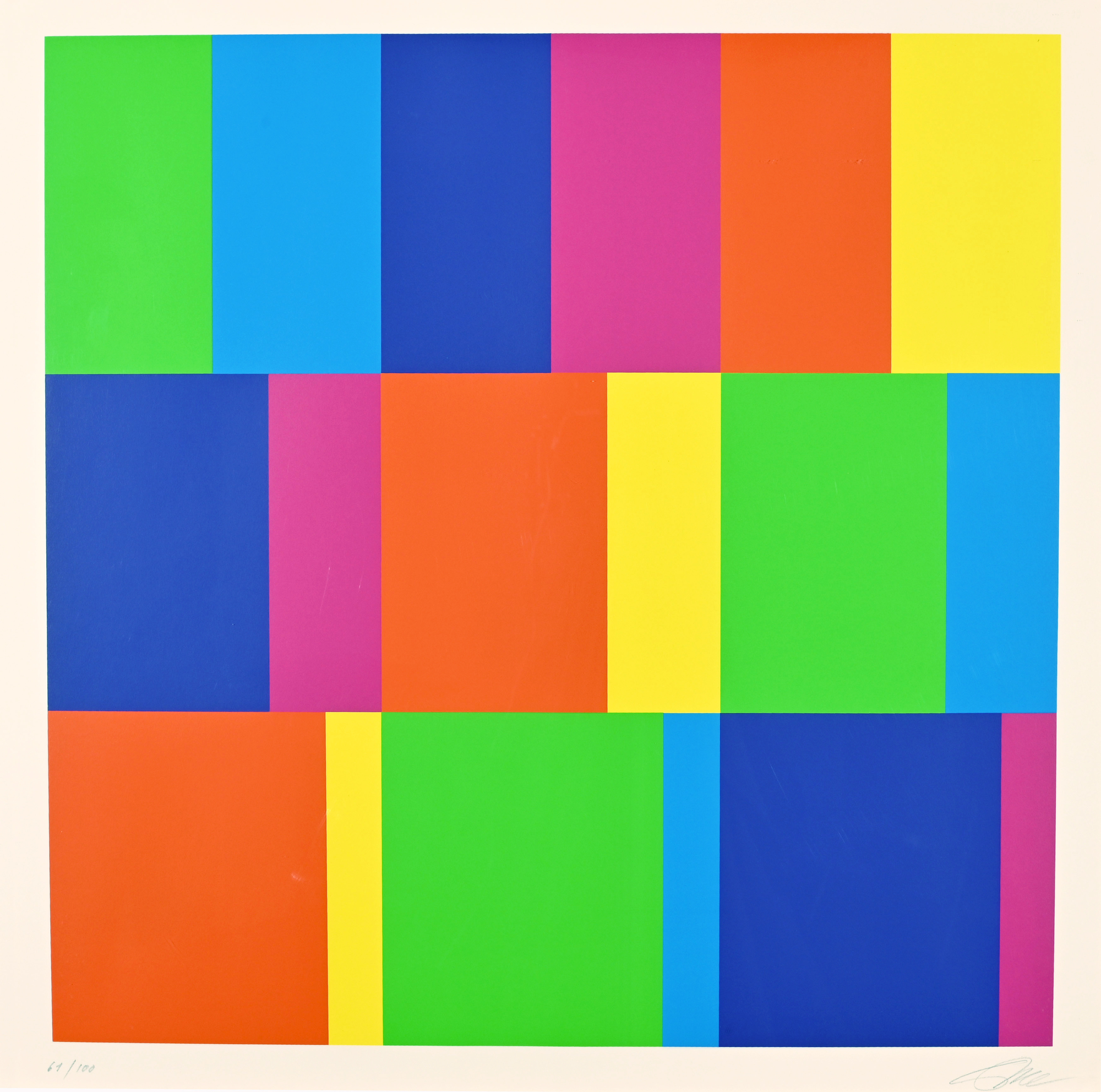
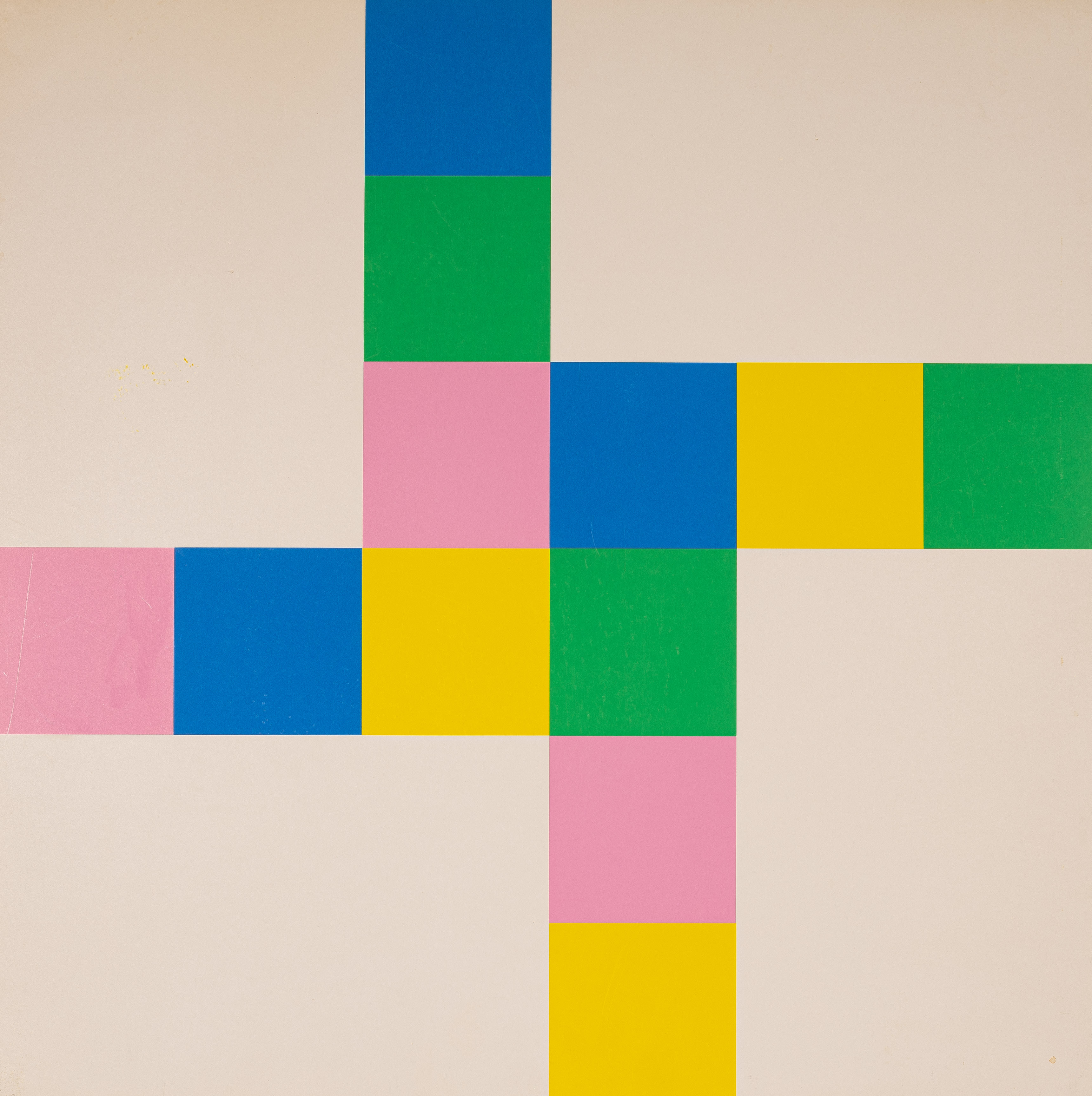
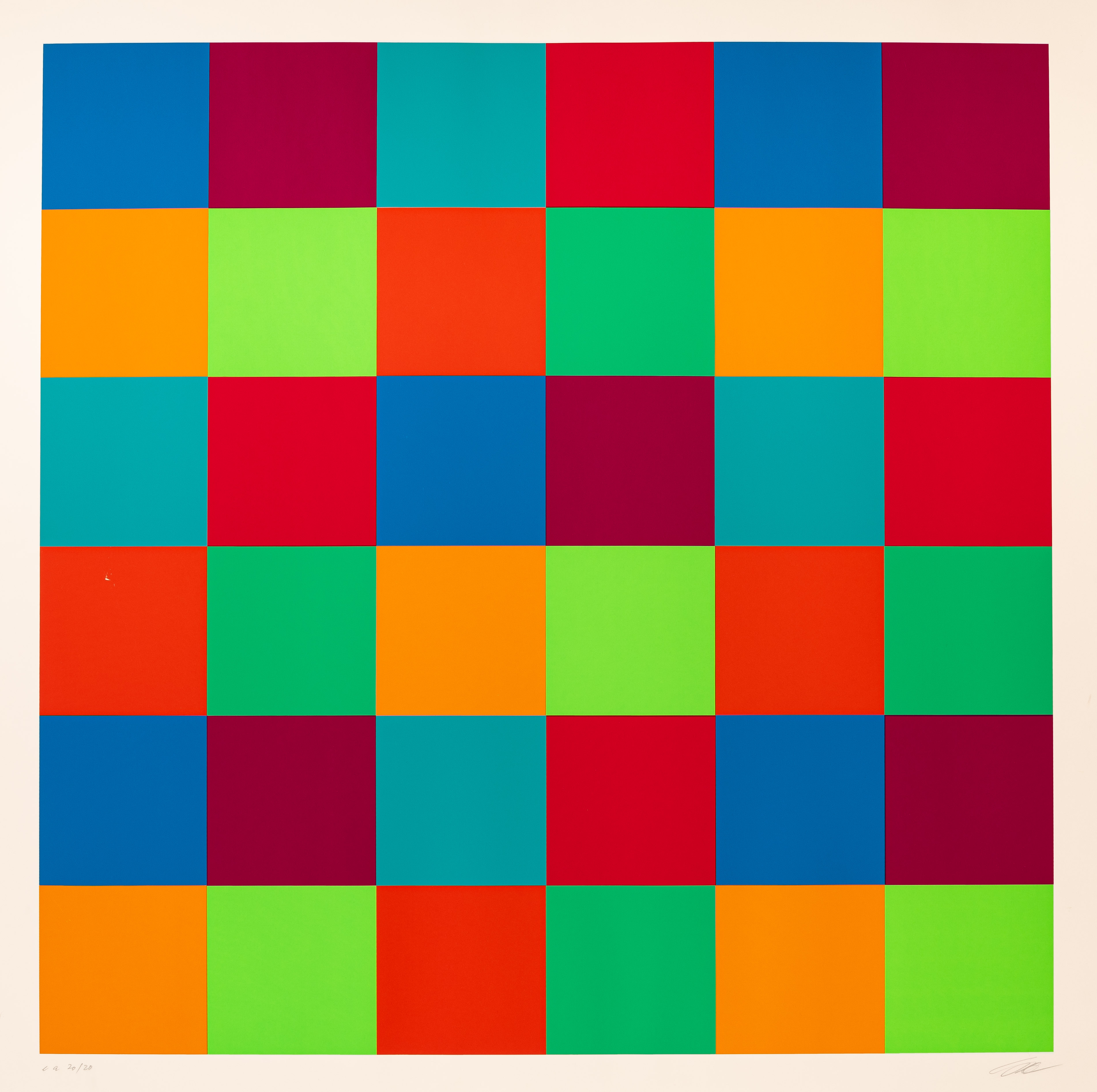
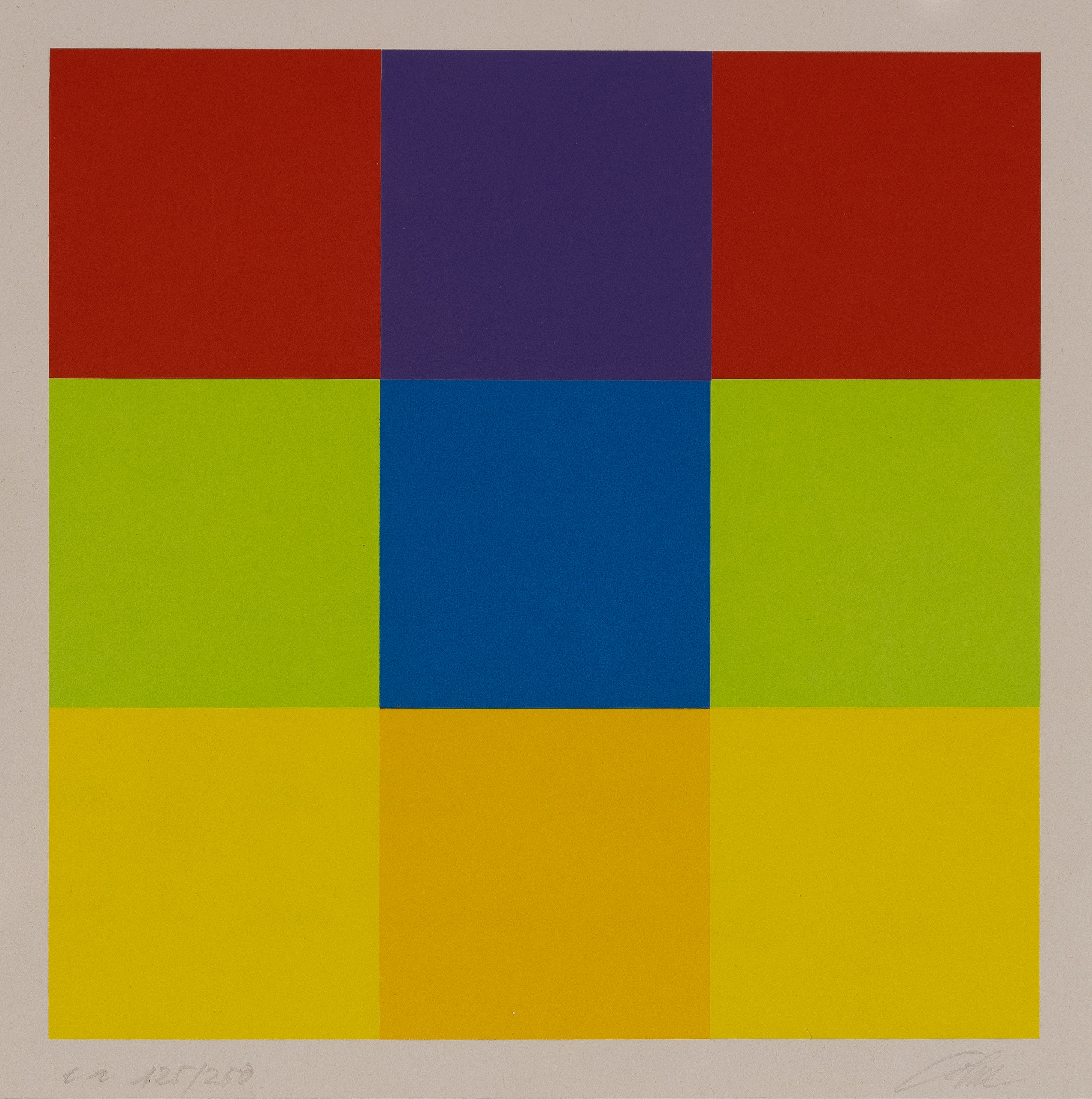
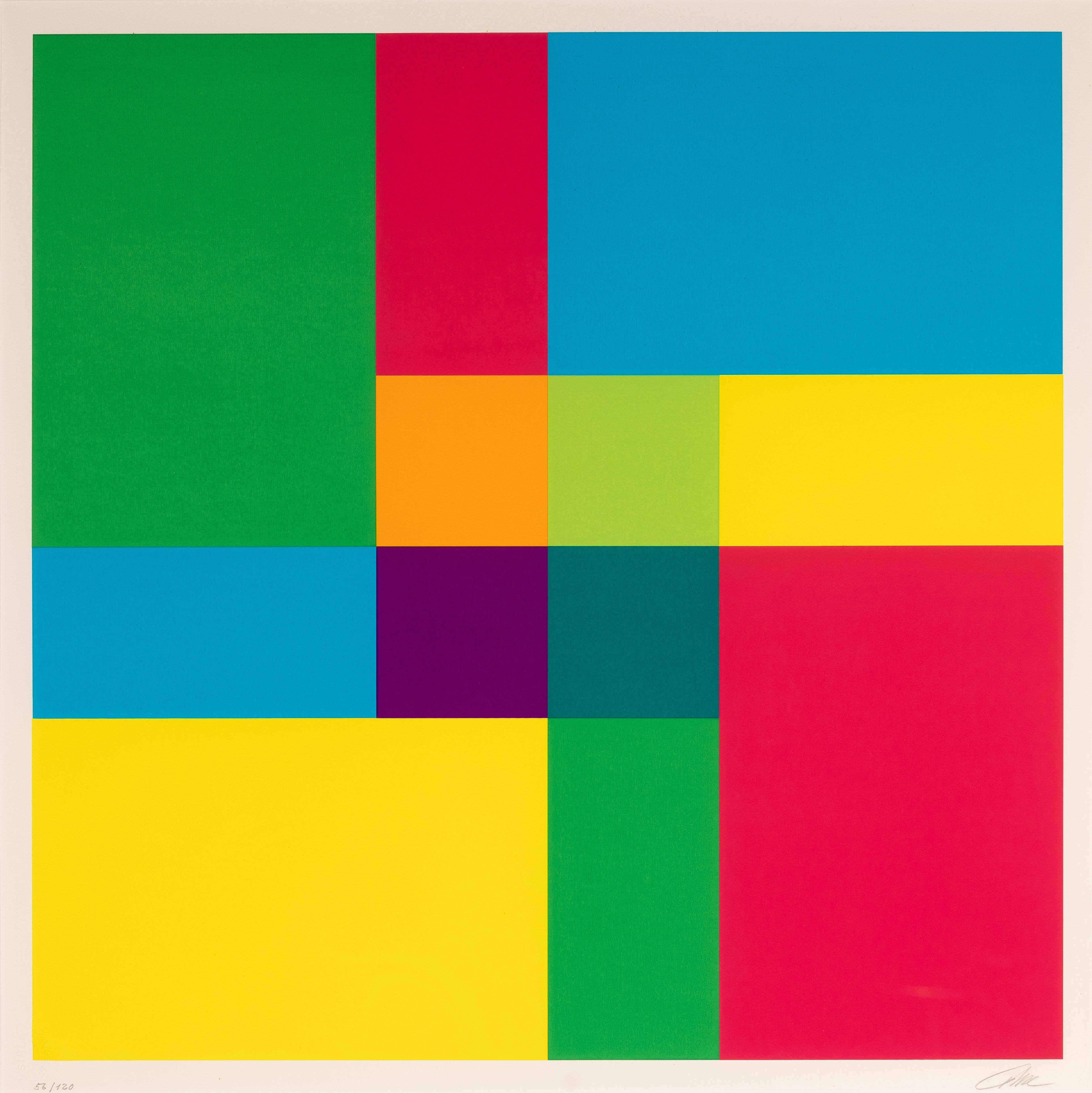
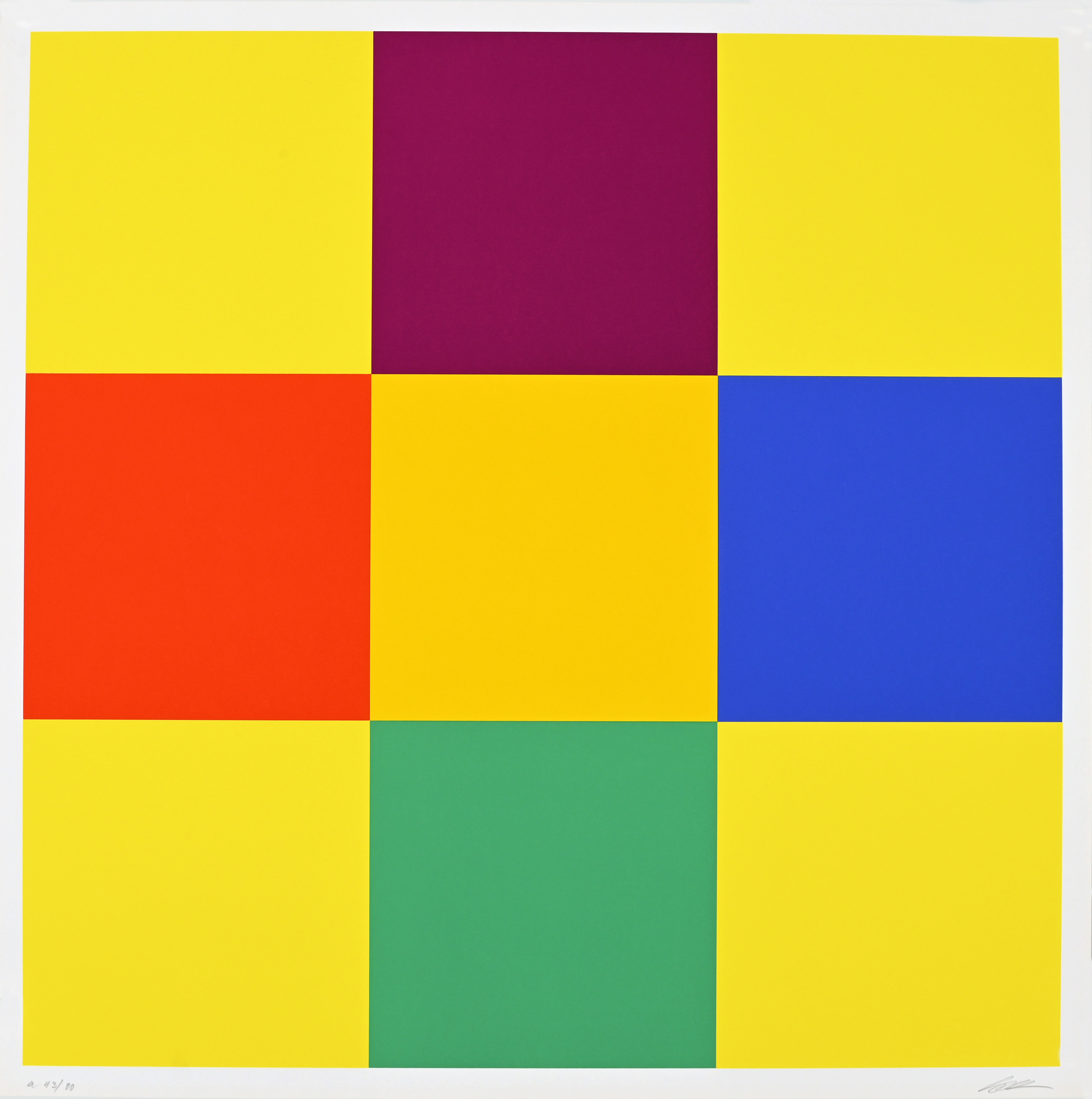
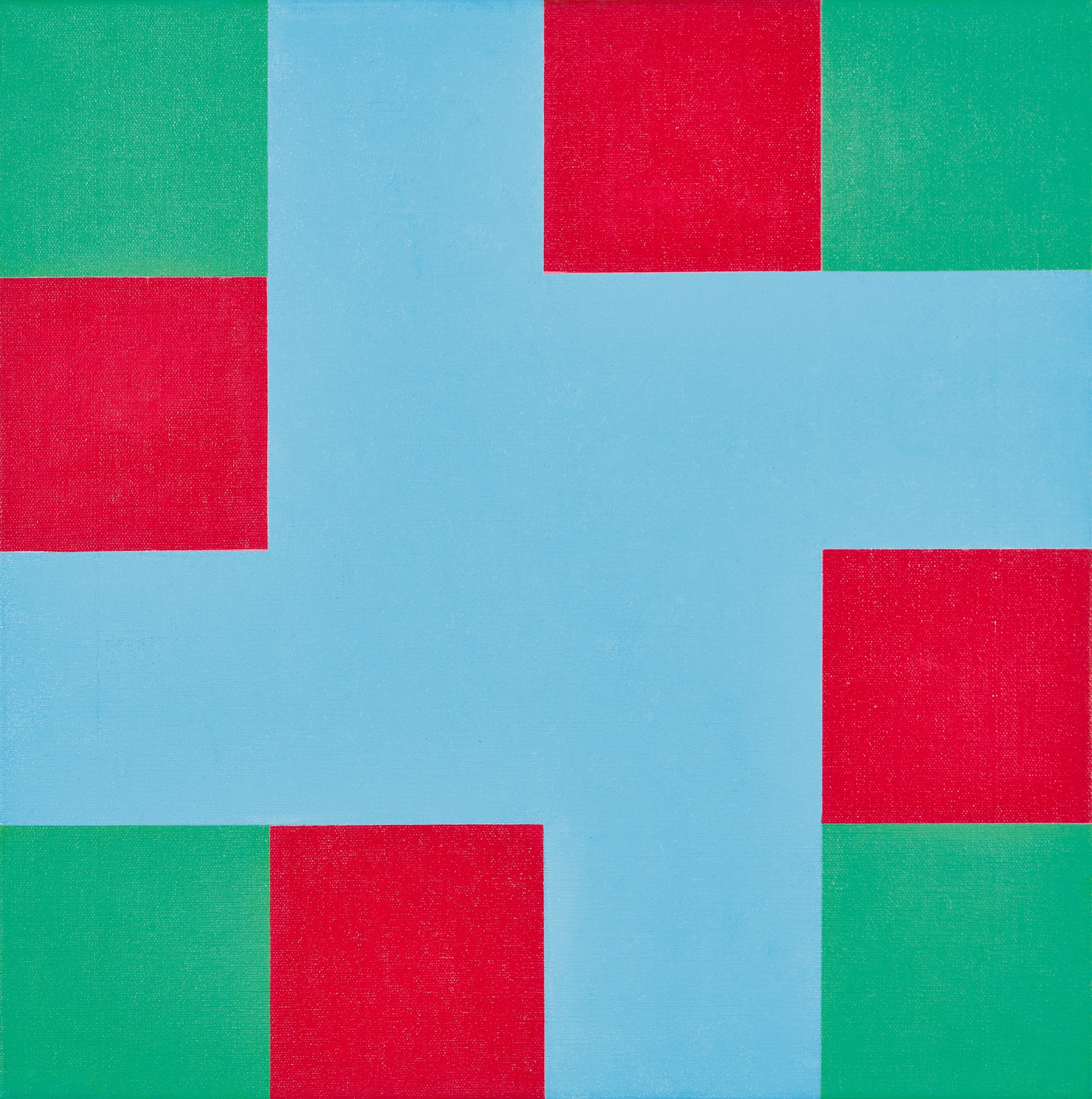
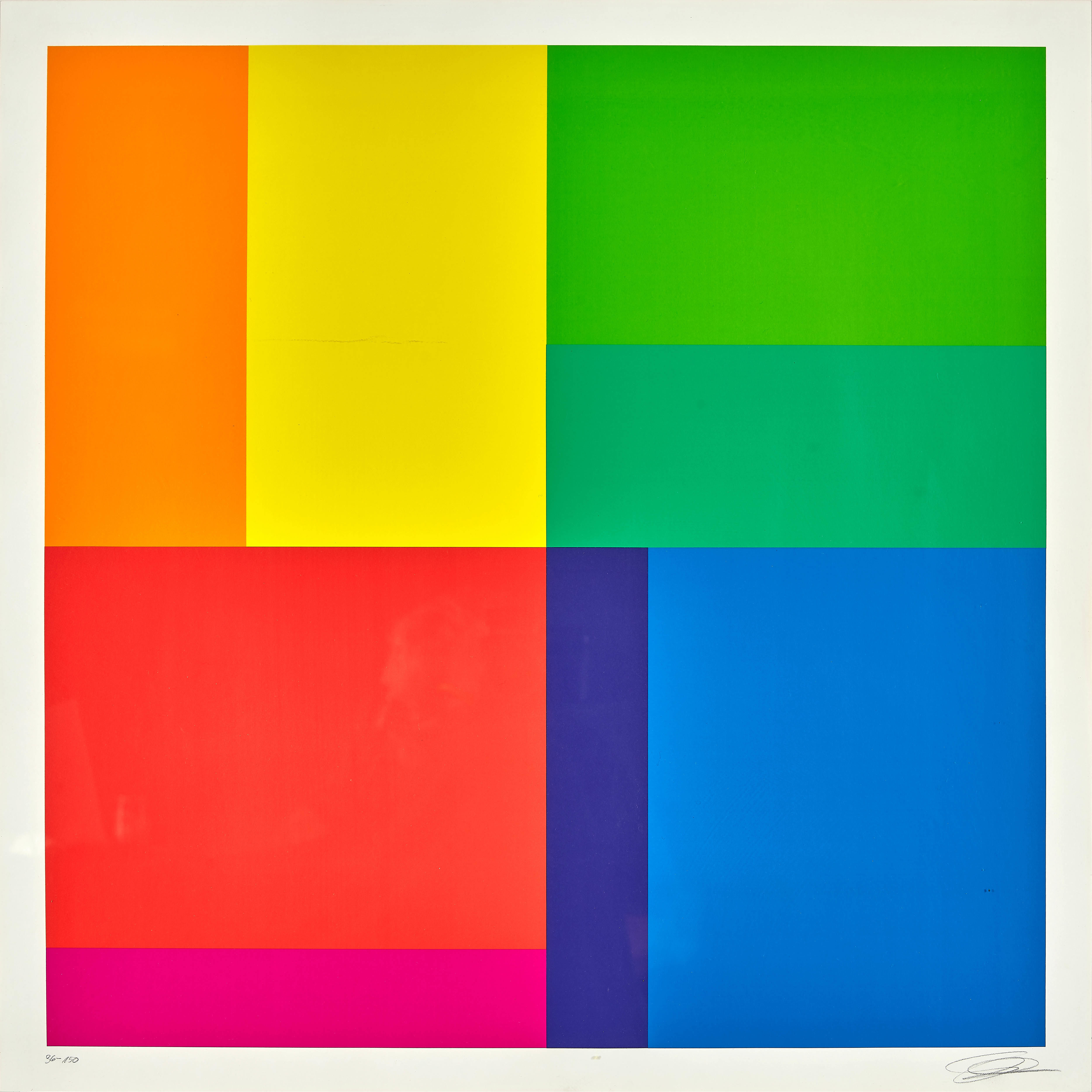
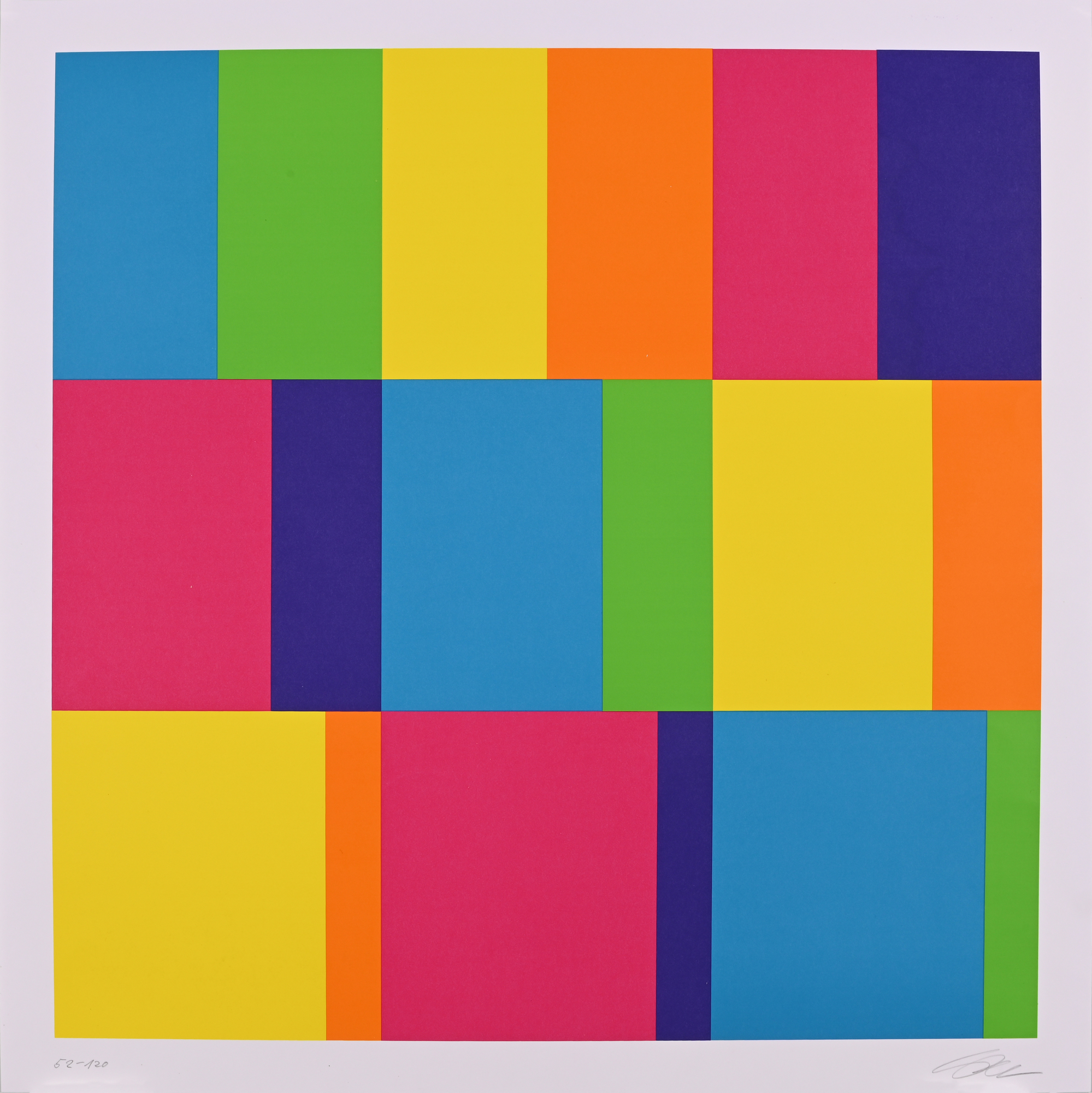
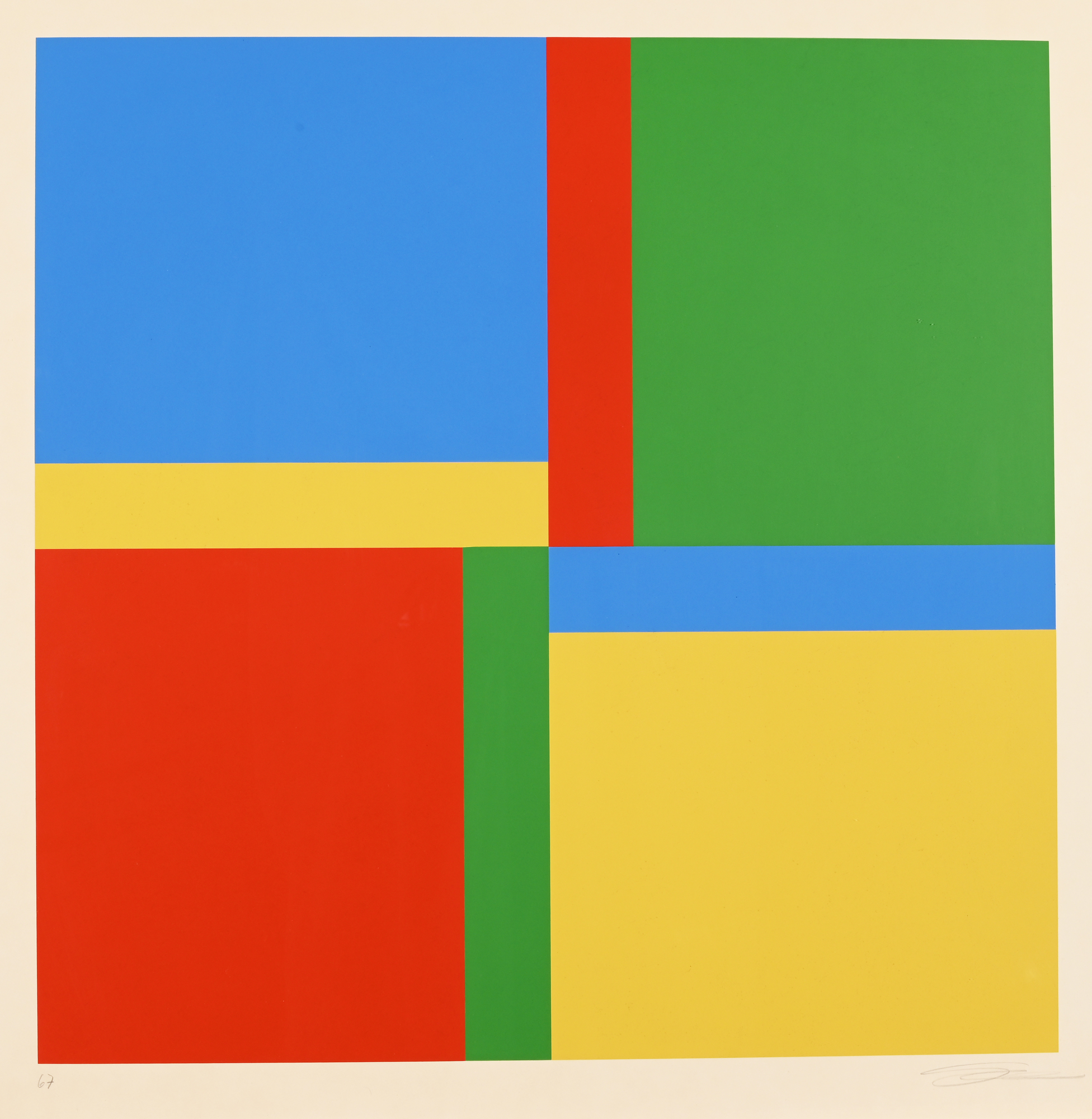
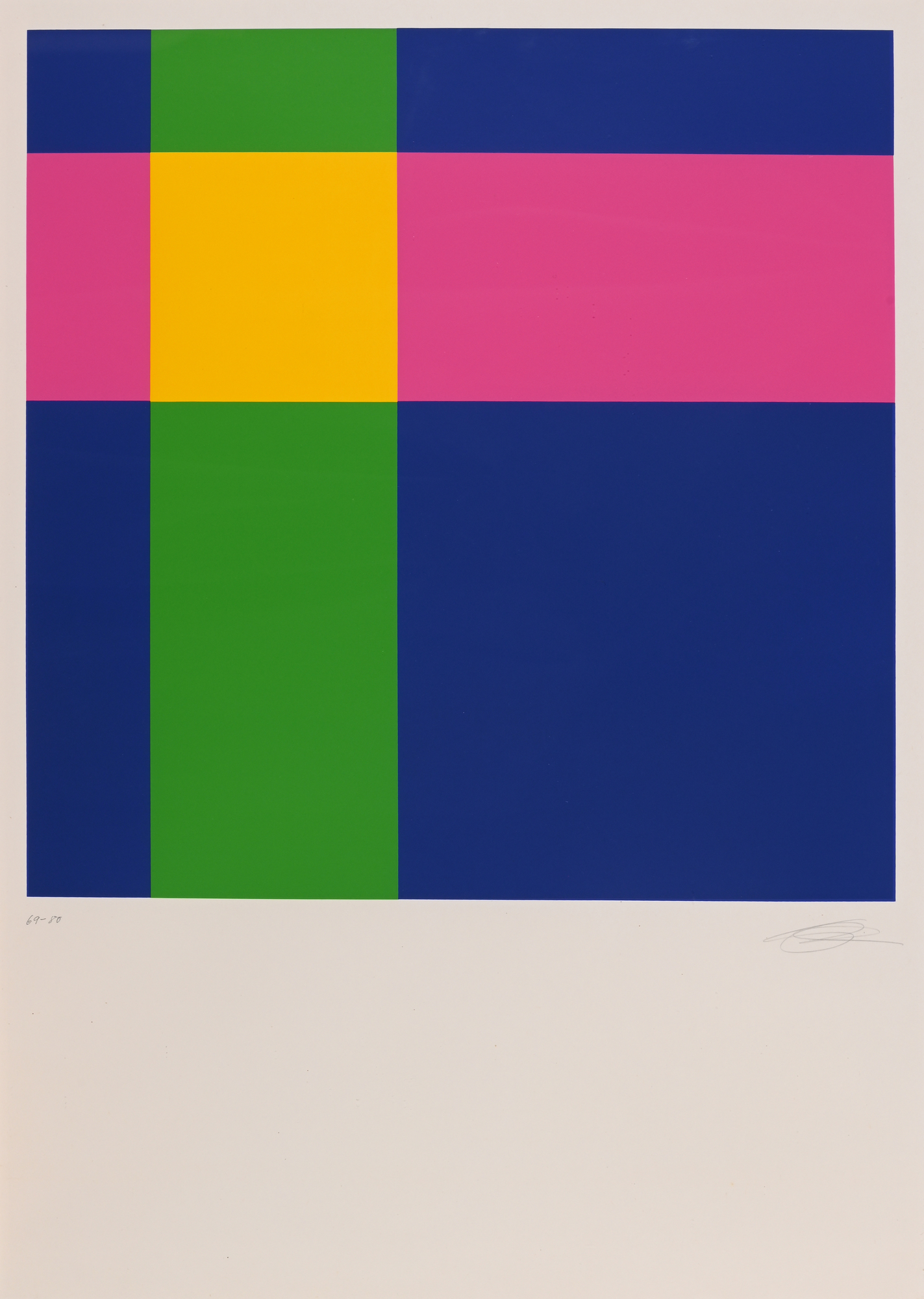
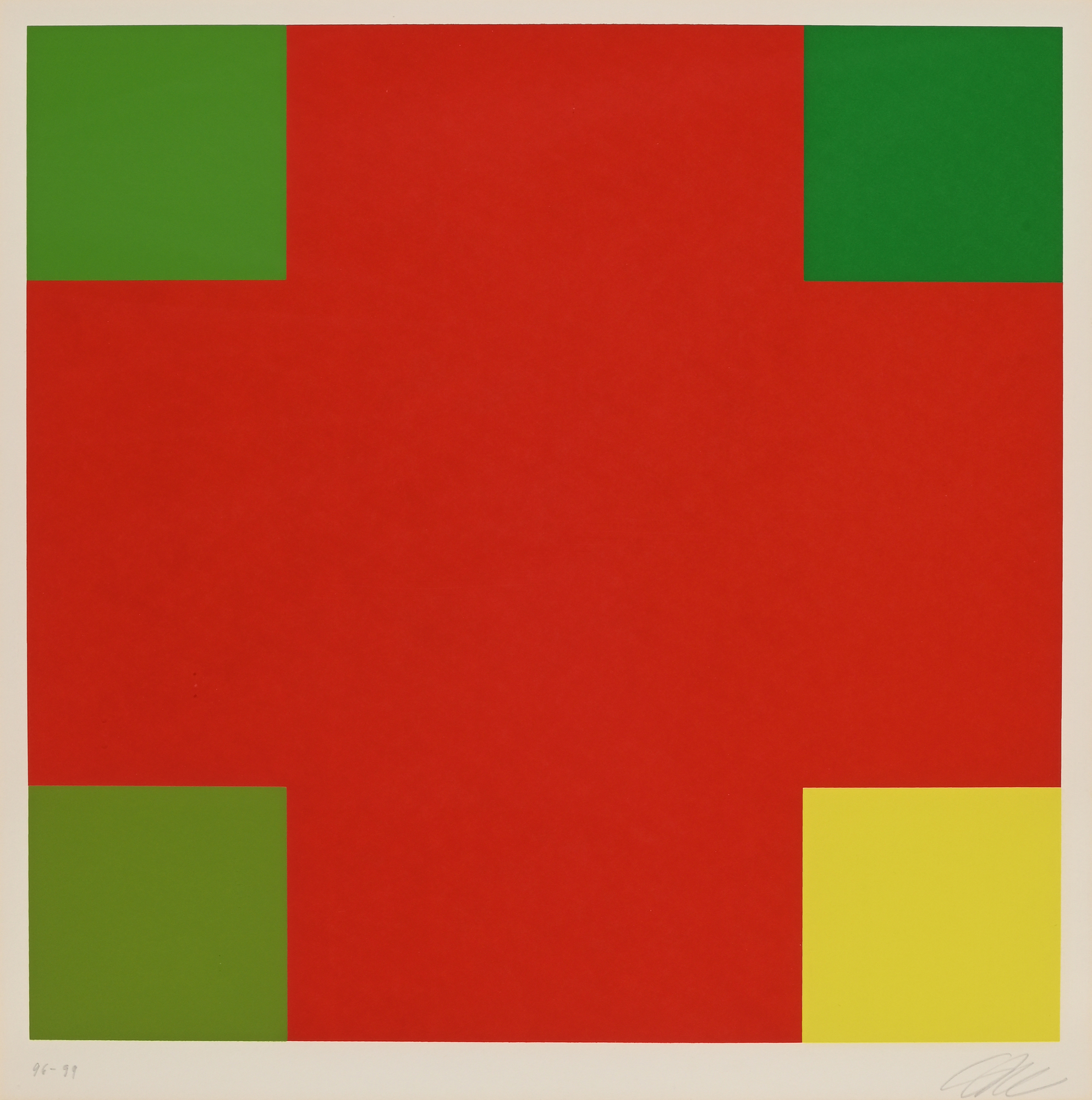
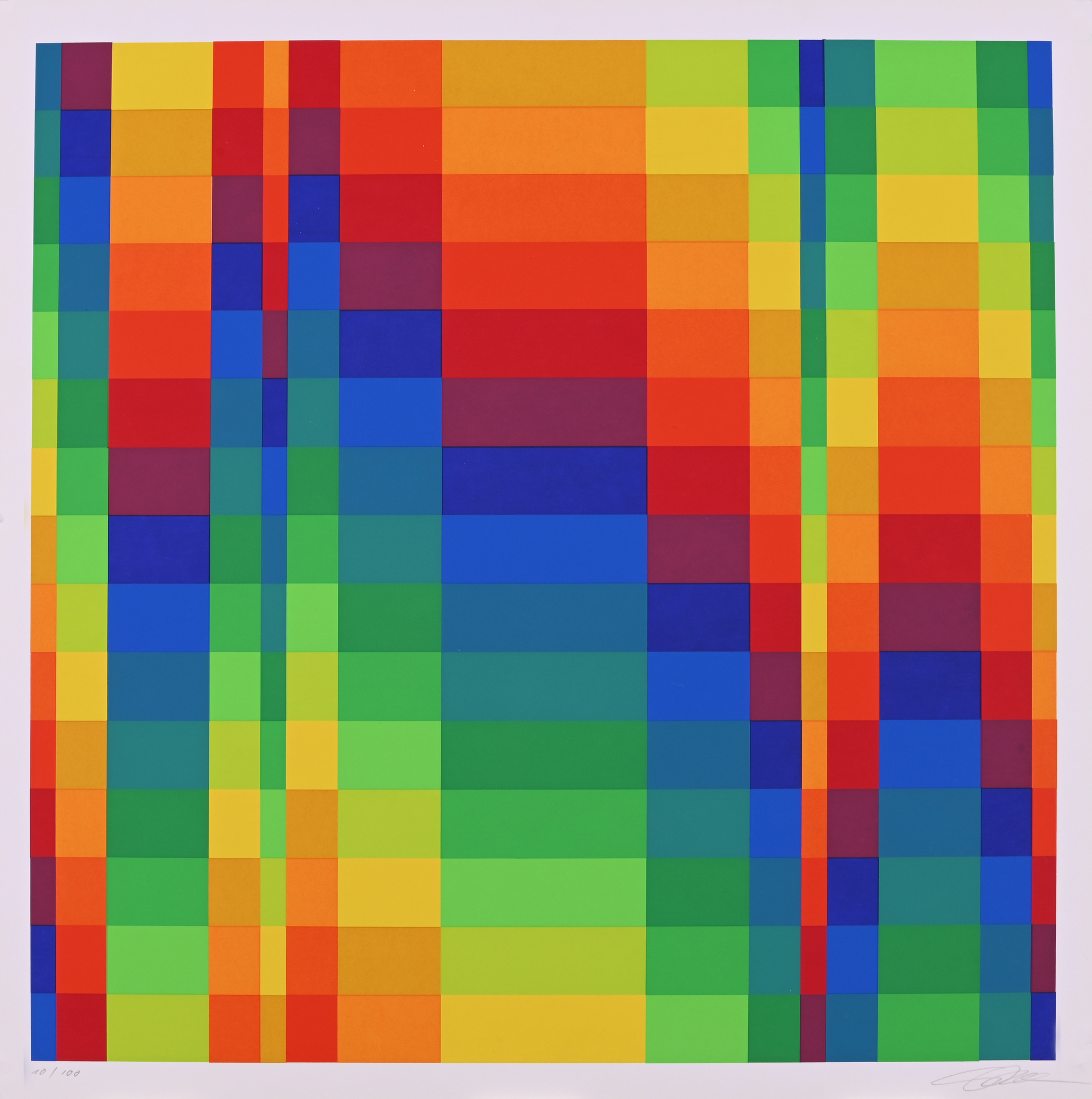
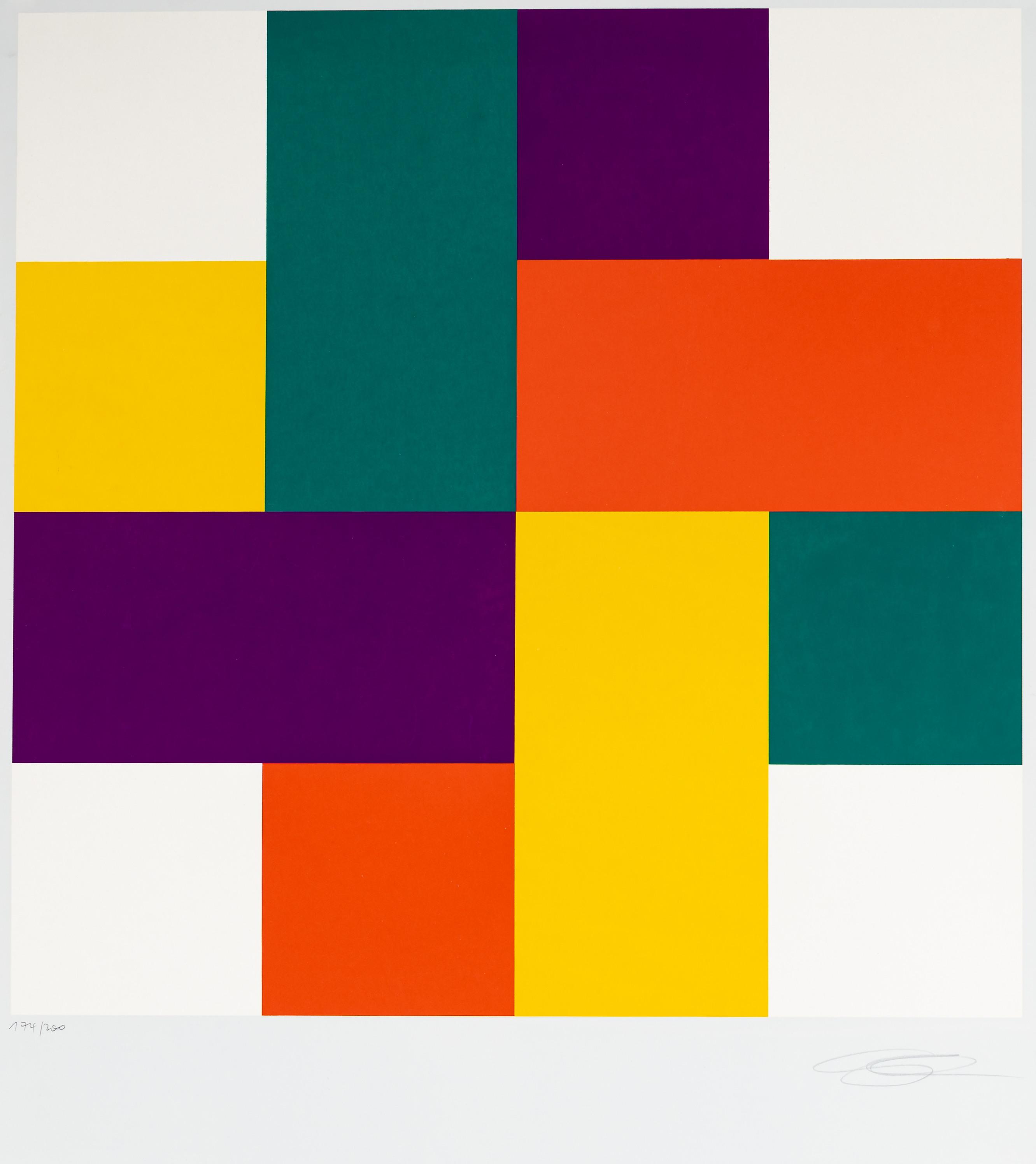
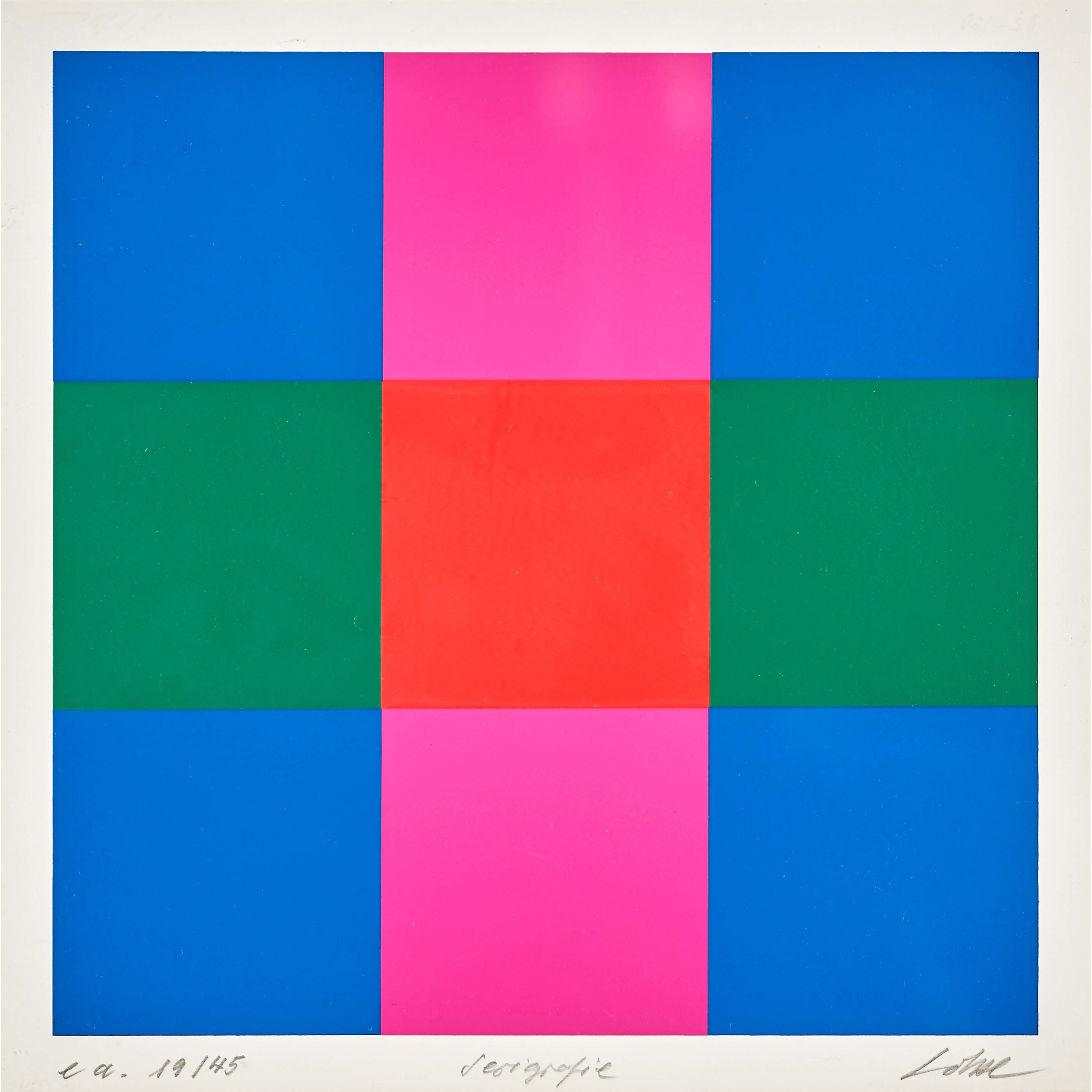
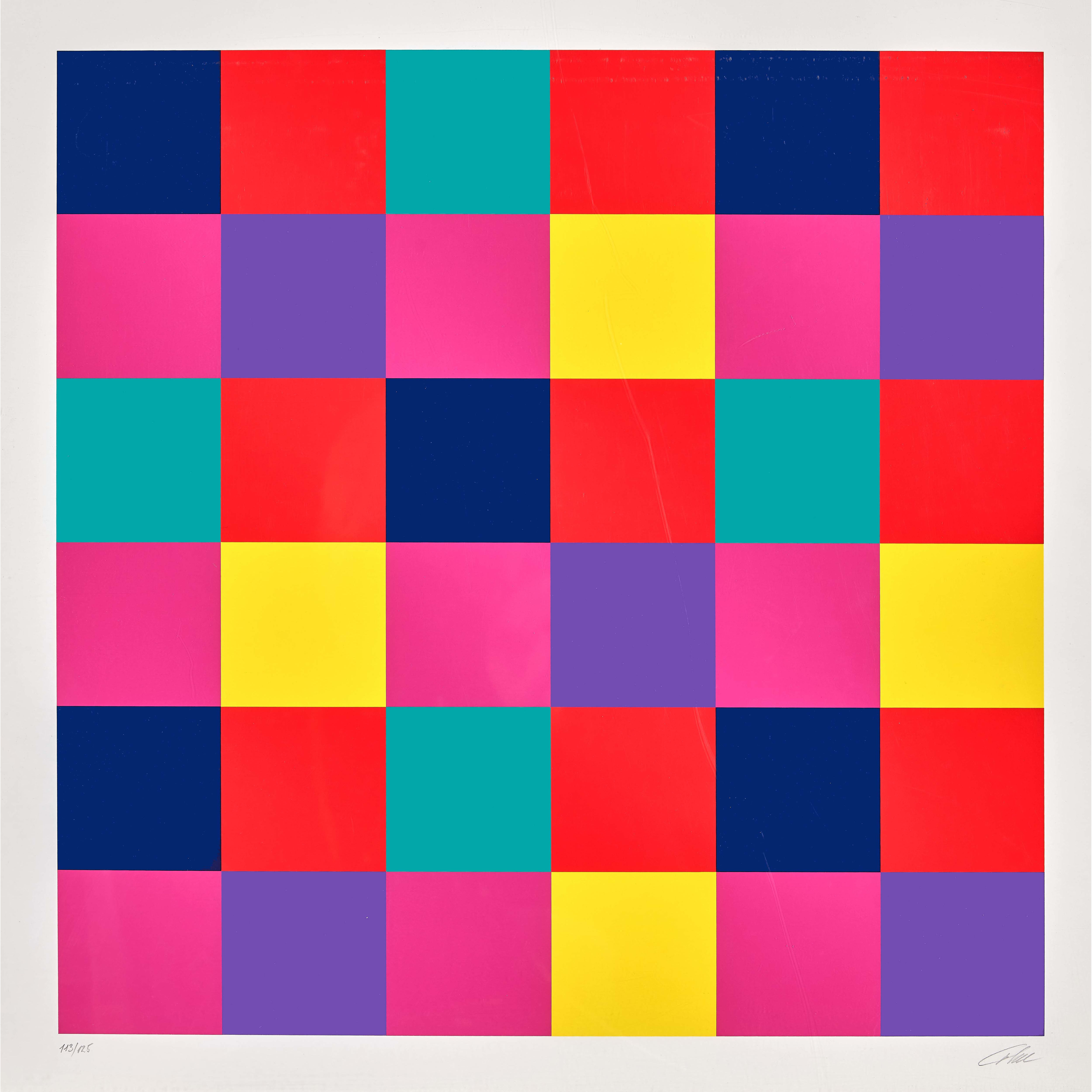
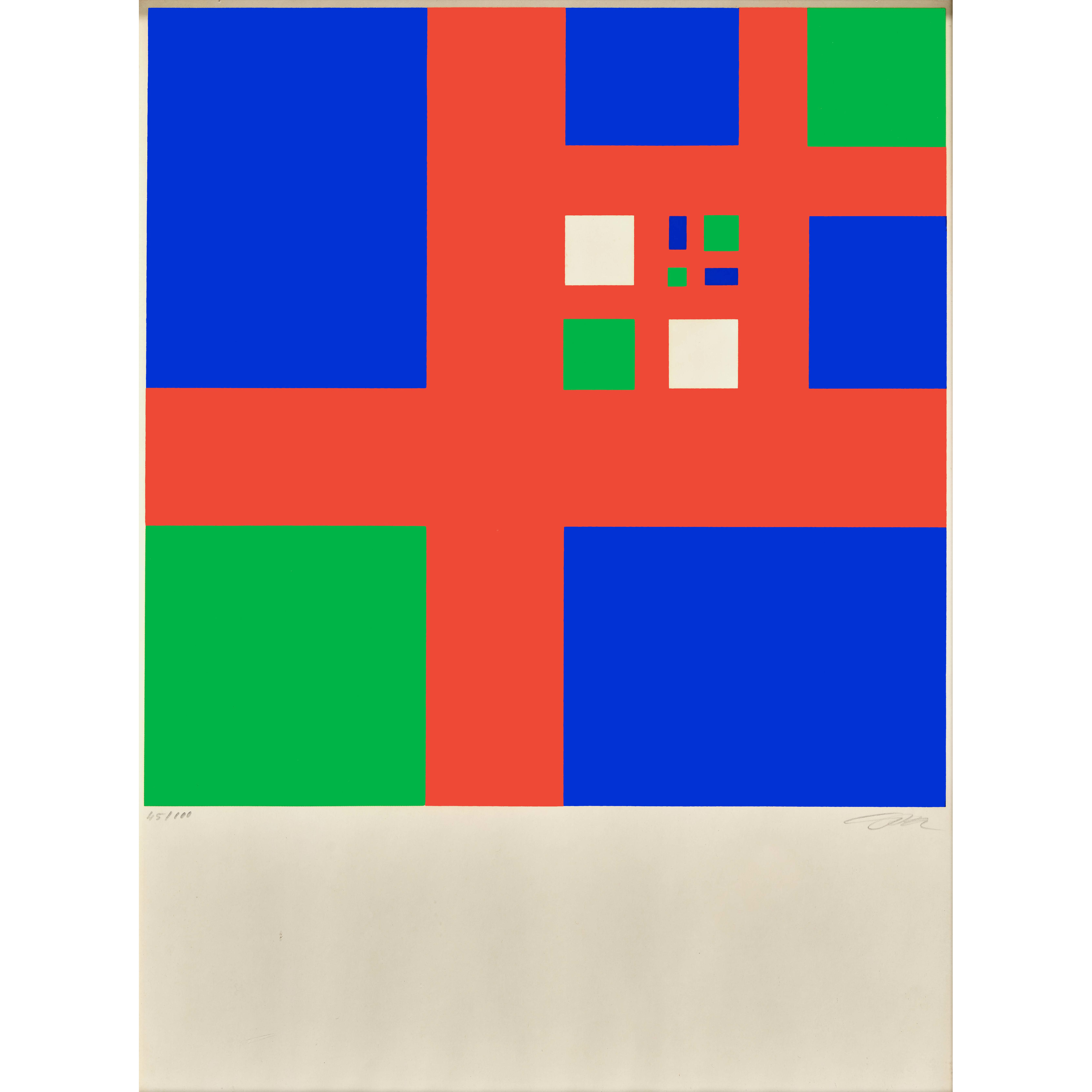
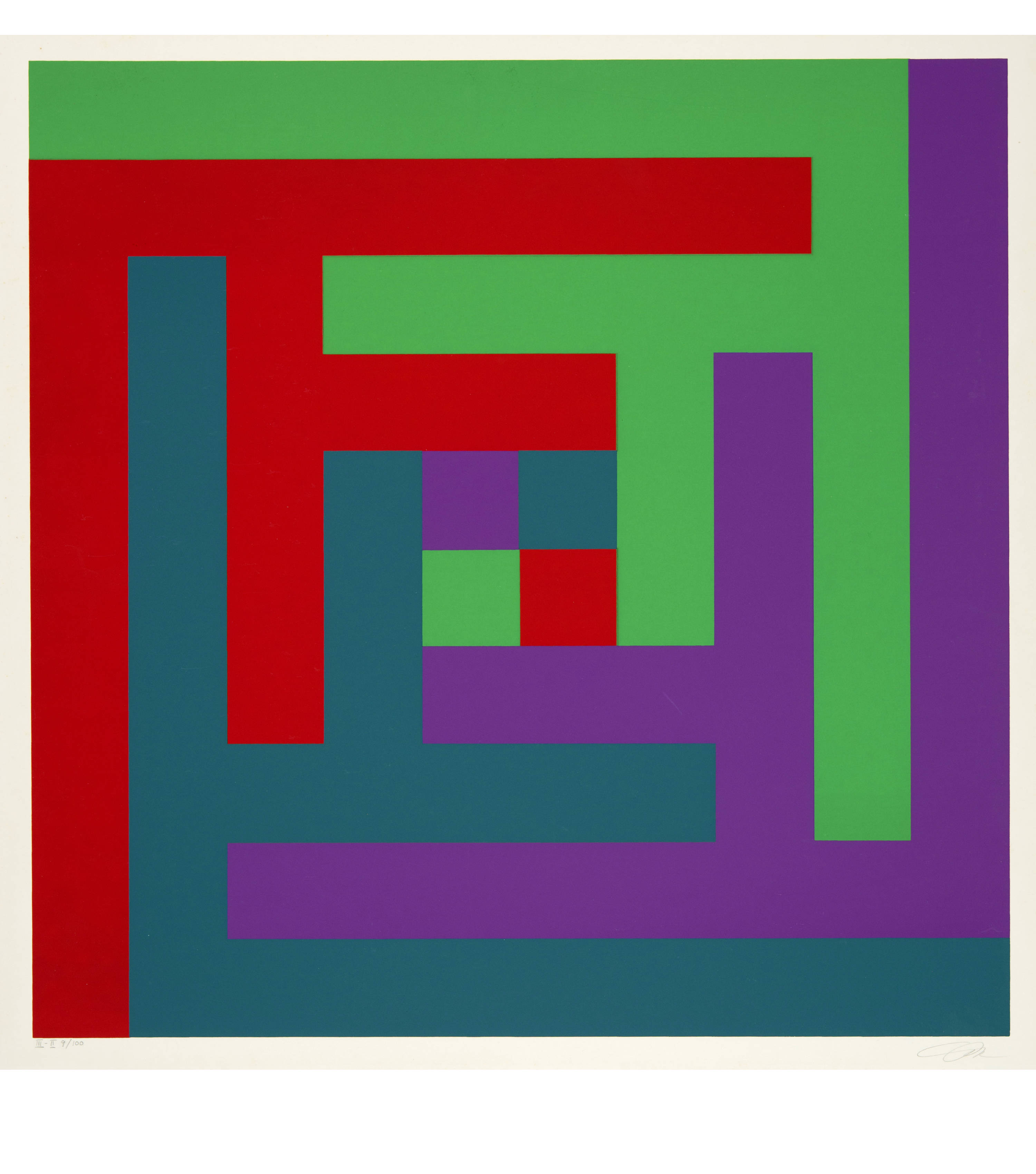
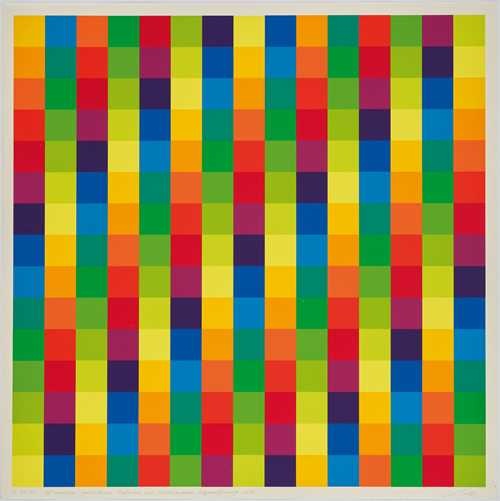
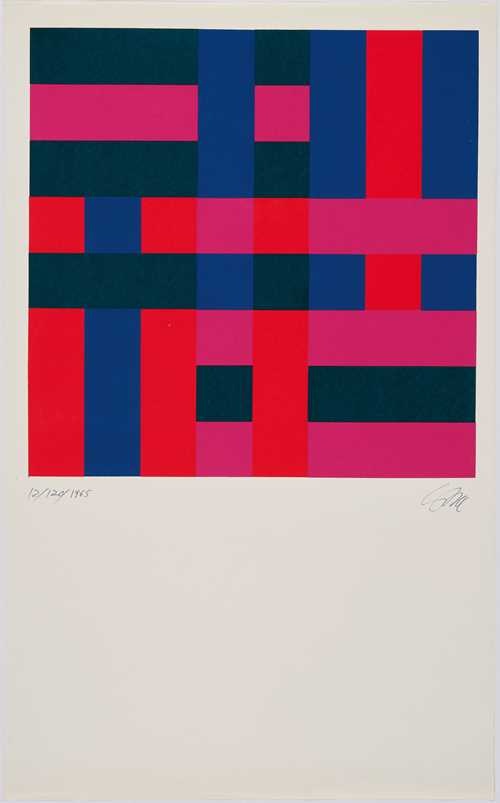
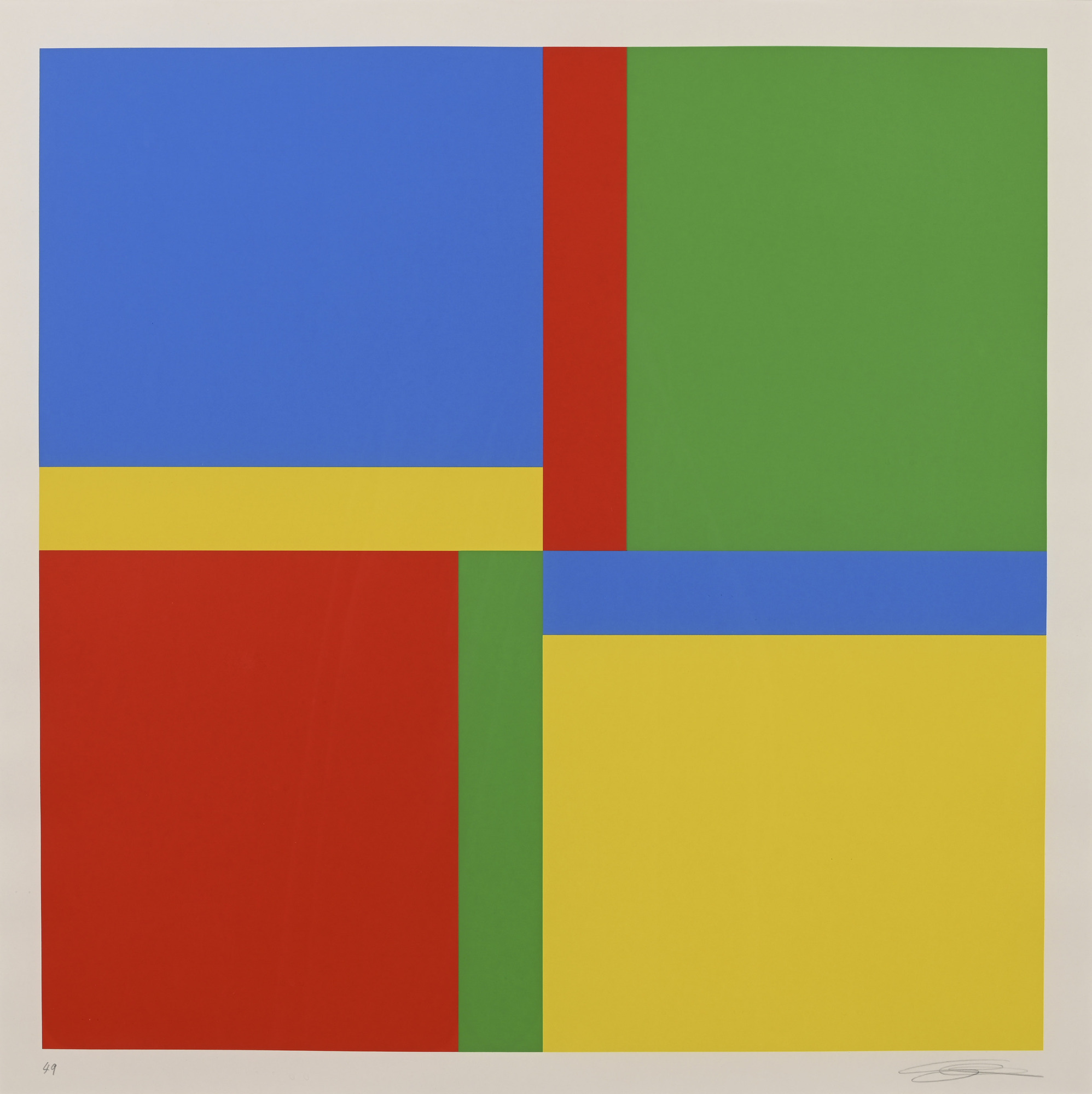
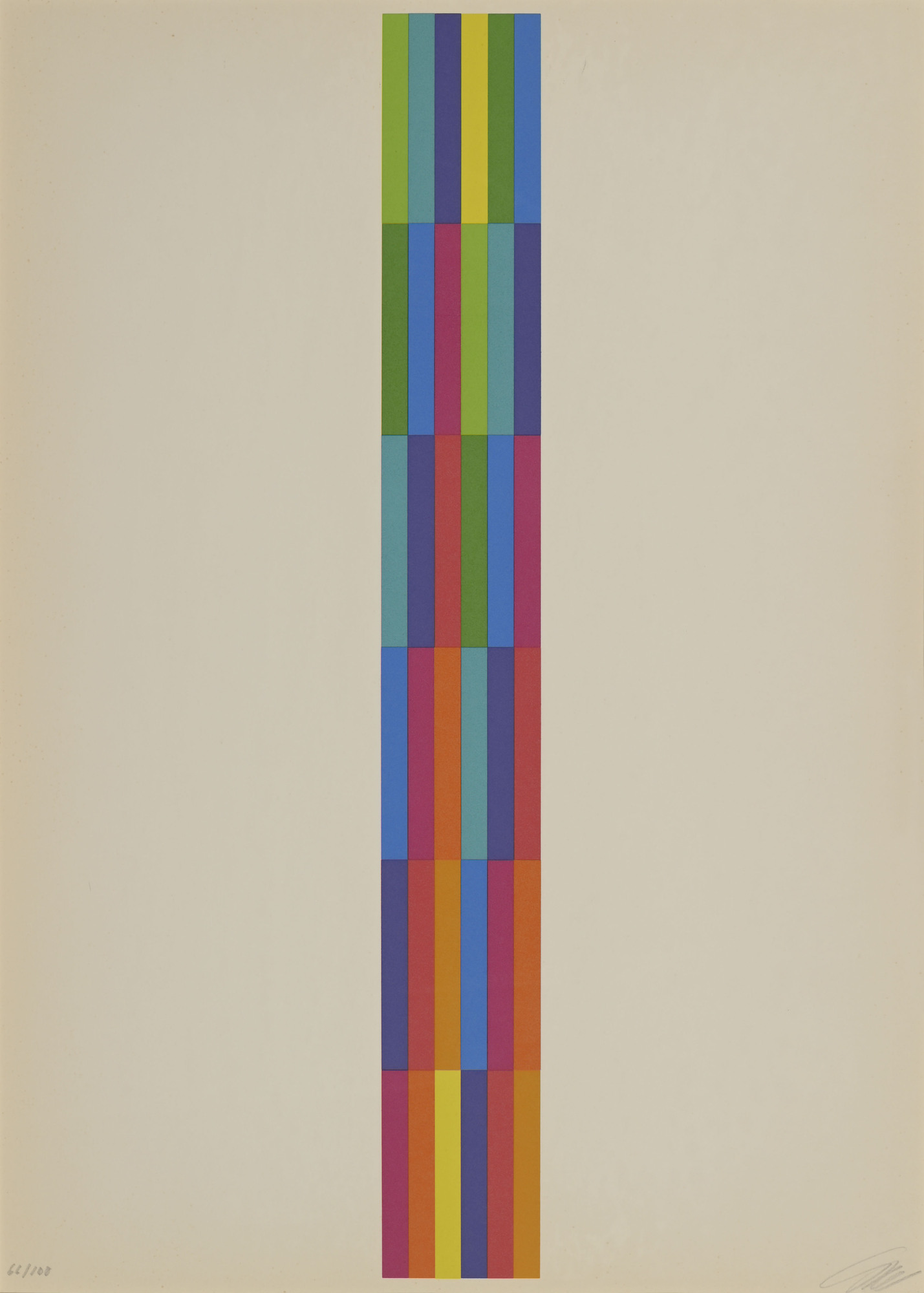
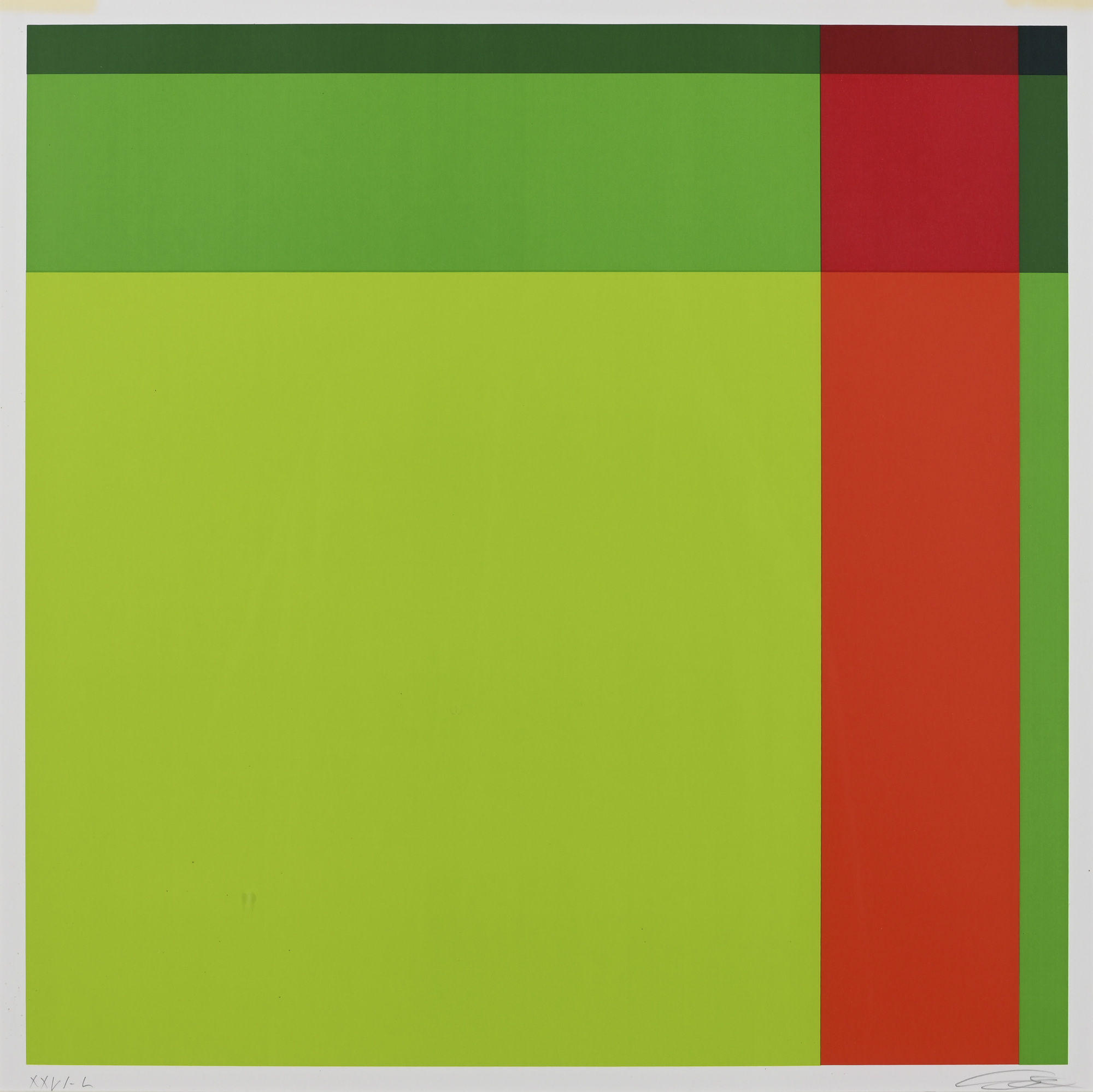
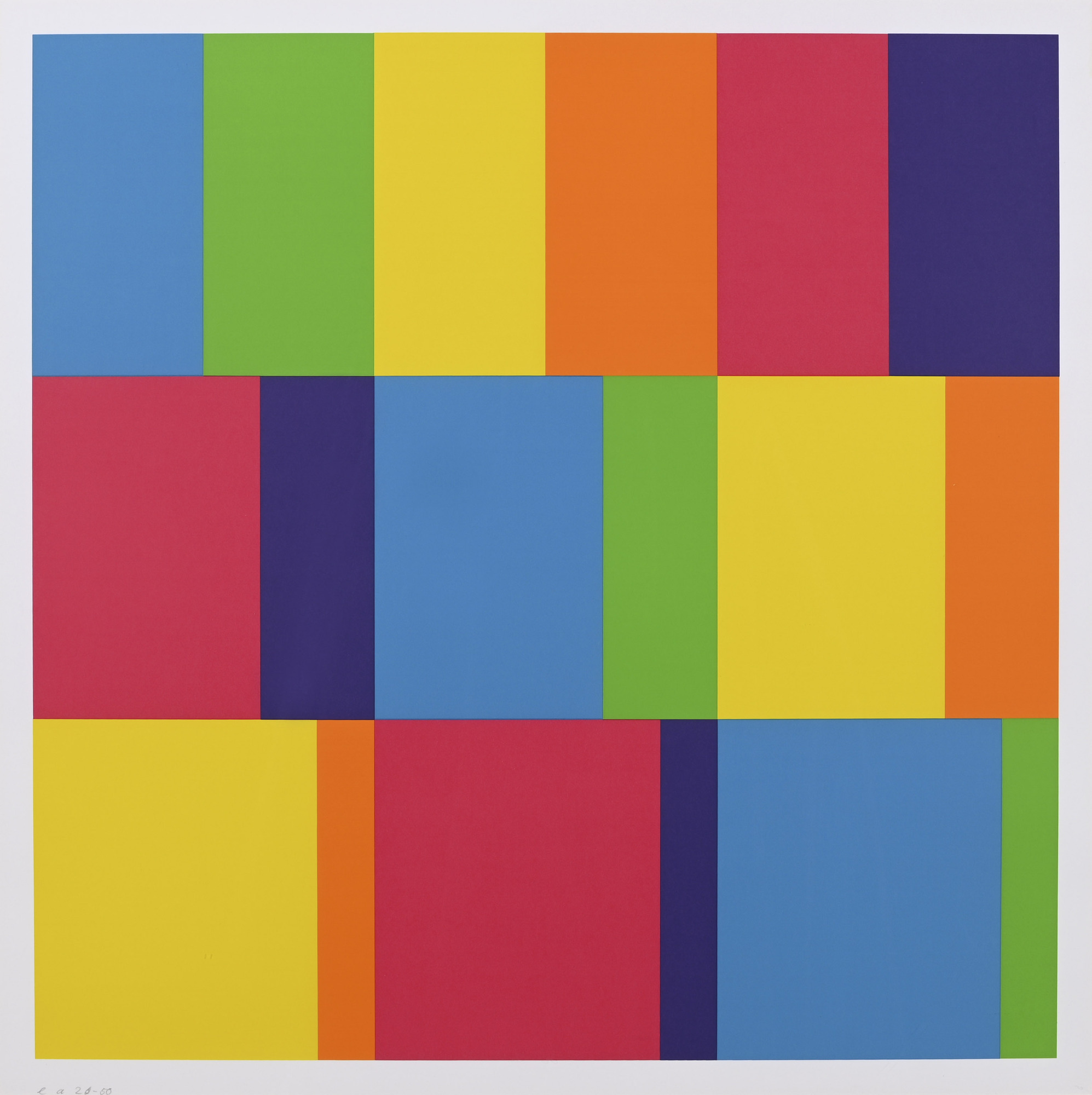
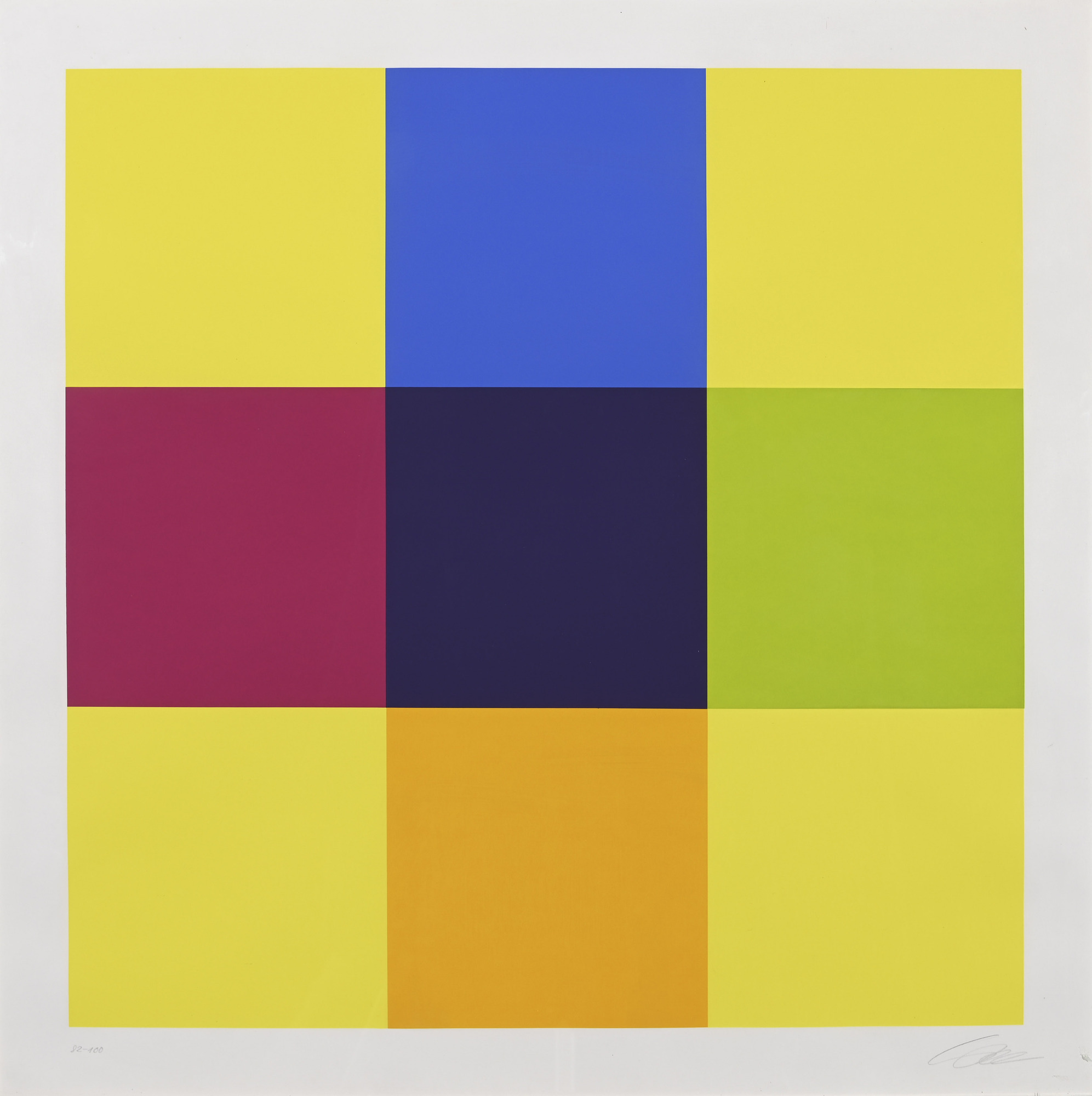
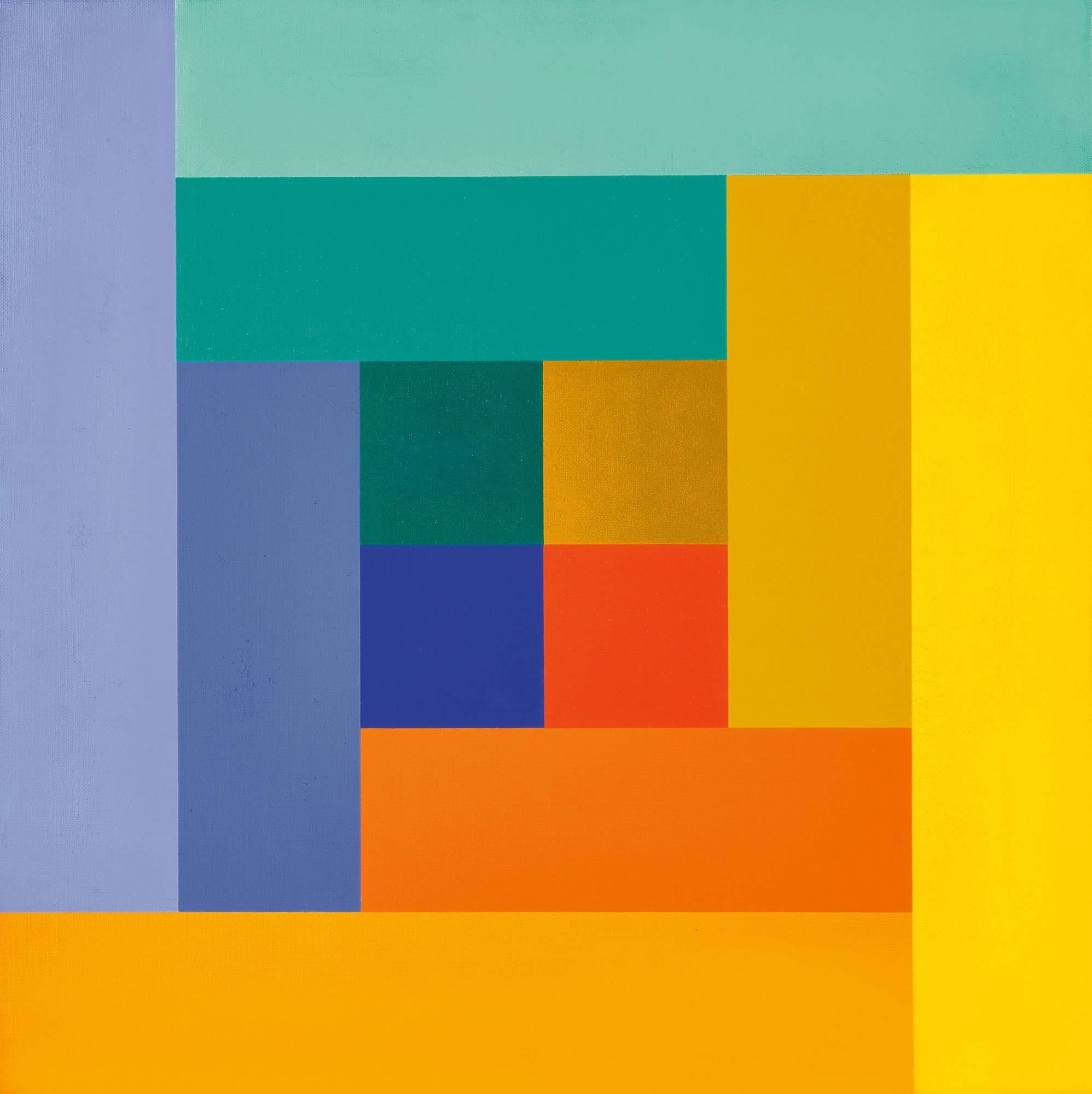
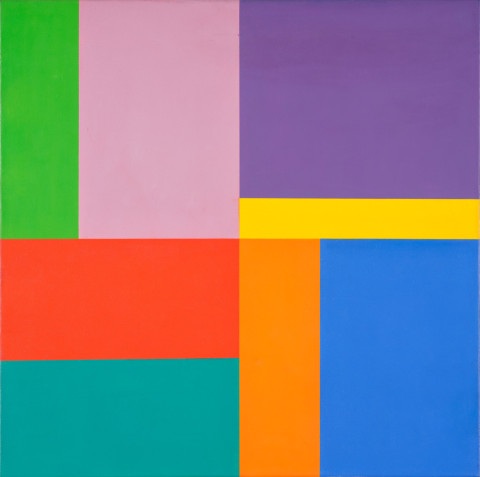
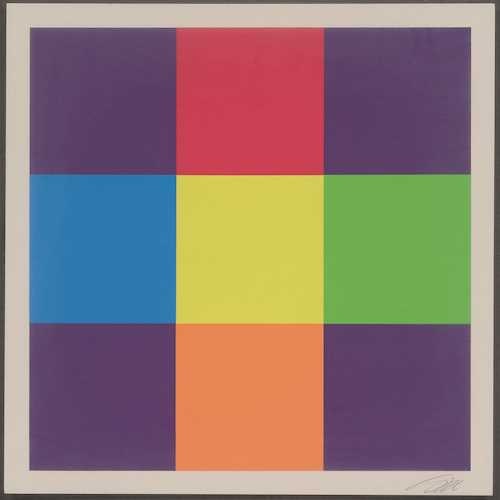
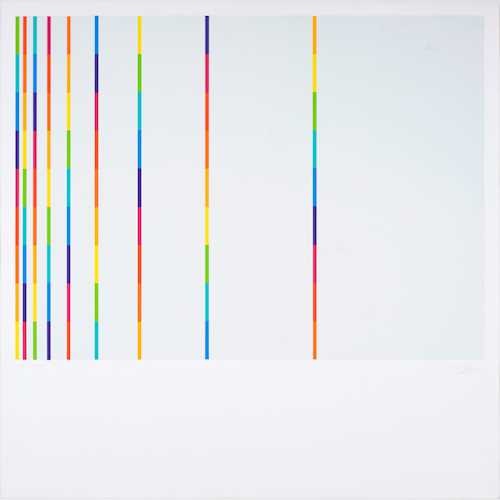
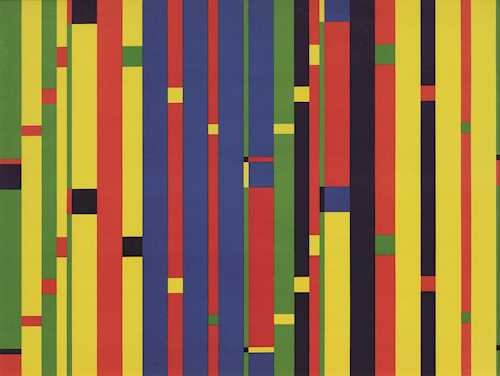
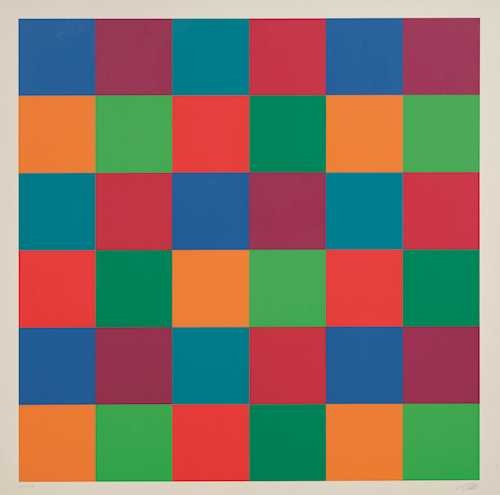
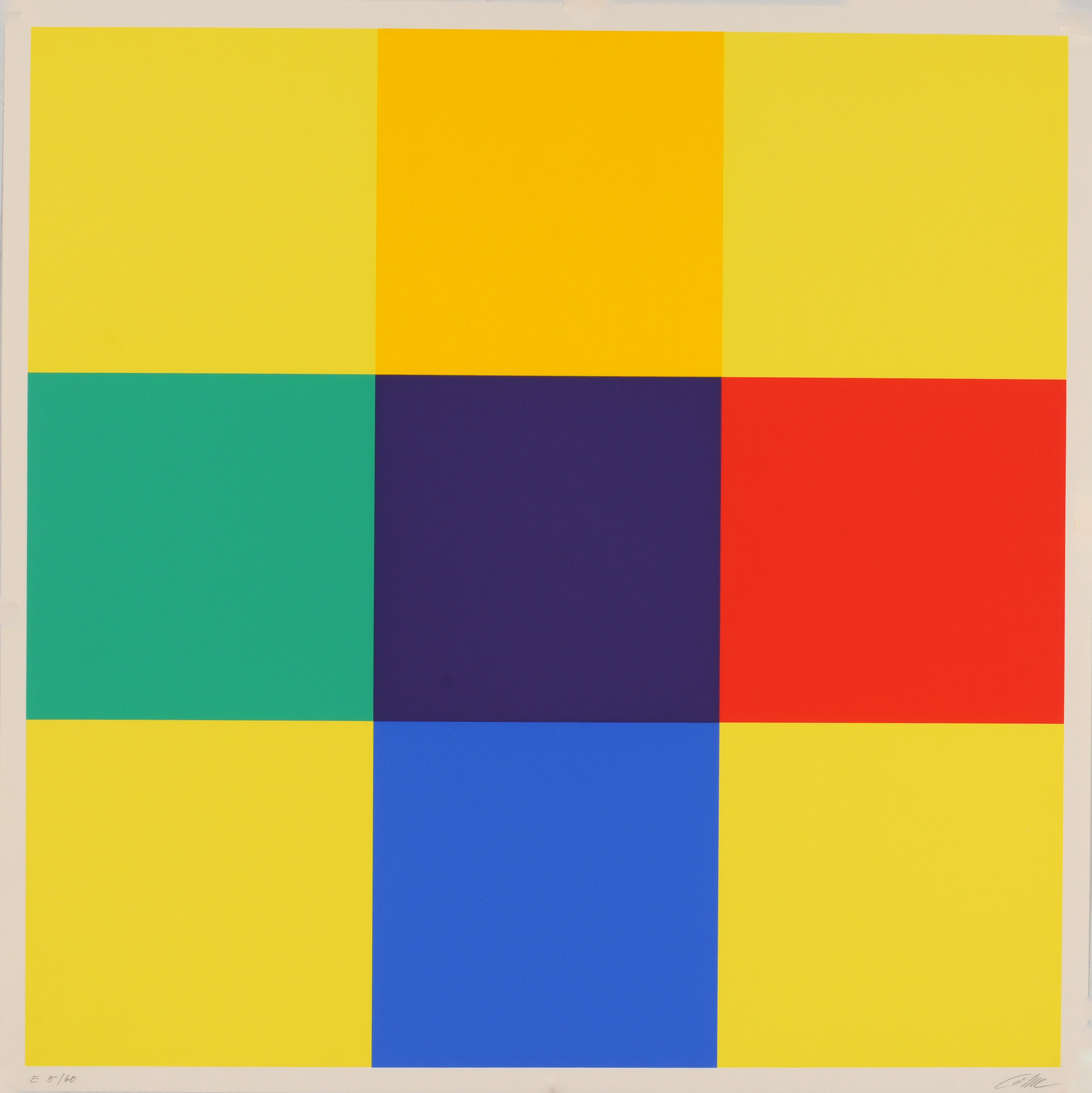
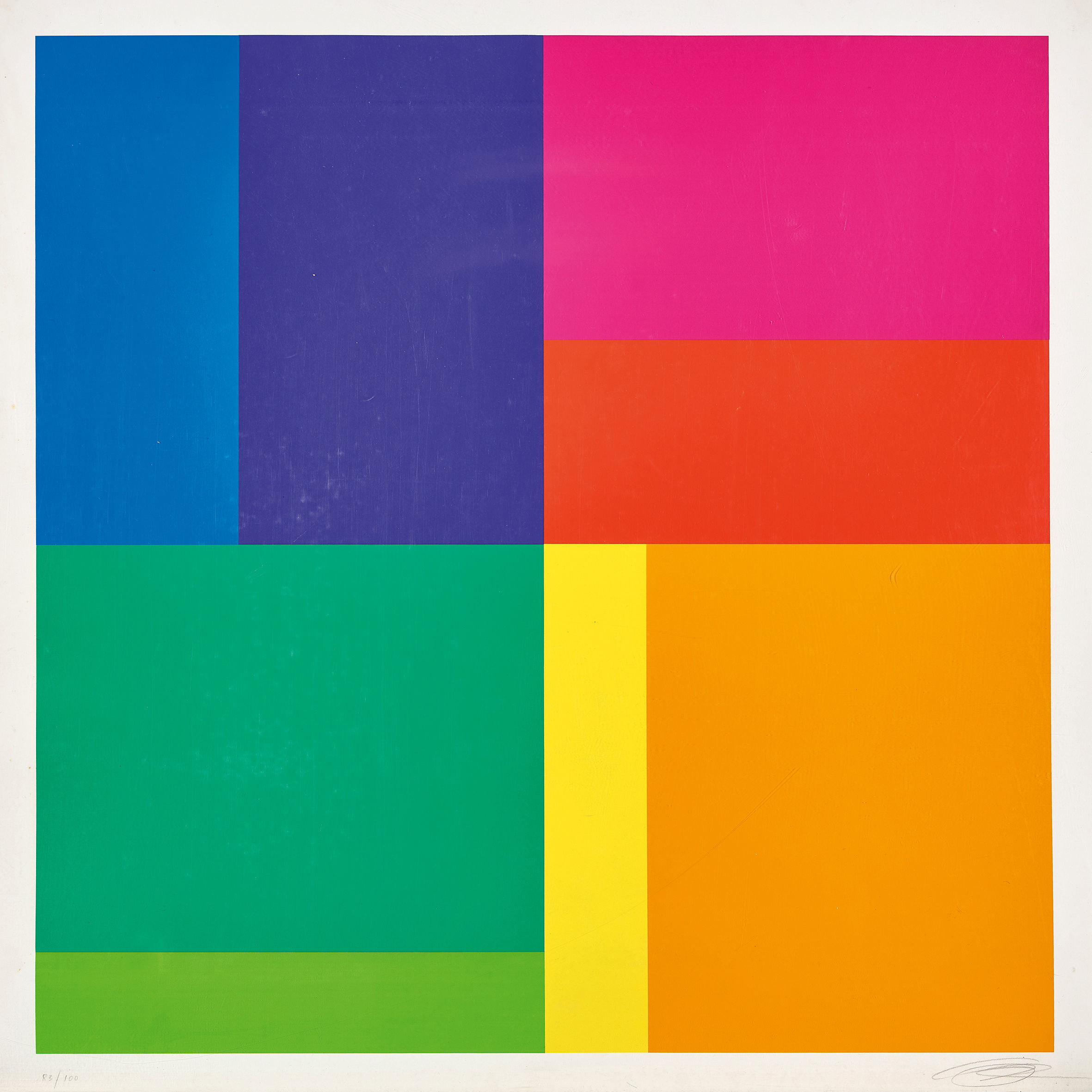
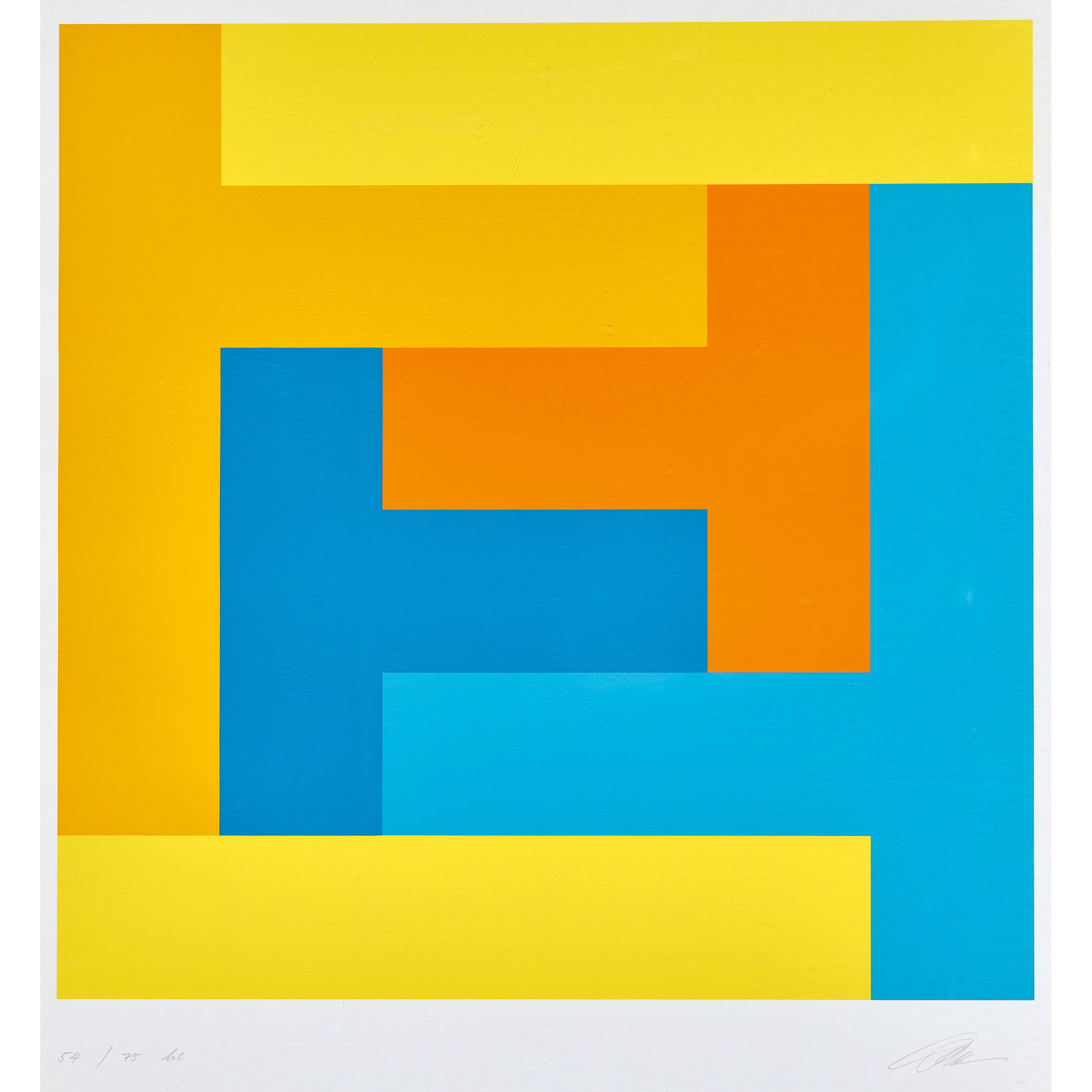
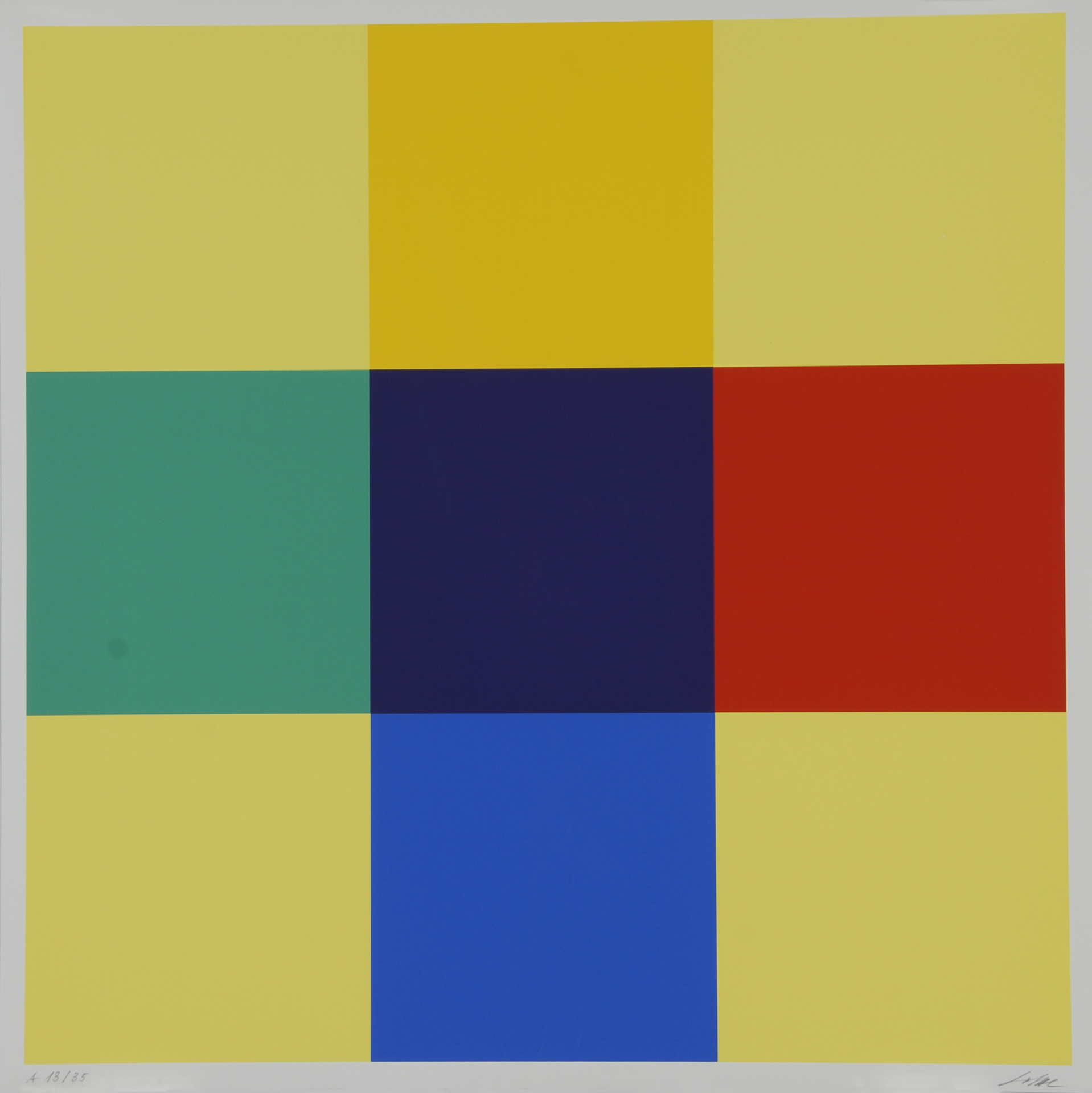
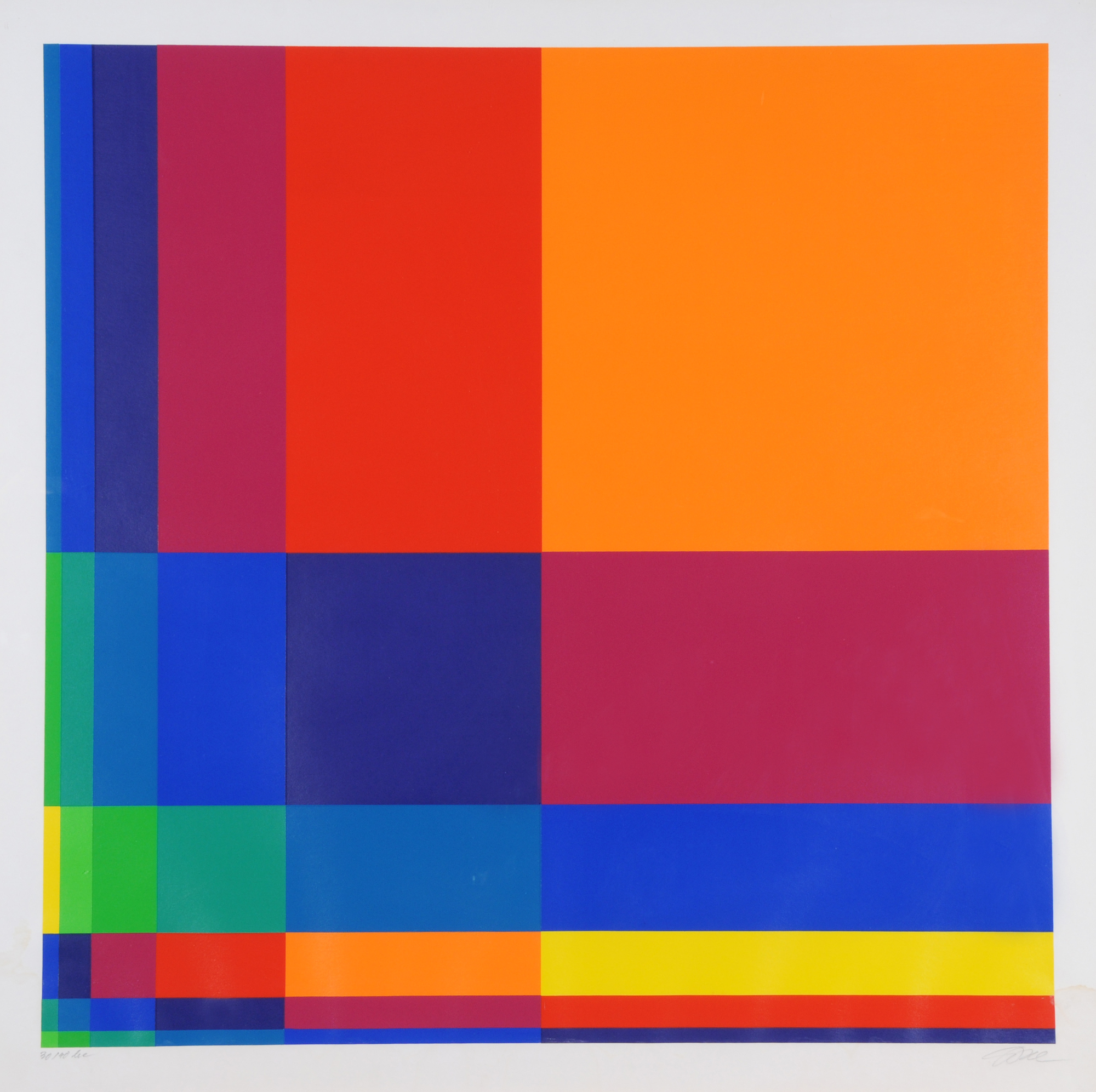
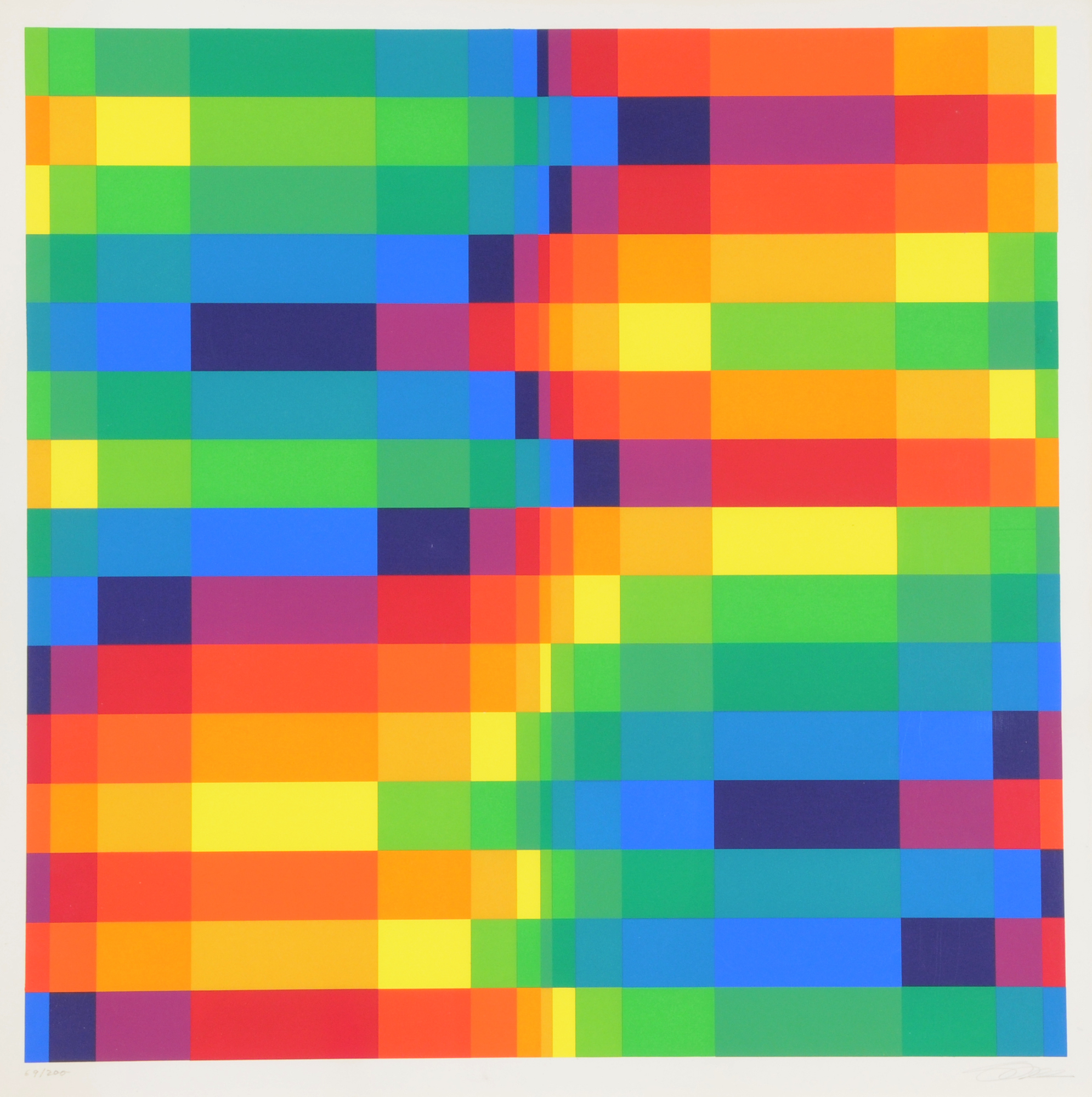
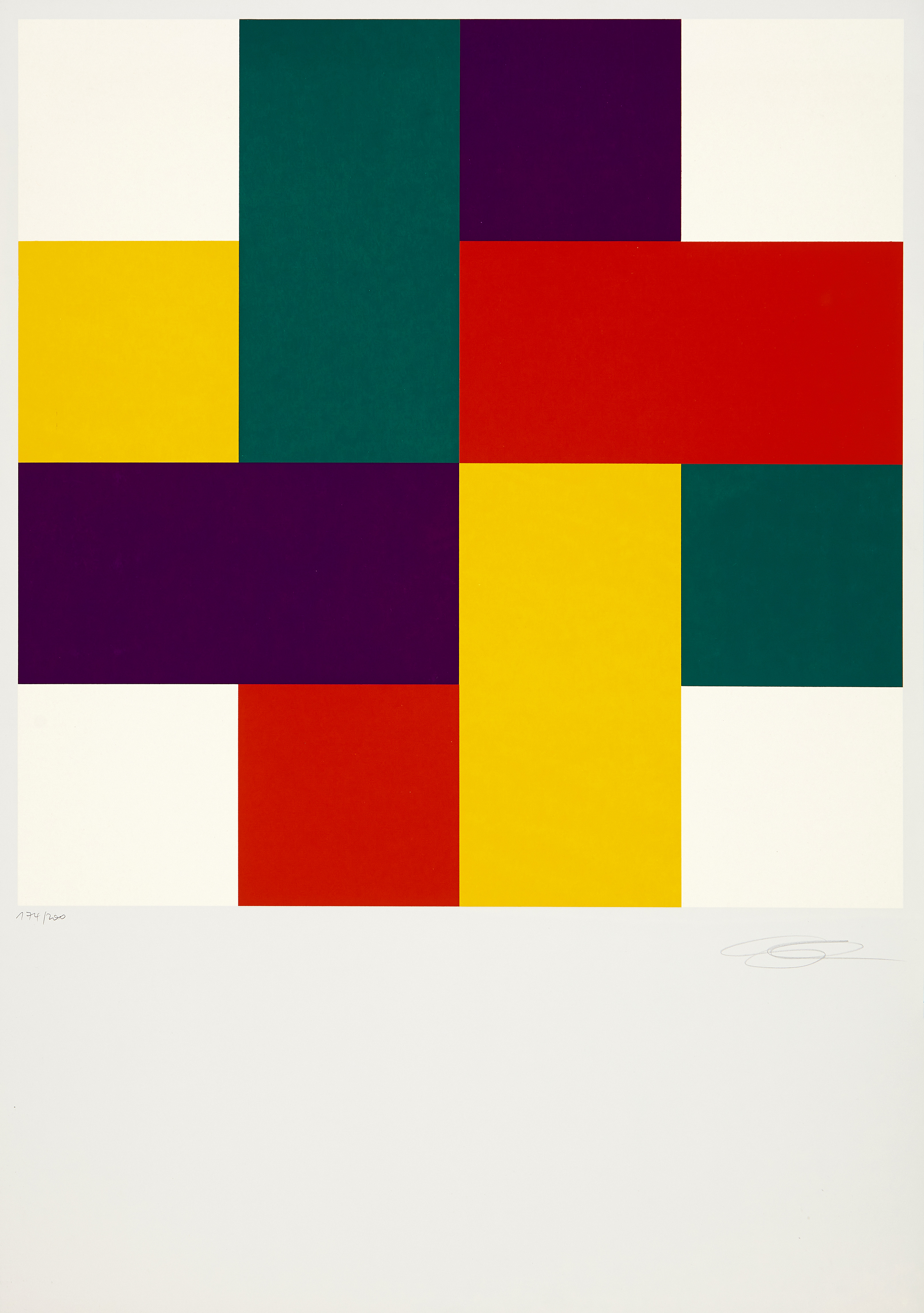
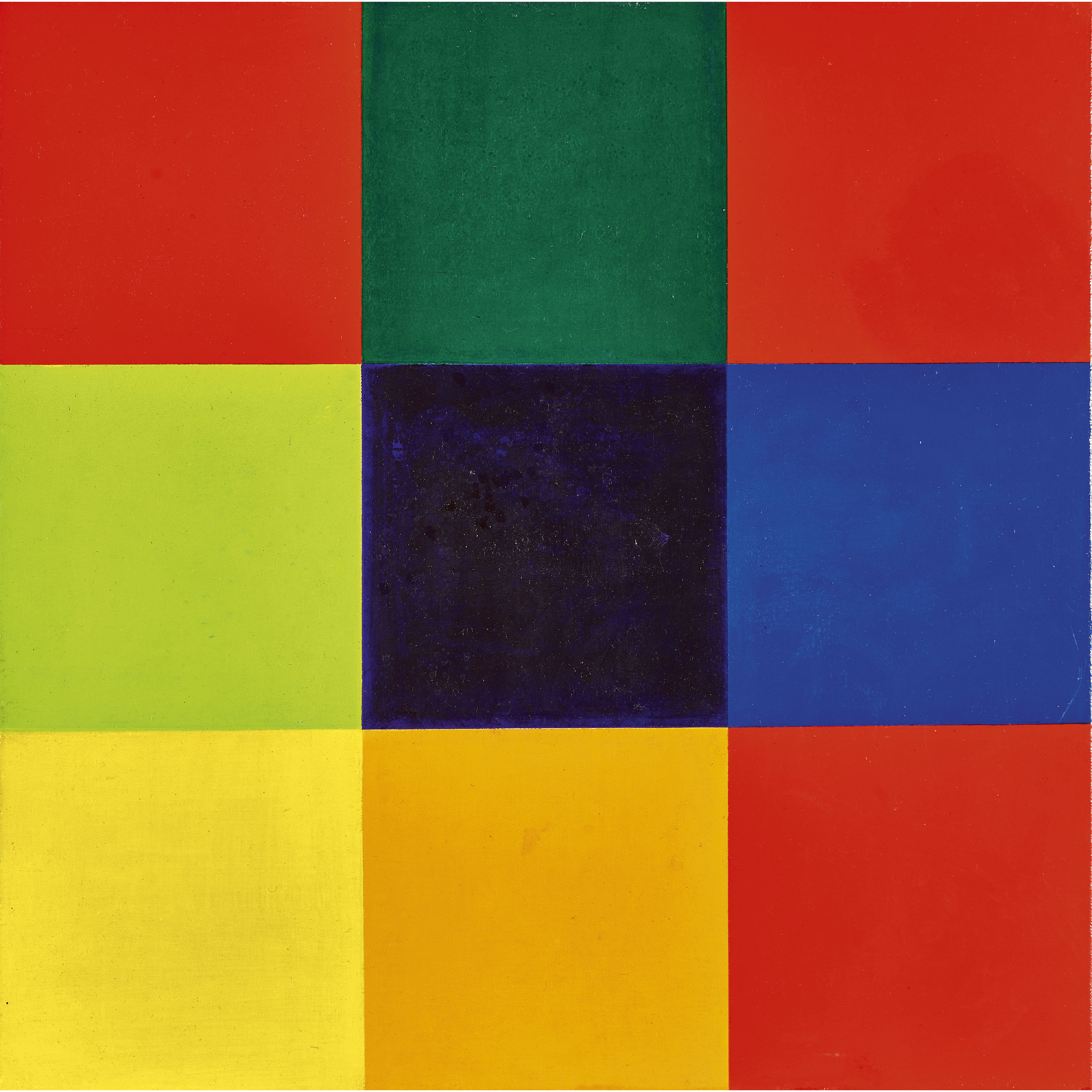
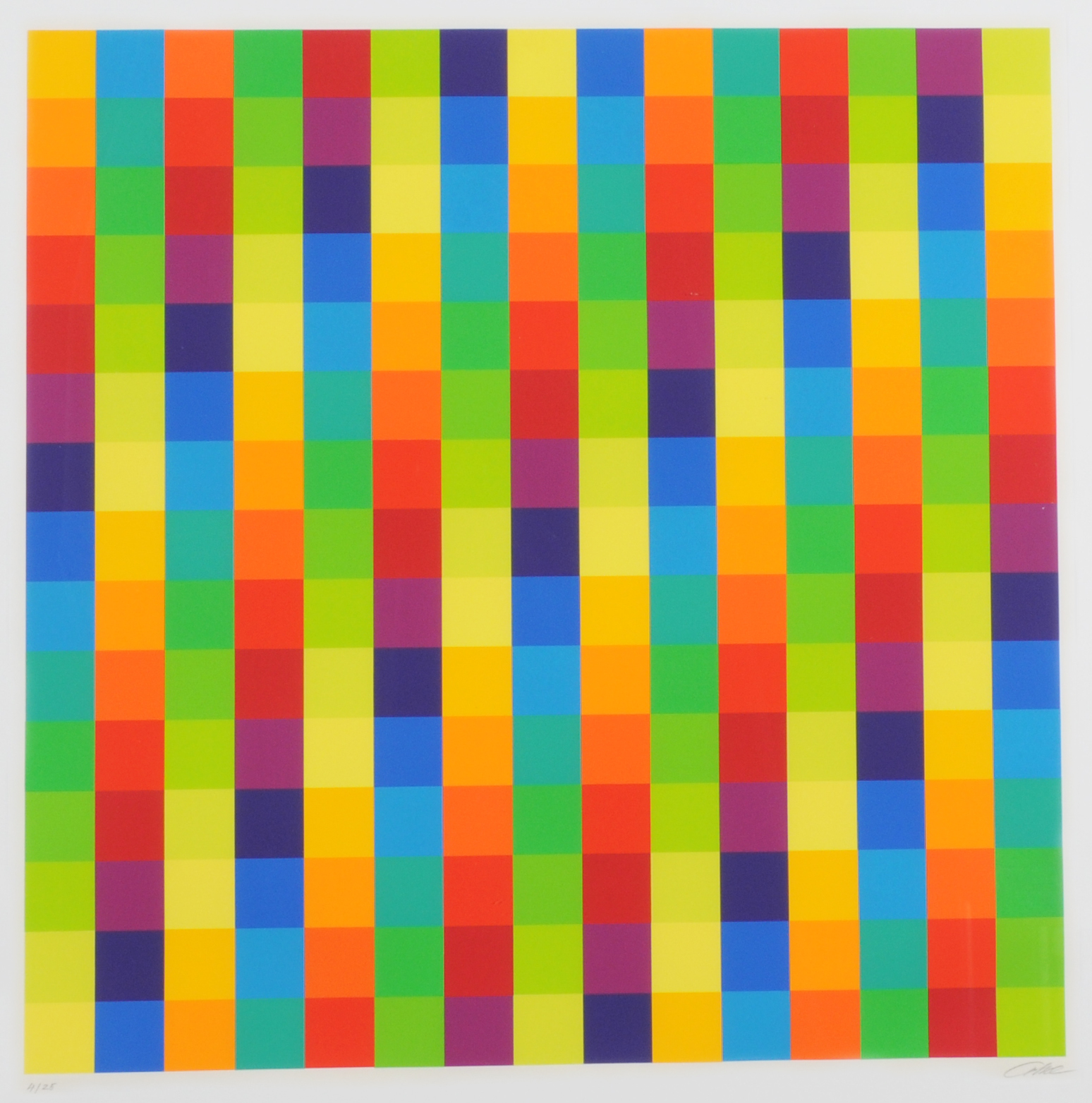
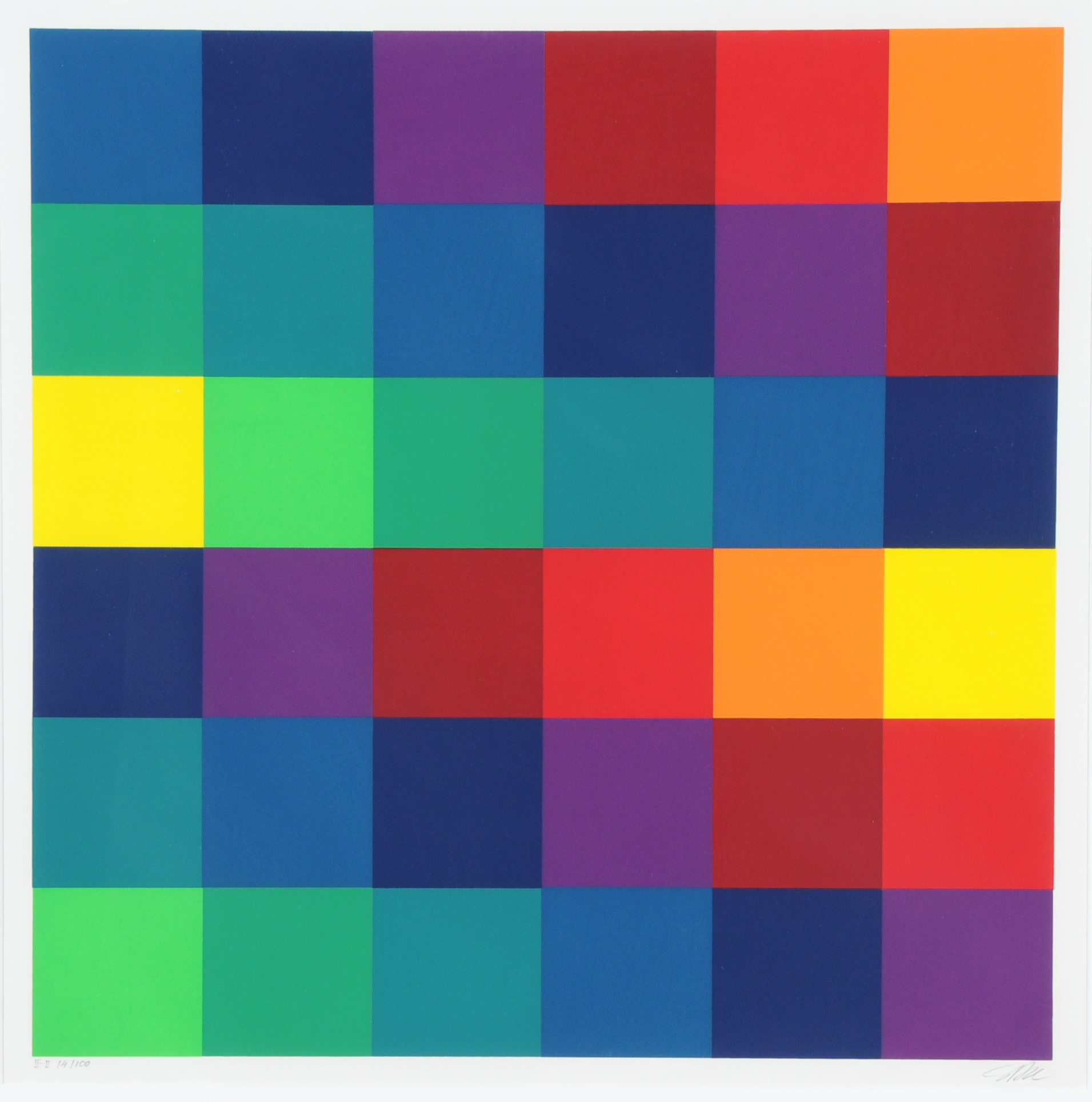
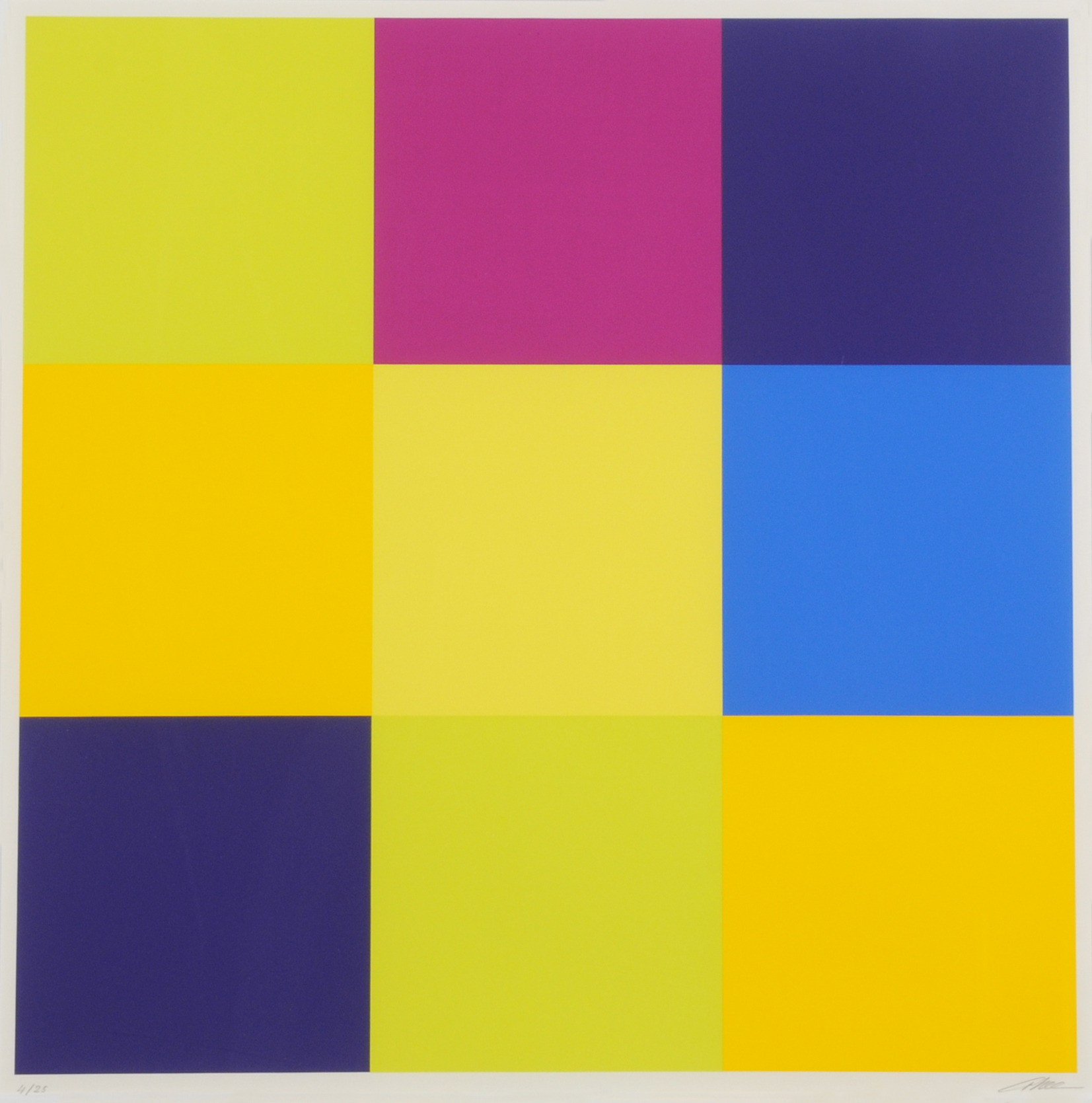
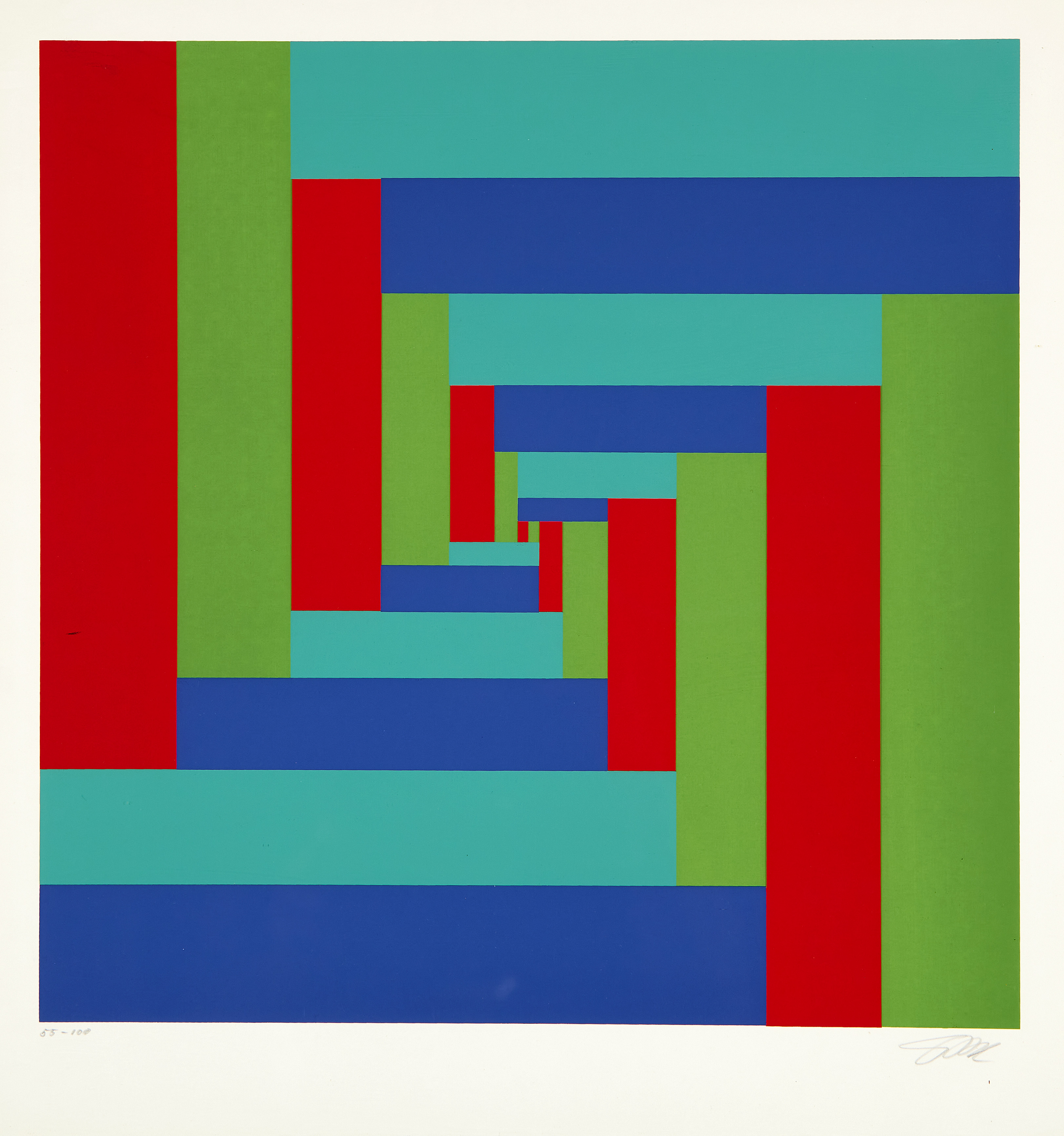
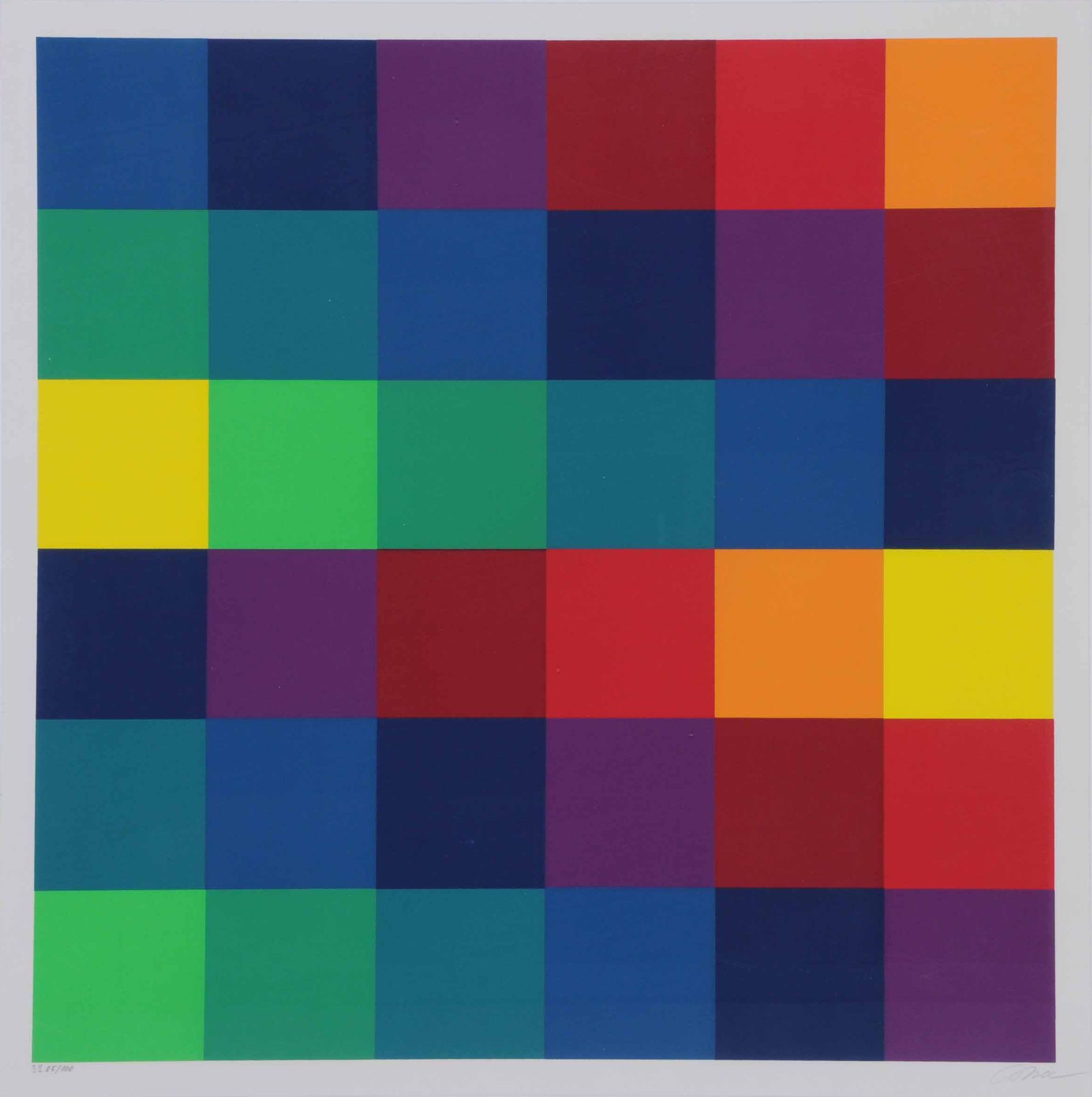
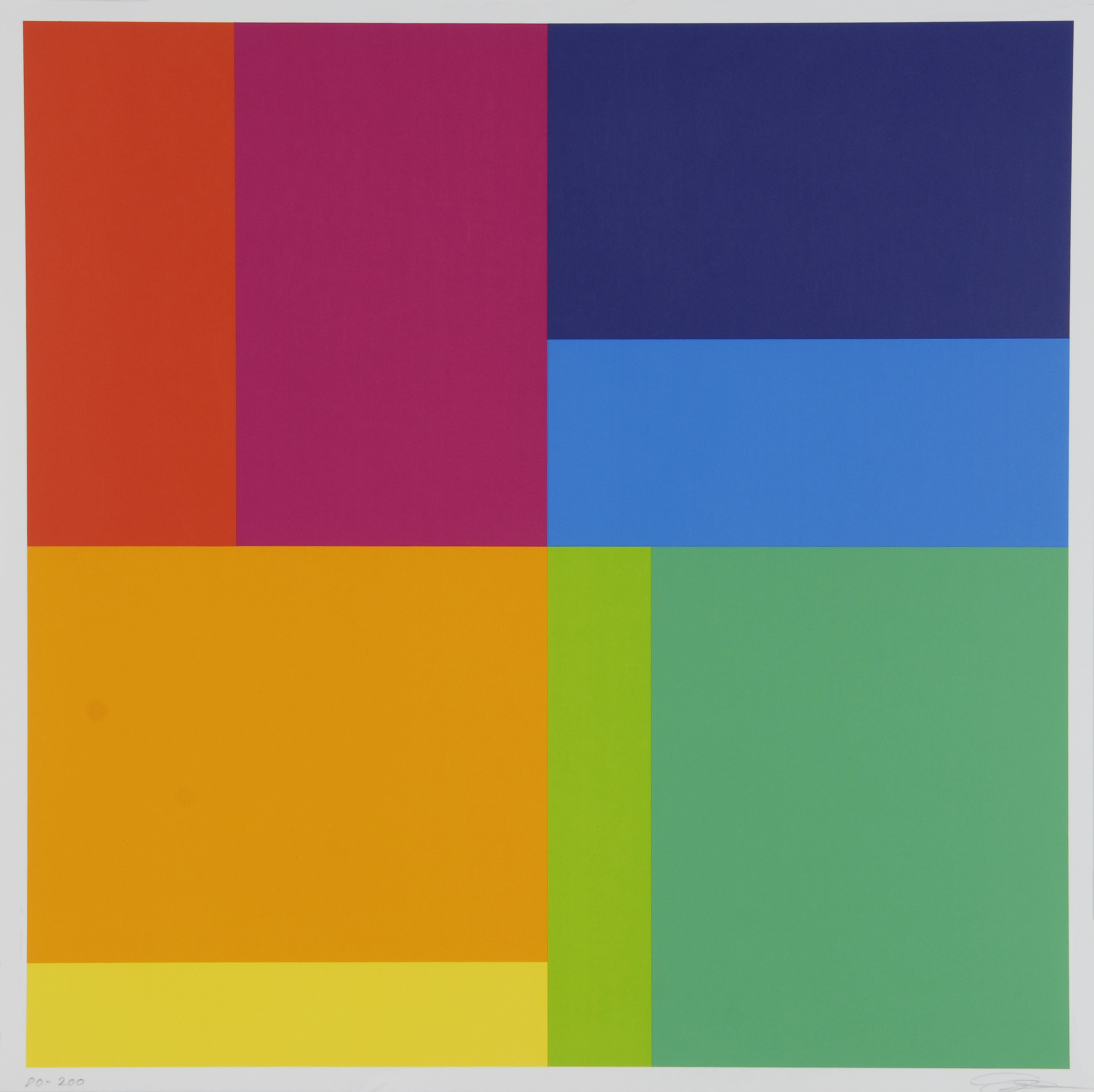
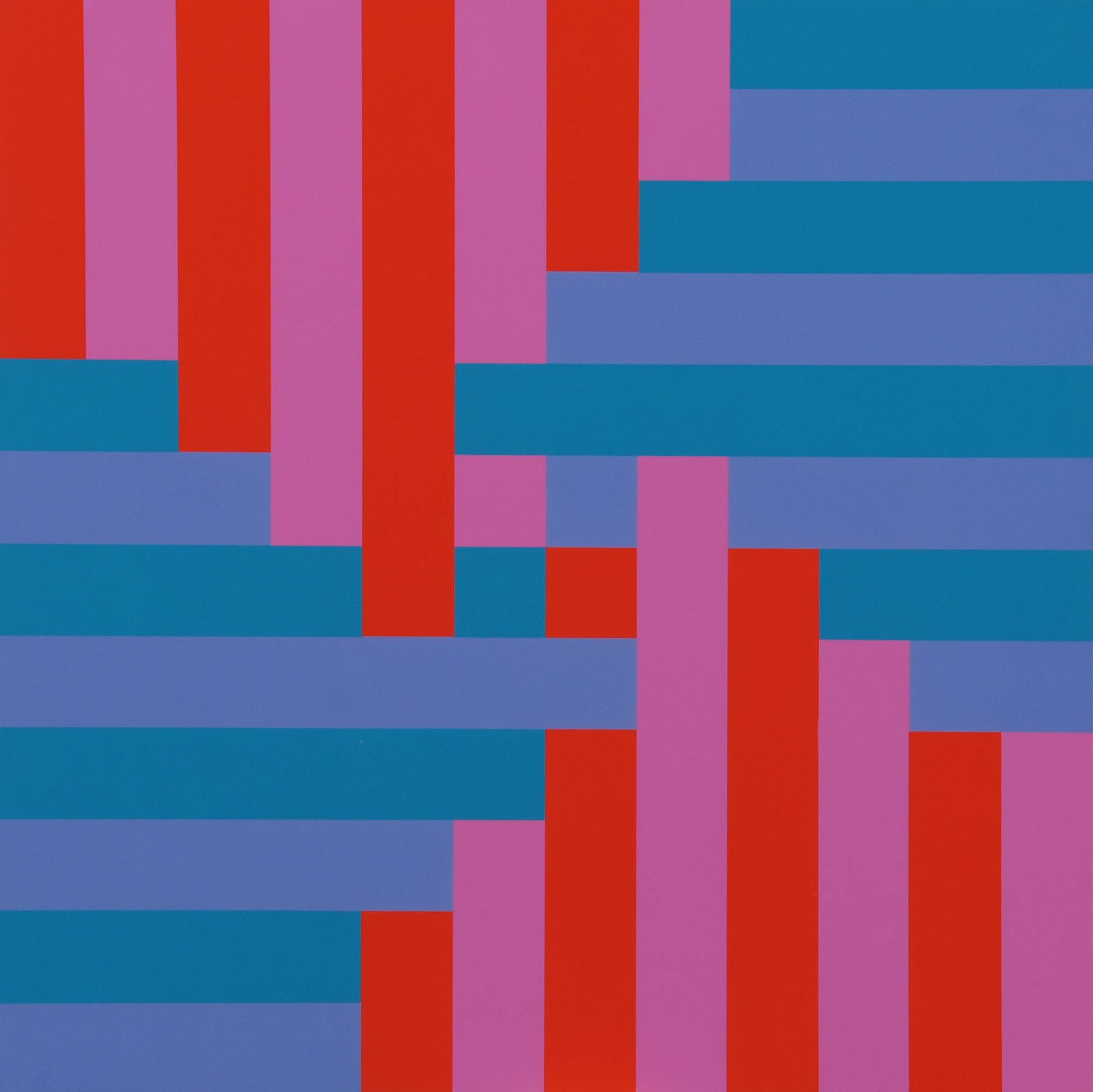
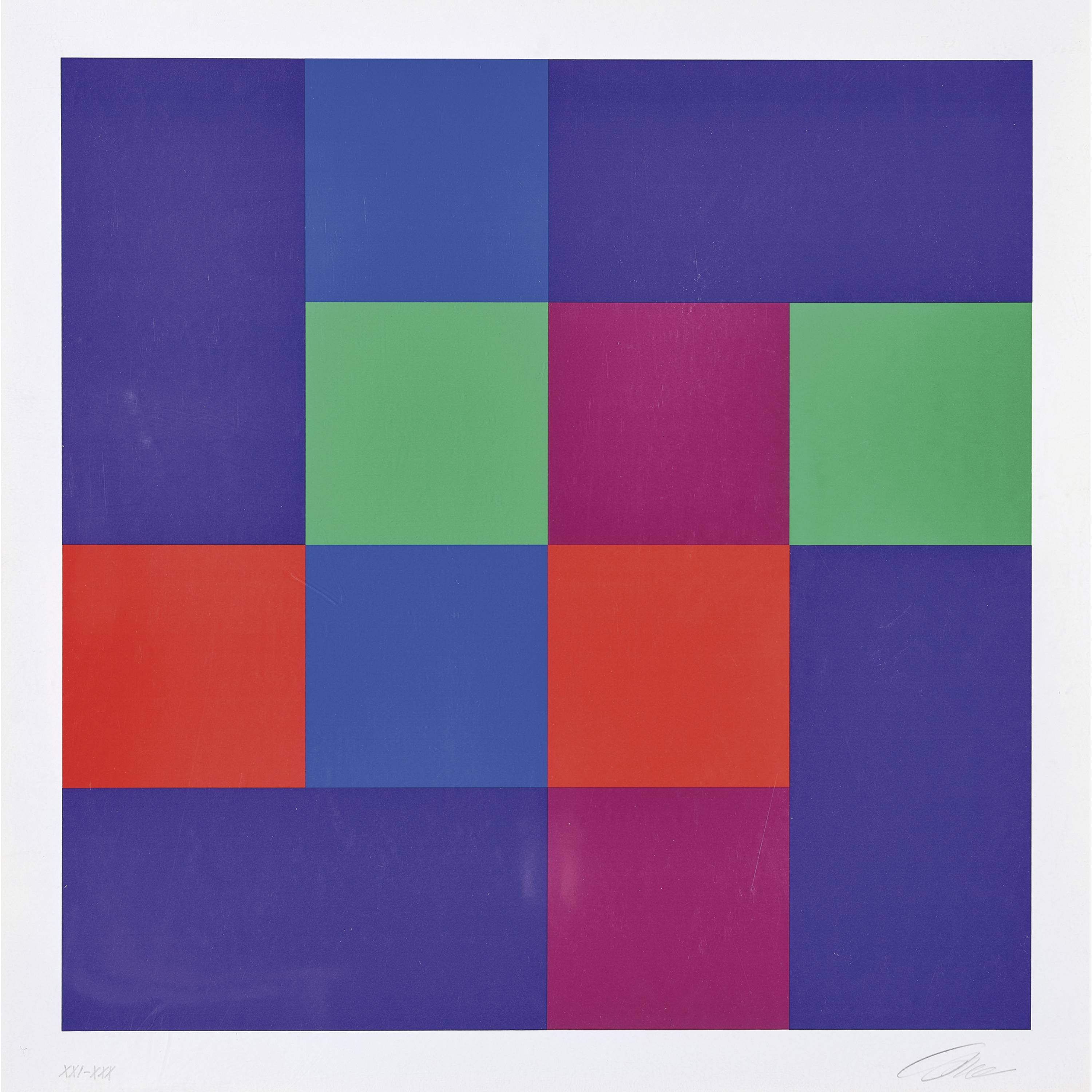
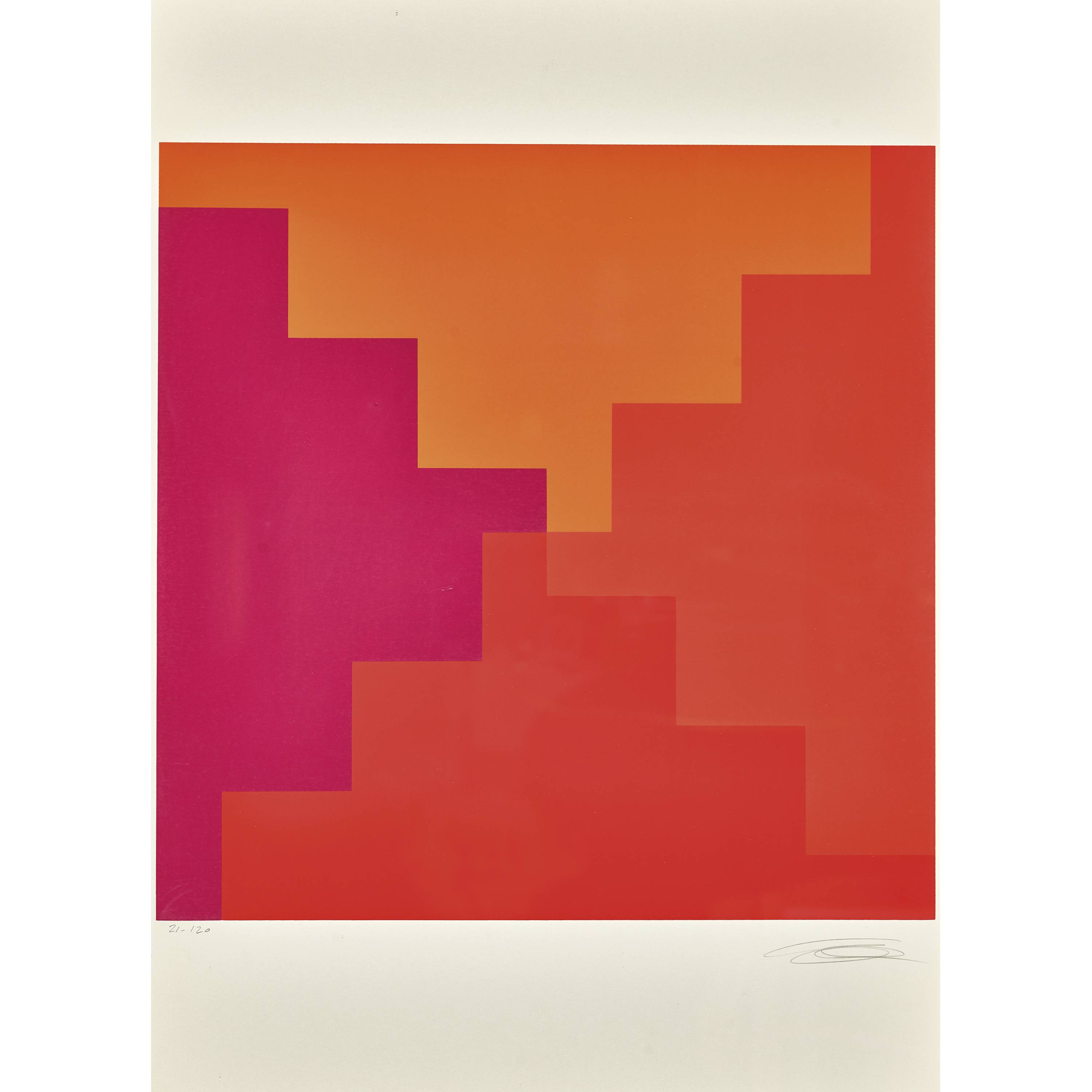
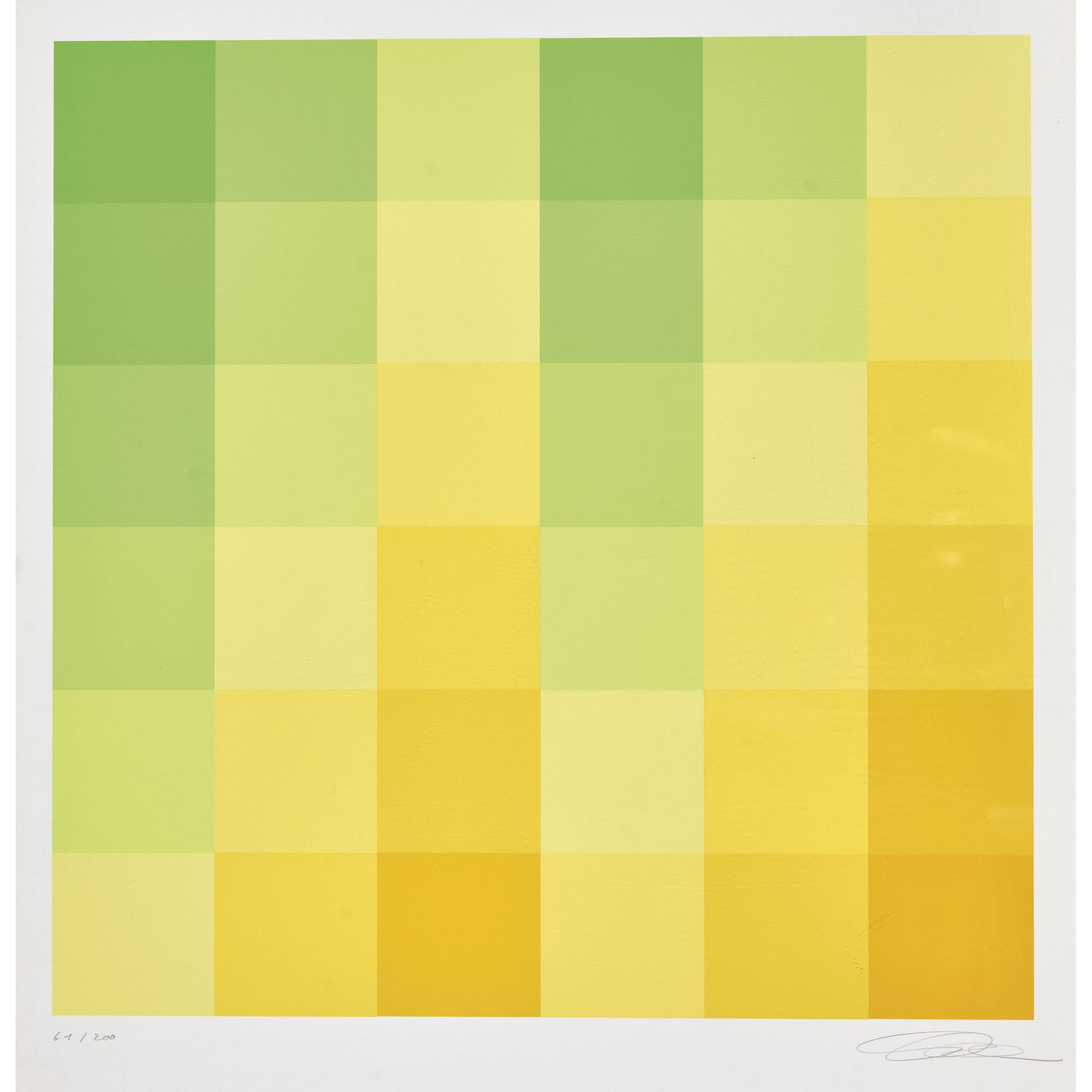
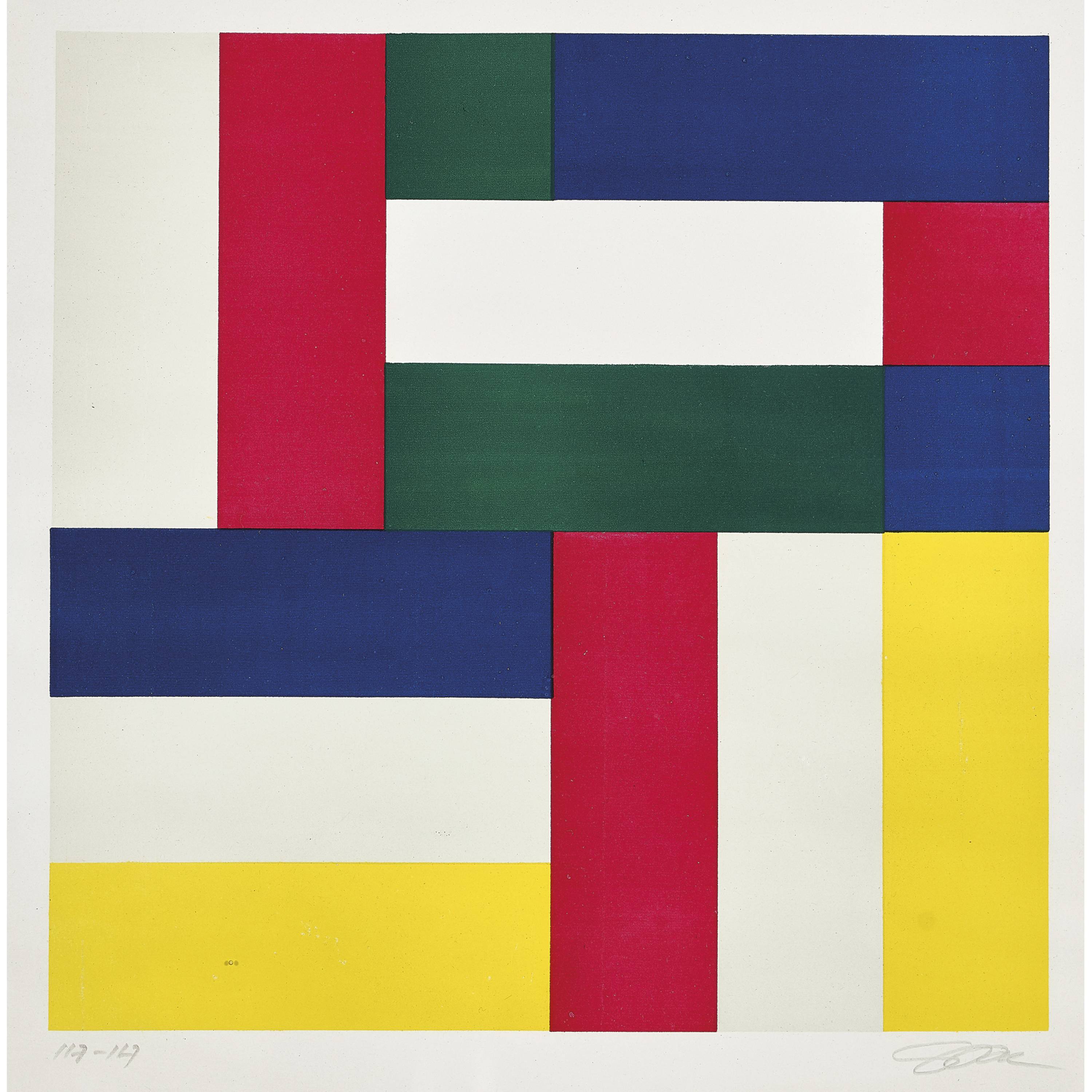
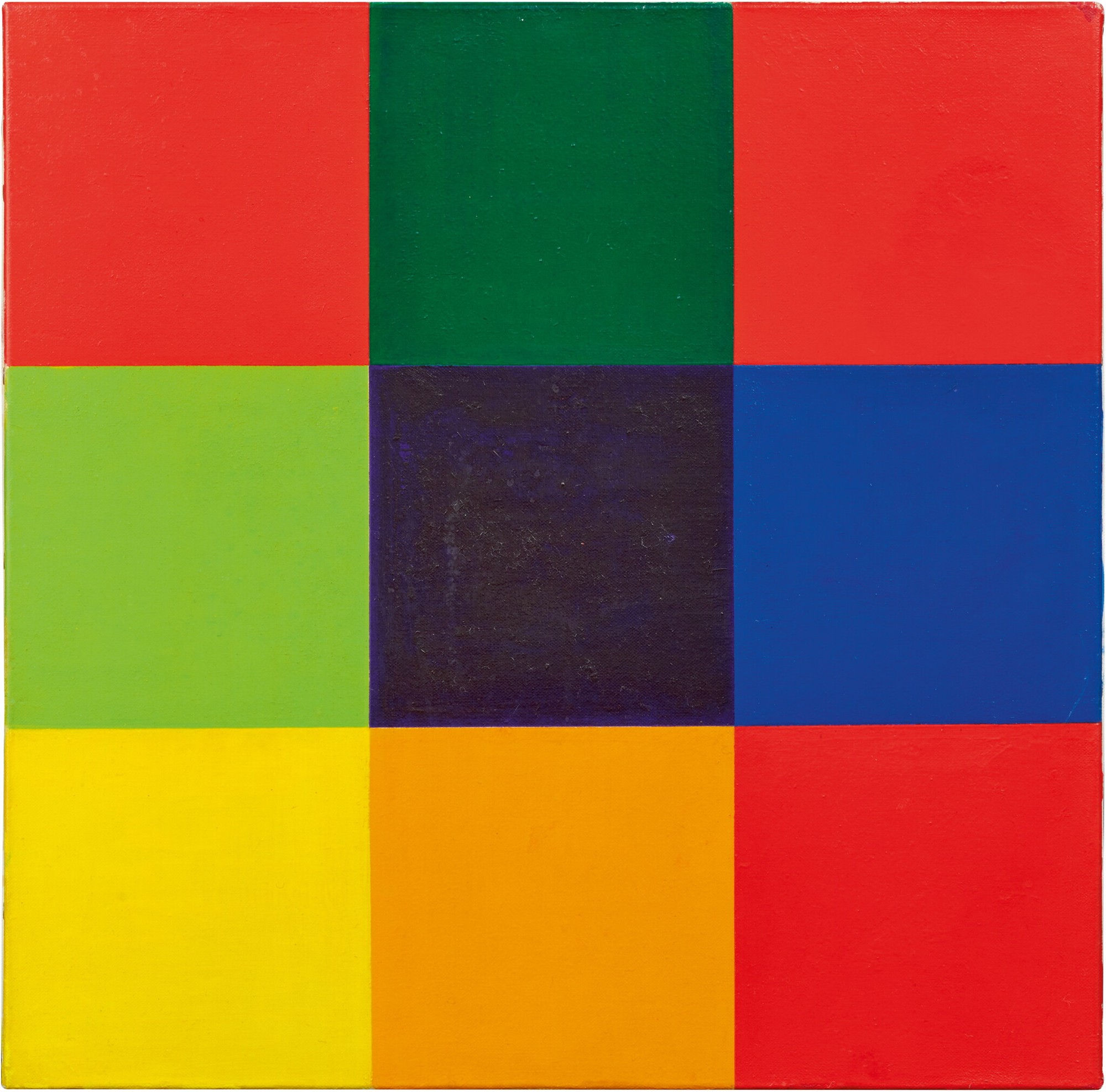
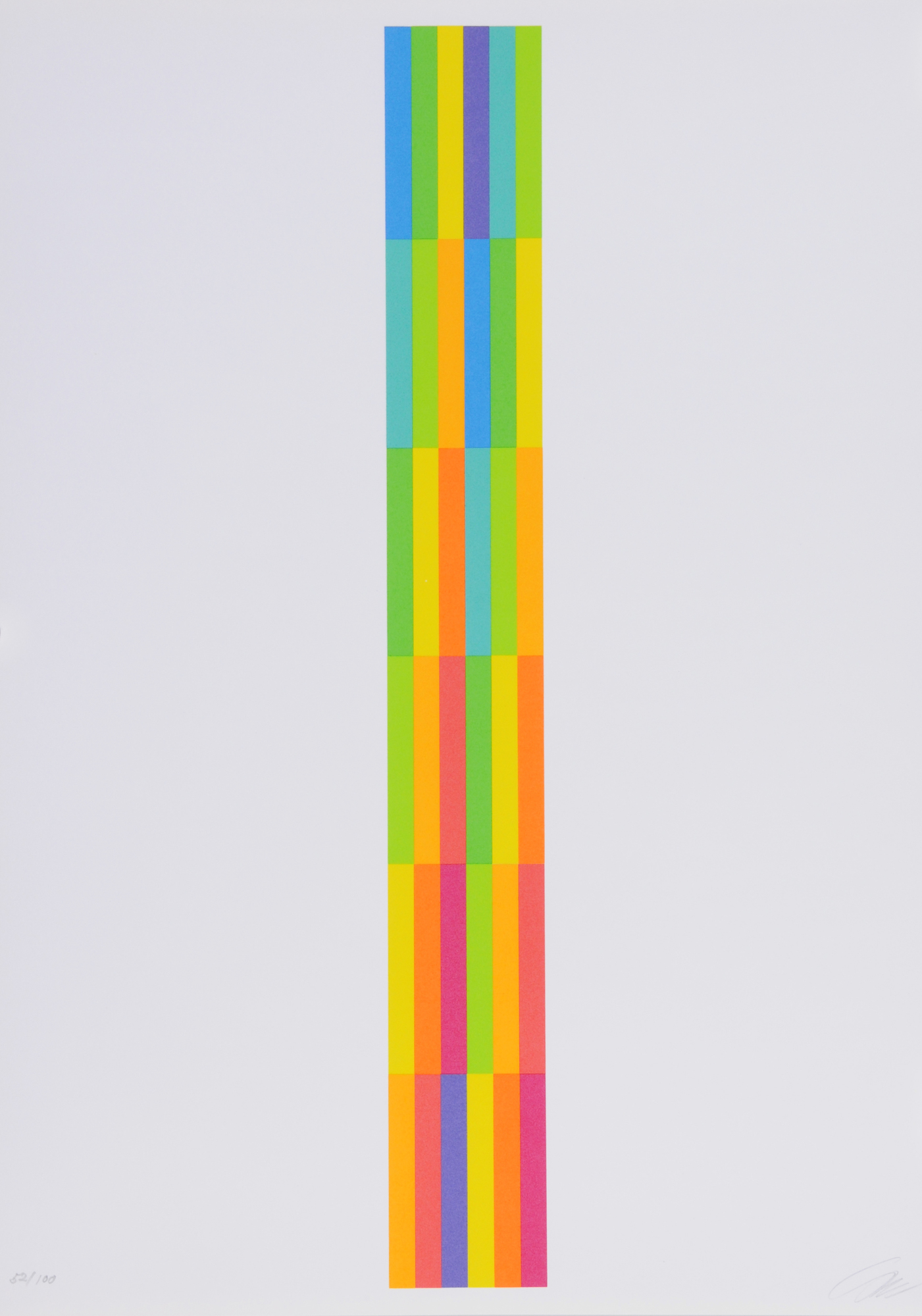
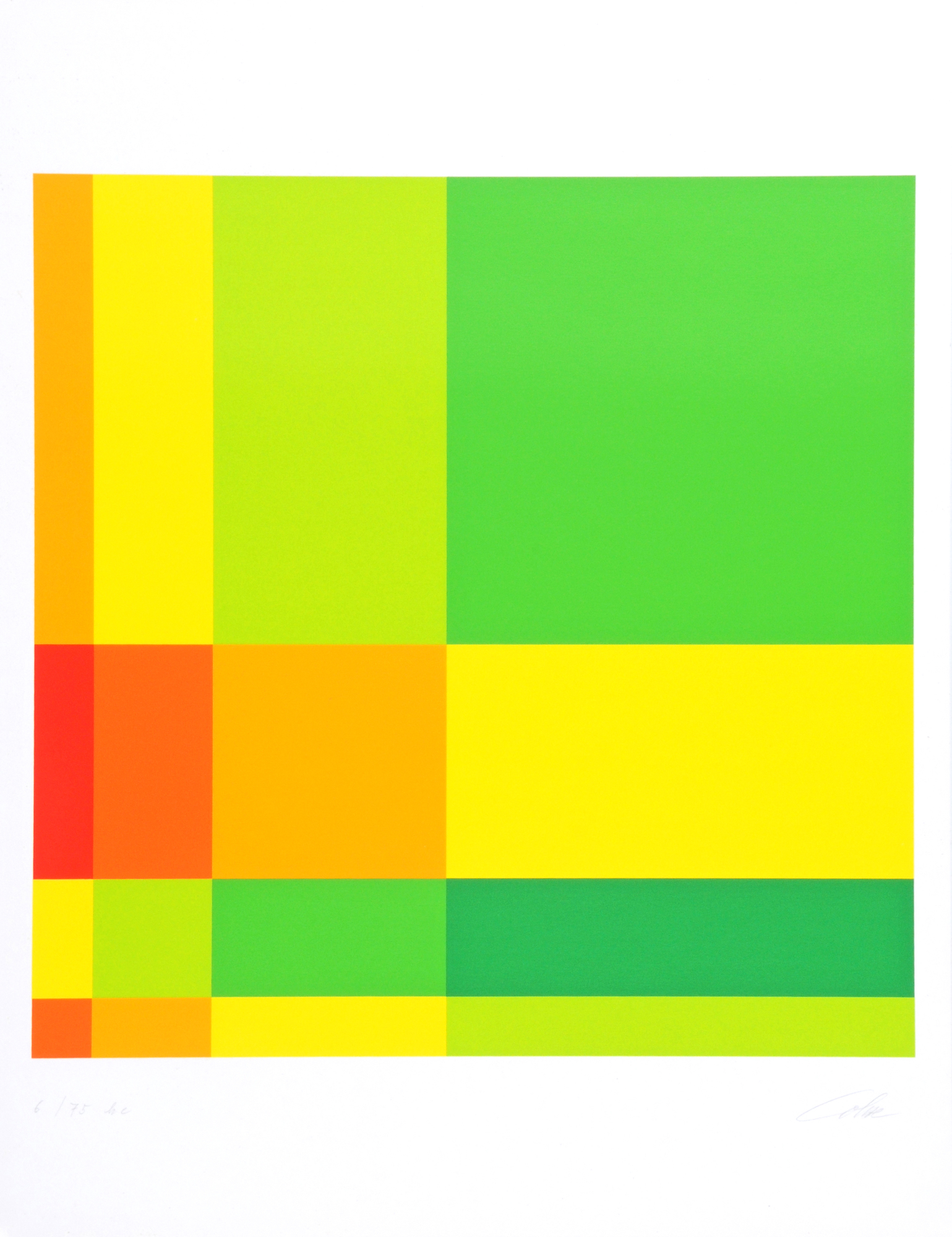
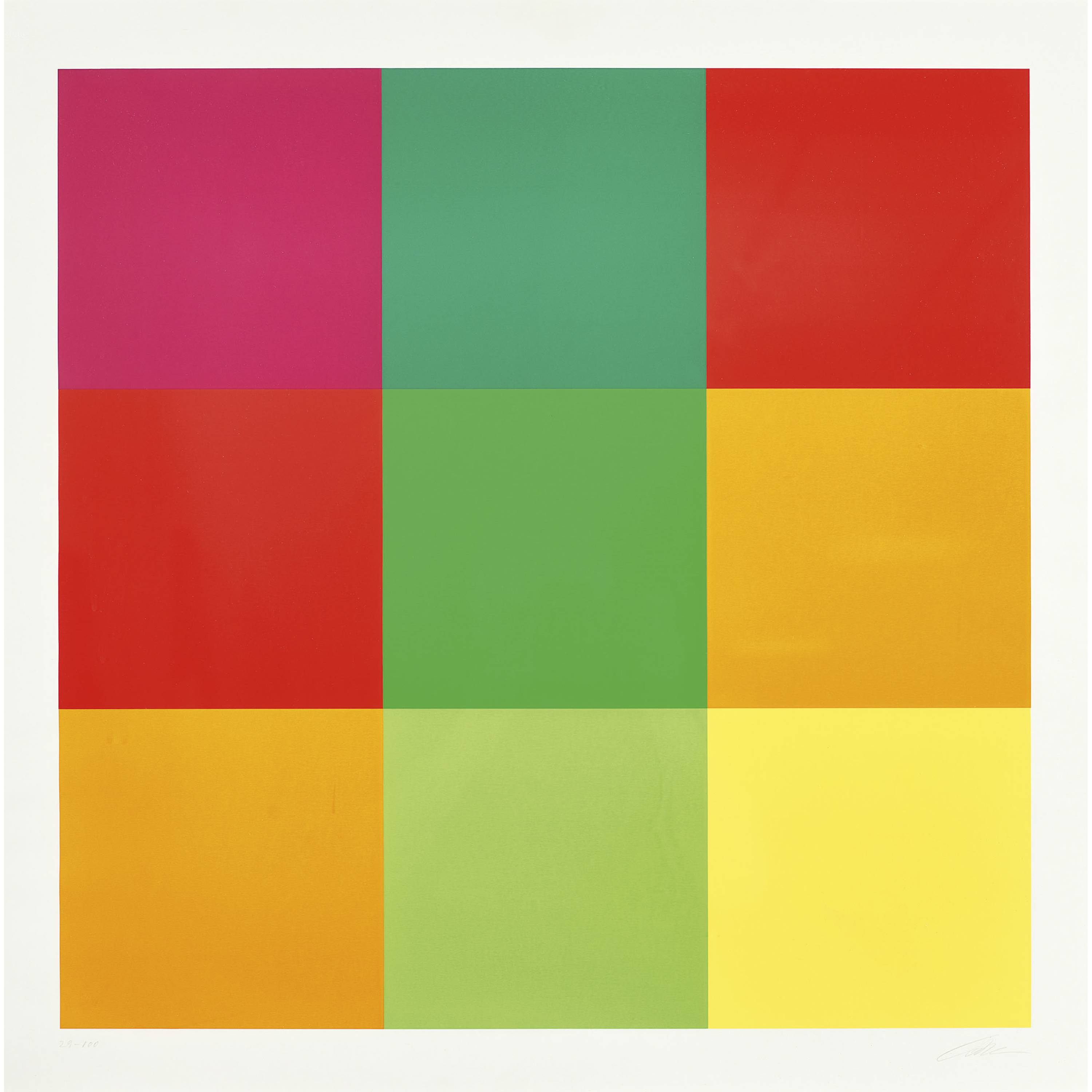
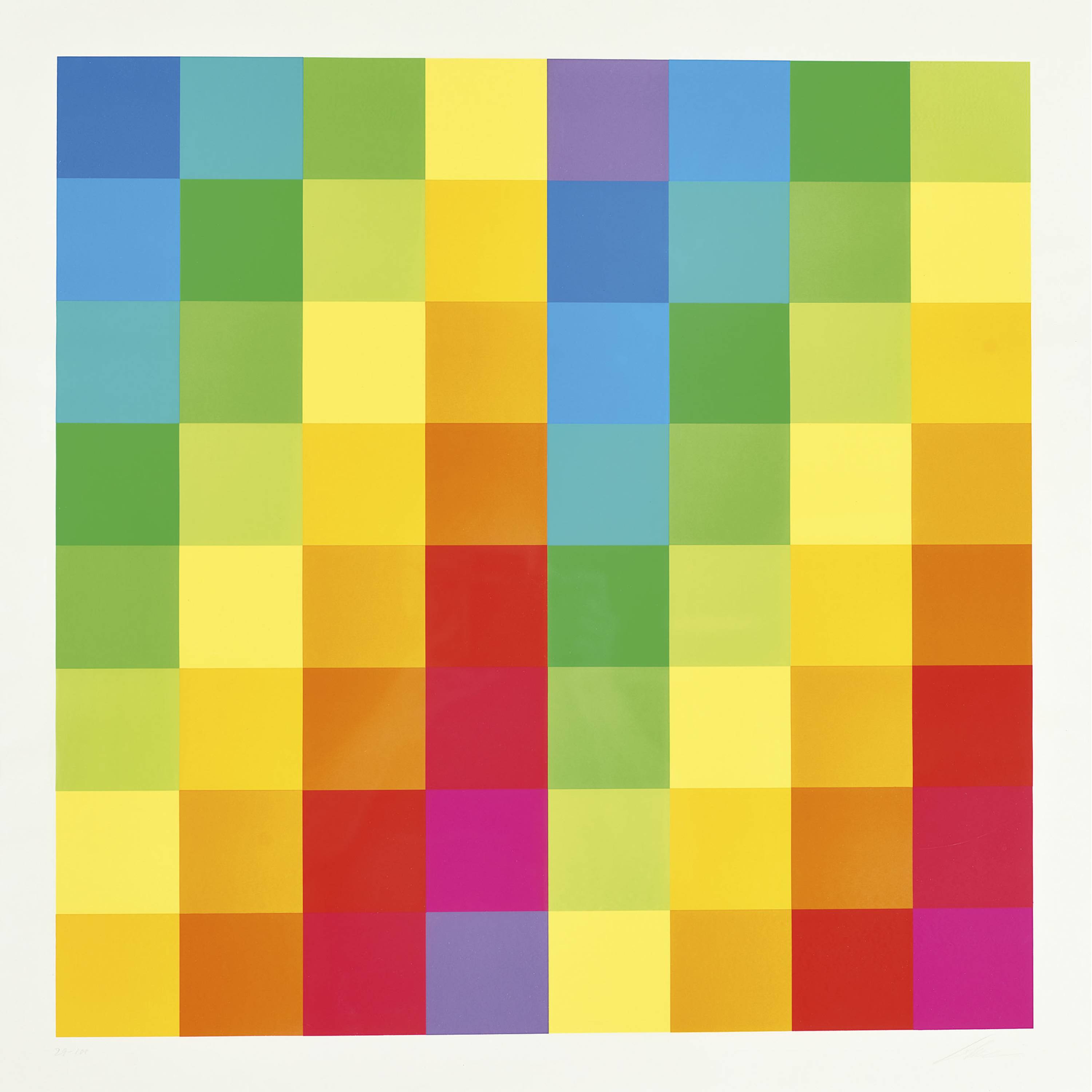
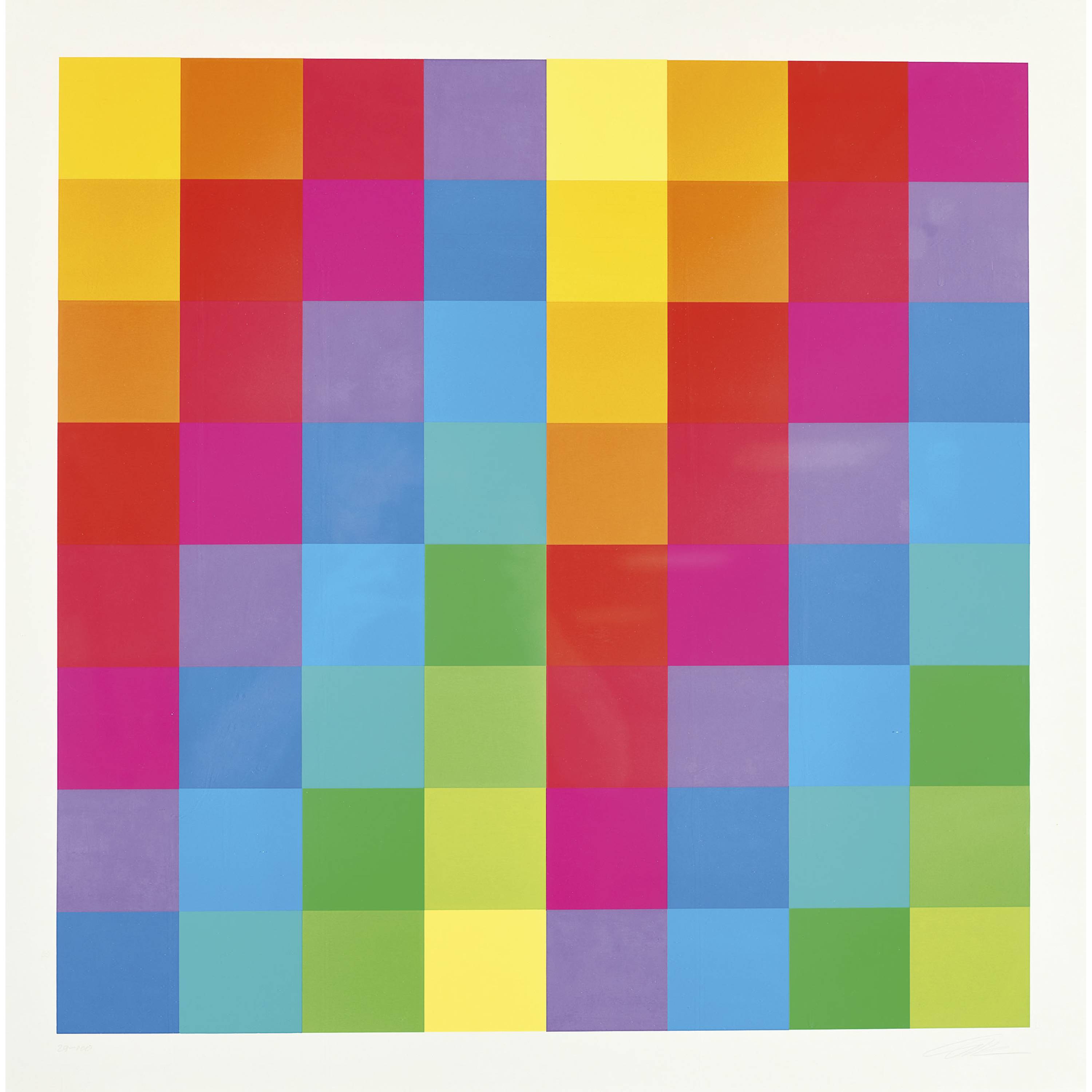
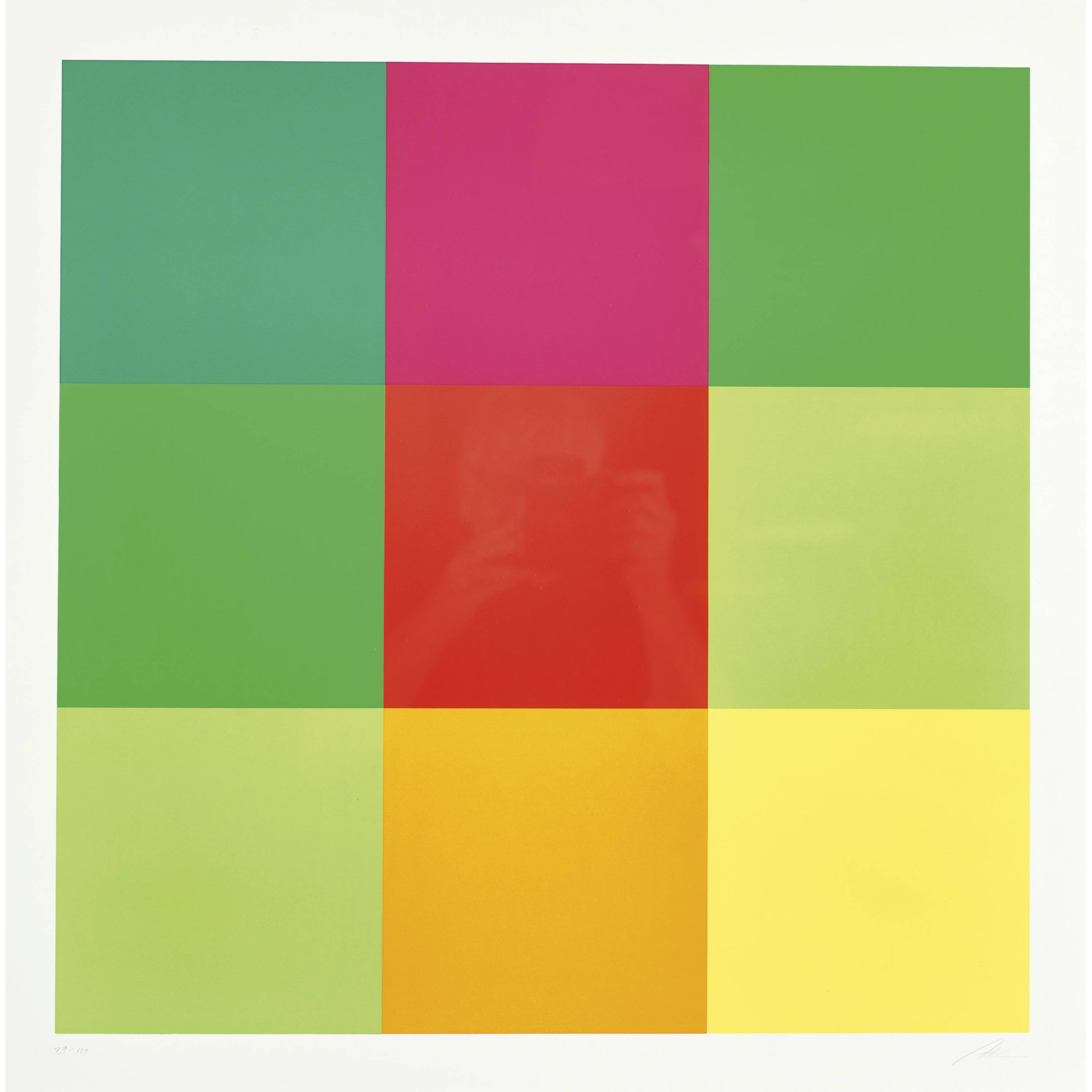
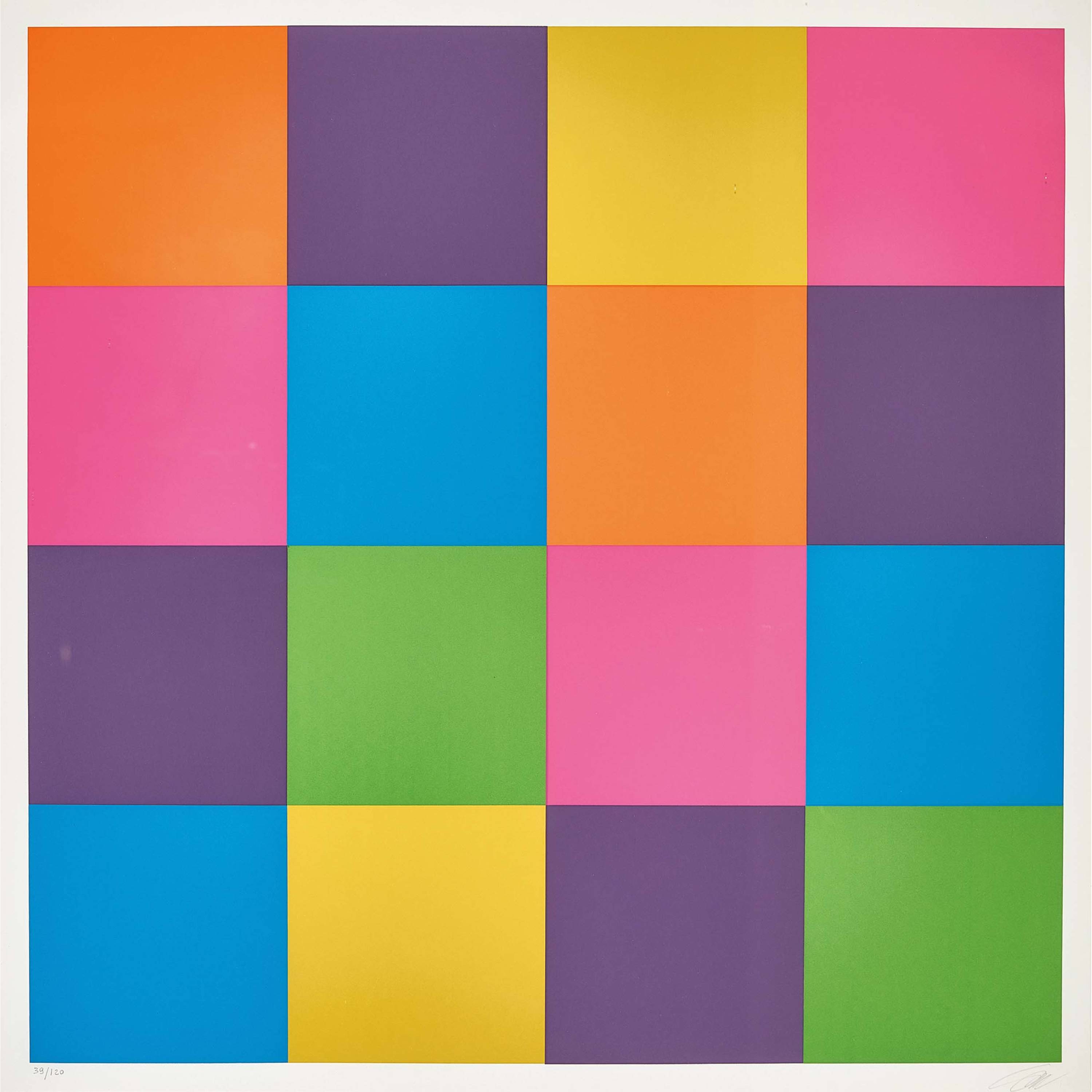
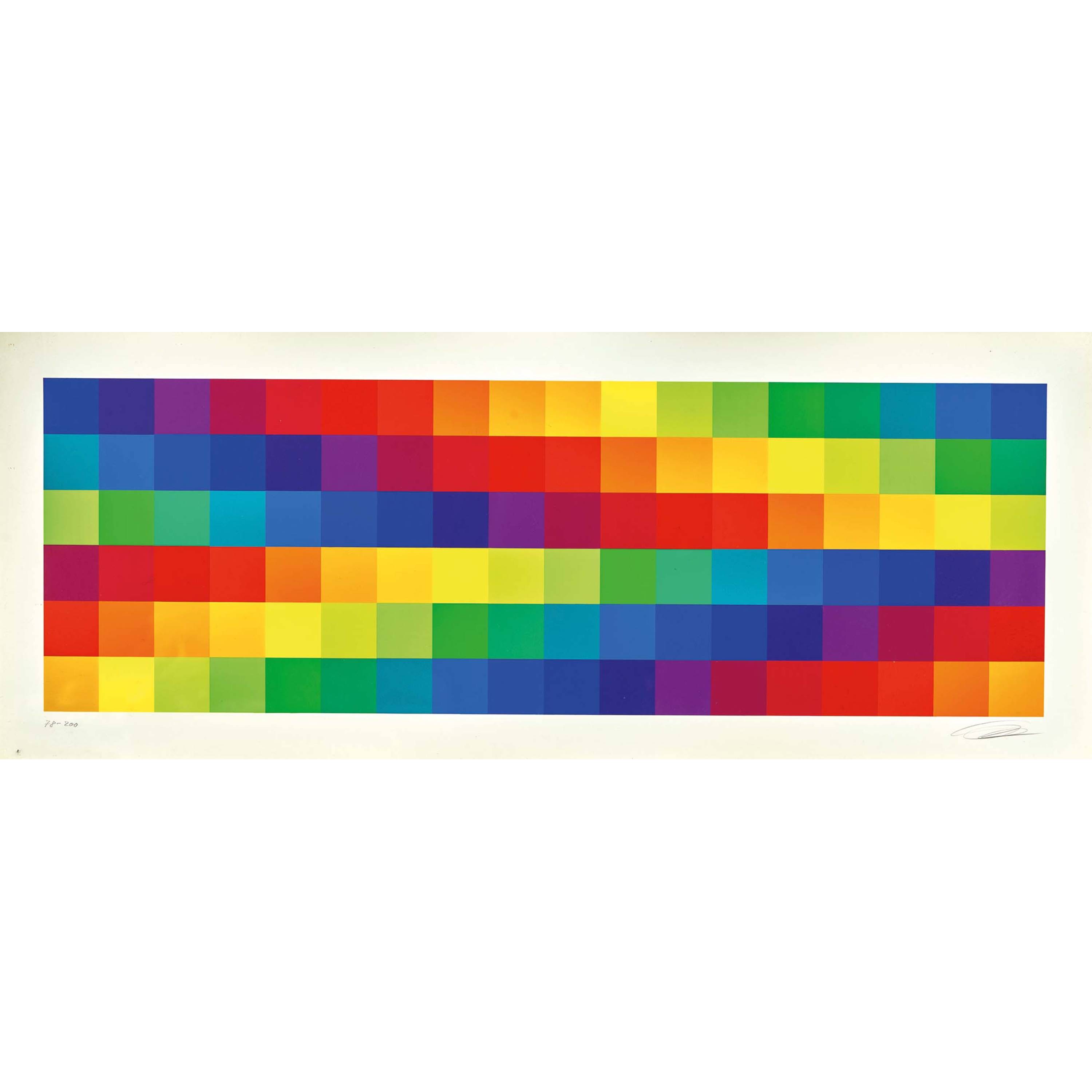
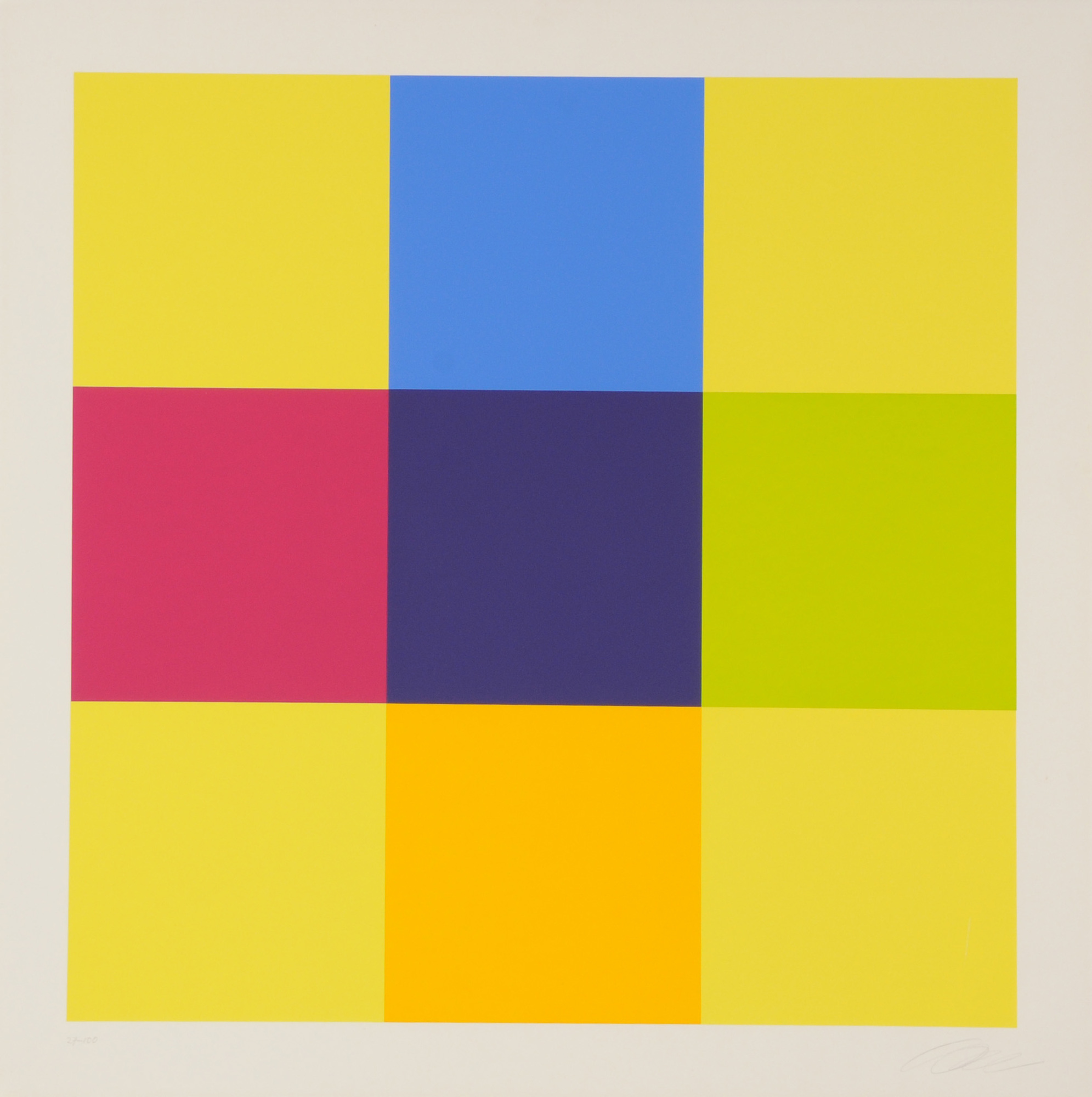
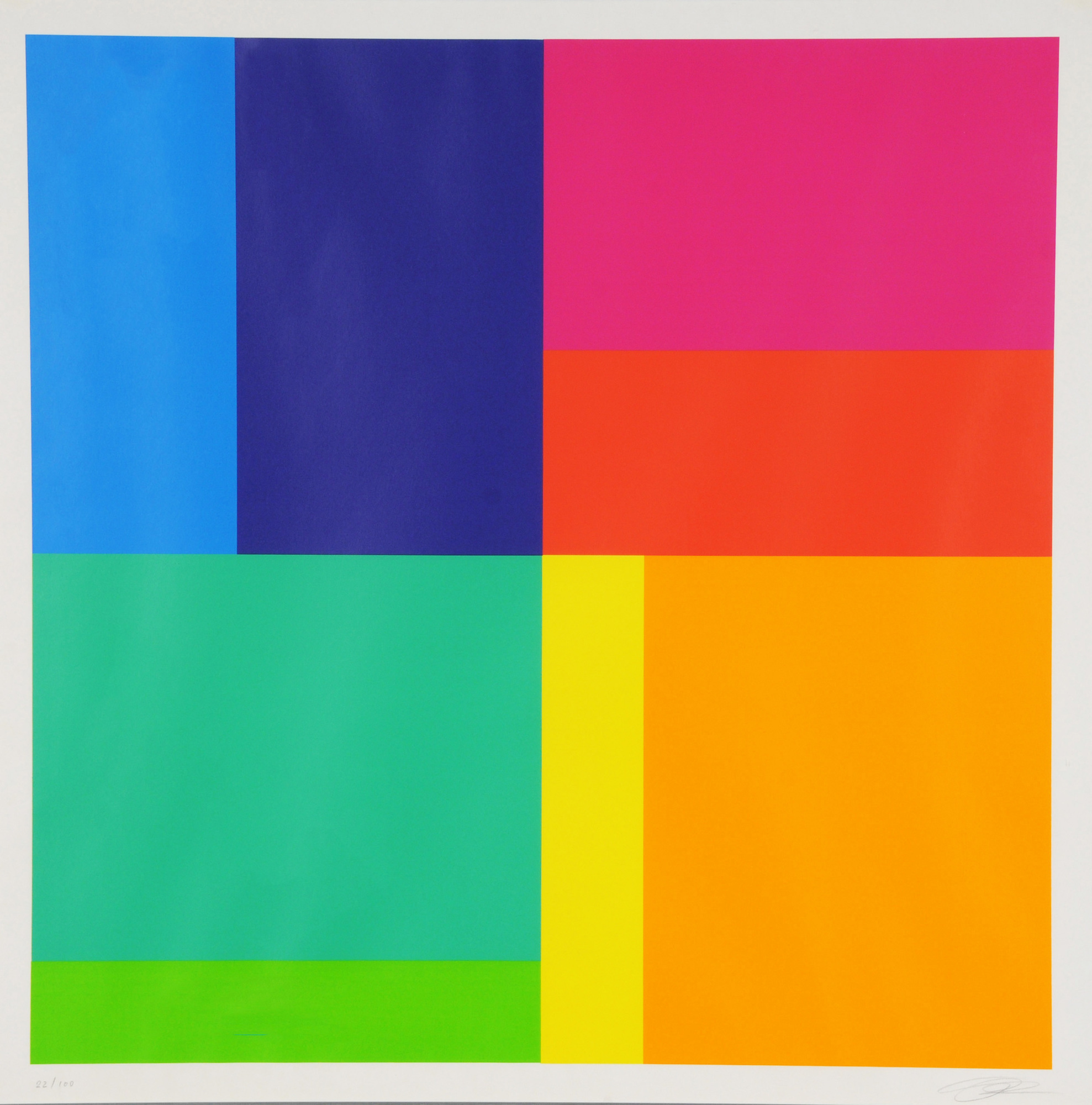
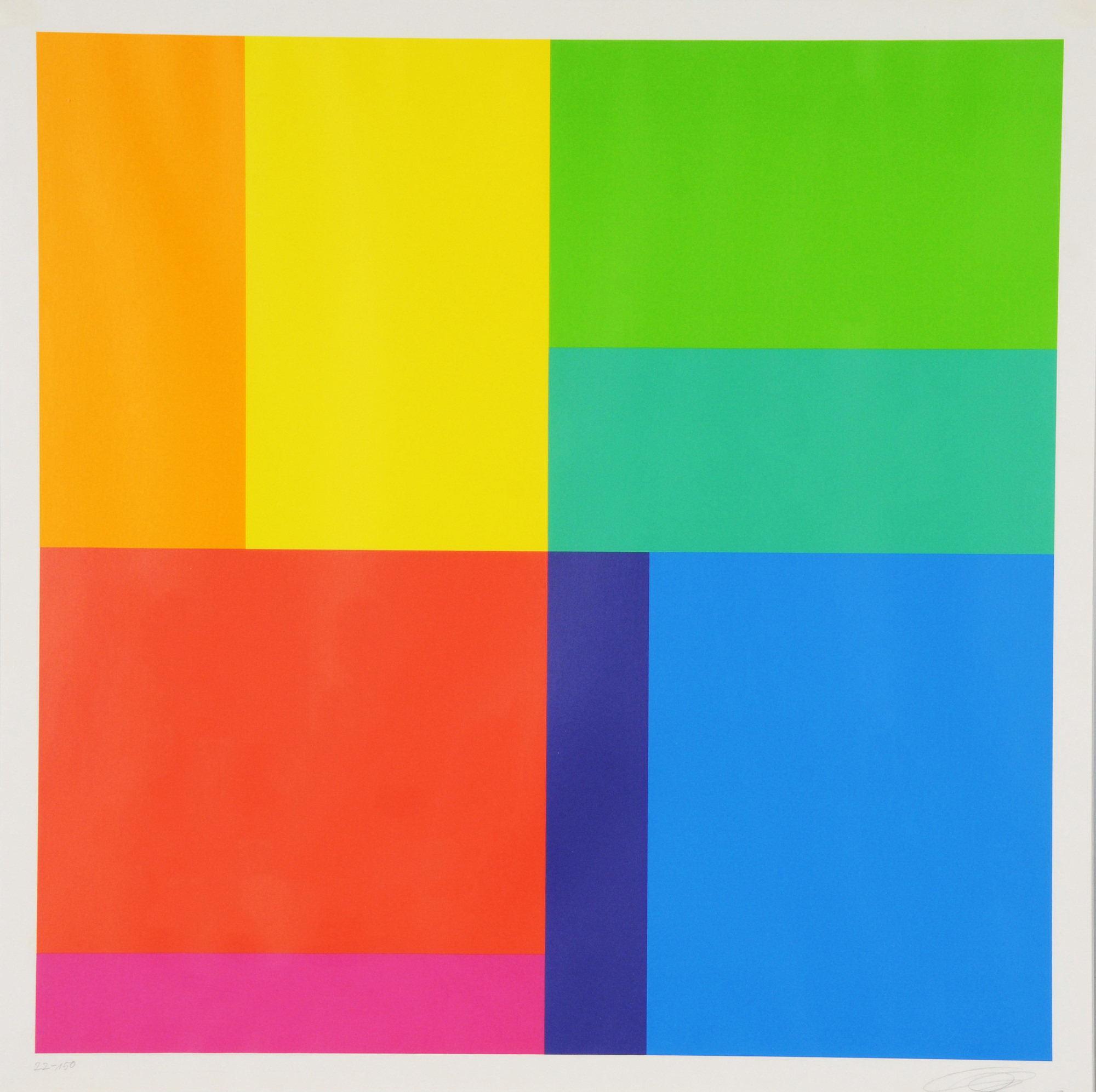
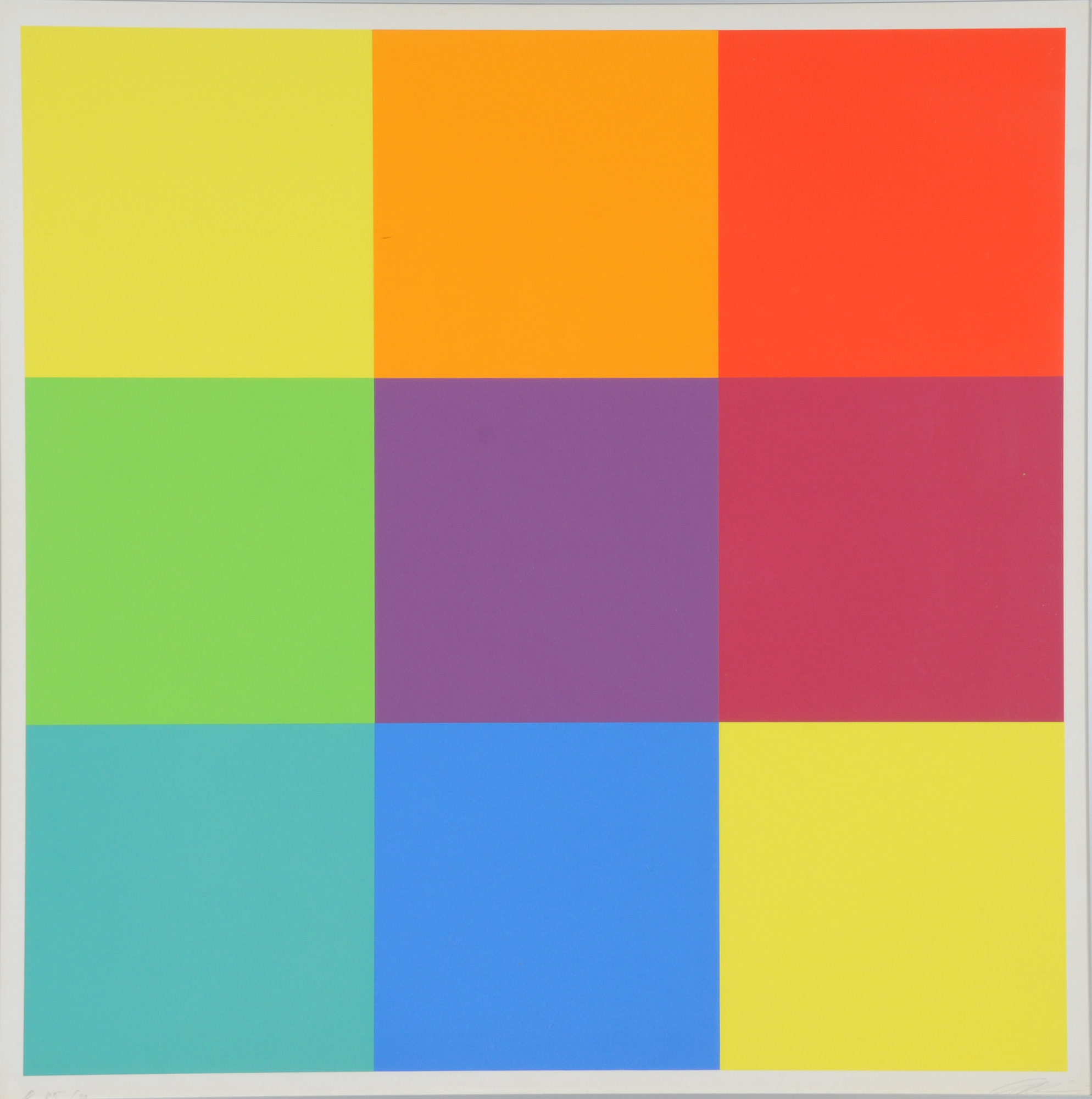
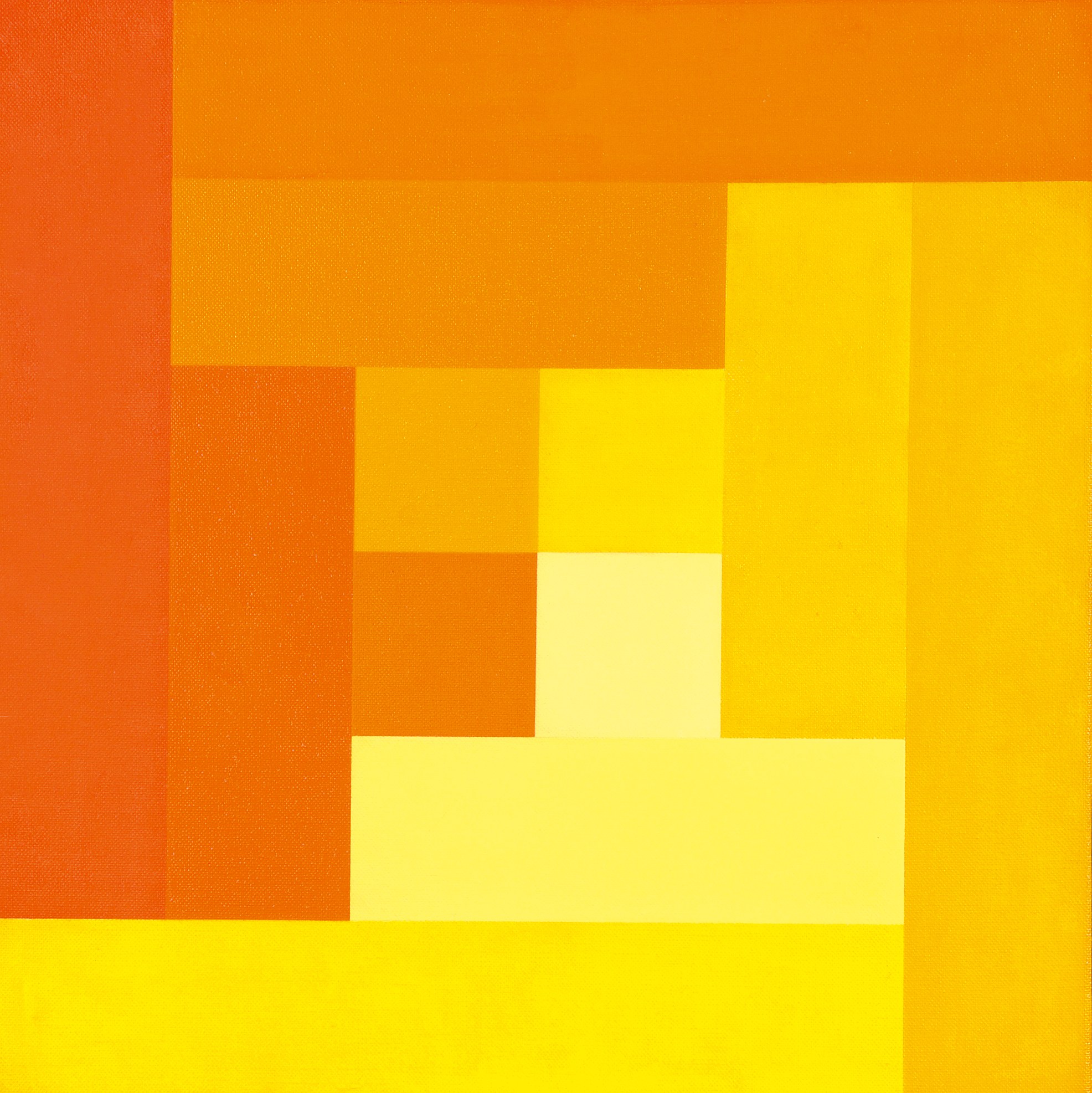
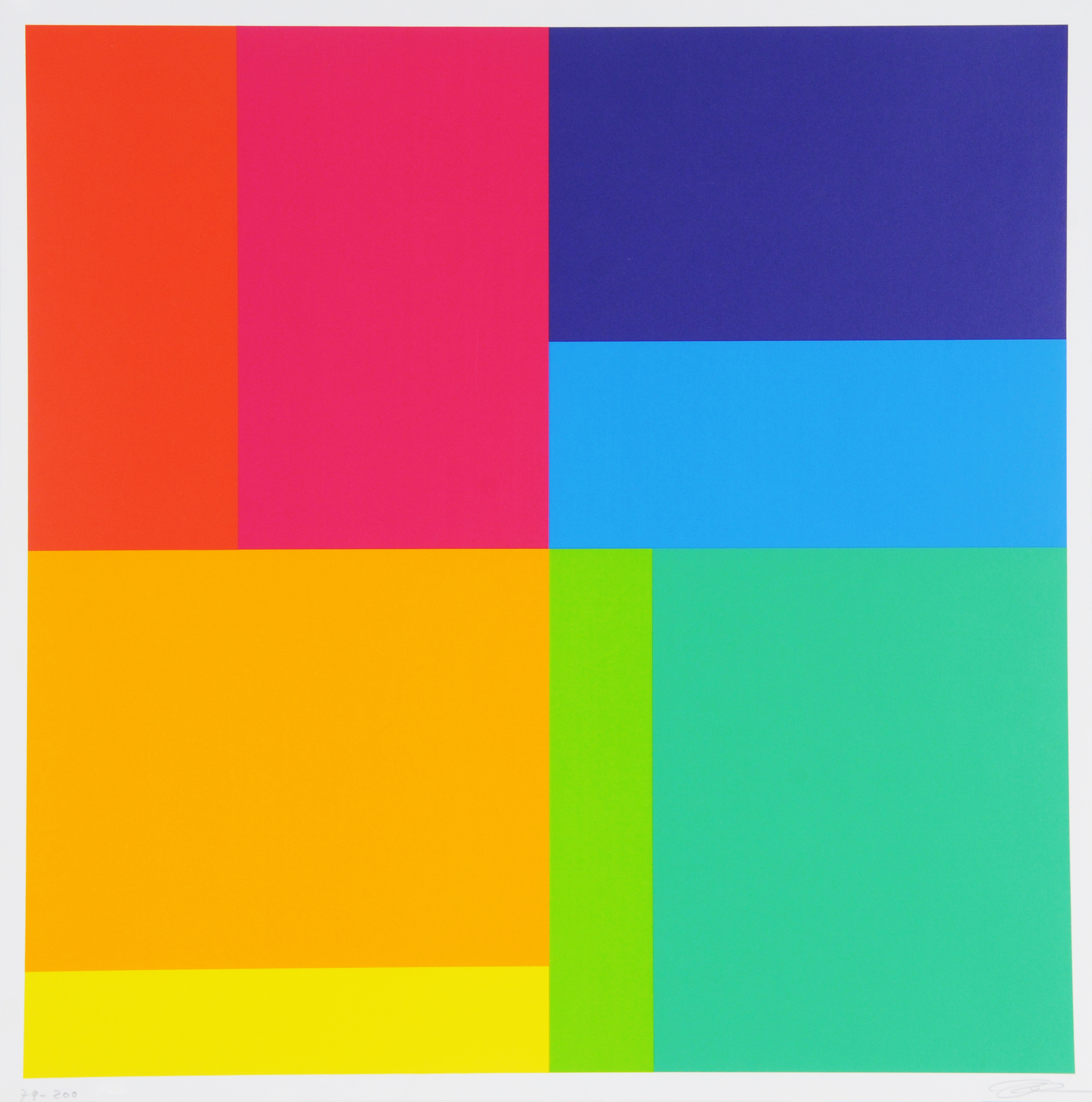
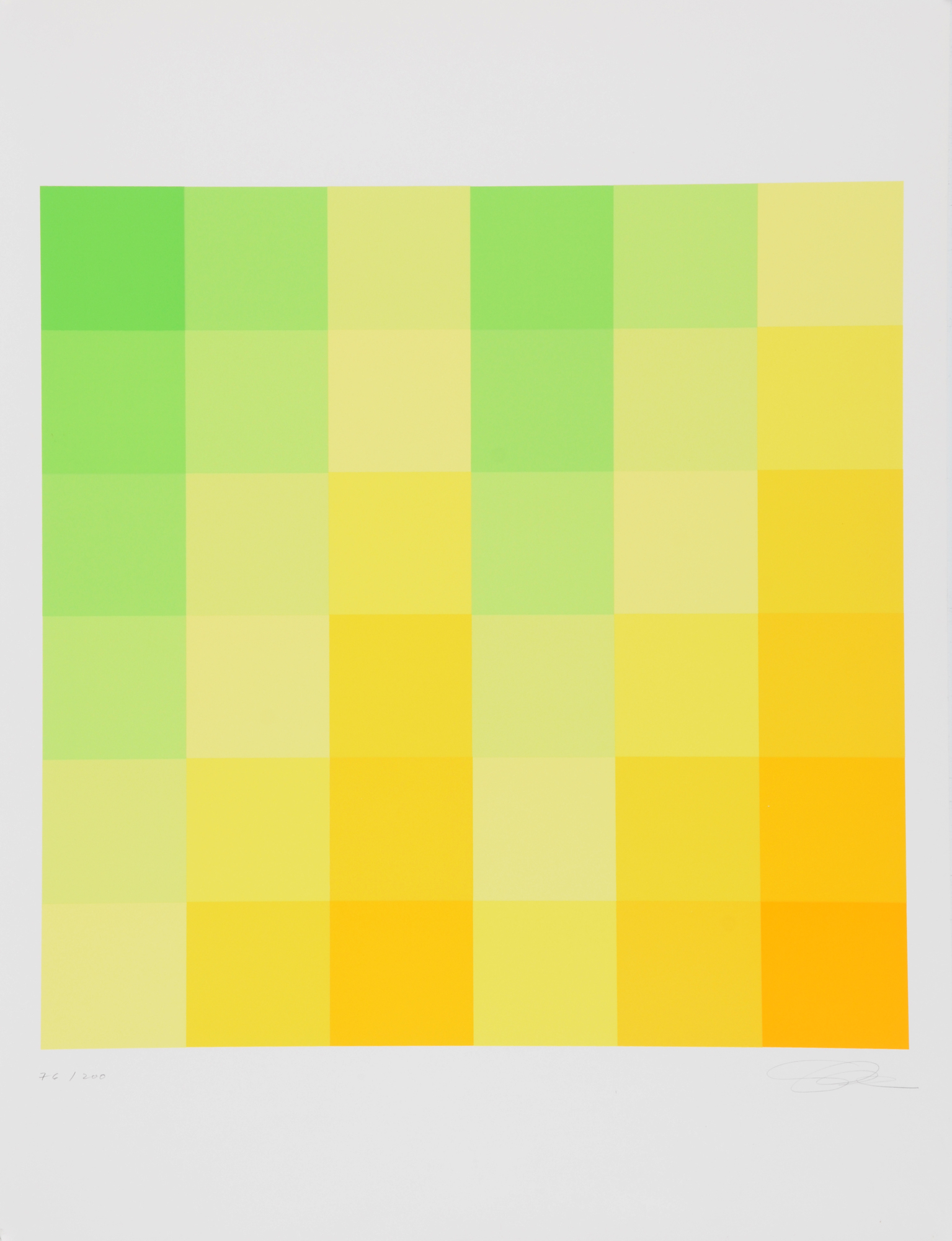
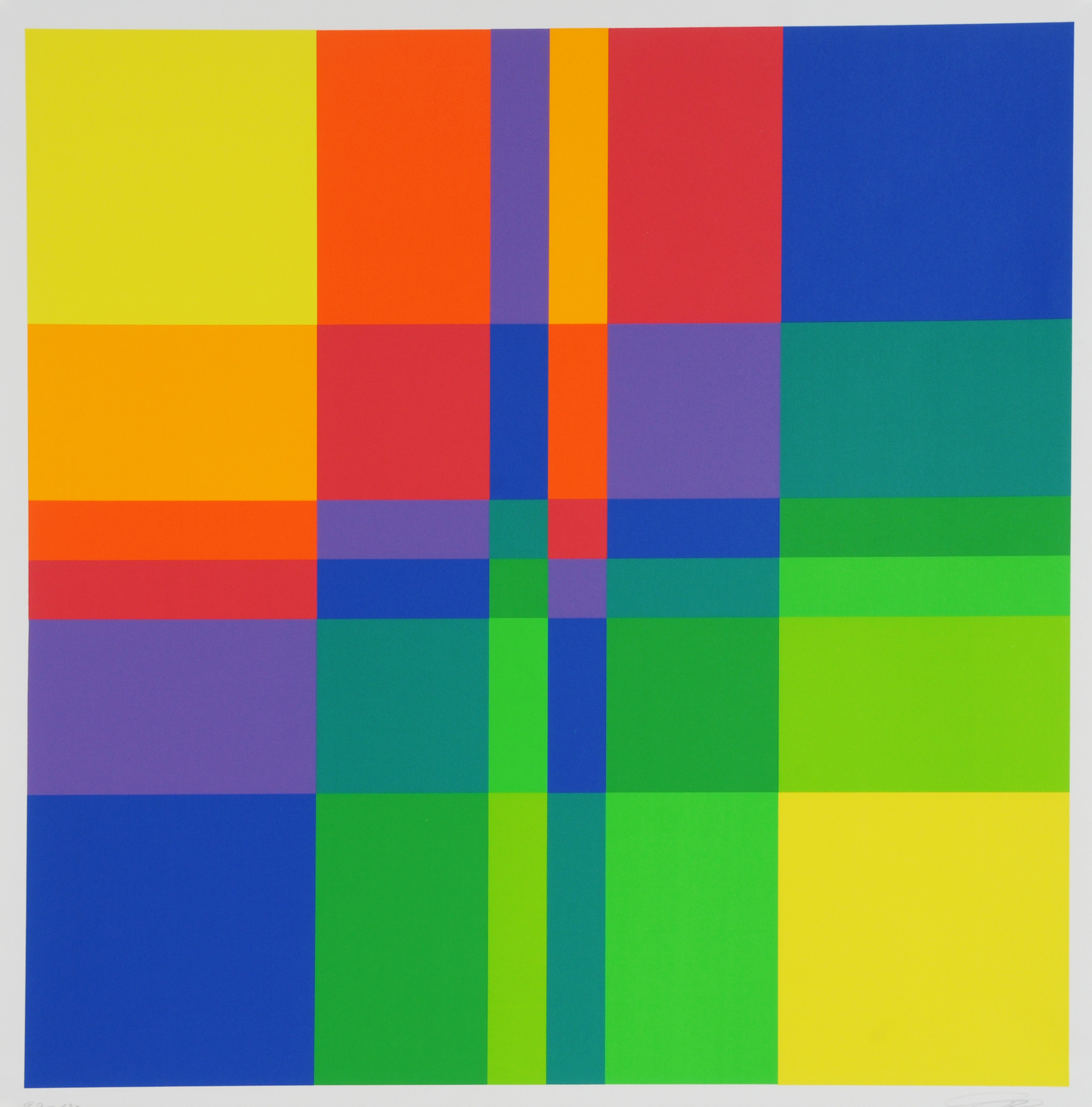
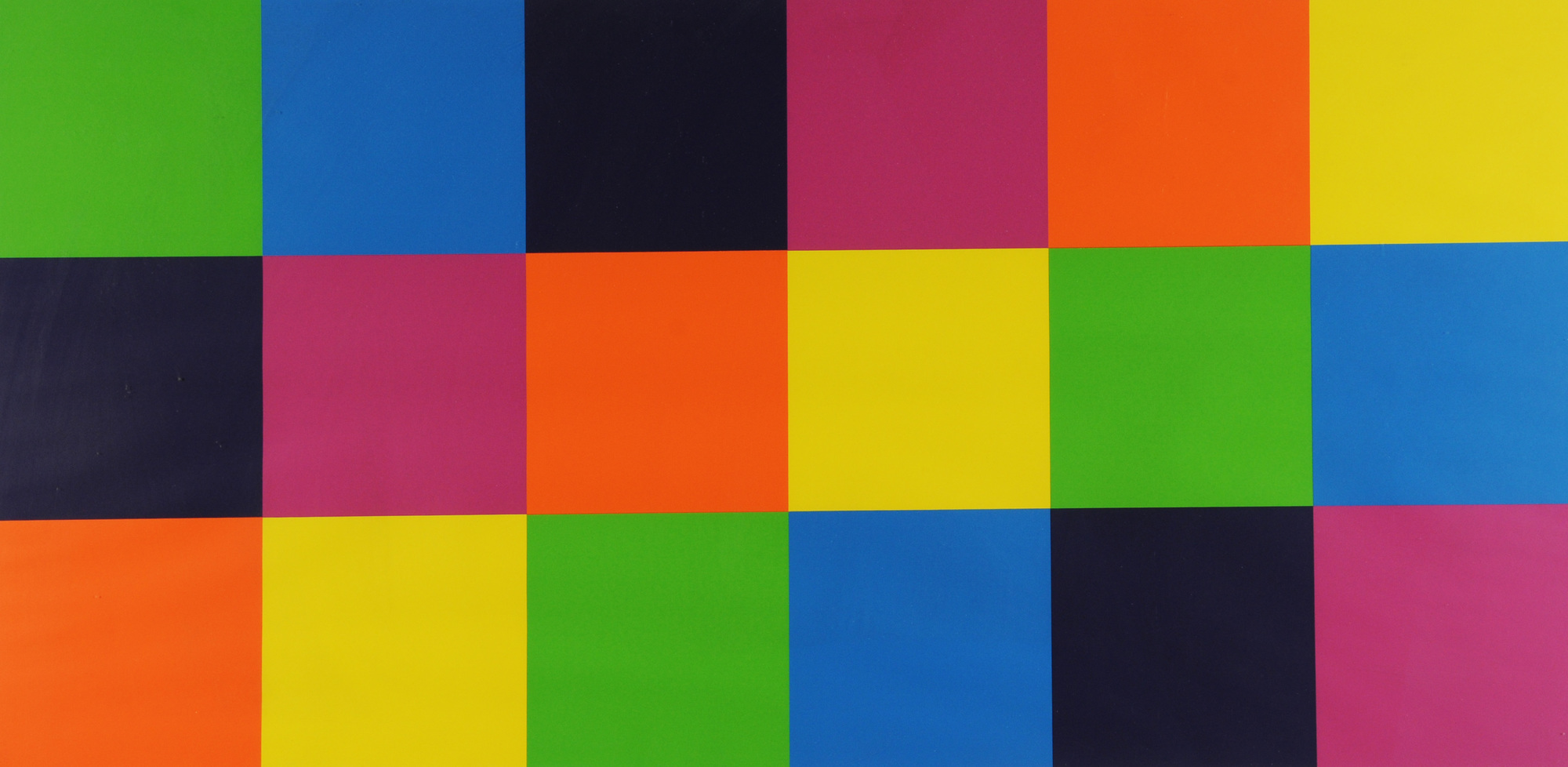
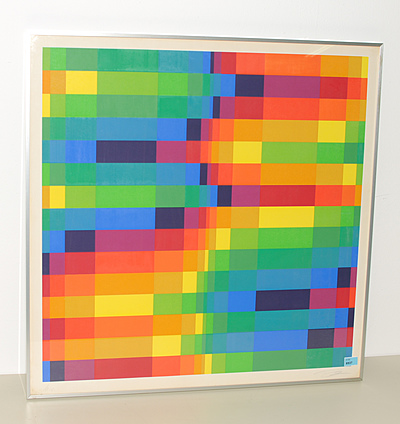
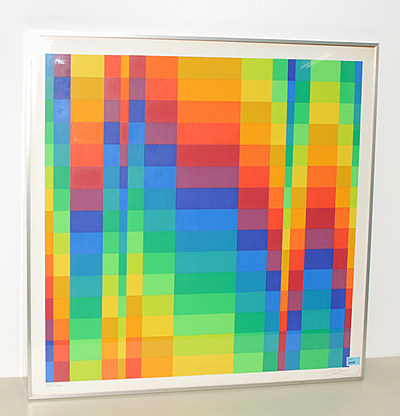
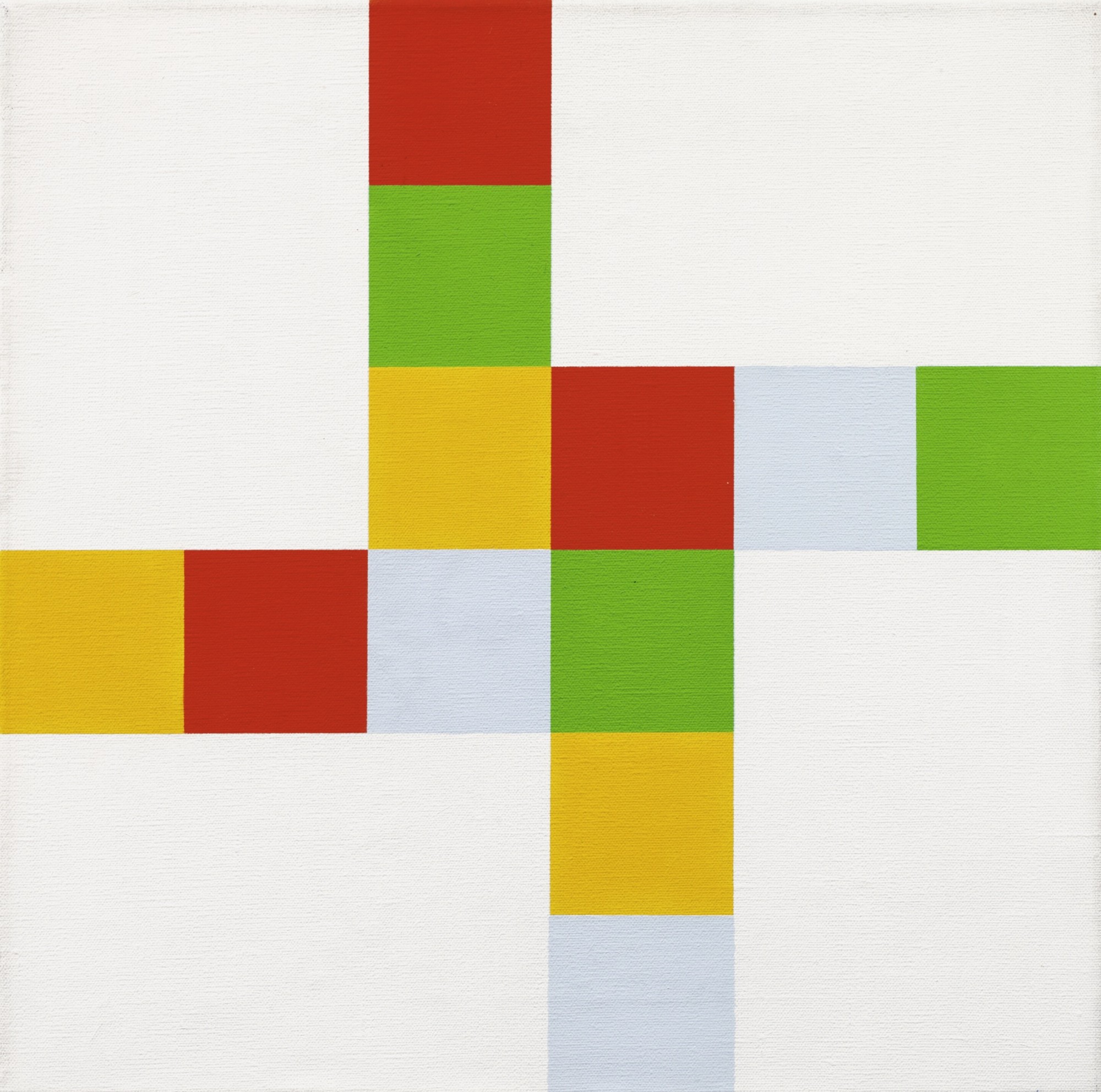
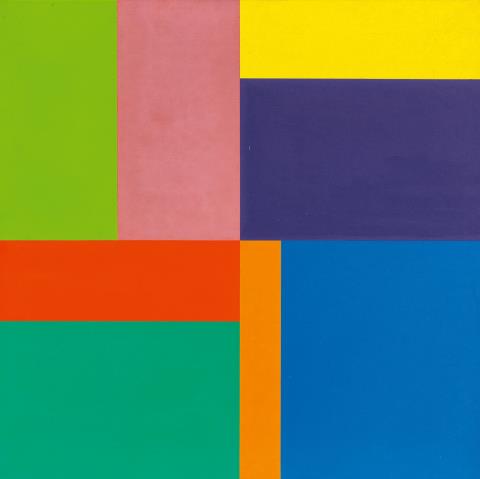
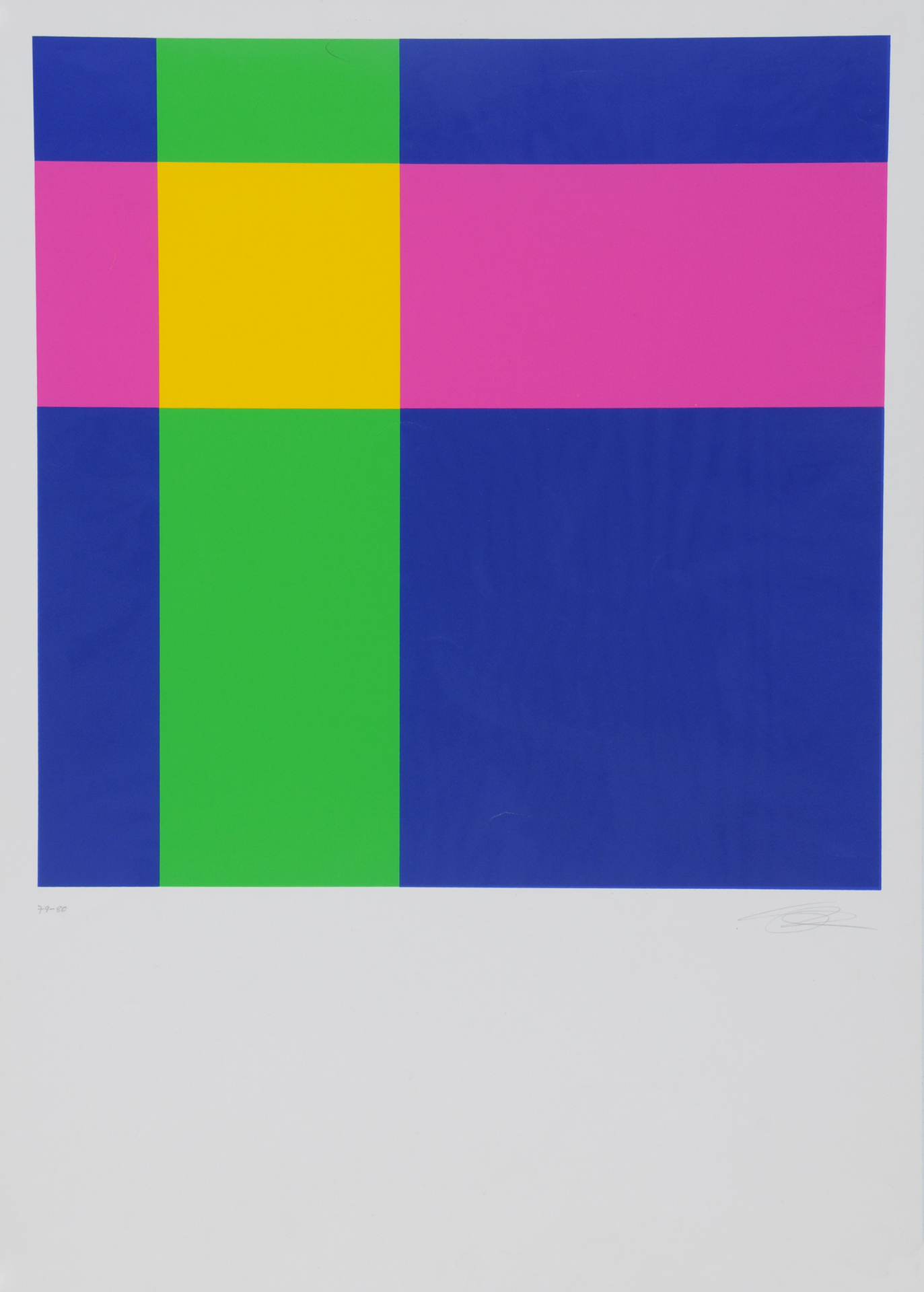
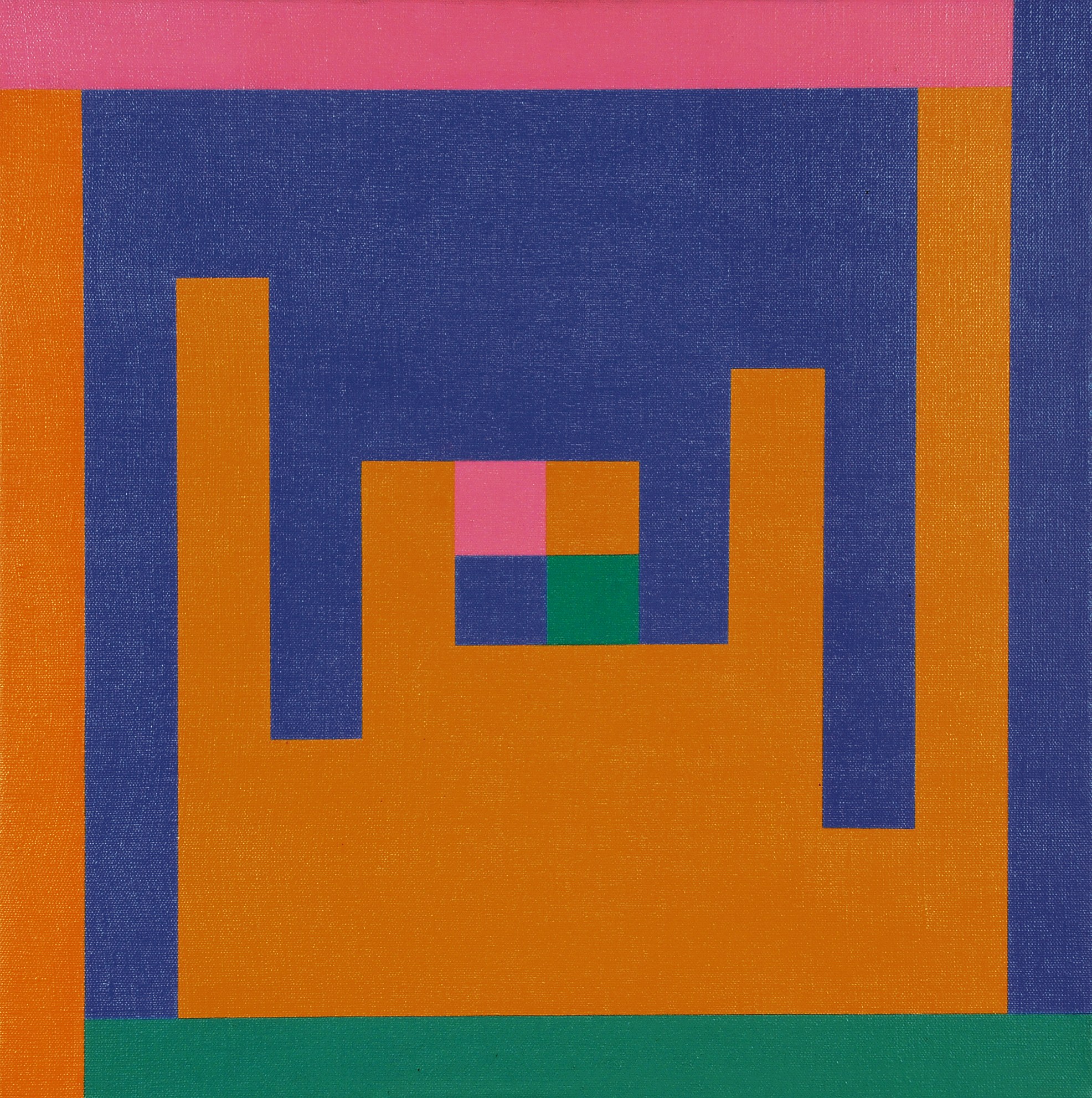
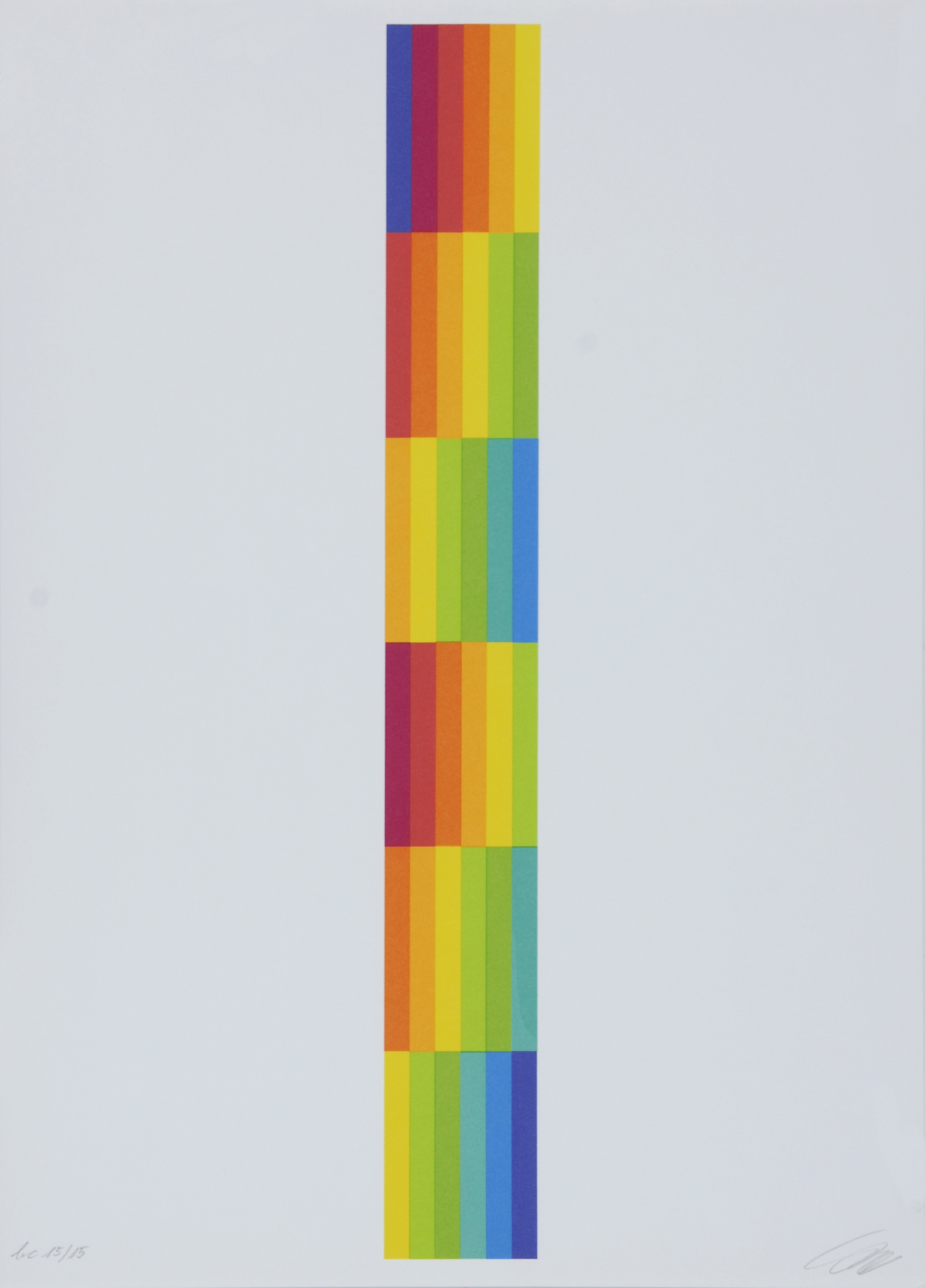
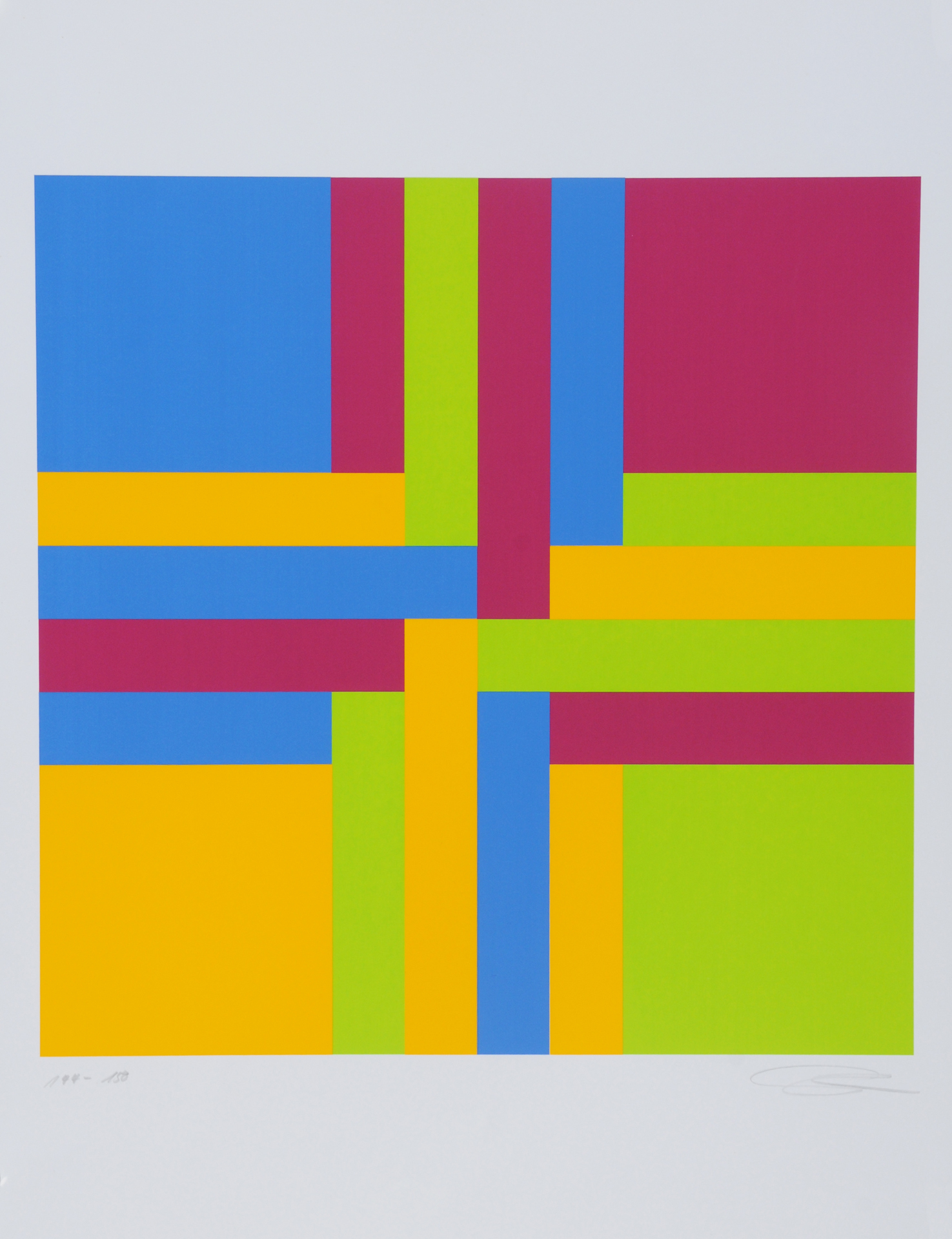
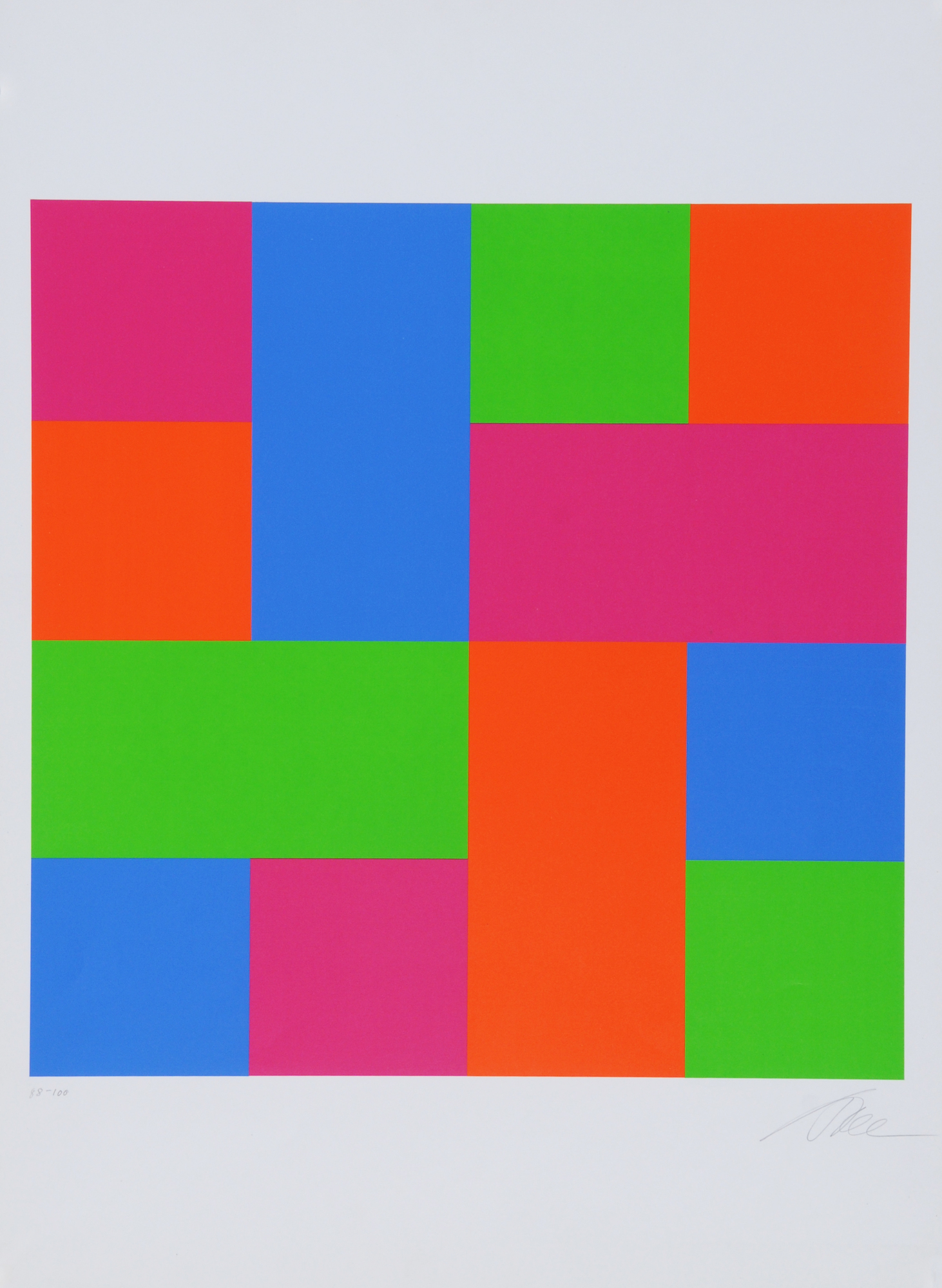
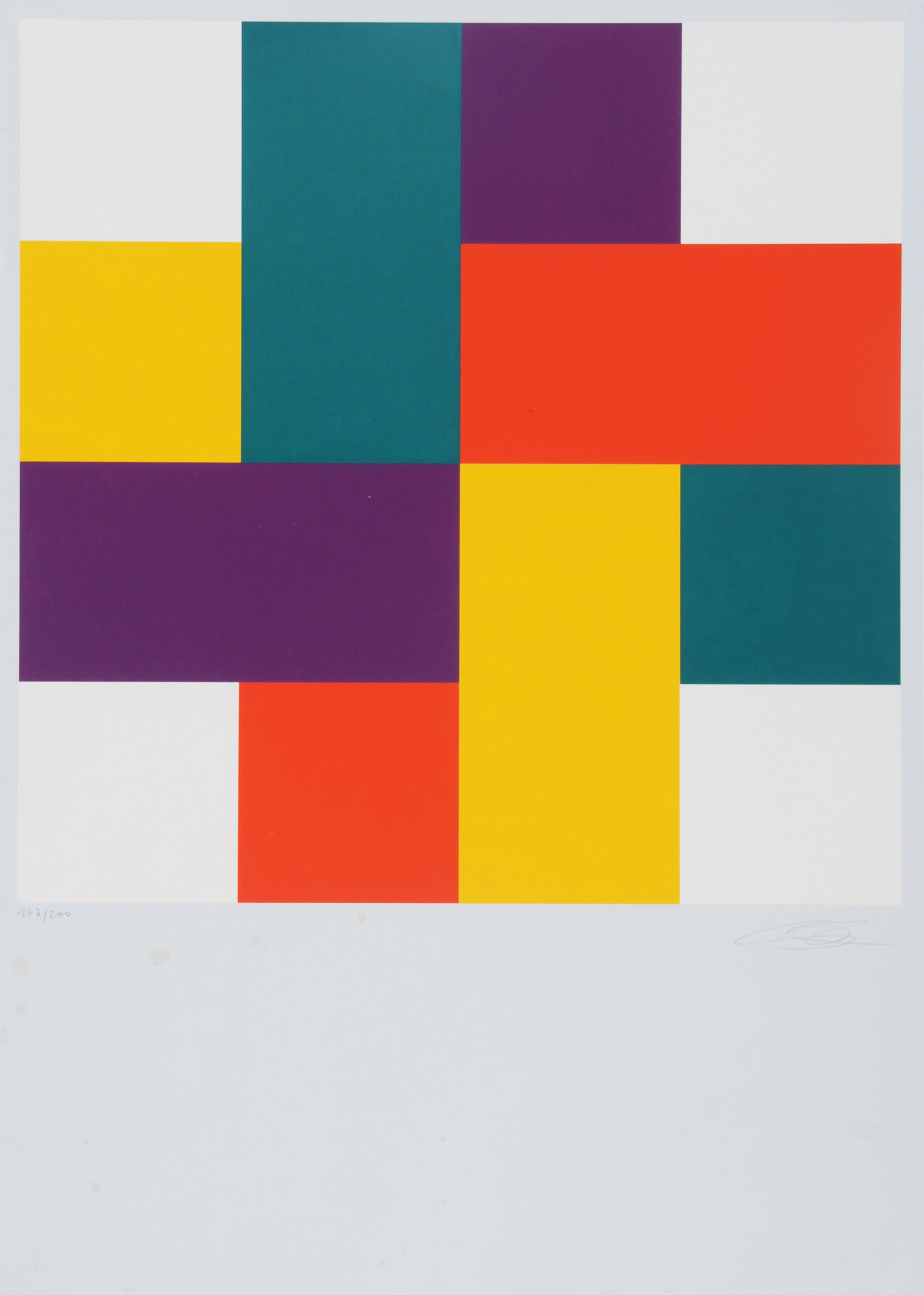
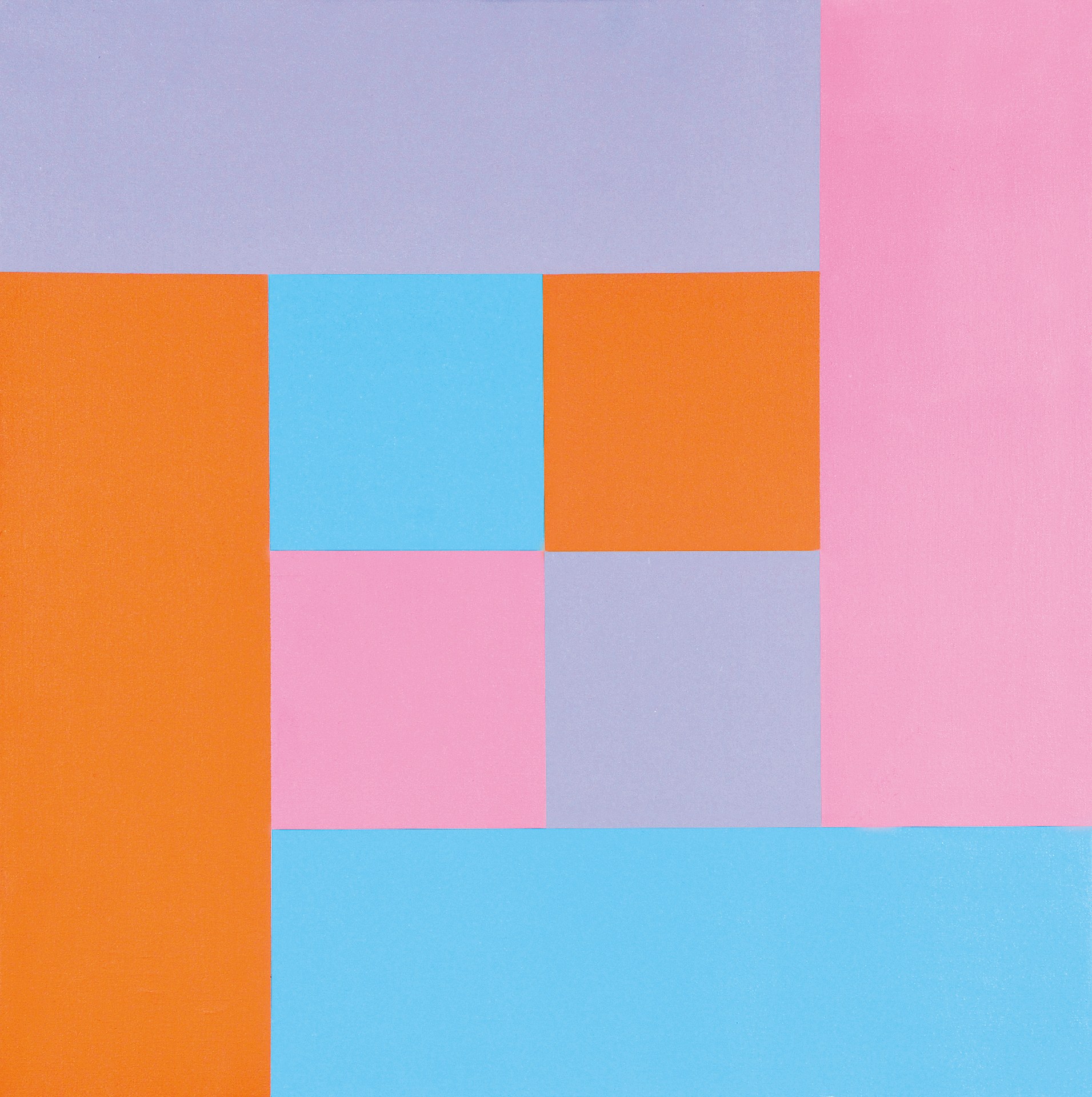
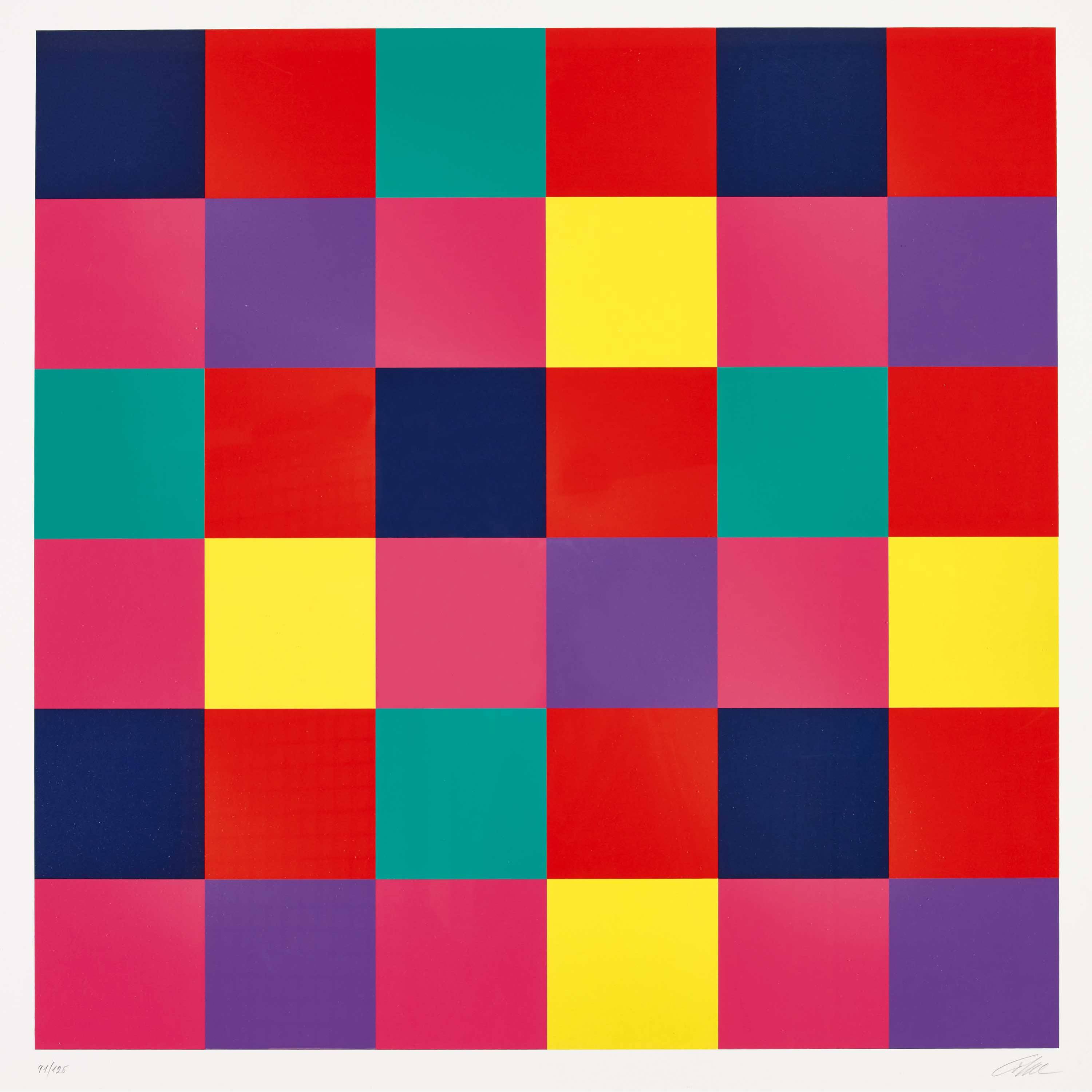
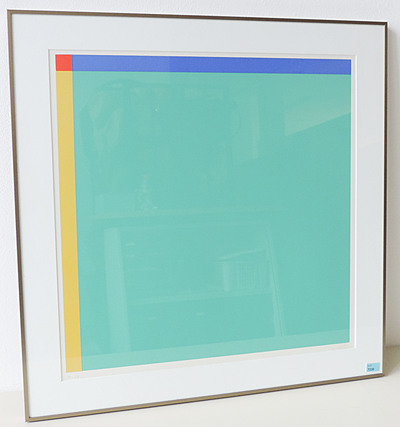
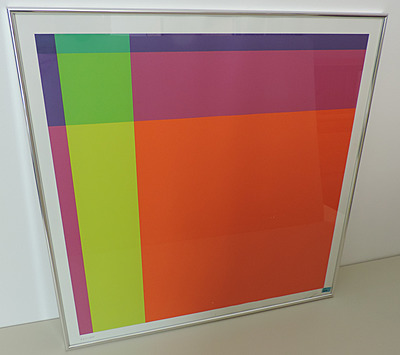
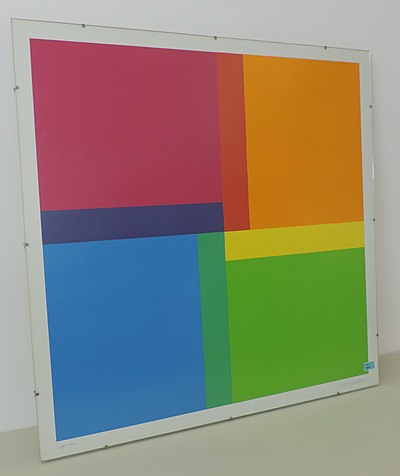
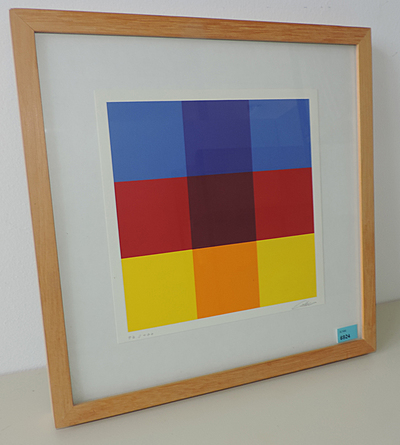
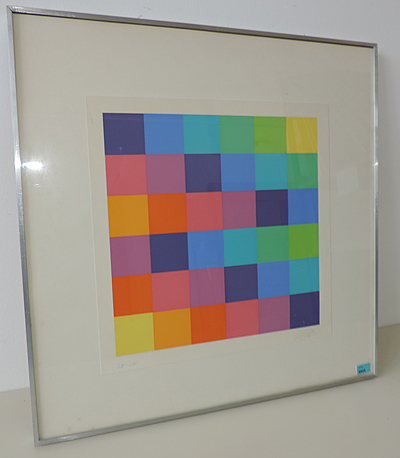
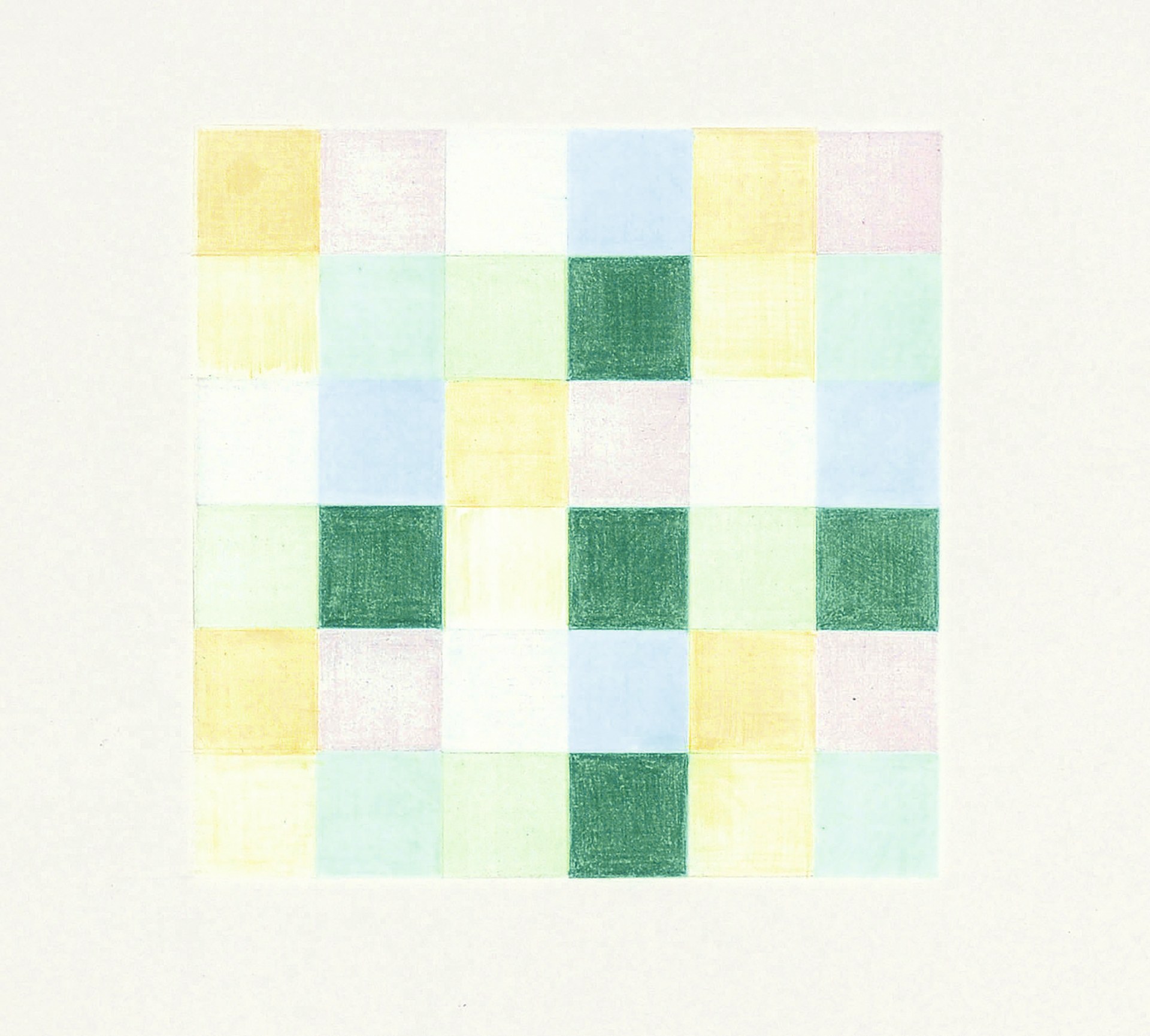
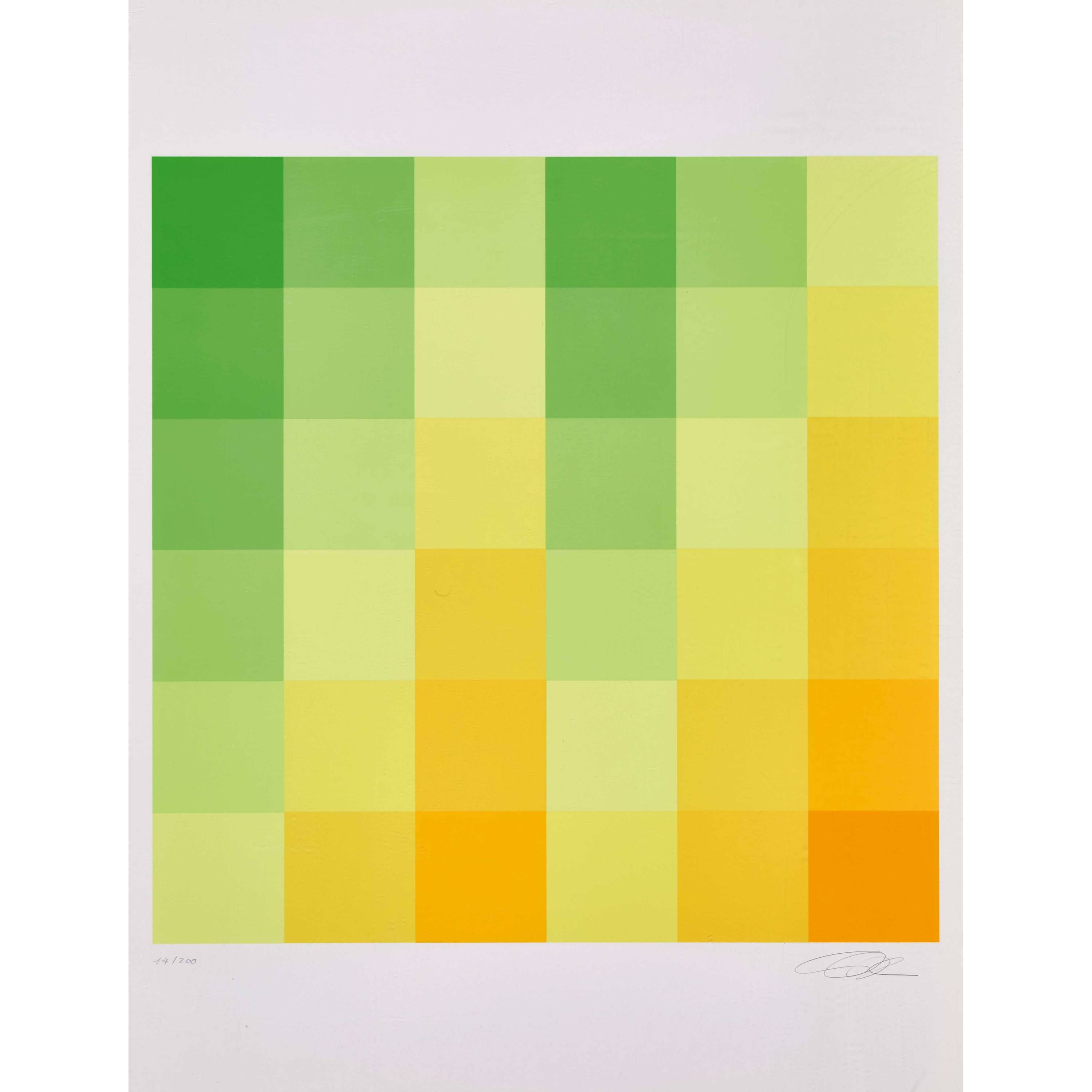
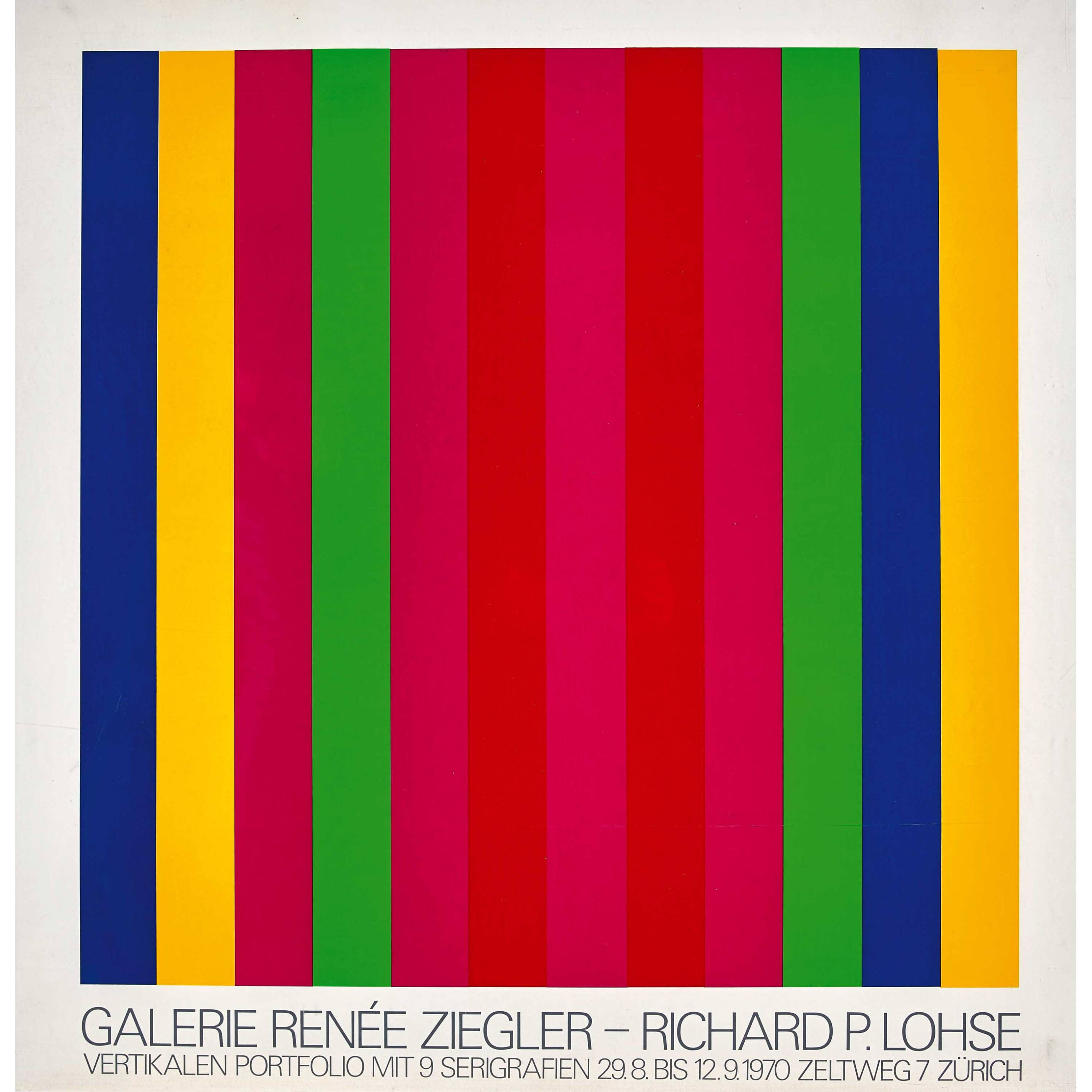
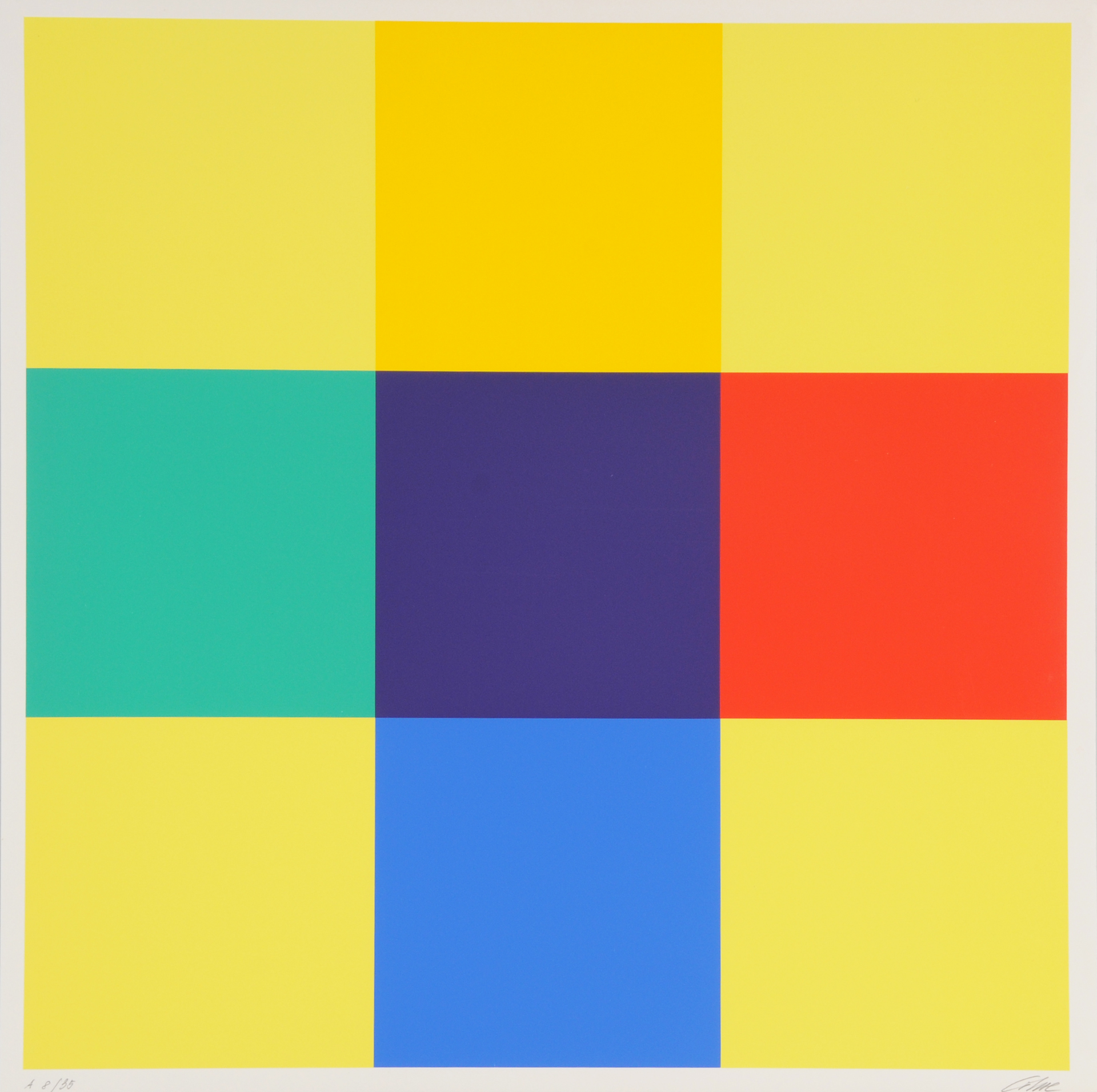
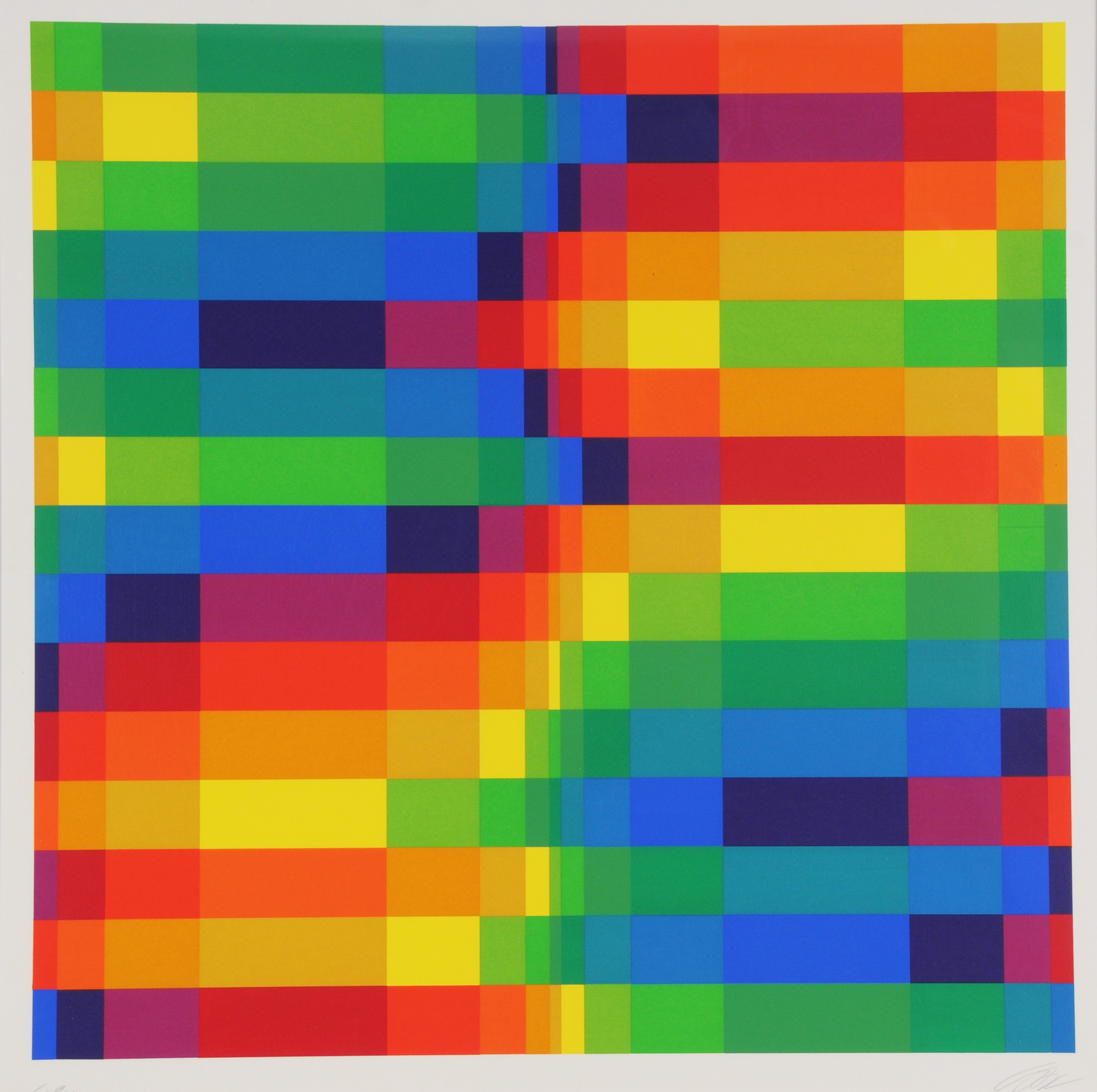
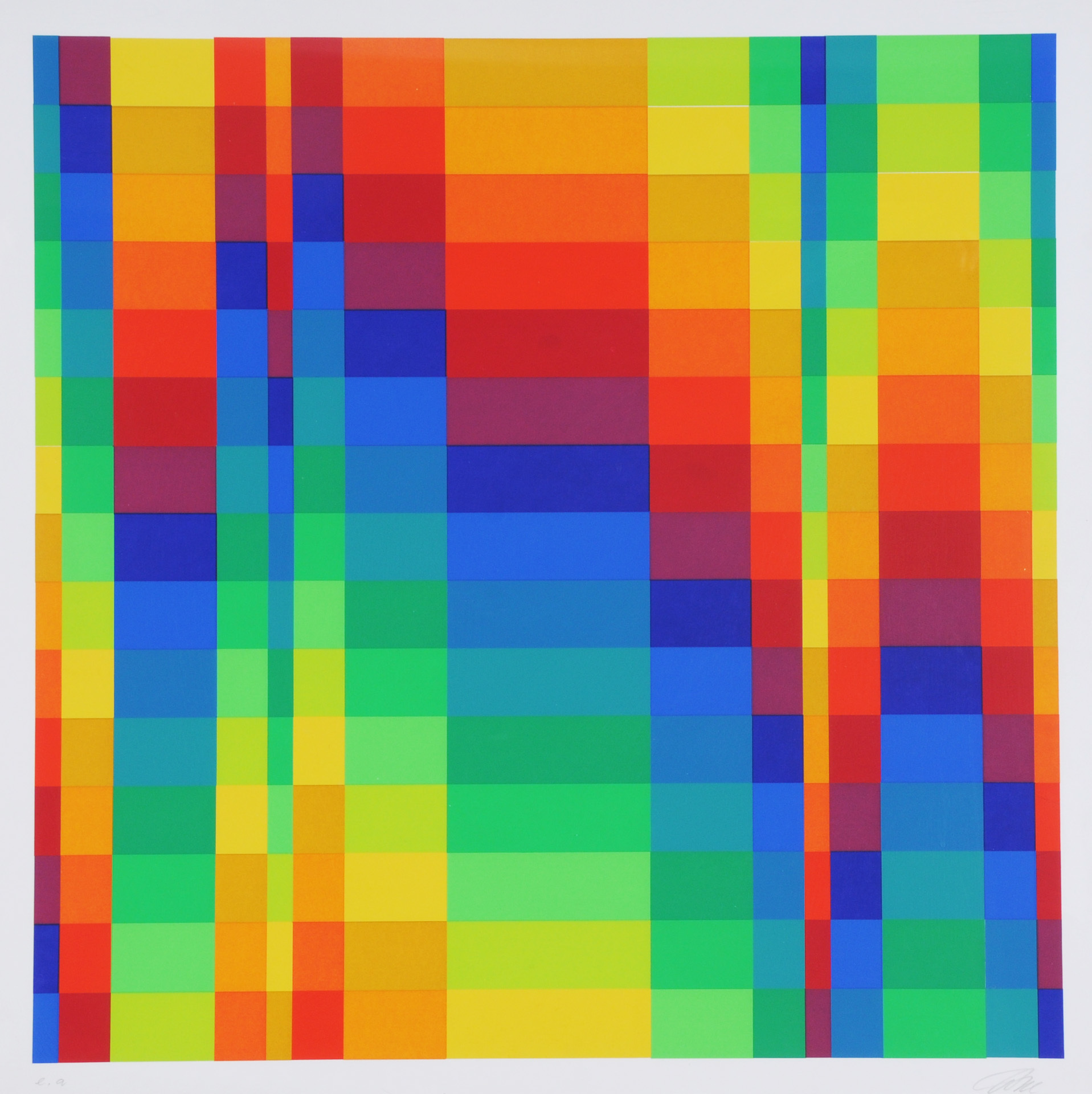
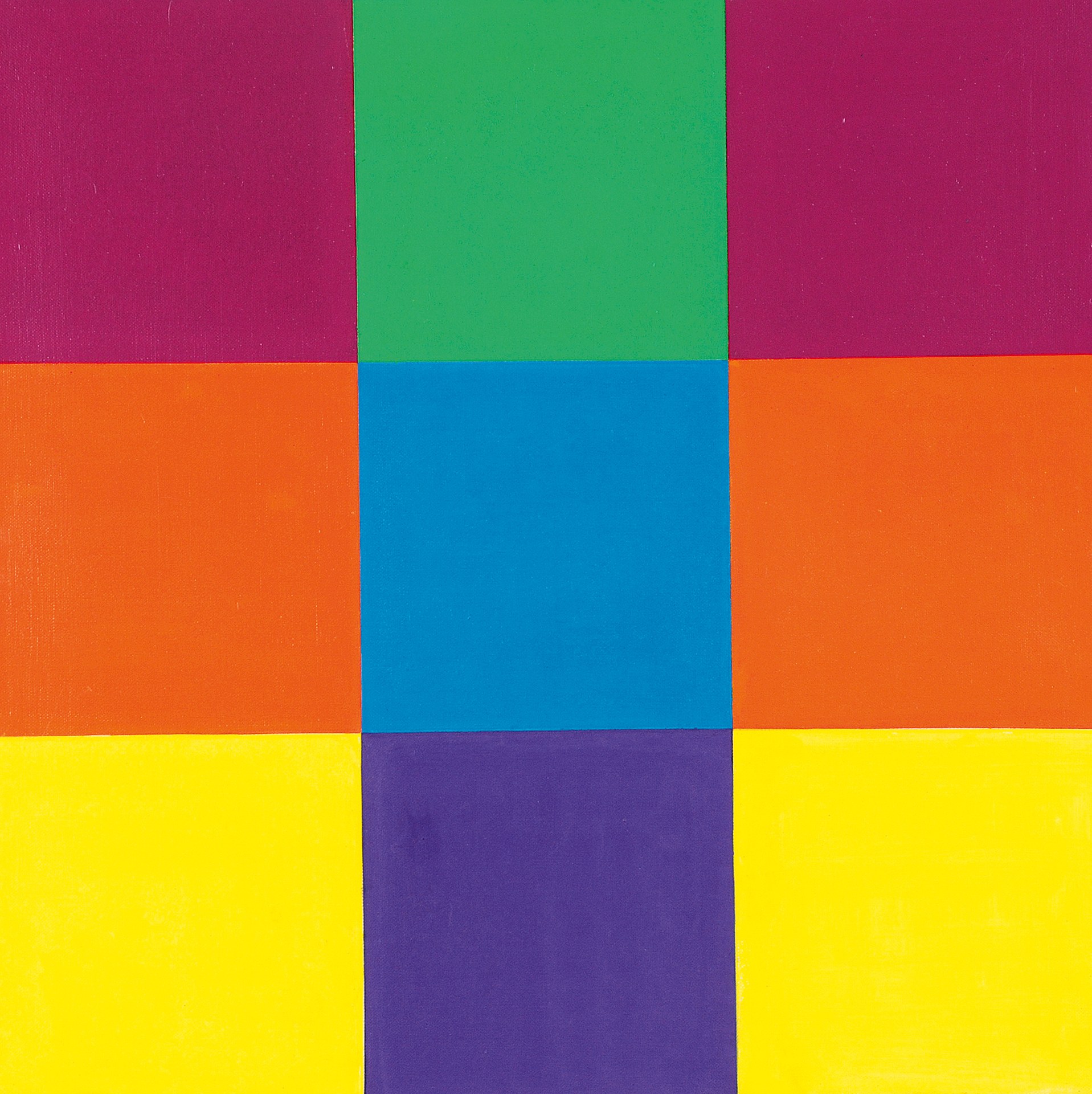
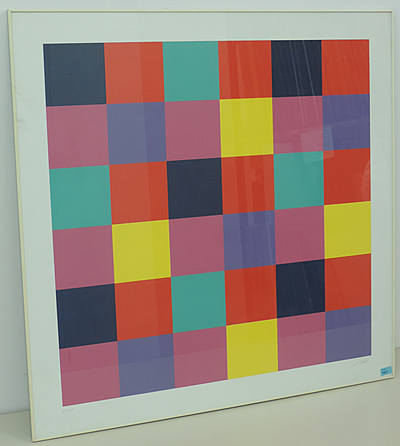
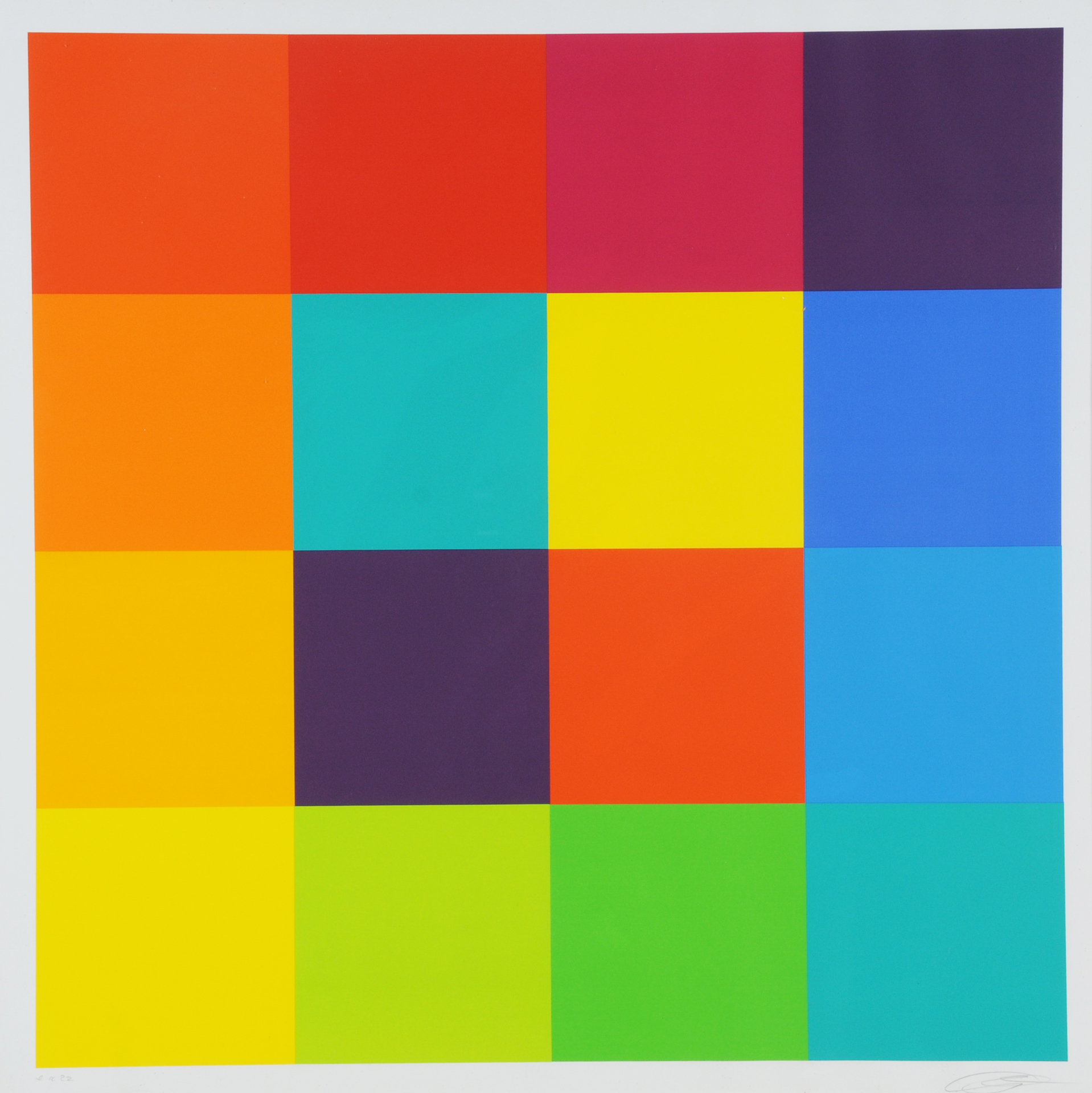
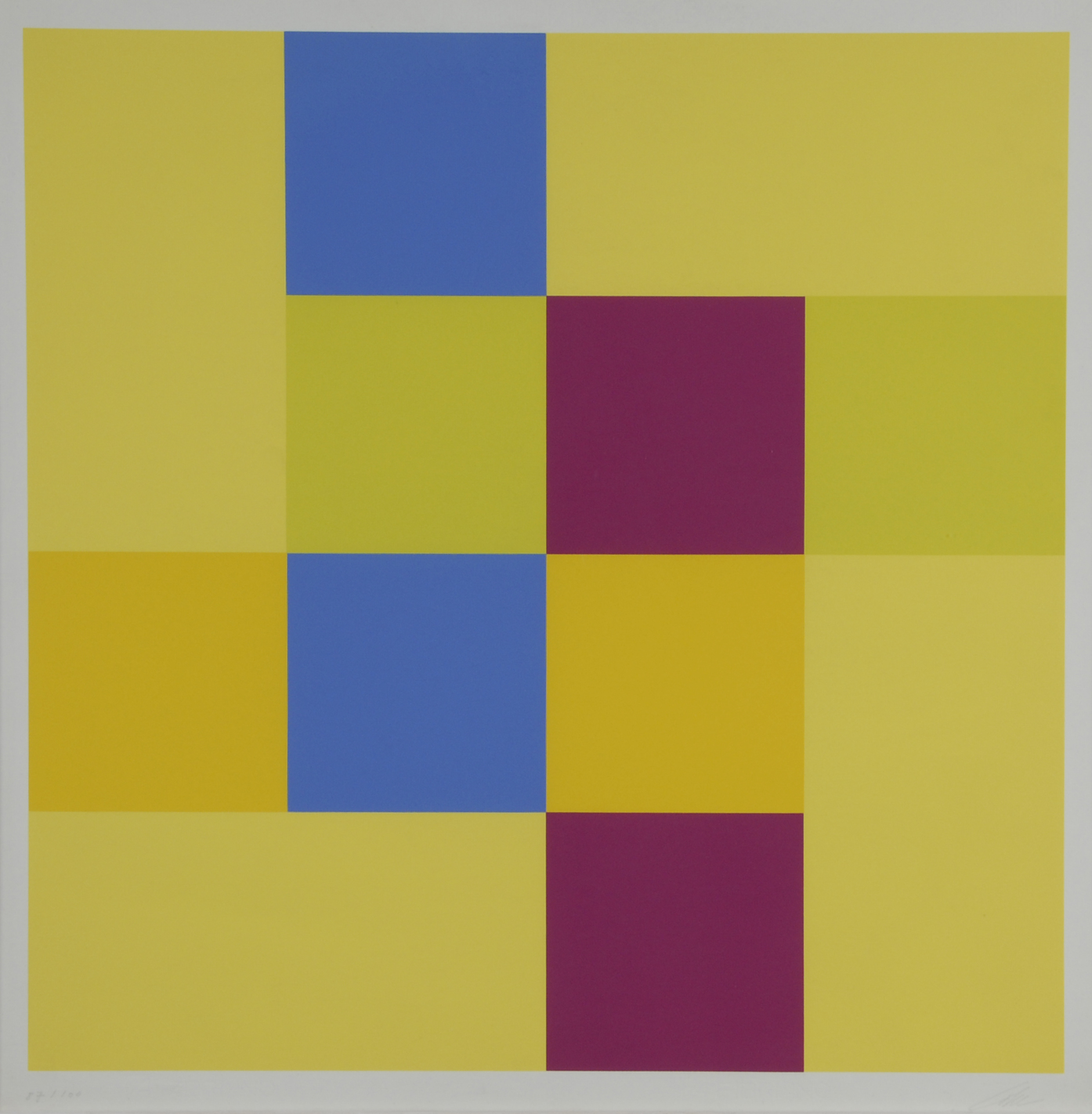
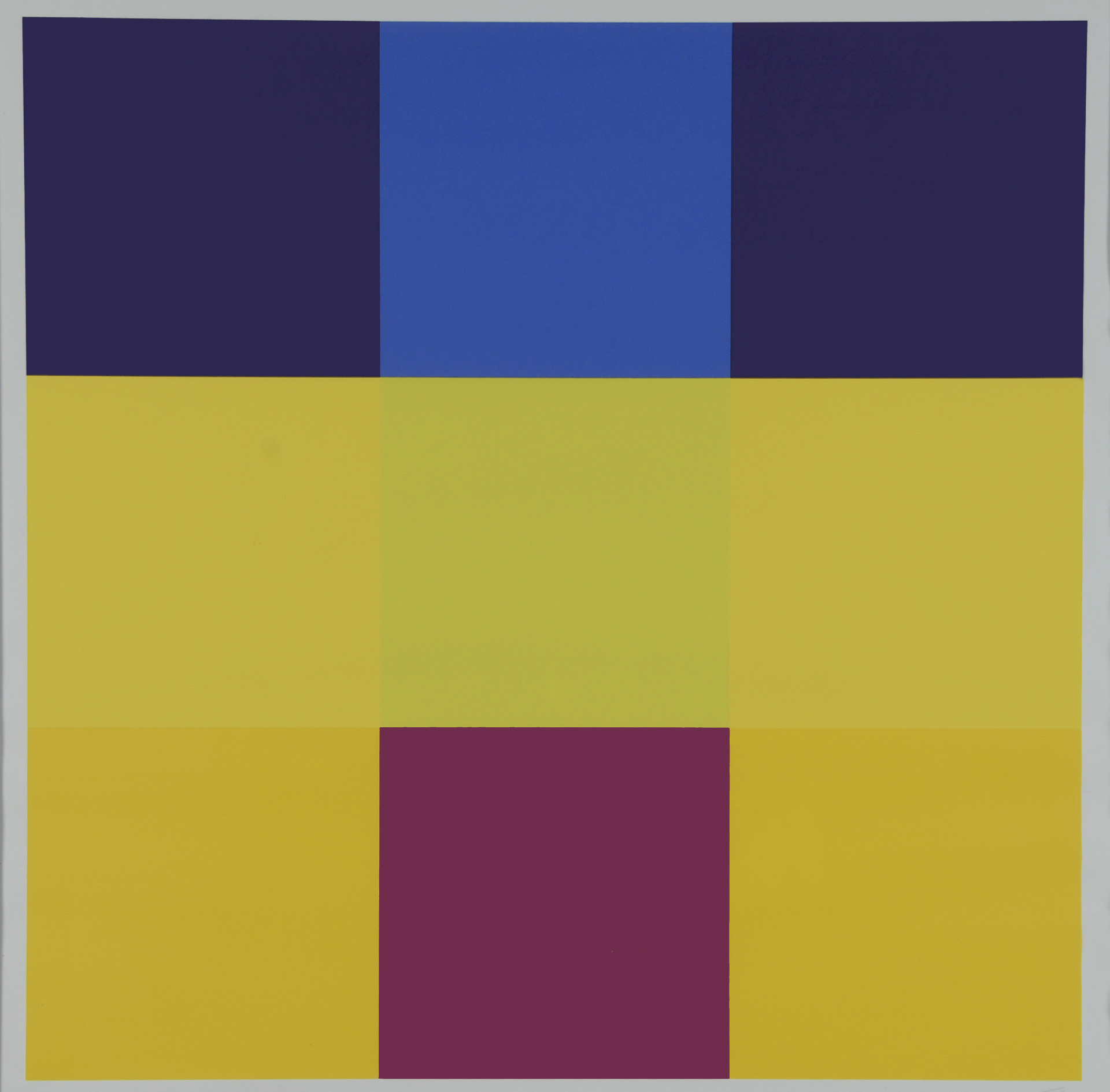
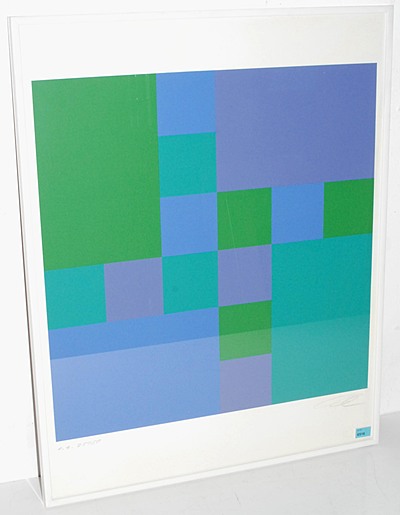
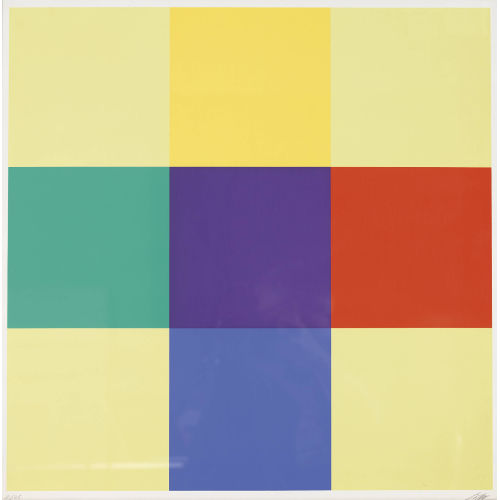
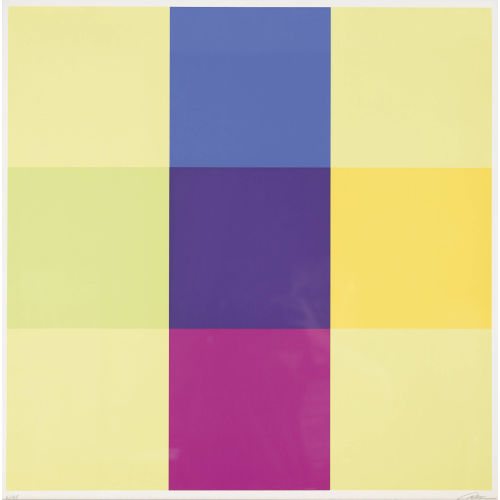
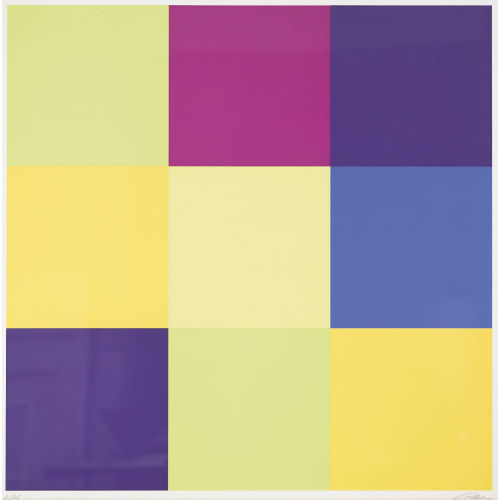
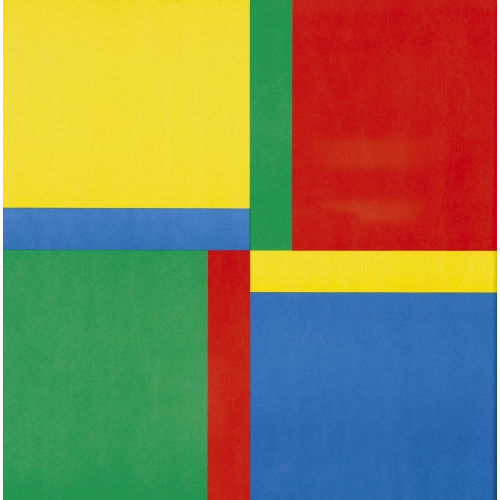
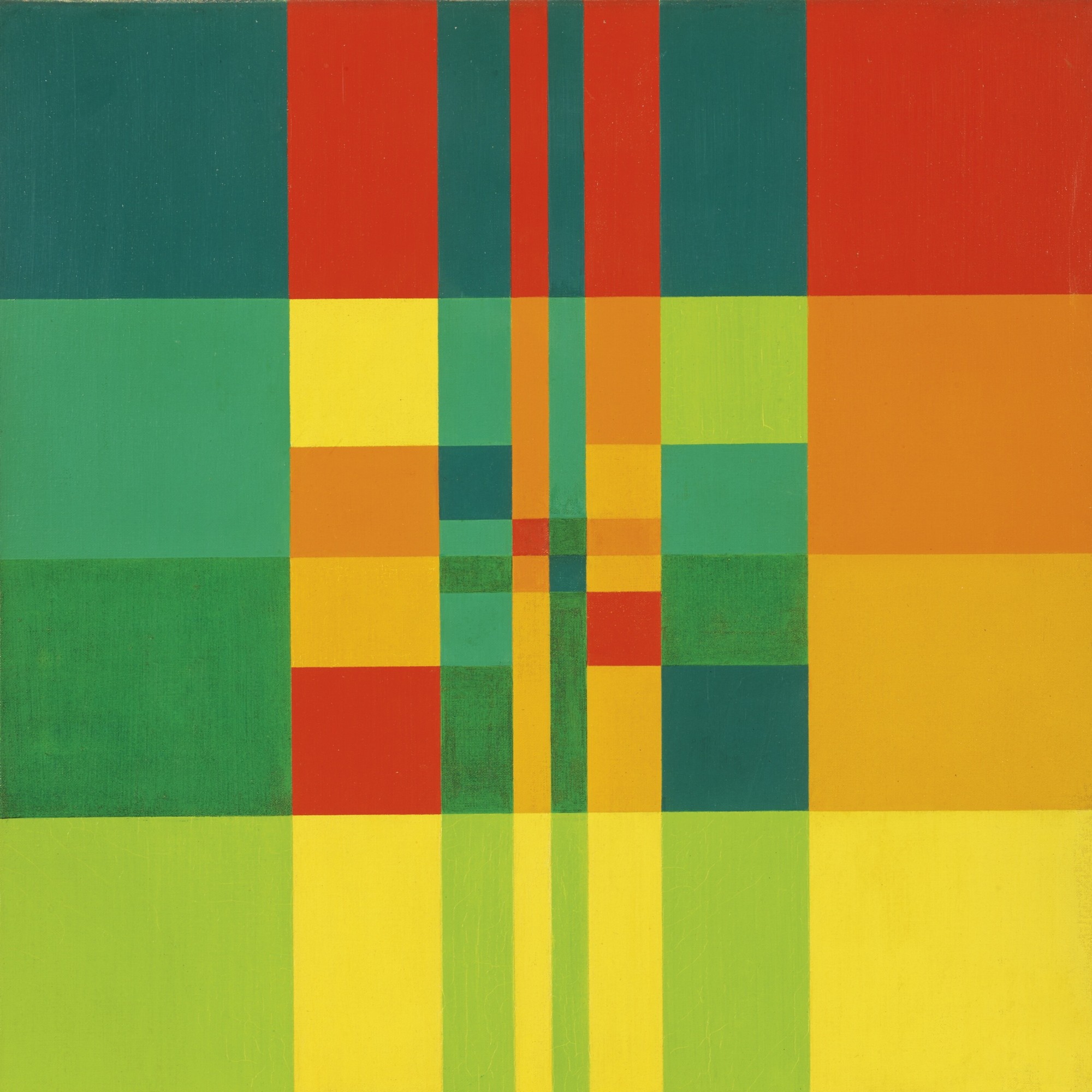
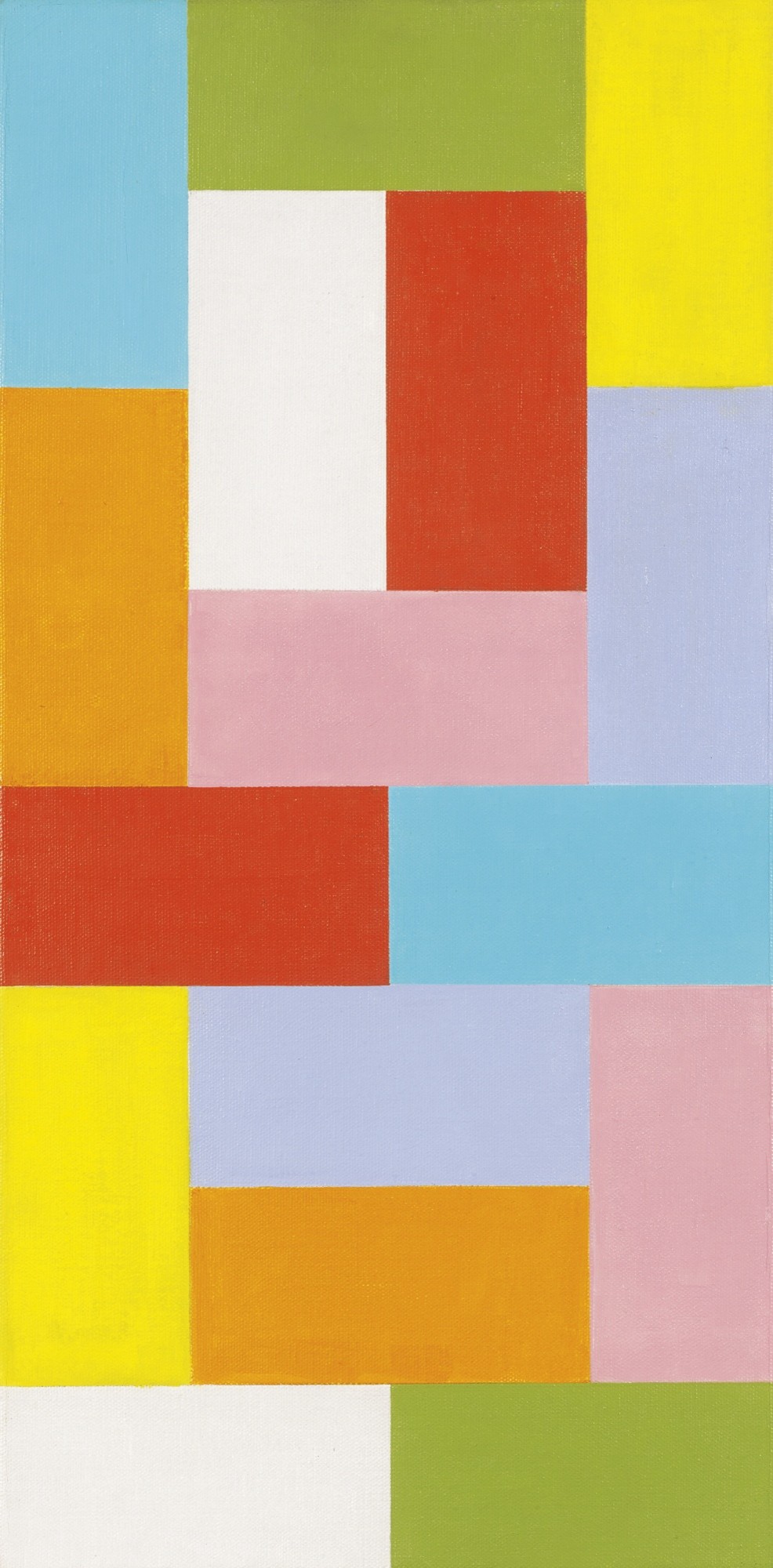
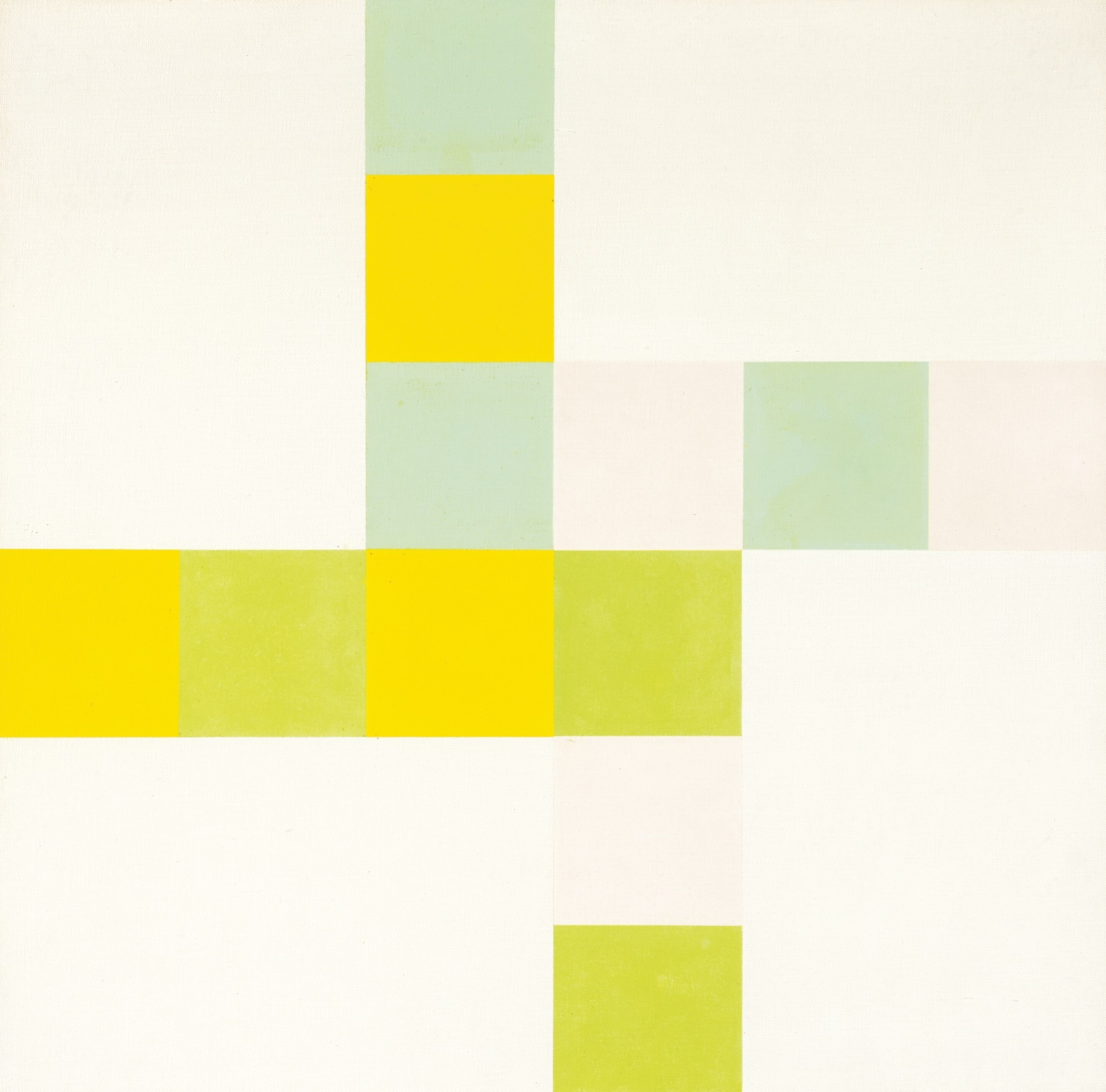
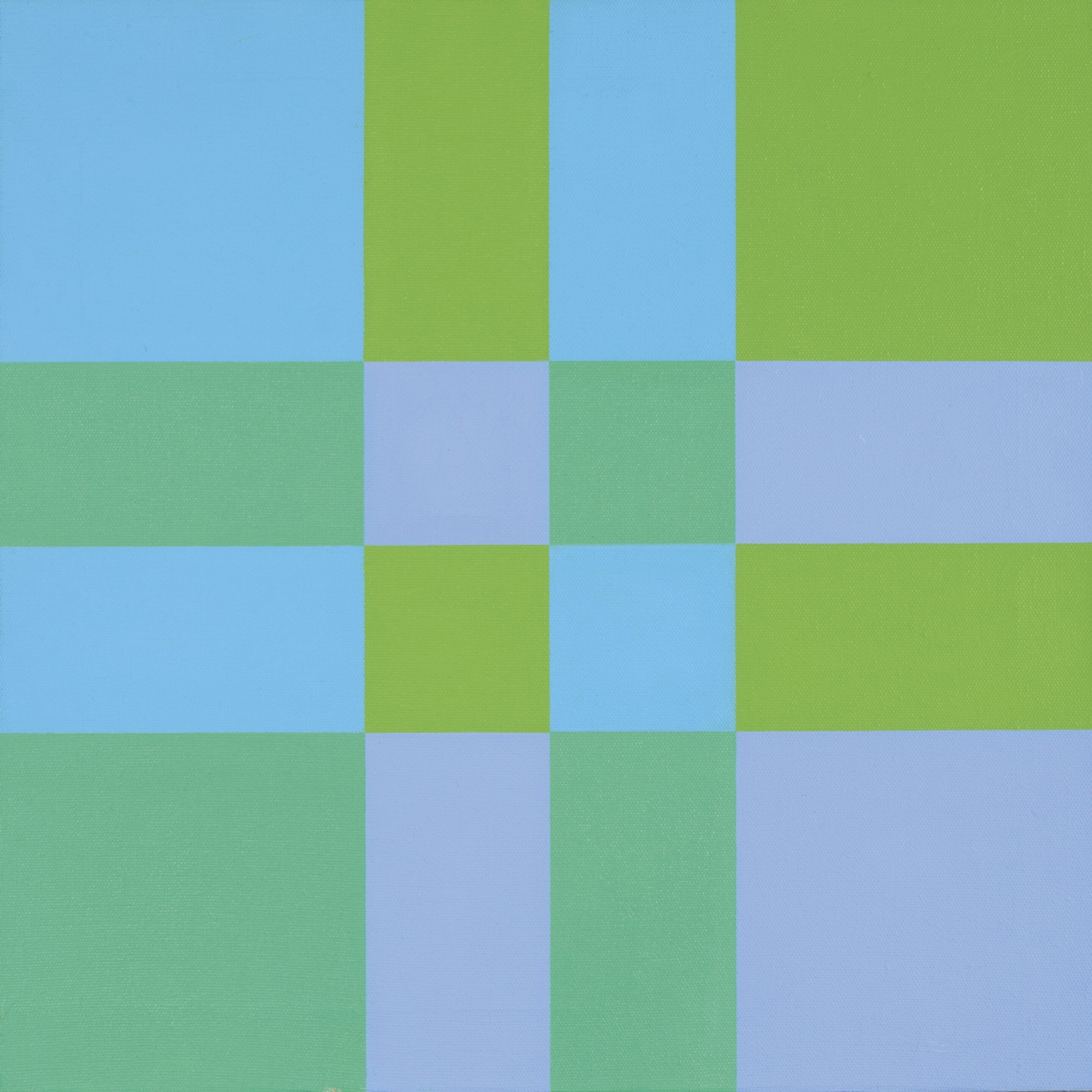
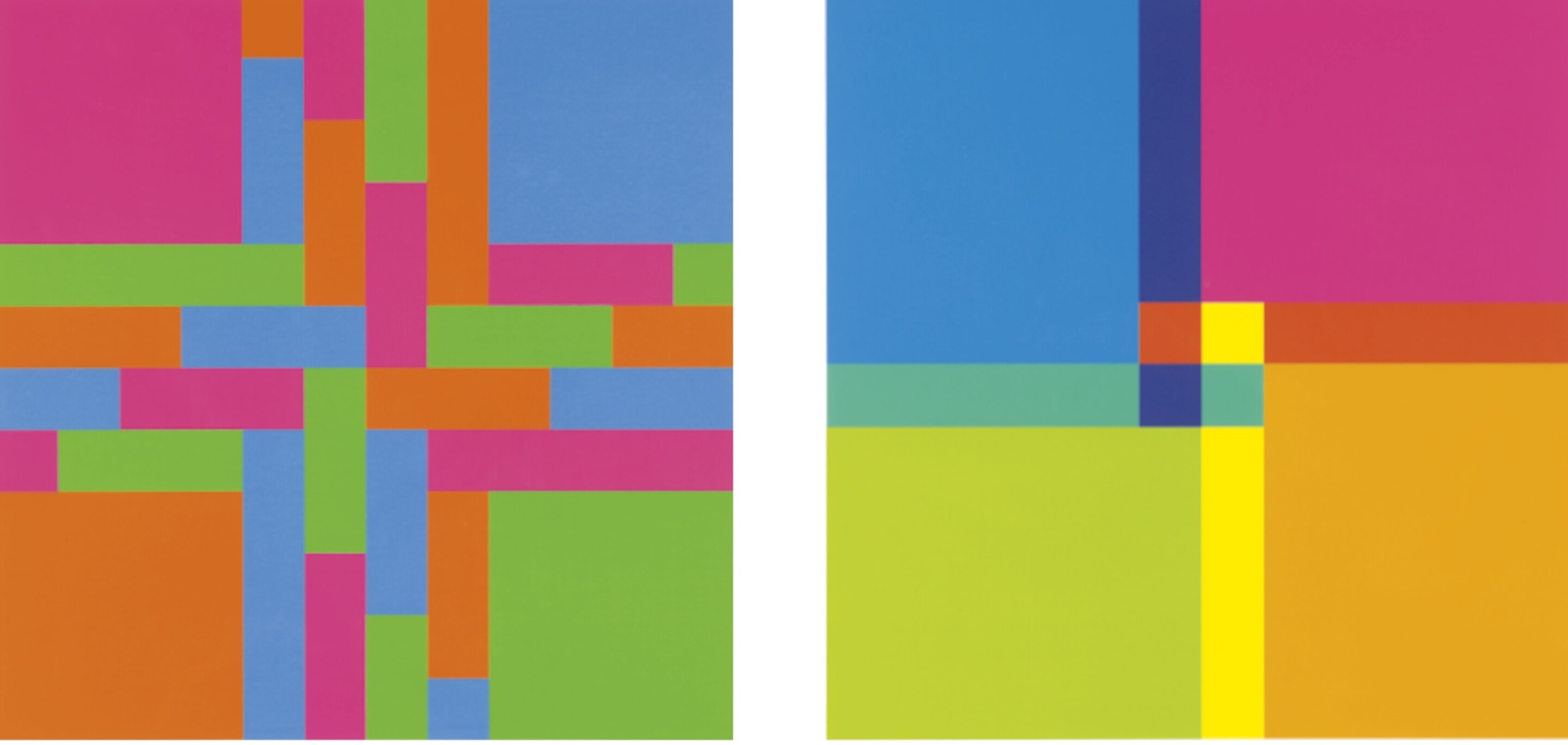
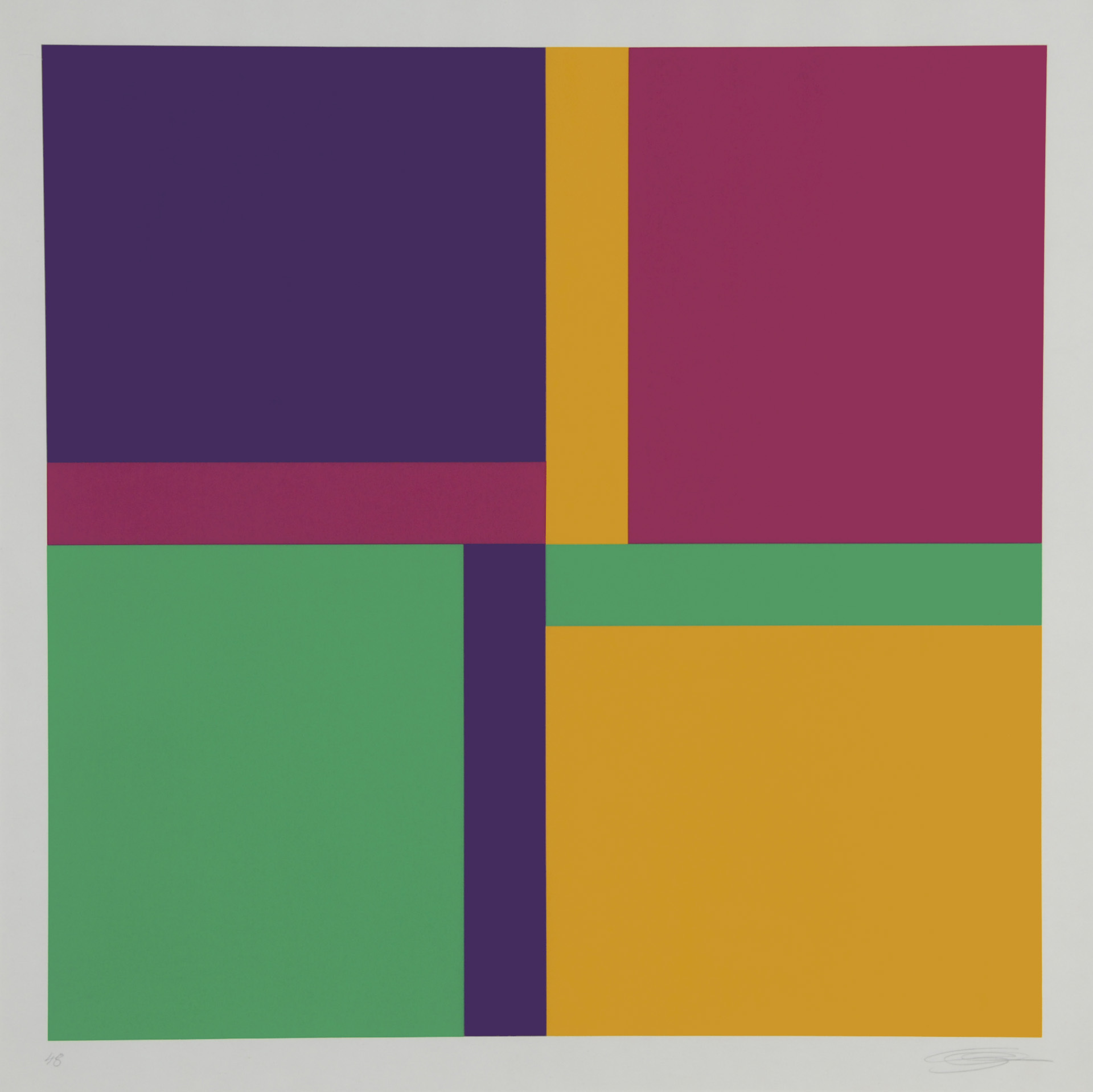
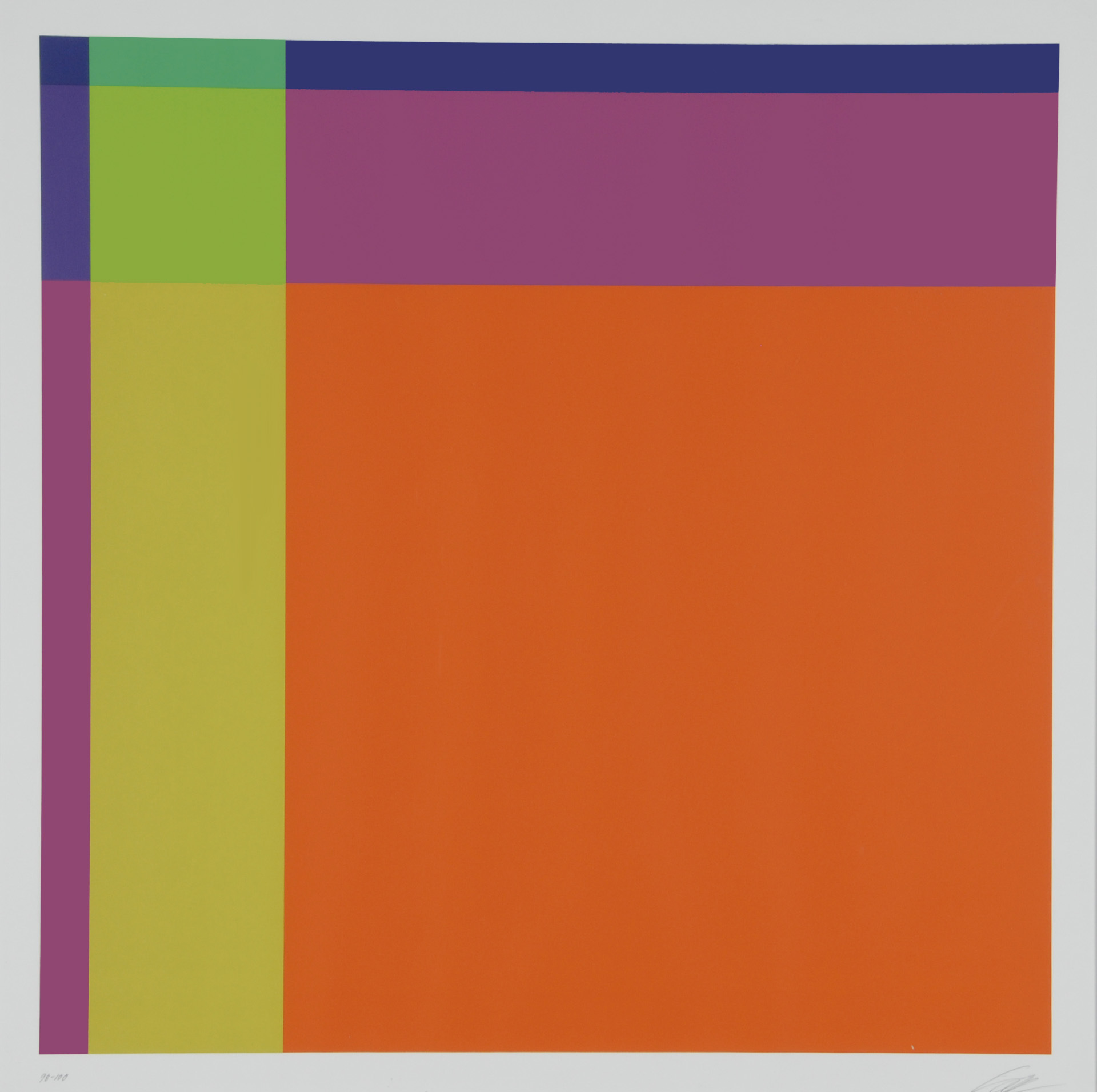
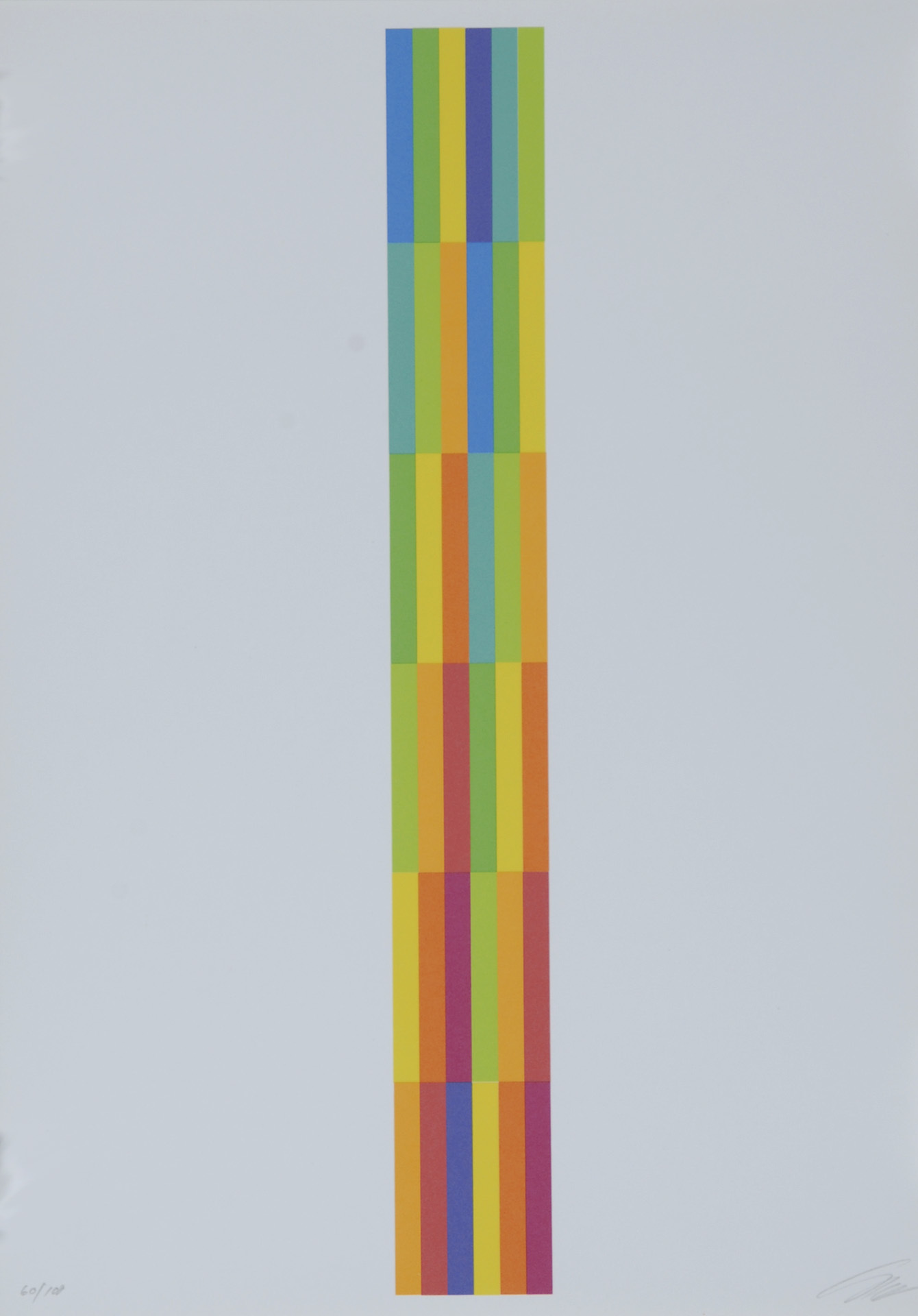
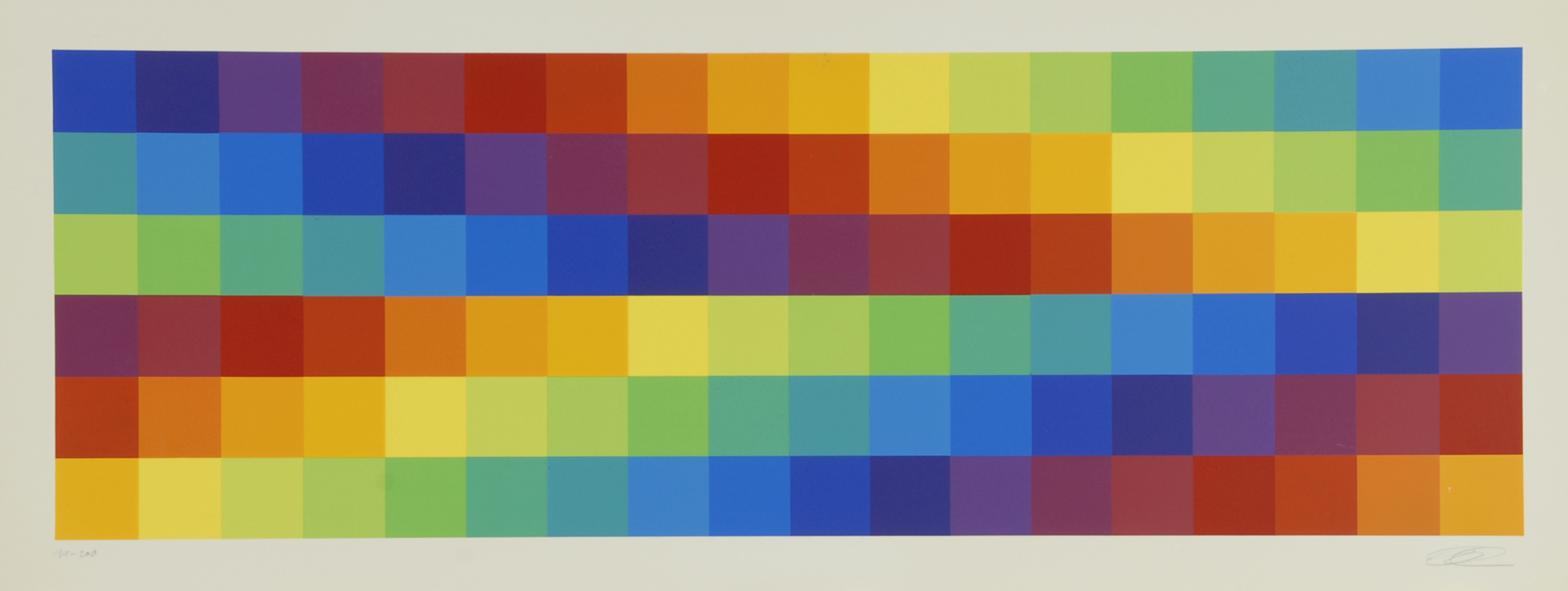
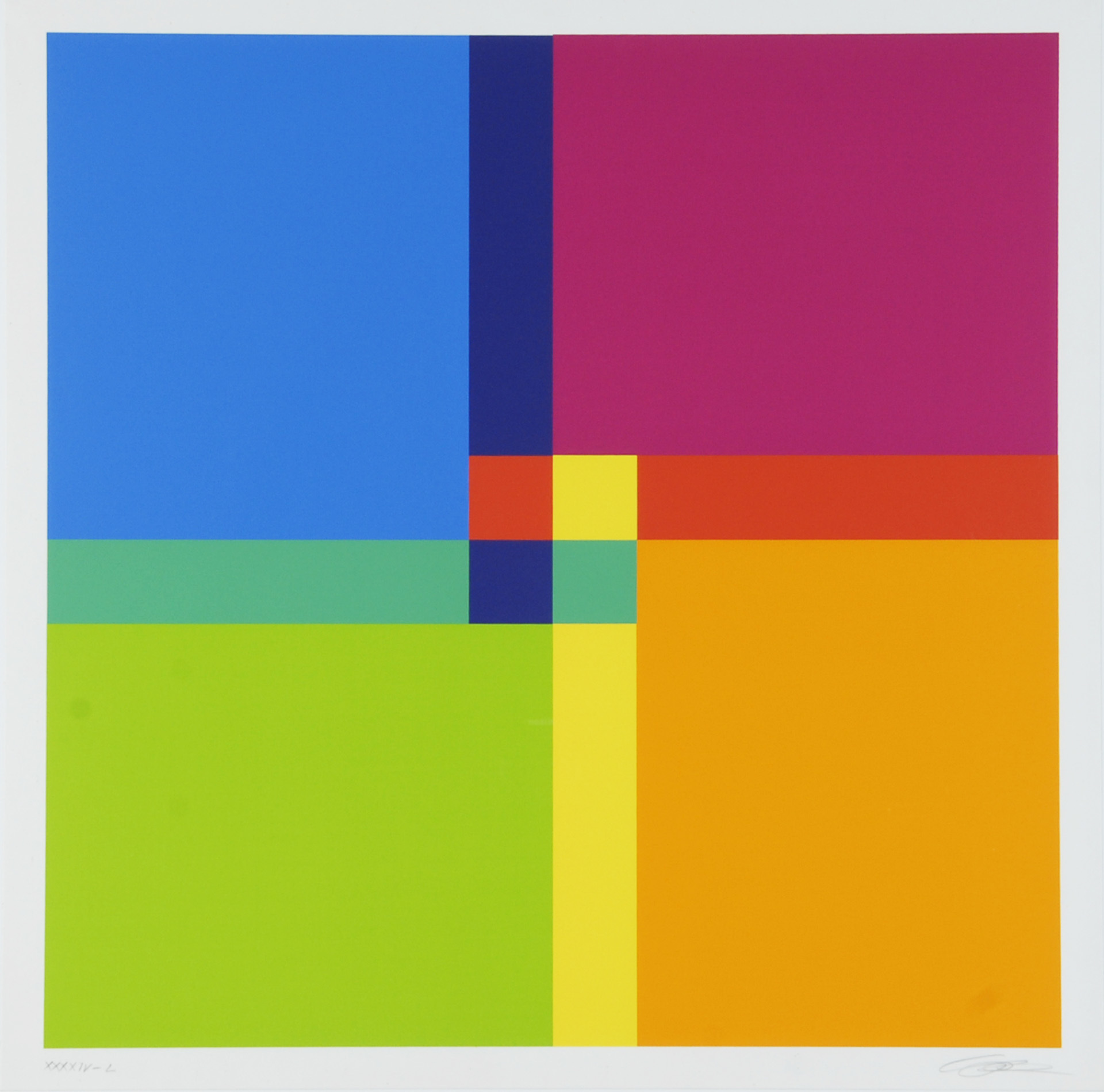
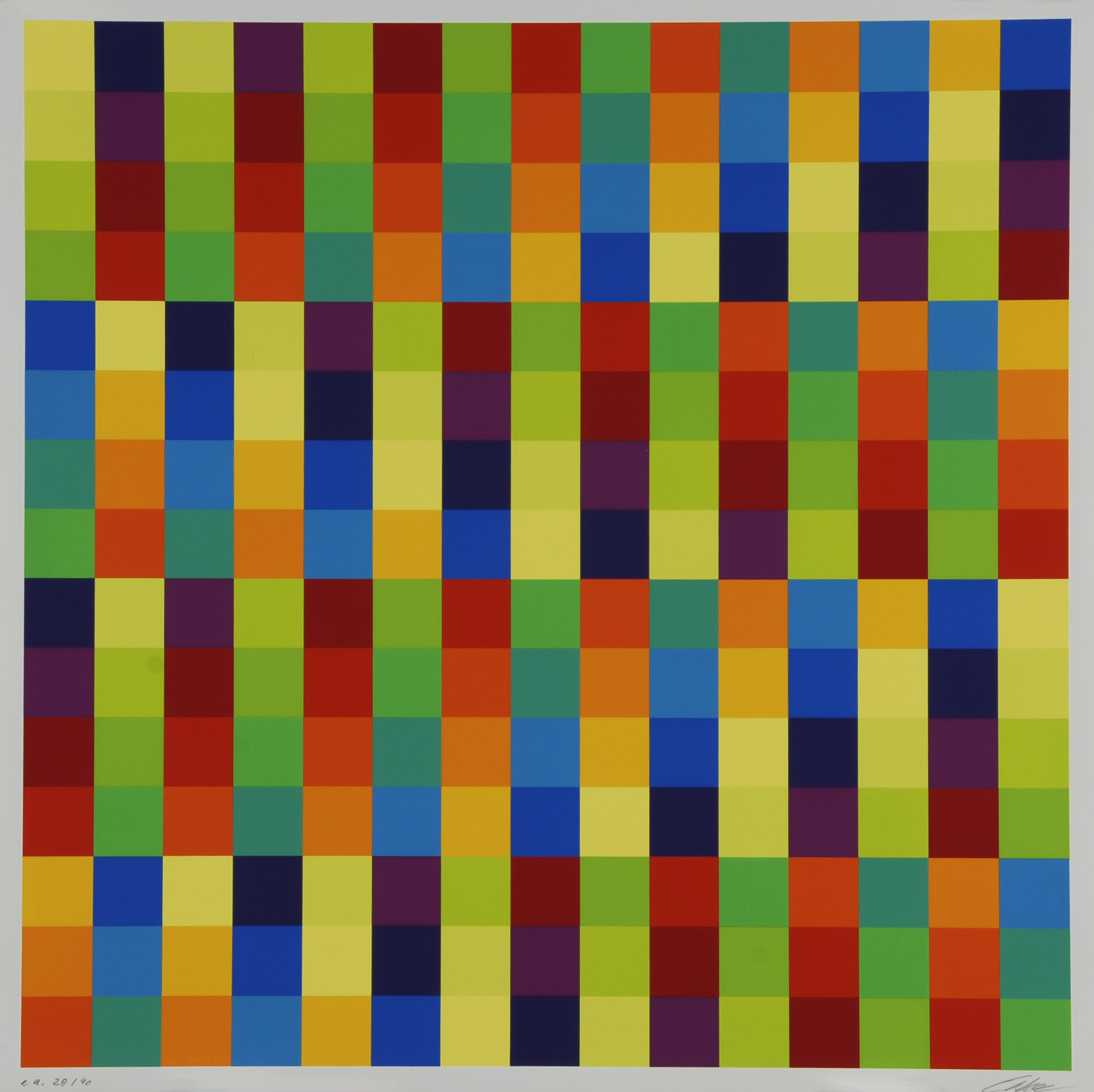
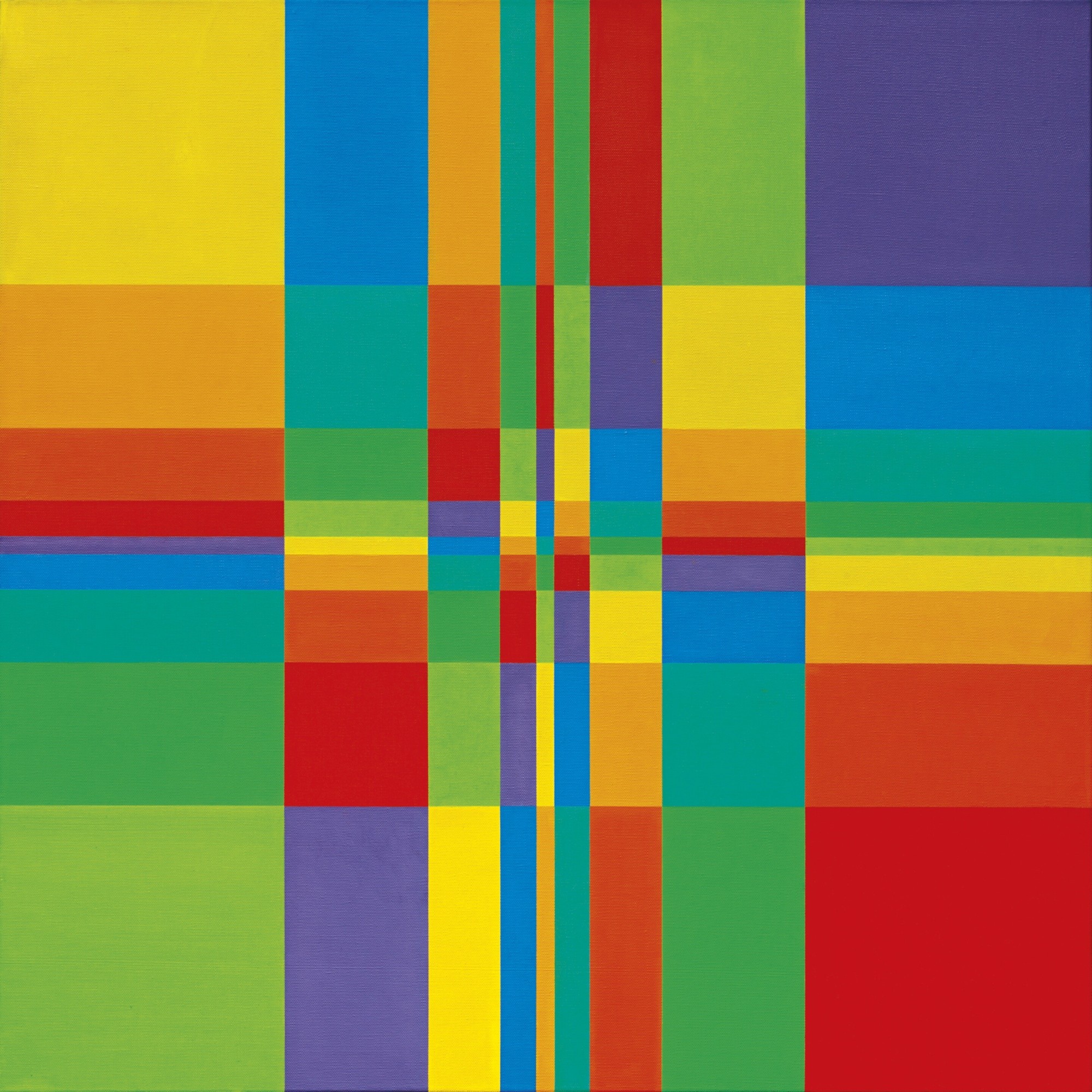
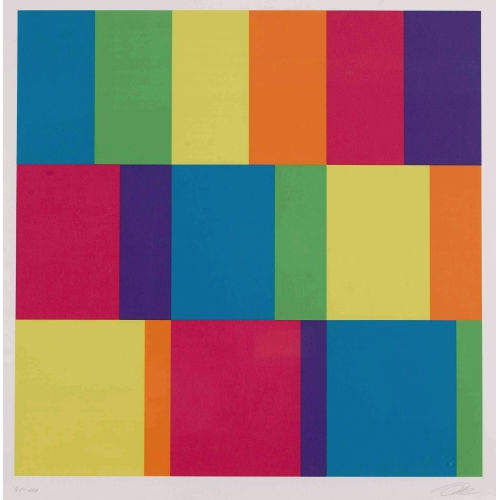
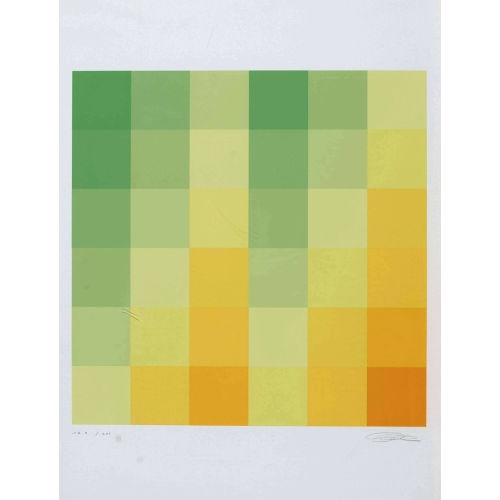
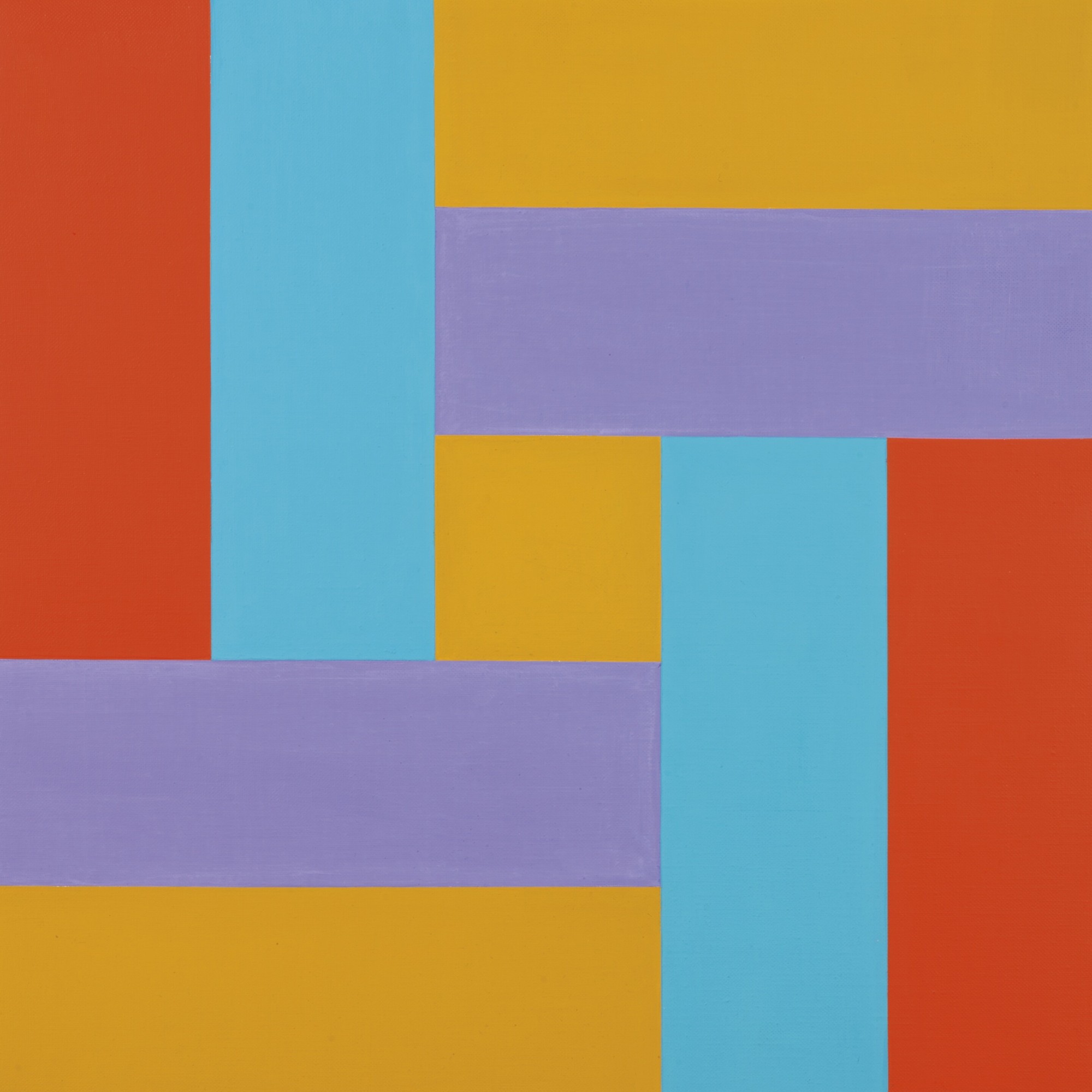
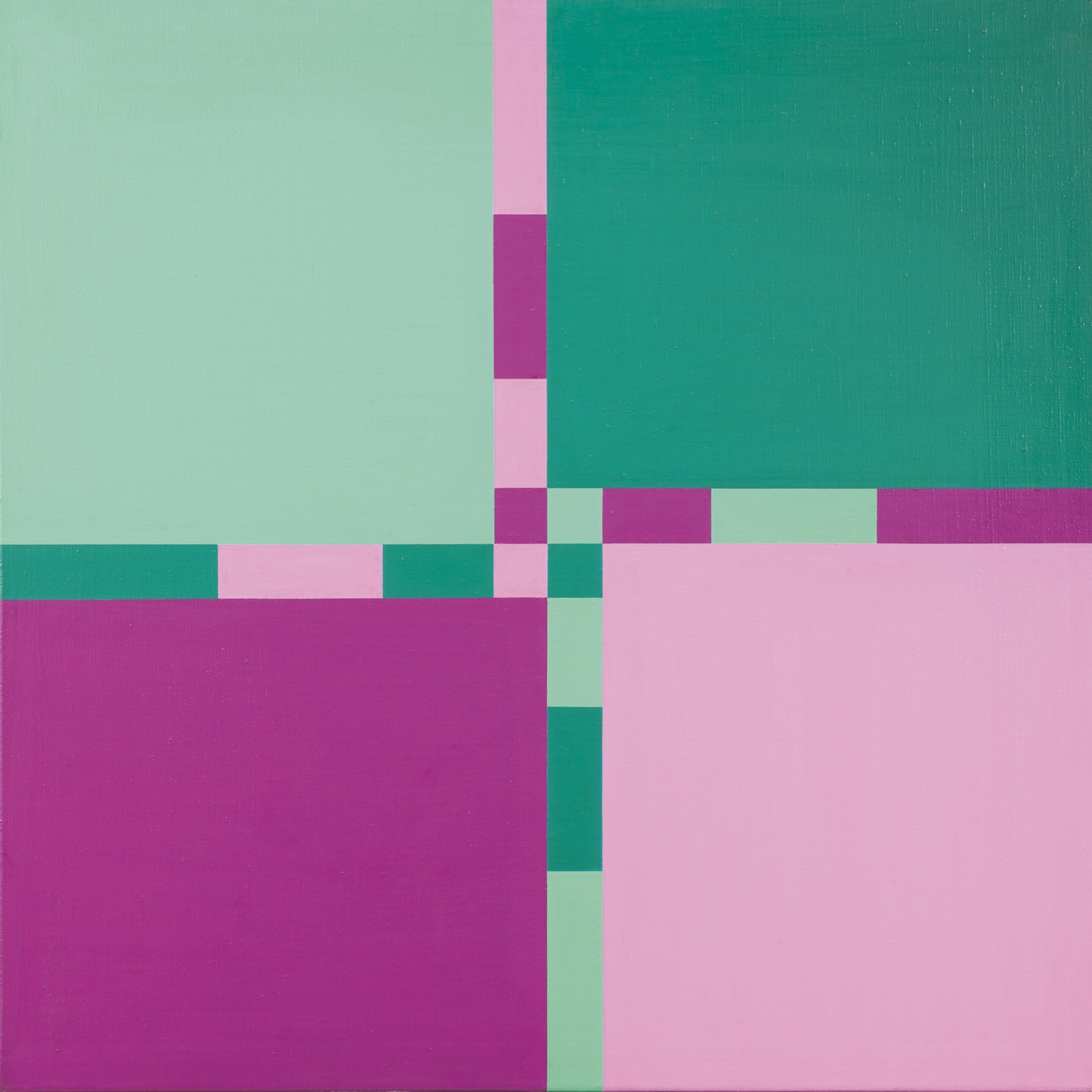
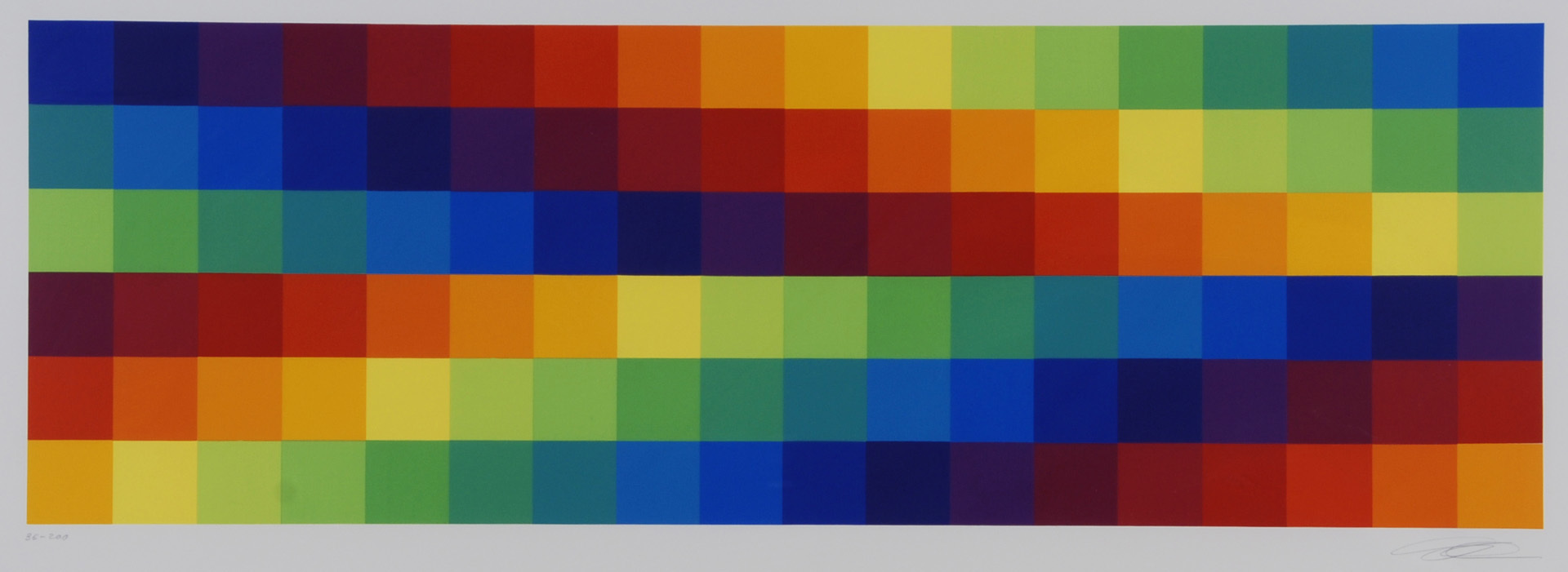
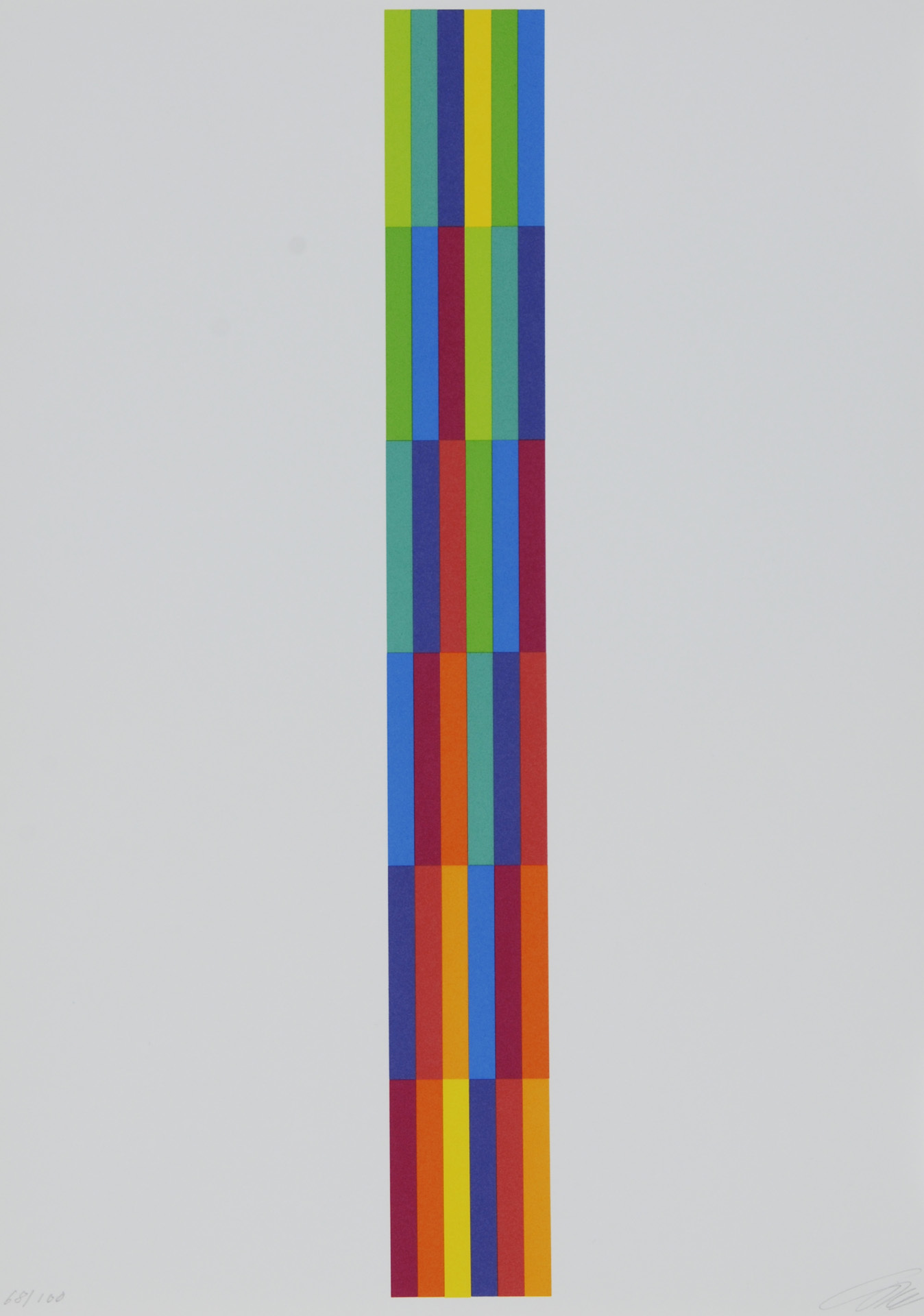
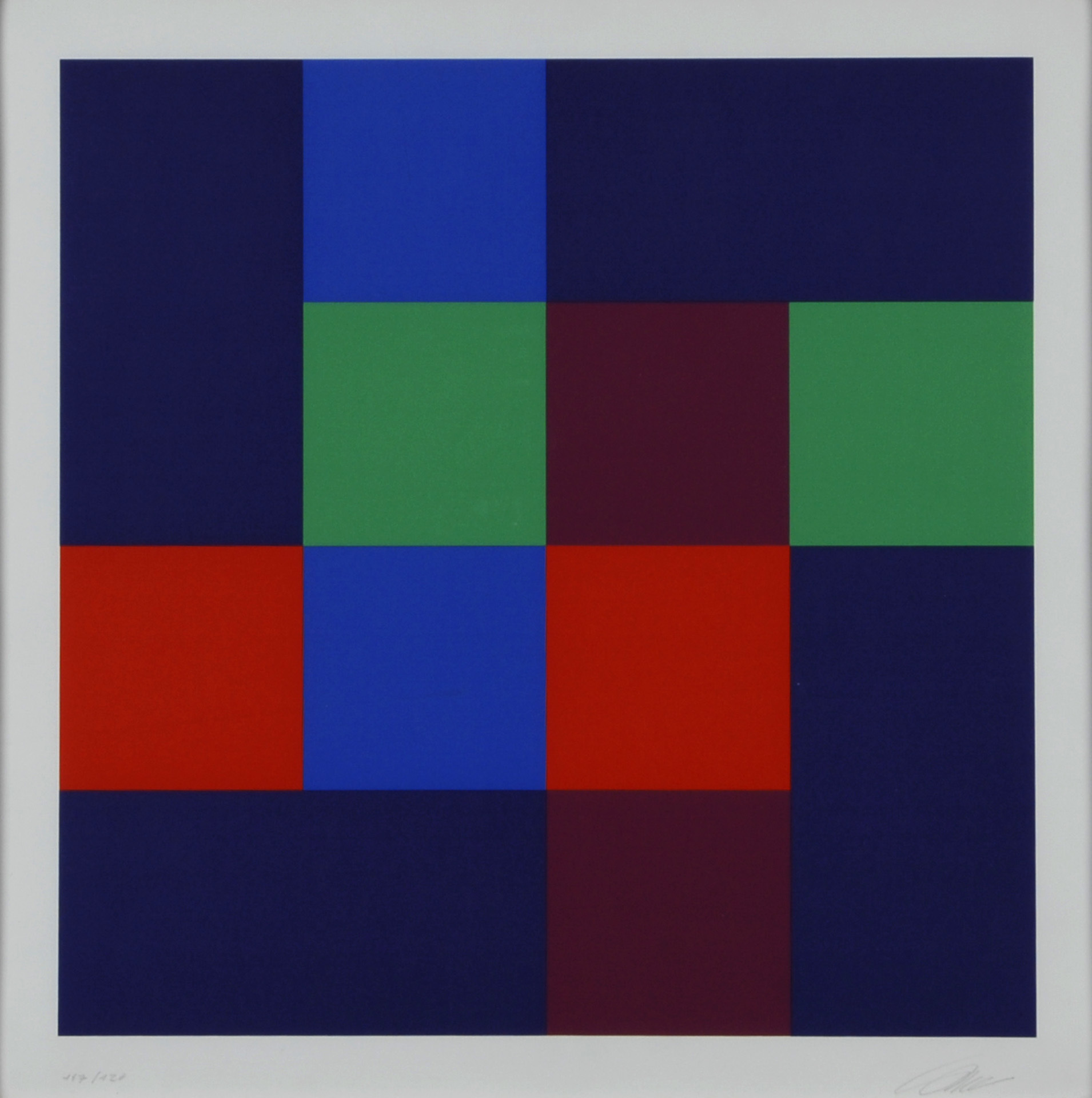
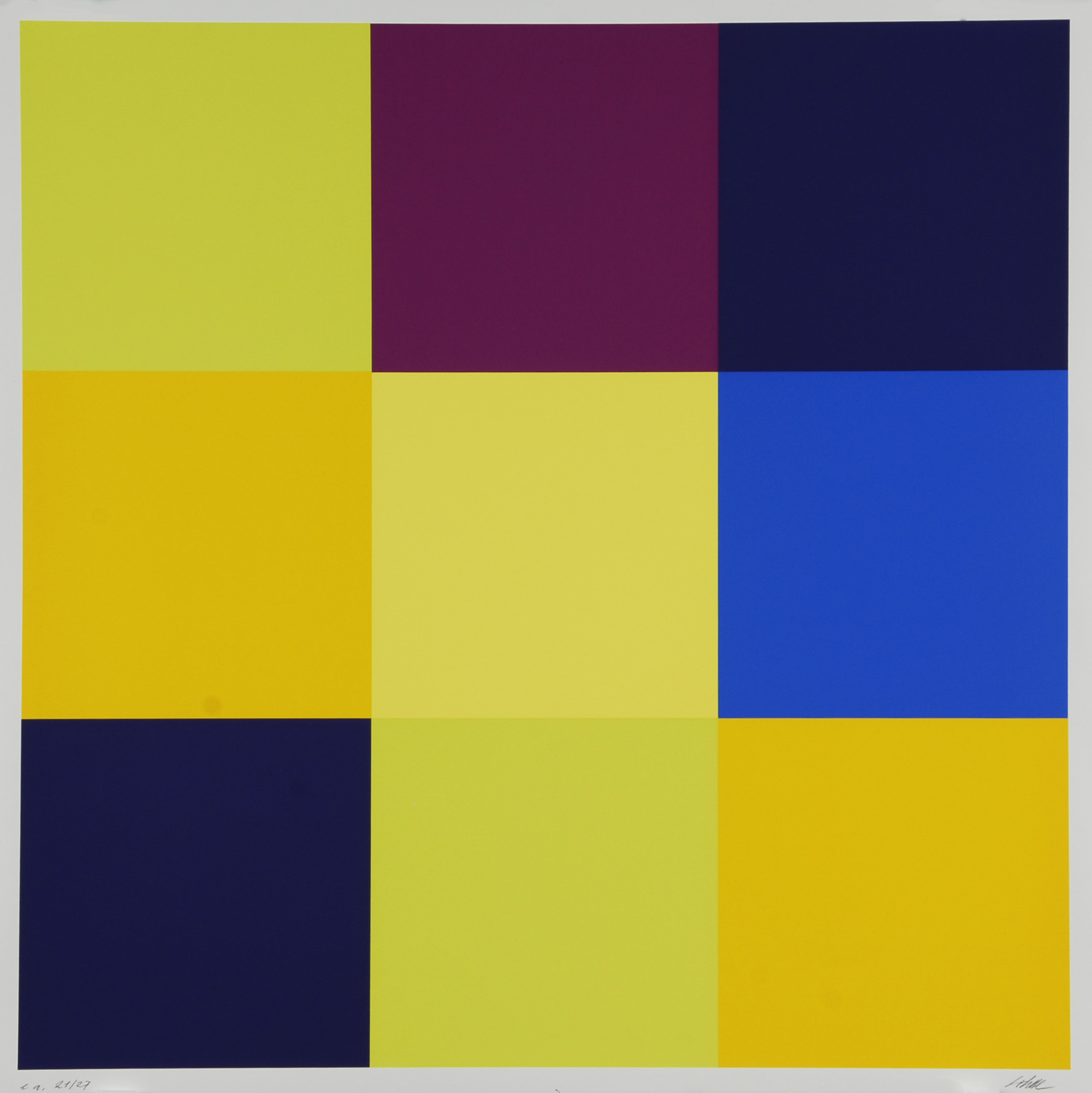
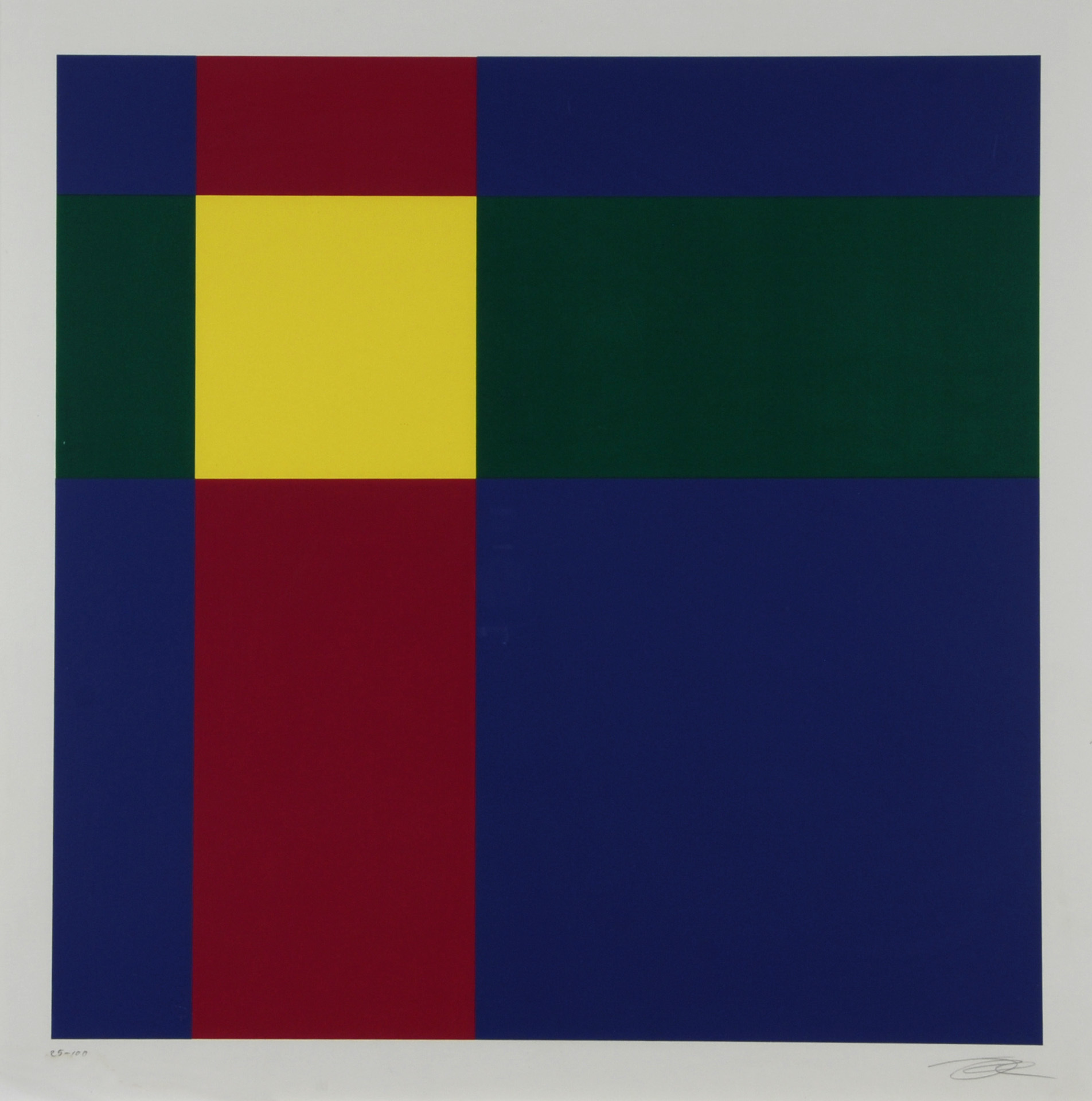
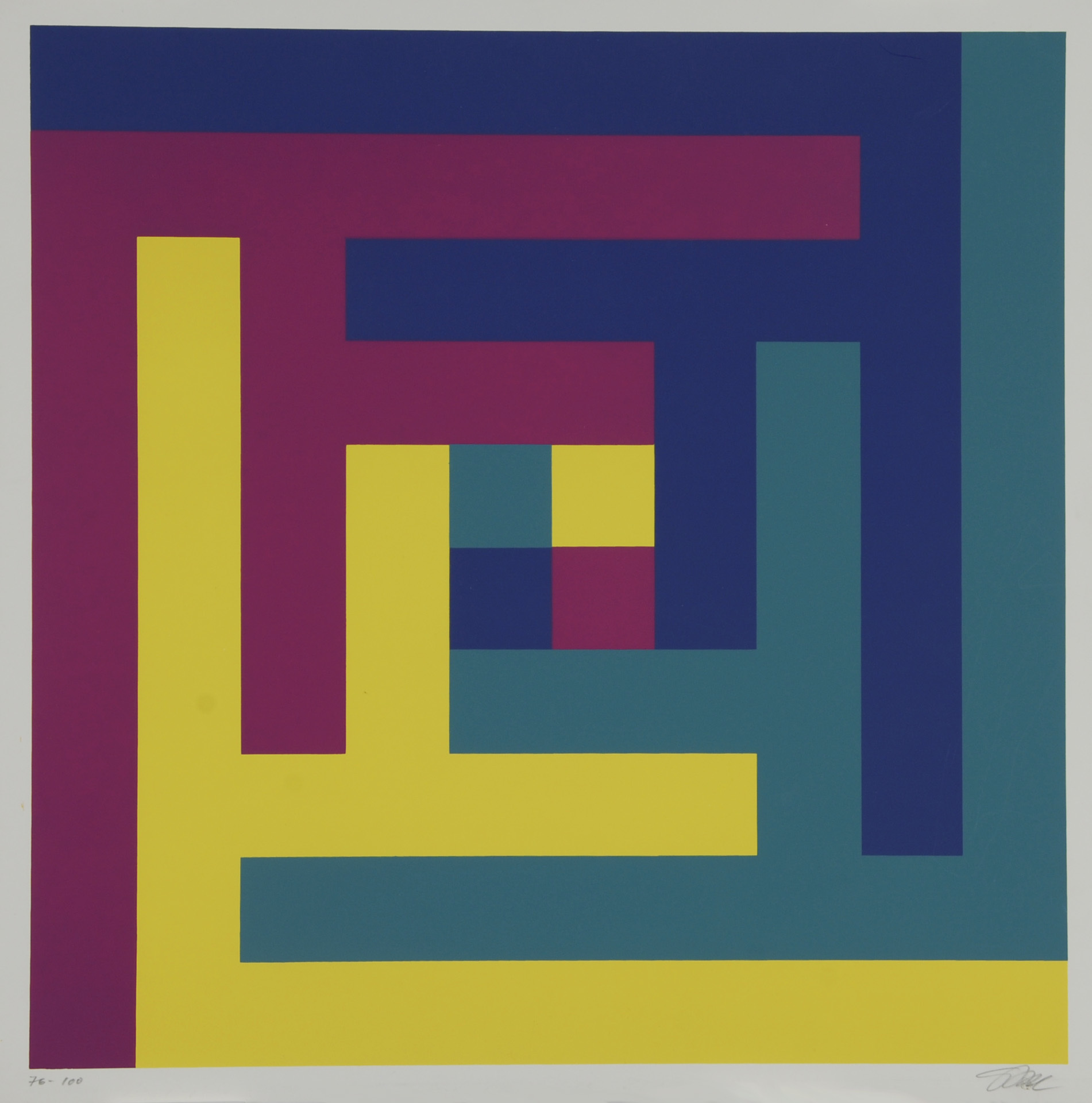
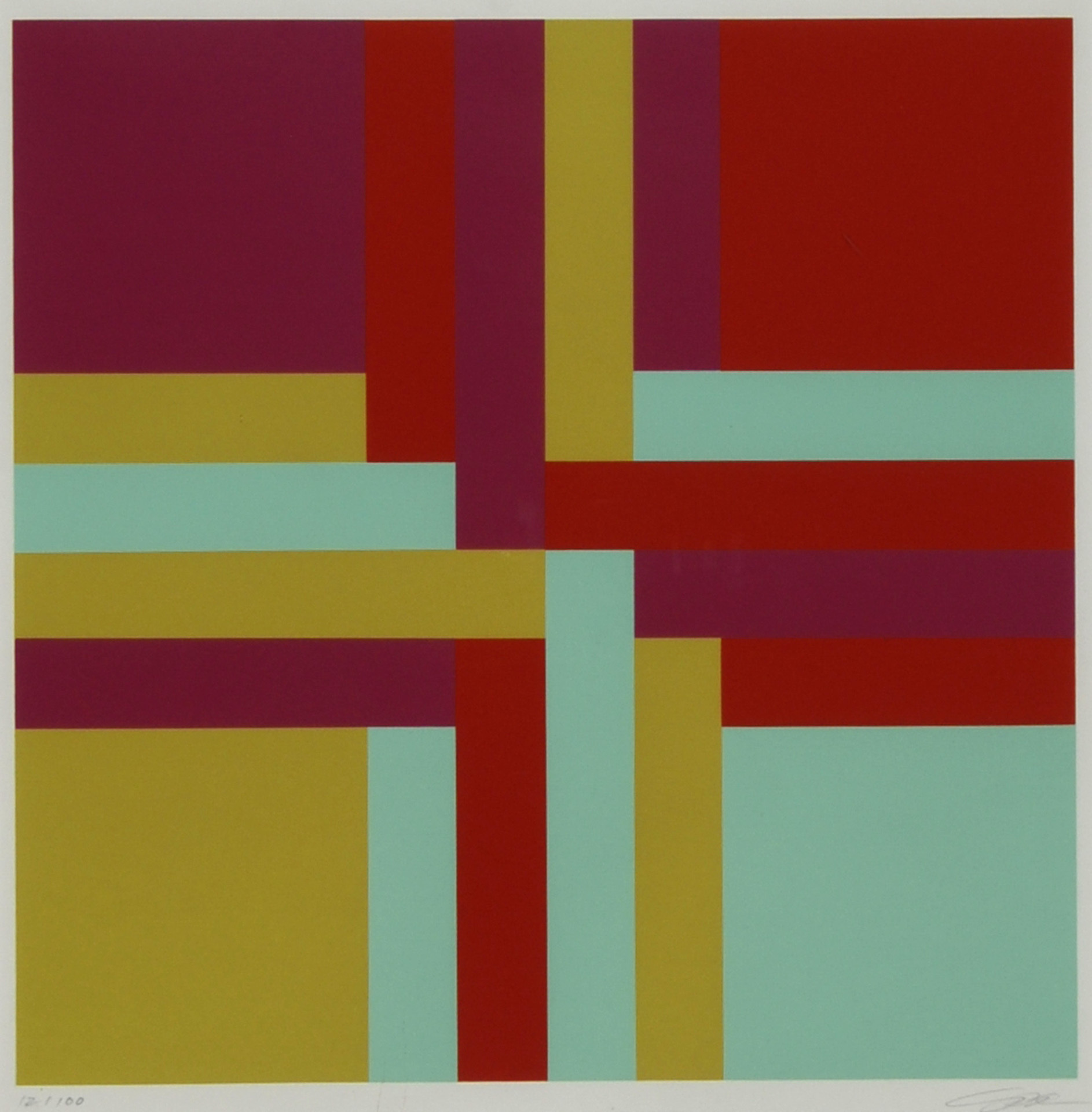
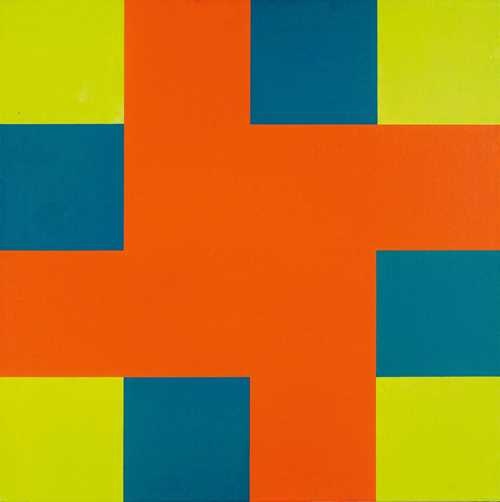
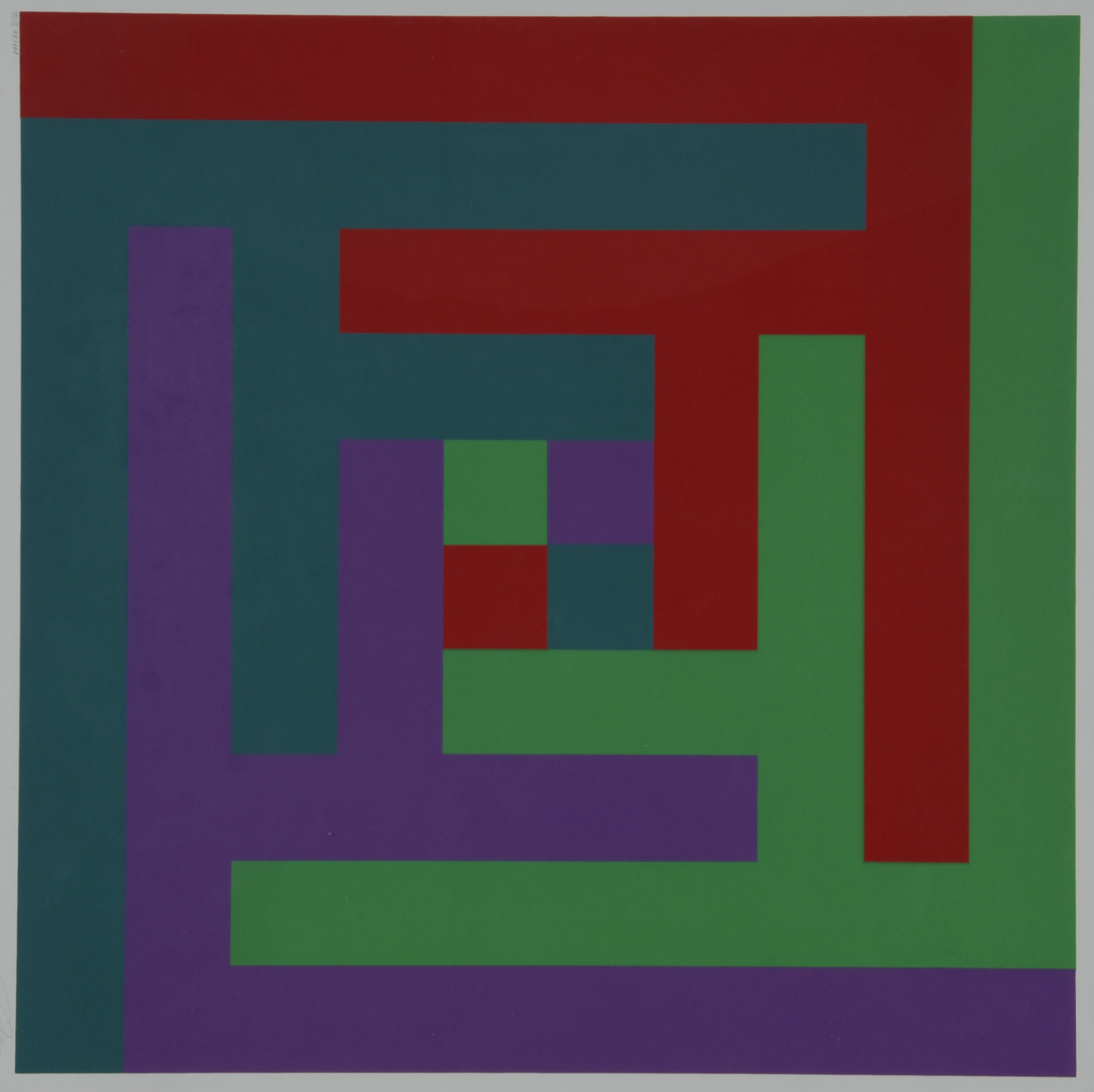
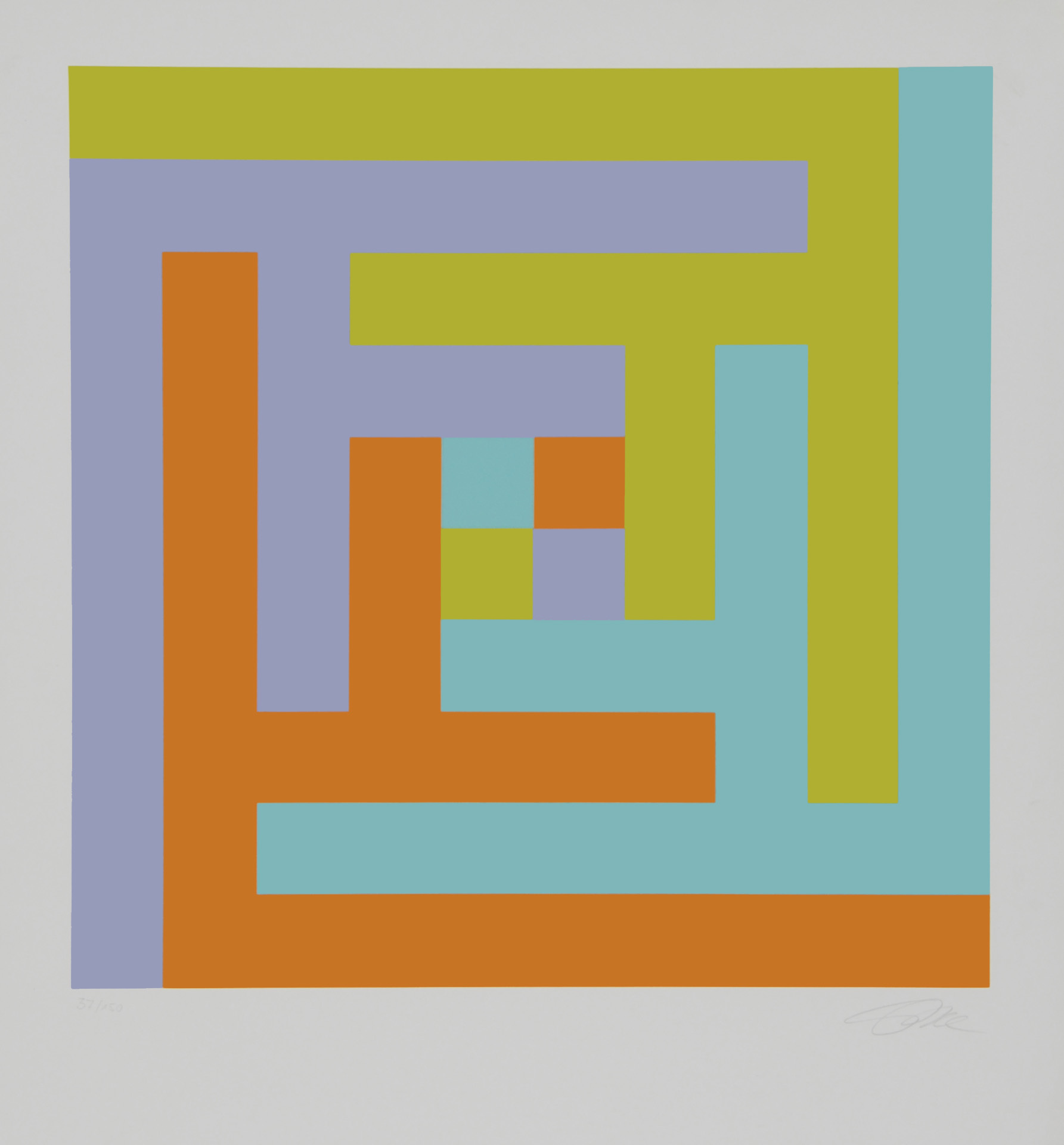
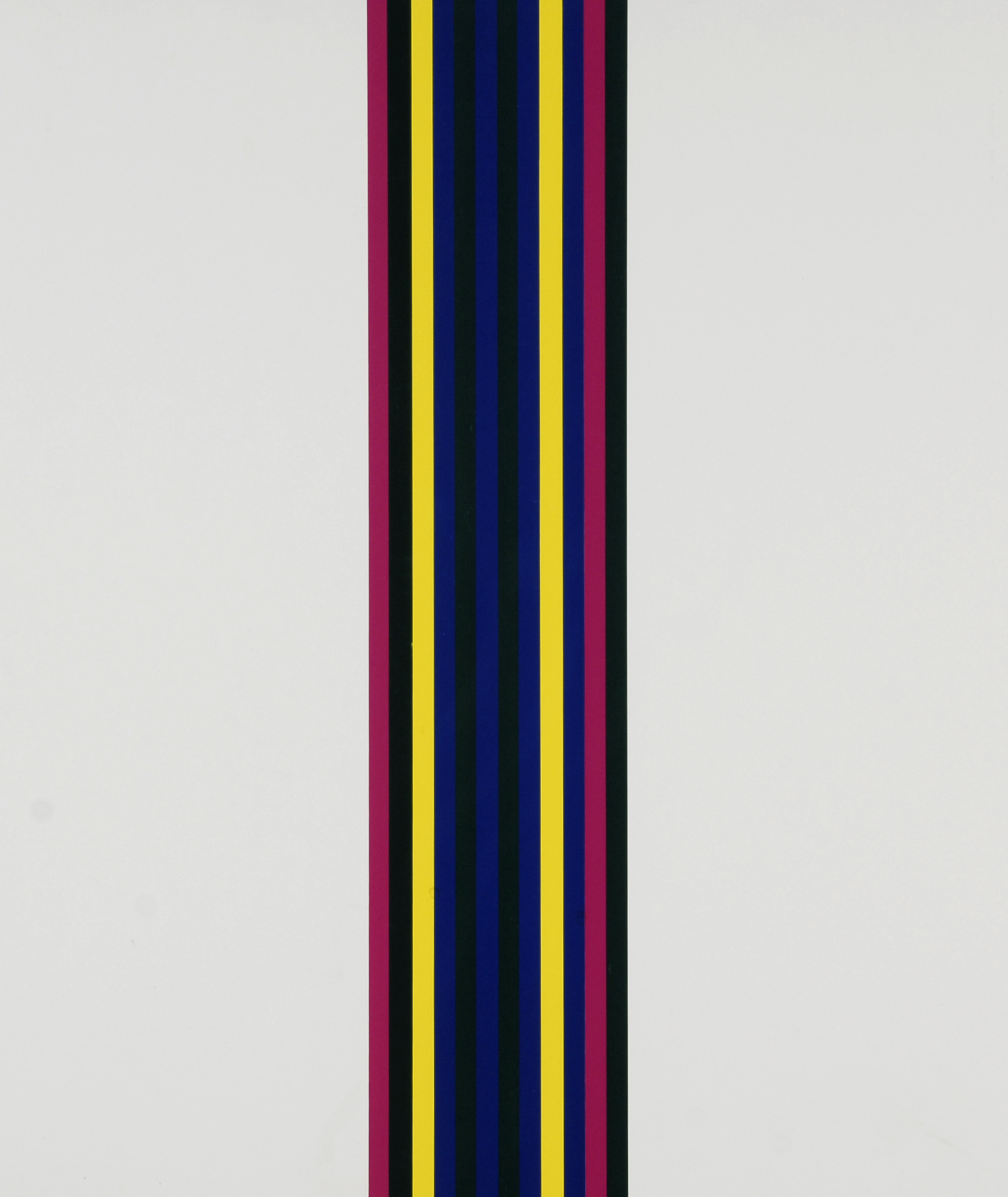
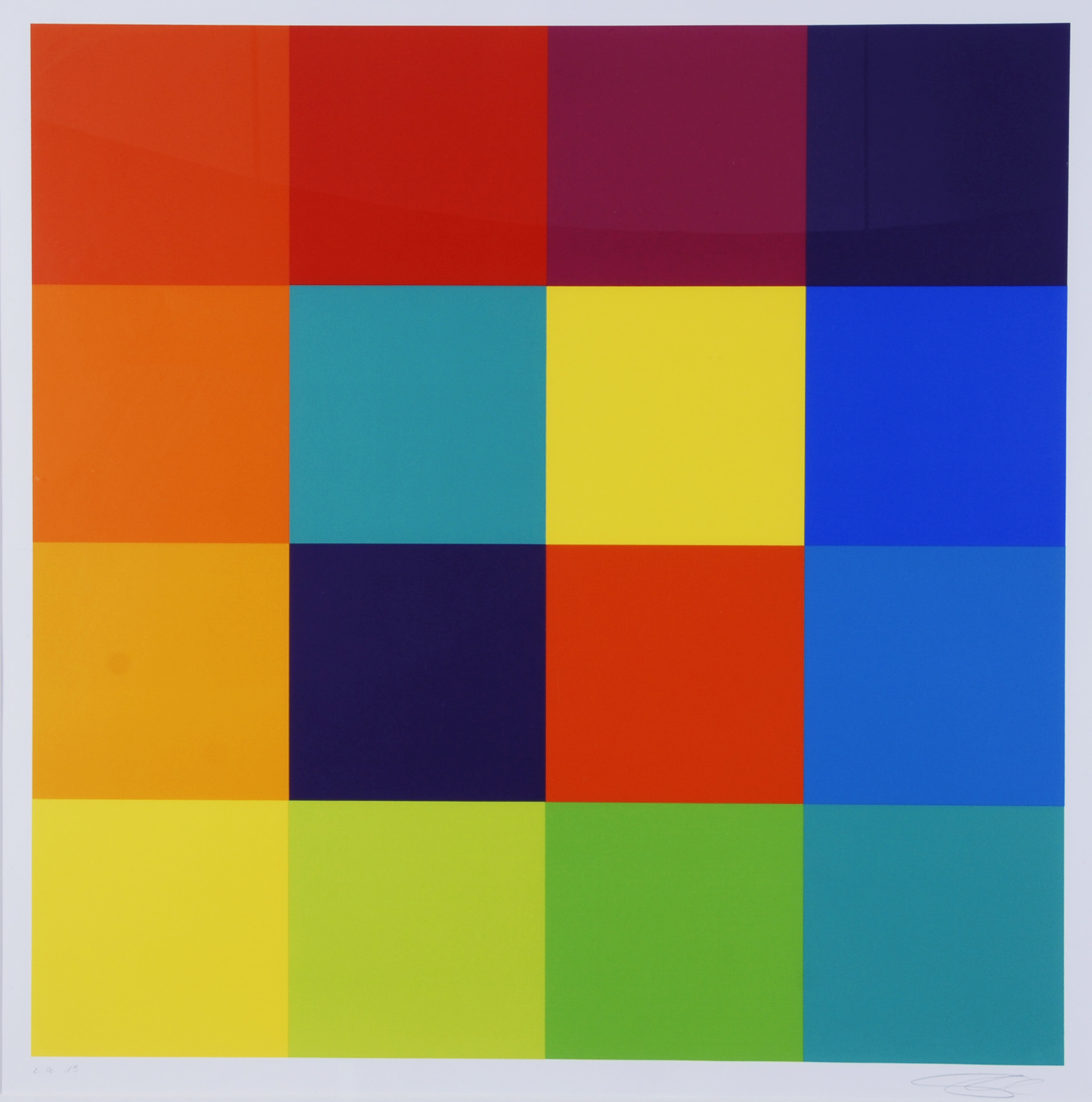
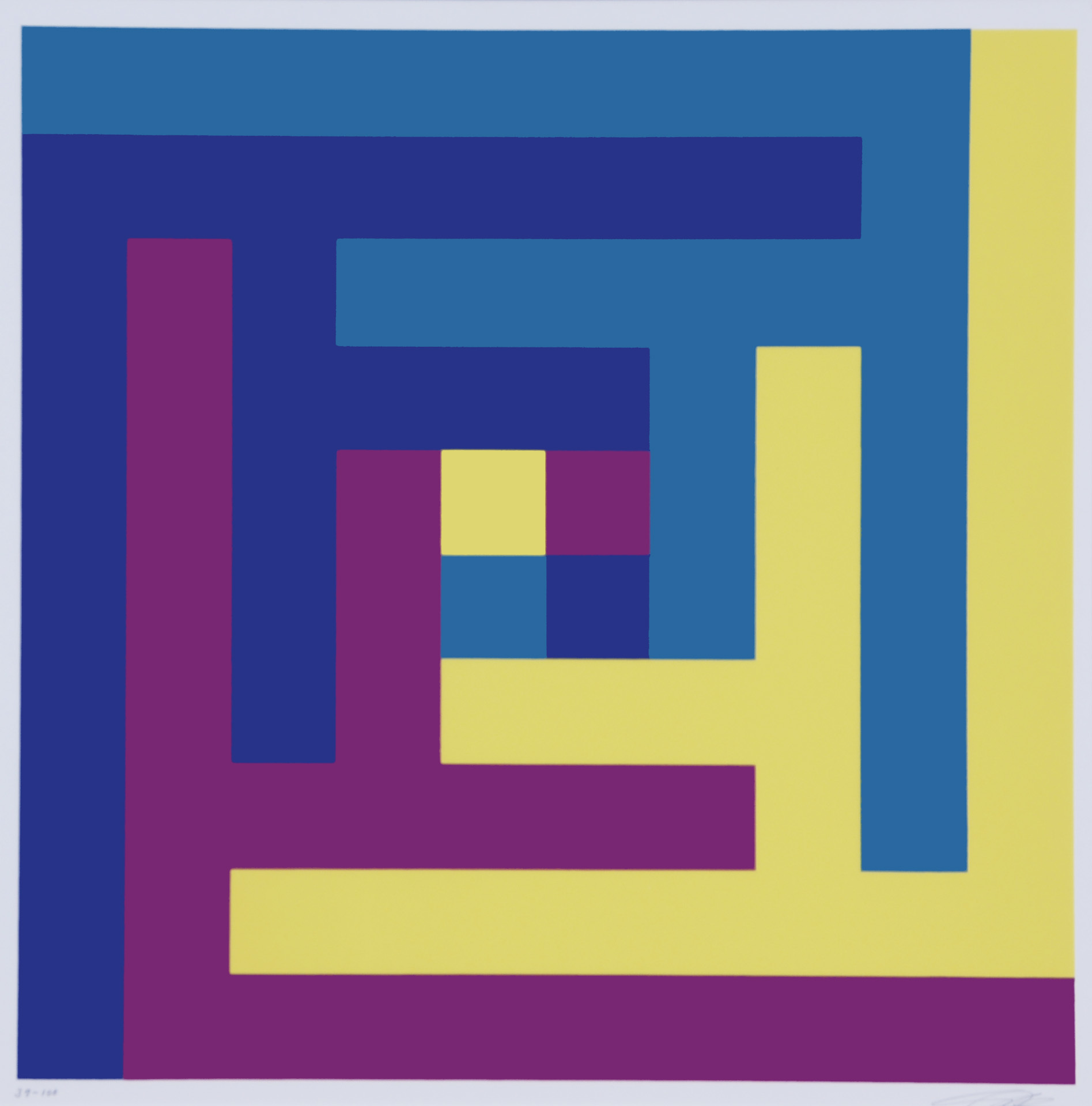
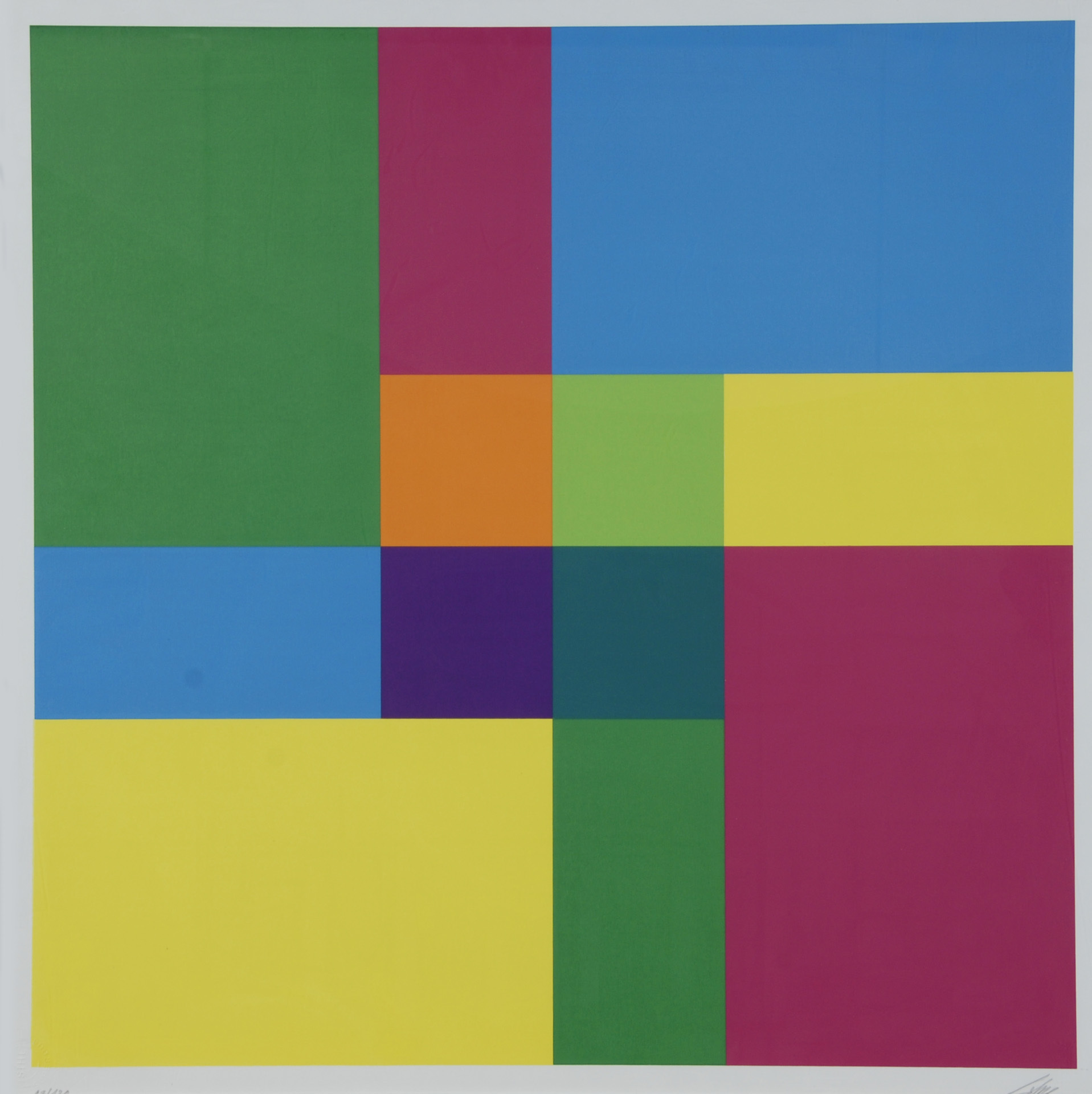
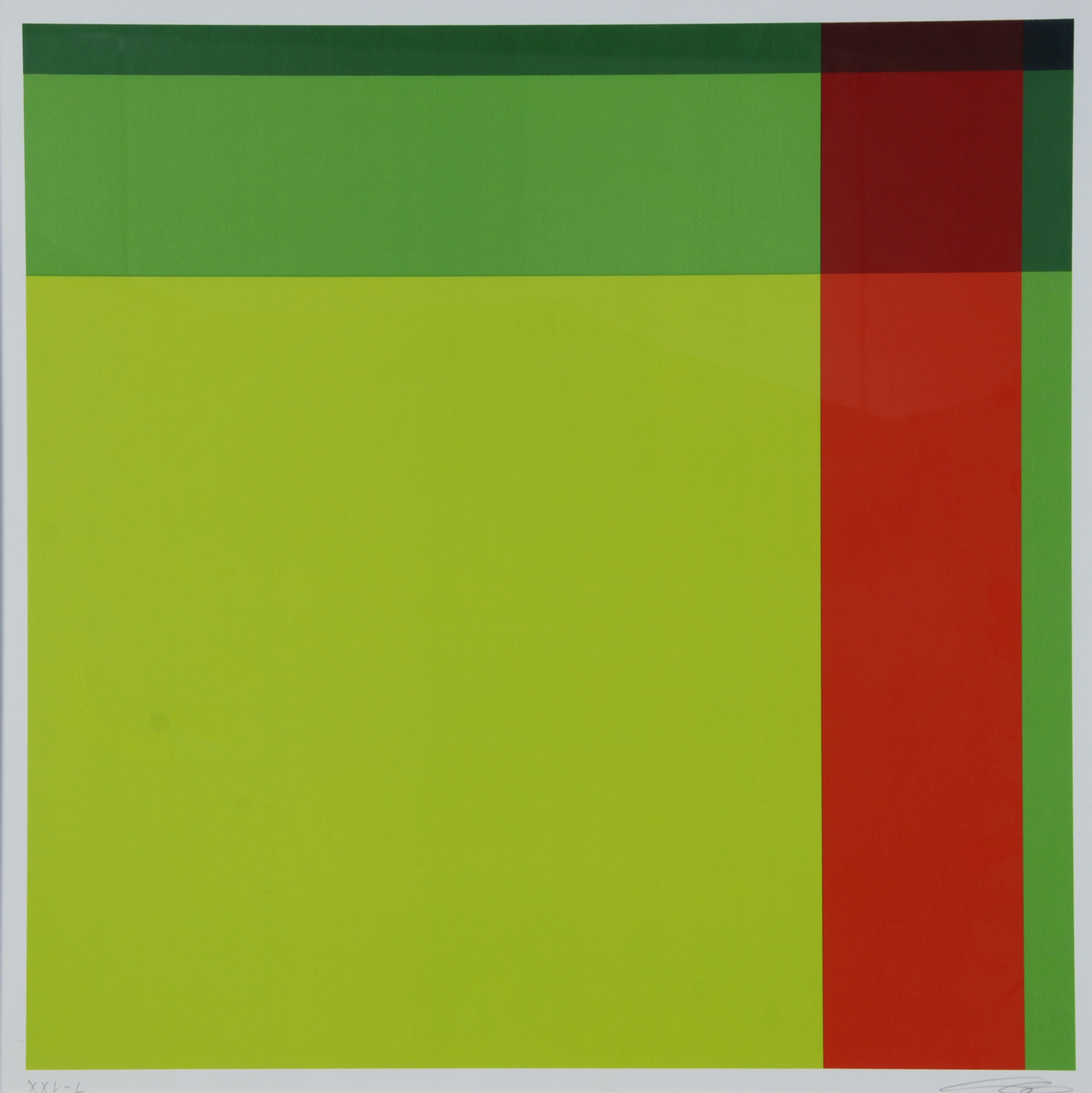
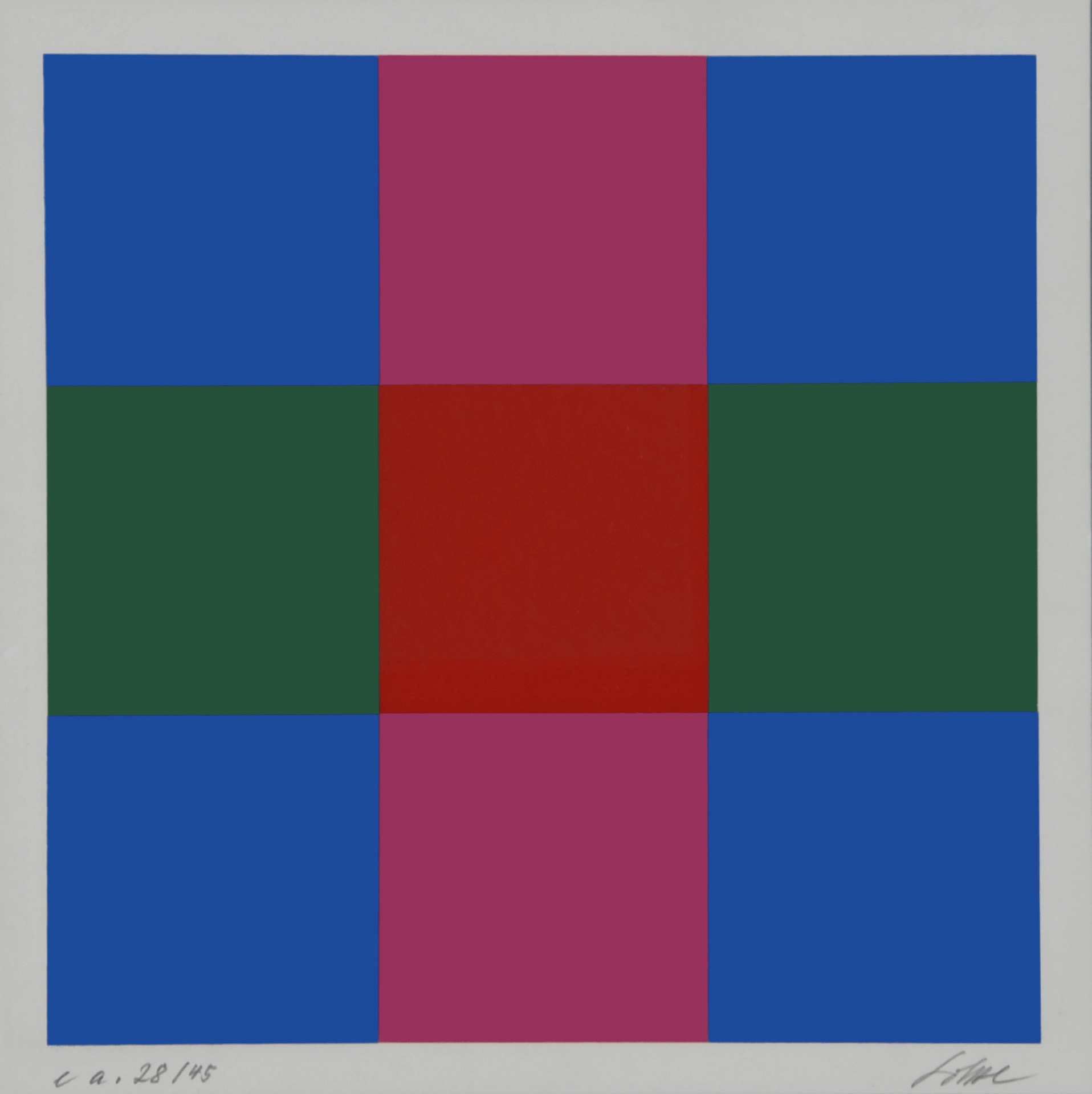
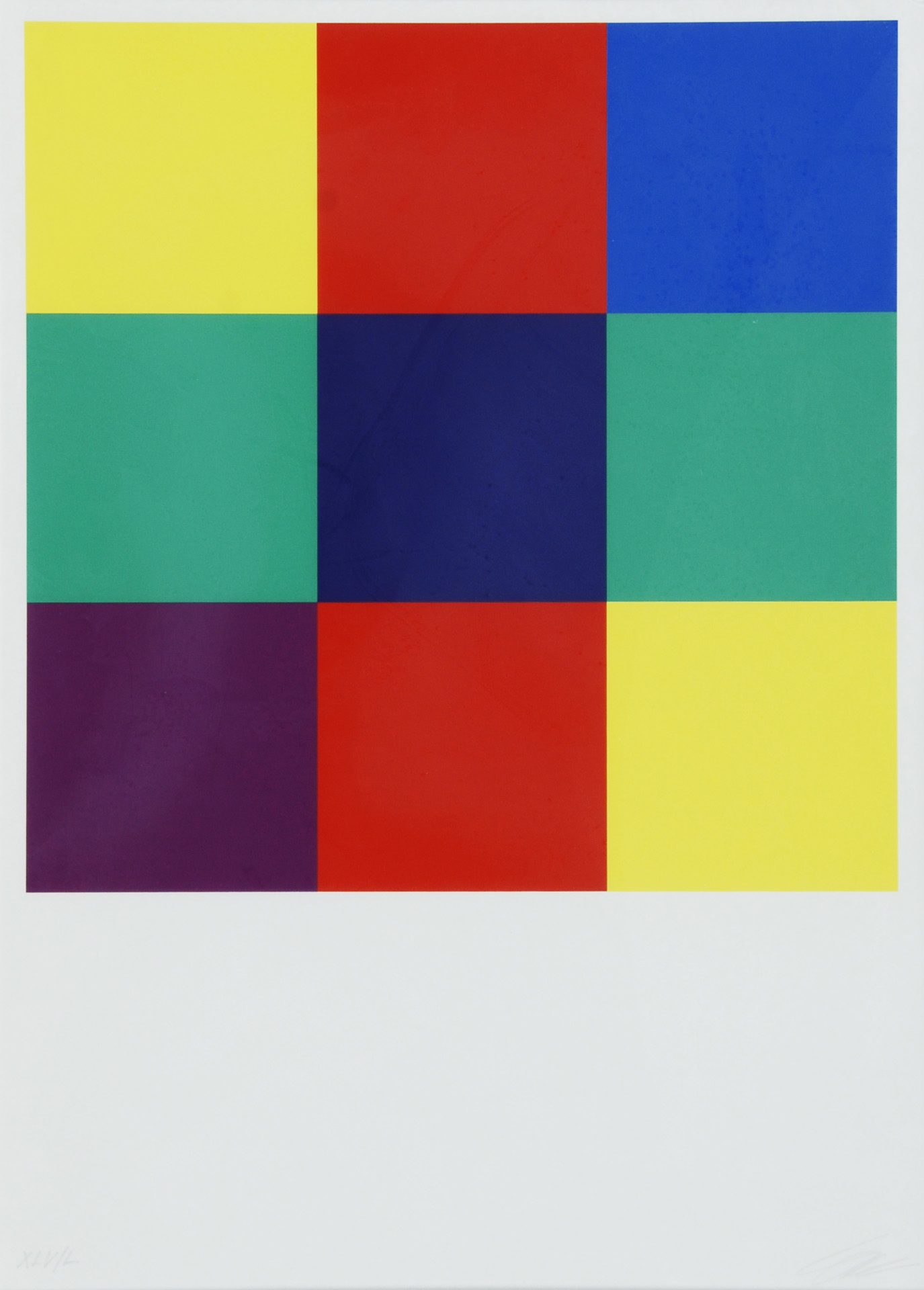
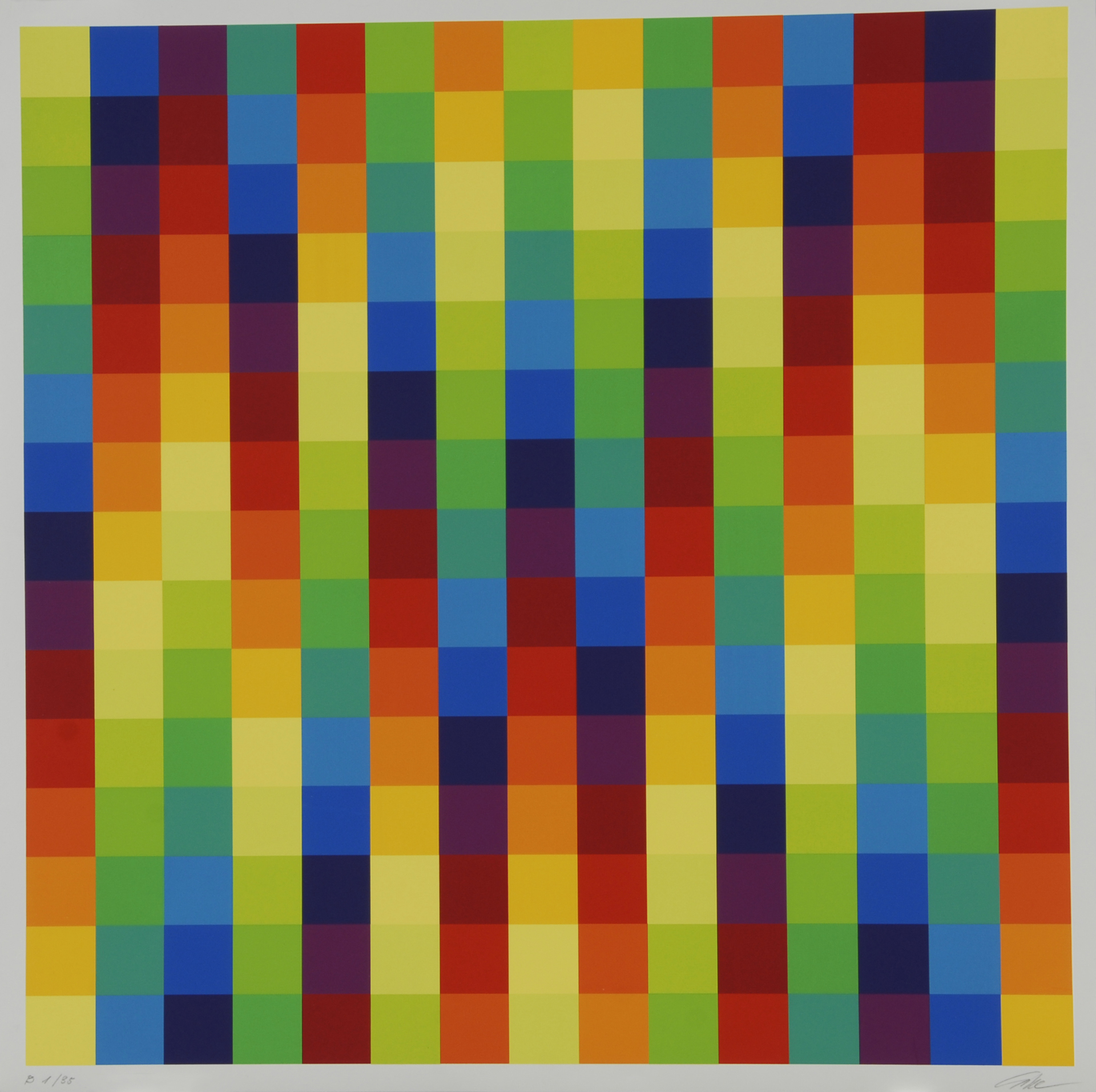
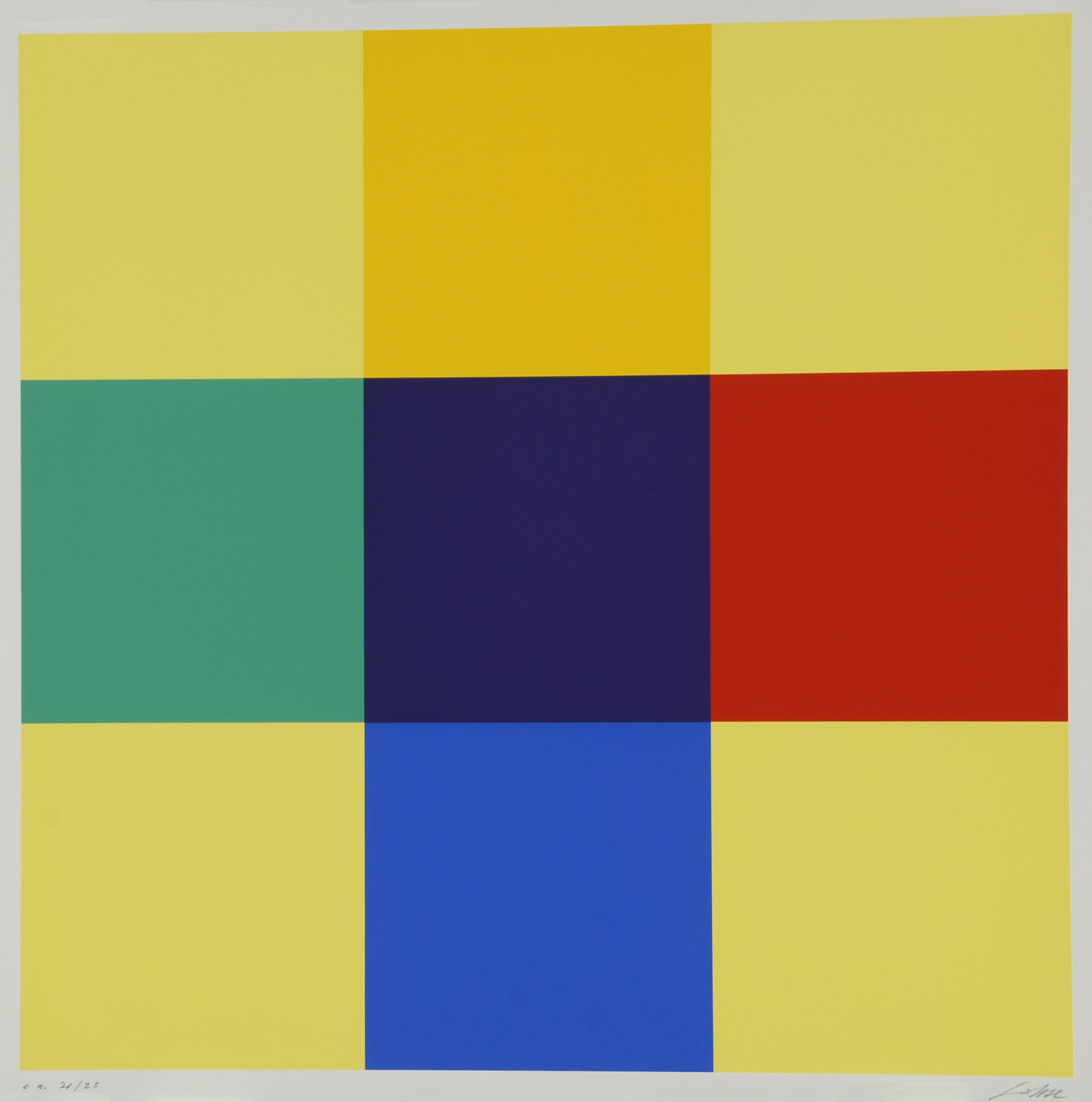
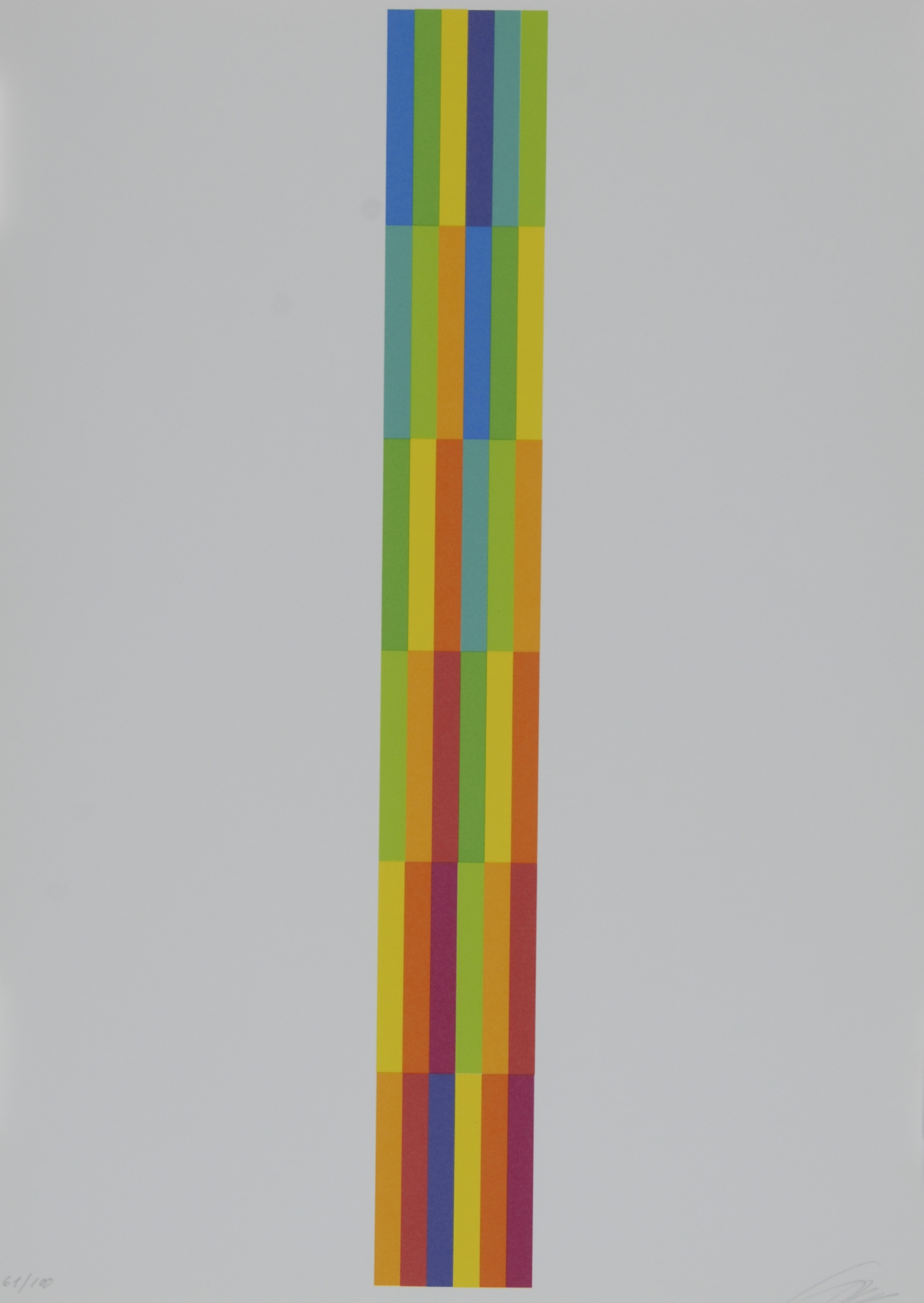
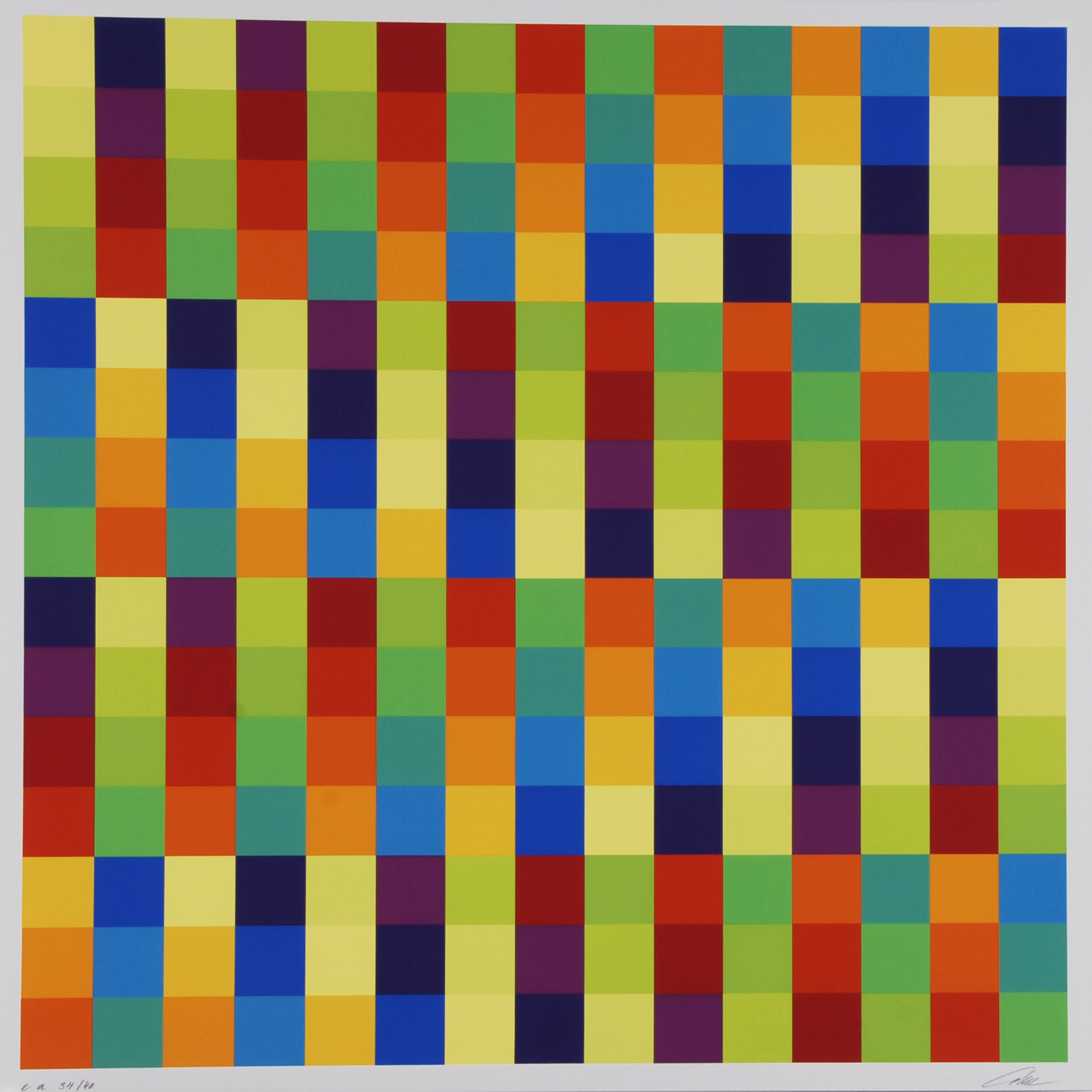
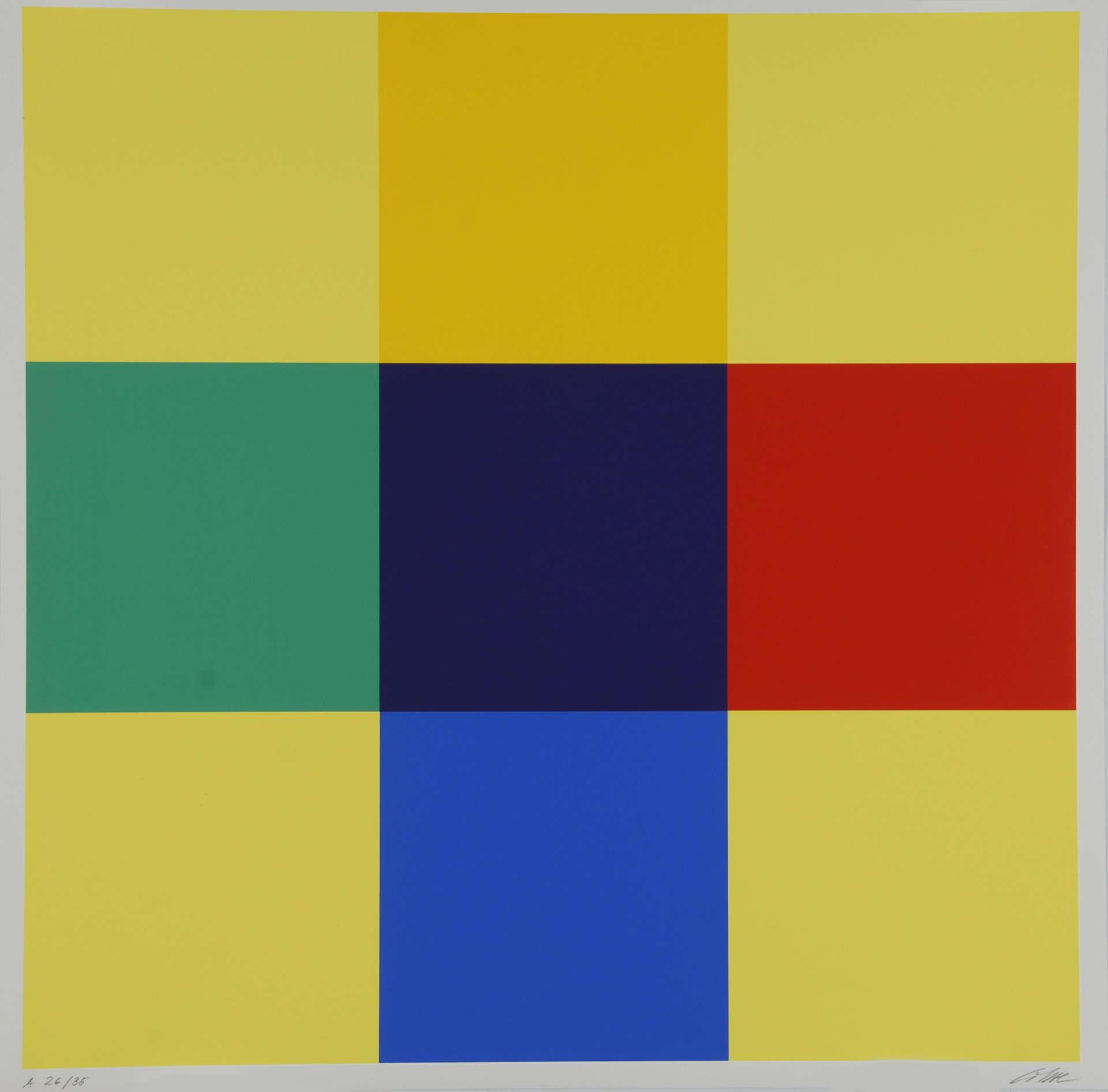
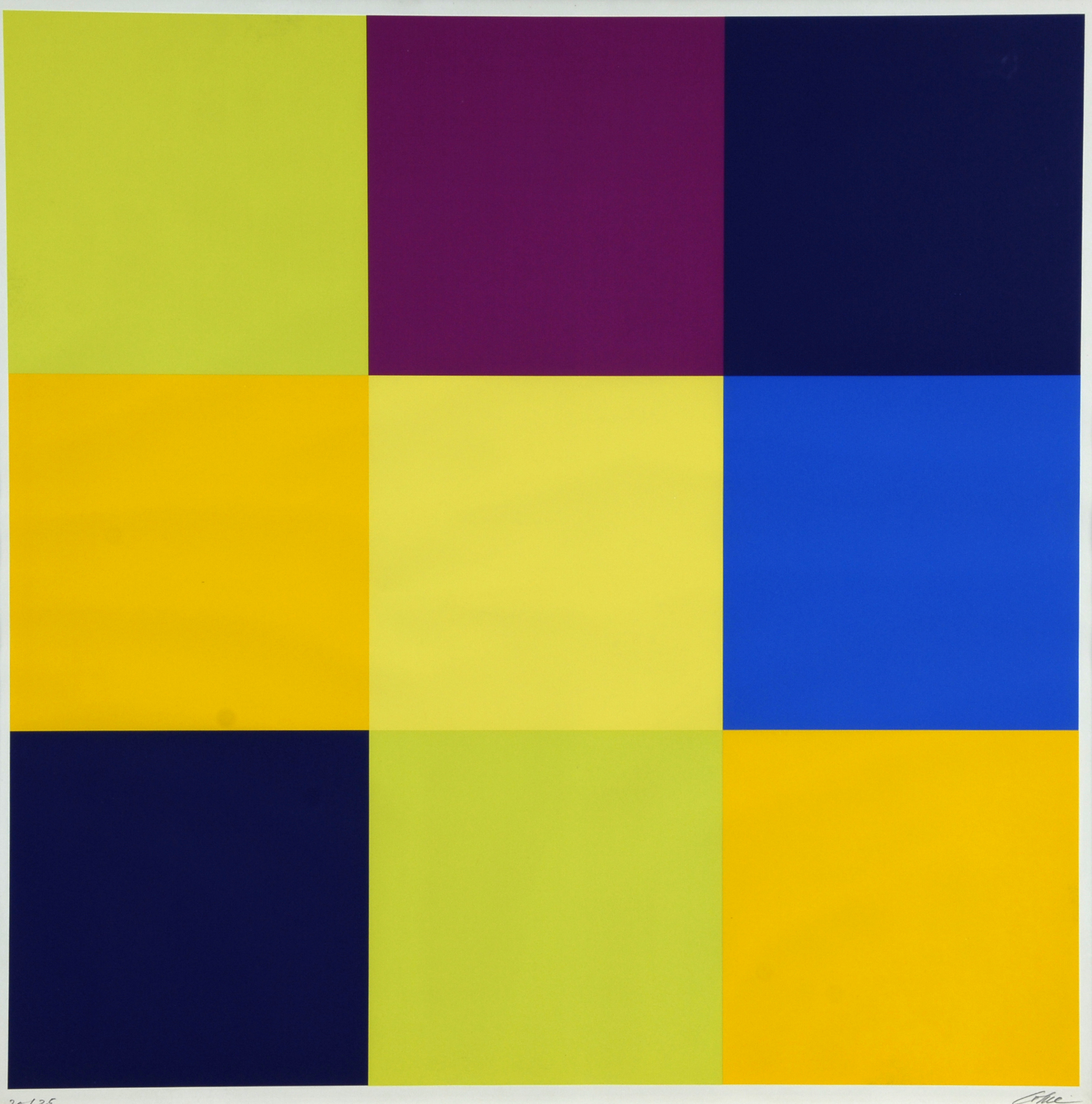
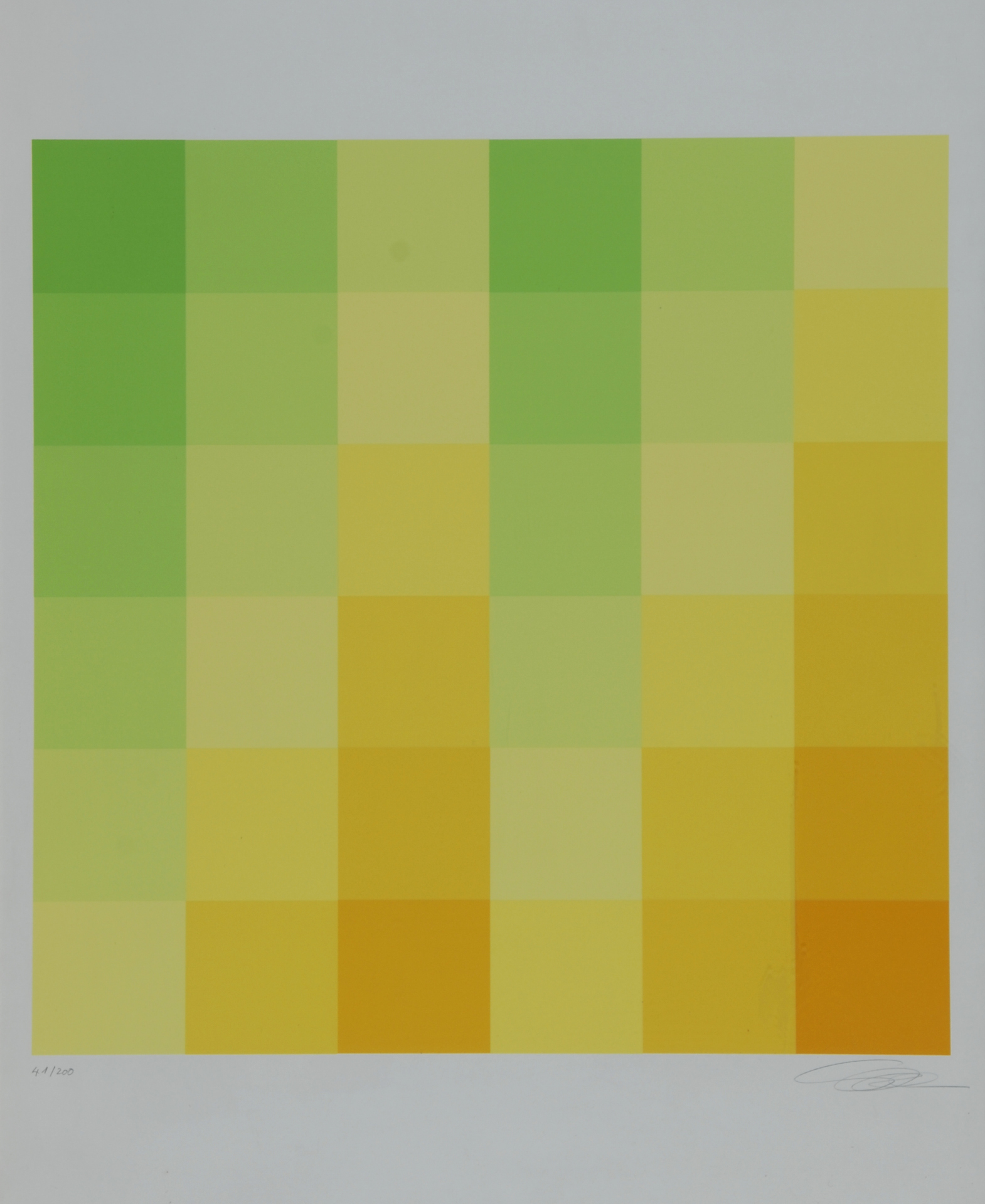
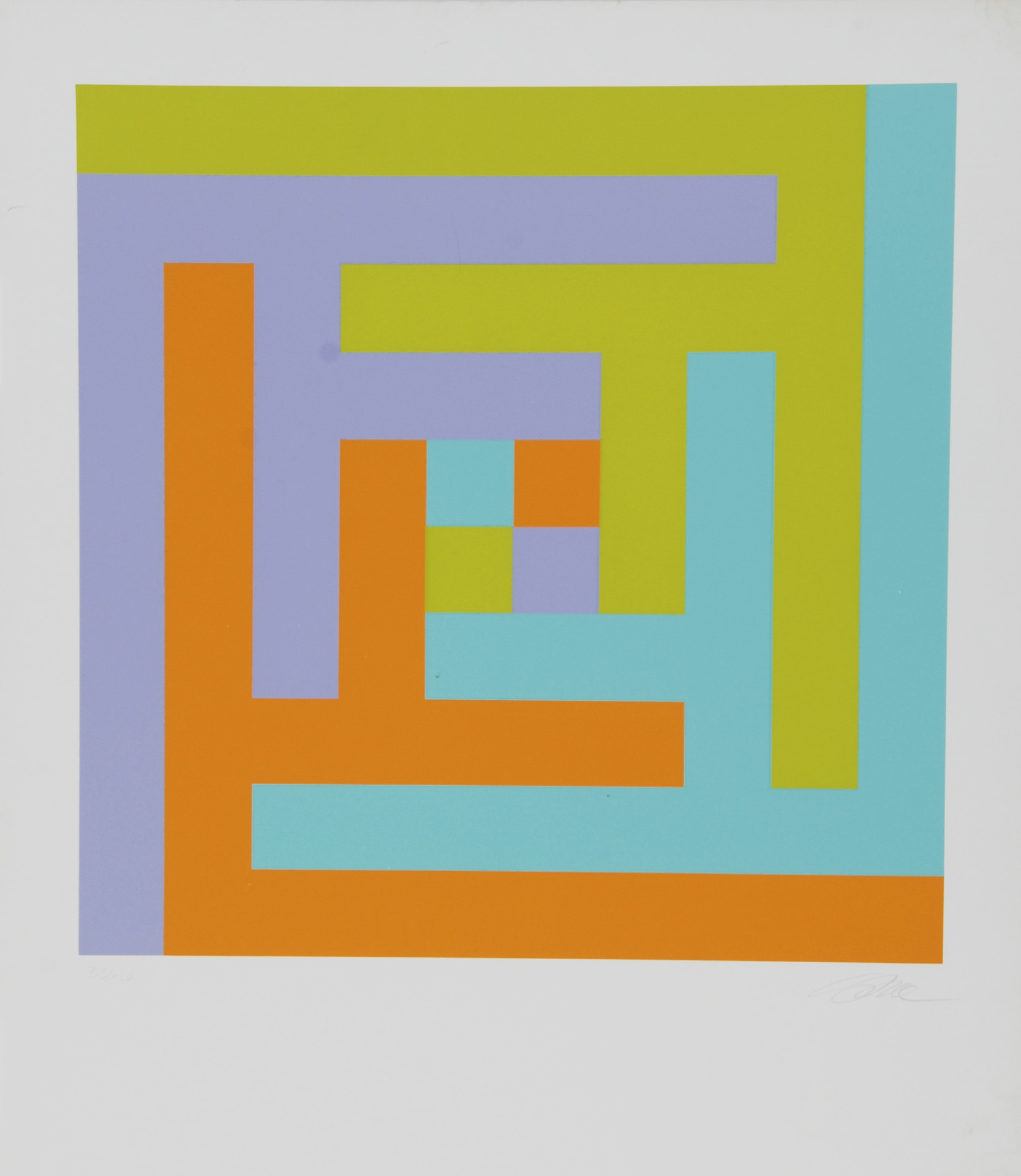
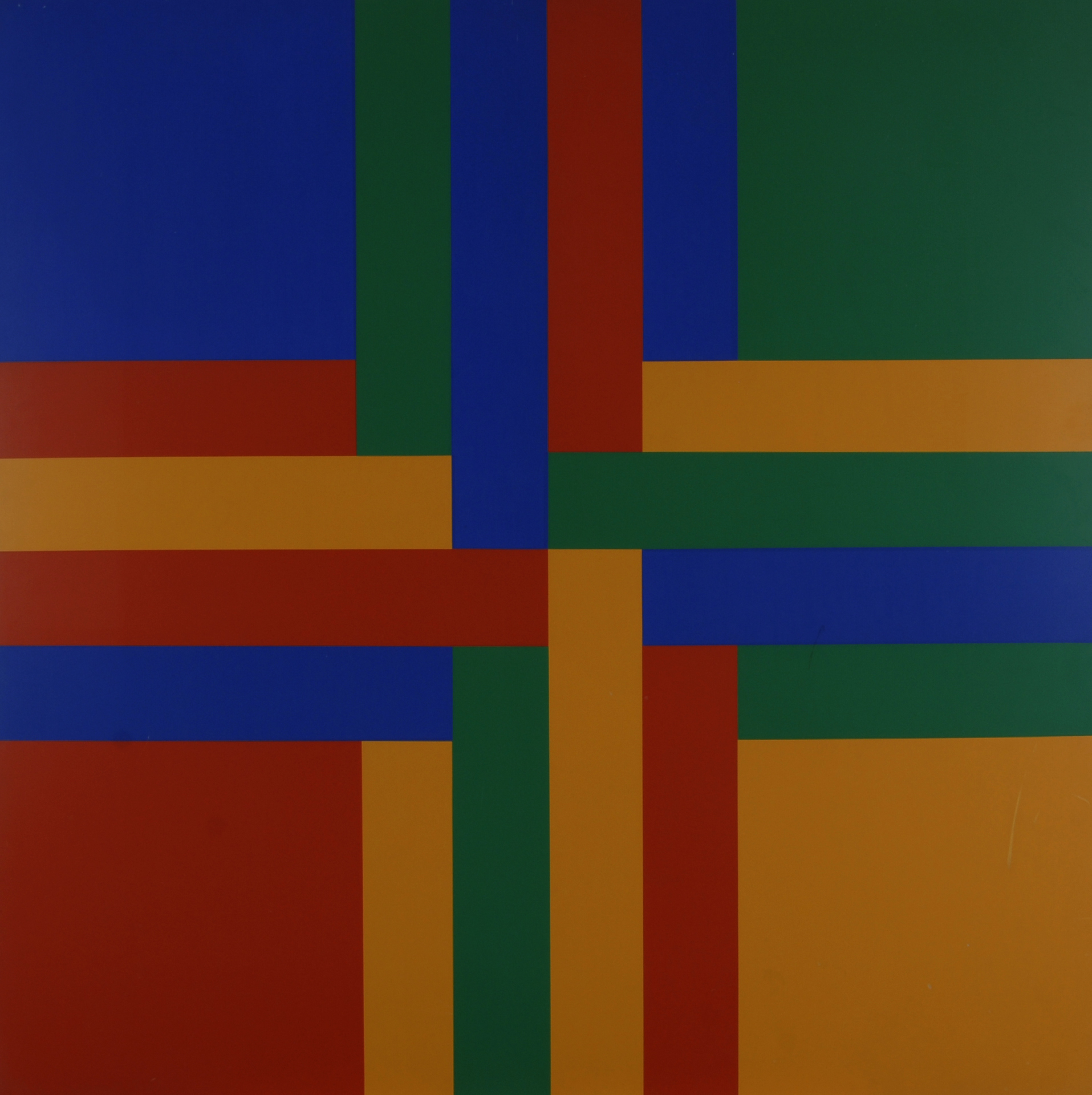
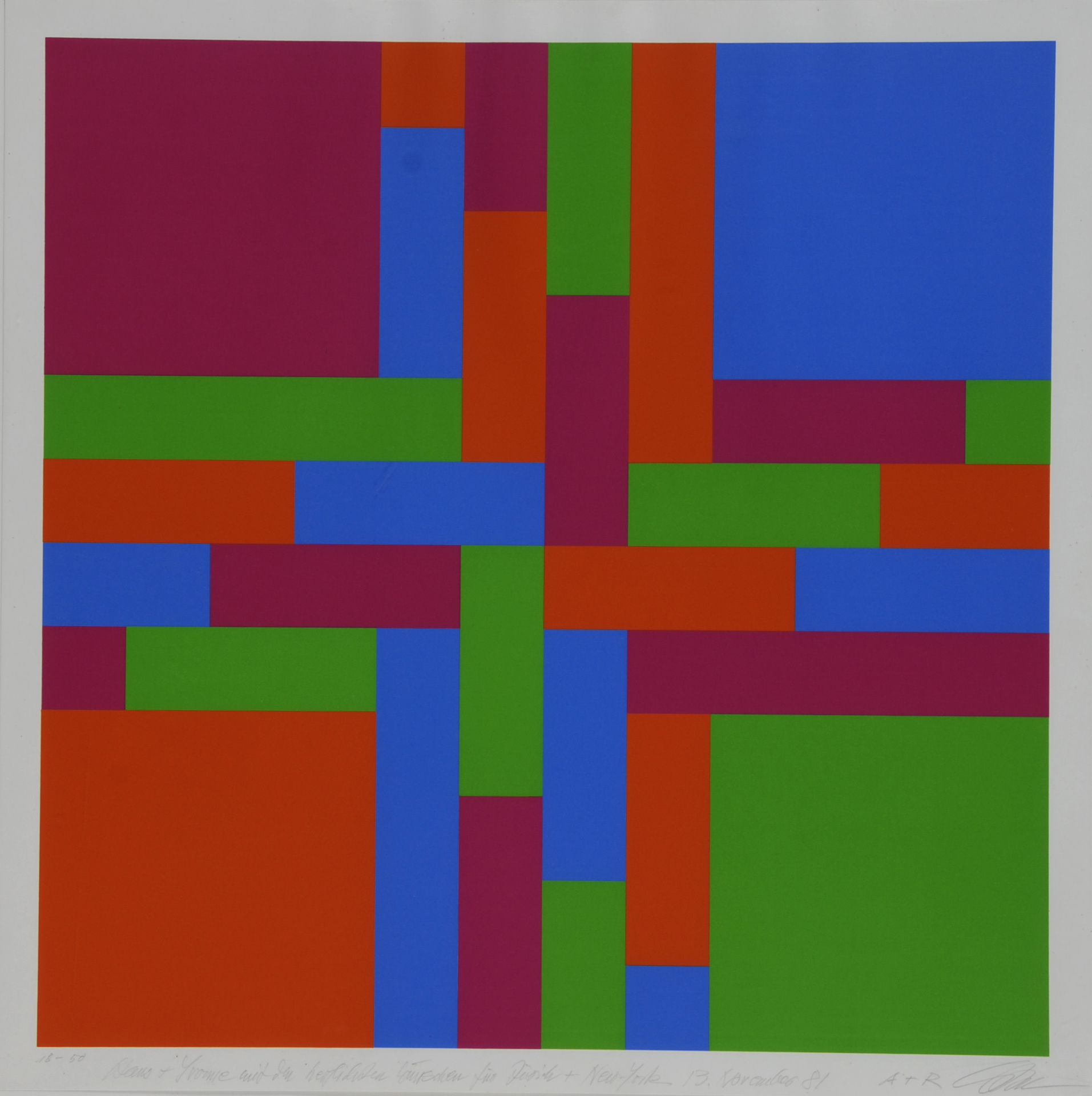
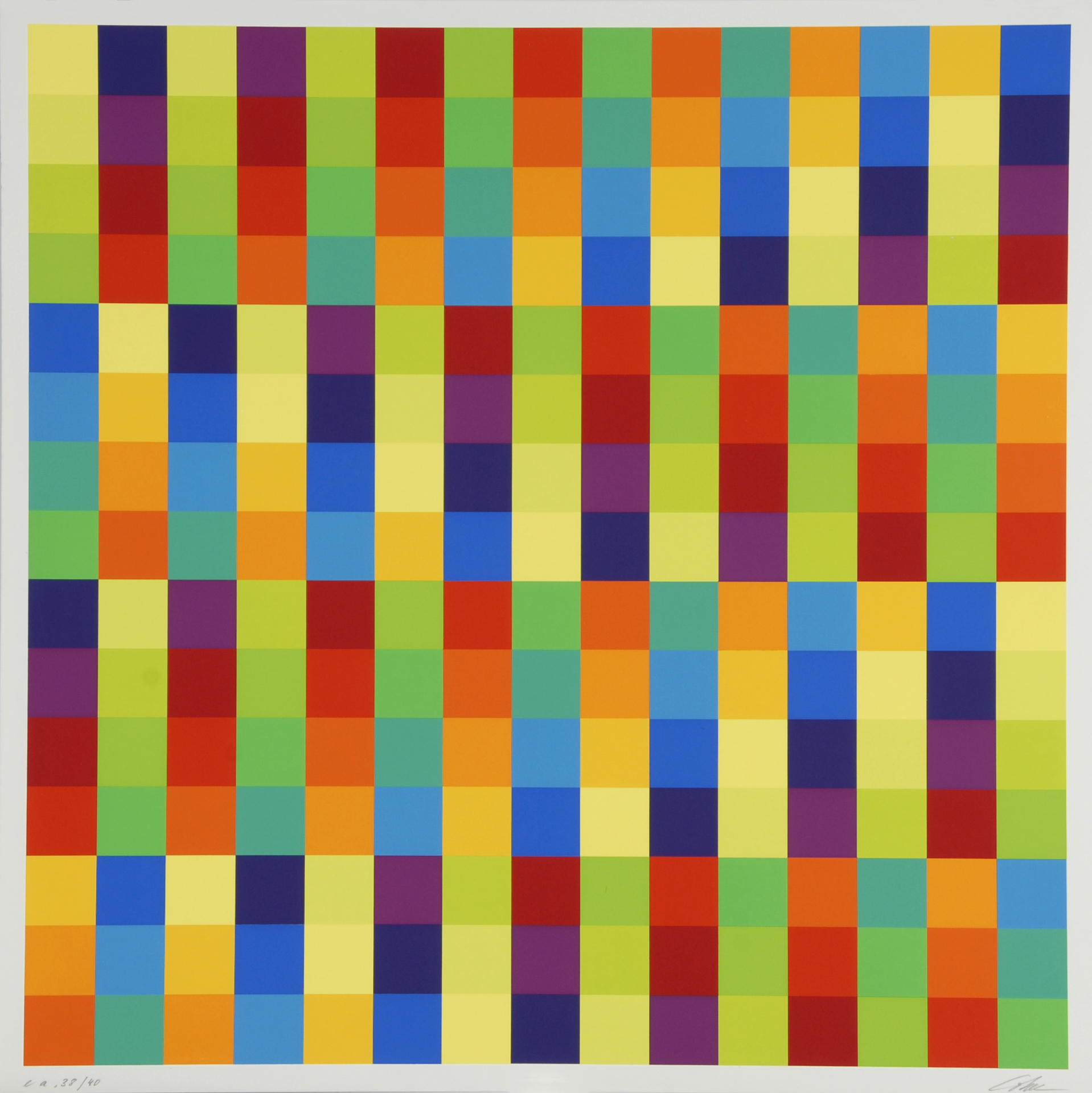
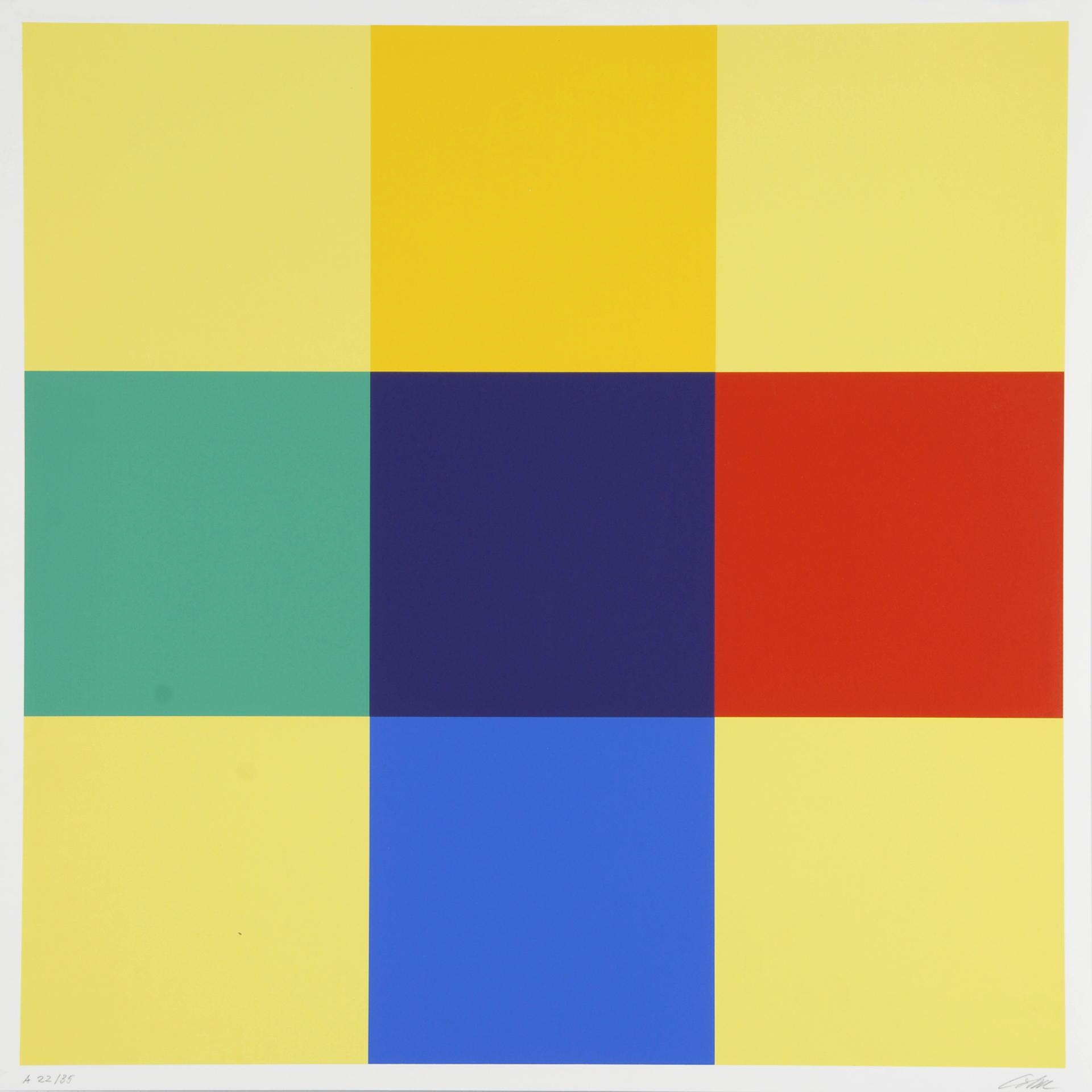
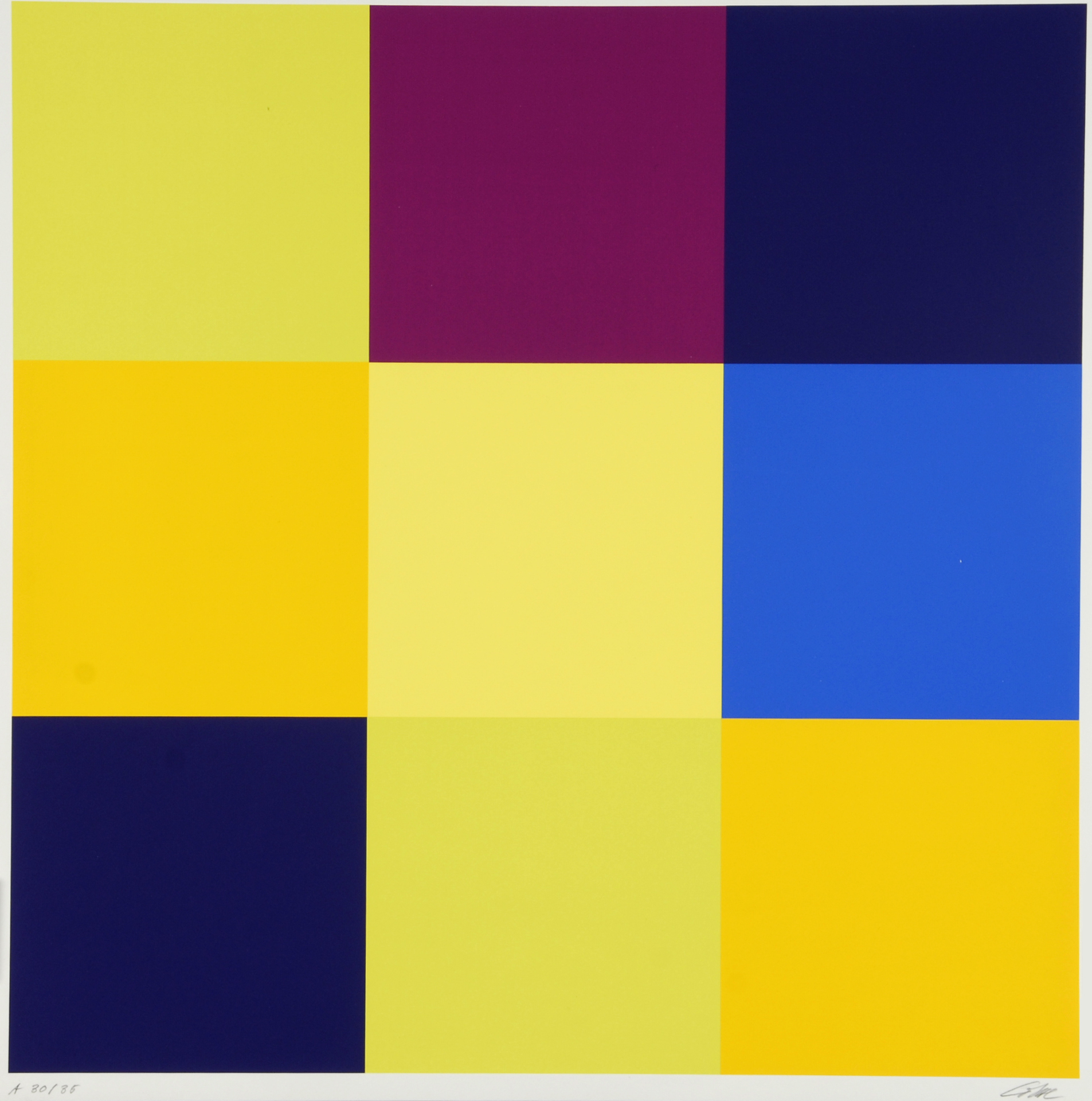
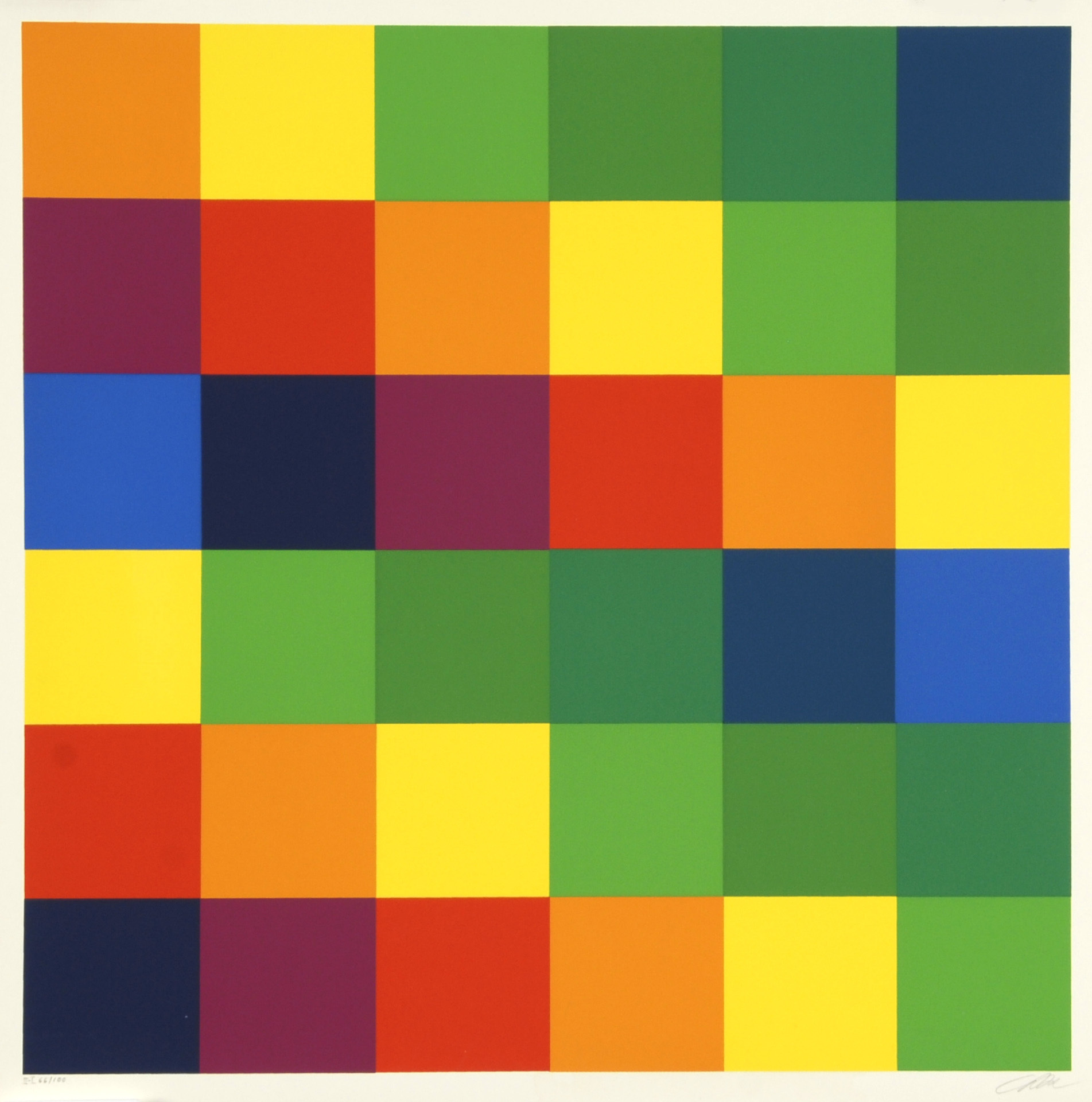
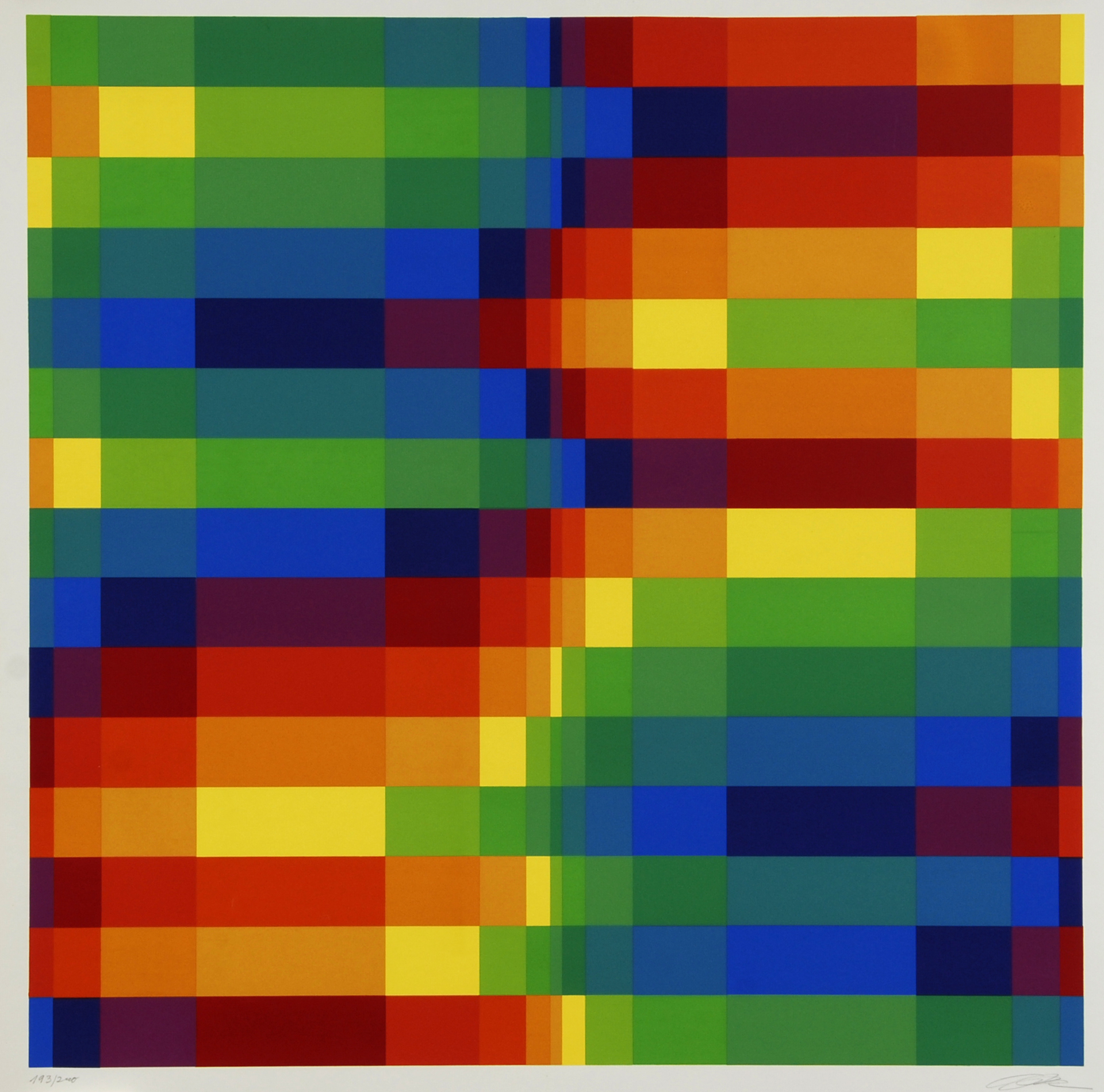
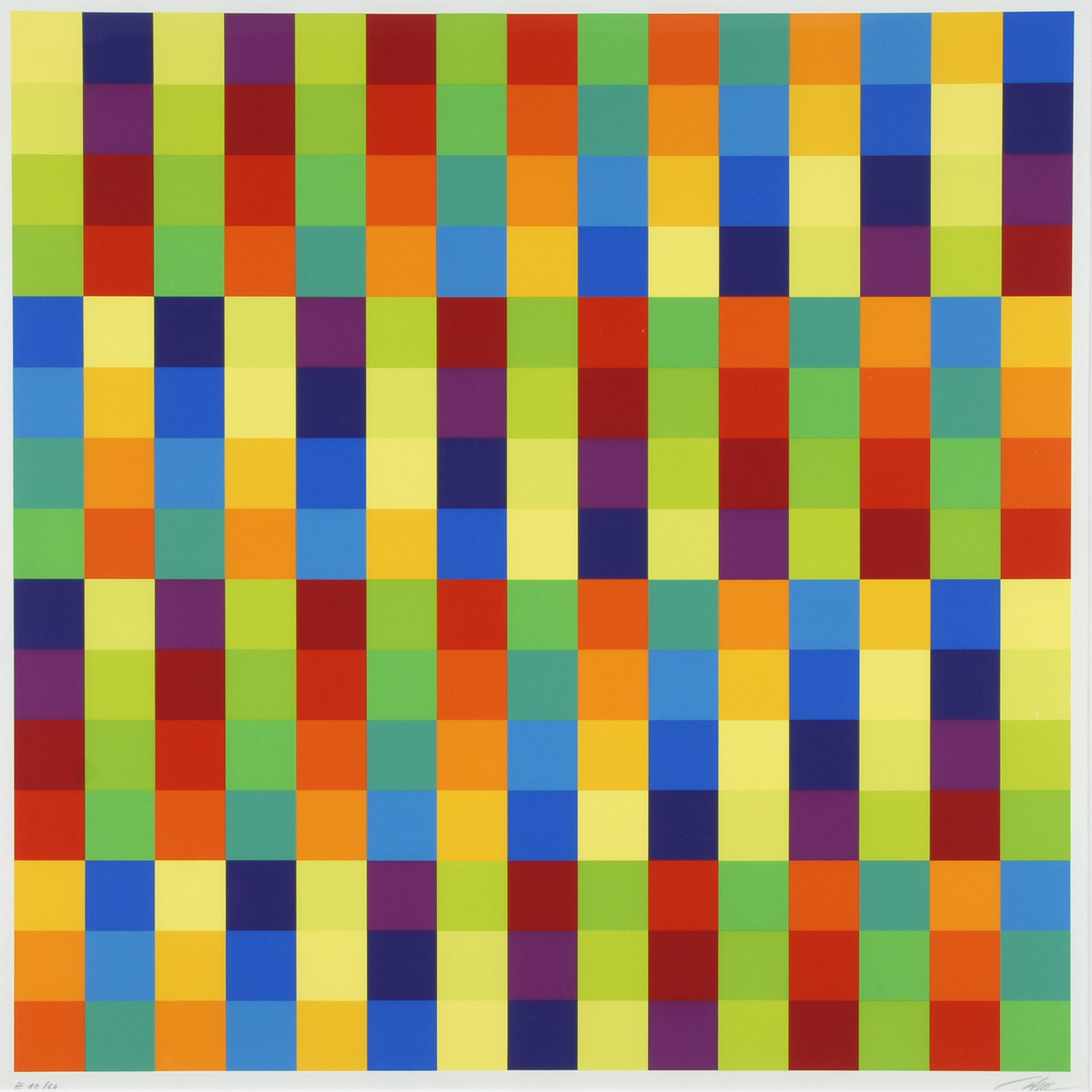
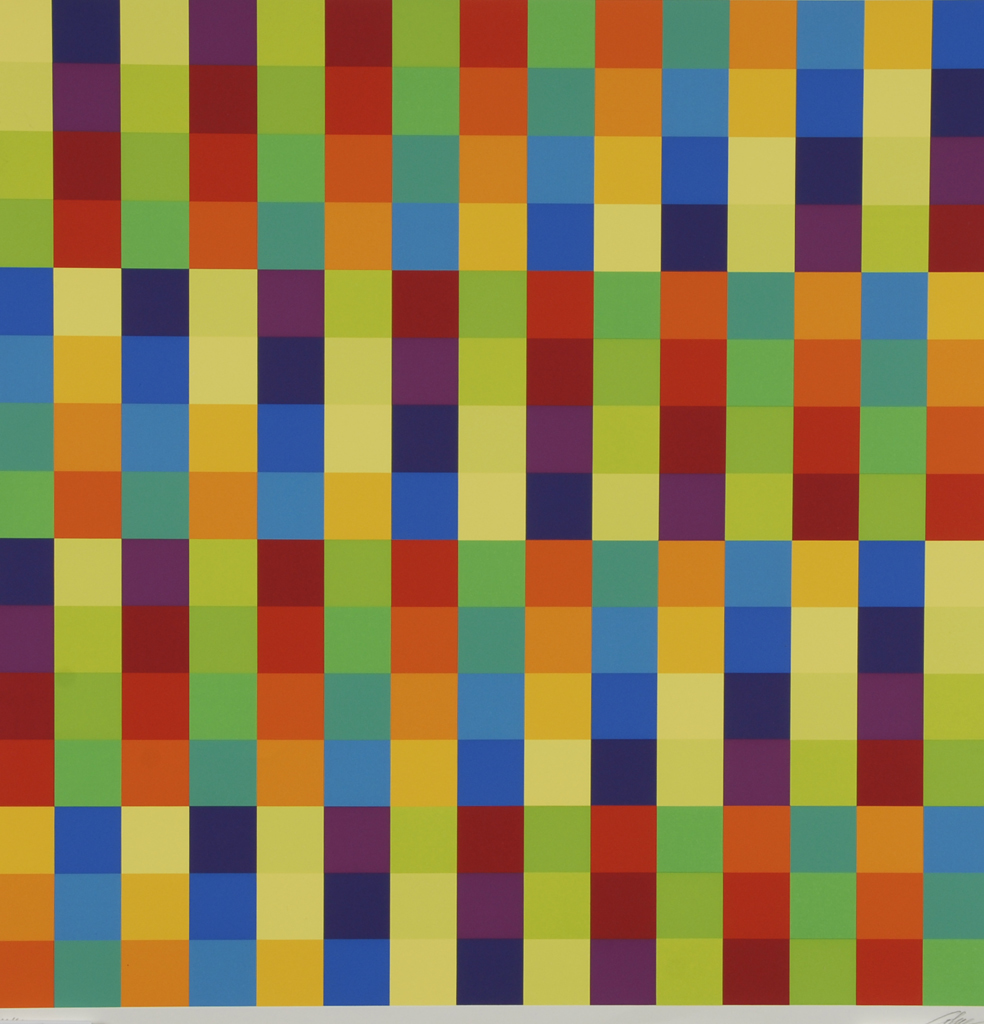
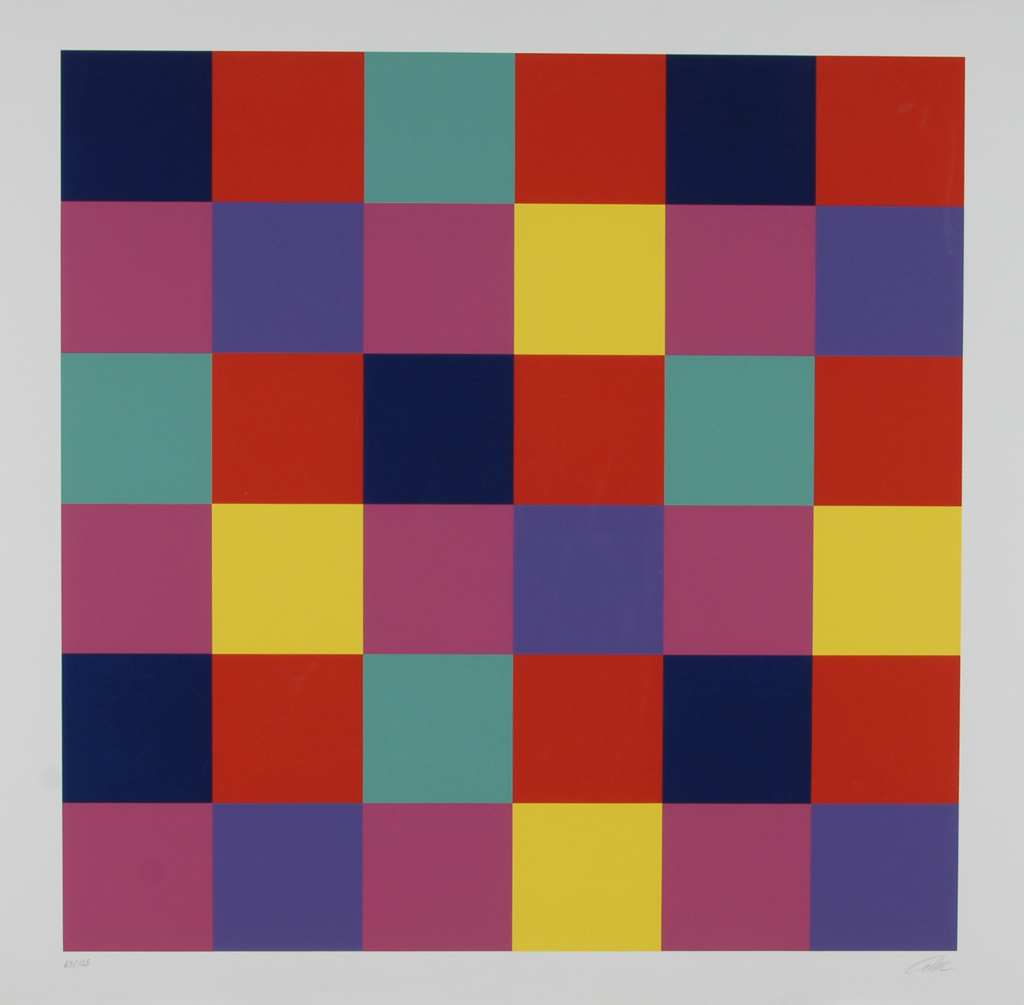
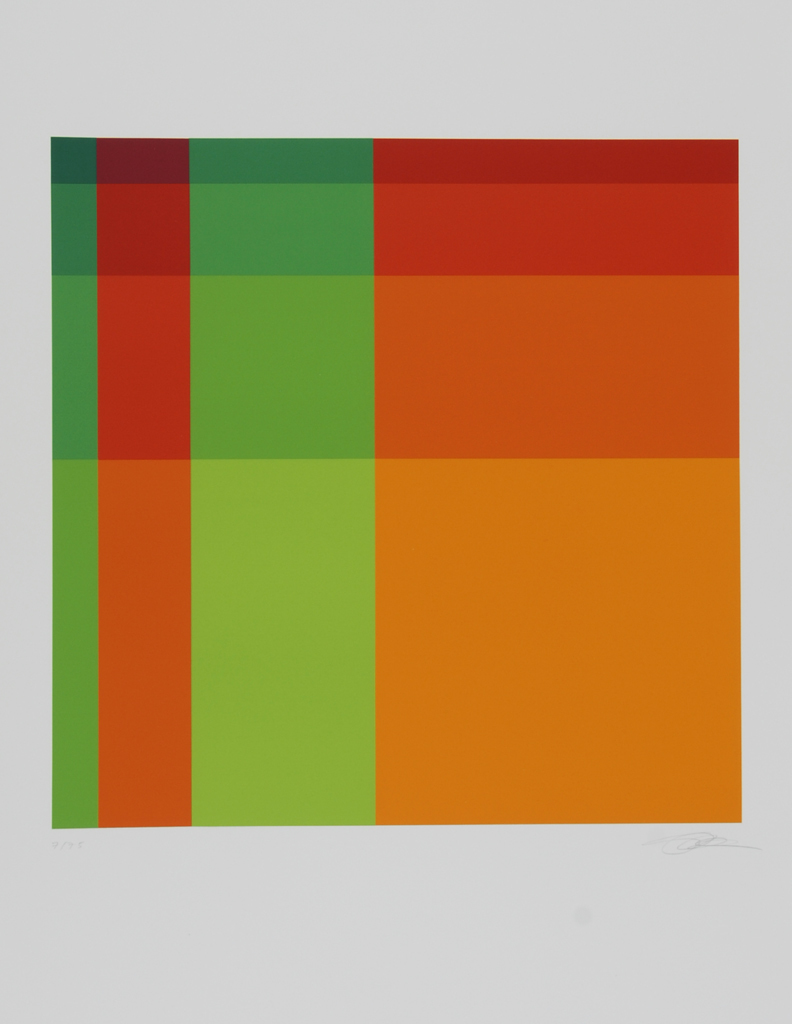
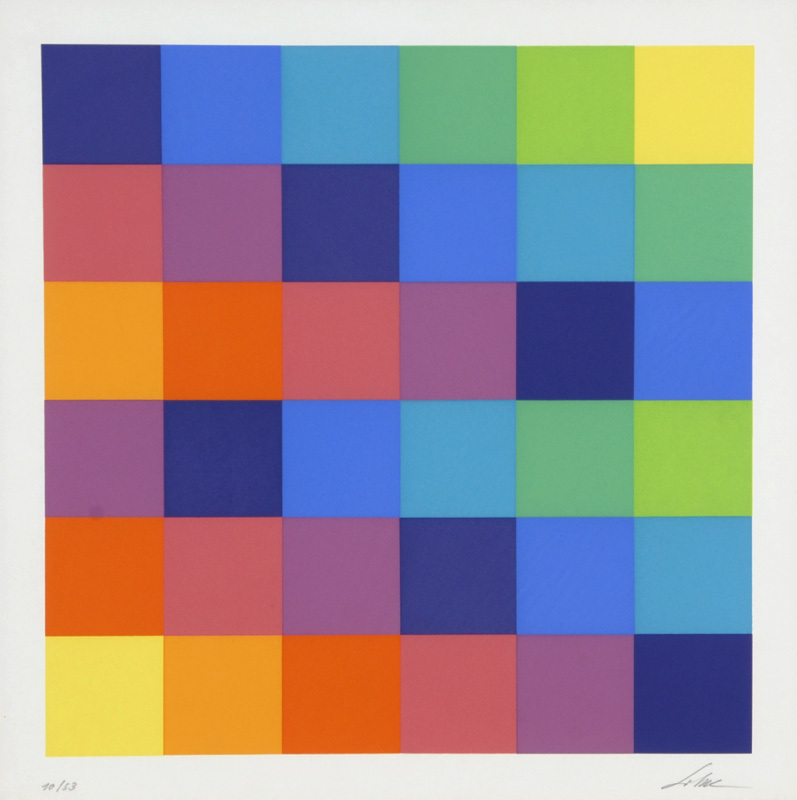
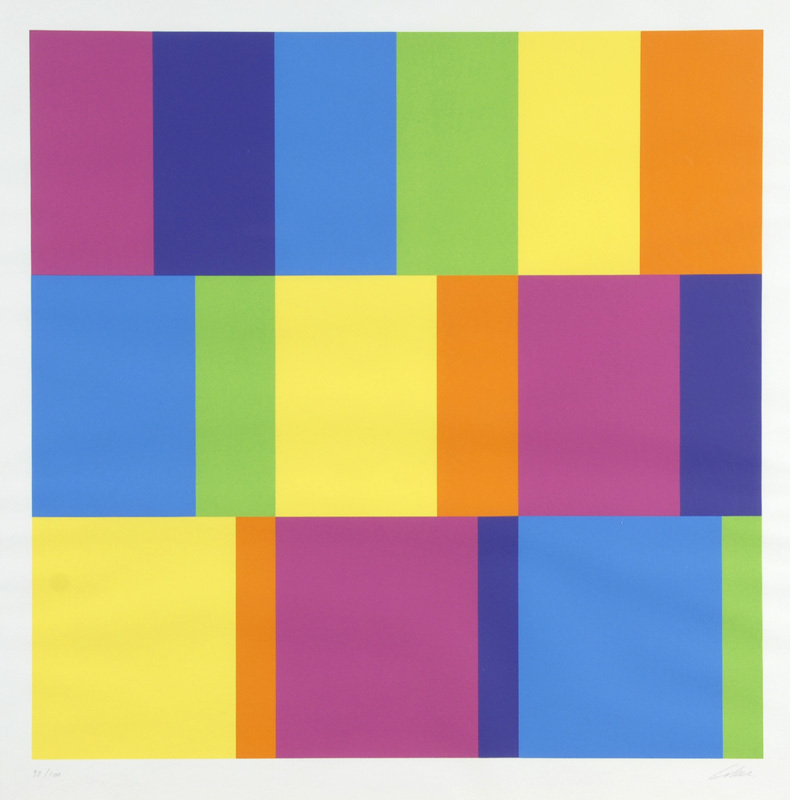
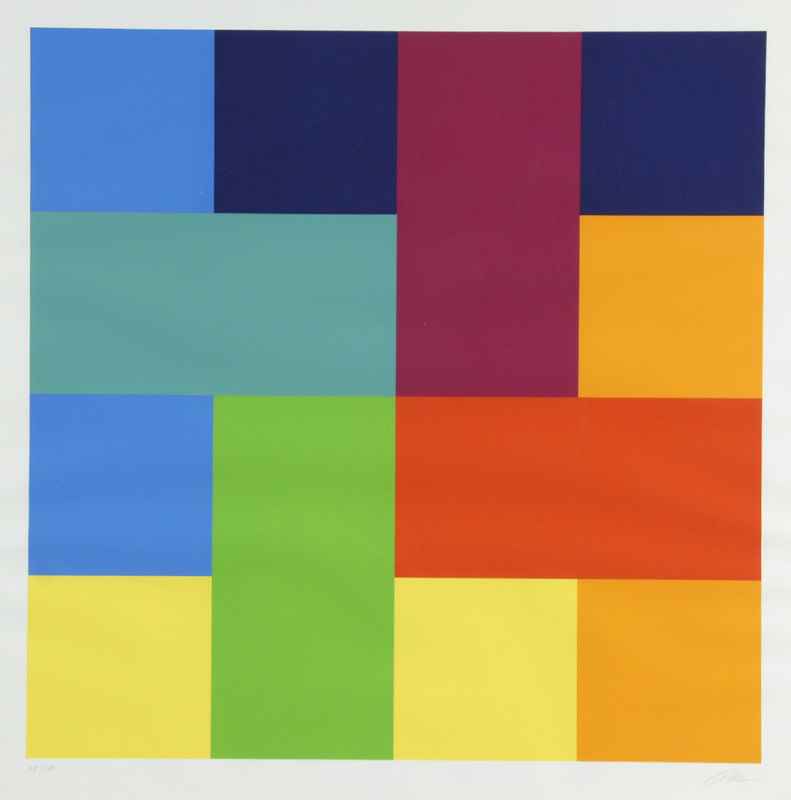
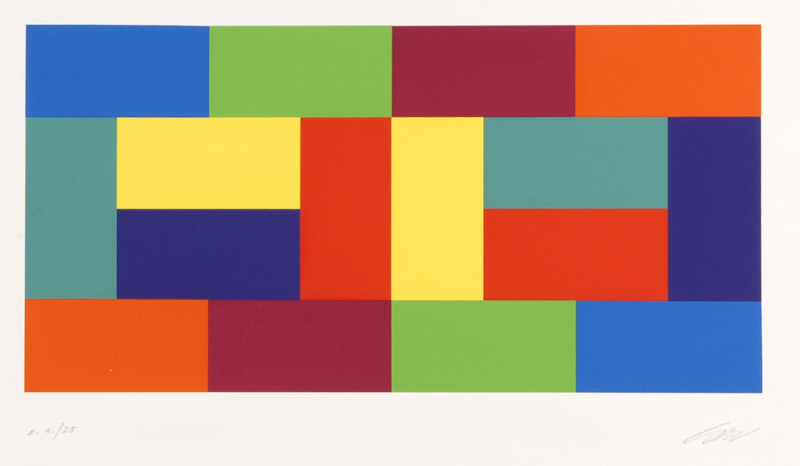
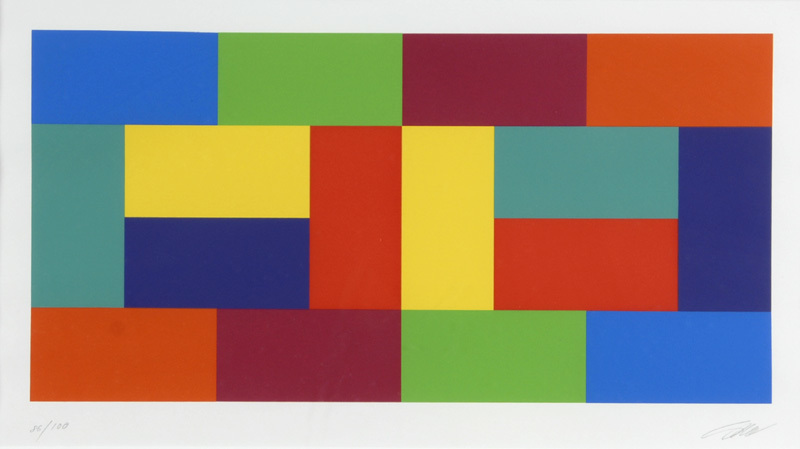
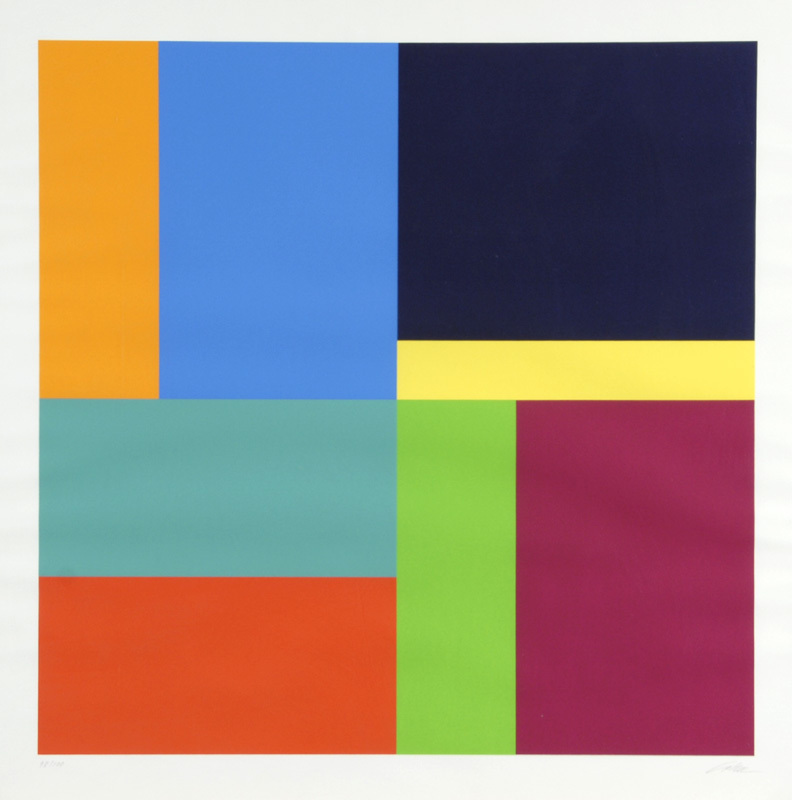
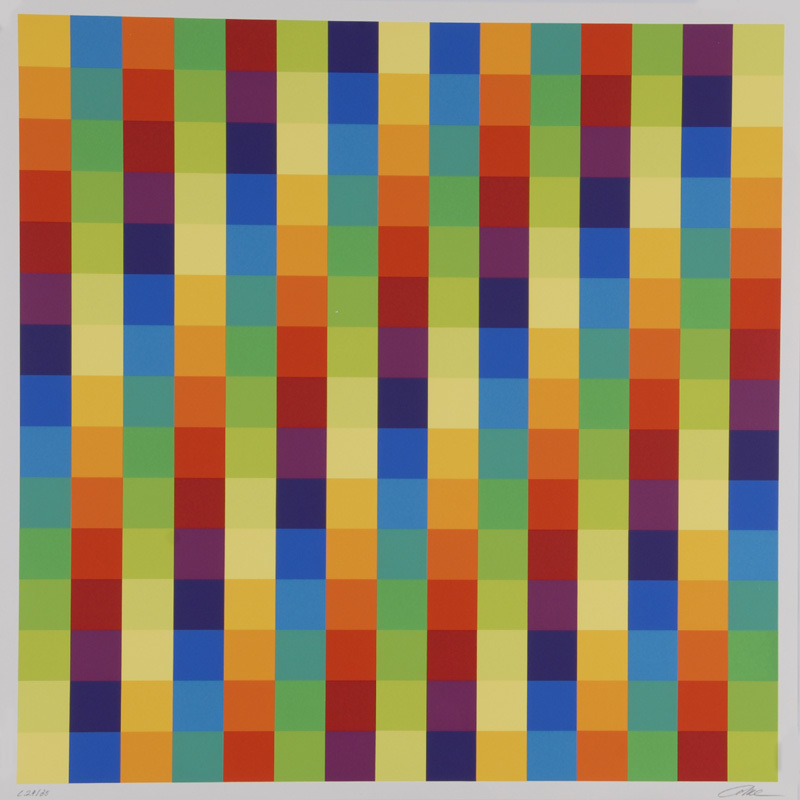
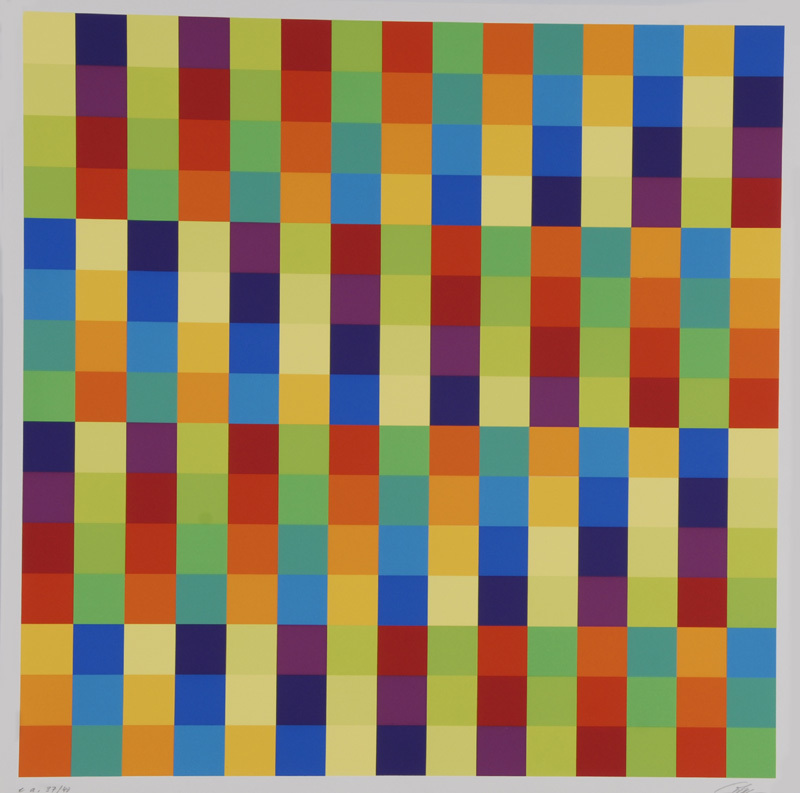
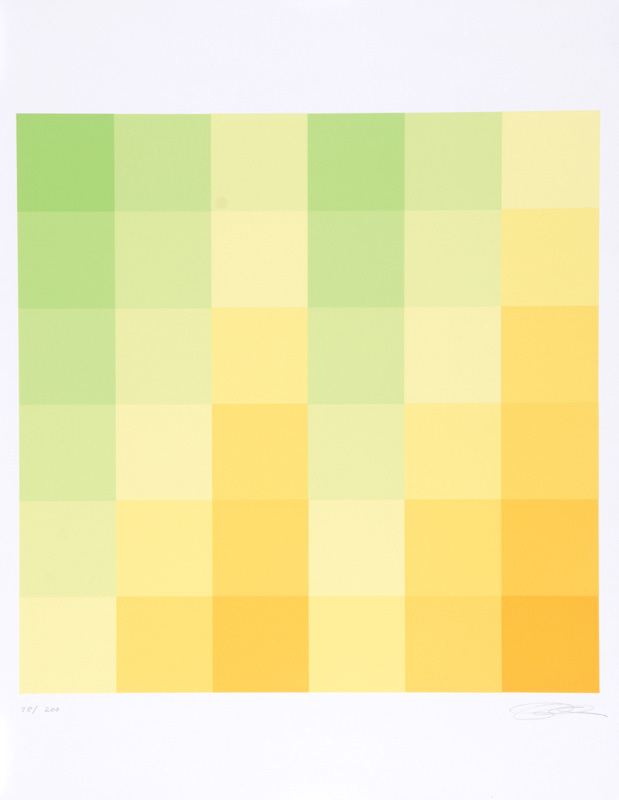
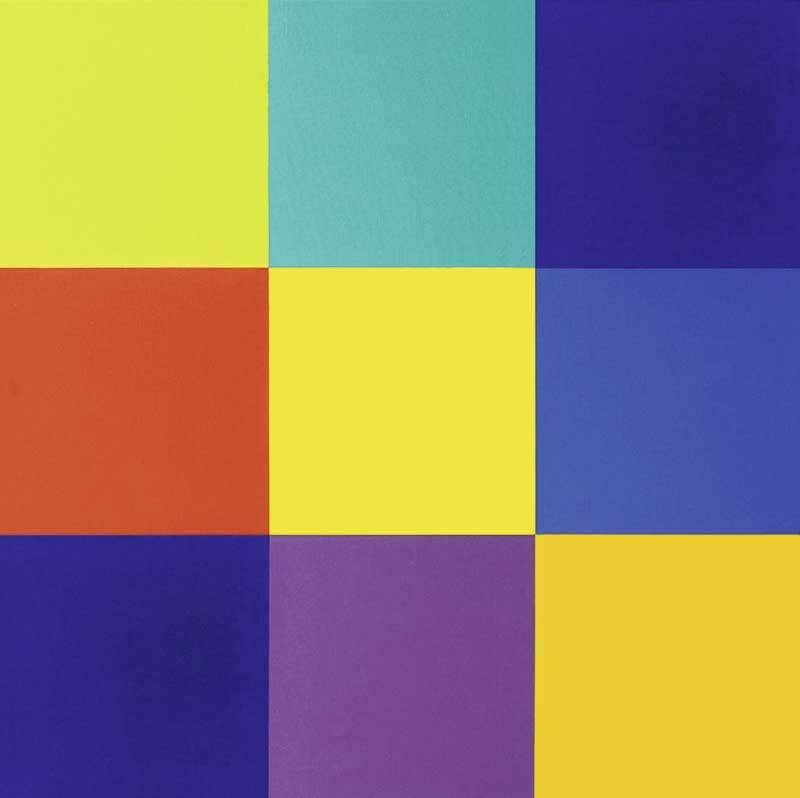
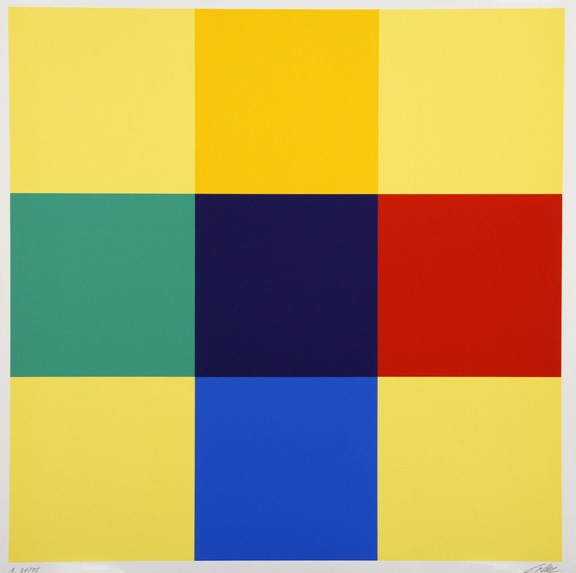
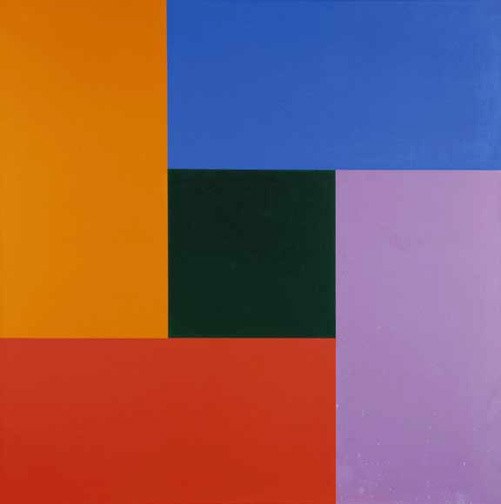
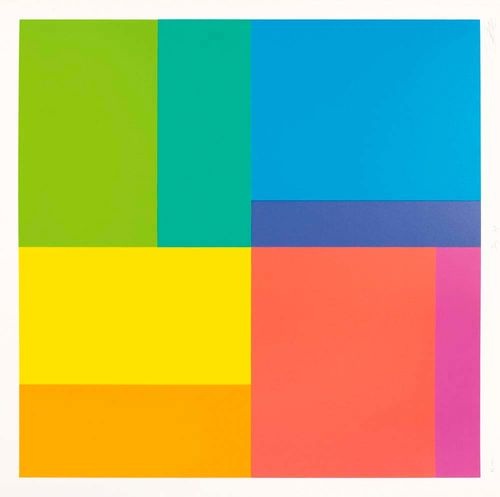
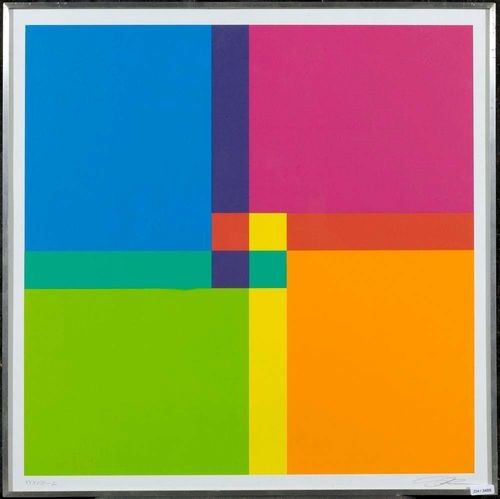
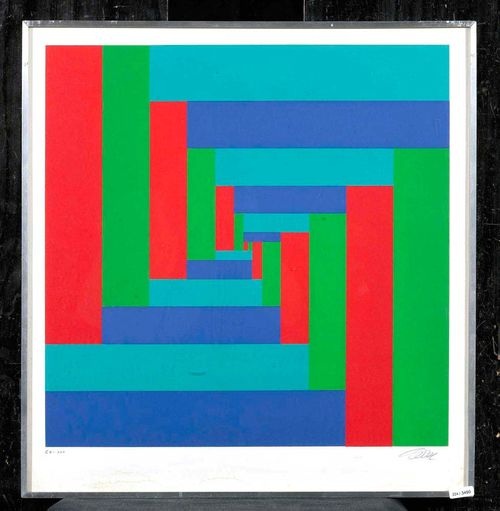
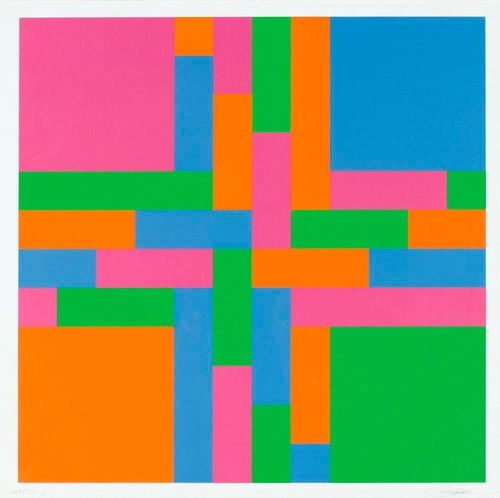
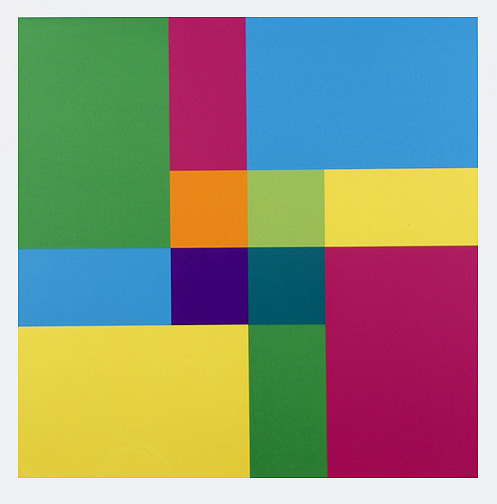
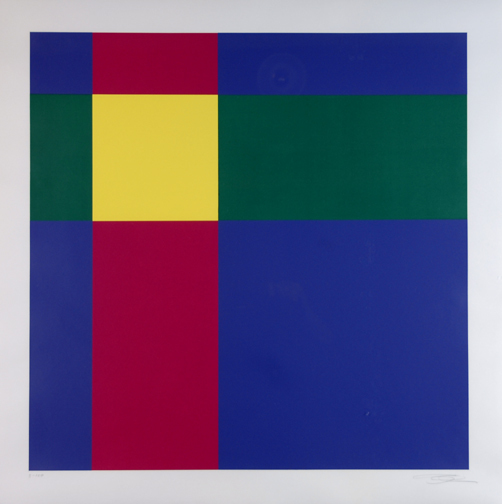
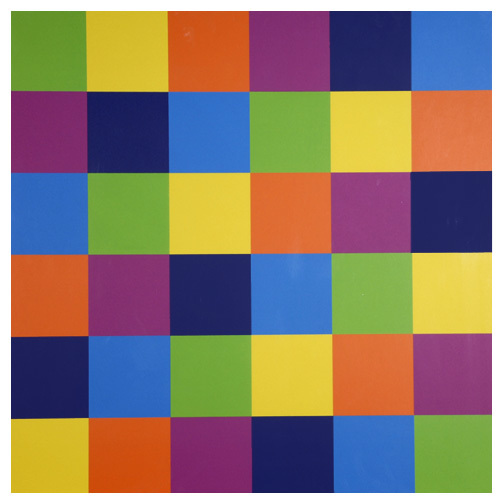
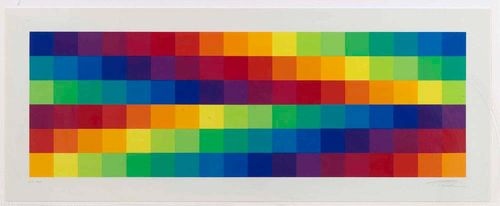
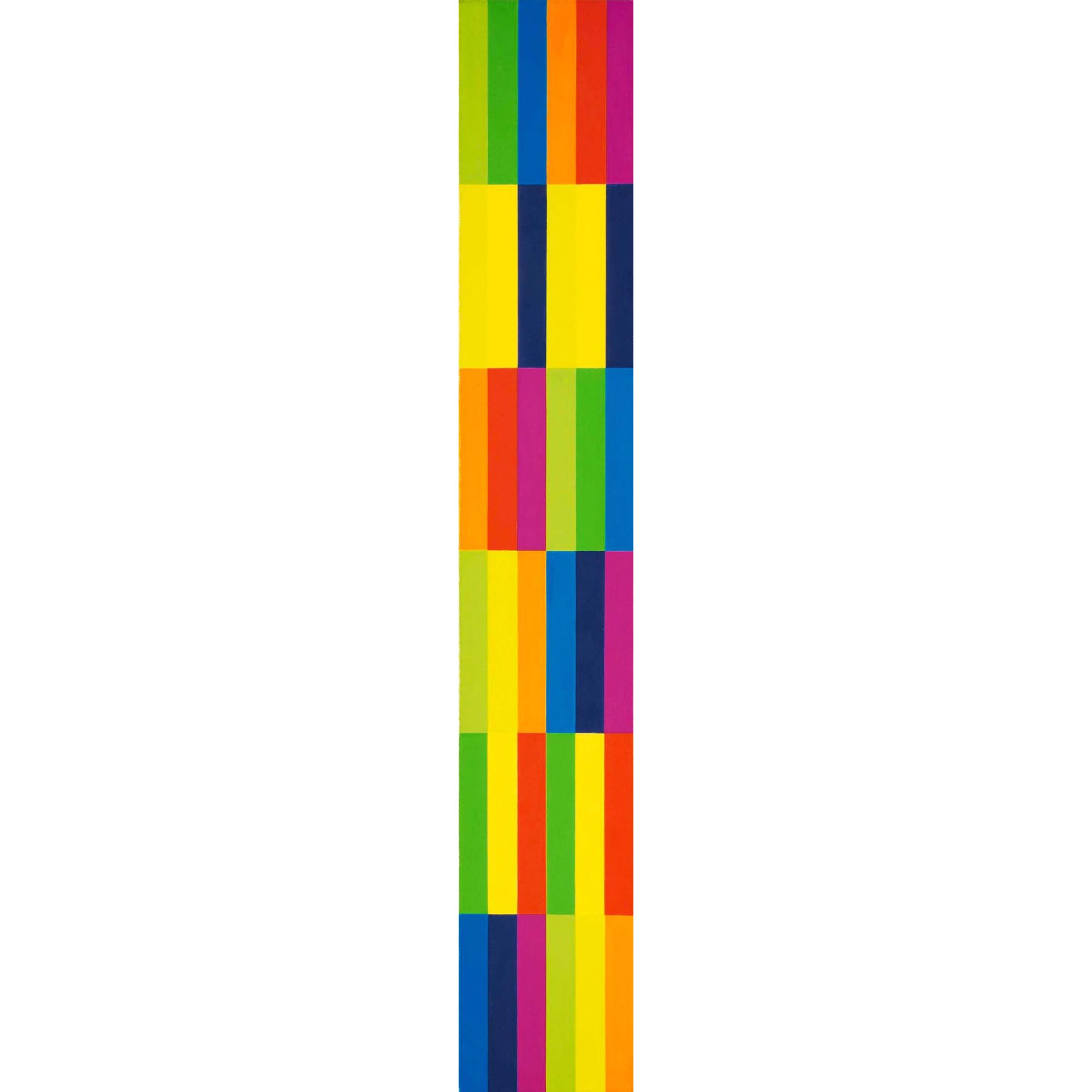
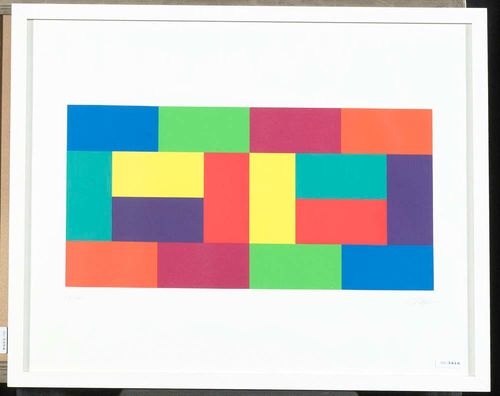
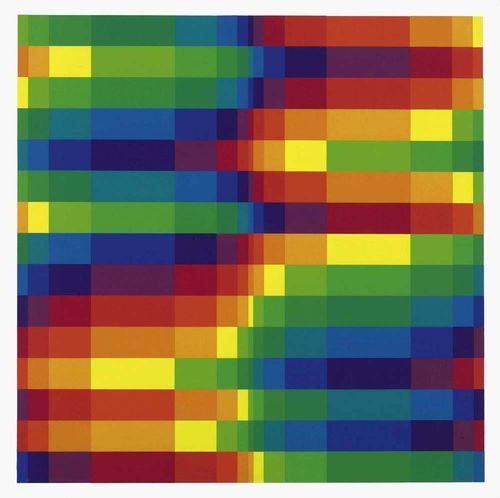
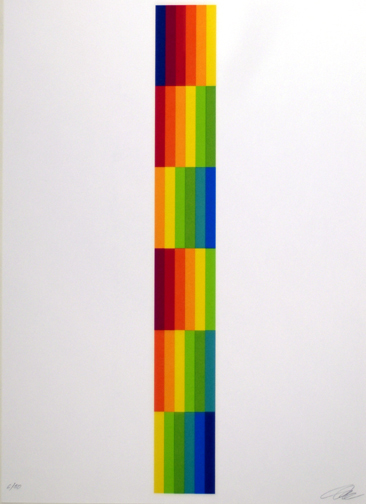
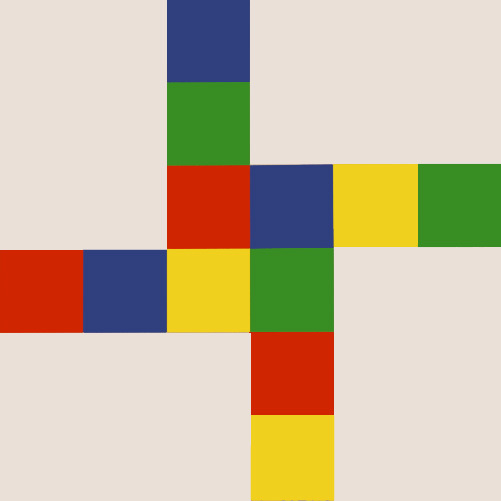
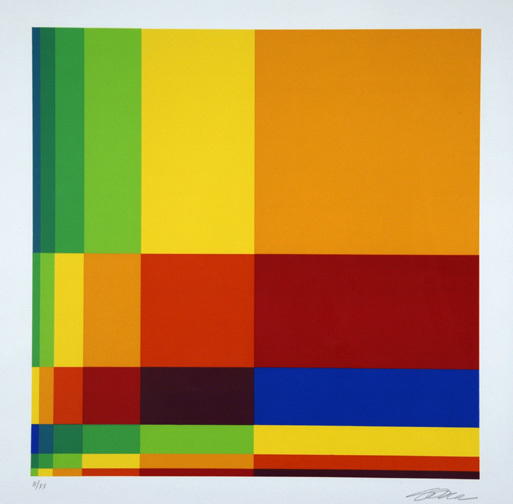
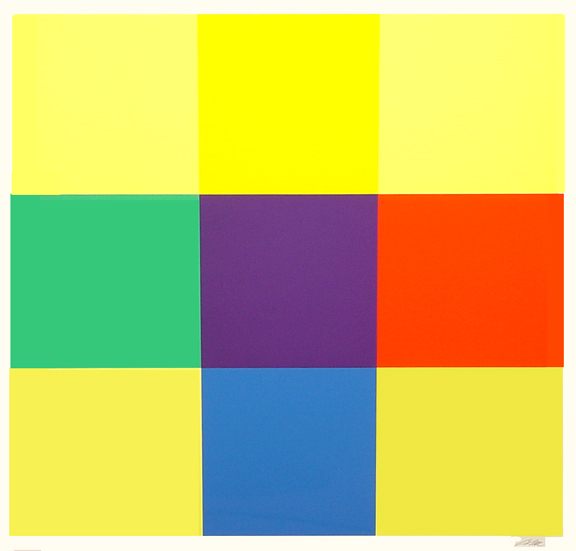
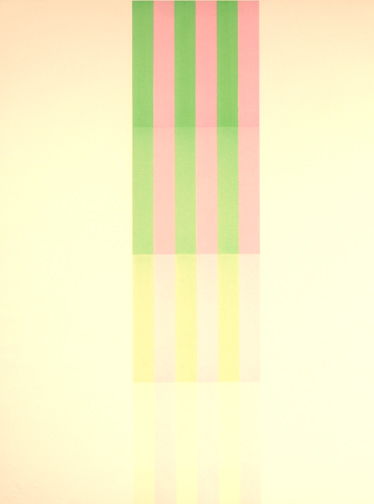
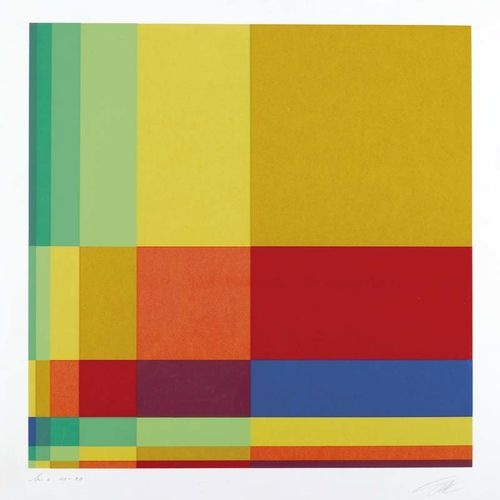
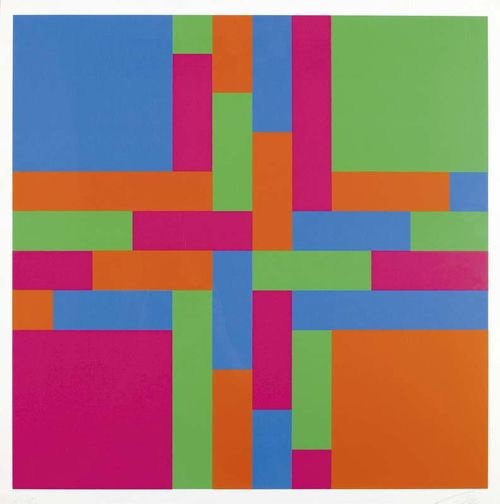
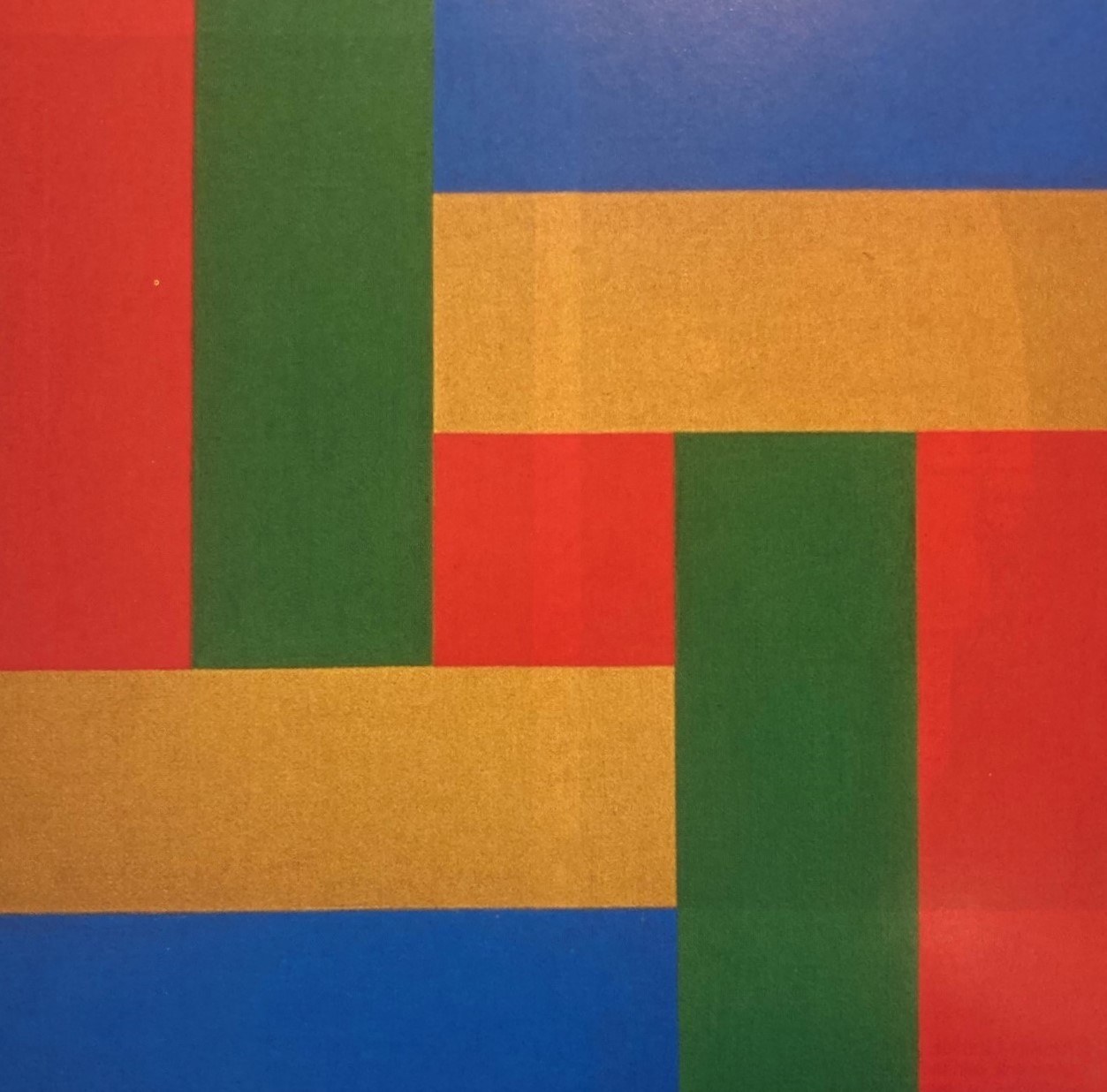
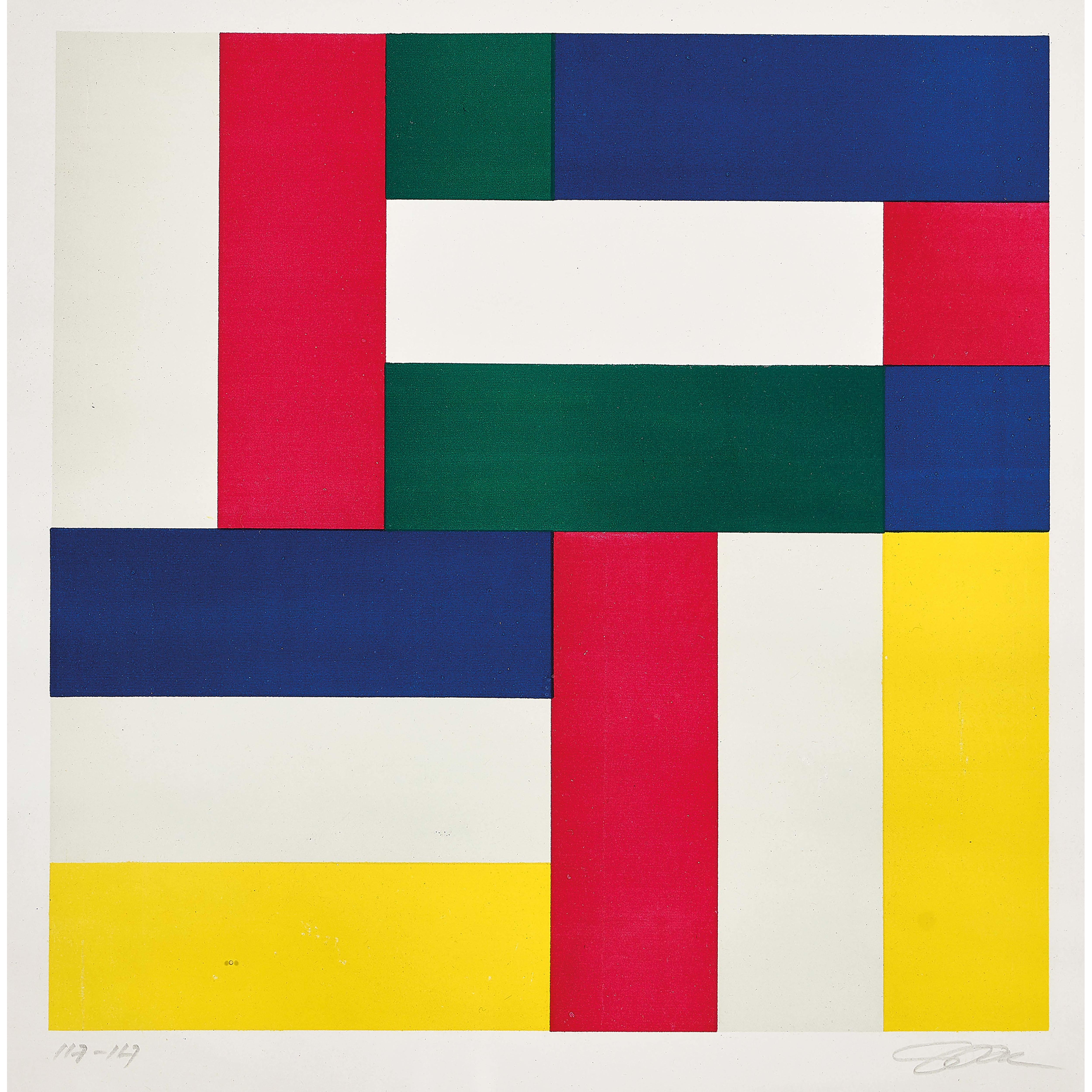
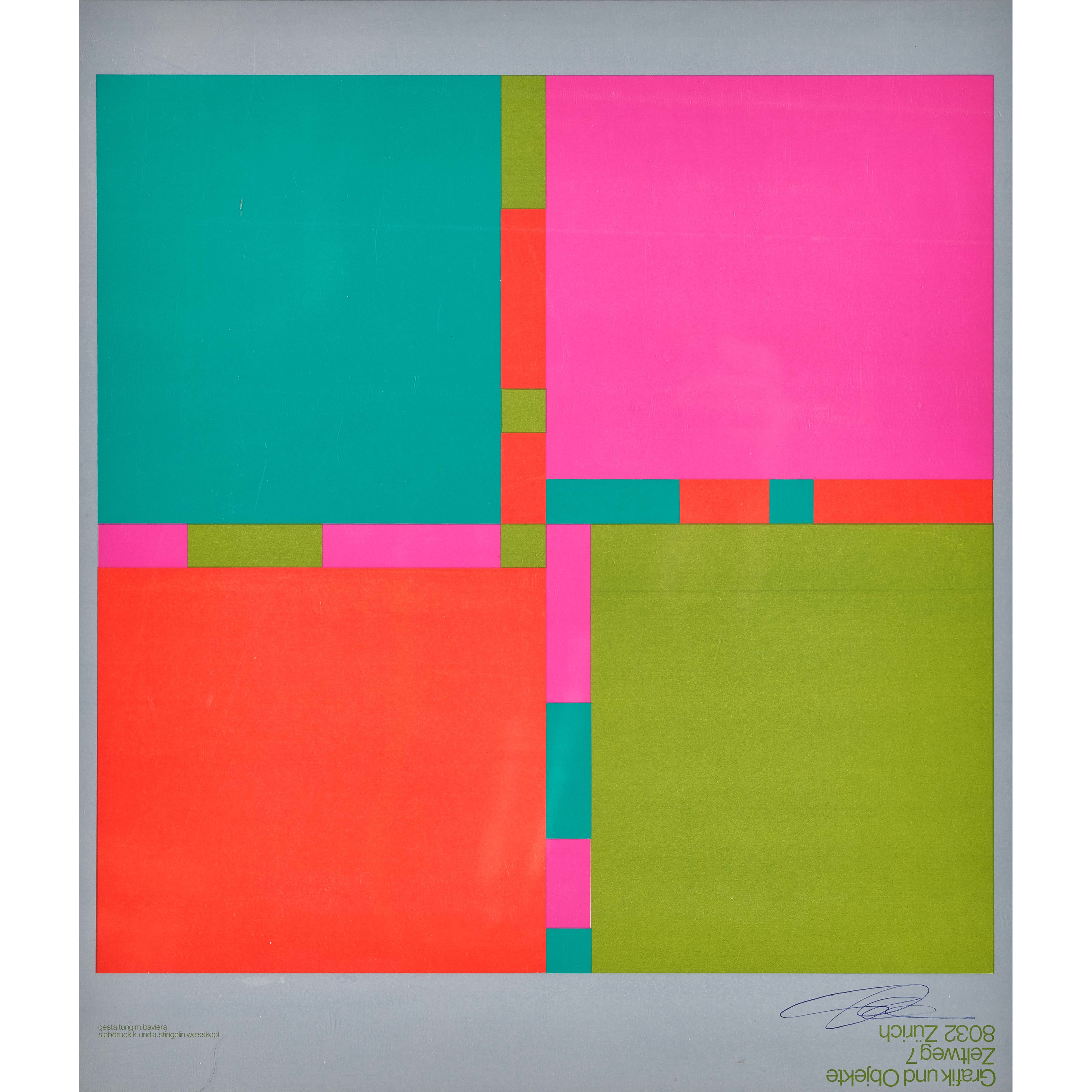
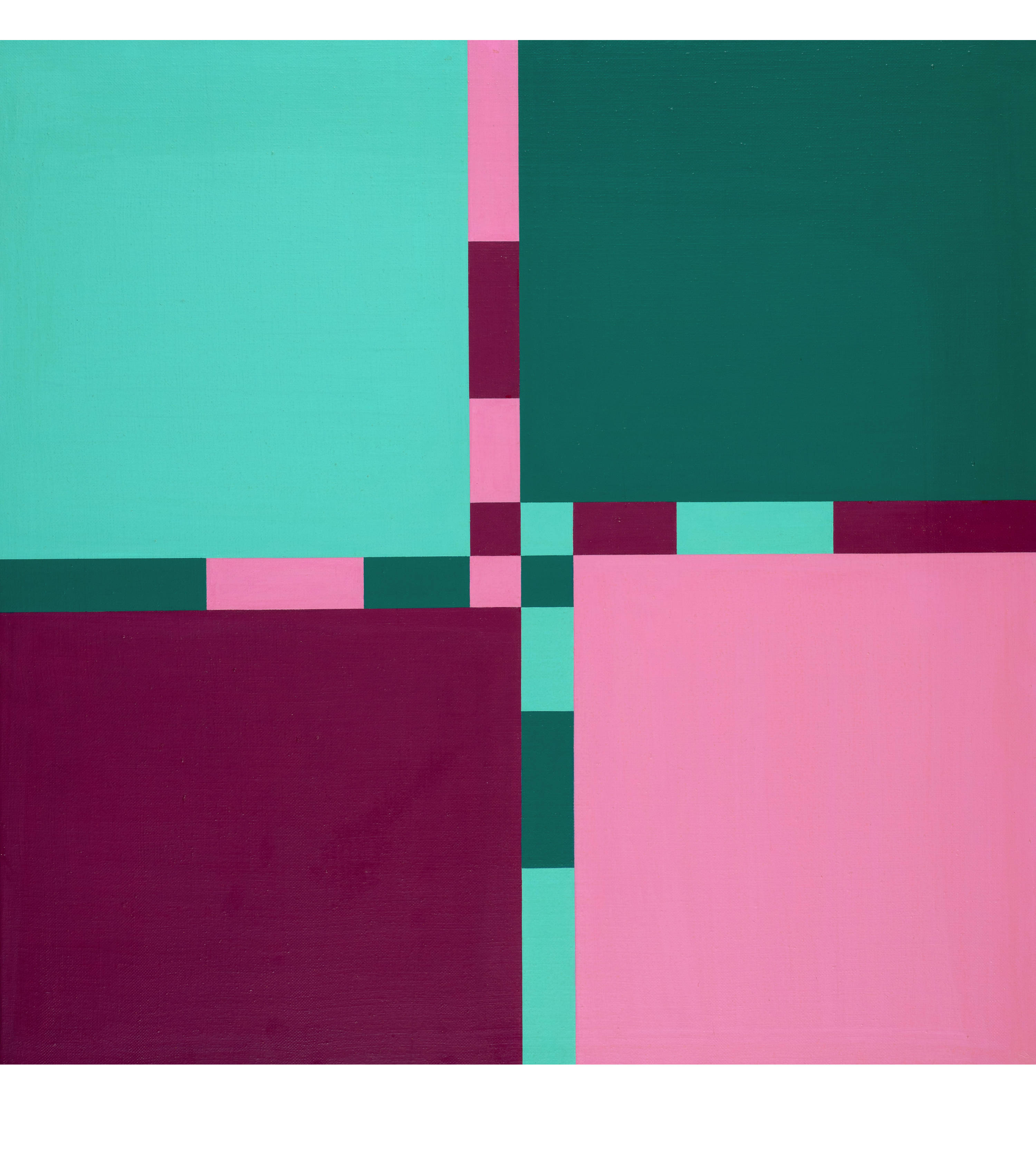
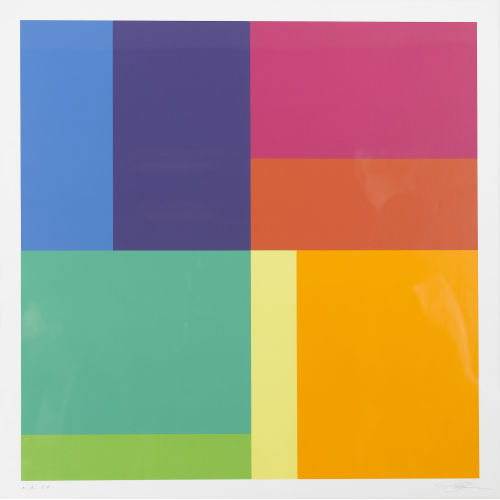
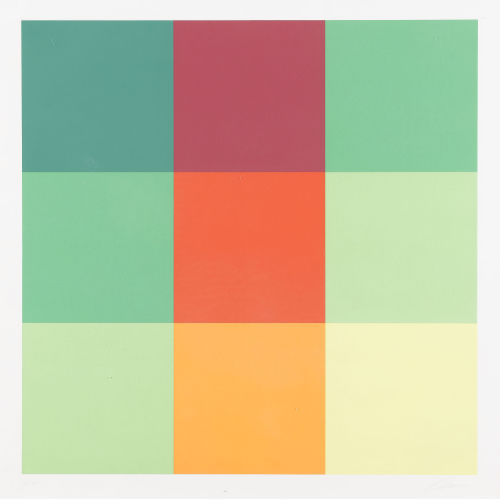
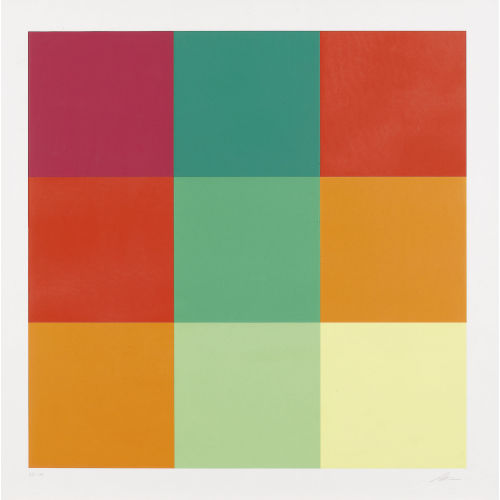
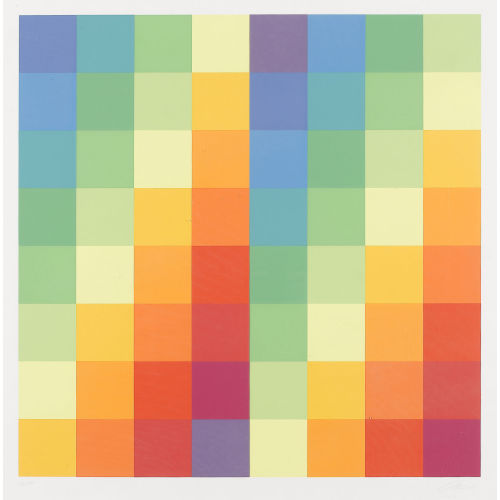
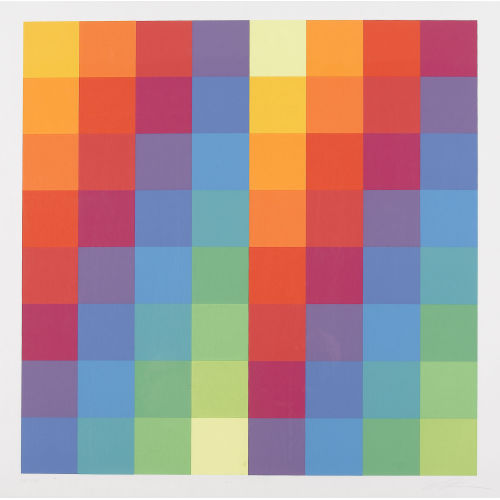
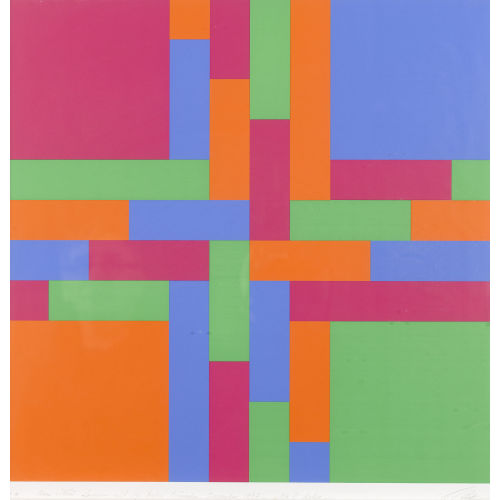
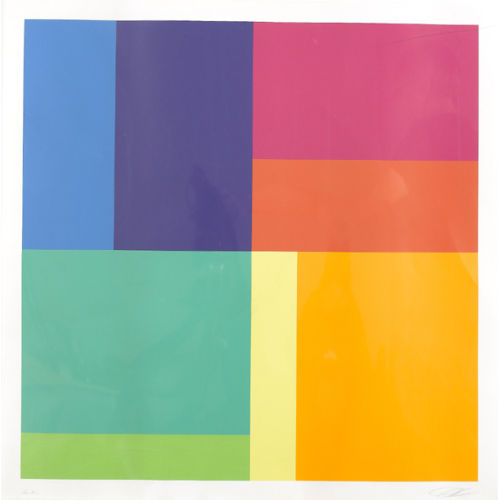
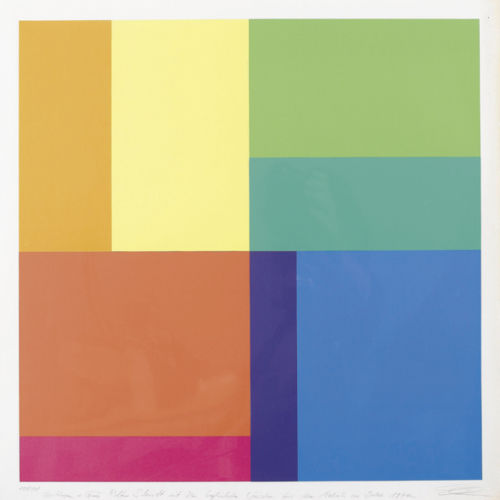
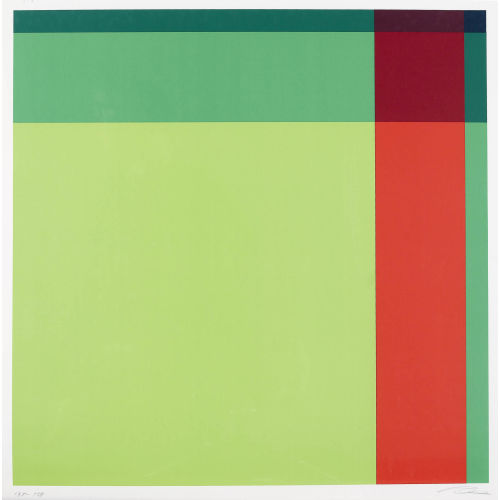
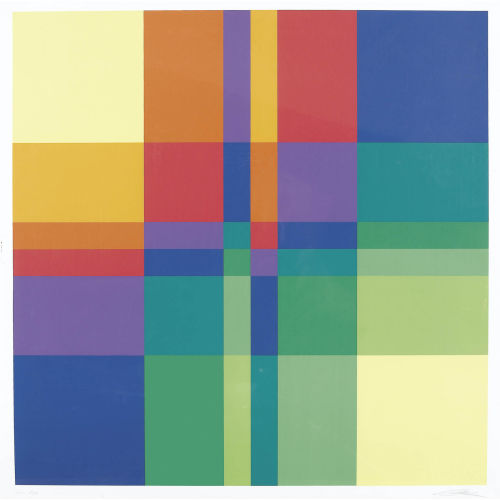
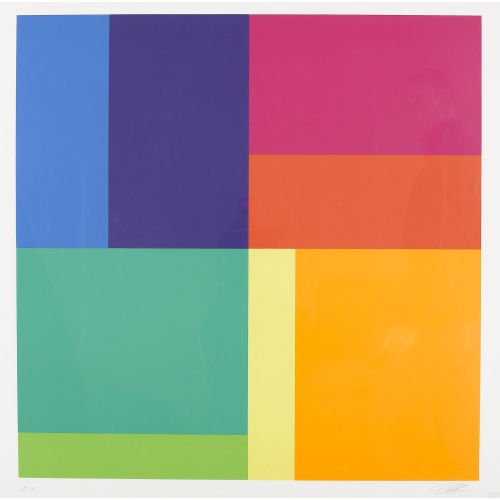
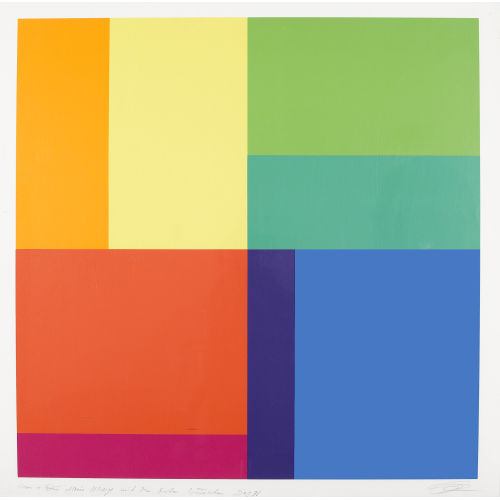
A colour grid may appear immobile; in the work of Richard Paul Lohse, it becomes a field of relationships in motion. His work explores how a rigorous organisation can produce continually renewed visual experiences.
Trained in advertising design at the studio of Max Dalang, Lohse established himself as an independent graphic designer in 1930. In 1937, he took part in founding the artists’ association Allianz. Alongside Max Bill, Camille Graeser and Verena Loewensberg, he belonged to the core of the Zurich Concretes, while also developing a method of his own.
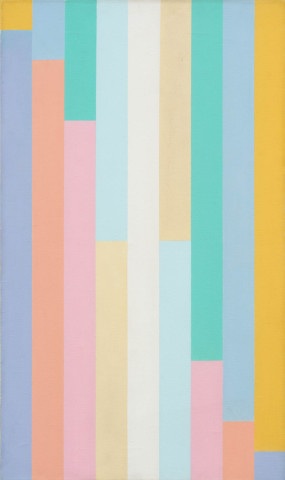
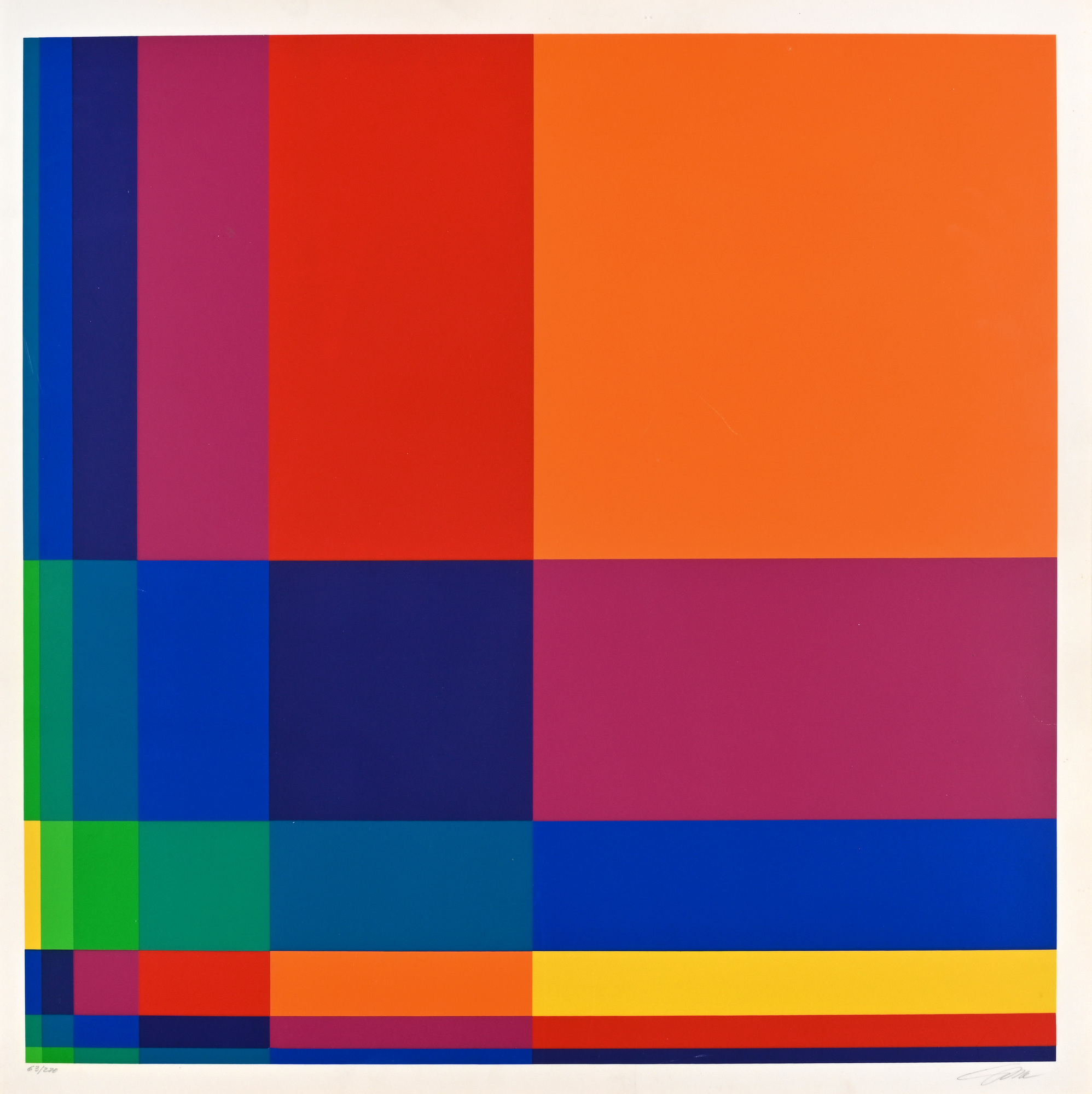
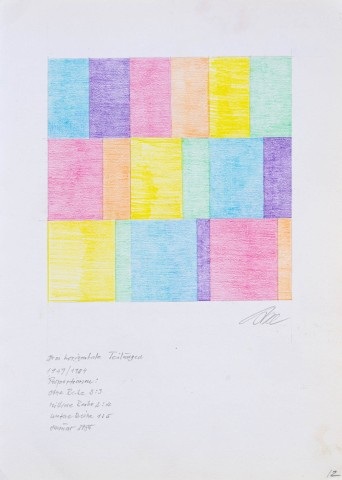
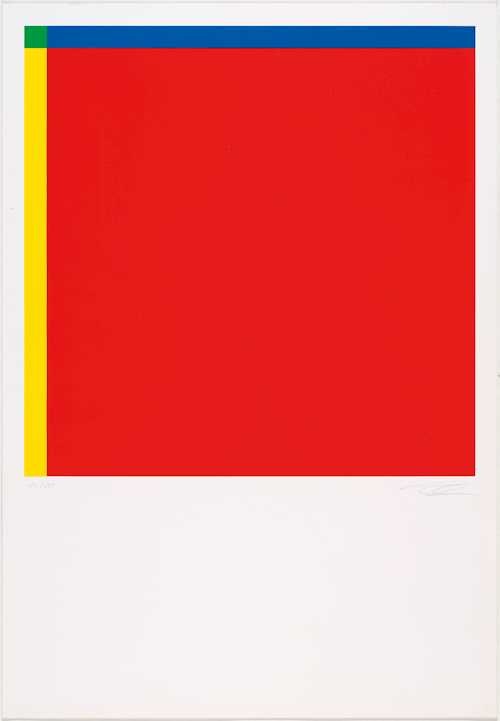
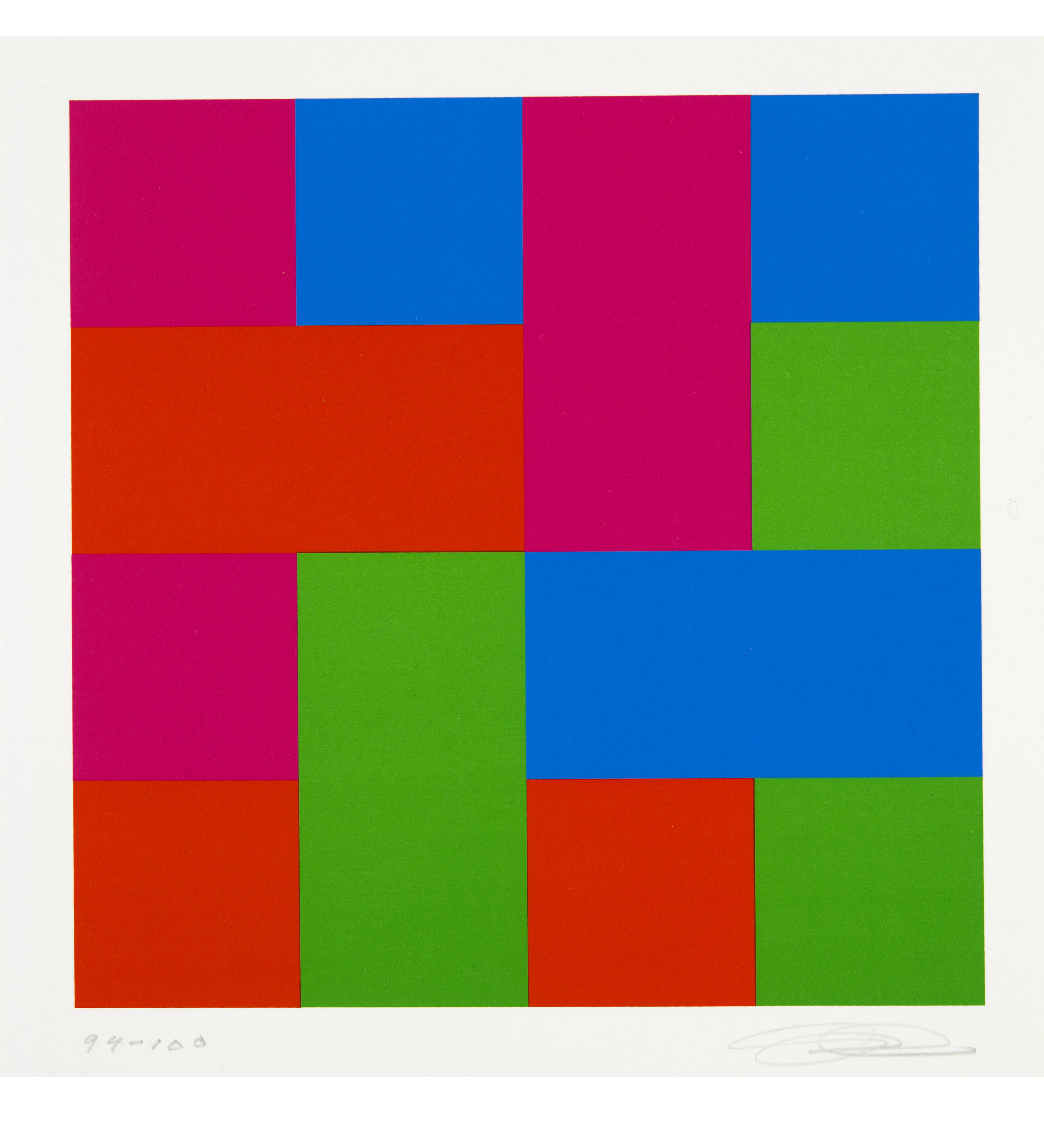
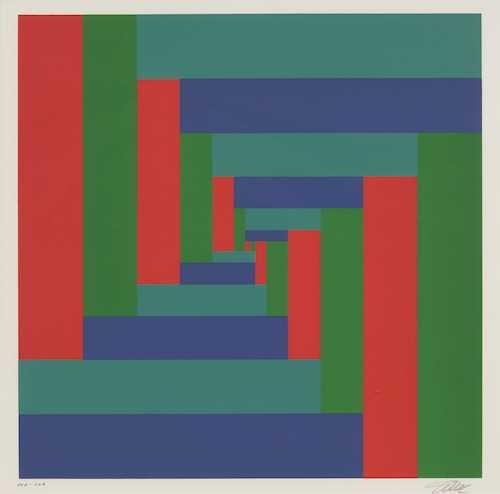
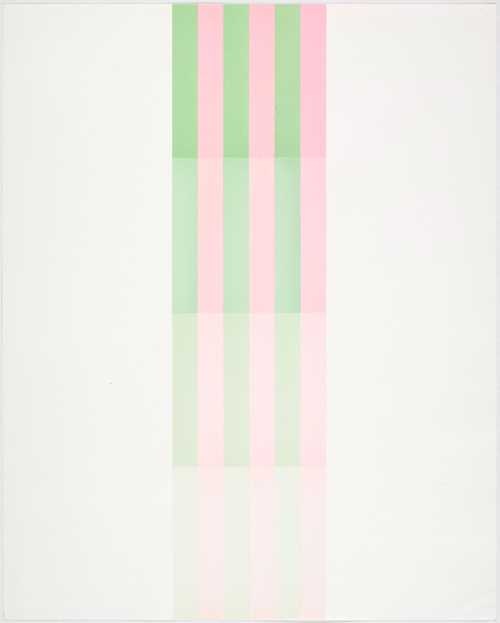
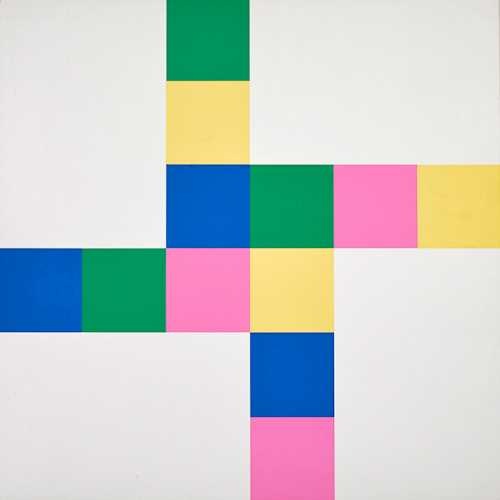
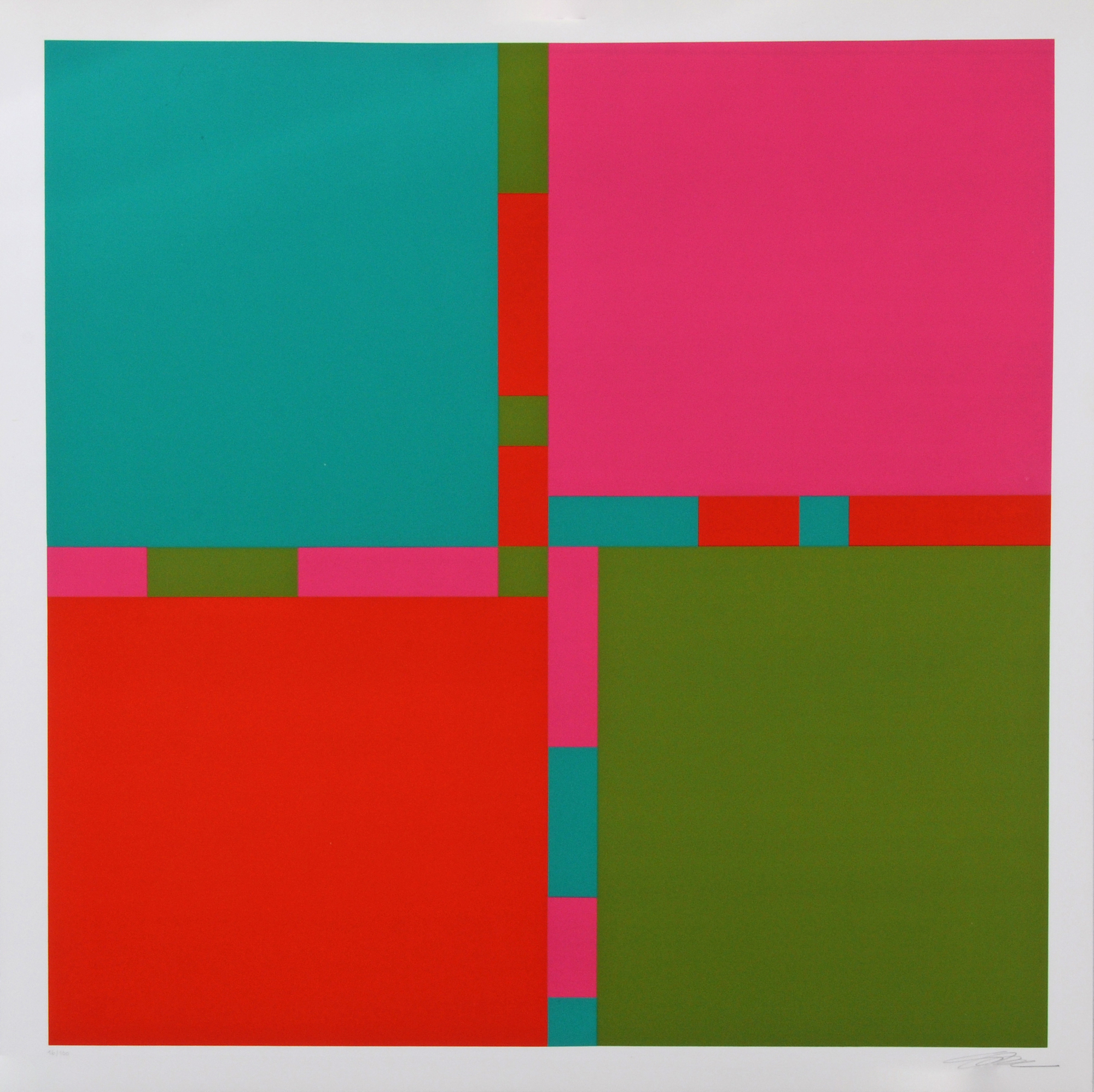
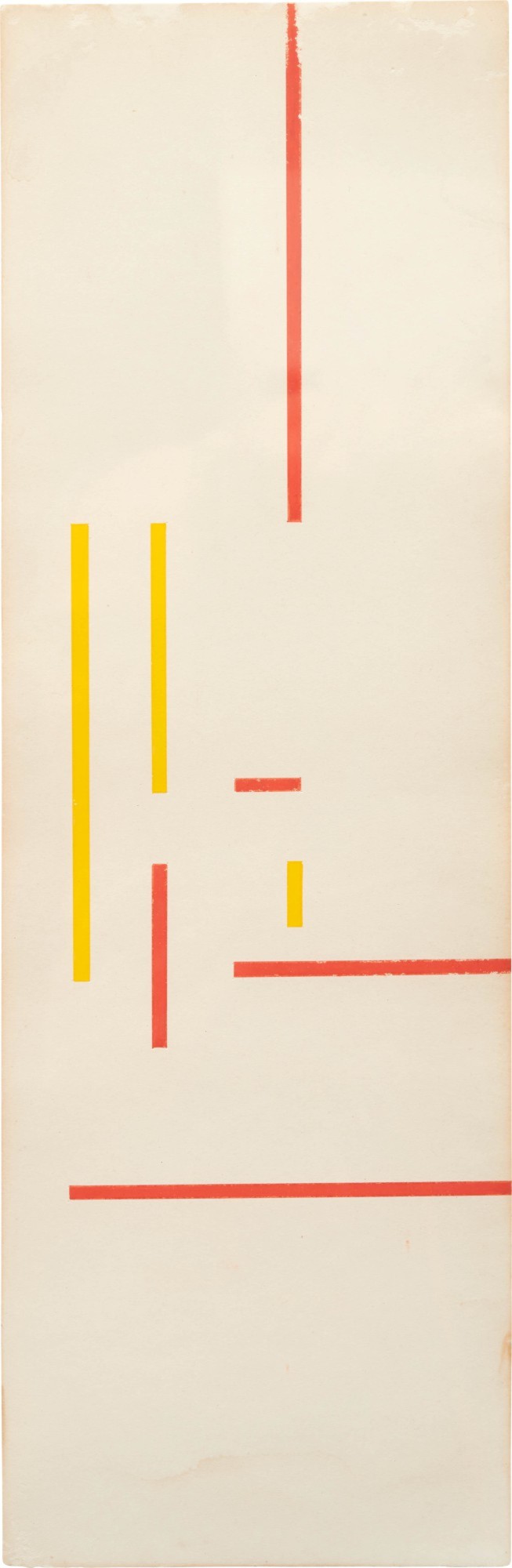
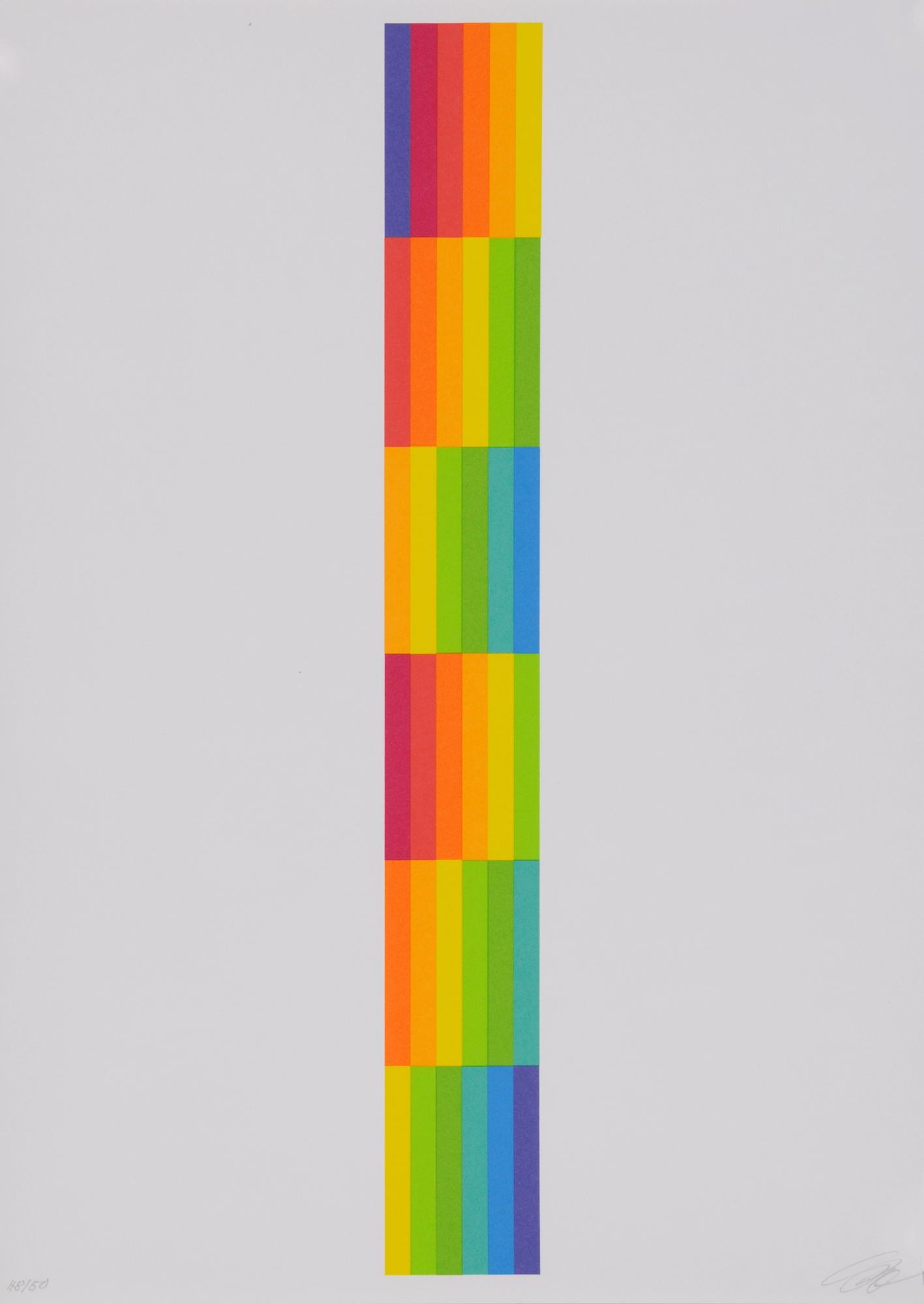
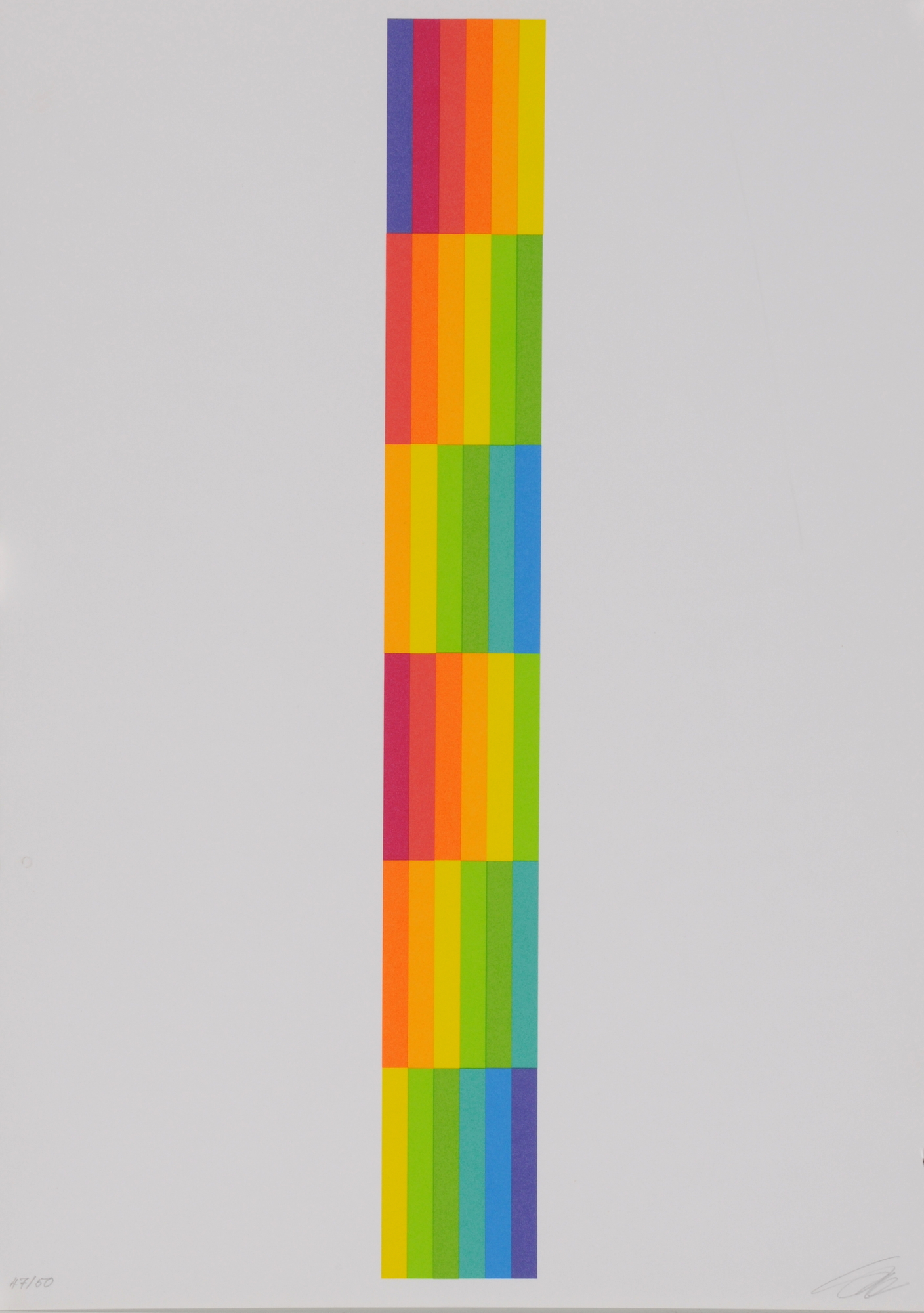
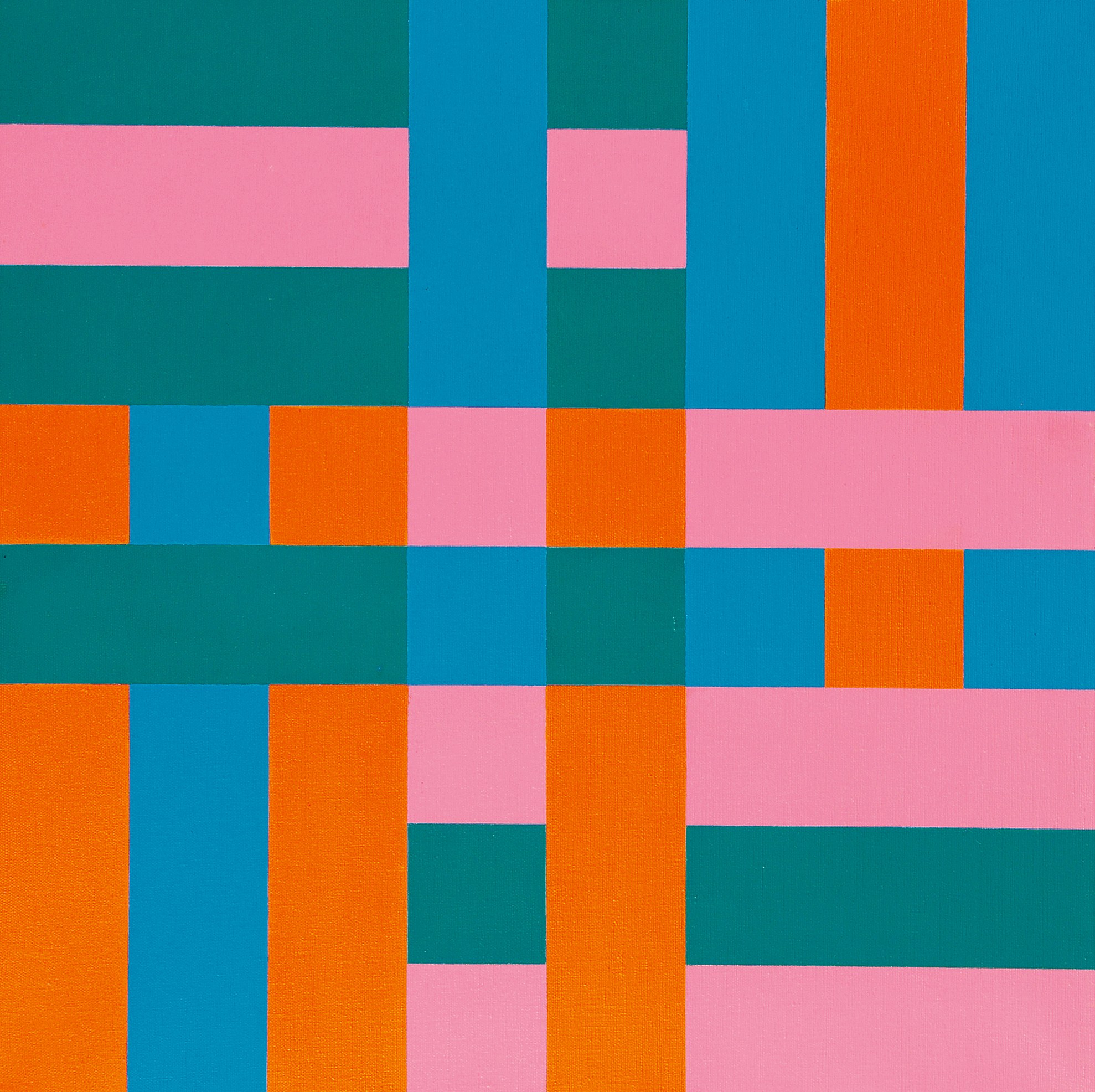
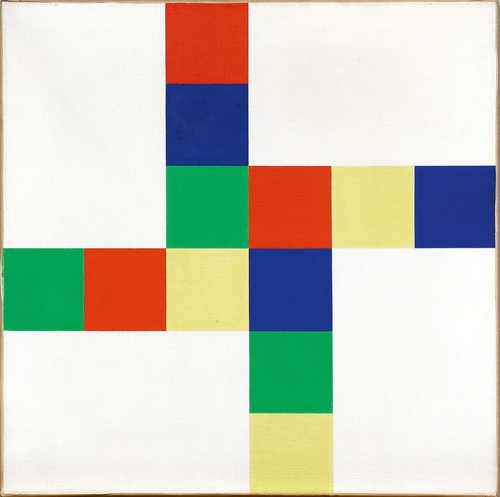
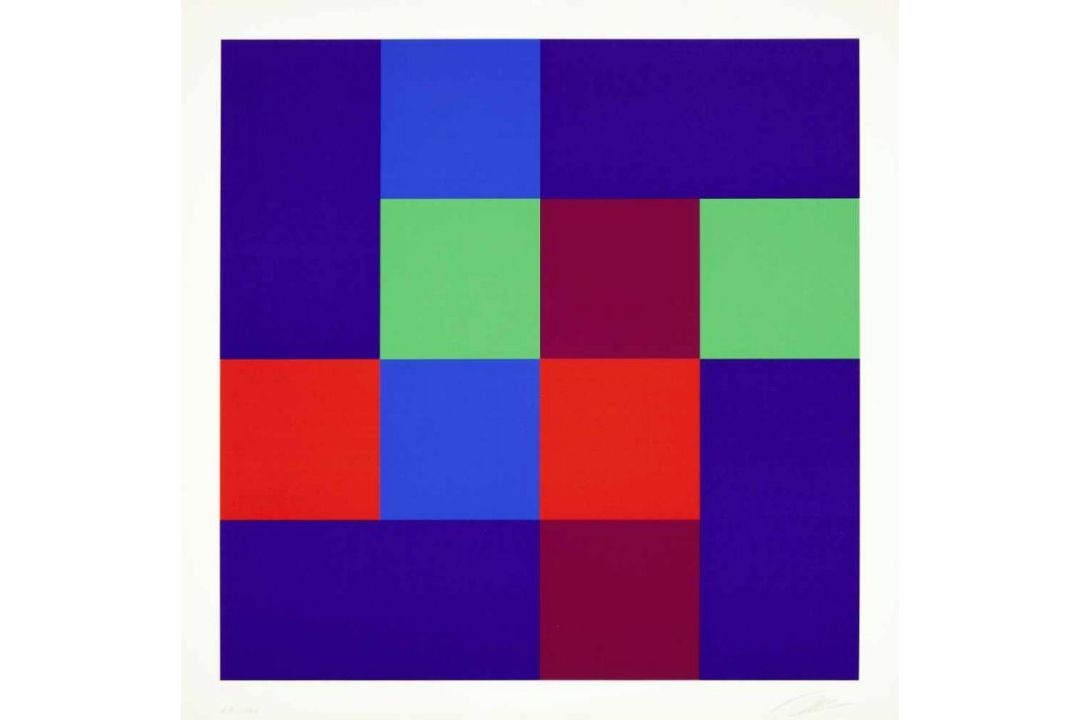
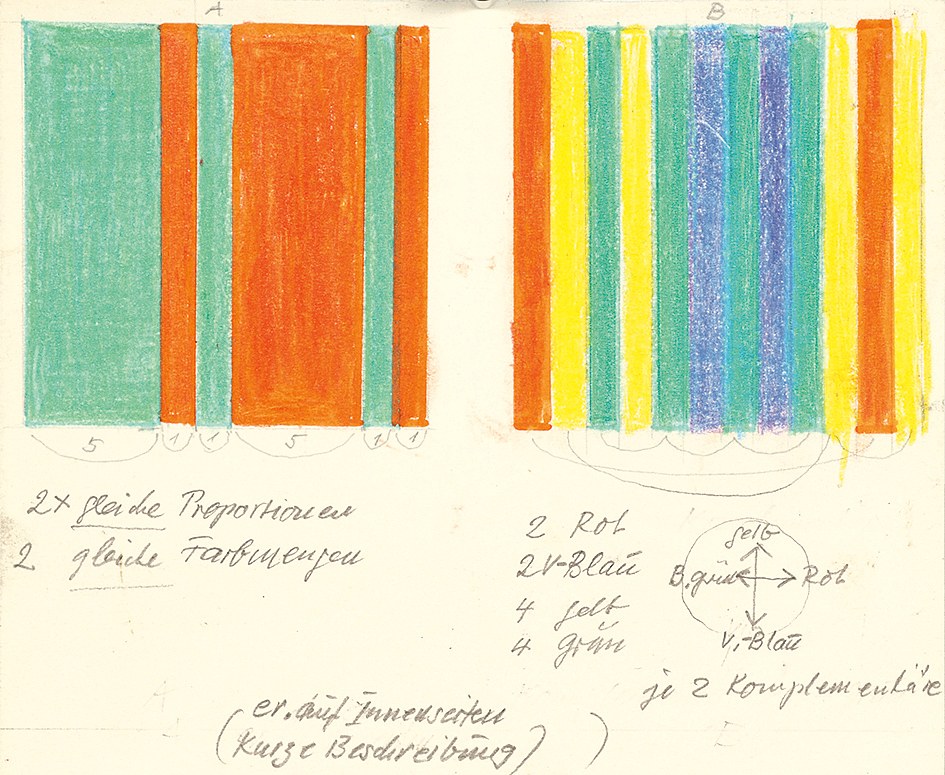
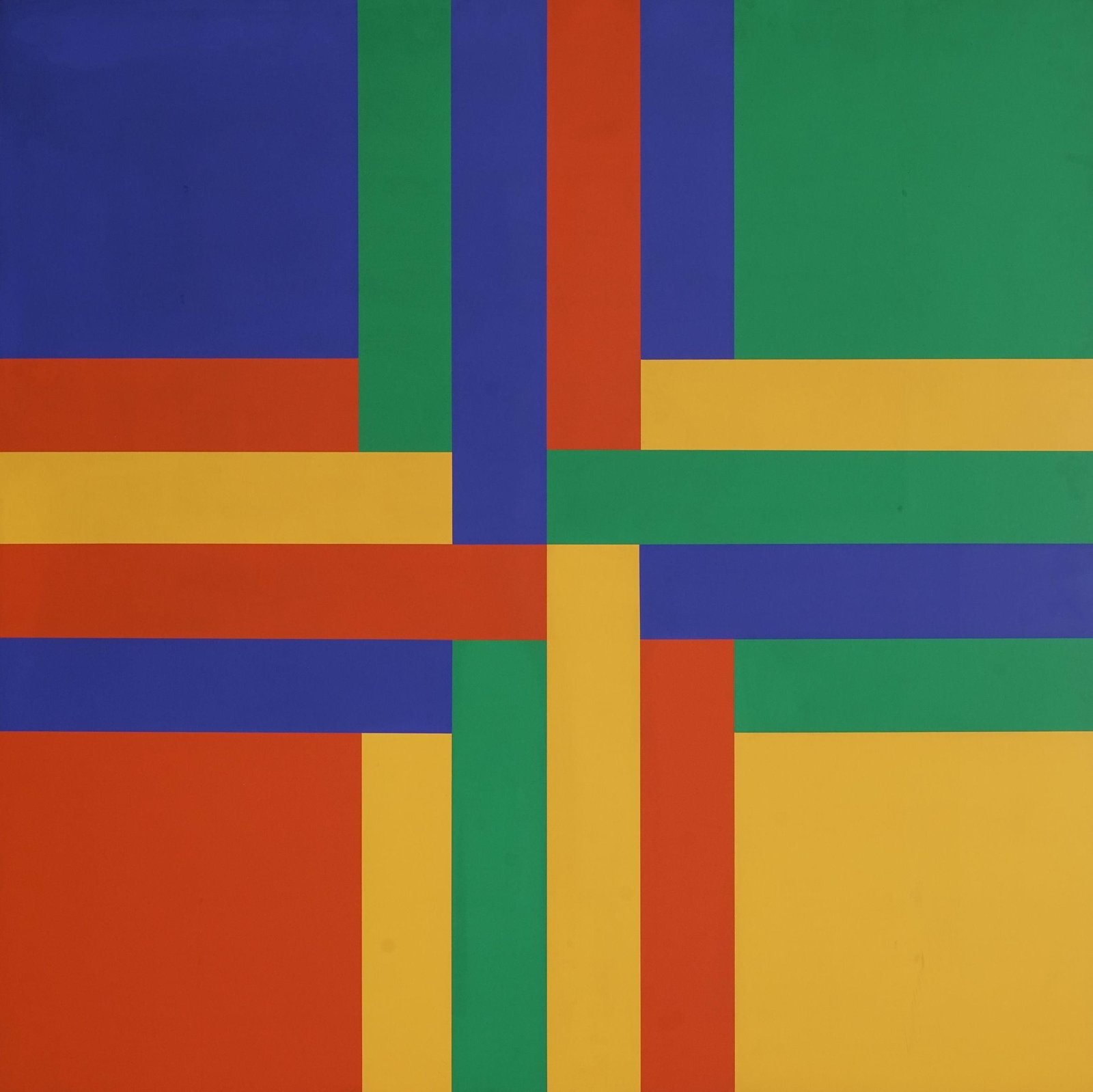
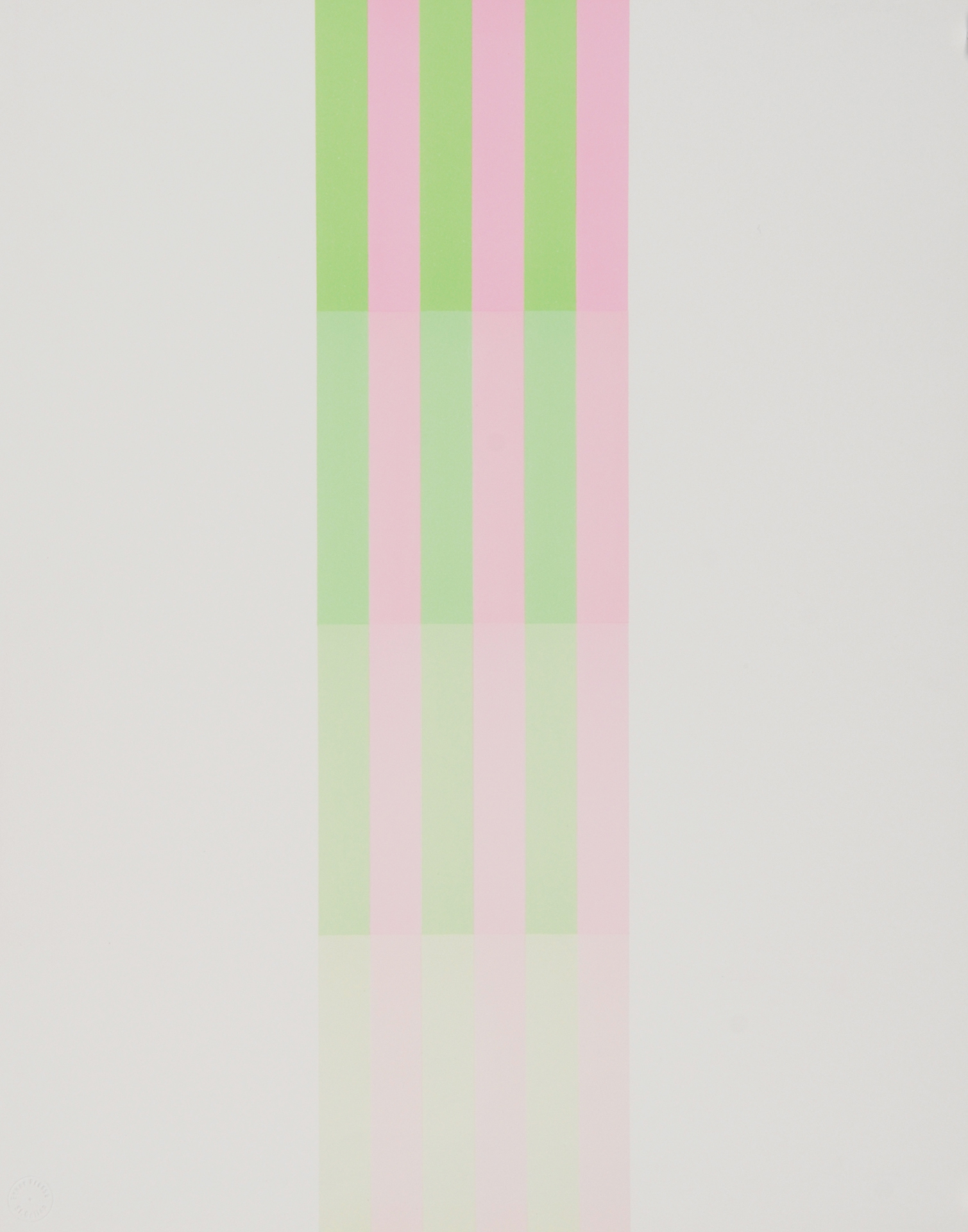
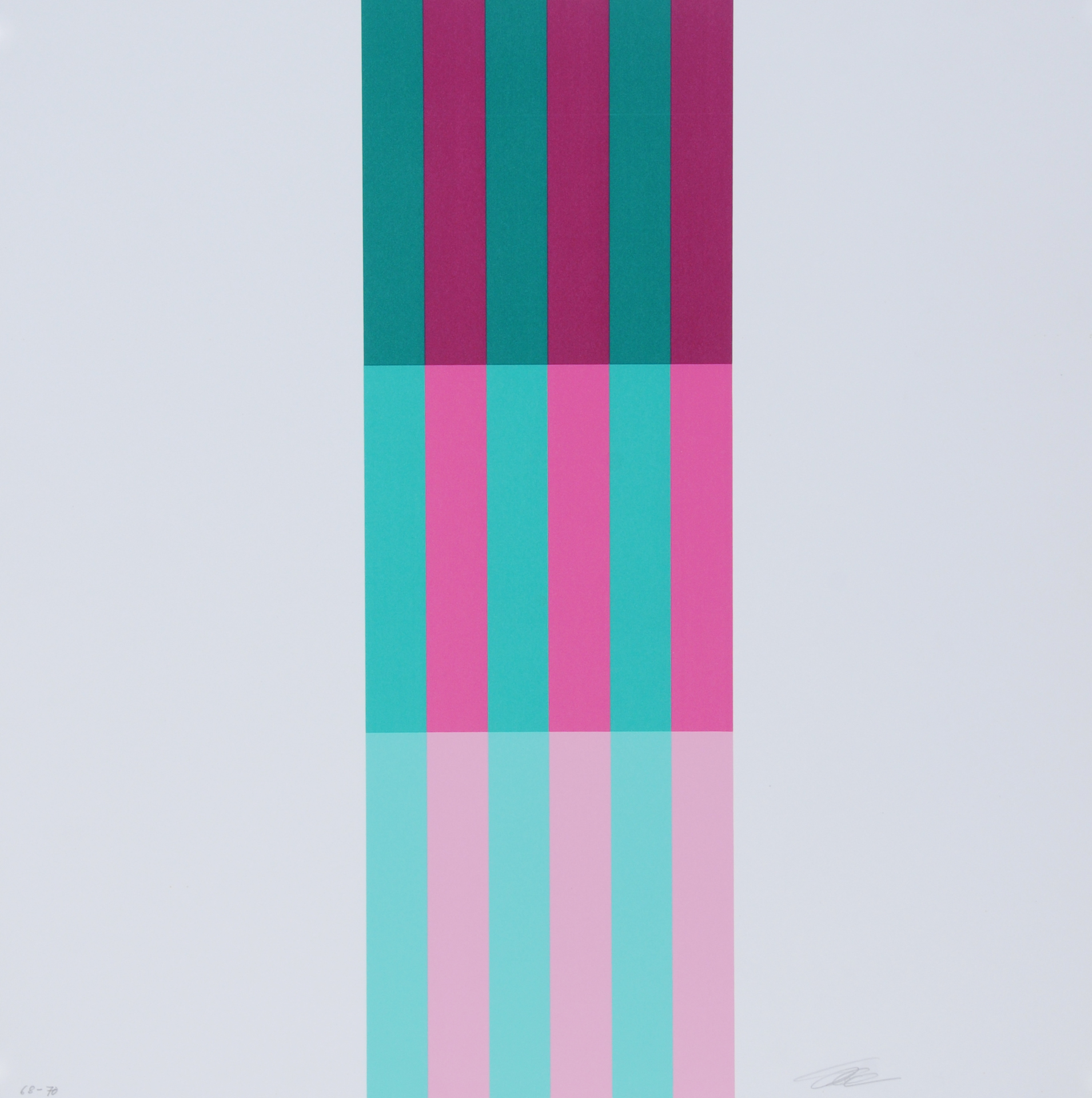
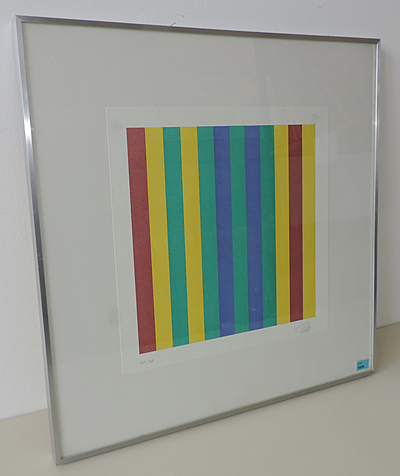
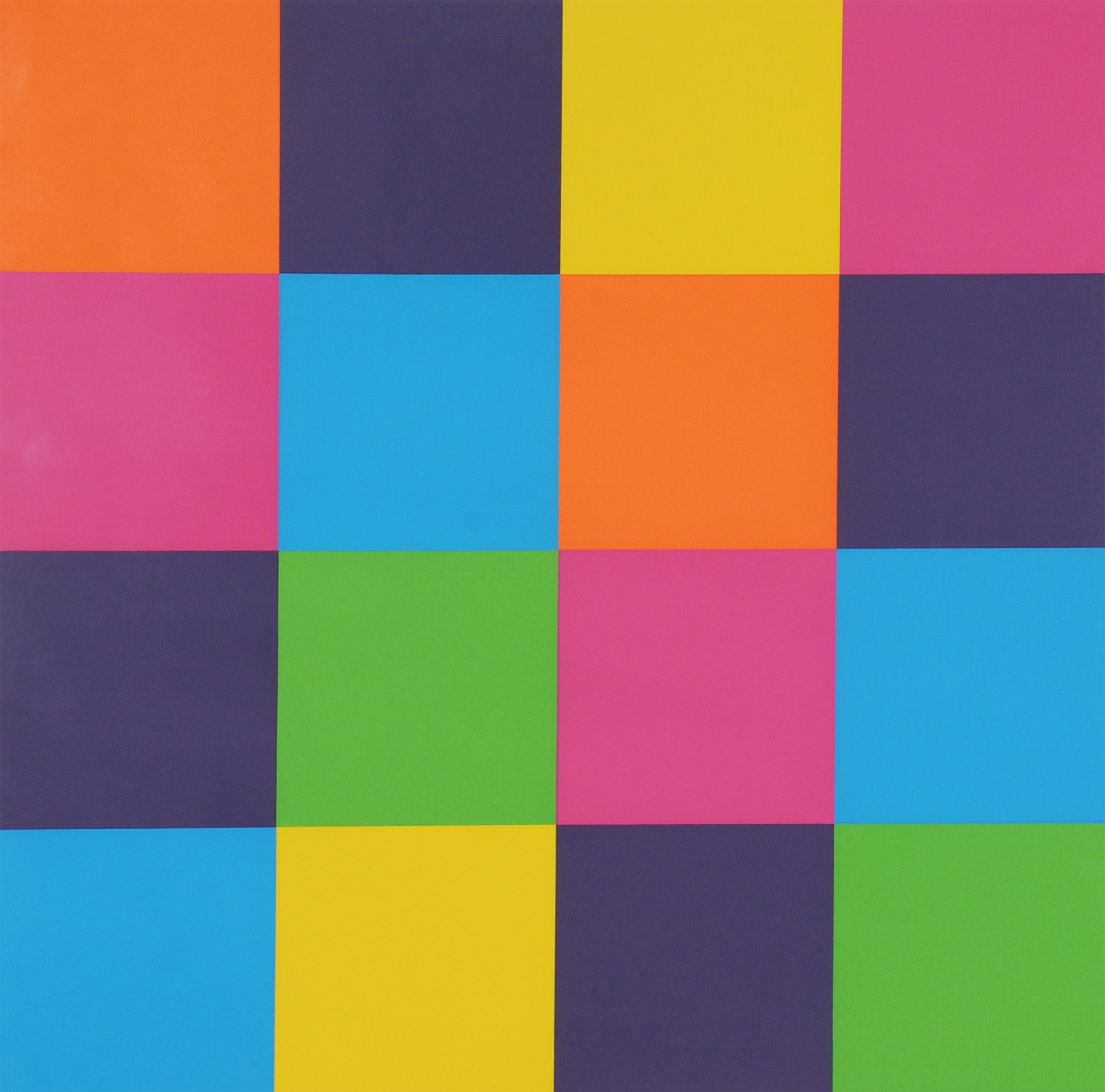
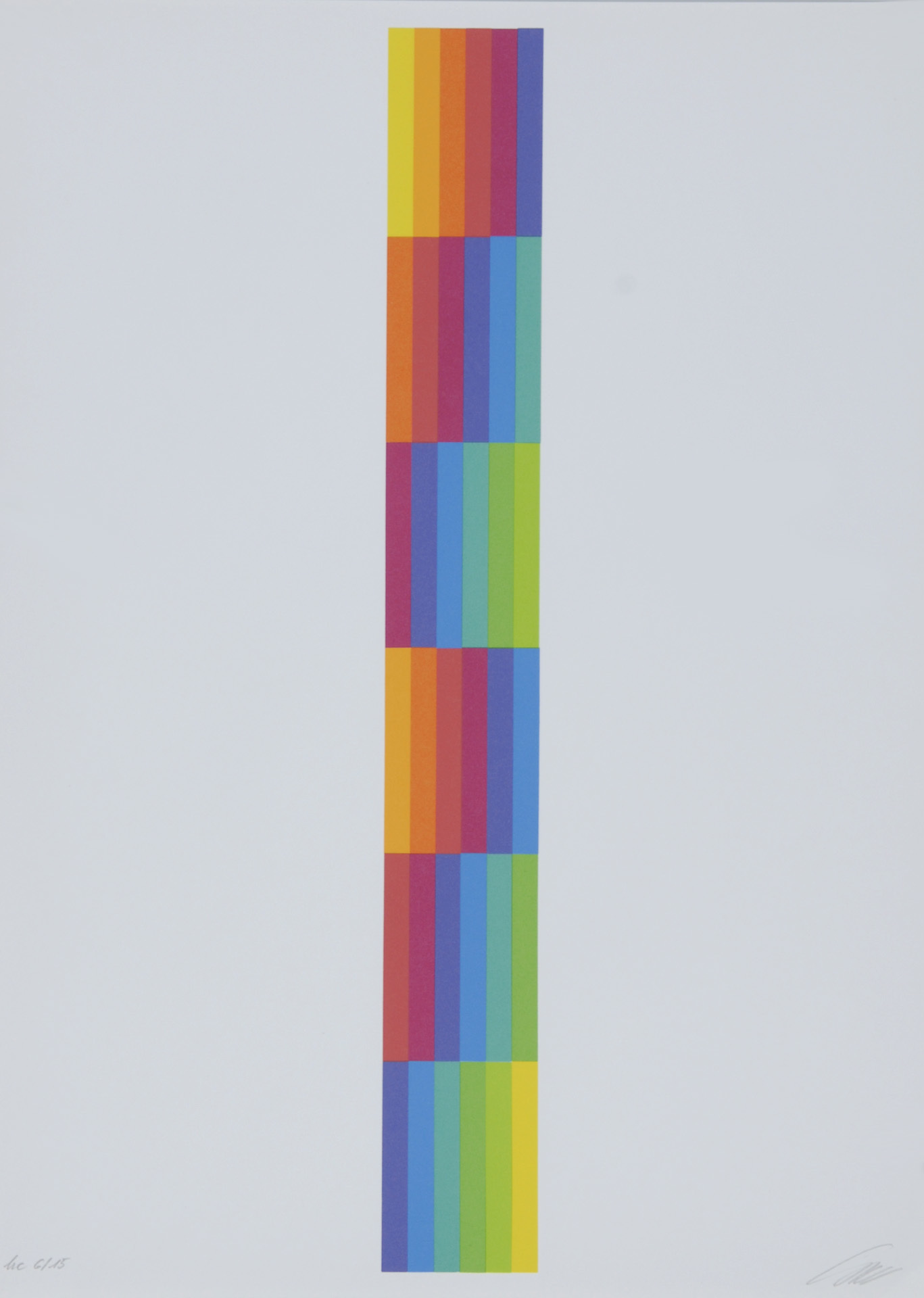
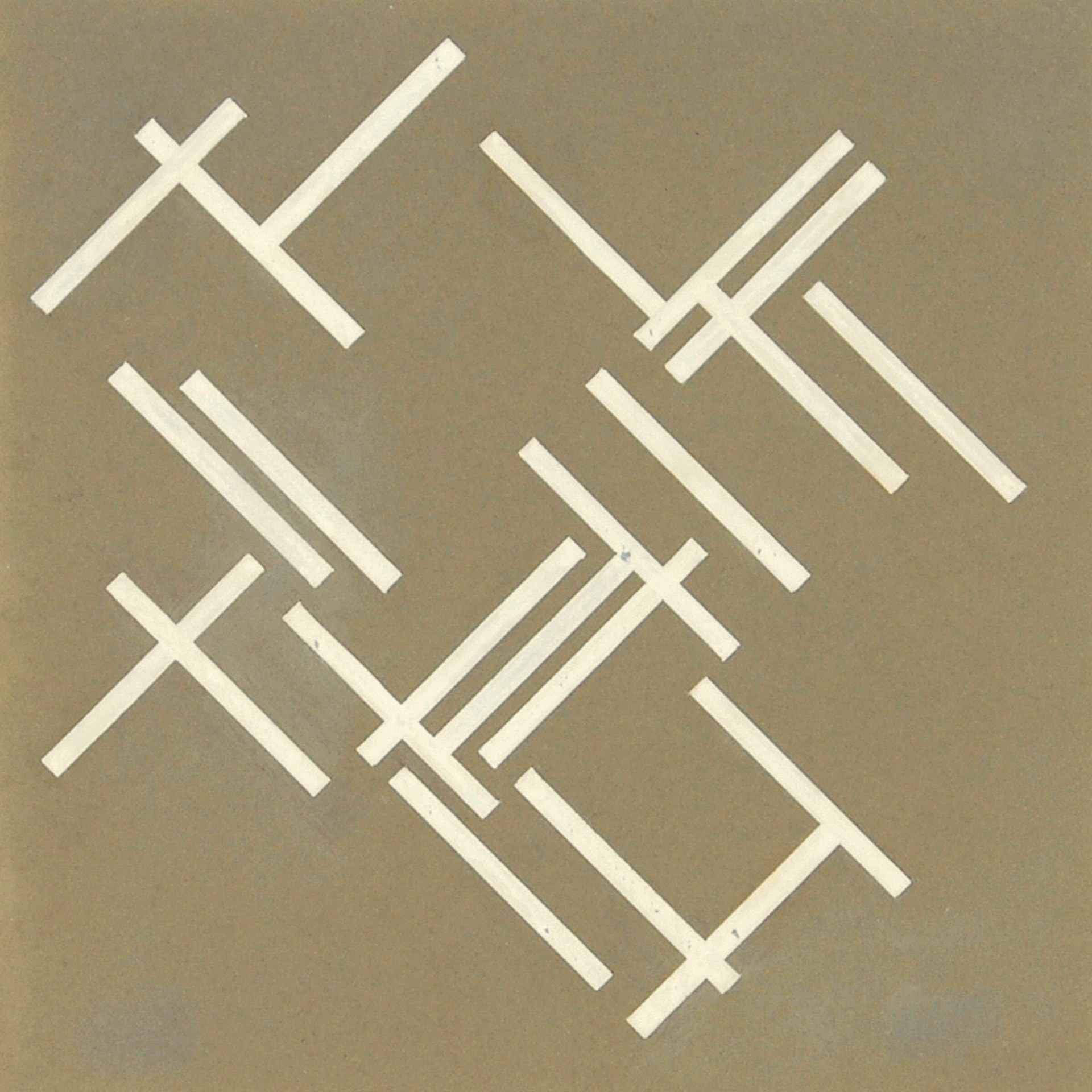
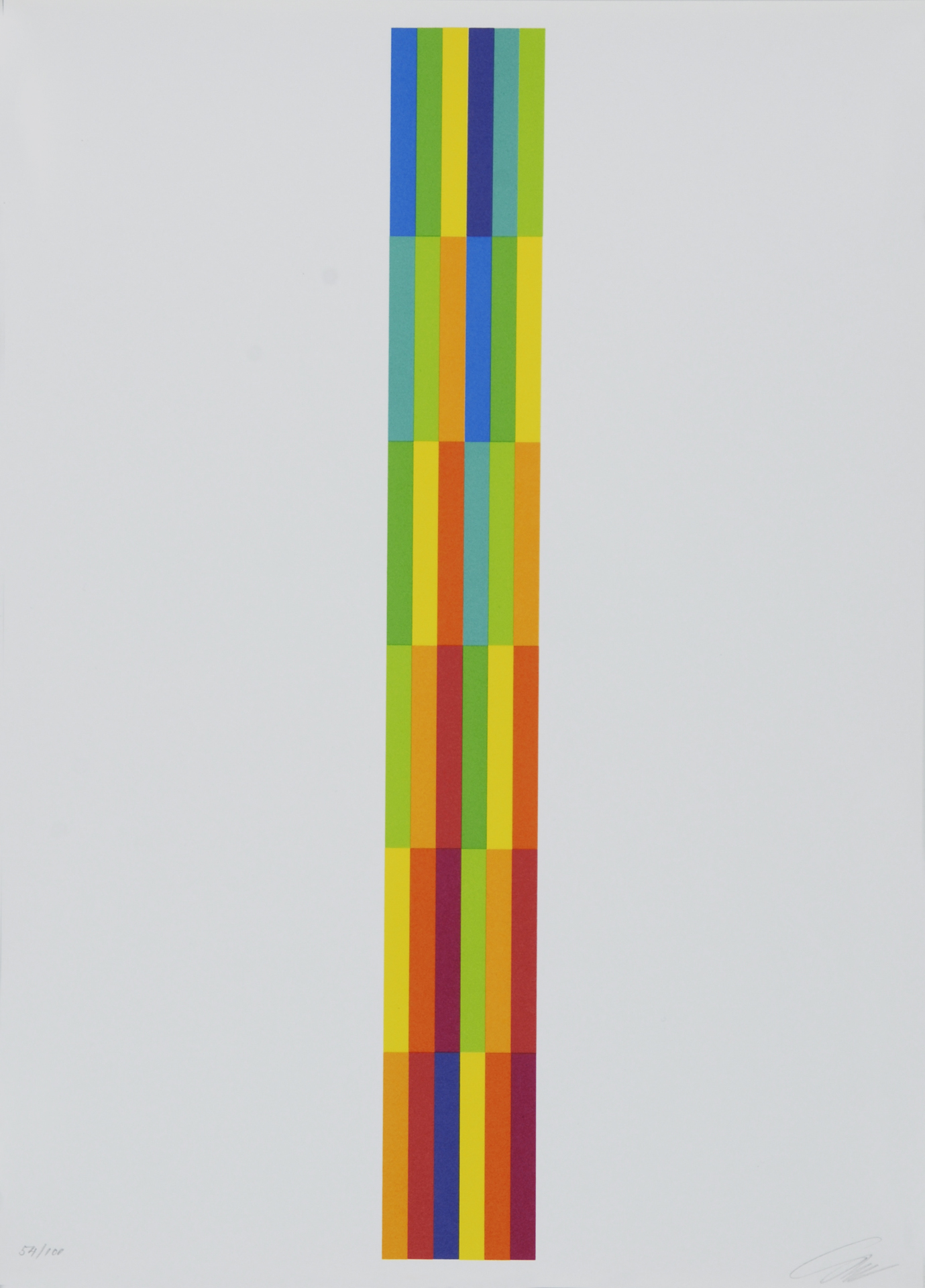
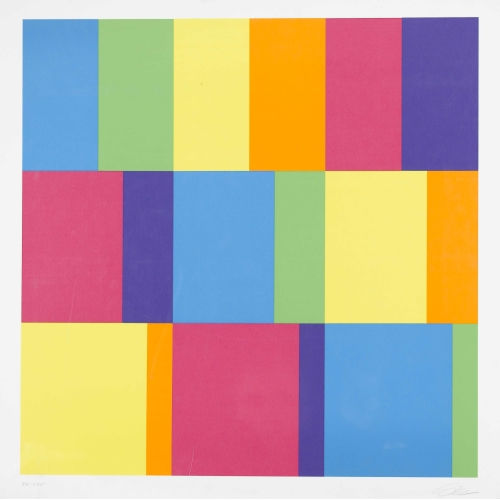
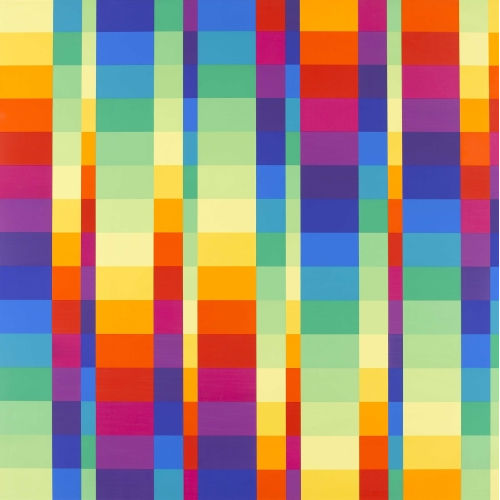
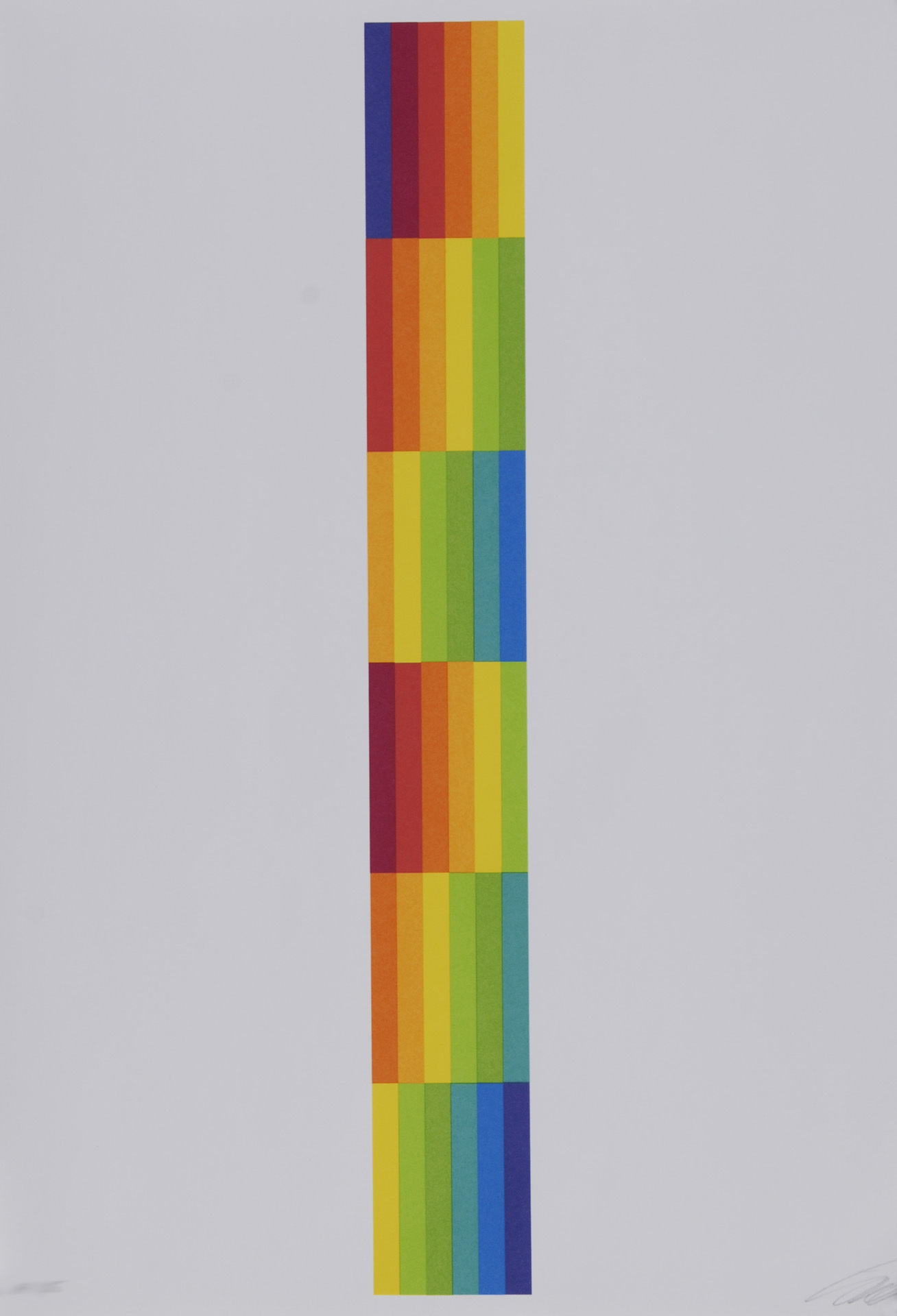
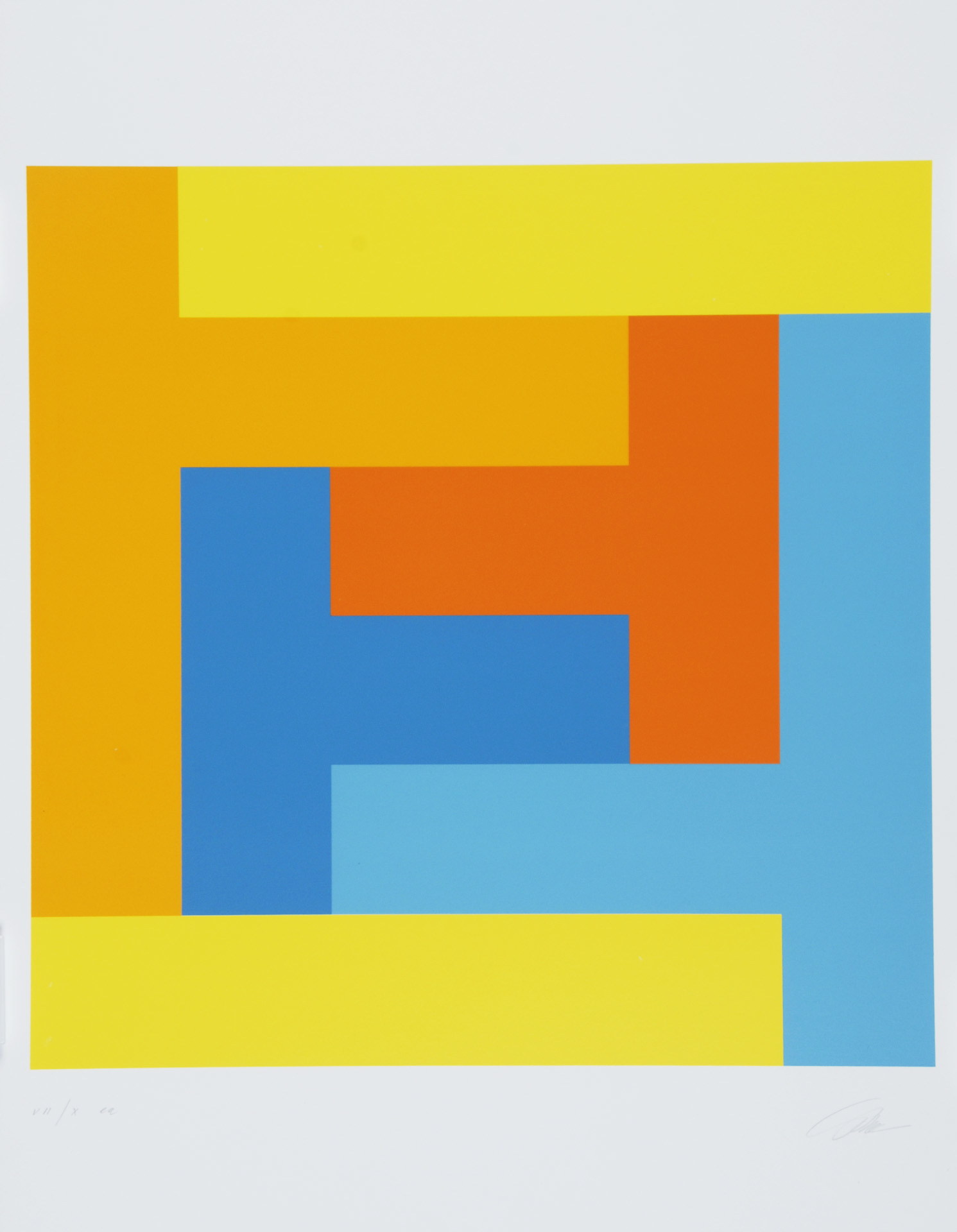
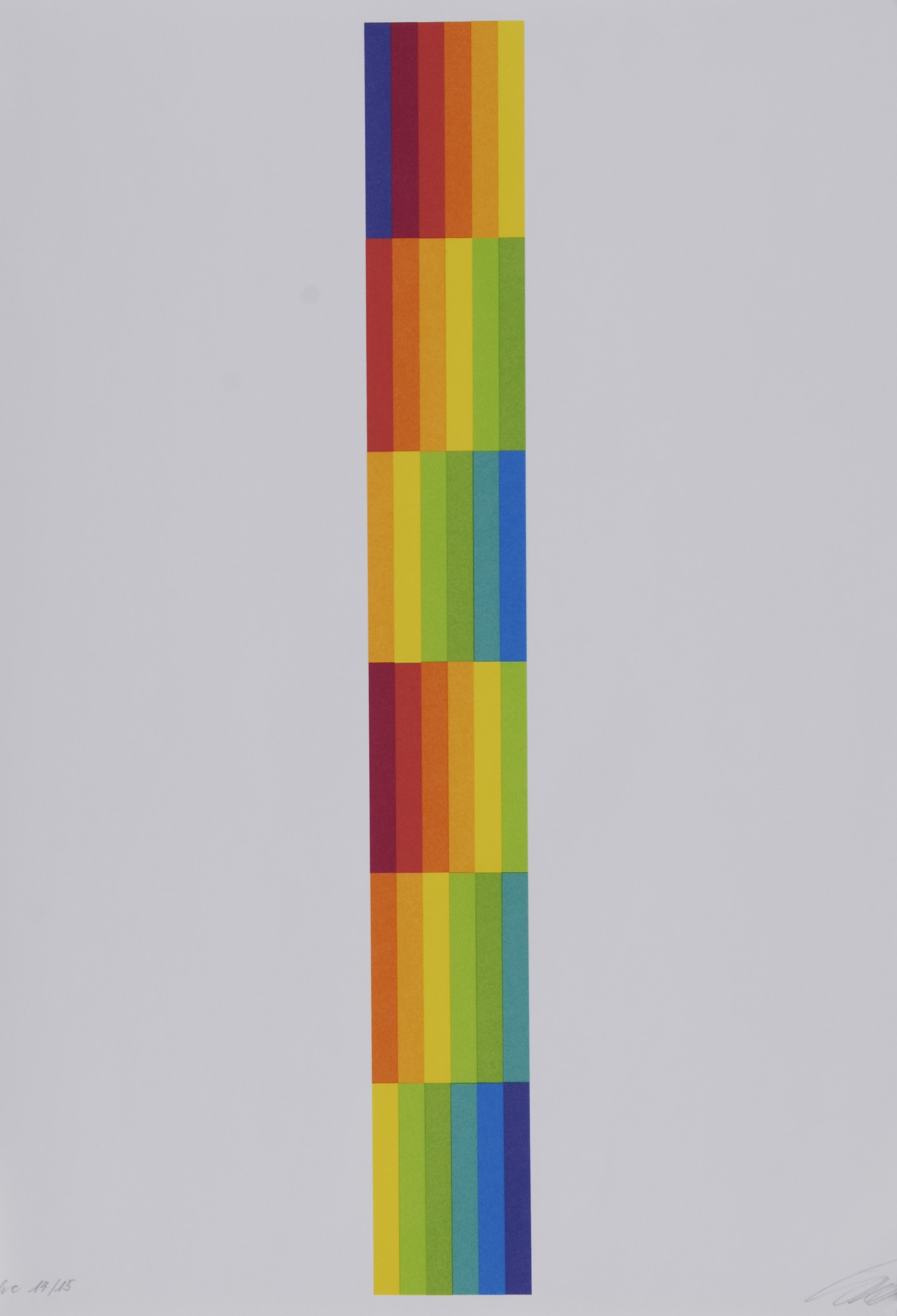
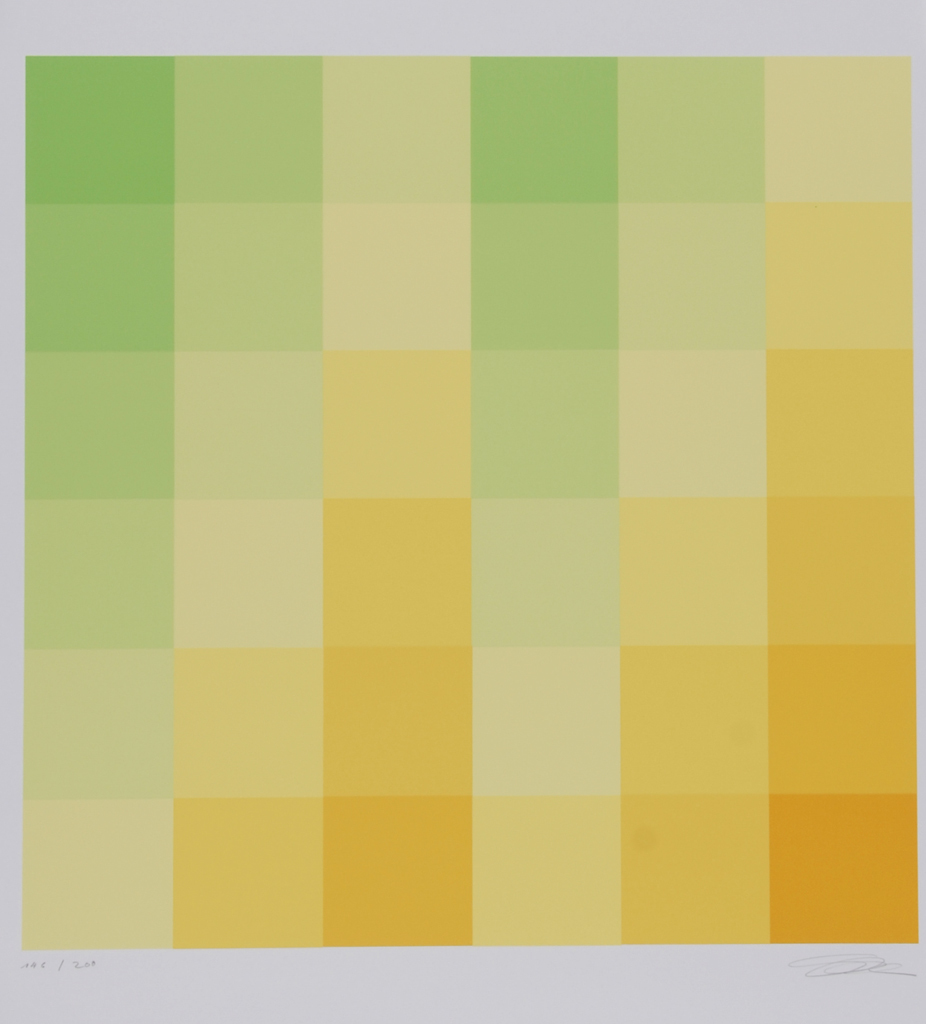
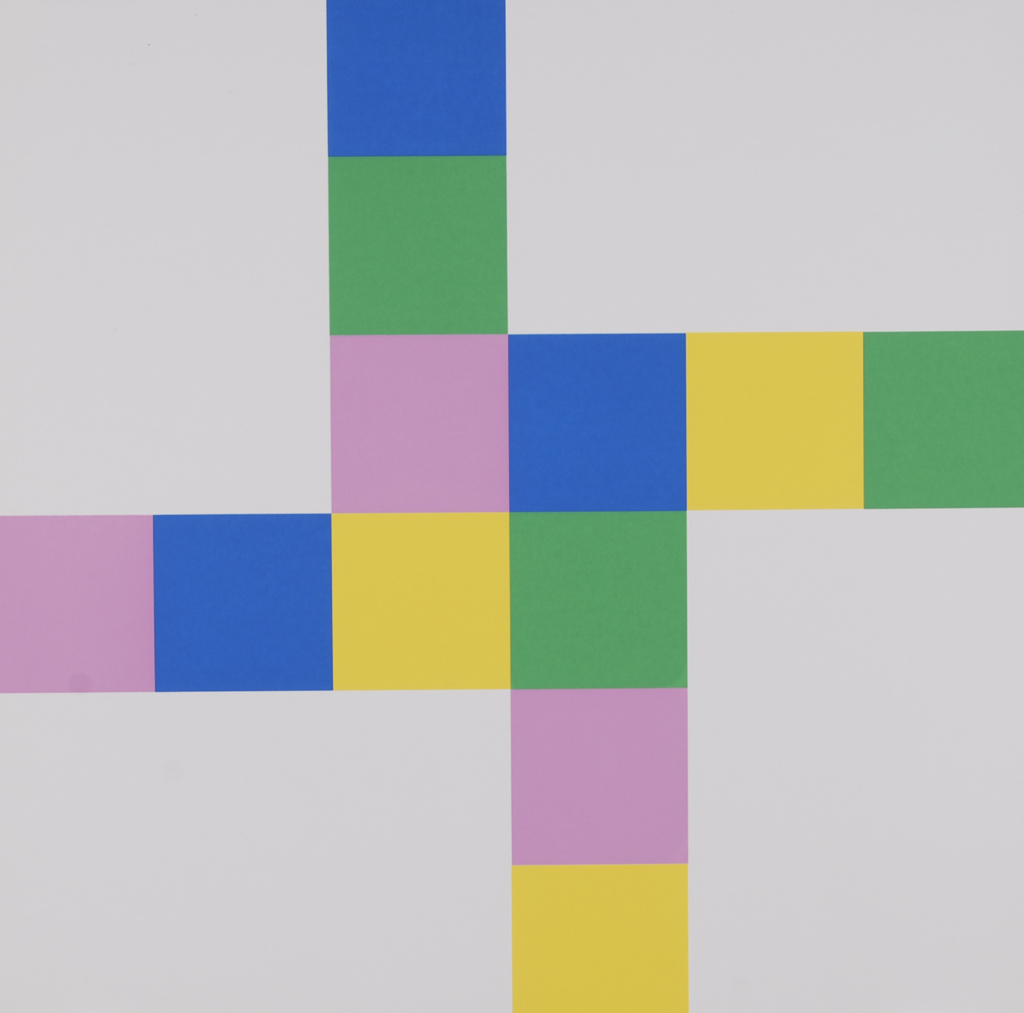
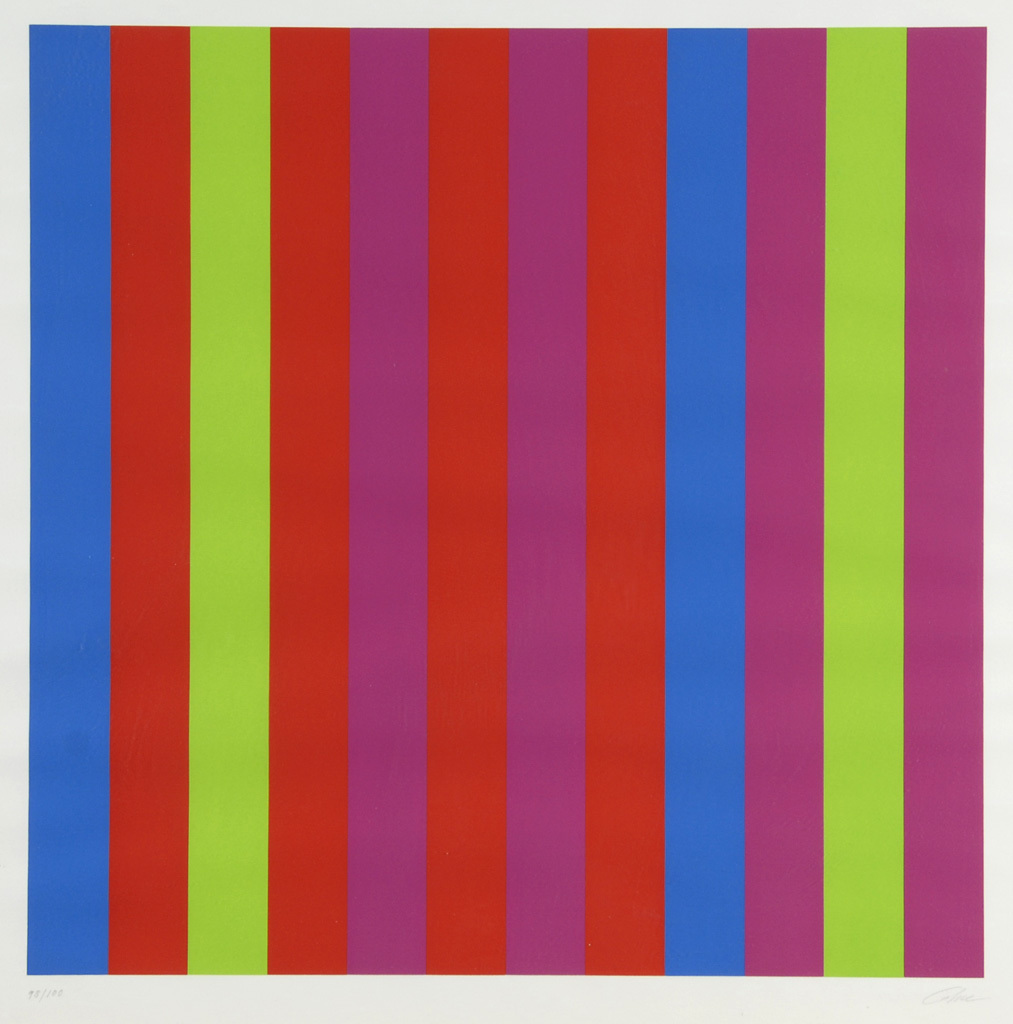
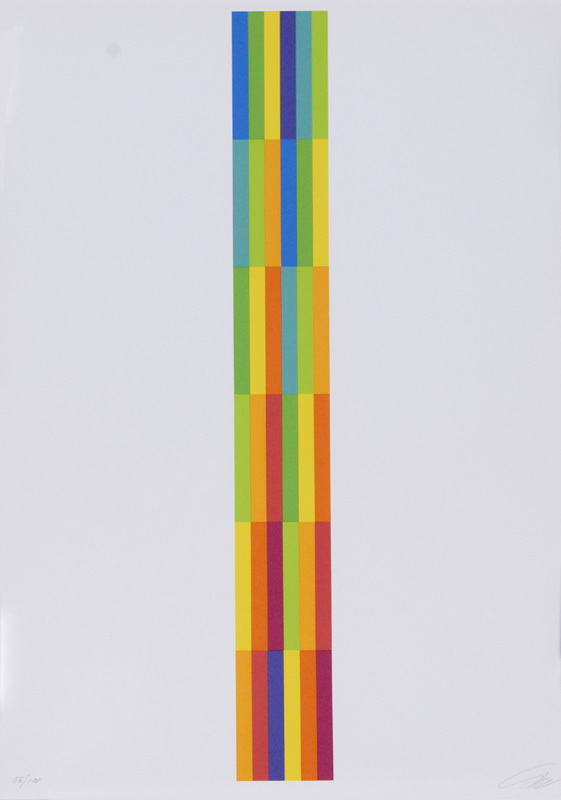
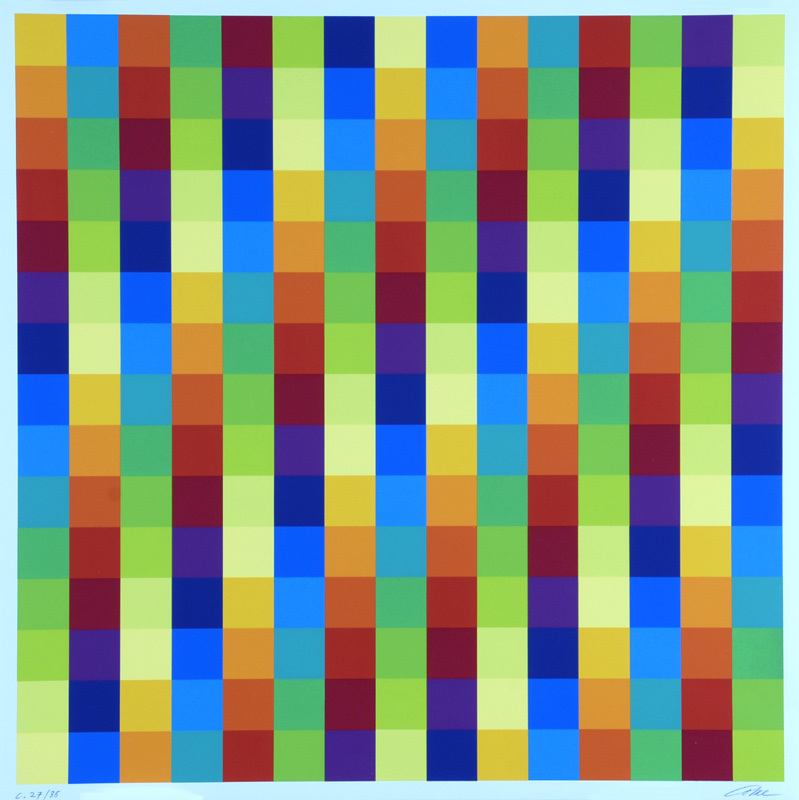
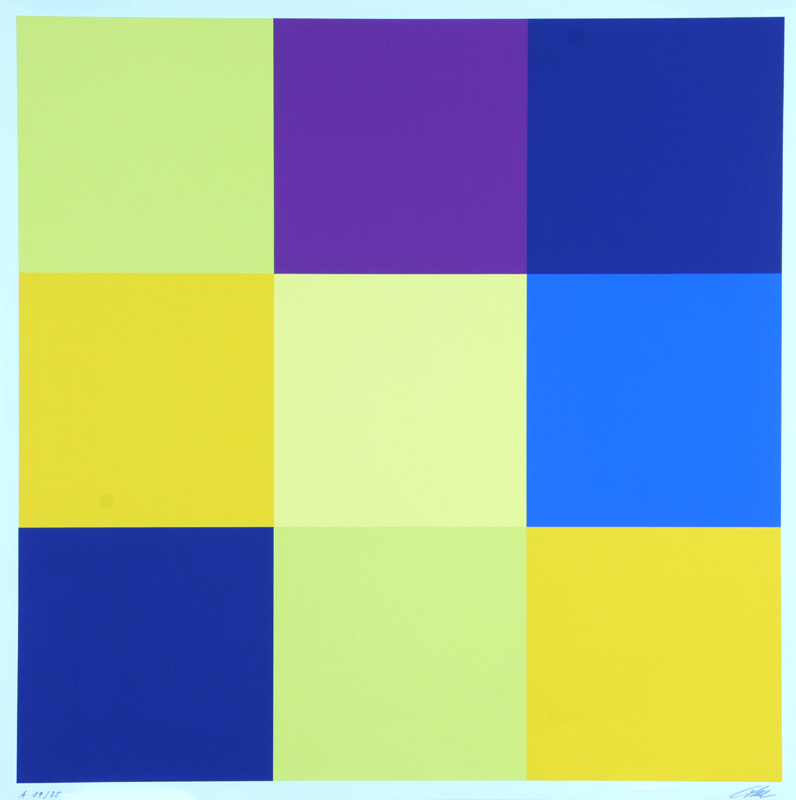
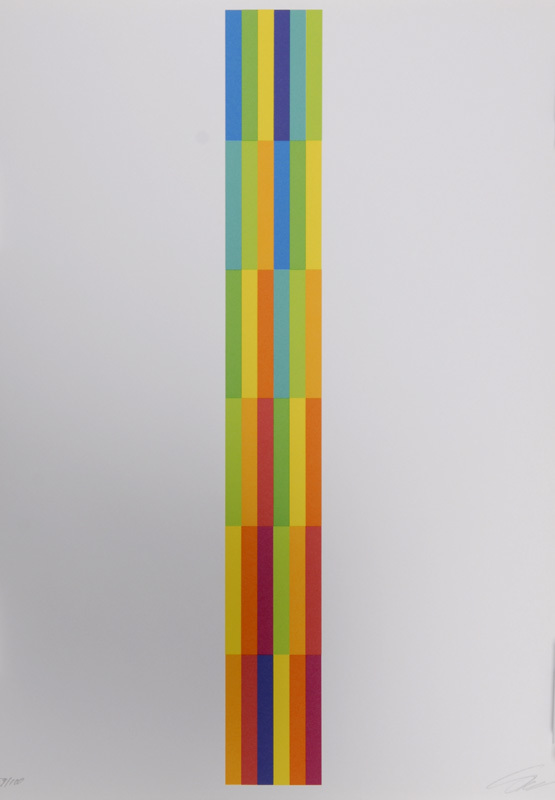
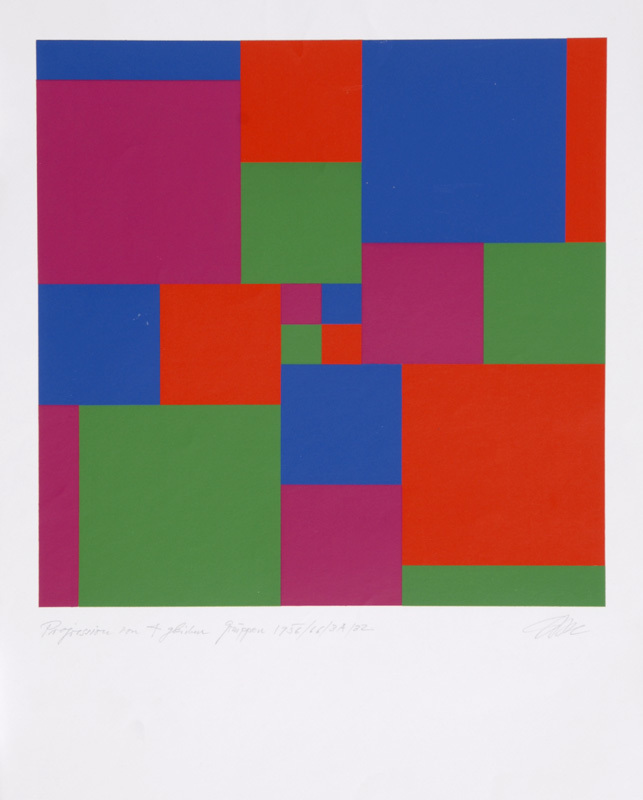
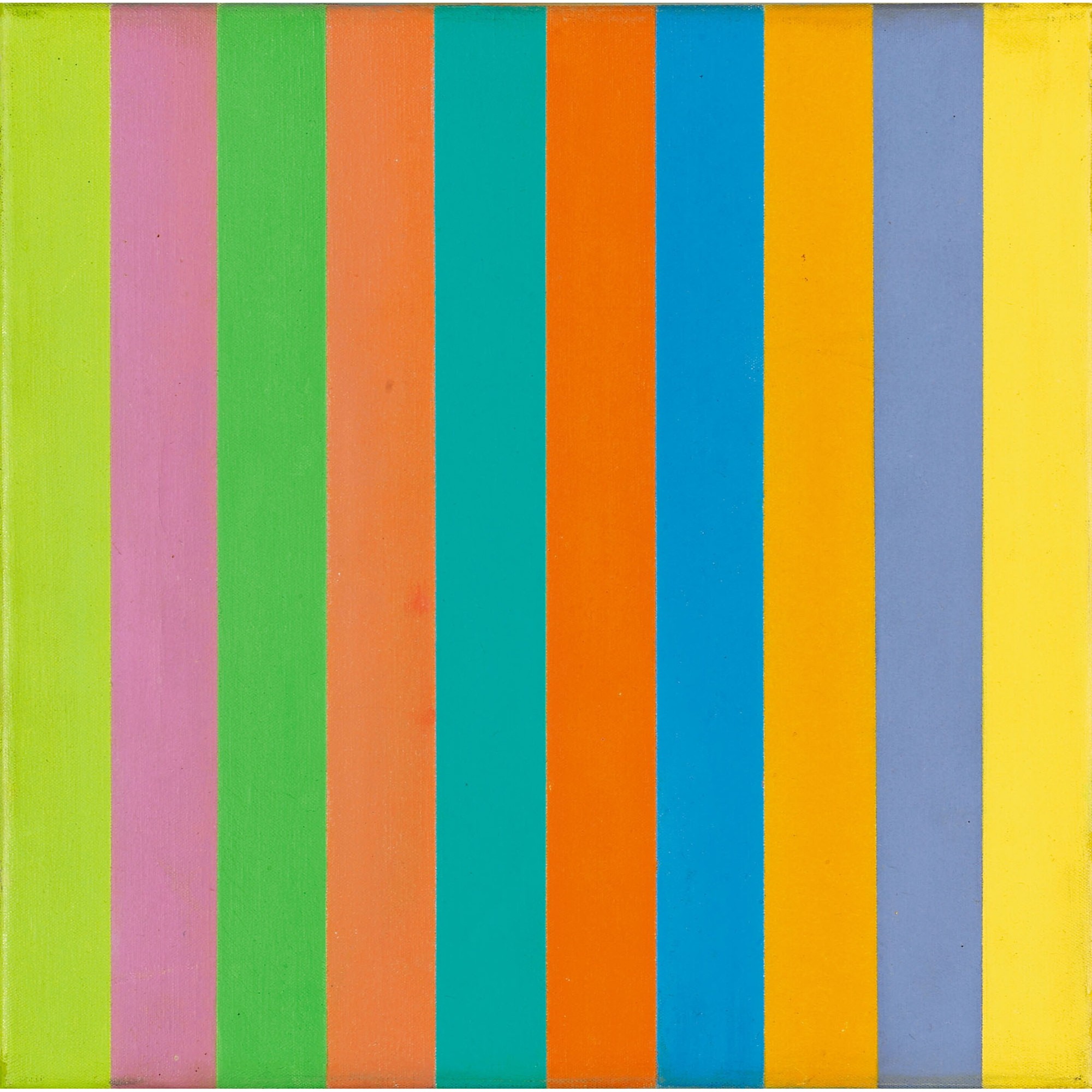
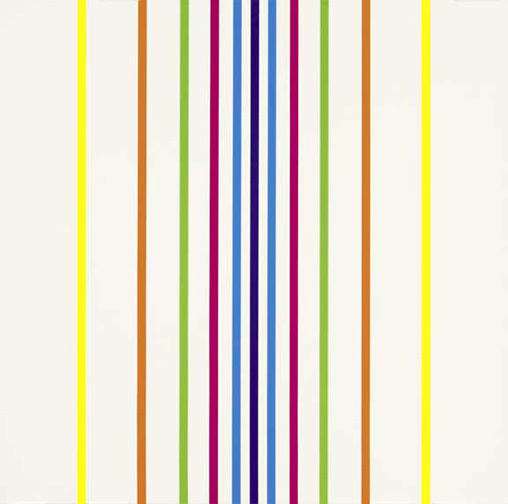
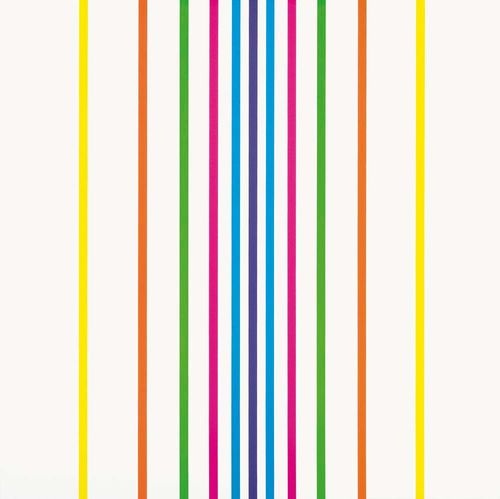
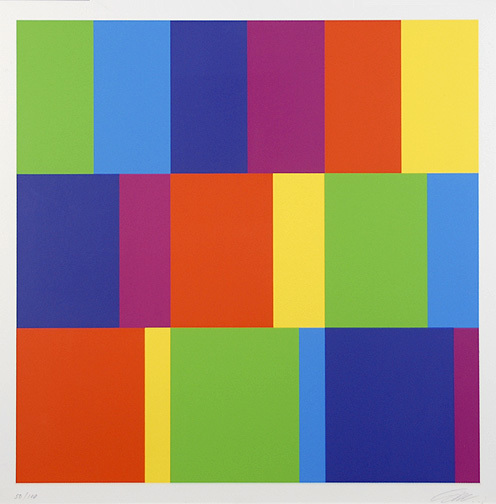
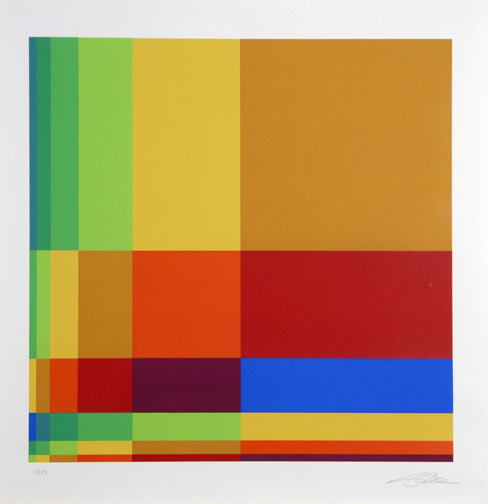
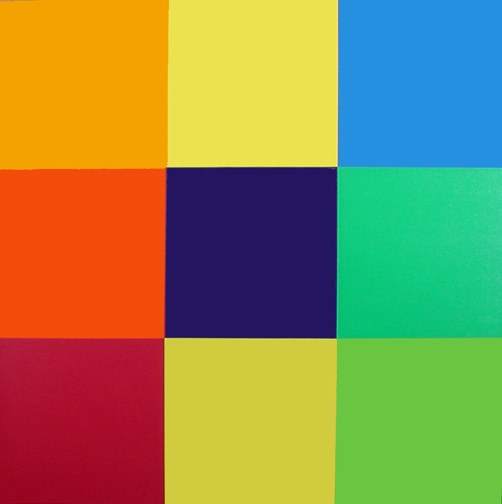
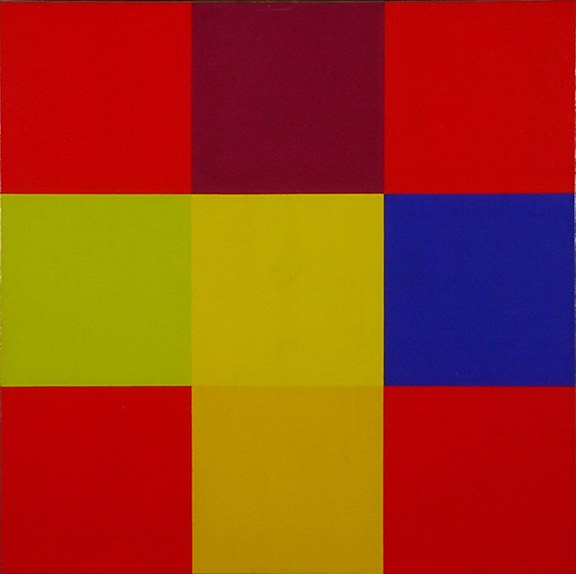
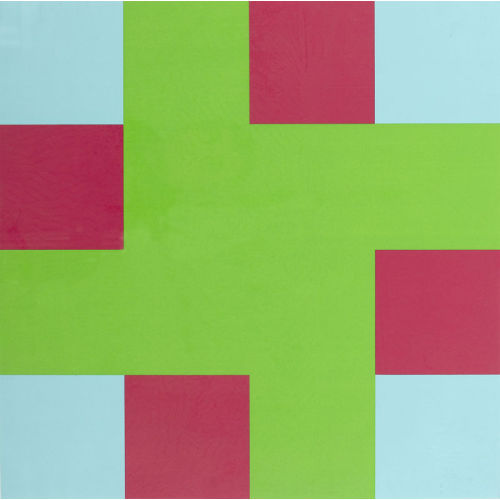
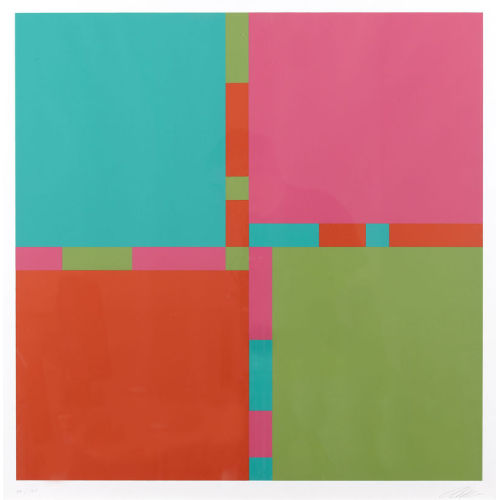
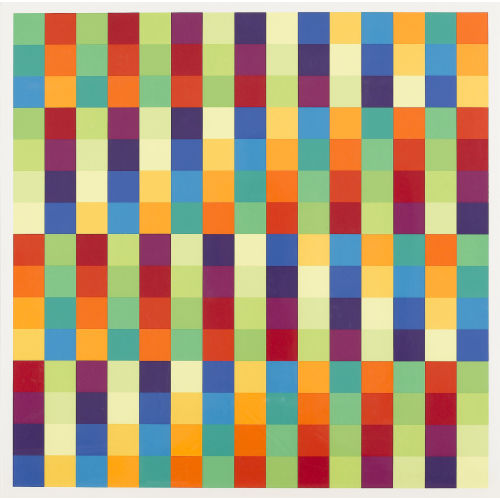
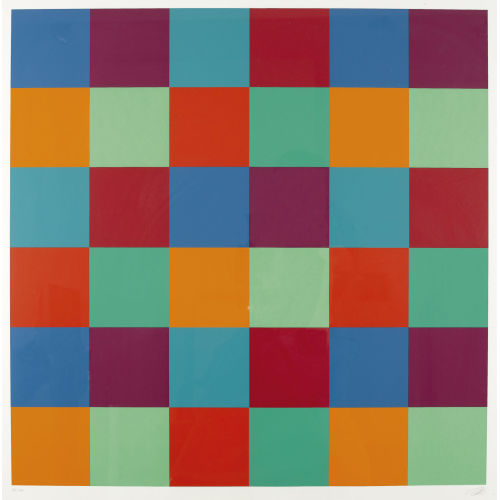
After figurative and abstract beginnings, he gradually adopted a geometric vocabulary. In the 1940s, his research took the form of modular and serial orders. The elements are repeated, articulated or shifted according to defined principles.
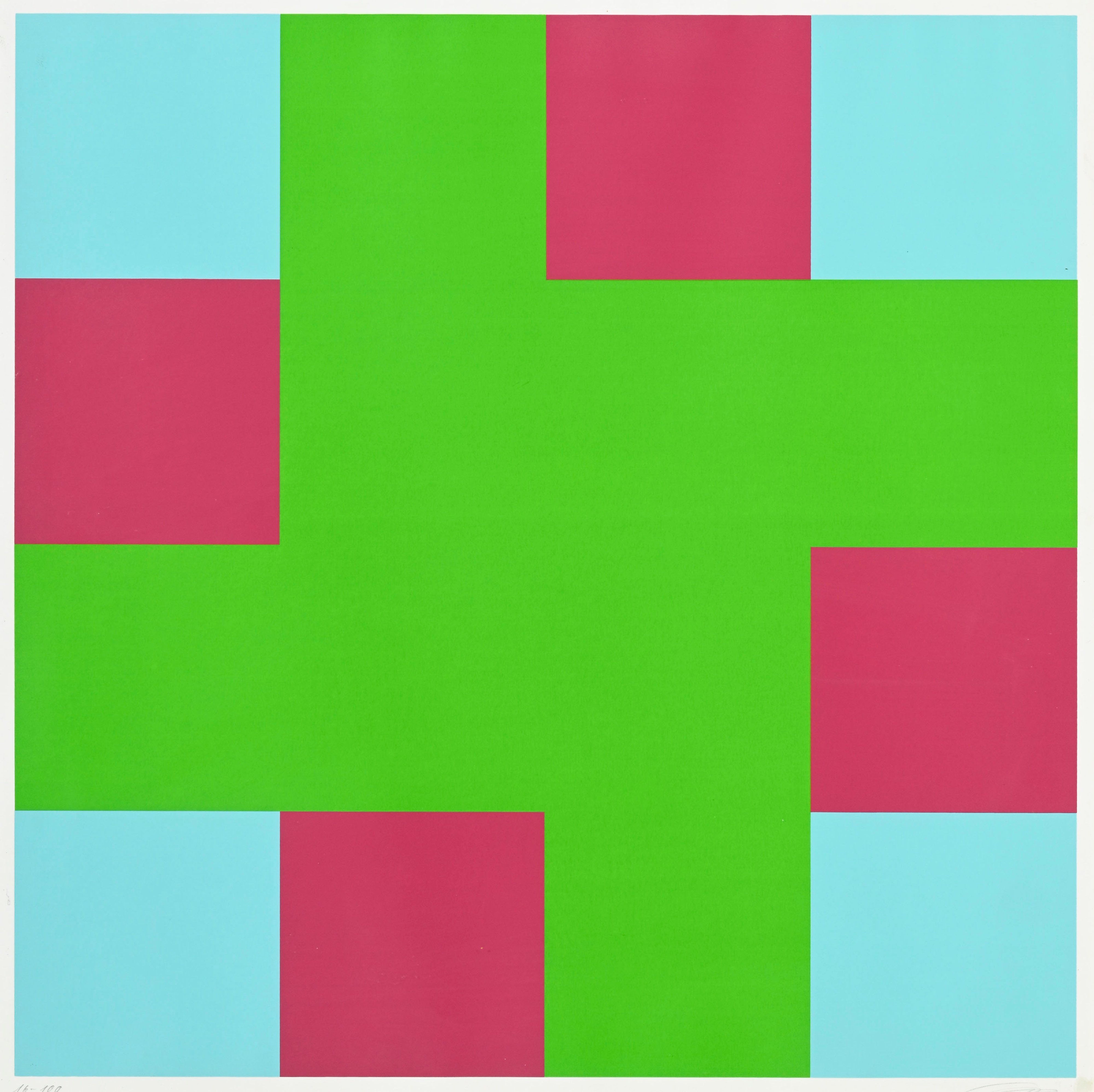
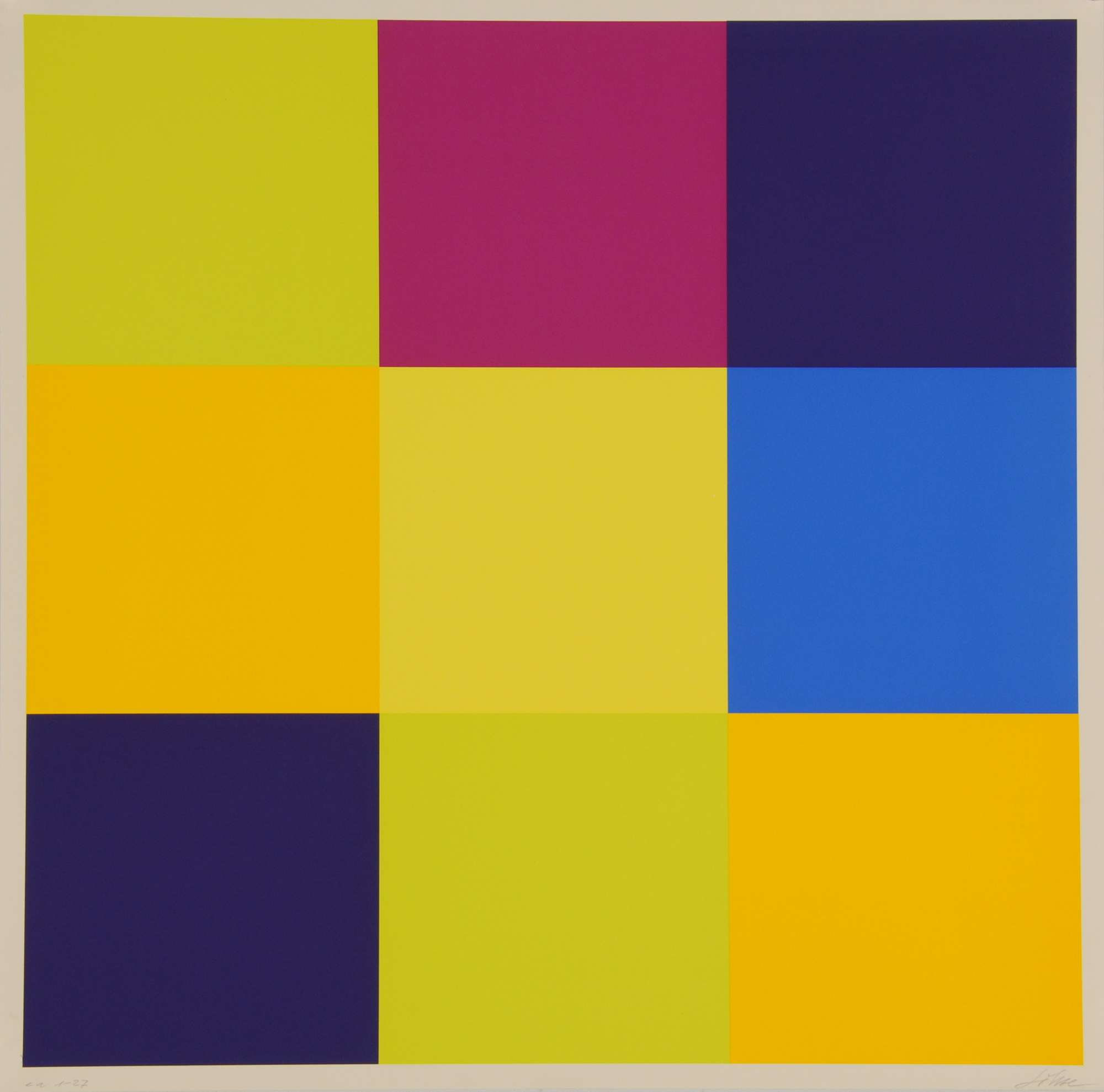
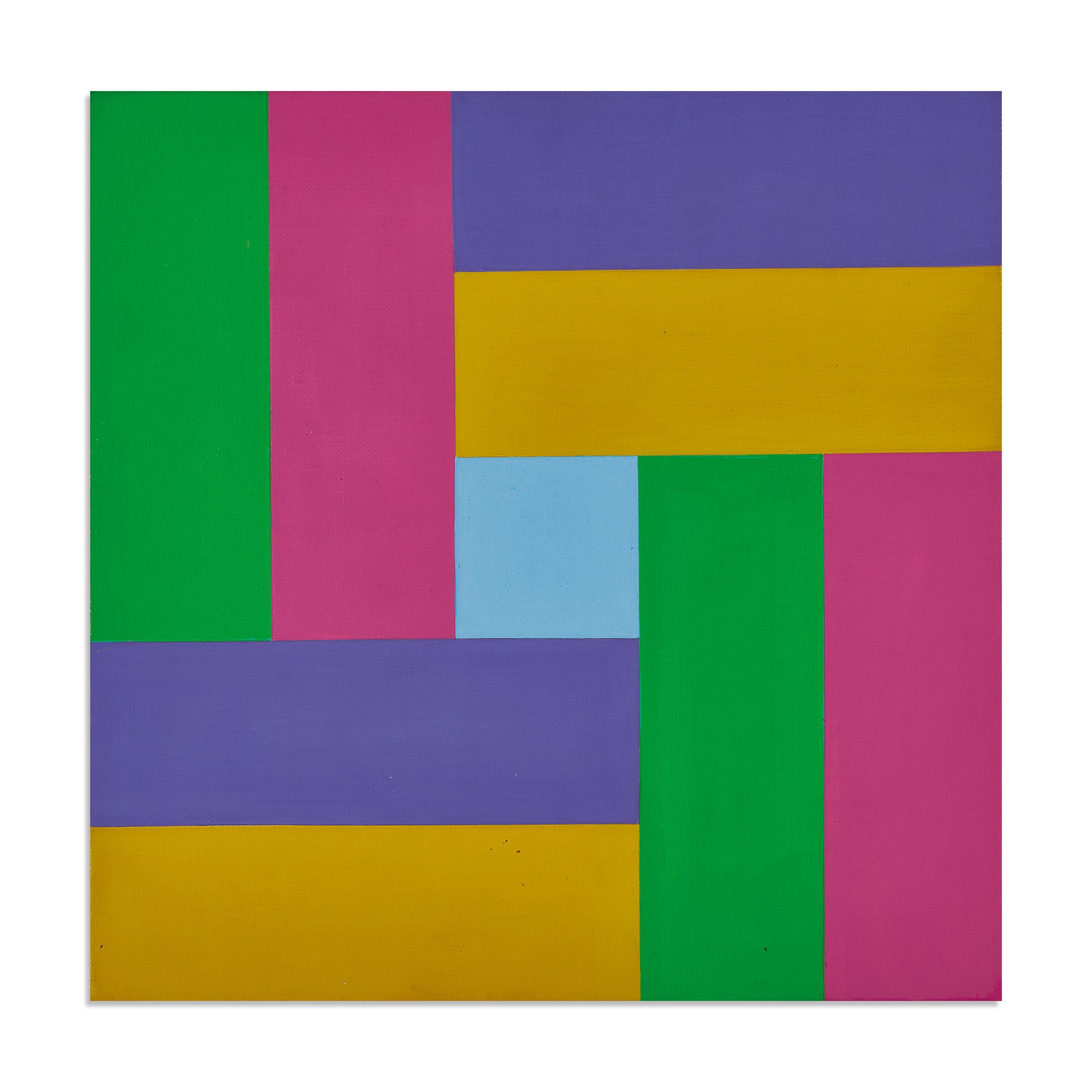
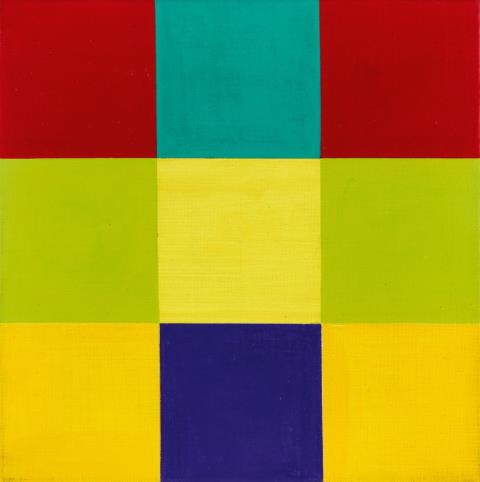
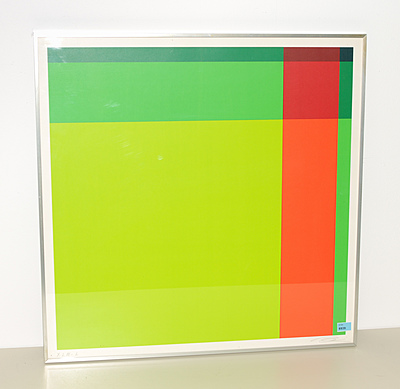
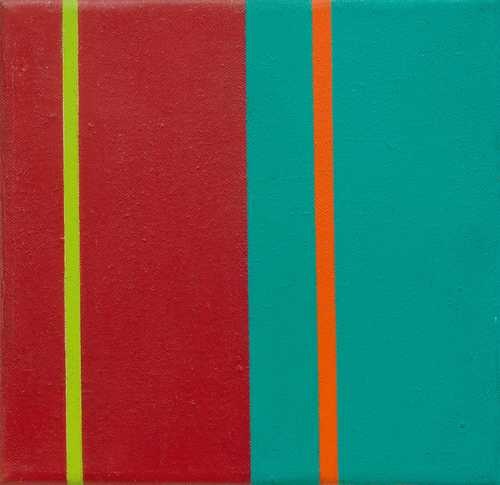
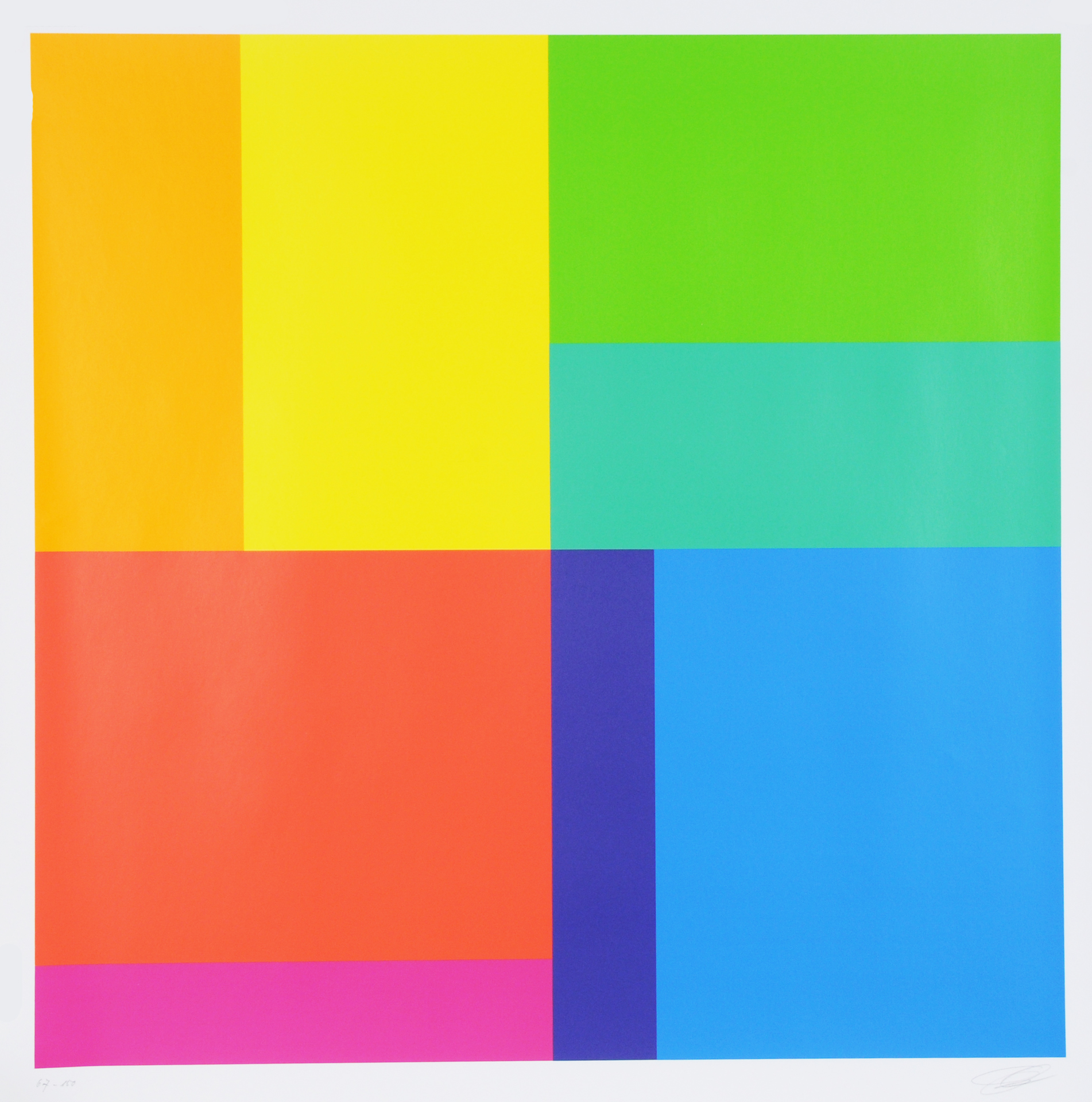
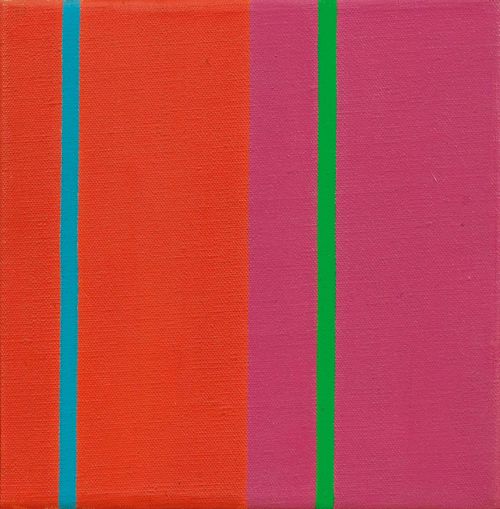
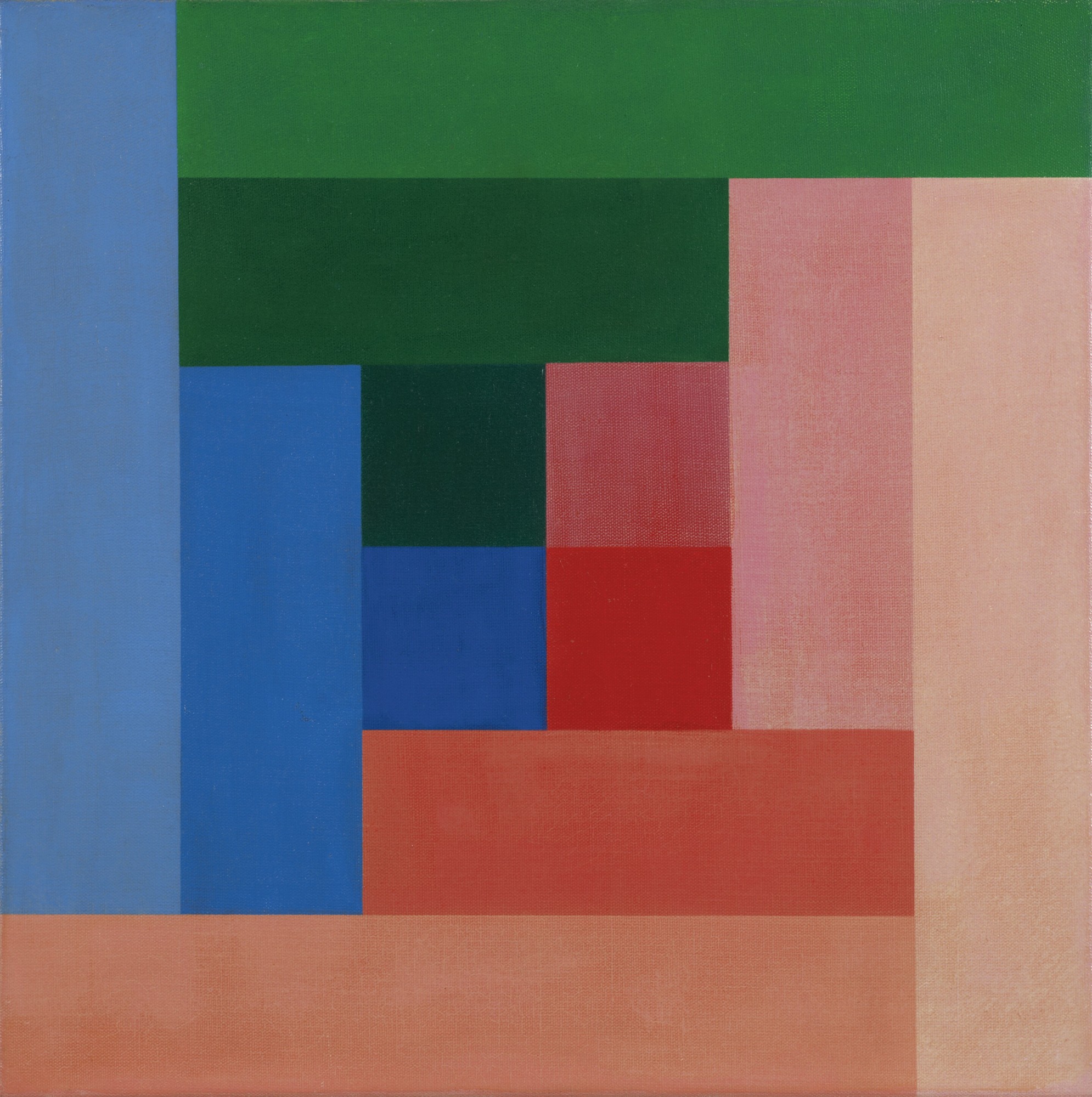
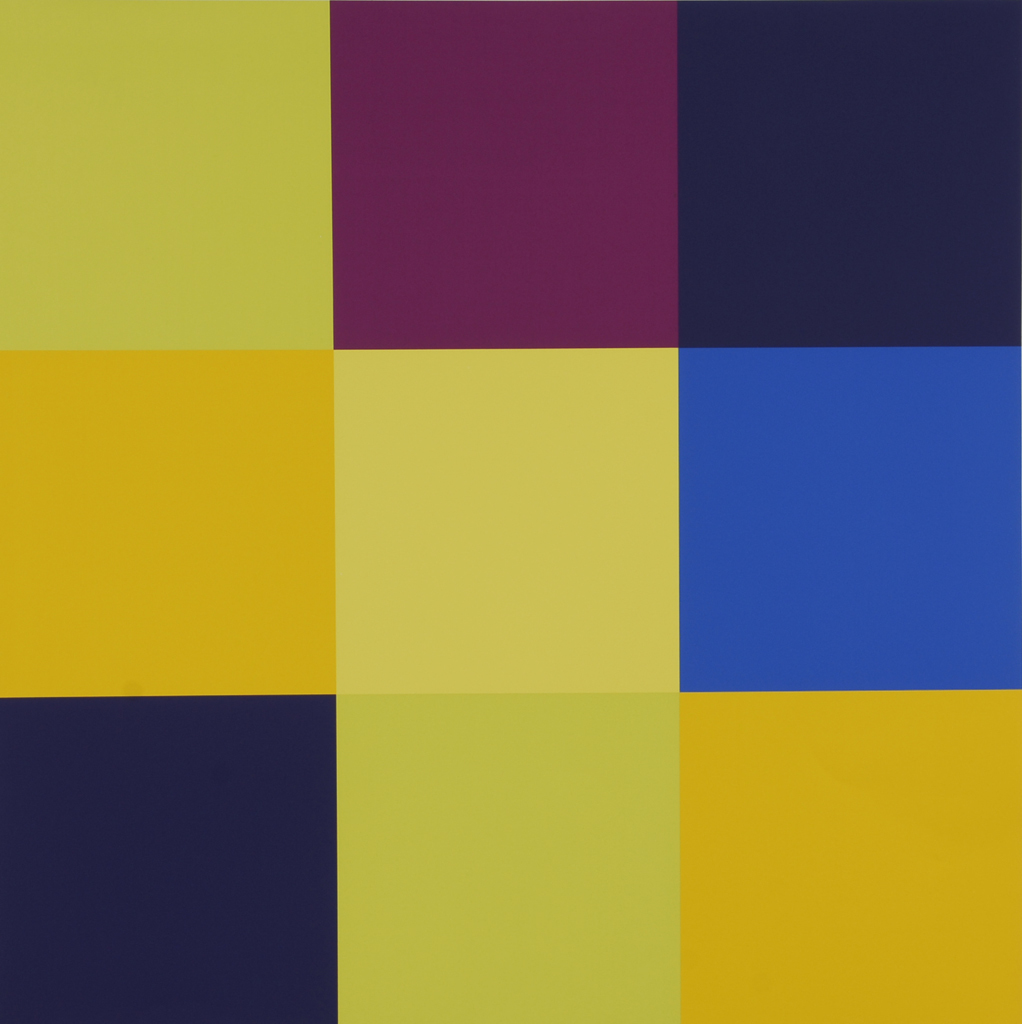
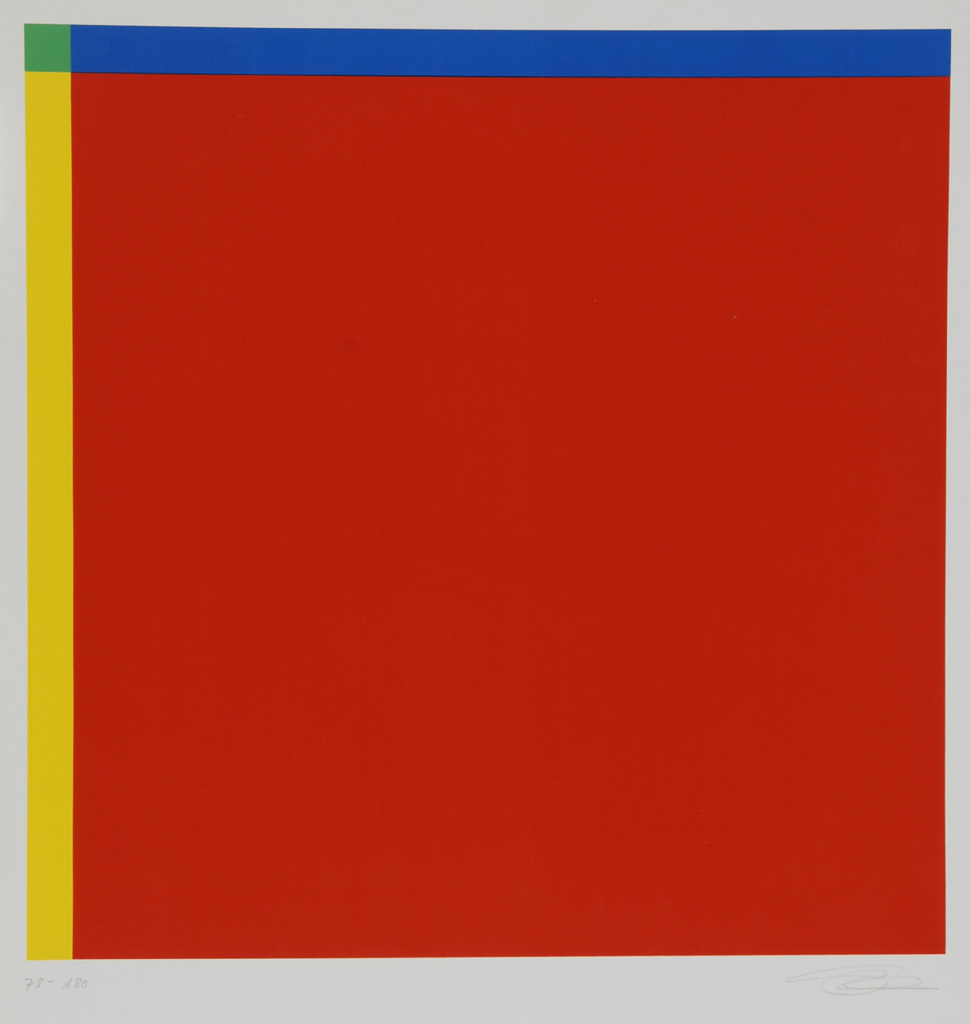
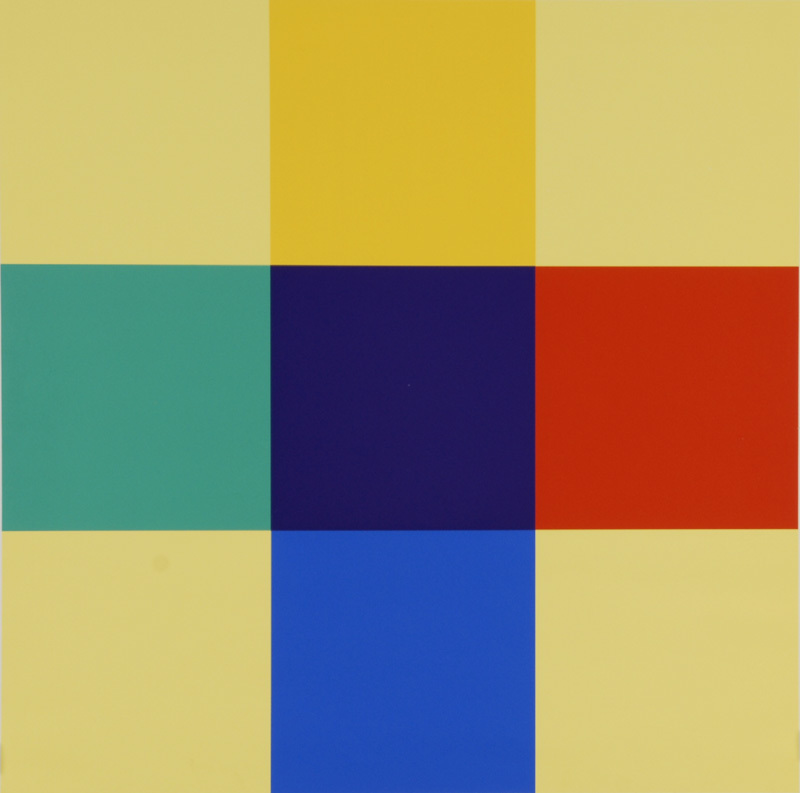
Colours no longer serve to describe an object: their proximities, oppositions and sequences constitute the very subject of the image.
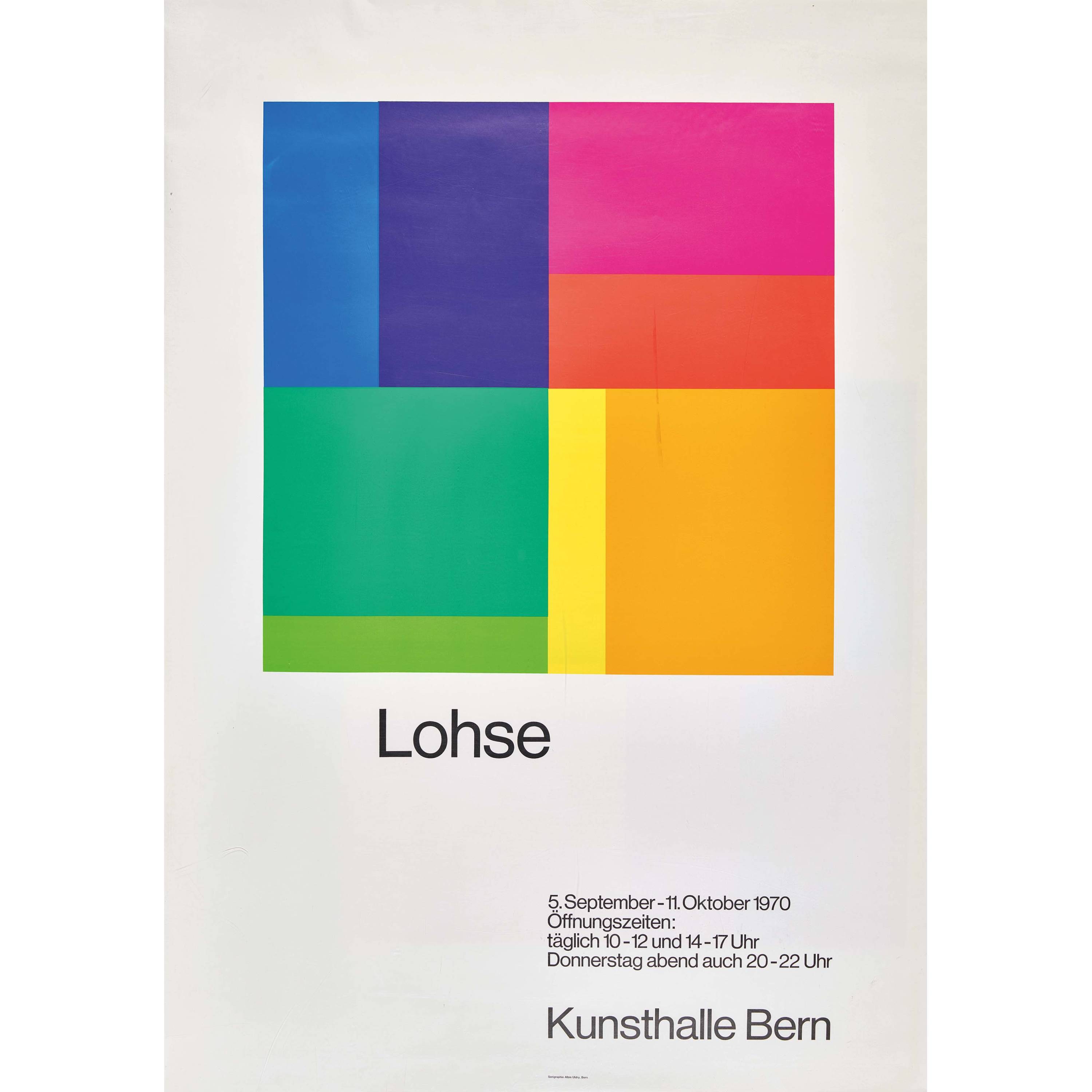
The painting thus presents itself as an ensemble without an imposed hierarchy between figure and ground. This organisation finds an extension in the artist’s social convictions, for whom aesthetic reflection cannot be separated from the conditions of collective life. His work as a graphic designer and his editorial activity, notably around Bauen + Wohnen and Neue Grafik, formed part of the same pursuit of clarity.
International recognition accompanied this trajectory, including his participation in the Venice Biennale in 1972 and documenta 7 in 1982. To discover Lohse, one can choose a colour and follow its movements through the composition. Gradually, the repetitions reveal their differences: the rule gives rise to a rhythm, and the eye experiences its possibilities.