Pietro Chiesa
Born in 1876.
Died in 1959.
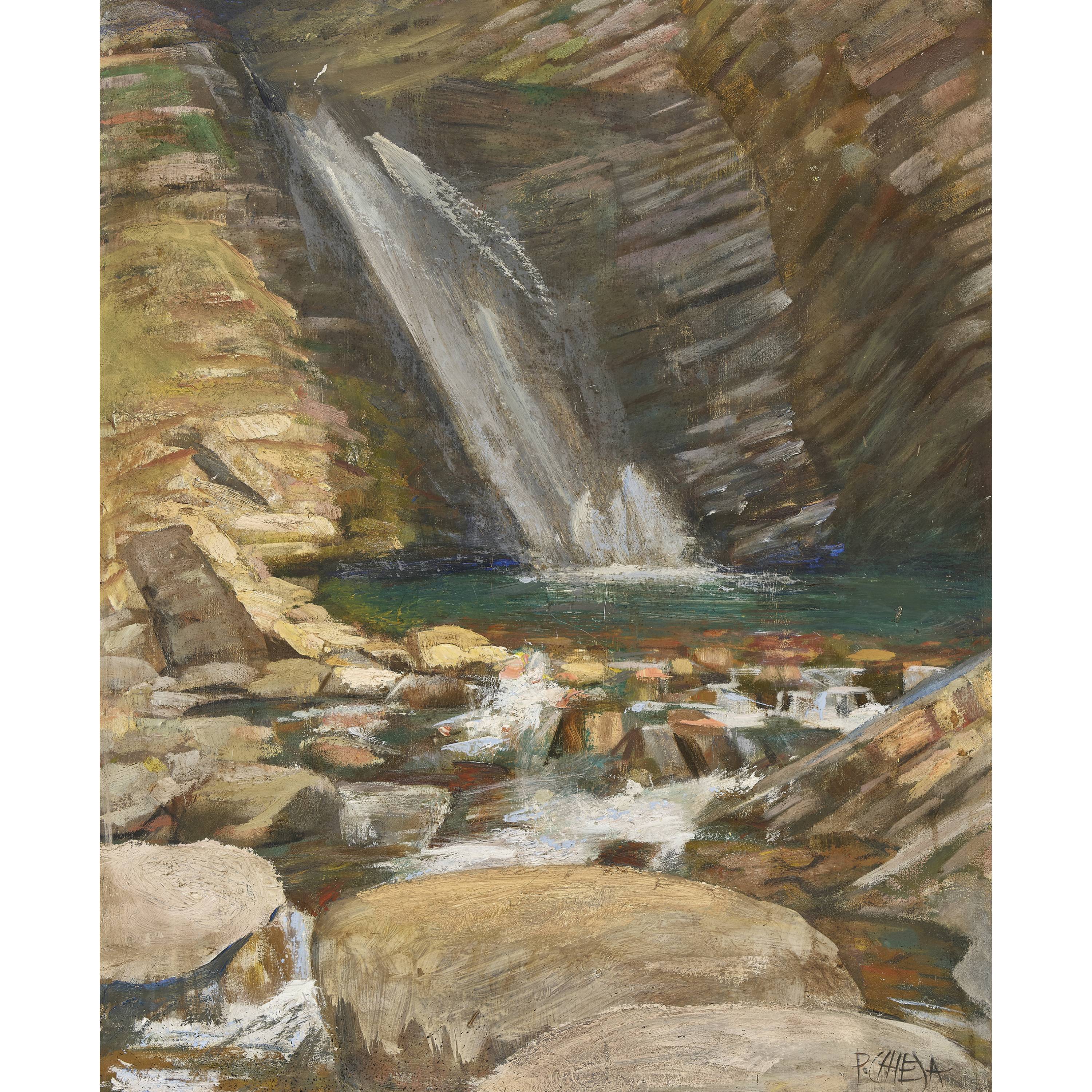
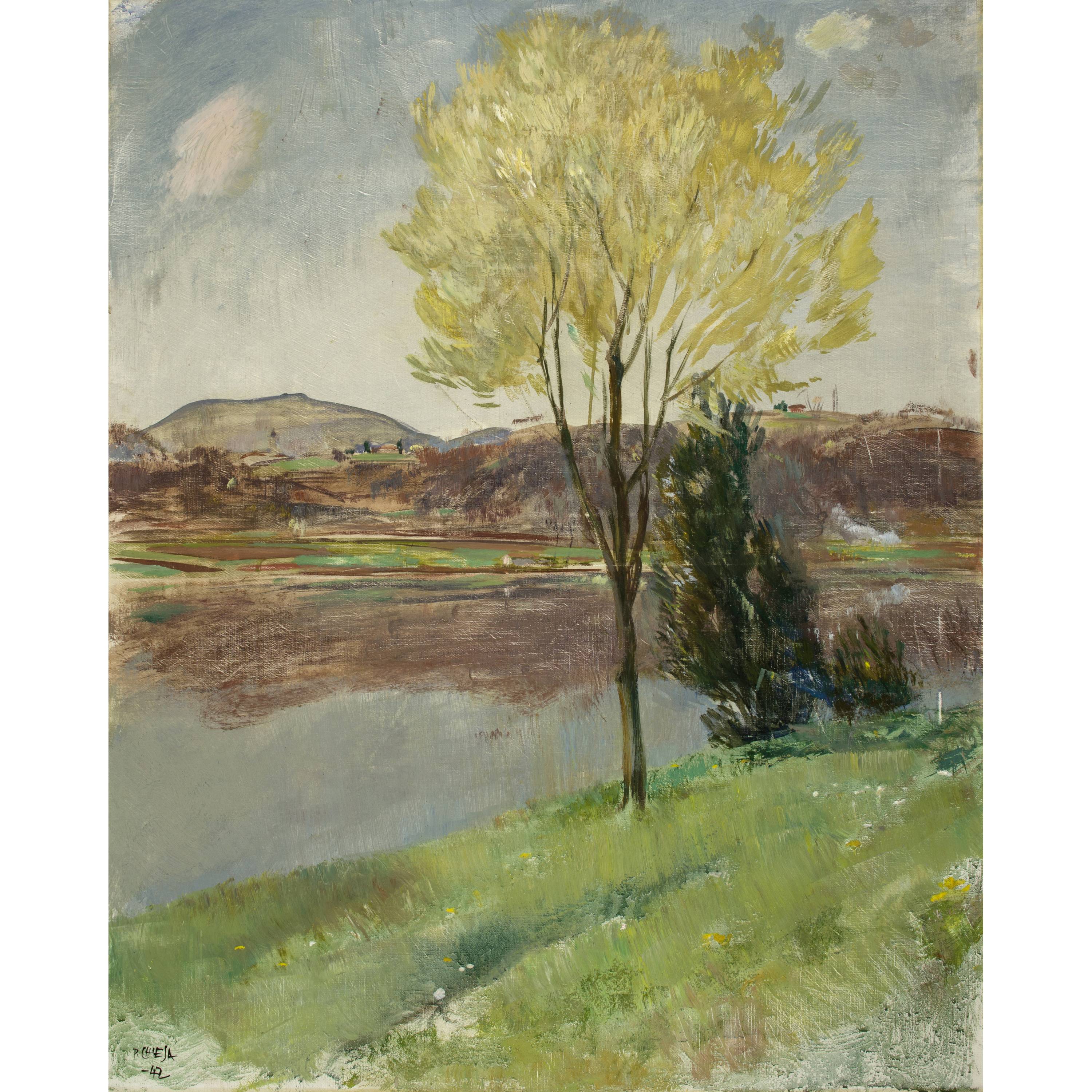
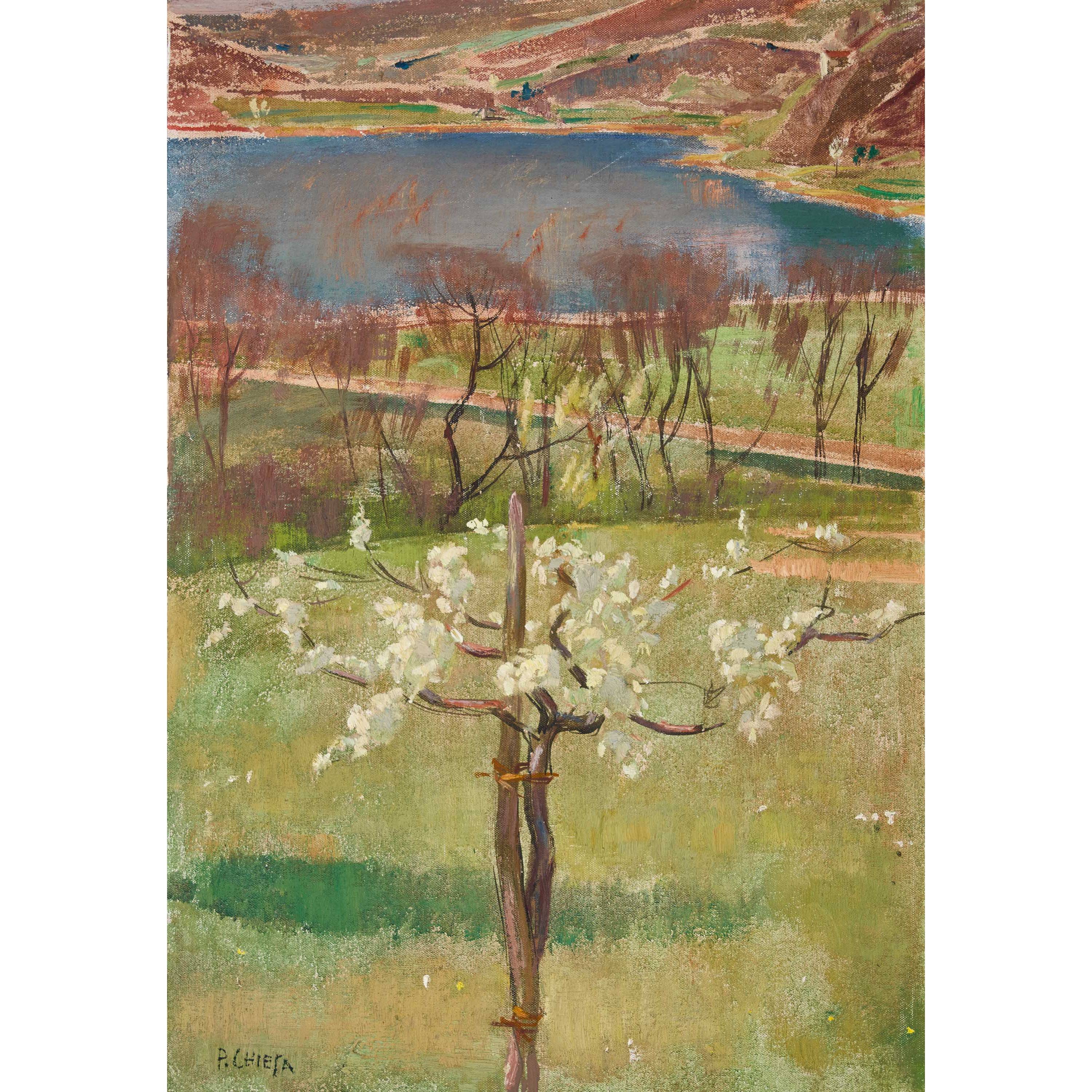
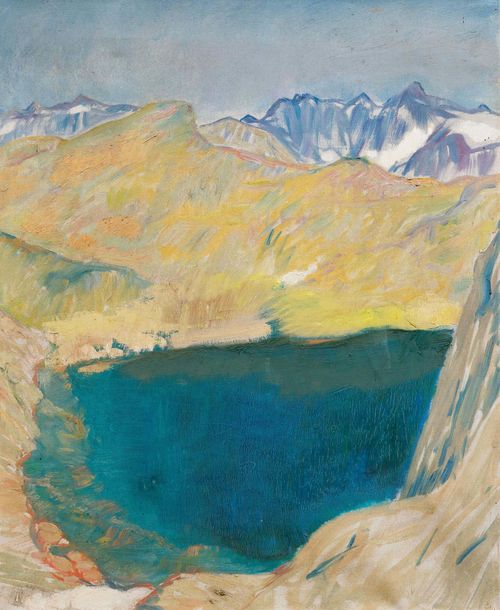
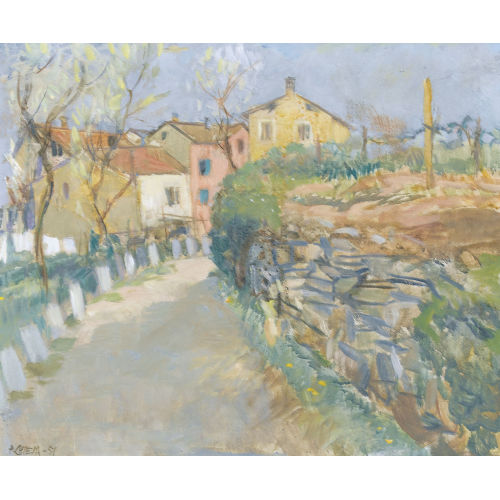
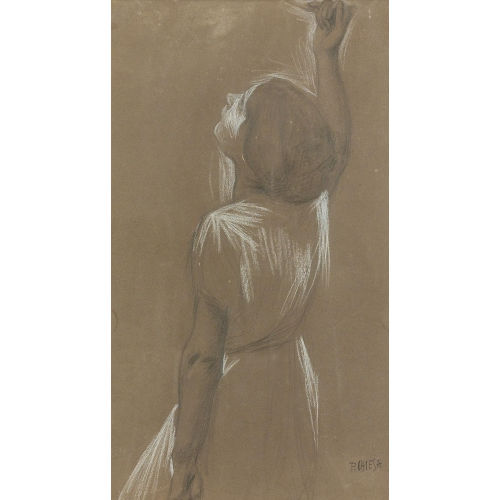
He trained at the Accademia di Brera in Milan under Giuseppe Mentessi and worked in the studio of Adolfo Feragutti Visconti. His career unfolded between Lombardy and Ticino, in a constant dialogue between the two visual cultures. With Quiete, presented at the 1900 Exposition Universelle in Paris and awarded a medal, he achieved early recognition.
He took part regularly in the Venice Biennale from 1901 onwards and returned to live in Switzerland in 1917.
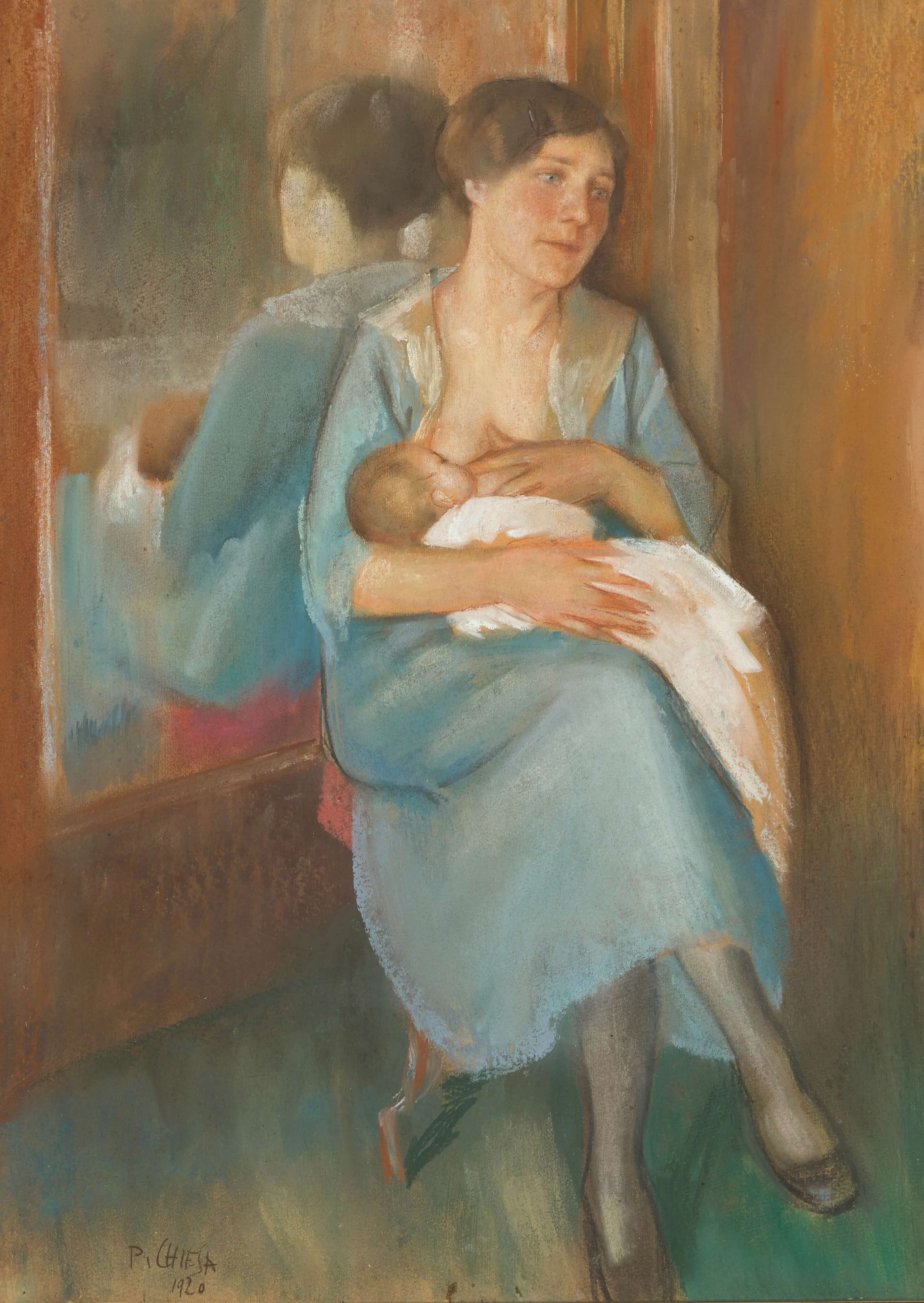
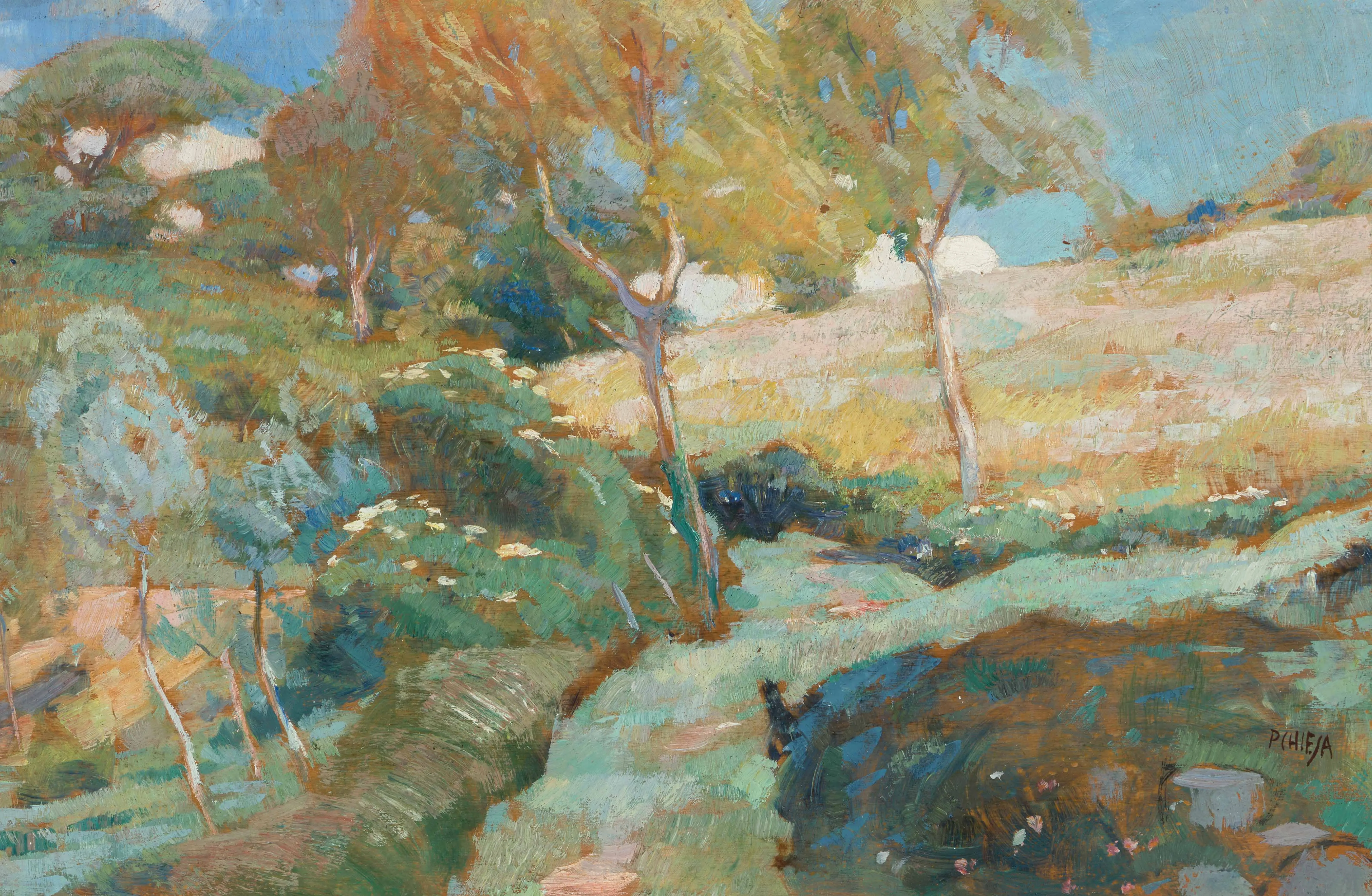
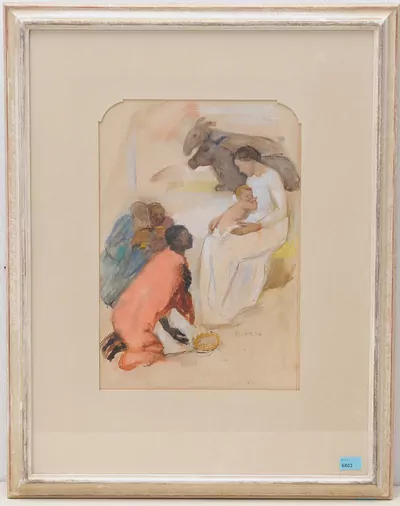
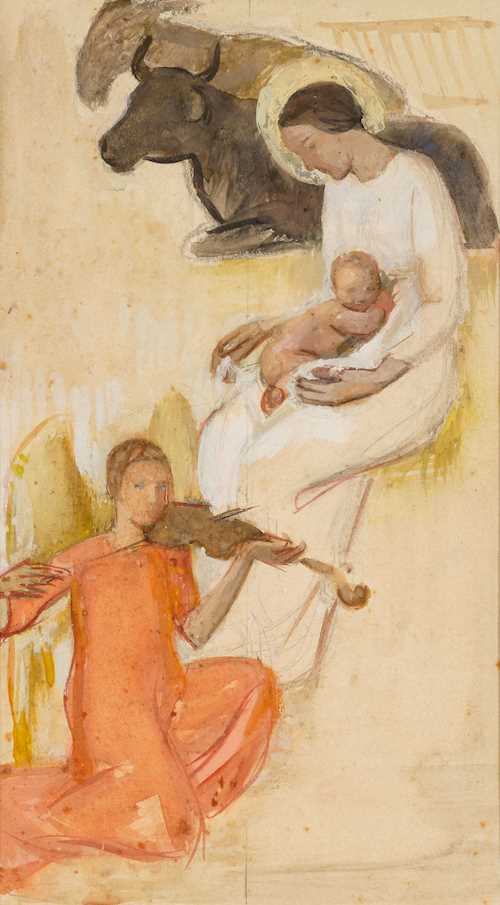
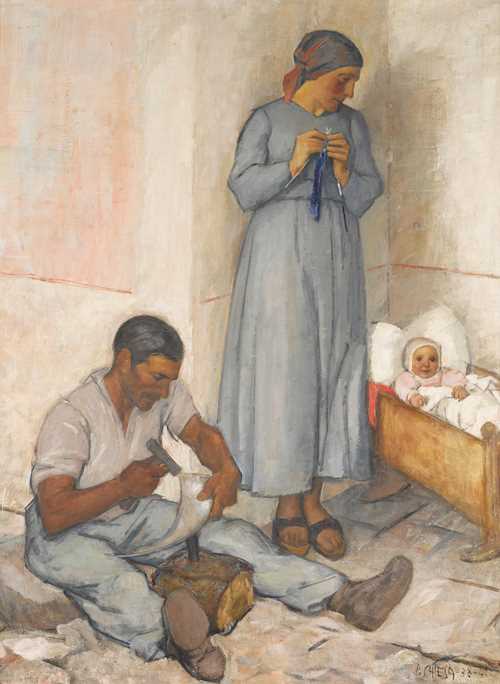
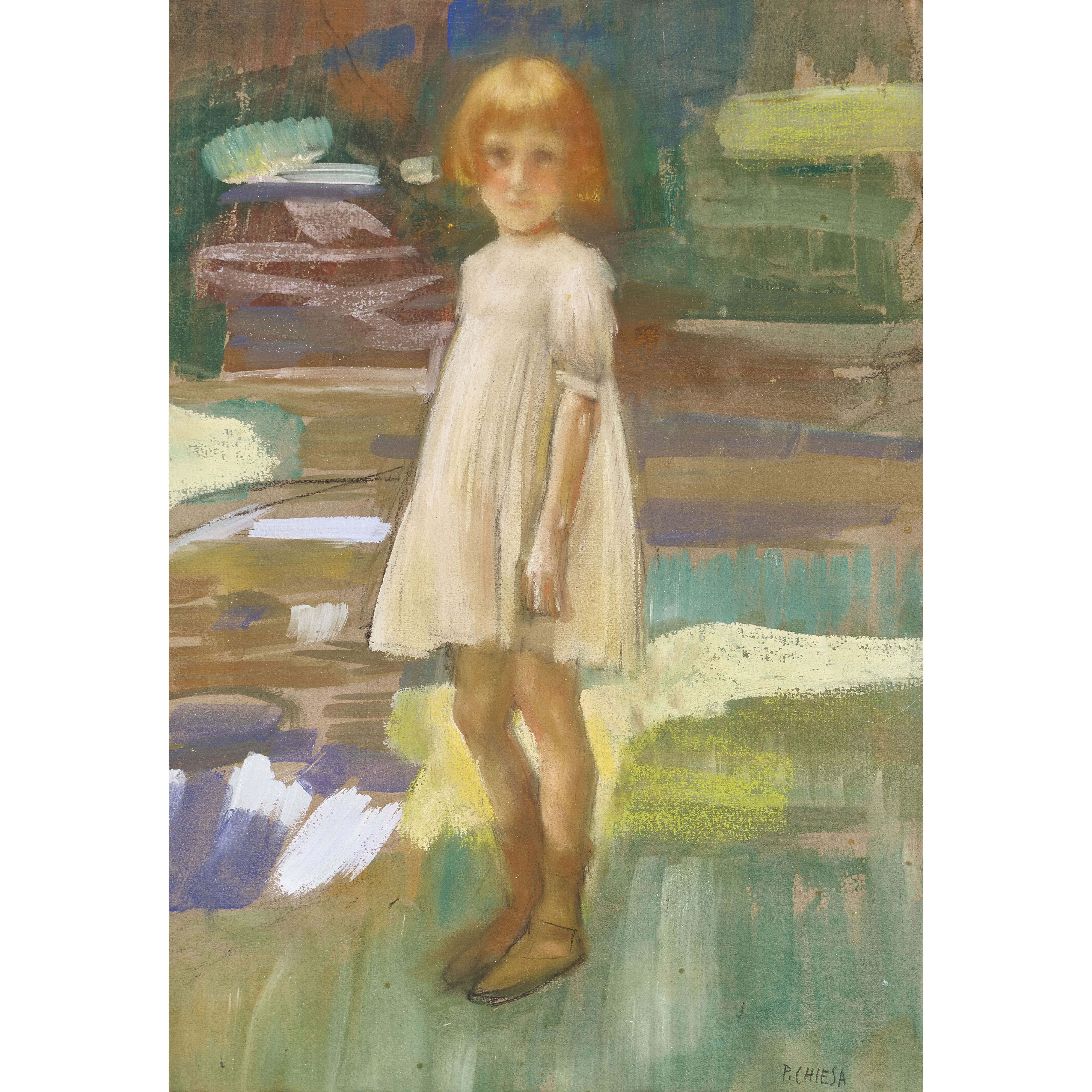
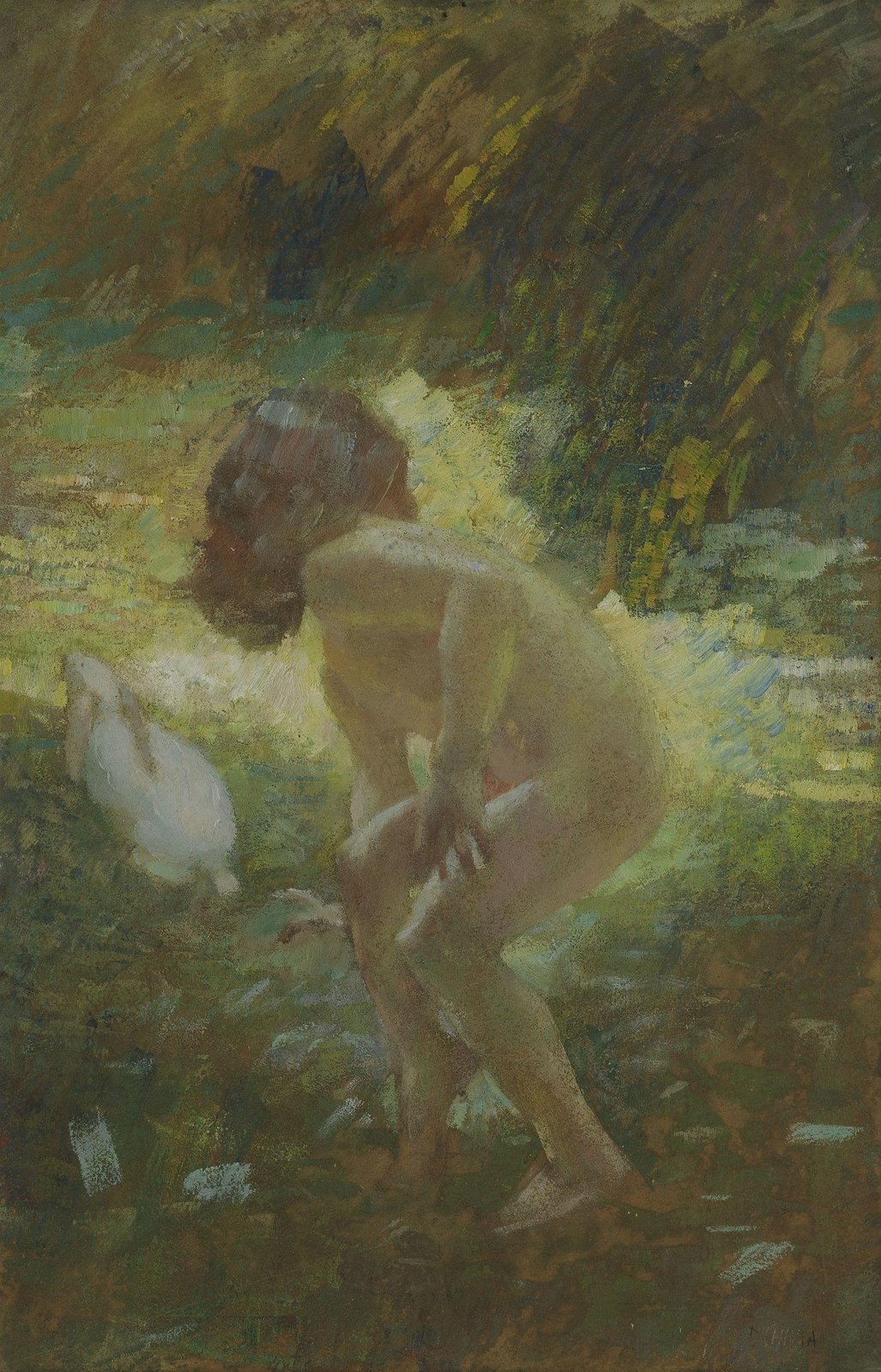
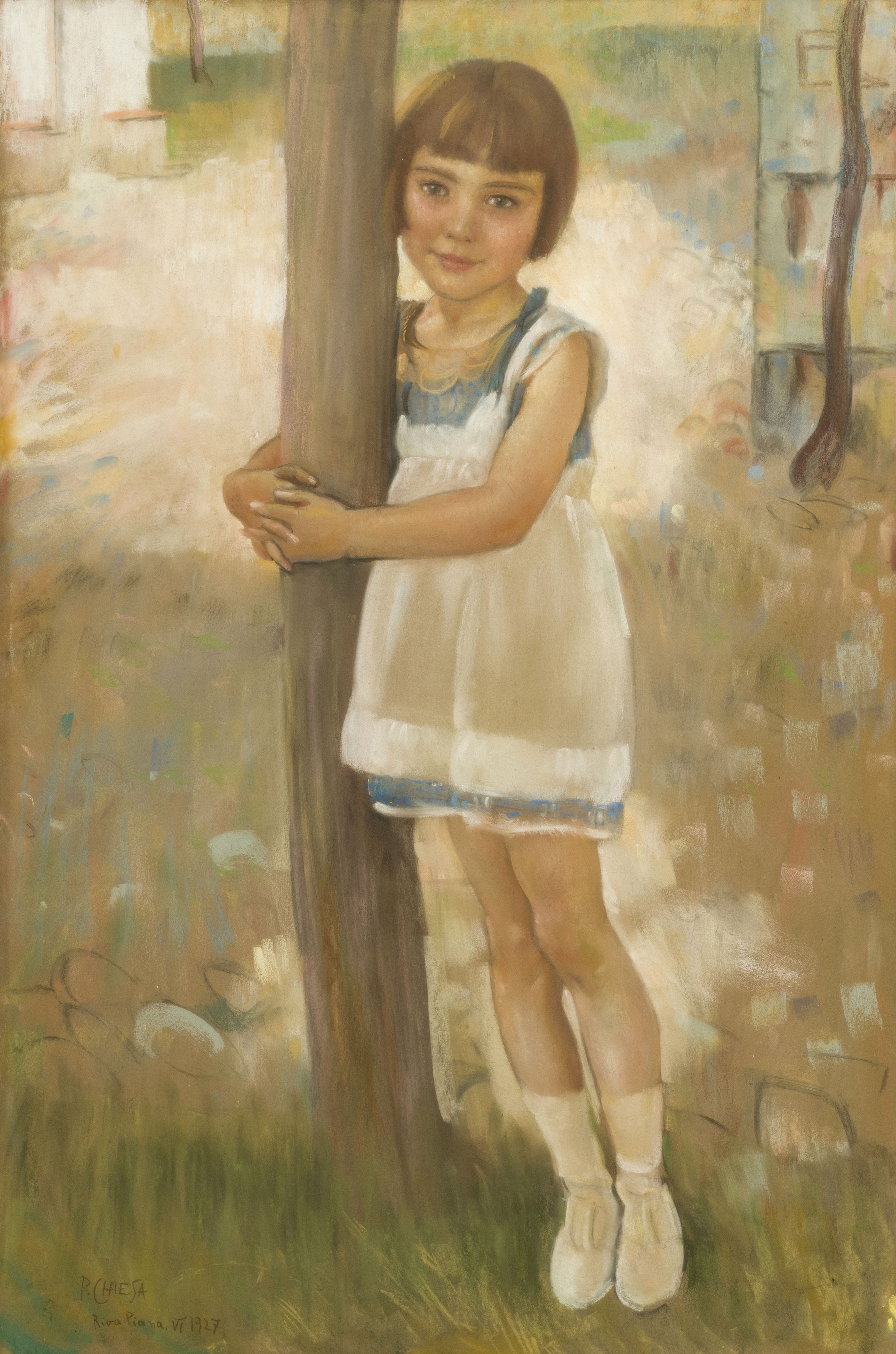
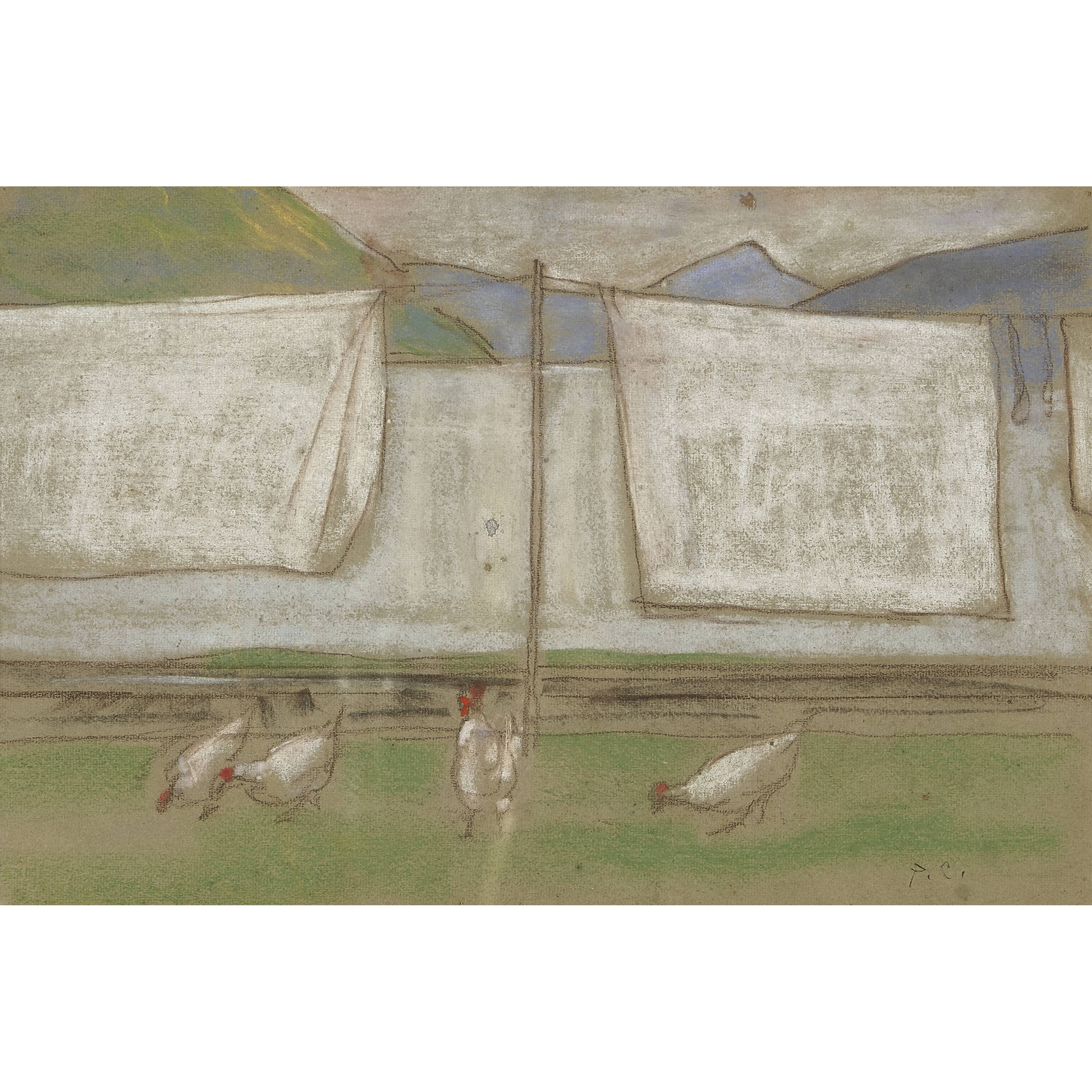
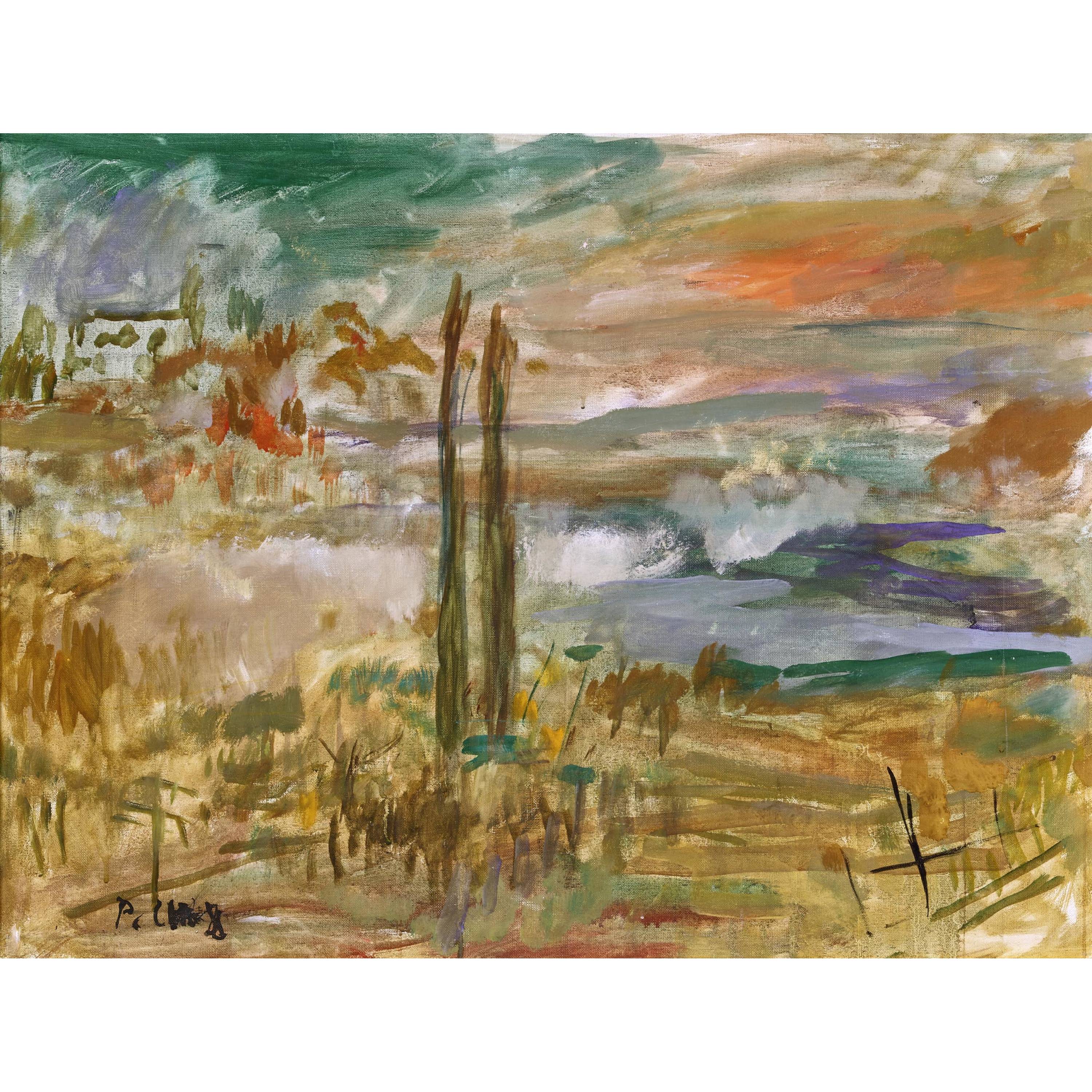
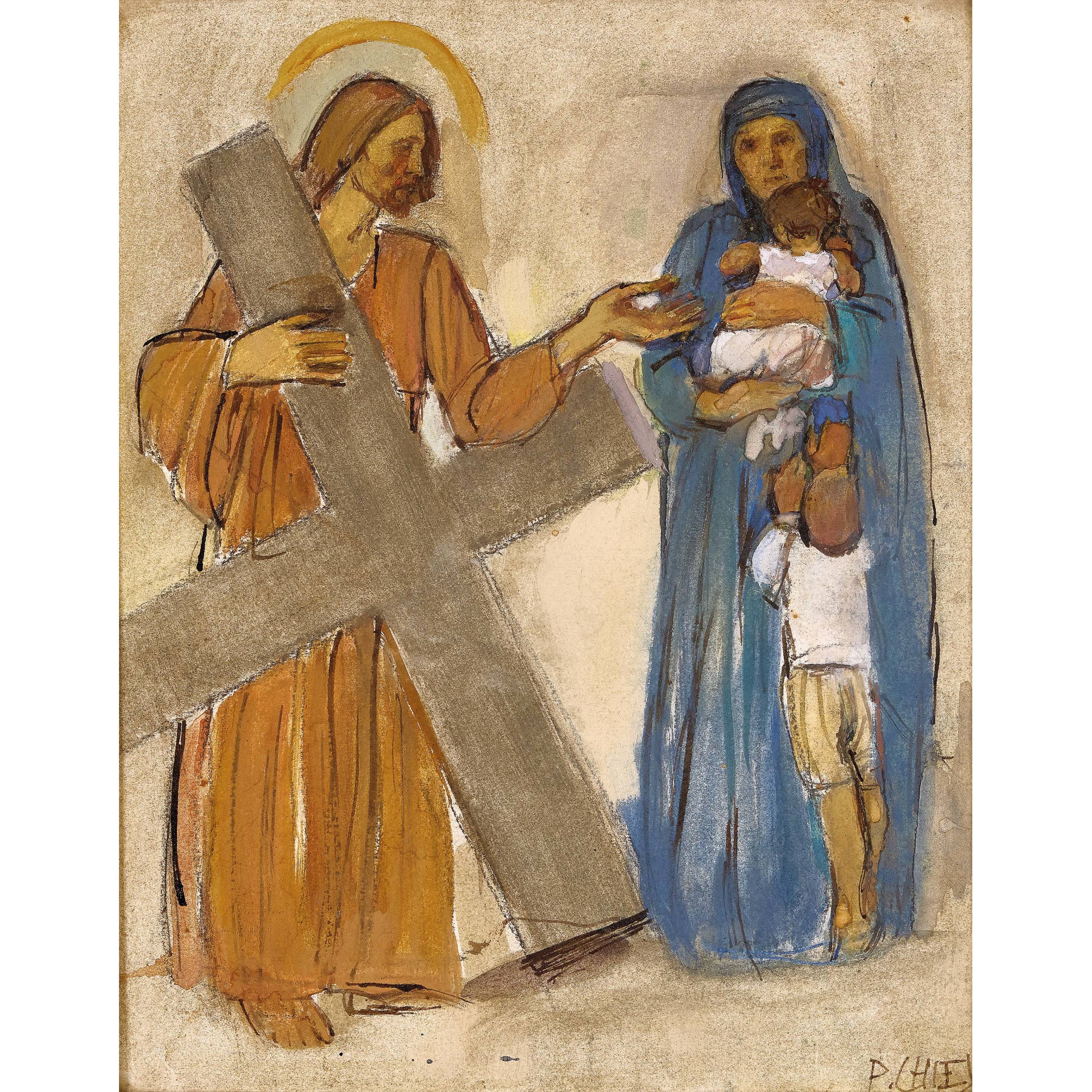
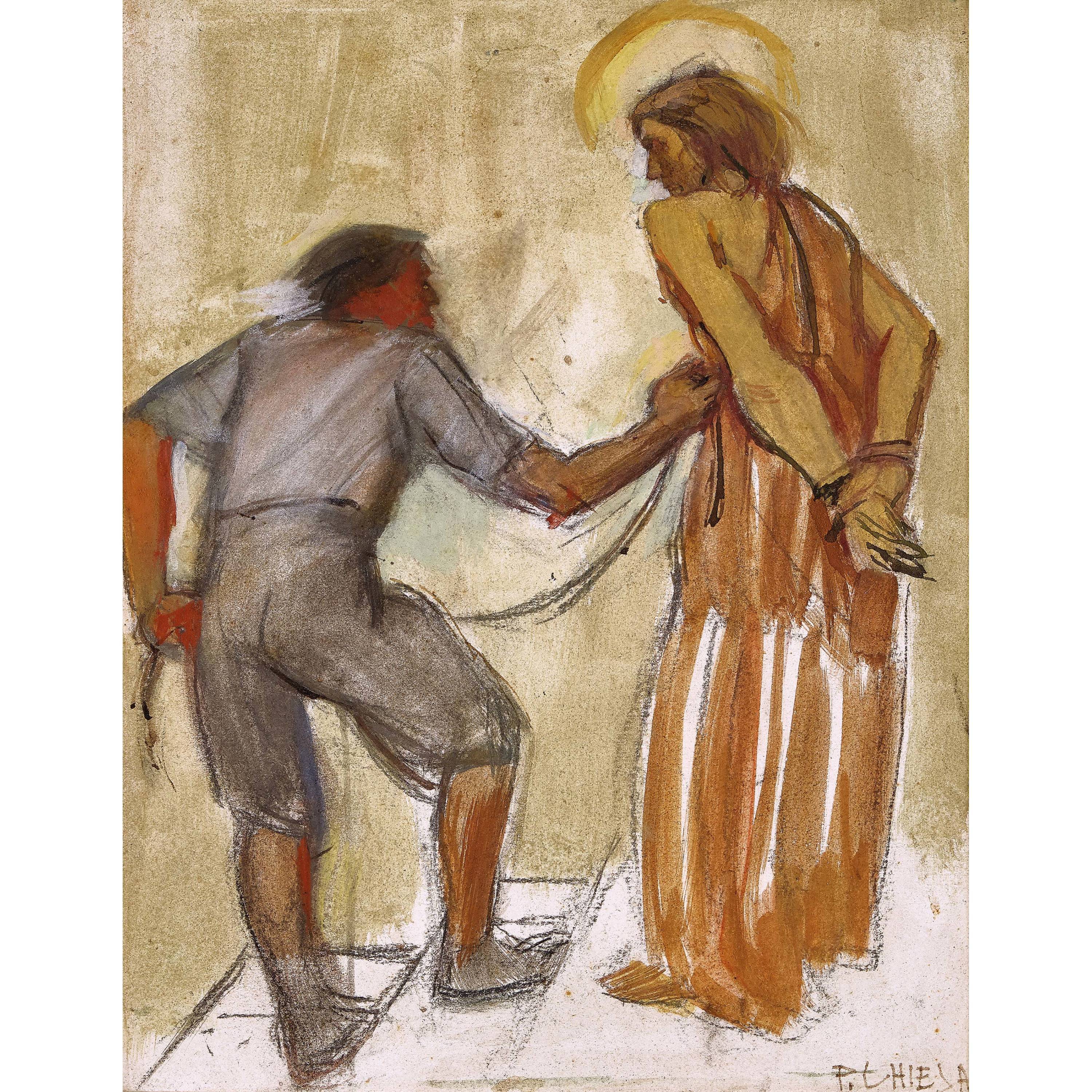
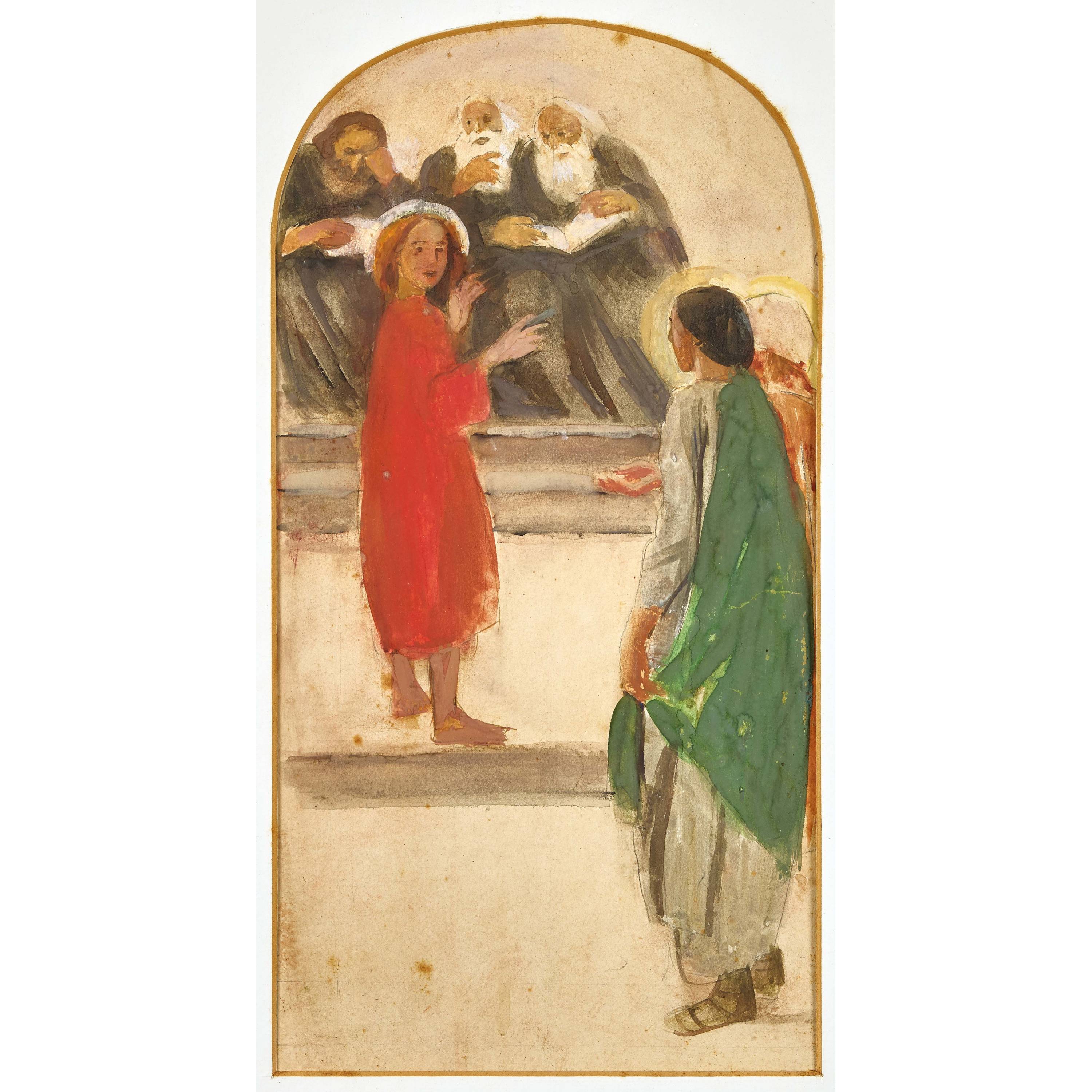
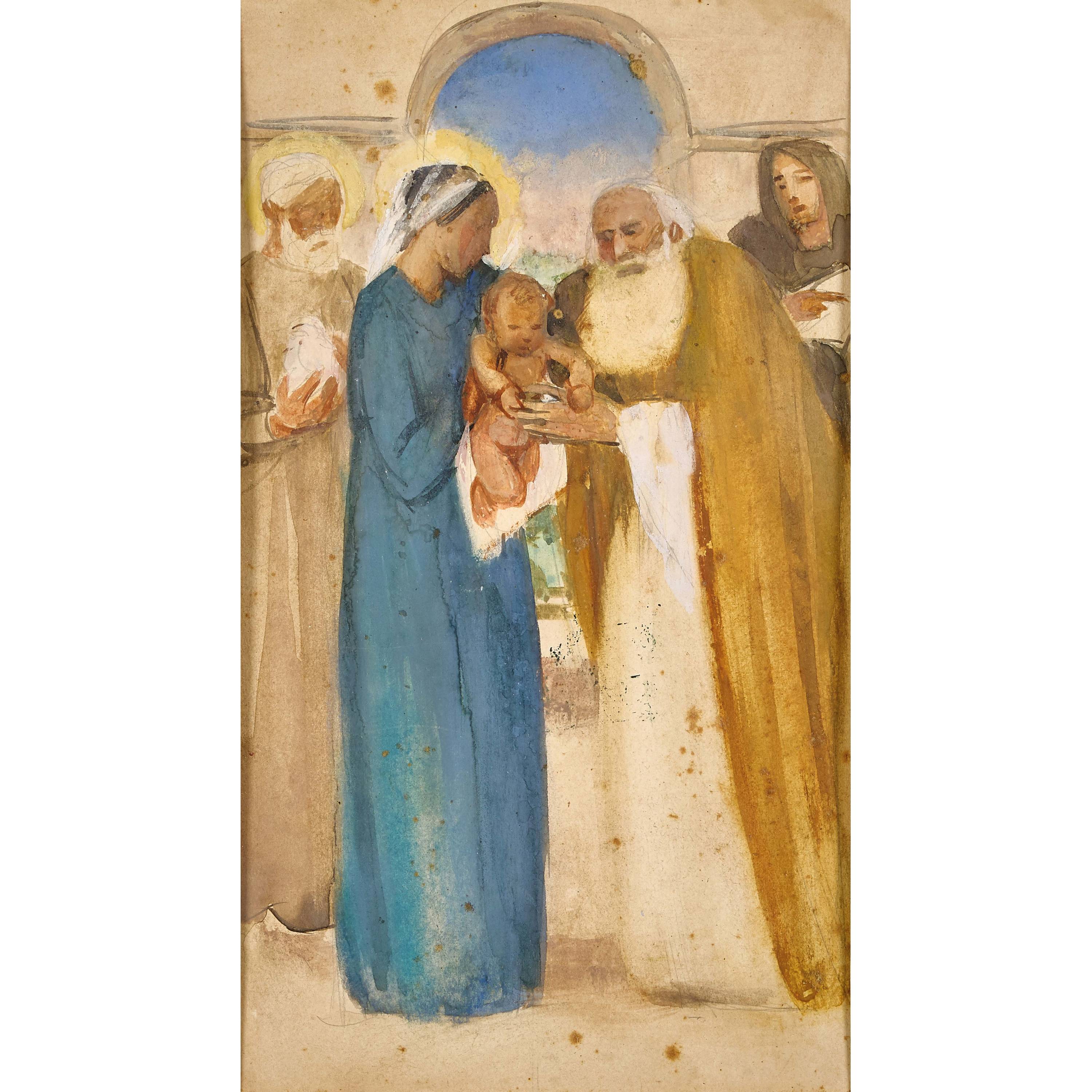
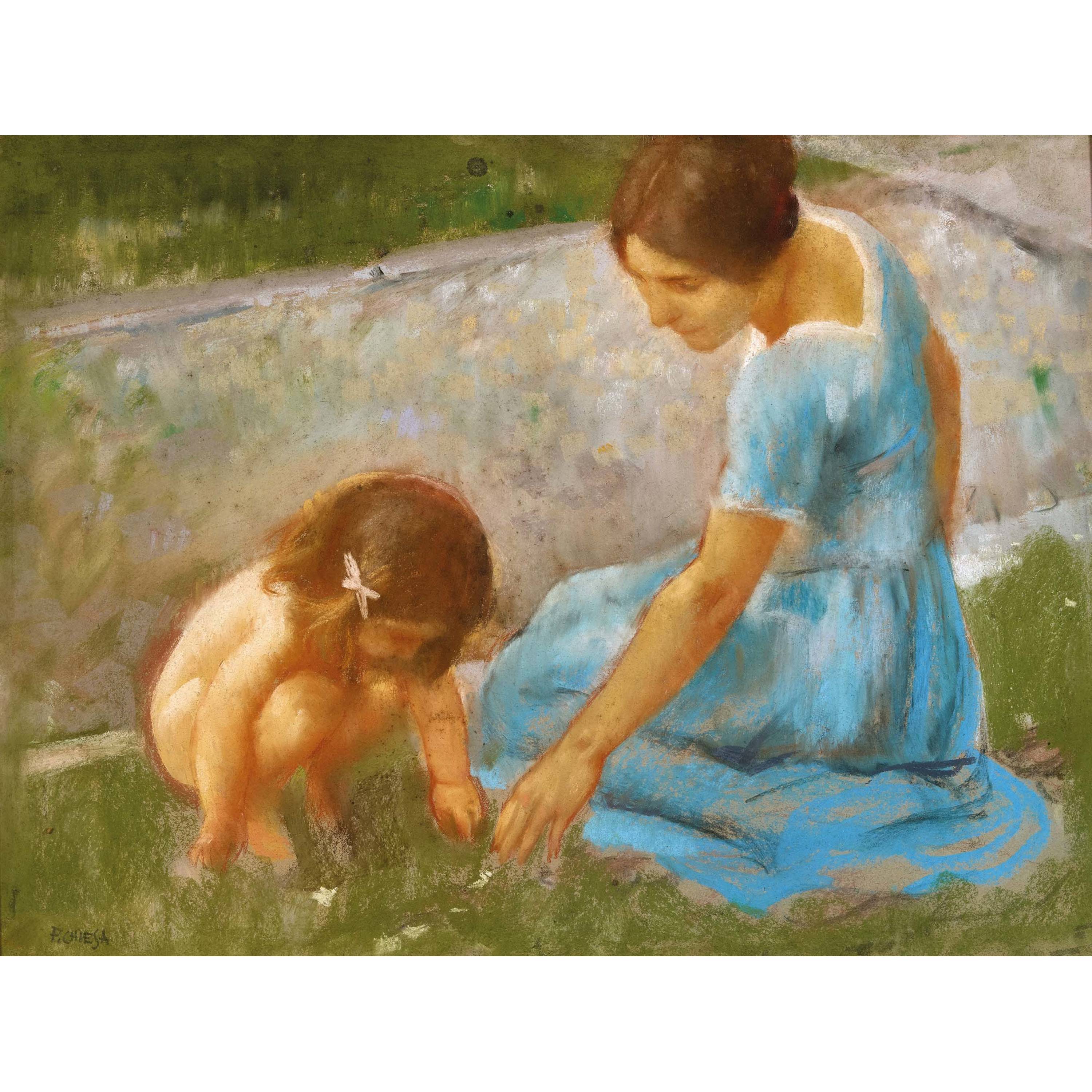
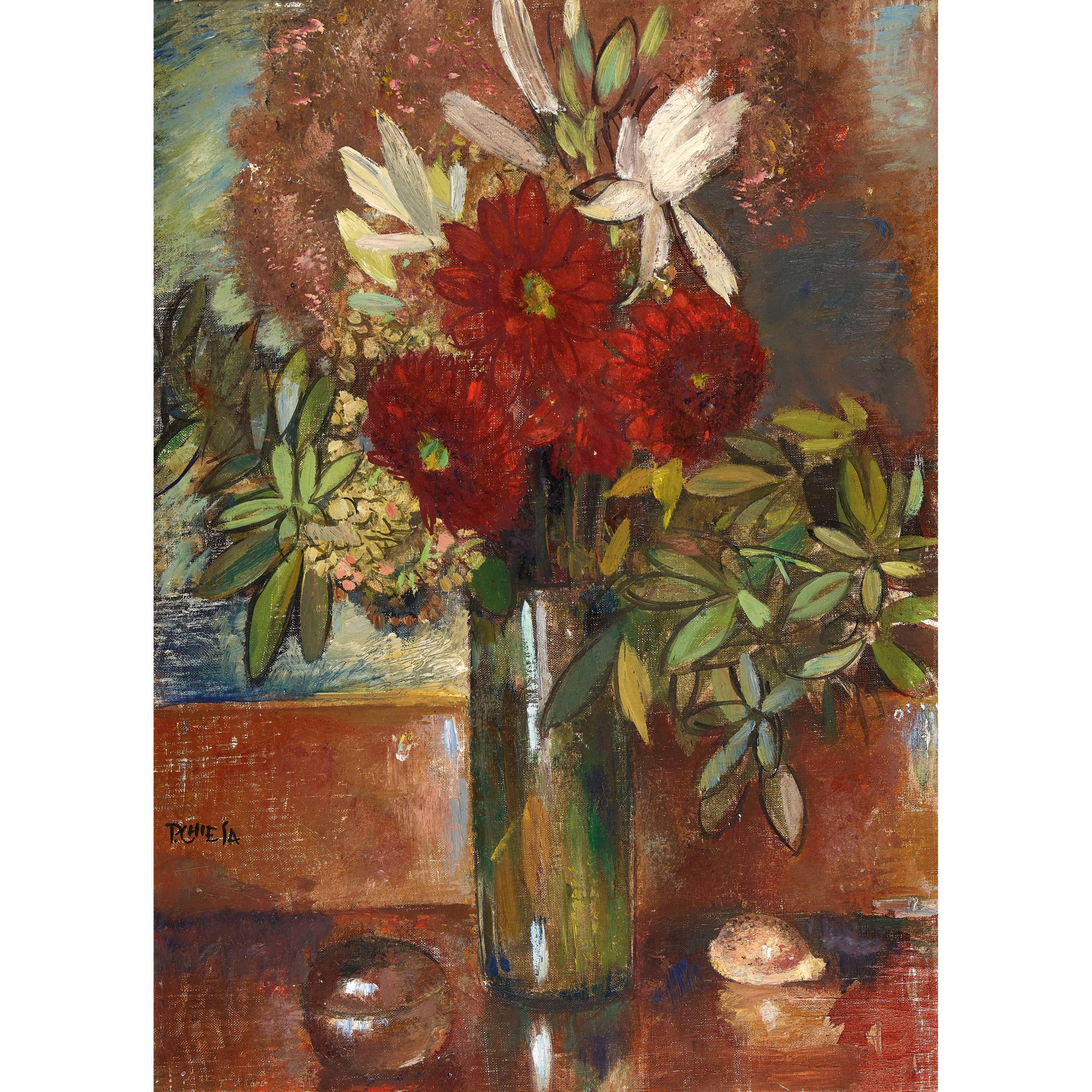
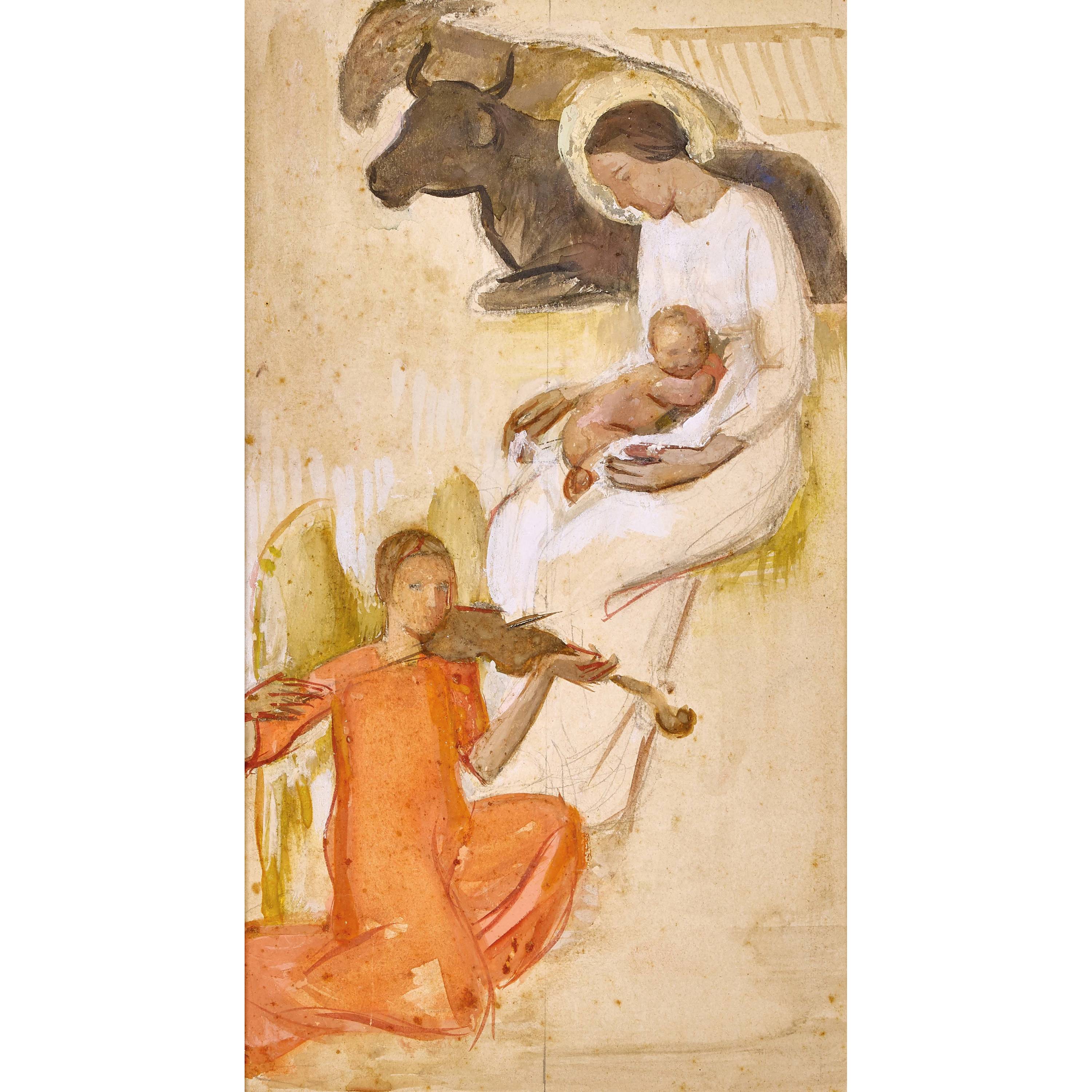
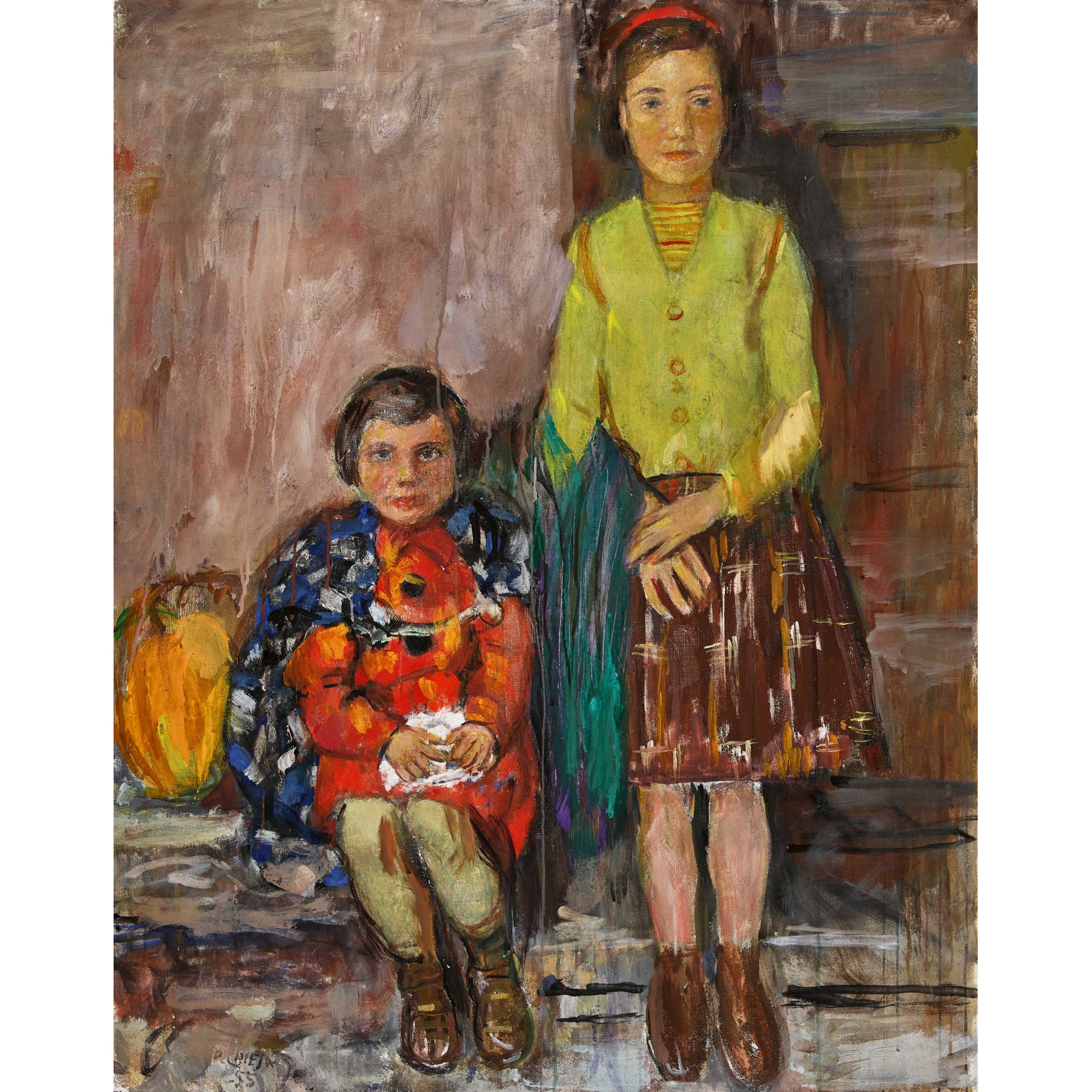
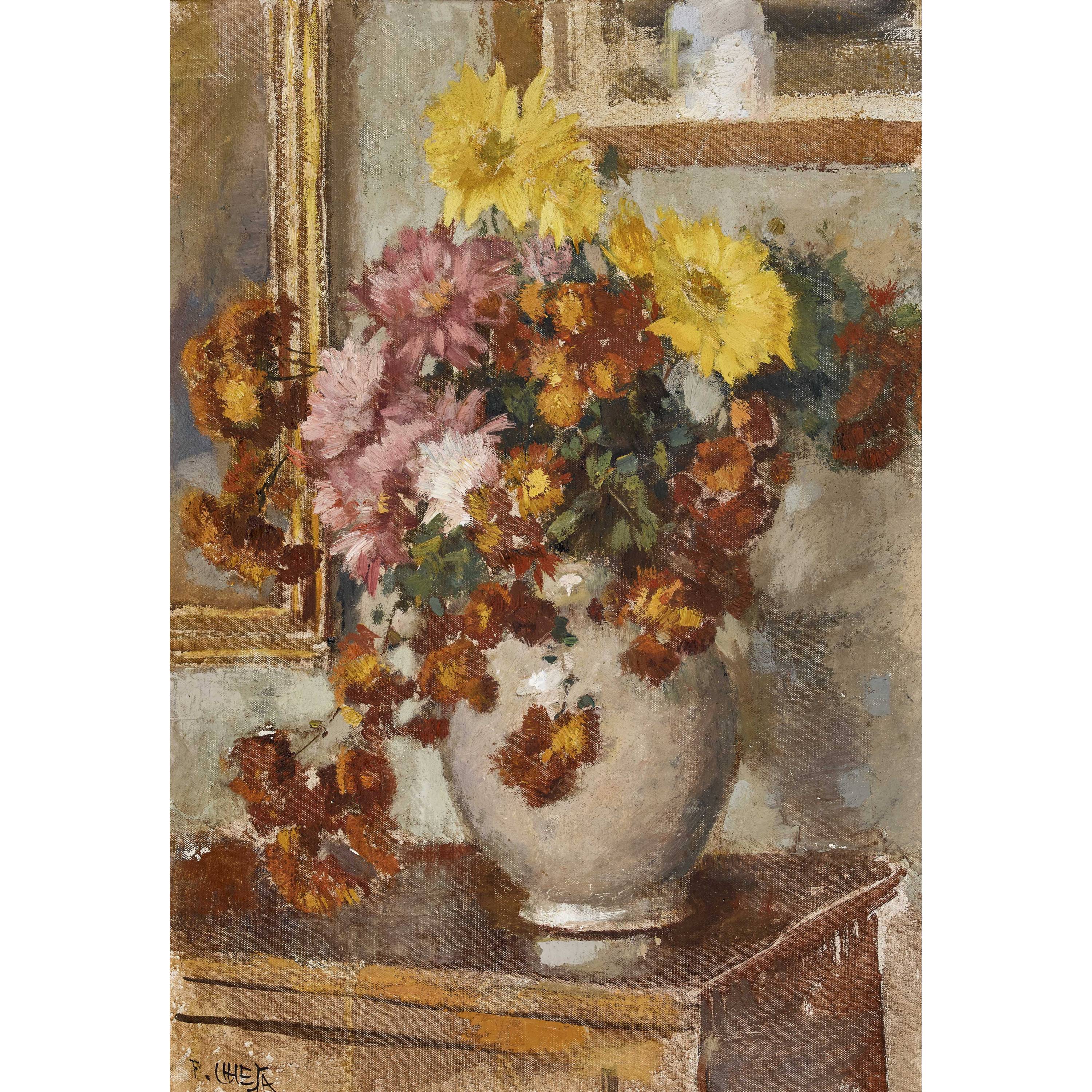
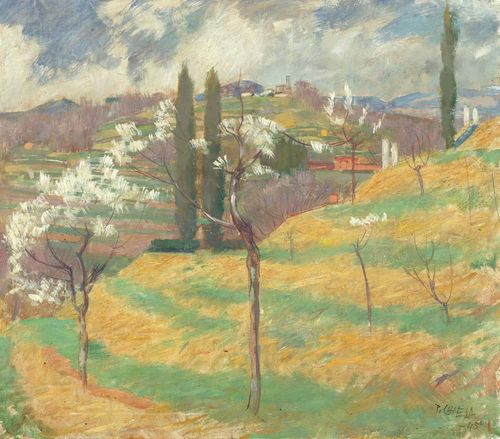
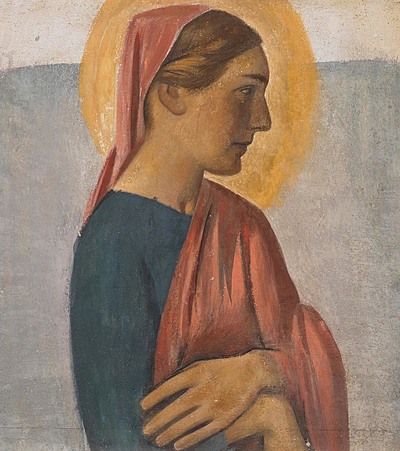
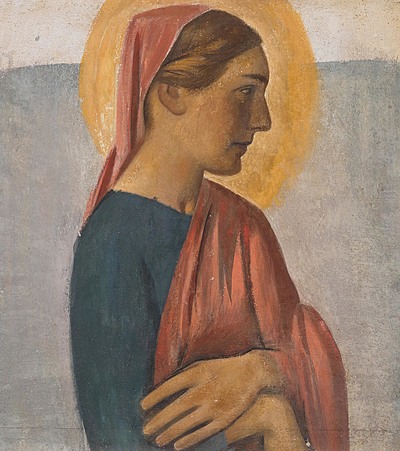
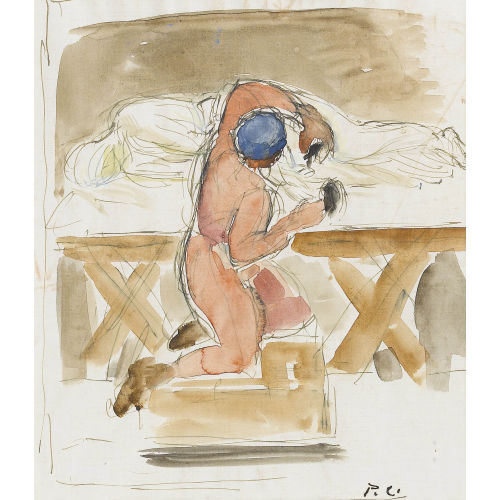
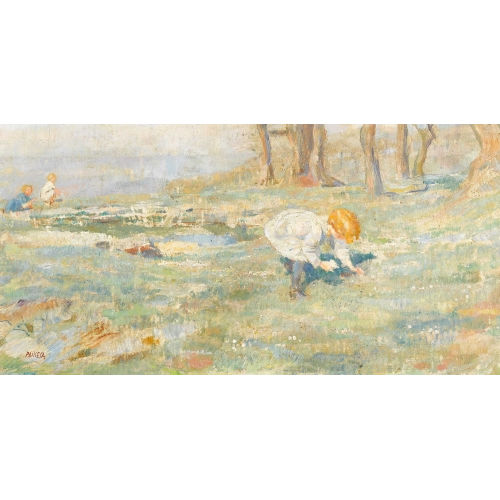
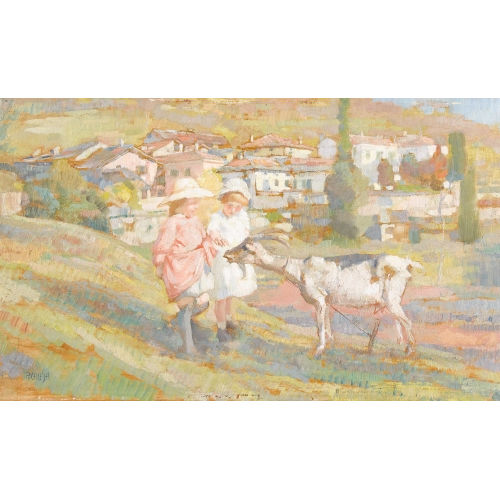
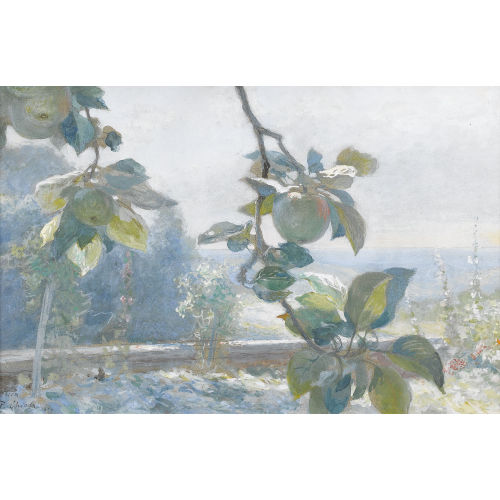
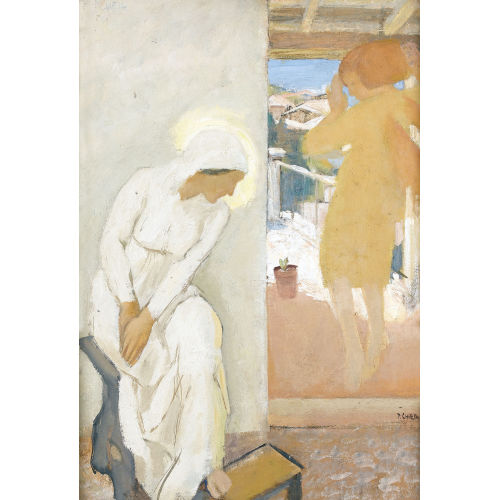
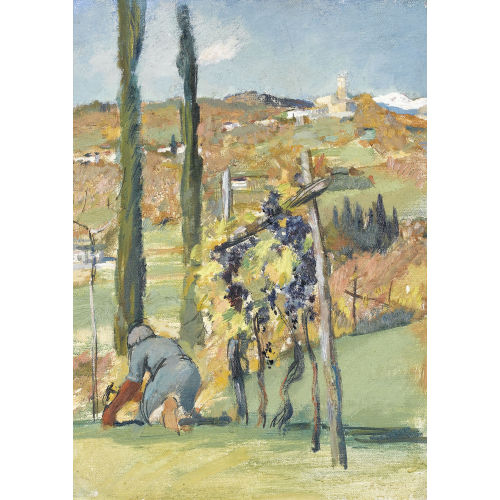
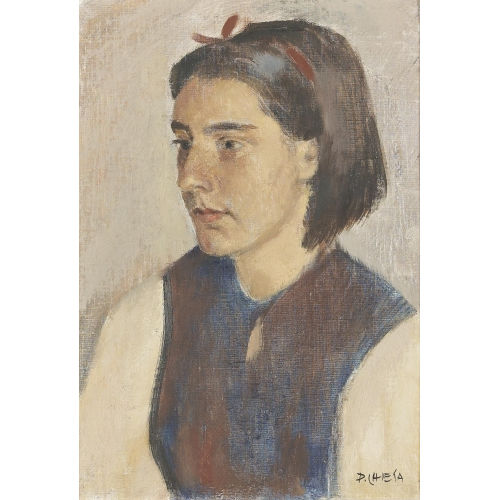
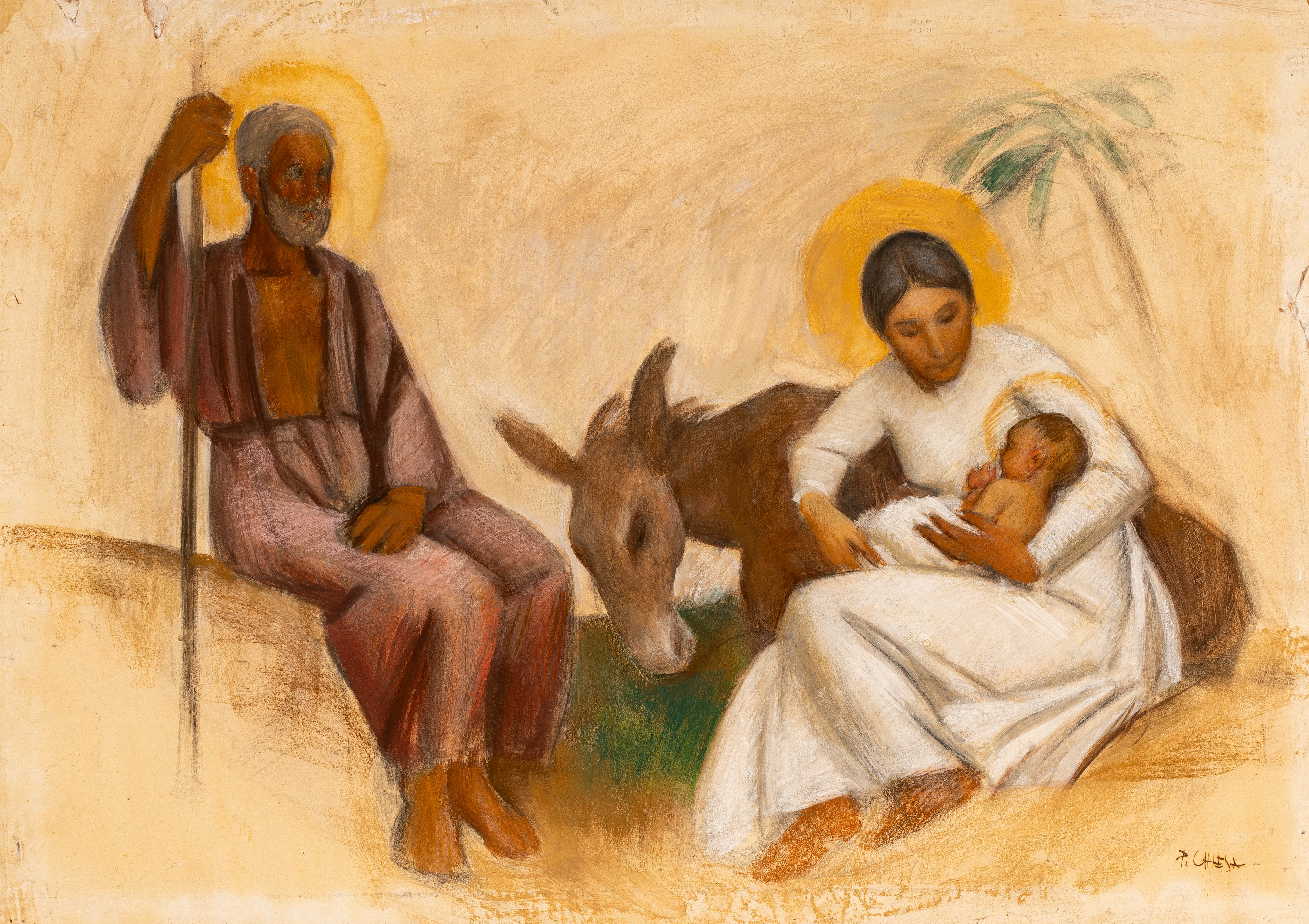
His early paintings give a prominent place to social issues. The artist taught within the framework of the Società Umanitaria in Milan, while his pictorial language moved through Symbolism, explorations of divided colour and Art Nouveau. Gradually, portraiture, scenes of family life, and religious or allegorical subjects assumed a new importance.
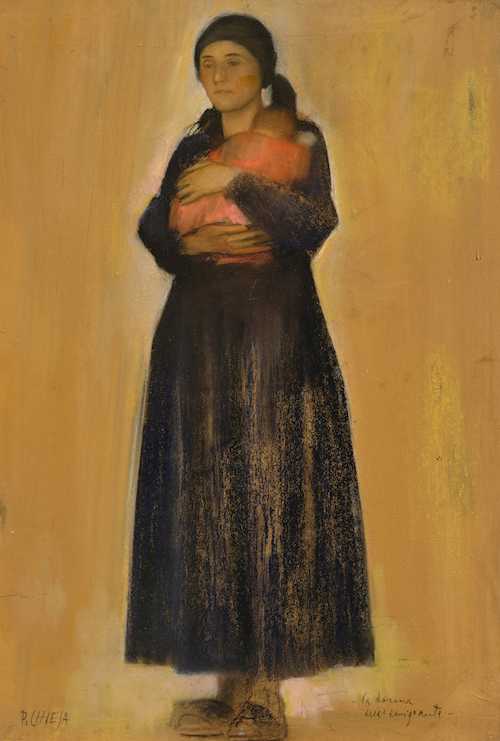
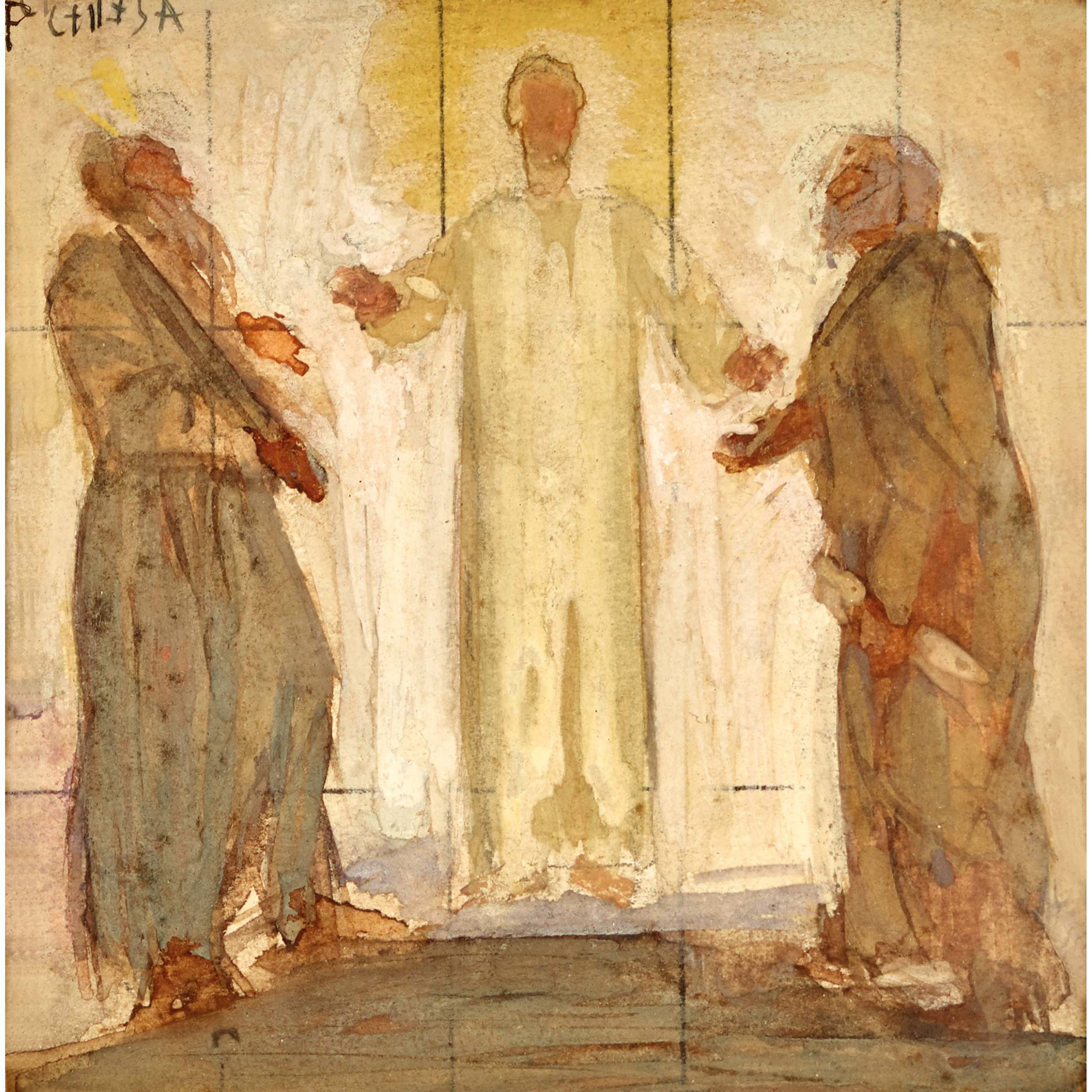
In the 1920s and 1930s, his mural painting sought more synthetic forms and a composition that would remain legible at the scale of architecture. L’Emigrante, created for Chiasso railway station, and the fresco Vita ticinese, conceived for the 1939 National Exhibition in Zurich, inscribe this ambition in public spaces.
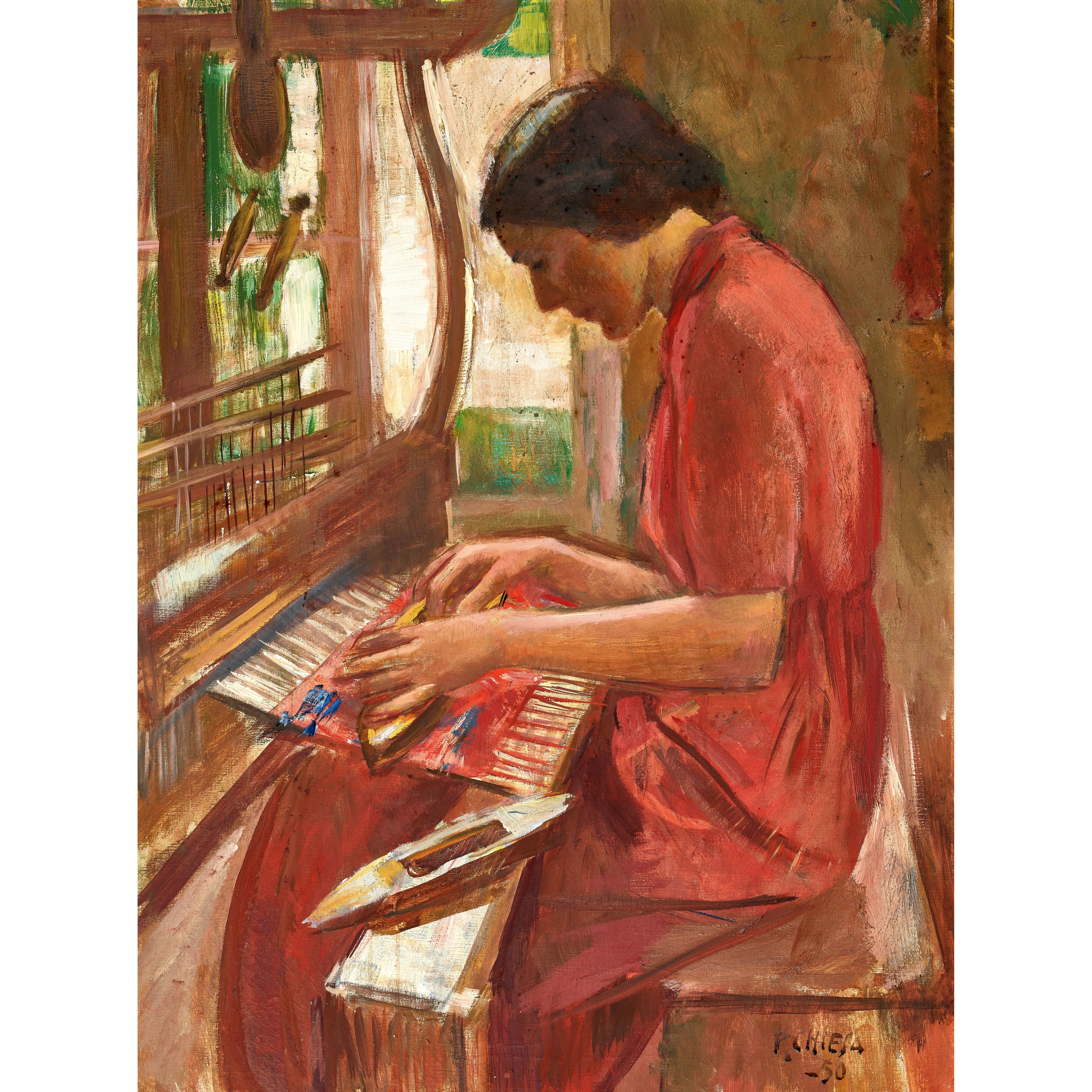
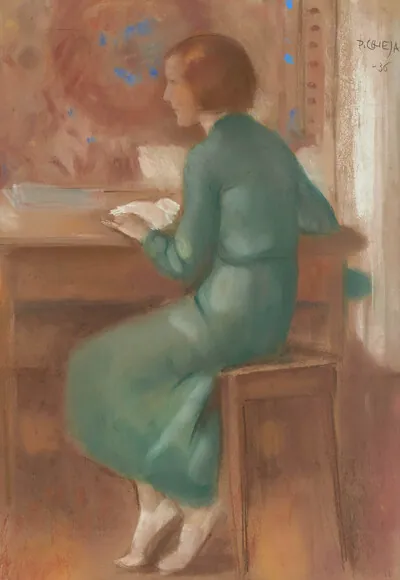
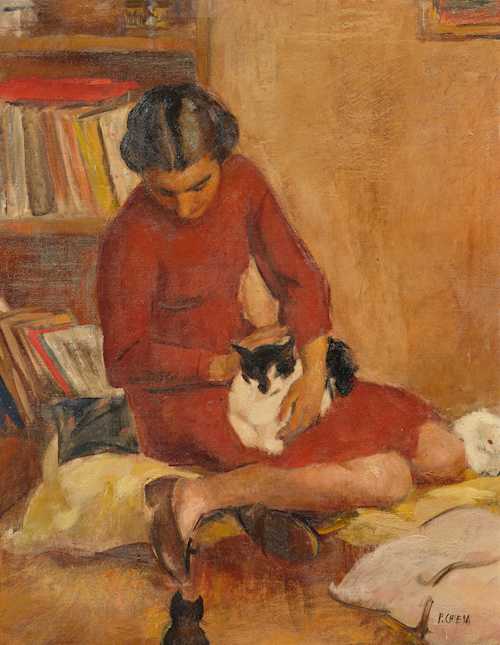
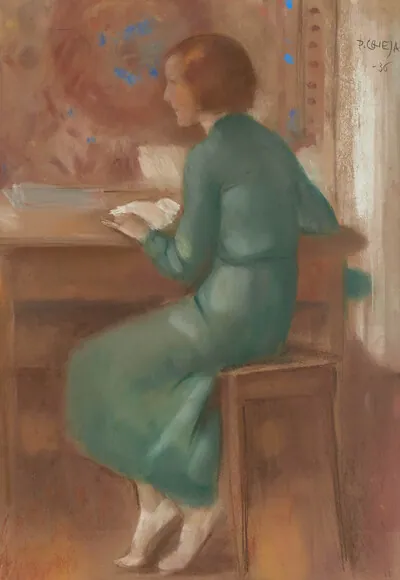
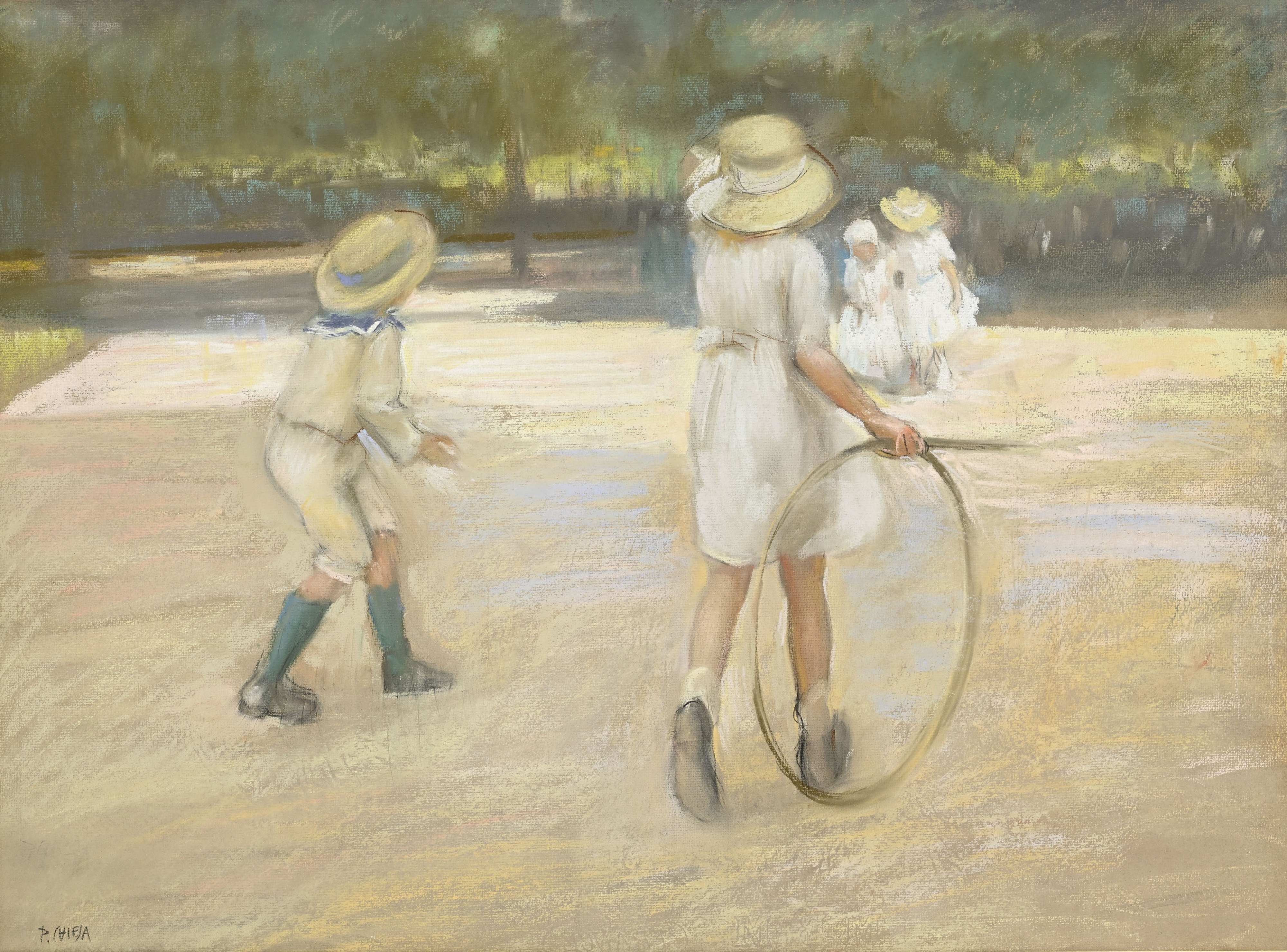
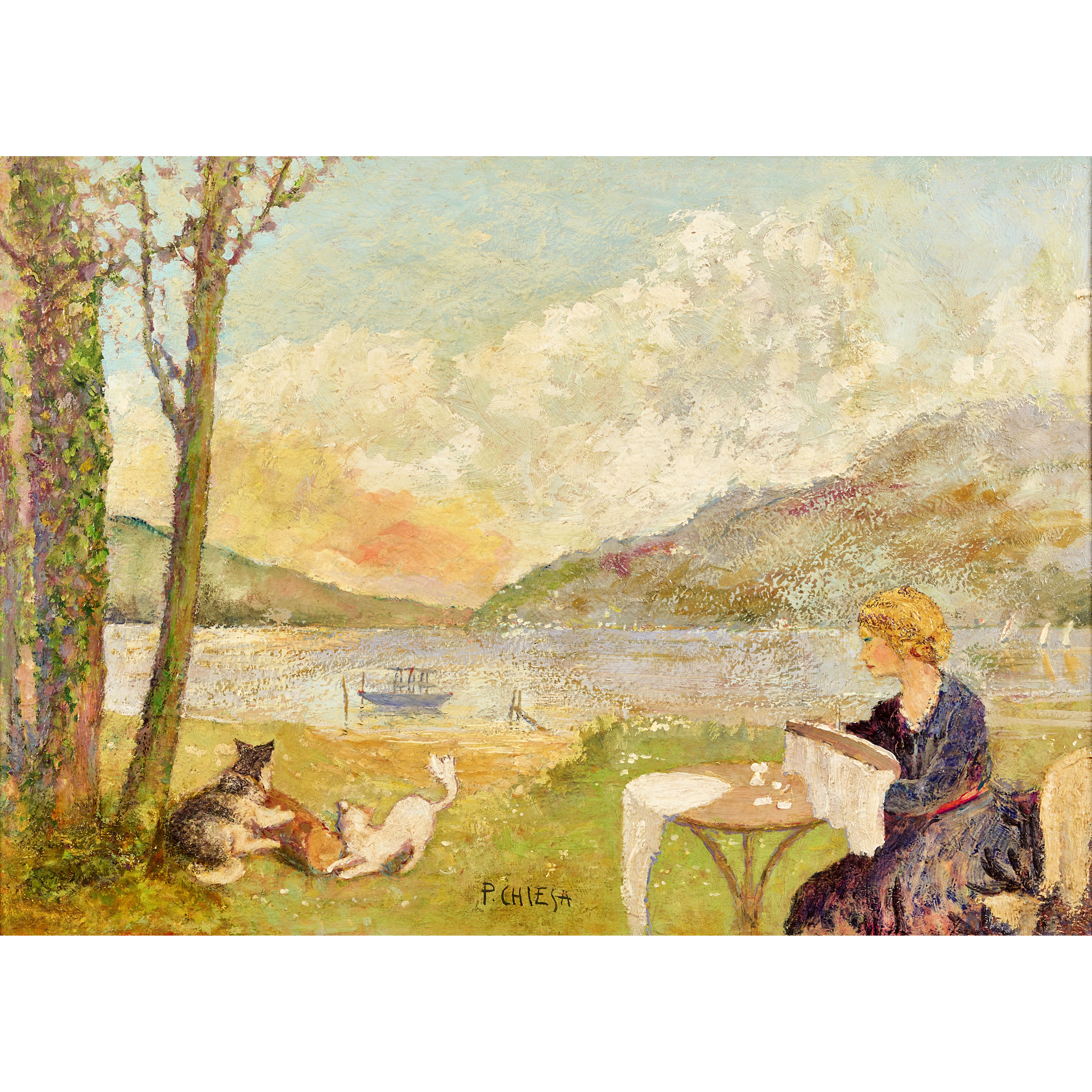
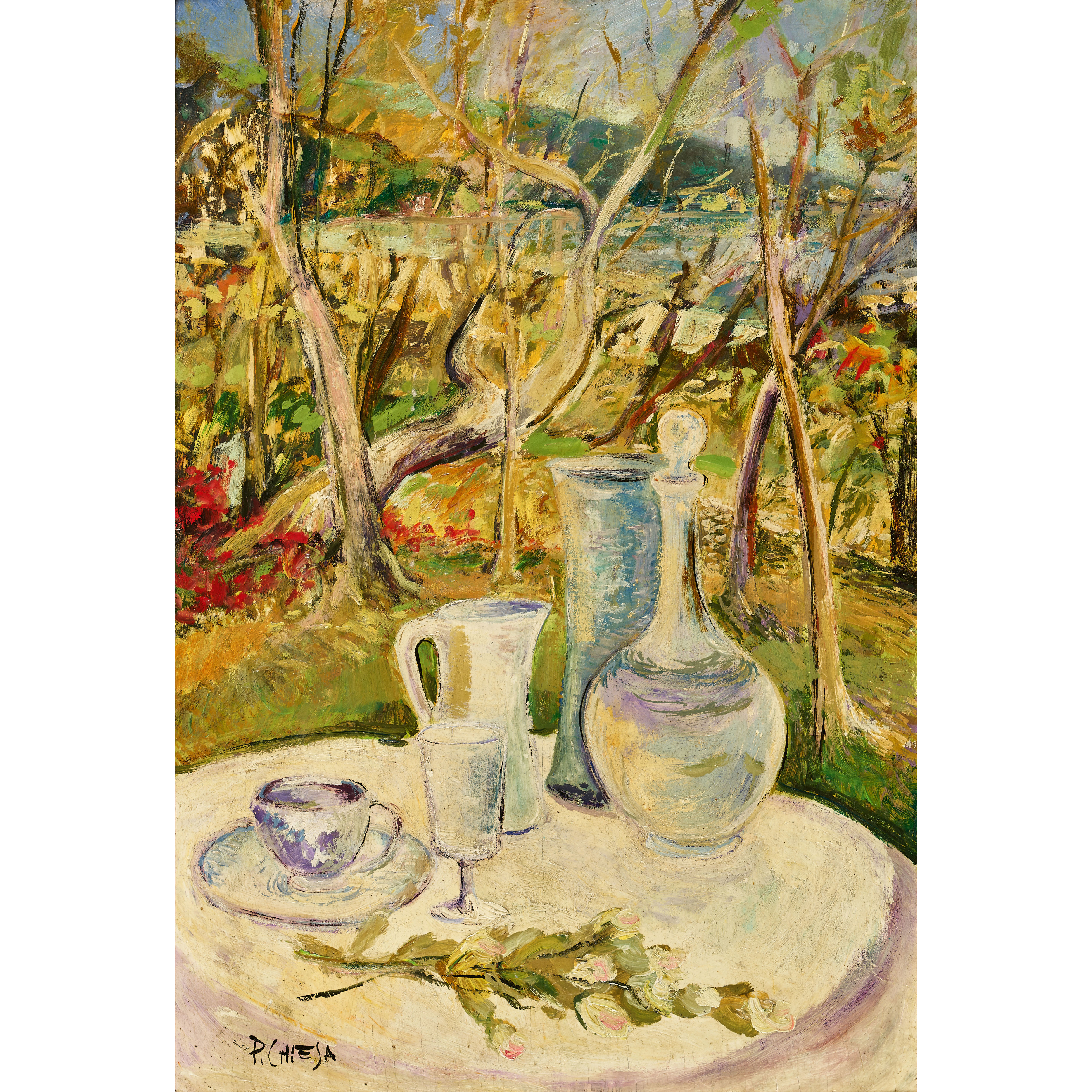
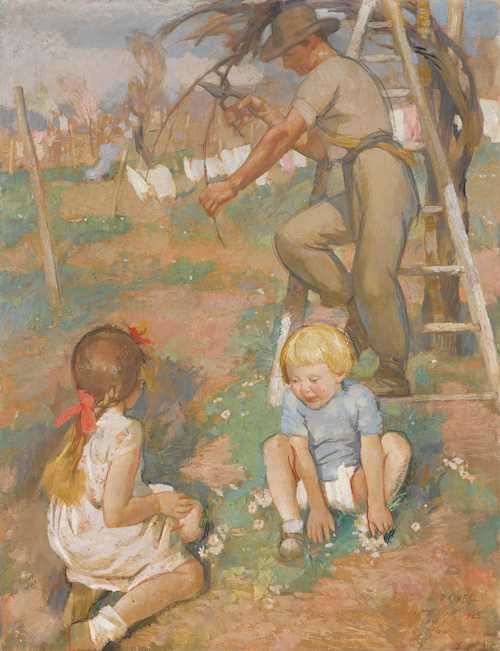
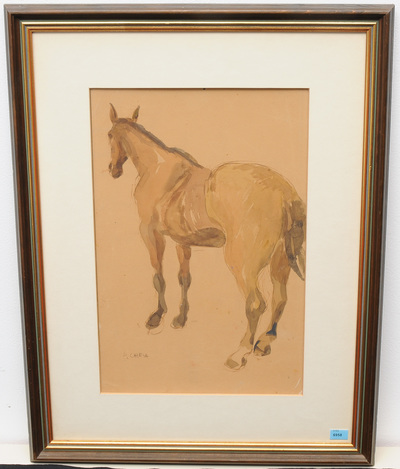
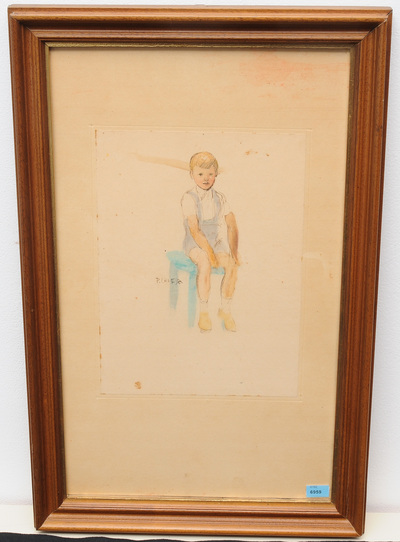
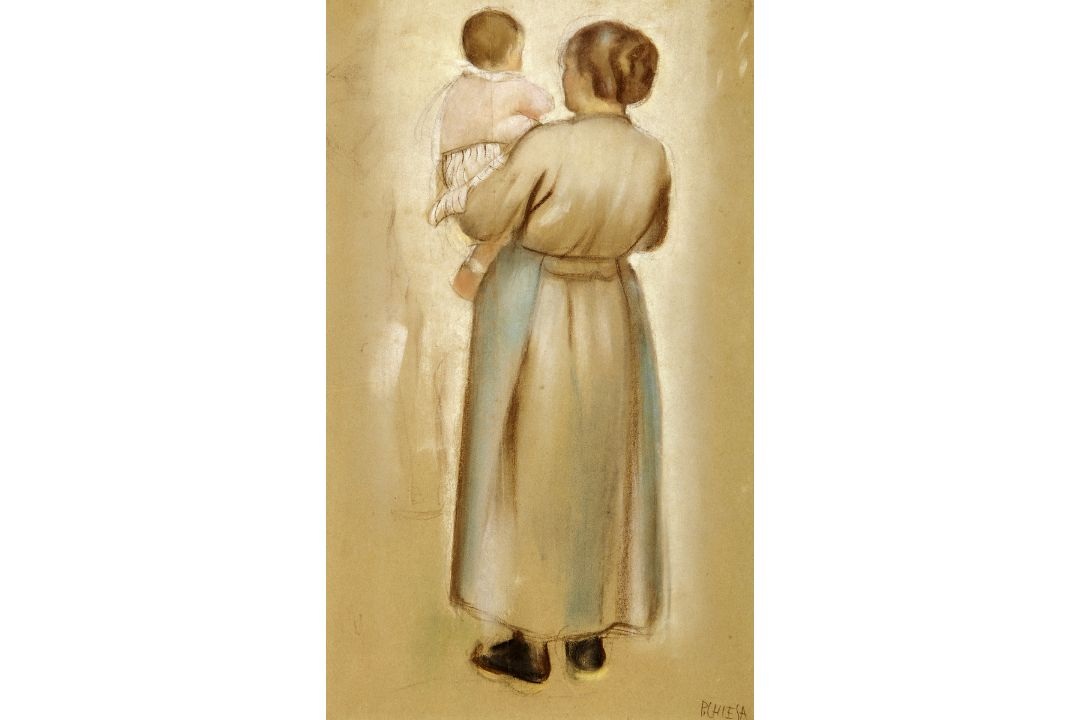
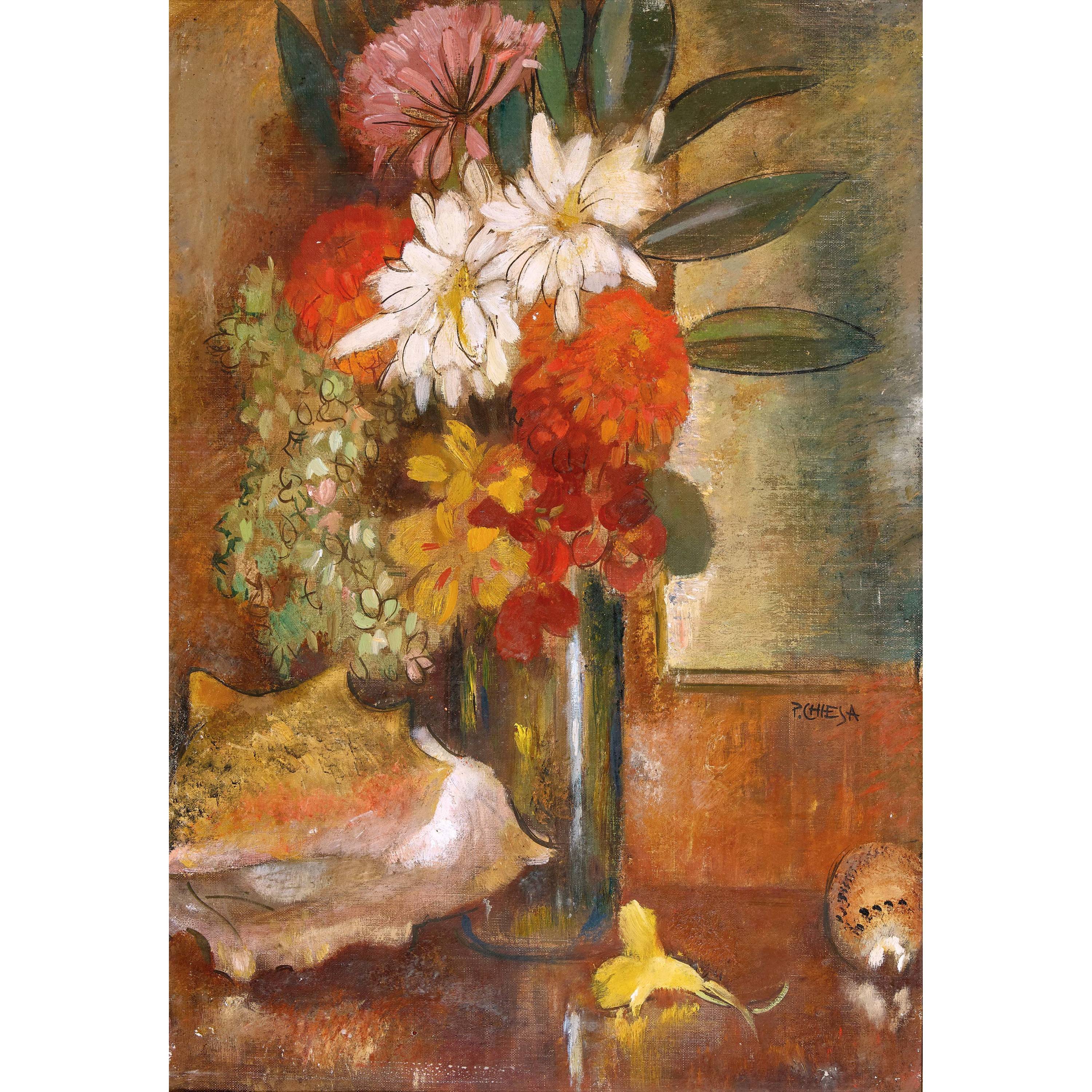
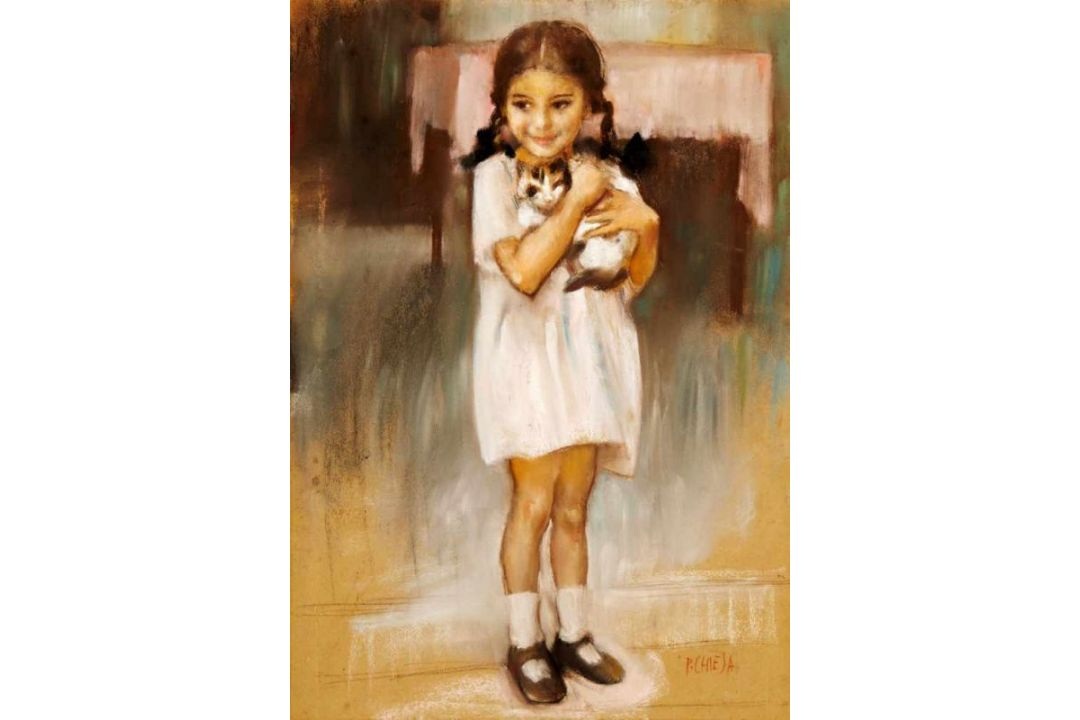
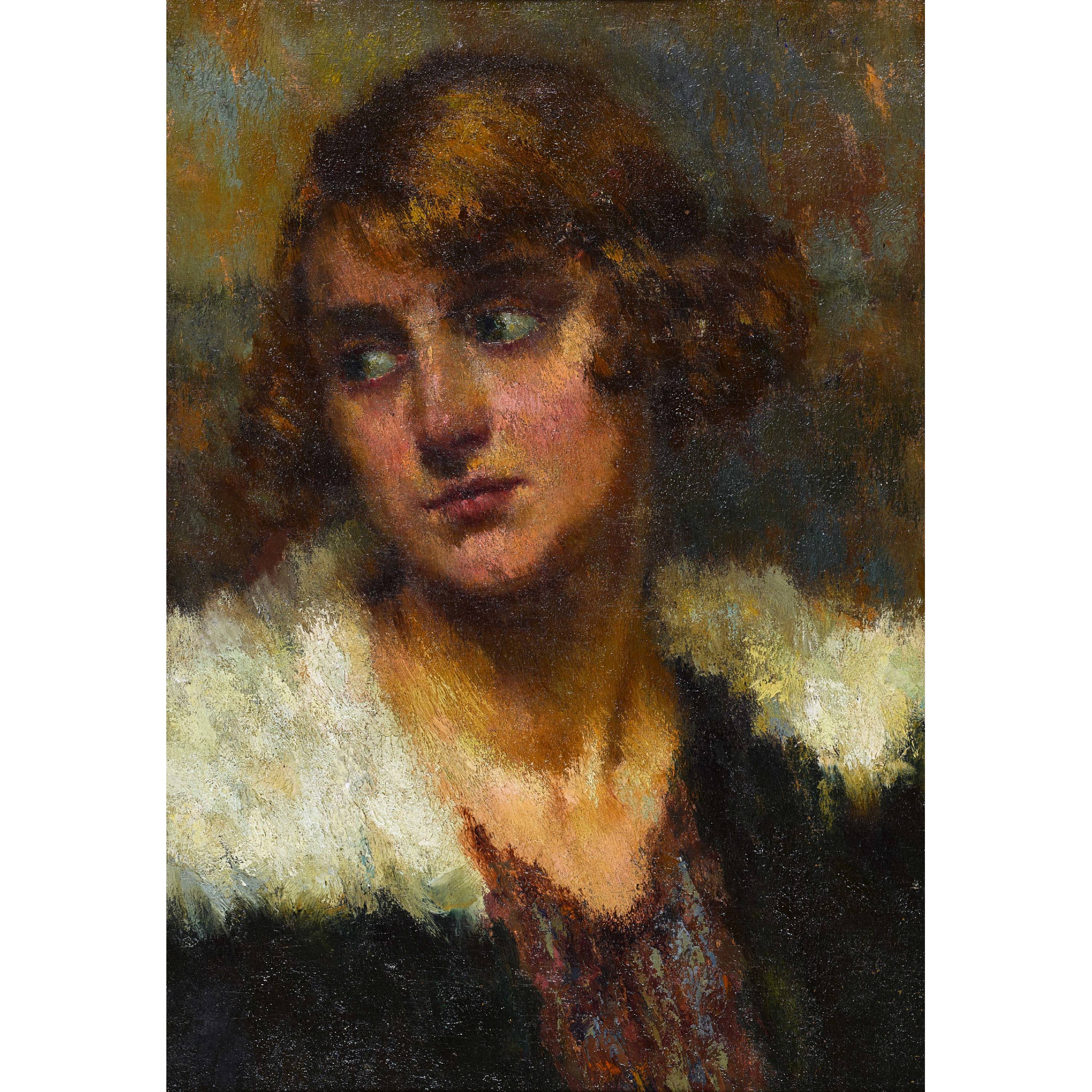
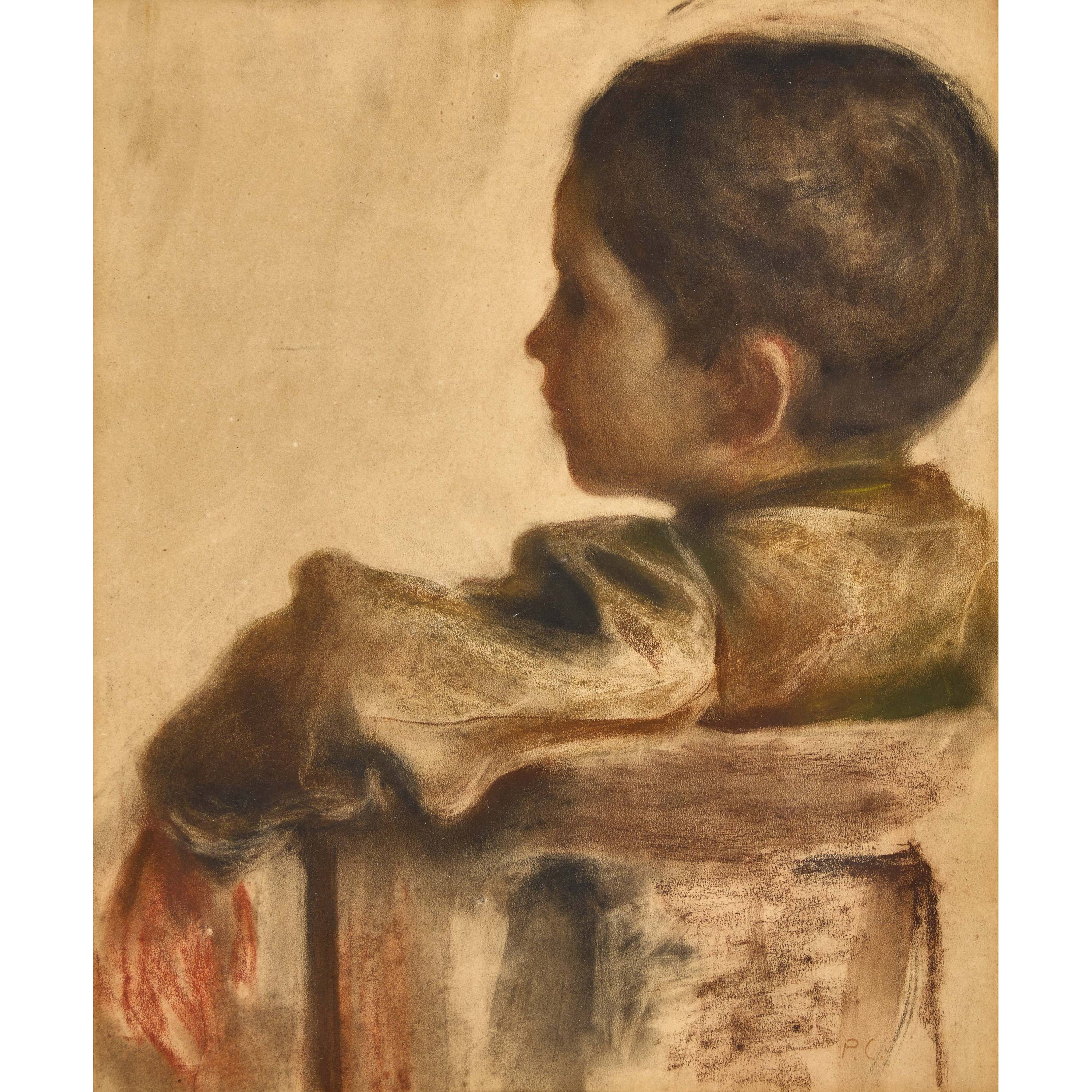
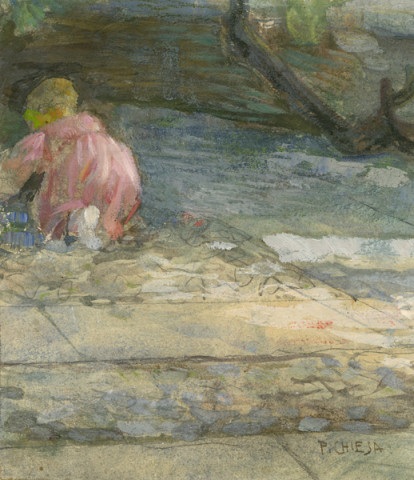
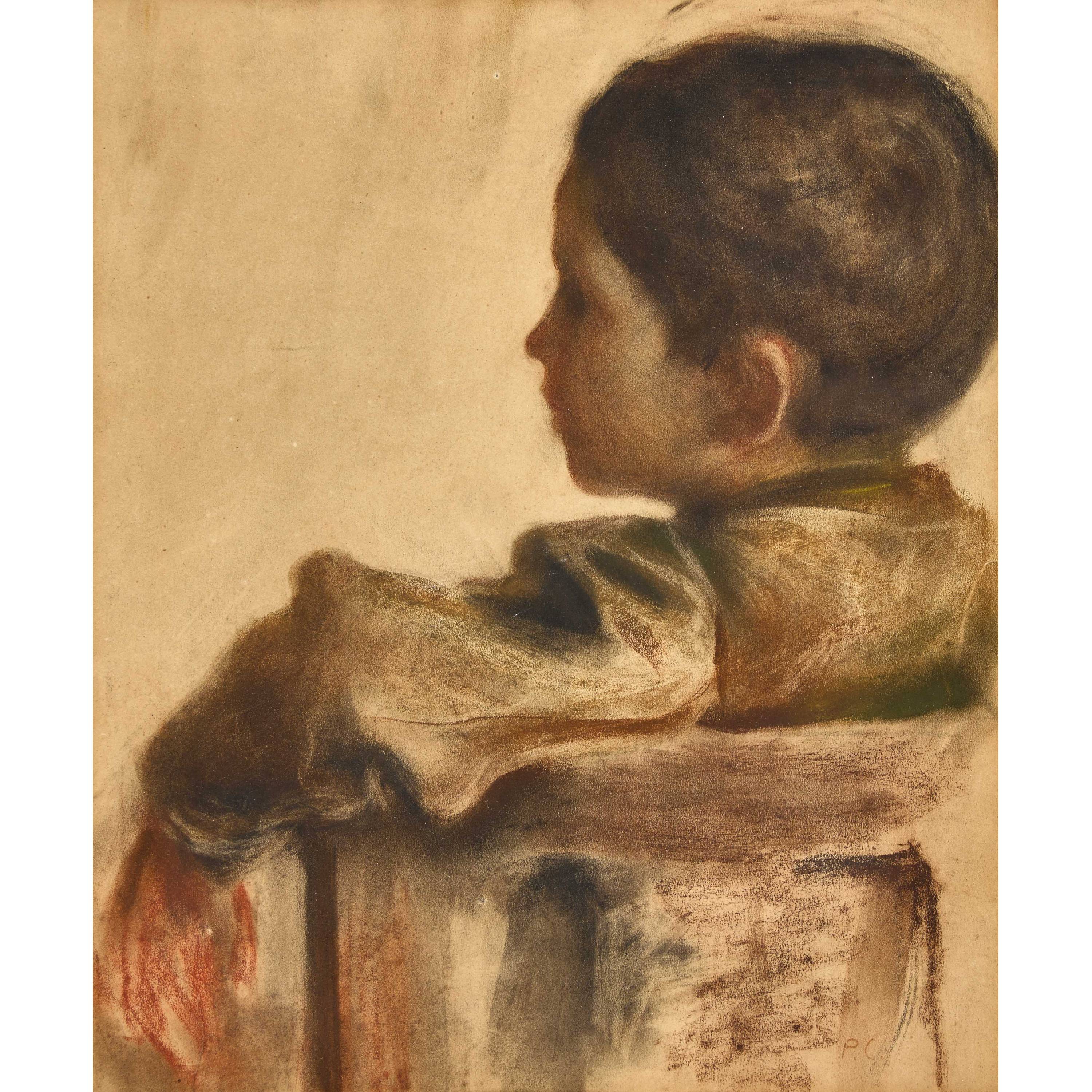
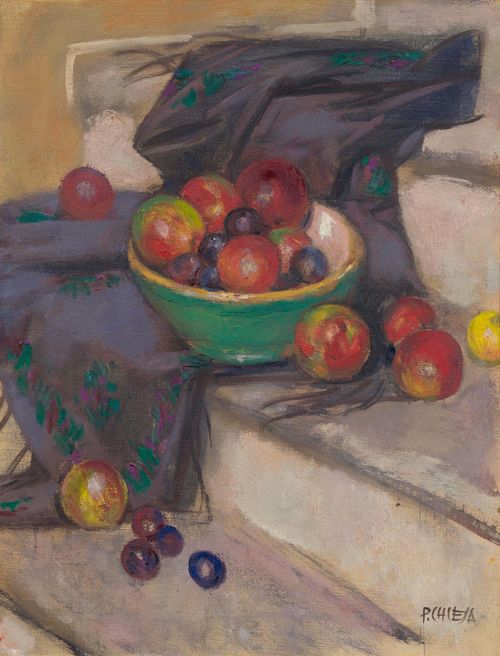
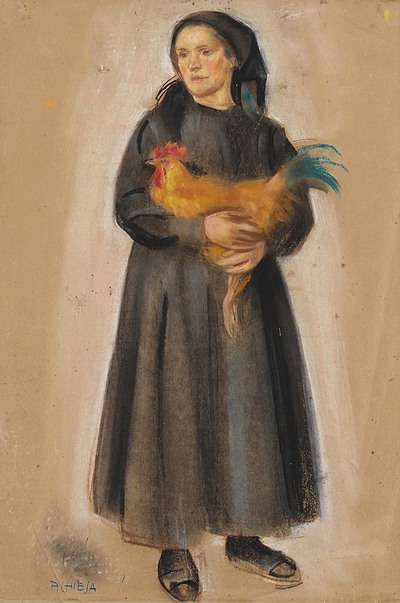
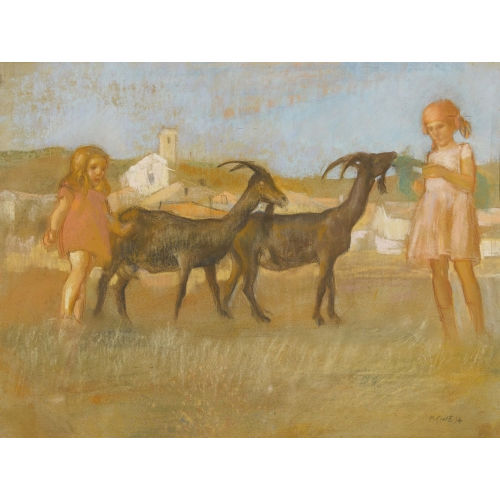
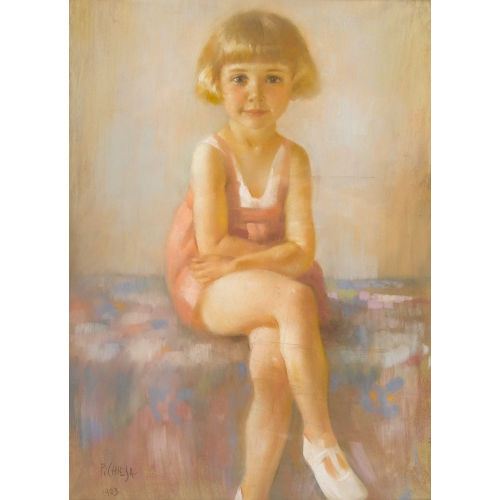
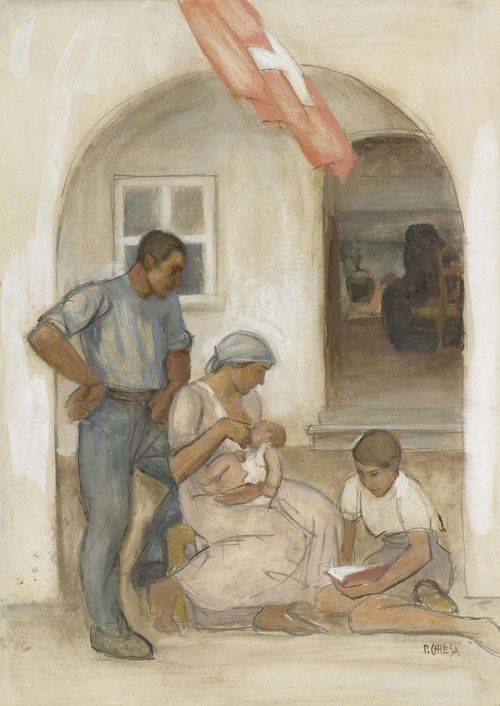
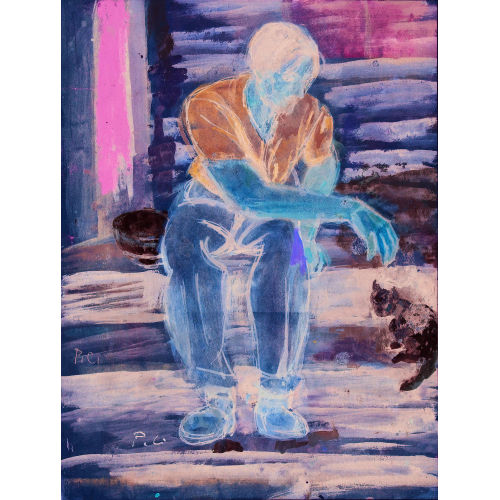
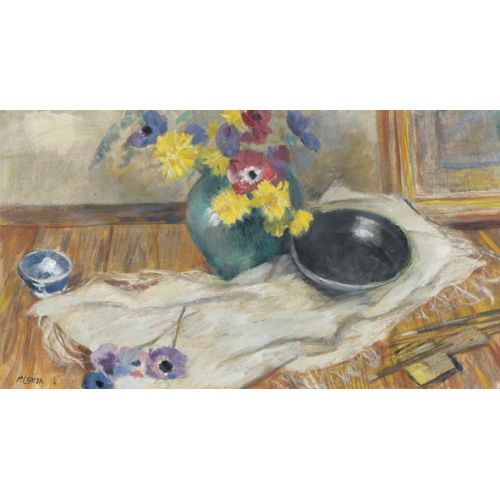
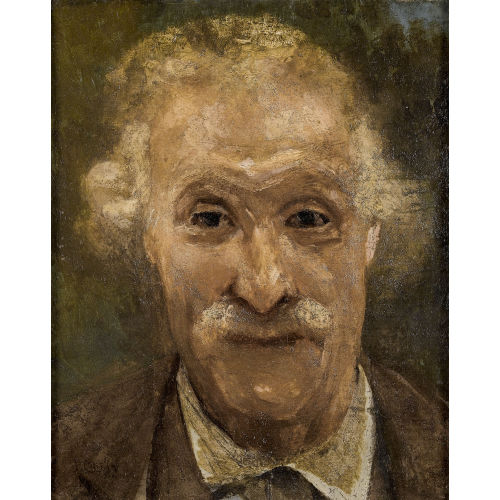
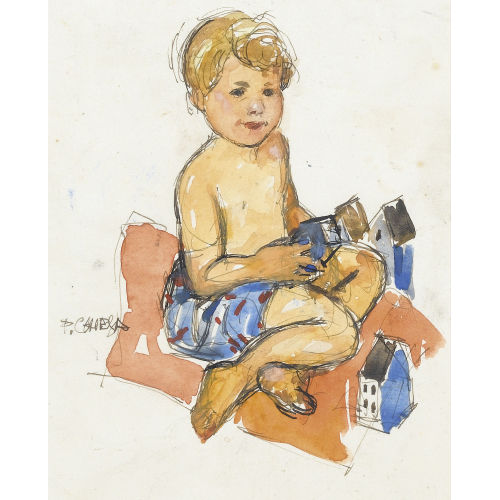
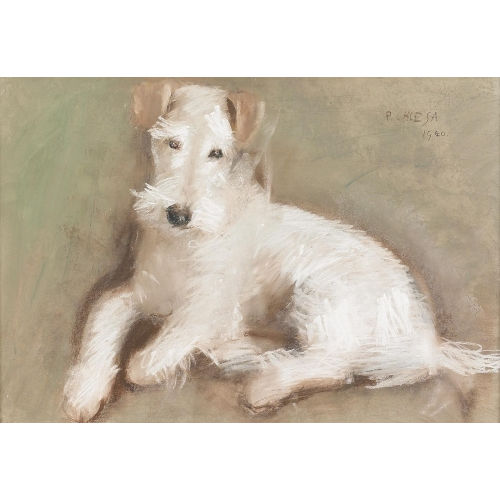
Yet Chiesa continually returned to familiar faces and gestures. Alongside the large compositions, his portraits and genre scenes offer a more intimate measure of his painting. He also illustrated books, notably the poems of his brother Francesco.
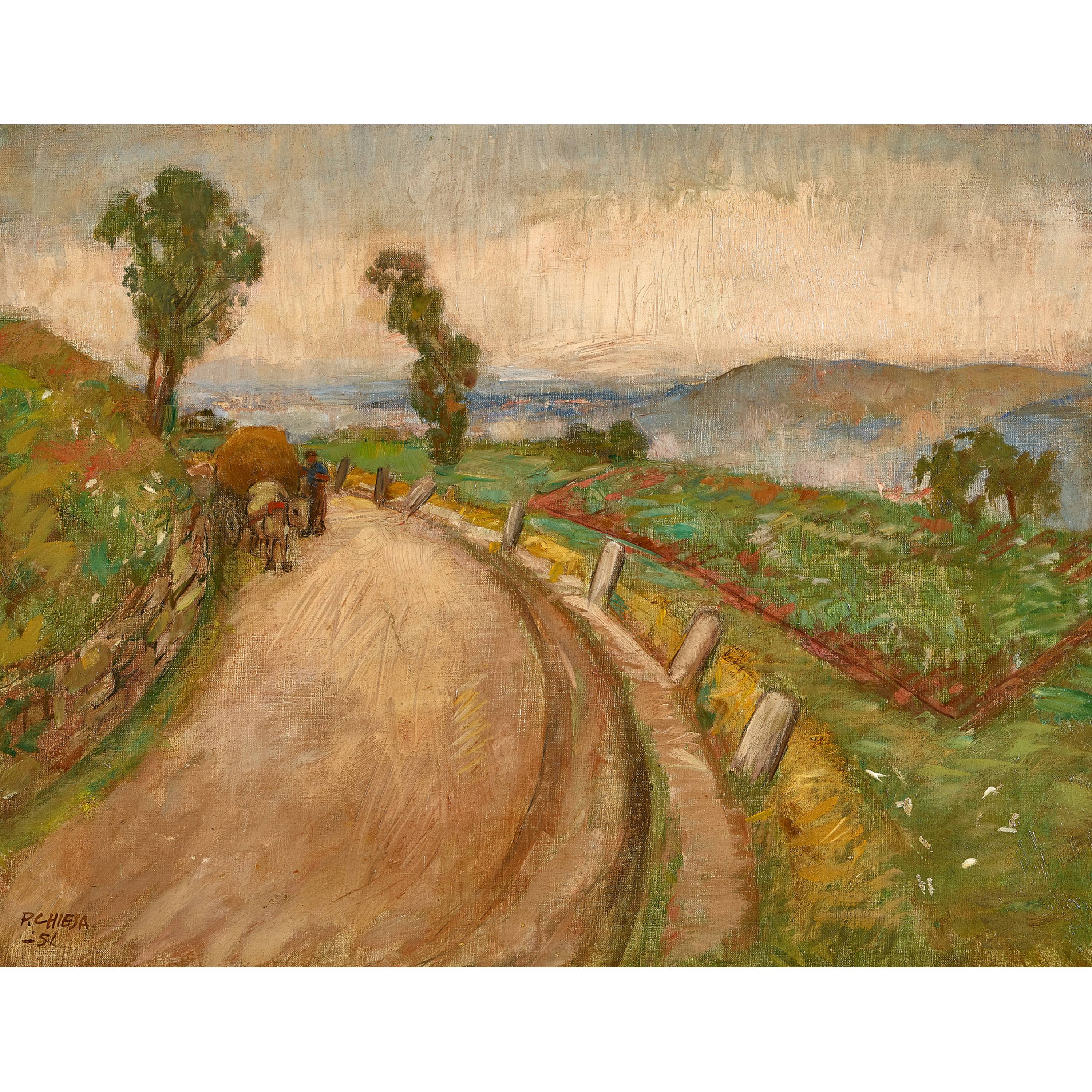
This breadth—from canvas to fresco and from Italy to Switzerland—sheds light on his place in Ticinese art in the first half of the twentieth century. The Museo d’arte in Mendrisio preserves his collection of works and archives and devoted a retrospective to him in 2004.