Paul Robert
Born in 1851.
Died in 1923.
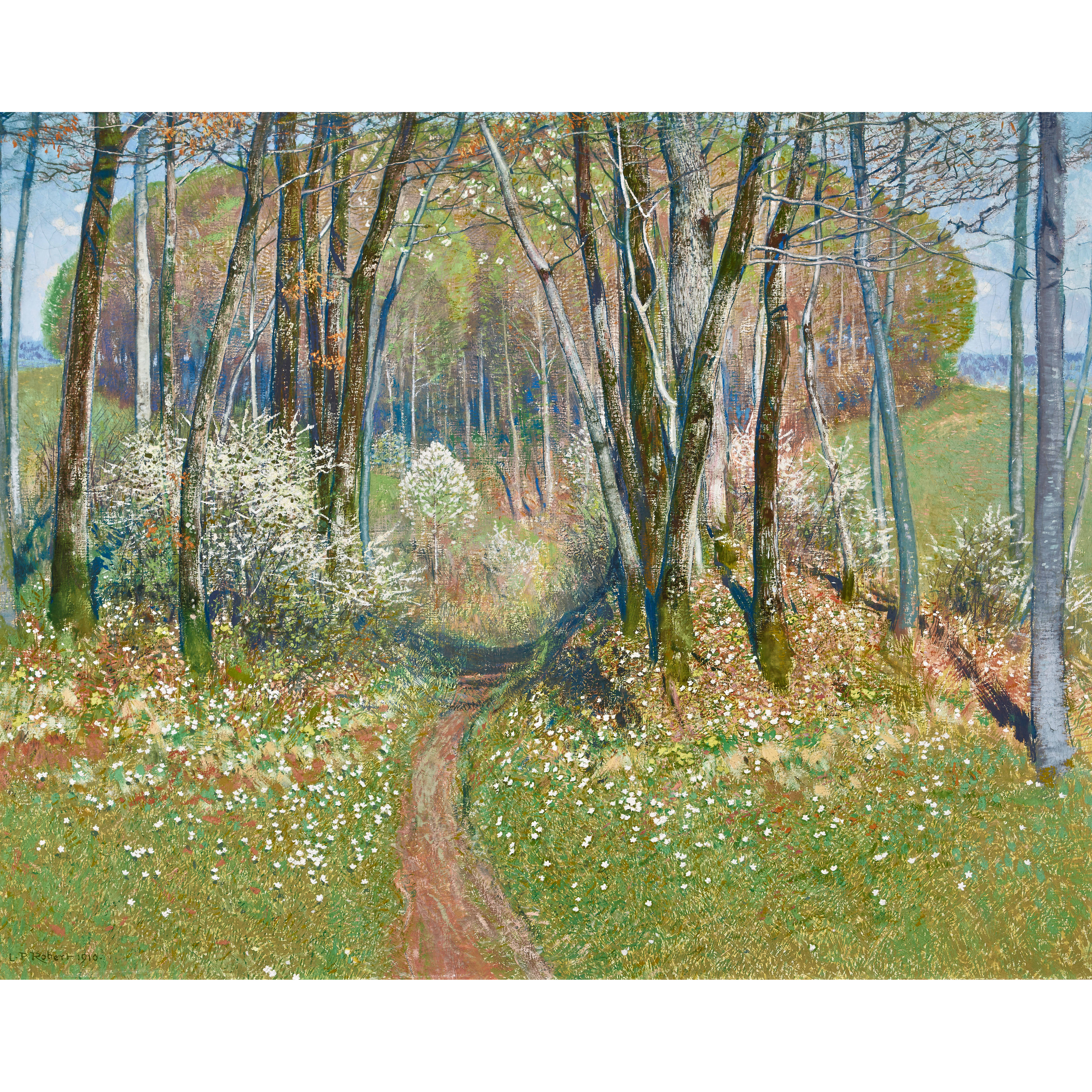
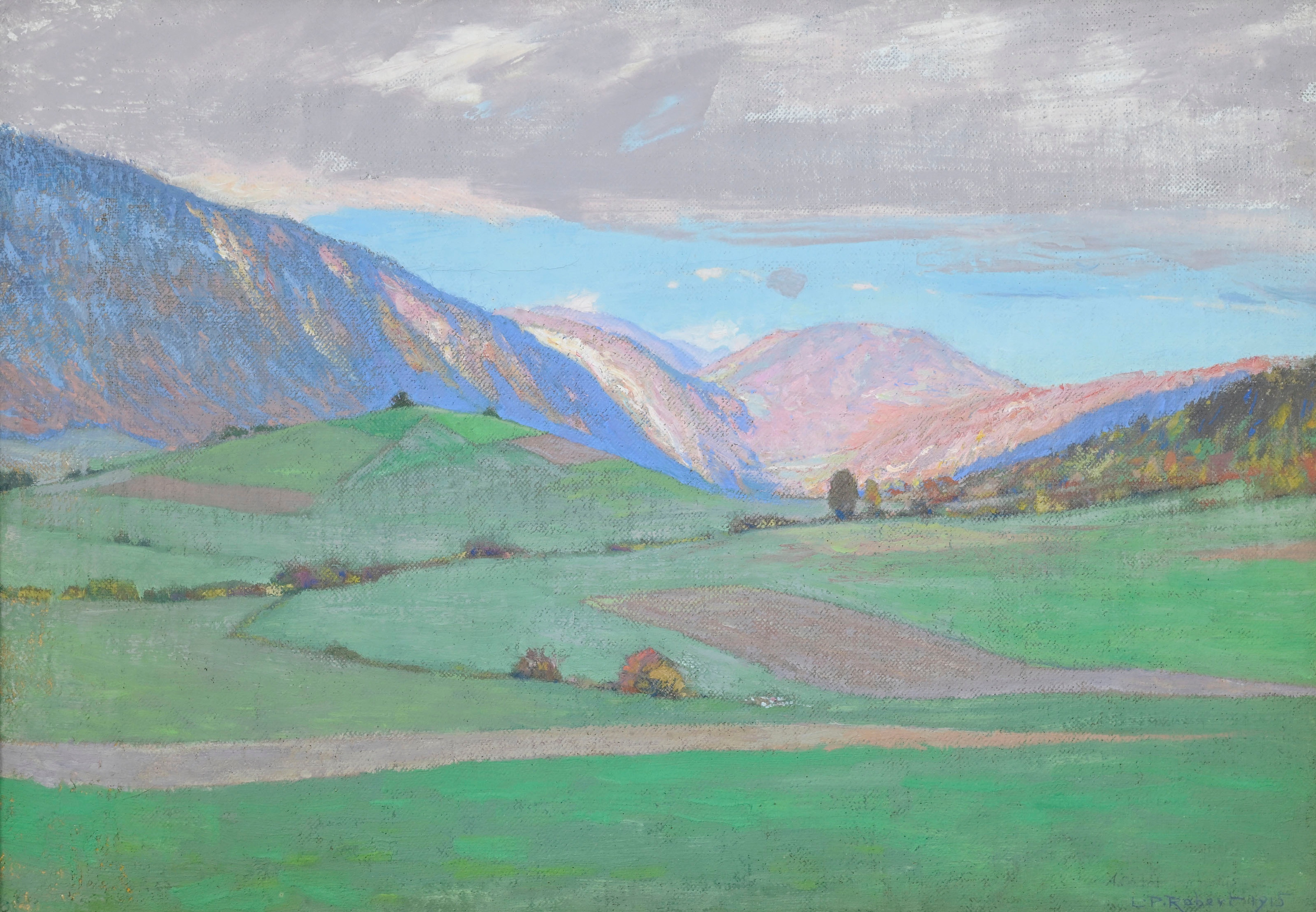
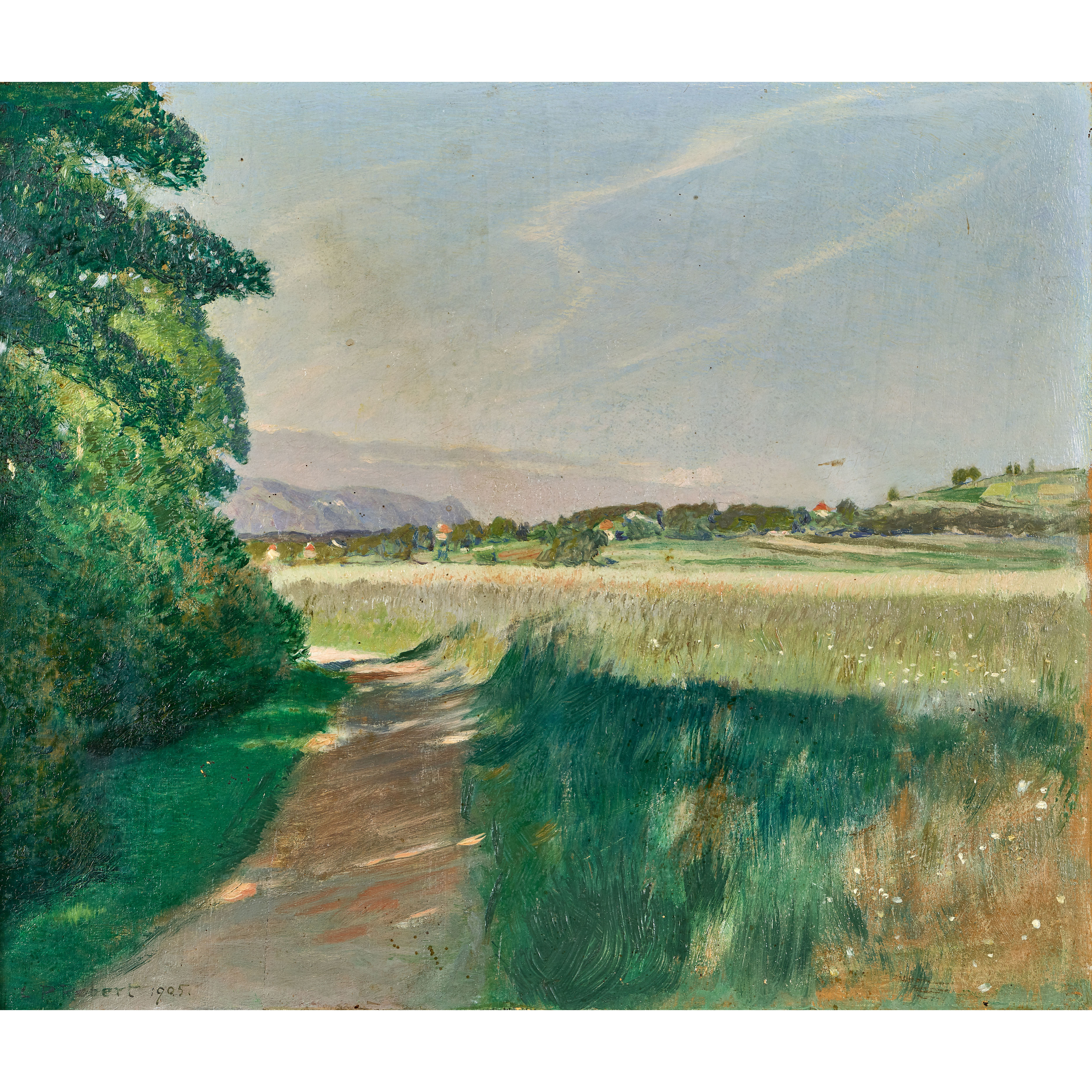
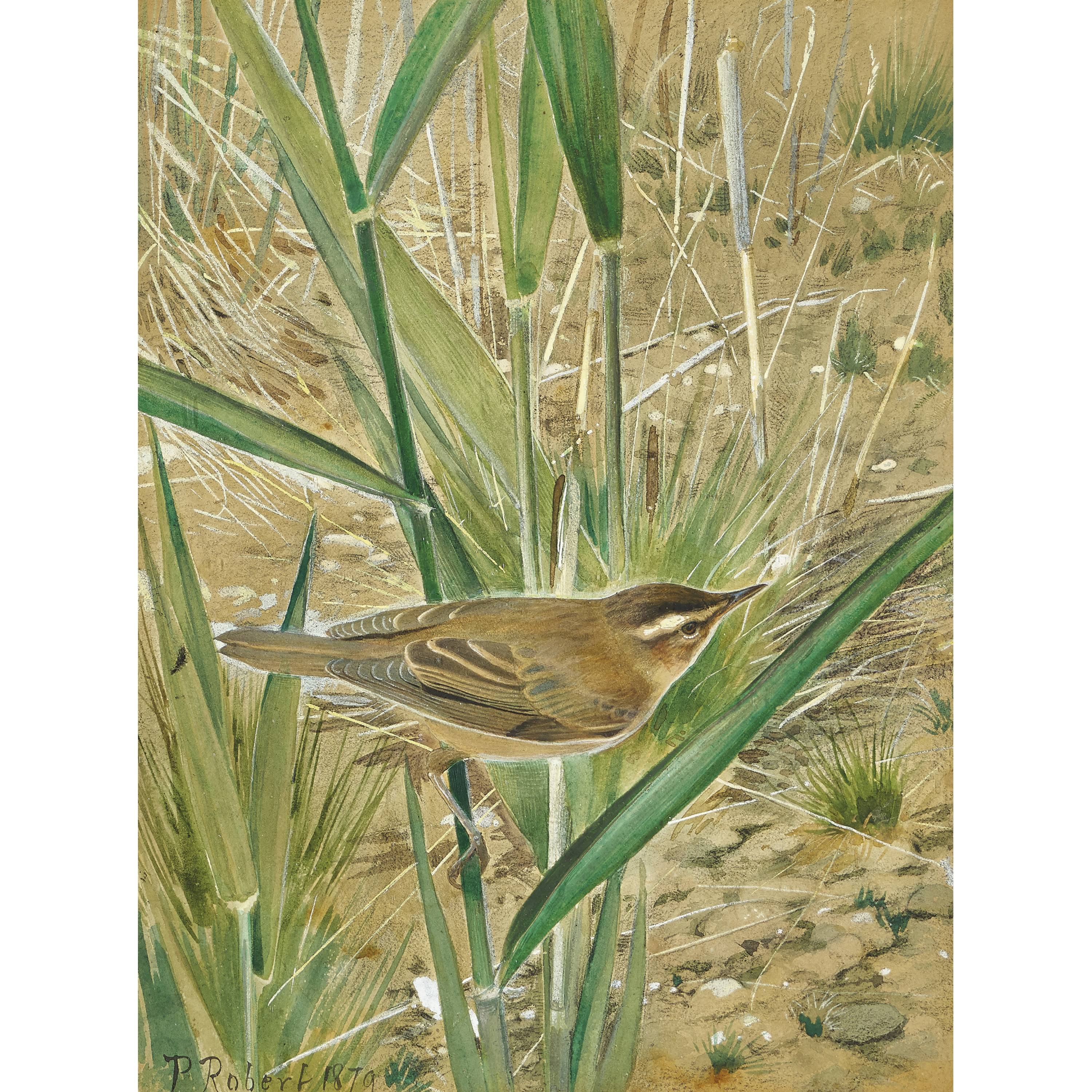
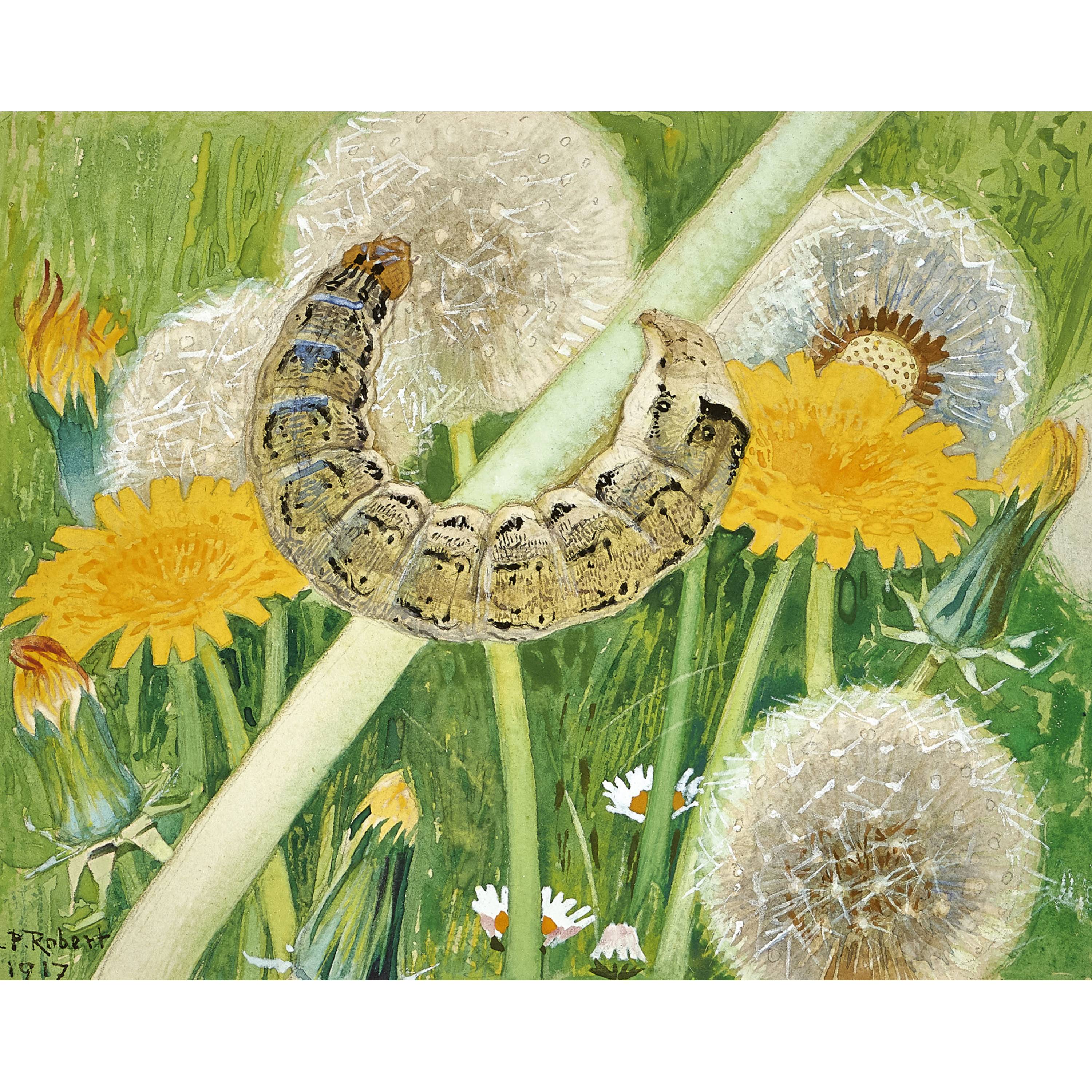
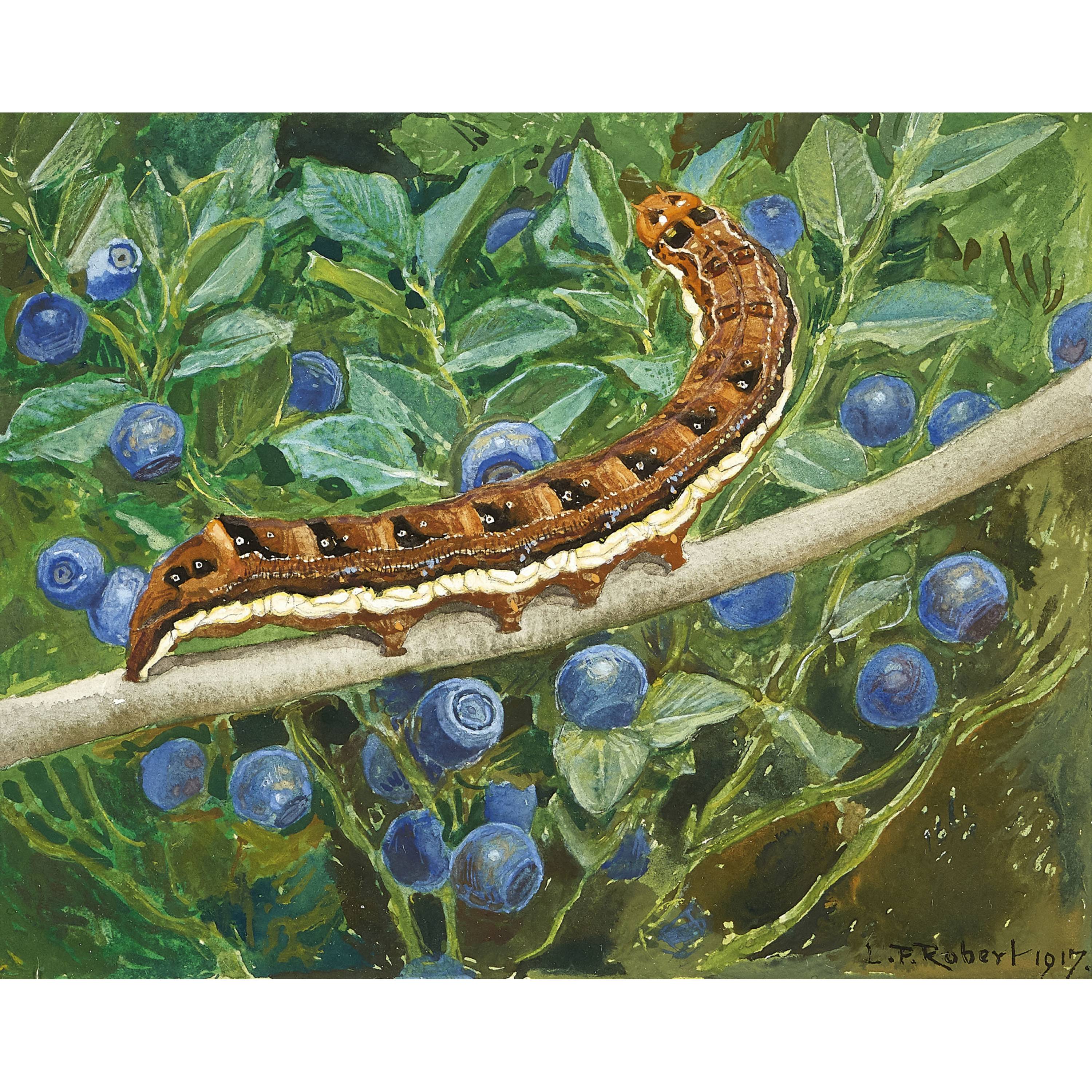
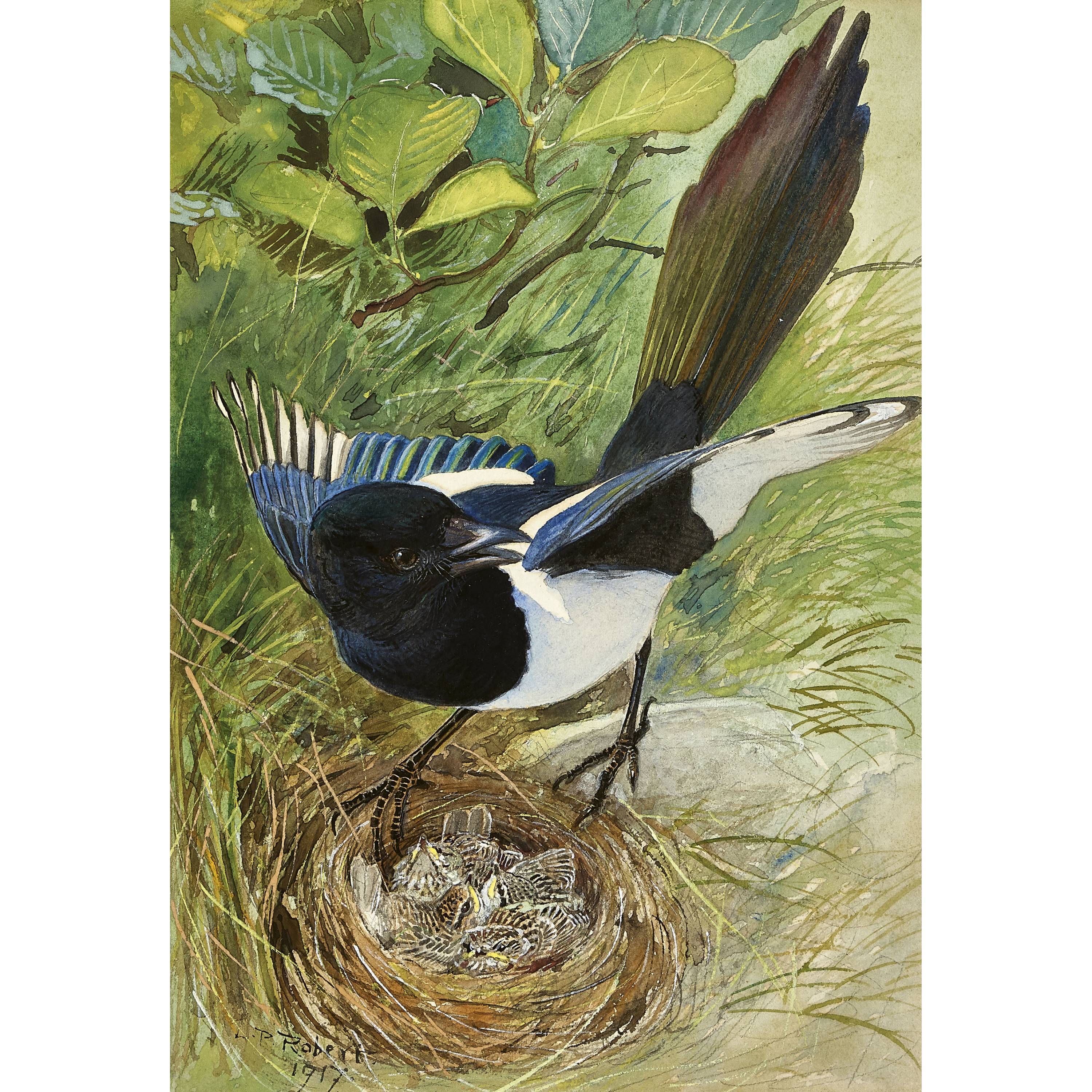
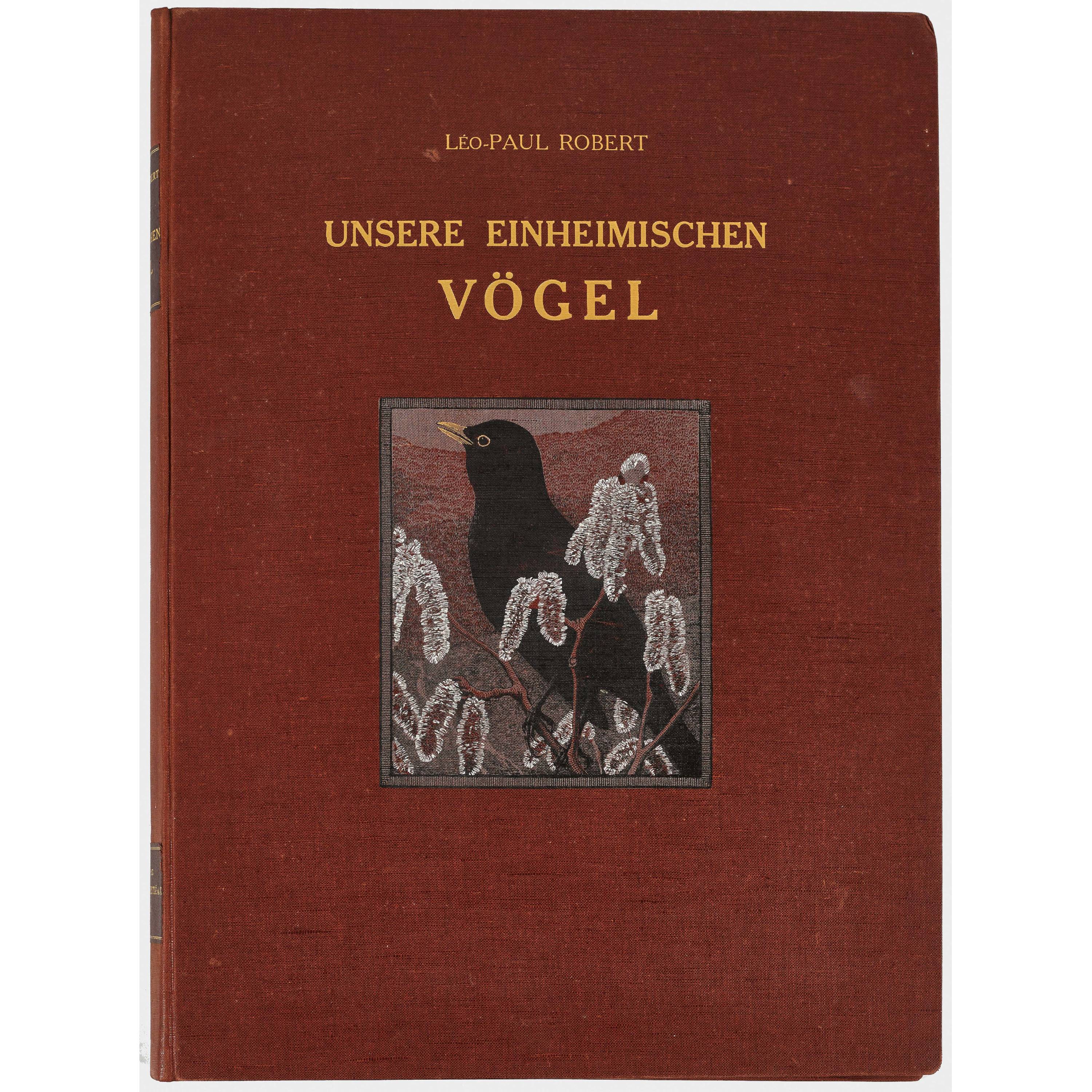
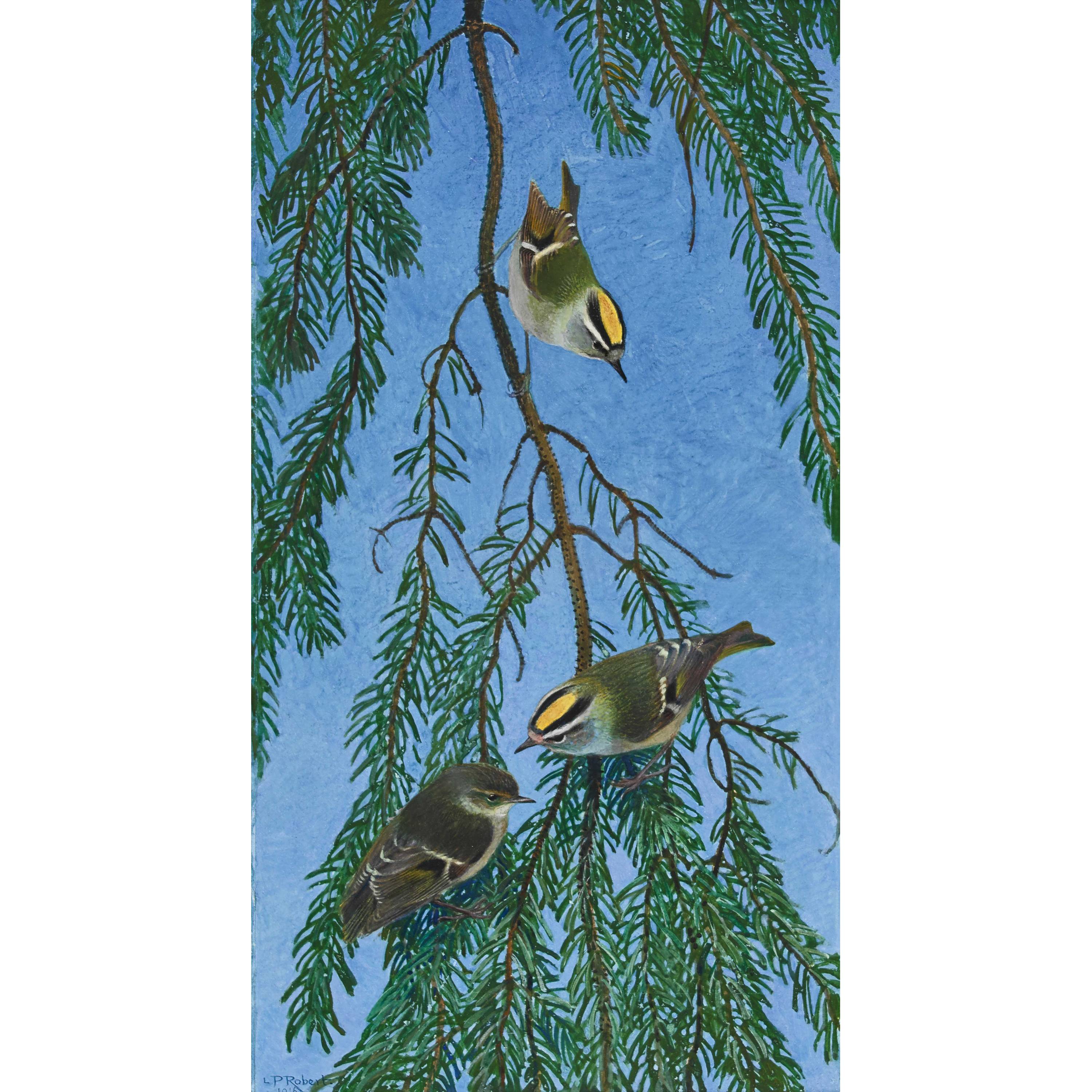
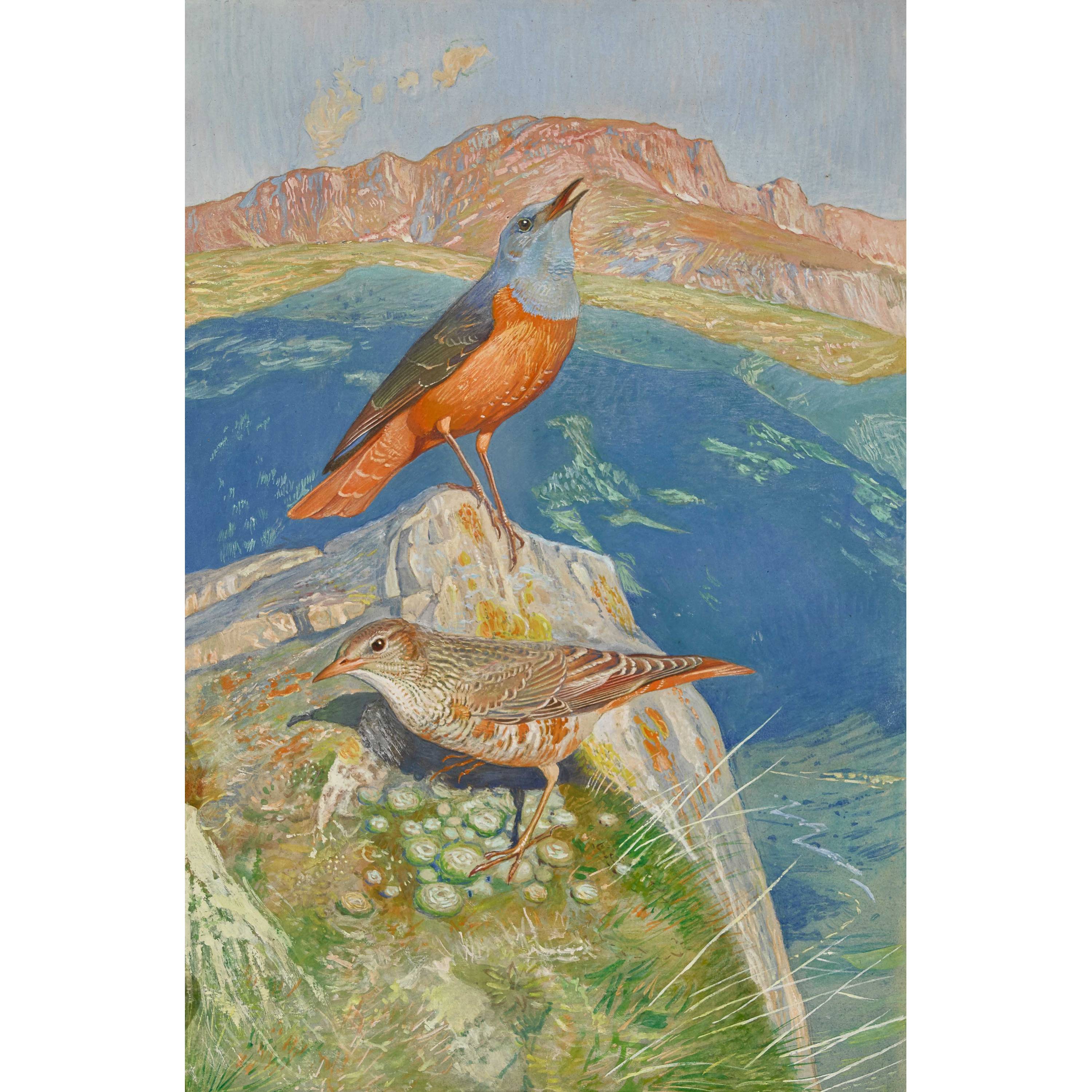
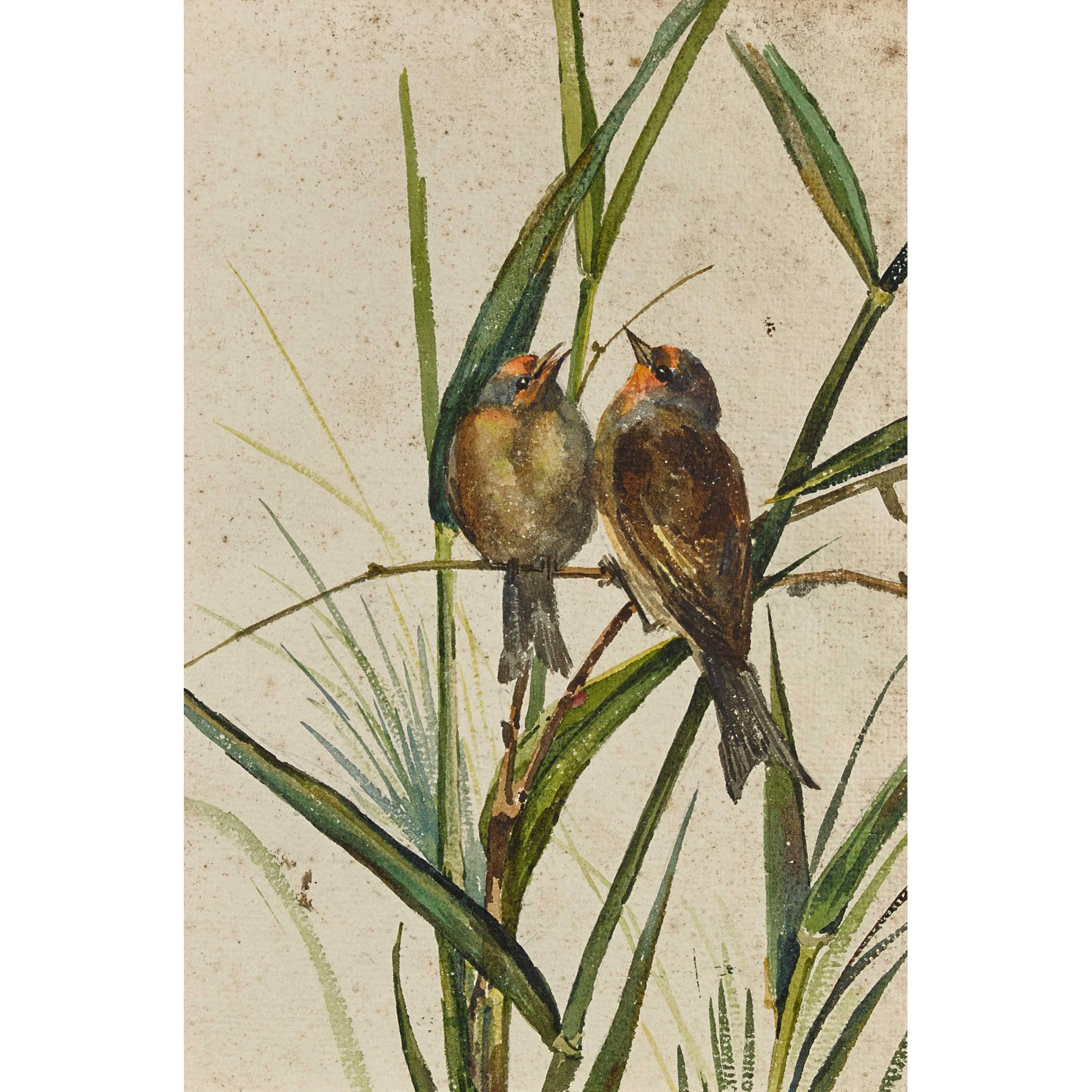
According to the sources, Léo-Paul Robert is distinguished by the ambivalence of his work, which ranges from large-scale decorative projects to a naturalist practice based on direct observation: he designs wall decorations and mosaics for public spaces while producing hundreds of watercolours of insects and birds and illustrating natural history publications.
Trained between 1869 and 1874 at fine arts academies in Munich, Florence and Paris, he came from a family of artists from Le Locle—he was the son of Aurèle Robert and the nephew of Léopold Robert—and in 1877 married Berthe de Rutté, with whom he had ten children.
After his studies, he divided his activity between Paris and Switzerland, and was described as one of the most prominent Swiss artists in Paris; in 1877, he exhibited at the Salon, where he received a gold medal for Les Zéphyrs d’un beau soir (now held at the Musée d’art et d’histoire de Neuchâtel).
A personal crisis led him to interrupt his painting between 1883 and 1885—a period during which he travelled to Palestine (1883–1884)—after which he returned in 1885, oriented towards religiously inspired art, and undertook the decoration of the stairwell of the Musée des beaux-arts de Neuchâtel. This project comprised three large marouflaged wall paintings produced over an extended period (the work was spread over eight years, with canvases dated 1886–1893 held at the Musée d’art et d’histoire de Neuchâtel).
Alongside these local commissions, he produced large-scale public works—notably a monumental mosaic for the façade of the Musée d’histoire in Bern (1897, executed by Clément Heaton) and the decoration of the staircase of the former Tribunal fédéral in Lausanne, completed in 1905—and served on official arts bodies such as the Commission fédérale des beaux-arts (1891–1897) and the commission of the Gottfried-Keller Foundation (1894–1918).
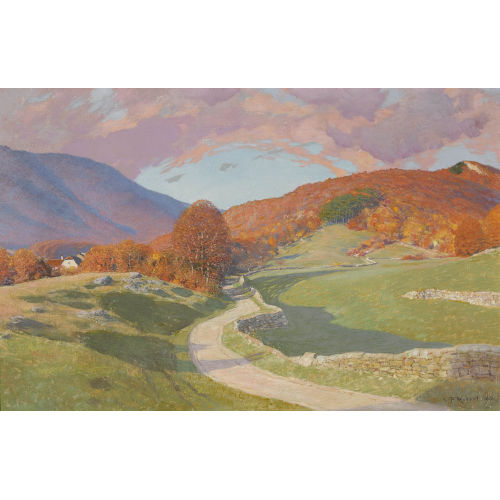
In terms of international recognition, he exhibited the landscape Premier printemps (dated 1881) at the international Salon in Berlin in 1896, where the work received a gold medal; this painting (oil on canvas, 158 × 202 cm) is held at the Musée d’art et d’histoire de Neuchâtel.