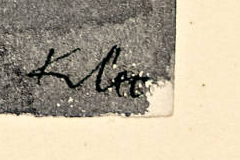
Paul Klee
Born in 1879.
Died in 1940.
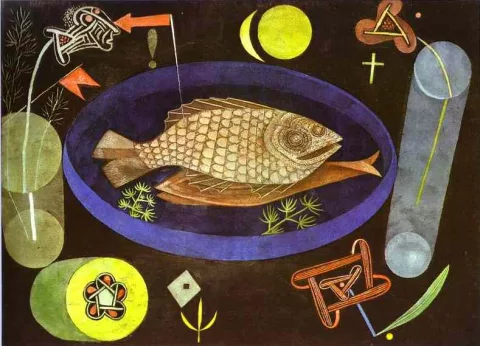
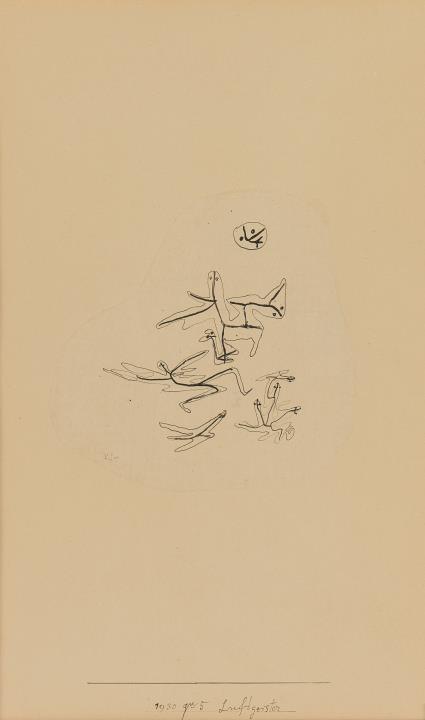
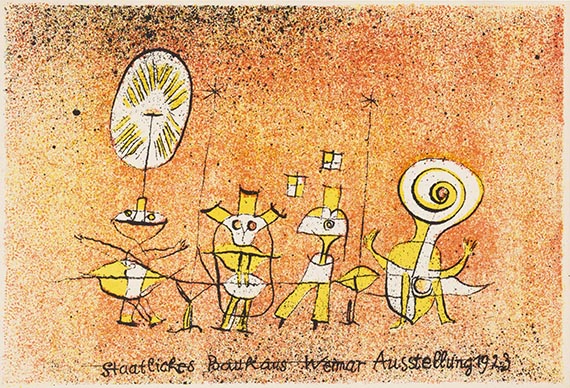
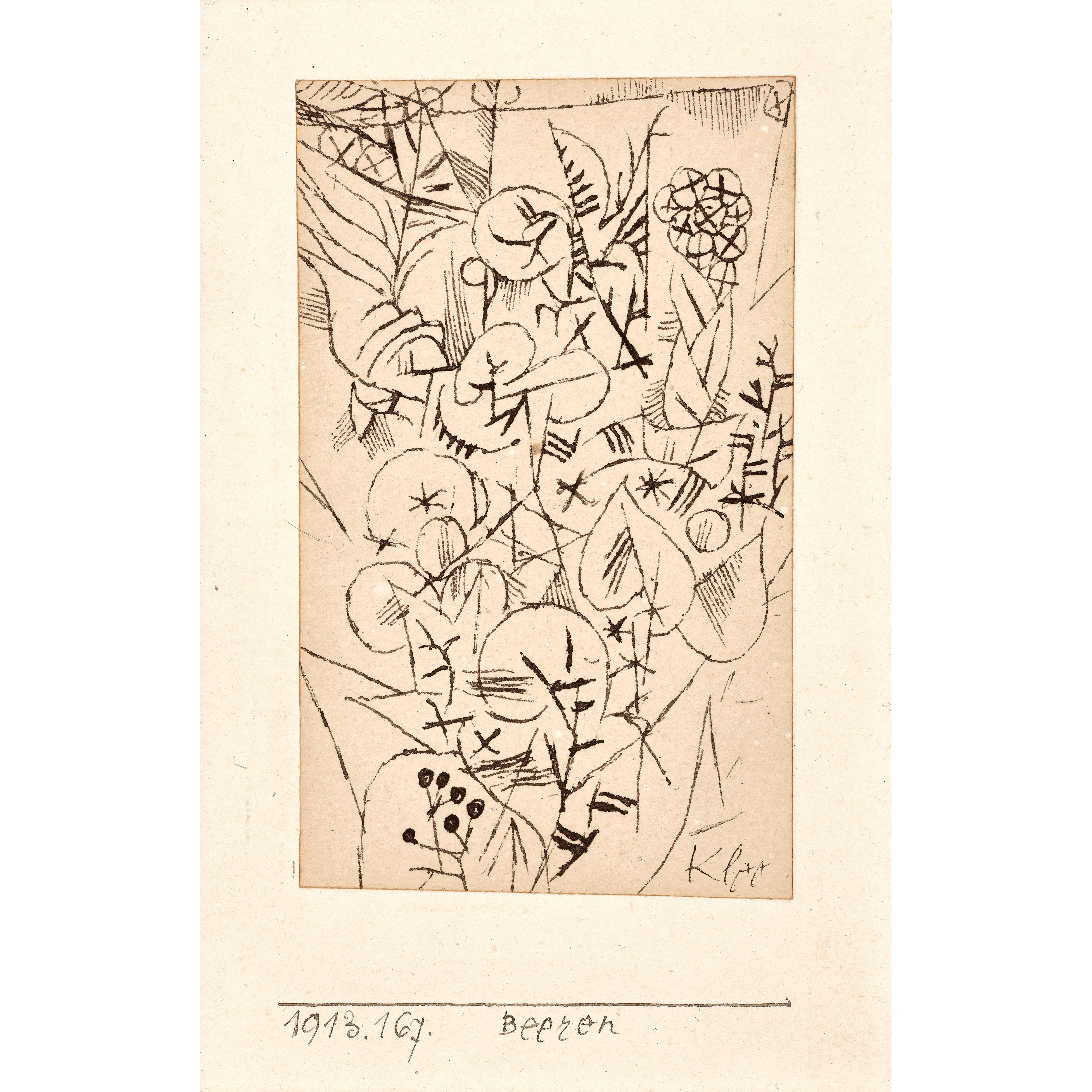
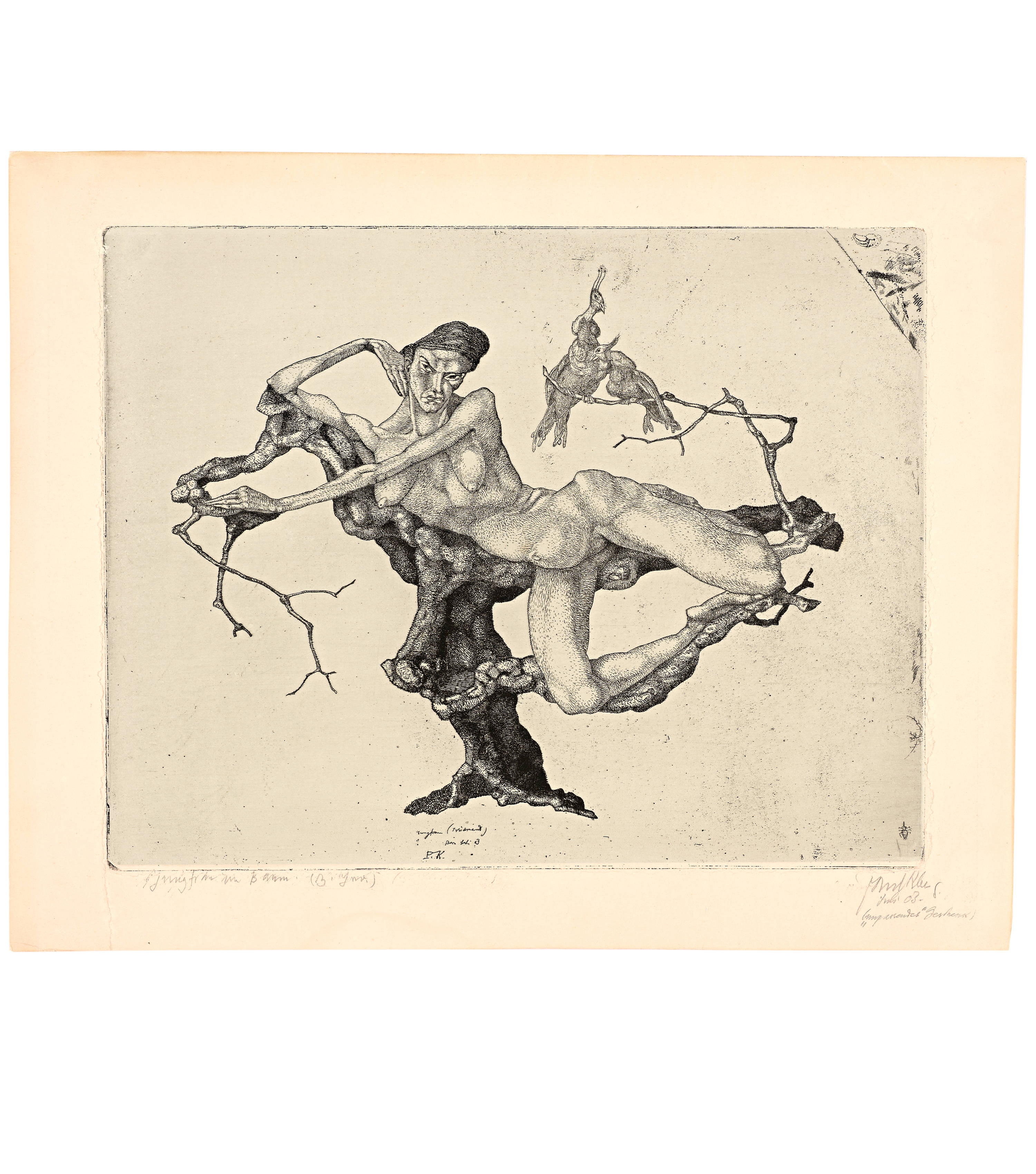
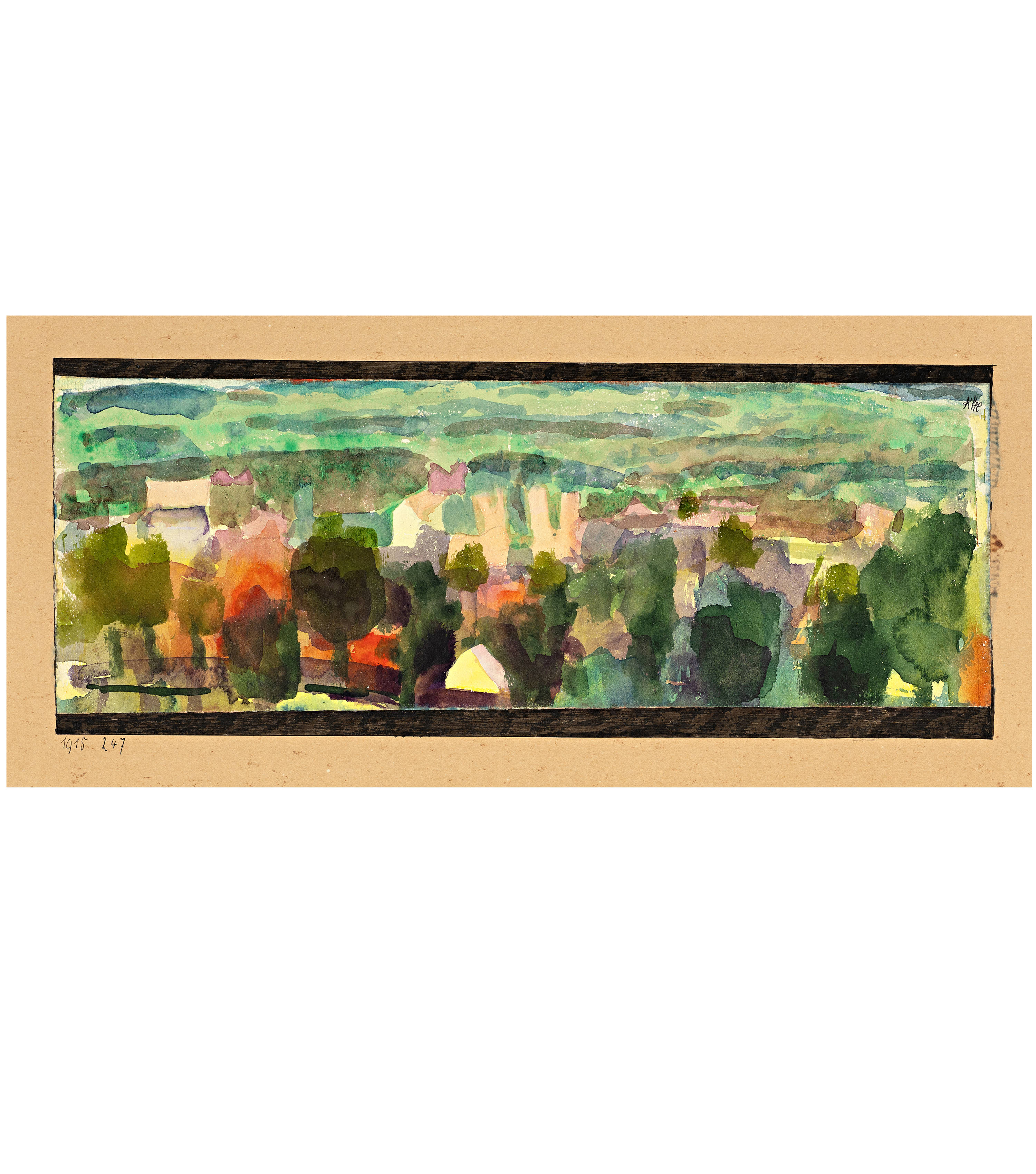
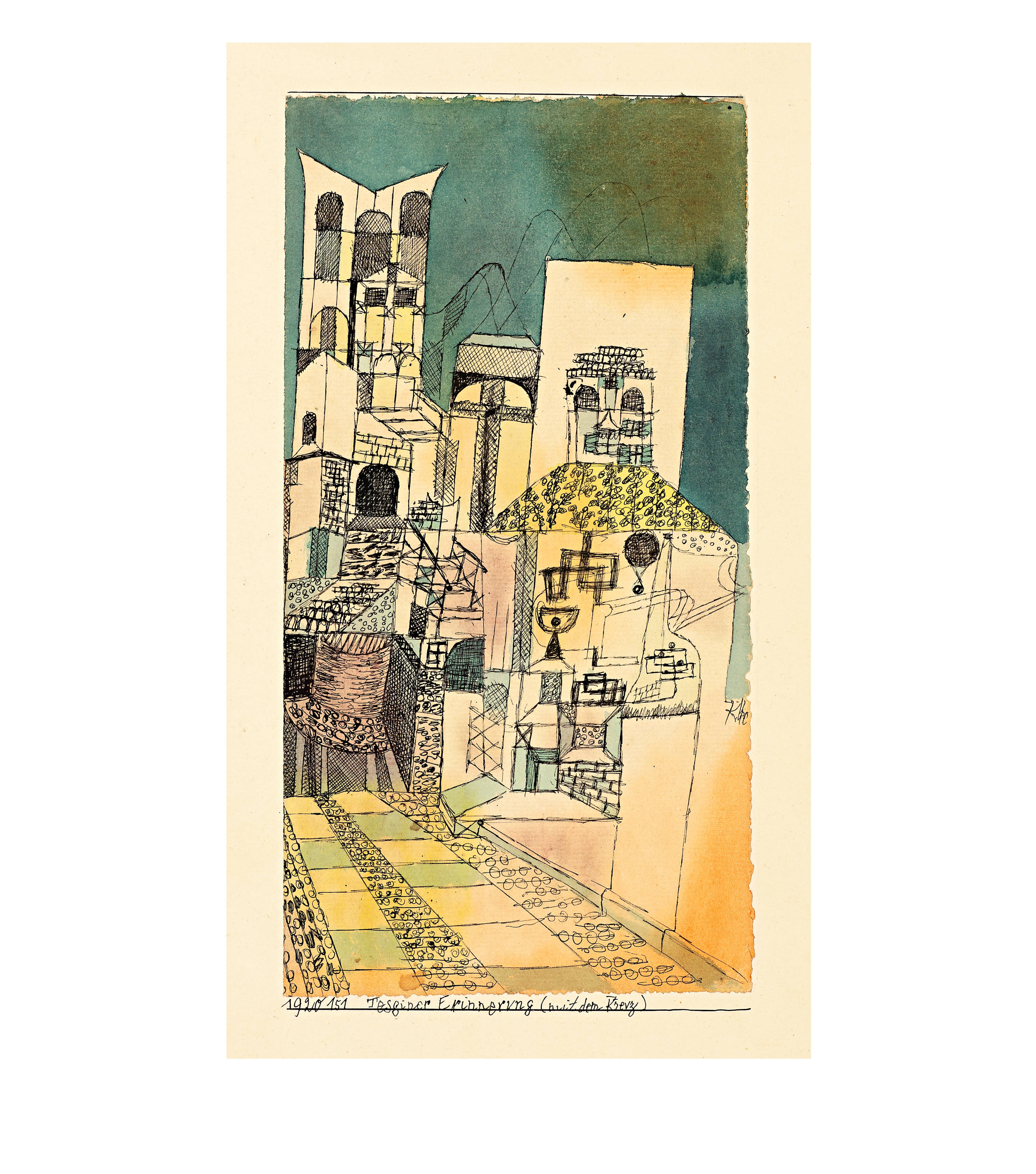
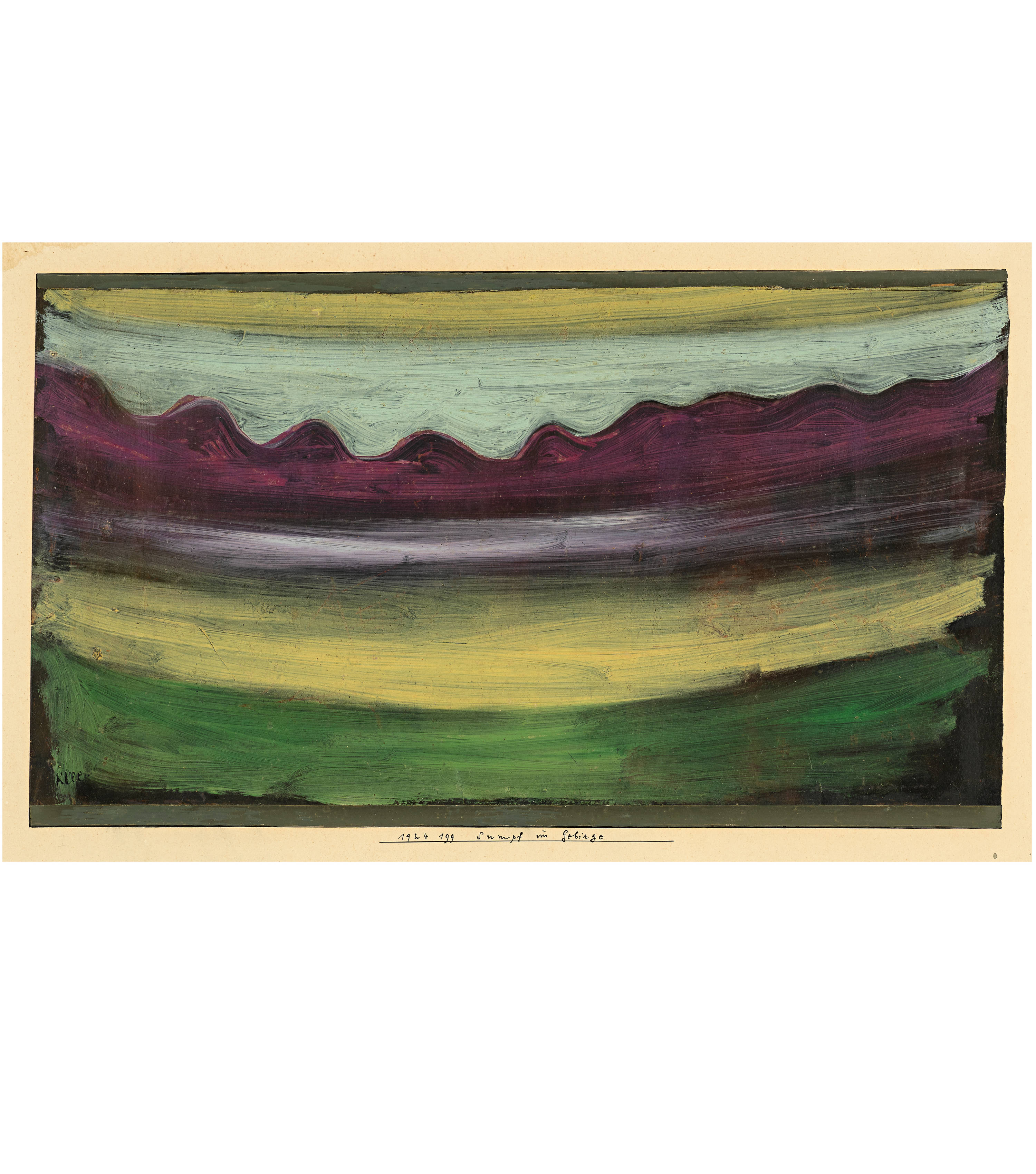
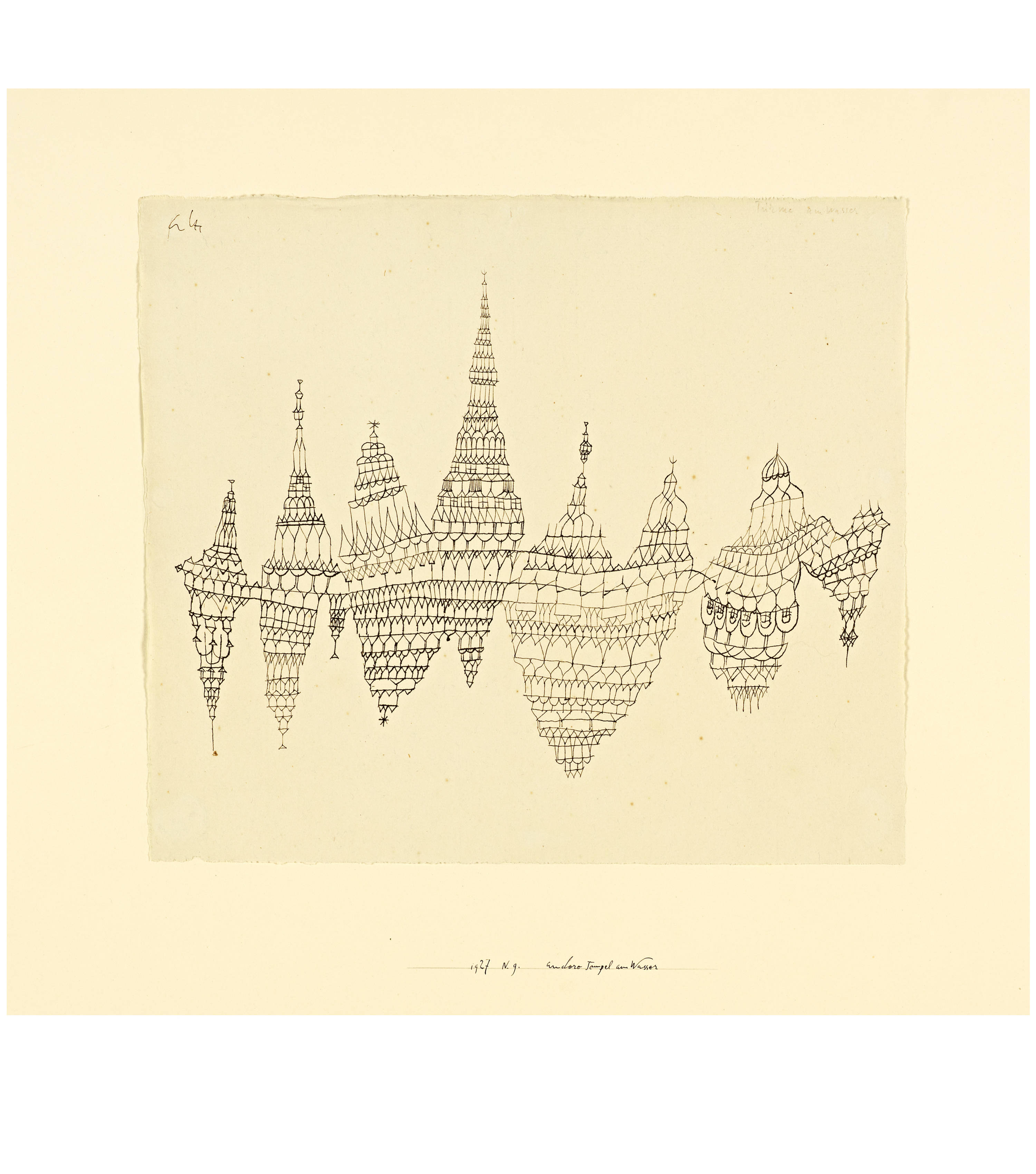
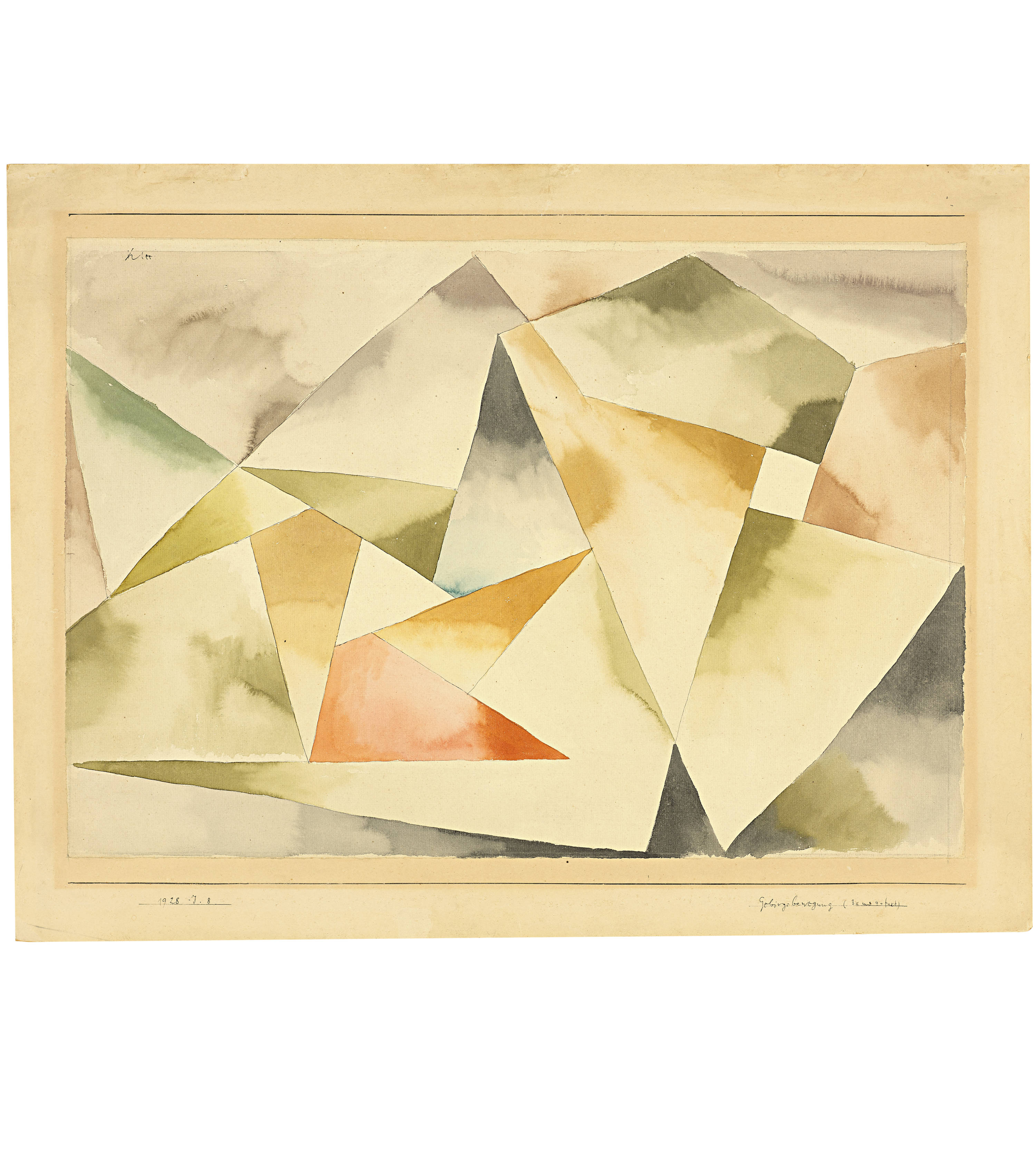
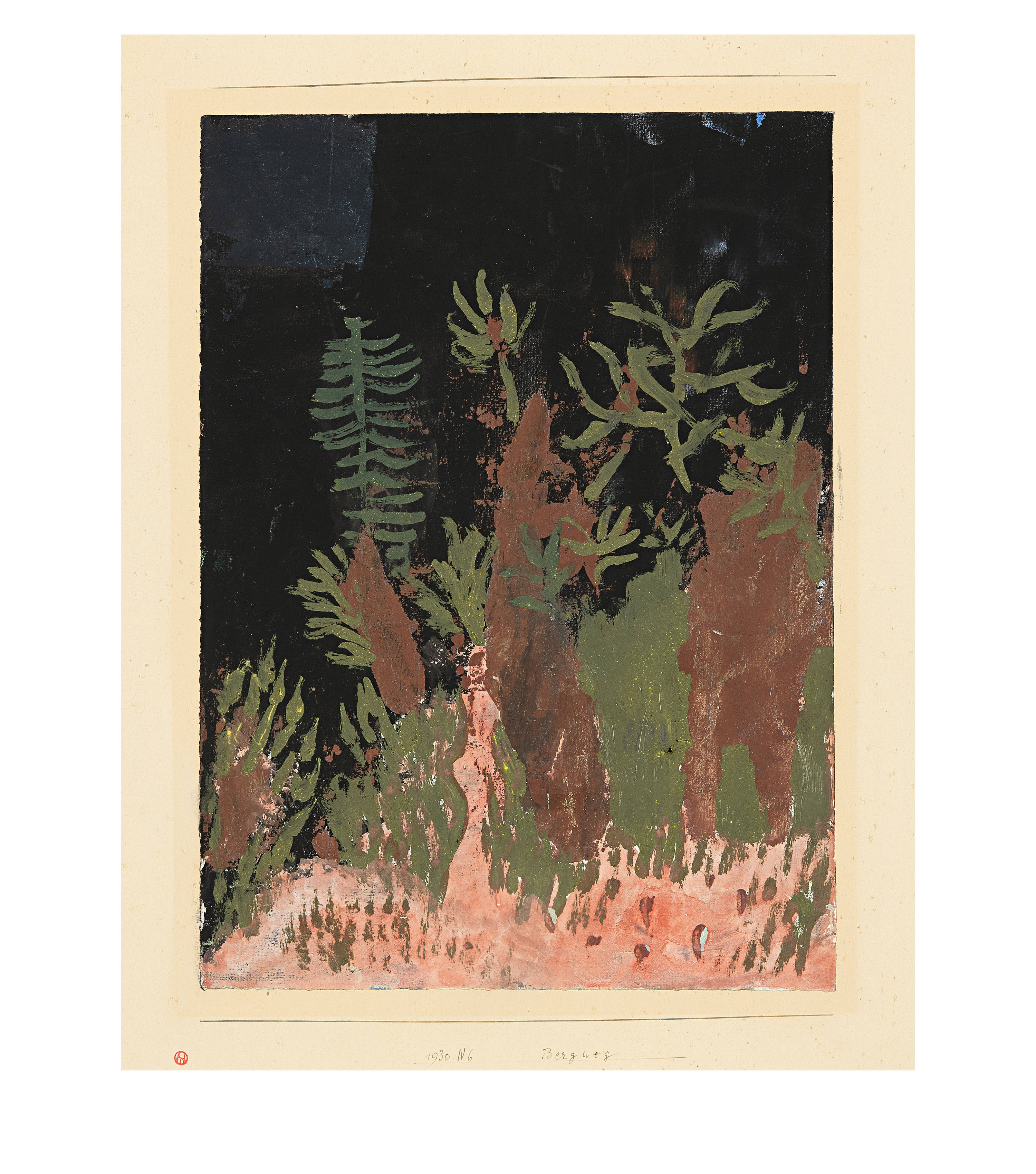
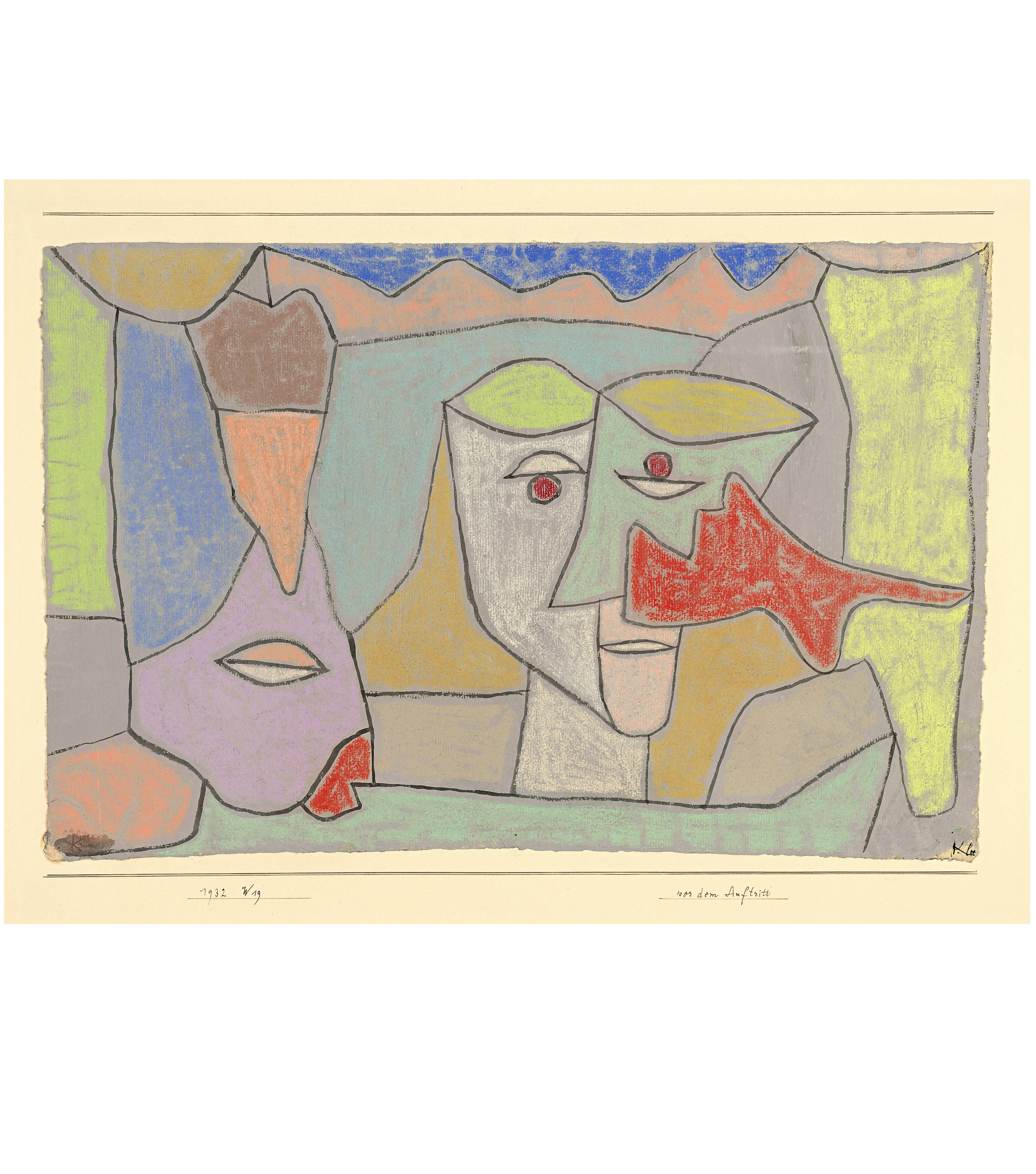
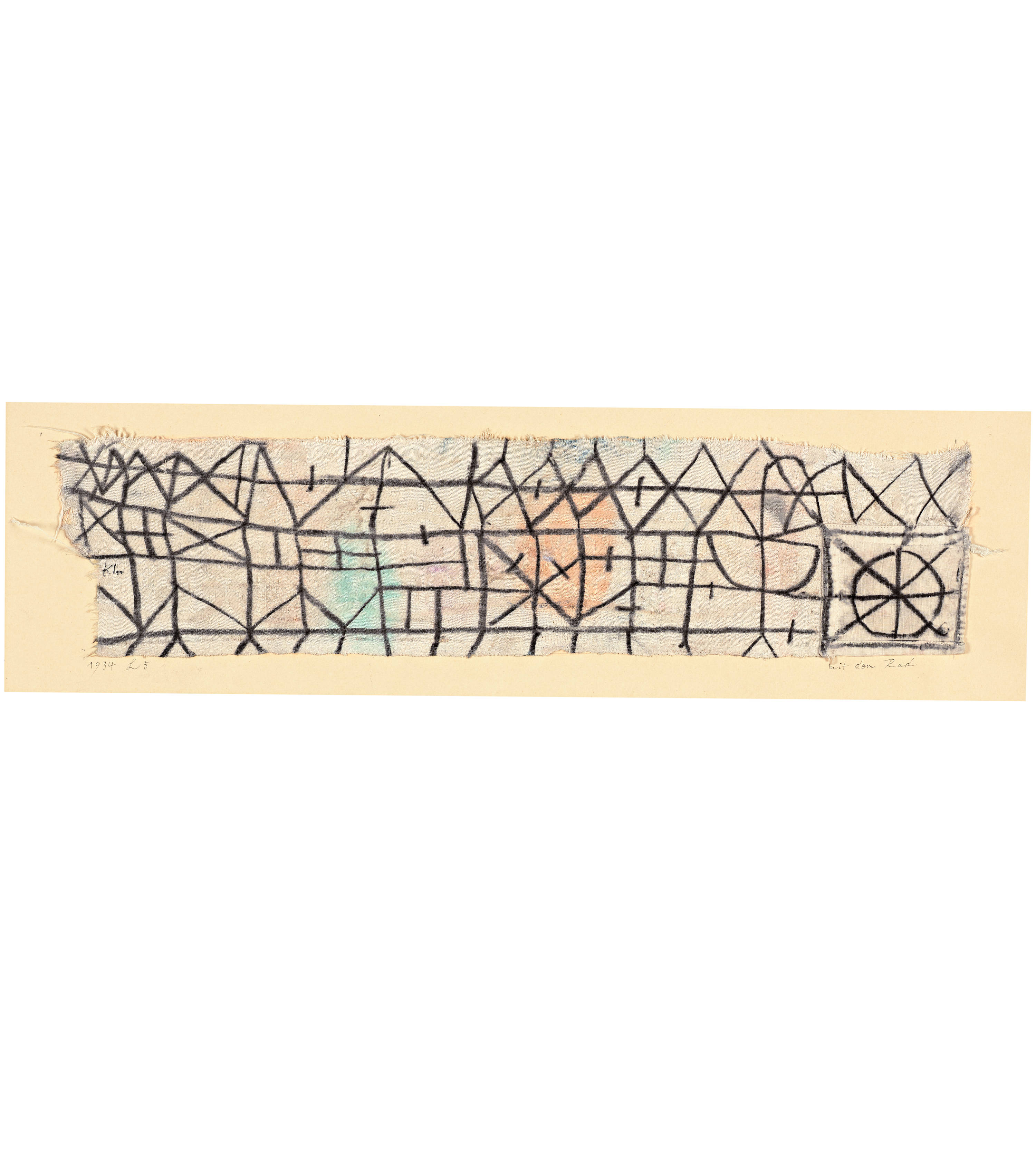
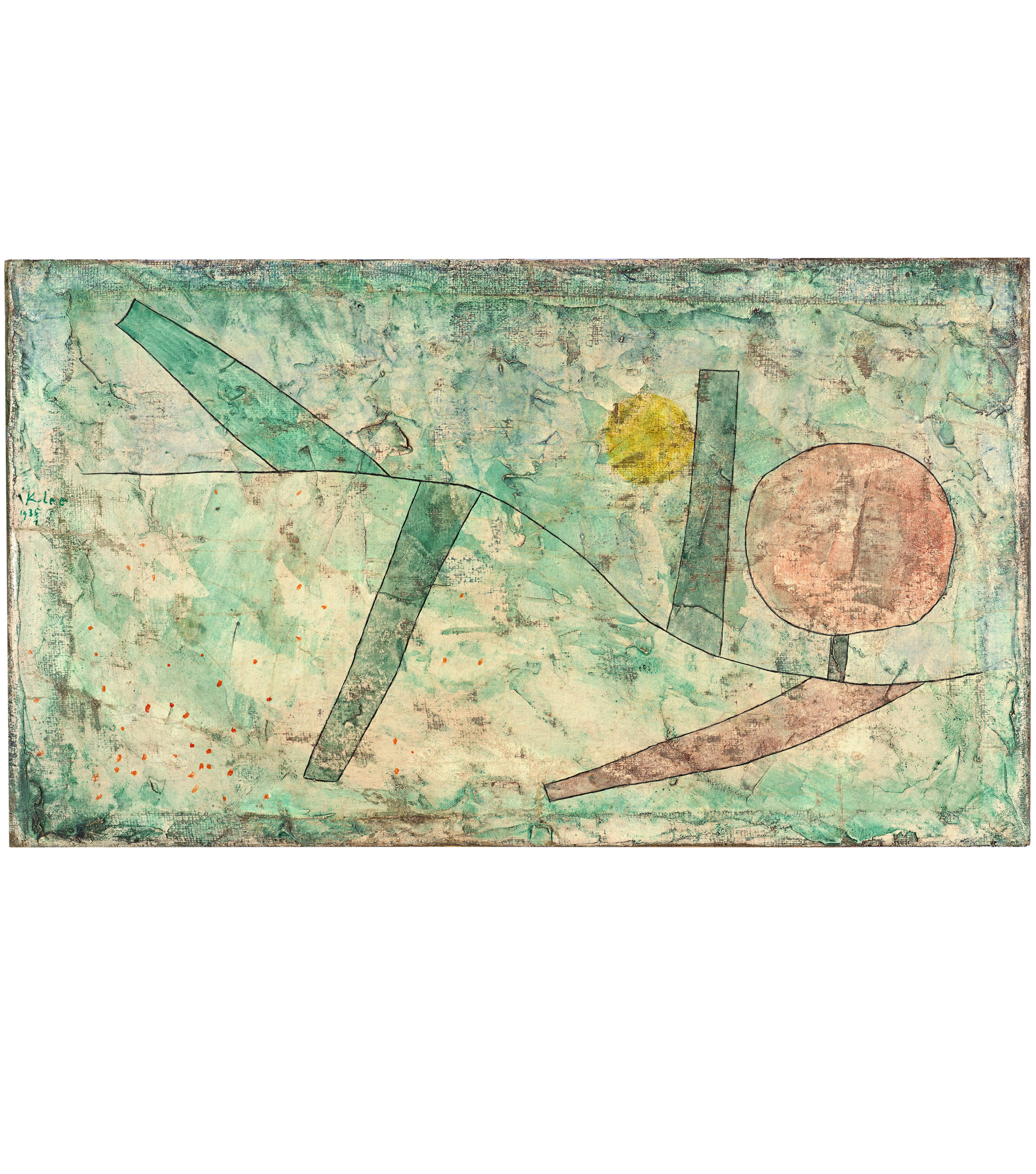
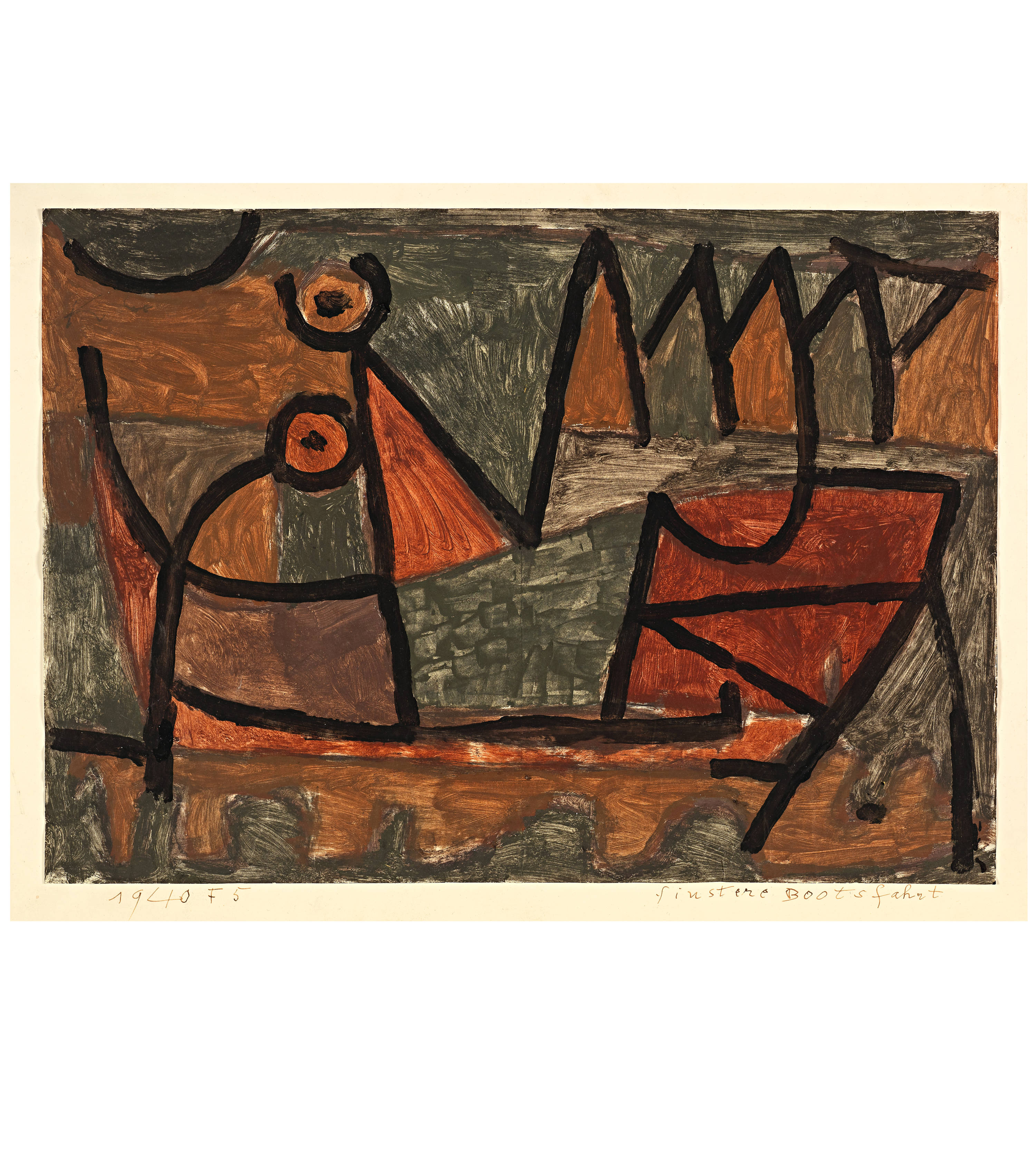
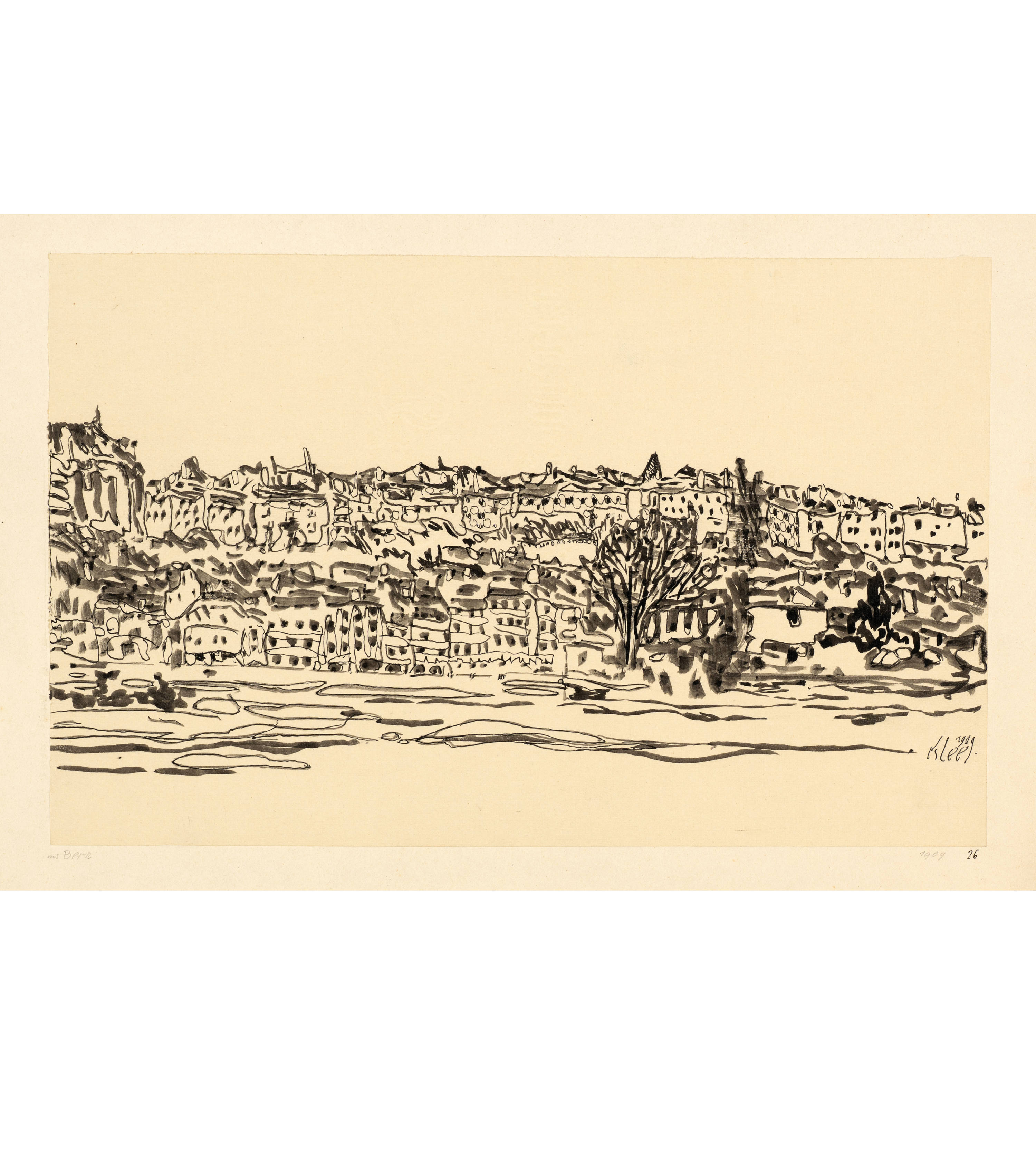
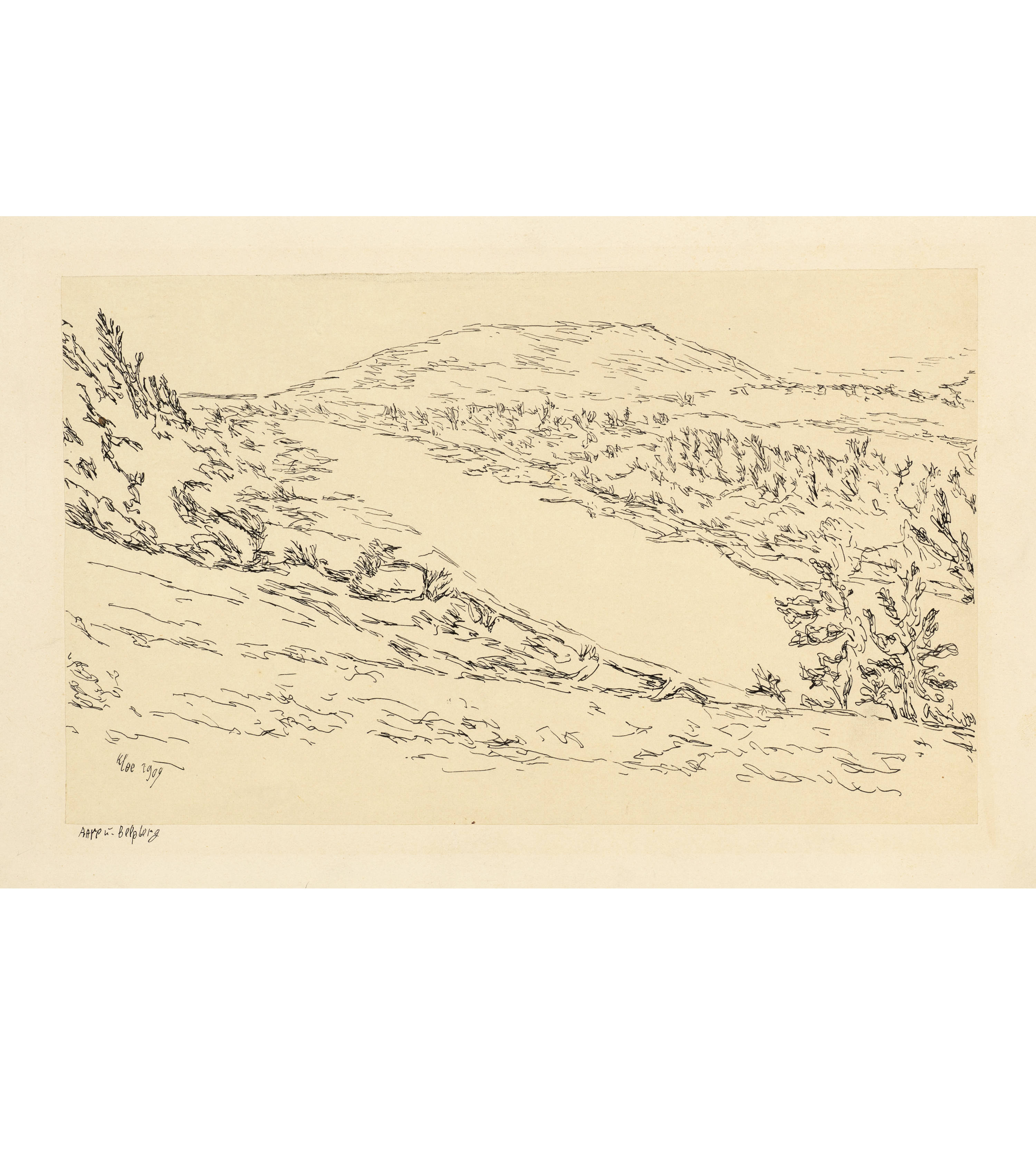
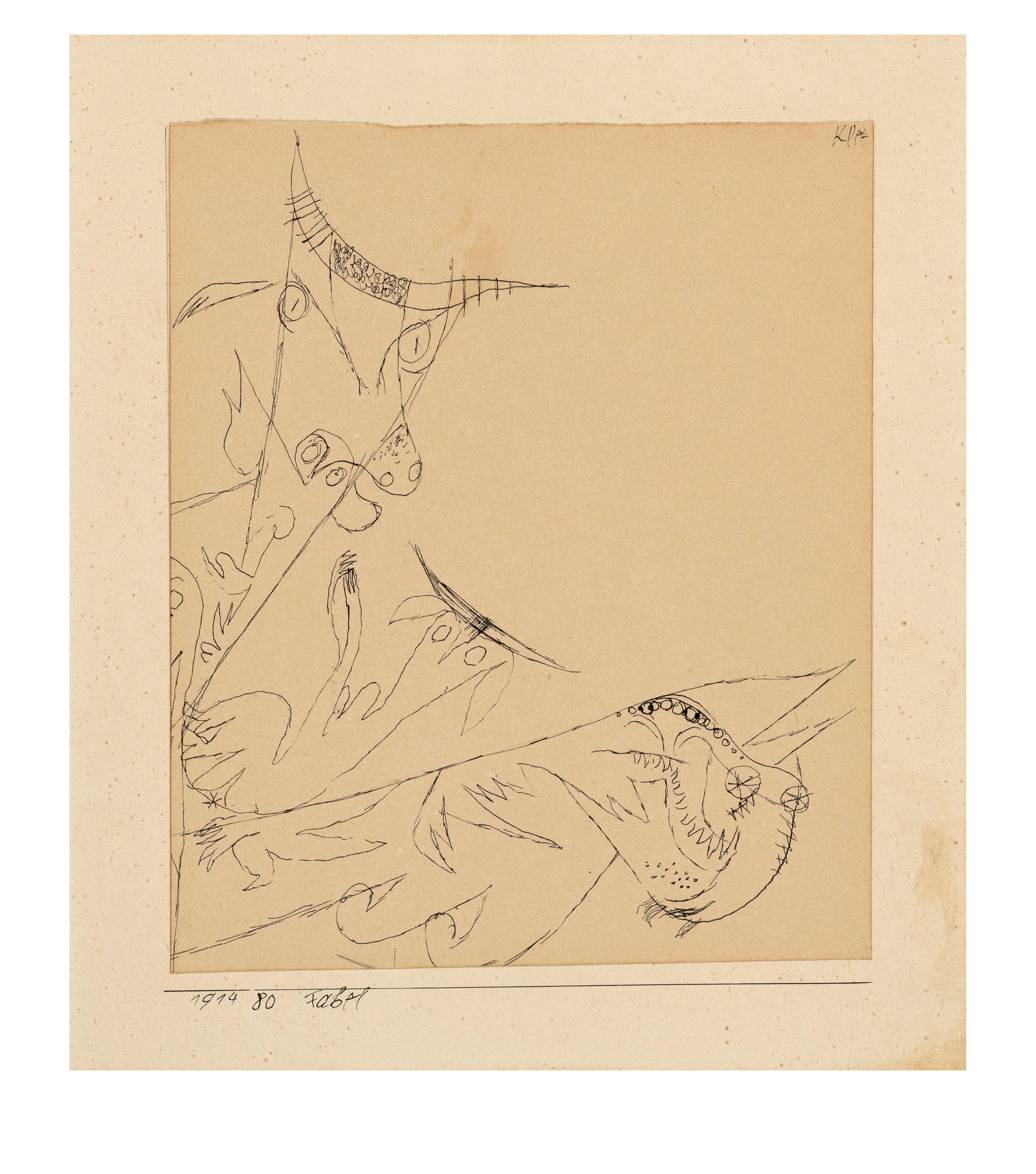
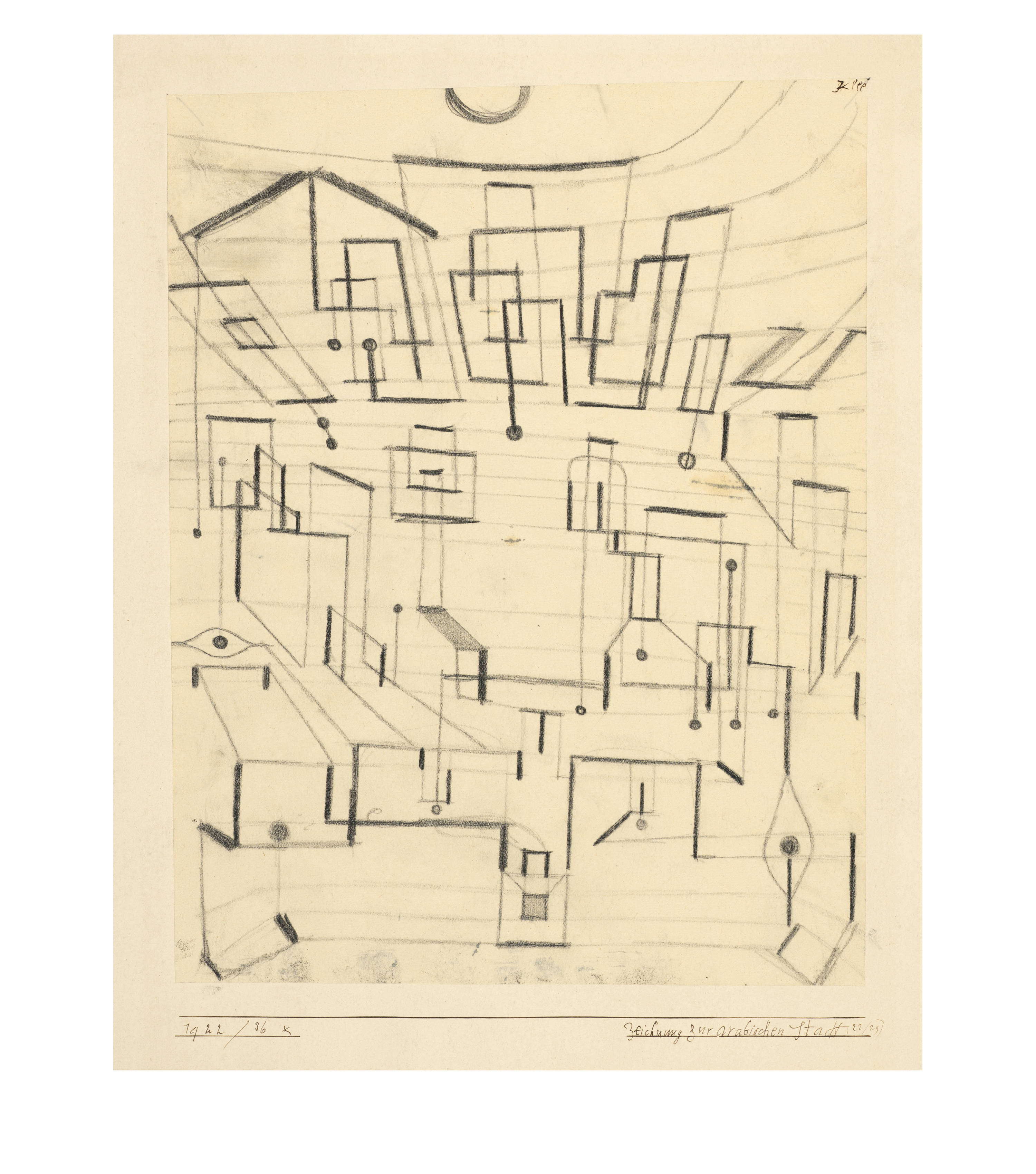
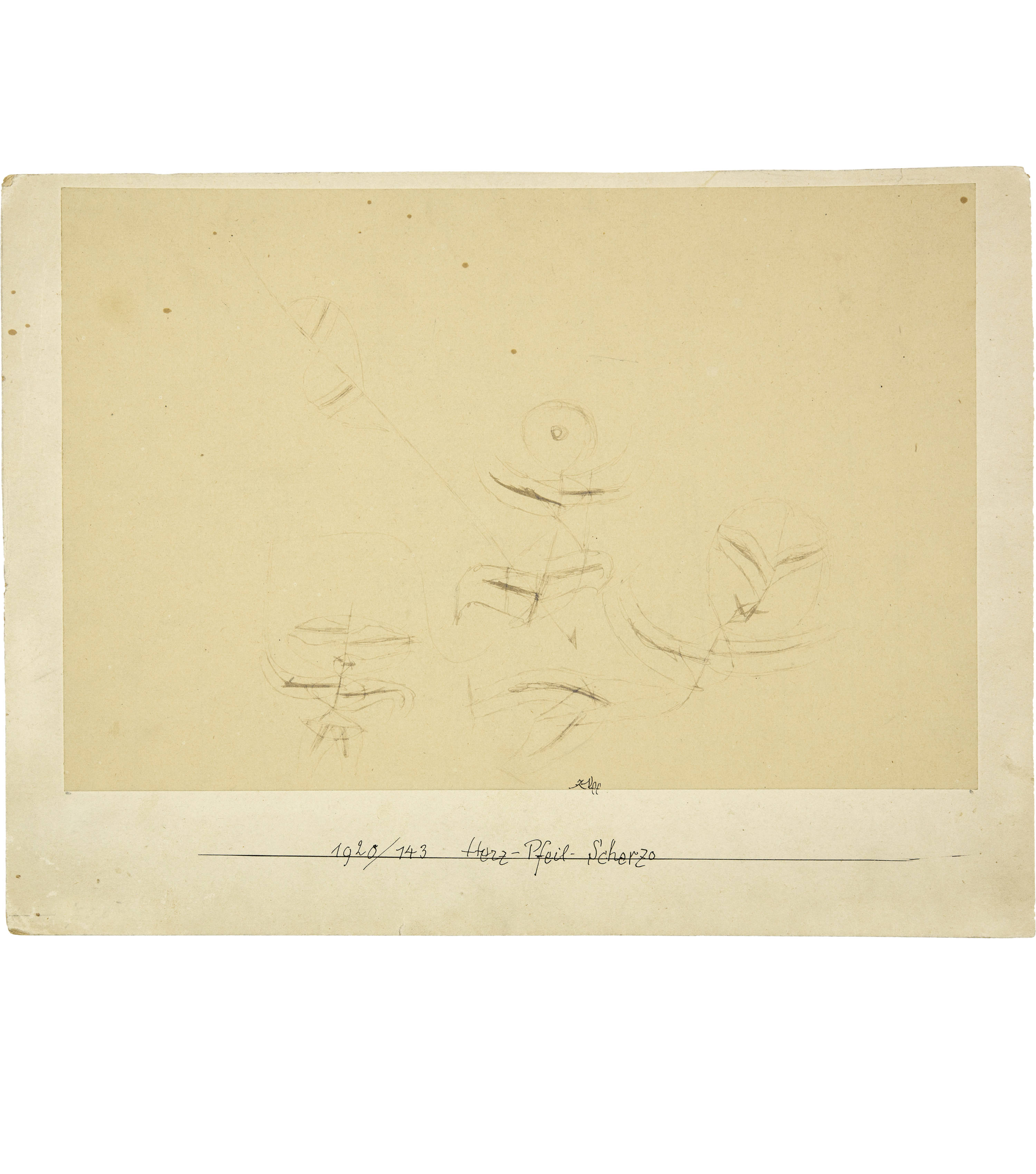
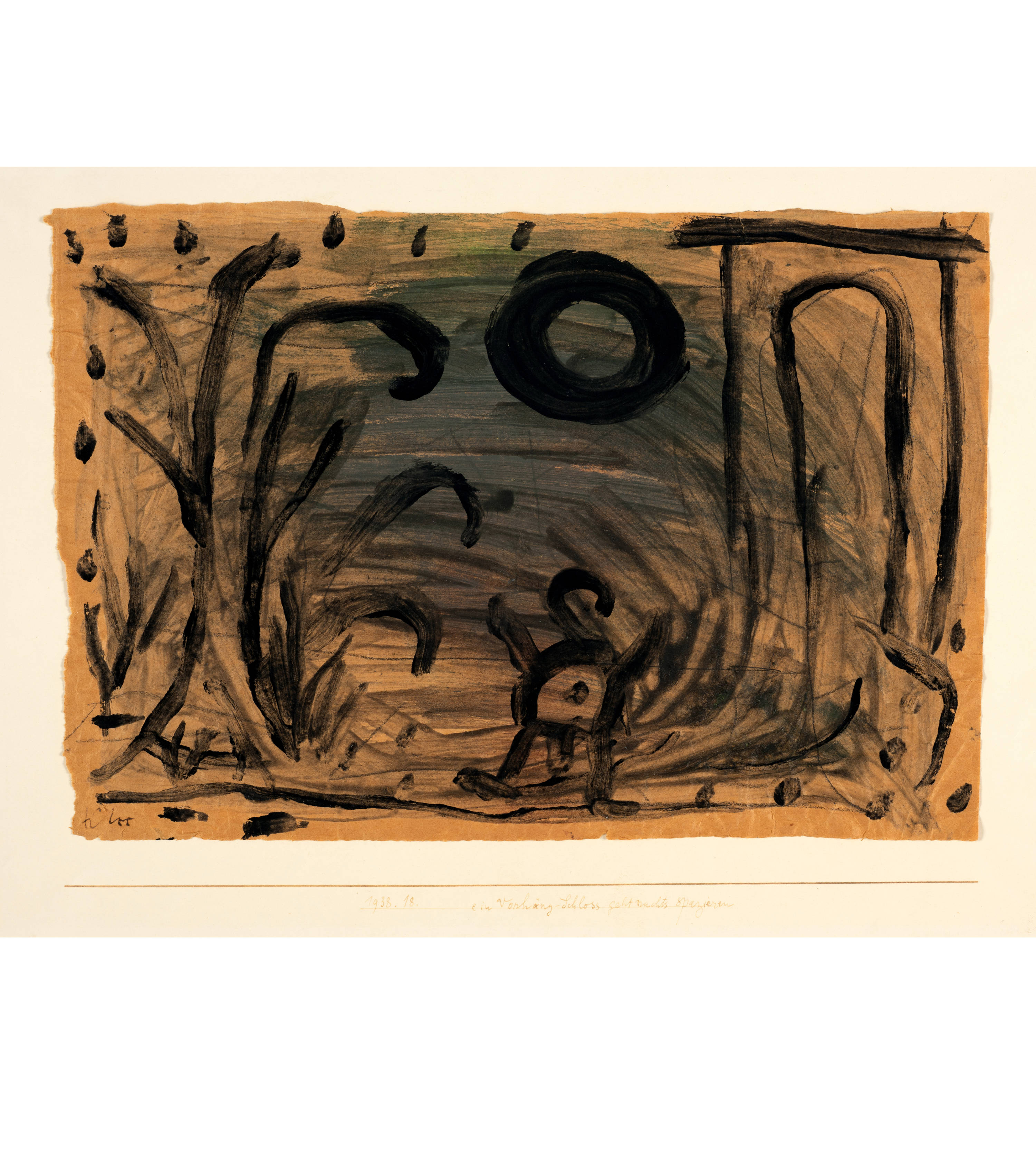
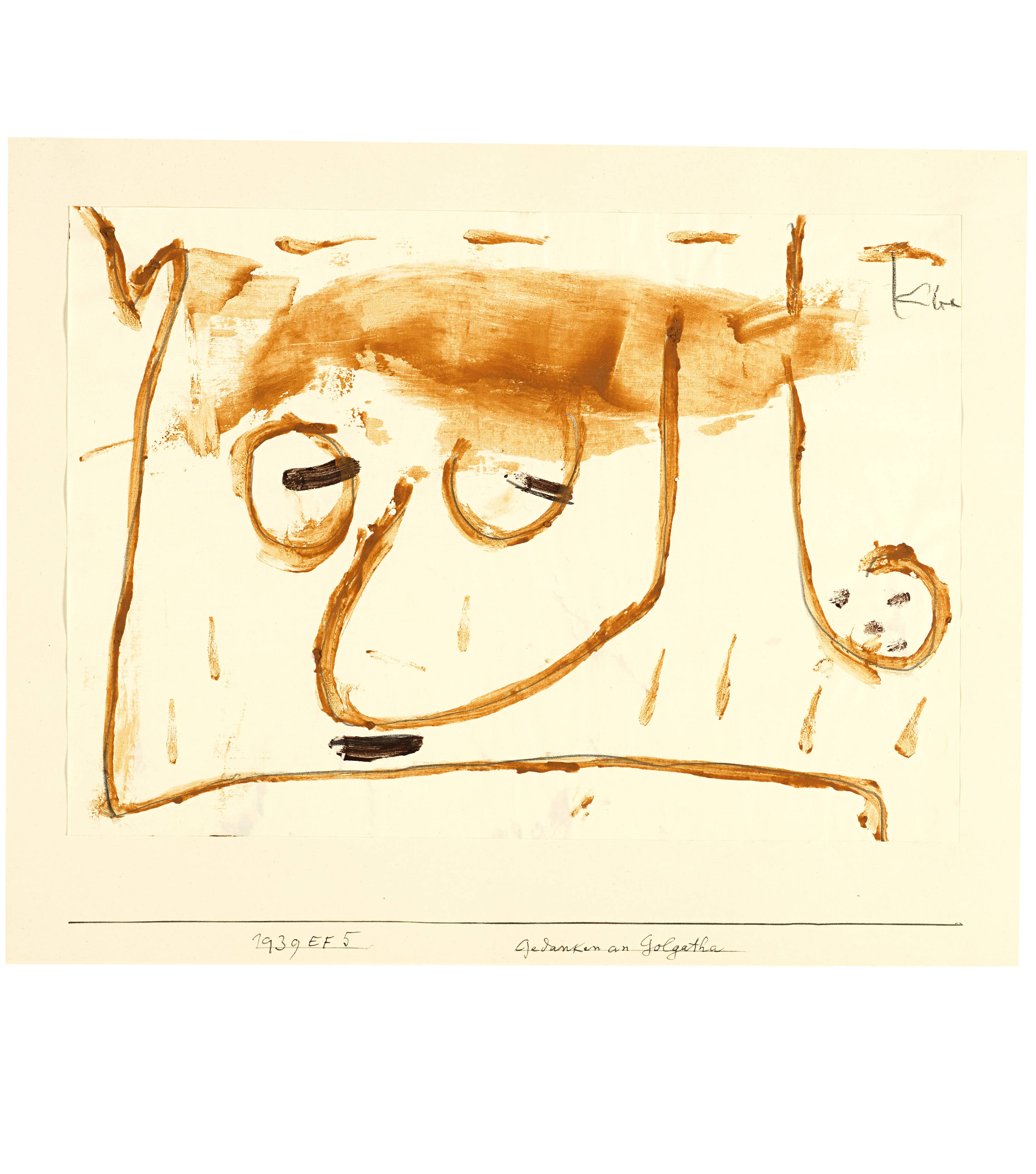
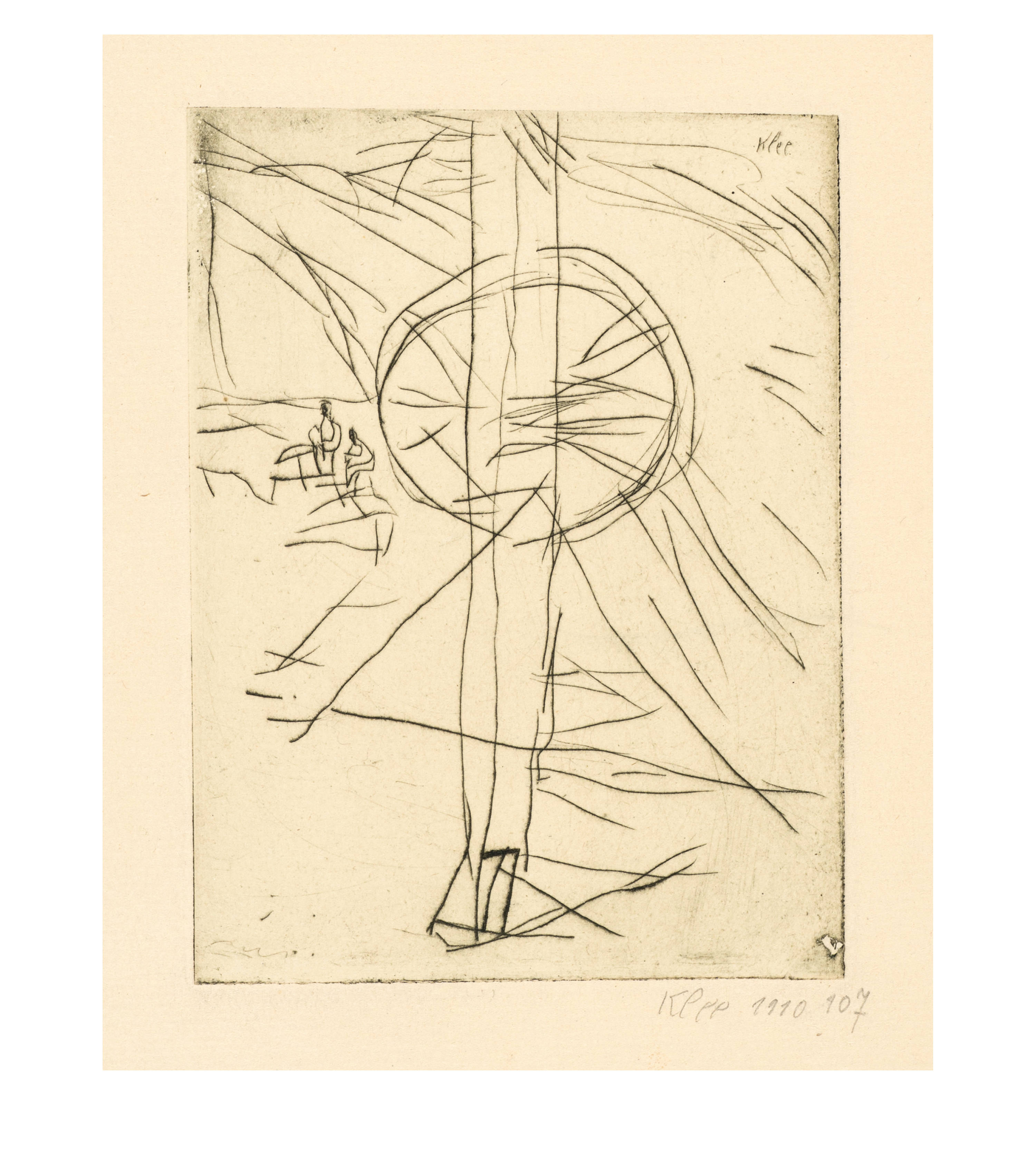
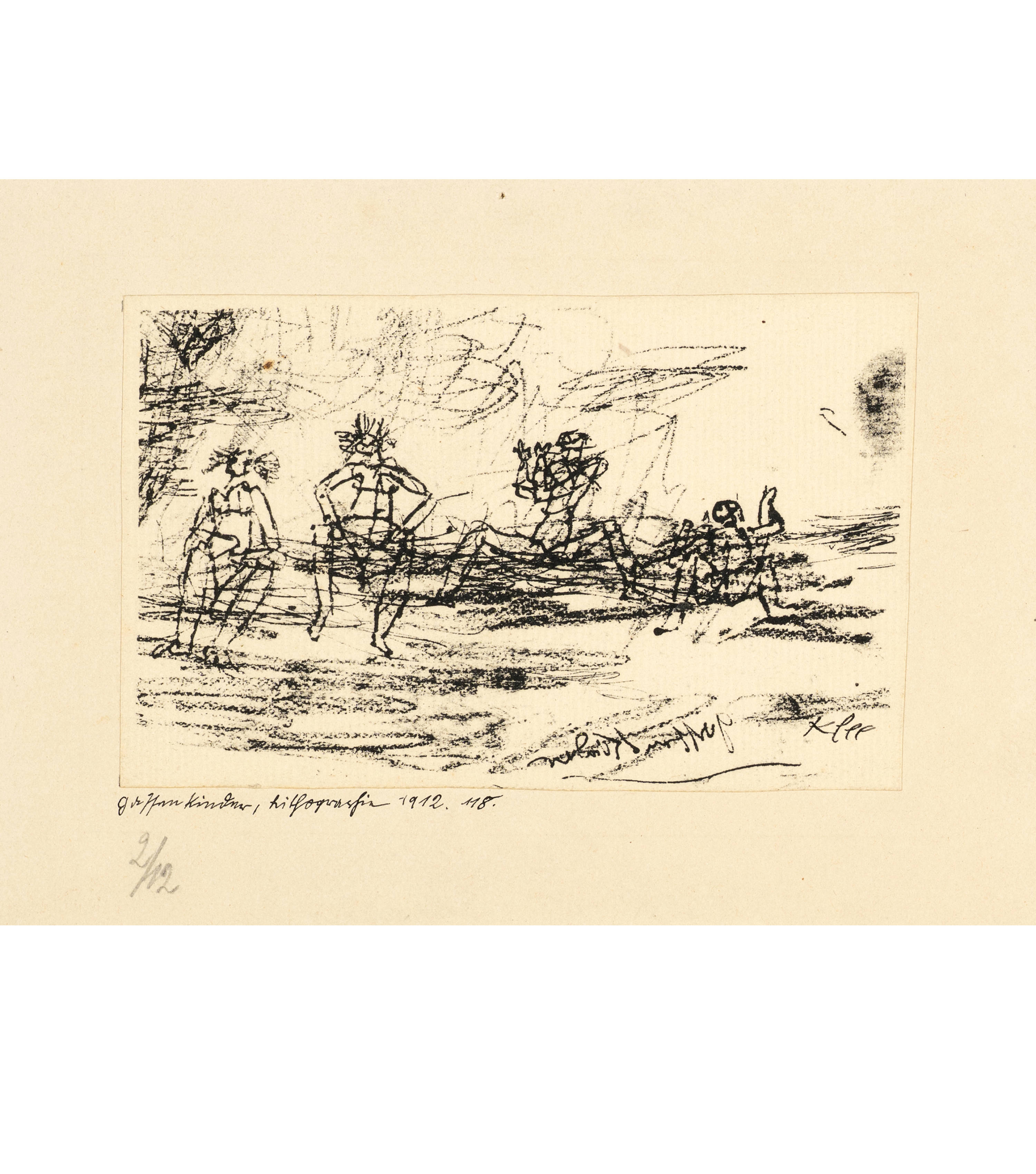
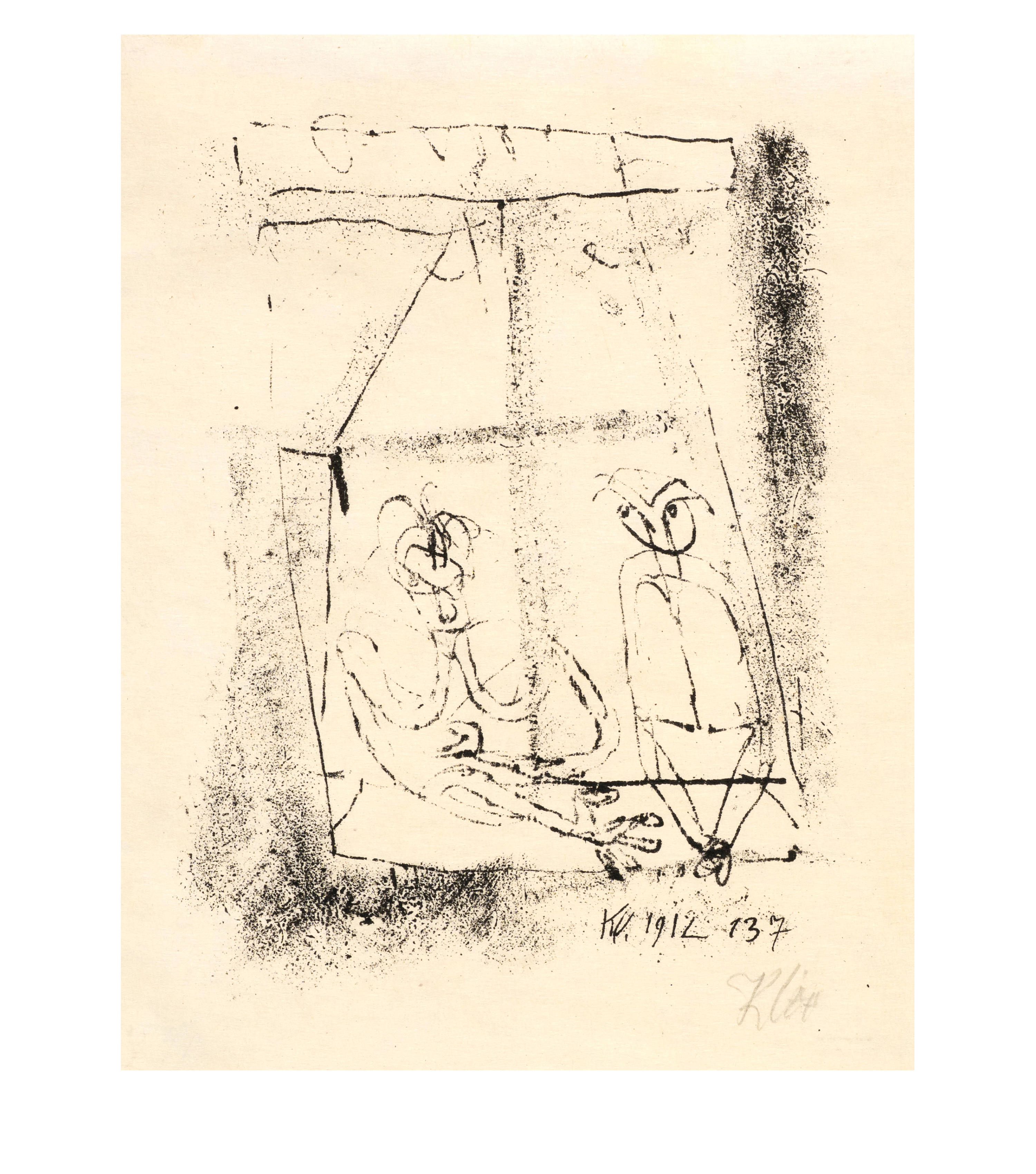
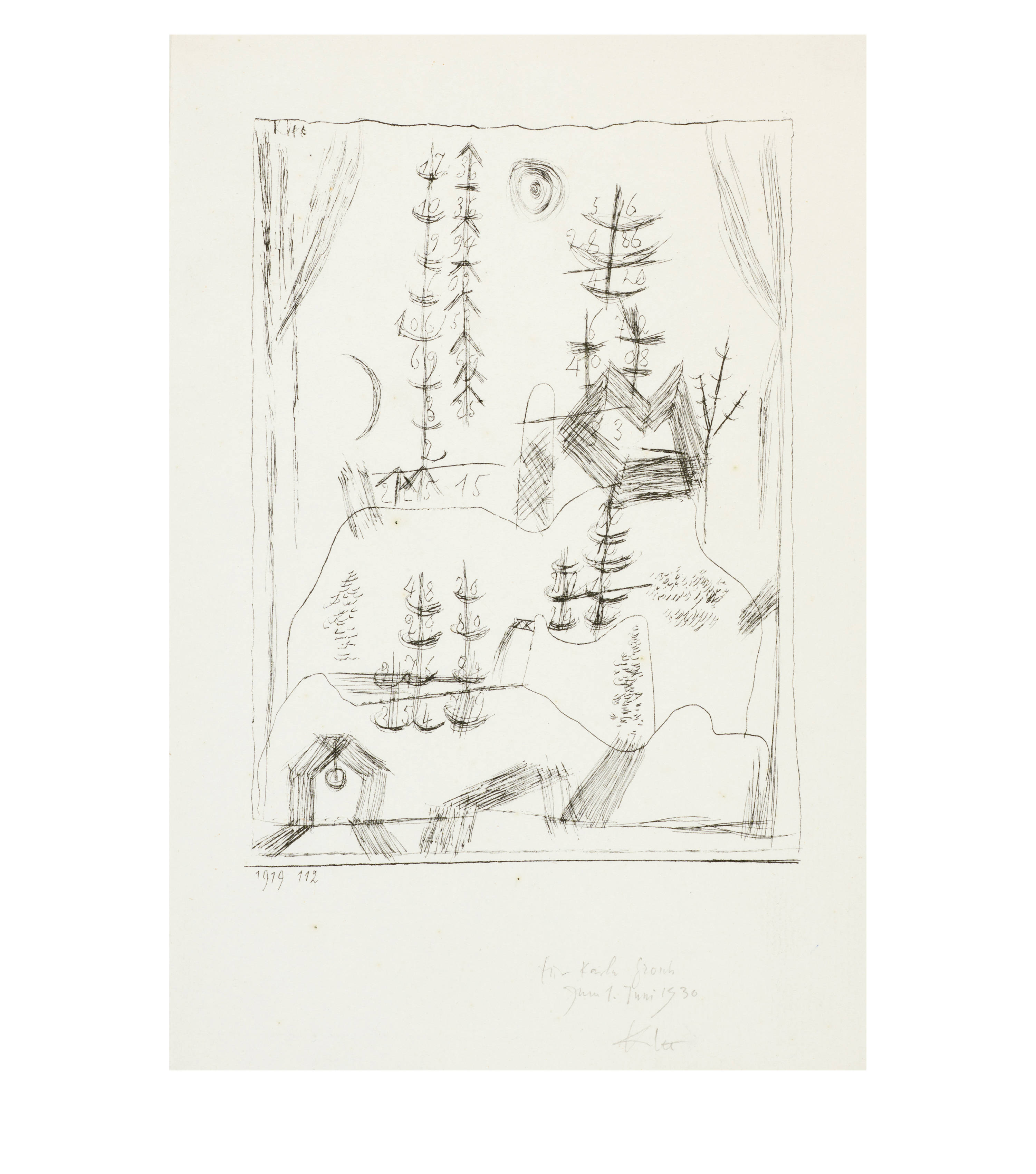
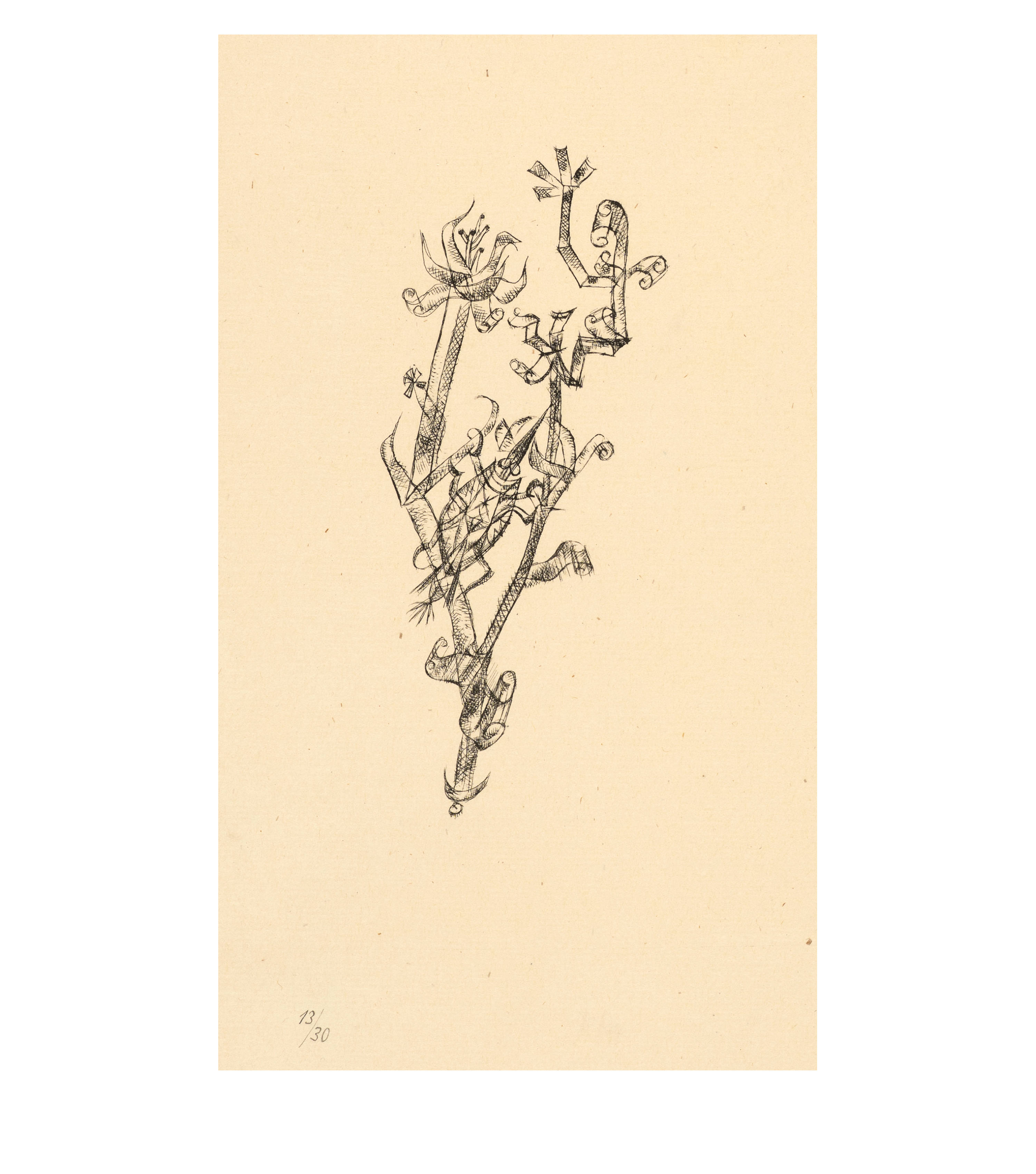
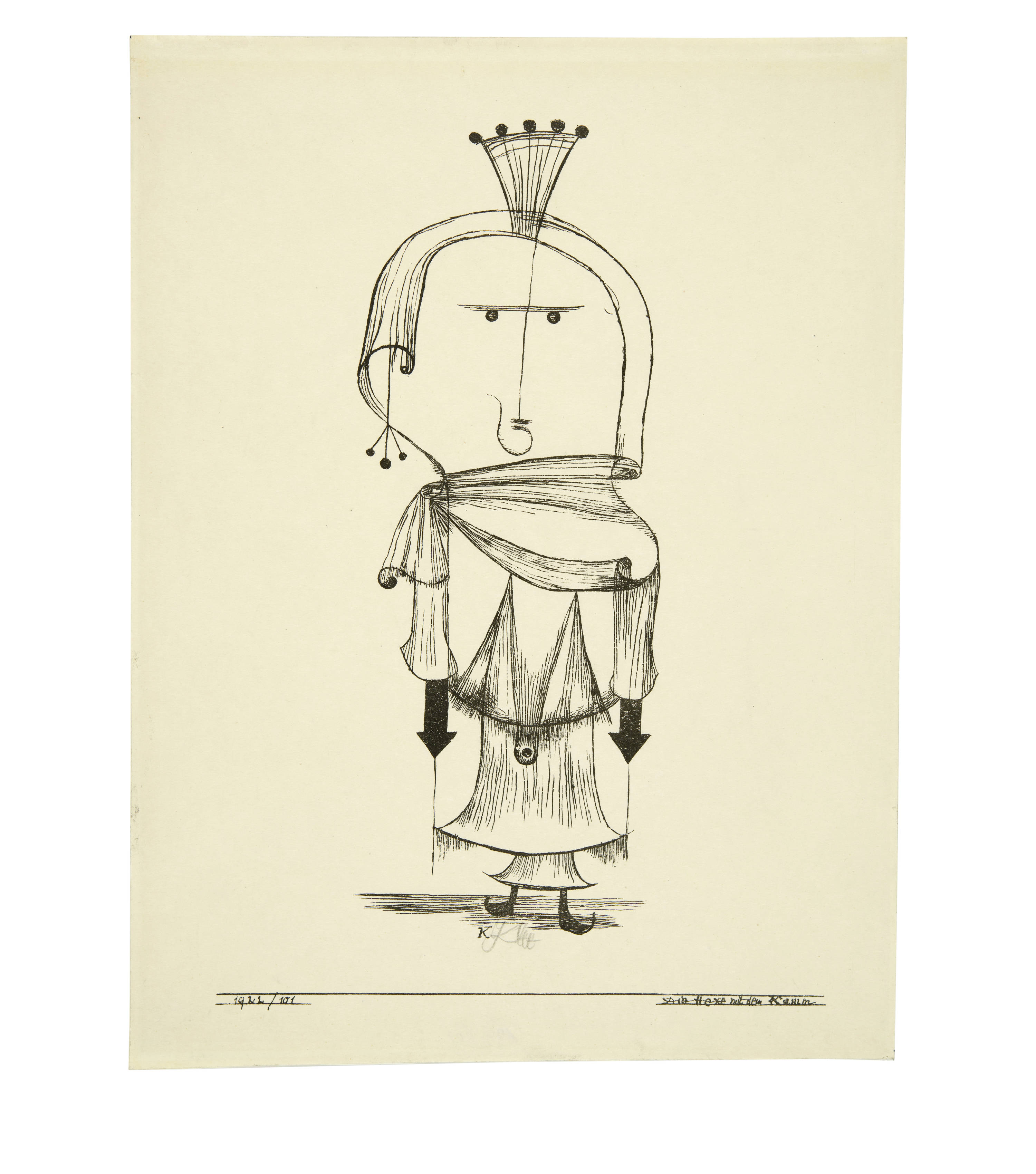
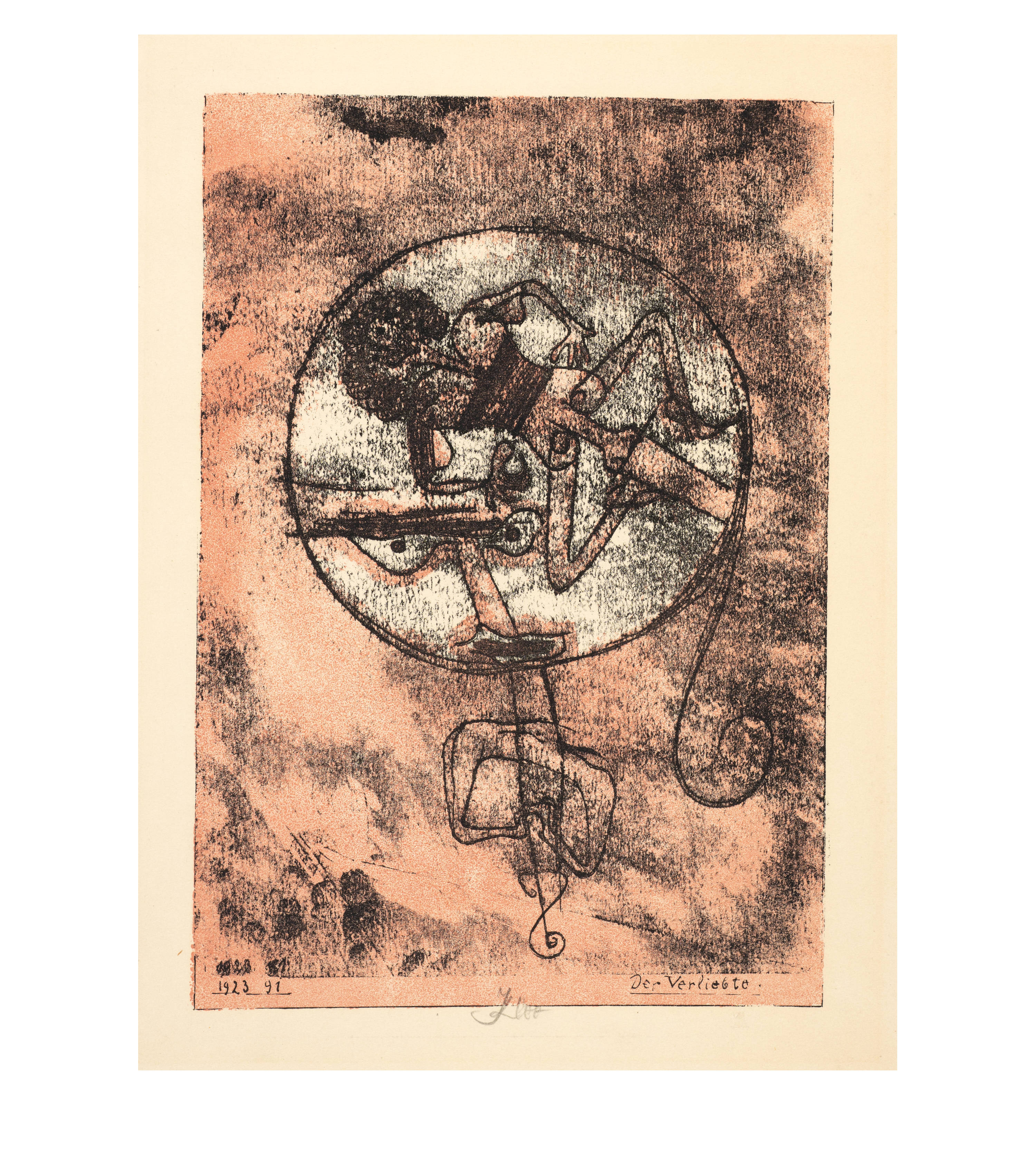
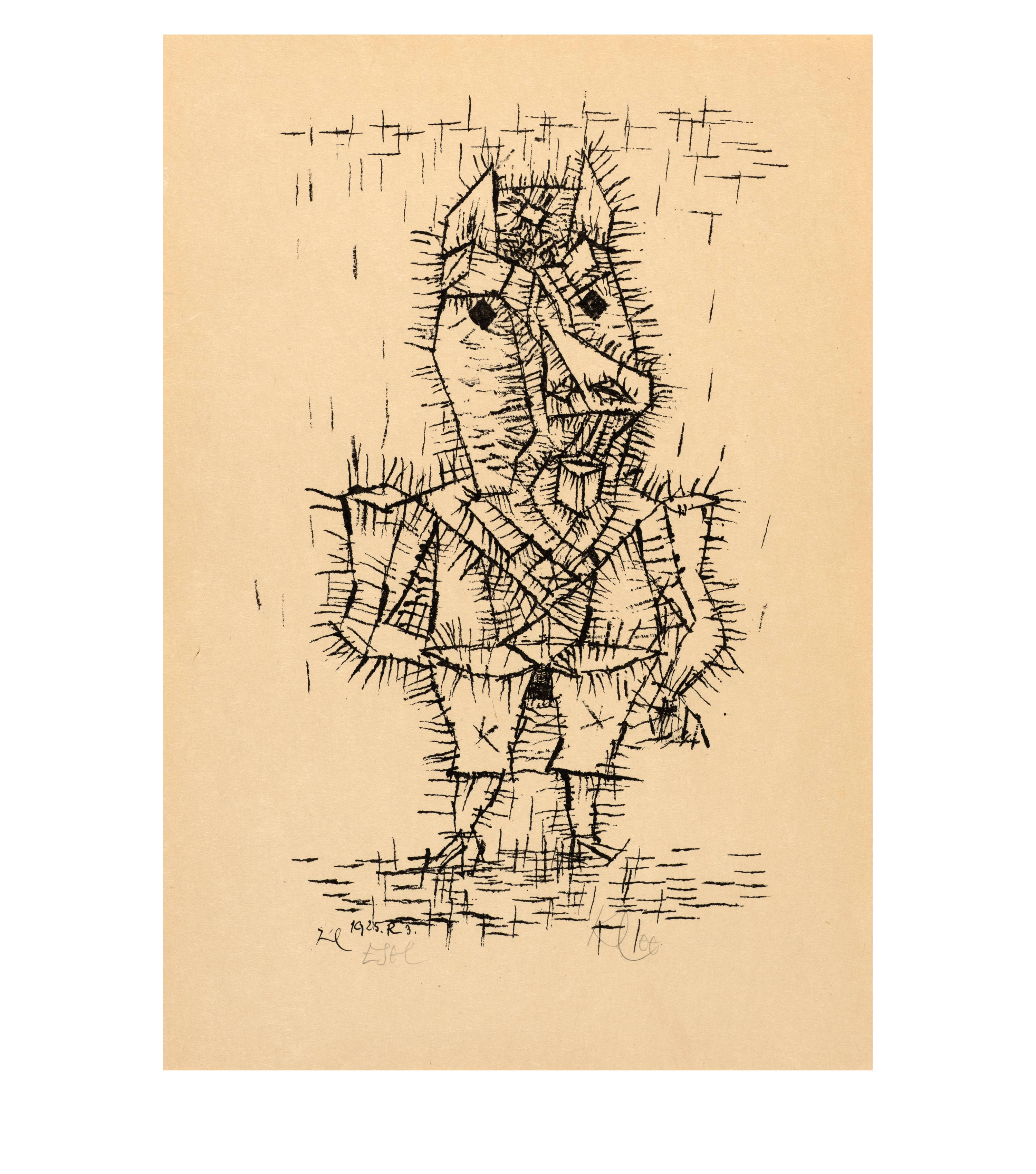
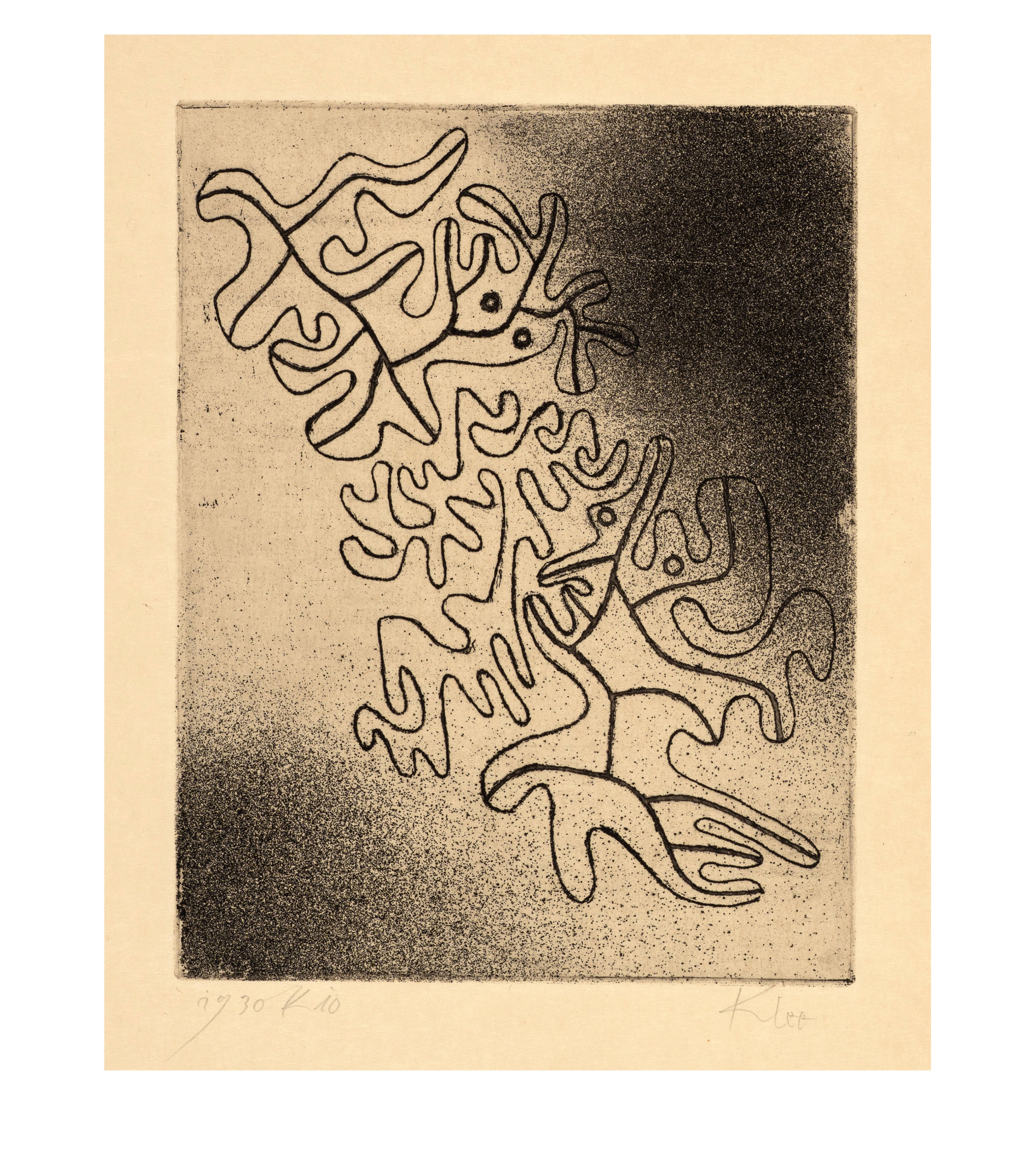
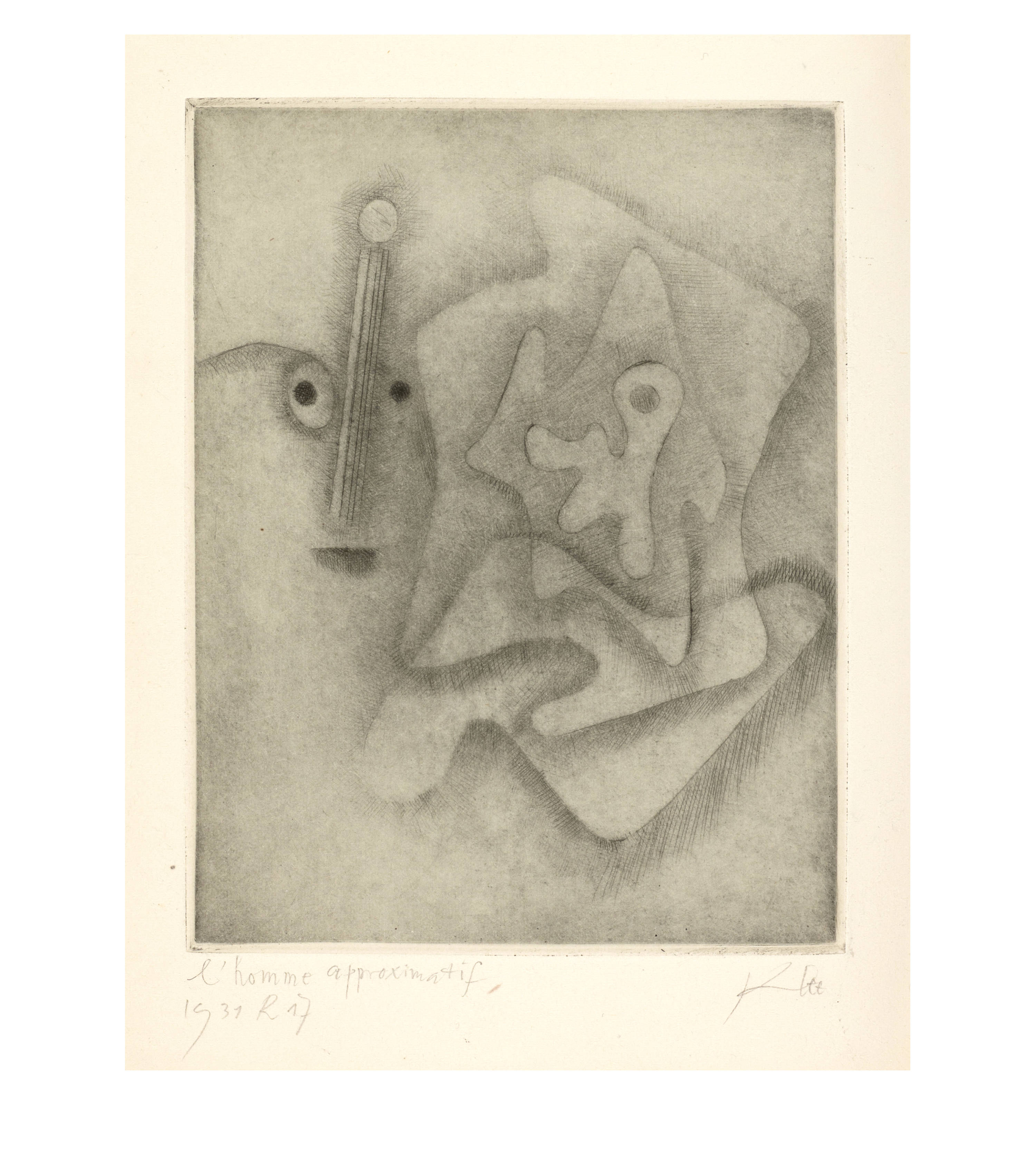
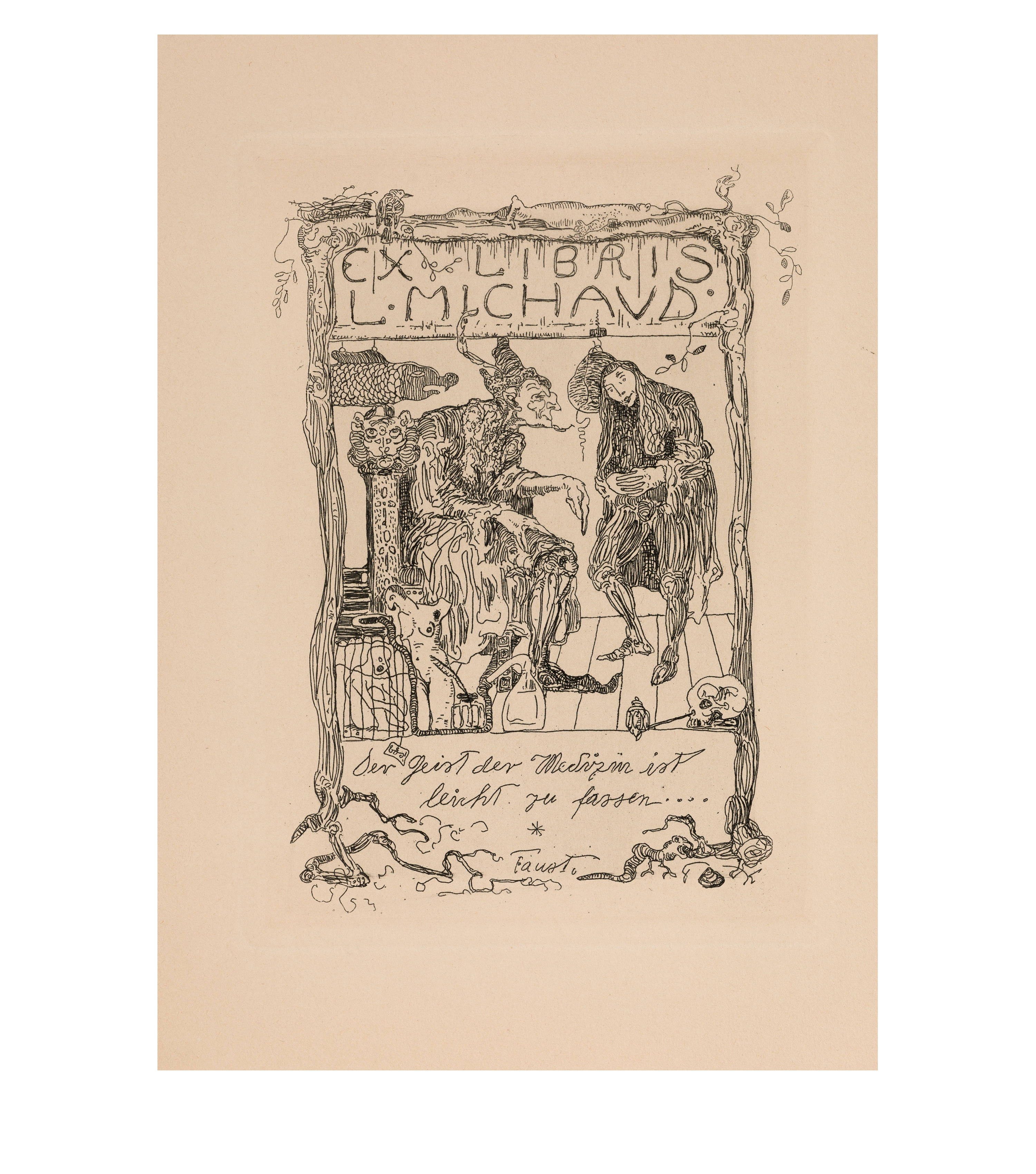
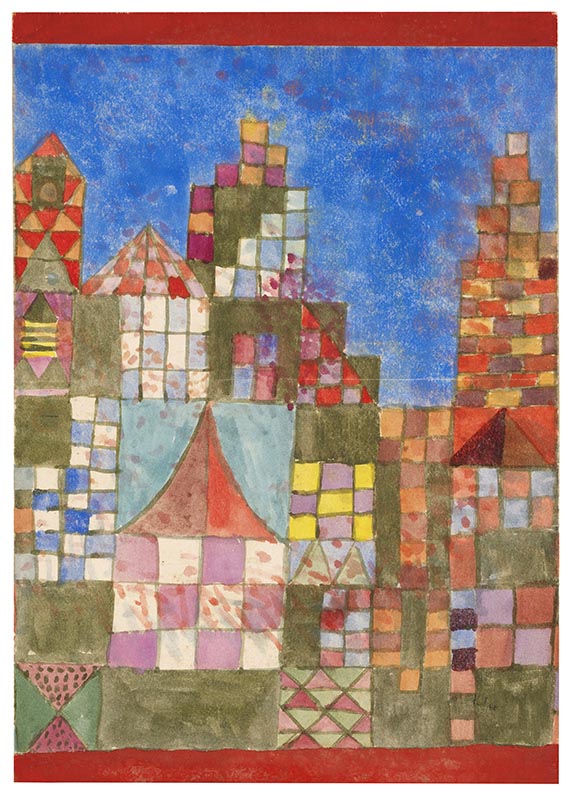
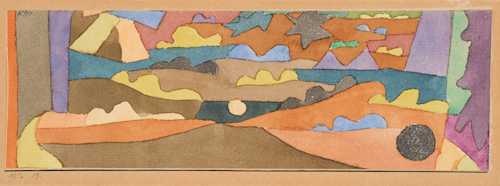
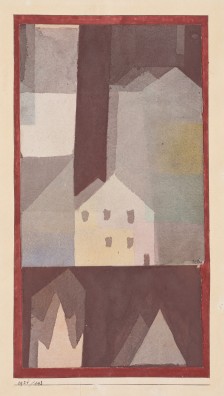
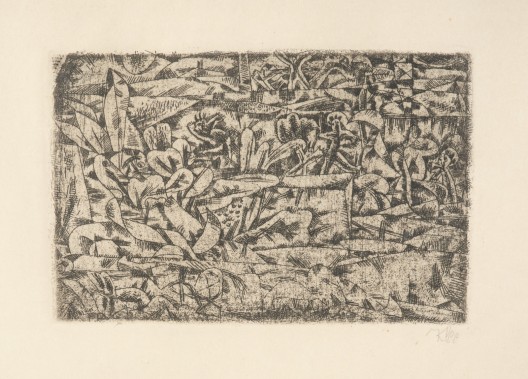
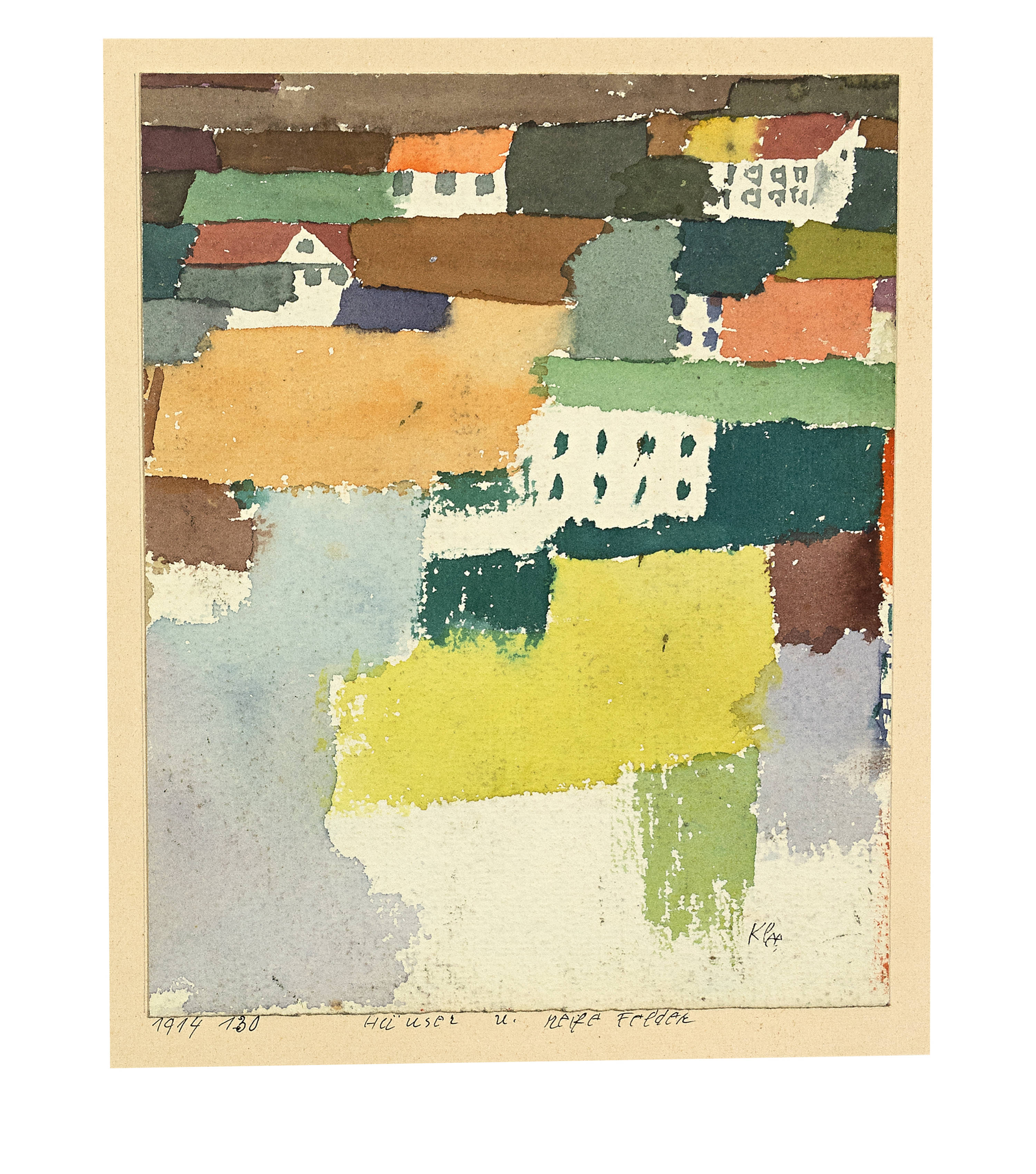
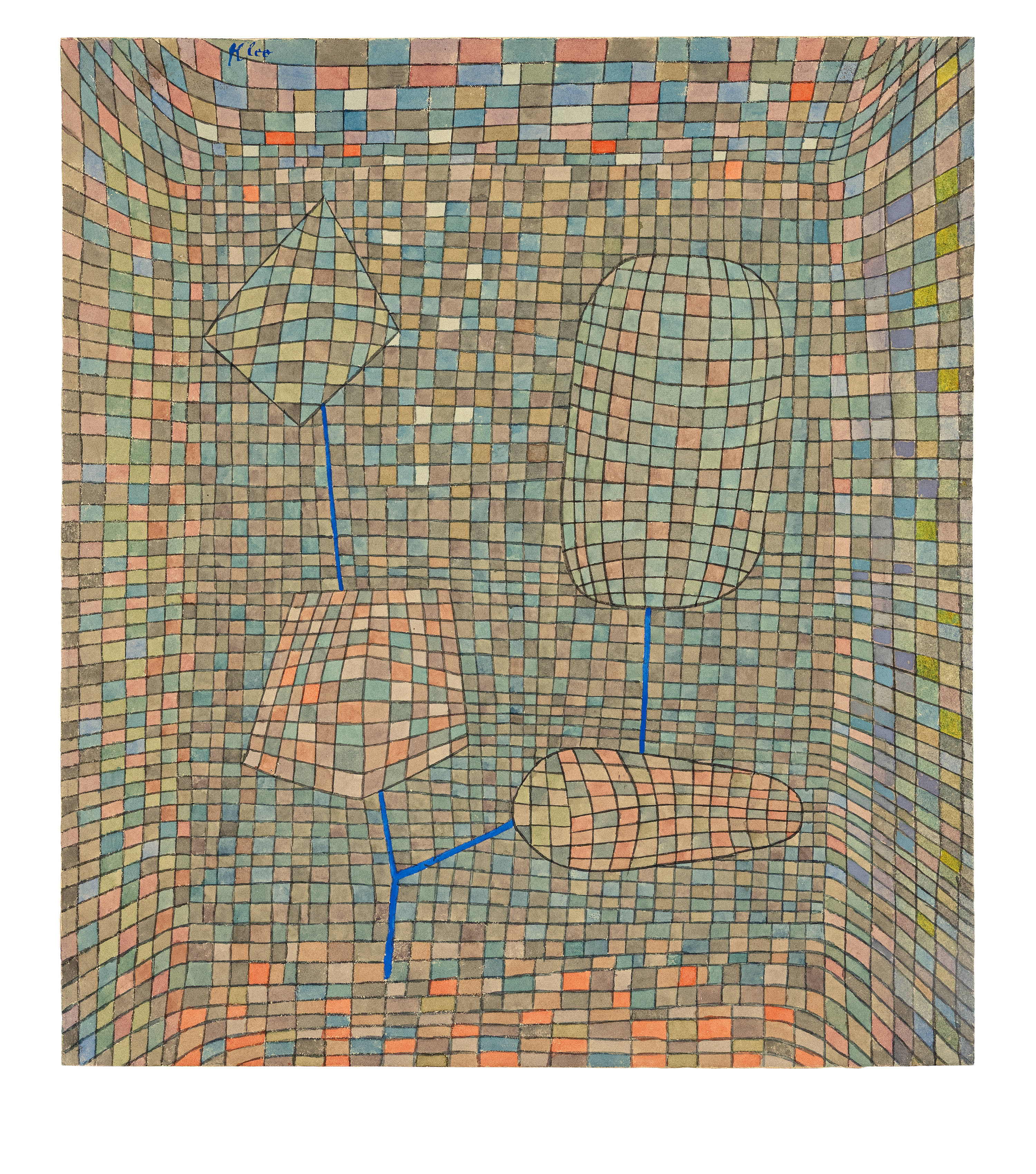
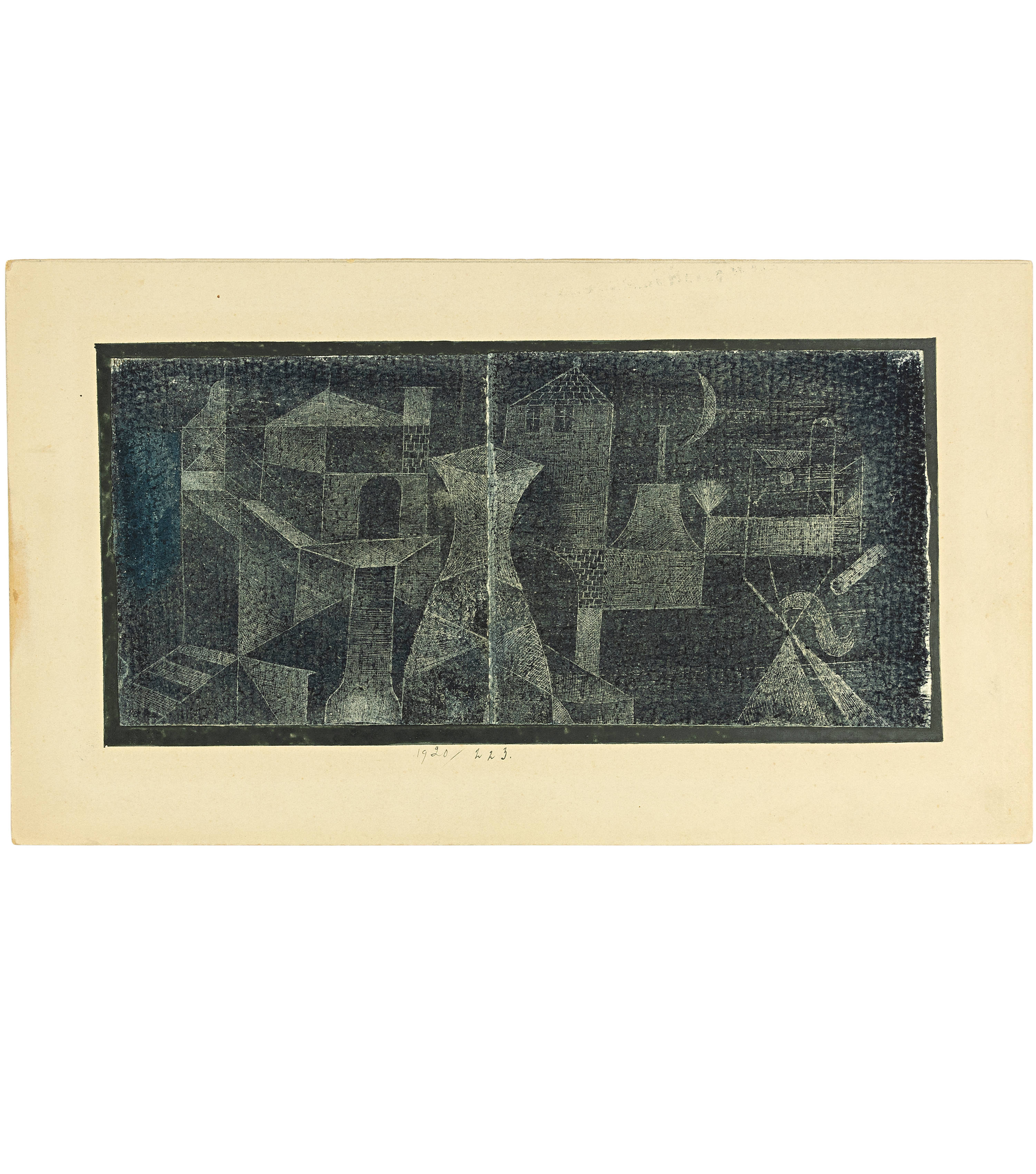
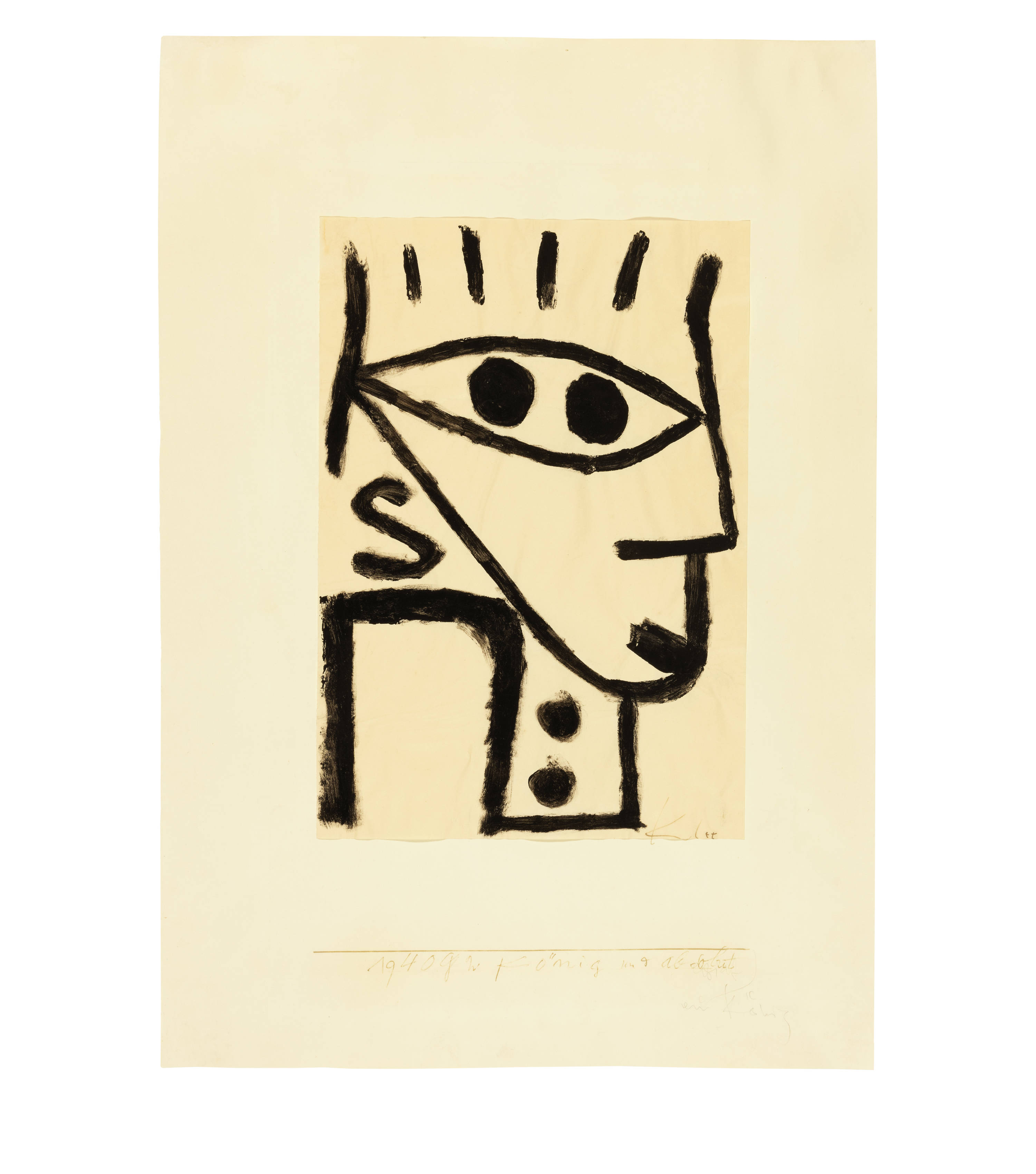
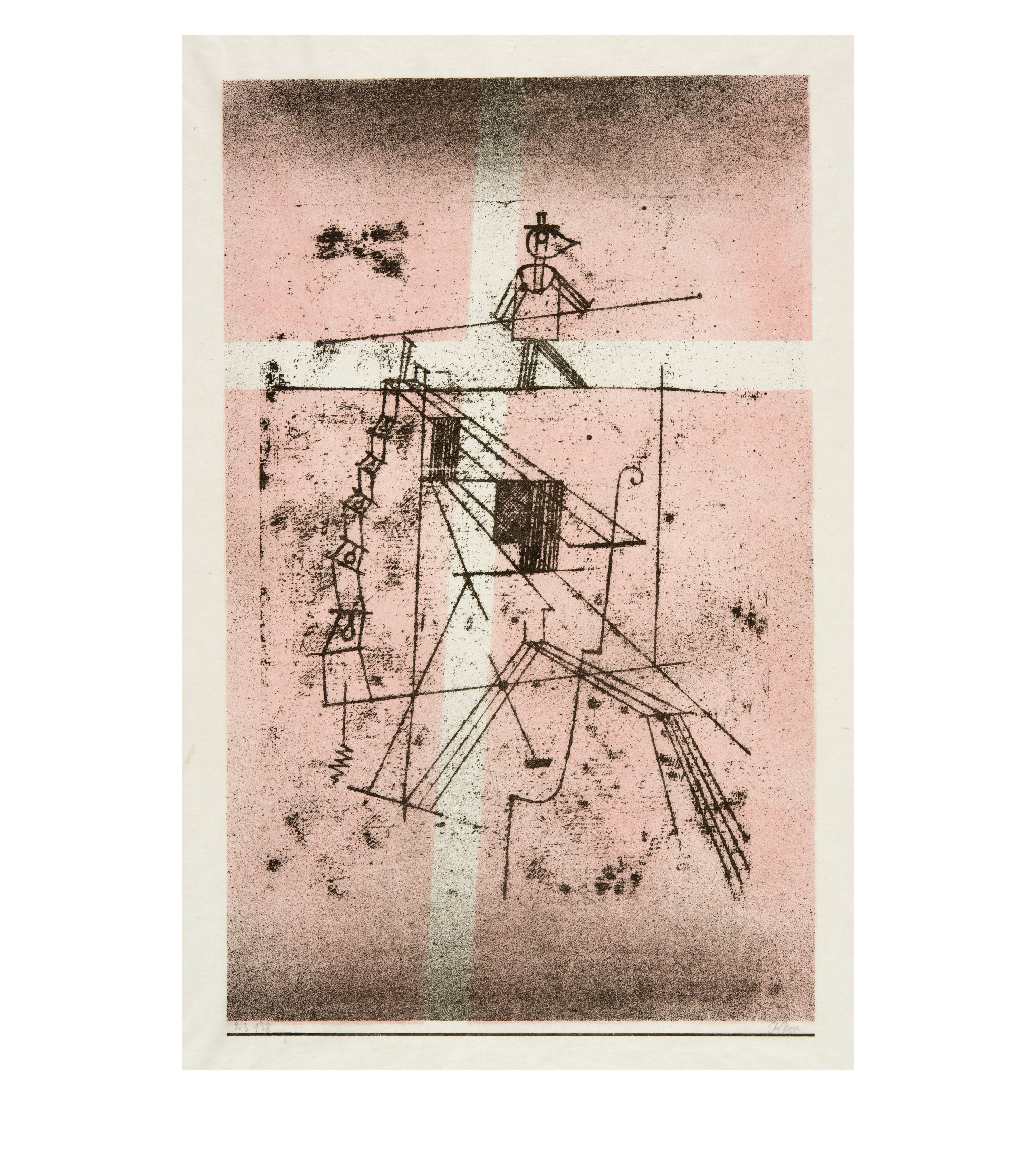
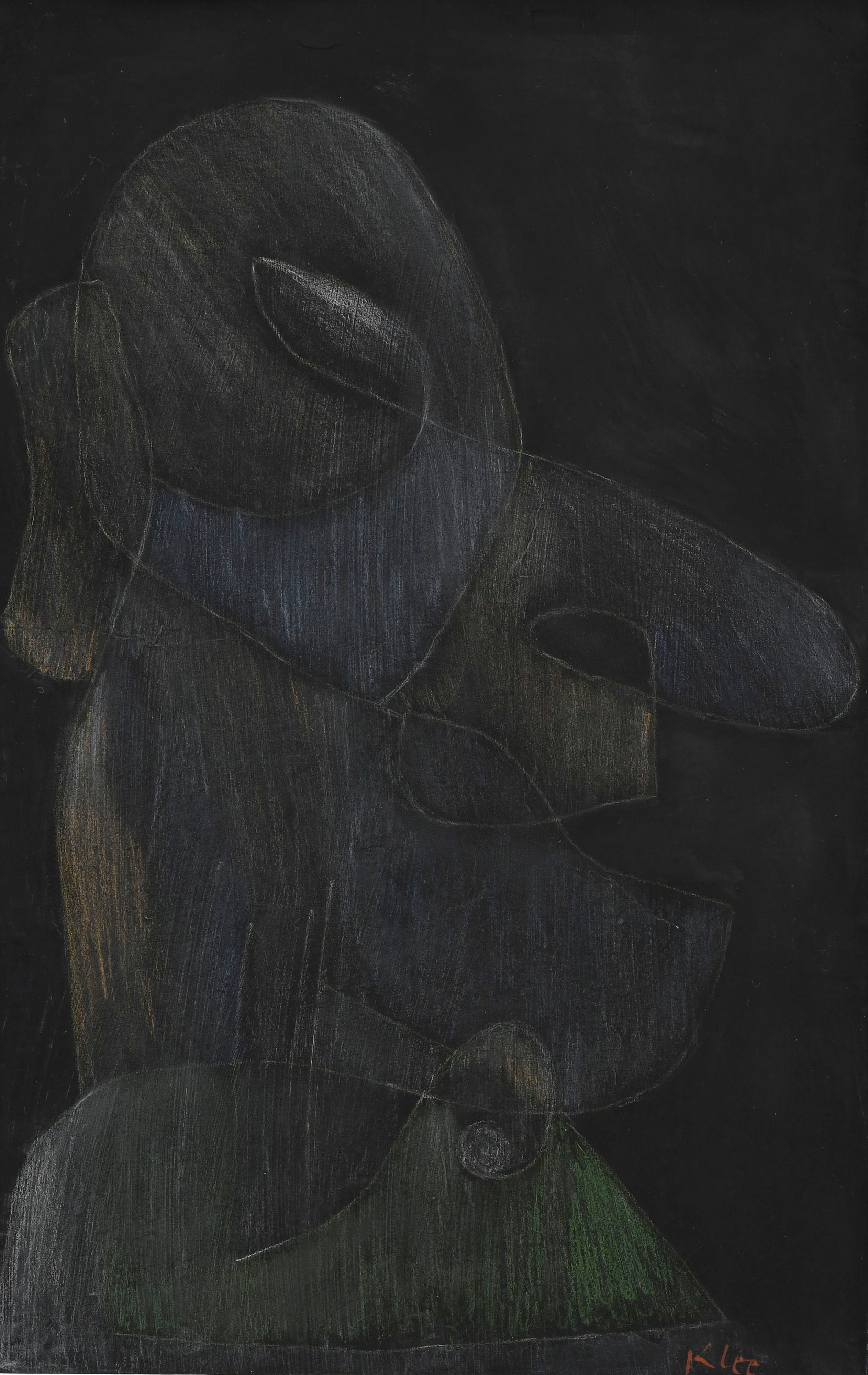
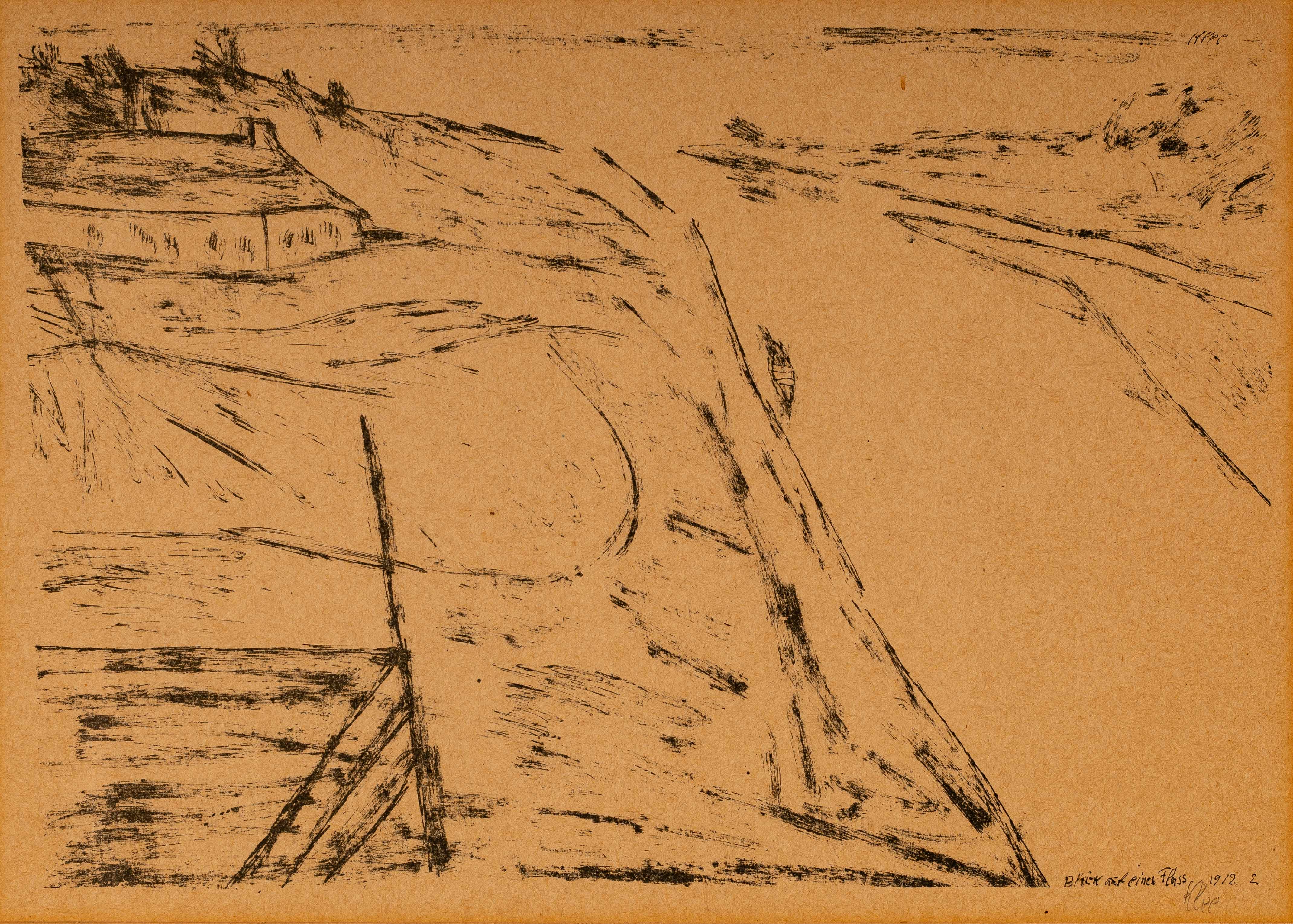
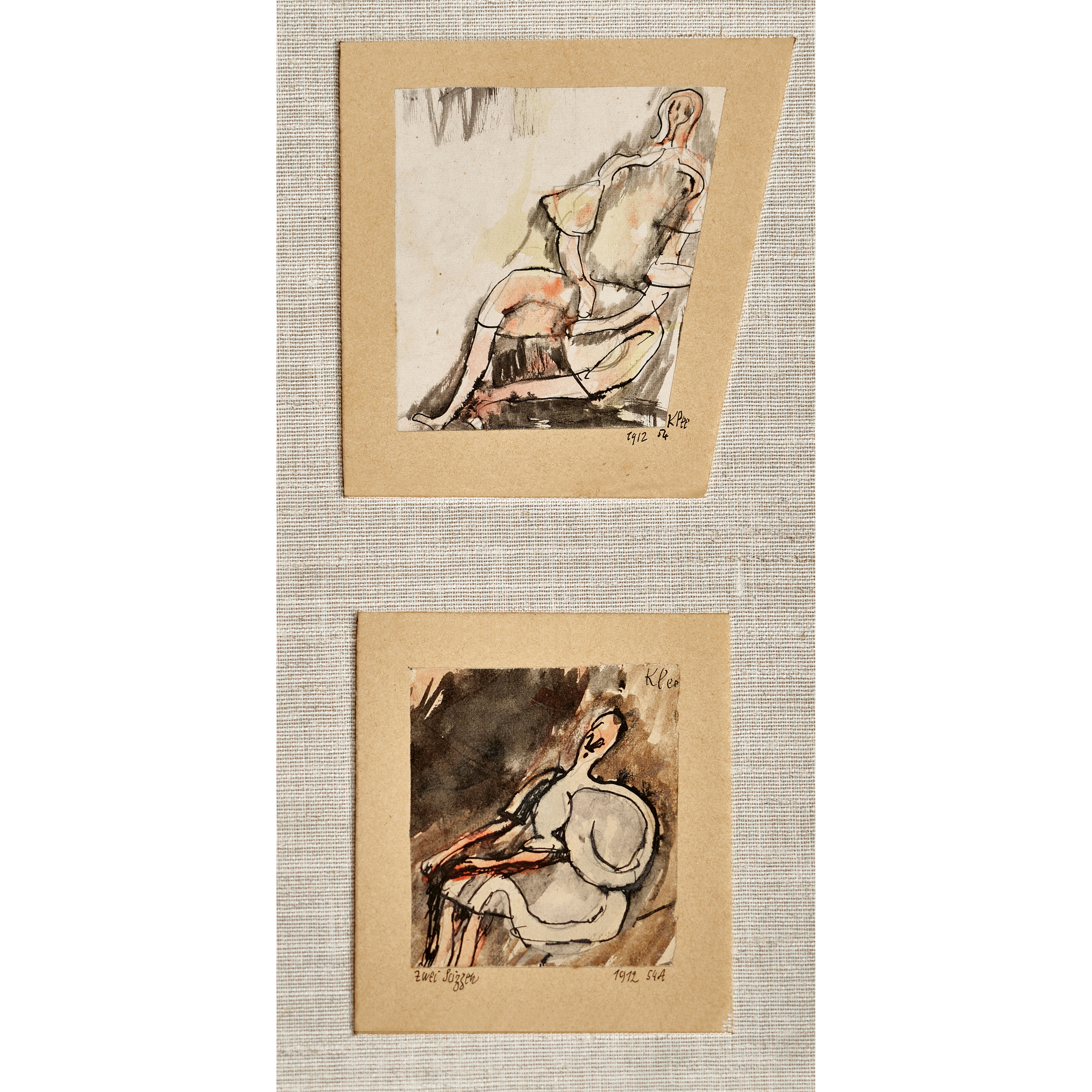
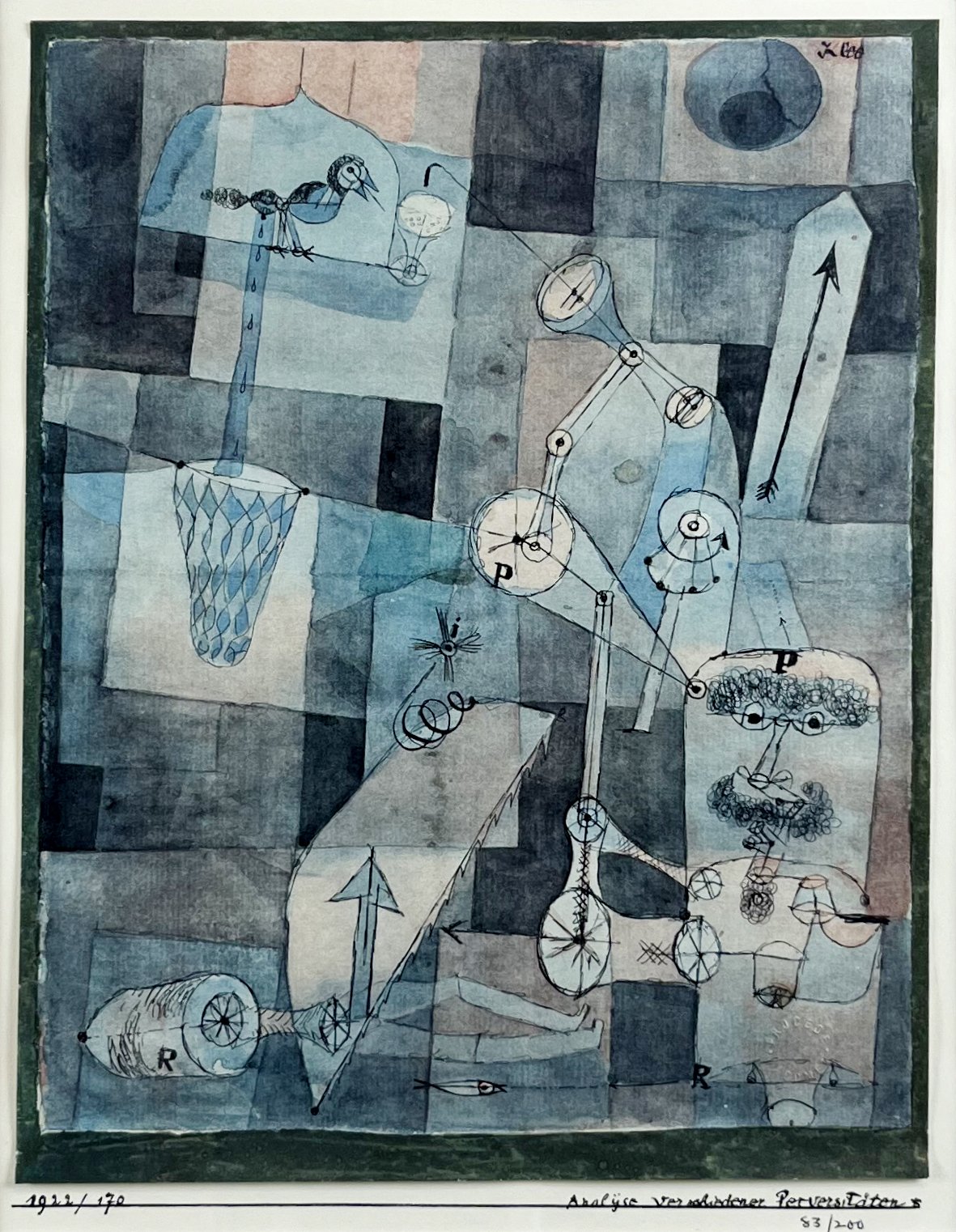
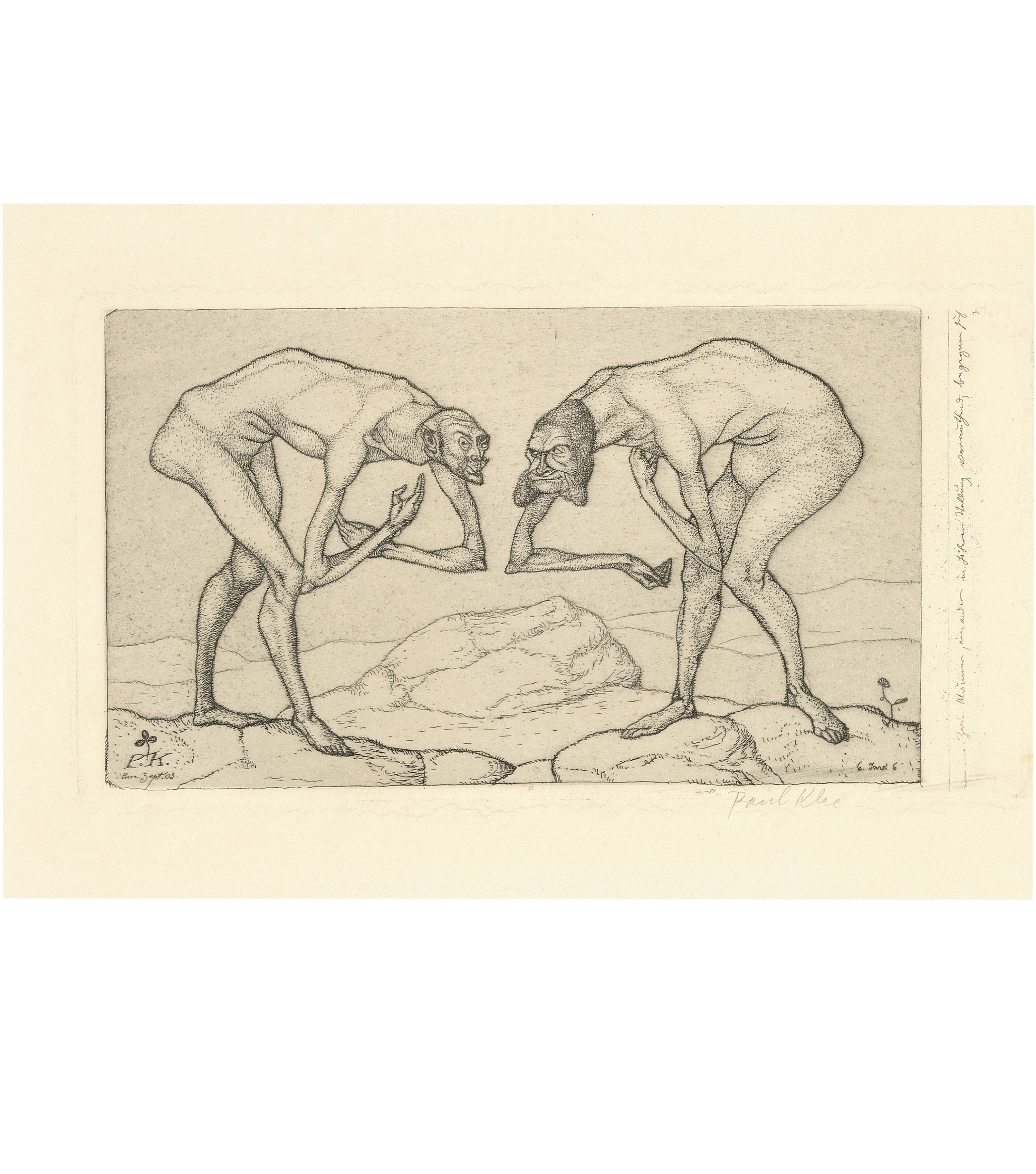
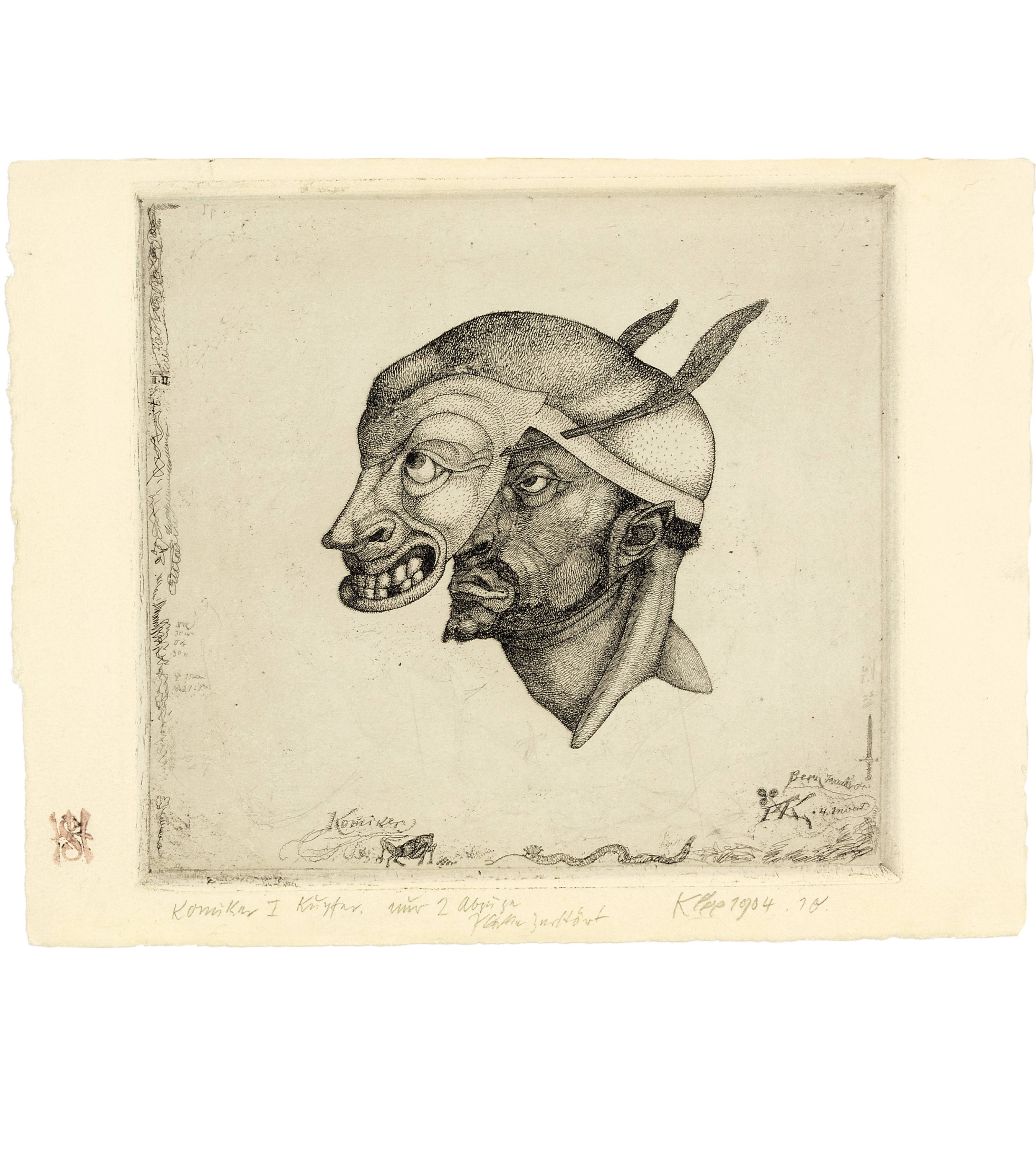
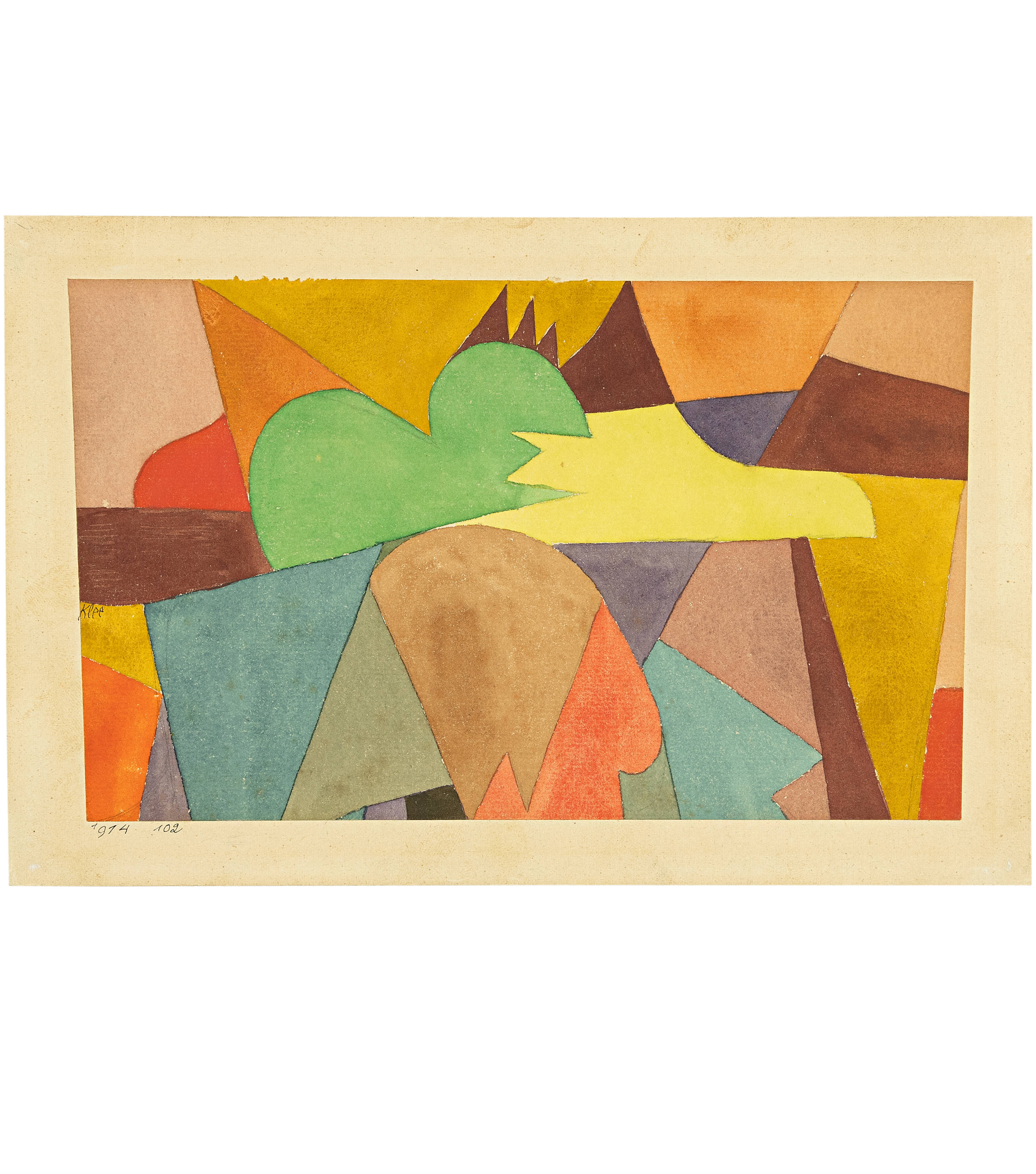
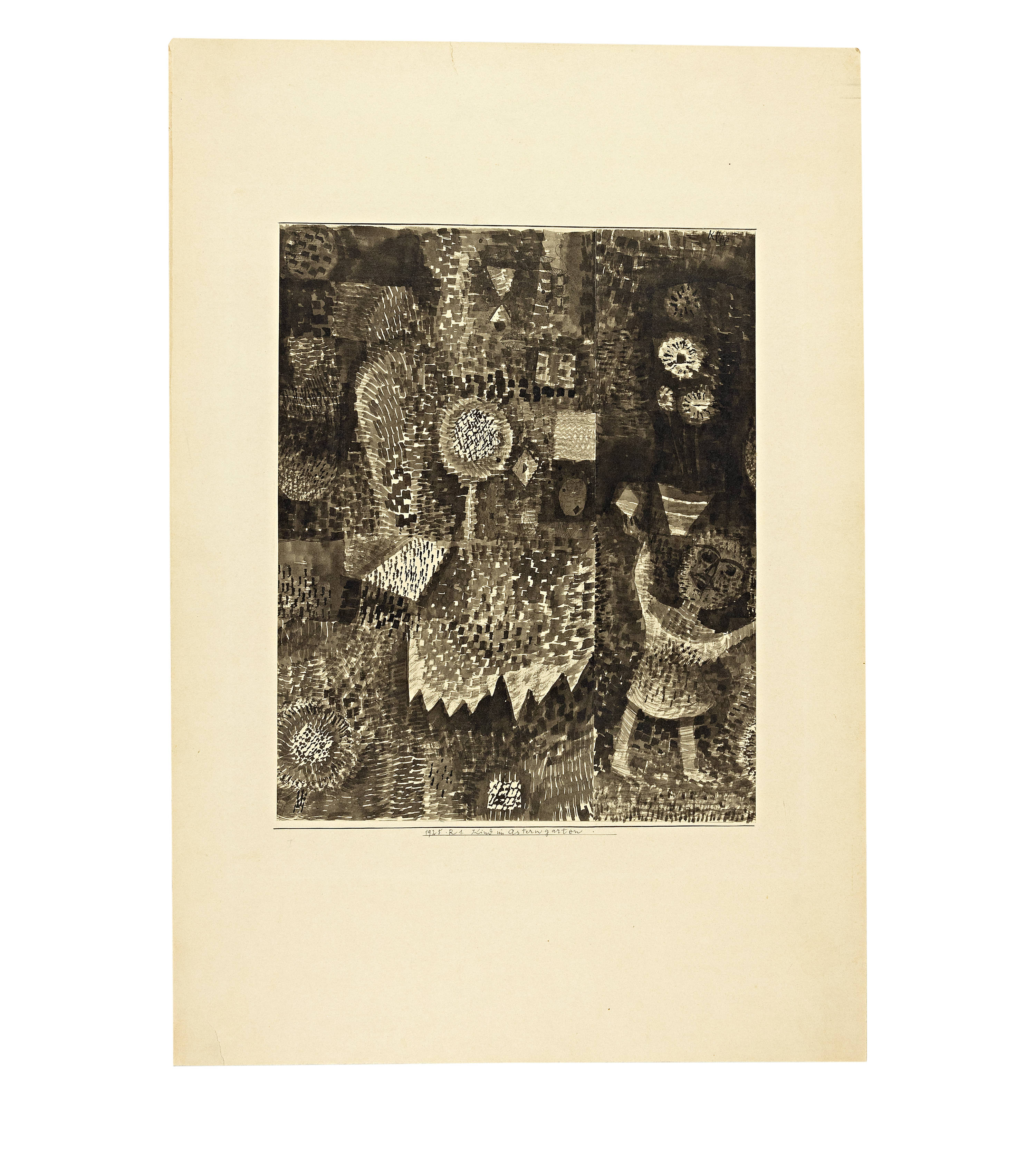
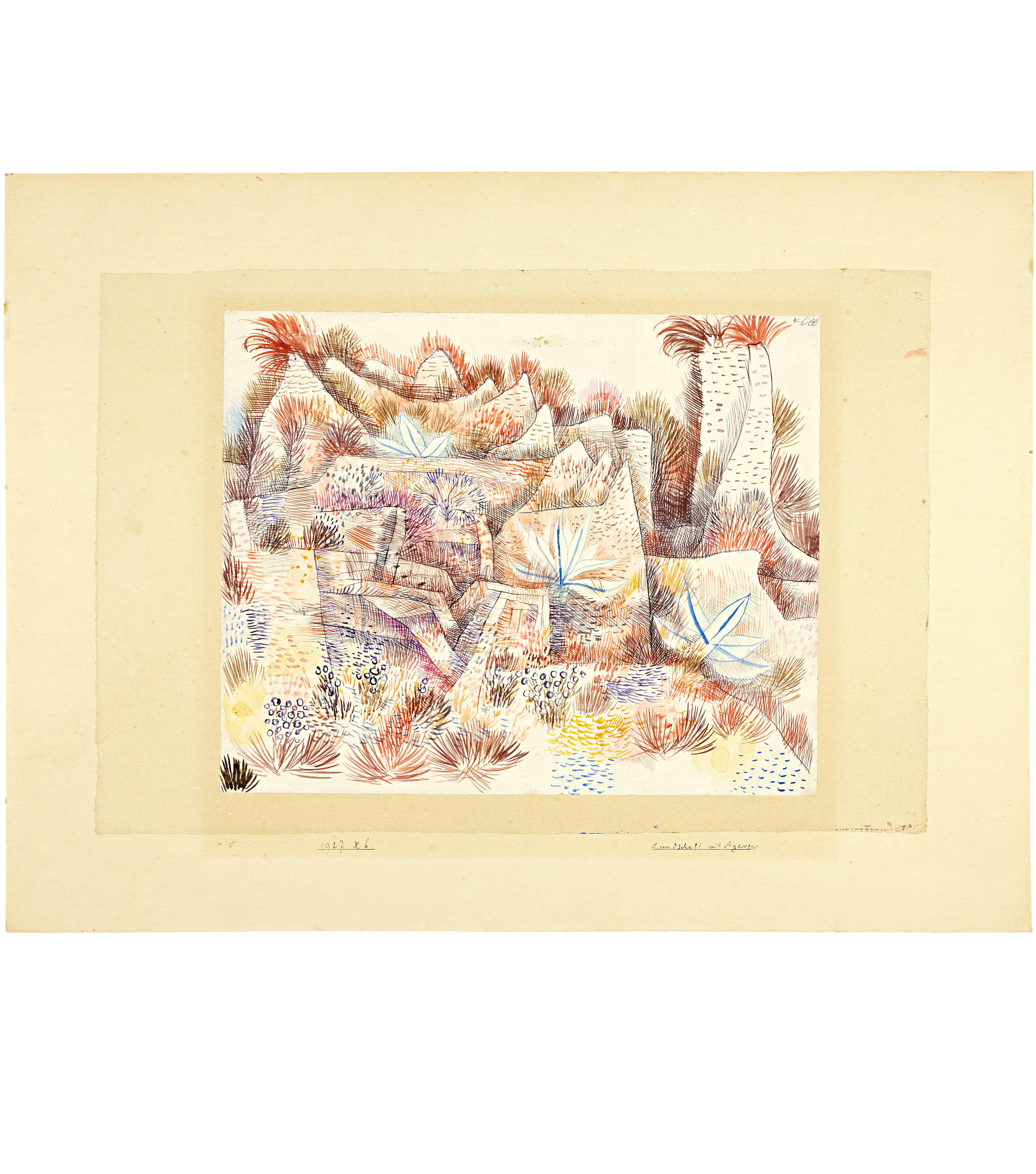
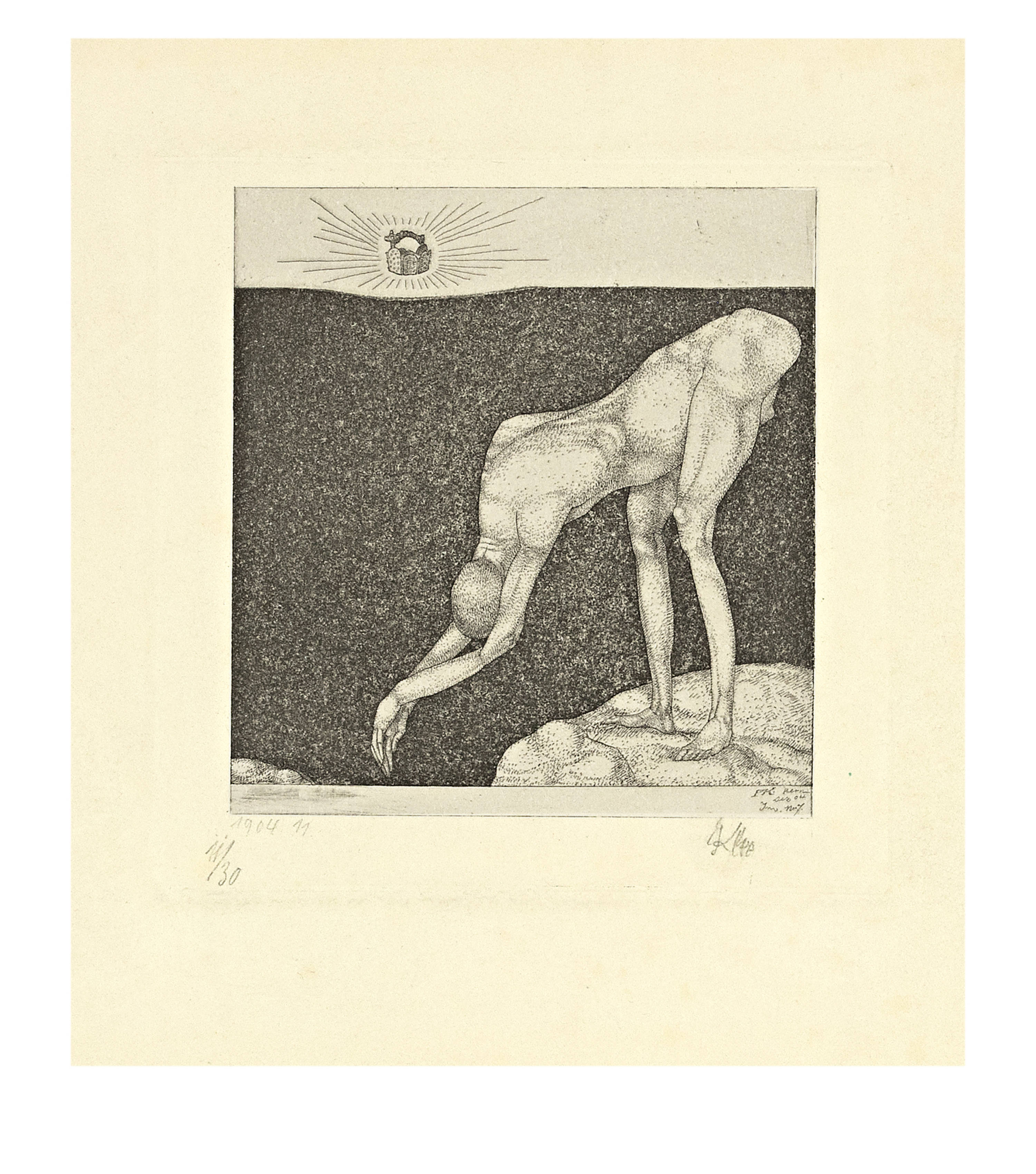
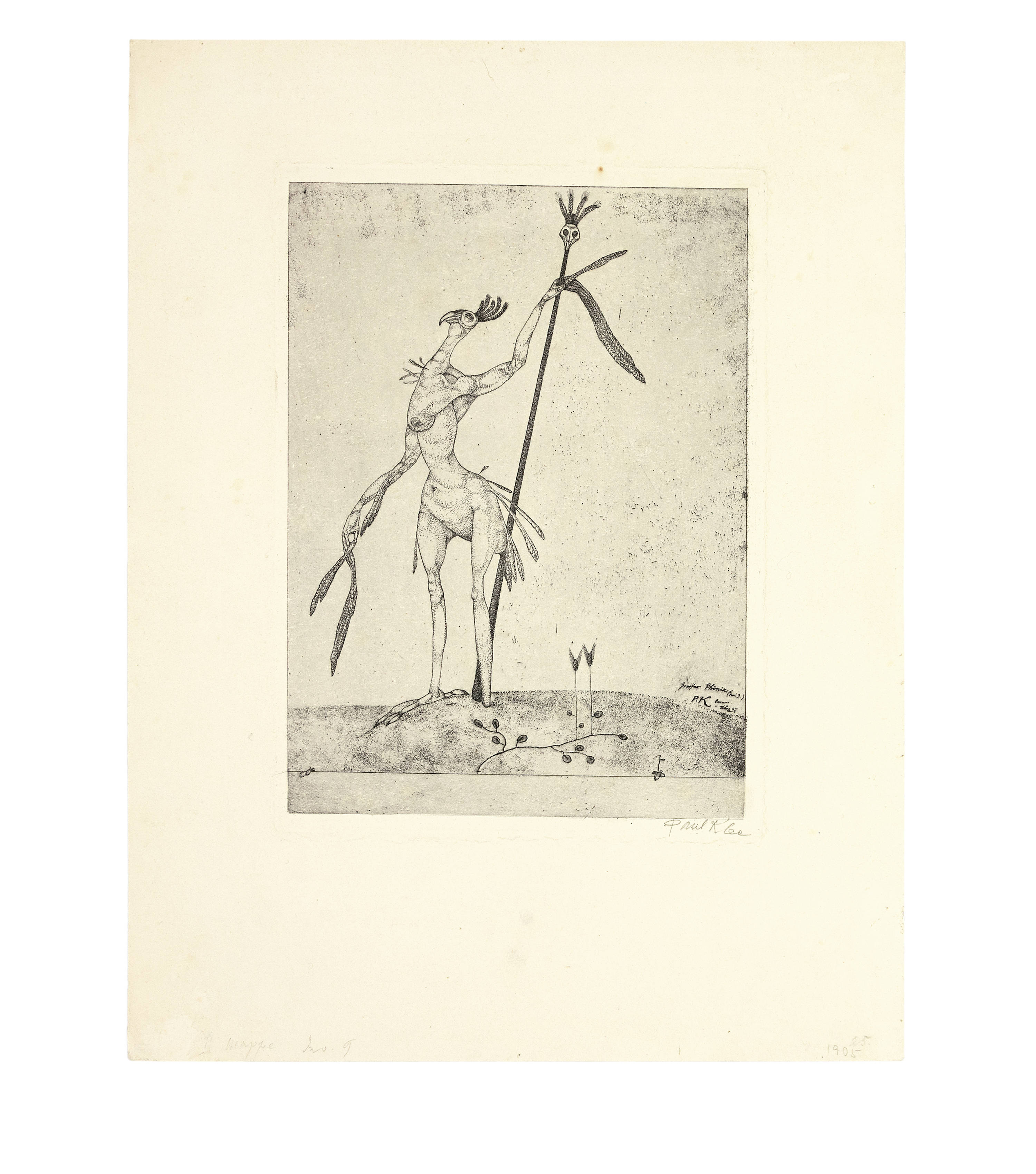
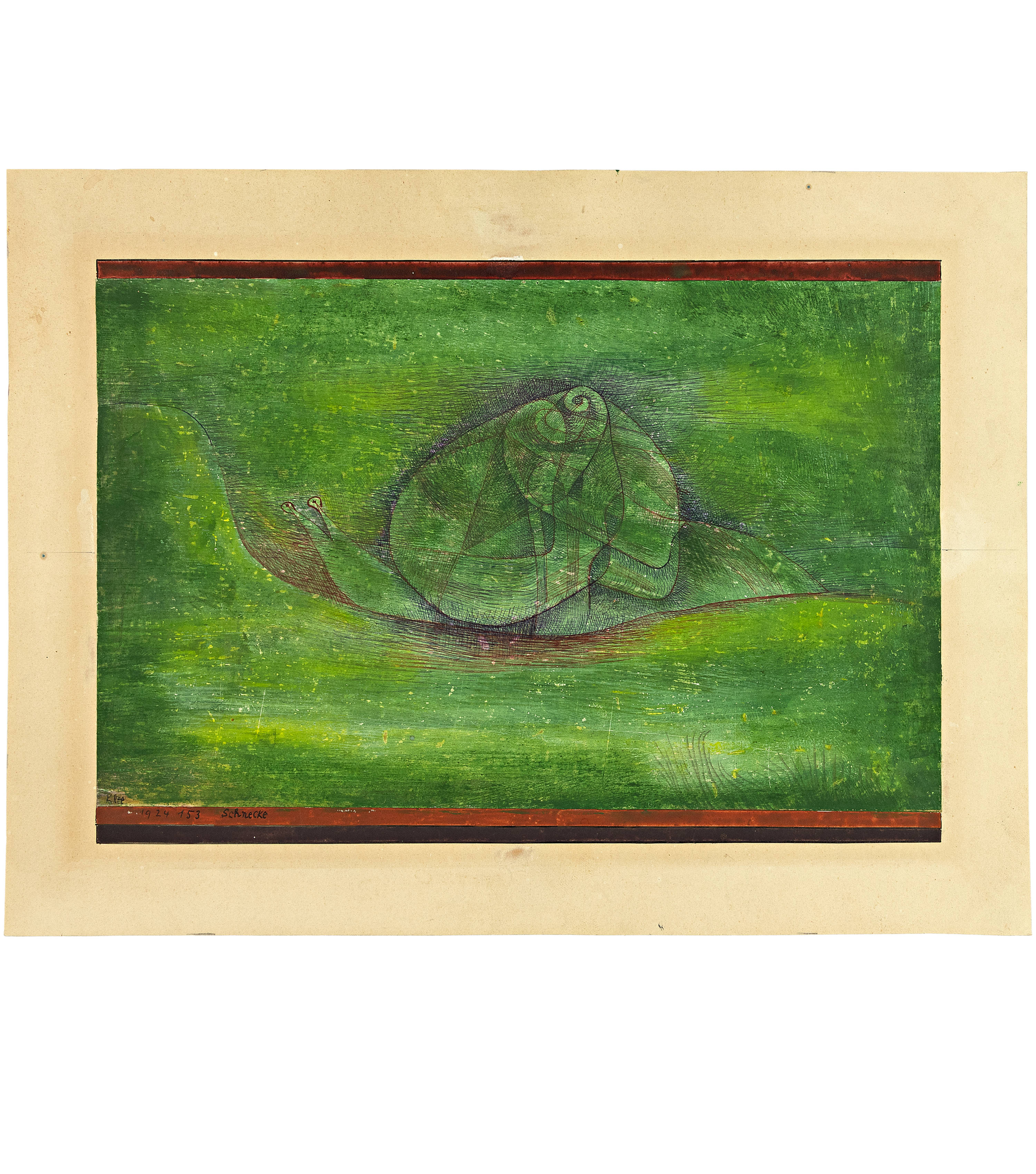
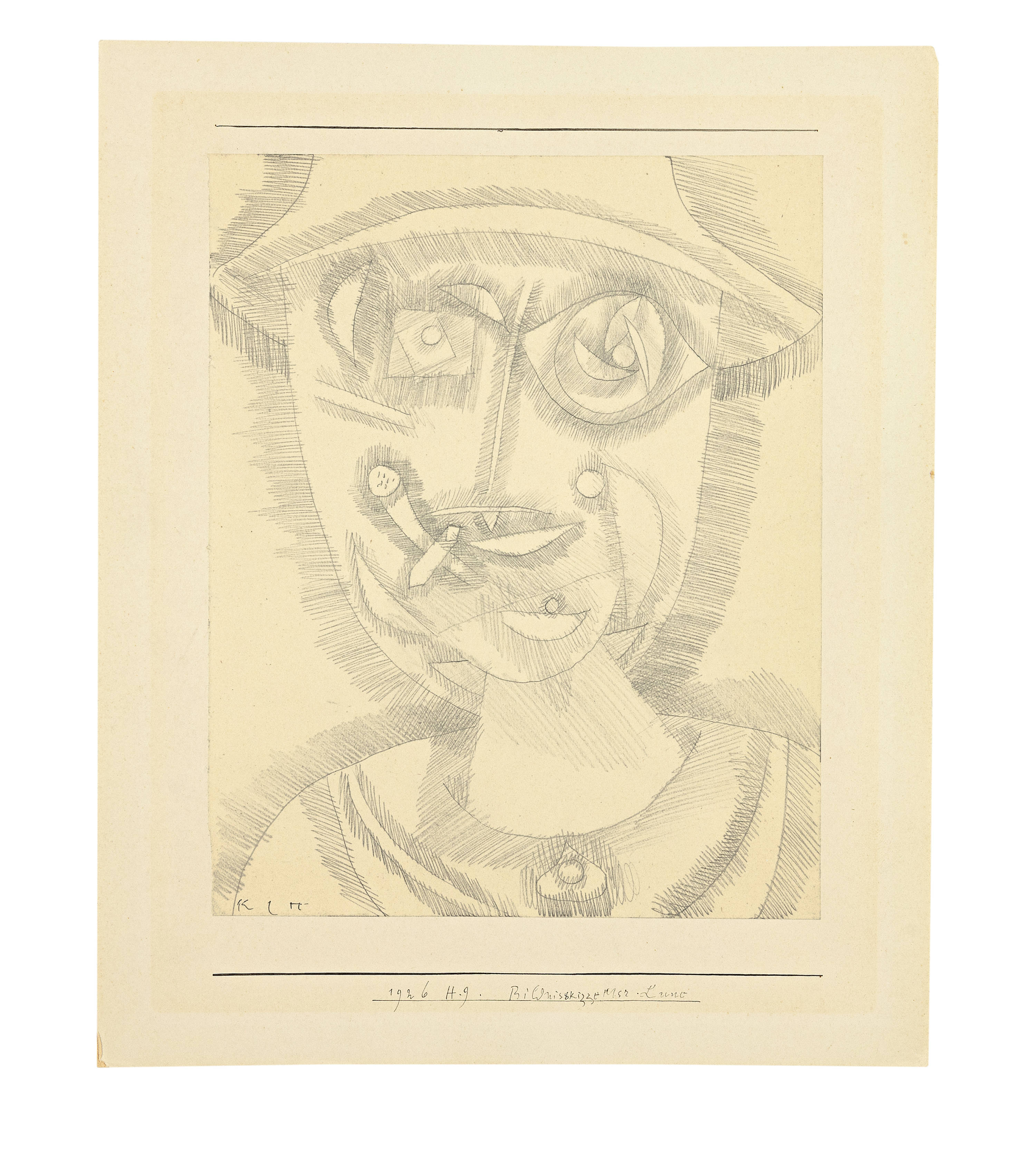
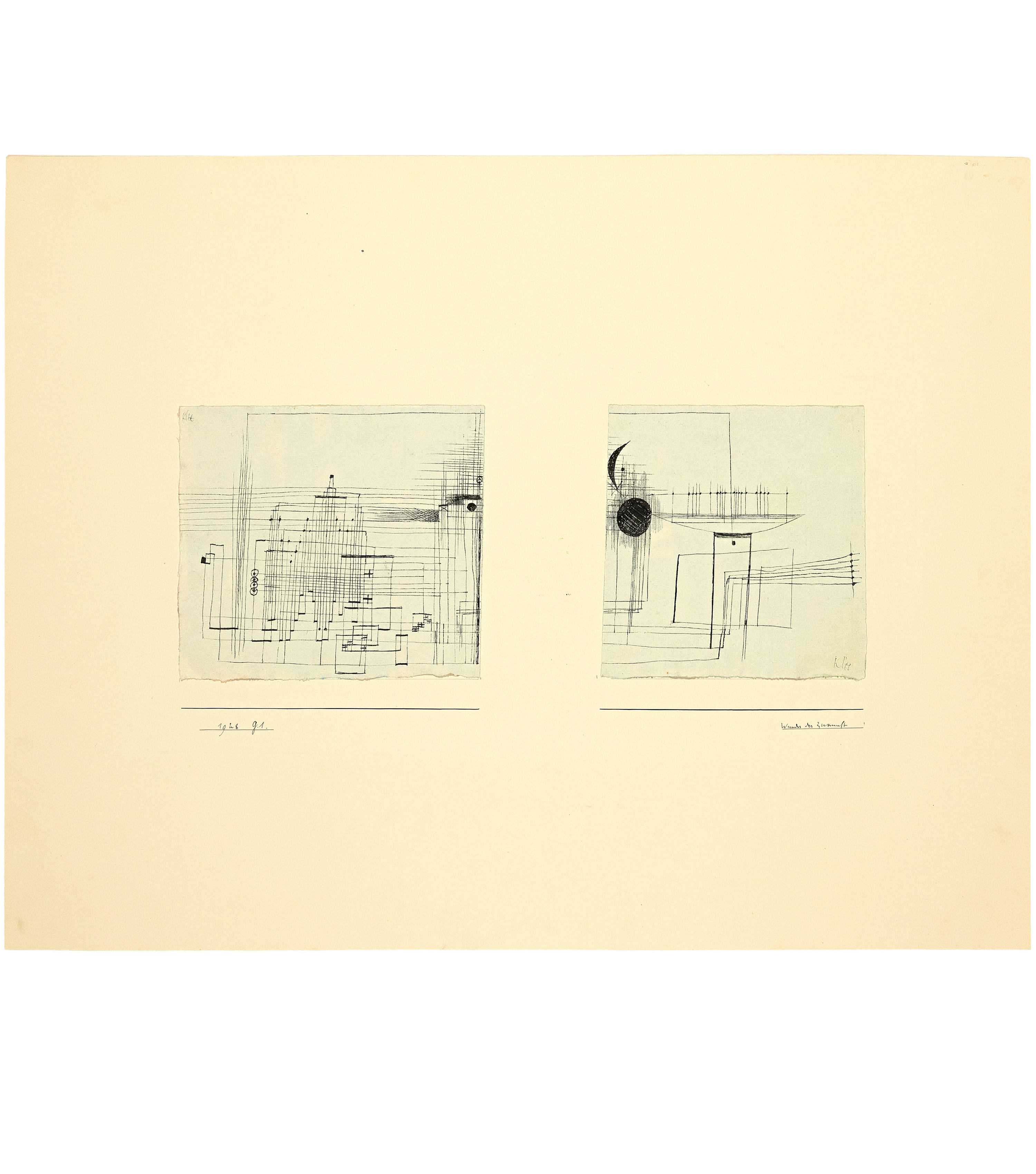
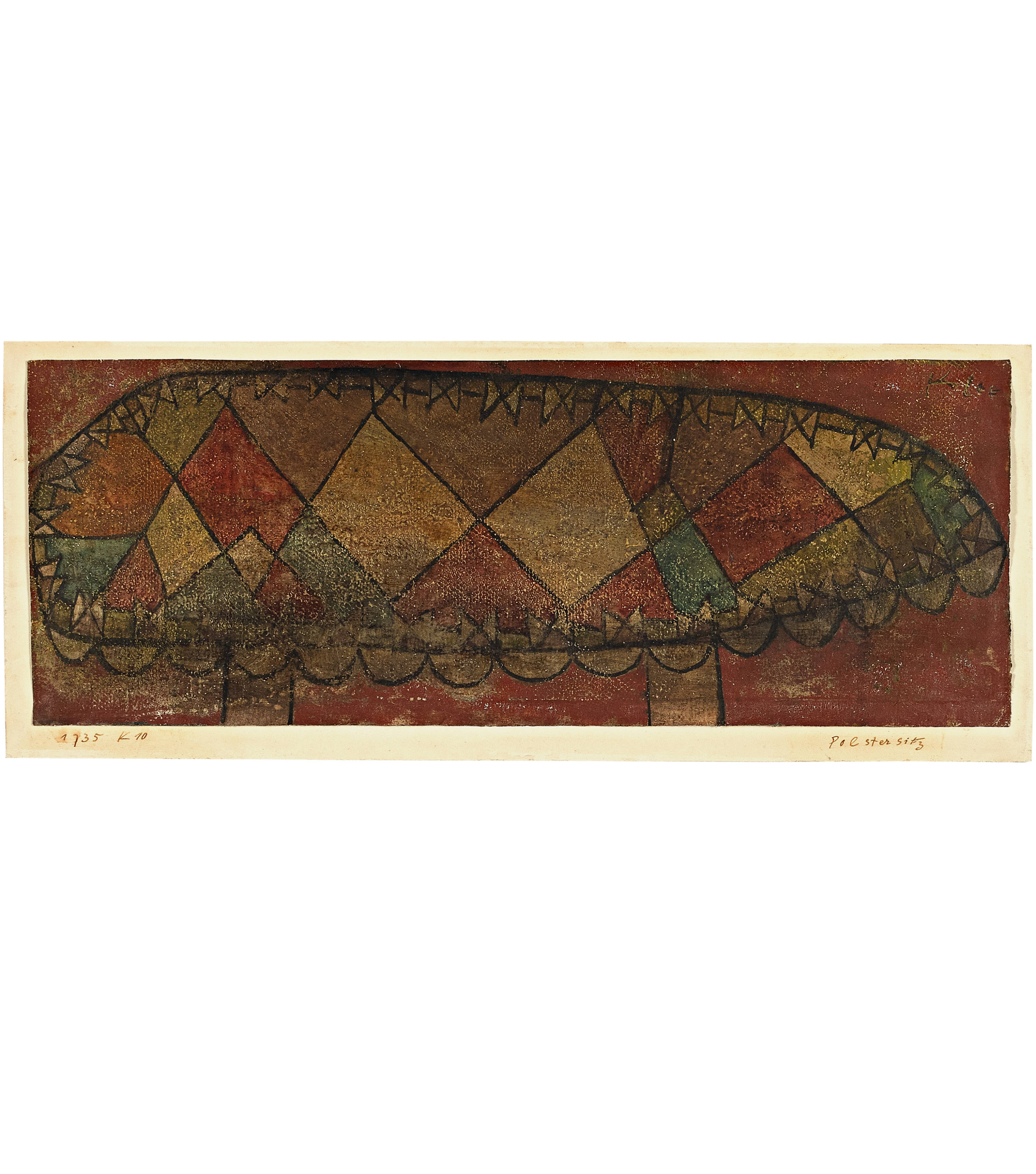
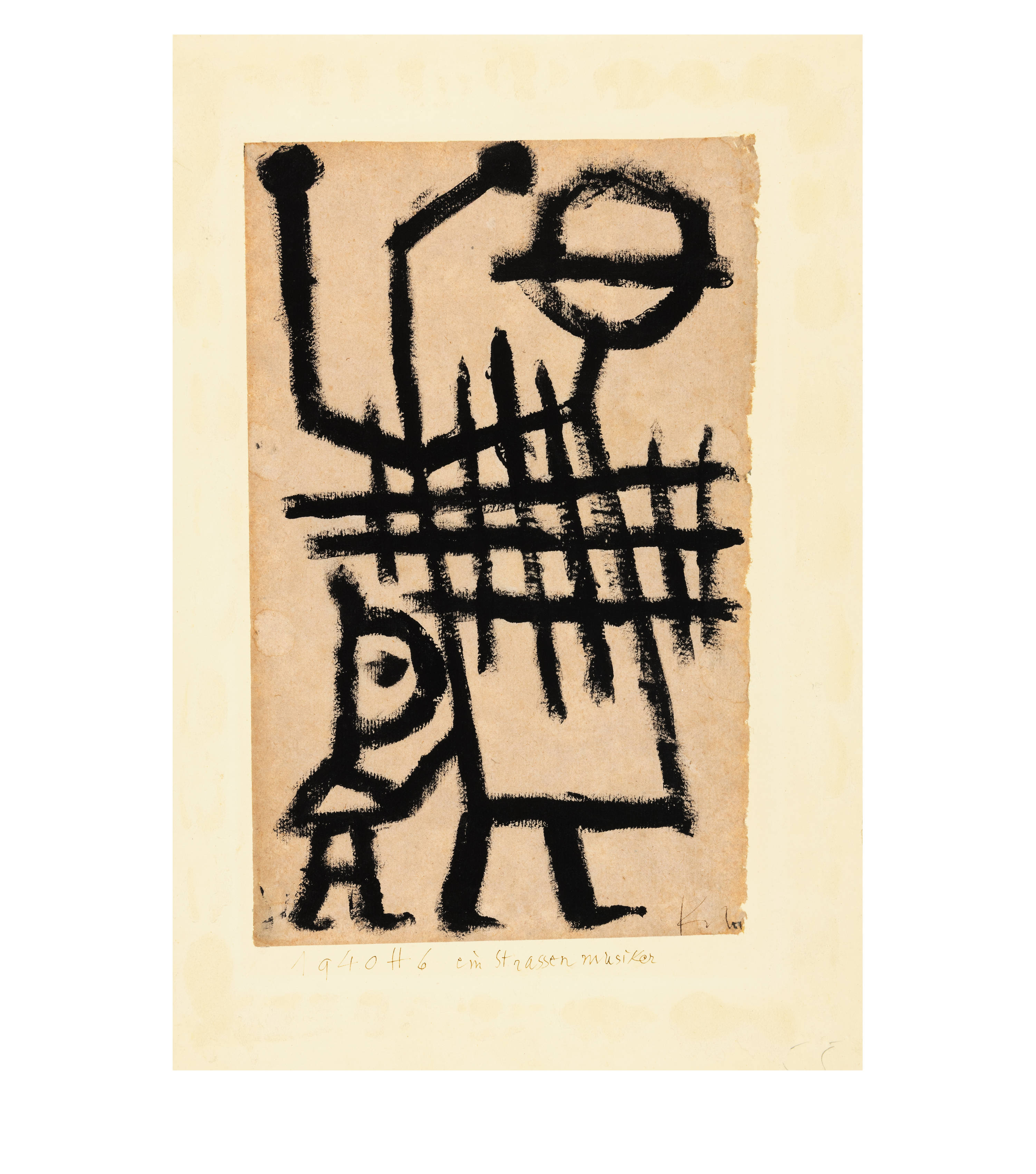
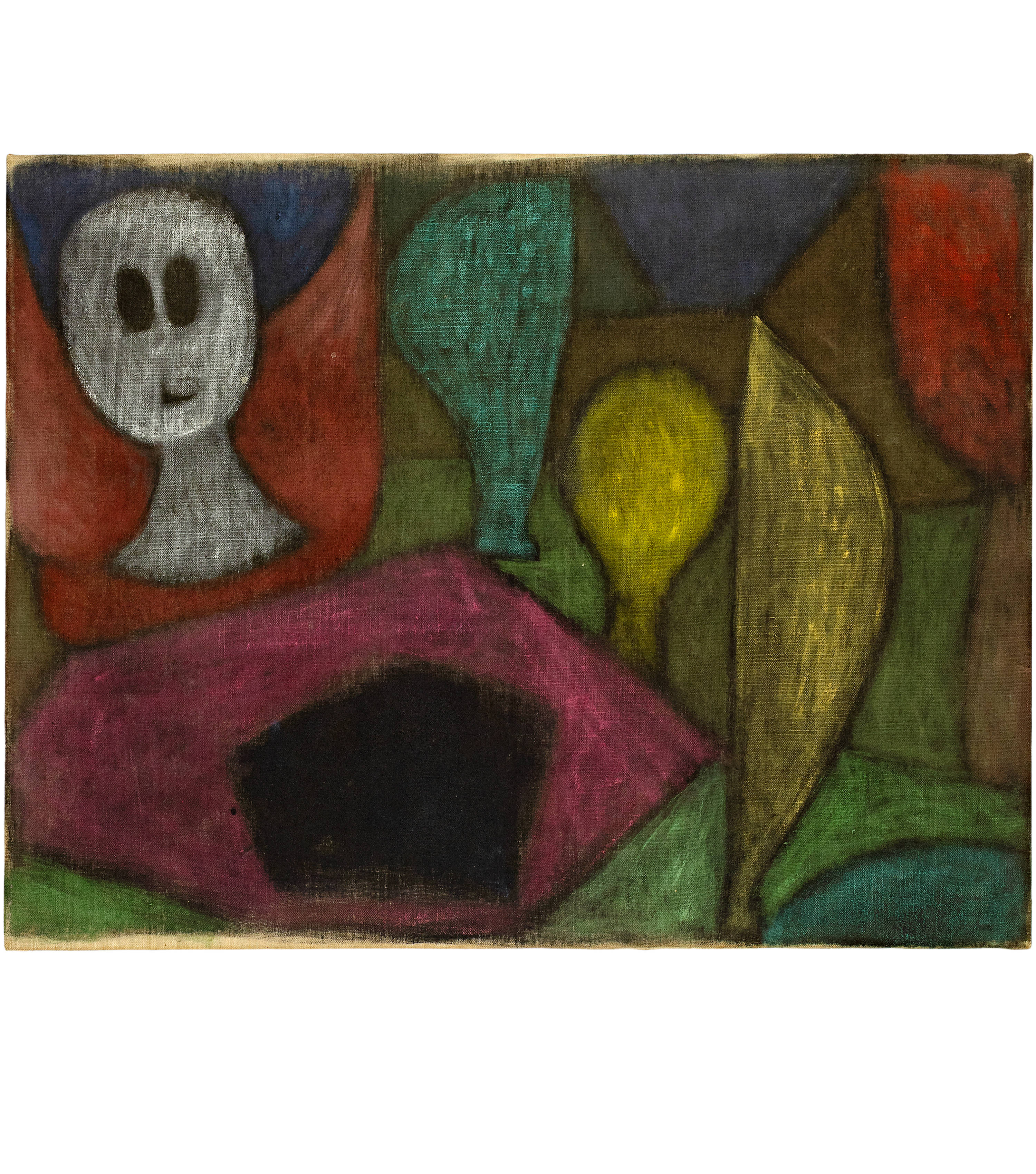
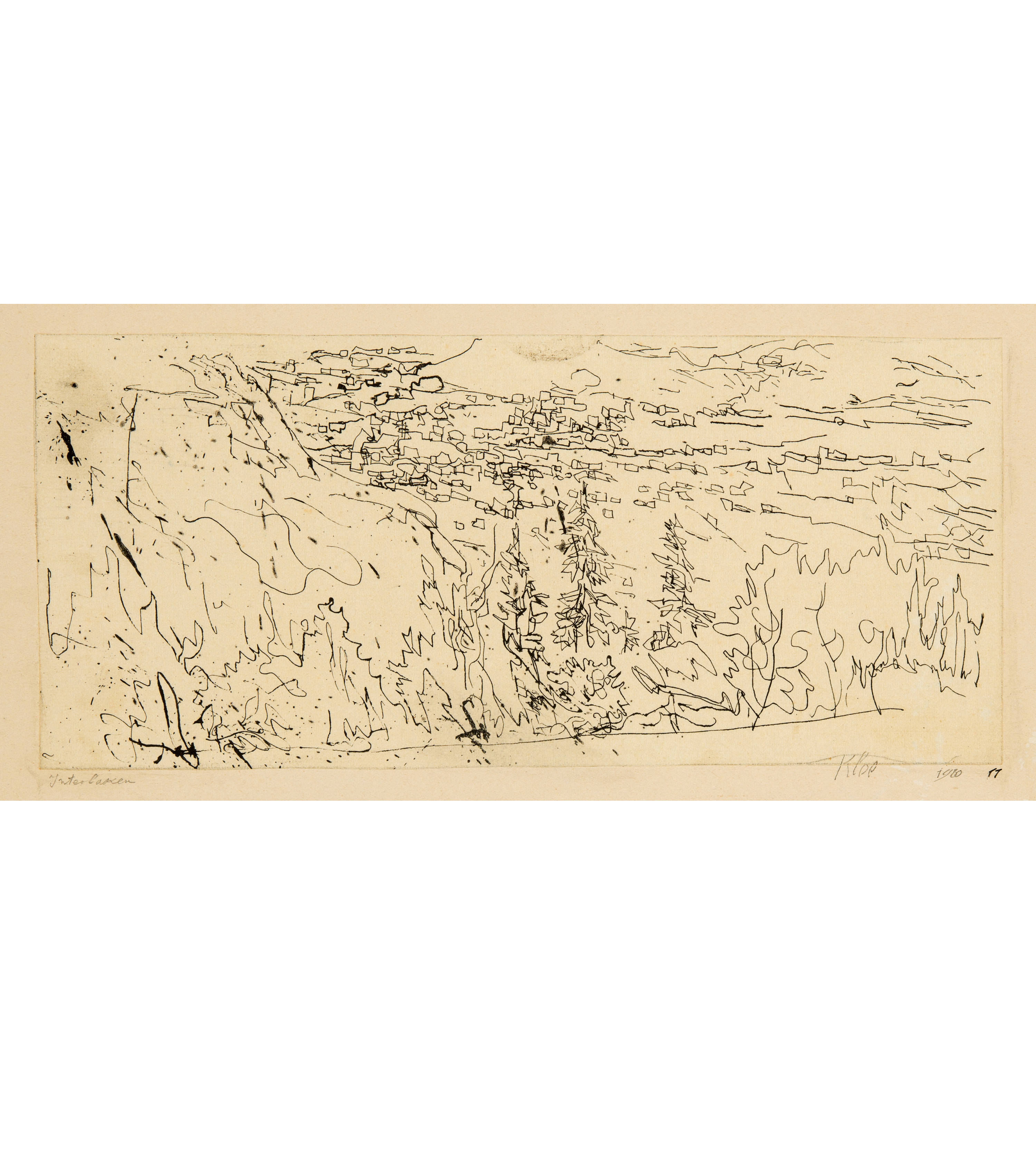
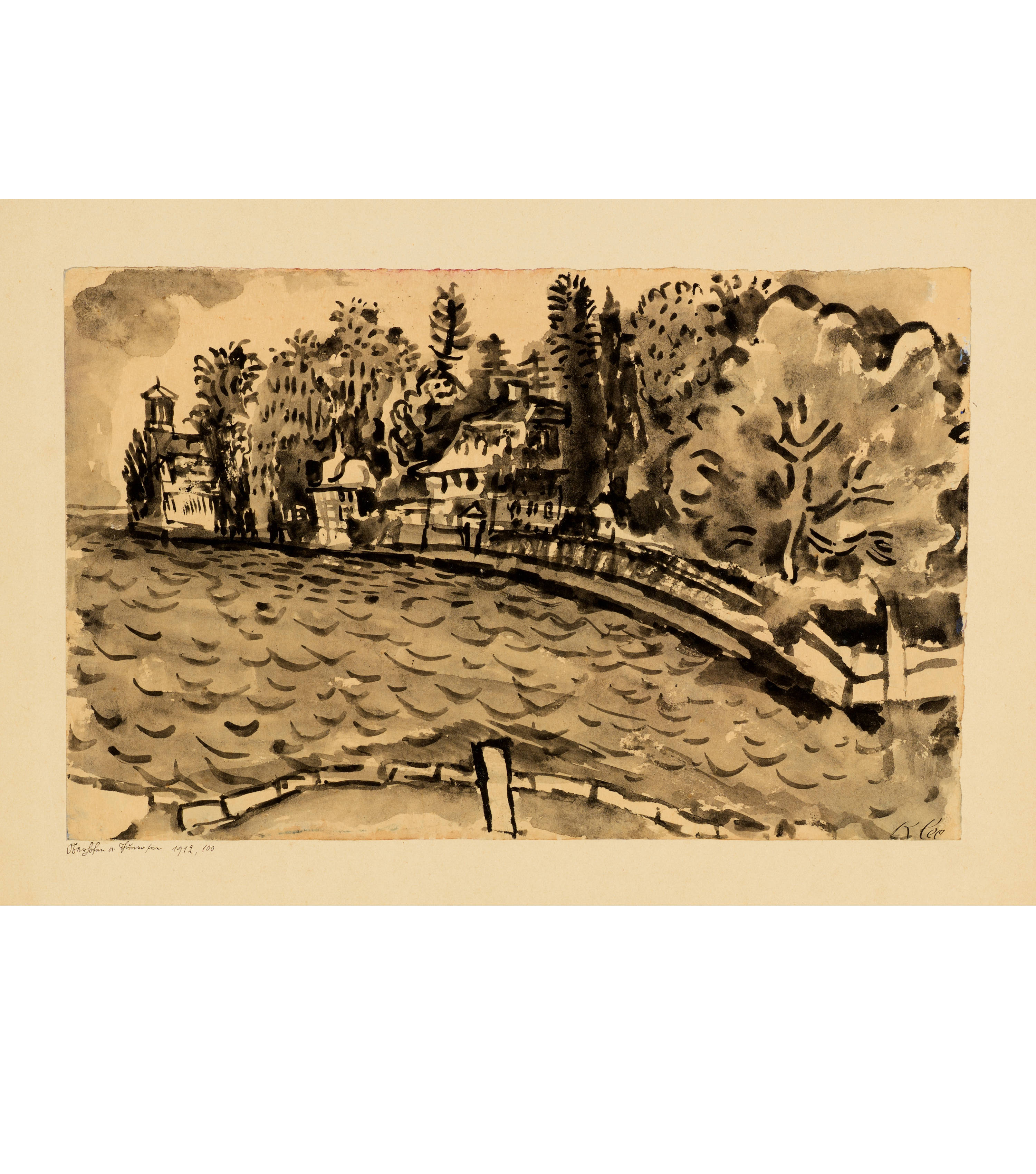
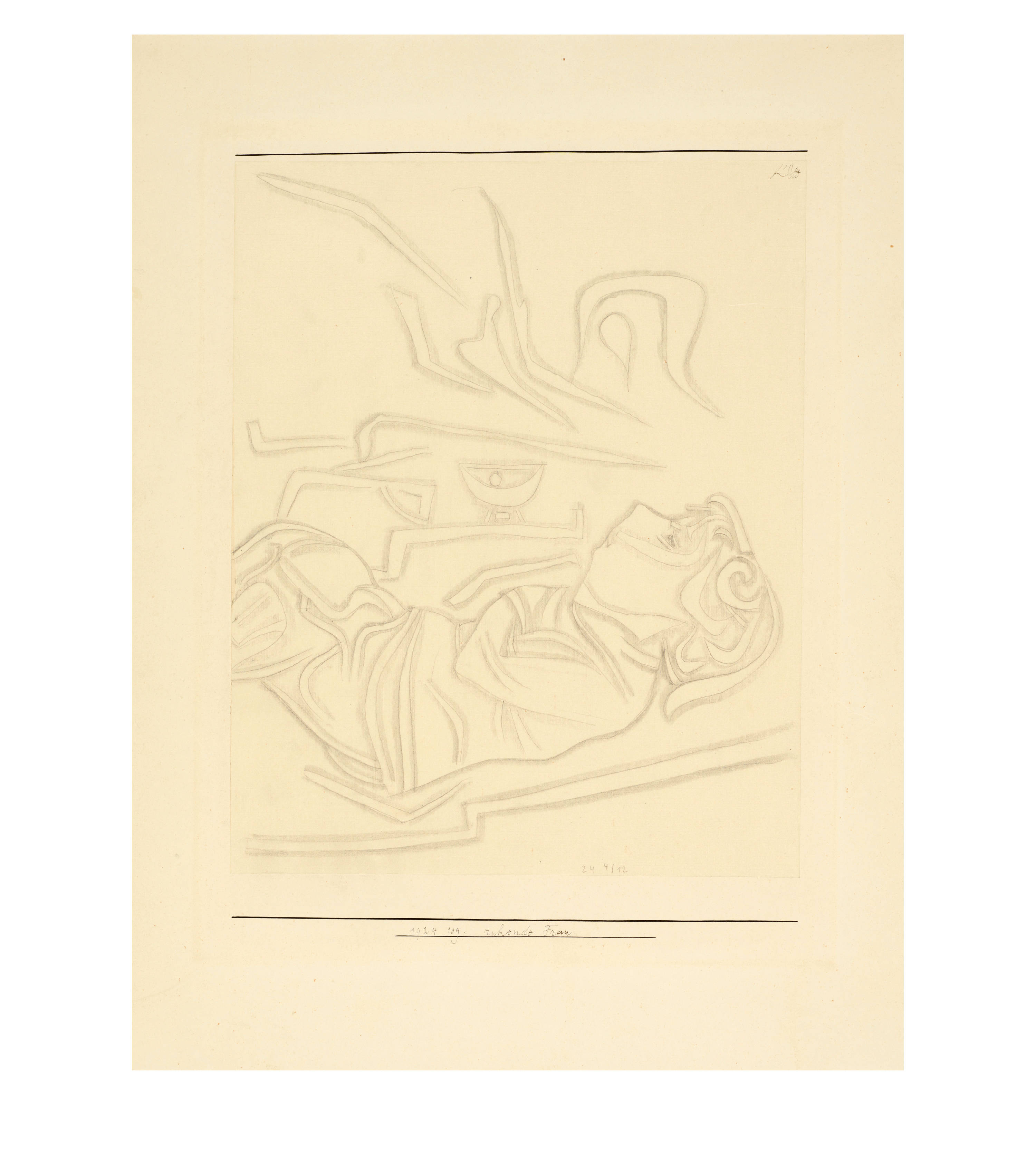
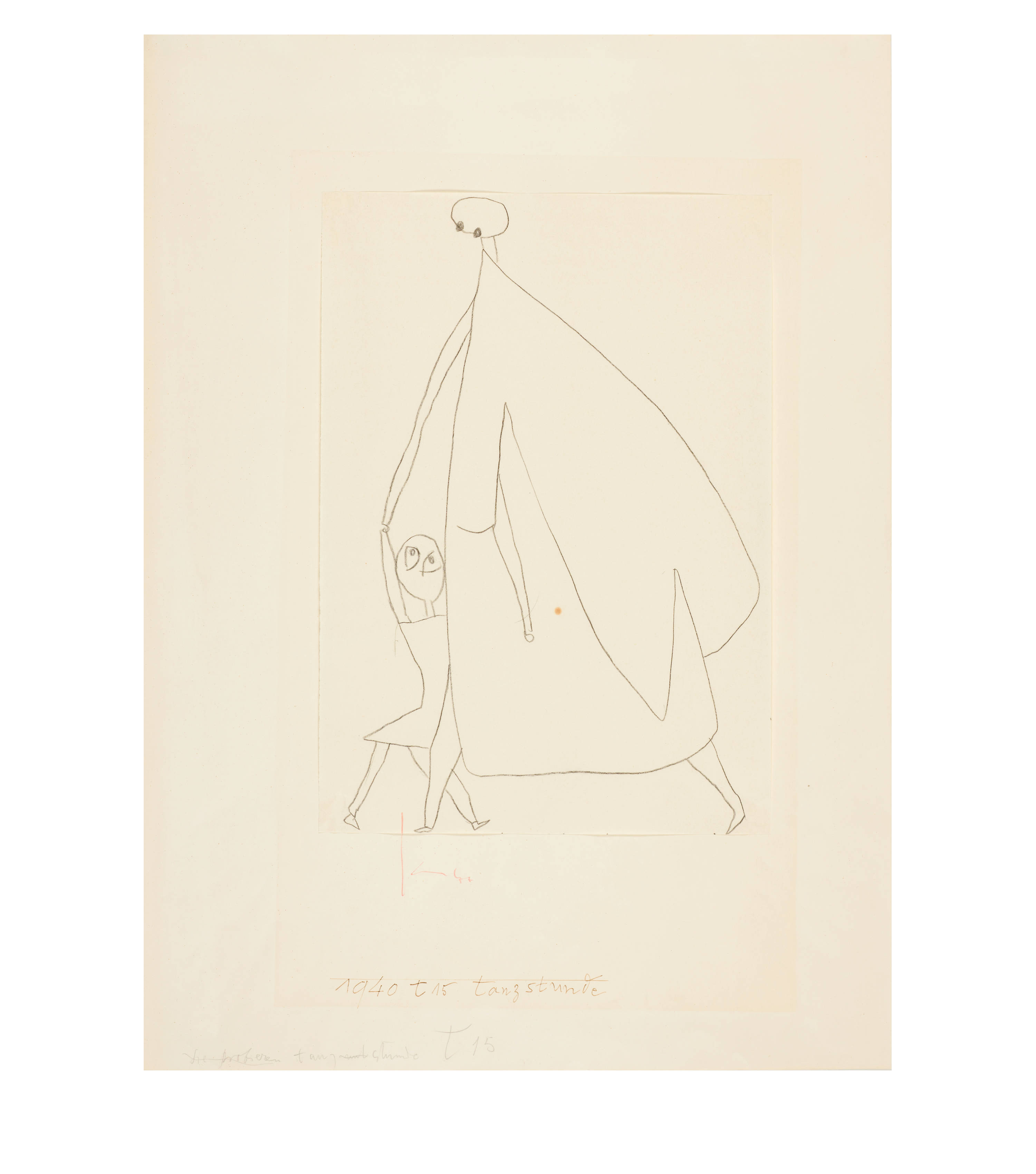
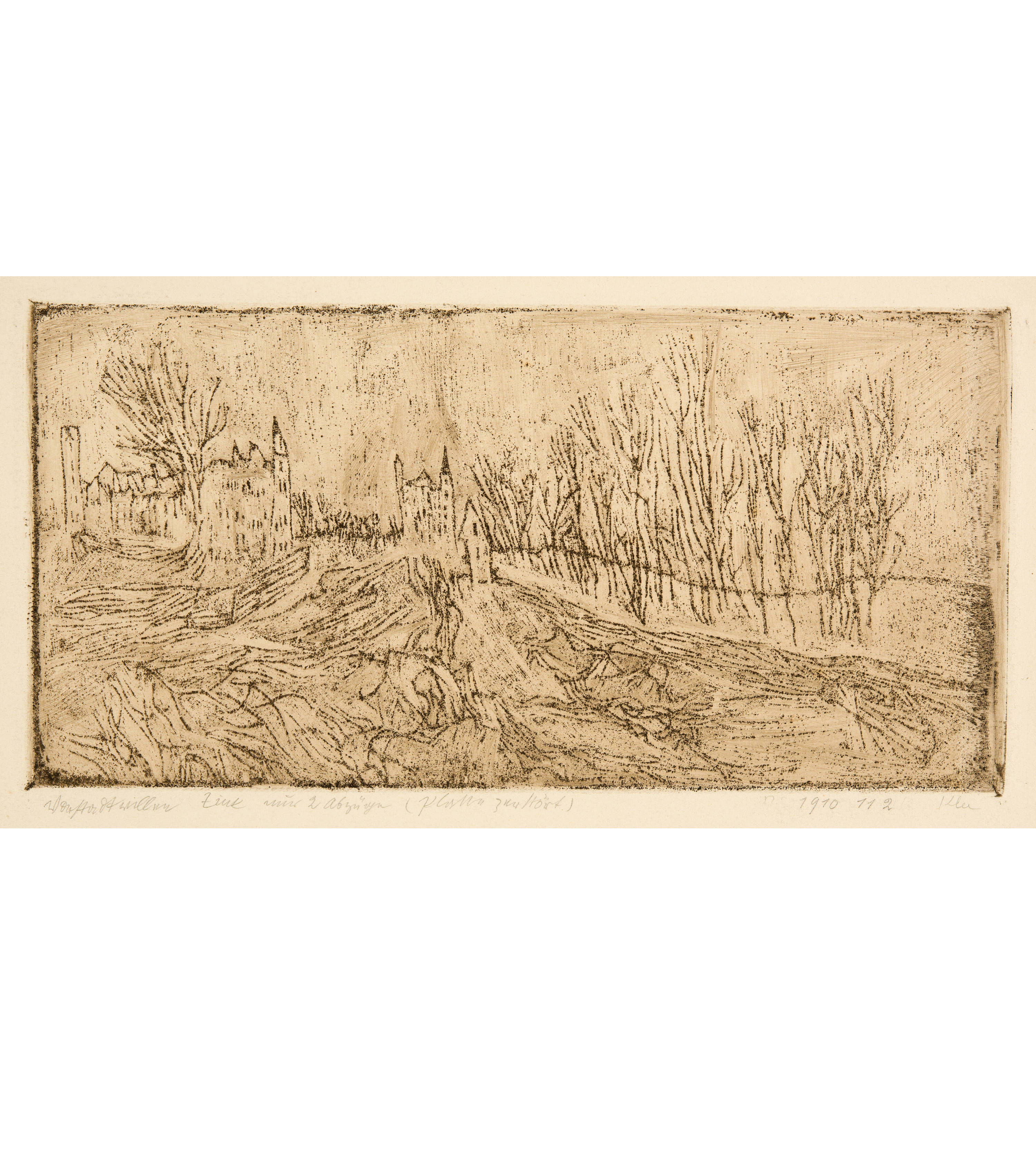
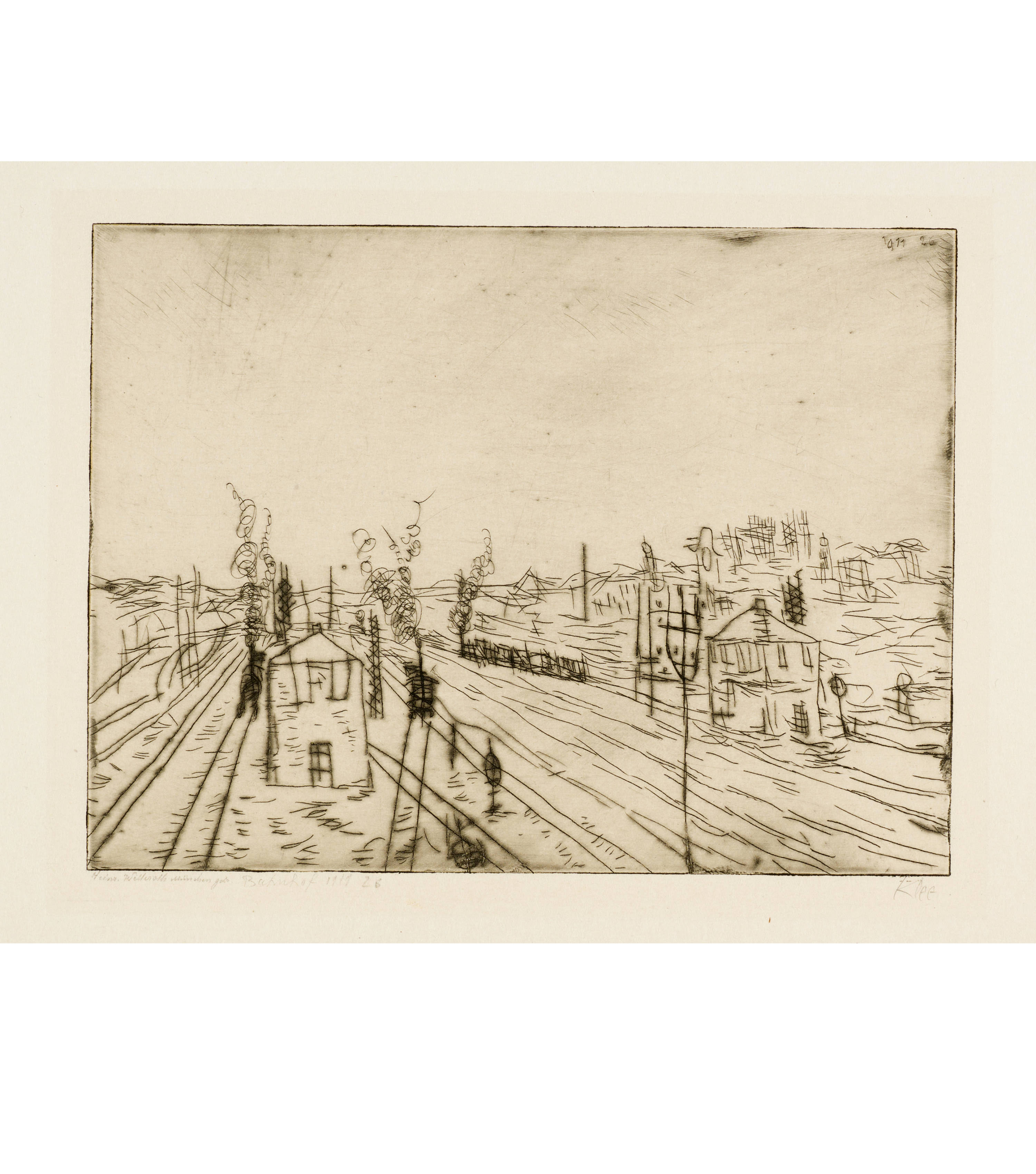
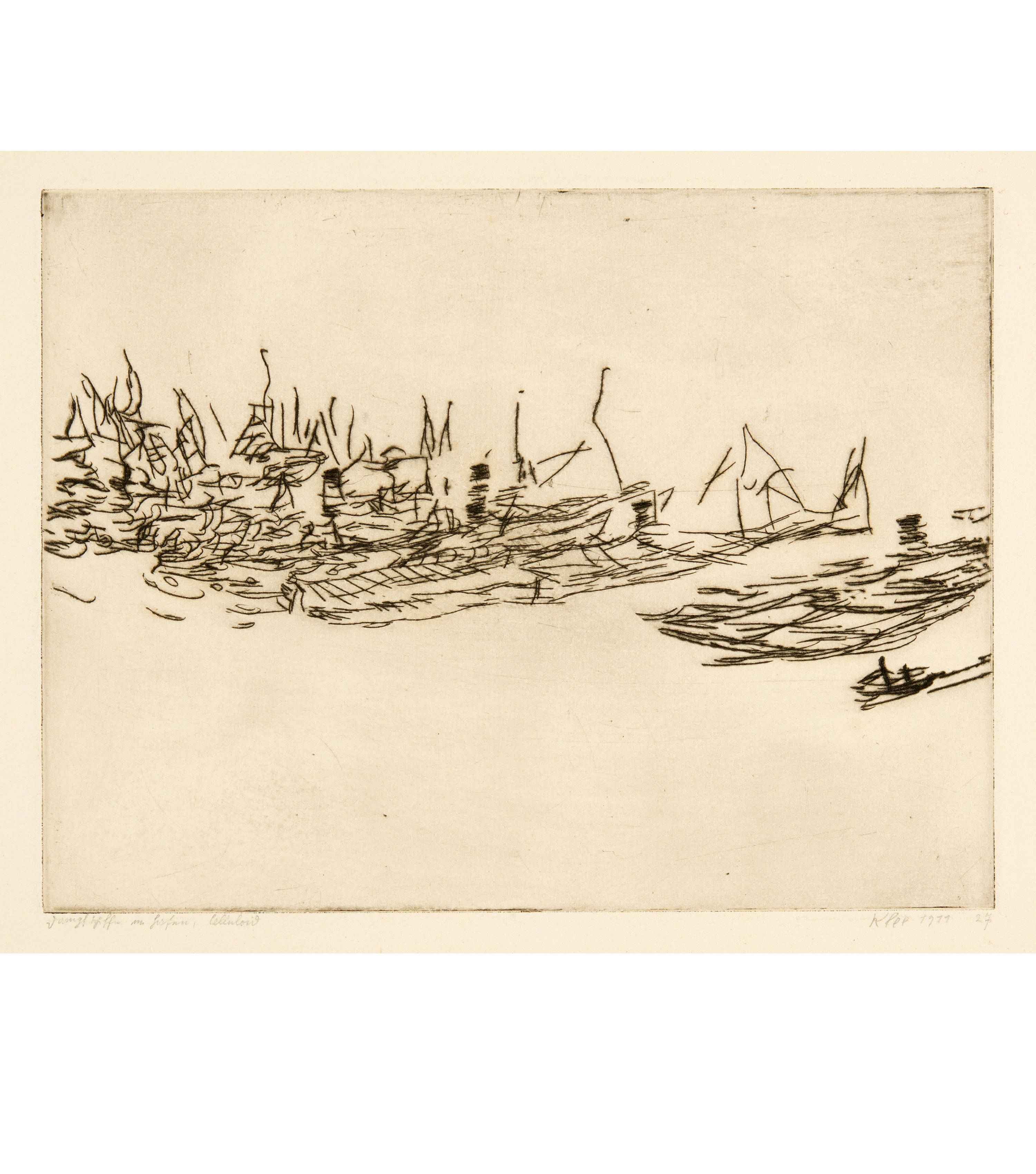
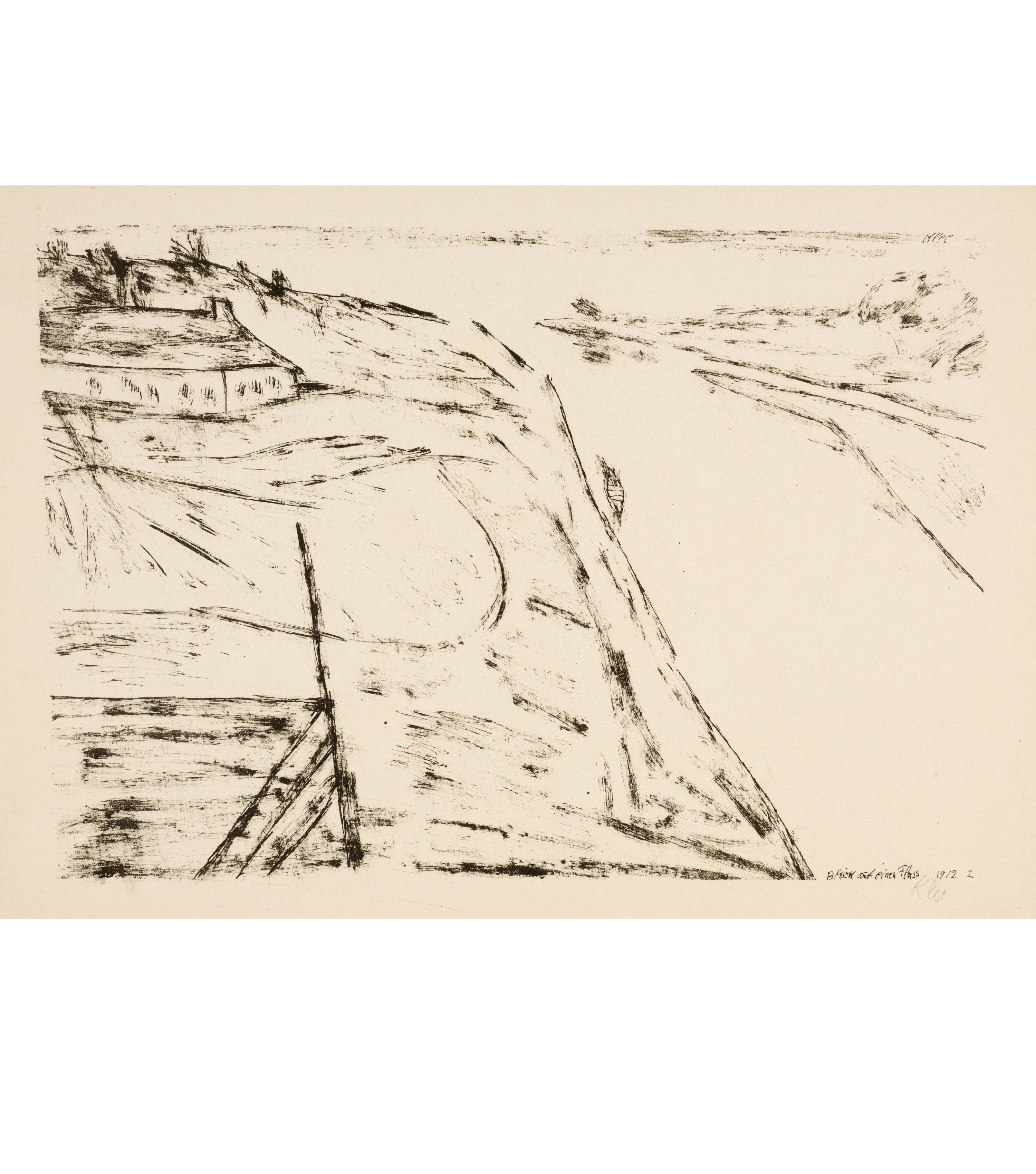
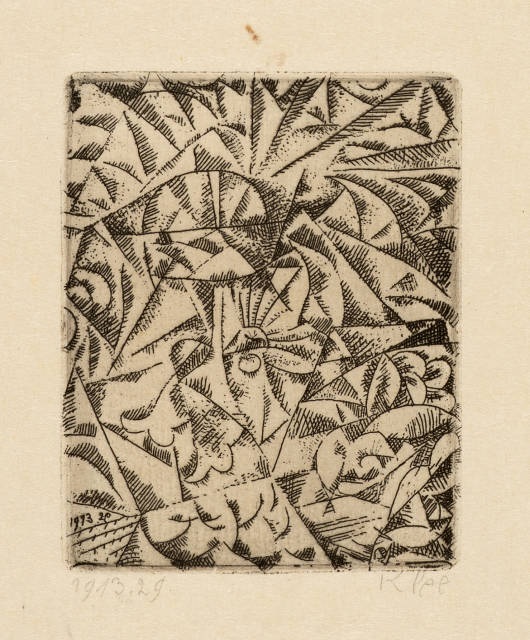
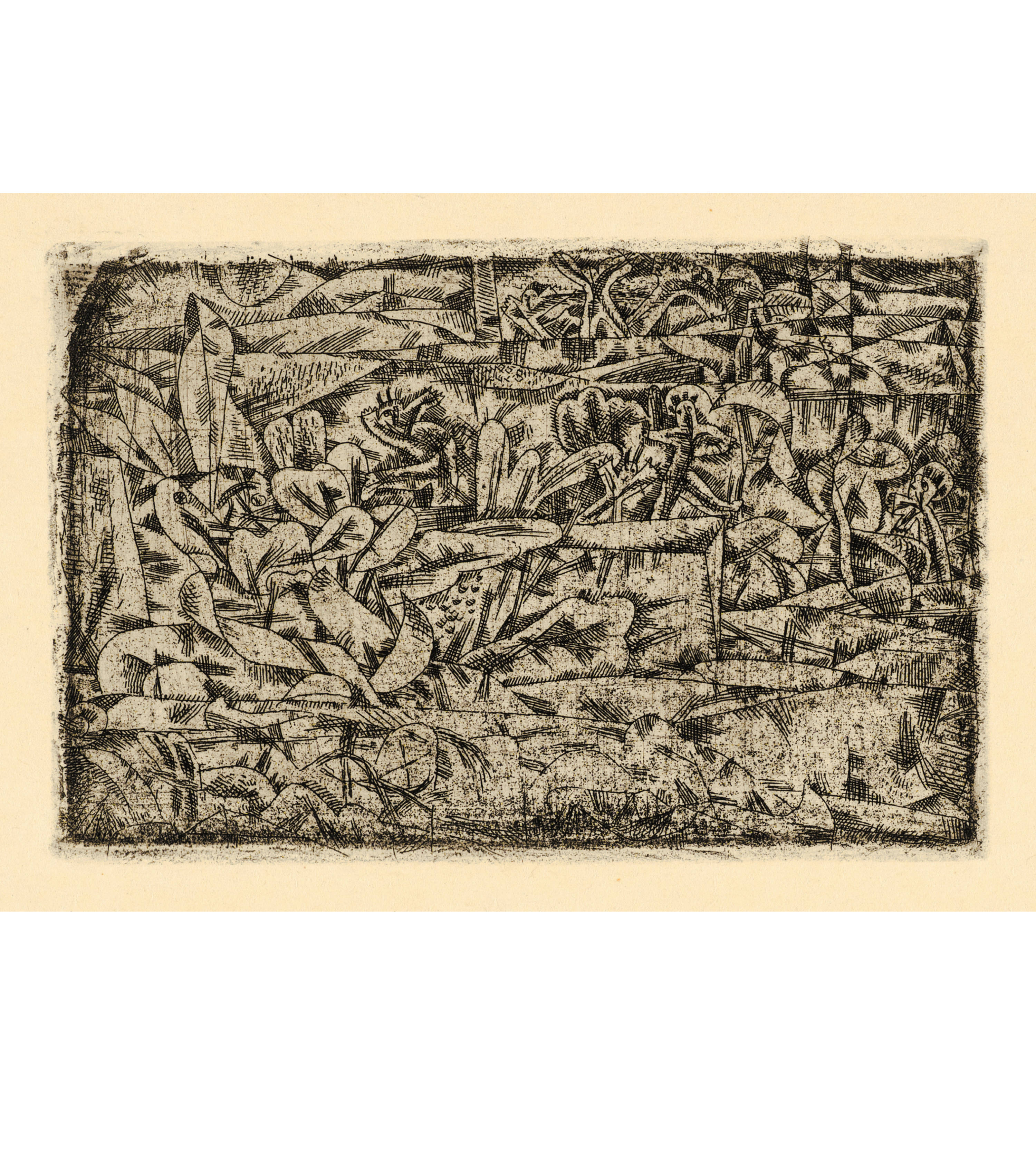
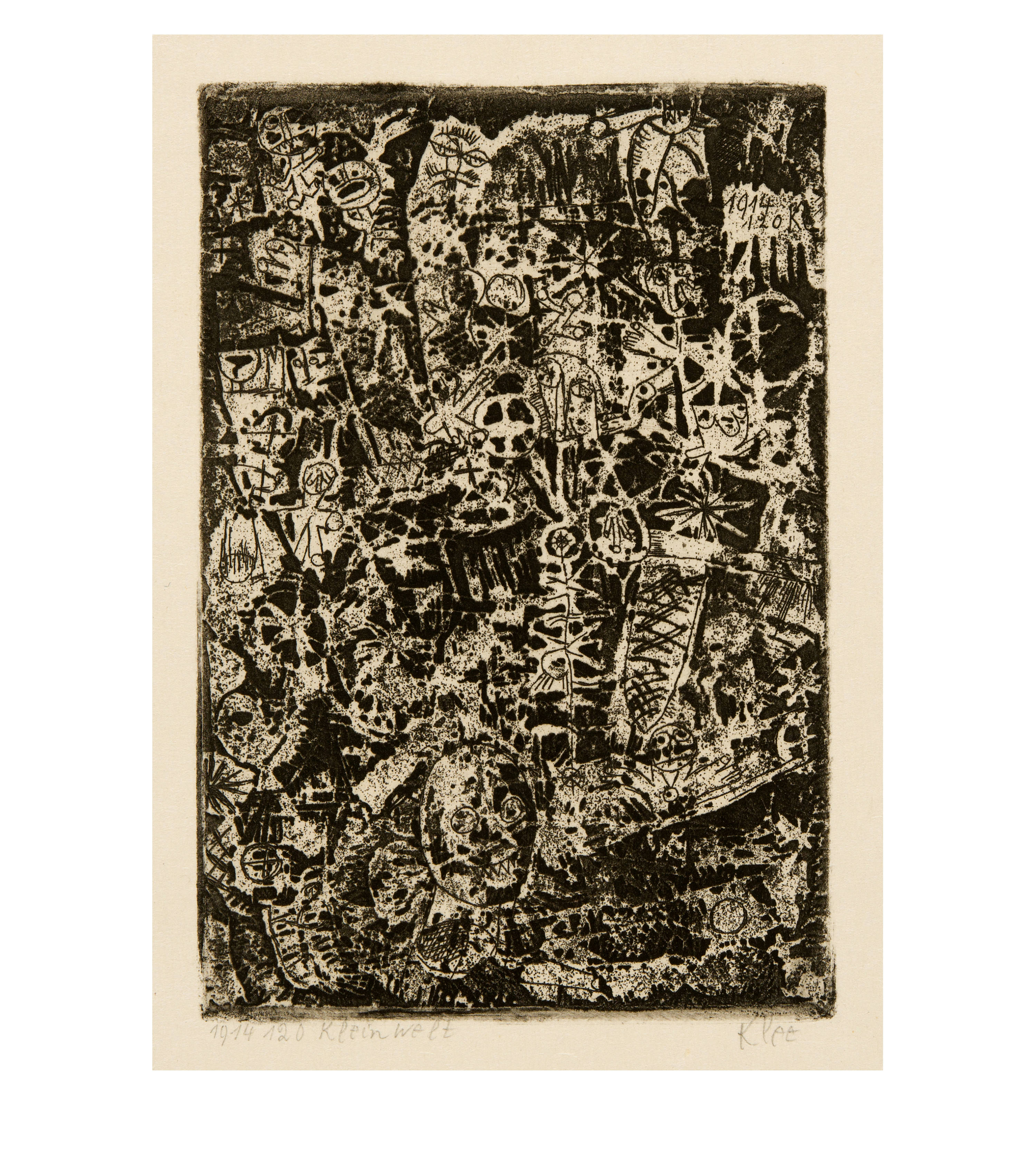
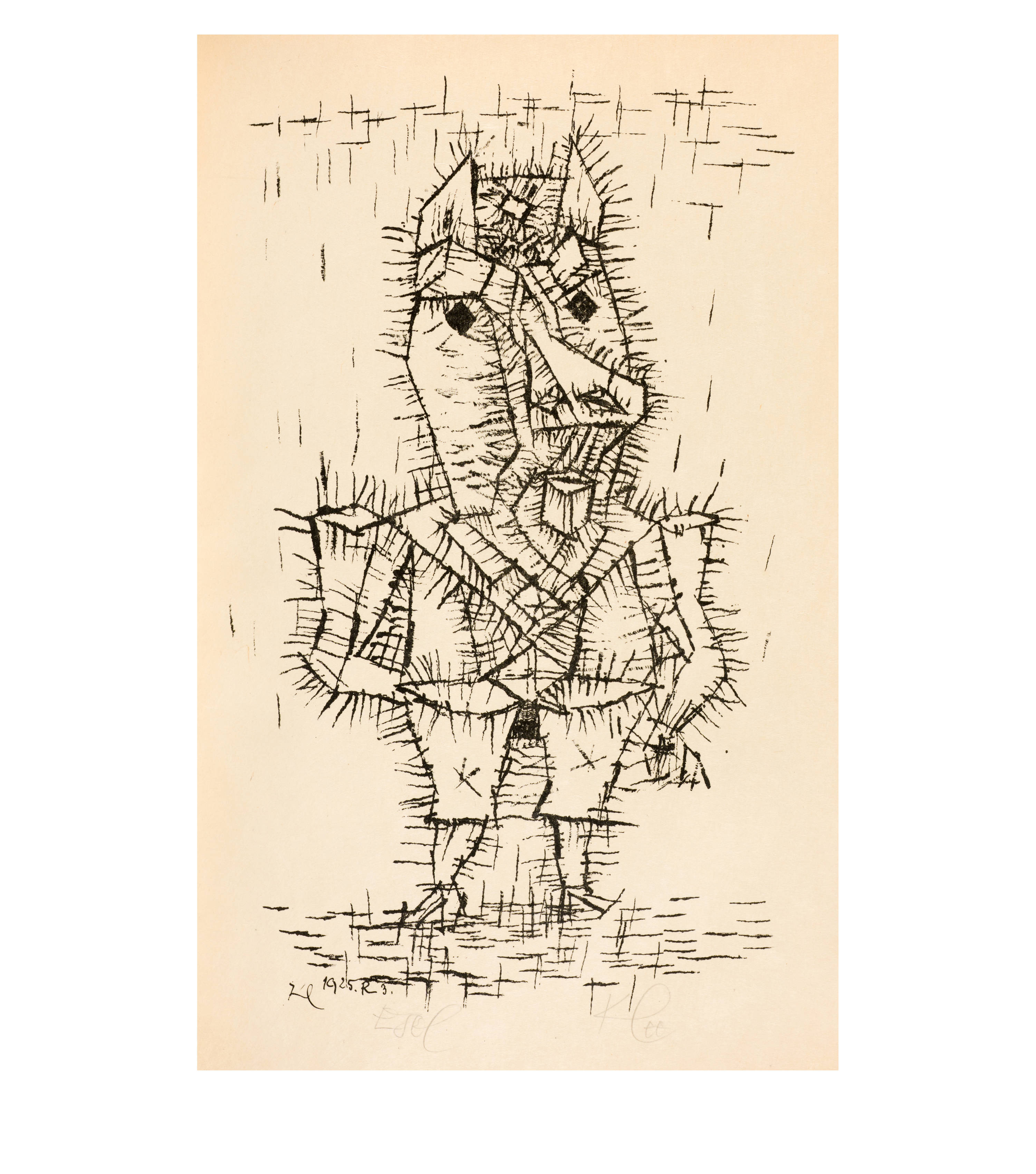
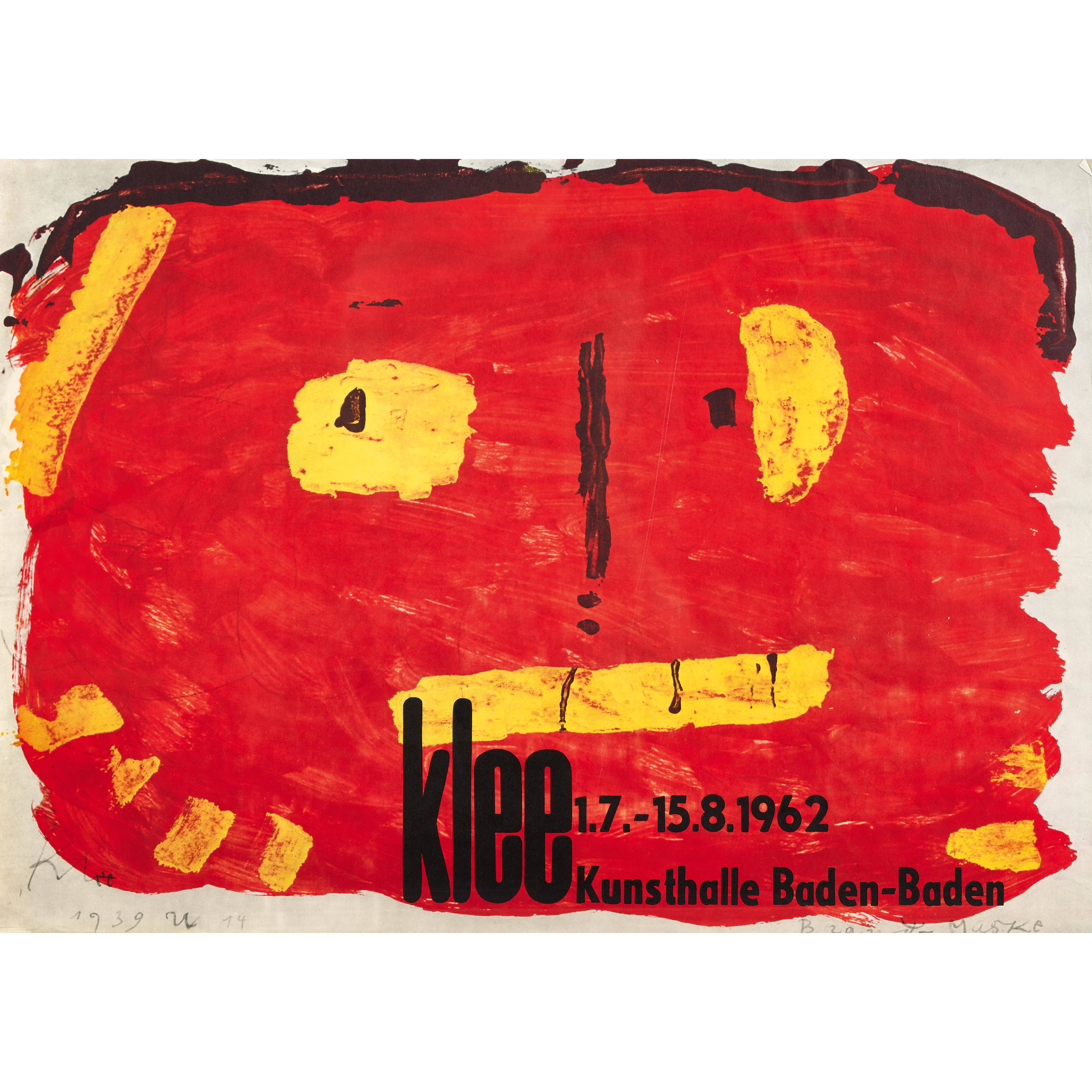
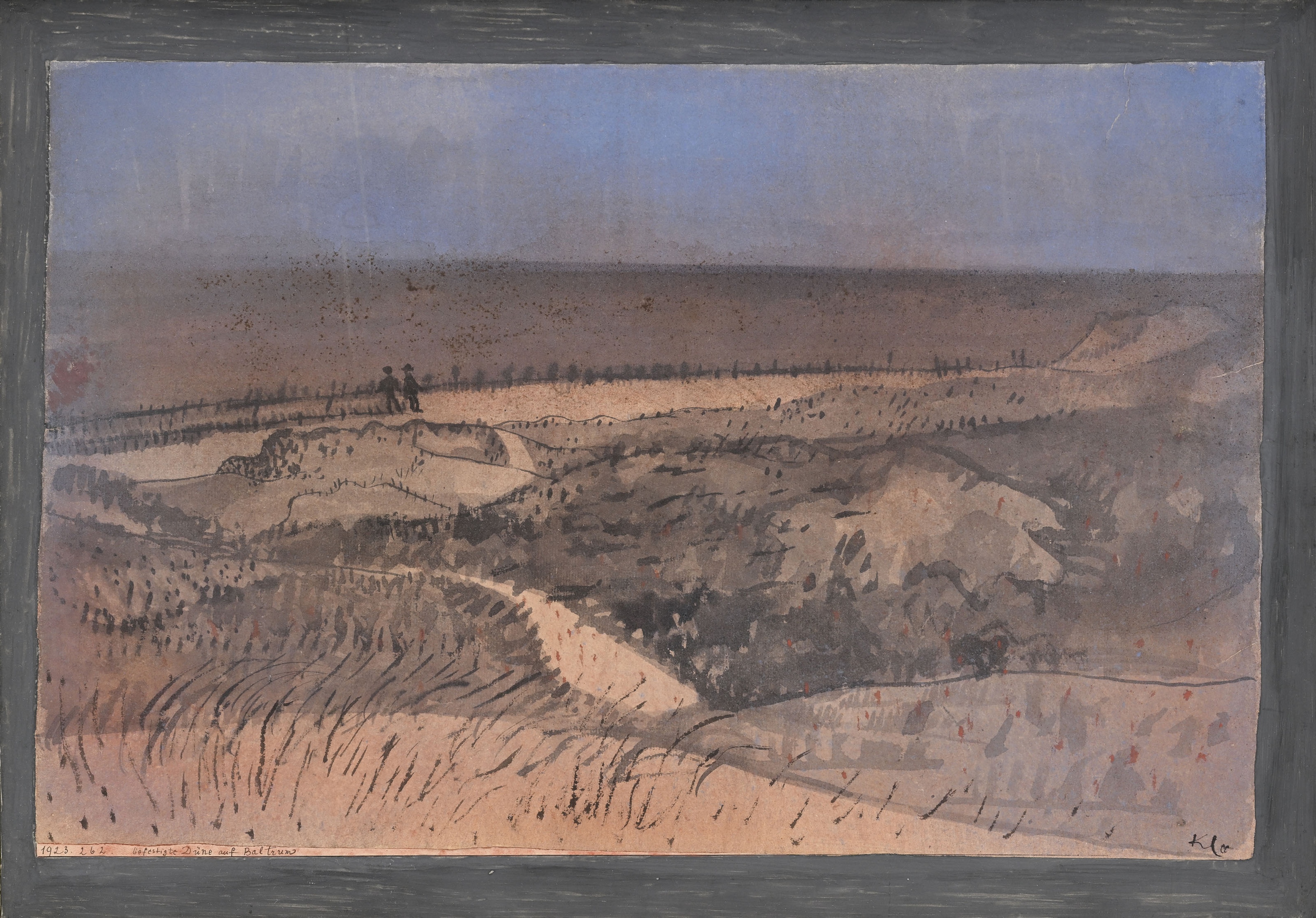
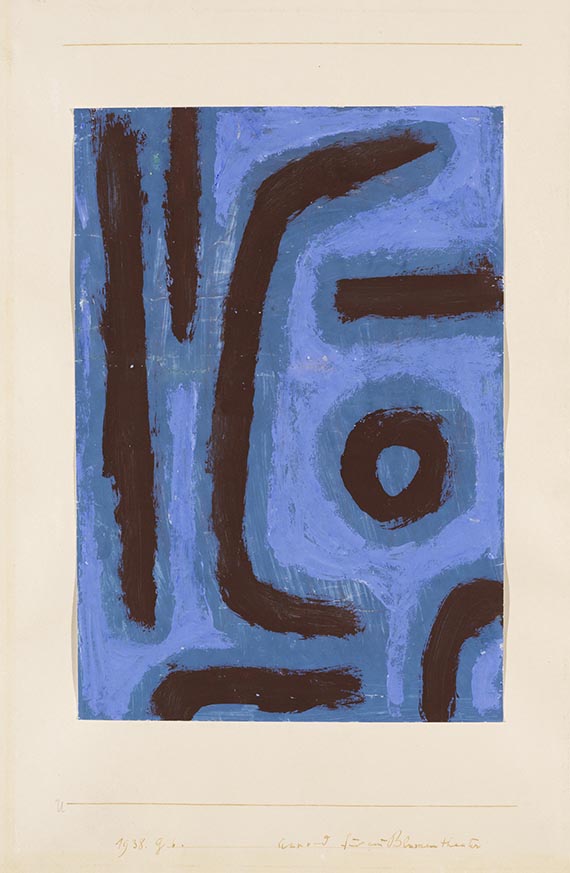
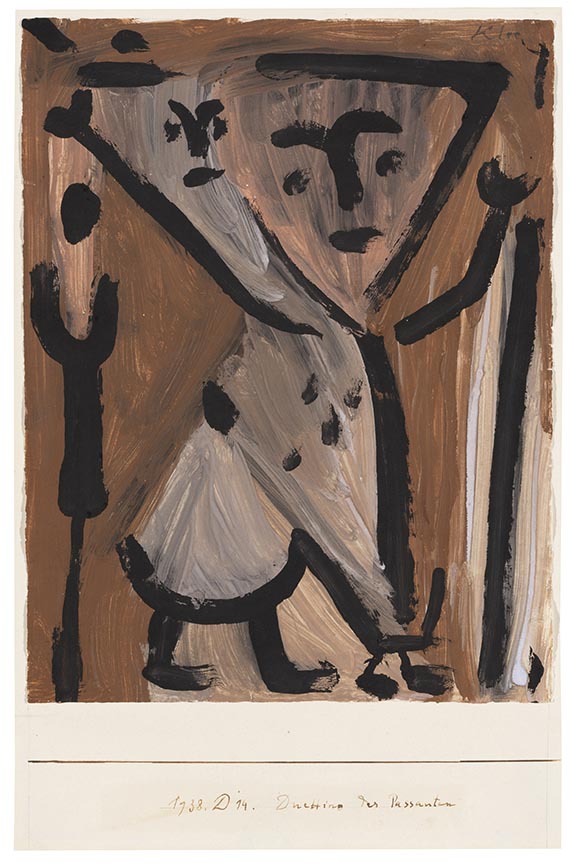
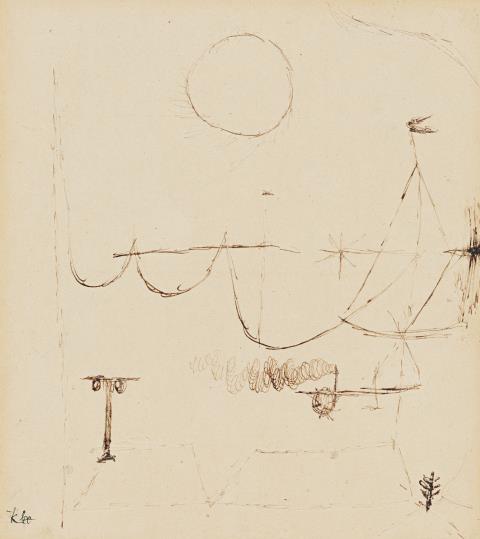
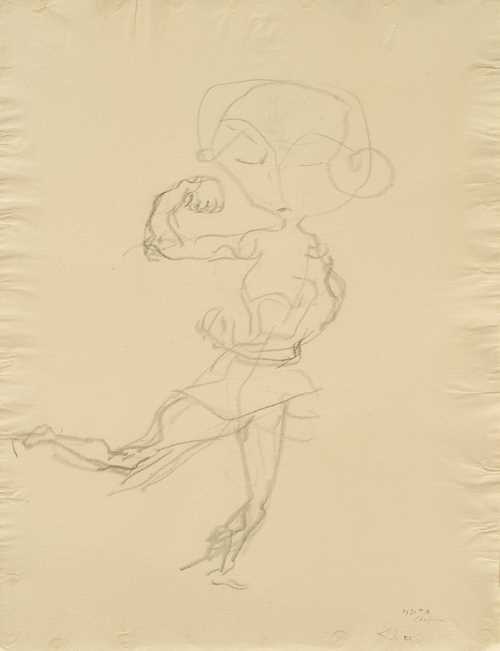
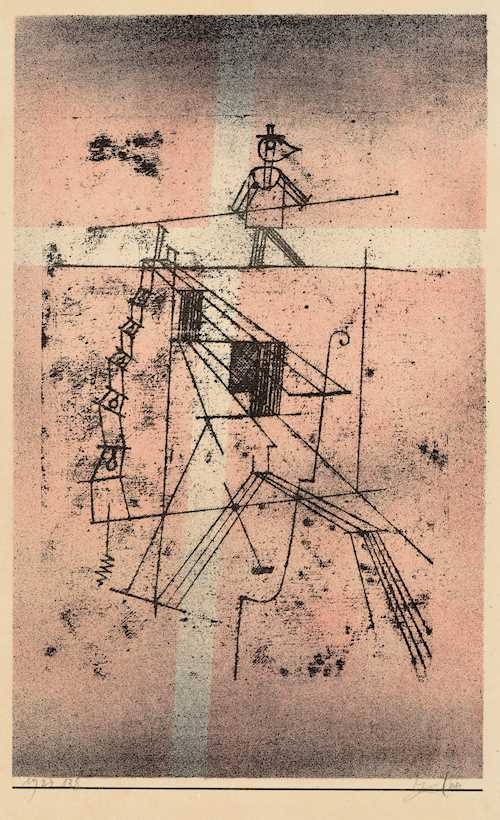
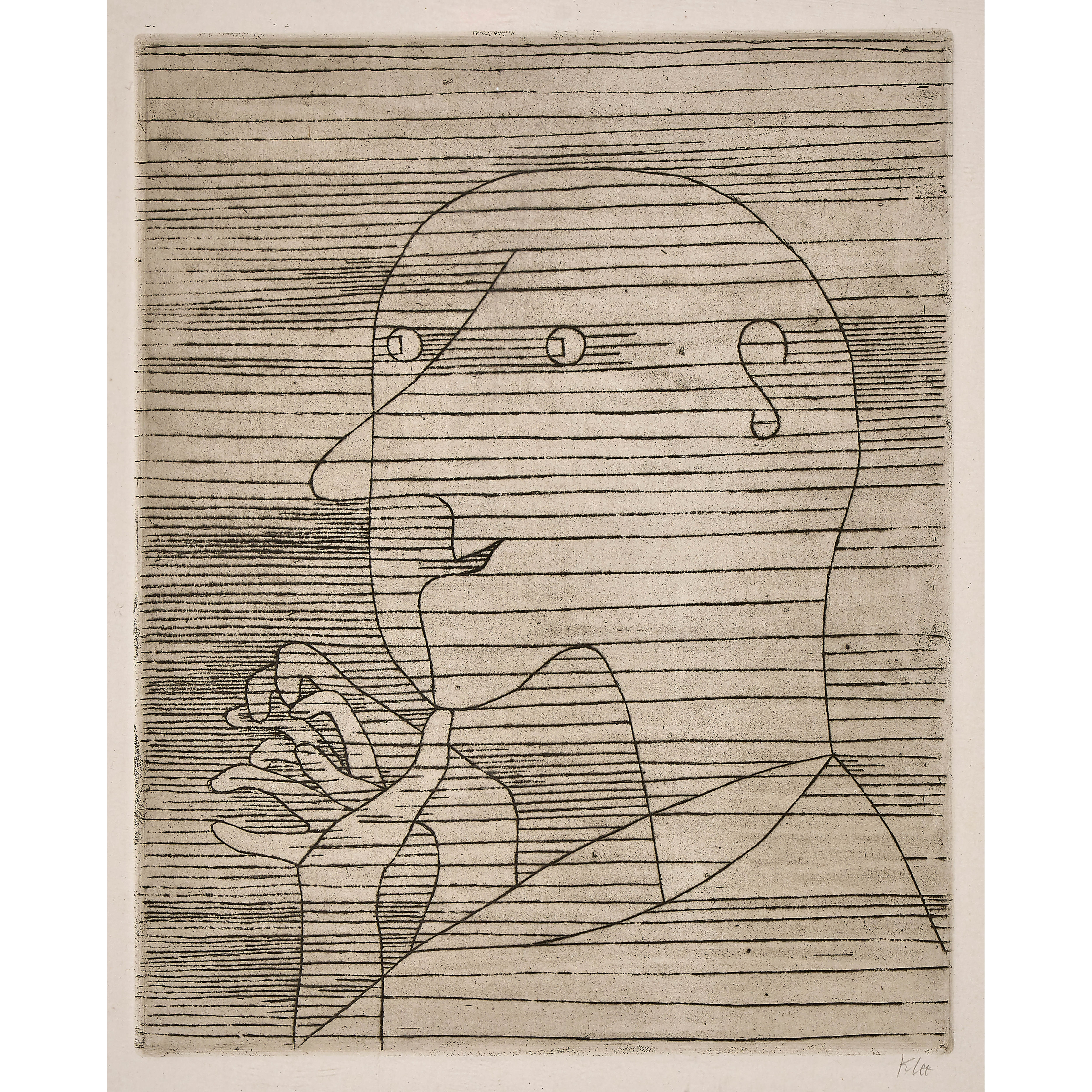
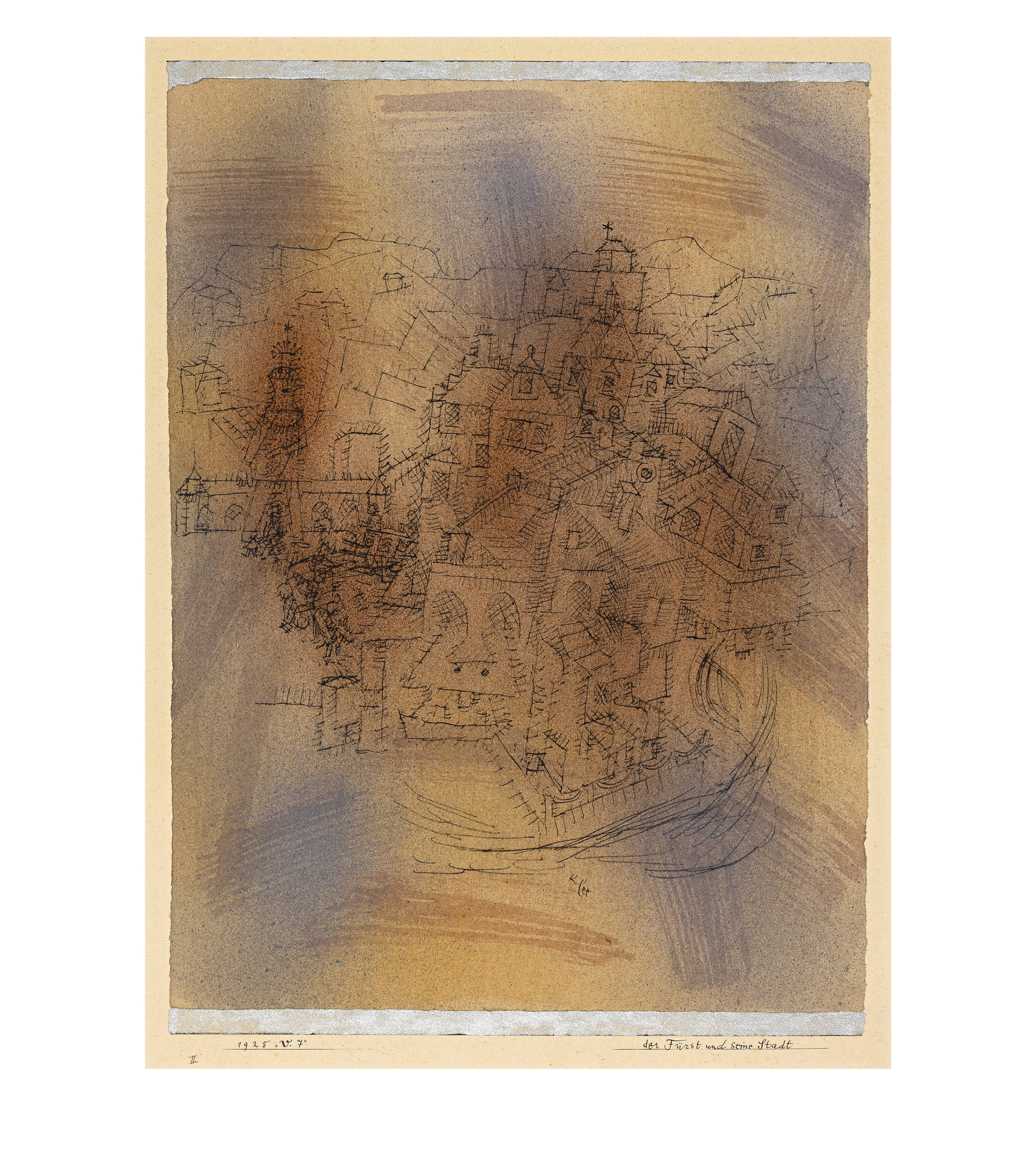
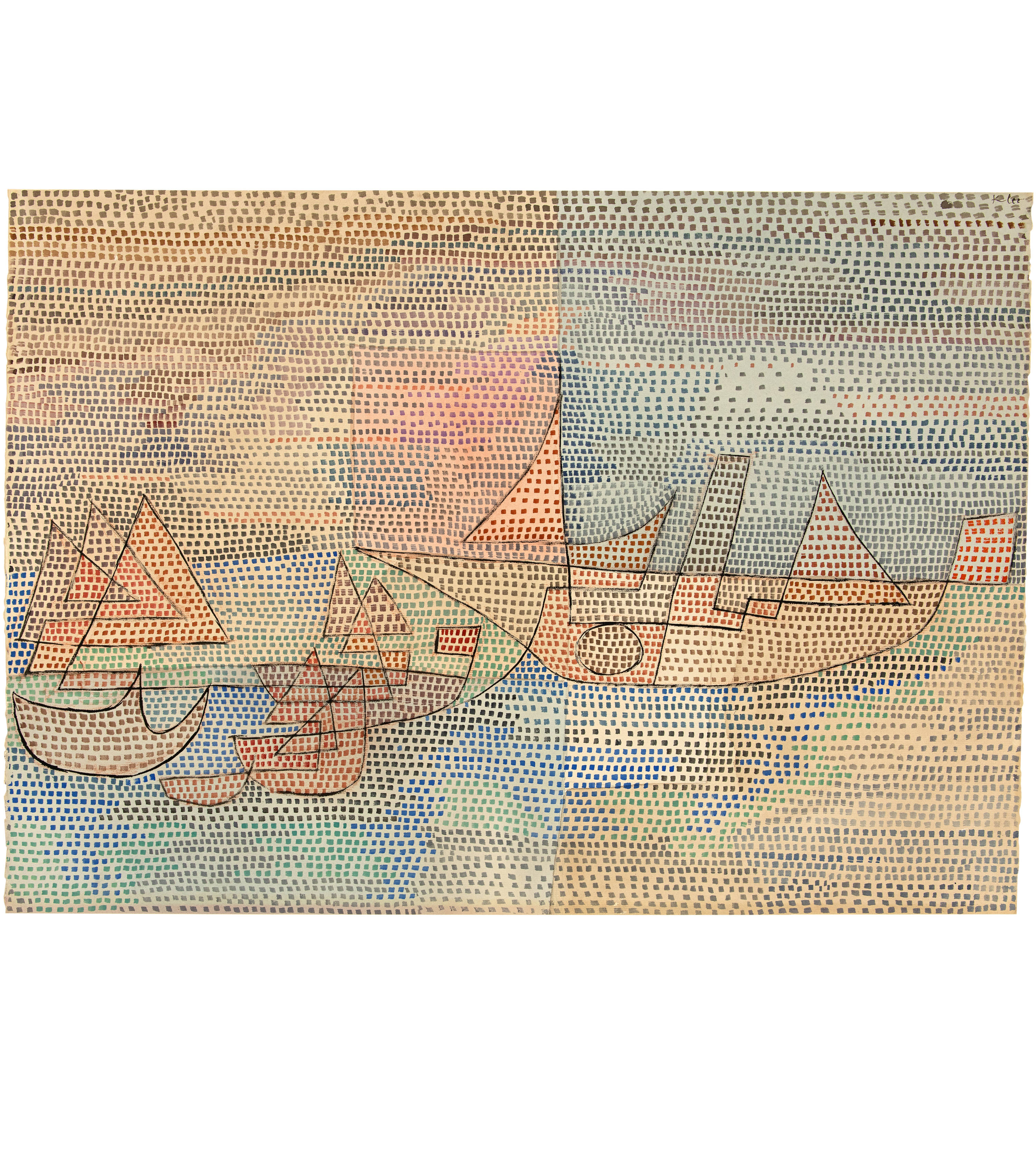
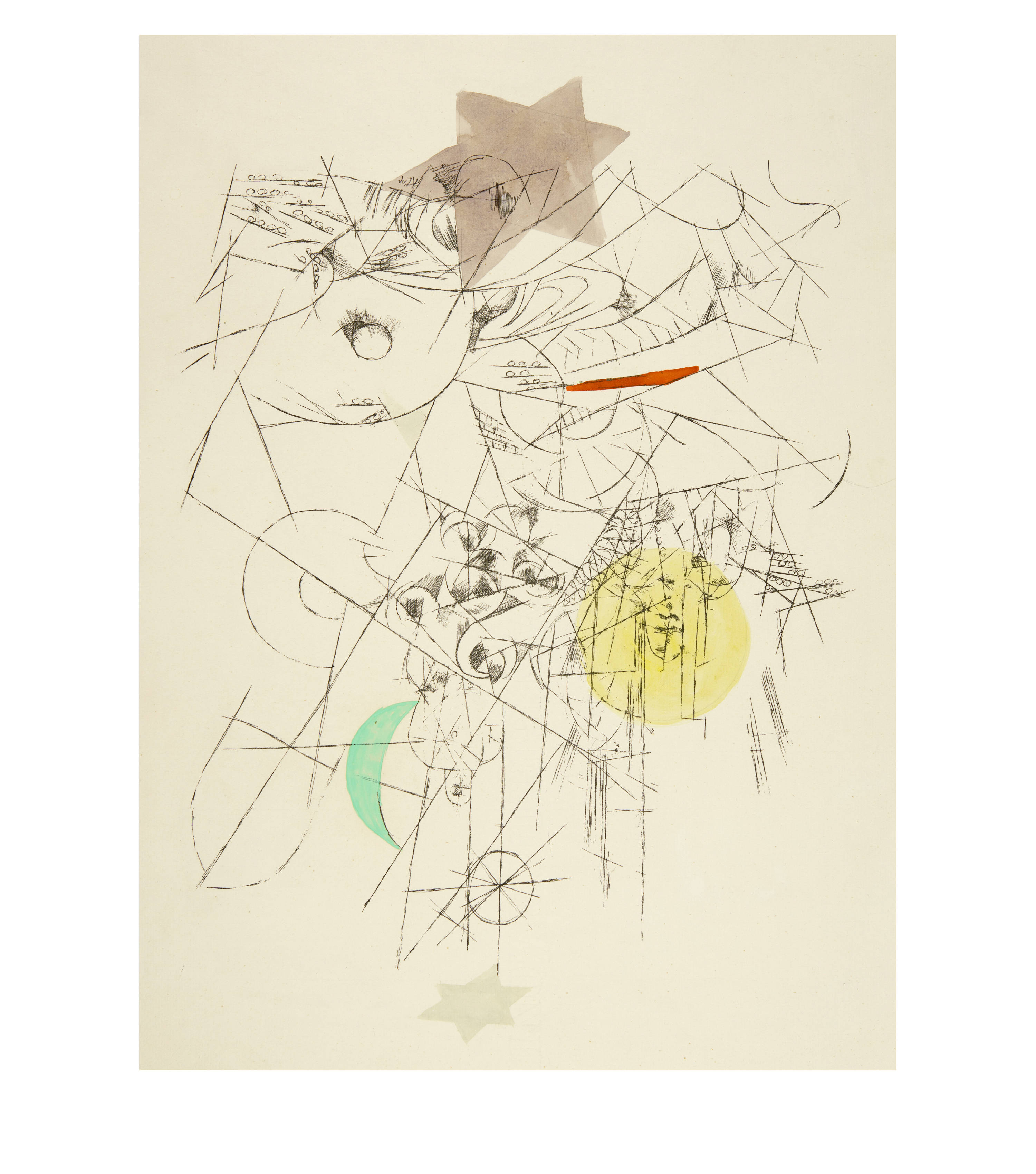
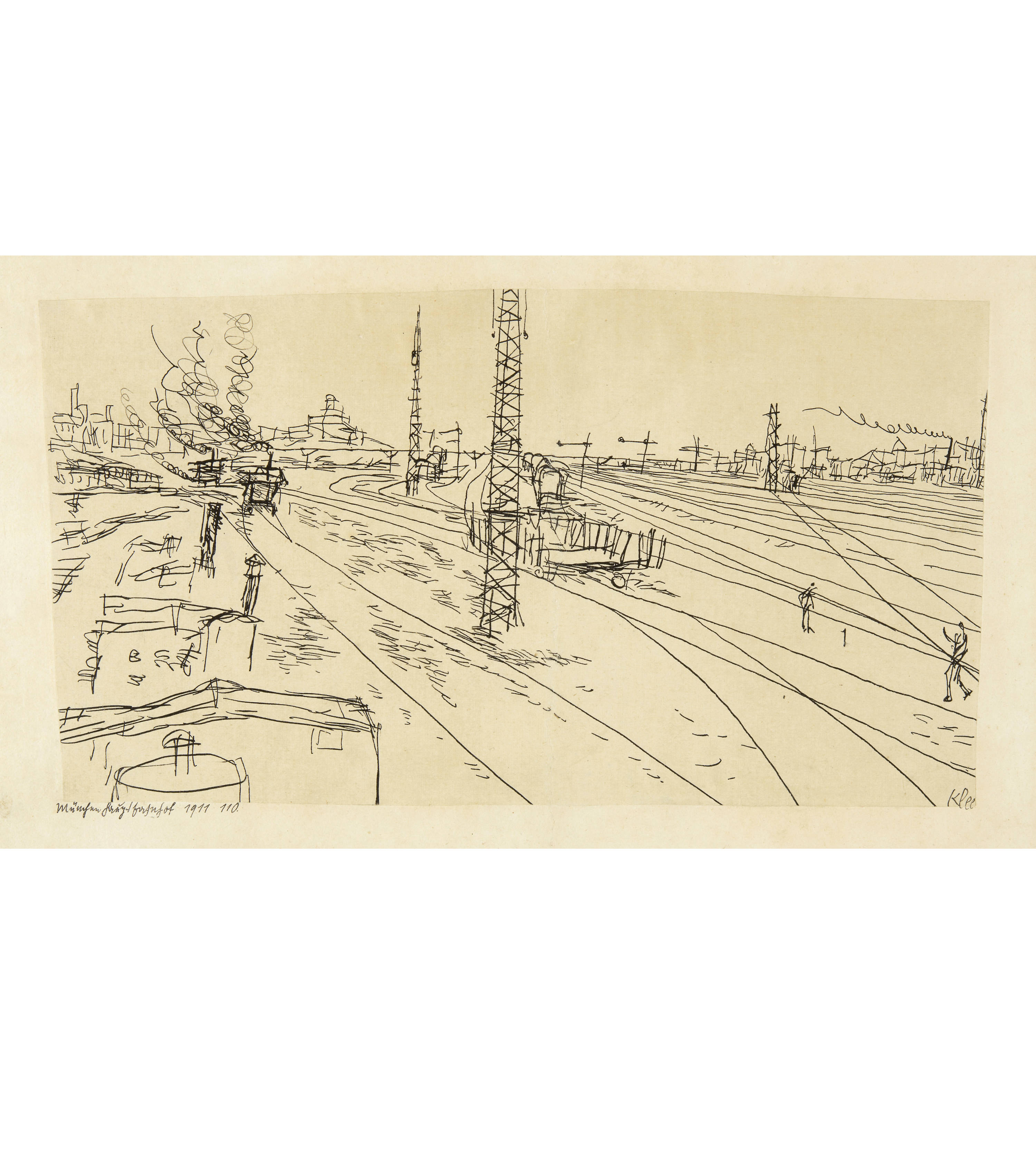
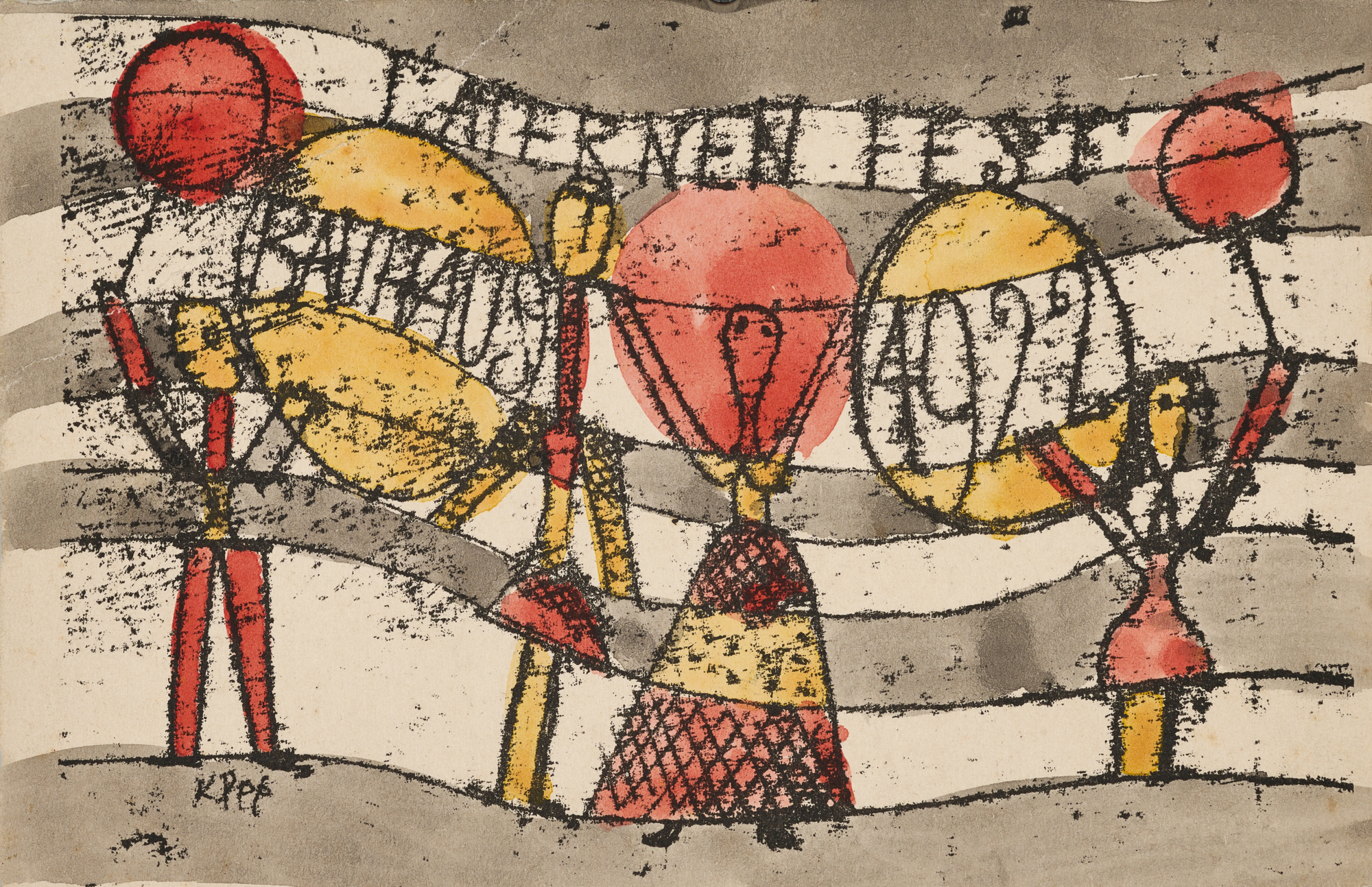
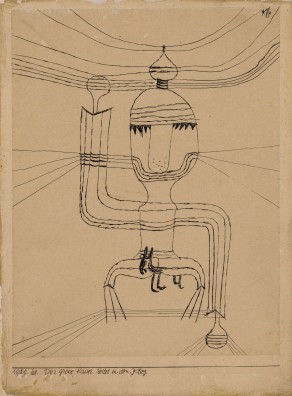
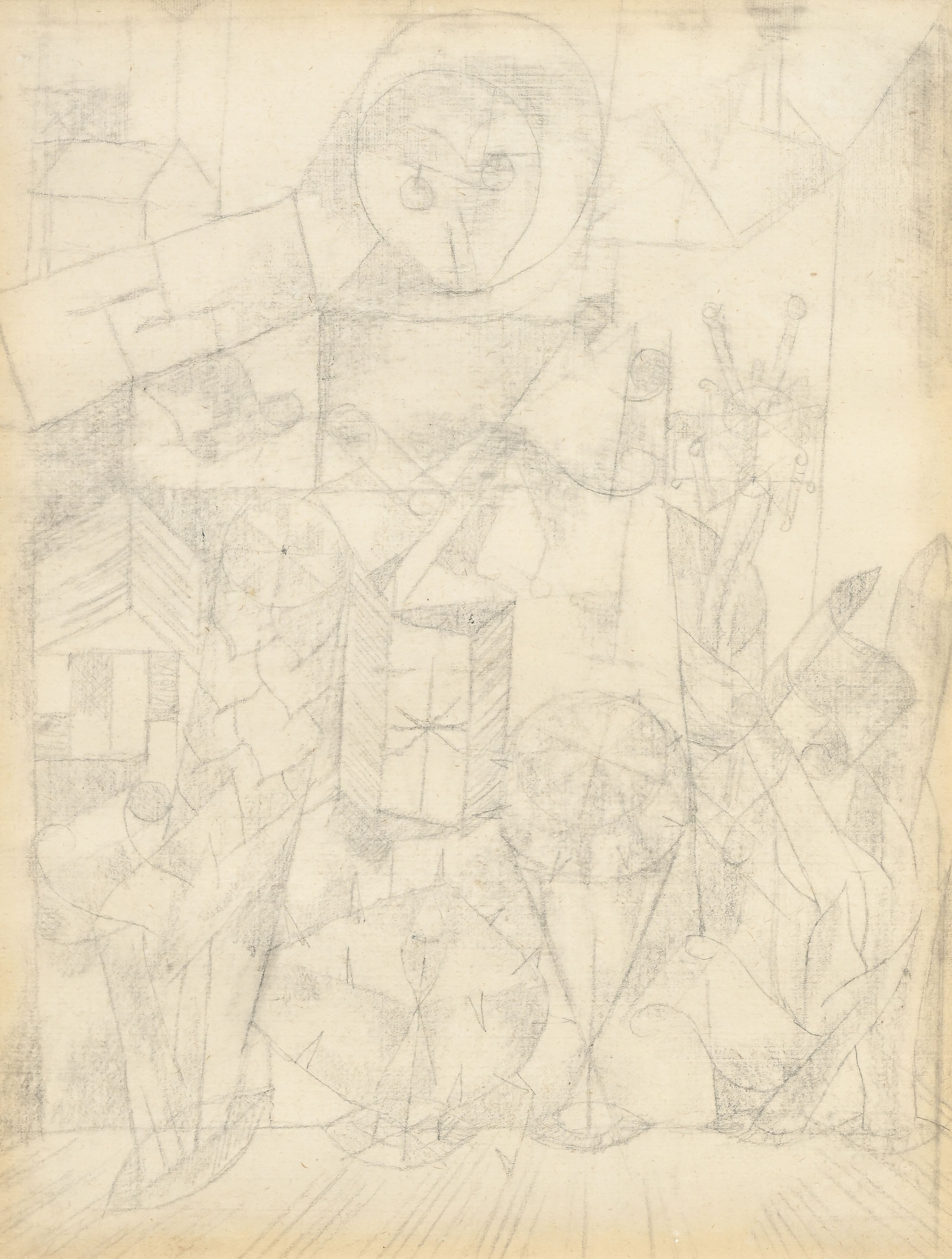
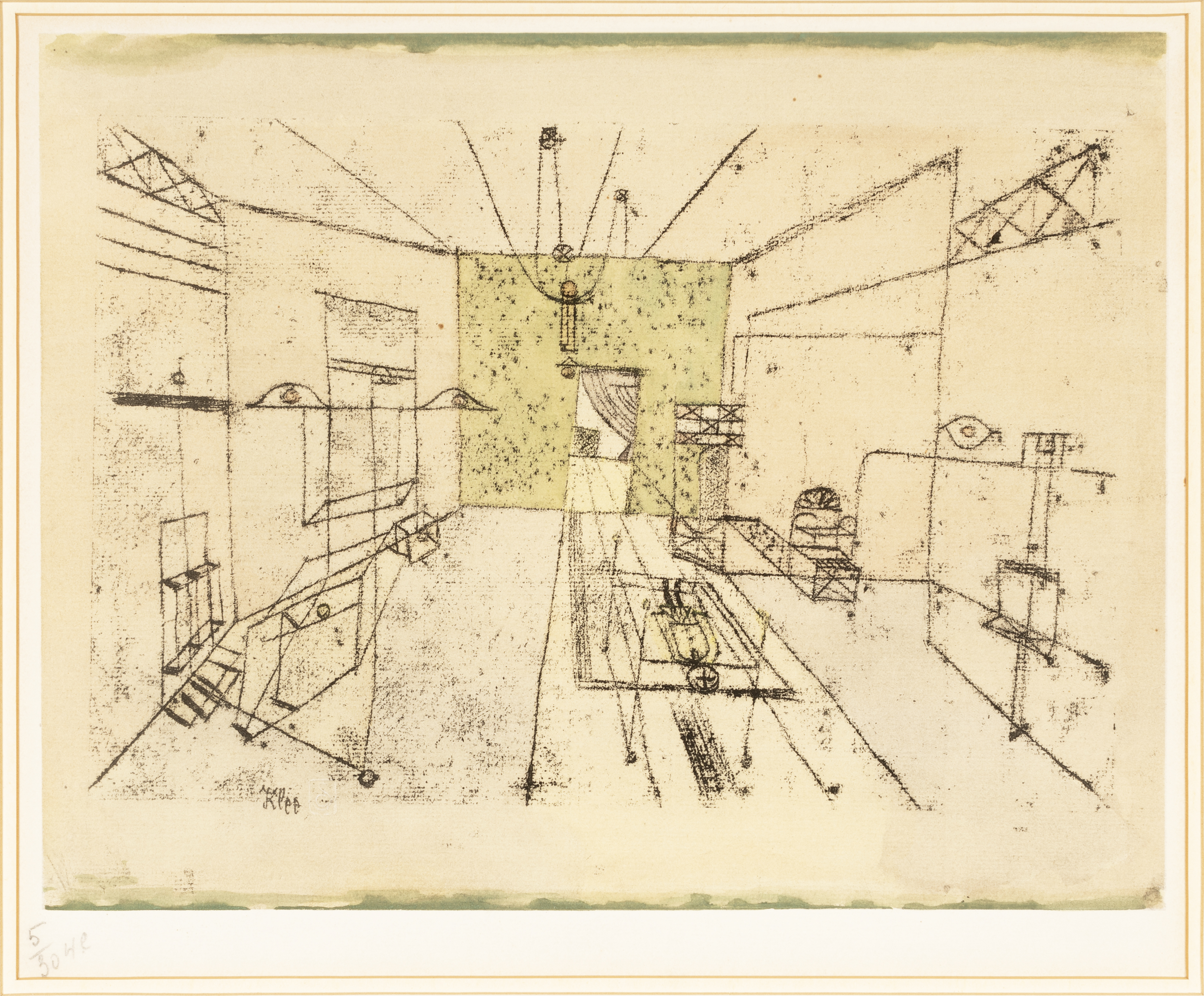
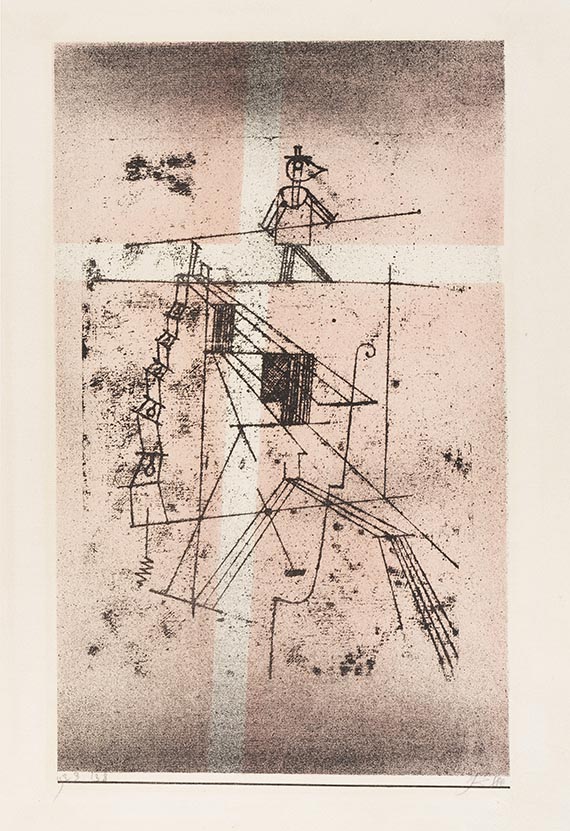
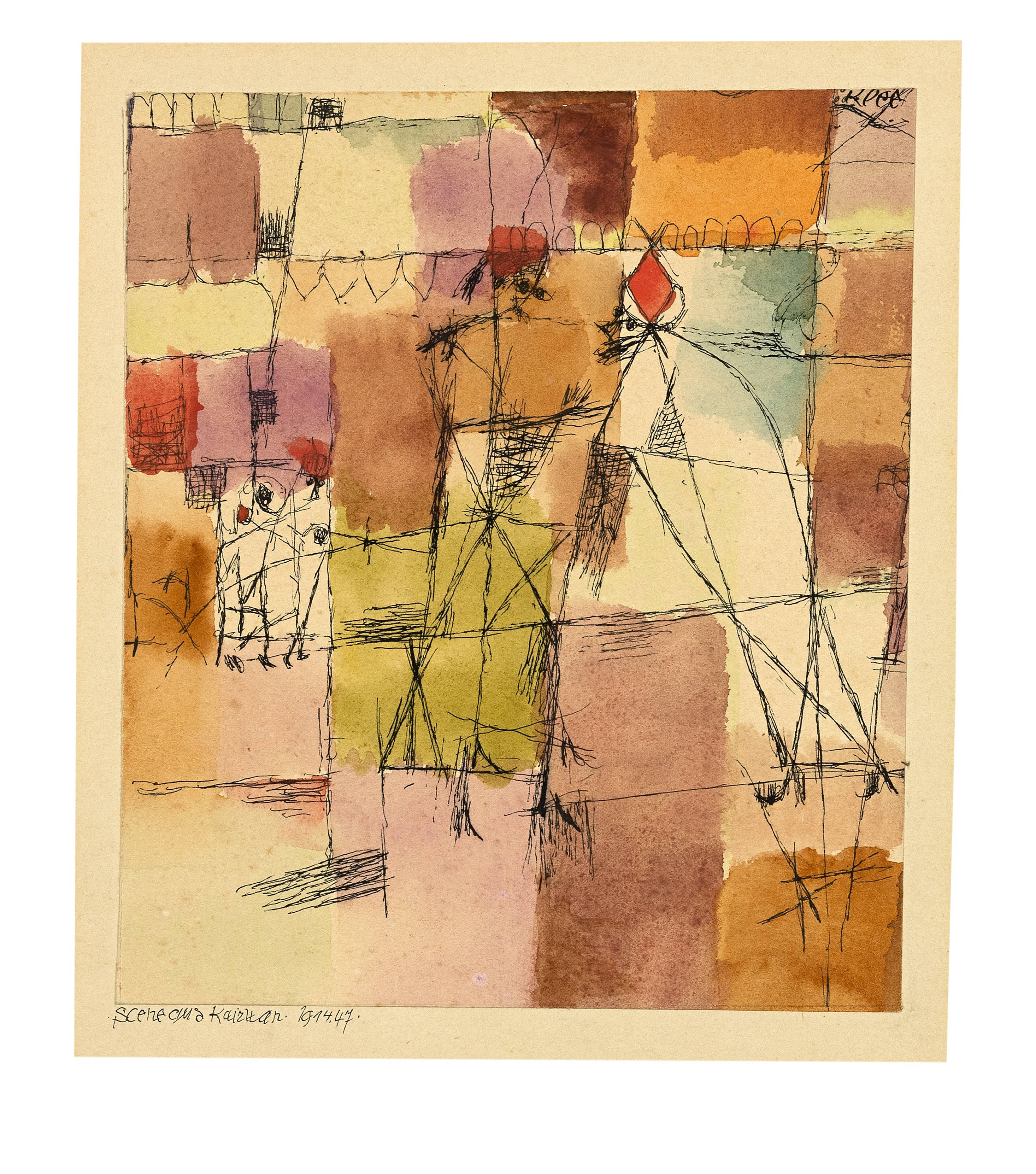
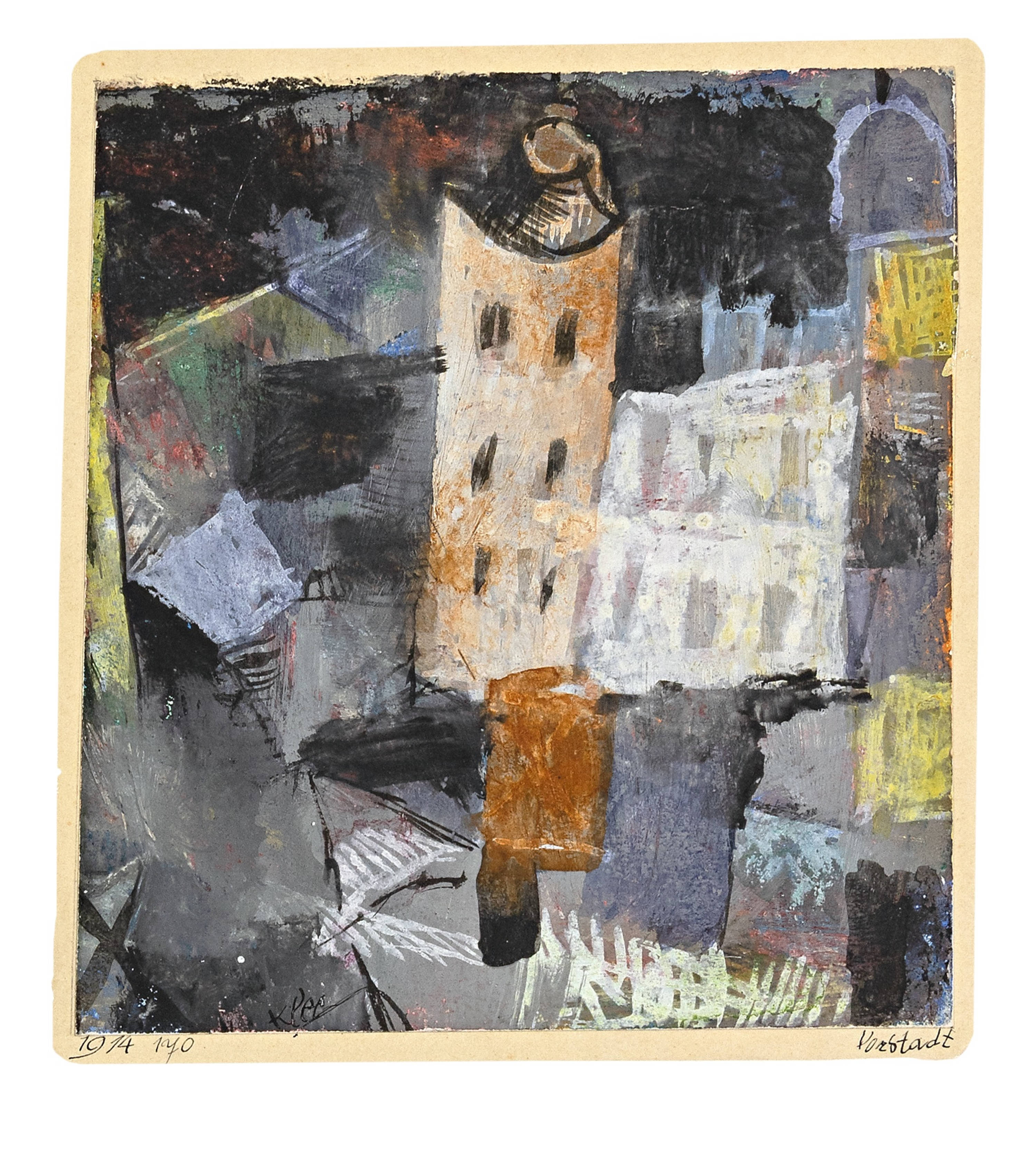
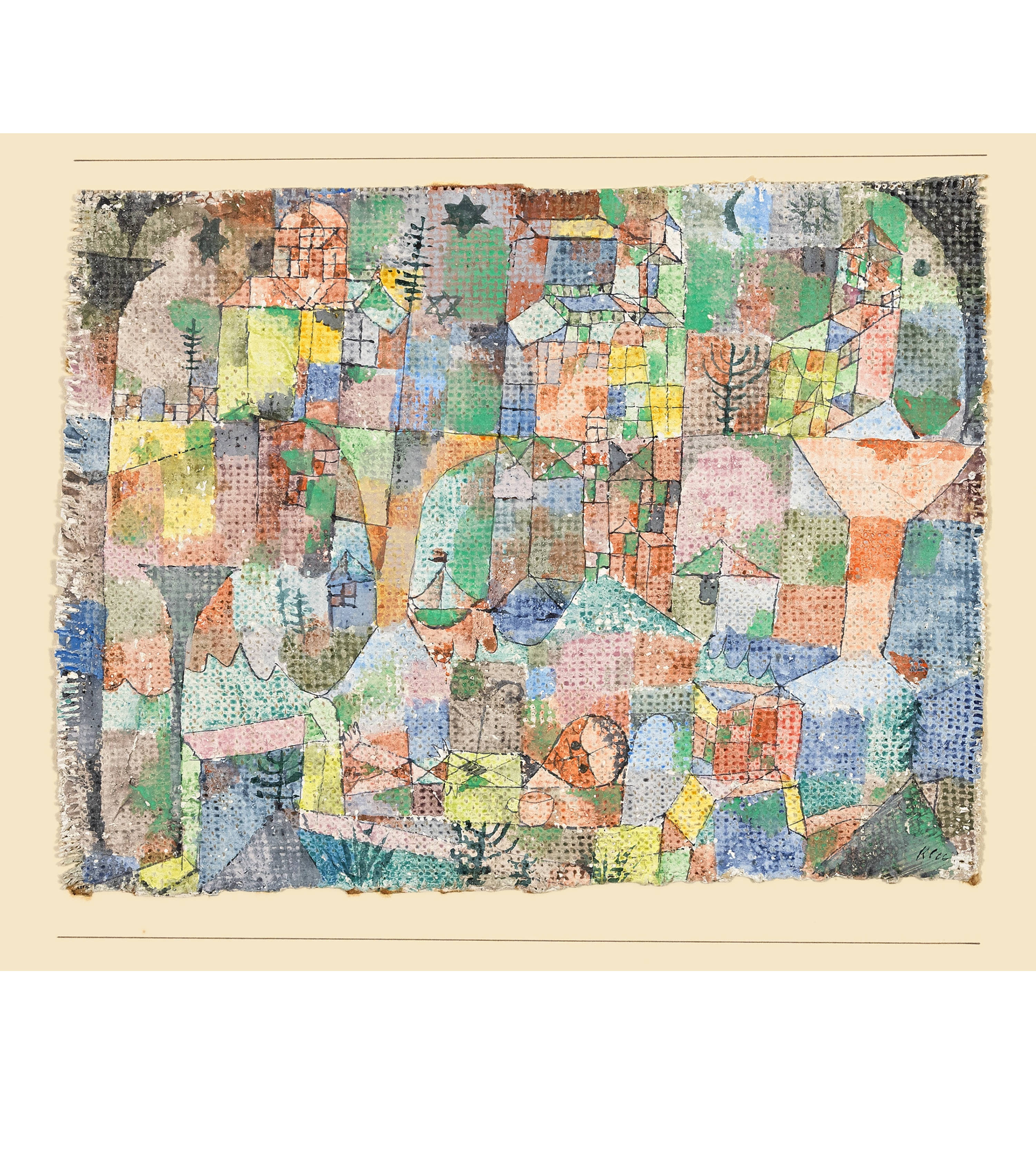
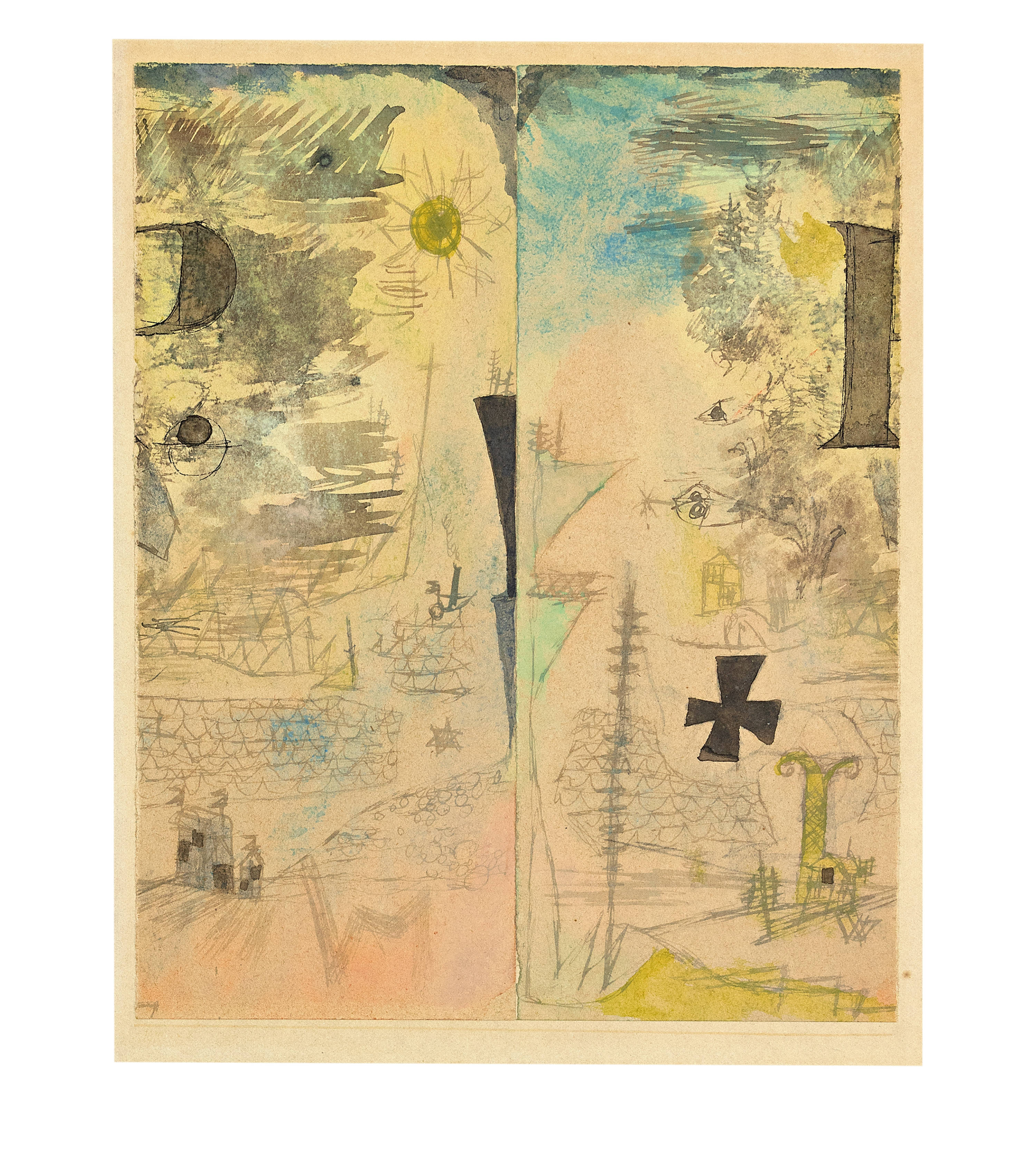
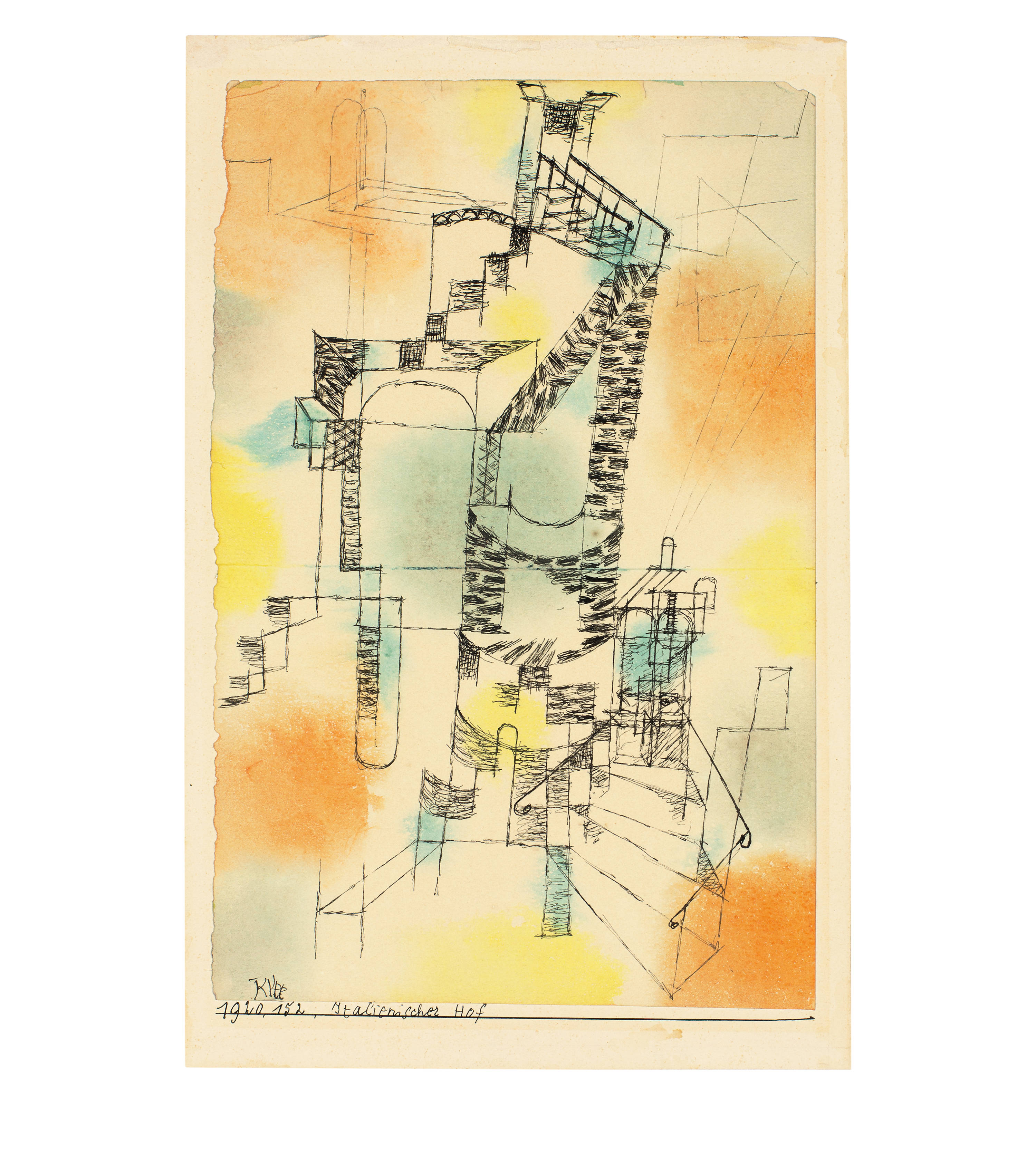
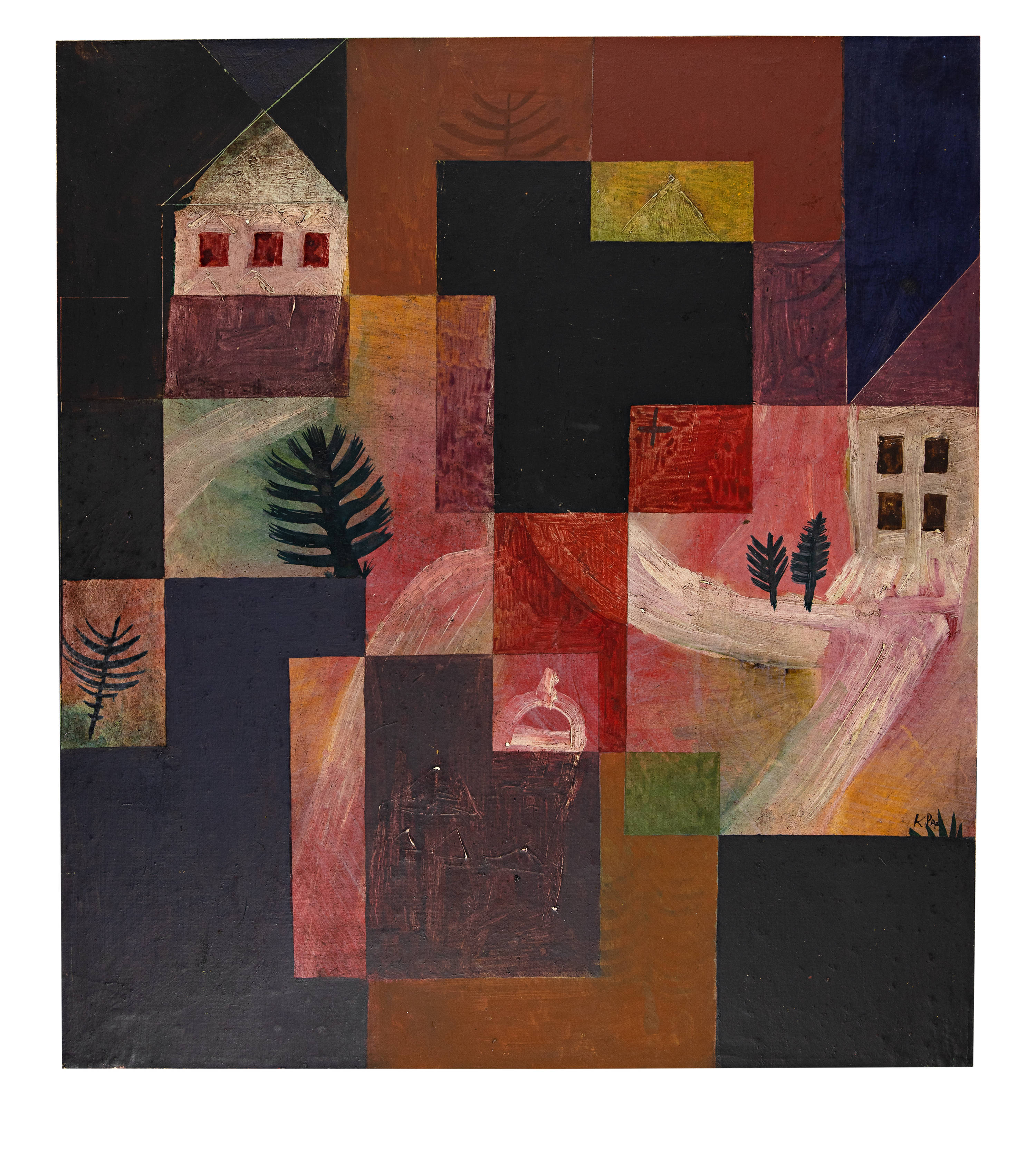
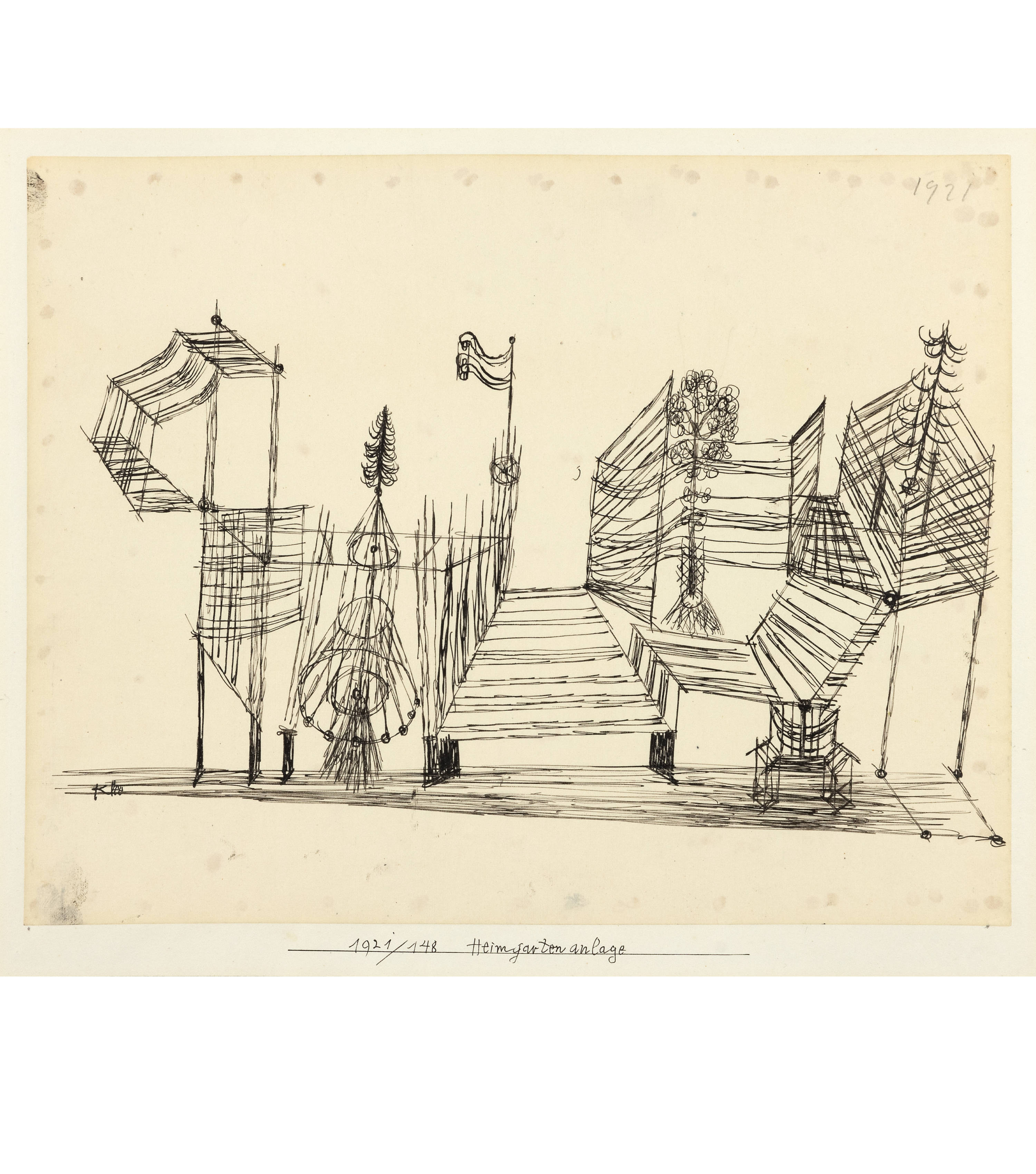
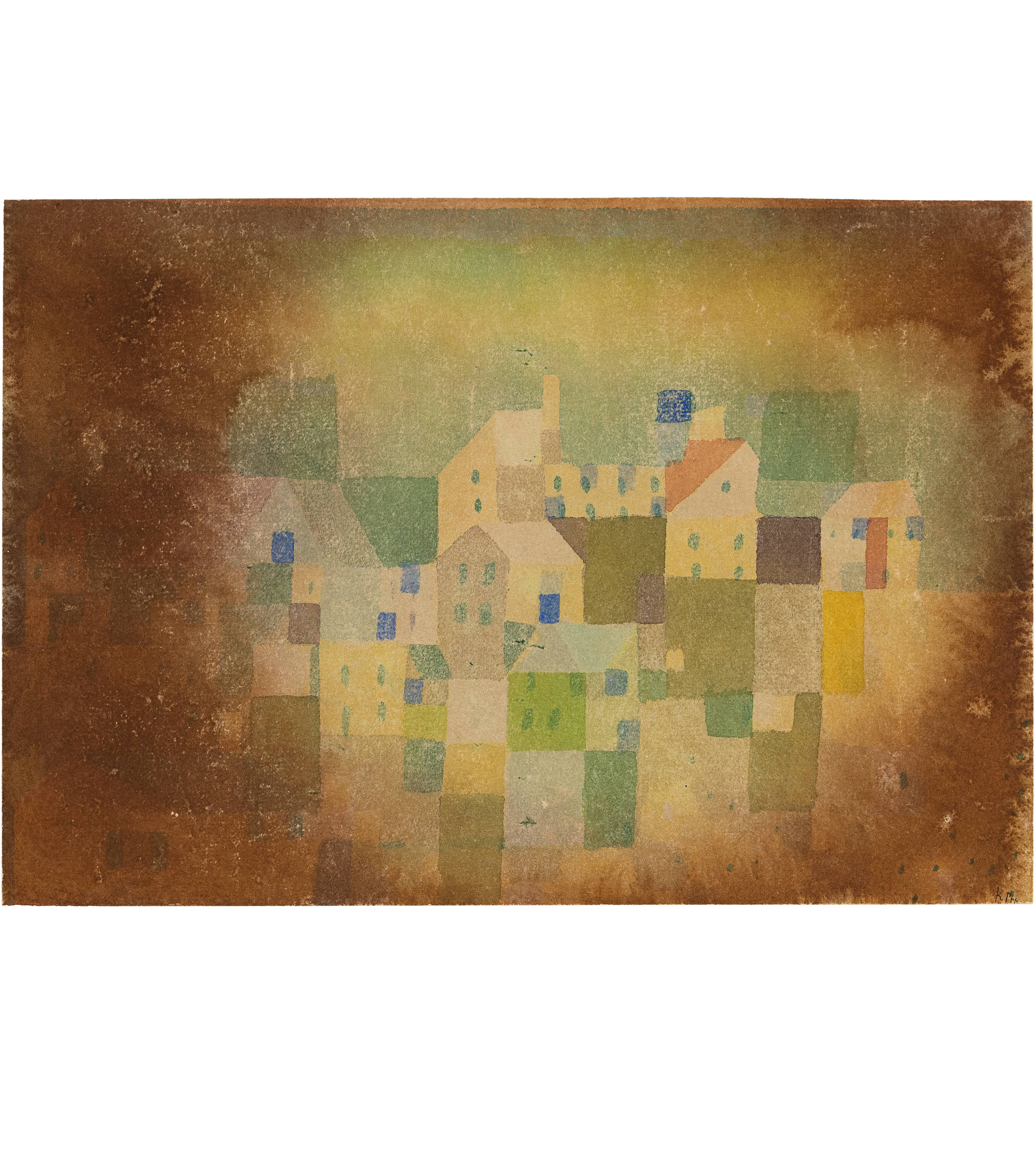
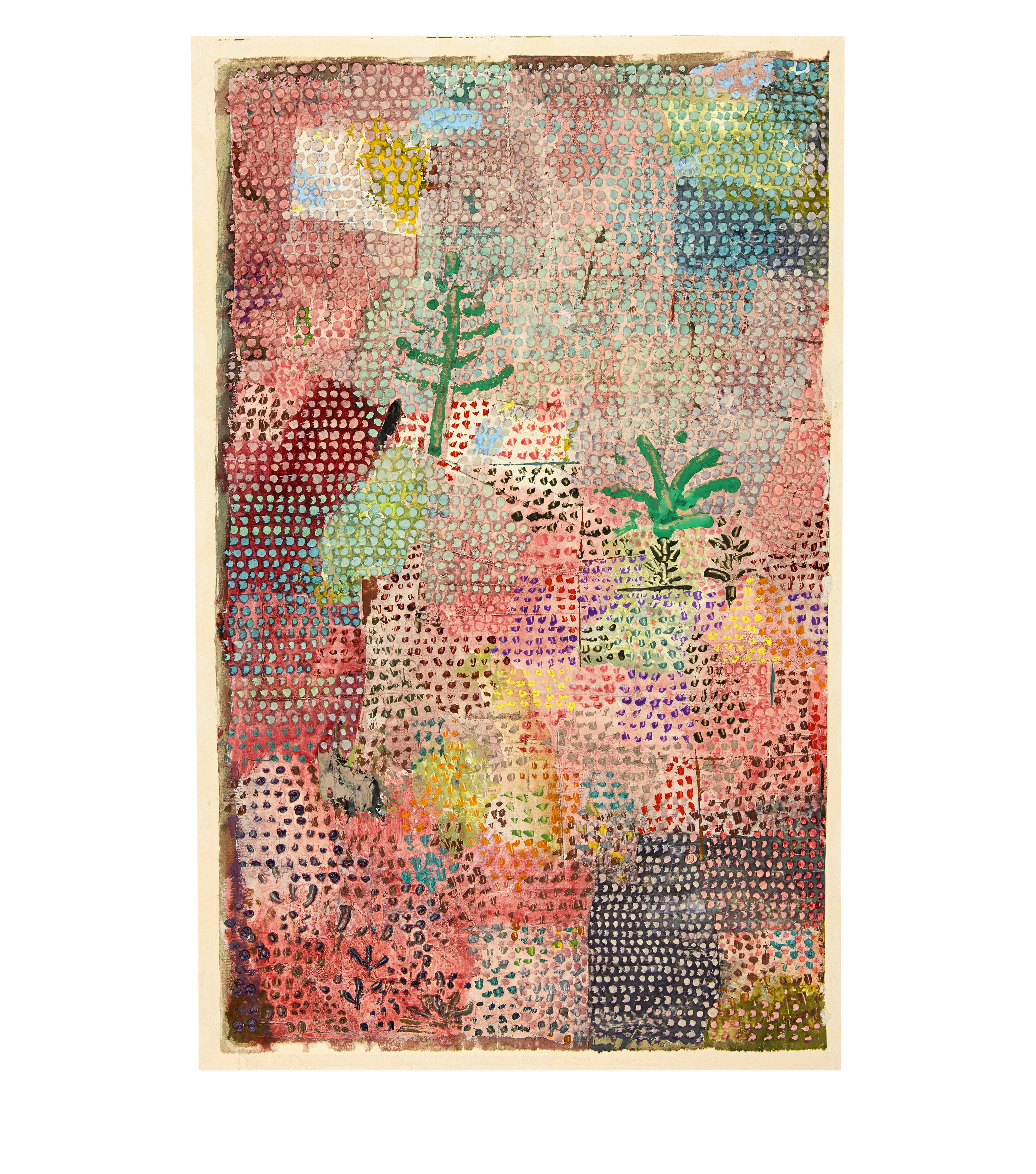
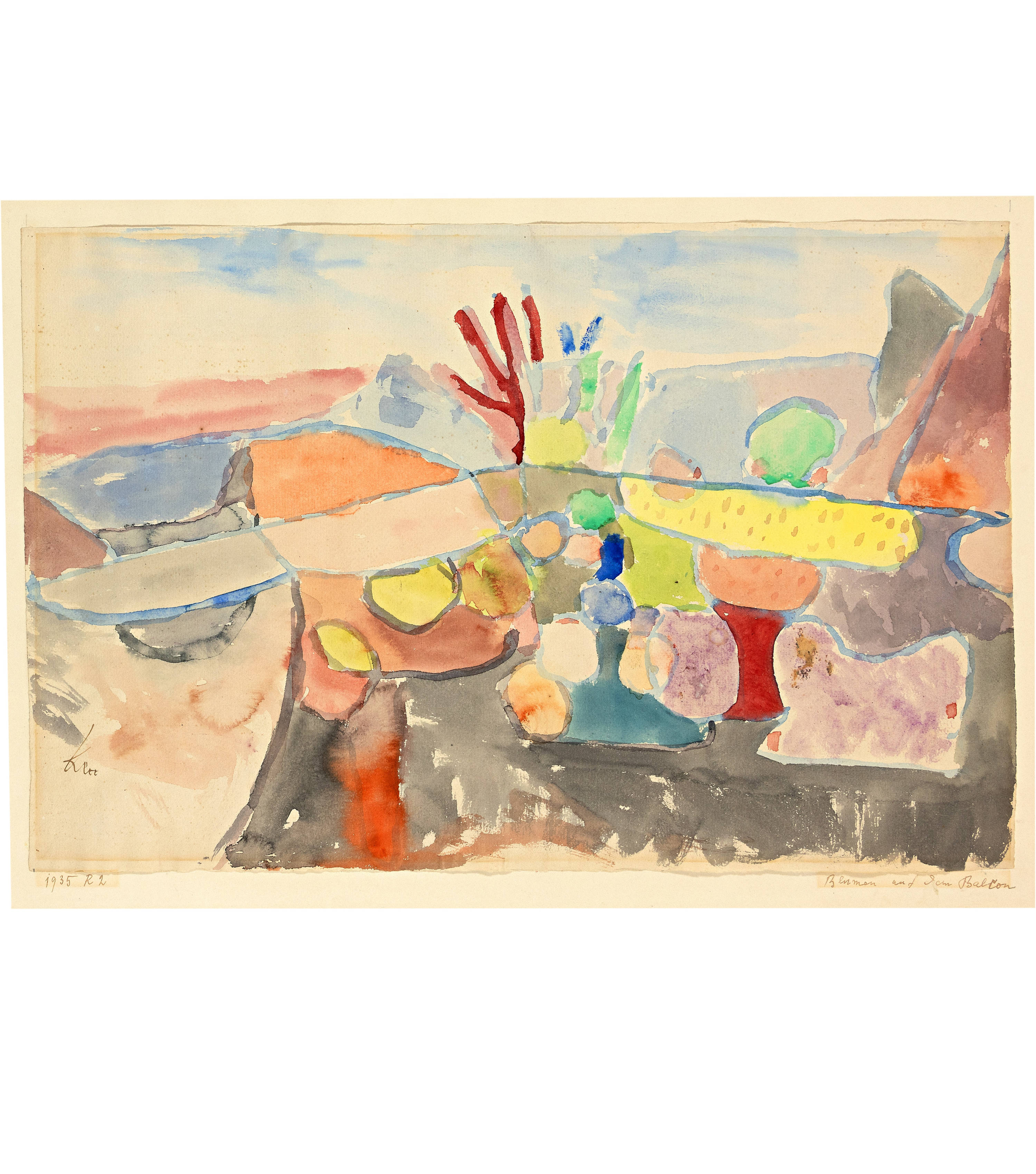
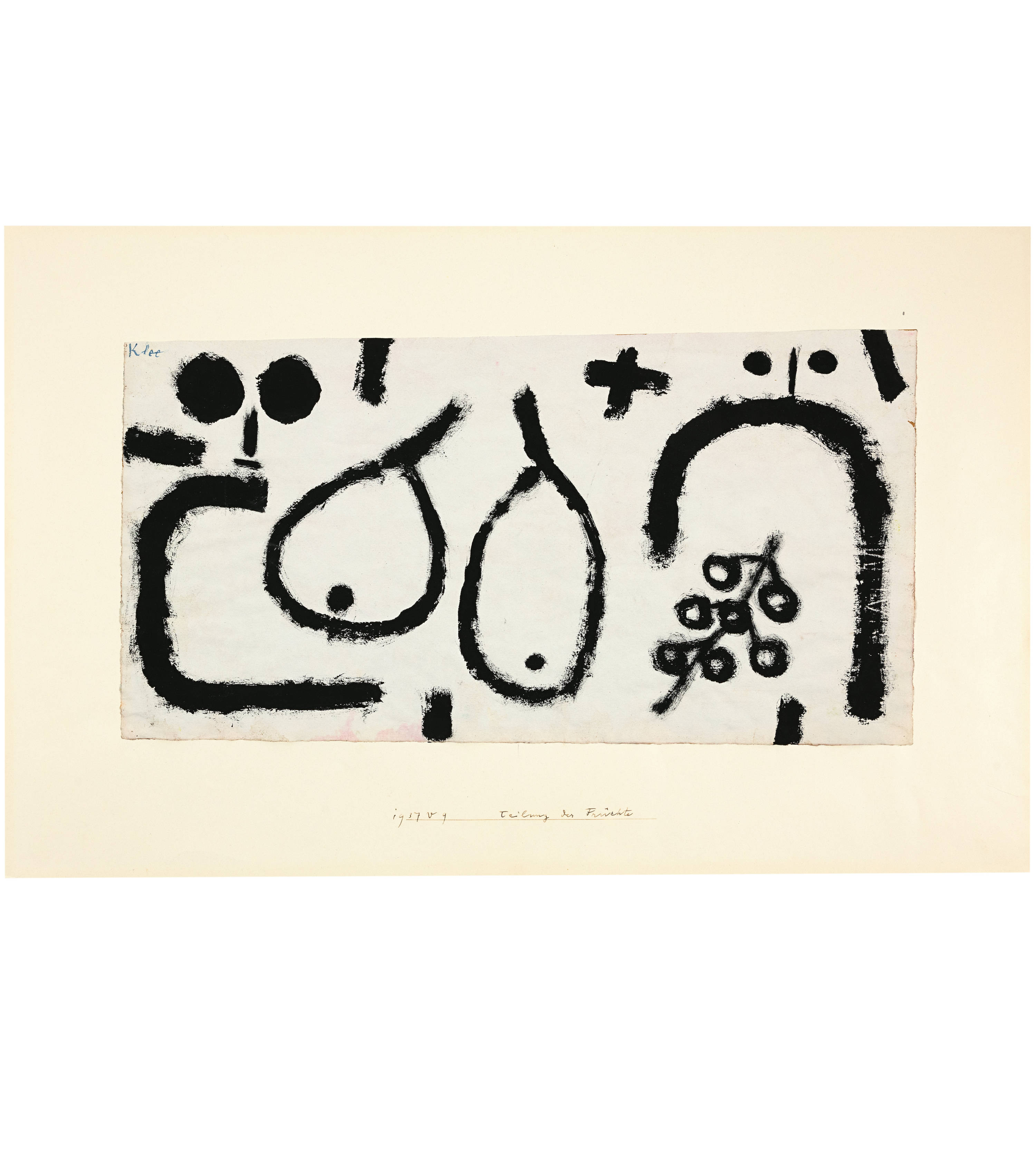
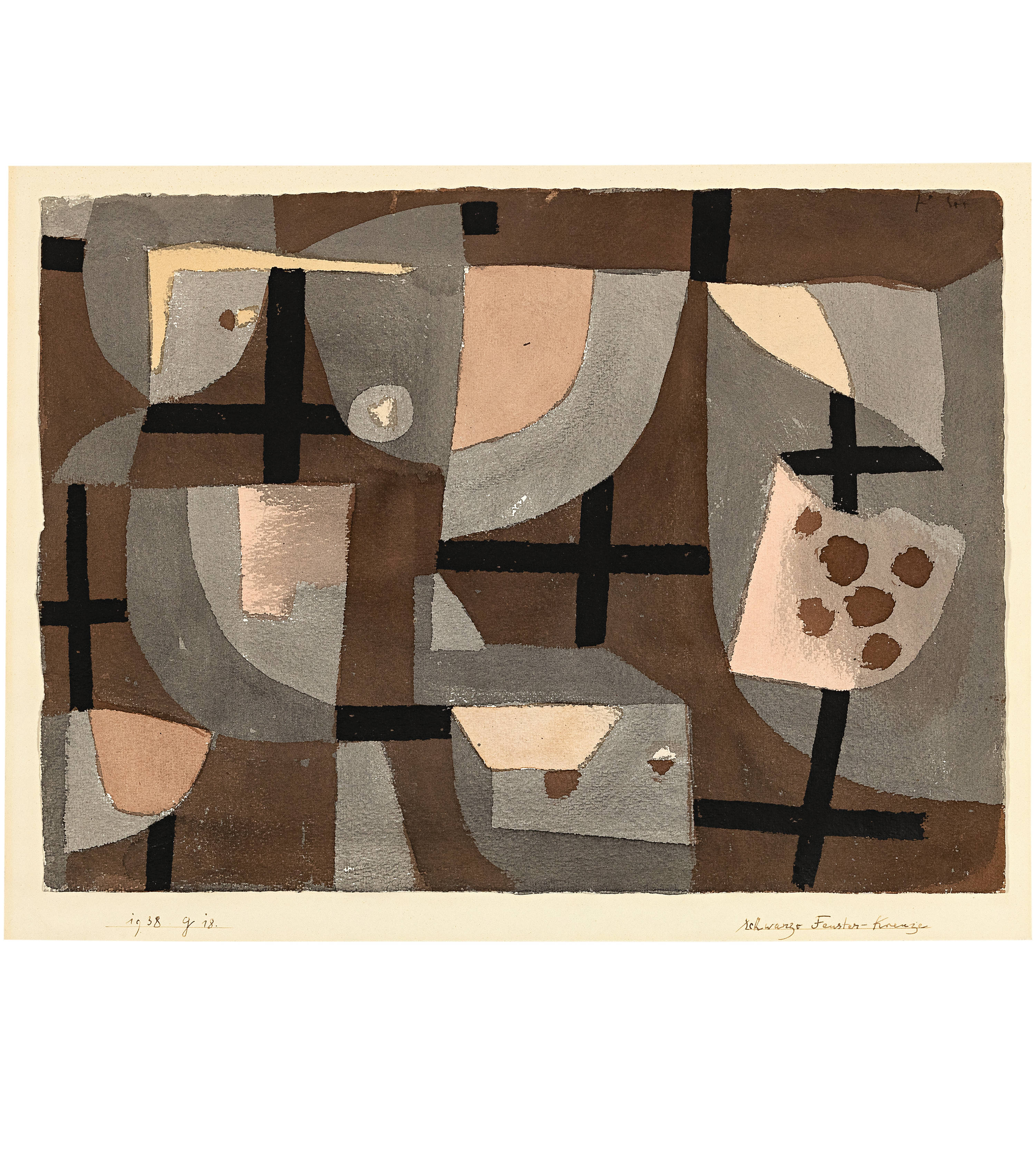
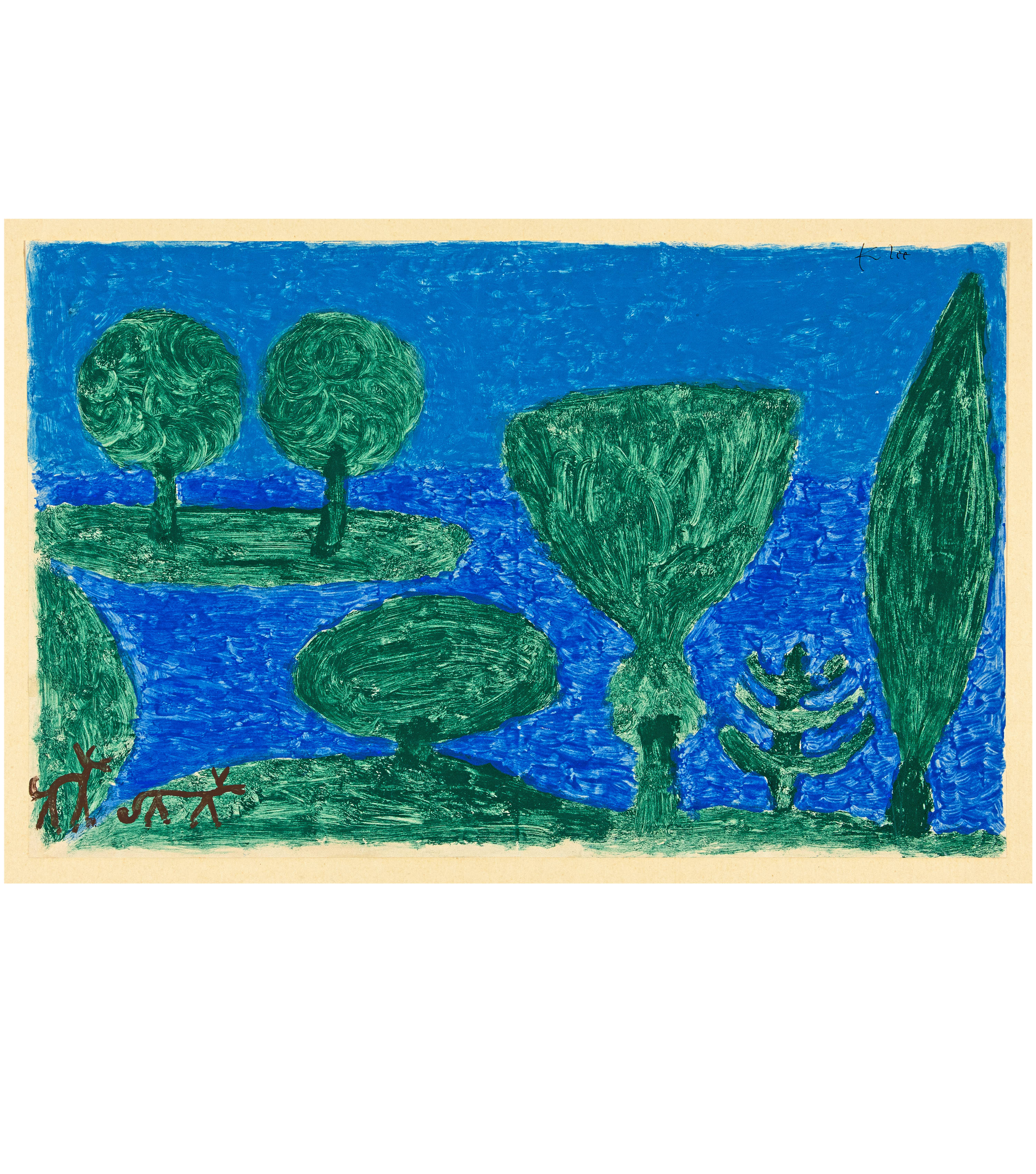
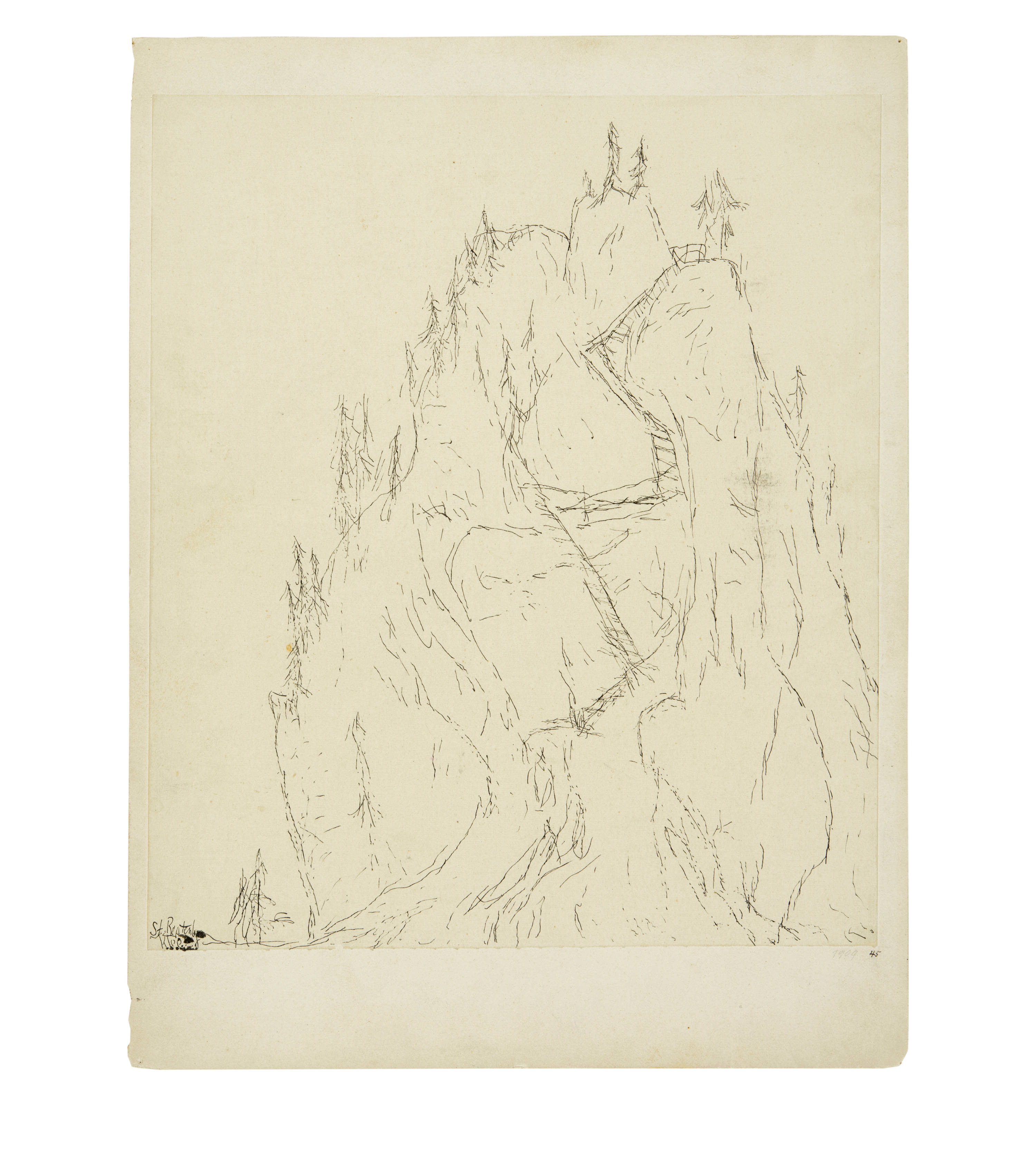
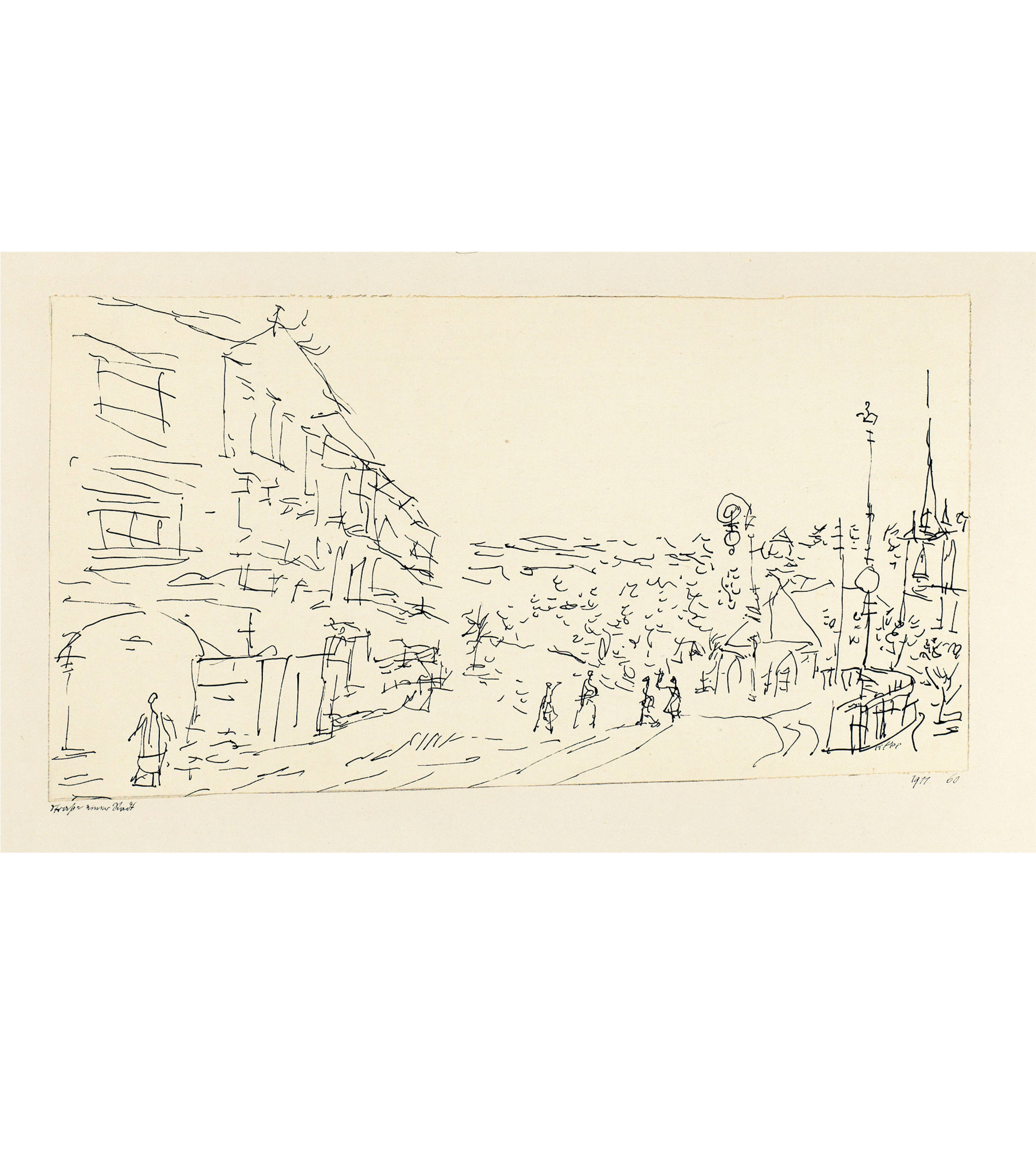
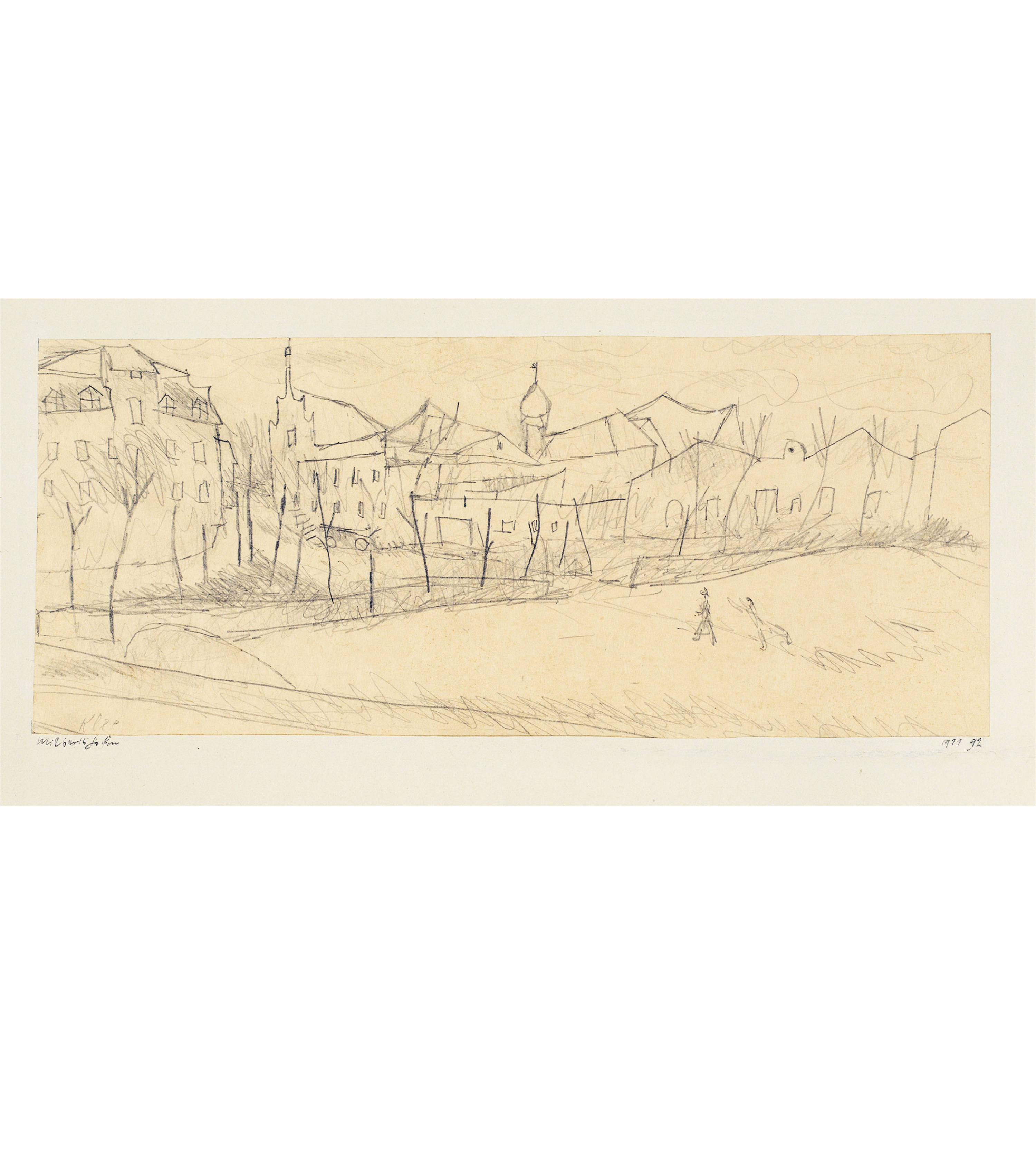
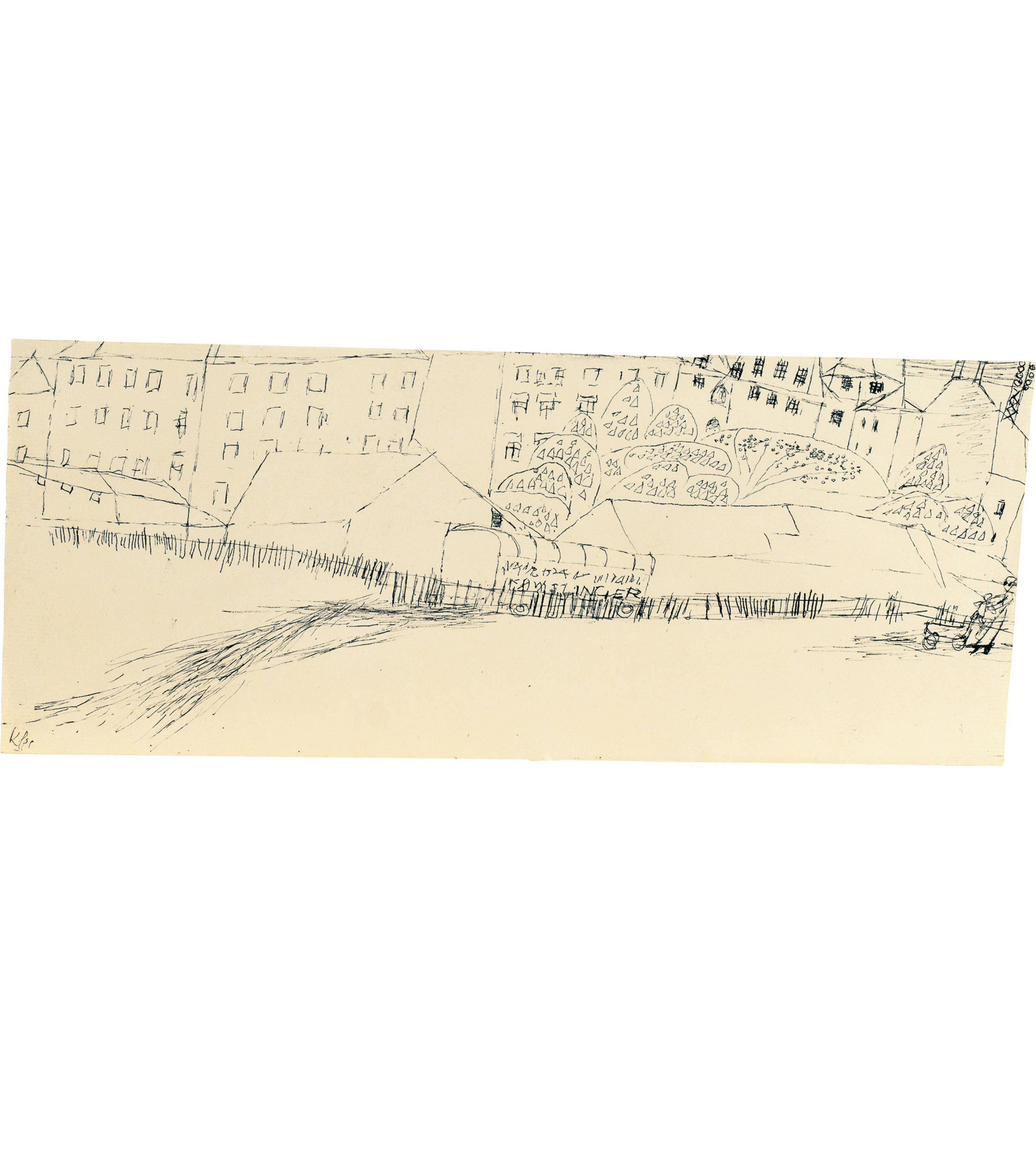
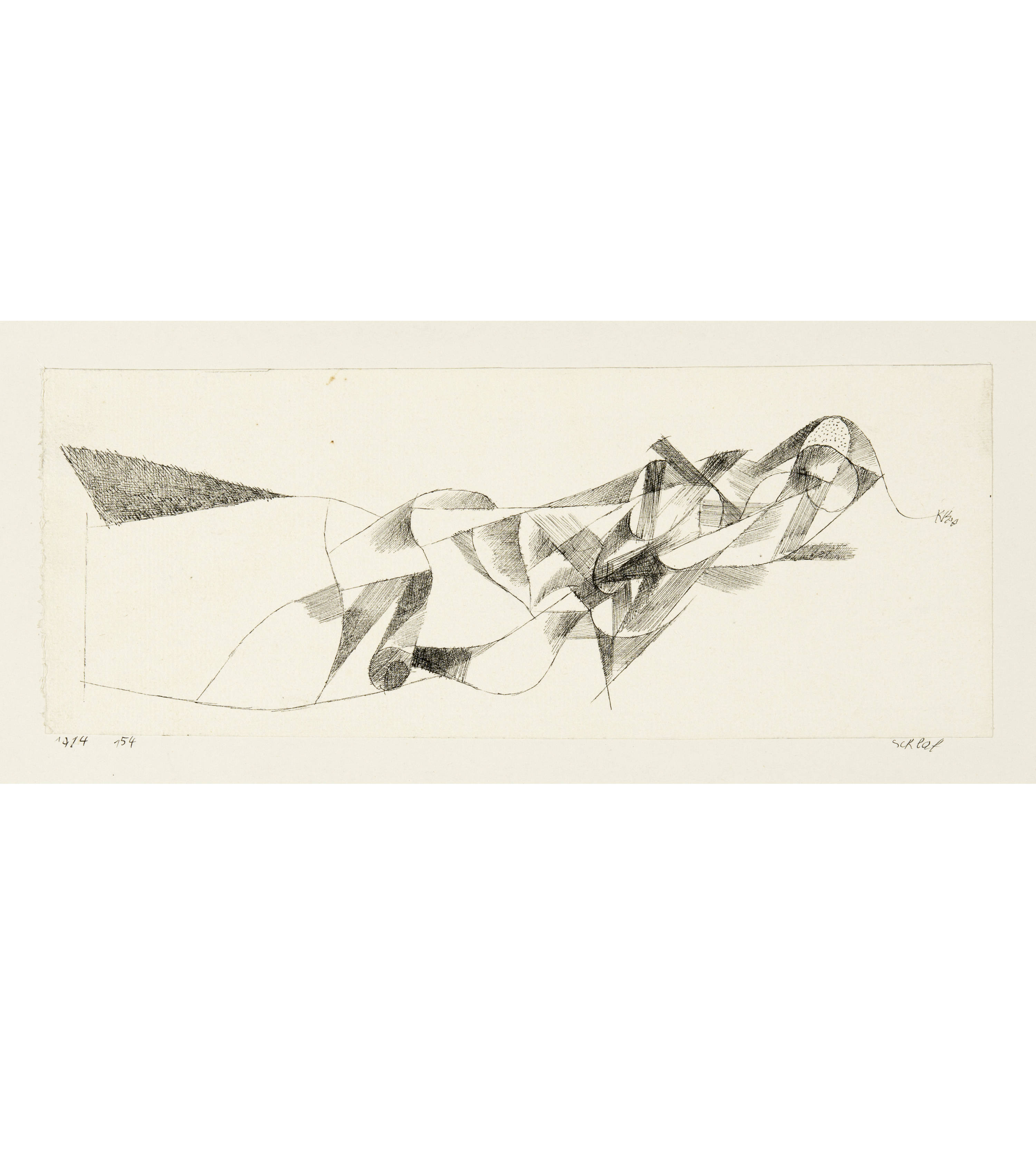
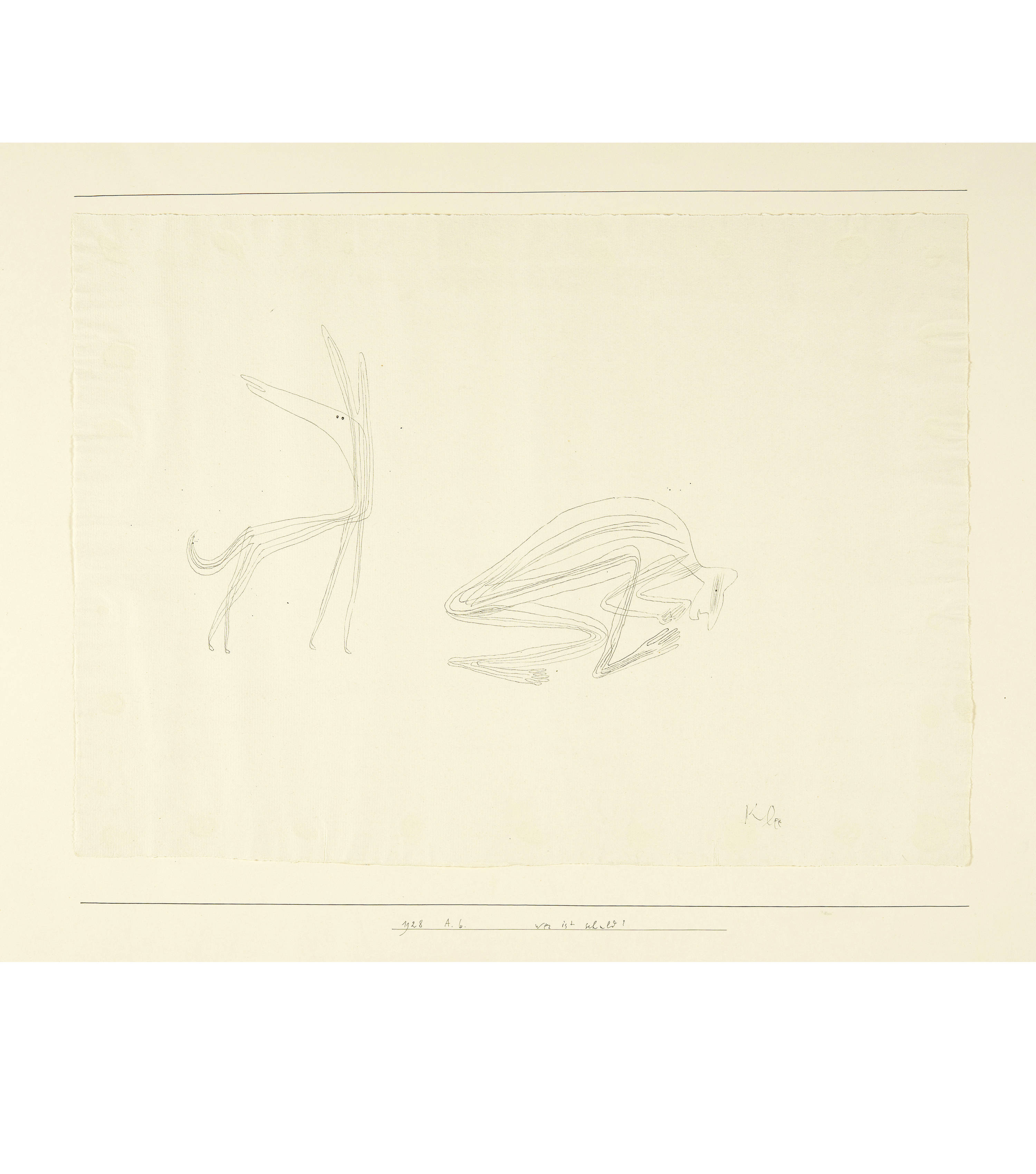
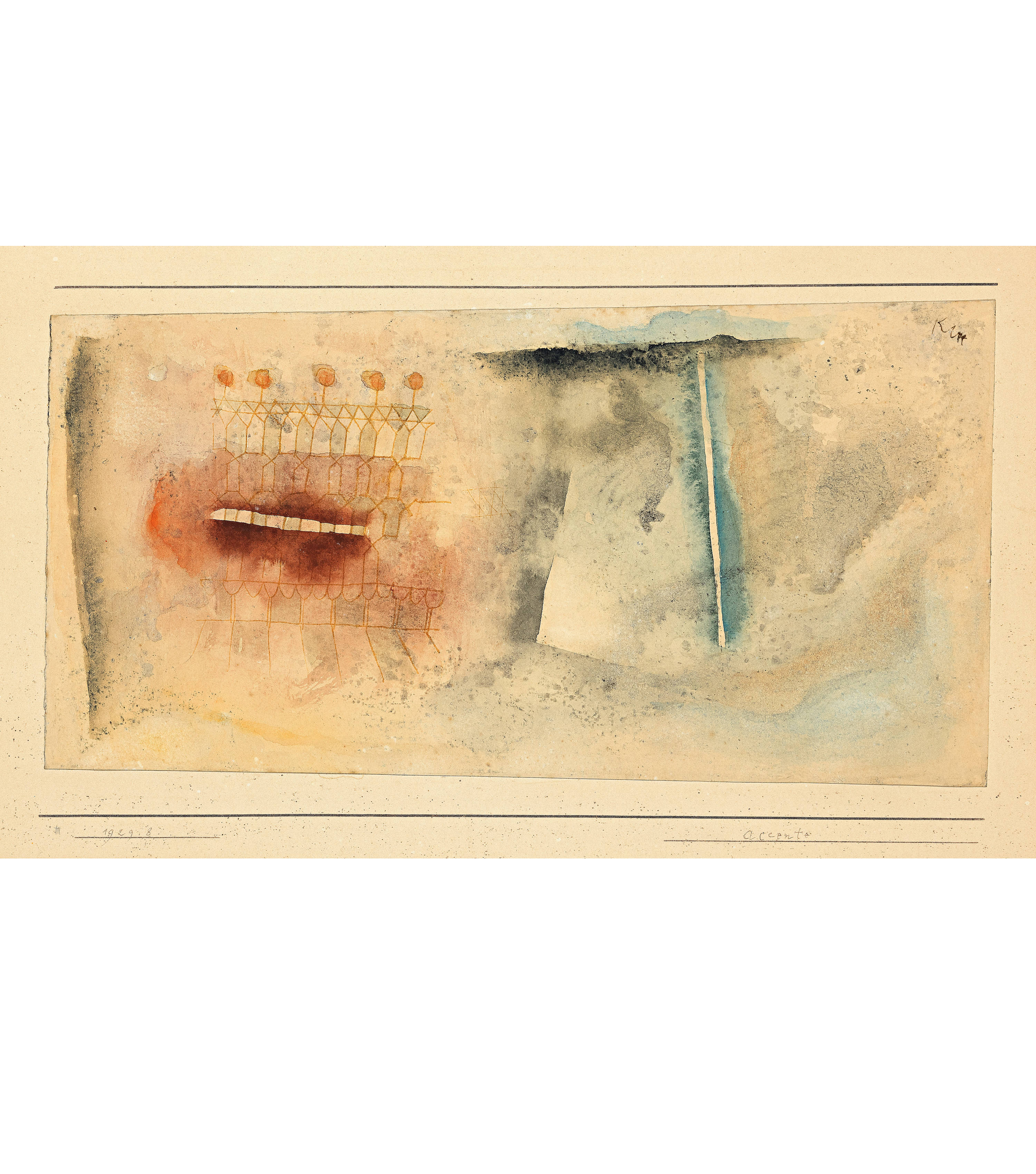
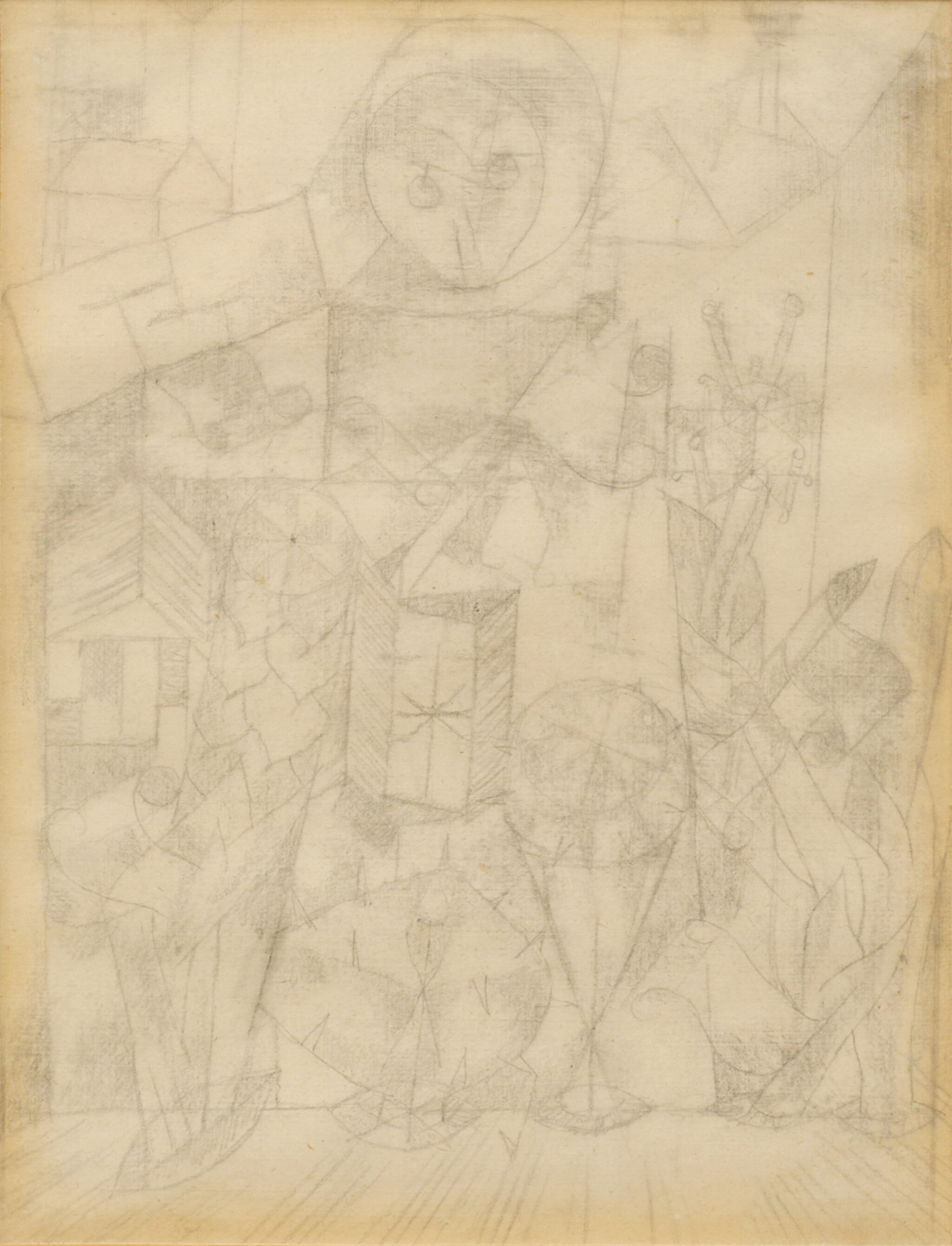
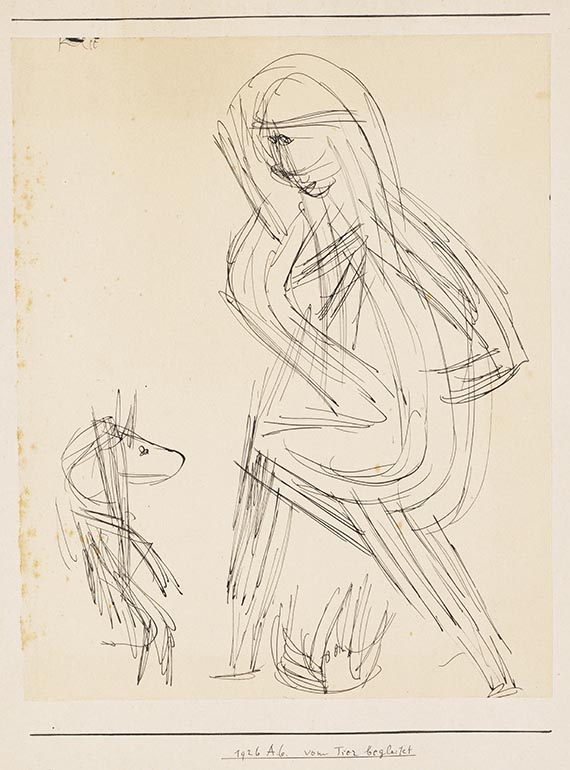
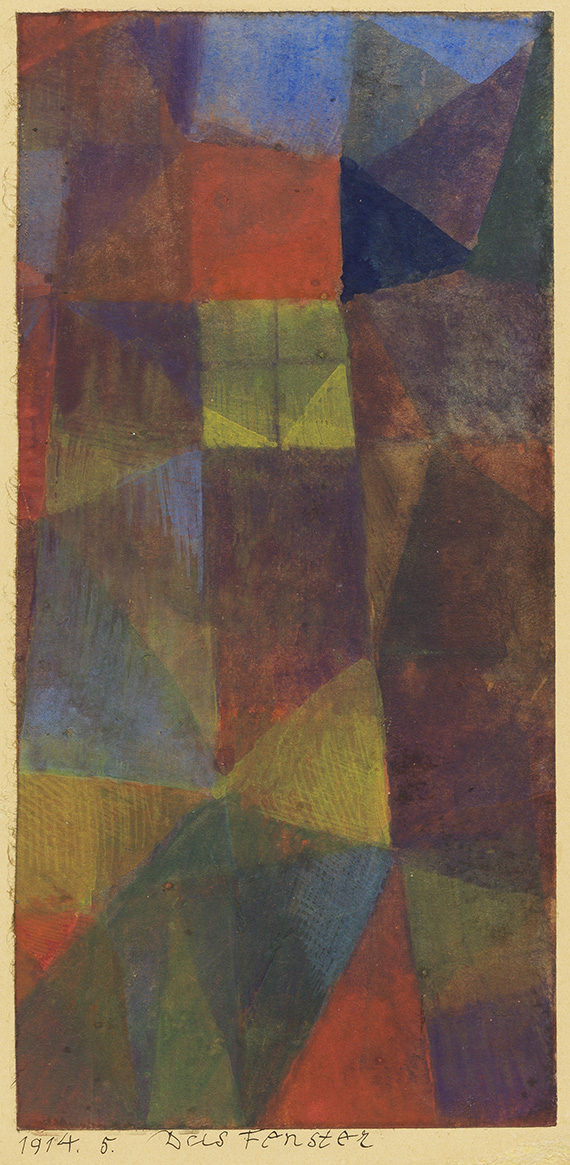
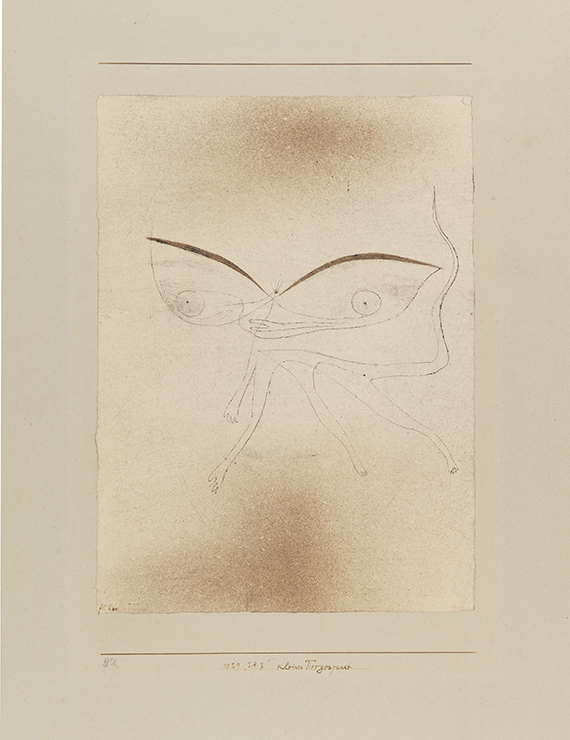
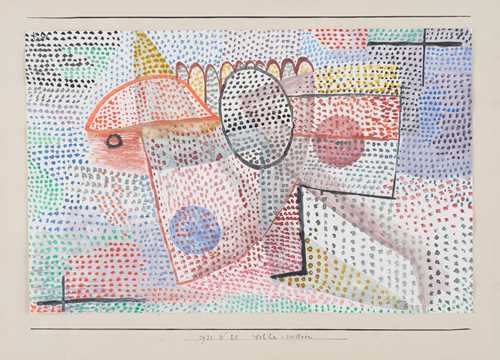
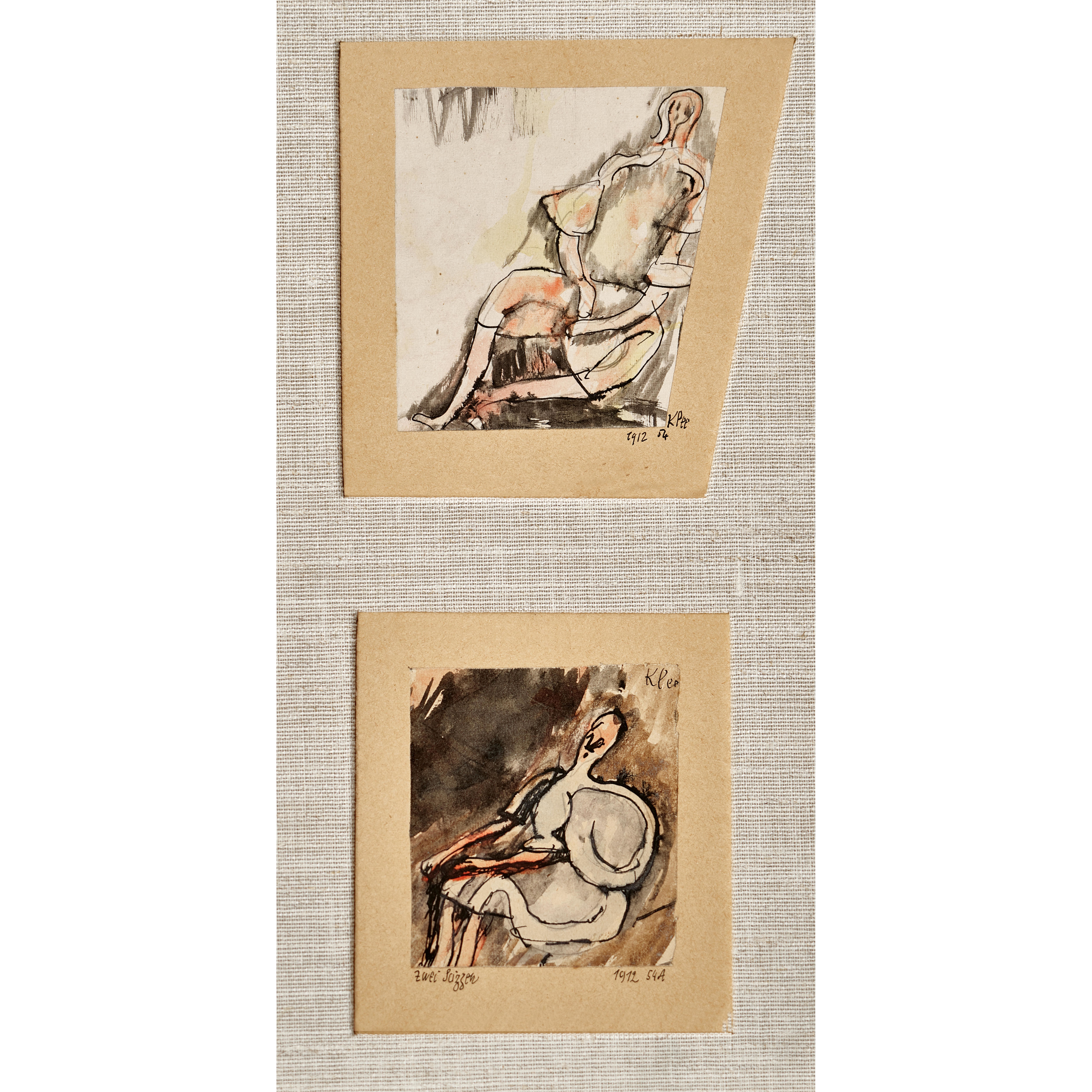
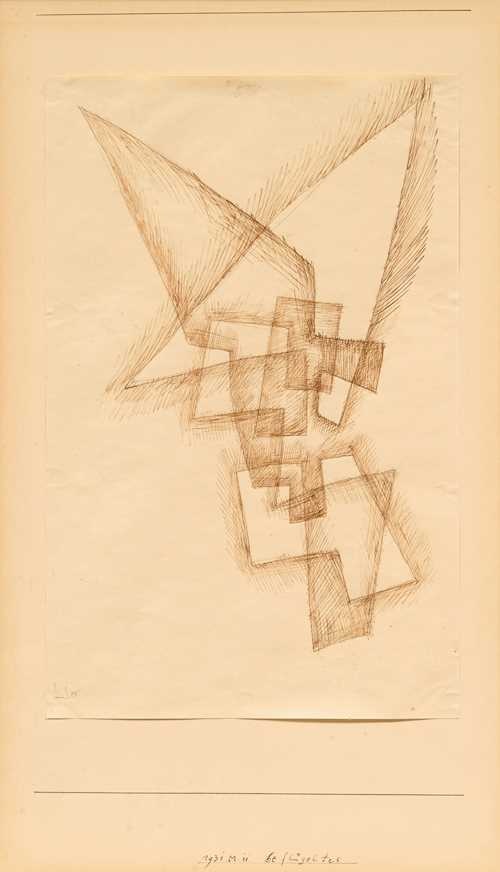
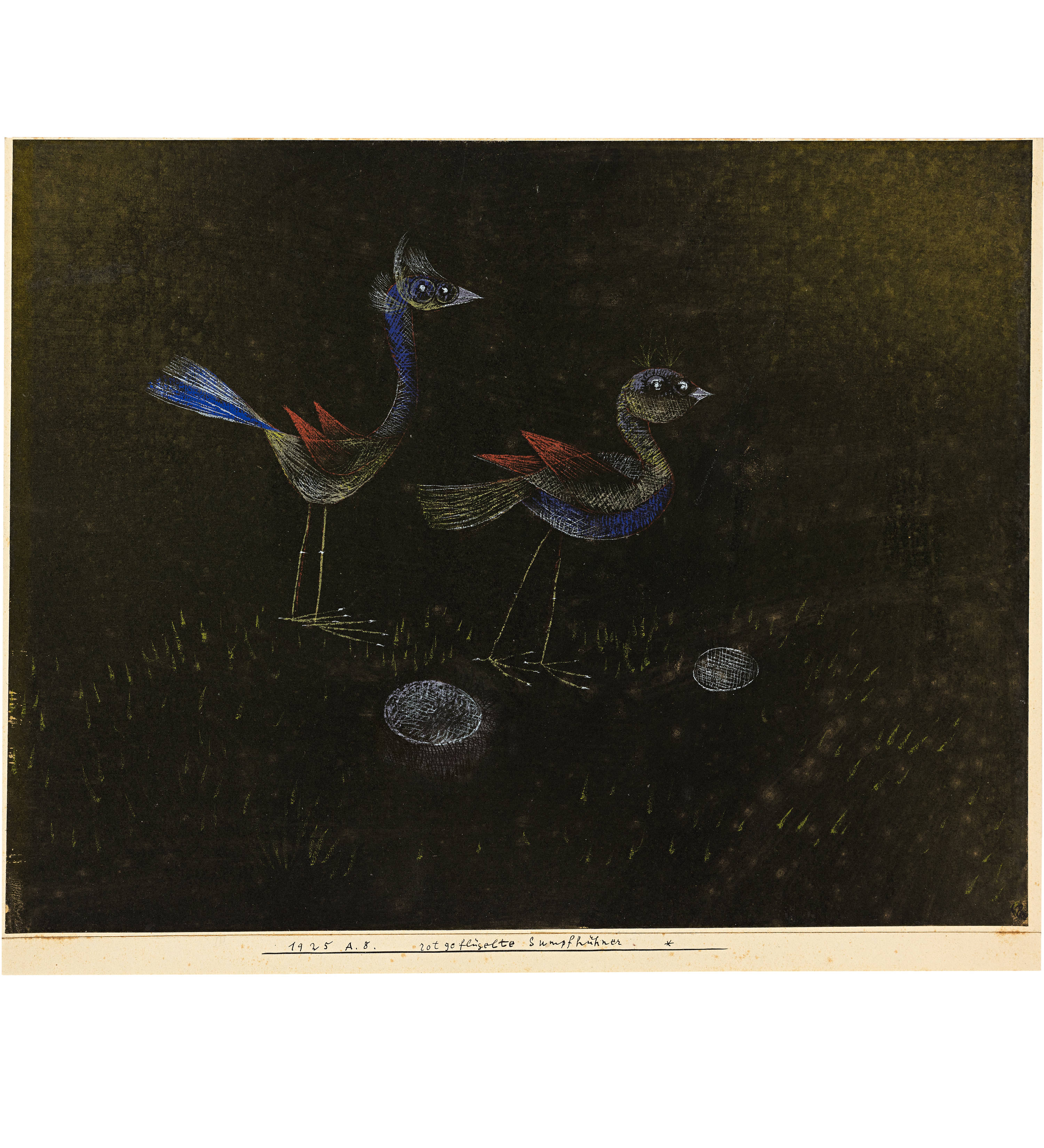
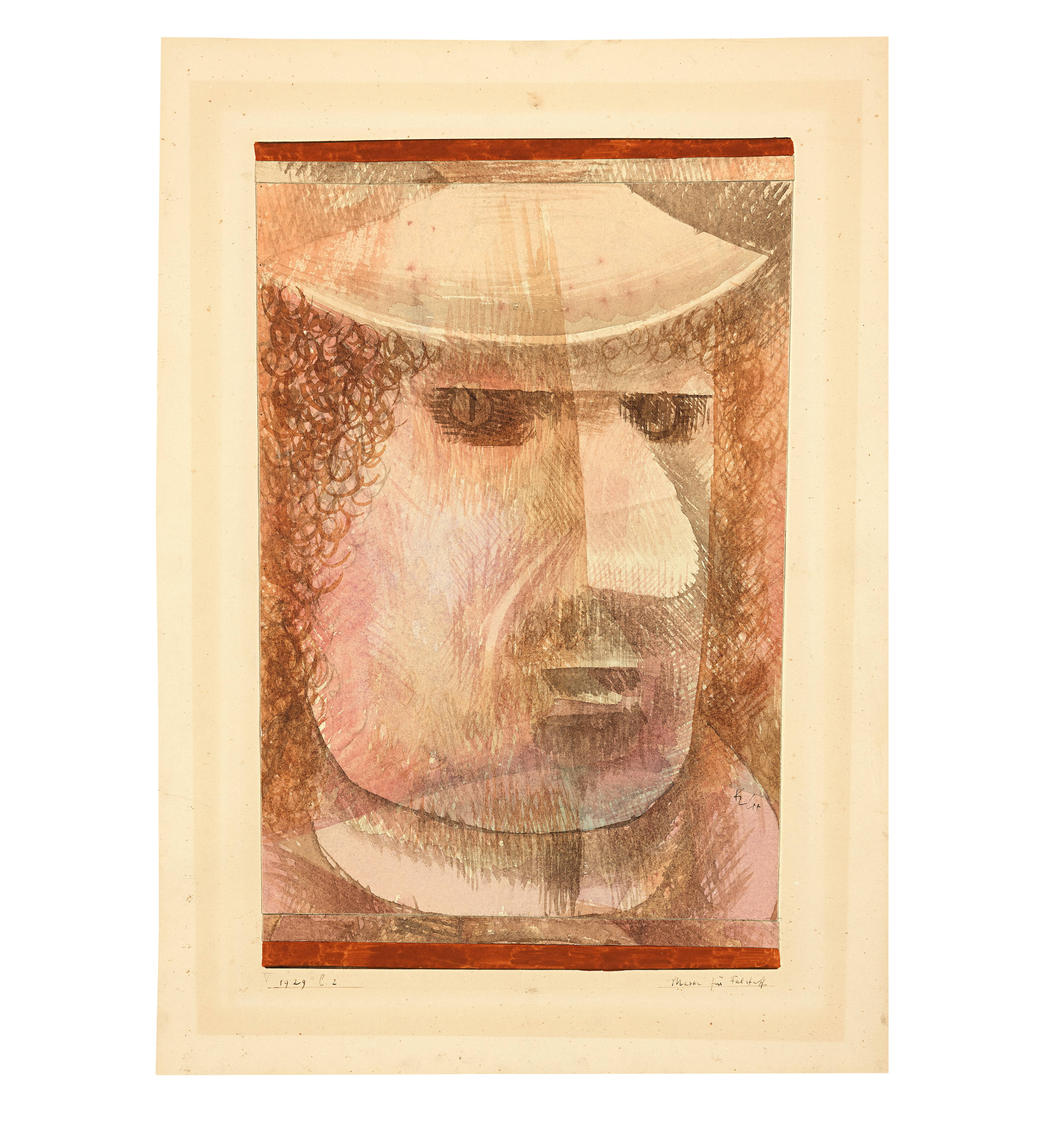
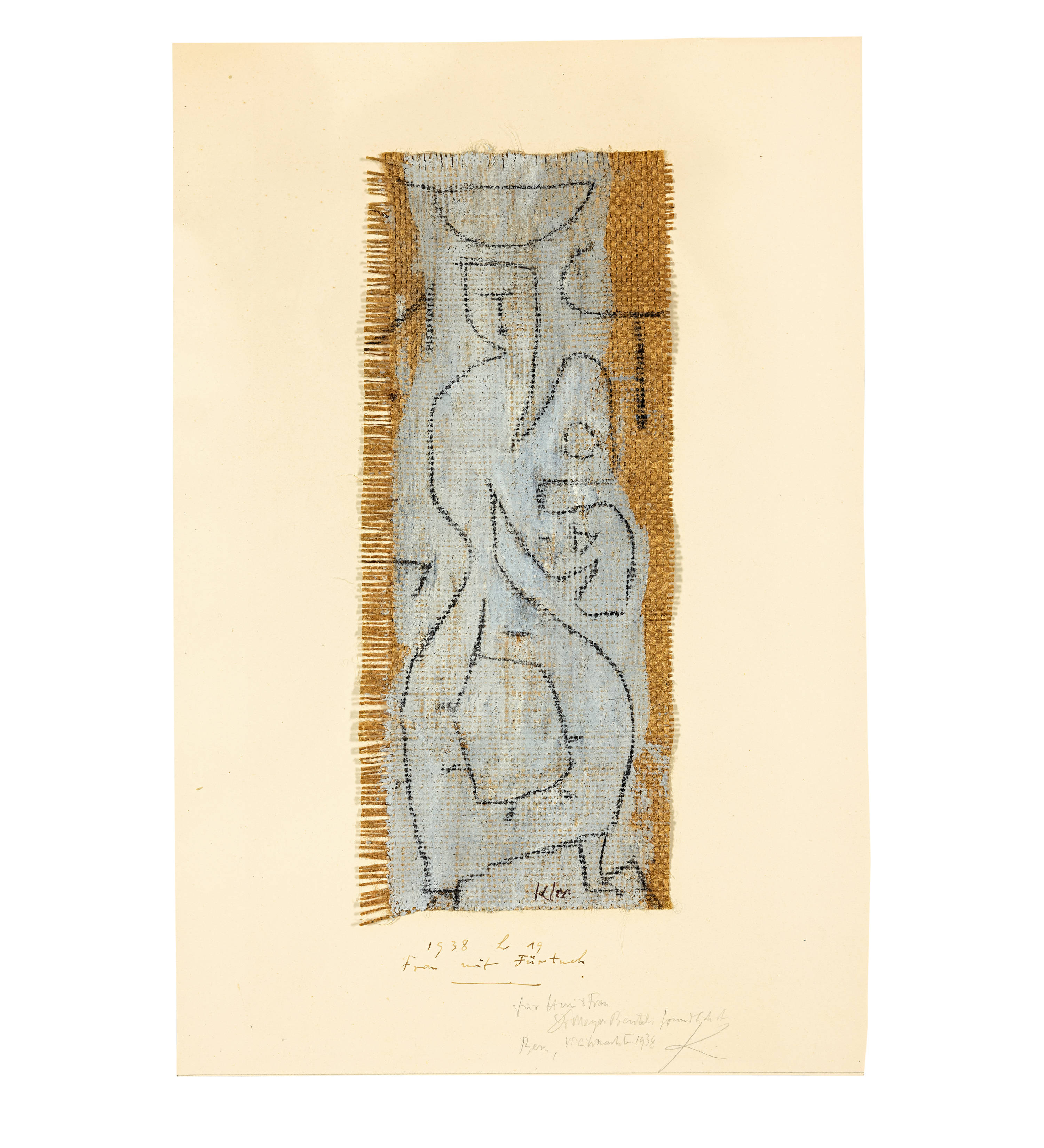
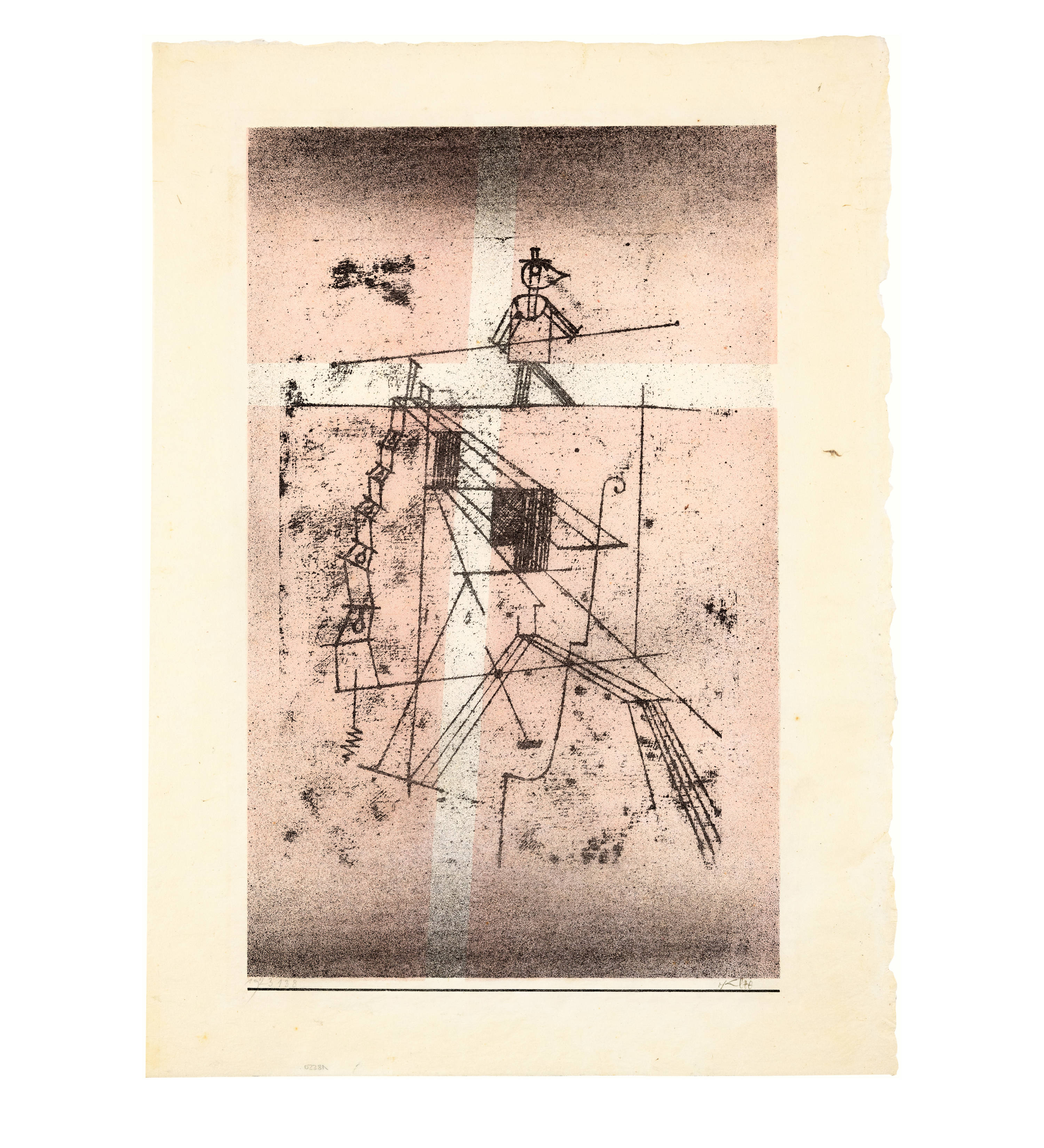
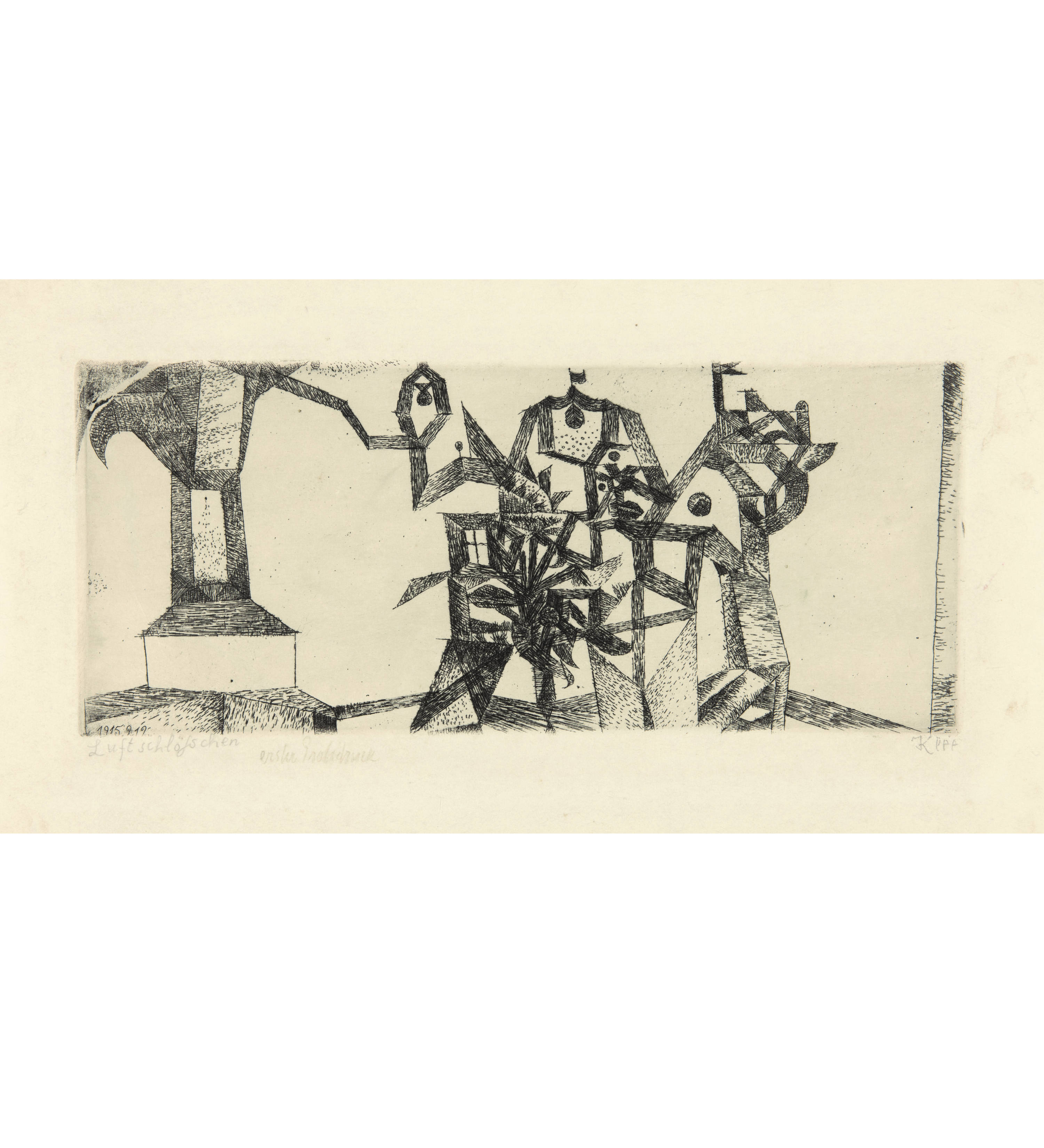
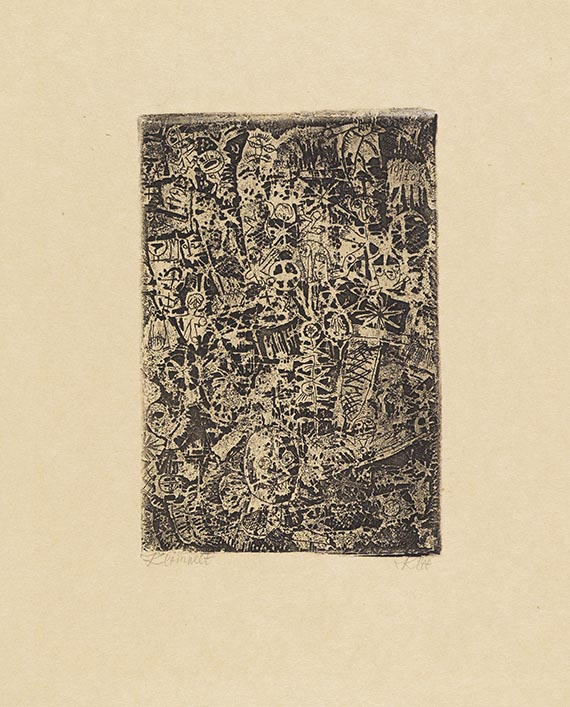
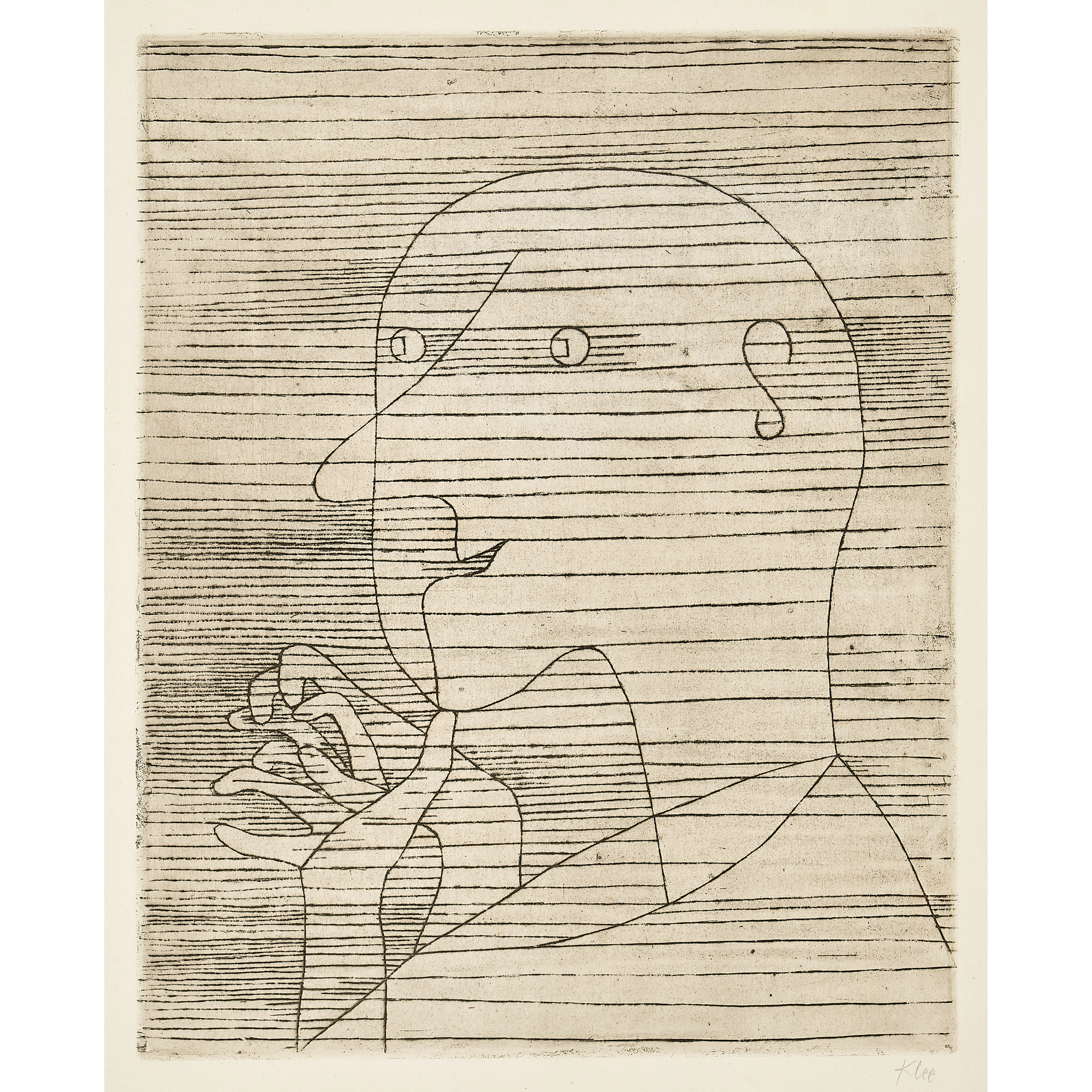
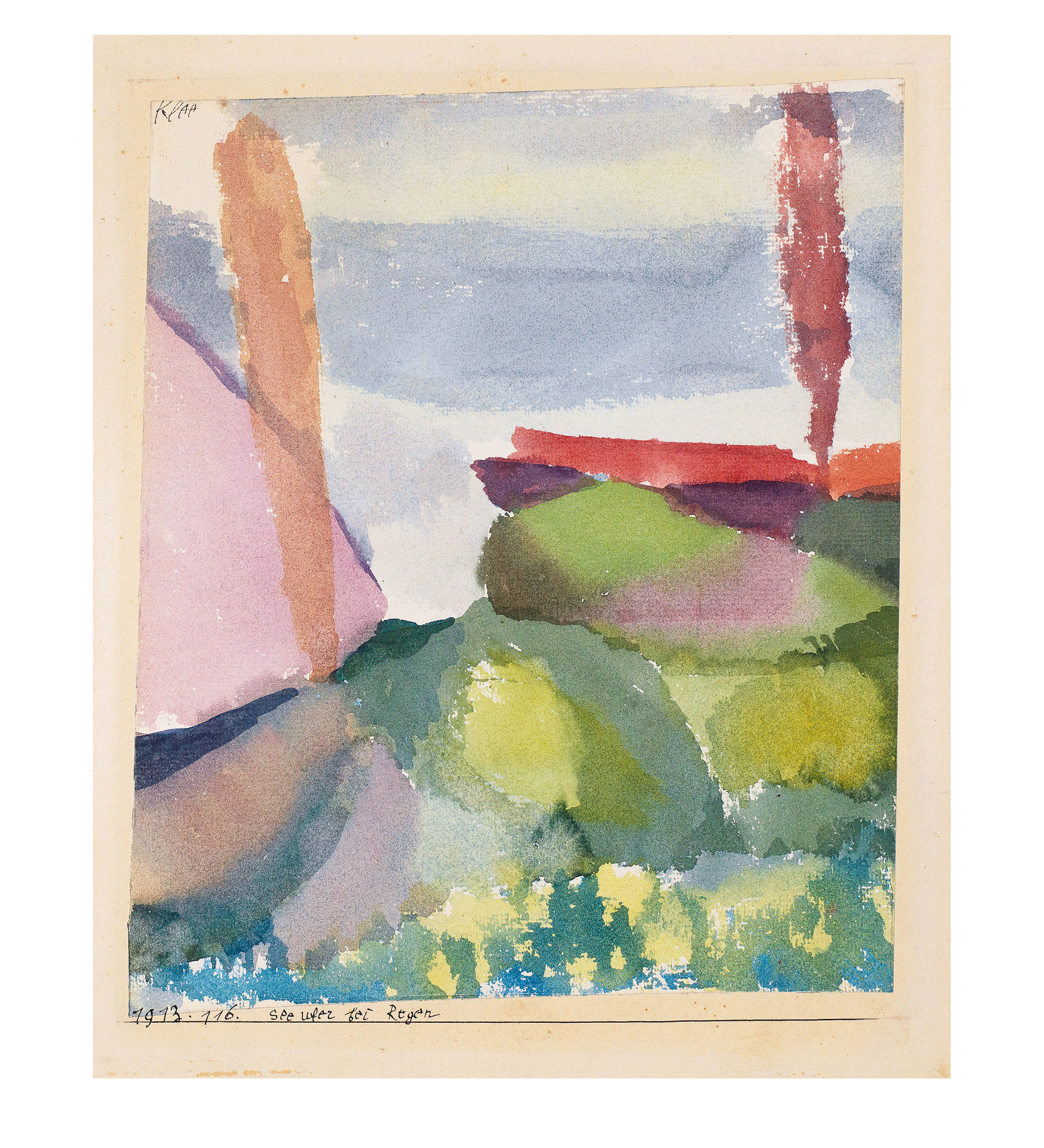
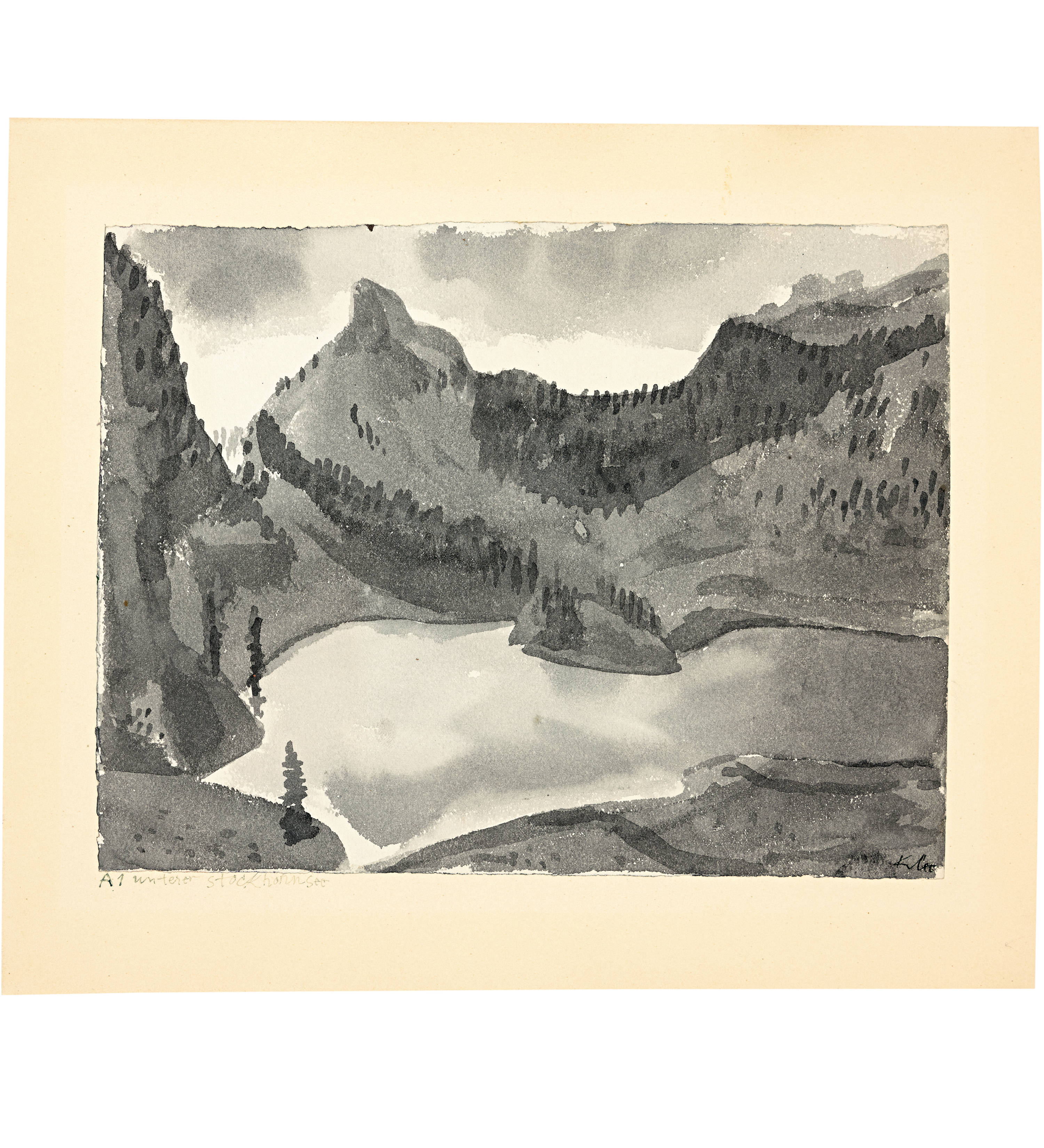
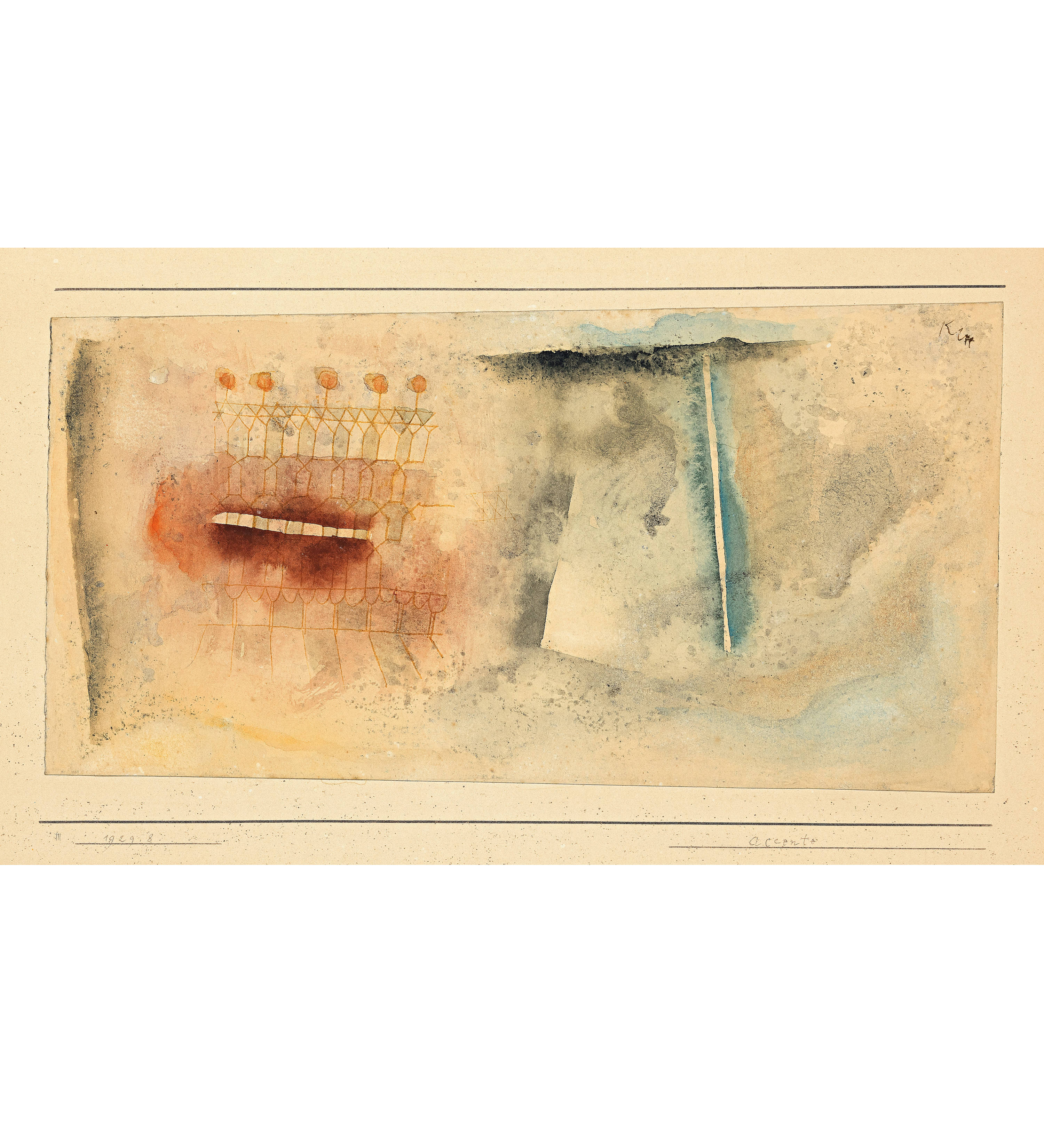
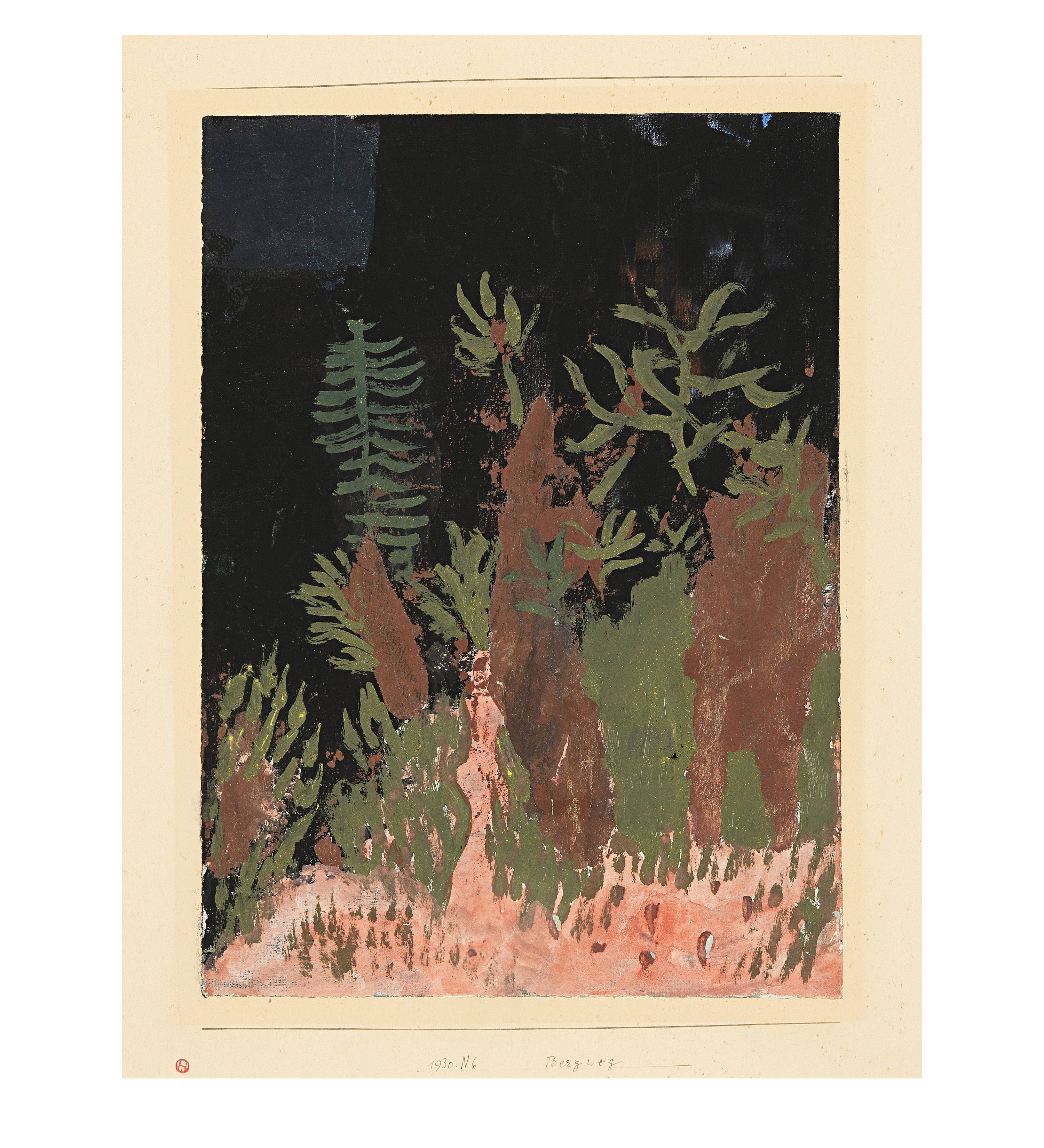
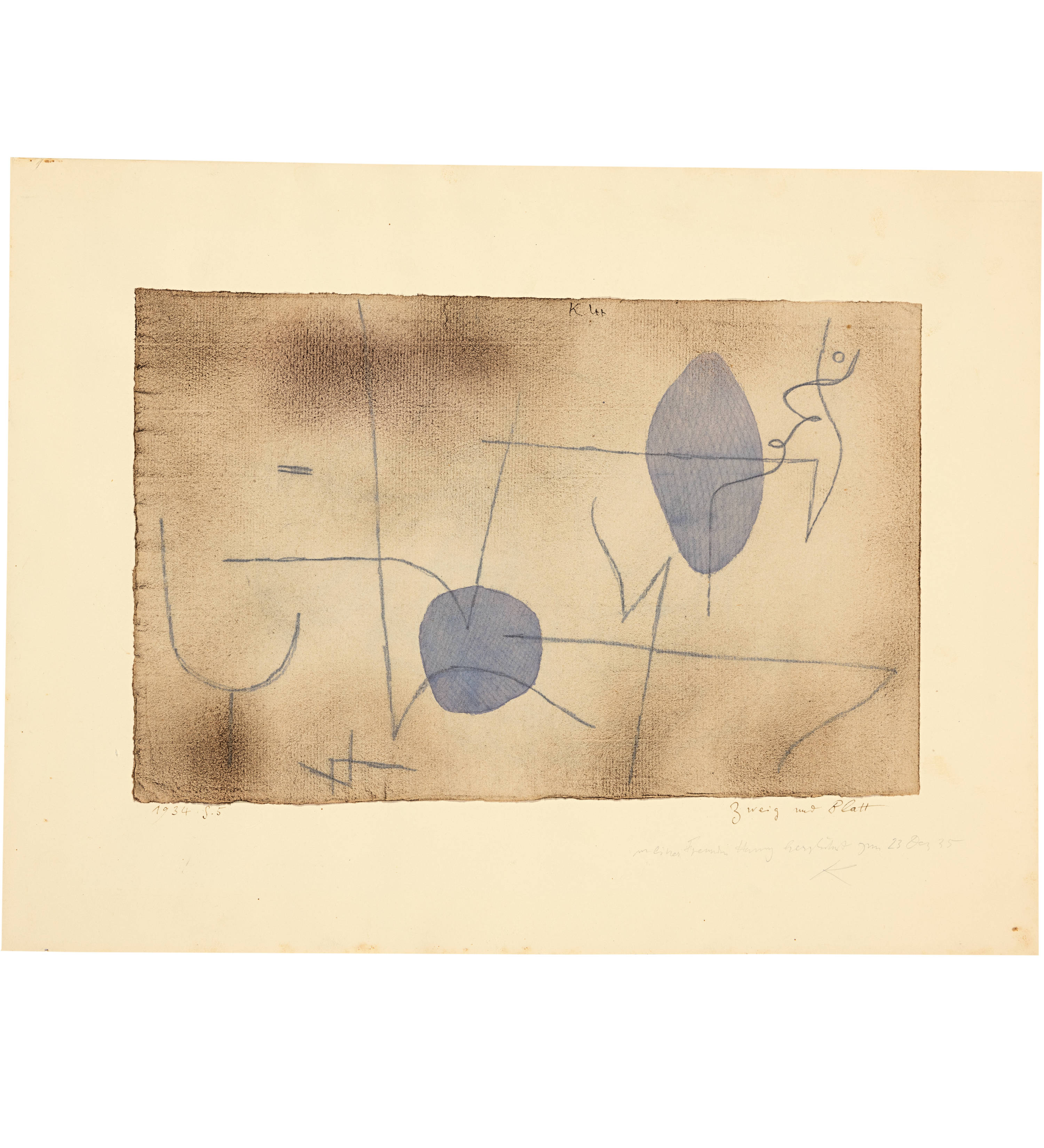
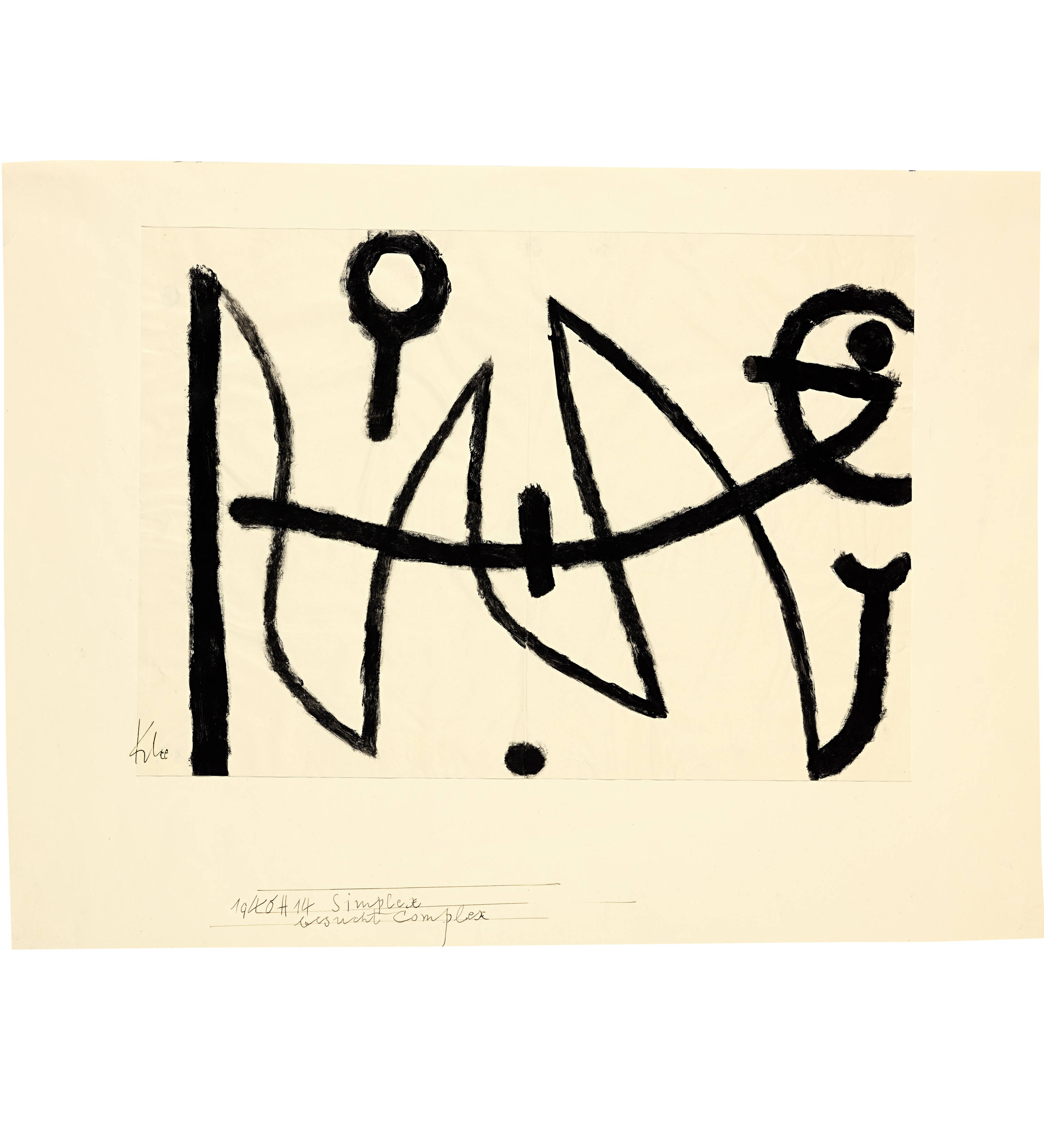
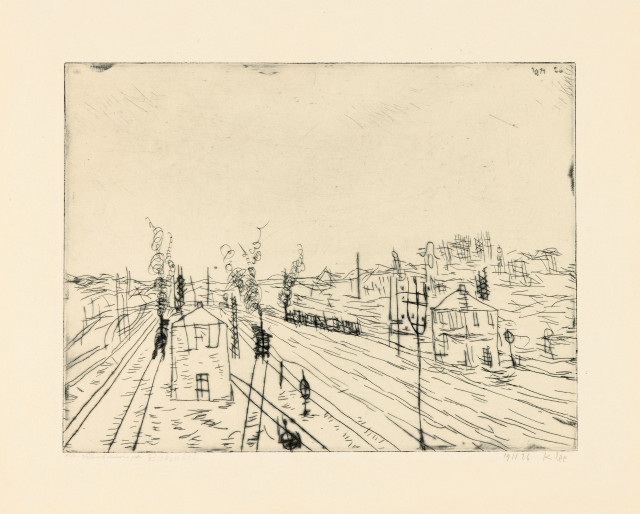
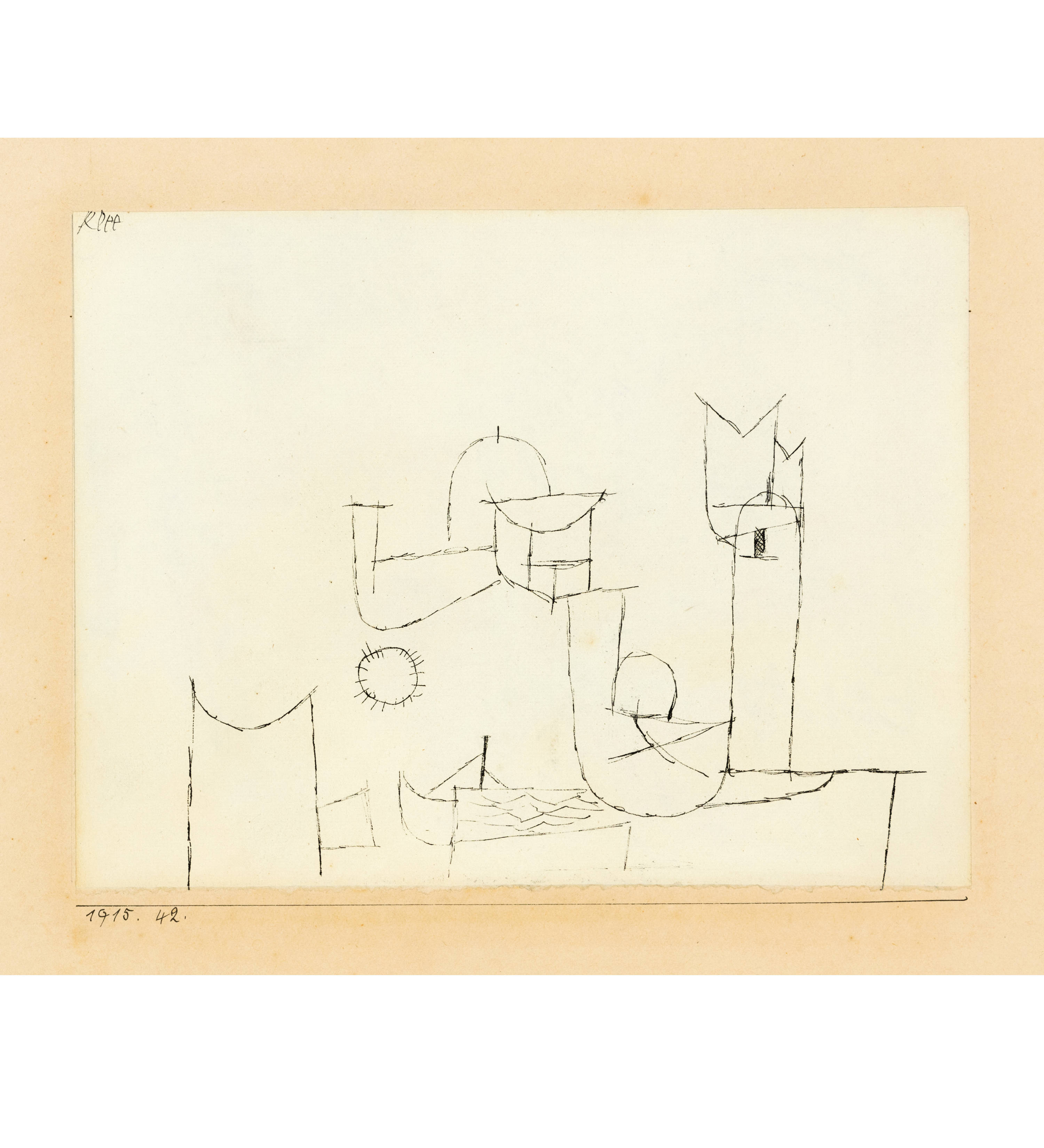
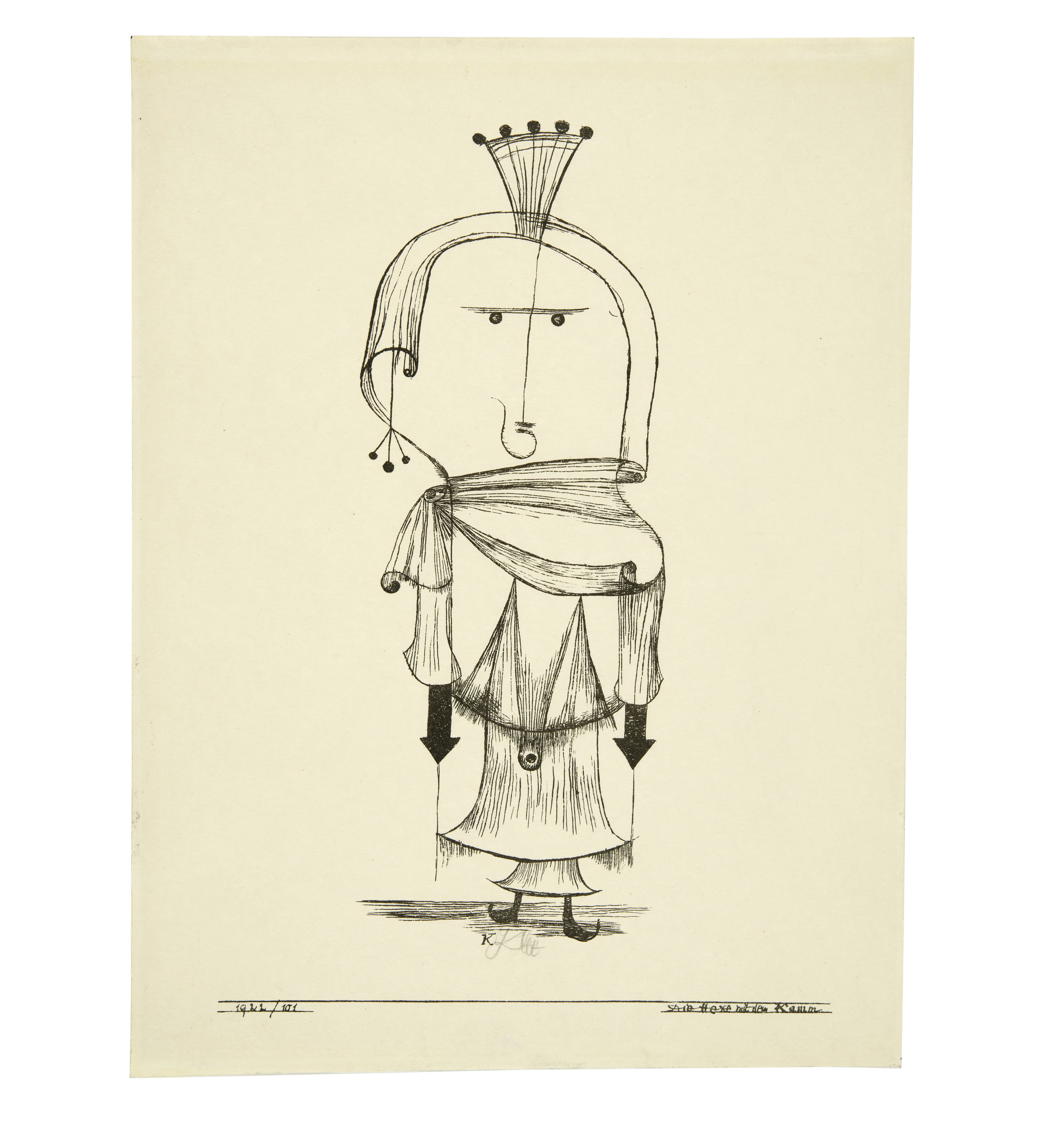
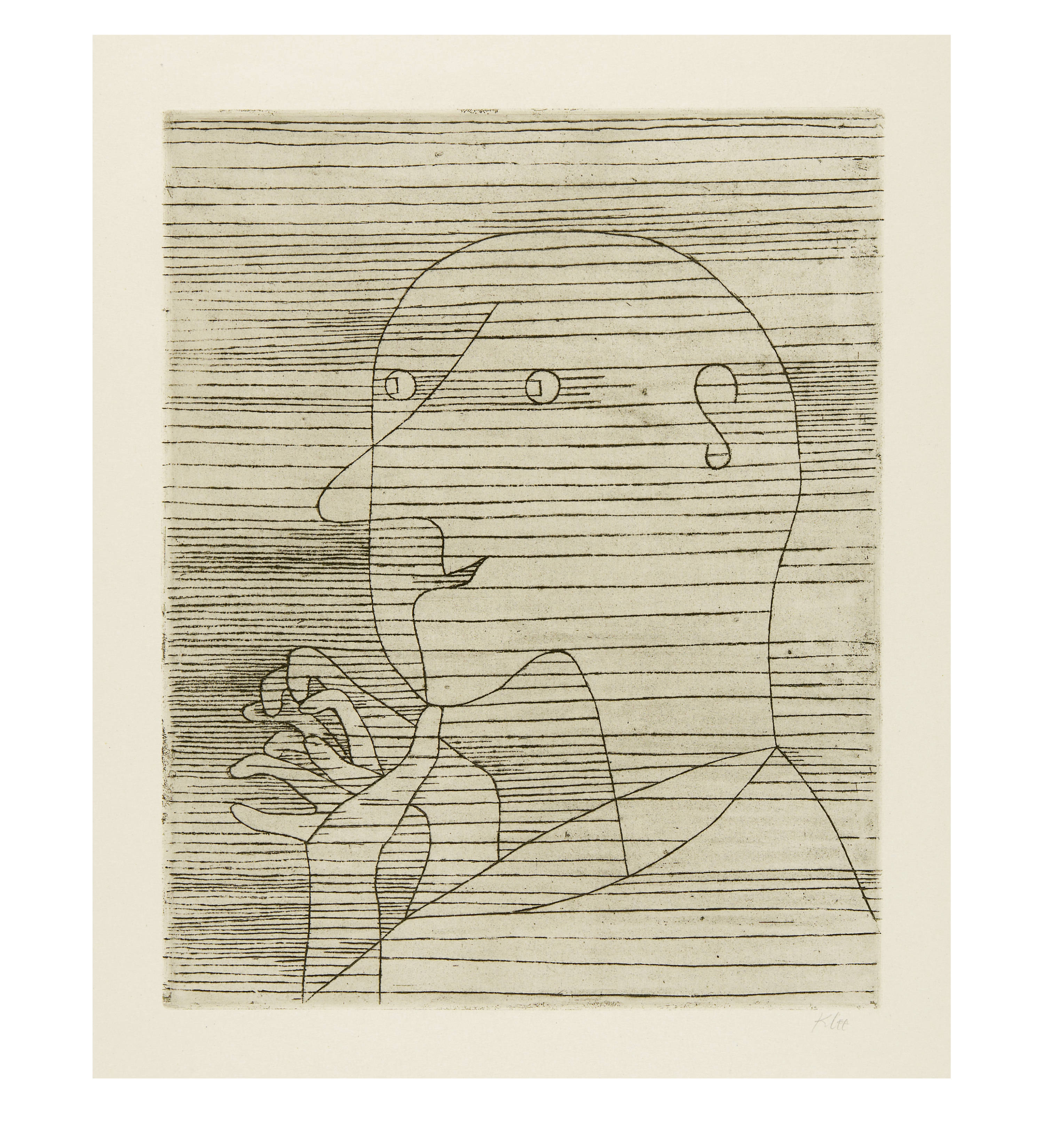
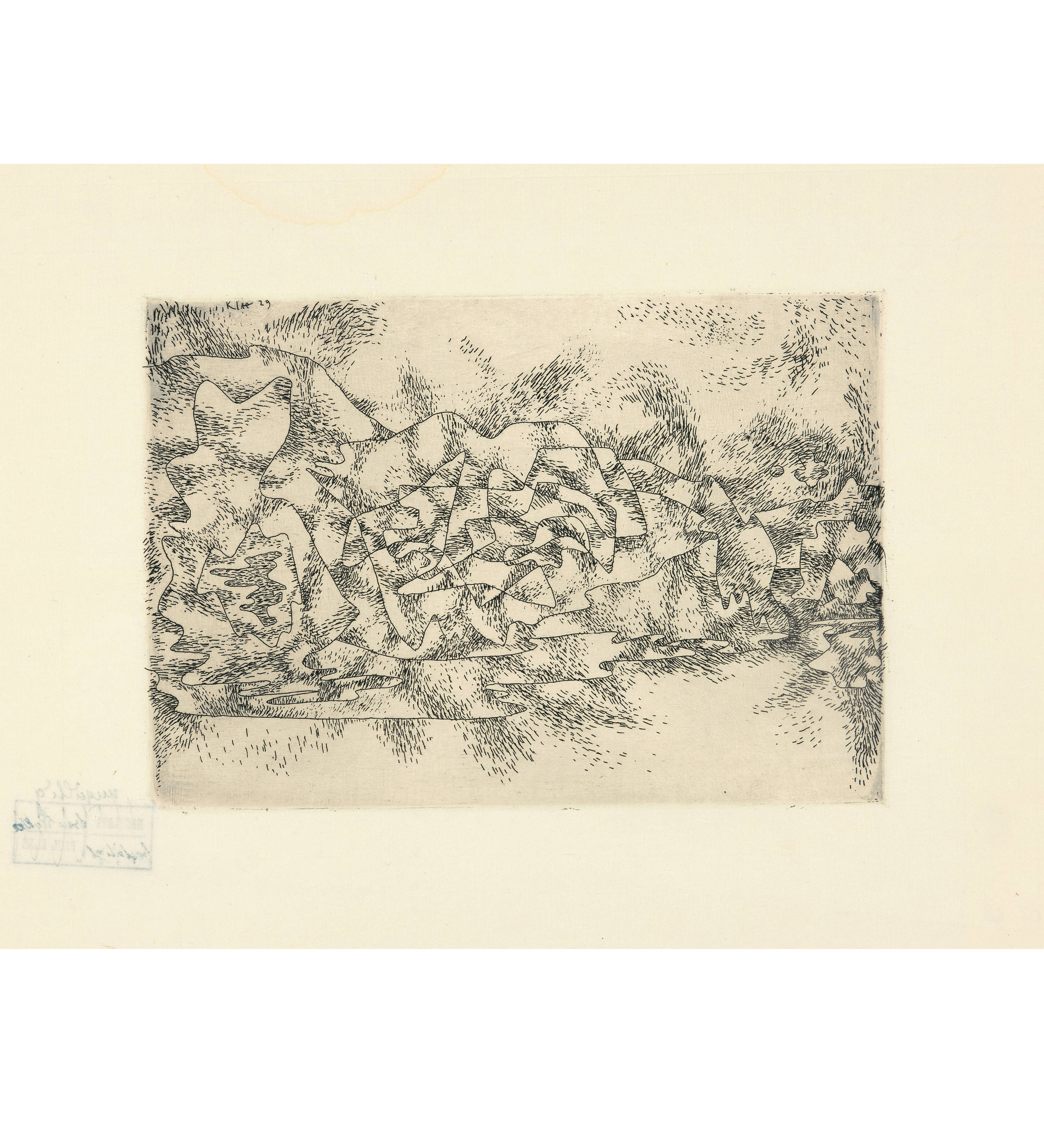
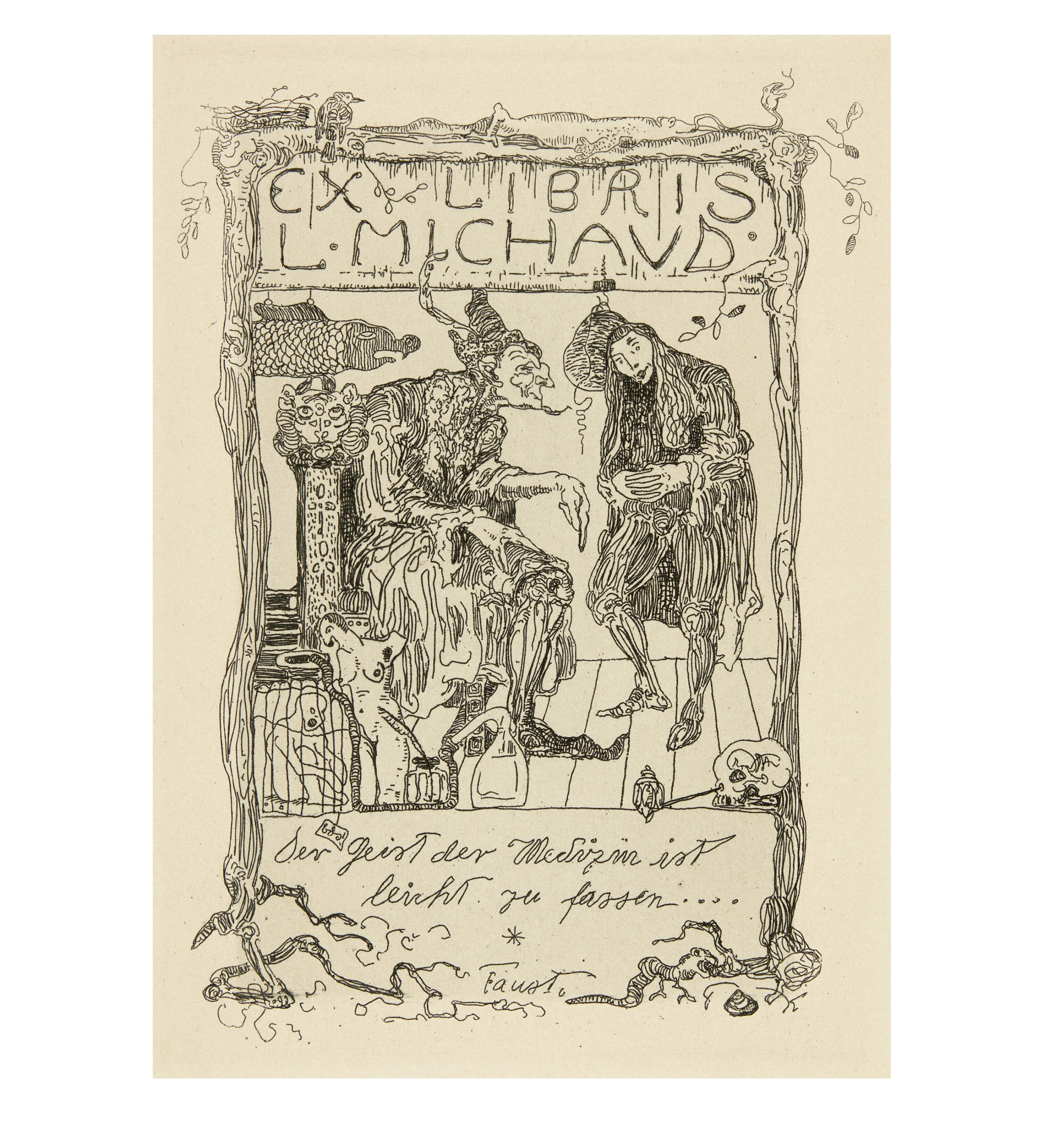
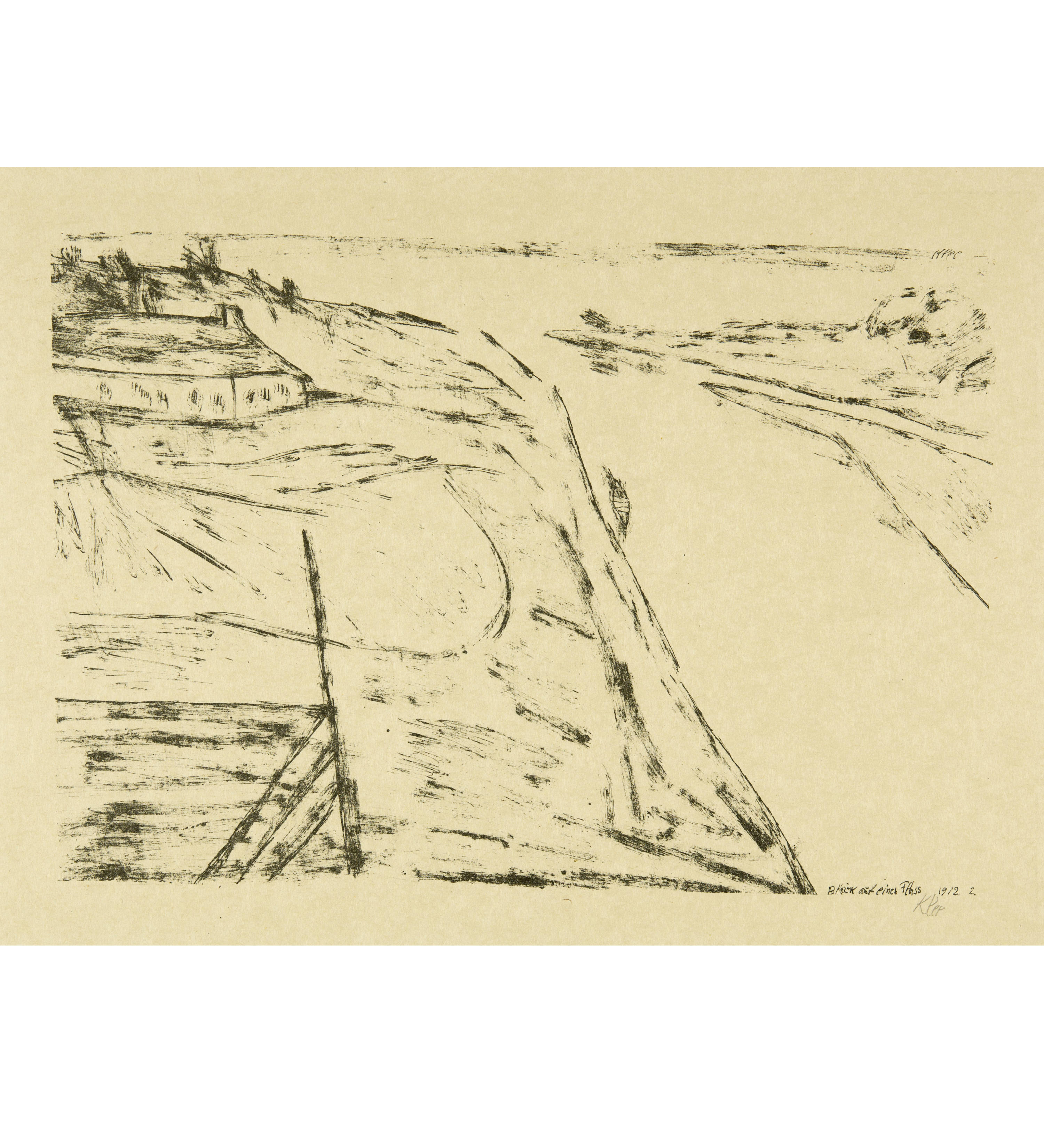
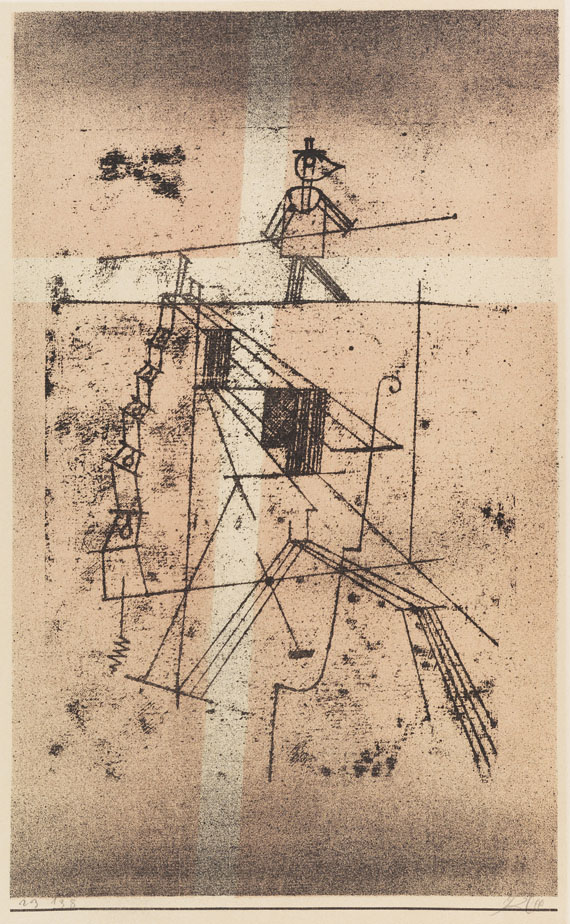
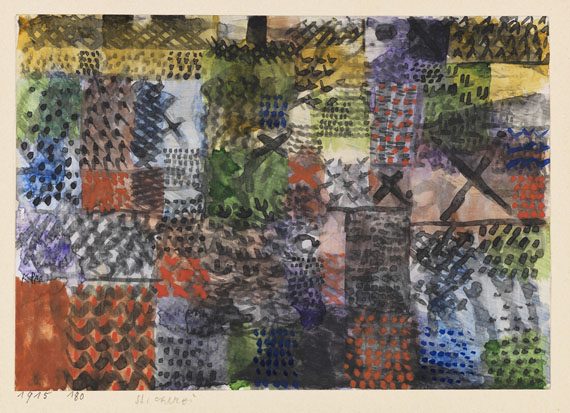
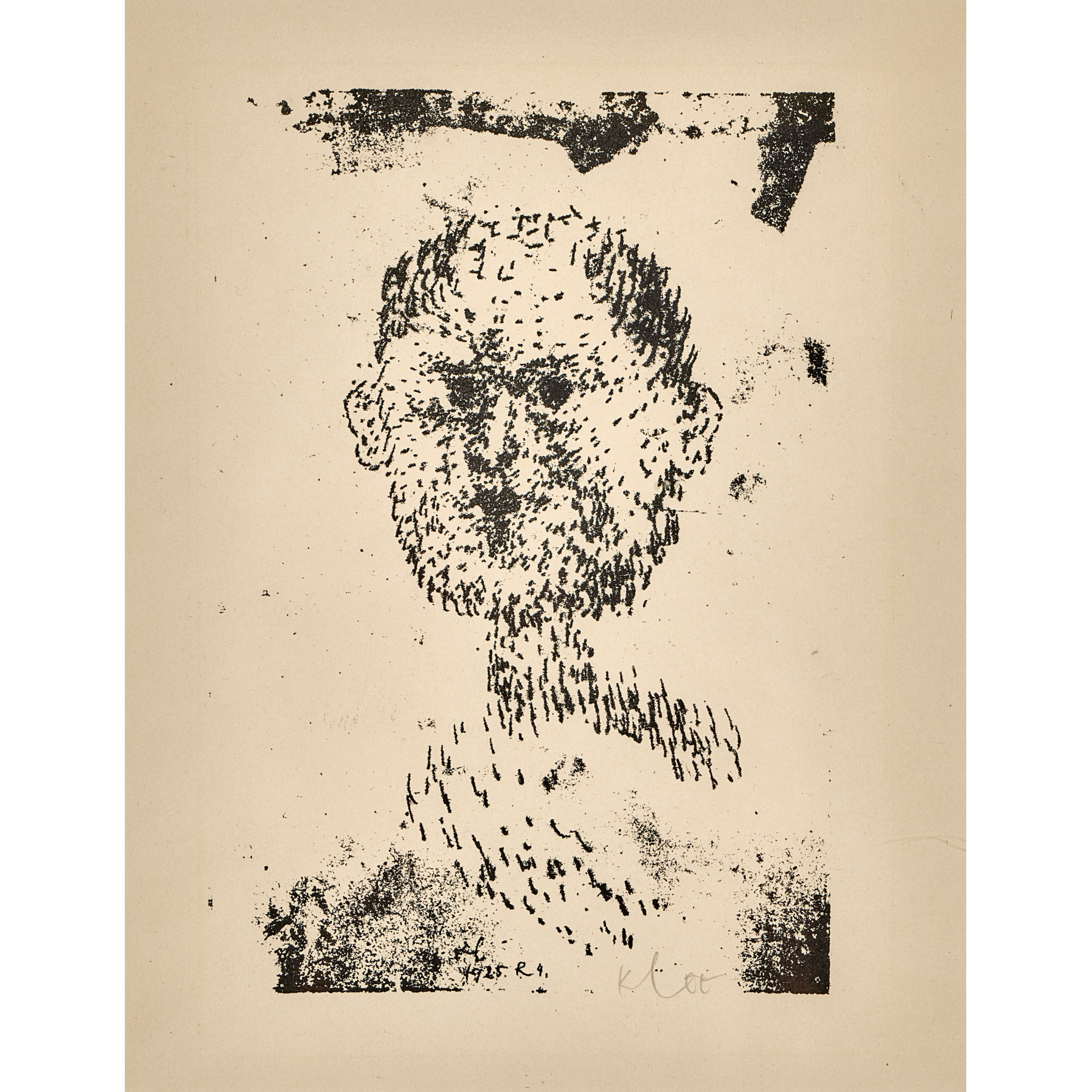
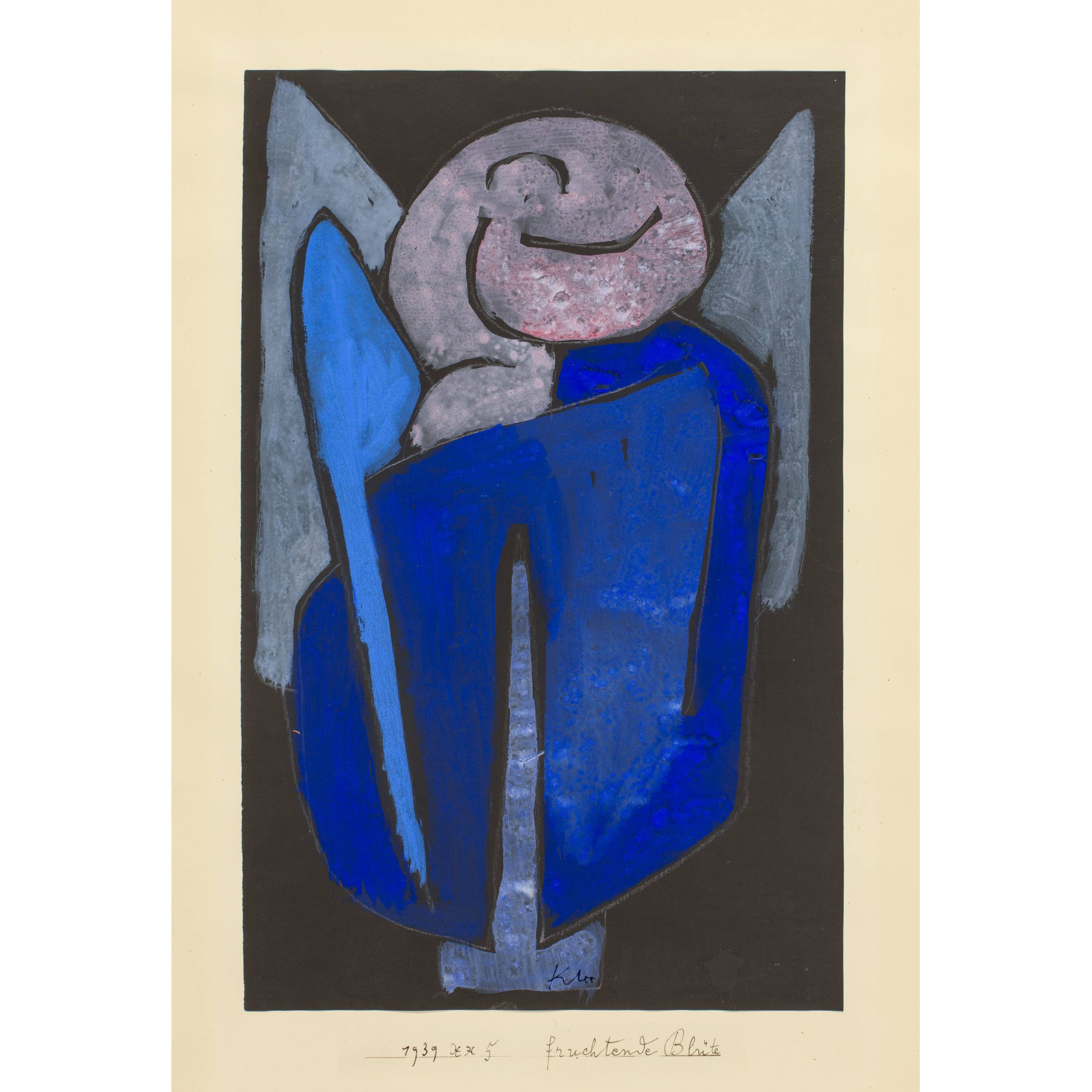
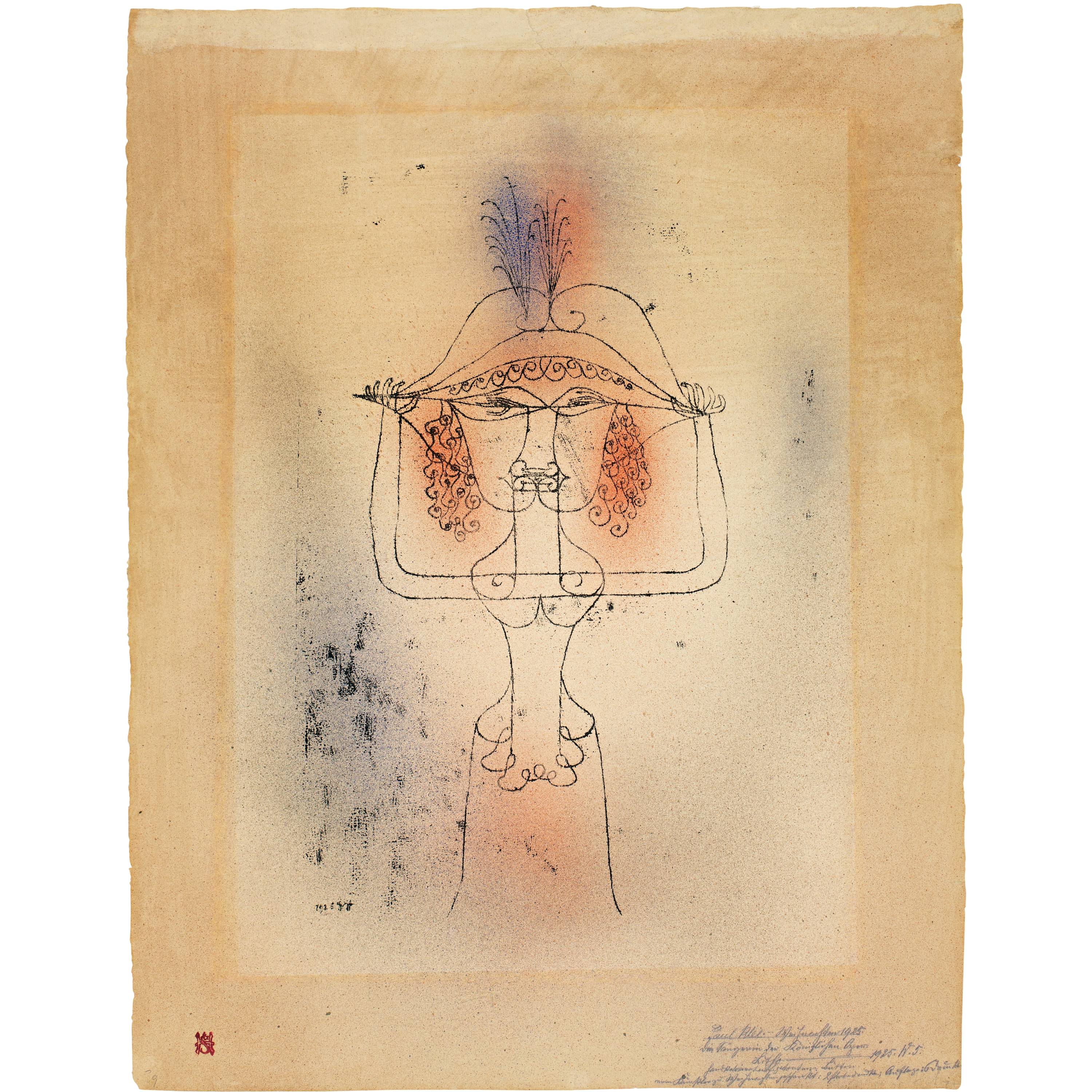
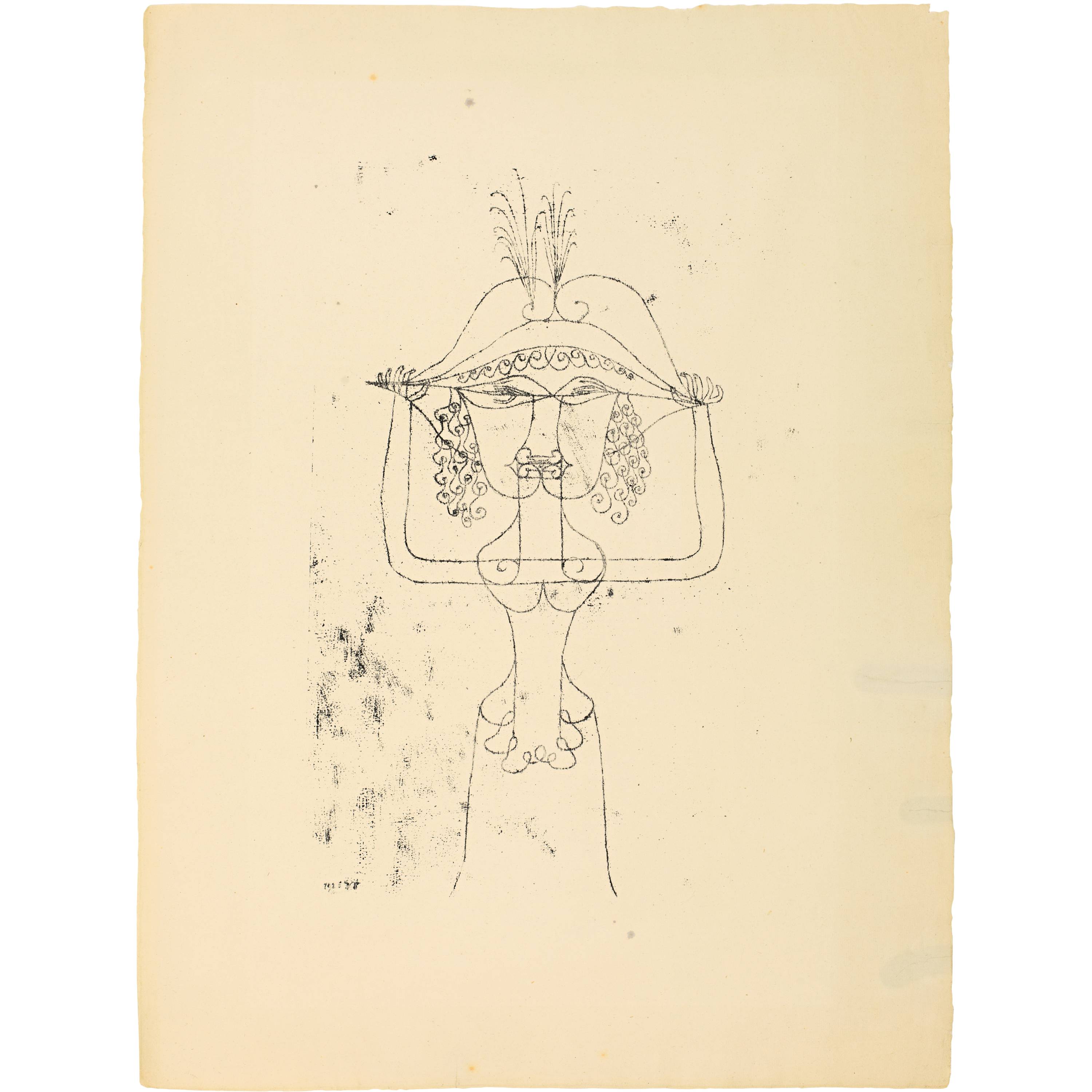
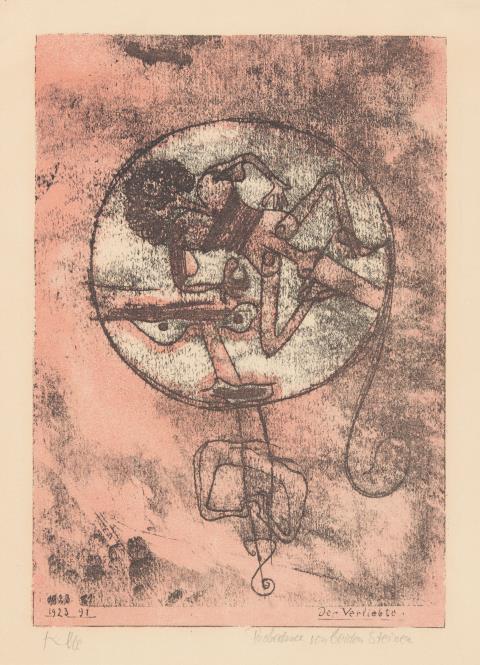
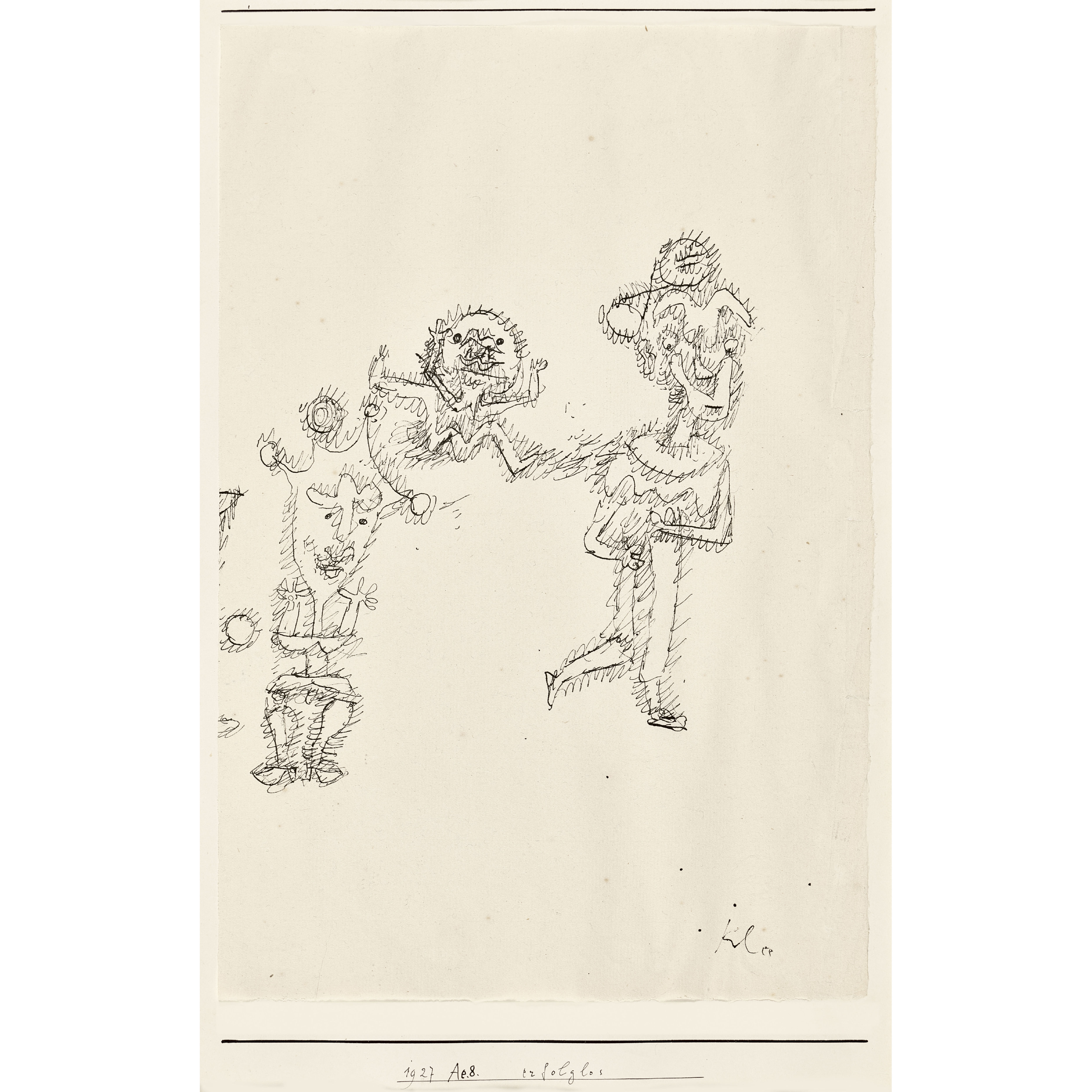
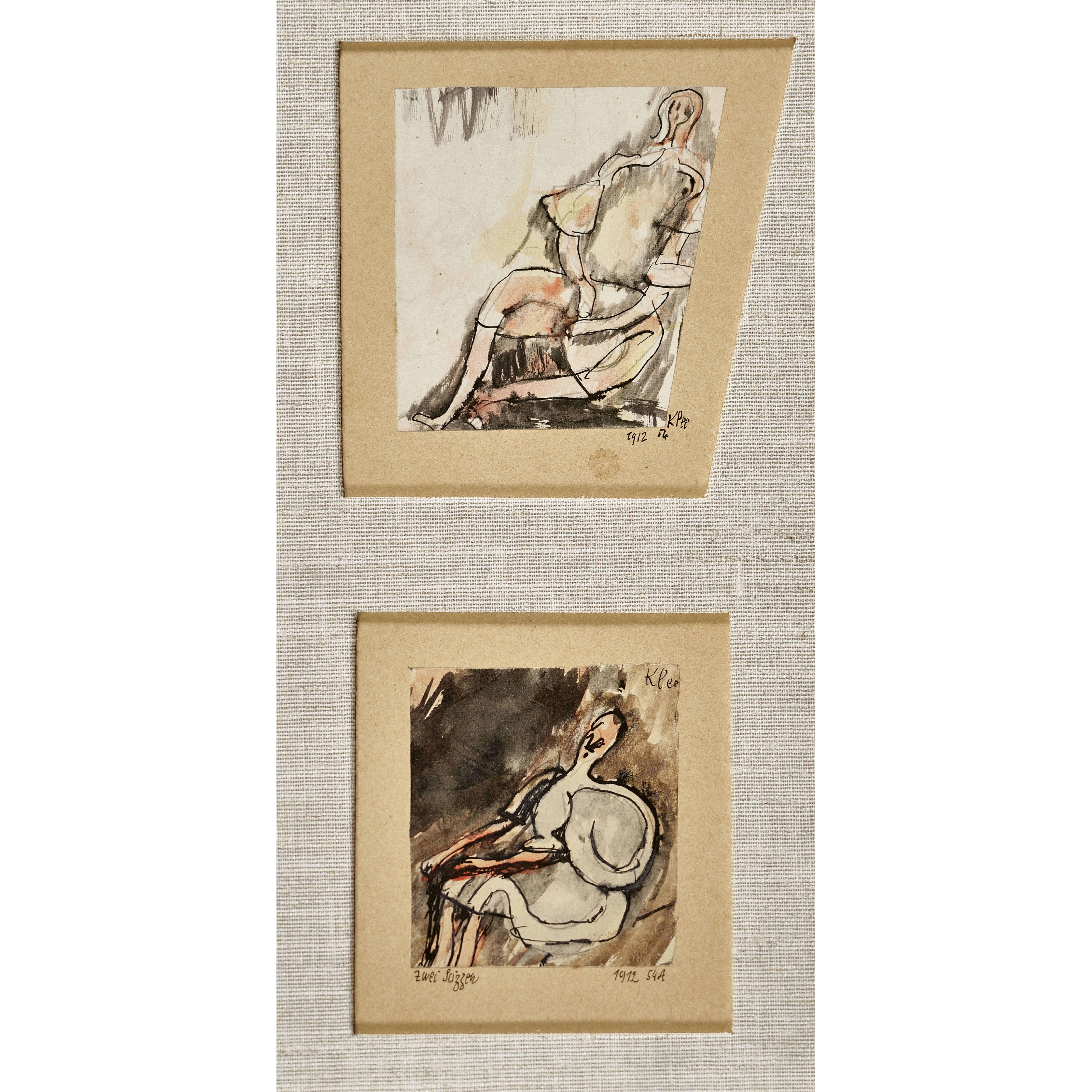
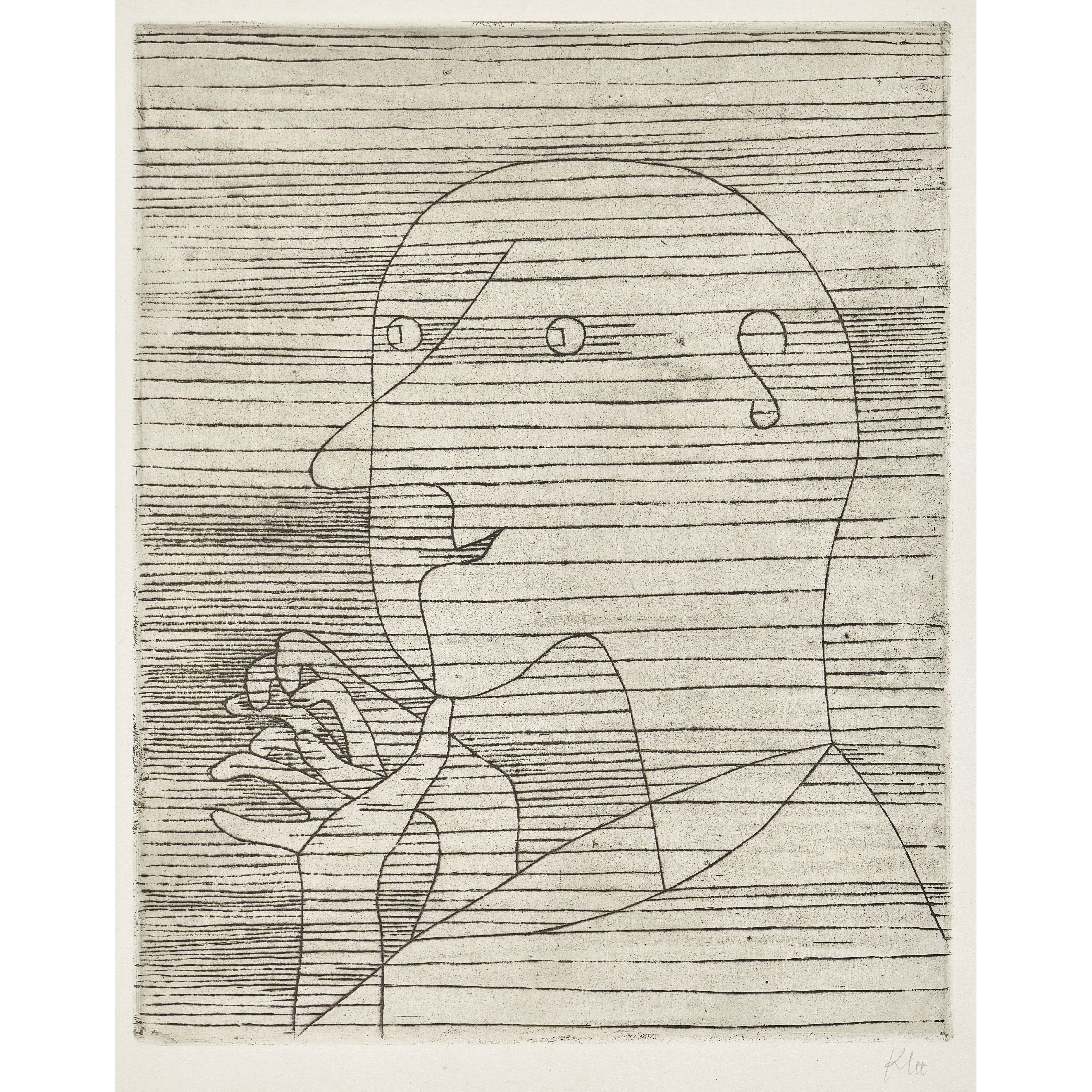
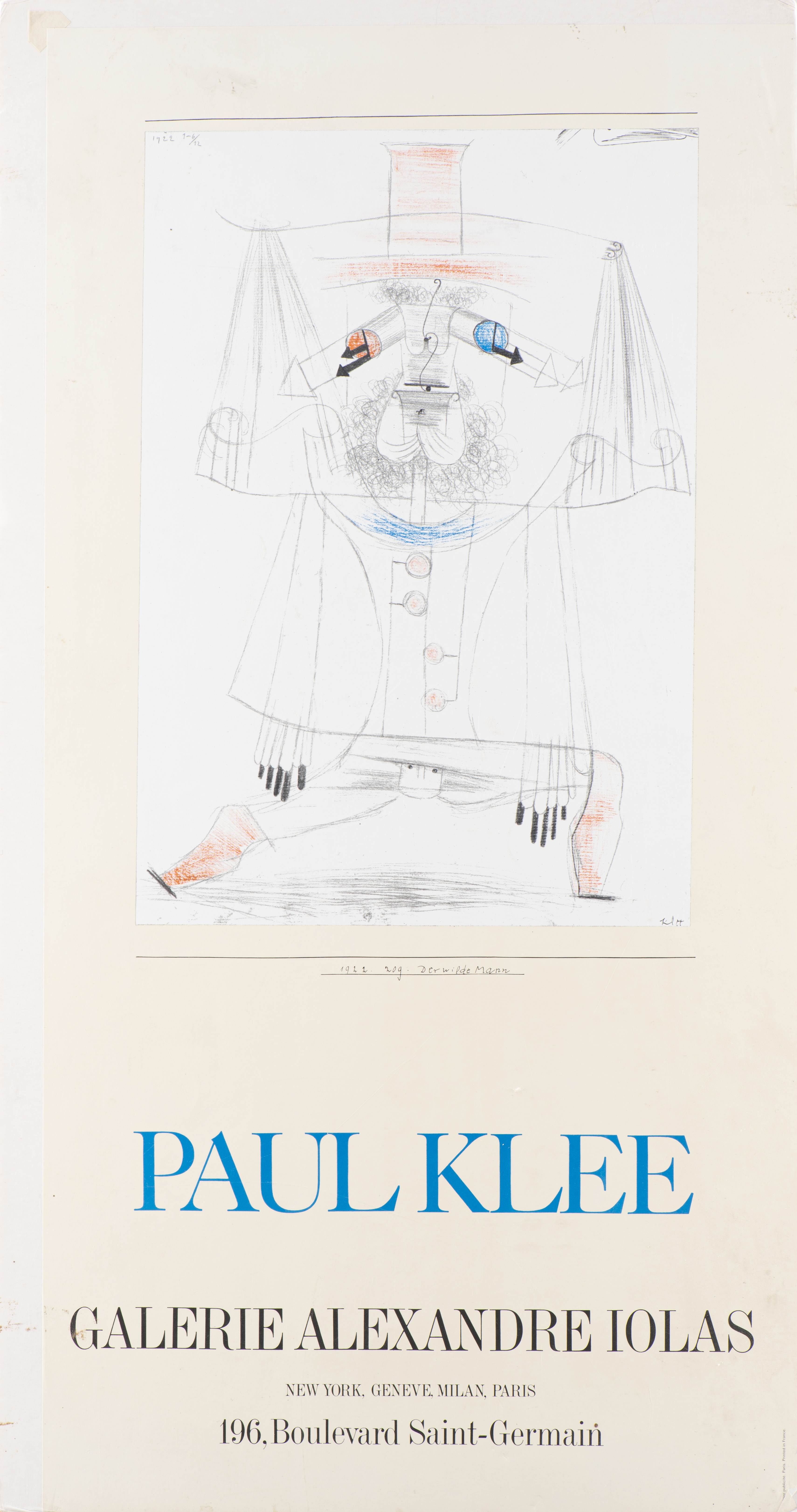
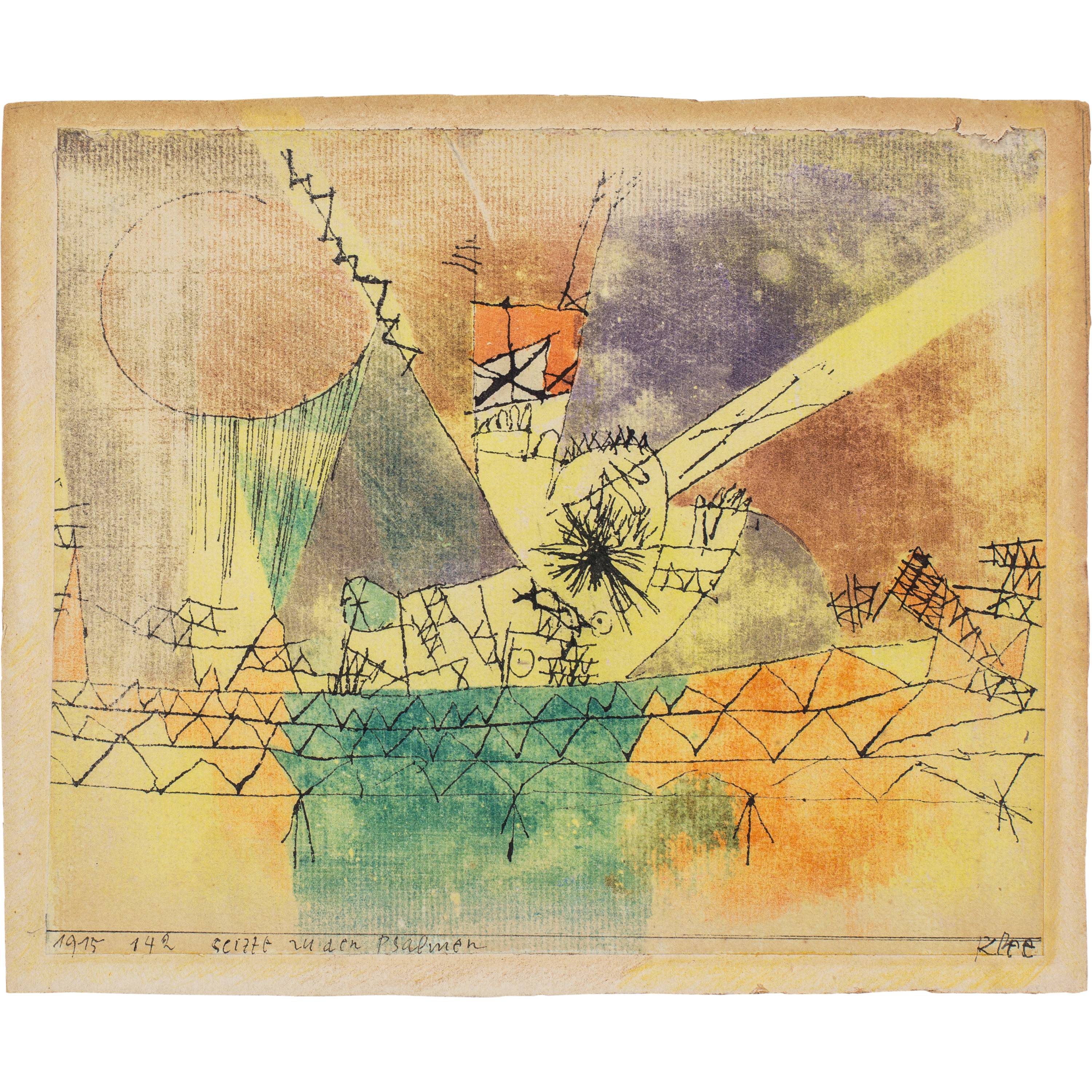
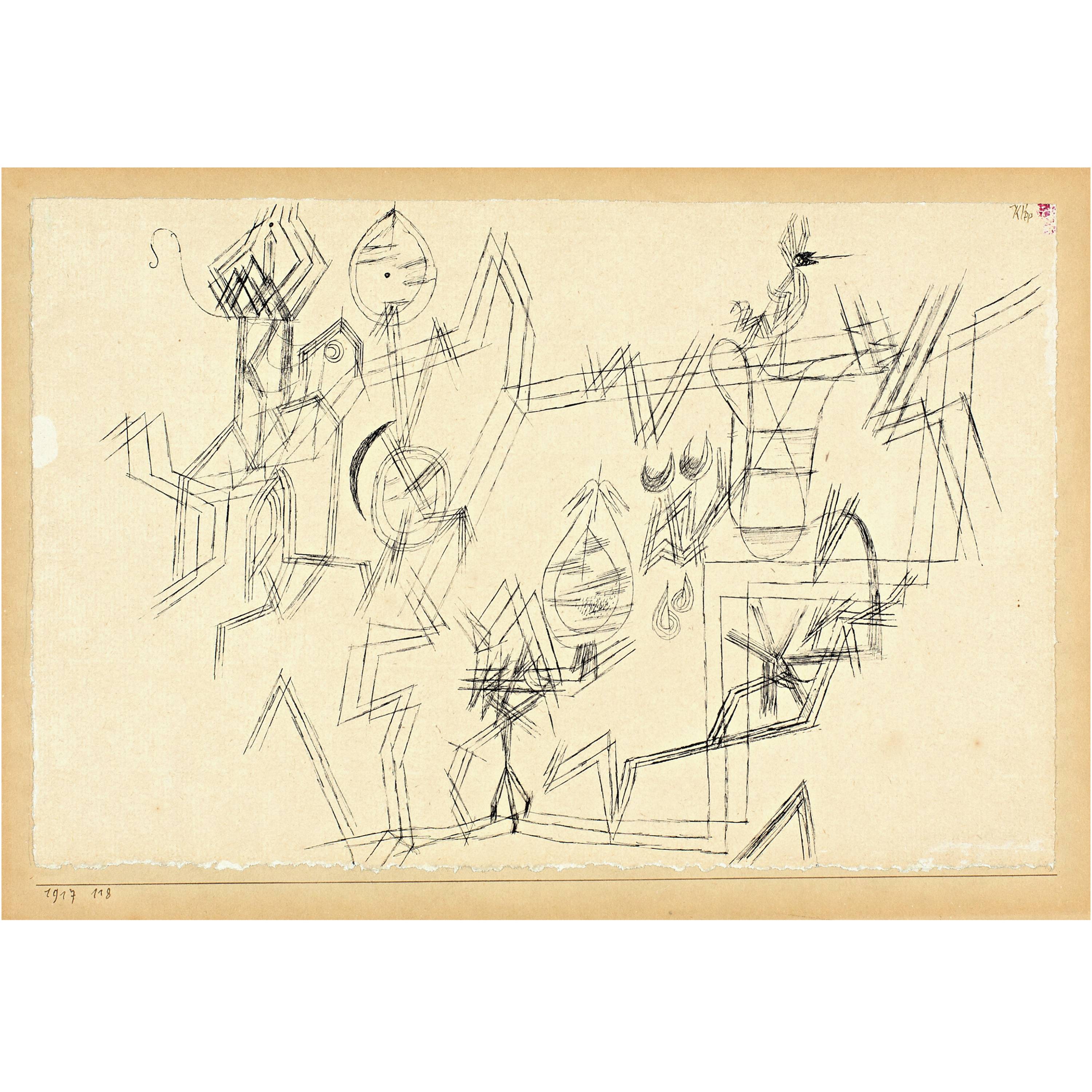
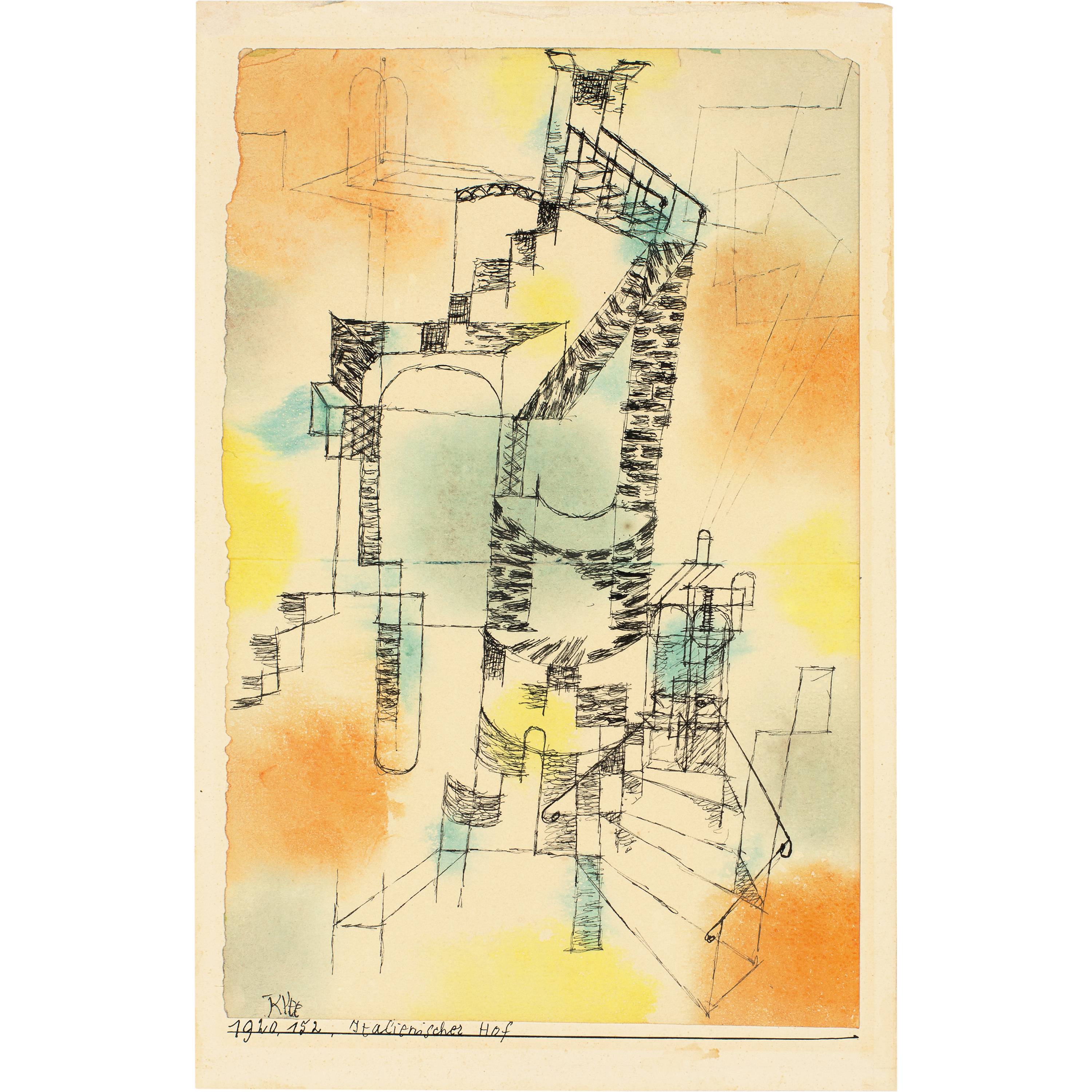
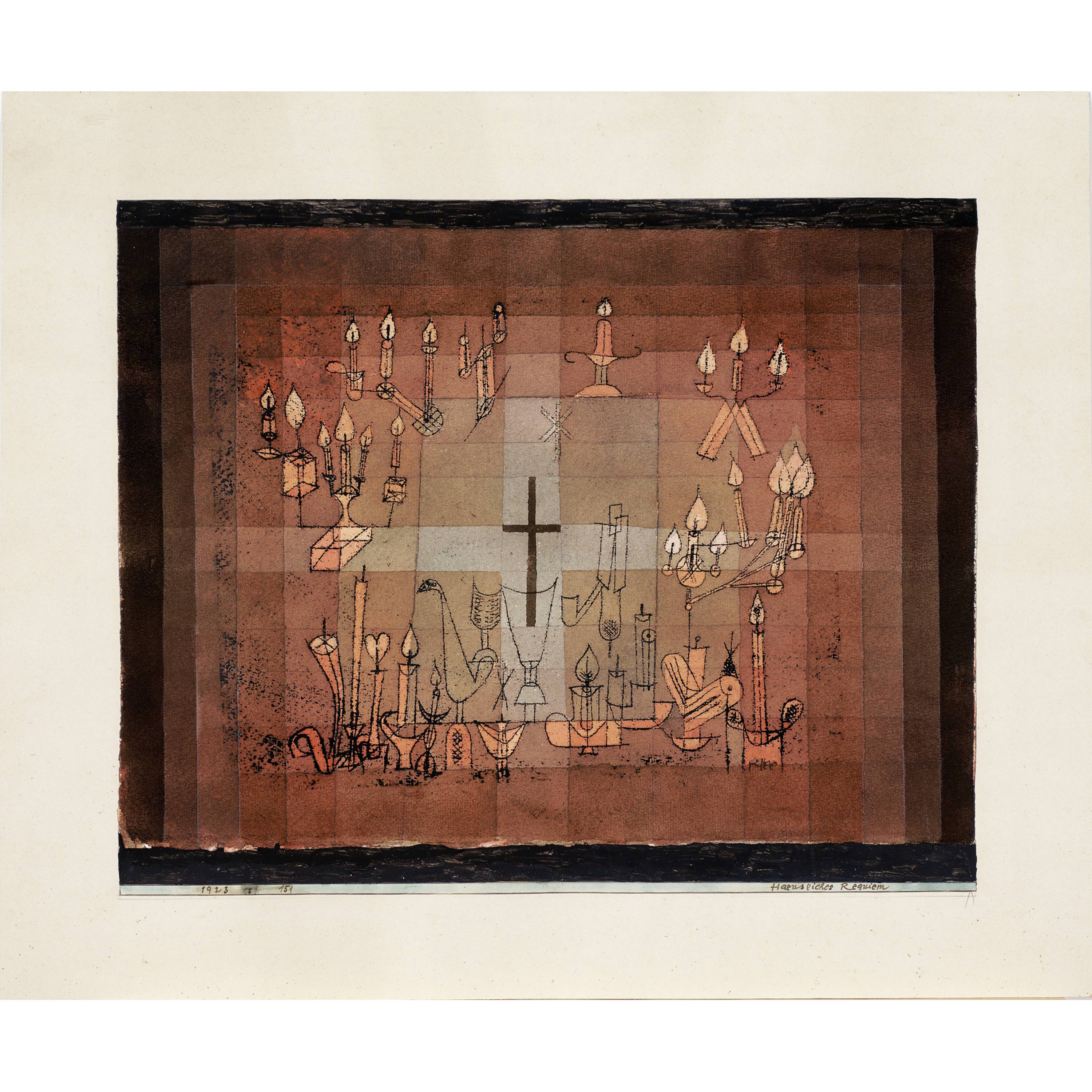
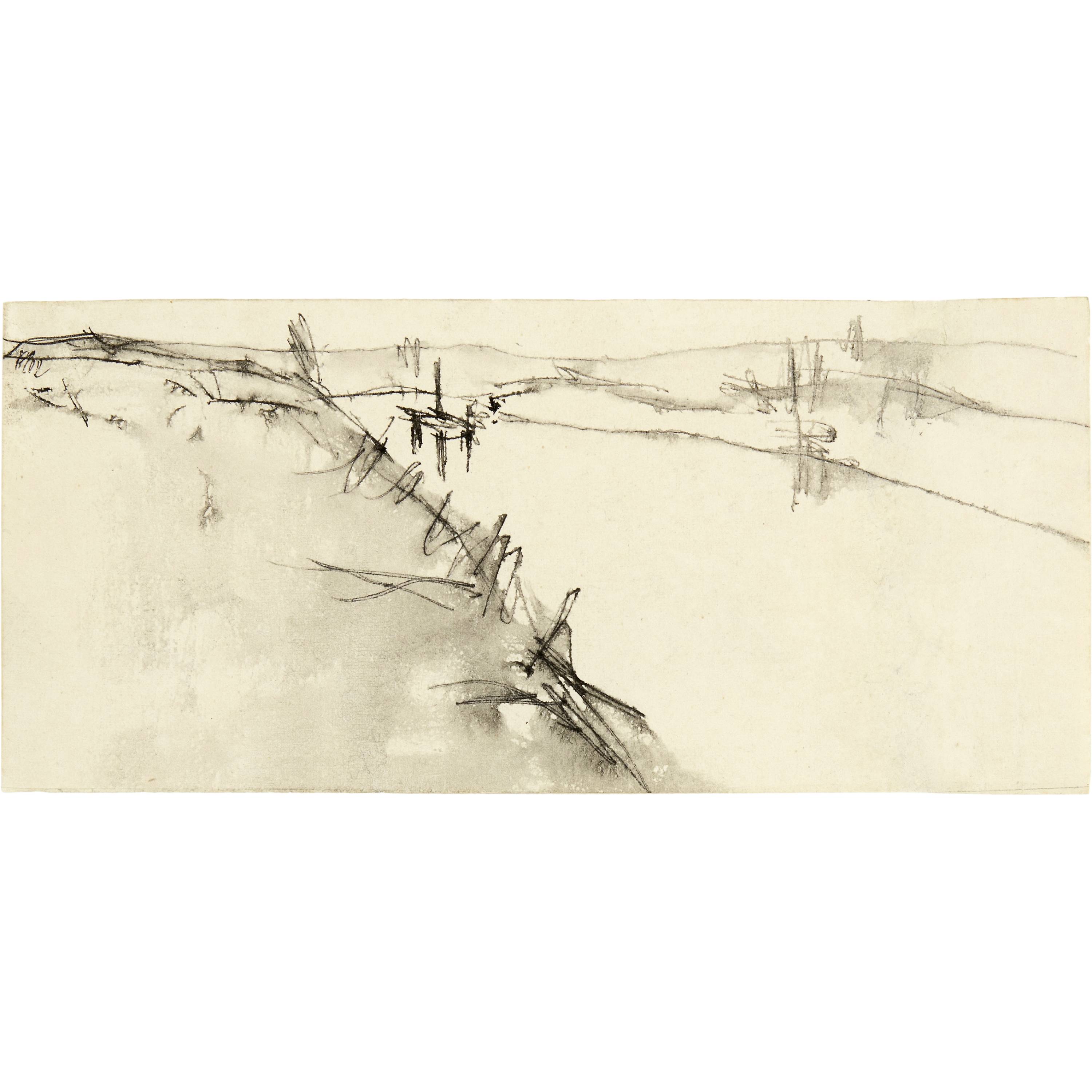
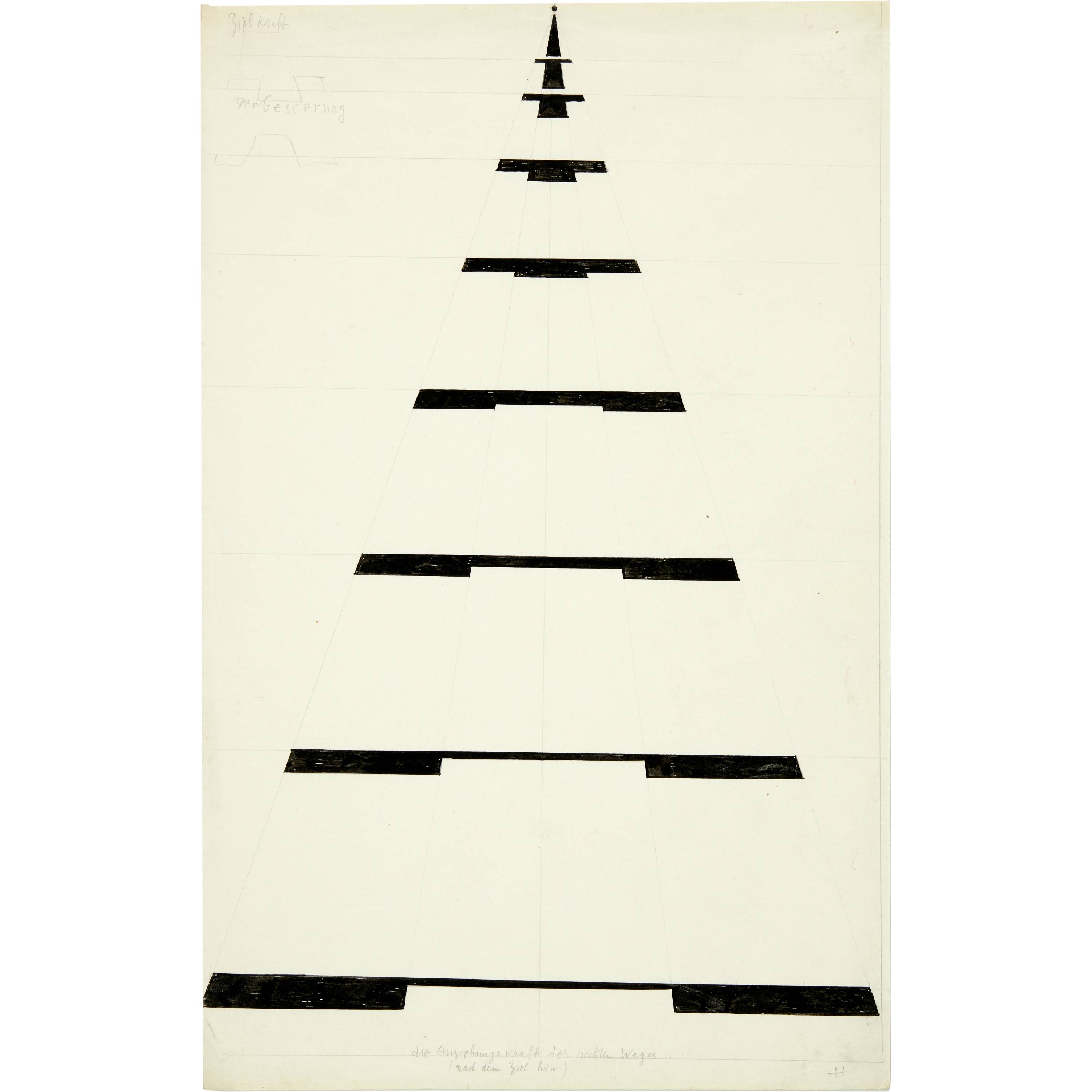
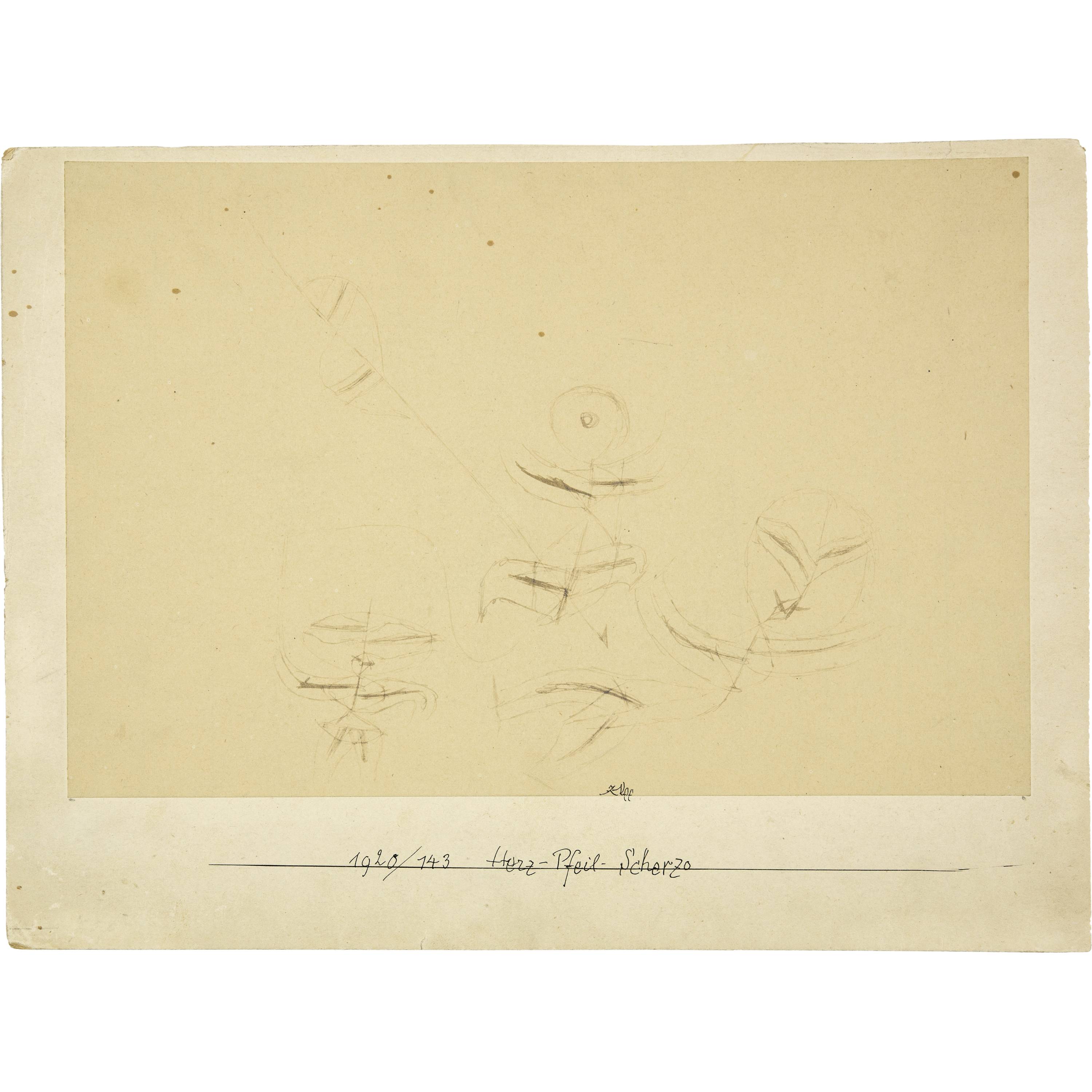
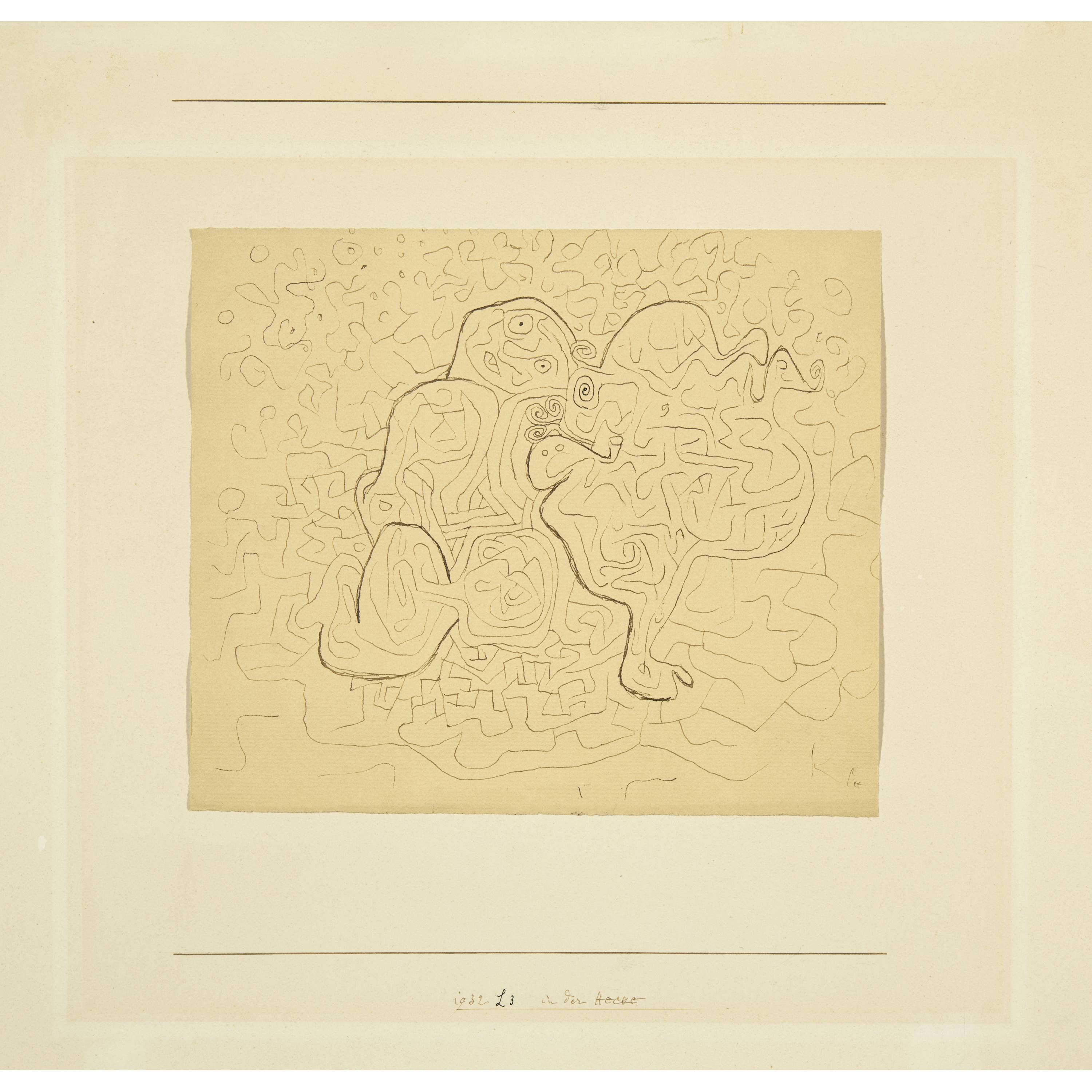
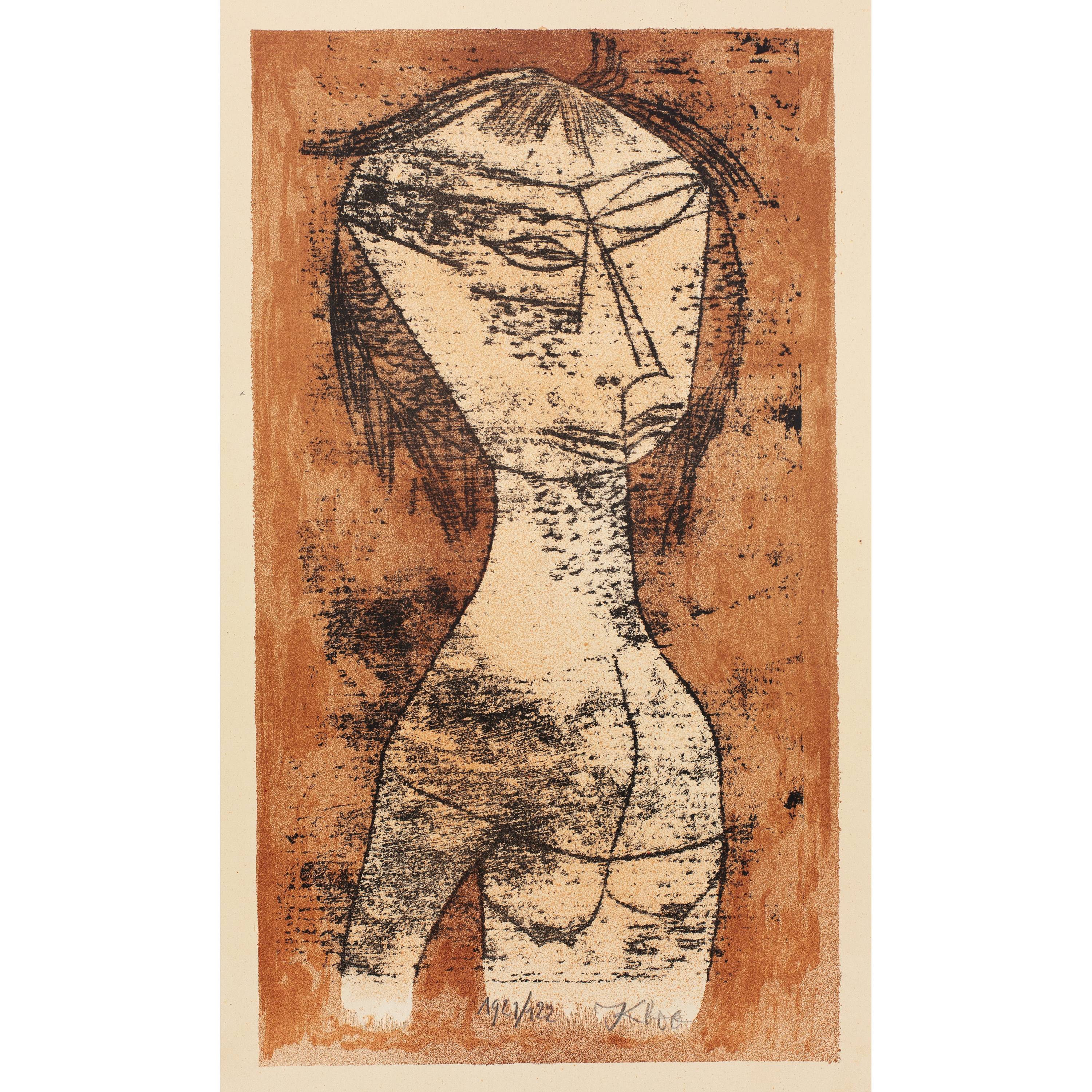
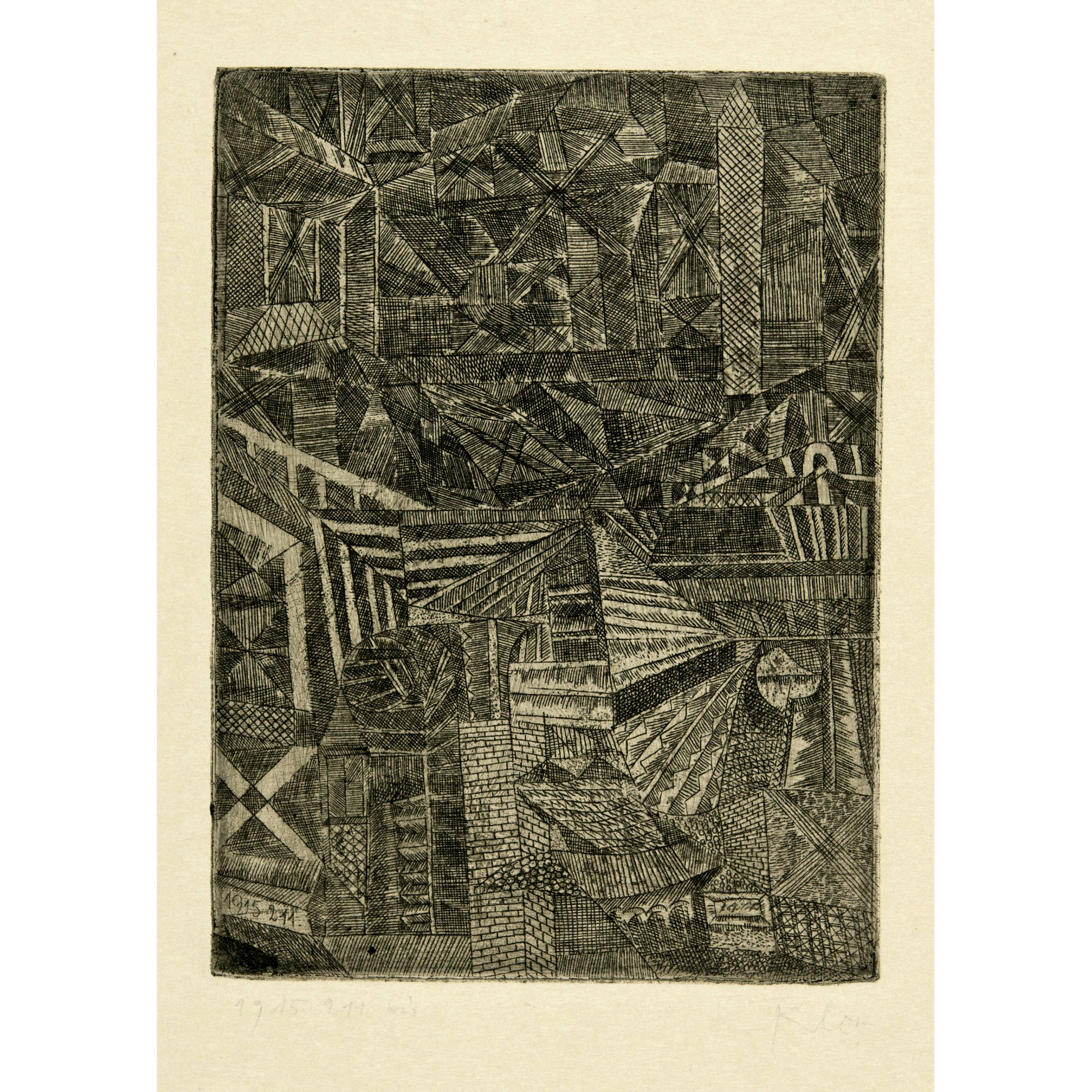
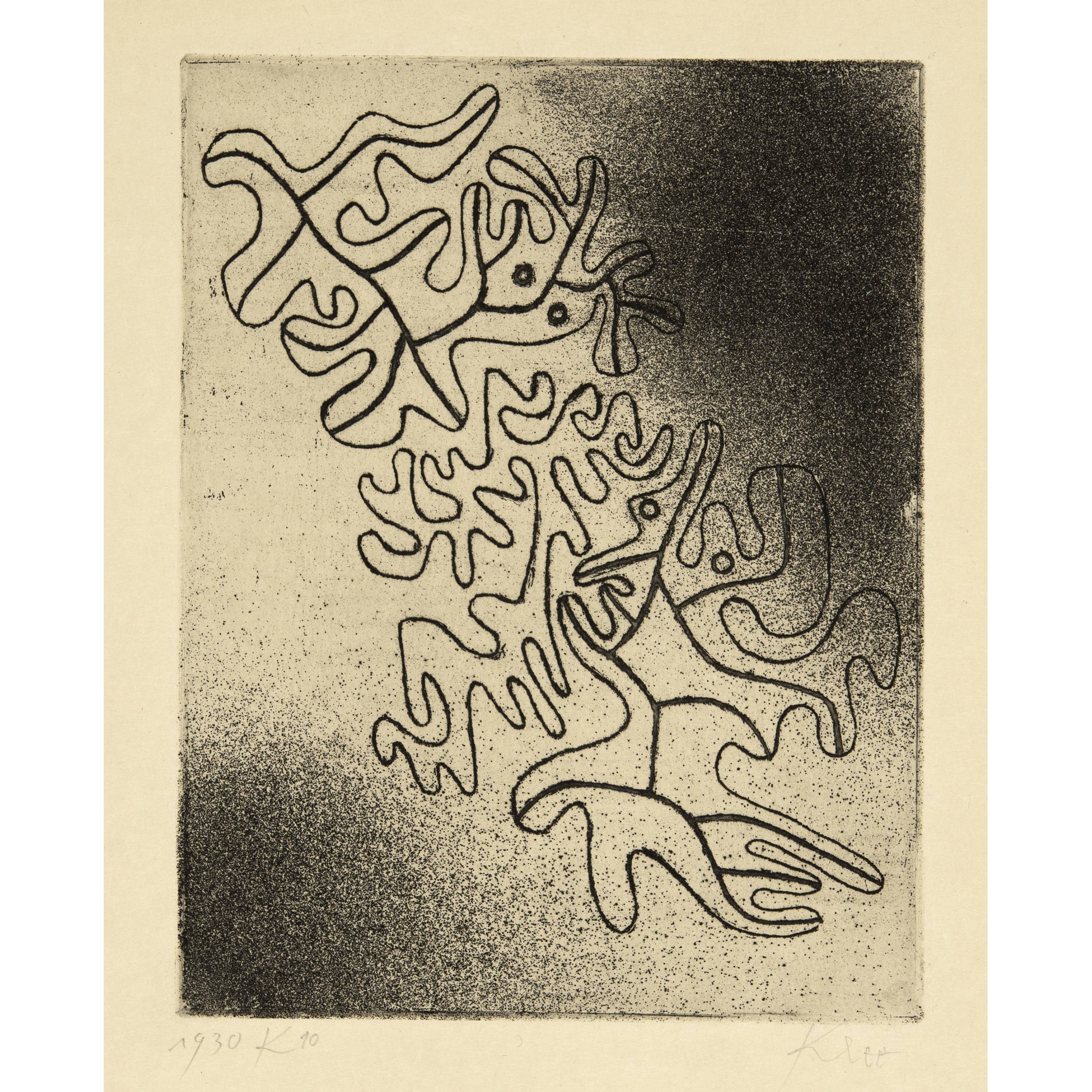
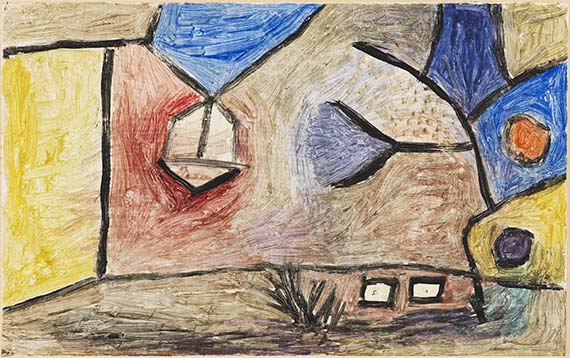
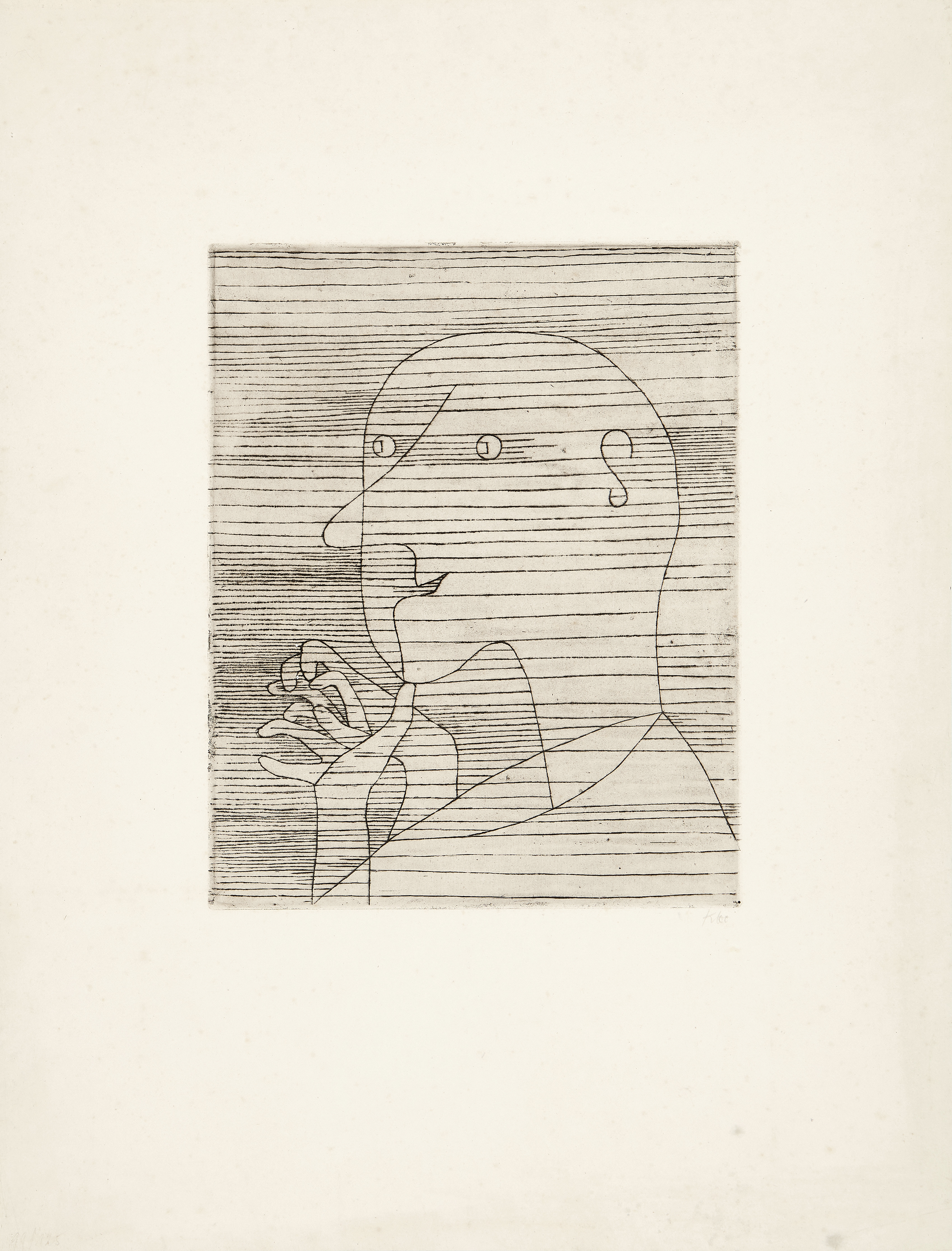
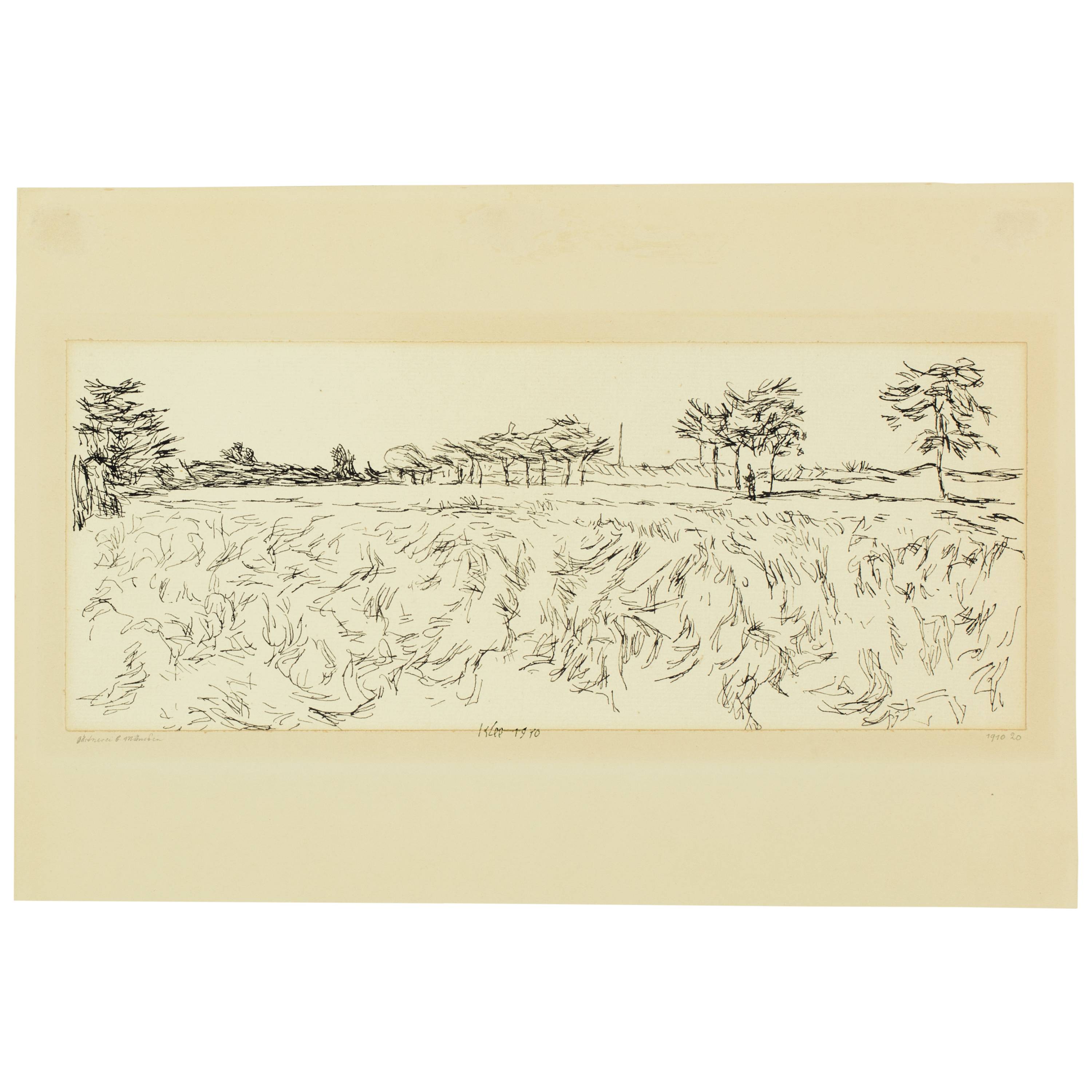
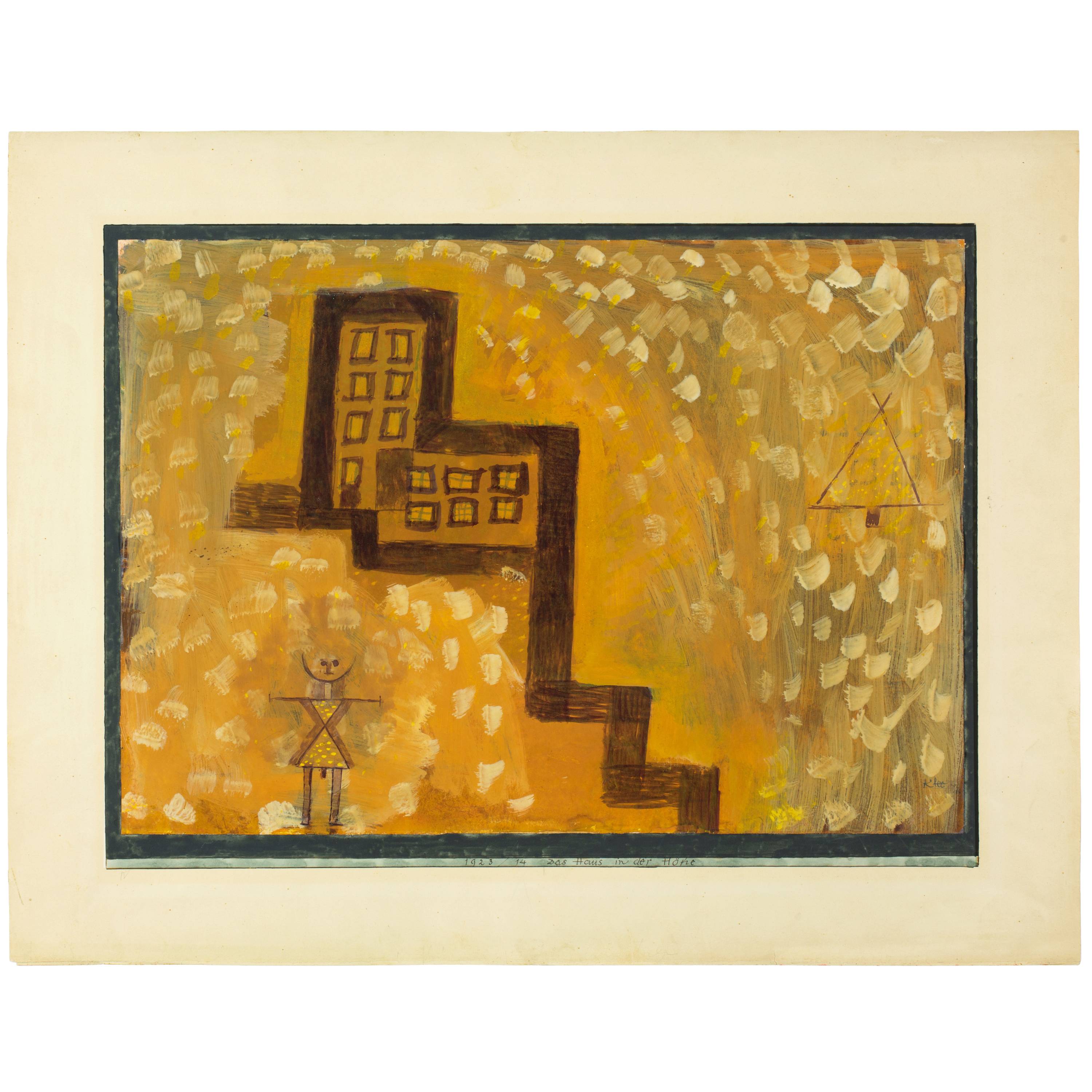
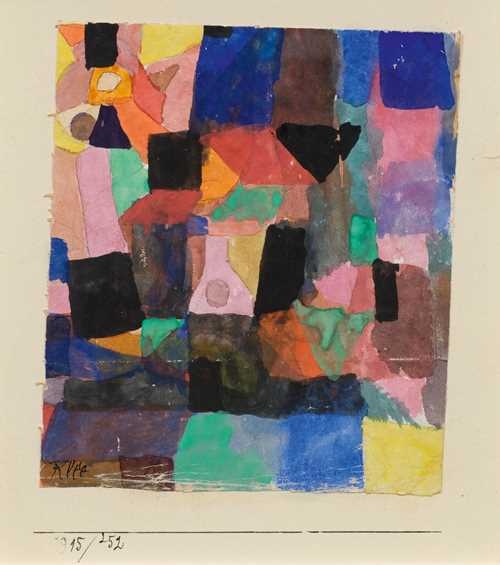
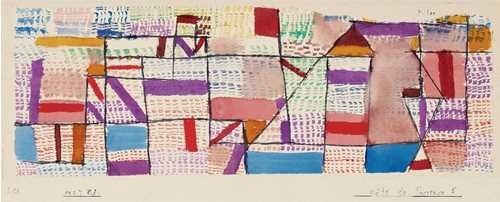
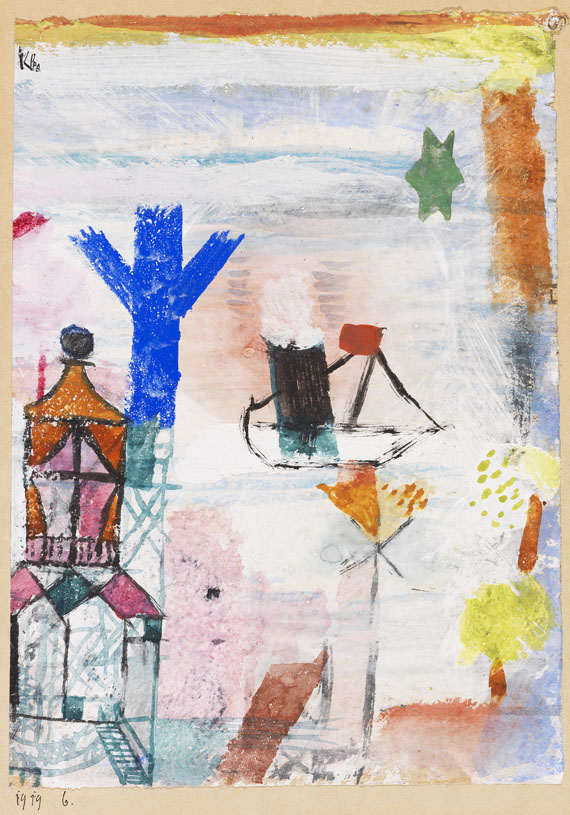
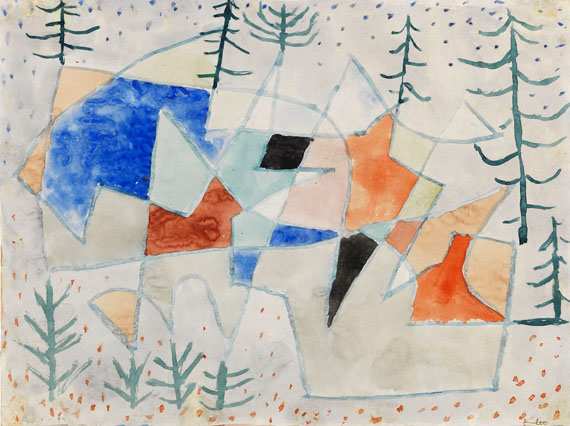
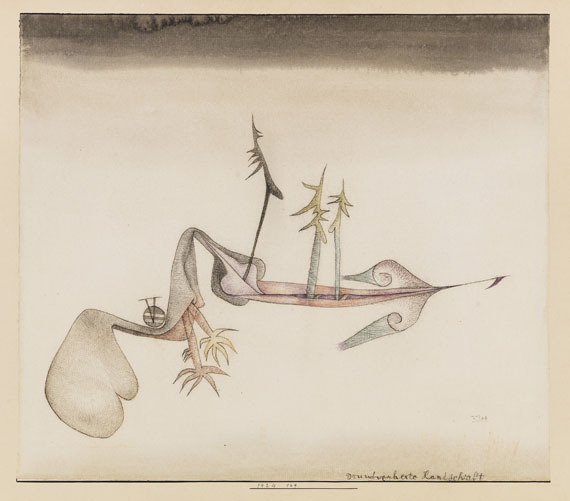
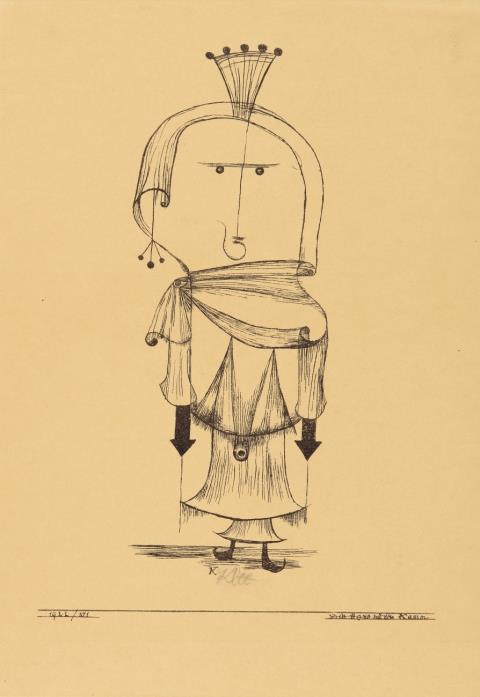
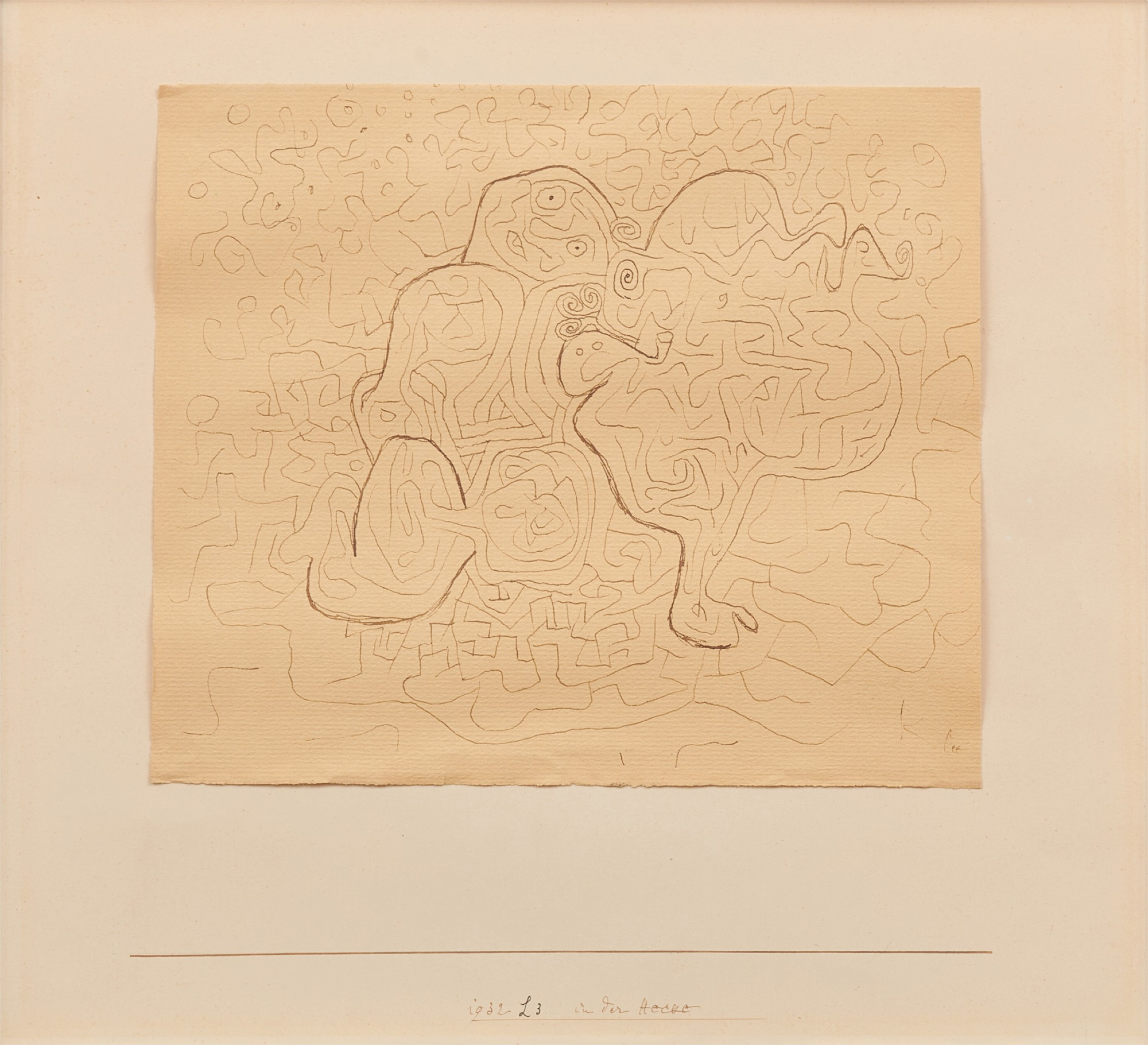
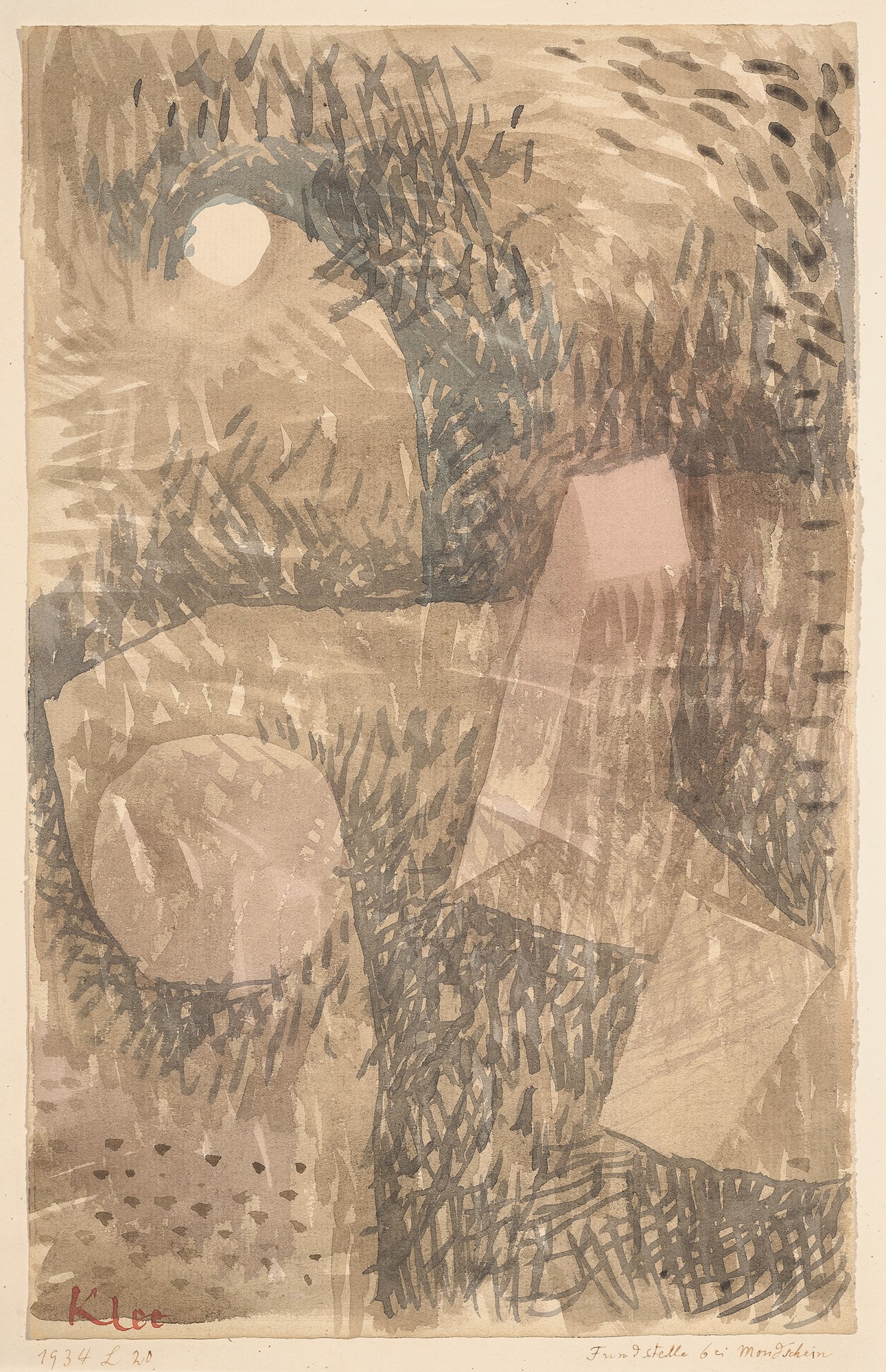
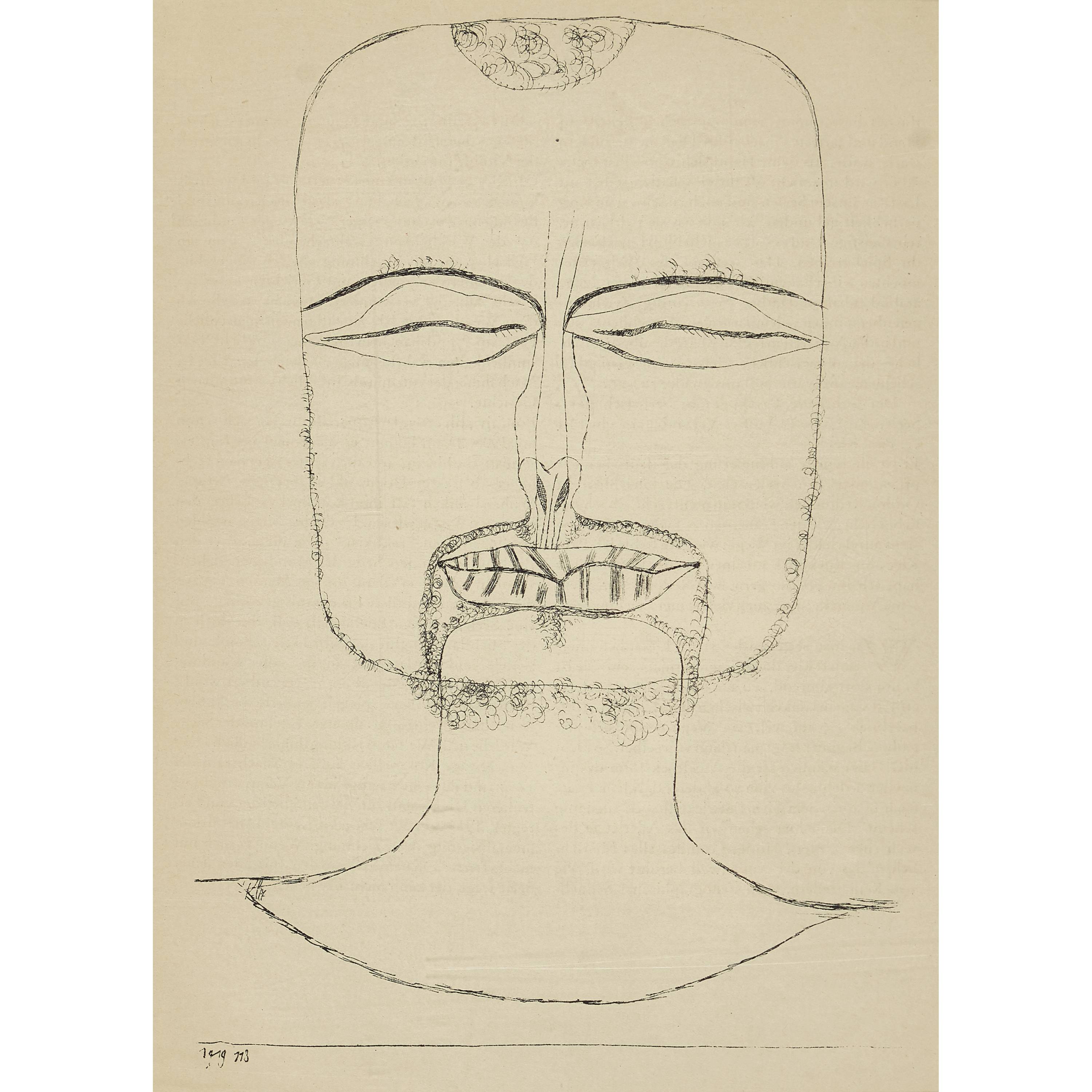
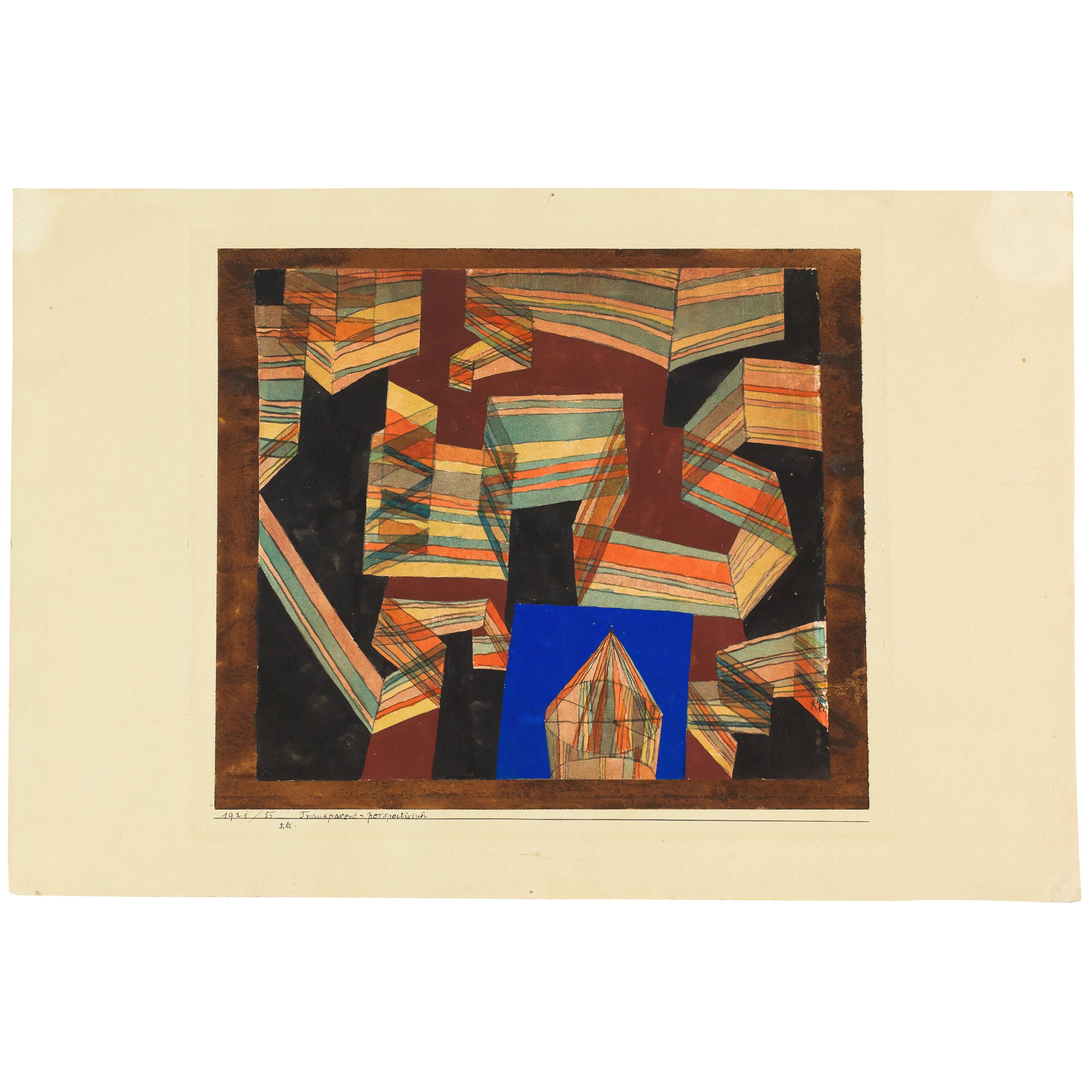
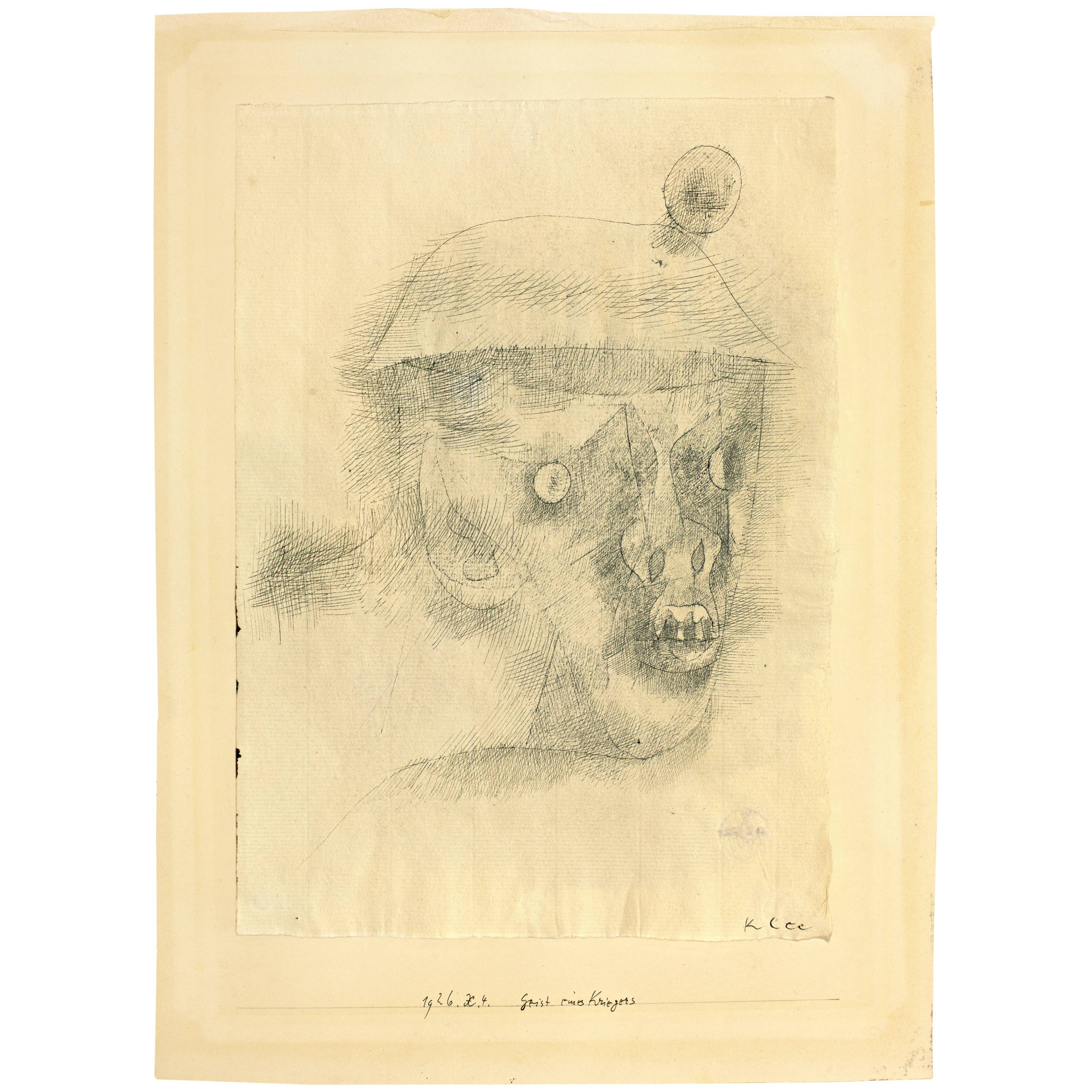
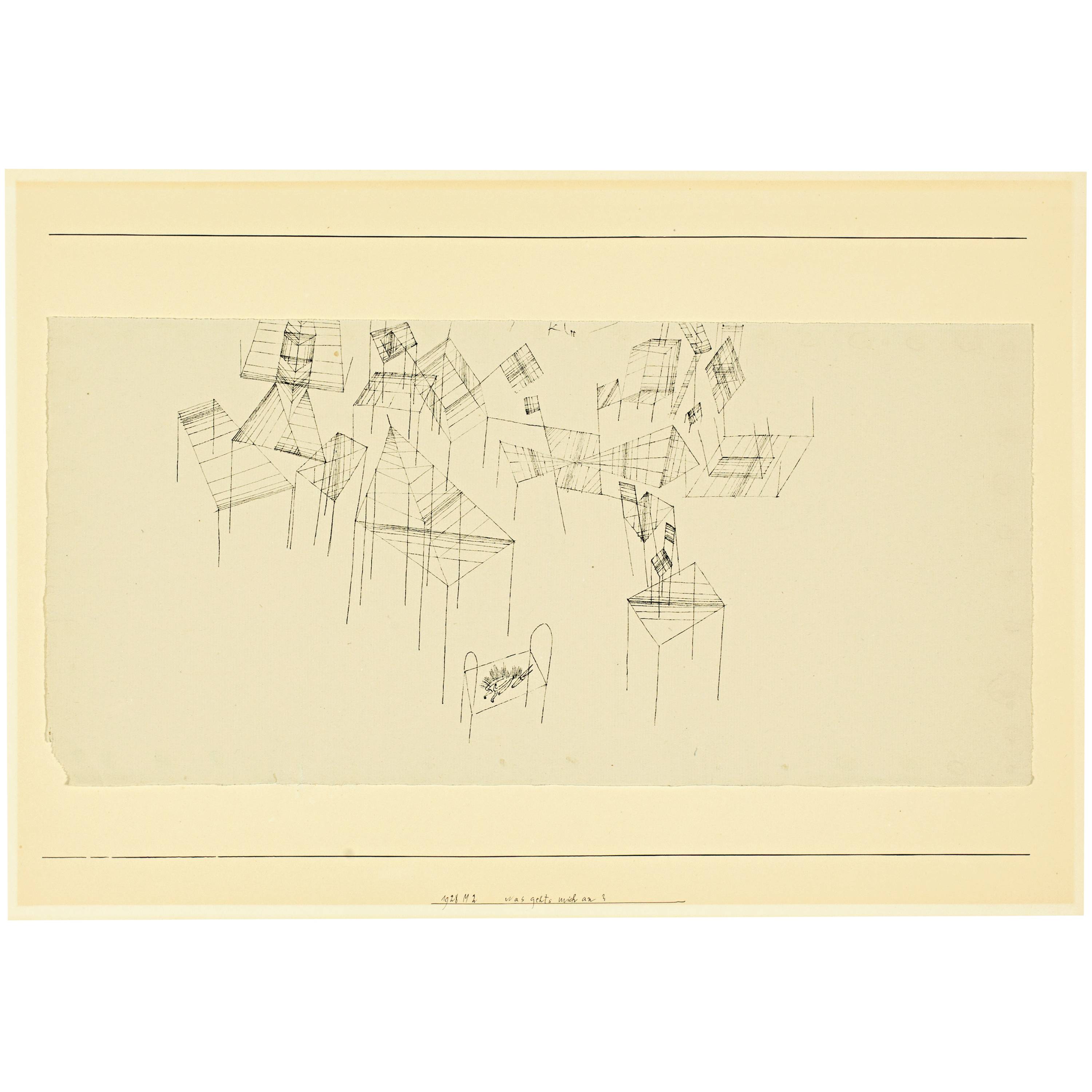
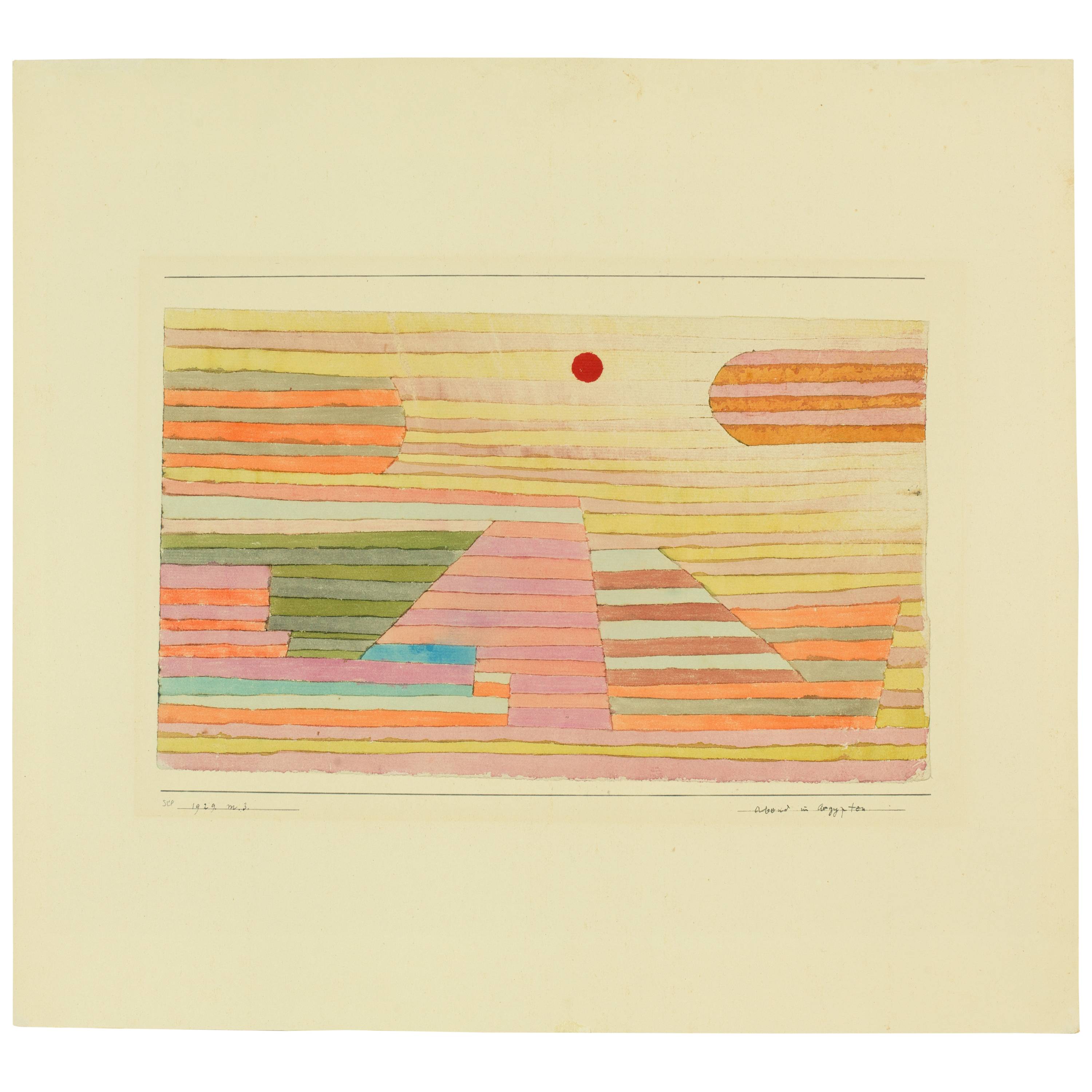
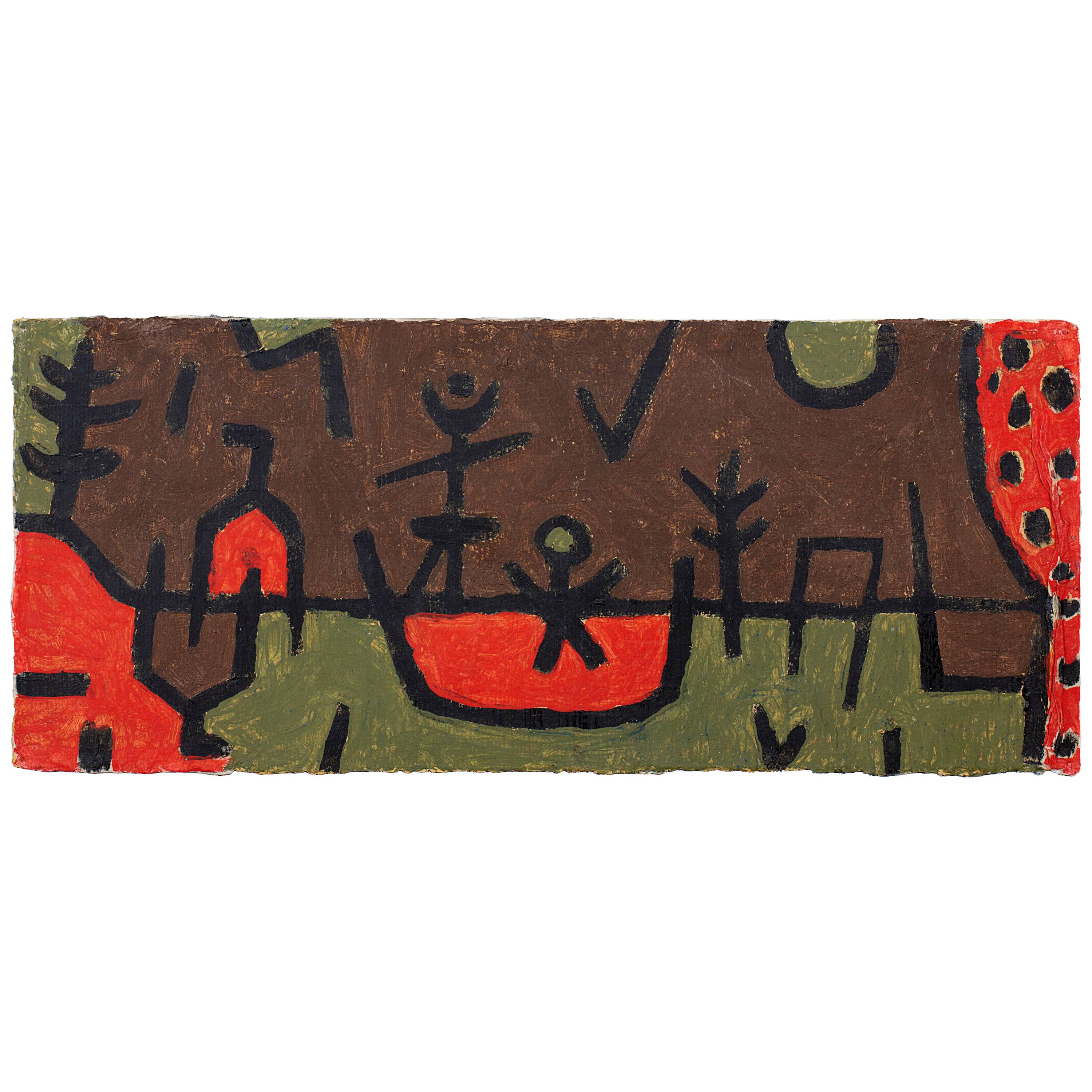
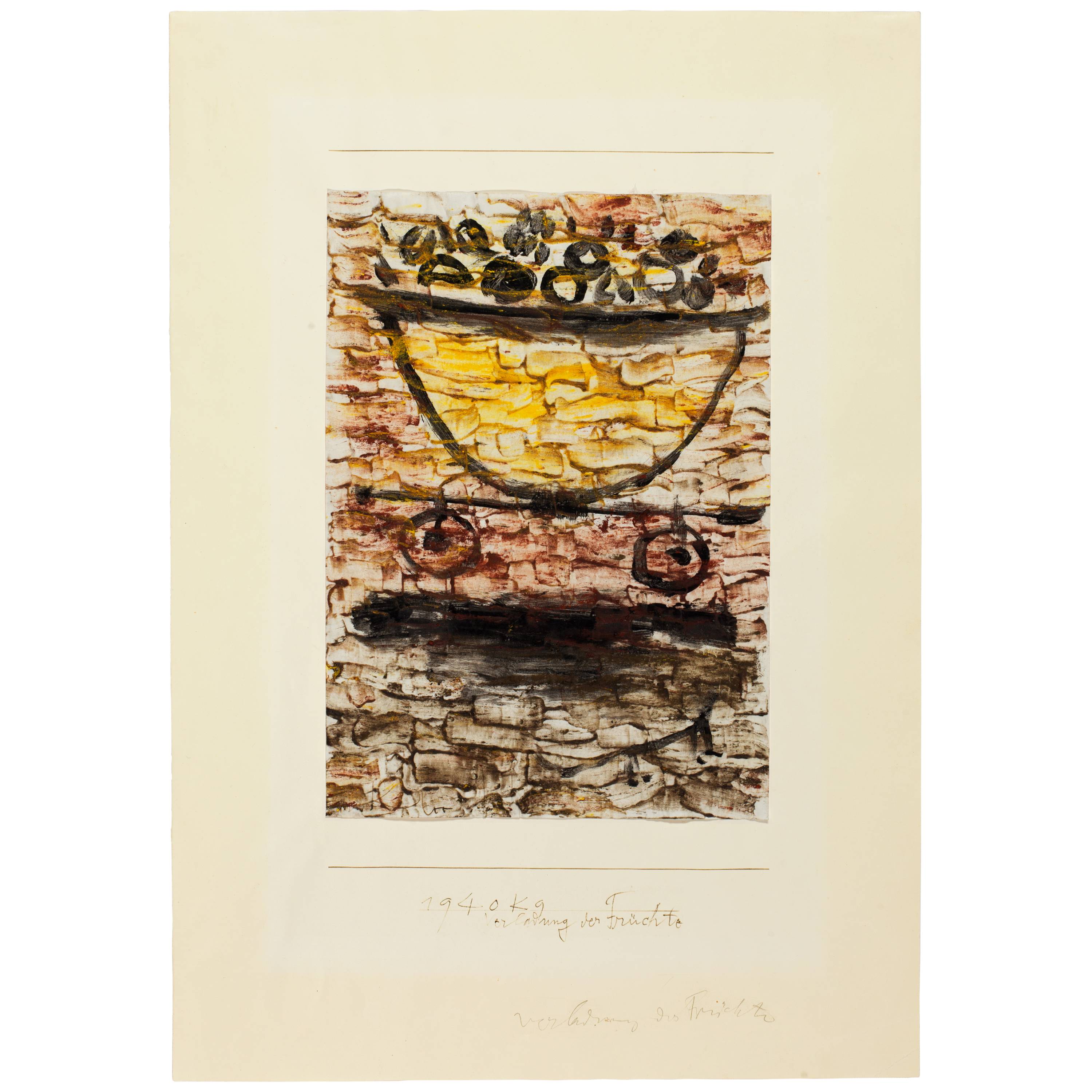
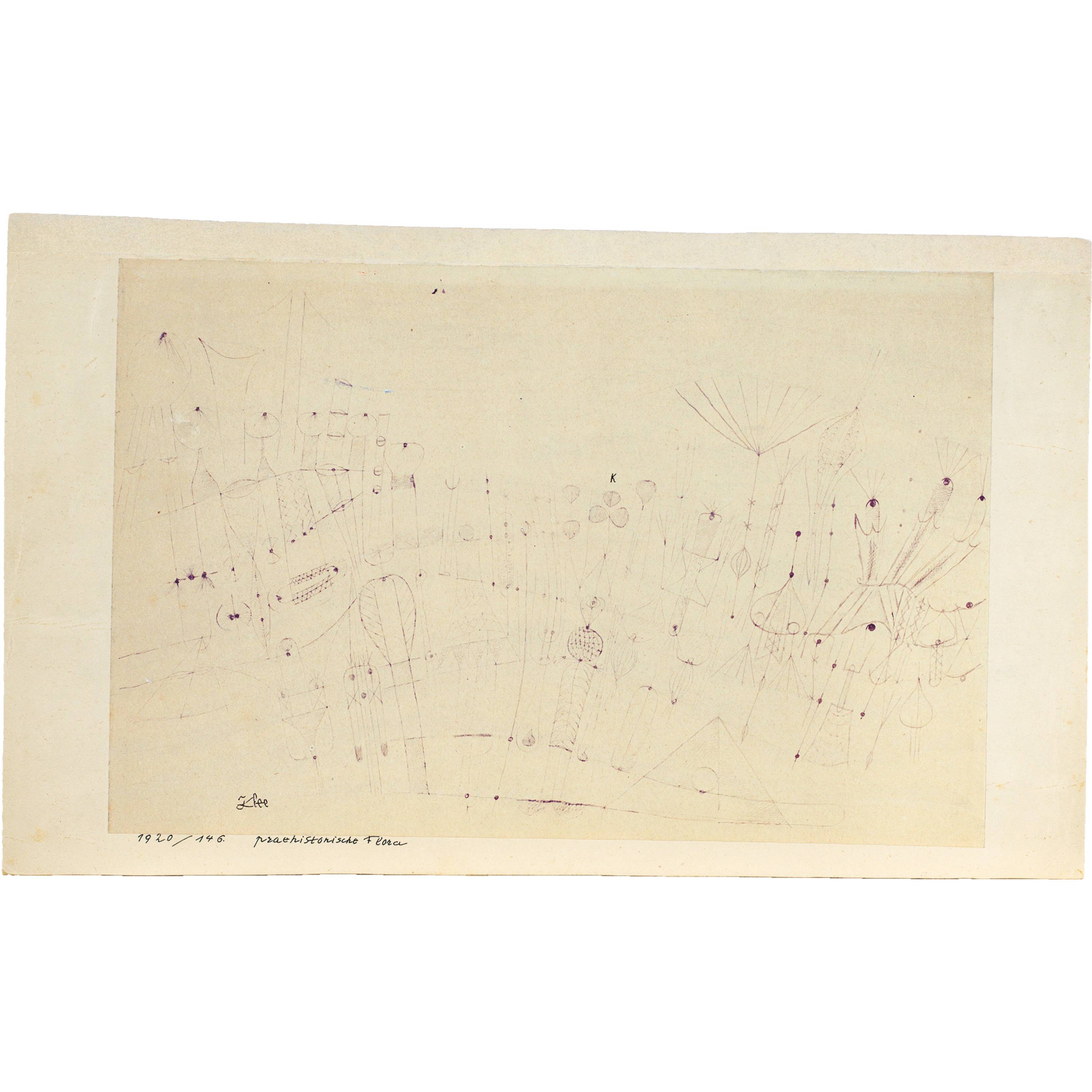
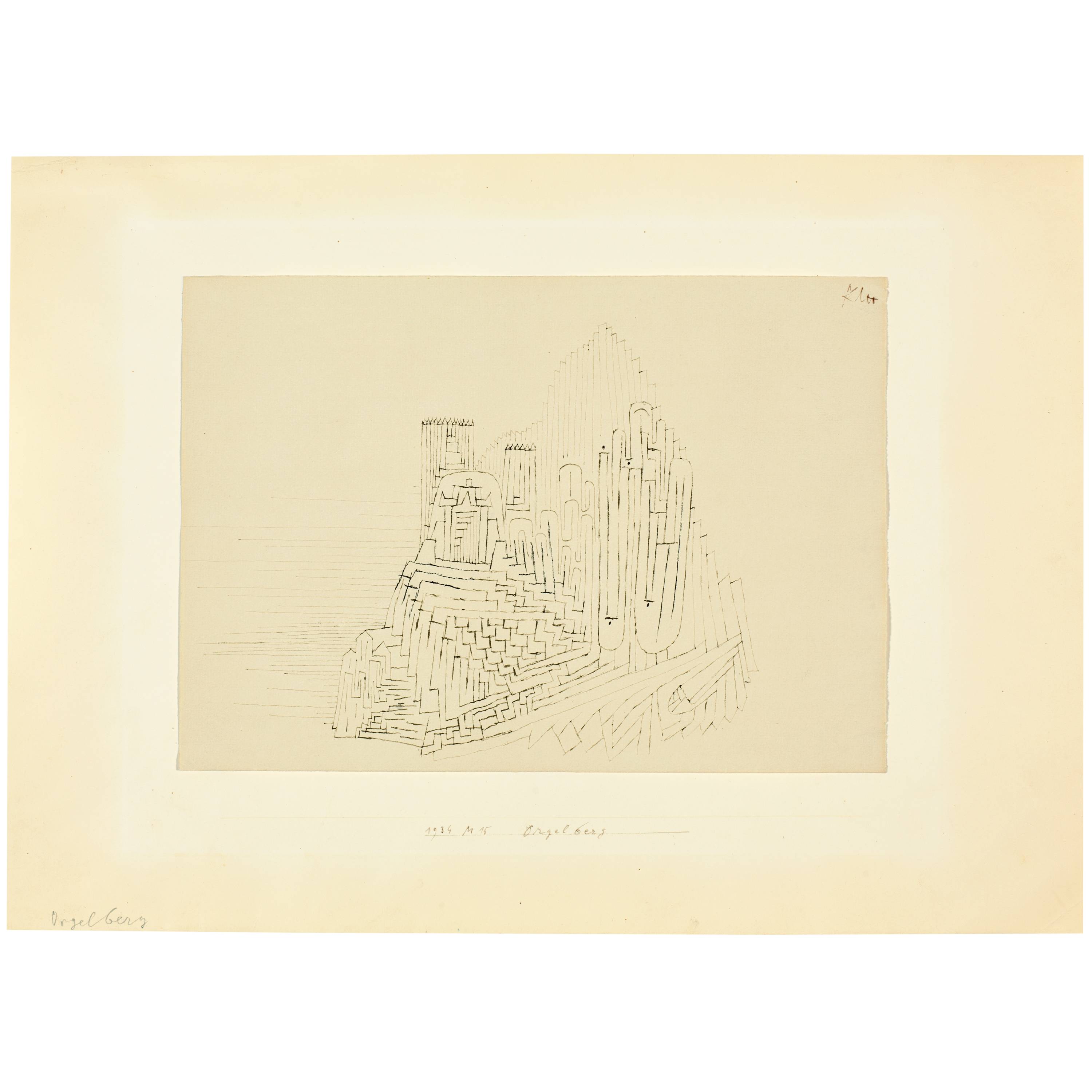
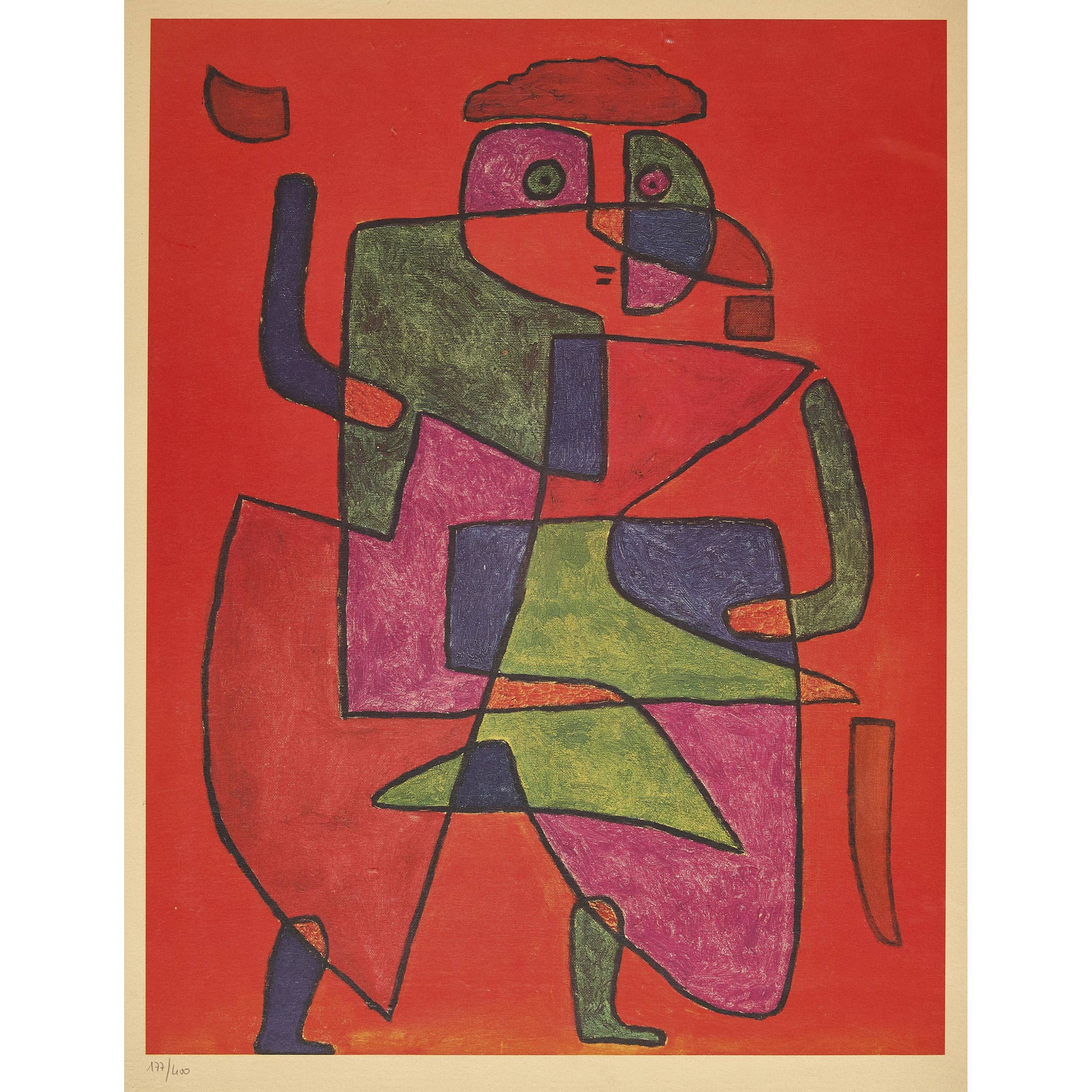
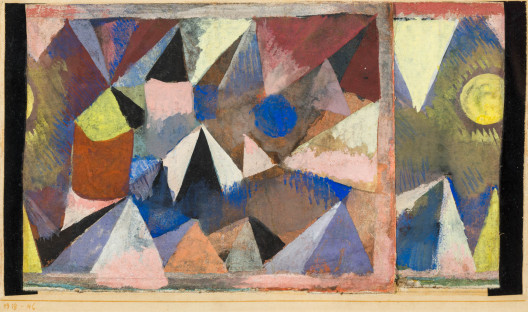
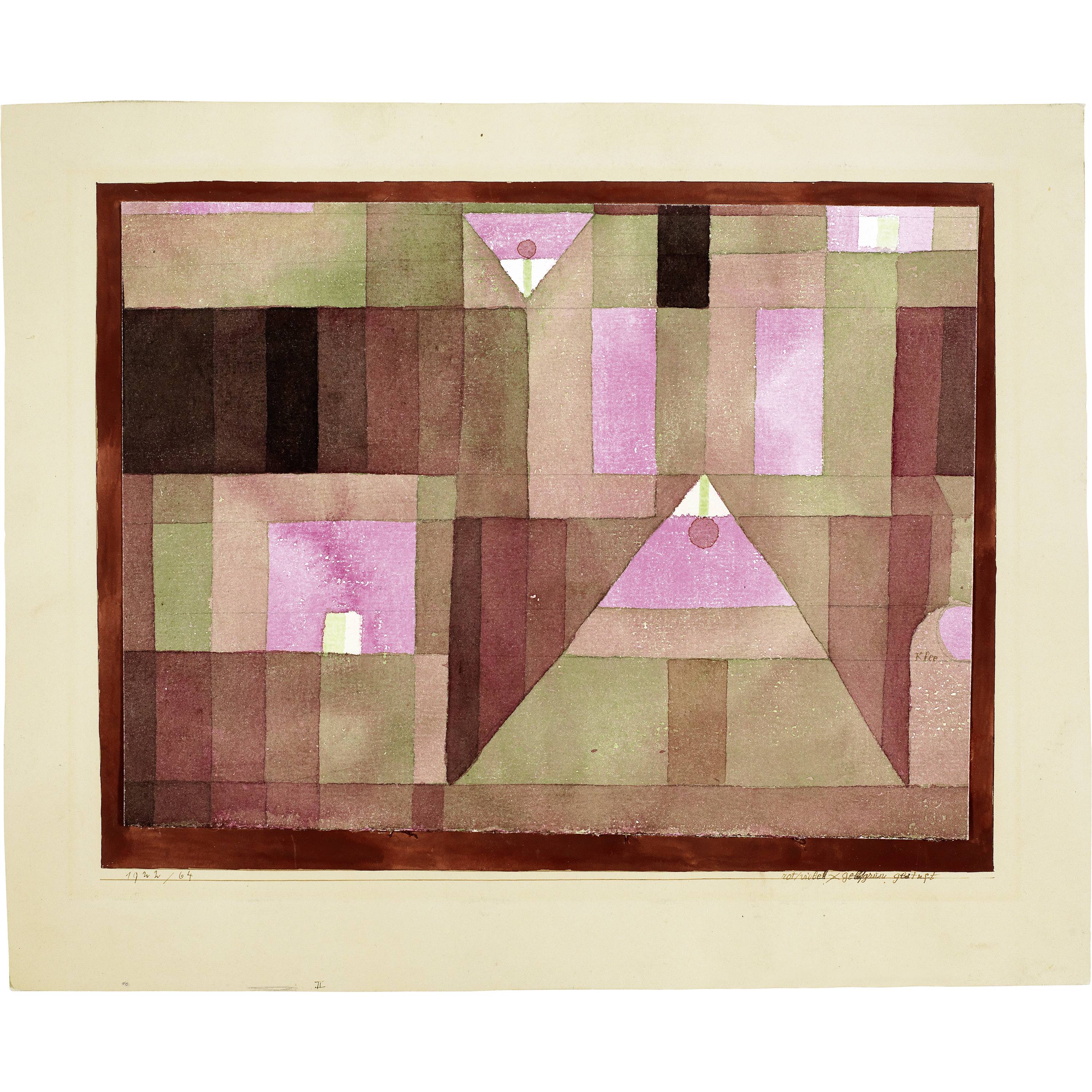
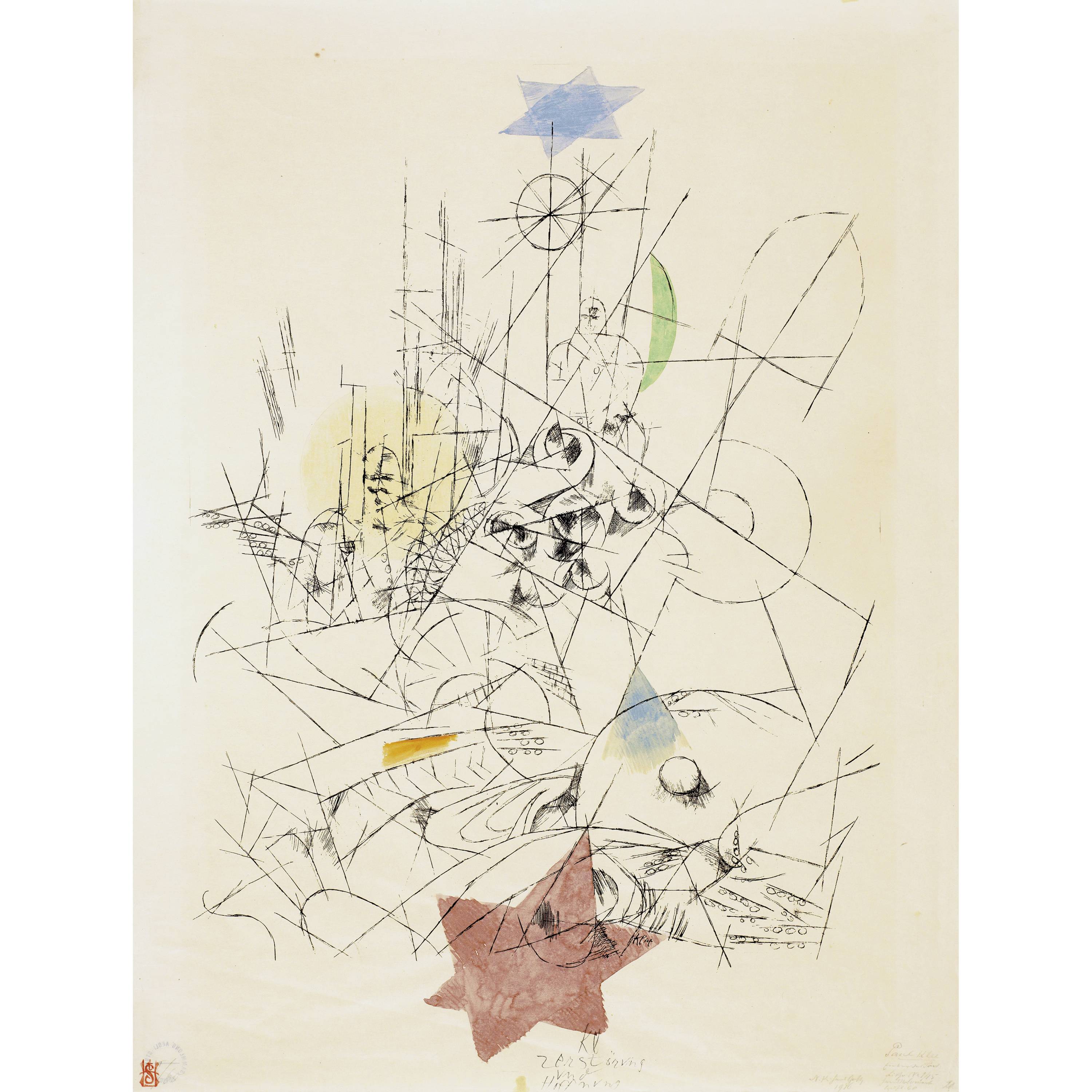
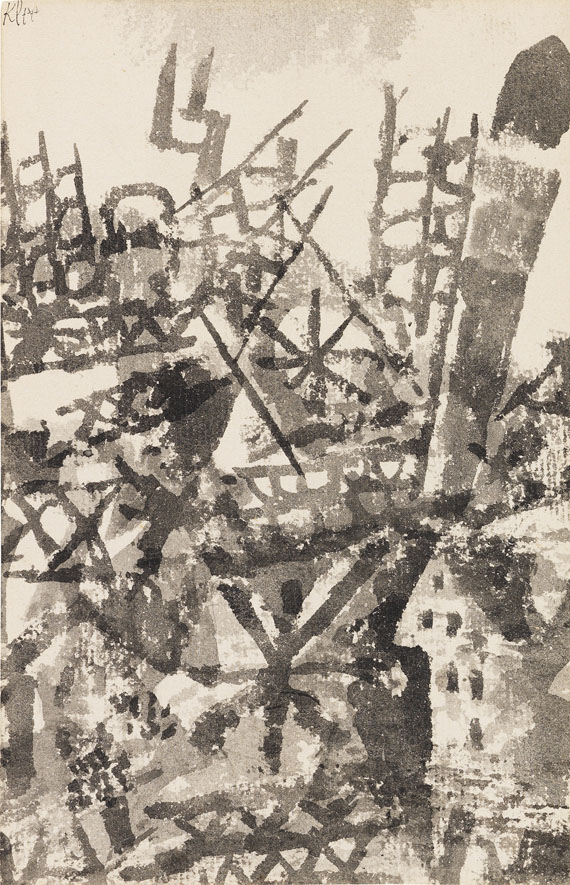
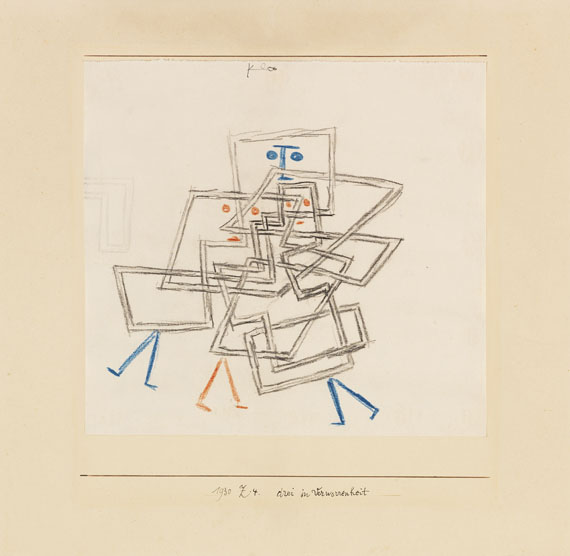
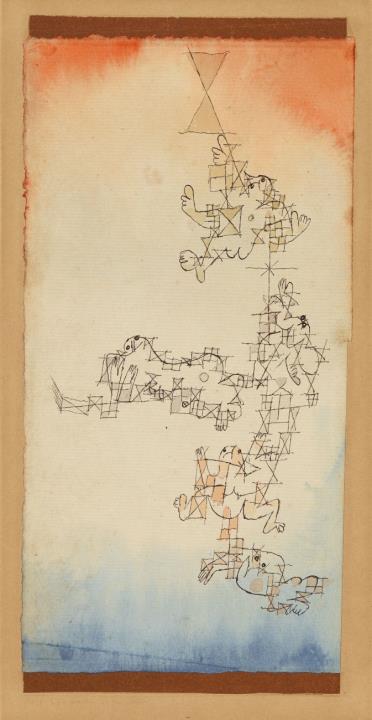
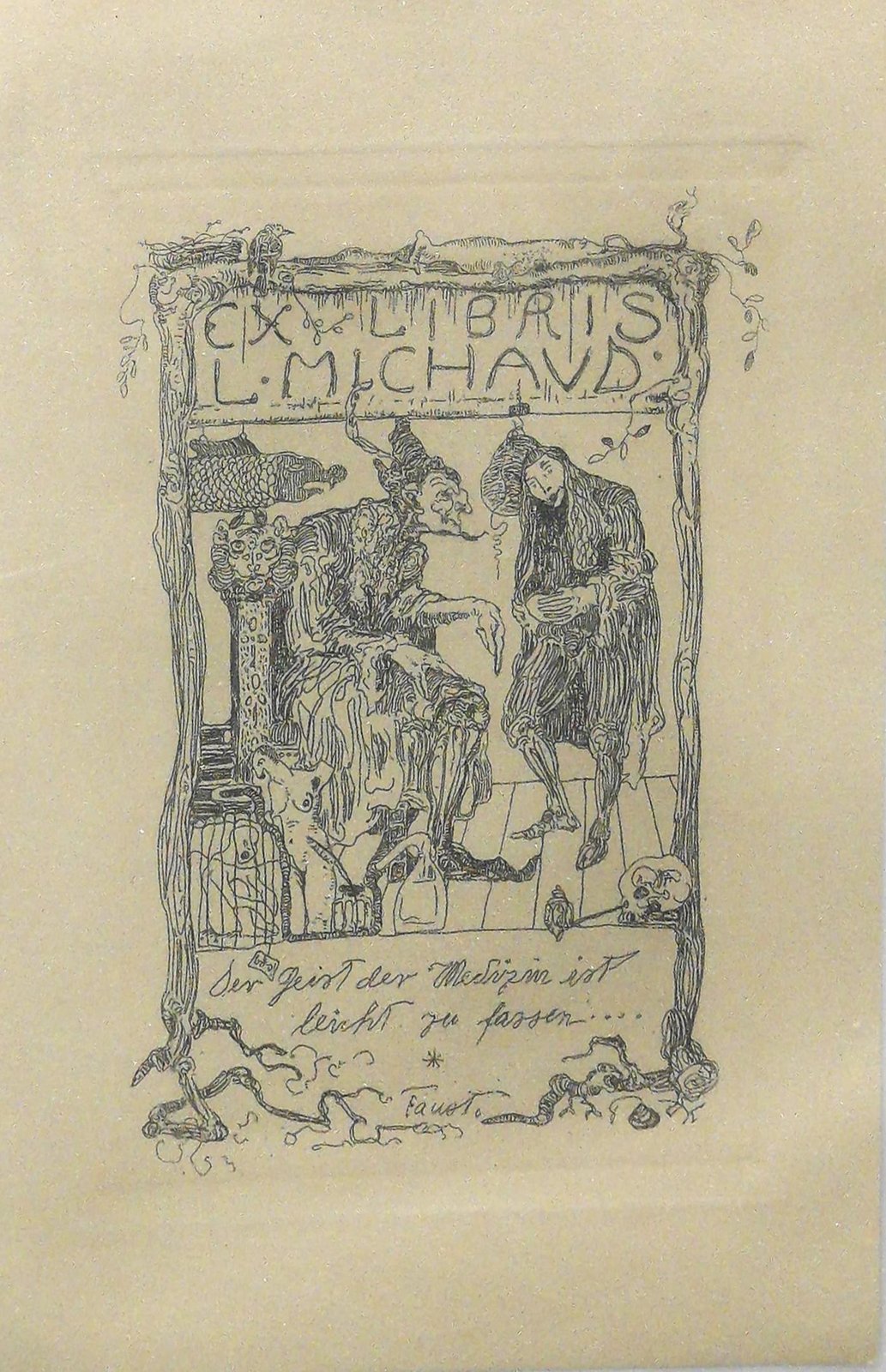
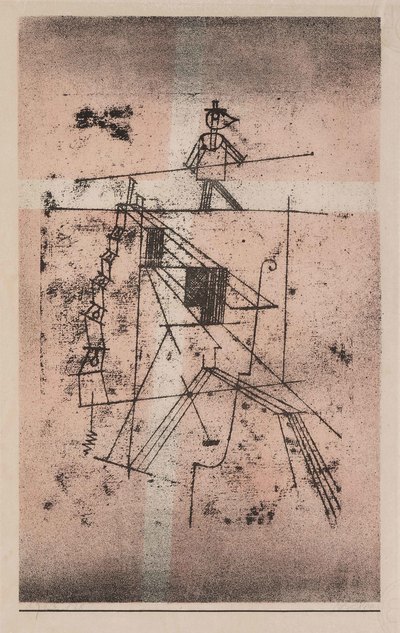
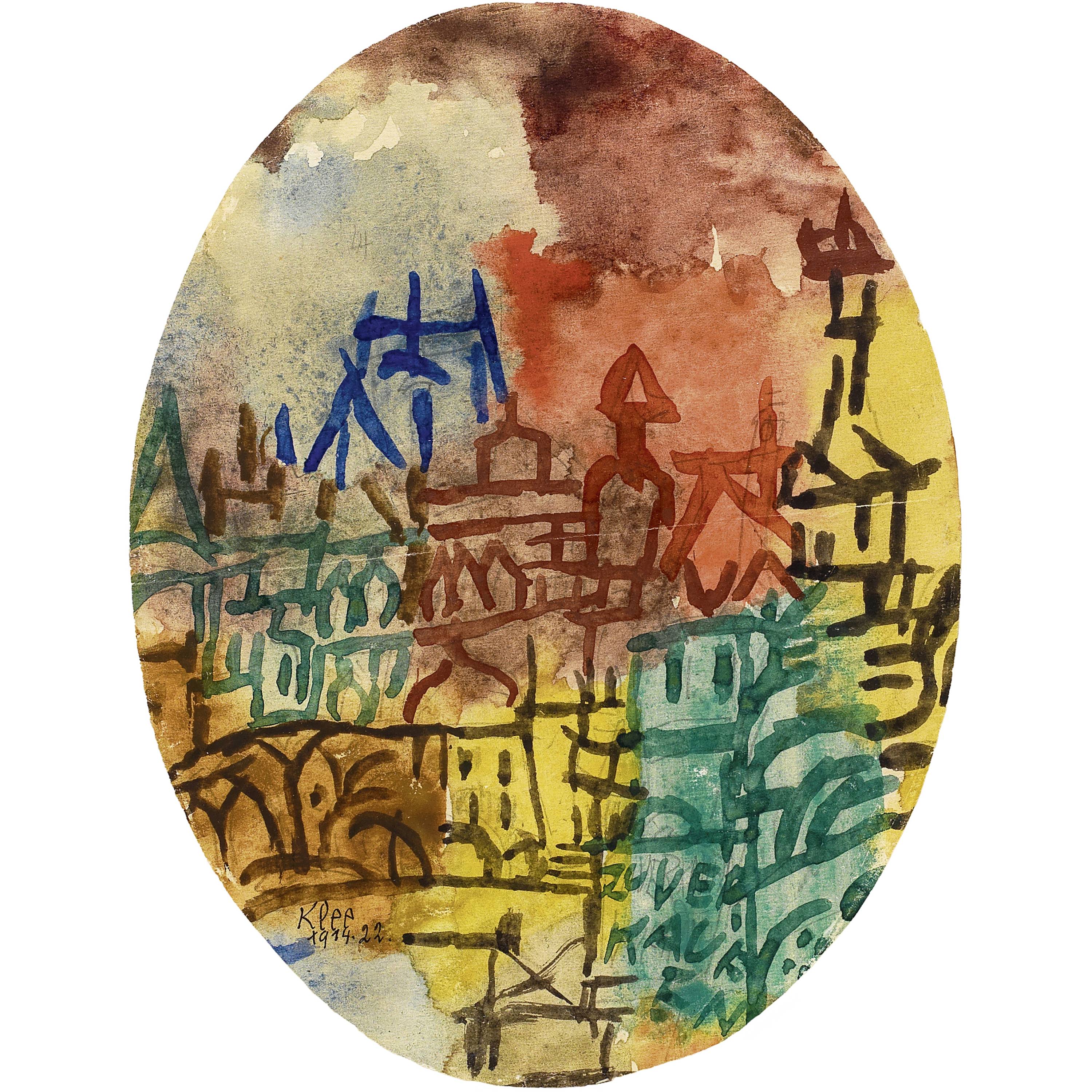
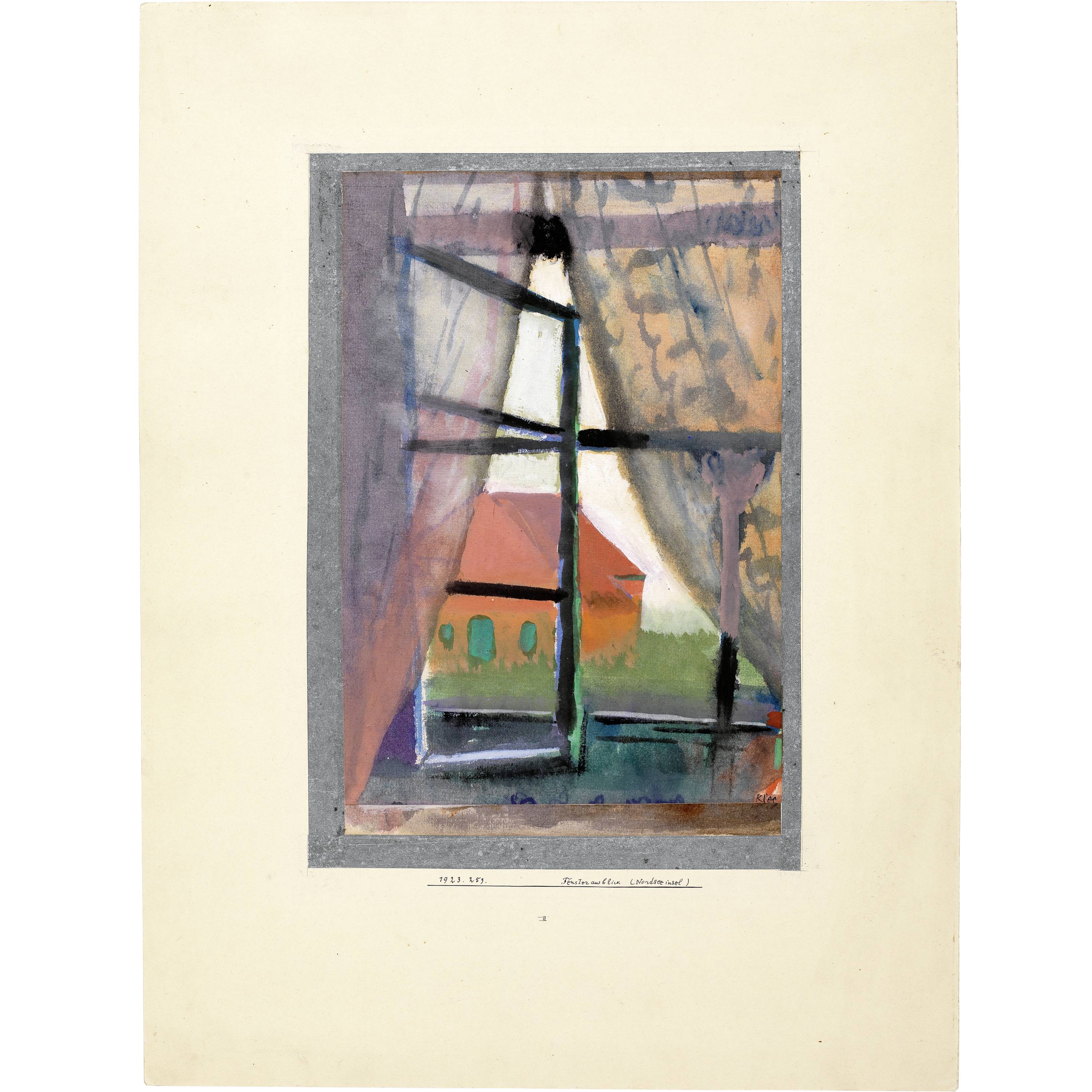
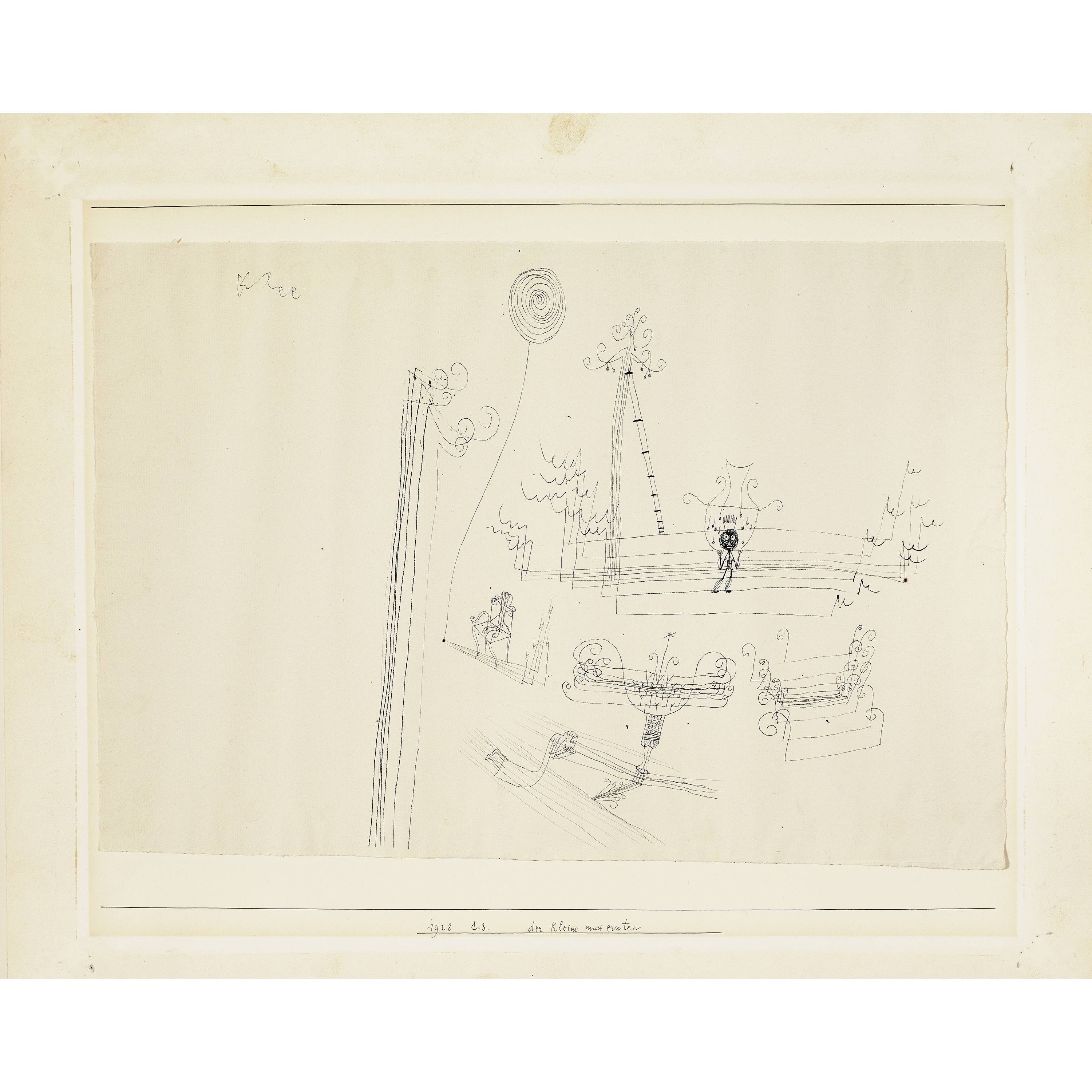
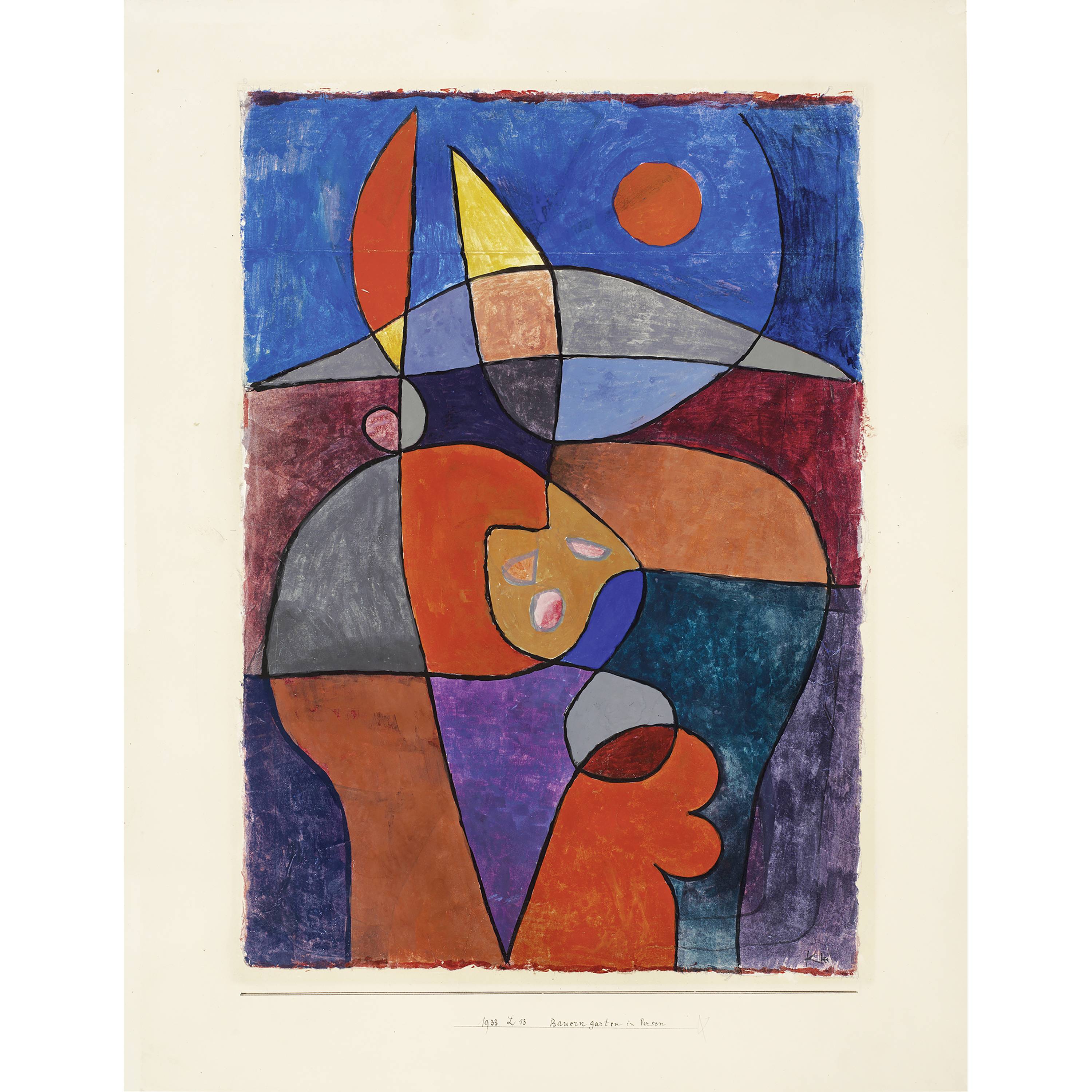
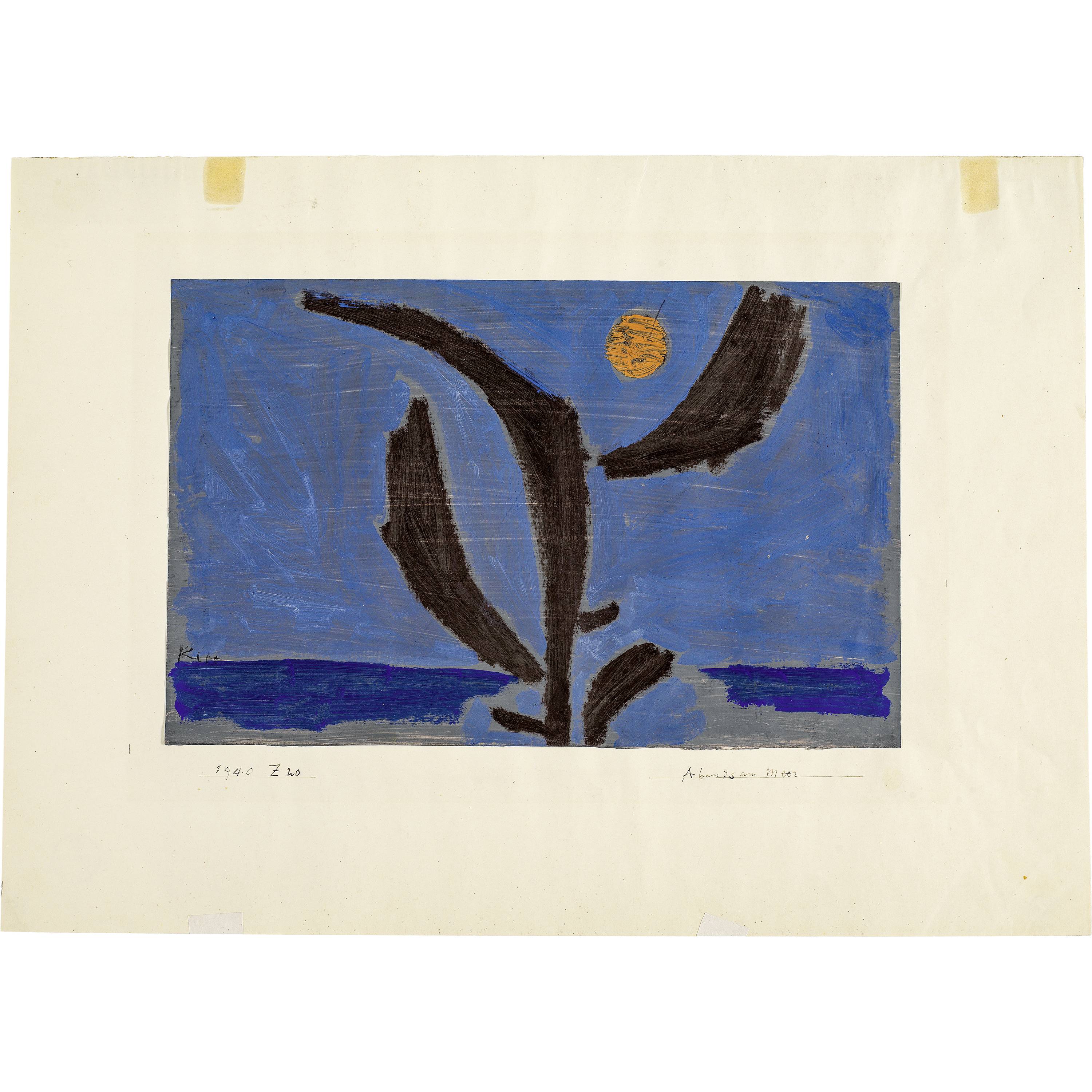
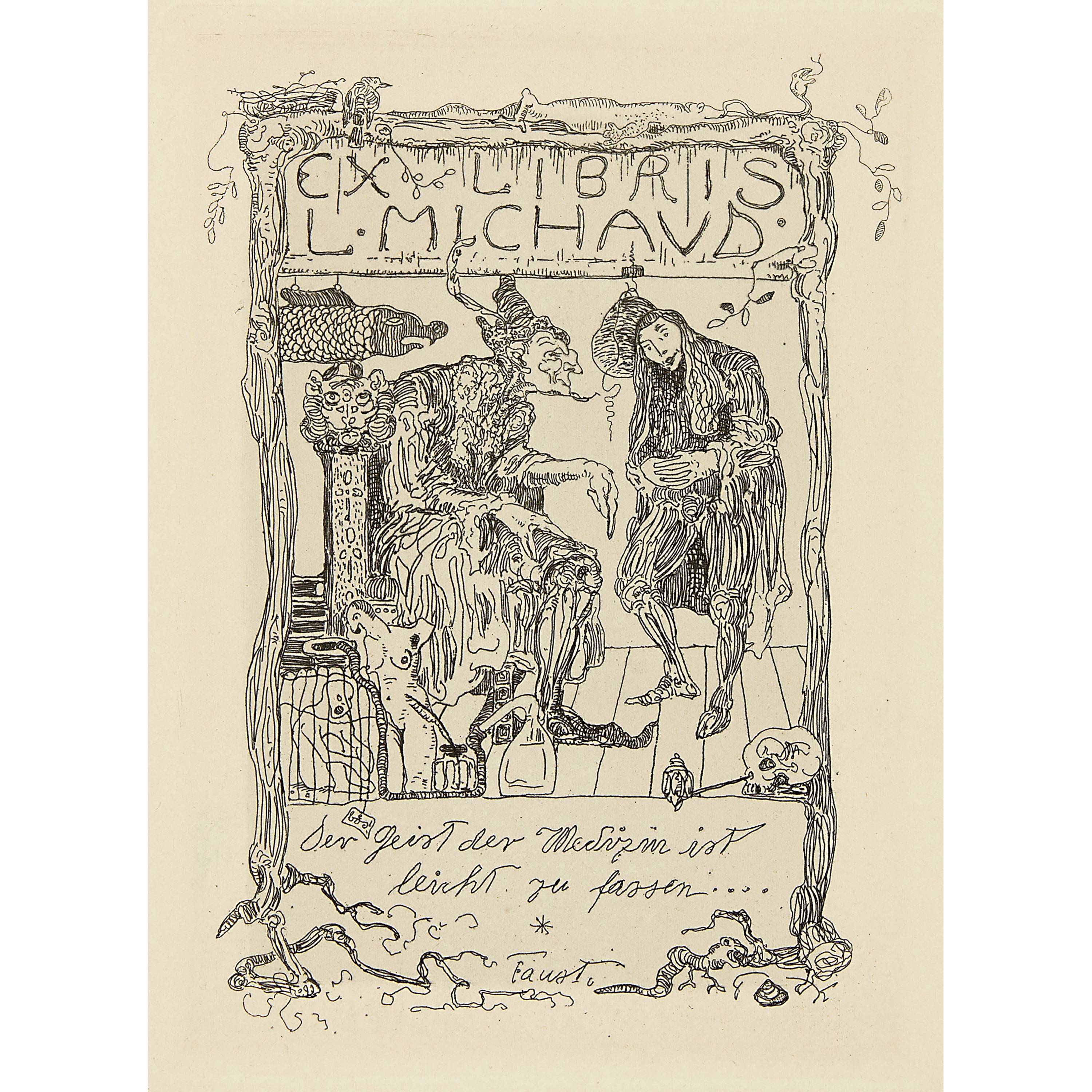
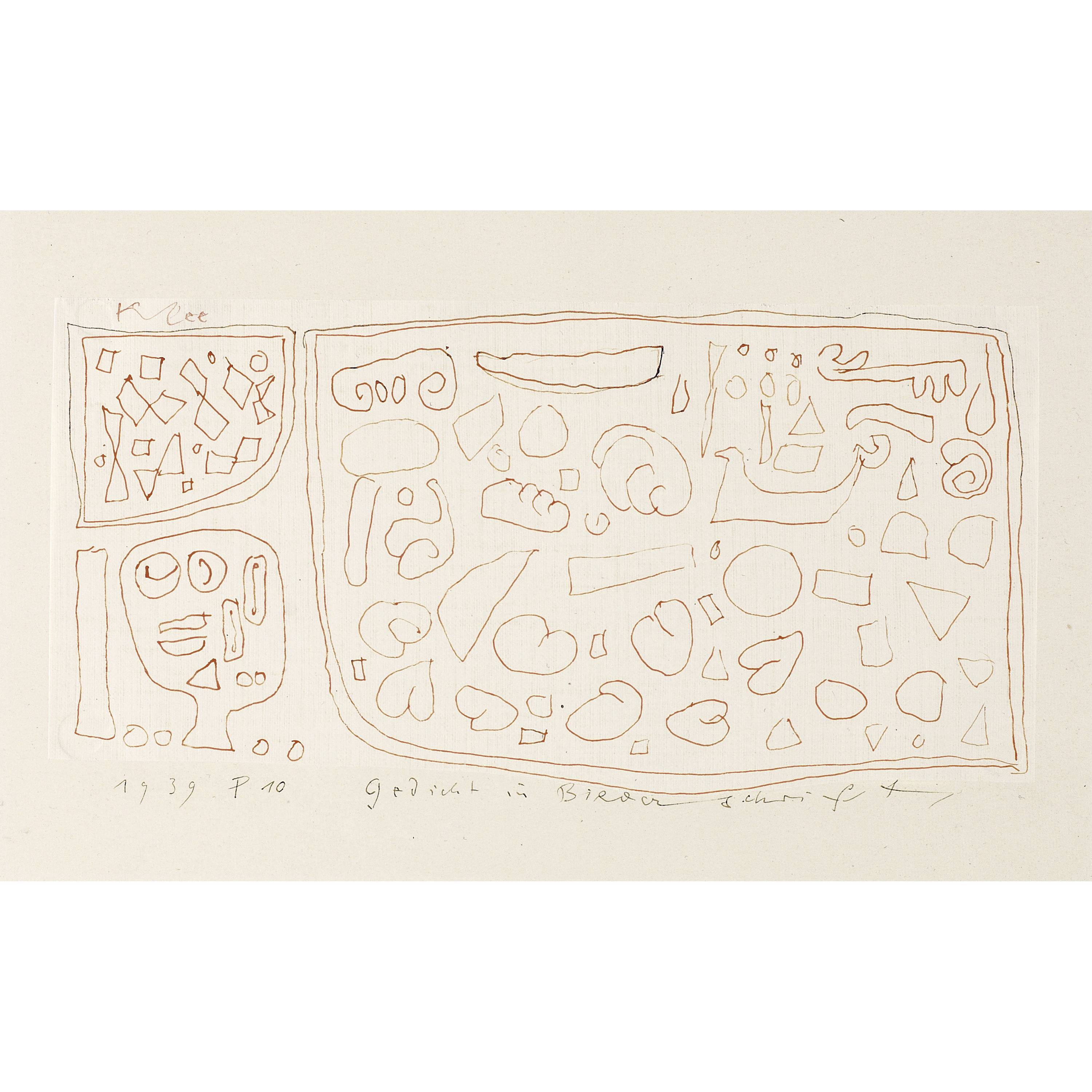
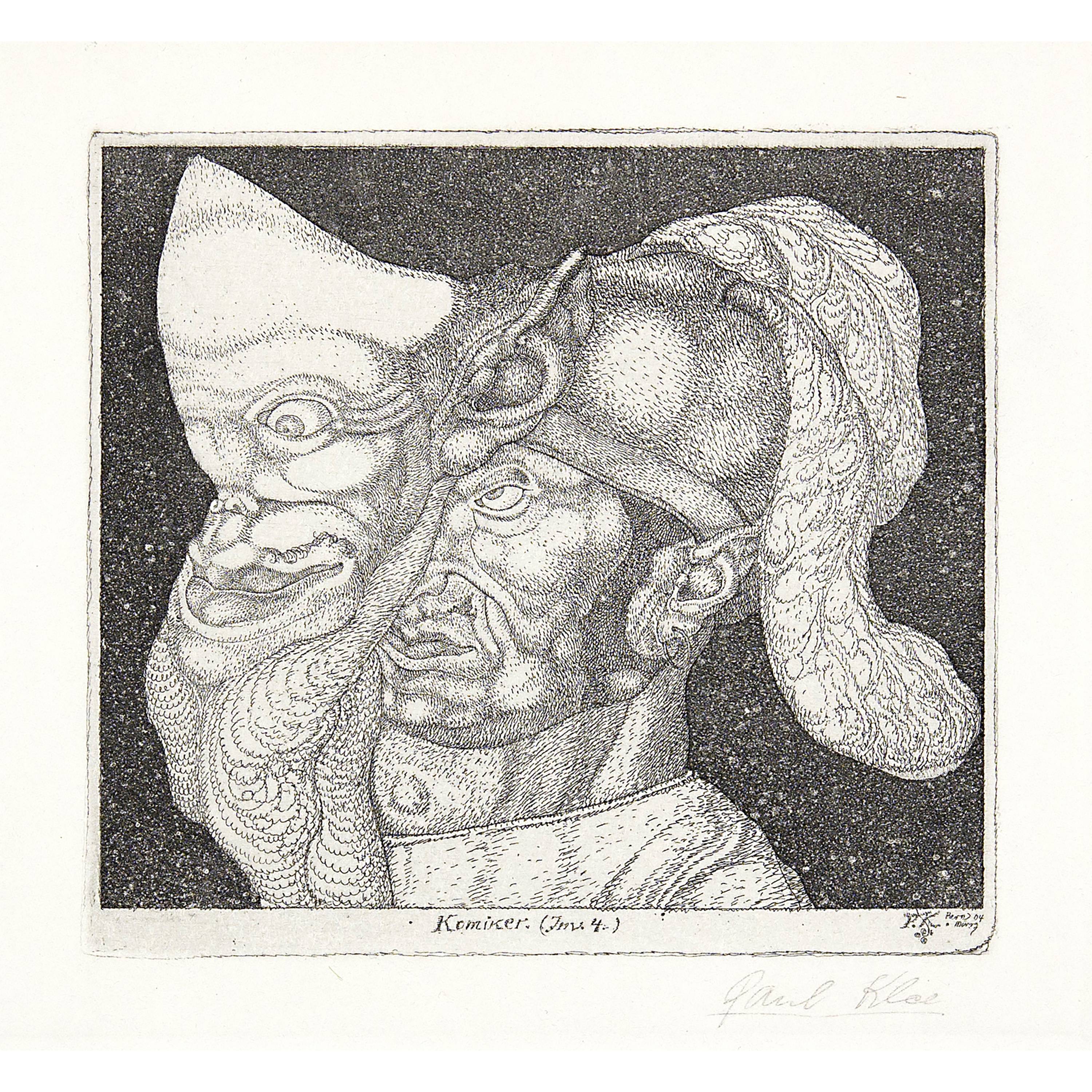
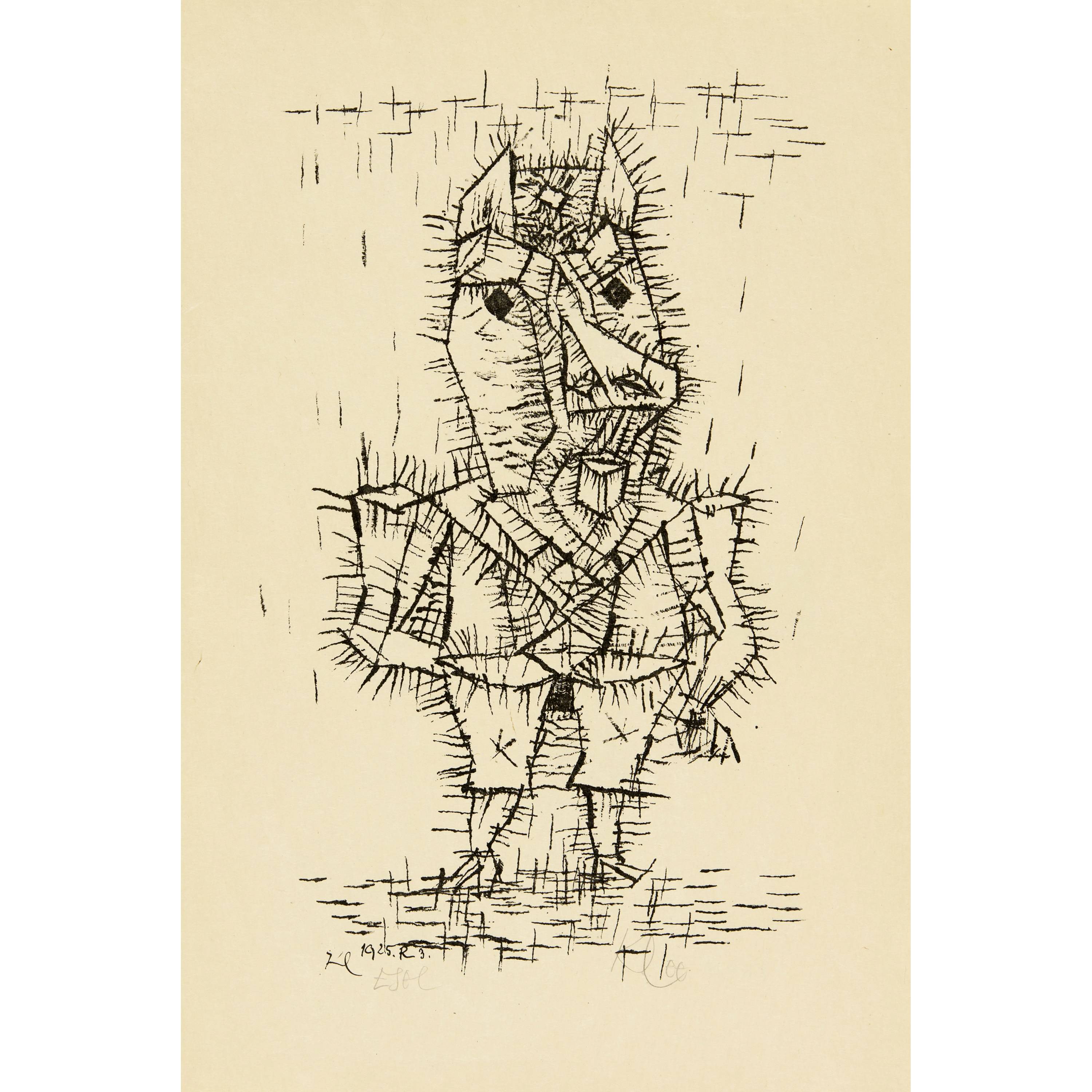
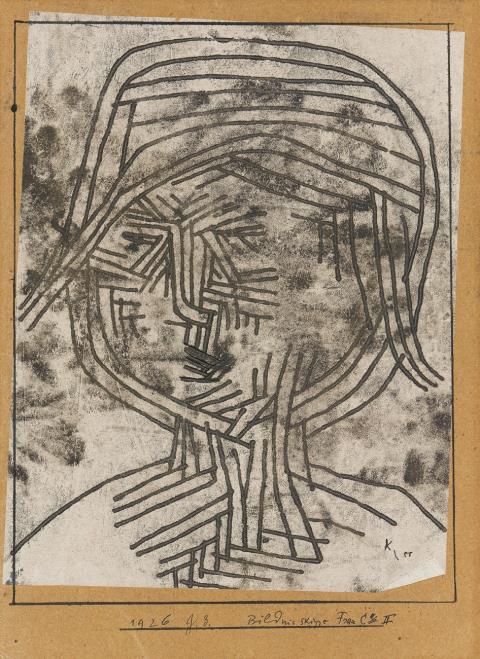
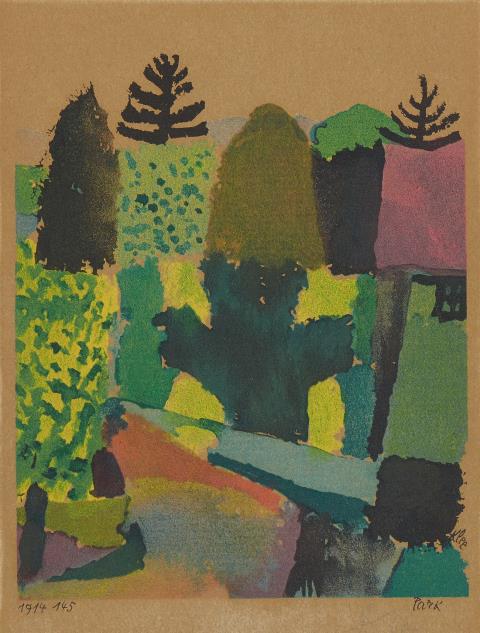
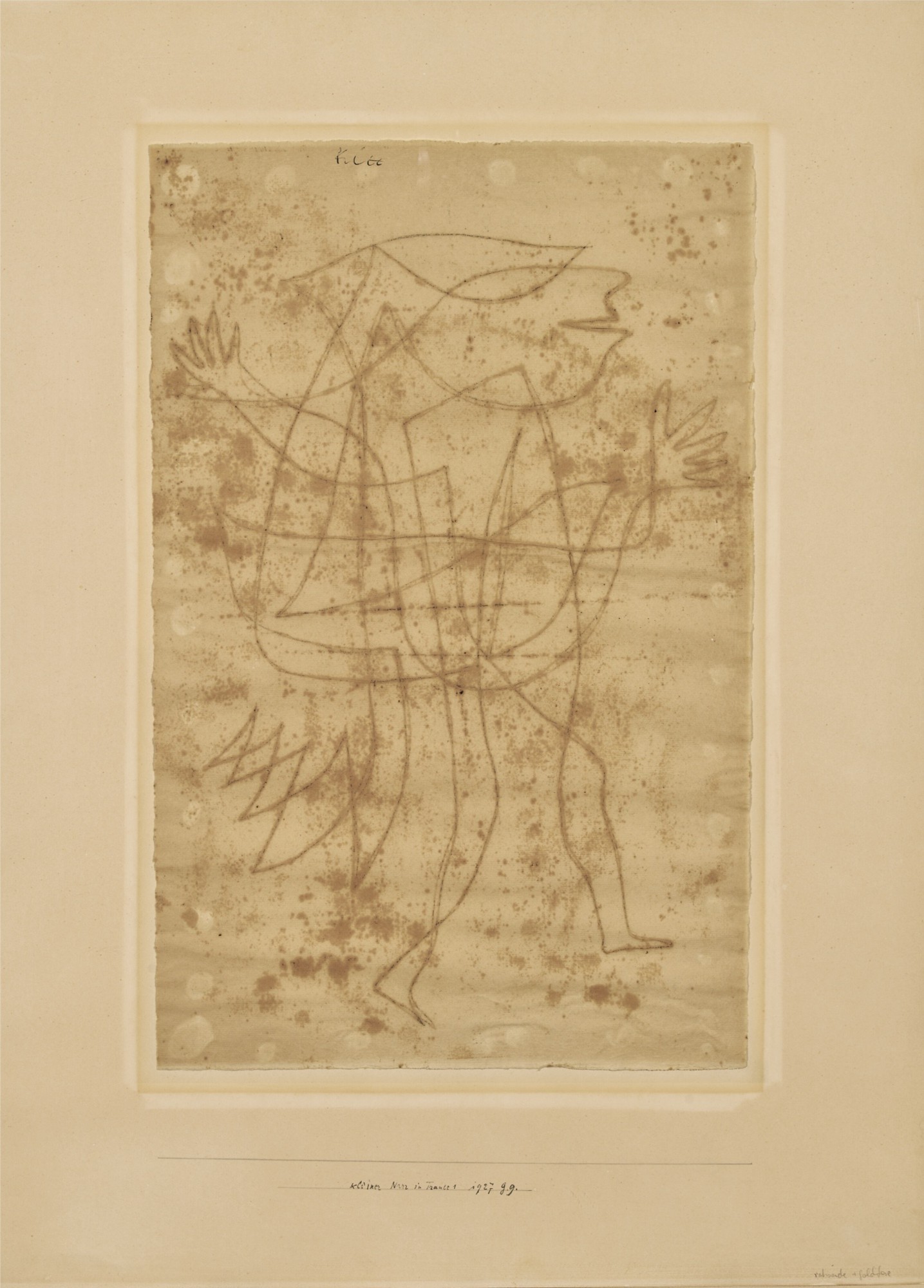
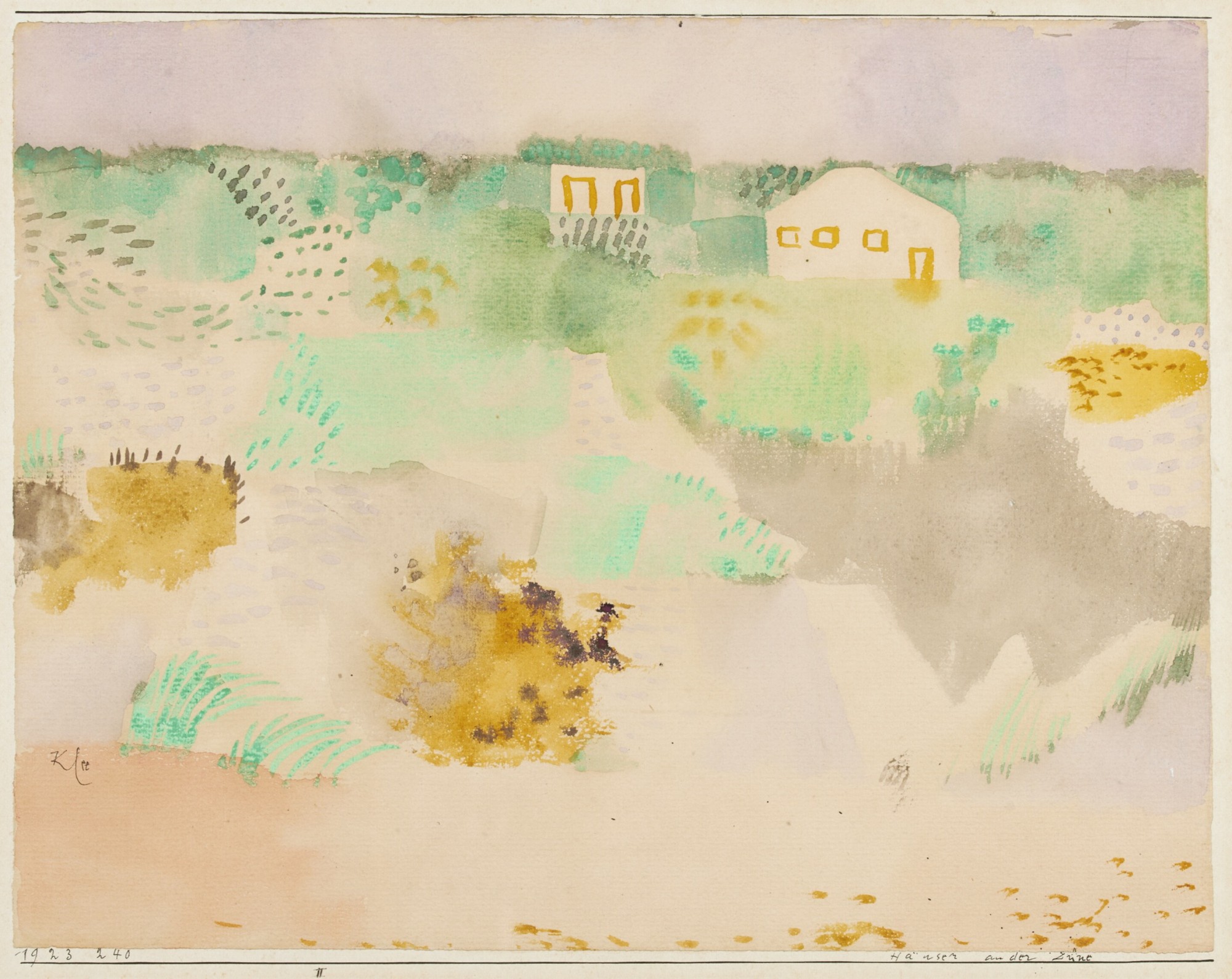
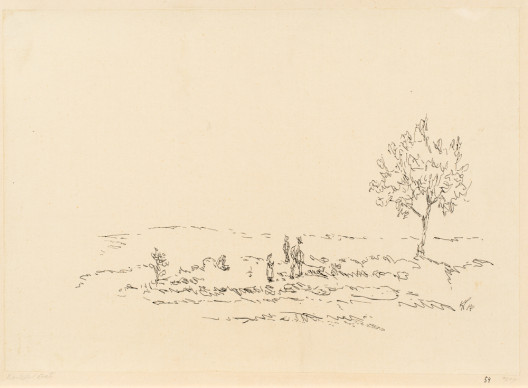
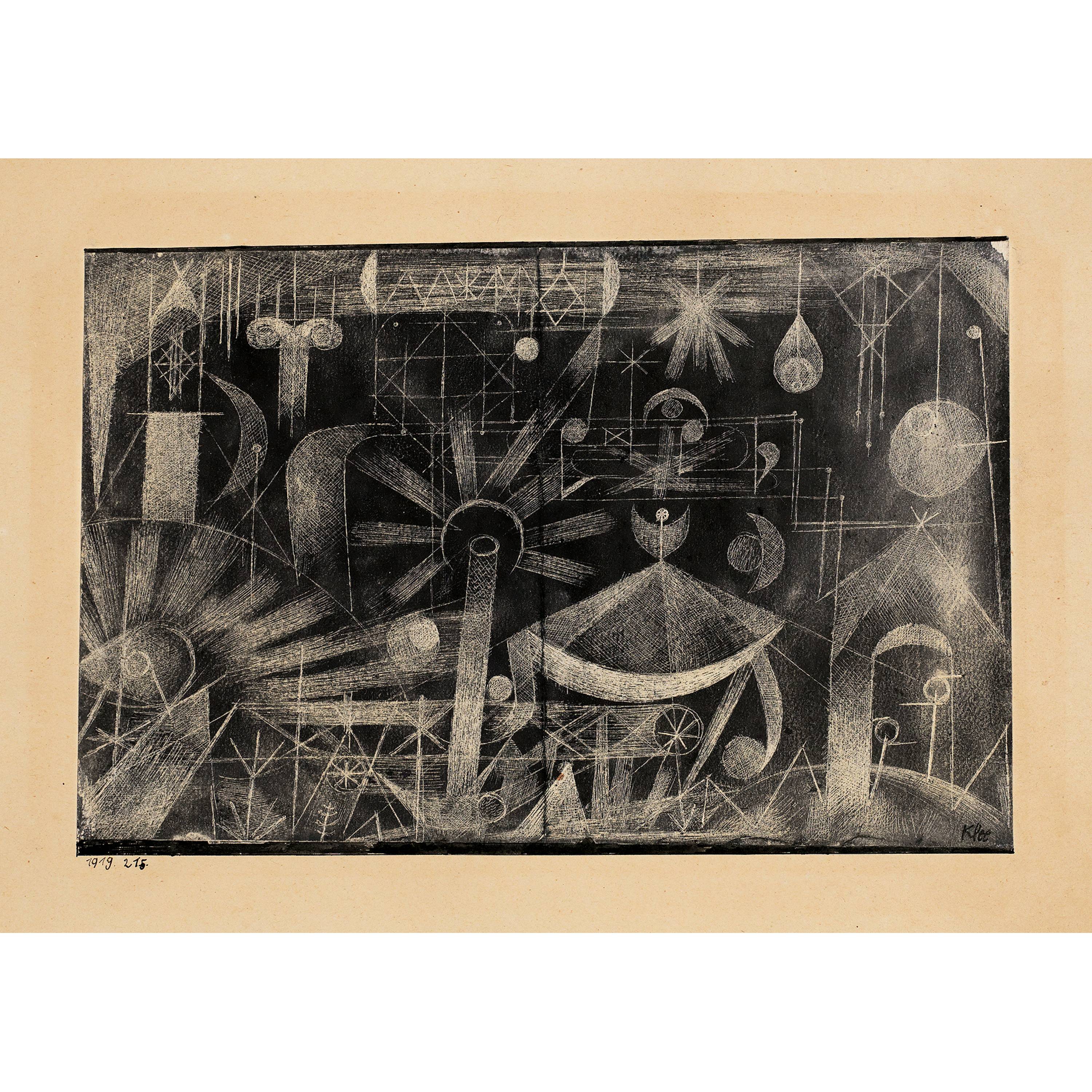
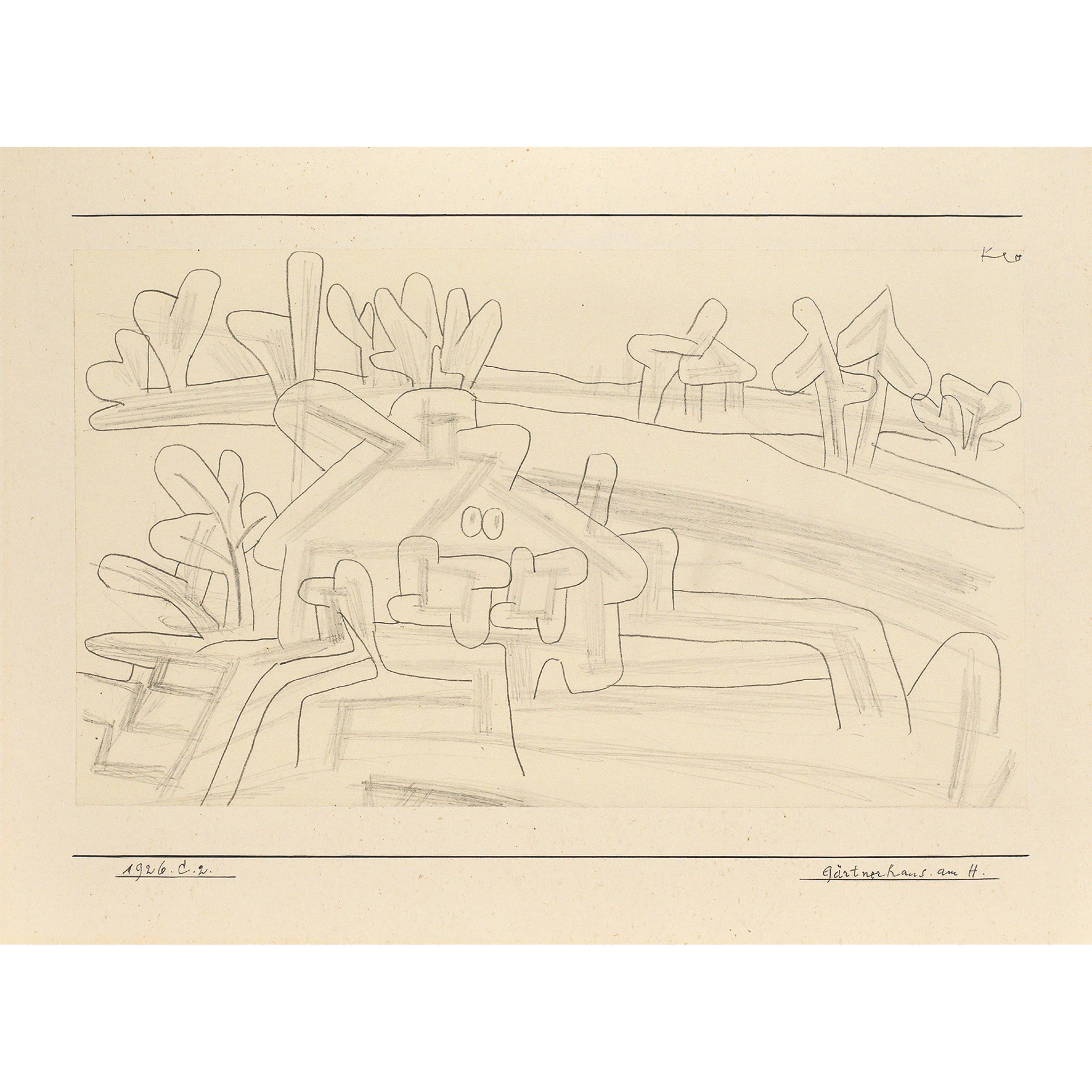
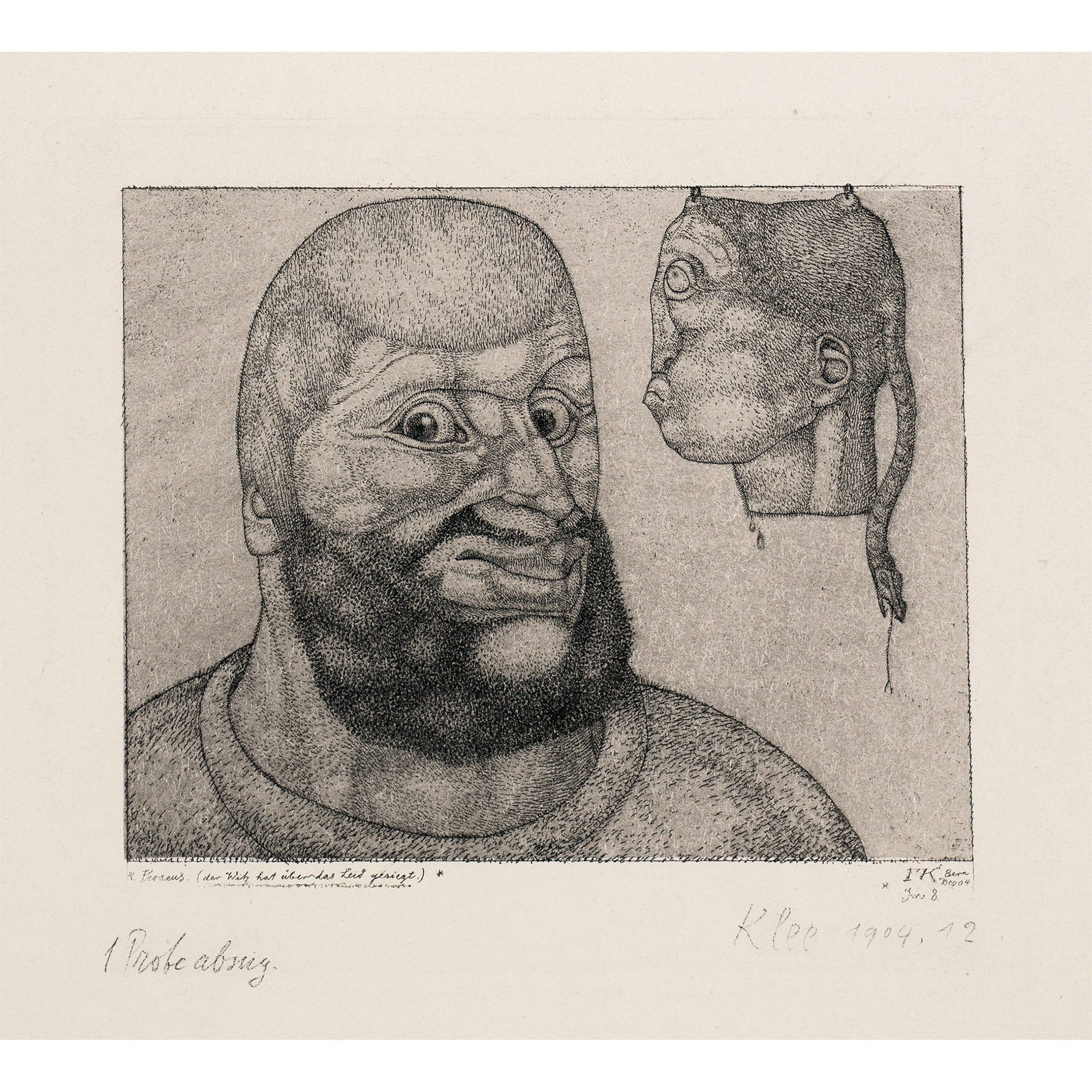
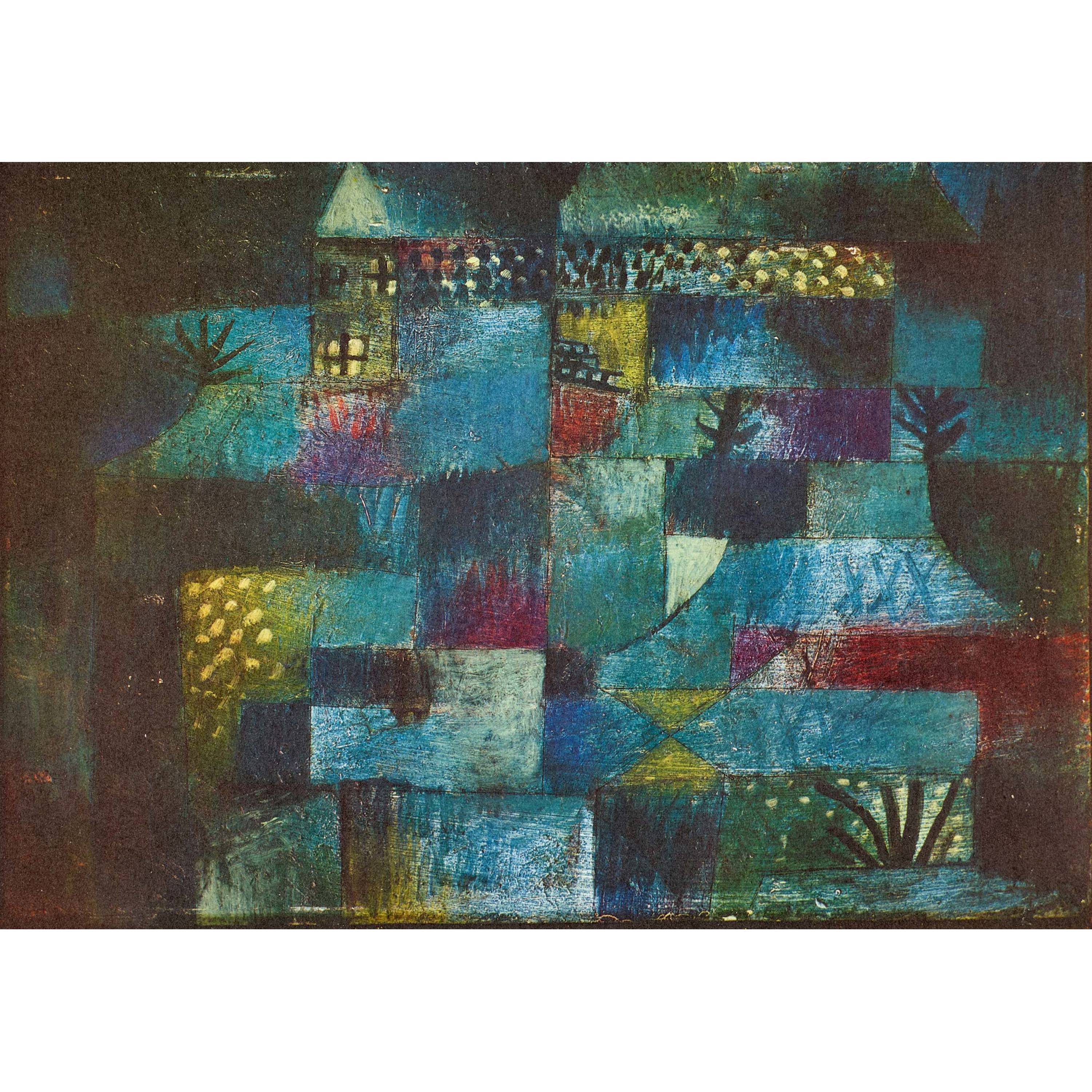
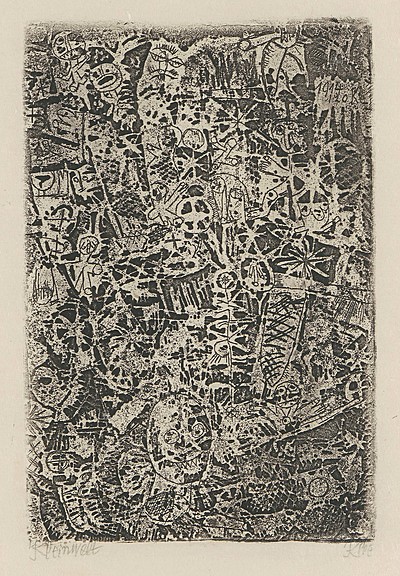
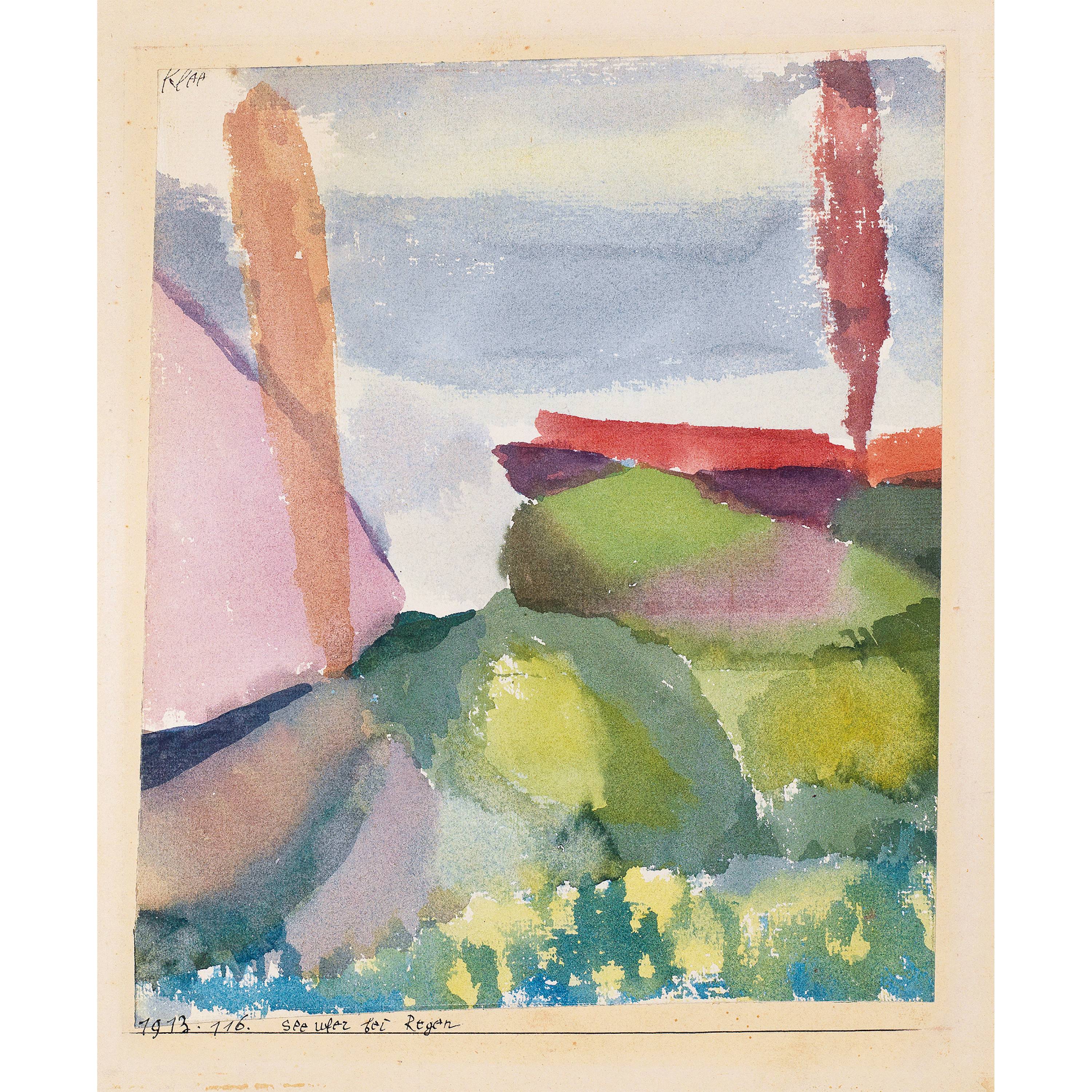
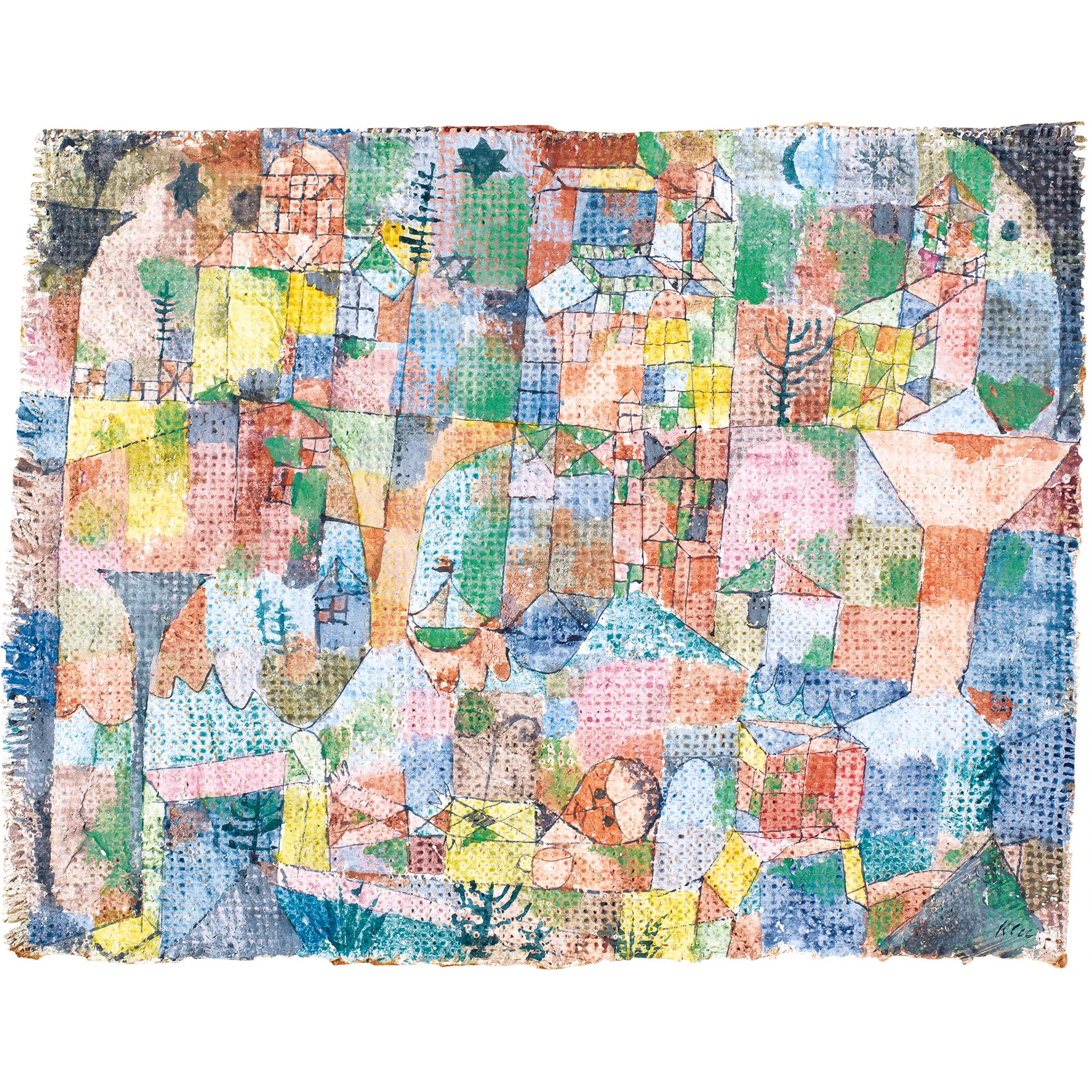
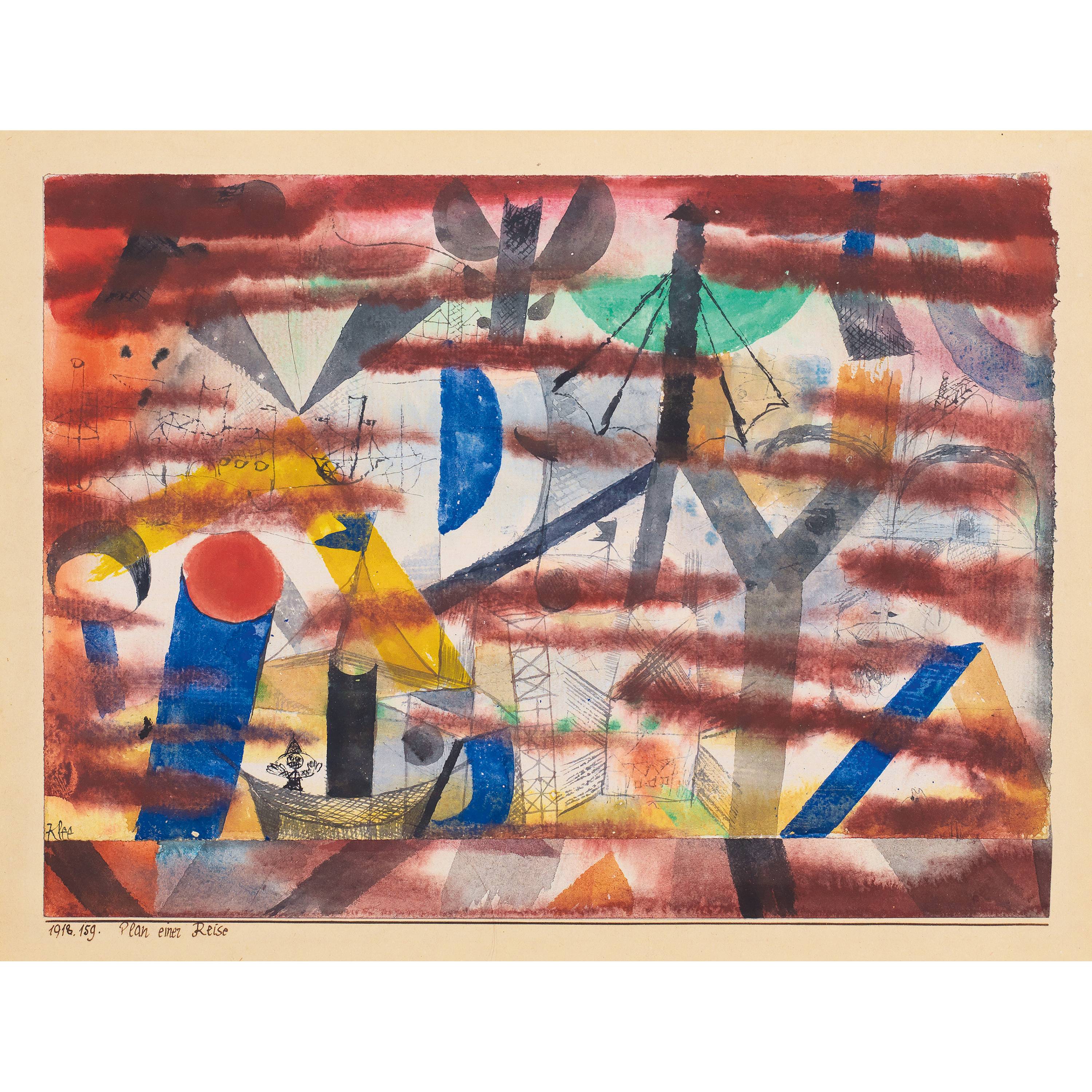
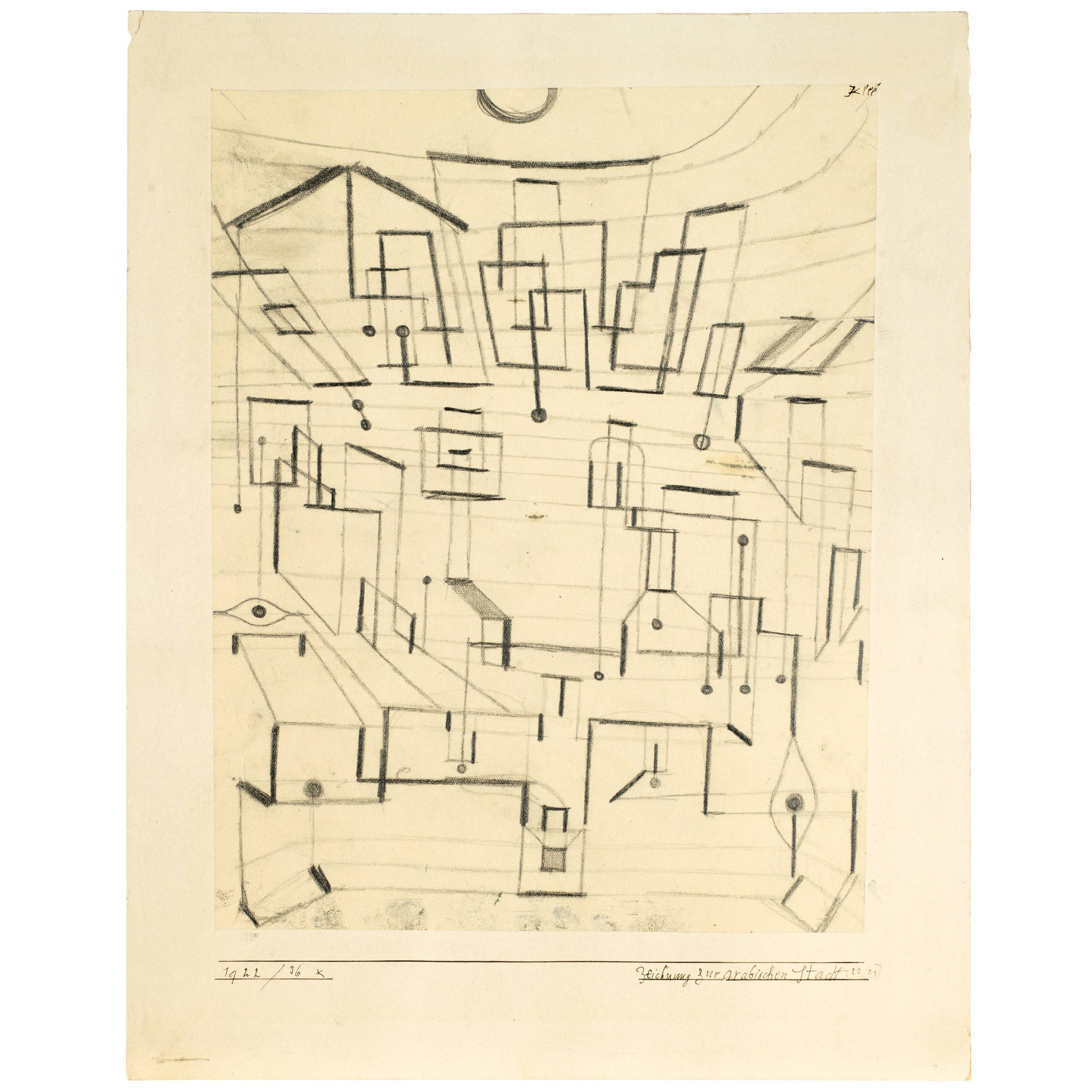
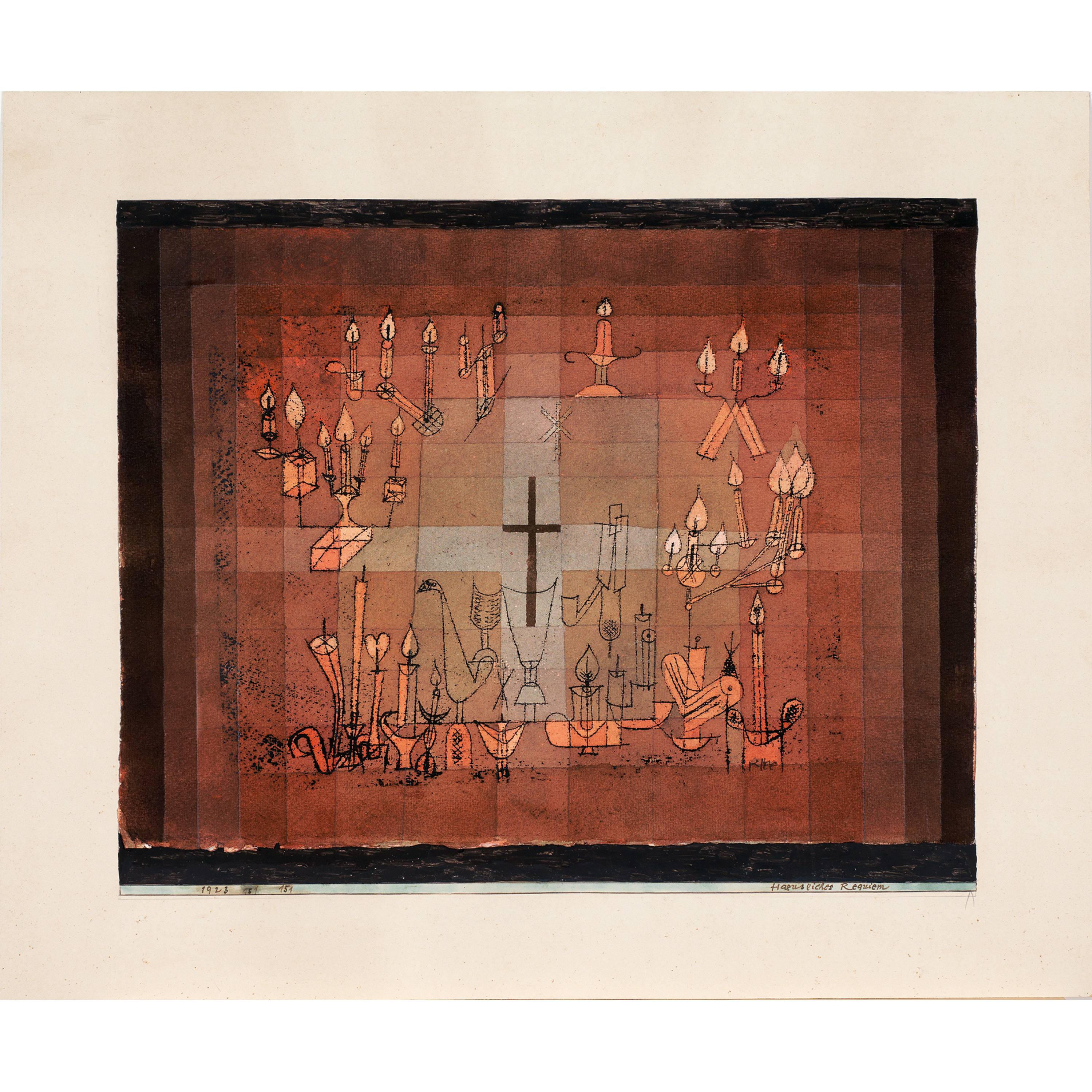
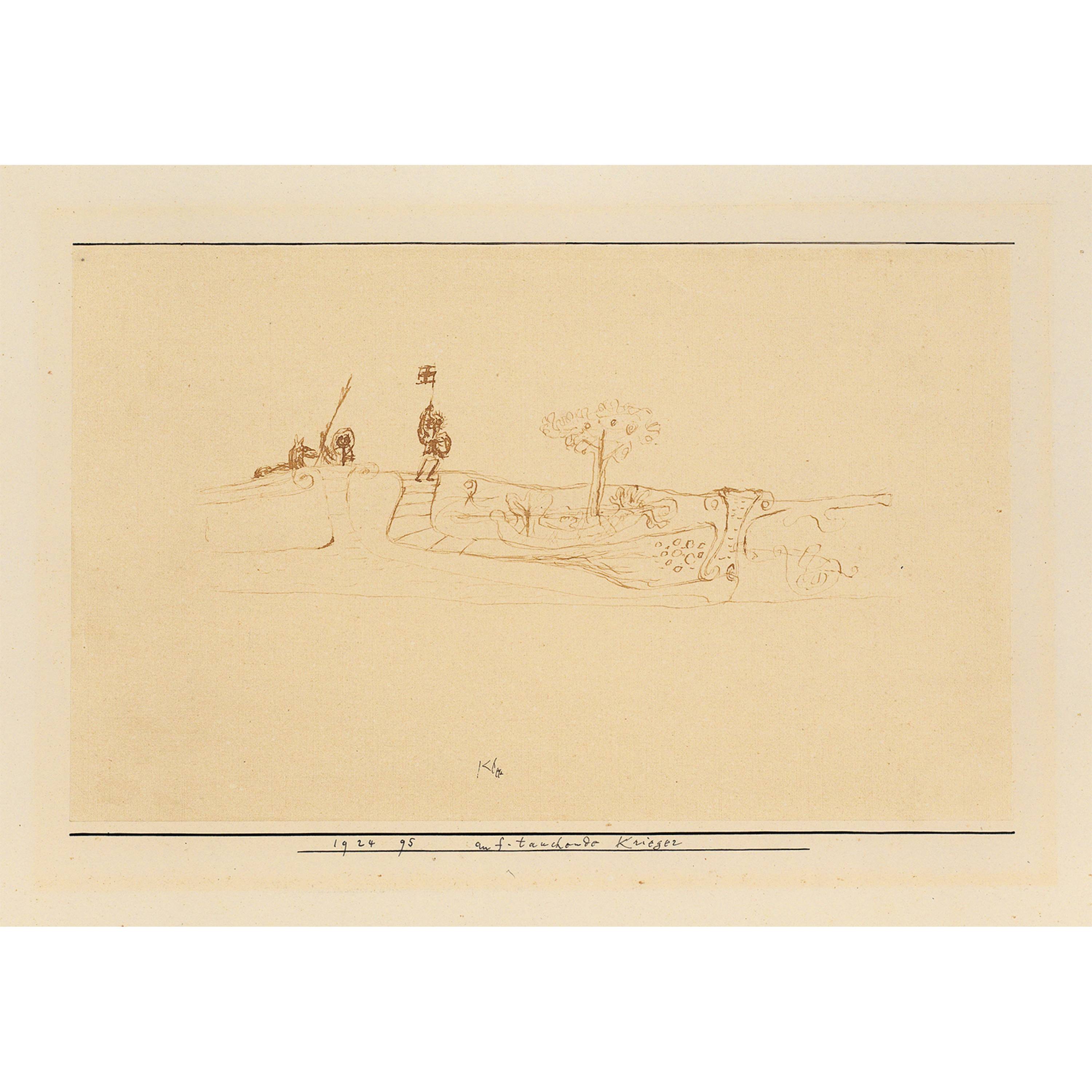
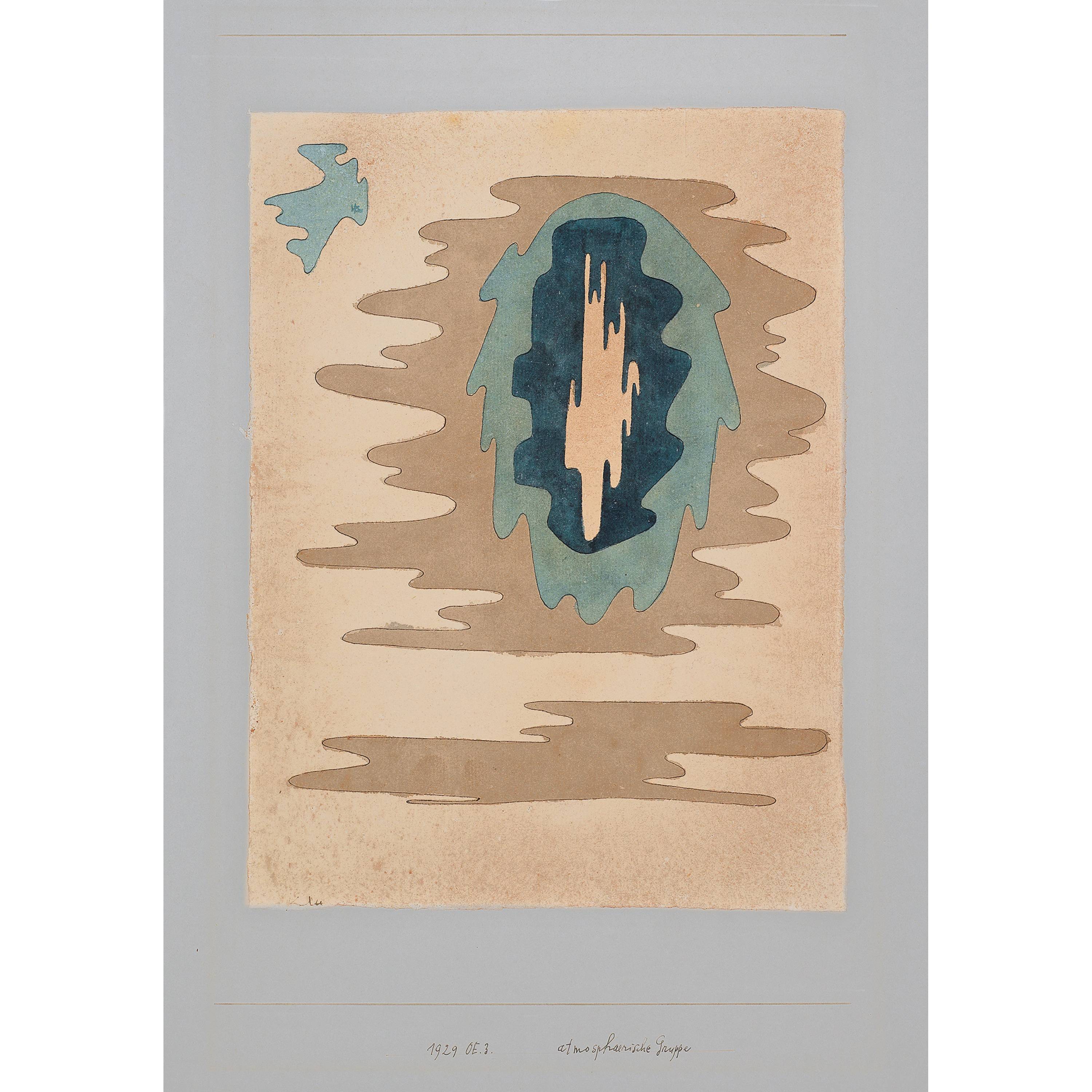
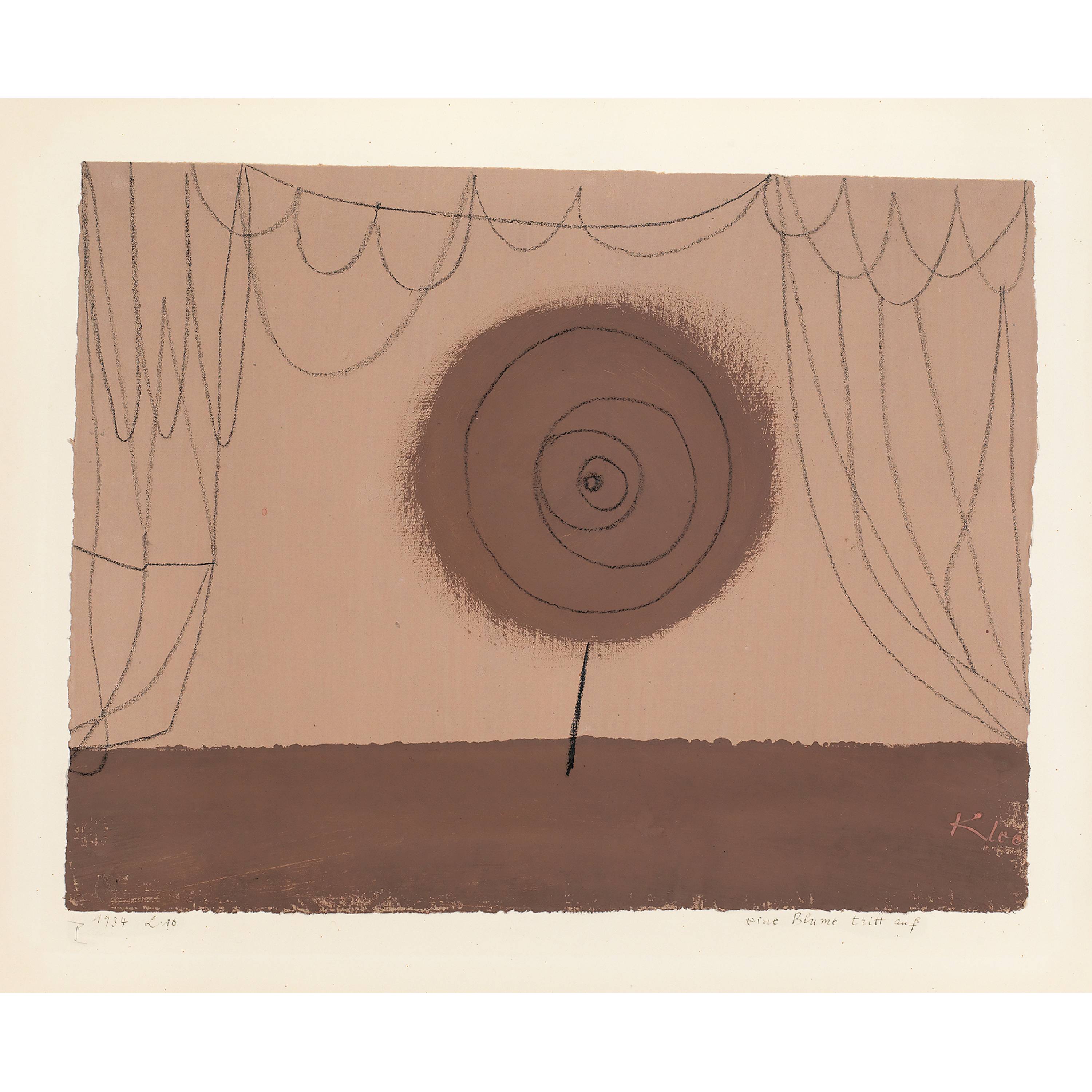
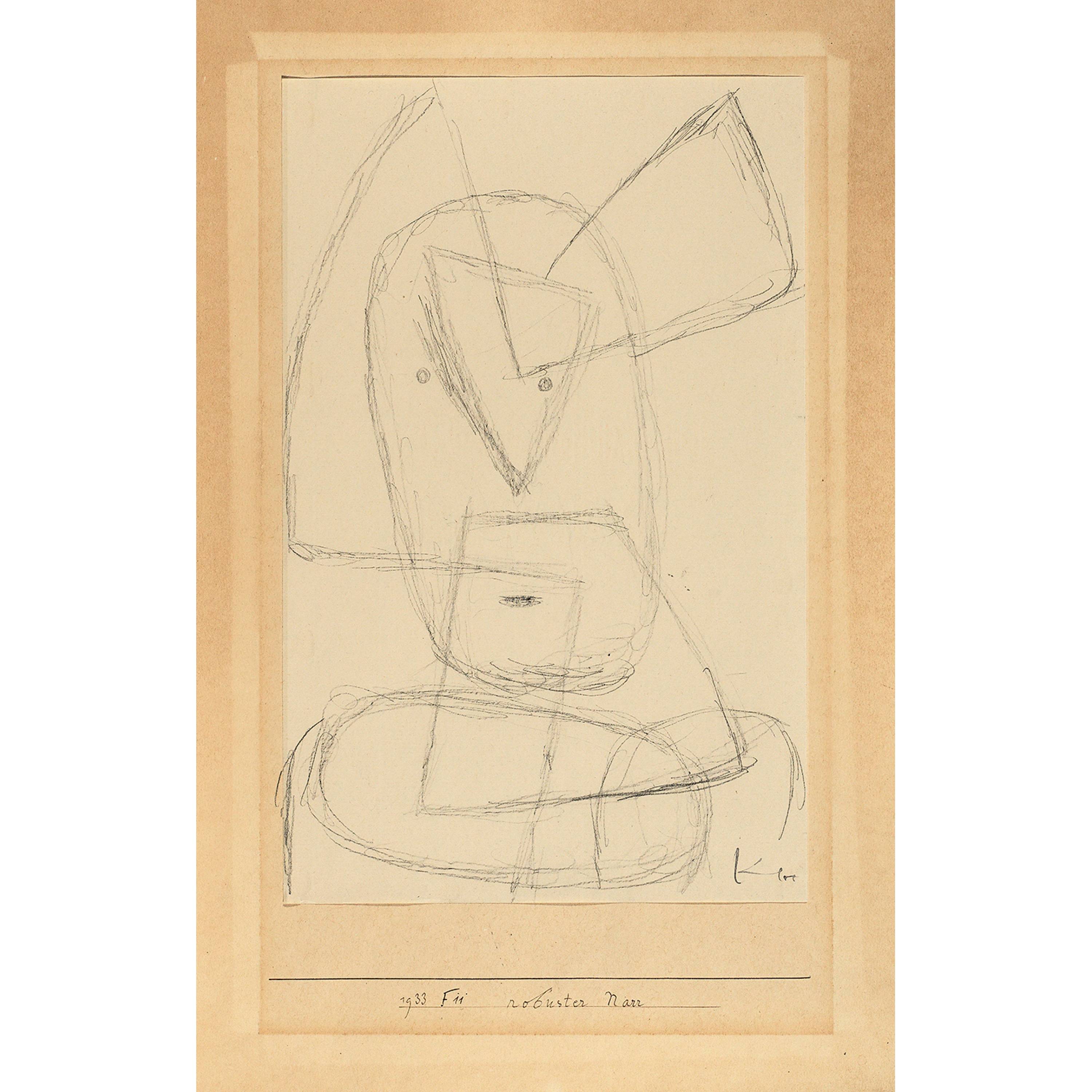
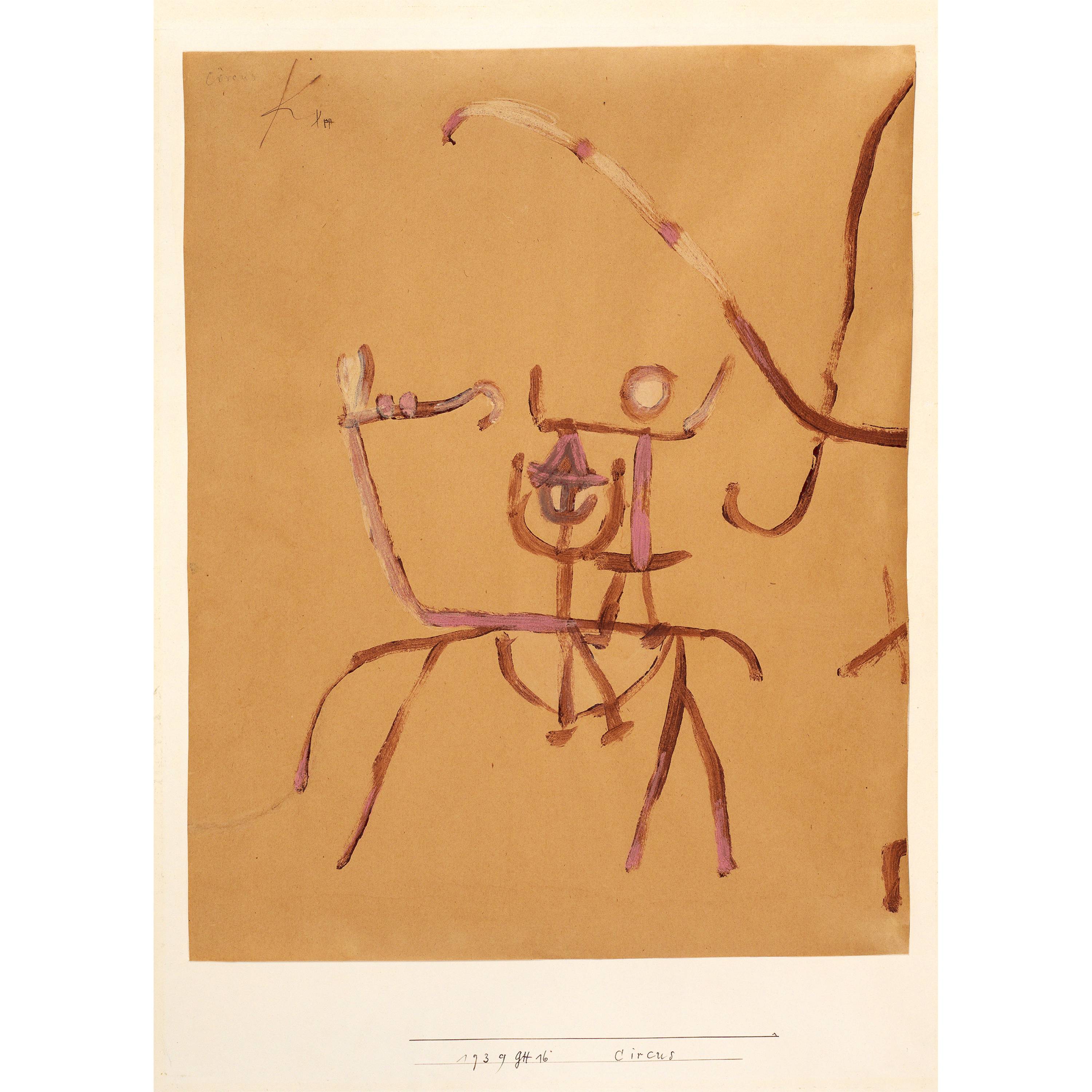
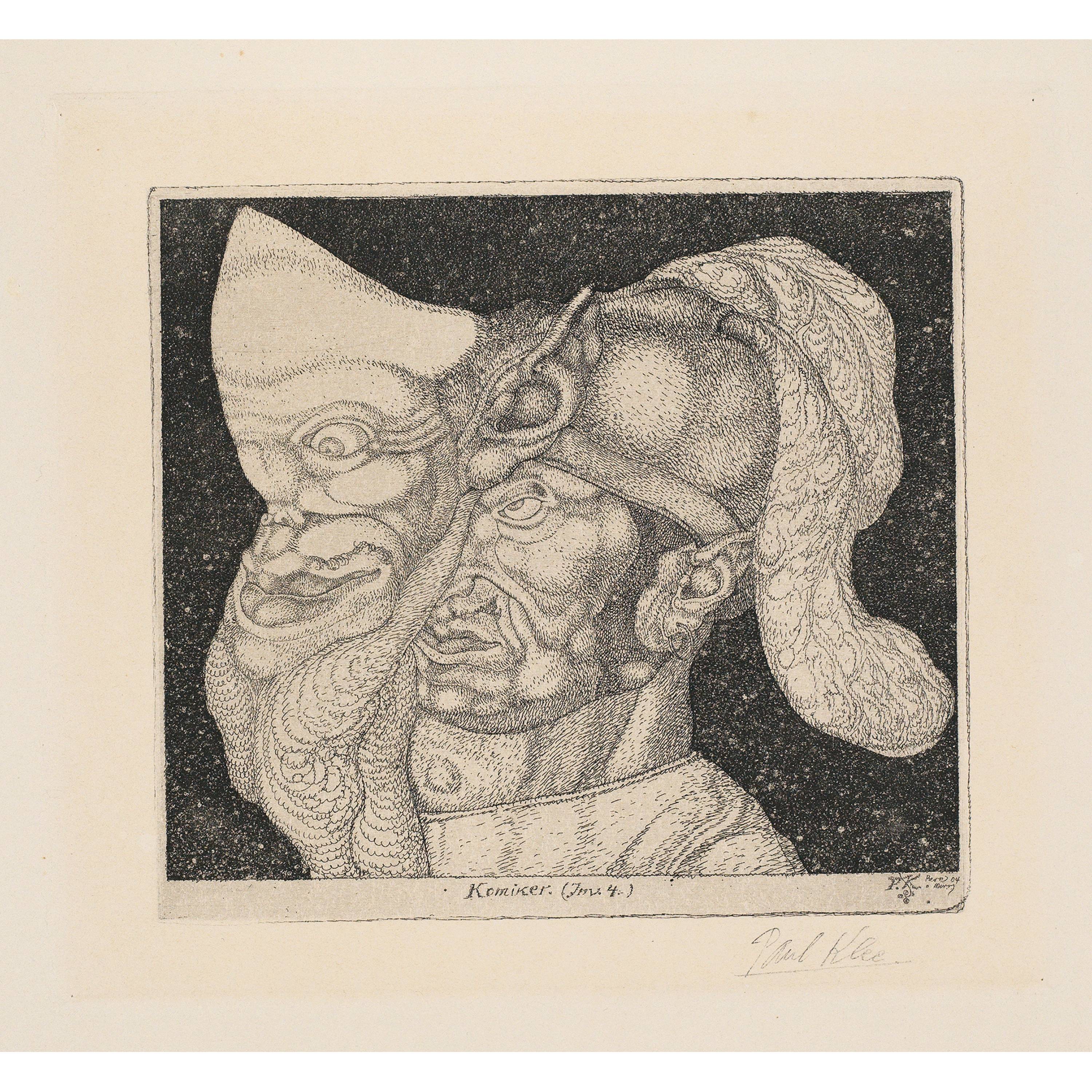
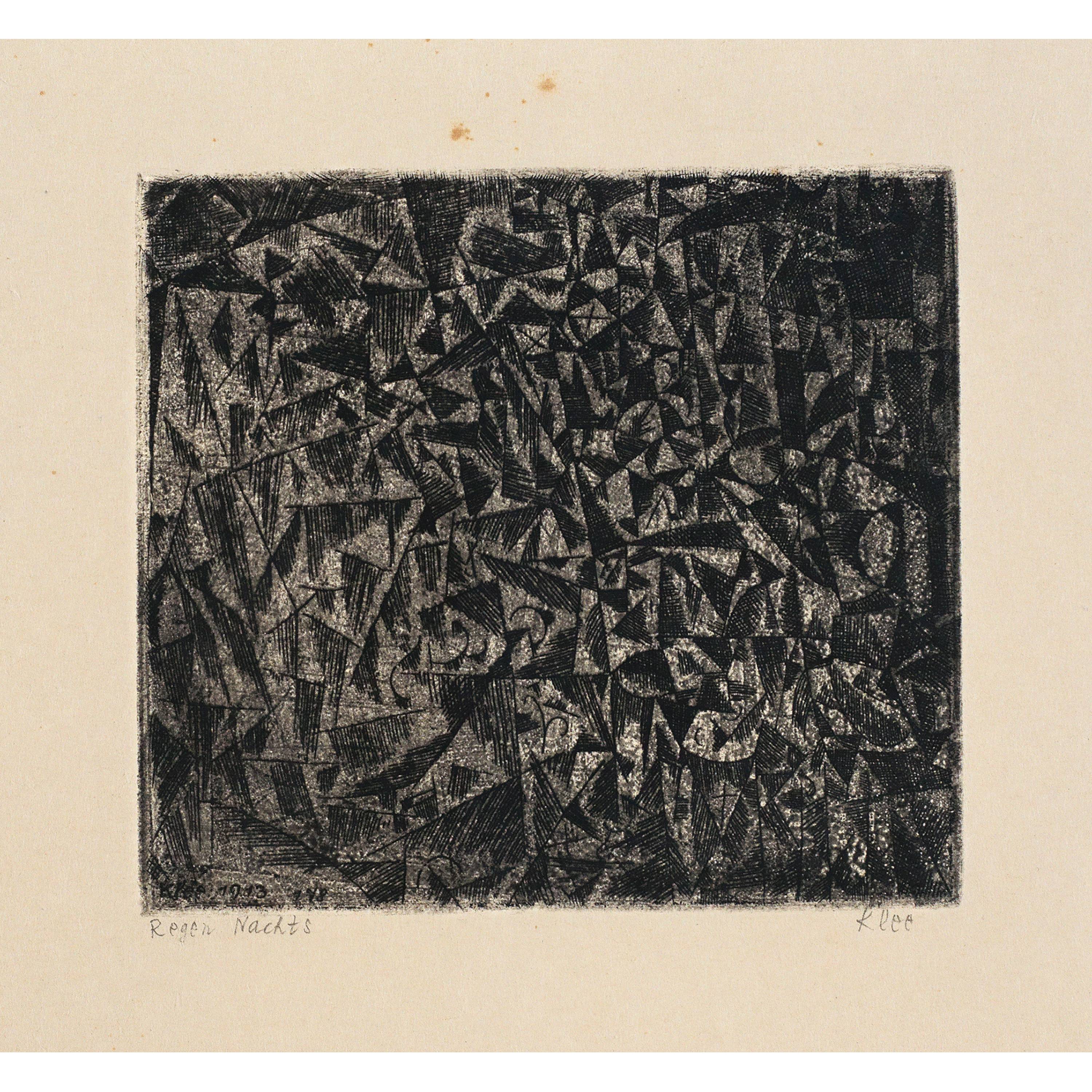
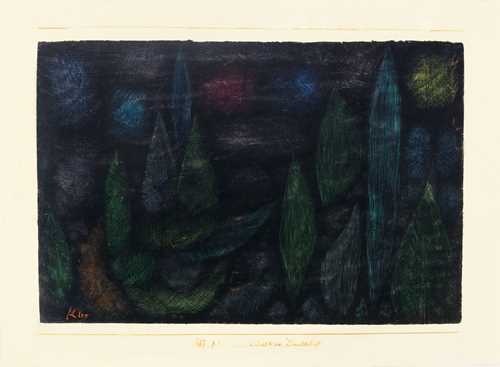
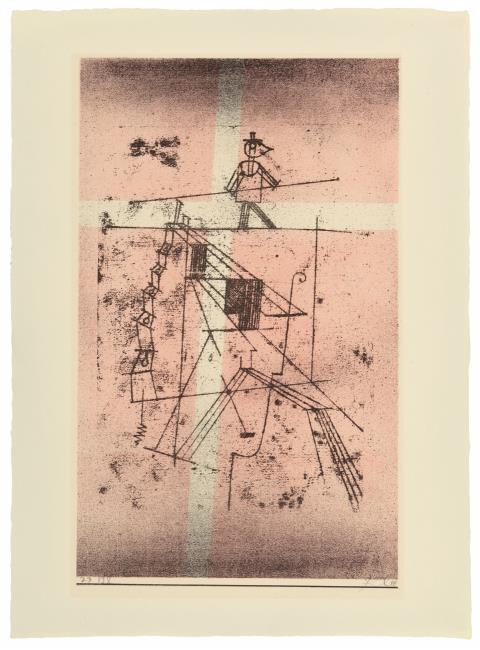
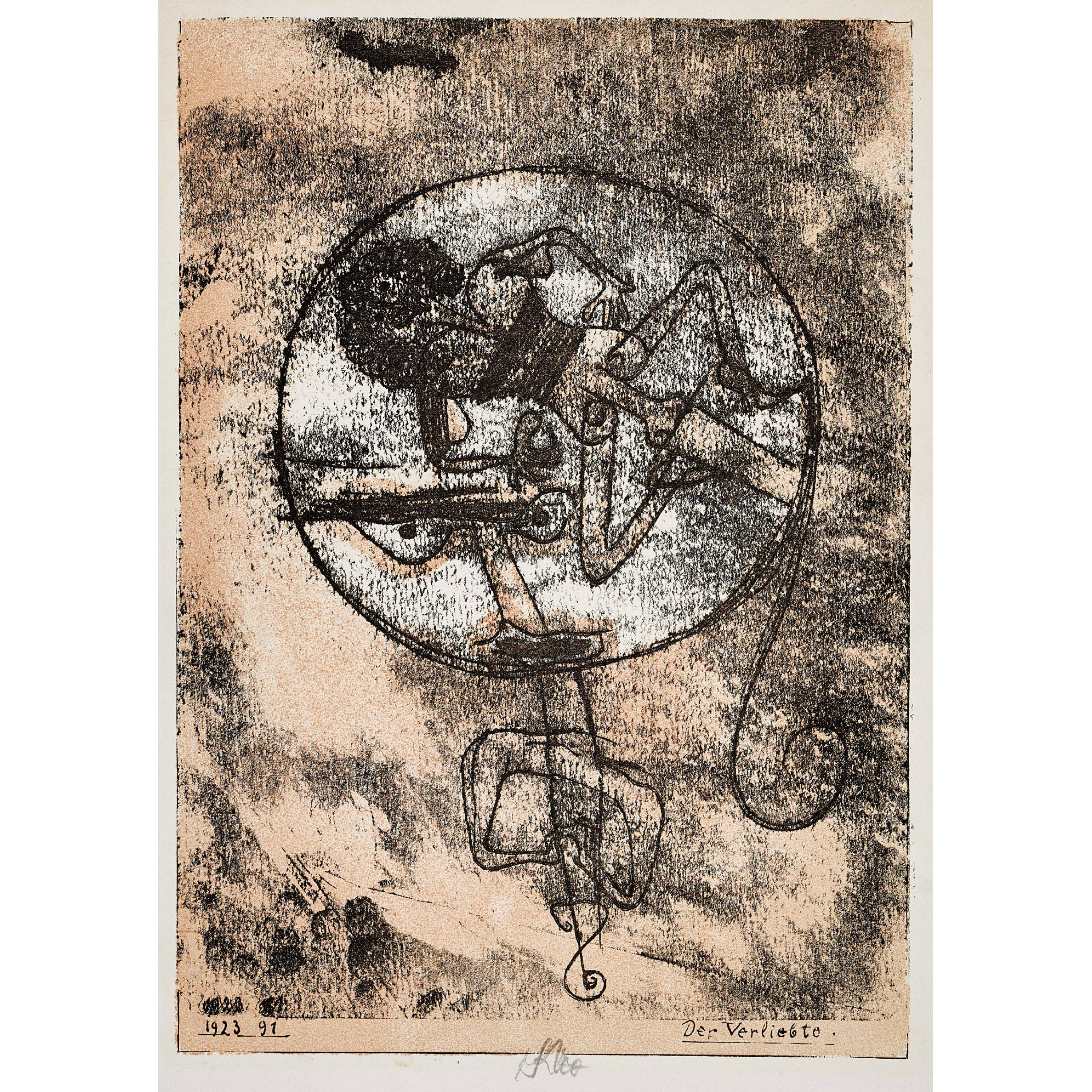
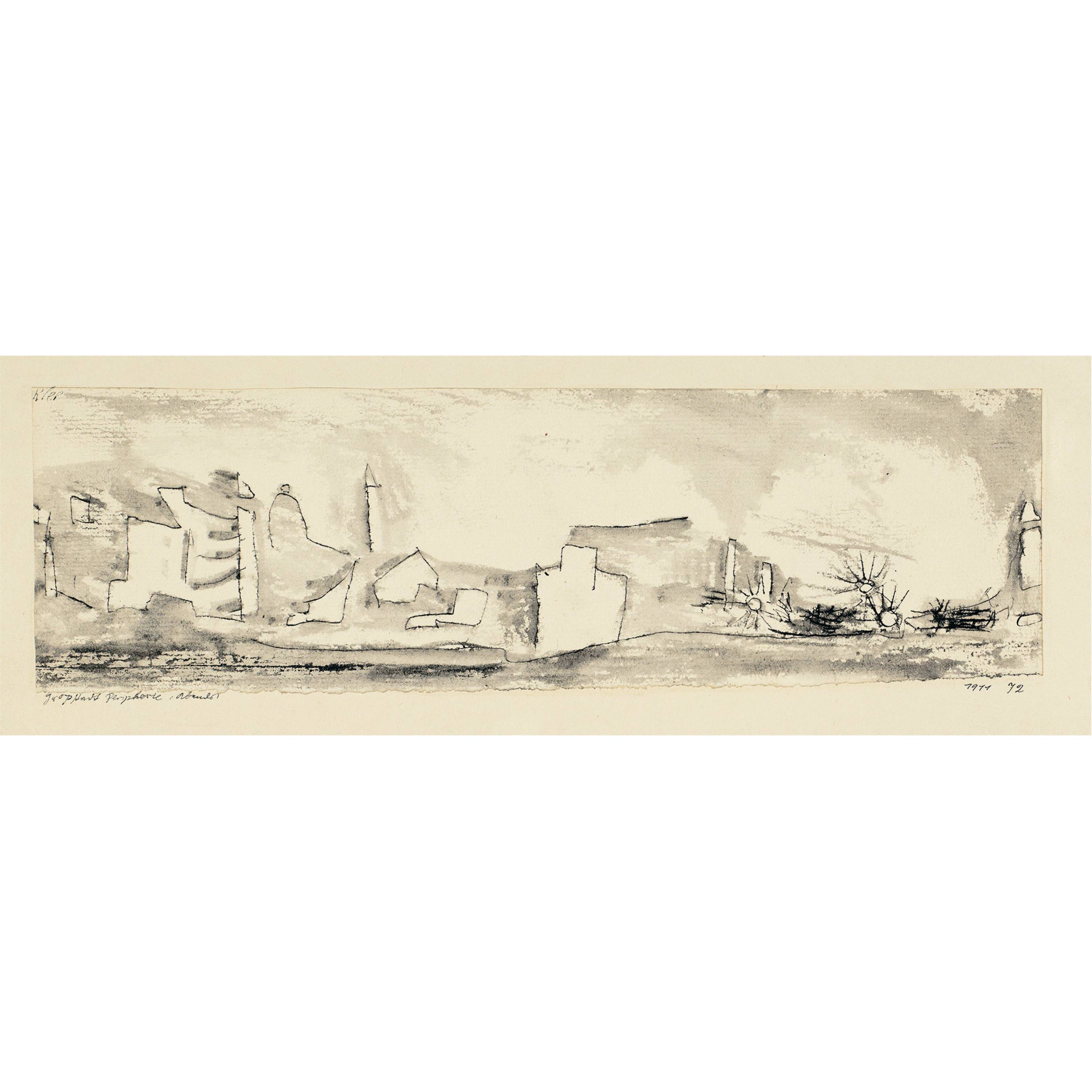
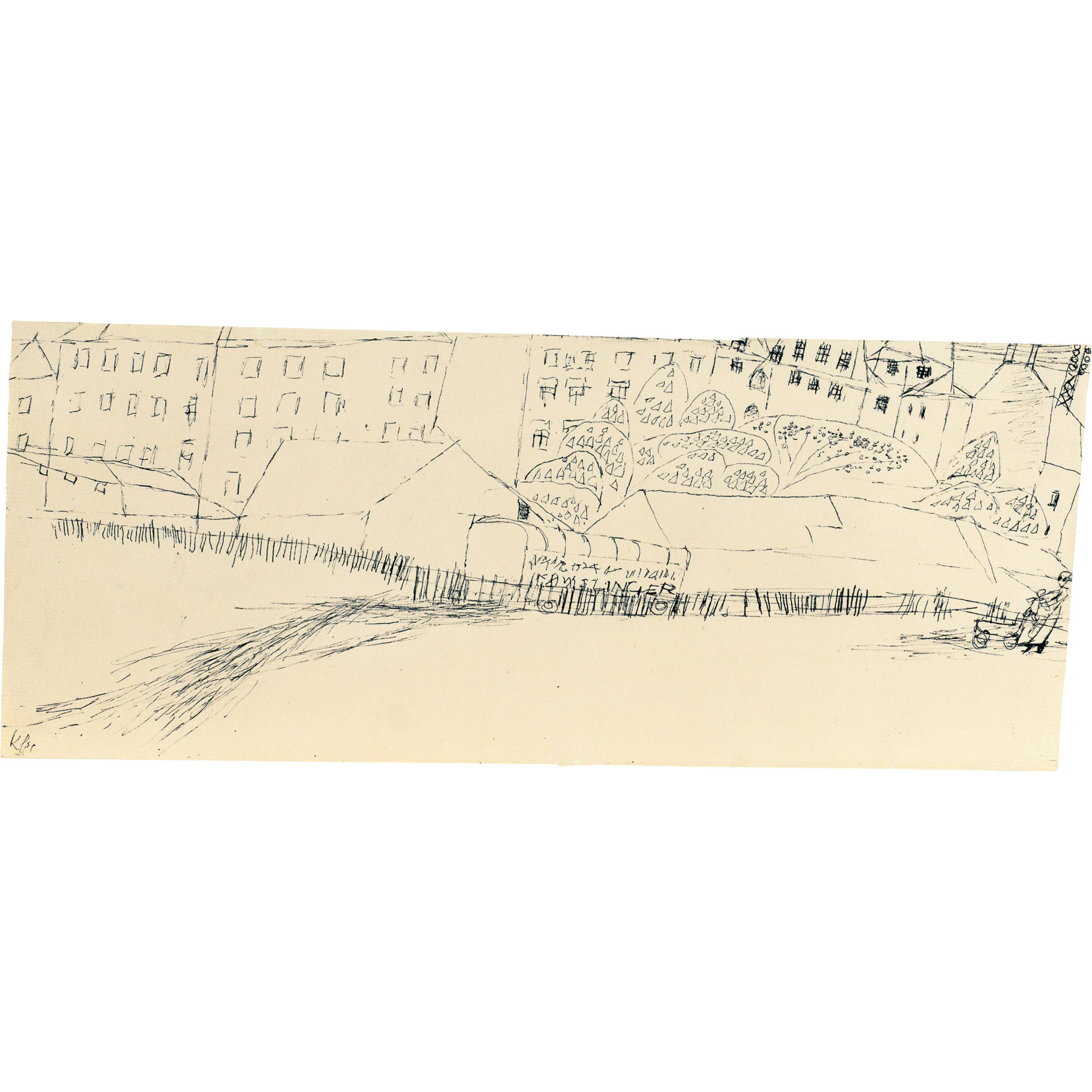
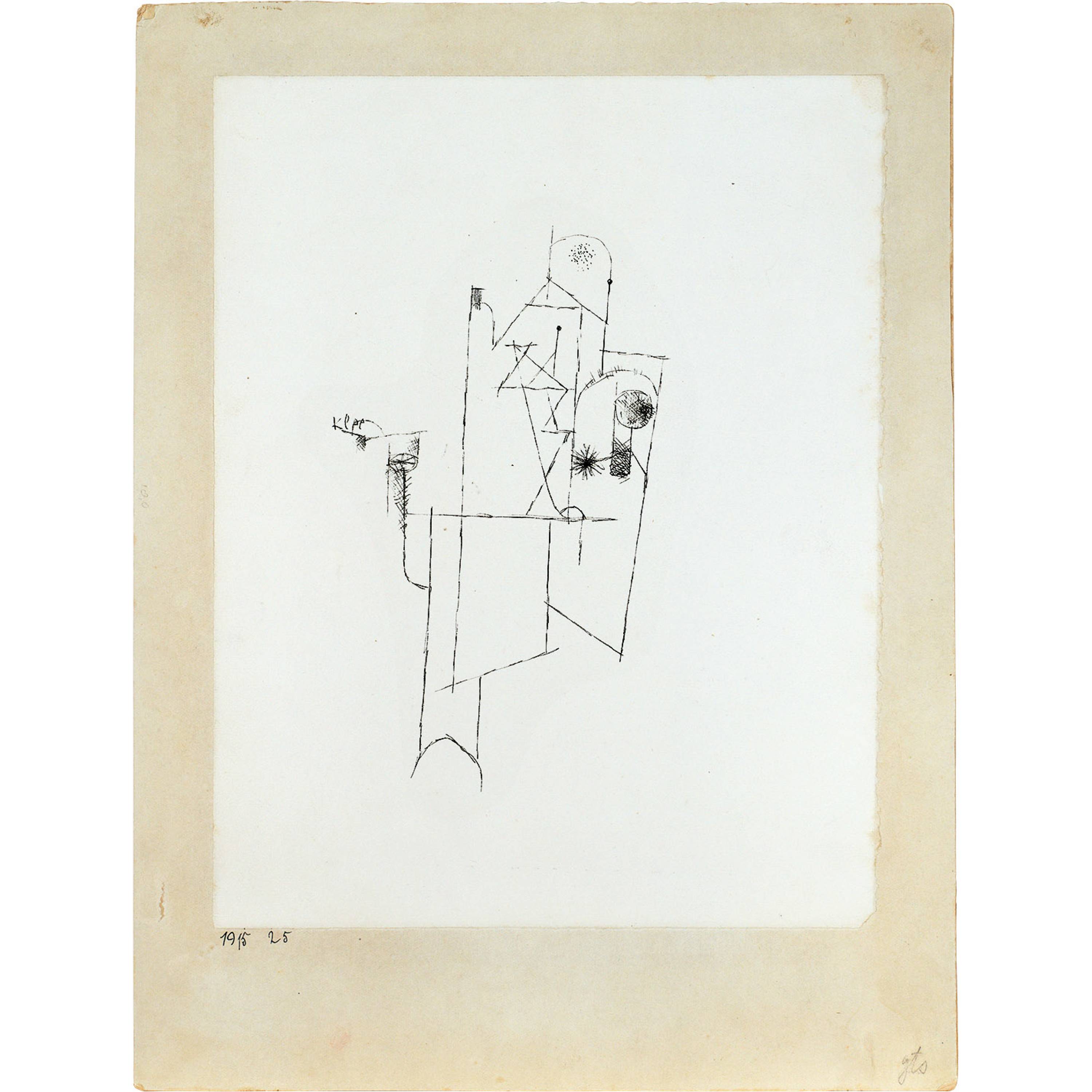
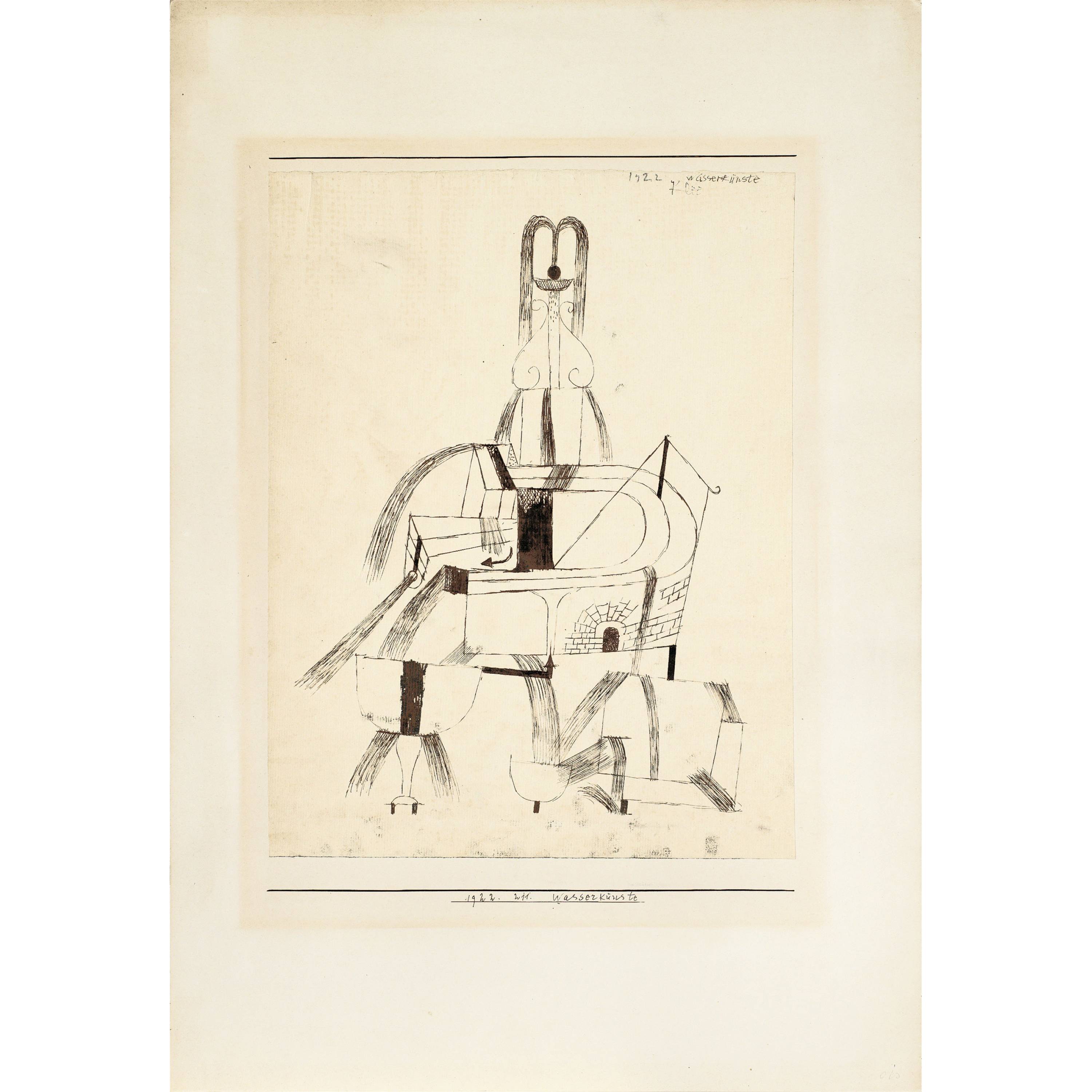
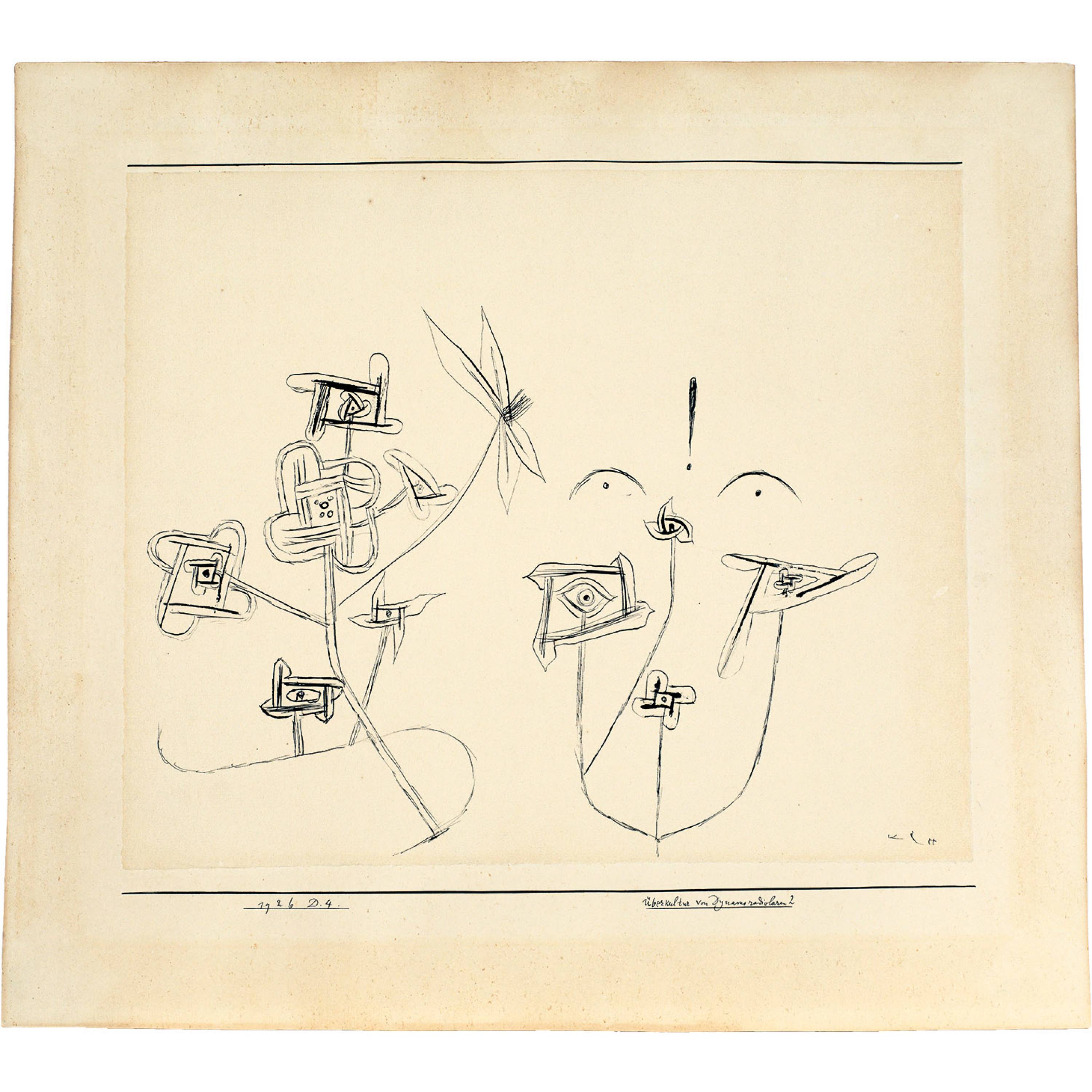
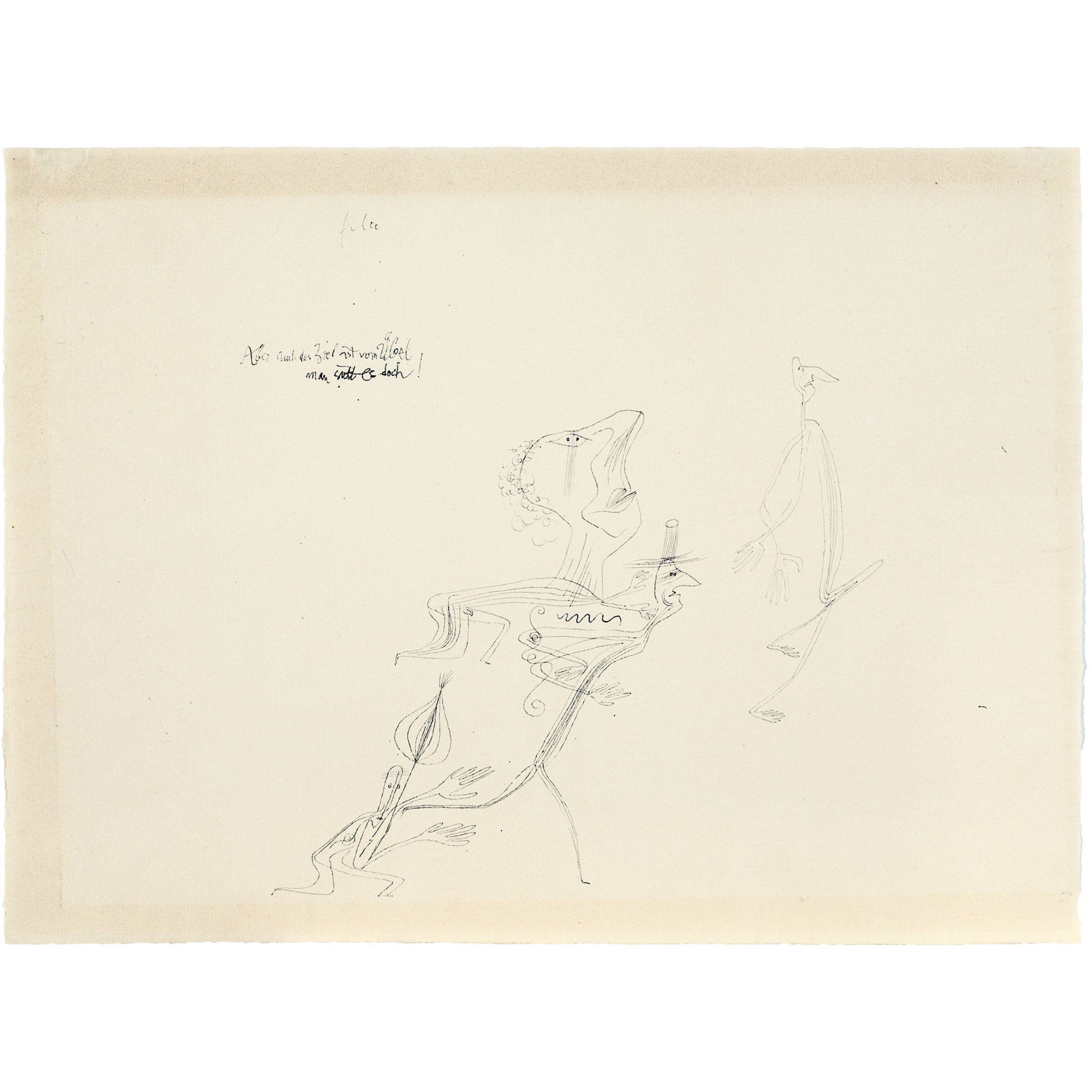
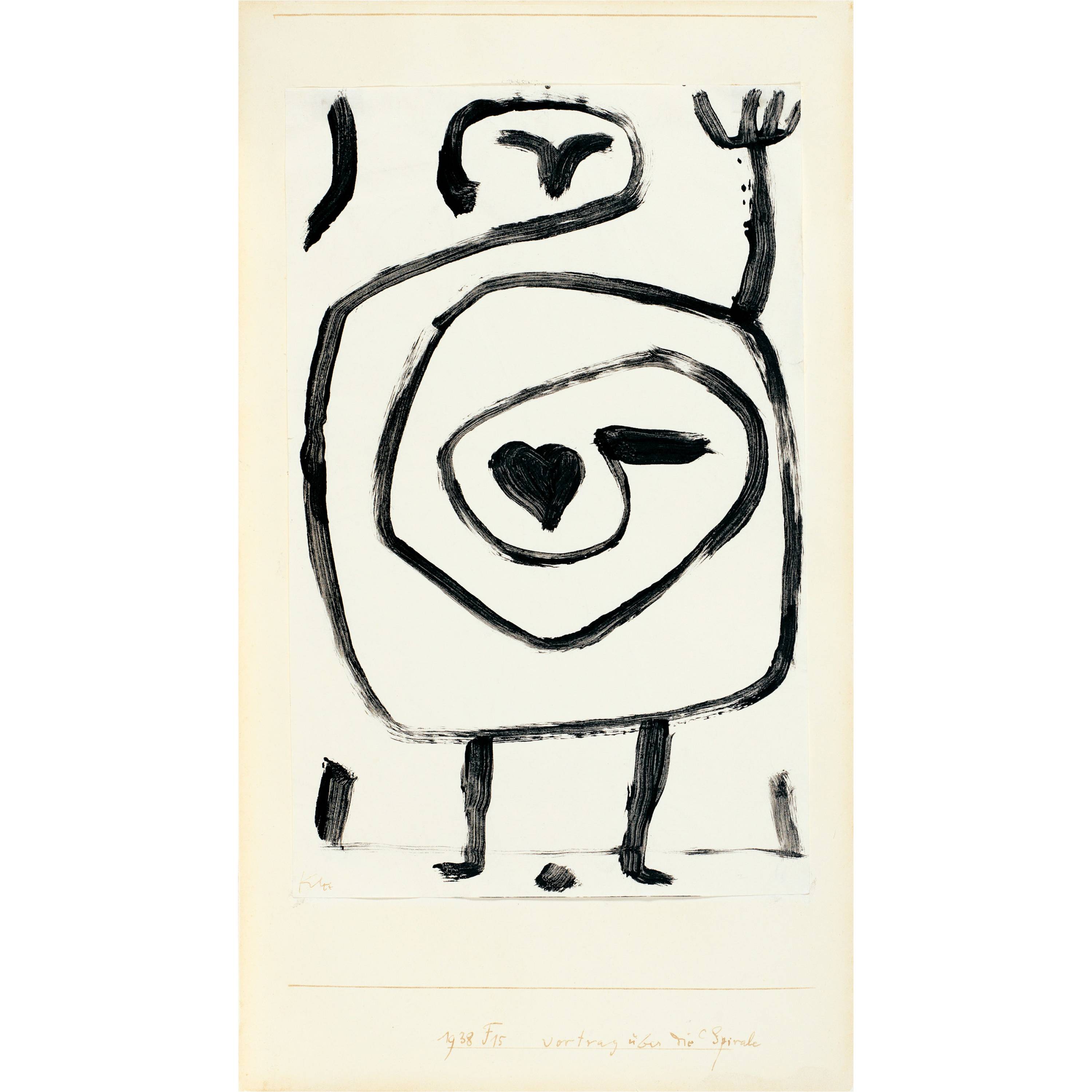
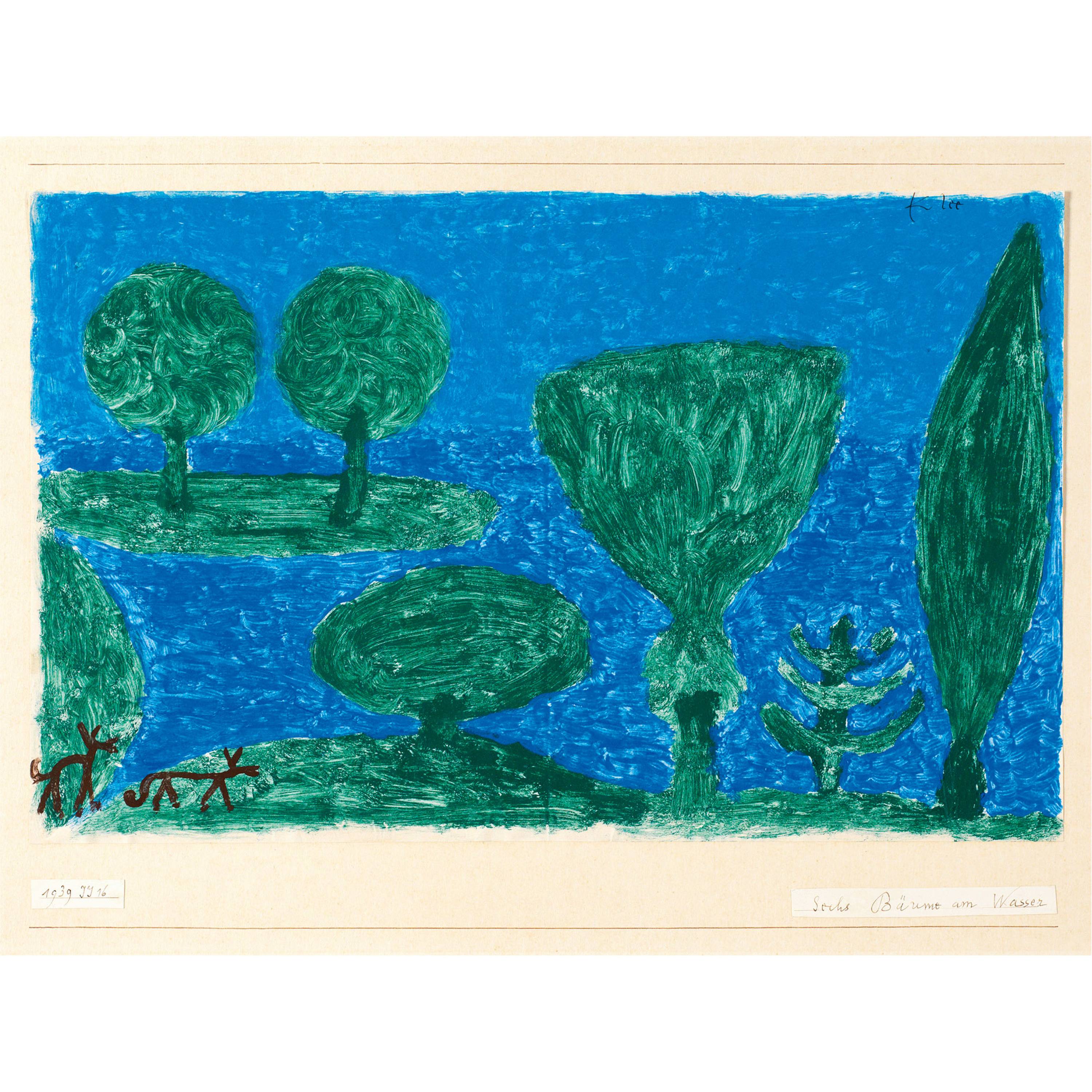
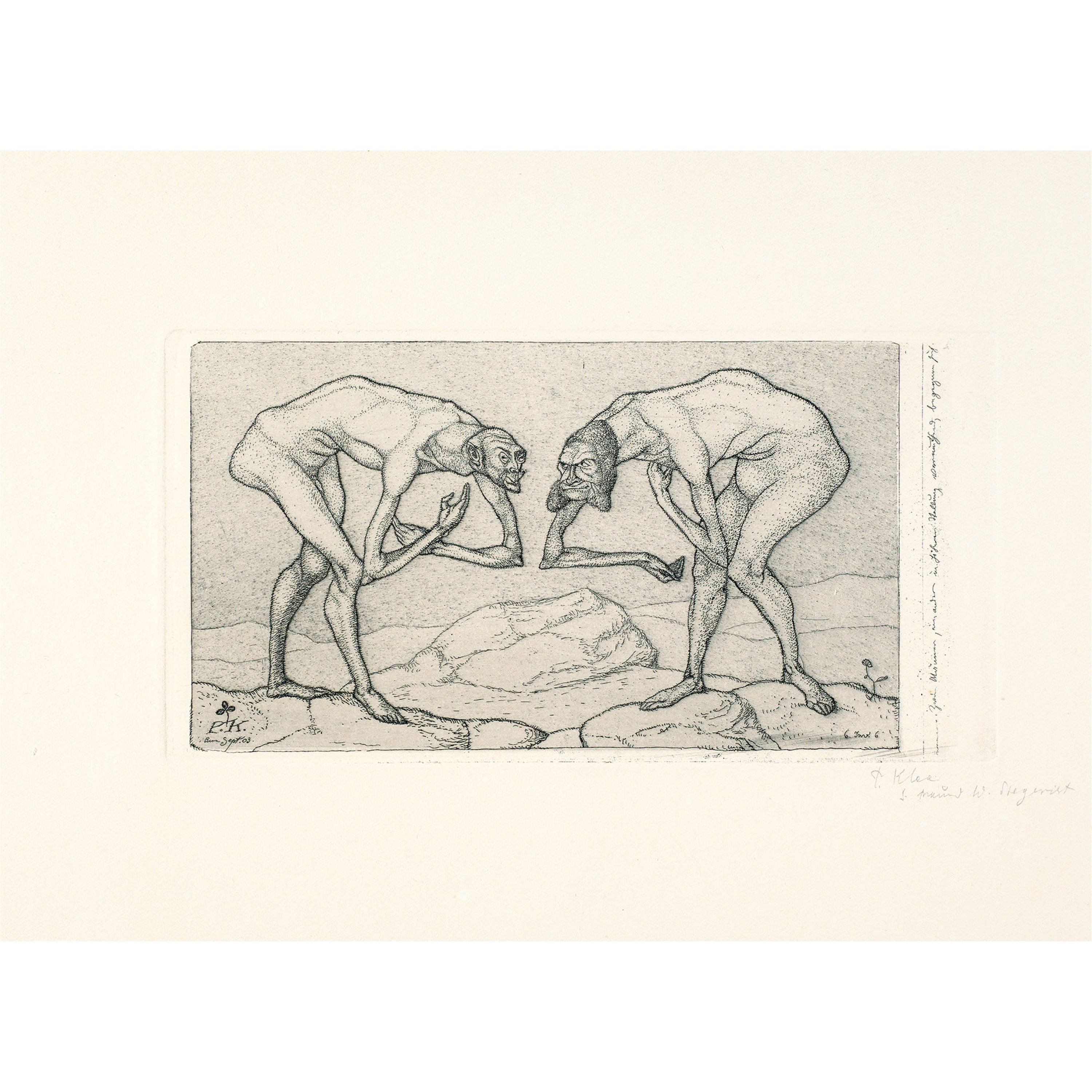
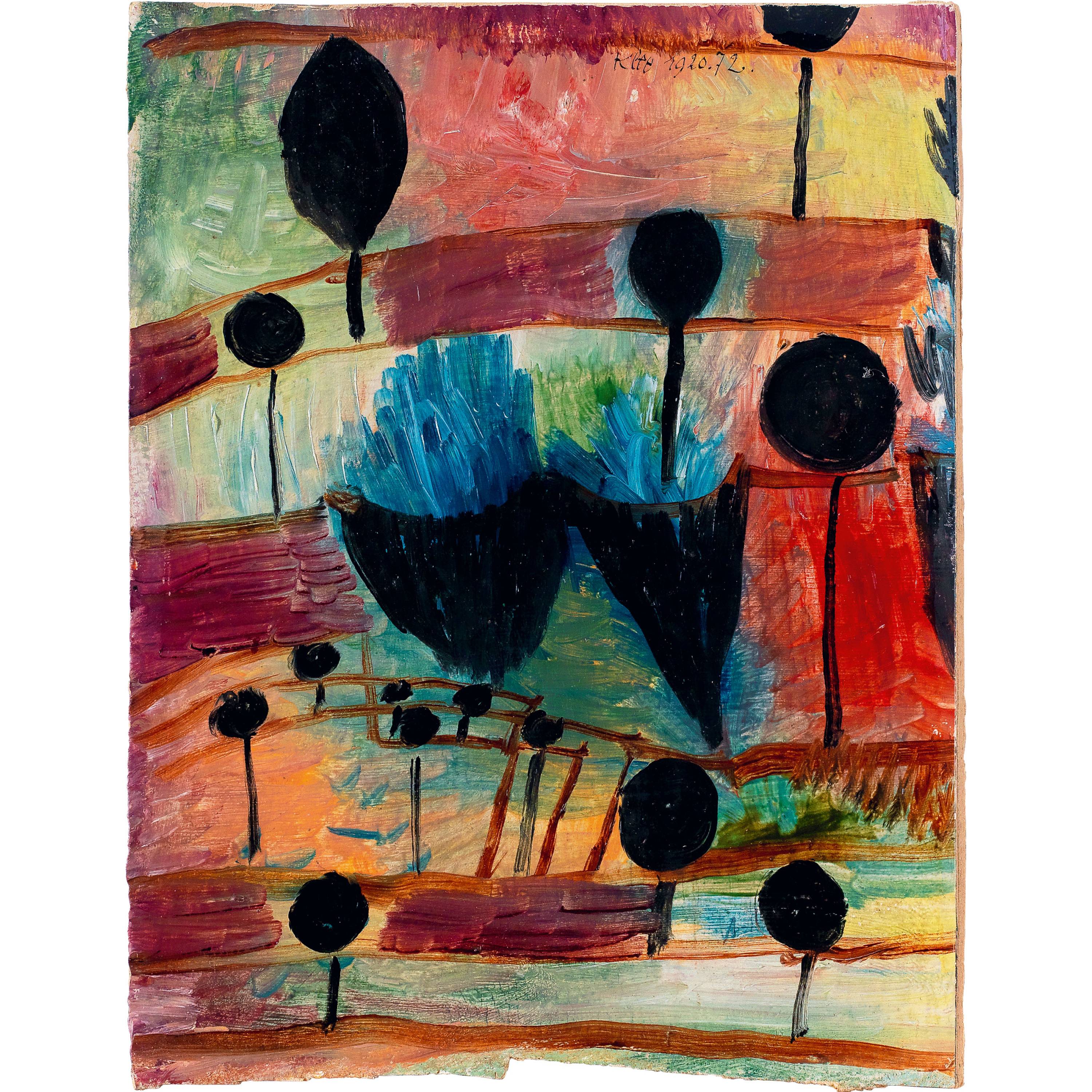
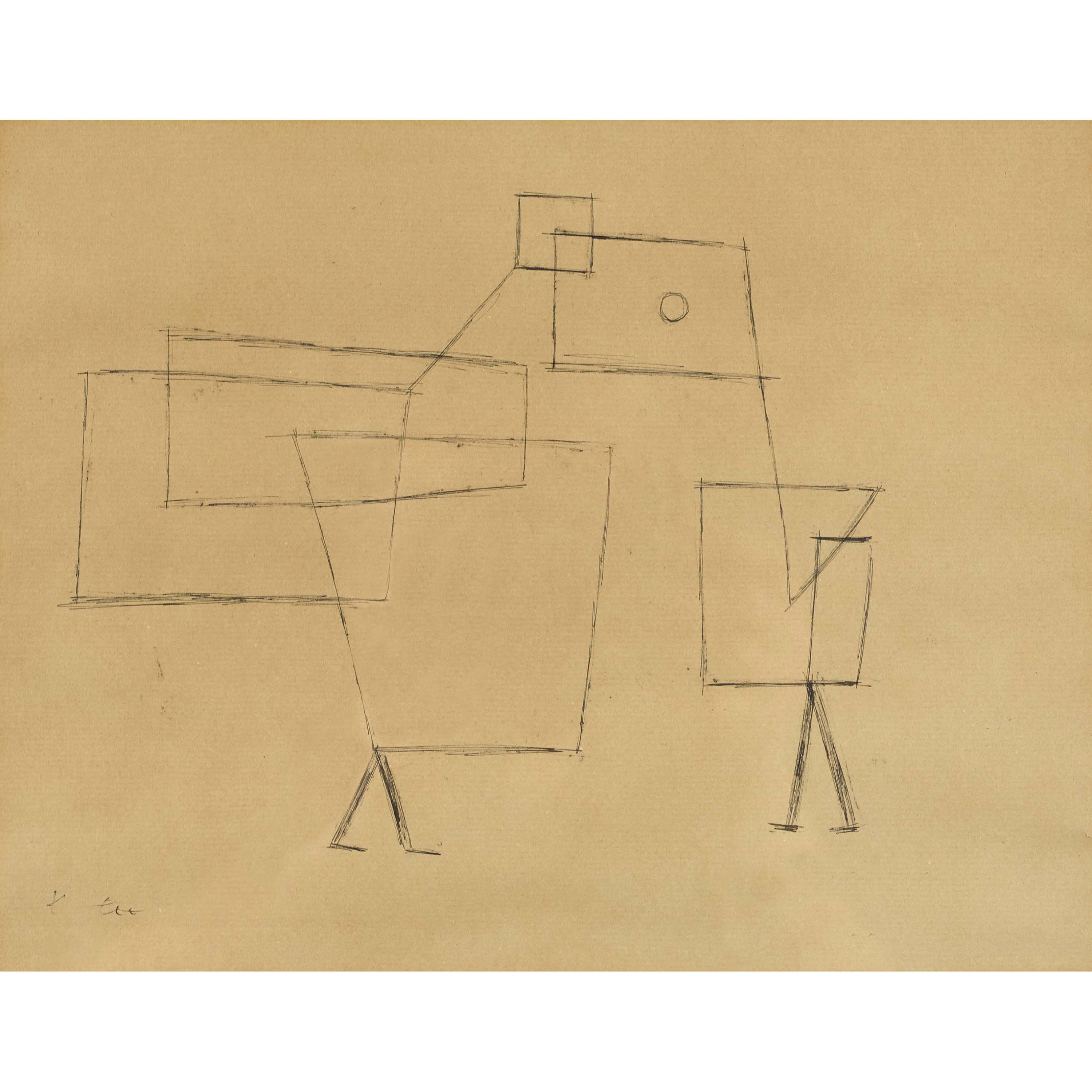
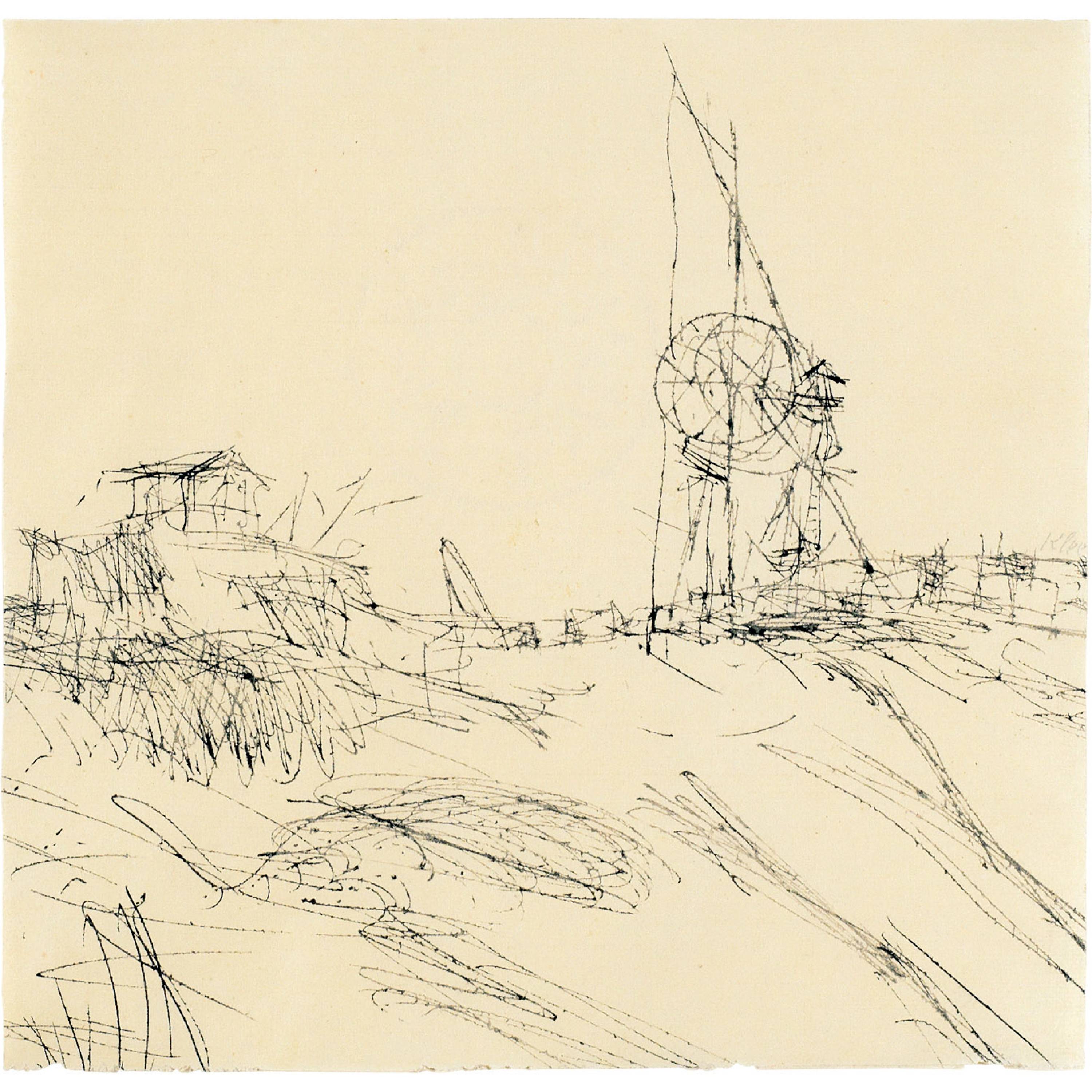
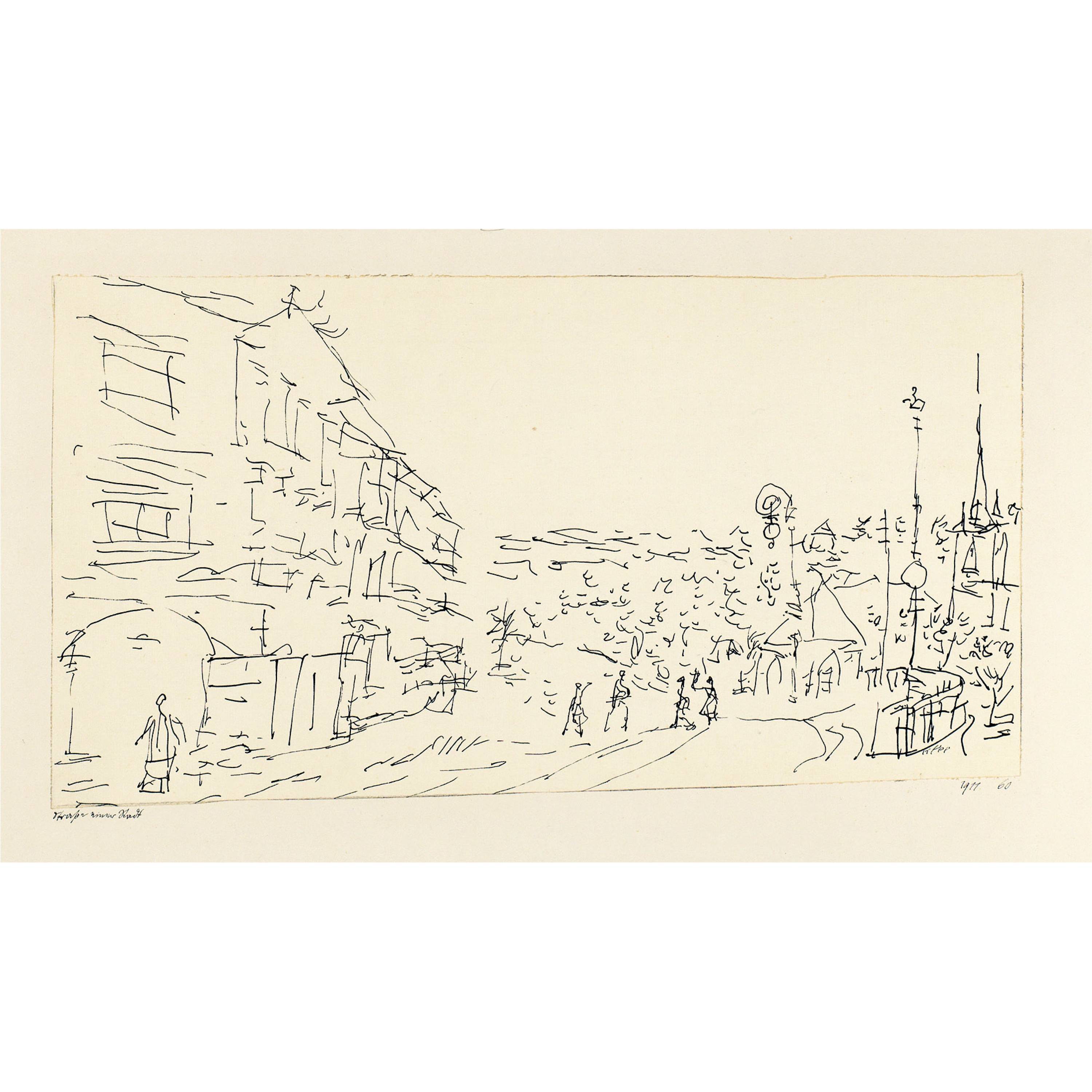
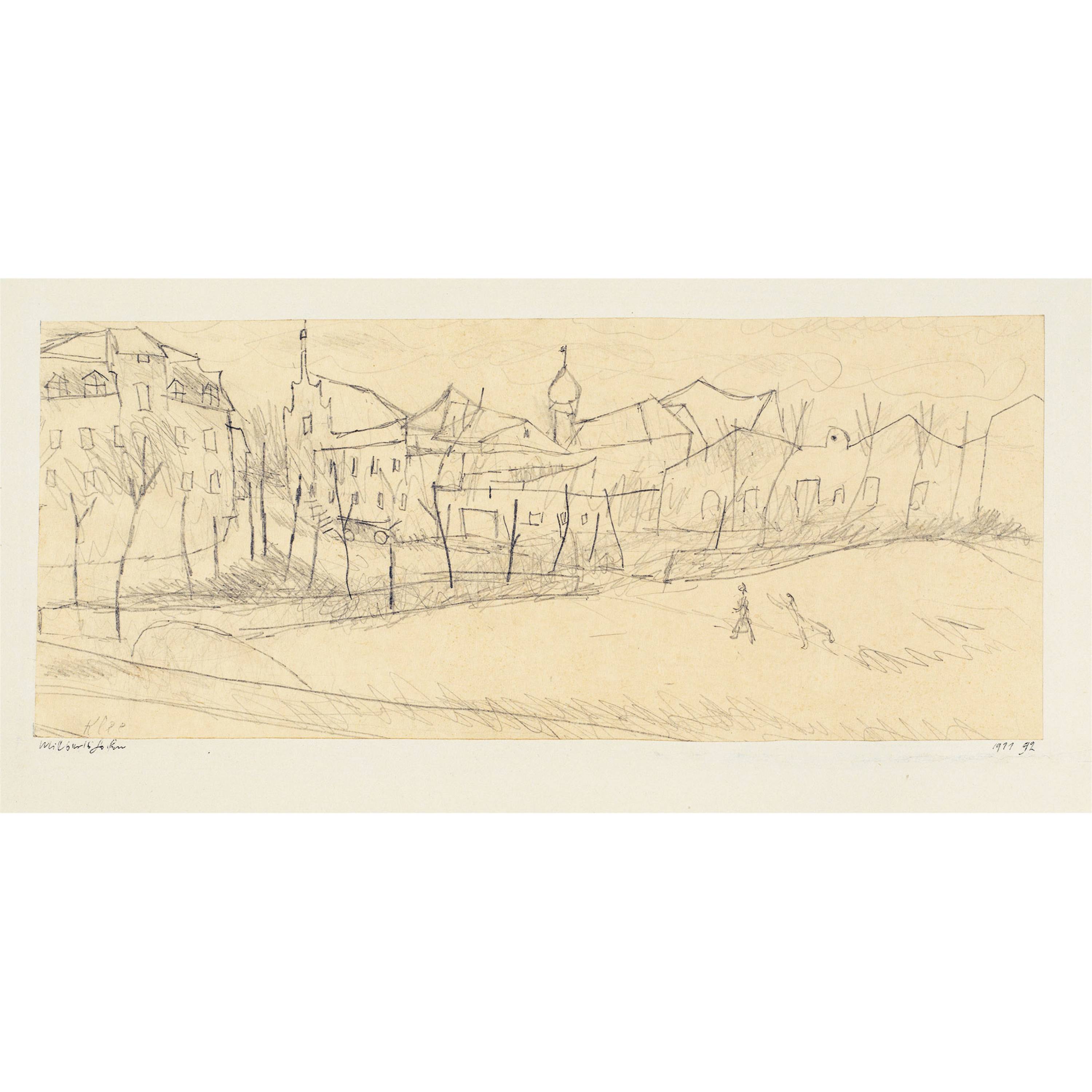
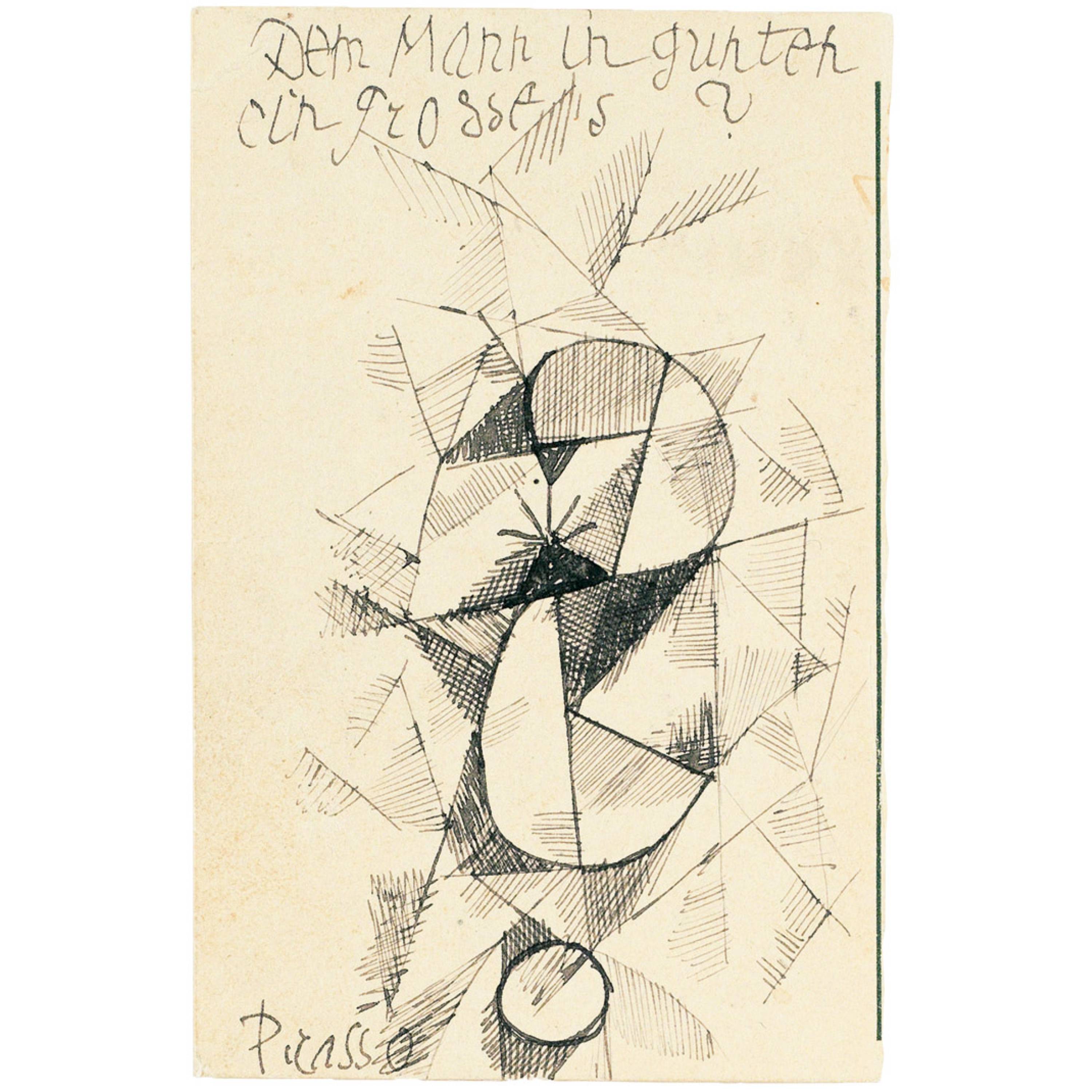
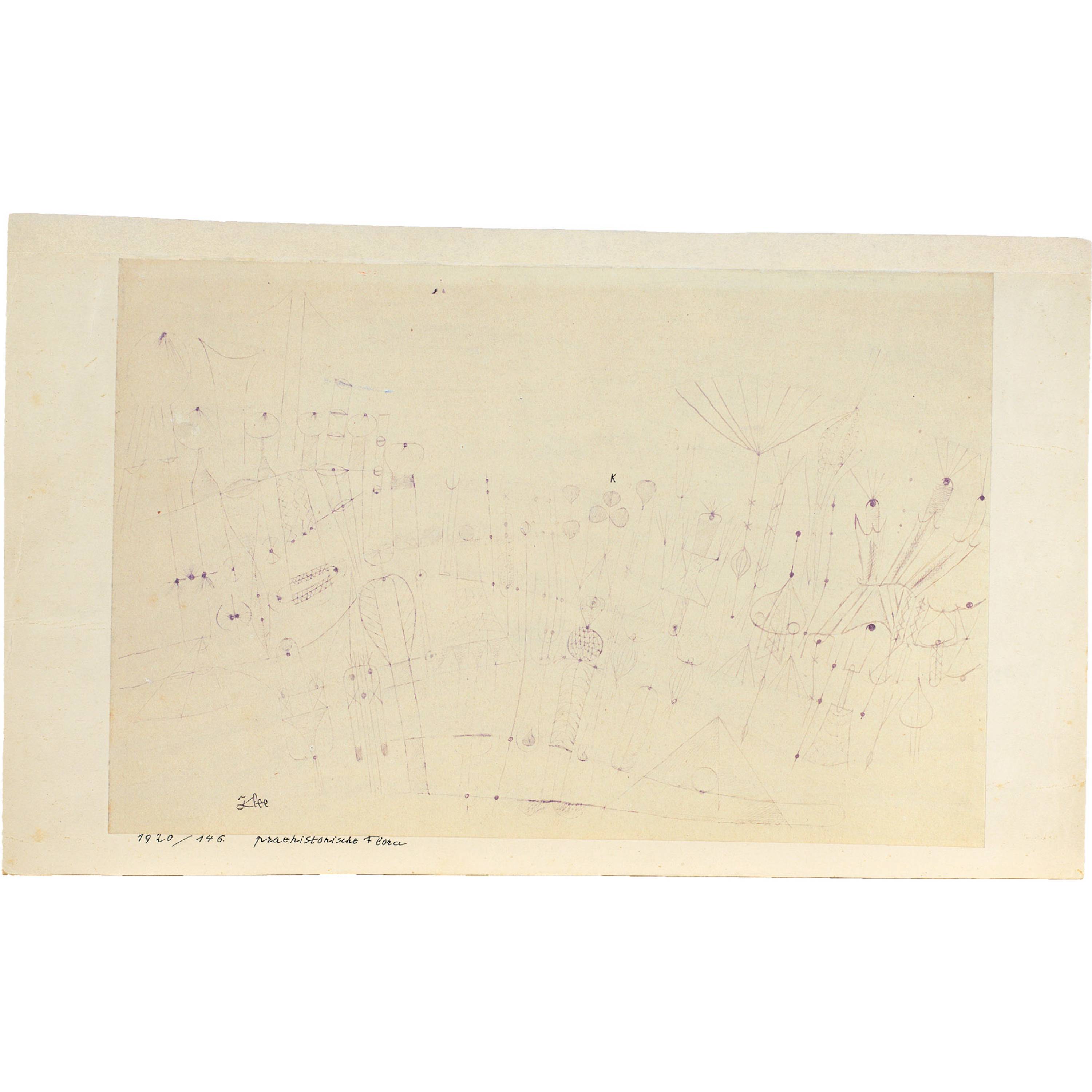
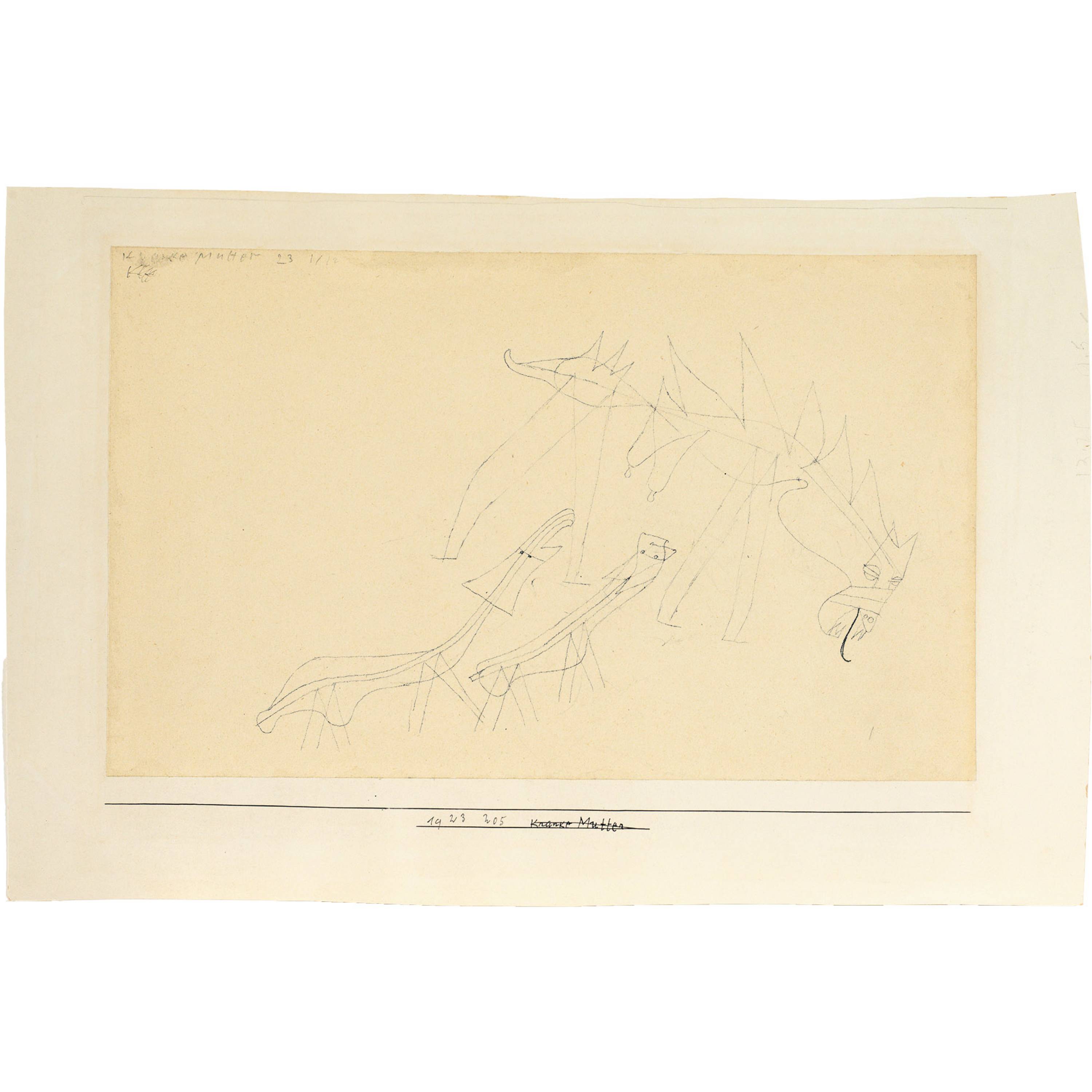
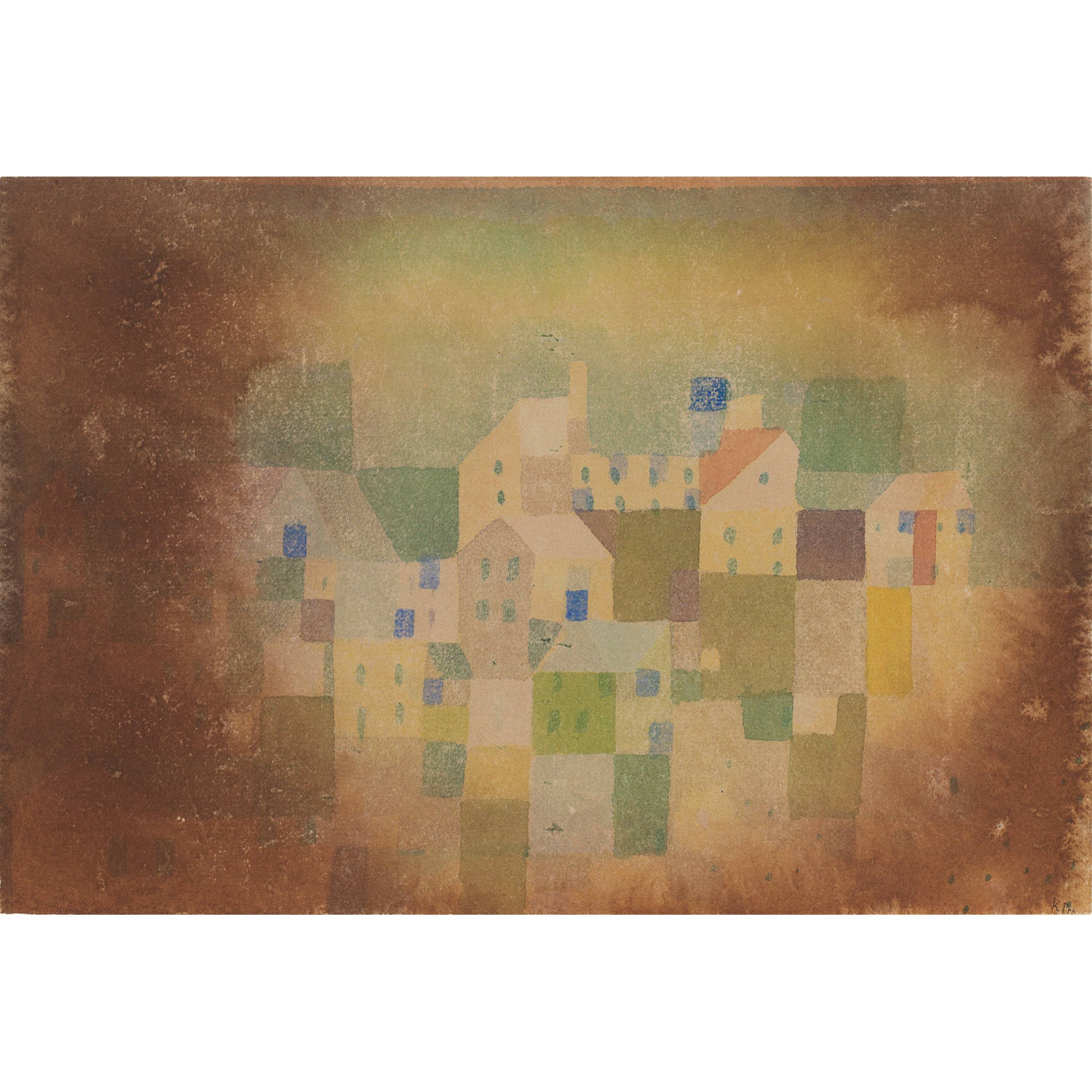
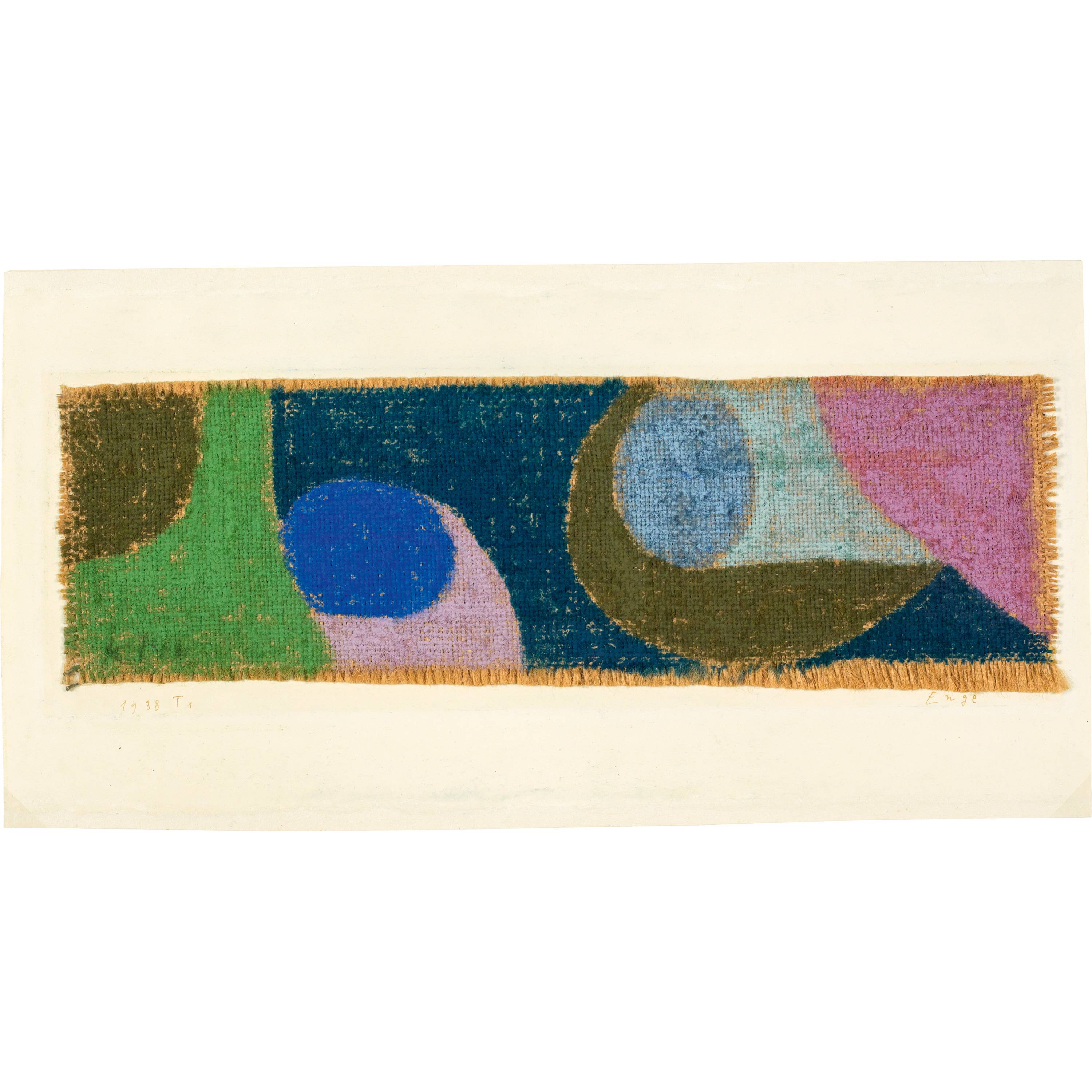
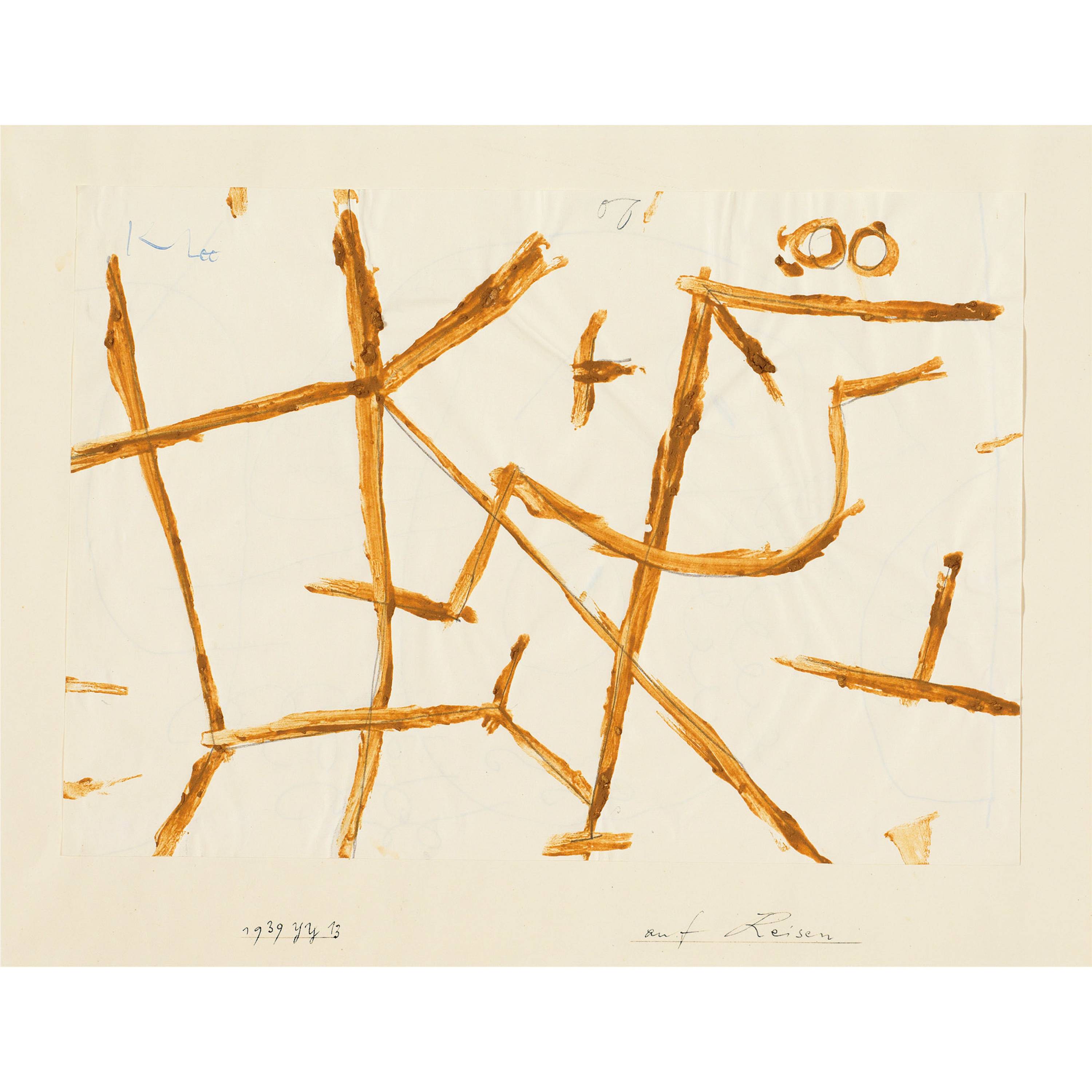
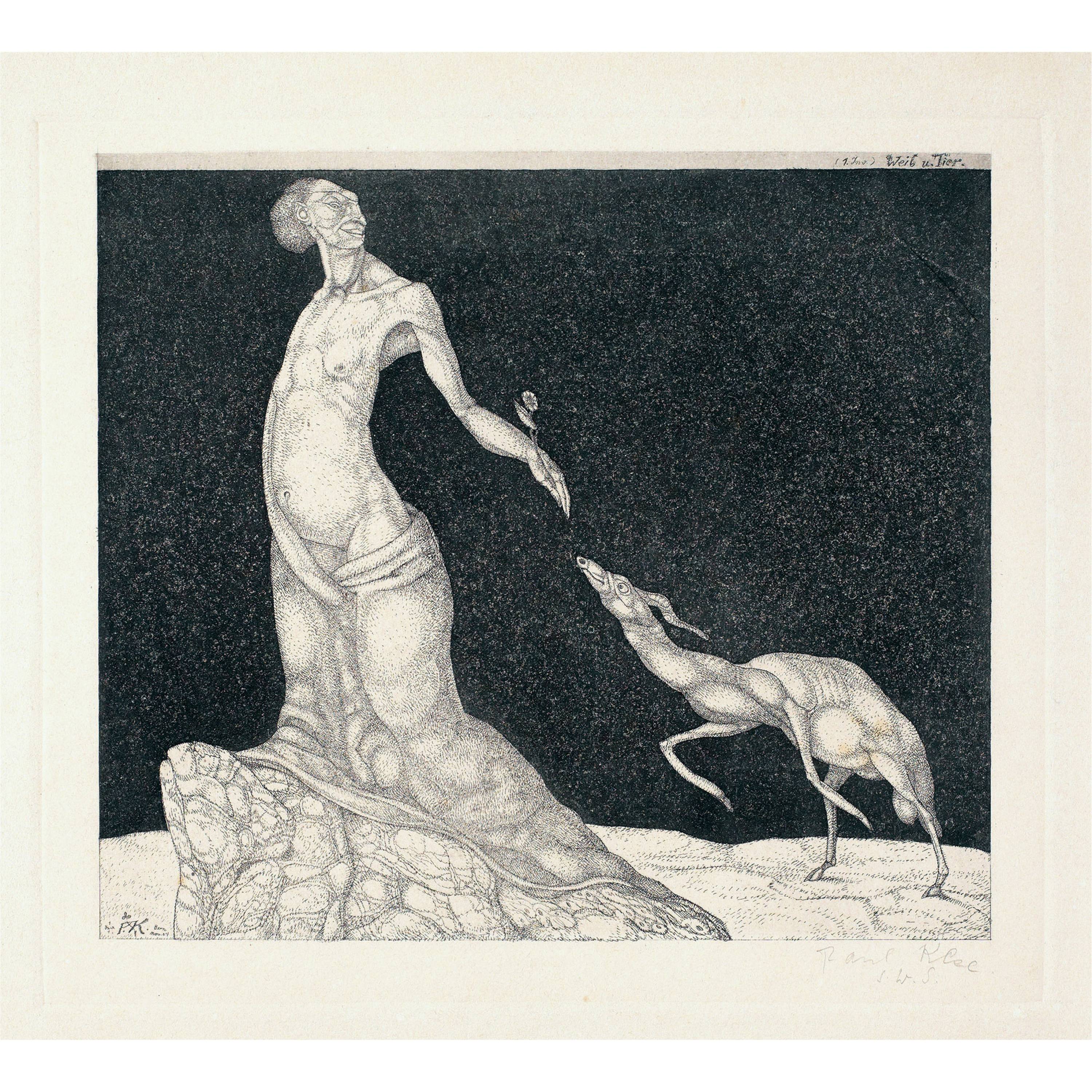
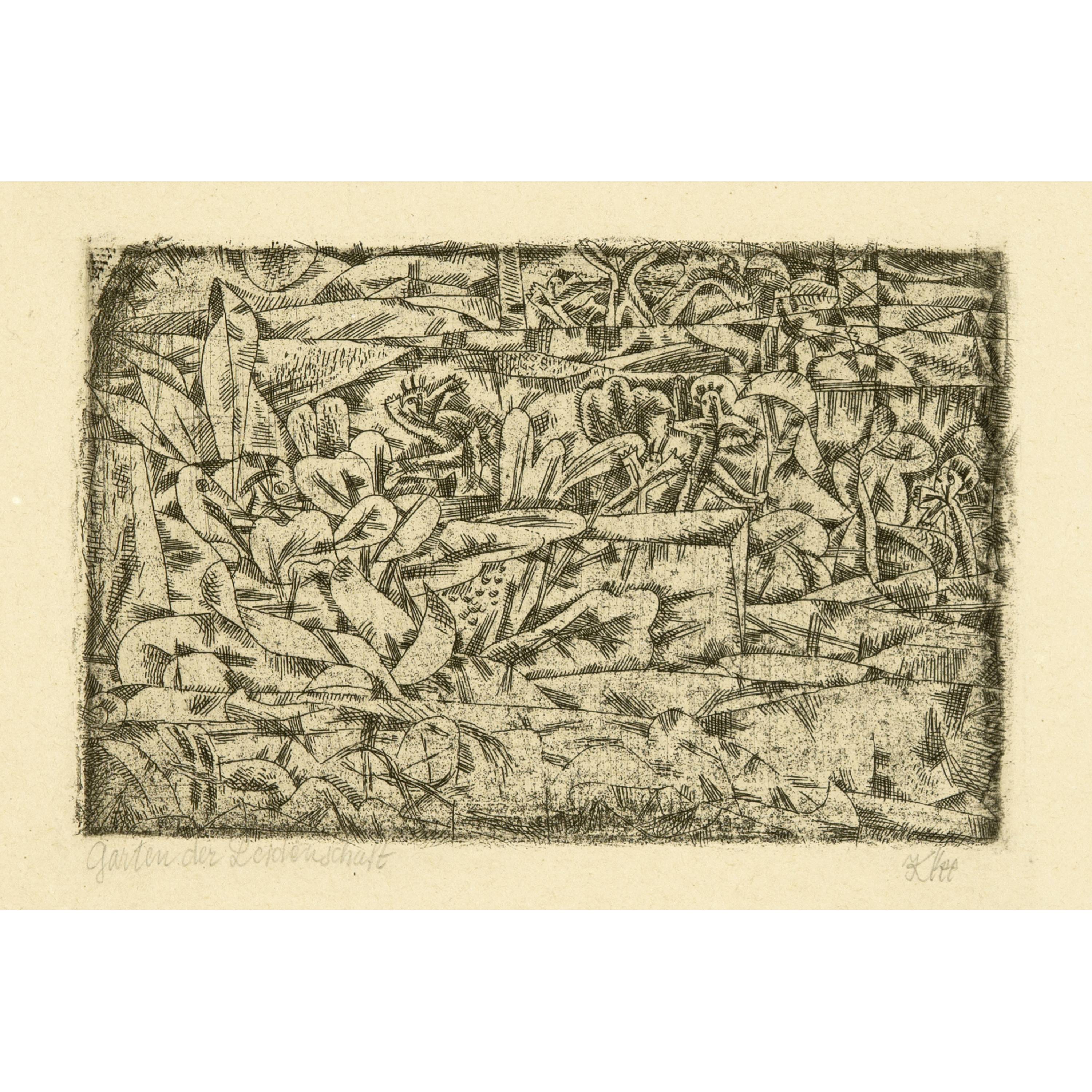
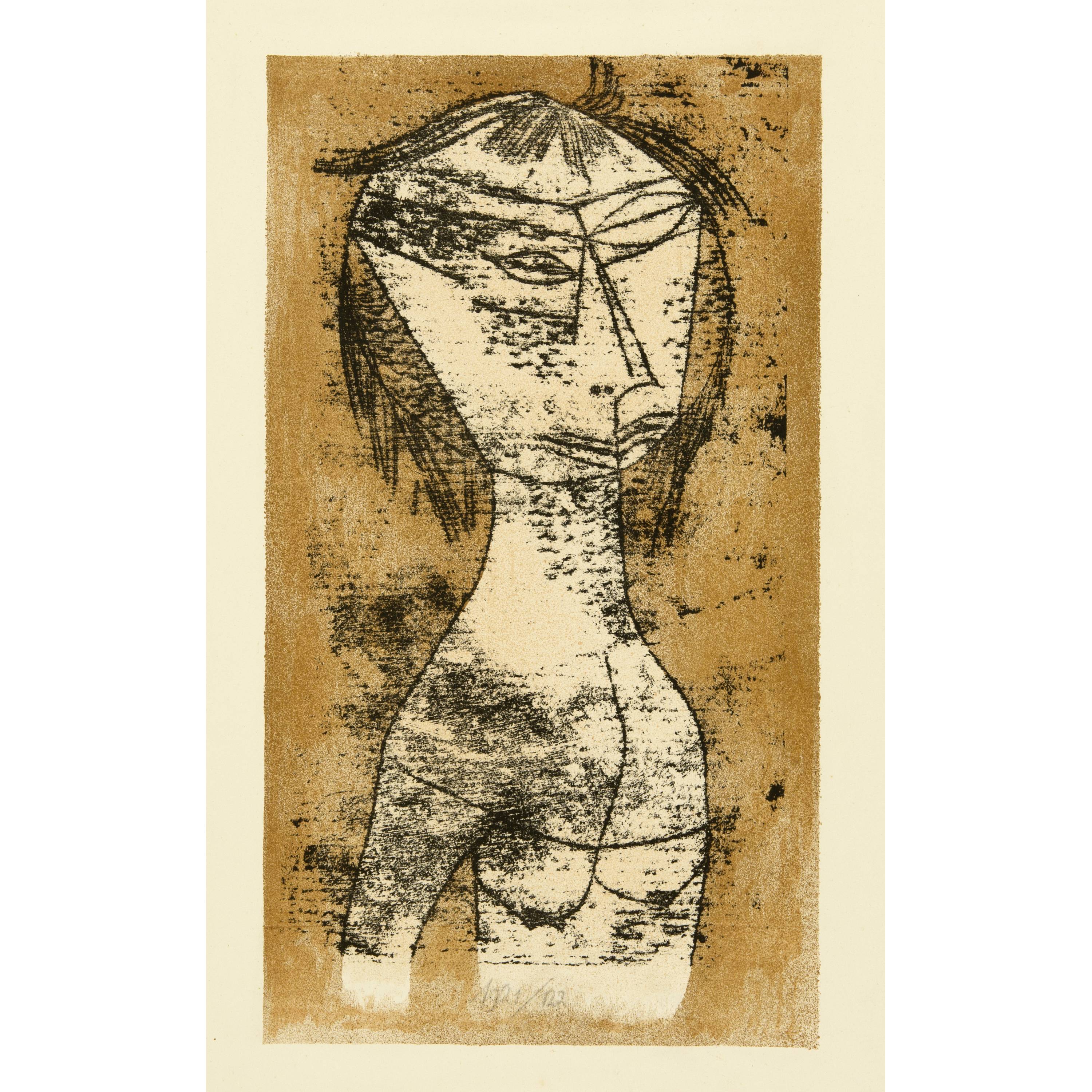
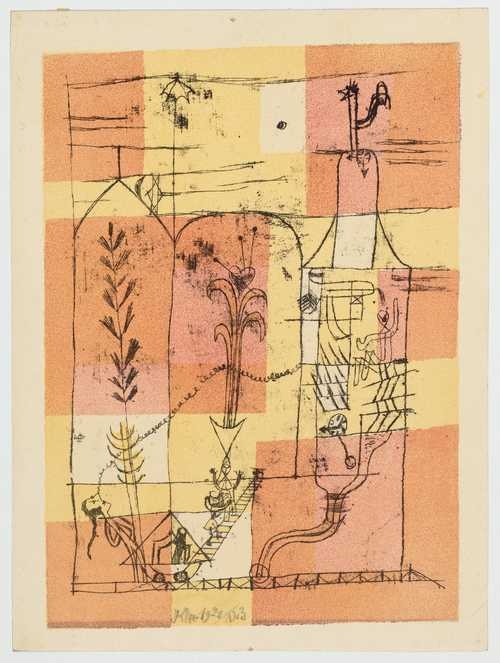
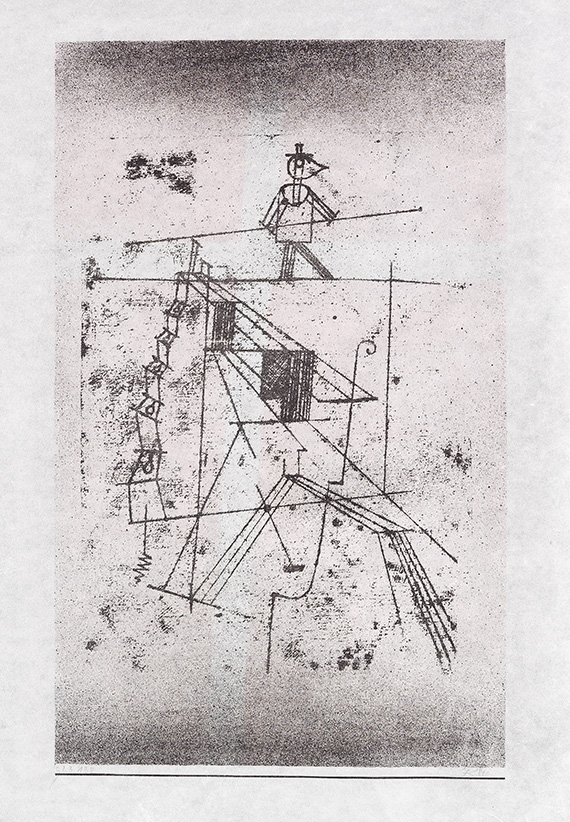
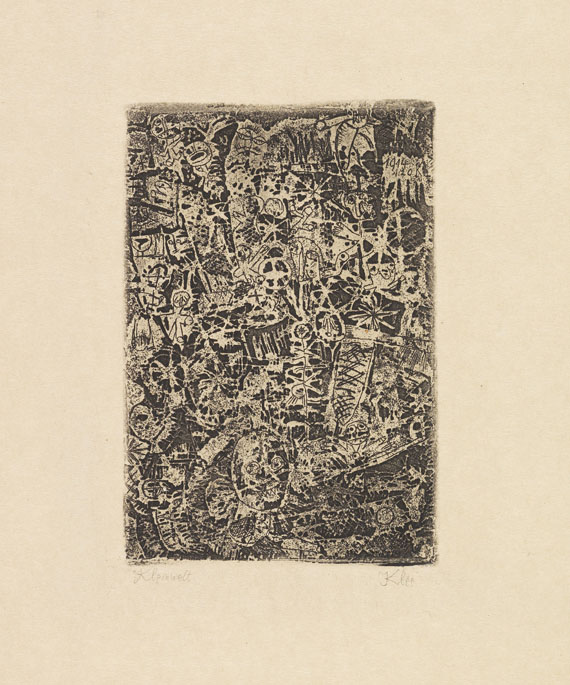
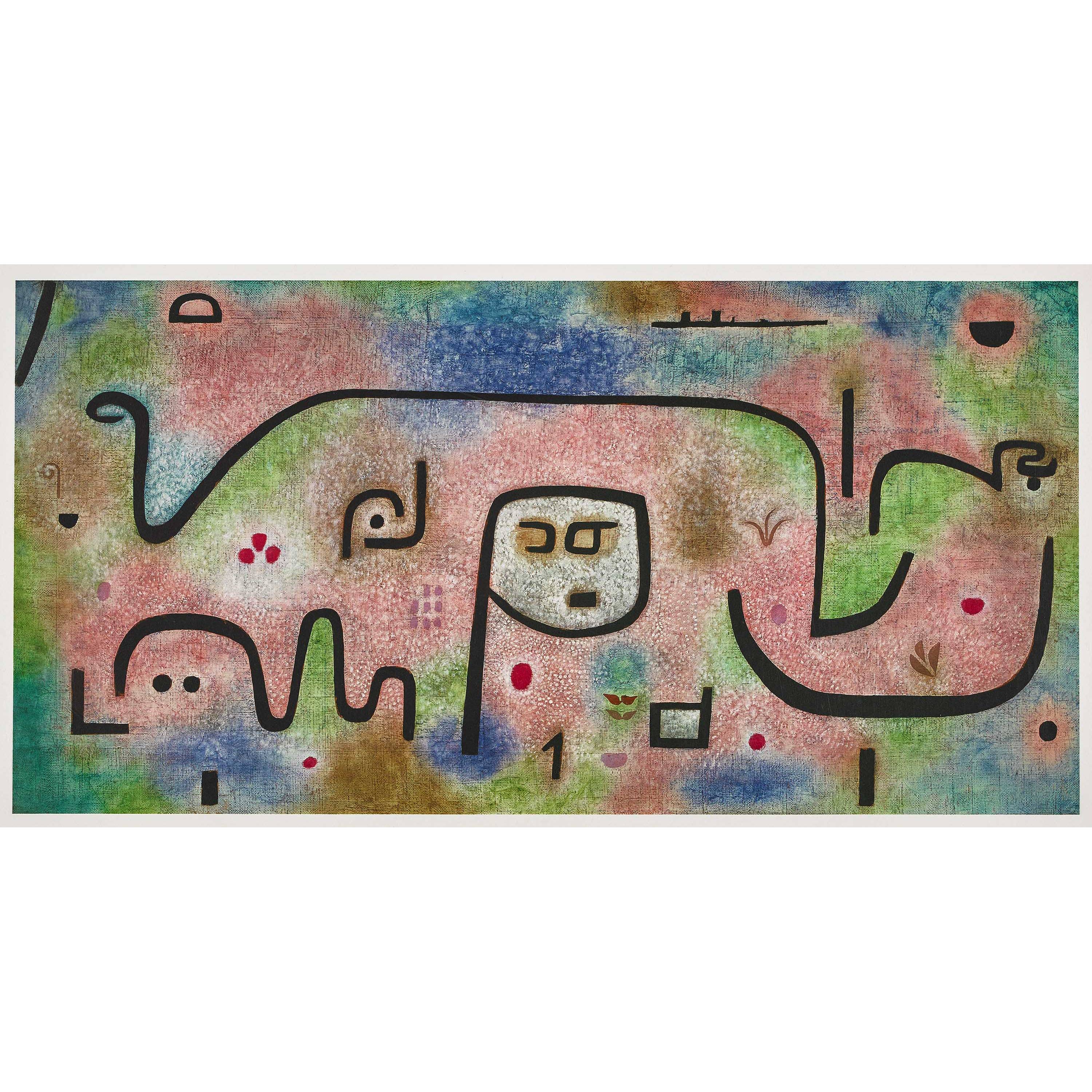
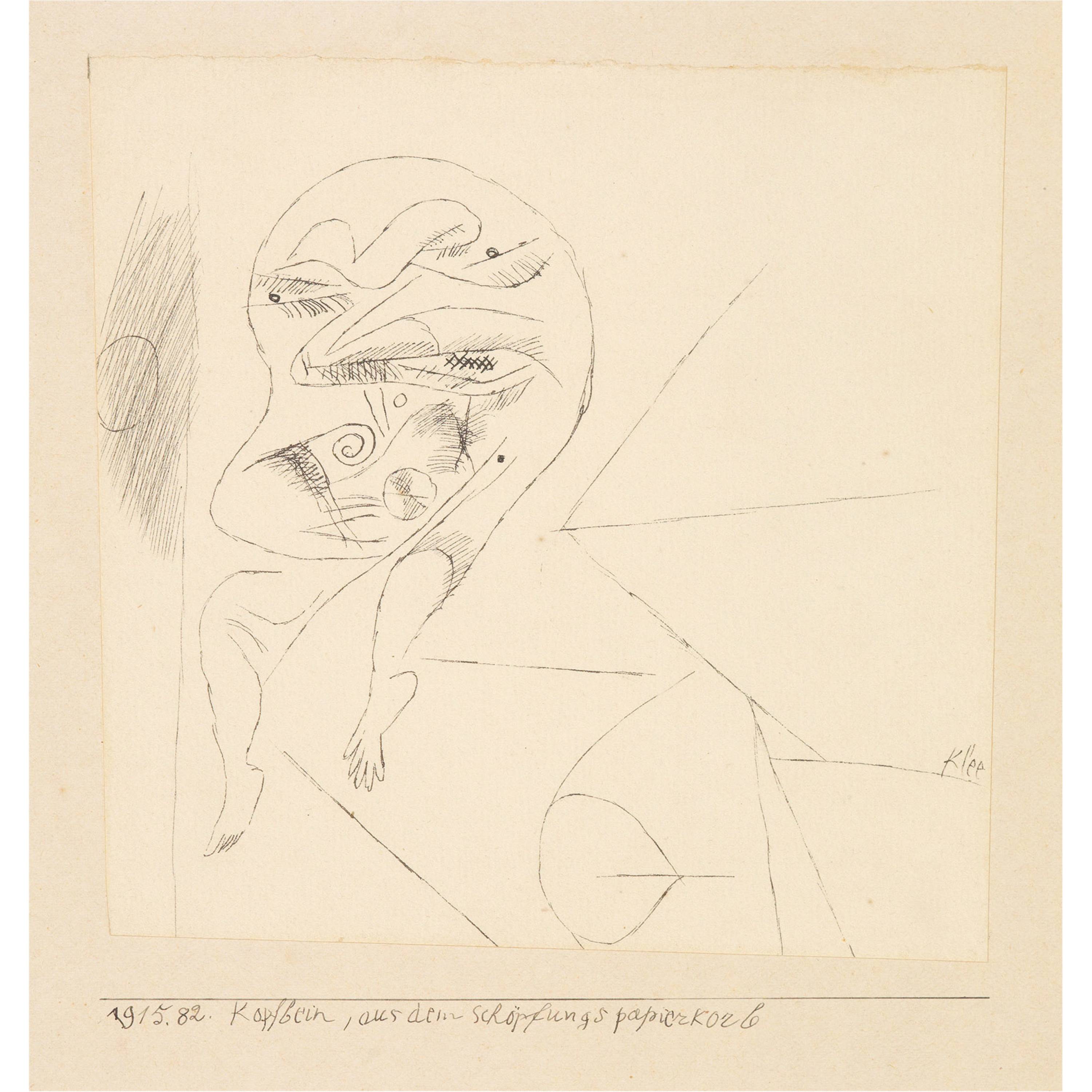
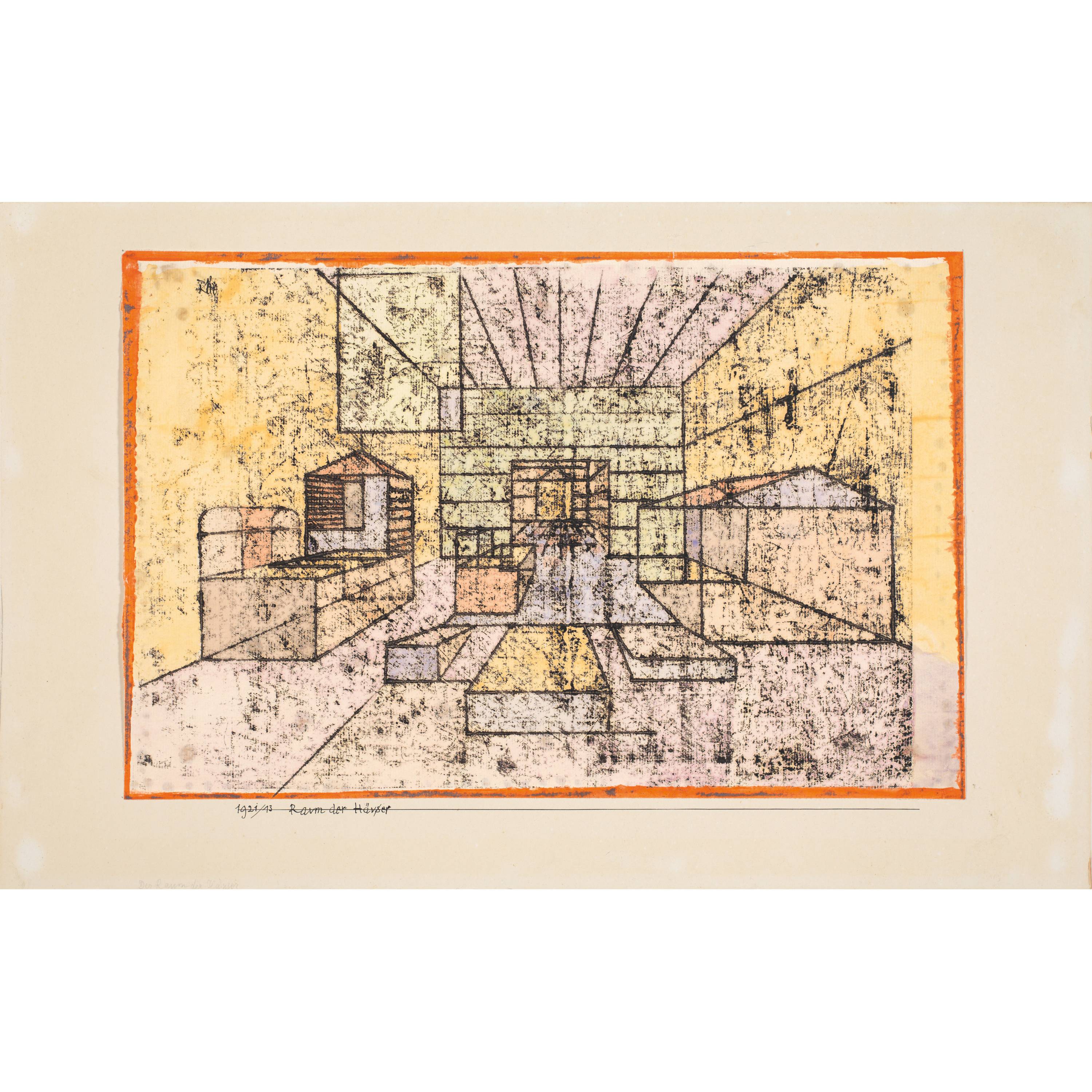
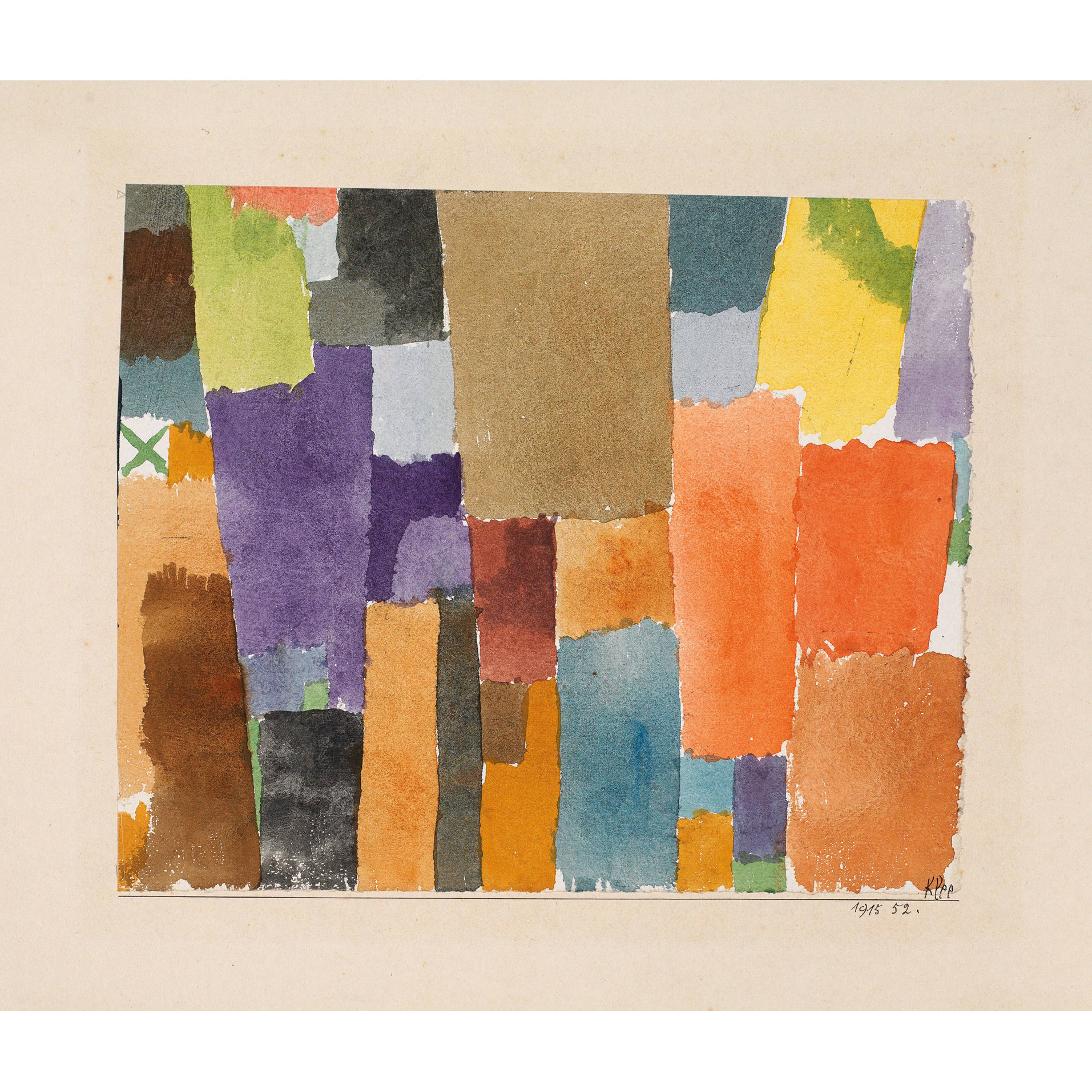
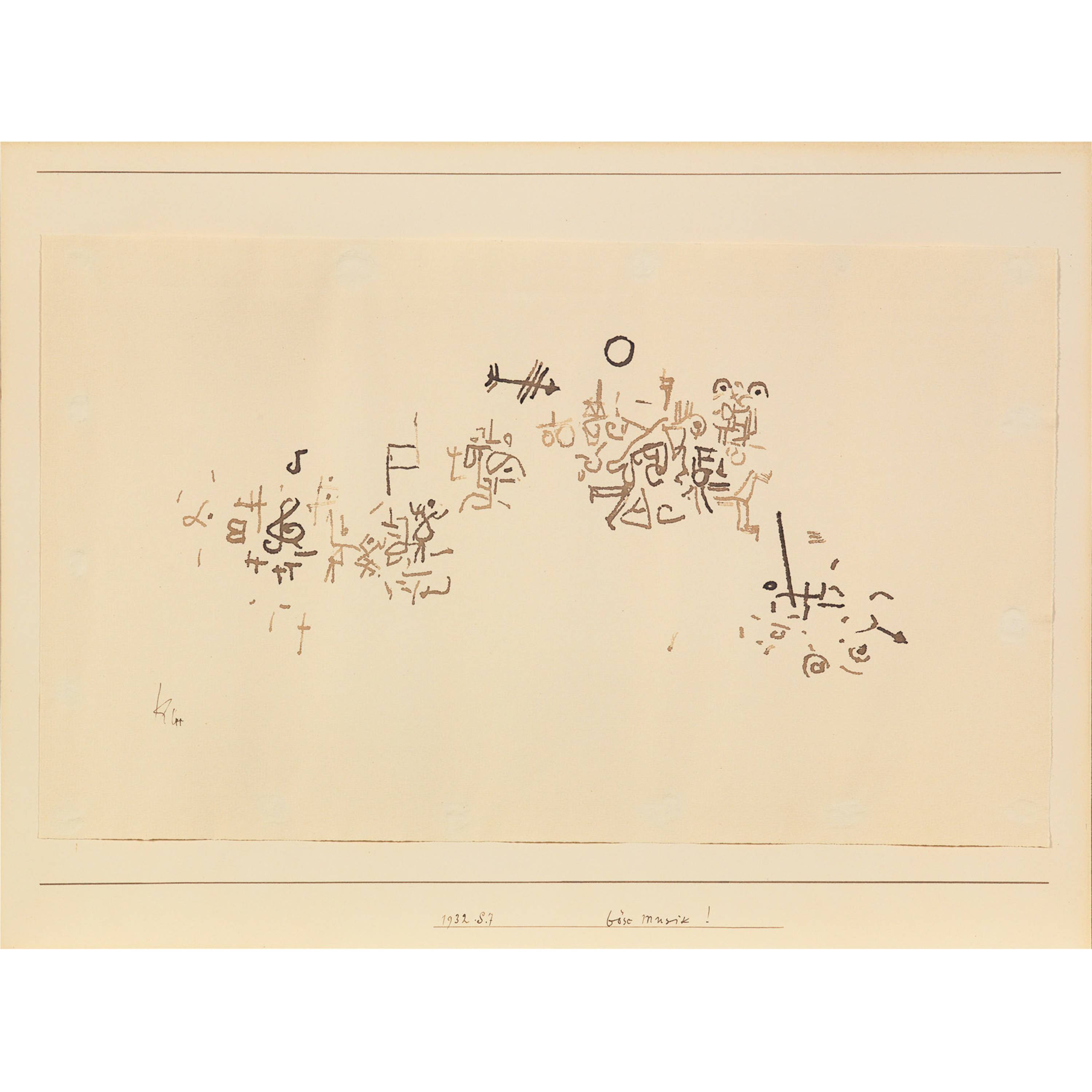
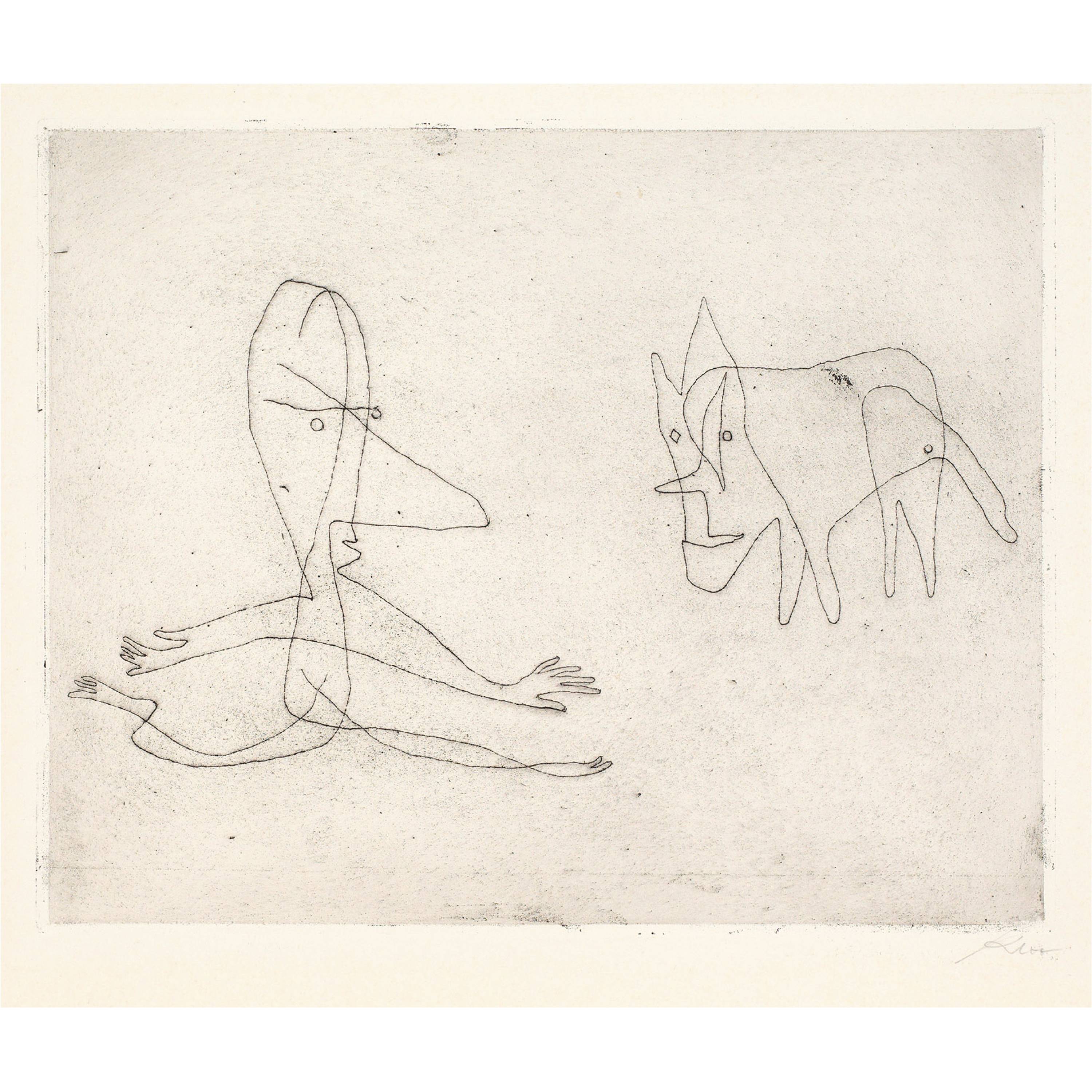
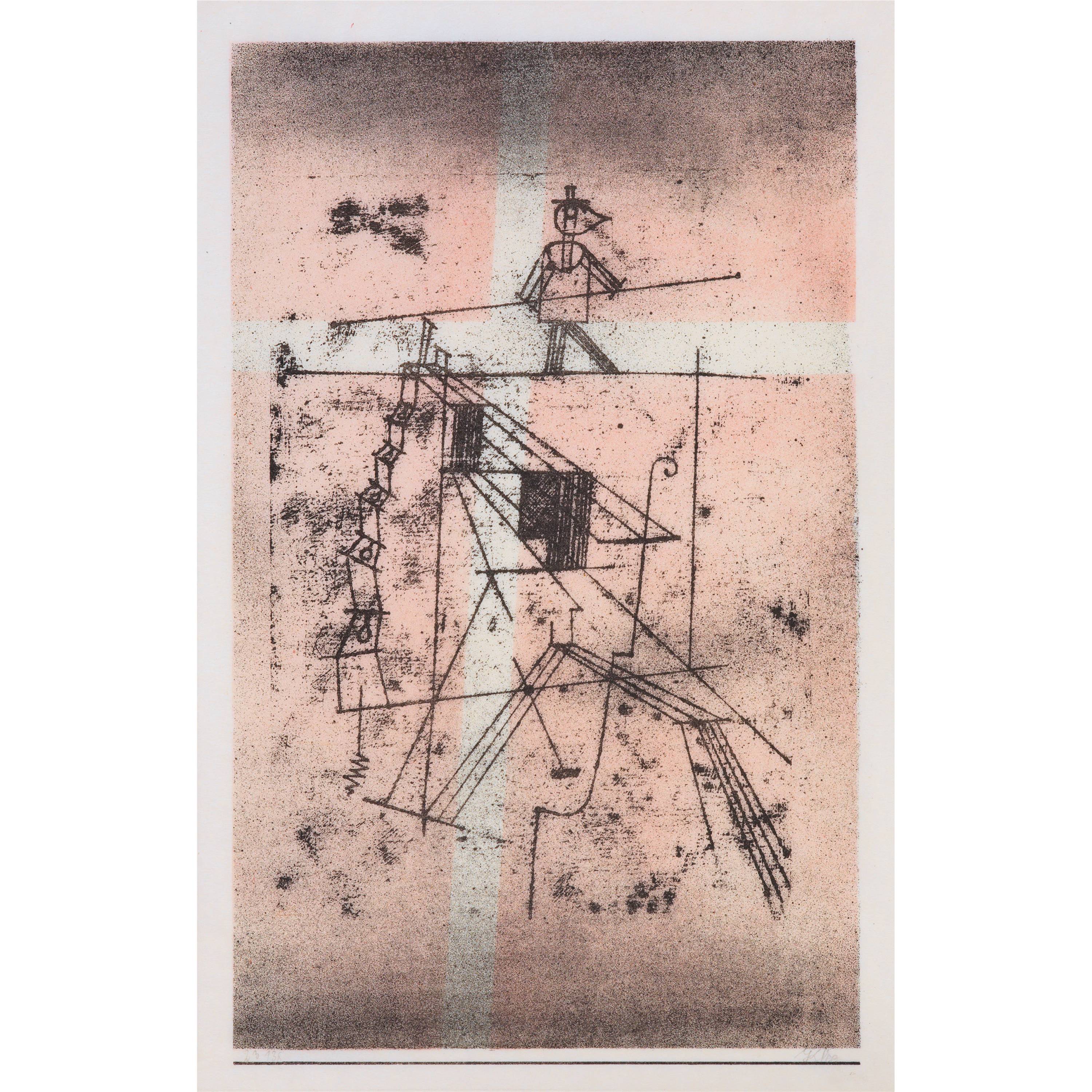
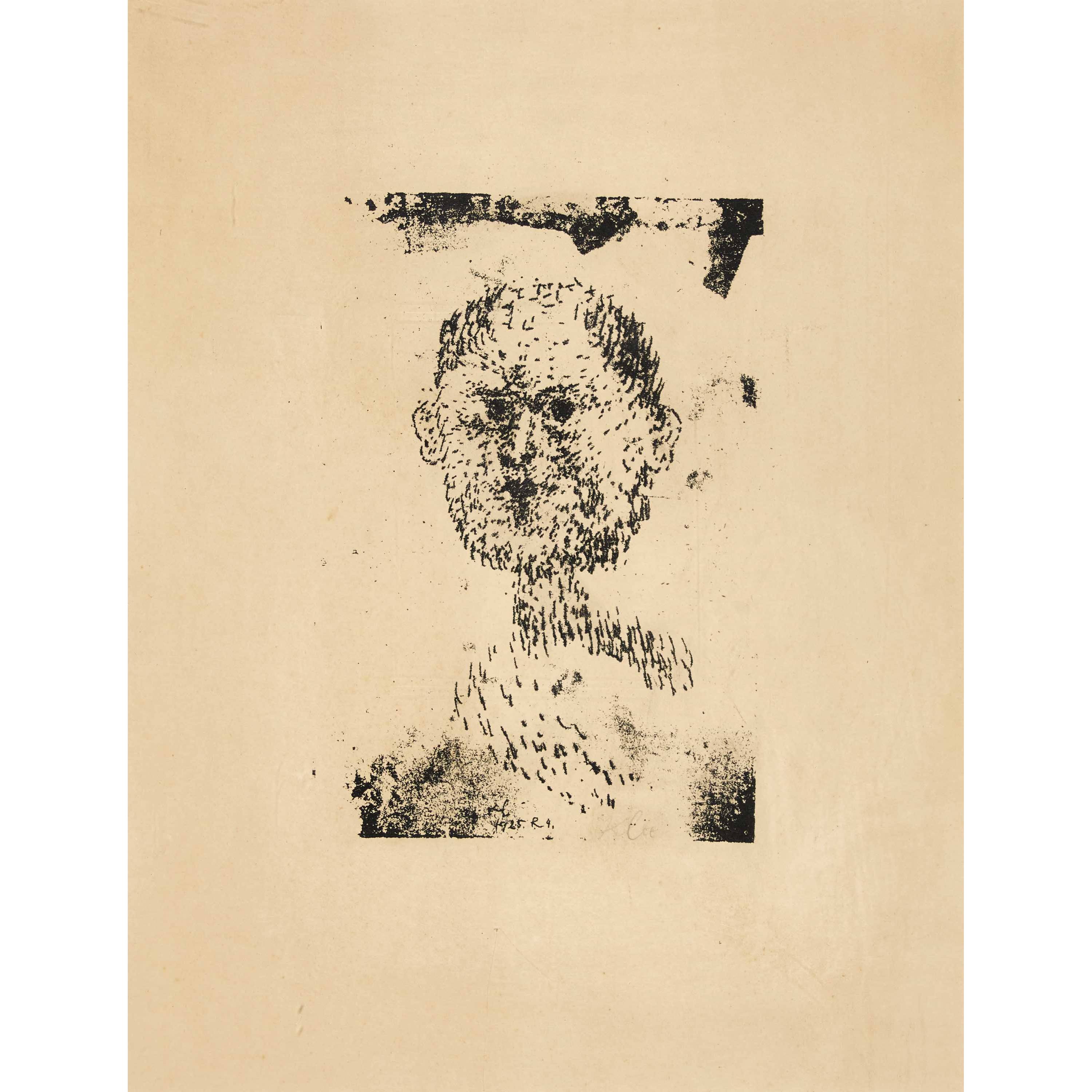
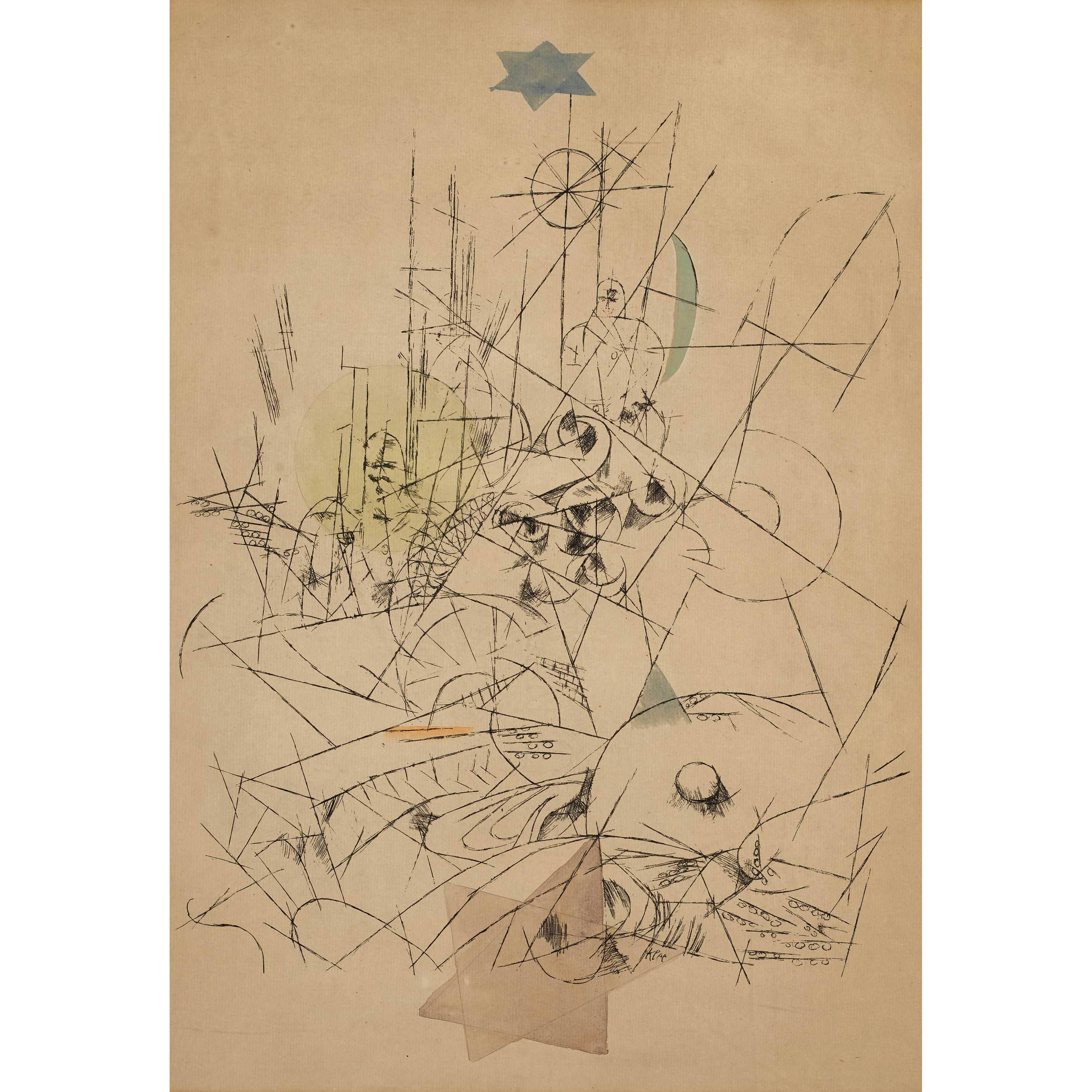
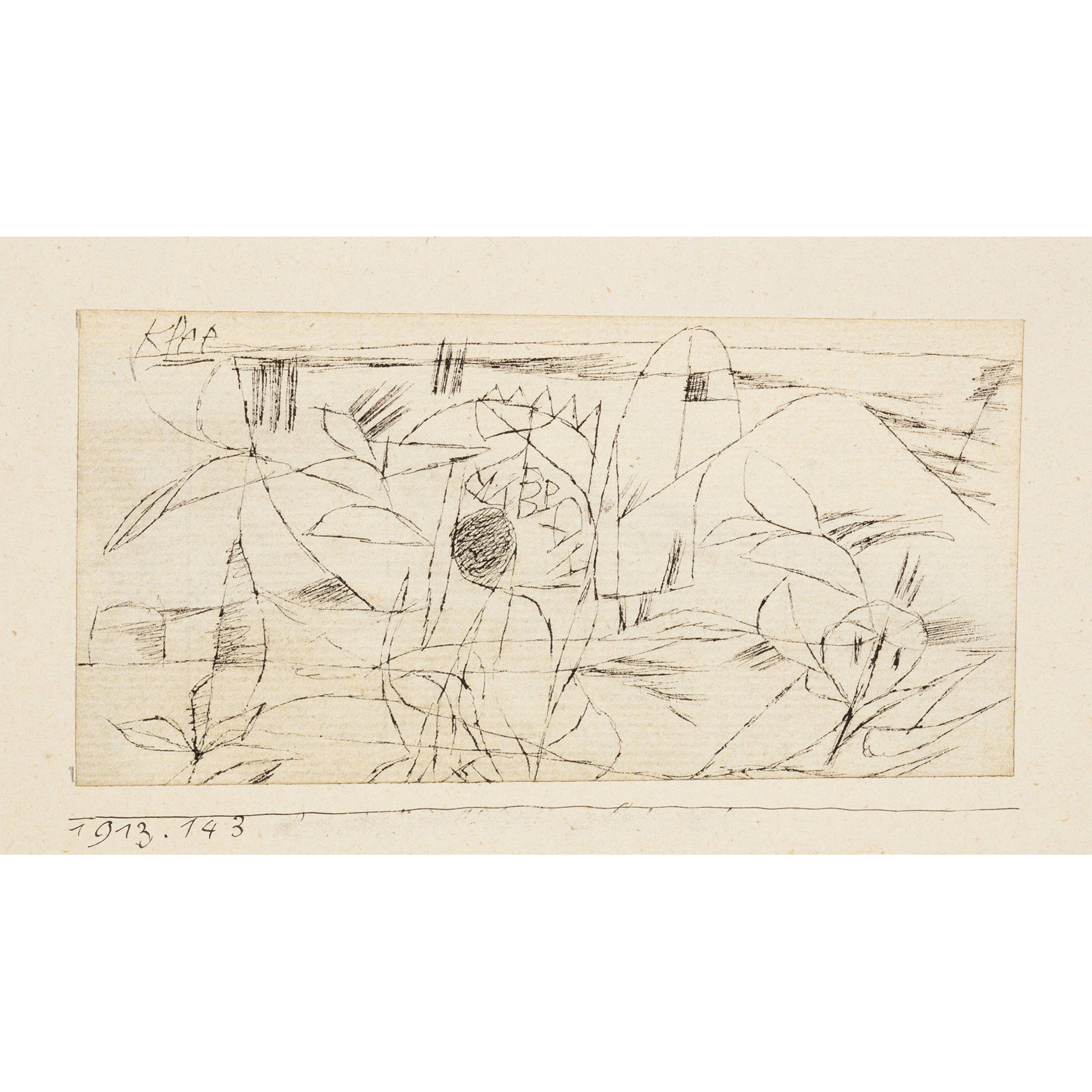
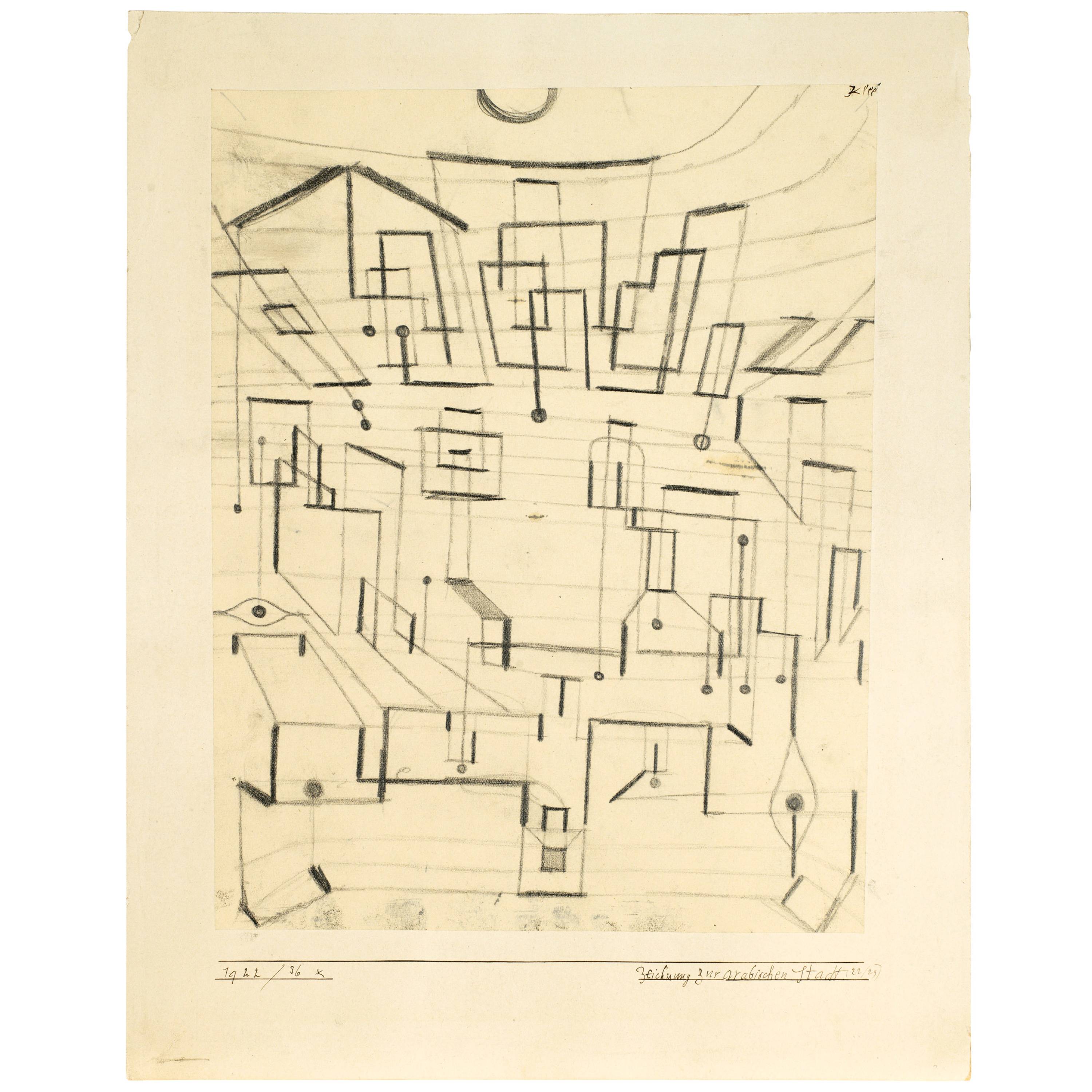
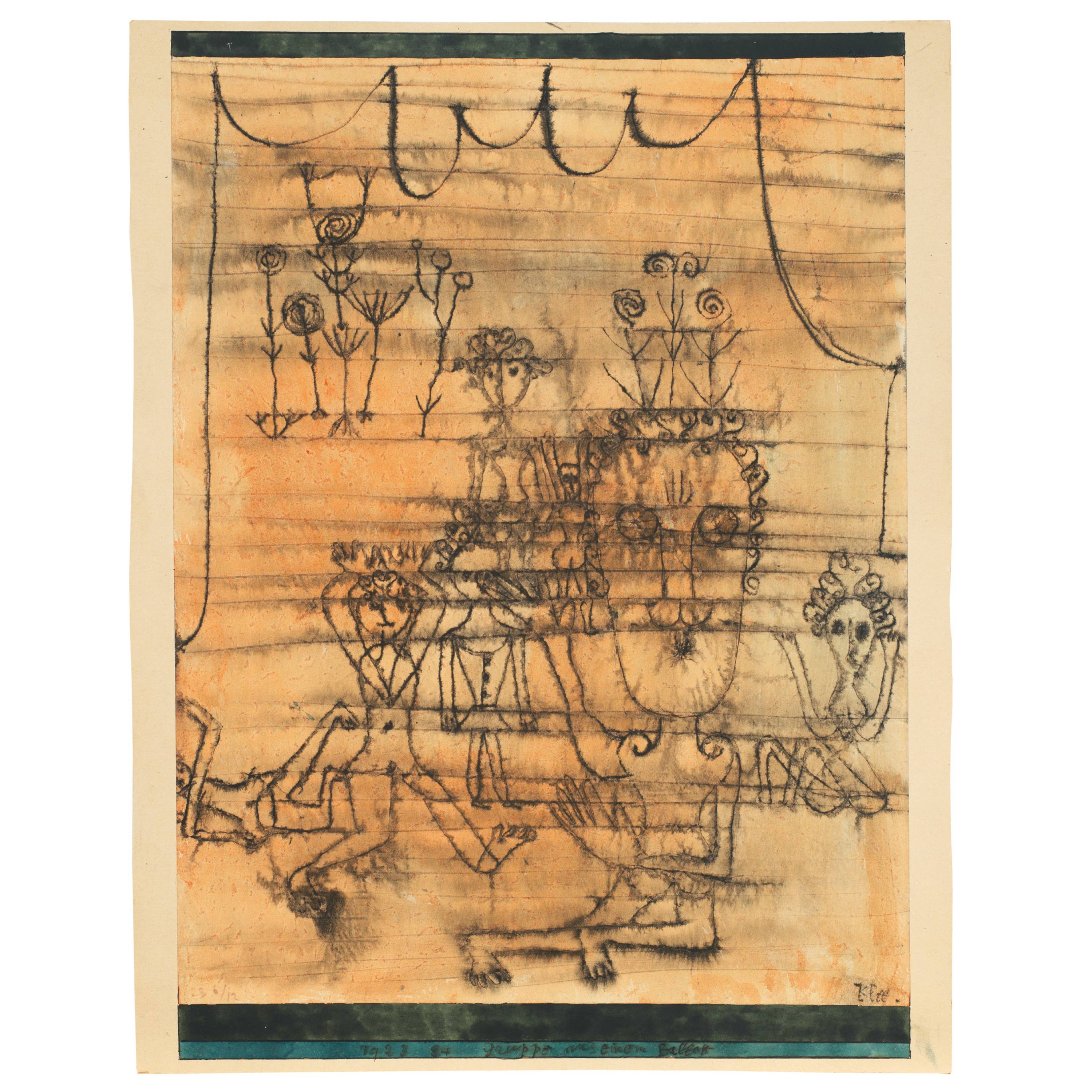
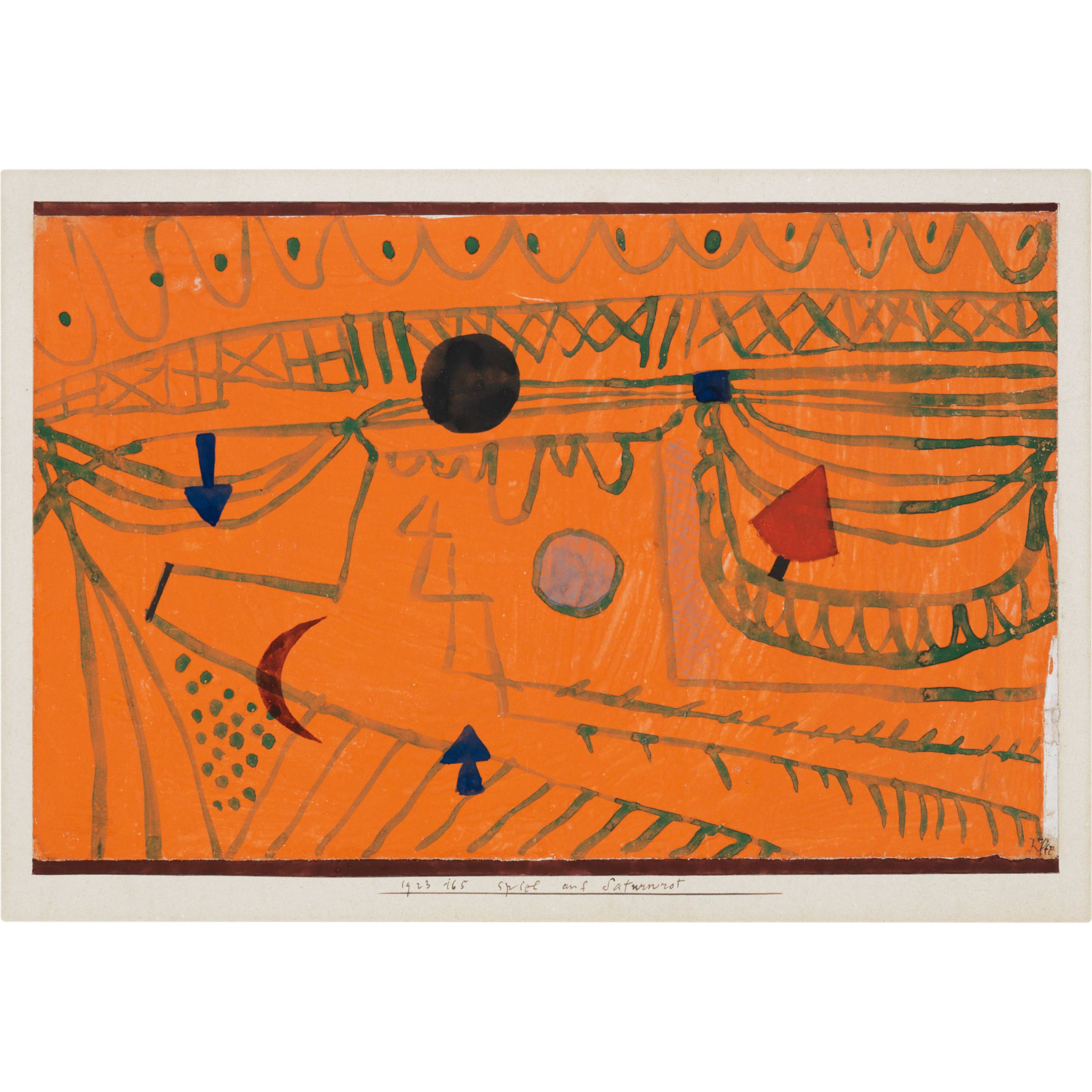
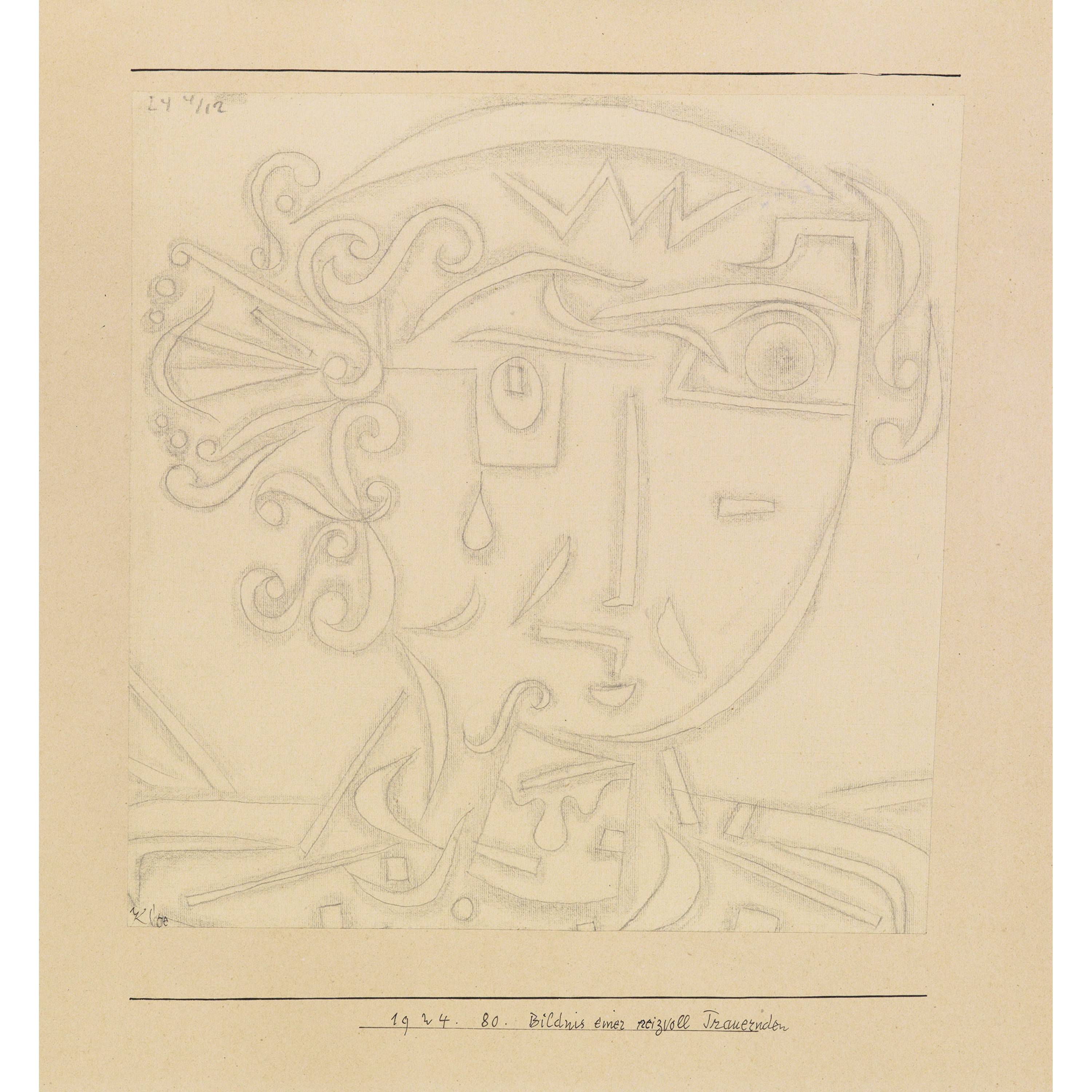
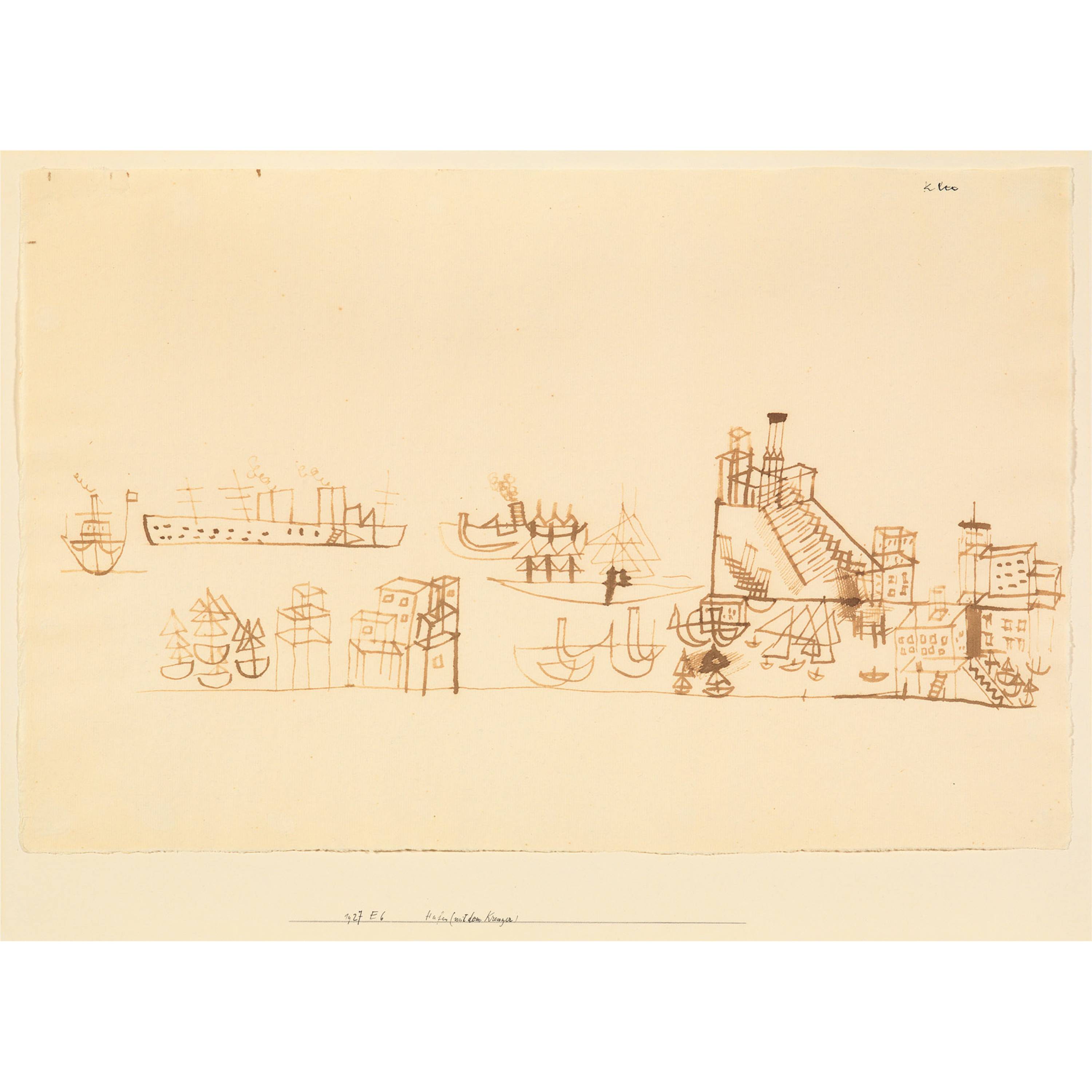
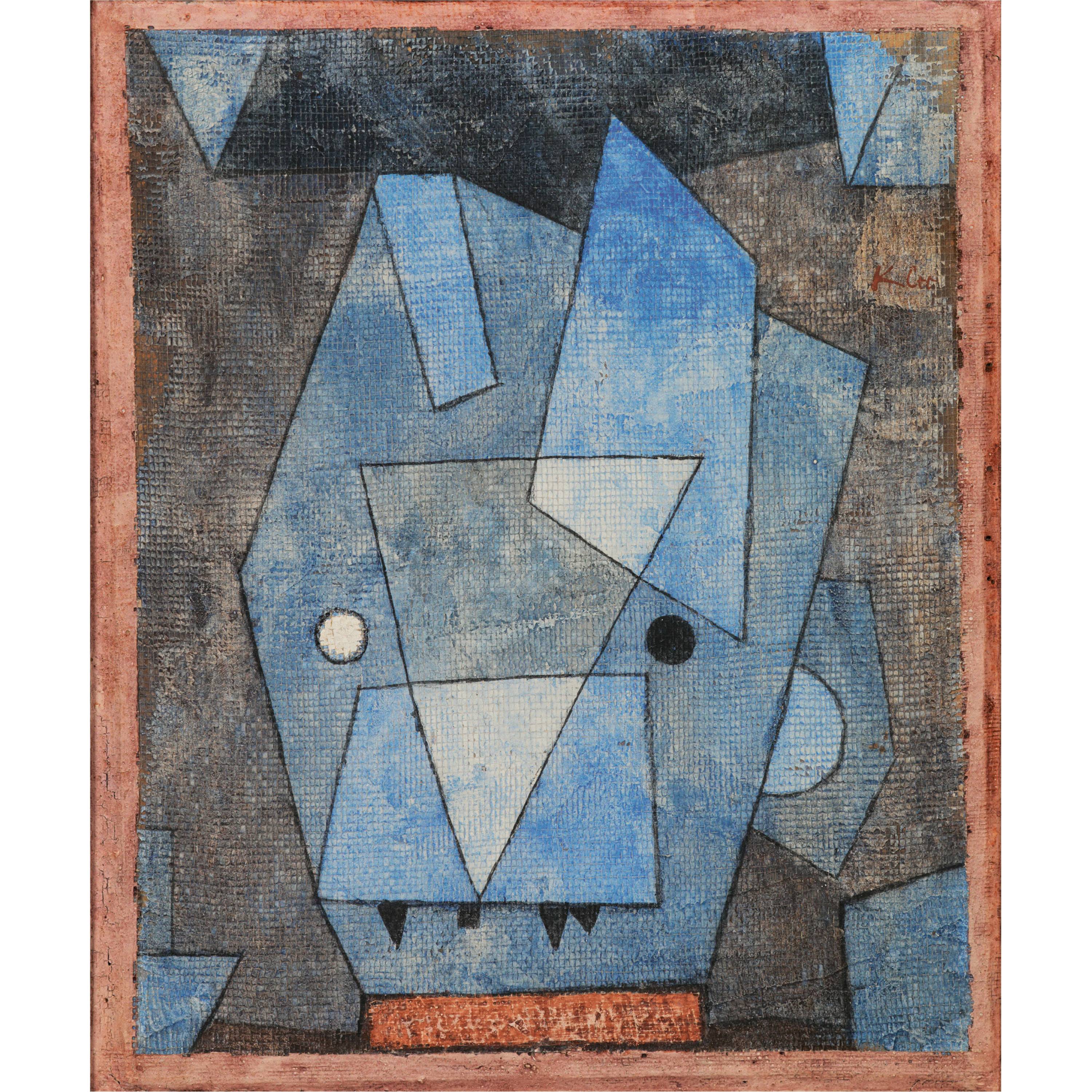
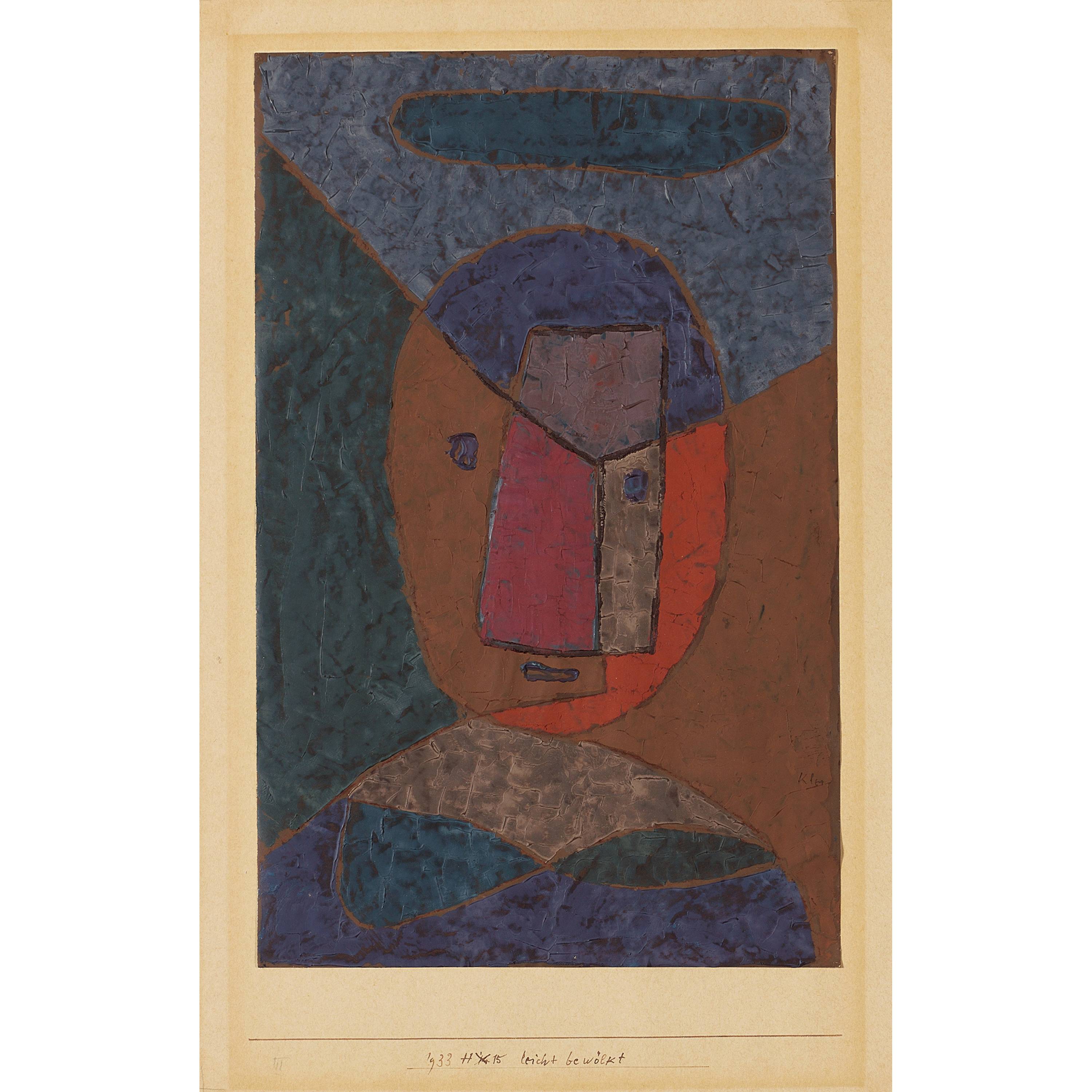
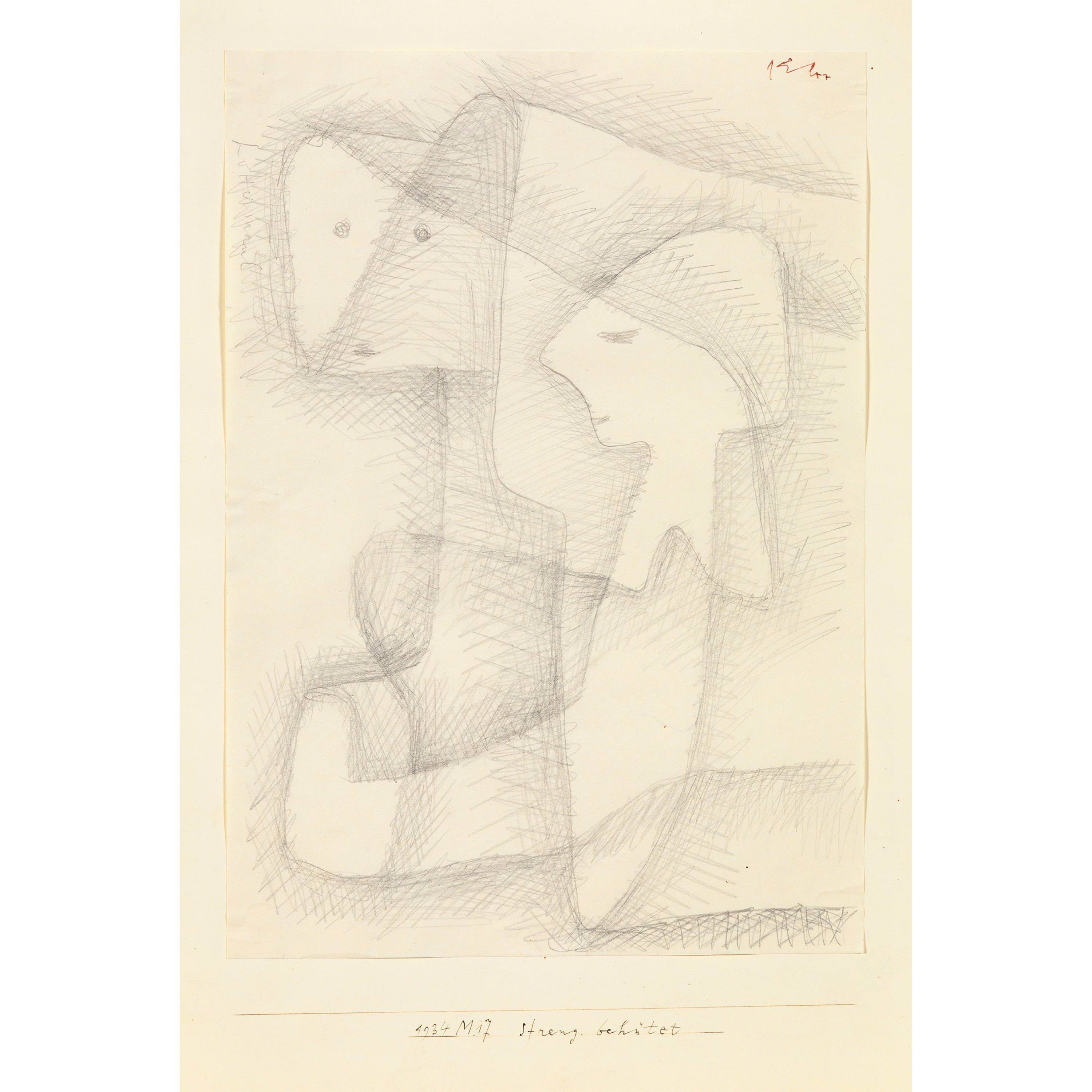
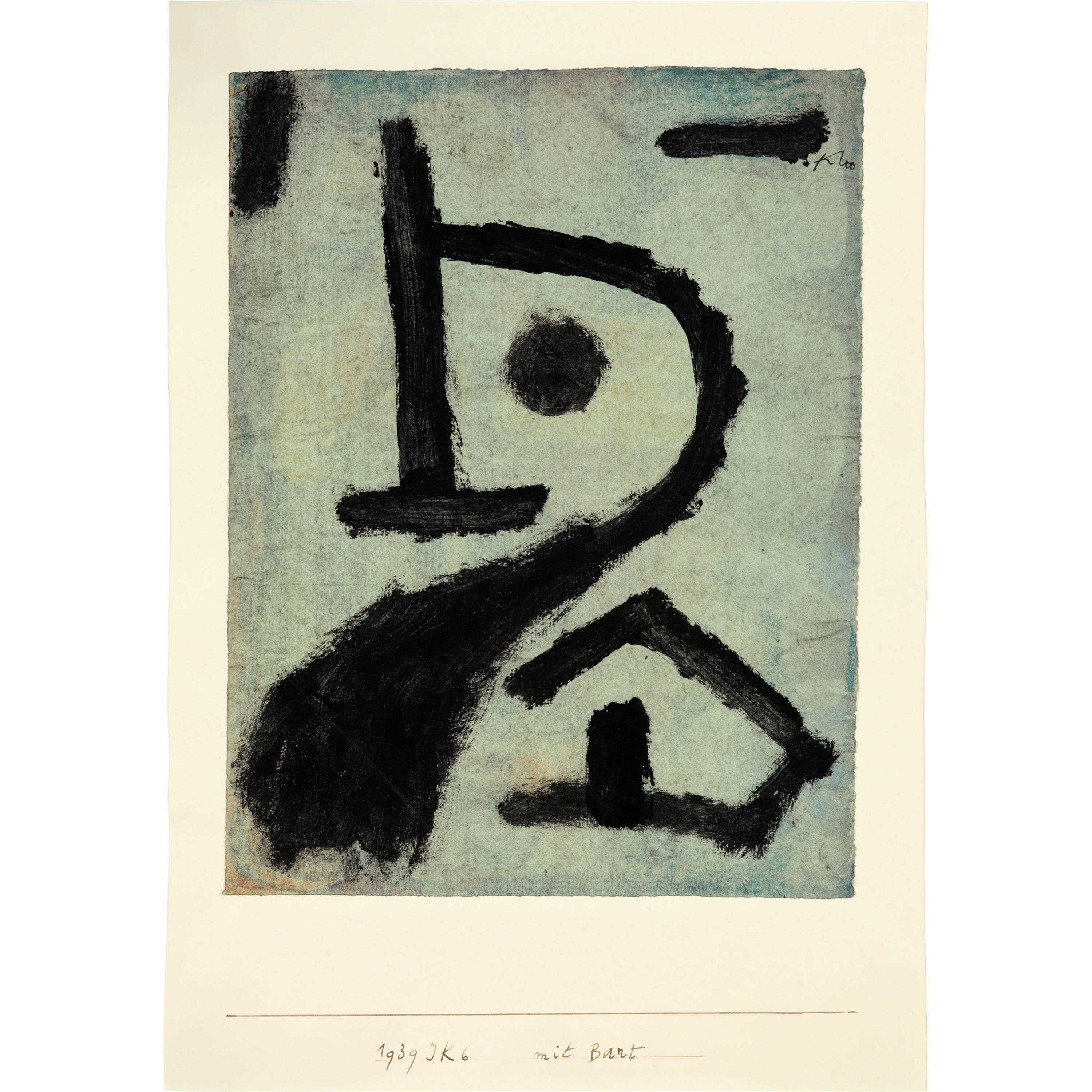
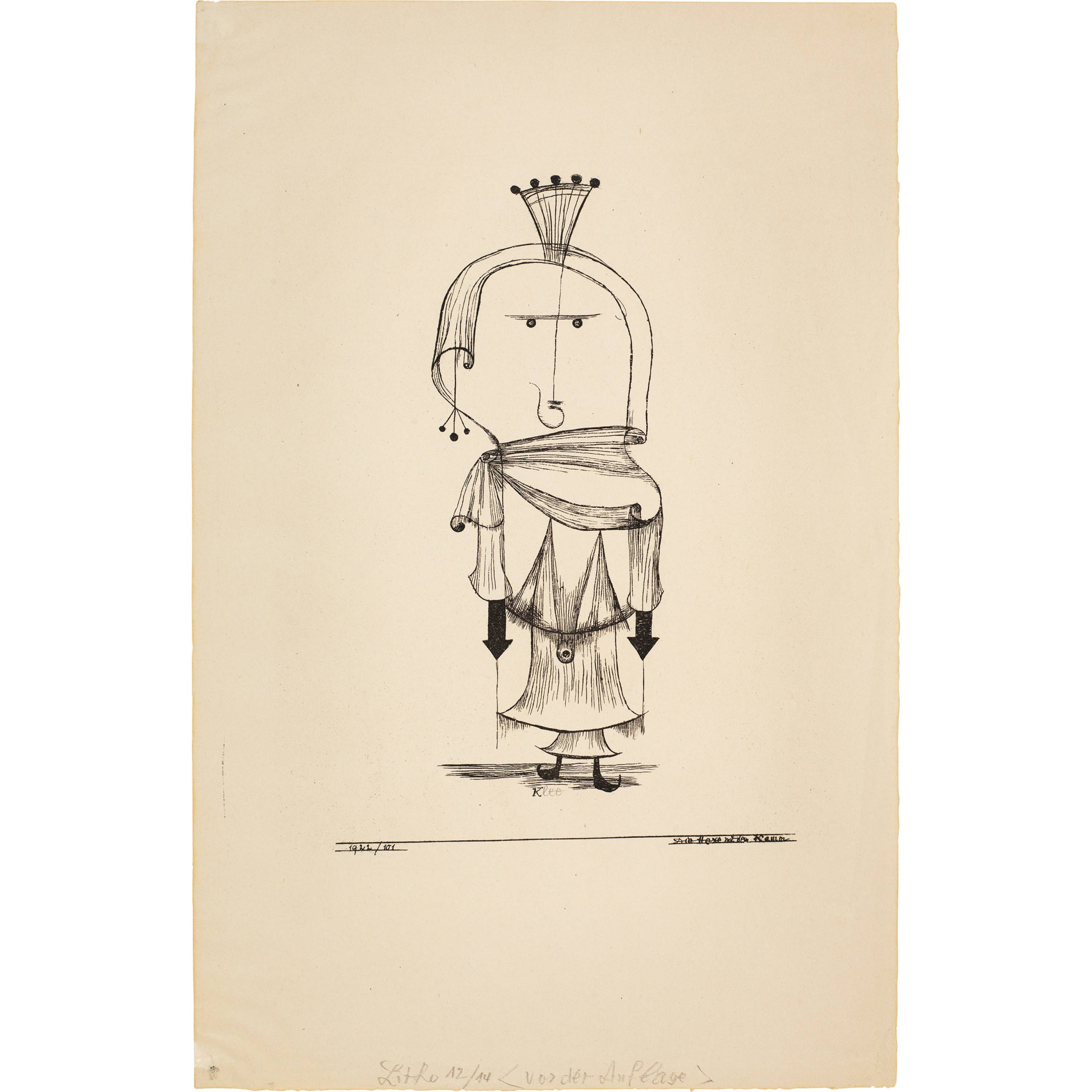
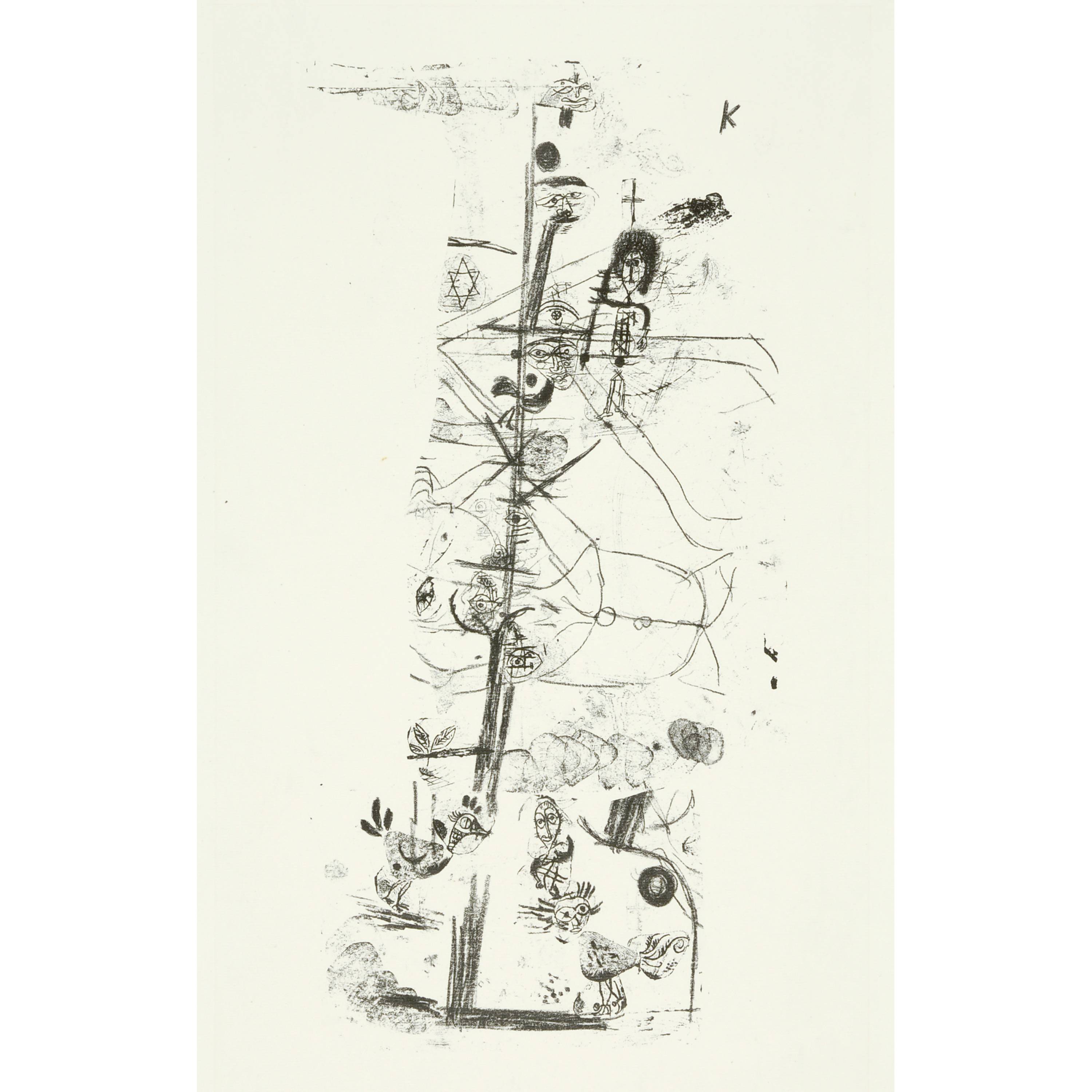
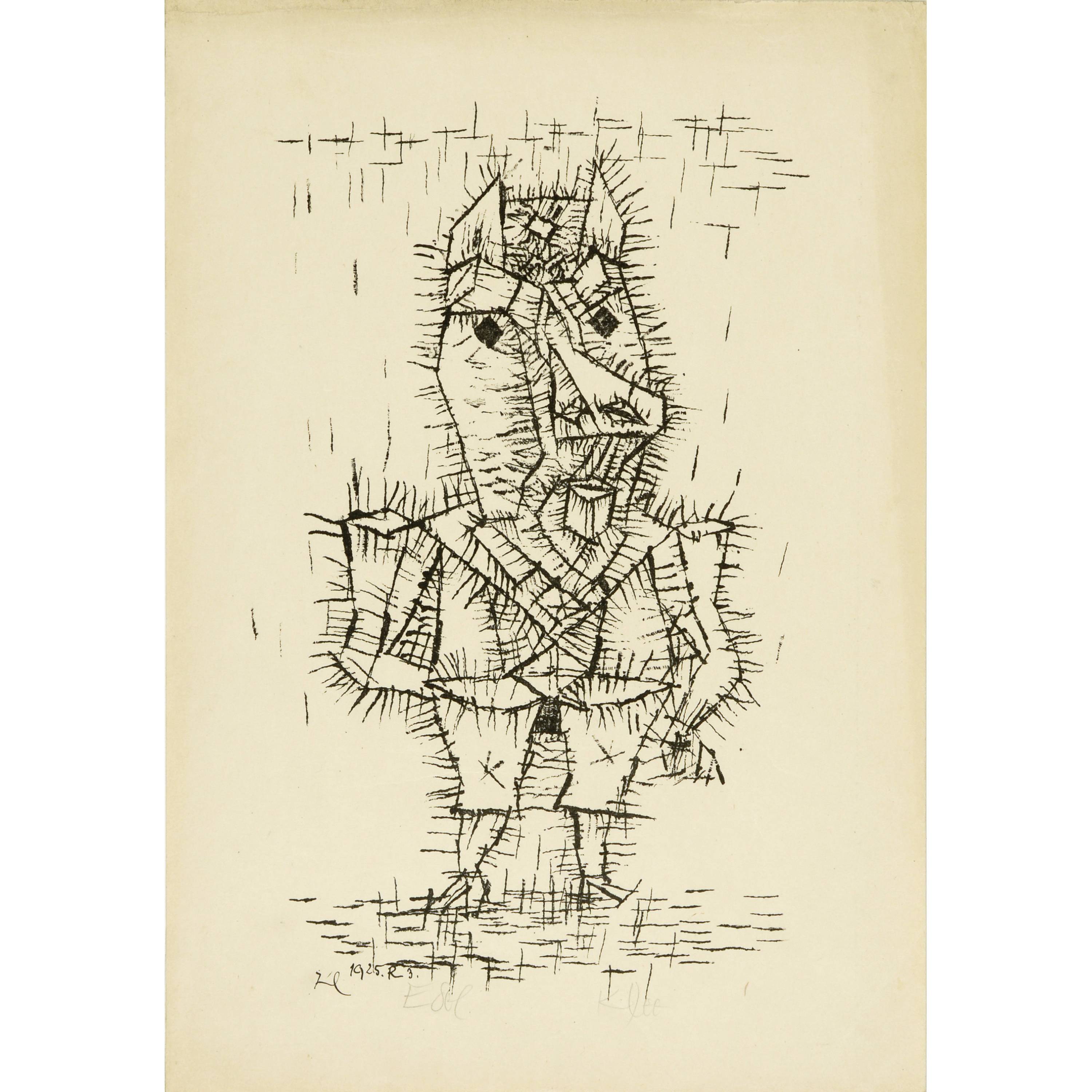
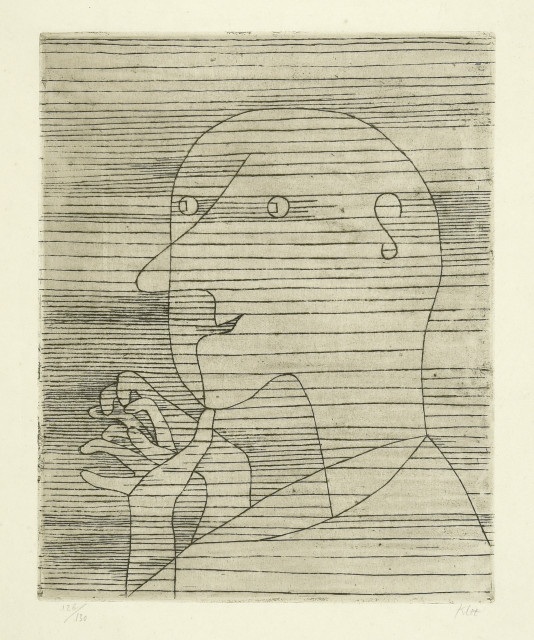
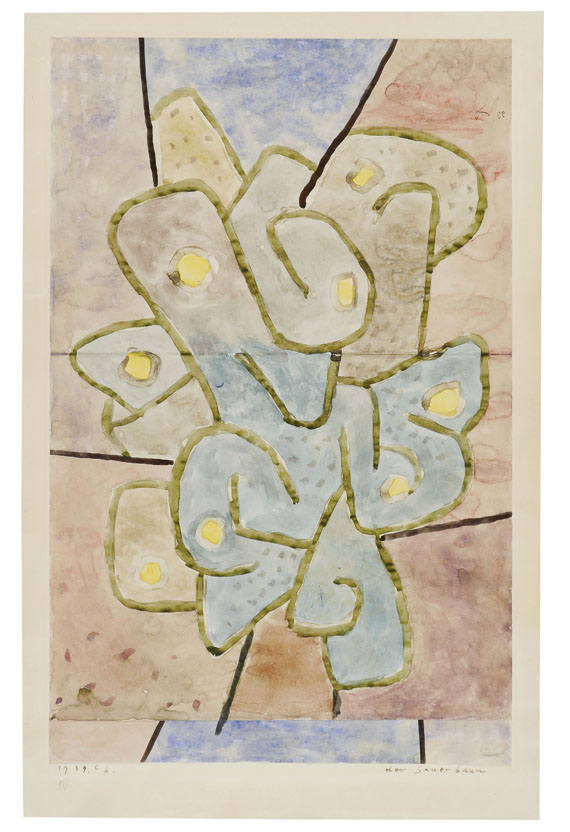
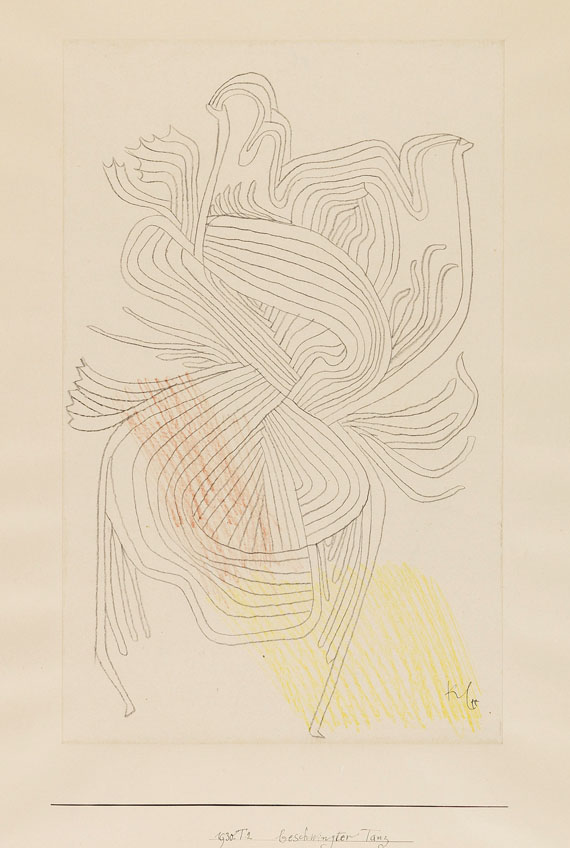
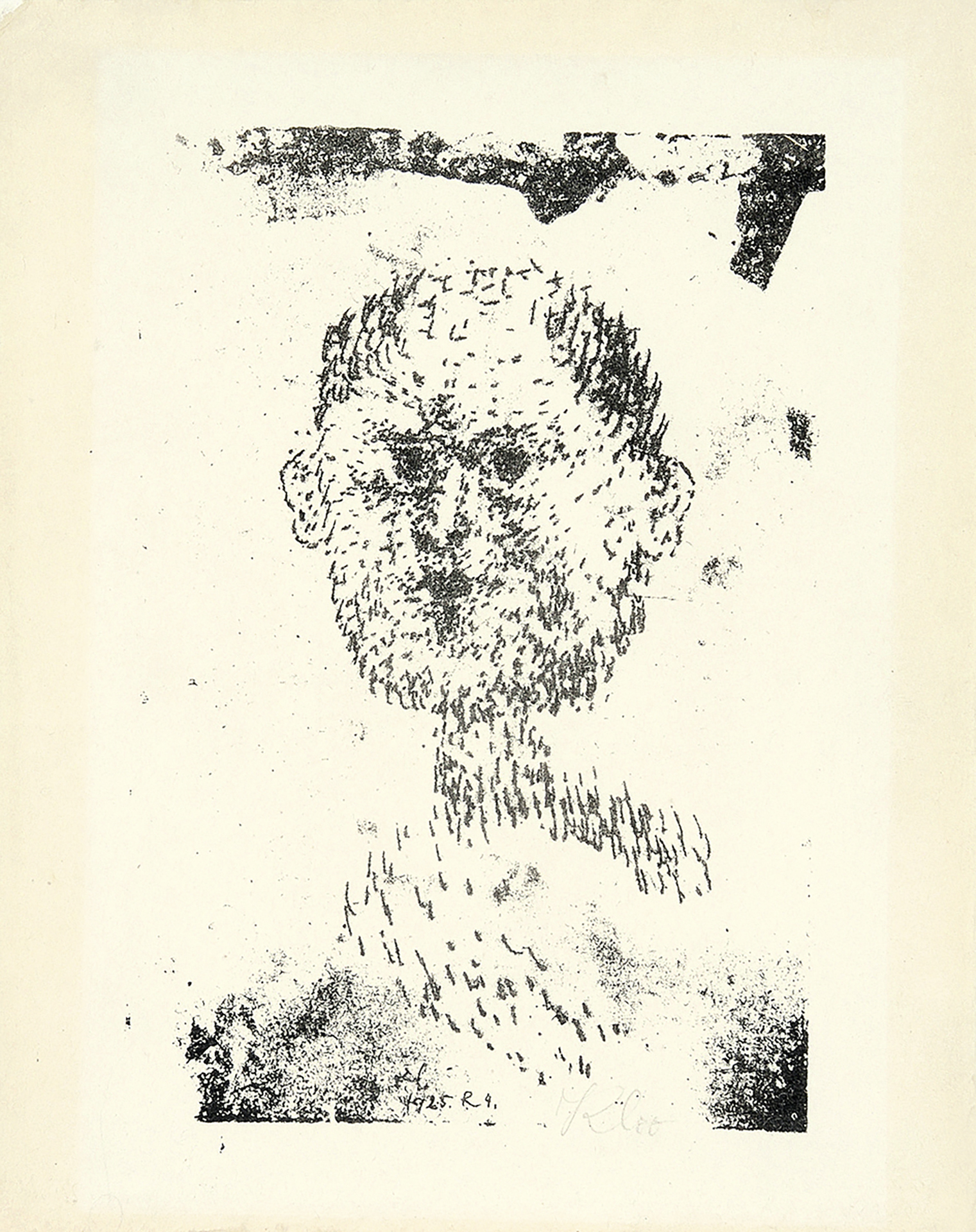
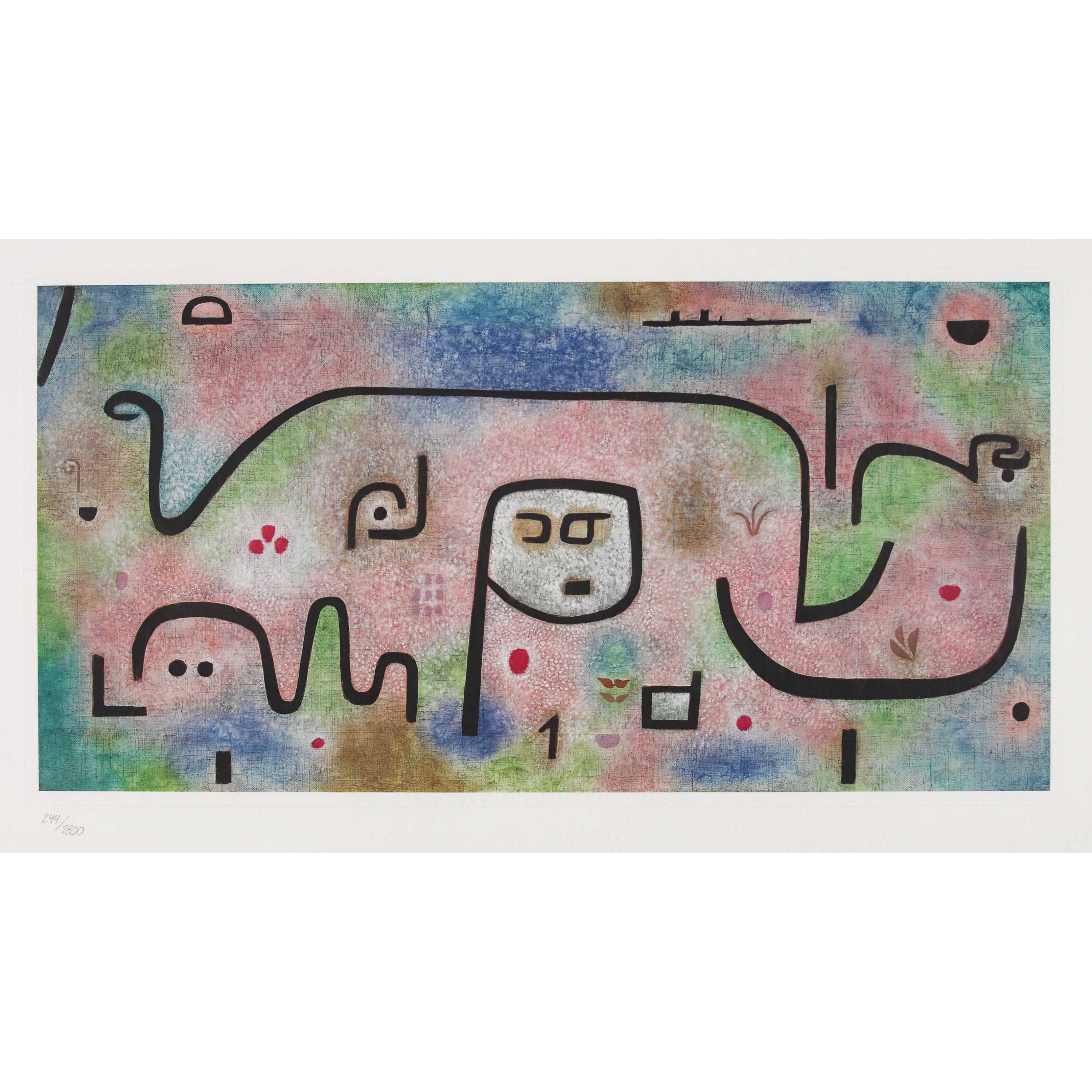
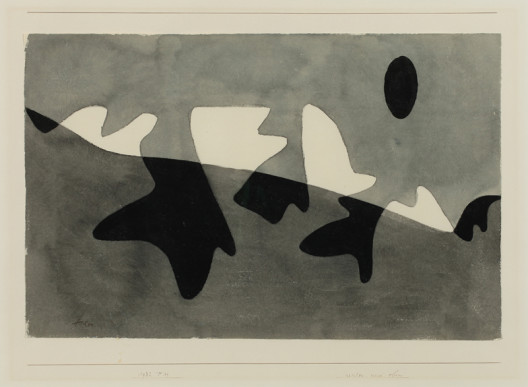
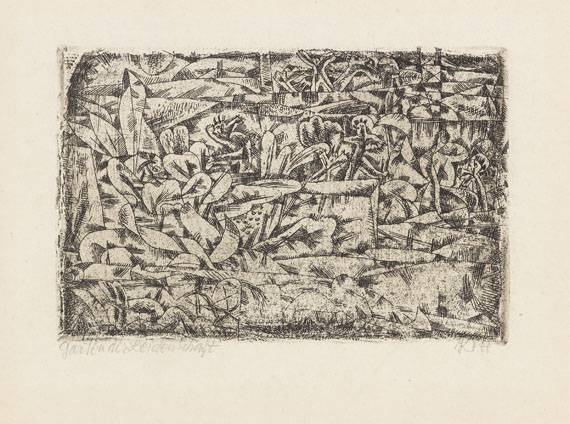
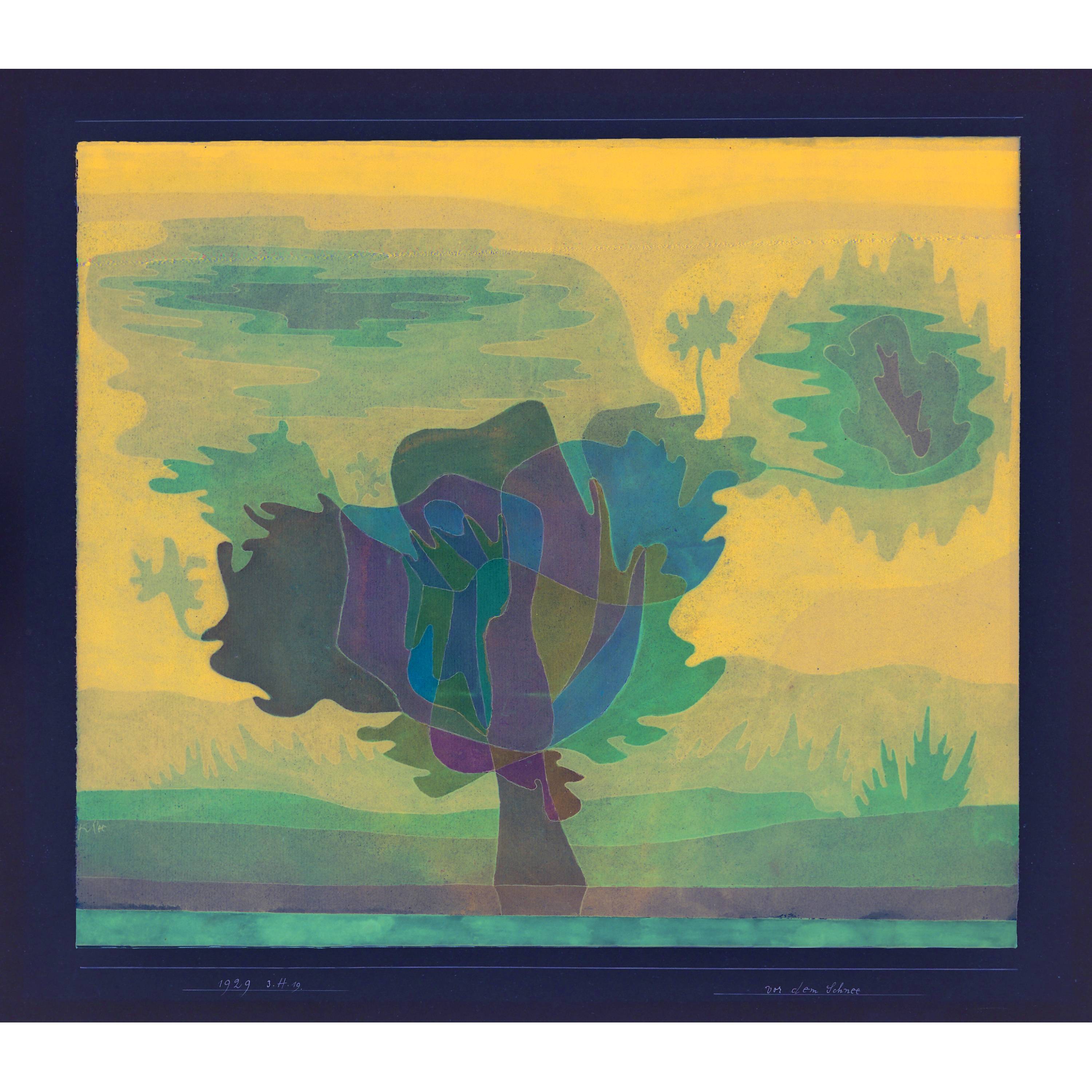
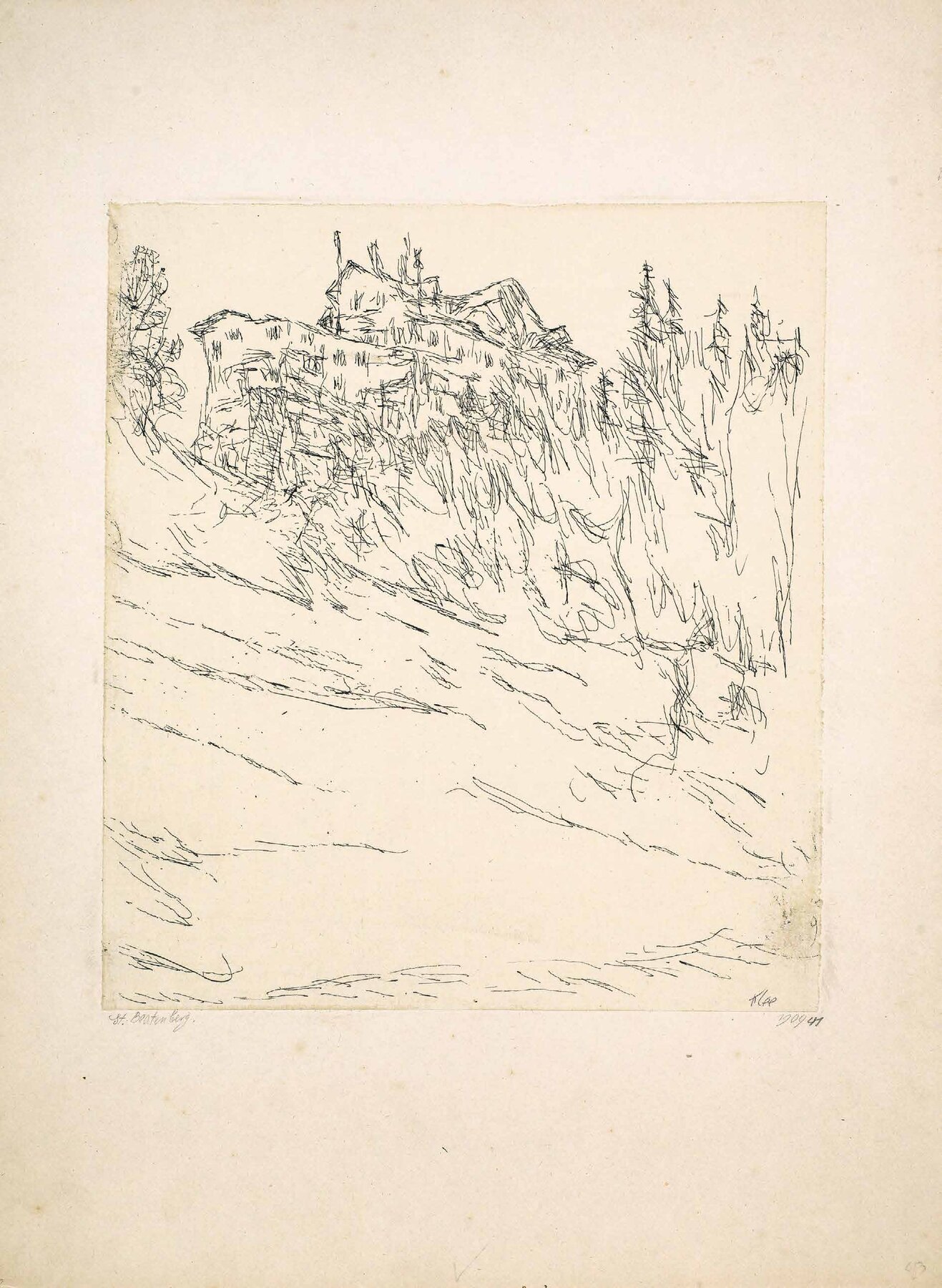
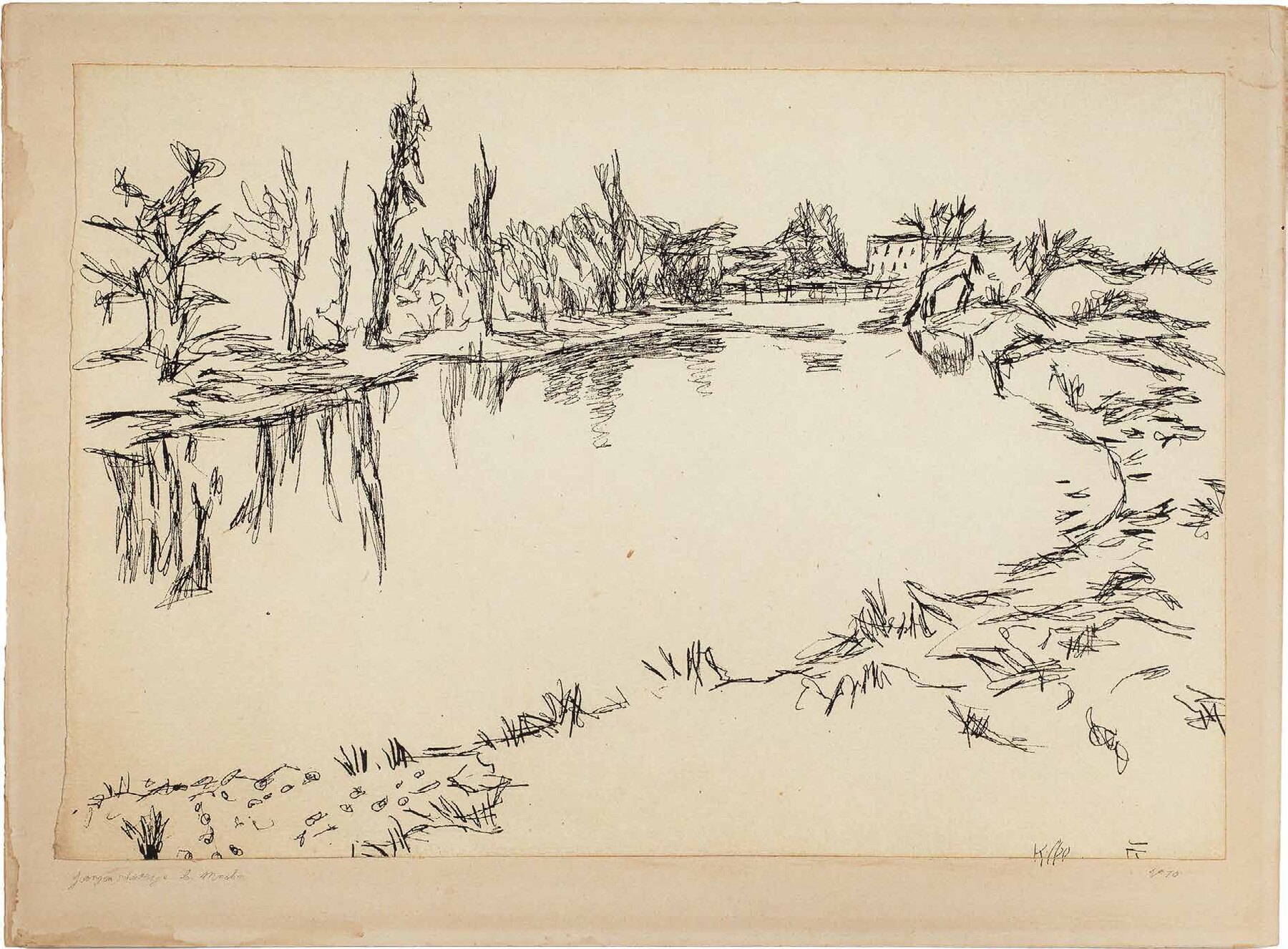
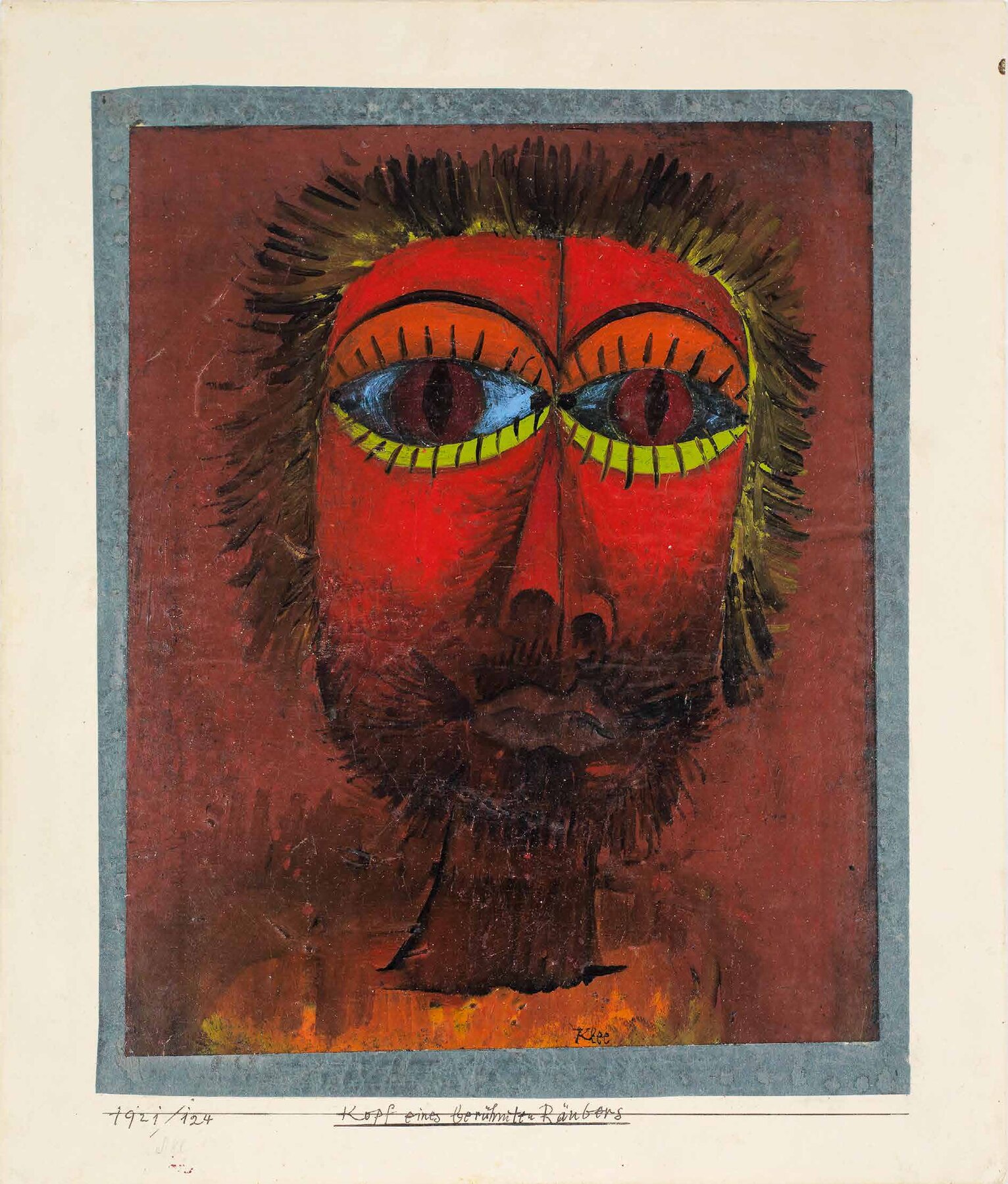
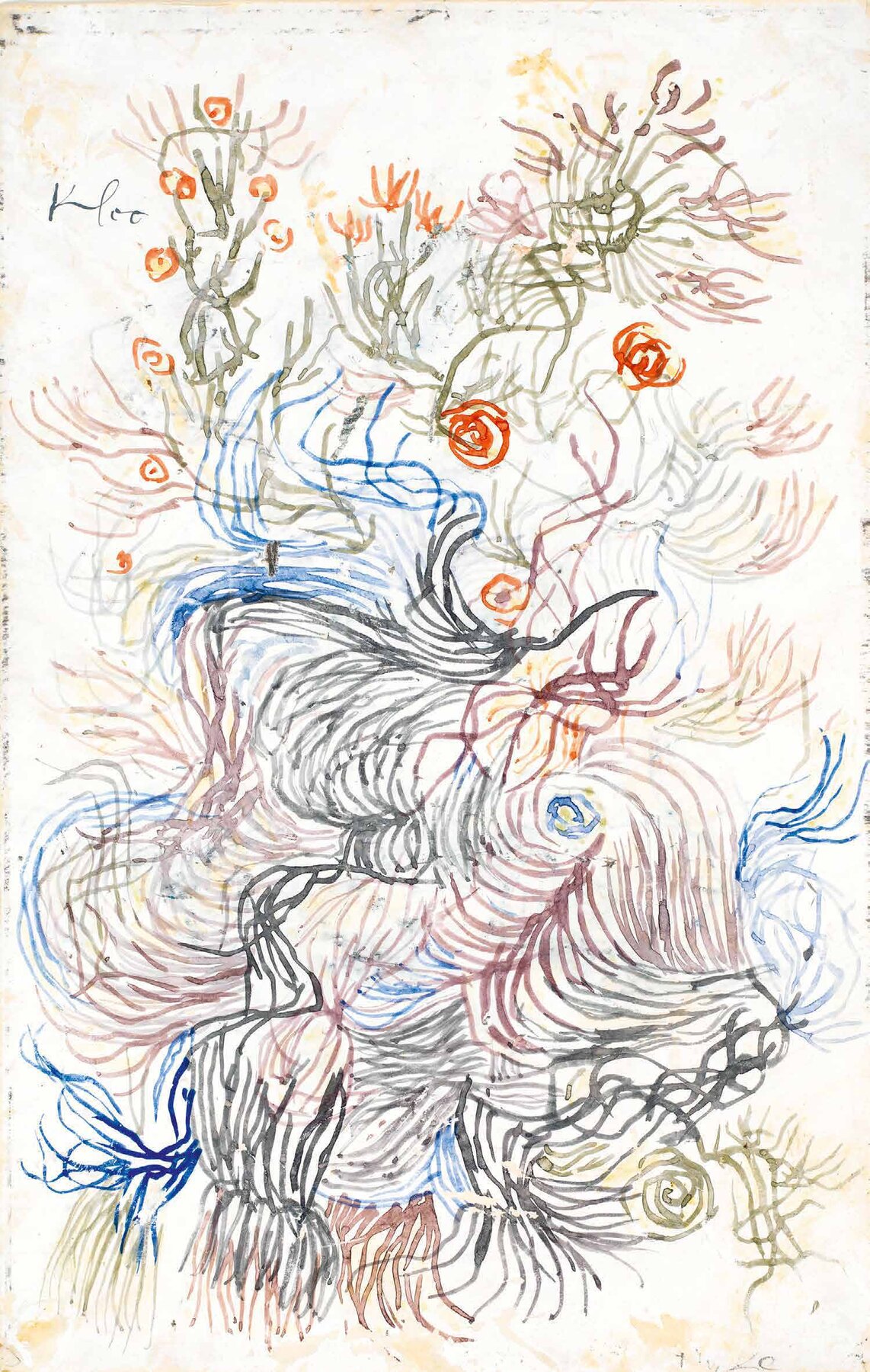
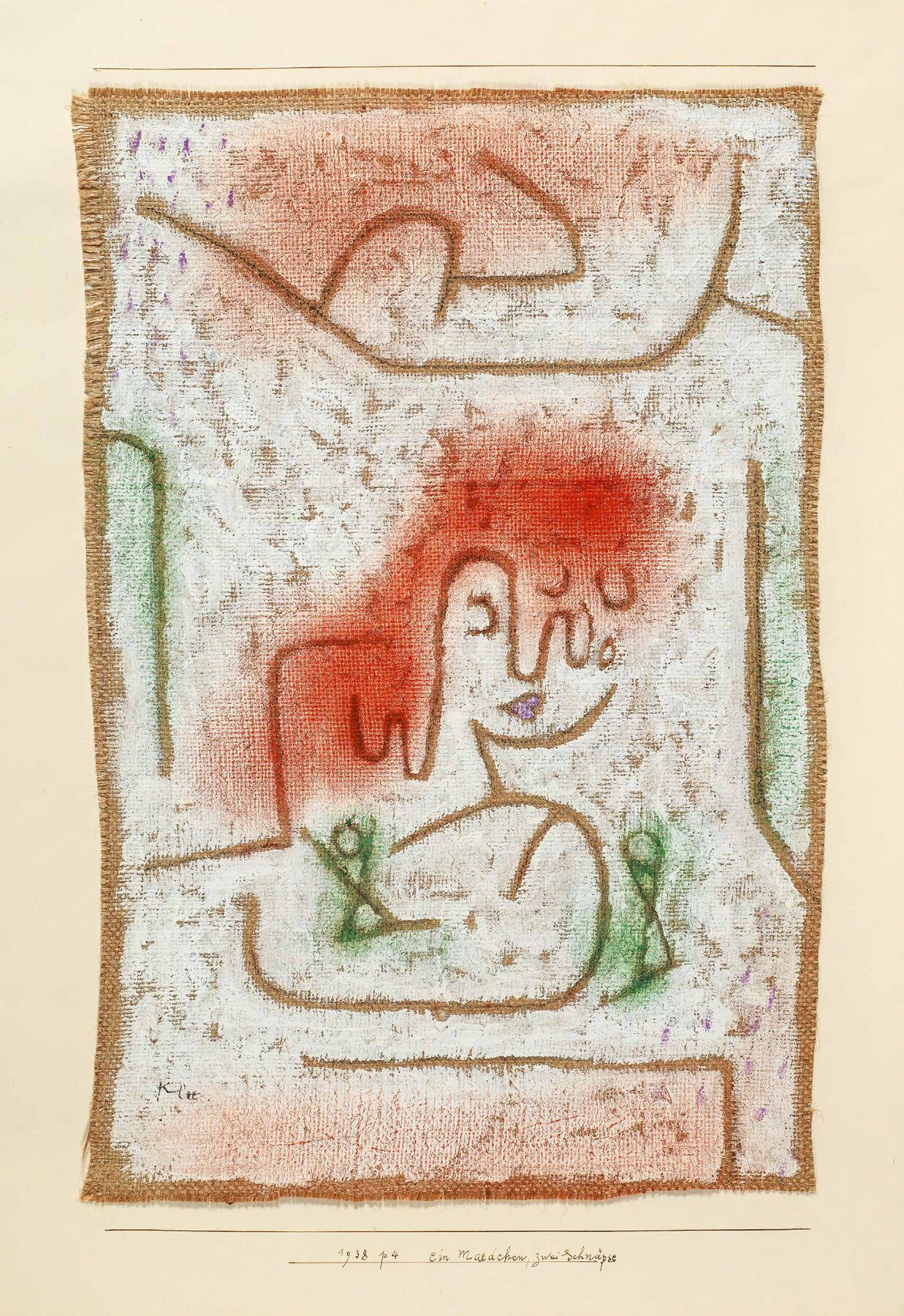
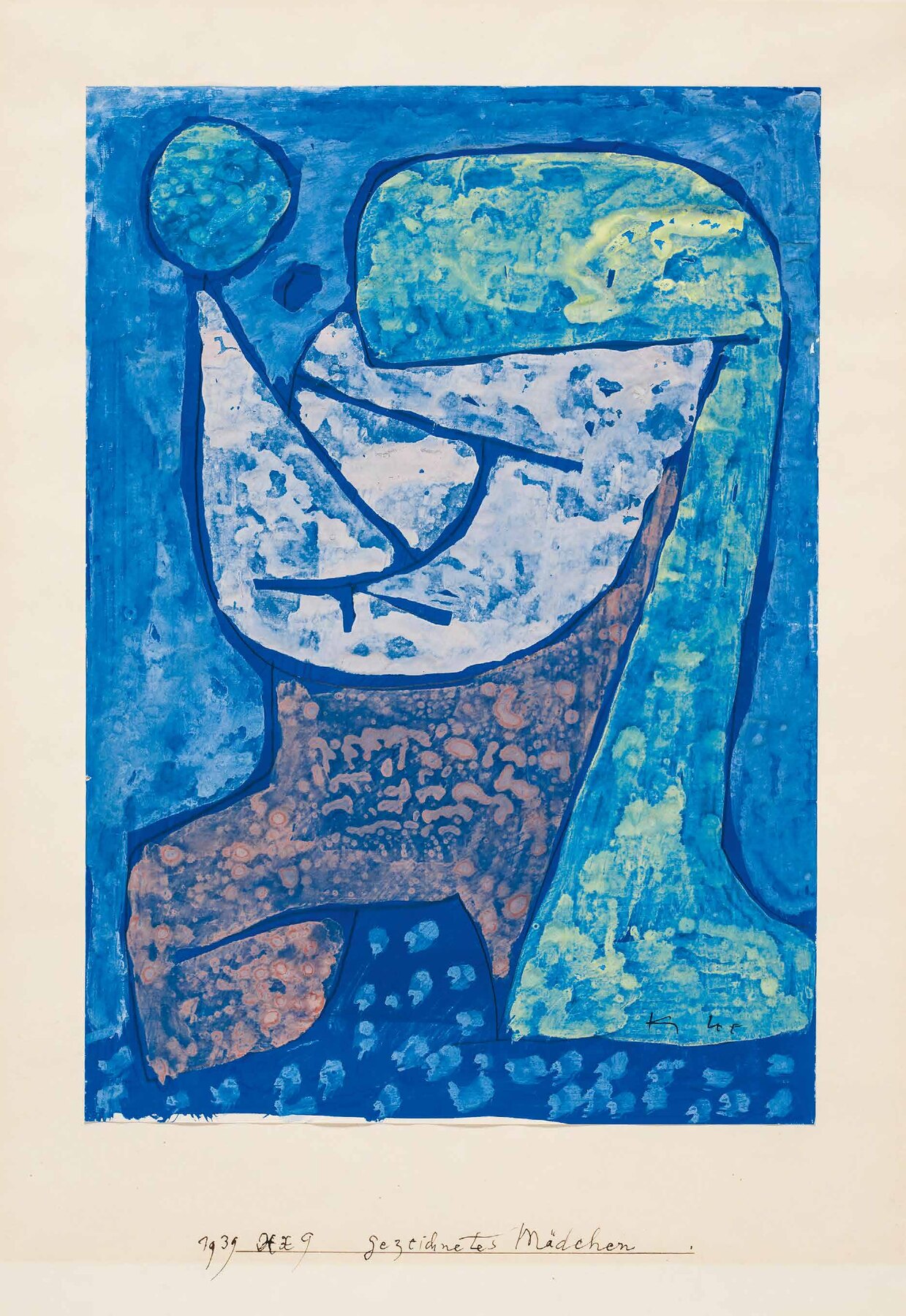
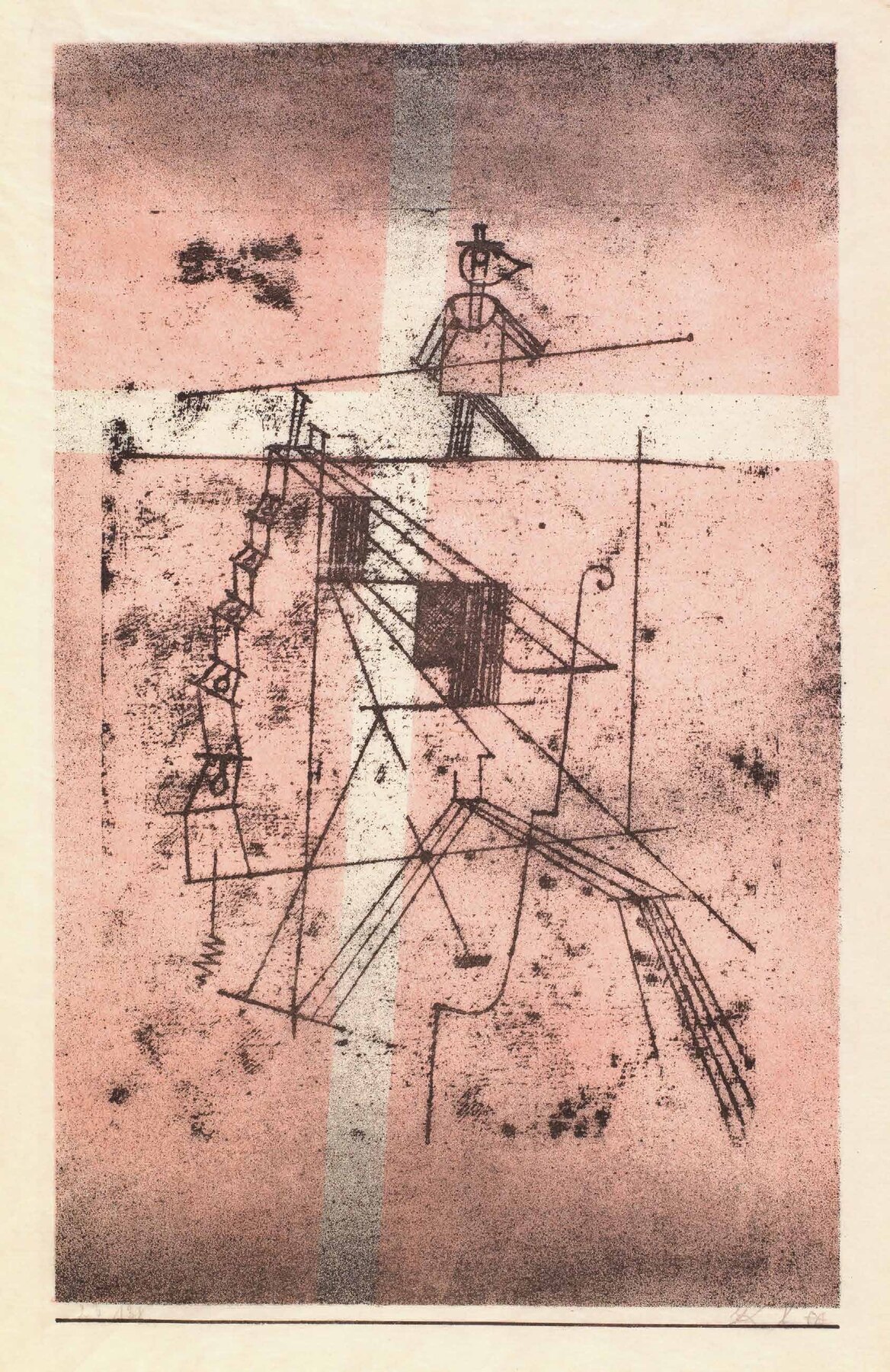
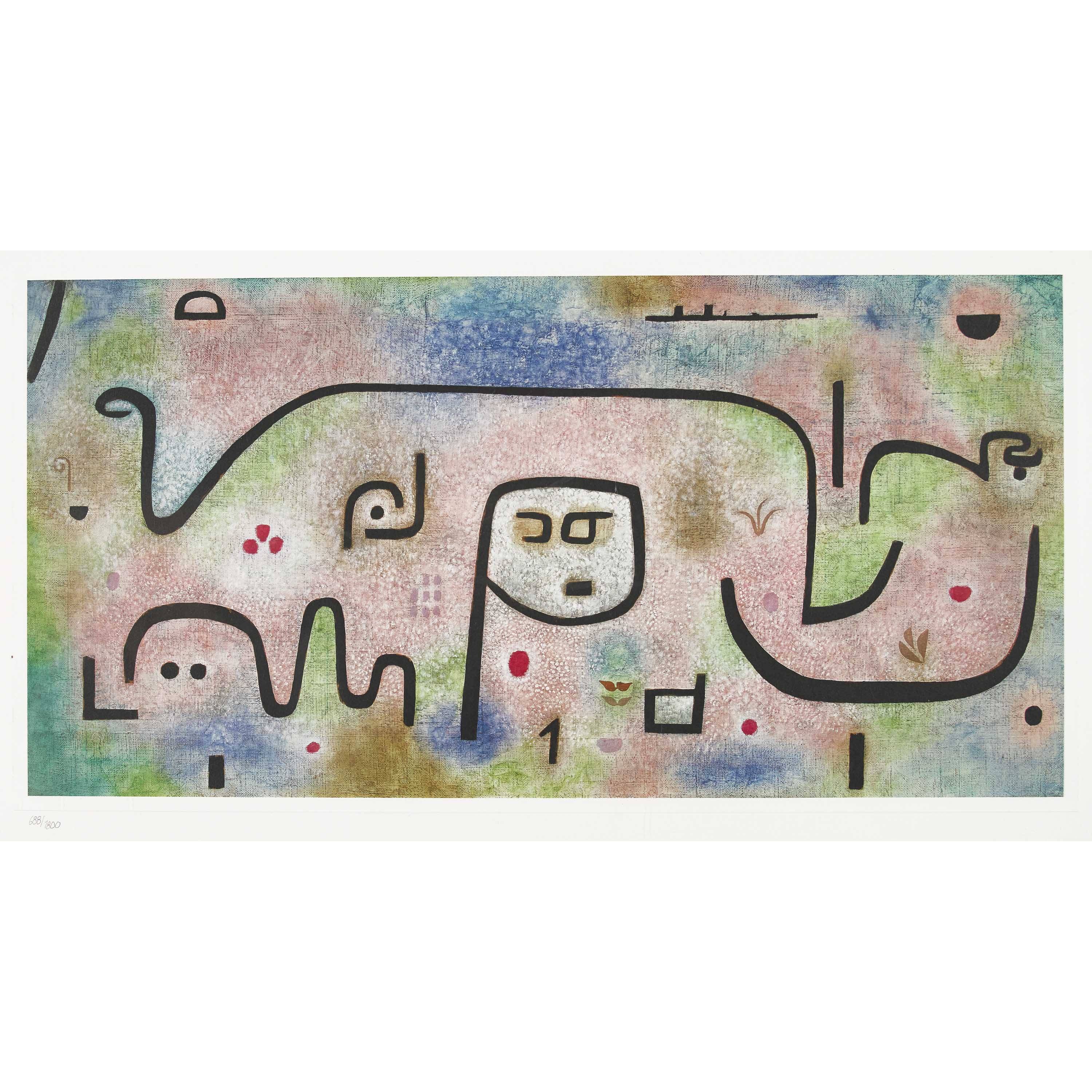
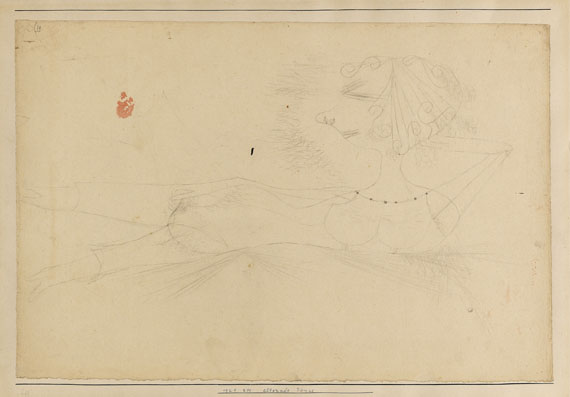
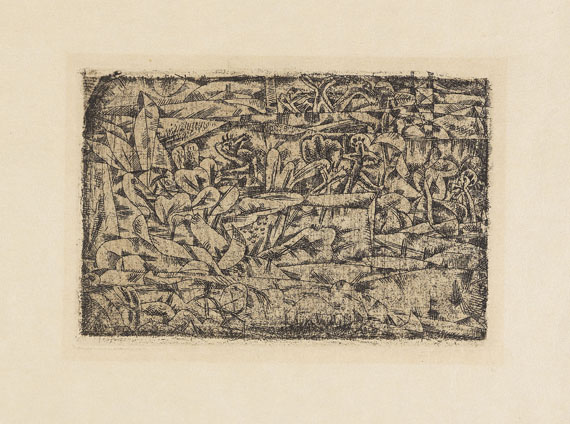
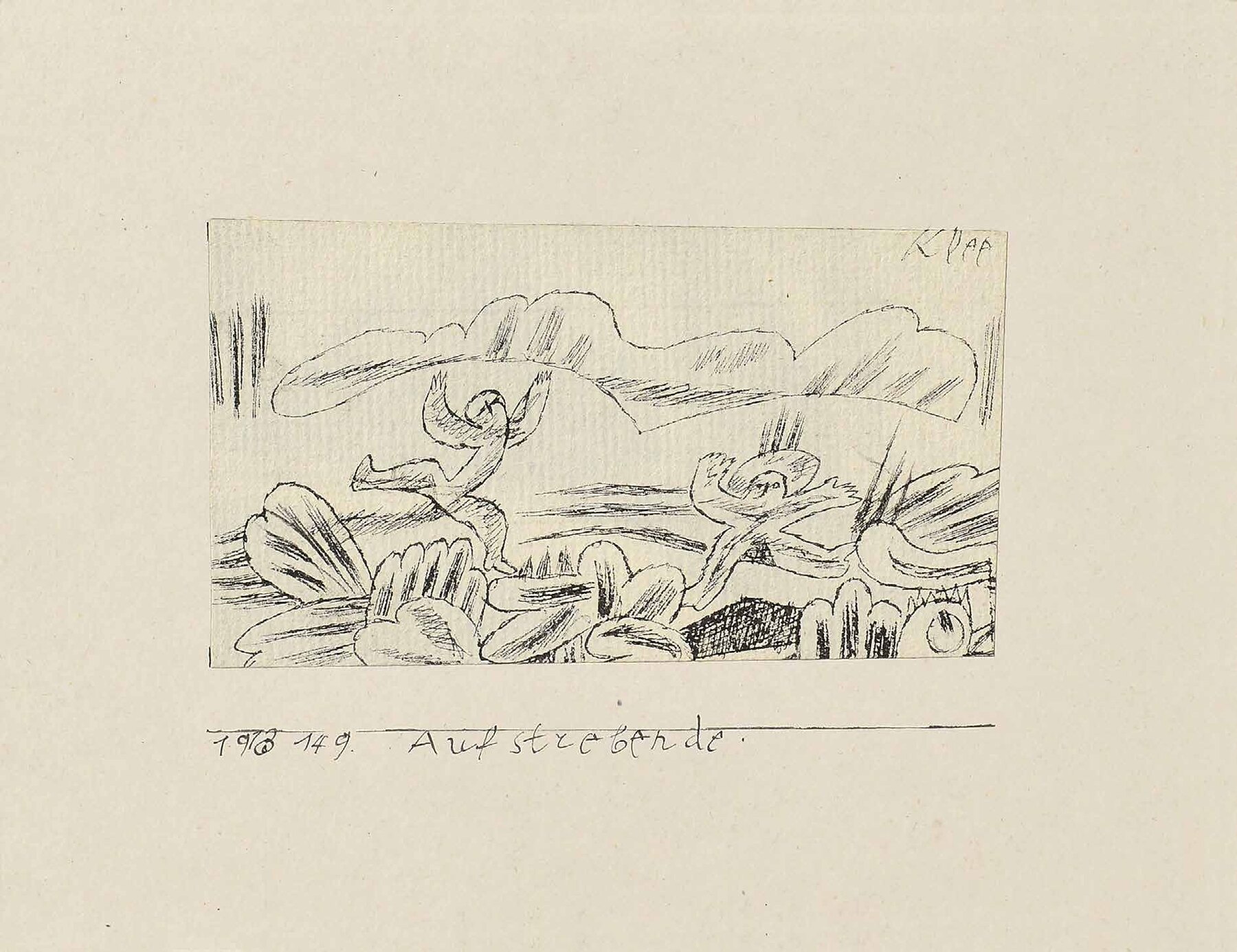
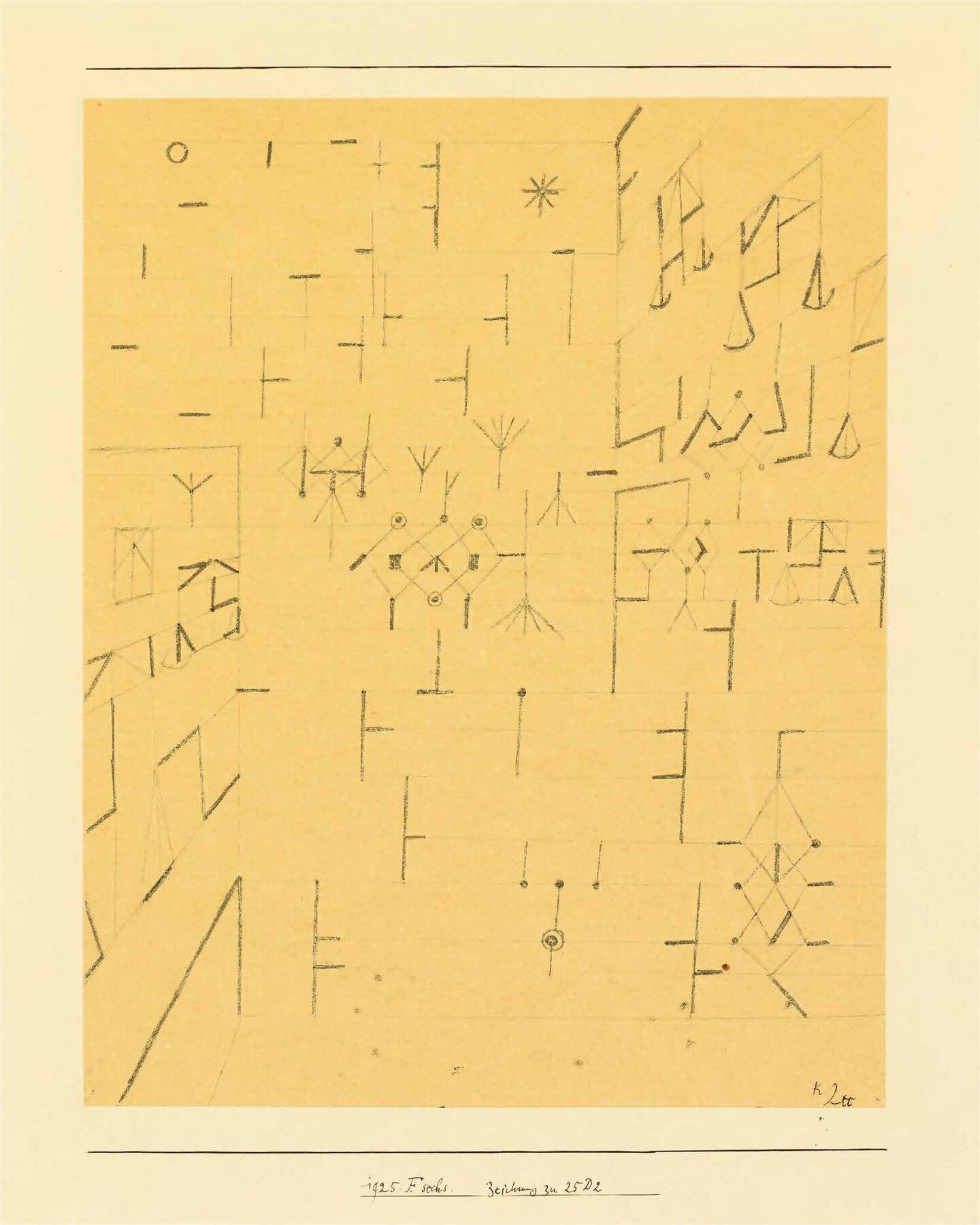
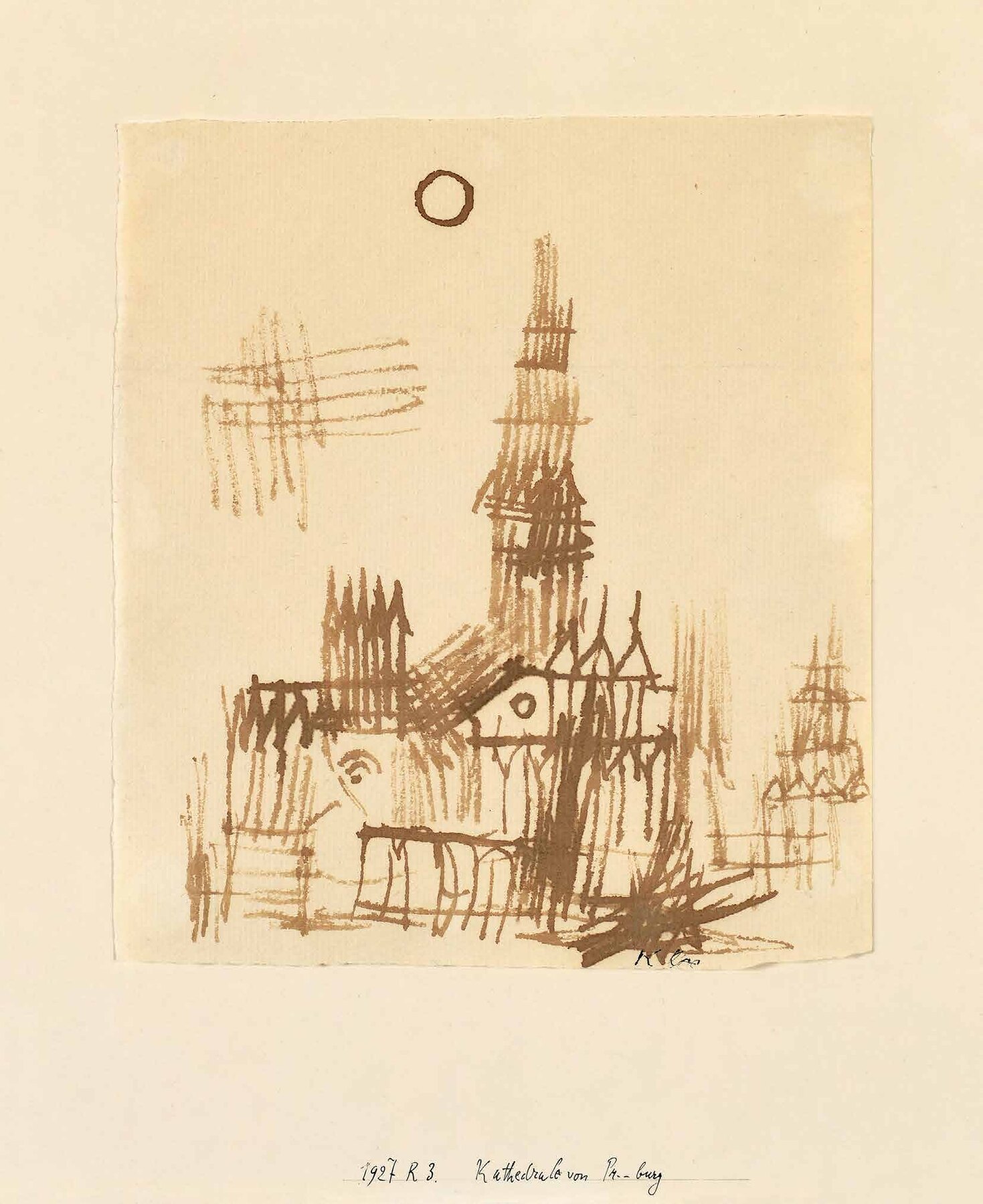
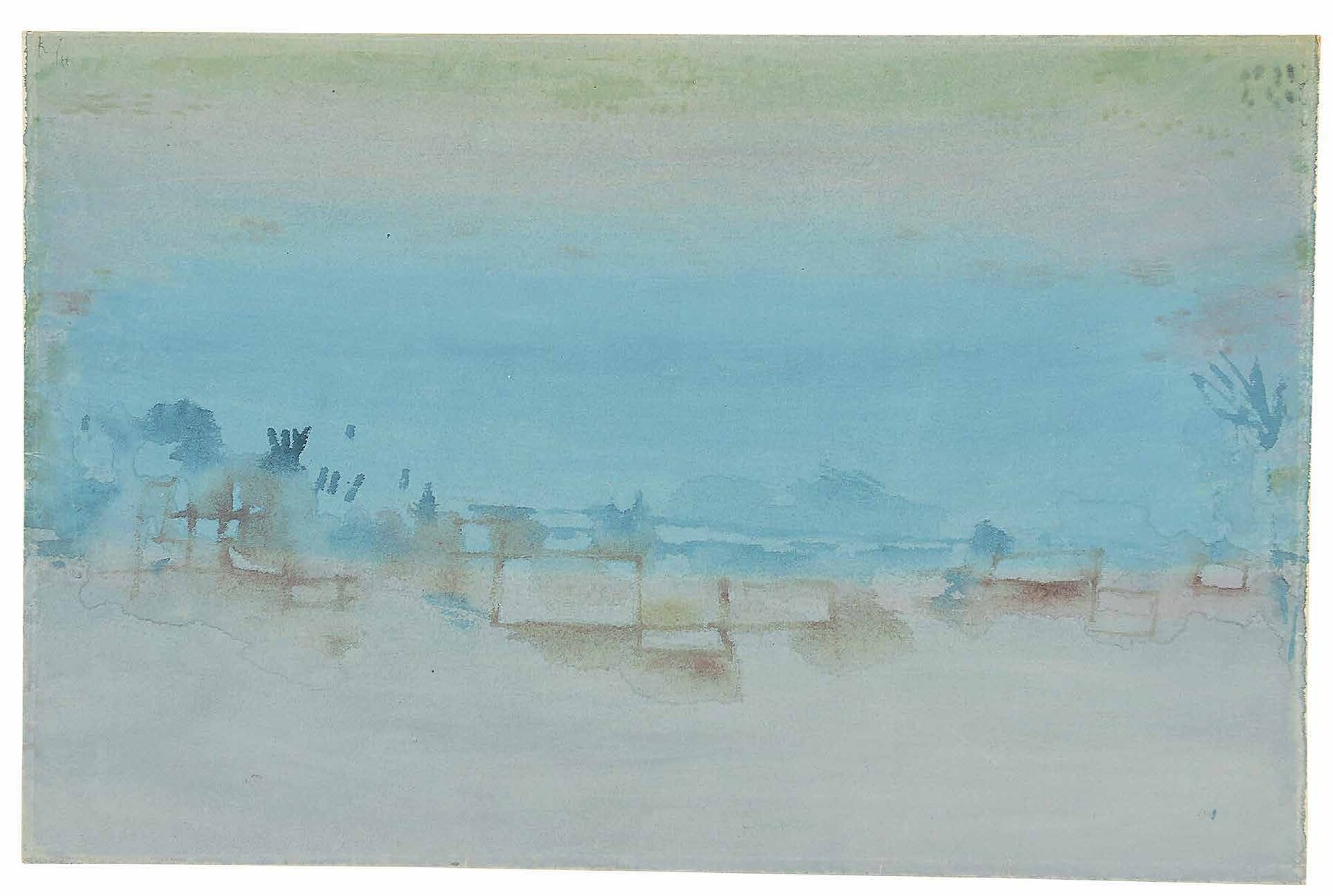
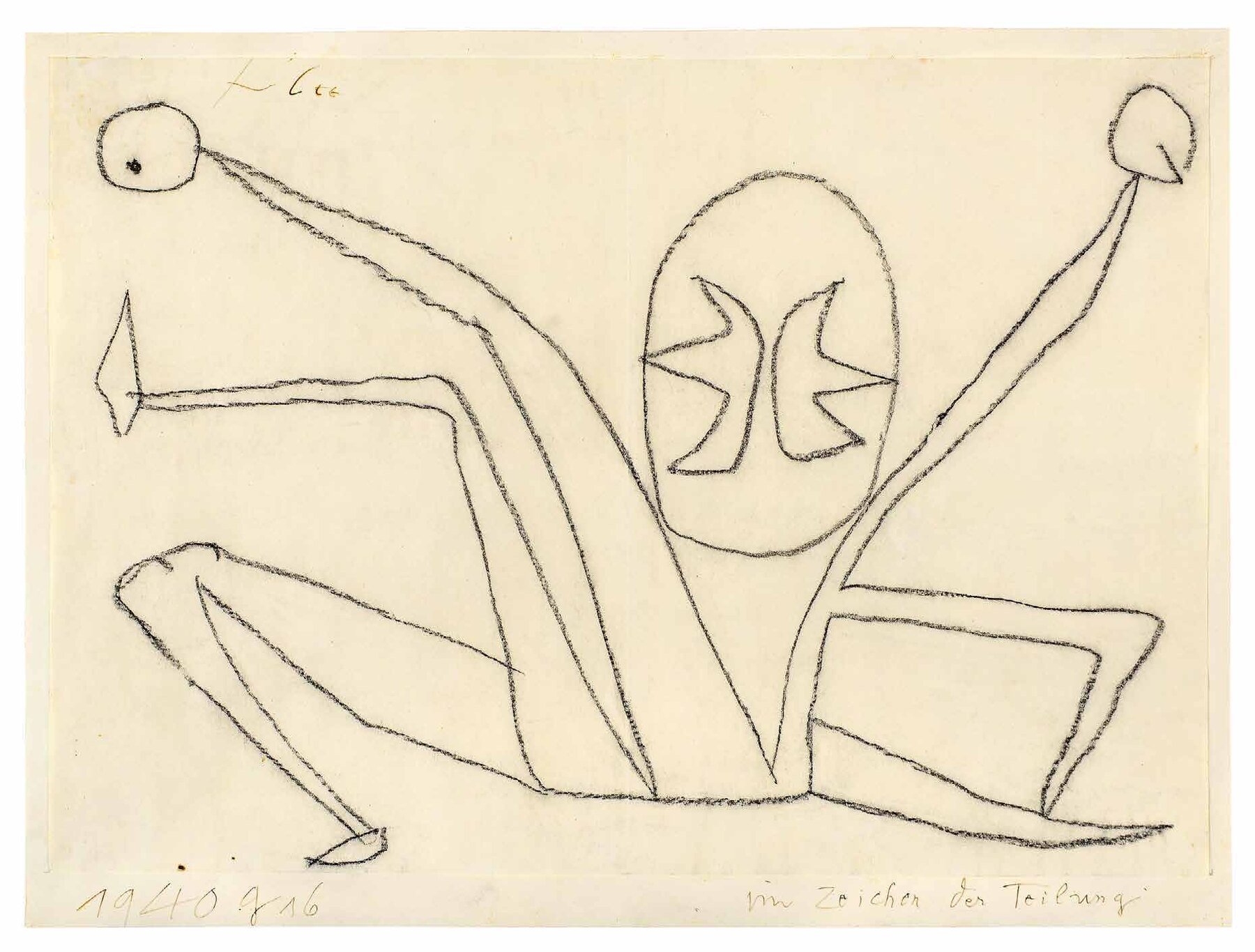
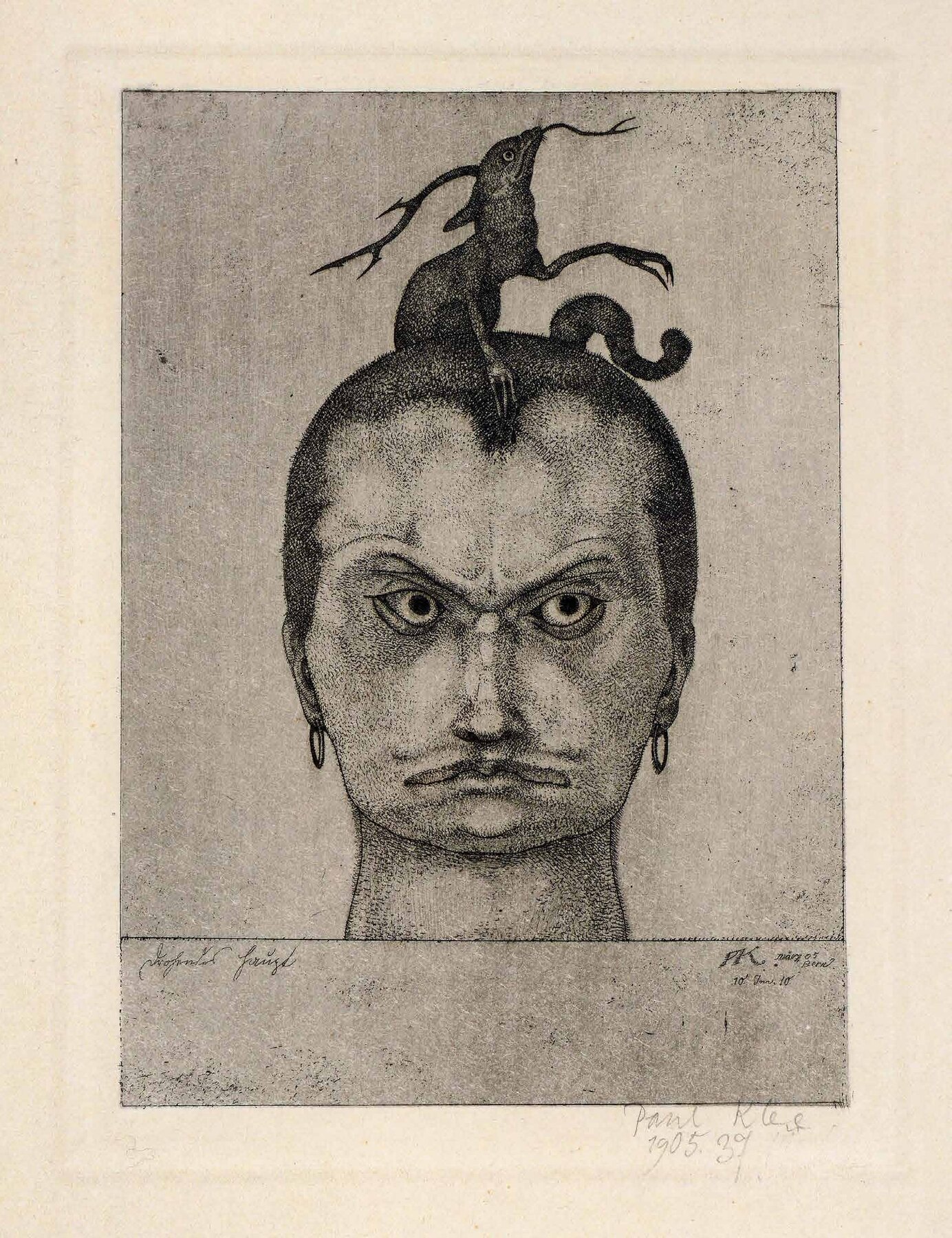
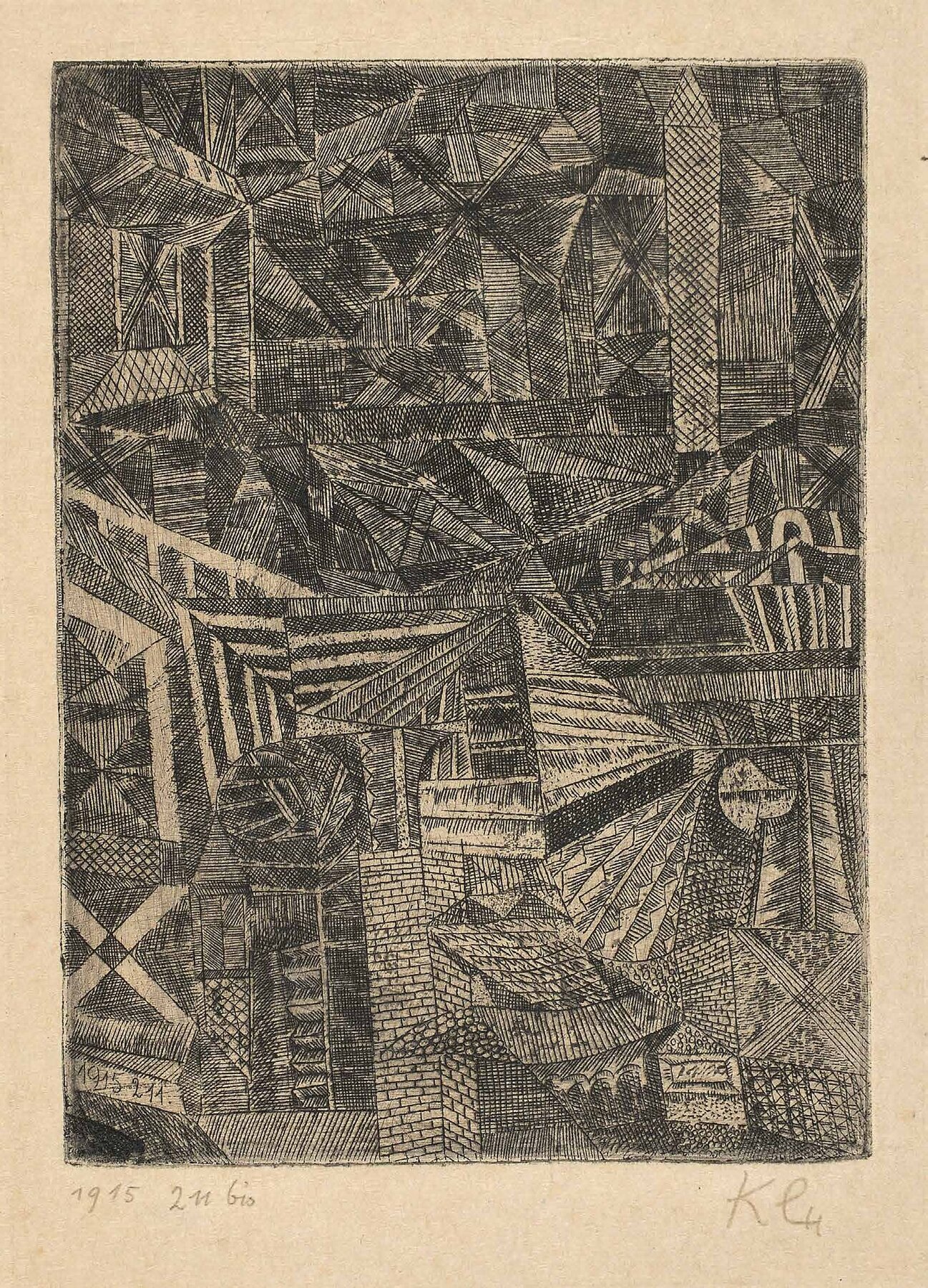
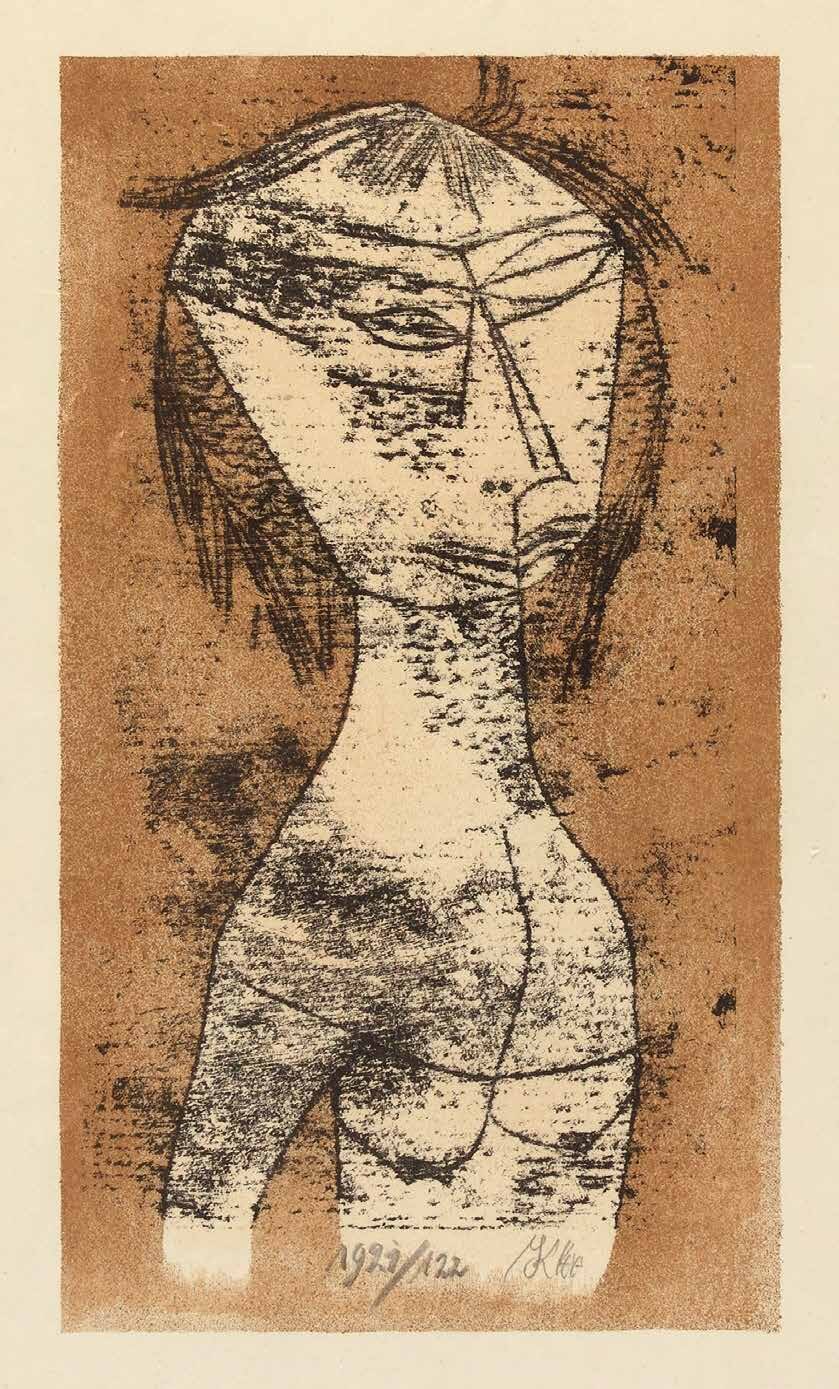
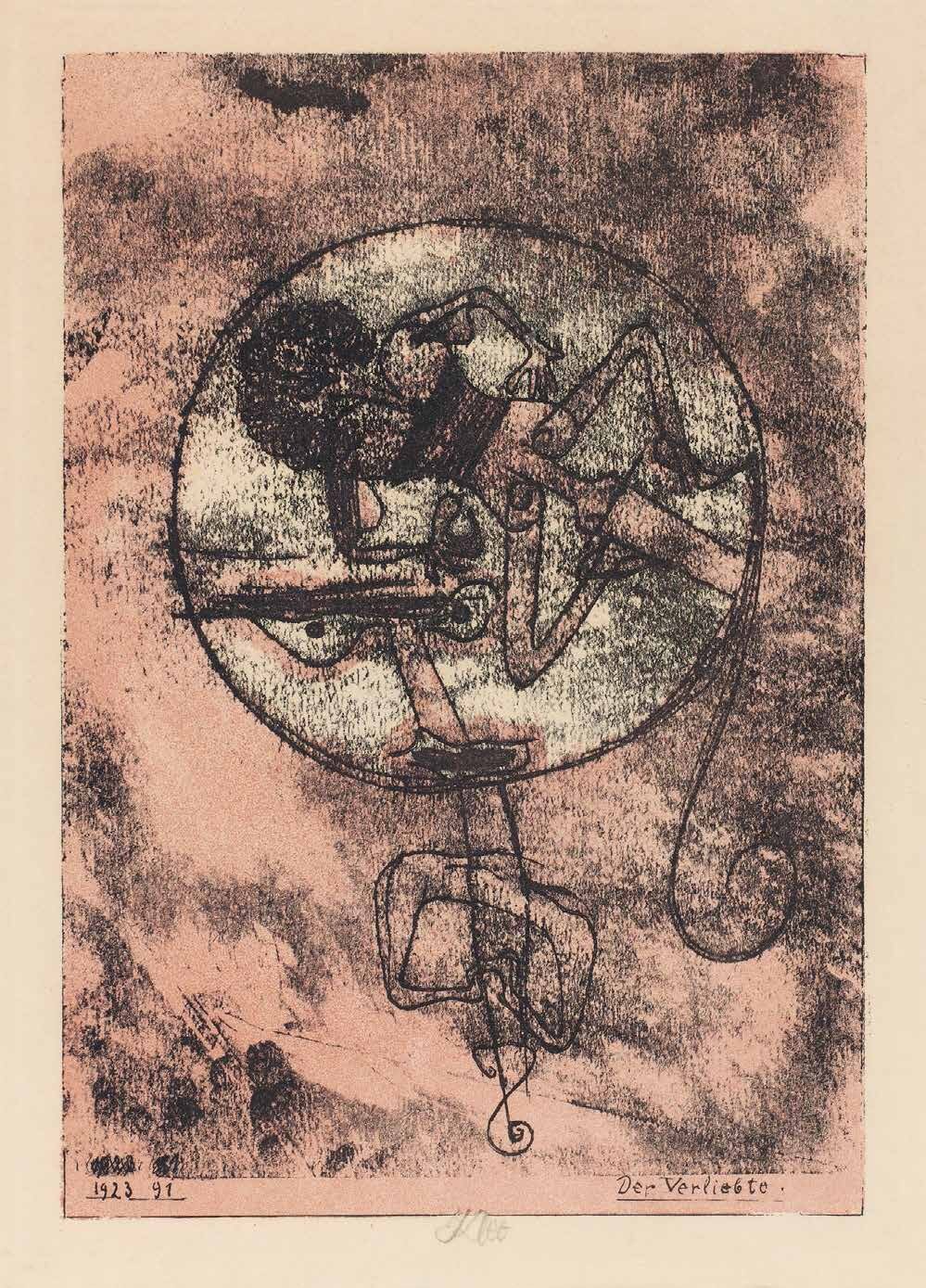
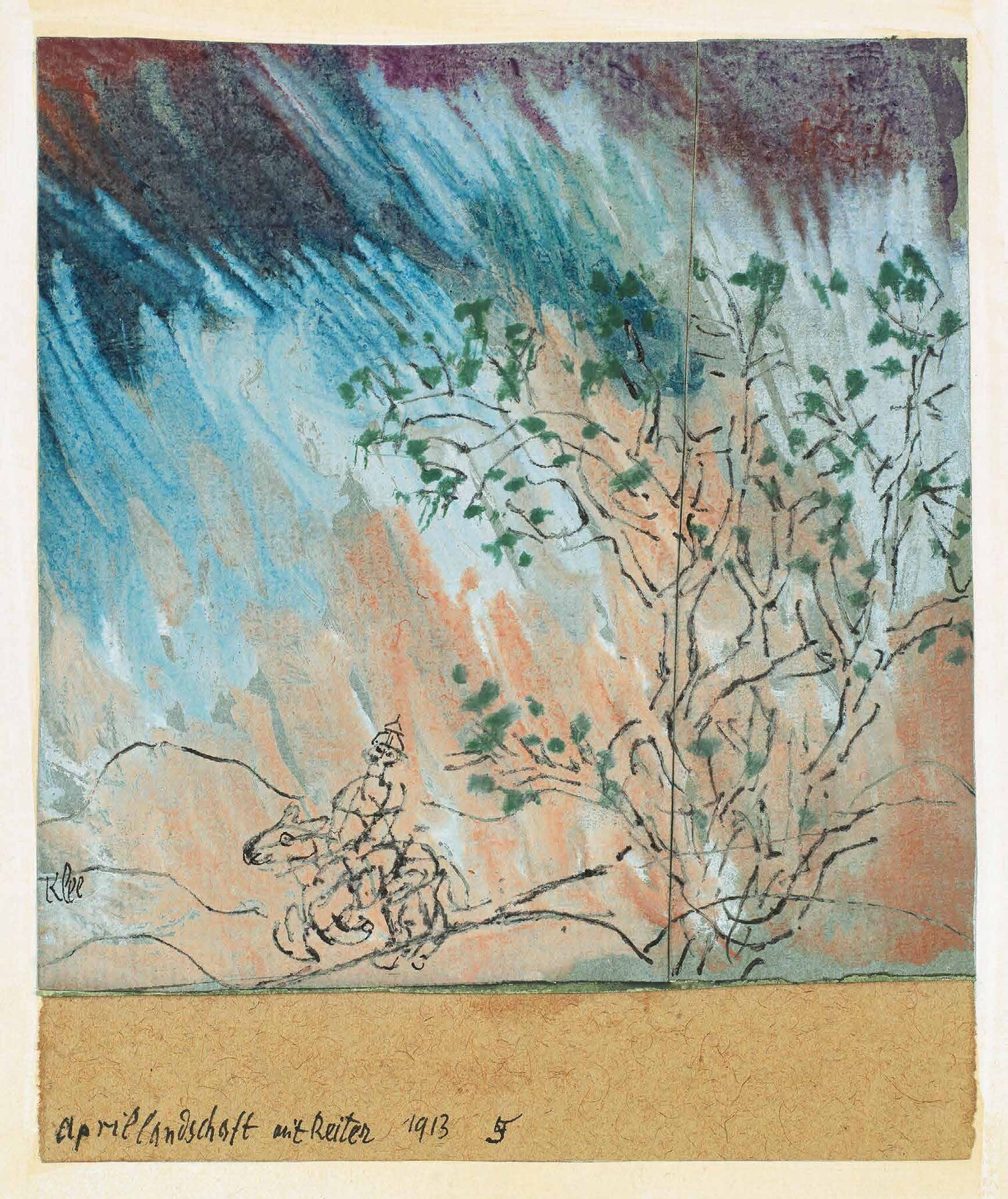
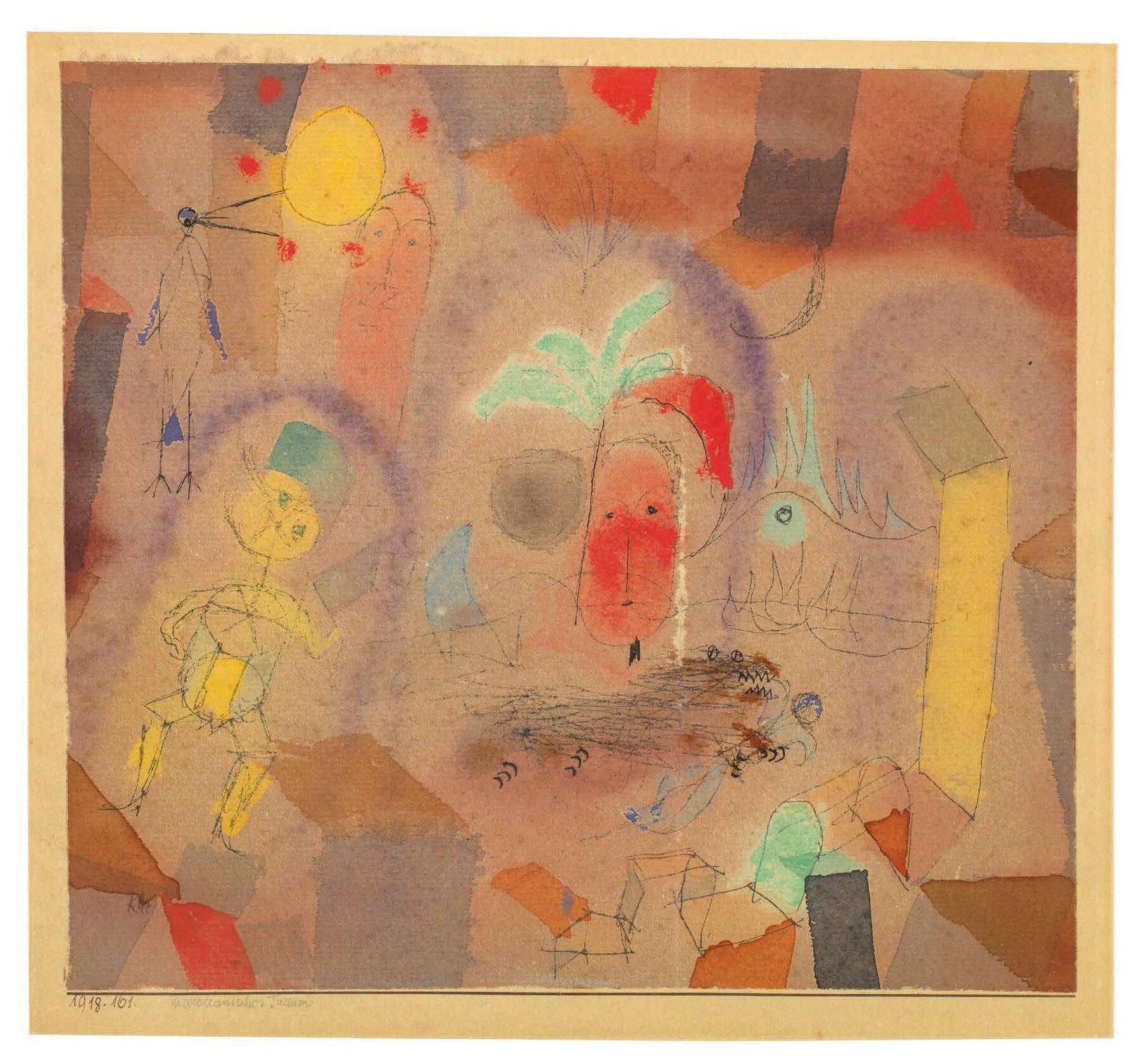
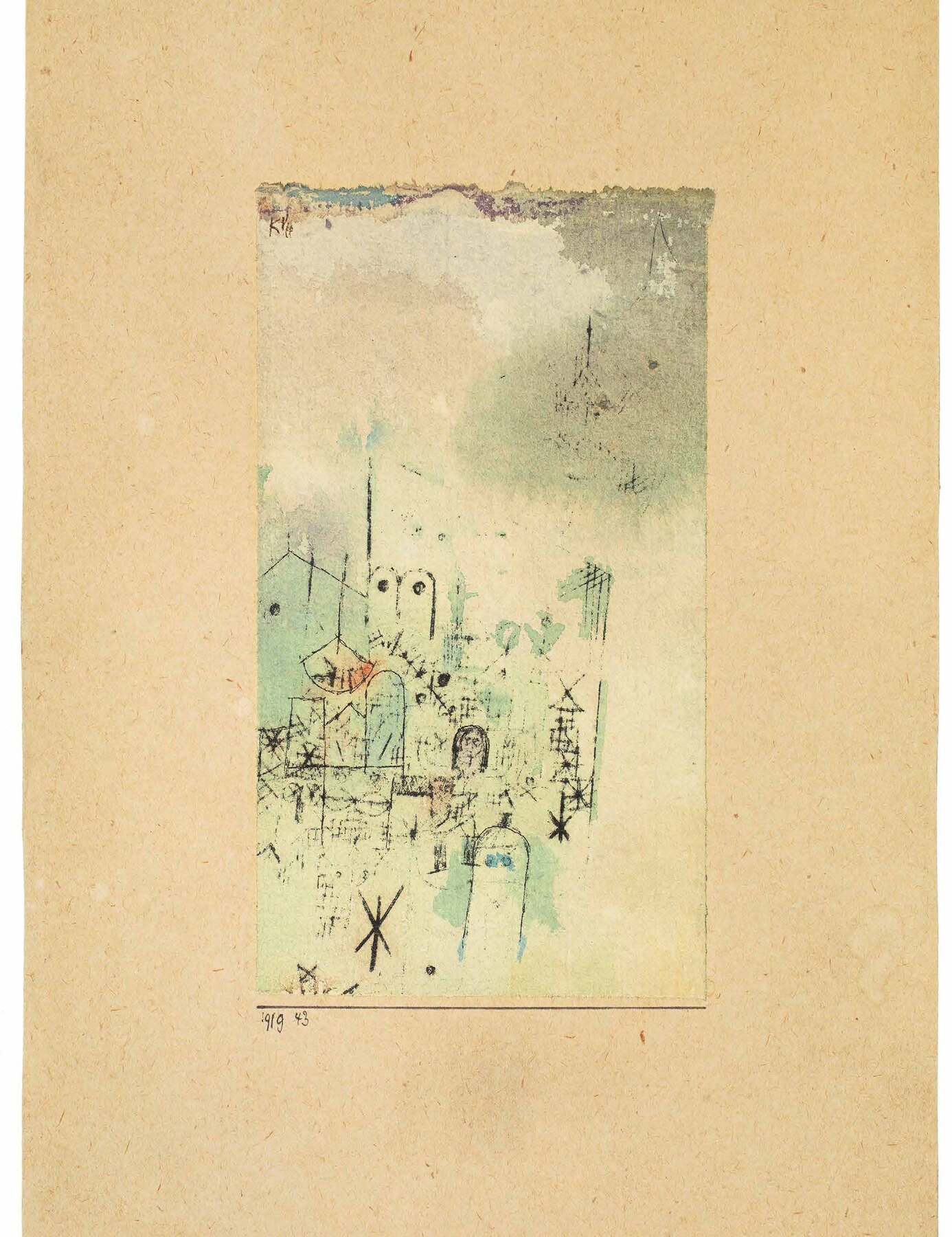
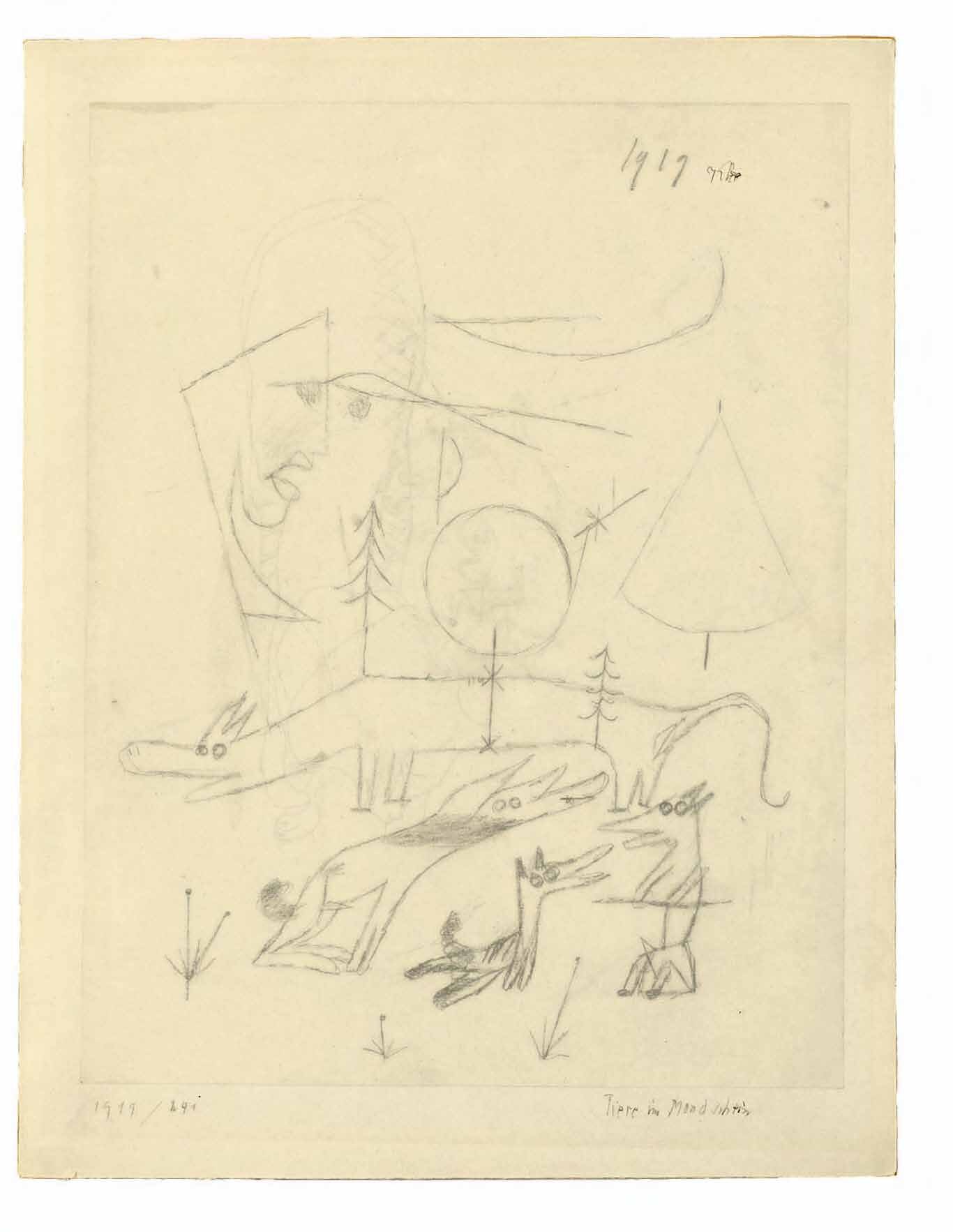
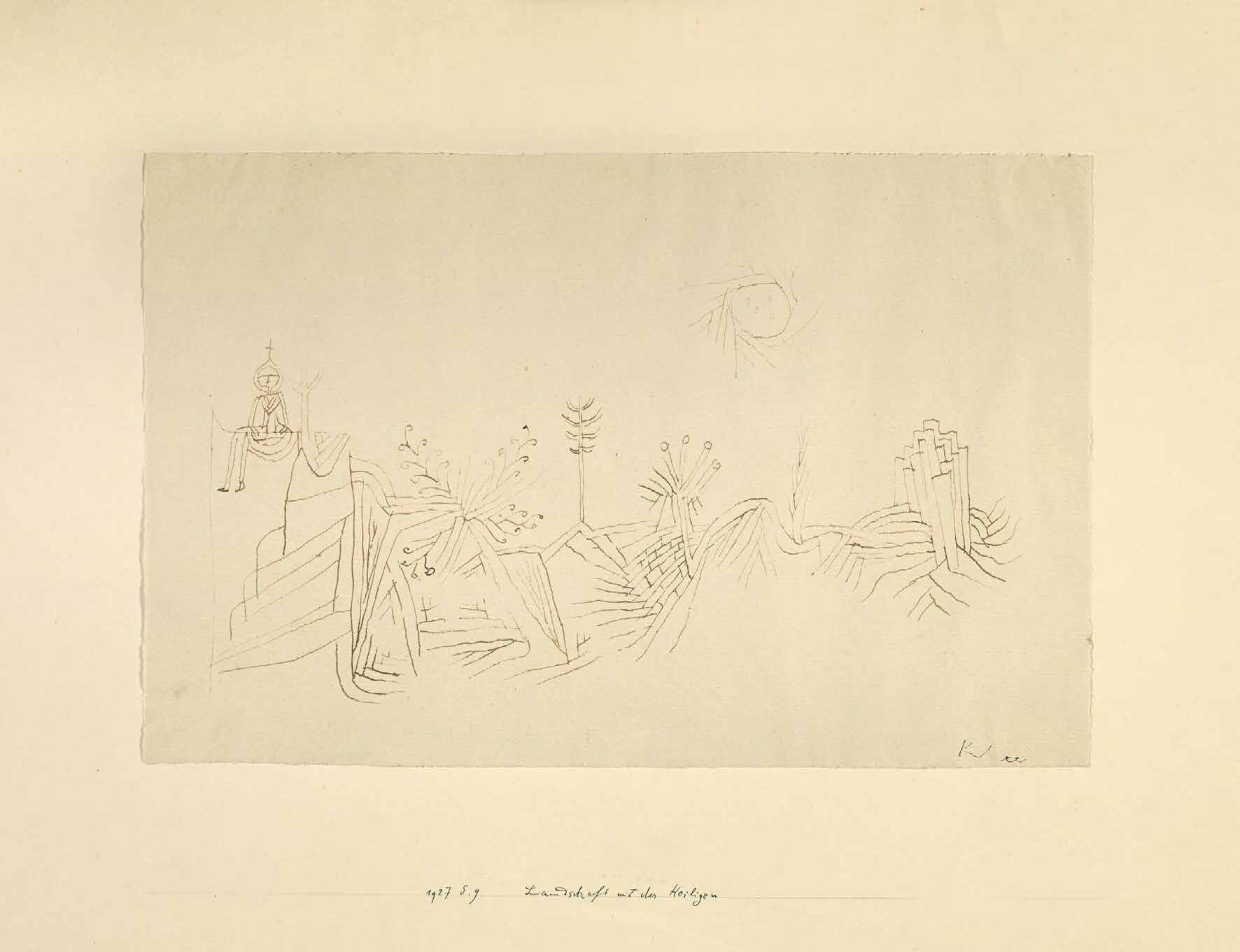
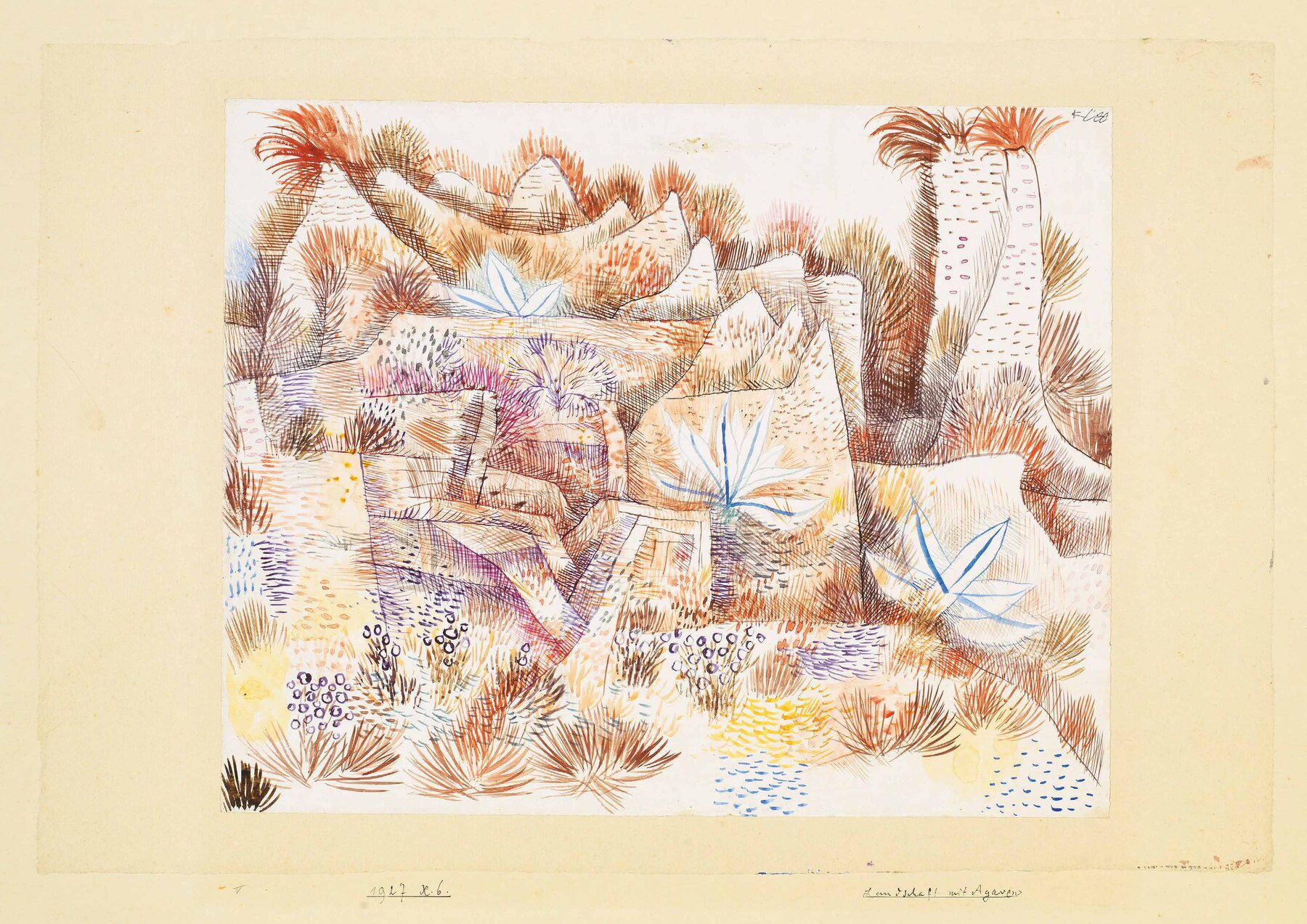
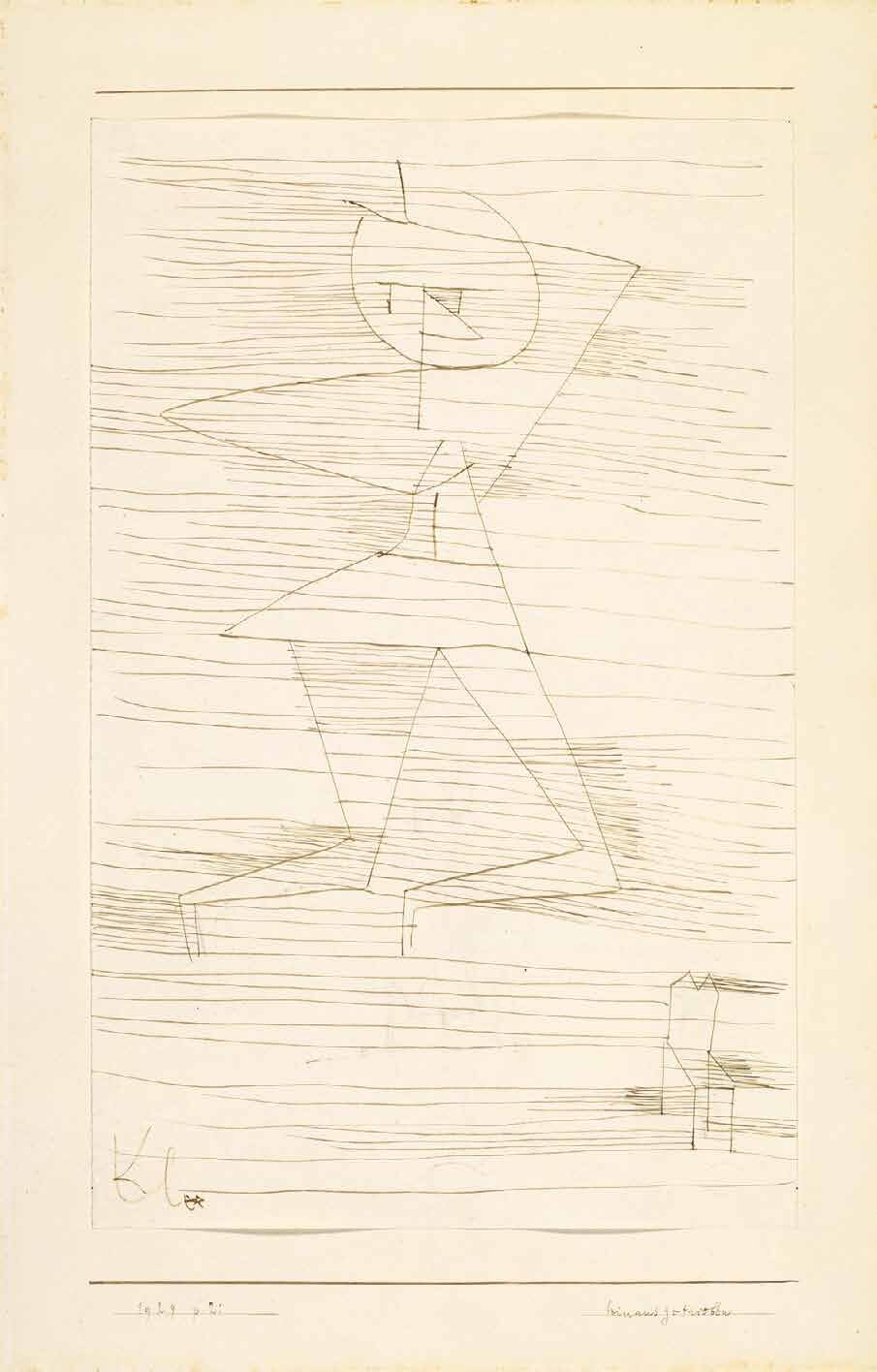
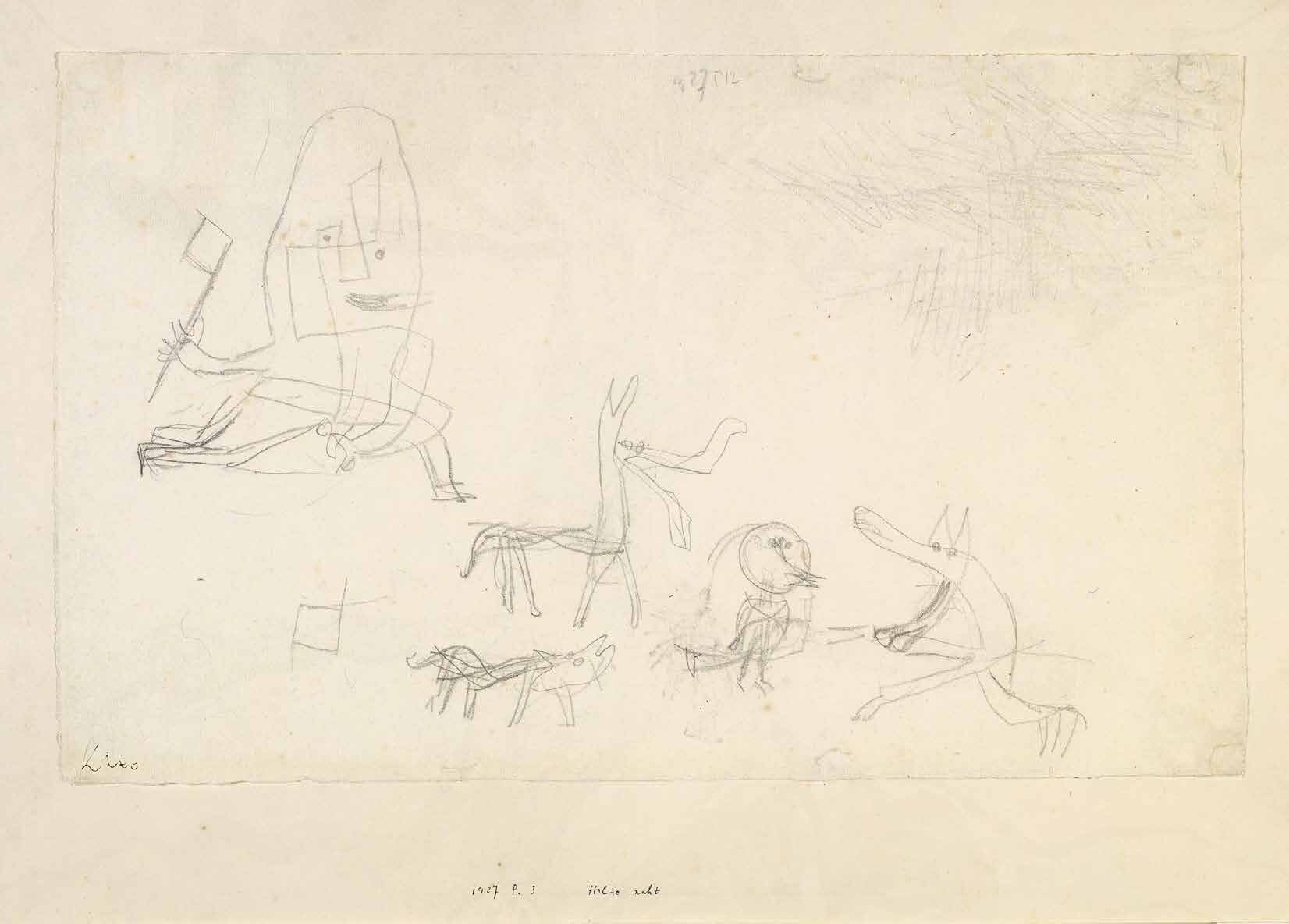
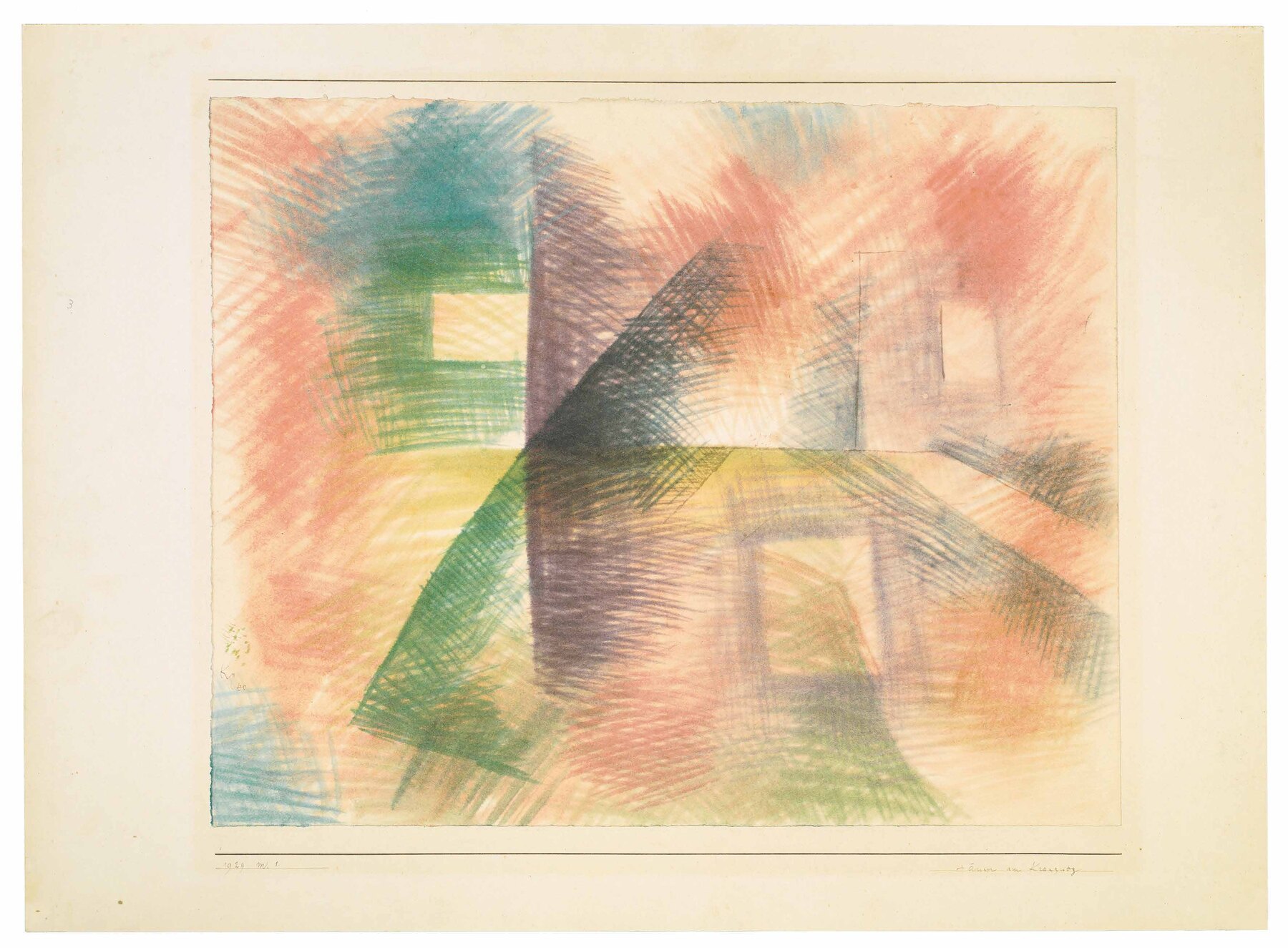
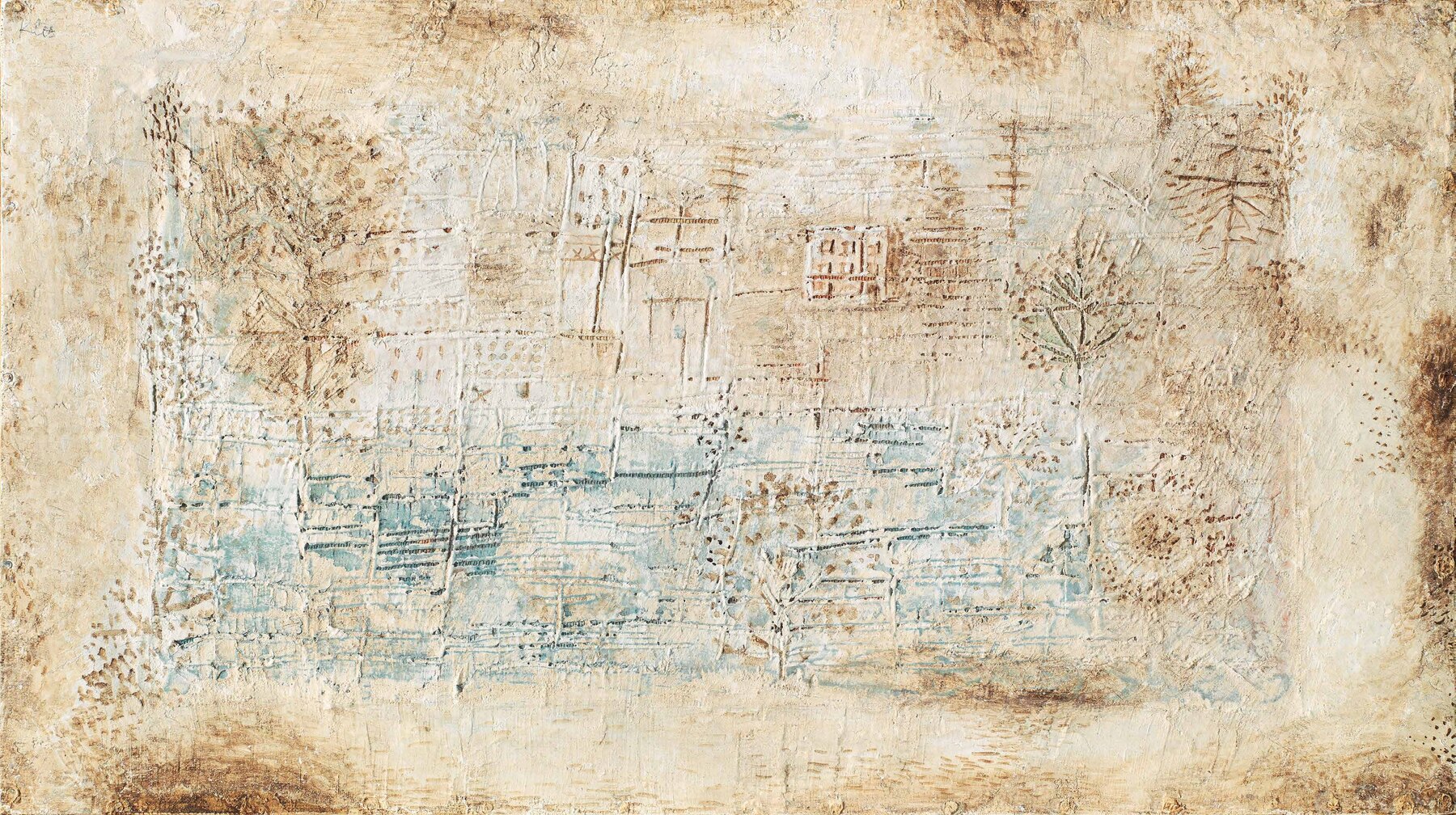
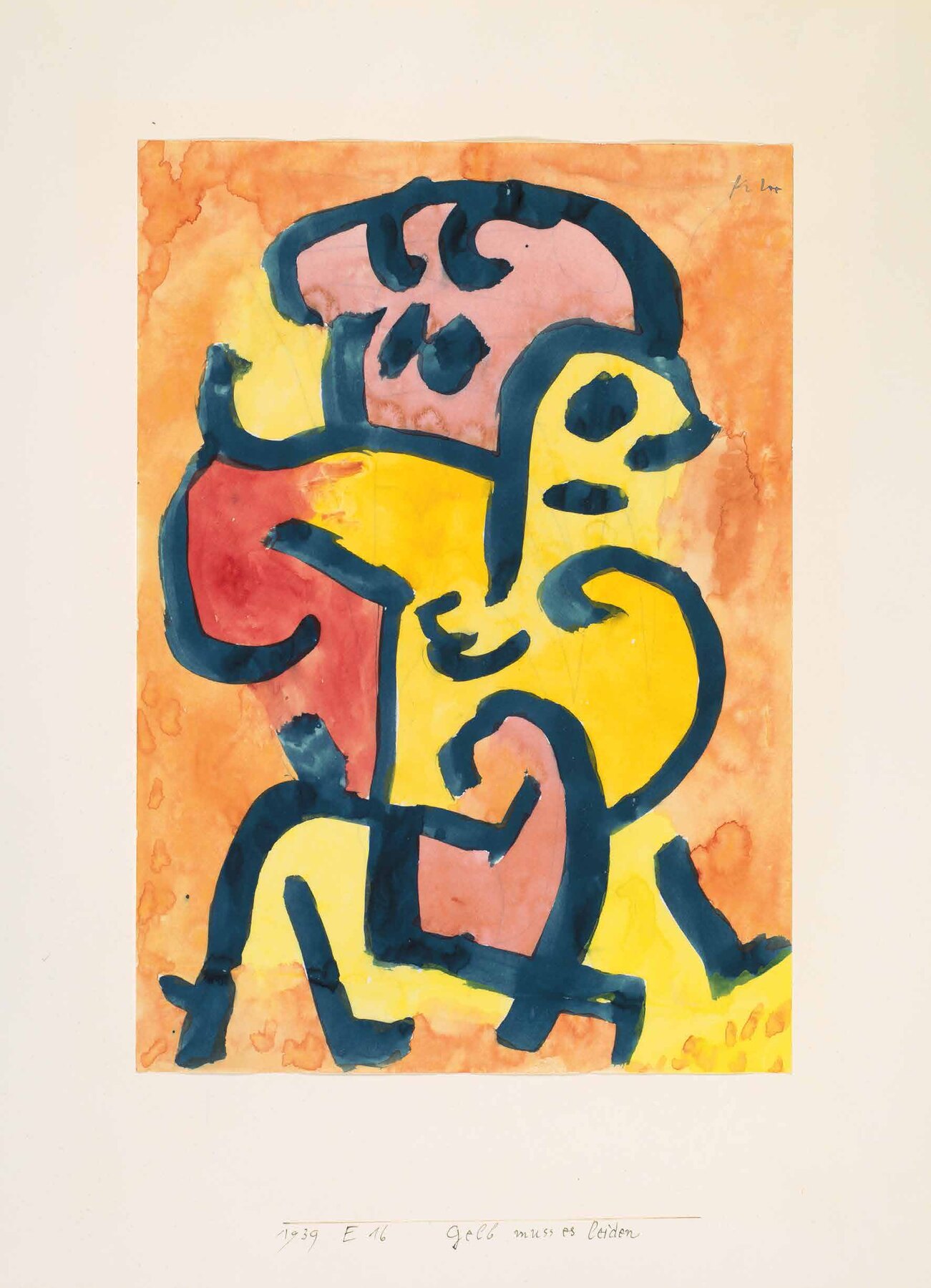
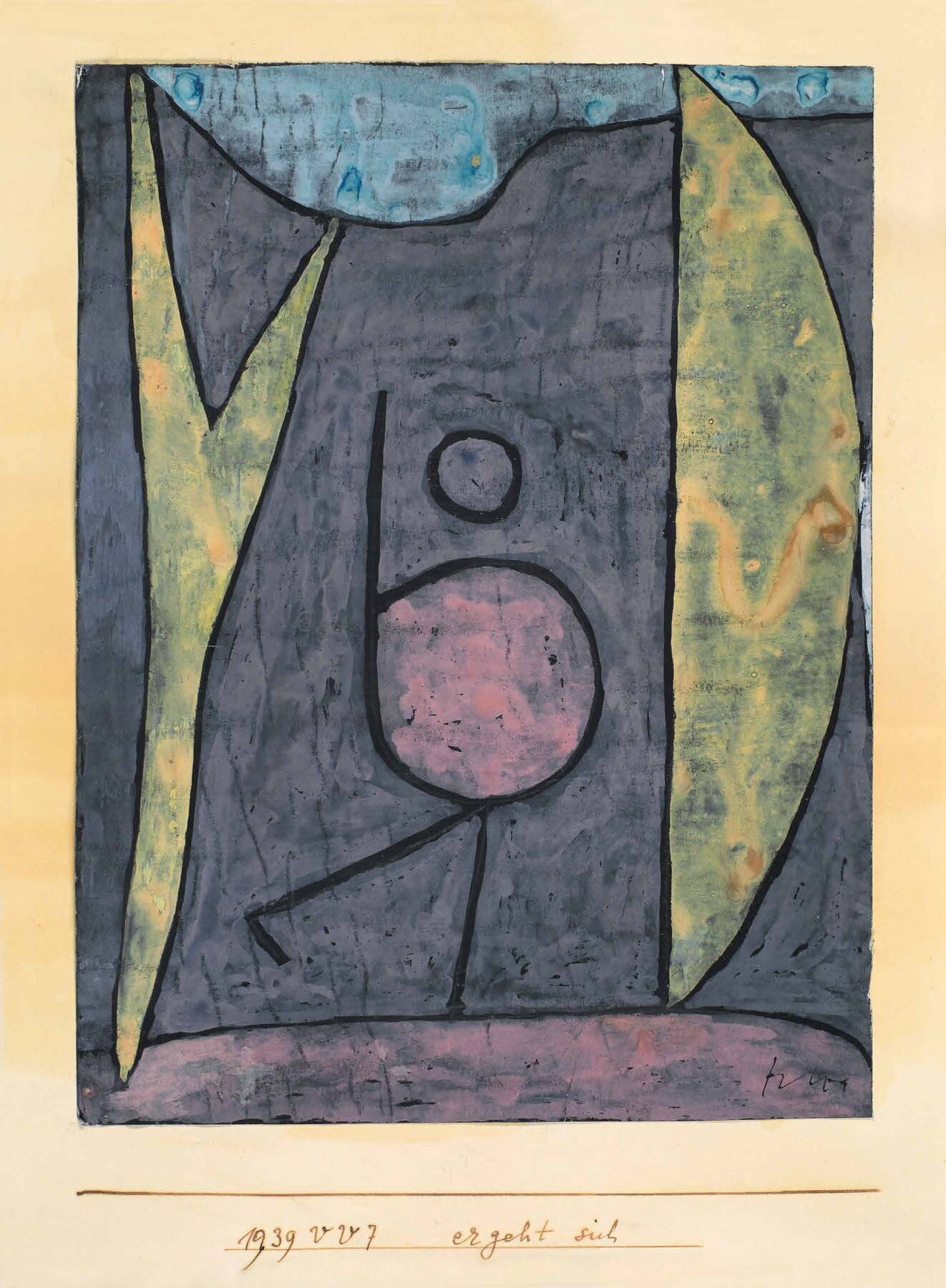
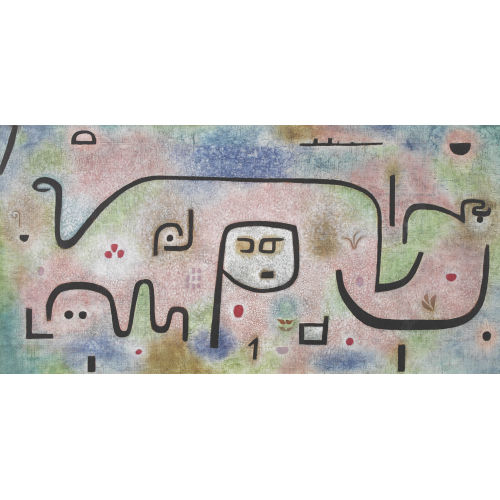
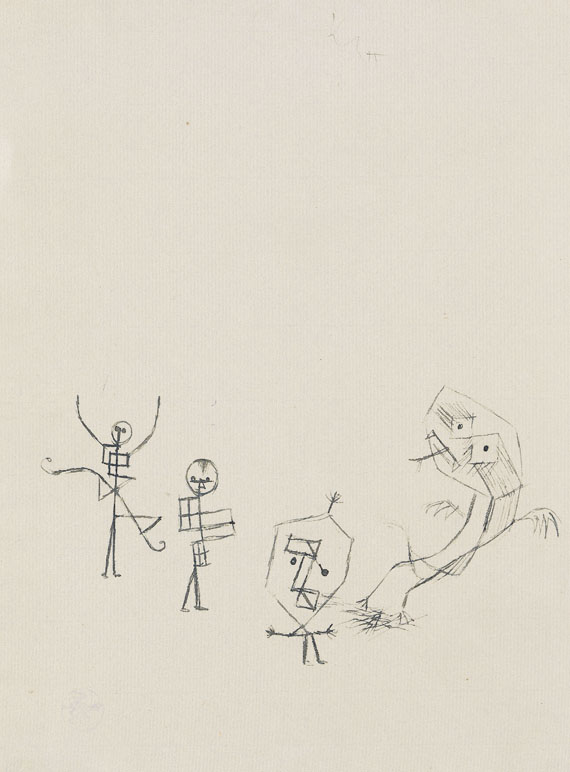
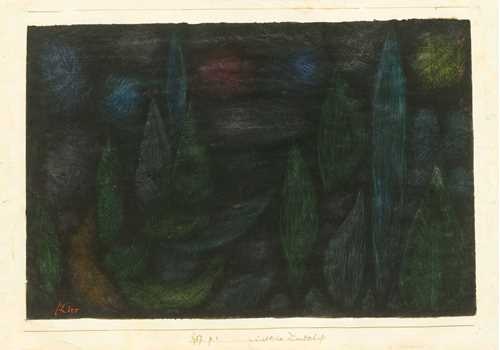
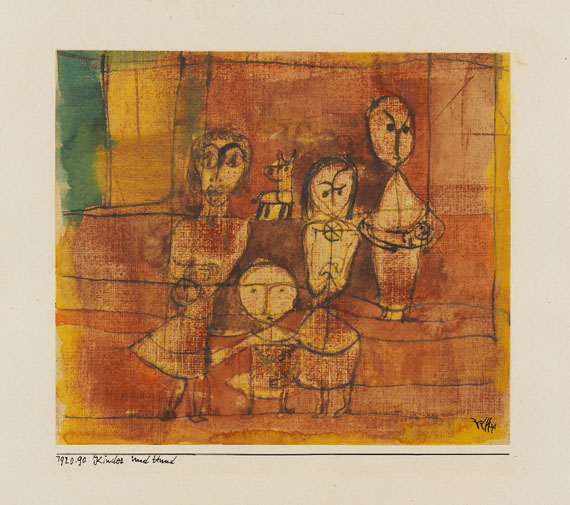
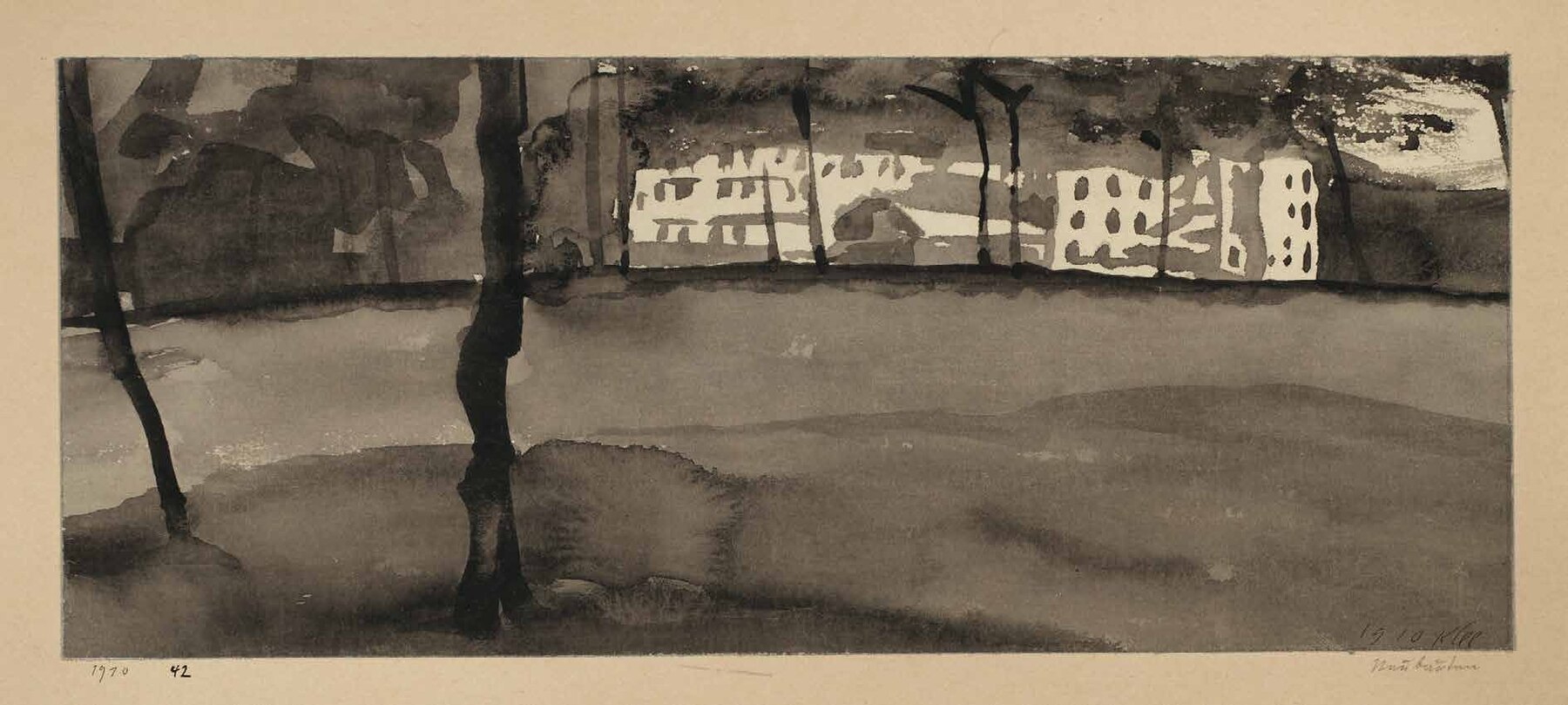
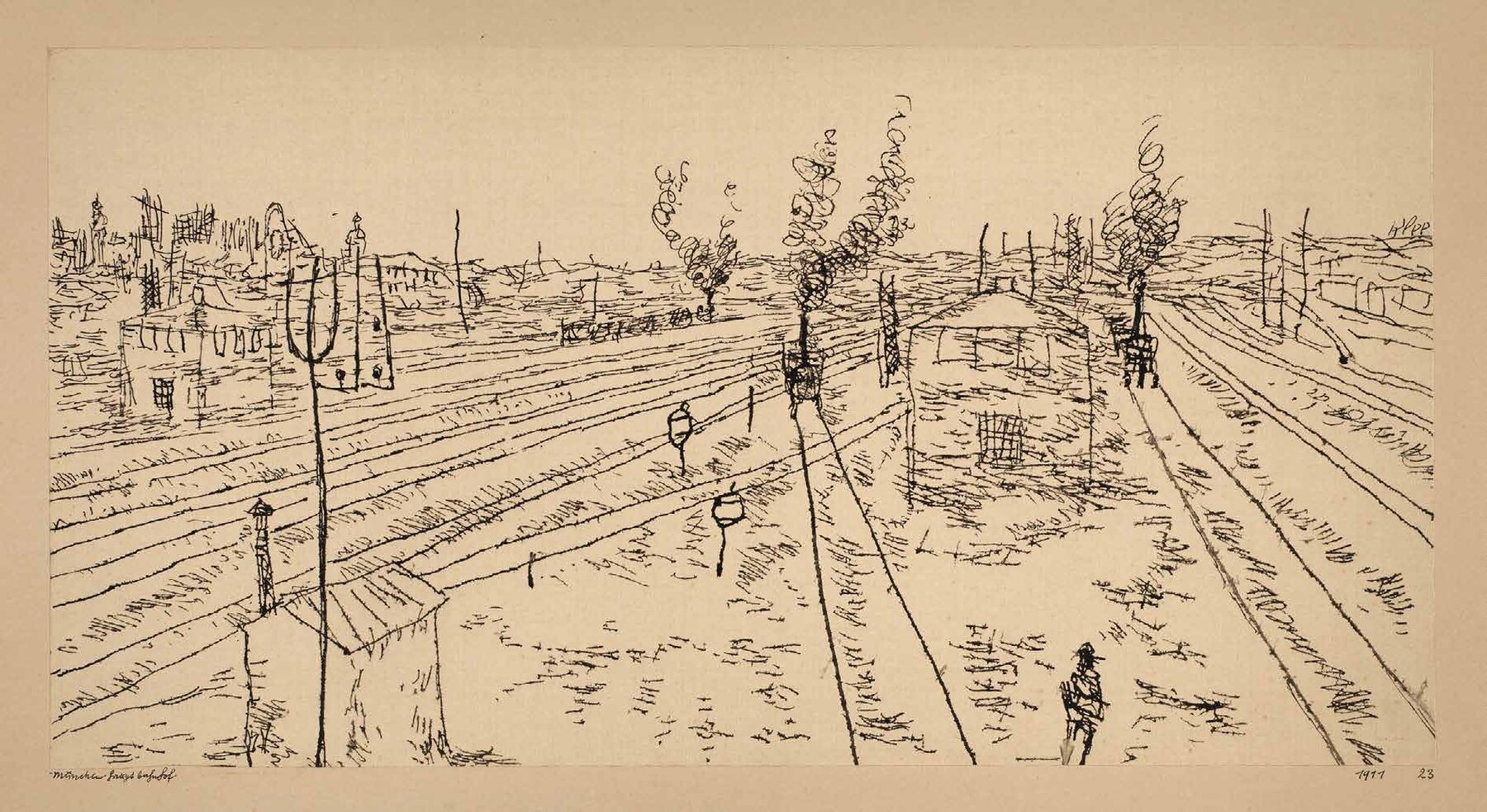
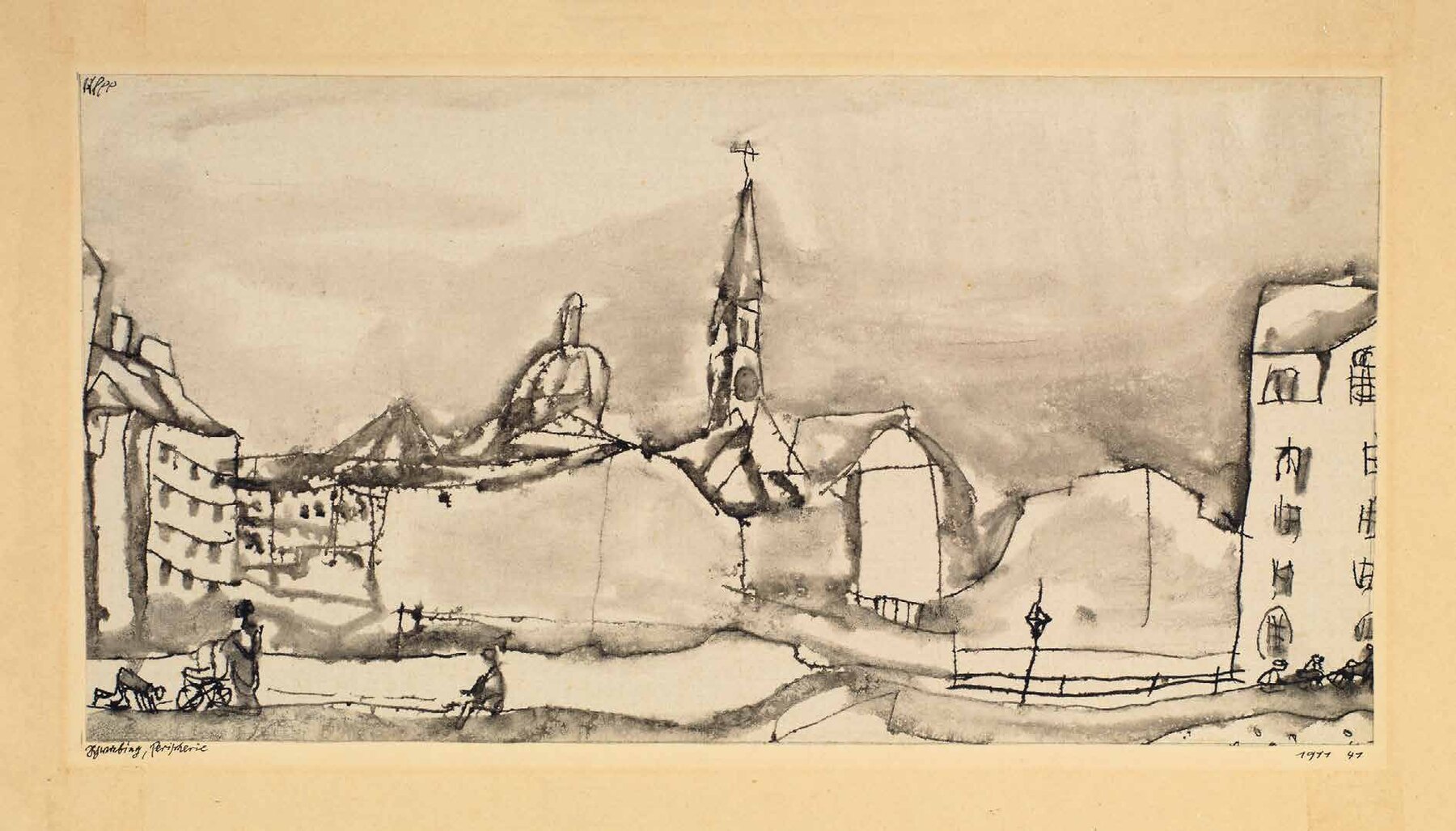
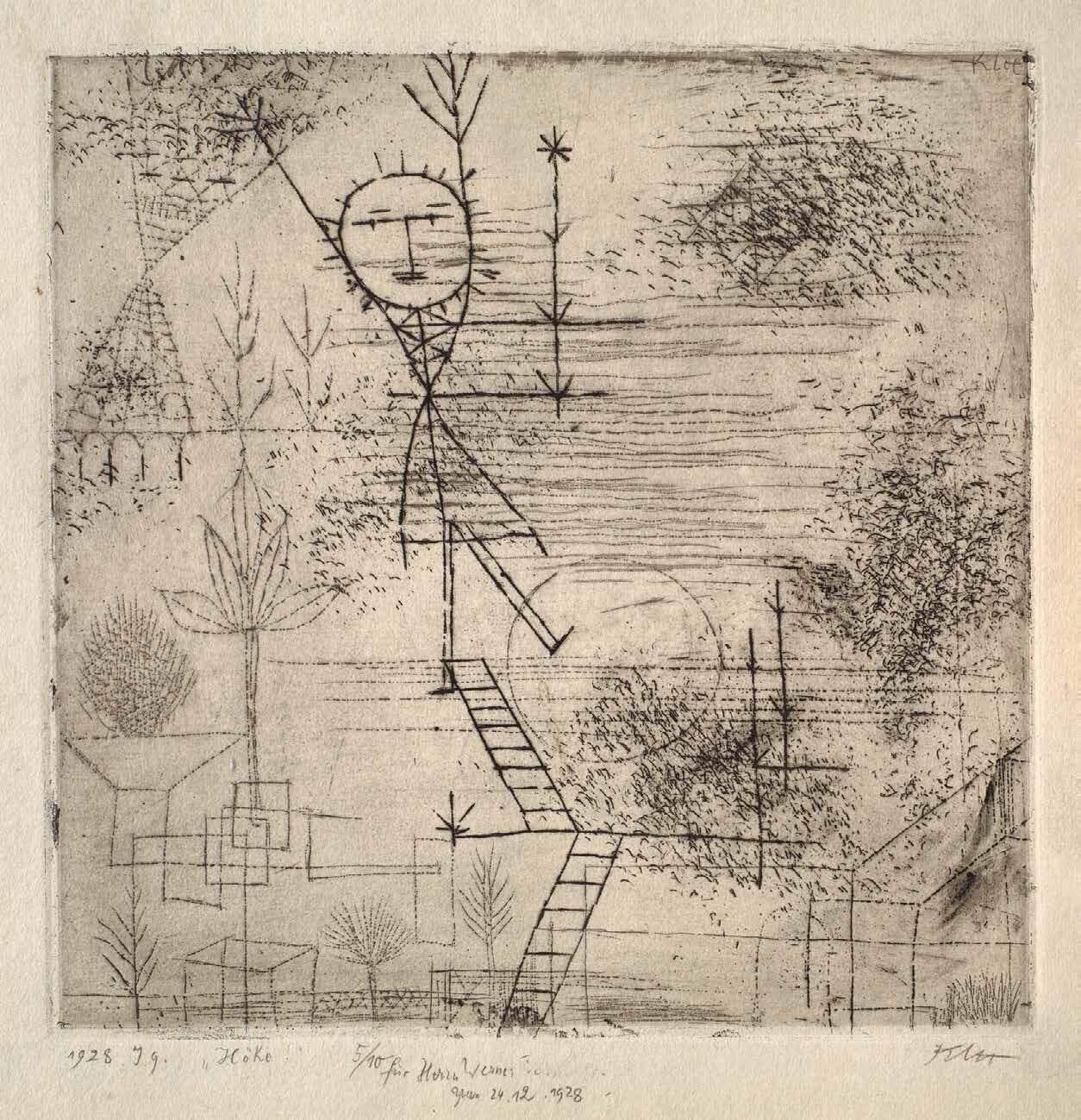
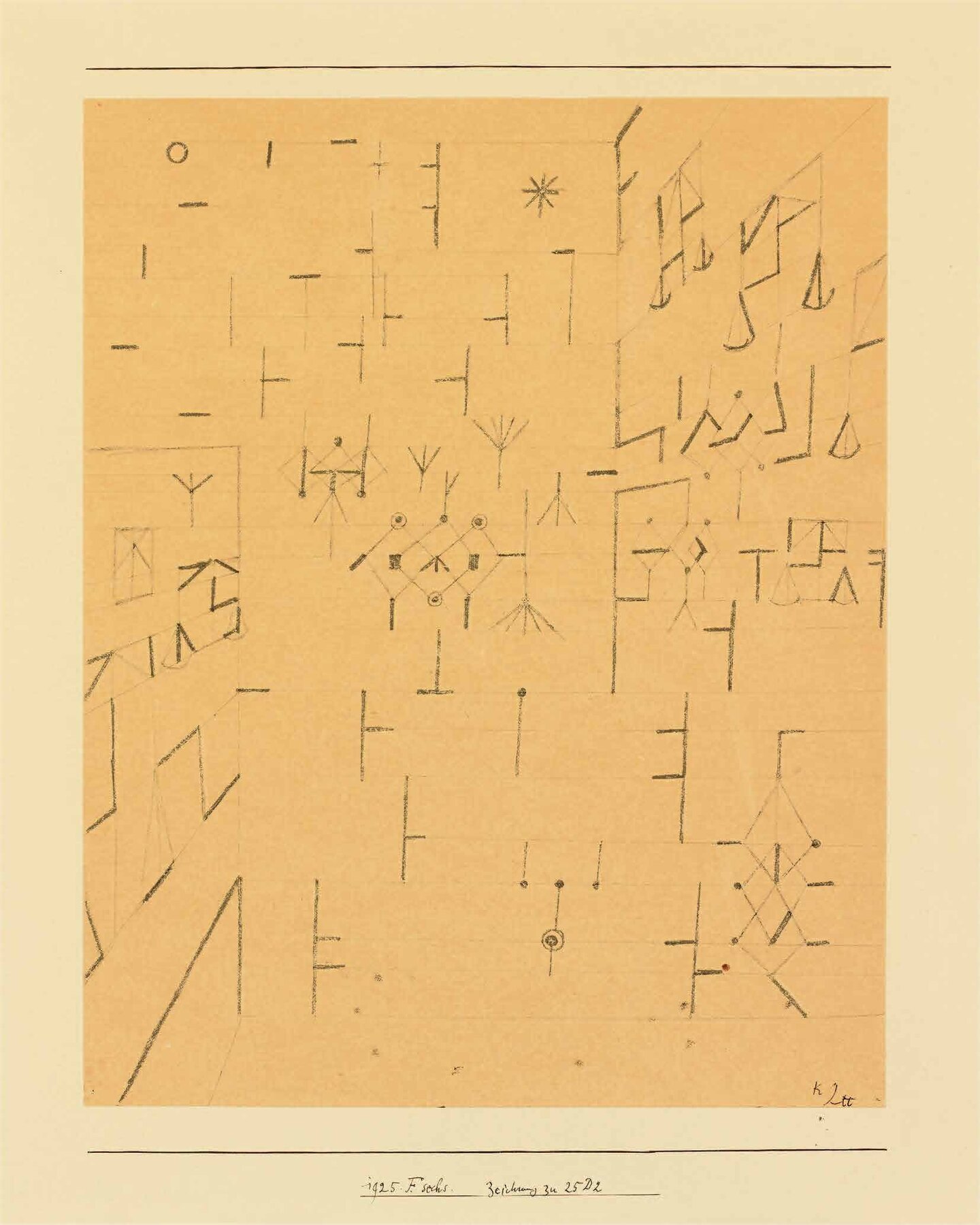
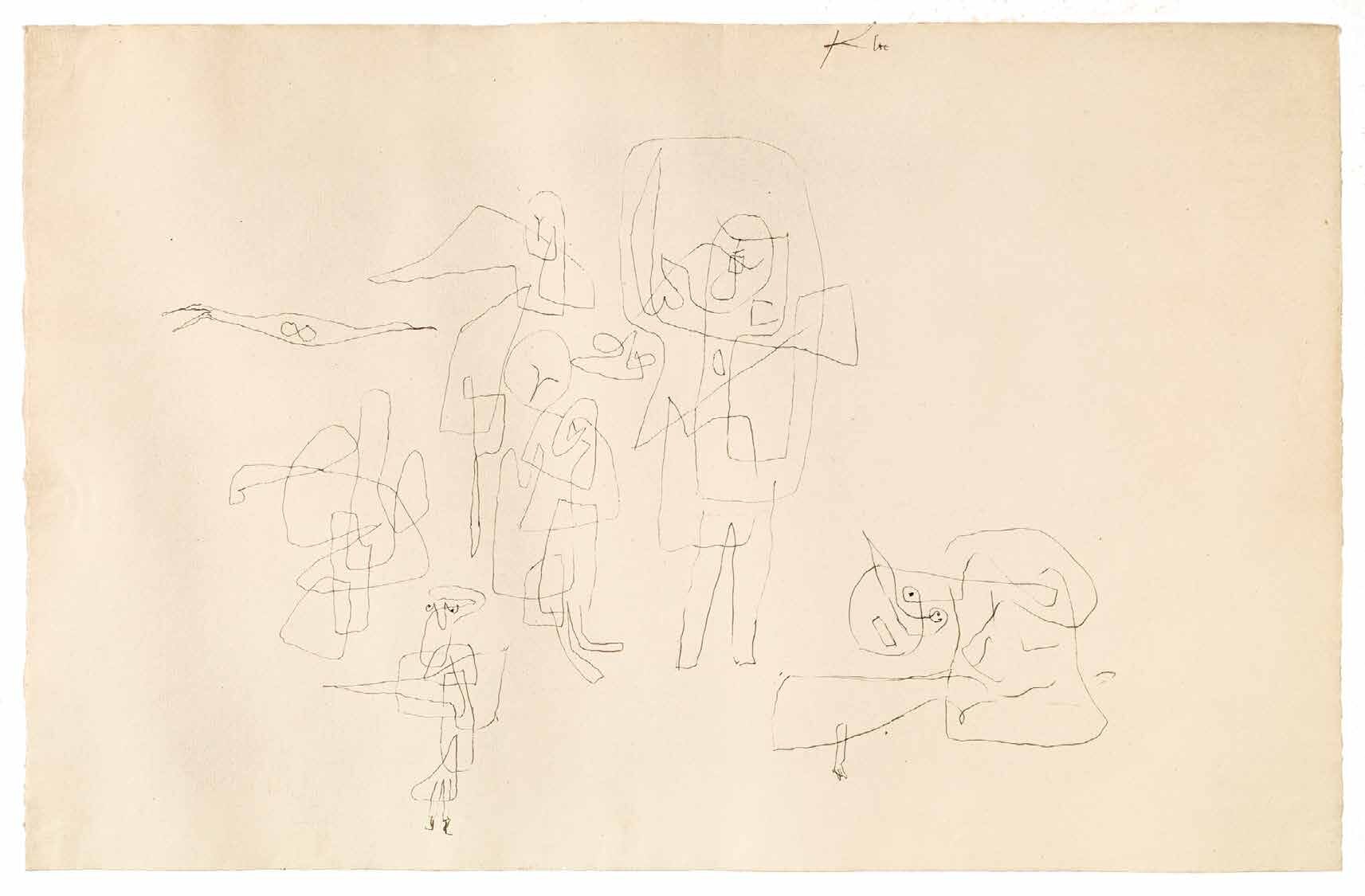
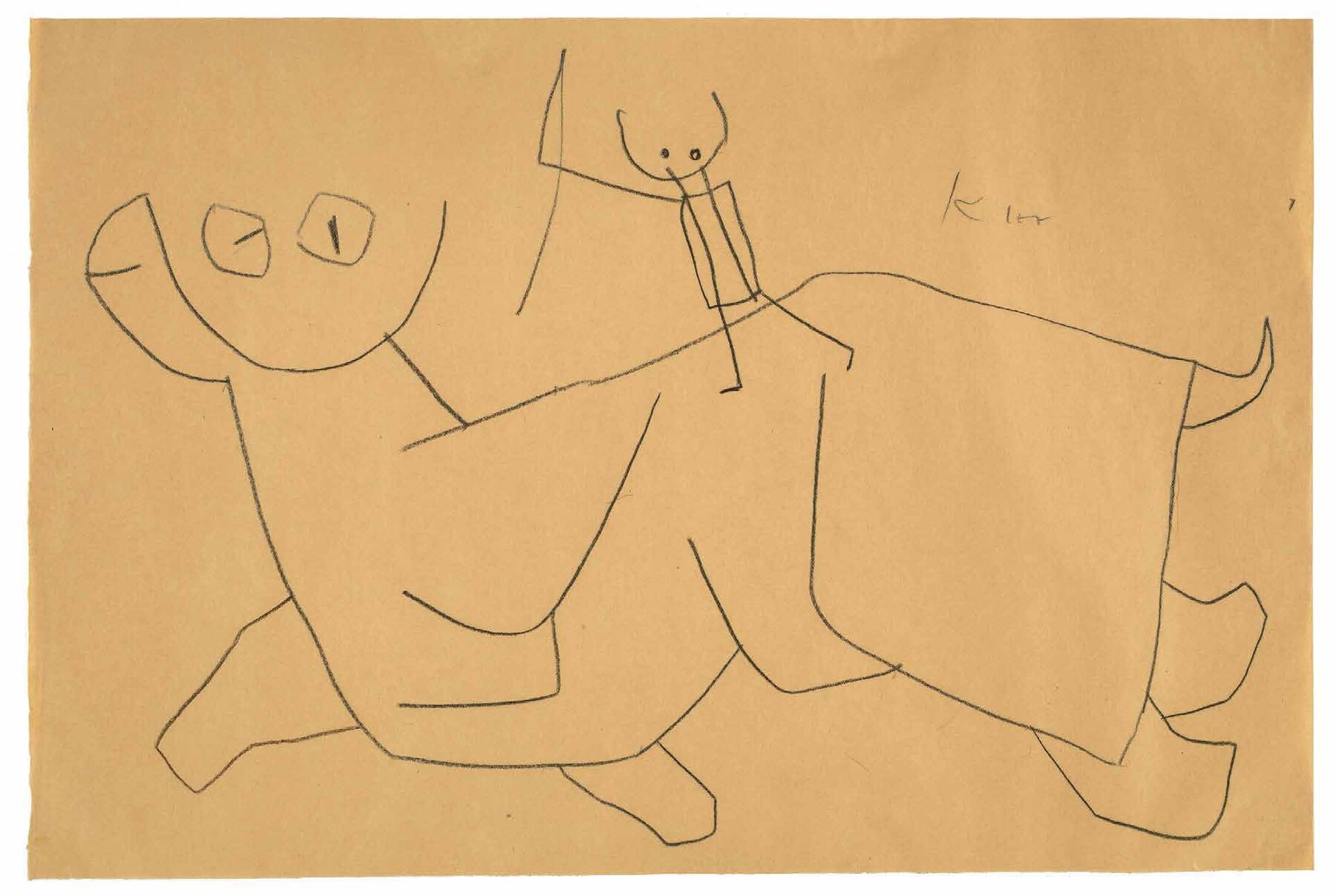
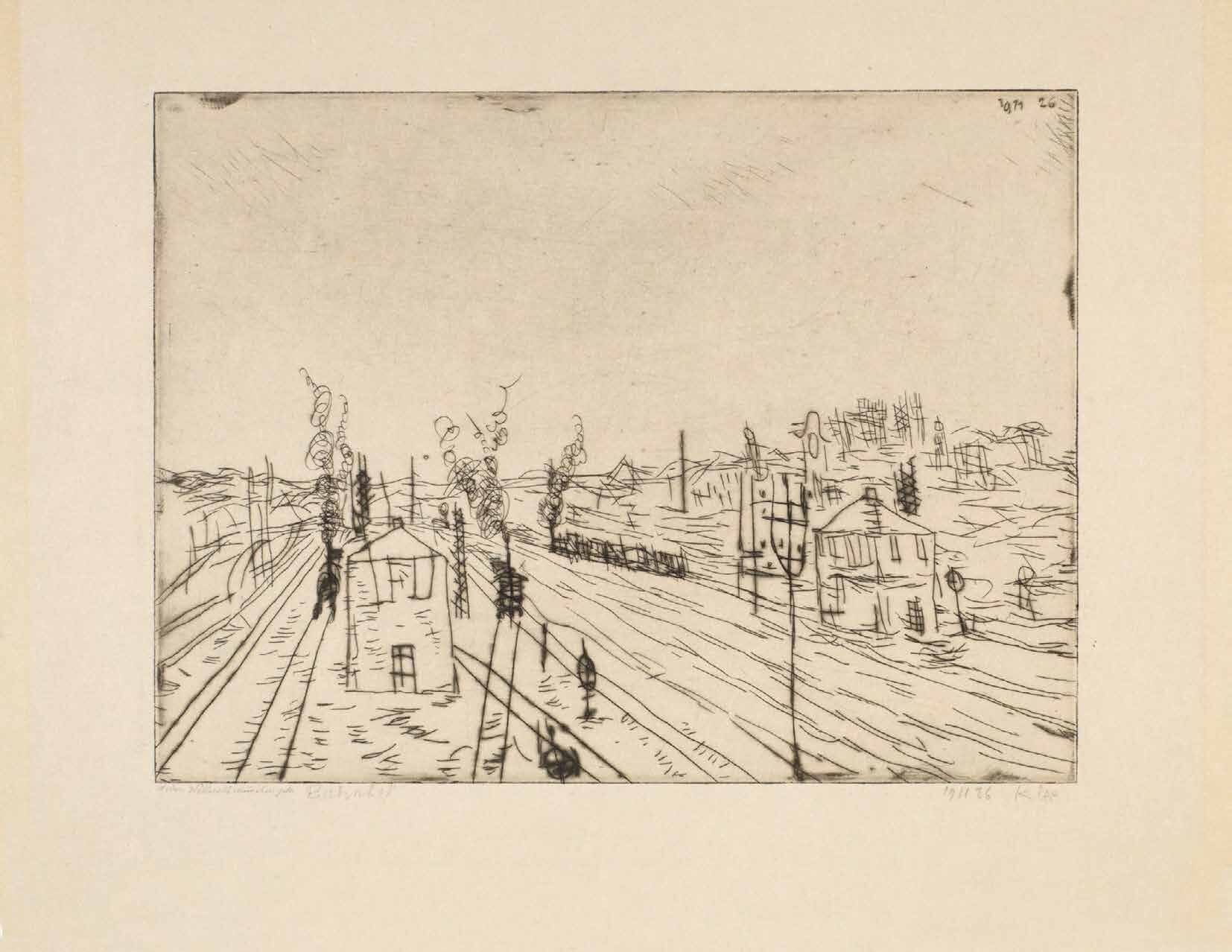
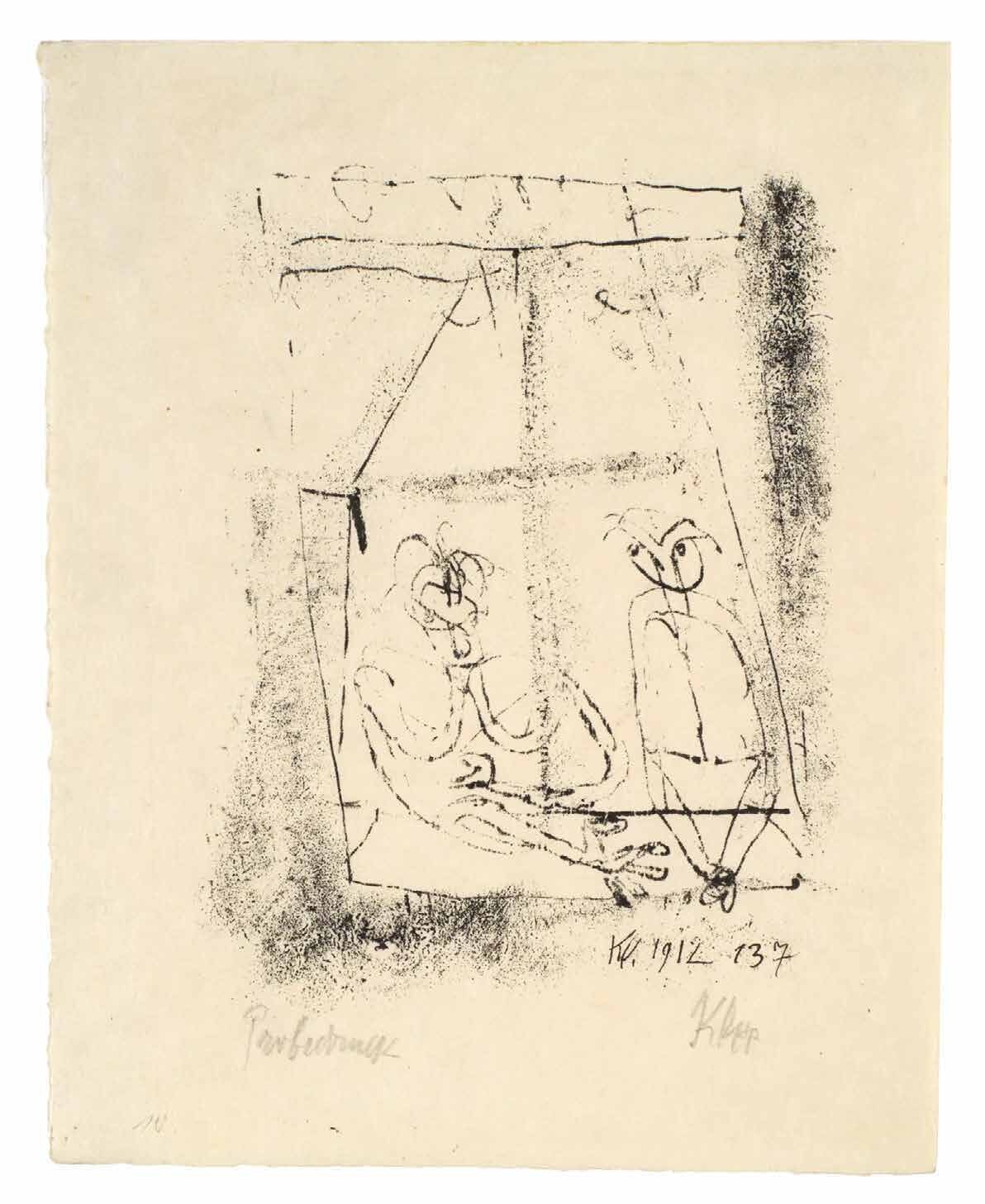
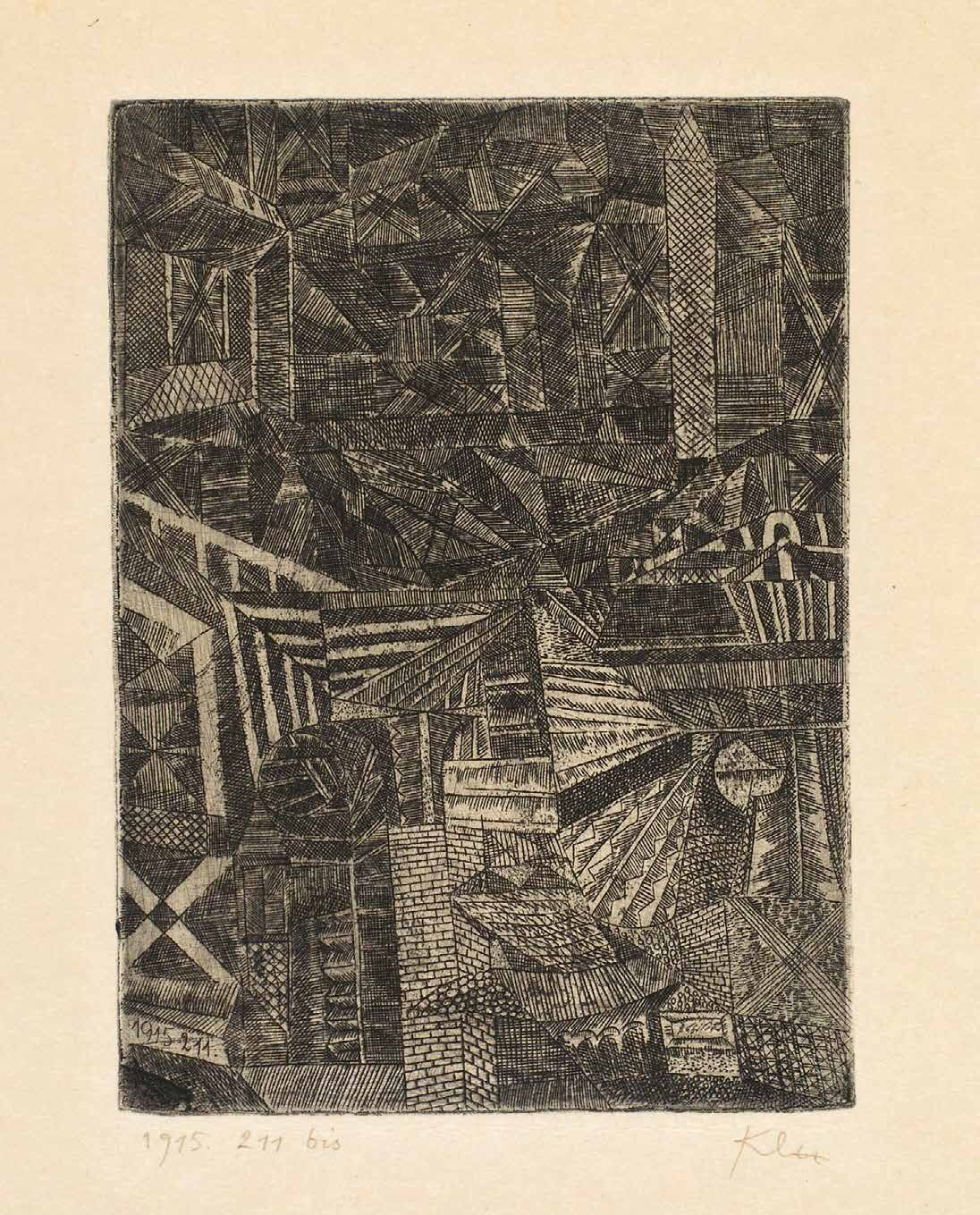
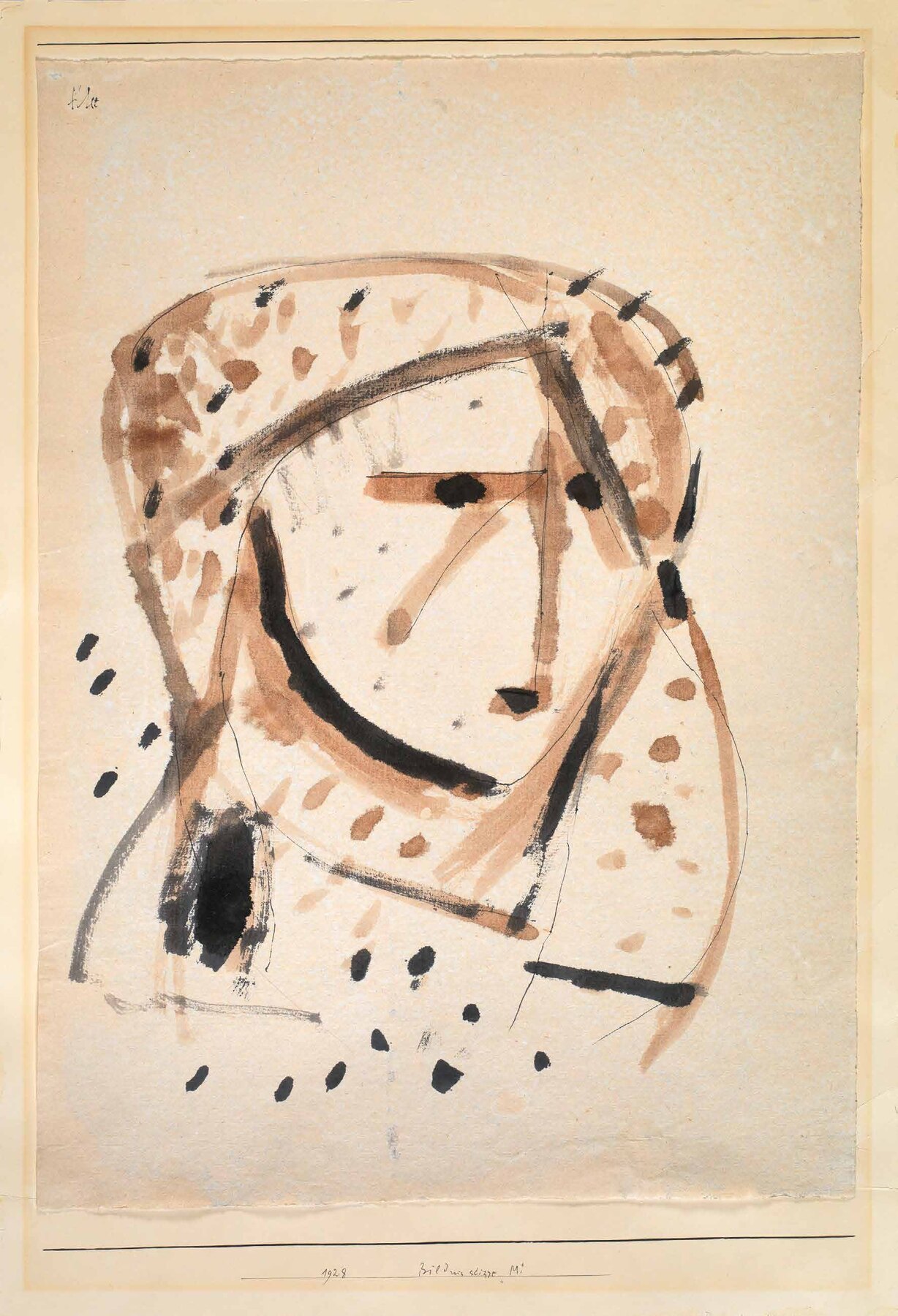
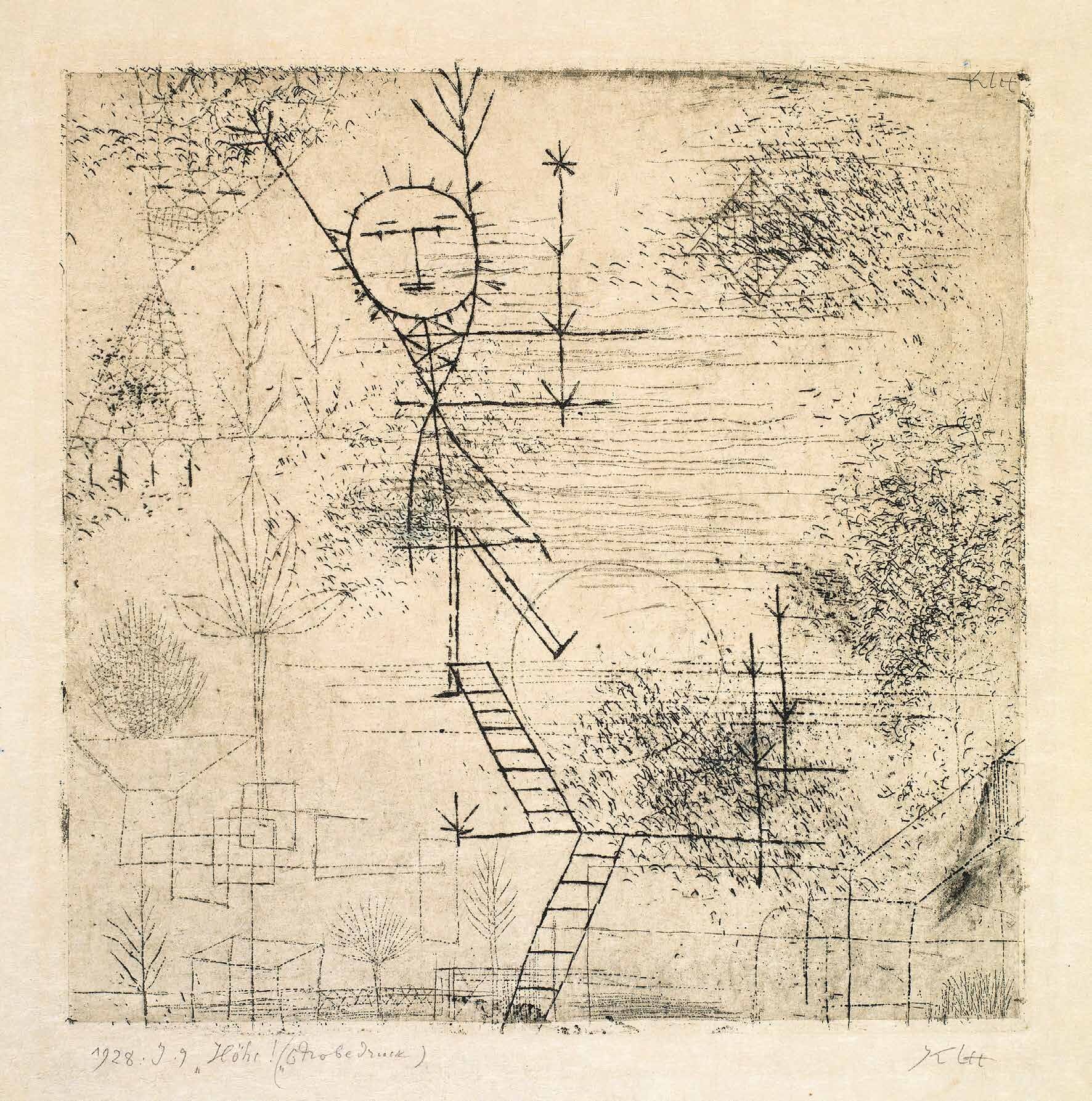
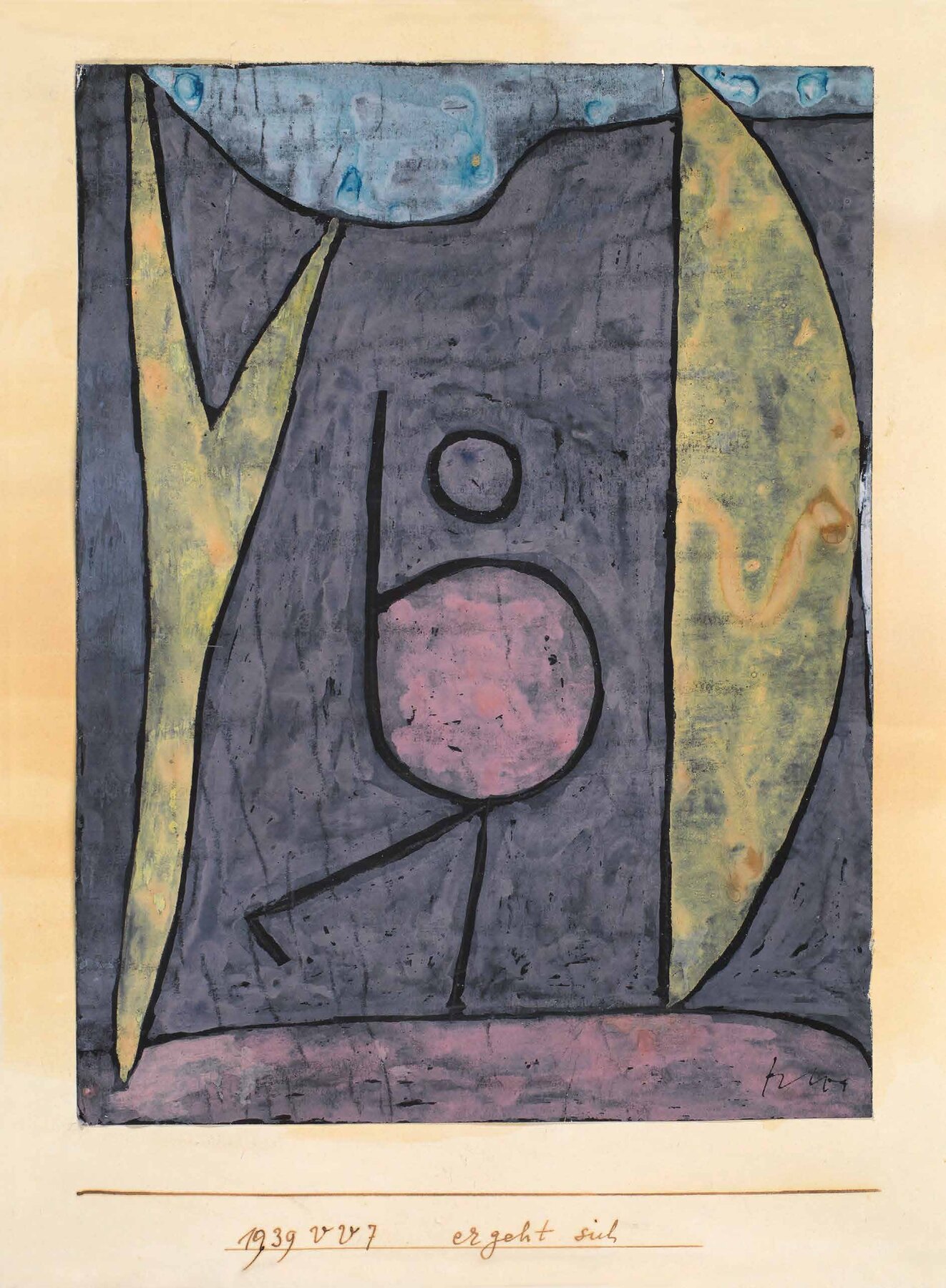
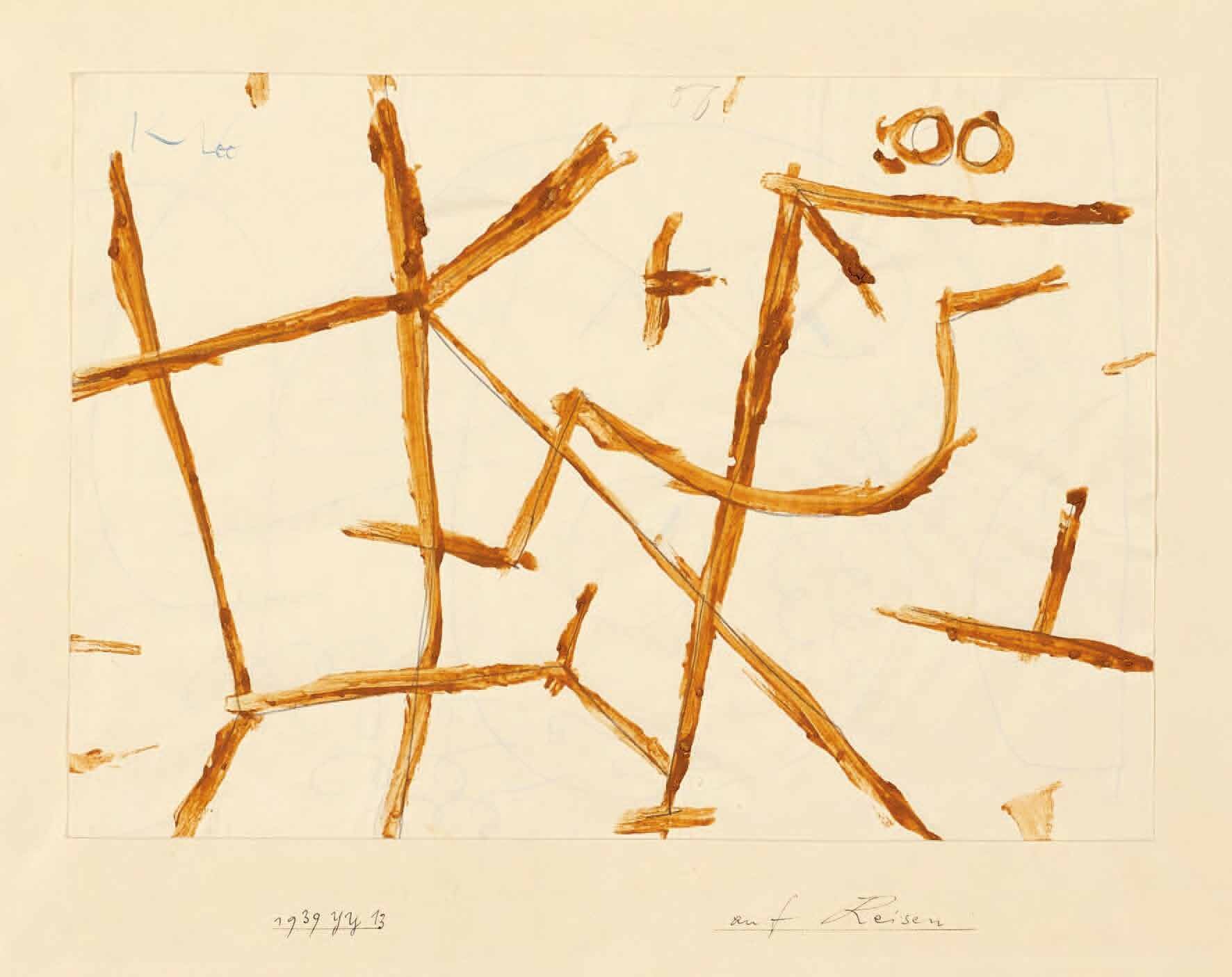
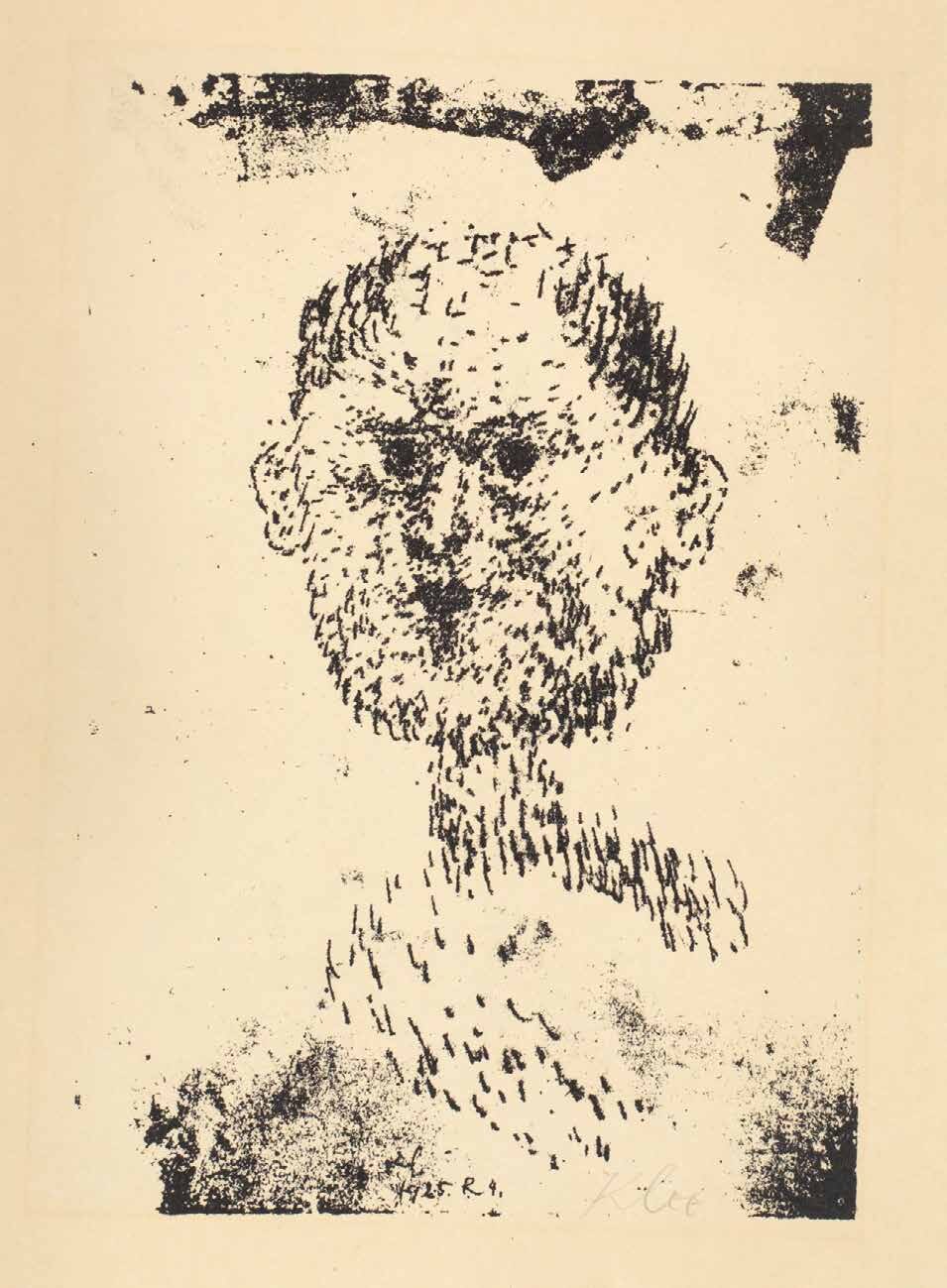
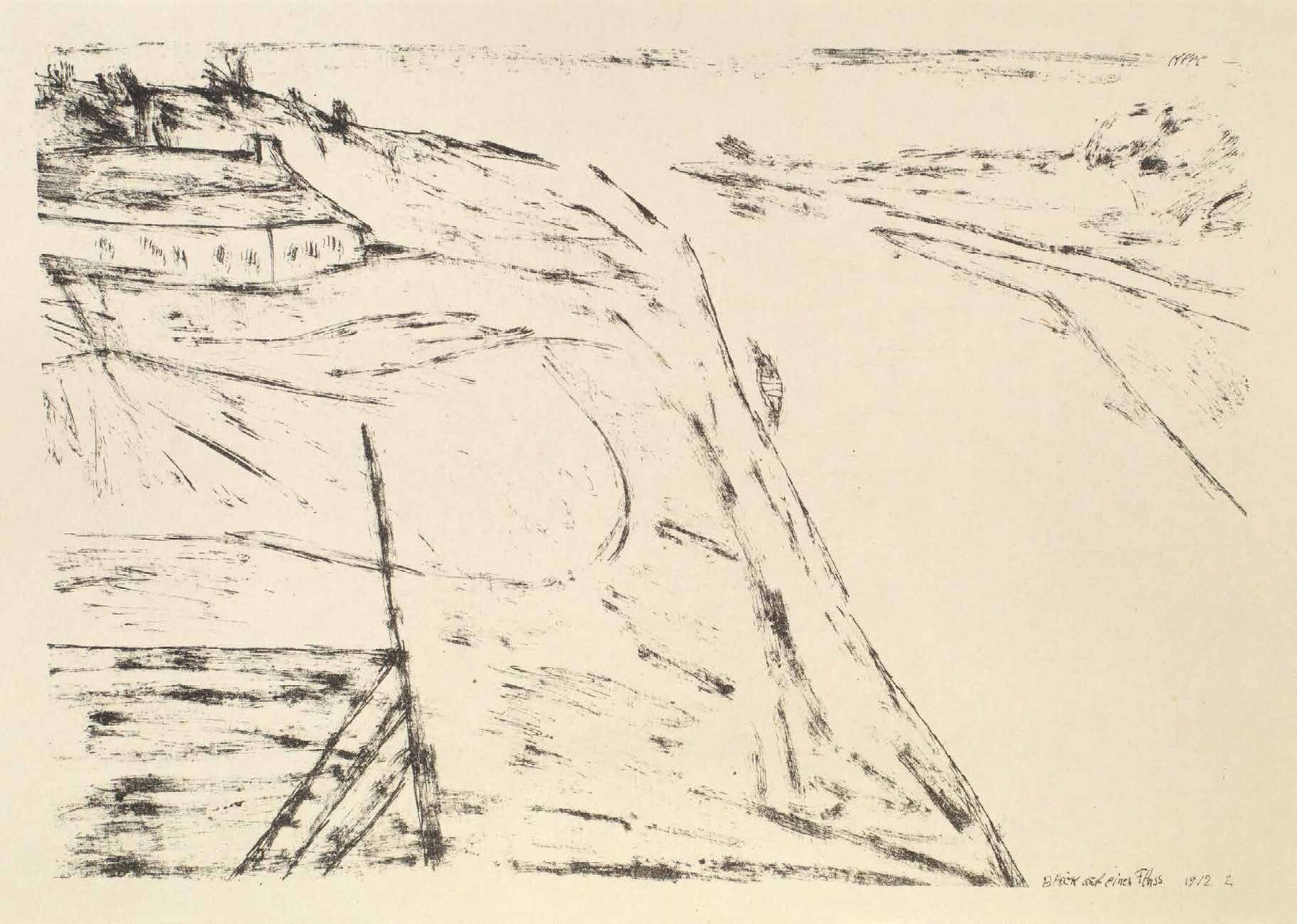
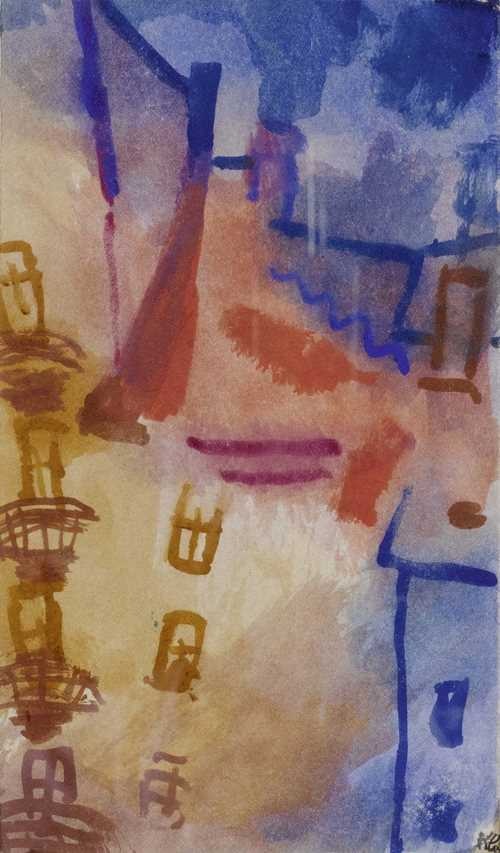
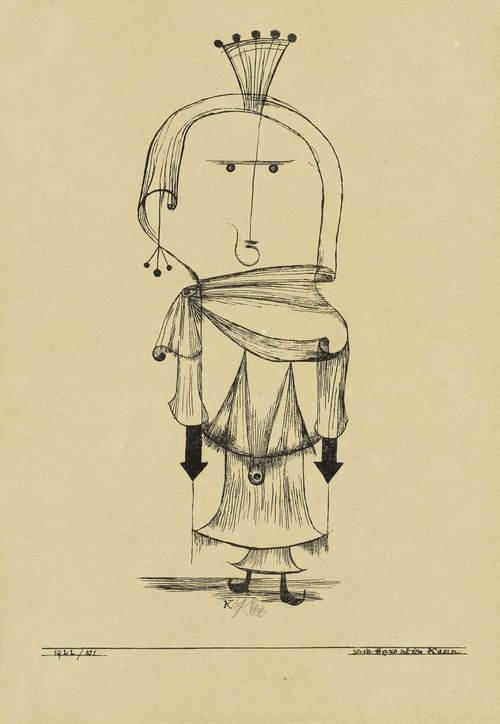
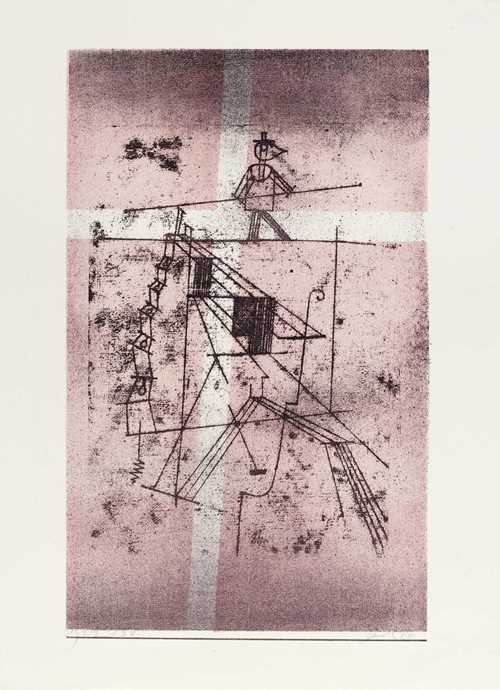
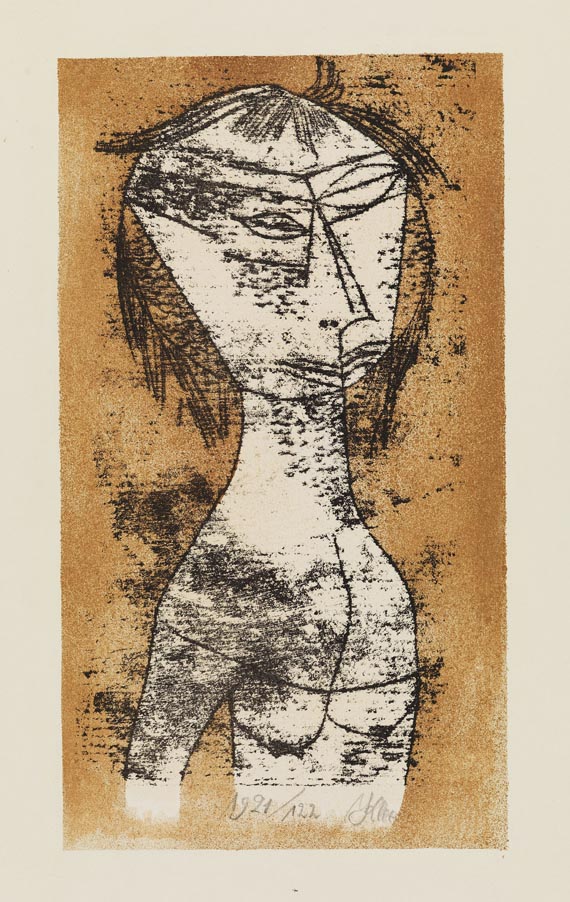
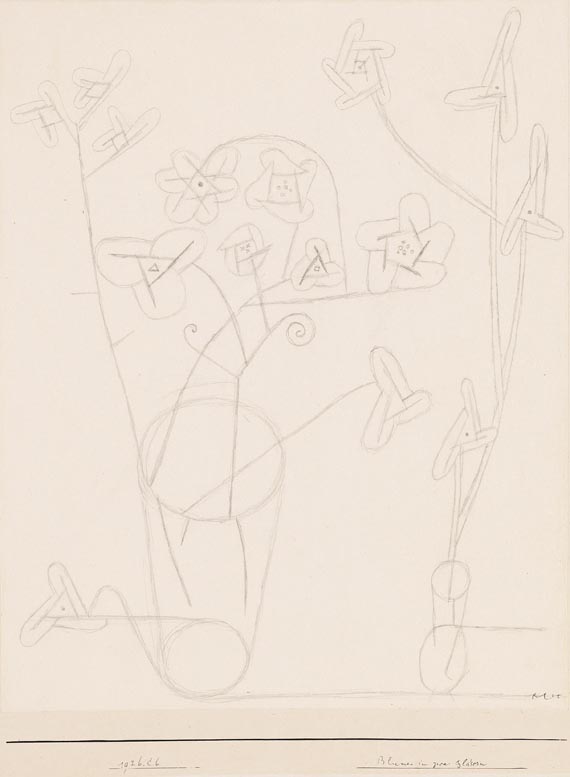
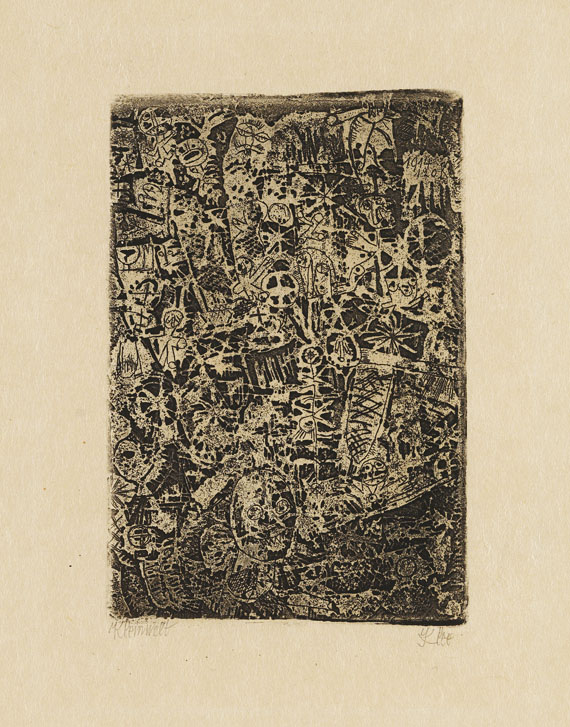
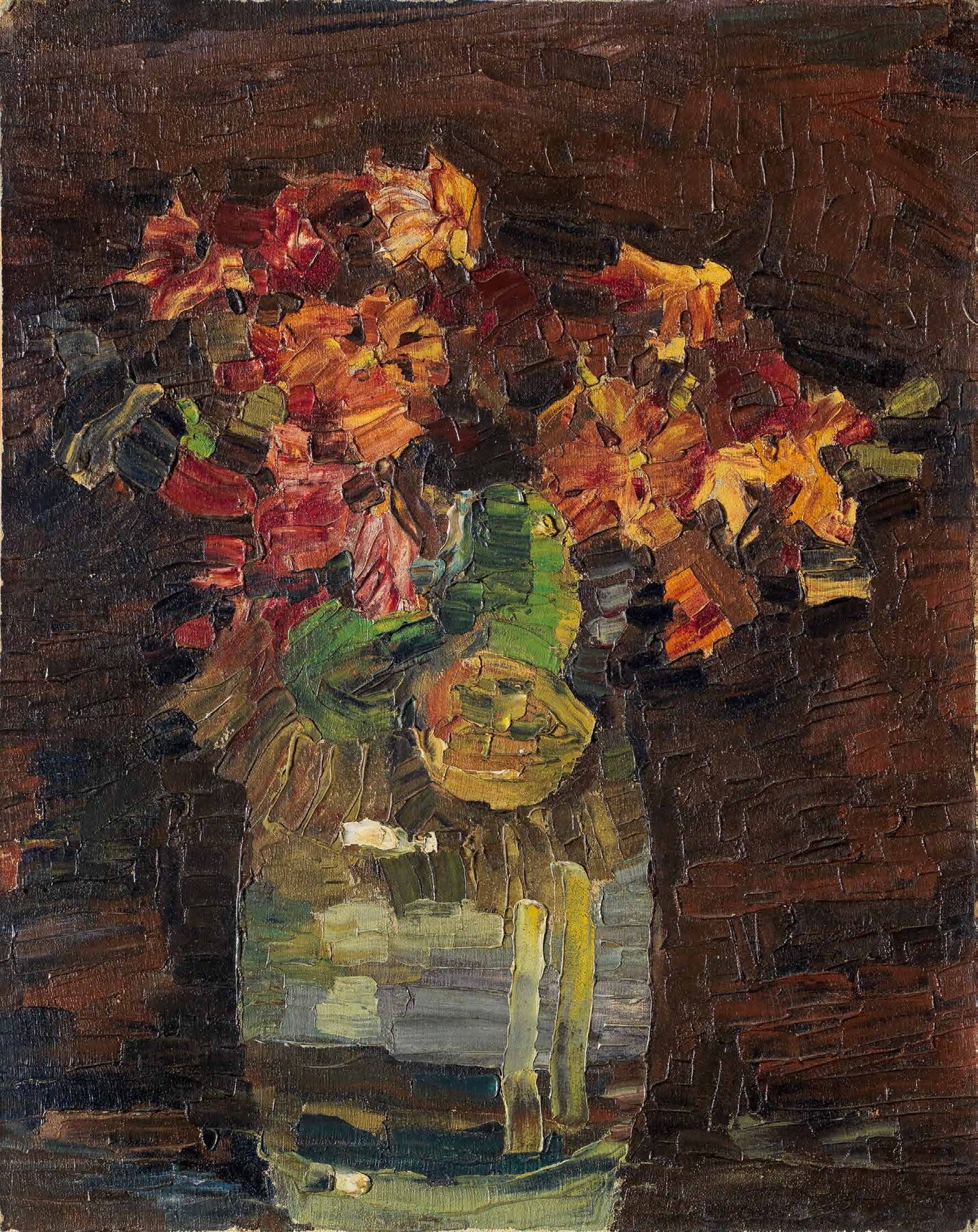
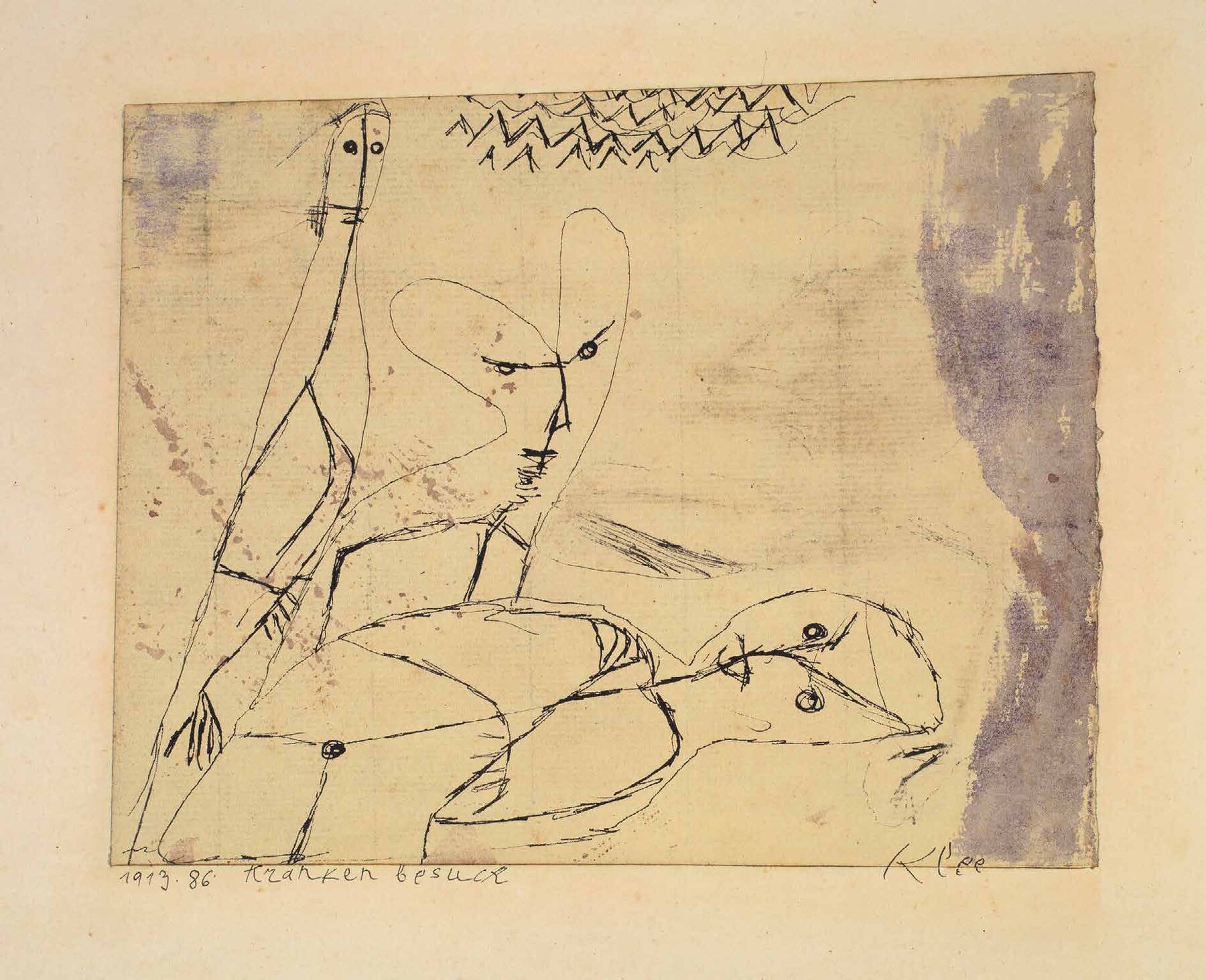
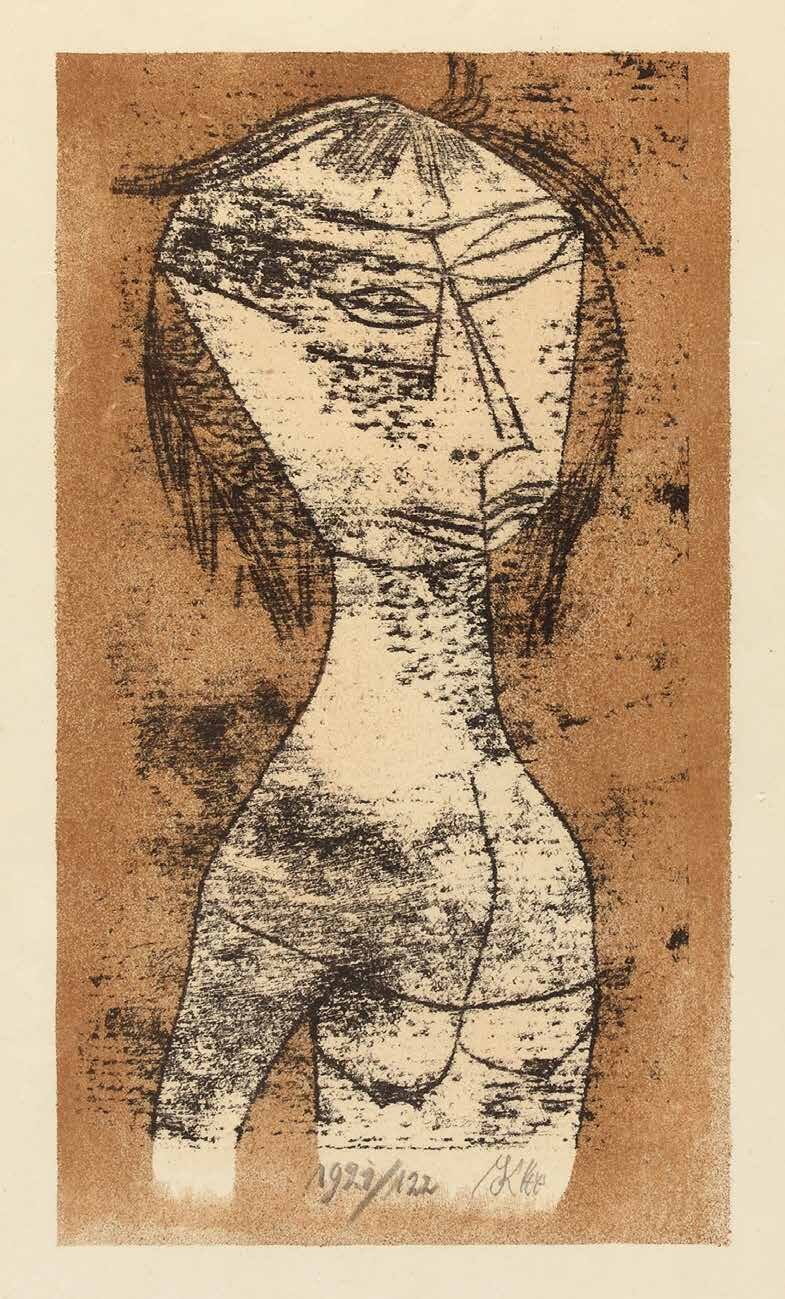
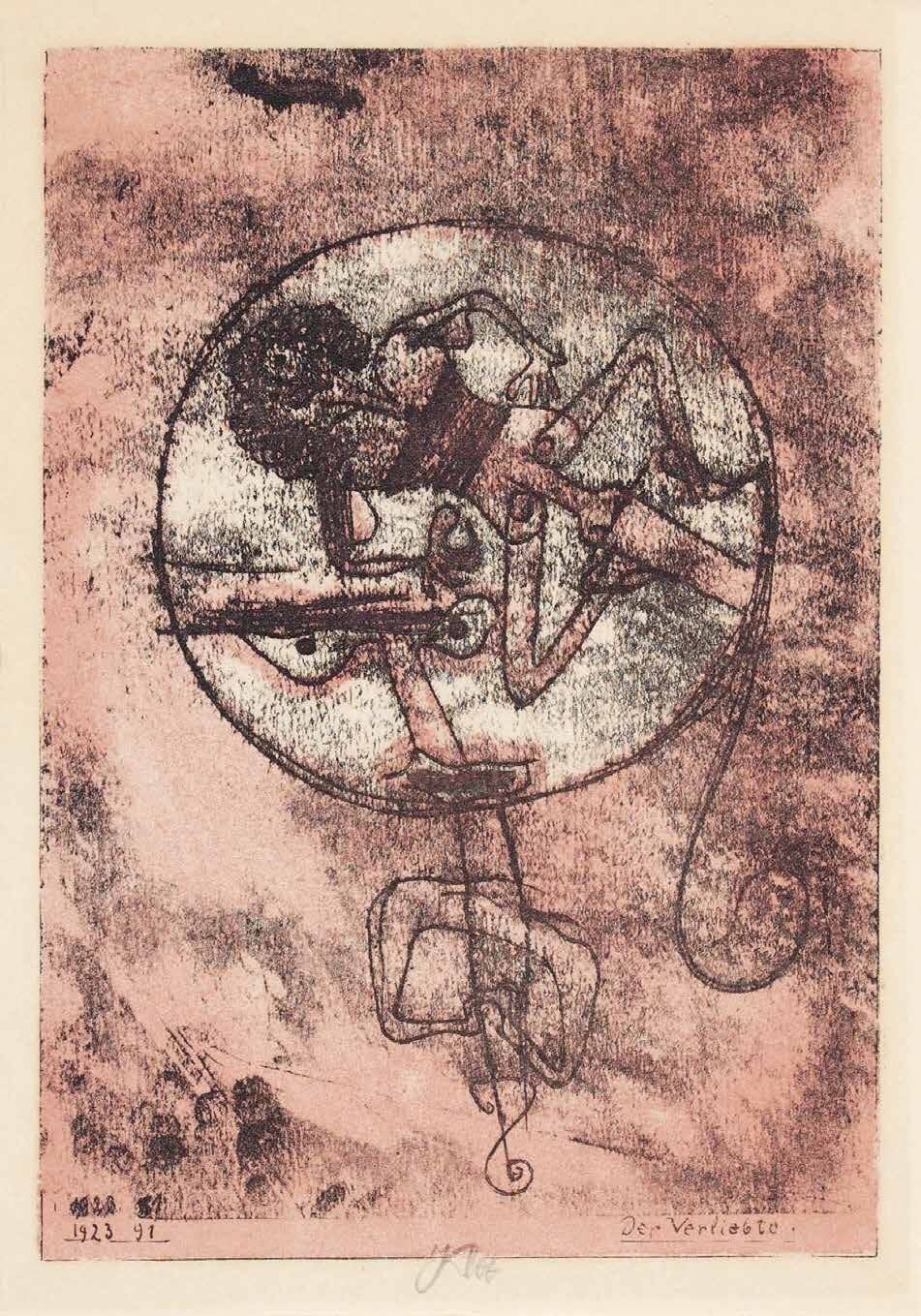
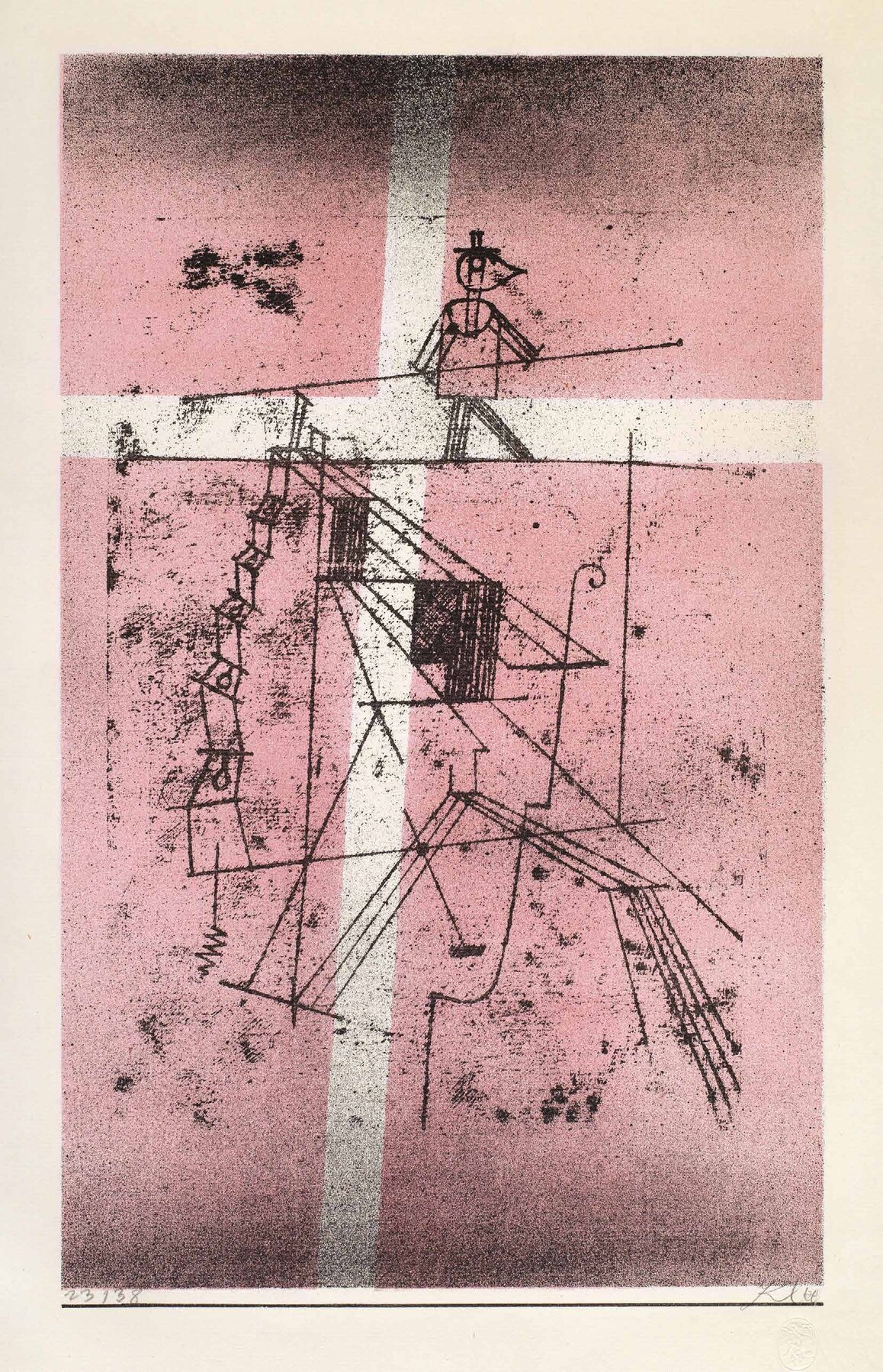
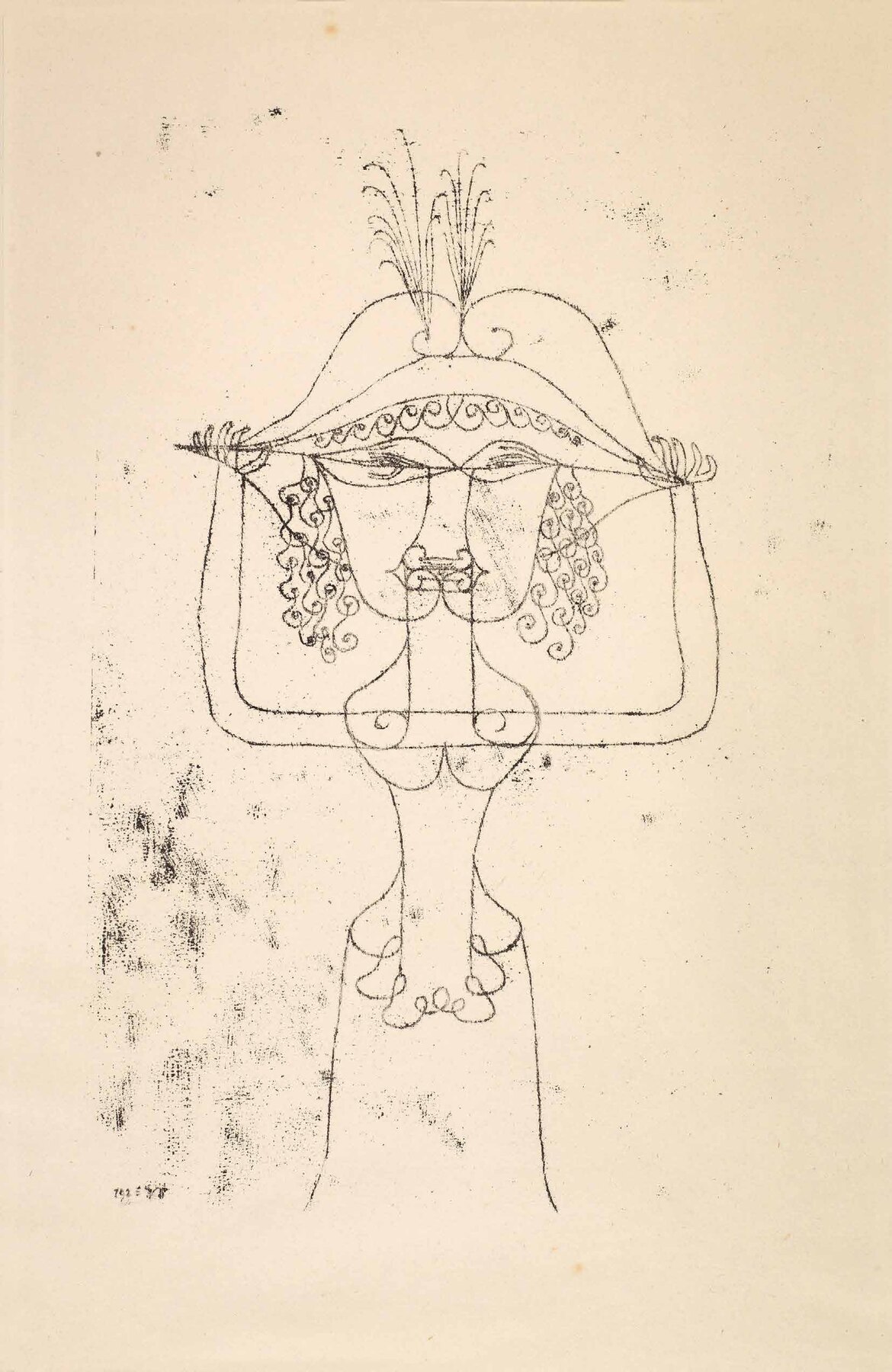
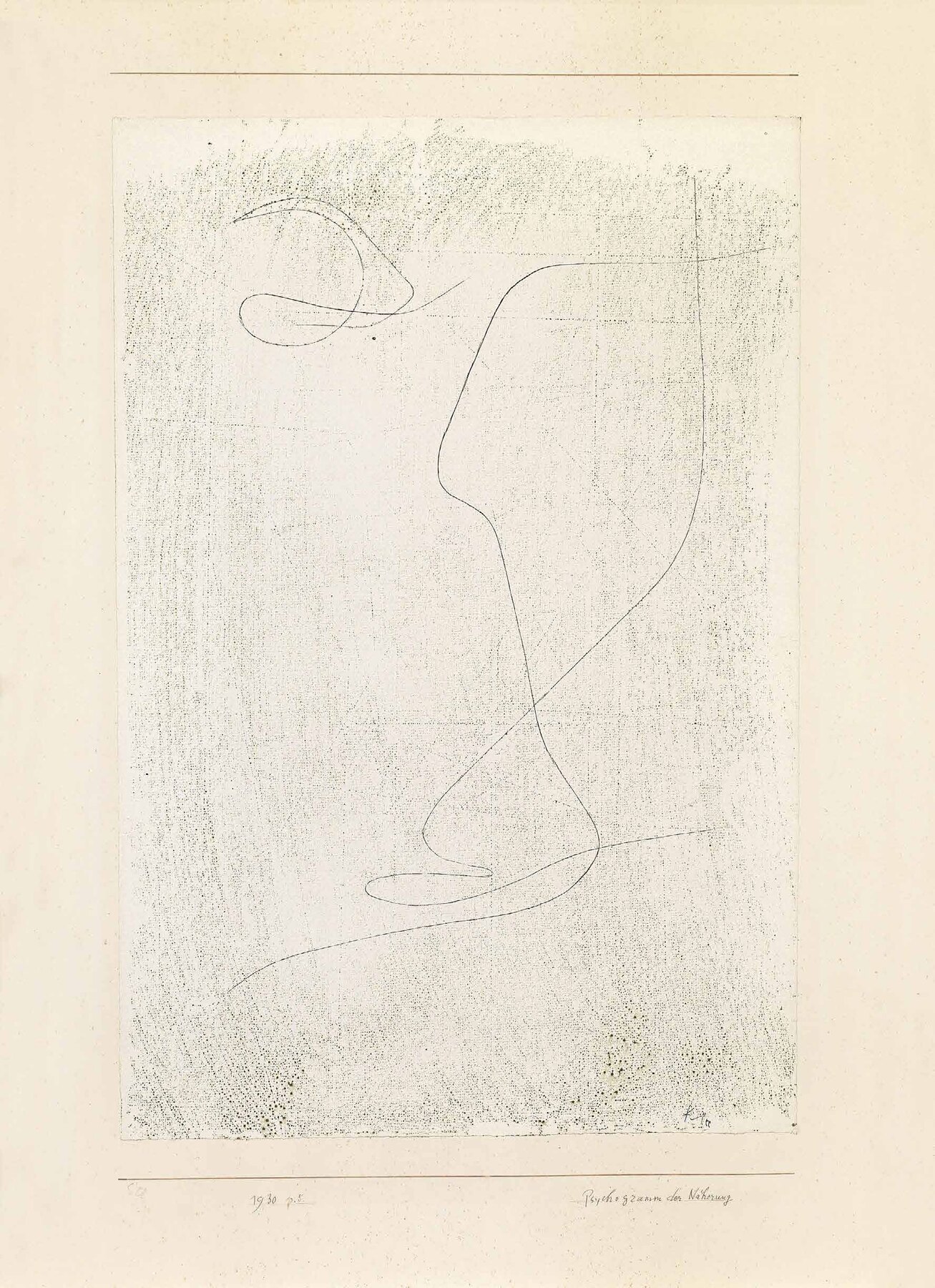
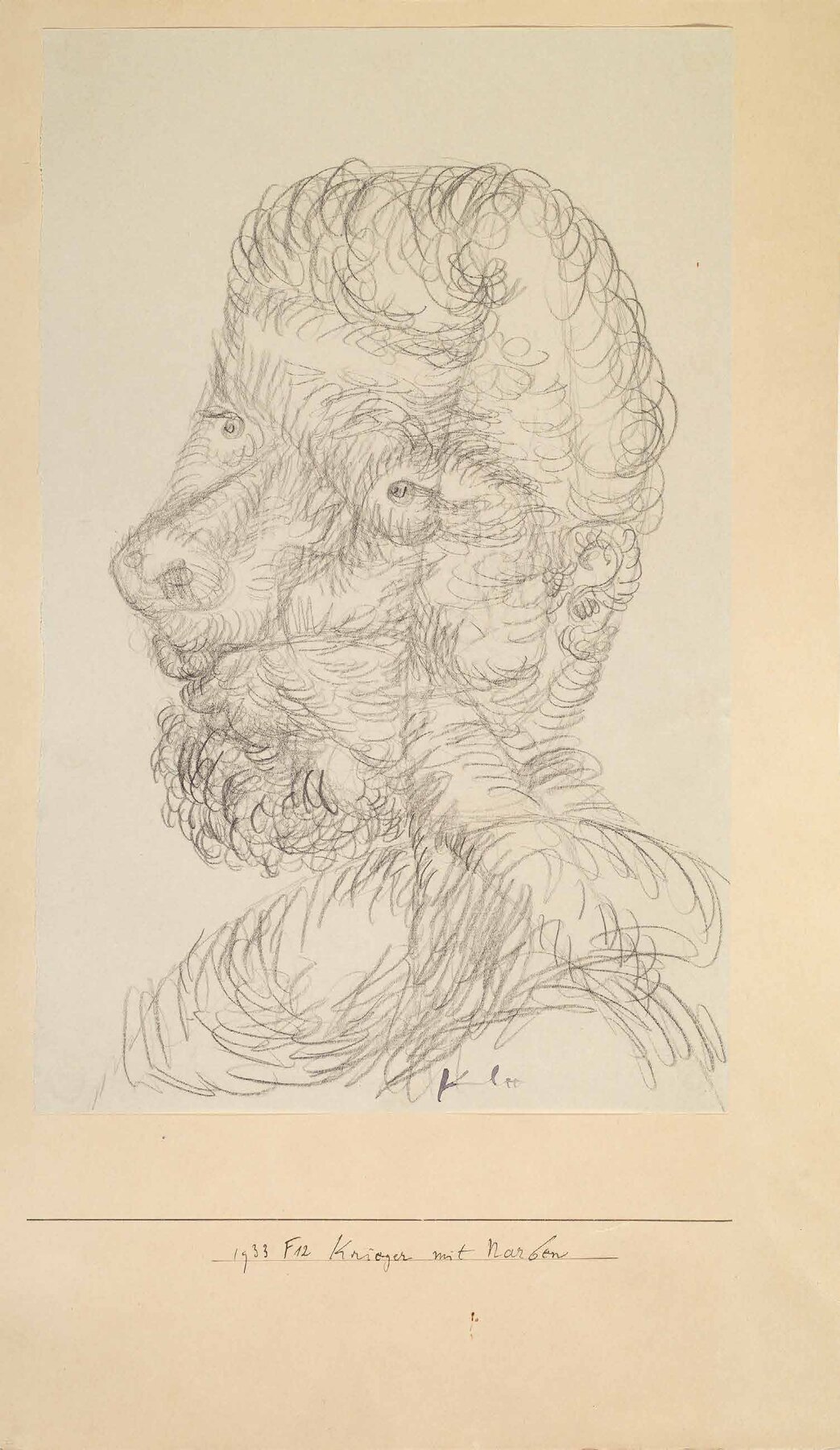
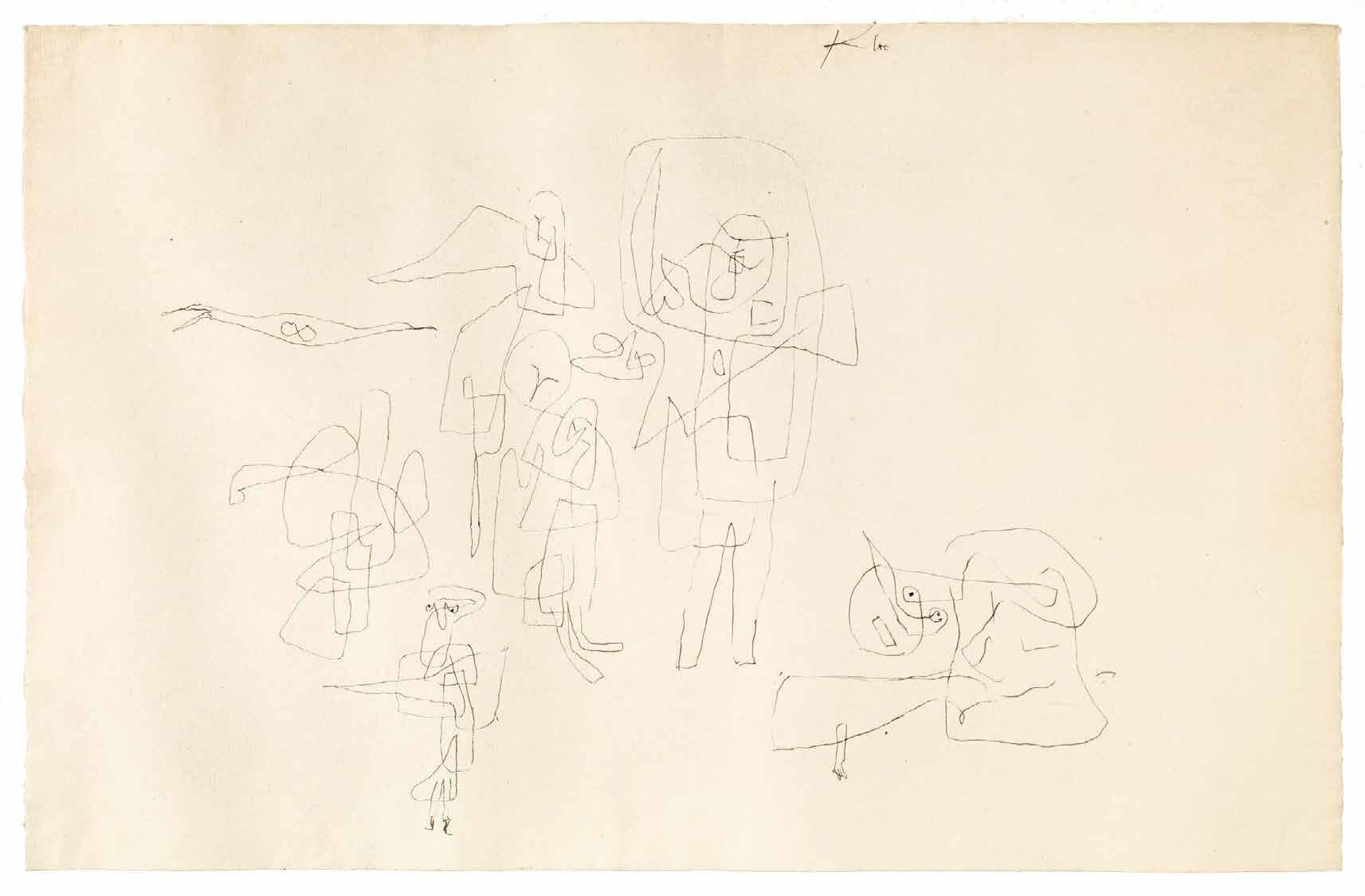
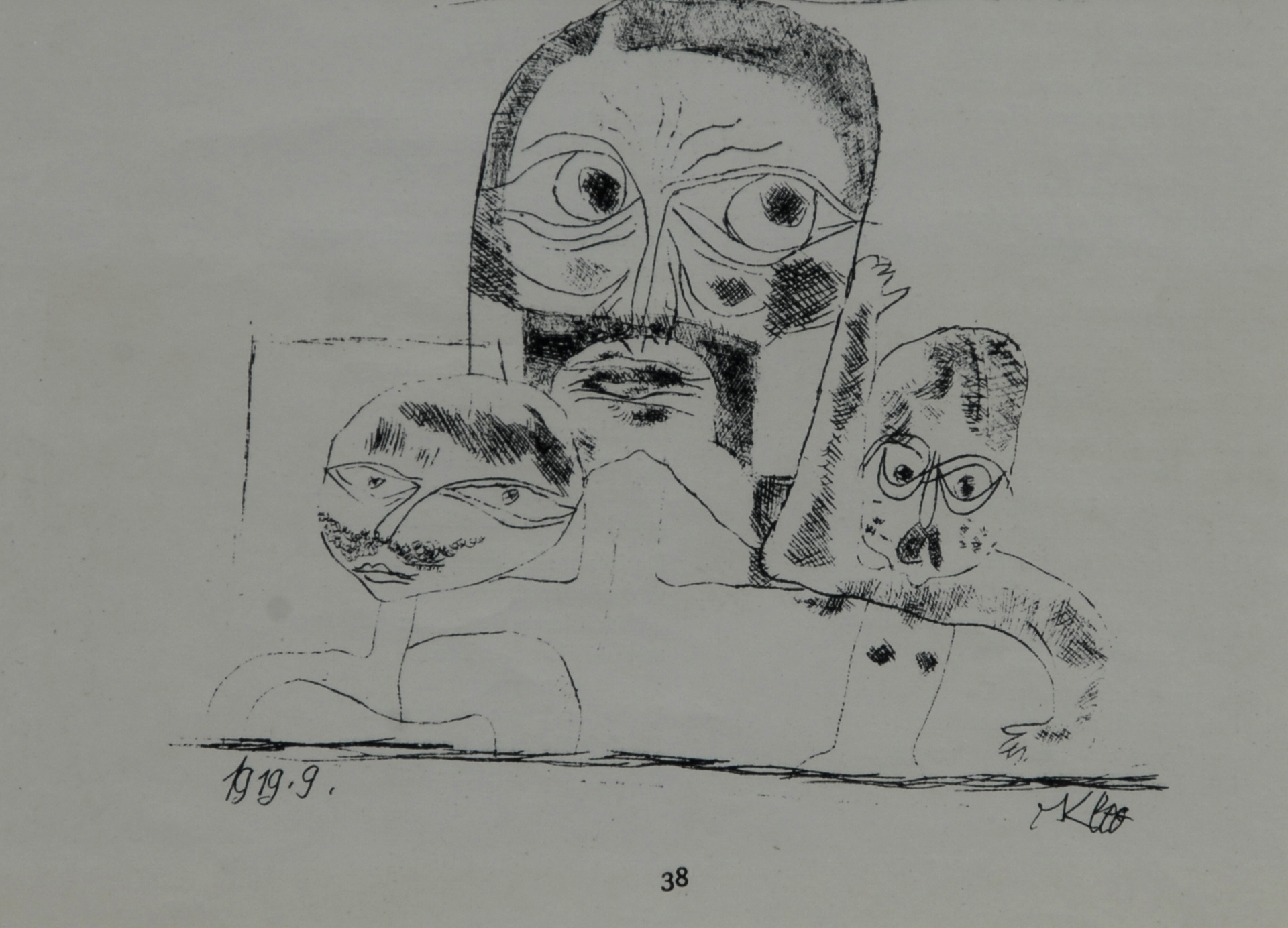
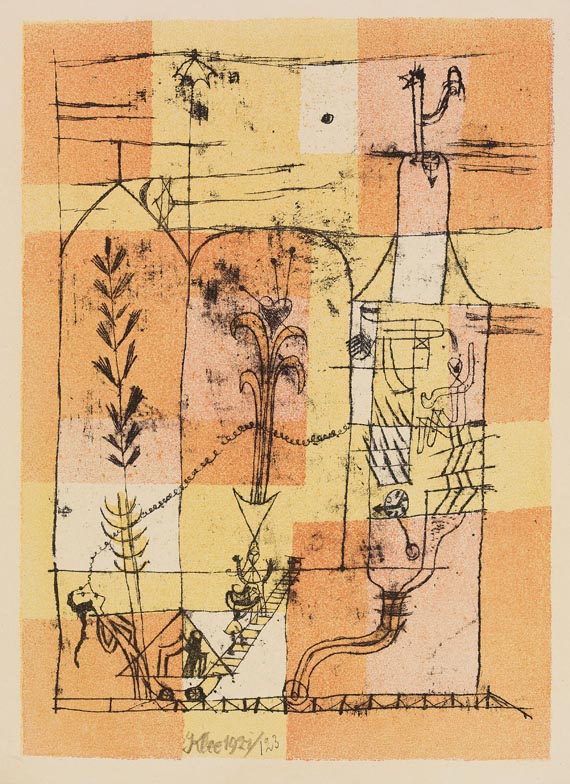
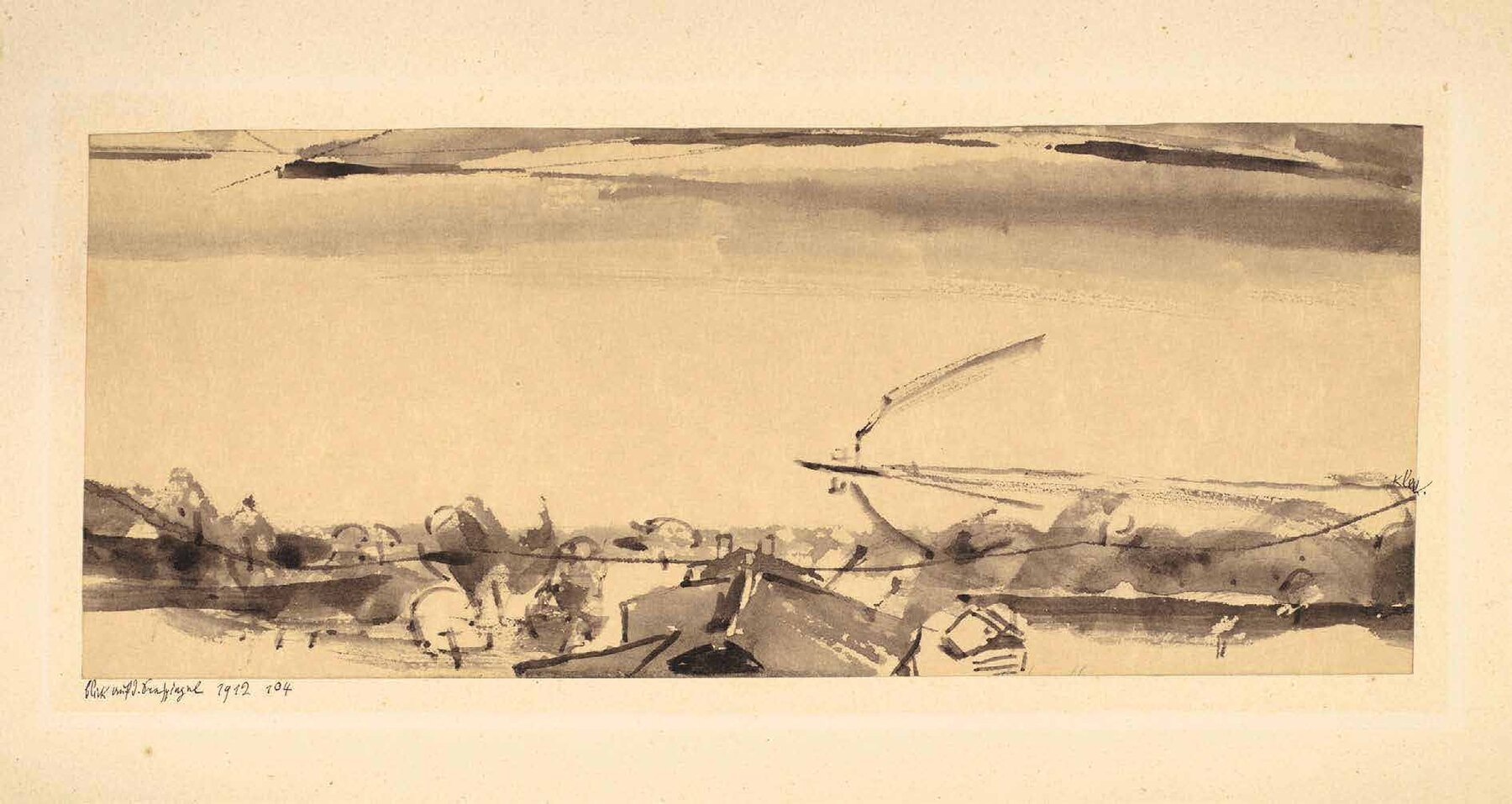
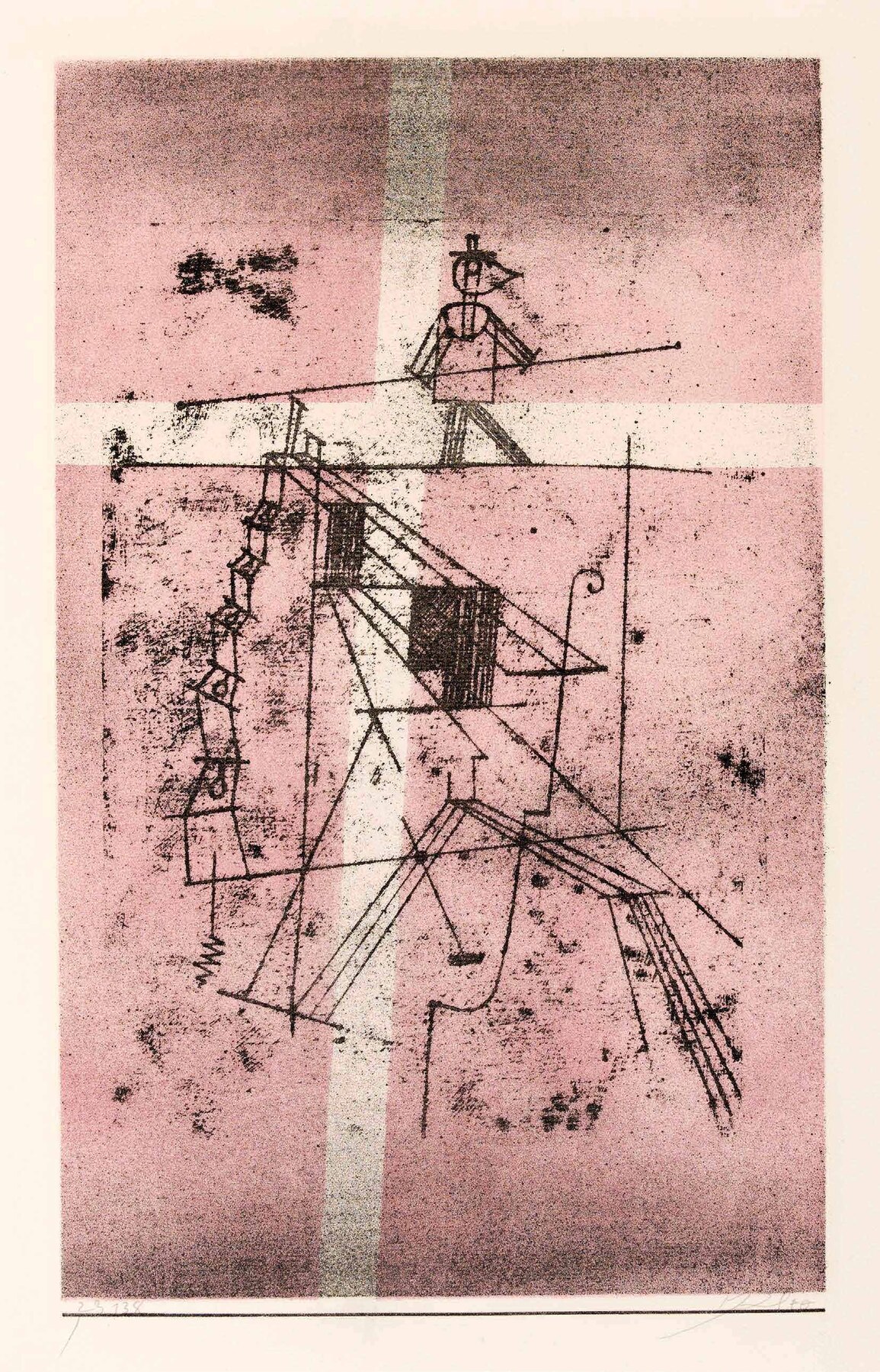
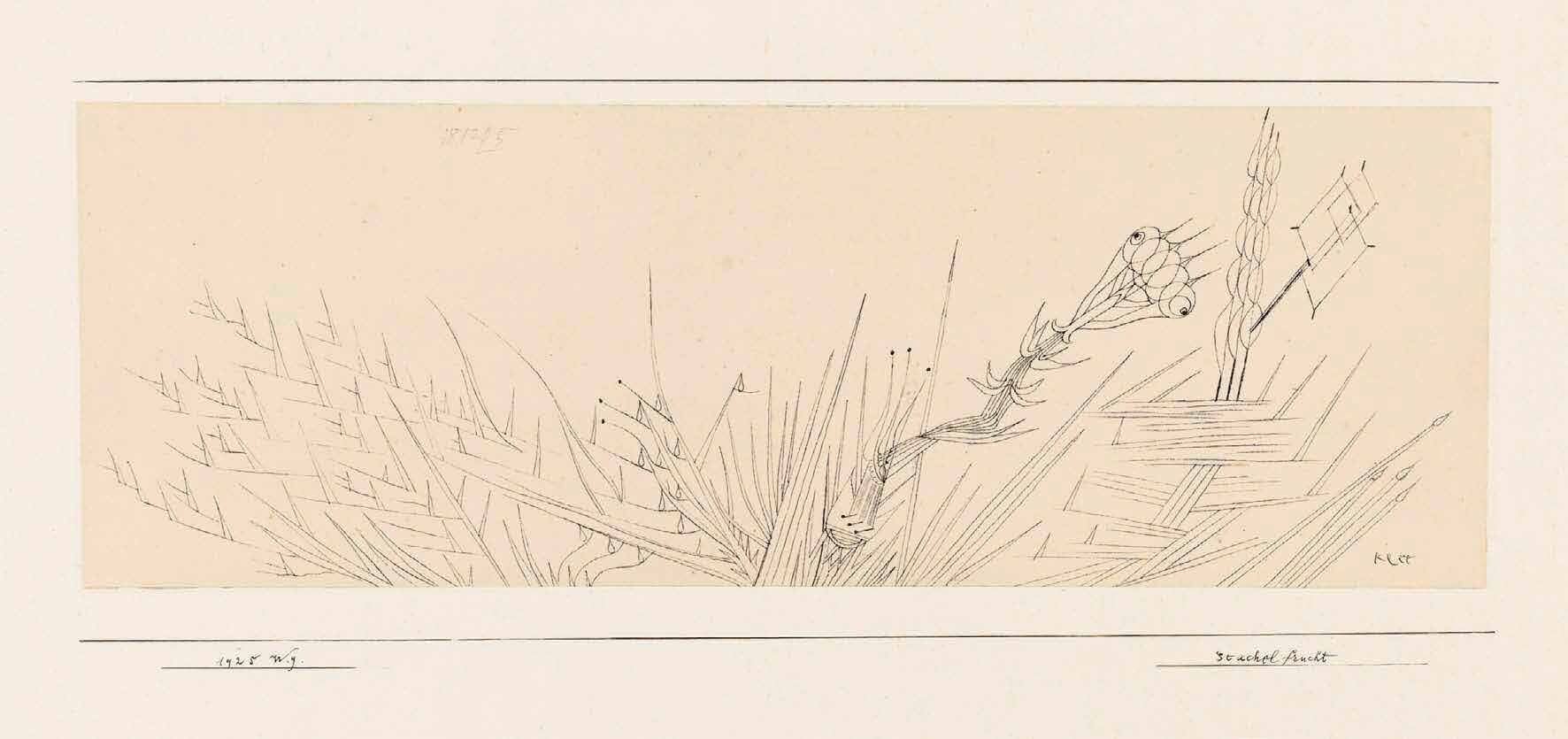
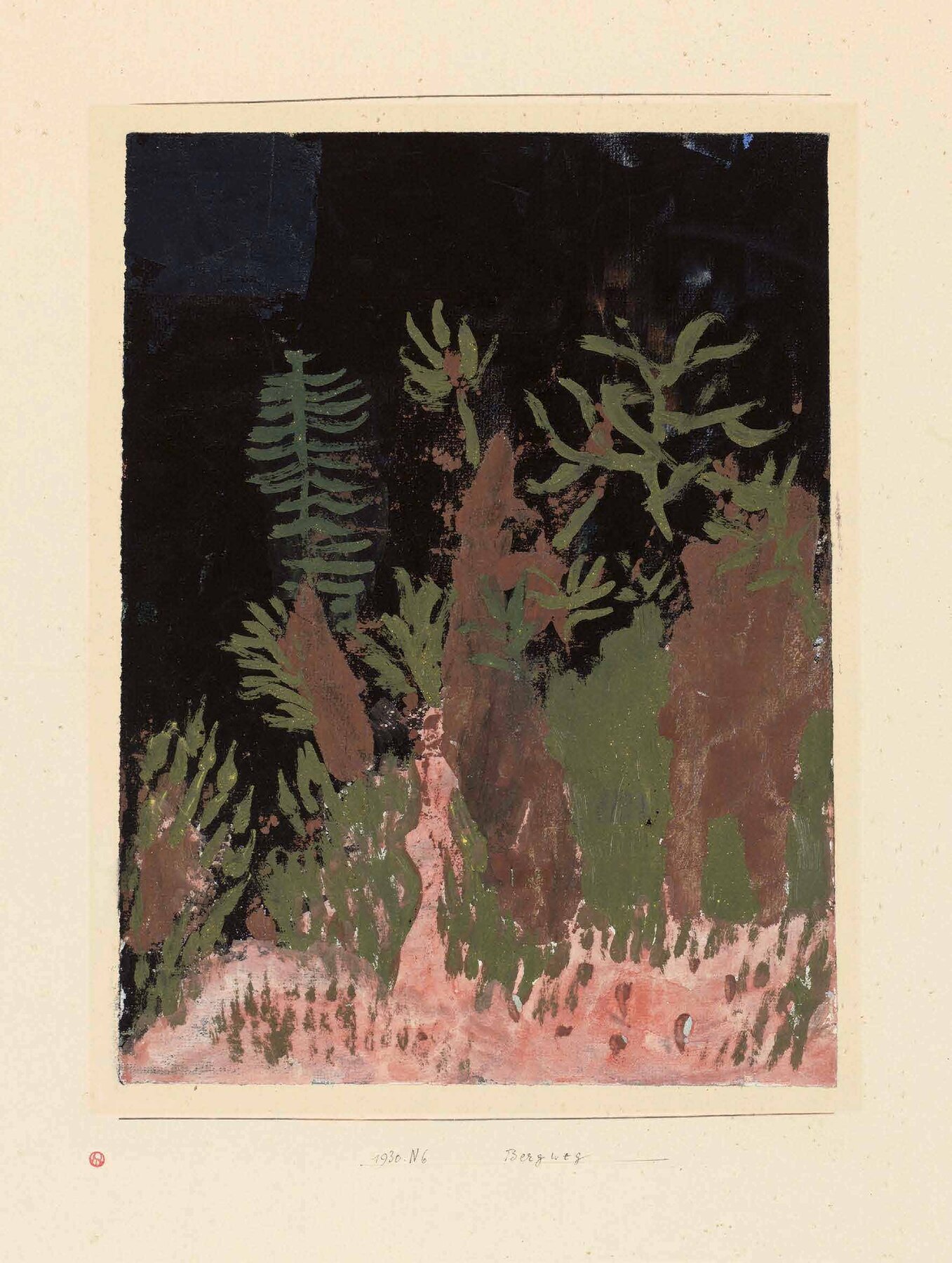
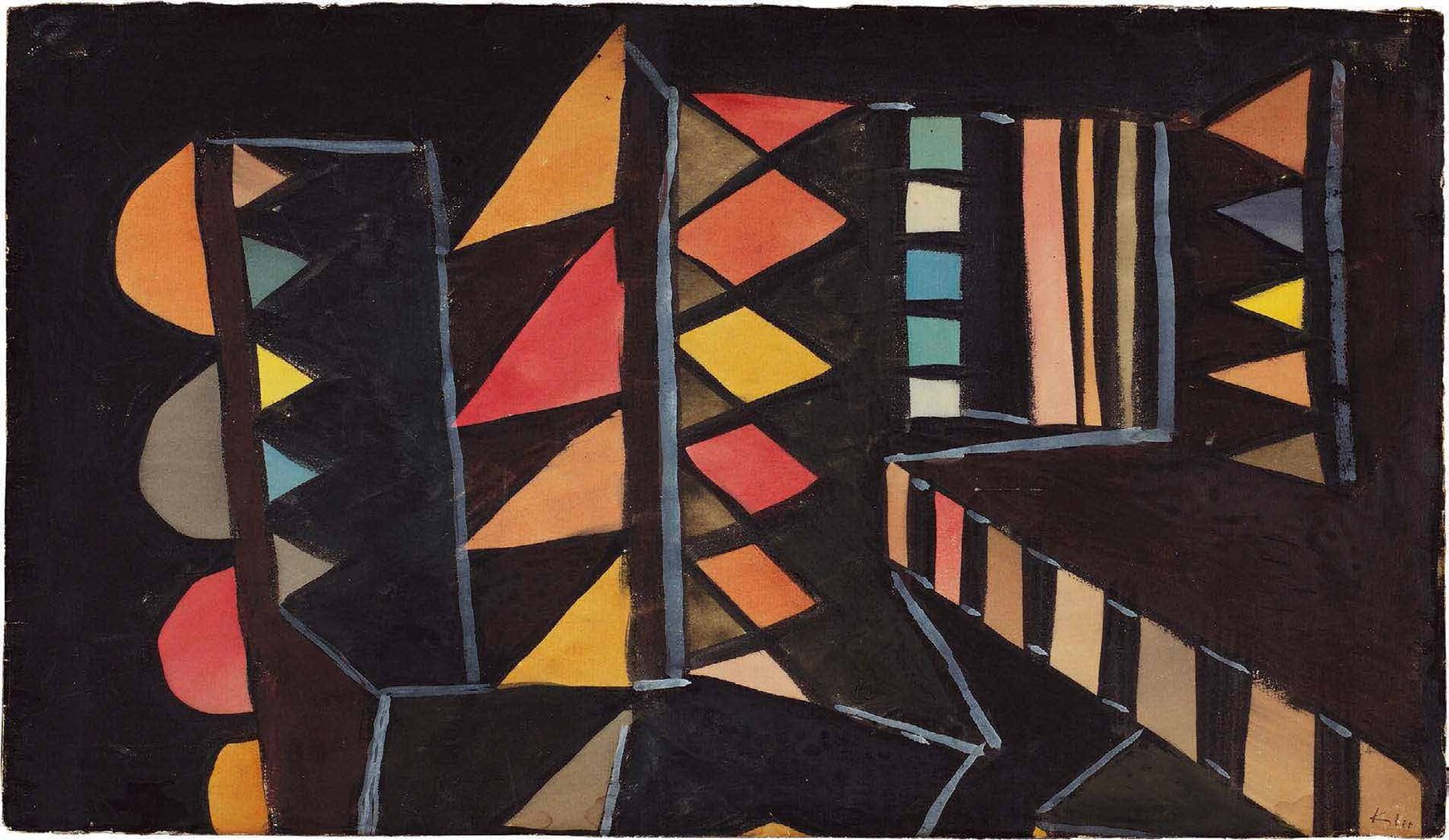
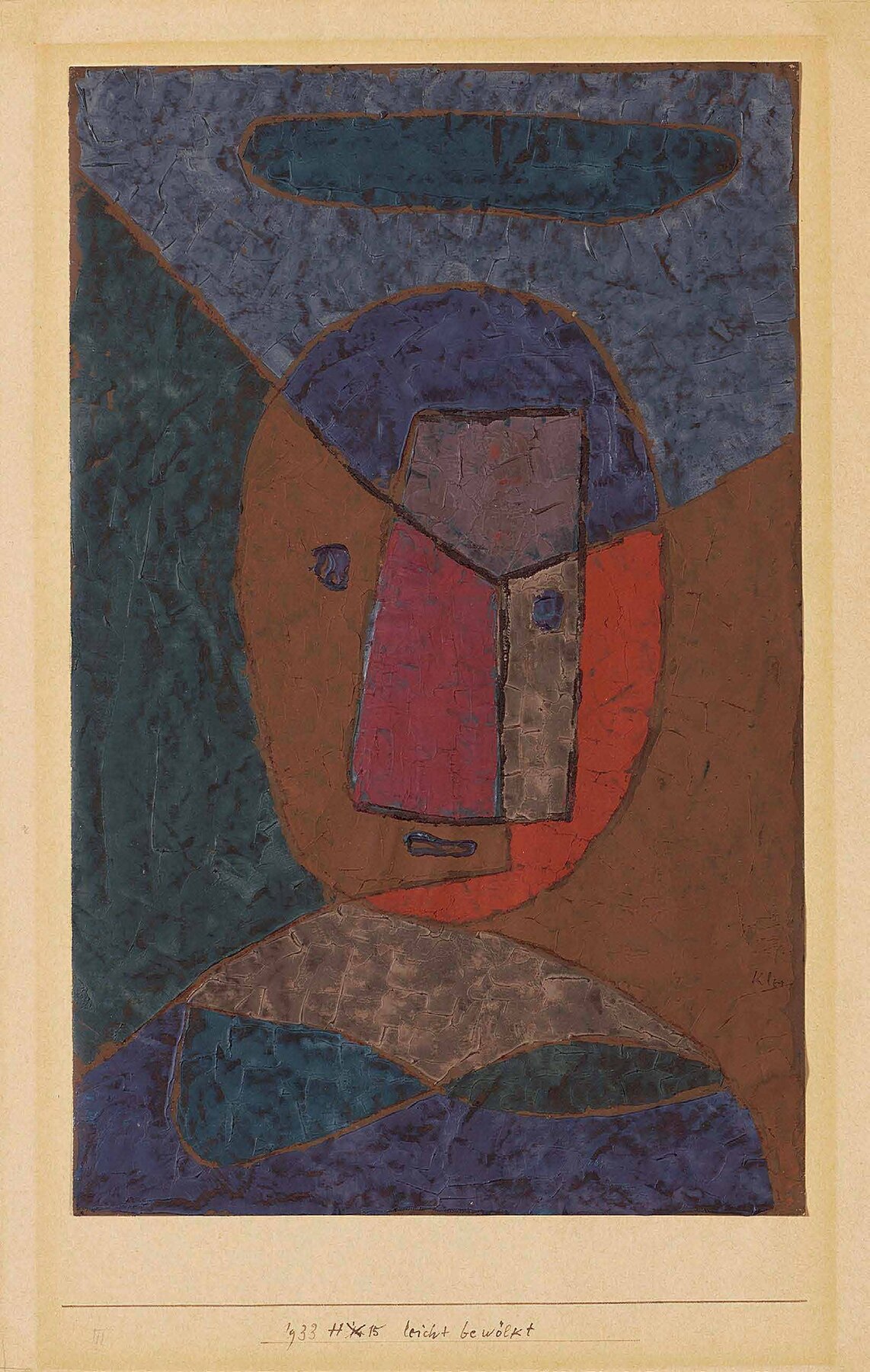
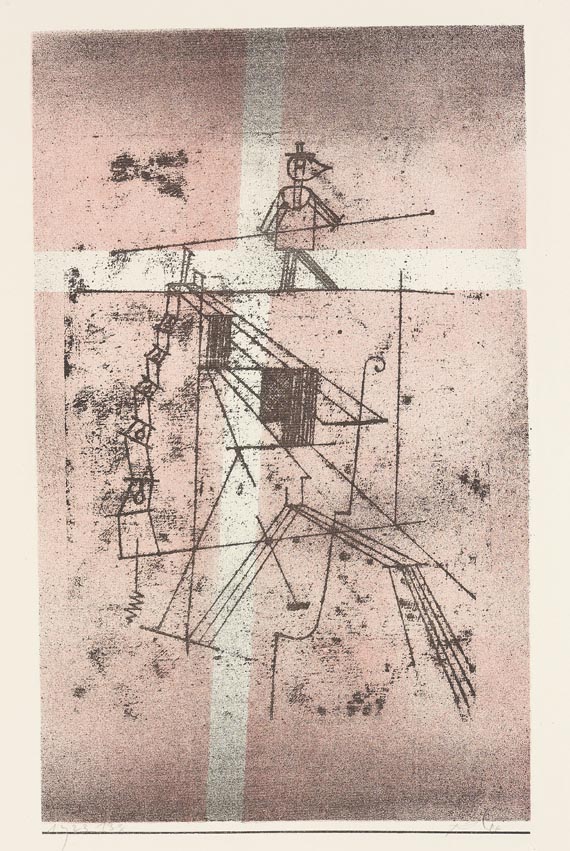
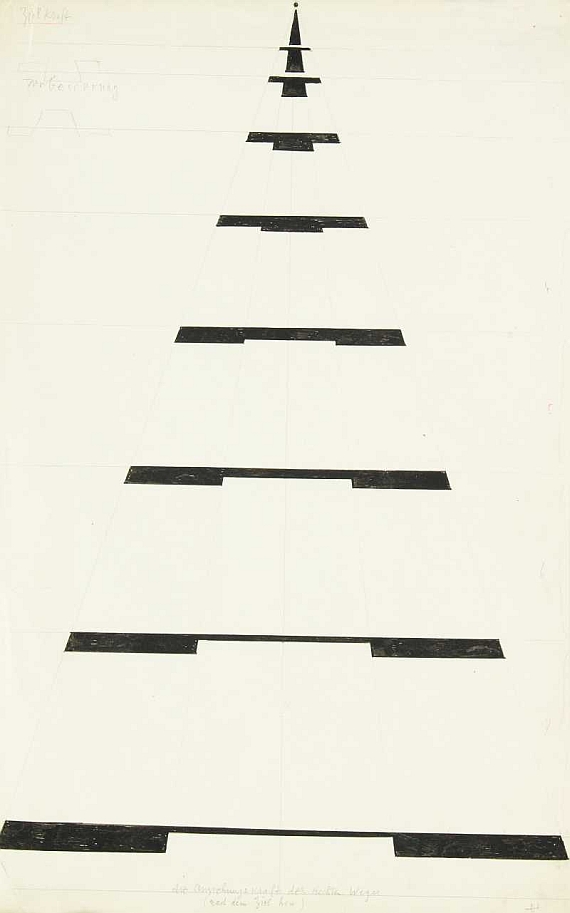
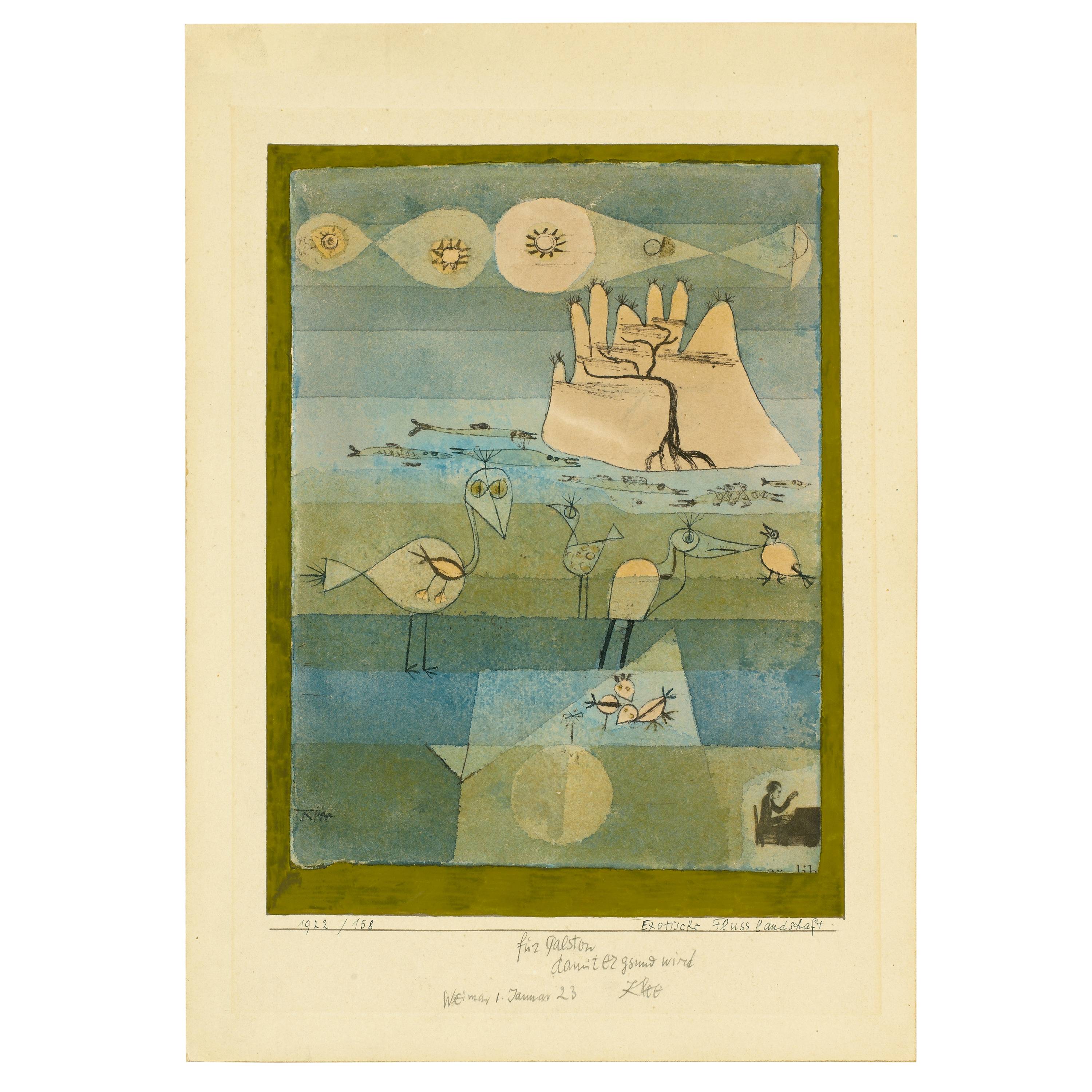
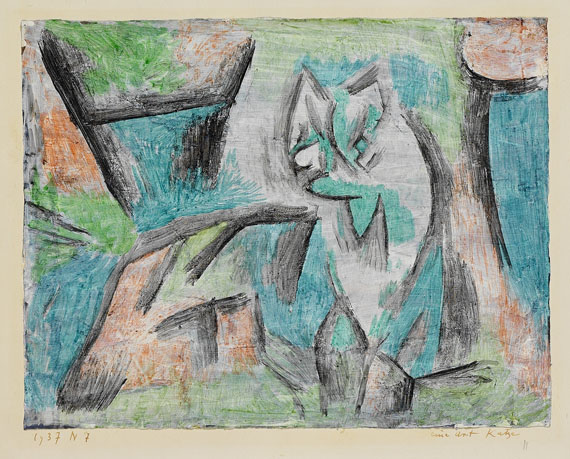
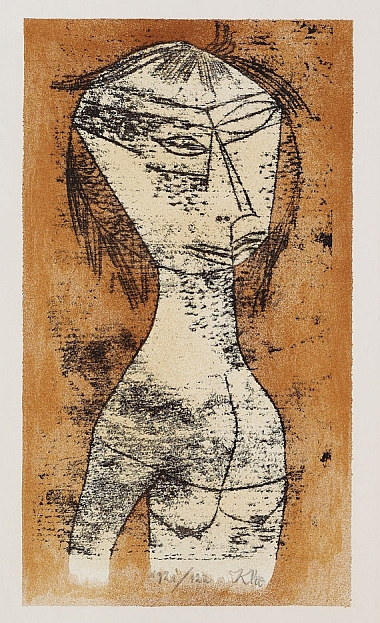
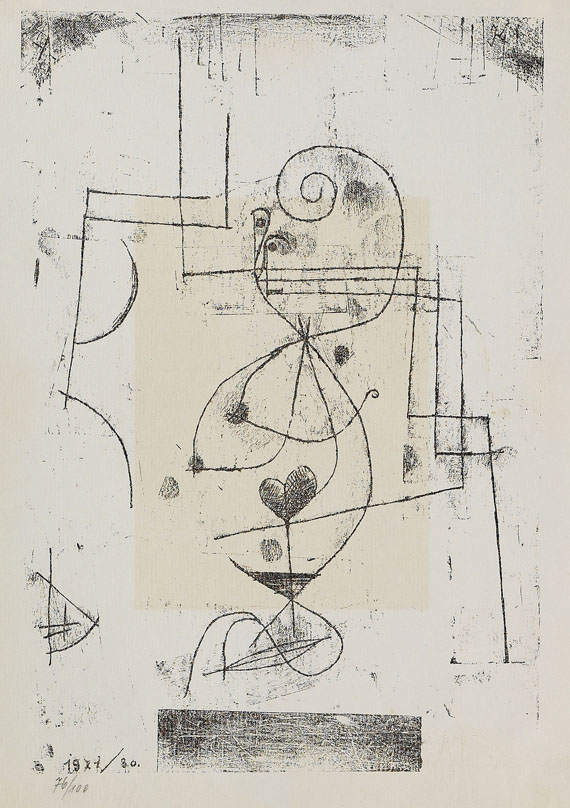
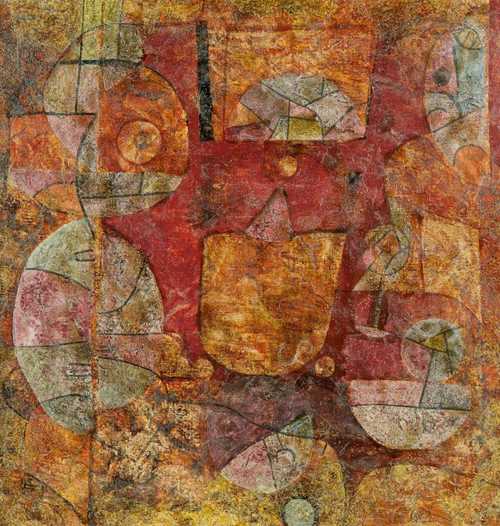
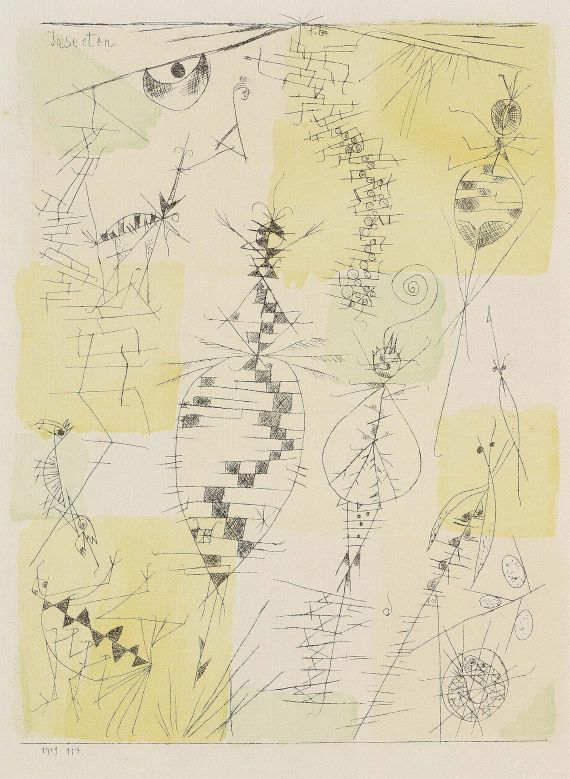
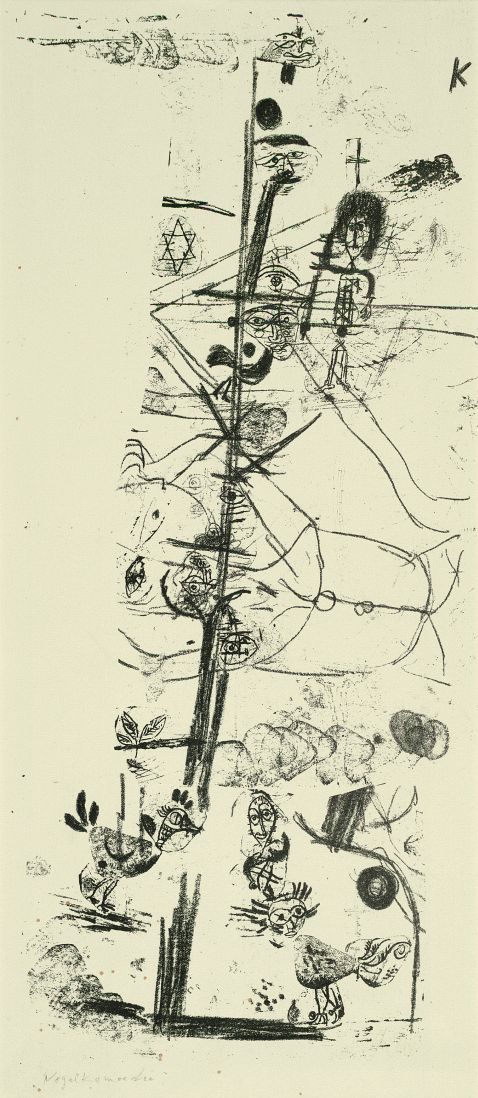
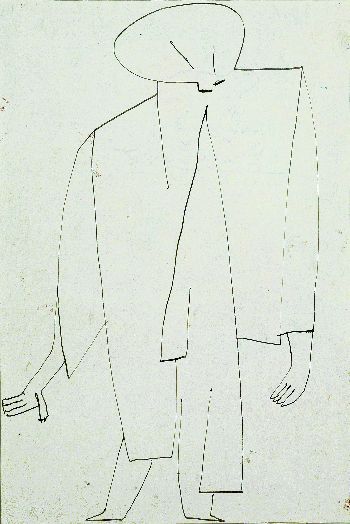
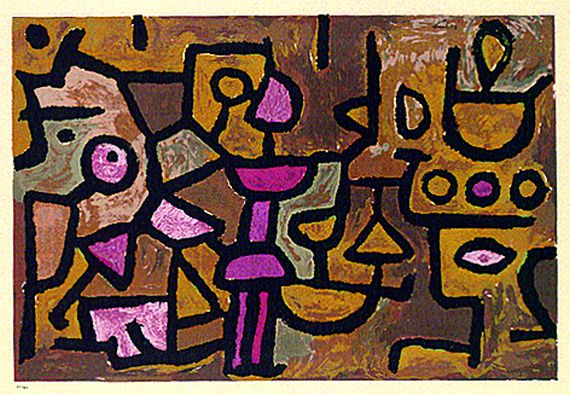
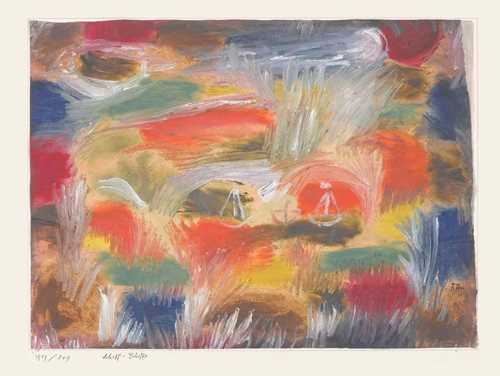
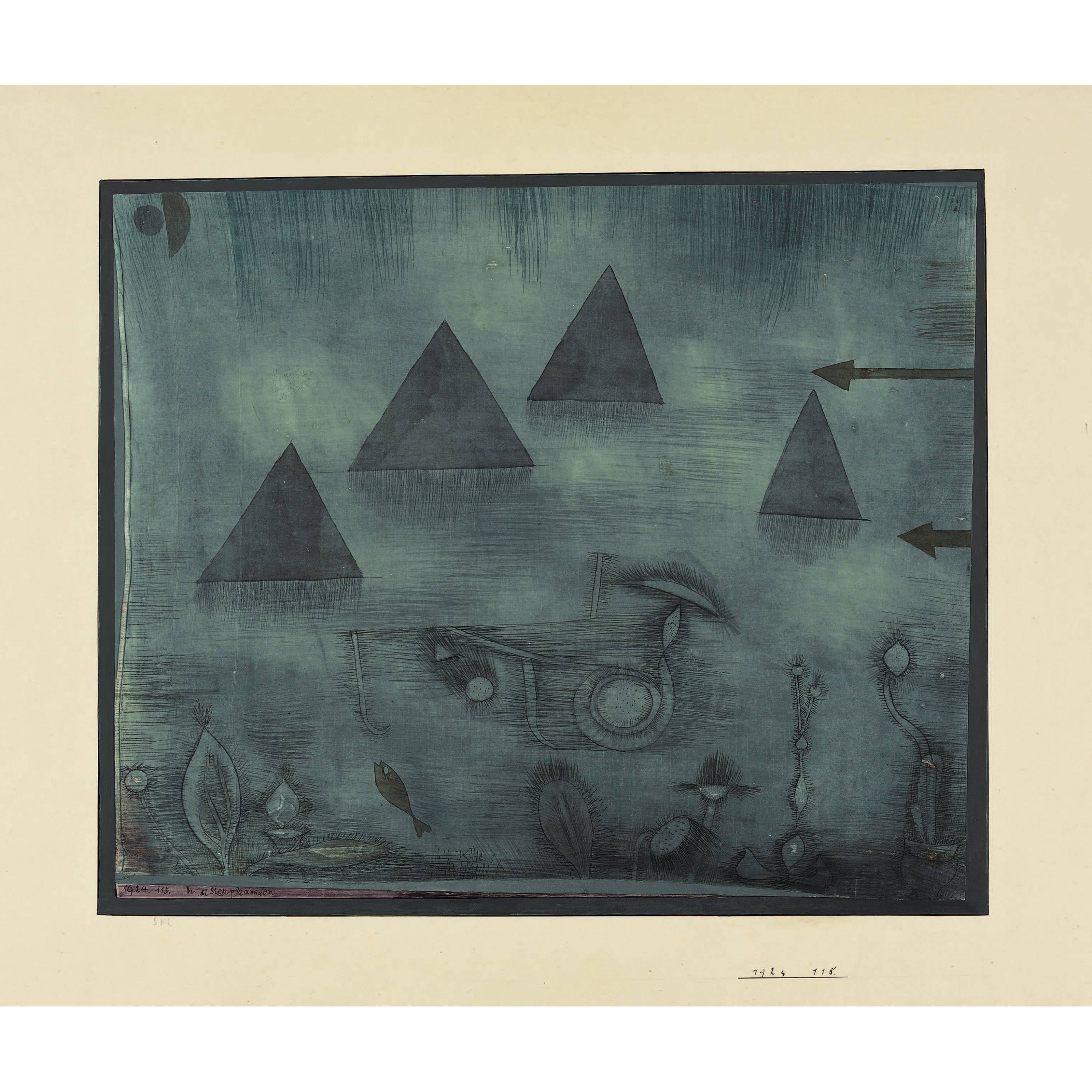
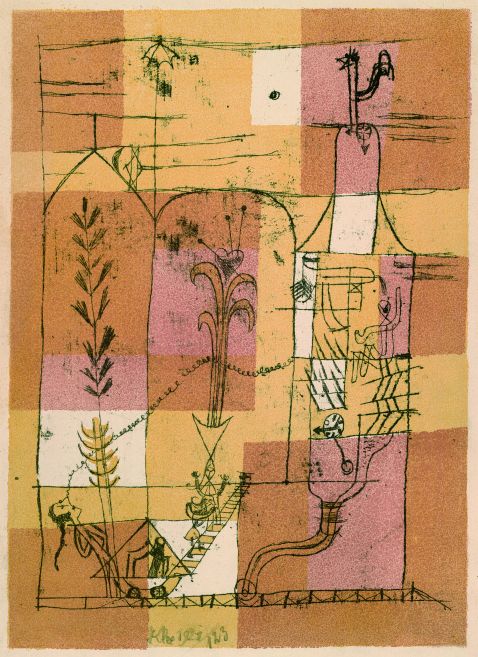
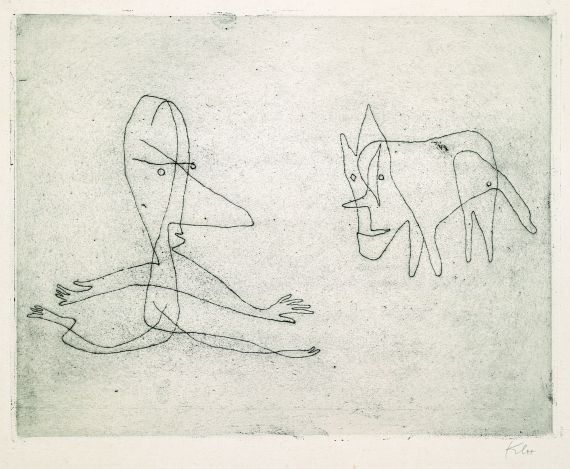
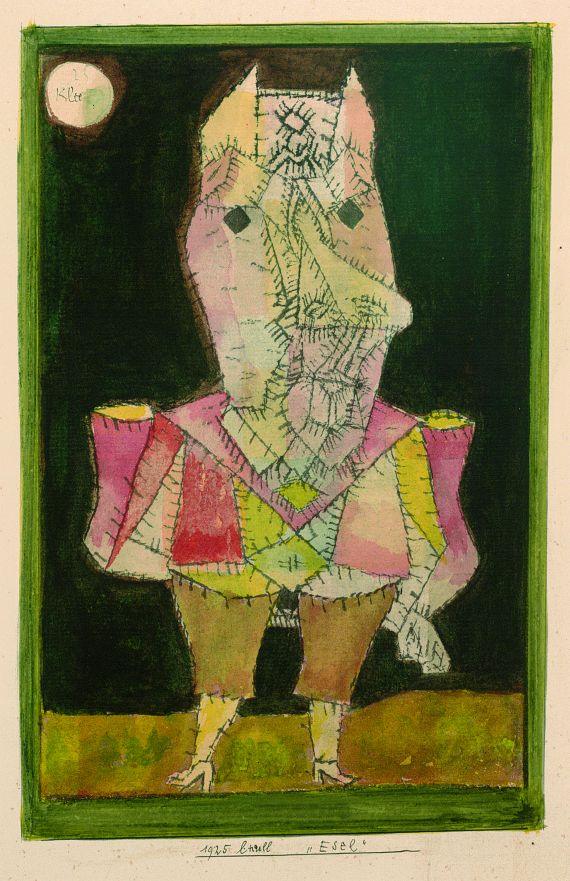
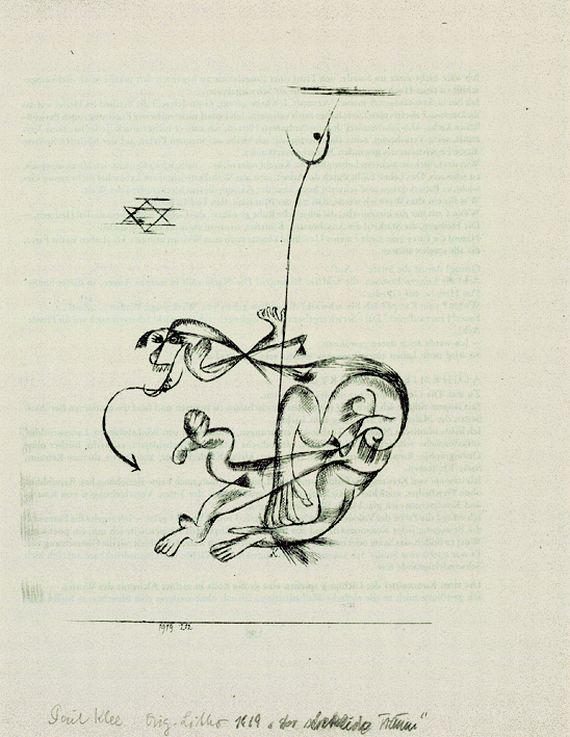
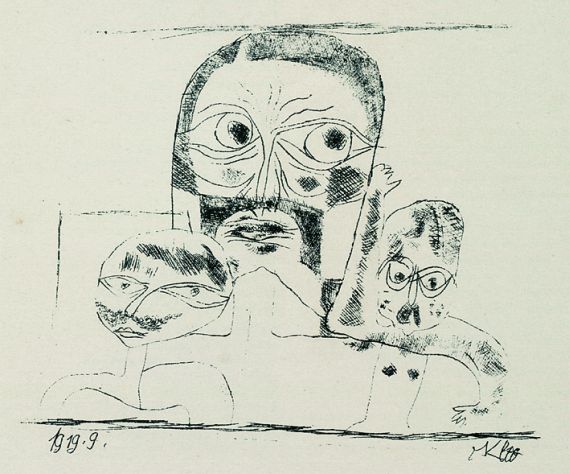
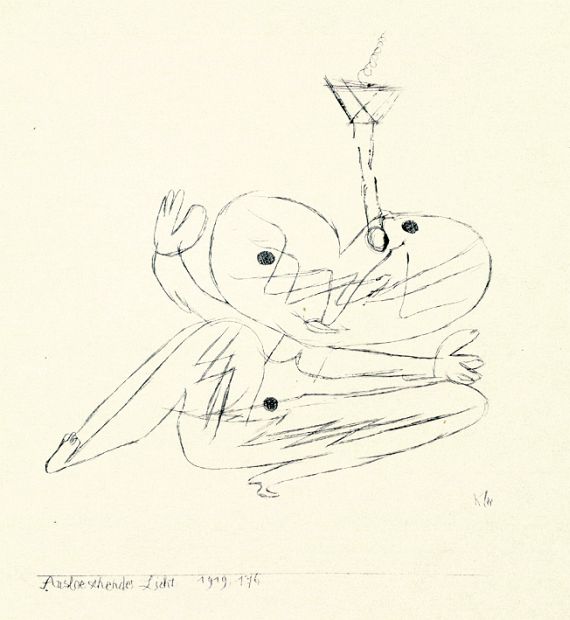
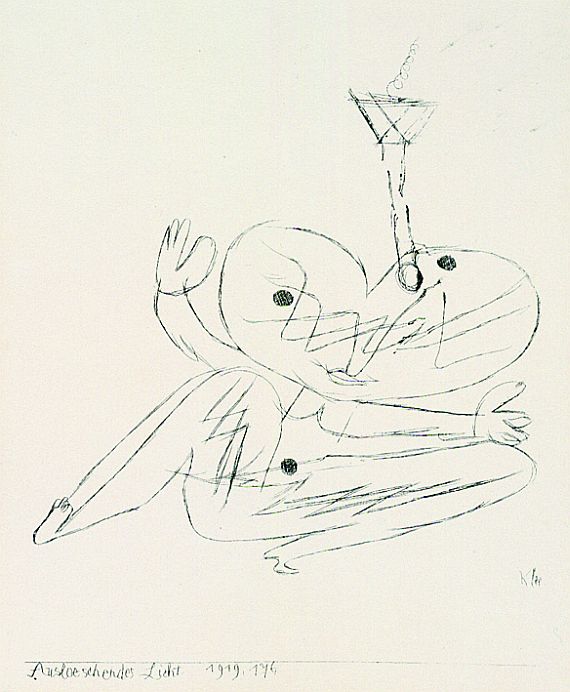
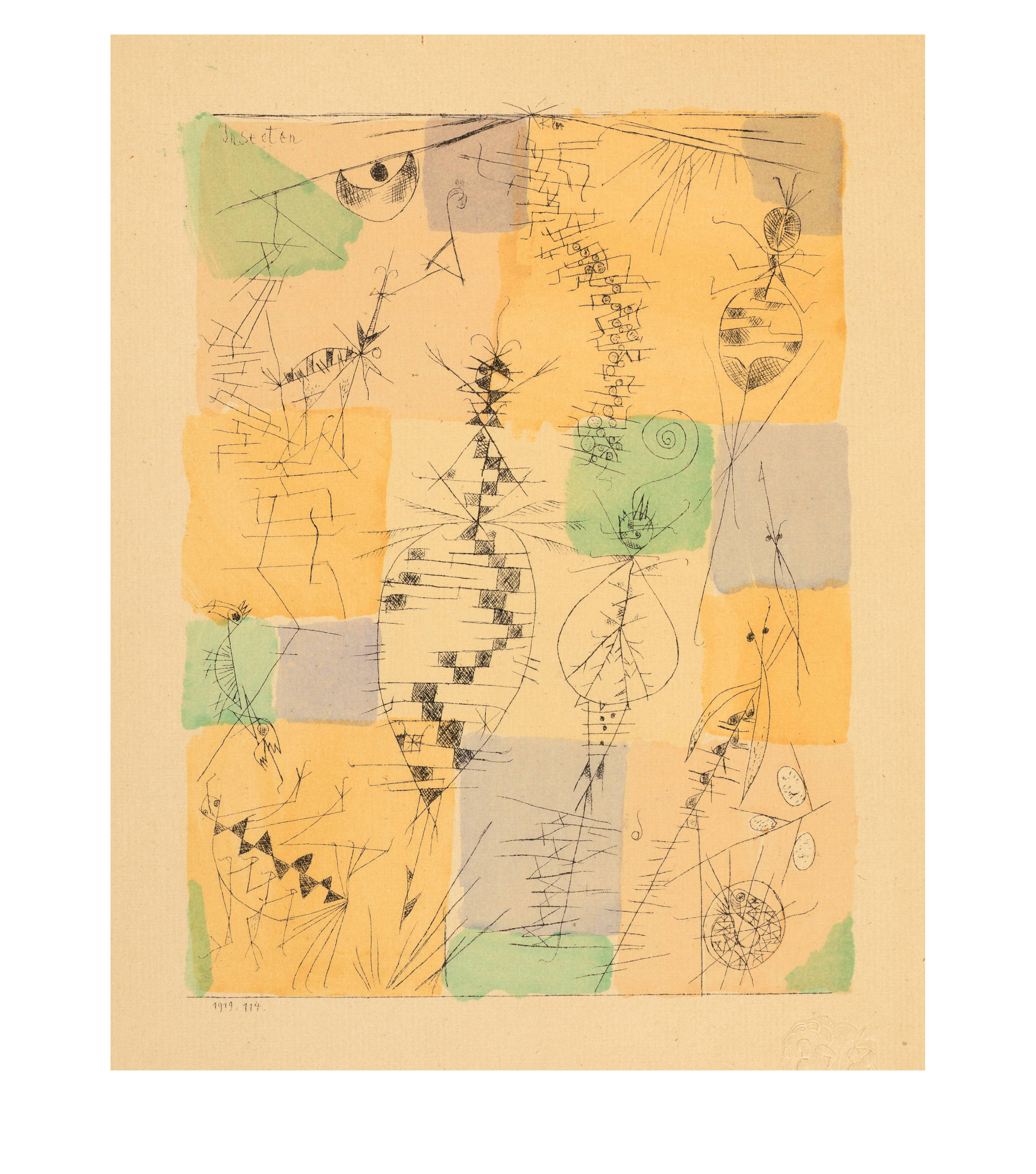
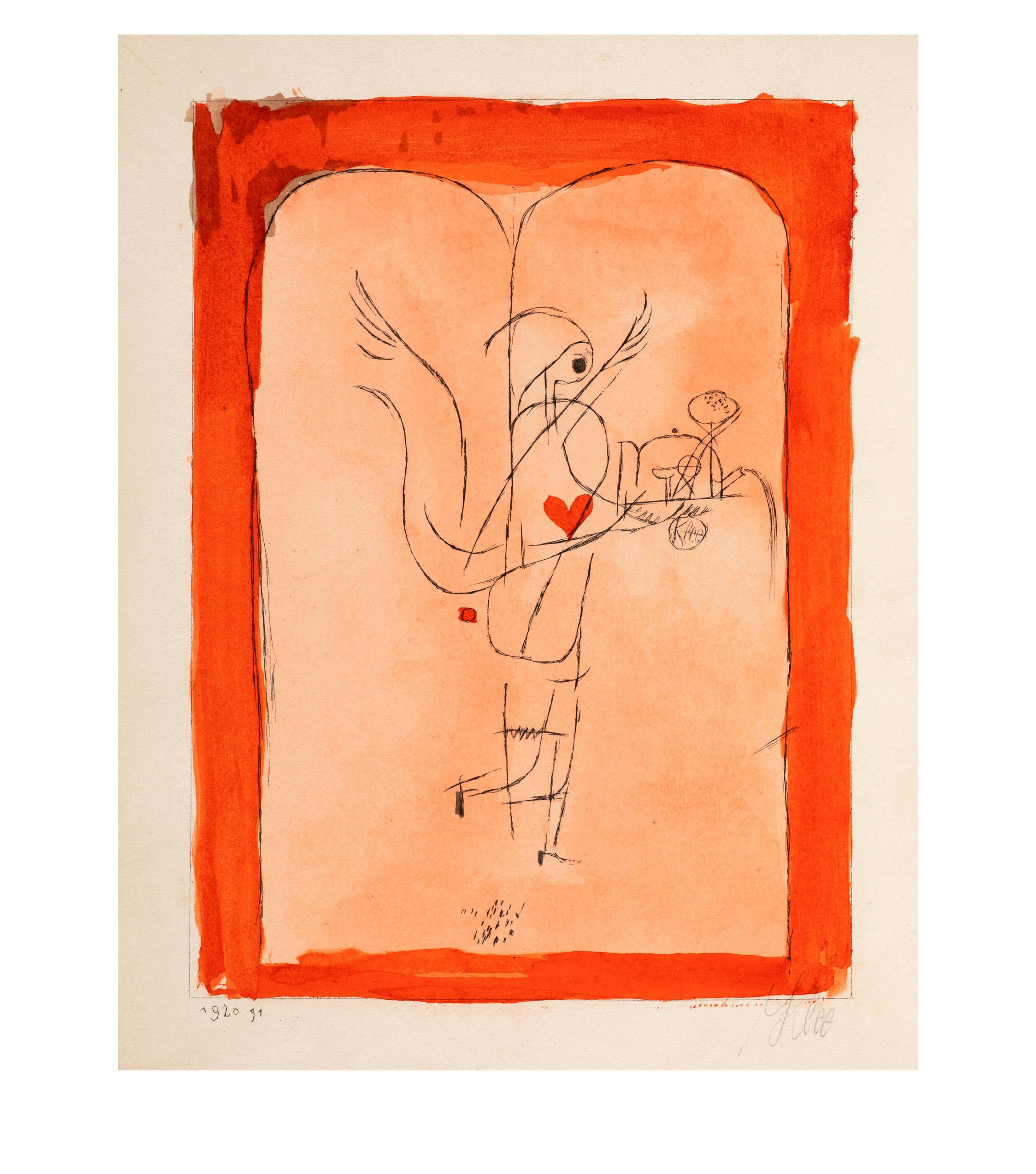
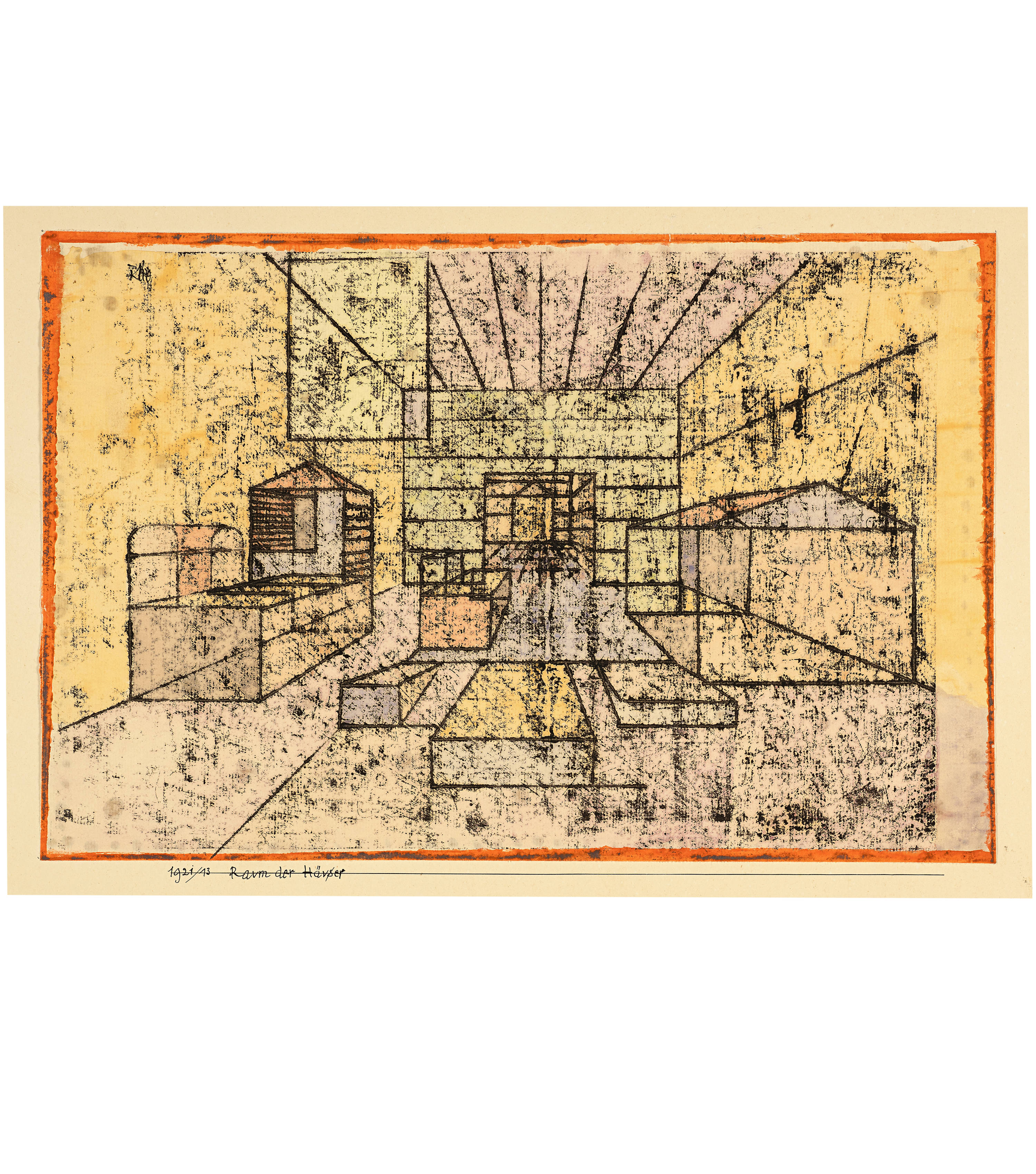
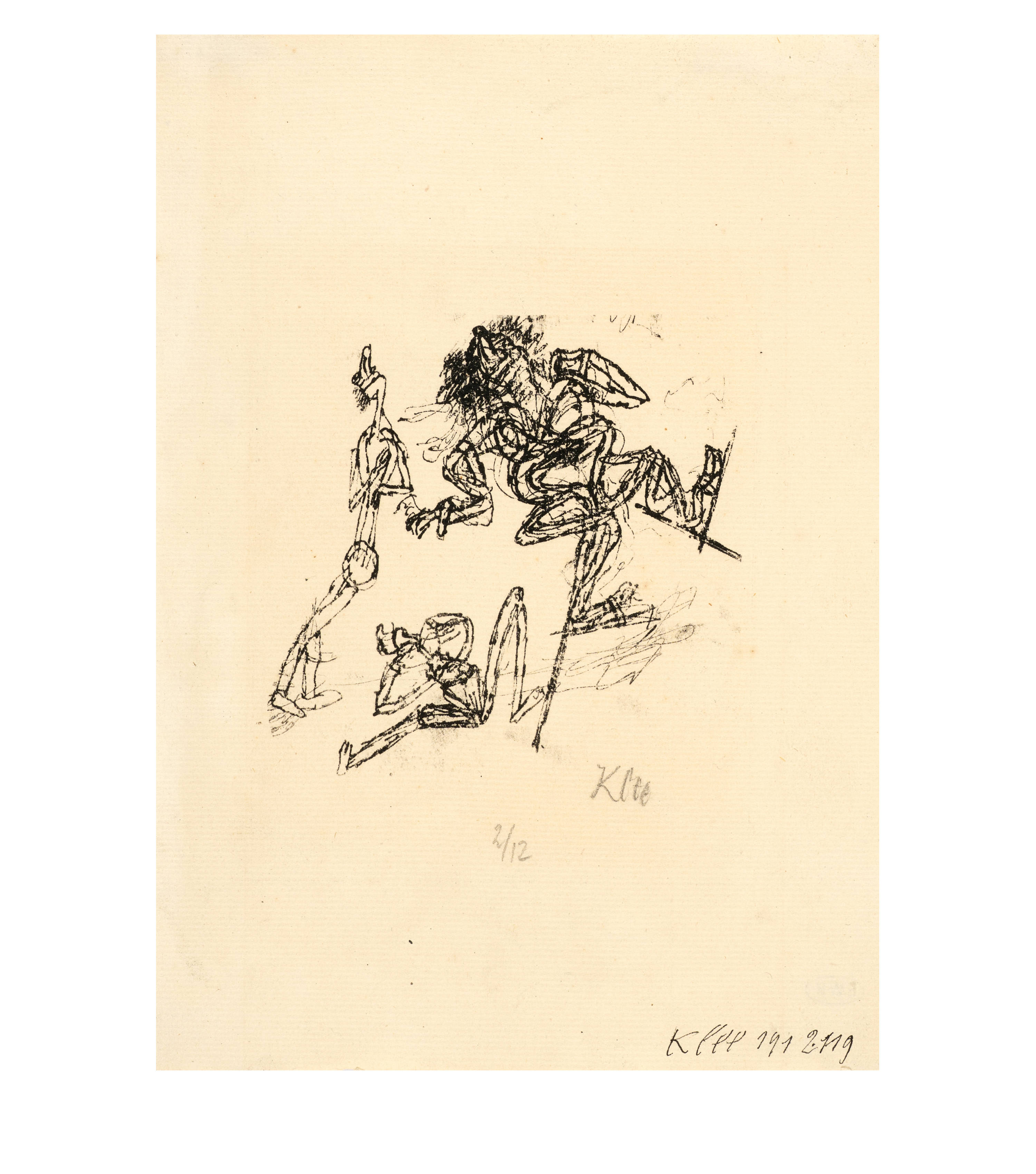
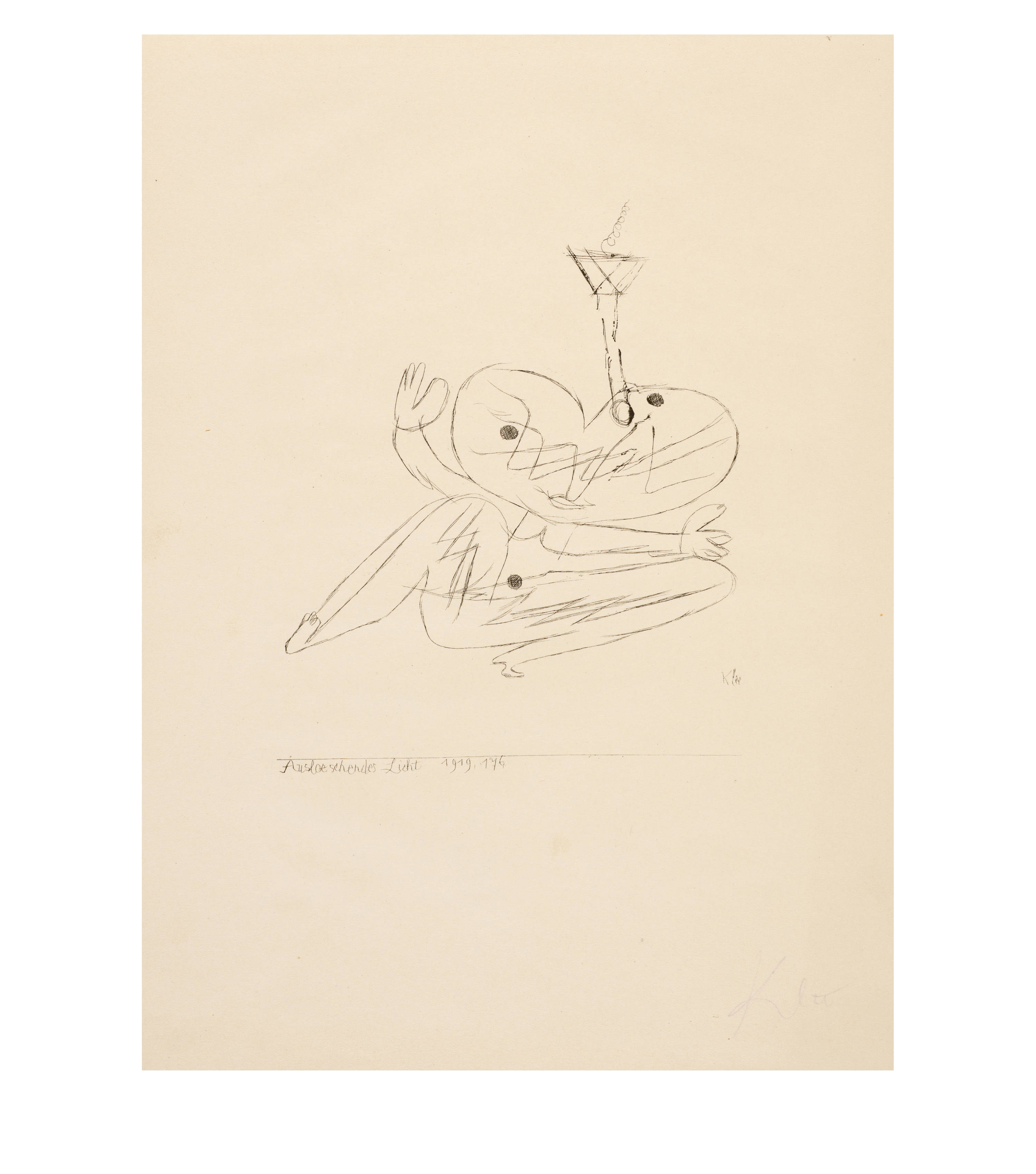
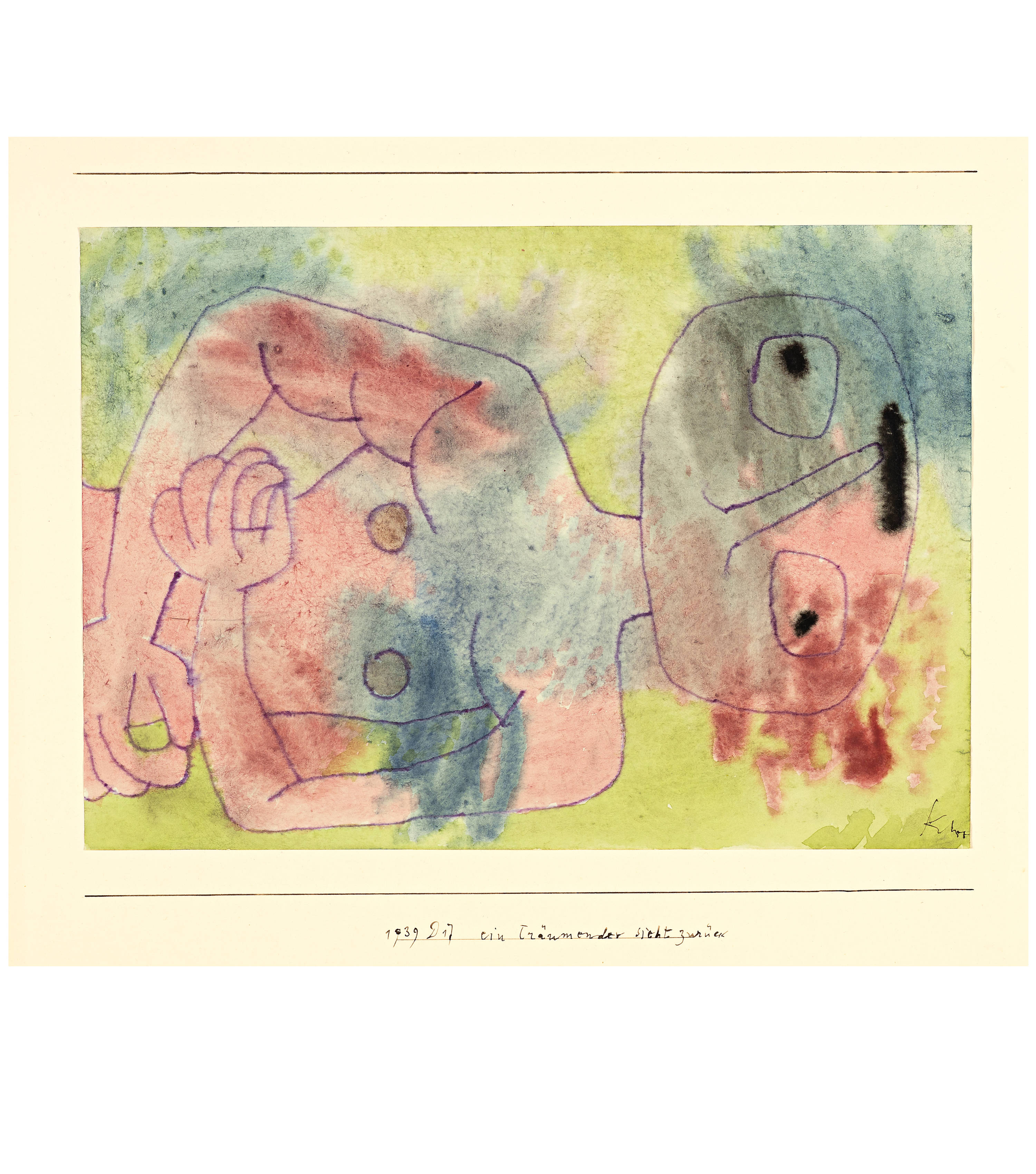
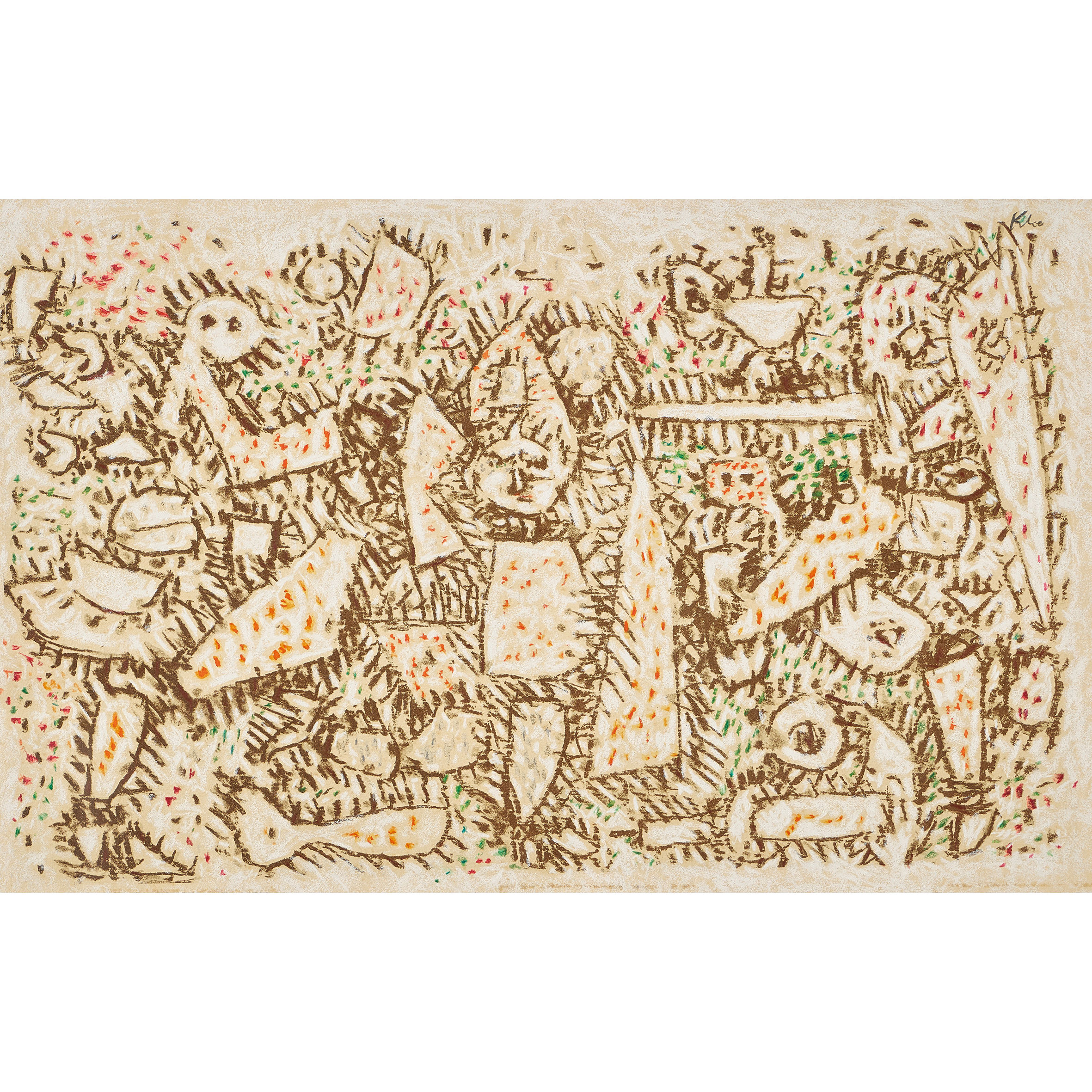
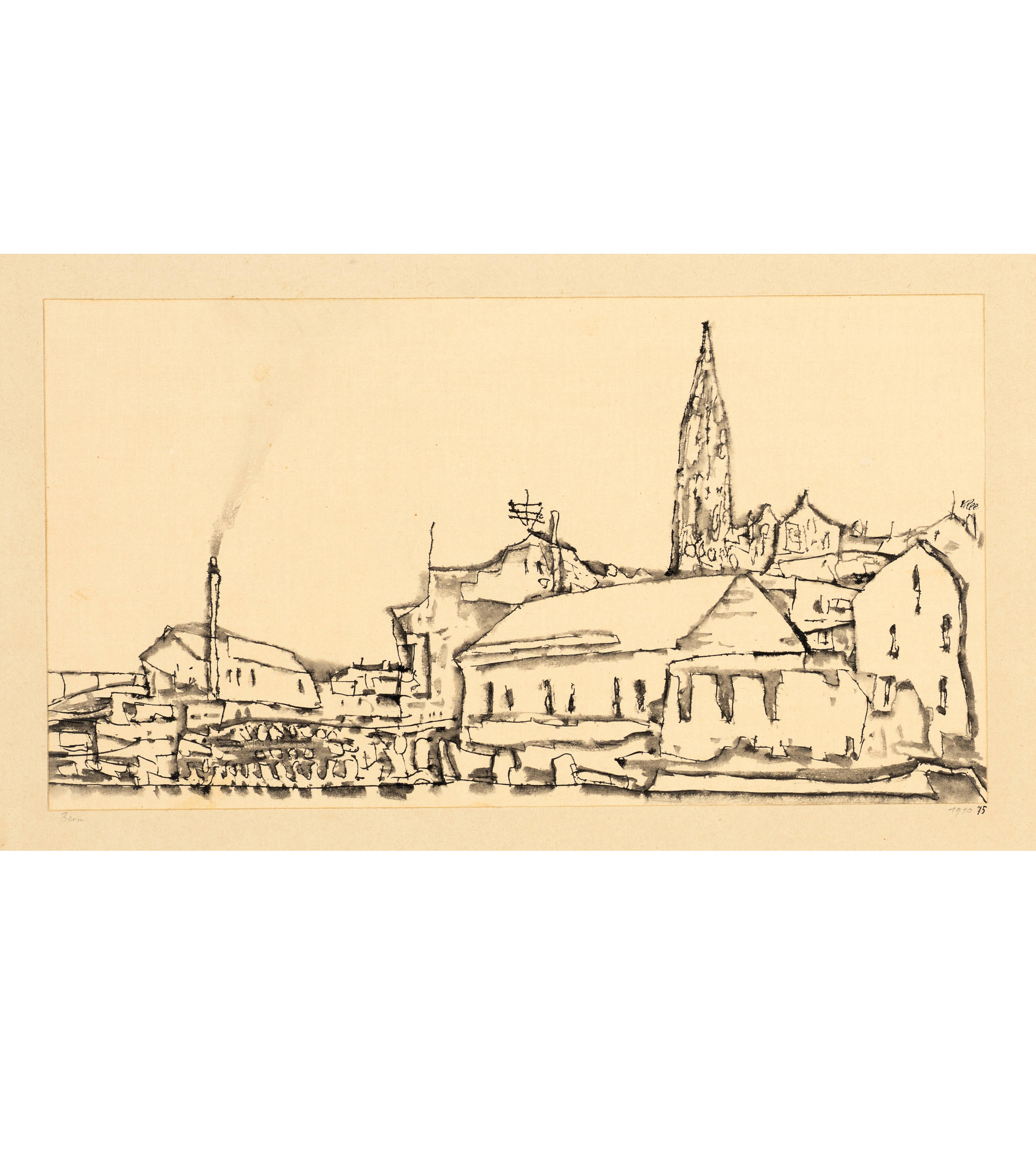
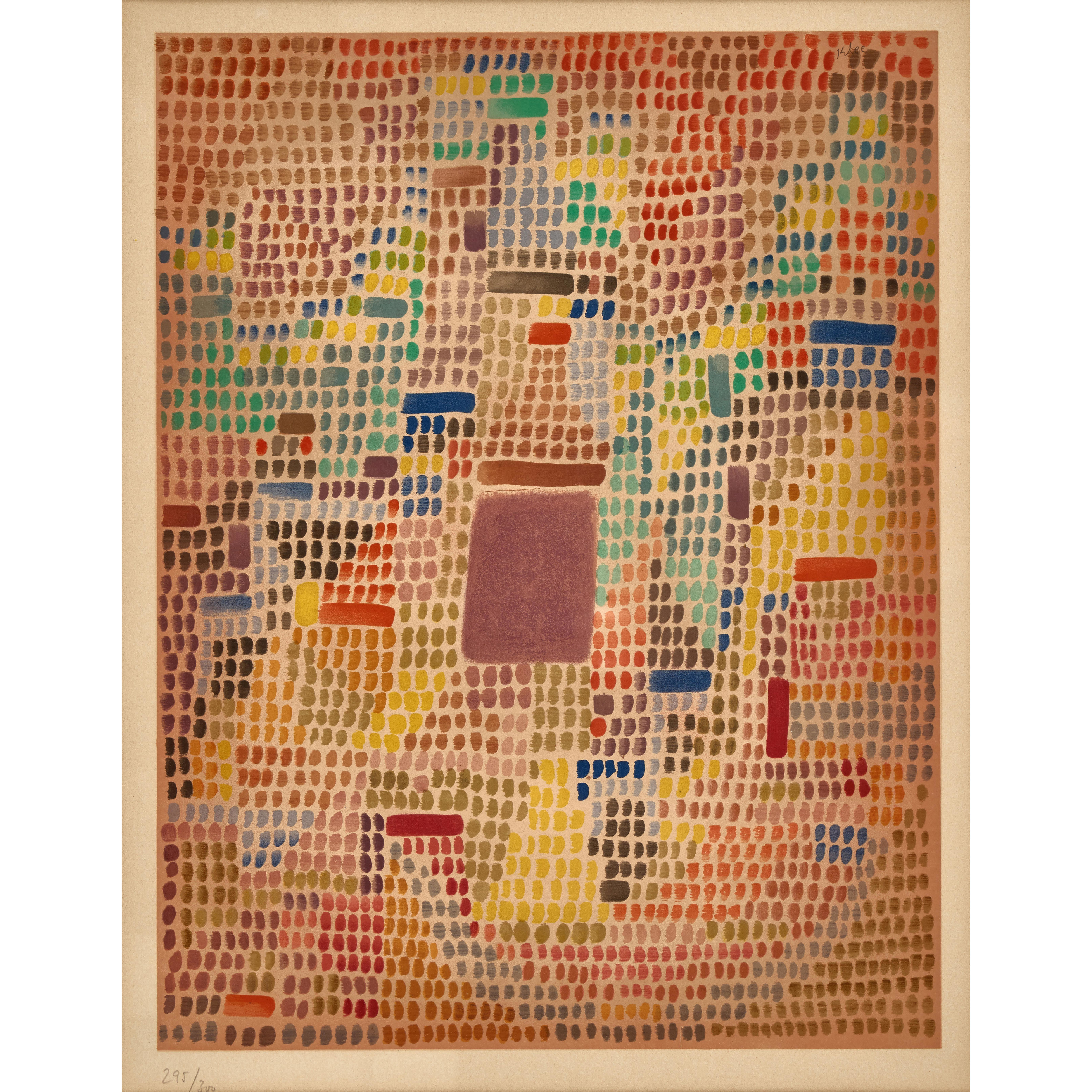
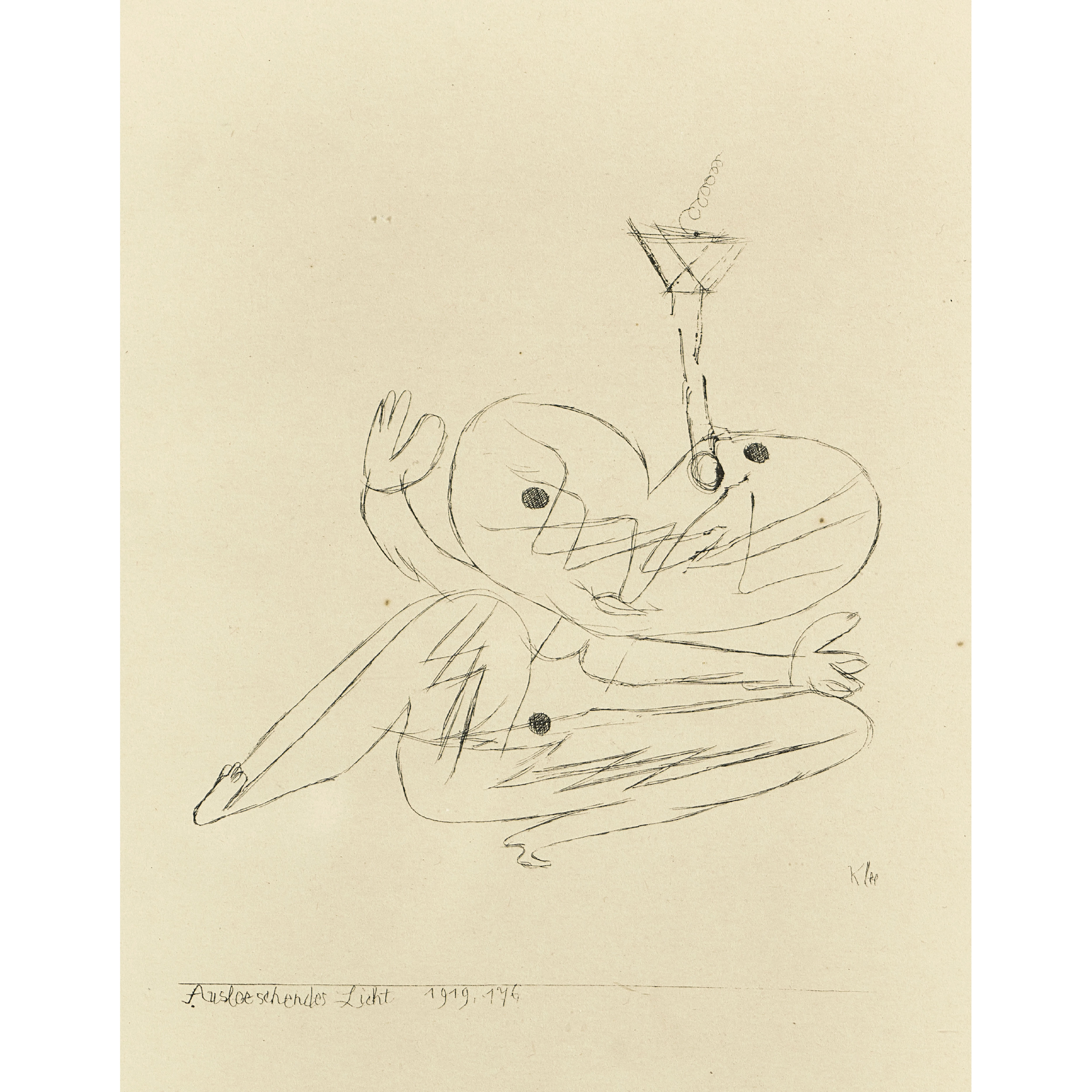
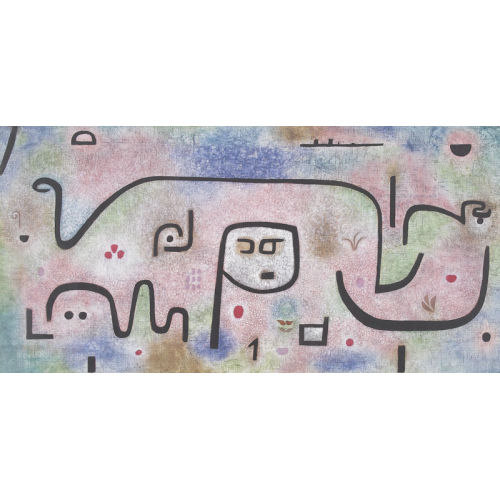
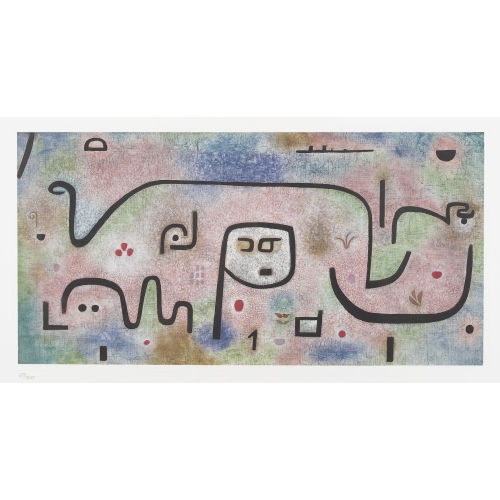
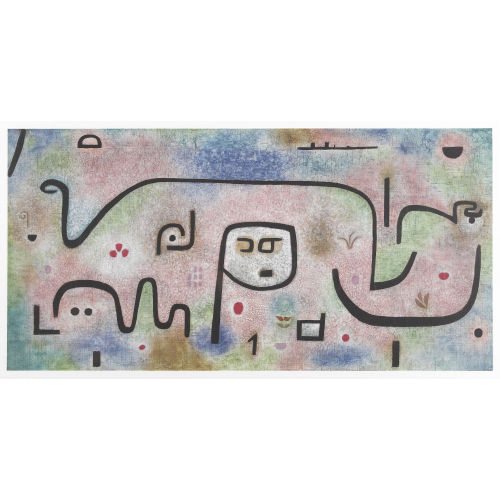
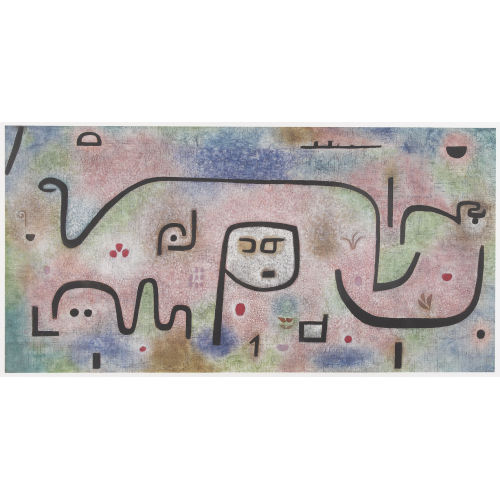
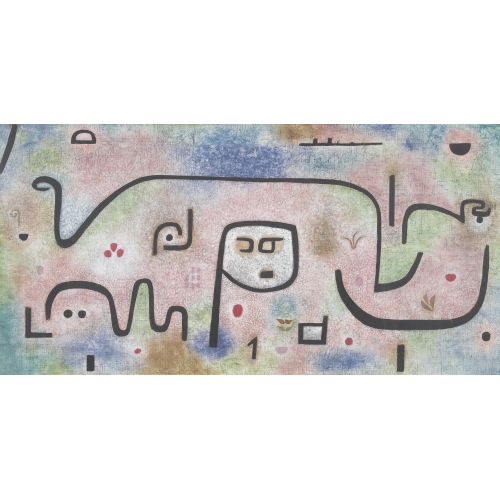
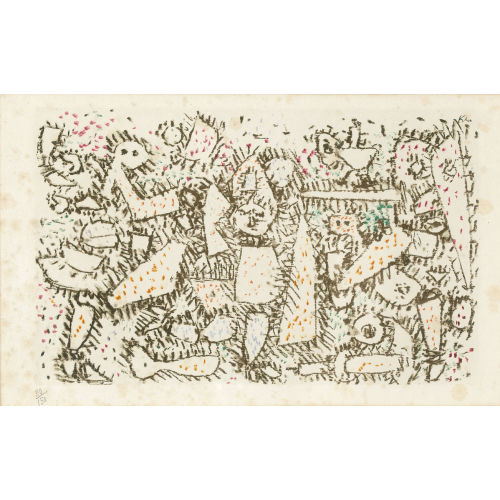
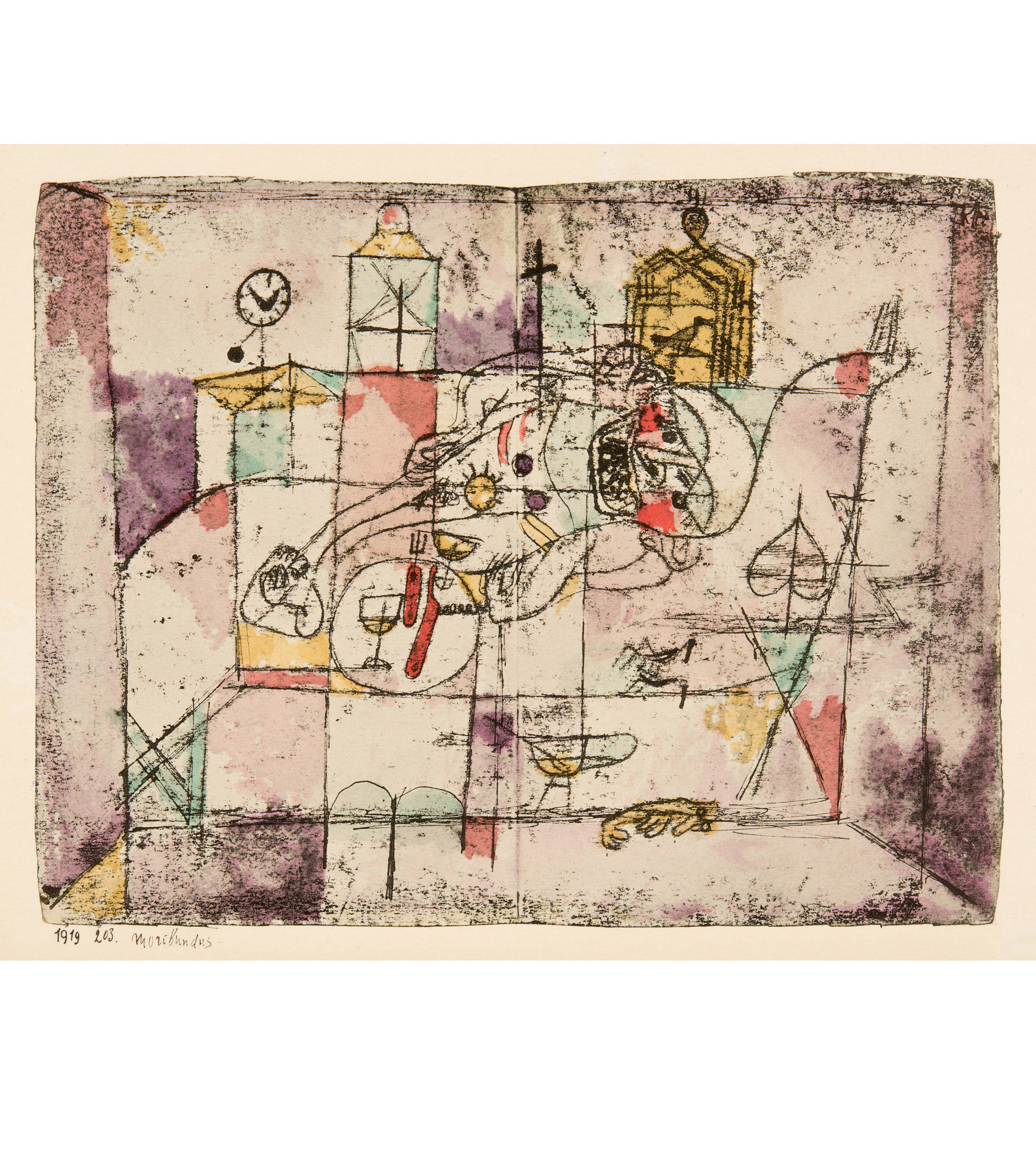
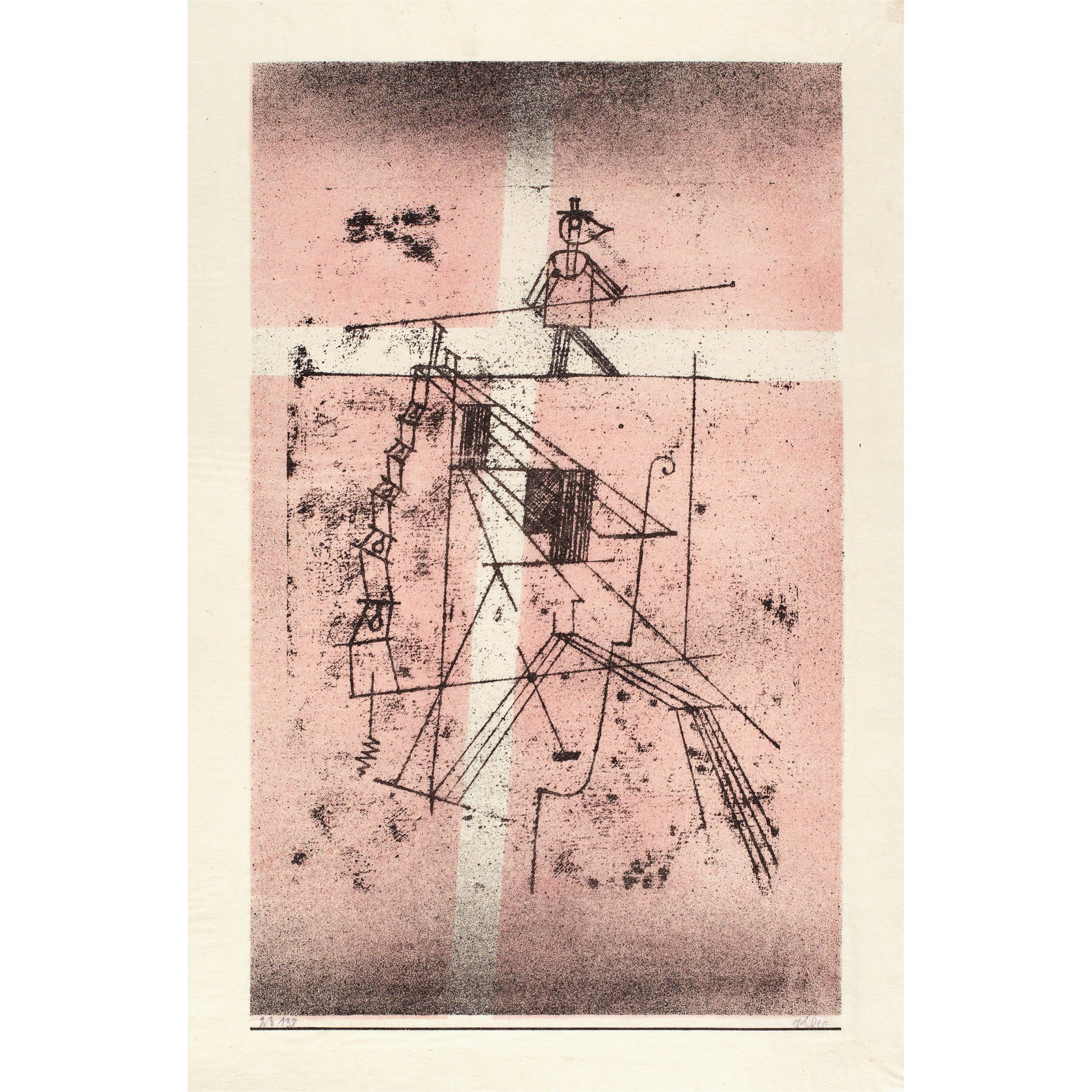
An arrow, a moon-like face, a few areas of colour: in Paul Klee’s work, the simplest elements open onto spaces of astonishing complexity. His art reveals itself at the meeting point of drawing, poetry and imagination, between understated humour and meditation. The titles themselves extend the image and guide the eye, without exhausting its mystery.
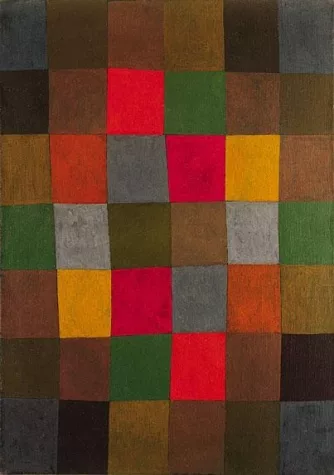
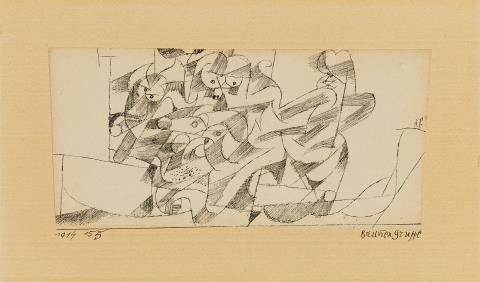
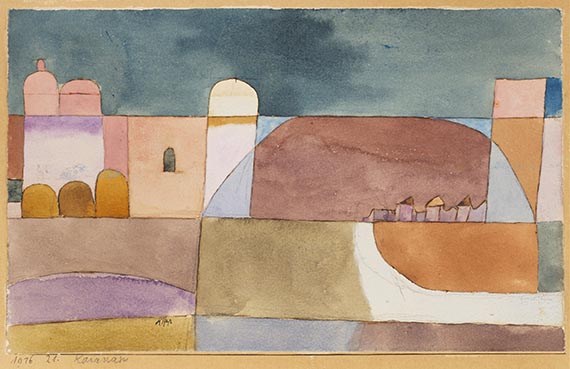
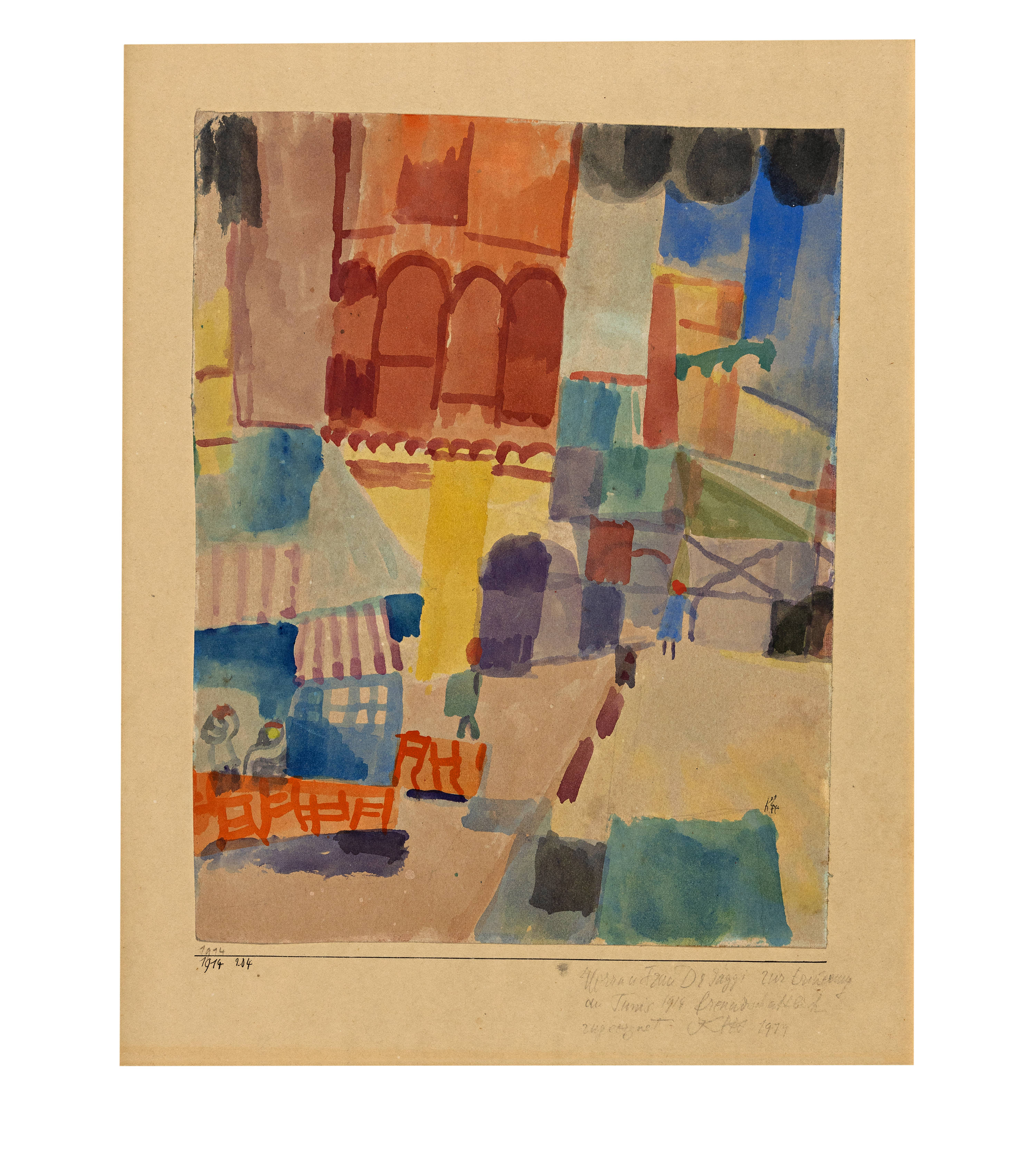
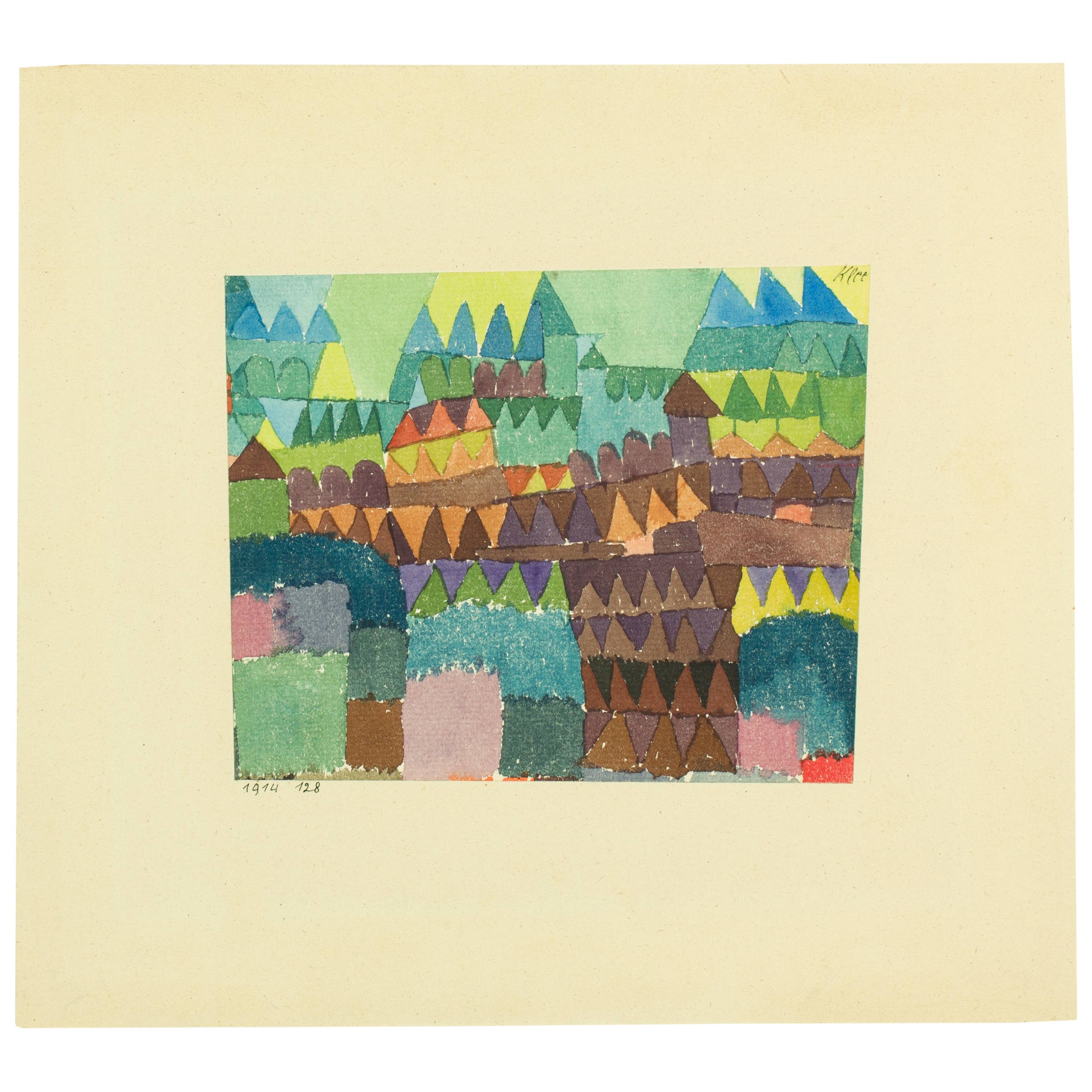
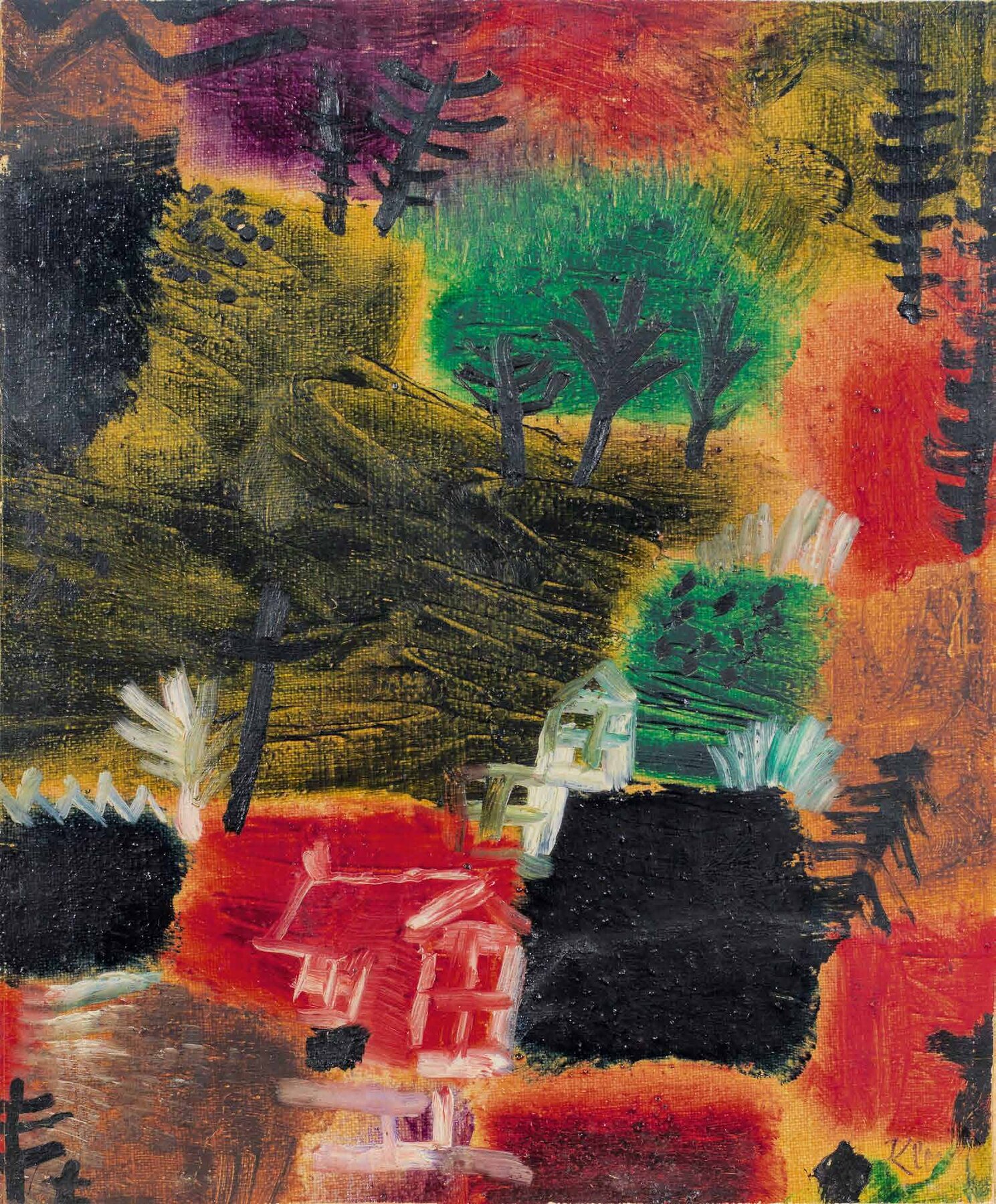
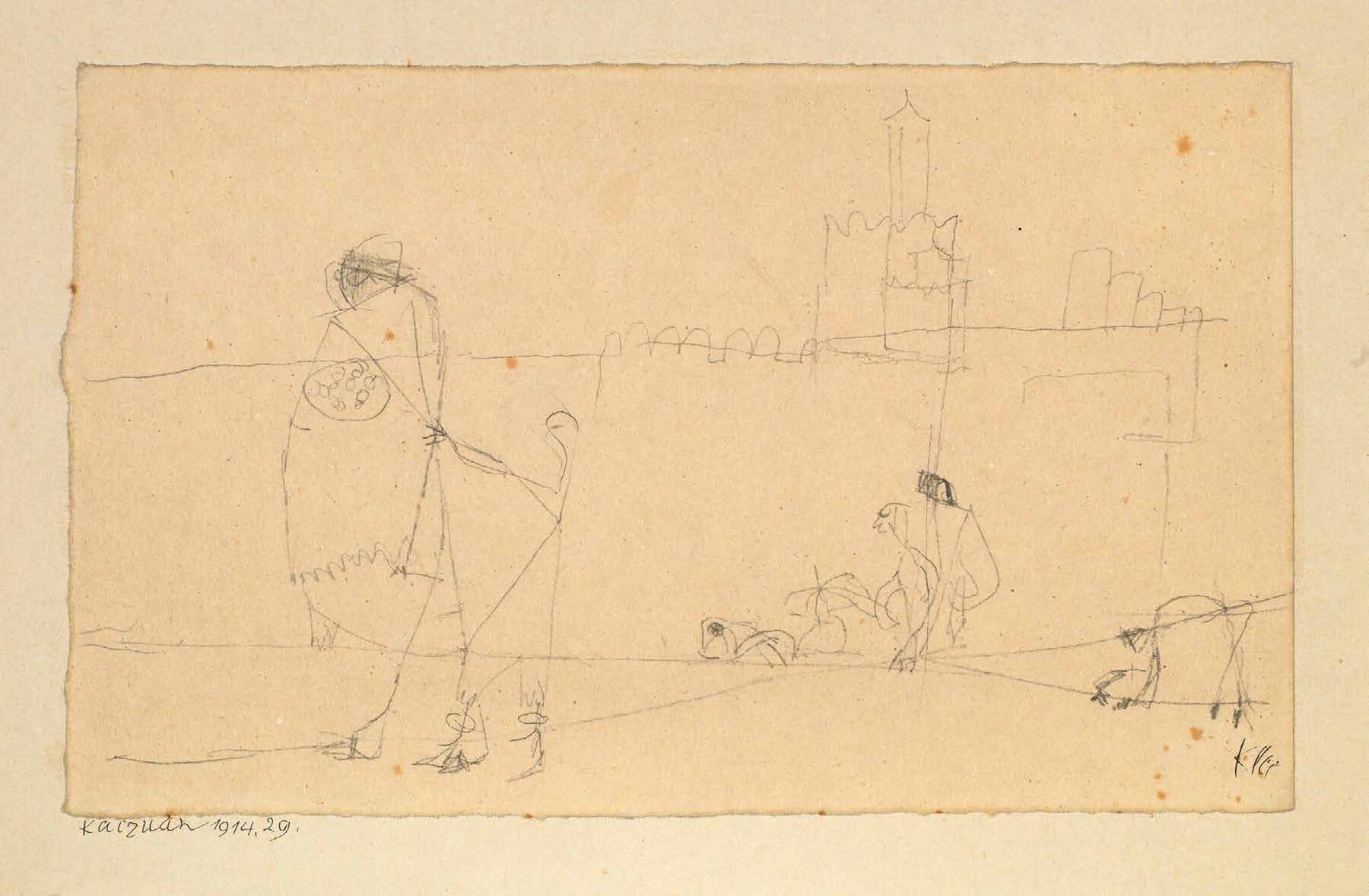
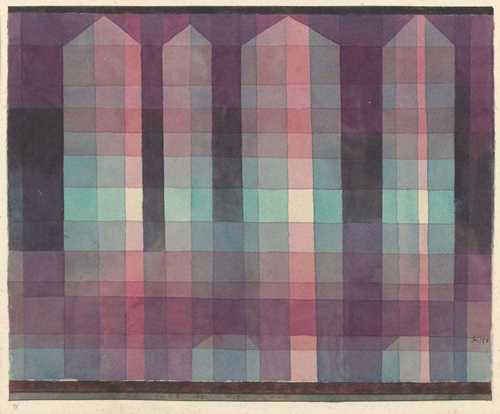
He met the artists of the Blue Rider in 1911 and took part in their second exhibition the following year. In Paris, in 1912, he discovered Cubist works and visited Robert and Sonia Delaunay. His journey to Tunisia with August Macke and Louis Moilliet in 1914 deepened his investigations into the autonomy of colour and abstract construction.
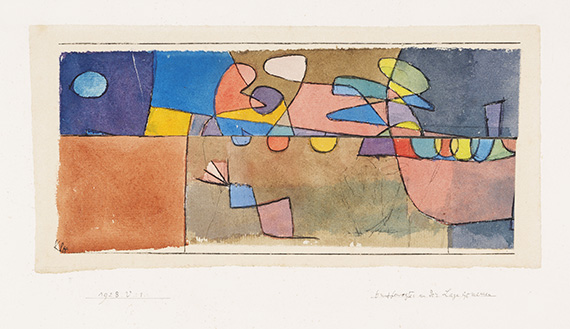
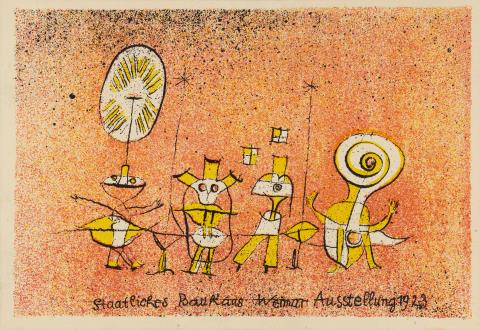
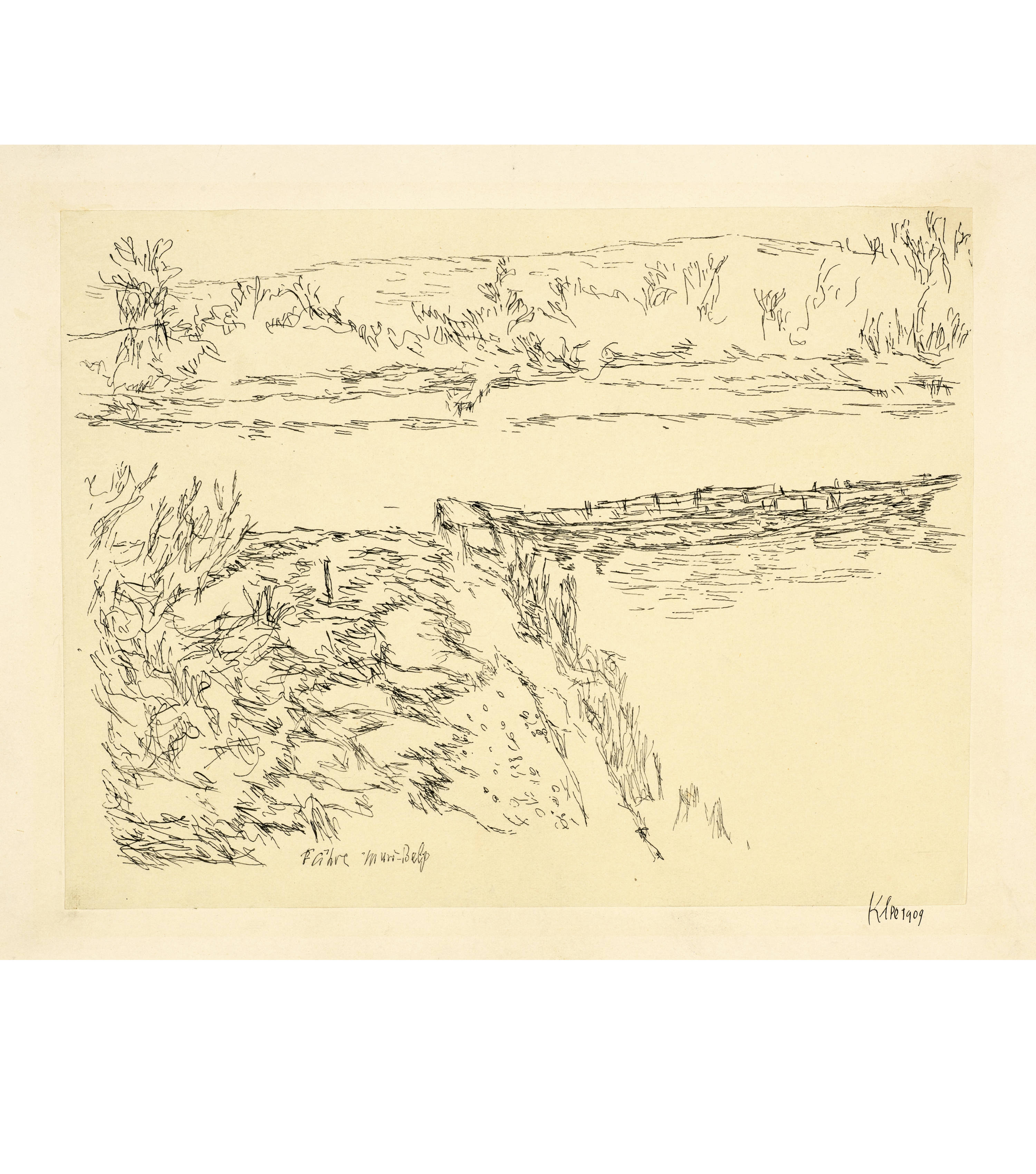
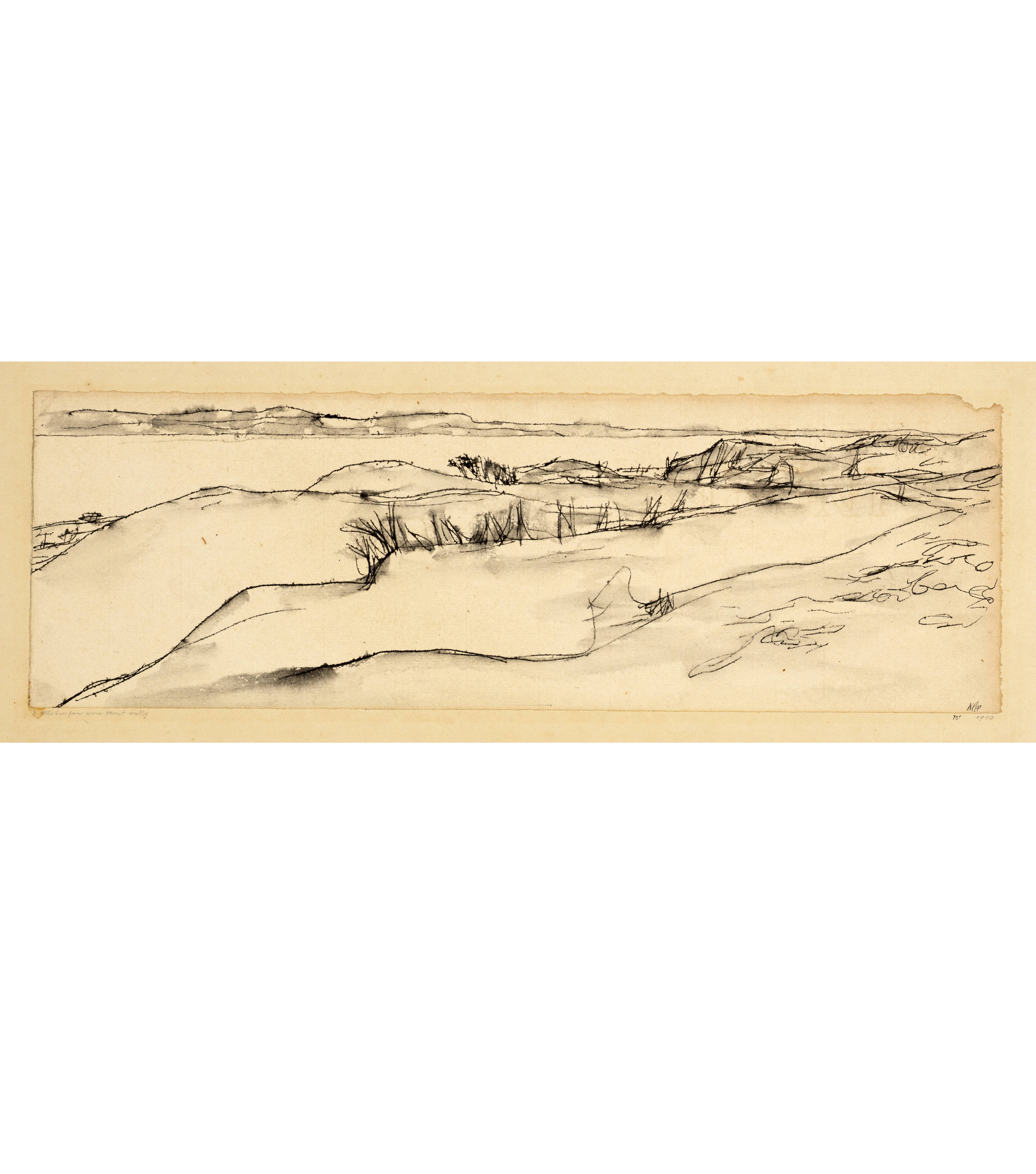
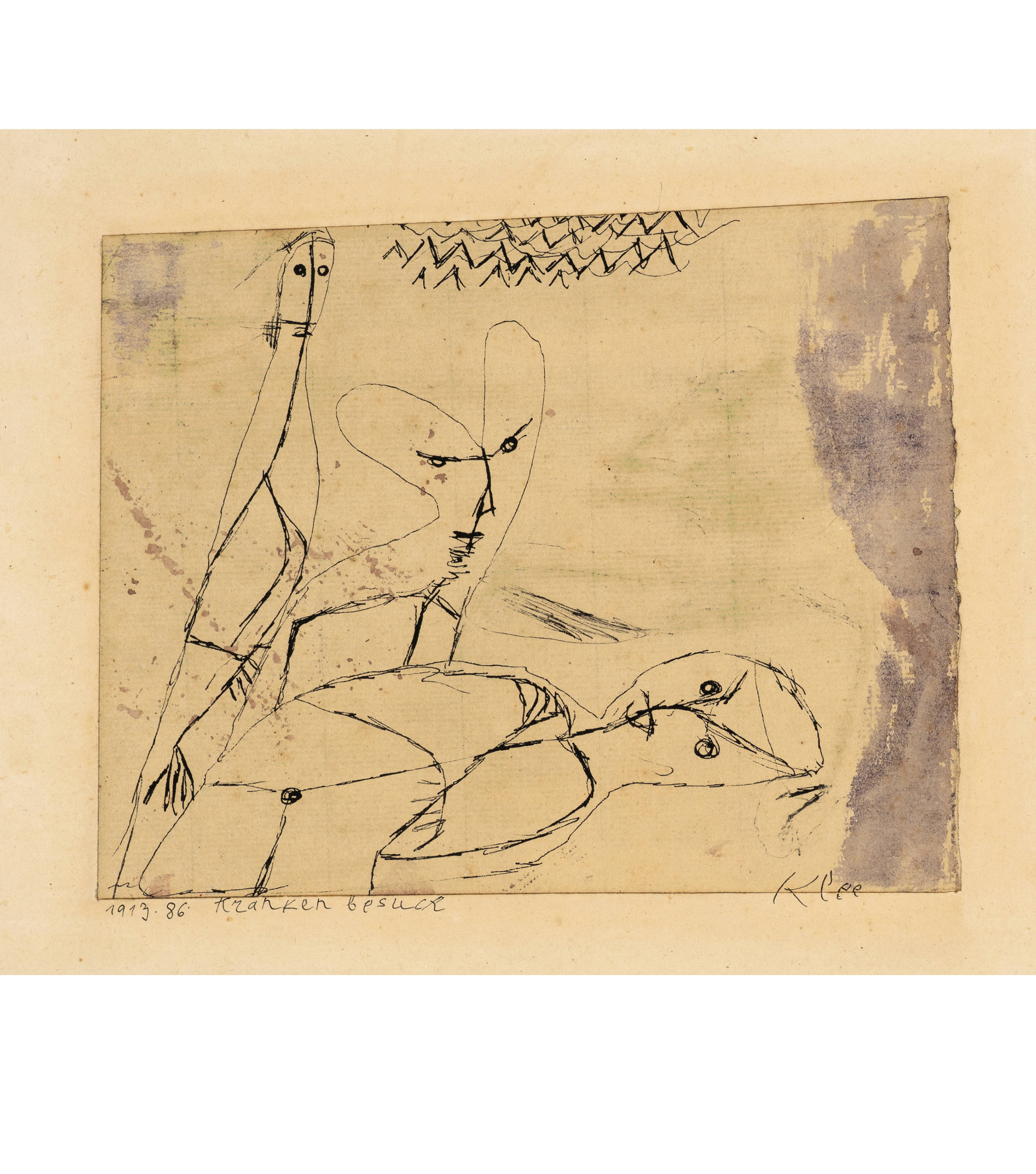
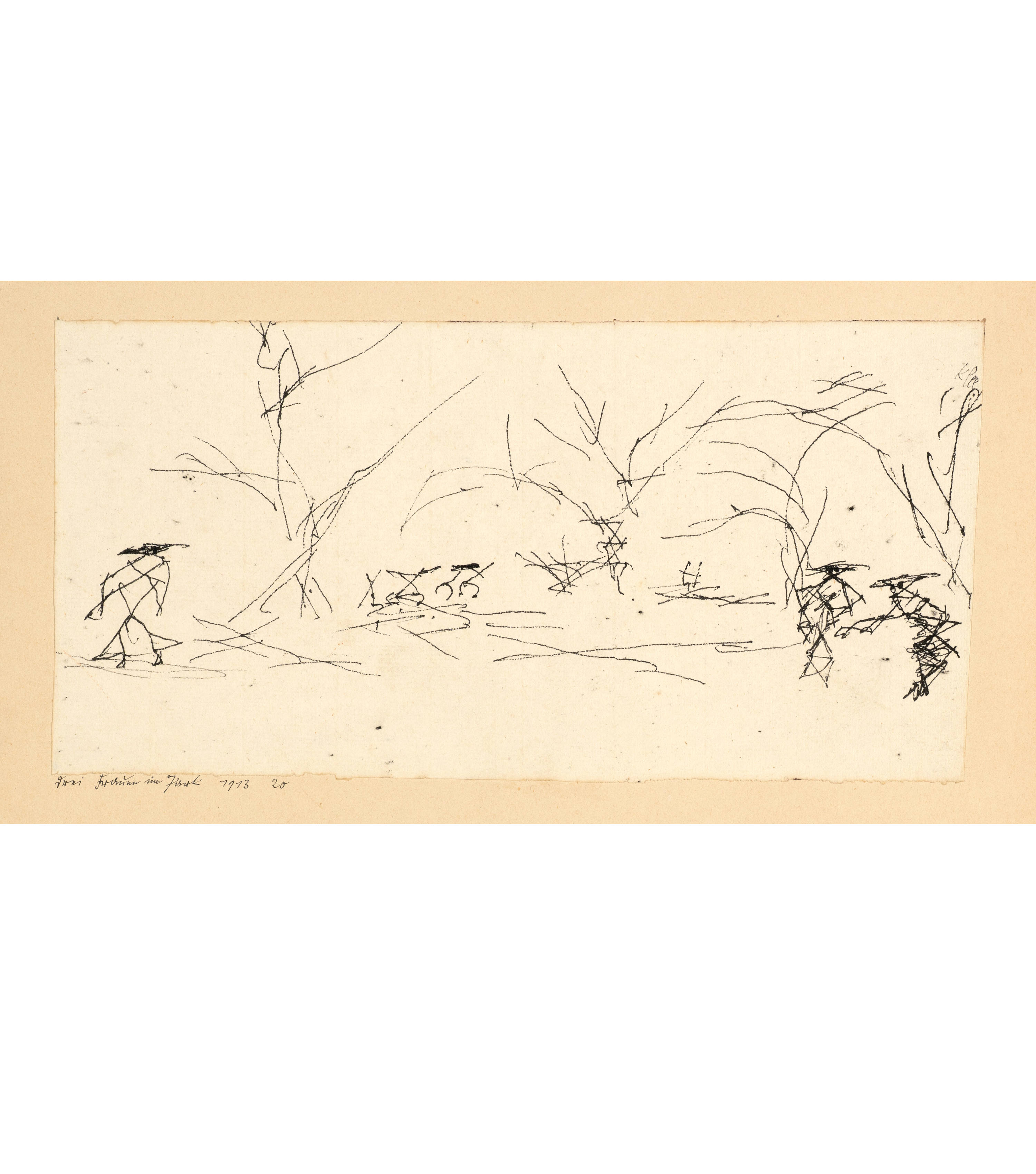
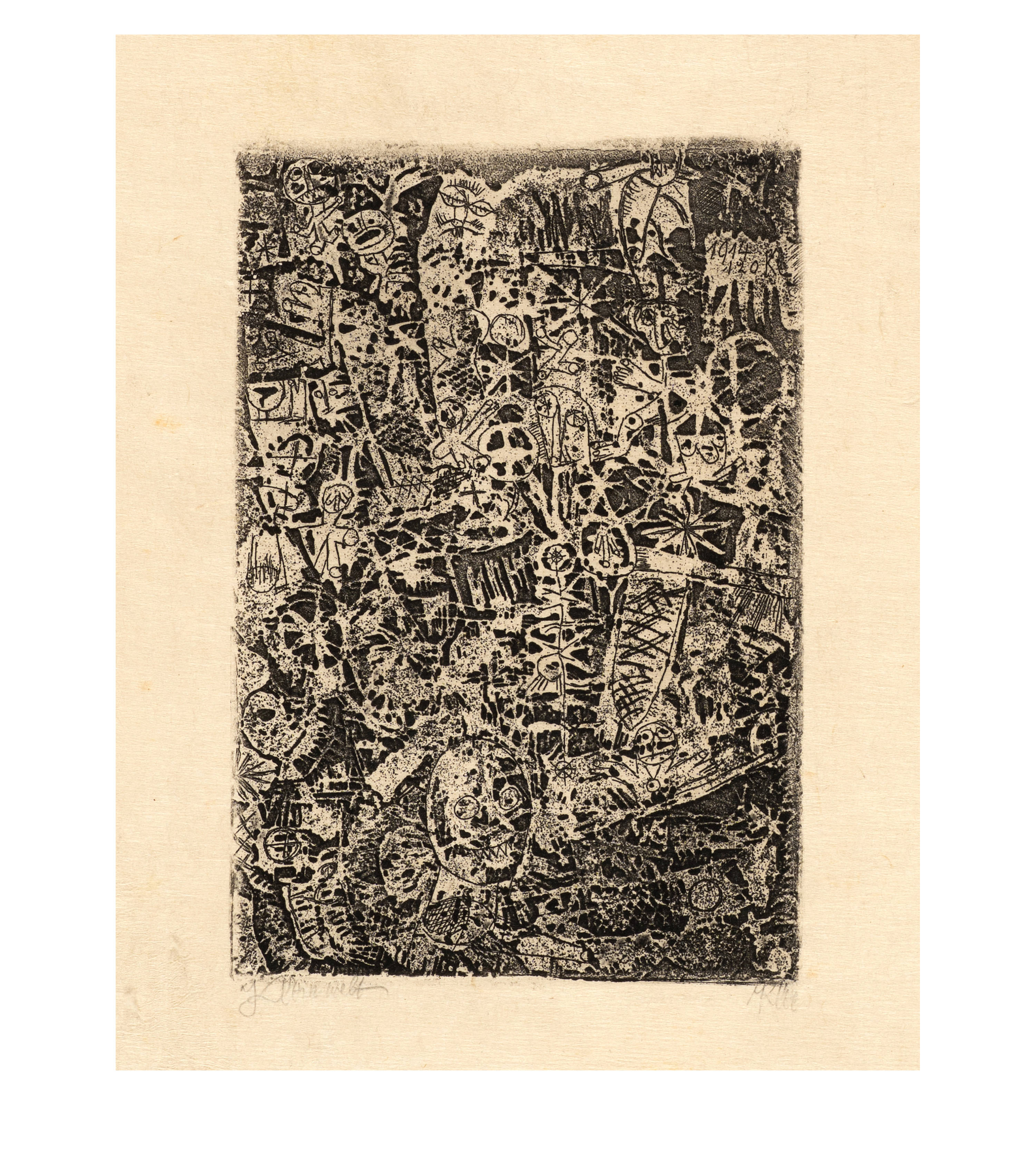
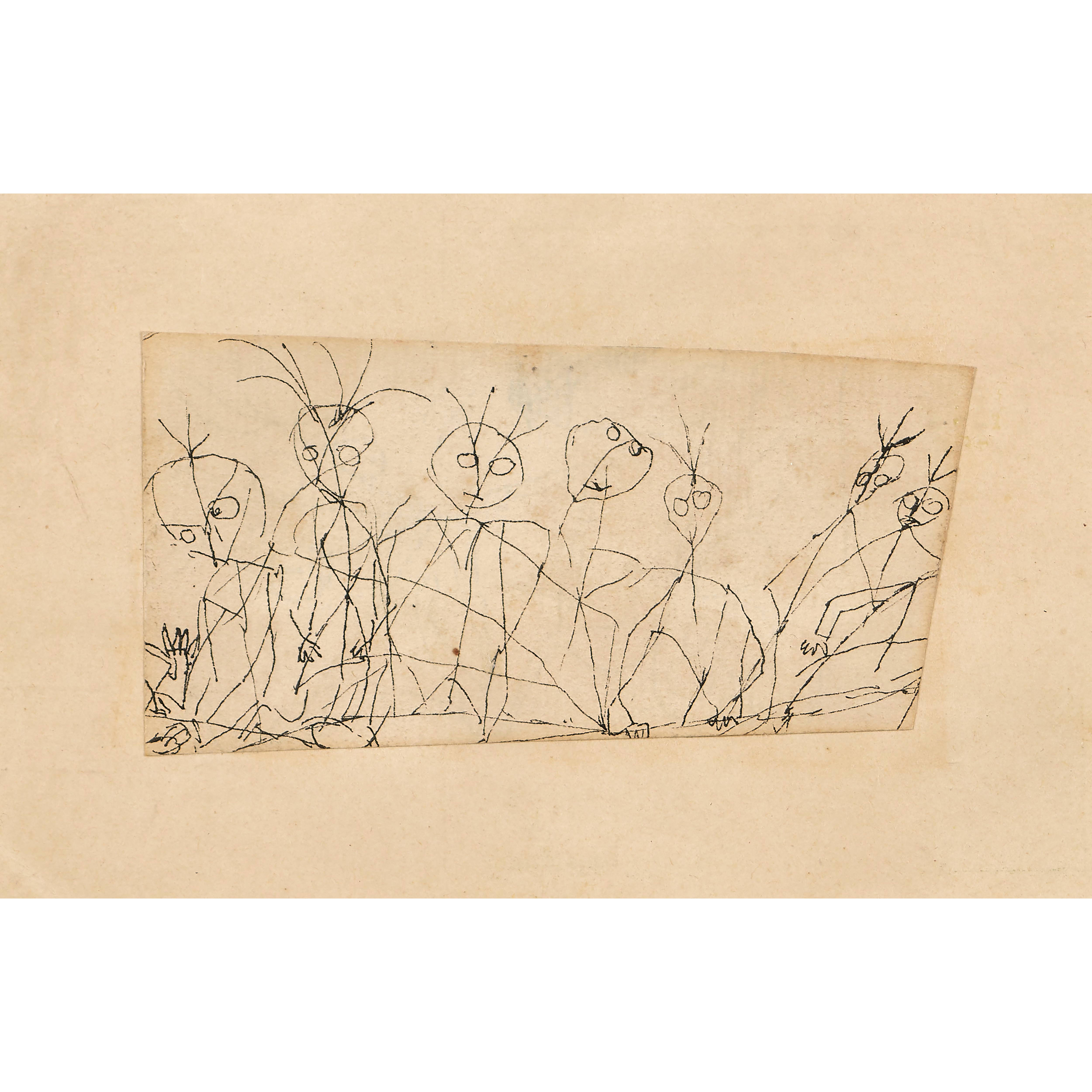
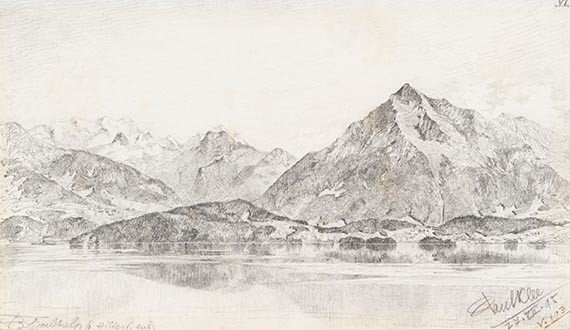
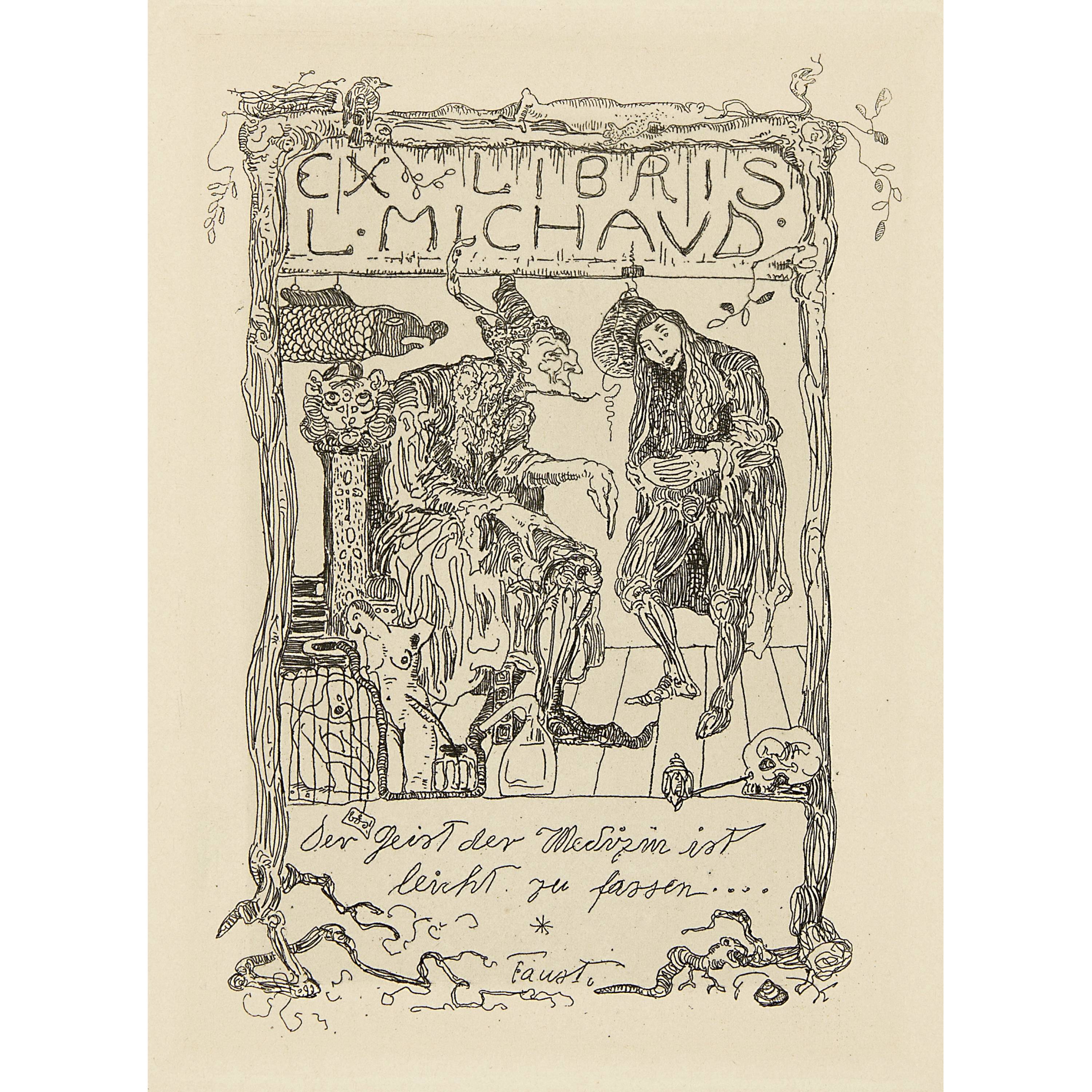
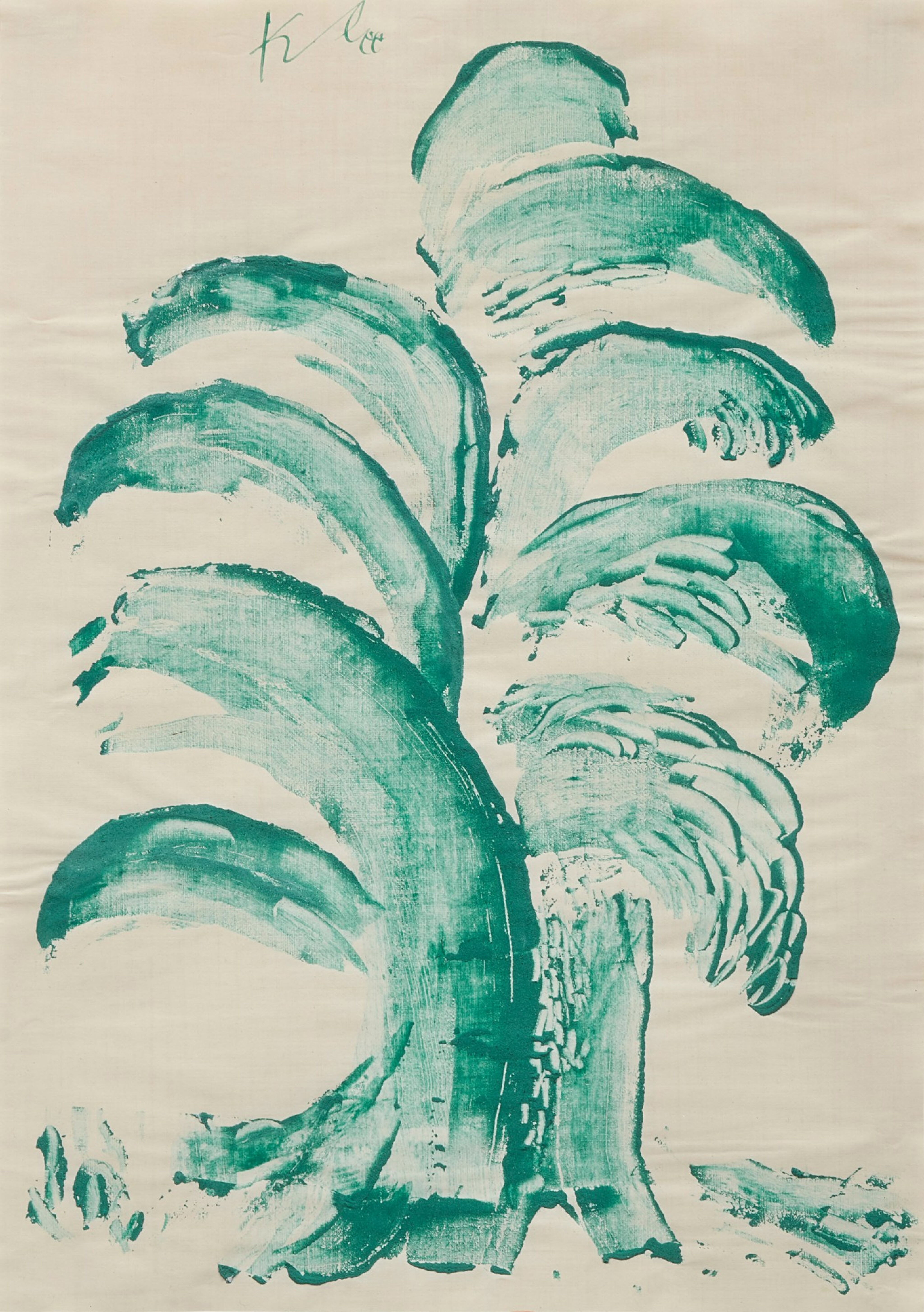
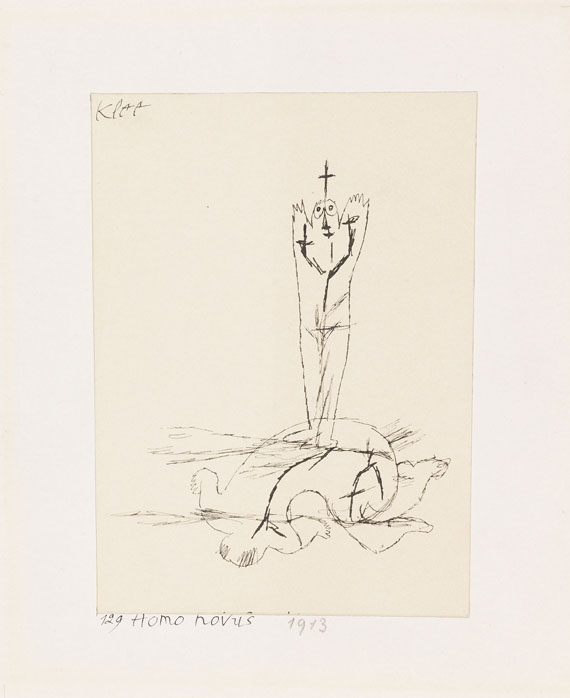
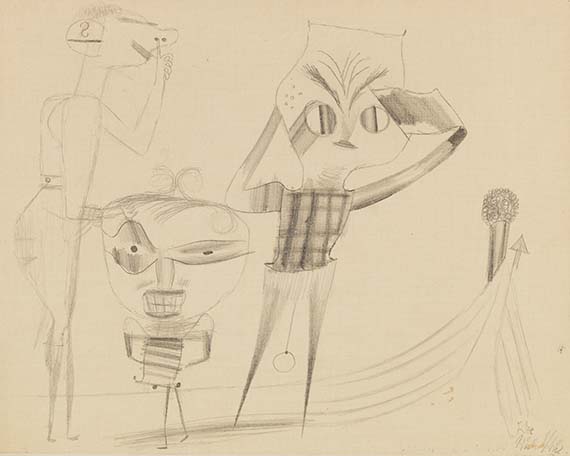
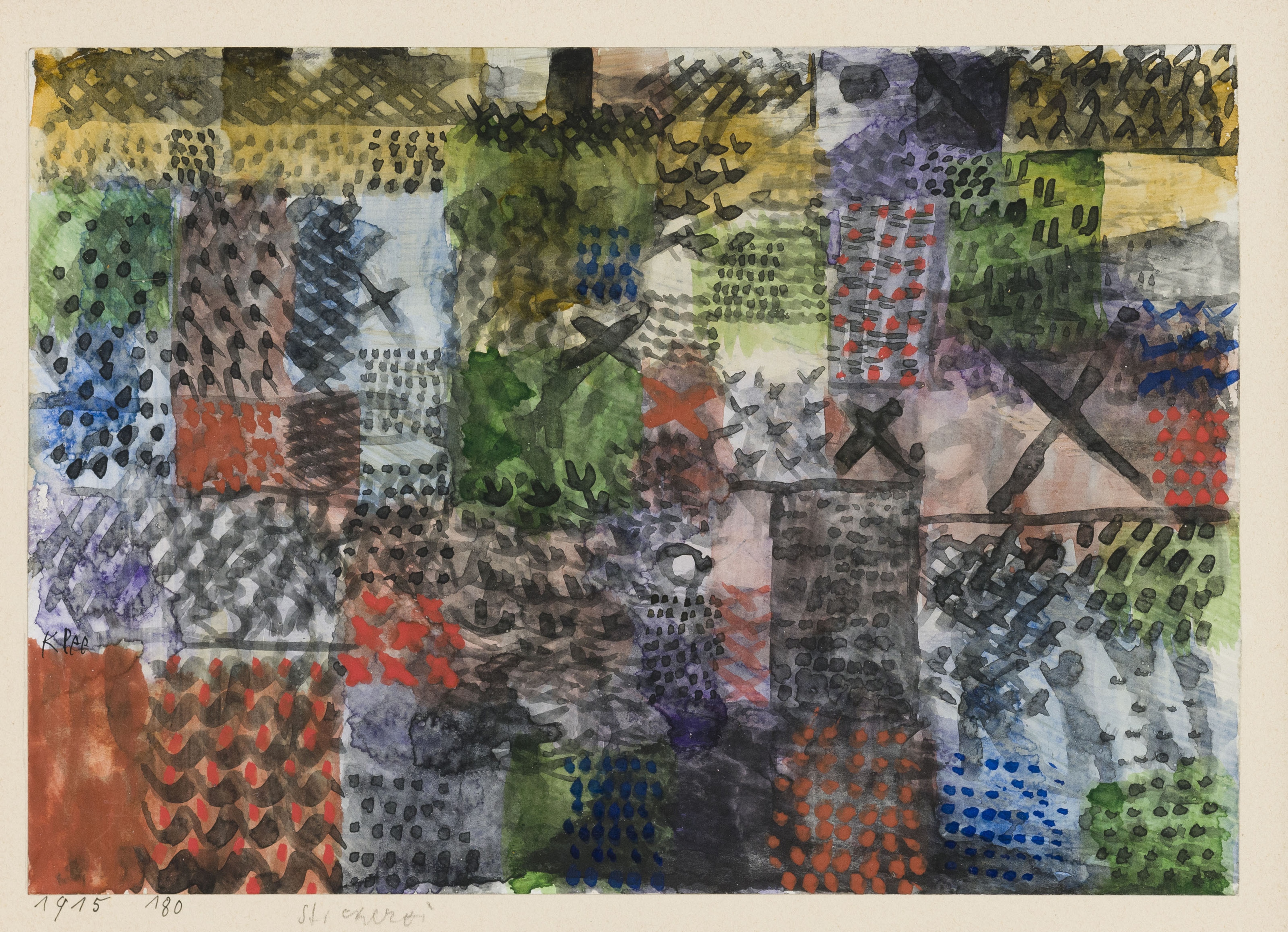
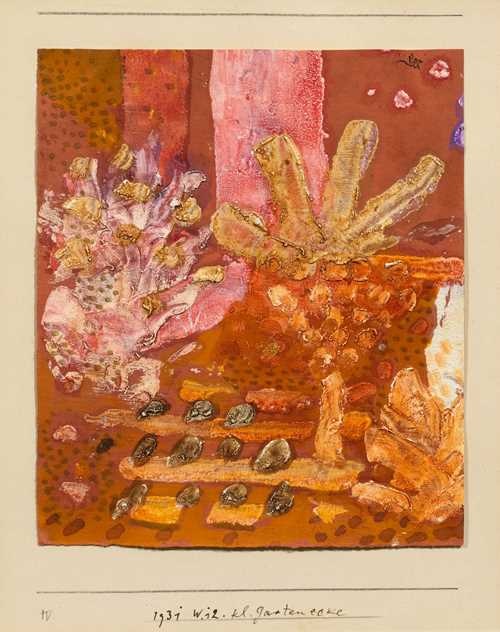
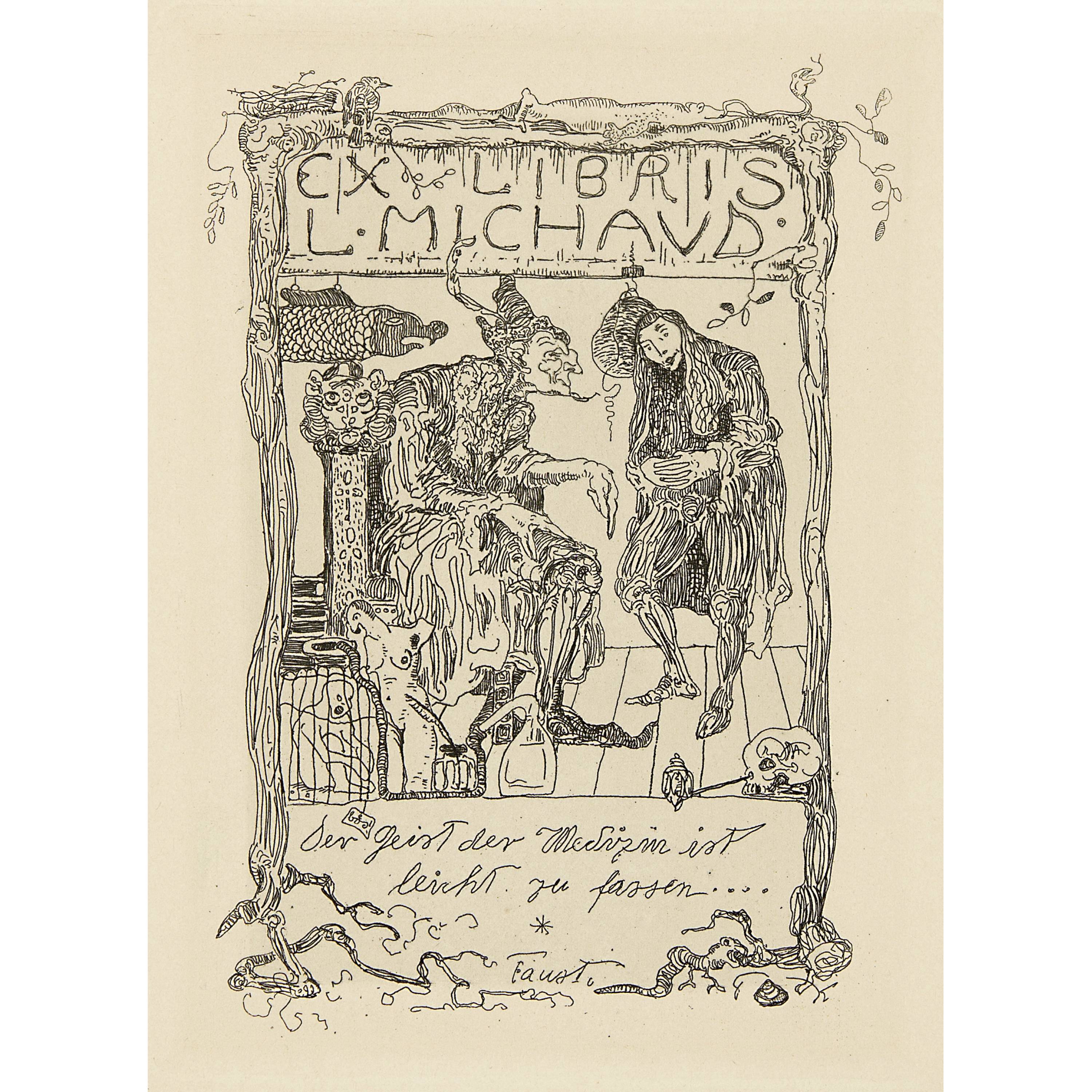
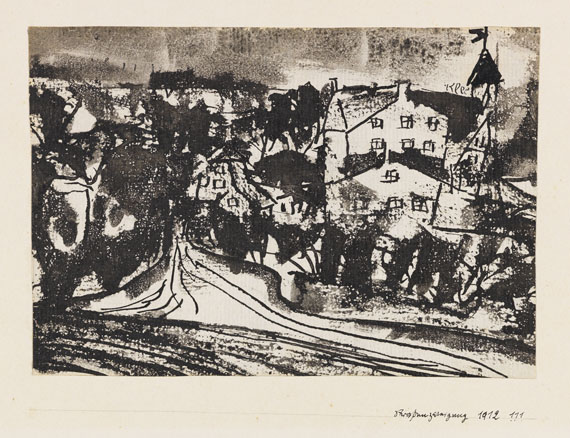
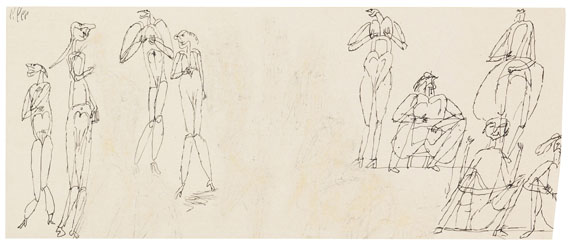
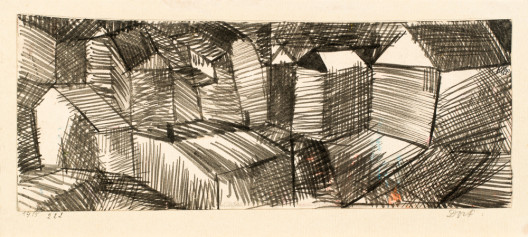
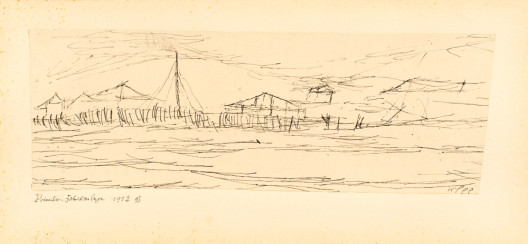
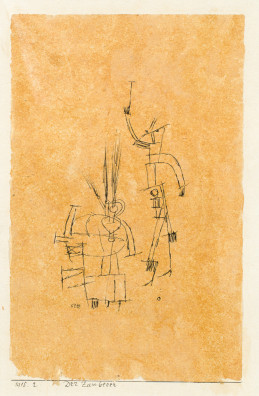
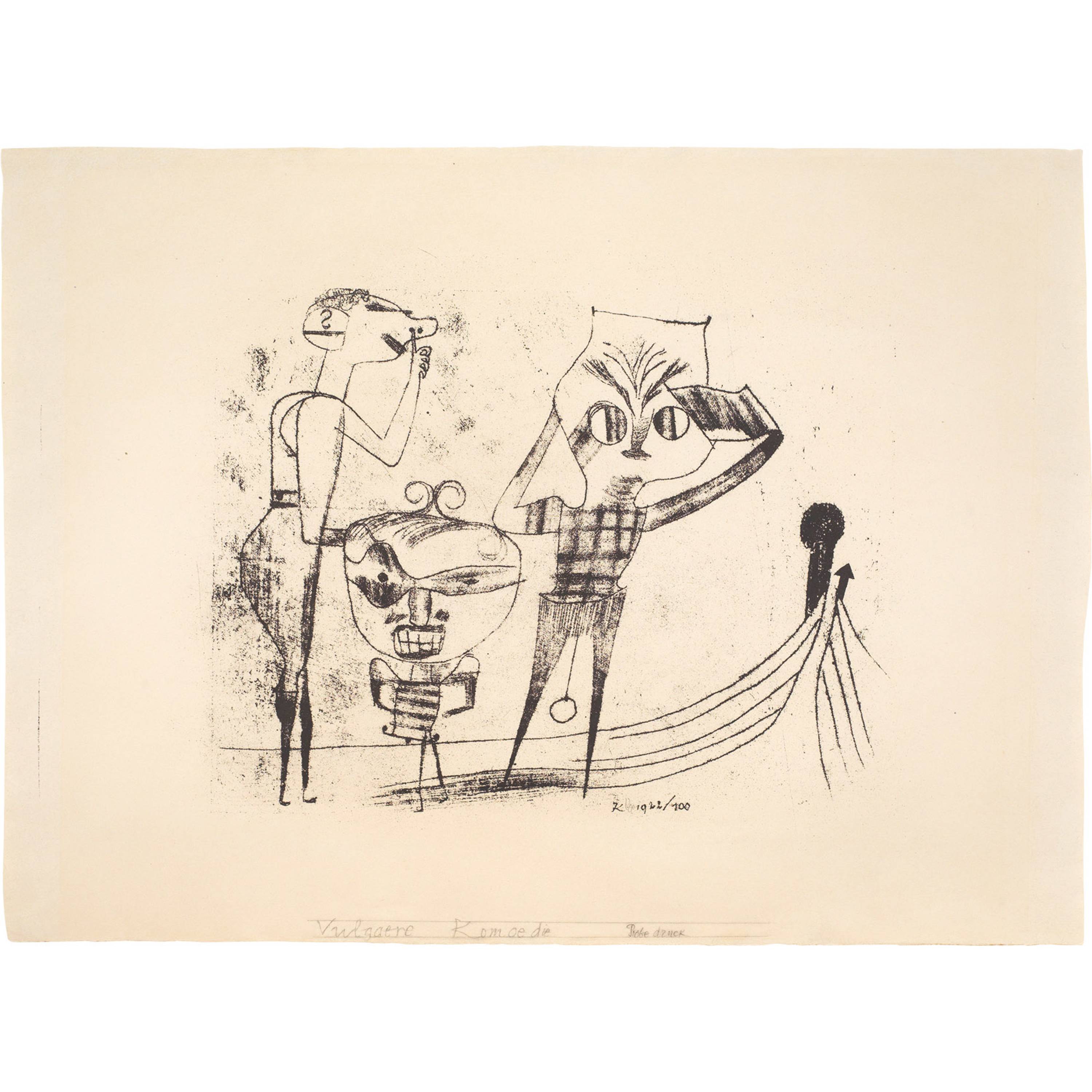
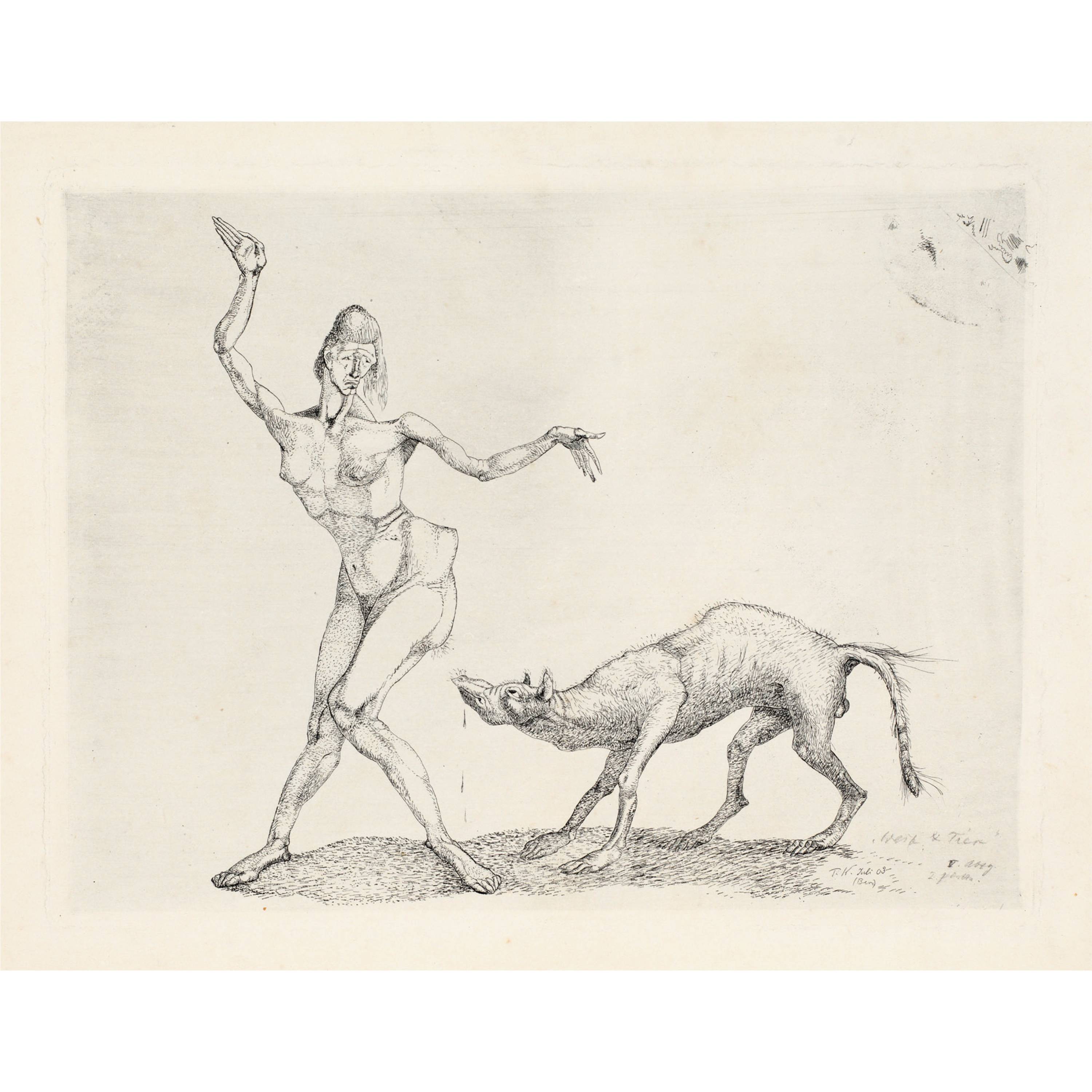
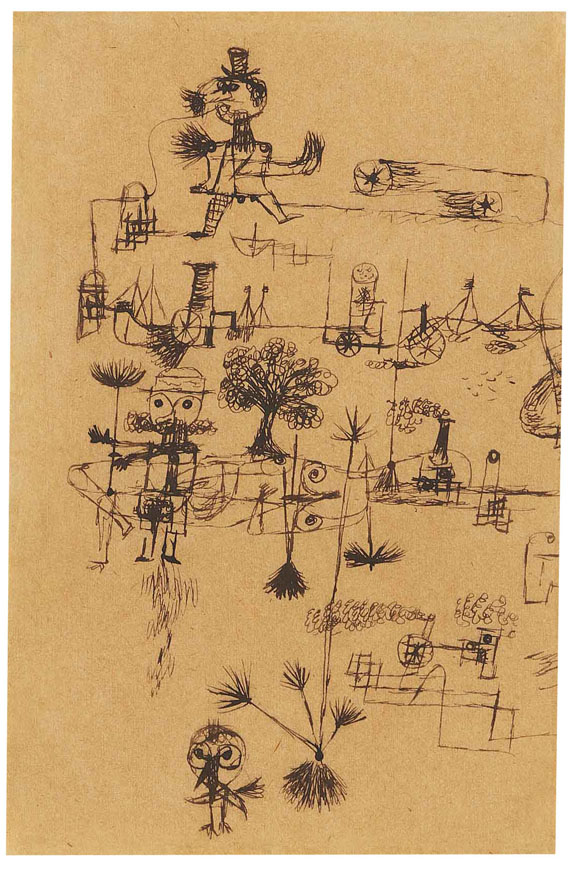
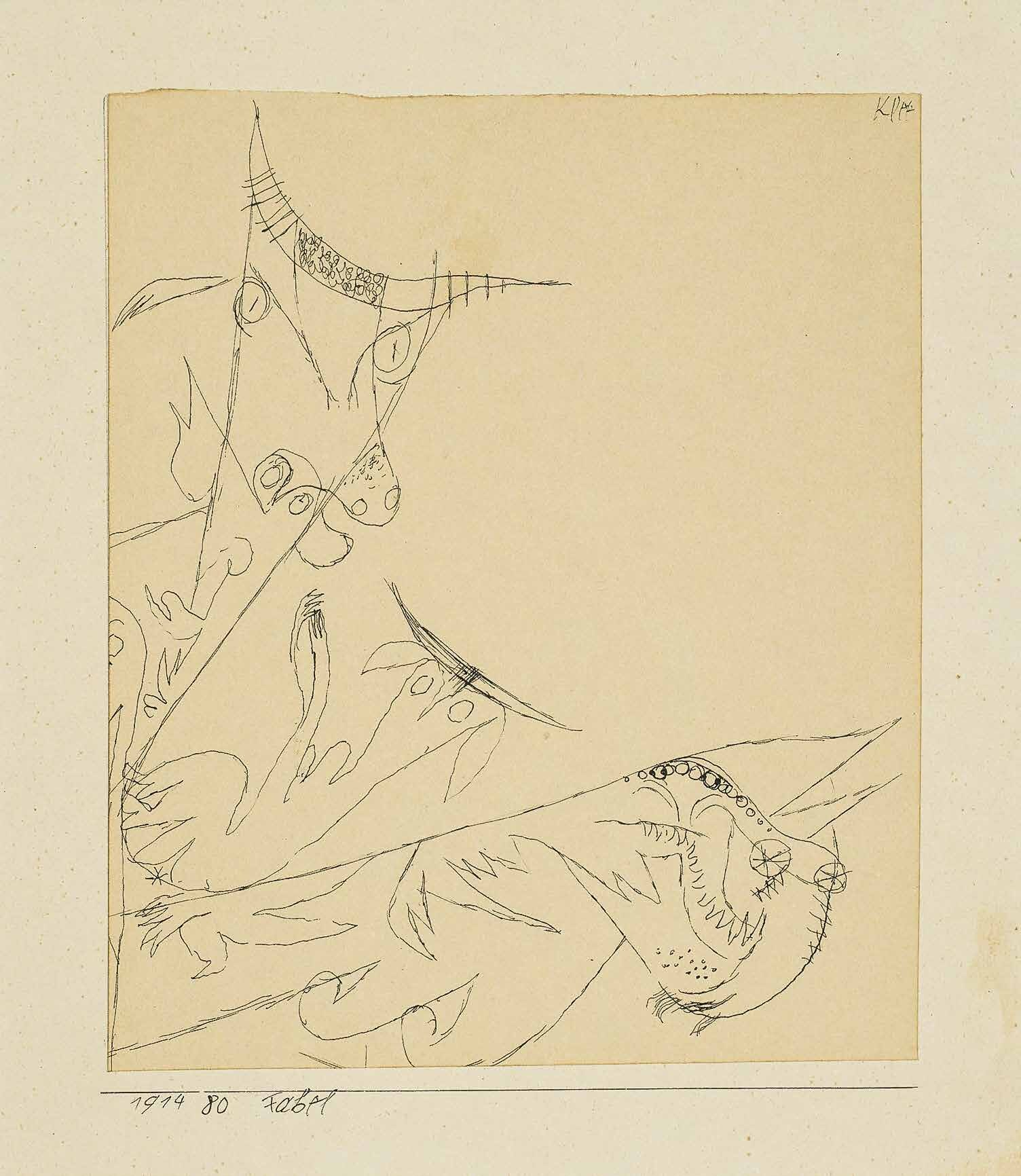
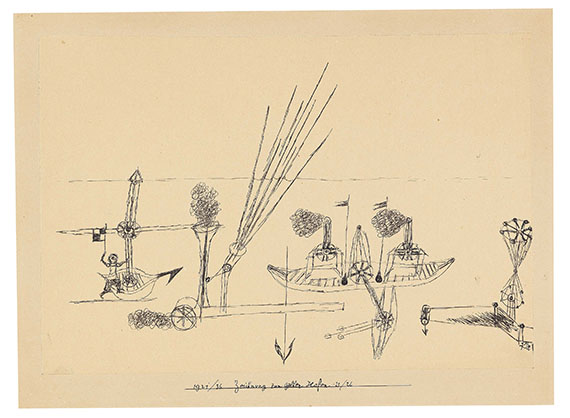
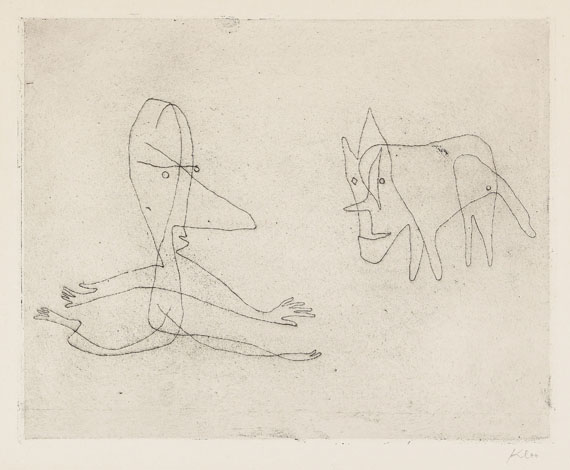
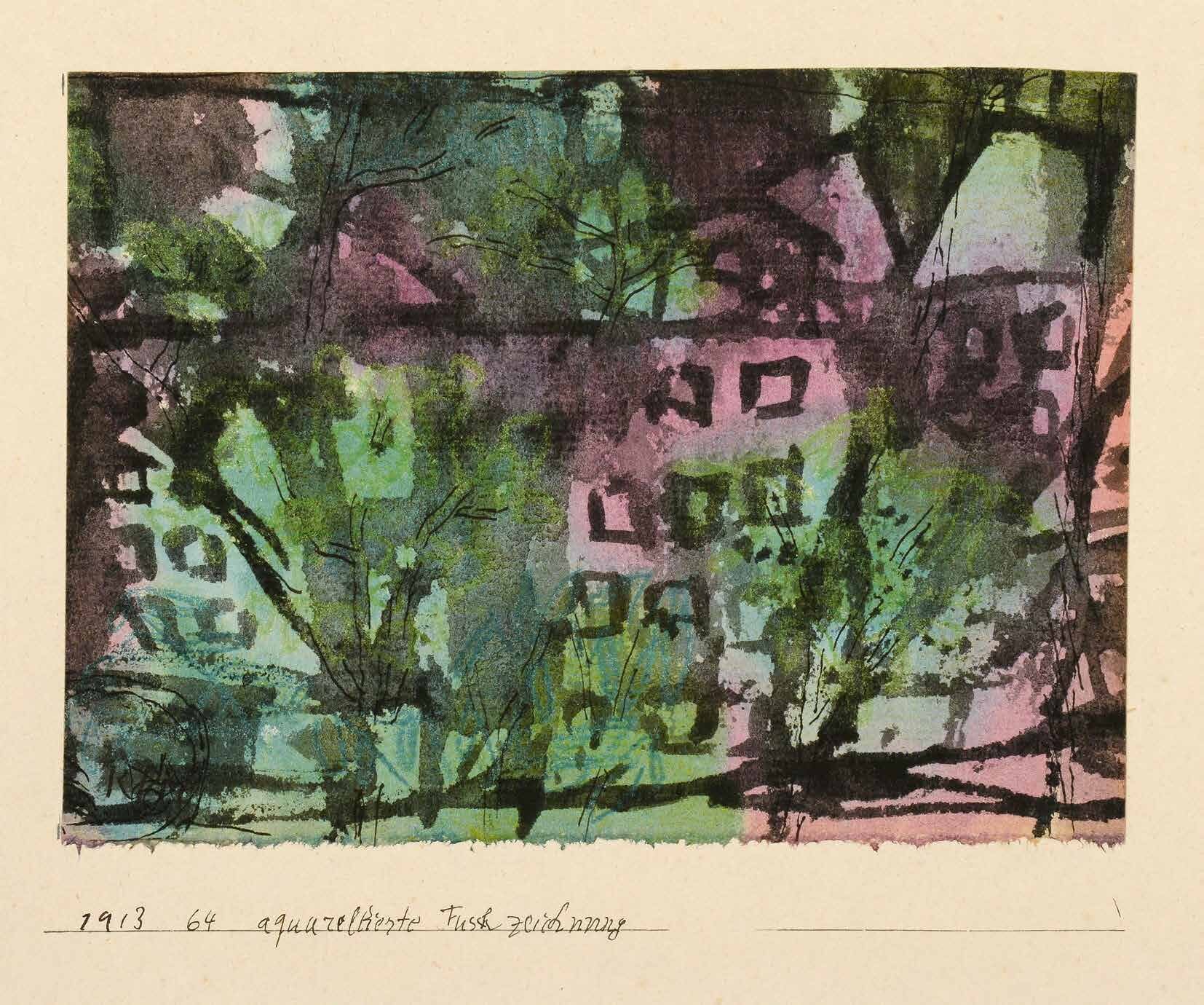
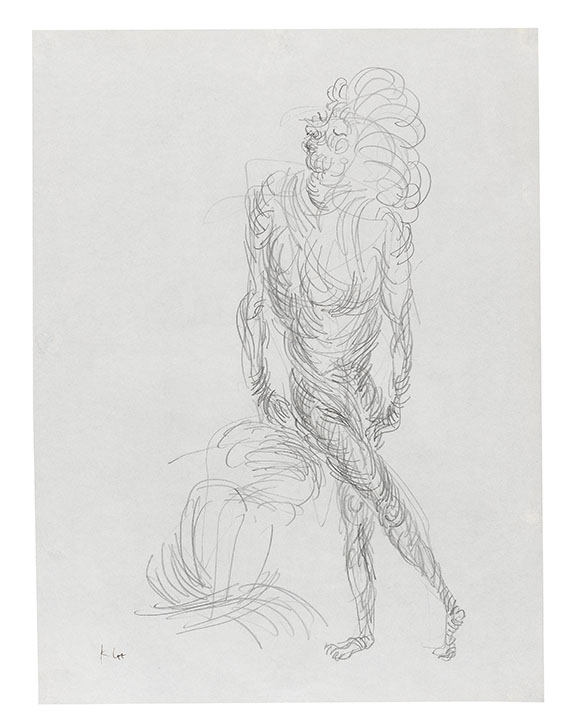
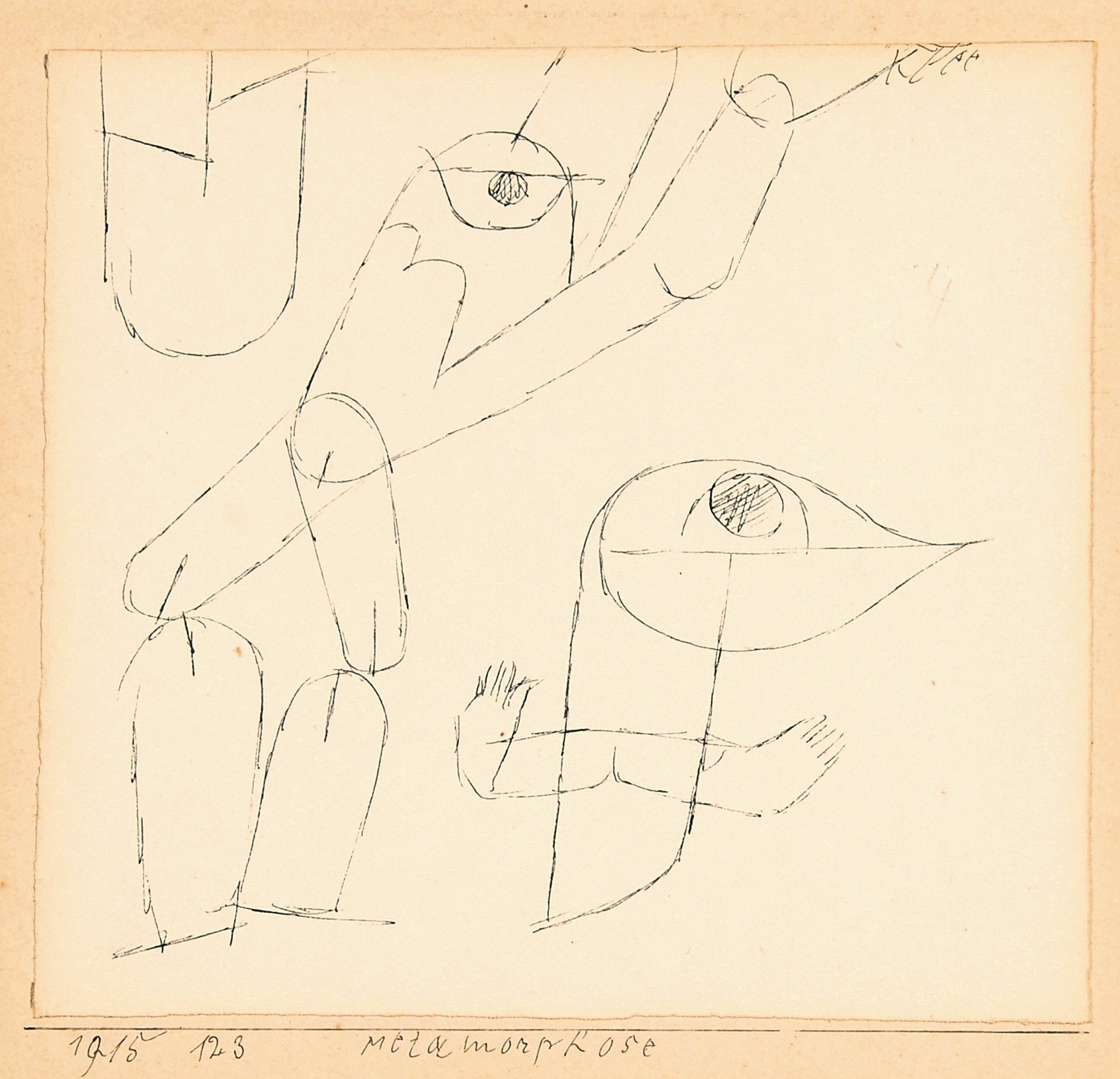
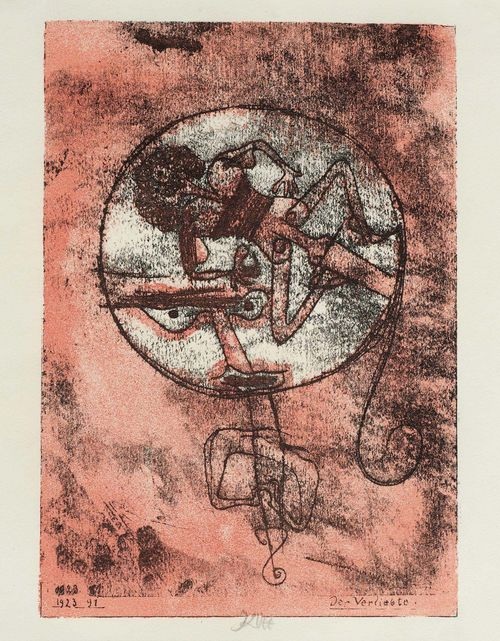
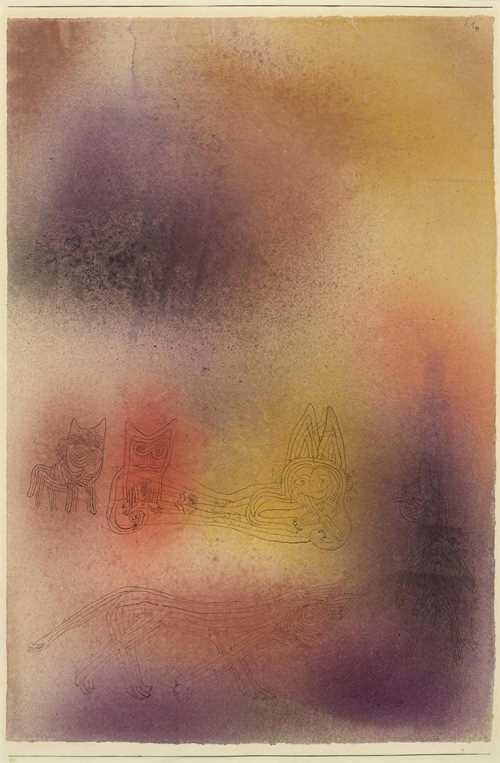
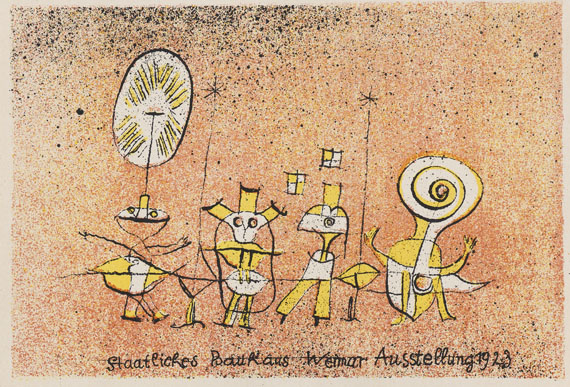
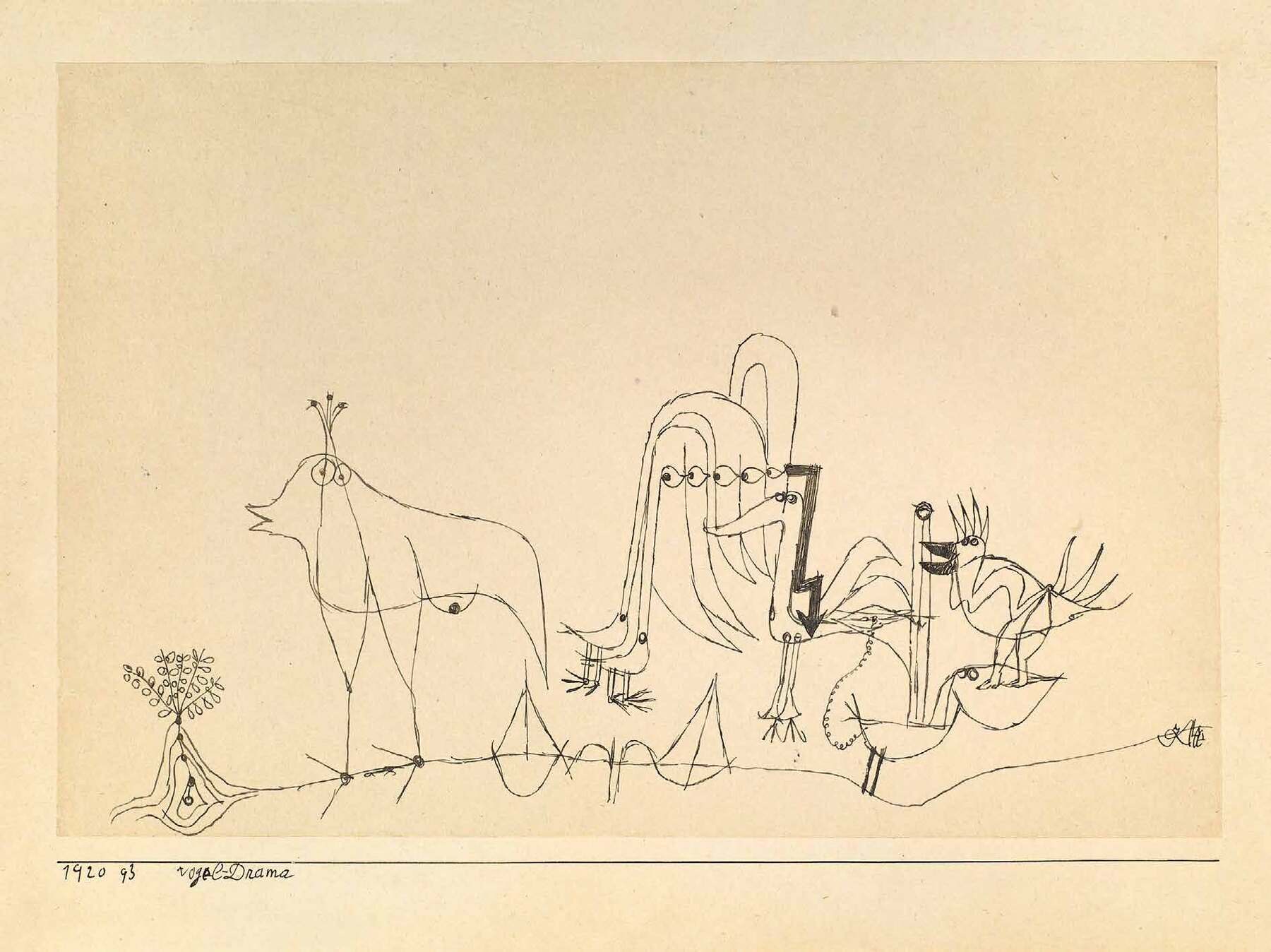
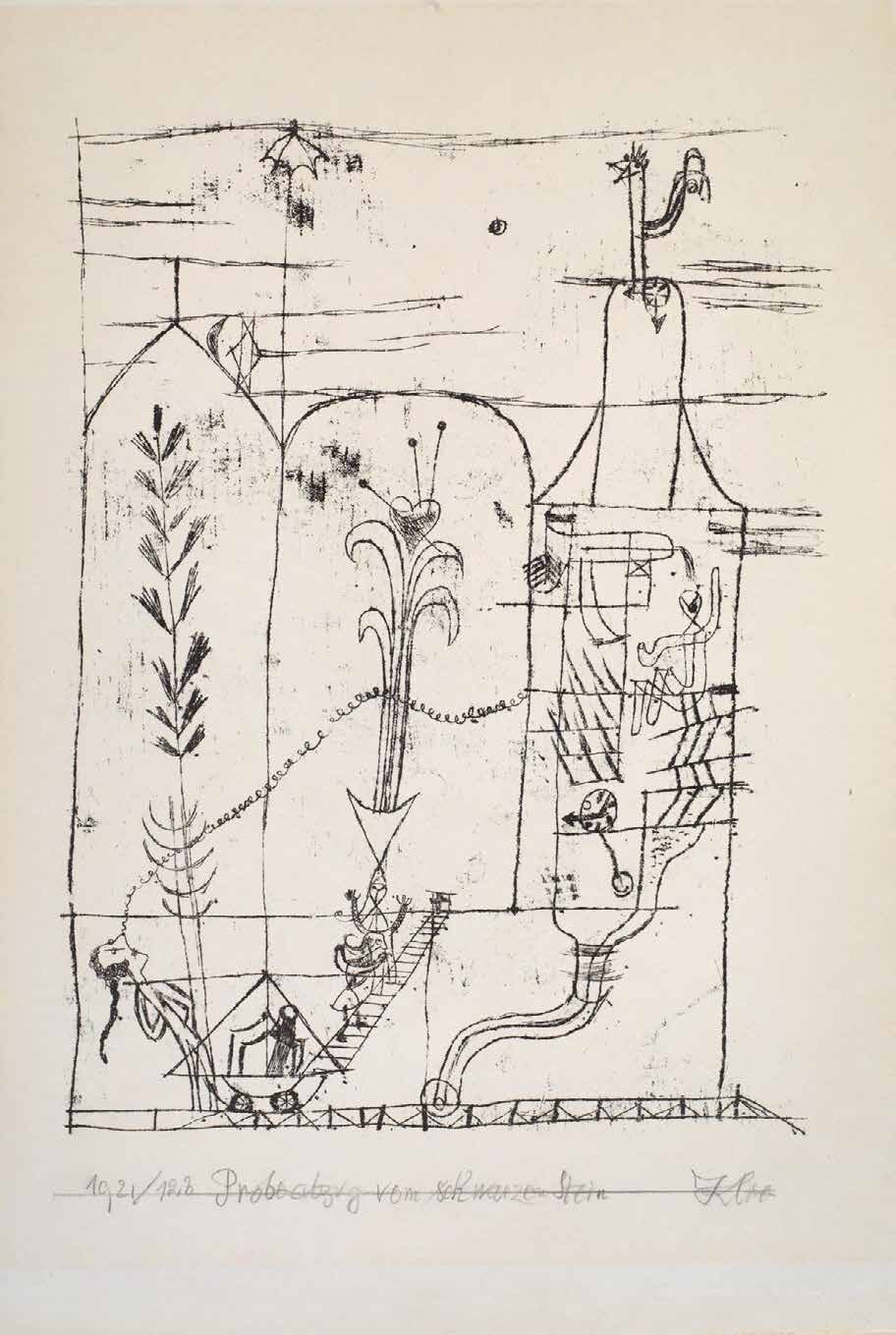
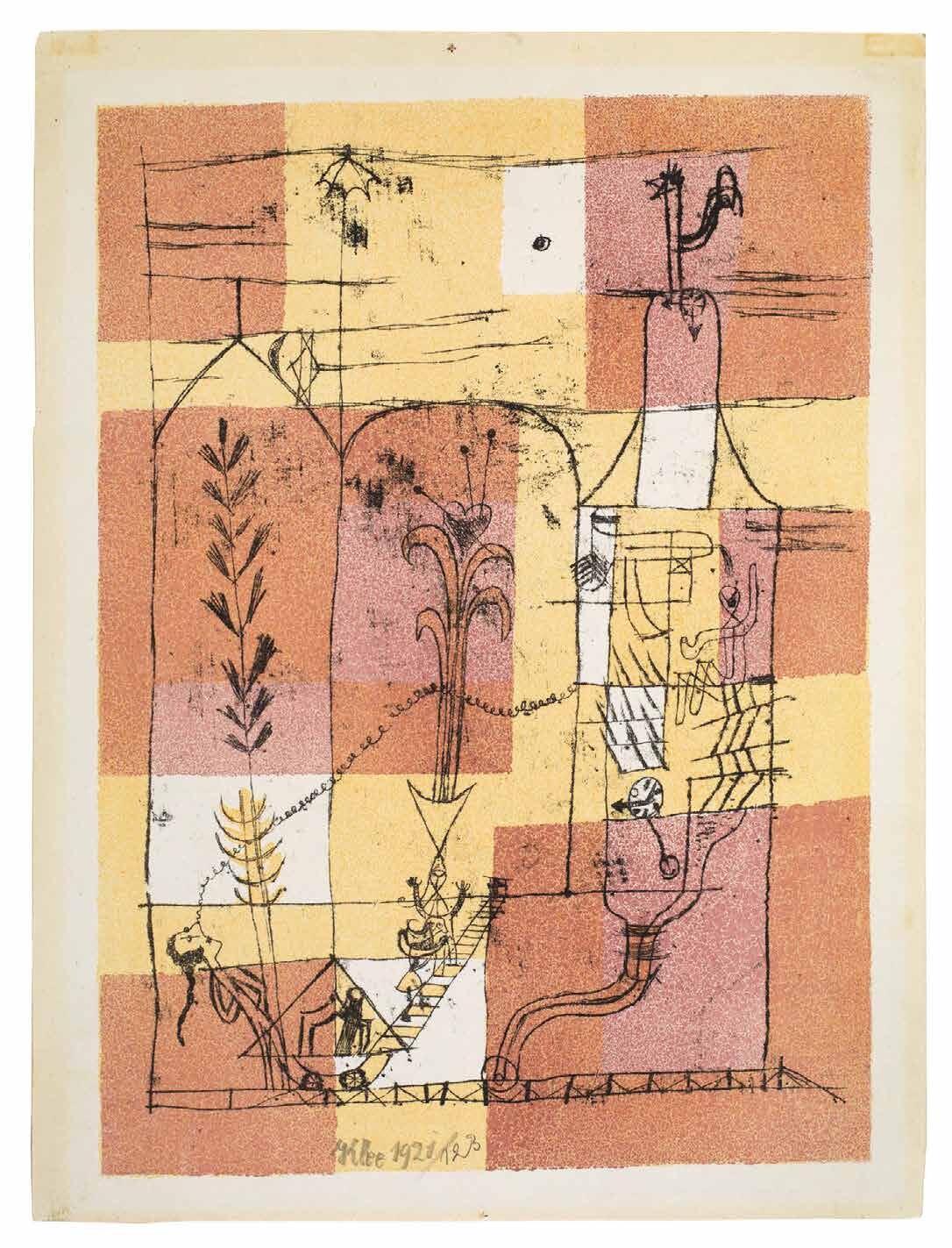
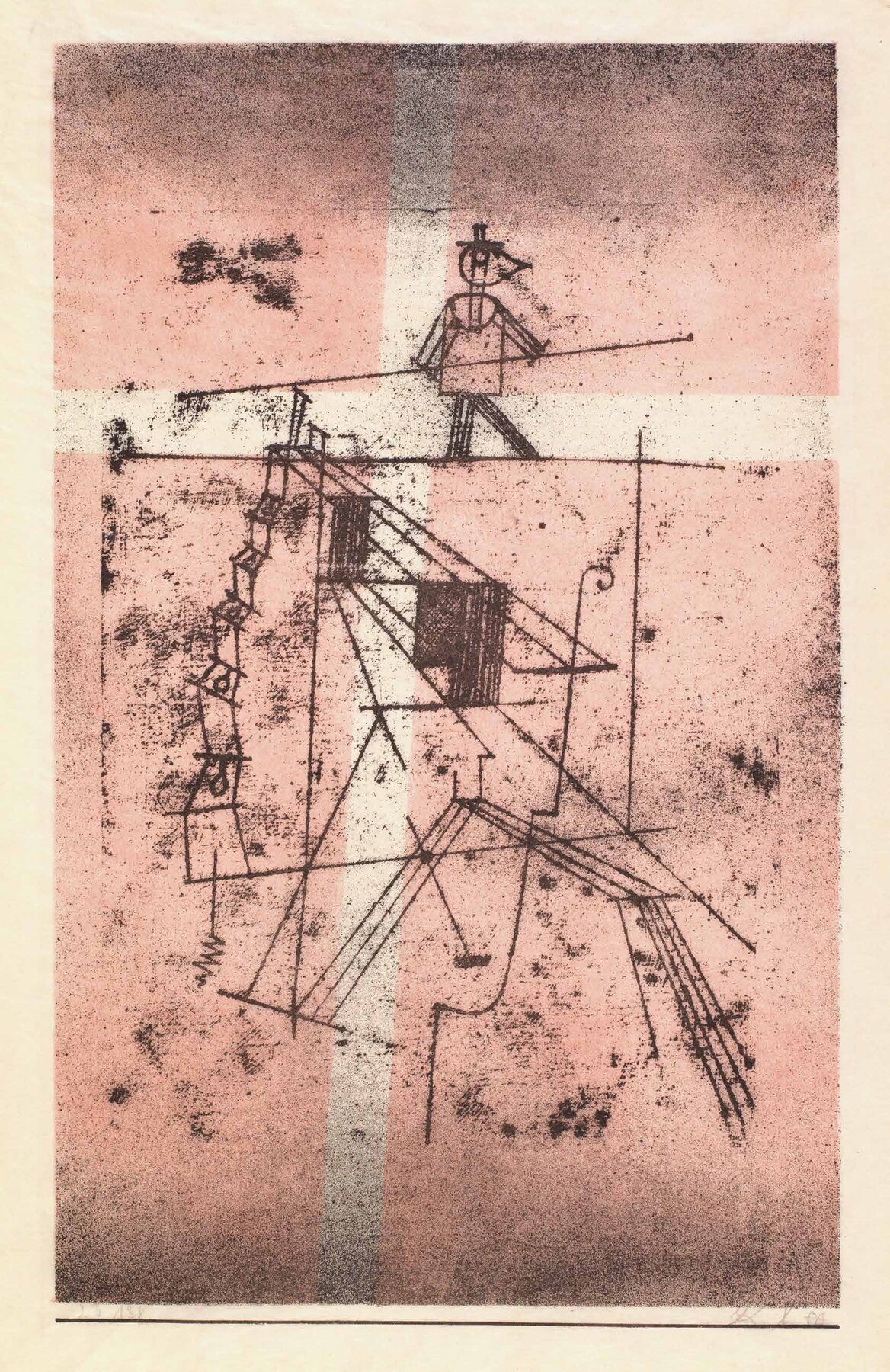
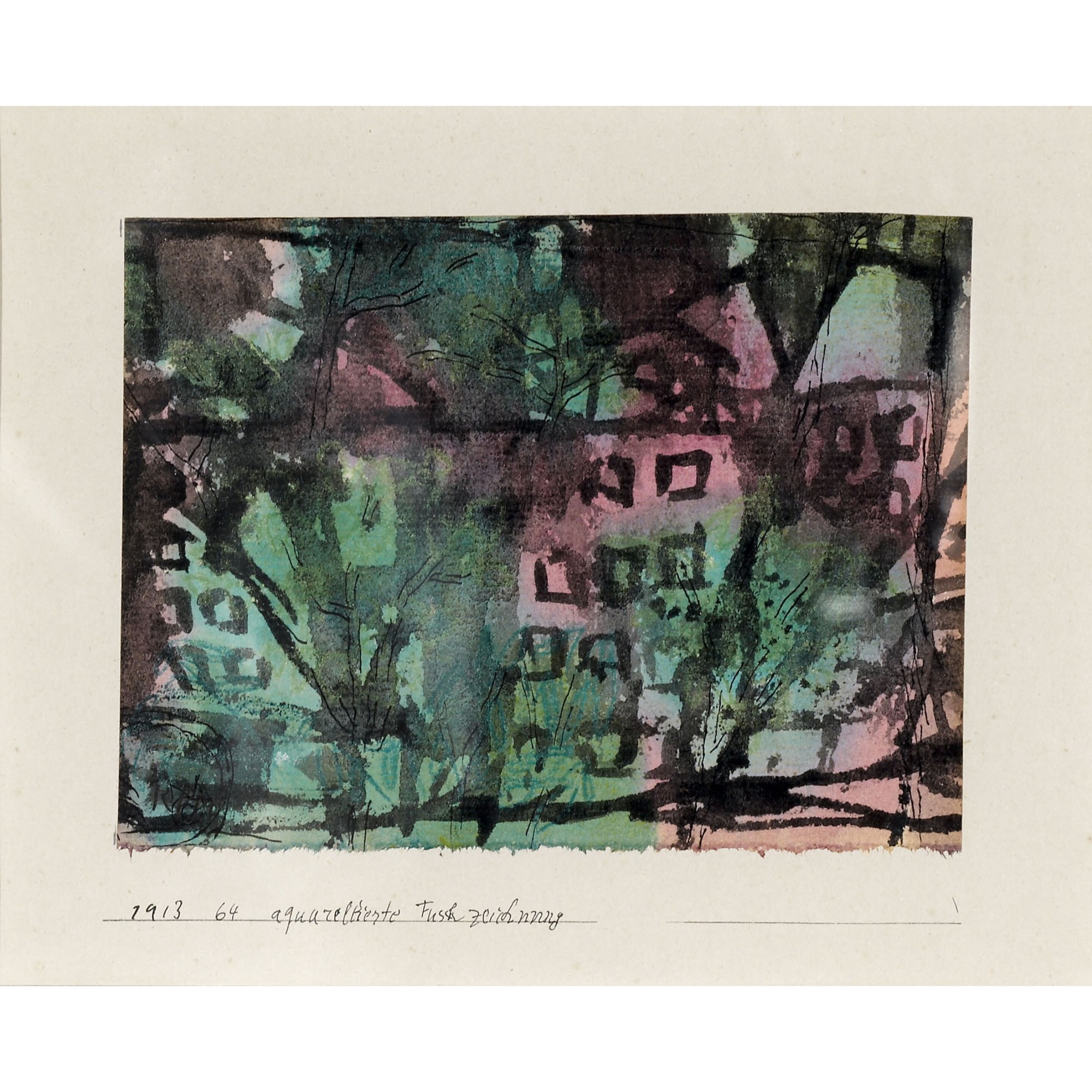
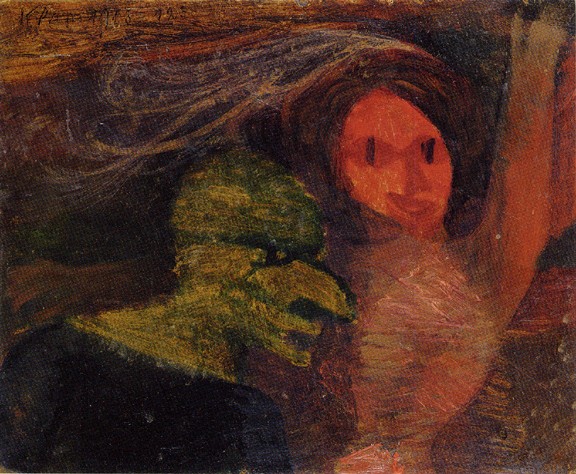
His watercolour Hammamet avec sa mosquée, held by the Metropolitan Museum of Art in New York, makes it possible to grasp this transition: the memory of a place becomes an arrangement of forms and colours. In other works, signs, figures and imaginary creatures compose a world in which apparent naivety accompanies a rigorous pictorial reflection. Watercolour and drawing occupy an essential place in this experimentation.
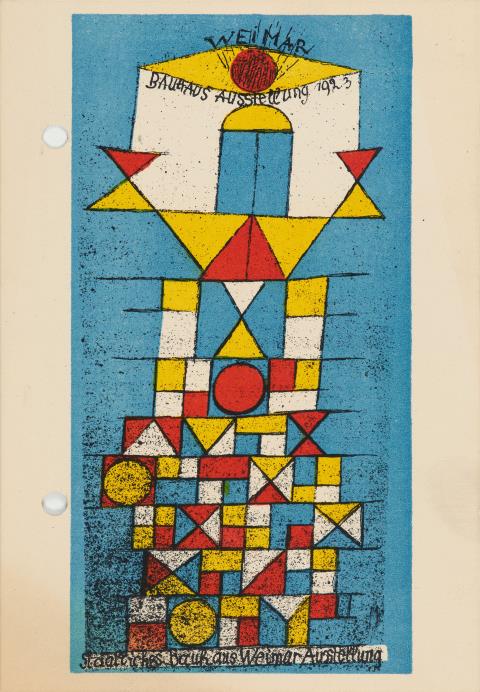
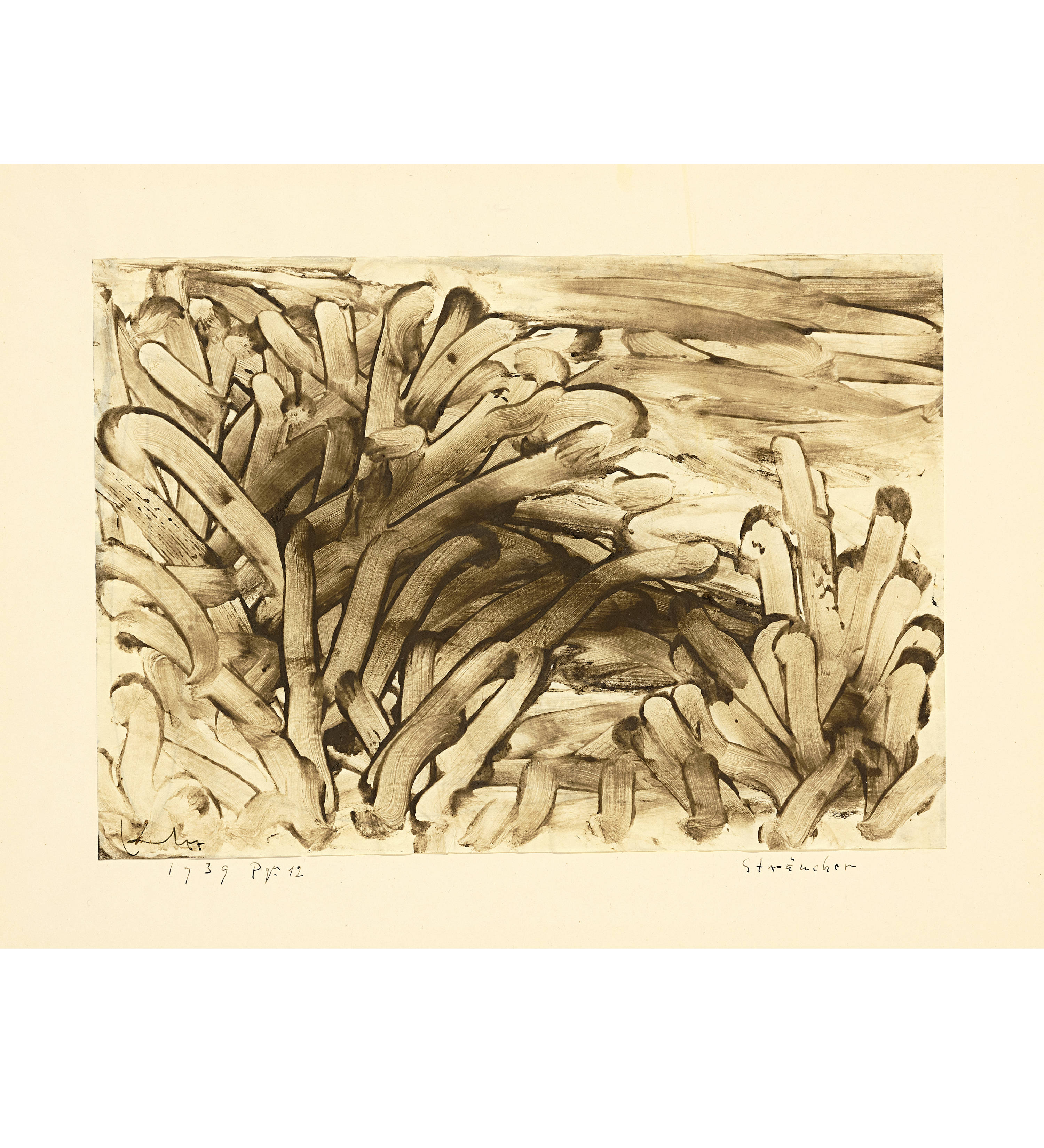
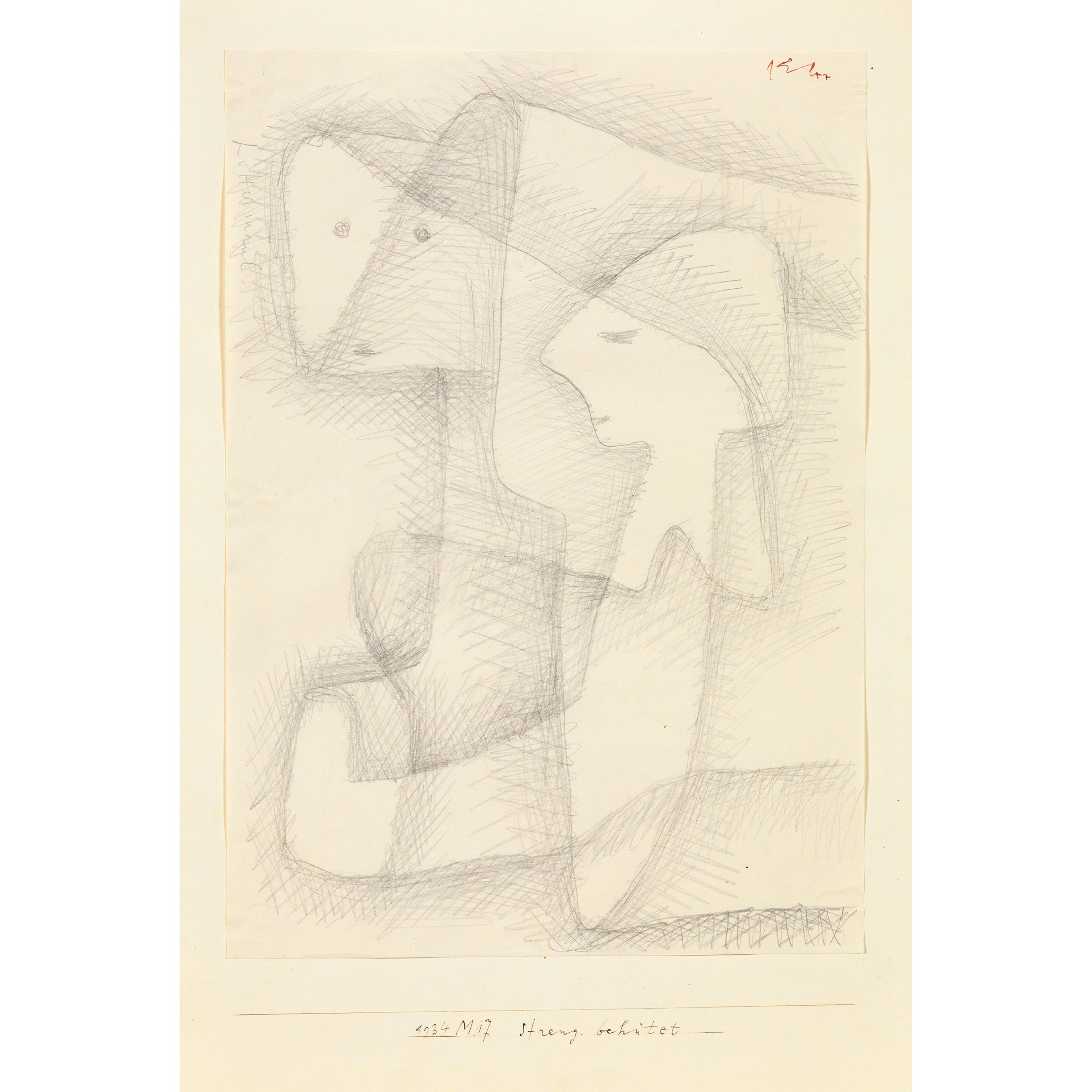
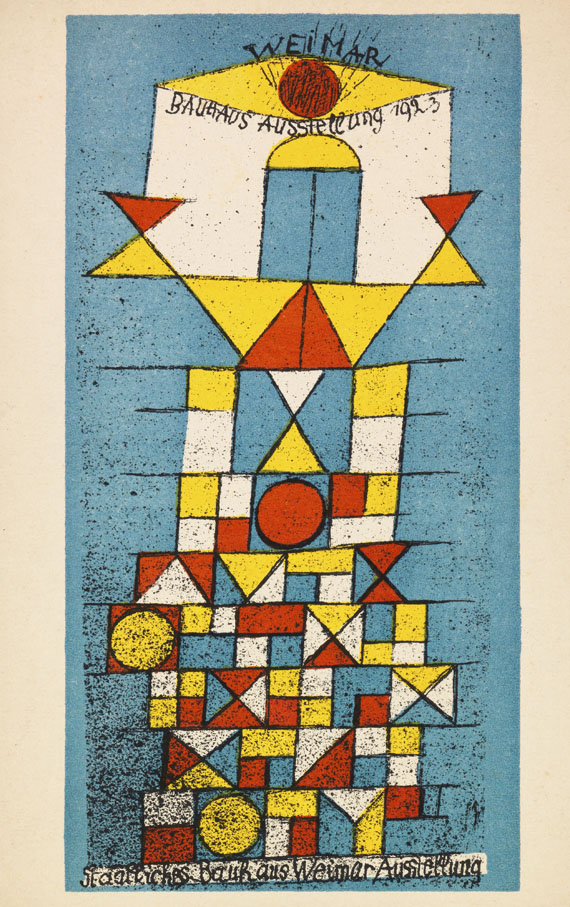
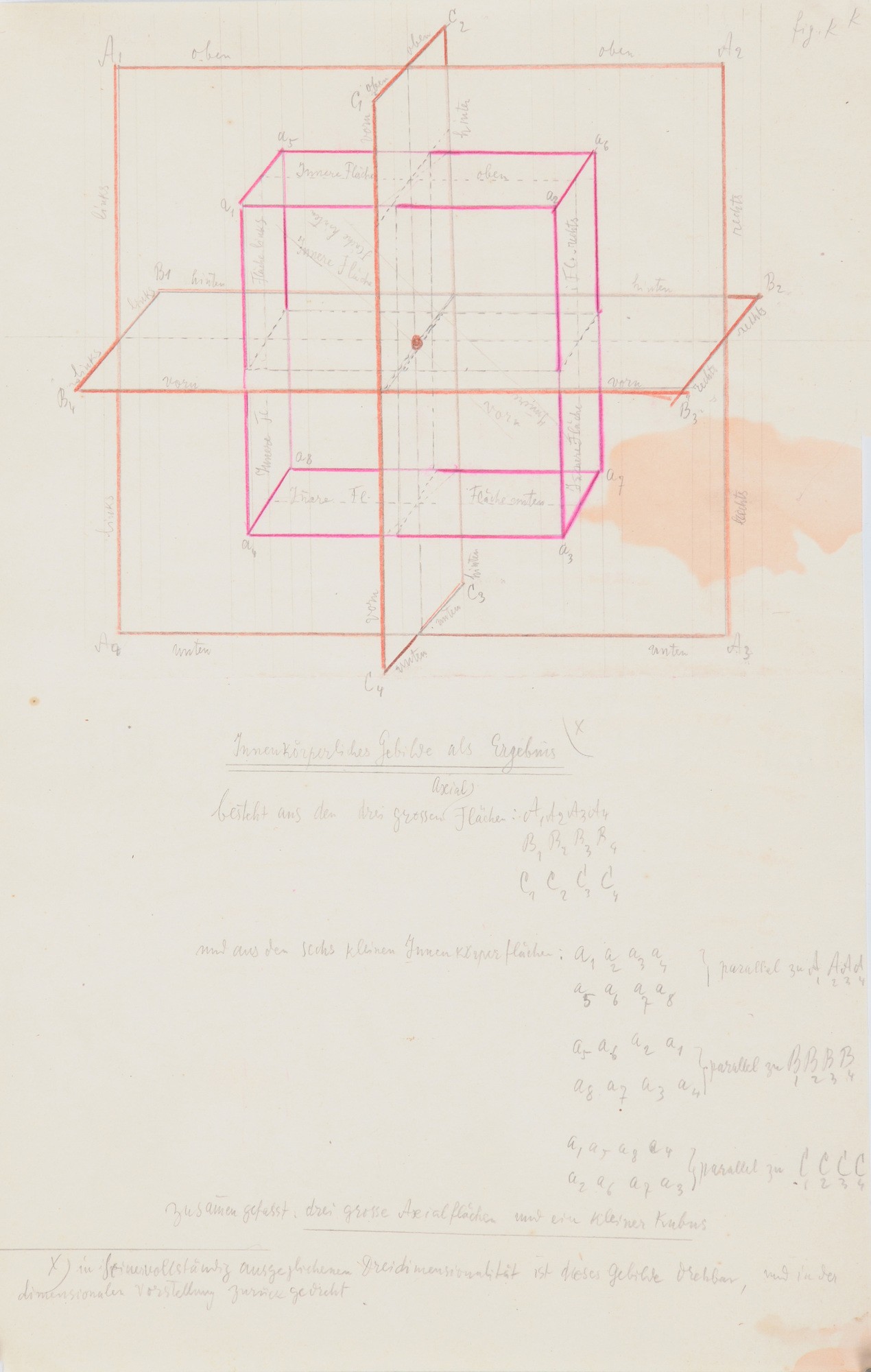
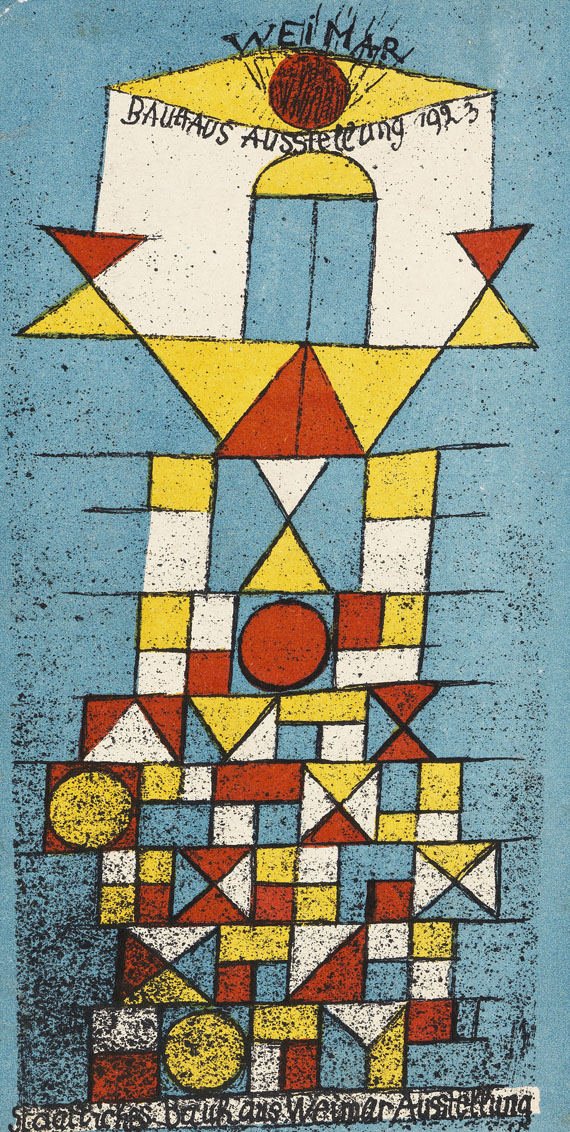
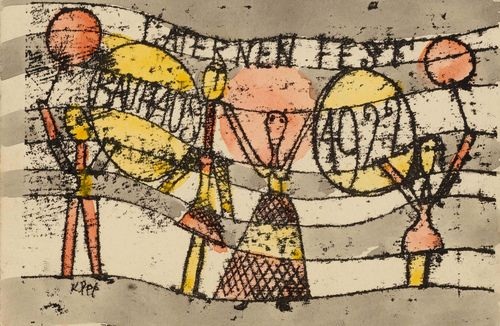
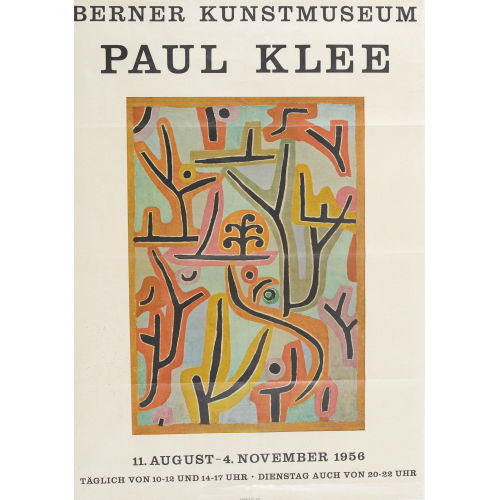
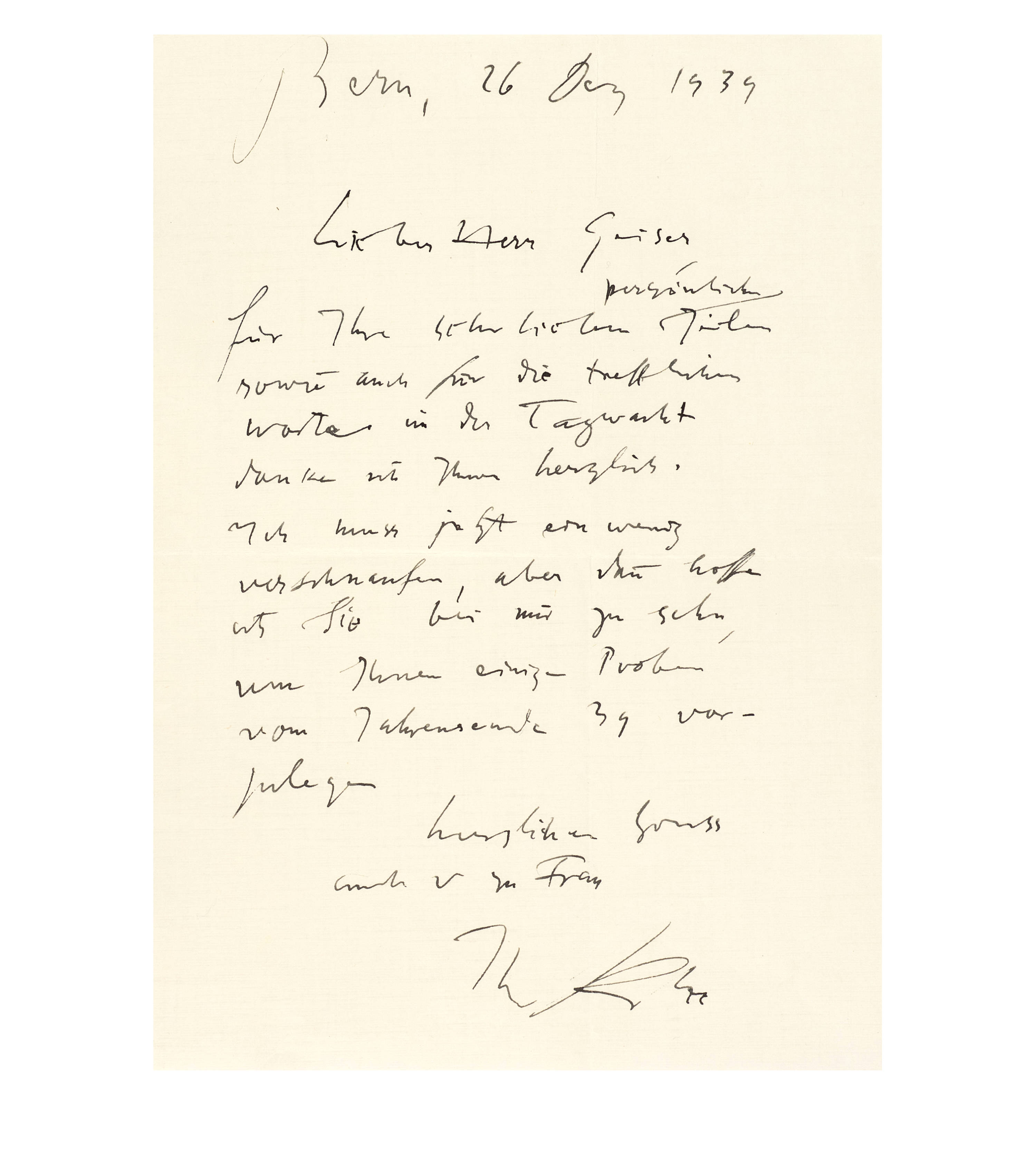
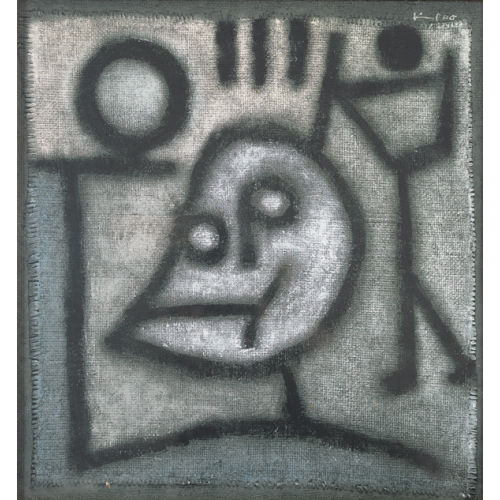
Appointed to the Bauhaus in 1920, Klee began teaching there in 1921, before joining the Düsseldorf Academy in 1931. Removed from his post under Nazi pressure in 1933, he returned to Bern. Political persecution and illness darkened his final years without exhausting his creativity.
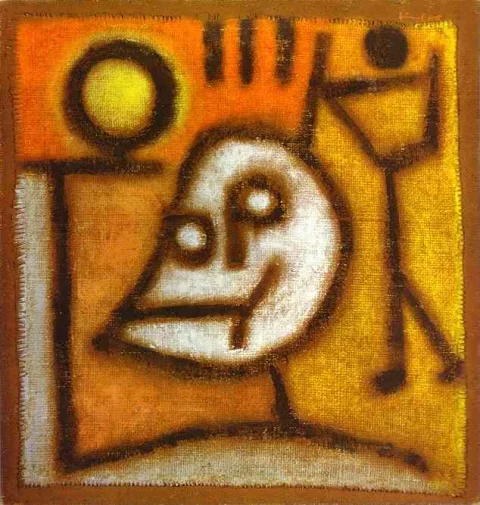
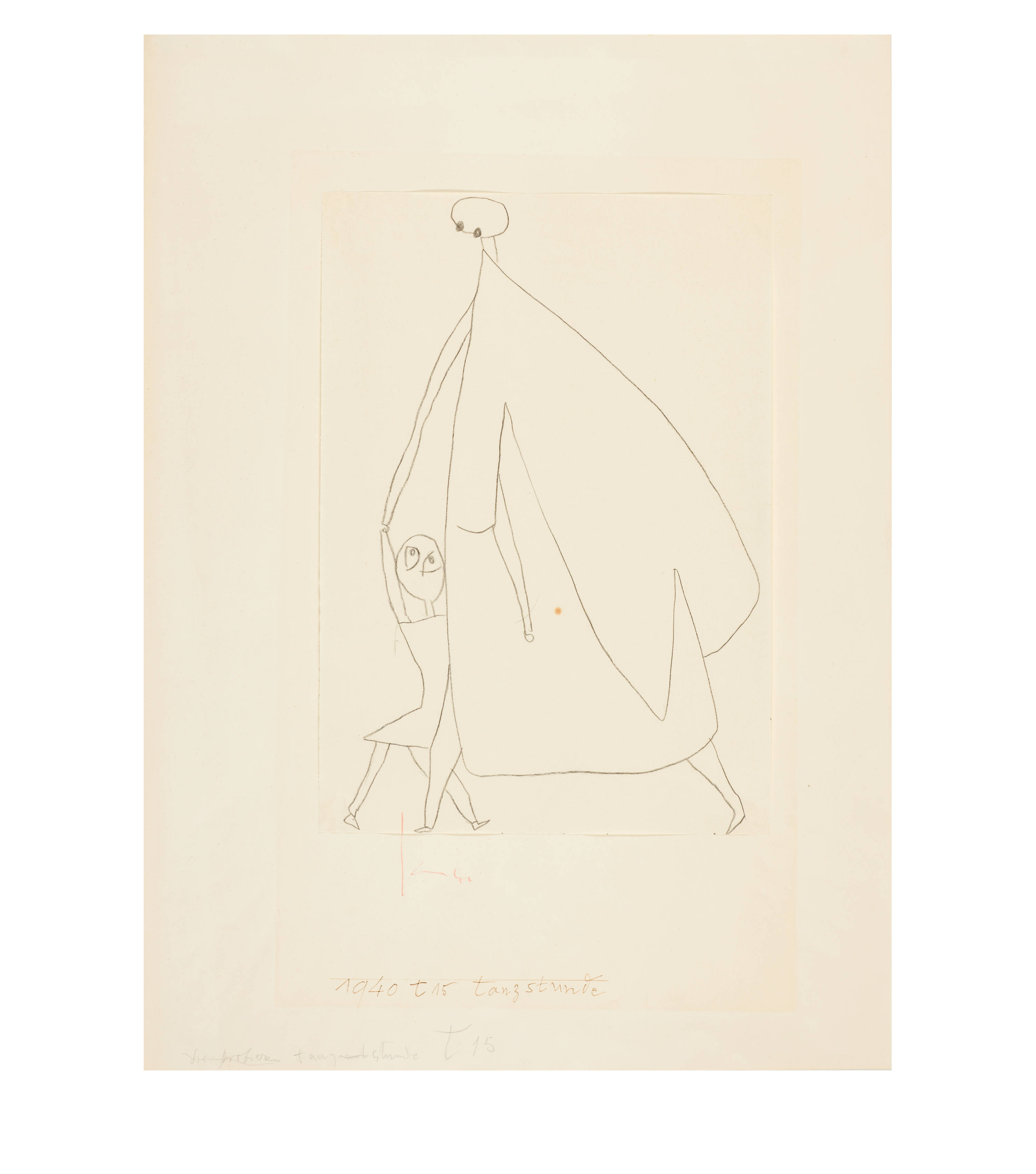
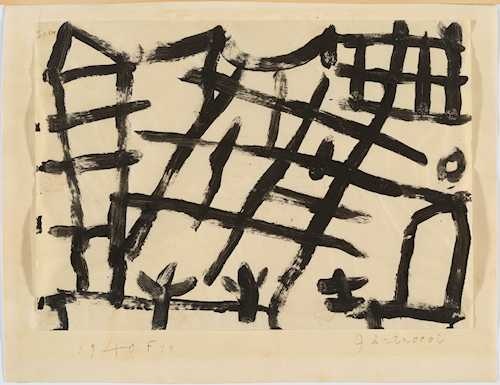
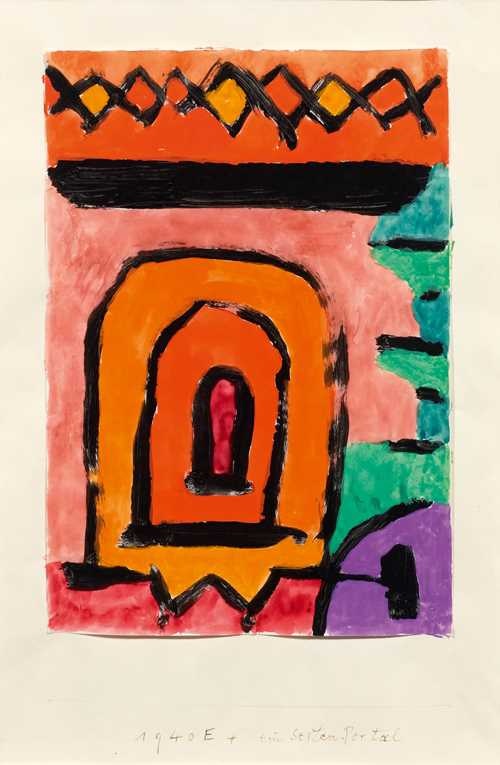
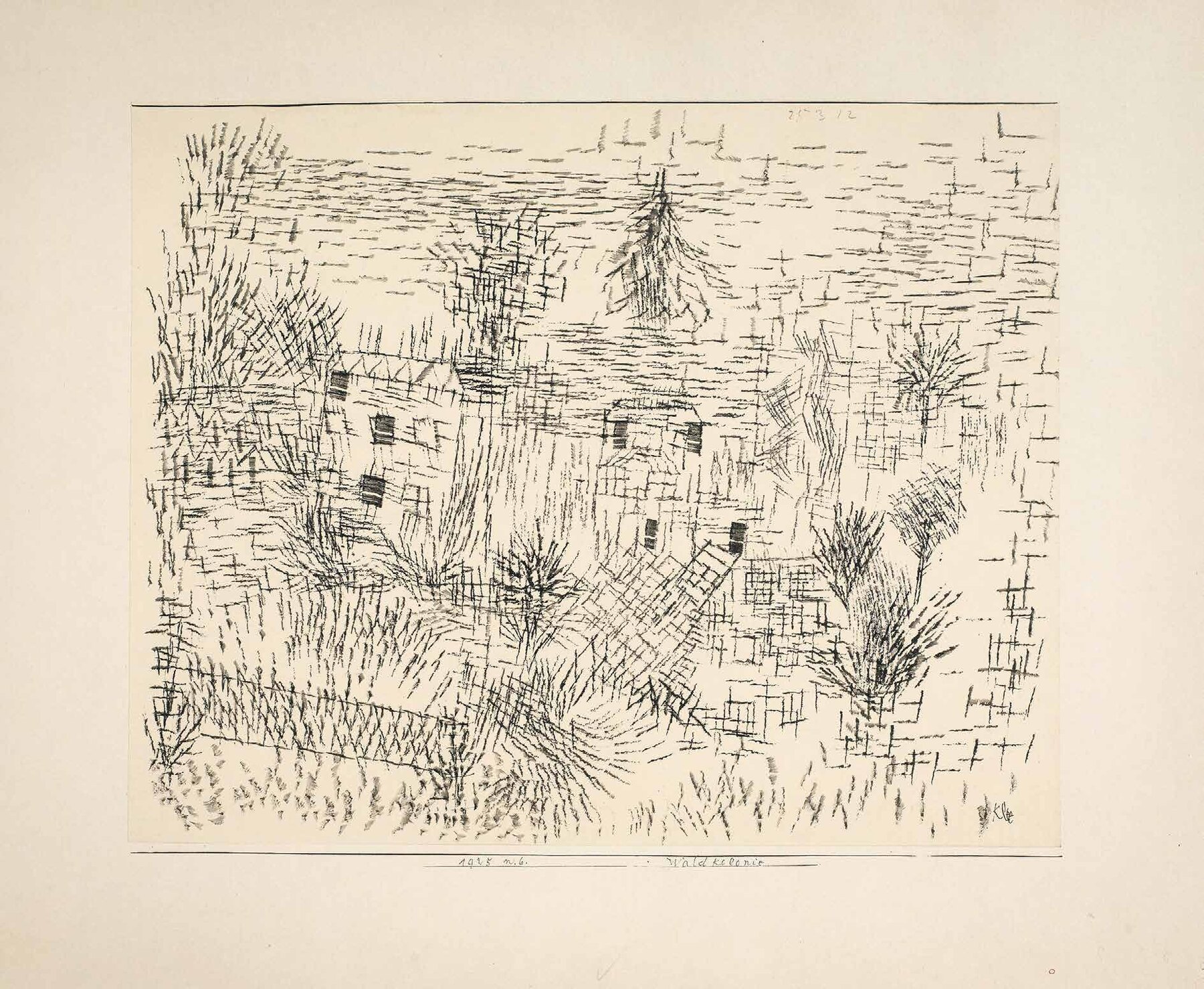
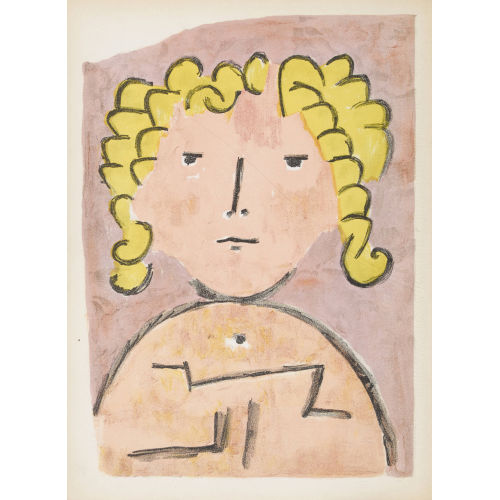
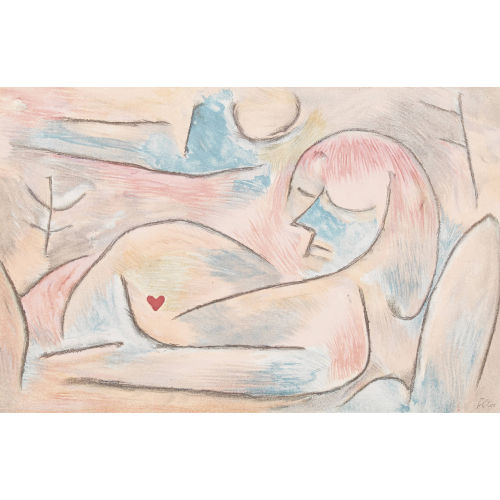
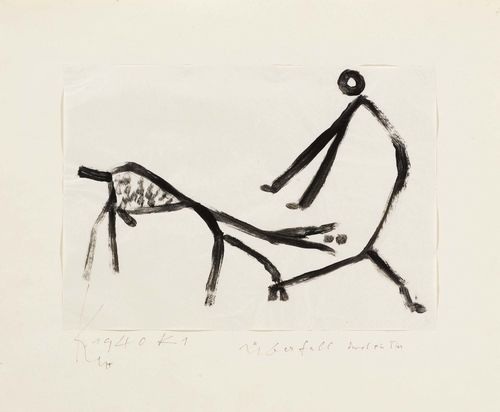
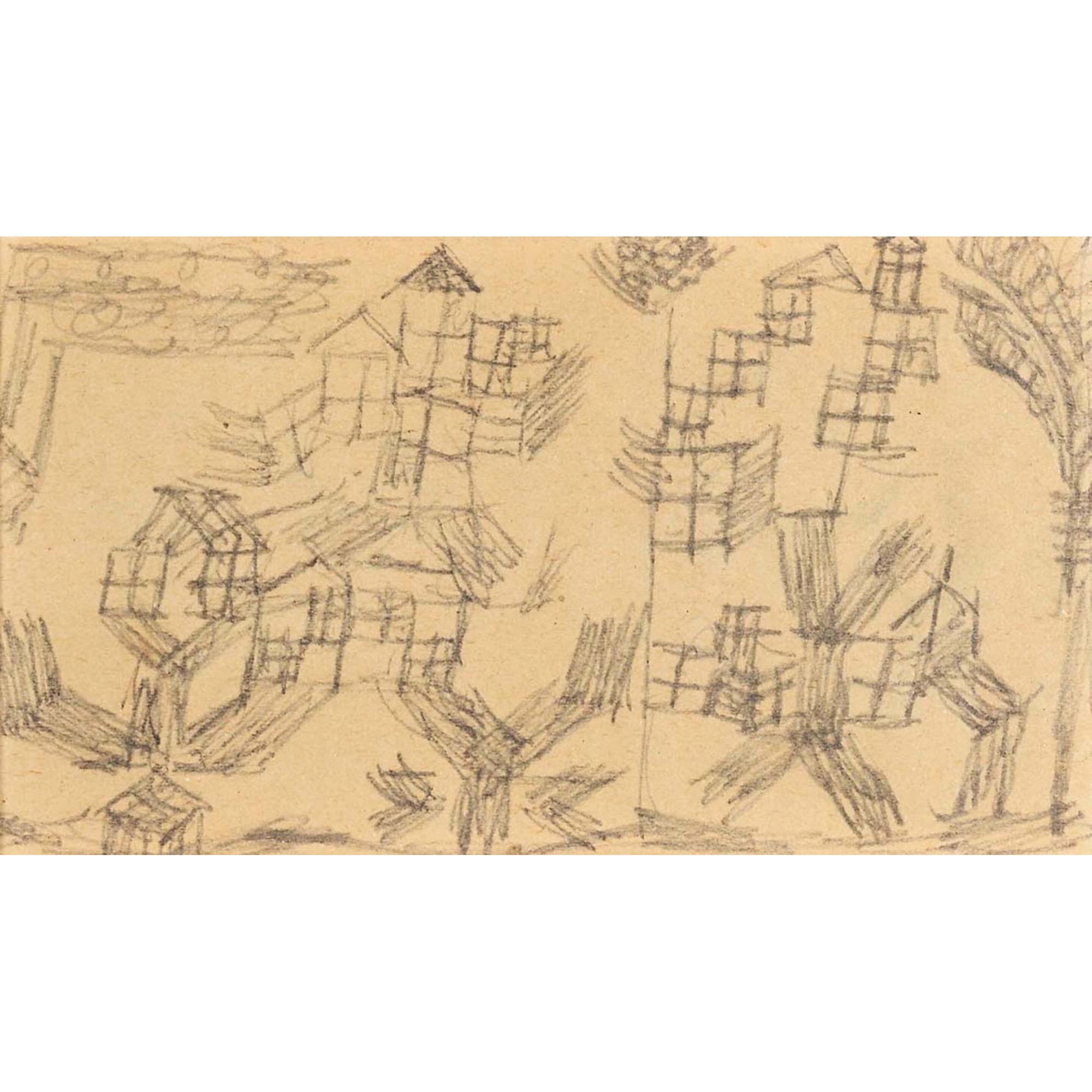
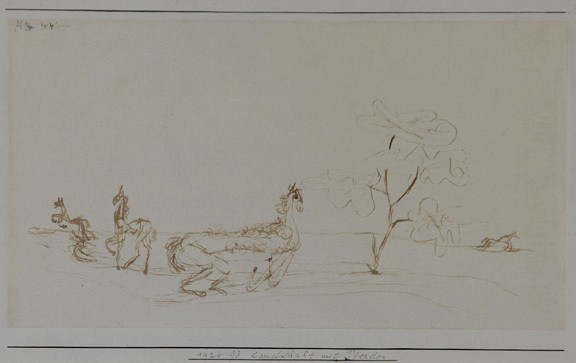
To approach Klee, one can let the eye follow a line and then return to the title: the image then seems to tell, in another way, what one has just seen. In the late works, heavier contours and simplified forms give this conversation between sign and emotion a new intensity.