Paul Camenisch
Born in 1893.
Died in 1970.
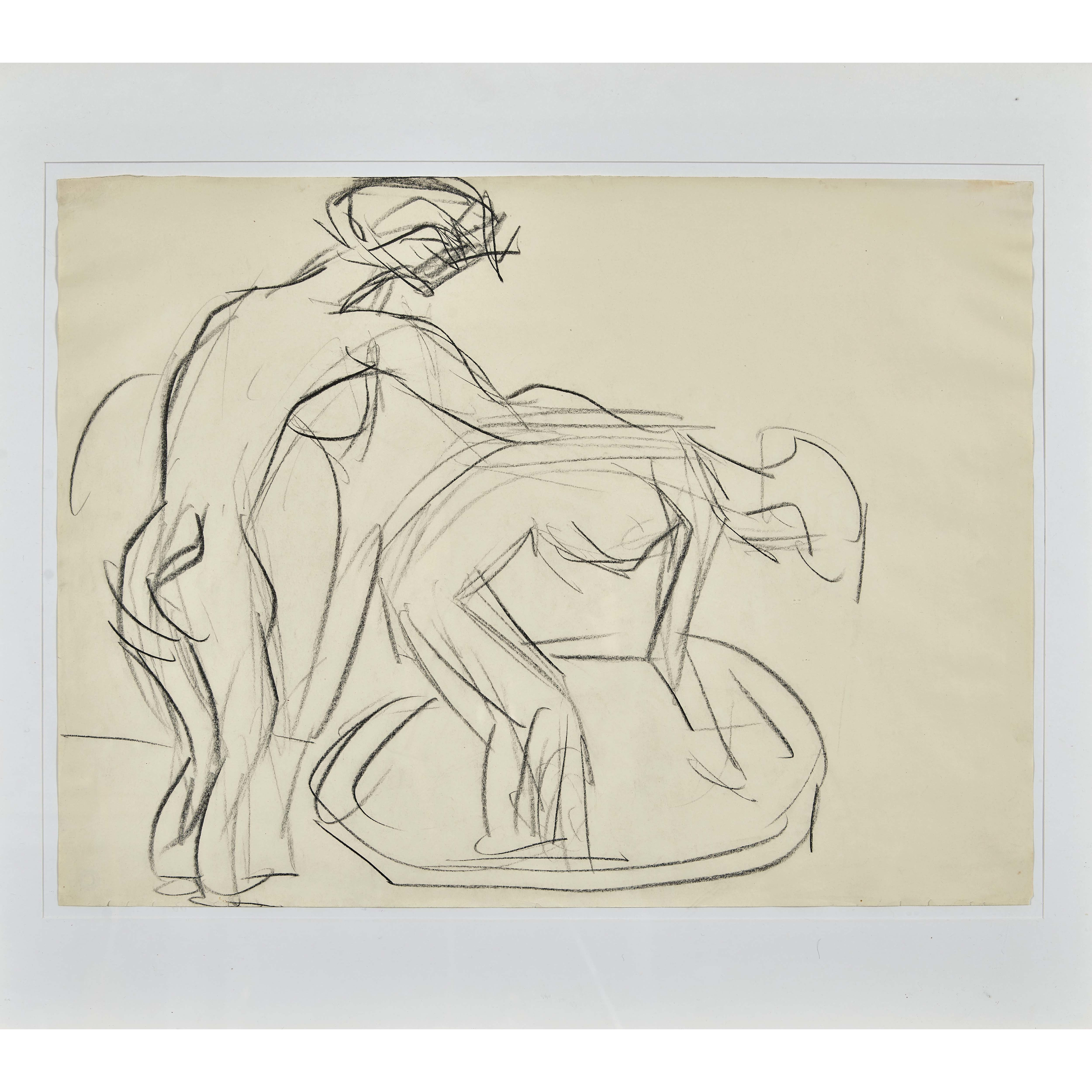
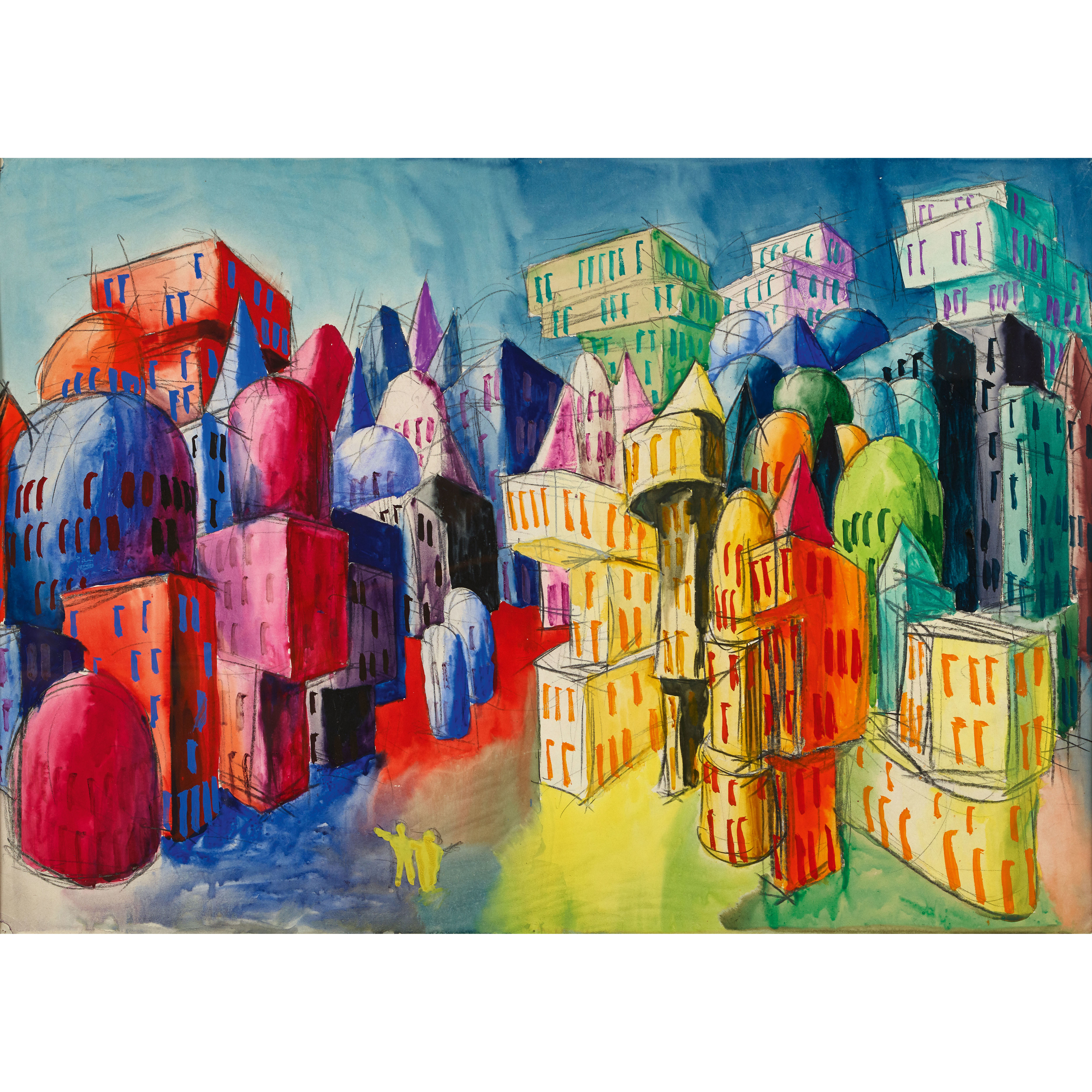
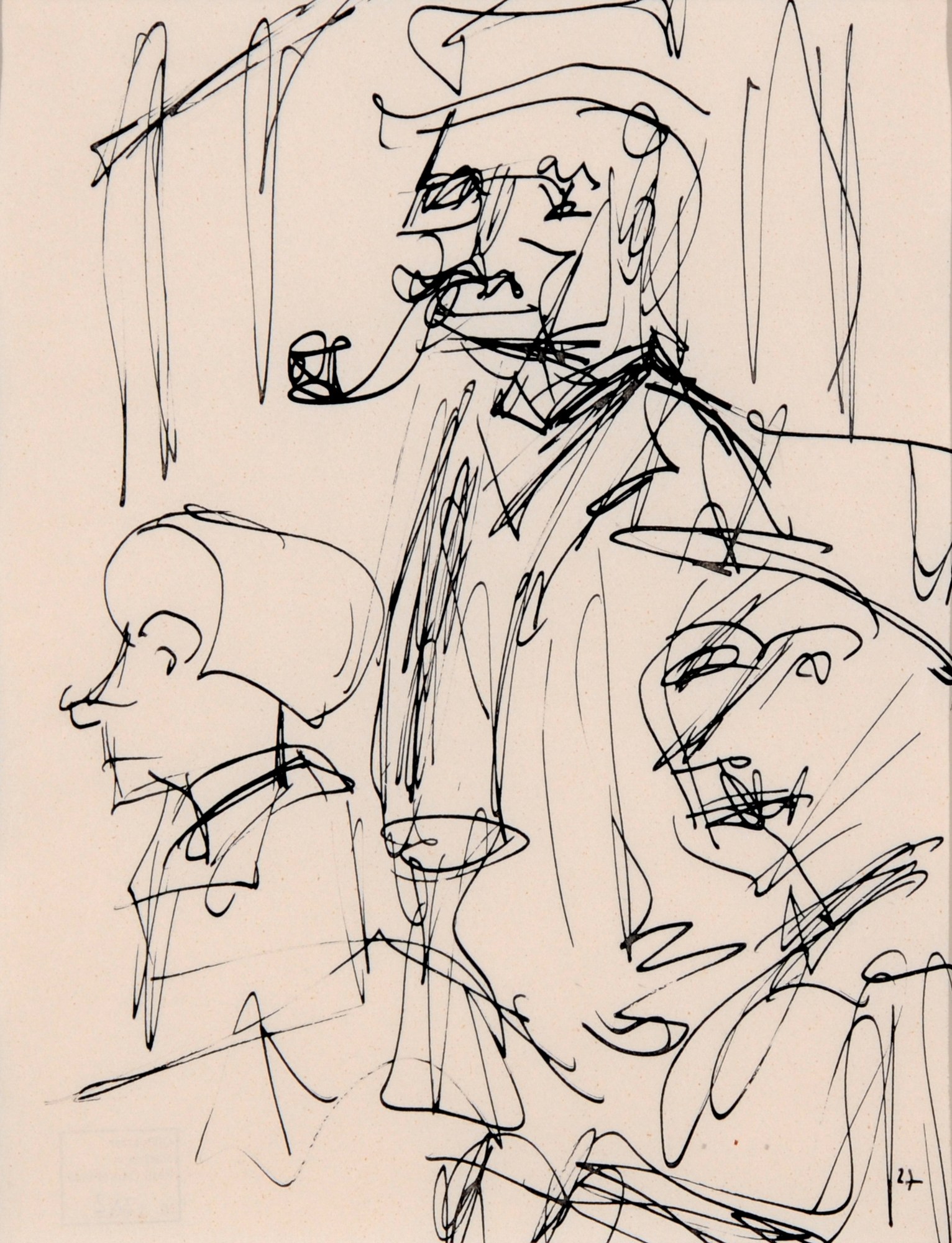
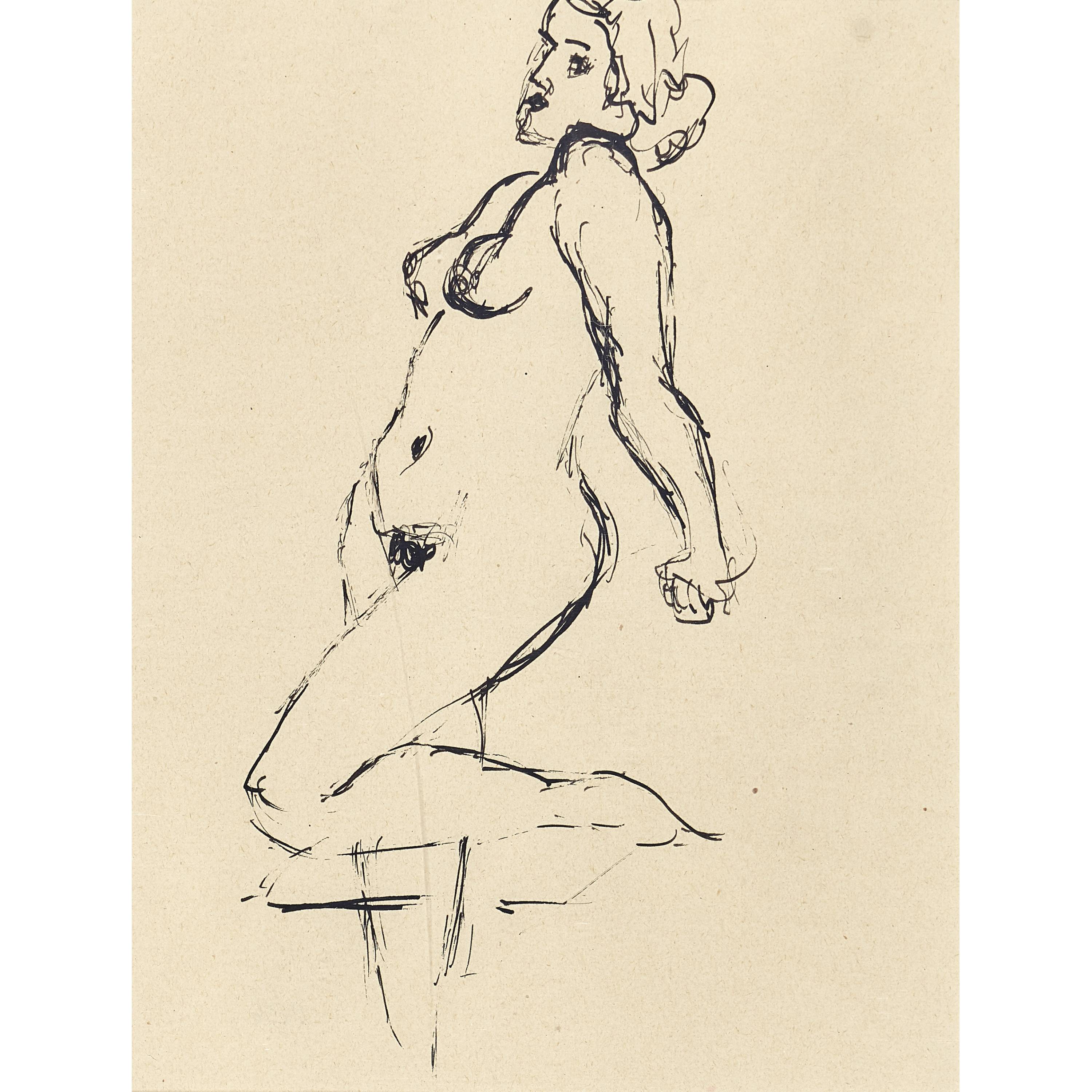
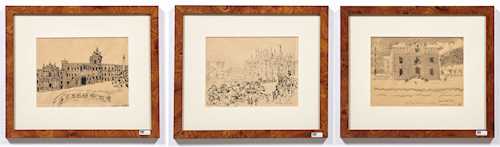
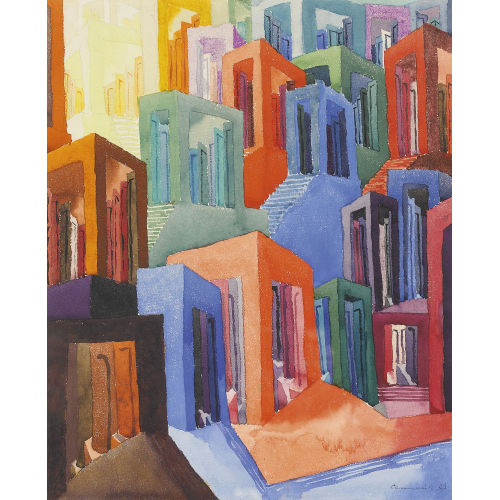
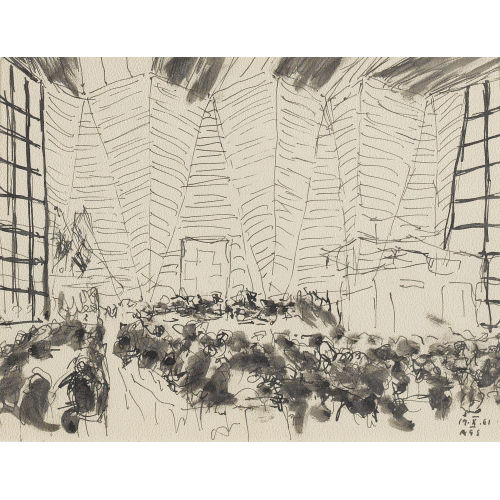
Paul Camenisch (1893–1970) belongs to that generation of Swiss artists who gave Expressionism a voice of its own. Born in Zurich and deceased in Basel, he nevertheless began with architecture: he studied at the ETH Zurich from 1912 to 1916, worked on building sites in Germany, and then in Basel offices. This training gave rise to his first watercolours, in which fantastical constructions take on the character of visions rather than projects to be built.
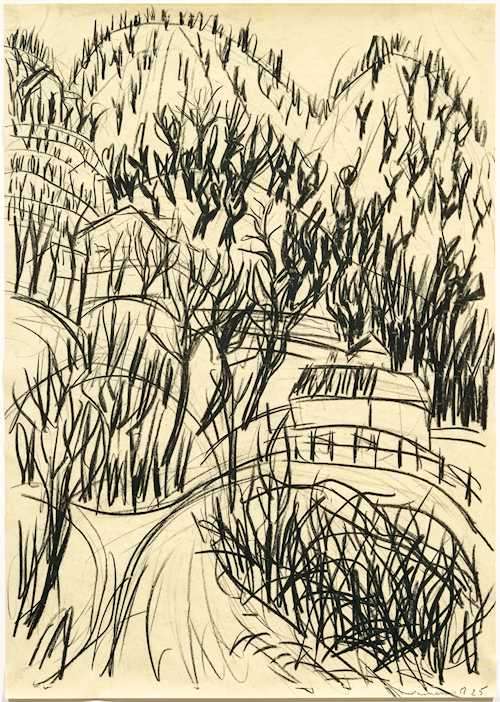
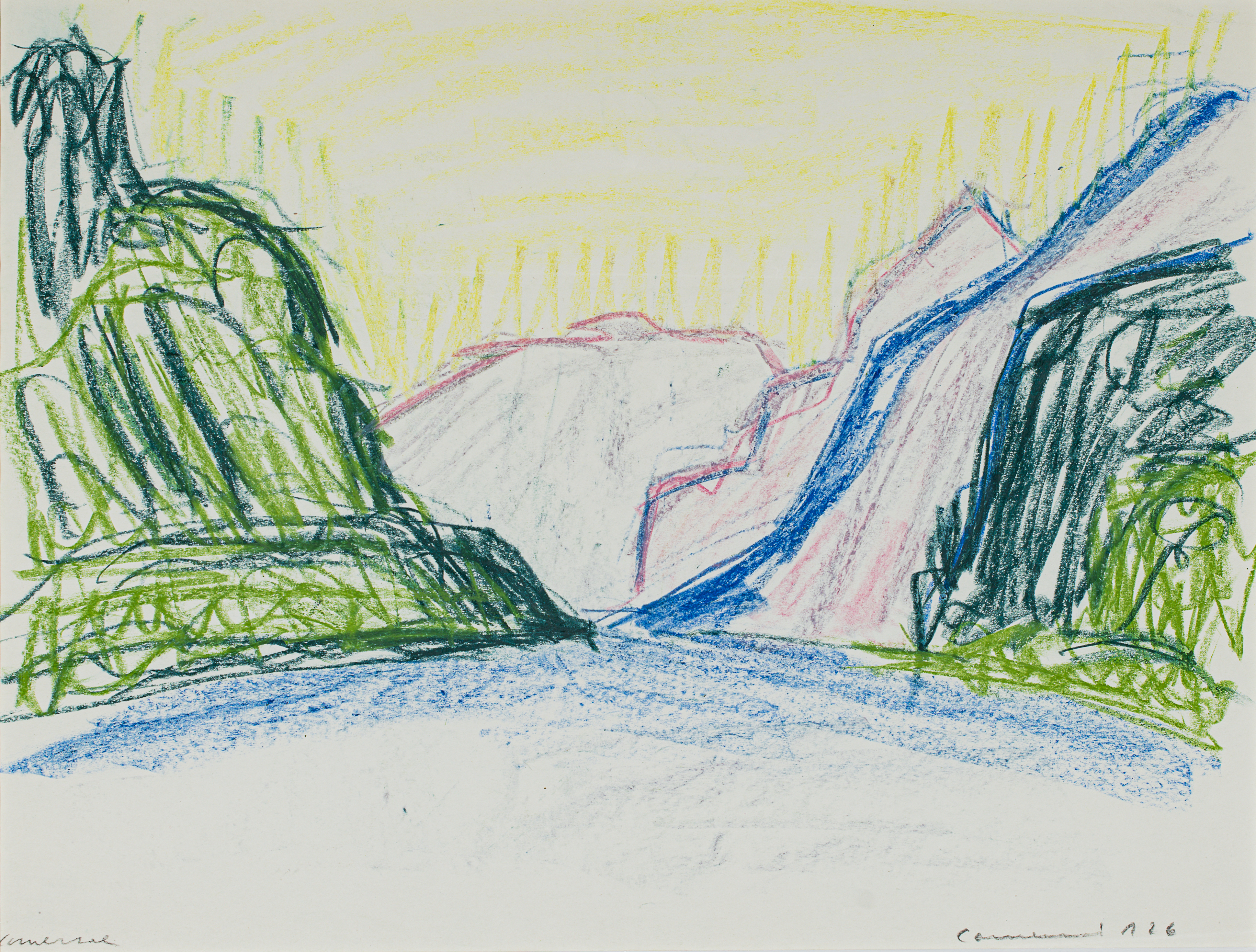
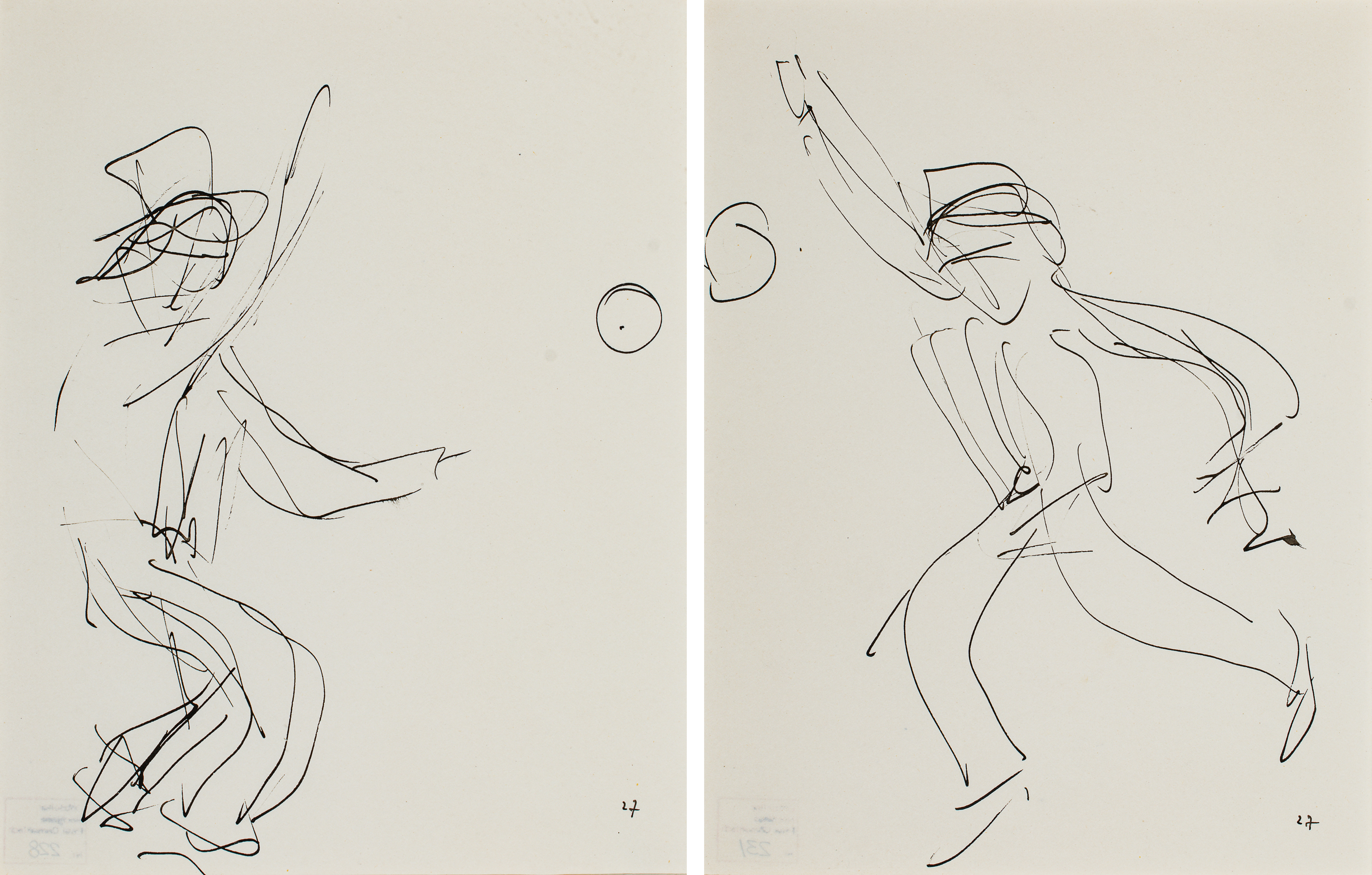
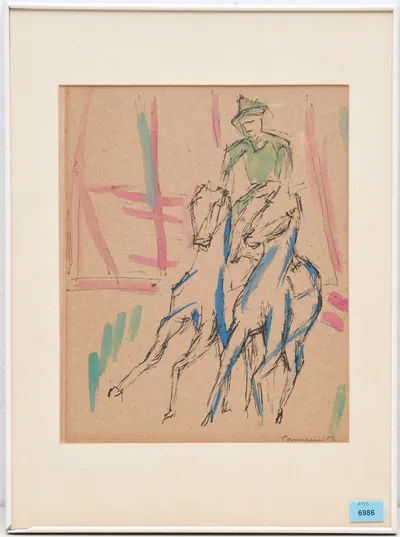
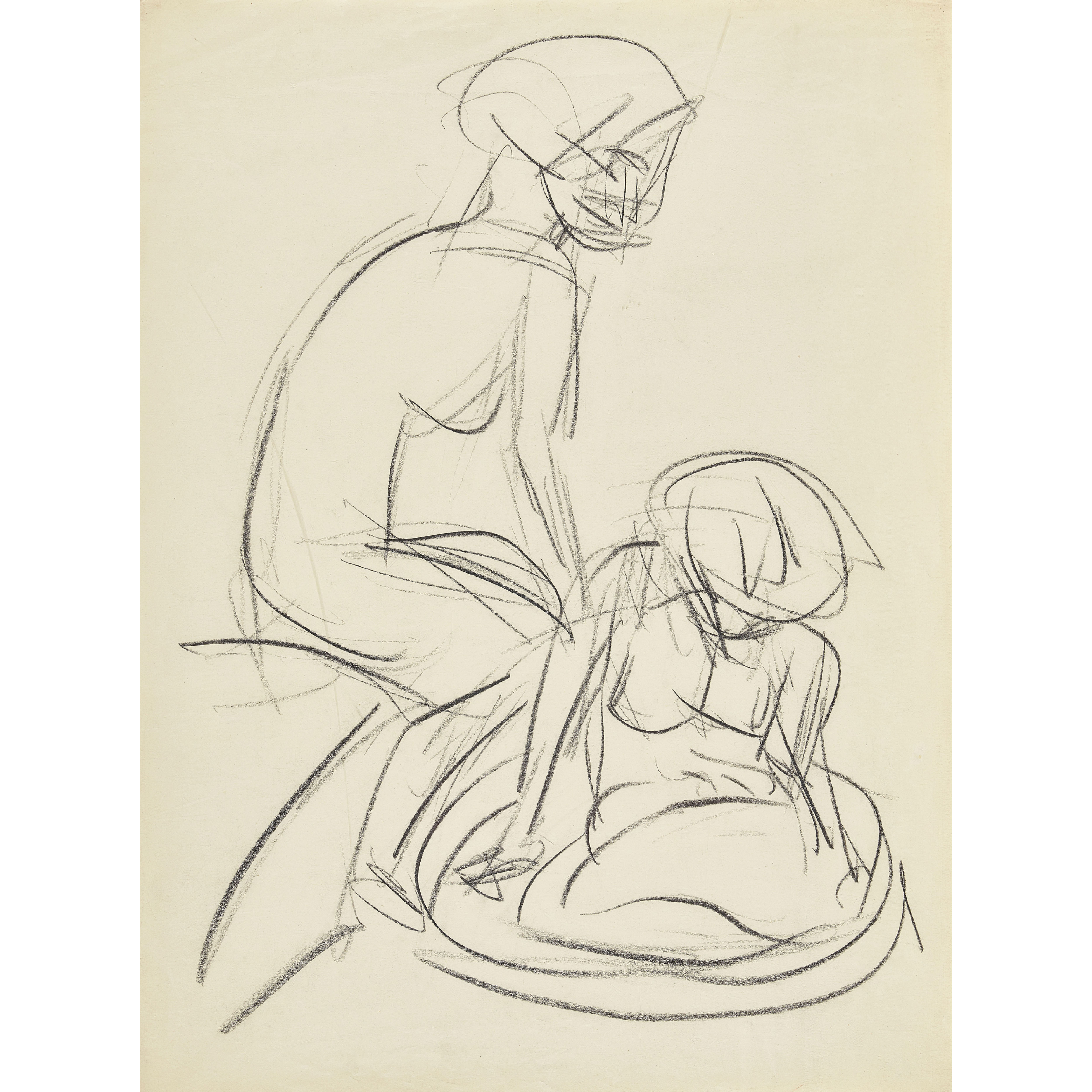
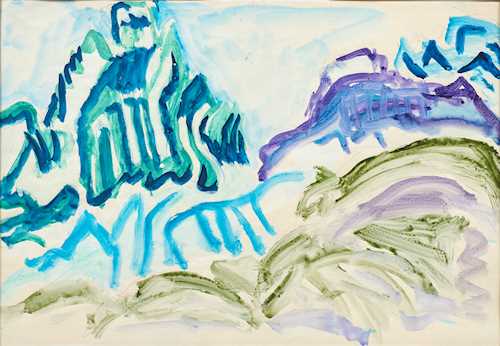
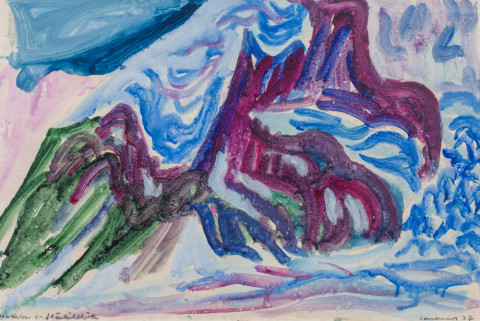
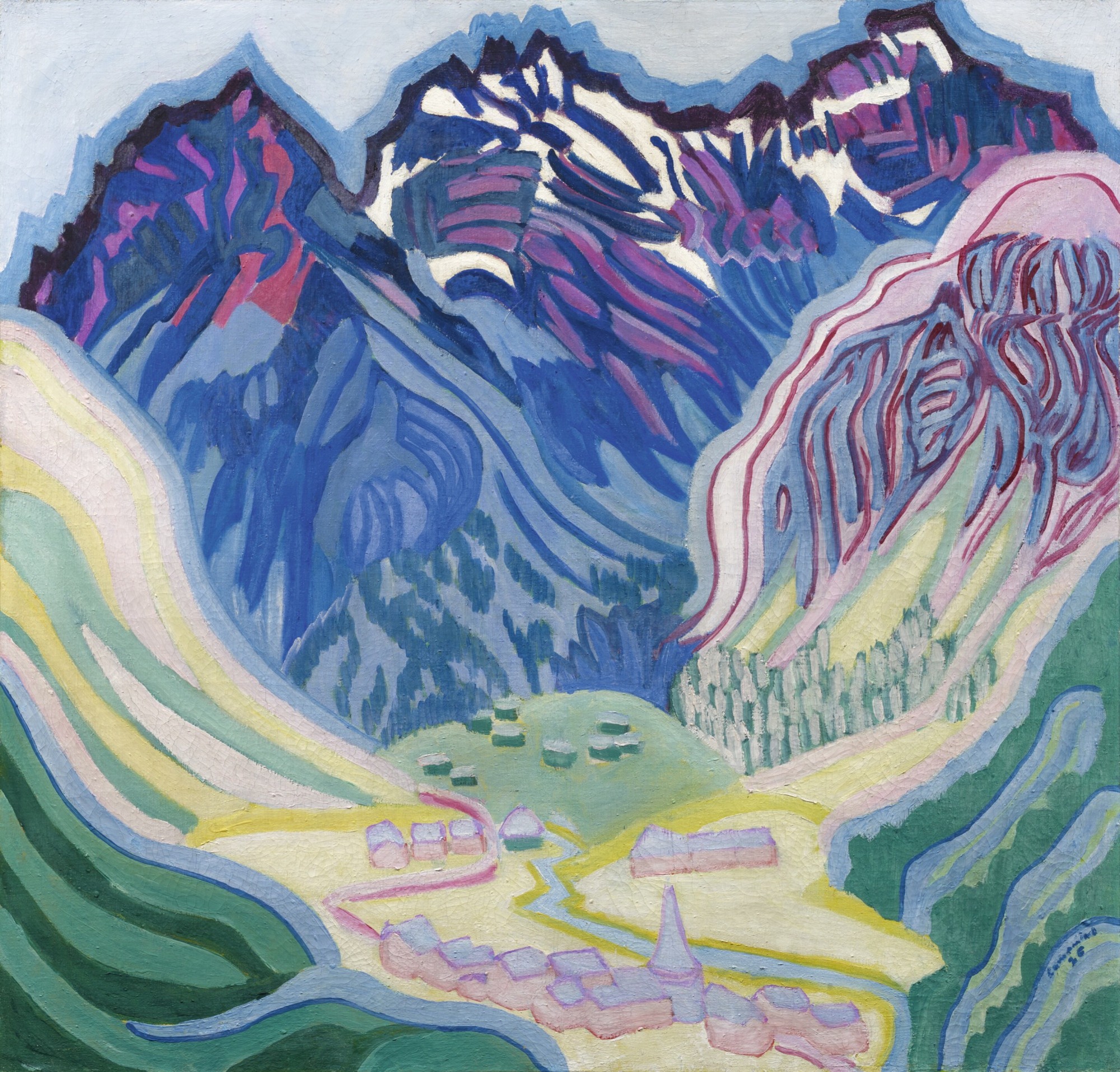
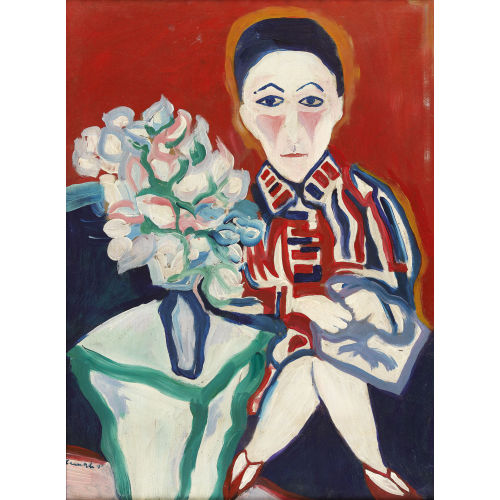
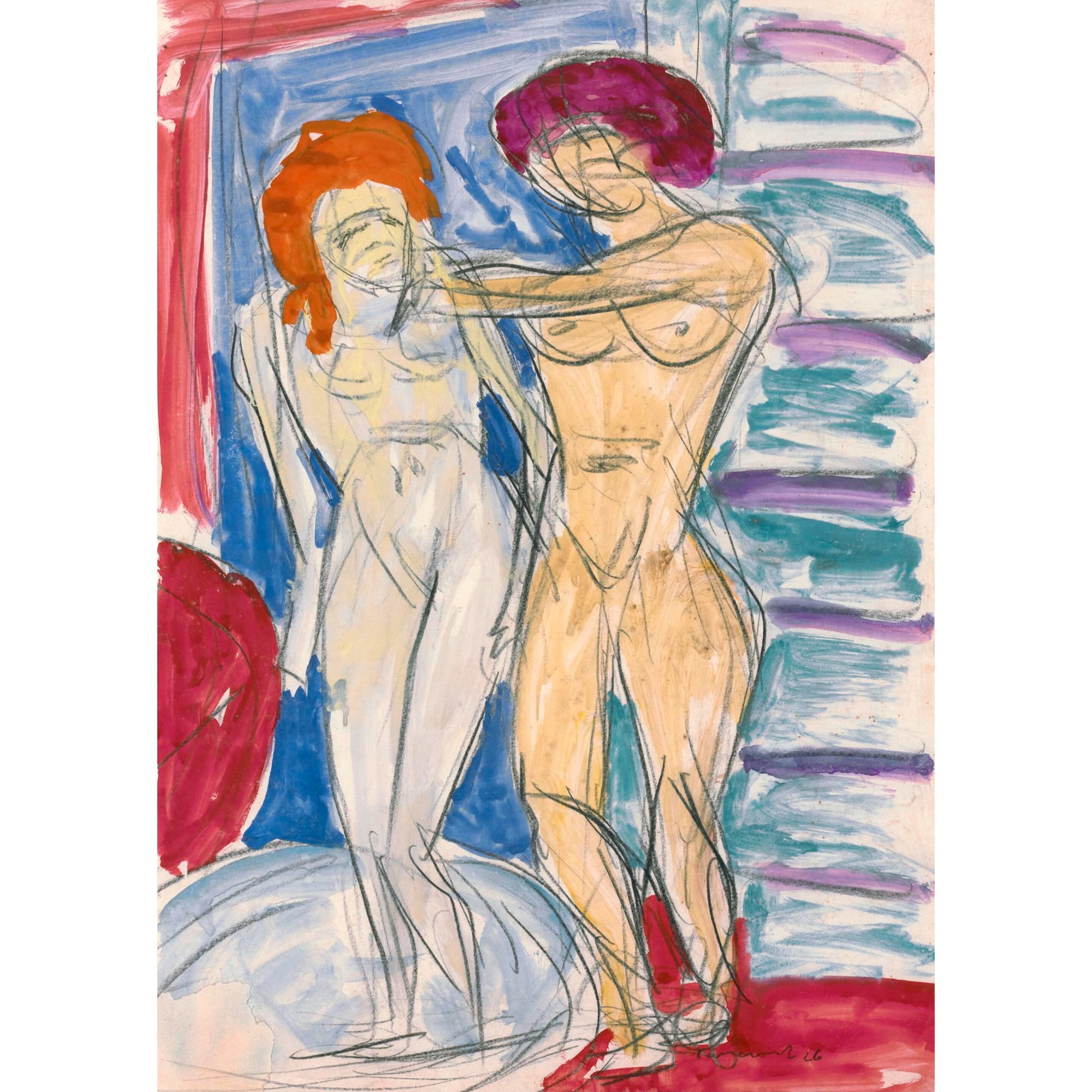
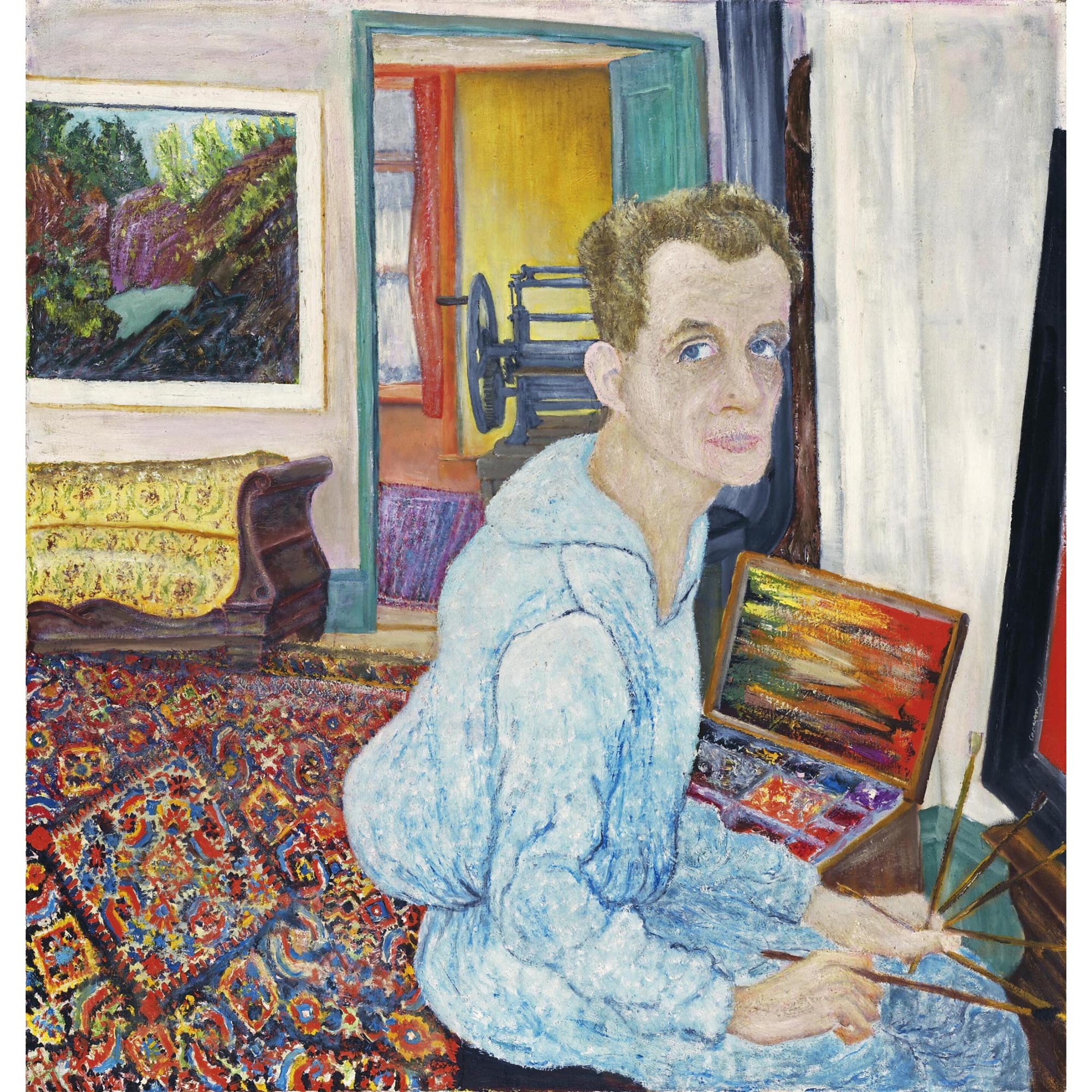
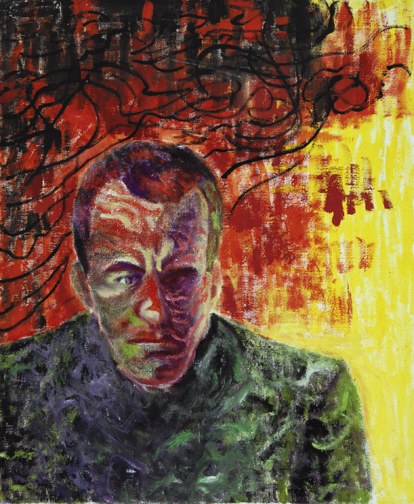
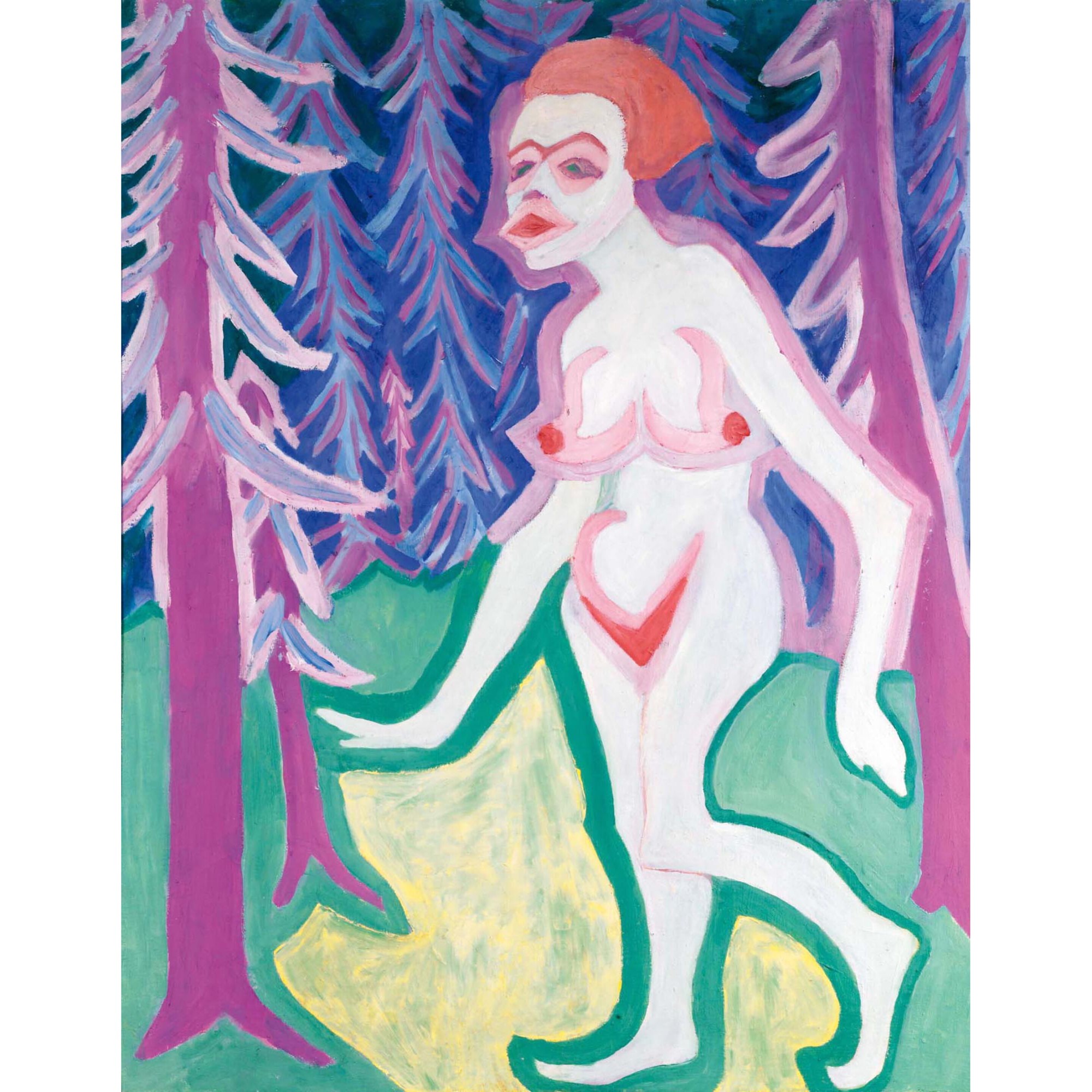
In the mid-1920s, painting became his principal field. Together with Hermann Scherer and Albert Müller, Camenisch founded Rot-Blau, a group that was decisive for the reception of Expressionism in Switzerland. His stay with Ernst Ludwig Kirchner in Davos in 1926 nourished this period of experimentation.
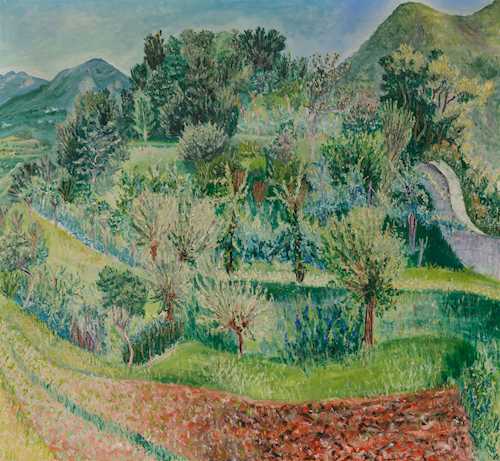
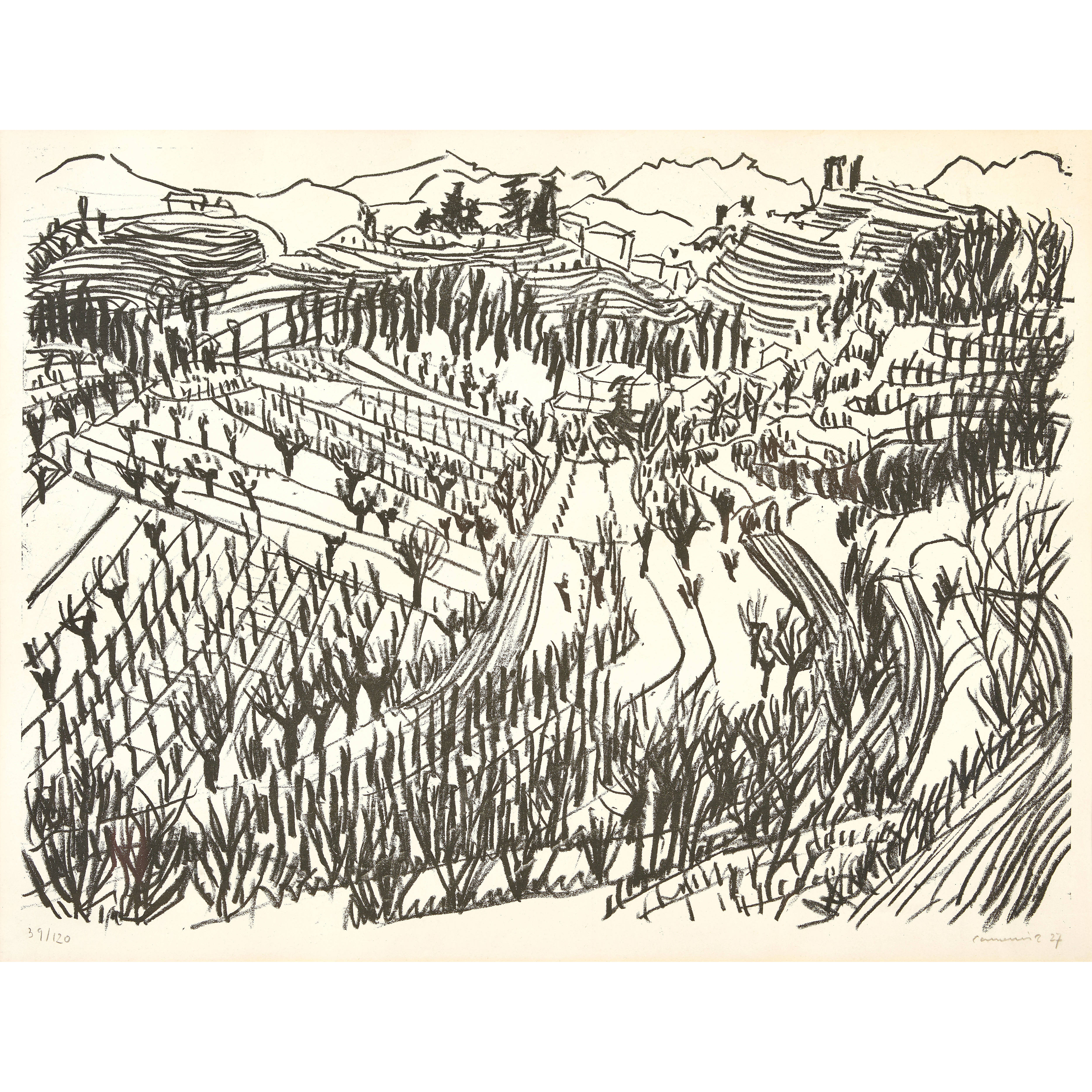
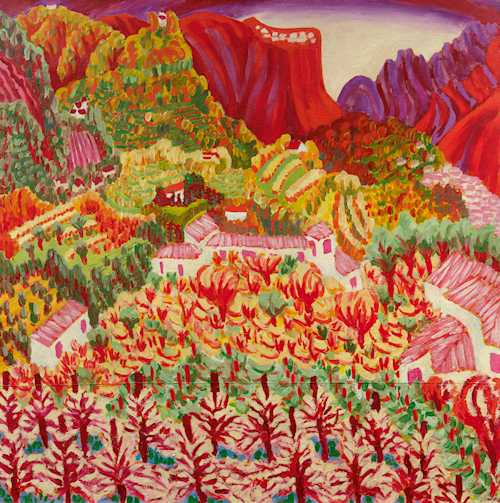
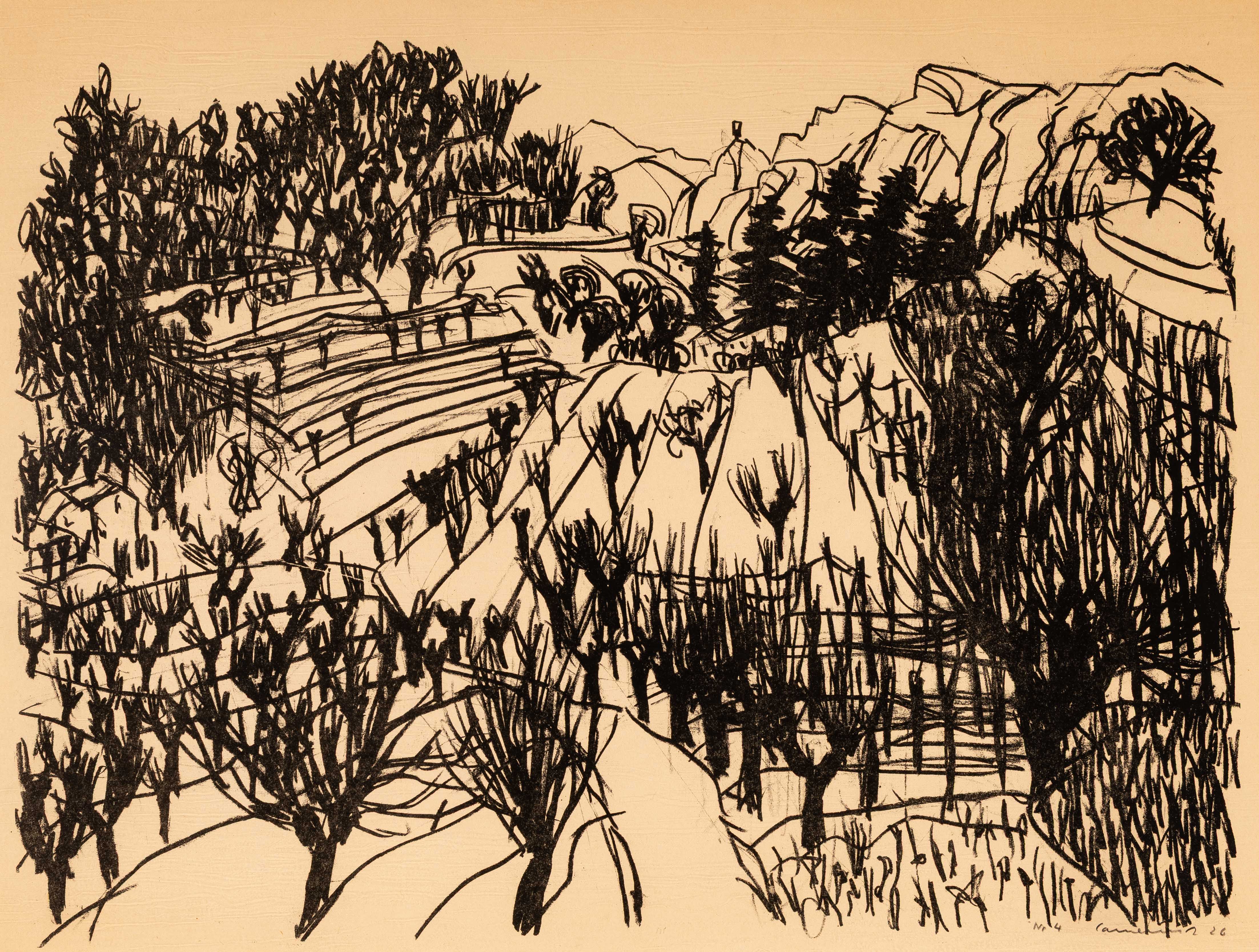
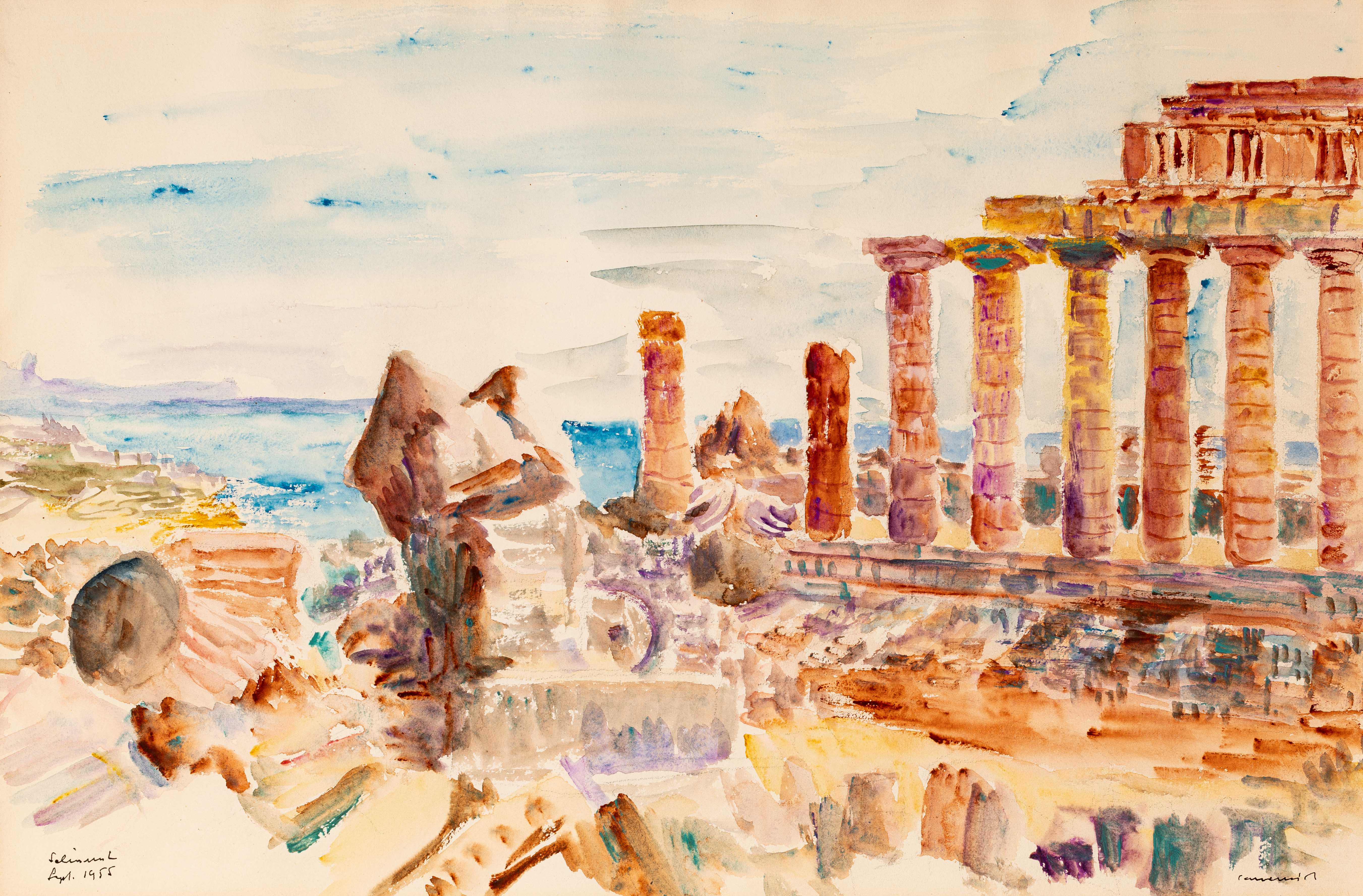
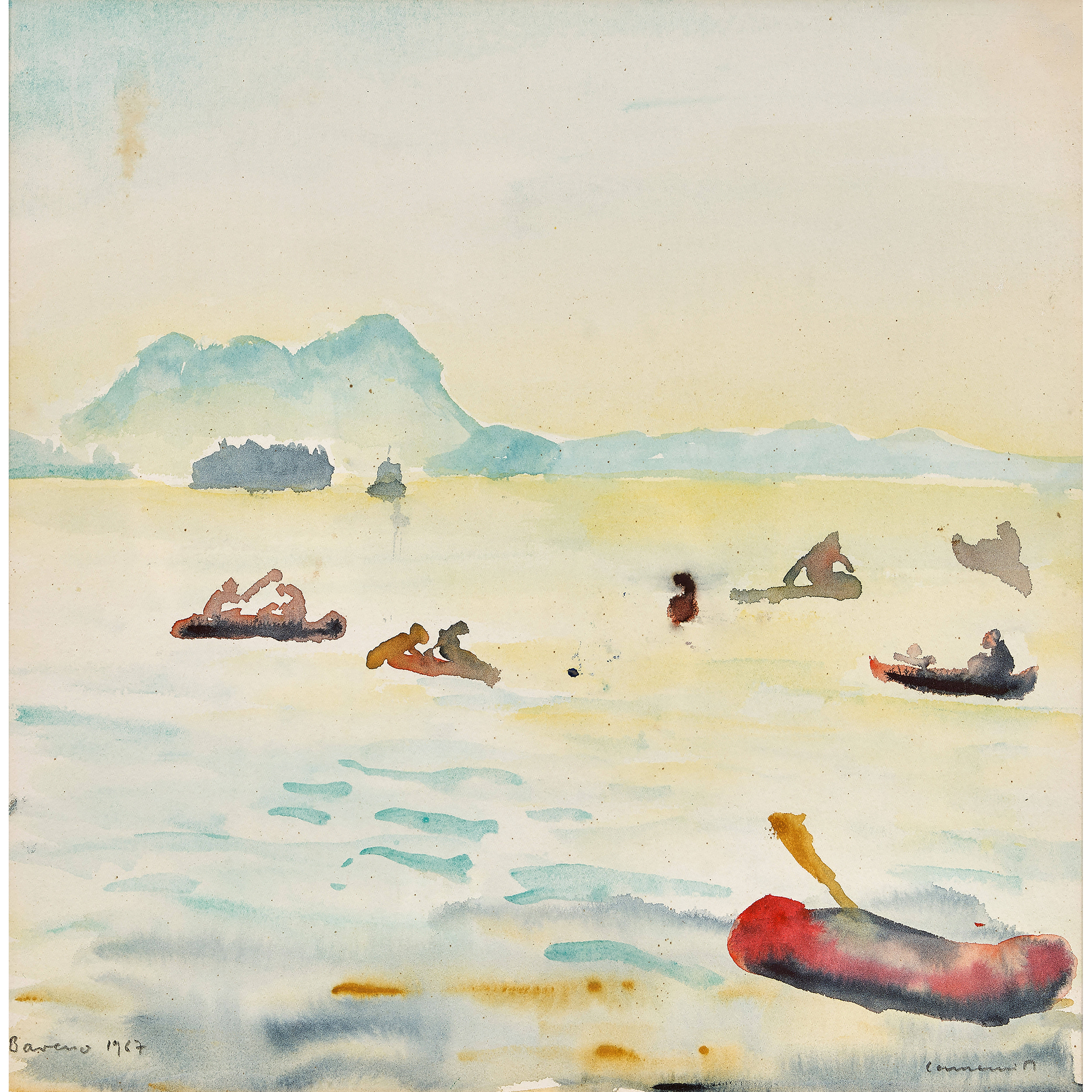
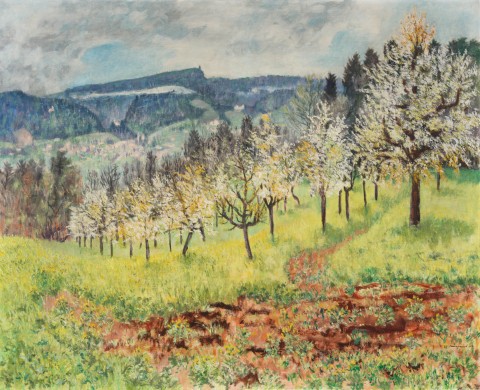
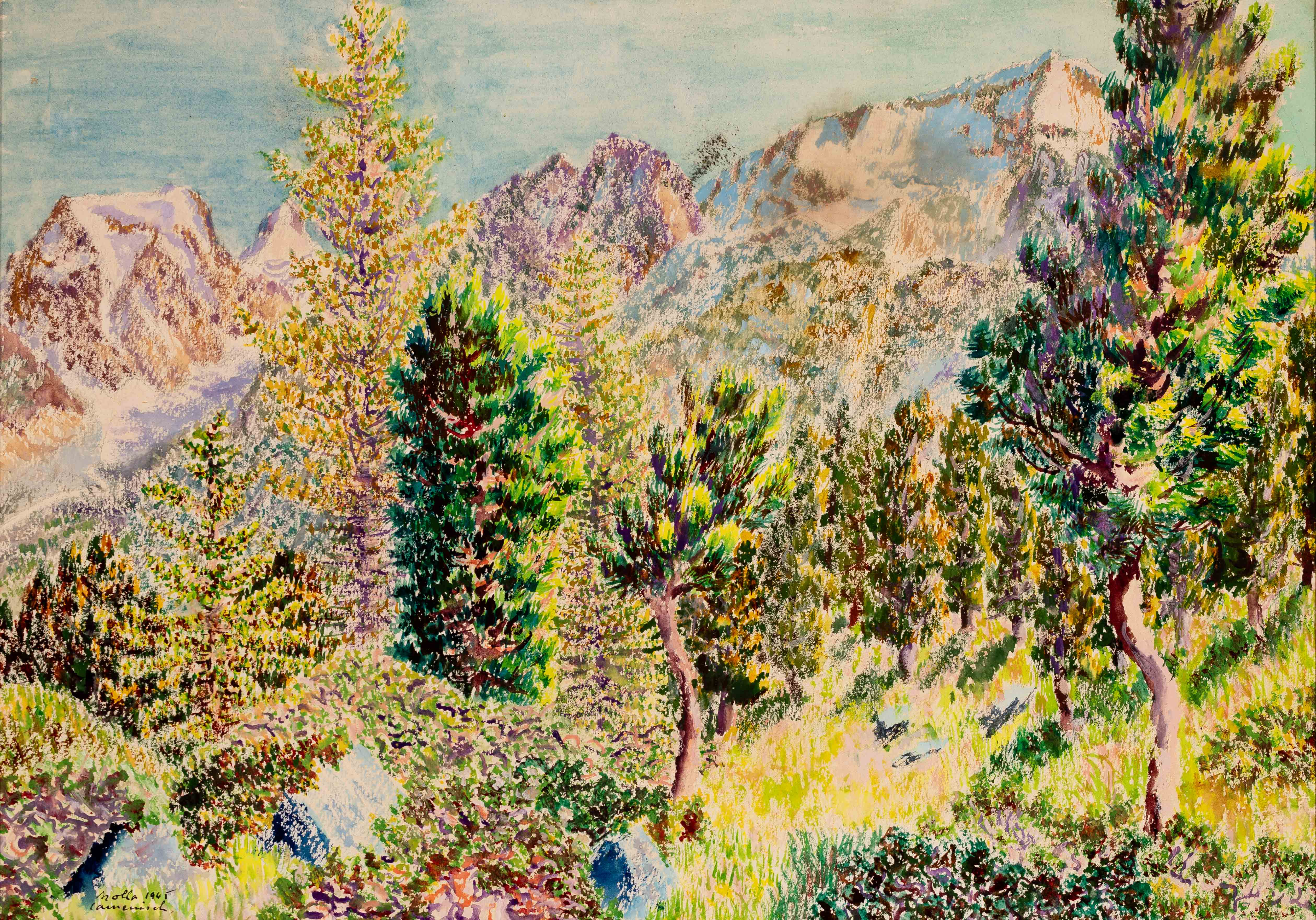
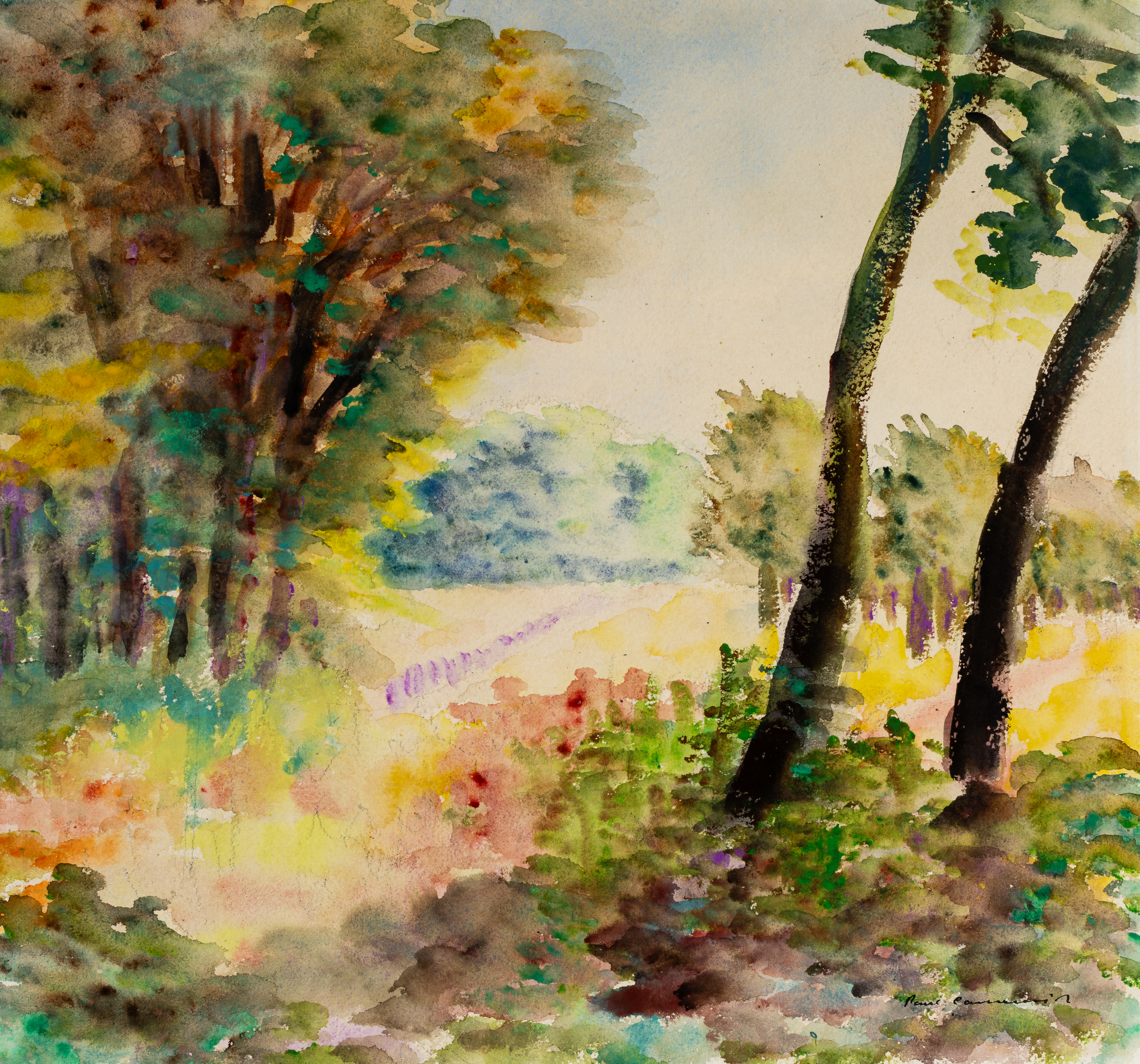
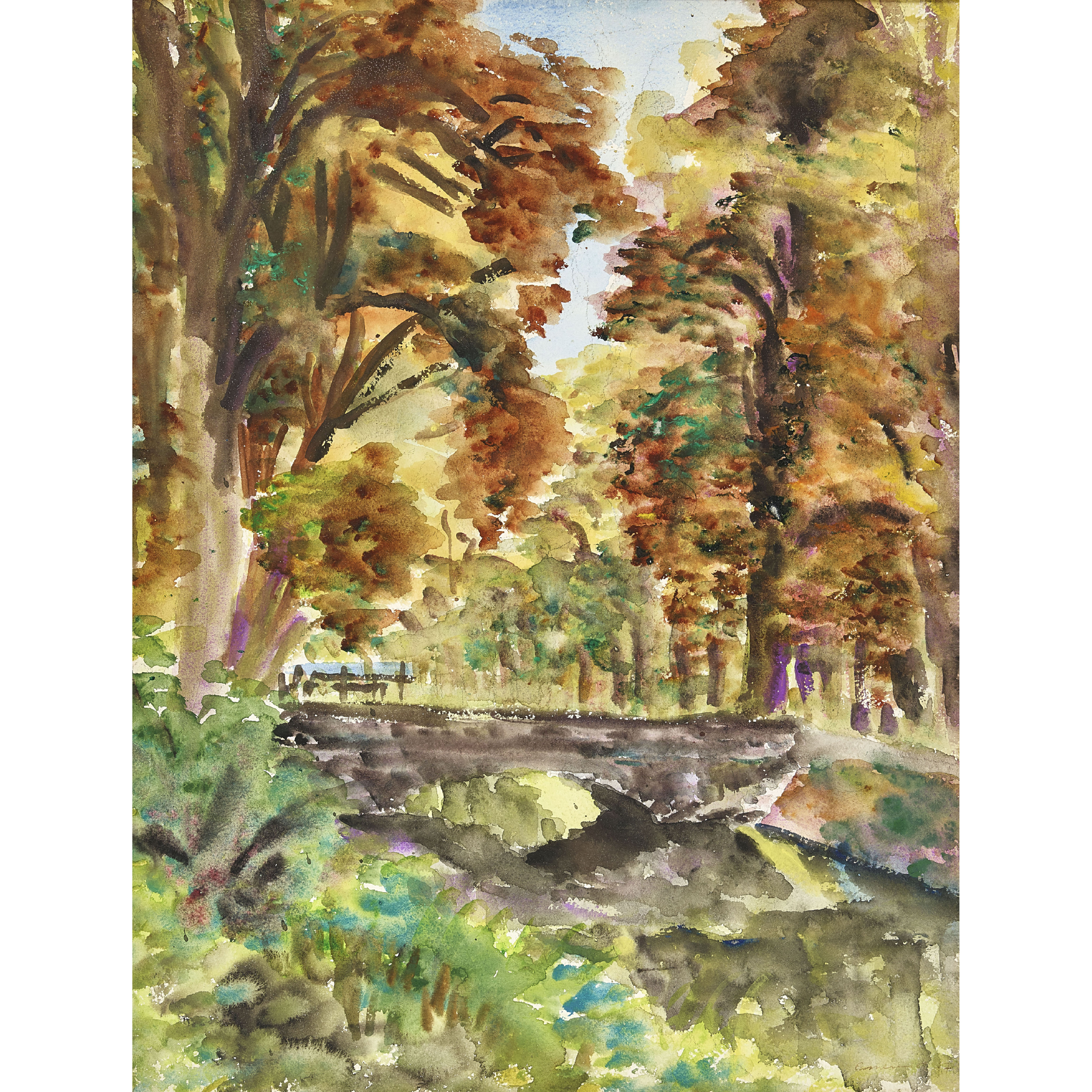
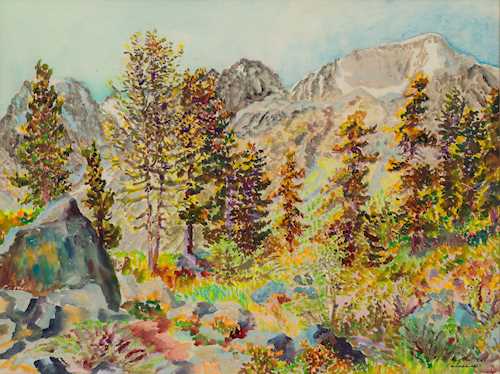
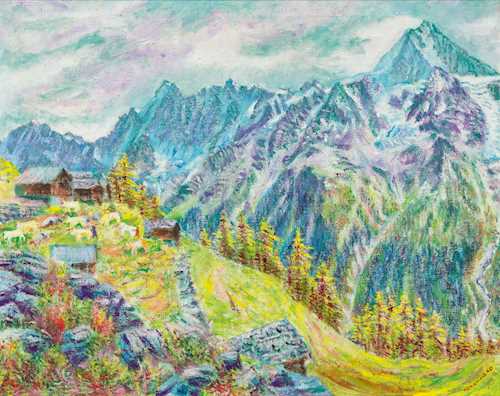
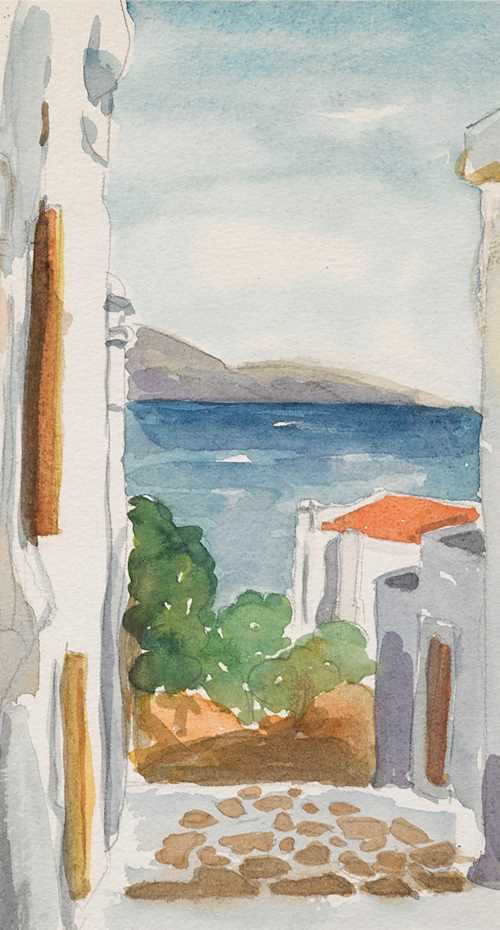
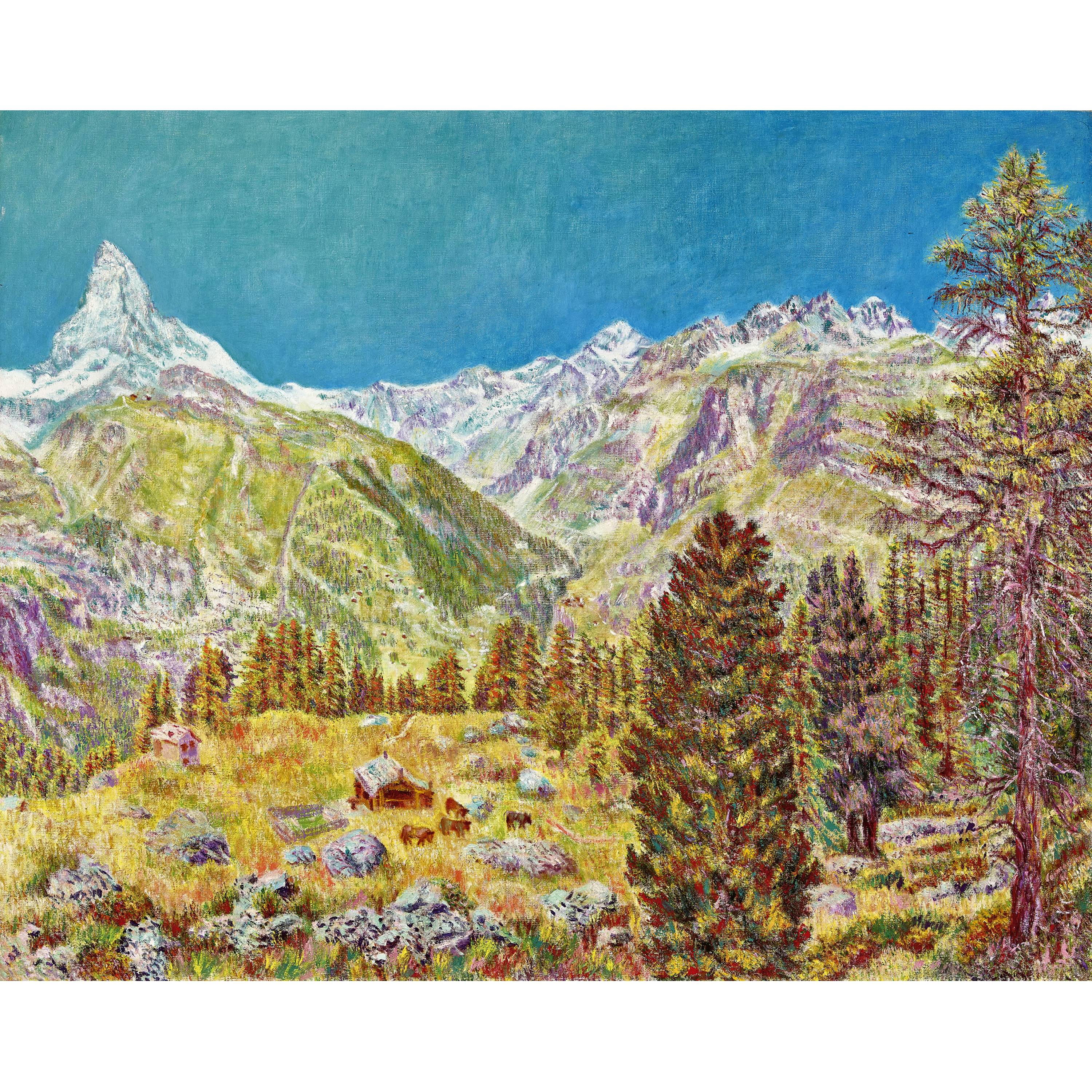
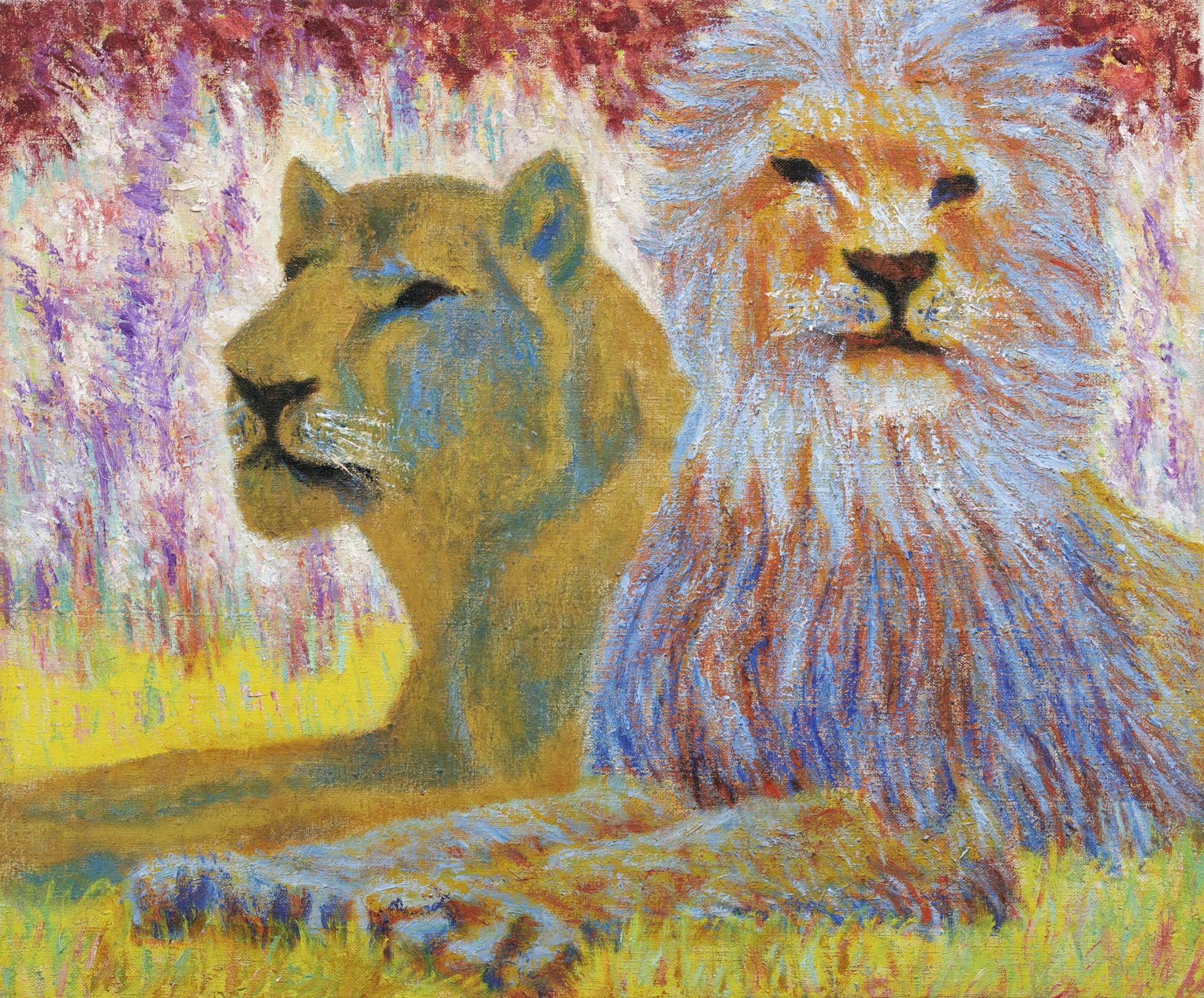
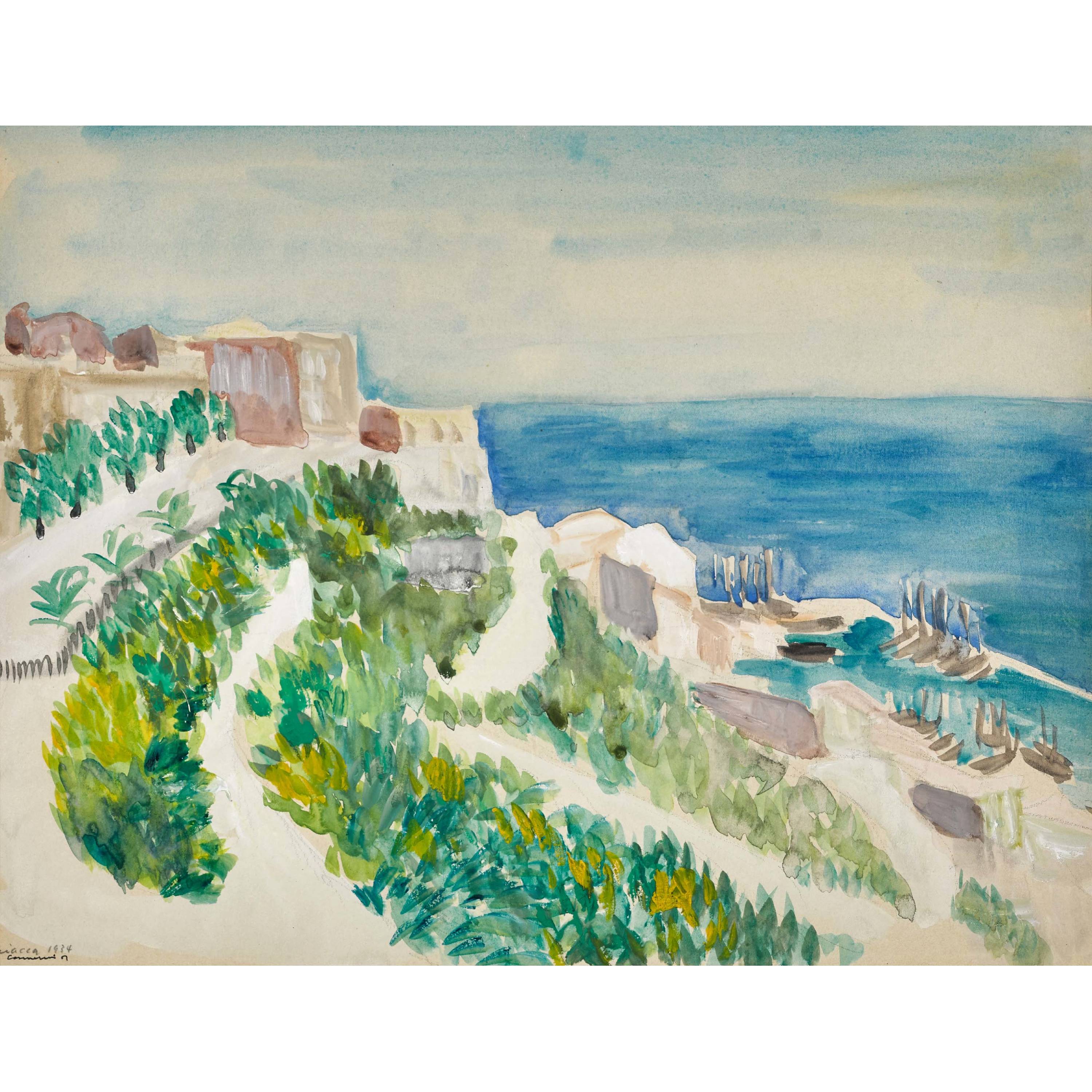
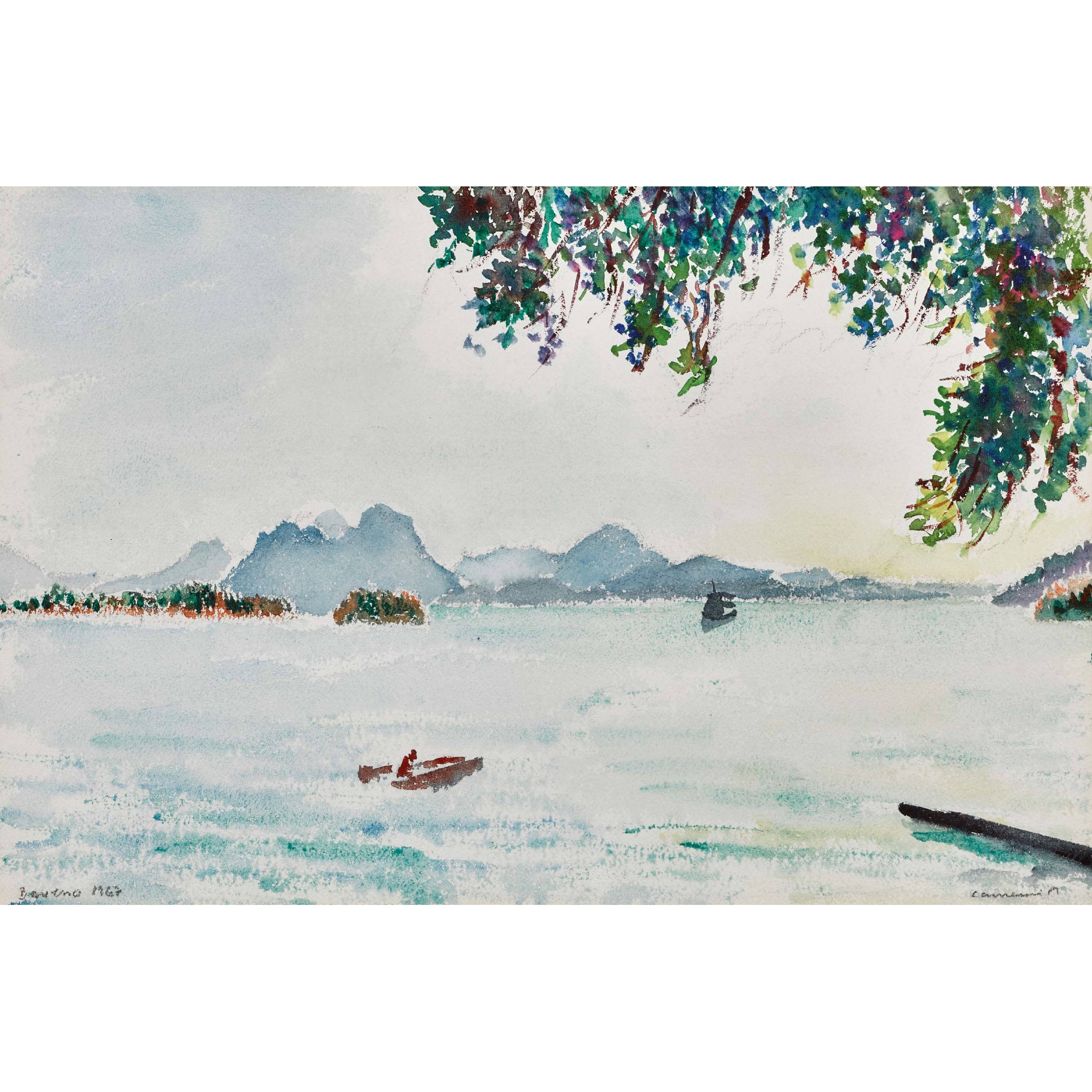
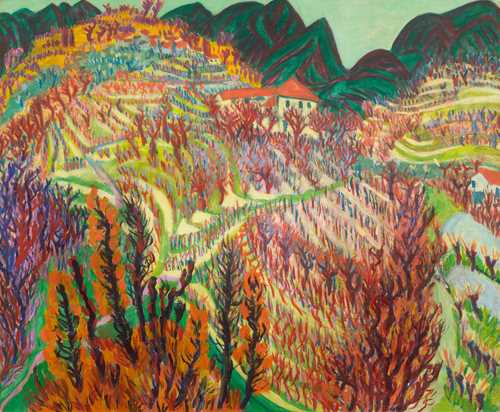
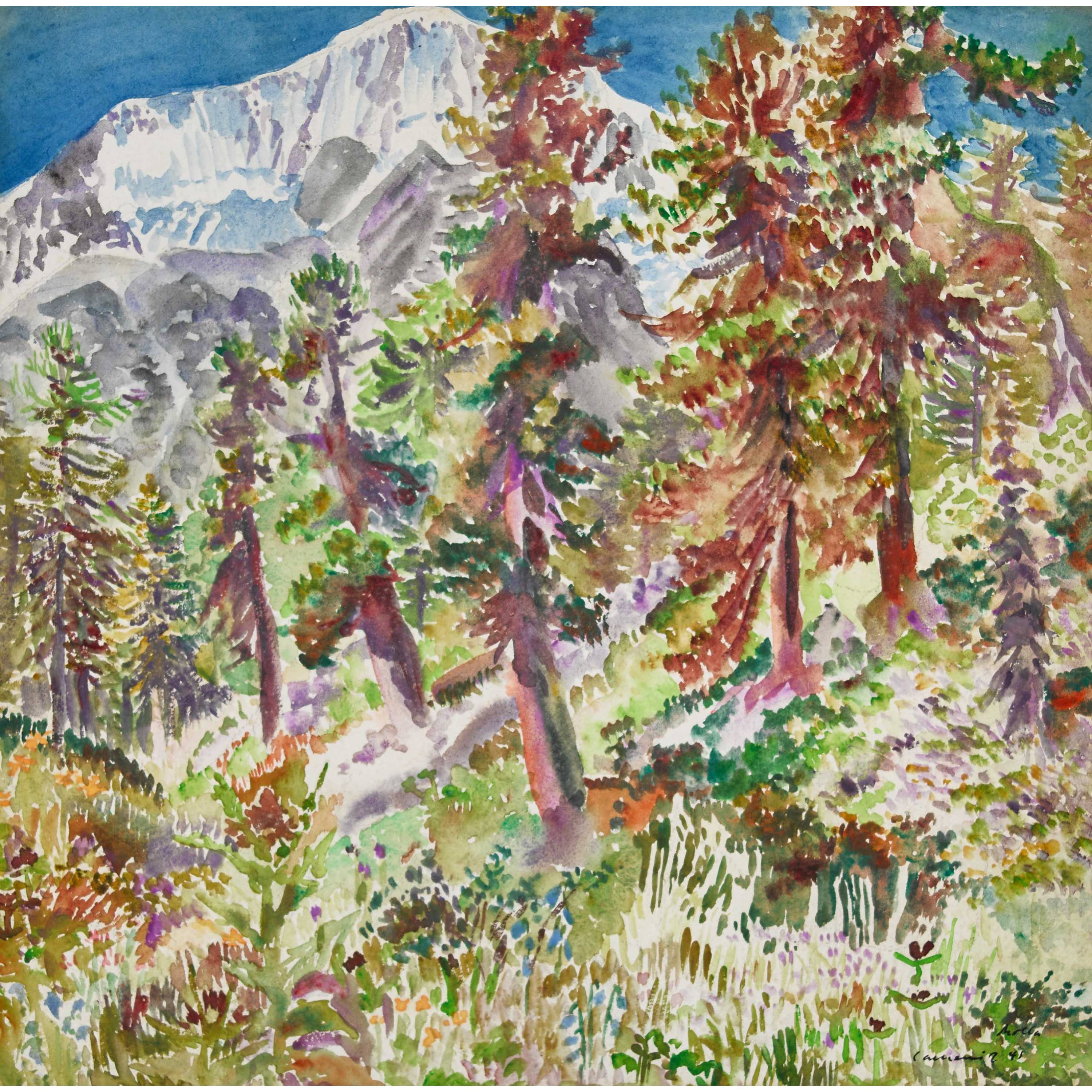
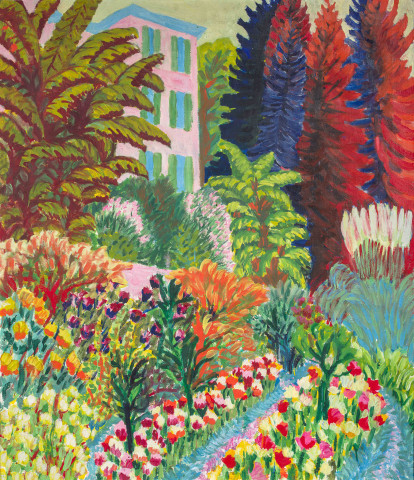
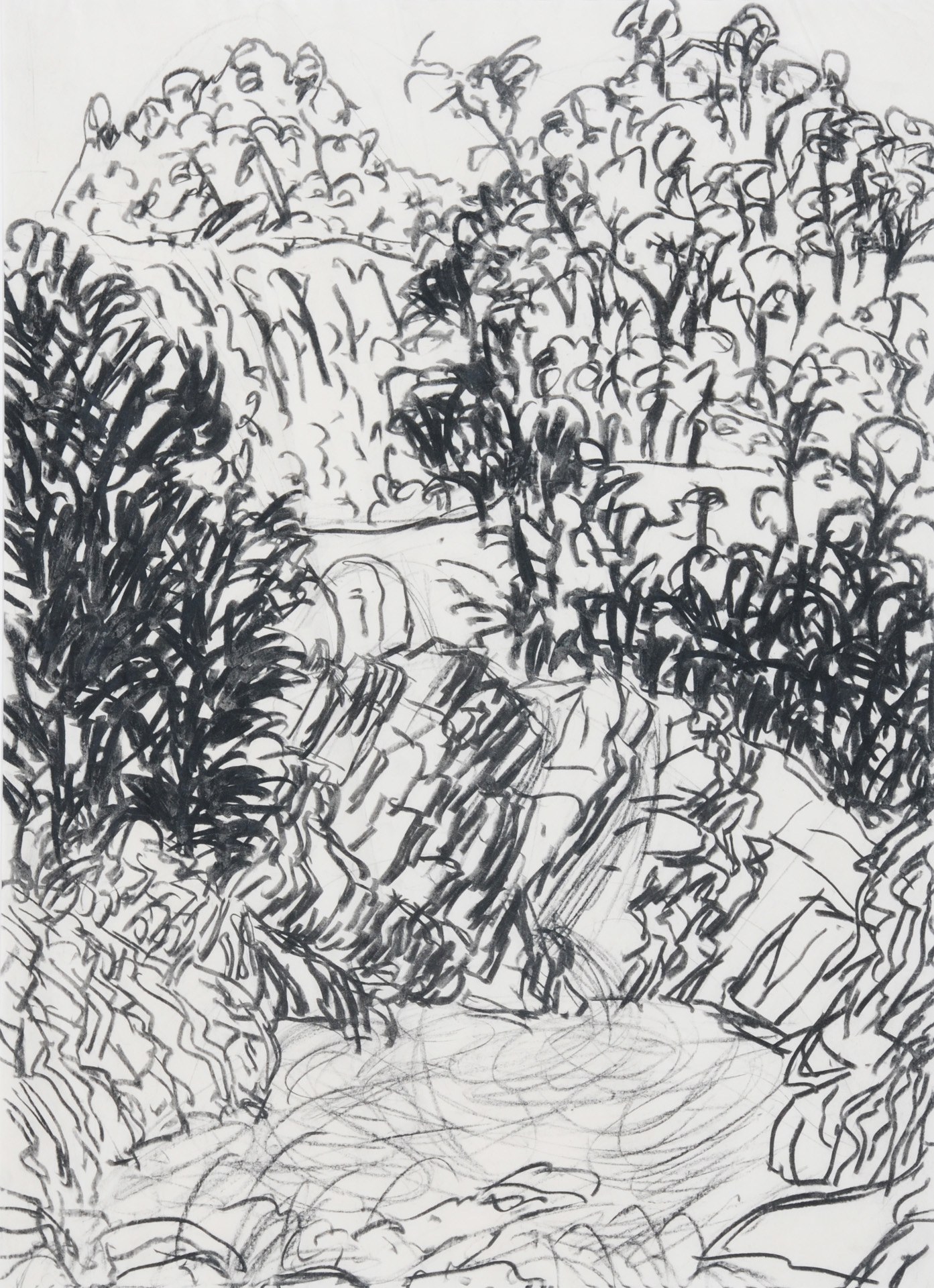
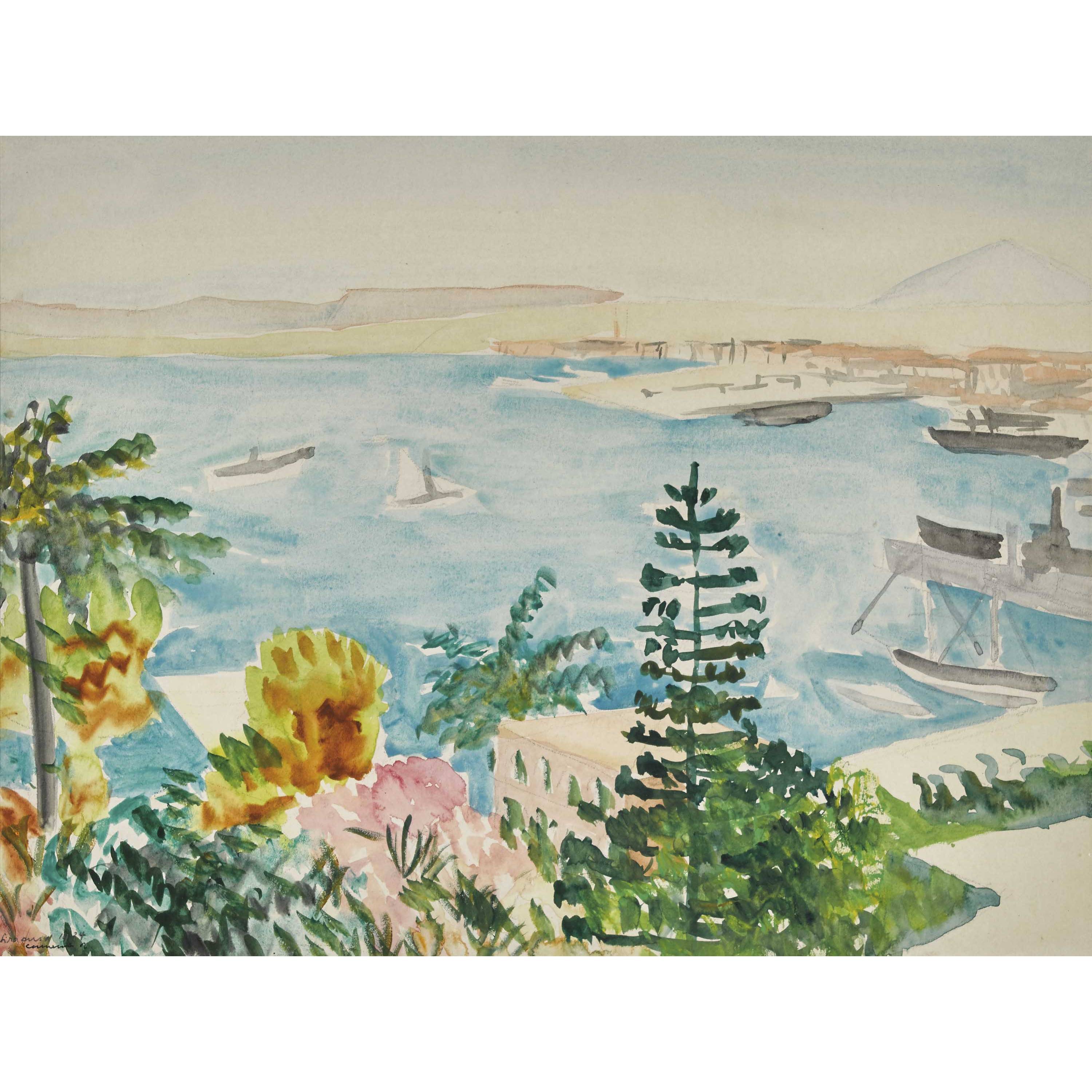
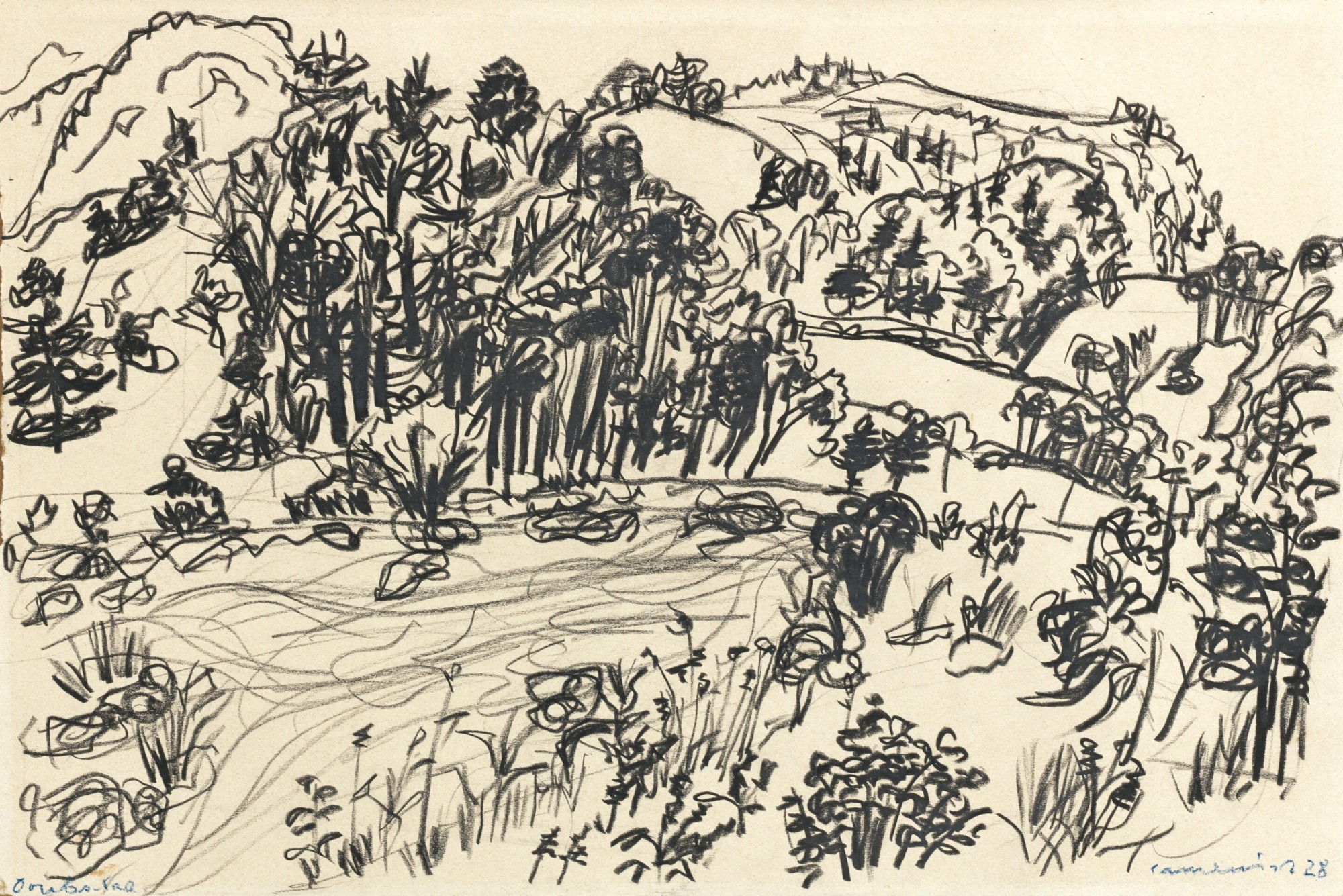
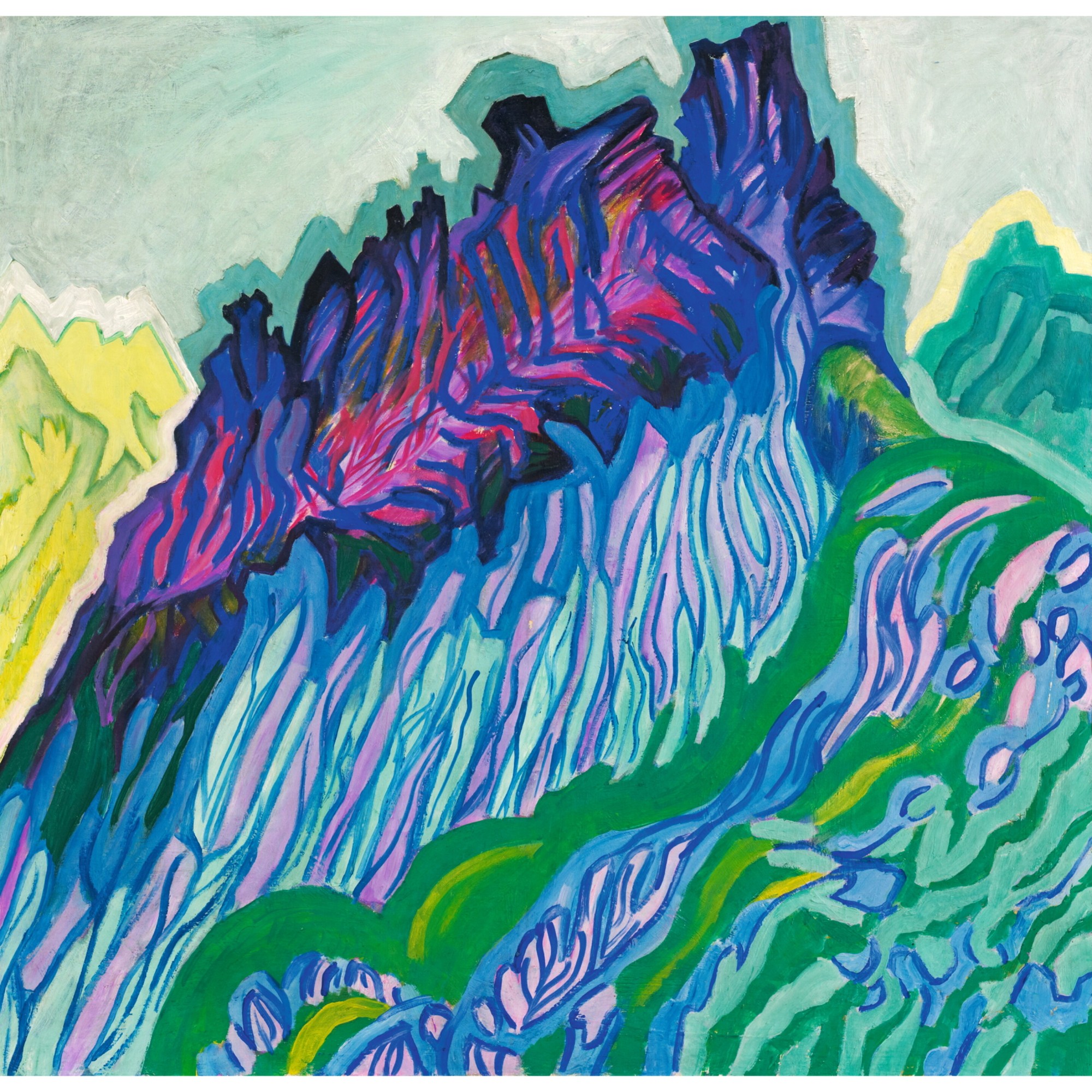
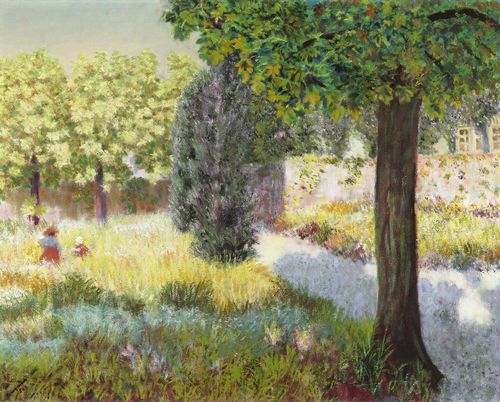
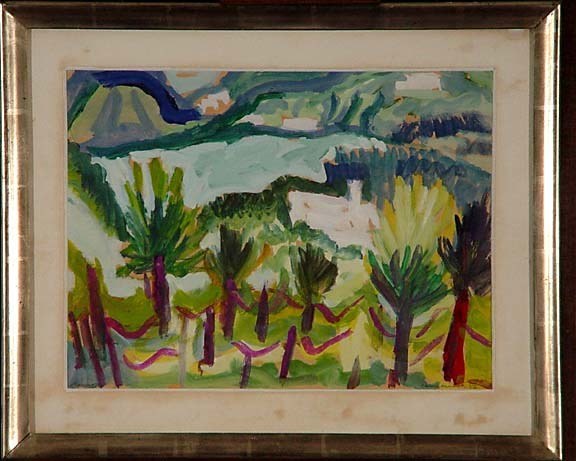
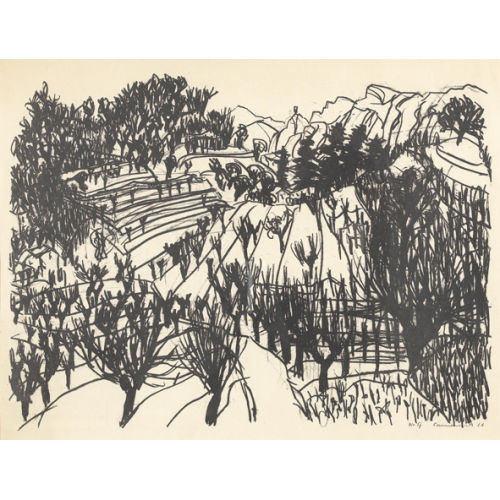
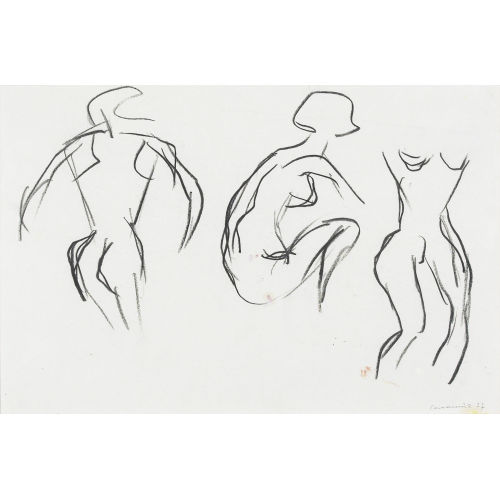
In the Ticinese landscapes and figures of these years, vivid colour and energetic brushwork transform the motif into a sensory experience. The Aargauer Kunsthaus stresses that around 1928 Camenisch gradually moved beyond Kirchner’s influence: his language cannot be reduced to that of his elder predecessor.
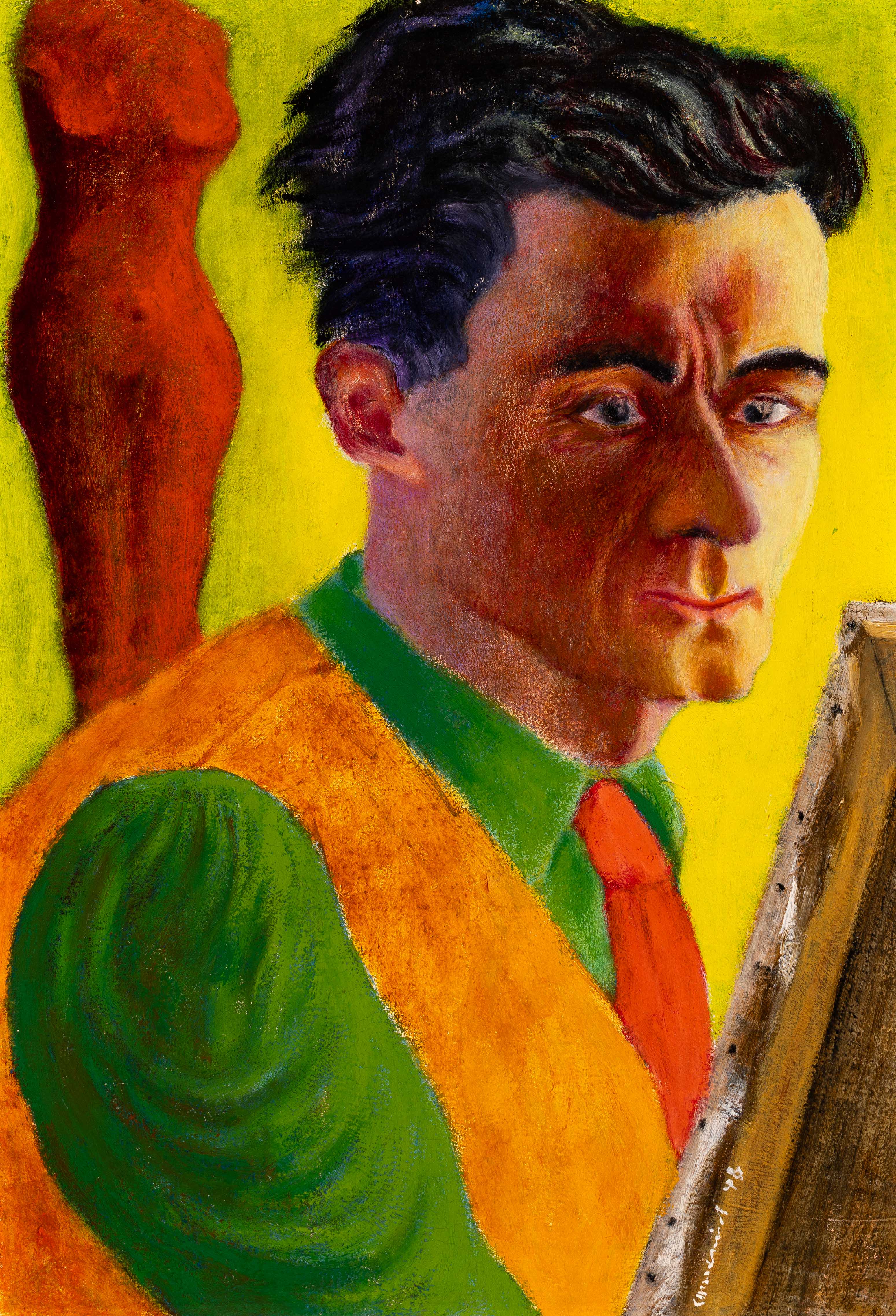
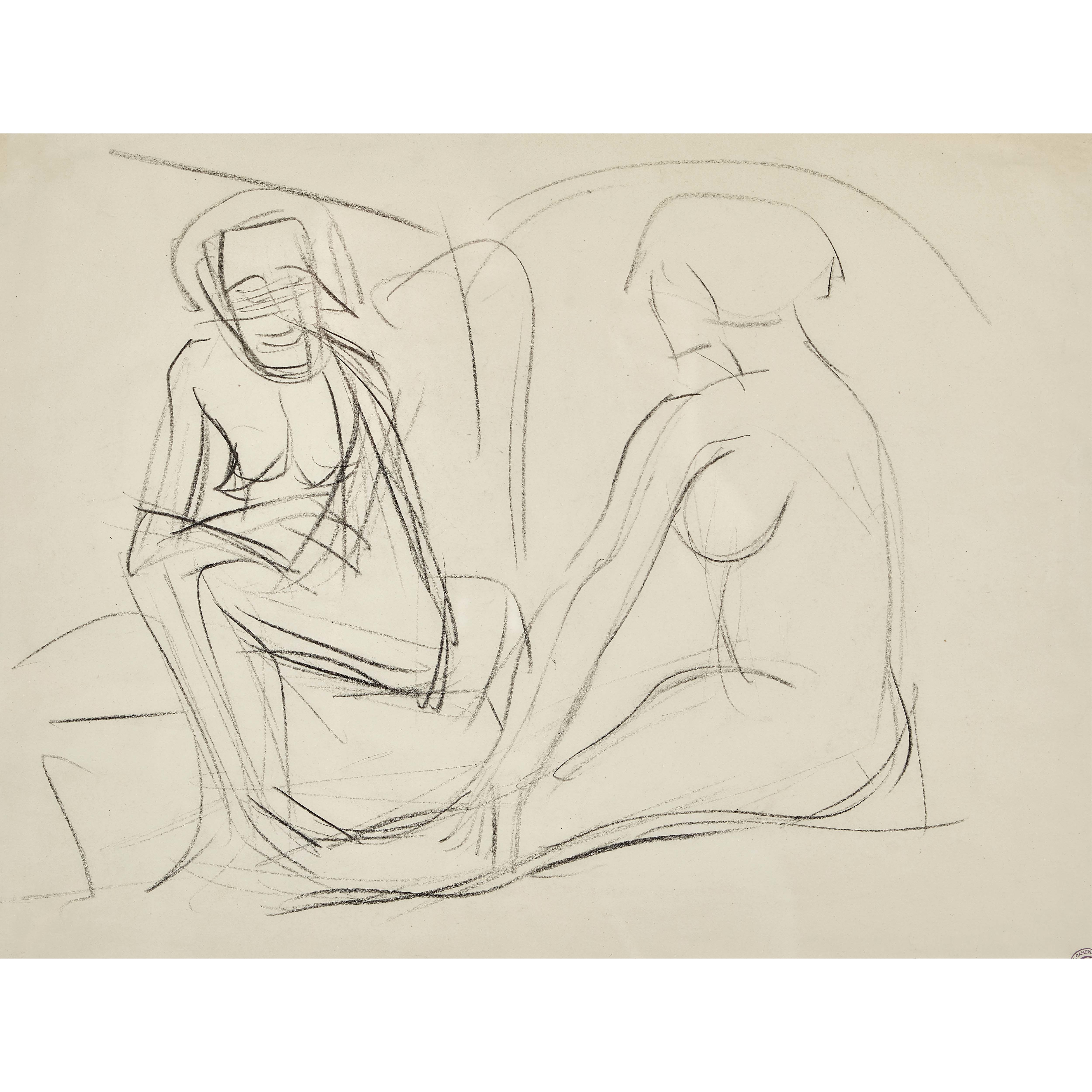
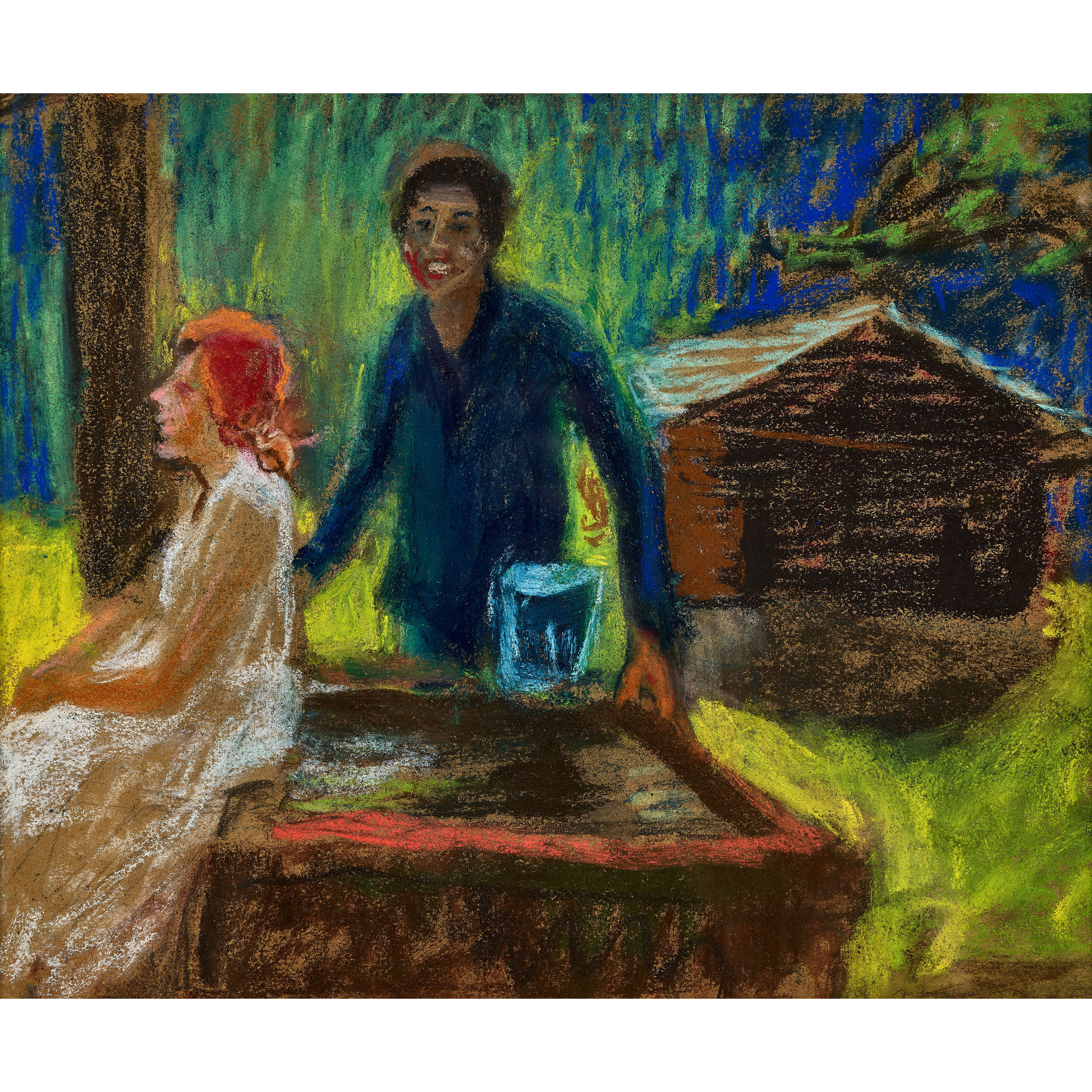
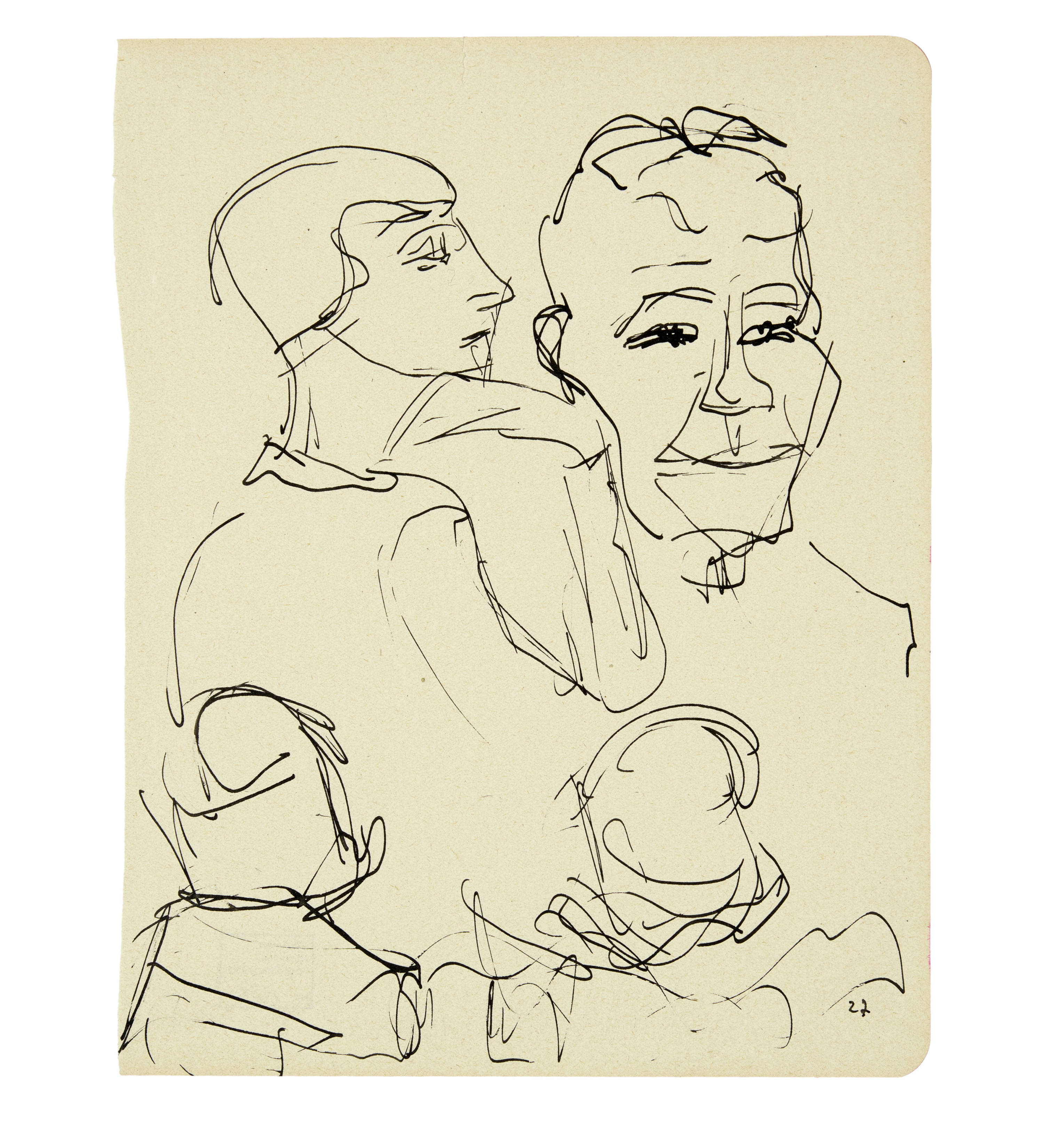
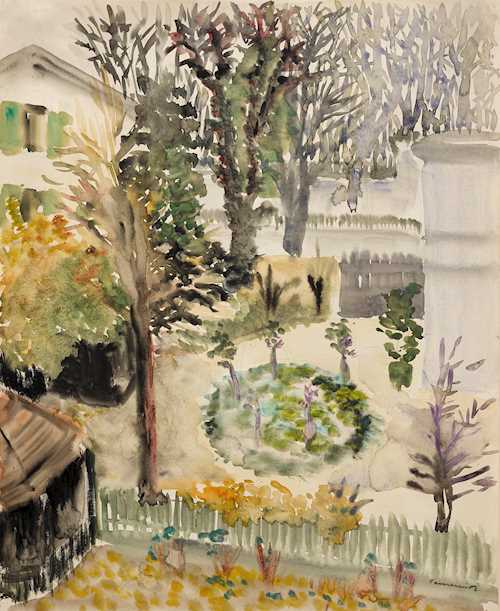
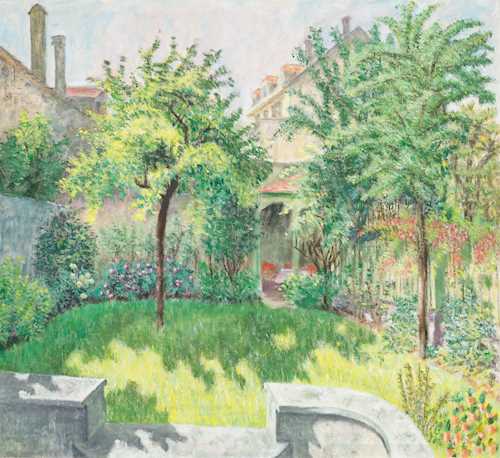
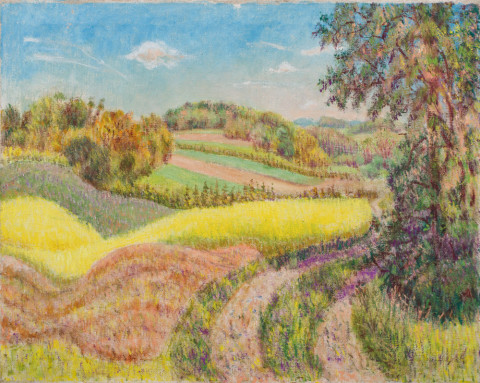
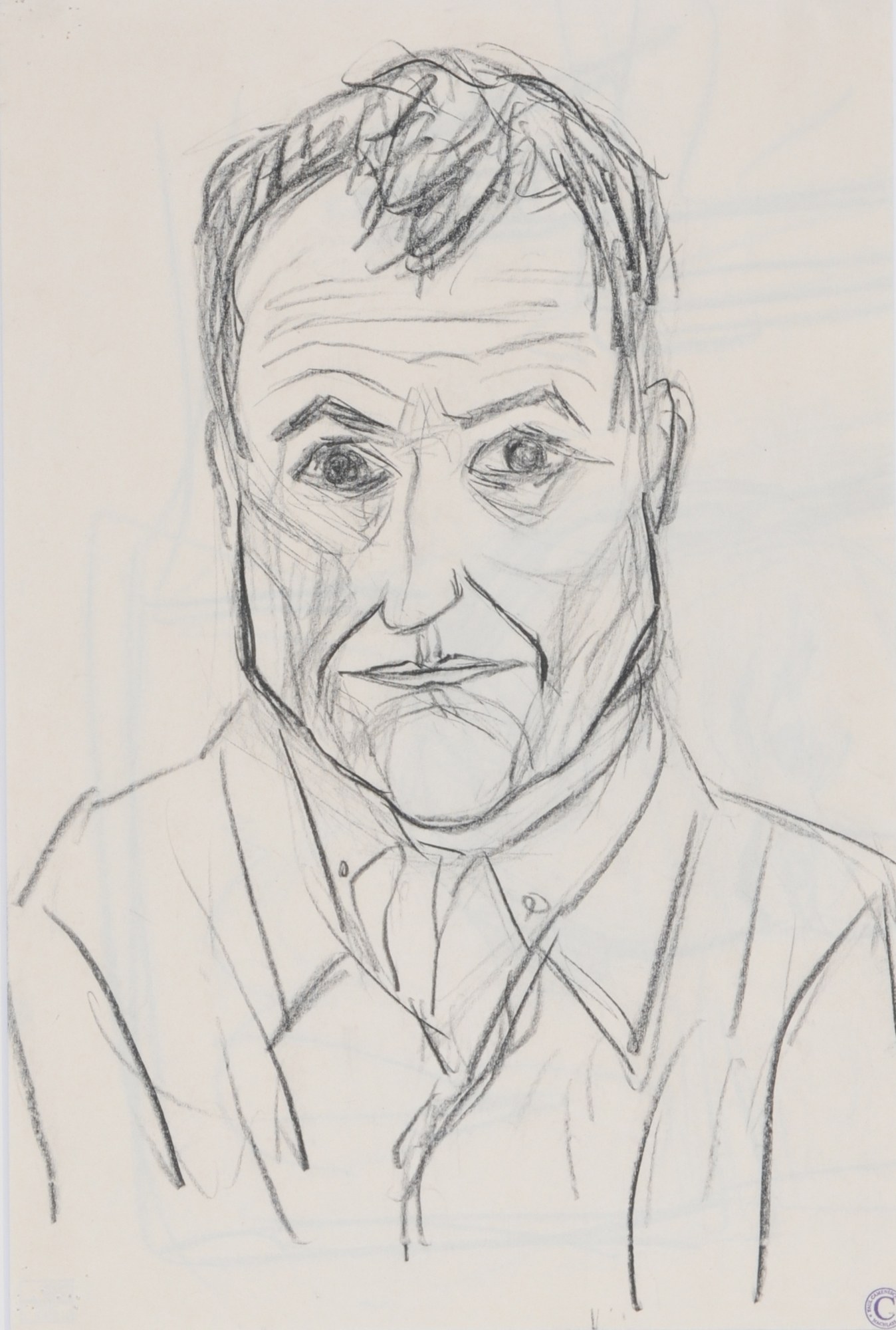
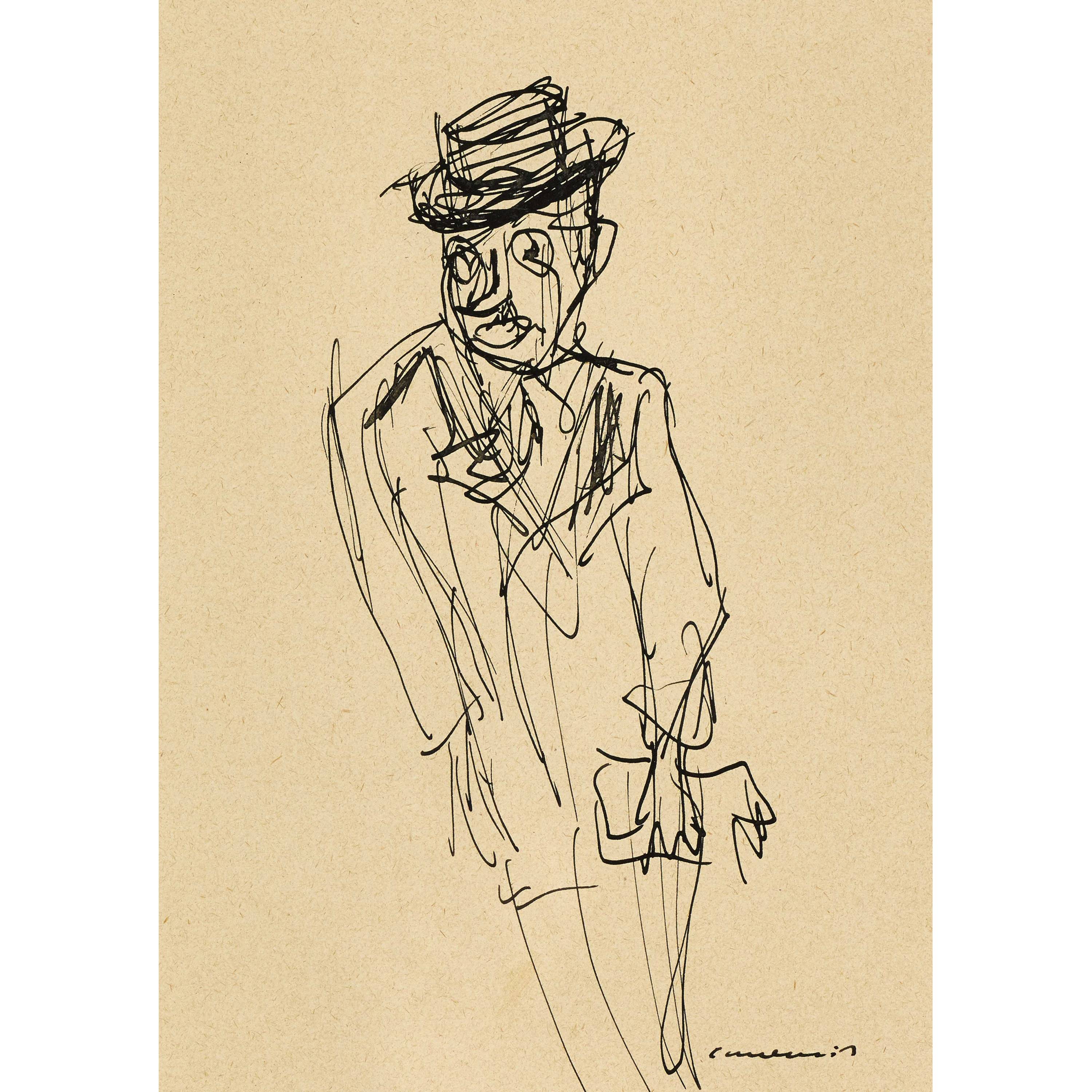
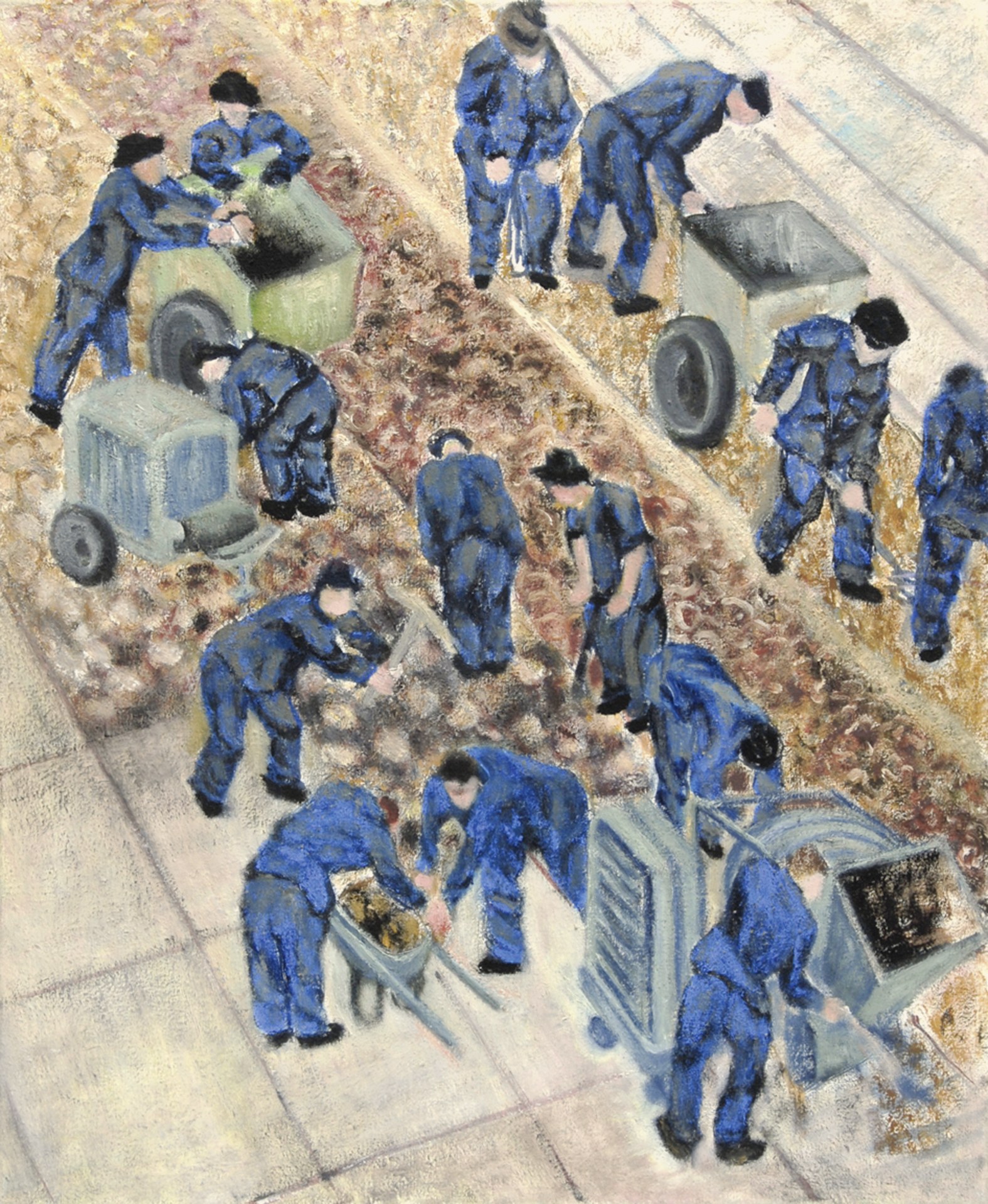
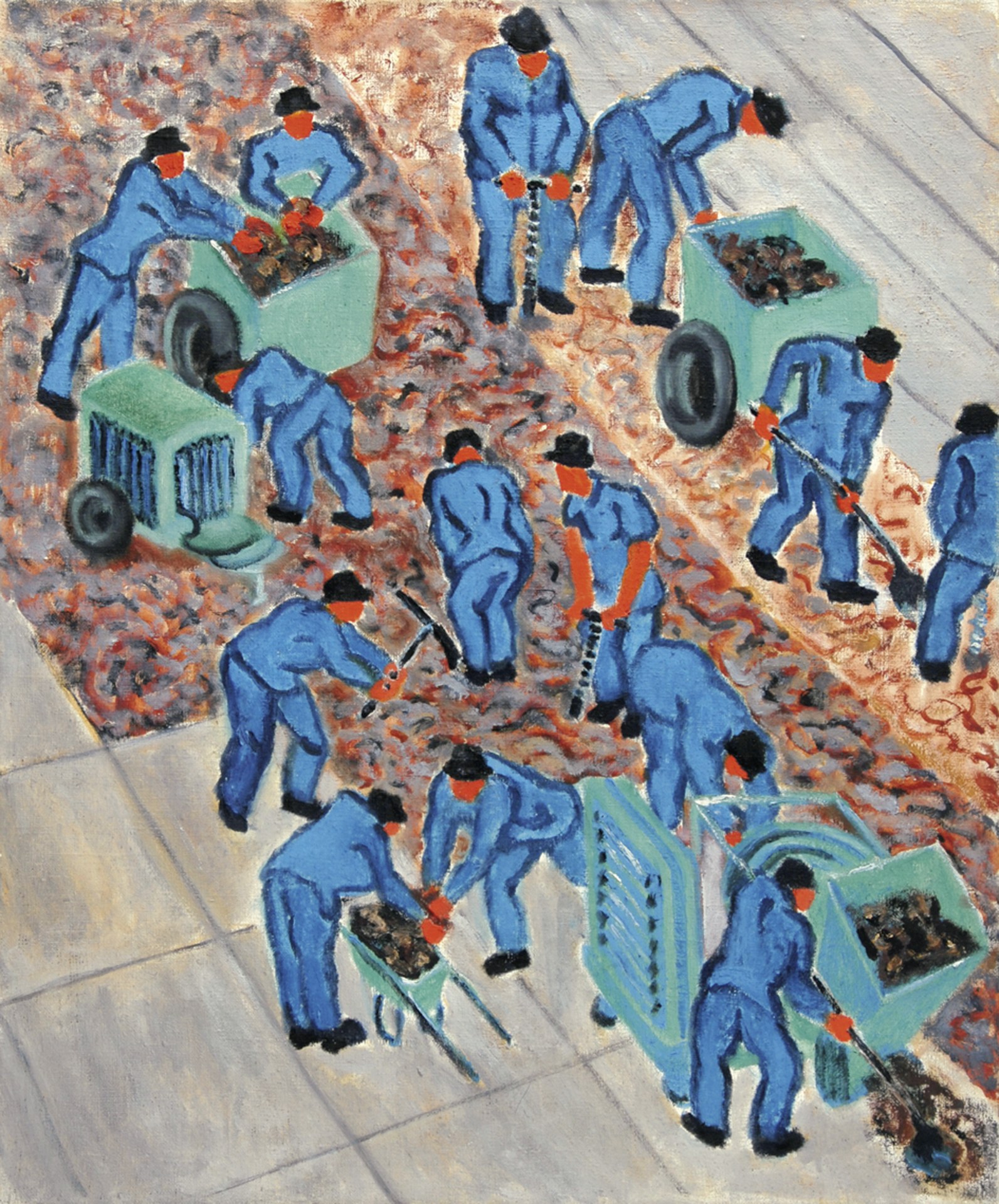
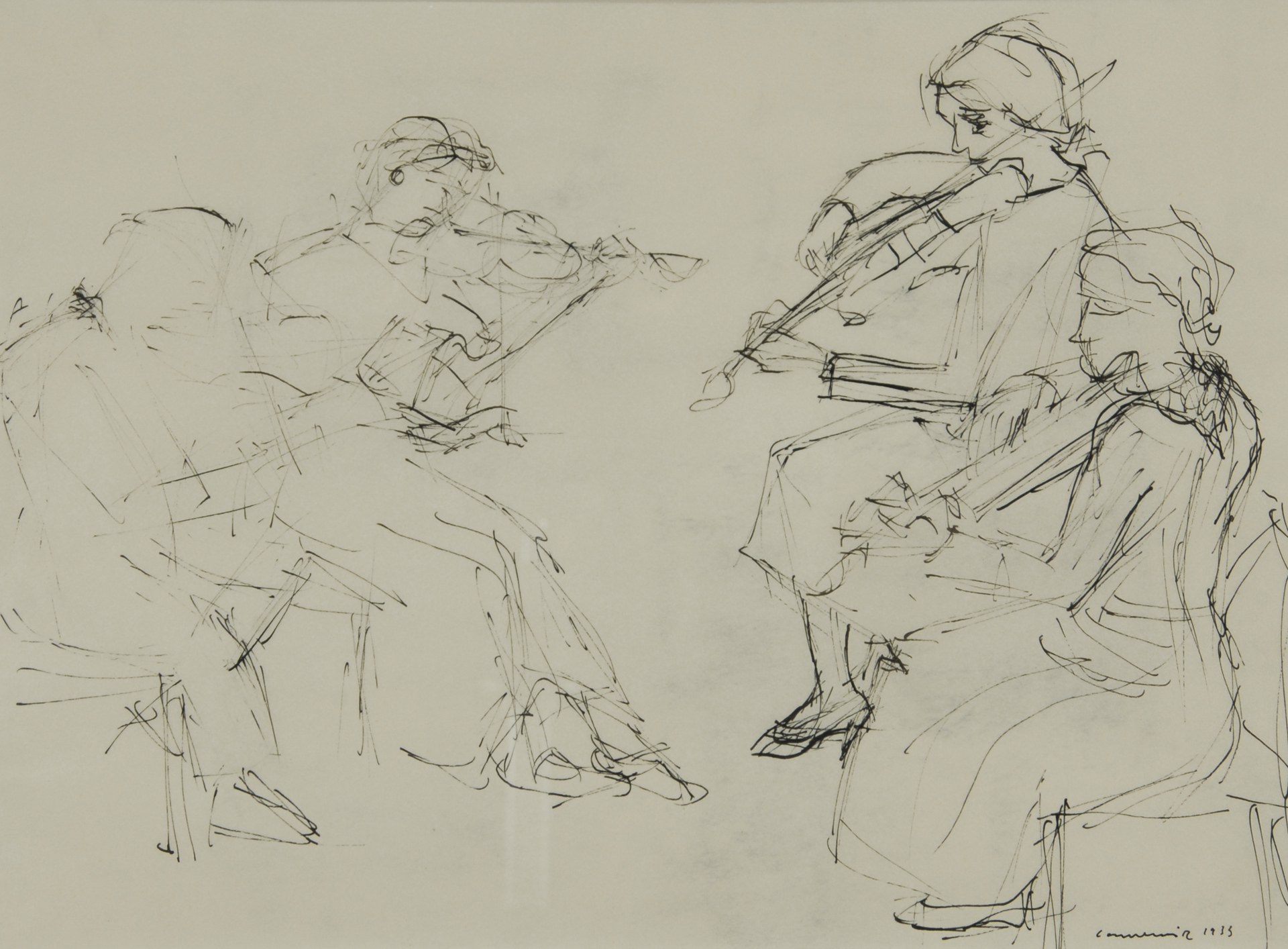
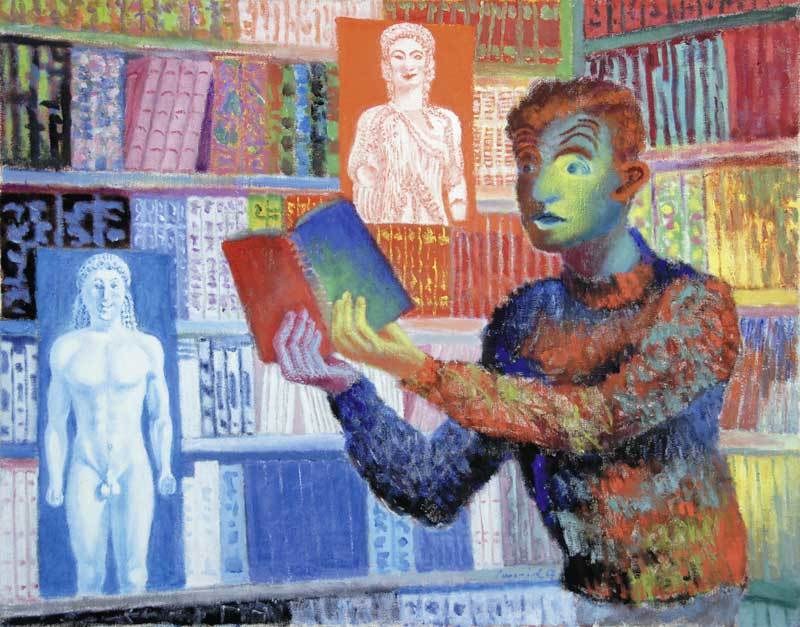
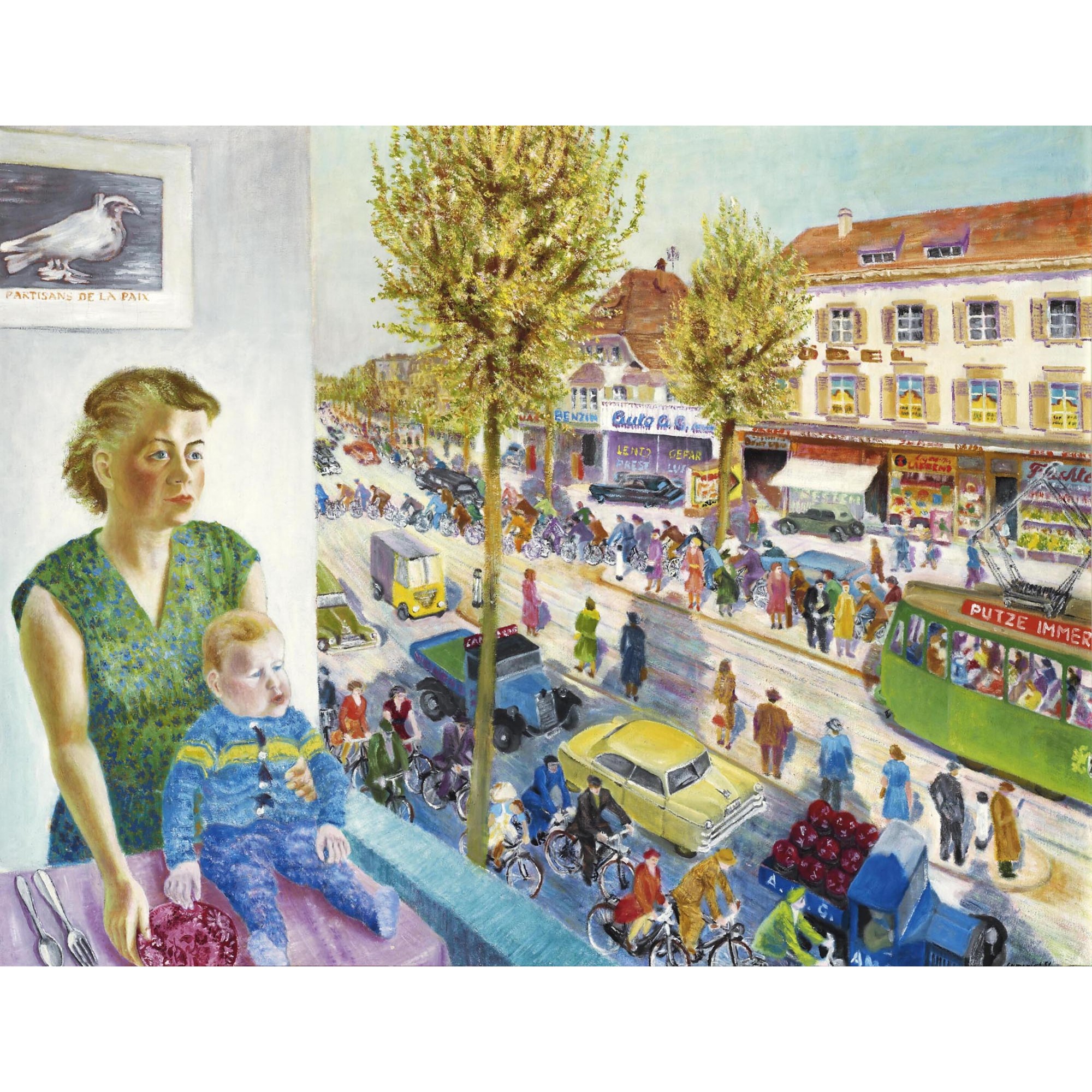
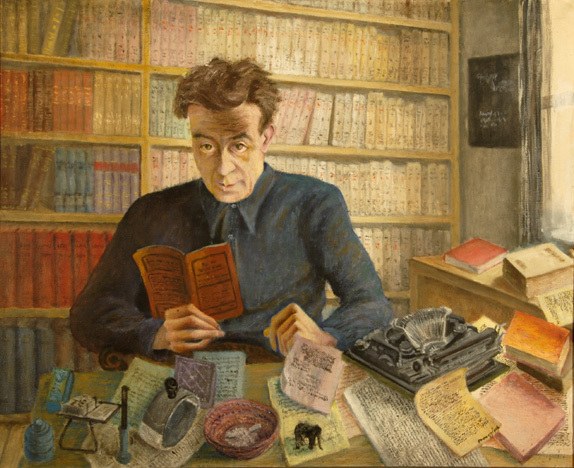
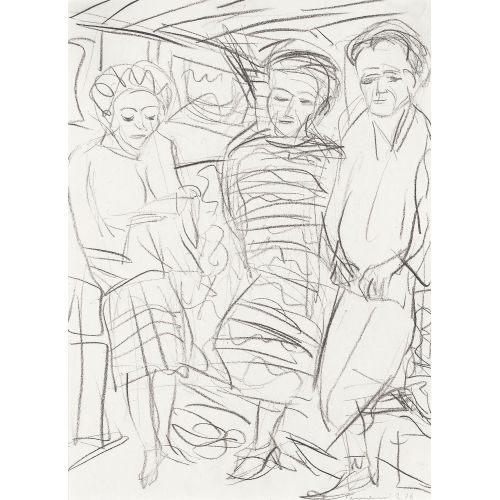
After taking part in a second formation of Rot-Blau in 1928, he was also among the founders of Gruppe 33. In the 1930s, his work turned towards a realism characterised by intensified colours. Scenes from everyday life and social positions coexist within it; his political commitment was also expressed beyond the studio, notably through aid to women and children from Germany from 1933 onwards.
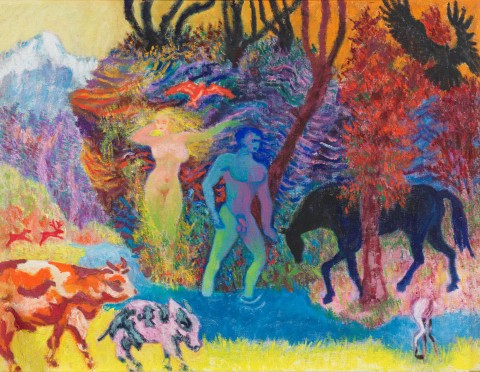
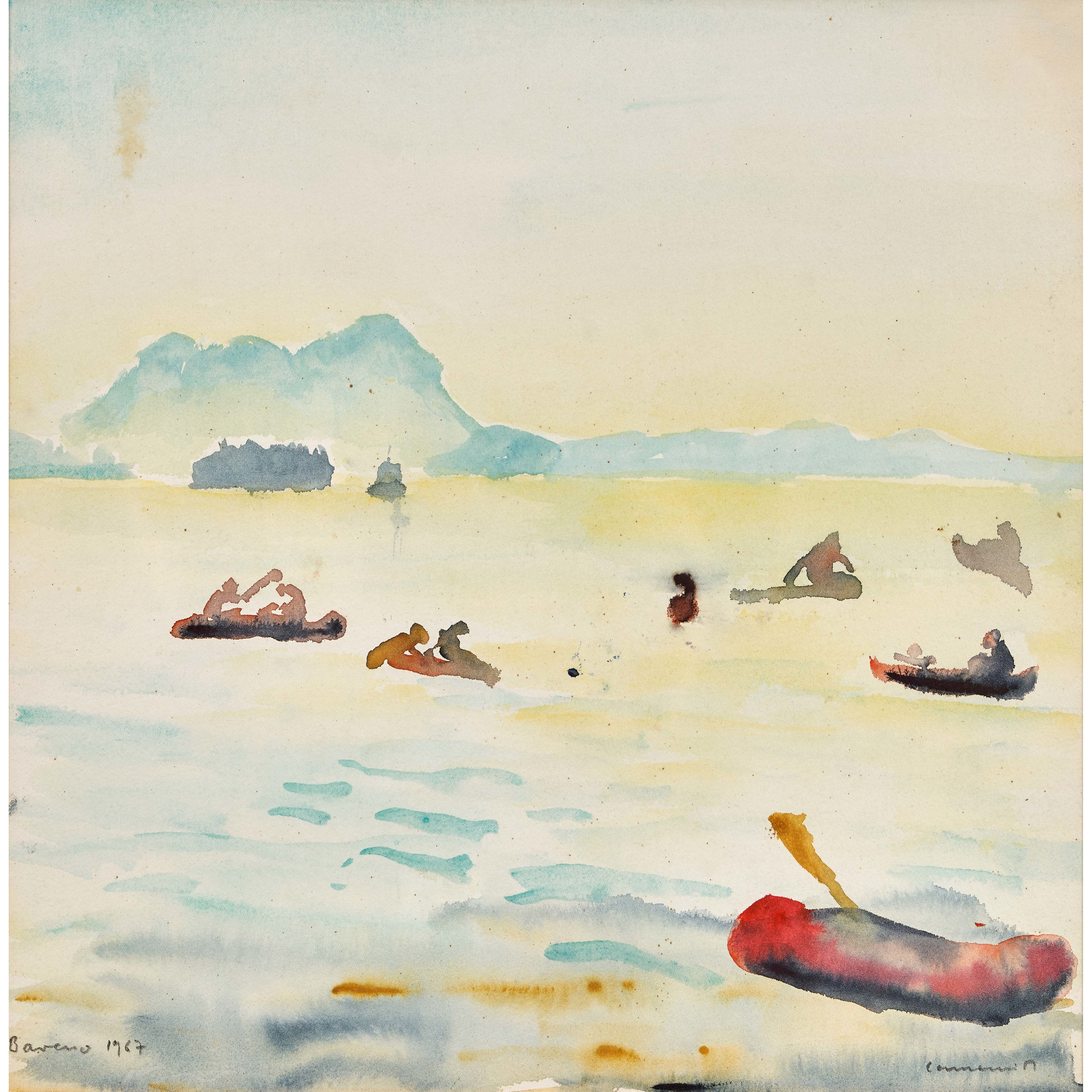
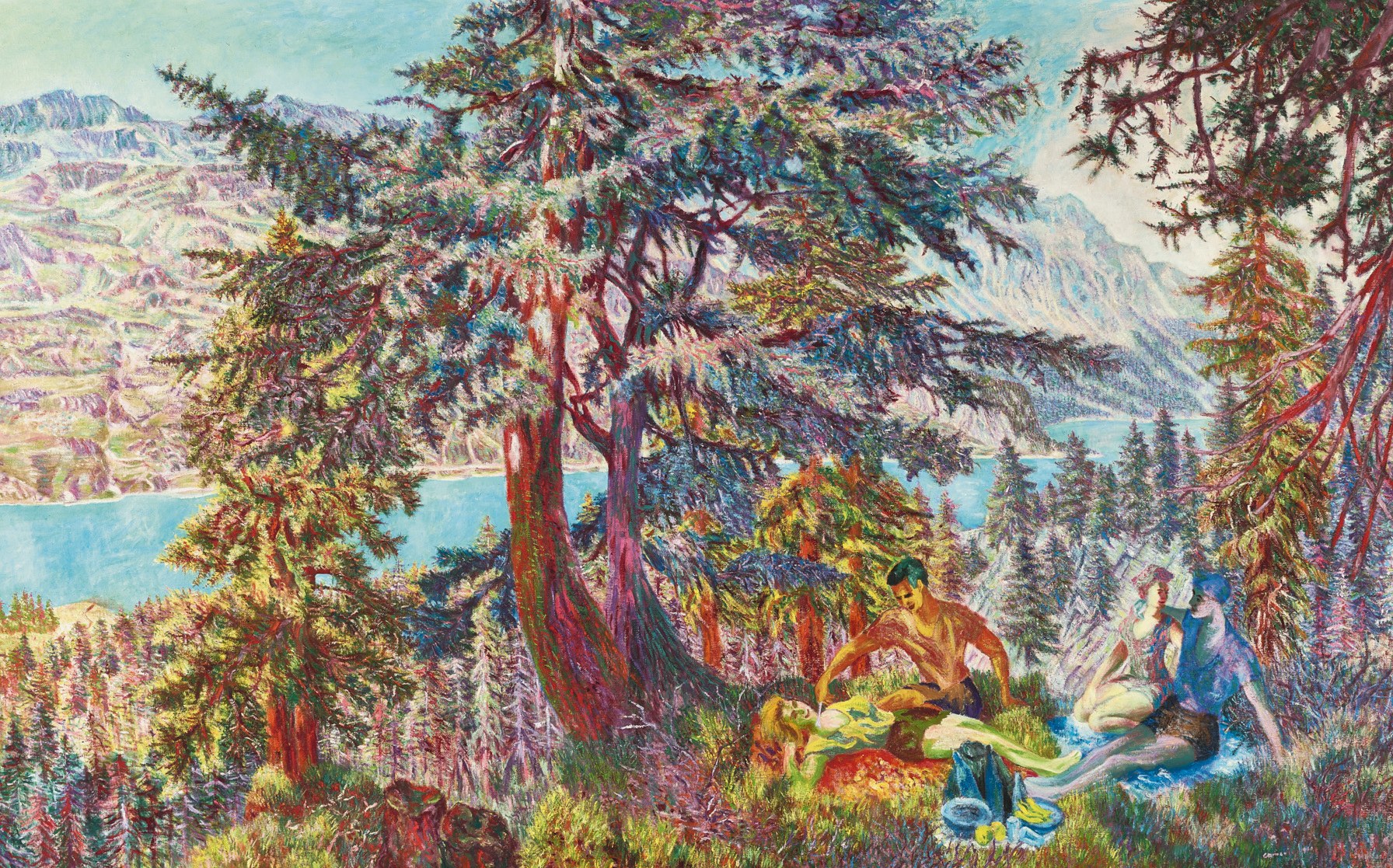
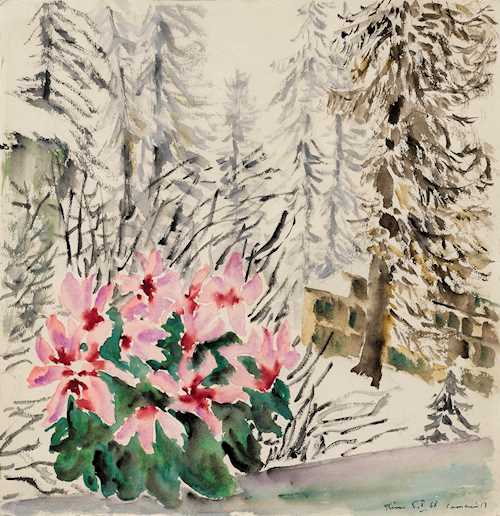
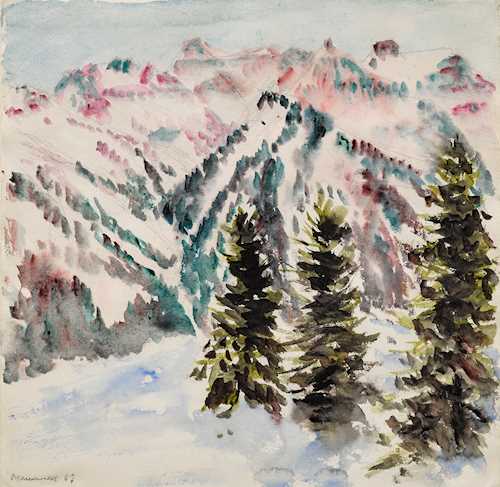
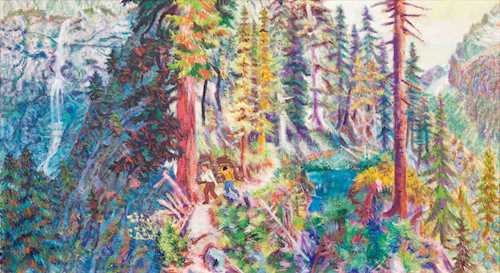
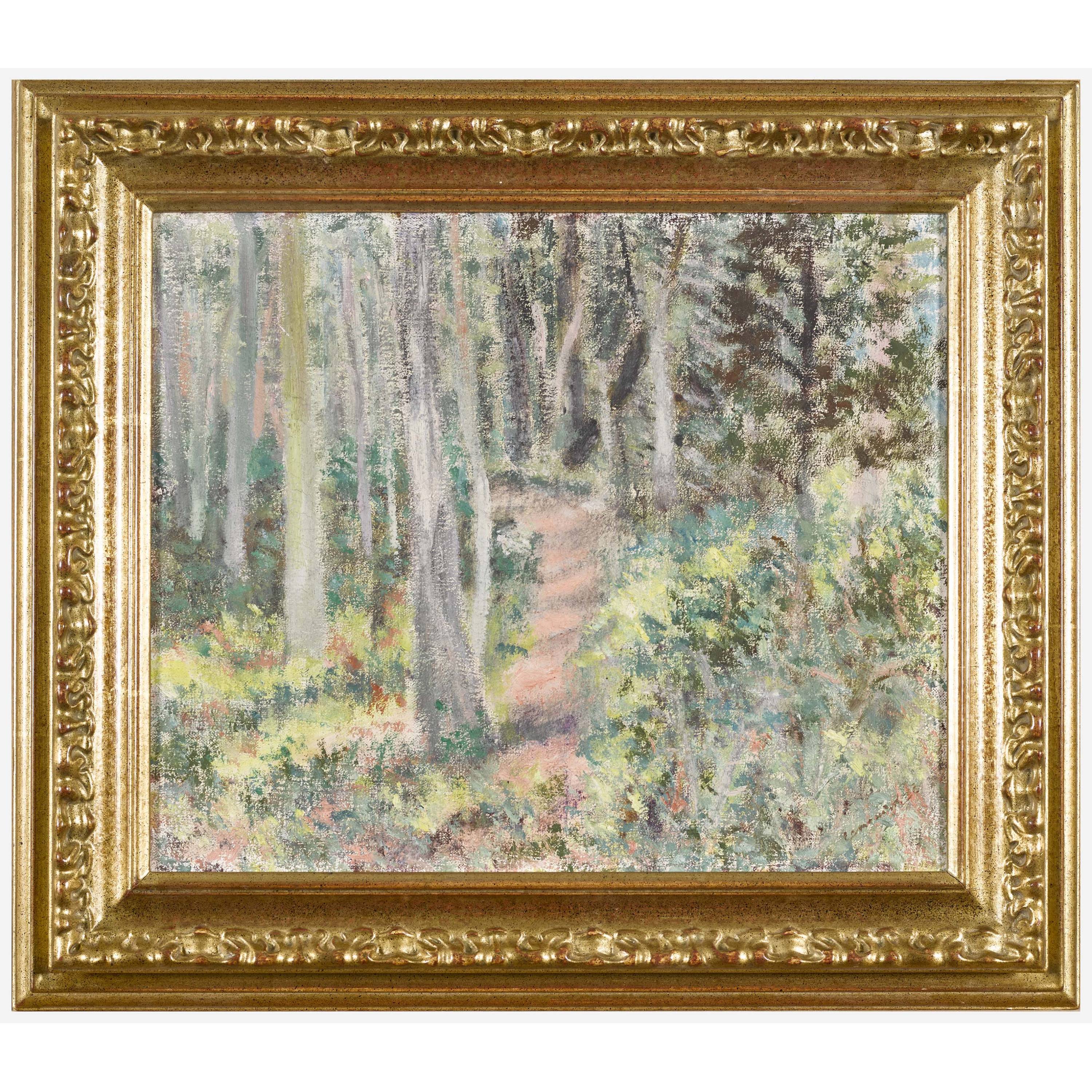
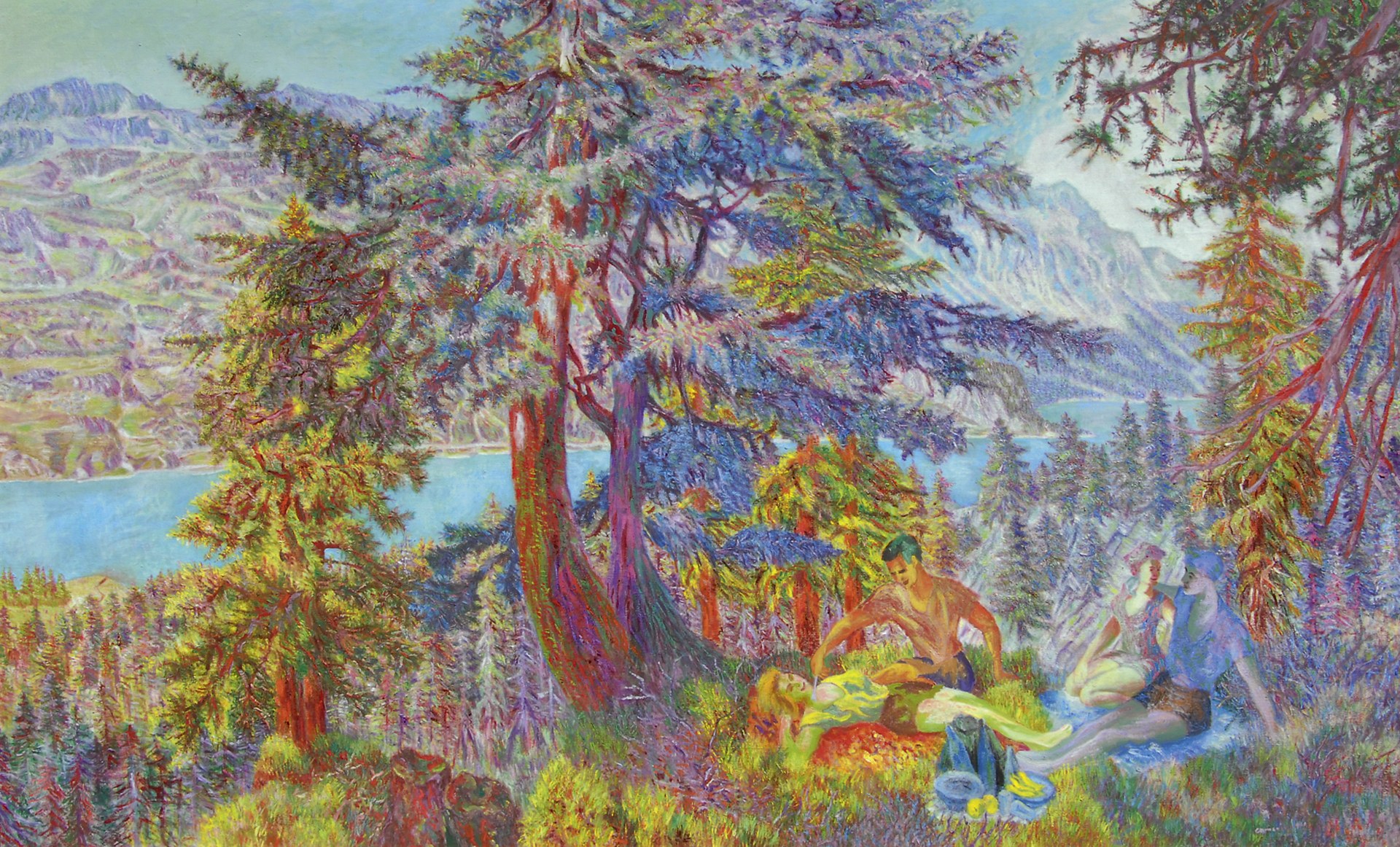
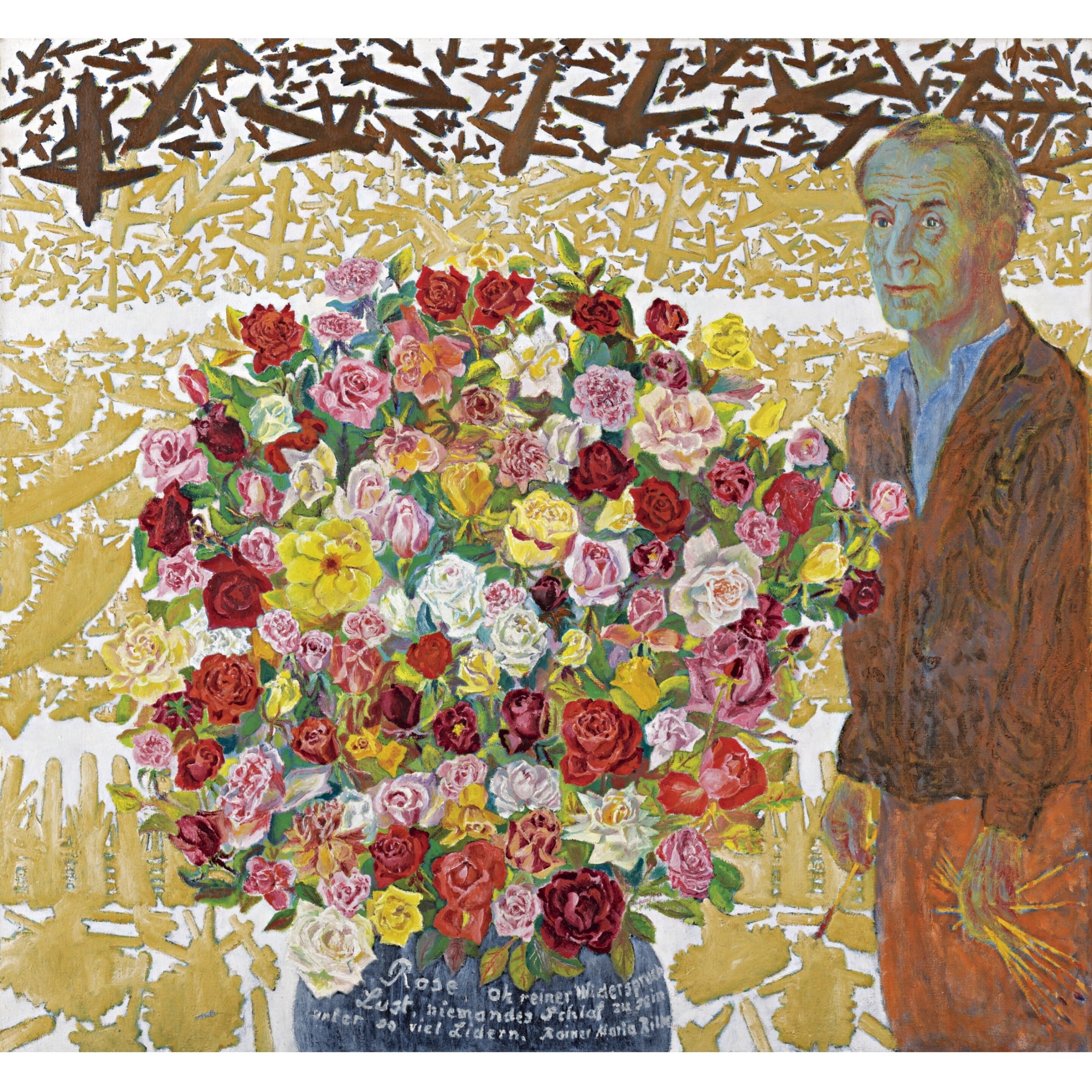
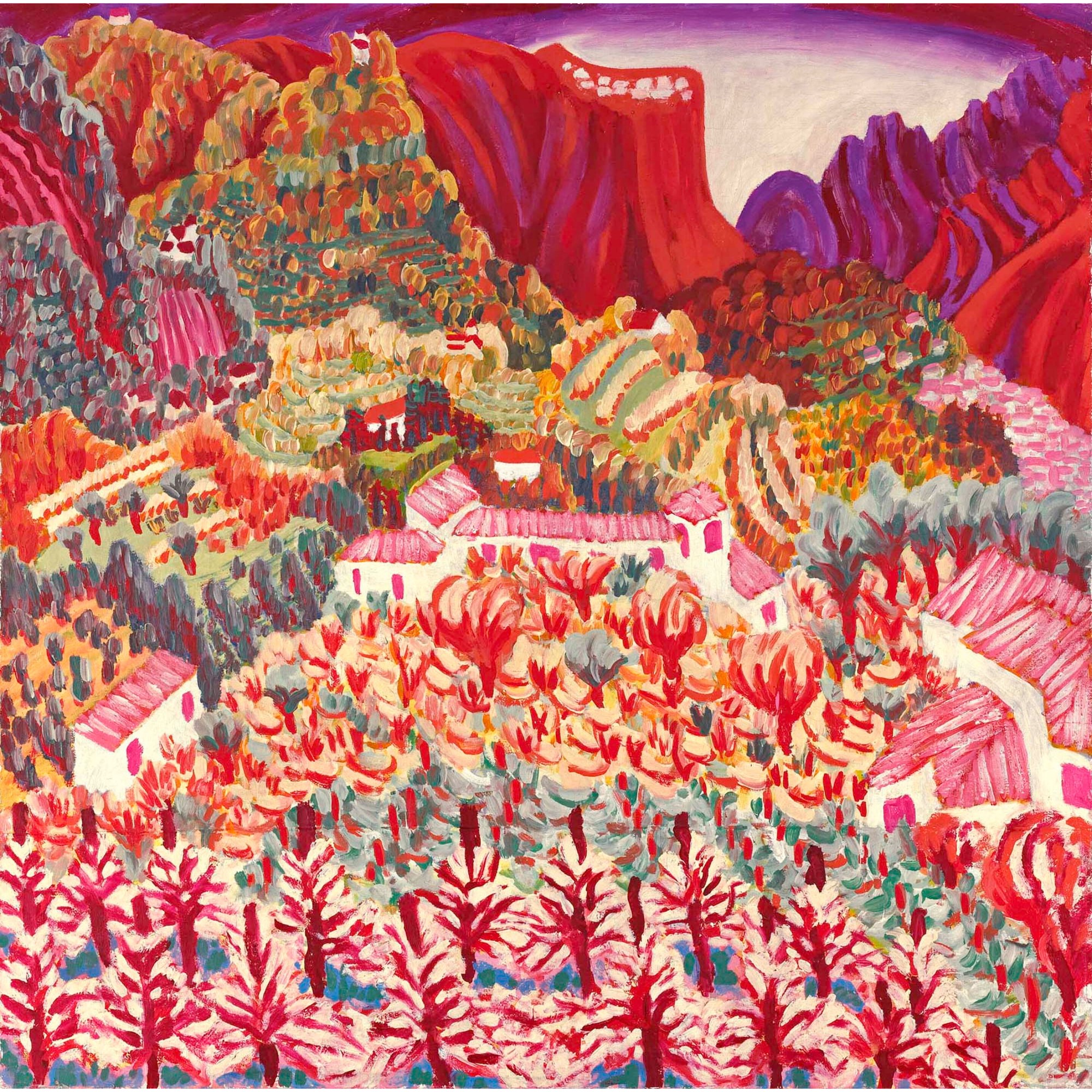
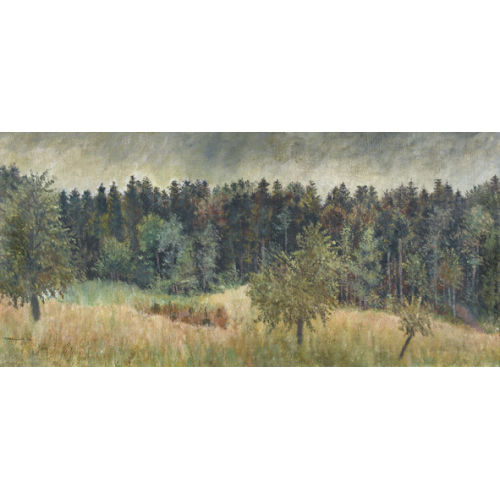
His late painting opened more fully onto an idealistic naturalism, as demonstrated by the project for the painting Das geliebte Leben, begun in the early 1960s. This trajectory, from imaginary architectures to inhabited landscapes, reveals a painter who remained attentive throughout to the tension between the lived world and the desired world.