Paul Bouvier
Born in 1857.
Died in 1940.
Paul Bouvier (30 May 1857 – 27 March 1940, Neuchâtel) is documented as an architect and watercolourist, born and deceased in Neuchâtel. He trained at the École des Beaux-Arts in Paris, where he enrolled in 1878 and obtained his architecture diploma in 1886.
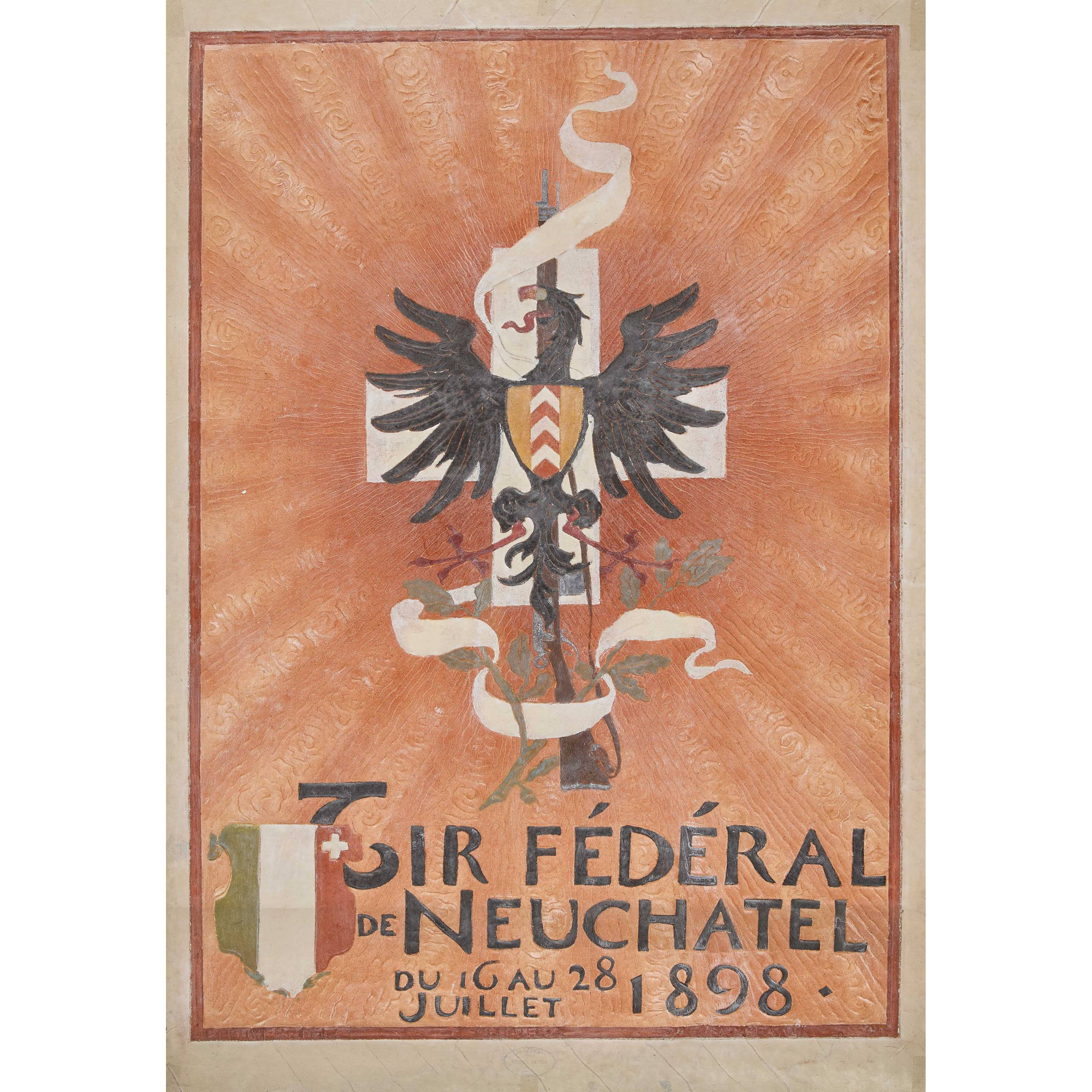
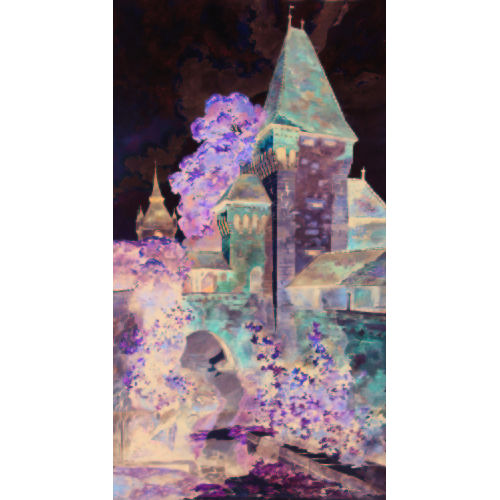
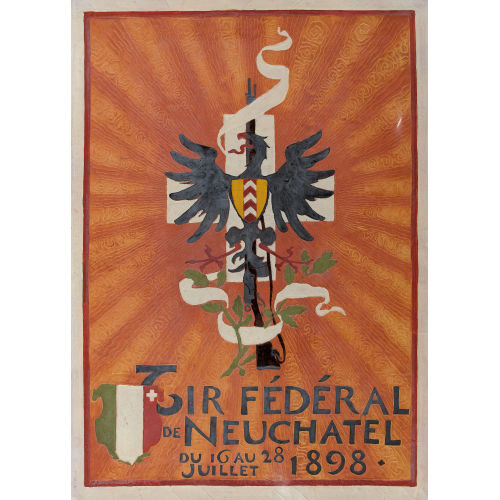
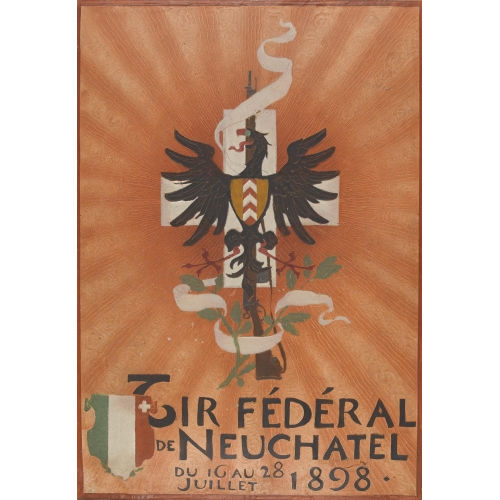
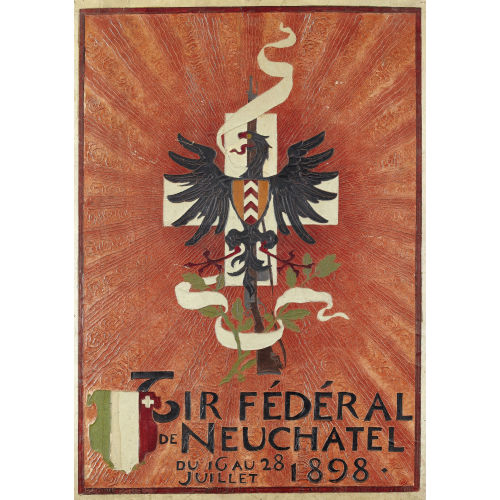
Much of his architectural output falls within the field of “ephemeral architecture”, conceived for exhibition pavilions and decorations. According to the documents, his works include the model dairy and the Arc de l’avenue du Crêt for the 5th Swiss Agricultural Exhibition in Neuchâtel (1887), the Palais des Beaux-Arts and the Village suisse for the National Exhibition in Geneva (1896), the architecture of the Swiss sections at the Universal Exposition in Paris (1900), and the watchmaking pavilion for the Swiss section at the Universal Exposition in Milan (1906). In 1910 he ended his career as an architect to devote himself exclusively to artistic practice.
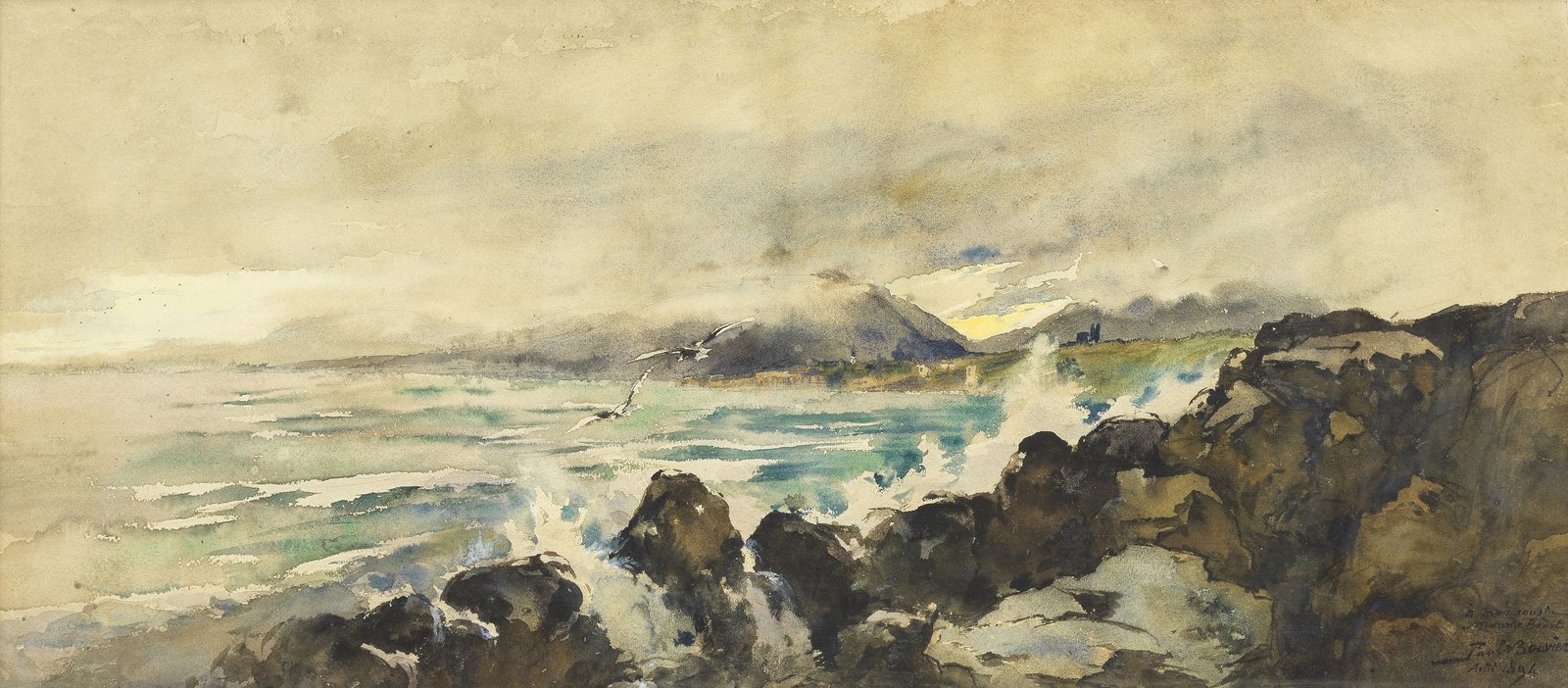
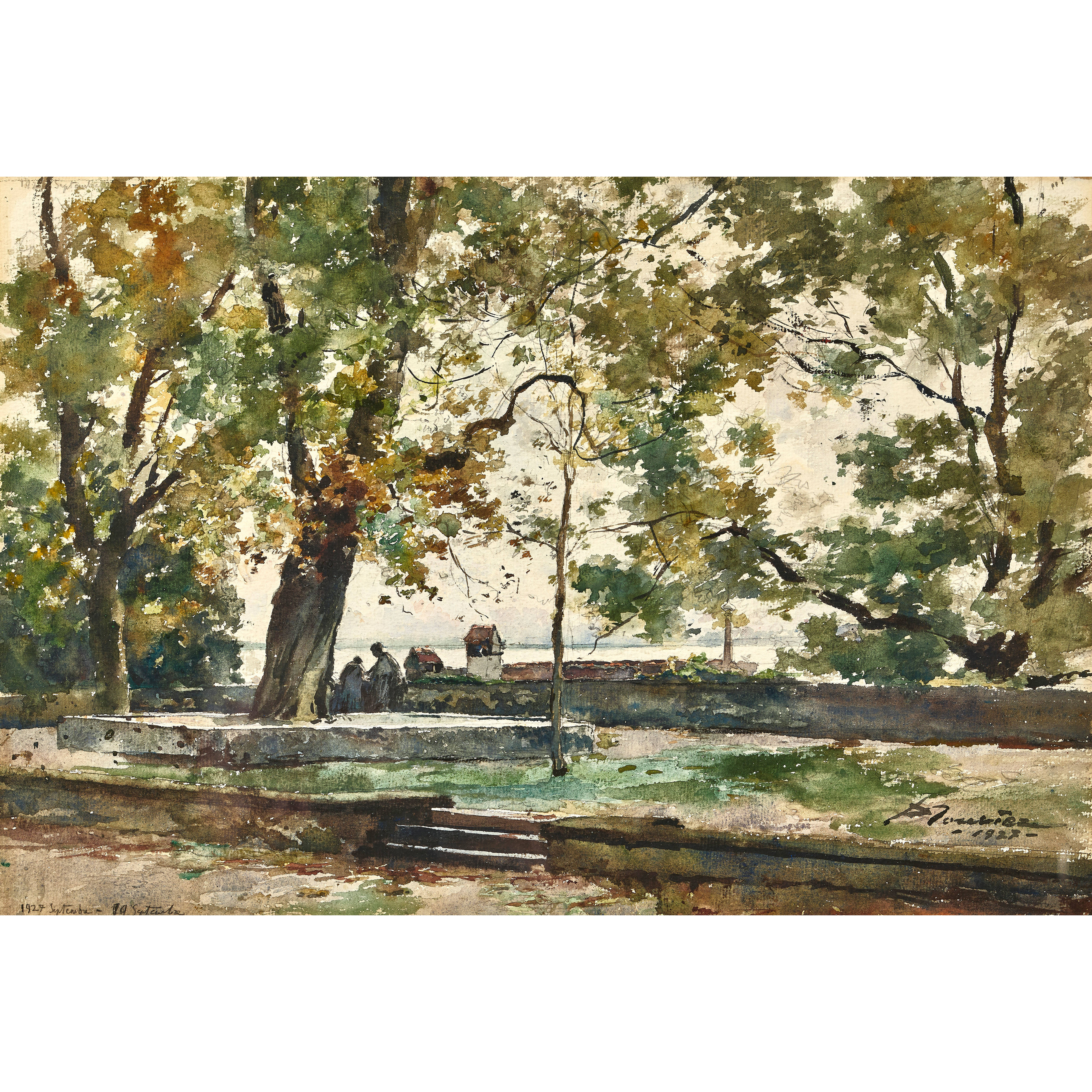
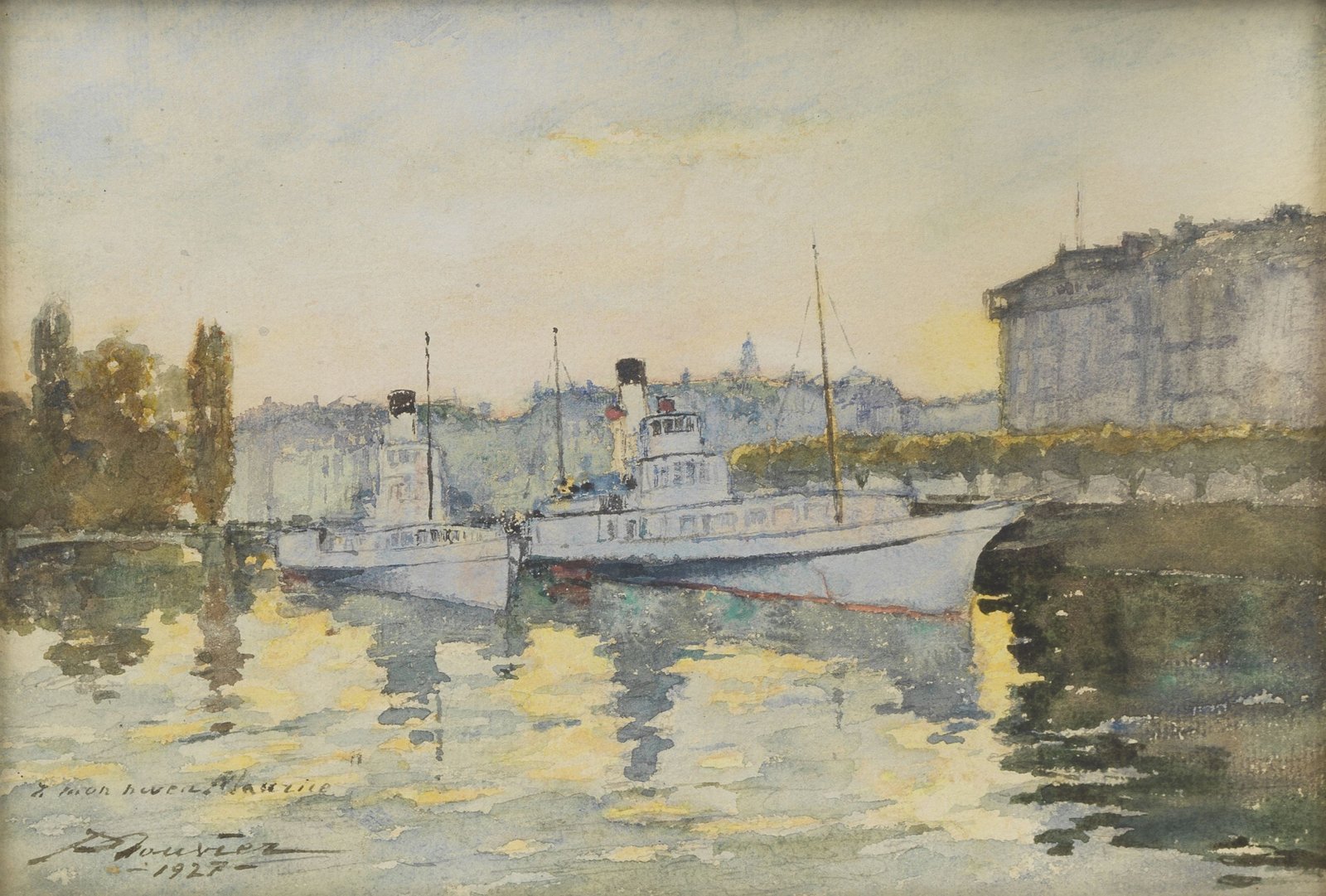
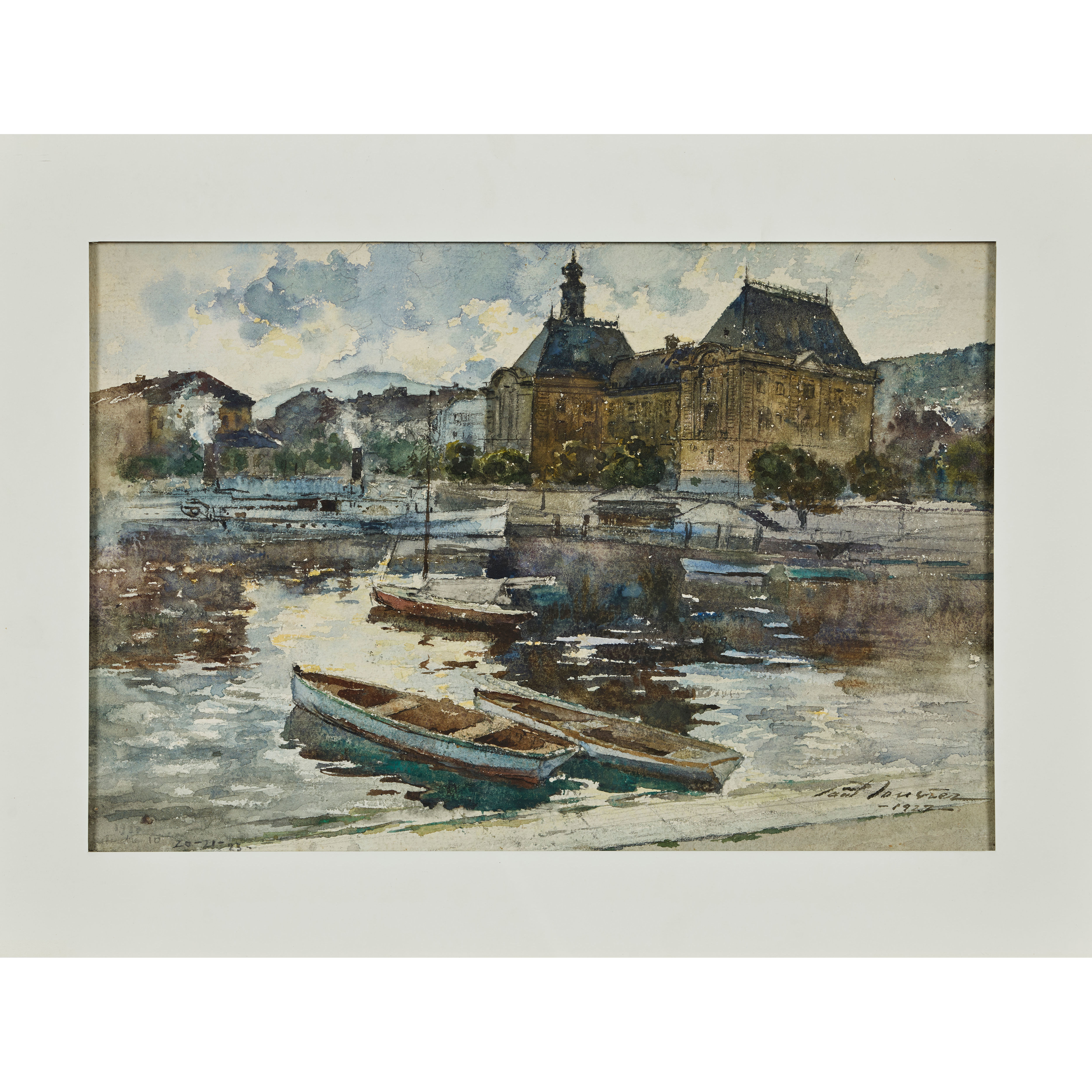
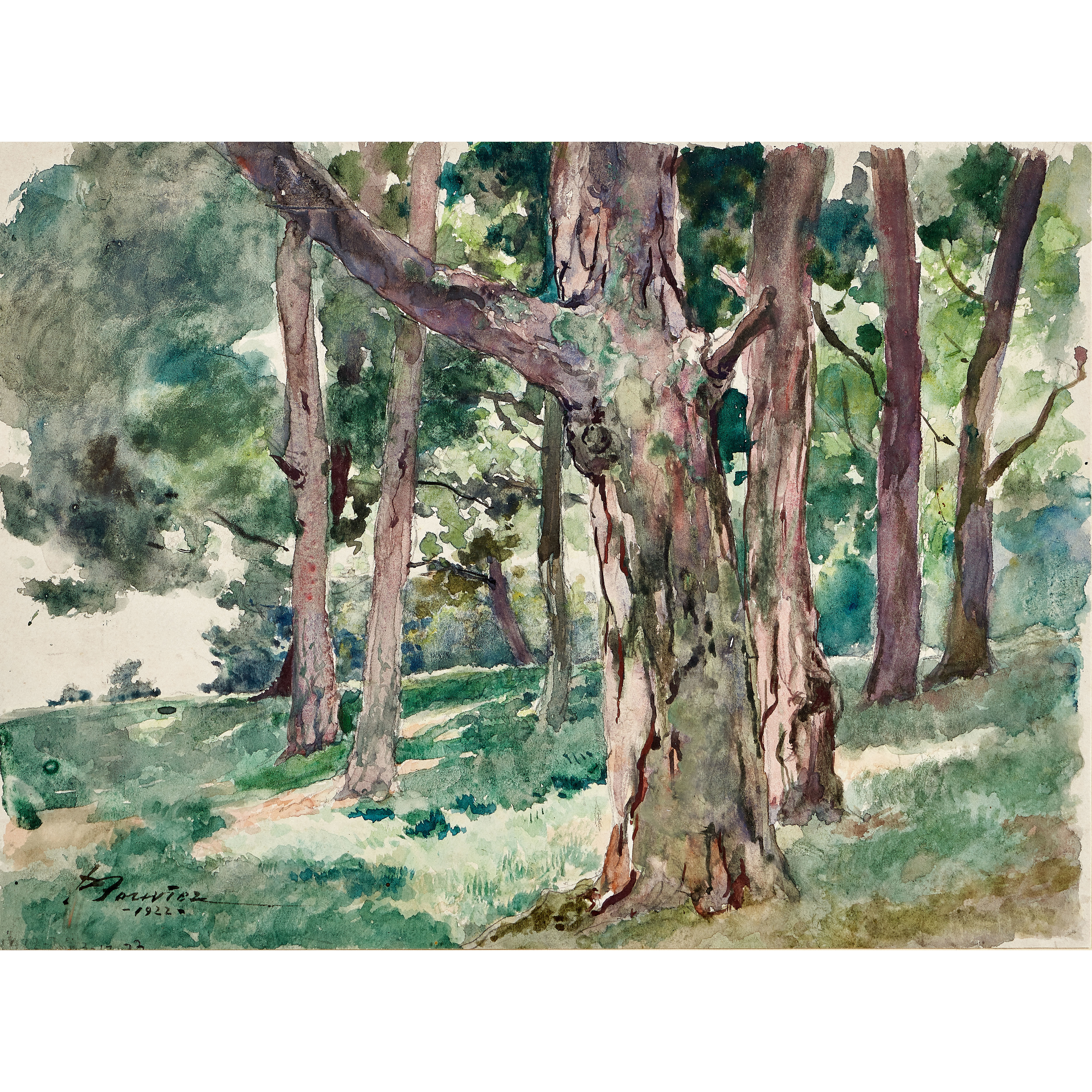
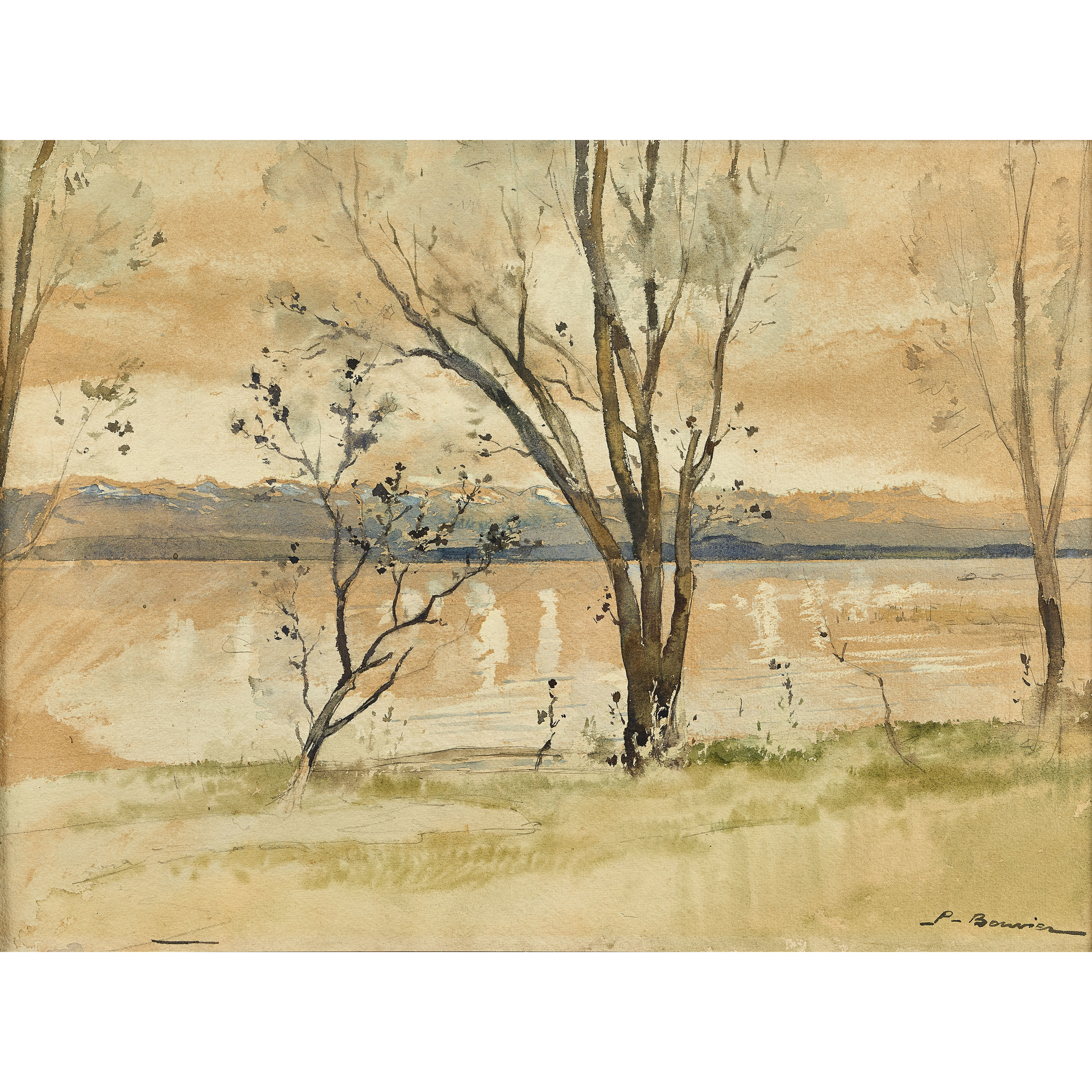
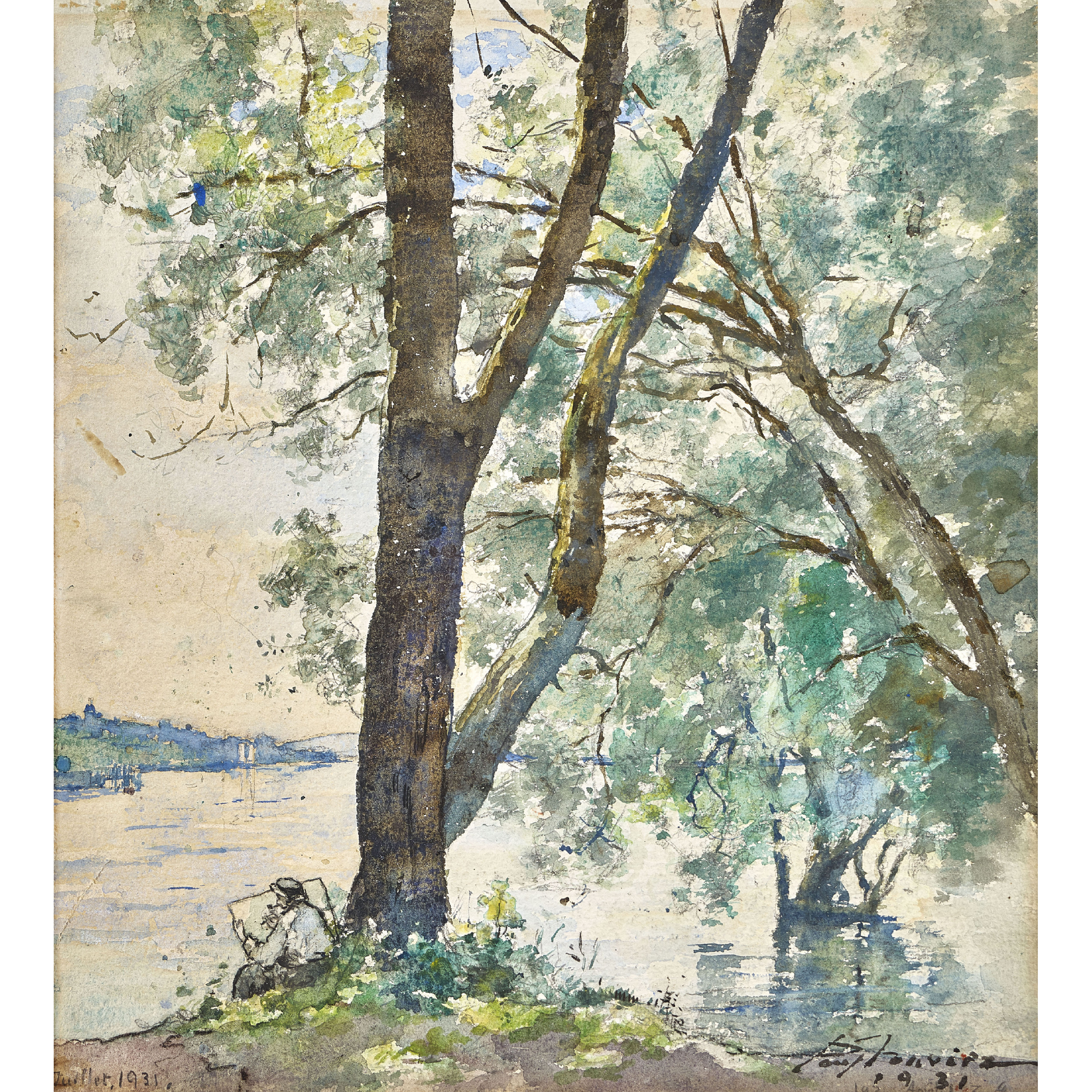
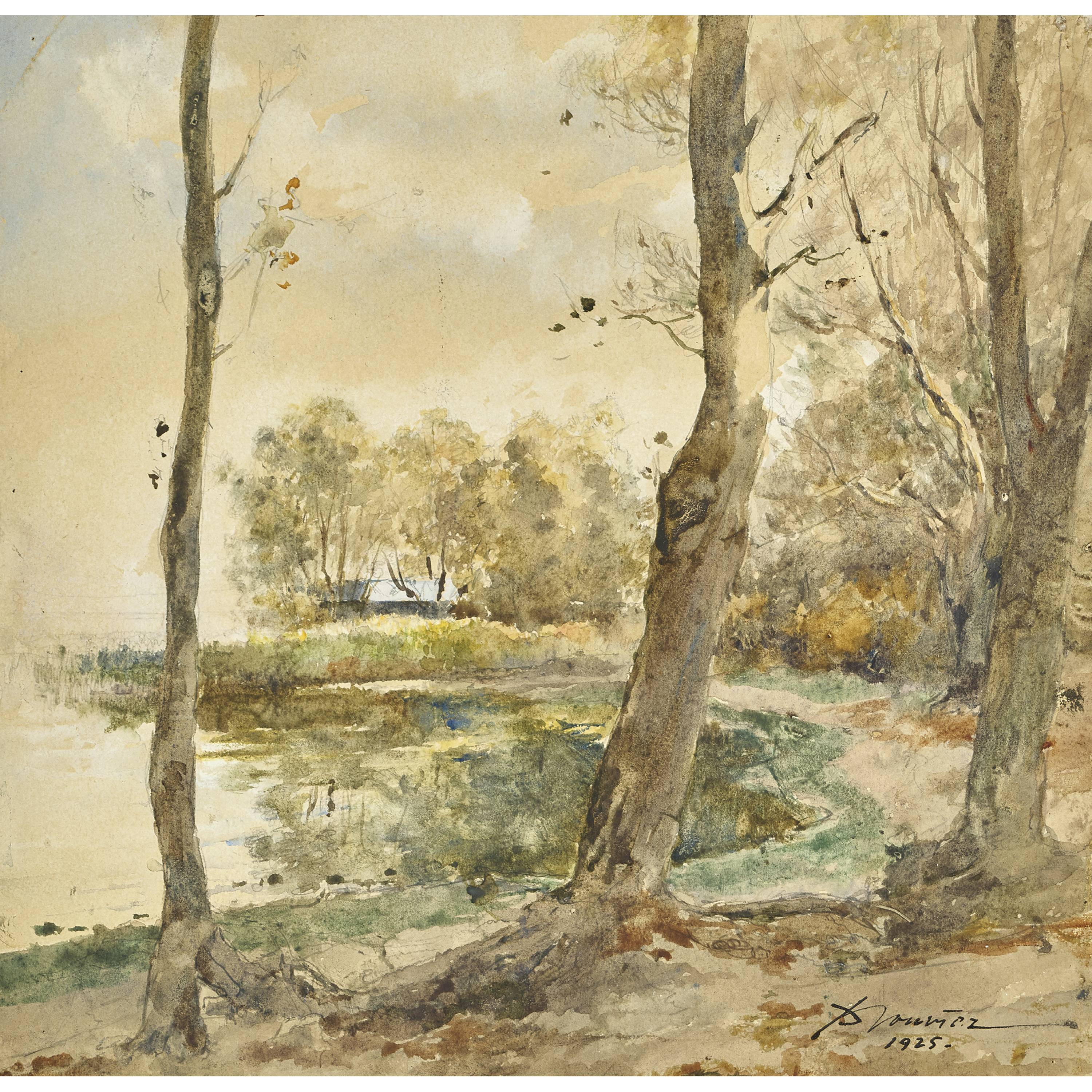
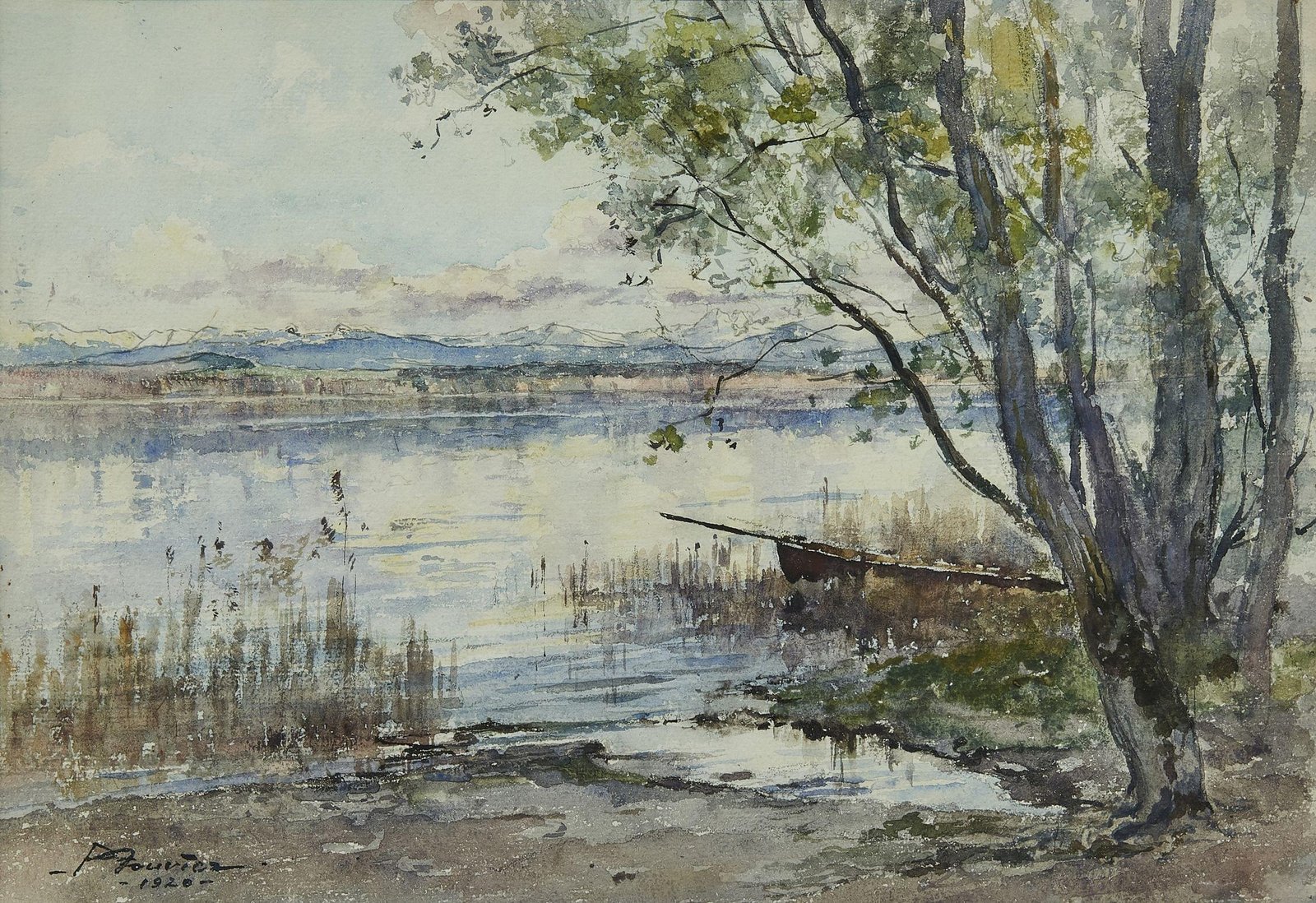
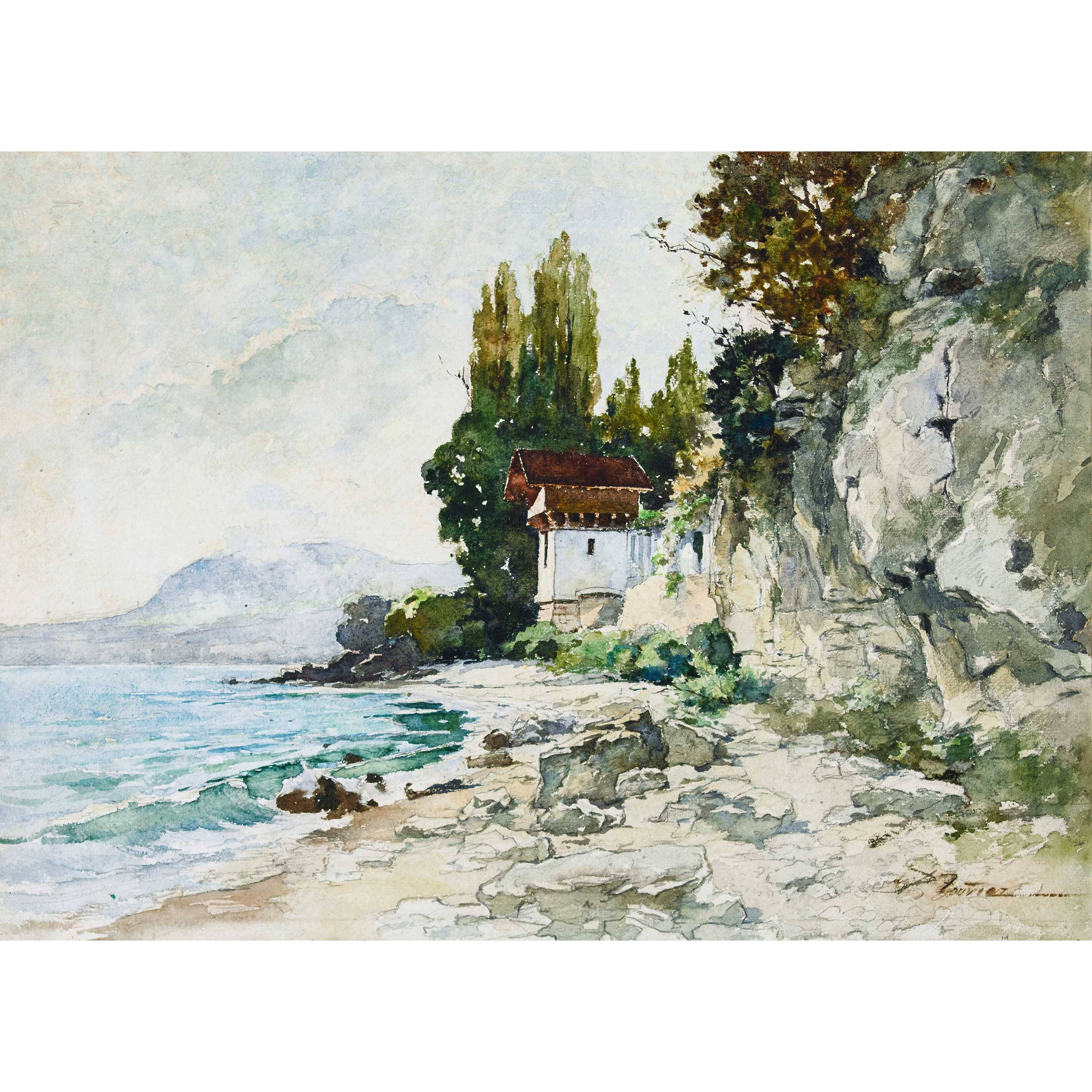
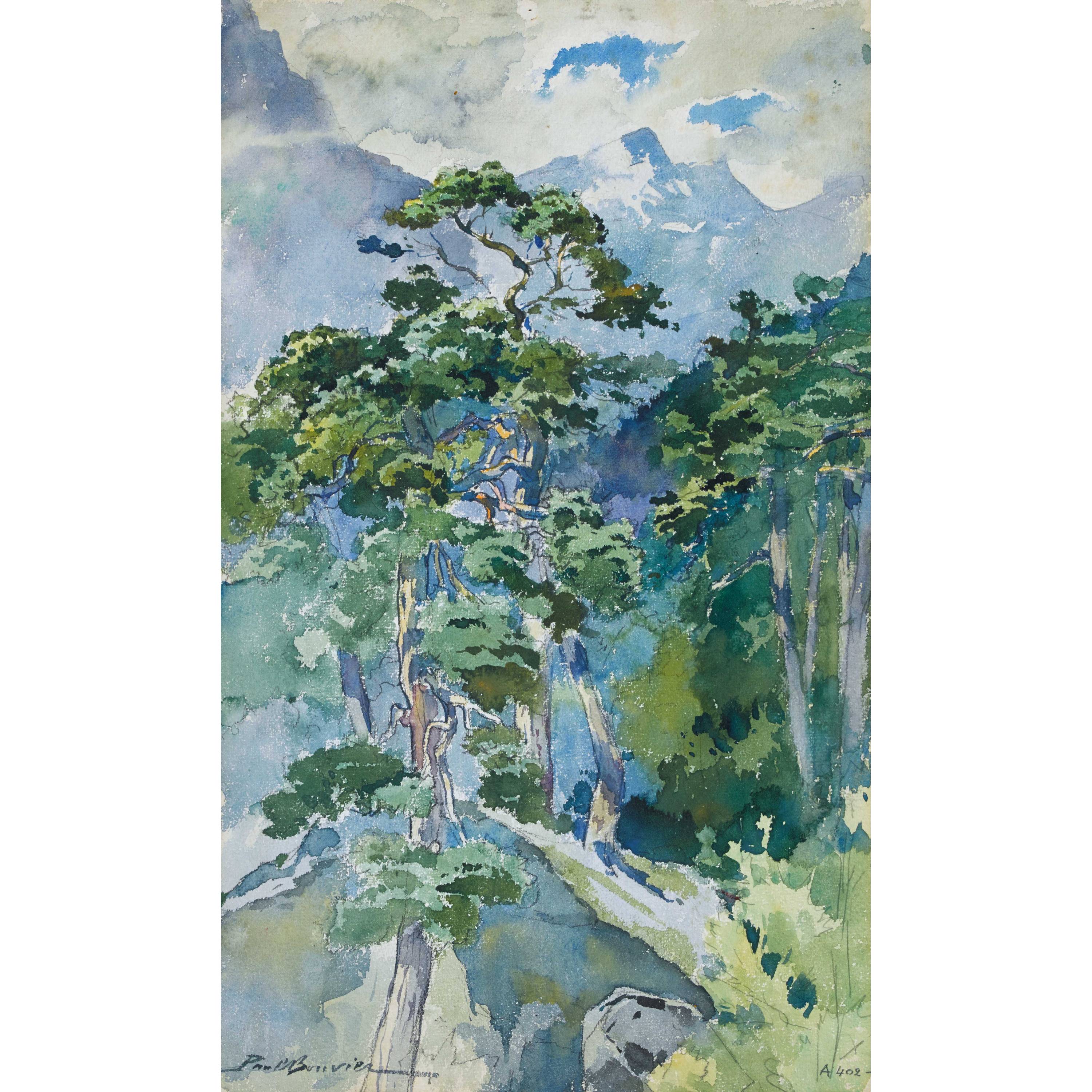
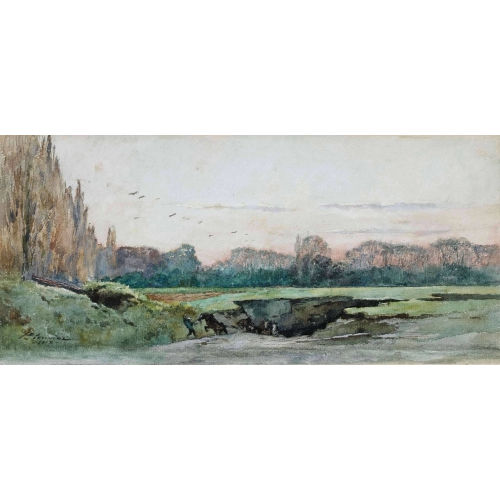
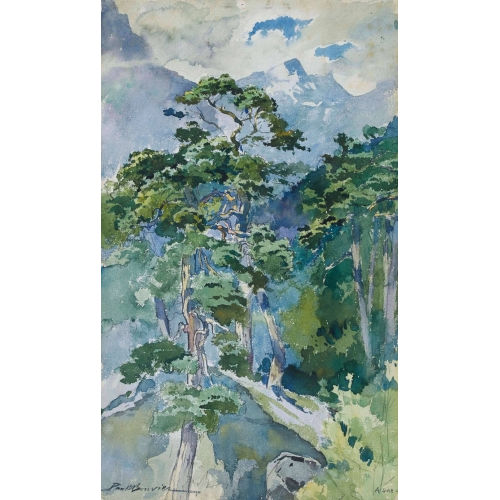
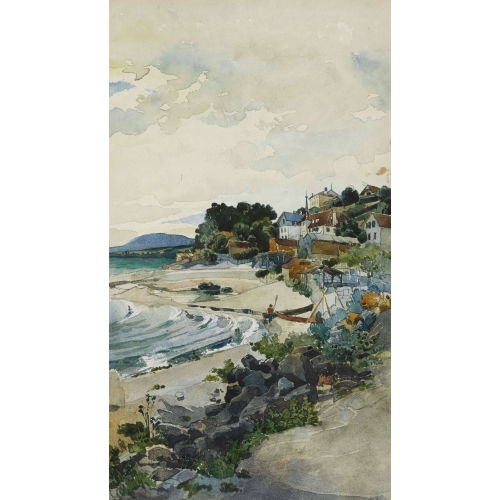
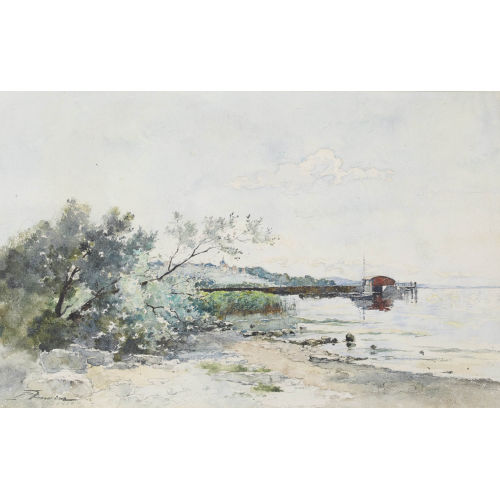
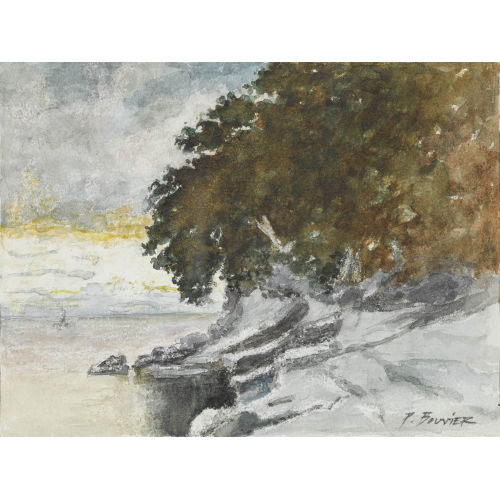
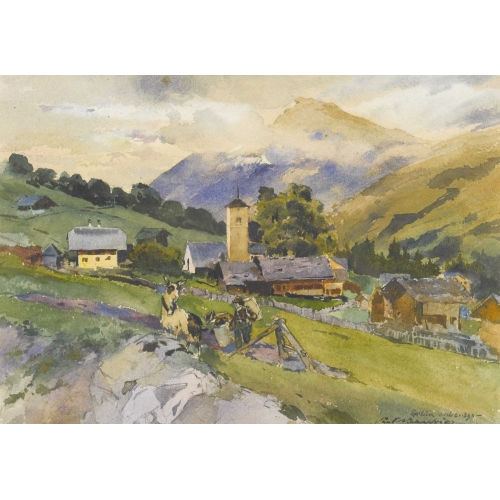
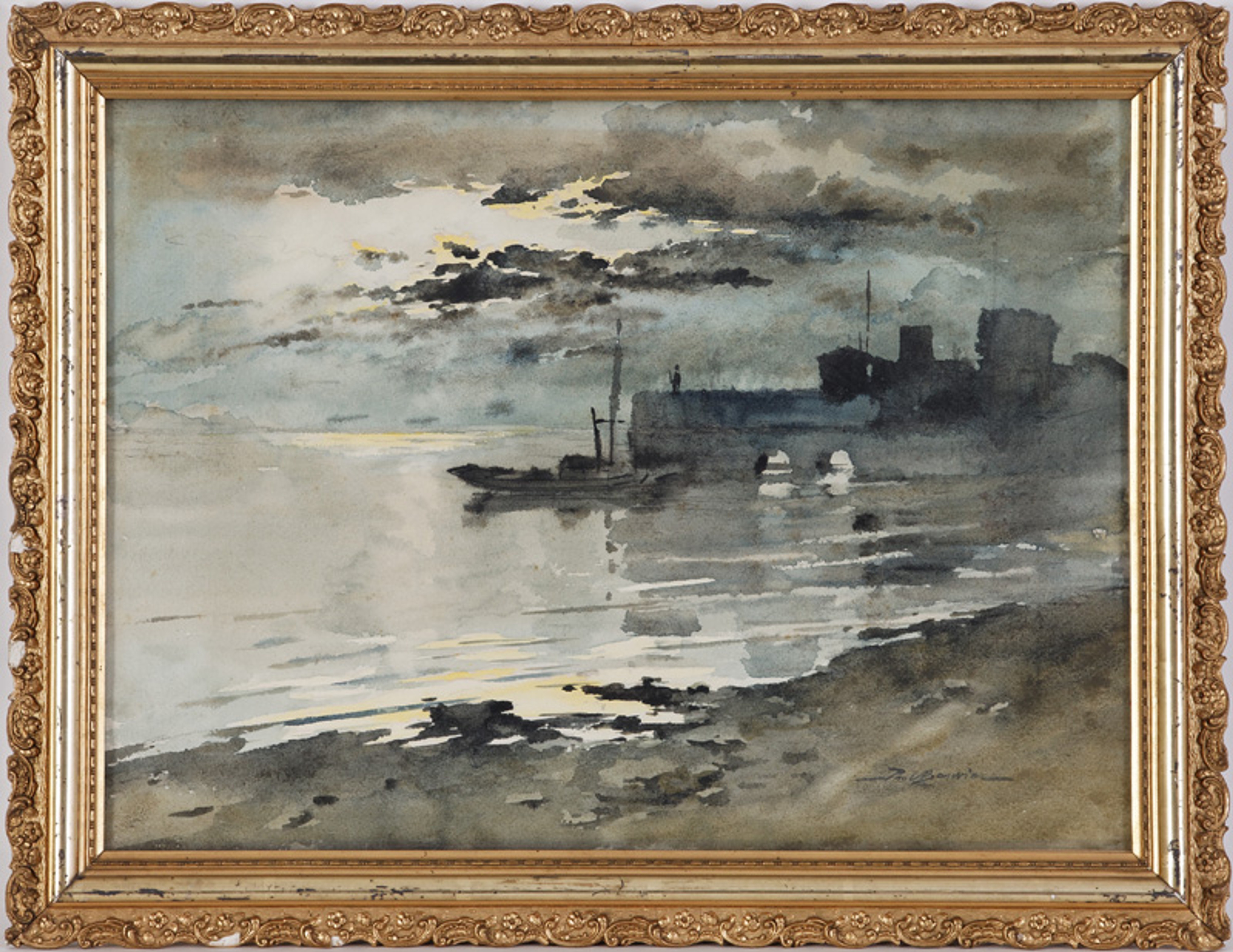
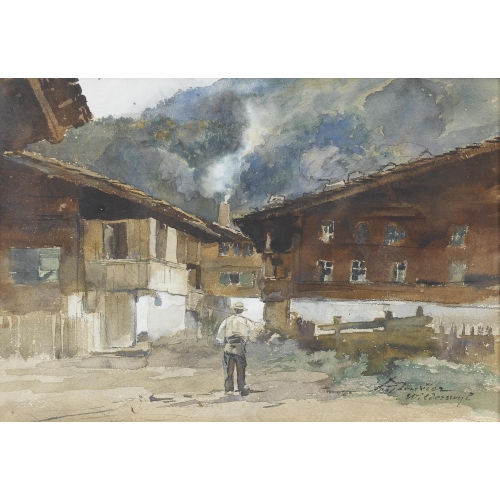
His stays in Italy and North Africa — including documented visits to Tunisia in 1888 and 1897 — resulted in a substantial body of drawings and watercolours, with more than a hundred works relating to North Africa according to the dossier. Watercolours painted in Italy were exhibited in Paris as early as 1882, as part of the “Amants de la nature” club, and in the same year in Neuchâtel with the “Amis des Arts”.
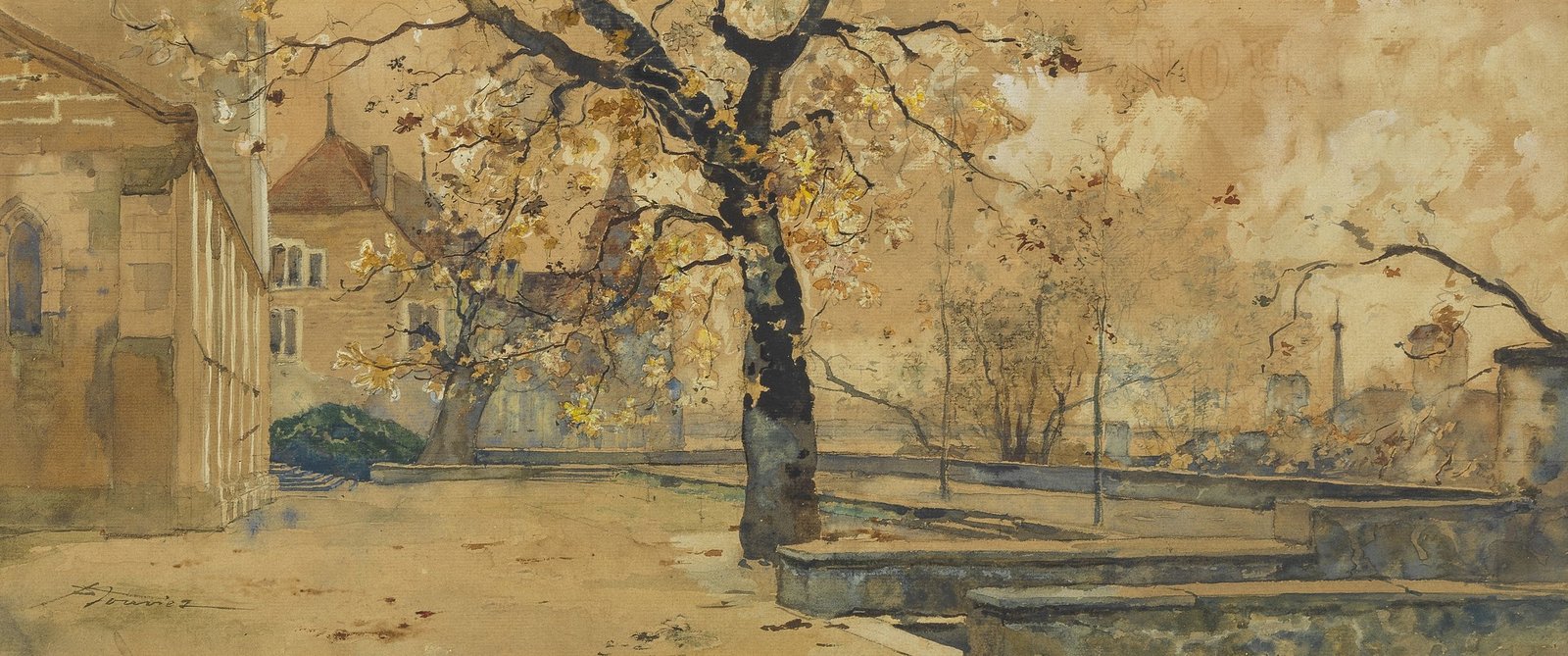
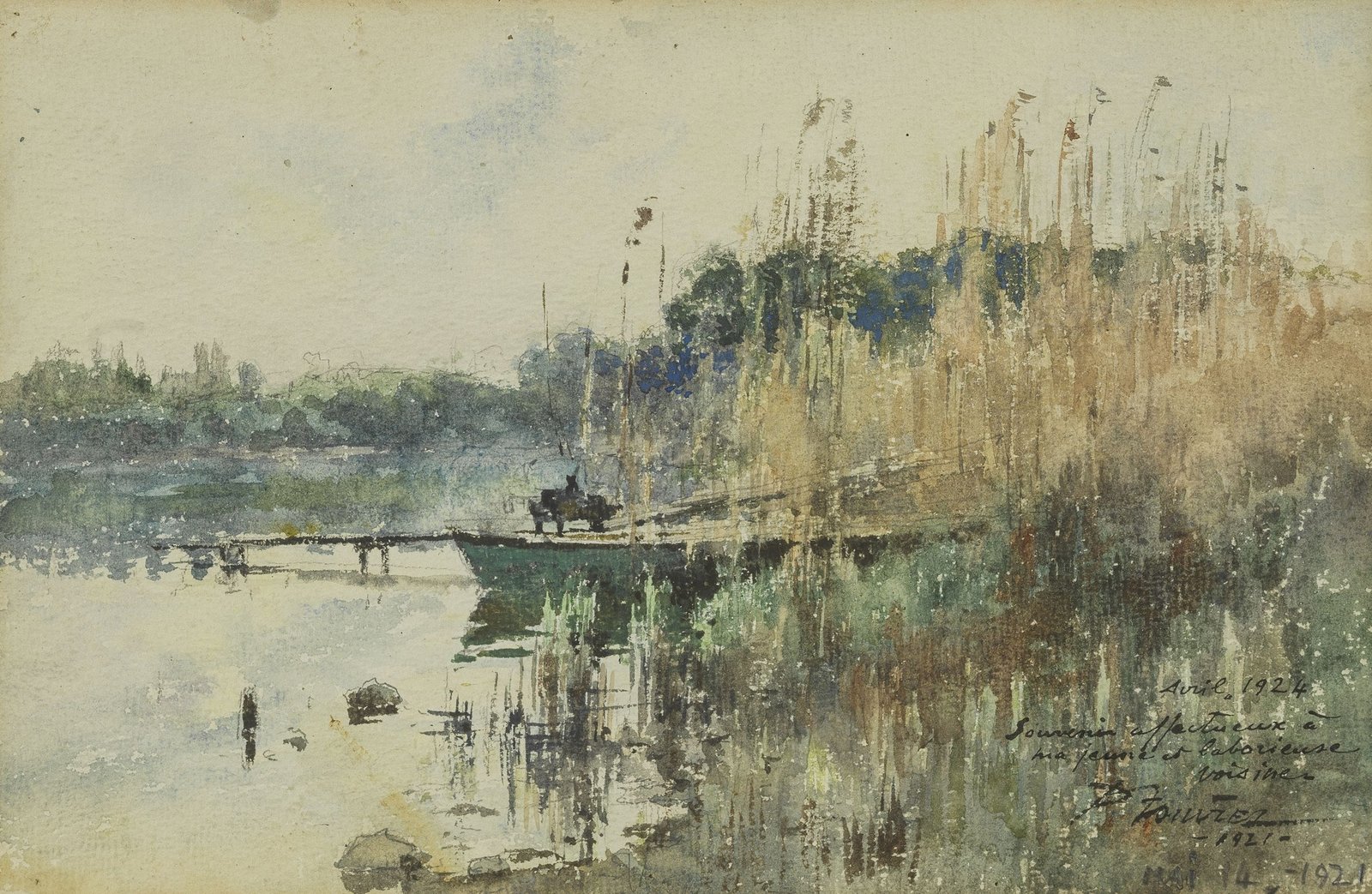
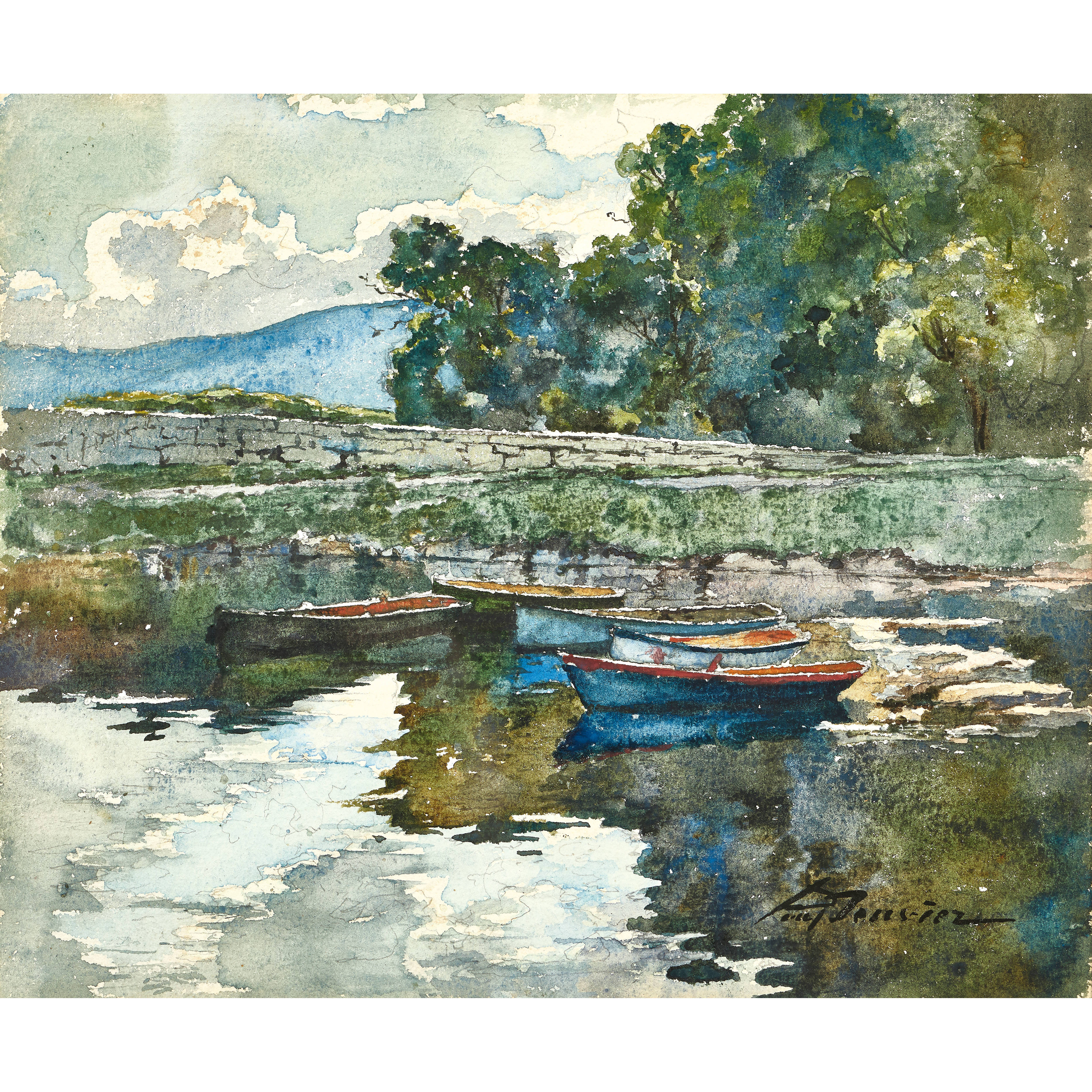
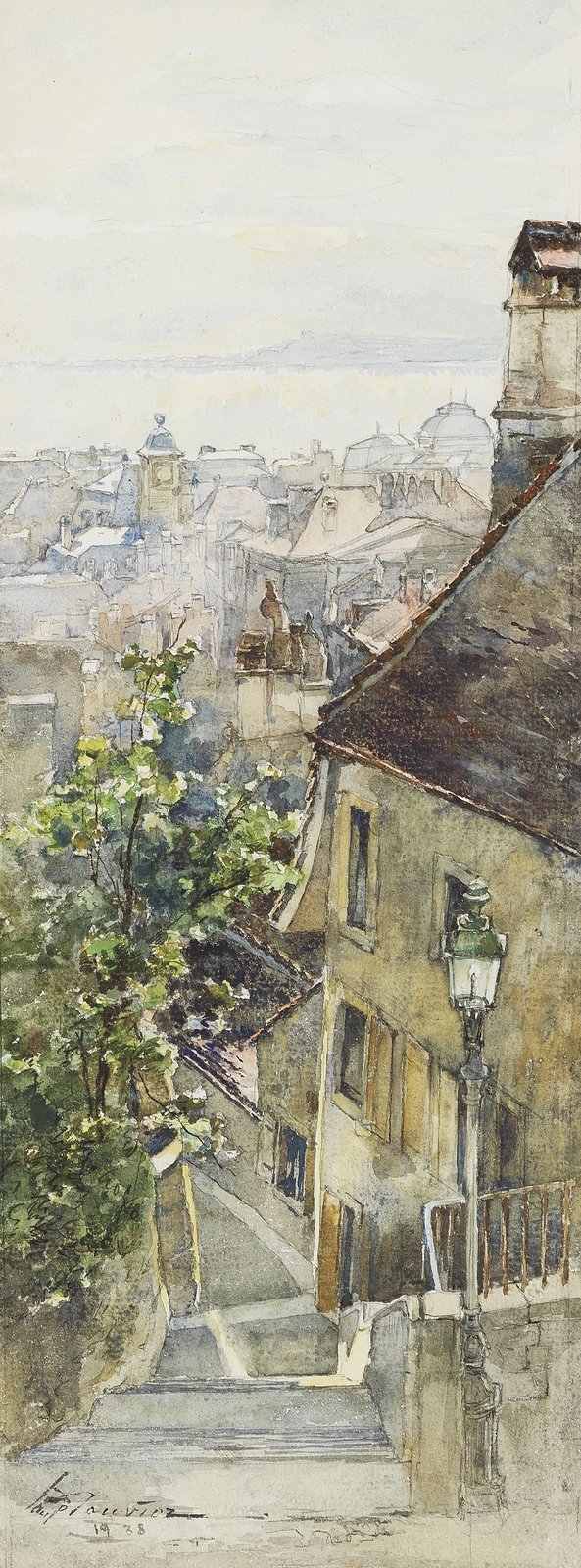
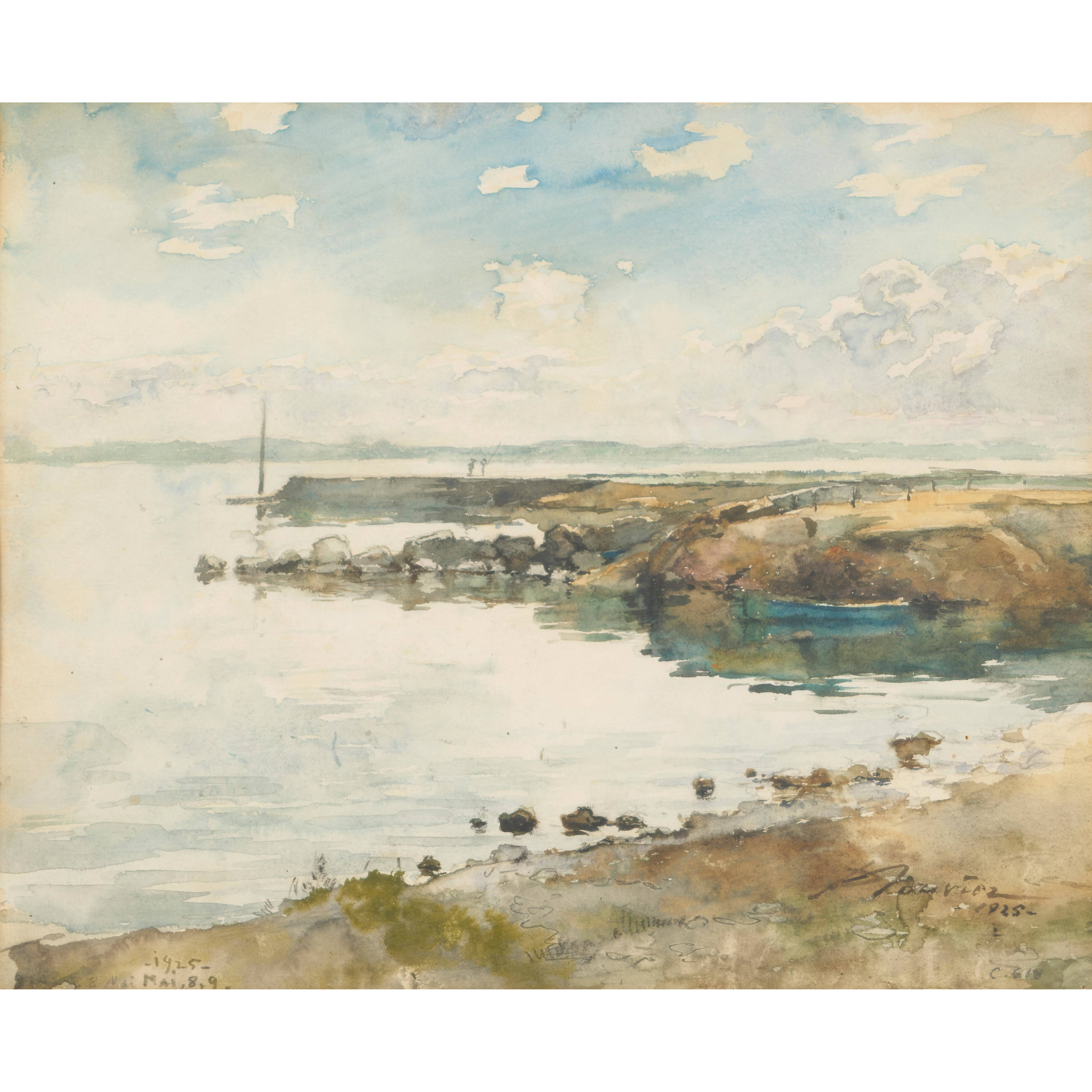
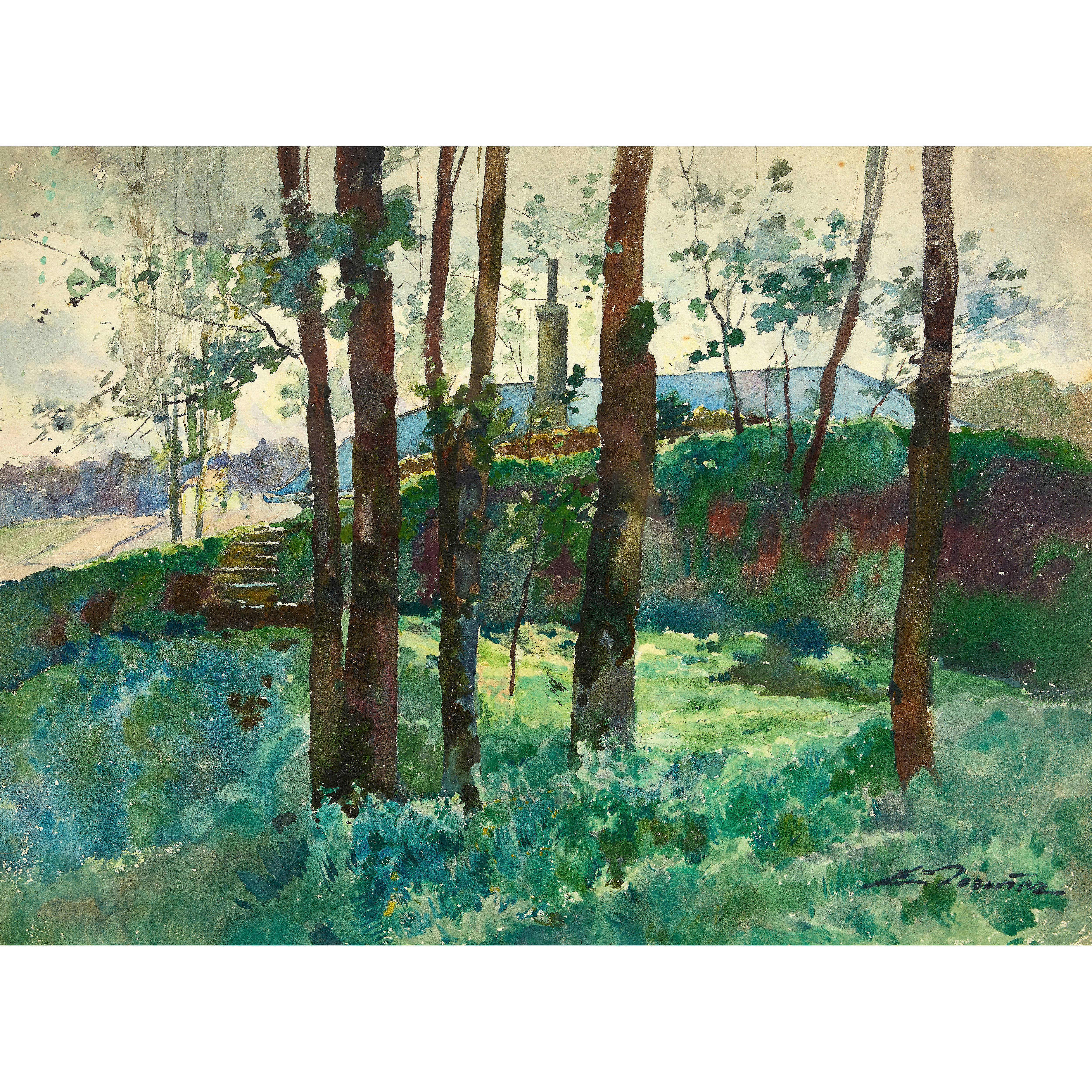
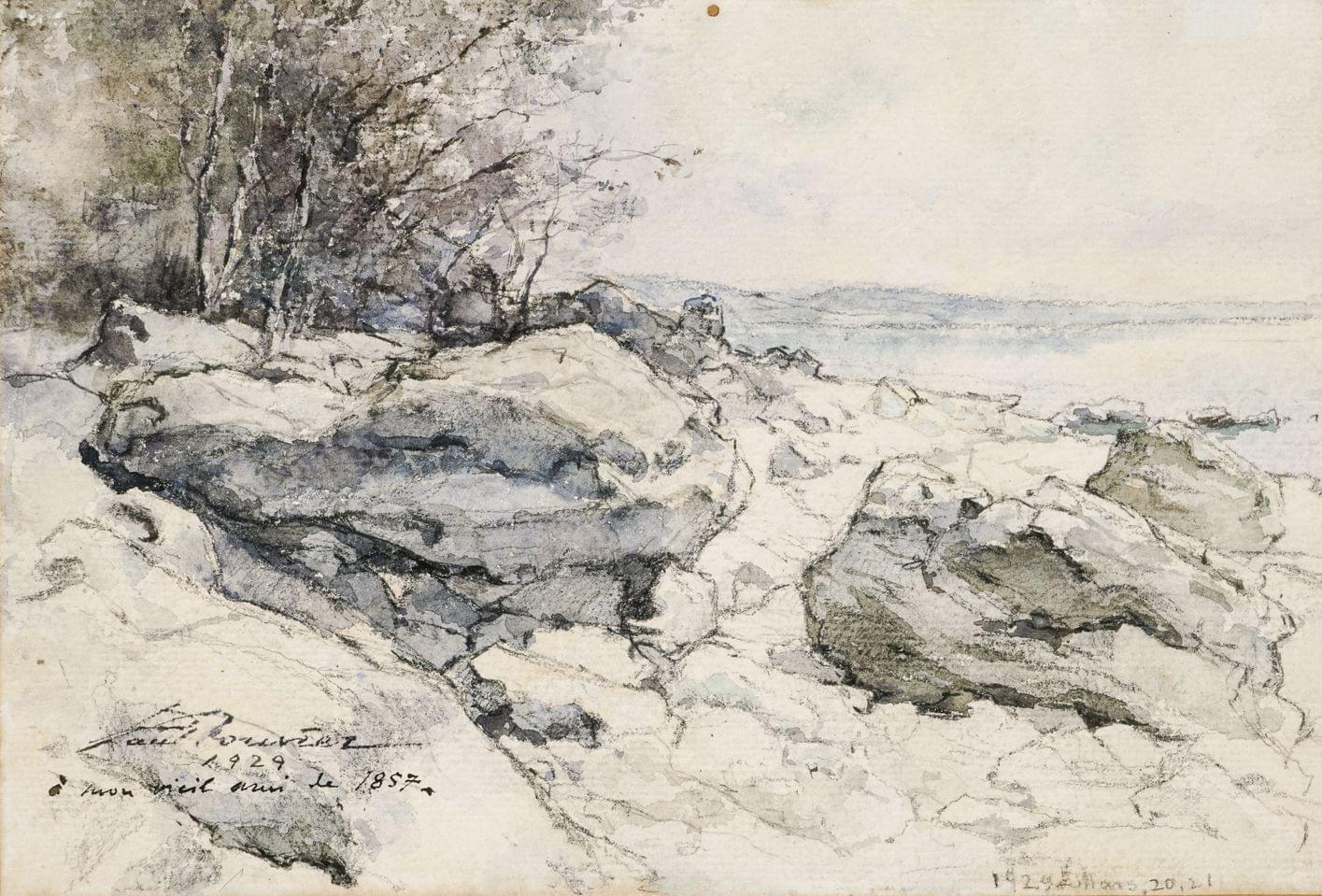
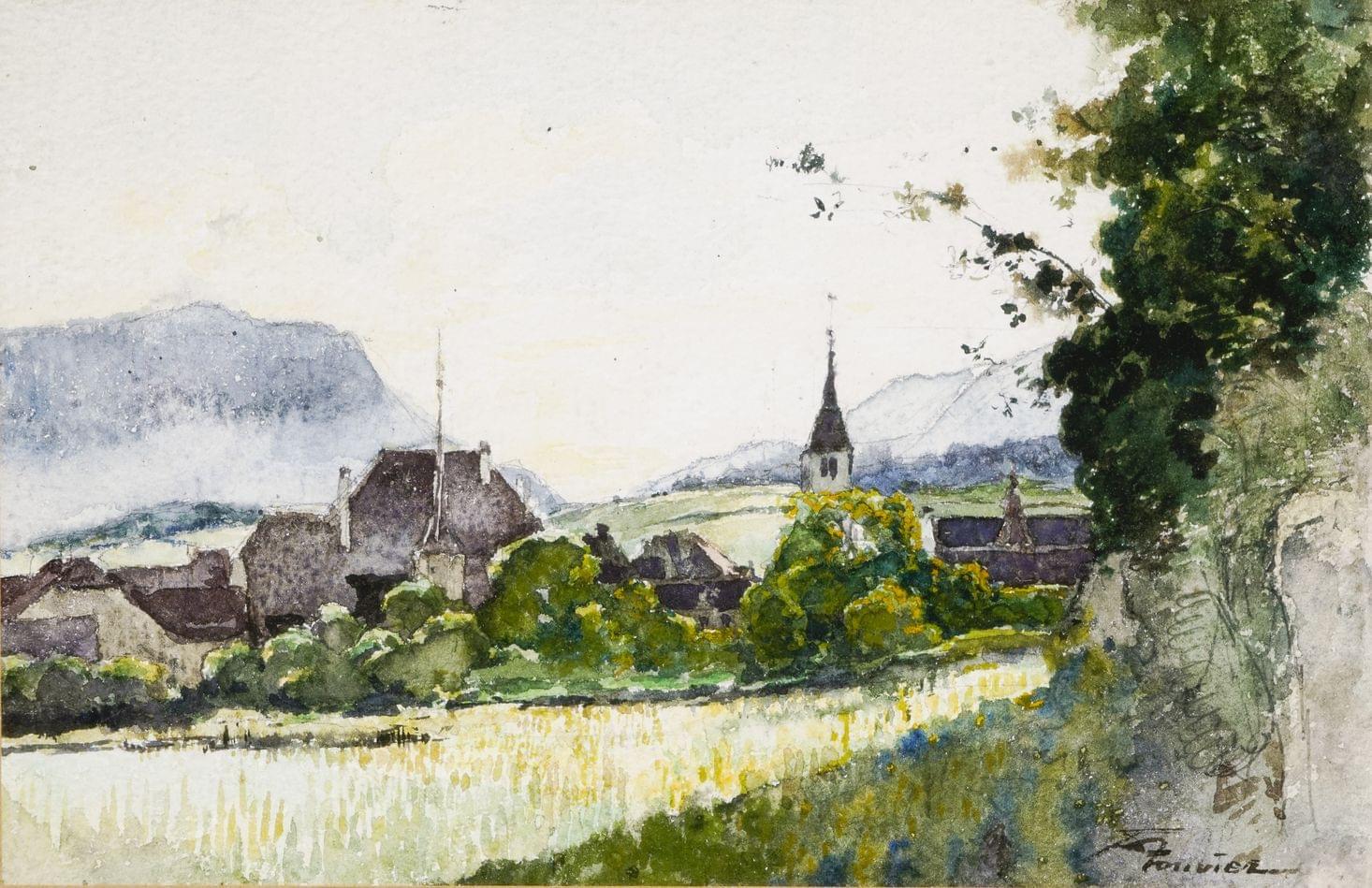
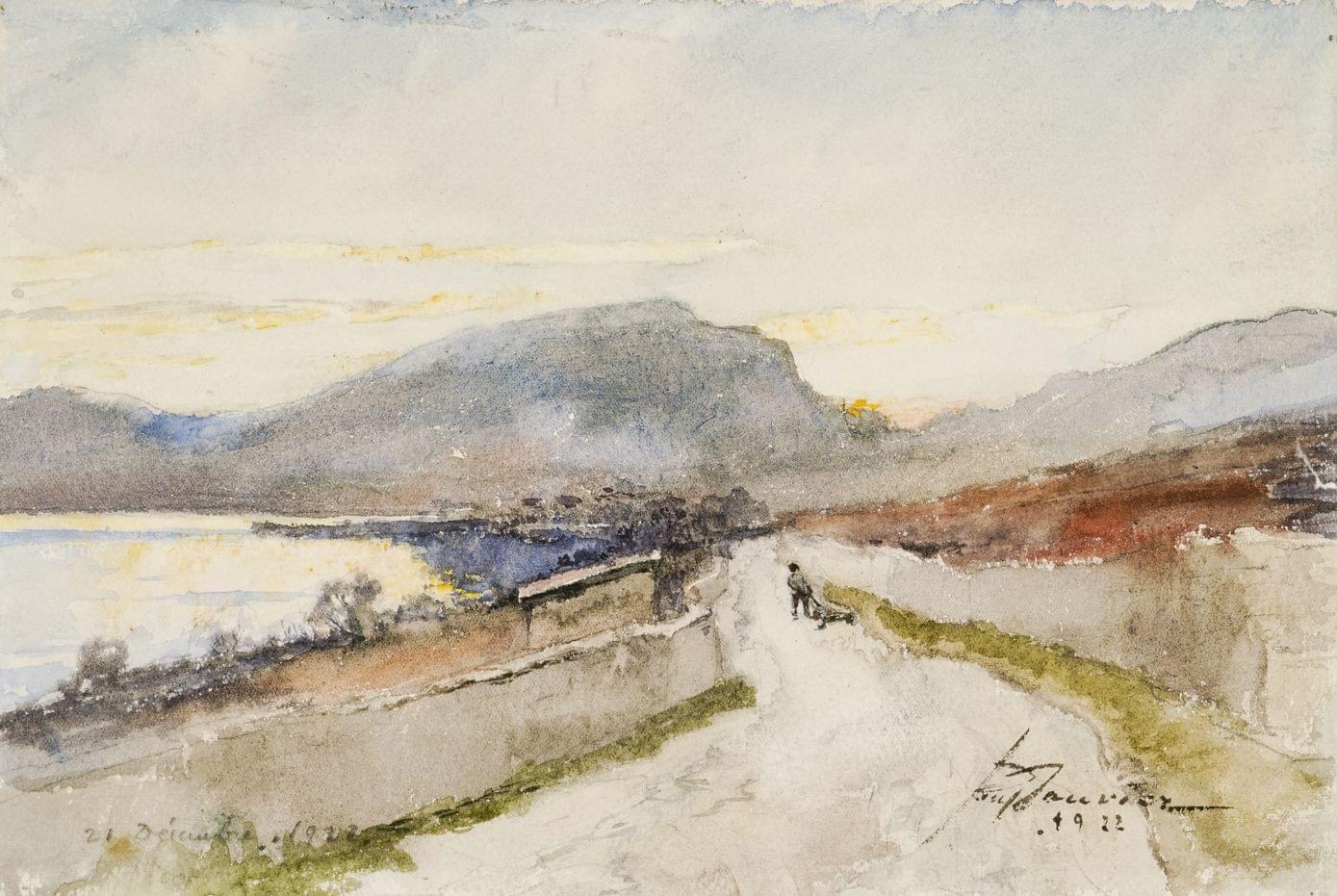
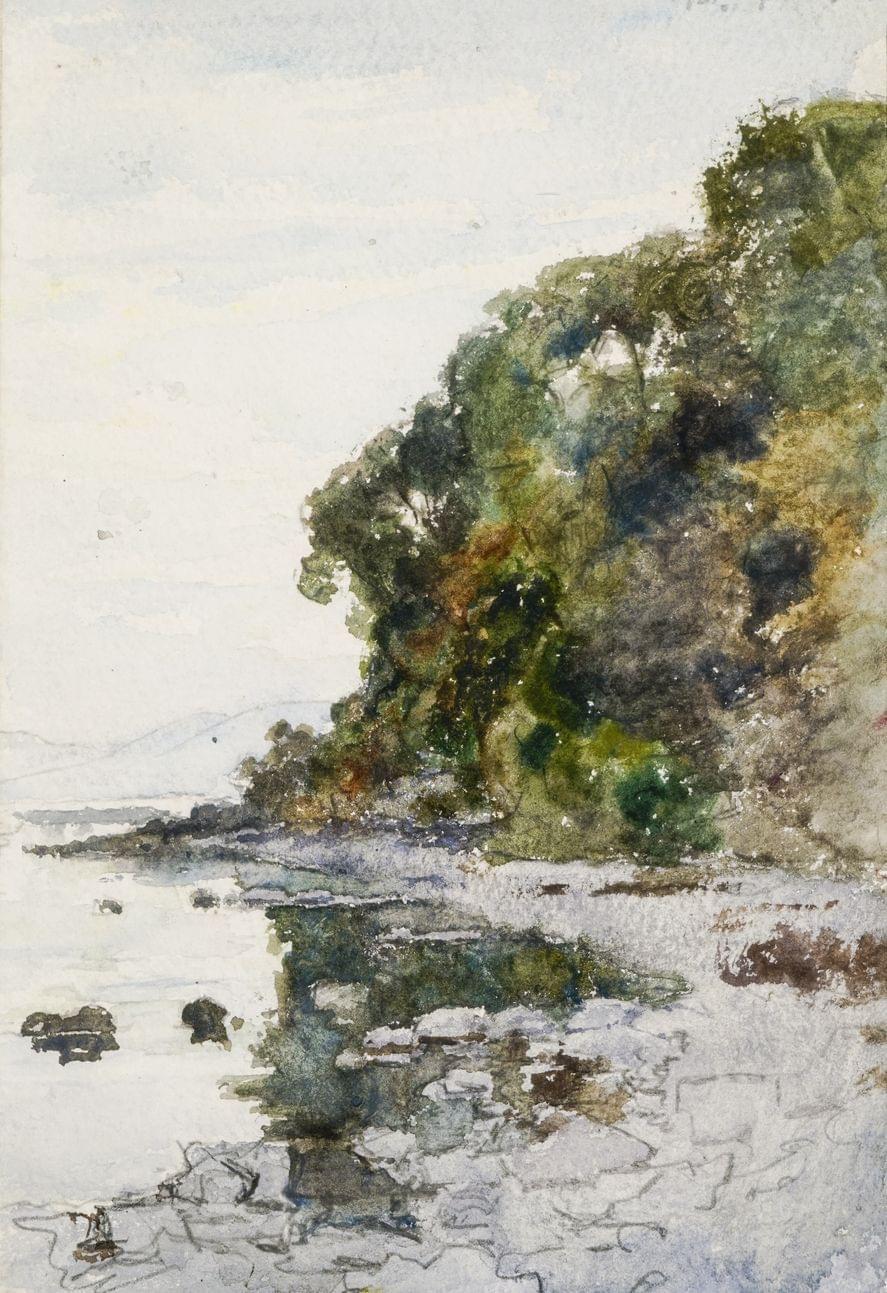
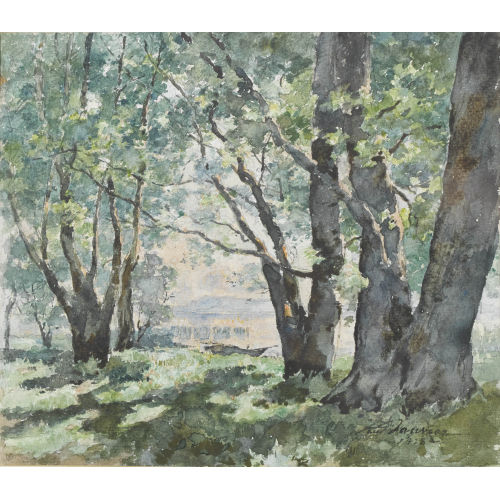
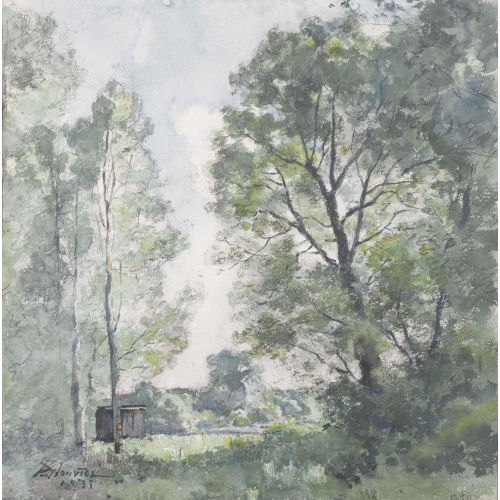
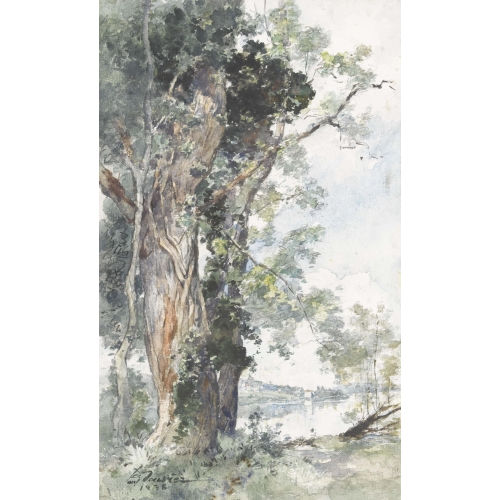
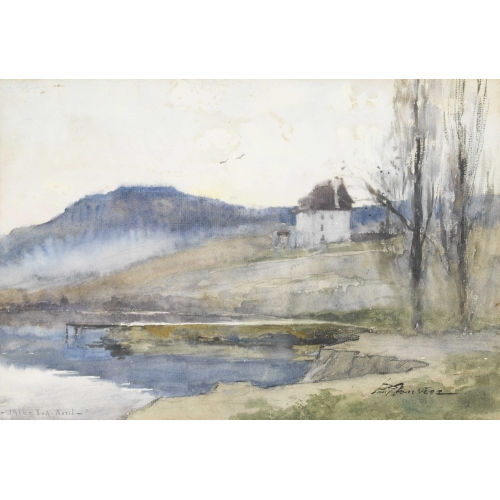
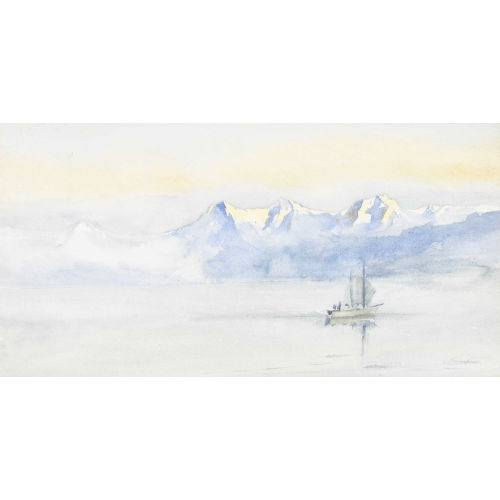
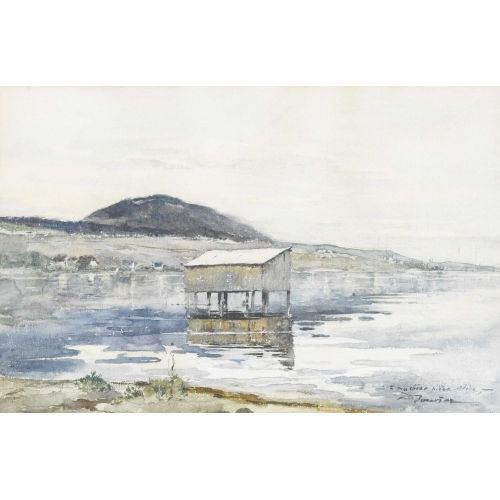
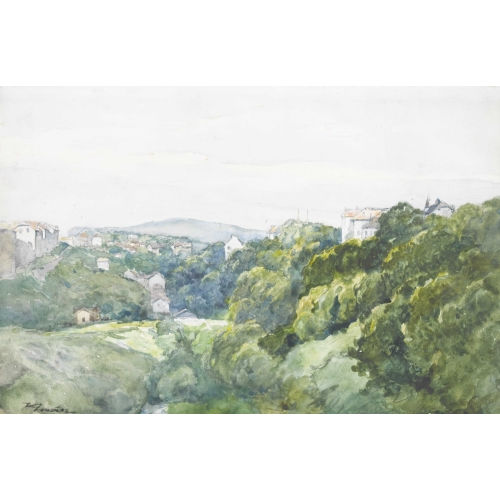
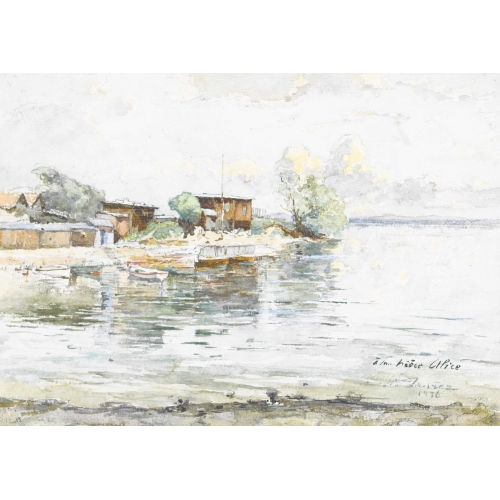
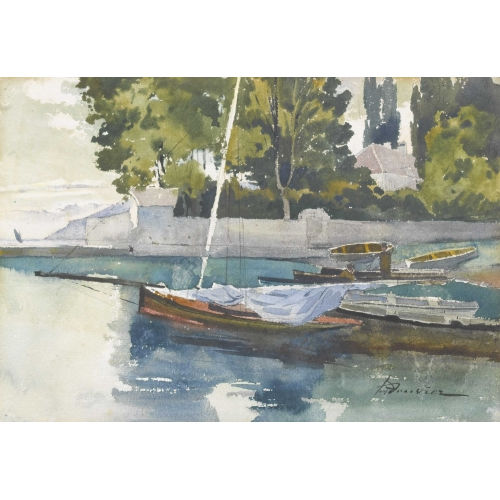
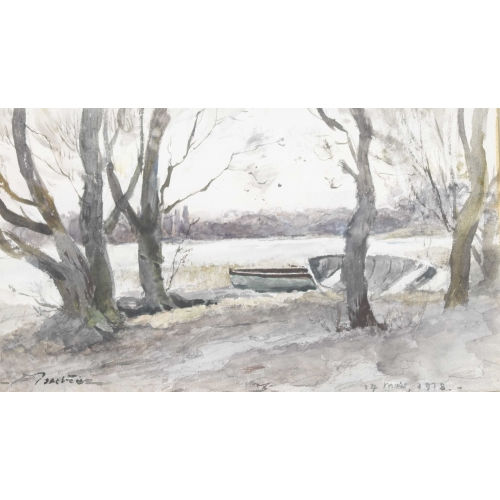
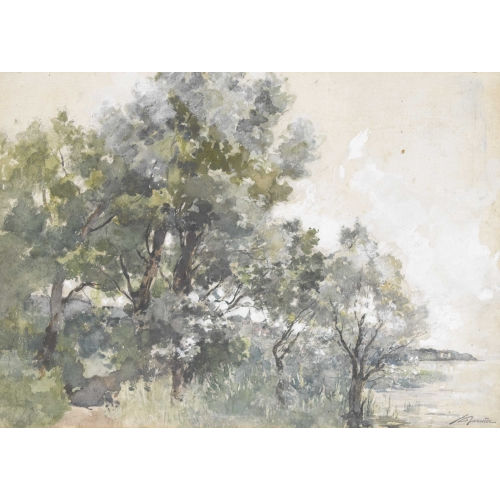
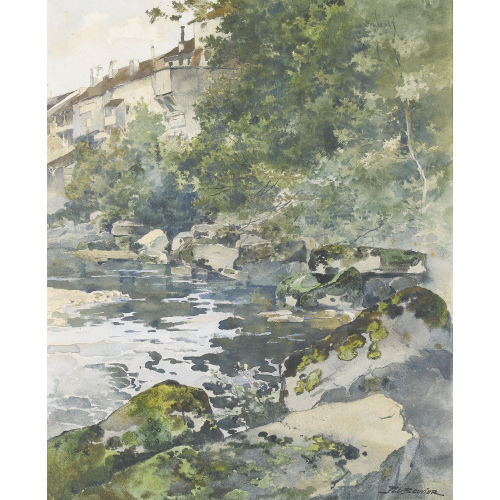
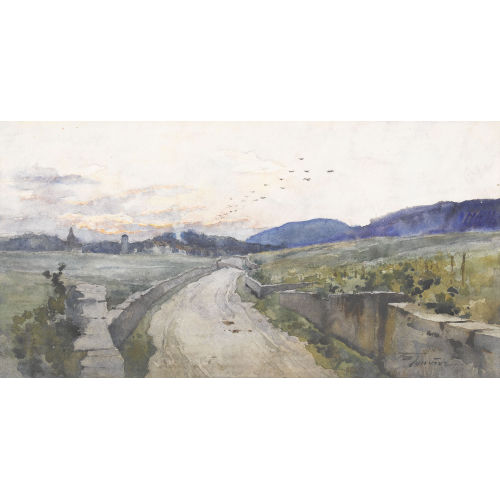
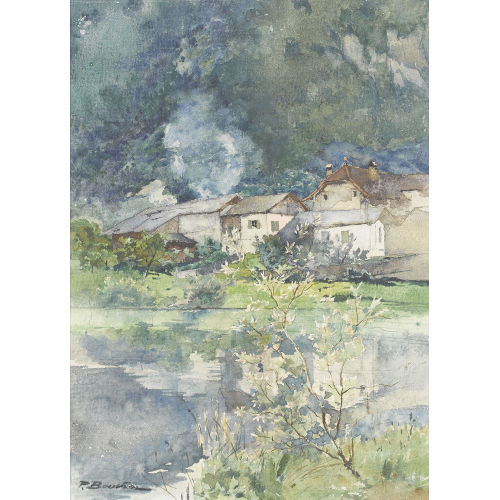
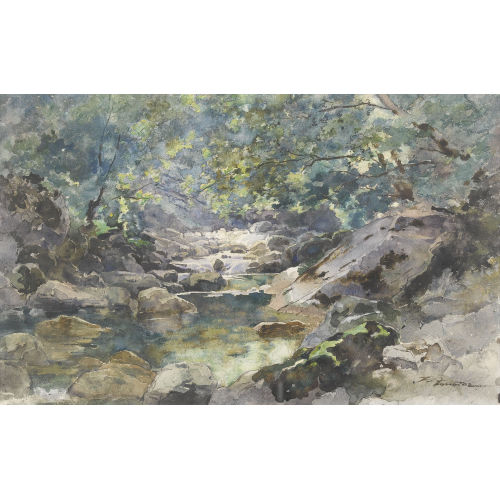
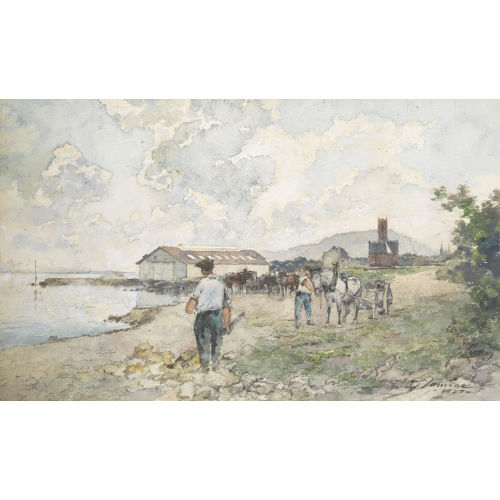
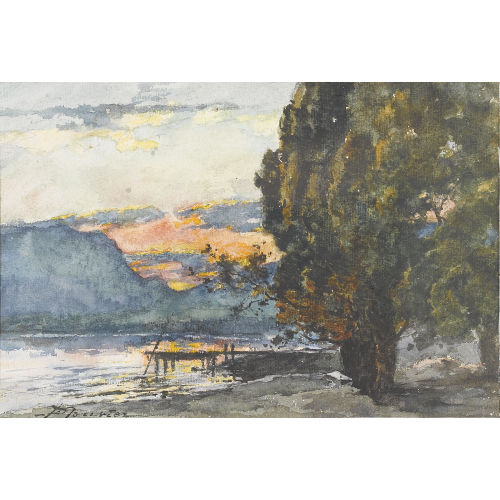
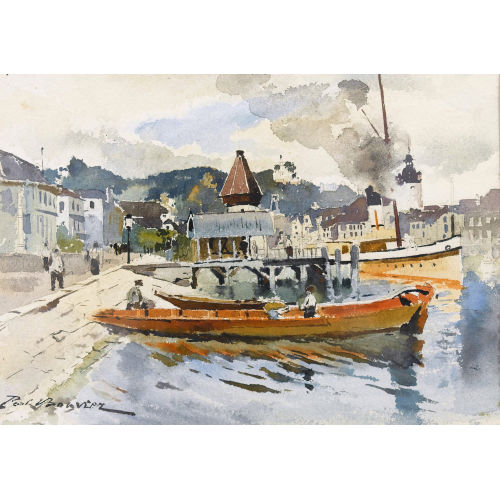
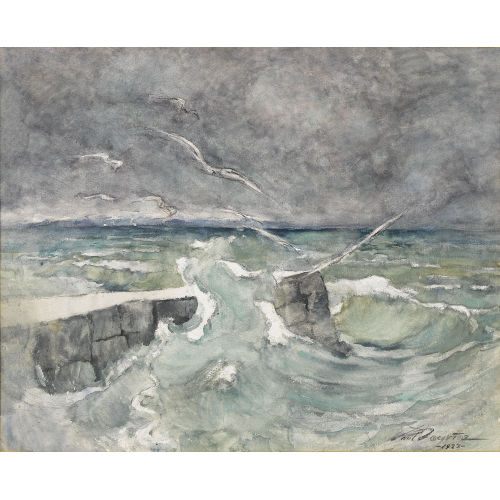
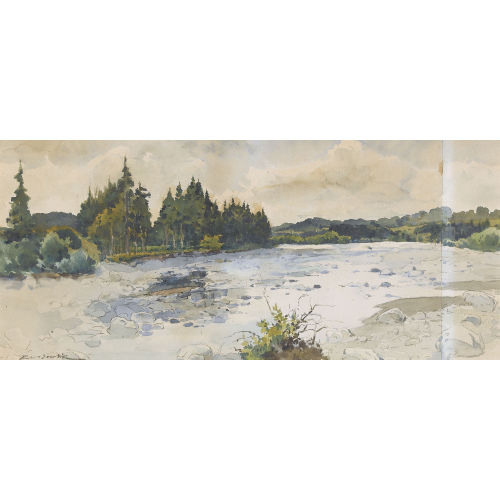
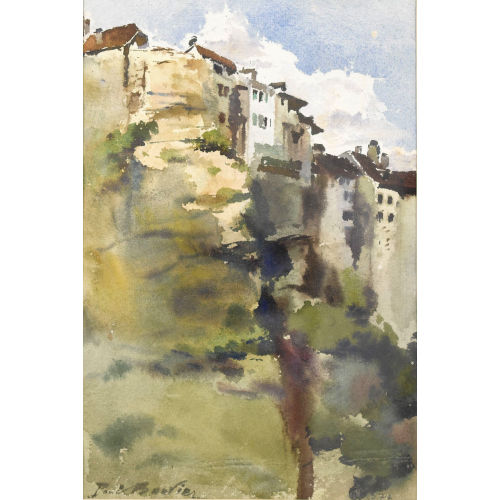
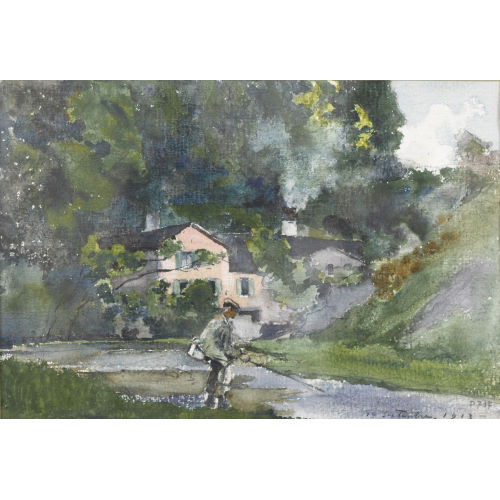
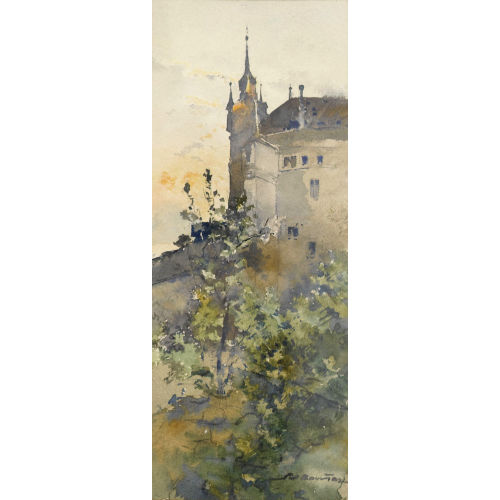
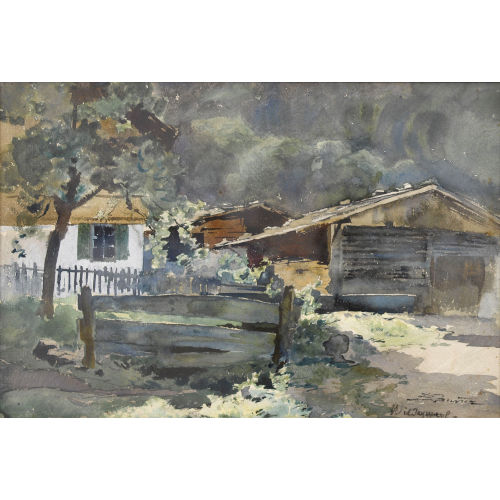
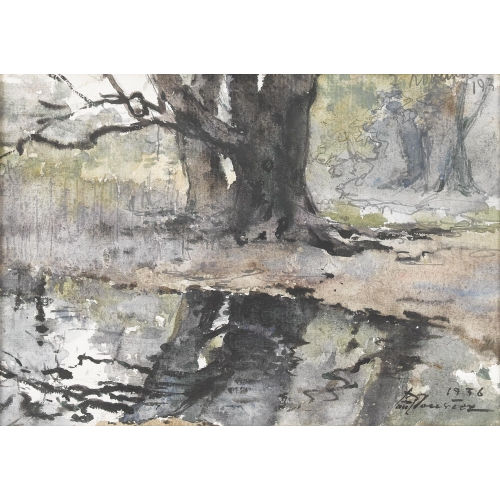
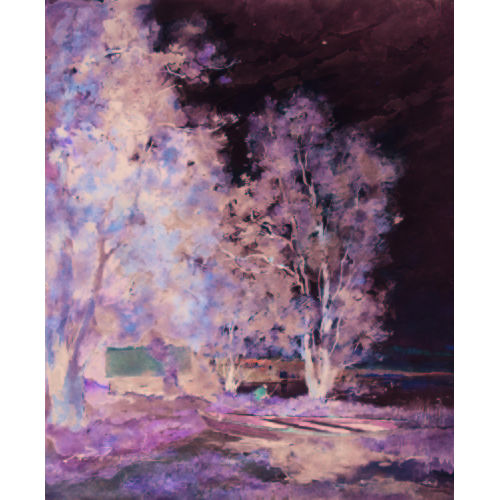
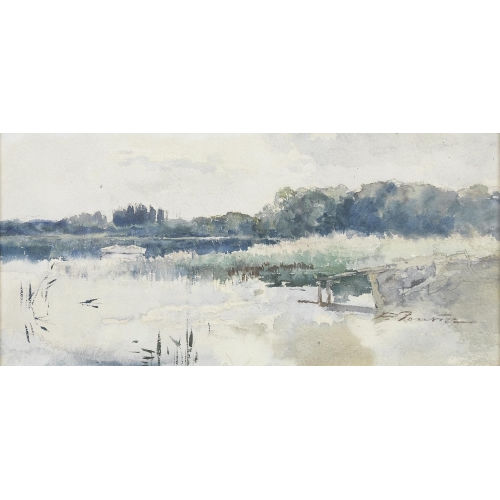
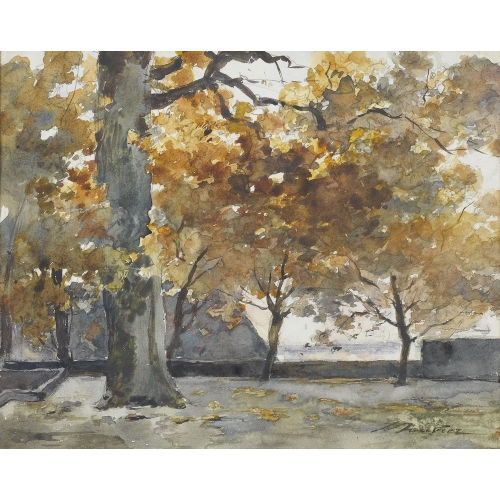
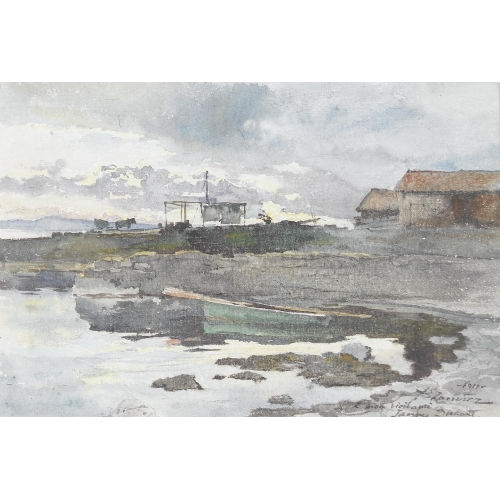
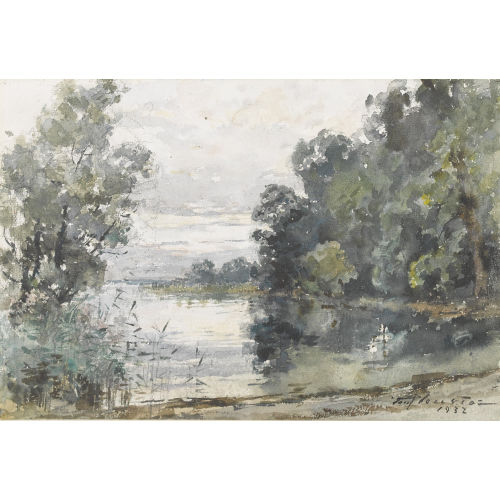
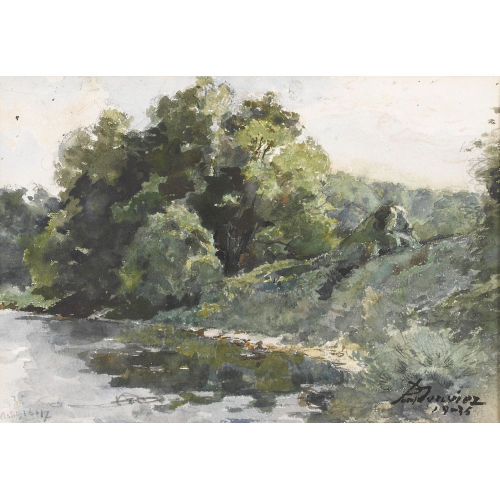
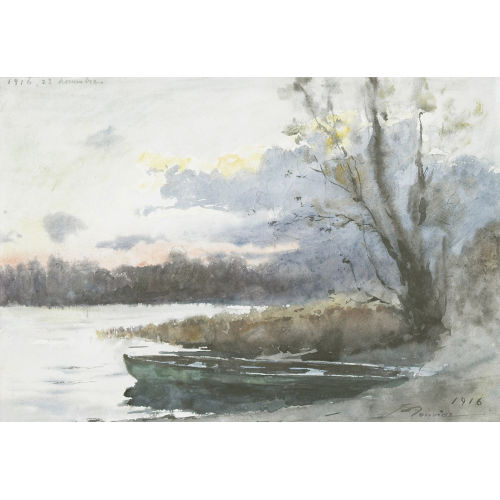
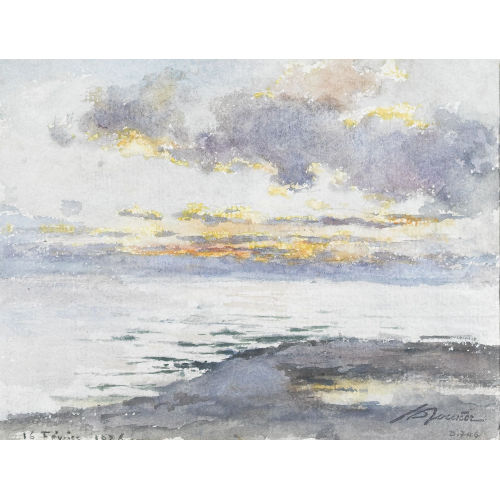
From 1885 he was based in the former powder magazine in the Jardin du Prince in Neuchâtel, using this studio until 1939. After 1910 his practice focused primarily on watercolour — his preferred subjects were the surroundings of Neuchâtel — while oil painting, drawing and lithography remained occasional pursuits.
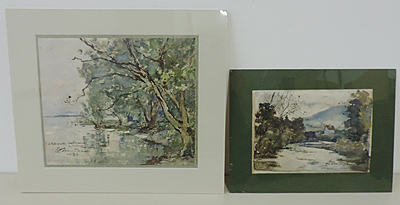
Alongside his artistic practice, he taught at the École de dessin professionnel in Neuchâtel from 1892 and later became chair of its commission. Recognition of his career is attested by his appointment as a Chevalier of the Légion d’honneur in 1937. His legacy is reflected in exhibitions devoted to him in 1948, 1984, 2016 and 2019; the dossier also notes that several watercolours were offered for sale through a gallery.
Paul Bouvier’s career thus documents a connection between an architectural practice oriented towards the ephemeral and a pictorial practice centred on watercolour and the local landscape.