Otto Dix
Born in 1891.
Died in 1969.
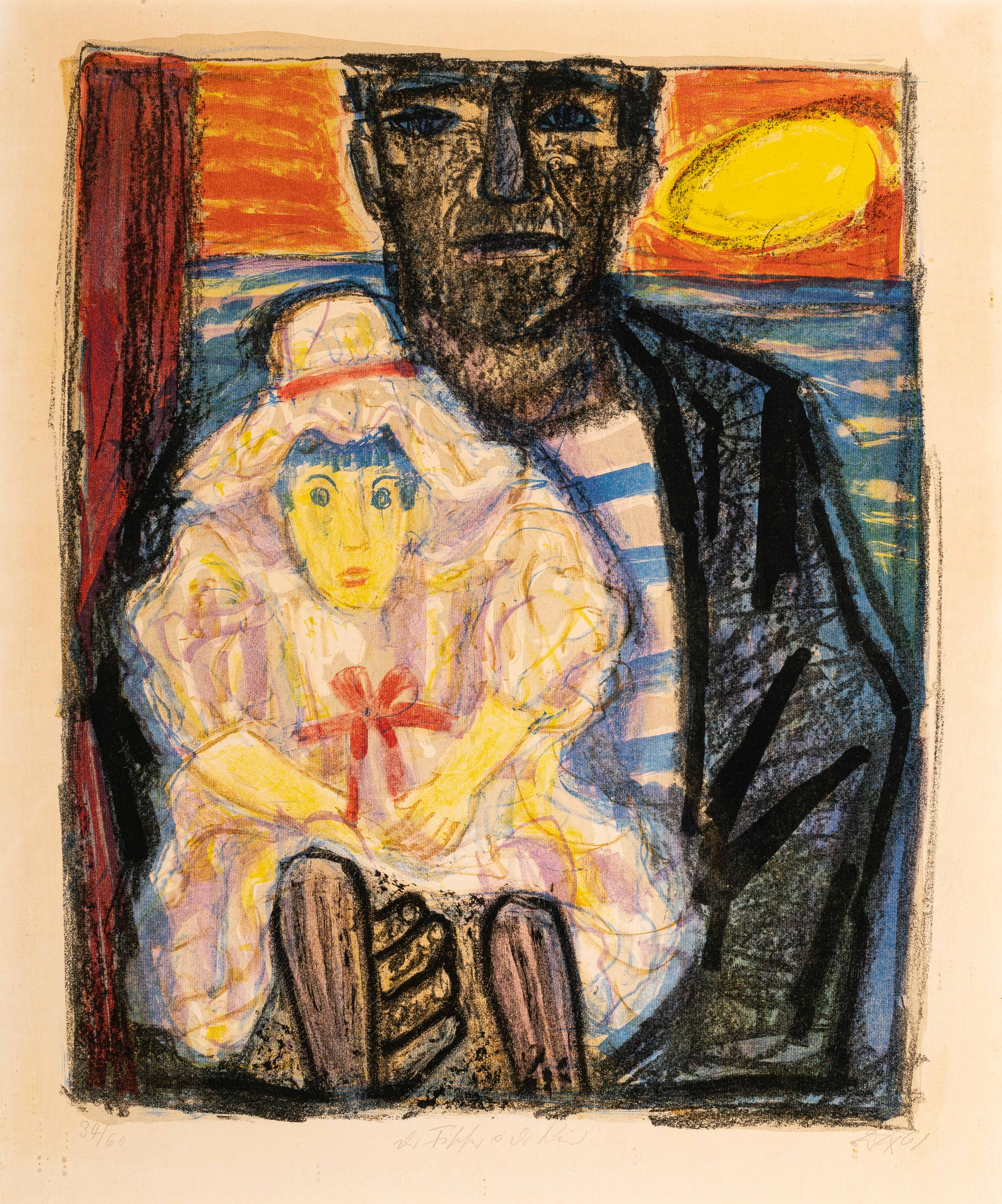
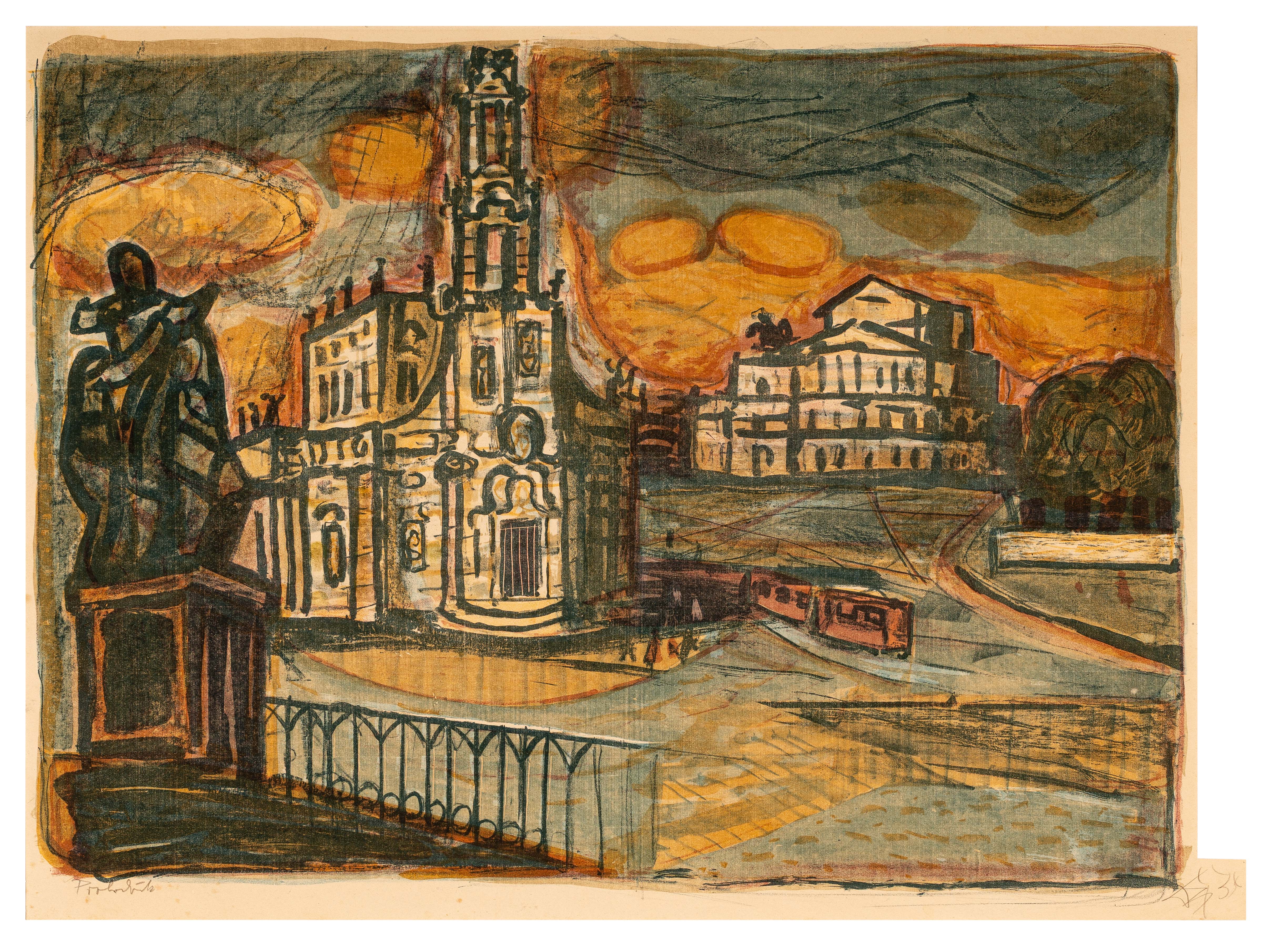
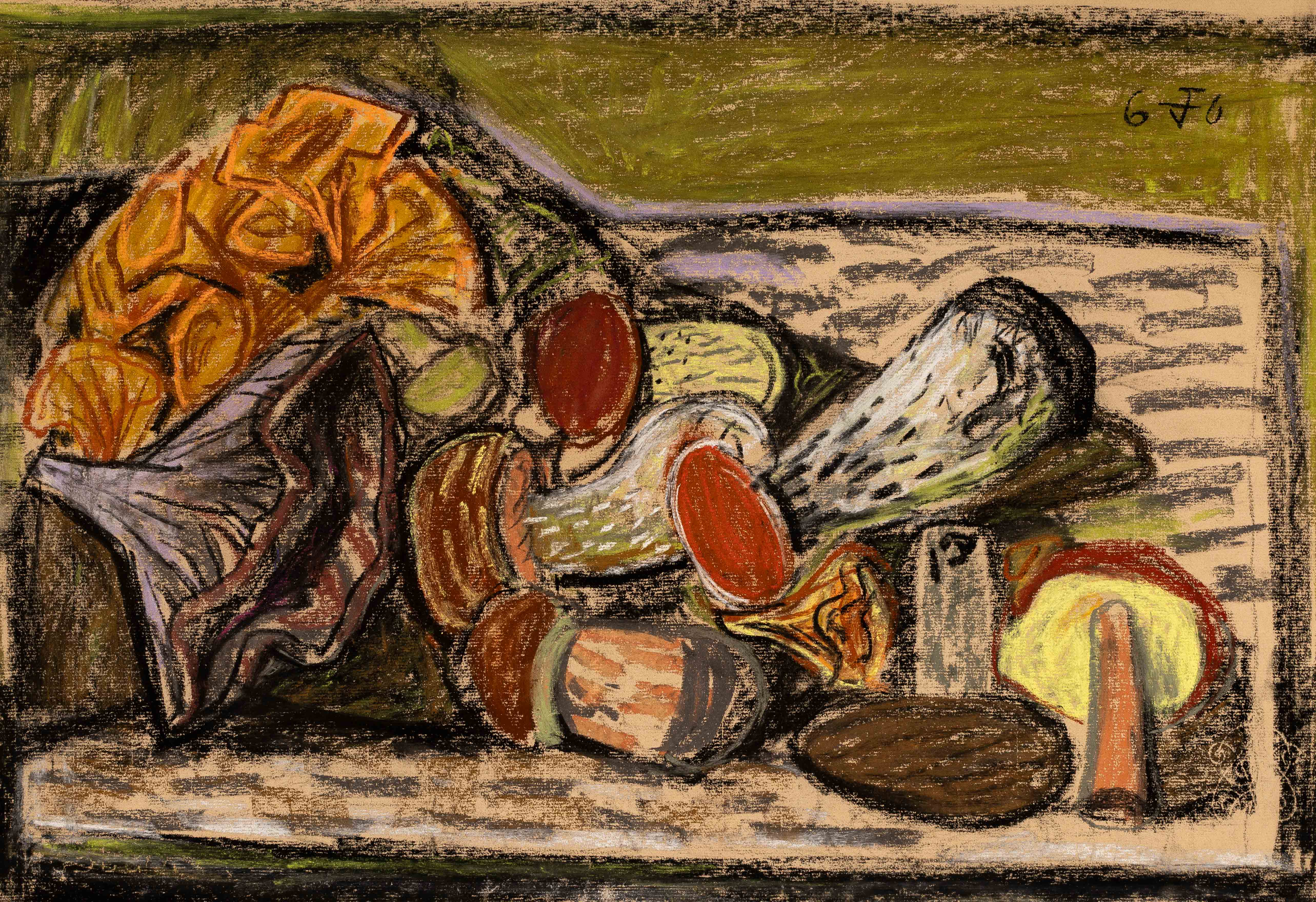
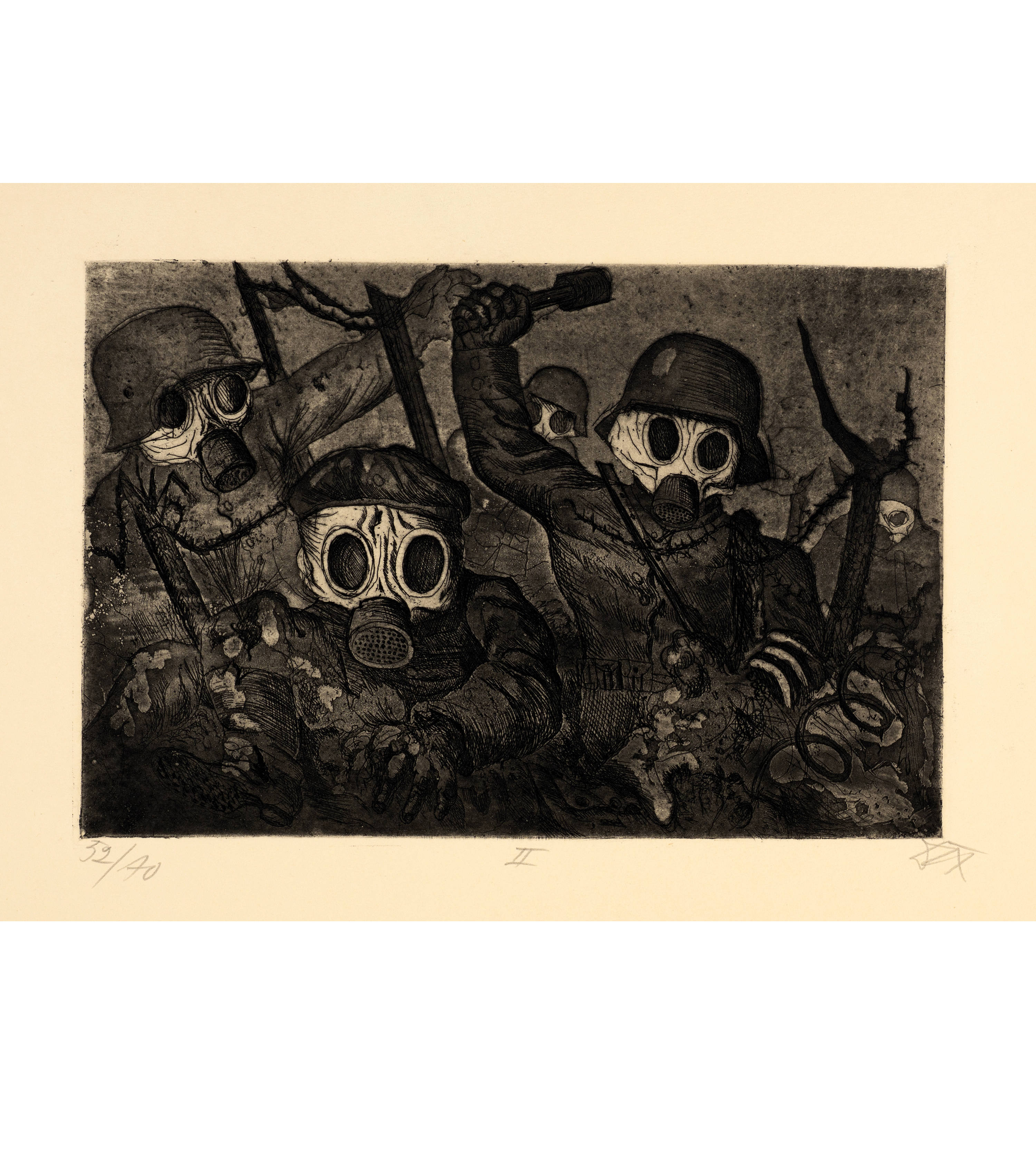
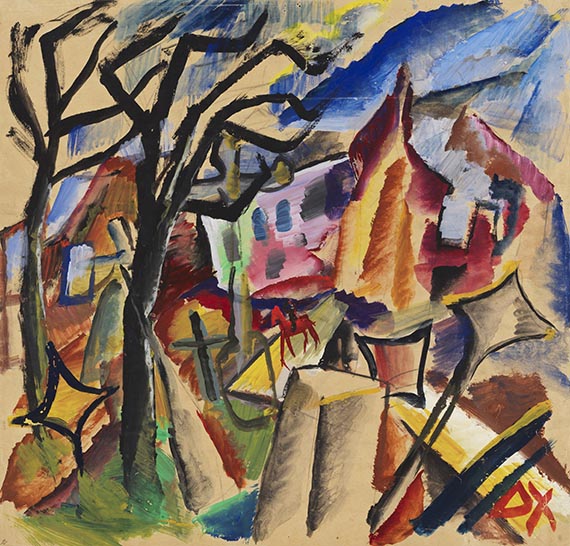
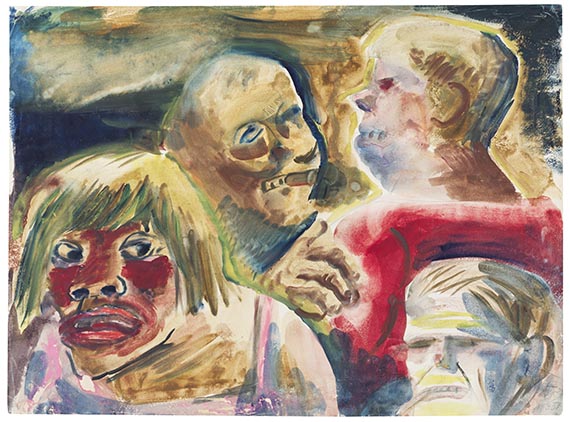
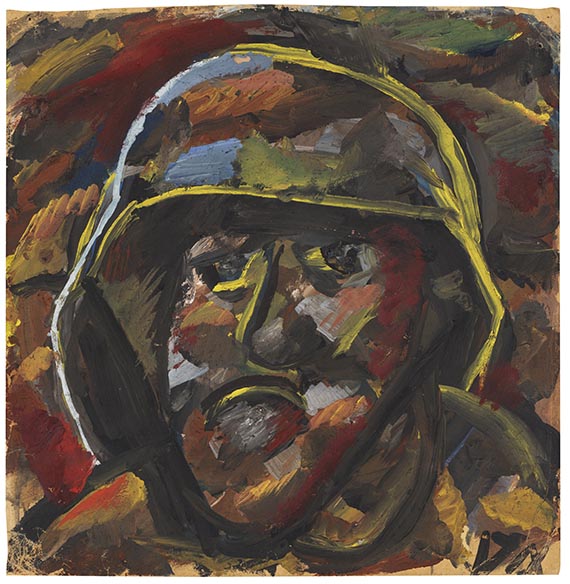
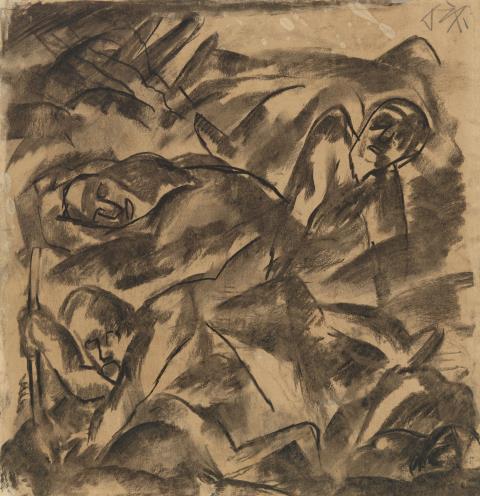
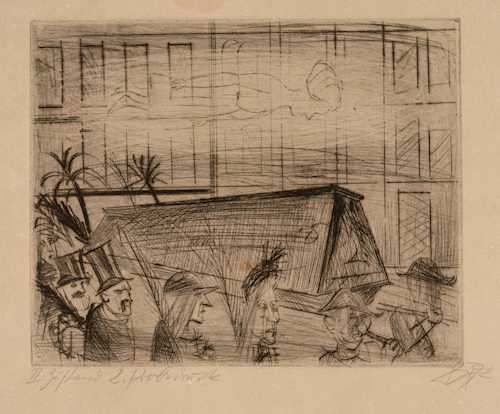
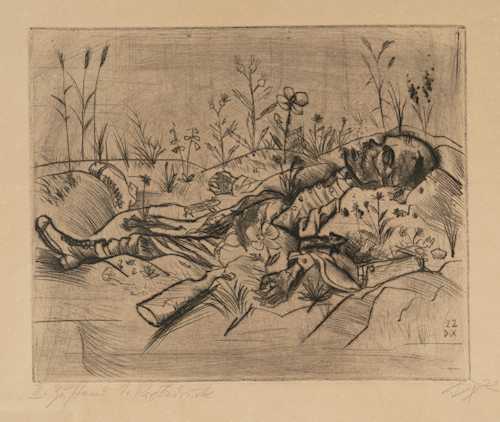
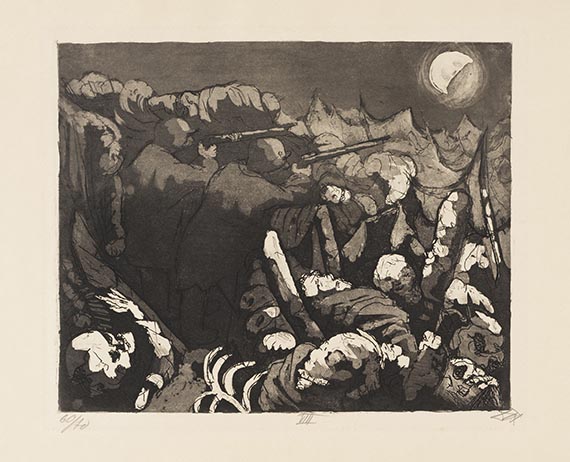
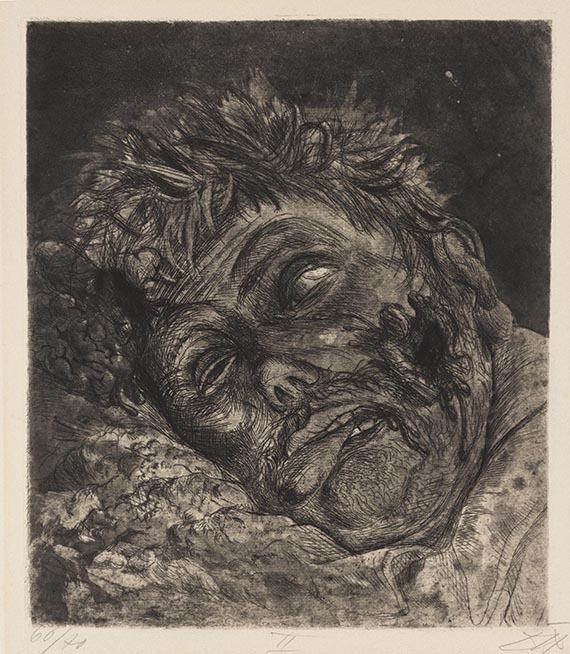
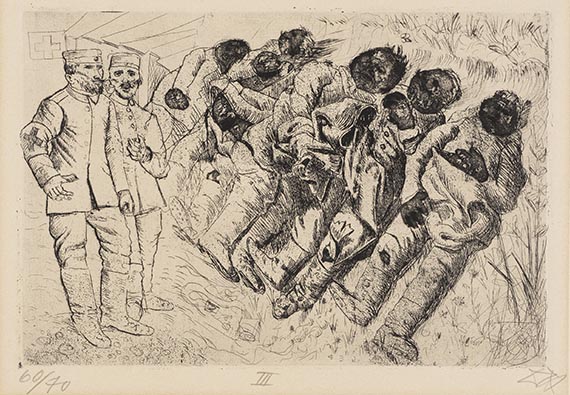
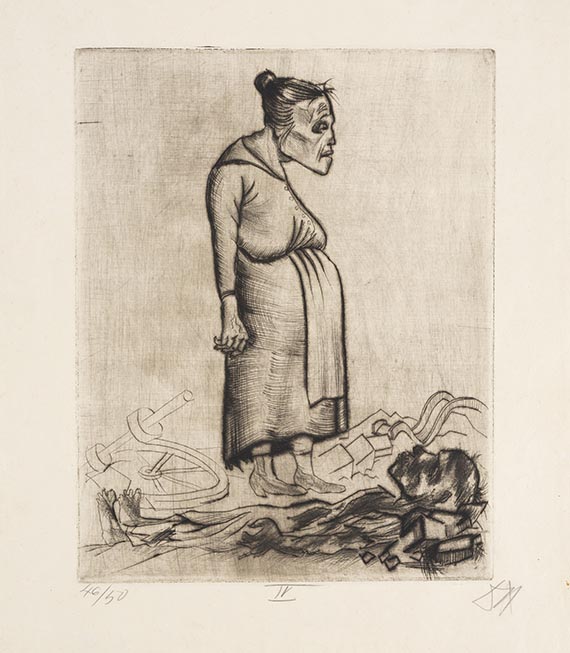
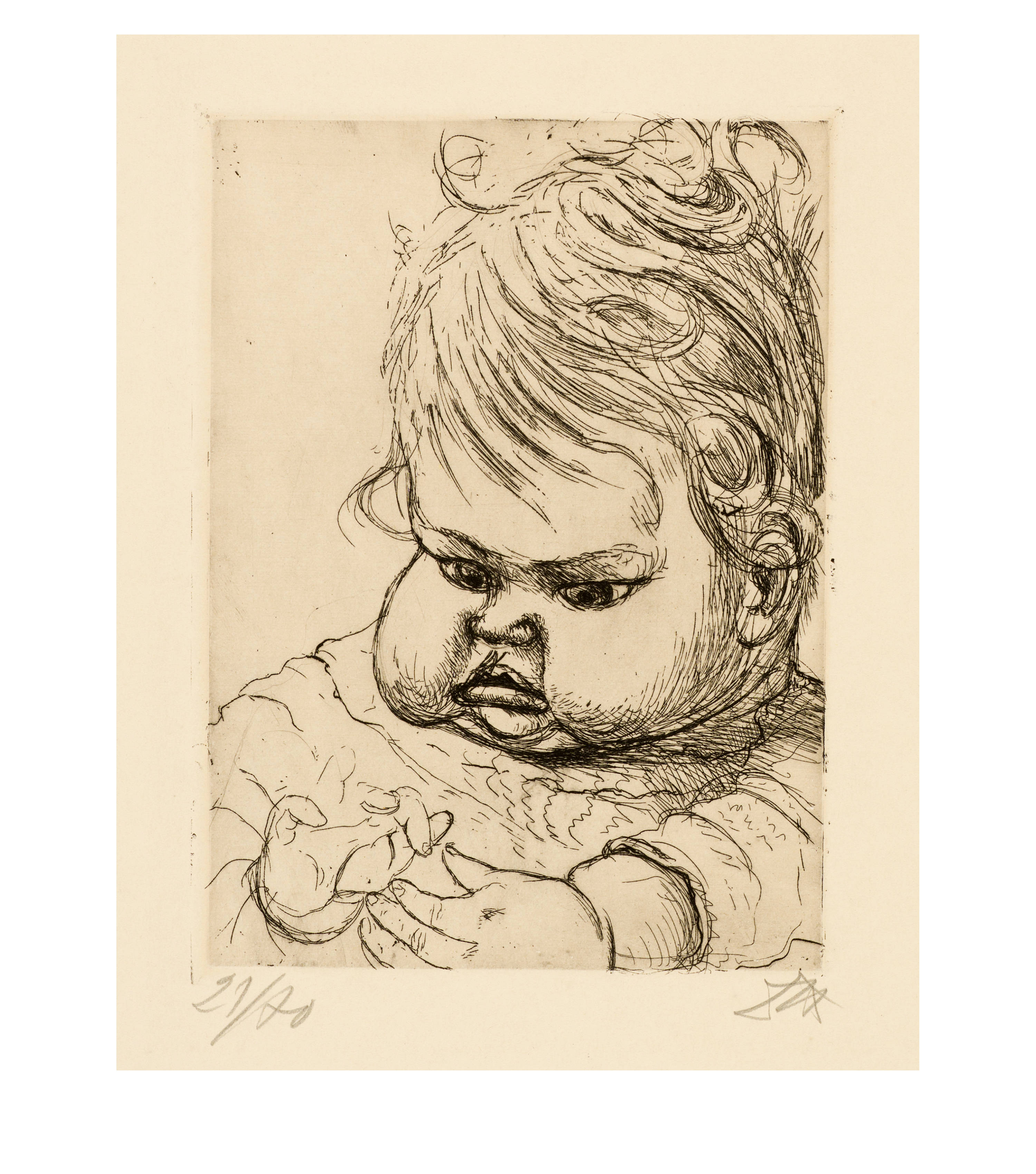
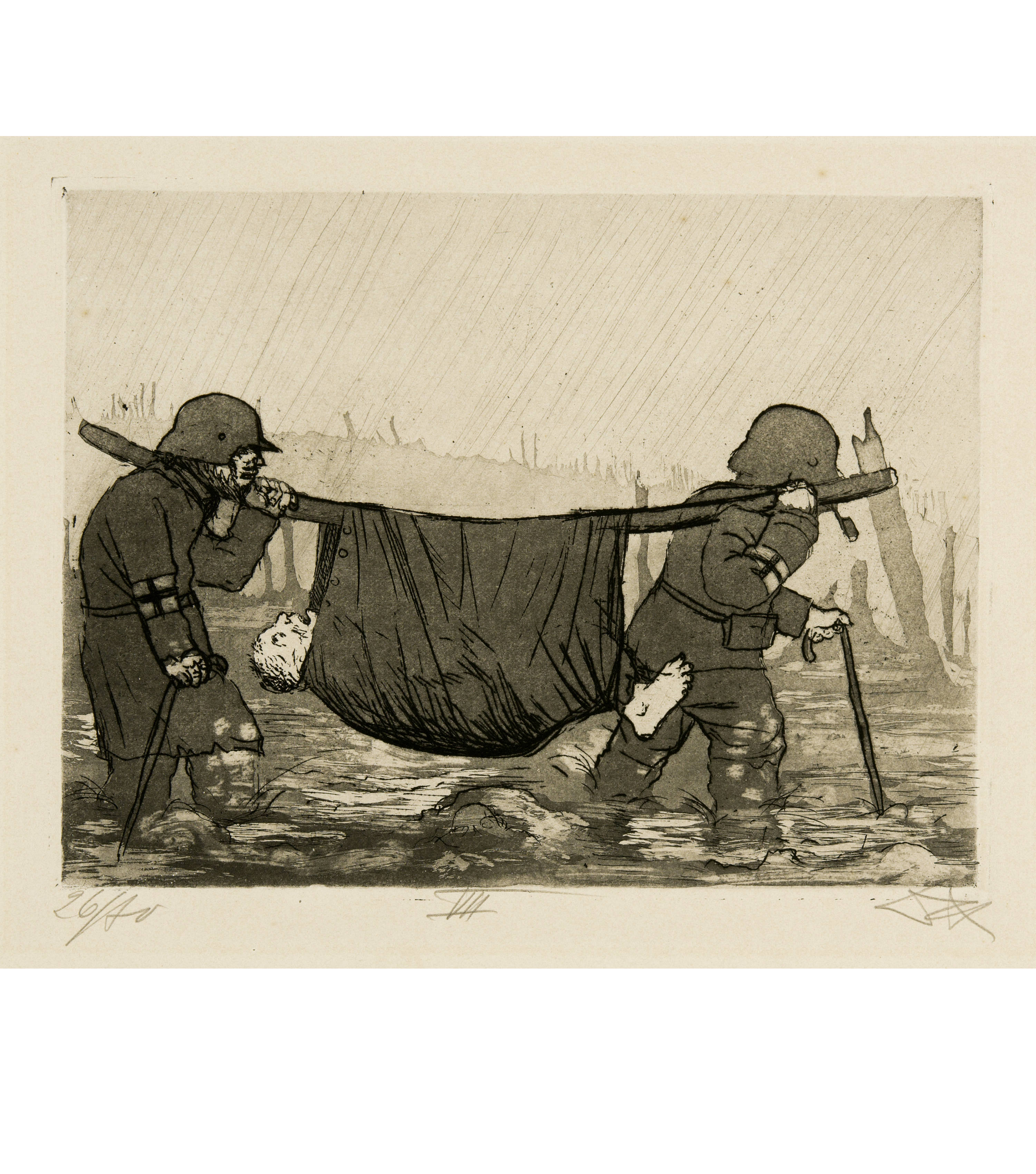
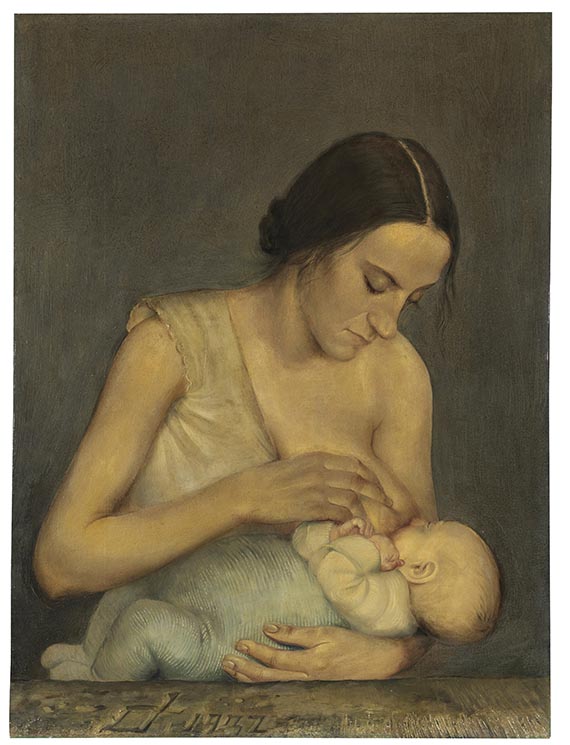
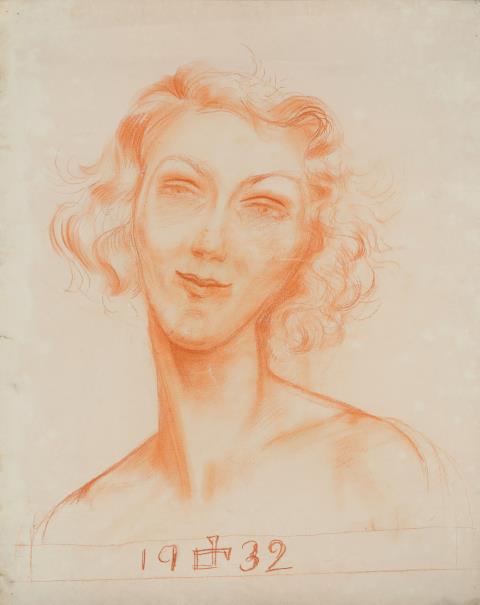
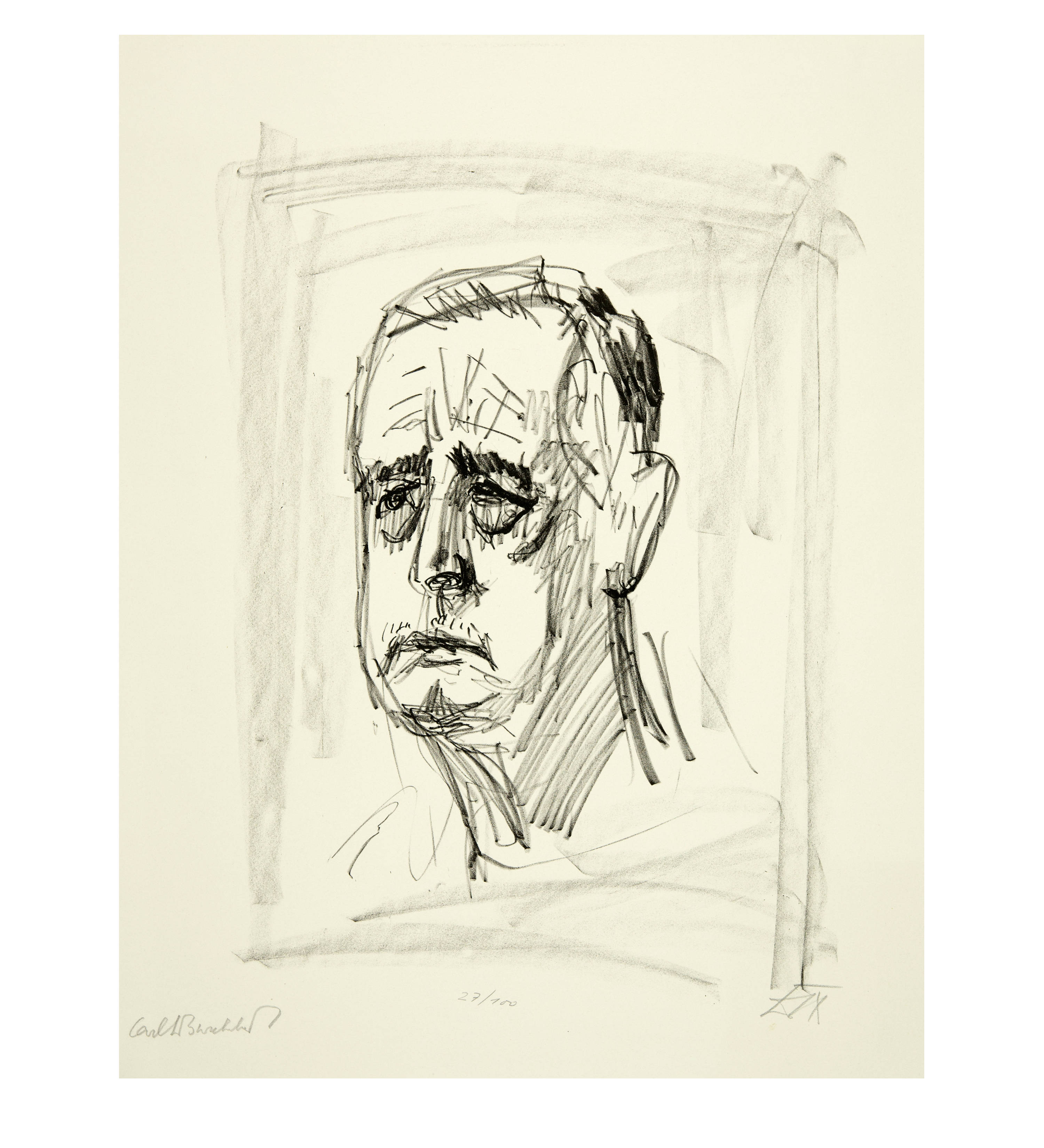
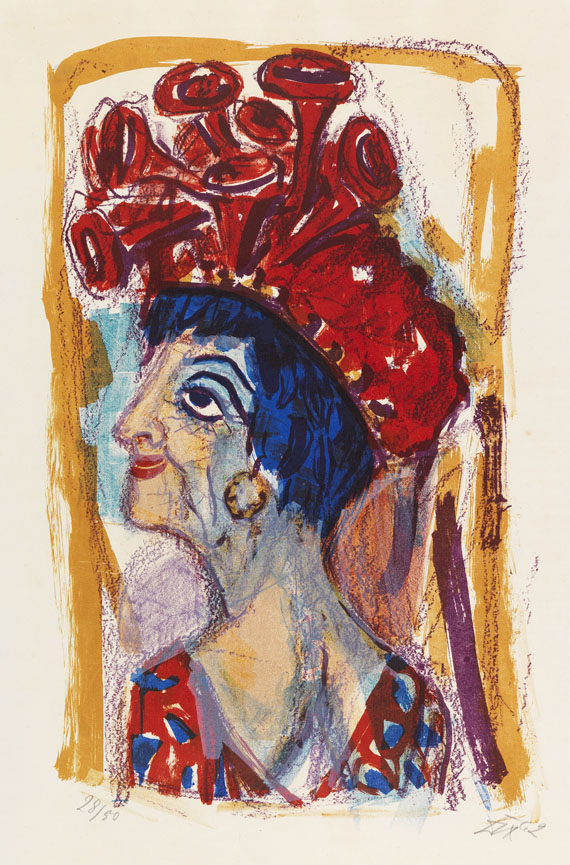
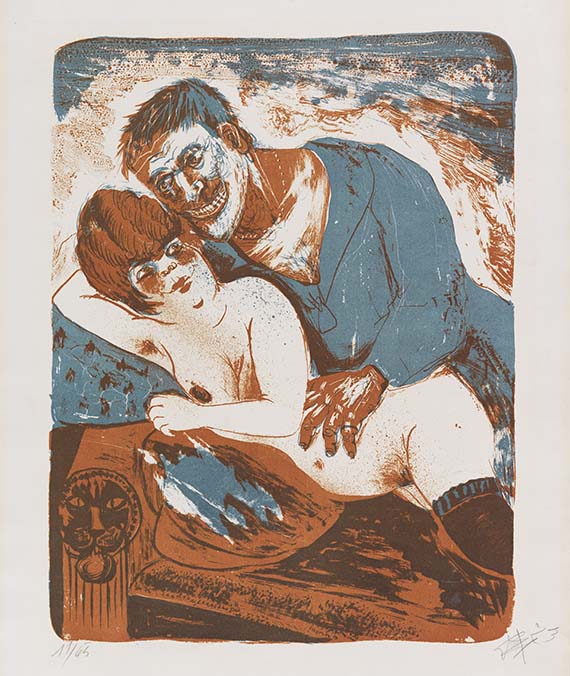
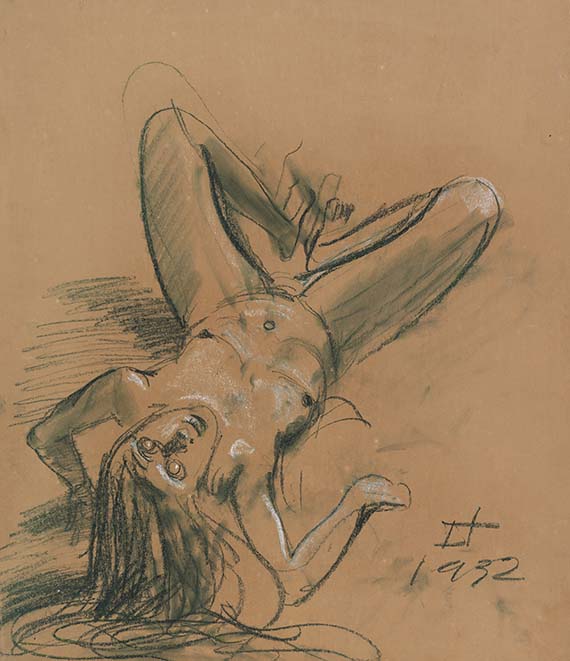
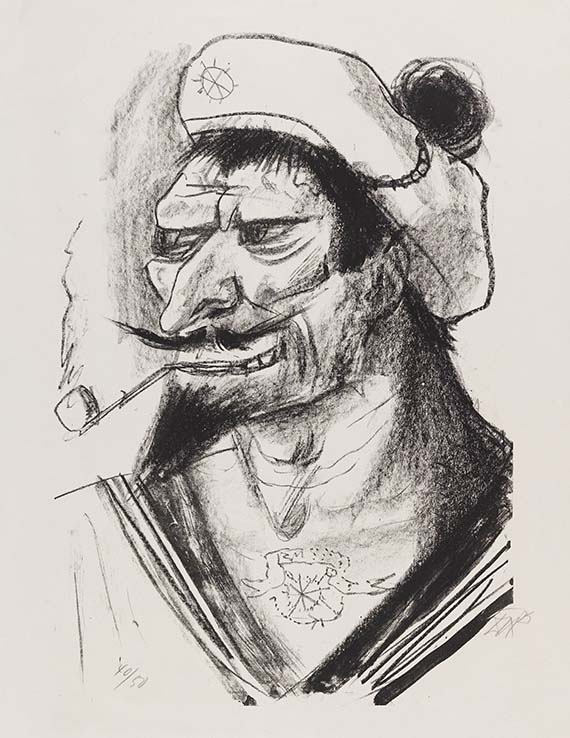
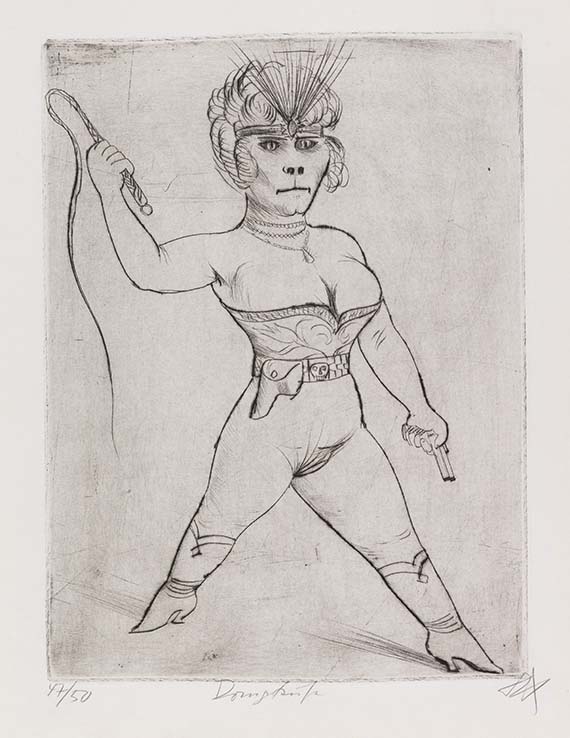
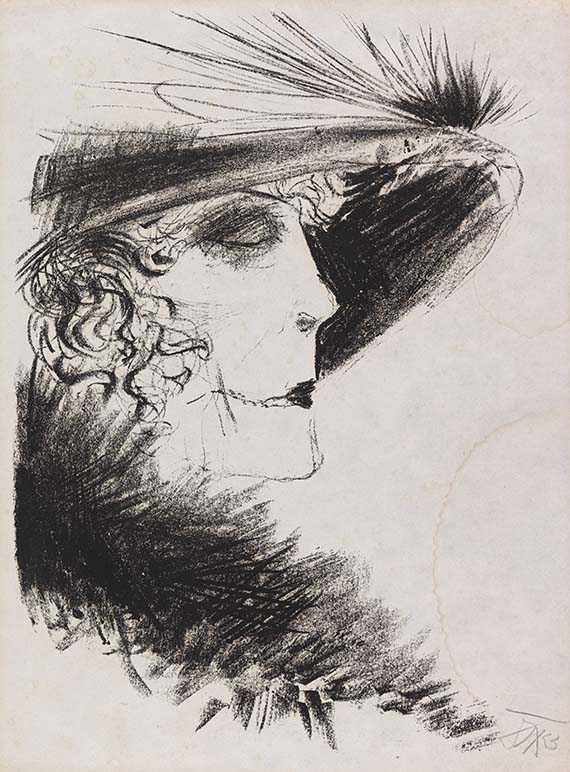
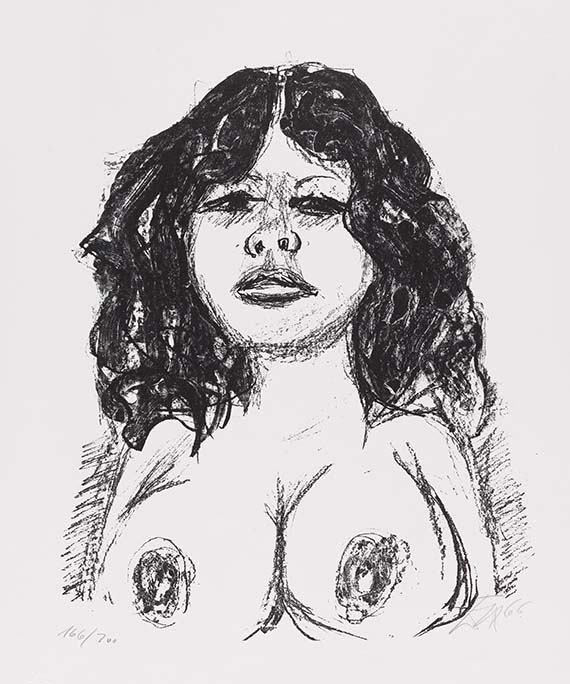
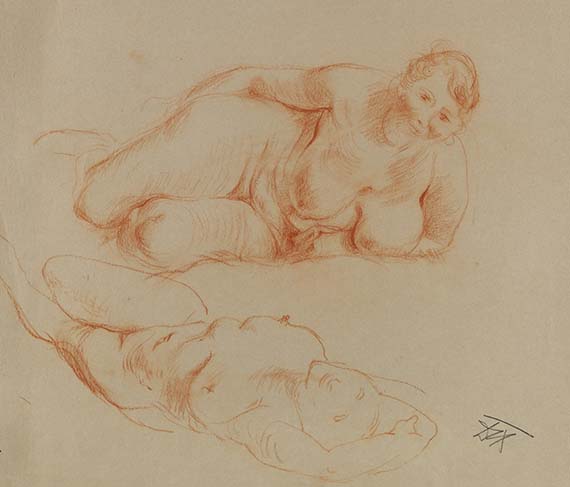
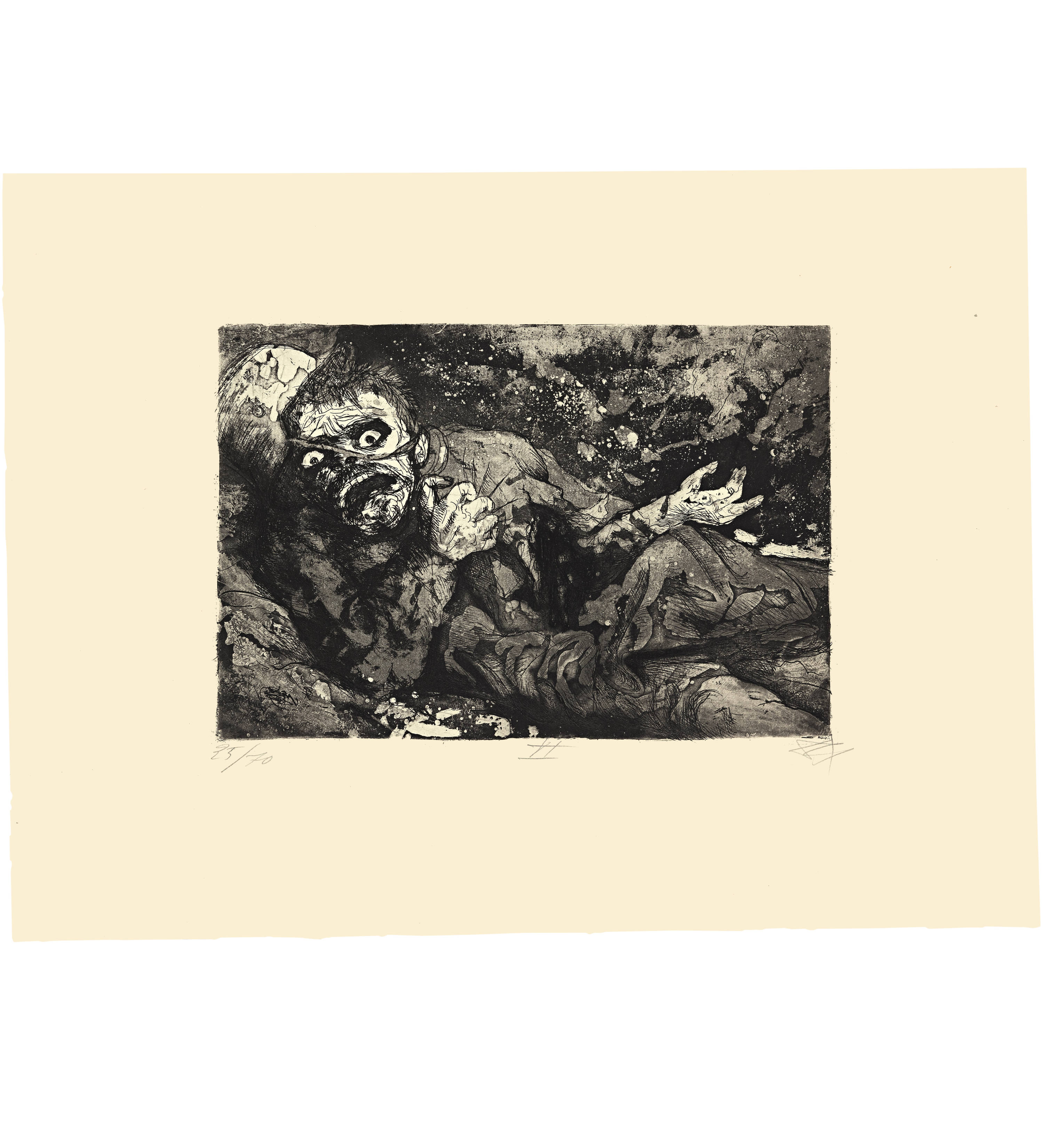
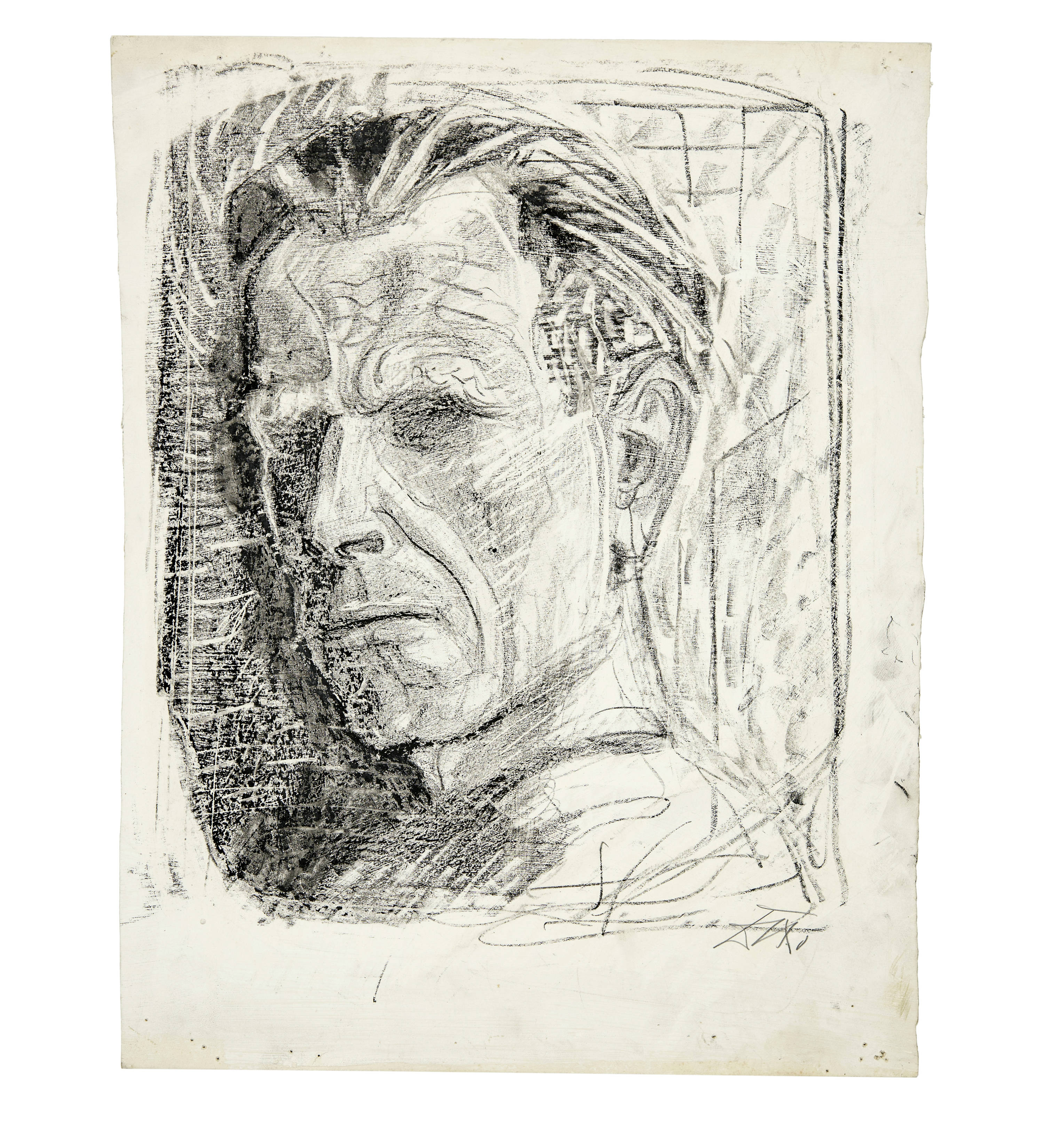
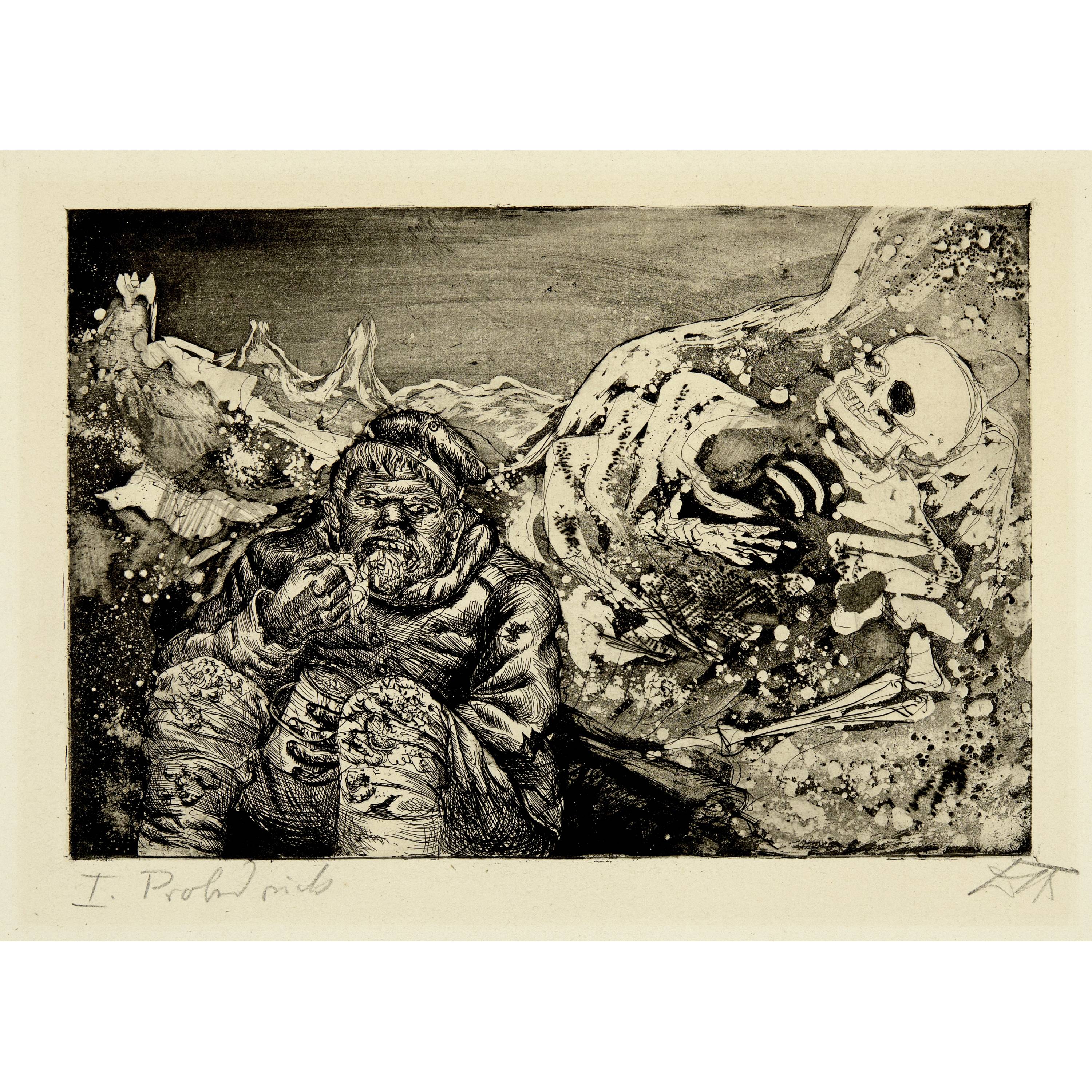
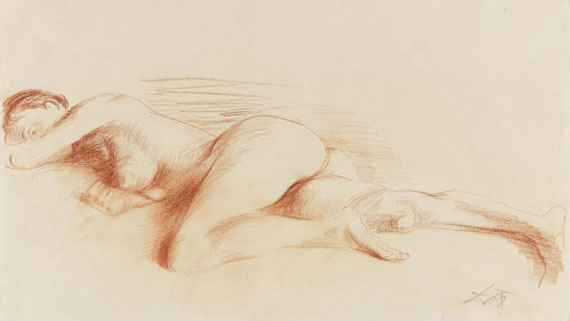
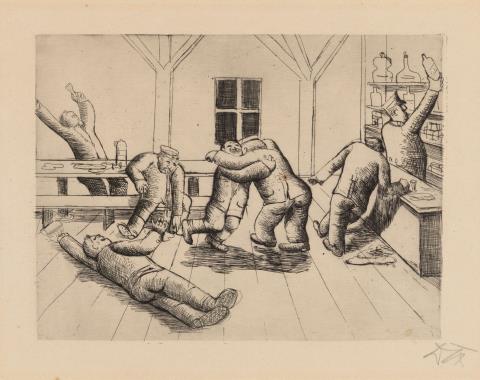
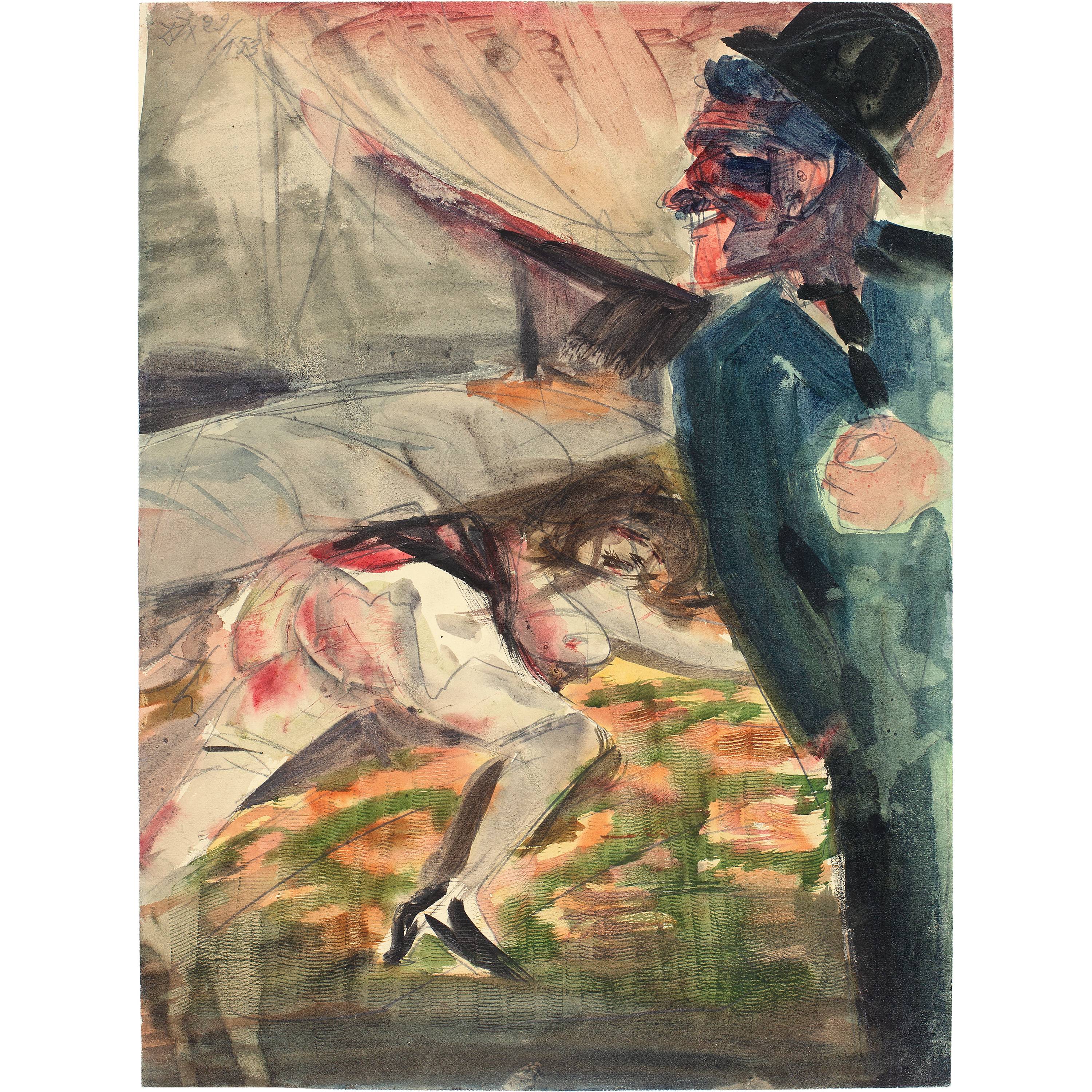
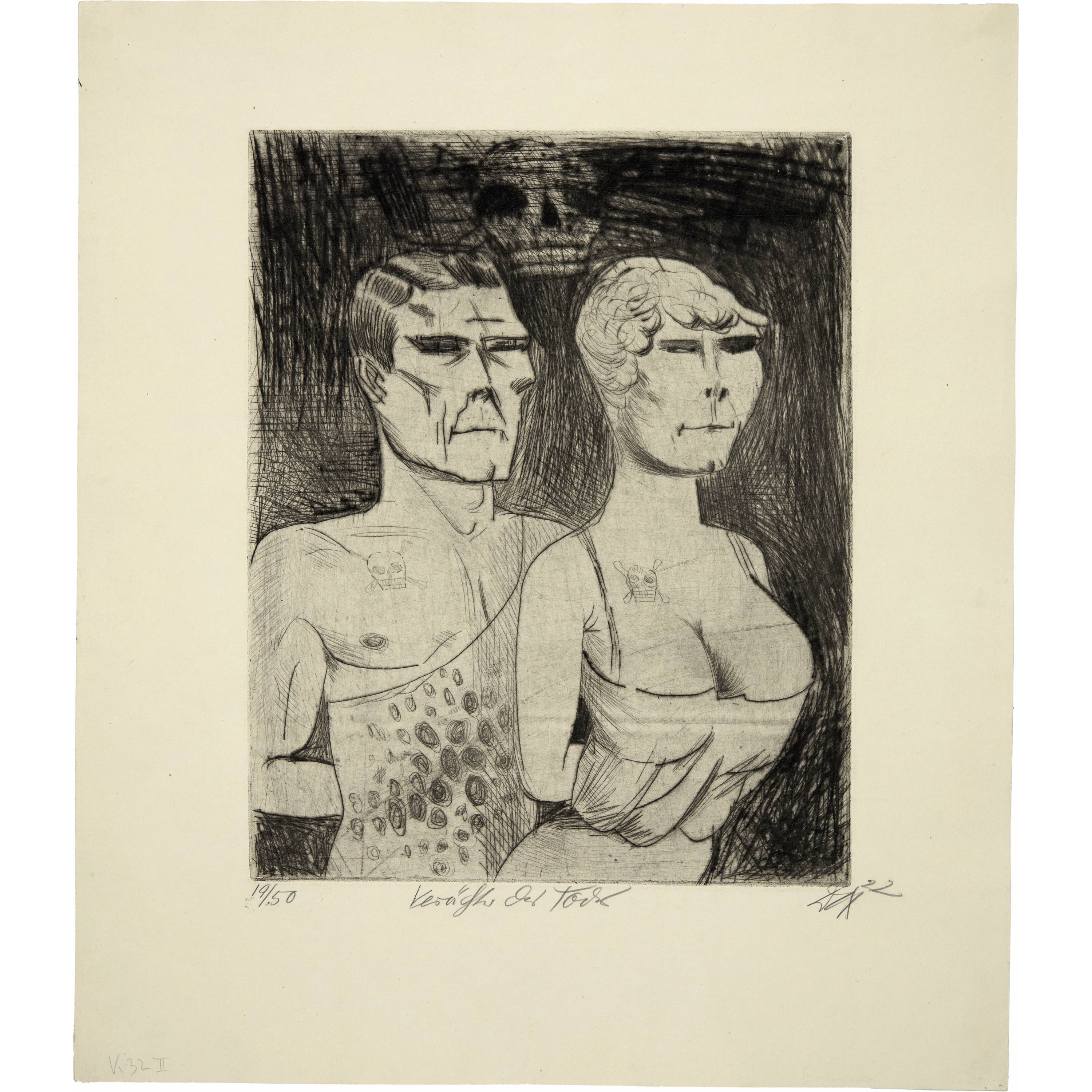
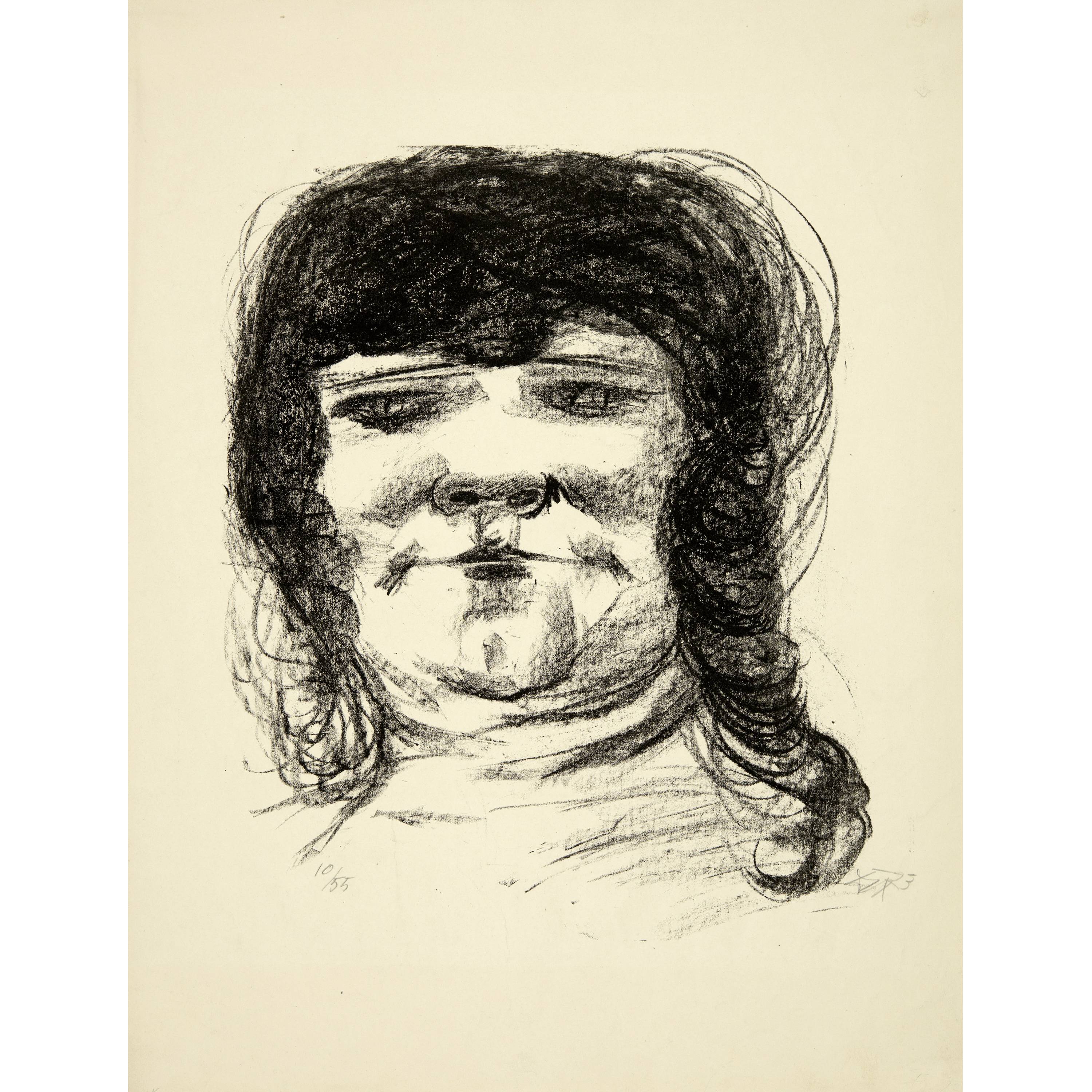
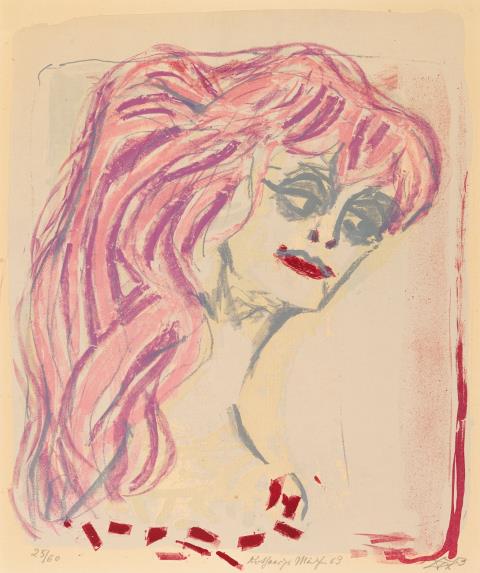
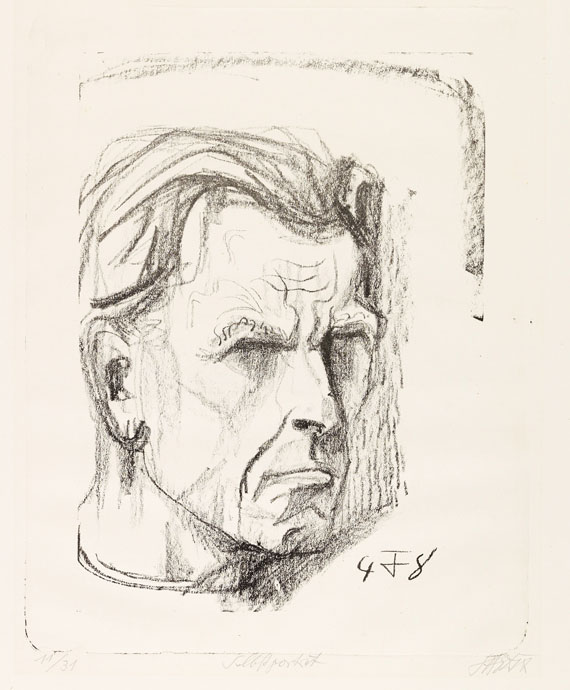
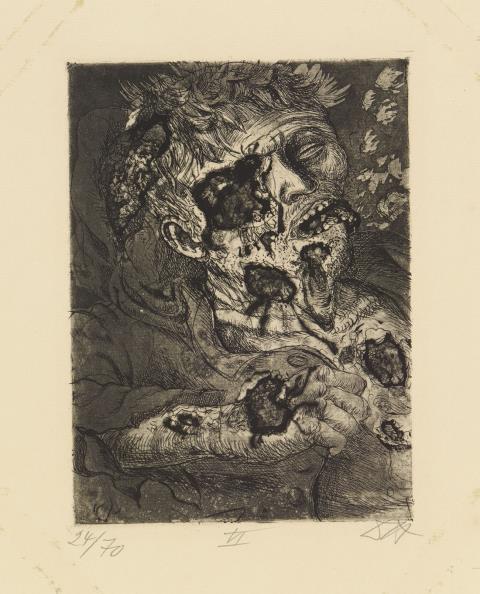
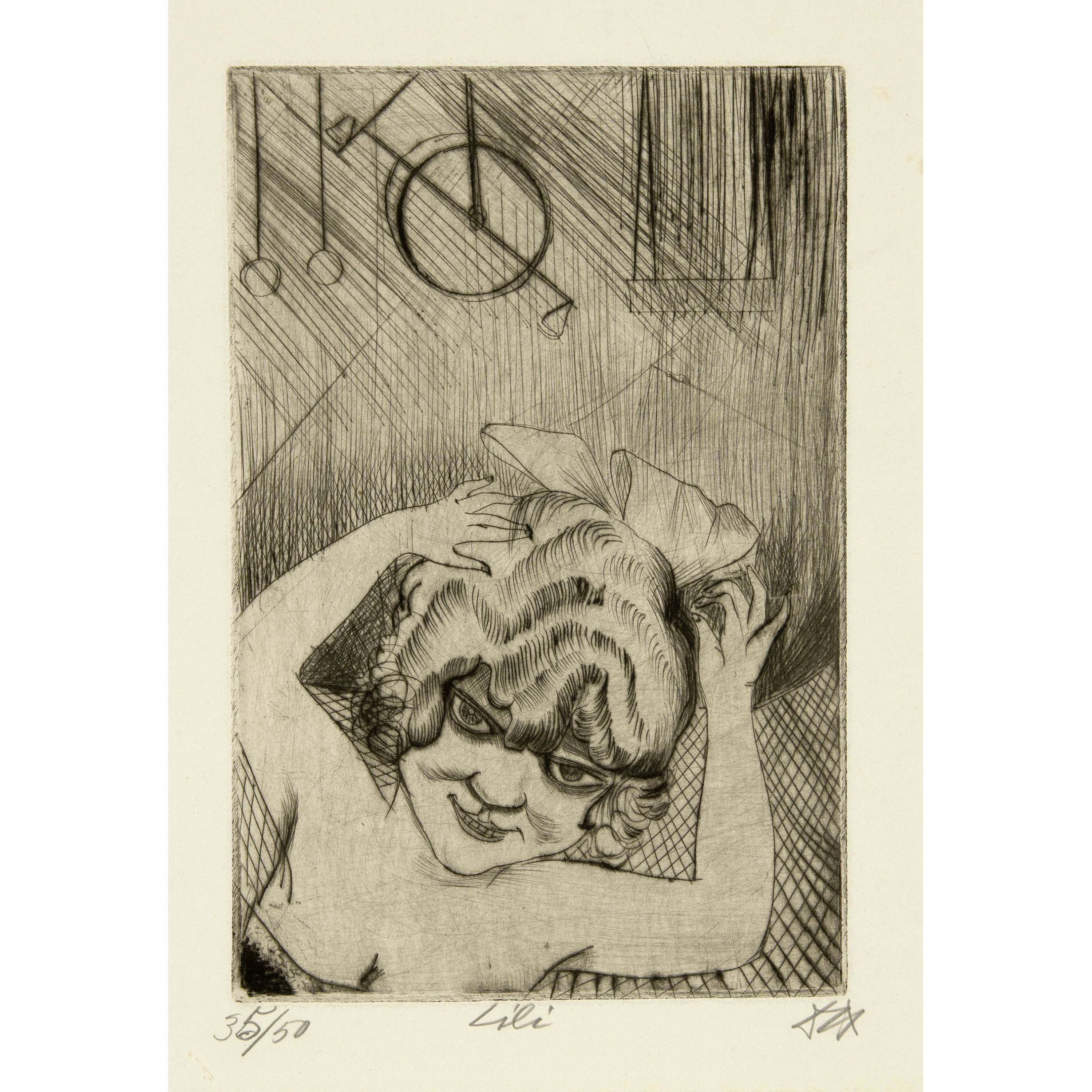
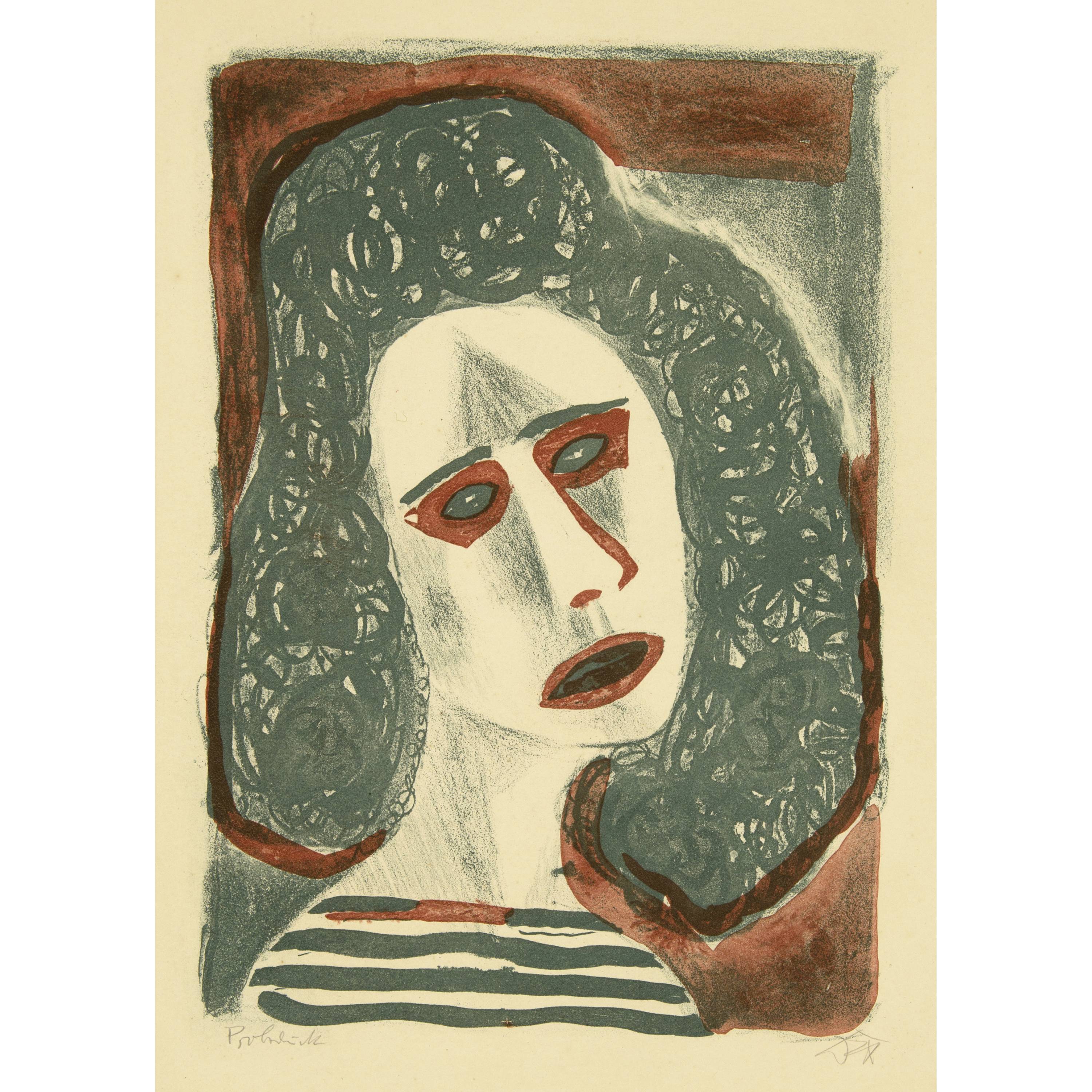
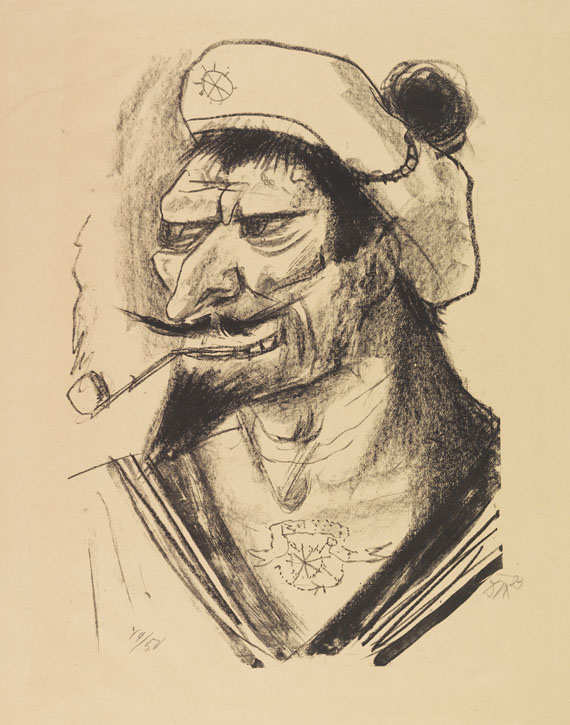
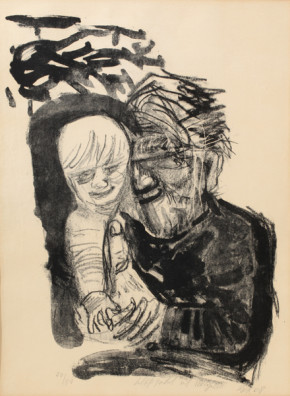
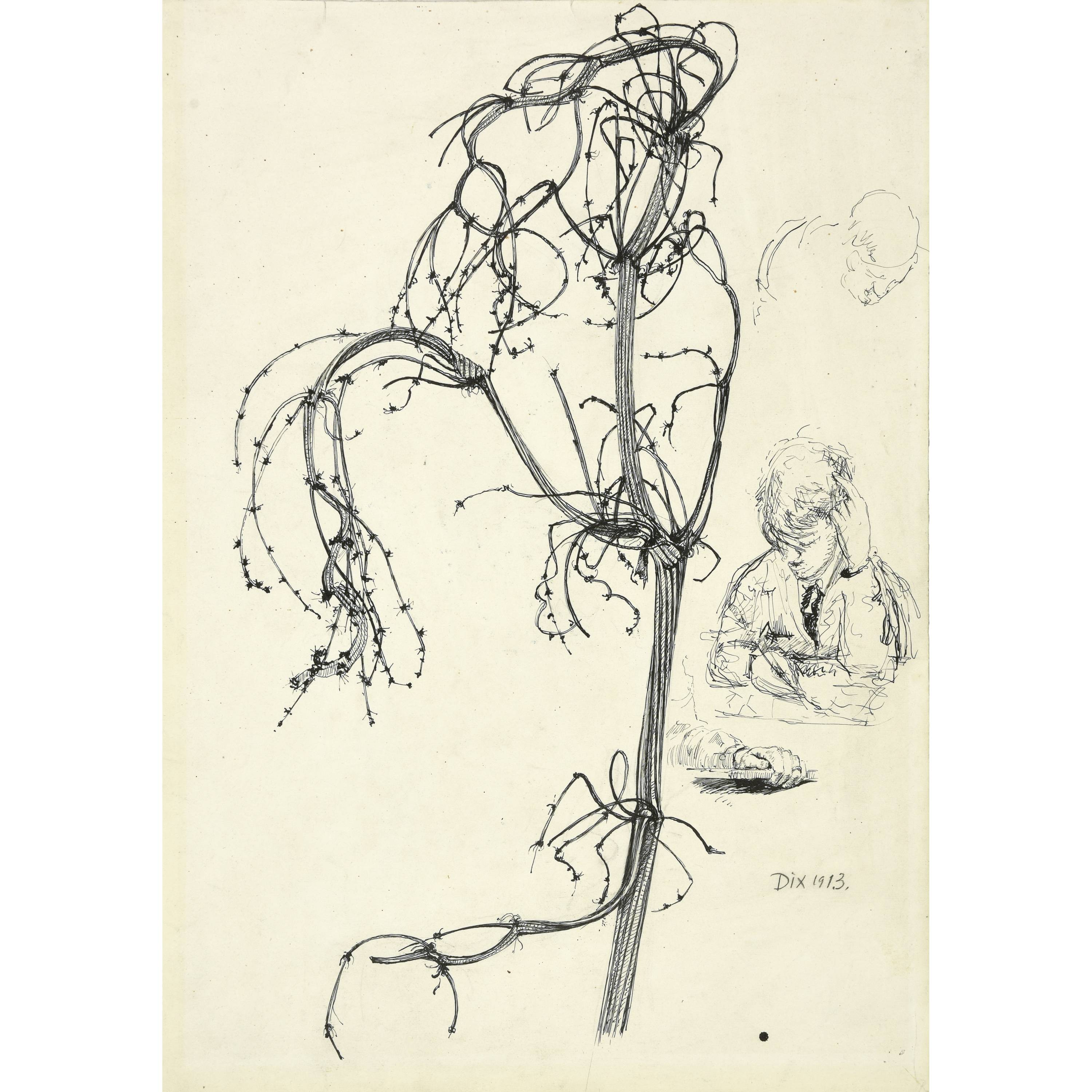
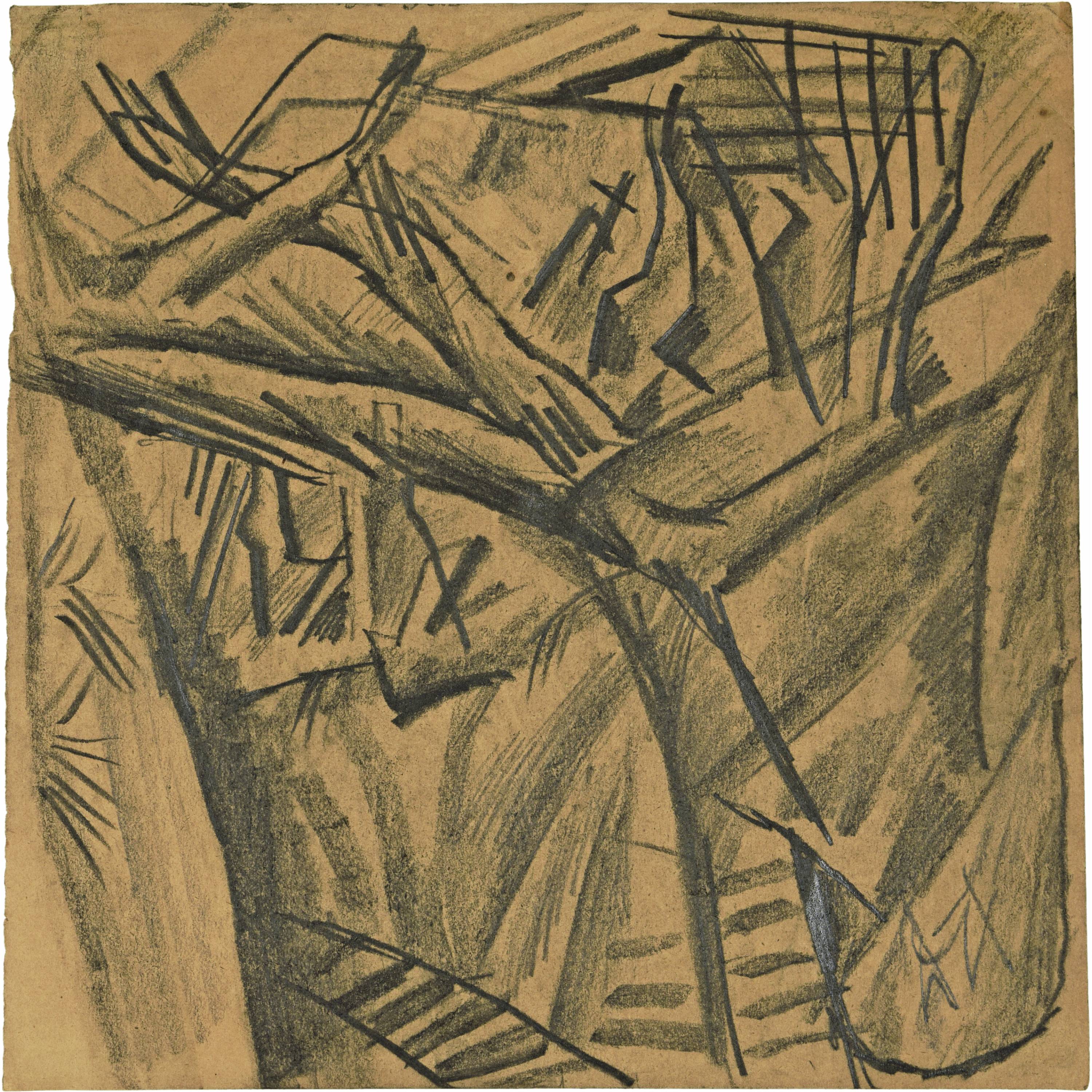
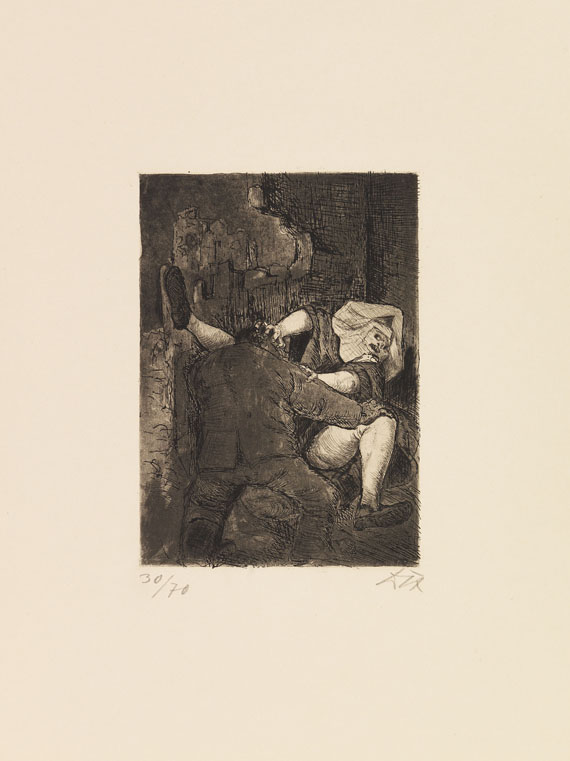
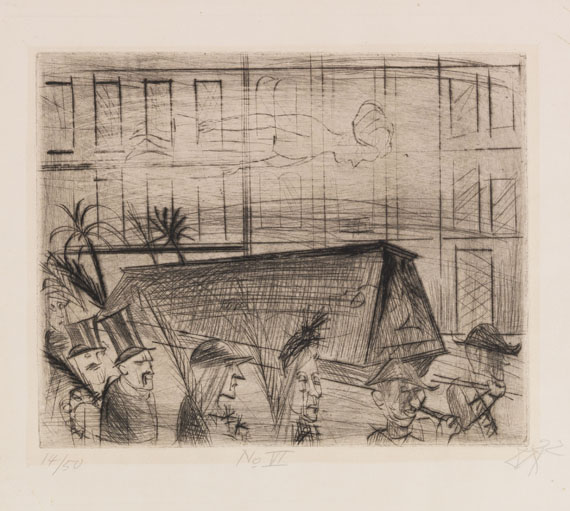
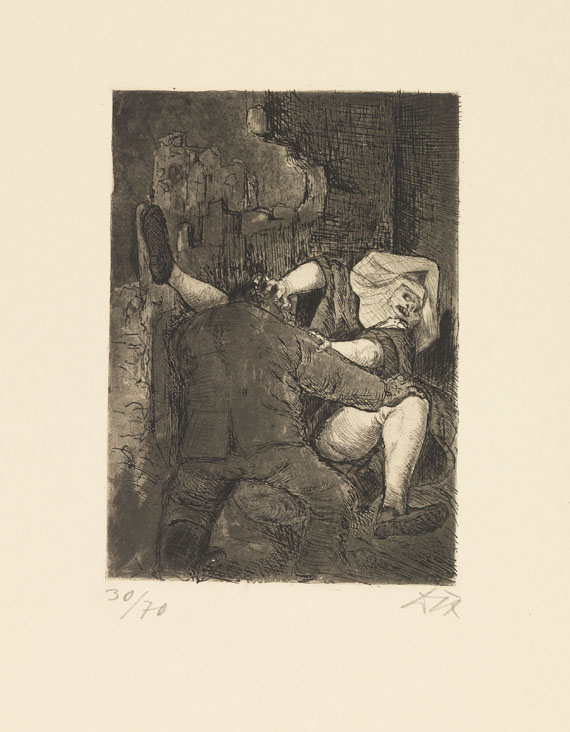
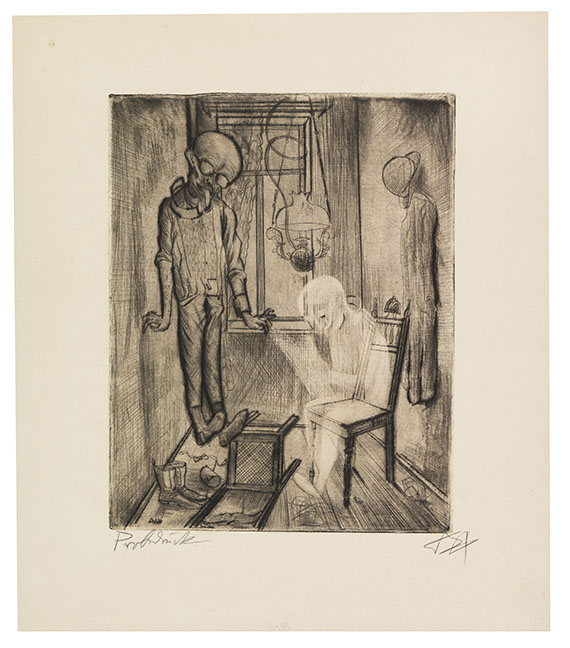
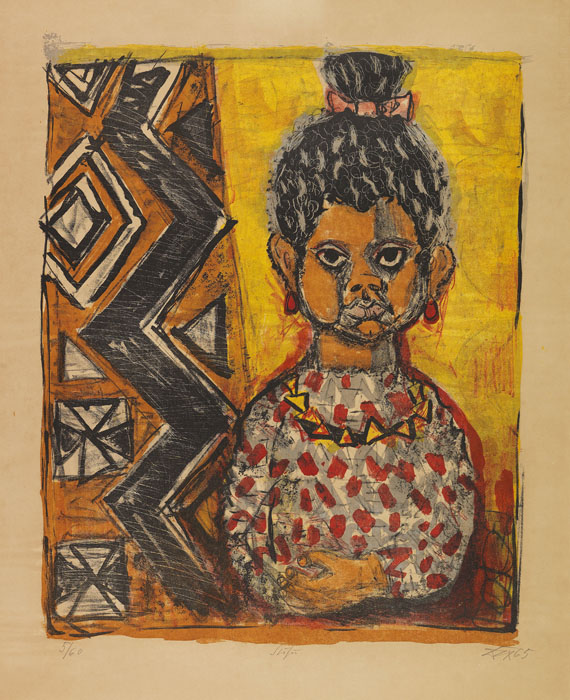
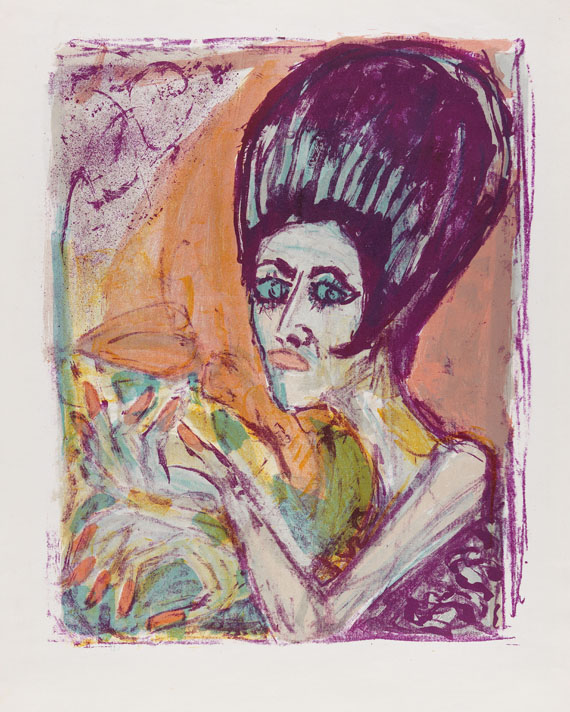
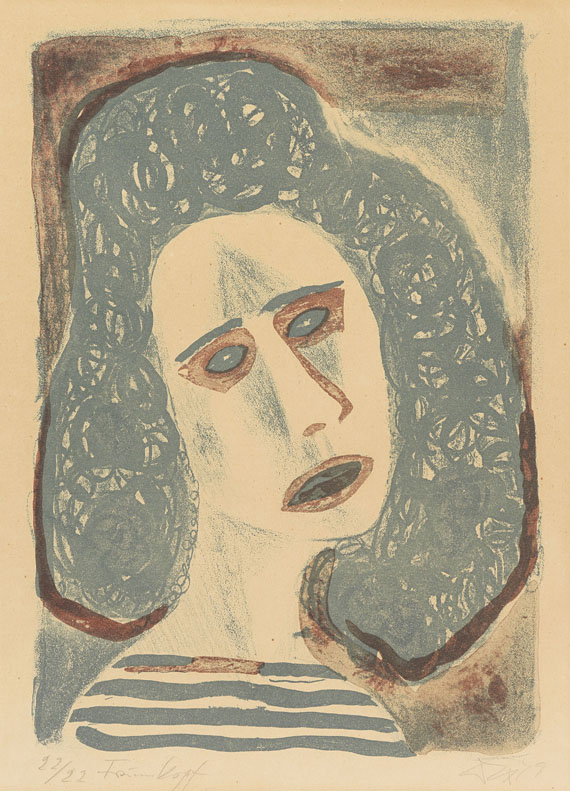
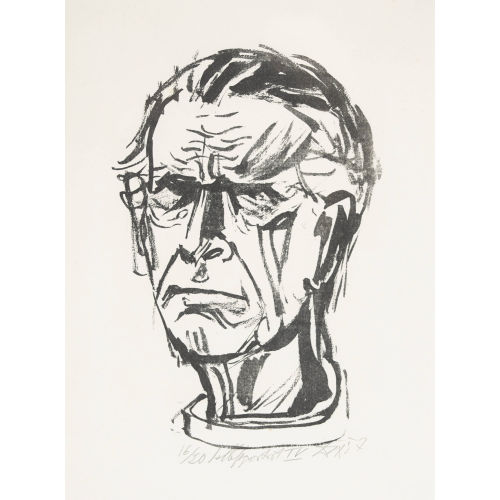
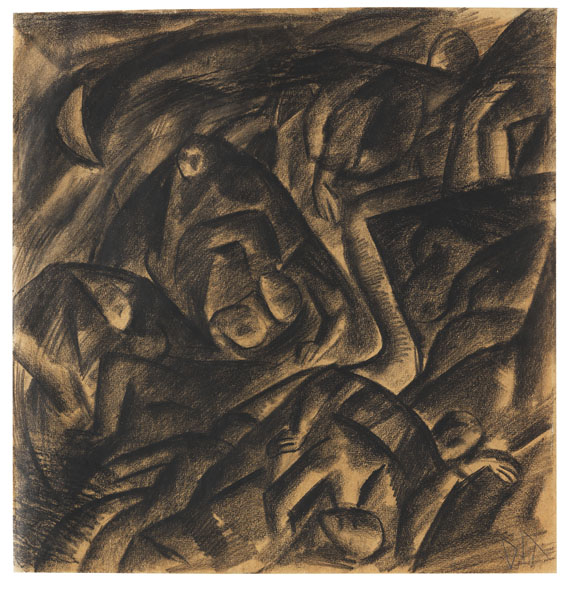
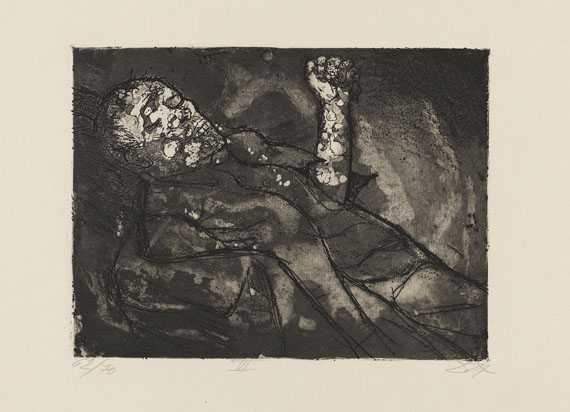
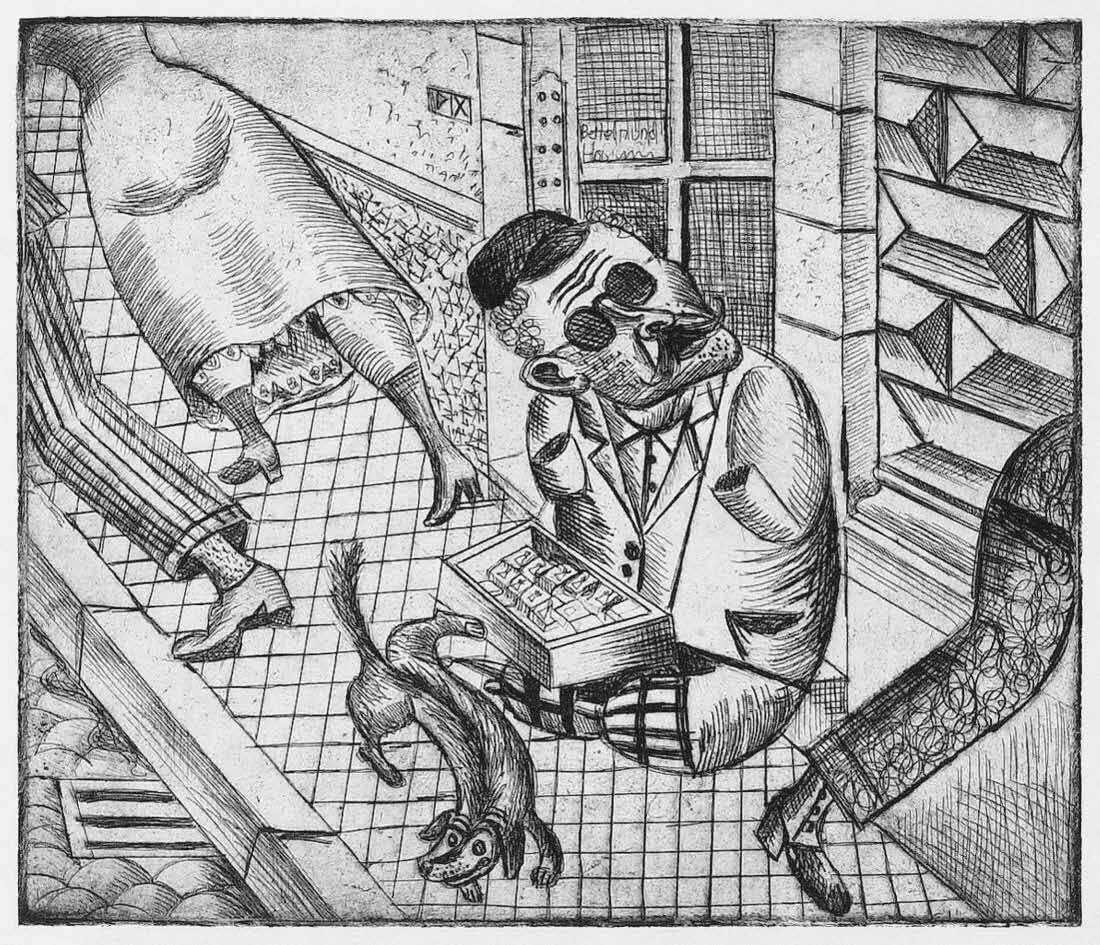
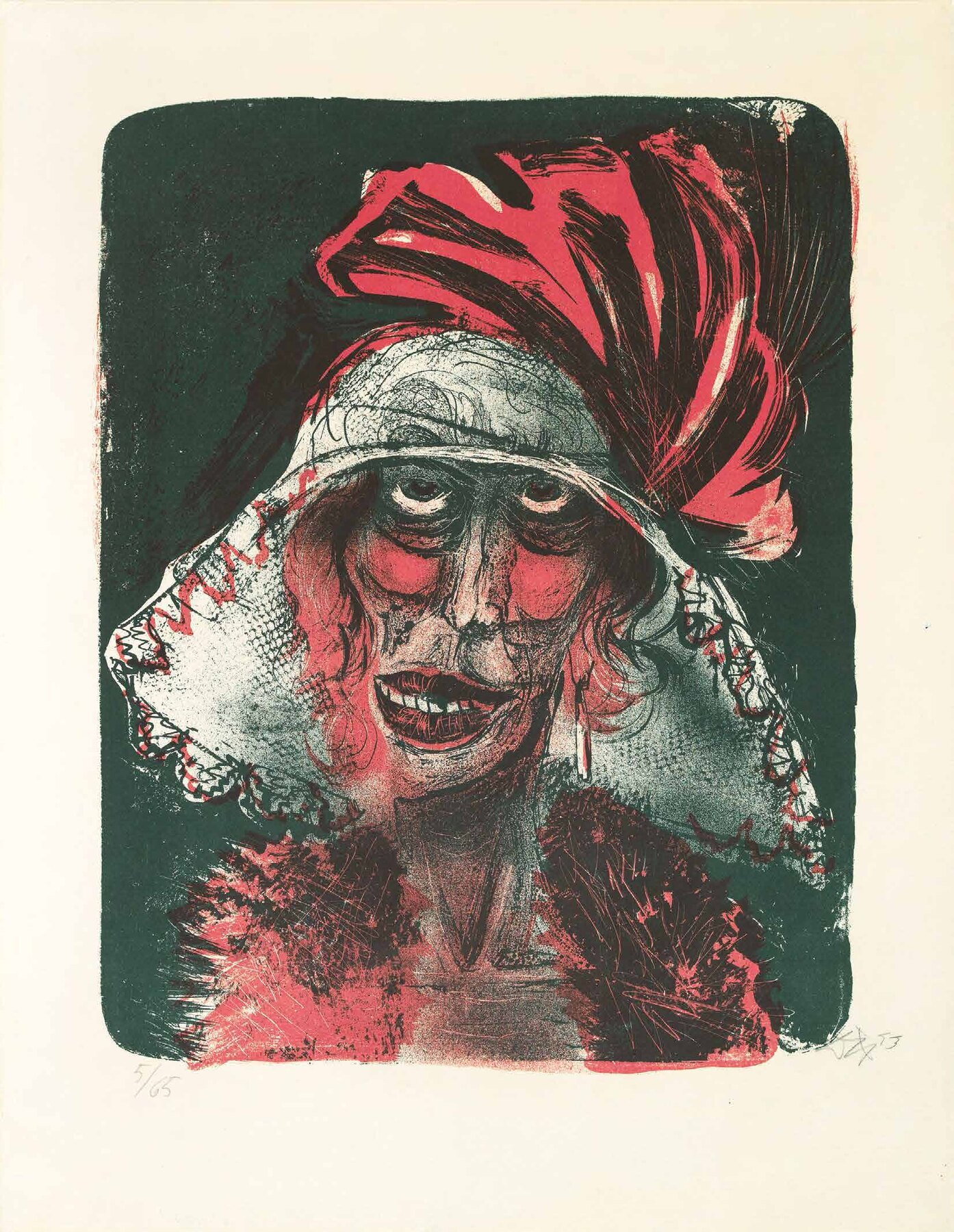
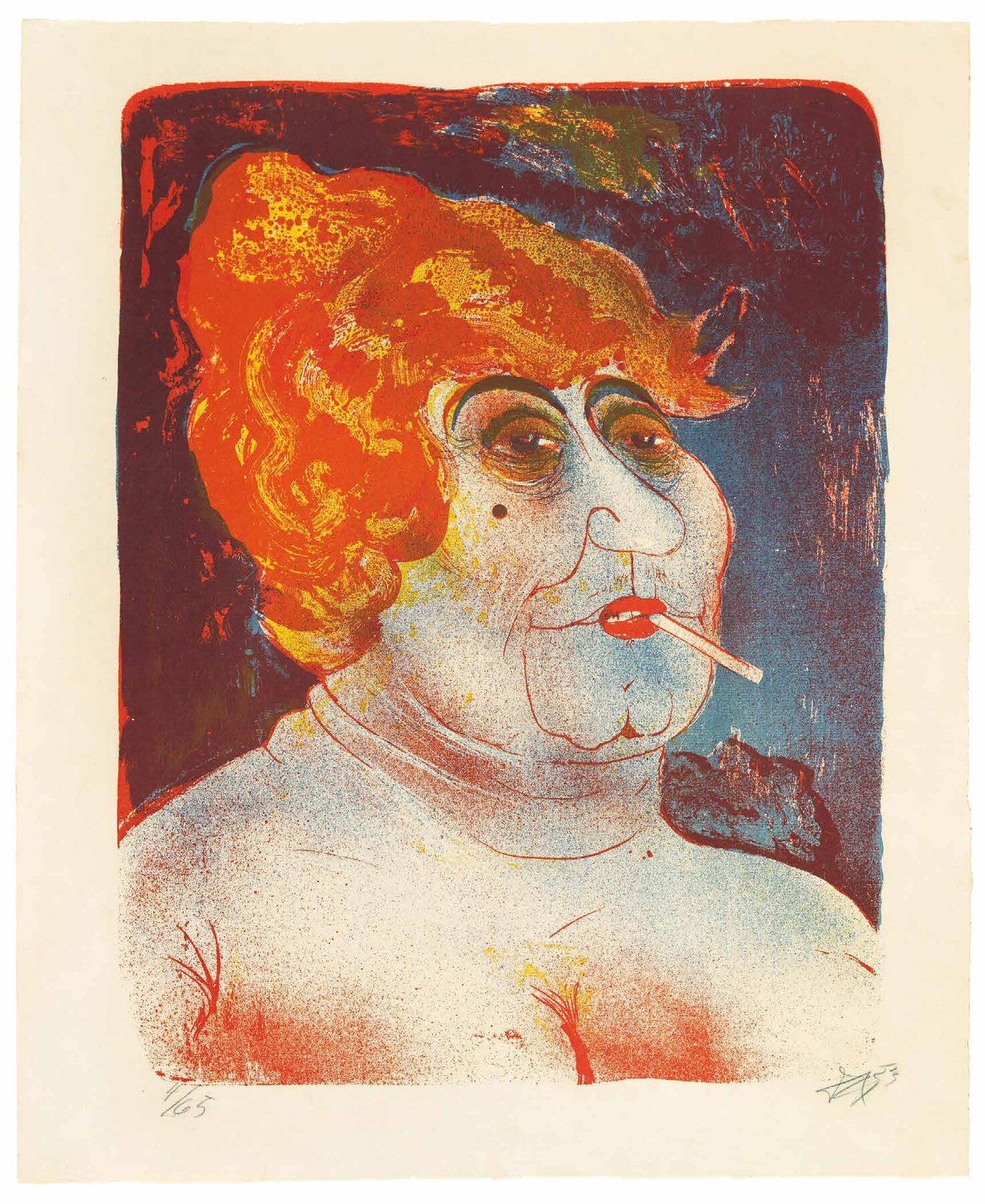
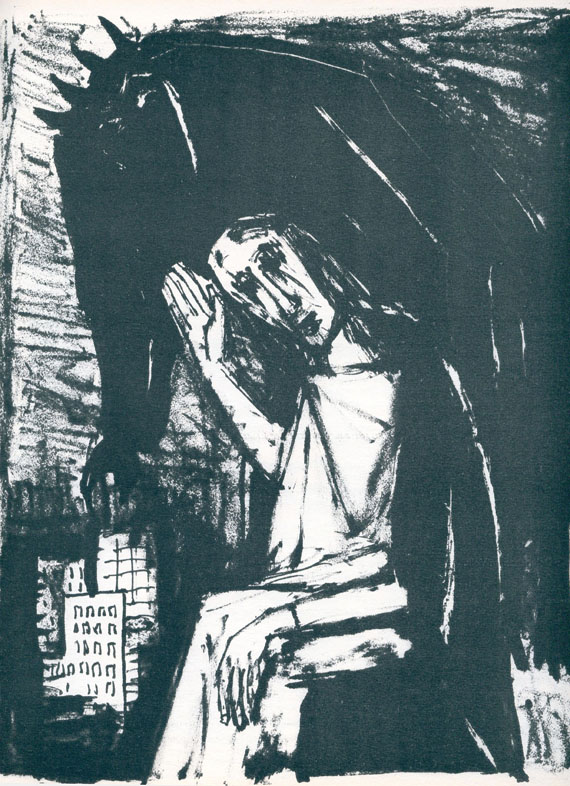
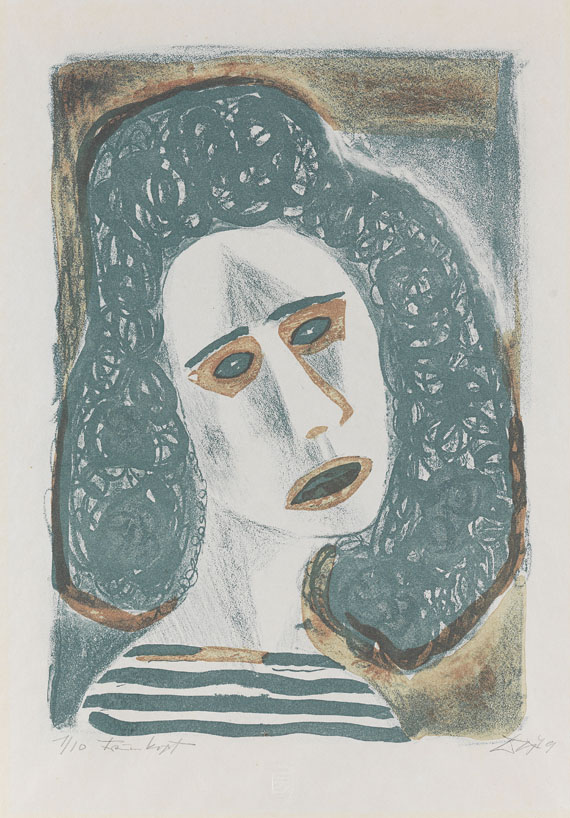
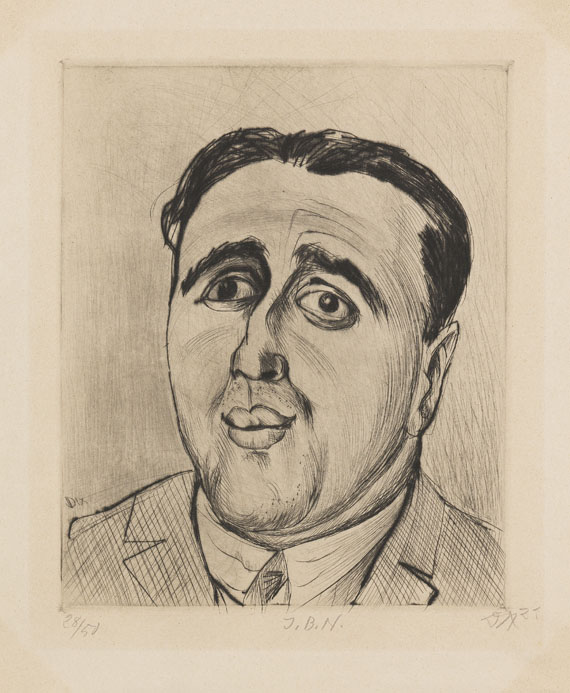
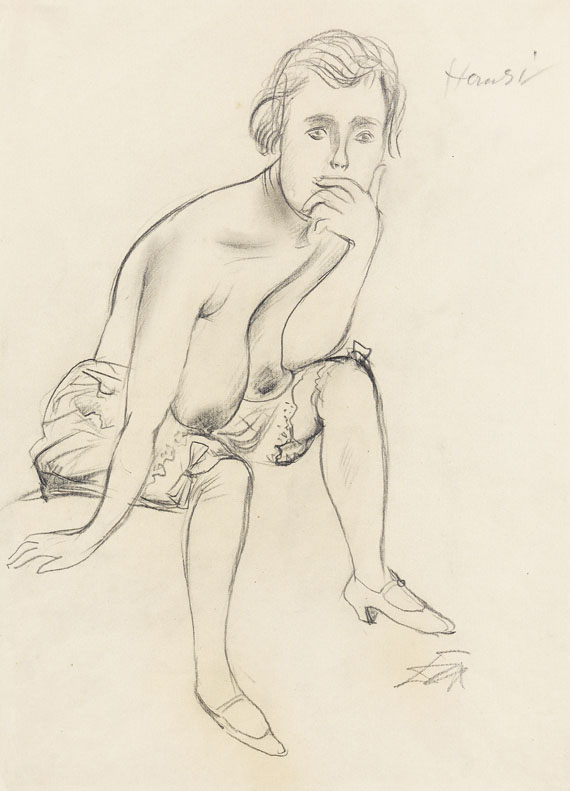
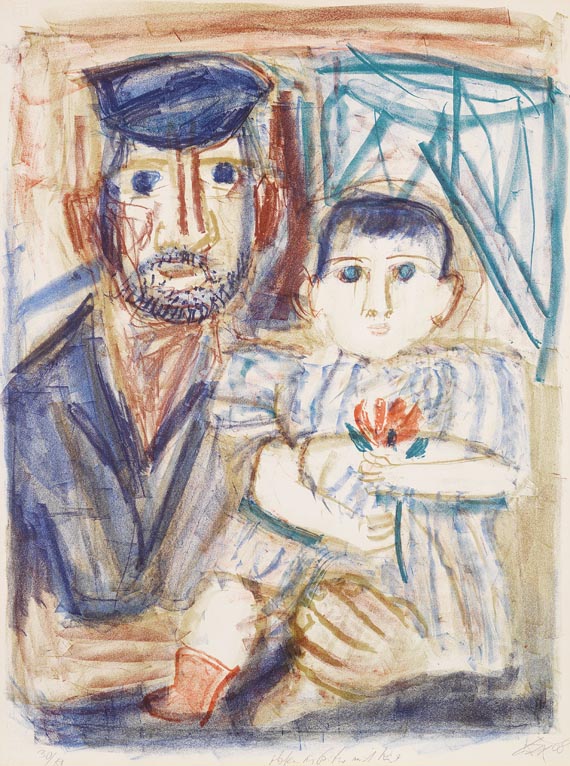
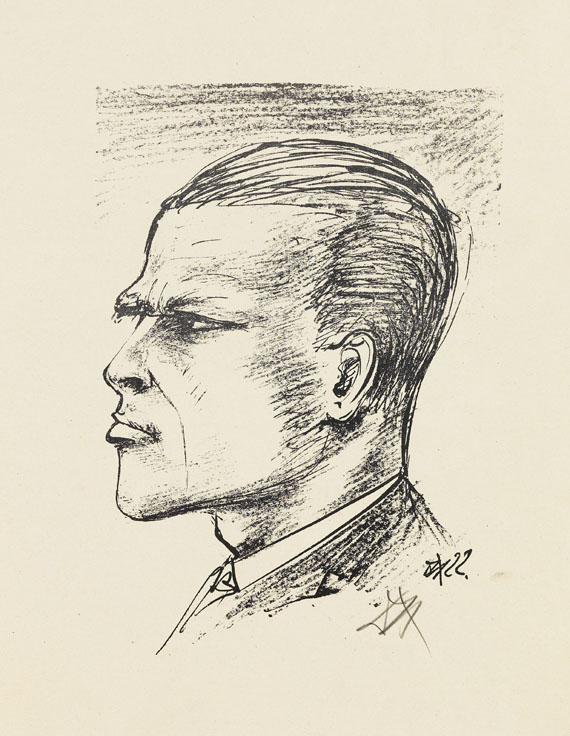
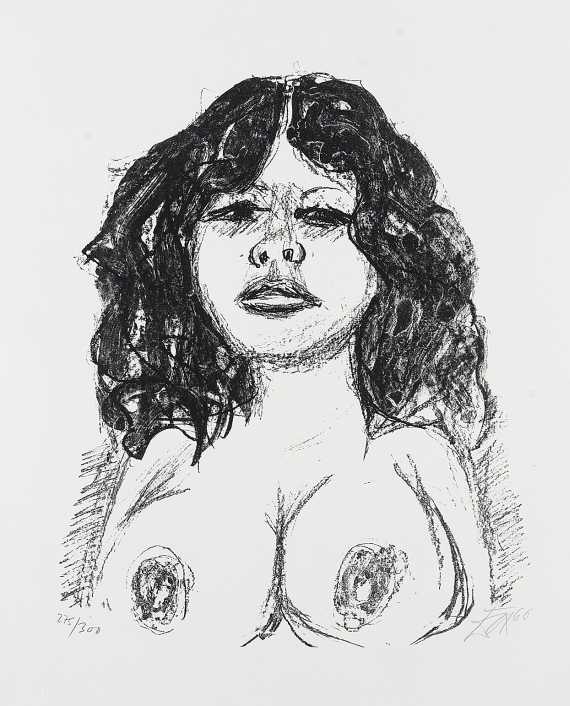
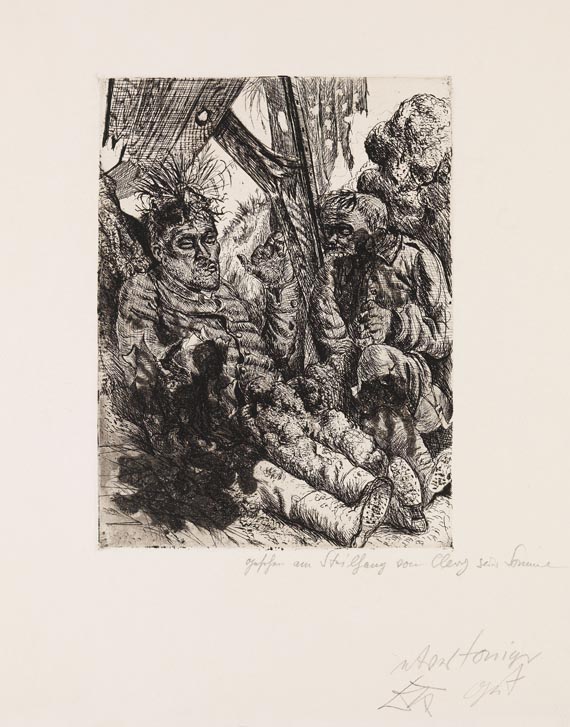
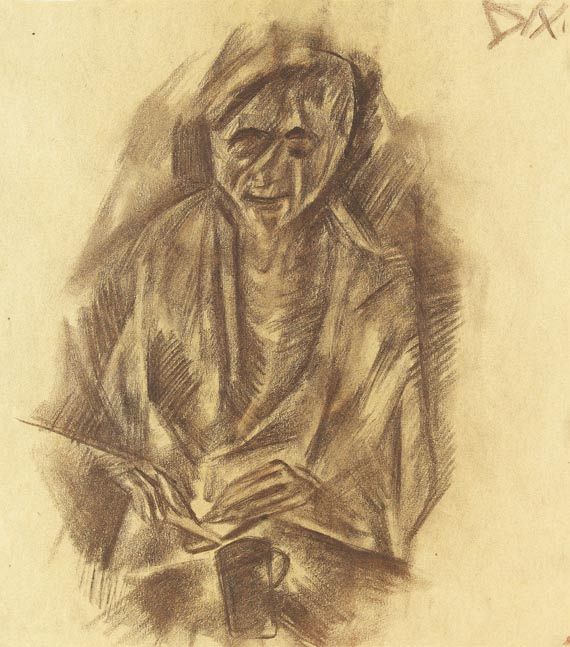
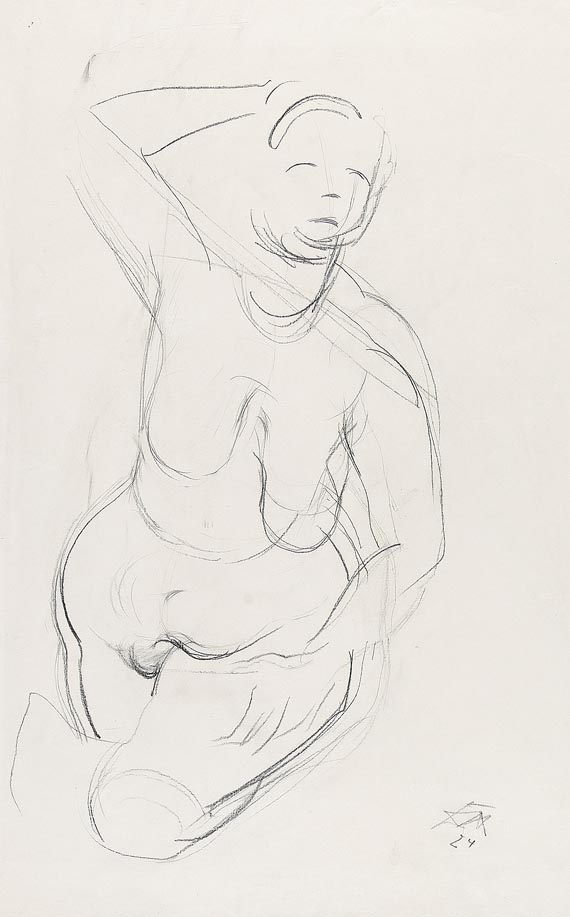
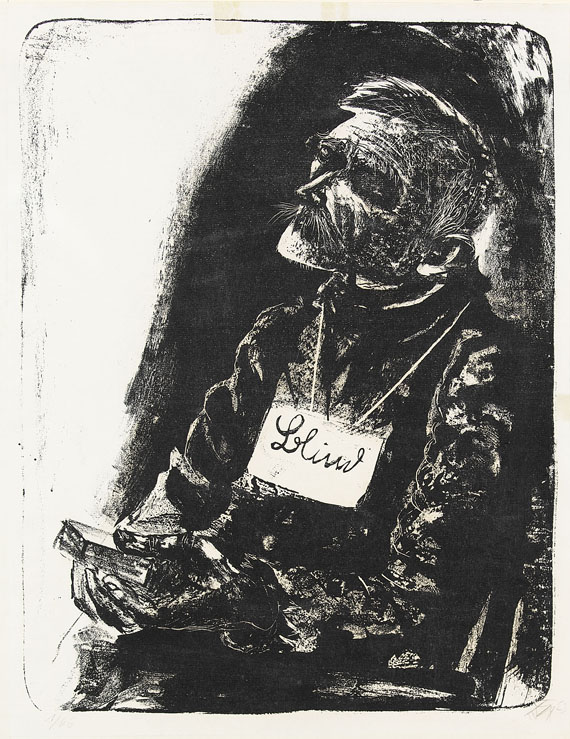
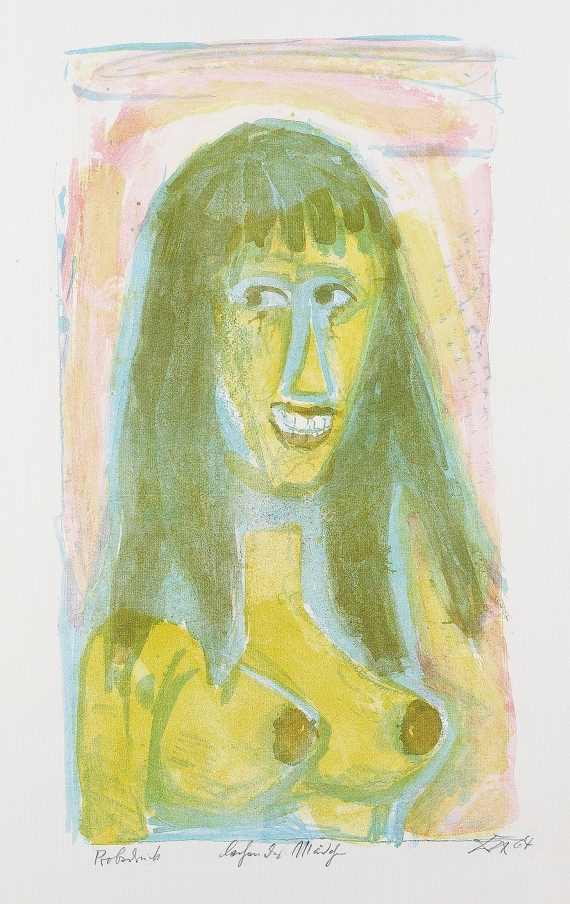
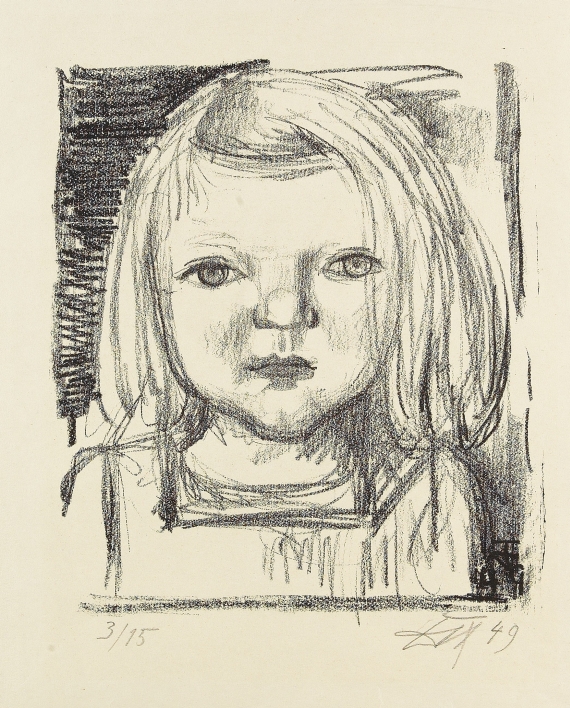
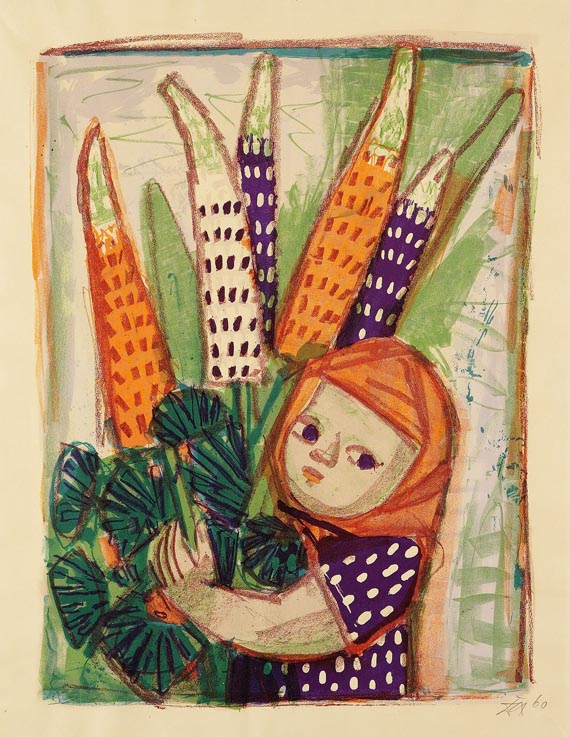
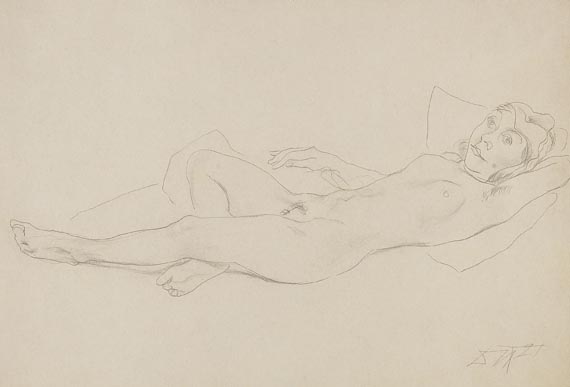
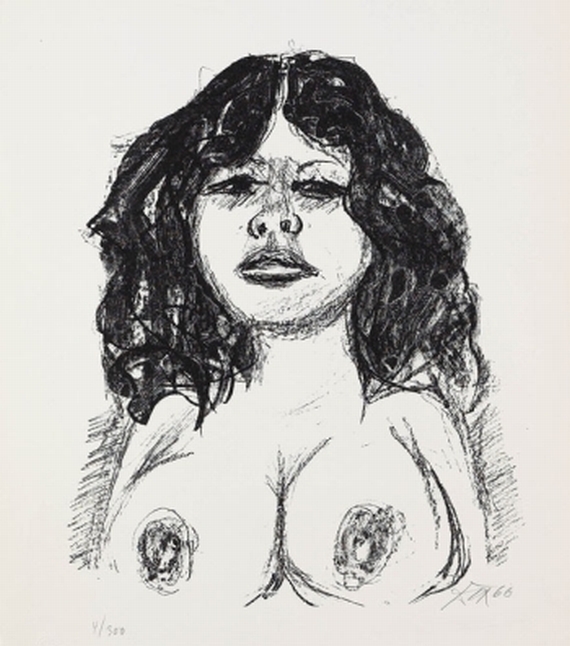
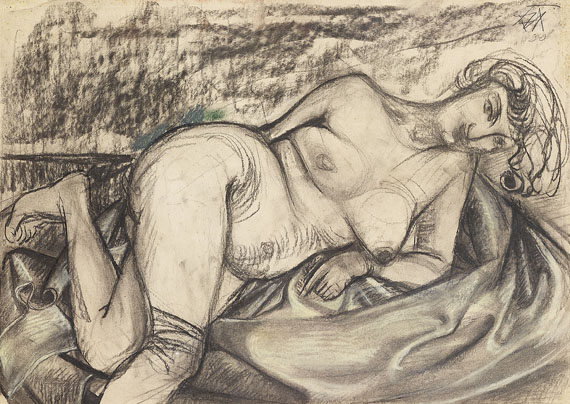
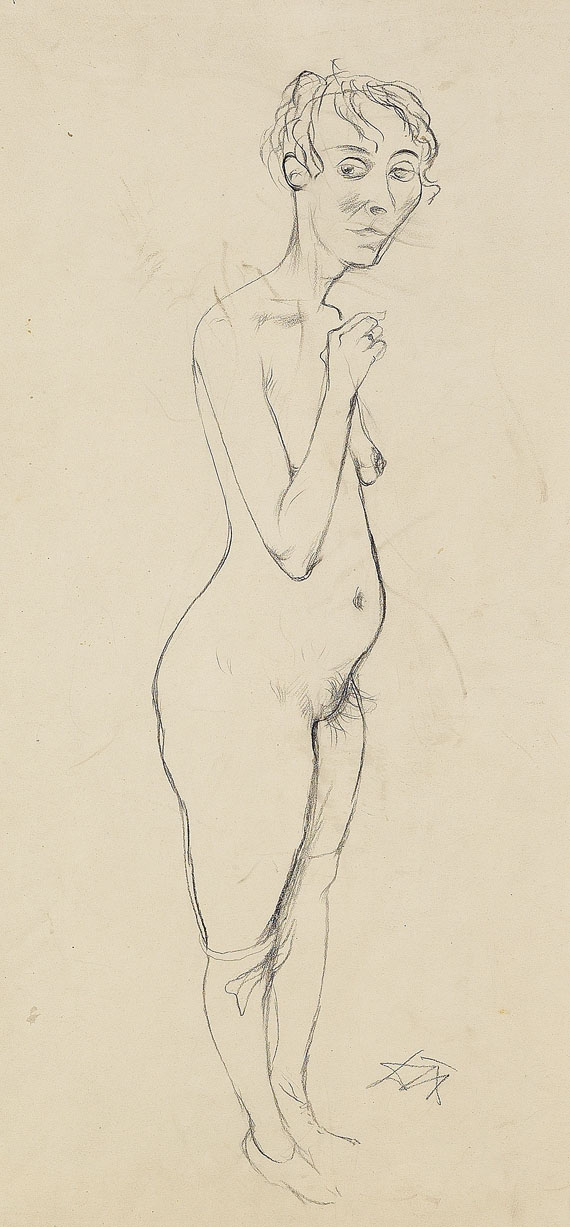
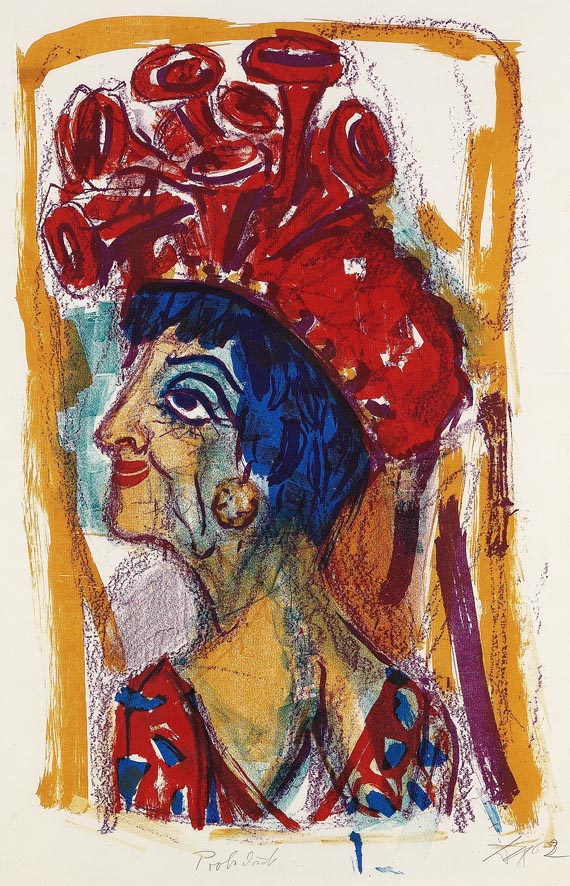
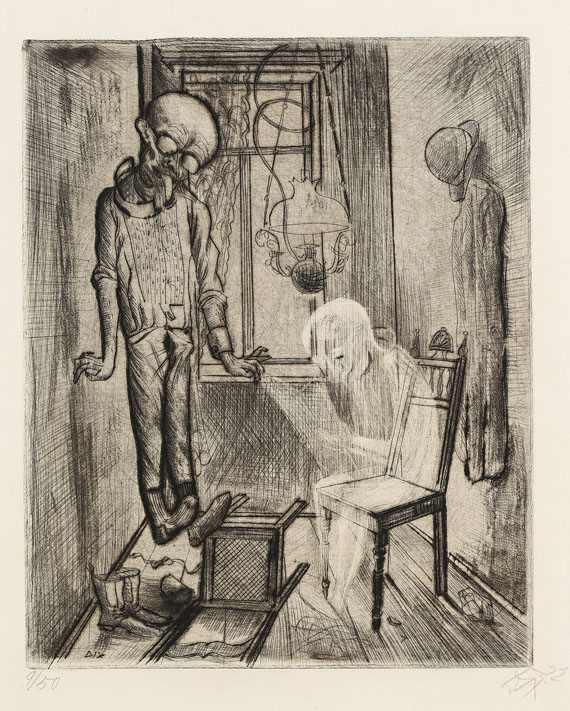
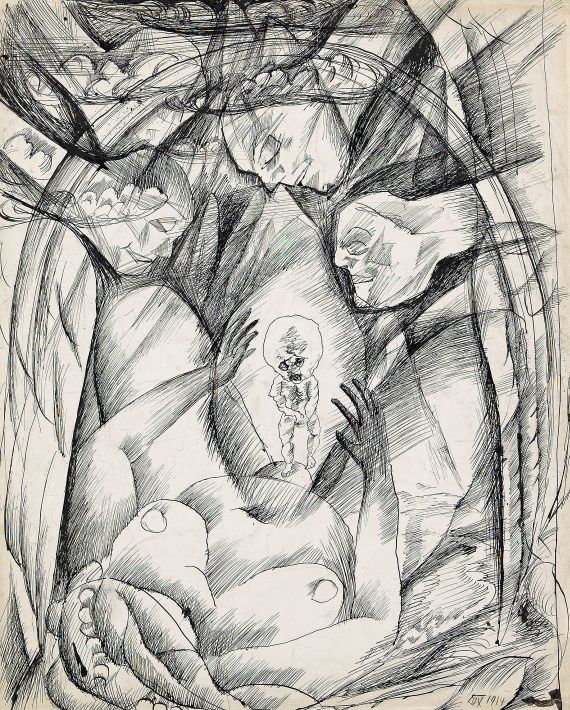
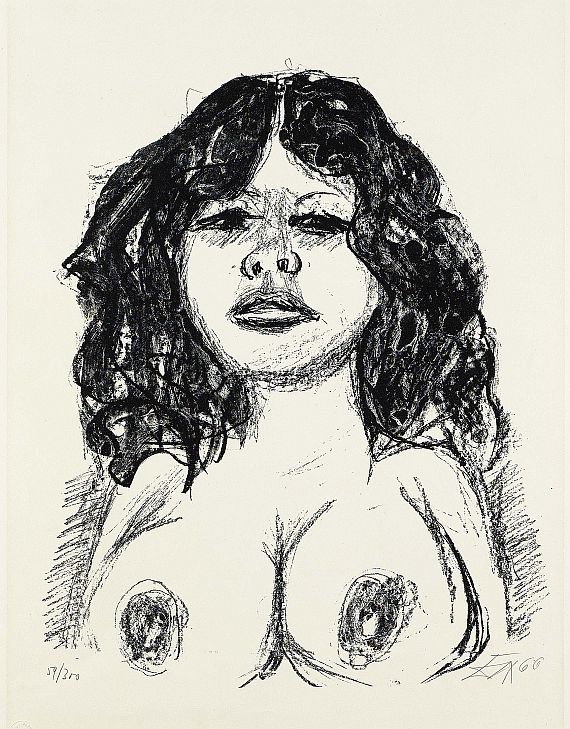
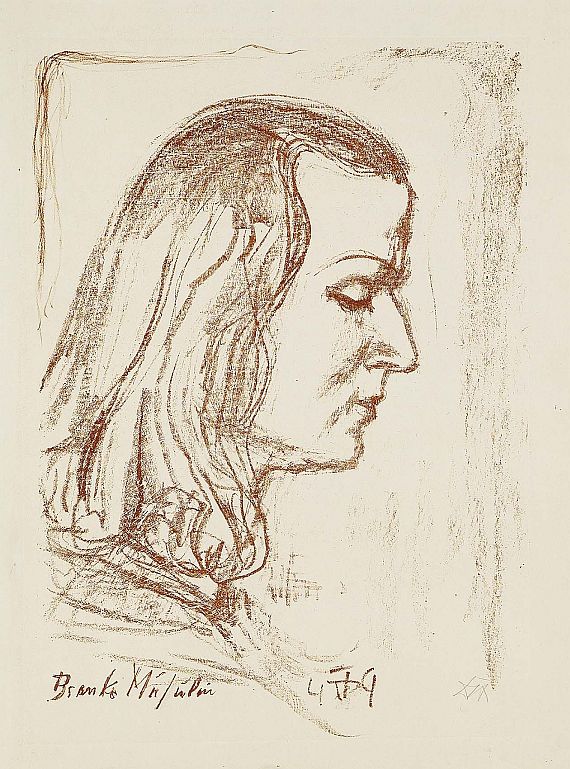
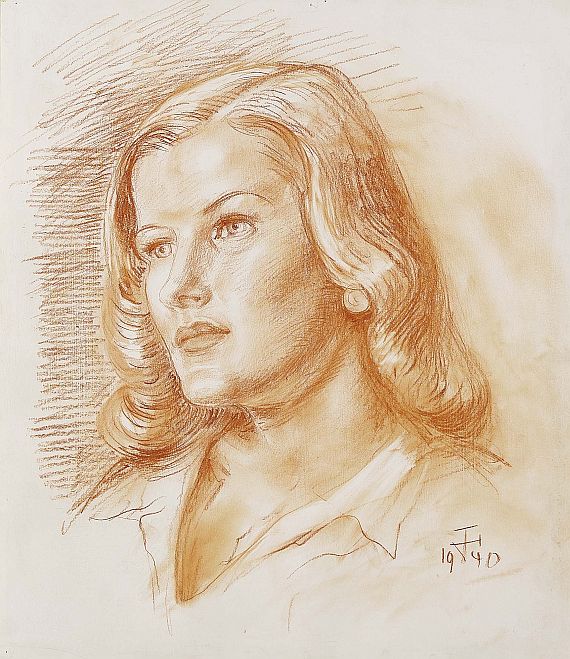
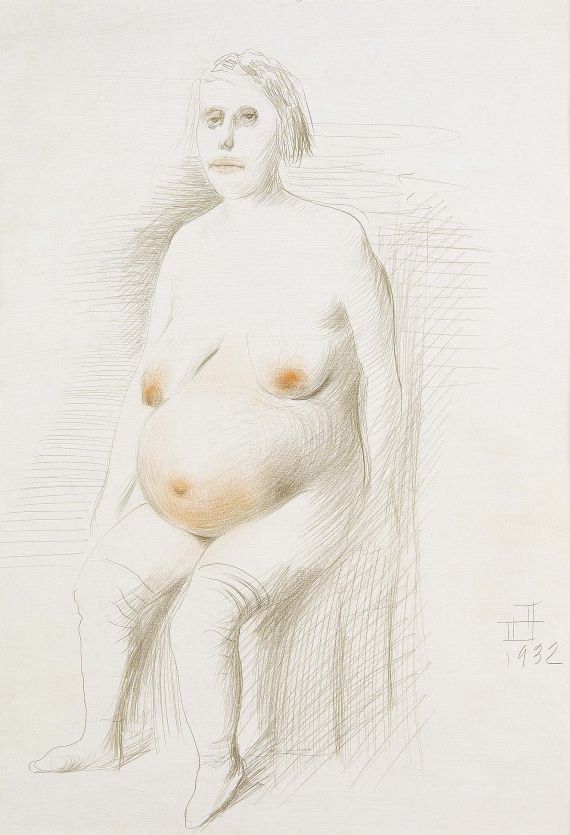
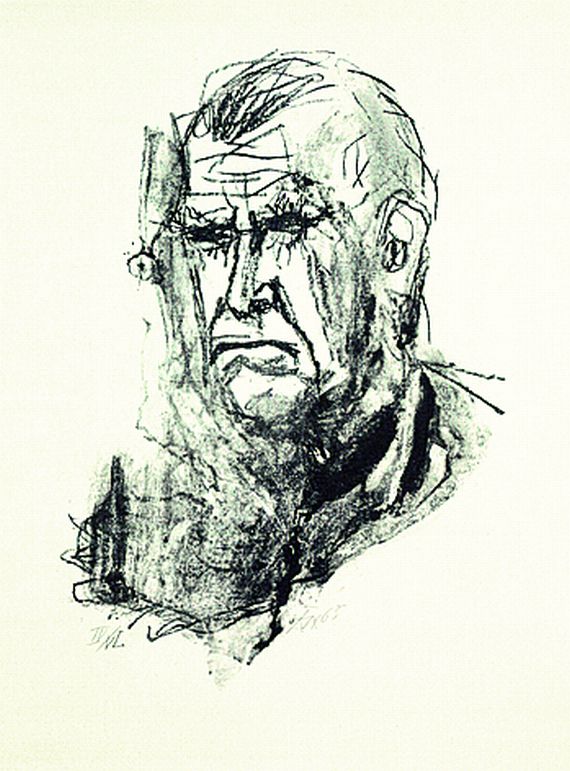
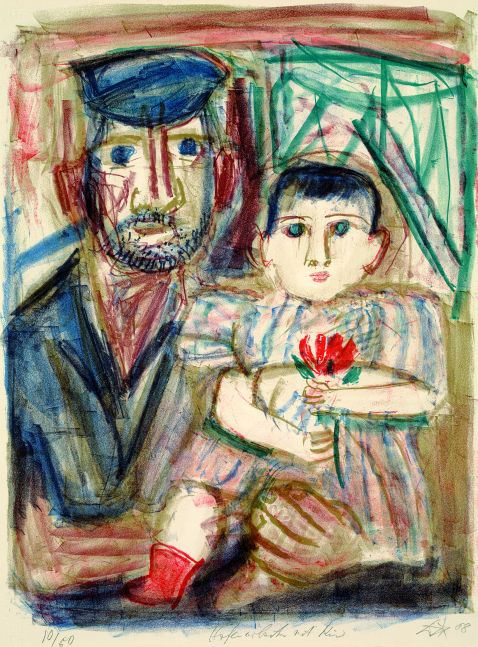
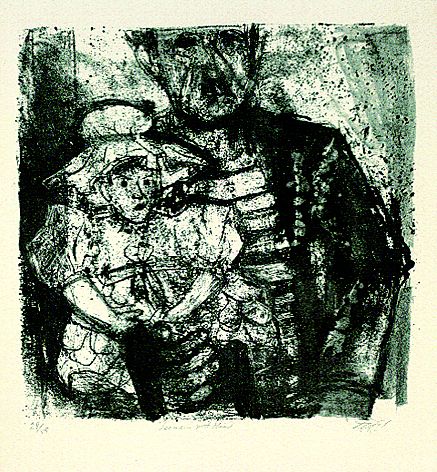
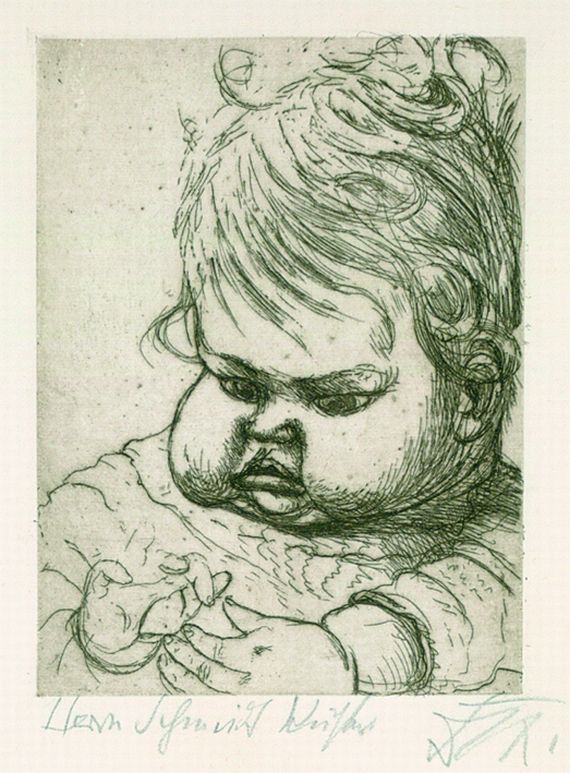
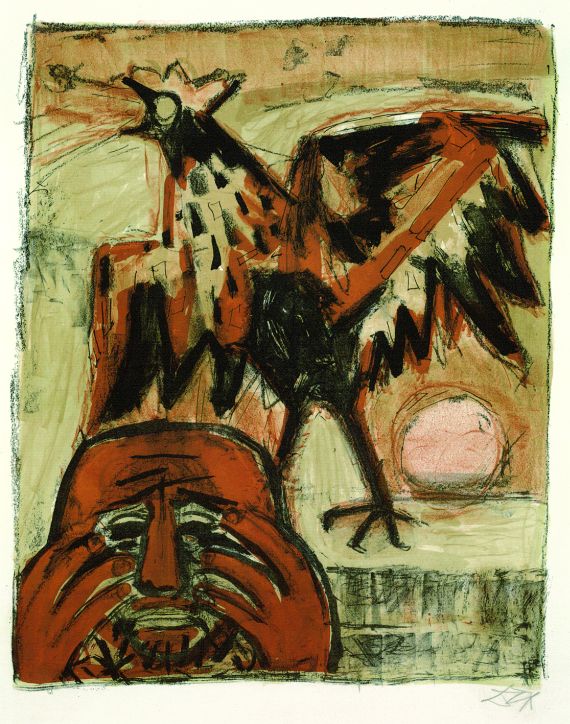
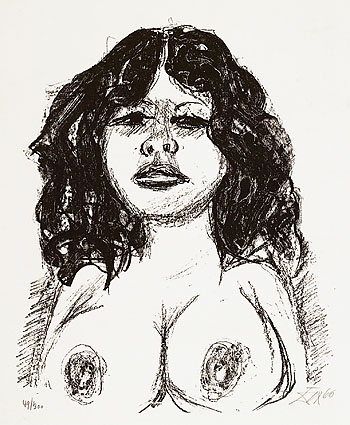
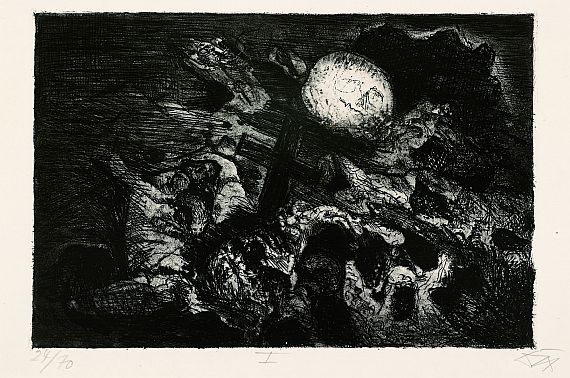
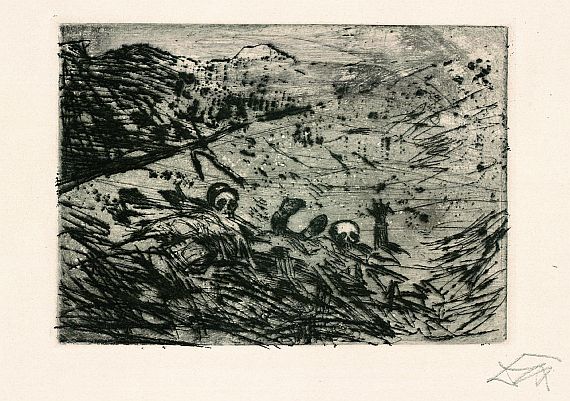
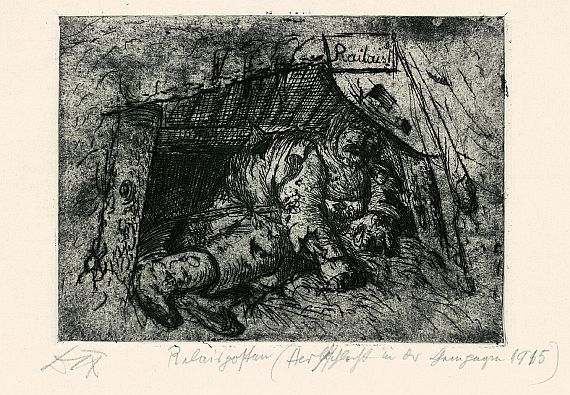
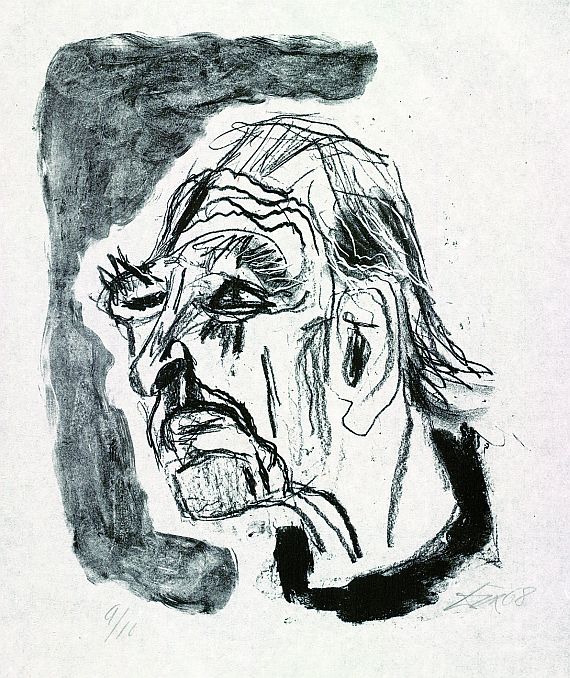
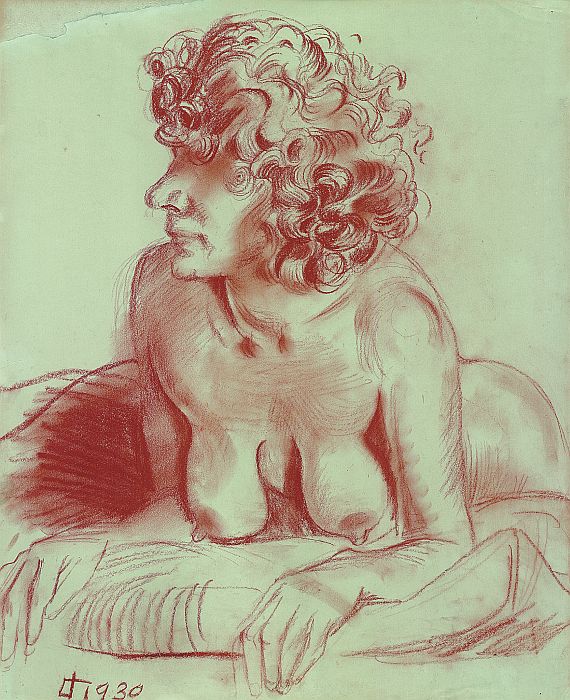
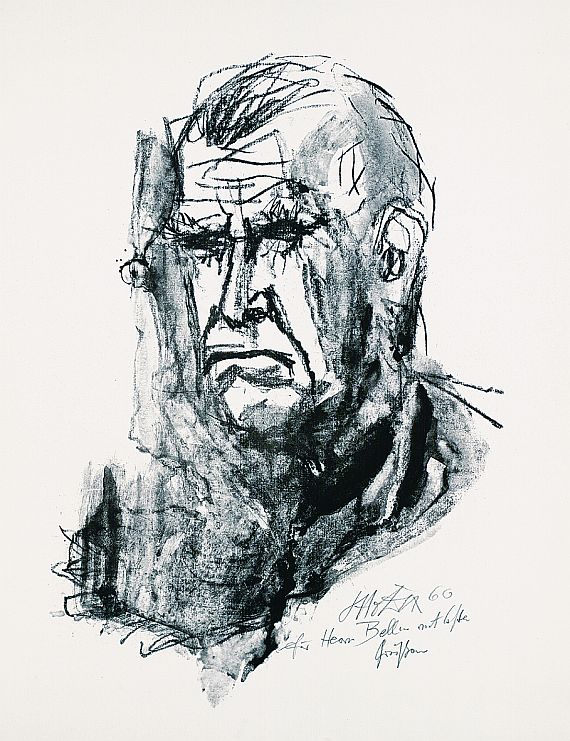
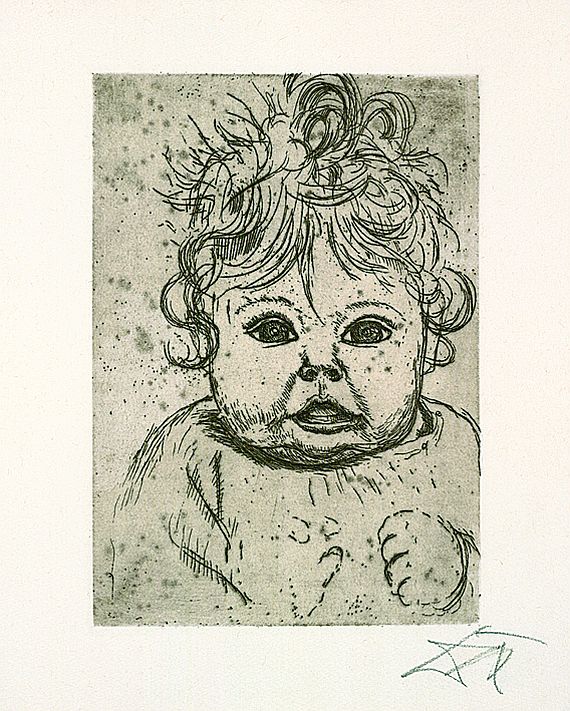
Otto Dix (Untermhaus, now Gera, 1891 – Singen, 1969) was a German painter and printmaker and a major figure of New Objectivity. Trained at the School of Applied Arts in Dresden, he volunteered for service during the First World War. The experience of the front left a lasting mark on his work and informed his uncompromising images of violence, survivors and the social upheavals of the post-war period.
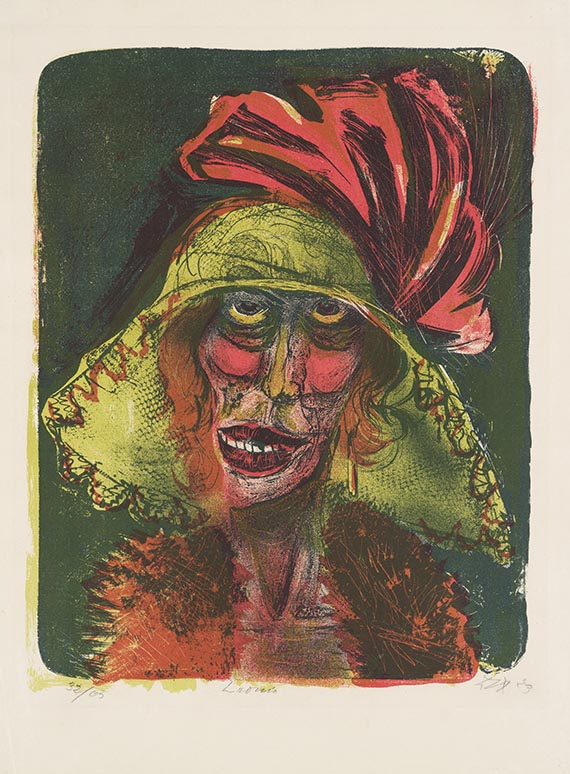
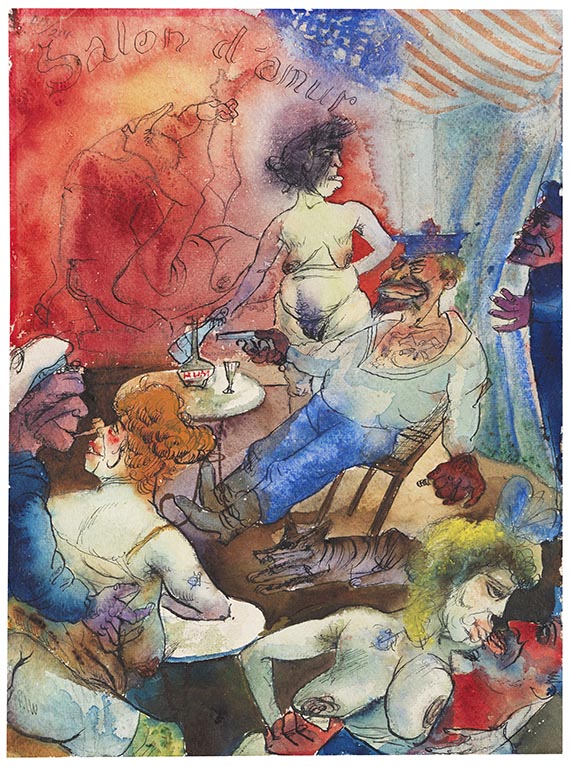
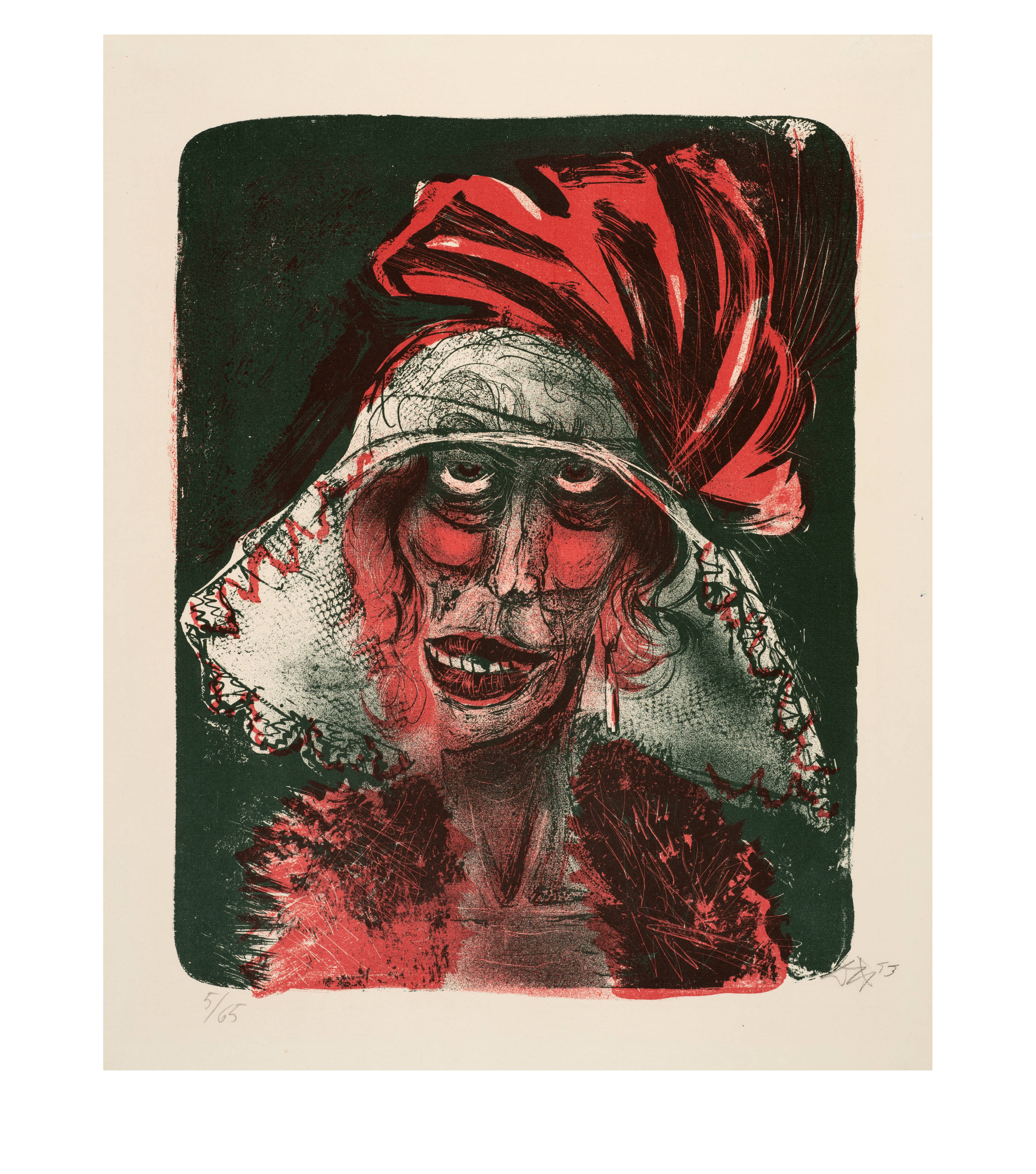
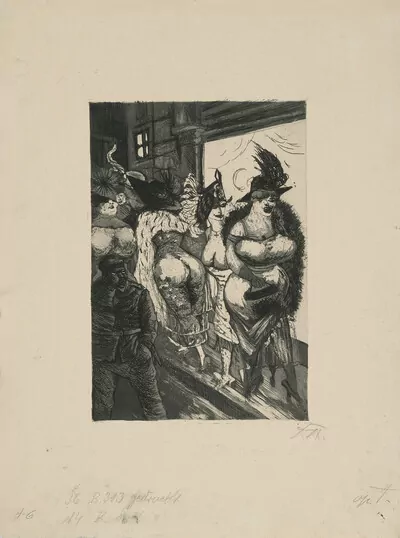
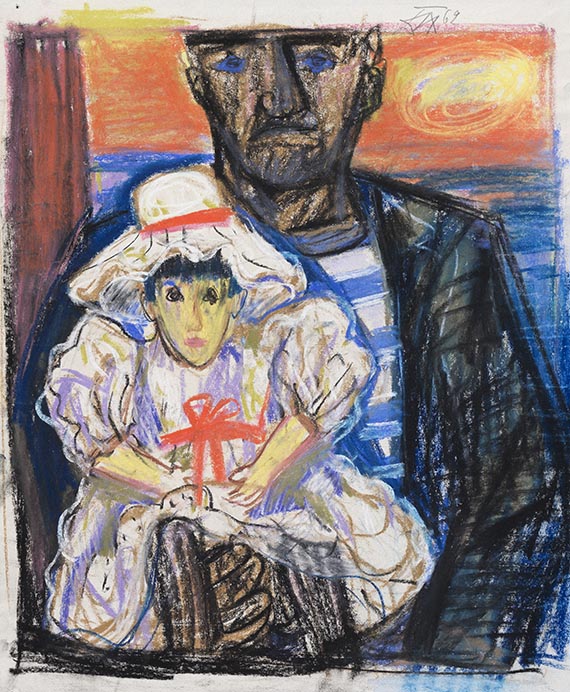
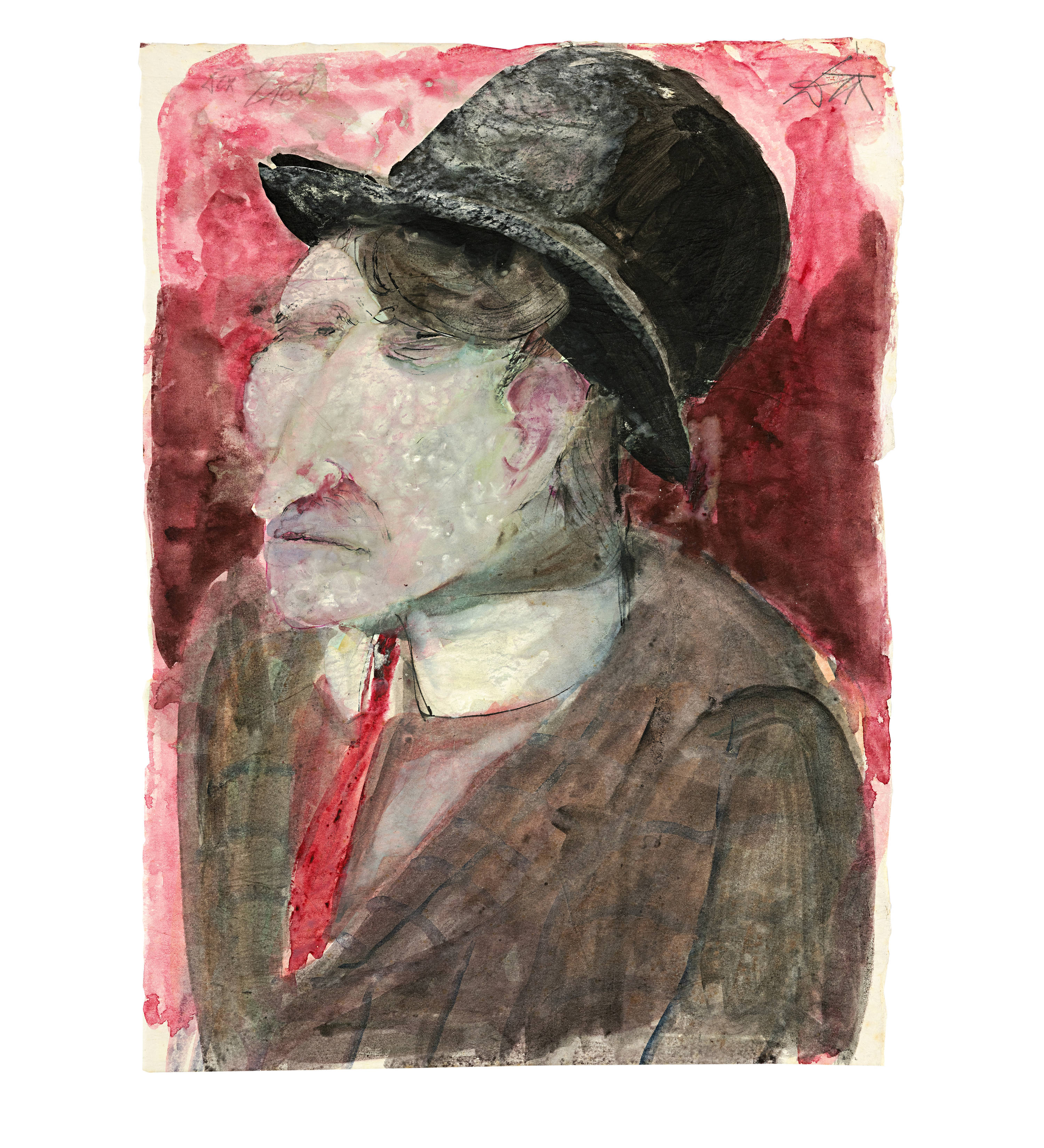
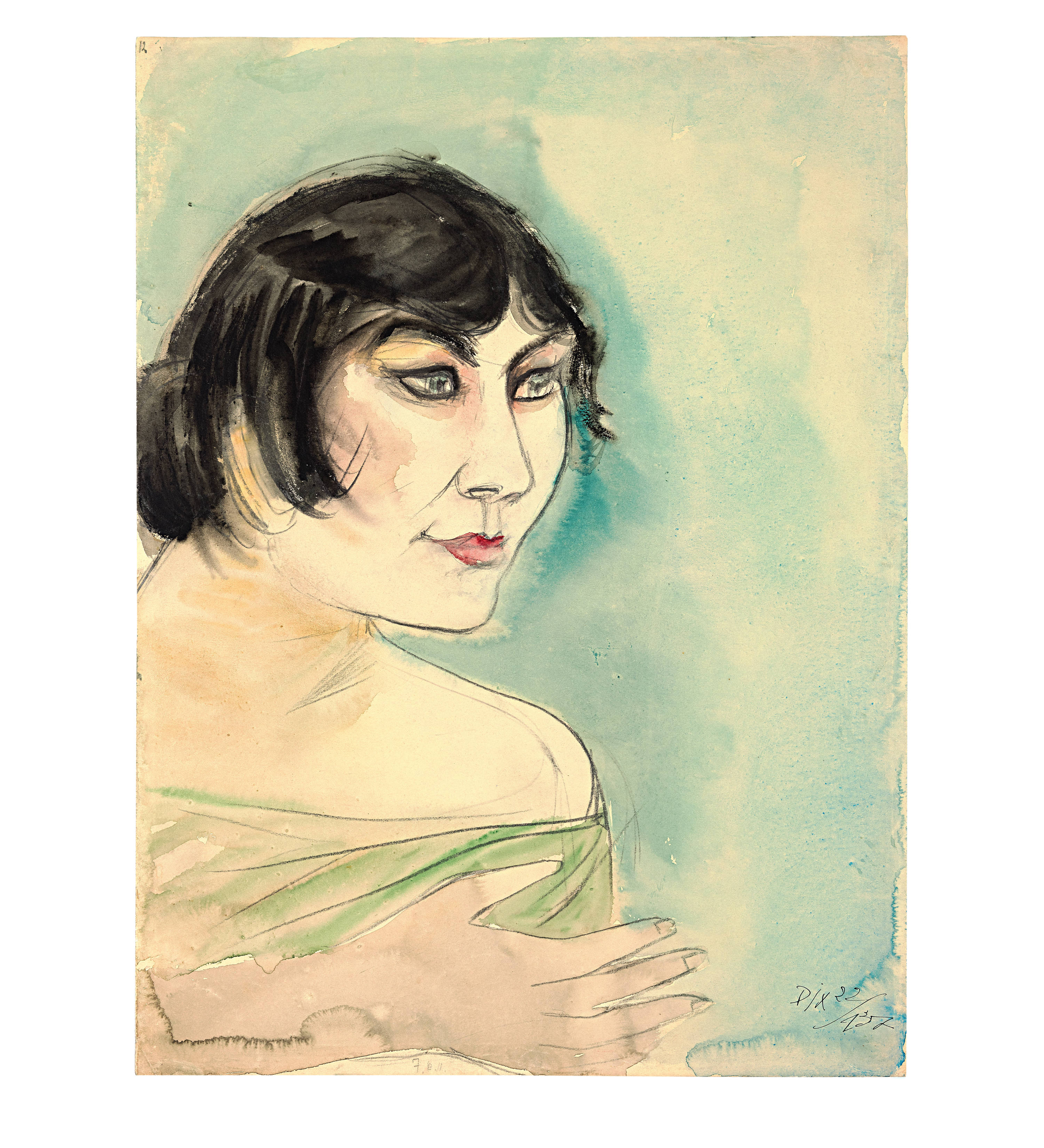
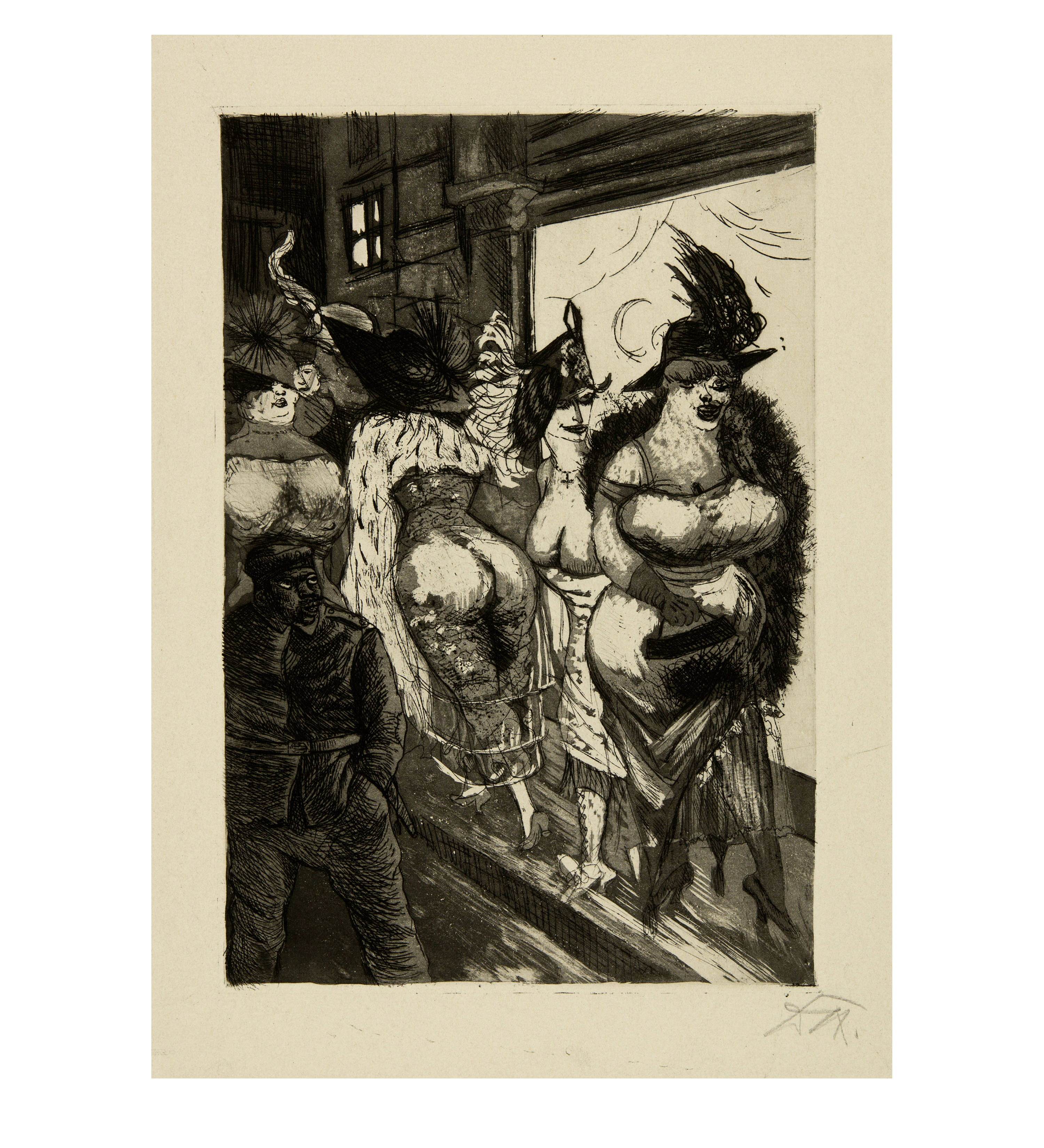
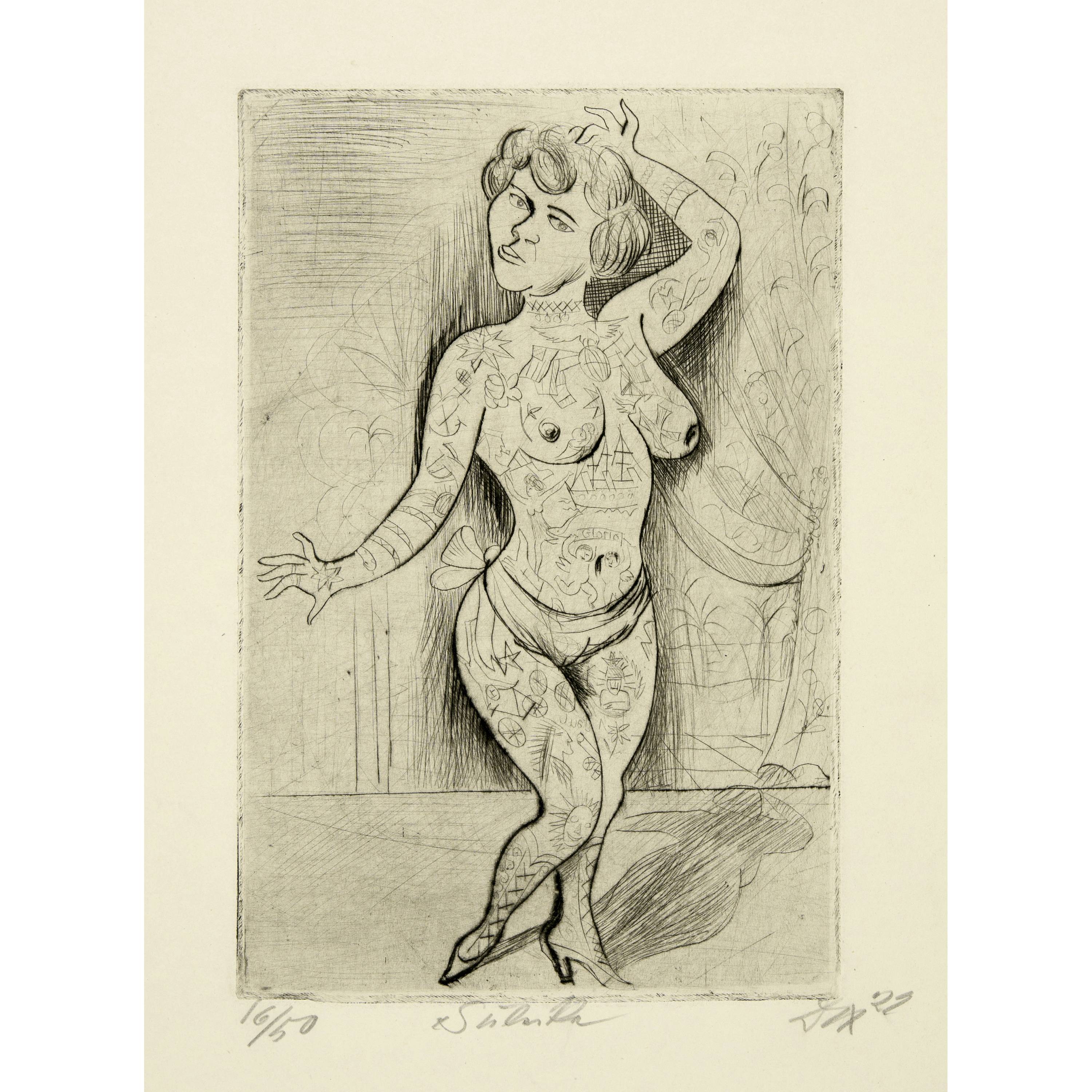
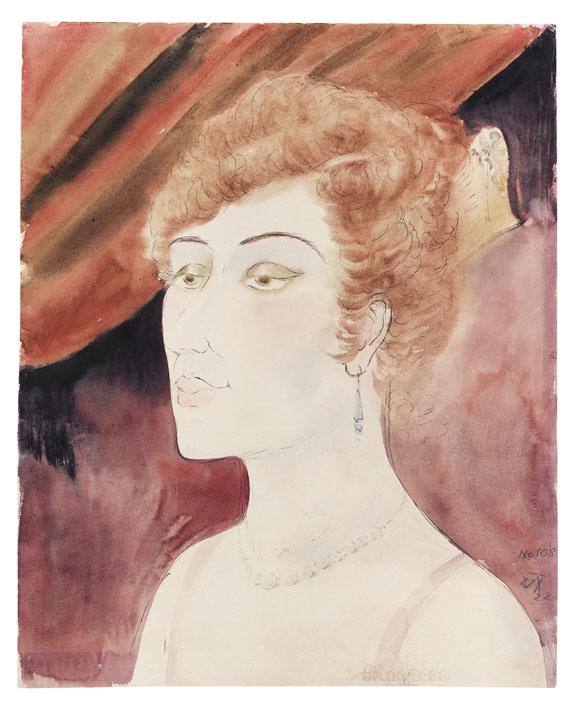
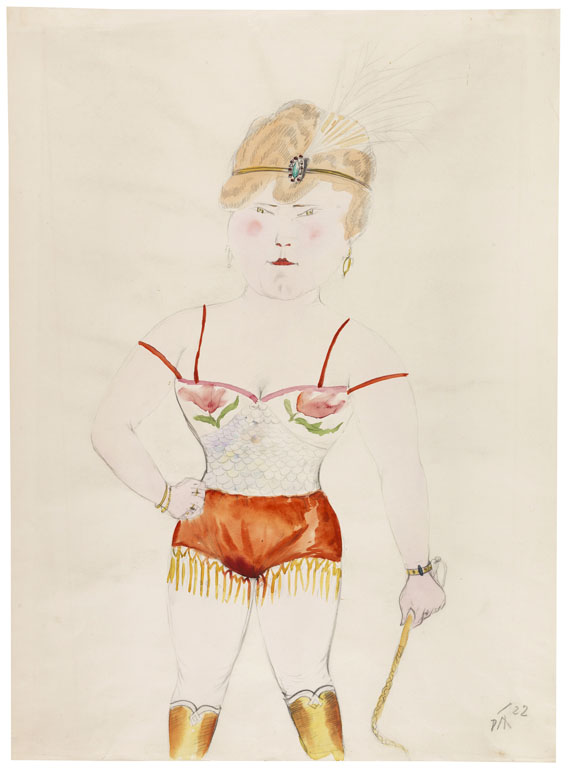
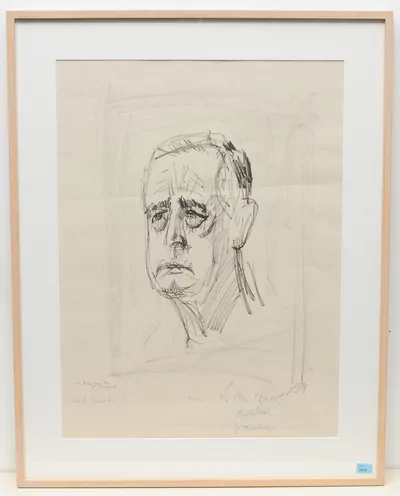
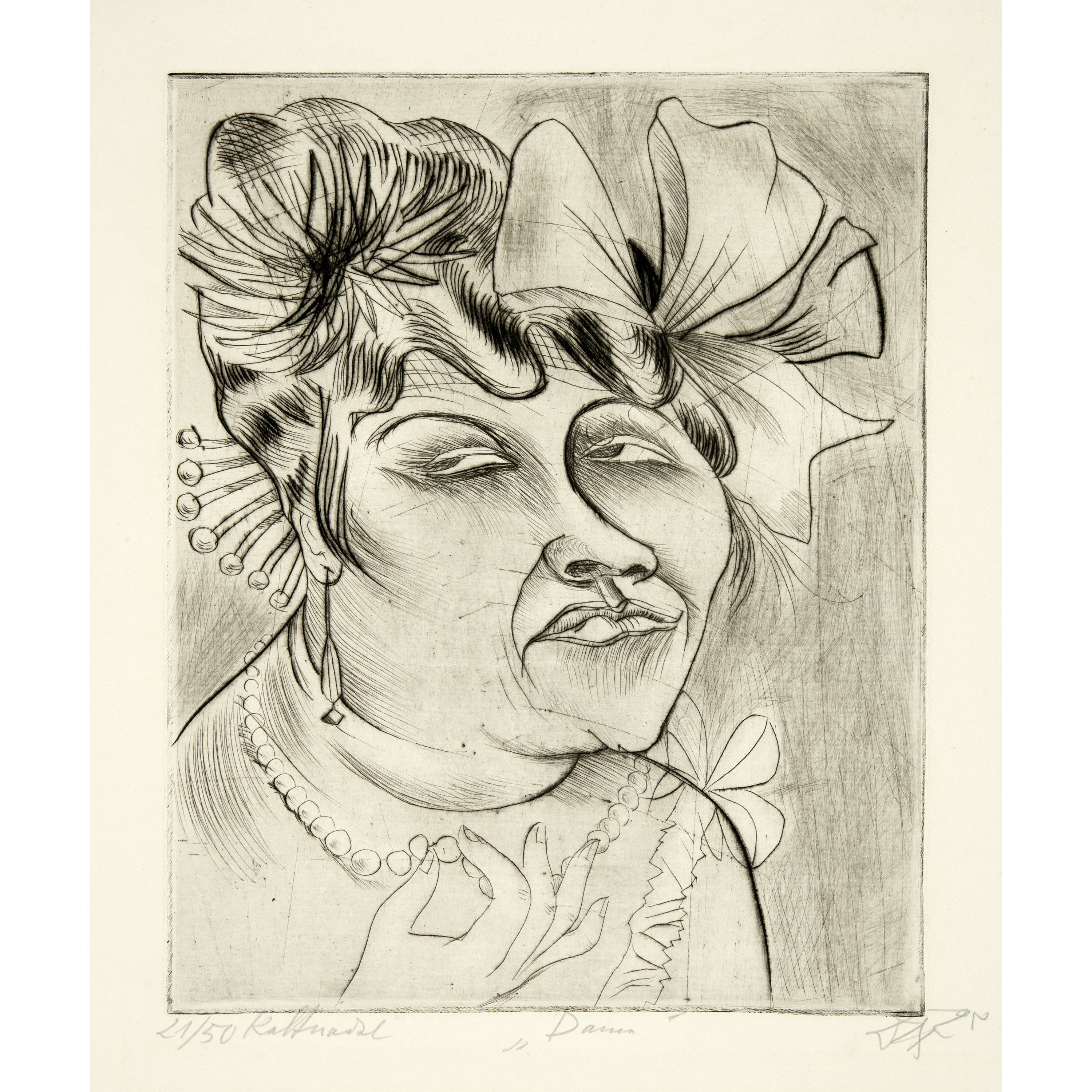
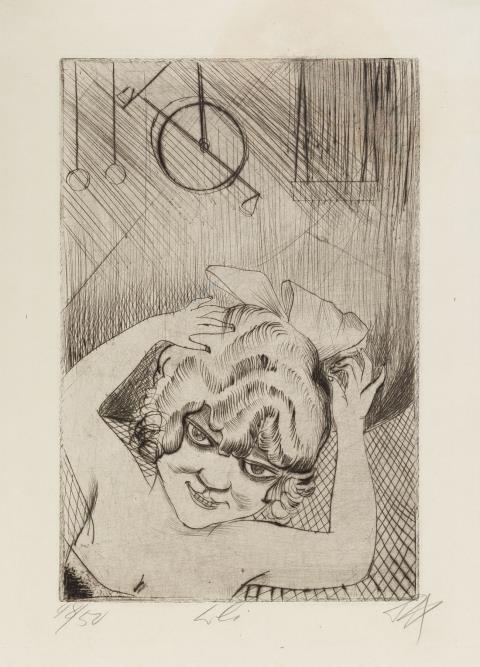
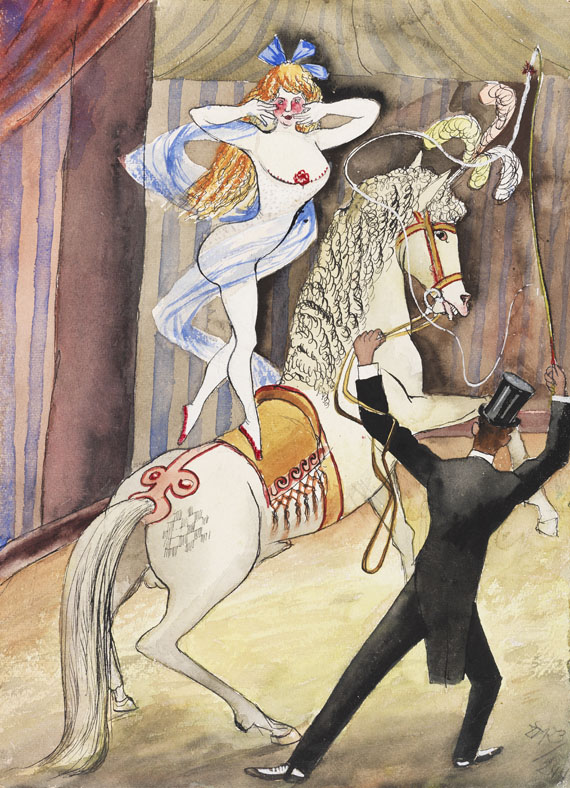
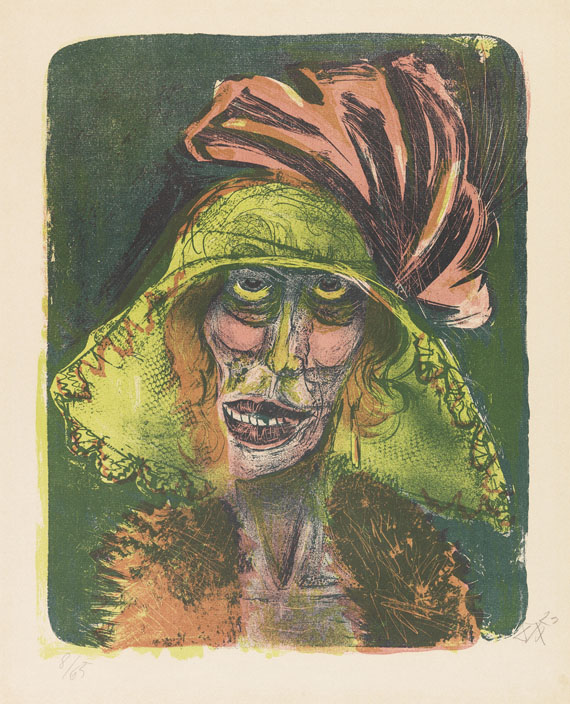
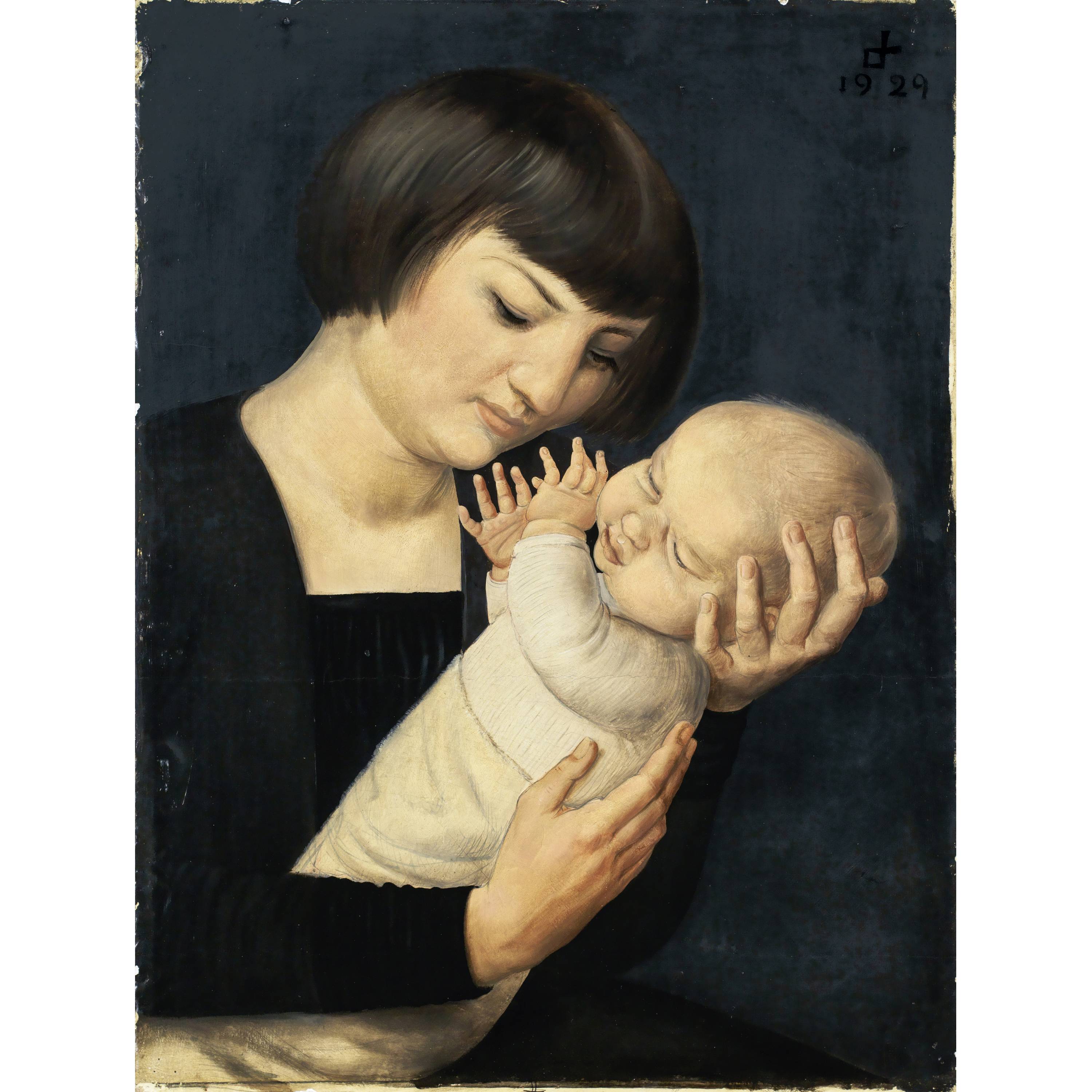
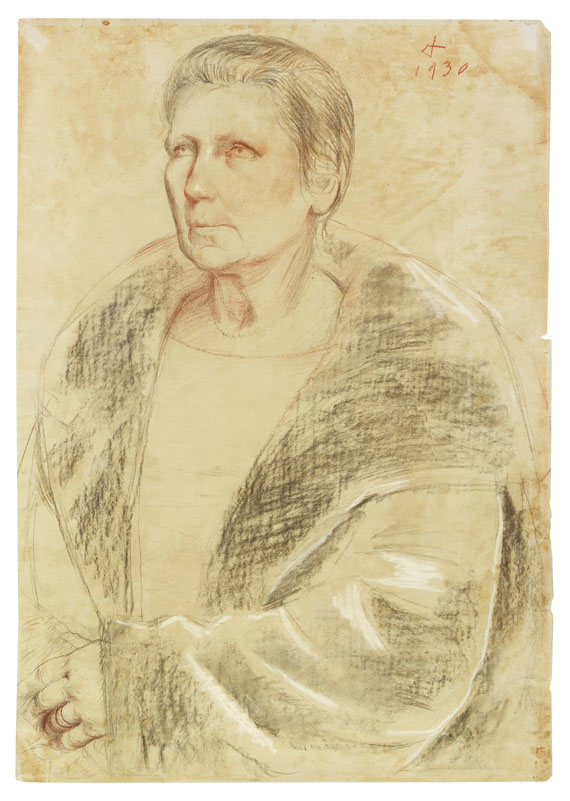
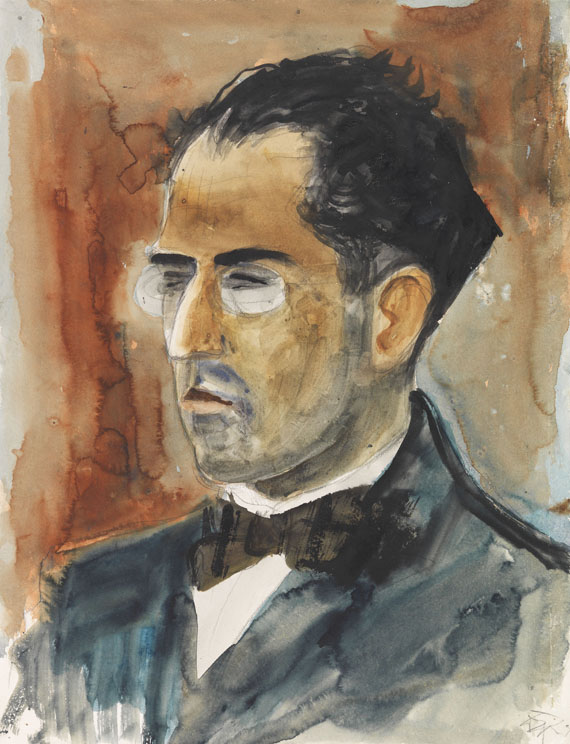
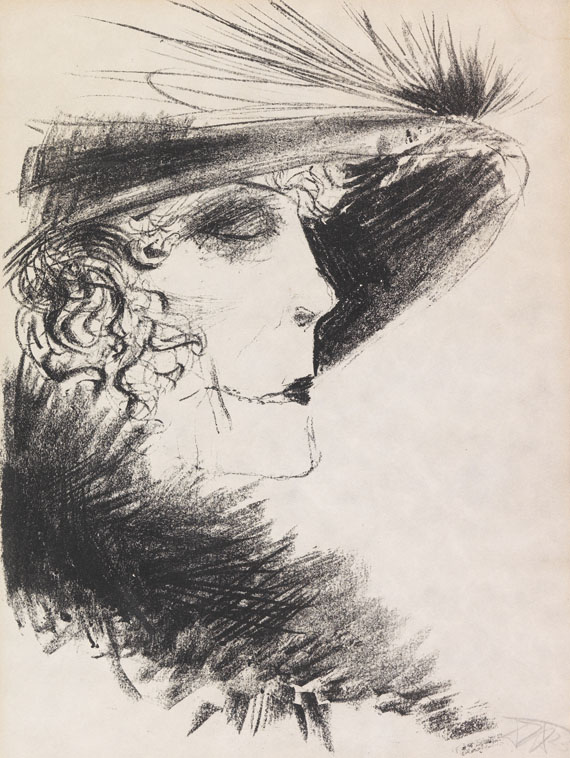
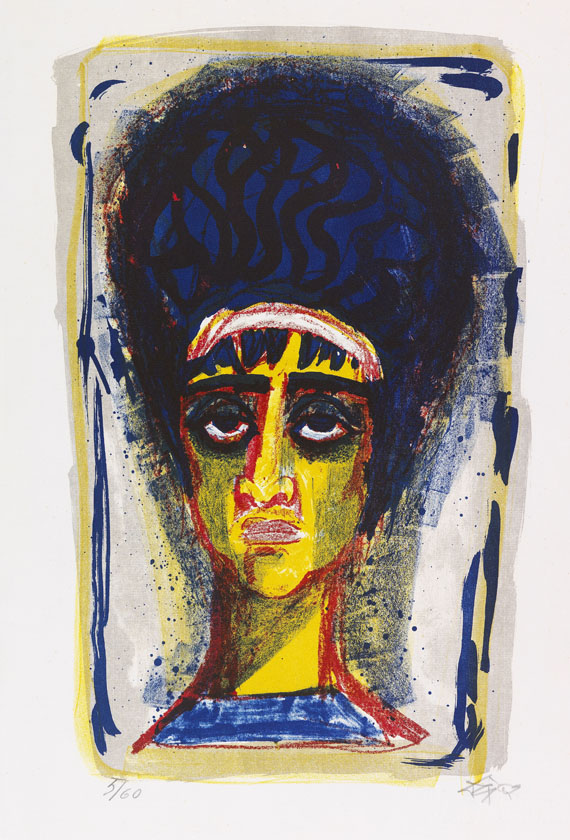
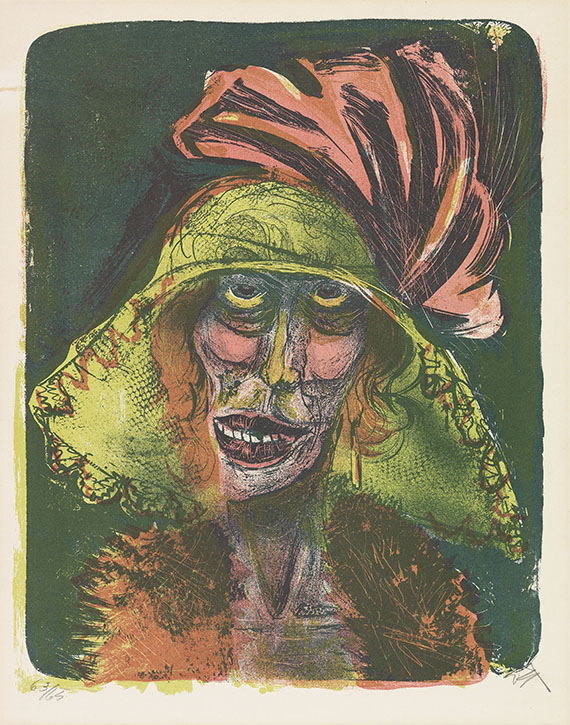
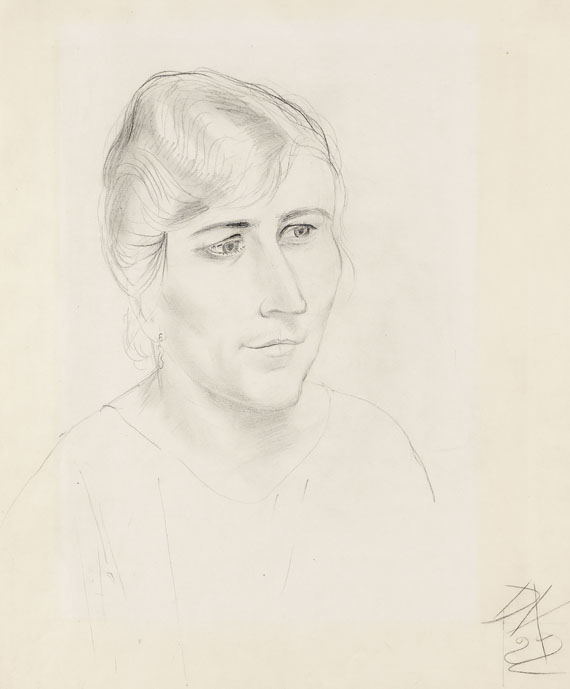
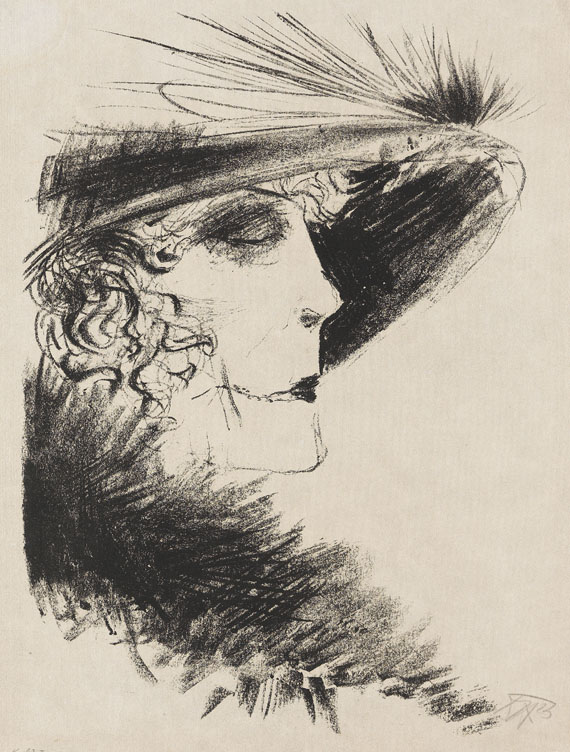
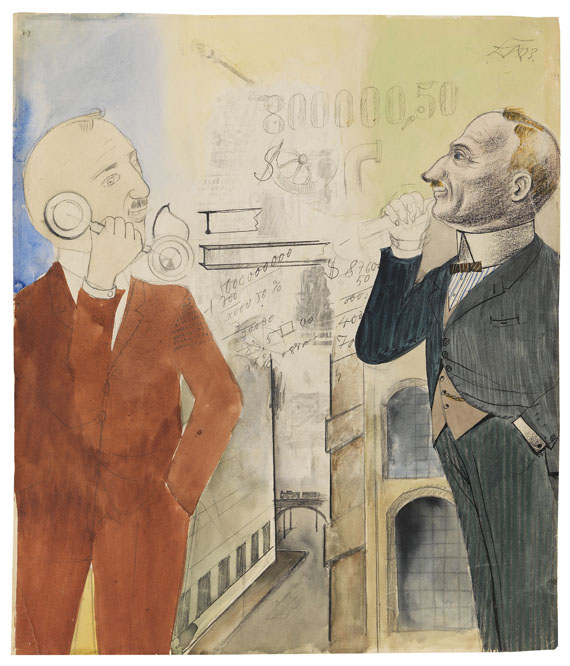
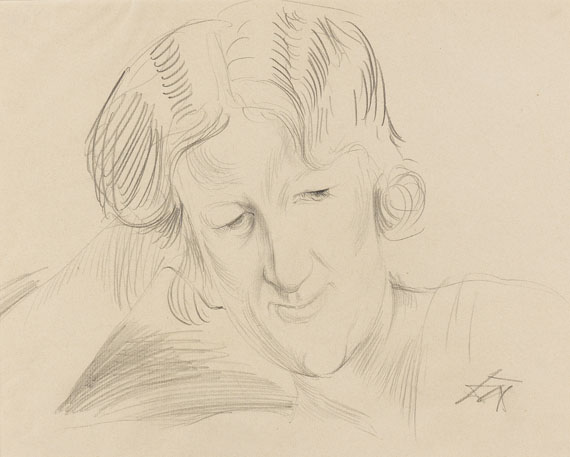
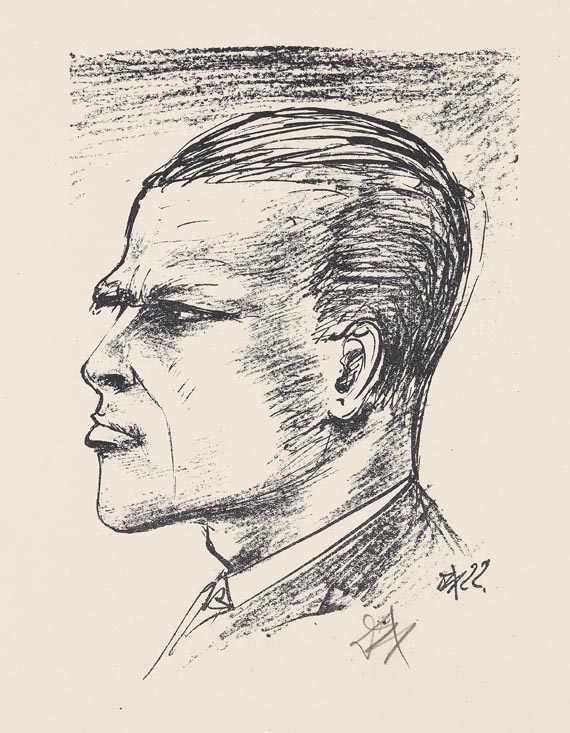
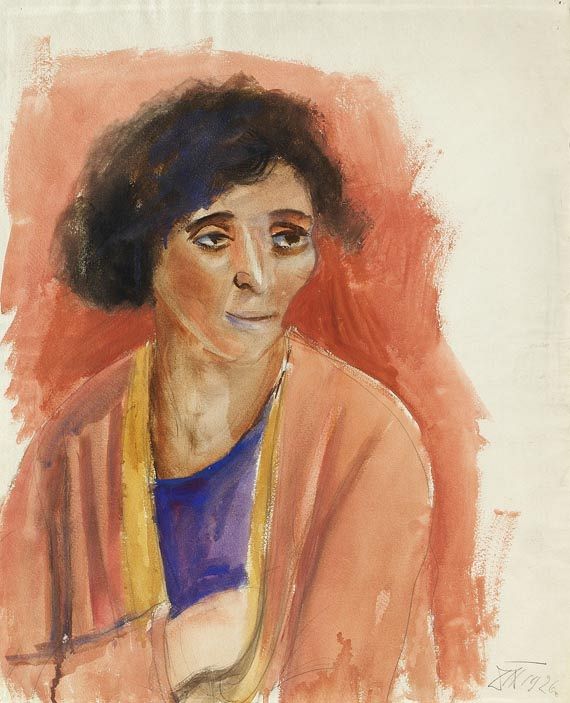
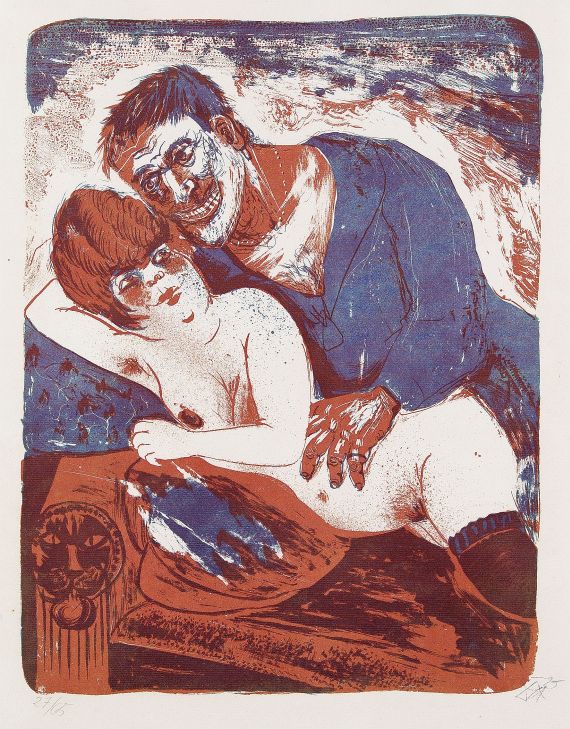
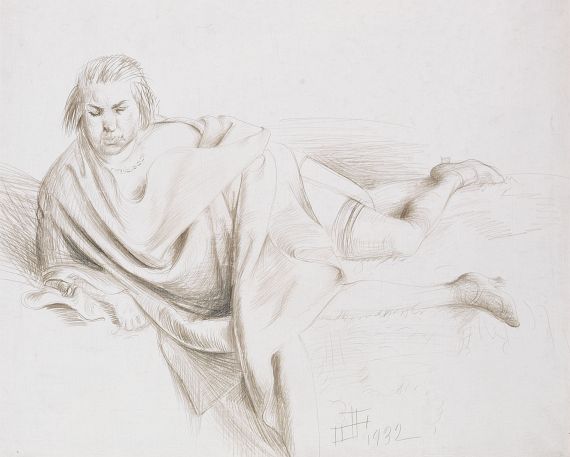
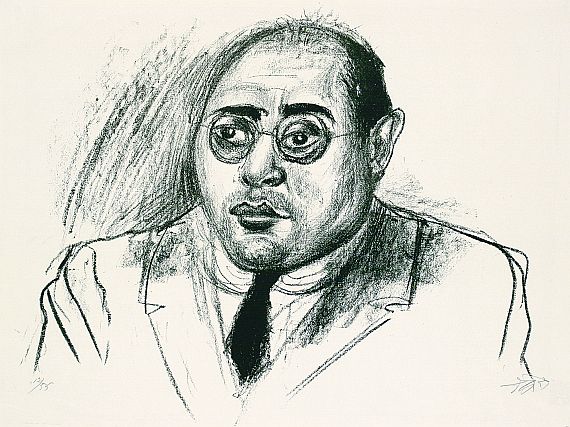
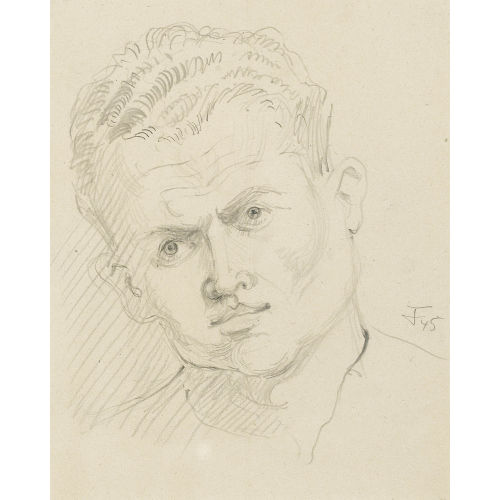
From the 1920s onwards, Dix developed an incisive realism that observed German society with a precision that was at times caricatural. His portraits capture individuals through their clothing, posture and the signs of their social milieu. Portrait of the Journalist Sylvia von Harden (1926), held at the Centre Pompidou, depicts a Berlin intellectual alone in a café, cigarette in hand.
The museum emphasises the way Dix combines detached observation with social satire, while also giving his sitter an independent and modern presence.
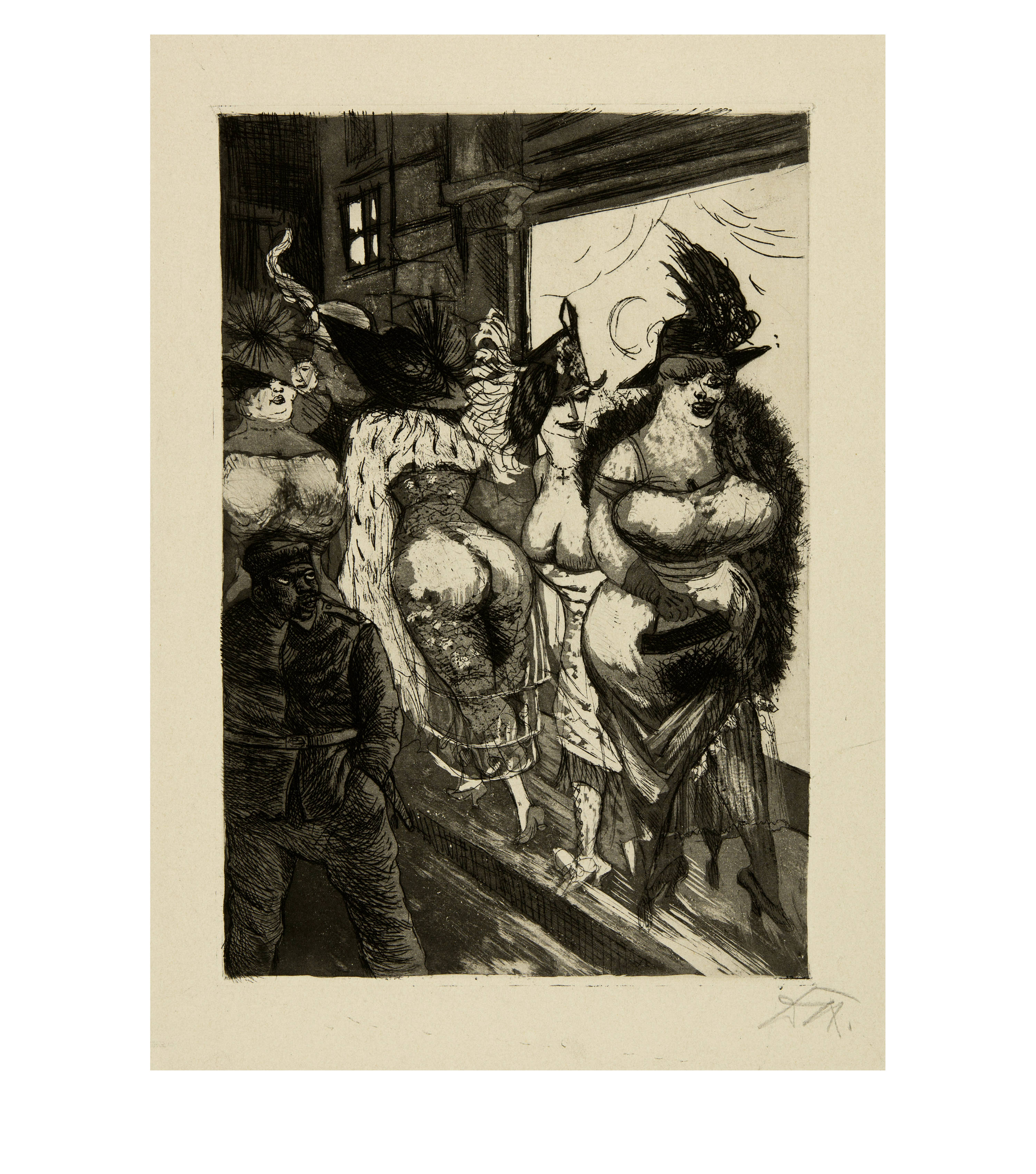
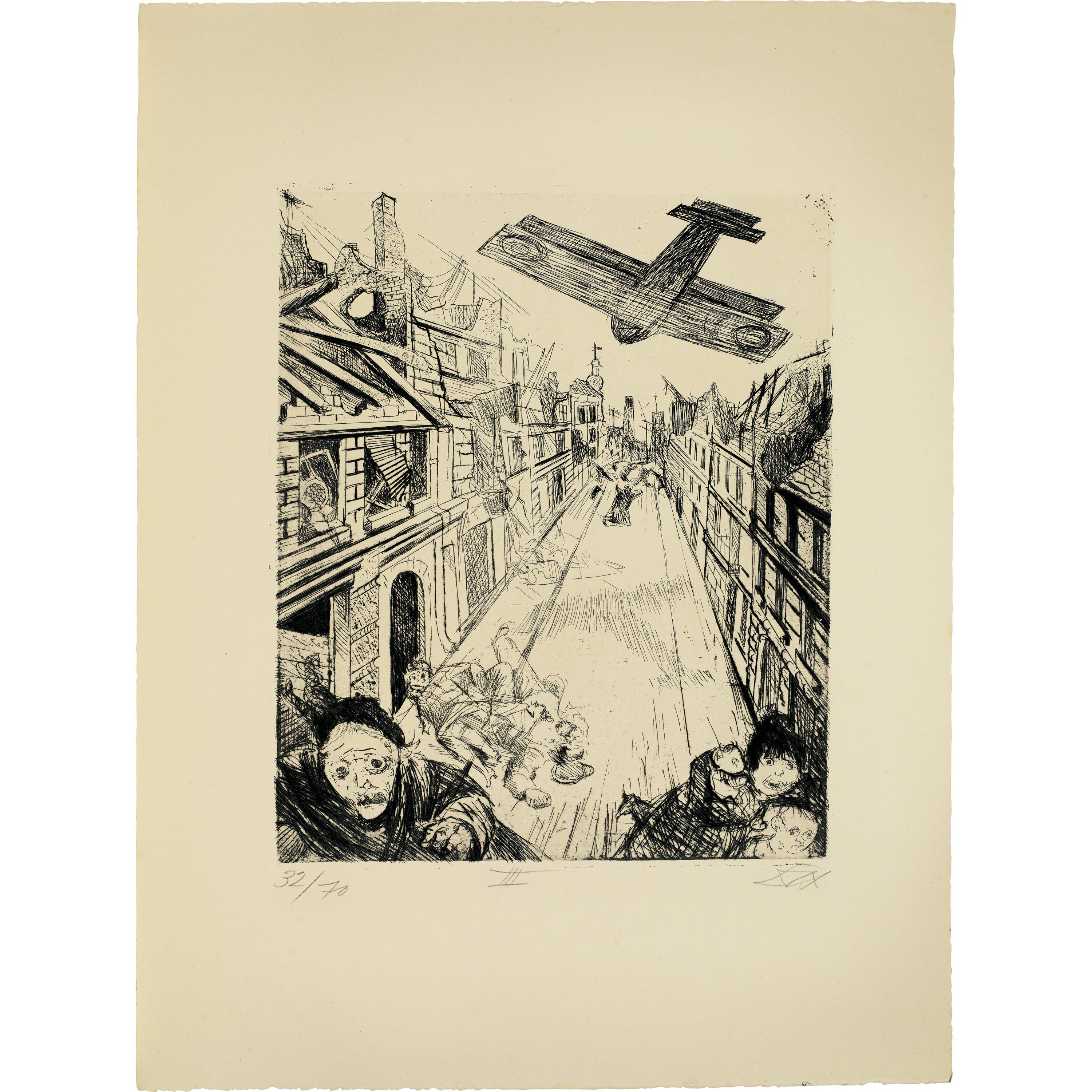
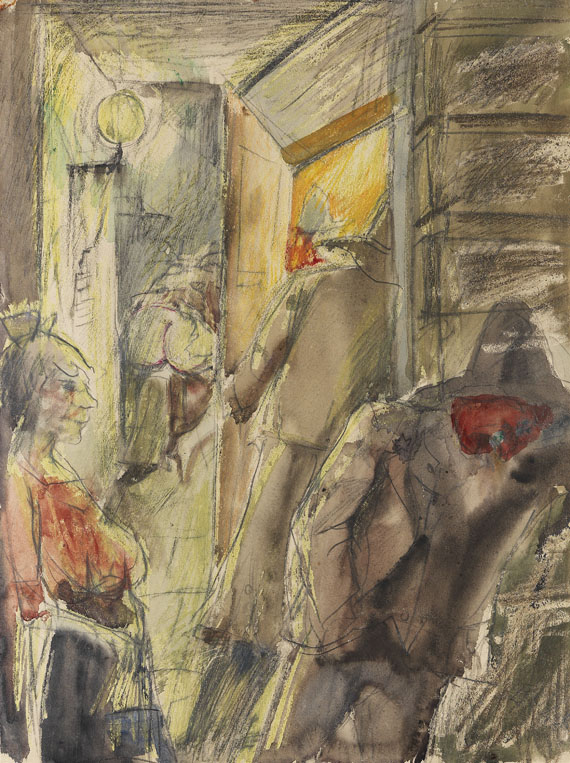
War remained one of his major subjects. In the triptych The War (1929–1932), he drew on the forms of old altarpieces to confront viewers with destruction and suffering. At the same time, the triptych The Big City (1927–1928), now at the Kunstmuseum Stuttgart, stages the nightlife and social contrasts of the Weimar Republic.
These works show how his realism extended from portraiture to large-scale collective compositions.
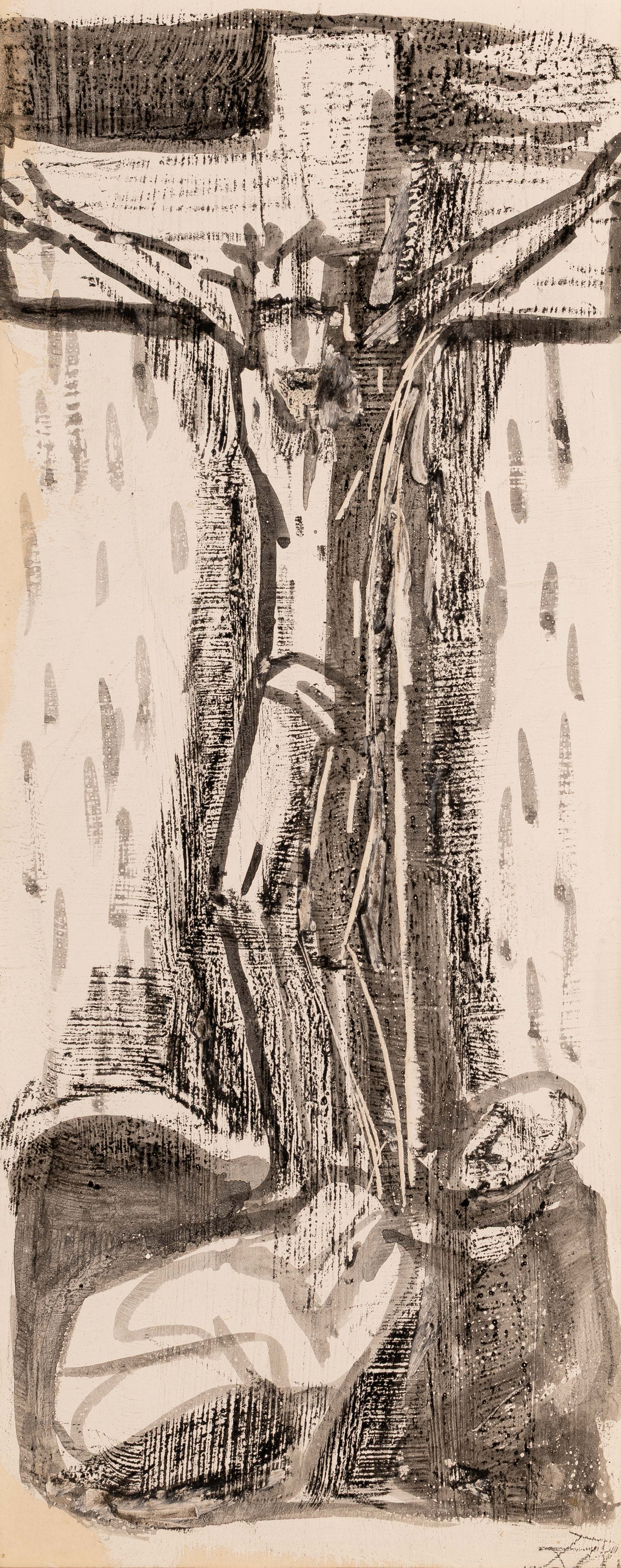
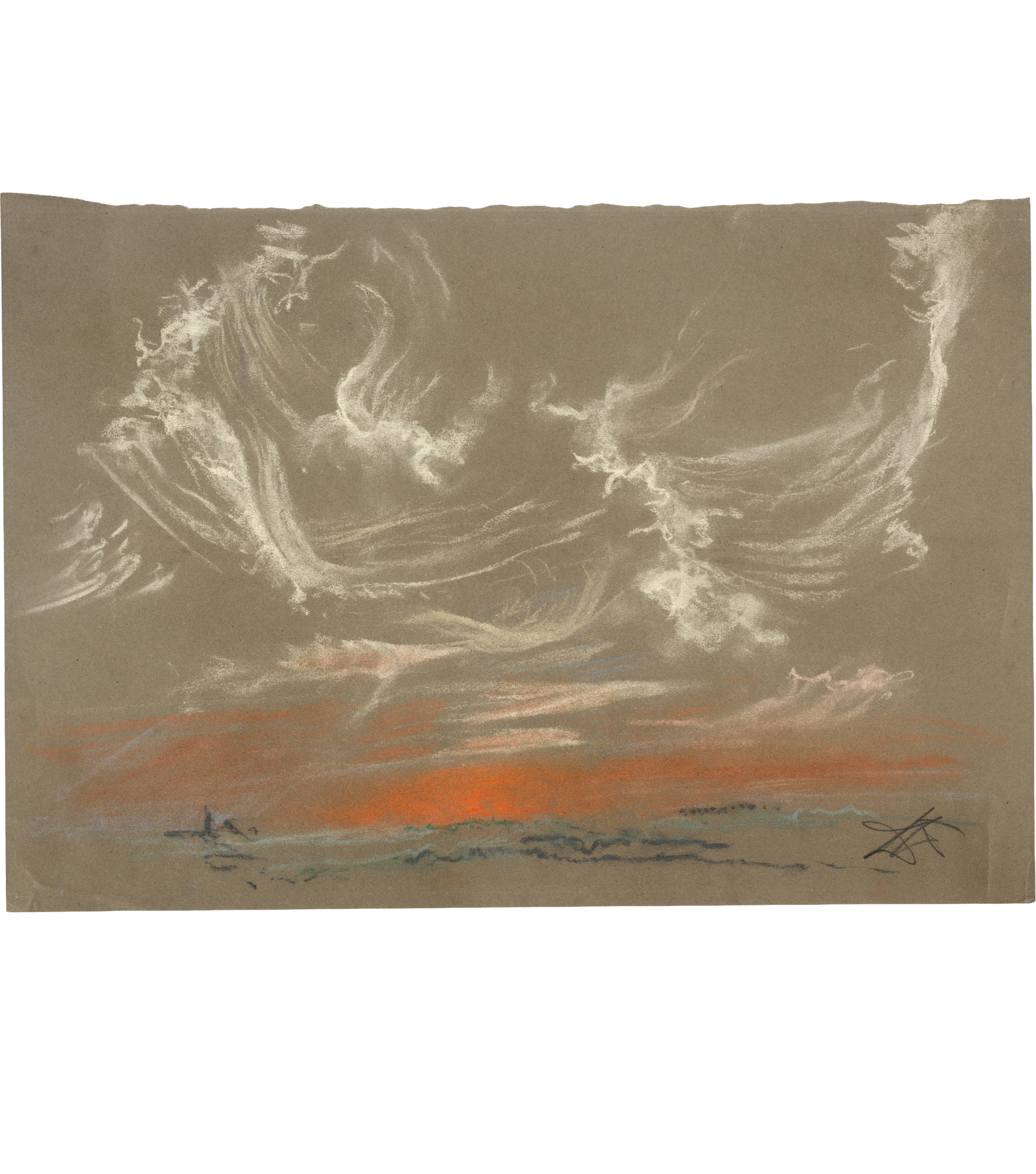
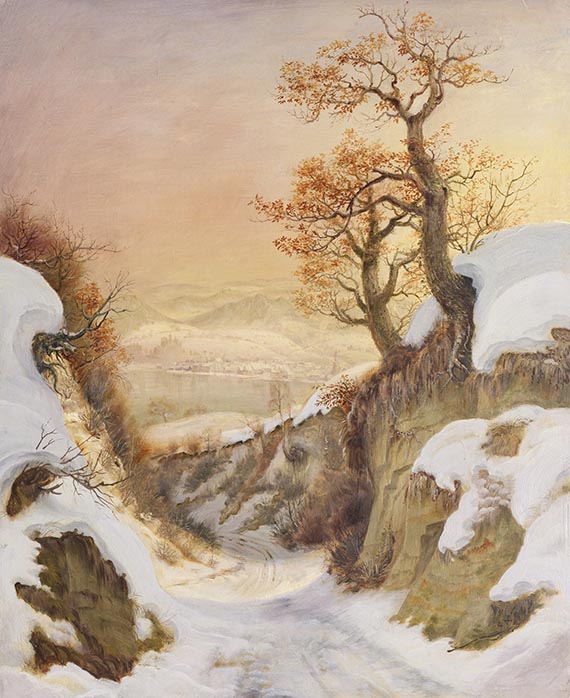
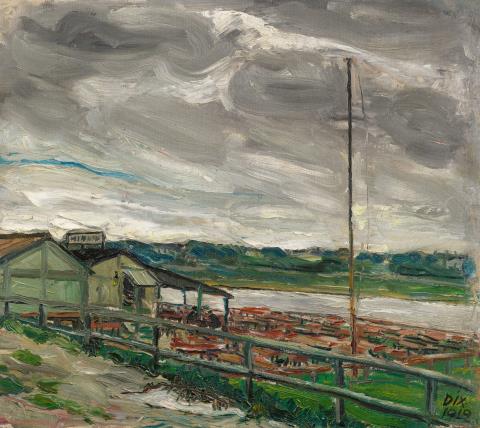
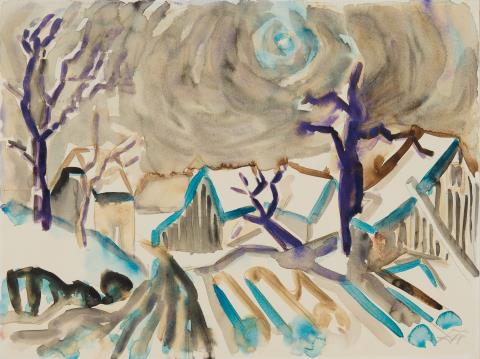
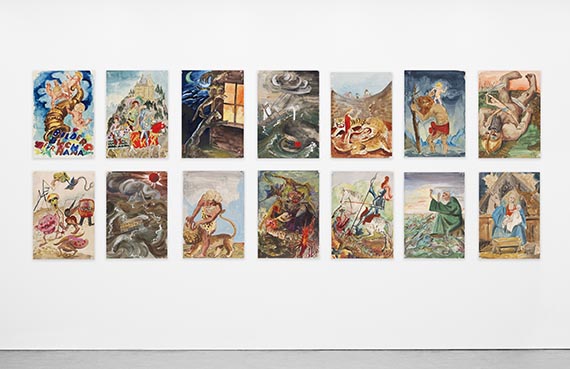
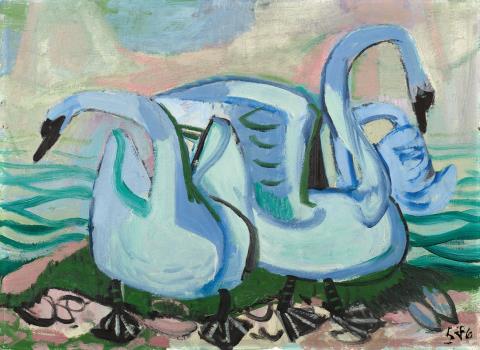
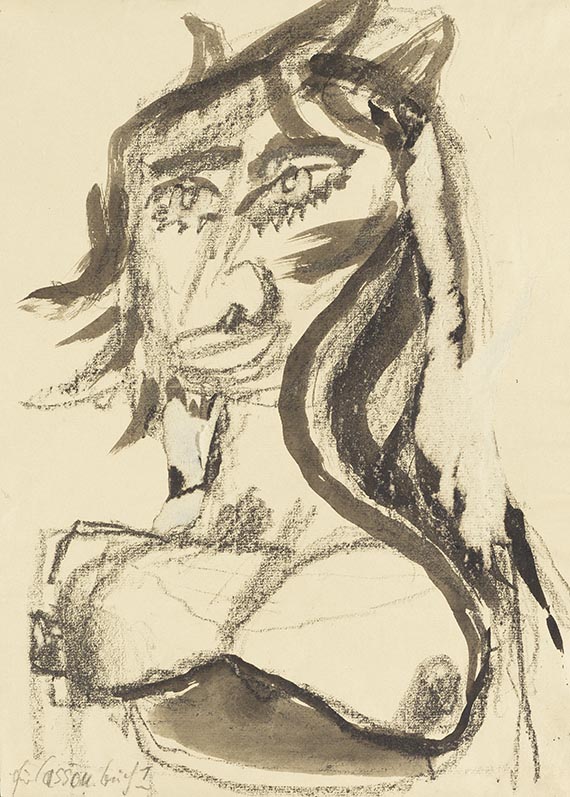
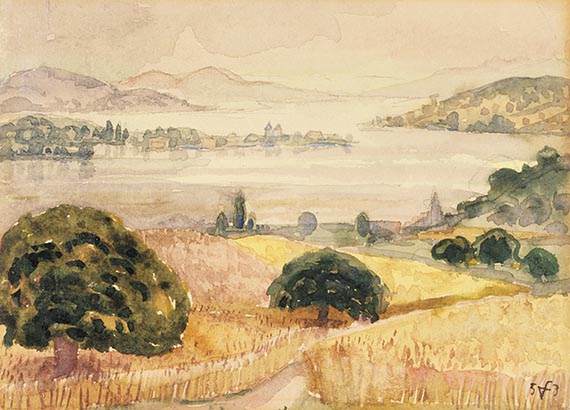
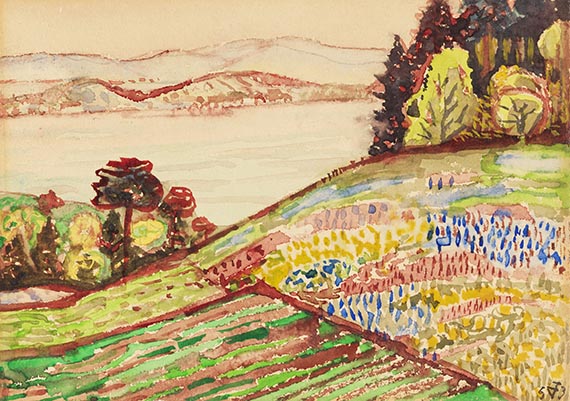
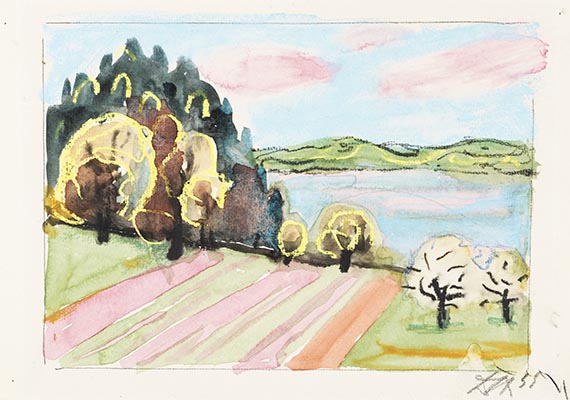
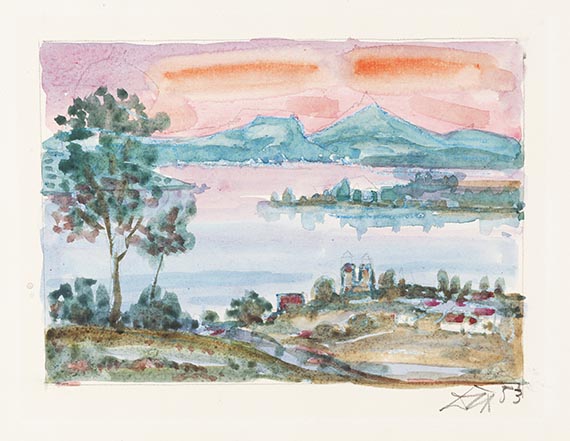
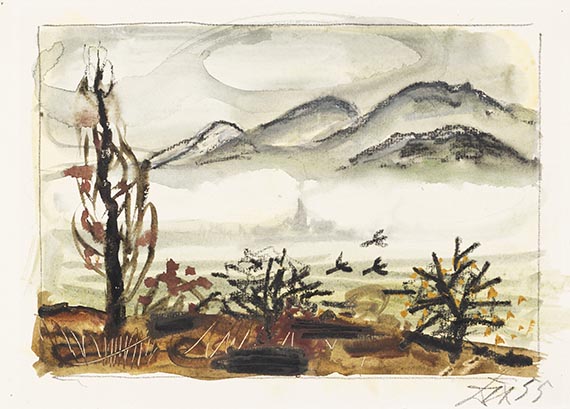
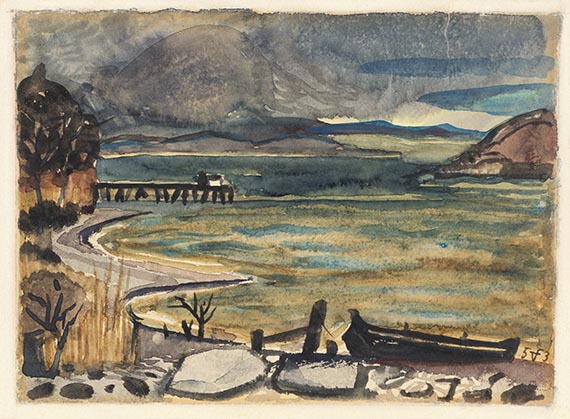
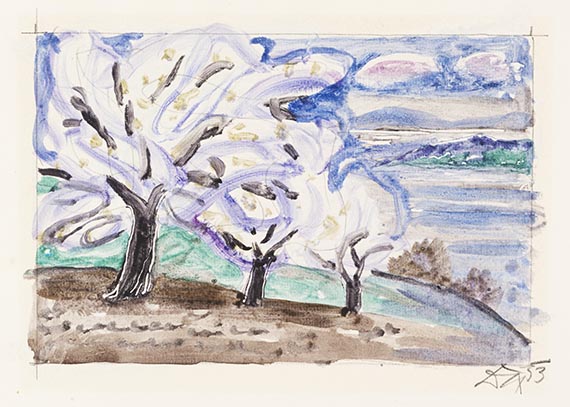
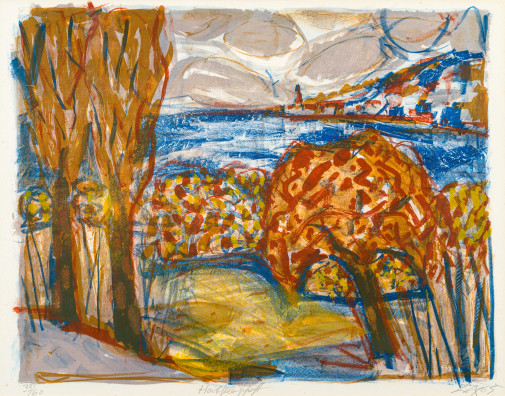
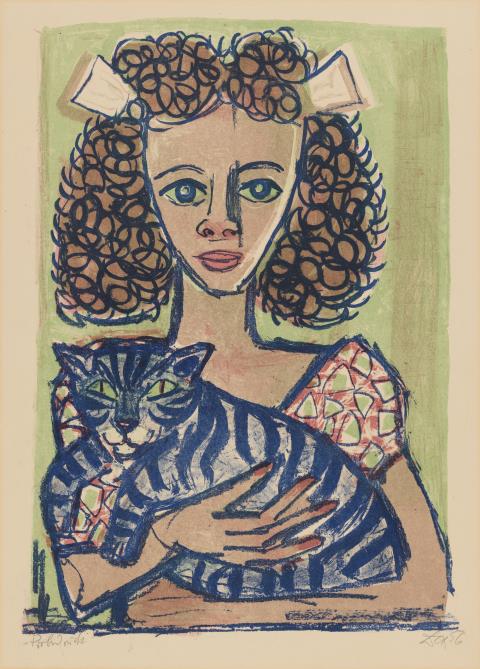
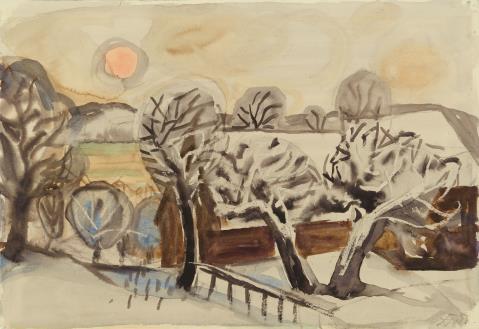
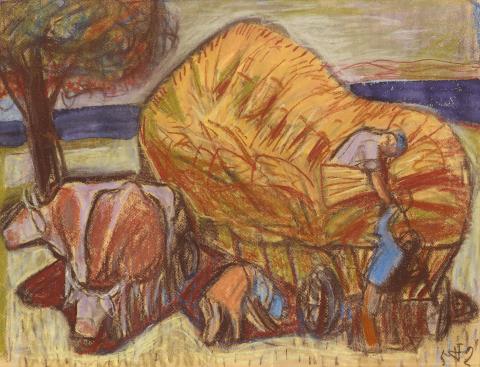
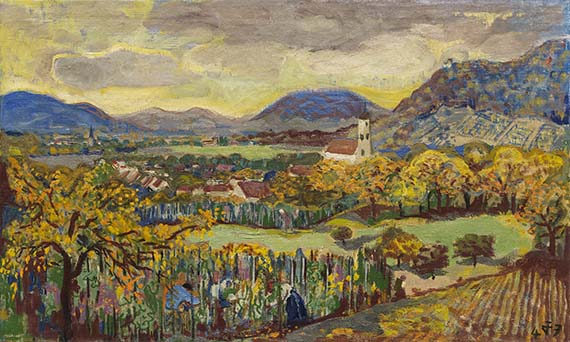
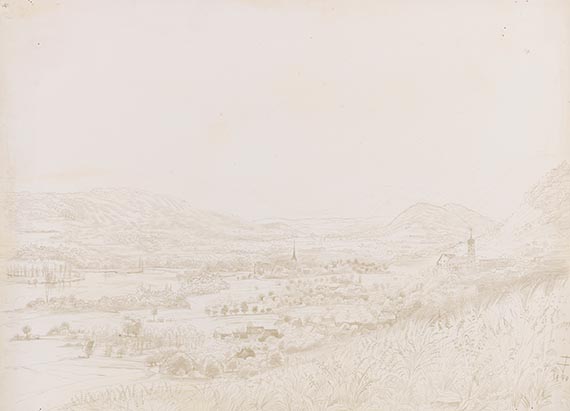
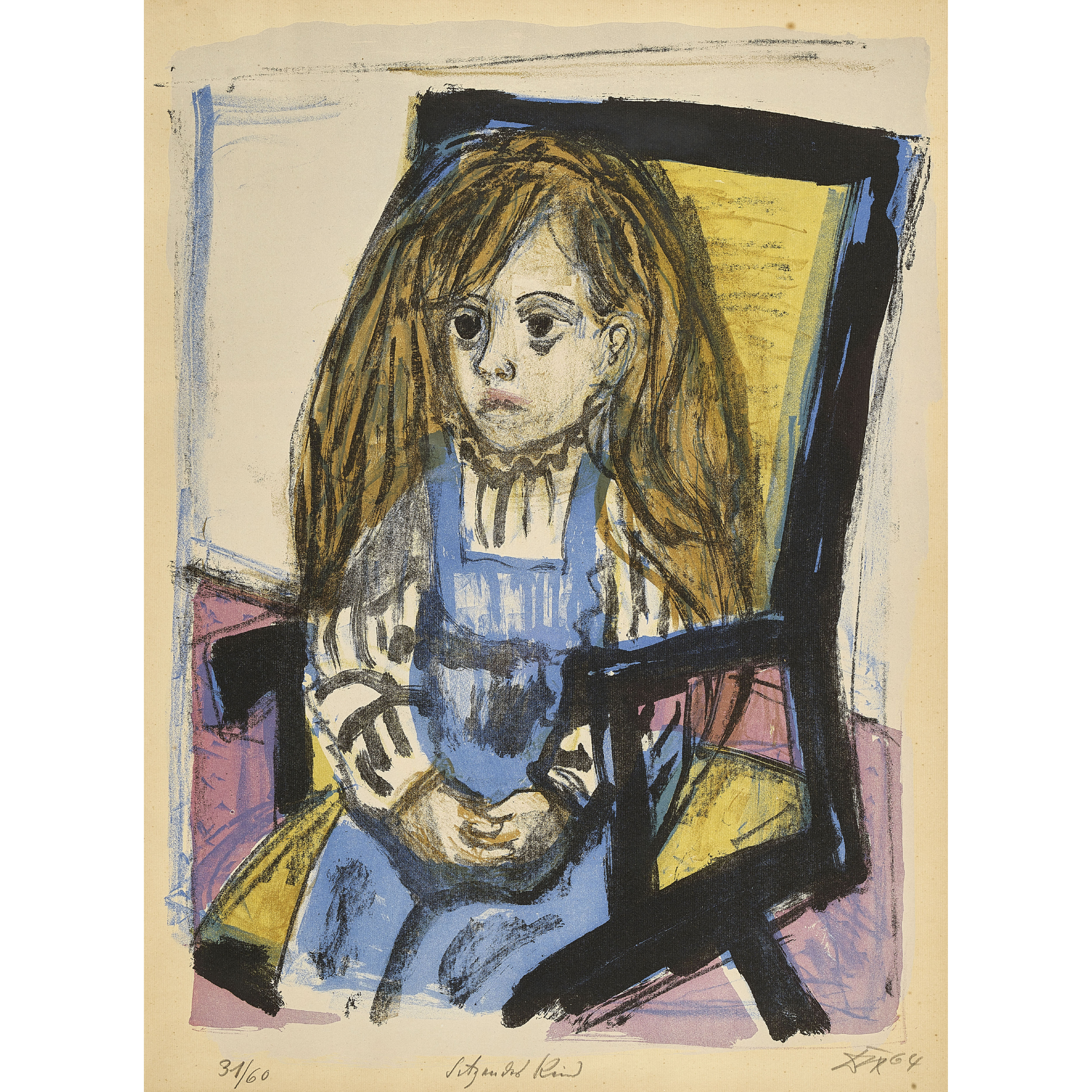
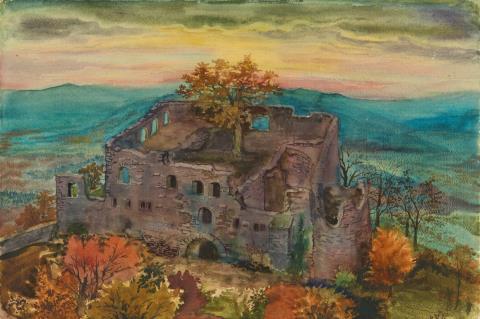
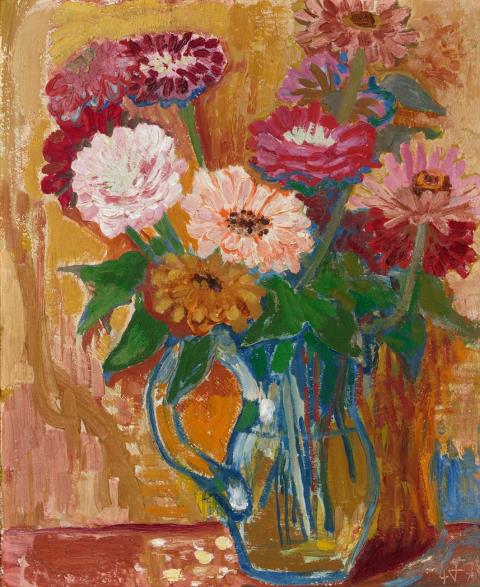
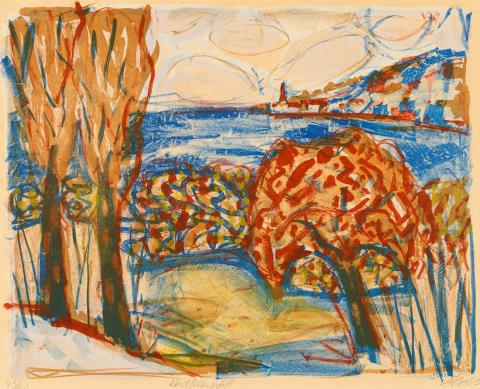
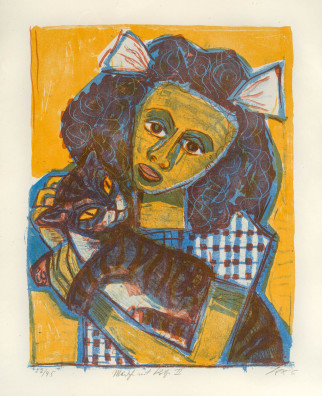
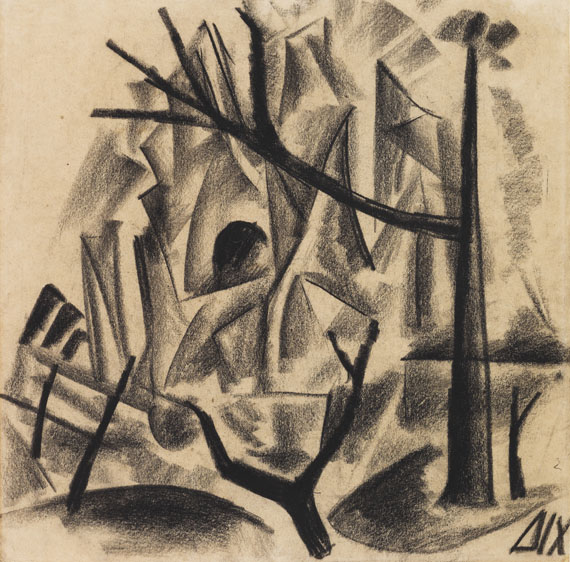
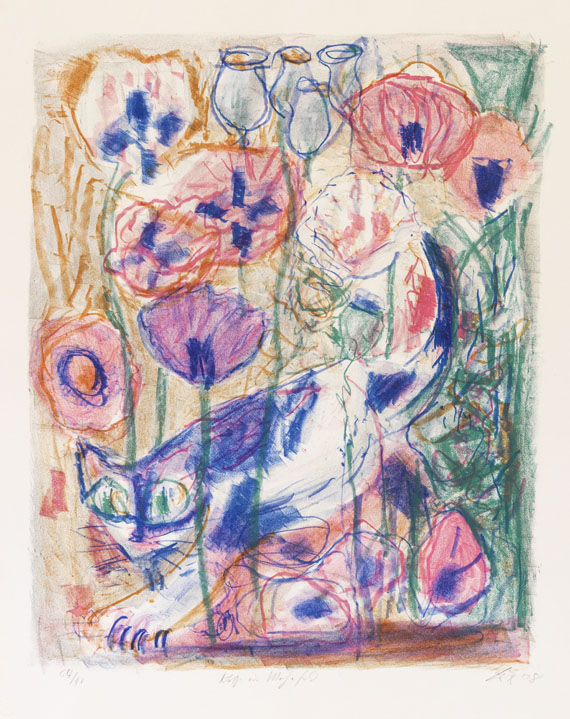
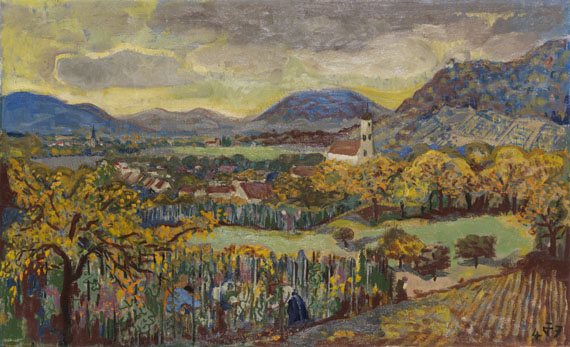
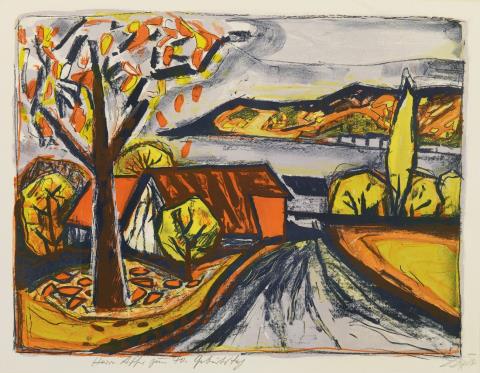
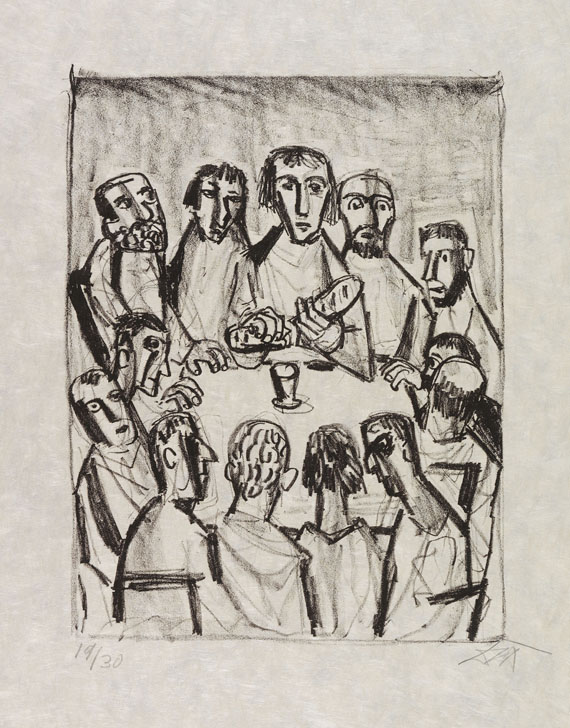
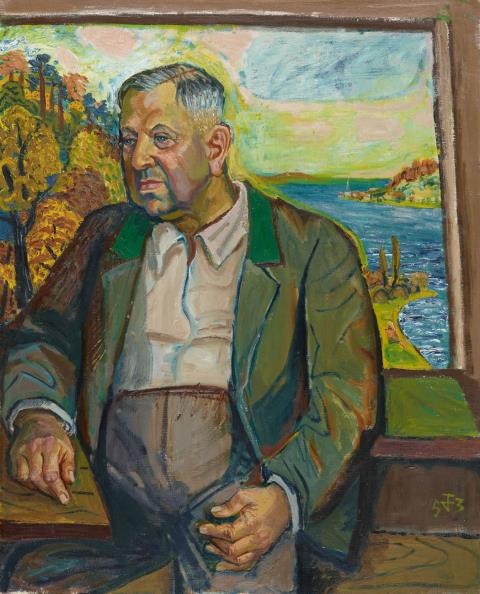
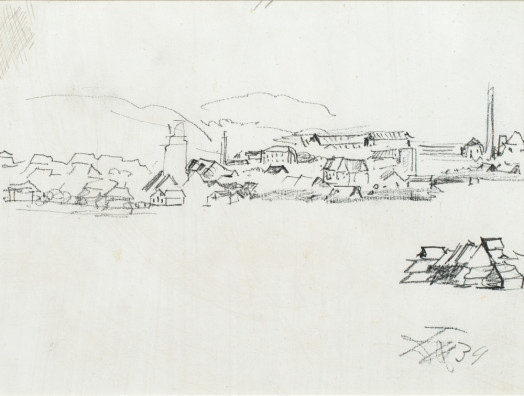
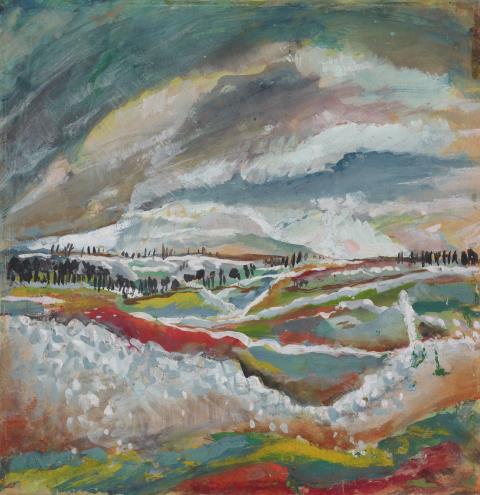
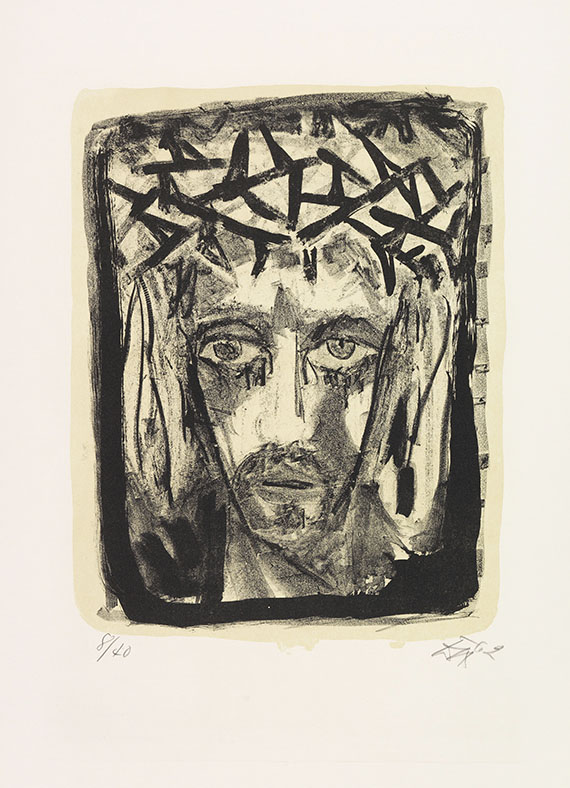
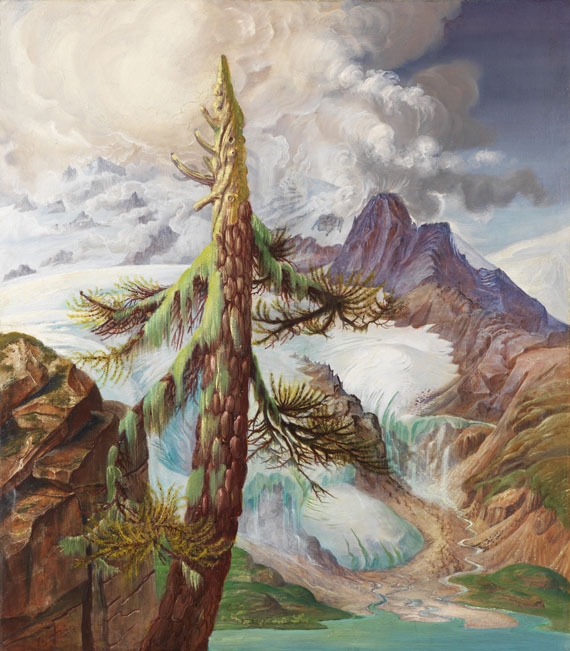
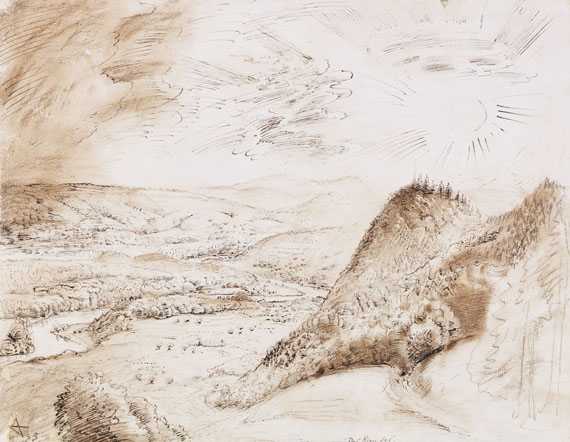
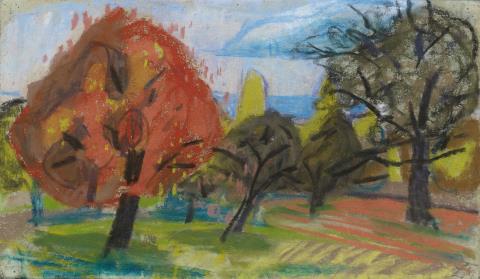
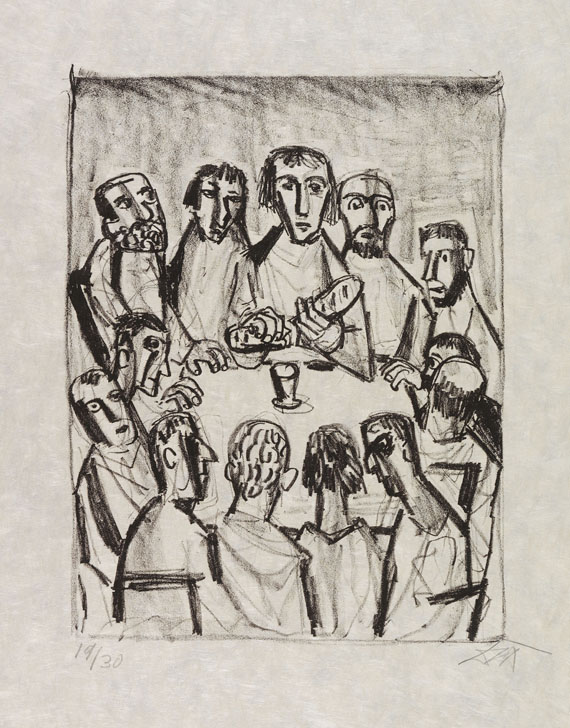
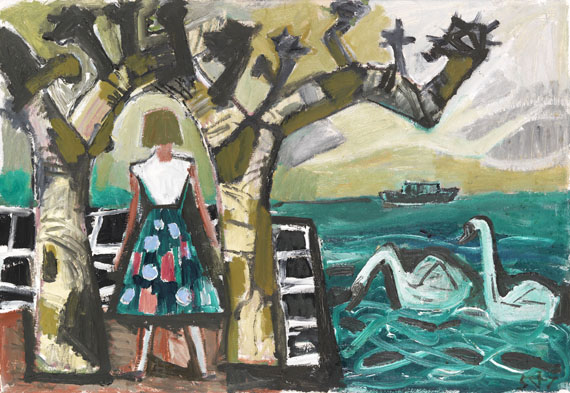
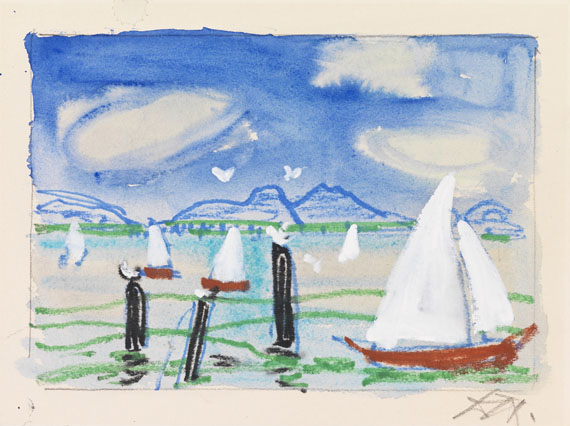
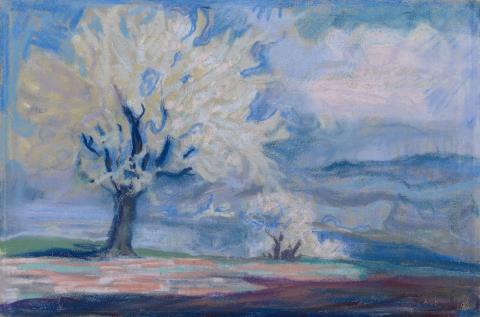
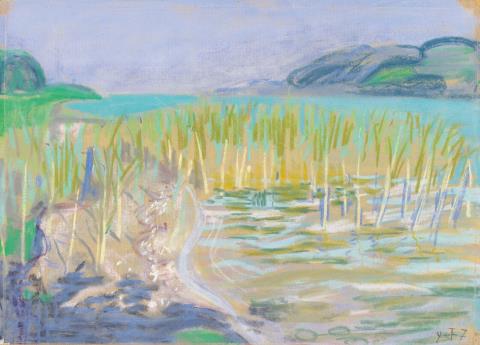
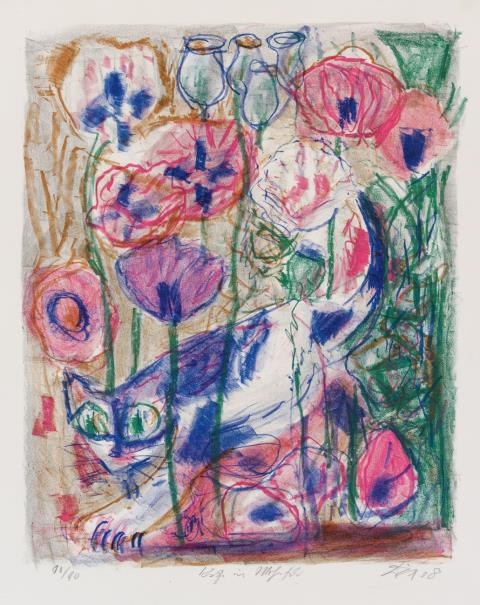
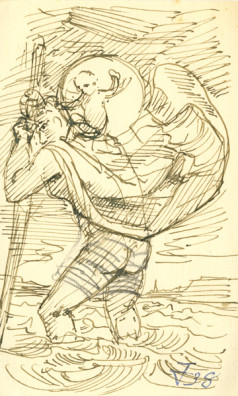
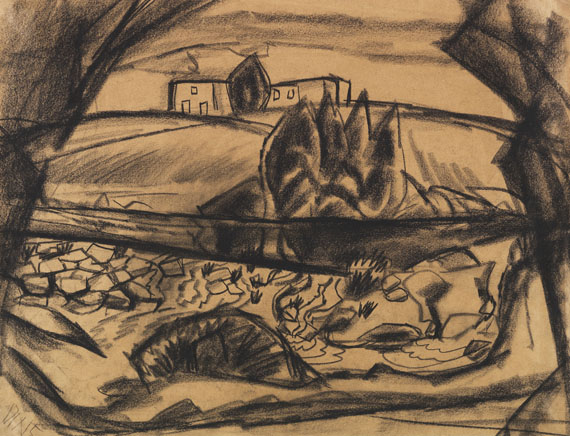
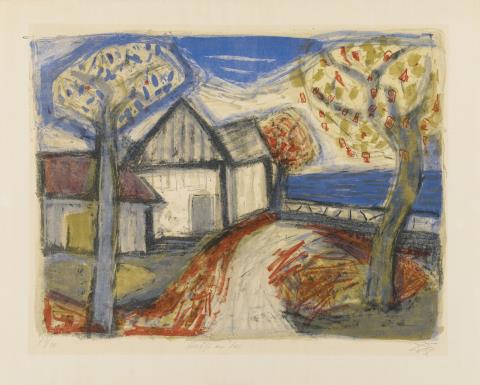
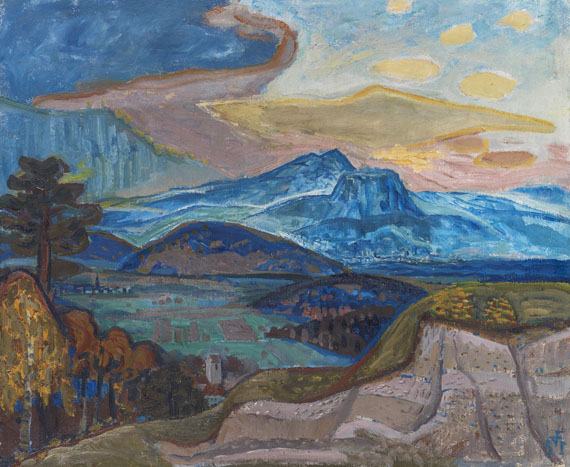
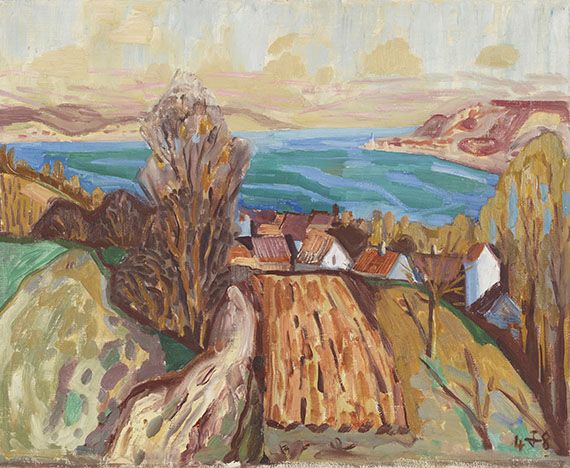
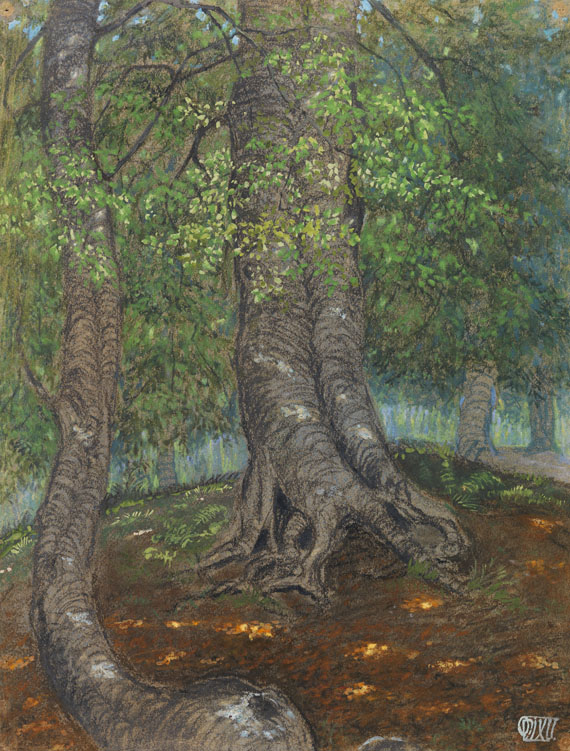
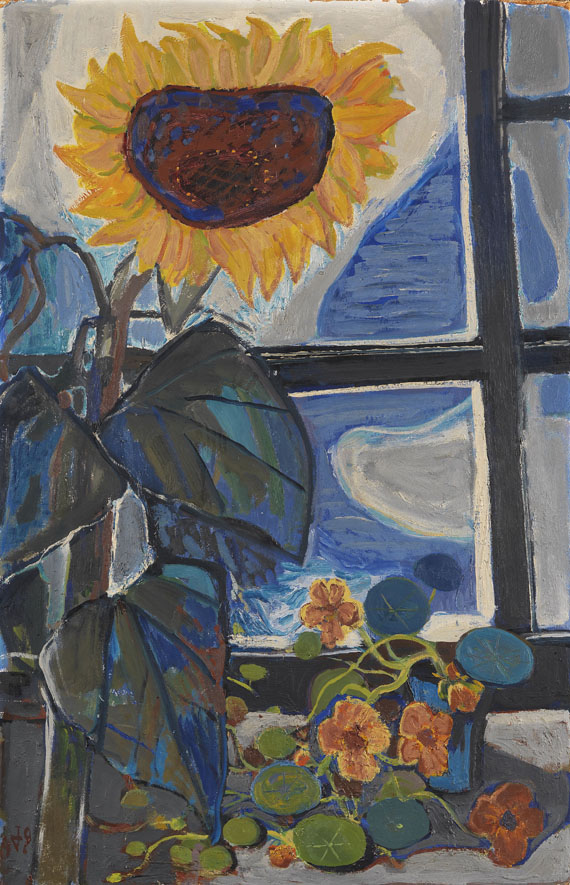
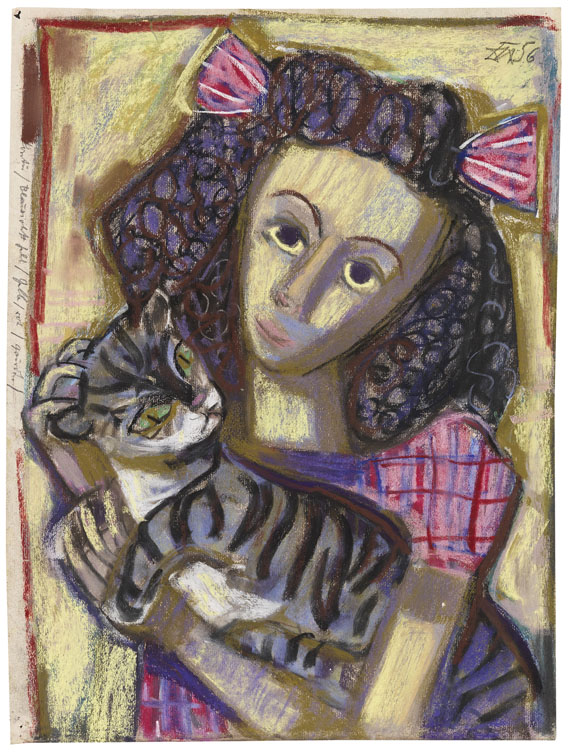
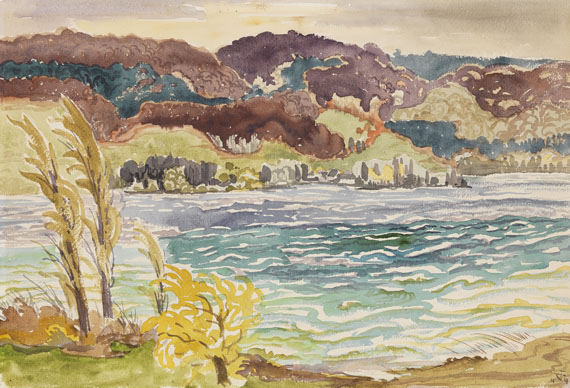
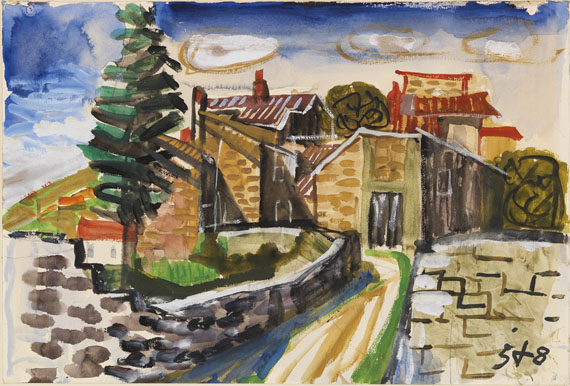
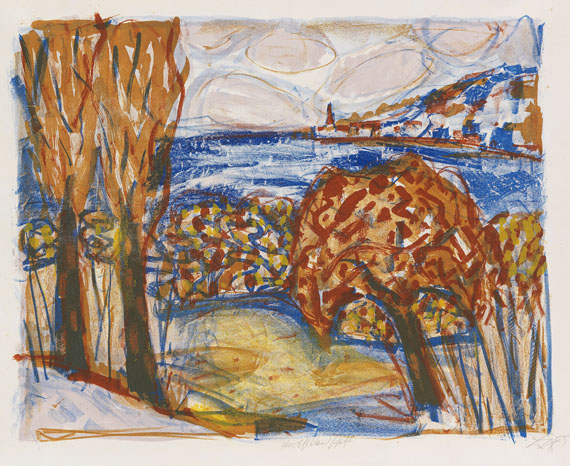
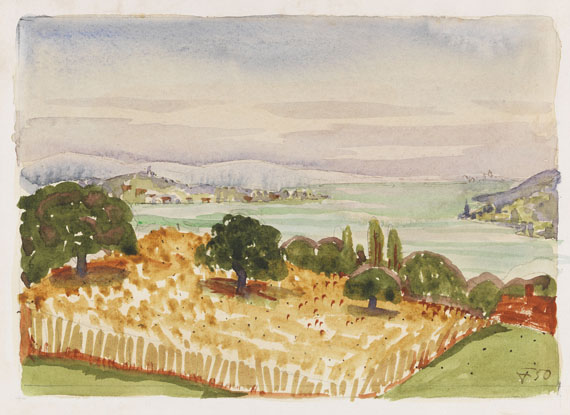
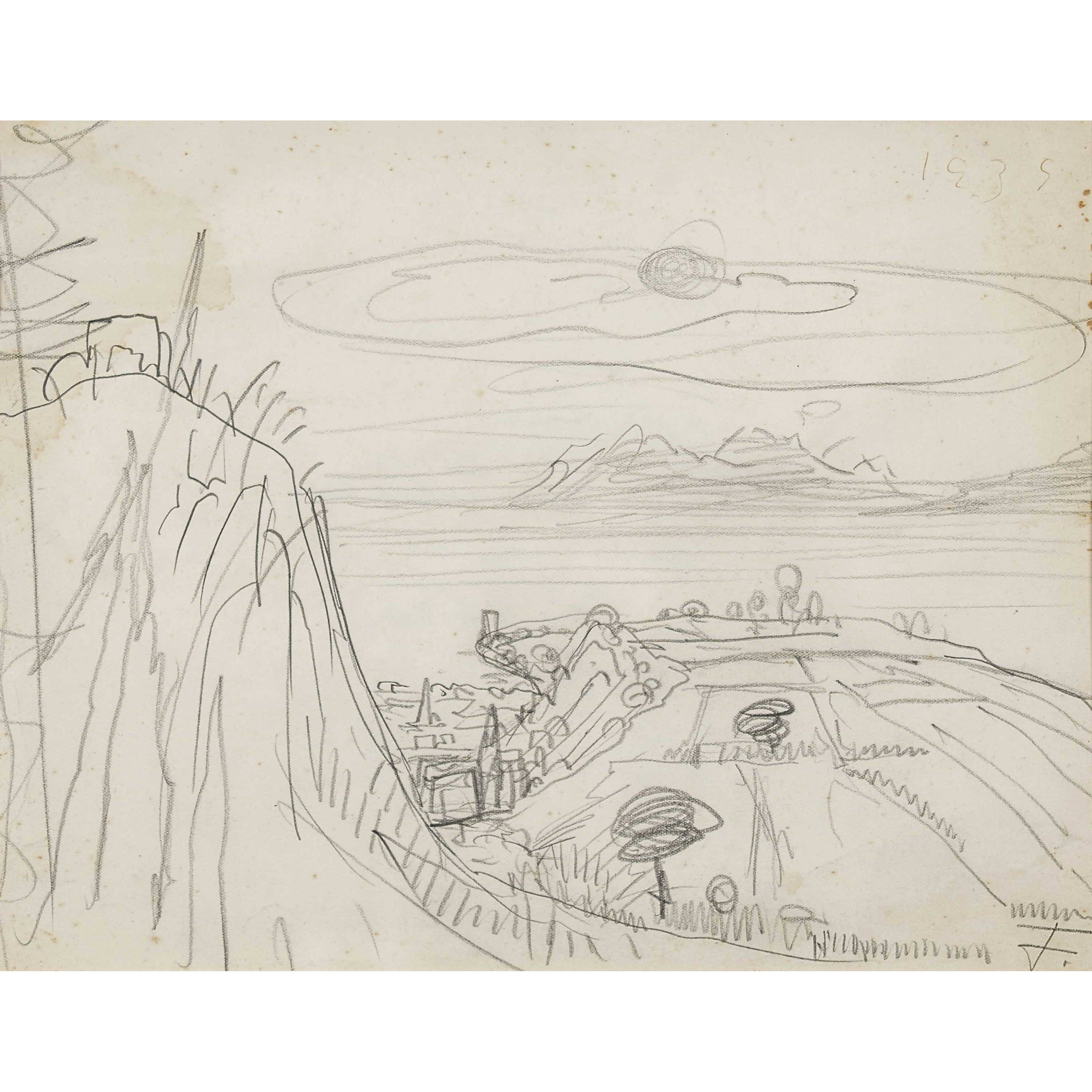
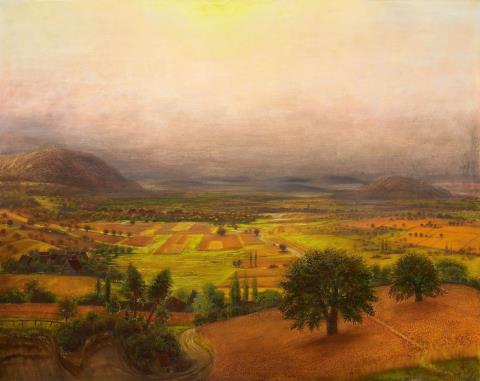
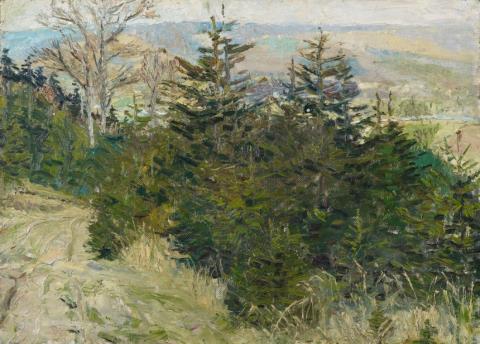
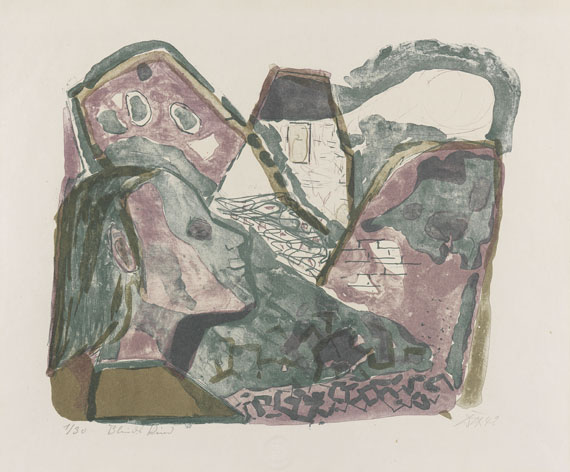
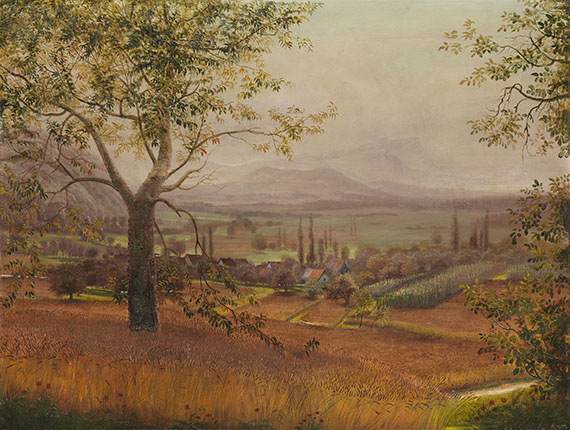
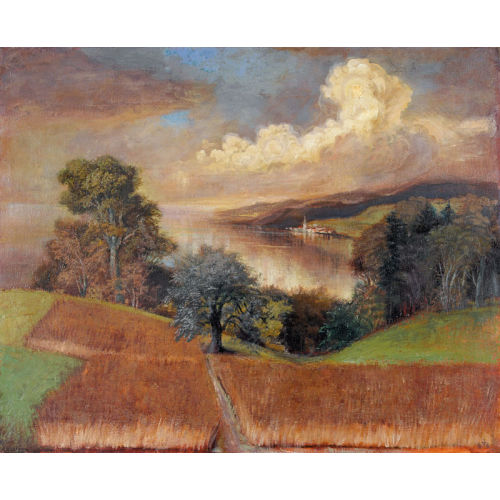
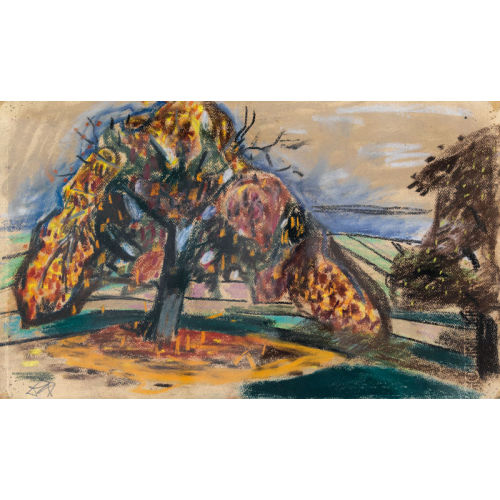
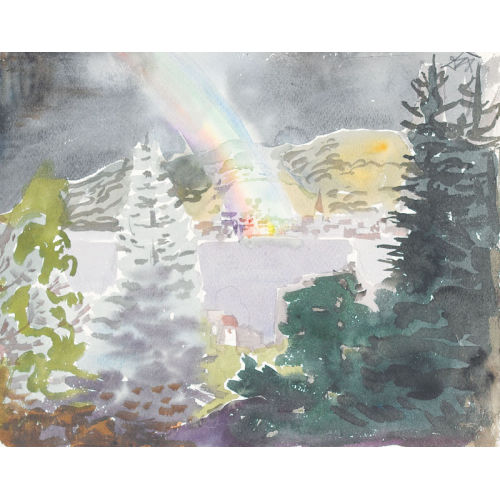
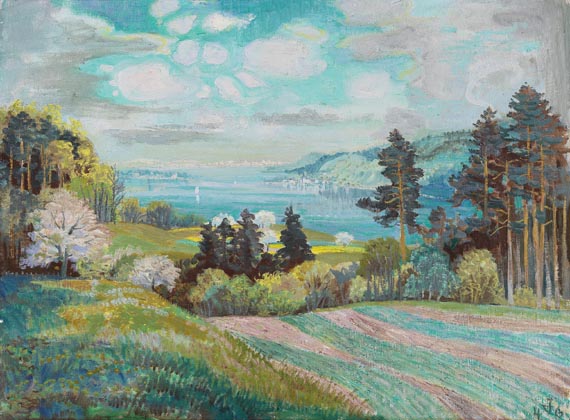
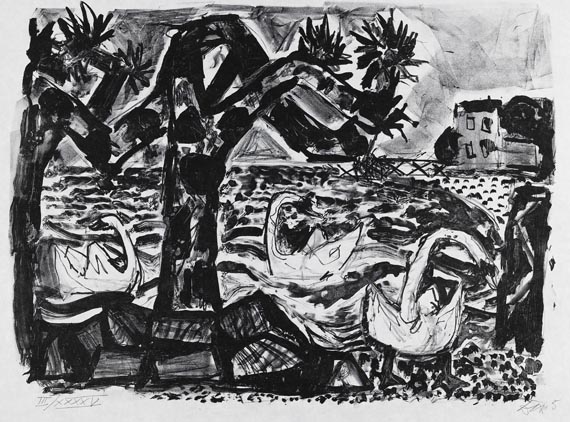
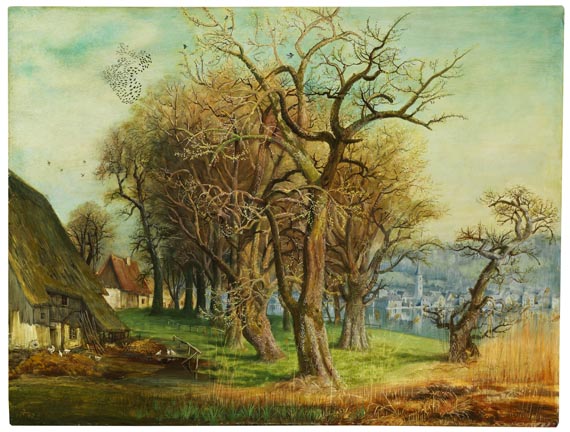
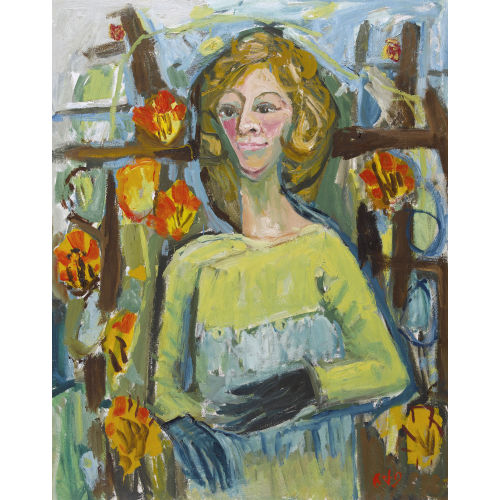
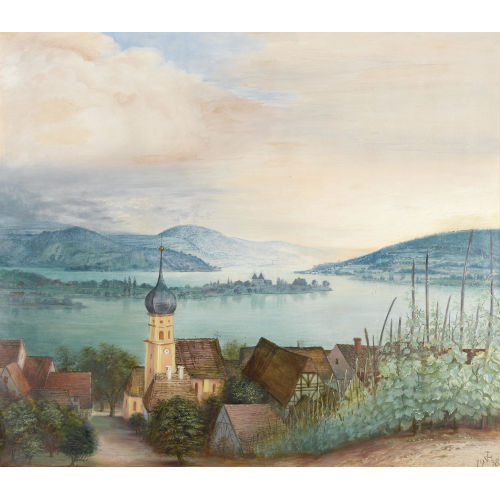
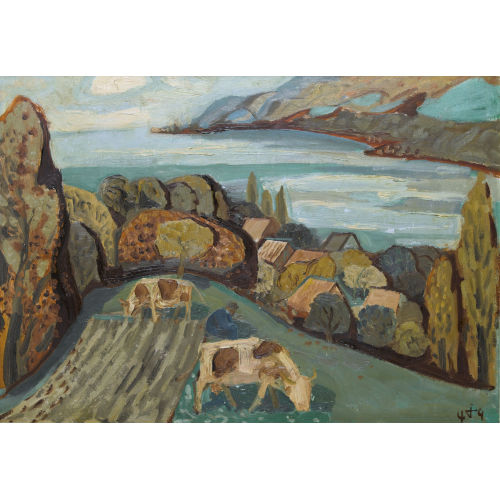
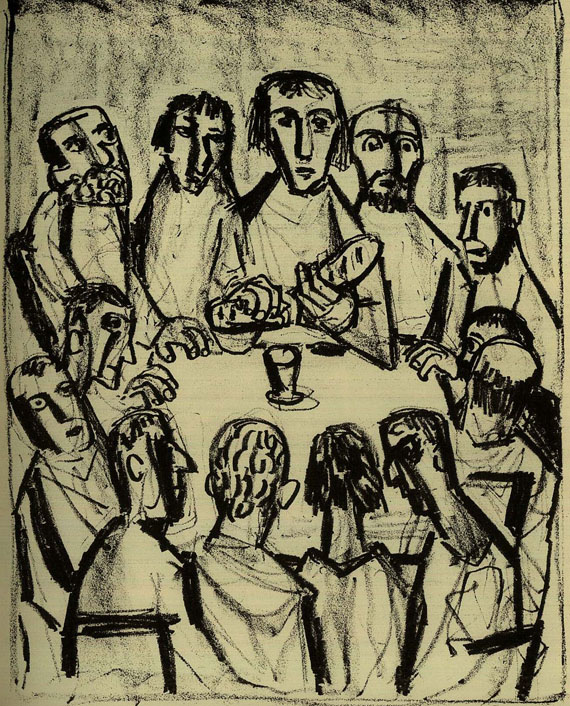
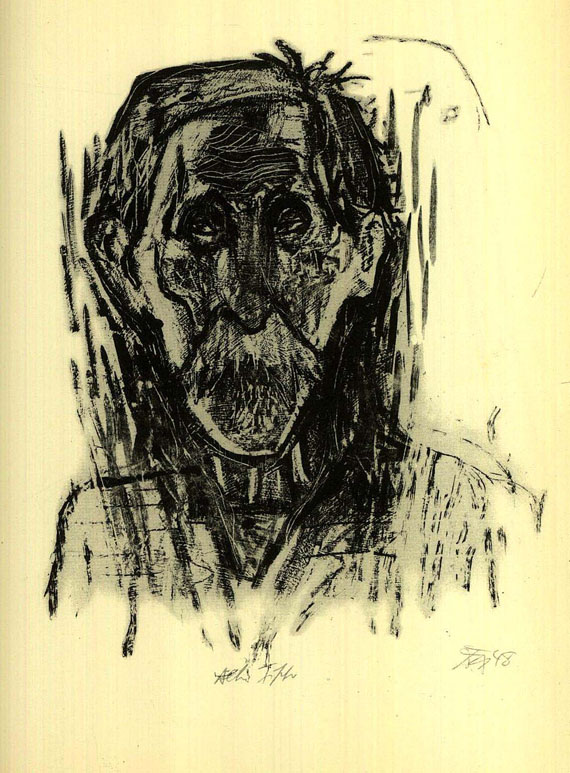
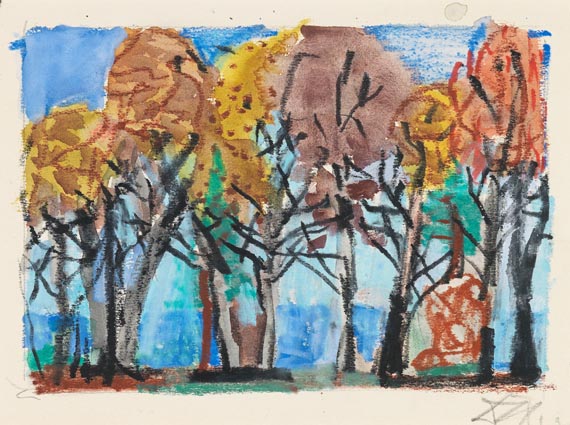
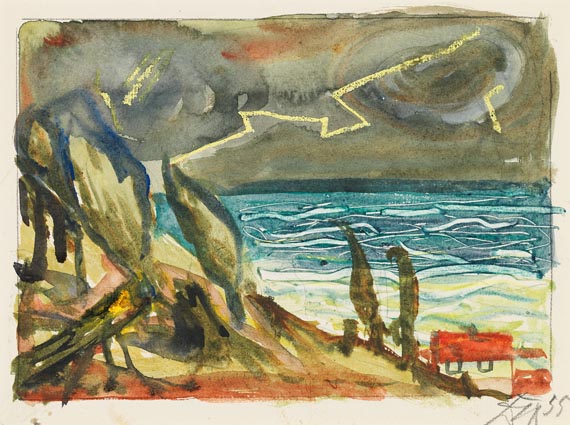
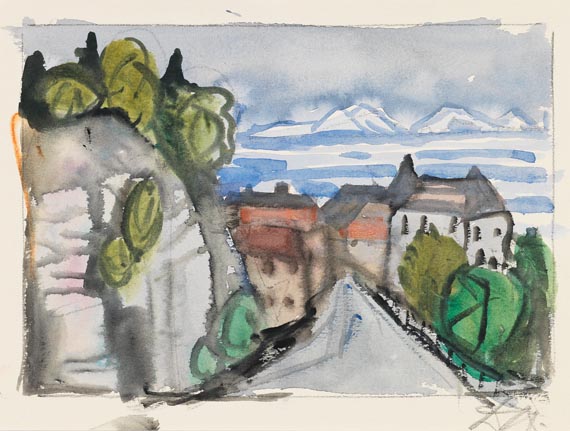
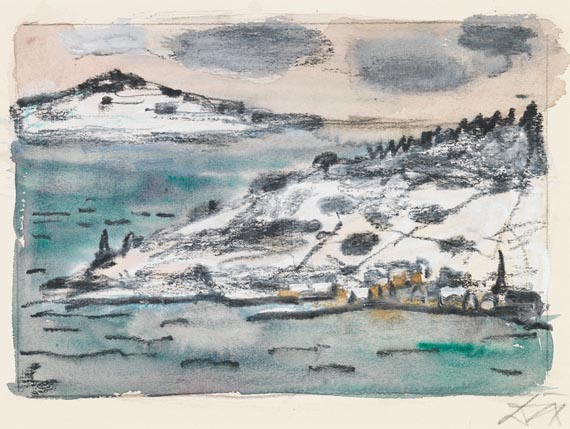
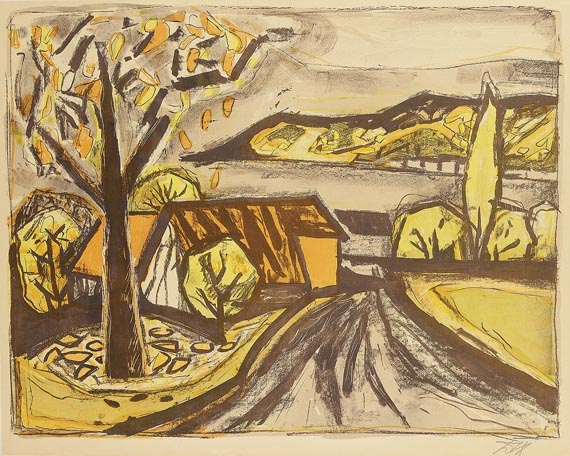
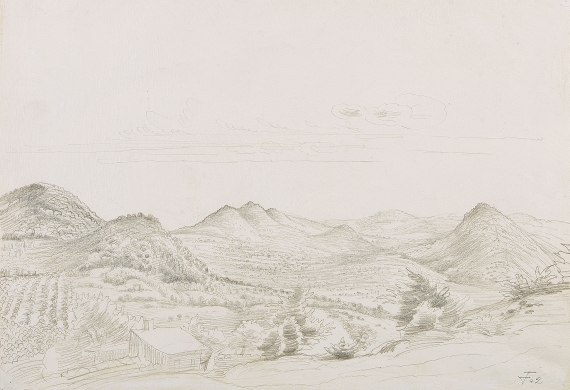
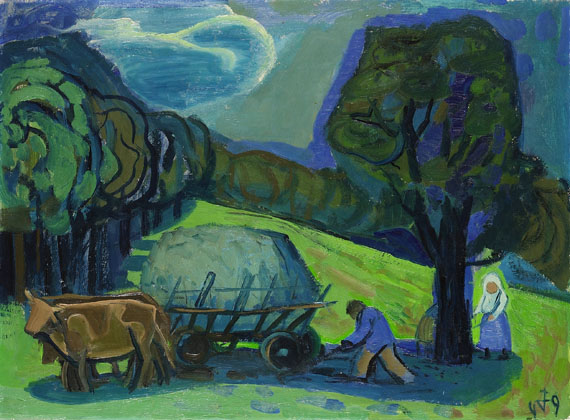
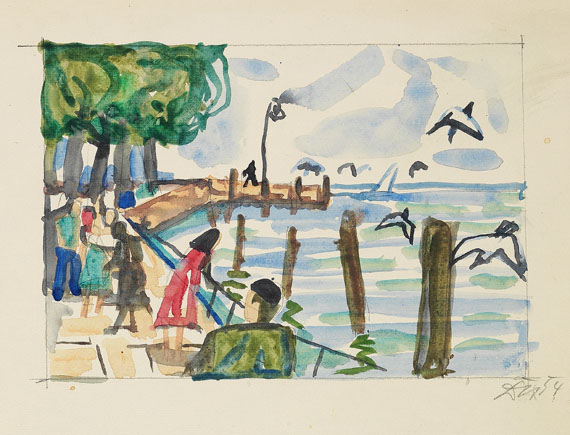
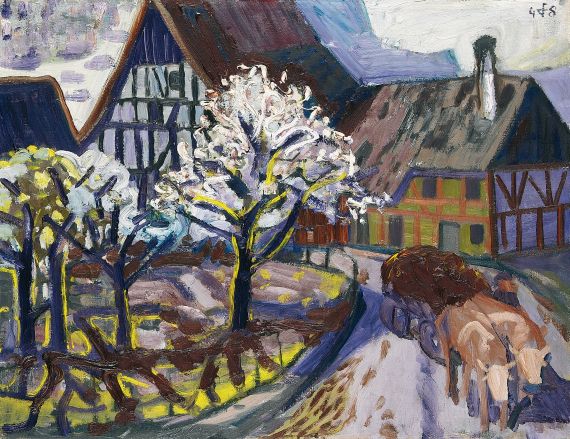
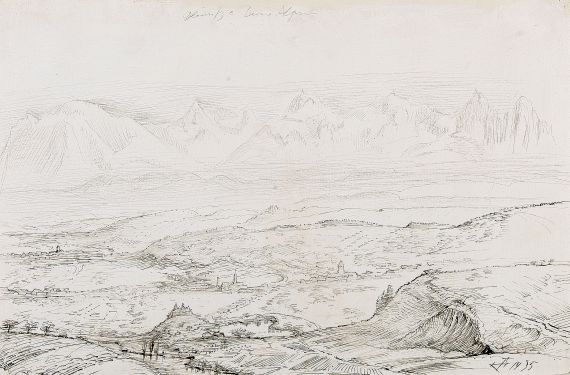
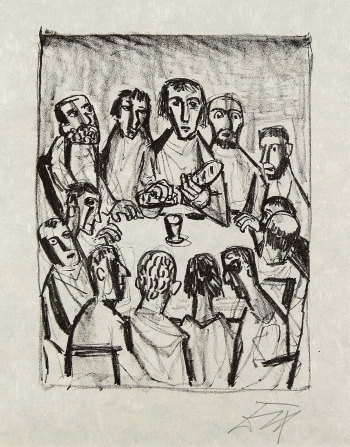
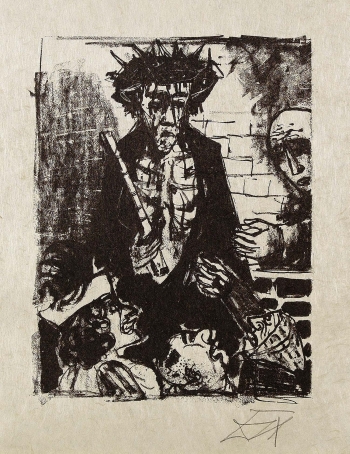
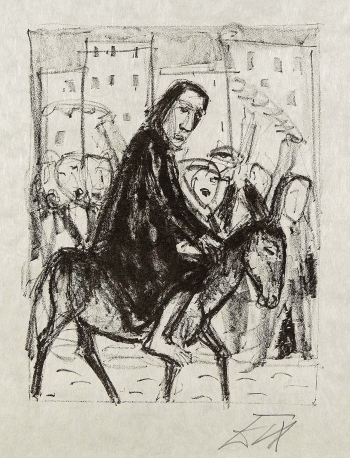
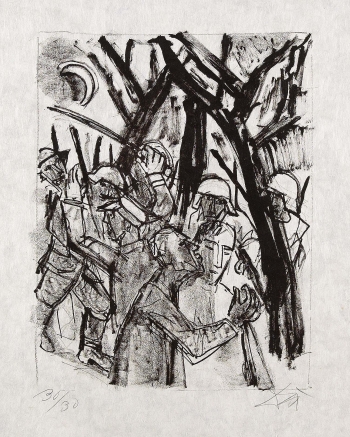
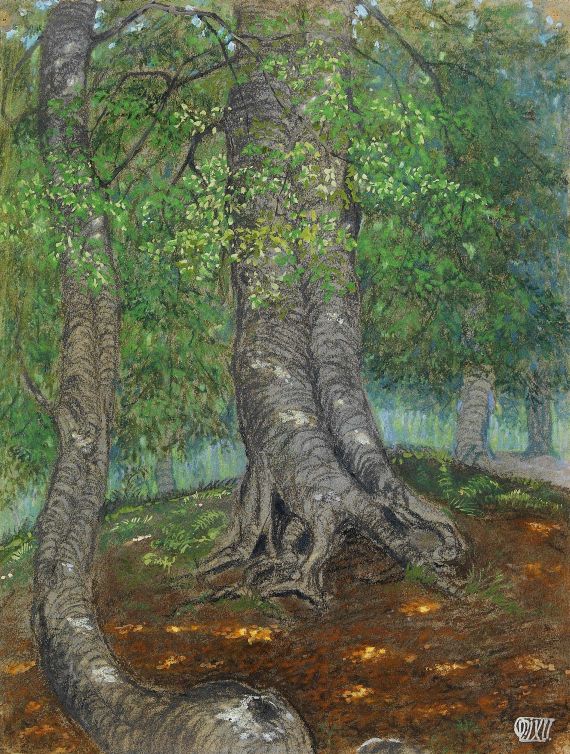
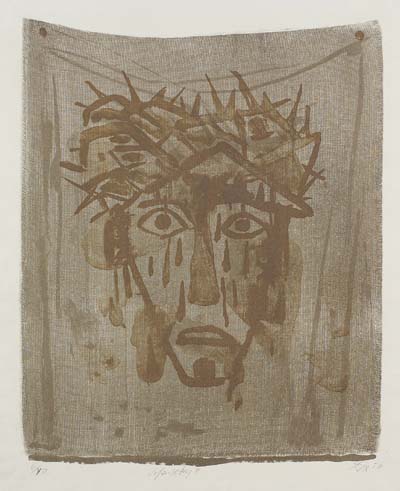
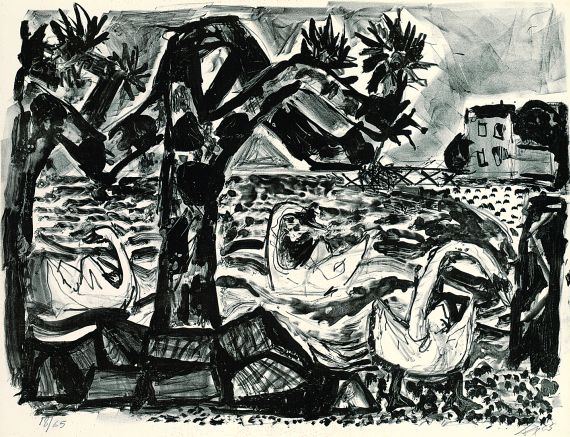
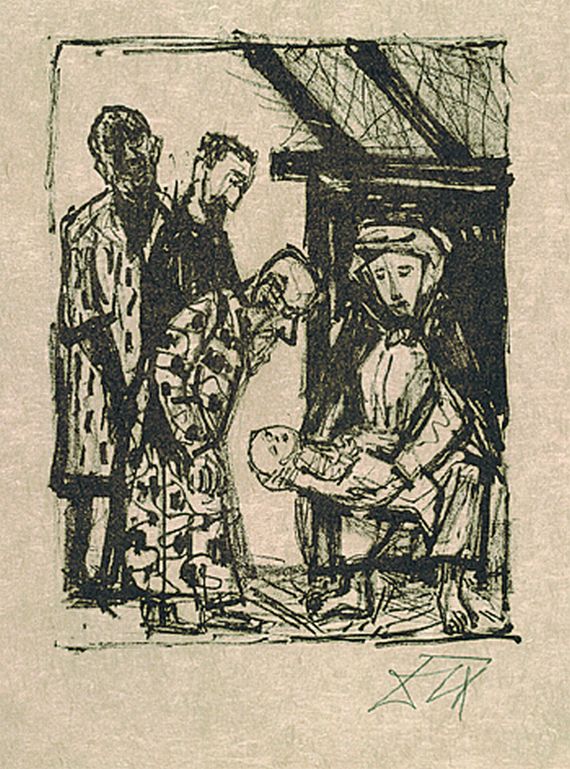
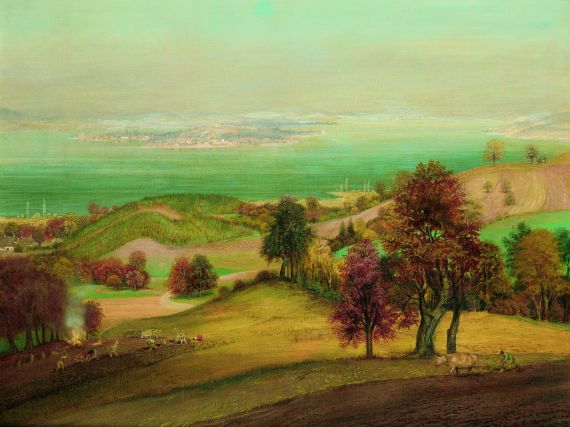
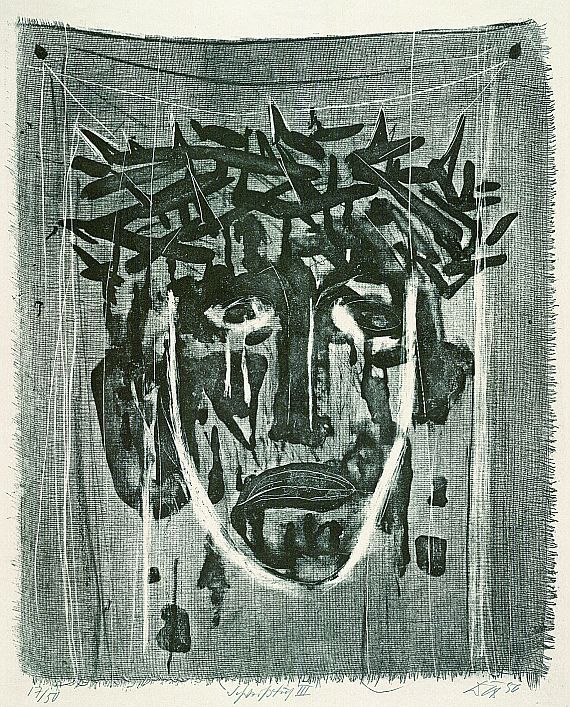
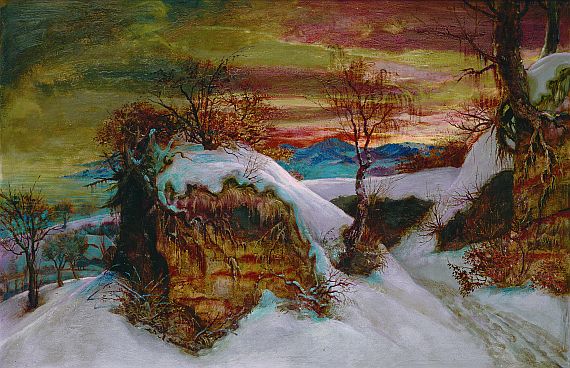
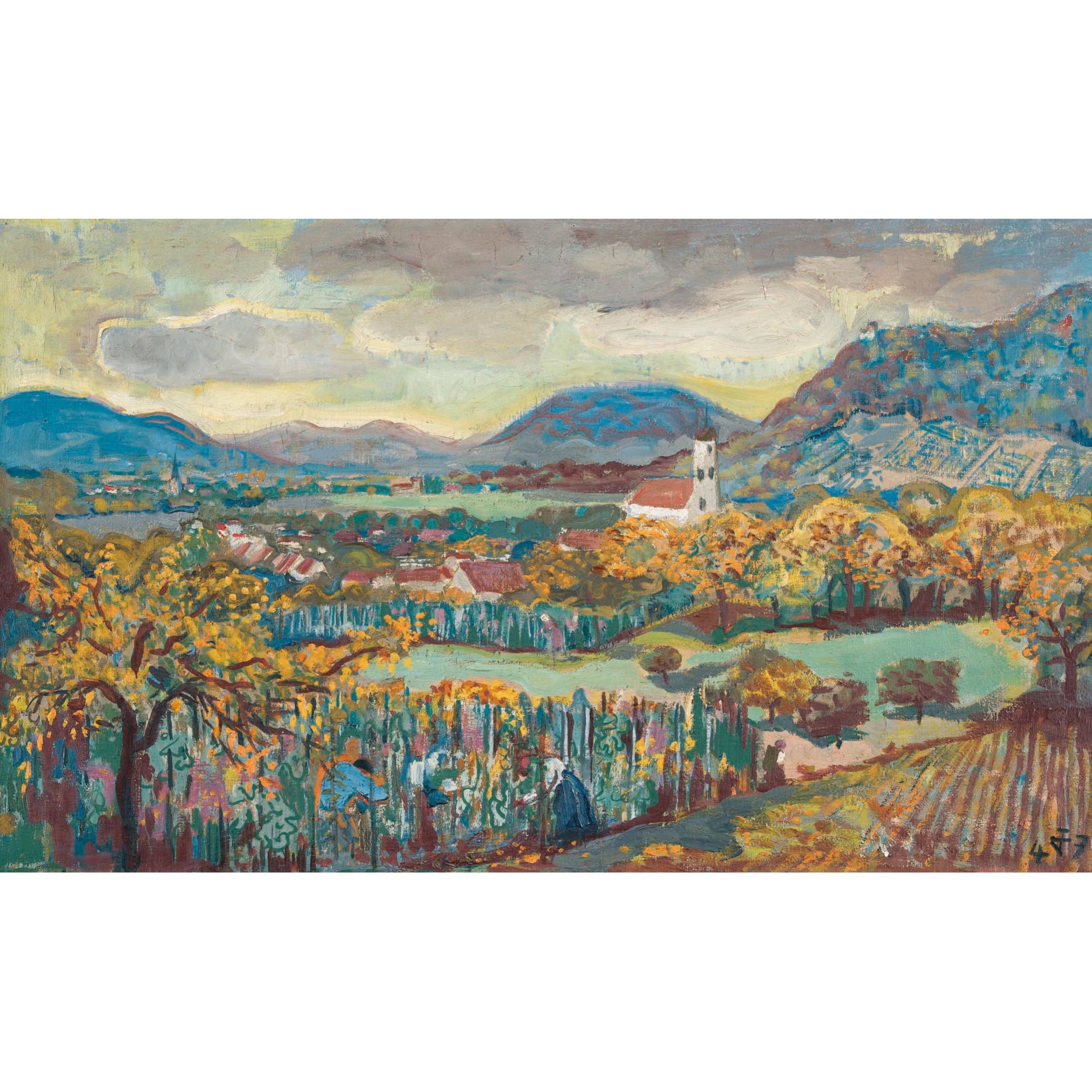
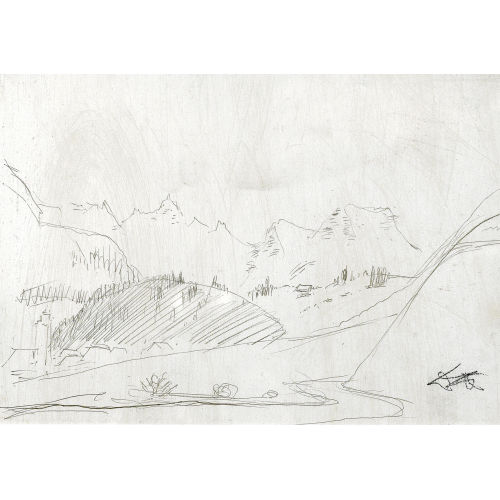
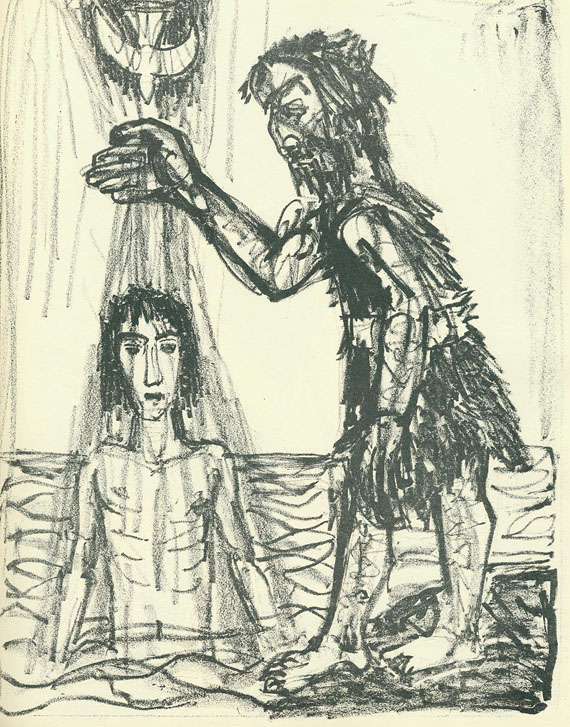
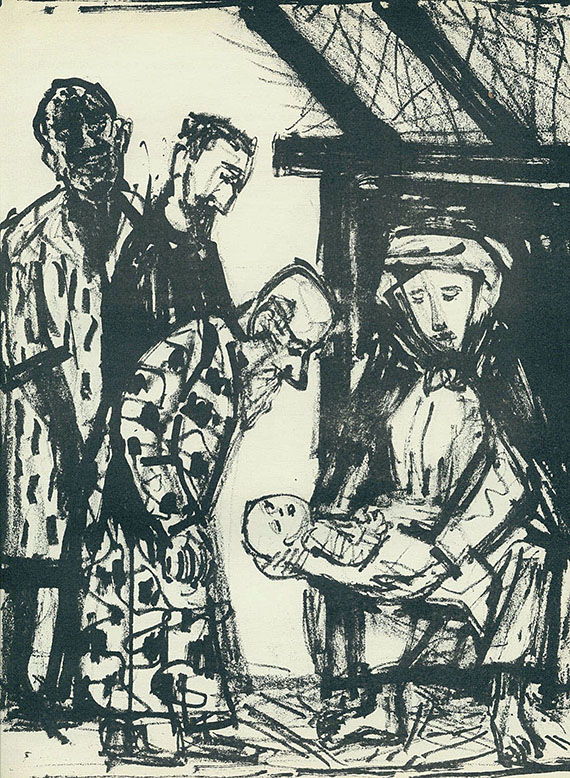
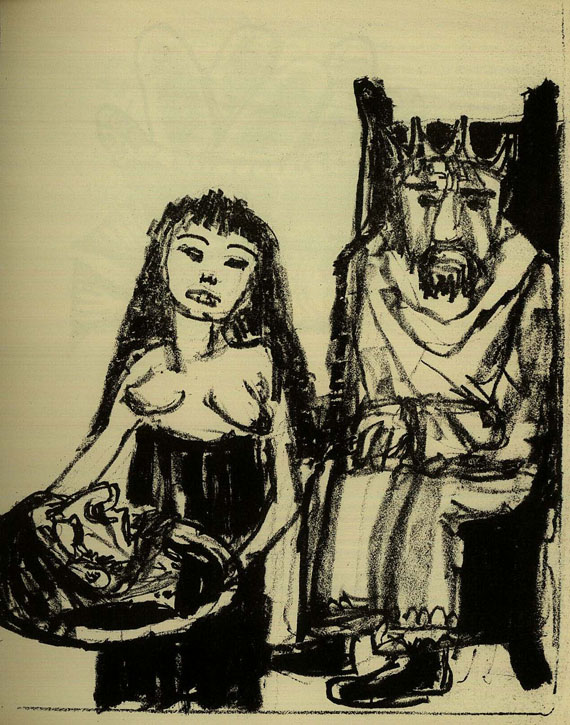
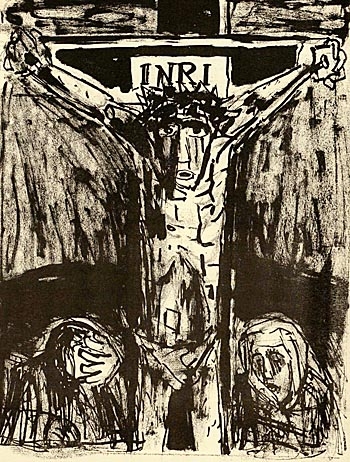
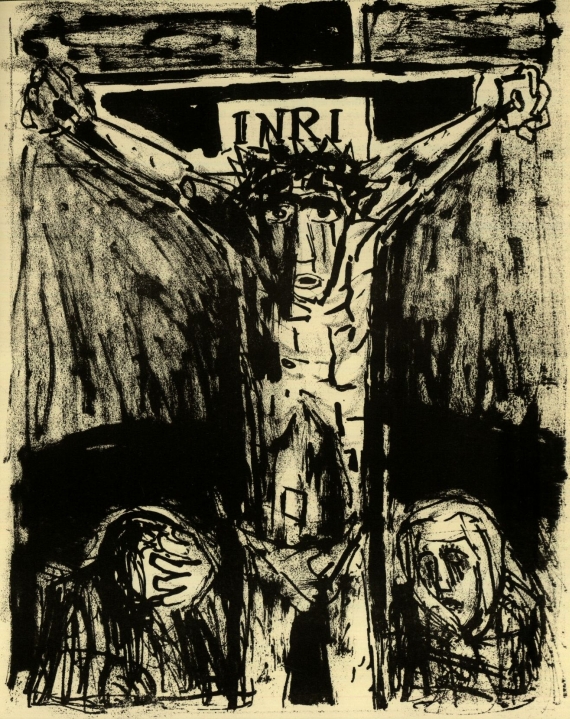
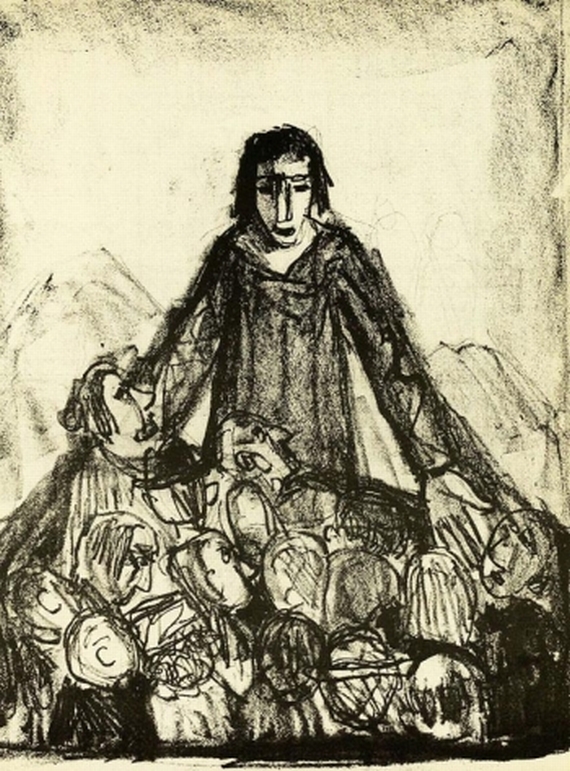
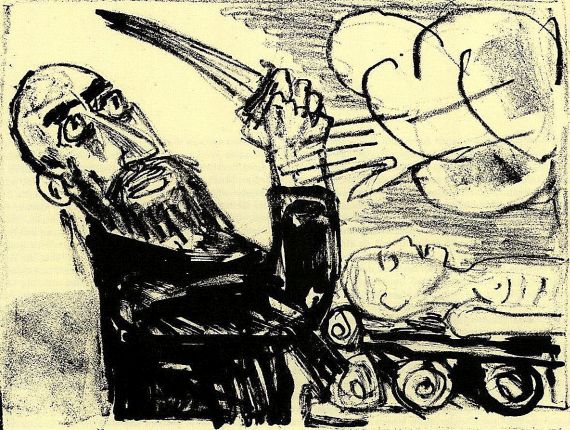
Appointed professor at the Dresden Academy in 1927, Dix was dismissed by the Nazi regime in 1933; his works were denounced as “degenerate”. He settled on the shores of Lake Constance in 1936 and thereafter turned mainly to landscapes and religious subjects, while remaining committed to figuration. His work thus spans several visual regimes without abandoning its attention to human beings and the tensions of their time.