Oskar Kokoschka
Born in 1886.
Died in 1980.
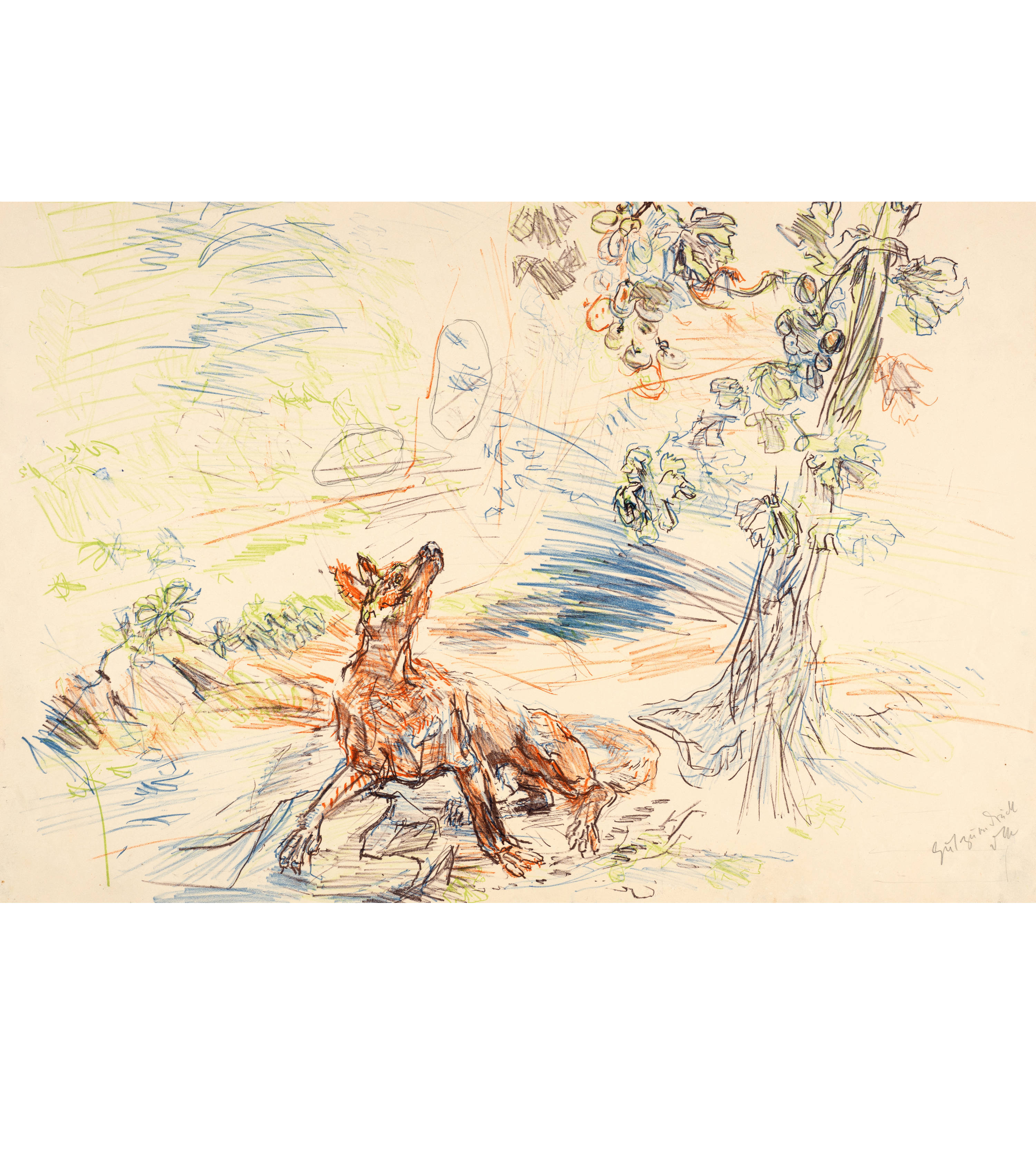
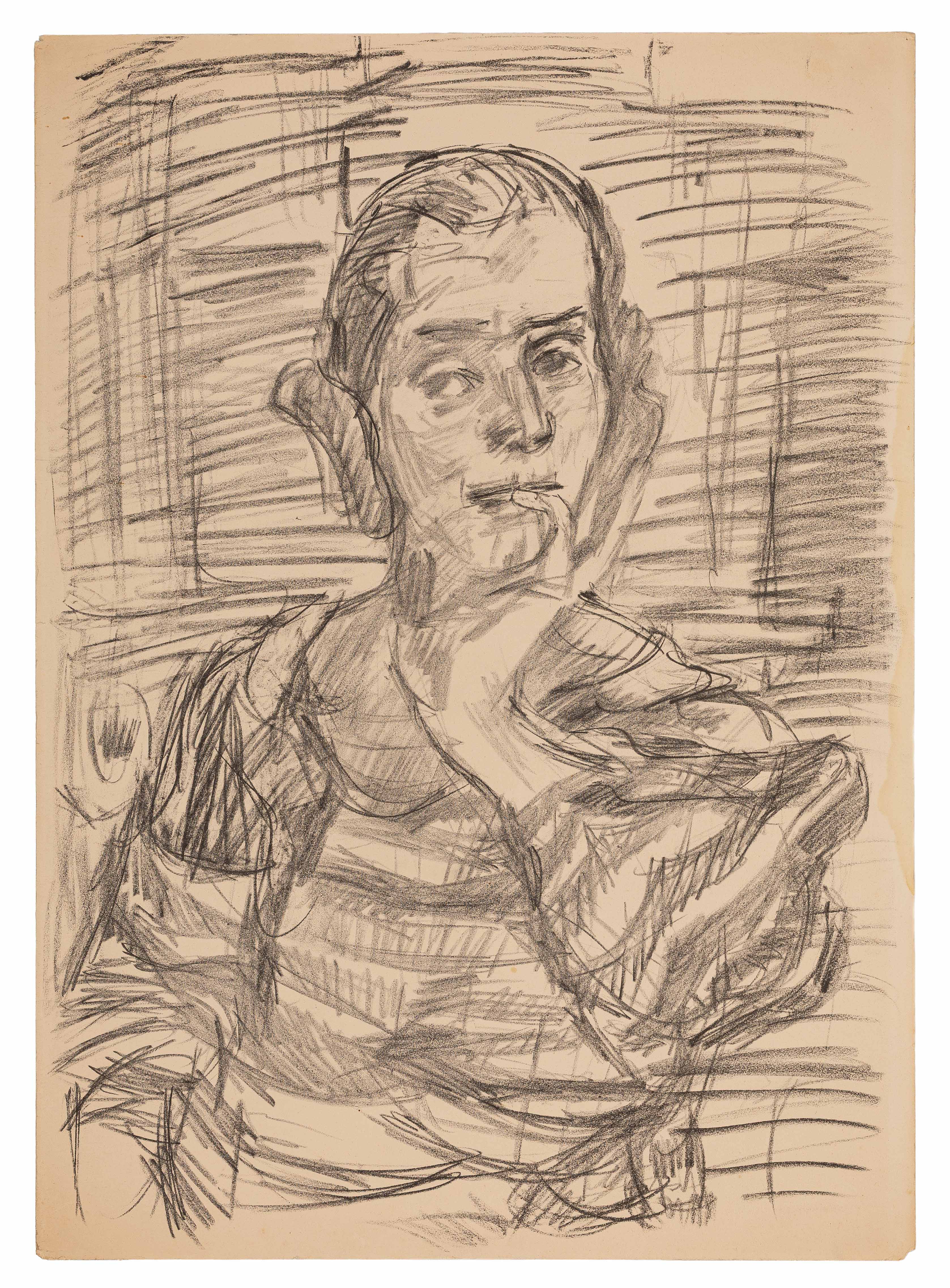
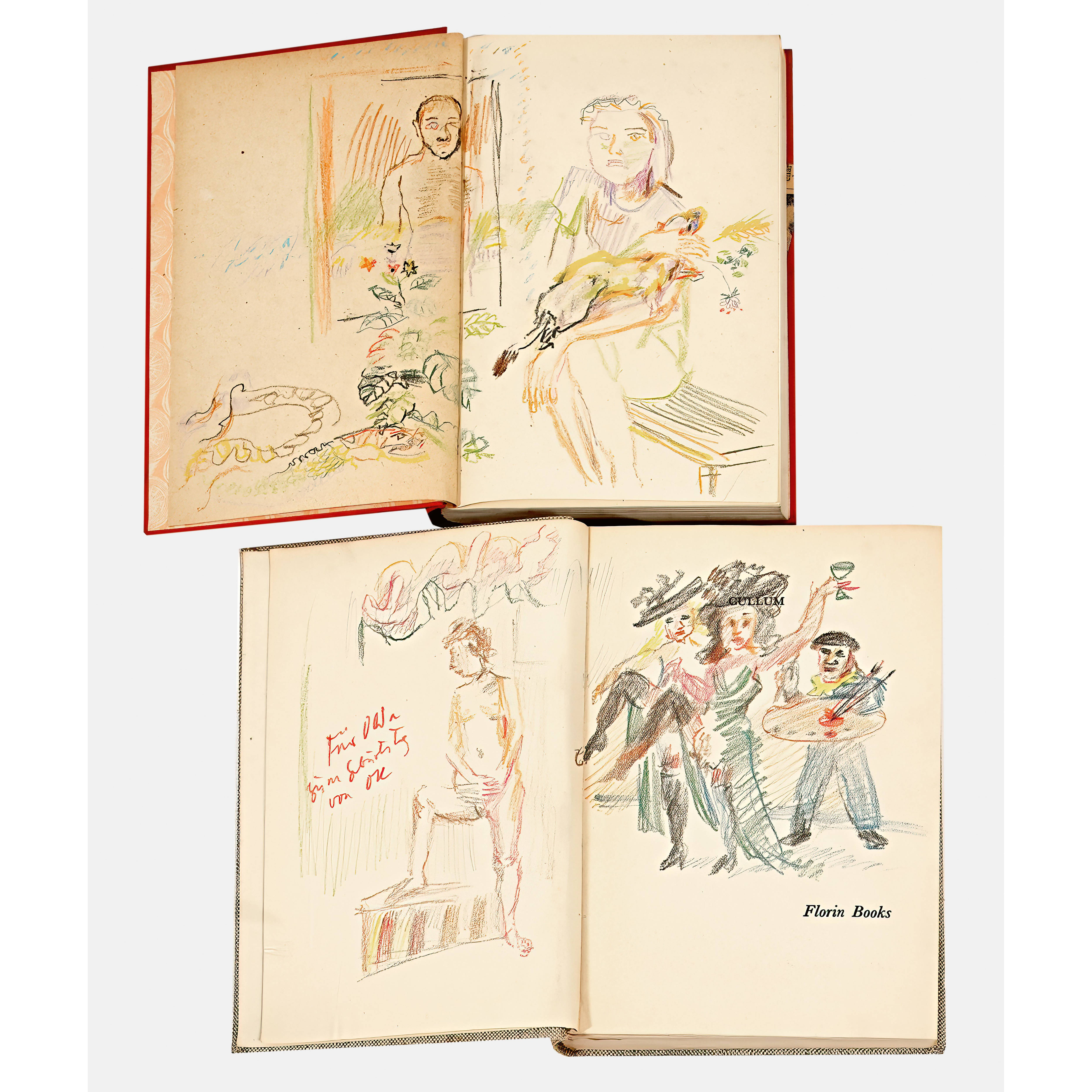
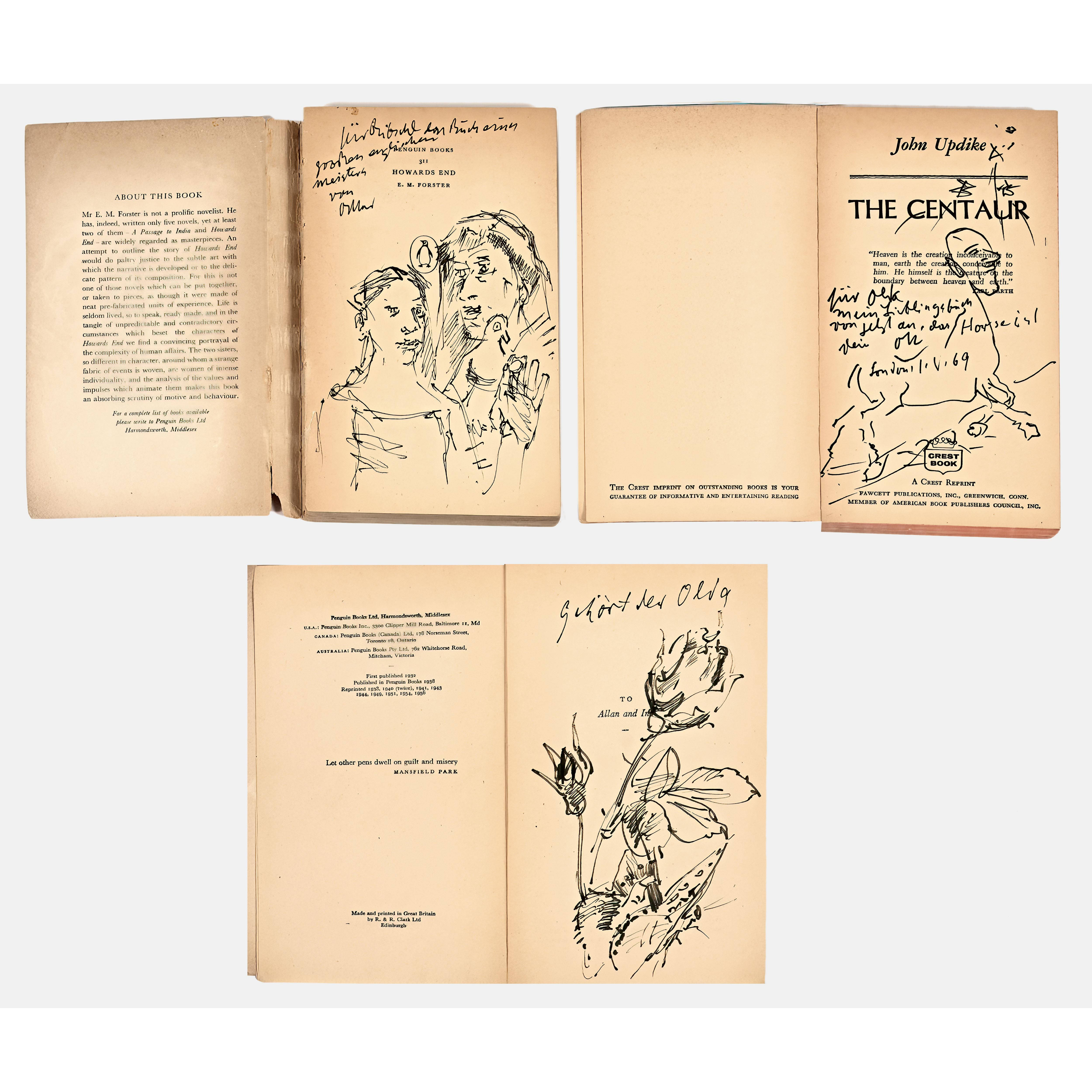
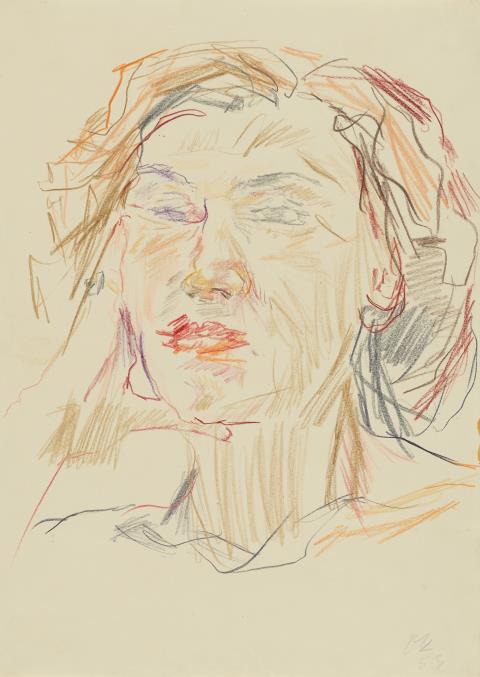
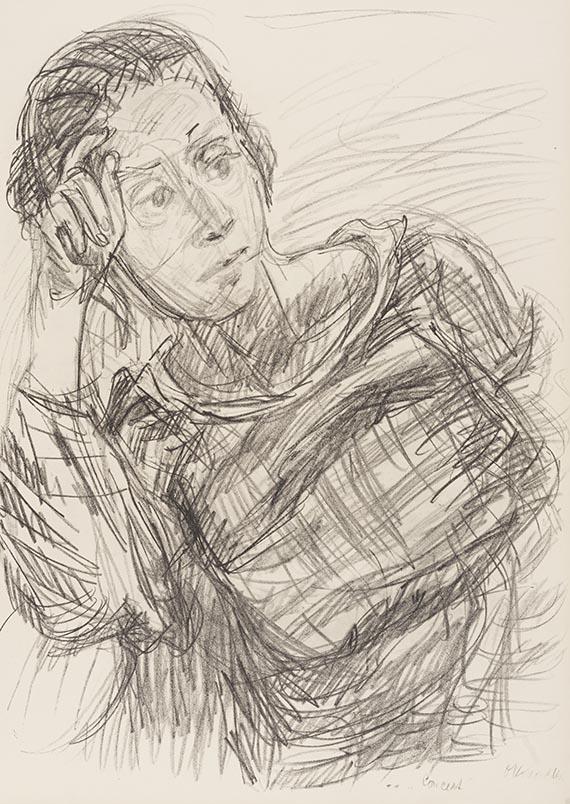
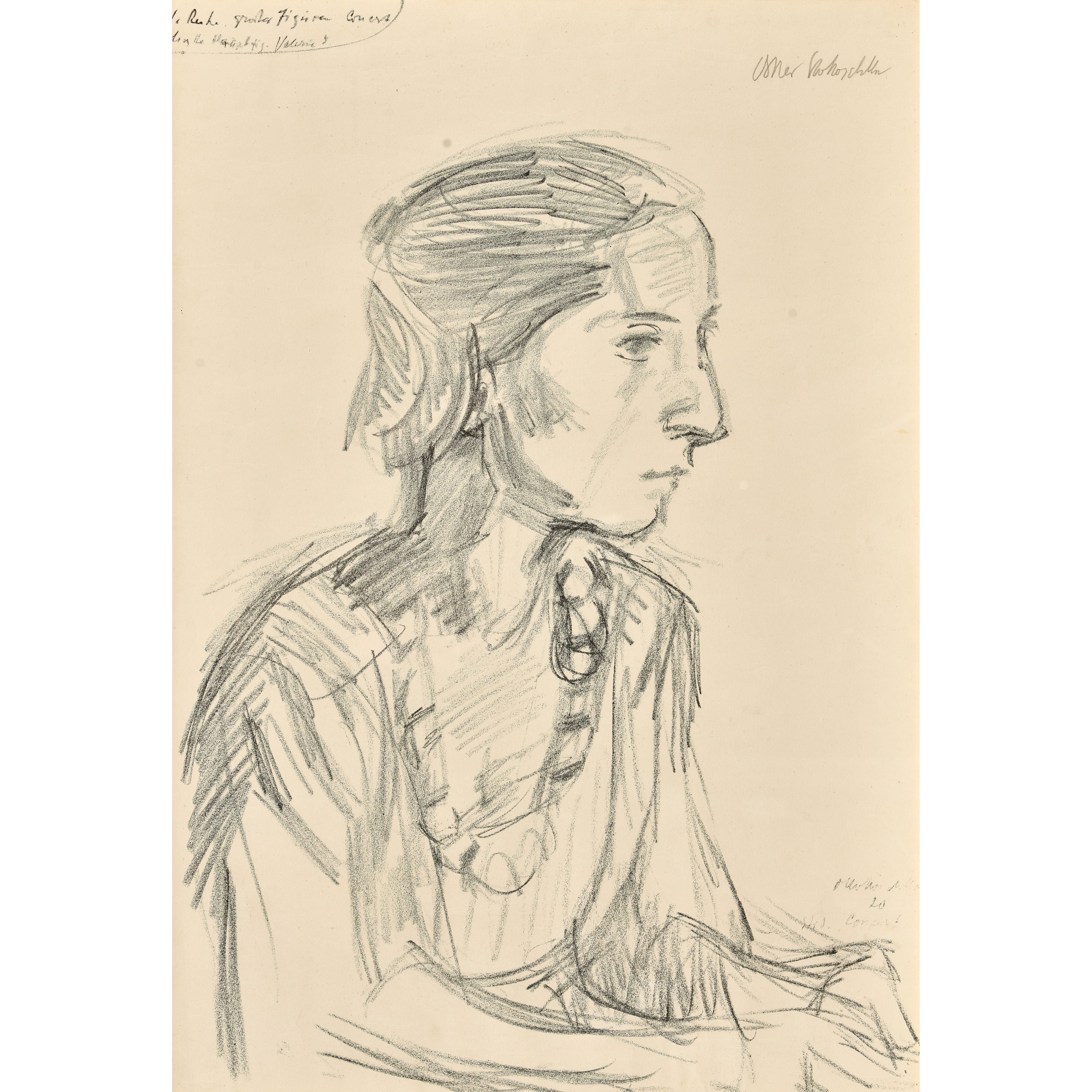
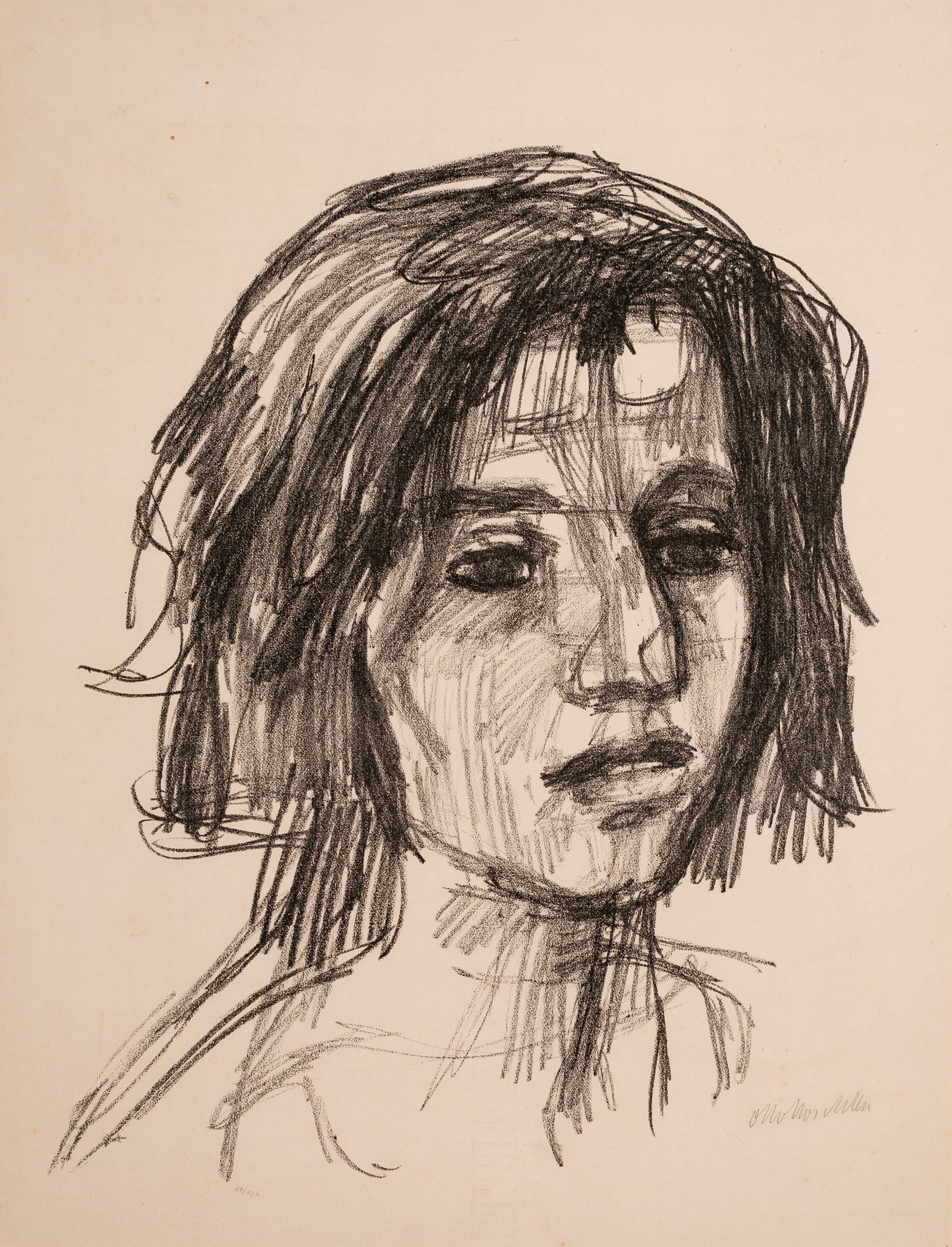
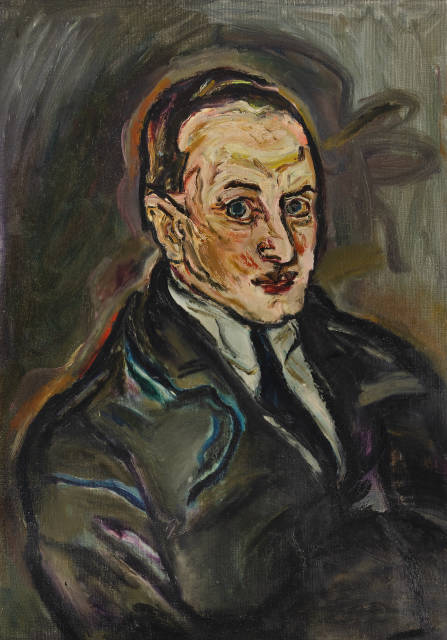
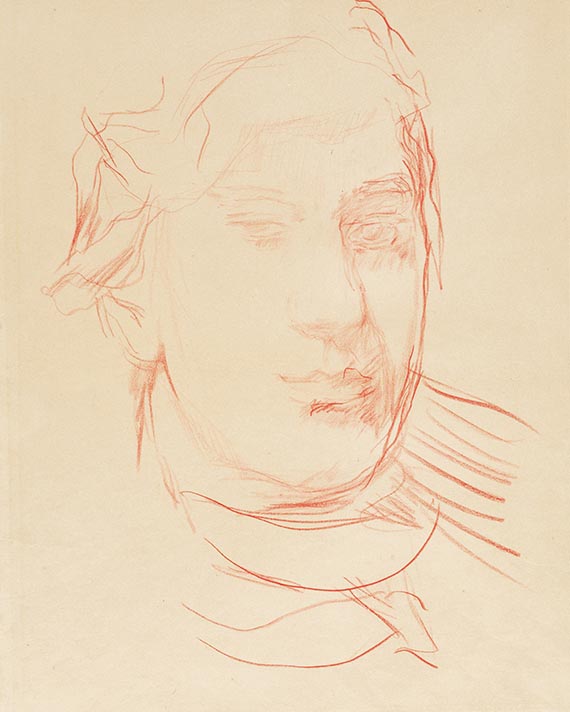
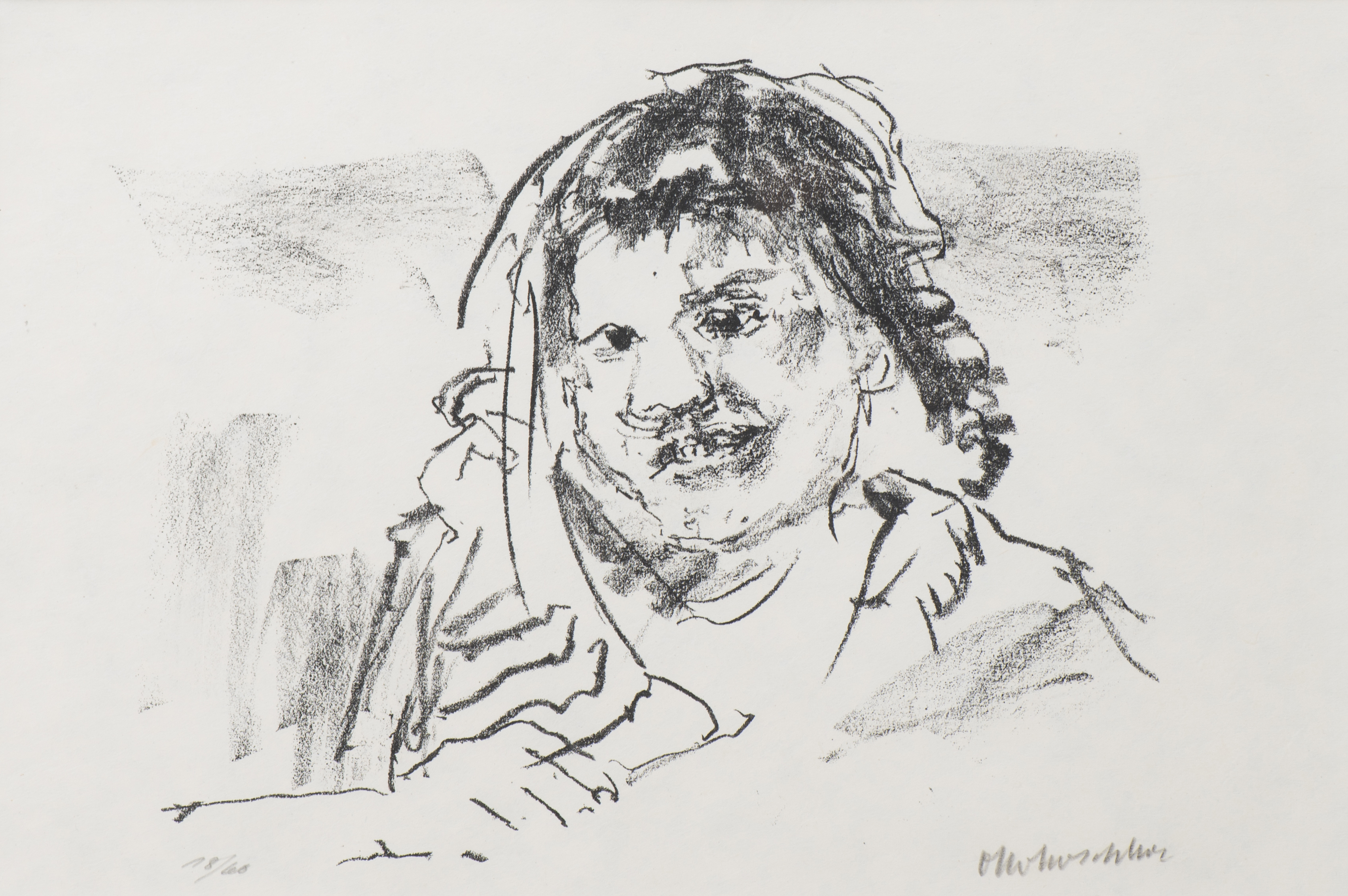
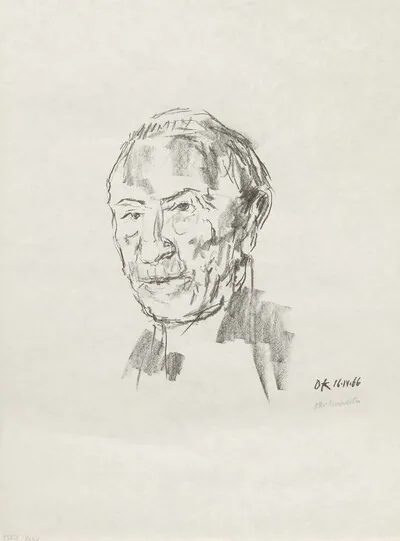
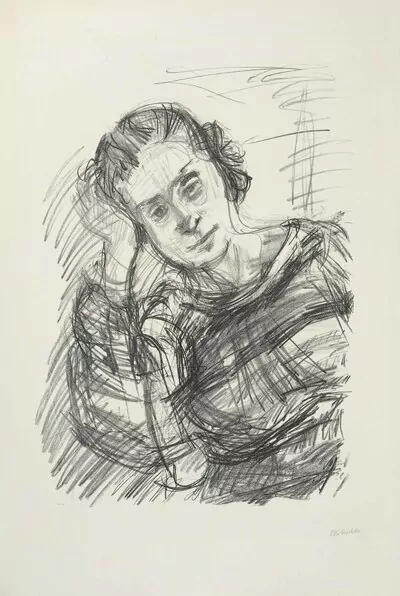
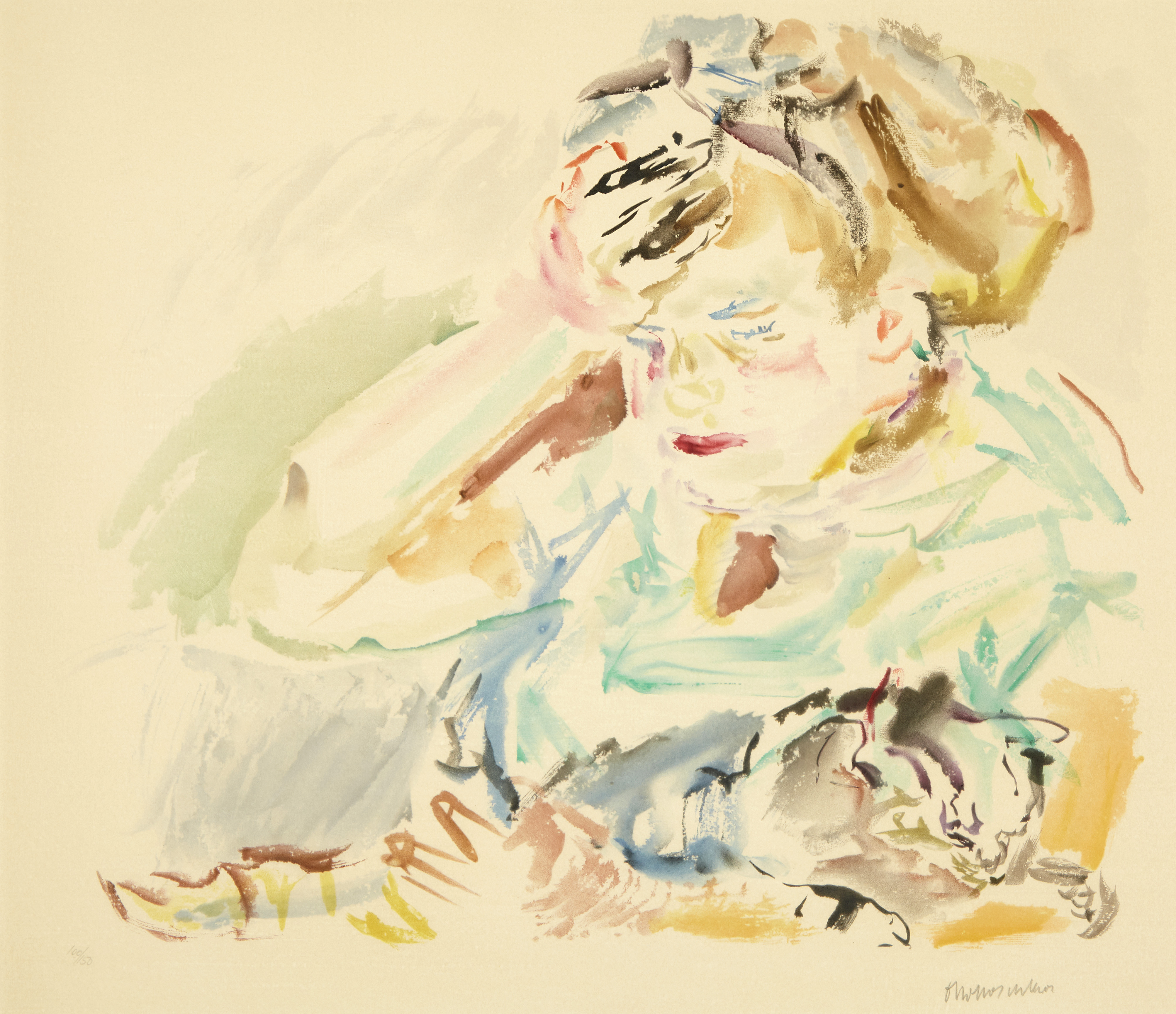
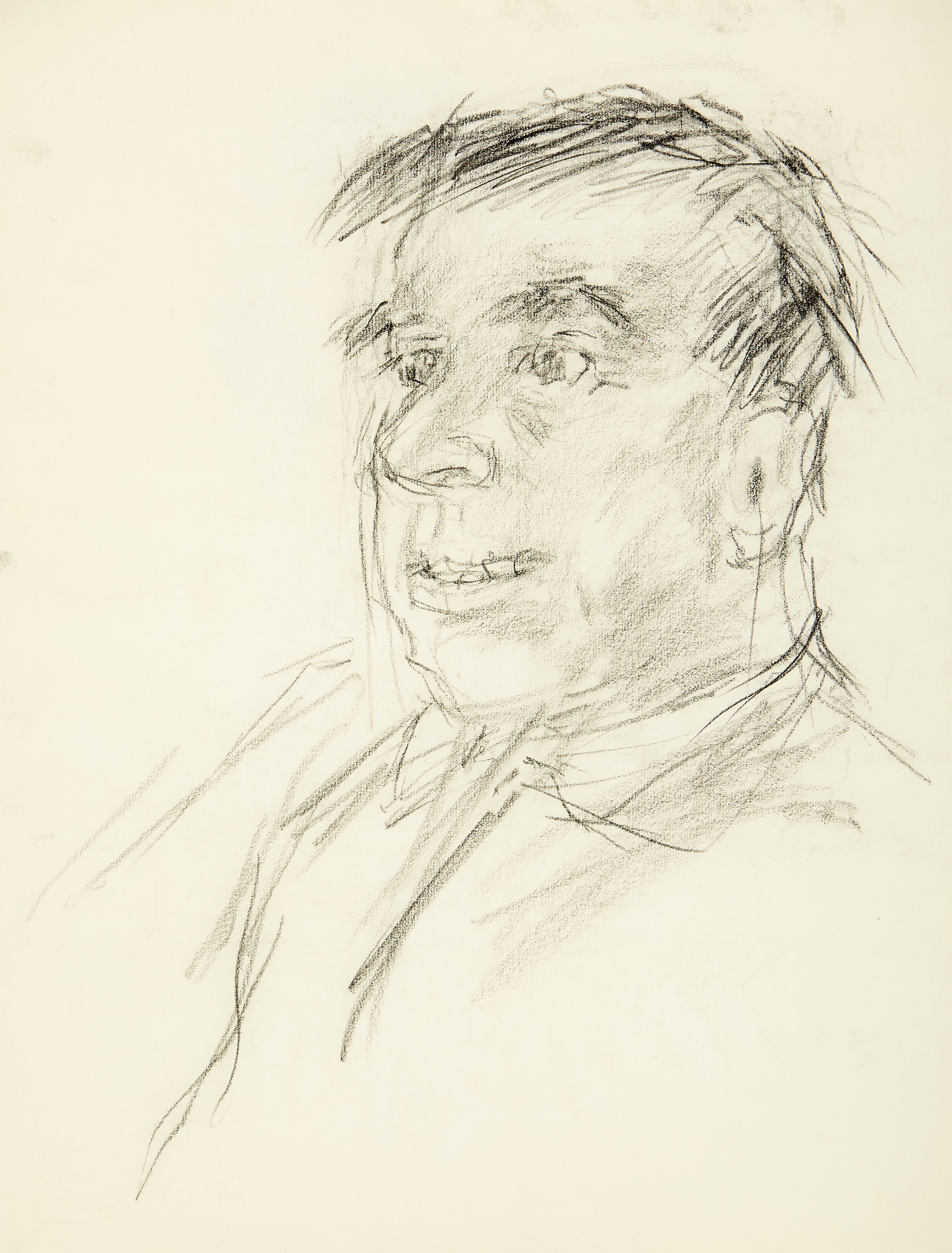
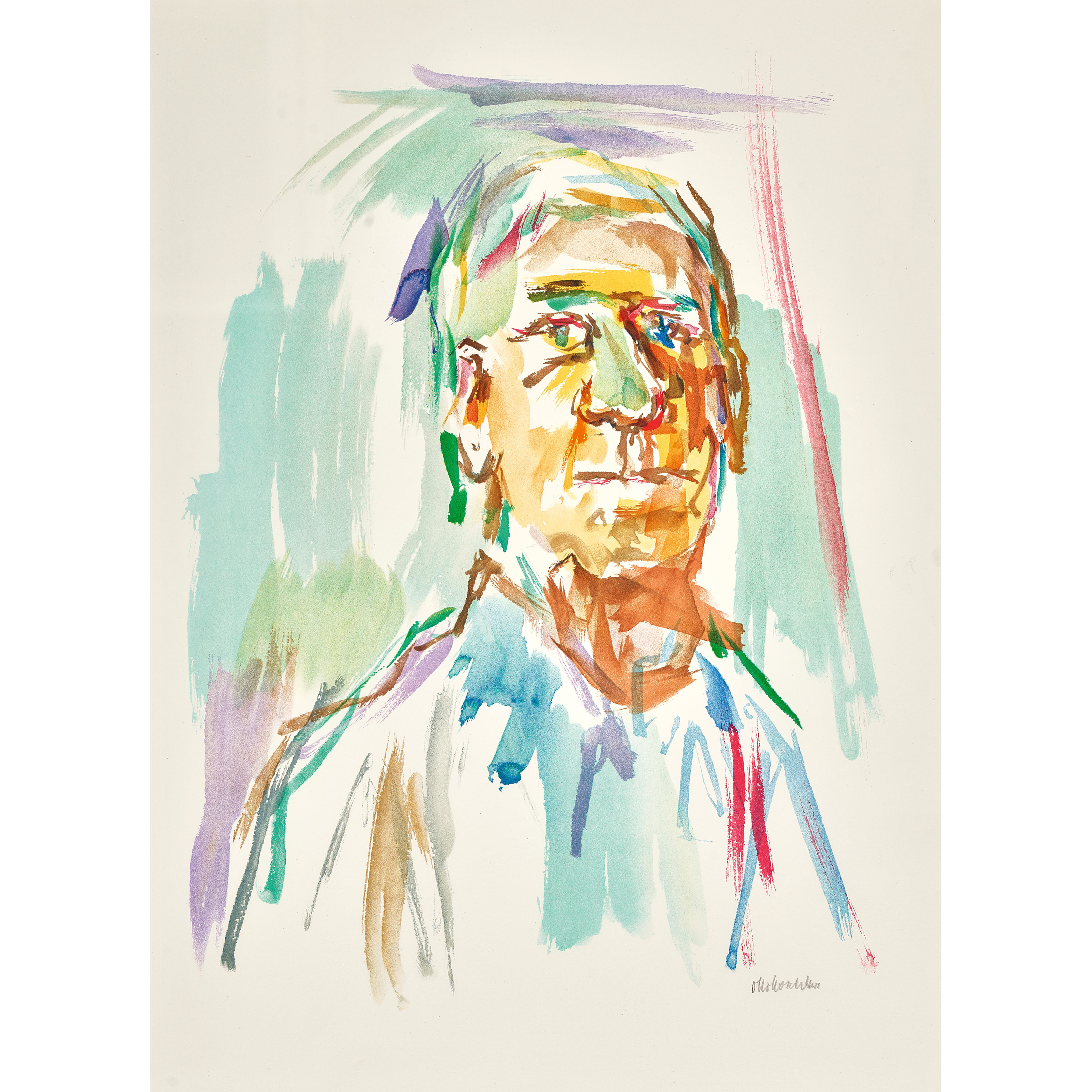
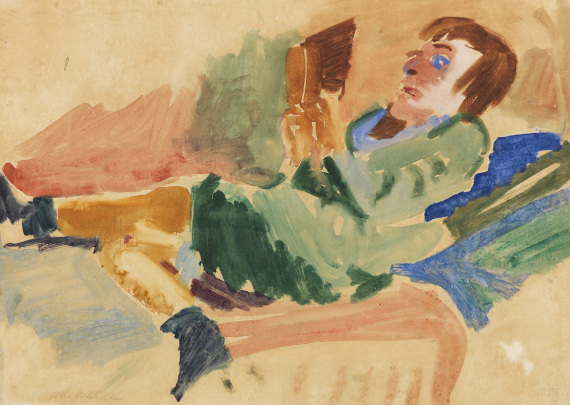
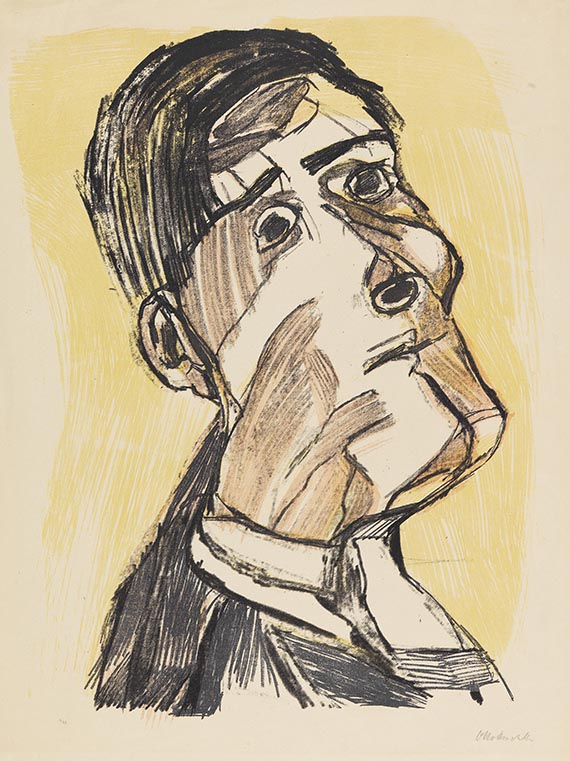
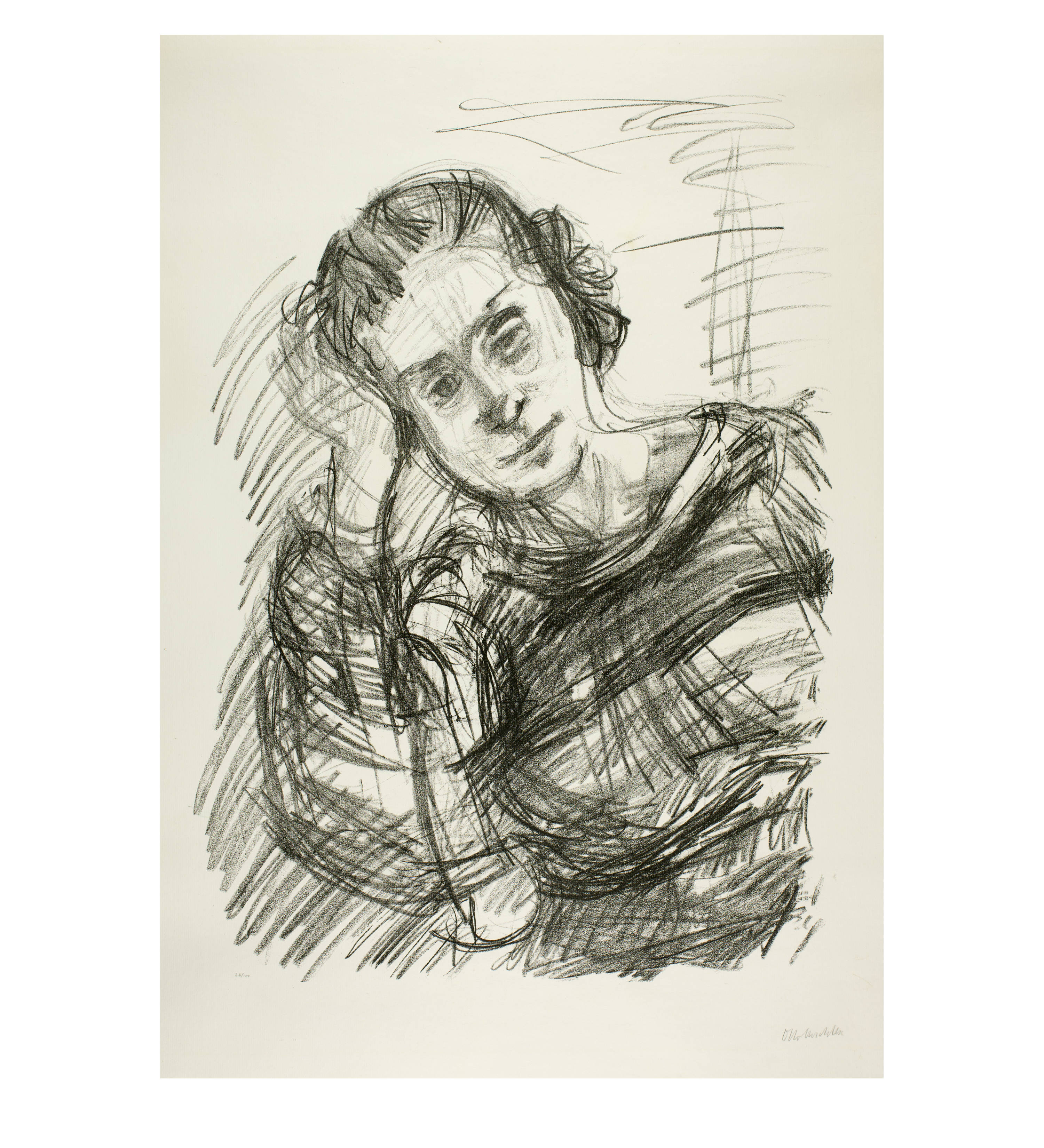
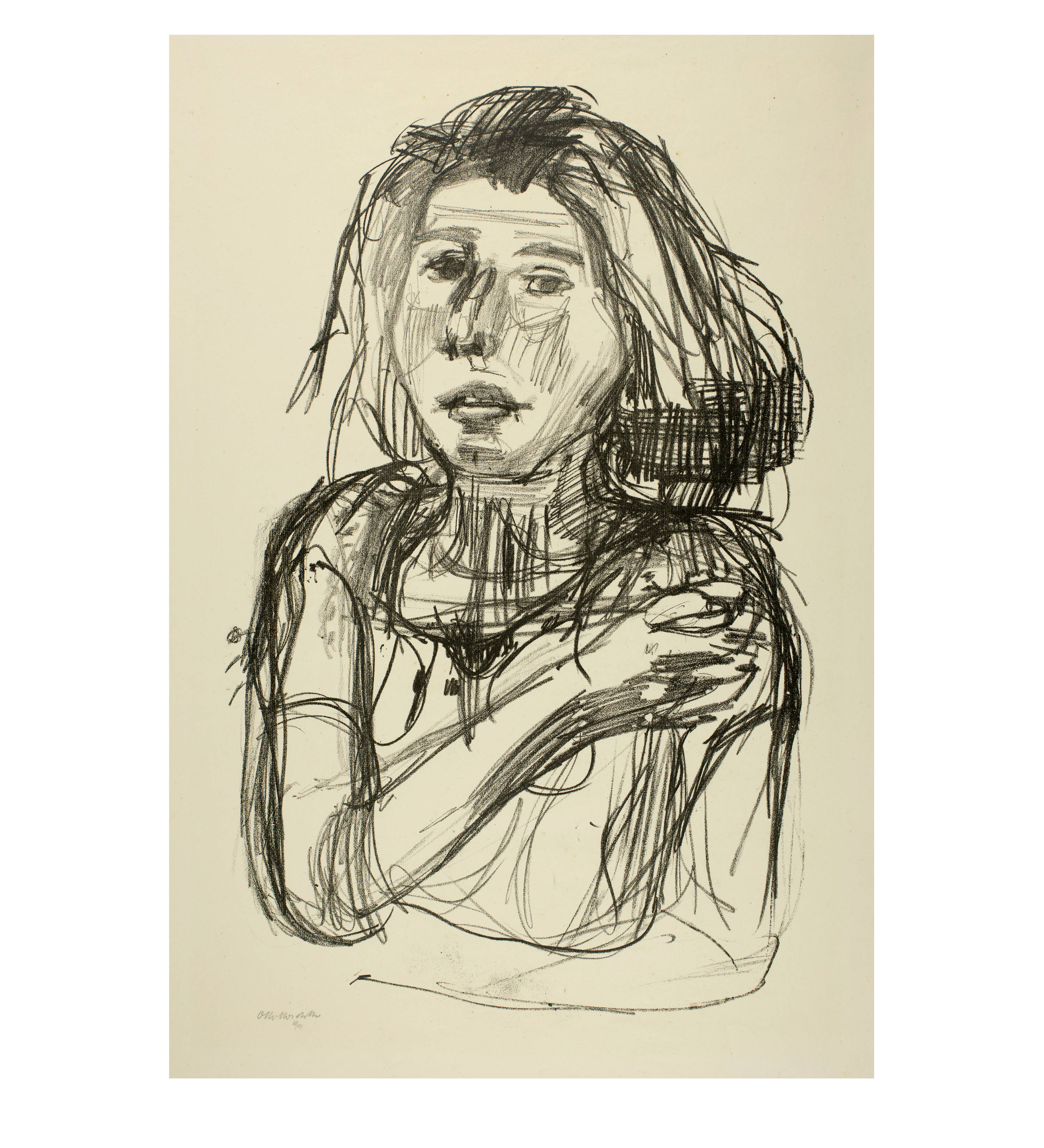
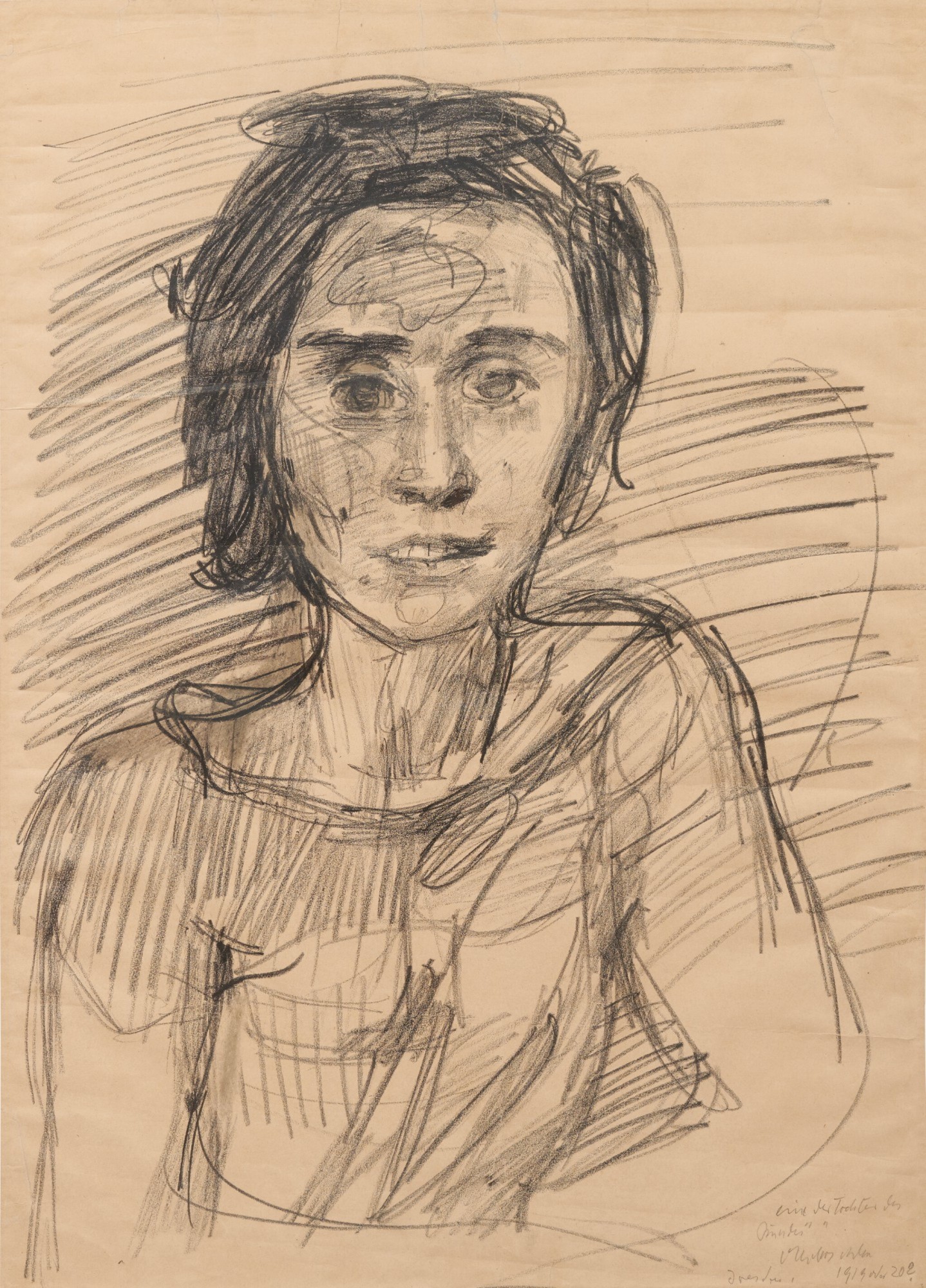
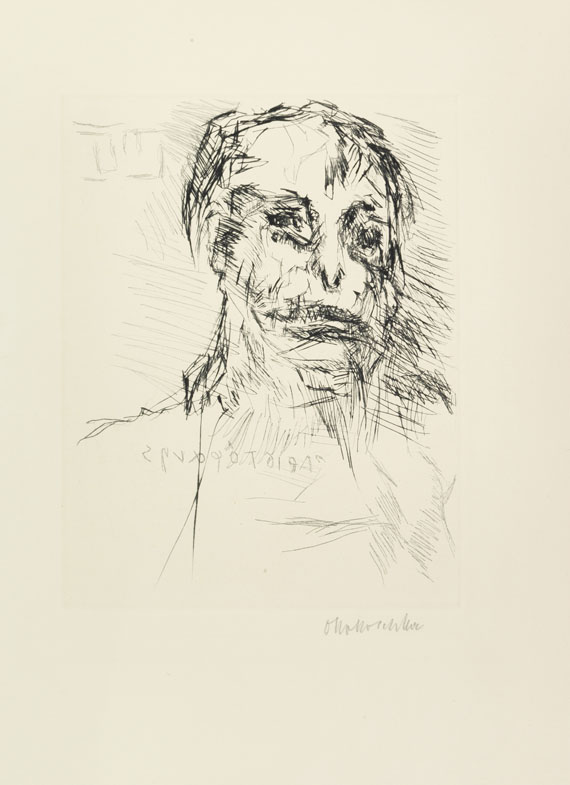
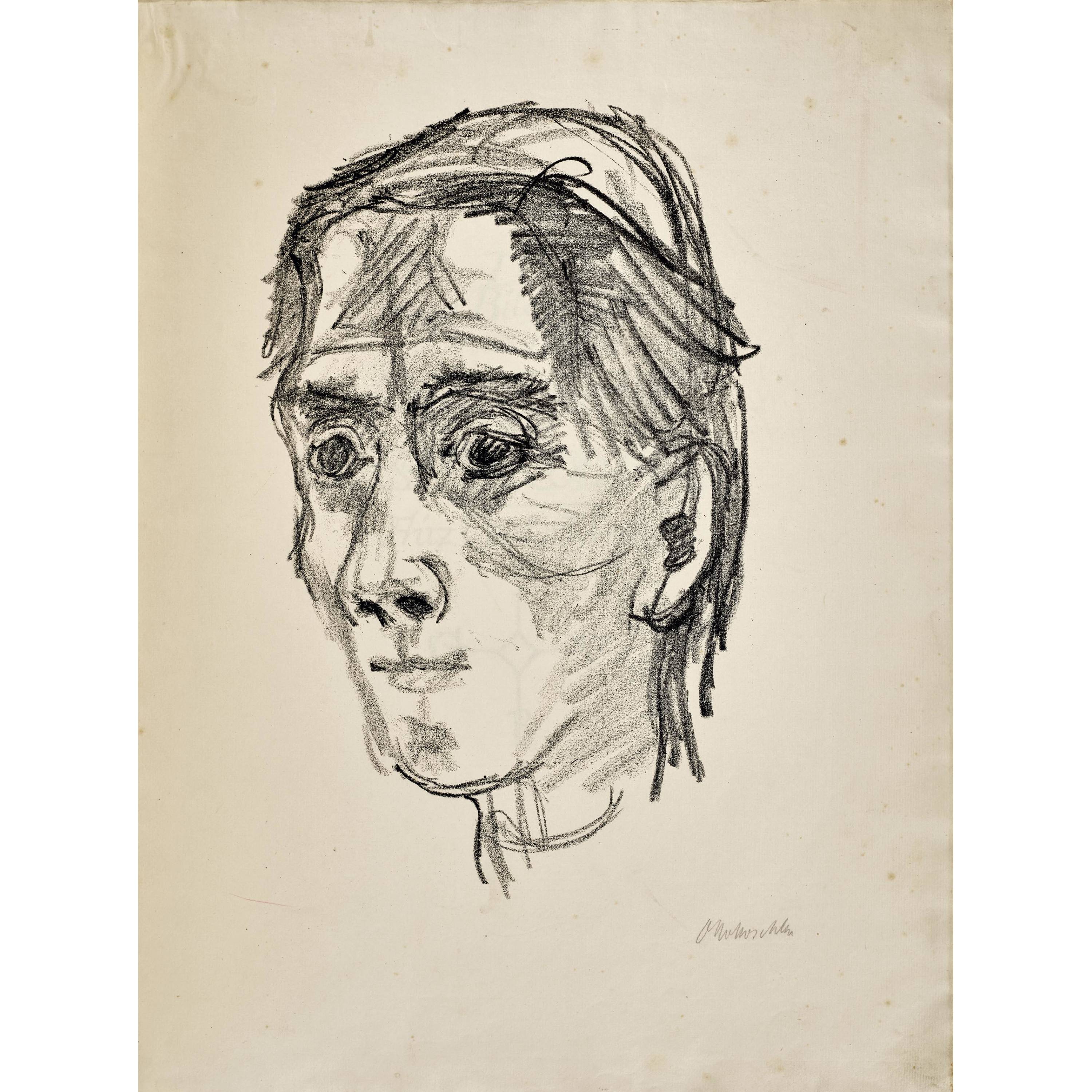
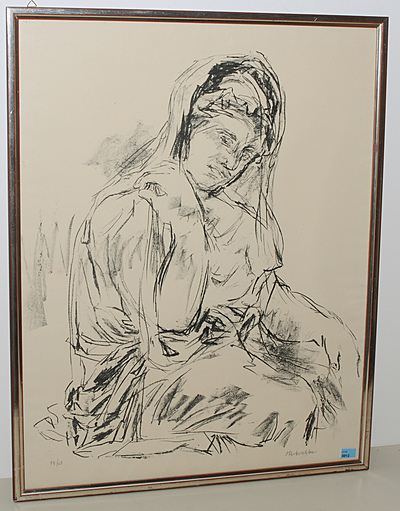
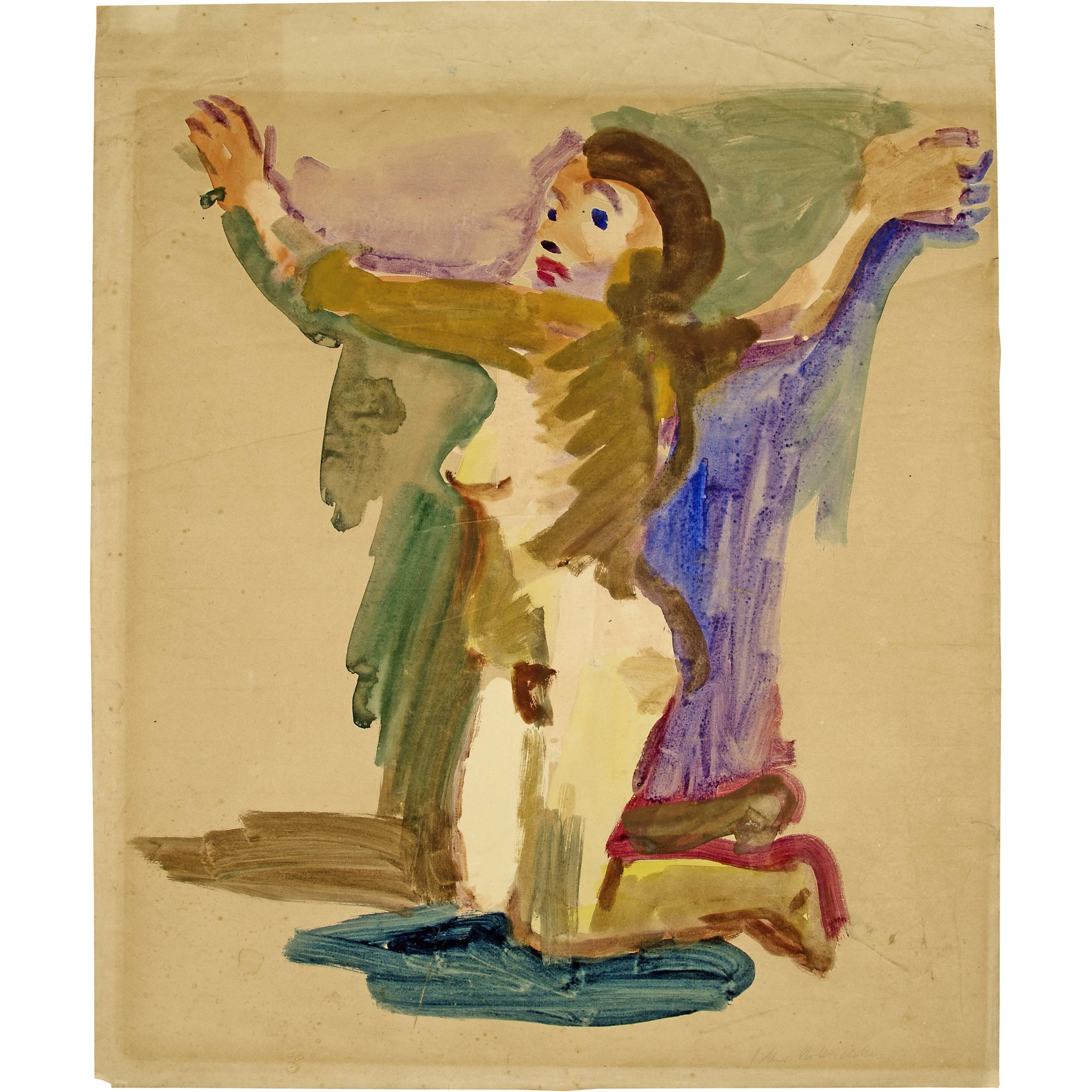
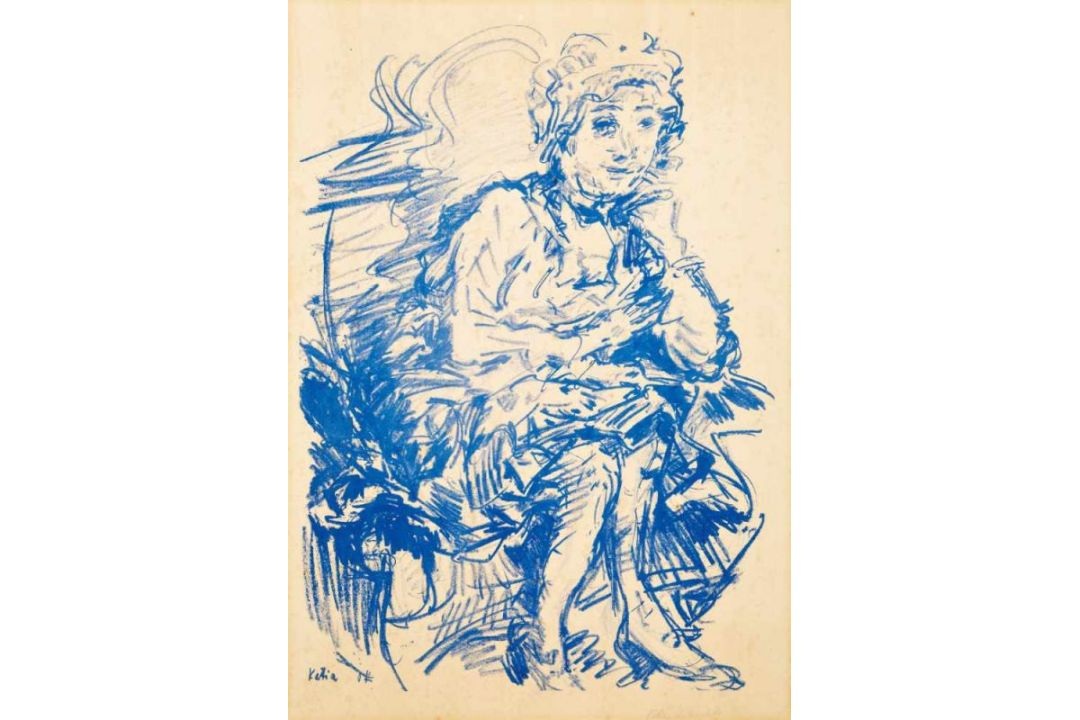
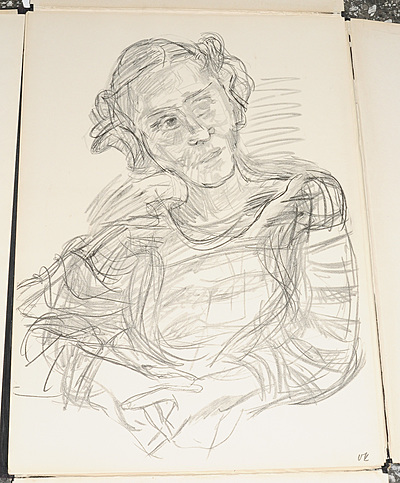
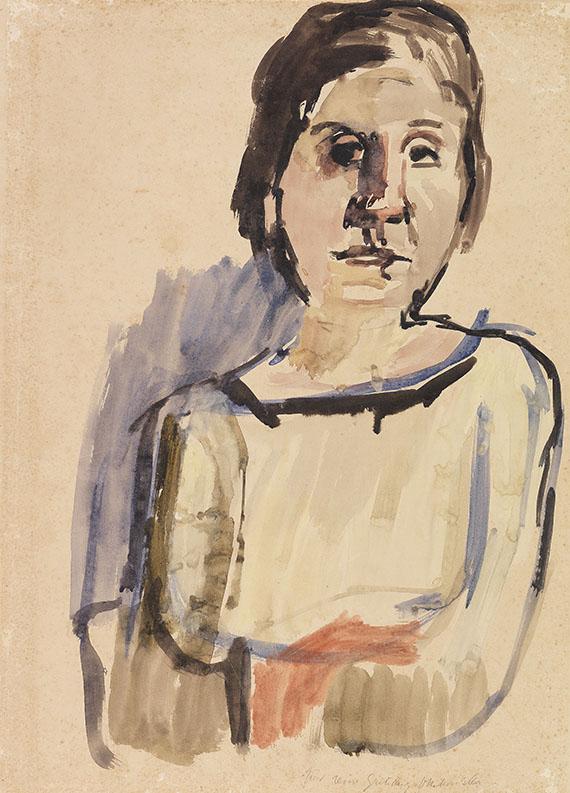
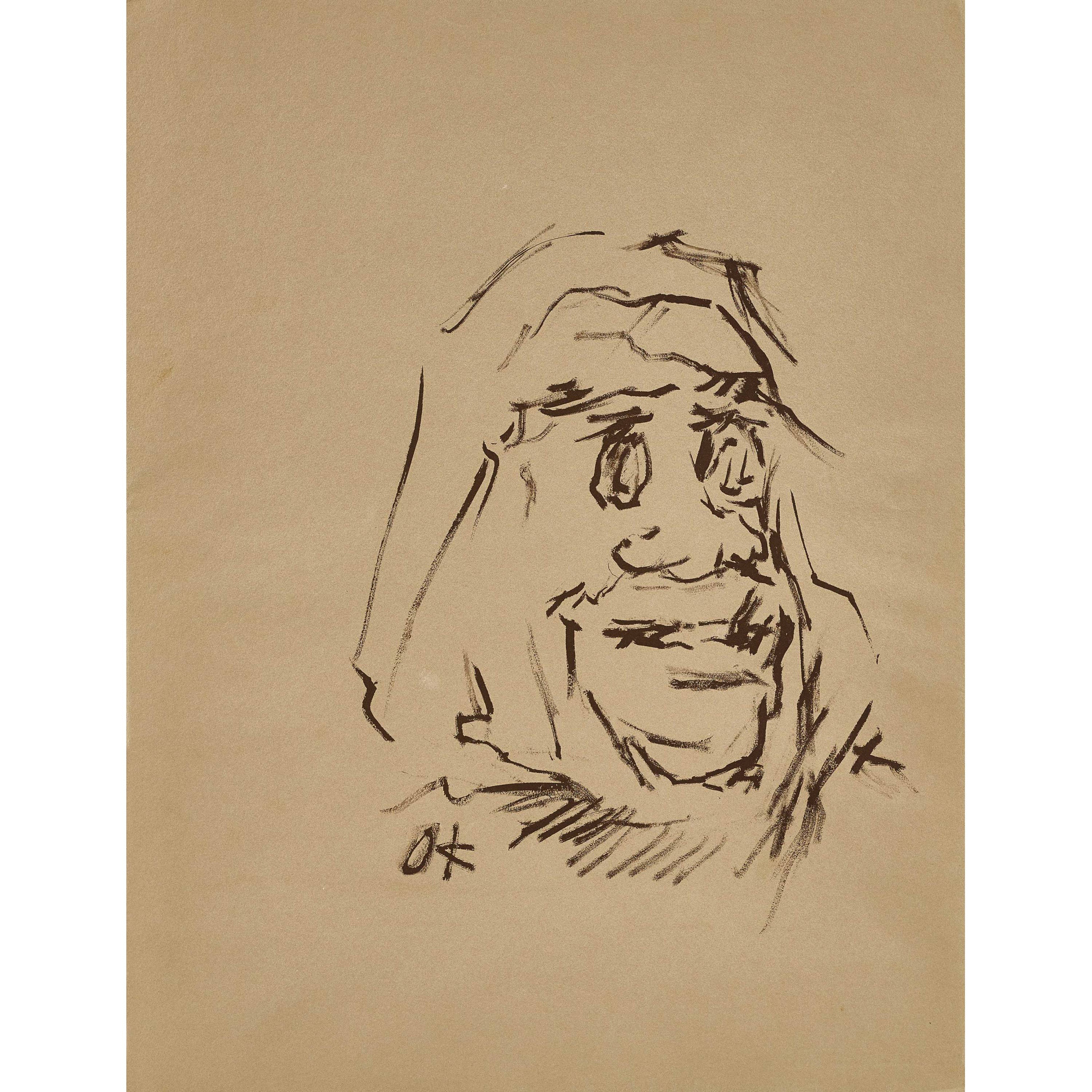
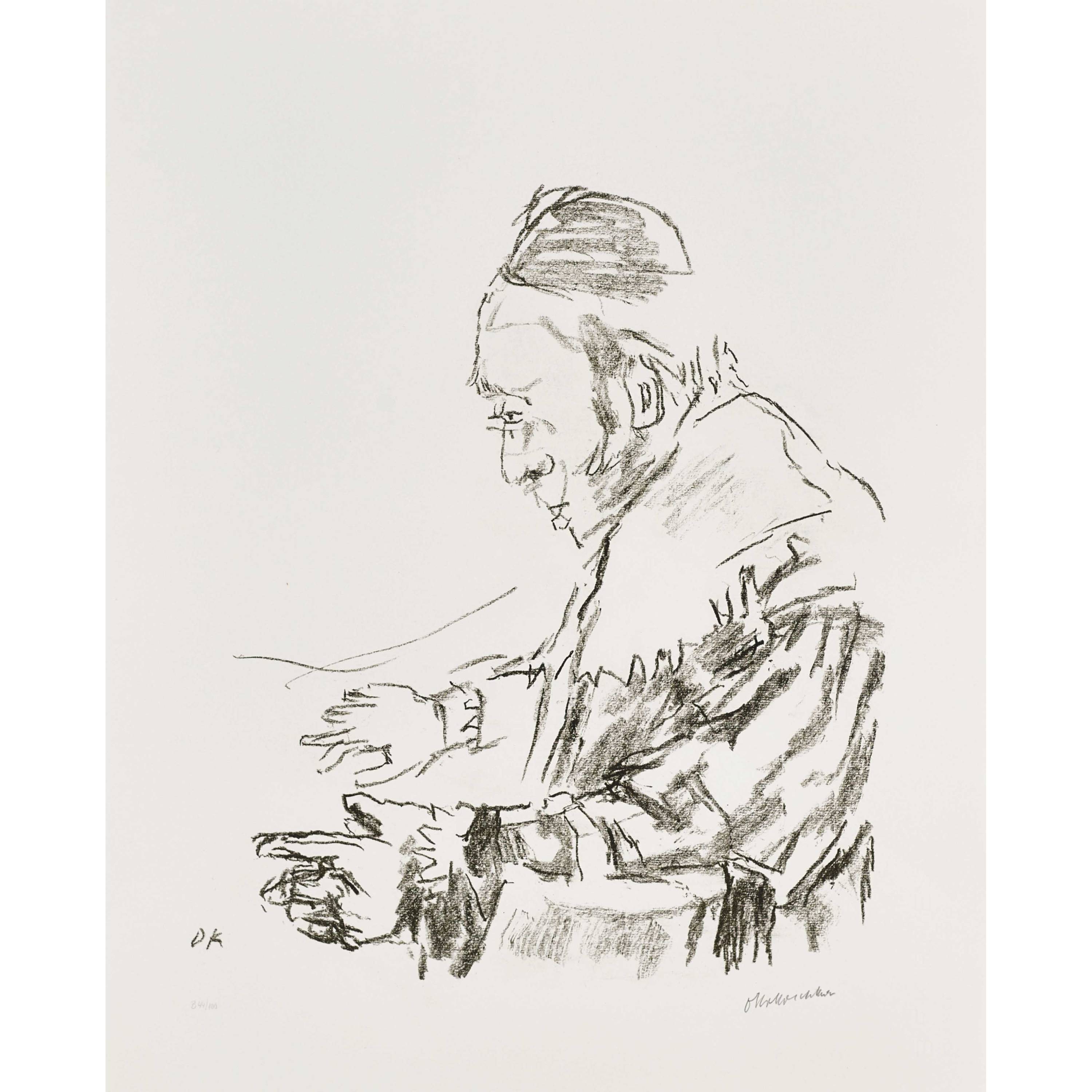
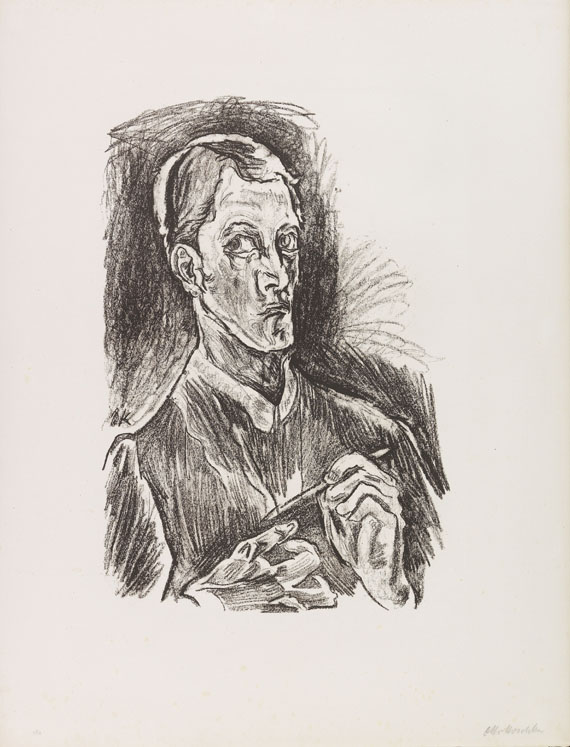
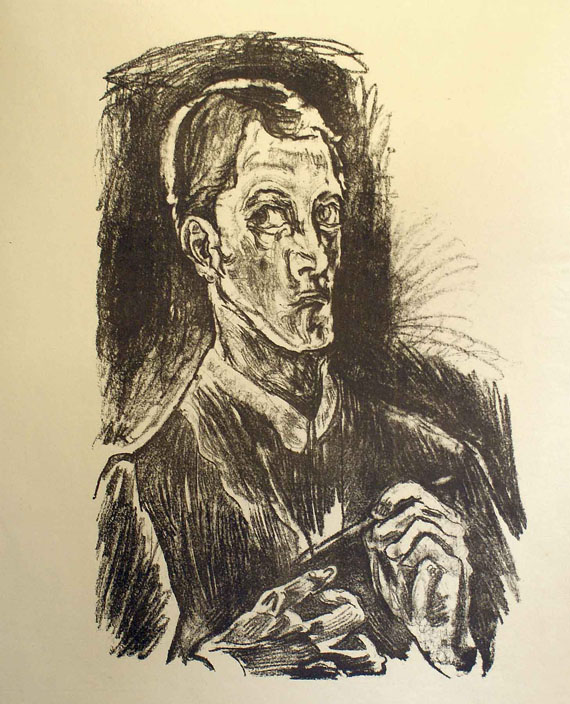
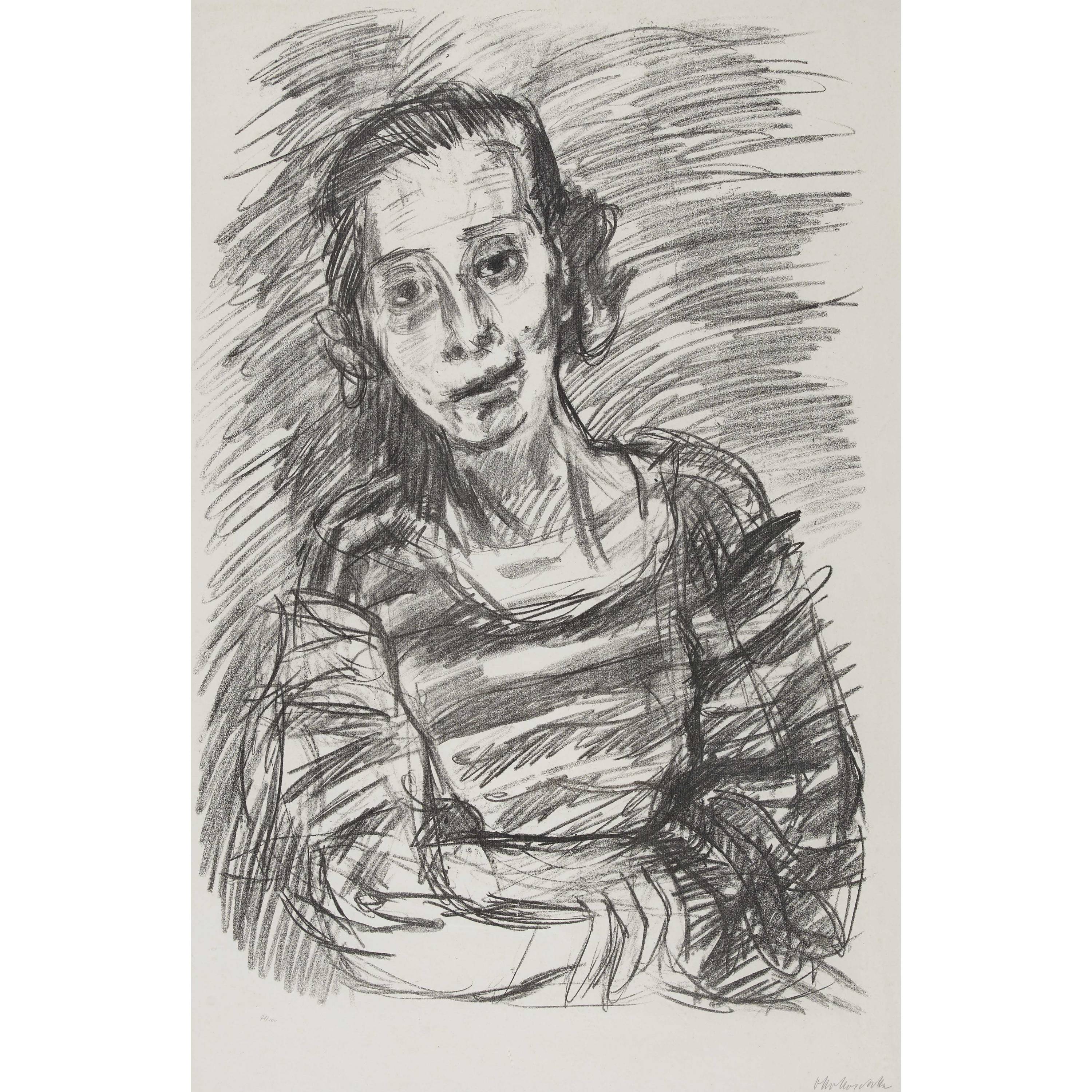
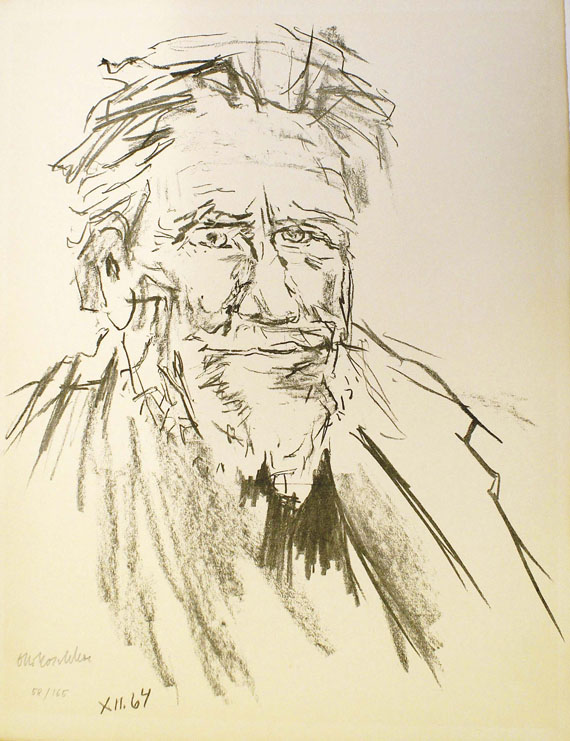
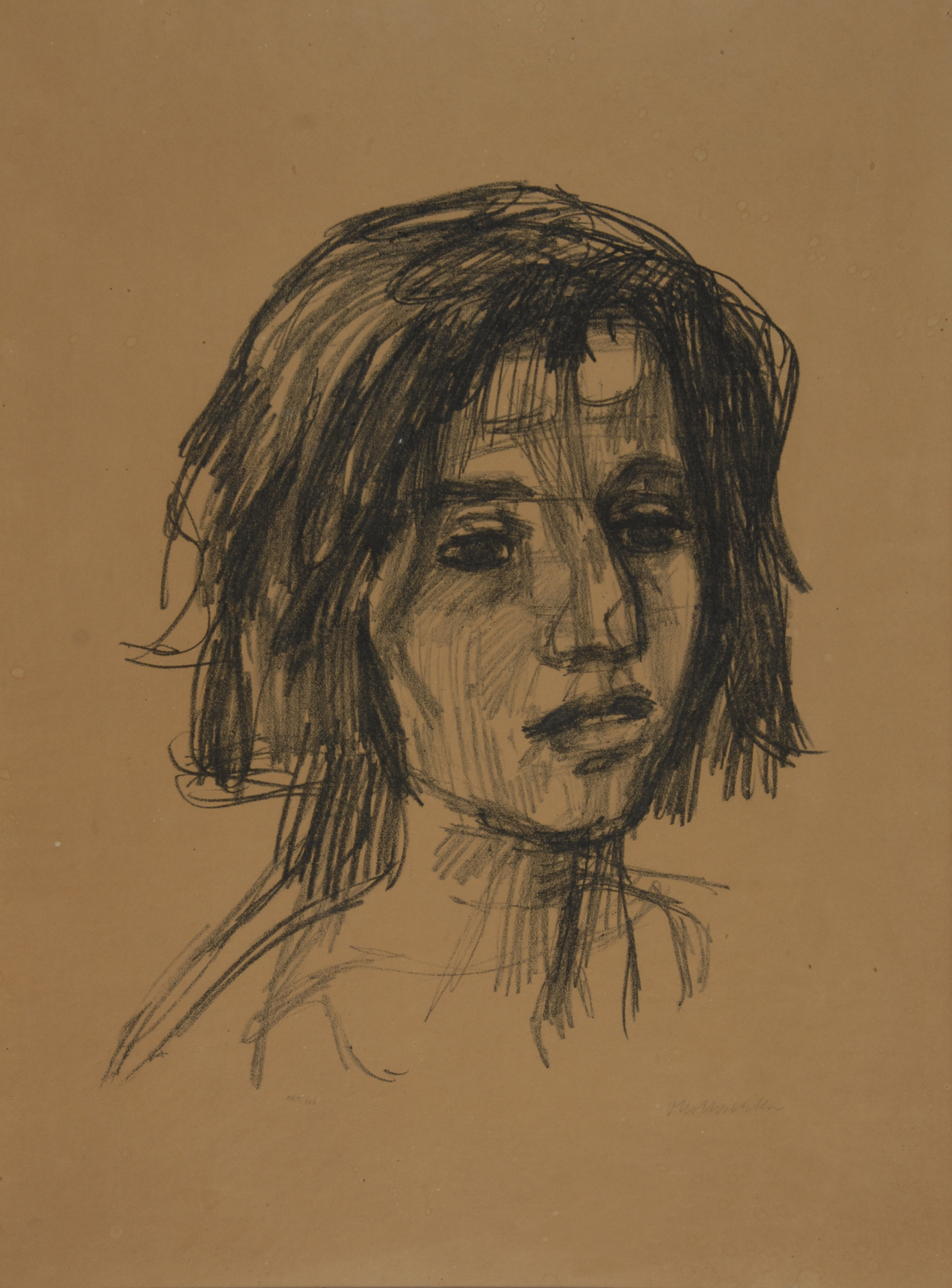
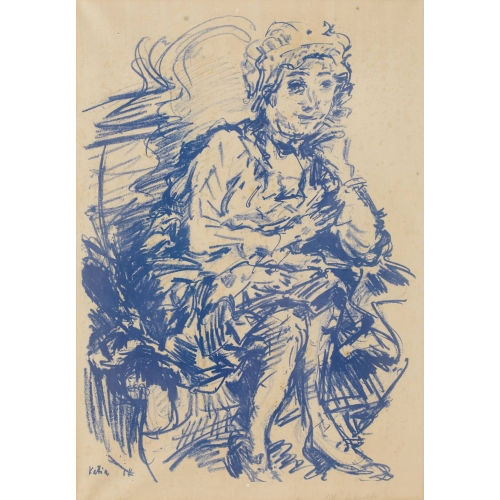
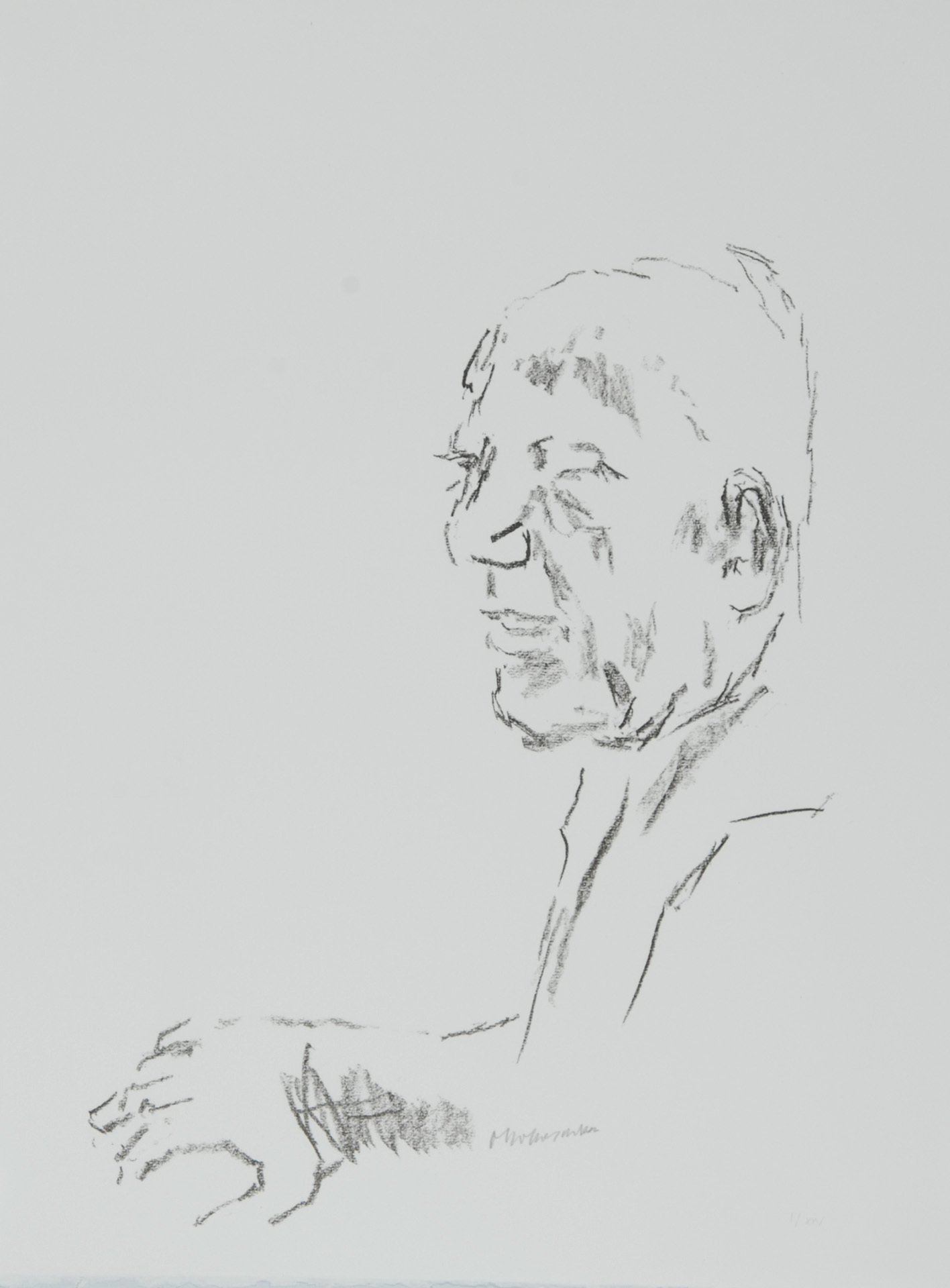
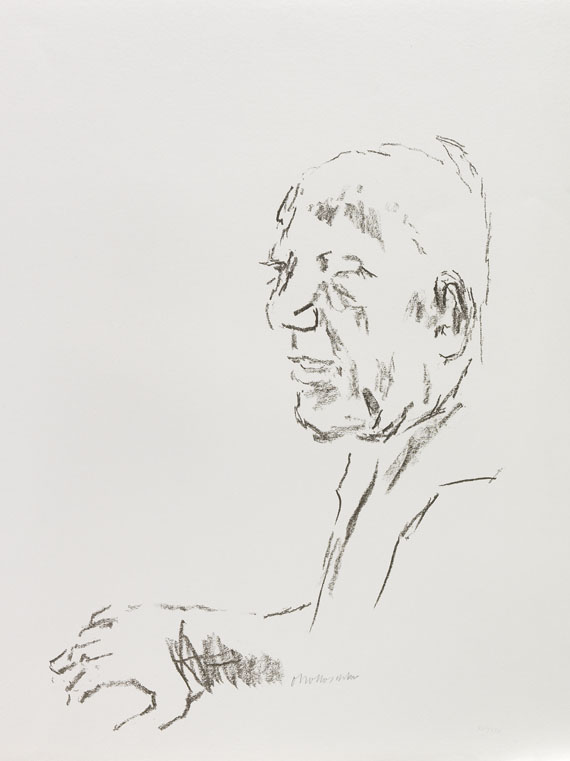
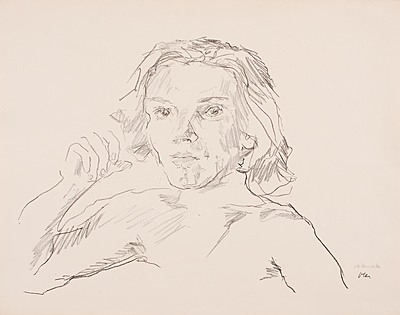
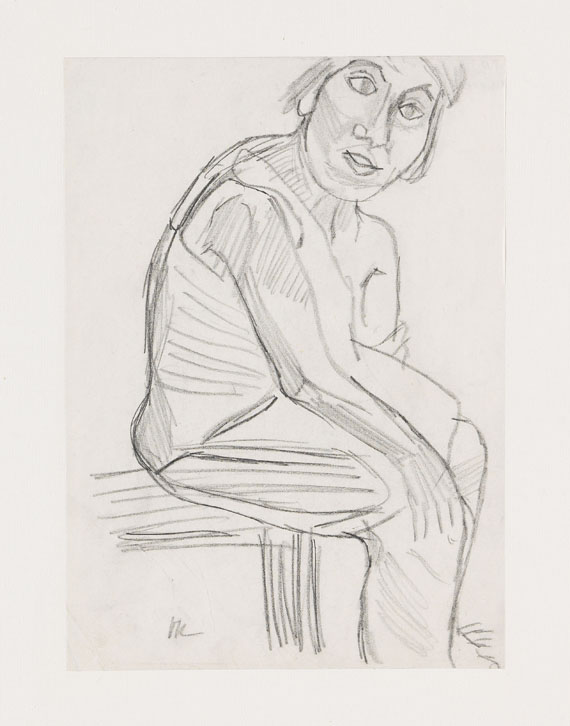
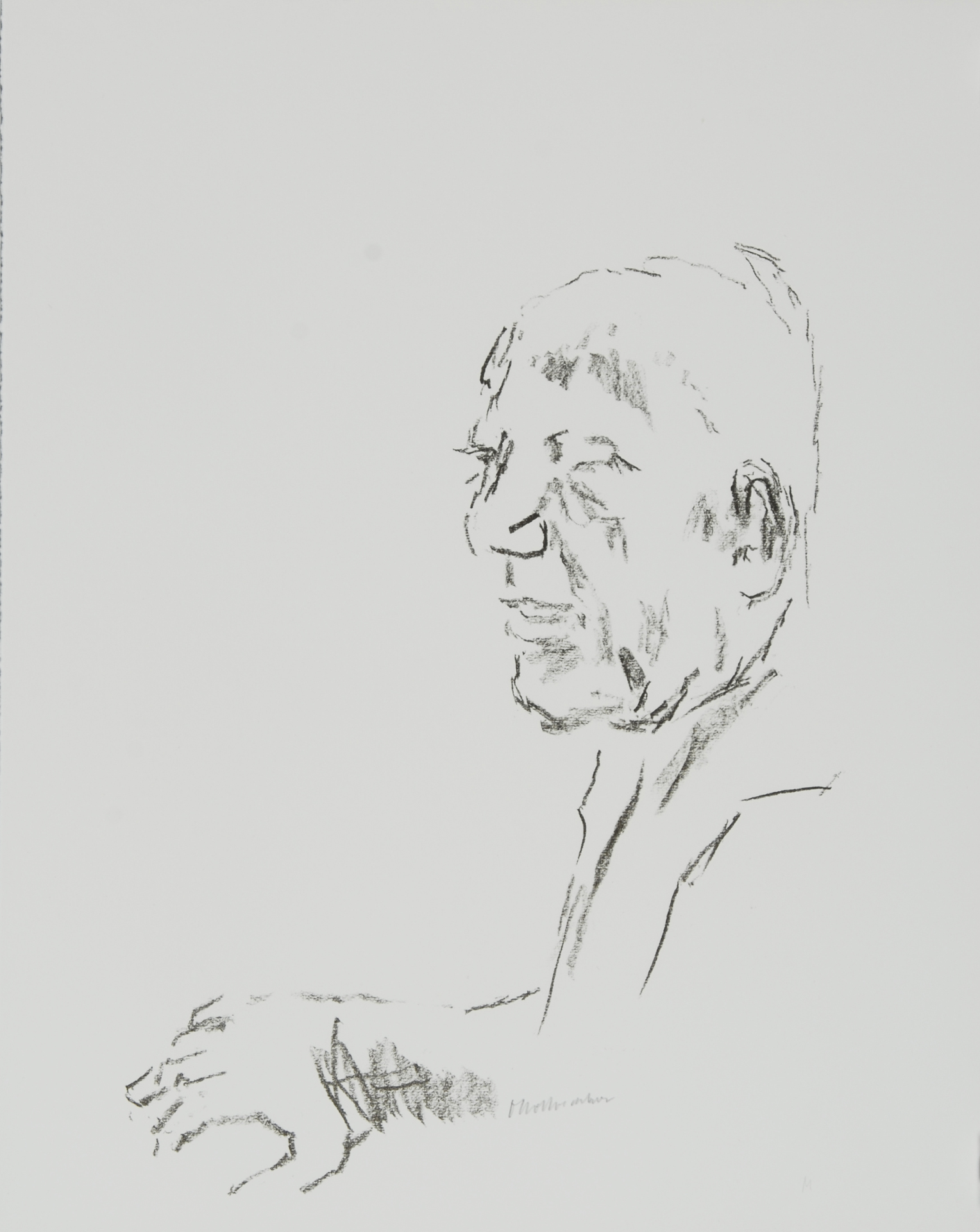
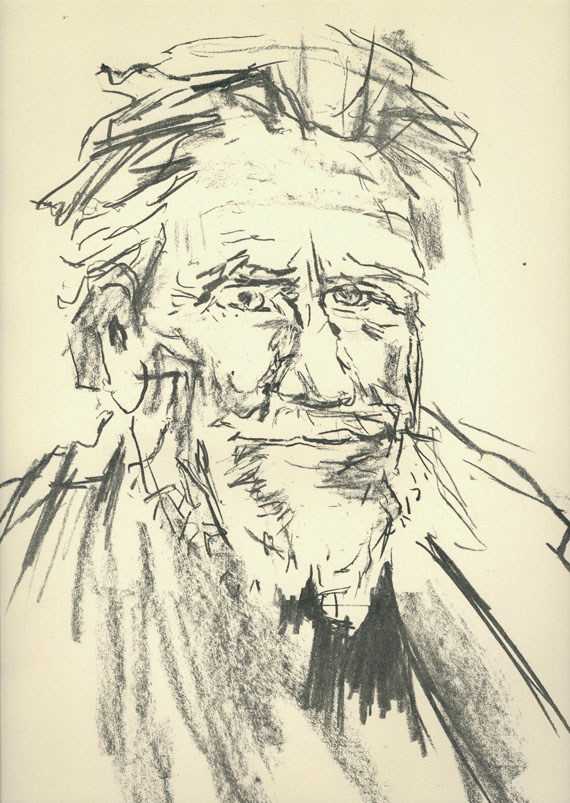
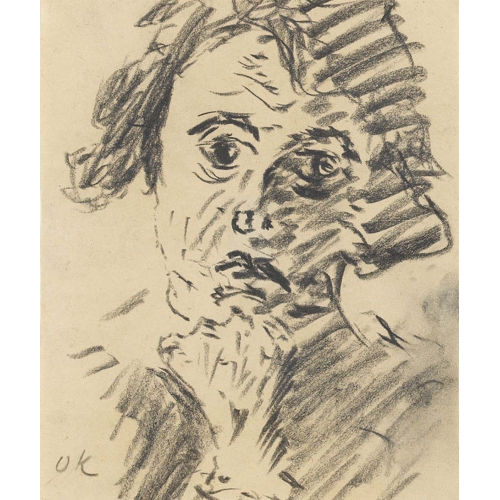
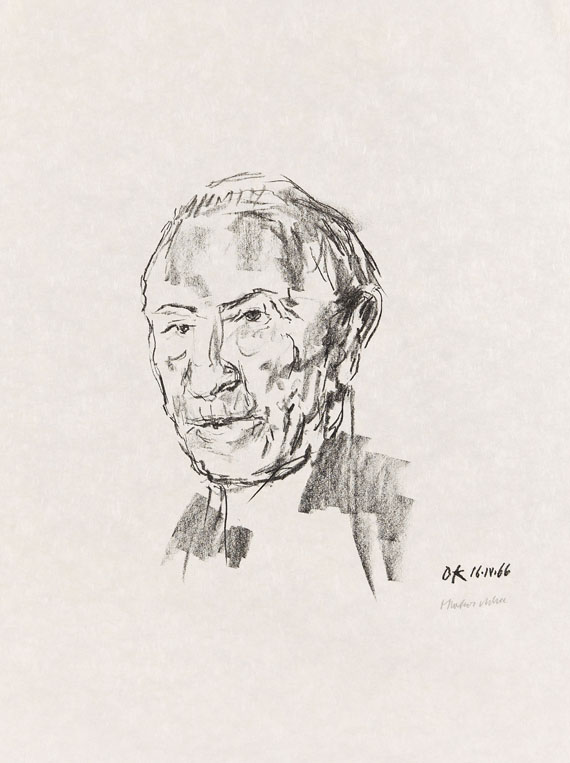
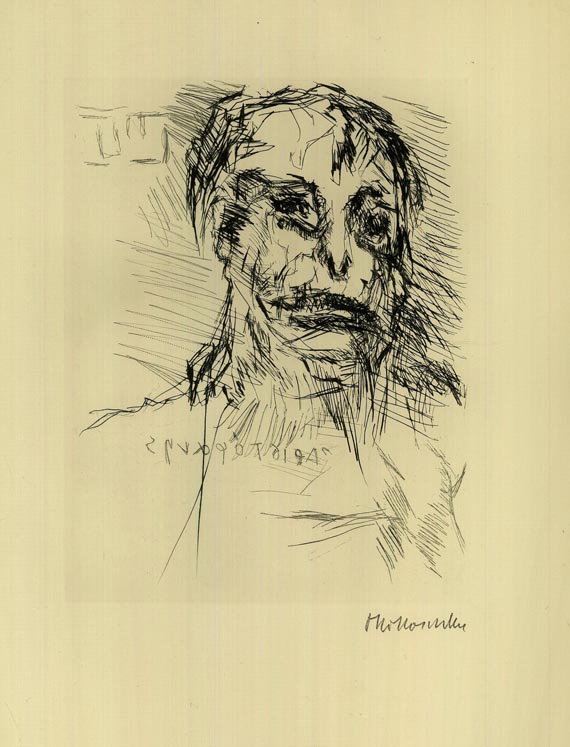
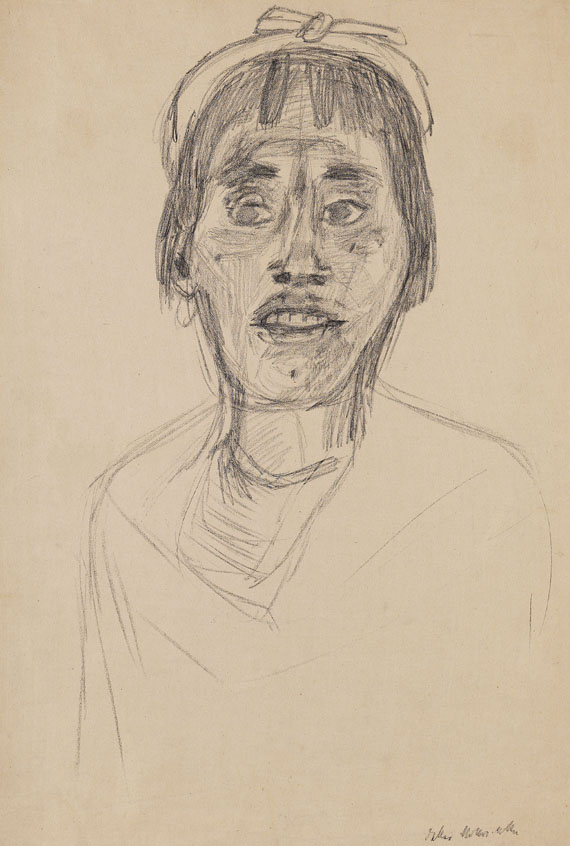
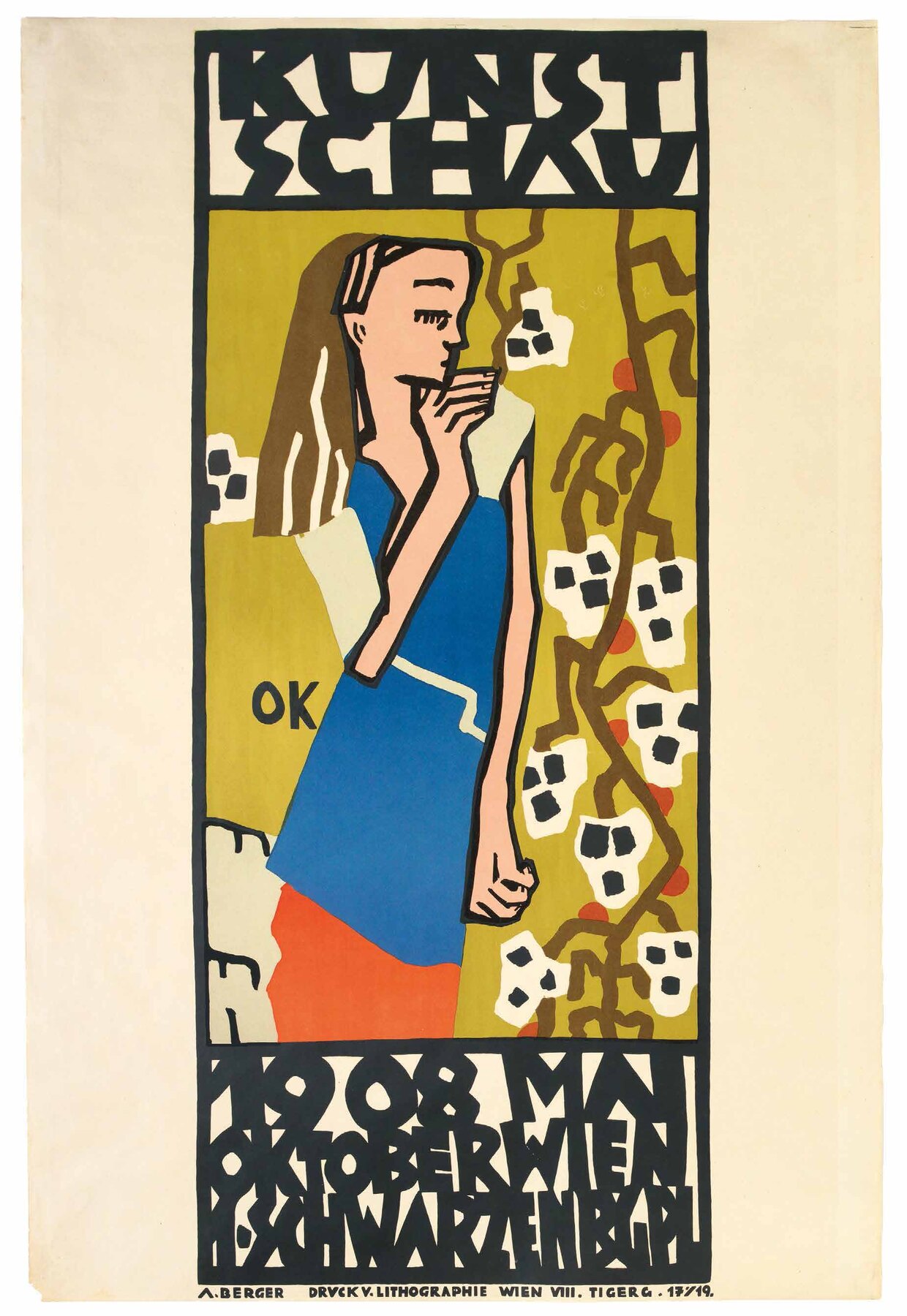
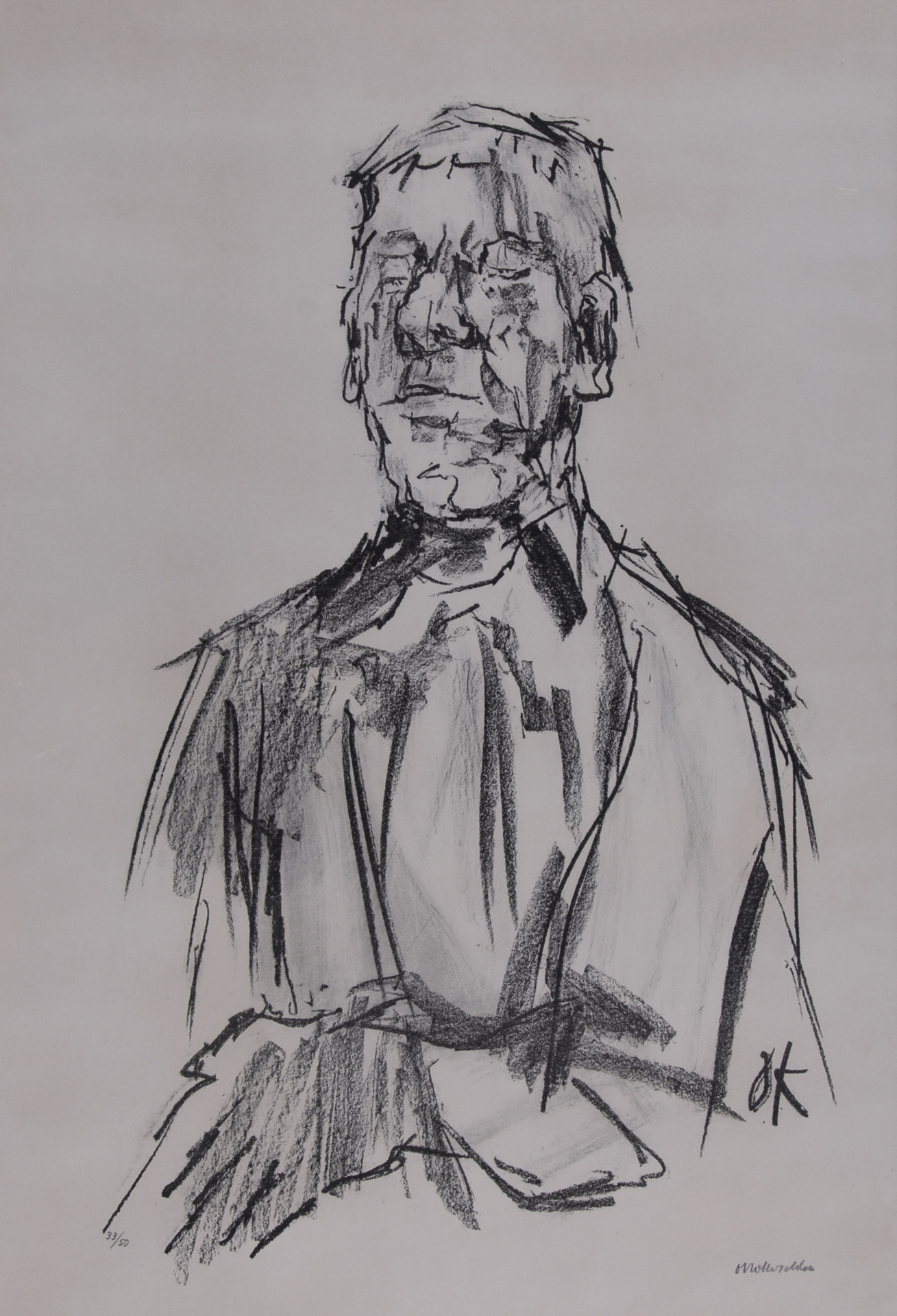
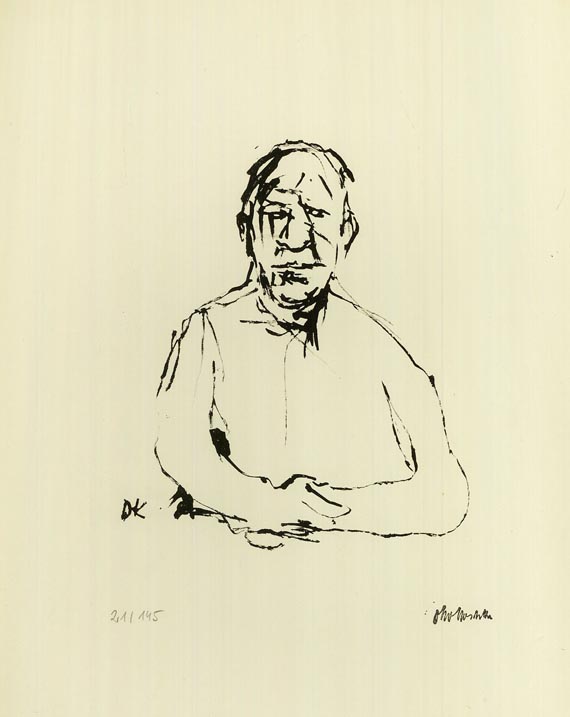
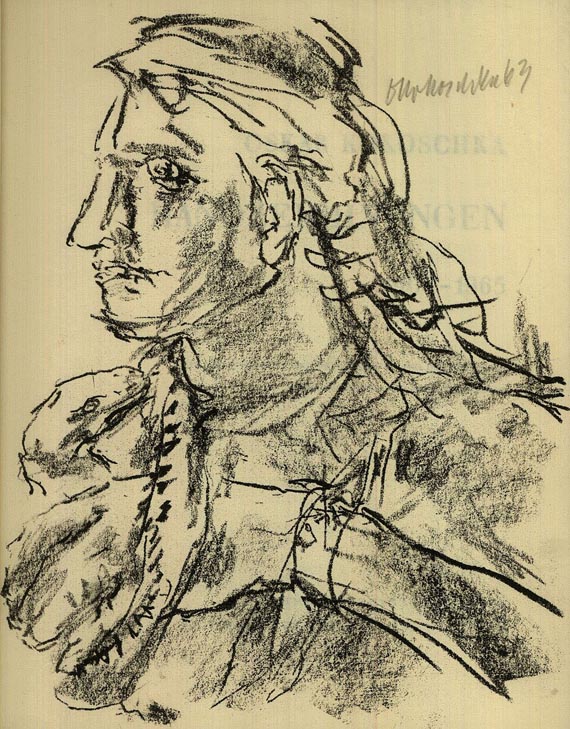
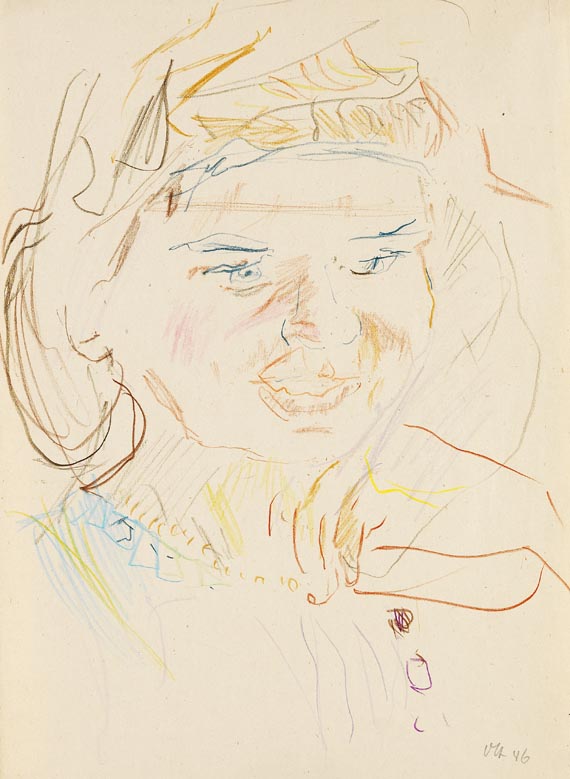
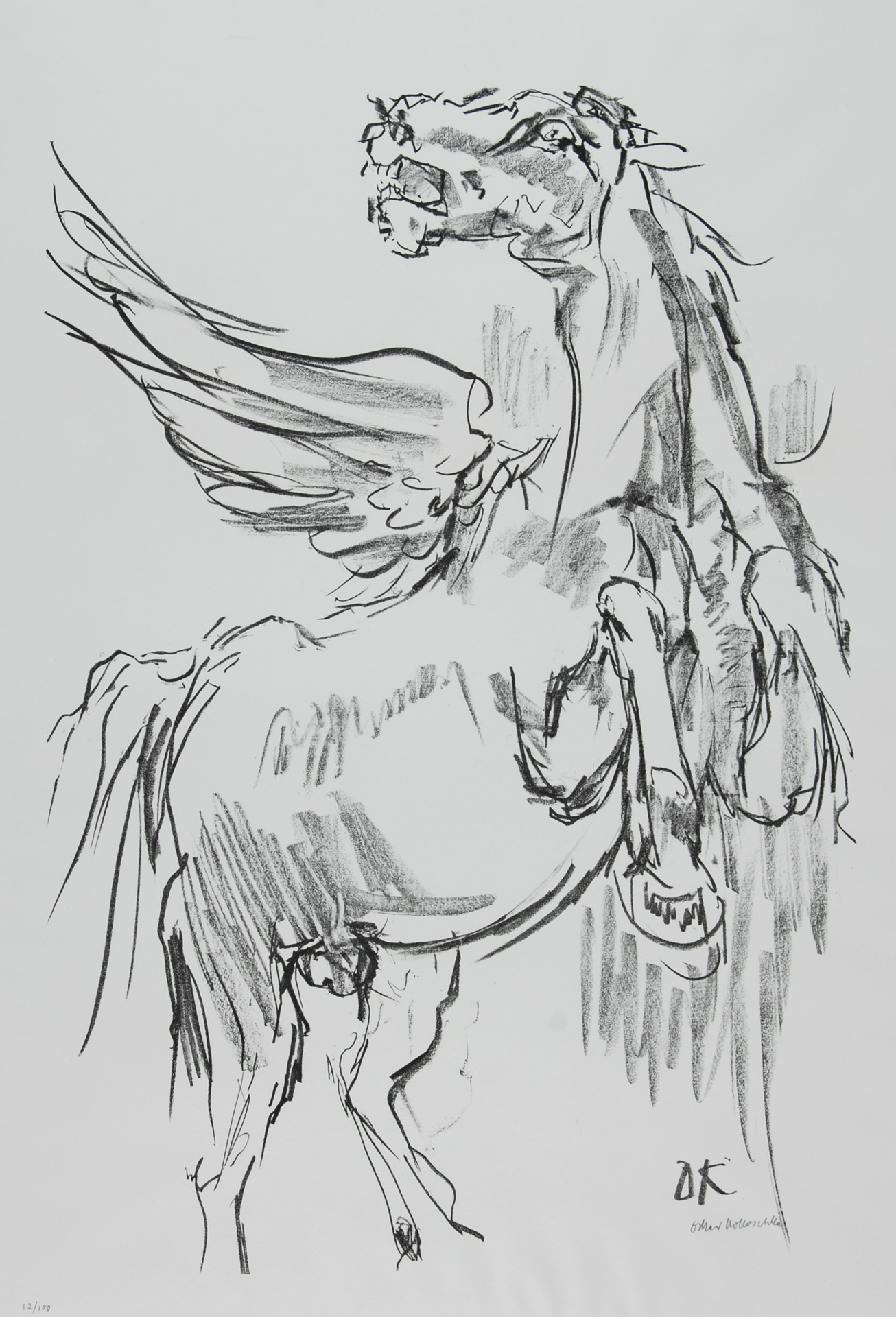
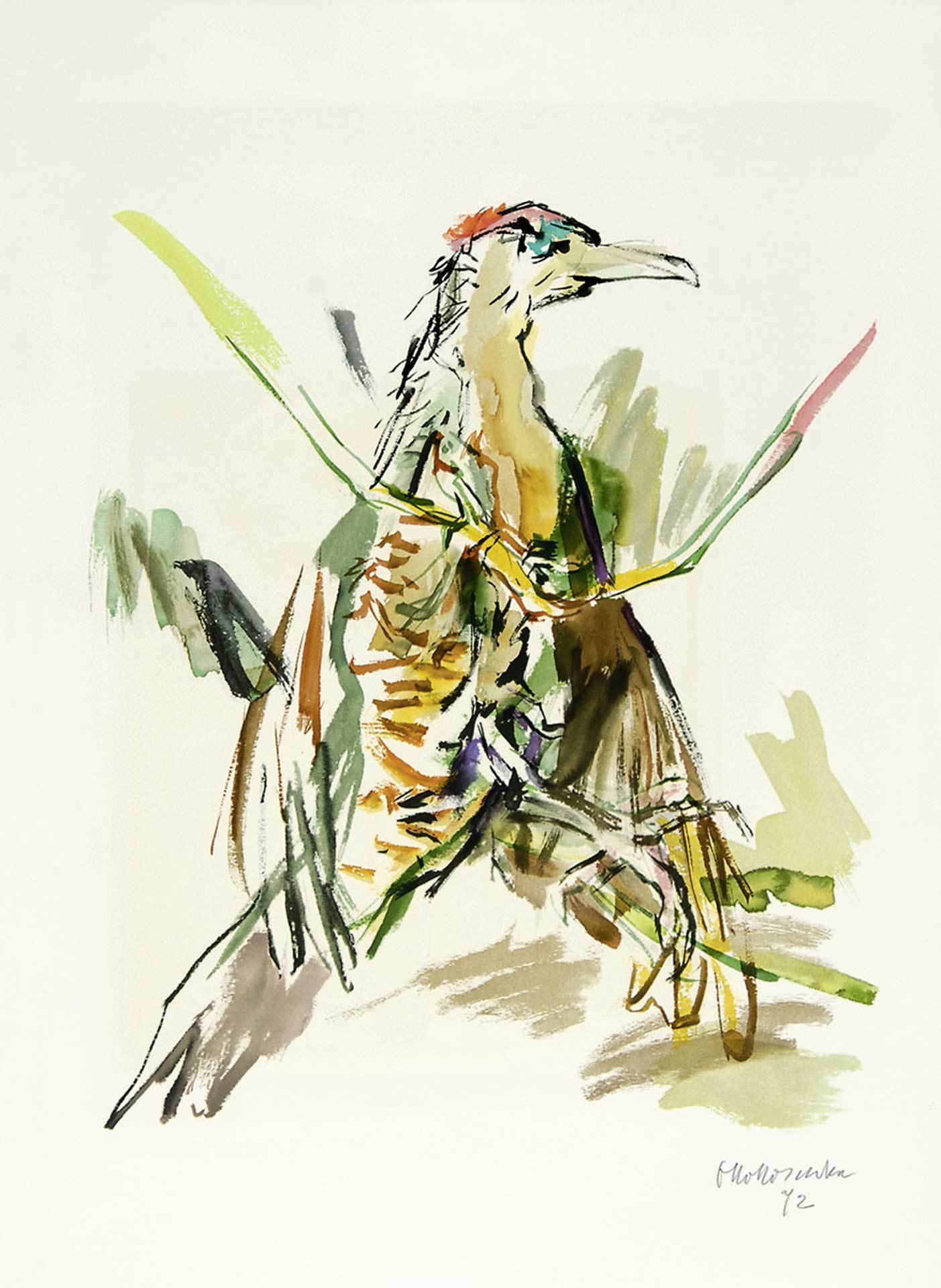
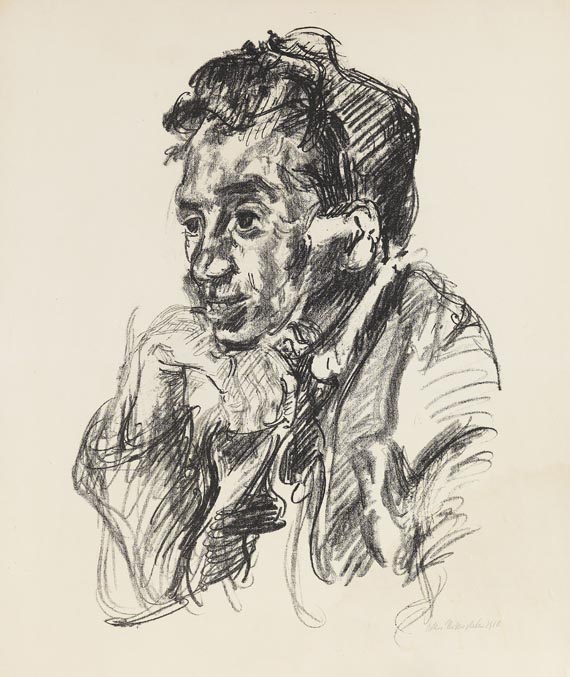
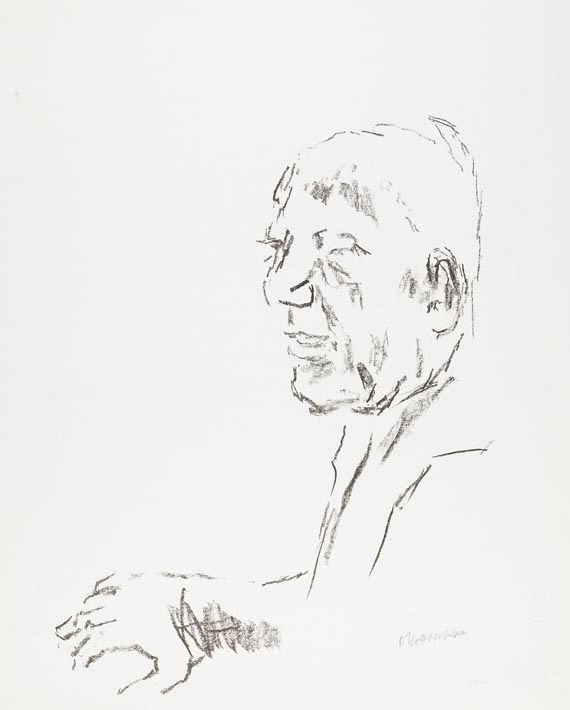
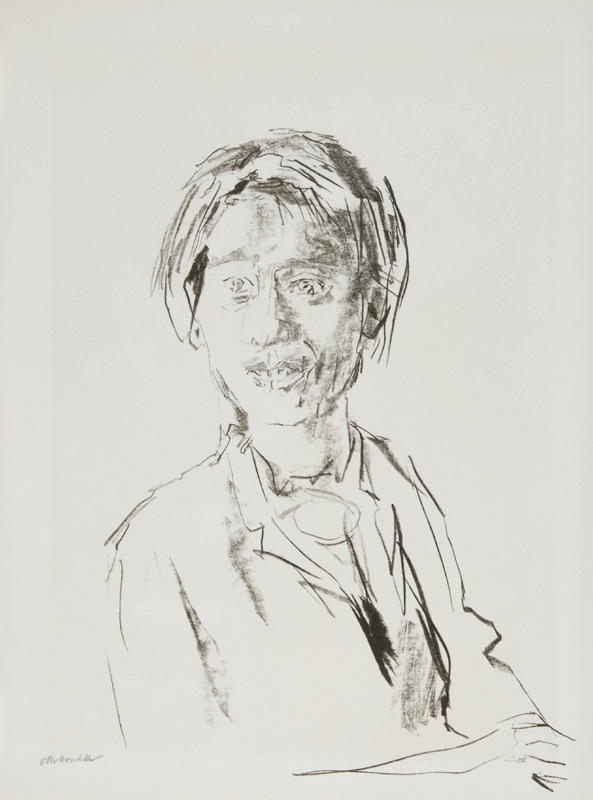
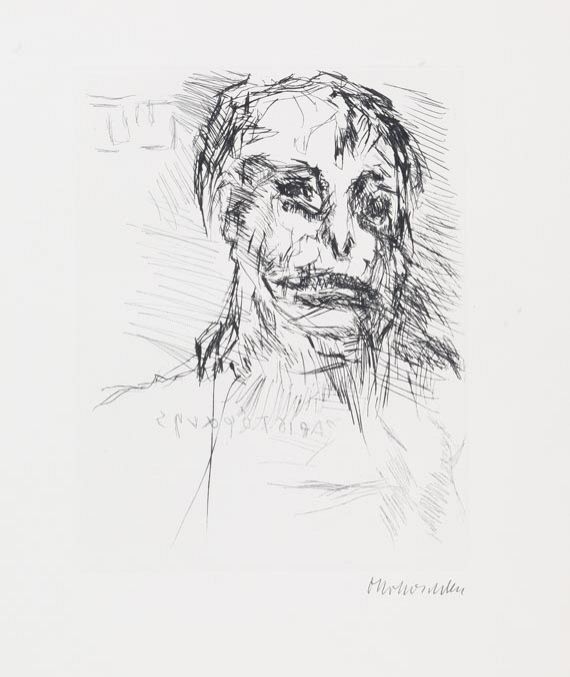
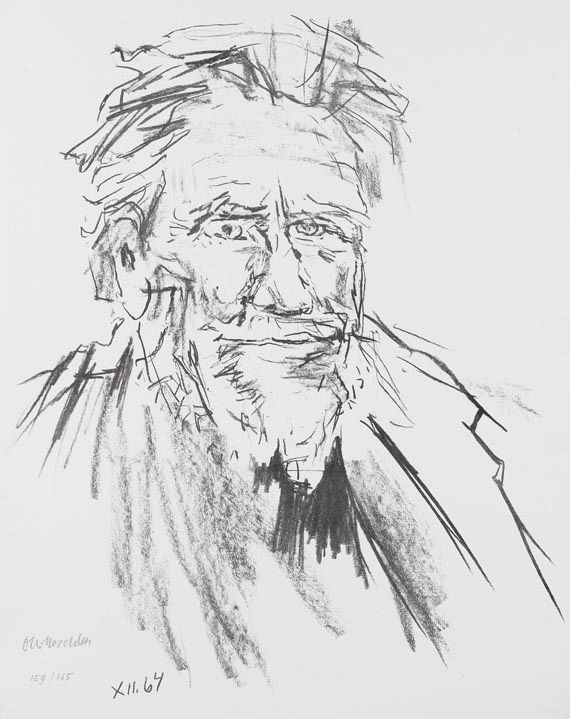
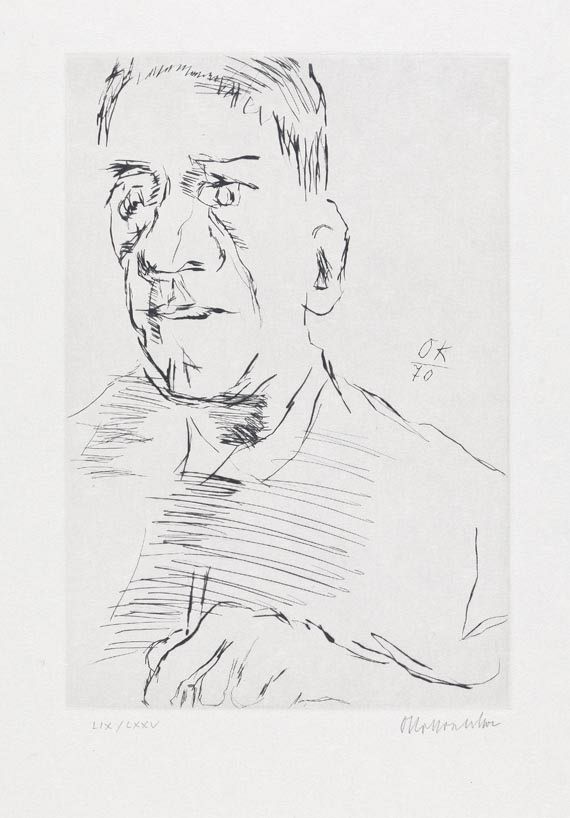
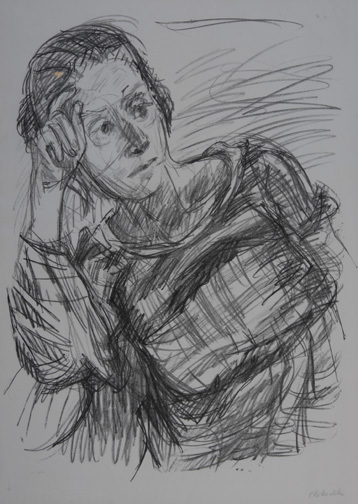
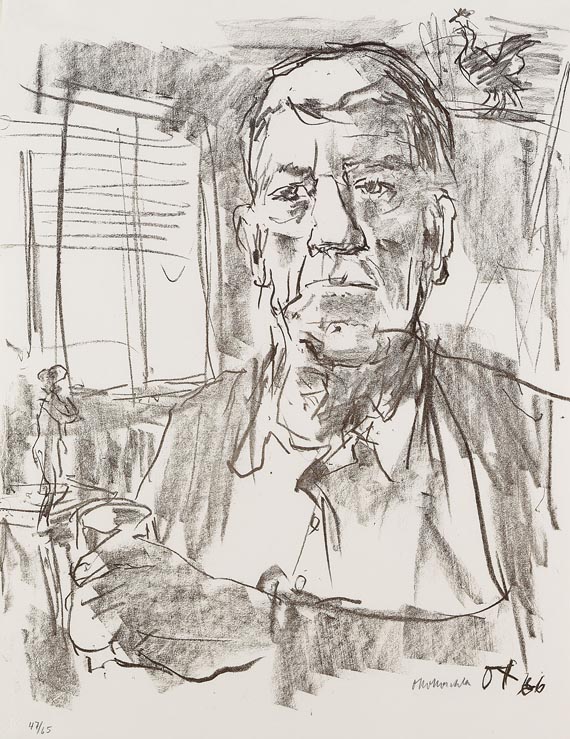
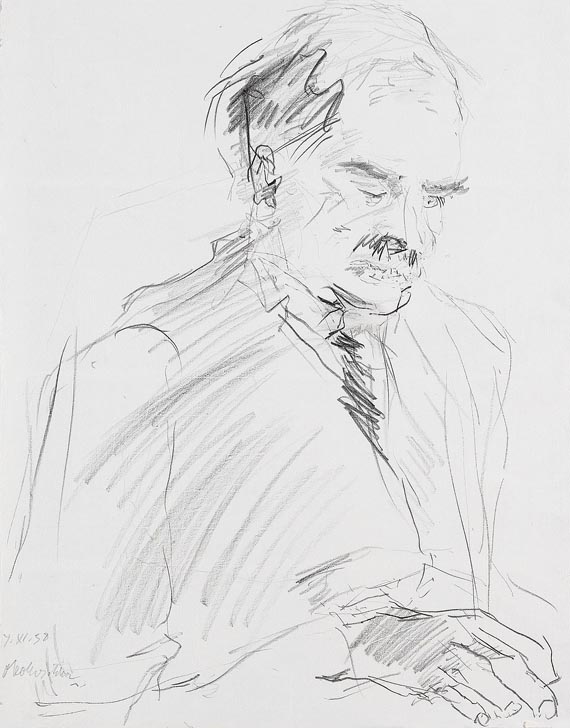
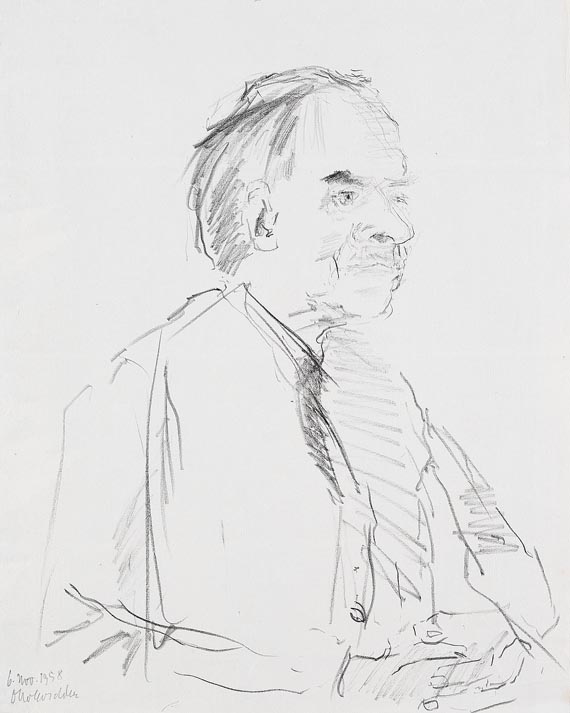
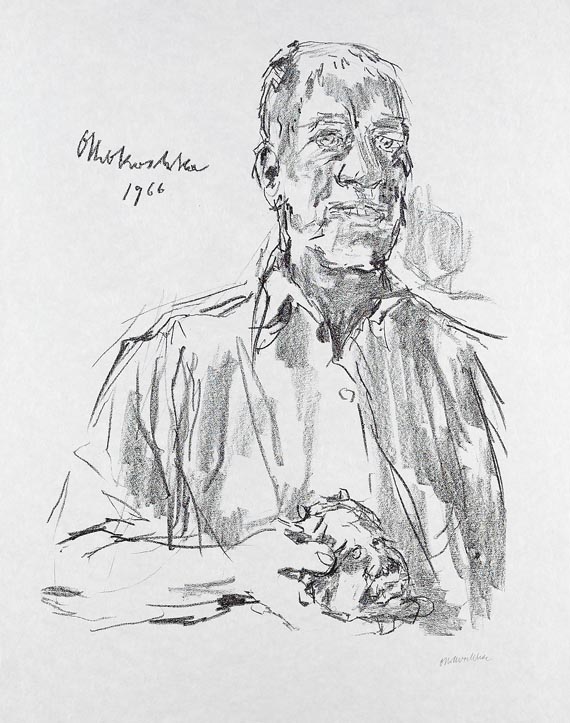
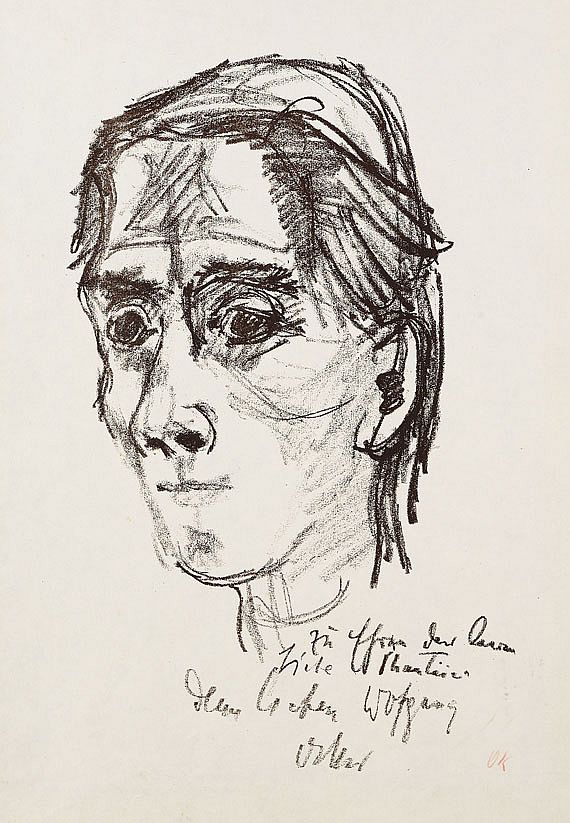
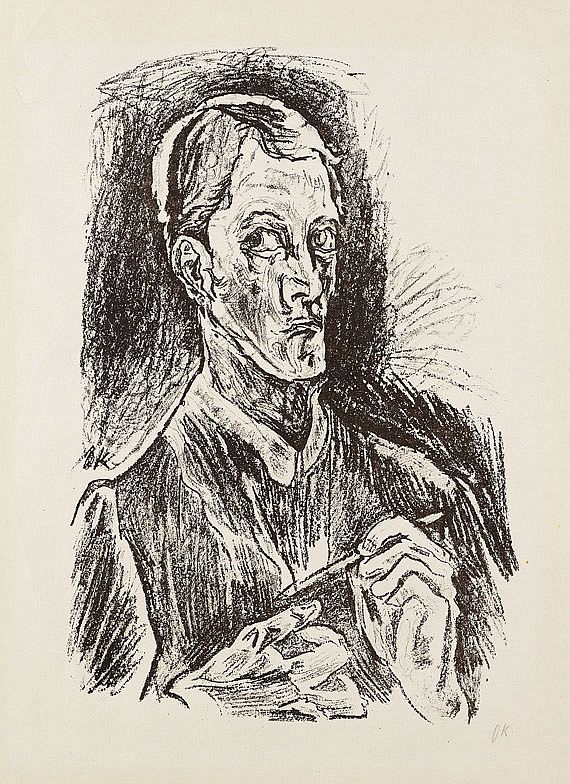
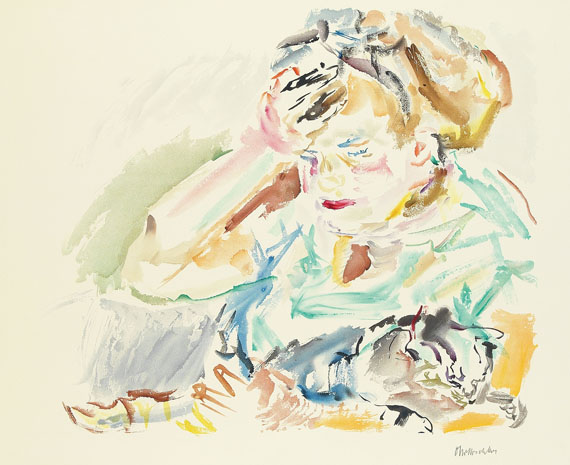
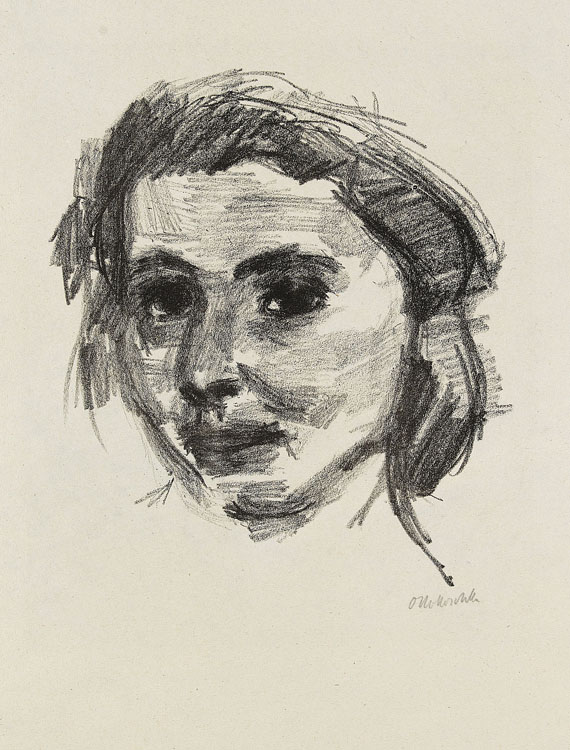
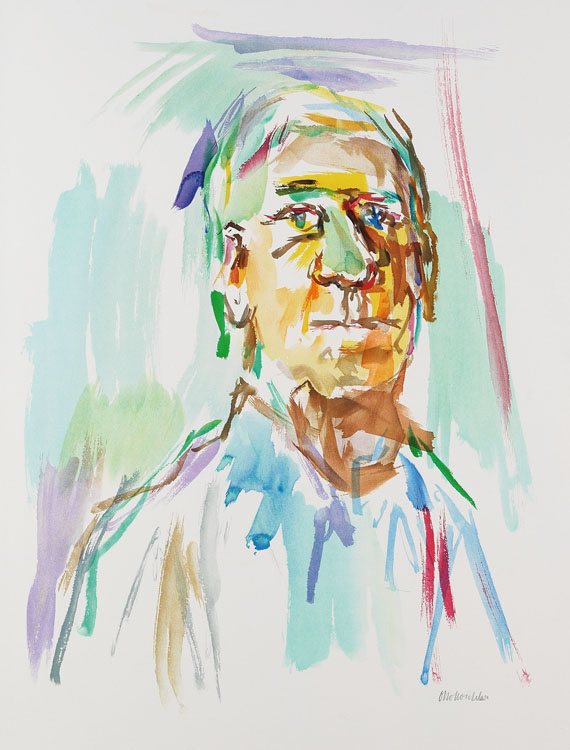
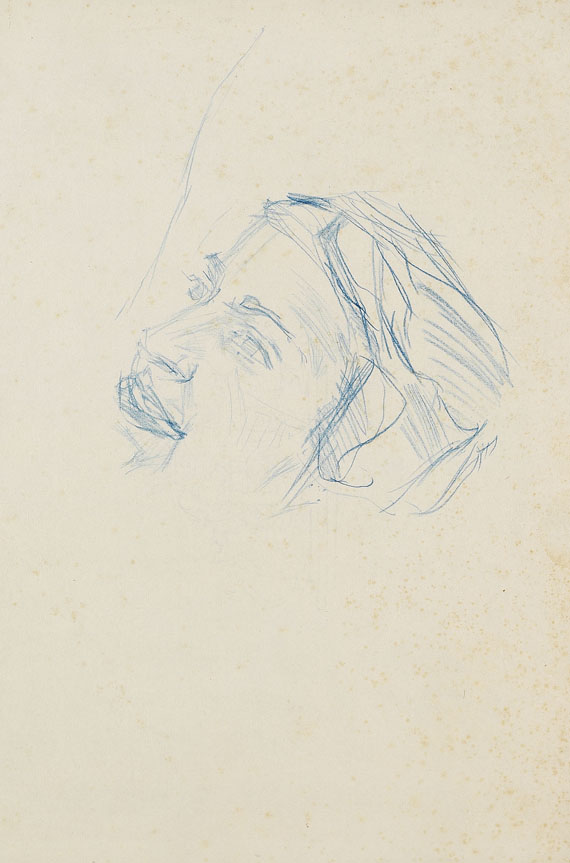
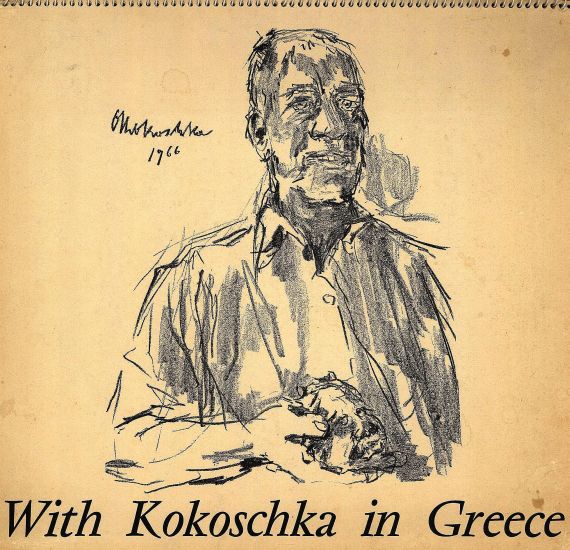
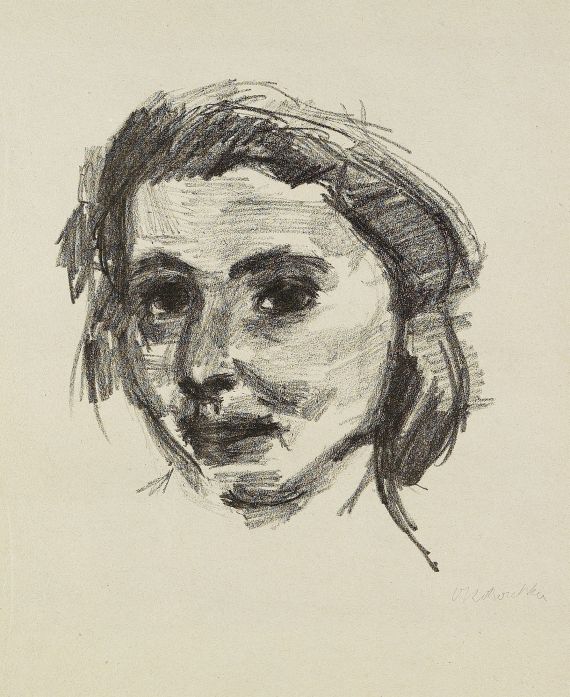
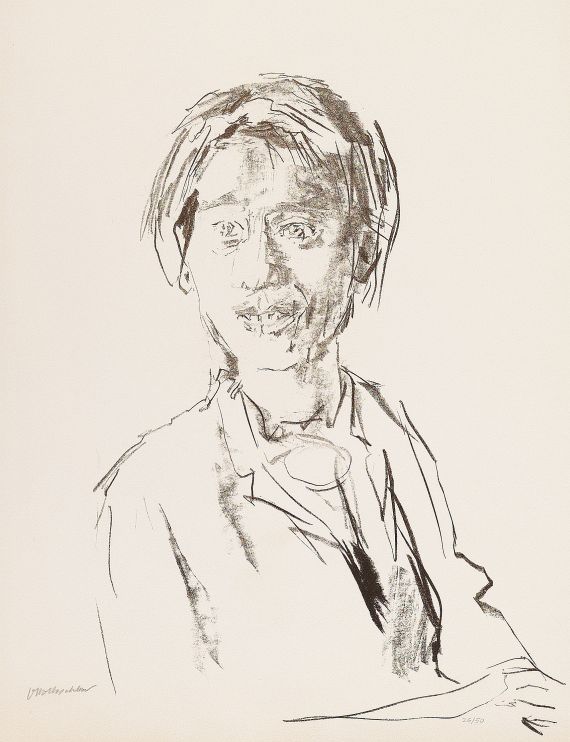
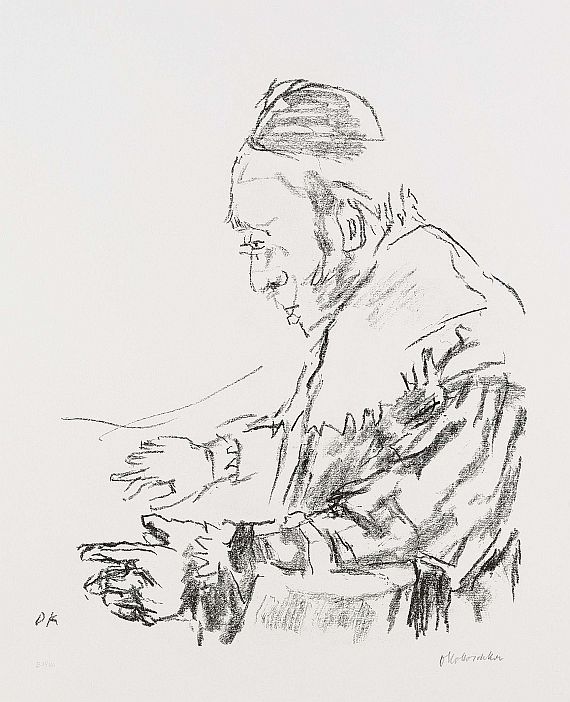
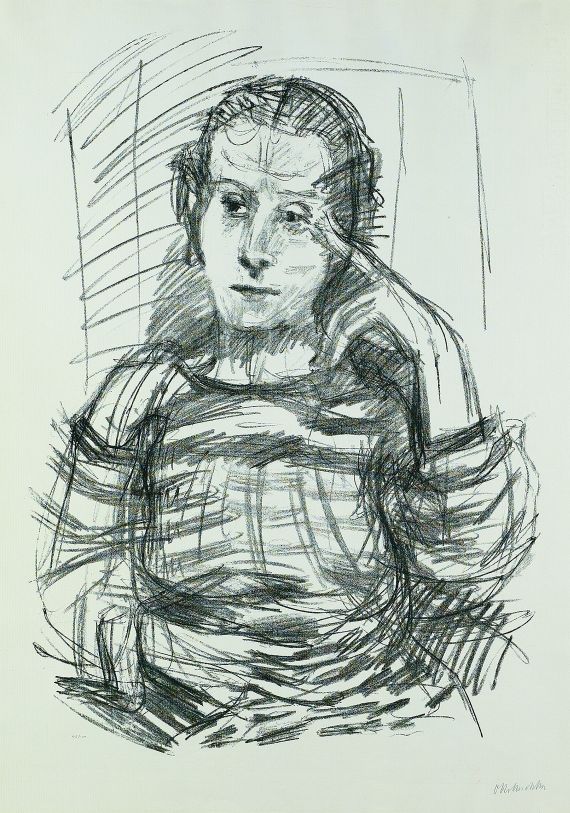
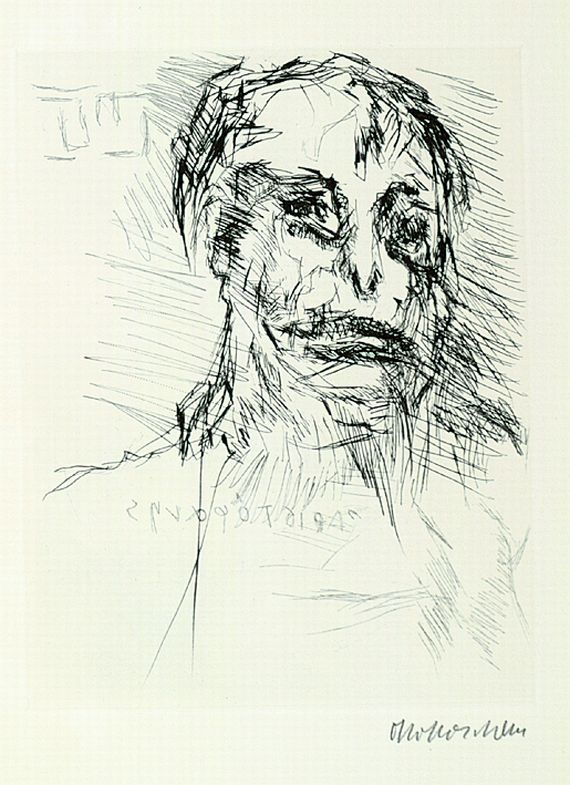
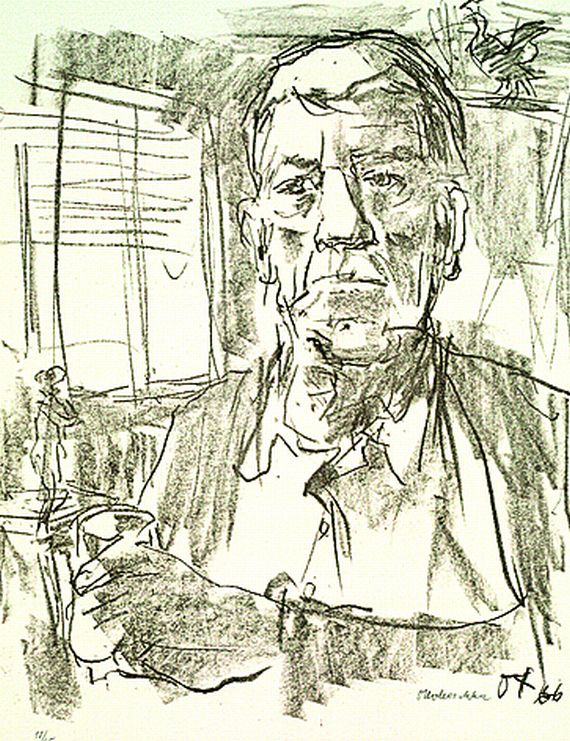
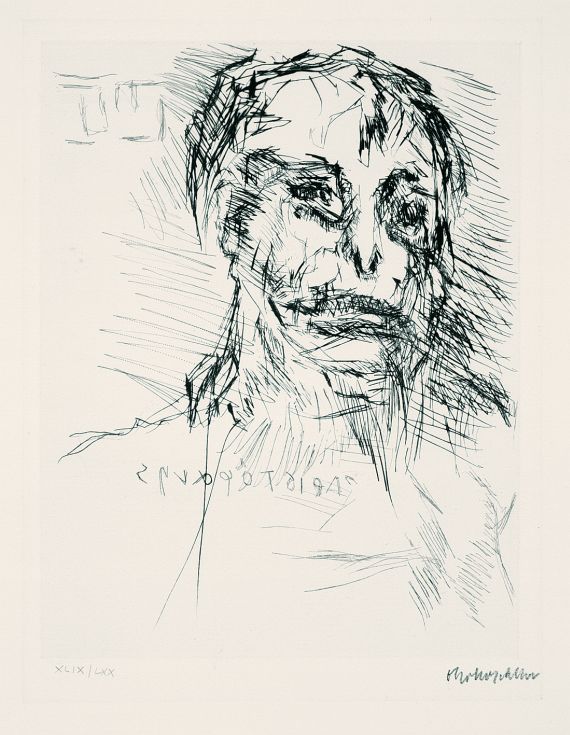
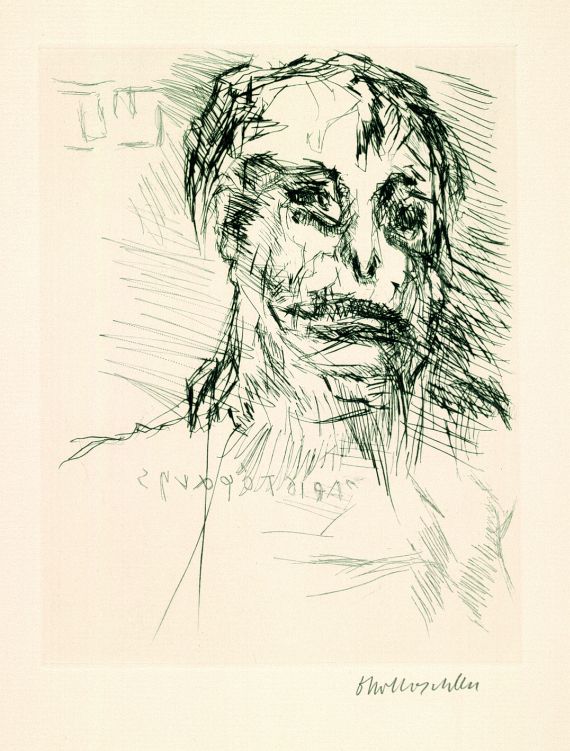
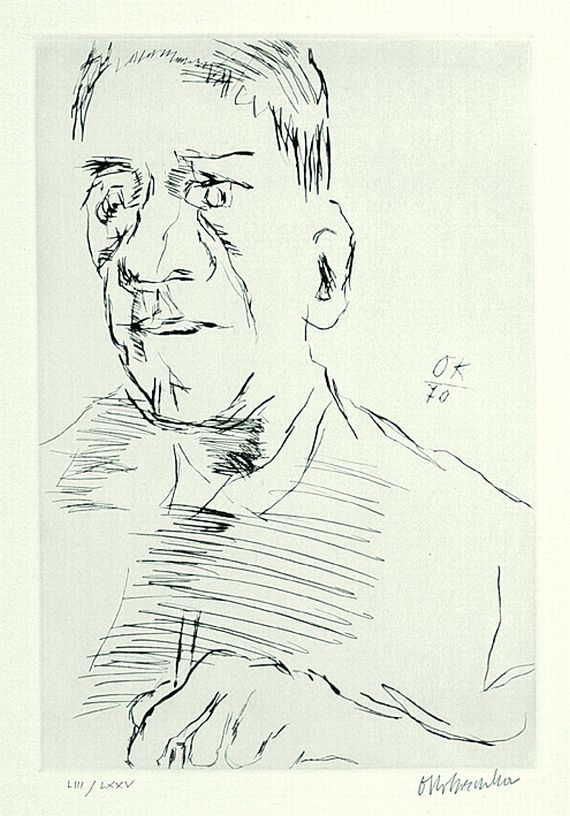
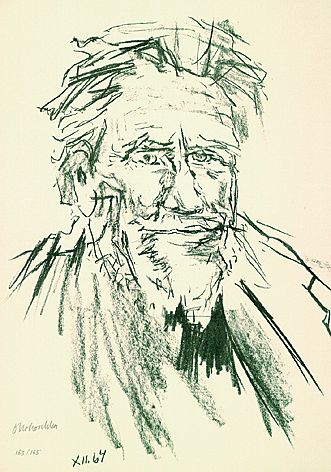
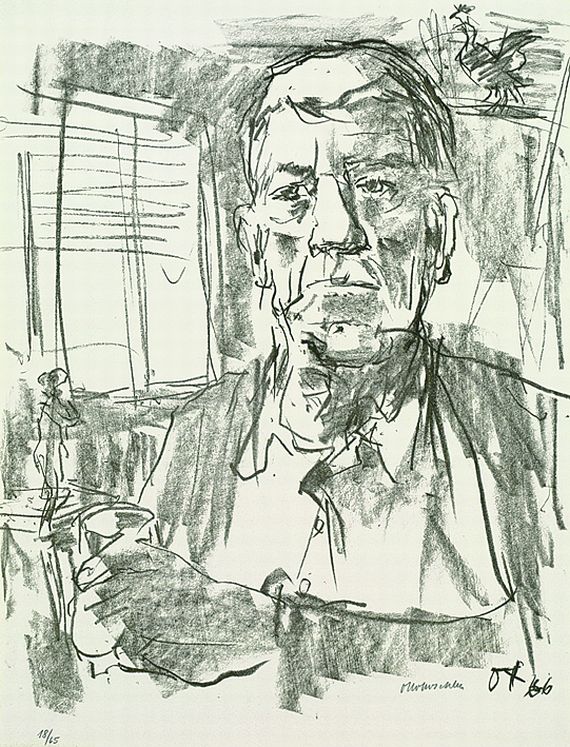
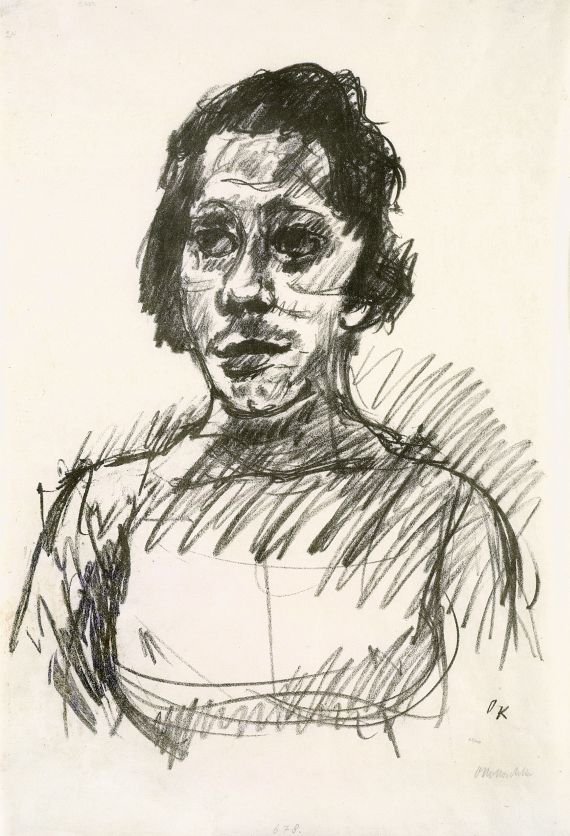
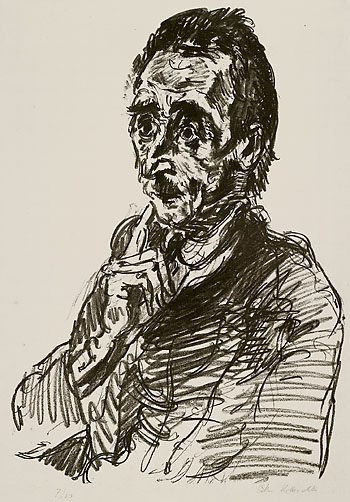
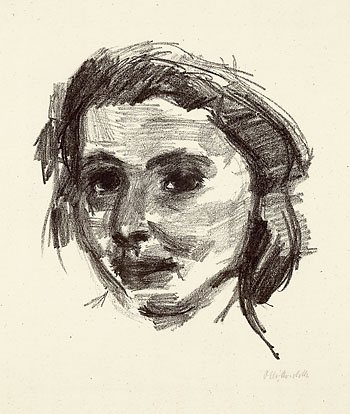
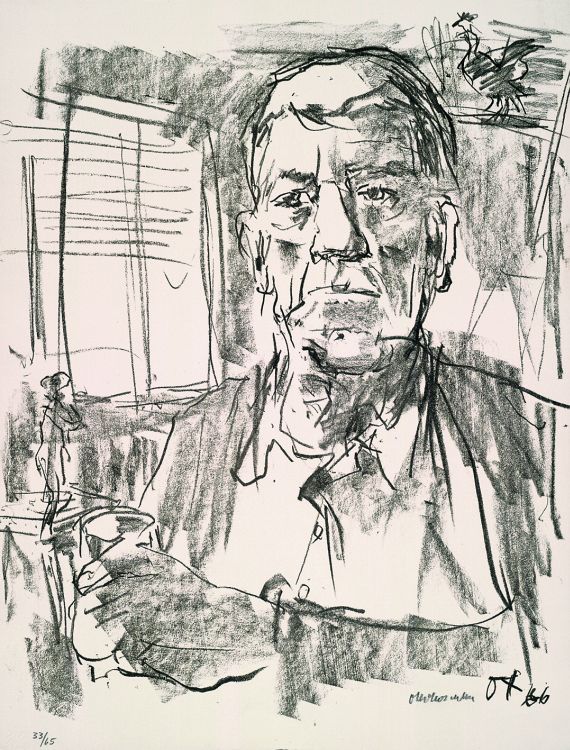
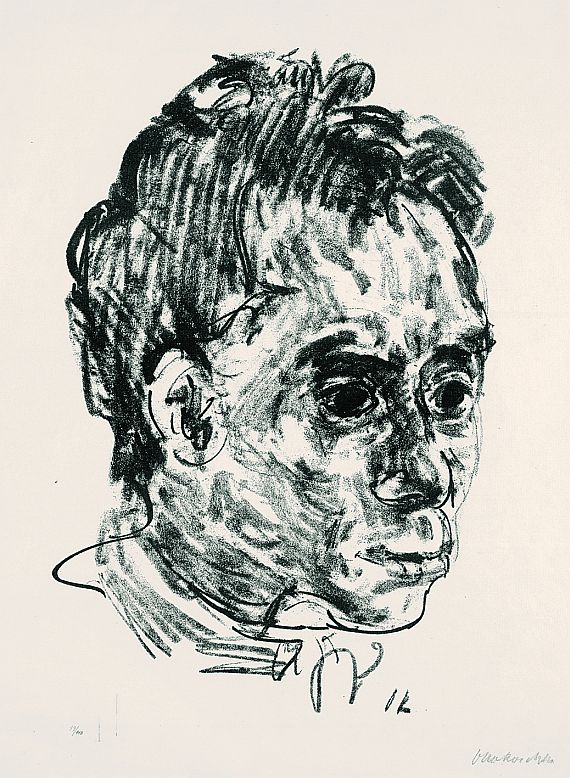
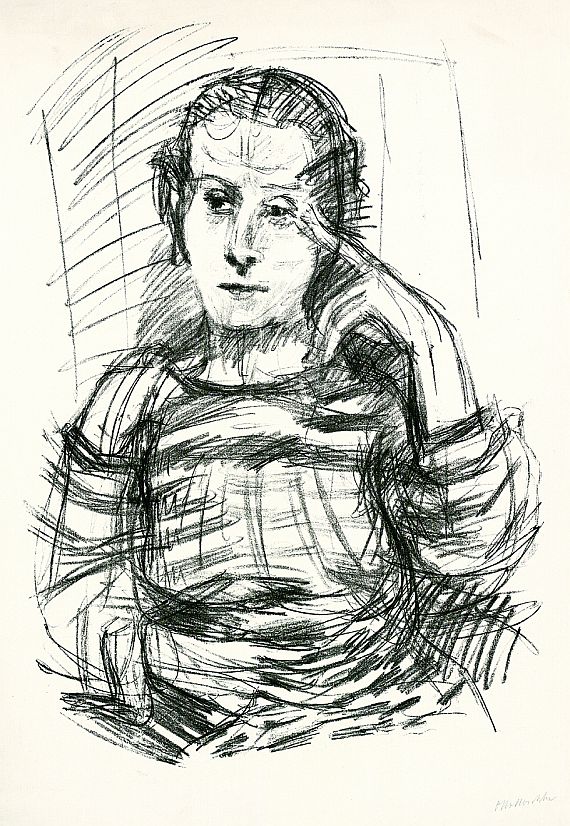
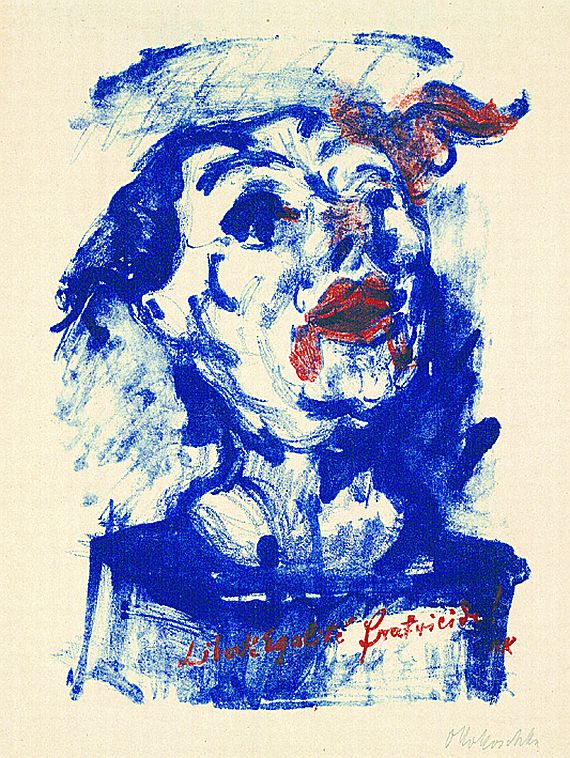
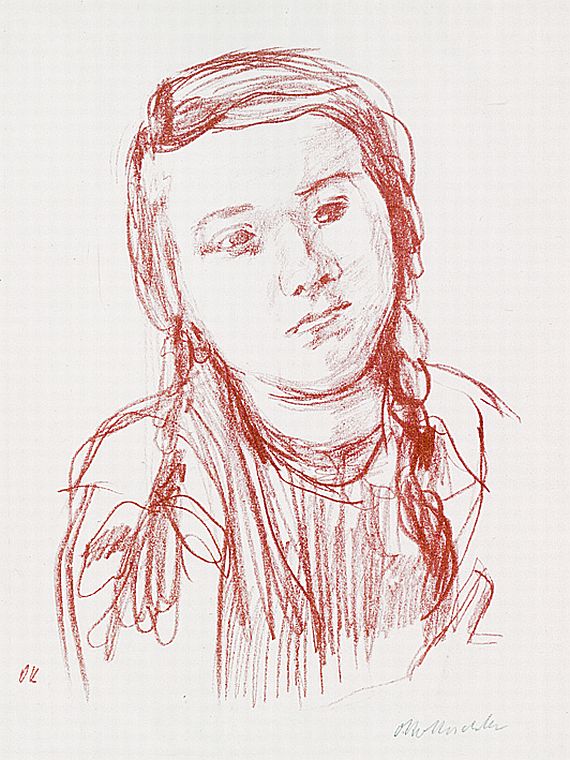
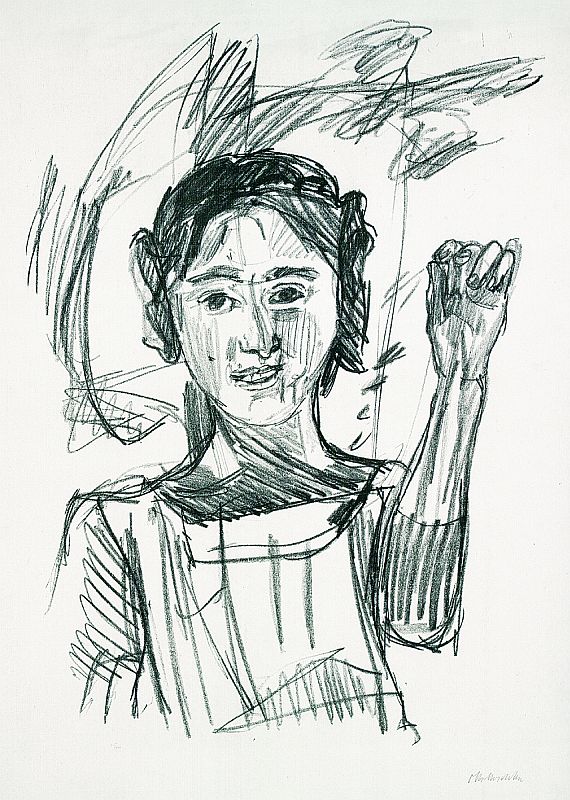
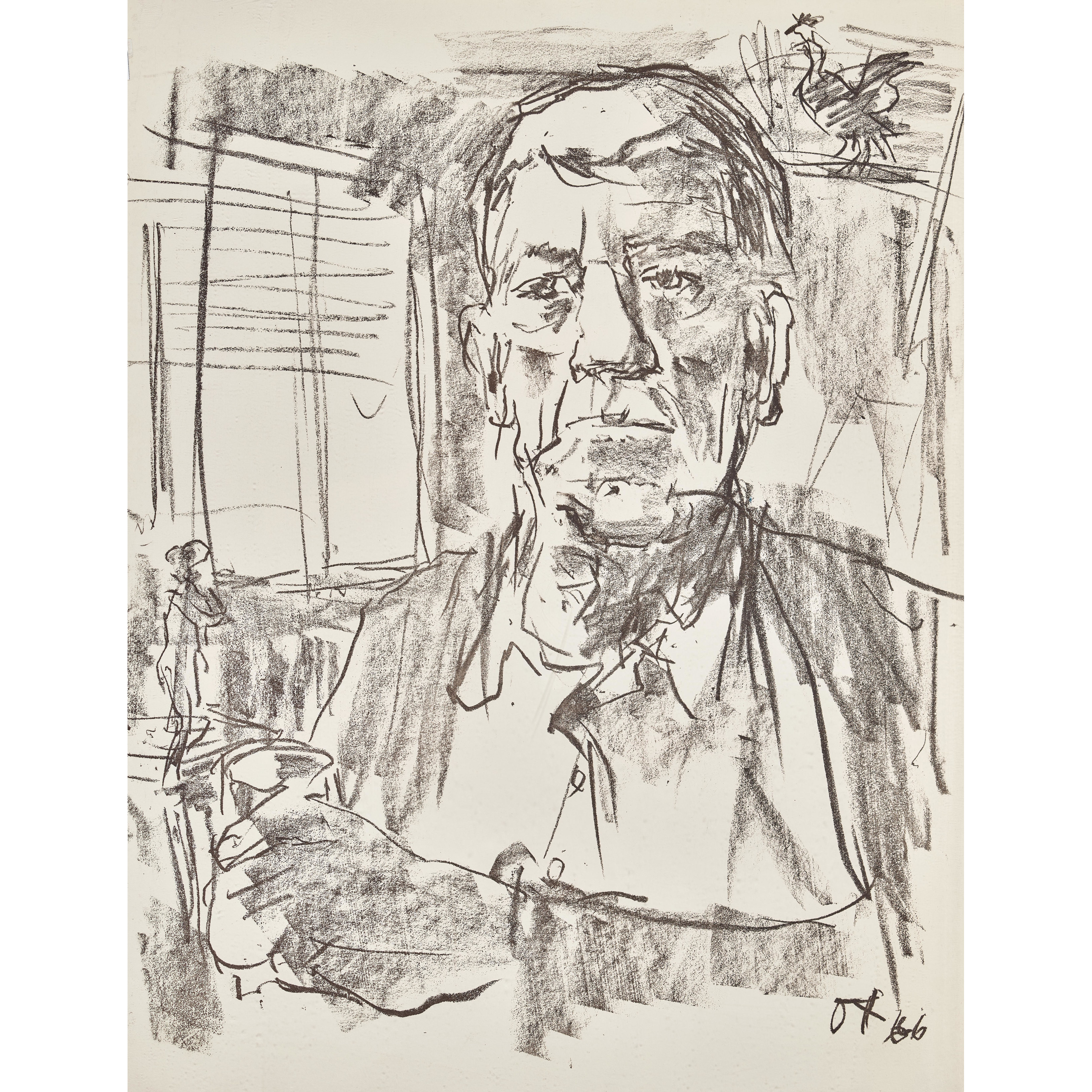
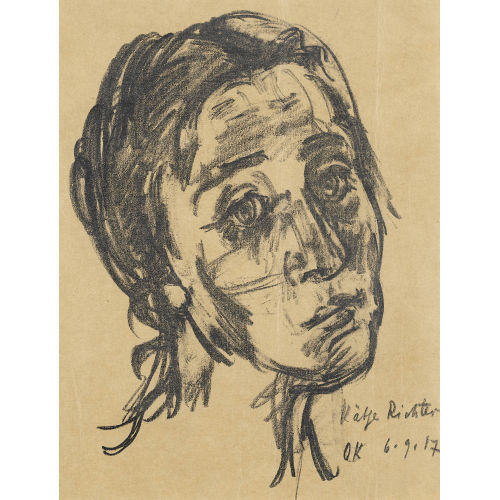
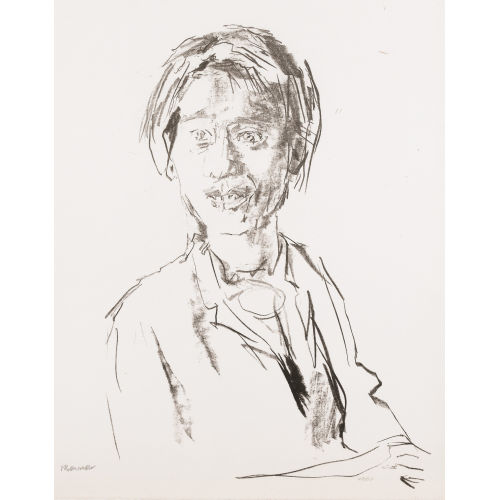
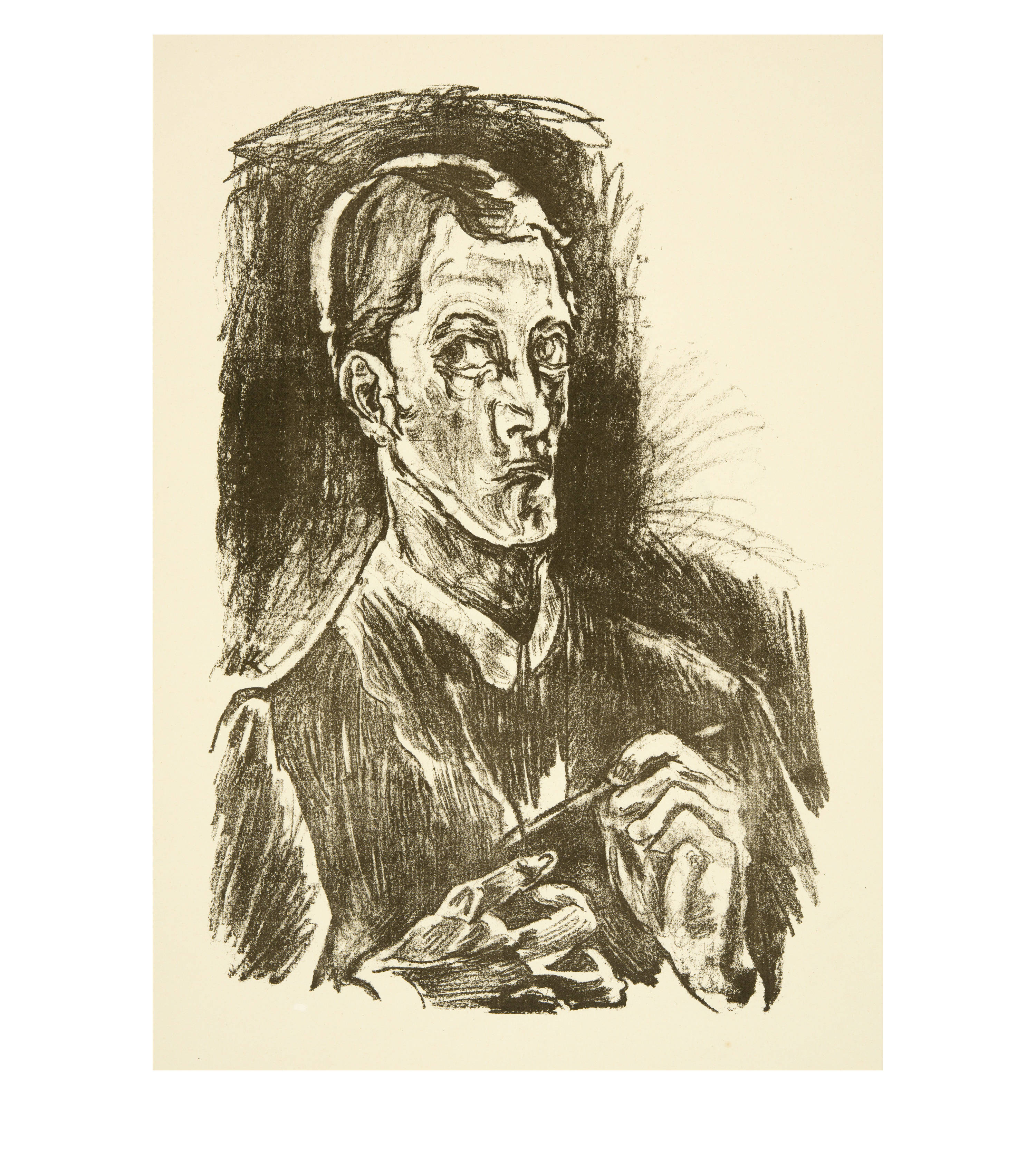
In Oskar Kokoschka (1886–1980), a face becomes the site of an uneasy encounter: painting seeks to make a presence perceptible, with its tensions and vulnerability. Born in Pöchlarn, this Austrian artist, who was also a writer and dramatist, contributed to the emergence of Expressionism in early twentieth-century Vienna.
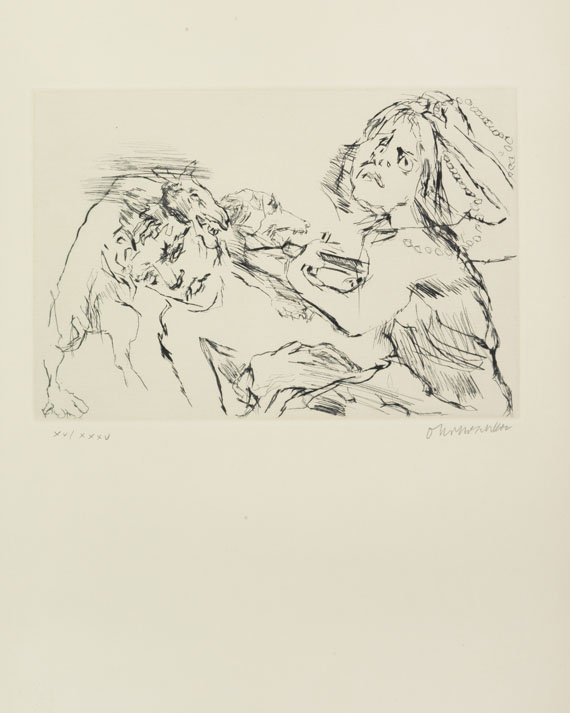
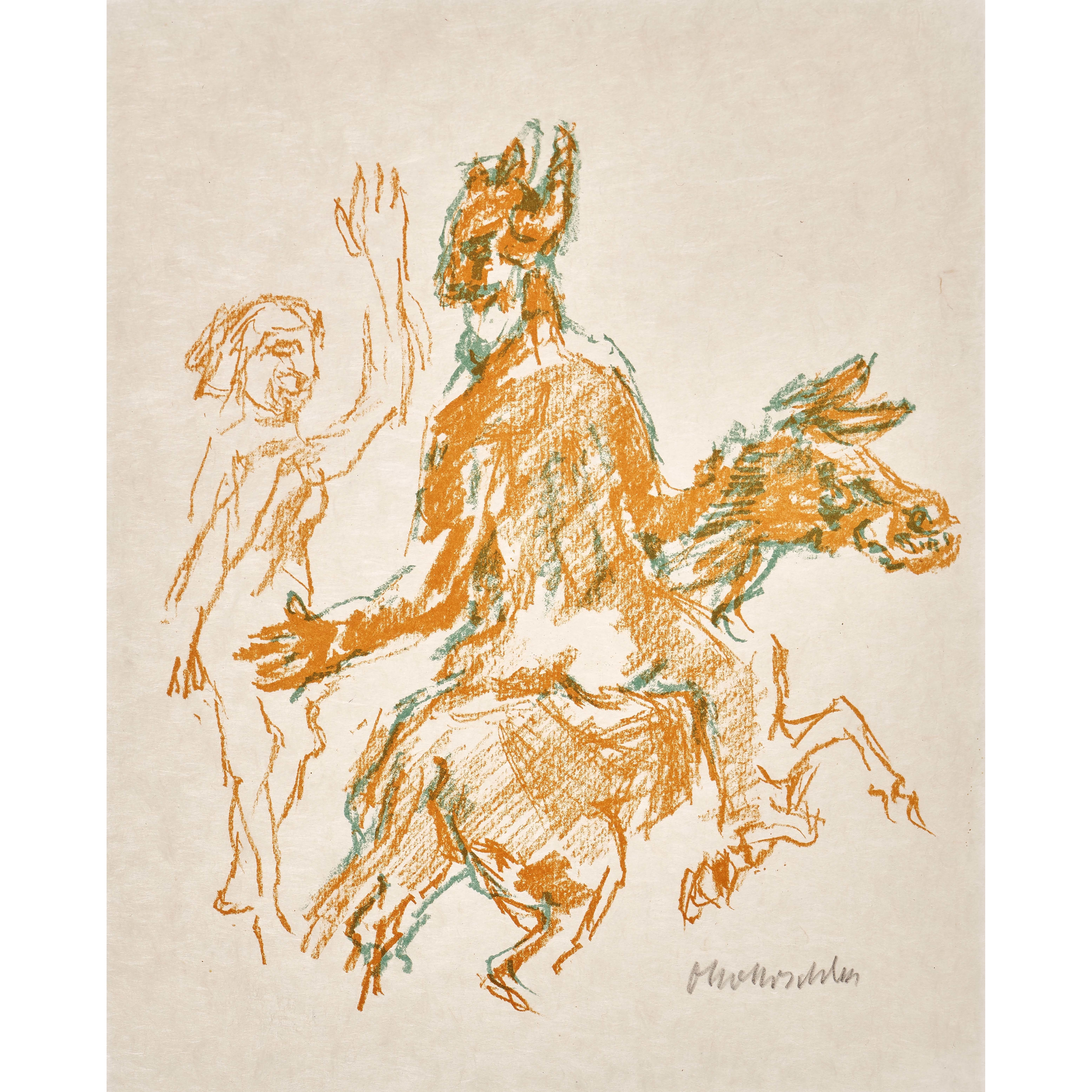
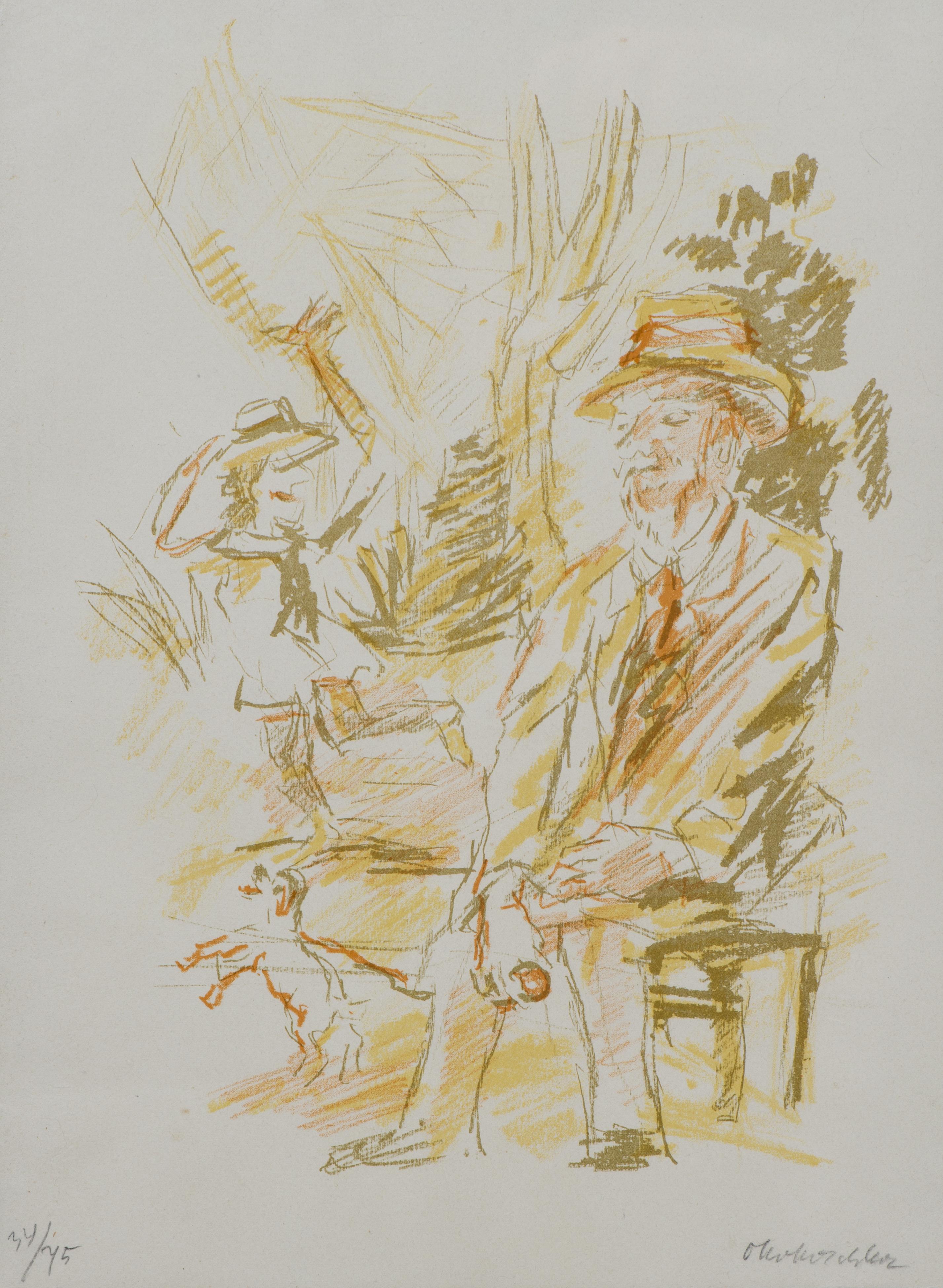
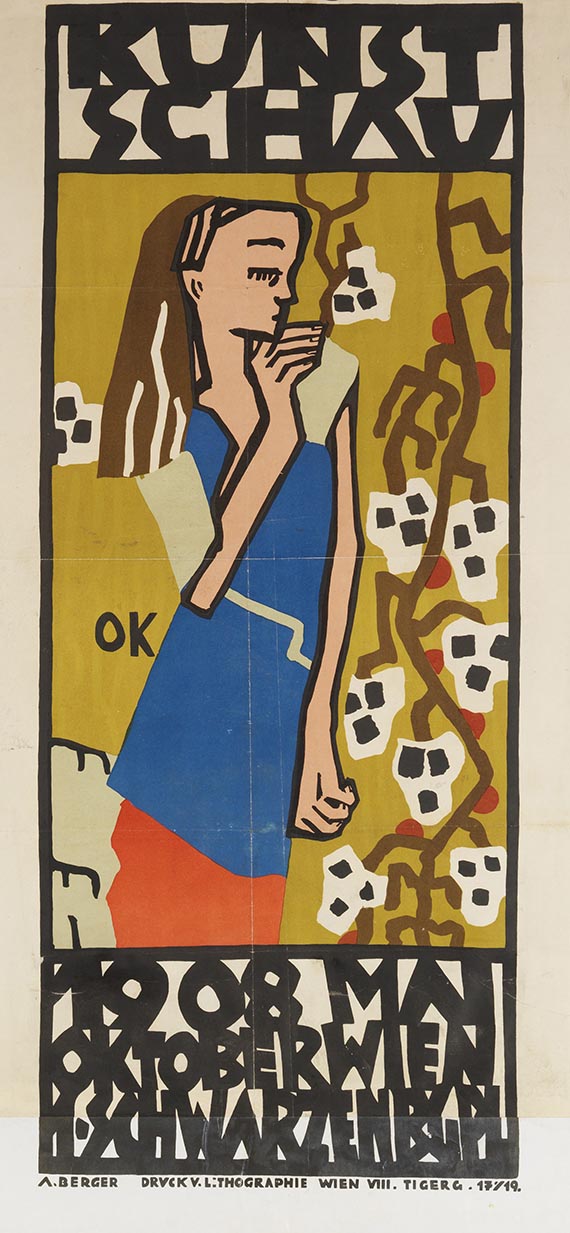
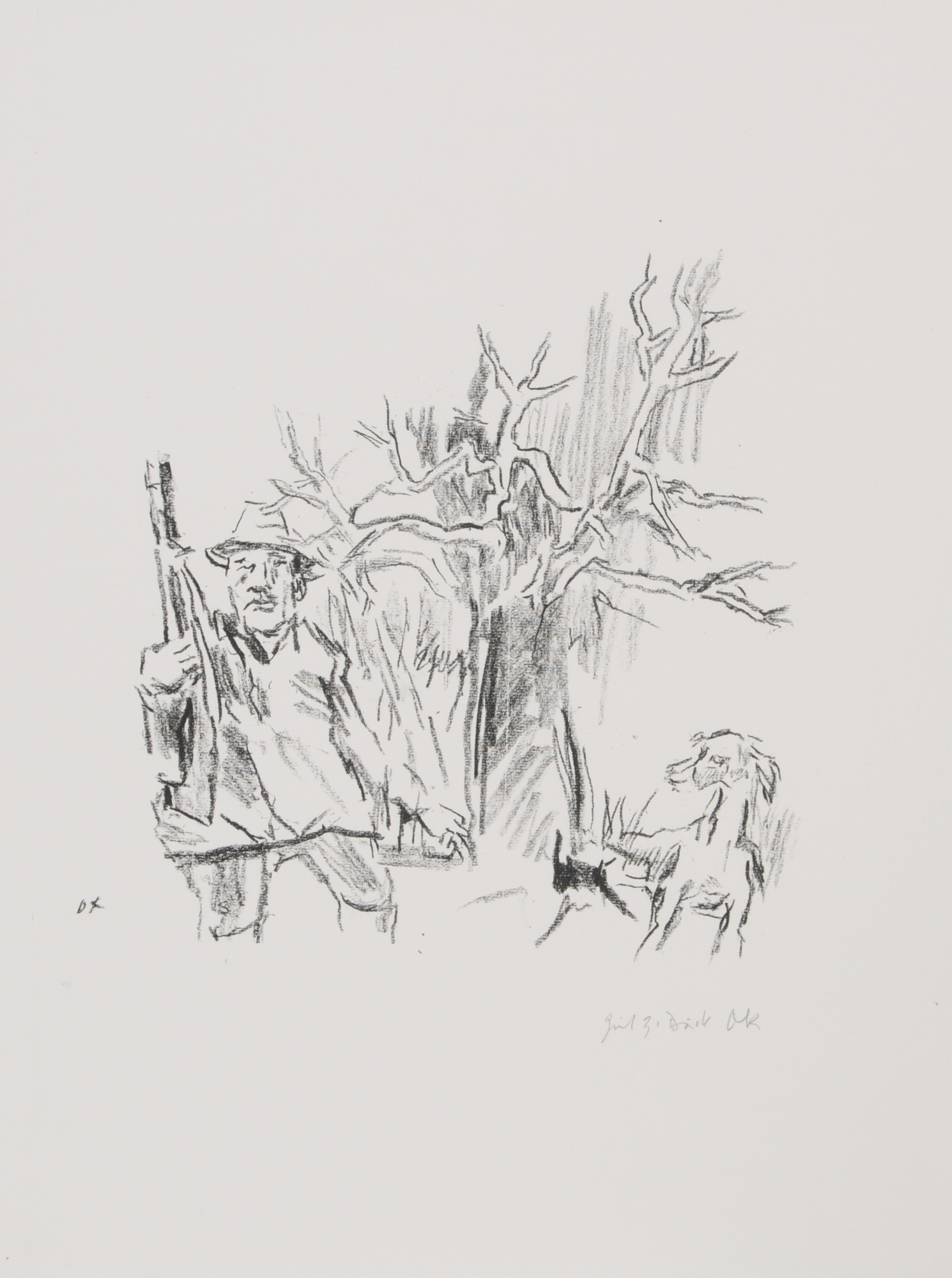
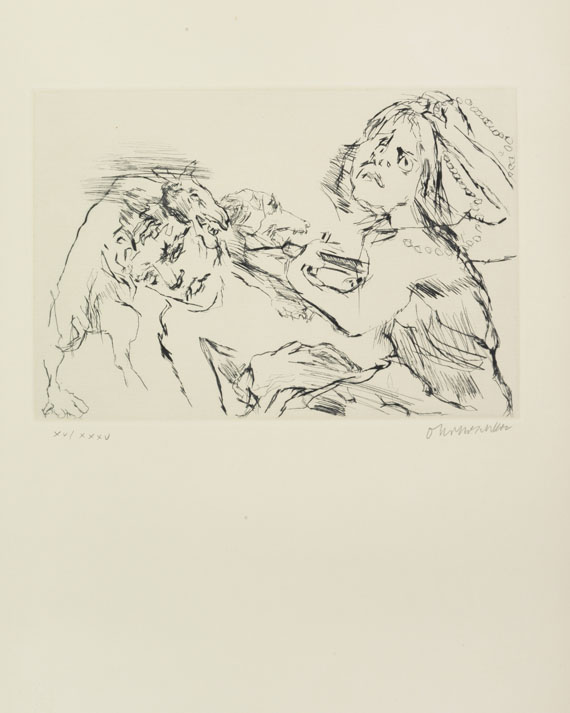
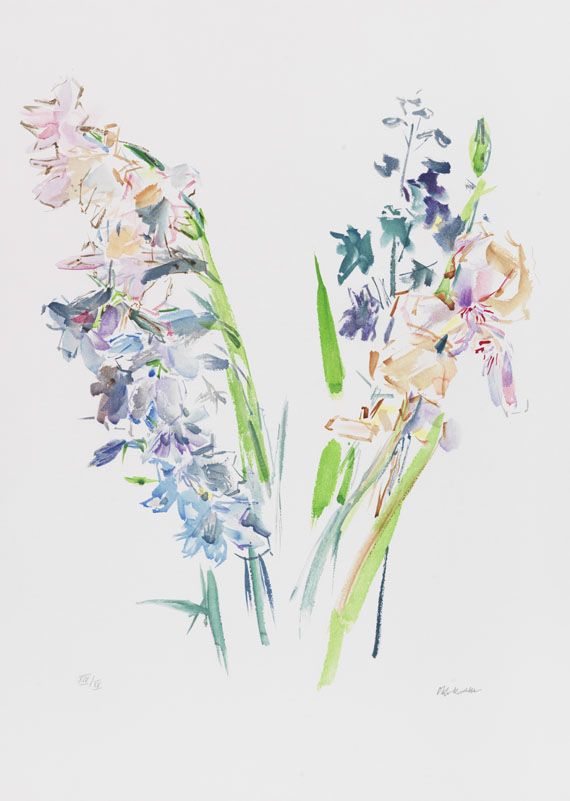
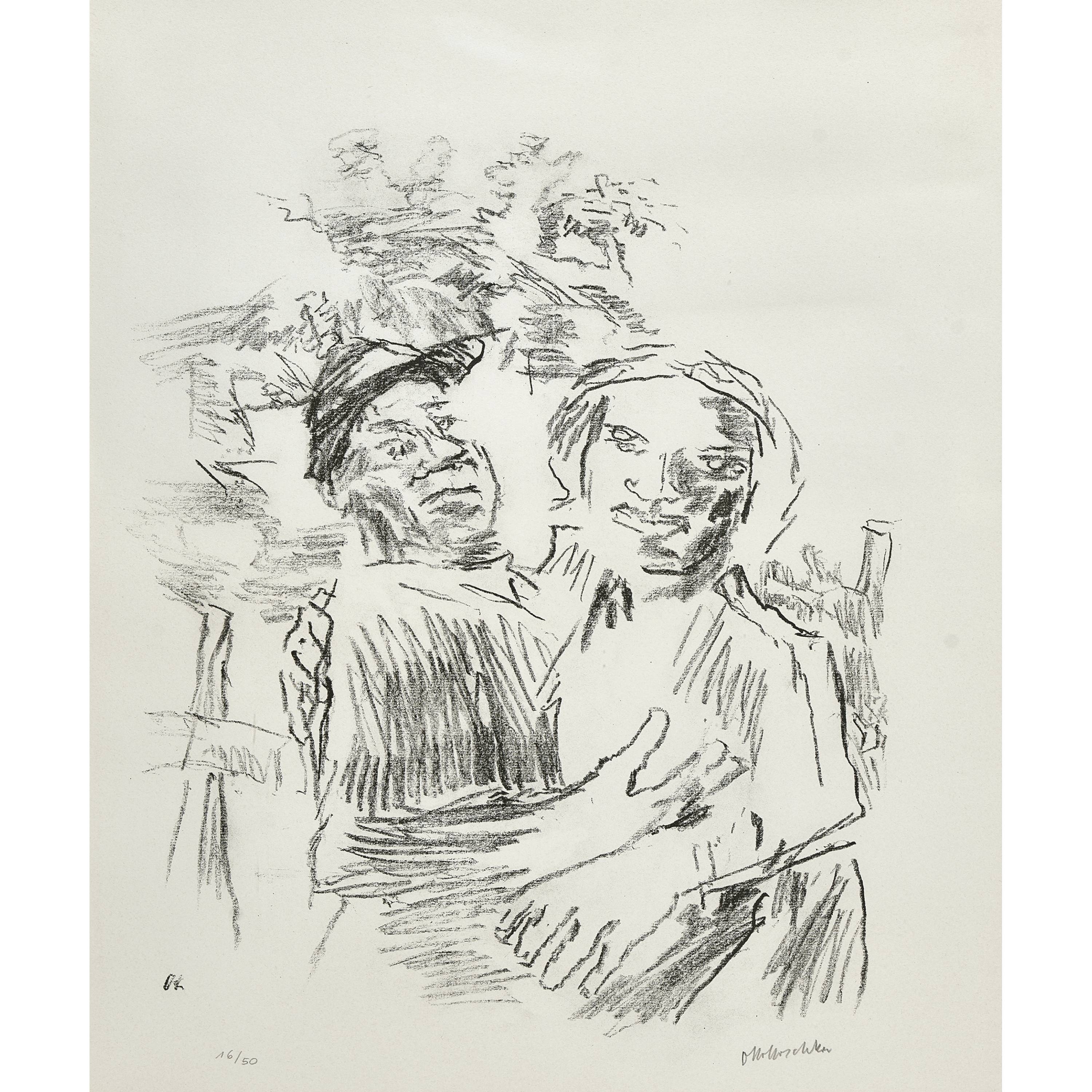
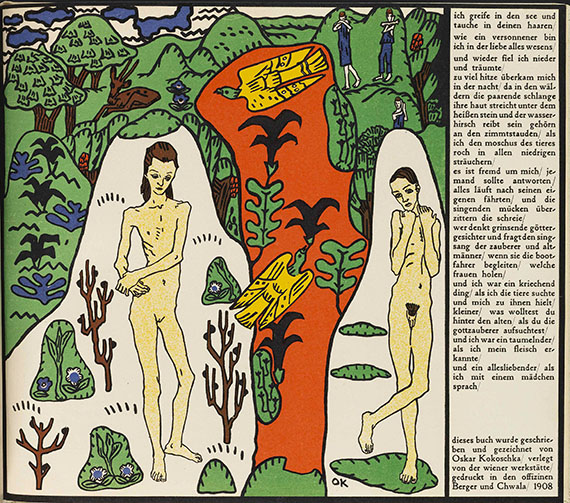
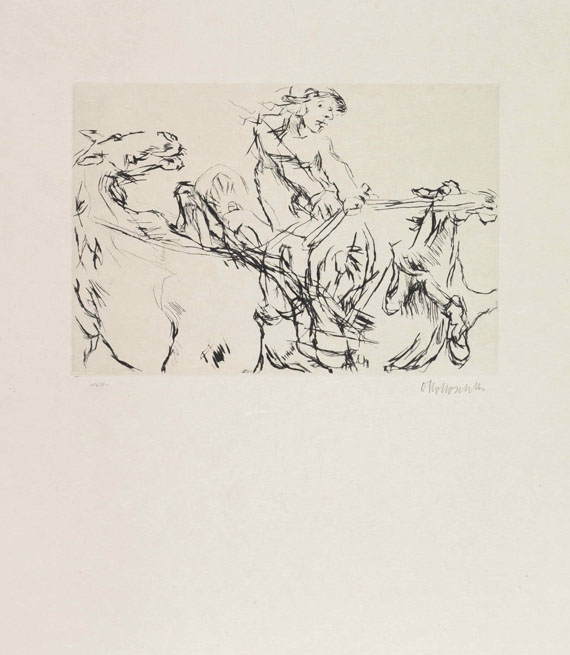
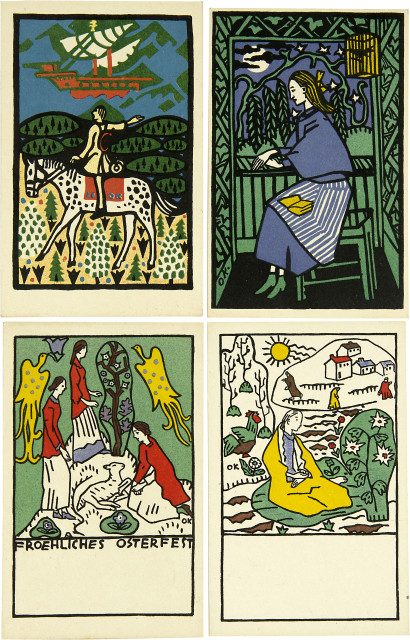
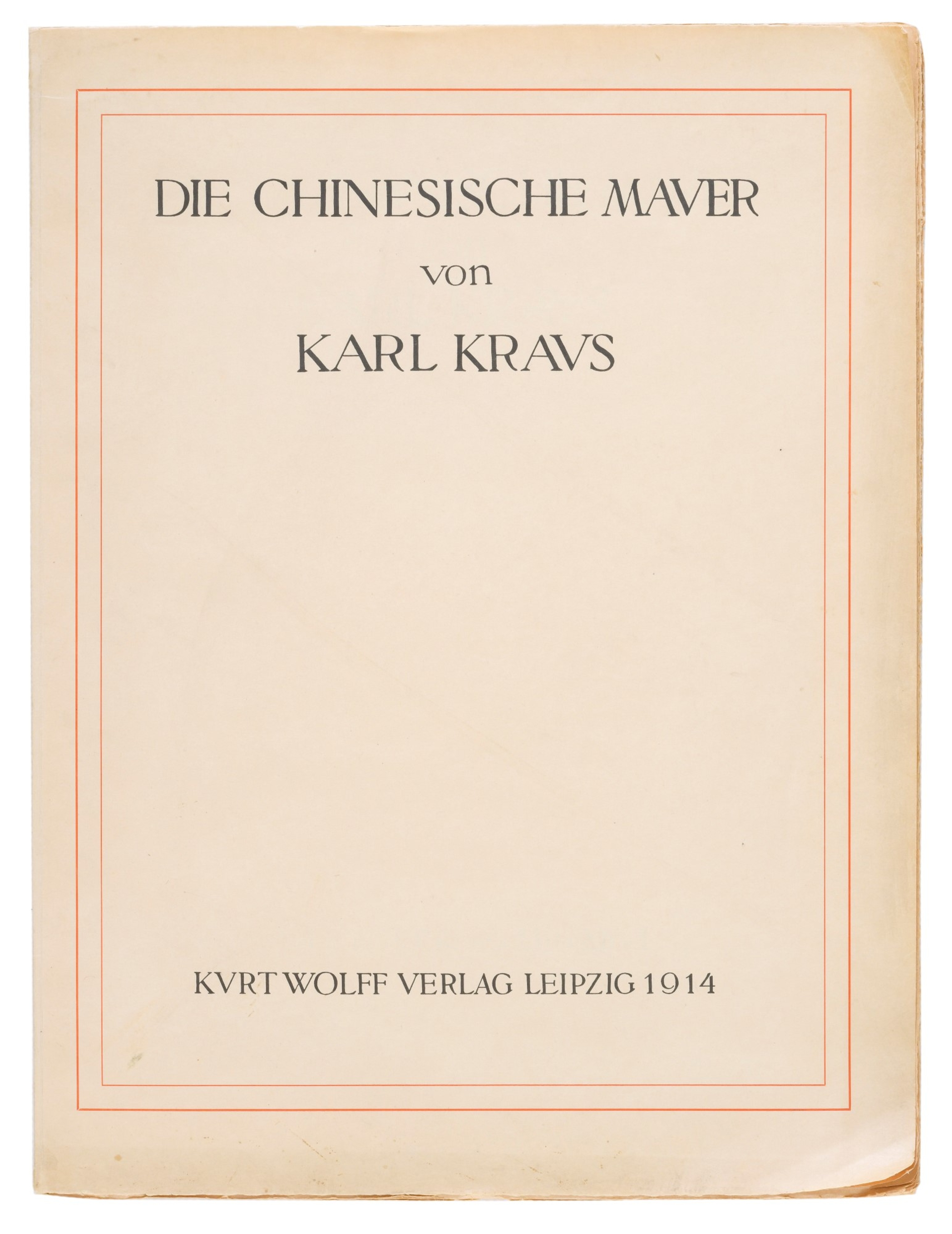
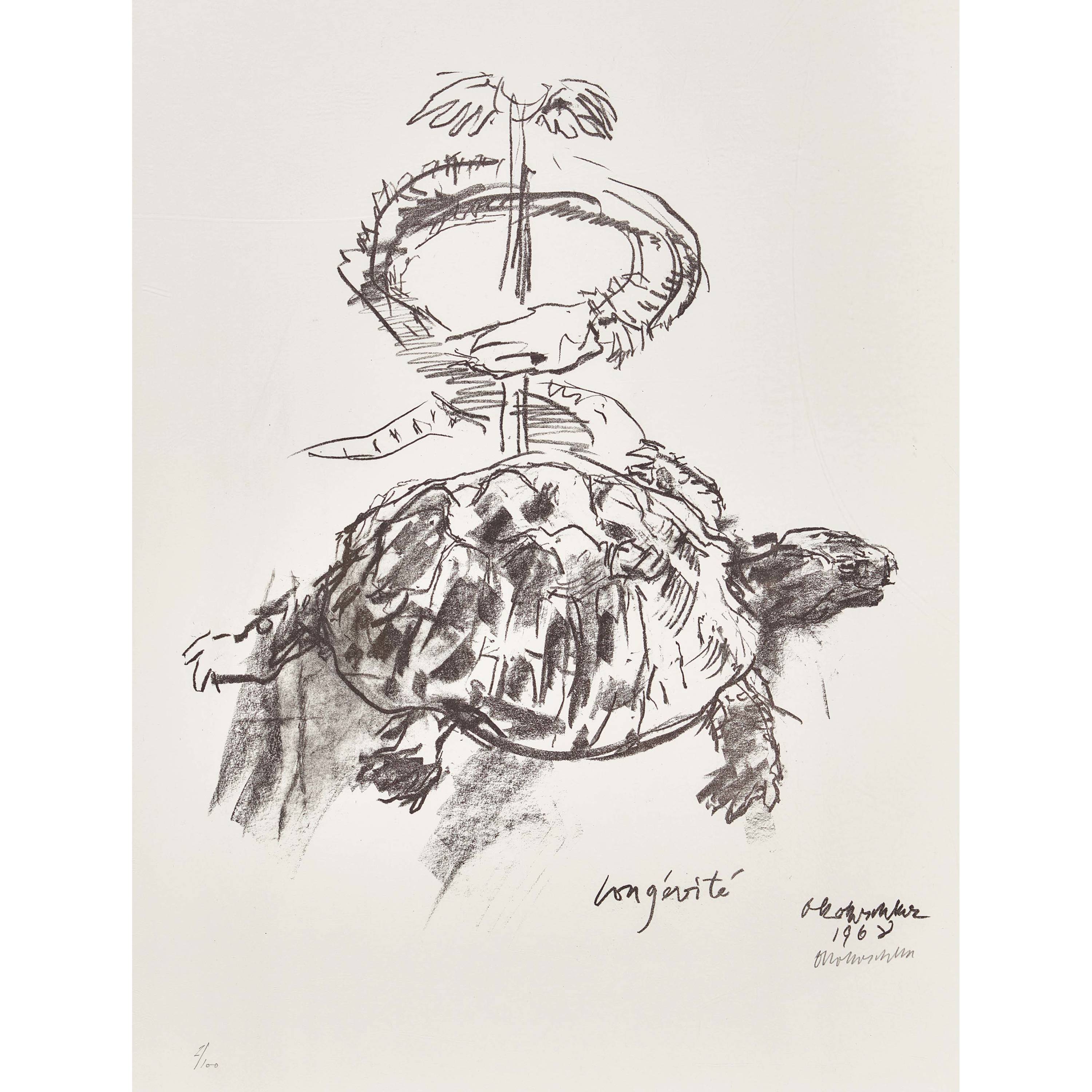
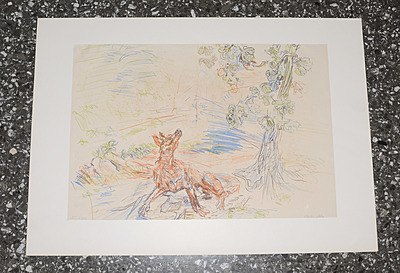
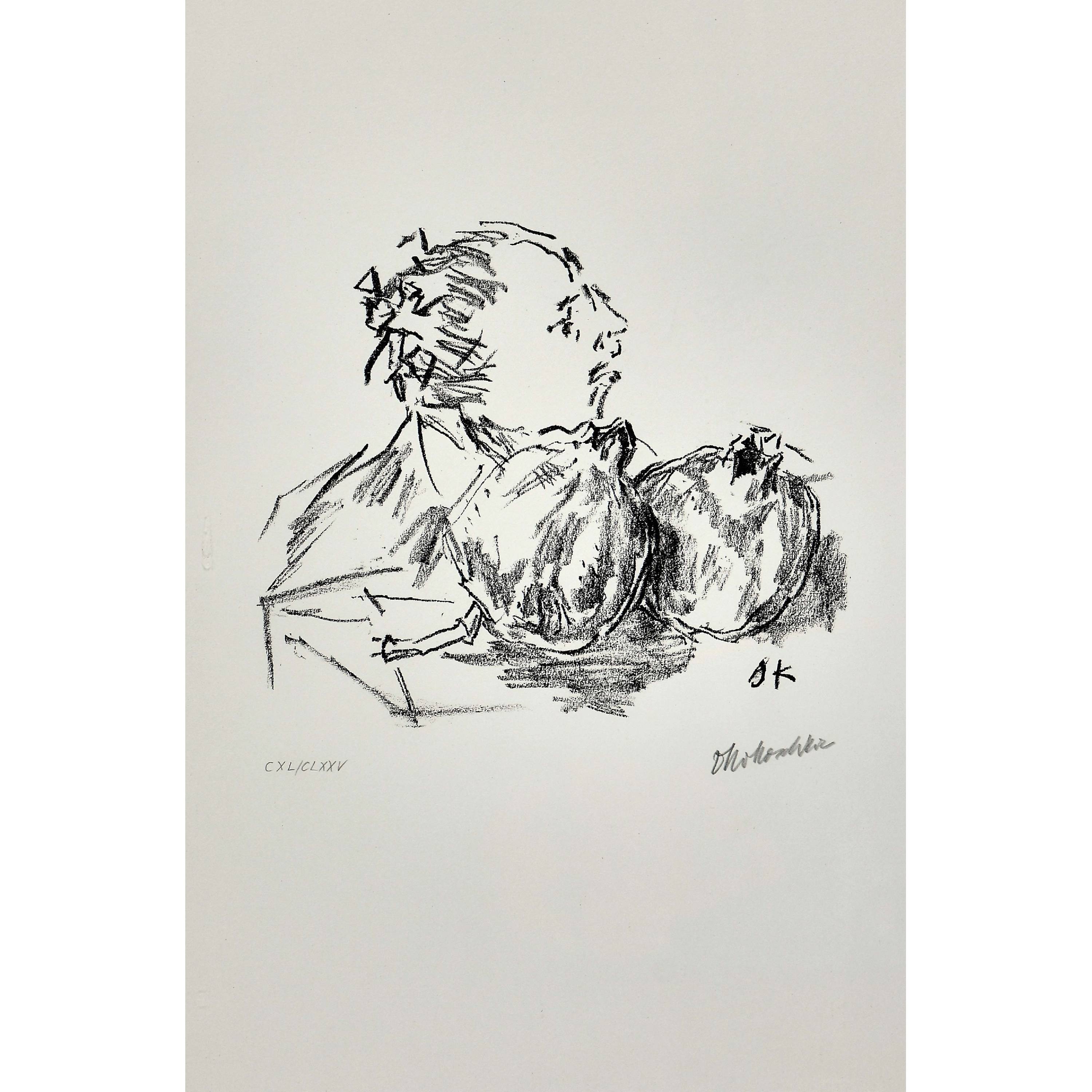
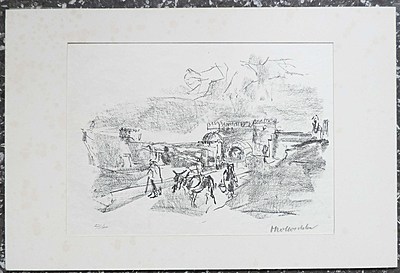
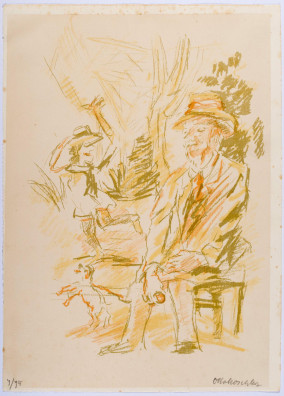
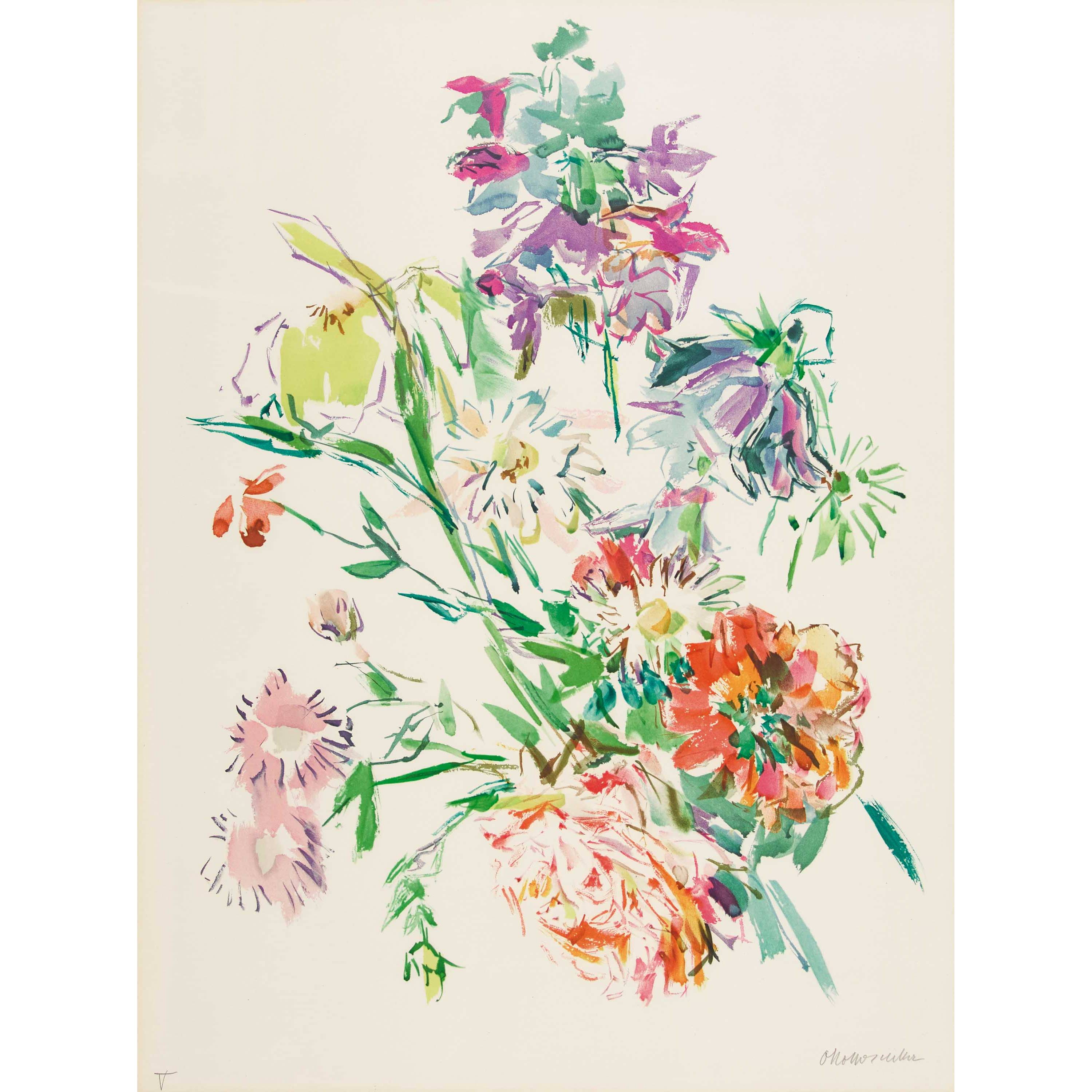
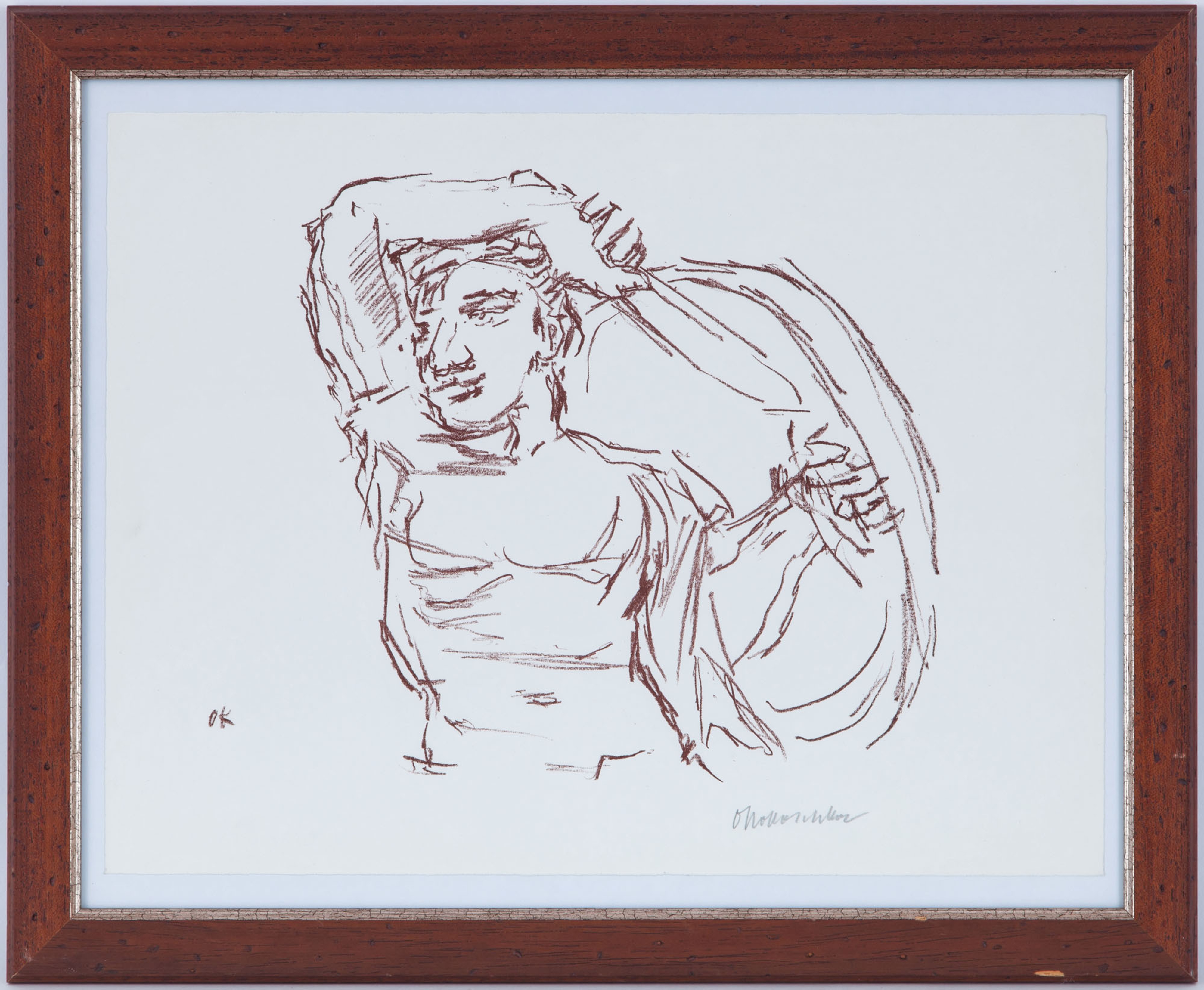
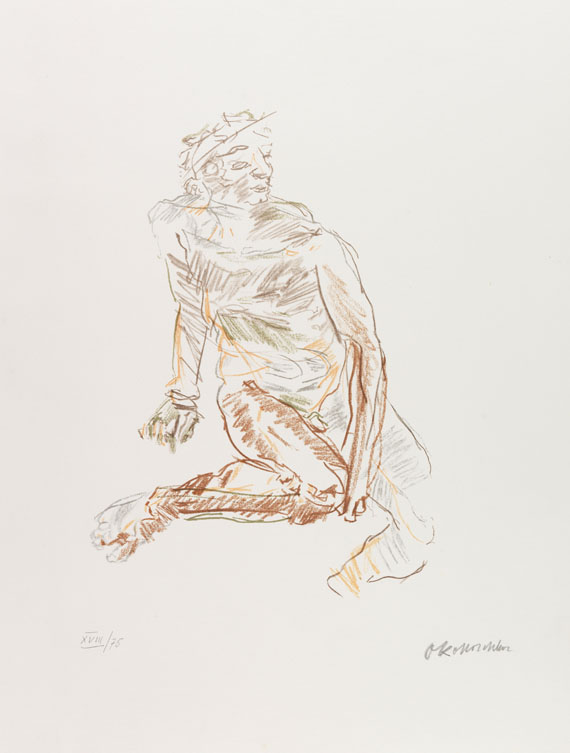
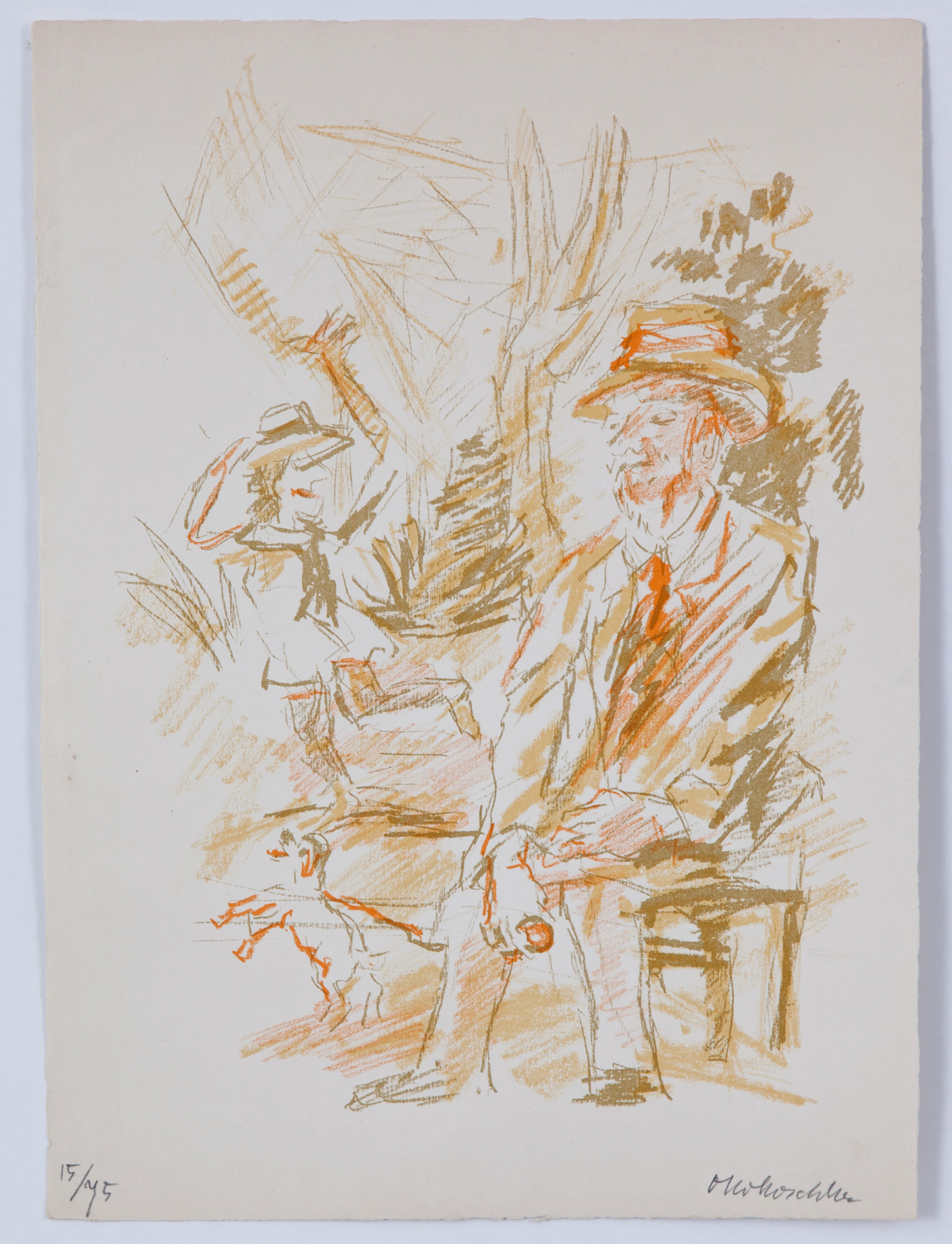
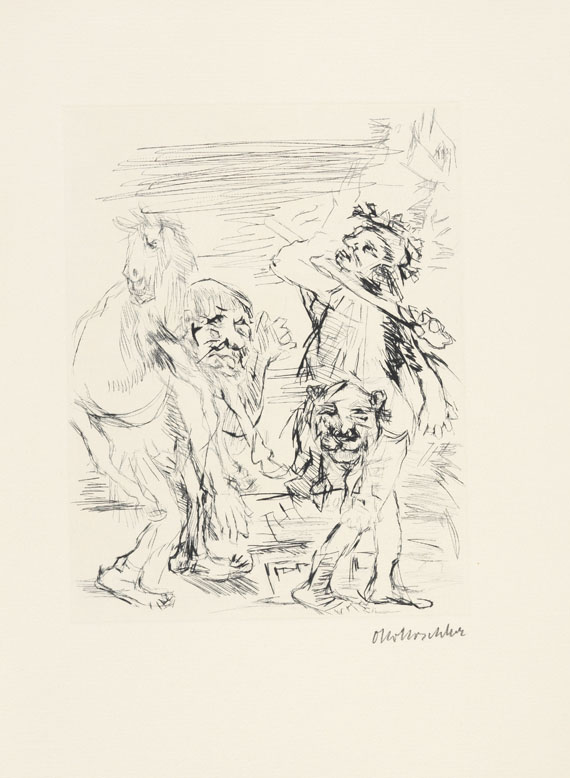
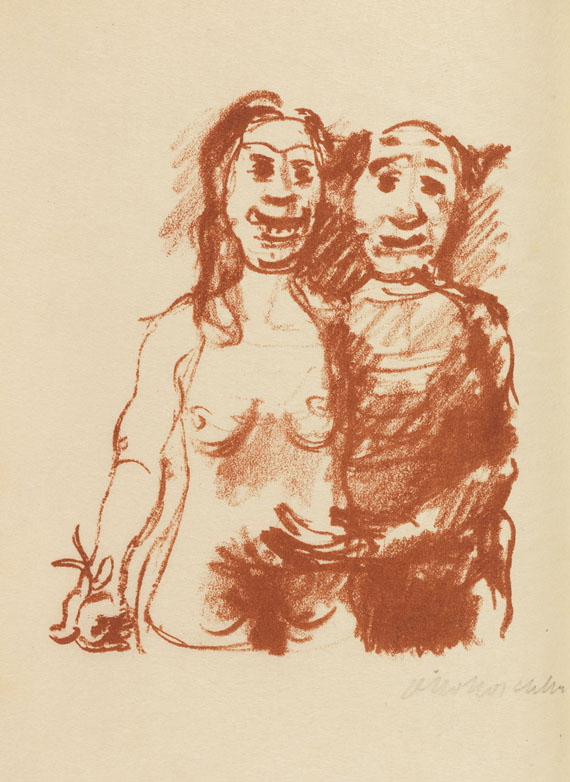
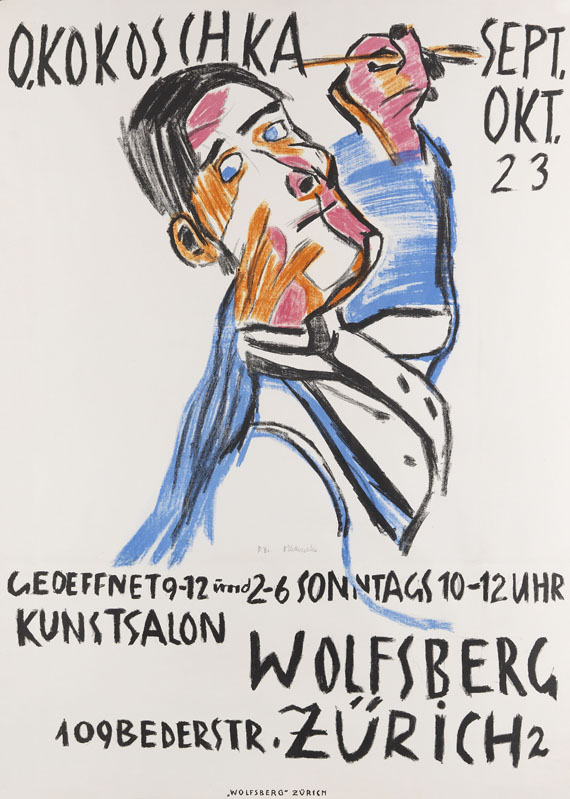
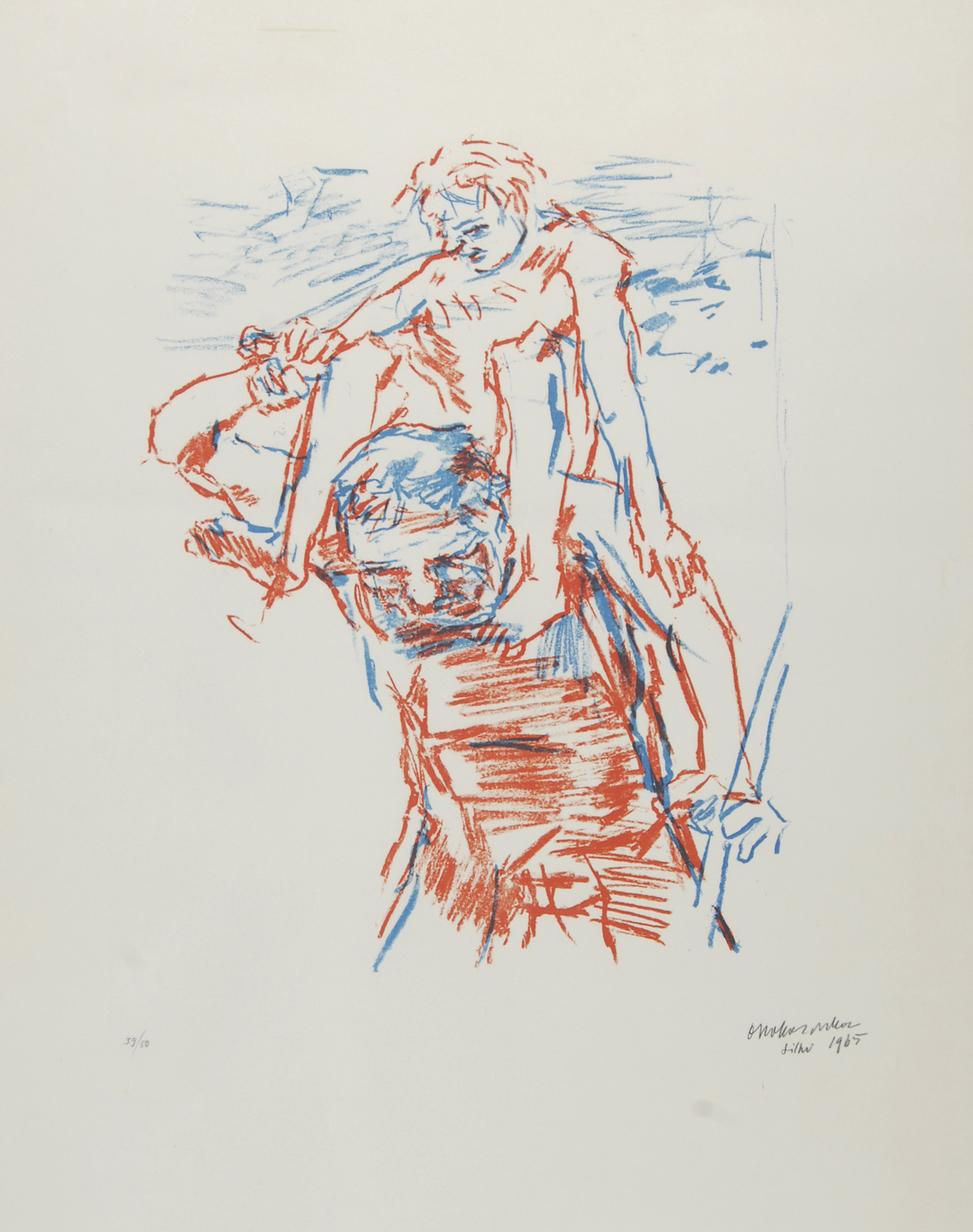
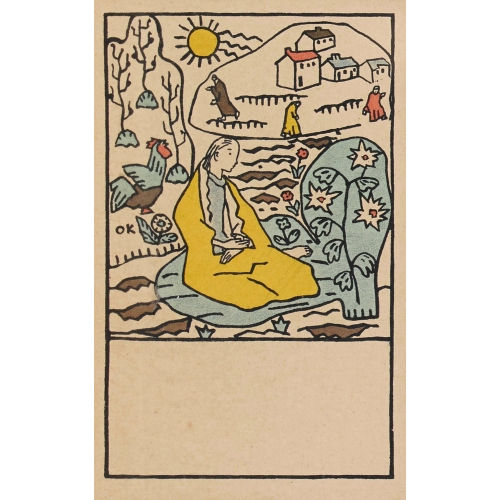
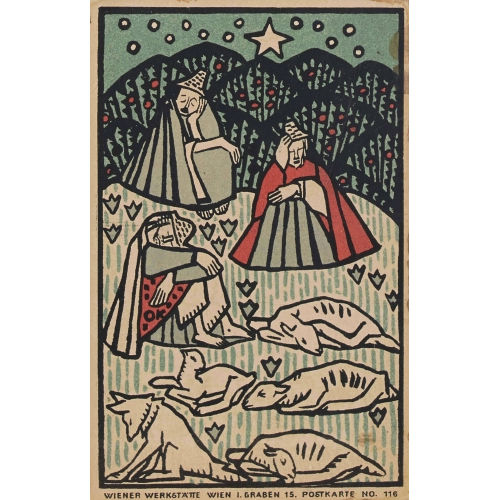
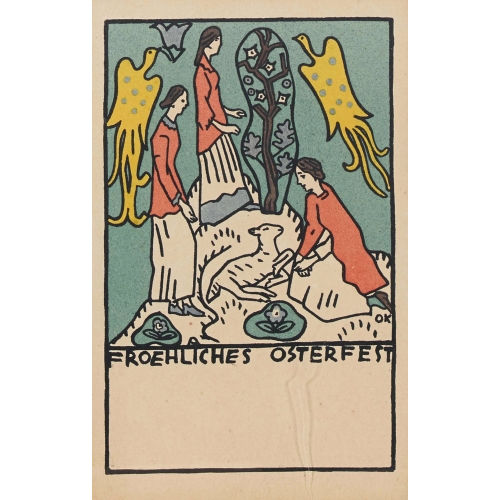
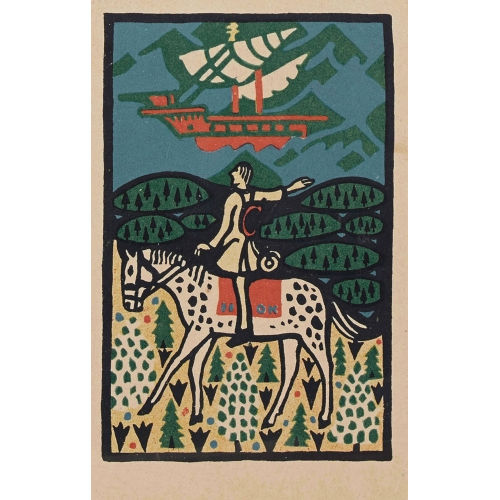
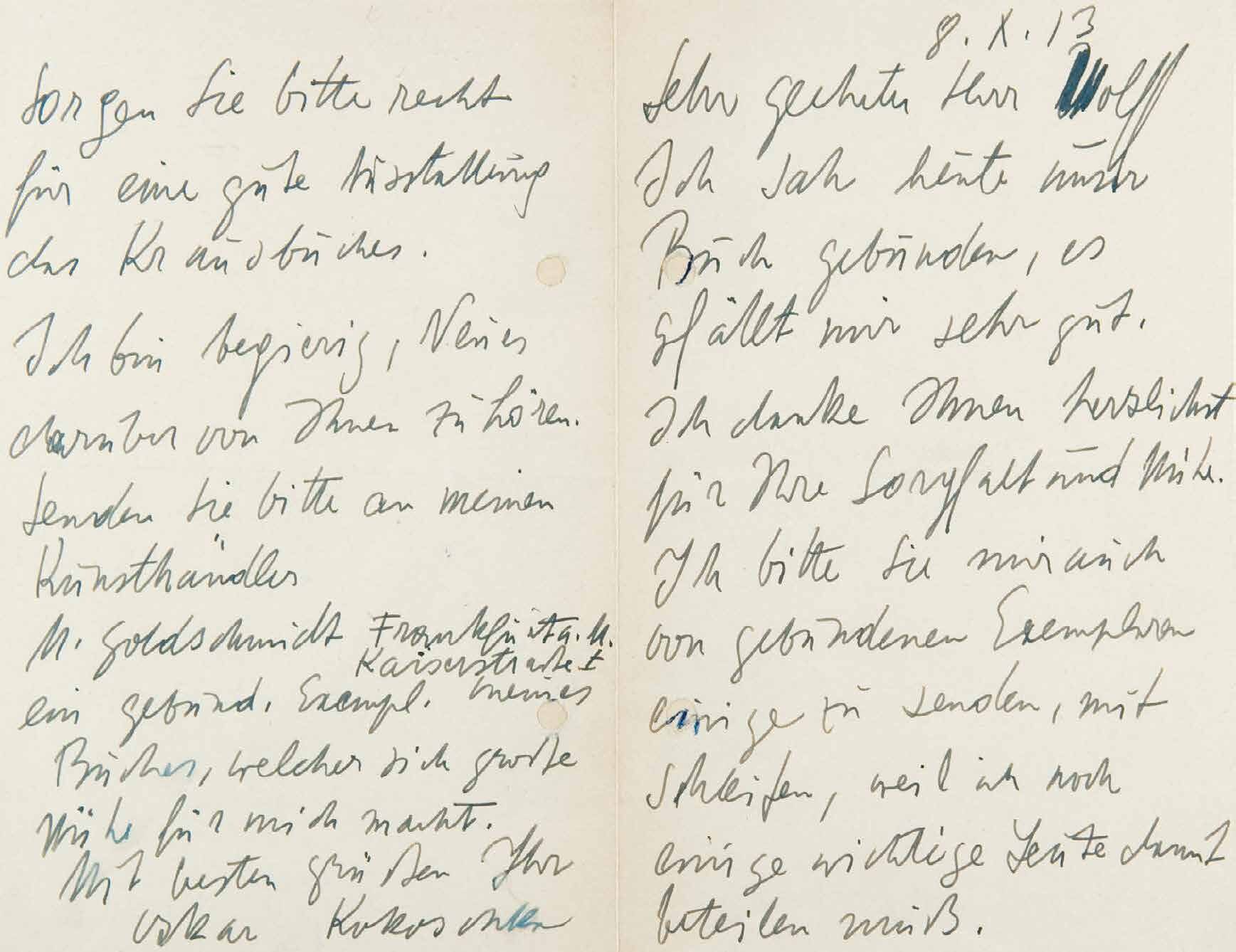
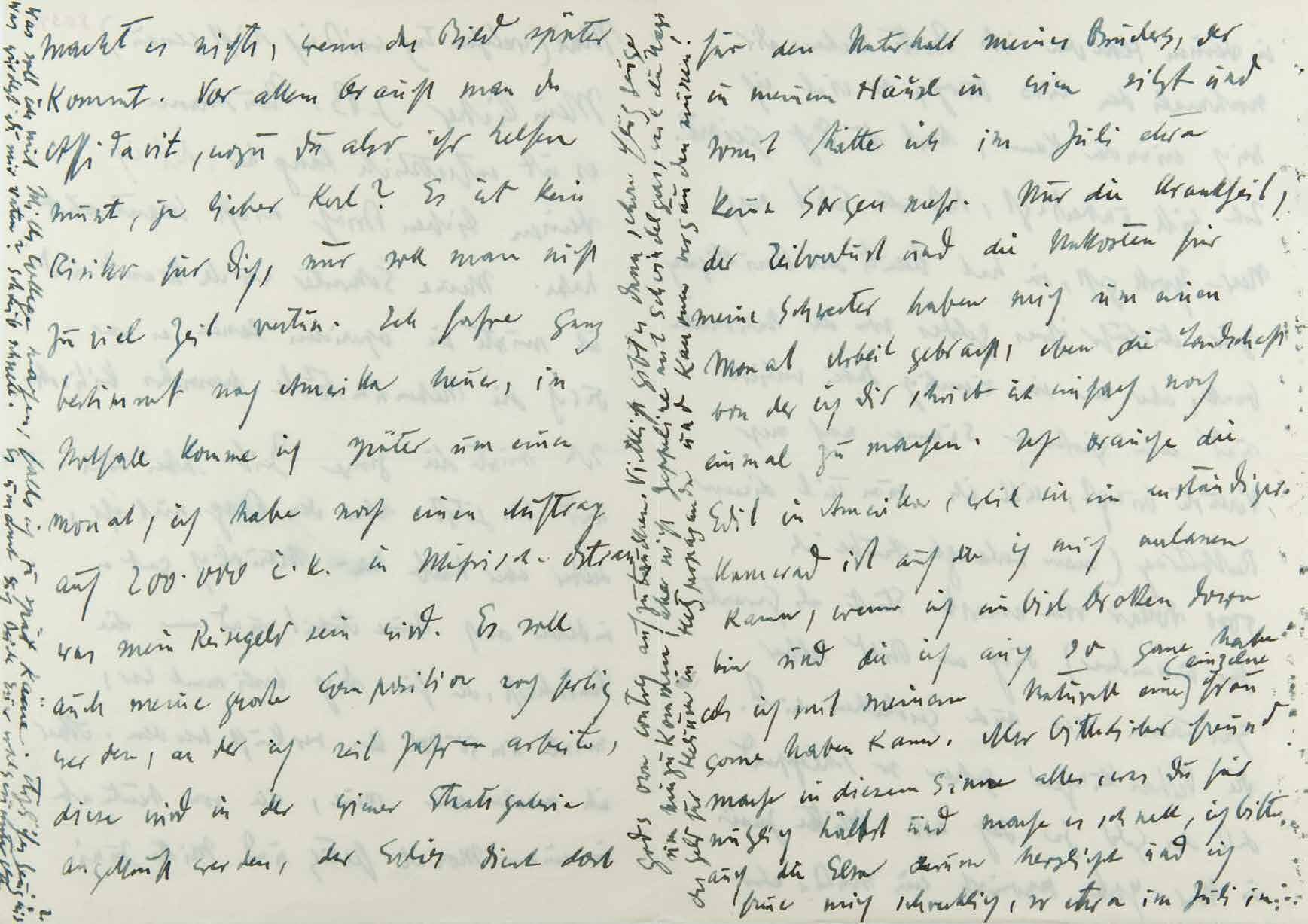
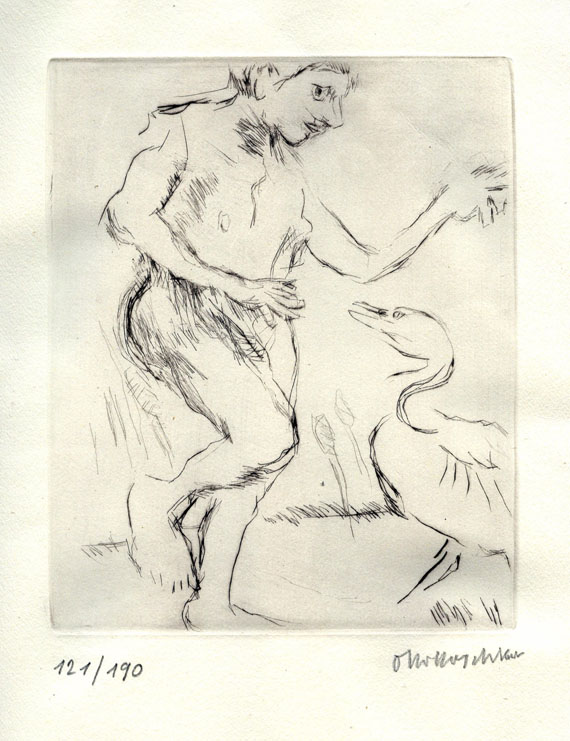
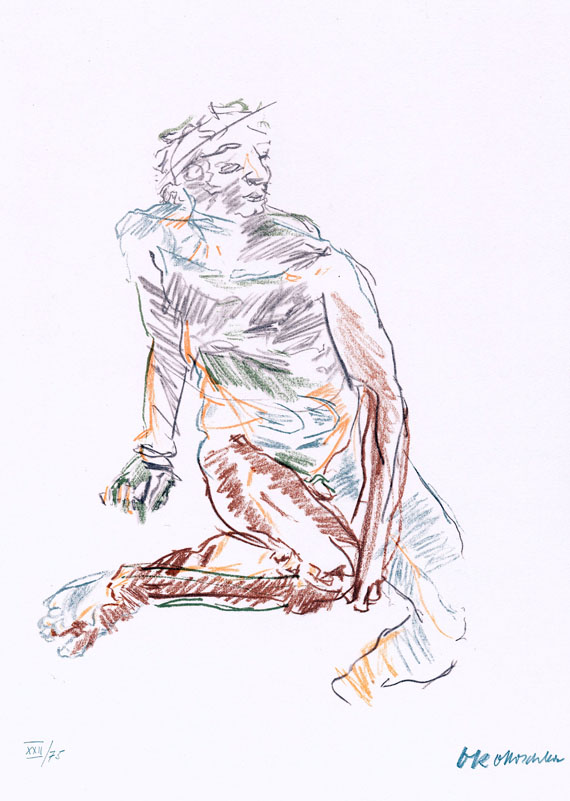
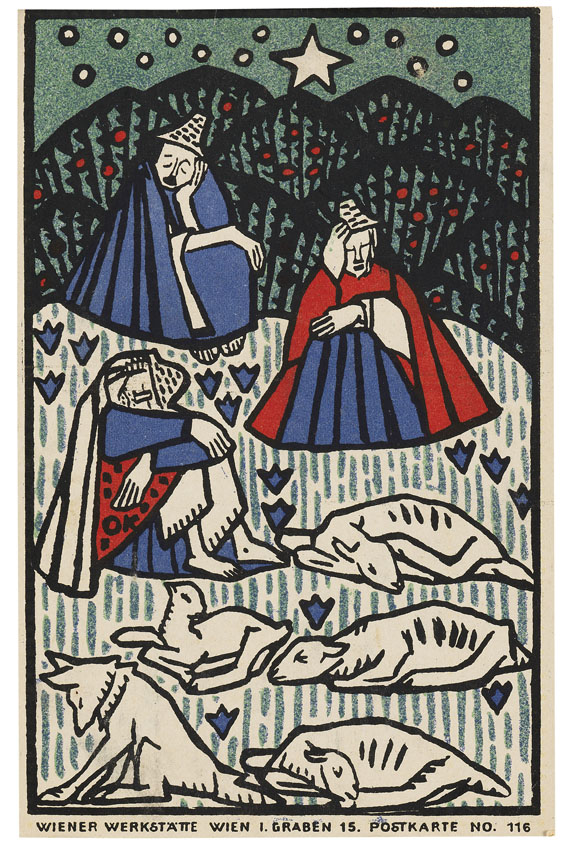
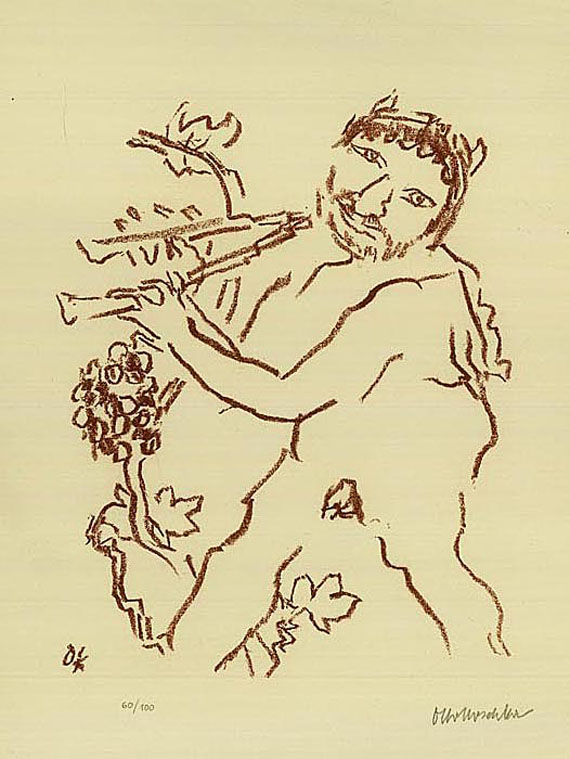
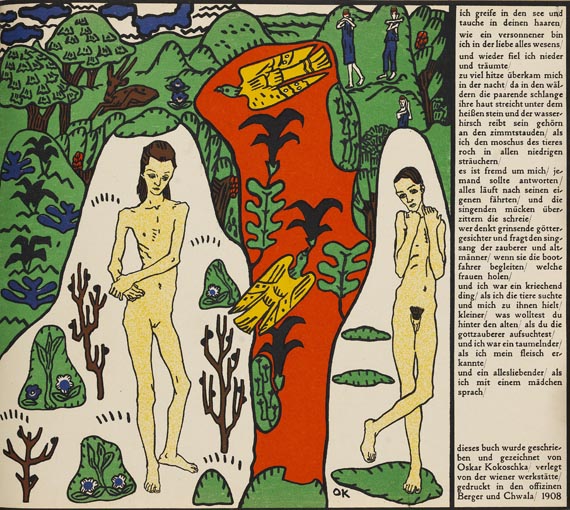
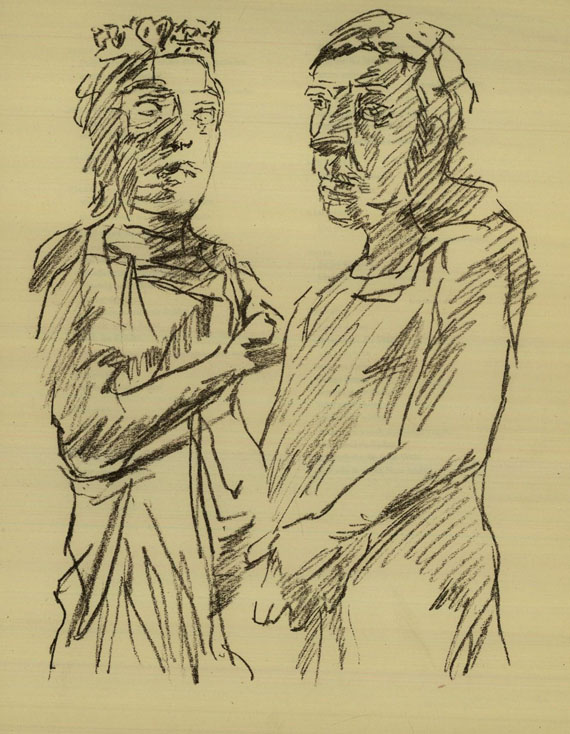
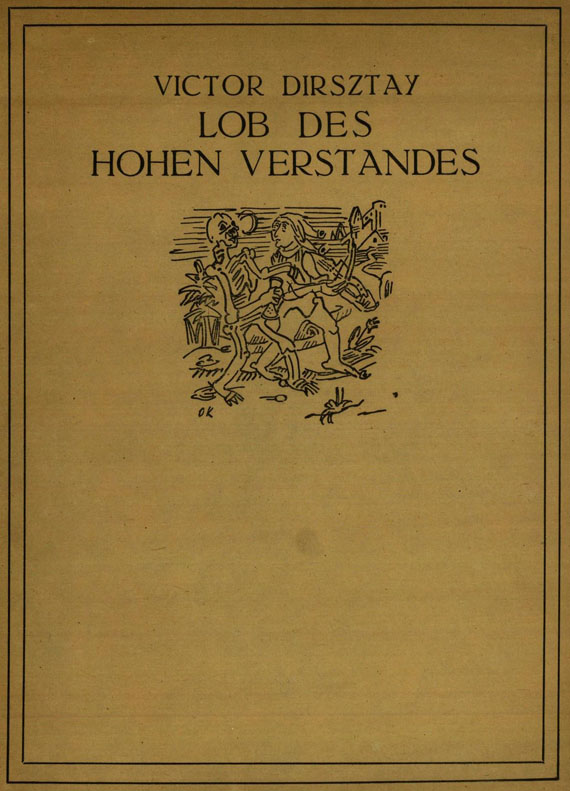
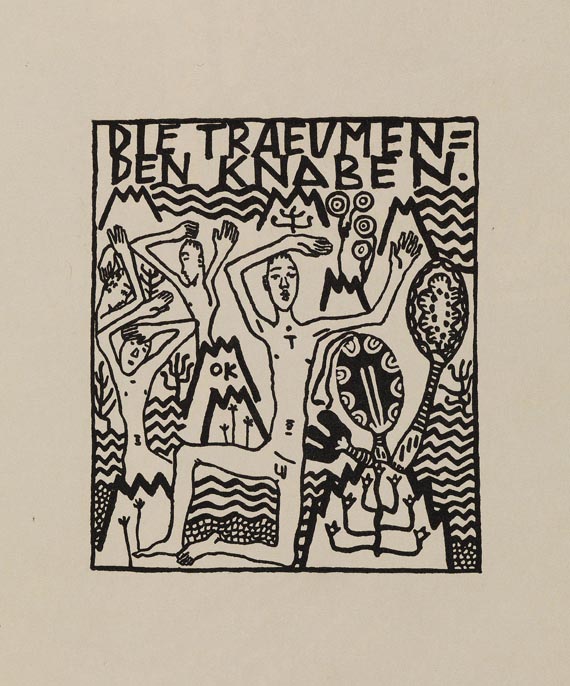
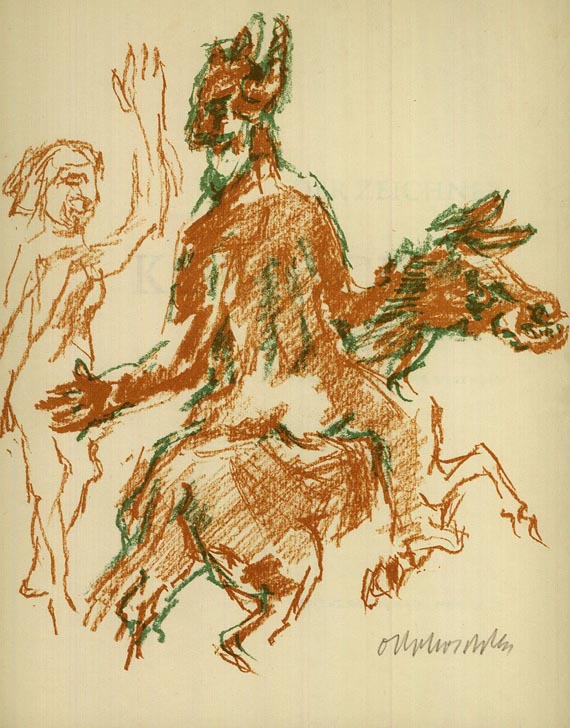
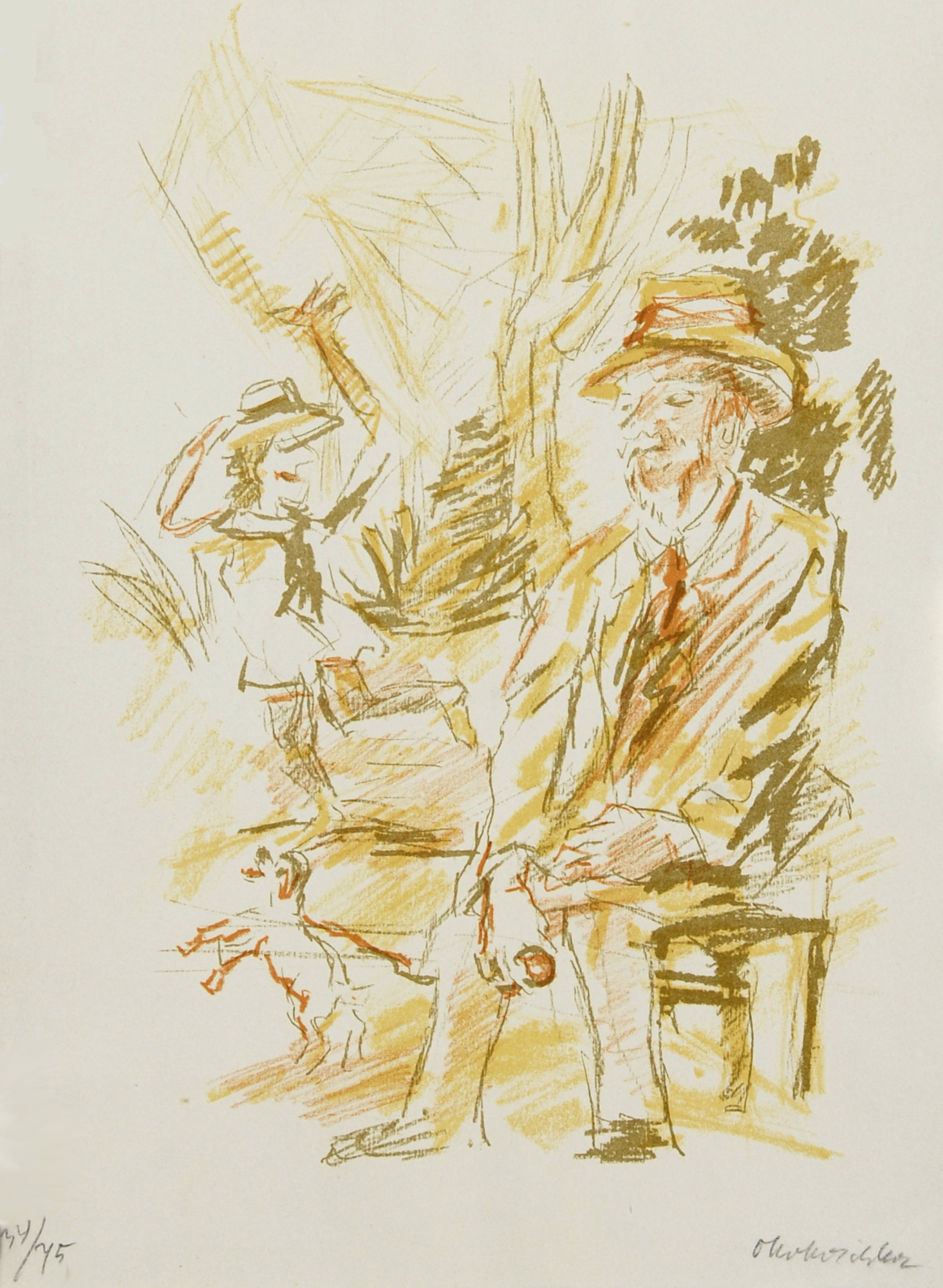
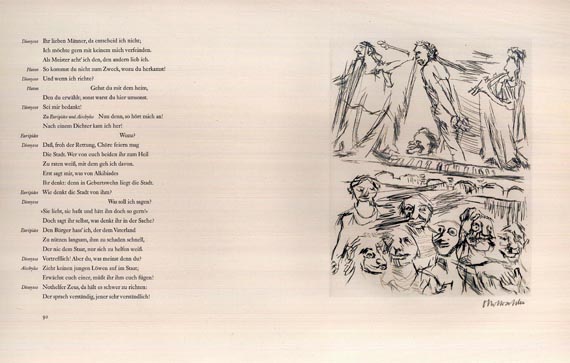
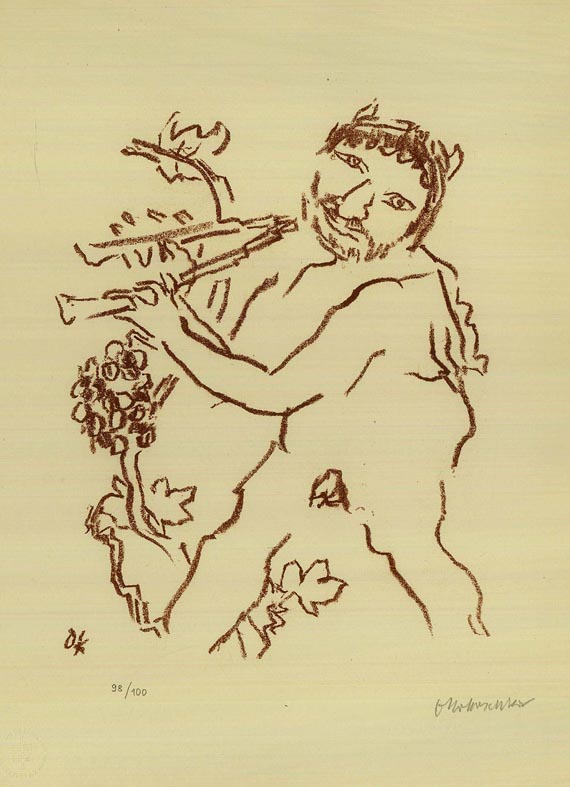
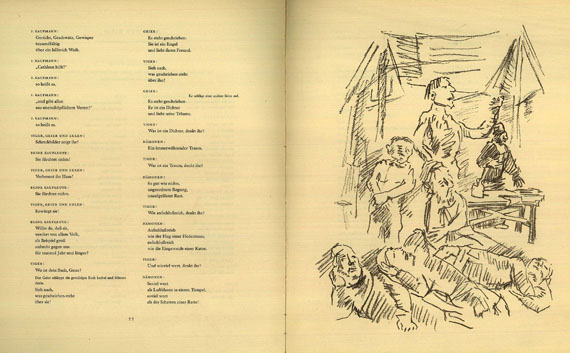
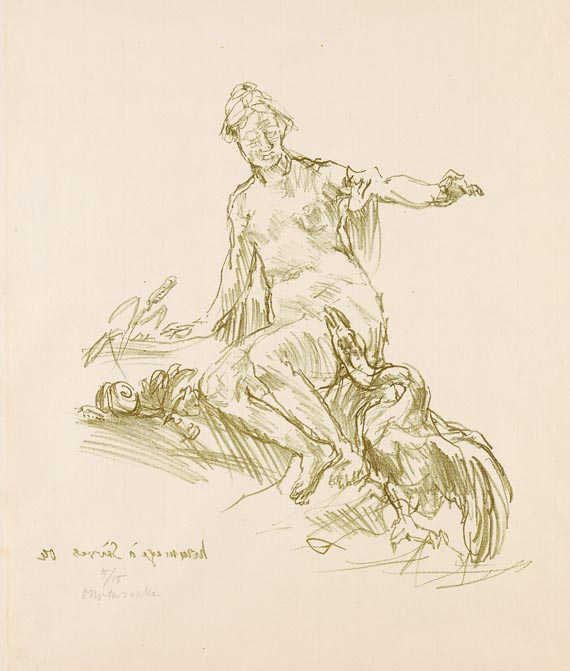
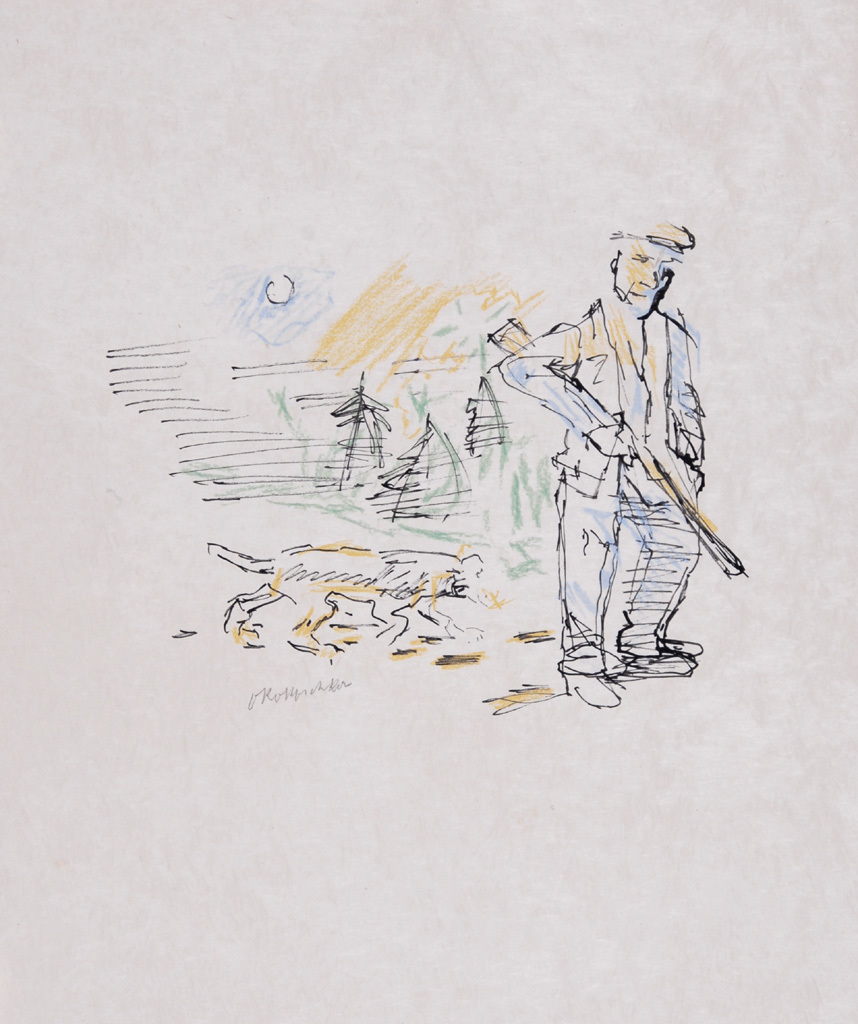
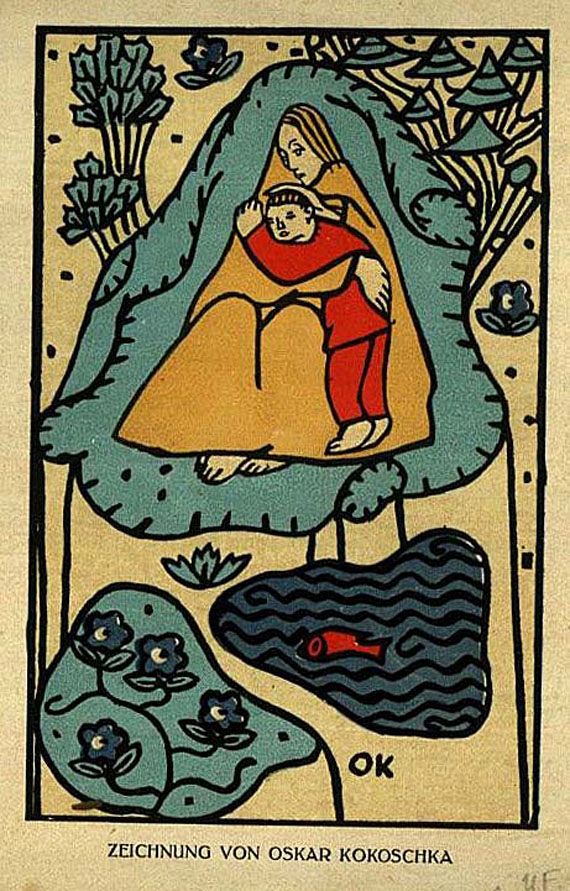
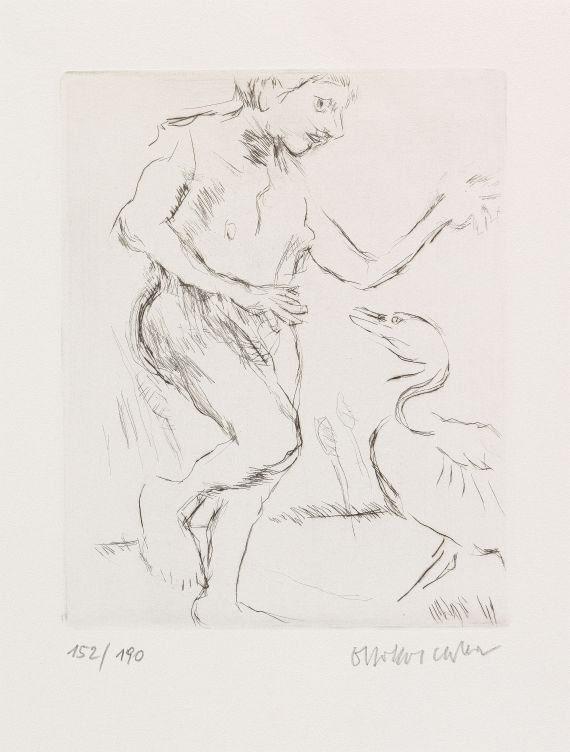
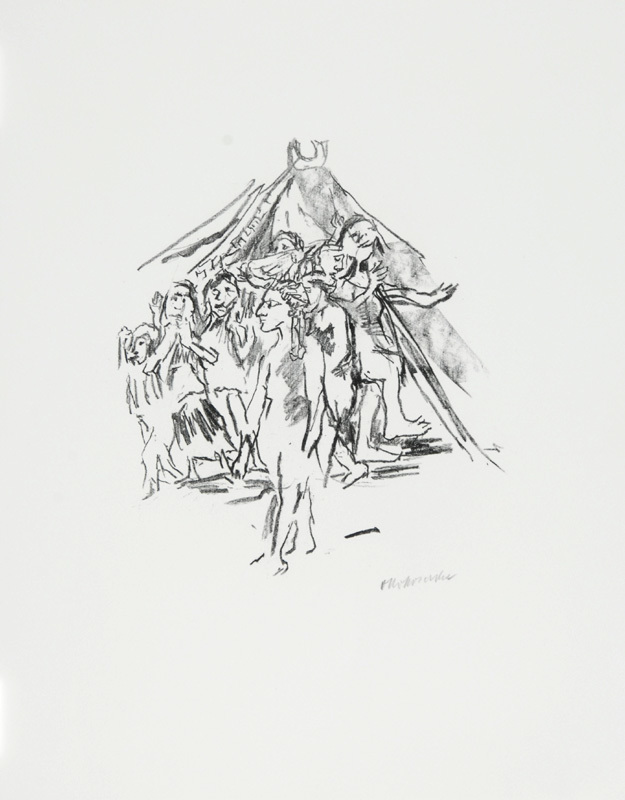
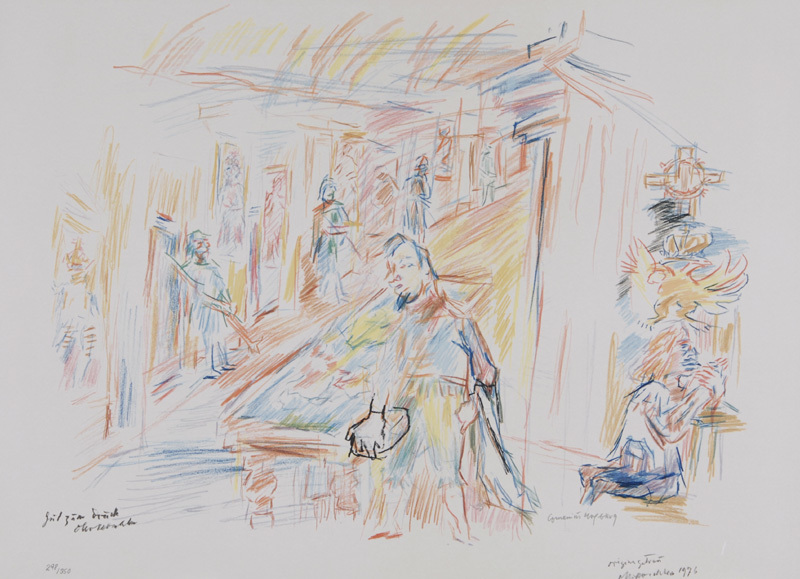
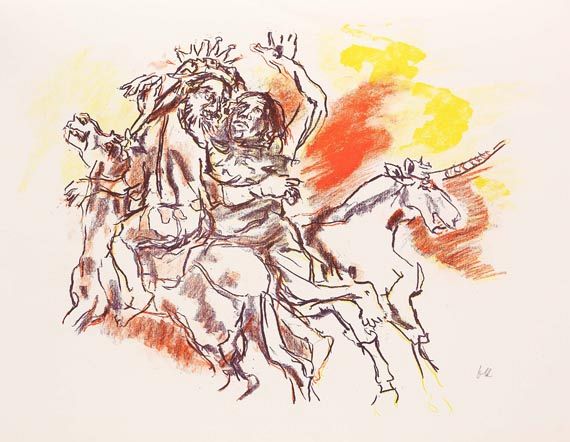
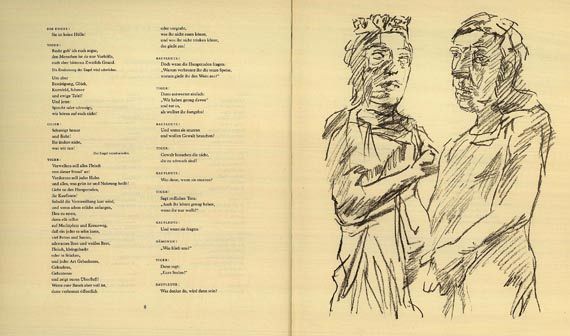
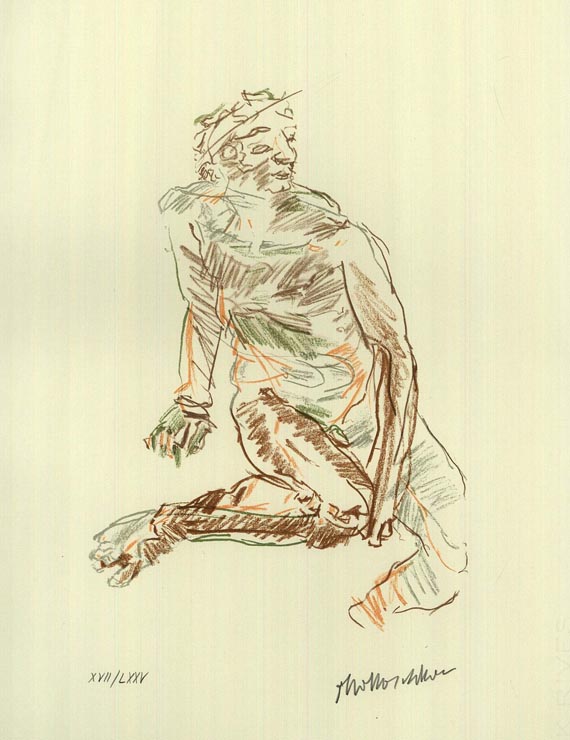
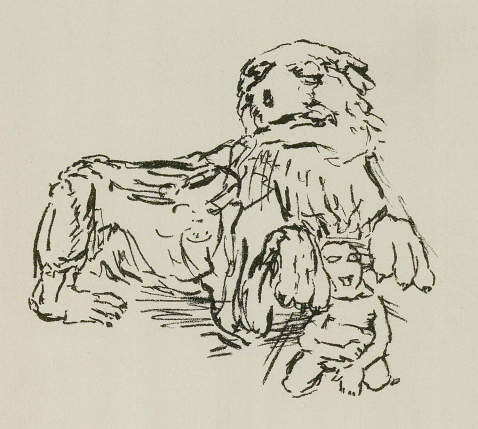
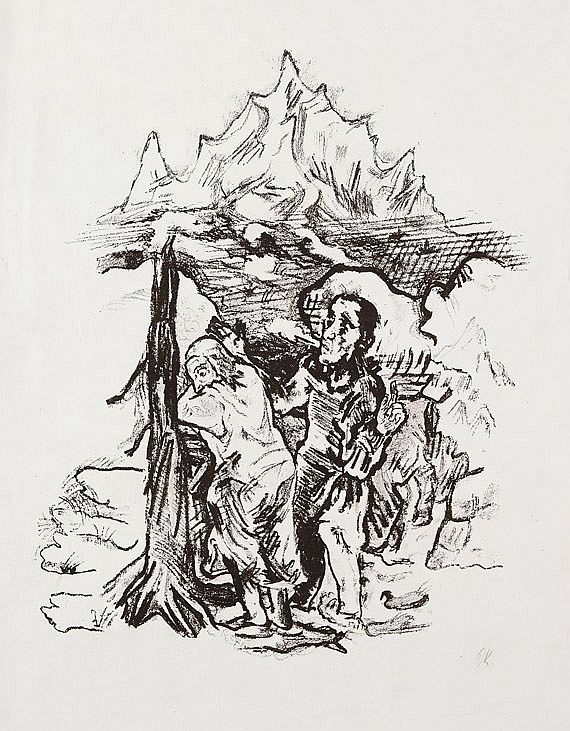
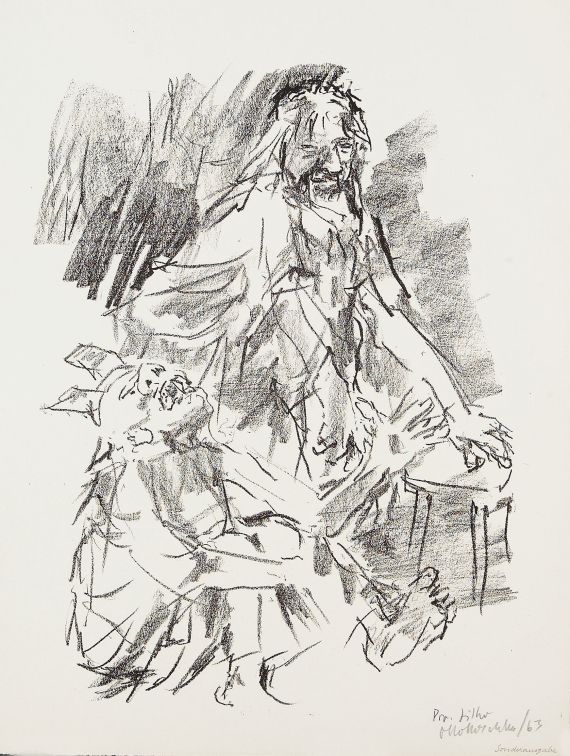
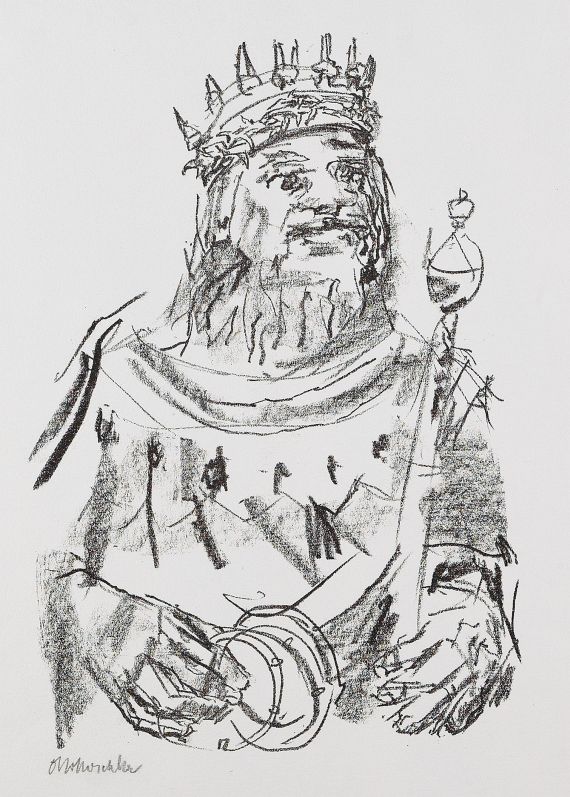
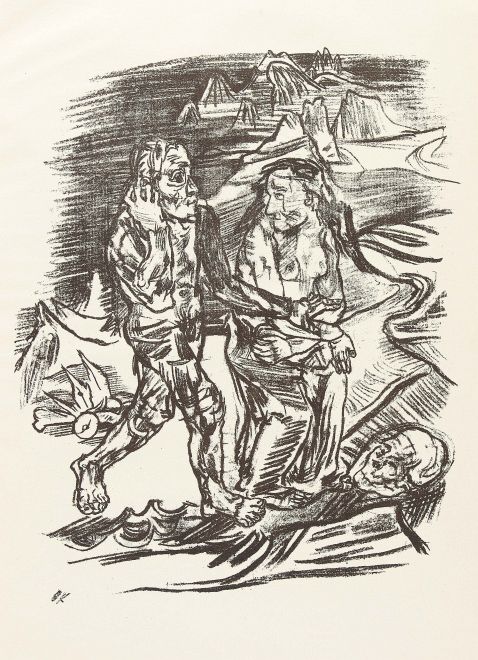
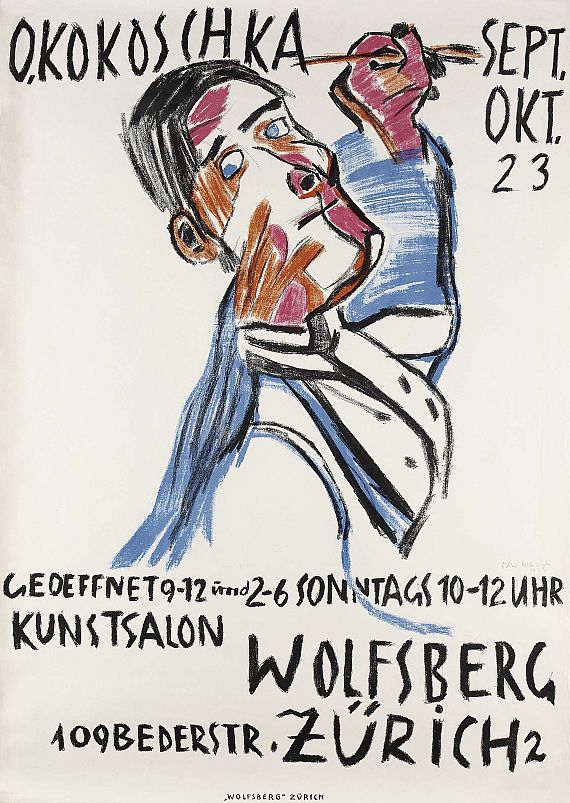
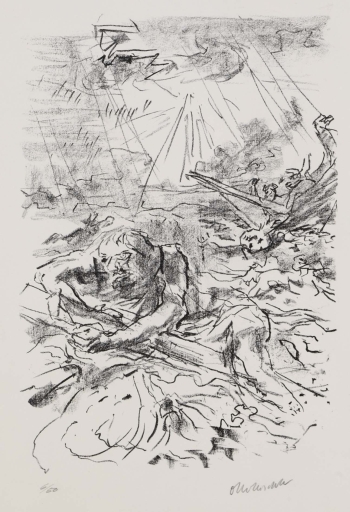
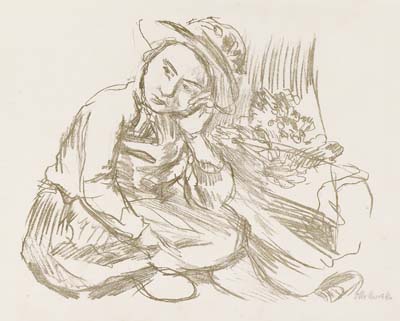
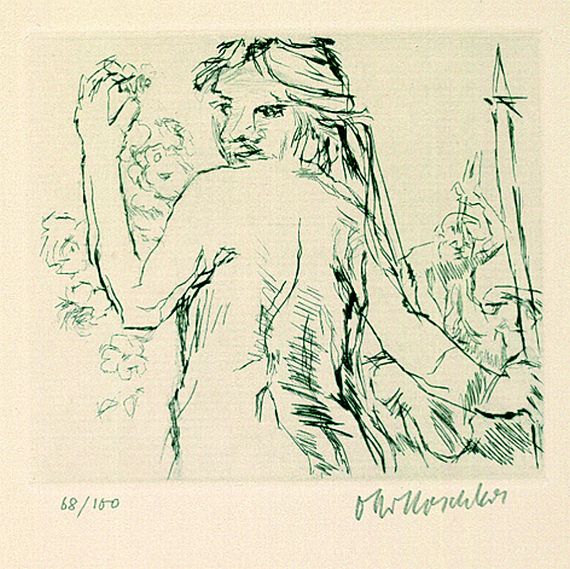
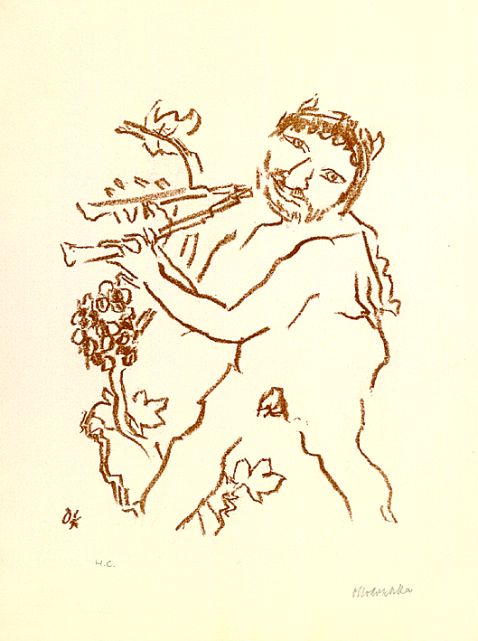
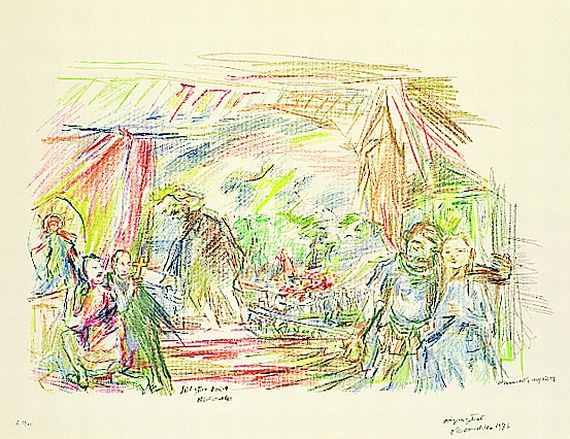
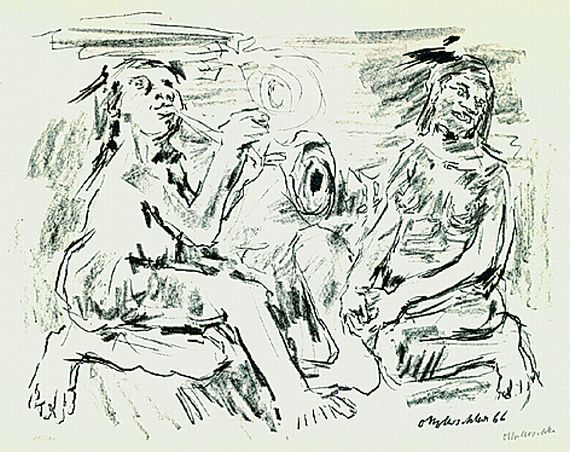
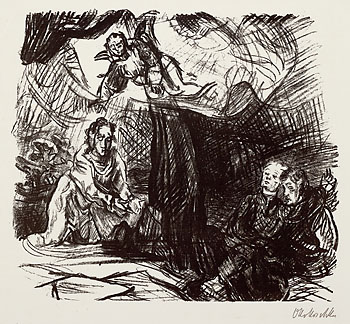
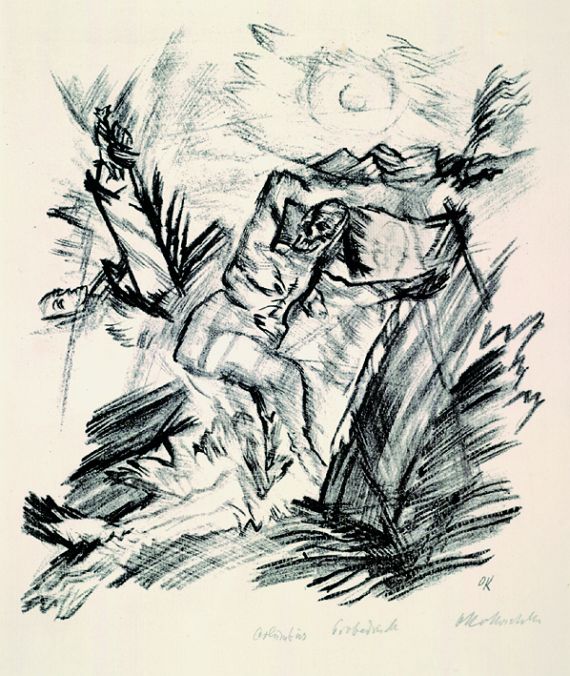
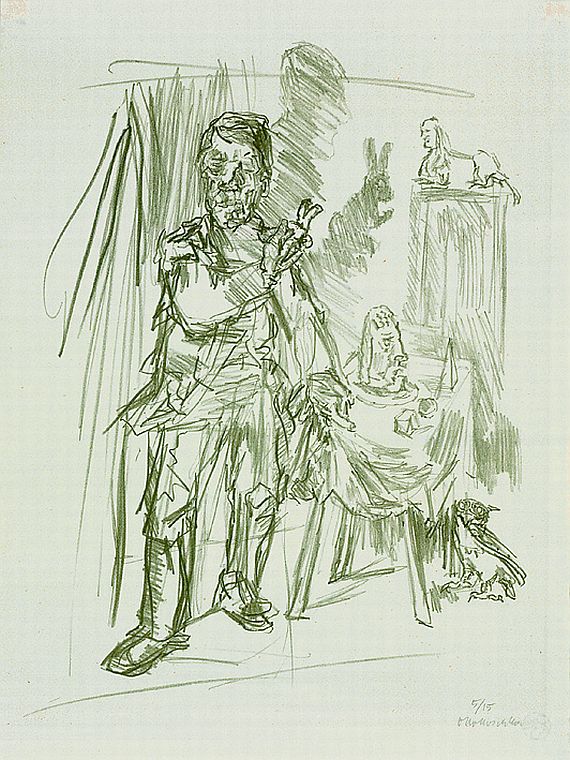
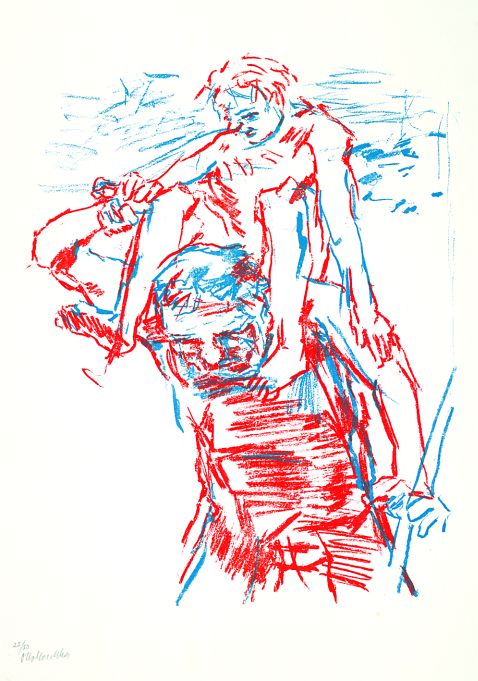
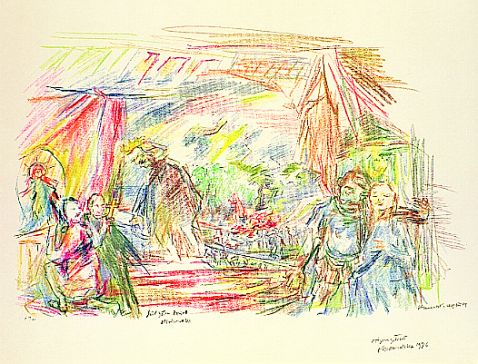
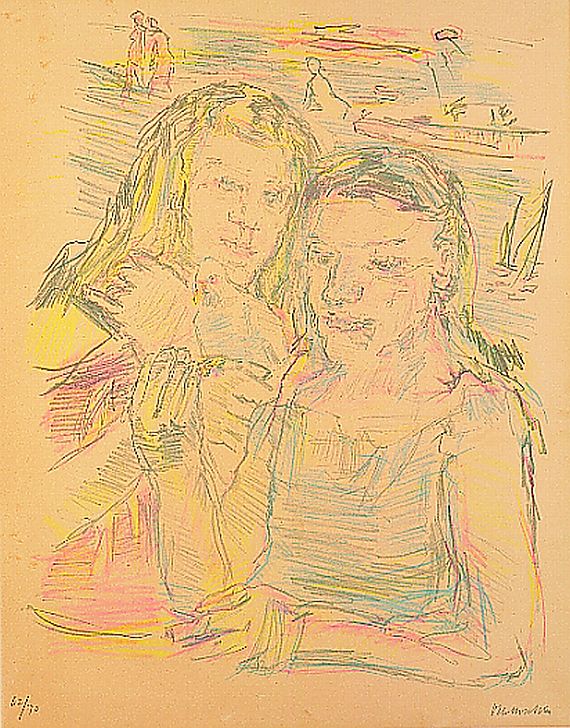
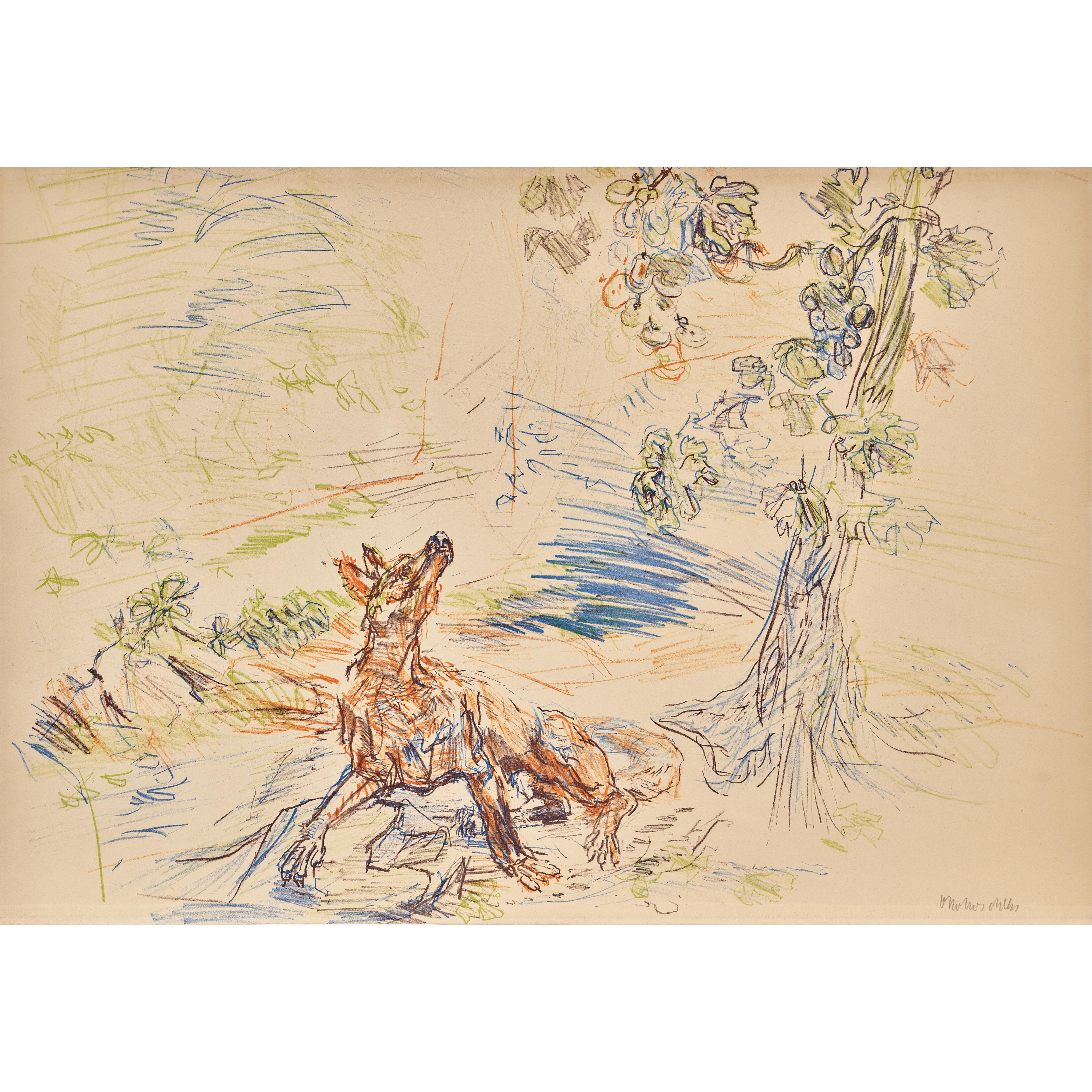
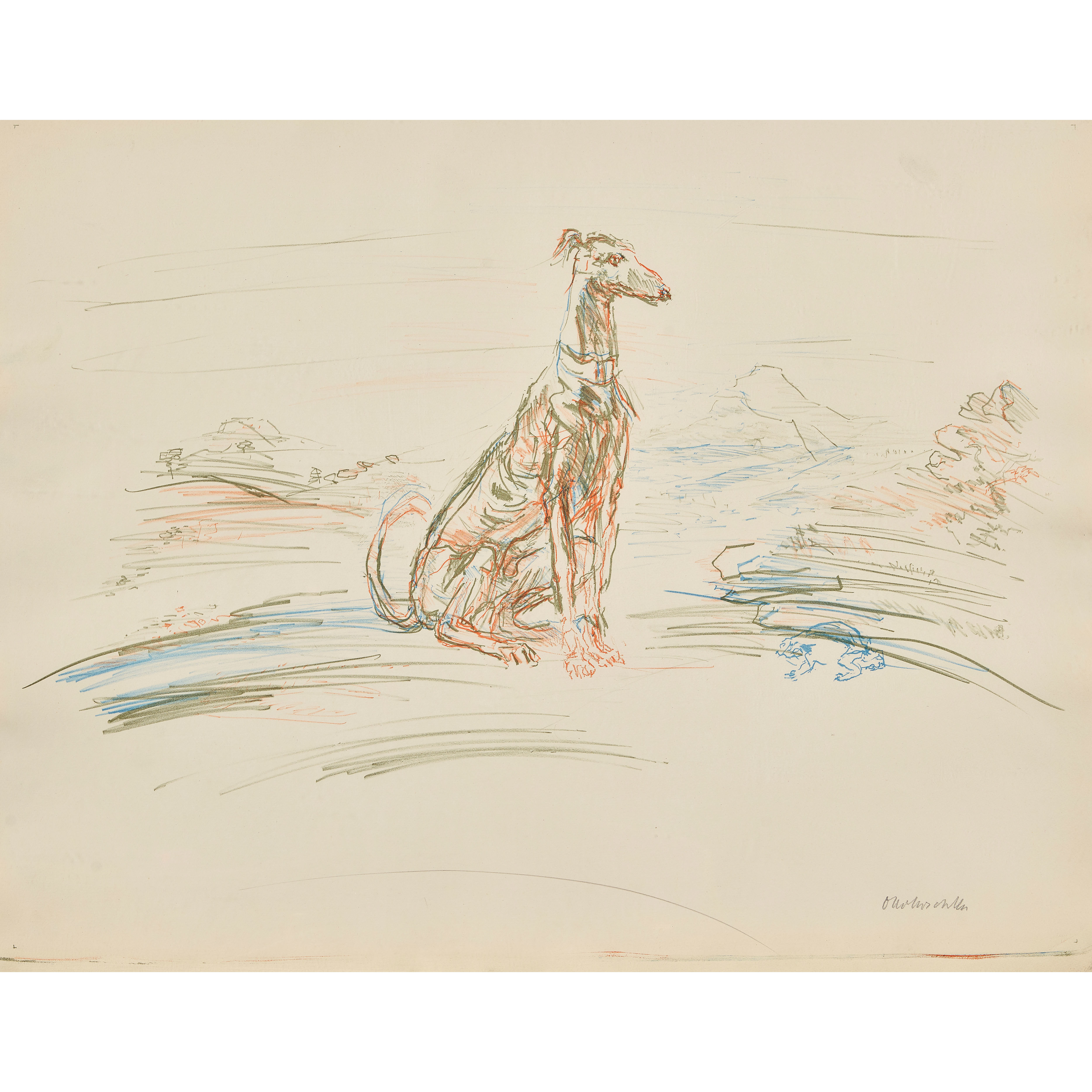
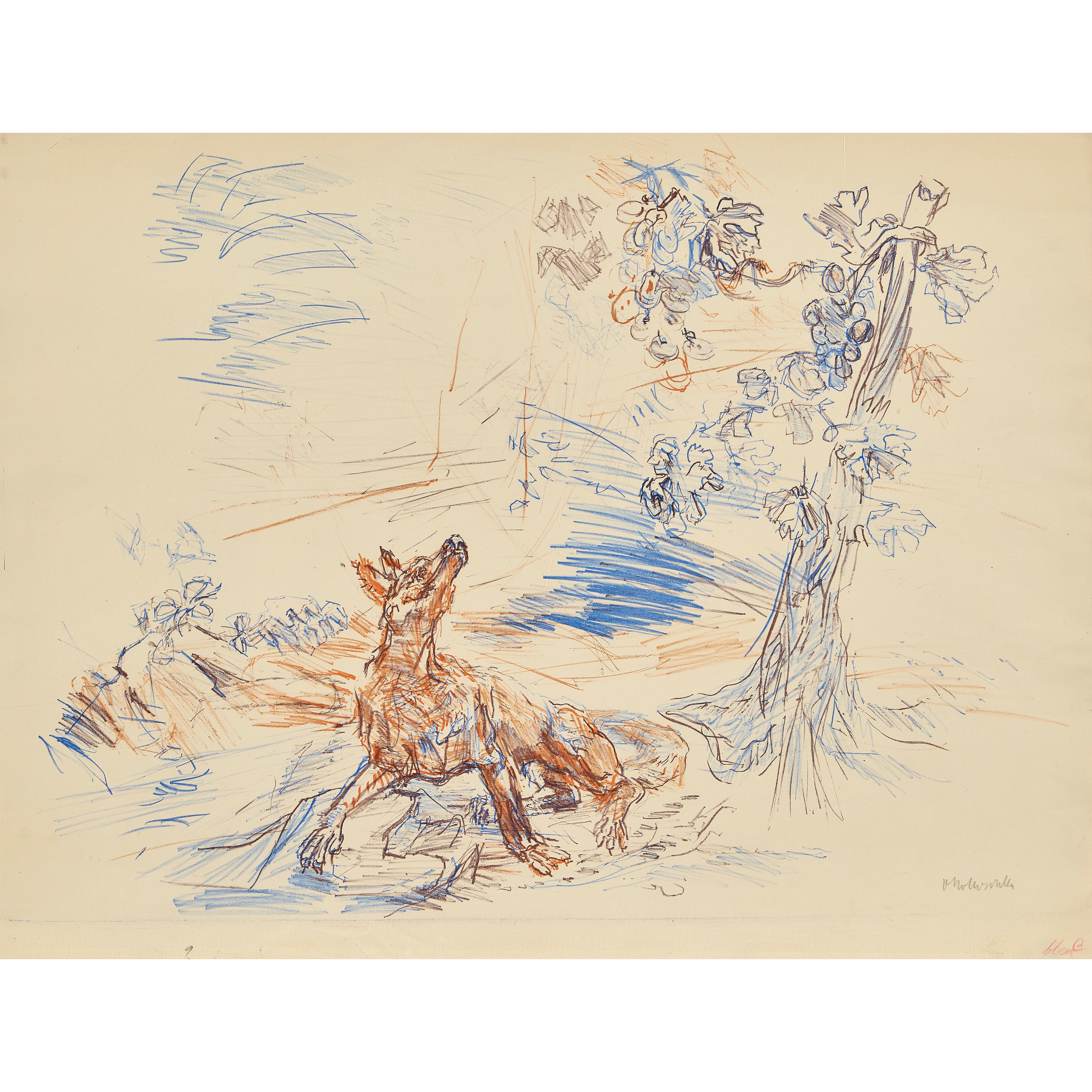
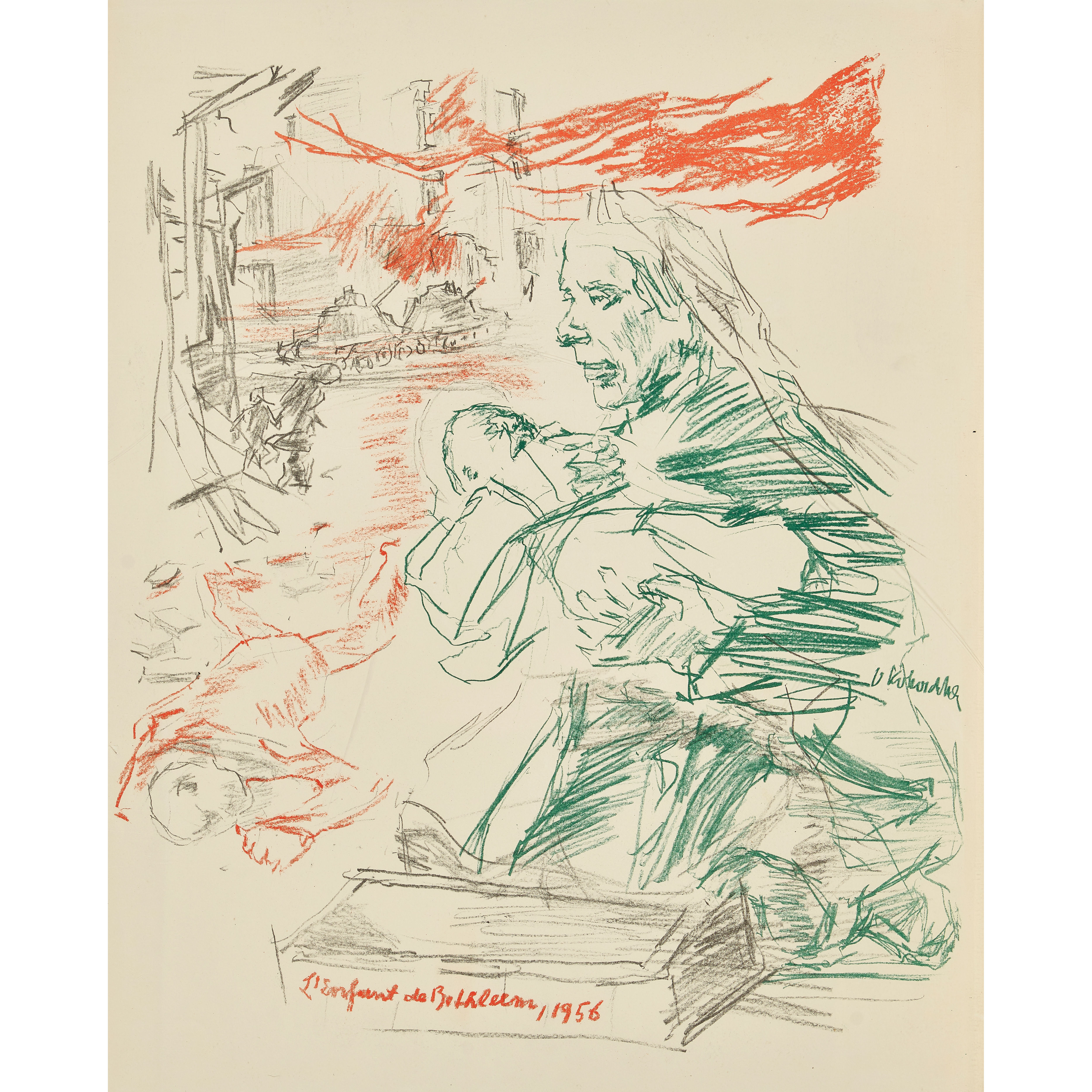
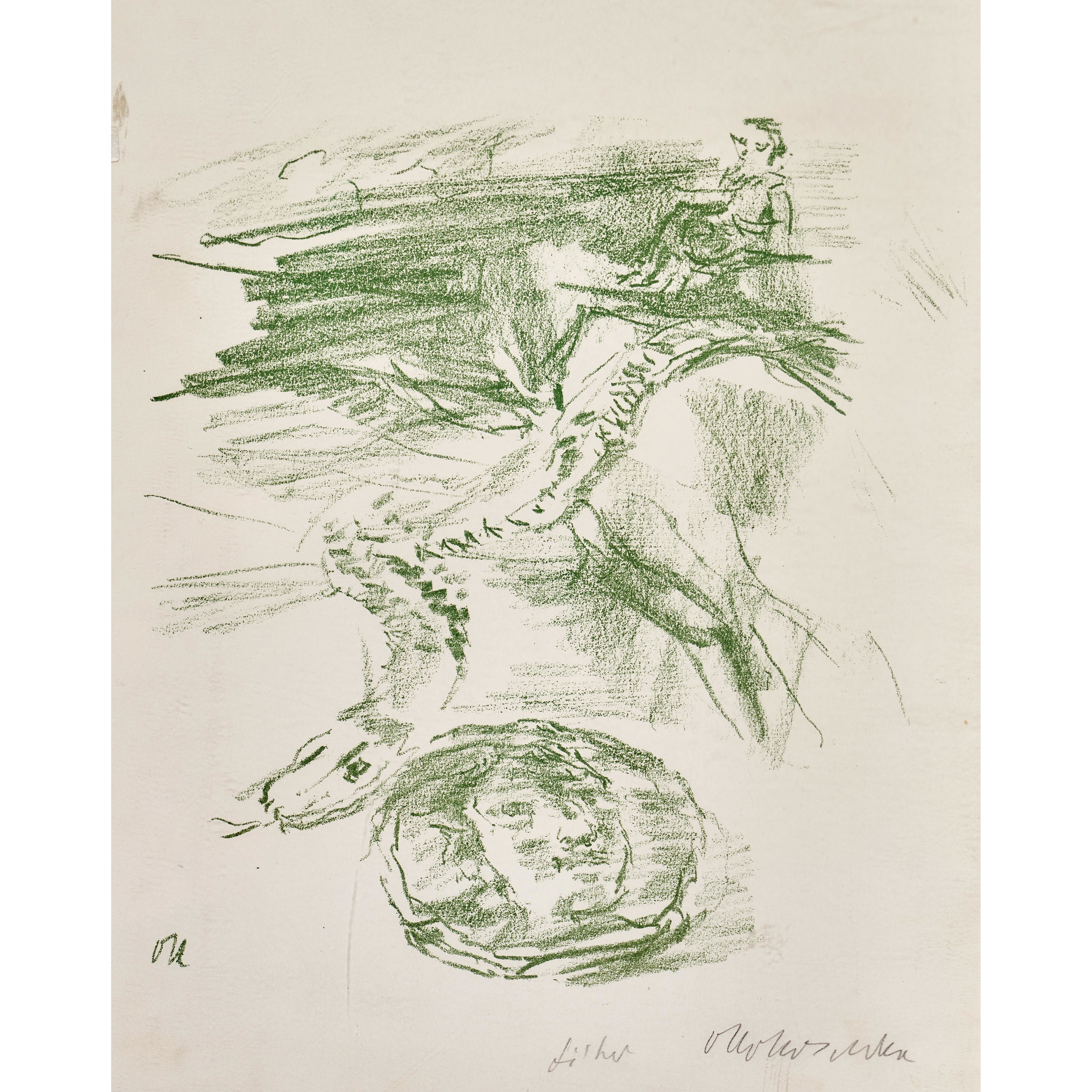
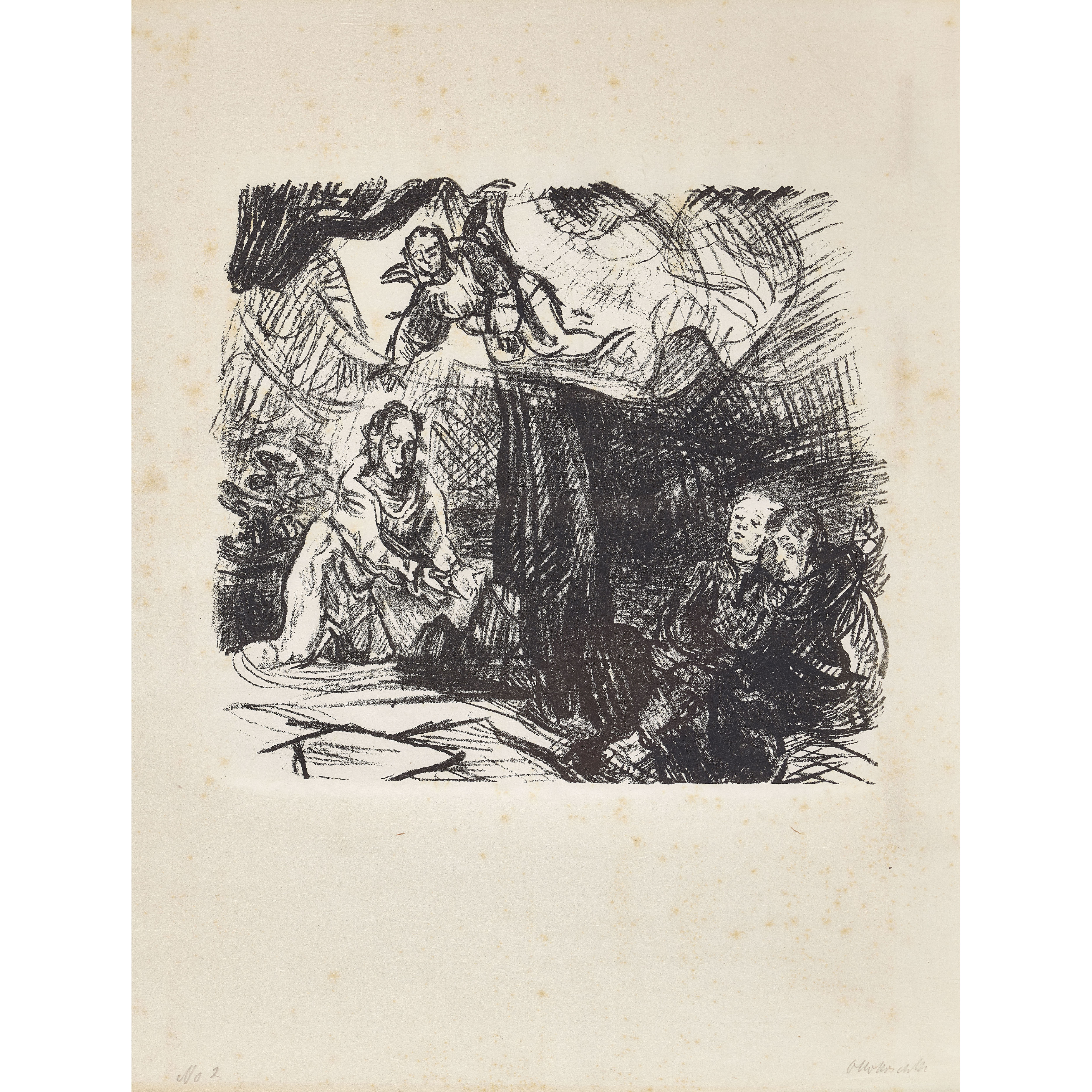
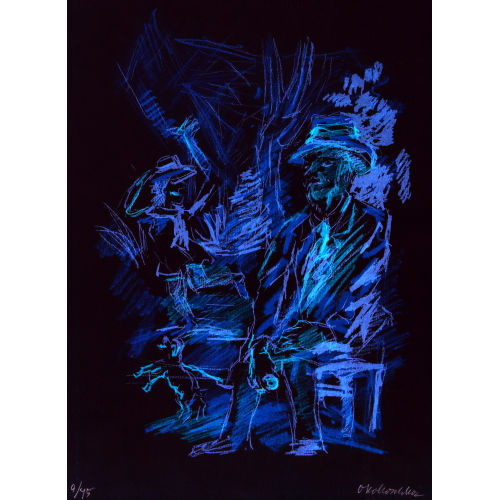
In 1904, he entered the Vienna School of Applied Arts and worked for the Wiener Werkstätte. His book Les Garçons qui rêvent, published in 1908, combines poetry and colour lithographs. The portraits of Vienna’s intelligentsia are answered by theatrical texts whose expressive violence unsettles conventions.
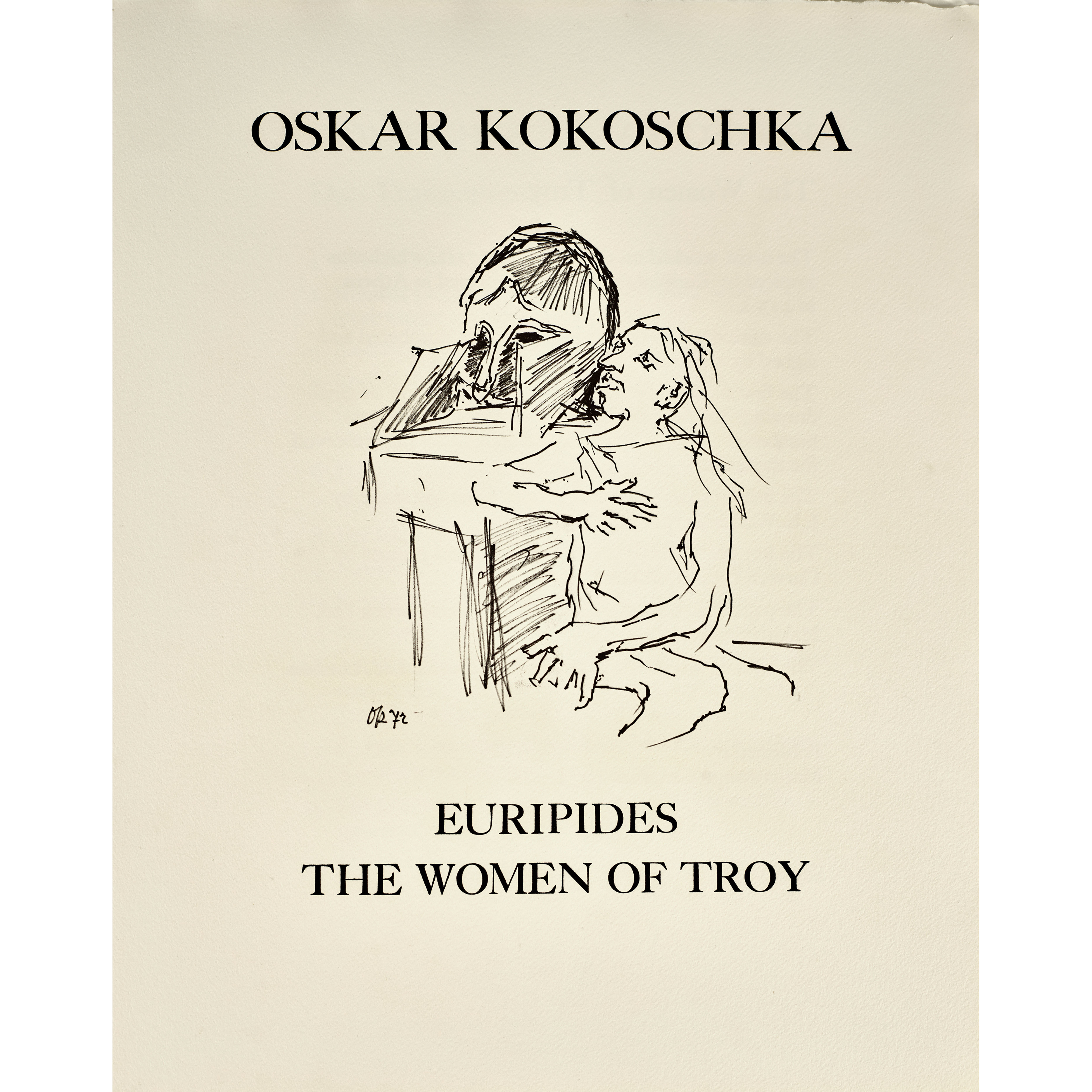
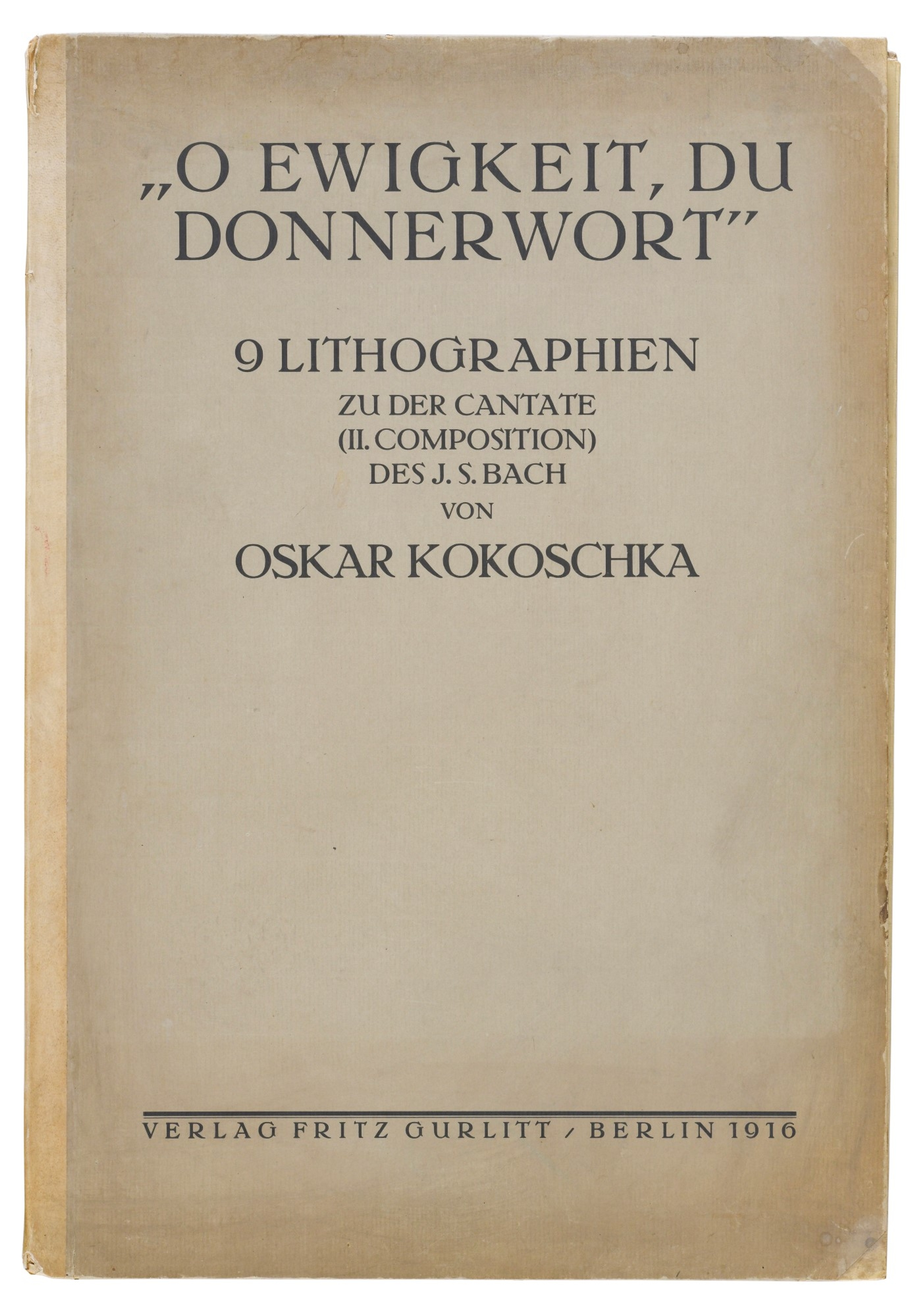
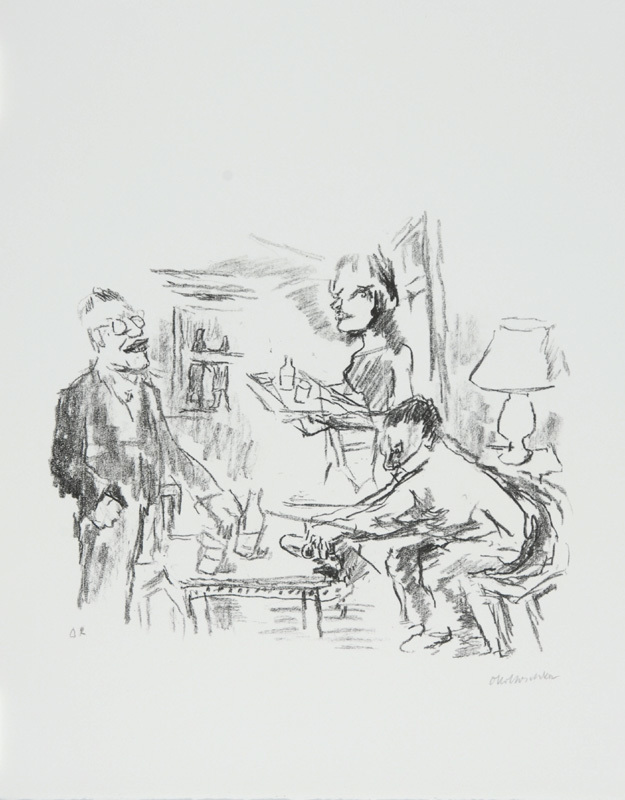
This movement between image, language and stage runs throughout his career.
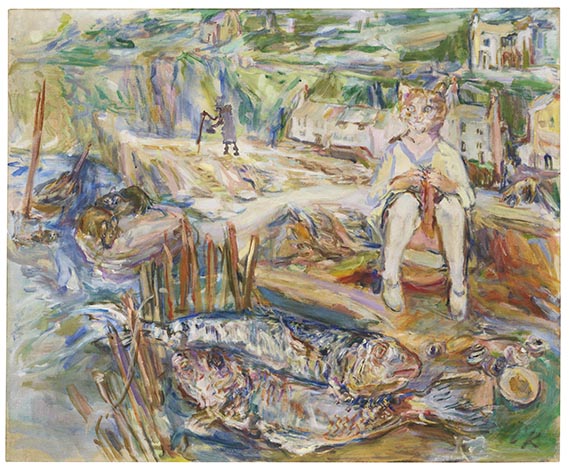
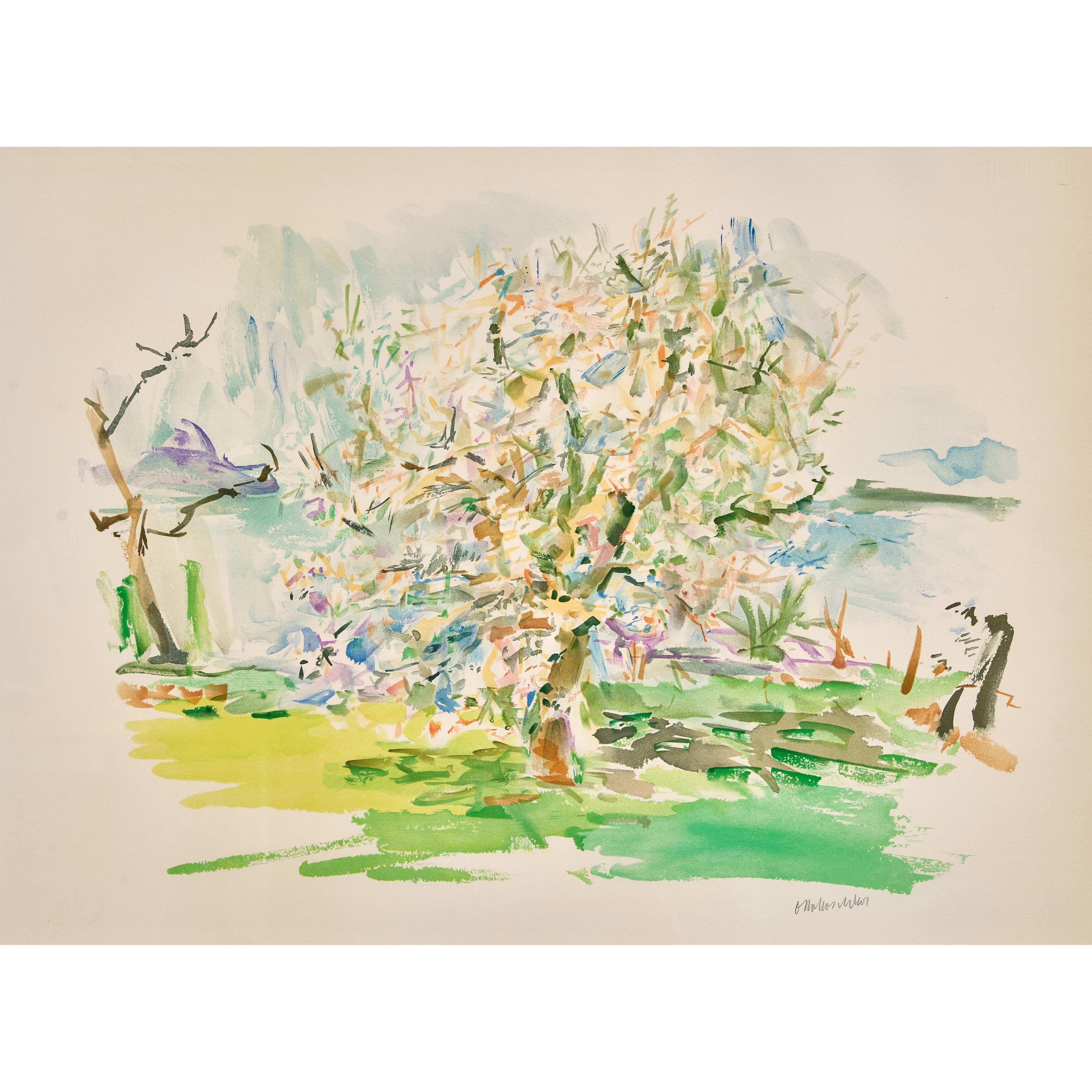
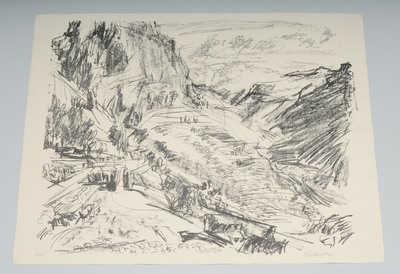
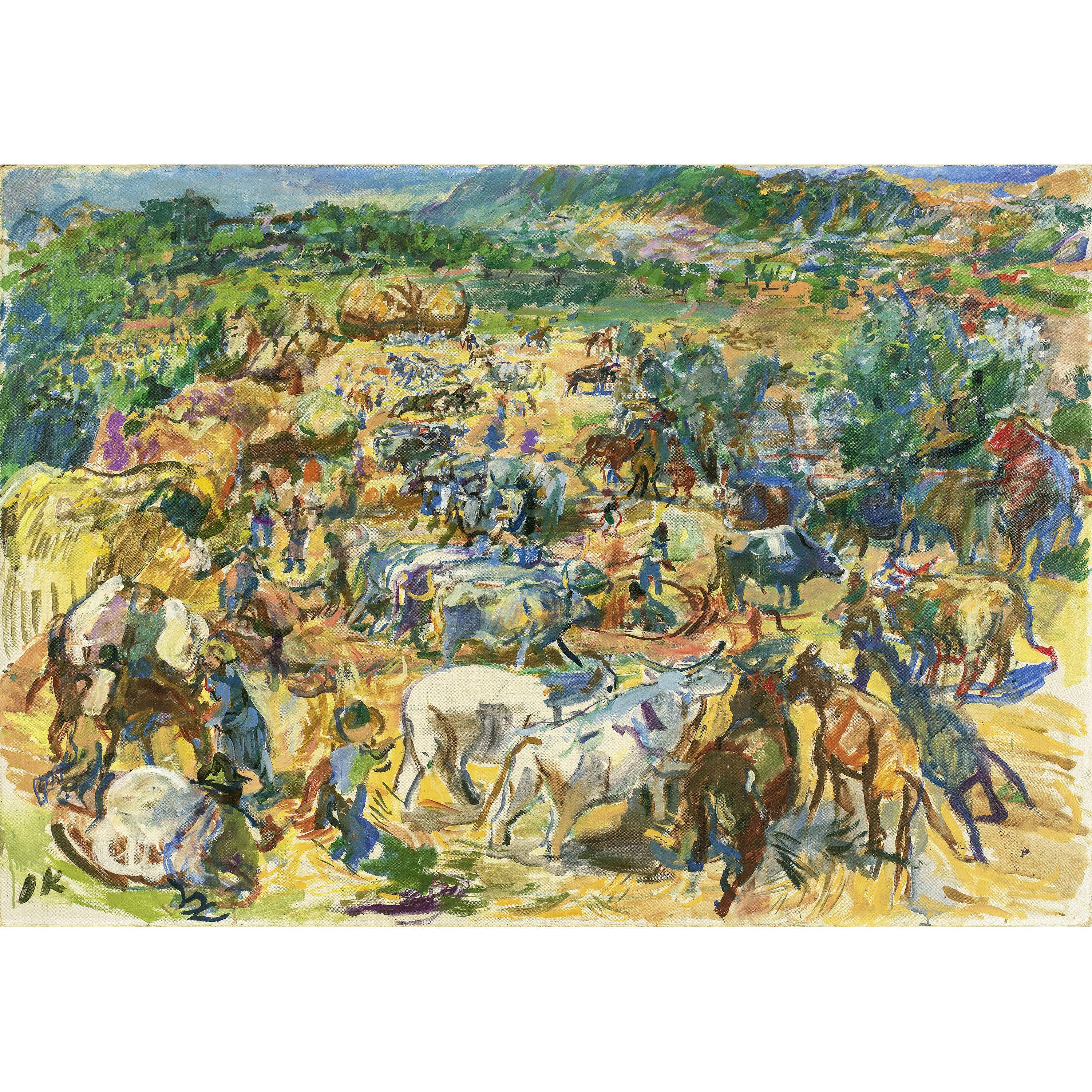
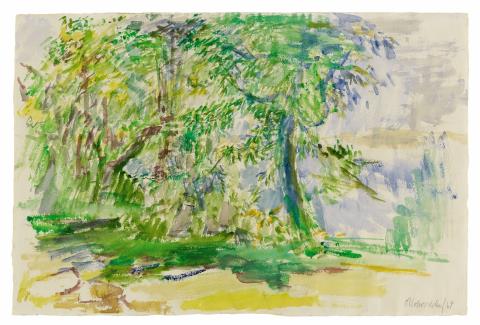
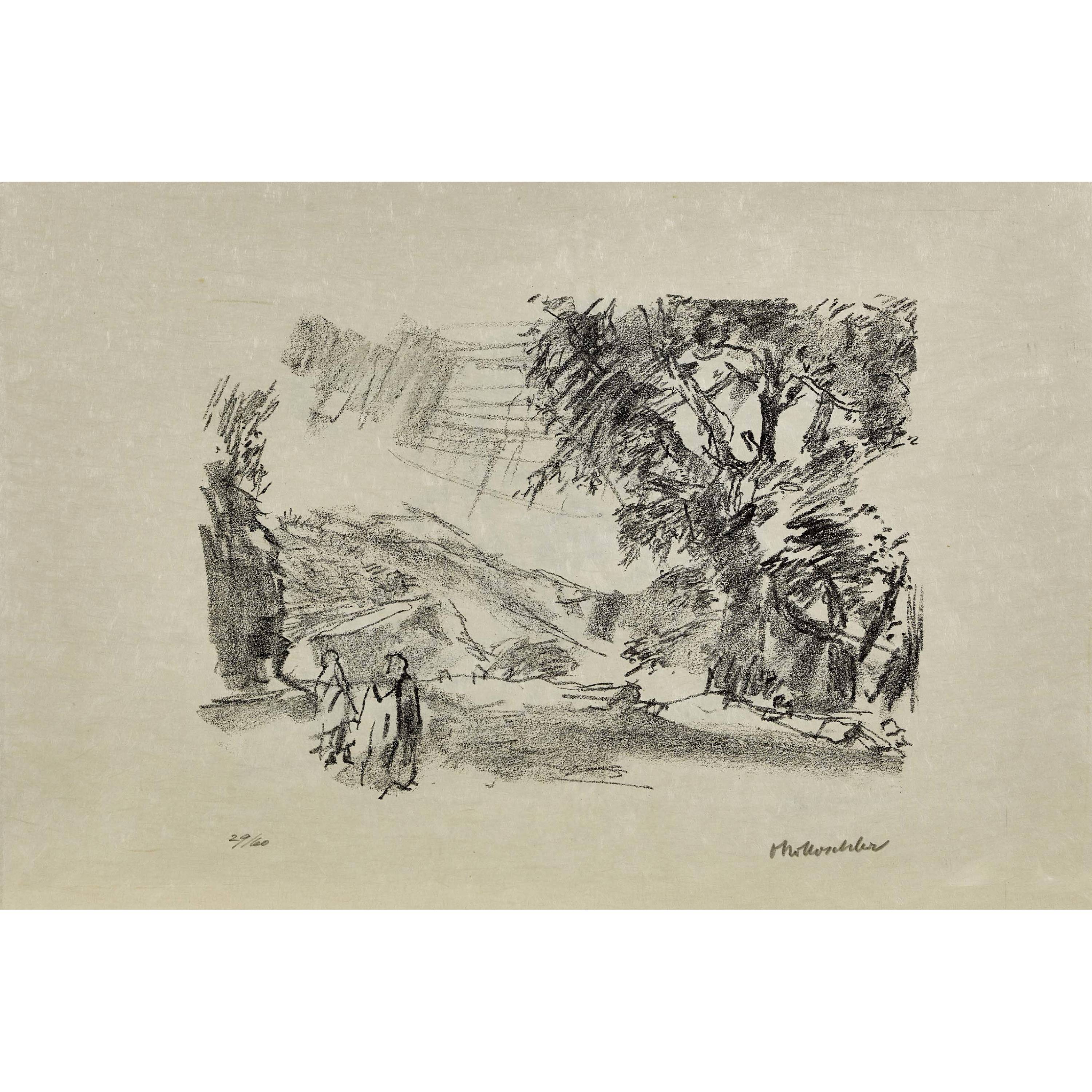
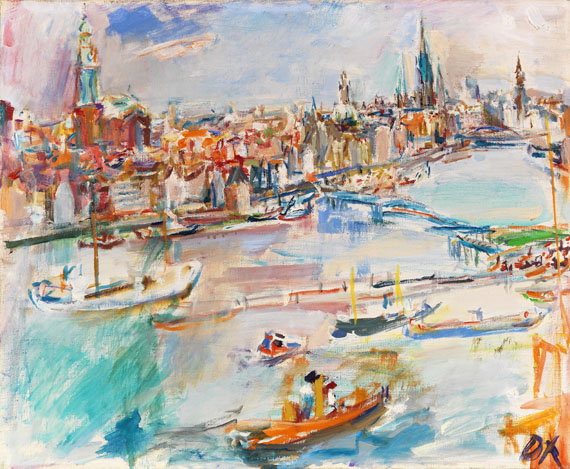
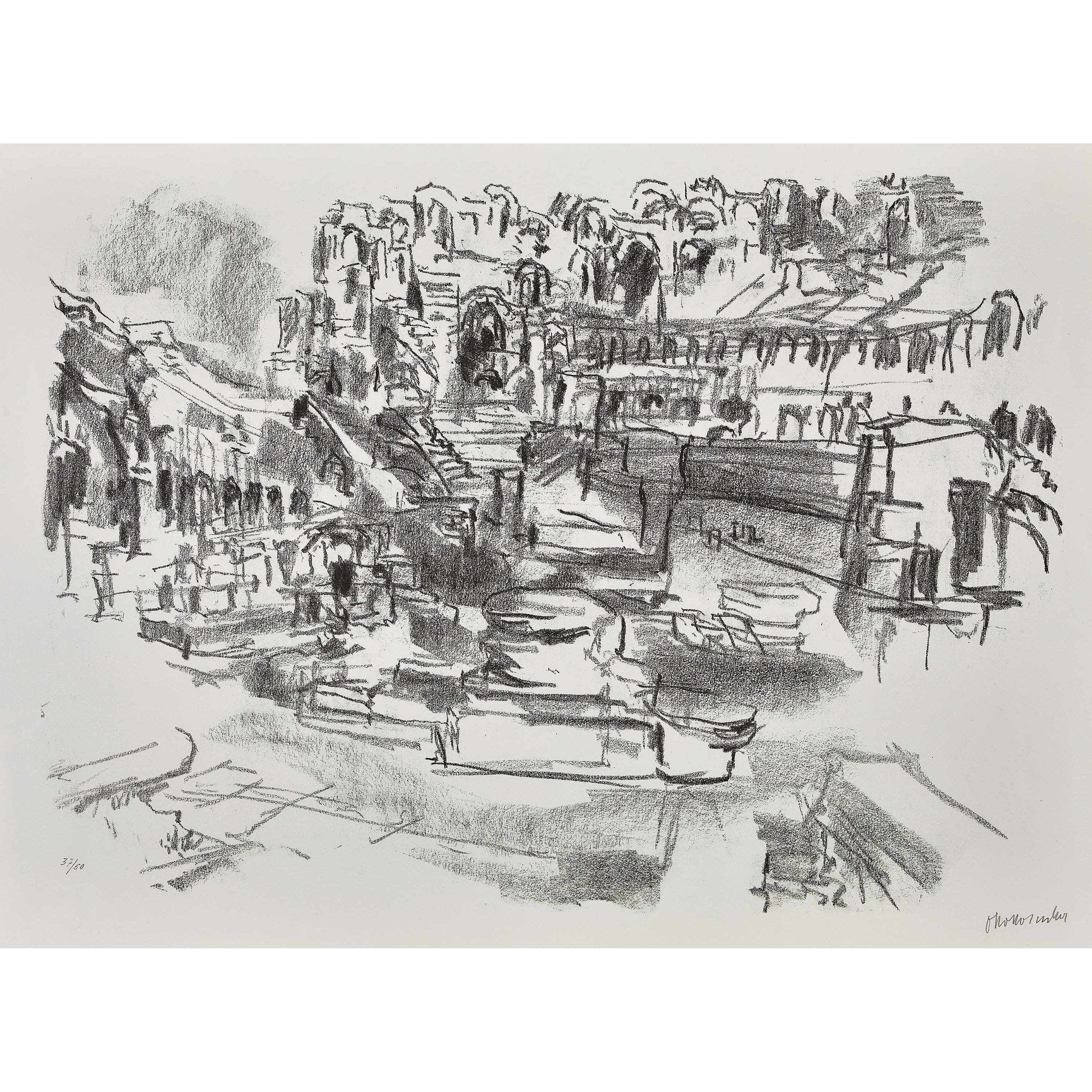
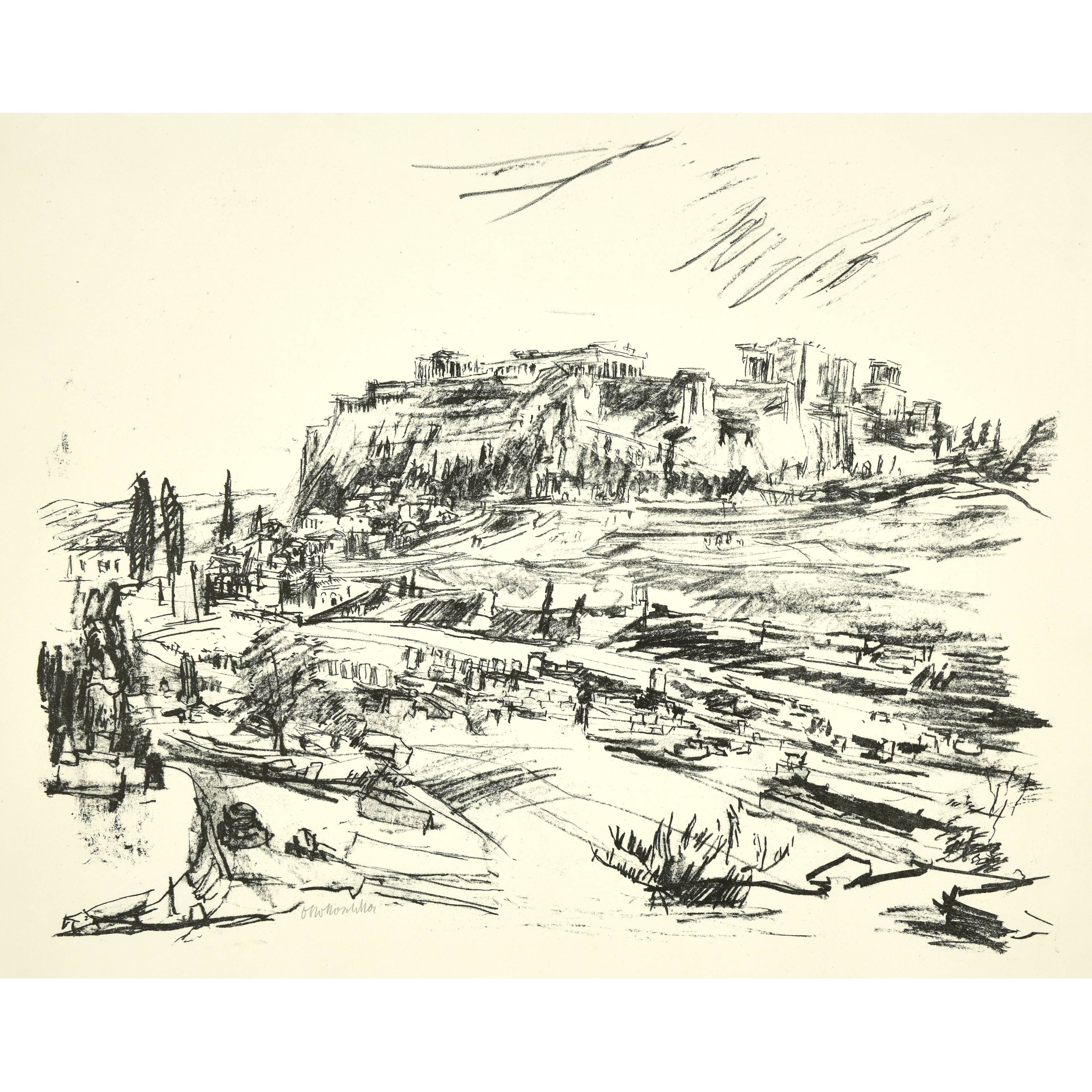
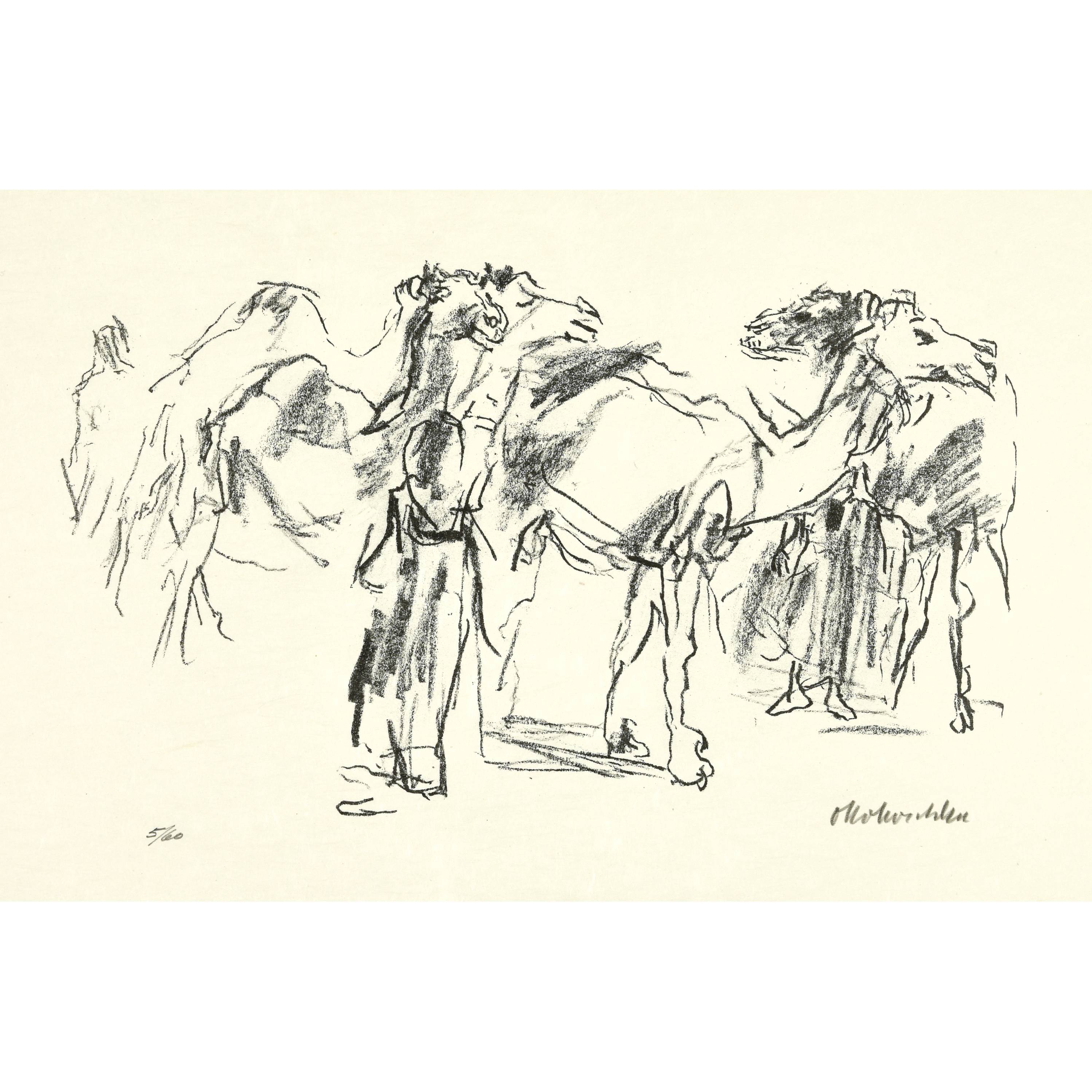
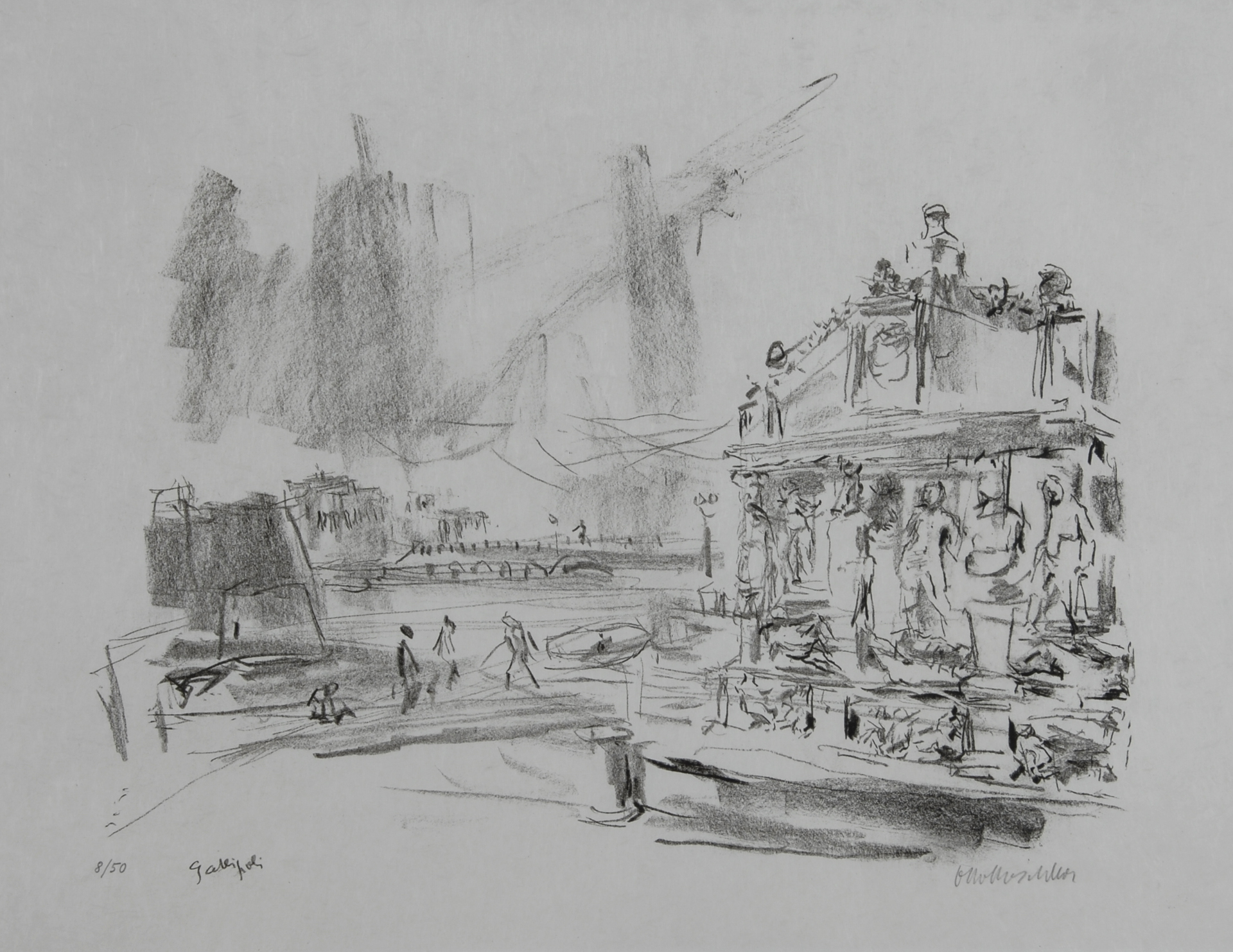
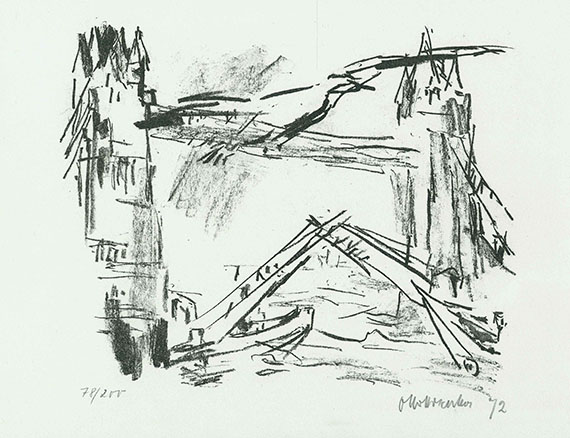
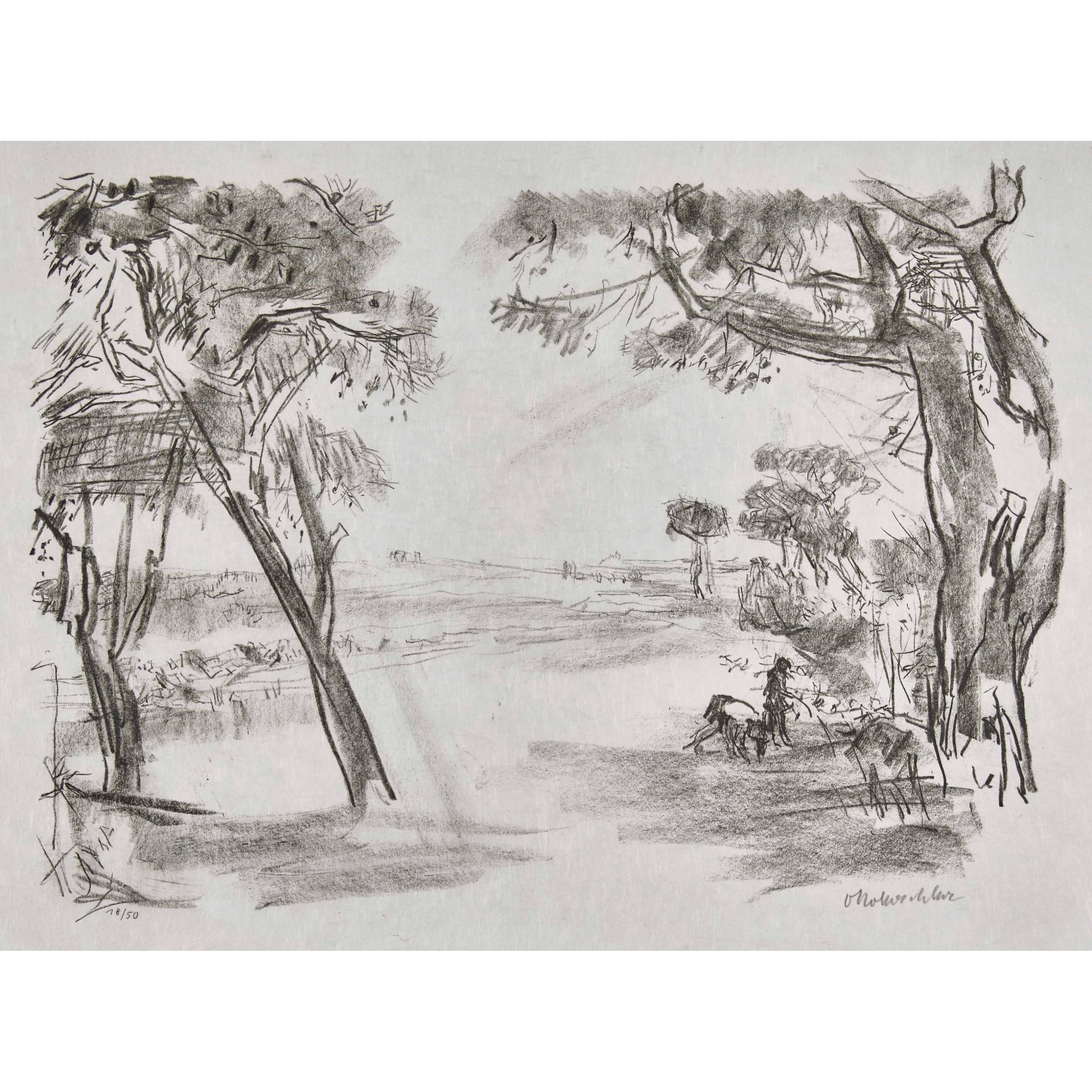
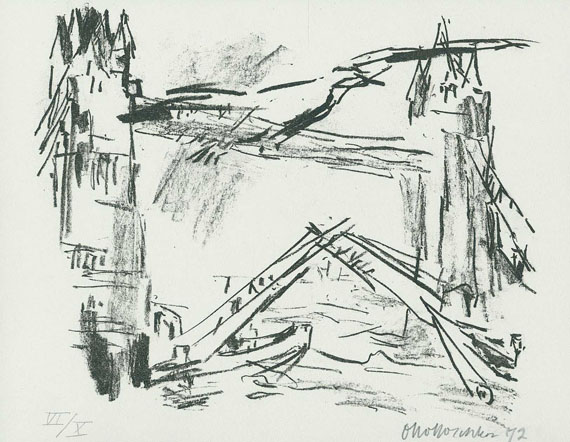
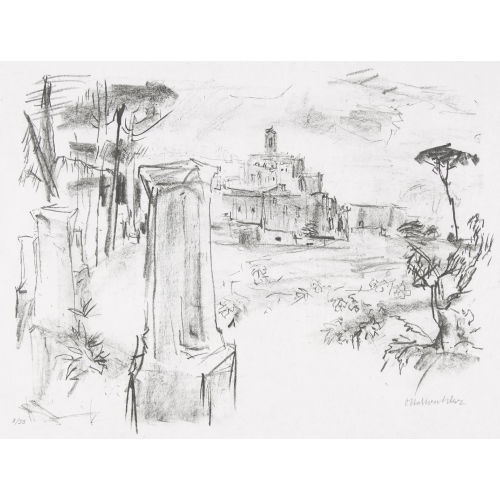
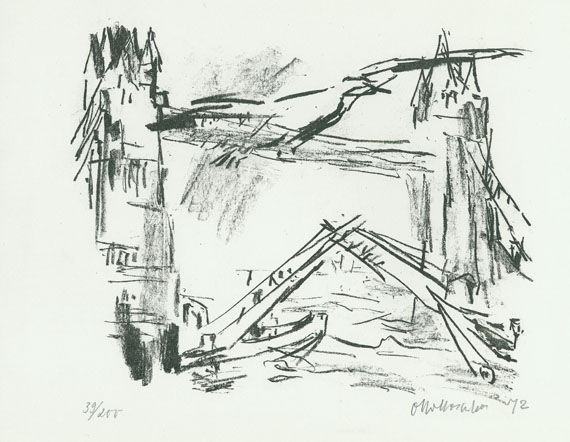
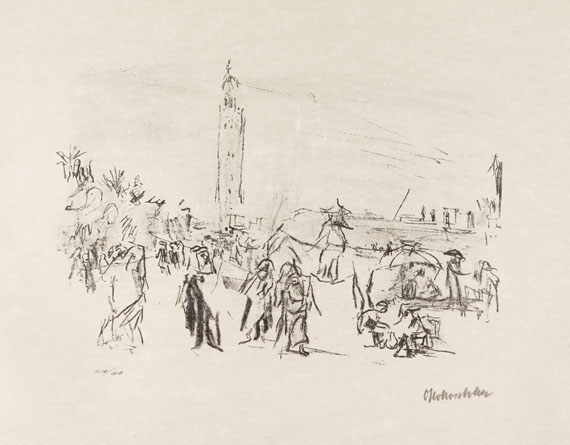
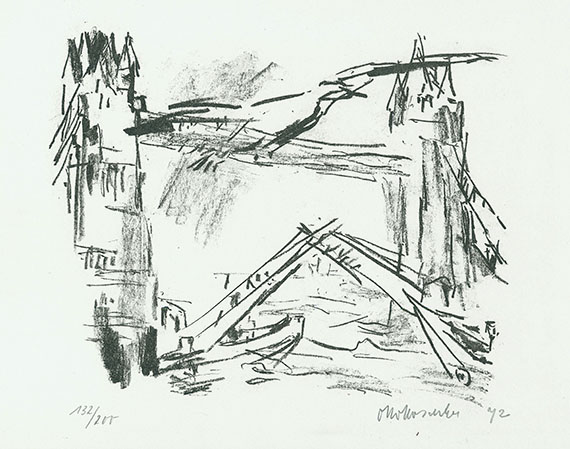
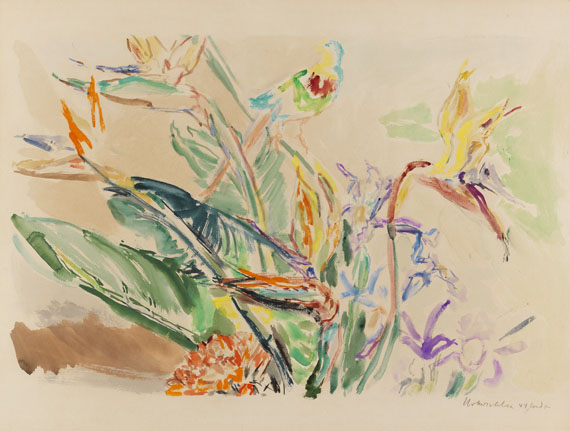
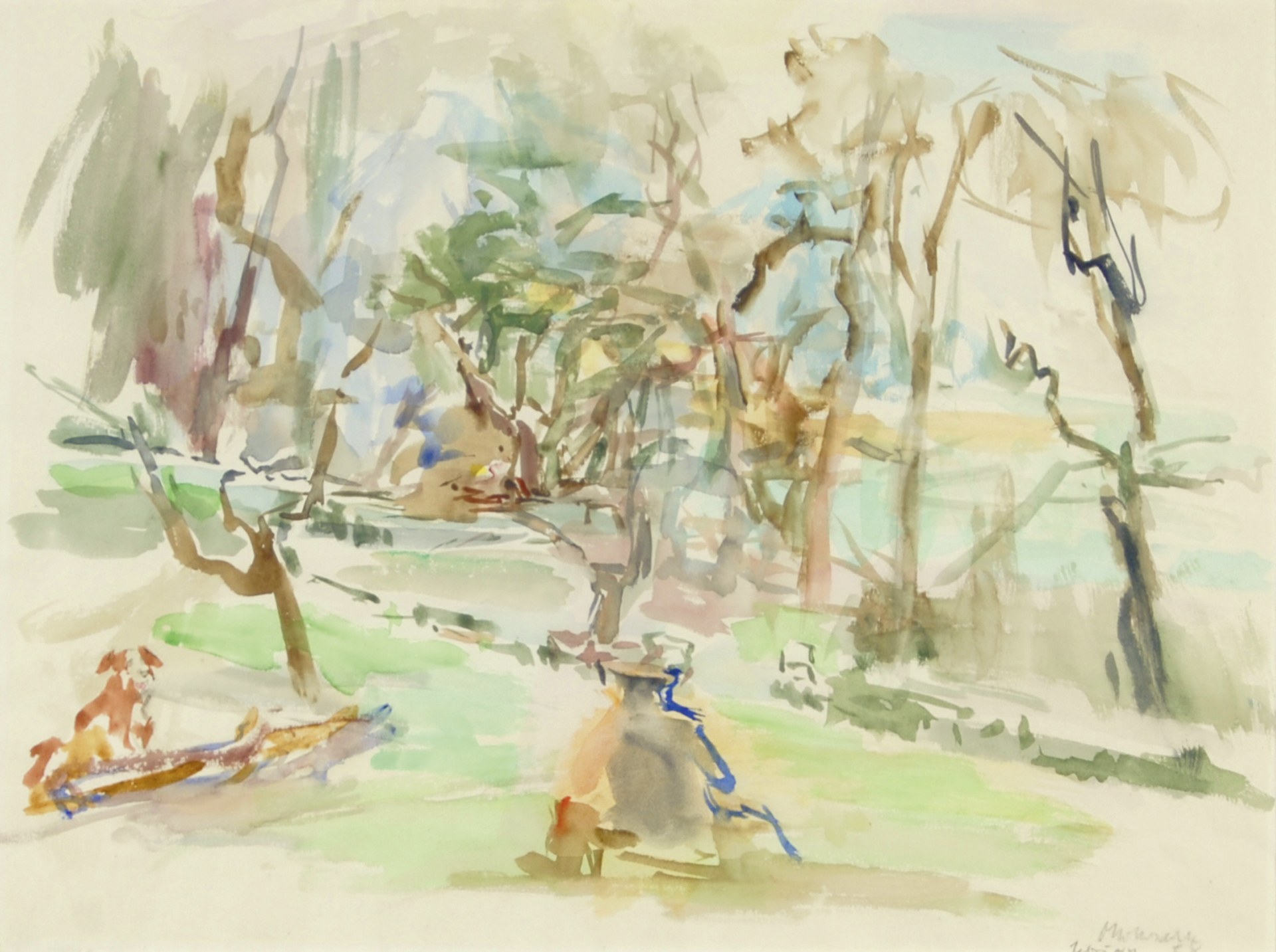
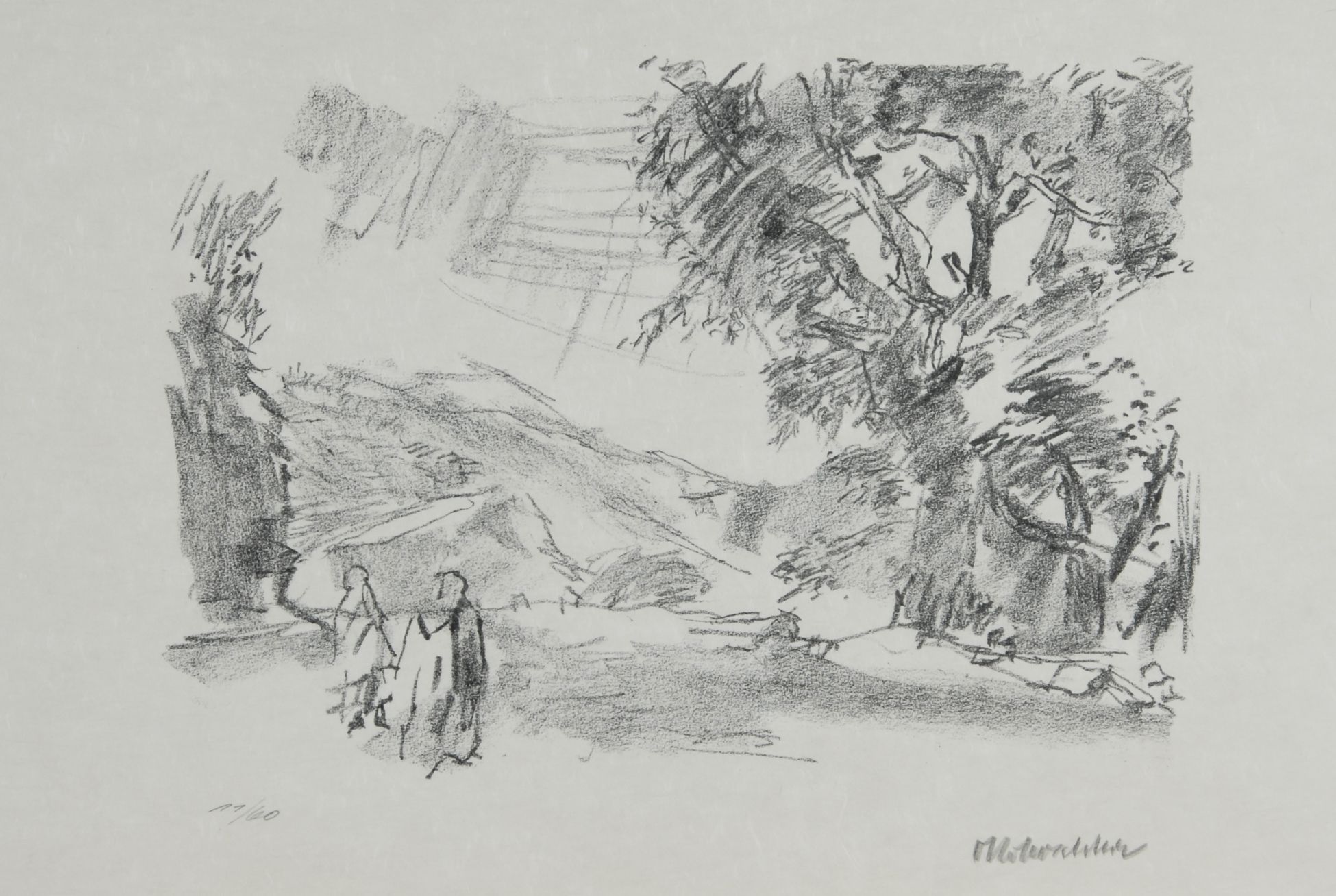
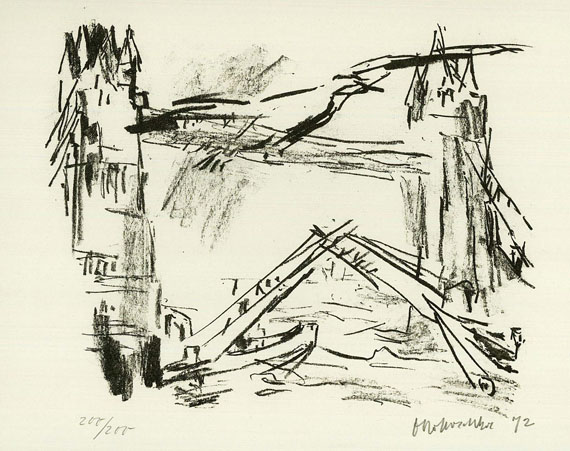
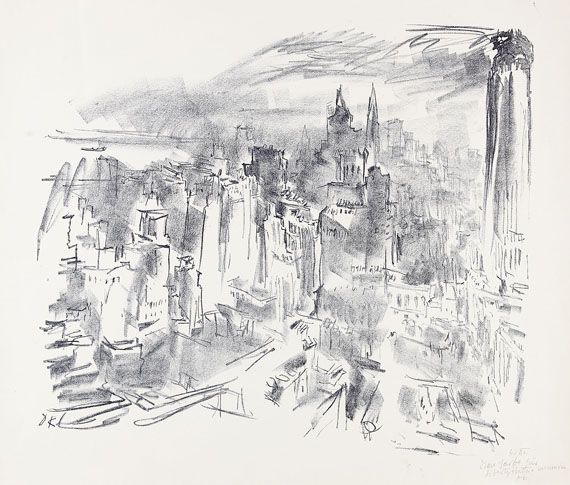
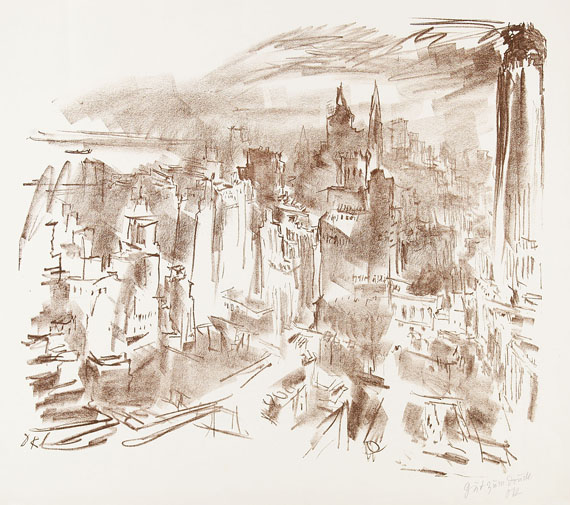
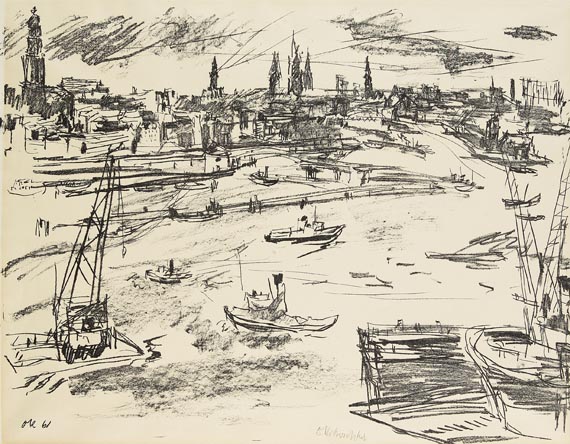
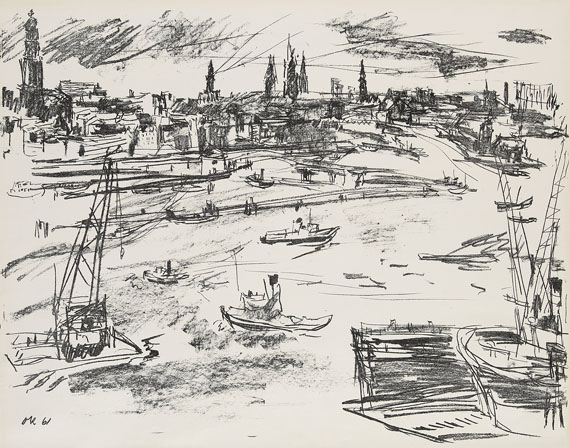
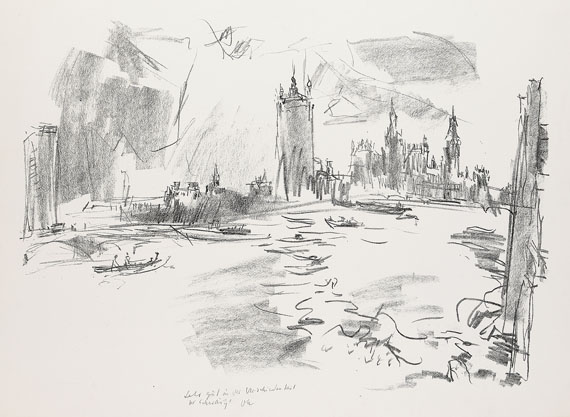
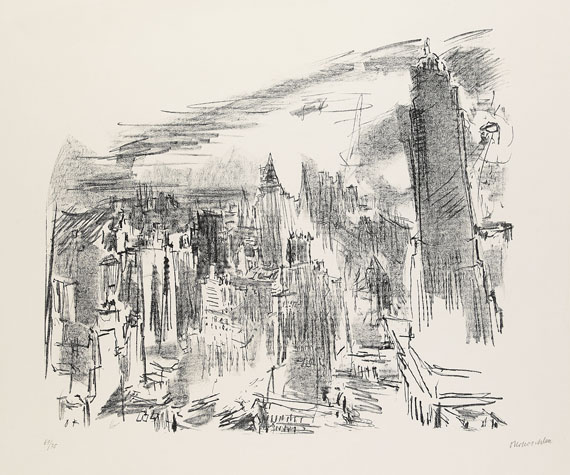
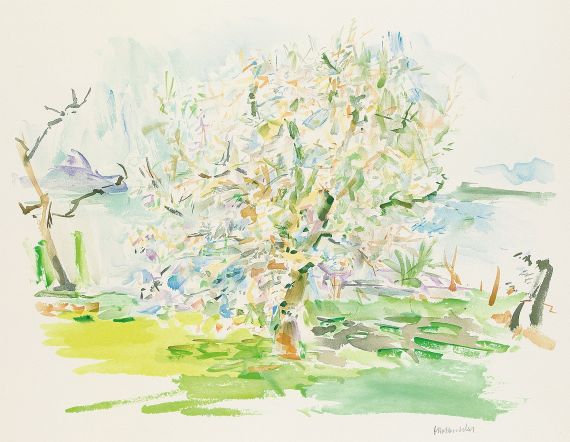
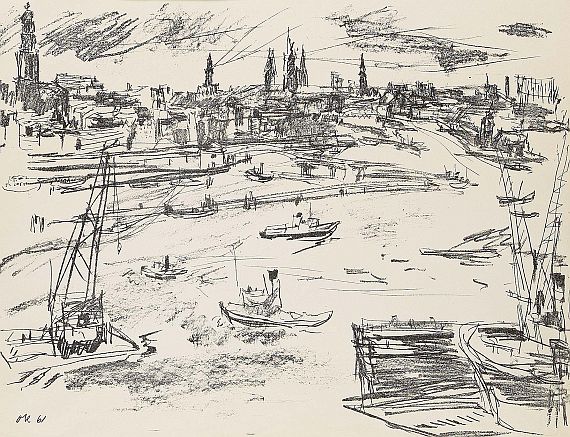
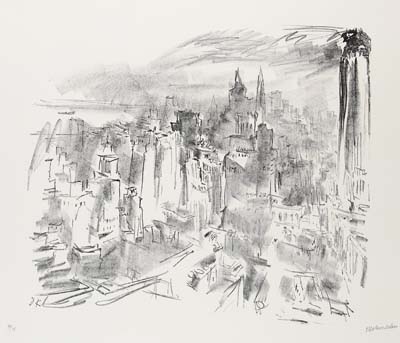
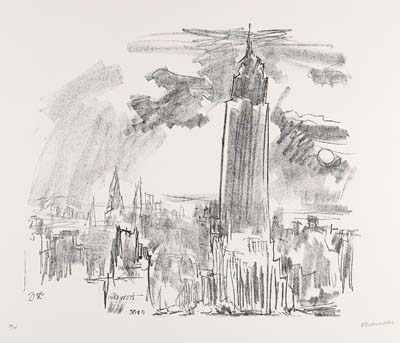
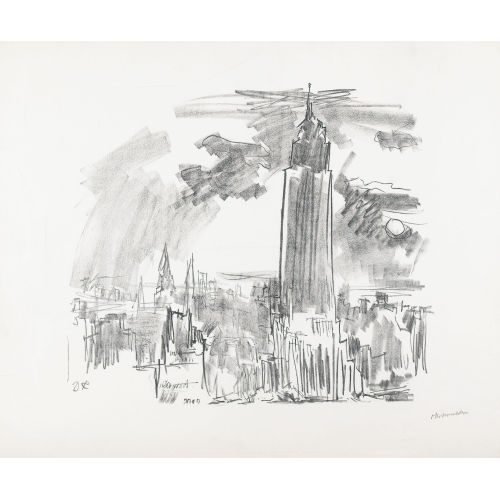
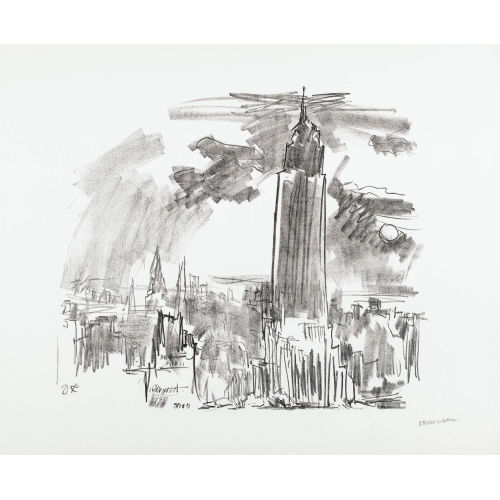
Seriously wounded during the First World War, Kokoschka subsequently taught in Dresden. His travels in the 1920s broadened his field of vision: in urban panoramas observed from elevated vantage points, a more fluid brushstroke sets colour in motion and animates space. Landscape becomes as much an experience of movement as a representation of a place.
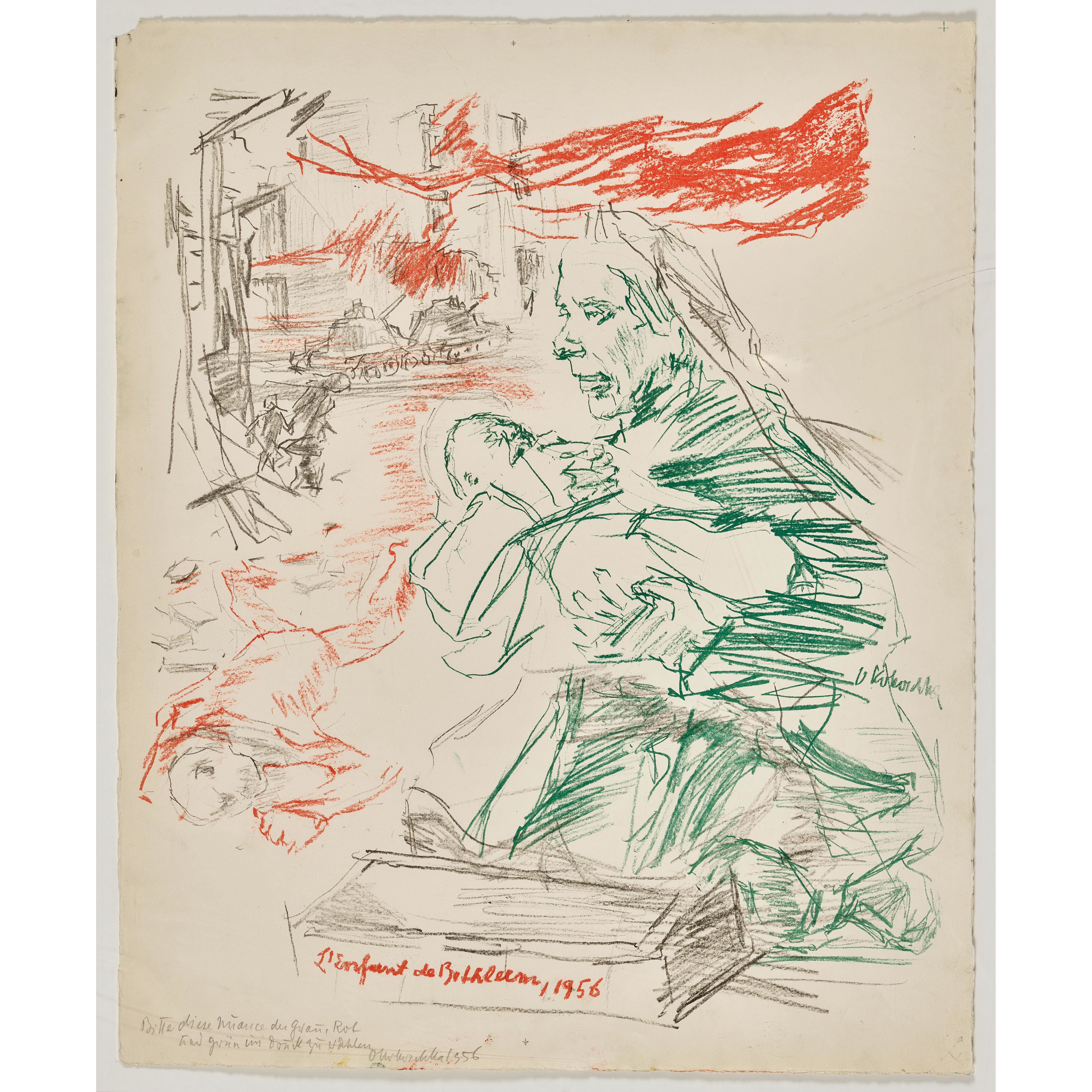
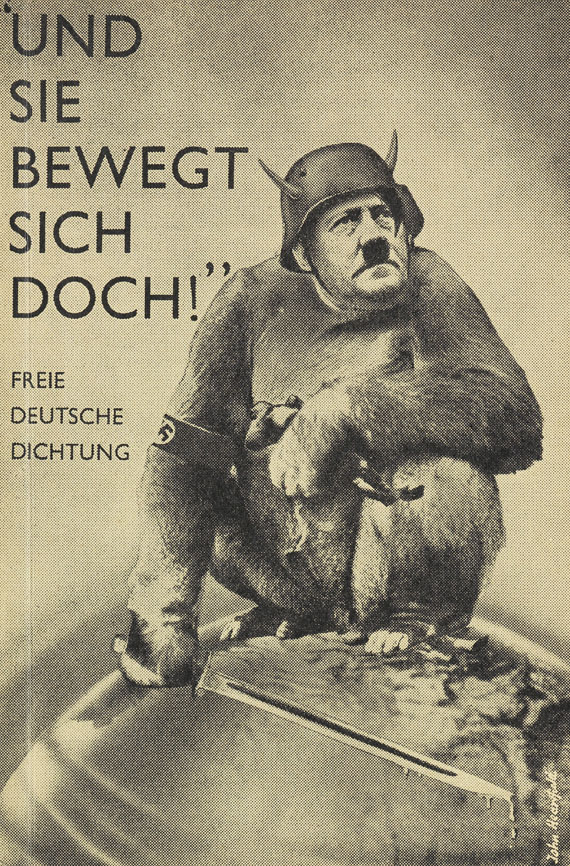
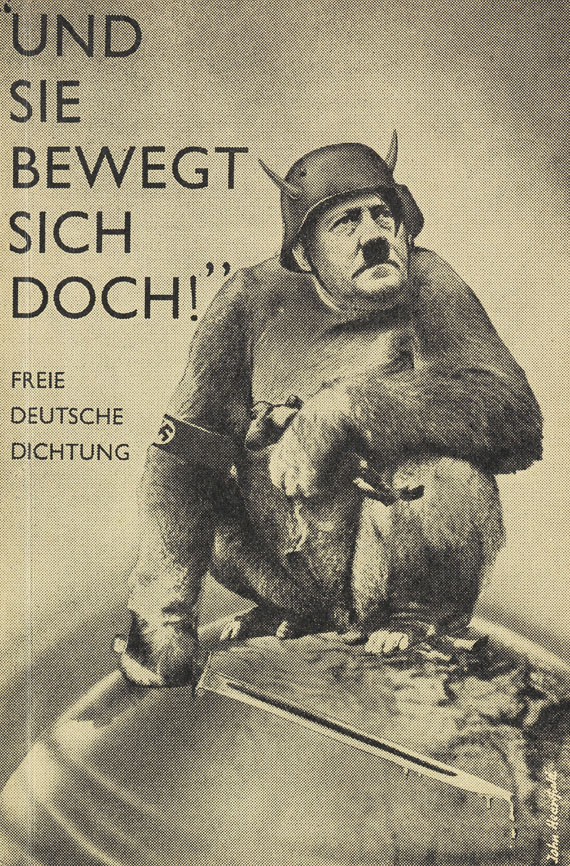
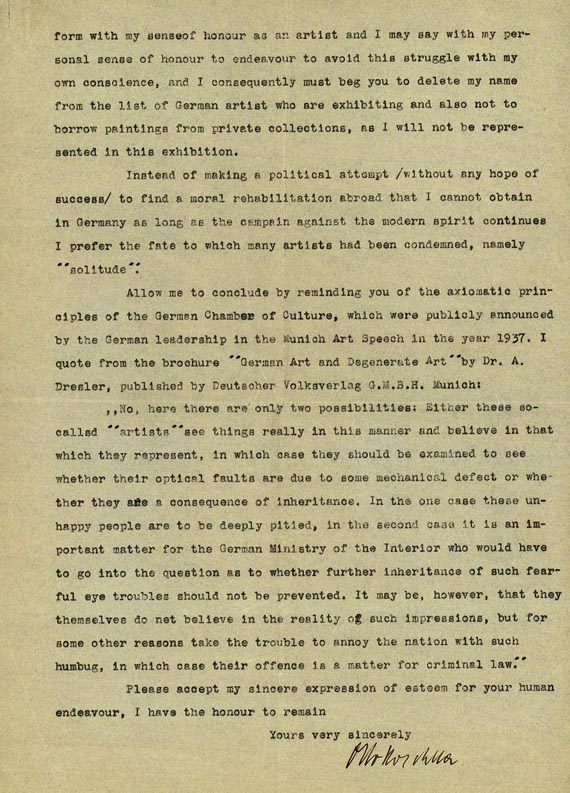
Settling in Prague in 1934, and denounced as a “degenerate” artist by the Nazi regime, he reached Great Britain in 1938. His political allegories gave painting a function of testimony and resistance. He obtained British nationality in 1947.
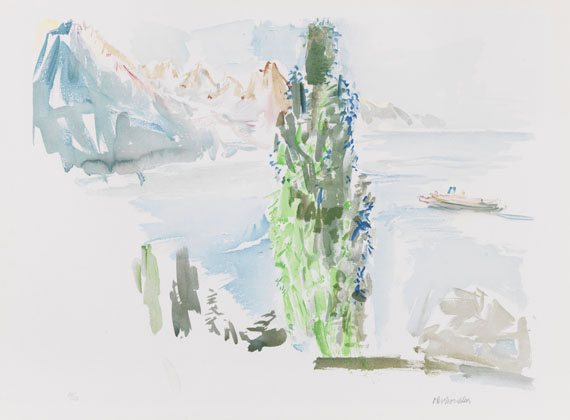
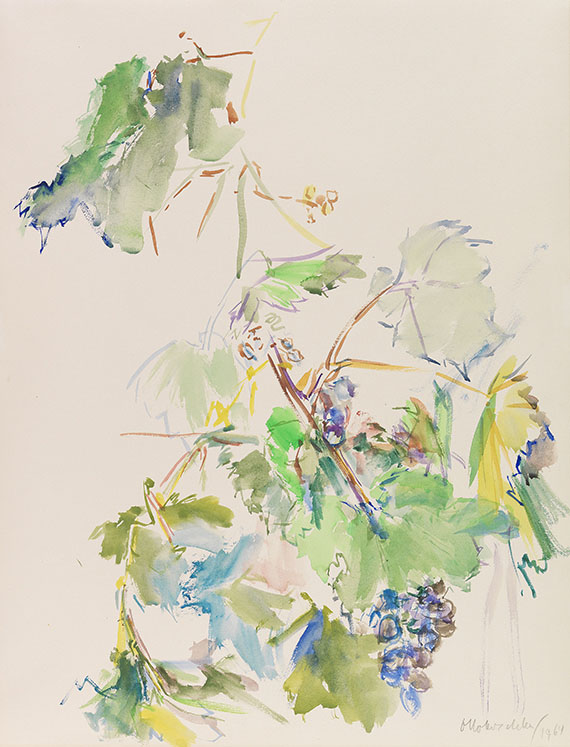
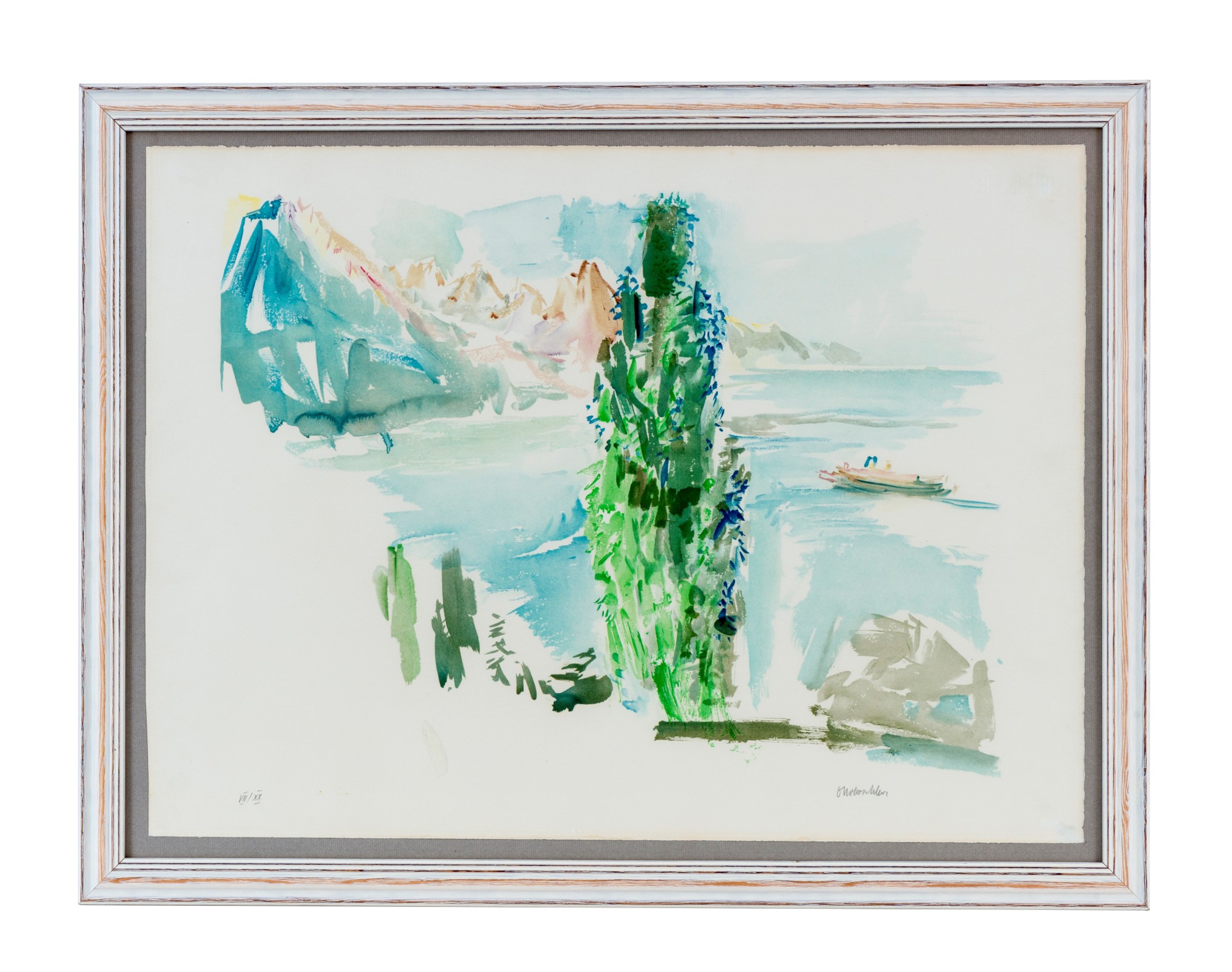
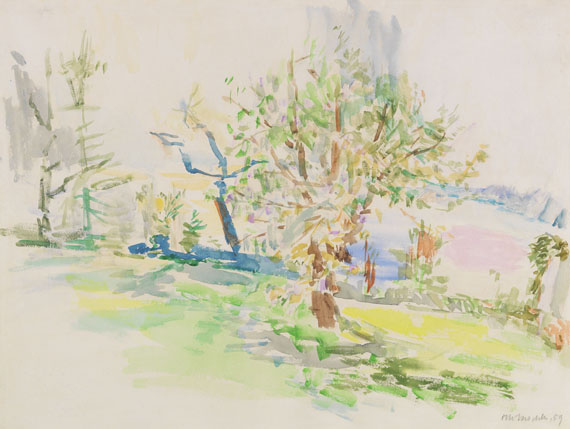
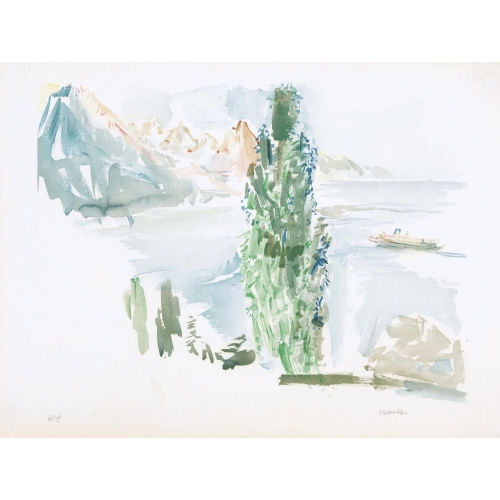
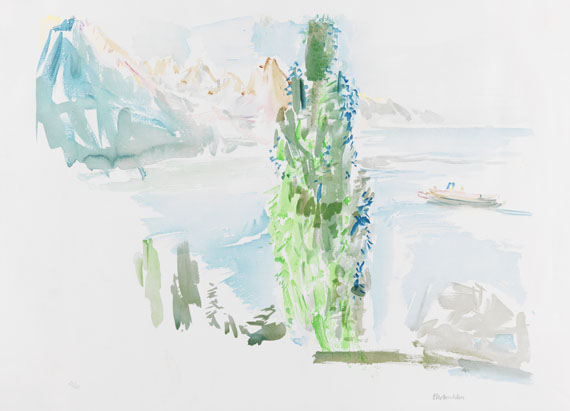
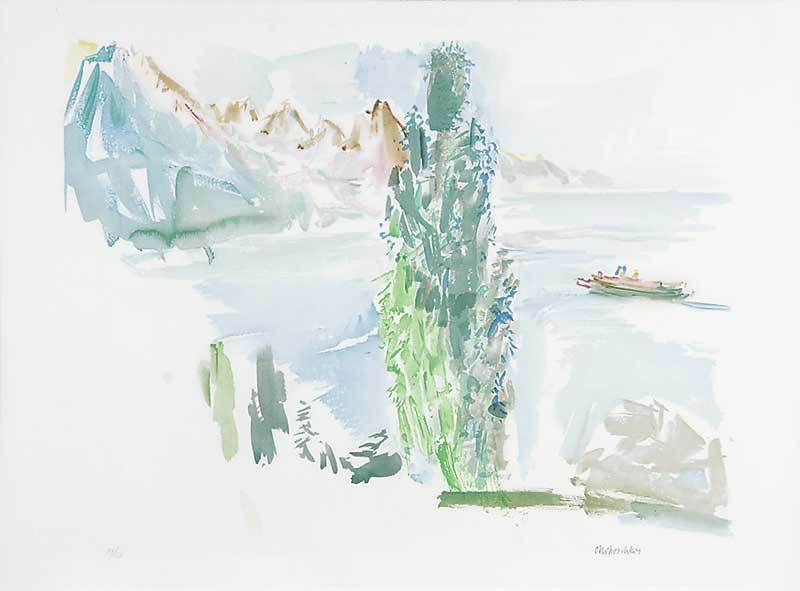
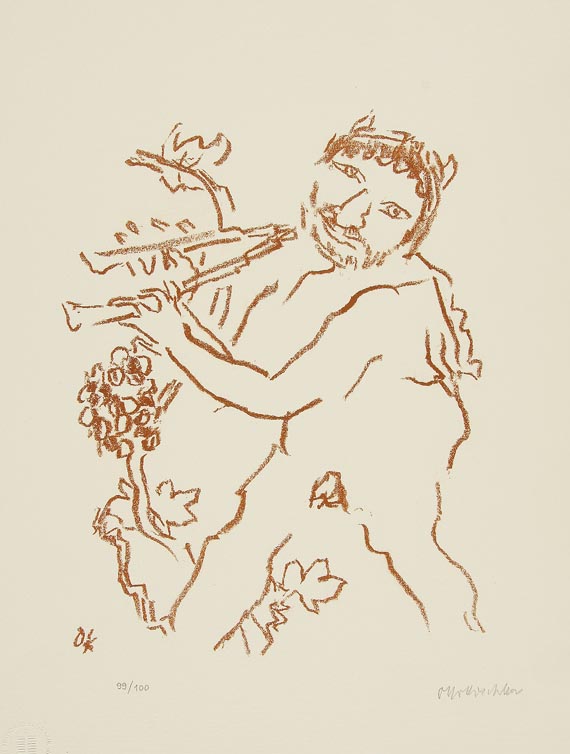
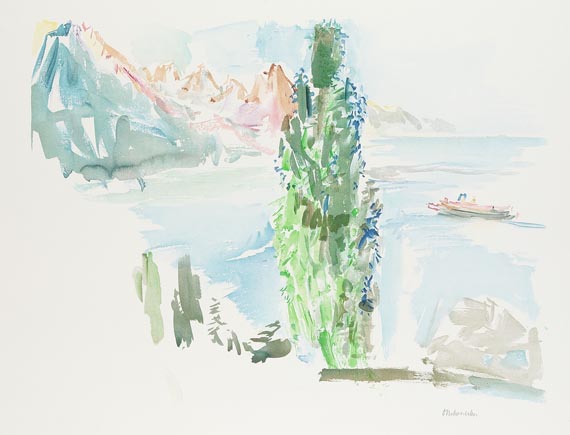
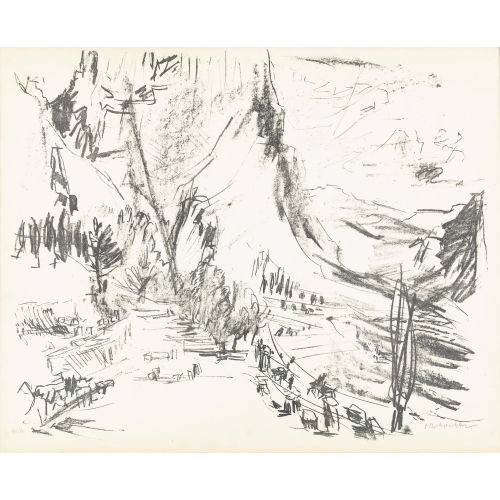
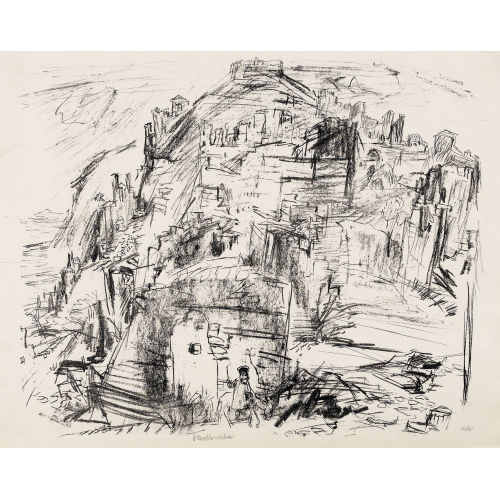
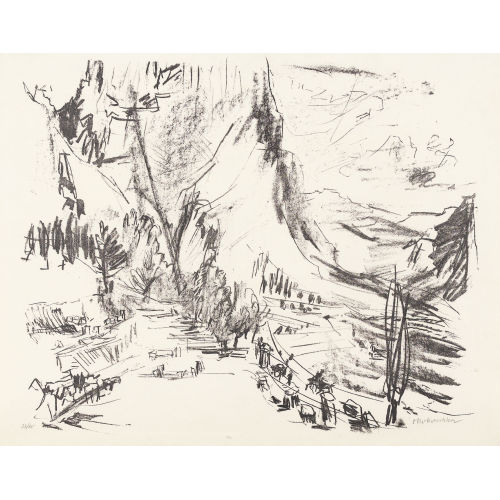
Switzerland occupies an enduring place in his work. Vignoble près de Sion, painted in 1947, reinvents the organisation of the landscape: the vineyards and mountains surround the town like a refuge. In 1953, Kokoschka settled in Villeneuve and opened his École du regard in Salzburg.
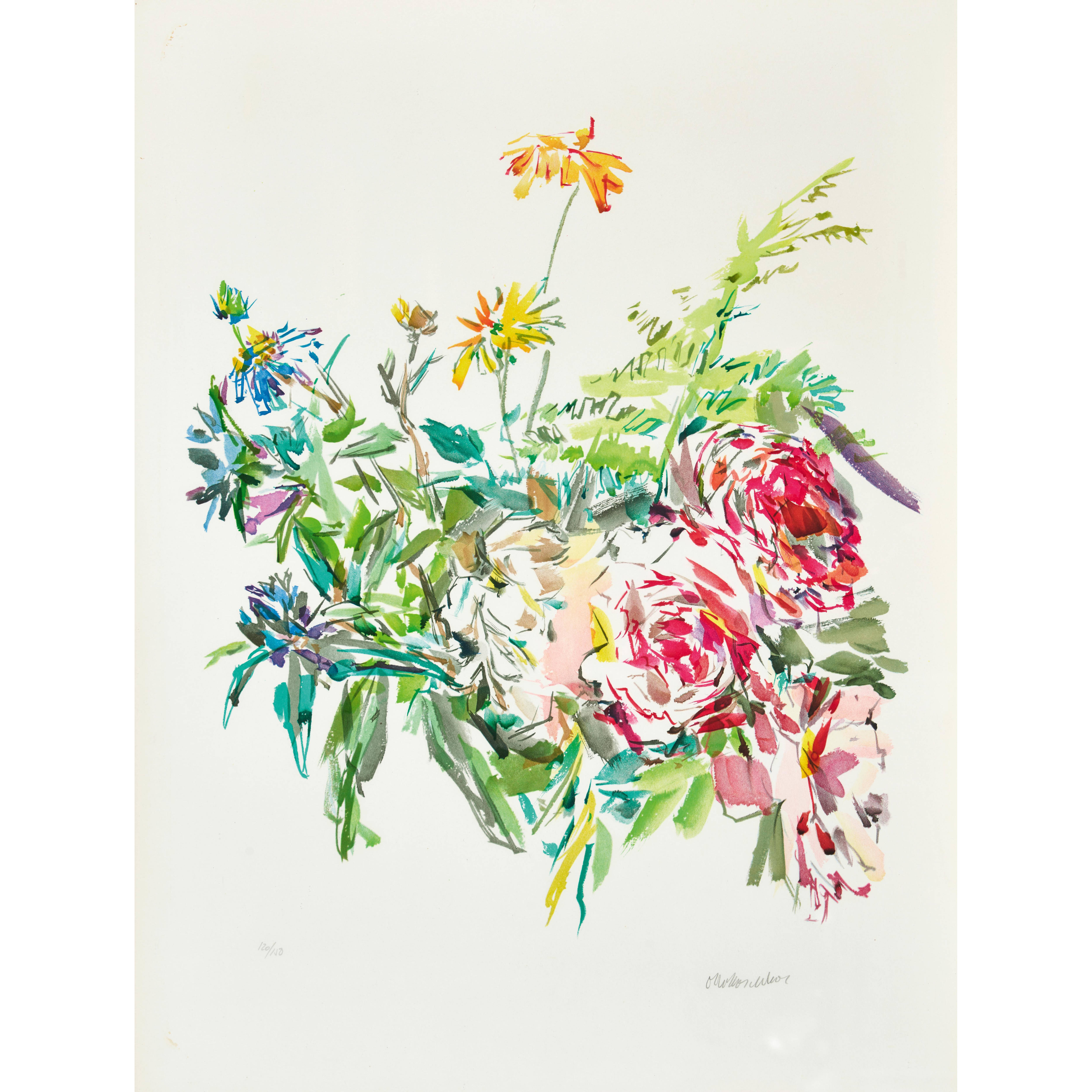
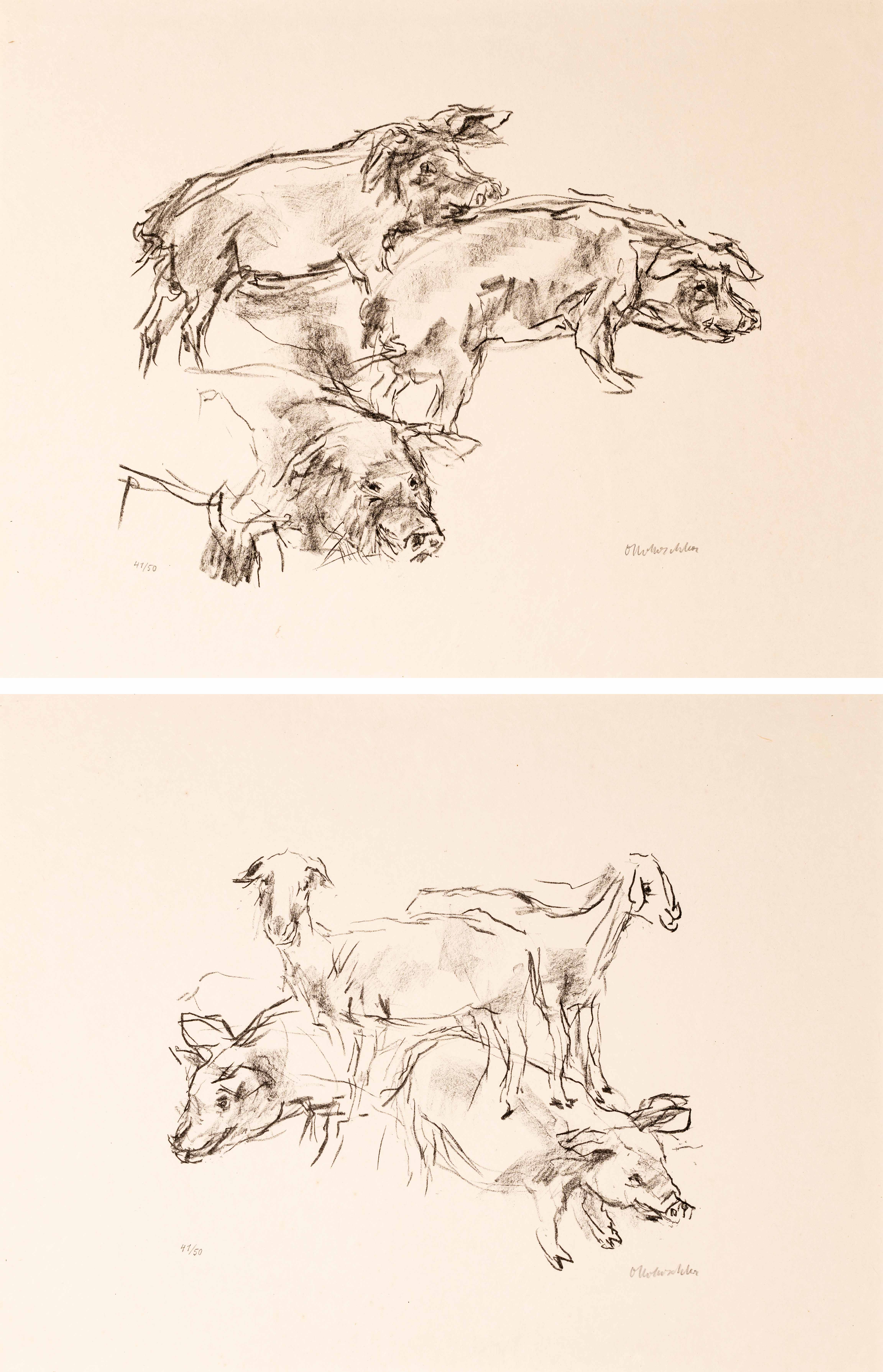
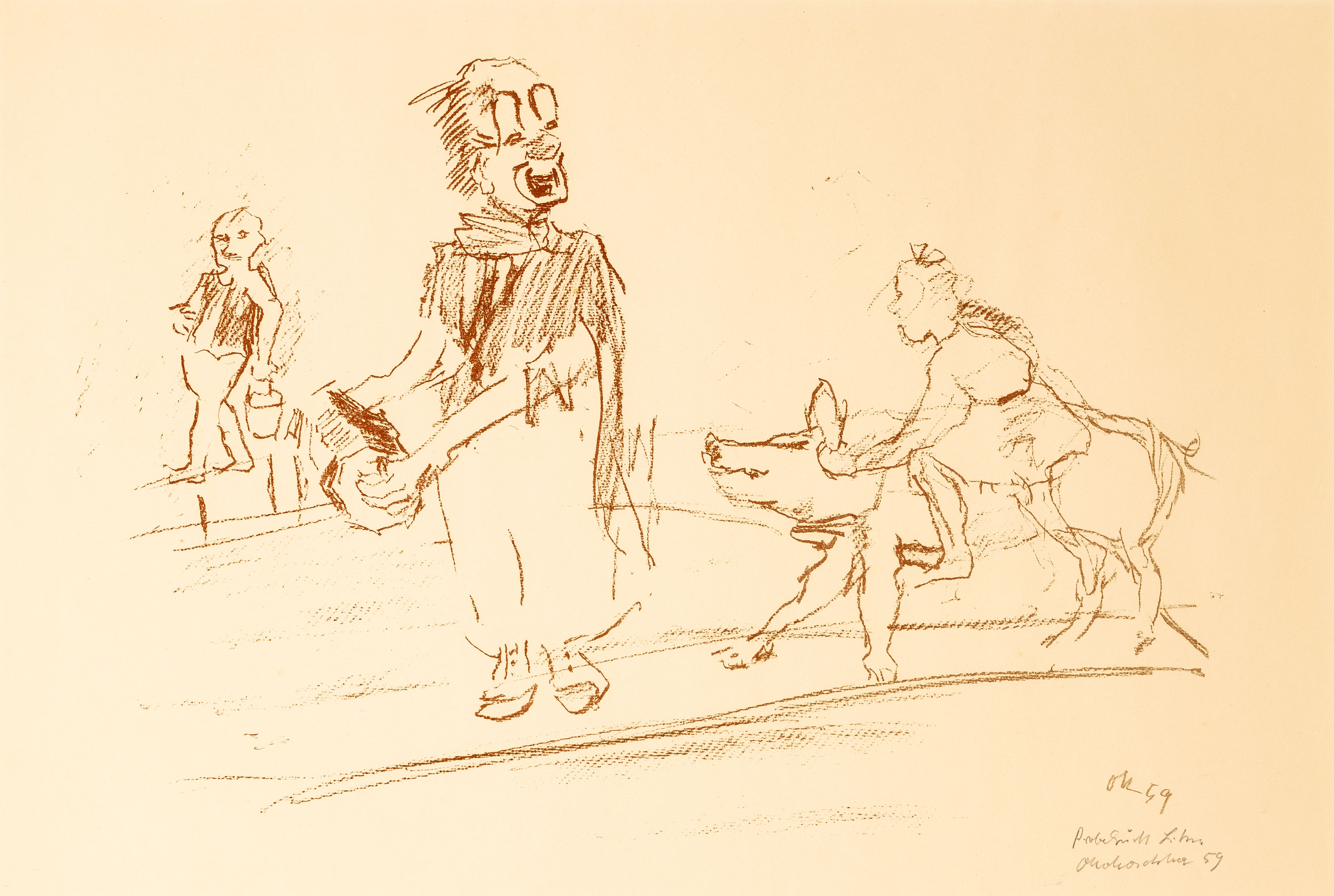
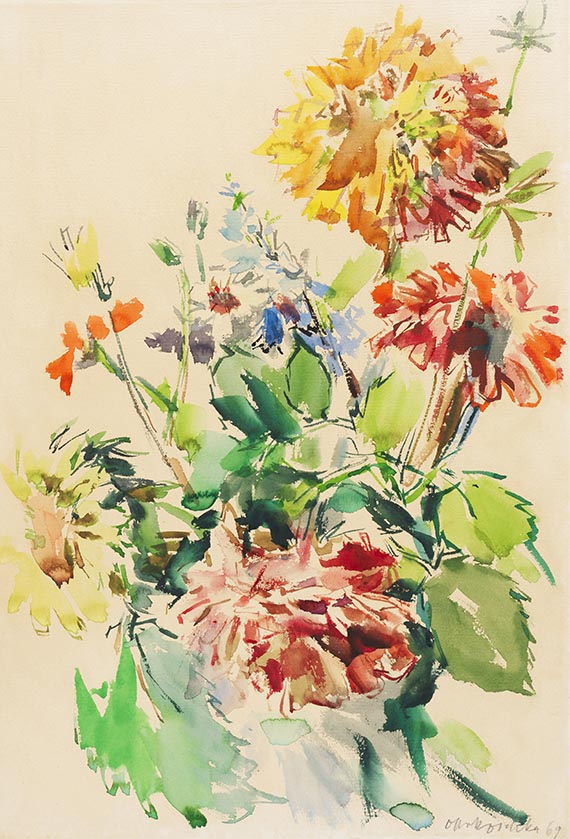
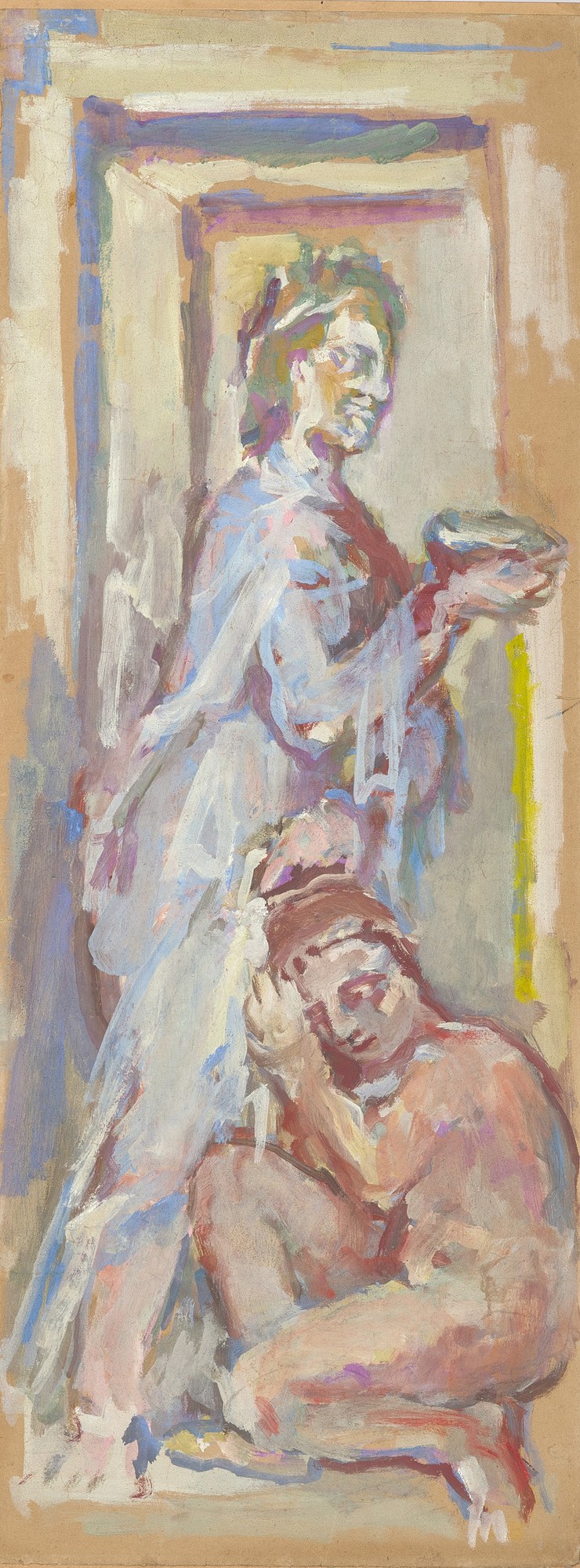
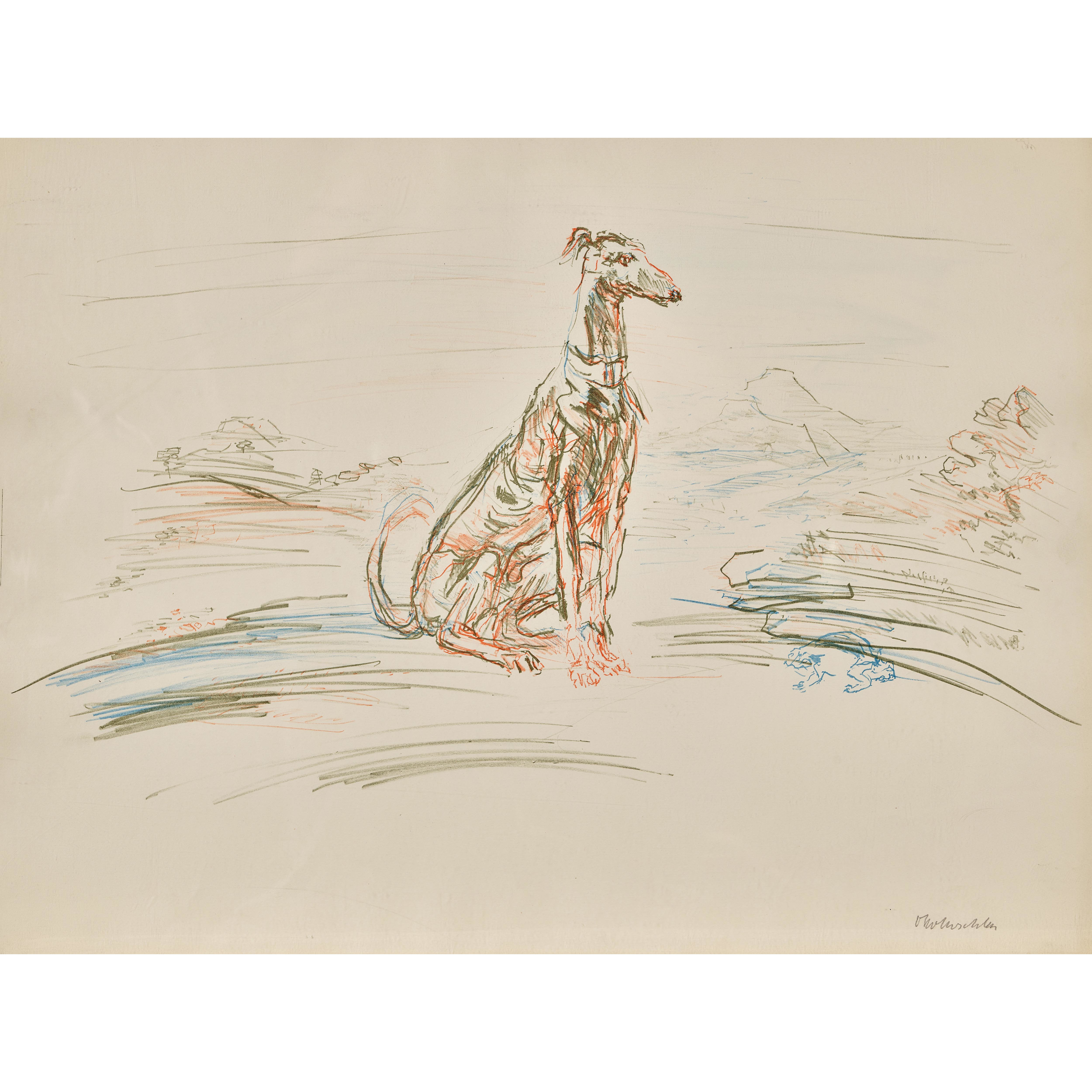
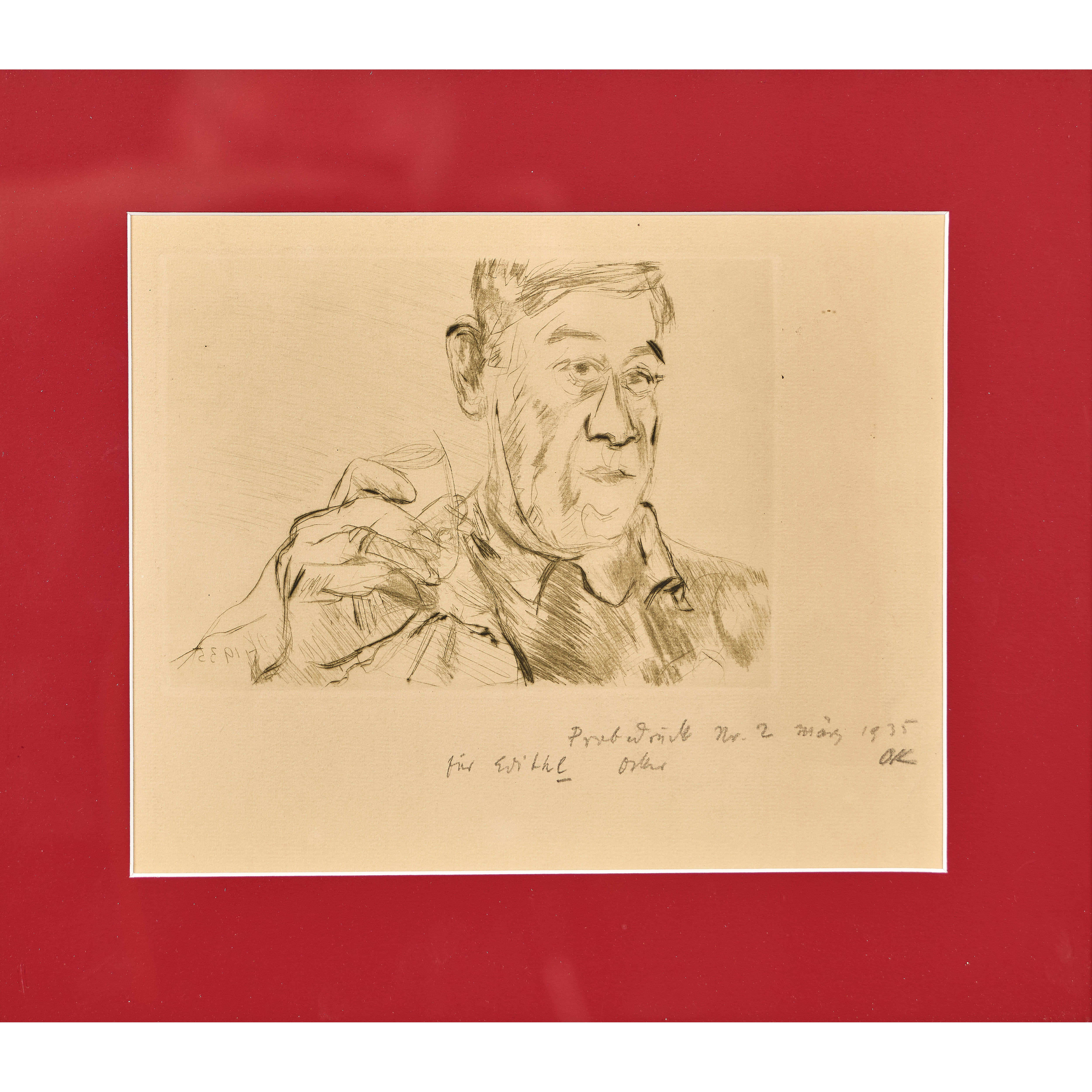
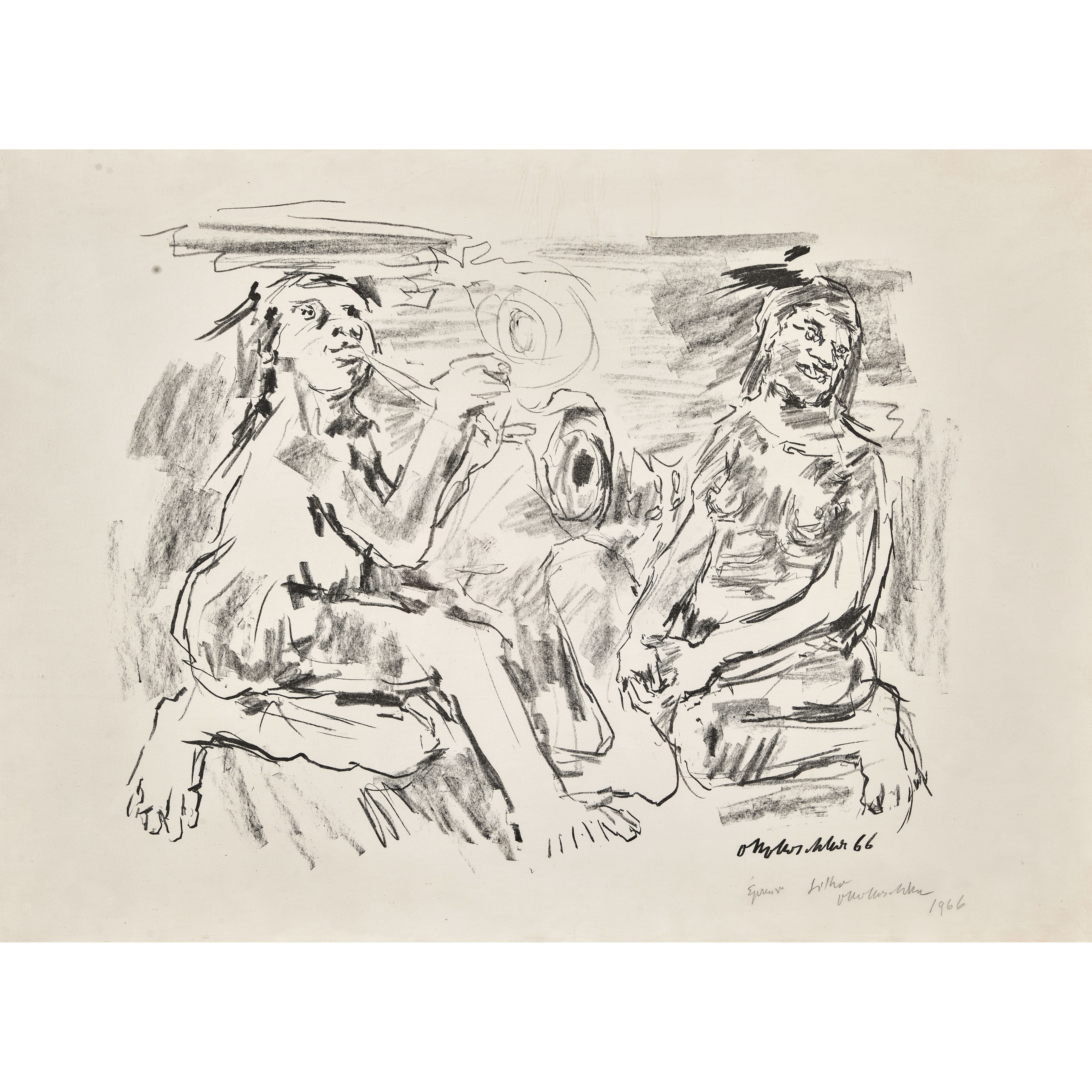
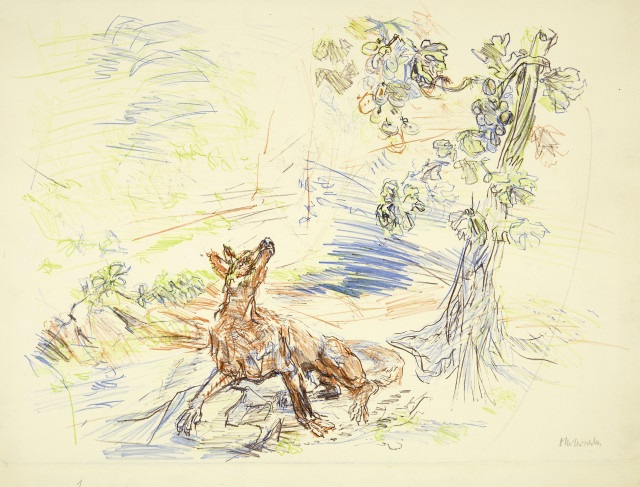
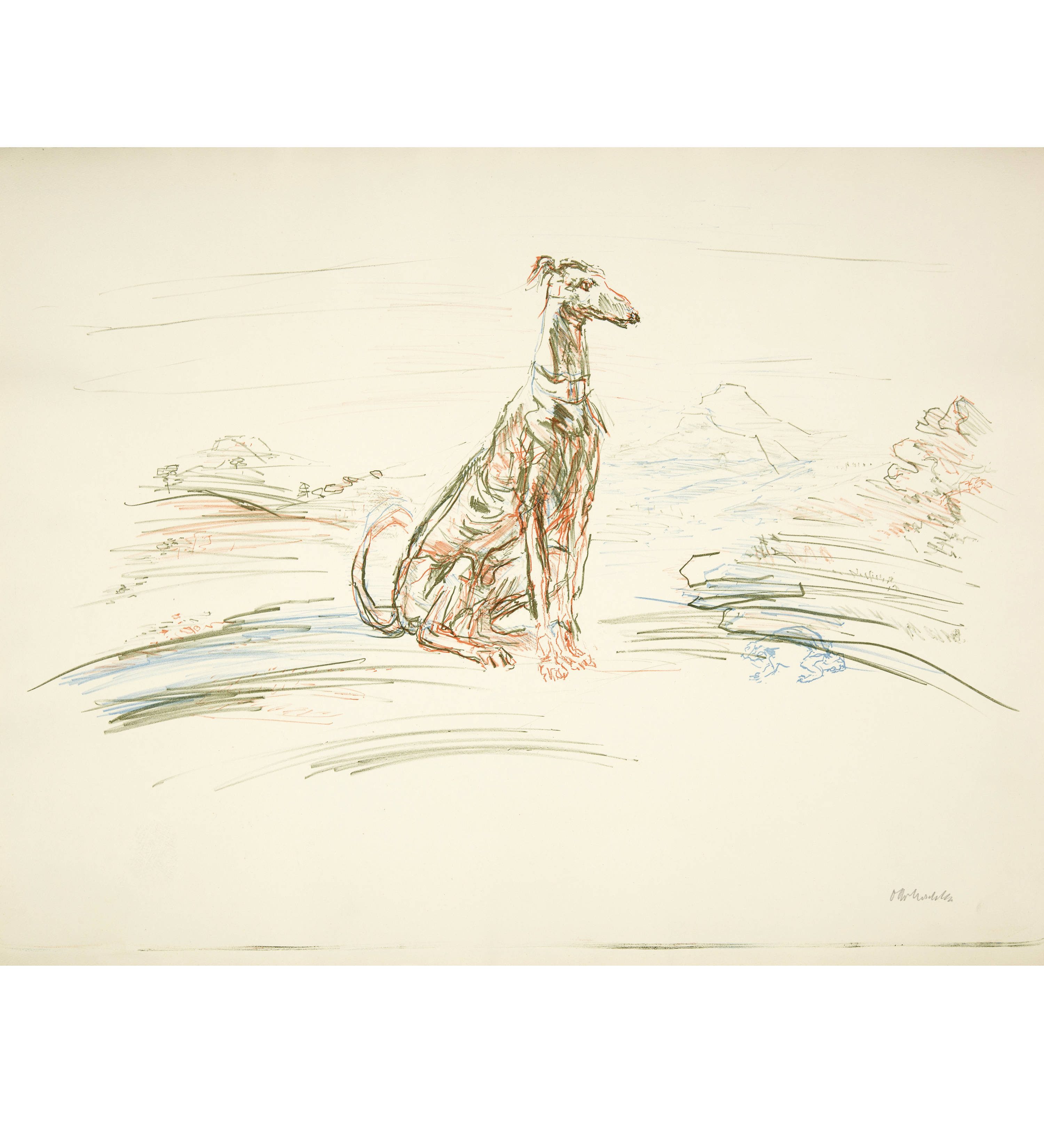
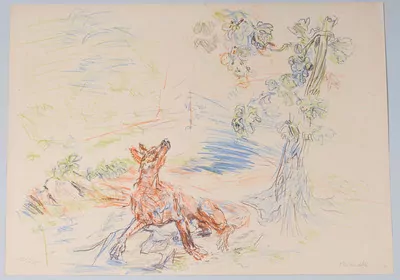
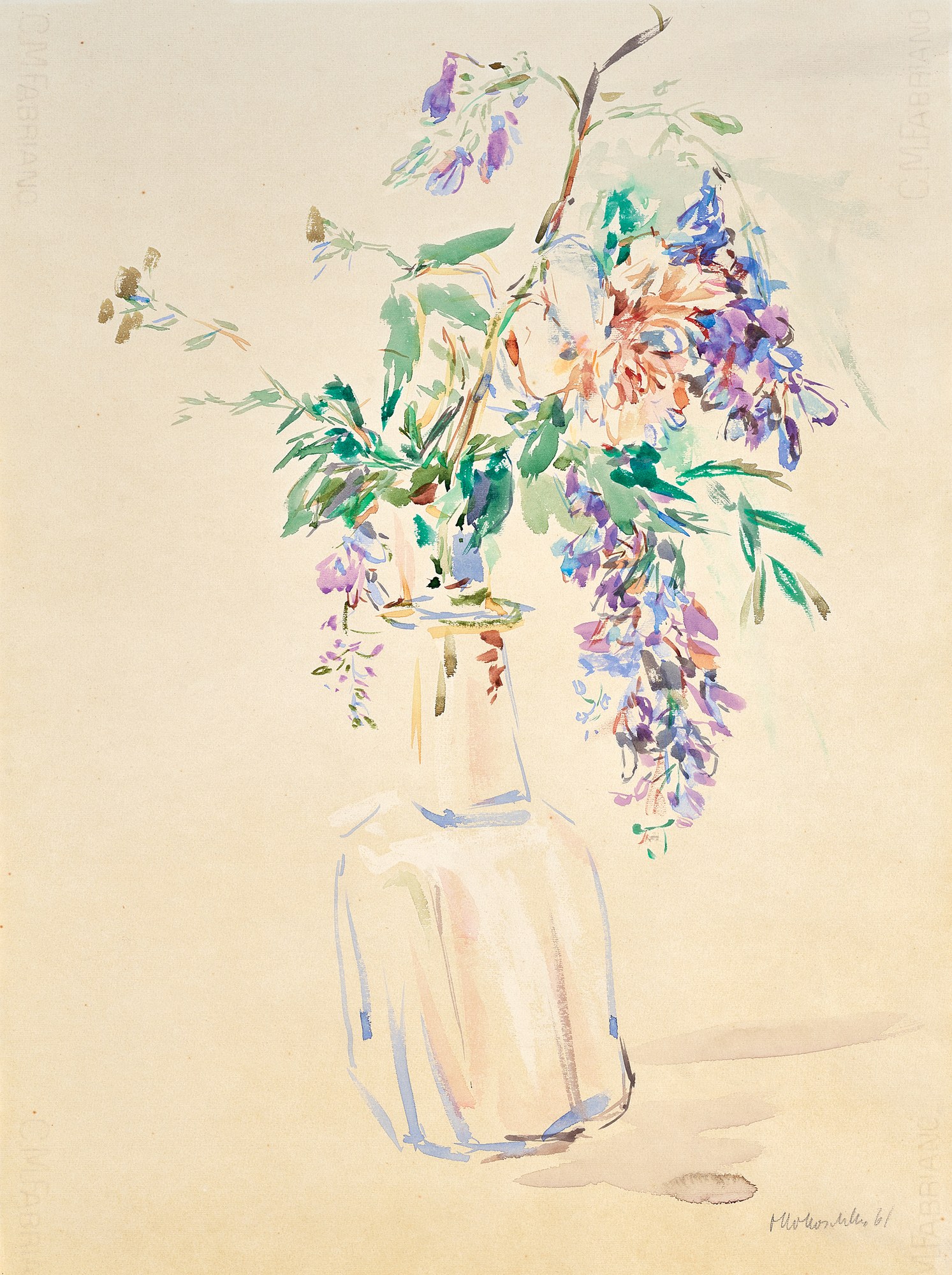
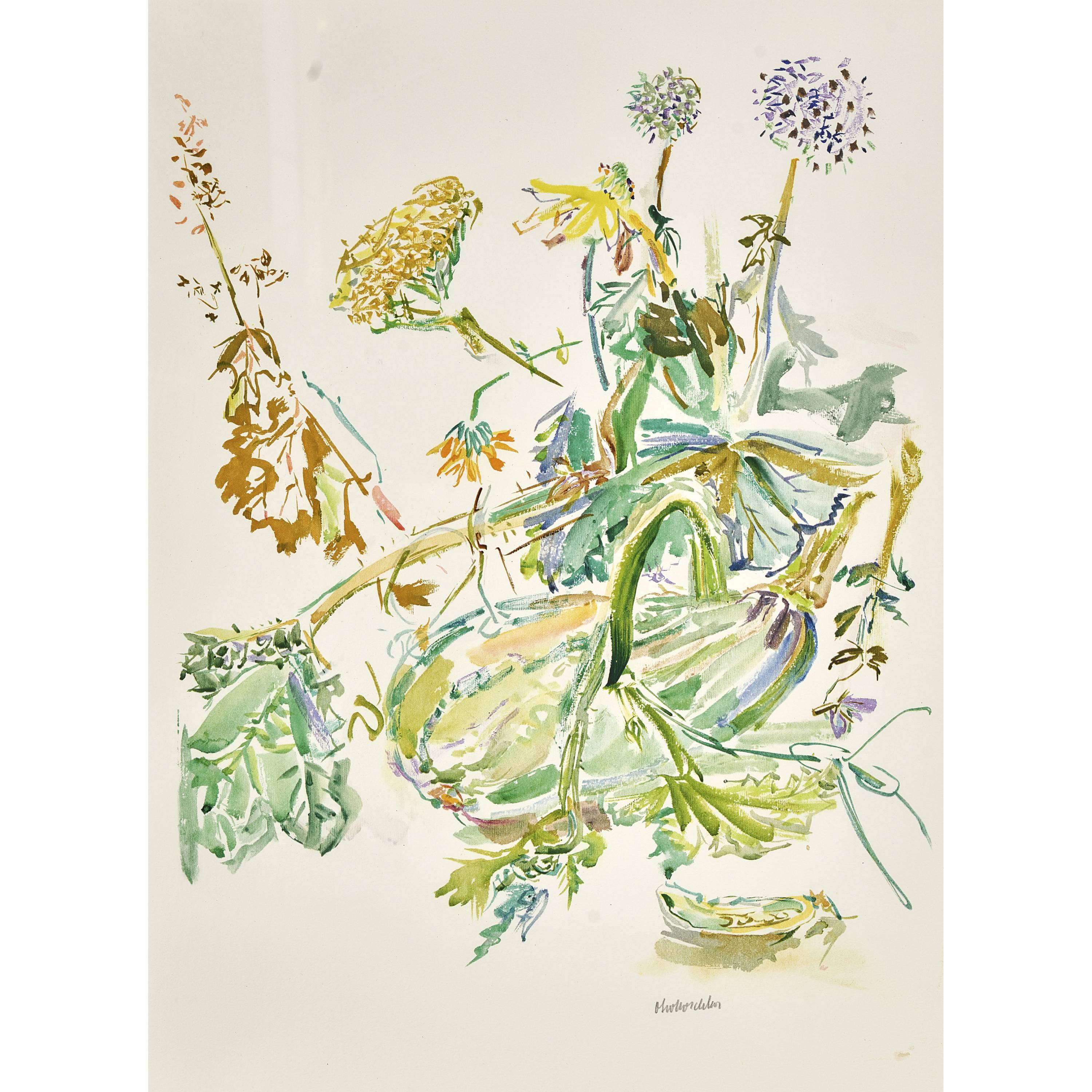
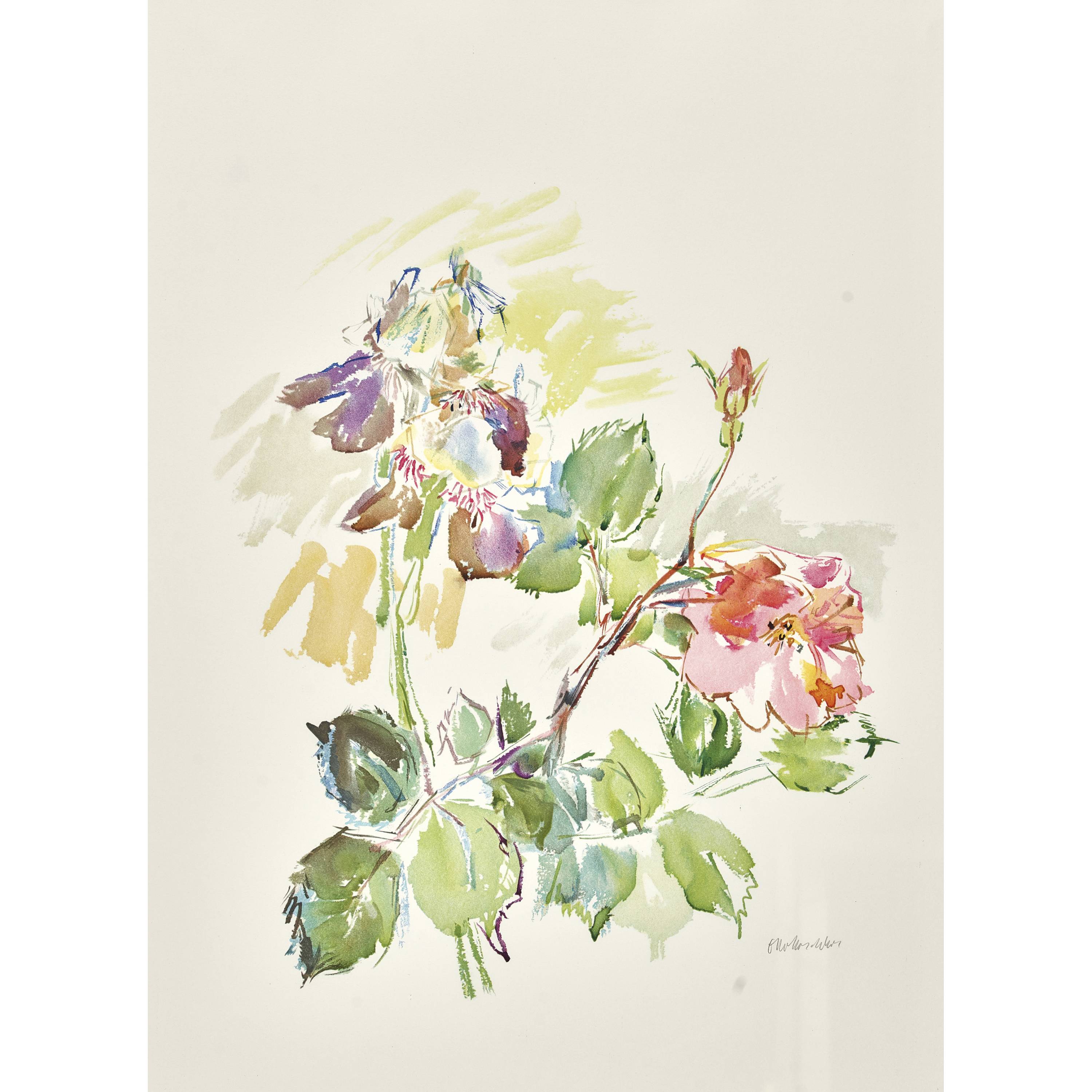
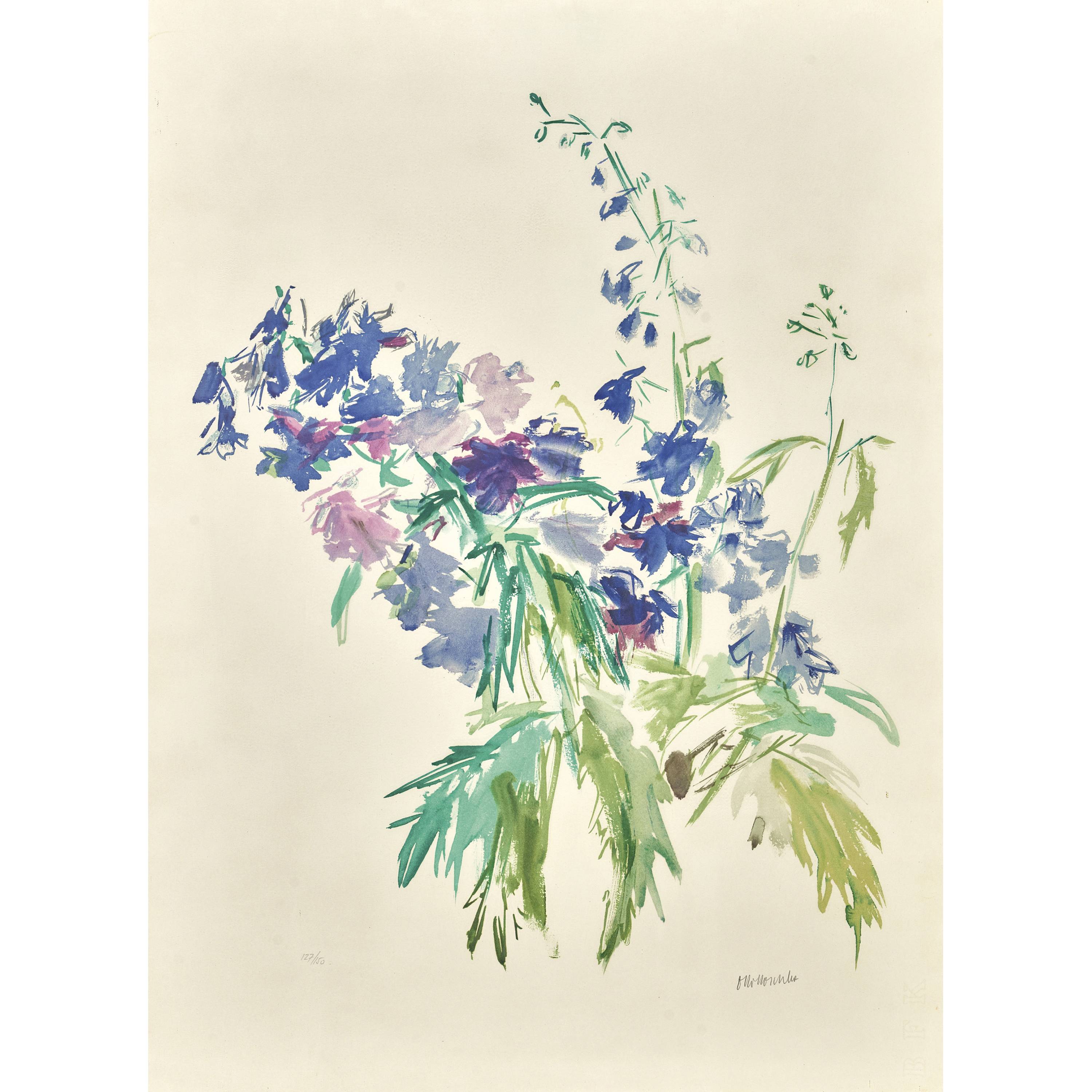
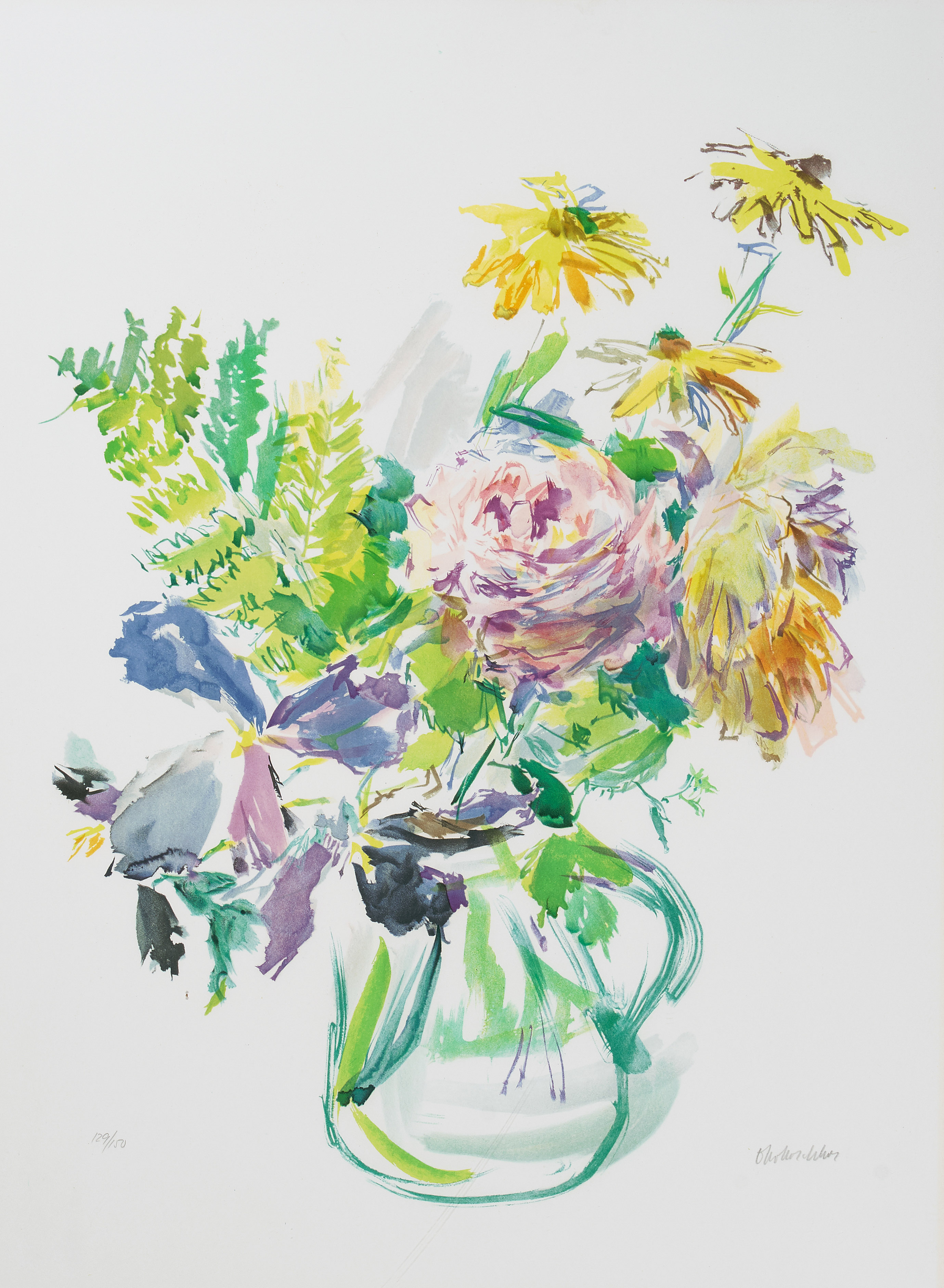
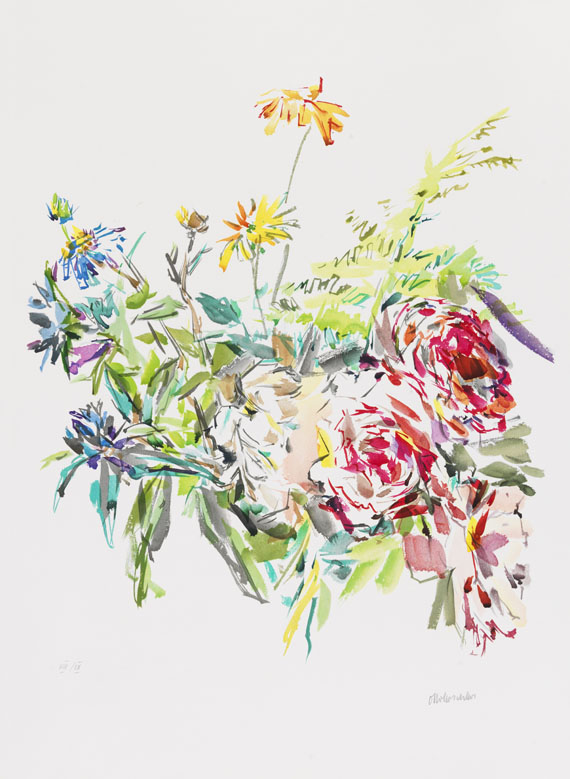
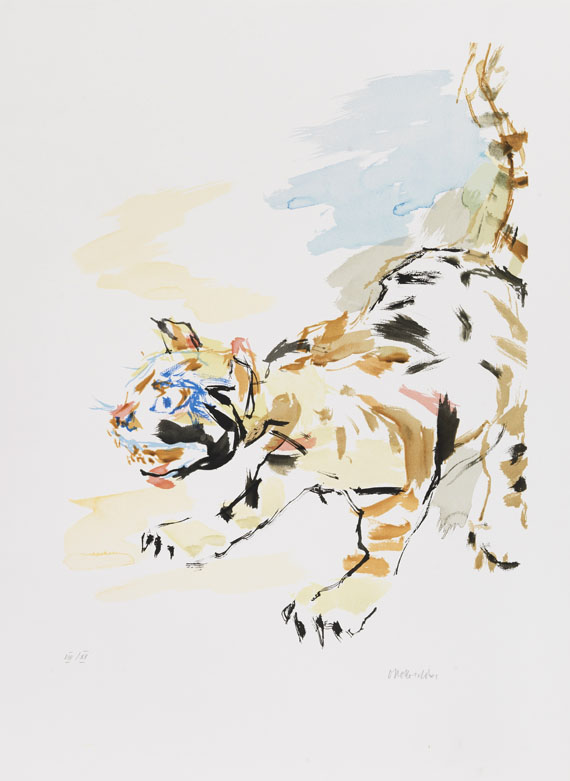
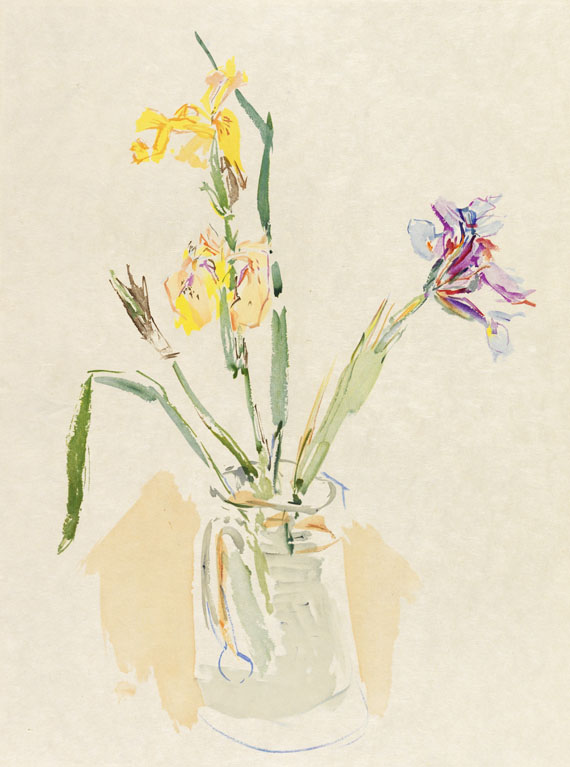
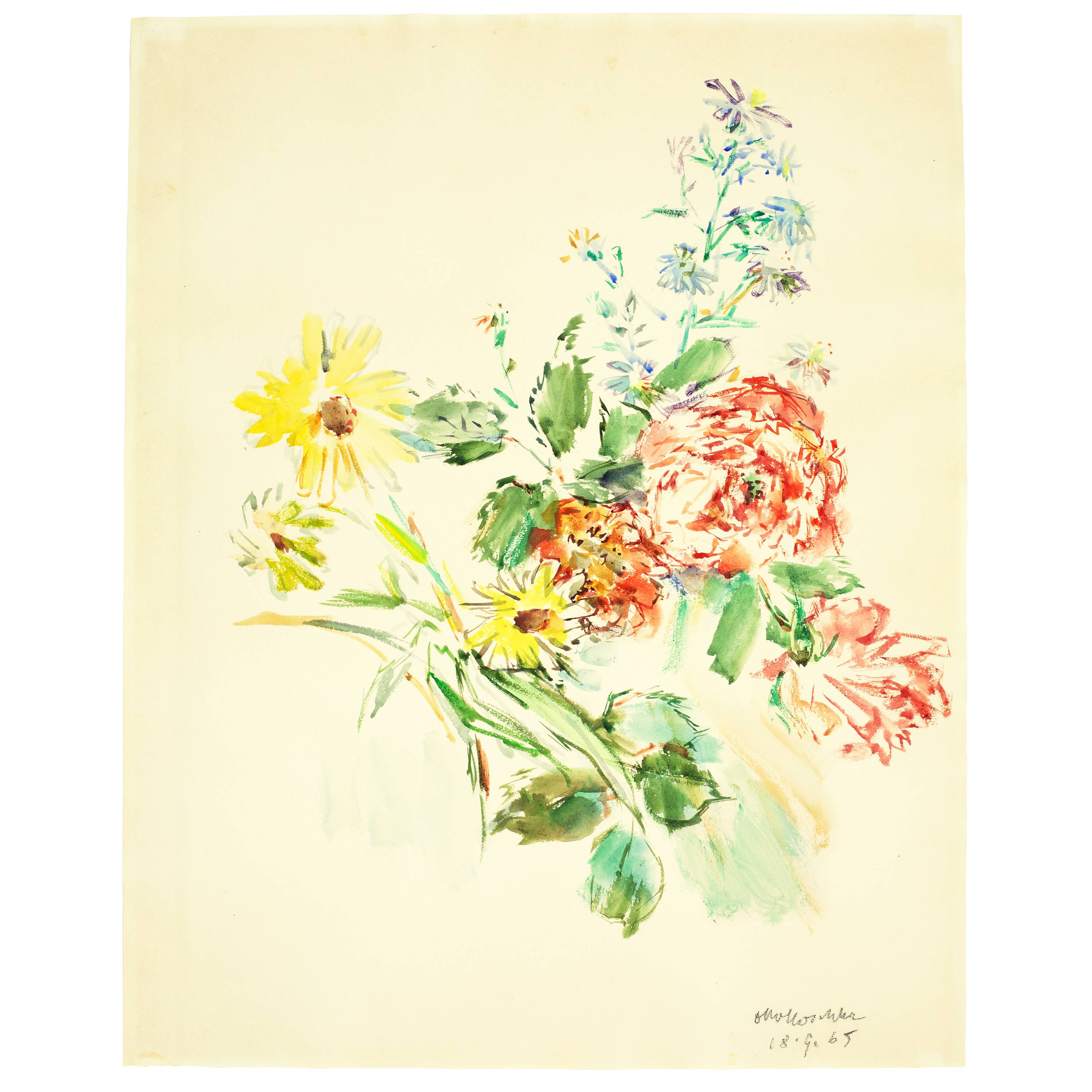
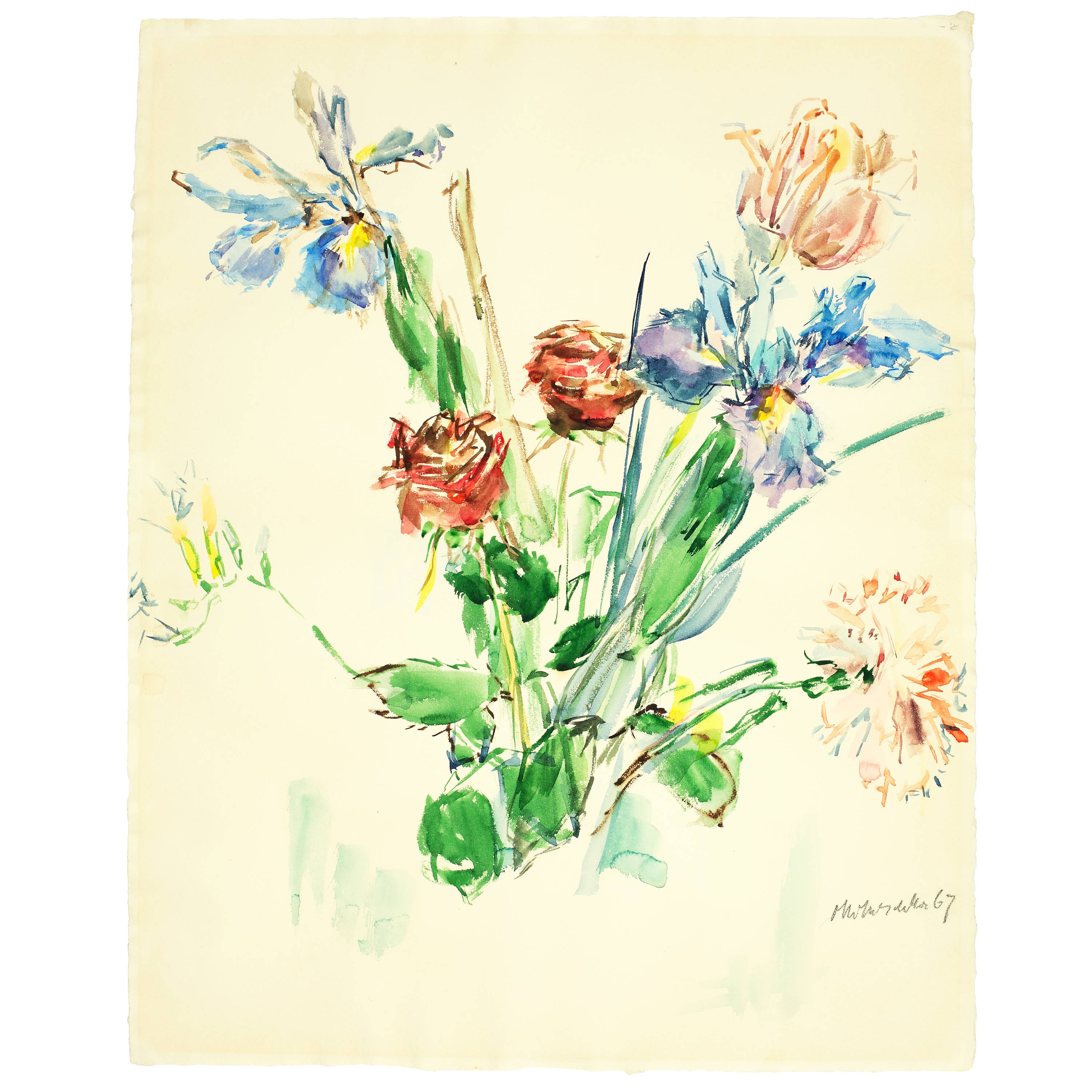
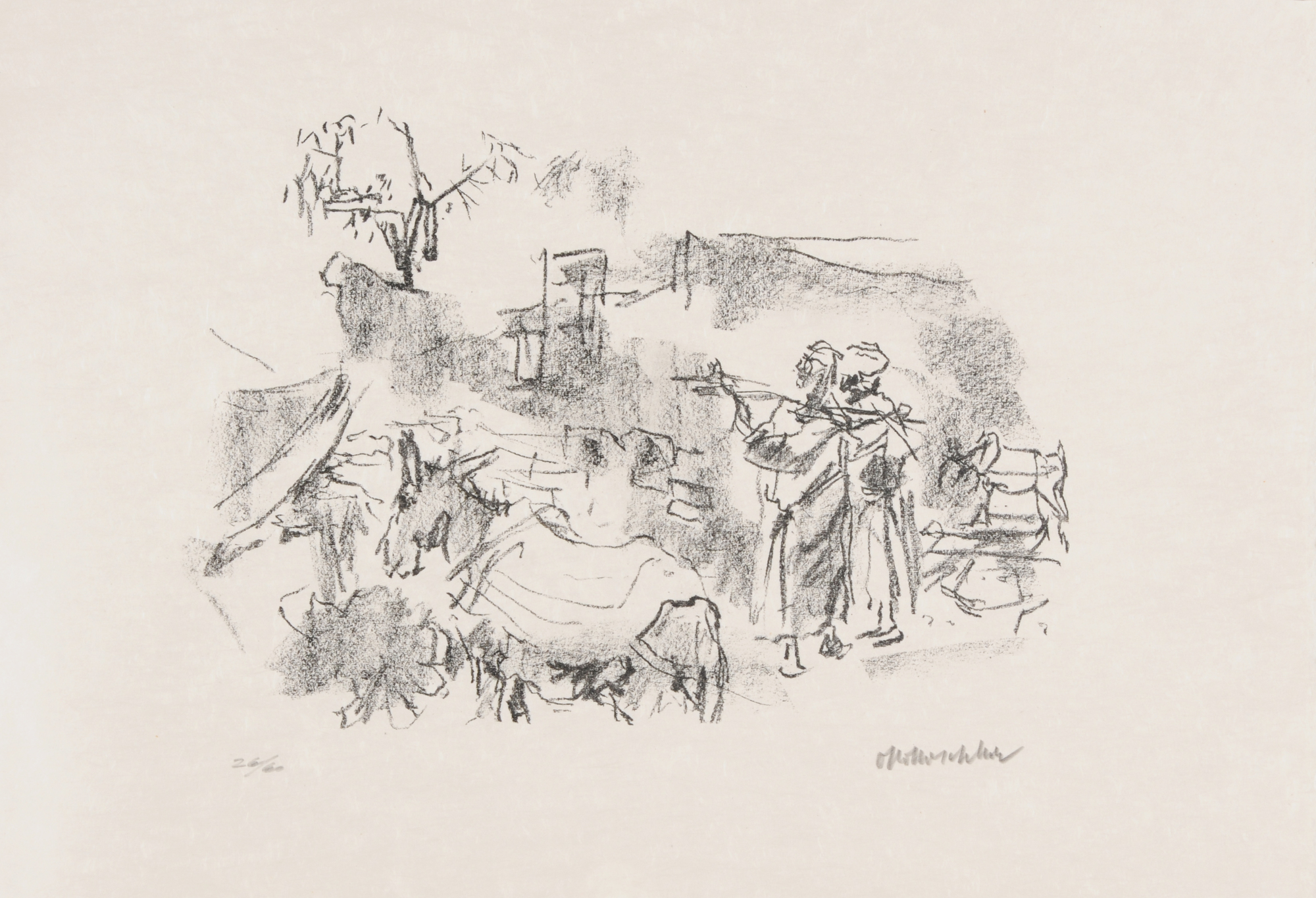
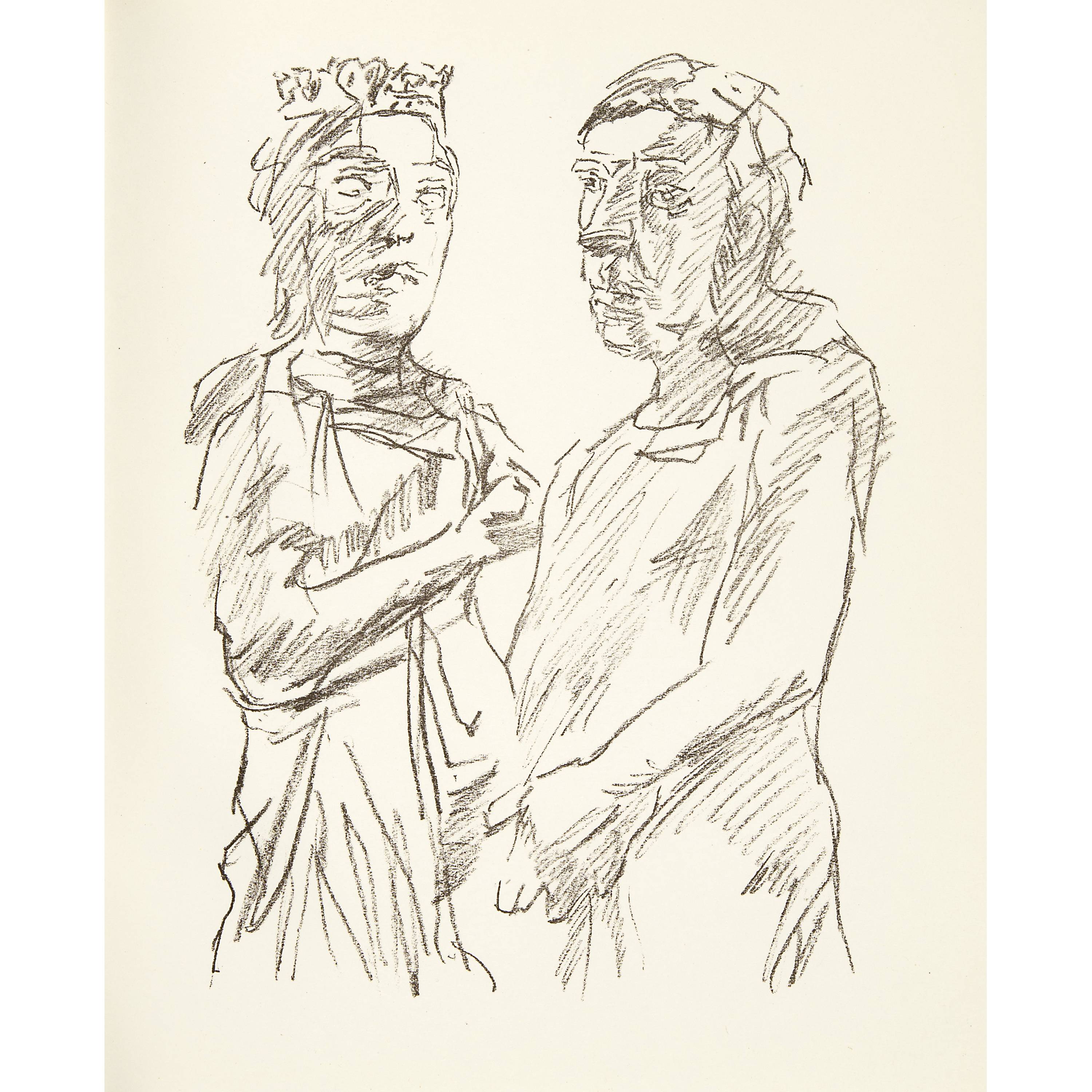
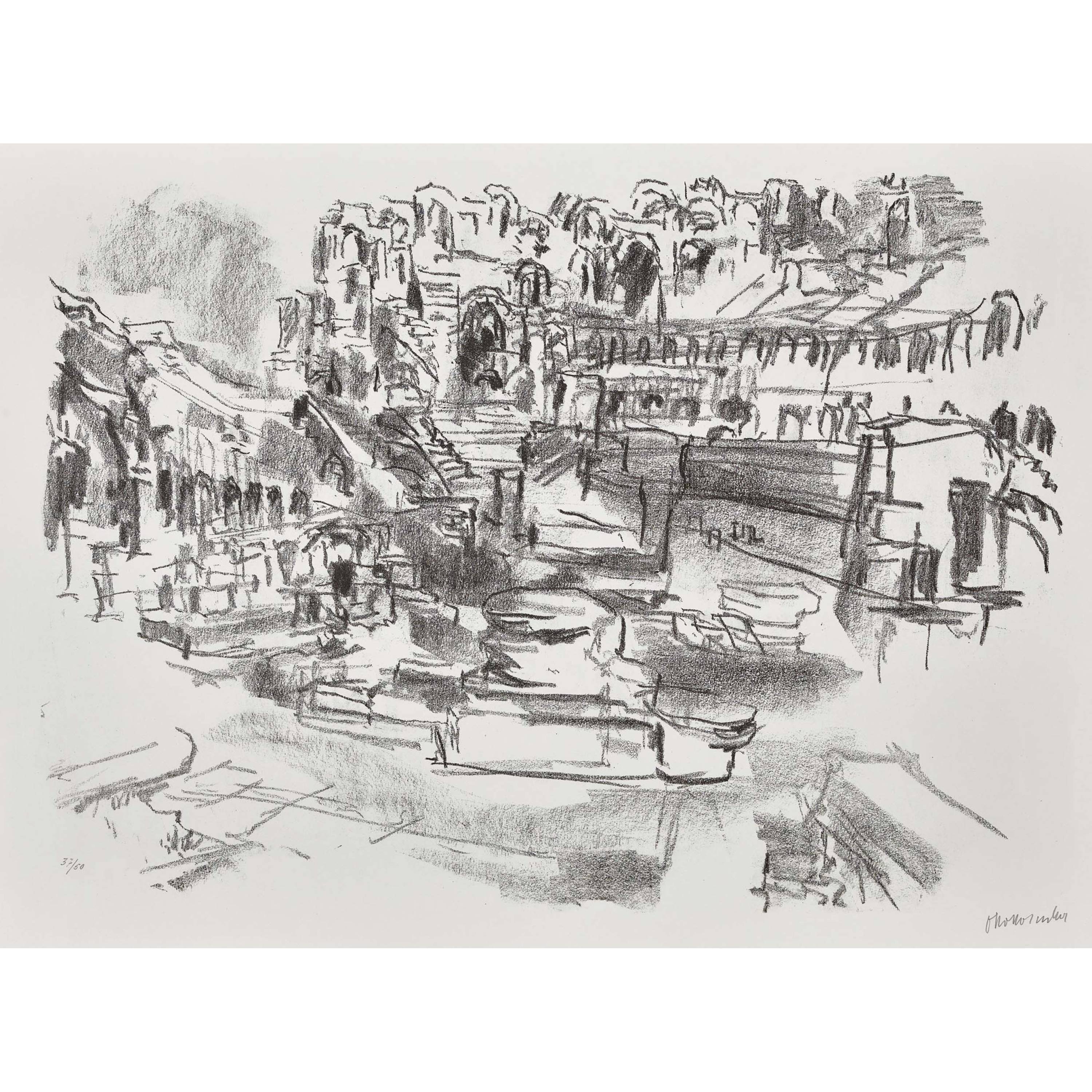
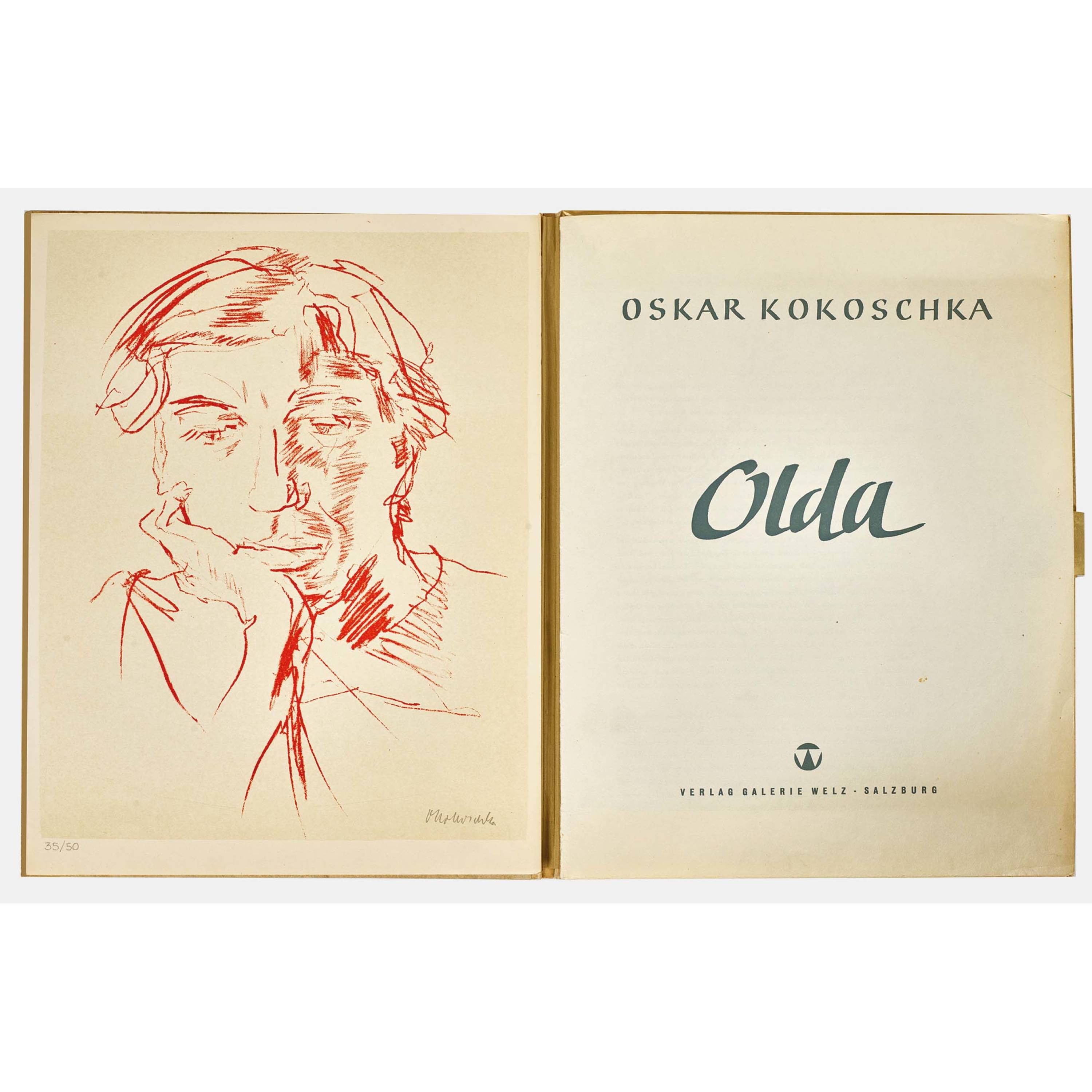
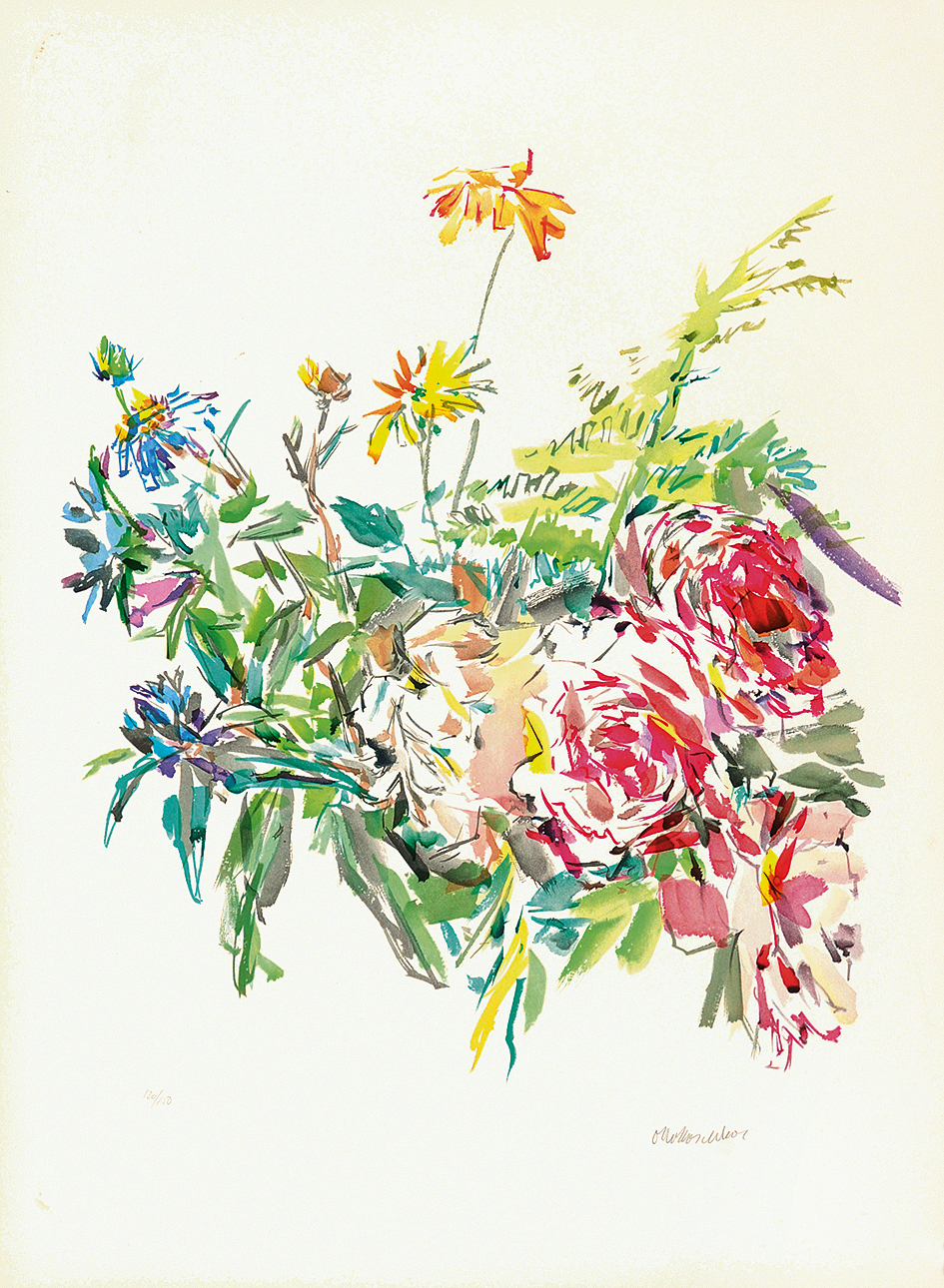
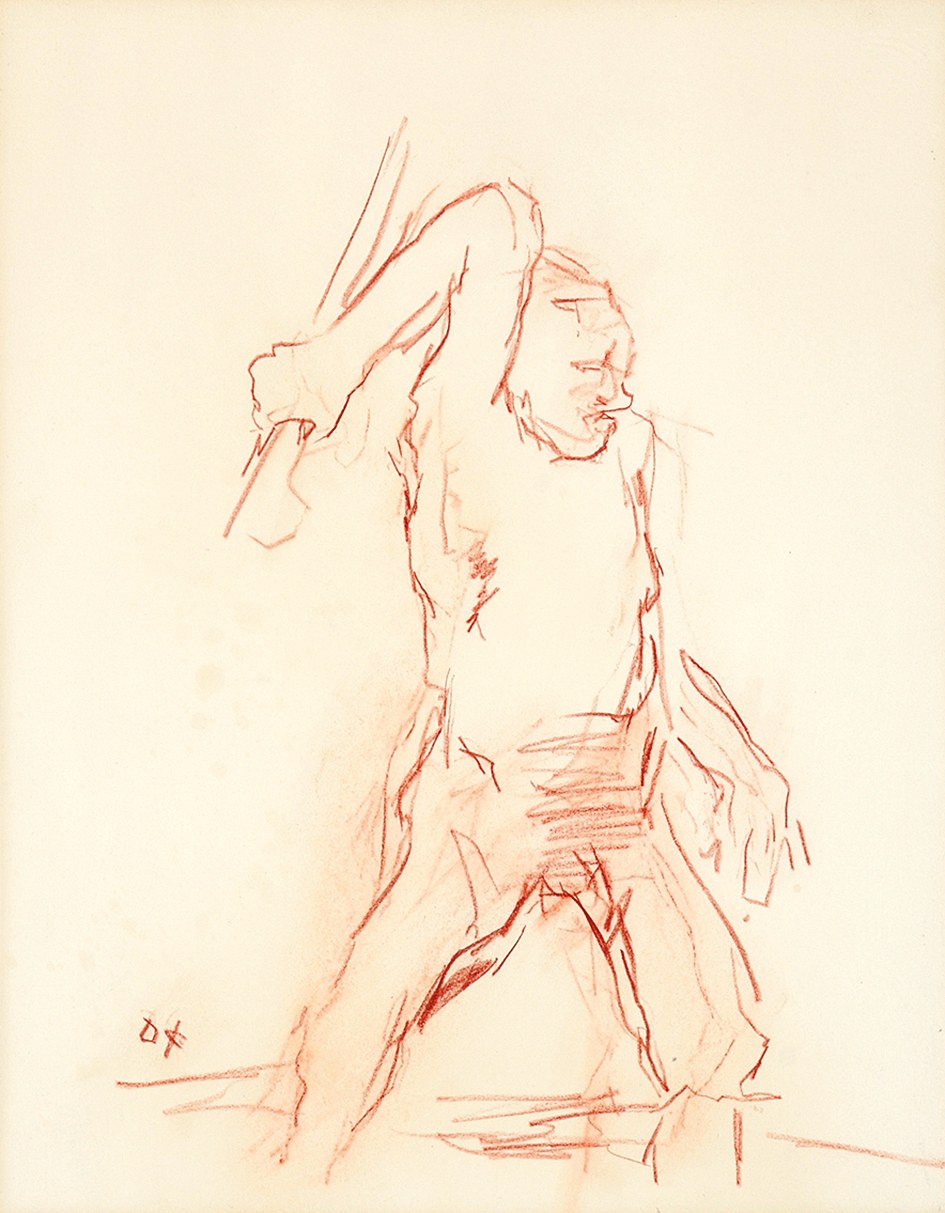
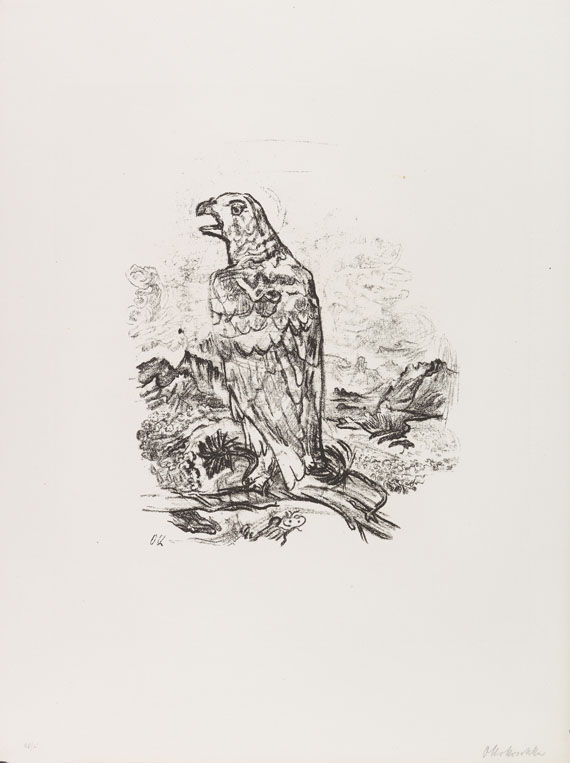
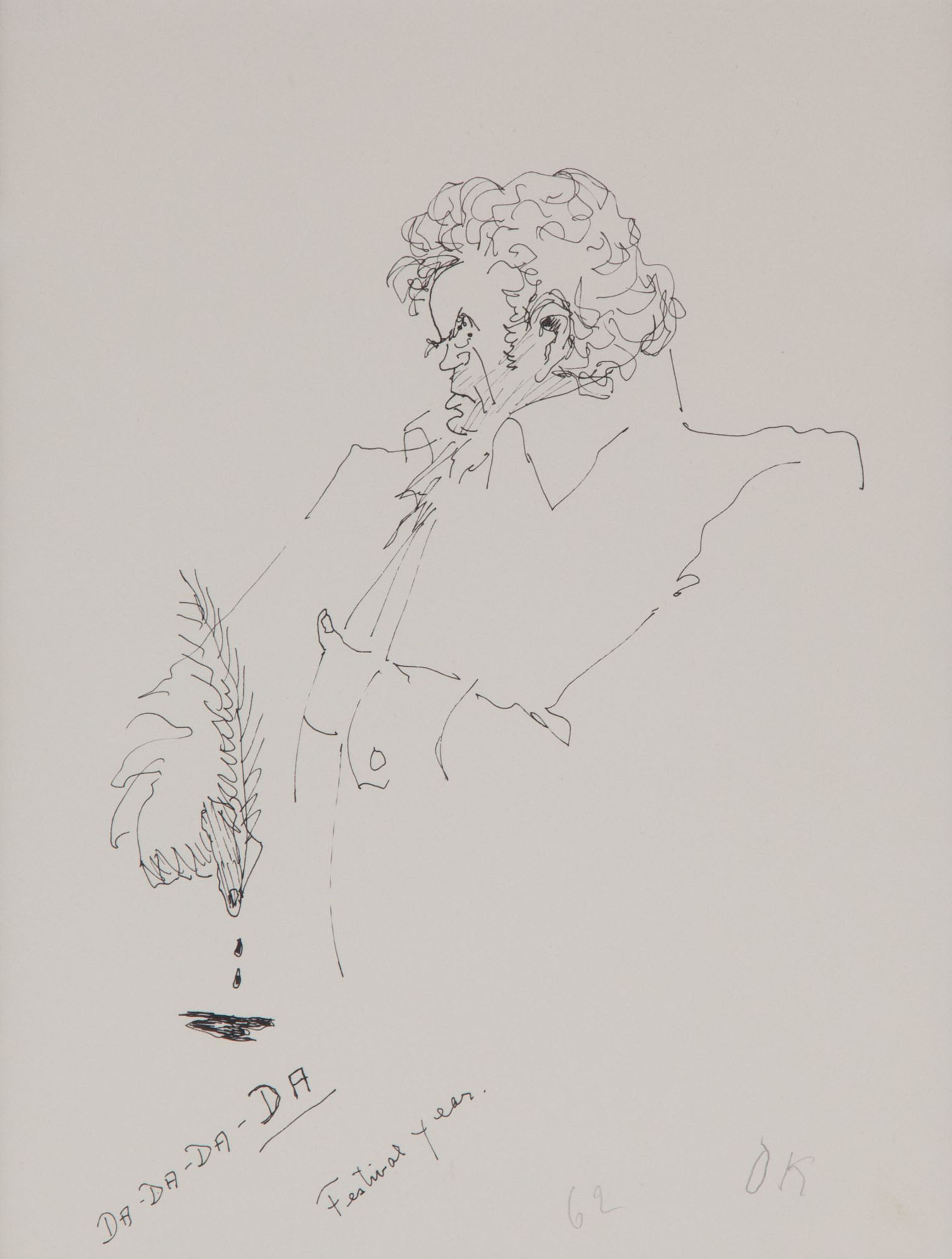
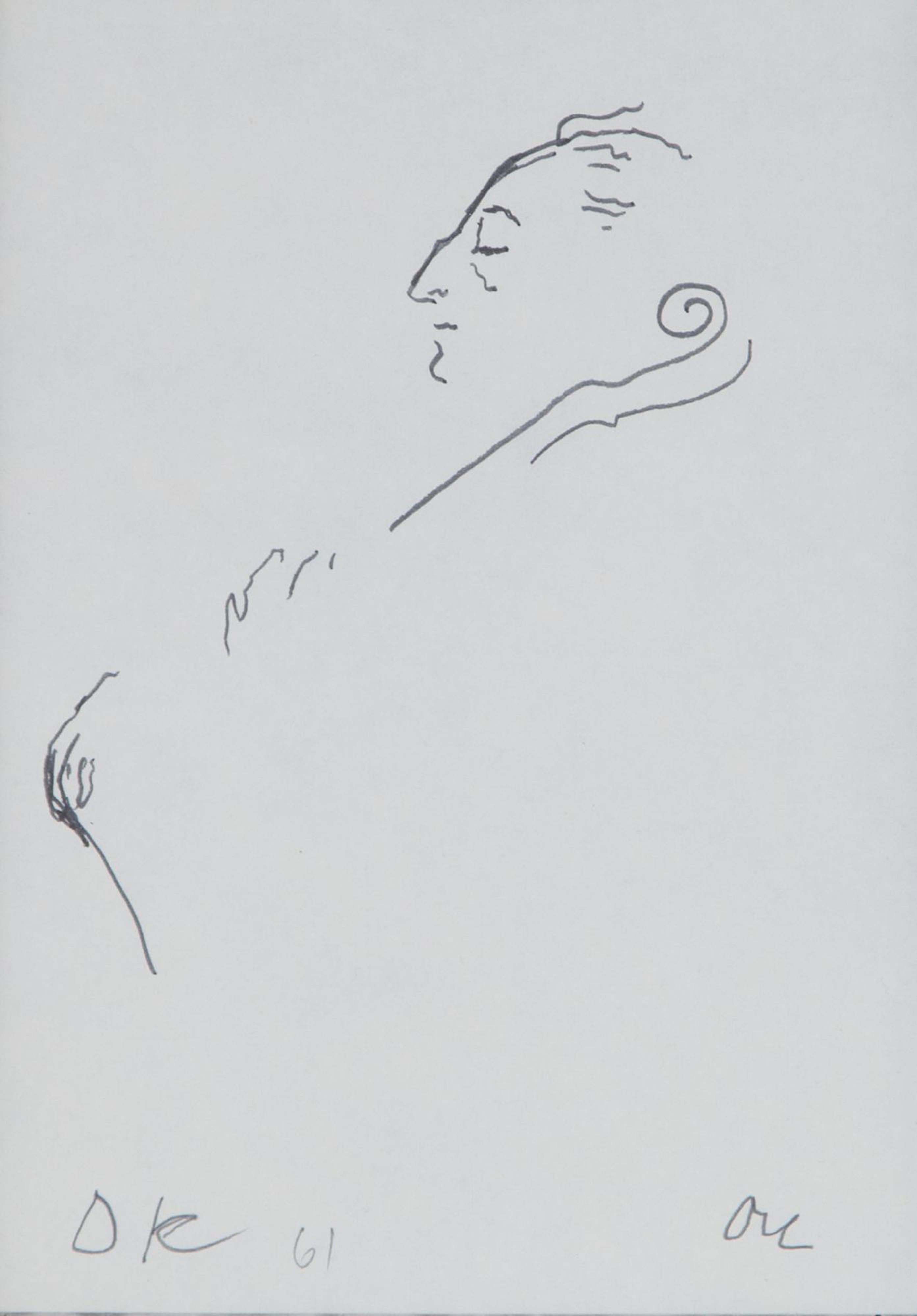
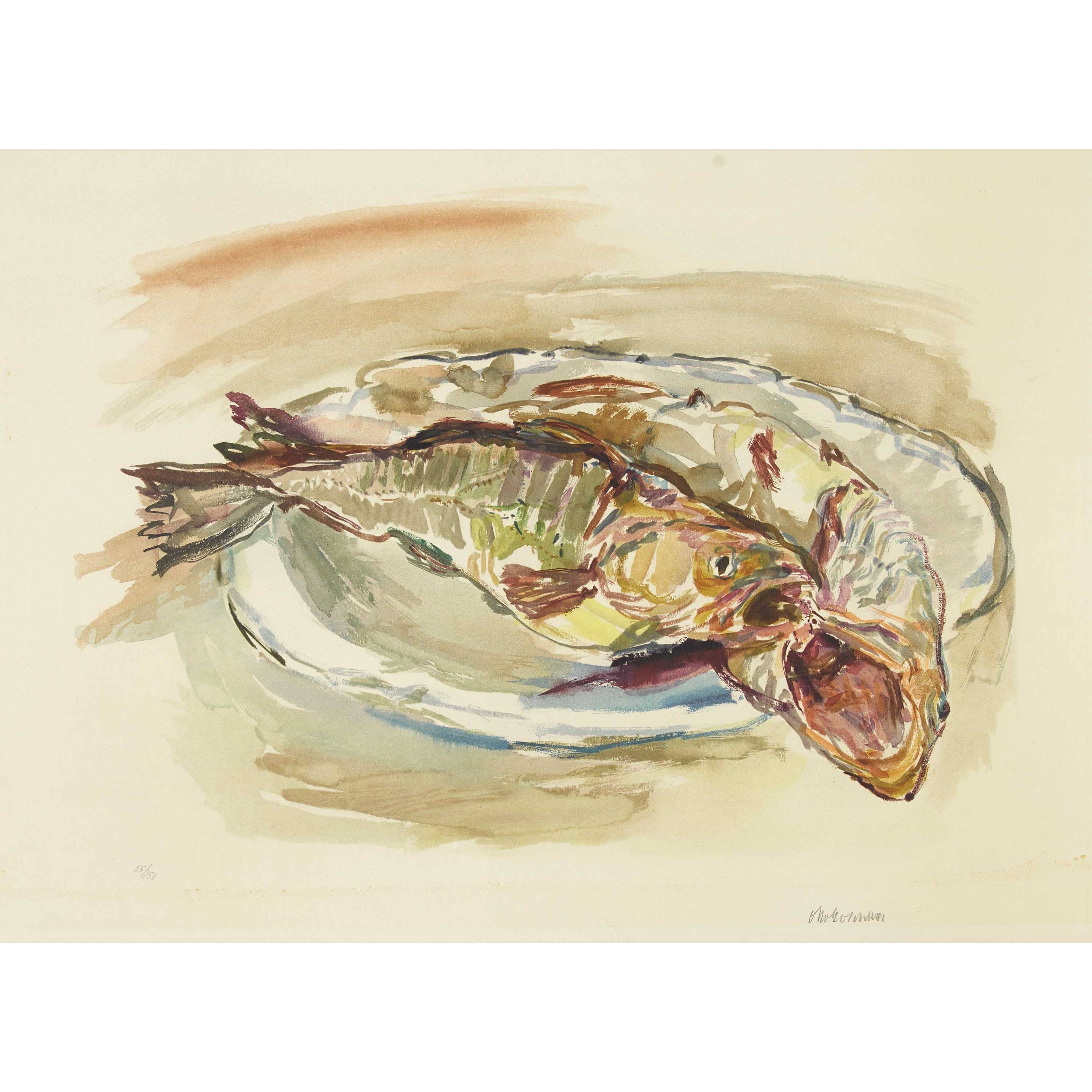
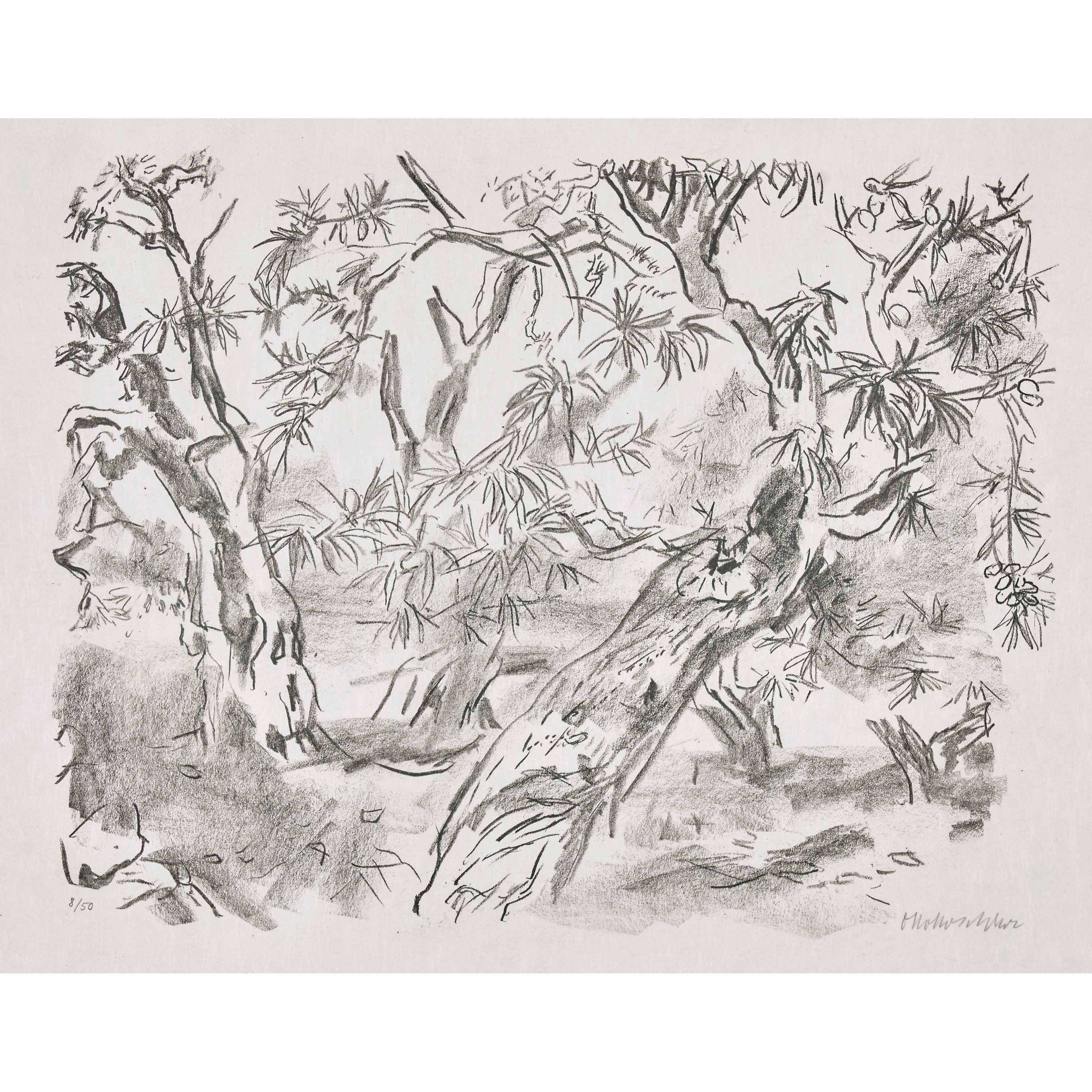
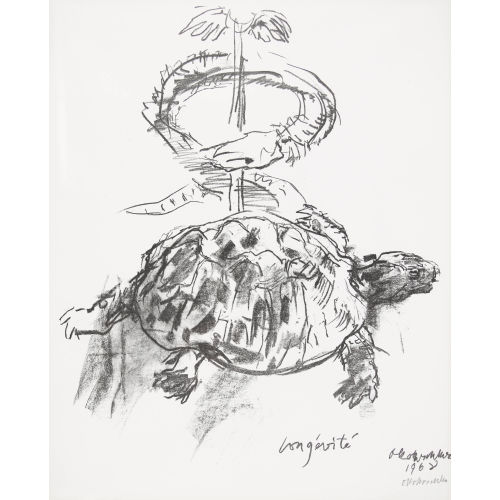
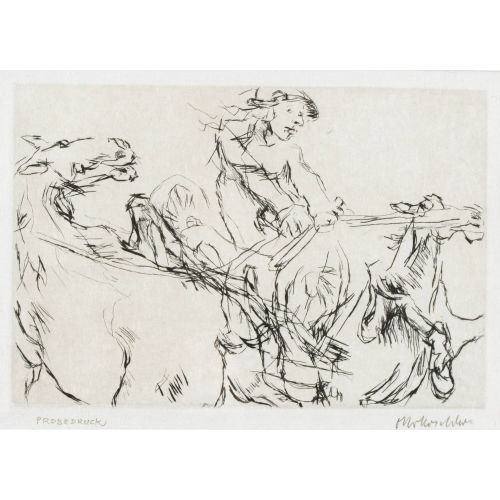
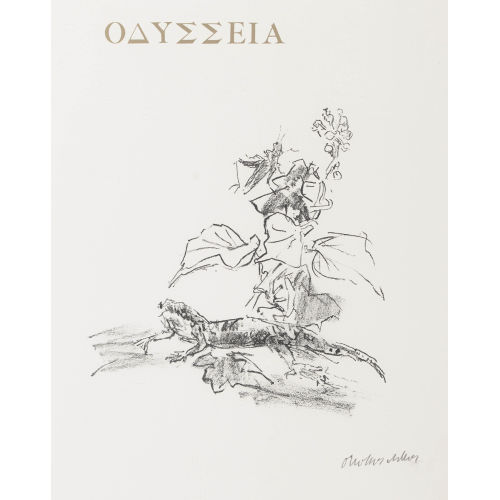
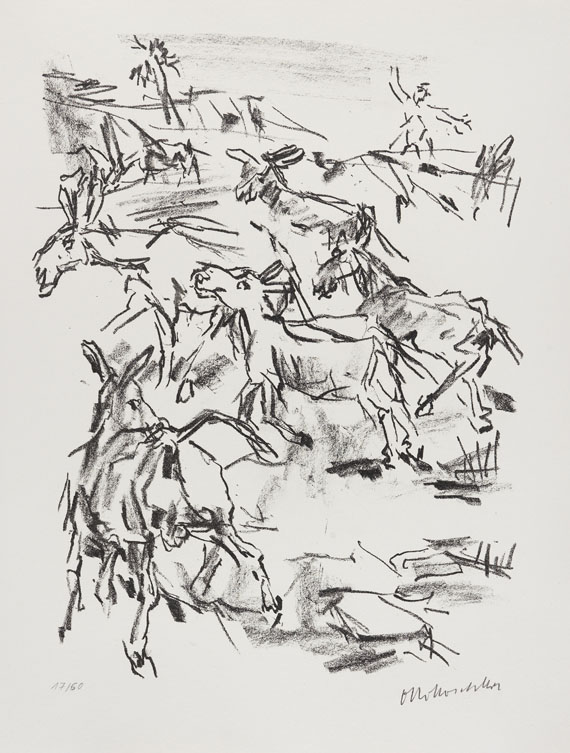
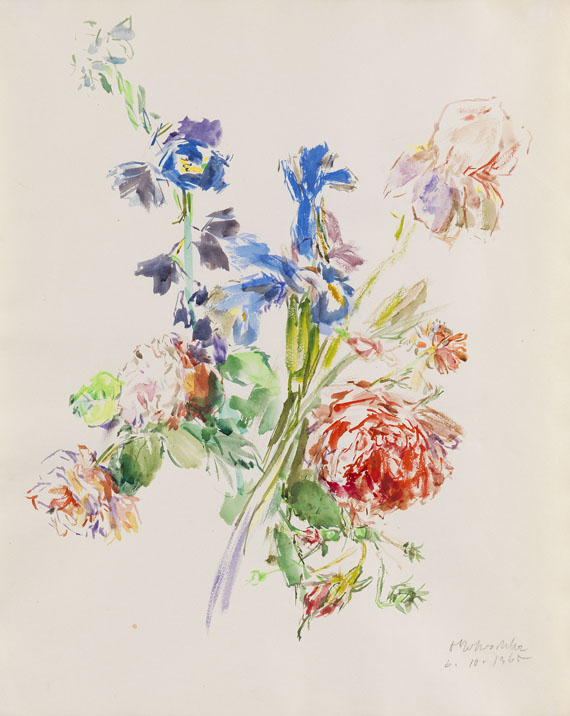
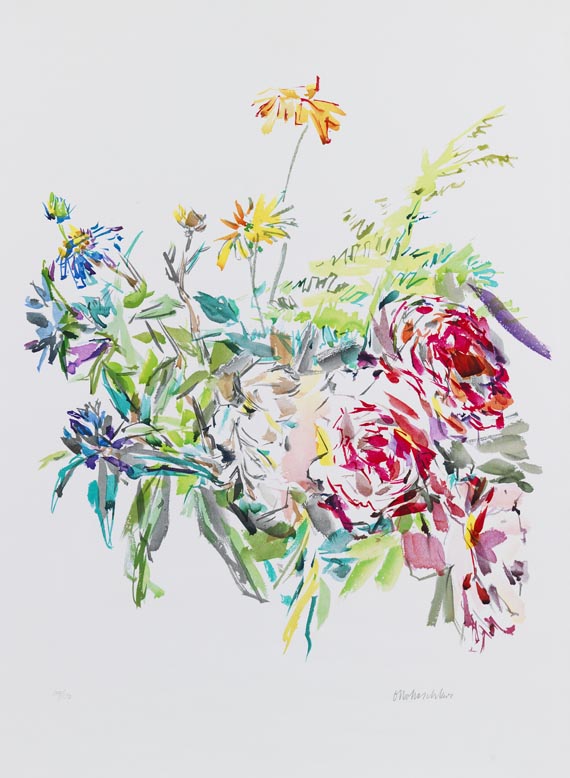
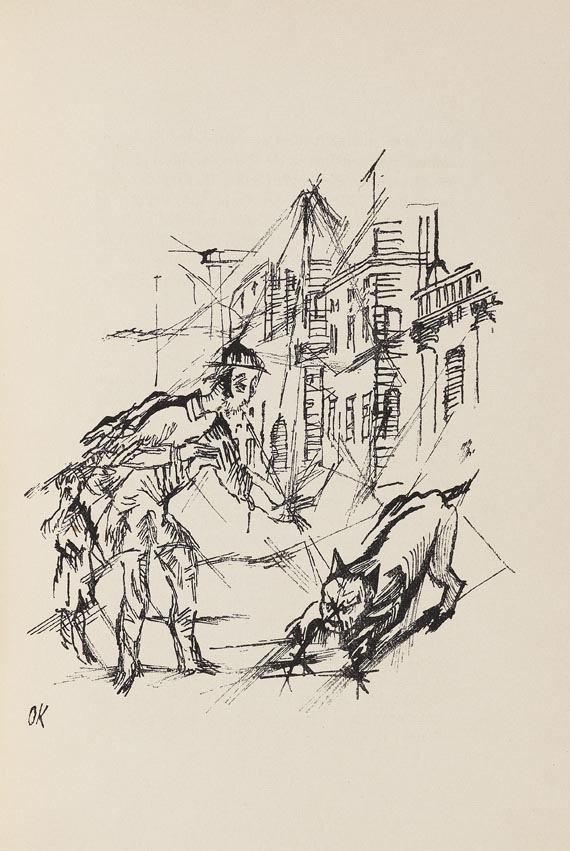
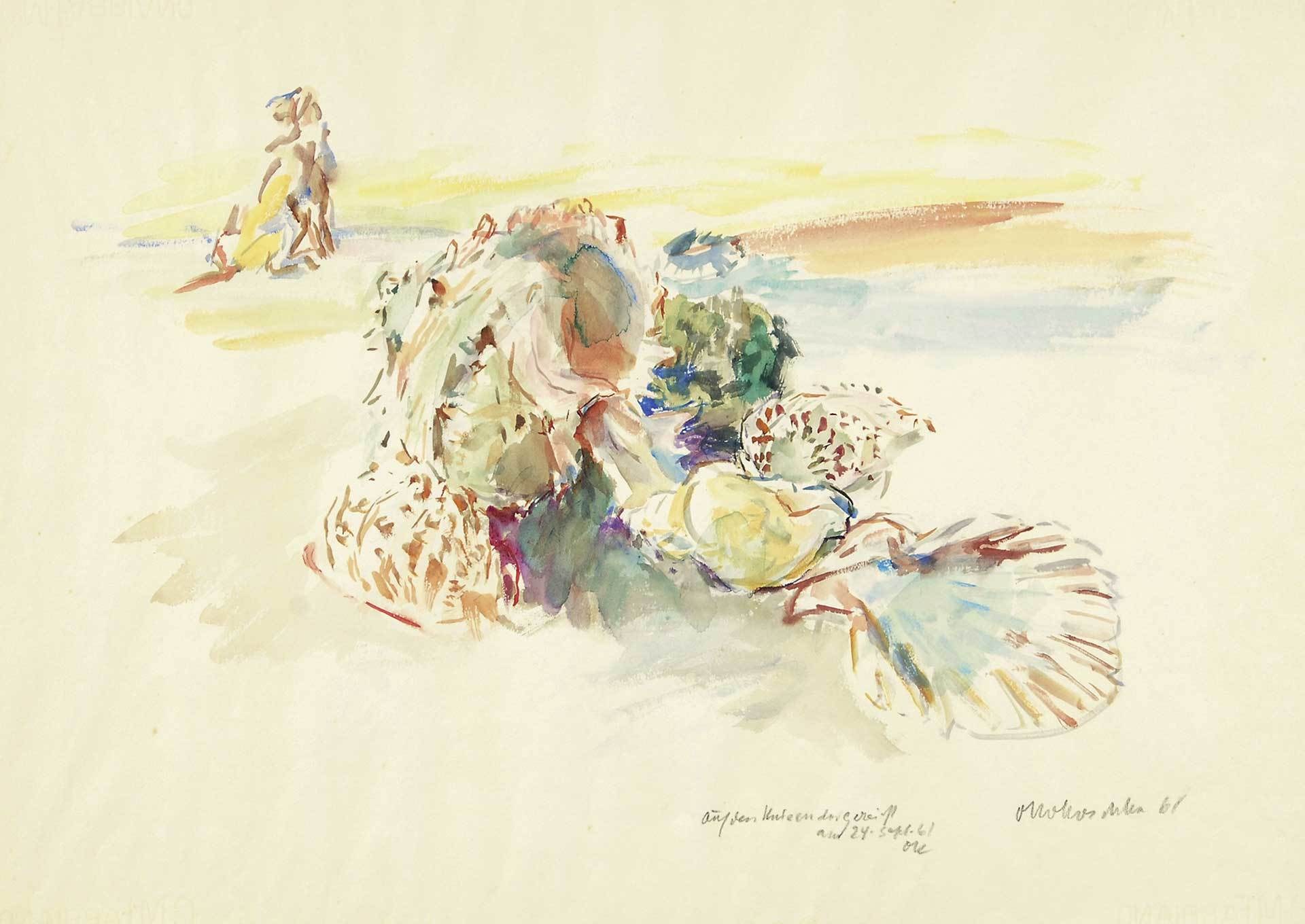
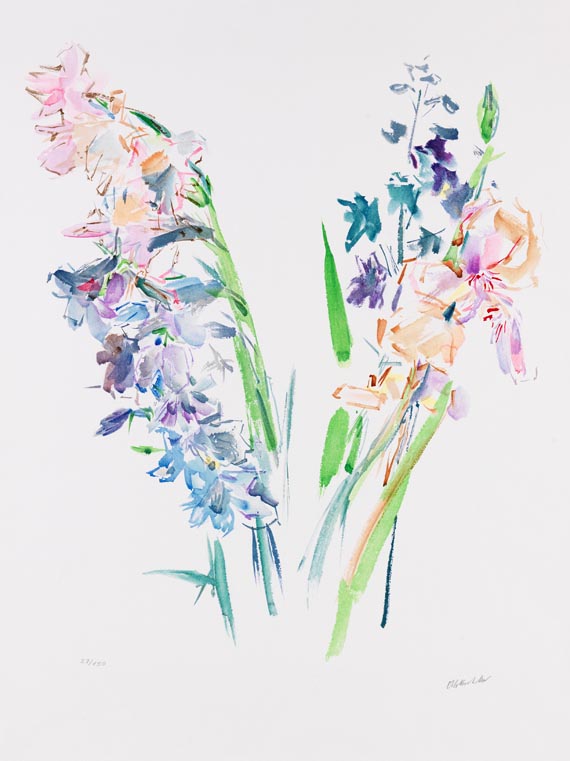
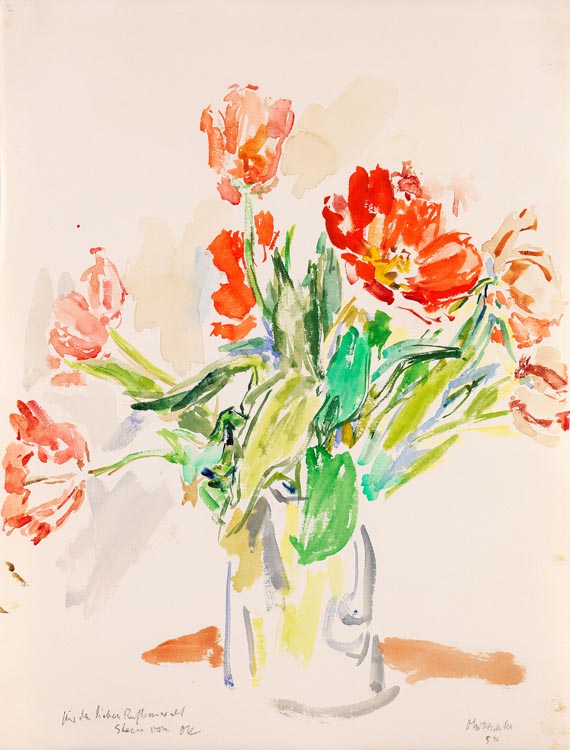
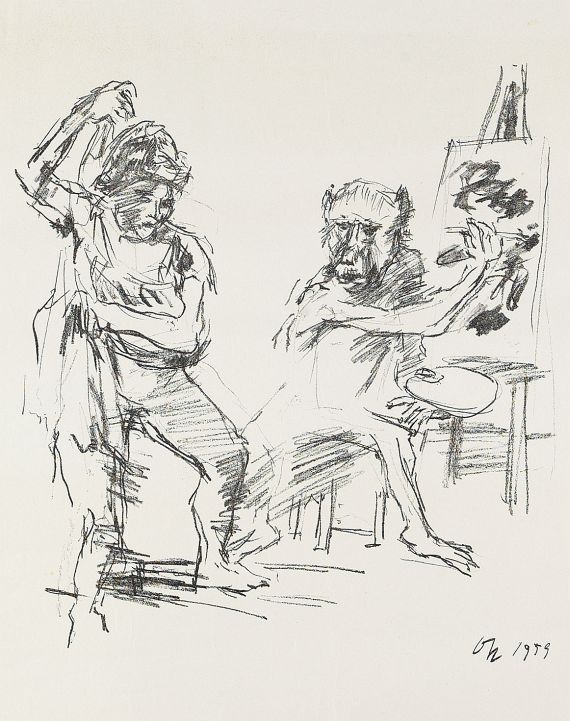
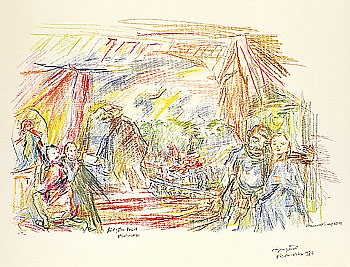
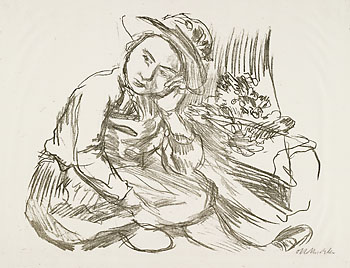
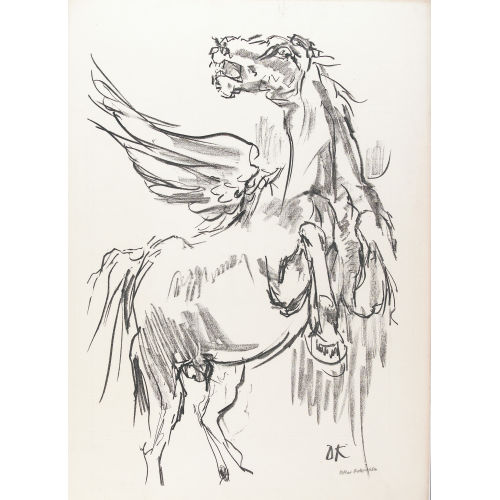
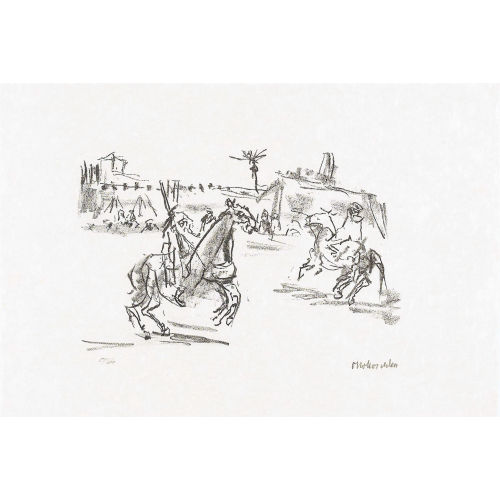
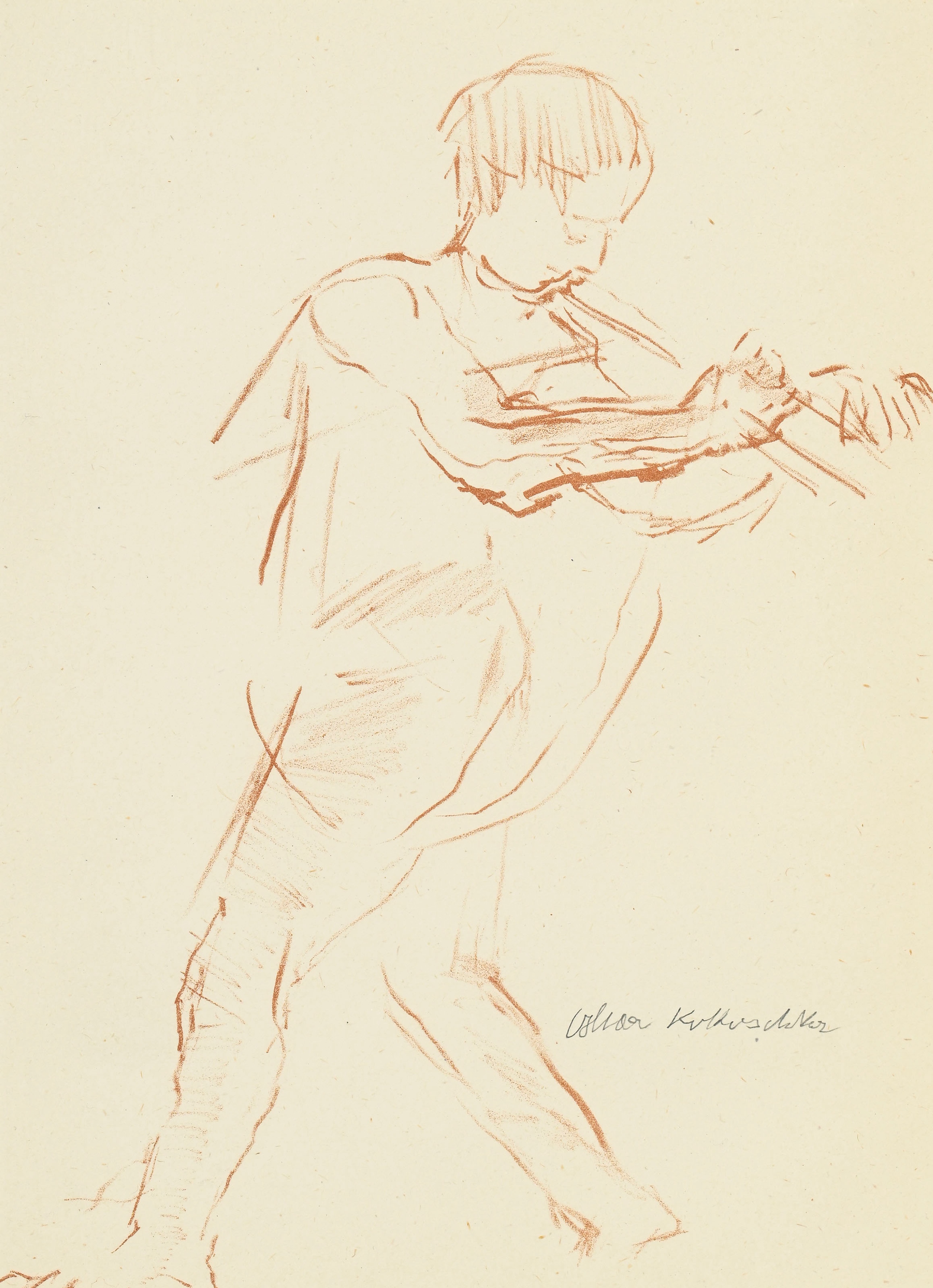
At the same time, he continued to work in painting, printmaking and theatre design.
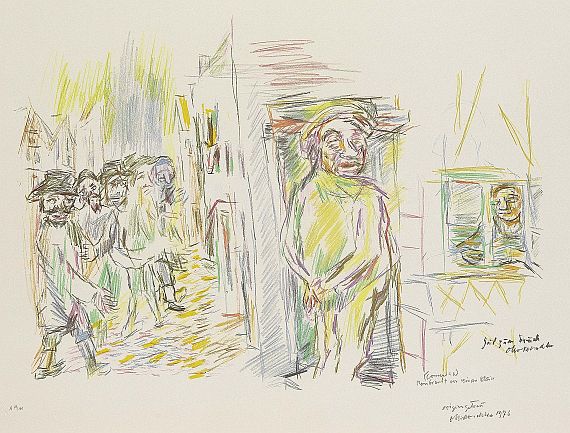
Pausing before his paintings makes it possible to follow this persistent conviction: looking engages the senses, memory and consciousness at once.